




FASHION MANNUSCRIPT















As one of the nation’s leading providers of factoring and financing, we match our 100-plus years of experience with flexible solutions and actionable insights. Our team has the financial savvy to help companies unlock liquidity and manage credit risk so they can fulfill business demands and keep growing stronger. Let’s explore how we can put our experience to work for you.




























































Whether you are an apparel manufacturer or a fashion owner, IDB understands the changing dynamics of the retail environment including the growth of e-commerce and stands ready to assist you with financial solutions tailored to your needs. Our dedicated bankers not only specialize in Apparel & Consumer Products, but also leverage their strong client relationships and extensive global connections to deliver new opportunities, as your preferences, supply channels and fashions evolve. To



visit






PRESIDENT/CEO
Jeff Mann
EDITORIAL
Editor
Rose Leveen
Editorial Consultant
Debra Hazel
Associate Editor
Penelope Herrera
Director of Communications and Marketing
Penelope Herrera
Graphic Design
Virginia Sanchez
Director of Newsletter Division
Kristen Pooran
West Coast Office: 578 Washington Blvd., Suite 827 Marina Del Rey, CA 90292 866-306-MANN (6266)
ART DIRECTOR
Virginia Sanchez
COVER PHOTOGRAPHY
Avvenn
CONTRIBUTORS
David Harouche
Debra Hazel
Dora Lau
Ilisa Wirgin
Krieger Worldwide
Max Ma
Merilee Kern
Michael Sacco
Nicolas Odet
Nataly Blumberg
Paul Magel
Ron Friedman
BUSINESS
Technology Consultant
Eric Loh
DISTRIBUTION
Mitchell’s Delivery Service
California Distribution
MD Service
West Coast Advisor
Daniella Platt
DIGITAL MEDIA
Virginia Sanchez
Web Developer
CS Designworks
East Coast Office: 450 7th Ave, Suite 2306 New York, NY 10123 212-840-MANN (6266)


I hope you all had a great January to start 2026. Let me wish you a happy new year again.
We at Mann Publications are always hard at work. We recently made significant adjustments and improvements, expanding our business model. We now have a dedicated newsletter division and continue to create newsletters that focus on various categories within the industries our magazines cover. The banner ads in the newsletters give great visibility to the businesses we work closely with, especially as our subscriber count grows.
Our media platform is also expanding. We’ve hired a team focused on social media, mainly LinkedIn and Instagram, and we’re working to collaborate with our contributors in unique ways, such as through Instagram Reels.
As you can see, I could go on forever about the new developments and efforts happening behind the scenes. We do this to keep the content fresh and exciting for you, the readers.
I want to shout out my longtime friends at Krieger Worldwide and Rosenthal Capital Group, who recently held important events, as you will see in this magazine. Krieger marked 60 years in business, and RCG held its first holiday party since 2019. Our connections with industry leaders help us keep creating such a high-quality and influential magazine, and I love sharing their celebrations whenever we have the opportunity.
“There is no passion to be found playing small—in settling for a life that is less than the one you are capable of living.”
— Nelson Mandela


Hi everyone!
With the new year well underway, I am excited to share the February 2026 edition of Fashion Mannuscript with all of you.
February is always a unique month in fashion. We are looking ahead to the romance of Valentine’s Day and the seasonal collections that accompany it, while also preparing for the excitement of New York Fashion Week.
Our cover story this month features Avvenn, a womenswear house making its debut in the U.S. market. The brand’s Spring/Summer 2026 collection, “Resilient Growth,” takes inspiration from the complexity of modern femininity and its embodiment of quiet power. The collection reflects these ideas, translating them into garments with sleek silhouettes, thoughtful tailoring and elevated materials. Avvenn is also launching The Balancing Club, a global event series that prioritizes community and connection over a traditional brand activation. The first event will be here in New York, which is so exciting.
The NYC fashion ecosystem would be nothing without the near-constant stream of events across the city, including brand anniversaries, collection launches, NYFW shows and sourcing events. I recently visited Curve NYC, an intimate apparel and swimwear trade show we often highlight in the magazine. It was my first time attending in person, and the experience was unforgettable. It offered valuable insights and provided a meaningful opportunity to showcase our unique magazine. I look forward to sharing more about the February show in our next issue!

















































42 Alexia María Reignites the Art of Dressing up With the 2026 Year of Elegance Collection 44
Style Gifts With Heart: Thoughtful Fashion for a Meaningful Valentine’s Day 52
Occhii: An Intentional Wardrobe for Real Life
58

From Bridal Boutique to Intelligent Infrastructure: How Becca Wenning Is Building the Tech Backbone of the Modern Bridal Industry
78 Designing With Responsibility at Every Step: How Art, Traceability, Ethical Labor and Sustainable Production Shape Designs by Sherilyne 80 Bluebella: Redefining Pleasure on Women’s Terms 82
Swimwear That Moves: Onewith x Claire Buckley Capsule Collection Turns Swimwear Into a Living Canvas


TUESDAY
5:30


Gordon
Dinner
Gordon
Dinner






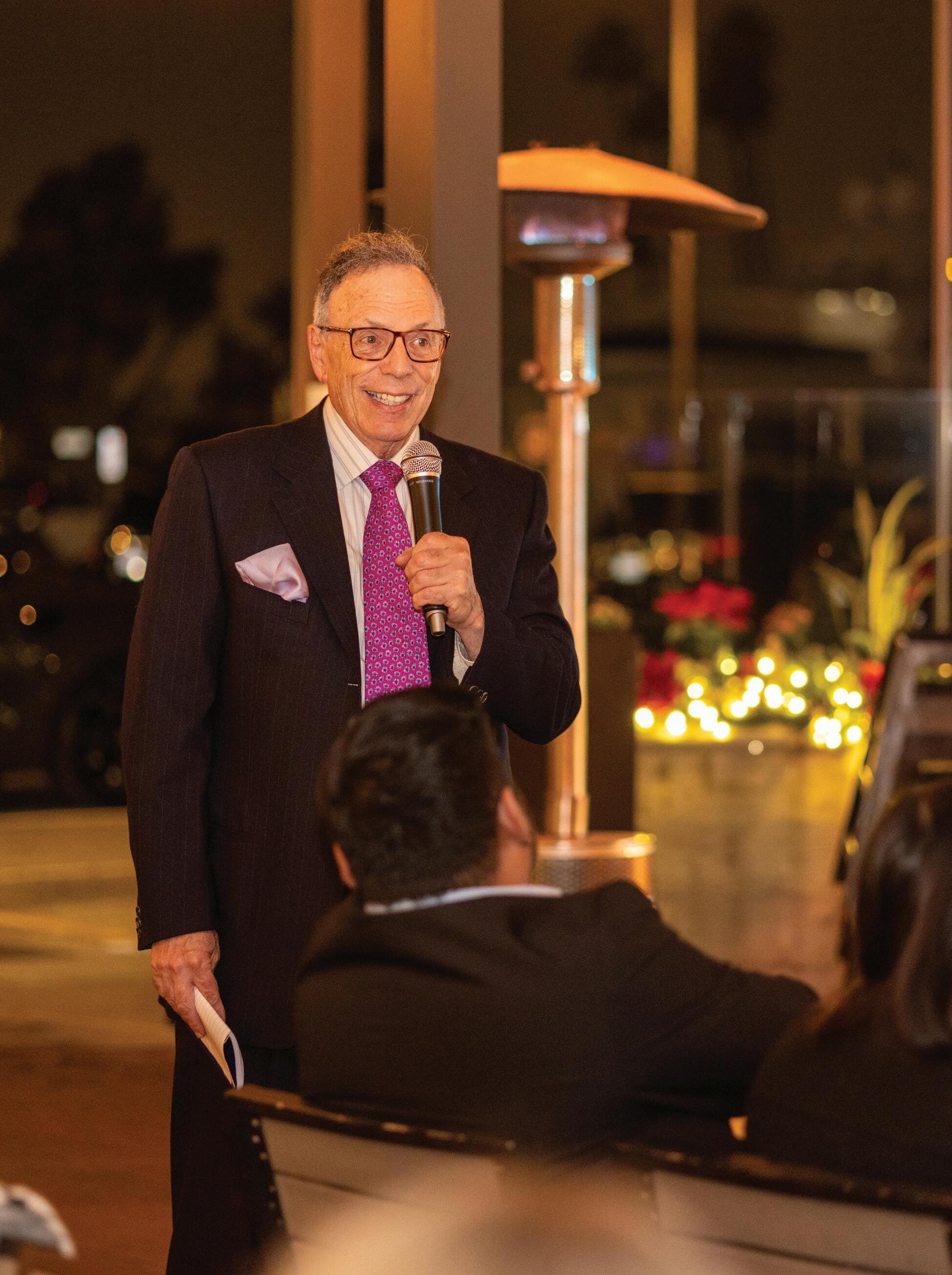
Krieger Worldwide Celebrates 60 Years of Growth and Evolution

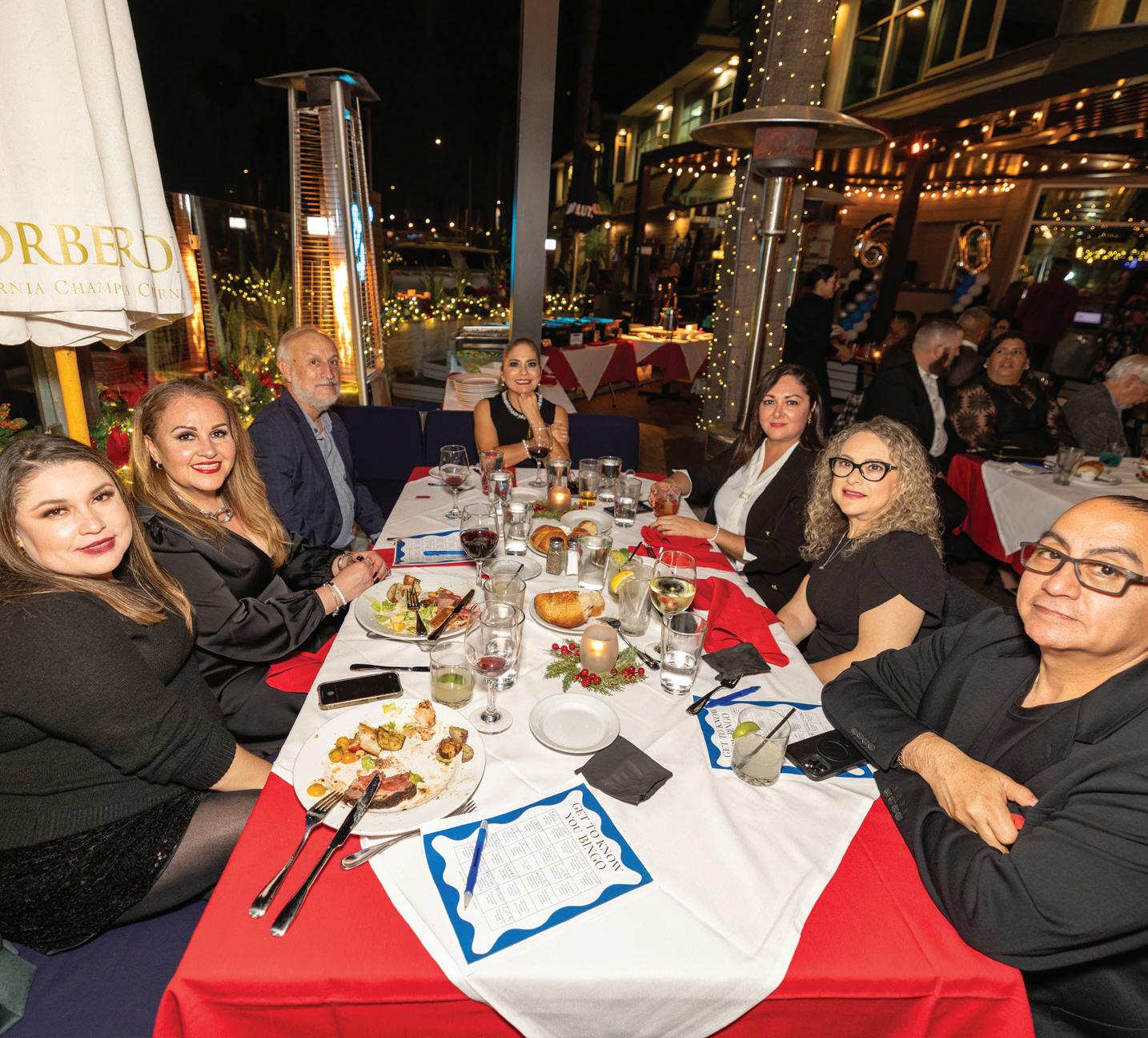
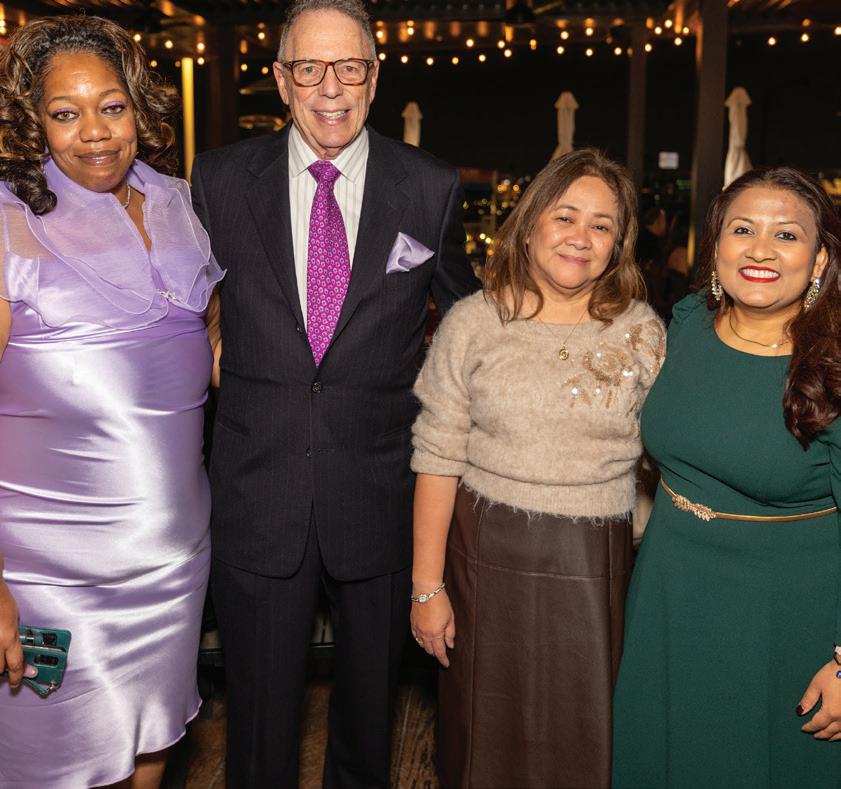
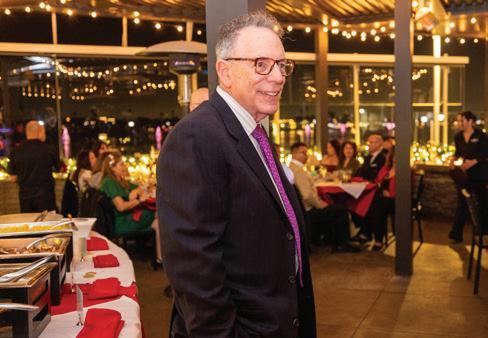
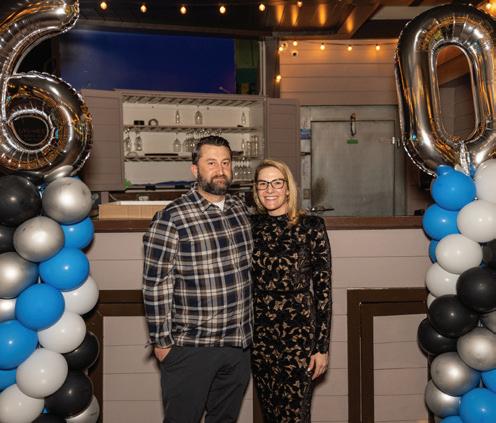
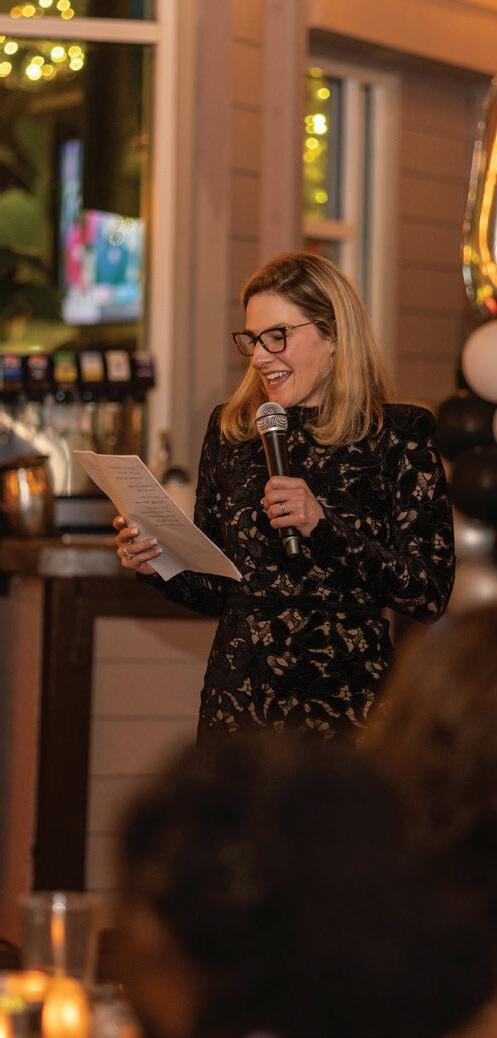
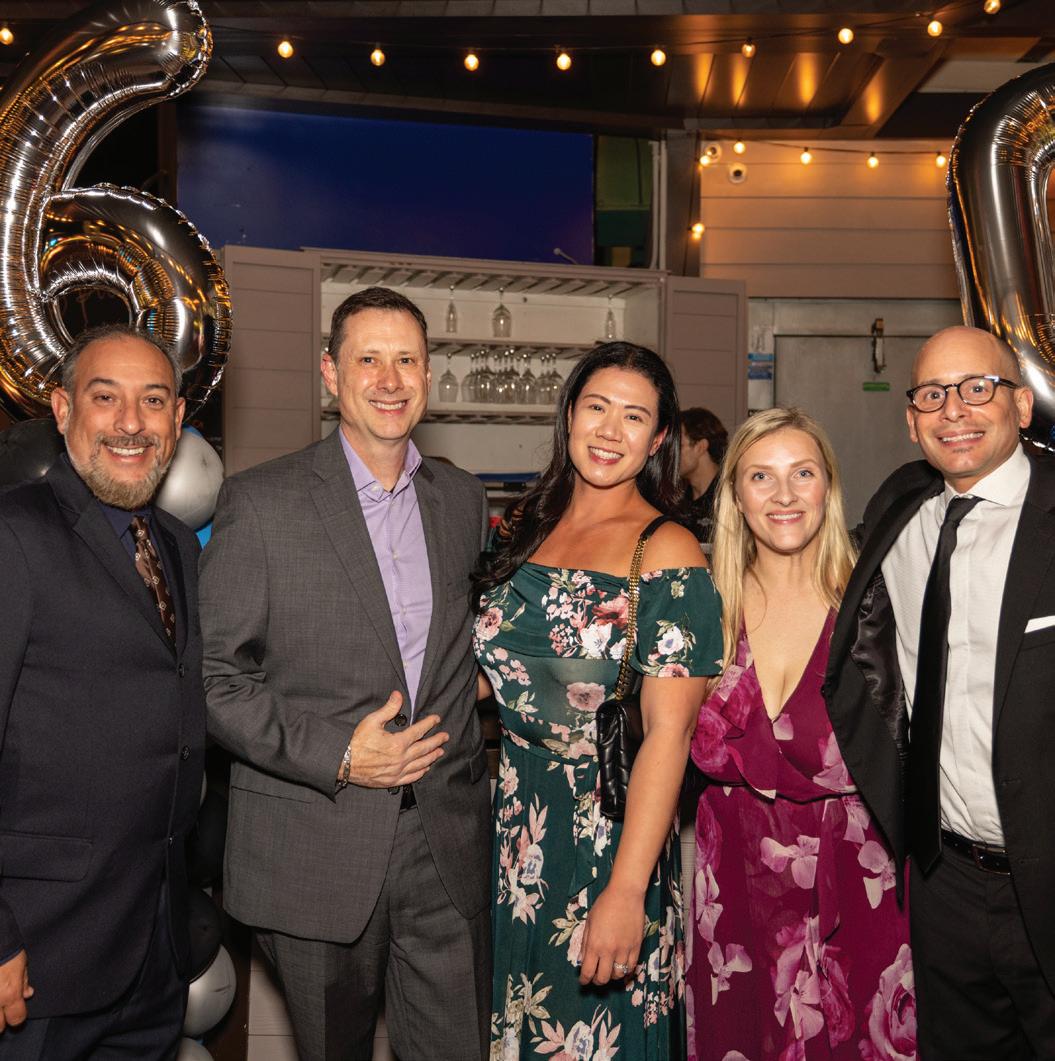
Krieger Worldwide recently gathered to celebrate an extraordinary milestone: 60 years of excellent service in global logistics. What began in downtown Los Angeles in 1965 has grown into a trusted international logistics partner, and this anniversary marked not only a moment of reflection but also an exciting step forward into the company’s next phase. Founded by Norman Krieger, Krieger Worldwide was built on a commitment to personalized service, integrity and long-term relationships. Those values remain at the core of the company today and continue to guide its growth and evolution. Sixty years later, the same dedication to clients and partners is stronger than ever.
The celebration brought together family, friends, team members, partners and clients for an evening filled with pride, connection and gratitude. Robert Krieger, son of founder Norman Krieger and the current president, rang in the milestone by honoring the
company’s legacy while looking ahead to the future. He was joined by Tanya Kolberg, Robert’s daughter and the general manager, representing the third generation of leadership helping to shape the next chapter of Krieger Worldwide.
As the company moves forward, Krieger Worldwide is announcing key expansions that reflect continued growth and investment in its customers. This next phase includes expanding operations in North Carolina and moving into a larger bonded warehouse facility in San Diego, strengthening capacity, efficiency and service across key regions.
For six decades, Krieger Worldwide has been more than a logistics provider. It has been a trusted partner, supporting businesses through international freight forwarding, customs brokerage, warehousing and comprehensive supply chain solutions.










Aus Hosts Launch Event Introducing Its Spring/ Summer 2026 Collection







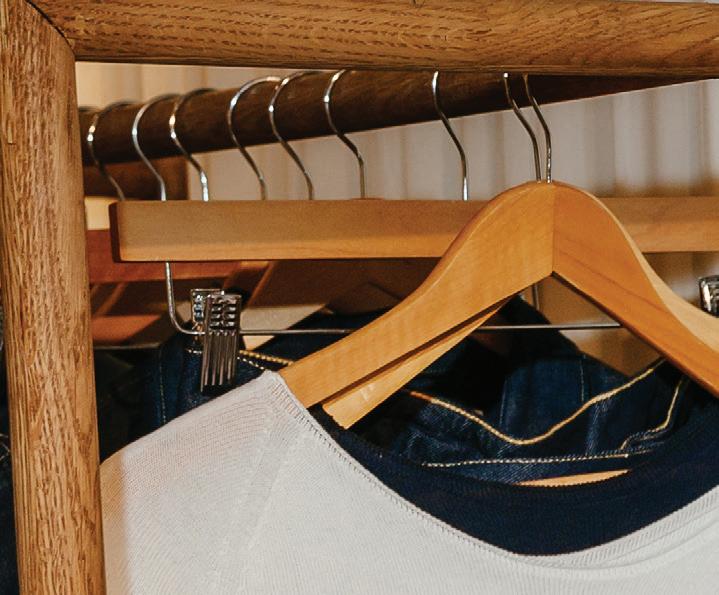
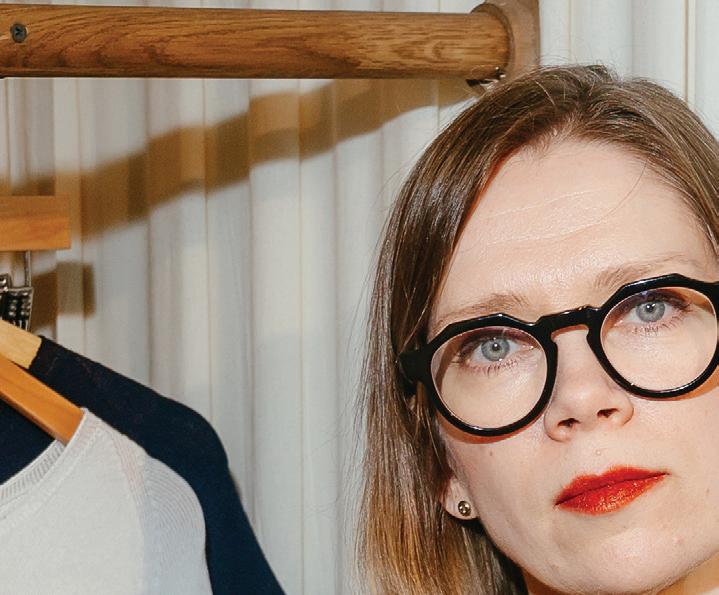
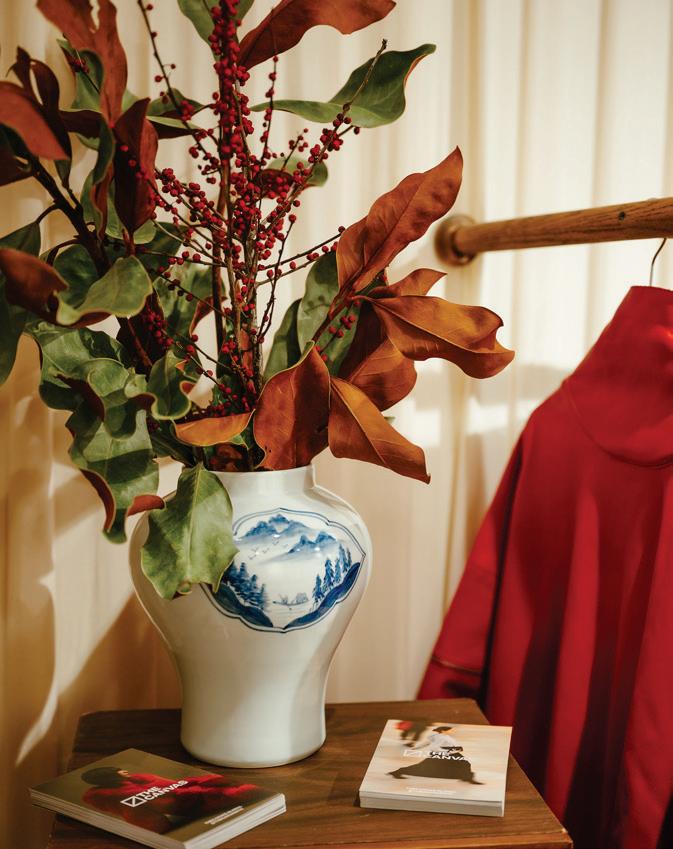
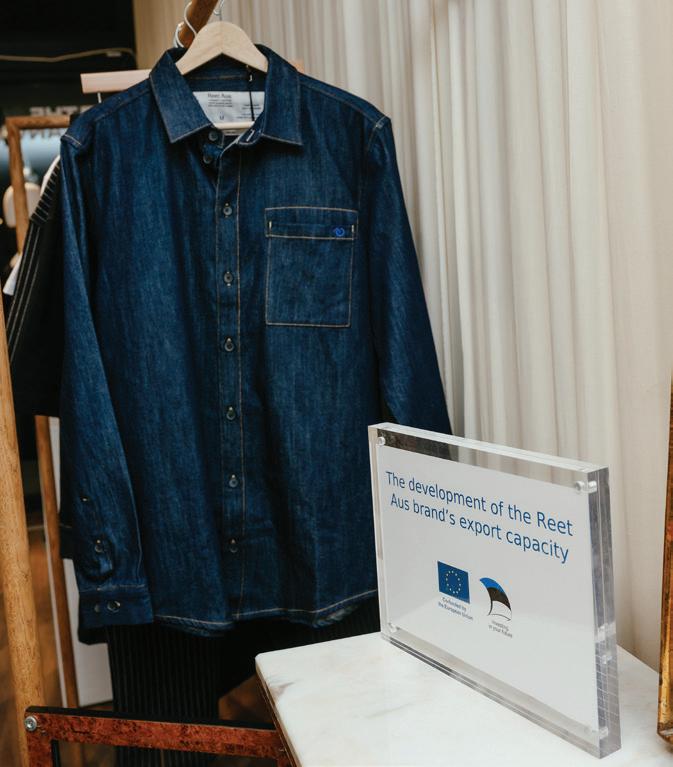
Reet Aus, an Estonian-based PhD, senior researcher and environmental activist, hosted a launch event for her eponymous fashion brand at The Canvas SoHo. Guests had the chance to meet Aus in person and learn about her design process, collection and innovations in circular design.
Founded in 2012, Reet Aus designs are made from upcycled or recycled materials, significantly reducing resource use, including water, CO2 and energy, leaving customers with chic, wearable clothing that is less harmful to the environment.
At the event, Aus explained Upmade, the science-based production method she developed in collaboration with the Stockholm Environment Institute (SEI). This innovative method enables the upcycling of textile waste during garment manufacturing, transforming leftover materials into new products.
On display at the event was the brand’s Upcycled collection. The collection was industrially upcycled from textile
leftovers and produced in full compliance with Reet Aus’ Upmade-certified upcycling production system, which respects labor rights and avoids harmful chemicals. The Recycled collection, which gives new life to materials from pre- and post-consumer garments, was also present.
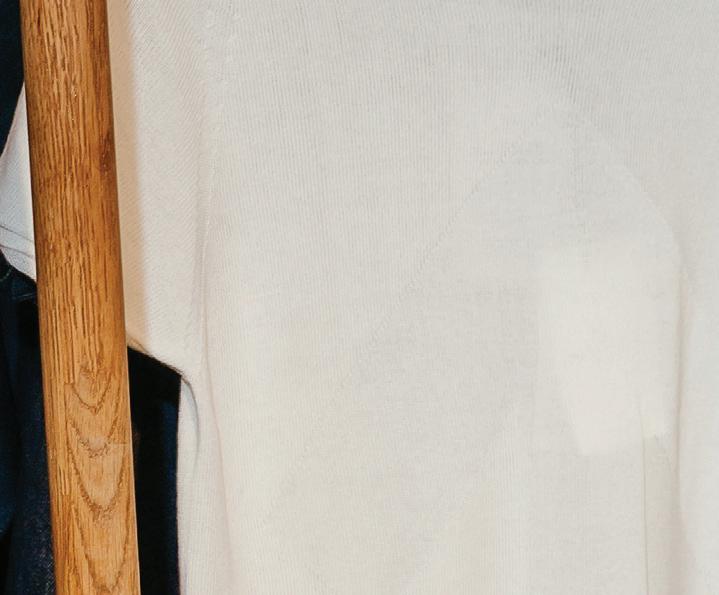
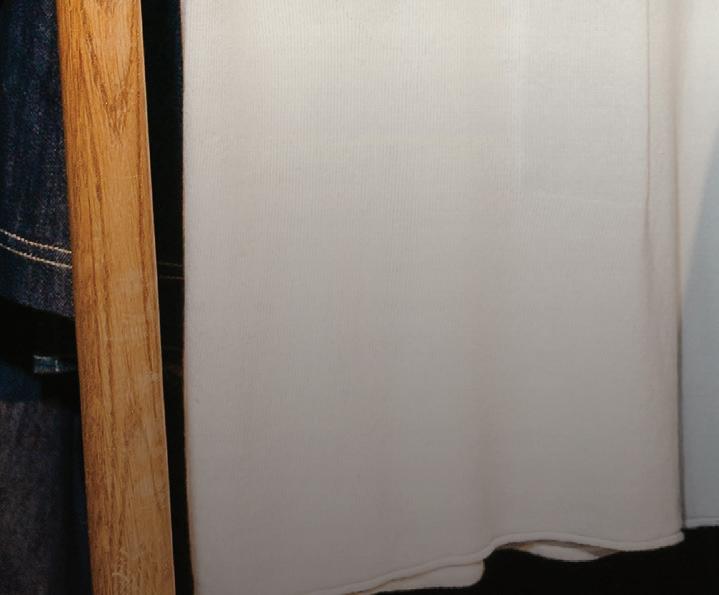
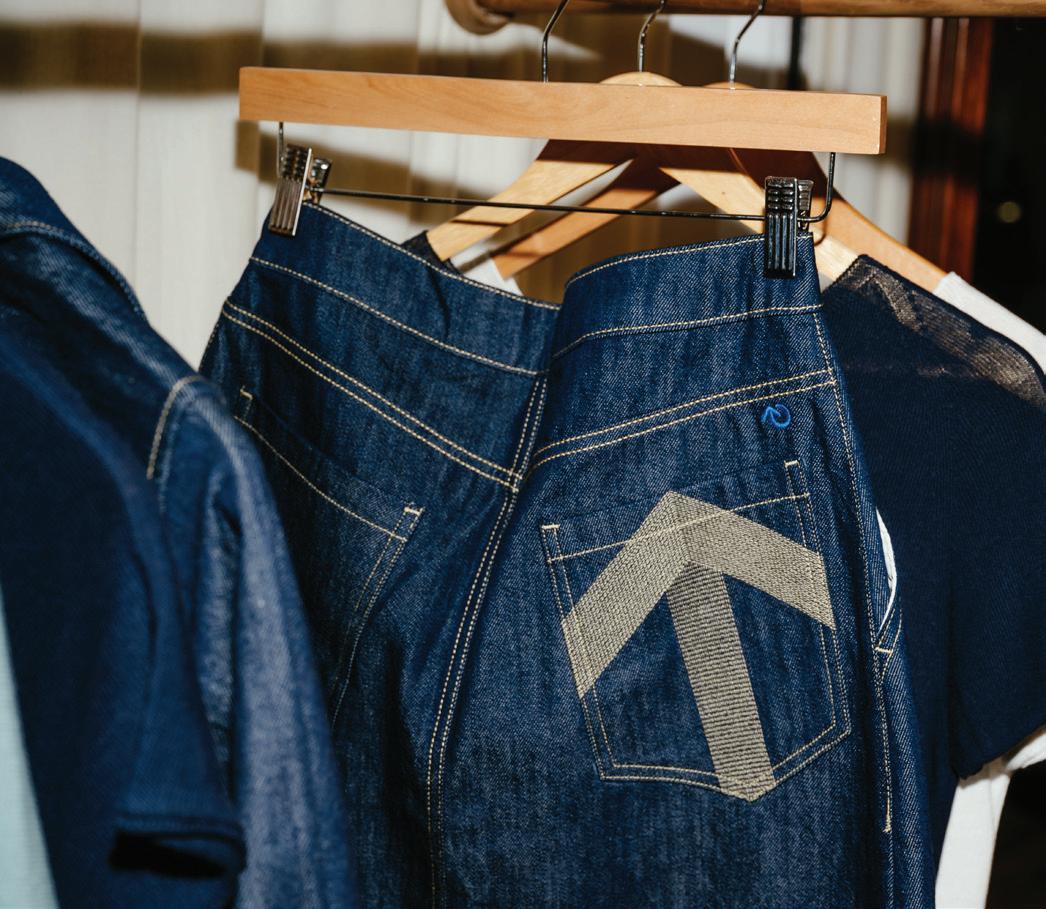
The Spring/Summer 2026 collection features sturdy denim, lightweight wool sweaters and the brand’s signature industrially upcycled, Upmade-certified T-shirts.
Attendees included sustainable fashion content creators, journalists and friends of the brand.
“This event was a great opportunity to introduce our brand to the New York market and meet new champions of sustainability and circularity,” said Aus. “We’re excited to grow a community in this dynamic, forward-thinking city who are as passionate about circularity and sustainable fashion as we are.”

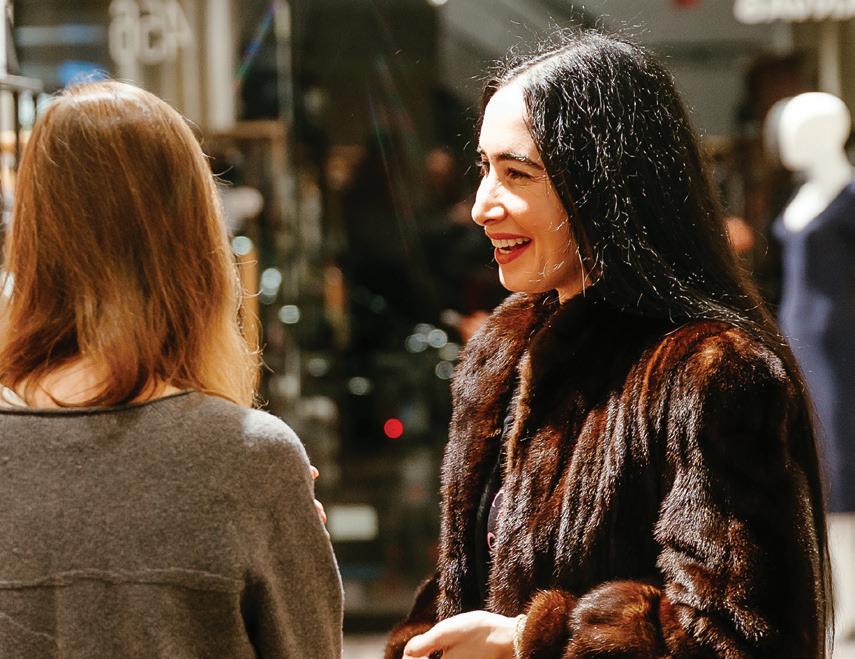

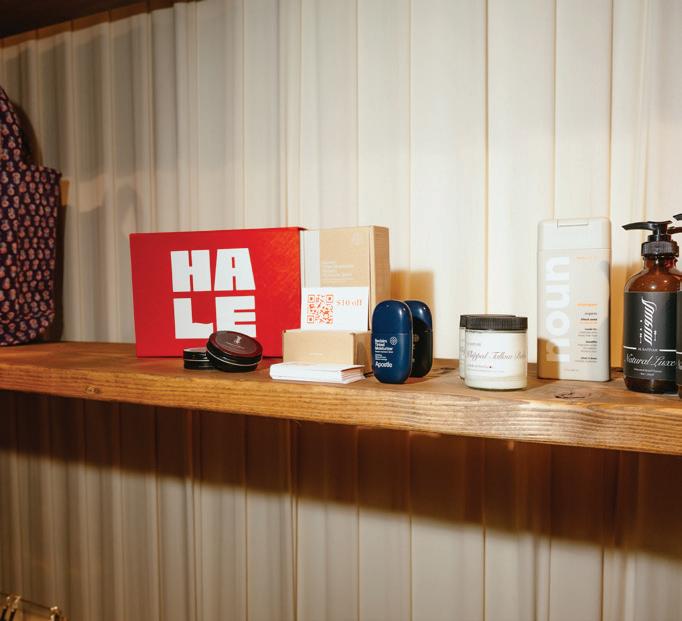







the Holidays at The Spiral






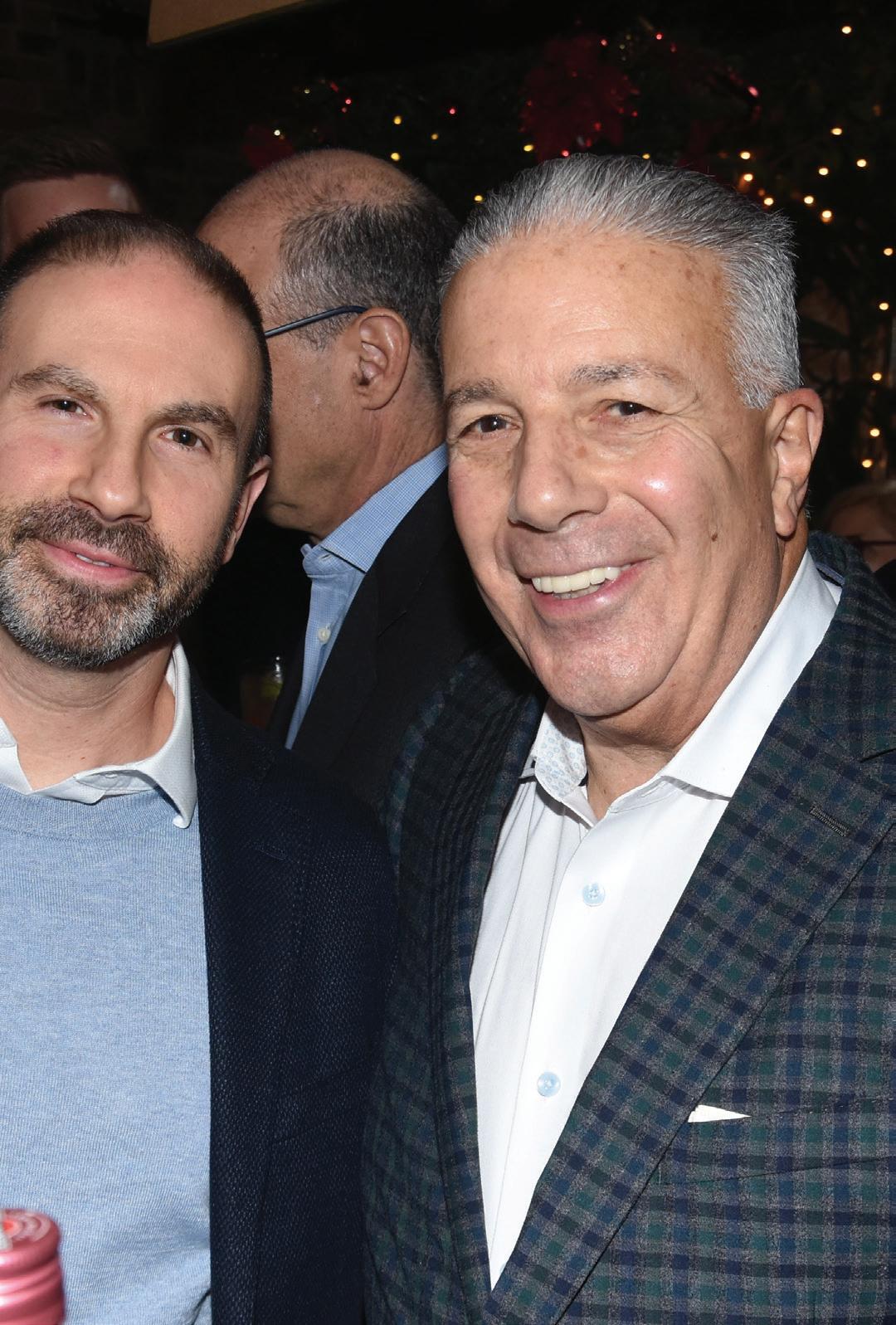



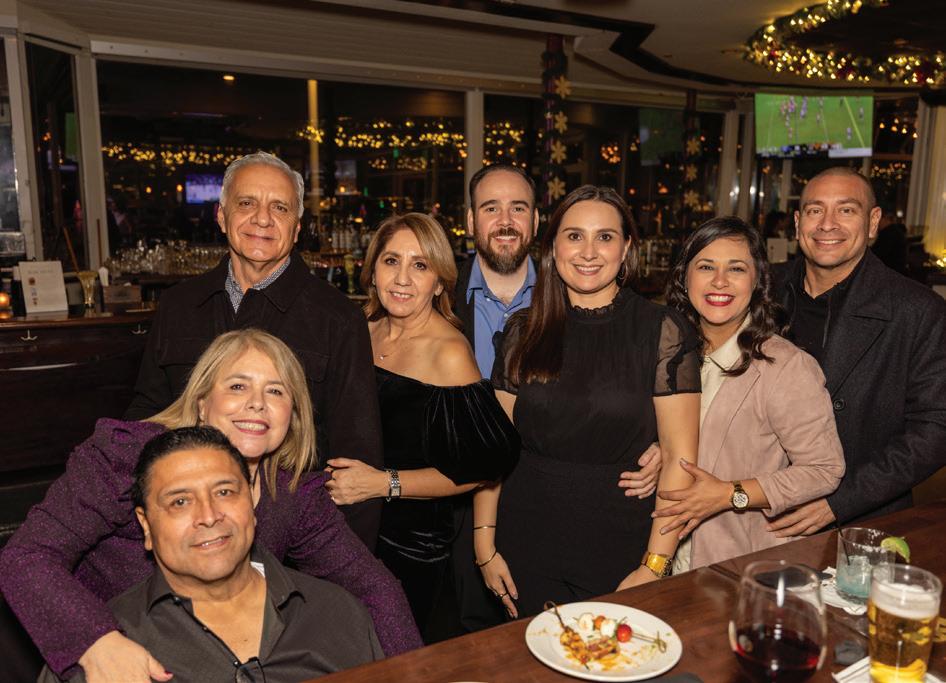
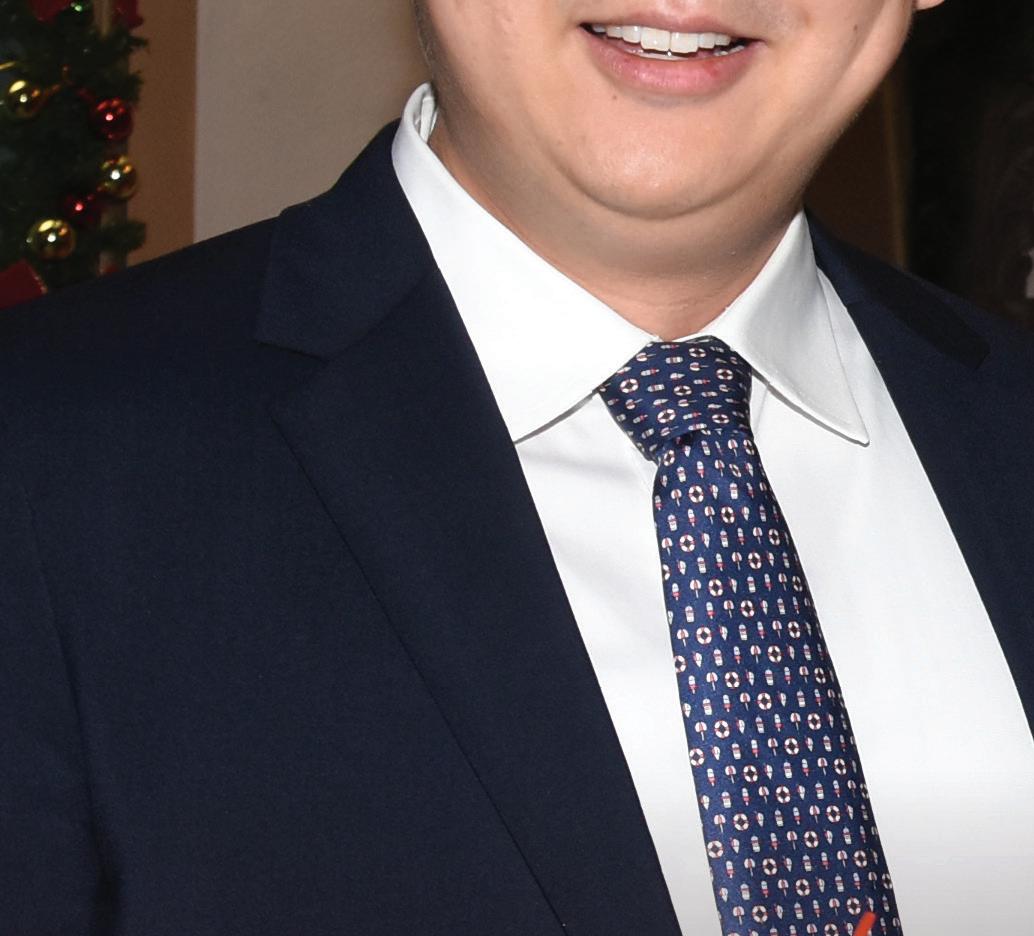
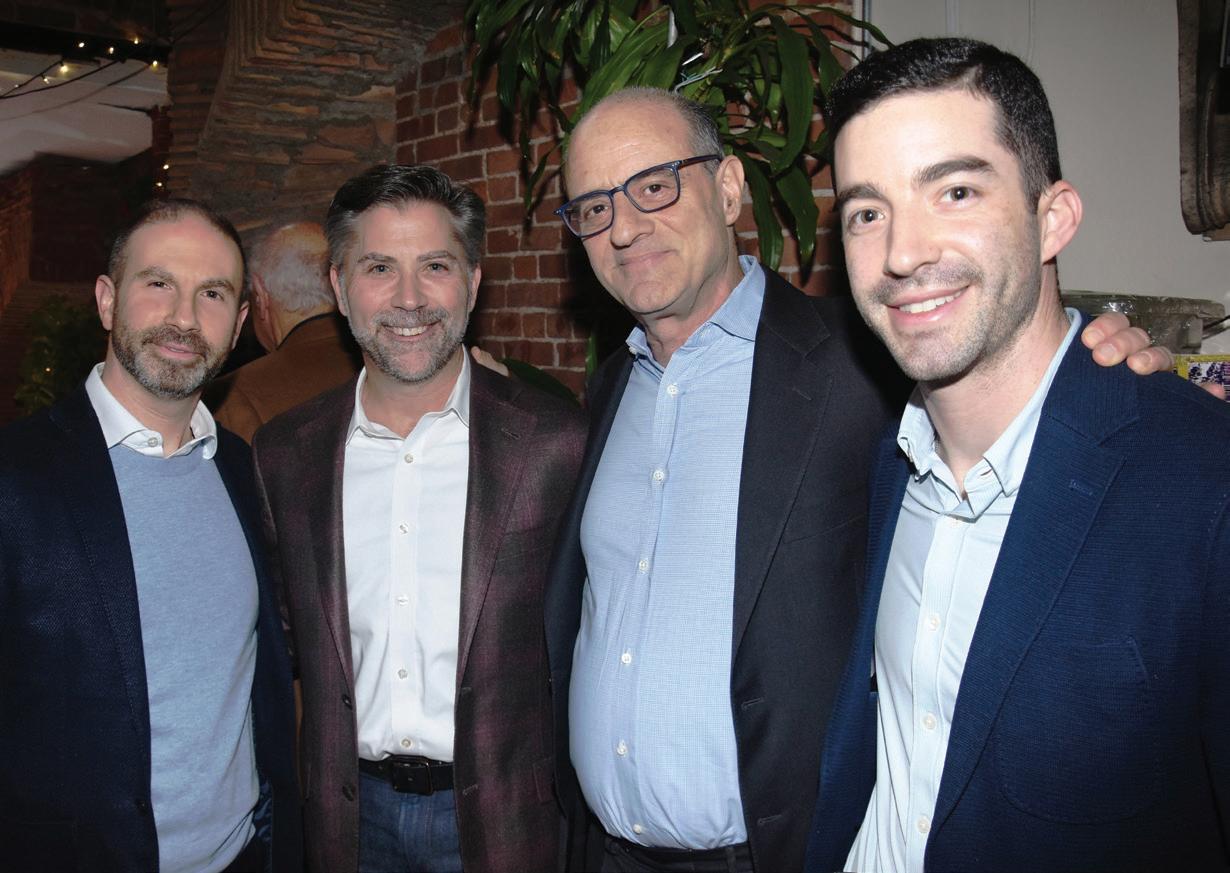
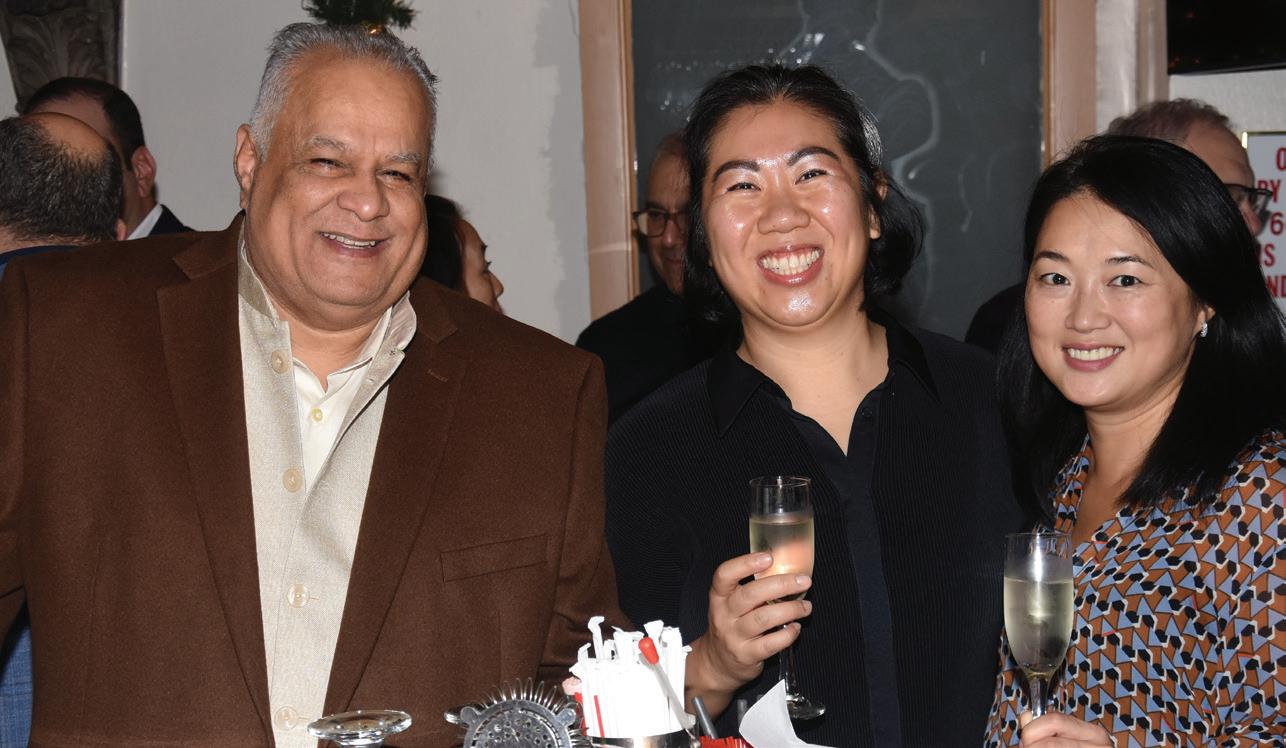
Rosenthal Capital Group hosted its first company holiday party since 2019, before the pandemic. The festivities took place at the event space on the 66th floor of The Spiral, a Tishman Speyer building in Hudson Yards, with iconic views of Manhattan.





February 3 – 6, 2026
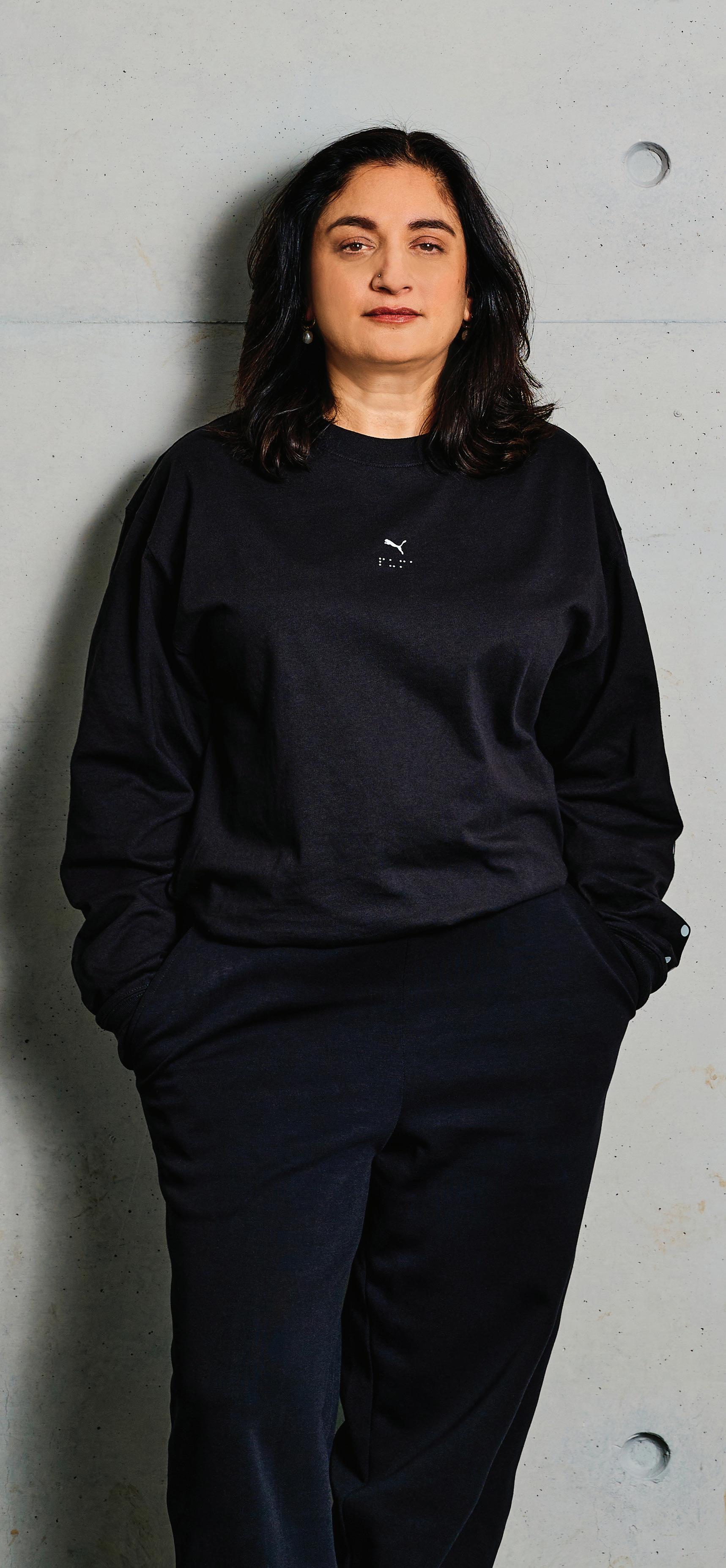
Sports company Puma has appointed Nadia Kokni as vice president of global brand marketing. Kokni joins Puma’s global leadership team and reports directly to Maria Valdes, chief brand officer.
In her new role as Puma’s most senior global marketing leader, Kokni will oversee brand marketing strategy, brand marketing creative direction, and integrated marketing and communication globally. Her appointment comes as Puma accelerates its global brand ambition and sharpens storytelling around its product icons and innovation pipeline.
Kokni brings deep international experience shaping and transforming leading global brands across the sports, fashion and lifestyle industries. She has held senior leadership roles at JD Sports, H&M, Adidas, Tommy Hilfiger and, most recently, at Hugo Boss as senior vice president of global marketing and communications, where she spearheaded large-scale brand transformation and digital acceleration.
“Nadia is a world-class marketing leader with a proven ability to build modern global brands through strategic clarity, creative excellence and cultural relevance,” said Valdes. “Her appointment comes at an important time for Puma as we bring product creation and storytelling even closer together. Nadia’s leadership will help us deliver sharper product narratives, stronger brand heat and deeper consumer connections globally.”
Kokni’s appointment follows Puma’s recent decision to put brand marketing, product, creative direction, innovation and go-to-market into a single global organization led by Valdes.
“I’m delighted to join Puma at such an exciting moment for the brand. It has a powerful heritage and a clear opportunity to lead at the intersection of sports, culture and performance,” said Kokni. “I look forward to working with Maria and teams around the world to deliver bold, meaningful storytelling that inspires consumers and accelerates Puma’s next phase of growth.”
Kokni replaces Richard Teyssier, who has decided to leave Puma to pursue other opportunities.

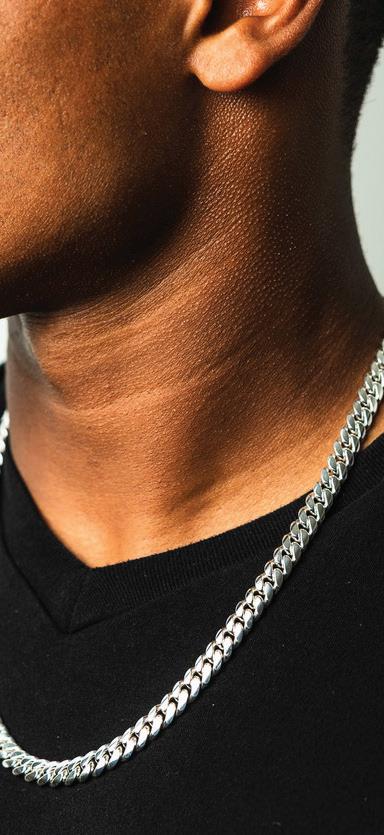
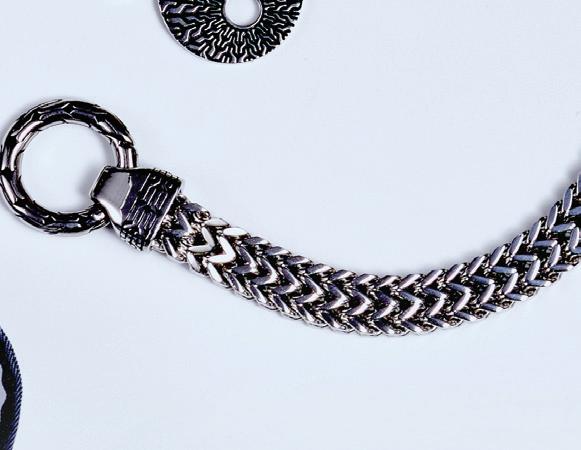
There’s something about wearing a standout piece of jewelry that makes someone feel special. Rulers of ages past would often wear thick, radiant gold and silver necklaces and other accessories as a testament to their power, ambition and wisdom. Today, however, Miami Links is redefining what jewelry accessories look like.
Miami Links’ Cuban chains and bracelets aren’t just statement pieces; they’re future heirlooms. Designed for those who appreciate luxury without the flashiness, Miami Links delivers high-shine impact with just the right amount of edge.
Cuban links have long been considered a foundational piece in men’s jewelry. Their proportions and structure lend themselves to a wide range of personal styles, offering a balance of familiarity that elevates everyday wear.
“Growing up in a first-generation Cuban family, Cuban link chains were more than jewelry,” shared Daniel Trujillo, founder of Miami Links and a Marine Corps veteran. “They were part of our family’s milestones and heirlooms. With Miami Links, we craft pieces meant to be worn, remembered and passed on.”
After serving in the Marines, Trujillo returned to his hometown of Miami to reconnect with his Cuban heritage and build a jewelry brand that reflected the city’s diverse, iconic culture and his family’s roots. With Miami Links, each piece is handcrafted—an explicit choice that speaks volumes about permanence, intention and style with substance.
“We wanted to create jewelry that actually meant something,” Trujillo noted. “How it looks is still obviously important, but its ability to last matters far more.”
Miami Links’ chains are designed to last for everyday wear. The clean design makes them versatile, while the craftsmanship makes them memorable.
Trujillo understands that jewelry should feel meaningful, not mass-produced. Like a fresh shave or haircut, each piece of custom jewelry from Miami Links is meant to leave a lasting impression on others while making the wearer feel clean, confident and ready for whatever the day has in store.
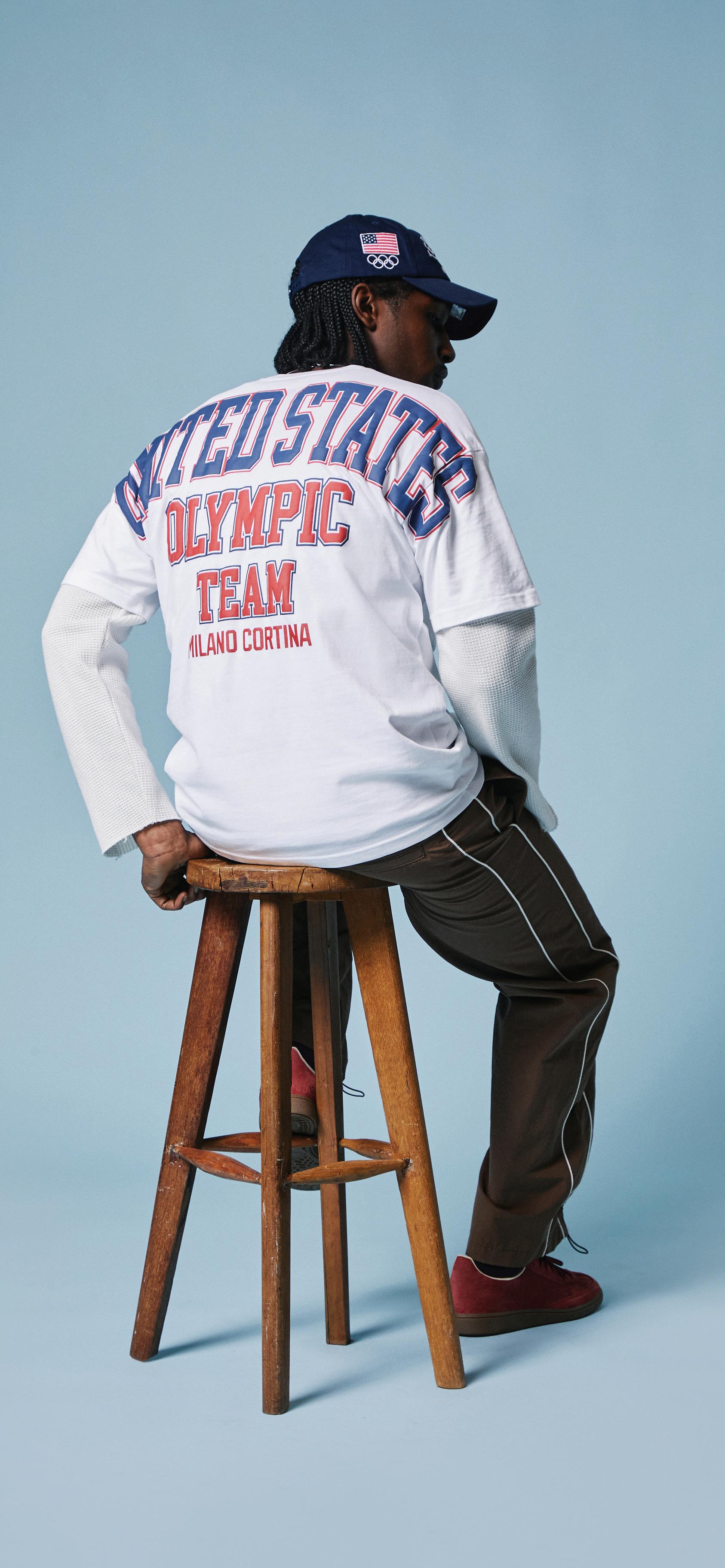
Pacsun introduced its Team USA 2026 Winter Olympics collection, which pays tribute to a legacy of American excellence and unity, celebrating the spirit of champions through everyday style. Each piece in the collection features a variety of casual, wearable styles, from cotton tees to lightweight jackets accented with Team USA embroidered patches.
Designed as a unisex assortment, the collection includes modern apparel, retro outerwear and accessories featuring bold red, white and blue designs alongside classic Team USA-inspired motifs and logos. From graphic tees and hoodies to jackets, snapbacks and totes, the range is designed to showcase team spirit while remaining effortlessly wearable and comfortable, whether tuning in to the games at home or representing Team USA in person.
The Team USA 2026 Olympics collection underscores Pacsun’s commitment to meeting consumers where they are, which is at the intersection of sports, entertainment and culture. By tapping into one of the world’s most iconic sporting events, the brand embraces shared passions and culturally relevant moments that bring the community together, celebrating USA pride through fashion that resonates with its audience.
Building on the momentum of its successful Summer Olympics capsule release, previously spotted on WAGs and athletes’ families, Pacsun continues to deliver accessible, stylish, sports-centric merchandise.
Pacsun’s Team USA 2026 Winter Olympics collection encourages fans everywhere to gear up and bundle up for the Winter Games, no matter where you’re watching from.

In a world where jewelry trends come and go, Coeur de Lion stands apart by doing something refreshingly timeless: perfecting balance. The German jewelry brand has built a global following by marrying clean, architectural design with vibrant color and thoughtful craftsmanship, creating pieces that feel both modern and enduring.
Coeur de Lion is best known for its iconic GeoCube pieces, defined by geometric forms, precision-cut stones and a kaleidoscope of hues. The brand’s production process prioritizes durability and ethical practices, ensuring that each necklace, bracelet and earring is made to last—not just in style but in construction. This focus on longevity has earned Coeur de Lion a reputation as a brand that values substance as much as style.
Color is another cornerstone of the brand’s identity. Rather than chasing fleeting trends, Coeur de Lion uses color as a design language—one that feels optimistic, expressive and endlessly versatile. From bold, saturated palettes to soft neutrals and metallic accents, the collections are designed to be layered, mixed and personalized. It’s jewelry that invites creativity, allowing wearers to build their own signature look.
With Valentine’s Day around the corner, Coeur de Lion makes a gift that’s as thoughtful as it is beautiful—a piece of jewelry that symbolizes love, individuality and timeless elegance, perfect for showing someone how much they truly mean to you. From bold statement necklaces to layered rings and geometric earrings, Coeur de Lion styles are more than finishing touches— they’re a way to showcase identity.

















Fashion Mannuscript is a monthly business-tobusiness magazine that delivers photo coverage of top fashion industry events, columns by experts in the community, and profiles of the people and companies behind some of the biggest deals in fashion.




@Mannpublications | @Fashionmanuscript


@Mann_pub
Mann Publications
View our website mannpublications.com to check out our digital magazines







By Ron Friedman
Hello again! Here we are at the beginning of 2026, and I expect this to be a very interesting year from a business perspective, especially with an election pending in November. People tend to vote with their pocketbooks, and as the economy goes, so goes the election. I also expect this to be an exciting year in sports, with the Dodgers looking to “three-peat,” which has not been accomplished since the Yankees won from 1998 to 2000. Let’s go, Dodgers.
I always like to look back at the history of the apparel industry in Los Angeles since I entered the profession in 1971. It seems like it was only yesterday that I landed one of my first clients, Doni Girl of California, founded by Bruce Bronson and Don Diamond. Bruce and I have been friends for over 50 years, and even though he is retired, we still keep in touch.
In the early 1960s, Bruce started his career working as a shipping clerk for Marvin Goodman, a swimwear legend in Los Angeles. From there, he went to work for the Wise Company, a department store with many locations. He was the manager and a salesman in the store’s menswear department. On any given day, sales were cash-only, with no credit cards, and Bruce would fill a cash bag with the day’s sales, which could be over $60,000. He would take the bag to the bank and make the deposits. I gather it was safe to walk down the street with all that cash in the 1960s, except during the Watts riots. Bruce told me that his boss told him to save the mannequins during the riots, but Bruce said they were shooting, so he grabbed the cash and got the money to the bank. He also spent time as a buyer for







Frederick’s of Hollywood and Hartfield-Zodys before he met with Don Diamond.
Together, Bruce and Don started Doni Girl of California. The year was 1972, and Bruce handled all sales for the company, which primarily sold moderately priced dresses. Bruce said that in those days, there was a real partnership between the buyers and the manufacturers. The buyers would tell the manufacturers what they needed, and the manufacturers would work together on the styling and quantities the department store wanted to sell. Bruce described his relationship with the buyers as fun. They would work together and party together, dancing, sharing dinner and spending time with their families.
Bruce left Doni Girl of California in 1988 and worked with his father, Milt Bronson, at On the Beach. Milt was also another swimwear legend in the industry, and I previously wrote an article about his career.
In 1996, Bruce purchased DBA LA, a party dress company, from Dave Brown. Bruce drove the sales, and the company thrived for years



until he decided to retire in 2012. He purchased a ranch in Norco, California, where he raised animals and grew crops. He also took some time to become a pilot and flew his airplane all over the country. He is happy to be retired.
Our clients are facing challenging times with recent changes in our country’s tariff policies. Companies must navigate these uncertain times and determine how to be profitable and survive. Many companies have tried to keep prices under control by working with their suppliers and customers to share the burden of cost increases. But have you considered any tax strategies that could save substantial tax dollars and defer them to a future year? This is especially useful for growing companies, as growth brings larger inventory requirements. The professional advisors at CBIZ can help you navigate the possibility of changing inventory valuations to the last-in, first-out (LIFO) method of accounting.
Switching to the LIFO method during periods of high tariffs and rising costs can offer specific financial and tax advantages. Here’s why





companies often consider making this change:
1. Better matching of current costs to current revenues: Under LIFO, the most recently acquired (and typically most expensive) inventory is considered sold first. This means the cost of goods sold (COGS) on the income statement reflects higher, more current costs—especially relevant when purchase prices are increasing due to tariffs or inflation.
2. Reduced taxable income: Because COGS is higher under LIFO during periods of rising costs, gross profit and taxable income will be lower compared to first-in, first-out (FIFO), or average cost methods. Lower taxable income can result in significant tax savings, improving cash flow during challenging economic conditions.
3. Tax deferral and cash conservation: The LIFO method defers tax liability to future periods, allowing businesses to conserve cash in the short term. This can be especially helpful when tariffs or supply chain disruptions make maintaining profitability more difficult.
4. Inventory valuation impact: LIFO








usually results in lower inventory values on the balance sheet during inflationary times. This can be beneficial if you want to avoid overstating asset value based on older, cheaper inventory.
5. Tariffs and LIFO: Tariffs often raise the purchase cost of inventory. LIFO allows you to use the costs of the most recently purchased (and most highly tariffed) goods against current revenue, reducing the immediate tax burden associated with higher costs.
Here’s what to keep in mind if you are considering using the LIFO method:
• LIFO is only allowed under U.S. generally accepted accounting principles (GAAP) and for tax purposes in the United States; it is not permitted under International Financial Reporting Standards (IFRS).
• Switching methods requires IRS approval and can affect financial statements, ratios and covenants. The financial advisors at CBIZ can work with your lenders to understand the impact on your financial statements and adjust covenants for these tax savings.







• Over long periods, if costs stabilize or decline, LIFO can result in lower COGS and higher taxable income.
During periods of high tariffs and rising inventory costs, switching to LIFO can help businesses lower taxable income, better match current costs with sales and conserve cash through tax deferral—important advantages in volatile economic environments.
If you need specific guidance or analysis tailored to your industry or situation, consult a tax advisor or accountant familiar with inventory accounting methods. At CBIZ, we are prepared to assist with any questions you may have.
Until next time, remember what I always conclude with—if you are not having fun, then do something else!


By Michael Sacco, Managing Director, National Consumer and Industrial Products Industry Leader, CBIZ



Now that 2026 is here, consumer product companies—including manufacturers, distributors, importers, retailers and e-commerce operators—find themselves navigating a fast-moving and competitive landscape. In this environment, resilience, agility and insight are essential for sustained growth.
CBIZ works with hundreds of consumer and industrial product companies nationwide. Drawing from current industry data, public benchmarks and our direct experience, we present key expectations and strategies for middle-market consumer goods companies in the year ahead.
Economic Environment and Market Benchmarks Middle-market organizations in the United States contribute nearly one-
third of private-sector gross domestic product (GDP), generating over $10 trillion in annual revenues, according to the National Center for the Middle Market. The consumer goods industry is projected to maintain its positive momentum into 2026, following an estimated 4% to 5% compound annual growth rate (CAGR) through 2025.
E-commerce remains a central driver, with annual growth rates of 9% to 12% continuing to outpace other retail channels. As omnichannel strategies mature and technology further transforms retail and distribution, both manufacturers and retailers are advised to position themselves to capture these emerging opportunities.
Recent data from 2025 highlights that private equity activity in consumer goods and retail remains steady, even as overall transaction
volume dipped slightly. In the second quarter of 2025, there were 1,203 deals, and median earnings before interest, taxes, depreciation and amortization (EBITDA) multiples rose to 9.15X from 8.92X in the previous year, indicating strengthened buyer confidence in highquality, scalable businesses with resilient demand. Strategic buyers led most activity, but financial sponsors concentrated their investments in companies offering robust growth potential and strong cash flows. Merger and acquisition (M&A) transactions were prominently carried out among branded retail, hospitality and other consumer sectors noted for high customer loyalty and margins.
Key takeaways as of mid-2025:
• Transaction volume has dipped slightly but remains robust.
• Median EBITDA multiples for the consumer sector climbed to approximately 9.2X.
• Private equity remains active, targeting high-quality, scalable assets.
Furthermore, middle-market consumer companies continue to operate within an environment of elevated commercial lending interest rates. Credit standards have tightened, and lending risk premiums have increased—particularly for manufacturing and retail. Even as base rates soften following the end of the Federal Reserve rate hike cycle, spreads remain high due to enduring economic and policy uncertainties.
The shift toward digital channels is persistent. U.S. online retail sales accounted for 21% of total retail in 2023—a figure projected to reach 25% by 2026 (U.S. Census Bureau, Statista). Sustainability is another key trend: A 2023 NielsenIQ study found that 78% of U.S. consumers now factor sustainability into purchasing decisions, with 62% willing to pay a premium for environmentally responsible products.
The trend toward the hyperpersonalization of goods will continue, with generative AI becoming increasingly nimble and reliable. For example, the global personalized nutrition market is projected to grow at a rate of 14.6% between 2025 and 2030, according to Grand View Research. AI will remain an essential tool for gaining insight into consumer needs, enhancing the accuracy of demand forecasts and optimizing supply chains. In terms of brand preferences, privatelabel and value-tier brands recorded a 9.3% increase in unit sales last year, while premium brands grew 5.8% (IRI). CBIZ clients have seen that companies deploying omnichannel strategies with digital integration consistently outperform single-channel peers.
Supply chains continue to adapt in the face of global disruptions. According to industry benchmarks, 68% of middle-market businesses are diversifying their supplier base, and nearly half are investing in supply chain technology or improvements.
Inventory turnover for middle-market manufacturers and distributors averages 5.2 times per year; best-in-class organizations report 6.5 turns (APICS, public company data). Labor costs remain elevated,
with operations and logistics wages rising an estimated 4% to 5% annually.
Middle-market M&A remains healthy. In recent years, average deal sizes have exceeded $250 million, with EBITDA multiples of 9X to 12X, depending on business quality and growth prospects (PitchBook, S&P Global). CBIZ offers clients comprehensive support in due diligence, valuation and integration for transactions aimed at growth through acquisitions or partnerships.
Risk mitigation is increasingly vital. The National Center for the Middle Market reported that 26% of midsized firms experienced a cyber breach in the past two years—a sharp increase over previous periods.
Environmental, social and governance (ESG) reporting is becoming standard practice, with 54% of middle-market companies now publishing sustainability or responsibility reports. Investors and consumers are driving greater expectations for transparency (Ernst & Young, company disclosures).
CBIZ assists clients in risk assessment, management, regulatory compliance and cybersecurity. With proven frameworks and expertise, we help companies anticipate and counteract both regulatory and reputational risks.
As the industry faces continuing disruption, sustainable growth will depend on strategic adoption of technology, robust risk management and adaptation to evolving consumer expectations. It will be critical to determine strategies that help offset economic uncertainty by focusing on product personalization, efficiencies and seamless customer experiences. Middle-market consumer goods companies that embrace agility and innovation are best positioned to thrive in 2026 and beyond.
Michael Sacco, CPA, is the national consumer and industrial products industry leader at CBIZ, where, along with his teams throughout the country, he helps companies achieve financial excellence through tailored consulting, advisory and outsourced services. To learn more about how CBIZ can help your business thrive, visit cbiz.com.
By Paul F. Magel, President, Computer Generated Solutions Inc. (CGS)
For years, fashion supply chains were built to optimize transactions, not relationships. Orders moved downstream, problems moved upstream and suppliers were often brought into the conversation only when something broke. That approach may have worked in a slower, more predictable world. Today, it leaves brands exposed.
The Real Risk Isn’t Disruption. It’s Flying Blind.
Most supply chain disruptions don’t come out of nowhere. They build quietly—in outdated production data or in disconnected systems that prevent teams from seeing what’s really happening on the factory floor. When suppliers operate outside a brand’s core systems, leaders are forced to make critical decisions using incomplete or delayed information.
The result is familiar: inaccurate forecasts, late-stage changes, excess inventory or rushed decisions that erode margin and strain relationships on both sides.
This isn’t a technology problem. It’s a collaboration problem.
Closer Supplier Collaboration Matters More Than Ever
According to McKinsey, companies that collaborate closely with suppliers can reduce supply chain costs by up to 20% while improving service levels and resilience. That’s not a coincidence. It’s what happens when brands and suppliers operate from the same version of the truth.
When suppliers are connected to shared systems and workflows, information flows faster. Production risks surface earlier. Adjustments can be made before small issues become expensive ones. Collaboration doesn’t eliminate uncertainty, but it dramatically improves how teams respond to it.
Between ongoing trade volatility, compressed calendars, regulatory pressure and shifting consumer demand, the margin for error has disappeared. Companies can’t afford blind spots or delayed information— and increasingly, success comes down to how well they work with suppliers operationally, not just contractually.
For many fashion and apparel brands, the challenge isn’t understanding the value of collaboration—it’s knowing how to operationalize it. Instead of treating suppliers as external executors, they’re bringing them into the planning process—with access to shared data, clearer expectations and more consistent communication.
That shift starts with visibility. Real-time insights into works-in-progress, capacity and timelines gives both sides the ability to plan more accurately and react more confidently. It also changes the tone of the relationship. Conversations move from blame to problemsolving, because decisions are grounded in facts, not assumptions.
Just as important is standardization. When suppliers work across multiple disconnected tools, data quality suffers. Shared platforms and consistent workflows reduce friction and make collaboration scalable, especially as supplier networks grow or shift.
Collaboration only delivers value if it leads to better decisions. Organizations that get this right embed supplier data directly into planning, sourcing and production workflows. That allows teams to evaluate scenarios in real time— whether it’s adjusting order quantities, shifting production or responding to demand changes— with supplier realities factored in from the start.
This approach also supports compliance and sustainability goals. When production, material and process data are captured as part of everyday operations, environmental, social and governance (ESG) reporting becomes more accurate and far less burdensome. Transparency stops being a one-time request and becomes a natural by-product of how the supply chain runs.
Turning supplier relationships into a competitive advantage doesn’t require a wholesale overhaul. It starts with a few practical shifts:
• Connect suppliers to core systems, not spreadsheets or one-off portals.
• Prioritize real-time production visibility, not periodic status updates.
• Align on shared data standards to improve accuracy and trust.
• Treat suppliers as planning partners, not downstream recipients of change.
These steps don’t just reduce risk; they create flexibility. And in today’s environment, flexibility is one of the most valuable assets a fashion brand can have.
Strong supplier relationships won’t eliminate disruption—but they do determine how well brands respond to it.
In an industry defined by constant change, collaboration isn’t just the right thing to do. It’s how better decisions get made, faster and with far less risk.
By Krieger Worldwide
In today’s trade environment, apparel importers are navigating a business landscape shaped by shifting tariff policies, carrier instability and constant pressure to protect margins. While brands have always needed to balance speed and cost, 2026 is forcing many importers to operate with a new level of discipline—treating logistics as a strategic lever rather than a back-end function.
The good news? Many of the most effective strategies aren’t flashy. They’re practical, proven tools that help companies stay responsive to demand while reducing duty exposure and preventing costly supply chain surprises. For apparel importers, three tactics stand out: bonded warehousing, consolidated shipments and technology-driven performance insights paired with strong customs brokerage expertise.
A bonded warehouse remains one of the most effective ways to manage duty timing and maintain working capital. These facilities are authorized by U.S. Customs and Border Protection (CBP) to store imported goods without requiring immediate duty payment. Duties are paid only when the merchandise is withdrawn for U.S. consumption.
For apparel importers, that’s a major advantage. Seasonal assortments often arrive weeks—or months—before they’re needed for distribution. Paying duties upfront on inventory that isn’t moving yet can strain cash flow and limit flexibility. Bonded warehousing allows companies to stage product closer to market while keeping funds available for other pressing needs, such as replenishment buys, product launches or retail readiness.
In a market where demand forecasting is rarely perfect, delaying duty payment until inventory is actually needed can be the difference between staying agile and being financially overcommitted.
Another strategy gaining momentum is shipment consolidation. Rather than moving multiple smaller shipments independently—each with its own freight cost structure, documentation burden and delivery variability—many apparel importers are consolidating freight to create smoother, more economical transportation flows. Consolidated shipments can help companies:
• Reduce per-unit freight costs and avoid inefficient carrier pricing
• Improve container utilization and reduce wasted space
• Simplify inbound coordination across suppliers and origin locations
• Better manage delivery schedules tied to retailer distribution windows
Consolidation also supports more strategic inventory handling. Importers can align product arrivals more intentionally, controlling when and how inventory enters downstream warehousing and fulfillment pipelines. For apparel, where timing affects markdown exposure and sell-through



rates, this operational control translates directly into stronger bottom-line outcomes.
Tariff volatility isn’t the only pressure point facing importers. Carrier performance issues—missed sailings, unpredictable transit times and cost fluctuations—can disrupt inventory flow and create hidden expenses throughout the supply chain.
That’s why importers are increasingly relying on technology platforms that help analyze shipment patterns, performance trends and carrier reliability. Tools like K Trace Technology from Krieger Worldwide give importers the ability to break down logistics performance in a way that’s measurable and actionable.
Instead of operating on assumptions, companies can use technology to:
• Evaluate carrier consistency across lanes and seasons
• Identify recurring delays and performance bottlenecks
• Improve decision-making around supplier logistics planning
In a trade environment where every percentage point matters, shipment data is no longer just reporting—it’s intelligence. Apparel brands that can see what’s happening in real time and respond faster are often the ones that protect margin when market conditions shift.
Even with the right warehousing approach, freight strategy and performance analytics, successful importing still depends on expert compliance and planning. That’s where a strong customs broker becomes more than a service provider—they become a strategic partner.
The best customs brokers help importers go beyond “getting goods cleared” and instead focus on engineering import strategies that reduce tariff exposure and minimize unnecessary costs. This can include advising on the most accurate classifications, reviewing product details that affect duty rates, identifying cost-saving structuring opportunities and ensuring documentation is complete for importation.
For apparel importers, where categories can be complex, the ability to strategically manage tariff impact can mean the difference between a profitable season and one filled with avoidable landed cost damage.
Apparel importers aren’t operating in a stable environment—and they may not be for some time. But the brands that succeed will be the ones that plan smarter, not just faster. By combining bonded warehousing, shipment consolidation, performance-focused technology and a customs broker capable of designing strategic solutions, importers can protect cash flow, improve reliability and strengthen profitability in a market where uncertainty is now the norm.


By Nataly Blumberg


Last year, as the buzz of the 2025 National Retail Federation (NRF) convention faded, the fashion and retail industry found itself asking, “What is AI, really, for my business?” Executives explored its potential, debated its disruptive force and cautiously launched pilot programs. Fast forward to NRF 2026, and the conversation has undergone a significant transformation. The era of hesitant experimentation is giving way to the era of execution.
That sense of urgency and unease from 2025 still lingers, as Matt Ezyk, head of e-commerce technology at Hanna Andersson, explained. “Everybody feels like they’re behind on AI. I think everyone’s feeling that anxiety now. You have to be experimenting—have to be doing something to prepare. Otherwise, you’re going to be in a really bad place very soon.”
At NRF 2026, one theme stood out: AI is moving from experimentation to execution. As Graham Barrett, chief growth officer at Audere Communications and presenter of the C-Suite Podcast, noted, “Retailers are focusing on integrating AI across digital and physical touchpoints, enhancing both customer experiences and employee workflows. There’s a sense of urgency to act strategically, with early agentic AI deployments showing real potential—but success depends on strong integration, governance and alignment with business goals.”
An advancement spotlighted this year is the rapid evolution of agentic AI. Glenn Allison, vice president of AI platforms at Tractor Supply Company, articulated a vision of seamless customer experience, stating, “As consumers change how they want to shop, we want to make that easy for them—anytime, anywhere, anyway—whether that’s in store, on mobile or through agentic AI doing the work on their behalf.” Imagine an AI that doesn’t just suggest a product but anticipates a need, manages a purchase or resolves an issue without direct human intervention.
For the fashion industry, this could mean AI that curates an entire wardrobe based on evolving trends and personal style, handles returns or even advises on sizing based on real-time inventory and customer feedback. The entire shopping journey would be effortless and intuitive, a true extension of the consumer’s desires.
“Everybody feels like they’re behind on AI. I think everyone’s feeling that anxiety now. You have to be experimenting—have to be doing something to prepare. Otherwise, you’re going to be in a really bad place very soon.”
— Matt Ezyk
The key to navigating this landscape lies in being meticulously strategic. Ezyk emphasized, “It’s really easy just to say, ‘Let’s plug in anything—everybody’s doing AI.’ But it’s about being strategic and very carefully testing it to make sure it’s statistically significant before we roll it out.” This insistence on empirical validation signals a maturation in the industry’s approach.
Despite the promise, many AI initiatives continue to languish in “pilot purgatory.” Rachel Calhoun, global vice president of retail, consumer and airlines at Kyndryl, shed light on why so many promising projects fail to scale. “There are a lot of AI use cases in pilot mode, but the challenge of moving them into production comes down to two things—ROI [return on investment] and back-end integration.” This underscores the need for a holistic approach. It’s not just about the AI model itself but about how seamlessly it integrates with existing systems and demonstrates a return on investment.
Calhoun highlighted proven use cases like pricing optimization and inventory management as front-runners for delivering impact. She cited examples, explaining, “Some retailers are already seeing reductions of up to 60% in stockouts through AIdriven supply chain and inventory optimization—that’s direct revenue impact.” This sentiment was echoed by David Harouche, founder and CEO of Multimedia Plus, who observed that the conversation has shifted
Photo courtesy of Adobe/zapp2photo


toward the practical “how” of technology. Harouche noted that for all the talk of highlevel intelligence, the real breakthrough comes when technology is utilized to bridge the communication gap between the corporate office and the front lines, ensuring that every associate is actually equipped to execute the brand’s new AI-driven strategies.
Another challenge, according to Max Ma, CEO of 7thonline, is the industry’s reliance on the manual spreadsheet—the greatest enemy of a modern operating model. This “Excel hell” creates data silos that prevent real-time decision-making, making manual processes unsustainable in a globalized world. While great merchants have a “sixth sense” for what style will pop, it is essentially impossible to scale that instinct across thousands of stock-keeping units (SKUs) without modern intelligence.
To address this, 7thonline introduced 7thSense at NRF 2026, utilizing a multidimensional similarity matrix to scale merchant intuition at a granular level. This technology solves the “cold start” problem—the dilemma of planning for a new item with no sales history— by drawing insights from similar products to predict performance. By analyzing hundreds of attributes, like fabric and silhouette, AI acts as a sophisticated nervous system, allowing retailers to replicate proven strategies with a degree of nuance that was previously too laborintensive to be profitable.
NRF 2026 focused on redefining the front-line employee experience. Instead of AI replacing human roles, the consensus was that it liberates them. “Agentic AI will automate many of the manual tasks that currently take store associates away from customers, giving them more time on the floor and better data to support decision-making,” Calhoun explained. This vision of empowered associates promises a return to high-touch service—the soul of fashion retail. It transforms the associate from a task-doer into a brand ambassador.
Ultimately, while the technological advancements are breathtaking, NRF 2026 reaffirmed the irreplaceable value of the human element. Ma aptly reminded us that there is always a need for the human touch—because retail is nuanced and people know their stores and products best. The future belongs to those who don’t just “use” AI but integrate it to extinguish the fires of administrative burden, allowing merchants and planners to return to what they do best: creative strategy, brand storytelling and high-level decision-making. As Calhoun articulated, “the magic happens” when we translate technological work into tangible business outcomes. Retail leaders must anchor their AI initiatives to core business key performance indicators (KPIs) and customer expectations first.






By Nicolas Odet, CEO, Hardis Supply Chain
Fashion has always understood that fit matters. A garment can look striking on the runway yet fail entirely if it restricts movement or falls apart under real-world conditions. Warehouse execution in fashion supply chains faces a similar test. Systems built for predictable volumes and static operations struggle when exposed to the speed, volatility and complexity that define modern fashion logistics.
Today’s apparel supply chains operate on compressed timelines and shifting demand signals. Product lifecycles are short, assortments are deep and promotional peaks arrive with little warning. Distribution centers manage thousands, often millions, of stock-keeping units (SKUs) differentiated by size, color, style and season. Items move through warehouses in varied forms (e.g., hanging garments, flat-packed apparel, mixed-unit cartons), each requiring precise handling. Add in high return rates and omnichannel fulfillment, and execution begins to resemble couture work more than mass production.
Legacy warehouse management systems (WMSs) were designed for an earlier era, when flows were stable and automation was limited. They focused on recording transactions rather than coordinating activity. In today’s environment, that approach feels out of season. Modern fashion logistics requires execution platforms that orchestrate inventory, labor and automation in real time, adjusting continuously as conditions change. The shift mirrors fashion’s own evolution from rigid seasonal calendars to fast, responsive collections shaped by real demand.
This orchestration mindset extends across channels. Stores, e-commerce platforms, marketplaces and wholesale customers increasingly draw from shared inventory pools. Each channel carries distinct service-level expectations and cost pressures. Execution systems must constantly rebalance priorities, ensuring that inventory appears in the right place at the right moment without compromising accuracy or margin. Waveless and dynamic picking strategies support this balance, allowing warehouses to fulfill diverse order profiles from the same stock with minimal friction.
Automation has become an essential element of this new execution model, driven by labor constraints and rising throughput requirements. Yet, automation only delivers value when it
moves in harmony with the operation. Coordinating people, robots and mechanized systems in real time allows fashion warehouses to absorb volume swings and shifting order mixes without becoming rigid. WMS vendor-agnostic architectures provide the equivalent of stretch fabric, enabling operations to evolve without being locked into a single design or supplier.

Visibility plays an equally critical role. Designers rely on mirrors to refine fit and form, and operations teams rely on real-time insight to refine execution. Live dashboards, control tower views and early alerts give teams the ability to anticipate bottlenecks, reallocate resources and protect service levels during promotions and seasonal surges. Embedded intelligence supports dynamic task allocation and workload balancing, while user augmentation tools, such as voice workflows and augmented reality, help new staff reach productivity quickly and accurately.
As fashion brands expand globally and channels multiply, execution platforms must scale with consistency and resilience. Software as a service (SaaS)-based architectures provide elastic capacity, high availability and simplified integration with enterprise systems. Application programming interface (API)-first designs connect warehouse execution with order management, transportation and collaboration layers, supporting fulfillment from order capture through final delivery. Continuous updates ensure capabilities evolve without disruptive upgrade cycles, allowing operations to remain current while maintaining stability during peak periods.


This shift signals a new mindset for fashion supply chains. The warehouse plays a visible role in the brand, influencing how quickly, accurately and consistently products reach the customer. Execution platforms built for real-time coordination, adaptable workflows, automation fluency and global scale provide the foundation this reality demands.
Fashion thrives on momentum. Warehouse execution must match that pace. The leaders pulling ahead will design their execution layers the way they design their collections: anchored by strong structure, refined through flexibility and engineered to evolve as trends, volumes and expectations continue to change.


By Shahrooz Shawn Kohan, CEO of Aims360







The fashion industry is entering a new era of consumer behavior— one no longer driven purely by trend, price or speed. Instead, it’s being shaped by something more human and more lasting: the emotional aftermath of a purchase. Increasingly, consumers are asking—consciously or unconsciously—one simple question: “How does this make me feel after I buy it?” That question is quietly reshaping the market, and it’s where midsized, founder-led fashion brands hold a powerful advantage.
So how do midsized brands win without racing to the bottom? It starts with leaning into their advantage. First, sell value—not discounts. Great brands don’t need to apologize for price; they need to explain standards. Teaching cost per wear turns pricing into logic. Second, make transparency part of the brand aesthetic. Show the fabric, the craftsmanship and the “why.”


Cheap fashion has something in common with cheap fast food. It feels like a win in the moment—fast, familiar, affordable—but rarely feels good afterward. The regret comes quickly. Many parts of the fashion market now operate on that same psychology: engineered for impulse, driven by constant newness and discounts, but disconnected from long-term satisfaction.

We’ve all experienced it. A piece looks great online or on the rack. You wear it once, and it doesn’t feel right. You wash it, and it loses shape or pills. Soon it sits in the closet as a reminder of a purchase that didn’t live up to its promise. What seemed like a deal becomes disposable. The consumer doesn’t just lose money—they lose confidence in the purchase, and sometimes even in their own judgment. Clothing is deeply personal. It signals identity. When a garment disappoints, it’s not just a product failure; it’s an emotional one.
That’s why the organic food comparison fits. Organic costs more up front, but people buy it because they understand what they’re paying for: better inputs, higher standards and a better feeling afterward. Quality fashion works the same way. Consumers aren’t just buying a garment; they’re buying the standards behind it—fabric that holds up, fit that stays consistent, construction that lasts and sourcing that’s intentional. Quality doesn’t just look better. It feels better long after the purchase is made.
The brands best positioned to win this shift aren’t always the biggest. They’re often the ones in the middle: midsized, founder-led, owneroperated brands. They have something massive corporate systems can’t easily manufacture—real accountability. A founder’s name and reputation are attached to the product. Geography isn’t the point—intentionality is. Consumers don’t demand perfection, but they do crave honesty and care.
But here’s the hard truth: quality alone no longer wins. If the product is beautiful but the experience is chaotic, the brand doesn’t feel premium. Consumers evaluate the full journey—ease of purchase, accurate sizing, reliable shipping, consistent inventory and dependable fulfillment. If a customer is ready to invest in quality but encounters oversold sizes, delayed shipments or inconsistent availability, trust erodes quickly. In today’s market, reliability has become a form of luxury.


Third, tell the owner’s story. Founder-led brands have authenticity that can’t be replicated at scale. Consumers want to support brands that feel human—real missions, real teams, real people building something they care about.

The fourth—and most overlooked—pillar is premium operations. If premium is the promise, it has to exist behind the scenes. Premium brands know their inventory in real time, fulfill accurately, ship on time, avoid overselling and manage production with discipline. They sell across wholesale, direct-to-consumer, retail and electronic data interchange (EDI) without losing control. They scale while protecting margin, not leaking profit through preventable operational errors.
This matters now because consumers are tired of tingt purchases. The market is overflowing with product, but consumers are starving for trust. They want fewer pieces that hit harder—clothing they feel proud to own, wear, and keep.

Over the years, I’ve seen talented brands struggle not because their product wasn’t strong but because their operations couldn’t scale with their growth. As channels expand and complexity increases, inventory, fulfillment, wholesale, retail and production become harder to manage. Without the right foundation, even great brands fail to deliver the experience they promise. That’s why building a strong operational backbone matters. Through Aims360, we’ve seen how the right apparel operations system allows owner-led brands to scale cleanly, protect margins and deliver consistency across every channel—without losing what makes them special.

The future of fashion isn’t cheaper. It’s better. Cheap fashion will always exist, just like fast food will. But the brands that will define the next era are the ones that make consumers feel proud after they buy, after they wear and after they wash. The best fashion brands aren’t just selling clothing. They’re selling pride. That pride is the new competitive edge.
Shahrooz Shawn Kohan is the CEO of Aims360 apparel operations software, a platform used by apparel brands to manage inventory, production, wholesale, directto-consumer, retail, EDI and fulfillment—helping growing brands scale cleanly while protecting margins and customer experience.



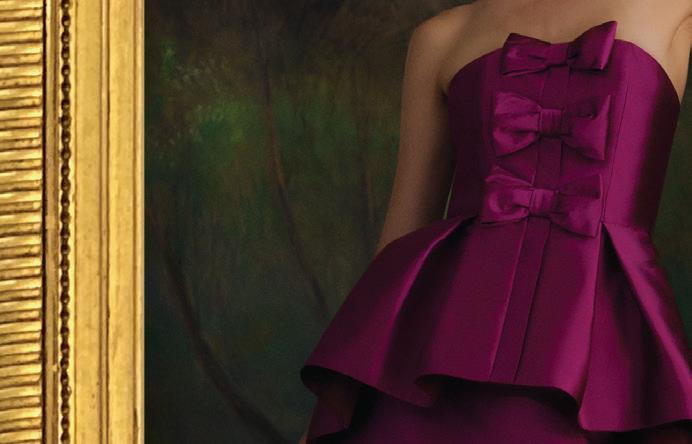














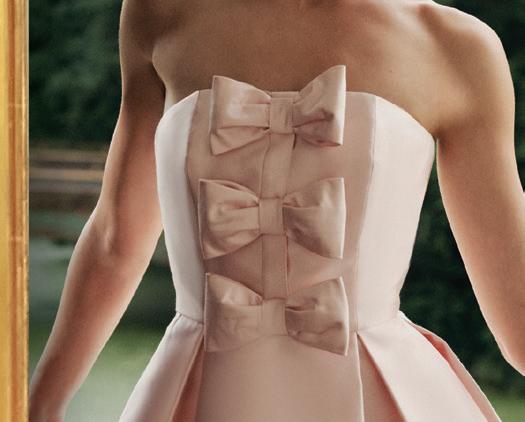























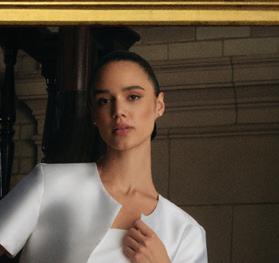
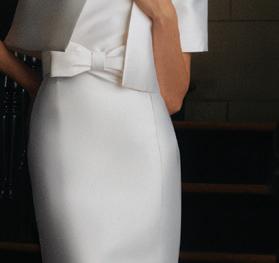
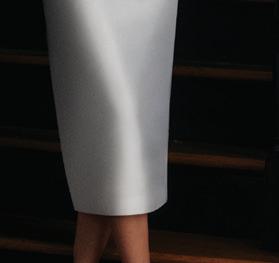













Born and raised in Mexico, Alexia María developed her passion for fashion from an early age. She spent much of her childhood in her grandmother’s atelier, where she was introduced to the design process and the significance of meticulous craftsmanship. Inspired by the glamour and original style icons of the 1950s— including cinematic legends and screen sirens like Audrey Hepburn, Grace Kelly and Jackie Kennedy—María eventually began designing her own collections. She favors structured silhouettes and is dedicated to achieving a perfectly tailored look. Designing with the mission to reignite the art of dressing up, her collections showcase a bespoke approach to tailoring, offering a modern perspective on a timelessly feminine aesthetic.

annual collection approach. It reflects Alexia María’s dedication to designing timeless eveningwear staples—pieces that transcend seasons and offer versatility, sculptural beauty and the brand’s emblematic bows. Designed to become foundational elements in a woman’s wardrobe, the collection seamlessly blends classic femininity with a modern, architectural sensibility.
“I’ve always designed for the women in my life—elegant, graceful and endlessly inspiring."
—Alexia María

Based in San Diego, California, the brand is creatively driven by the belief that beauty lies in simplicity and precision in tailoring, and that craftsmanship is synonymous with artistry. María aims to provide women with classic yet modern and functional pieces that will endure beyond fleeting trends.
Alexia Maria’s 2026 collection, titled “A Year of Elegance,” marks the launch of the new model and a defining moment for the brand, as it transitions to a seasonless,

“Elegance has always been at the heart of Alexia María. It is present in every bow, every sculpted silhouette and every thoughtful stitch crafted in our California atelier,” said María. “This collection brings that essence forward through an atemporal design philosophy: versatile, timeless pieces designed to transcend trends and move with you through the year’s seasons and special occasions.”
The new 30-piece collection is available in 10 different colors, with each style made to order in María’s San Diego atelier in 10 to 14 business days.
“I’ve always designed for the women in my life—elegant, graceful and endlessly inspiring. This collection is a reflection of them, and of the incredible women who wear Alexia María and elevate dressing up into an art form of their own.”







By Merilee Kern, MBA







Valentine’s Day is an opportunity to give a gift that feels considered, personal and lasting. Whether shopping for a romantic at heart, a modern minimalist or someone who appreciates refined luxury grounded in real life, these curated selections offer style with substance.
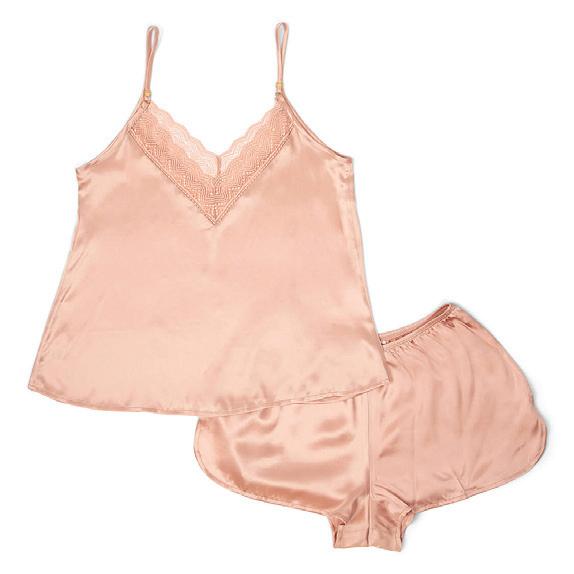
Bloomers Intimates
Great Camistry Set
Meet the Great Camistry Set from Bloomers Intimates, a silk camisole and short pairing designed to feel indulgent without sacrificing ease. Crafted in premium silk charmeuse with delicate lace detailing, the set balances polish and comfort in equal measure. The camisole features a front-to-back reversible design with adjustable straps, letting you customize coverage to suit your mood. The silk shorts are cut to stay put, finished with French seams for a clean, elevated look and




fully machine washable. It’s the kind of luxury you reach for at night and keep on long after morning arrives. Founded in 2021 by former tech entrepreneur Shaula Yemini and her daughter Noa Arias, Bloomers Intimates creates lingerie that adapts to real bodies and real lives. With inclusive sizing from XS to 3XL, the brand proves that comfort, confidence and sensuality can coexist beautifully.
Patricia Nash Designs
Floret Charm Hoop Earrings
Timeless style with a hint of vintage soul defines the Floret Charm Hoop Earrings from Patricia Nash Designs. These elegant hoops feature a tapered silhouette, subtle lined texture and a nickel-free construction that balances comfort with enduring appeal. Crafted from metal-plated zinc alloy and brass, the earrings offer a refined finish that complements both casual and dressed-up ensembles.
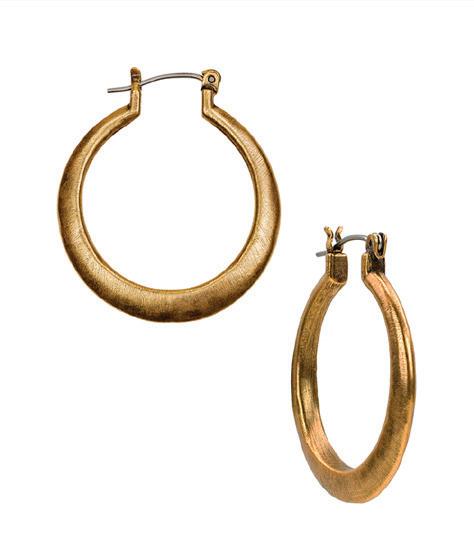
Known primarily for finely crafted full-grain leather handbags, Patricia Nash Designs brings the same attention to detail and heritage-inspired aesthetic to its jewelry collections. The Floret Charm Hoops nod to old-world craftsmanship while maintaining a clean, modern shape, making them a versatile addition to any jewelry wardrobe and a reliable Valentine’s Day gift that will never feel dated.
The Honest Jeweler Spinner Ring
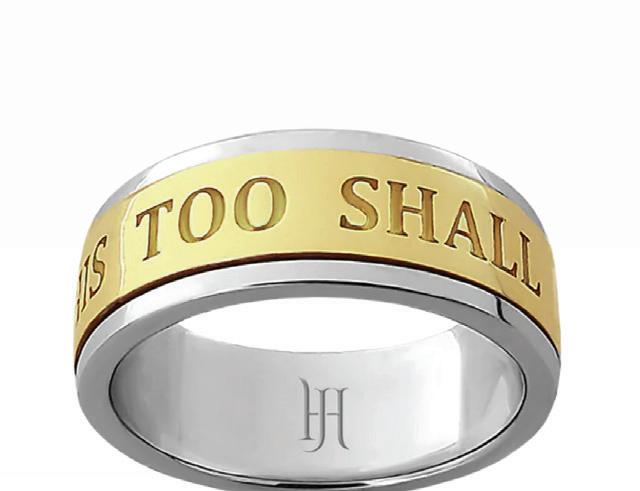

For those drawn to jewelry with emotional meaning, The Honest Jeweler offers pieces designed to comfort as much as adorn. The brand’s signature Spinner Ring is engraved with affirmations intended to ground the wearer and bring moments of calm through gentle, tactile motion. Crafted from highpolish, tarnish-resistant stainless steel with silver or gold plating, the ring is designed for

durability, daily wear and ease of movement.
Founder Rachel Samani created The Honest Jeweler after her own healing journey, infusing each piece with intention, resilience and connection. The Spinner Ring serves as a wearable reminder of strength and mindfulness, making it a deeply personal Valentine’s gift for anyone navigating stress or change, or simply seeking a meaningful accessory that offers more than surface beauty.
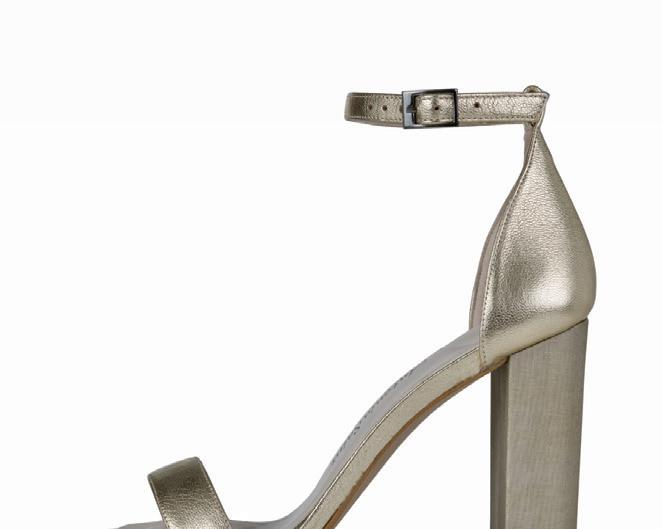
Tina Party Heel
Antonia Saint NY challenges the notion that beautiful heels must come with discomfort. The Tina Party Heel exemplifies the brand’s approach to merging science and style through invisible comfort technology. This refined kitten heel features a stable block heel, a minimalist toe strap and a sculptural design that transitions seamlessly from daytime events to evening celebrations.
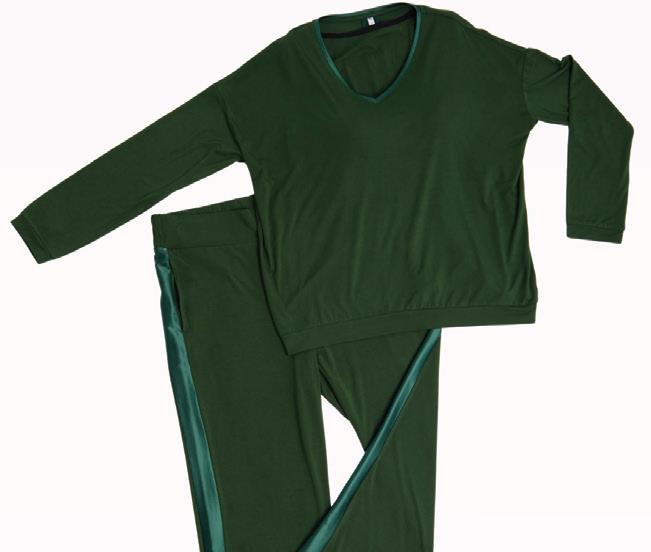
Tuxedo-Striped Lounge Set
Luxury loungewear takes on new meaning with the Tuxedo-Striped Lounge Set from Midnighties. Created by four sisters, this



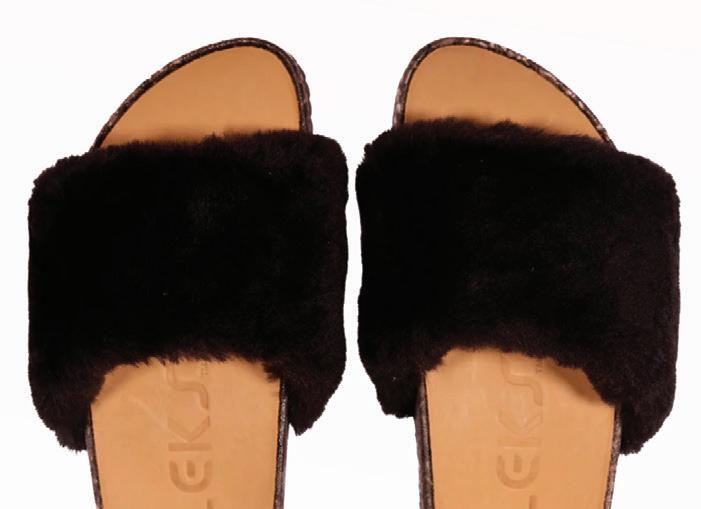
Fleksfoam midsole and soft leather sockliner provide all-day support, making it a favorite for both indoor and casual outdoor wear.
What sets Fleks Footwear apart is its commitment to circular design. The San Ysidro Slide is made using B-grade materials that may feature subtle natural markings. Rather than discarding these materials, the brand embraces them as unique character details, reducing waste while creating durable, stylish footwear. Founded by industry veteran Leah Larson, Fleks Footwear prioritizes innovation, sustainability and thoughtful production.

thoughtfully designed set is made from breathable, sustainable bamboo fabric and balances comfort with polish. The top features a satin-trimmed neckline, tuxedostripe detailing and built-in support designed to fit most cup sizes comfortably.


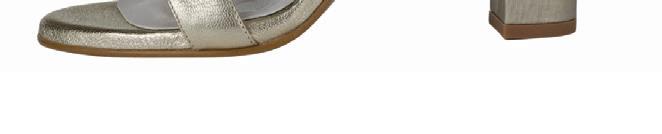

At the core of the design is the brand’s patented Slim SoftSurround System, which incorporates shock-absorbing insoles, plush microfibers and hidden comfort inserts that deliver sneaker-like support within an elegant silhouette. Handcrafted in Spain using biodegradable sheep and lamb leather, the Tina Party Heel reflects a commitment to craftsmanship, sustainability and inclusive sizing. Founded by the co-creator of Thinx, Antonia Saint NY centers women-focused innovation in every design.


The matching pants are equally considered, offering satin side stripes, pockets and a wide, flat waistband that remains comfortable through travel, recovery or long lounging days. Designed to move effortlessly from home to hotel and beyond, Midnighties proves that sleepwear can be both flattering and functional, making this set a Valentine’s gift that elevates everyday moments.
San Ysidro Slide
The San Ysidro Slide from Fleks Footwear delivers relaxed luxury with a sustainabilityforward mindset. Crafted from plush shearling and leather in a versatile off-black shade, this slide is designed for comfort without compromise. The cushioned







In an era where luxury is no longer defined by excess but by intention, Avvenn stands apart as a womenswear house built on a singular, quietly radical idea: the art of balance. Balance between strength and softness. Between heritage and modernity. Between the inner life and the public one. For Spring/Summer 2026,
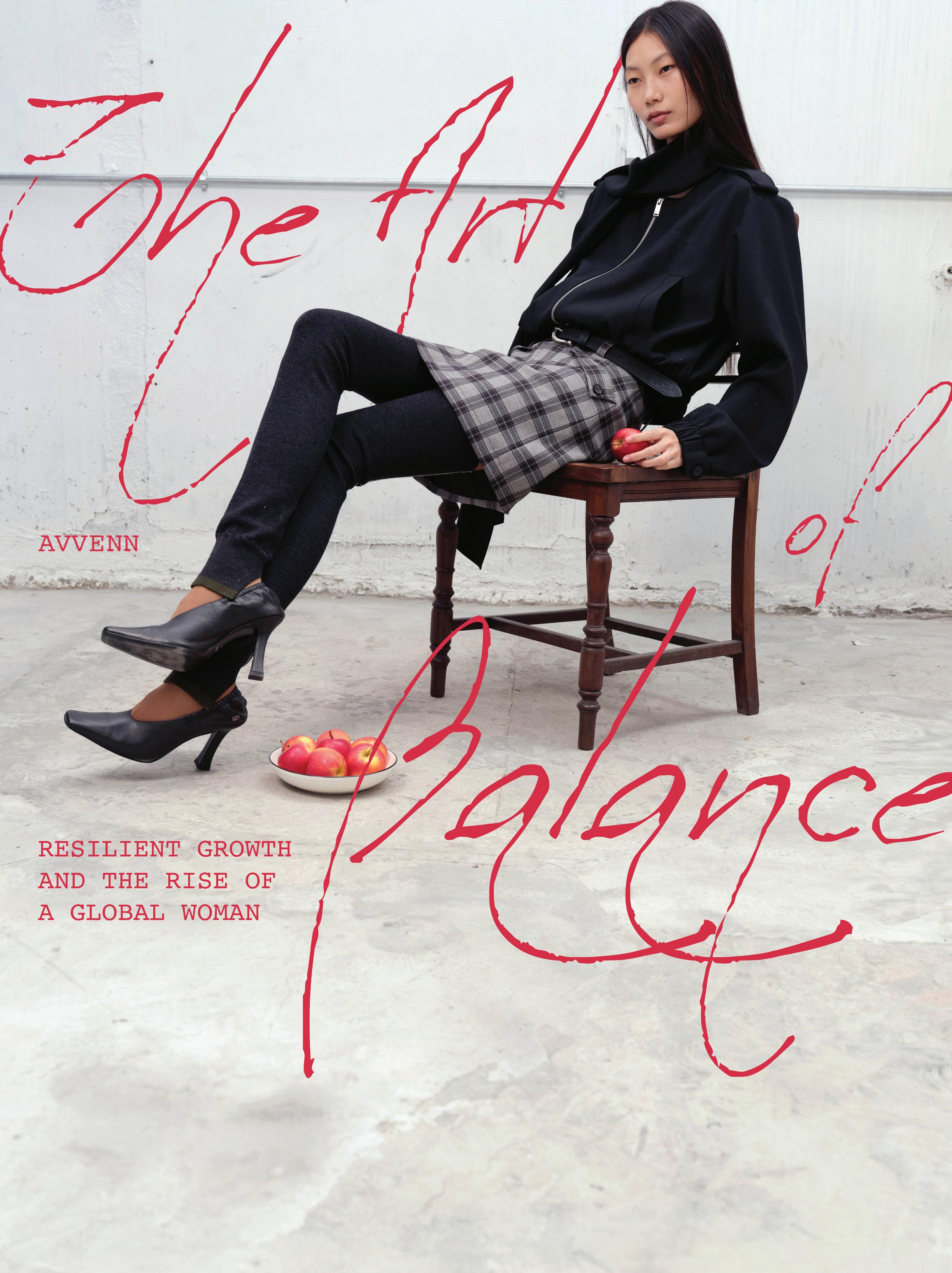
the brand brings this philosophy into sharp focus with “Resilient Growth,” a collection (and a global moment) that positions Avvenn not just as a fashion label but as a cultural language spoken fluently across continents.

Unveiled first in Paris during Fashion Week via an intimate showroom and press presentation, Resilient Growth continued its journey eastward with a full-scale runway show in Shanghai—marking a significant evolution for the brand. Now, as Avvenn quietly prepares to enter the U.S. market, the collection’s message feels especially resonant: modern femininity is not about choosing one path but about mastering many.
At the heart of Resilient Growth lies the inspiration of the “nüxia”—a legendary female warrior figure in Chinese culture known for her chivalry, restraint and quiet power. Rather than rendering this archetype literally, Avvenn translates her essence into a modern design vocabulary: streamlined silhouettes, nuanced tailoring and a sophisticated interplay of materials that mirror the layered realities of contemporary womanhood.

Knitwear emerges as a standout category this season, energized through multiyarn experimentation that underscores vitality and movement. Bamboo-based textiles make their debut as woven textures—chosen for their dual qualities of strength and softness—while fine wool and ramie enhance the collection’s ability to transition effortlessly between city and resort, structure and ease.
The result is clothing that feels considered yet instinctive, luxurious yet wearable—designed for lives lived fully, not performatively.
Avvenn’s fusion of Eastern heritage and Western modernity has long been central to its identity, and Spring/Summer 2026 deepens that dialogue through literary and artistic references. Inspiration is drawn from Tang dynasty literature, particularly “The Tale of Hongxian,”

“The nüxia is not only an identity but also a way of life— reserved, understated, yet revealing strength when it matters most,” explained Marshall Ma, Avvenn’s head designer. “This has always been the woman Avvenn seeks to embody: power in restraint.”


That restraint is precisely what gives the collection its emotional weight. Resilient Growth speaks to women who navigate complexity with composure—those who move seamlessly between cities, roles and states of being without sacrificing selfhood.

introducing color as a form of dialogue rather than
Anchored in Avvenn’s signature neutral palette, Spring/ Summer 2026 unfolds across four distinct drops, each introducing color as a form of dialogue rather than decoration.


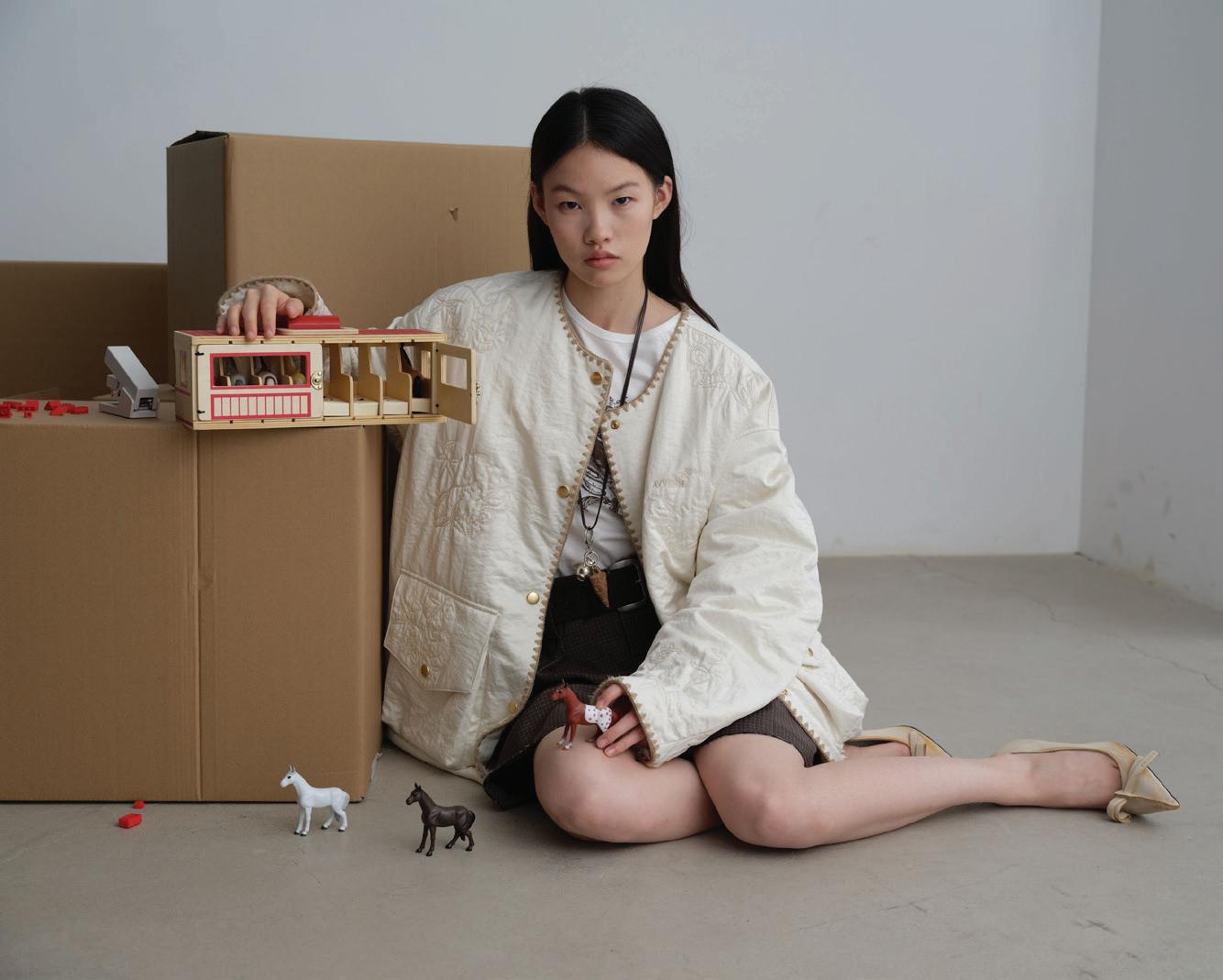
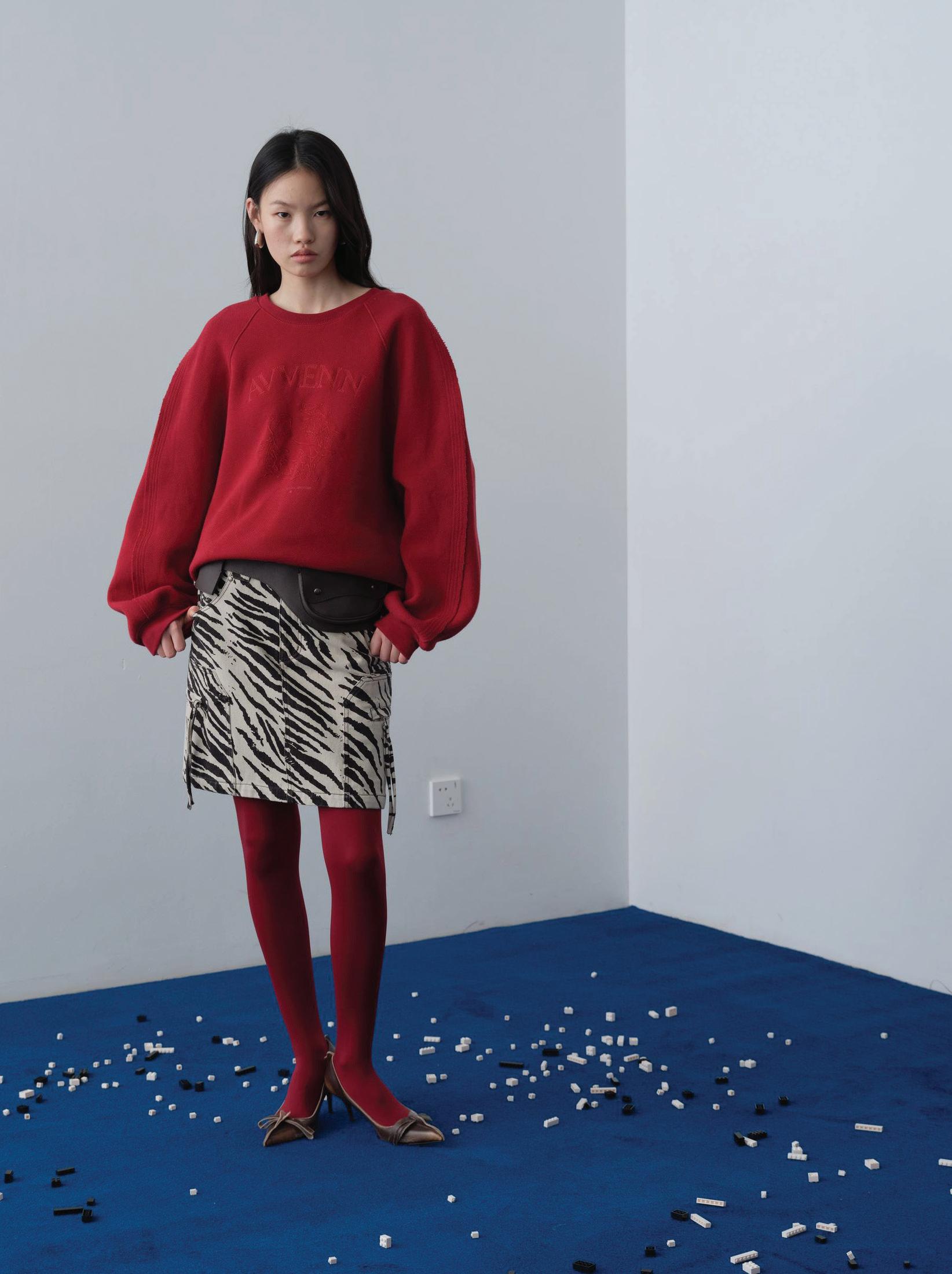
The first drop pulses with bold tomato red softened by delicate pink—an intentional balance of intensity and vulnerability. Drop two introduces glaucous blue, a graytinged pastel brought to life through playful polka dots that inject a sense of lightness and motion. Drops three and four shift to mango mint green paired with beechwood brown, evoking the intersection of natural landscapes and urban environments—a recurring theme for a brand deeply invested in harmony.
Rather than seasonal trend-chasing, Avvenn’s color story feels meditative, designed to coexist rather than compete. Each hue builds upon the last, mirroring the brand’s belief that growth is cumulative, not abrupt.

If color sets the emotional tone, materiality defines the collection’s soul. True to Avvenn’s ethos, Resilient Growth thrives on contrast: fine suiting wools are paired with relaxed linen knits; delicate wool fabrics are counterbalanced by textured fancy materials; devoré techniques and openwork embroideries add depth without excess.

where chivalric imagery intersects with botanical motifs. These influences surface through restrained prints, amber-brown accents and a visual language that feels both historical and forward-looking.
Two capsules further expand the narrative. The 902 capsule, inspired by the frescoes of Dunhuang, features flowing scrollwork and paisley motifs arranged in rhythmic harmony. Meanwhile, the Little Bamboo Horse capsule introduces a hand-drawn horse motif—a spirited reinterpretation of festive Eastern symbolism and an homage to the arrival of the Year of the Horse, rendered with vivid, free-spirited expression.
Together, these capsules reflect Avvenn’s ability to honor cultural memory while reframing it for a global, contemporary audience.

While the Paris presentation established Resilient Growth within the global fashion conversation, it was the Shanghai runway show that brought the collection’s narrative into full motion. Staged in one of the world’s most dynamic fashion capitals, the show underscored Avvenn’s international ambition and cultural fluency.
Models moved with quiet authority, the garments revealing their strength through movement rather than spectacle. It was a presentation that felt deeply aligned with the brand’s core value: balance as lived experience, not aesthetic concept.
Balancing Club: Community as Luxury
That philosophy now extends beyond the runway. This February, Avvenn will host its first-ever U.S. event, an intimate dinner serving as a kickoff to New York Fashion Week. Co-hosted by Alyssa Coscarelli, the evening will inaugurate The Balancing Club, a new global event series by the brand designed to foster community among women who exemplify “the art of balance” in their own lives.
Rather than a traditional brand activation, The Balancing Club is envisioned as a moving salon— traveling city to city, bringing together inspiring women across industries to share conversation,
perspective and connection. Fashion, here, becomes the starting point rather than the destination.
In an industry often driven by scale and speed, Avvenn’s decision to prioritize intimacy feels both refreshing and quietly disruptive. It reflects a belief that true luxury lies not only in what we wear but in how—and with whom—we gather.
As Avvenn continues to expand its global footprint, Resilient Growth stands as a defining chapter in the brand’s evolution. It is a collection rooted in cultural depth, material intelligence and emotional clarity—designed for women who understand that balance is not static but continuously earned.
With availability beginning January 2026 at select international retailers and online, and with The Balancing Club poised to build an international community beyond the clothes themselves, Avvenn is articulating a new vision of modern luxury—one where restraint is powerful, softness is strategic and balance is the ultimate form of strength.

In a world that rarely slows down, Avvenn offers something rarer still: a reminder that growth, when done with intention, can be both resilient and graceful.


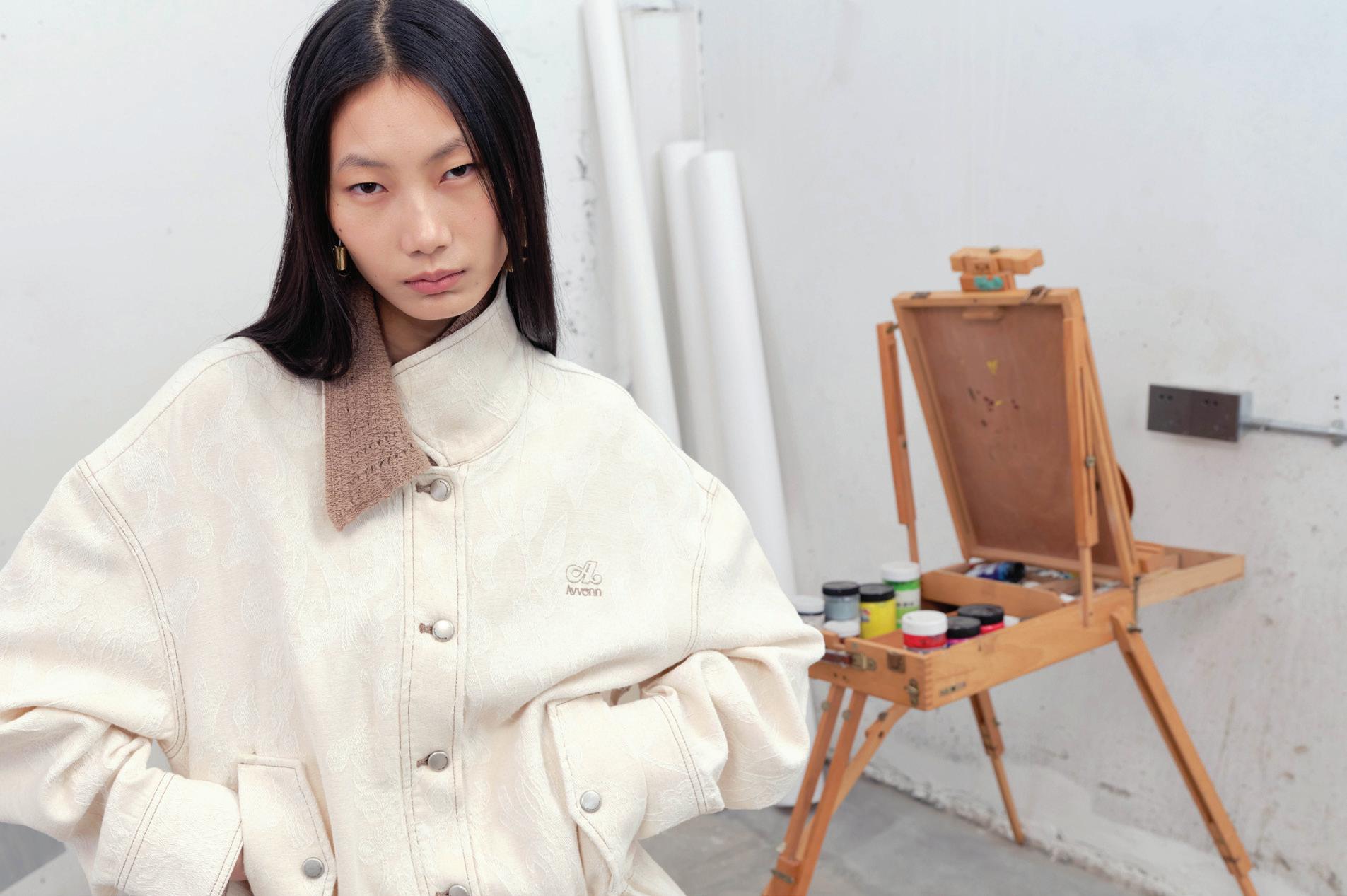


...for women who embody resilience and independence.








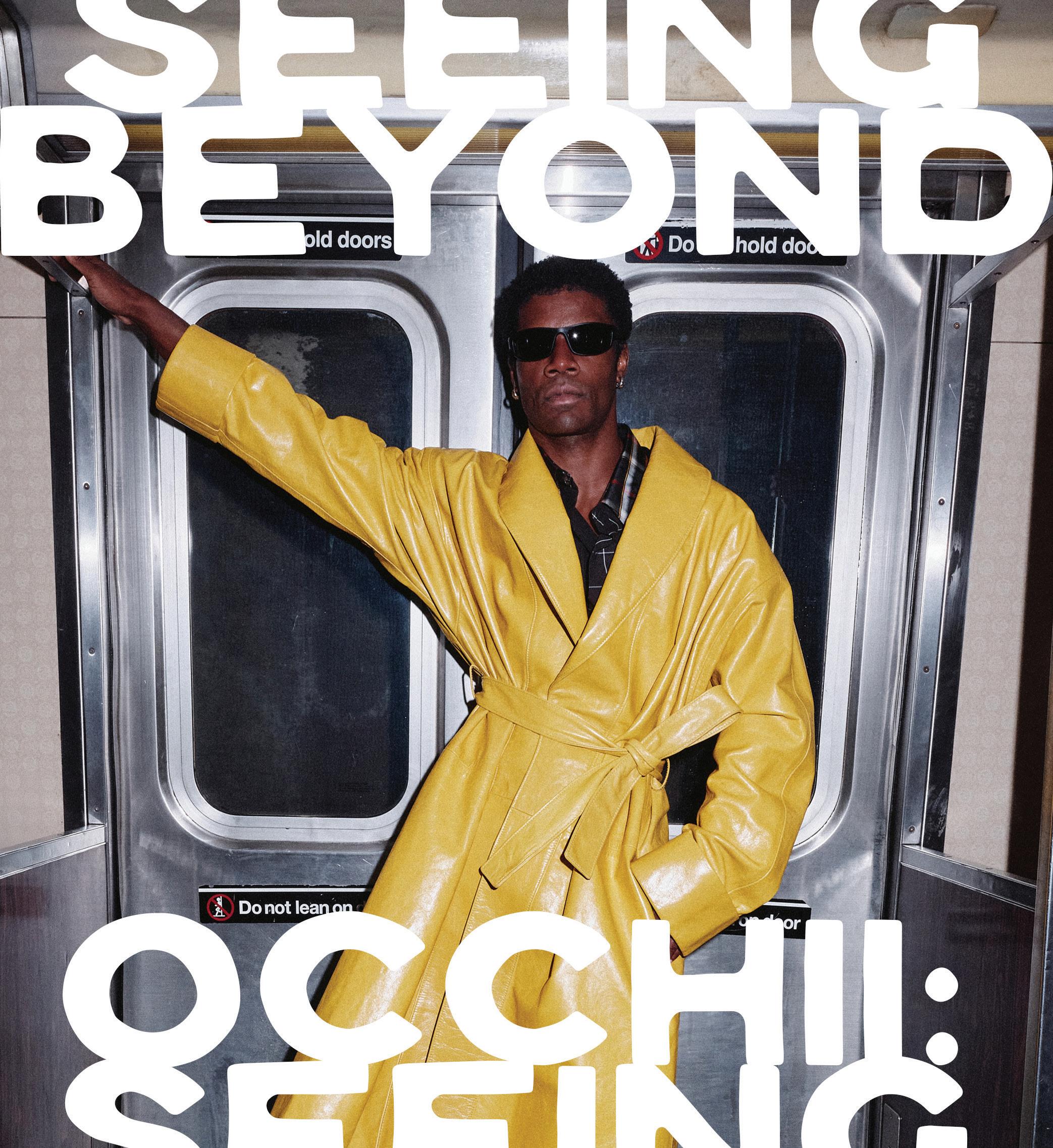
In a fashion industry often driven by immediacy, Occhii operates at a different pace—one defined by attention, restraint and the belief that the most meaningful design reveals itself slowly. The New York City-based luxury womenswear brand is rooted in the act of truly seeing: beyond first impressions, beyond trend cycles and beyond surface-level appeal. Its clothes are familiar at first glance yet quietly complex, designed to unfold over time through material, construction and wear.
Co-led by designer Leo Batekhin and brand director Bryan Mirabal, Occhii was originally founded in 2018 and quickly gained recognition for its inventive use of special and upcycled textiles. After a pause during the pandemic, the brand relaunched in 2025 with renewed clarity and focus, refining its vision around longevity, wearability and intentional design. Today, Occhii stands as a study in modern luxury—defined not by excess but by depth.
The name Occhii is inspired by the word for “eyes” across multiple languages—occhi in Italian, ochi in Romanian, oczy in Polish, oči in Slovenian—spanning Romance and Slavic roots to arrive at a universal concept: sight. This linguistic connection reflects the brand’s core philosophy: that clothing should be seen beyond its surface.
For Occhii, sight means recognizing value where others might not. It informs every aspect of the design process, from discovering beauty in overlooked or deadstock textiles to understanding how a garment gains character through repeated wear. Rather than relying on logos or trend-driven statements, the brand emphasizes materiality, proportion and expert construction, allowing pieces to speak through how they are worn—and how they endure.
Occhii’s definition of “special materials” is intentionally expansive. The brand works with deadstock and vintage silks and wools, fabrics with cultural significance, leathers that reach their full beauty only over time and materials chosen simply for their exceptional quality. What unites them is not novelty but relevance—the belief that a well-made garment can remain meaningful in a wardrobe, season after season.
Production takes place in small batches with local factories in the New York City area, allowing the team to remain close to its makers and processes. This proximity is essential: many of the materials Occhii works with require hands-on problem-solving and careful craftsmanship. Being present throughout production ensures that each piece receives the level of attention it deserves, reinforcing the brand’s commitment to quality over scale.
Occhii is designed for real life—for dinners that stretch late into the night, travel days that blur into evenings and everyday moments that evolve organically. At its core is the idea of an everyday uniform: statement garments that feel expressive yet intuitive, polished yet lived in.
There is an edge to the aesthetic—wearable but with a flair. Pieces are meant to live in the closet and become characters in the wearer’s life, shifting alongside them as they move through the world. Patchworking functions as both a technique and a philosophy, often combining multiple fabrics within a single garment to create depth and individuality. Proportion plays an equally central role, with silhouettes that subtly elongate, frame or exaggerate the body, bringing presence to otherwise familiar categories.
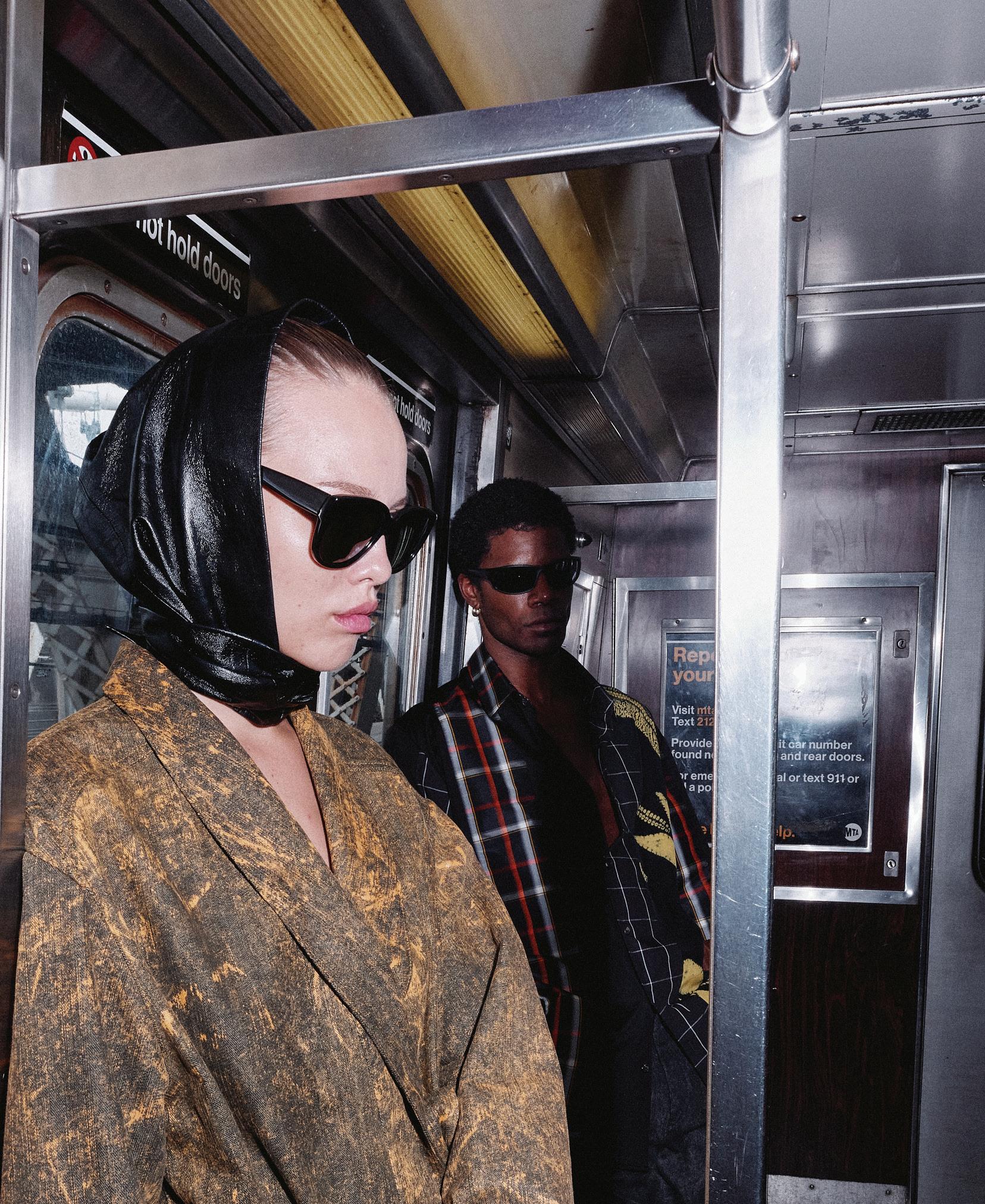
This philosophy comes into focus through Occhii’s tightly edited core collection, positioned as the foundation of the brand moving forward. Rather than chasing seasonal novelty, the core offering establishes the silhouettes and ideas meant to endure—pieces designed to anchor a wardrobe rather than cycle out of it.
A first look at Fall/Winter 2026 builds directly upon this foundation, marking a deliberate step toward long-term clarity. Outerwear anchors the season, followed by dresses and tops, each conceived as an essential rather than a fleeting moment. The approach is grounded and intuitive, prioritizing how clothing functions in daily life without sacrificing individuality.
The palette leans into blacks, grays and darker tones that feel timeless and instinctive, punctuated by selective moments of vivid color for contrast. Leather emerges as a hero category for Fall/ Winter 2026, bringing weight, structure and longevity, while patchworking continues to add richness without compromising wearability.
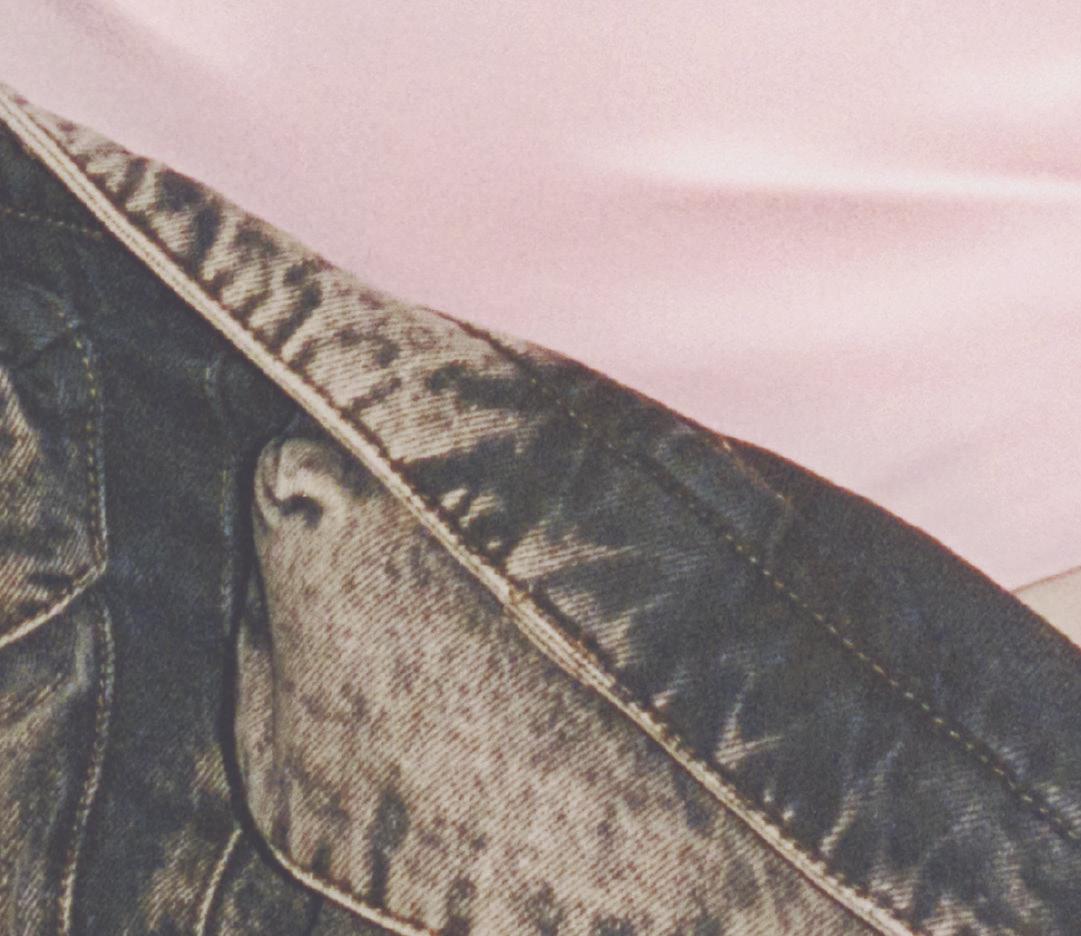
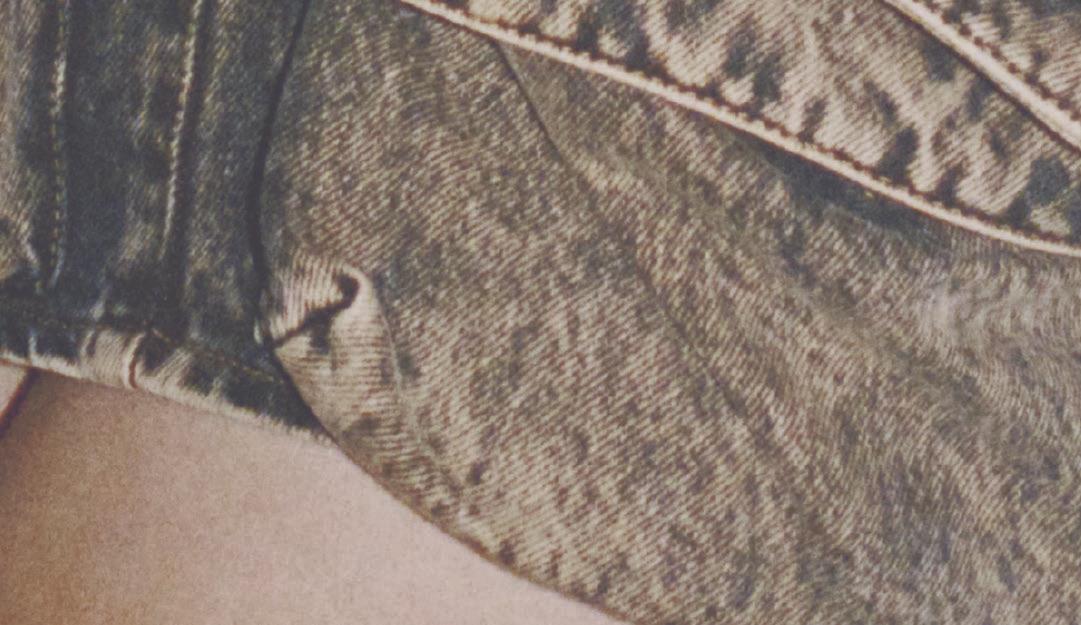
Among the standout pieces rolling out as early as February 2026 is the Occhii Robe Coat, envisioned as a signature silhouette. Developed in leather and marbled denim, it encapsulates the brand’s ethos: expressive yet essential, familiar yet revealing, something new the longer you look.
As Occhii continues to grow through a direct-toconsumer model, its focus remains unwavering: creating clothes people return to because they feel right. In a market driven by visibility and speed, the brand offers an alternative vision of luxury— one rooted in material, craftsmanship and the belief that how we see the world is what makes it interesting.
Welcome to Occhii: a perspective shaped by attention, intention and the enduring power of truly seeing.























WELLS FARGO CAPITAL FINANCE FACTORING
ASSET-BASED FINANCING
ACCOUNTS RECEIVABLE MANAGEMENT
ACQUISITION FINANCING
INVENTORY FINANCING
IMPORT AND EXPORT FINANCING
LETTERS OF CREDIT
In an industry that endlessly strives for the next big thing, having the flexibility to adapt at a moment’s notice is key to success. With Wells Fargo, you get the strength and stability you need, along with the nimbleness you want. Our flexible financing may support your growth, and our proven track record in factoring and receivables management helps make sure you’re ready for whatever’s next.
Tap into our knowledge, experience, and broad o ering of products so that your business’ success never goes out of style. Learn more at wellsfargocapitalfinance.com/apparel.
Peter Pugliese
Senior Vice President, Regional Sales Manager
212-703-3551
peter.pugliese@wellsfargo.com
Bringing you the latest breakthroughs in software, I.T. and fashion technology. From creative solutions to insights from experts, we are the source for all things fashion tech.
When Becca Wenning talks about technology, she doesn’t start with algorithms—she starts with people.
Long before founding Dressit, the AI-powered platform reshaping how bridal designers, boutiques and brides connect, Wenning was watching middle school students in a small Ohio town build robots from scratch. As a mother of three boys, she helped launch her town and county’s first FIRST Robotics program, coaching students as they learned how to break down complex problems, collaborate and create something that had never existed before.
“That experience changed how I saw myself,” Wenning said. “I watched those kids gain confidence and build an entire ecosystem from nothing. It made me believe I could build anything, too.”
That belief would become foundational to Dressit—but Wenning’s path there was anything but theoretical. She spent a decade living inside one of fashion’s most emotionally complex and operationally inefficient categories: a bridal boutique.
In 2010, Wenning invested her life savings to become a co-owner of a bridal boutique that had already been operating for eight years. From day one, she noticed cracks others accepted as normal. Social platforms like Instagram and Pinterest were just emerging, and Wenning could see how discovery and demand were about to change, yet bridal retail was still operating on paper tickets, gut instinct and blind buying.
Within her first year, she implemented a digital point-of-sale (POS) system and became one of the earliest users of Bridal Live, actively providing feedback to the founder. “I wasn’t trying to ‘innovate,’” she said. “I was trying to fix what was broken.”
Those 10 years were instructive and exhausting. Bridal retail, Wenning explained, carries emotional stakes unlike most fashion categories. Dresses are made to order, timelines are long, returns are impossible and expectations are absolute. Every buying decision matters, and every mistake is costly.
“I invested over $125,000 a year in samples,” she said. “Ninety percent of them didn’t sell, not because they were bad dresses, but because the right brides never found them.”
After exiting her boutique in 2020, Wenning finally made a long-shot leap into tech, joining a travel technology startup. The experience sharpened her technical acumen and provided a cautionary tale. The company ultimately shut down due to weak technical foundations that were too expensive to fix.
“That failure taught me what not to do,” she said. “When I built Dressit, I was obsessed with getting the foundation right.”
In May 2024, Wenning began building the first version of Dressit with Big Kitty Labs, deliberately choosing a development team known for supporting high-scale, real-world systems. The initial product addressed a familiar pain point: boutiques drowning in unsold inventory. Dressit launched as a marketplace enabling shops to share off-the-rack and special-order inventory.
The traction was real—but so were the limitations.
“The bridal industry is tech-resistant, and behavior change is slow,” Wenning explained. “But more importantly, the marketplace model created fear. Boutiques worried—rightfully— that it would encourage showrooming and price shopping.”
So Wenning did what experienced operators do best: she pivoted.
The breakthrough insight was deceptively simple. Boutiques didn’t need more traffic—they needed better leads. Designers didn’t need more exposure—they needed visibility into demand. And none of that infrastructure existed.
Dressit Version 2, launched in beta in late 2024, shifted to a designer-led intelligence model. Instead of asking brides what styles they like, Dressit asks who they are and how they want to feel. Using what Wenning calls “bridal DNA,” the platform matches brides to designers based on values, emotional cues and design philosophy—before a single dress is shown.
This emotional intelligence layer addresses bridal’s unique paradox of choice. In a category with high stakes and long lead times, too many options create anxiety and regret. Dressit reduces noise while building brand affinity, something the industry has steadily lost.
“Before Dressit, designers spent millions driving traffic with no idea who was converting... Now they can prove demand to boutiques, and boutiques receive brides who are actually ready to buy.”
—Becca Wenning
Crucially, Dressit’s AI is designed to support human expertise, not replace it. Wenning faced early backlash from boutique owners concerned that AI would cut them out of the process. Her response was grounded in lived experience.
“I was one of them,” she said. “Bridal only works because of human connection. AI’s role is to make those connections more intentional.”
Rather than competing with existing platforms, Dressit integrates into them. A forthcoming Shopify plugin adds bridal DNA matching, boutique routing and demand analytics directly into designers’ current sites. Designers can also opt for a full platform build or a lightweight branded microsite.
Behind the scenes, a unified dashboard turns anonymous website traffic into actionable intelligence—capturing bride intent, location, budget and timeline. Wenning likens it to HubSpot for bridal: transforming traffic into wholesale partnerships.
“Before Dressit, designers spent millions driving traffic with no idea who was converting,” she said. “Now they can prove demand to boutiques, and boutiques receive brides who are actually ready to buy.”
Today, Dressit also powers My Bria, a free, bride-facing copilot that teaches consumers how to shop like boutique insiders, valuing craftsmanship, sustainability and local expertise. The platform reinforces Wenning’s core belief: the future of retail isn’t digital or physical; it’s connected.
In five years, Wenning wants bridal DNA to become the industry’s shared language for segmentation, production planning and growth. More than that, she wants designers, boutiques and brides operating with clarity instead of guesswork.
“The $70 billion bridal industry is flying blind on demand intelligence,” she said. “We’re building the infrastructure it’s been missing.”
For Wenning, Dressit isn’t about disruption; it’s about stewardship. A founder who has stood in every corner of the ecosystem, she’s now building the bridge between intuition and intelligence, ensuring that technology finally works the way bridal always needed it to: in service of people.
Thirdlove announced the launch of TempSync Active, a temperature-regulating sports bra and leggings collection designed for movement, workouts and everyday activity.
The collection expands the TempSync line following the successful 2025 launch of the intimates collection, which drove over $1 million in sales in its first six weeks. Thirdlove was the first brand to introduce 37.5 Technology to women’s intimates; the new sports bra and leggings use the same temperature-regulating fabric to help manage sweat and maintain comfort in every type of movement.
“We wanted to create the most modern, breathable sports bra possible and pair it with leggings that work just as hard, using sweat-absorbing, temperatureregulating fabric to keep women dry and comfortable as they move,” said Heidi Zak, co-founder and CEO of Thirdlove. “Most activewear brands focus on getting the leggings right first, and the sports bra often comes as an afterthought. As bra experts, we saw this as an opportunity to rethink both.”
“Performance fabrics have widely been used in men’s activewear, but this and many other fabric technologies have not been widely used in women’s sports bras,” said Ra’el Cohen, co-founder and COO of Thirdlove. “We knew this was a chance to level up the consumer experience, making her day and workouts even more comfortable.”
The TempSync Active collection features antimicrobial fabric infused with natural minerals that help manage sweat, regulate body temperature, and provide support and comfort.
The collection includes:
• TempSync adjustable sports bra: This performance-driven sports bra is antimicrobial and features flat-seam technology that never digs in. The wire-free design has breathable foam cups, front-adjustable straps and a back closure. It’s best for Pilates, yoga, running and low- to high-impact workouts.
• TempSync active leggings: These smooth, lightweight leggings are antimicrobial, featuring an anti-camel-toe, thigh-slimming panel and an elastic-free waistband for a flattering, comfortable fit. It’s best for Pilates, yoga and low- to highimpact workouts.

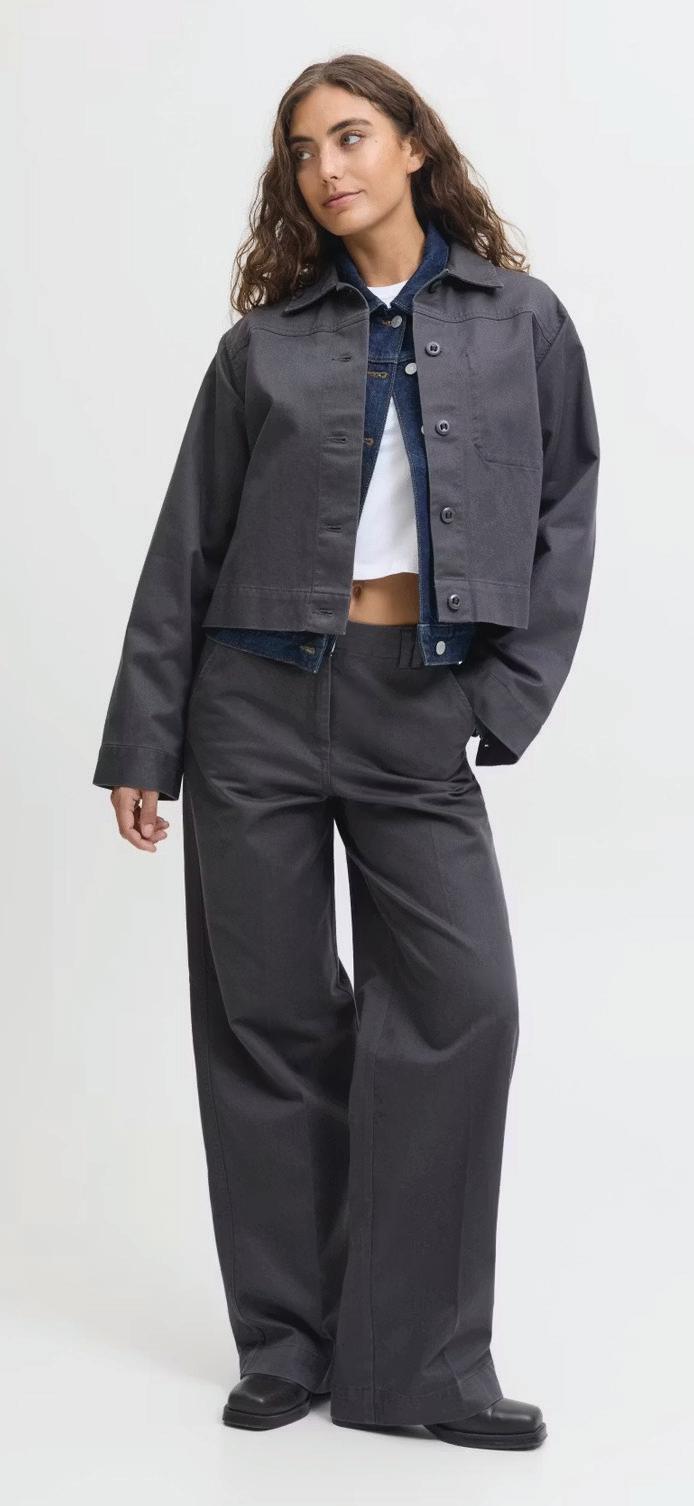
JJXX, the womenswear brand by Jack & Jones, introduced a new collection of looks made with Spinnova fiber, reinforcing its commitment to sustainable innovation. Jack & Jones and JJXX are brands of the global multibrand fashion company, Bestseller. The launch features a versatile outfit, a shirt jacket and matching trousers, available in vintage khaki beige and asphalt gray, made from a blend of Spinnova fiber and cotton.
Bestseller and Spinnova have been long-standing partners since announcing their first product development collaboration in 2020. The partnership has delivered several milestones, including the fashion group’s first commercially available Spinnova products in October 2022. Since then, Jack & Jones has launched the largest production volume of Spinnova products to date and has designed official collections for Danish Olympic and Paralympic athletes using the fibers.
Bestseller has incorporated Spinnova fibers across its brands, including Jack & Jones and Vero Moda. With this recent launch, JJXX becomes the latest brand to use Spinnova fiber.
“Working with Spinnova has allowed us to incorporate their wood-based fiber into this stylish co-ord set, showcasing a fusion of great design and forwardthinking innovation,” said Nanna Hansen, sustainability coordinator at Jack & Jones and JJXX. “This collaboration marks a proud milestone for Jack & Jones in pushing the boundaries of fashion.”
“Collaborating with Bestseller on these new Jack & Jones styles is a great example of how innovation and sustainability can create real value for consumers,” said Pedro Brito, senior commercial manager at Spinnova. “By integrating Spinnova fiber into fashion-forward designs, we’re proving that responsible choices don’t mean compromising on style. This collaboration reflects Bestseller’s genuine commitment to driving sustainable change in fashion, and we’re proud to be part of that journey.”













Debra Hazel Communications North Las Vegas, Nevada 201-618-5247
By Debra Hazel
The new year kicked off with a slew of announcements in the dining sector, even as a venerated department store company will make its New Jersey debut. Yes—a new department store!
Von Maur, the family-owned department store beloved in the Midwest, is coming to New Jersey, with a scheduled fall opening for its first branch in the state at Freehold Raceway Mall. Bottega Veneta unveiled its Meatpacking District flagship at 58 Gansevoort St. just before the end of 2025. Calvin Klein’s SoHo flagship was unveiled at 530 Broadway in December. Also new in SoHo is Kazakhstan-born designer Meruert Tolegen’s first flagship, at 39 Wooster St. Capping the flurry of openings in December, Gymshark launched its first U.S. flagship at 11 Bond St. in NoHo, joining a unit at Roosevelt Field Mall in Garden City, New York.
Ernesta, the design brand offering designer-quality, custom-sized rugs, announced three new showrooms in Manhasset, New York; Birmingham, Michigan; and Dallas, Texas, set to open in the first quarter of 2026. Additional locations will be announced later this year.
Rejoice, coffee lovers! Nespresso USA announced the opening of its New York City flagship at 85 Fifth Ave. in the Flatiron District, debuting what it calls “the culmination of the brand’s reimagined retail strategy as the eighth and largest global model of its kind.” The first floor of the 13,900-square-foot space echoes Nespresso’s refreshed boutique design, while the lower level features two custom-curated spaces that enable visitors to experience Nespresso in an all-new way.
Wining and Dining
Westville, the vegetable-driven neighborhood restaurant, has come to the Upper East Side at 1359 First Ave. Varith, a new Thai restaurant, will open this spring in 7,000 square feet at 13 E. 13th St. The eatery is a partnership between operators Top Thai and Valla Table. Bojangles and its Southern fried chicken and more have come from the Carolinas to East Flatbush, at 5910 Church Ave. Best of all, the drive-thru operates 24/7! (If the name is familiar, that’s because Bojangles once had multiple New York City locations in the 1980s.)
Contemporary Japanese dining concept Gogyo has
opened a 3,369-rentable-square-foot lease at 45 E. 20th St. in Manhattan for its latest restaurant location. Liberty Bagels has acquired the mixed-use complex at 5 E. 47th St. for $9.4 million. The seven-story, circa-1920 mixed-use property has 18,500 rentable square feet and 16,095 square feet of air rights, and it was delivered vacant. The company will open a store on the ground floor.
British womenswear brand Me+Em has opened in Beverly Hills, at 325 N. Beverly Drive. Nearby, vintage reseller Recess opened its second boutique, at 220 N. Canon Drive. Revolve Group, which offers fashion geared to millennials and Gen Z, has debuted a twolevel flagship at The Grove in Los Angeles. The clicksto-bricks brand also has a store in Aspen, Colorado.
It’s been busy in Chicagoland—Westfield Old Orchard in Skokie, Illinois, is adding Blue Bottle Coffee, Pop Mart, Lego and Sweetgreen as it converts to a mixed-use complex. Outside Columbus, Ohio, Easton Town Center will be welcoming Skims, Joybird and Portland Leather, all opening their first locations in the state, as well as a new Windsor and expanded Abercrombie.
Luxury beauty service provider Blushington will open a “lounge” at 3601 Westheimer Road in Houston this spring. Vasa, the high-value, low-price fitness operator, opened two new locations in Boulder County, Colorado. The new units, in Longmont and Lafayette, mark Vasa’s 66th and 67th locations nationwide. Life Time announced the Dec. 31 opening of Life Time South Lamar, within The Bouldin development in the heart of one of Austin, Texas’ most energetic neighborhoods. Memorabilia chain CardVault by Tom Brady has expanded to the West Coast with the opening of its 10th location at The Shoppes at Mandalay Place inside Mandalay Bay Resort and Casino in Las Vegas.
The Busy Bee, one of Atlanta’s most storied restaurants, has signed a lease for a new 2,985-squarefoot location at The Mitchell residential tower in Centennial Yards, the $5 billion, 50-acre mixed-use redevelopment in Downtown Atlanta. T.J. Maxx signed a lease for a 26,000-square-foot, ground-level space at 939 W. North Ave., a 200,000-square-foot building located at the southeast corner of North Avenue and Sheffield Avenue in Chicago.

Managing Partner and EVP, Beauty, Health and Wellness, 5WPR
In 2026, the beauty and fashion industries are more competitive than ever. Consumers are no longer passive recipients of brand messages. They want authenticity, relevance and stories that feel meaningful. For PR professionals, this means moving beyond traditional media placement and embracing a strategic approach informed by data. Data-driven PR allows brands to anticipate trends, shape messaging and understand the impact of their campaigns. This approach is especially true in the beauty, health and wellness sectors, where consumer expectations have completely changed the way brands communicate.
Relying on instinct alone is no longer enough. Today’s most effective PR strategies are built on a deep understanding of how consumers discover, discuss and engage with brands in real time. Social listening tools, spanning social platforms, community forums like Reddit and emerging discovery channels driven by generative engine optimization (GEO), provide critical insight into what audiences are searching for, talking about and responding to across the lifestyle landscape.
By analyzing search behavior, social conversations and evolving discovery platforms, brands can identify cultural signals and consumer needs before they fully surface. This kind of insight allows PR teams
By Ilisa Wirgin
to show up in the moments that matter most to their audience, whether that’s during trend discovery, product consideration or lifestyle inspiration. When brands listen closely and respond thoughtfully, messaging feels timely, relevant and genuinely connected to how consumers live, not just how they shop.
Data changes how stories are created. It reveals what audiences care about, which messaging captures attention and which channels will have the most impact. In 2026, beauty trends like regenerative and ingredientfocused innovation, pastel and maximalist makeup, and holographic finishes are defining the industry. Watching how these trends are adopted online guides PR campaigns and influencer activations, making content feel current and relevant.
Fashion trends are shifting, too. Soft tailoring, relaxed silhouettes, romantic textures and carefully considered color palettes are showing up in collections and on the runway. Analytics help PR teams understand how these trends are resonating with audiences and how to translate them into compelling stories. Using these insights in visuals and messaging helps brands feel authentic while staying true to their identity.
Influencer marketing and media relations are more precise than ever. Analytics help identify influencers whose audiences are engaged, authentic and aligned with brand values. Digital PR metrics show which messages are resonating with consumers, where specific audiences are engaging and which outlets matter.
Combining these insights with established PR relationships allows campaigns to feel meaningful and natural. Brands can highlight trending looks or products in a way that connects with audiences, positioning themselves as relevant and thoughtful participants in the conversation.
Measuring success in beauty and fashion PR requires moving beyond legacy valuation models and toward a clearer understanding of relevance and resonance.
Rather than assigning arbitrary value to coverage, modern PR teams focus on how narratives are received, shared and sustained across platforms as trends evolve. Monitoring real-time shifts in consumer interest, whether around colors, textures, ingredients or claims, allows brands to respond with agility and refine storytelling while attention is still active.
Advanced reporting tools offer insight into where conversations are gaining momentum and how perception is shifting over time. This visibility enables teams to optimize campaigns without compromising creative integrity. The most effective strategies balance instinct with insight, using data as a feedback loop to ensure stories remain culturally aligned, impactful and memorable.
New technologies are changing how PR teams plan and execute campaigns. AI-powered analytics and predictive modeling make it easier to anticipate consumer interests and tailor messaging to specific audiences. This kind of insight helps brands position themselves in step with trends before they fully emerge.
In beauty and fashion, these tools allow for more precise storytelling. Brands can launch campaigns that feel timely and relevant, whether it is showcasing new textures, colors or innovative ingredients. Data gives teams the confidence to tell stories that resonate deeply with consumers.
Data and creativity are not opposites. They work together to help brands communicate in ways that feel authentic and make an impact. Data-driven PR allows brands to anticipate trends, craft meaningful stories and engage audiences with confidence.
For those working in beauty, health and wellness, adopting a thoughtful, insight-driven approach is essential. By using data to guide decisions while keeping storytelling human and compelling, PR becomes more than a function. It becomes a way to build trust, connect with audiences and support long-term growth.







March
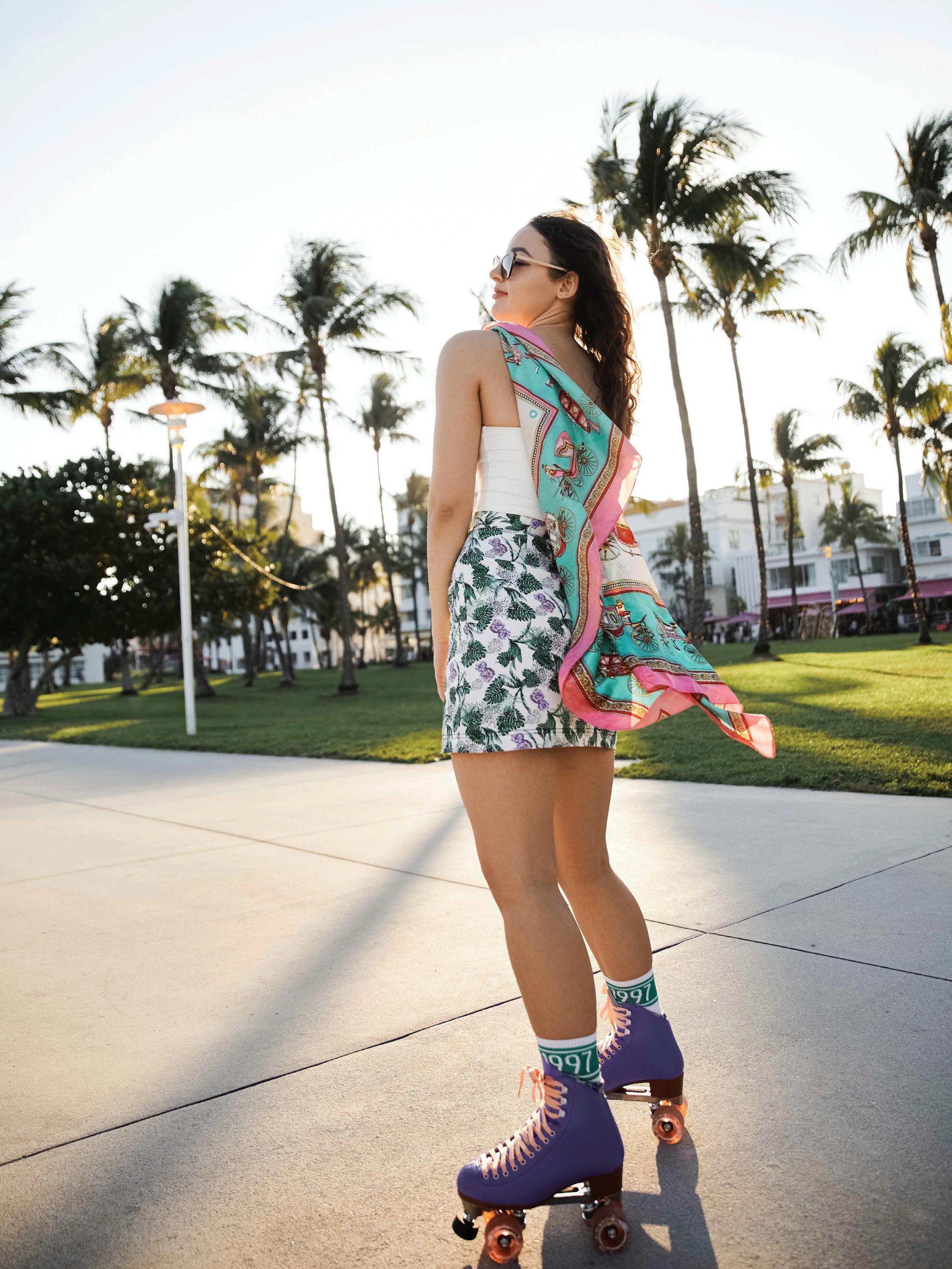




Founder, Chief Executive Officer, Chief Technology Officer, Multimedia Plus
By David Harouche
The idea came up over dinner with a longtime retail learning leader, Marcus Sberna. We were swapping stories from the field when he paused and said something deceptively simple: “Most associates aren’t selling. They’re clerking.”
It landed because it was true.
Clerking is not laziness. It is not poor attitude. It is not even bad service. Clerking is answering the customer’s stated need and stopping there. Selling, by contrast, is a skill. It requires curiosity, confidence and context. And the difference between the two quietly determines whether a retailer captures the full value of each customer interaction or leaves it behind.
Consider a familiar scenario. A customer walks into a store and says she is looking for a black dress. A clerk points her toward the rack, maybe adds a helpful comment about fit or price, and moves on. The customer finds something, pays and leaves. The interaction is polite, efficient and incomplete.
Now replay that moment with a salesperson. The opening line is the same, but the response is different. A follow-up question comes next. What is the occasion? When is it? What does she already own? That small shift changes everything. Suddenly, the associate is not just fulfilling a request. They are building a look, a solution and a relationship. Shoes, a bag, accessories and confidence enter the conversation. The basket grows, and so does the customer’s sense of being understood.
Retail leaders often assume this distinction is obvious. In practice, it is easy to miss, especially when business is good.
When a product or brand is hot, clerking can look a lot like selling. Customers arrive already convinced. Conversion is high. Shelves empty quickly. The associate’s role becomes transactional by default, and no one notices because the numbers look strong. But this creates a dangerous blind spot. The skill gap stays hidden until demand cools, traffic softens or the product mix changes. That is when baskets shrink and teams struggle.
This is why some of the most effective retail organizations invest in selling skills during periods of strength, not weakness. When pressure is lower, there is room to coach behavior, build confidence and
reinforce habits that hold up when conditions change. At the root of the clerking problem is not motivation. It is confidence. Selling requires asking questions and offering opinions. It means risking rejection or not having the perfect answer. Without deep product knowledge and practice, associates default to the safest option: fulfill the request and step back.
Traditional training approaches rarely solve this. Onetime onboarding sessions and long e-learning modules are easy to complete and easy to forget. They check a box but do little to change behavior on the floor.
What works better is short, specific coaching in real moments. A manager overhears an interaction that stops too soon and follows up immediately. Not with criticism, but with guidance. Try asking one more question next time. Listen for context. Suggest one add-on that makes sense. These brief interventions, repeated consistently, build muscle memory and confidence.
Modern retail tools are beginning to support this shift. Platforms that deliver bite-sized learning, capture real interactions and give managers visibility into how associates think, not just whether they completed training, allow coaching to become part of daily operations rather than a separate event. The technology itself is not the point. The outcome is. Better conversations lead to better baskets.
There is also a human payoff that often goes overlooked. Associates who learn to sell well feel more capable and more valued. They are no longer just completing tasks. They are solving problems and representing the brand. That sense of mastery is closely tied to engagement and retention, two metrics retailers continue to struggle with.
The distinction between clerking and selling is not new. What is new is how little margin for error exists in today’s environment. Traffic is harder to earn. Labor is expensive. Customers expect more. Retailers cannot afford to leave opportunity on the sales floor because the skill gap went unaddressed when times were good. The question for leaders is not whether their teams are friendly or efficient. It is whether they are equipped to turn a request into a relationship. The difference may only be one question, but the impact compounds across every store, every day.
And that is the quiet power of selling.
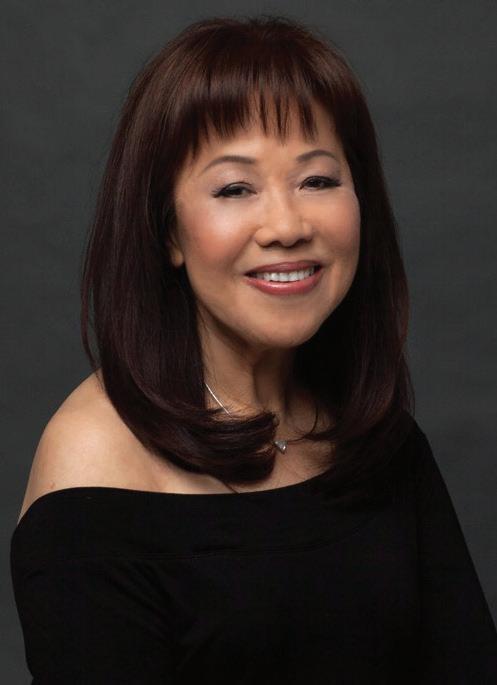
Founder and President
Dora L. International
By Dora Lau
In a world where women are working longer, harder and more dynamically than ever before, intimate apparel is finally catching up.
Gone are the days when bras were designed around a standard 9-to-5 schedule. Today’s consumers are emergency responders, surgeons spending 14 hours in the OR, entrepreneurs running startups or moms who juggle nonstop. Many women operate in a constant loop of motion, and they expect their clothing, especially what’s worn closest to the skin, to keep up.
Comfort Is a Non-Negotiable
This is a lifestyle shift. As women enter and redefine careers traditionally dominated by men, from firefighting to fintech, the demand for comfort-driven innovation in intimate apparel has soared. A welldesigned bra is an essential for support, confidence and mobility. When you’re on your feet for 20-plus hours, comfort doesn’t mean softness alone. It means advanced moisture-wicking, seamless construction, strong recovery and intelligent design that adapts to the wearer.
Baby Boomers Are Major Consumers
This generation feels younger than ever and refuses to be defined by age. They’re active, social and stylish, and they expect their undergarments to match their mindset. Quality, longevity and support matter deeply to this group. They’ve worn enough ill-fitting bras to know better, and now they’re gravitating toward options that combine aesthetics with advanced performance. Whether it’s for pickleball, power walks or dinner parties, they need intimates that can multitask as well as they do.
Price Gets the Sale, Innovation Keeps Customer
There’s no denying that cost is top of mind in today’s economy. Shoppers are doing more research, reading reviews and weighing every purchase more carefully than ever before. But there’s one thing that reliably converts first-time buyers into lifelong fans: innovation. In intimate apparel, that means functional beauty like wire-free construction that still supports, bonded seams that disappear under clothing and breathable fabrics that regulate body temperature across changing environments.
One of the most exciting advancements in this space? Gel bras. These newer models are engineered to offer exceptional stretch, recovery and seamless support. The gel adapts to the body like a second skin, providing the lift and shape of traditional underwire bras without the pressure points or pinching. It’s the kind of innovation that doesn’t just change what women wear; it changes how they feel wearing it.
The evolution of materials has transformed what comfort can look and feel like. Take Umorfil, for example. It is a collagen-infused fiber derived from fish scales that is gentle on sensitive skin and completely biodegradable. Or consider how double-knit recycled spacer fabrics provide breathable structure for molded cups while maintaining sustainability standards. Bamboo, organic cotton and bio-based synthetics are setting the bar.
These are sustainable and smart choices. Bras made from next-gen materials perform better, last longer and align with the values of modern consumers. In short, they’re engineered for real life.
Technology is also reshaping how bras are developed. 3D virtual sampling has become a transformative tool, allowing brands to visualize, adjust and test designs digitally before physical samples are ever made. This cuts weeks off development timelines. Brands can move faster, reduce costs and bring better products to market more efficiently, all while reducing their environmental footprint. This is where comfort meets conscience: less waste, more precision and intimate apparel that feels good in every way.
In today’s intimate apparel market, research and development is a frontline sales strategy. While price may attract attention, it’s innovation that builds loyalty and drives repeat purchases. The brands investing in next-gen fabrics, adaptive support technologies and seamless design are reshaping customer expectations. Whether it’s developing bras that support postpartum recovery, enhance comfort during long shifts or adapt to changing body shapes, innovation creates emotional connection and lasting value. In a competitive economy, that’s what sells—and what scales.







Integritas Capital was built to serve independent sponsors. As developers and operators, we understand the needs of builders and owners.
Founded by Stephen Palmese, the firm leverages two decades of brokerage relationships, development, and real estate lending.


In the last 18 months, Integritas has originated $811 million in loans, financing adaptive-reuse, construction, and transitional projects.
Disciplined underwriting underpins our selection process across our robust pipeline.
We deliver professionalism: speed, structure, and certainty to close. We back independent sponsors with institutional execution.


Loan sizes typically range from $25 million to $300 million.


CEO and Founder of 7thonline
By Max Ma
The fashion industry in 2026 is defined by a persistent challenge, where consumers demand more individuality than ever while expecting brands to anticipate their needs with surgical accuracy. As the market moves further into a decade shaped by agentic technology and hyperpersonalization, traditional methods of merchandising are being pushed to new boundaries. To survive and thrive in this climate, retailers must find a way to bridge the gap between high-level trend forecasting and the granular, often messy reality of the stockroom.
The Landscape of Hyperpersonalization and Rapid Cycles
Current retail trends are moving at a velocity that traditional planning cycles simply cannot match. The rise of preference-based retailing has created an environment where the majority of shoppers express immediate frustration when offerings are not tailored to their specific tastes or lifestyle needs. Trends are no longer dictated solely from the top down by legacy design houses. Instead, they are community-driven, viral and capable of shifting overnight across global digital platforms.
The role of the physical store has also fundamentally shifted from a mere point of sale to a critical experience hub. Digital maturity means customers move fluidly between online research and in-store tactile confirmation. This seamless journey requires a level of inventory transparency and localized assortment that was previously reserved for luxury boutiques but is now demanded across every segment of the market, from fast fashion to heritage performance brands.
Challenge of Modern Inventory Complexity
Despite these sophisticated consumer shifts, many retailers remain trapped in outdated processes that rely on broad generalizations and historical averages. One of the most pressing hurdles is demand volatility, where inflation sensitivity and rapid trend cycles have made traditional forecasting models obsolete. This often leads to a destructive cycle of overstocking that necessitates aggressive, margin-killing markdowns just to move through aging inventory that no longer resonates with the local buyer.
Another significant friction point is the persistent gap in size optimization and inclusive fit. In an era of increasing body inclusivity and shifting regional demographics, stocking the wrong size profile at a
local level remains a leading cause of lost conversions and high return rates. When these issues are combined with siloed data, where enterprise systems and storelevel analytics do not communicate, retailers find themselves struggling with phantom inventory and missed replenishment opportunities that erode both profit and long-term brand equity.
The Solution: Scaling Intuition via the Similarity Matrix
7thSense, which was recently launched at the 2026 National Retail Federation (NRF) convention, is a multidimensional ranking engine designed to emulate and then scale the nuanced intuition of a master merchant through a proprietary similarity matrix. By evaluating hundreds of product and location attributes, ranging from silhouettes and fabrics to regional color preferences and climate data, the system measures the mathematical “distance” between new items and proven past performers.
This approach transforms localized assortment planning by breaking down rigid category silos to predict how a specific style will perform at an individual store level. It also enables autonomous reordering by monitoring real-time sales velocity during the critical first weeks of a launch, automatically recommending quantities adjusted for lead times and seasonality. Finally, it provides prescriptive promotional forecasting, using historical lift data from similar styles to predict the profit impact of a discount before it is even executed, allowing planners to act with empirical confidence rather than reactive desperation.
There is a fundamental shift in how the market views artificial intelligence as a core business partner. Multinational fashion brands are proving that when guesswork is replaced by a sophisticated nervous system of data, the results are transformative for the bottom line. This shift optimizes inventory and reclaims the precious time and resources needed for creative strategy and authentic brand storytelling.
In 2026, the competitive edge belongs to those who can turn granular data into actionable intelligence at scale. With the power of the similarity matrix, the goal of a perfectly balanced, localized inventory is no longer a distant merchant’s dream but a functional reality that drives sustainable growth and deeper customer loyalty. This is the new standard for a modern, responsive fashion ecosystem.

Purim commemorates the (divinely orchestrated) salvation of the Jewish people in the ancient Persian Empire from Haman’s plot “to destroy, kill and annihilate all the Jews, young and old, infants and women, in a single day.”
The Persian Empire ruled over the entire world at the time. When King Ahasuerus had his wife, Queen Vashti, executed for failing to follow his orders, he arranged a beauty pageant to find a new queen. A
By Rabbi David Laine
Jewish girl, Esther, found favor in his eyes and became the new queen, though she refused to divulge her nationality.
Meanwhile, the Jew-hating Haman was appointed prime minister of the empire. Mordechai, the leader of the Jews, defied the king’s orders and refused to bow to Haman. Haman was incensed, and he convinced the king to issue a decree ordering the extermination of all the Jews.
Mordechai galvanized all the Jews, convincing them to repent, fast and pray to G-d. Meanwhile, Esther asked the king and Haman to join her for a feast. Esther revealed her Jewish identity to the king. Haman was hanged, Mordechai was appointed prime minister in his stead and a new decree was issued, granting the Jews the right to defend themselves against their enemies.
On Purim, we wear costumes and are very joyous. Whenever we hear Haman’s name, we make noise with the gragger.
Filling ingredients:
• ¾ cup poppy seeds
• 2 tablespoons coconut oil or margarine (butter for dairy—but make sure to tell people they are dairy!)
• ½ cup coconut milk
• 2 tablespoons honey
• 6 tablespoons sugar
• 1 egg
Filling directions:
1. Beat the egg in a bowl and set aside.
2. Melt the coconut oil/butter/ margarine in a small saucepan. Whisk in the coconut milk, sugar and honey, and simmer over a low flame until the sugar is melted.
3. Pour half the mixture into a cup or small bowl.
4. Very slowly drizzle the hot mixture from the cup/bowl into the beaten egg, whisking constantly.
5. Now slowly pour the egg mixture back into the remaining hot mixture in the saucepan, whisking constantly.
6. Simmer the mixture for 3 to 4 minutes until it thickens. Remove from fire.
7. Whisk in the poppy seeds and refrigerate until fully cooled before using.
Dough ingredients:
• ½ cup sugar
• ¼ cup oil
This miraculous change of events, which saved all the Jews in the entire world, is celebrated yearly and is called the holiday of Purim.
• Reading of the Megillah (book of Esther), which recounts the story of the Purim miracle; this is done once on the eve of Purim and then again on the following day
• Giving money gifts to at least two poor people
• Sending gifts of two kinds of food to at least one person
• A festive Purim feast, which often includes wine
• 2 eggs
• 1 teaspoon vanilla
• 2 to 2½ cups flour
• 1 teaspoon baking powder
Dough directions:
1. Mix the eggs, sugar, oil and vanilla.
2. Add 1 cup of flour and the baking powder. Mix.
3. Add the remaining flour until the dough forms a soft but not sticky ball.
4. Roll out the dough and cut out circles.
5. Put a teaspoon of filling in the center of each circle.
6. Gently fold the sides and pinch shut tightly. Bake for 10 to 12 minutes at 350°F.





Capital One® Commercial Banking offers you the financial services your business needs to succeed. You get customized solutions designed by a dedicated team of Consumer Products bankers with a combined track record of more than 75 years in the apparel, footwear, accessories and beauty sectors—and they’re backed by the full-services capabilities of a top 10 U.S. bank.*
Let us create a solution that matches your vision
capital.one/commercial



INNOVATION WITHOUT LIMITS. A COMMUNITY MOVING TEXTILES FORWARD—TOGETHER.
Discover what’s next in performance textiles at Functional Fabric Fair. Join us for a curated sourcing event connecting you with top suppliers, industry leaders, and brands driving the future of activewear, outdoor gear, and performance fashion.
Trend Forum


Innovation Zone
Expert Talks

Explore 12 essential fabric categories curated by a jury of textile experts, and experience the season’s most innovative materials—up close and firsthand.

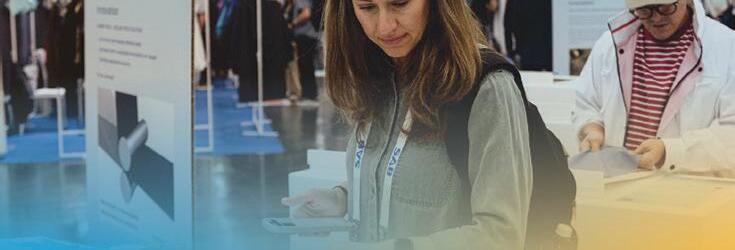
Discover cutting-edge products before they launch and get an exclusive first look at breakthrough materials and technologies shaping the future of performance textiles.

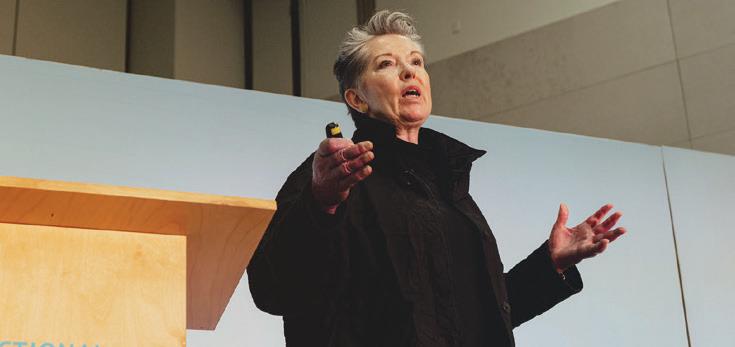

Engage with industry leaders through dynamic sessions that spotlight the latest trends, innovations, and sustainability practices driving outdoor and active textile design.
LEARN MORE AT




1. Aritzia: Cleo Dress in Black
This sleeveless maxi dress is crafted from drapey matte satin, offering a lightweight, fluid feel. A softly draped cowlneck and a slightly off-the-shoulder silhouette introduce subtle movement, complementing the garment’s sleek, refined design.
$148 | aritzia.com

2. Catbird Jewelry: Baby Cygnet Ring in Silver



$88 | catbirdnyc.com

This 100% recycled silver ring is both a thoughtful take on the classic signet style and a witty play on words, drawing inspiration from “cygnet,” a term for a young swan. With a band that tapers to just 1.35 millimeters and delicately engraved details, this is the perfect choice for those who prefer understated elegance.

3. Polo Ralph Lauren: Wool-Cashmere Blend Balmacaan Coat in Brown Melange


This Italian-crafted coat features a soft wool-cashmere blend and is shaped with a relaxed, full-bodied silhouette that feels effortless yet precisely tailored. Adjustable cuffs and a buckled self-belt enhance styling versatility.
$1,198 | ralphlauren.com
4. Madewell: Sheer Tights in Jet Black
These semisheer tights feature a lightweight stretch and a smooth, minimal finish. An easy layering essential, they offer light coverage that keeps you warm without added bulk.
$25 | madewell.com
5. Maison Margiela: Belt Shoulder Bag in Black
$1,750 | maisonmargiela.com




This sleek, compact shoulder bag is crafted from calf leather with a subtly wrinkled glossy finish. Adjustable top handles and a zip closure balance elegance with everyday functionality.
6. & Other Stories: Knee-High Nappa Sock Boots in Black
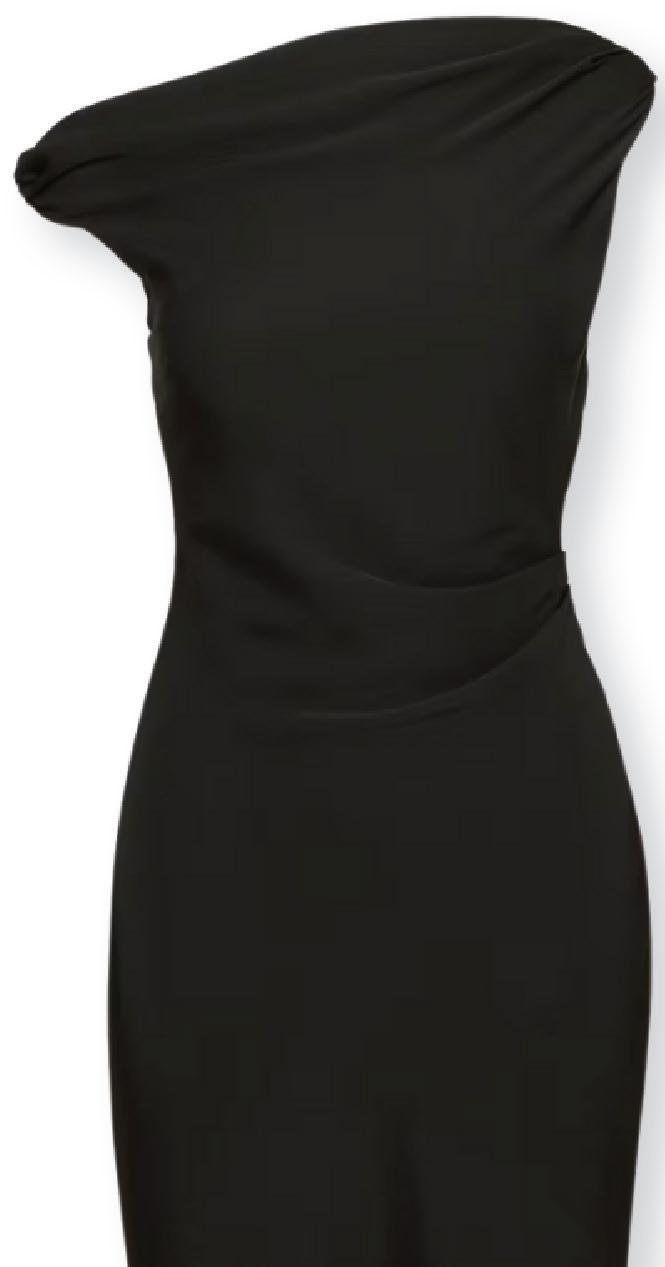
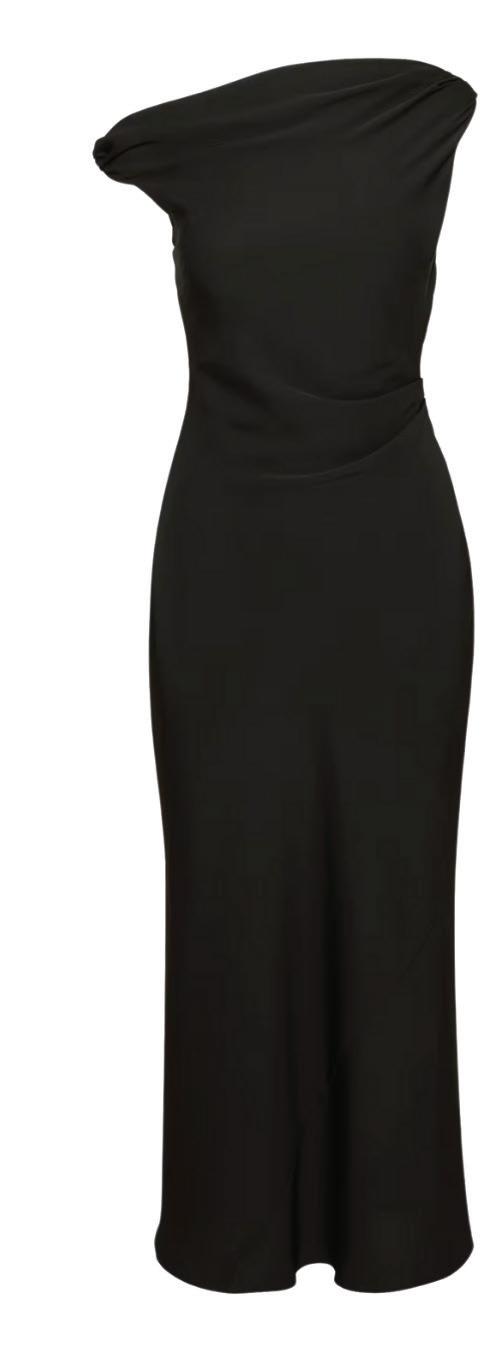



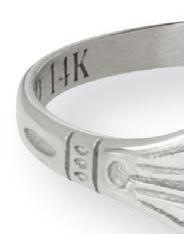







These knee-high sock boots, crafted from stretch nappa leather, feature a square toe, top-stitched center seams and a concealed side zipper. A sculptural, chunky block heel adds dimension to the boot’s smooth, polished silhouette. $399 | stories.com 1 2 3 4 6 5

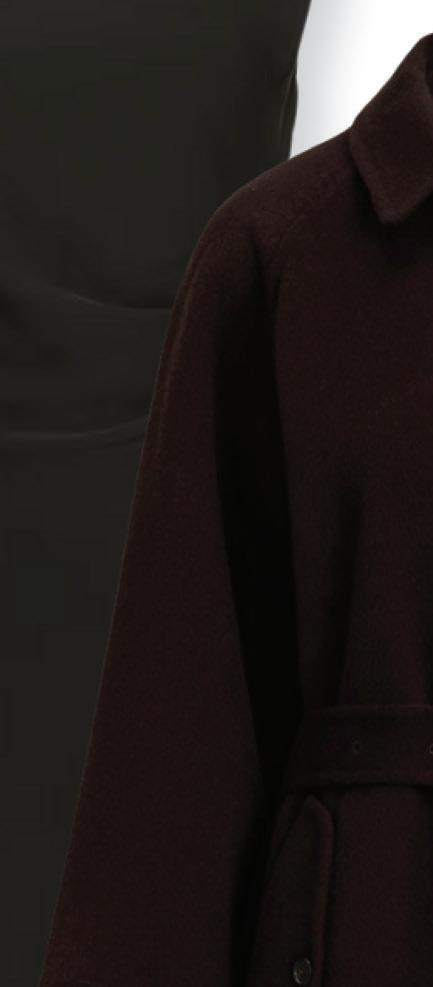








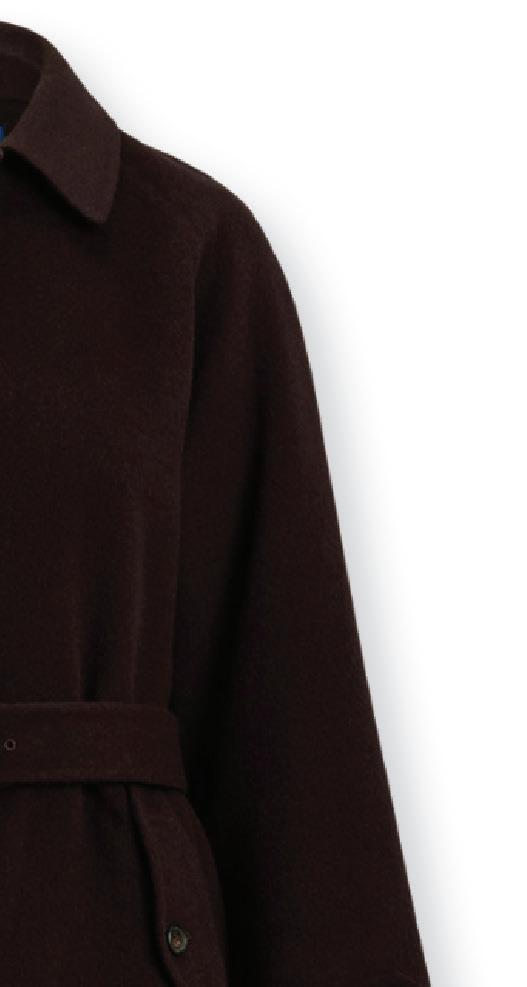



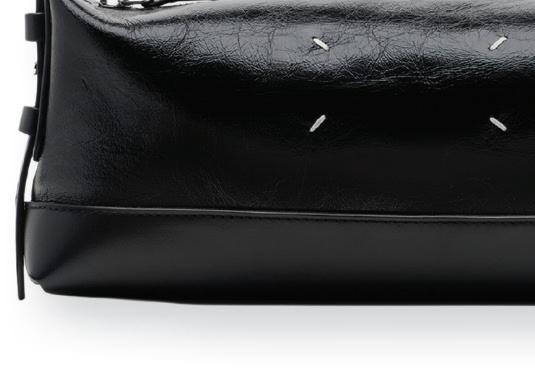
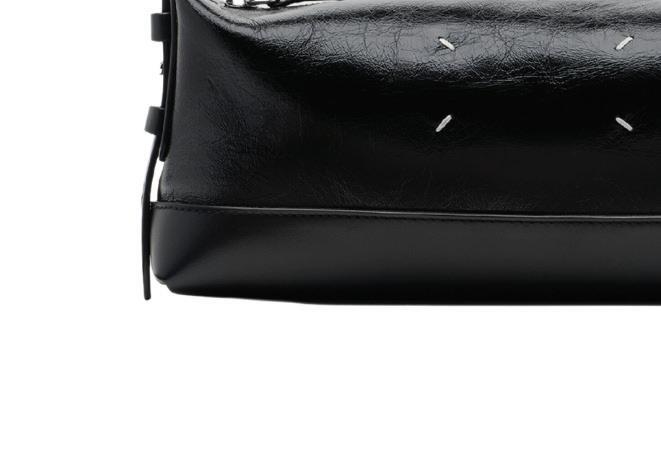










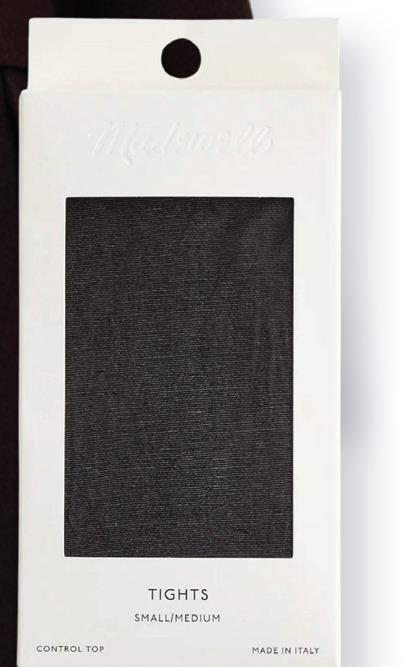






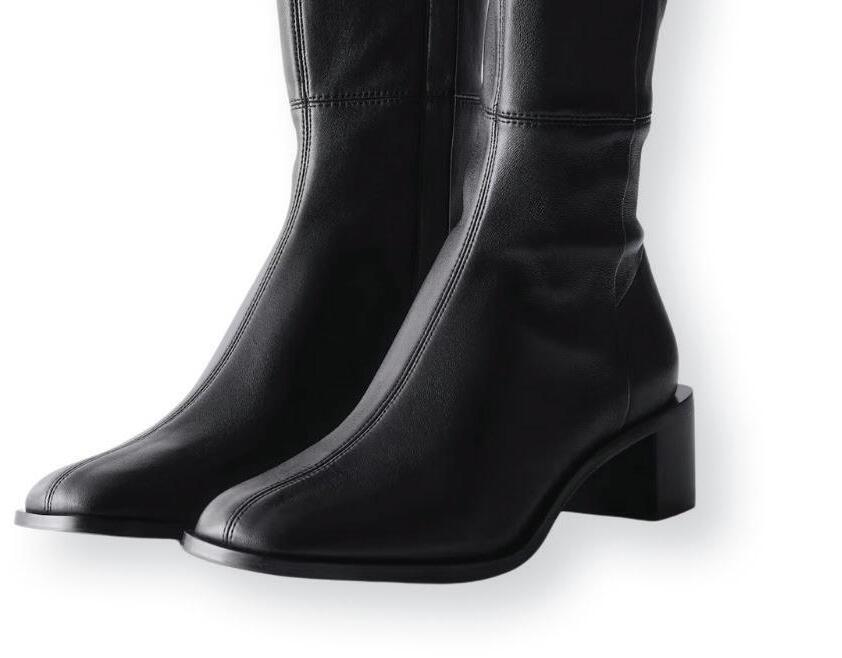





















Sustainability in fashion is no longer limited to fabric choices or material labels. It has evolved into a broader examination of systems: how products are made, how far they travel, and how responsibly people and environments are treated throughout the process. For Sherilyne Dougherty, founder, designer and CEO of Designs by Sherilyne, these considerations are not abstract ideals but guiding principles that inform every aspect of her creative and business practice. Her brand reflects the belief that art, when translated into fashion, must be produced with care, accountability and respect.
Sustainability as an Operational Imperative
Fashion’s environmental impact is well documented, with the industry responsible for an estimated 8% to 10% of global carbon emissions, largely driven by overproduction and inefficient supply chains (McKinsey & Company, 2023). In response, Designs by Sherilyne operates exclusively through an on-demand manufacturing model, producing only what is ordered and eliminating excess inventory before waste is created.
Material processing is equally critical. The brand partners with production houses that use chemical-free, water-based inks and dyes—an intentional choice that benefits both the environment and the people involved in production. Chemical-free inks help prevent toxic runoff into waterways while protecting the health of workers who handle fabrics daily. Textile dyeing alone accounts for nearly 20% of global industrial water pollution, much of which ultimately impacts oceans and aquatic ecosystems (World Bank, 2019). By avoiding harmful chemicals, Designs by Sherilyne supports healthier oceans, protects marine life and promotes safer working conditions across the supply chain.
Additional measures, such as recycling sublimation paper, further reinforce environmental responsibility at every stage of production. For the brand, sustainability is not a final checkpoint but a foundational element embedded in the journey from artwork to finished product.
Traceability is central to how Designs by Sherilyne operates. Each design begins as an original work of art, making control over reproduction essential to preserving creative integrity. By maintaining fully local production, the brand ensures that no third party has unauthorized access to artwork at any stage of the process. This closed-loop approach safeguards artistic authorship while reducing operational and reputational risk.
Transparency also plays a critical role in building trust. Research shows that nearly 70% of consumers and retail

buyers are more likely to engage with brands that clearly communicate where and how products are made (IBM, 2023). For Designs by Sherilyne, traceability is both an ethical responsibility and a cornerstone of long-term brand credibility.
How a product travels is as important as how it is made. Logistics and transportation can account for up to 10% of fashion’s total emissions, particularly within globalized supply chains (McKinsey & Company, 2023). To address this impact, Designs by Sherilyne prioritizes local manufacturing, significantly reducing transportation distances and associated emissions.
This commitment extends through delivery. Since 2023, Canada Post has offered carbon-neutral parcel delivery, allowing environmental responsibility to continue through the final mile (Canada Post, 2023). These logistics decisions align with growing business-to-business (B2B) expectations regarding environmental, social and governance (ESG) initiatives and Scope 3 emissions reduction.
Sustainability cannot exist without ethical labor. Designs by Sherilyne works exclusively with production partners that prioritize fair wages, safe working conditions, comprehensive benefits and a strict zero-tolerance policy toward sweatshop practices. Ethical labor environments are linked to improved production consistency, reduced errors and stronger long-term supplier relationships (International Labor Organization, 2022).
For the brand’s founder, ethical labor is both a personal and professional responsibility. Creative work, in her view, should never come at the expense of human dignity, and this belief guides every partnership decision.
Designing with responsibility at every step is not a slogan—it is a daily practice. Through traceable production, chemical-free materials, ethical labor standards and thoughtful logistics, Designs by Sherilyne demonstrates how artist-founded brands can lead with integrity. As the fashion industry continues to evolve, this approach offers a clear and actionable blueprint for responsible growth rooted in creativity, accountability and care.
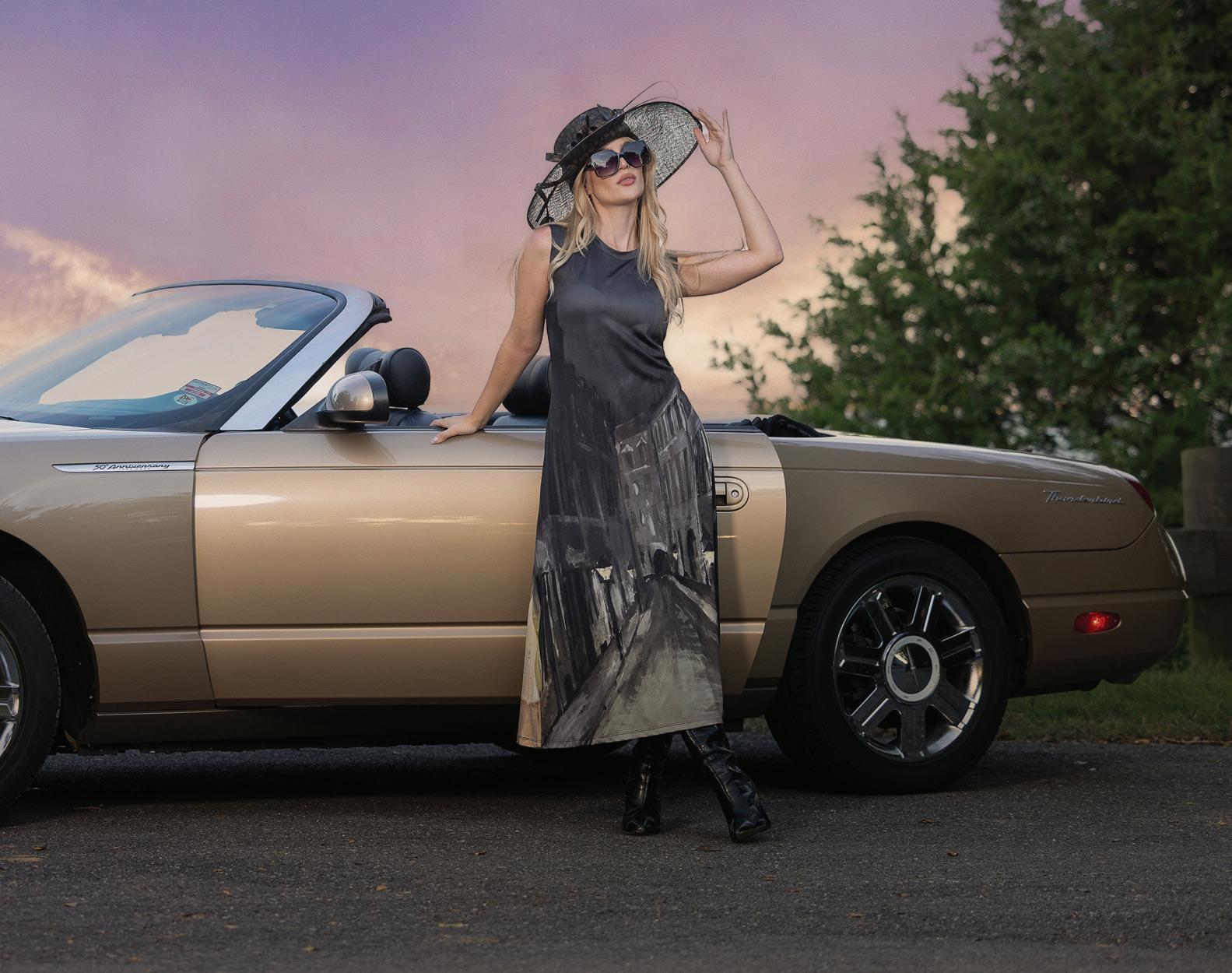
Born of the belief that strength and sensuality belong in the everyday, Bluebella has spent nearly two decades reshaping how women experience lingerie. Founded in 2005 by Emily Bendell, the award-winning, womanfounded brand creates bold, modern designs for women who dress for themselves first—confident, selfassured and unapologetically in control of their desires.
From the outset, Bluebella set out to challenge the idea that lingerie exists to be worn for someone else. Instead, the brand positions lingerie as a powerful form of selfexpression—a quiet confidence worn beneath it all. This philosophy comes to life in The Pleasure Era, Bluebella’s latest Valentine’s launch, which celebrates the duality of womanhood through collections that balance architectural strapping and dramatic cutouts with delicate embroideries, romantic details and fluid fabrics. Each piece is designed to feel as empowering as it looks, inviting women to embrace sensuality on their own terms.
Rather than following trends, Bluebella has built its identity around intention—thoughtful design, signature detailing and a clear understanding of how women want to feel in their lingerie. The collections are bold yet wearable, sensual yet grounded, created for women who see lingerie as part of their everyday ritual of confidence and self-worth.
Beyond design, Bluebella continues to position itself as a brand deeply invested in conversation and community. This season, the brand launched its Modern Sensuality community campaign, an initiative that explores how women today define sensuality, sexuality and desire. Supported by a global survey with over 1,500 respondents and written in collaboration with leading experts in the field, the campaign reframes sensuality as something personal rather than performative.
The findings reinforce what Bluebella has long believed: lingerie is more than an aesthetic choice. The data reveals a direct link between purchasing lingerie and higher levels of pleasure and sexual satisfaction, both partnered and solo, positioning lingerie as an investment in self-connection and well-being. Women over 50 emerged as some of the most active lingerie shoppers, reporting the highest satisfaction levels, while mothers showed increased purchasing as an act of self-reclamation—a reminder that pleasure evolves, rather than diminishes, with life experience.
The campaign is brought to life by a diverse lineup of women, including body activist and author Charli Howard and fashion icon Pearl Lowe, alongside members of the Bluebella community. By centering real voices and making the full survey results openly accessible, the brand underscores its commitment to education, transparency and long-term cultural impact.
“At Bluebella, we’ve always believed lingerie should be a form of self-expression, not performance,” said Bendell. “By opening up an honest conversation around sensuality and desire, and making the data accessible, we hope to empower women while contributing something meaningful to wider learning and research.”
Today, Bluebella stands as a brand that blends modern sensuality with purpose—creating lingerie that feels intentional, intelligent and deeply personal. With The Pleasure Era, its Modern Sensuality campaign and other initiatives, the brand continues to move the industry forward, proving that lingerie can be both beautifully designed and boldly progressive.

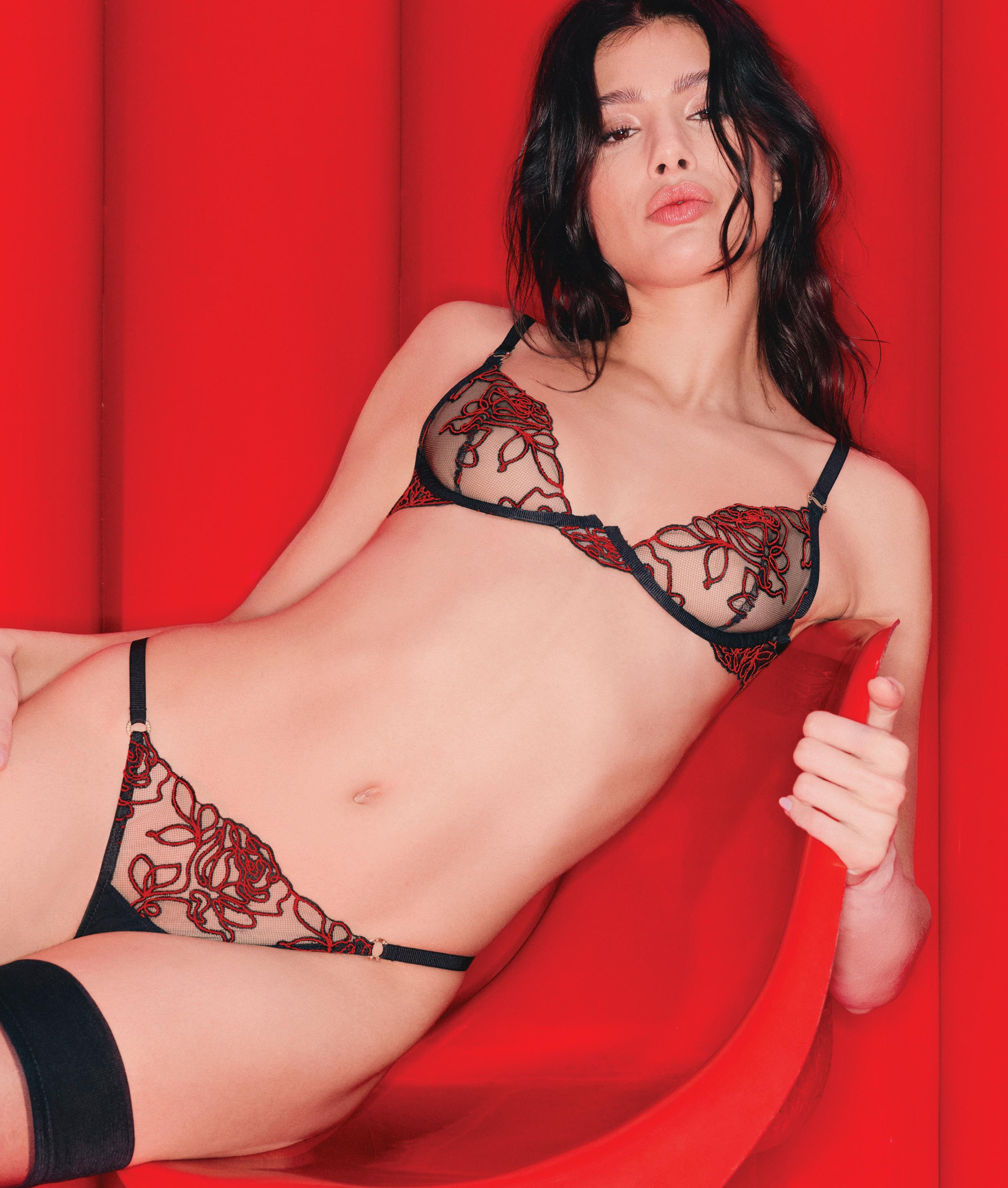

Onewith x Claire
Buckley Capsule Collection Turns Swimwear Into a Living Canvas
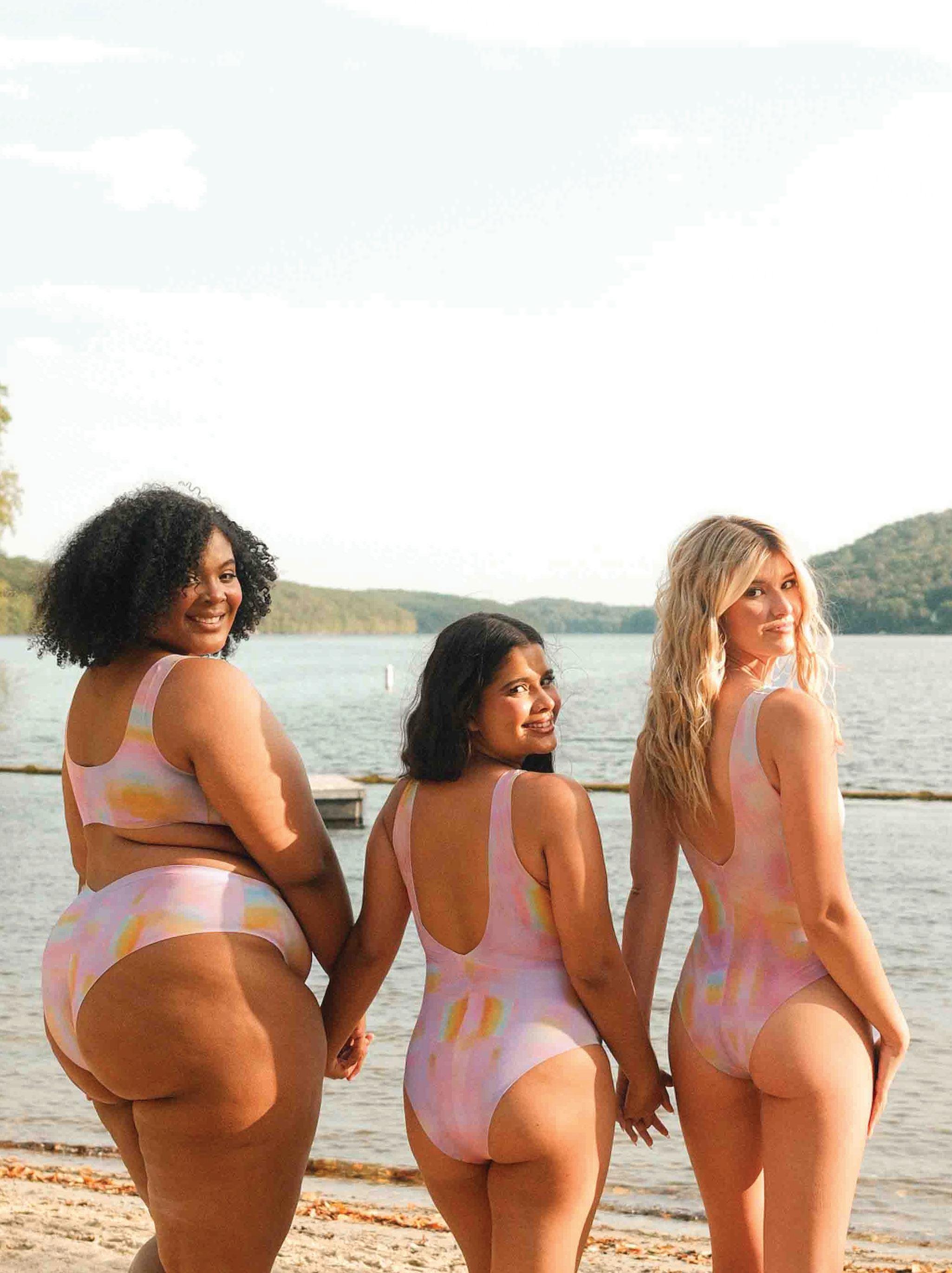









ThatFor most artists, a canvas is static. It hangs on a wall, fixed in place, an interaction with the world that is limited to light and the viewer’s gaze. For Onewith, the canvas moves, shaped by the body, water and motion.
That idea comes to life with the launch of the Onewith x Claire Buckley capsule collection. While the collaboration introduces original artwork by Brooklyn-based painter Claire Buckley, it’s ultimately a reflection of Onewith’s deeper innovation: patented swimwear construction that has quietly rewritten what swimwear can feel like and, increasingly, what it can become.

Founded by Hayley Segar, Onewith was born out of a moment of frustration familiar to countless women. A lifelong beachgoer who loved fashion but hated swimwear, Segar found herself on her apartment floor in 2019 after yet another disappointing try-on session. After trying on swimsuit after swimsuit—all of them digging, compressing or riding up—she blurted out, “I just want a swimsuit that fits like my no-show underwear,” an offhand comment that became the brand’s north star.
What followed were years of development and a first-of-its-kind approach to swimwear construction—no digging, squeezing or compressing. That comfort-first engineering has always been the brand’s foundation. But with the Claire Buckley collaboration, it becomes something more: proof that Onewith’s technology unlocks new creative possibilities.
Traditional swimwear relies on seams and compression to create structure, often breaking up prints and distorting patterns. Onewith’s patented construction uses bonded, raw-cut edges that lie flat against your skin, without the discomfort of bulky seams, rigid elastic or harsh compression. The suit conforms to your body, creating a personalized, ultrasmooth fit that stays in place without digging in.
to them. During a visit to Buckley’s studio to pick up her second piece, Segar decided to ask whether the artist would ever consider collaborating. Together, they brought Wonderwave to life, an exclusive artwork created for Onewith that blends prism and pastel, striking yet soft.
The exclusive artwork is printed across three of Onewith’s signature silhouettes—the Westerly tiefront bikini top, the Jennings V-cut high-waisted bikini bottom and the Bellows plunge high-cut one-piece.
This capability speaks directly to Onewith’s broader mission to change swimwear so women don’t feel the need to change themselves. From the beginning, the brand has rejected the idea that discomfort is the price of looking good. Instead, it has prioritized how women actually want to feel in a swimsuit: confident, comfortable and unrestricted. Every piece is size inclusive (XXS to 3XL) and built with both real-world testing and empathetic design. No pinching. No pulling. Just a better experience in and out of the water.
That philosophy has resonated widely. Since launching in 2021, Onewith has built a devoted following and gone viral multiple times for its “feels like underwear” fit. The brand’s momentum reached a pivotal point with its appearance on ABC’s “Shark Tank,” a defining moment that helped propel Onewith from a founder-led passion project into a fast-growing, designdriven swimwear business. Just as importantly, the milestone arrived after years of product development and early traction, reinforcing that the brand’s success was not overnight but earned.
That evolution is further underscored by Onewith’s four-year brand anniversary, showcasing how far the business has come both before and after “Shark Tank.” The Claire Buckley collaboration reflects that maturity, signaling a brand confident enough in its technology to use it as a launchpad for creativity.

The partnership itself is deeply personal for Segar. Long before the idea of a collaboration emerged, she was a devoted admirer and collector of Buckley’s work, living with the artist’s paintings on her walls and feeling a rare emotional connection

In a swimwear market long dominated by trend cycles and aesthetic sameness, Onewith is proving that true innovation starts beneath the surface. Sometimes, when comfort comes first, it creates space for something unexpected: art that moves, lives and feels as good as it looks.







Dallas brings two markets together for an unmatched buying opportunity. TWO MARKETS. ONE VISIT.
Apparel & Accessories
Market + Dallas Gift & Home Market

MARCH 24 - 27, 2026




EXCLUSIVE DETAILS FOR SHOWS IN:
• Dallas
• Denver
• Las Vegas
• Los Angeles
• Nashville
• Orlando
• New York

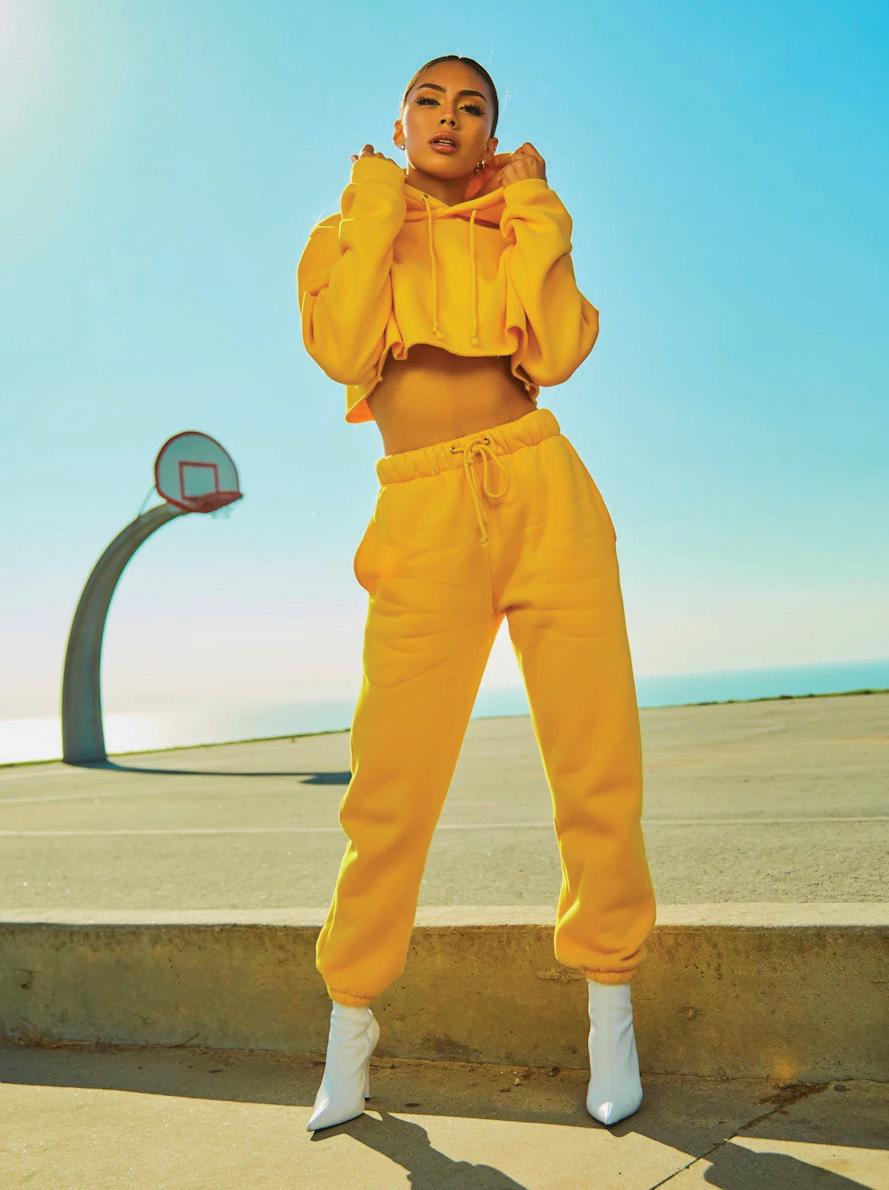
CONNECTING THE FASHION INDUSTRY WITH THE WORLD OF TRADESHOWS

The Fashion by Informa Las Vegas Marketplace returns to the Las Vegas Convention Center Feb. 17-19, bringing together Magic, Project, Sourcing and Offprice by Informa under one roof. The comprehensive platform serves as a hub for brands, retailers, manufacturers and buyers to connect, discover and drive commerce across key fashion categories. From trend-driven apparel and accessories to tailored menswear and innovative sourcing solutions, the Las Vegas Marketplace fosters collaboration and growth within the global fashion ecosystem.
Magic by Informa’s flagship event in Las Vegas remains a cornerstone of the industry, offering the largest selection of trend, young contemporary, modern sportswear, footwear and accessories brands. More than just an event, Magic delivers a high-energy environment where fashion, community and commerce intersect. A collaboration with the boutique hub further enhances Magic’s value by combining access to leading fashion brands with proven boutique success strategies. Attendees gain access to exclusive collections, actionable growth insights and insider connections. They also benefit from educational sessions that cover retail fundamentals and address current market challenges.
Showcasing Fall/Winter 2026-2027 trends, leading exhibiting brands at Magic include Free People, Theia Jewelry, Bobi Los Angeles, Dolce Vita, Bed Stu, Poppy and Pout, ASTR the Label, Hale Bob, Show Me Your Mumu and many more.
“We are enhancing the trade show experience this February by bringing Magic, Project, Sourcing and now Offprice together under one roof,” said Greg Kerwin, SVP, Fashion by Informa. “By expanding the marketplace and offering a broader range of opportunities, we’re creating a comprehensive platform for brands and retailers to connect, collaborate and grow their businesses. This event continues to serve as a vital hub for the fashion industry, fostering meaningful relationships and driving success across all sectors.”
Project by Informa returns with a curated, category-driven buying experience. Organized into distinct “neighborhoods,” Project showcases key menswear categories, as outlined in Fashion by Informa’s FW 26/27 menswear buyer’s guide, including sportswear, denim, elevated streetwear, tailoring and emerging trends such as Y2K and golf.
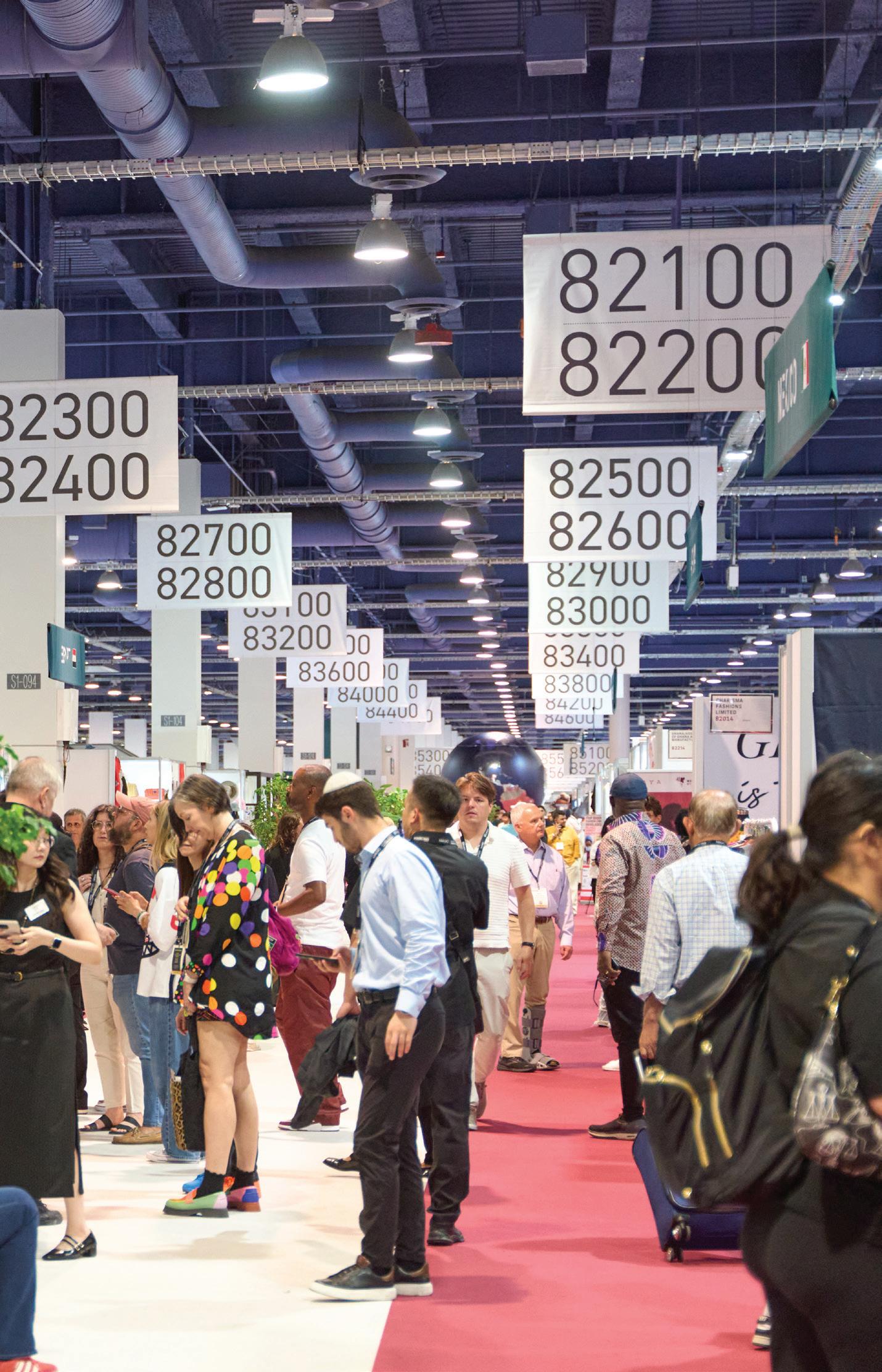
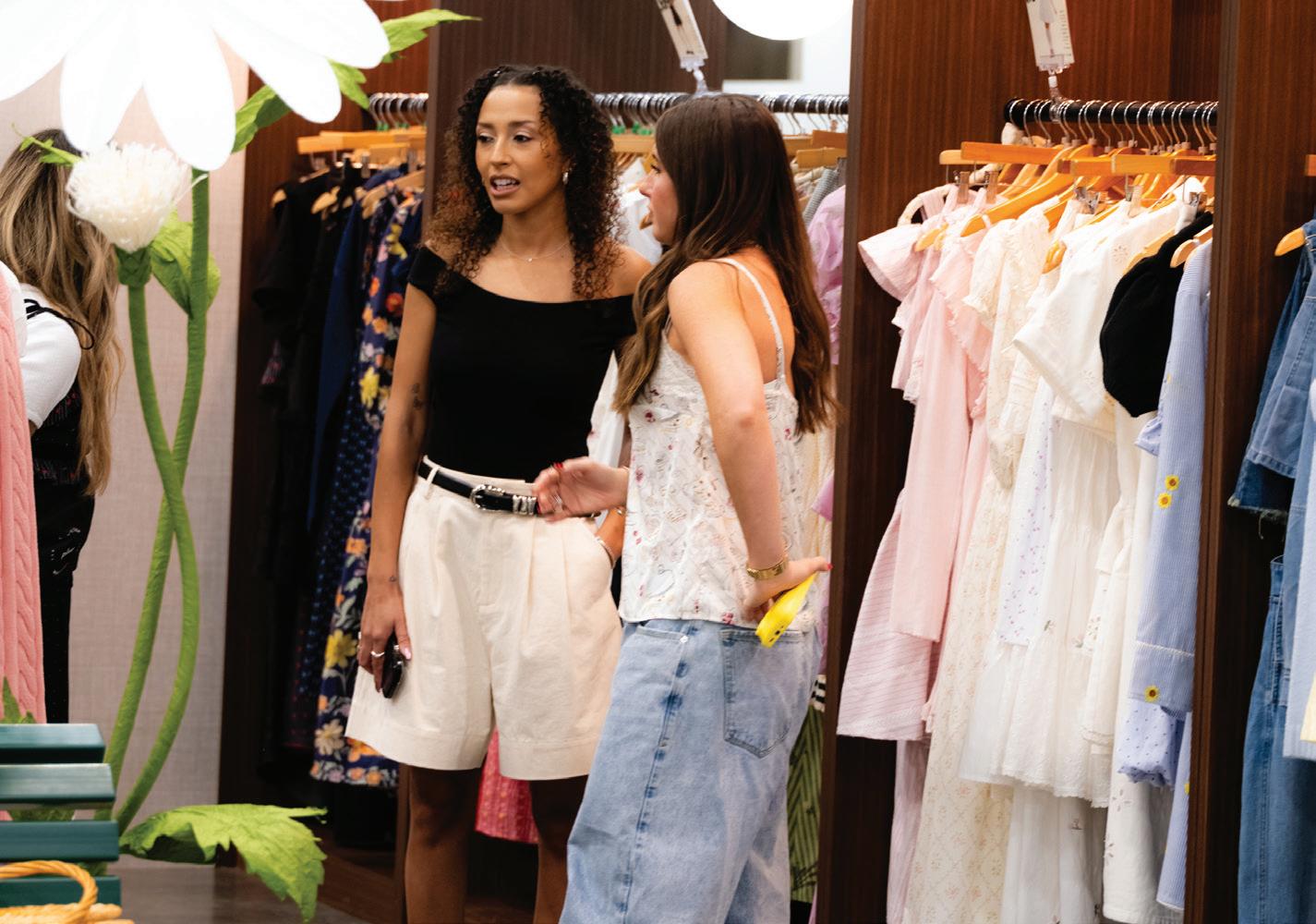
The Project Now neighborhood highlights brands that embody elevated streetwear, while the newly introduced Project Classic Community focuses on tailored clothing, featuring suits, tuxedos, outerwear and footwear from brands like Braveman, Cigar Couture, Barabas, Marina Imports and Bonafini Brands. As menswear continues to evolve, Project provides retailers with insights into growth areas such as contemporary sportswear, outdoor/outerwear and occasion wear, ensuring they stay ahead of market demands.
Sourcing by Informa is North America’s largest gathering of fashion manufacturers, suppliers and service providers. The event offers a comprehensive platform for discovering innovative solutions across apparel, footwear, textiles and sustainable practices. Thoughtfully organized show floors and engaging product demonstrations enhance the sourcing experience, allowing professionals to maximize discovery andfind cutting-edge solutions.
Offprice by Informa, now co-located at the Las Vegas Convention Center alongside Magic, Project and Sourcing for the first time, provides a vital marketplace for retail buyers to access wholesale products with competitive margins. As an essential component of the fashion ecosystem, off-price strategies help businesses protect their bottom line, extend product life cycles and gain a competitive edge.
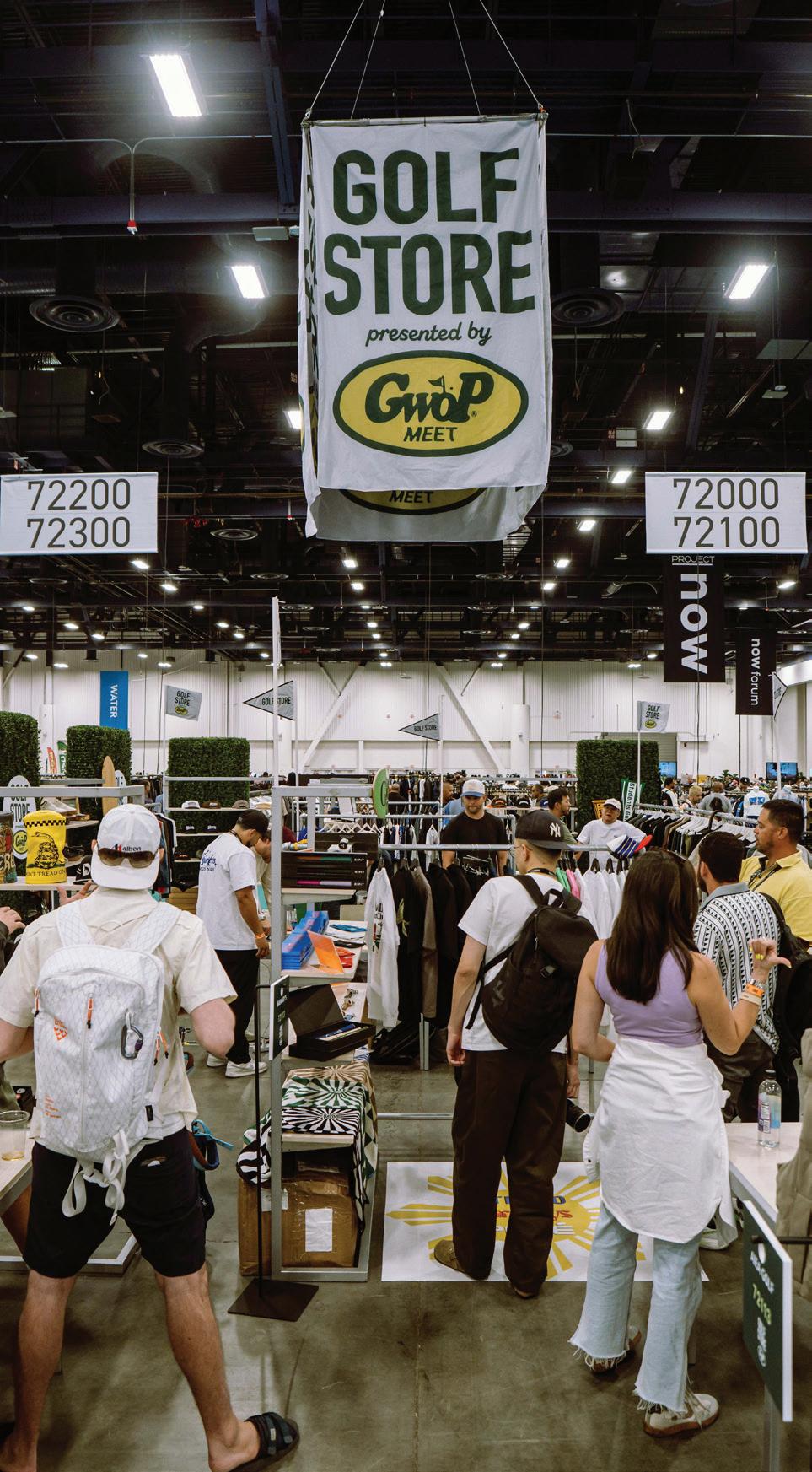
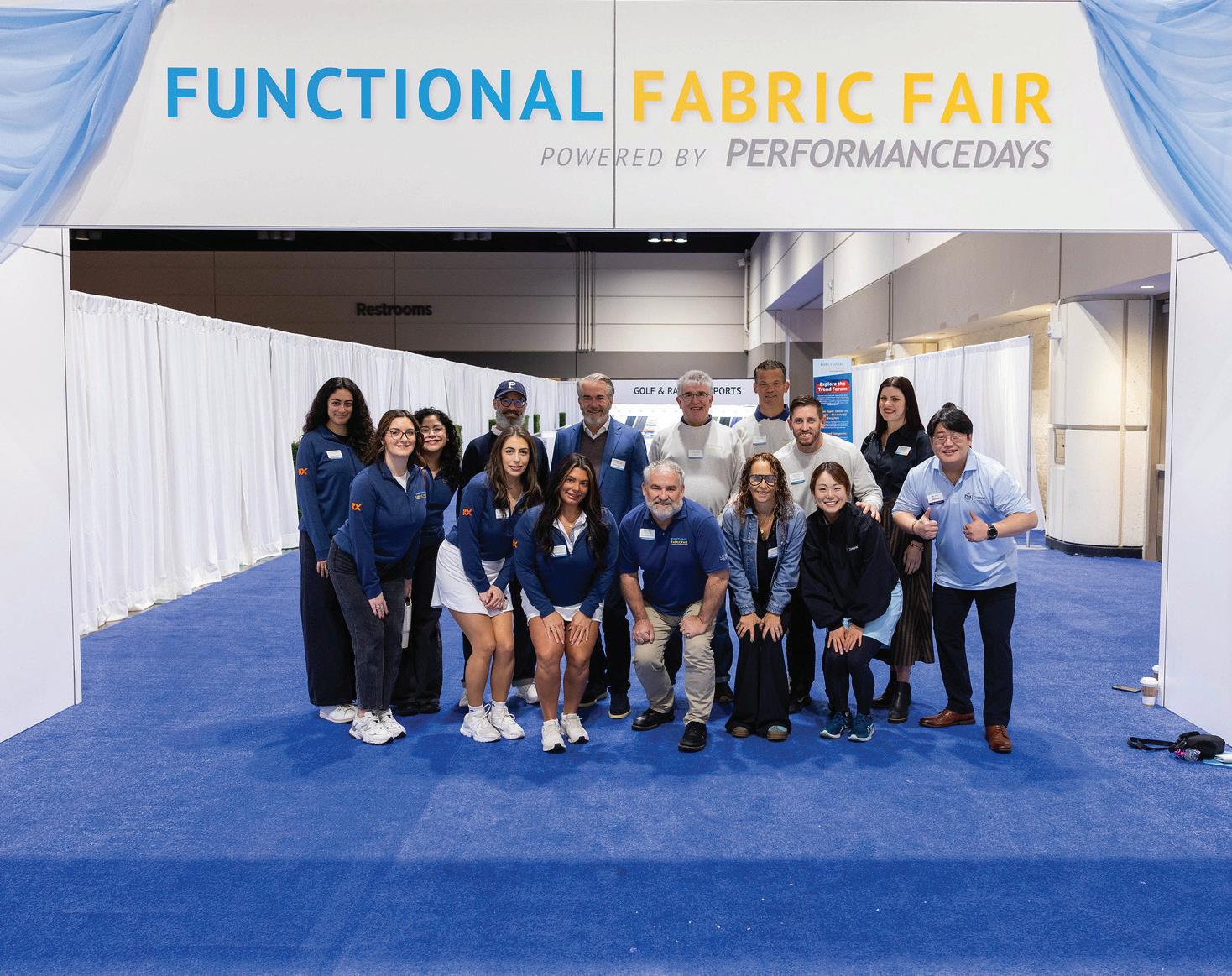

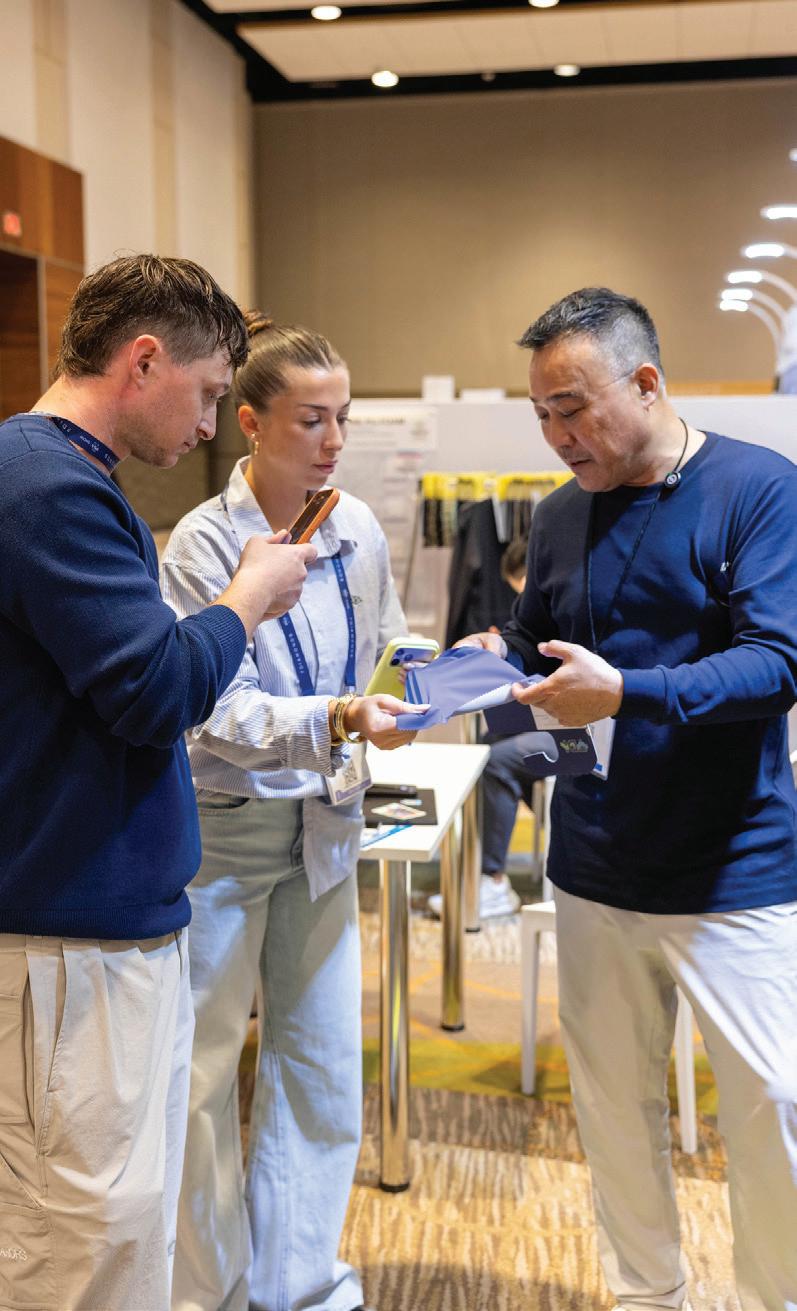
Functional Fabric Fair powered by Performance Days successfully concluded its first-ever winter edition at the Orange County Convention Center in Orlando. Running concurrently with the PGA Show, the two-day debut delivered a highly focused sourcing and education experience for the golf, activewear and outdoor sportswear industries, as a significant expansion of North America’s premier trade-only platform for high-performance, innovative and sustainability-driven textiles.
Strategically timed to align with the world’s largest global business gathering for golf, the winter edition brought Functional Fabric Fair directly into the heart of peak product development and sourcing season. The event attracted over 1,100 attendees from golf and sports apparel executives, product developers, designers and sourcing professionals, with representation from leading performance and athletic brands including Faherty, Flag & Anthem, Holderness & Bourne, Polo Ralph Lauren, Tommy Hilfiger, Travis Mathew, Vineyard Vines and more top golf and lifestyle apparel companies.
“The response to our first winter edition exceeded expectations,” said Steve McCullough, event vice president of Functional Fabric Fair. “Launching in
Orlando alongside the PGA Show allowed us to connect brands exactly where critical sourcing and material decisions are being made. The level of engagement on the show floor confirmed there is strong demand for a focused sourcing event dedicated to performance and sustainability, especially within the golf and activewear markets. We look forward to continuing the winter edition in Orlando and building on our successful co-location with the PGA Show in the years ahead.”
“Attending Functional Fabric Fair for the first time was a game changer for us as designers,” said Cailyn Henderson and Margaret Wentz, co-founders of Fore the Girls. “Sourcing the right fabrics and materials is critical to our line, and historically it’s been a long, fragmented process of requesting samples. Being face-to-face with the best performance- and golf-focused textile and component companies— and having hands-on access to the materials—streamlined everything. We were fascinated to learn more about fabric structures and innovations through this hands-on experience, and the trend forum was especially valuable for discovering new materials and requesting follow-up information. Such an awesome event!”
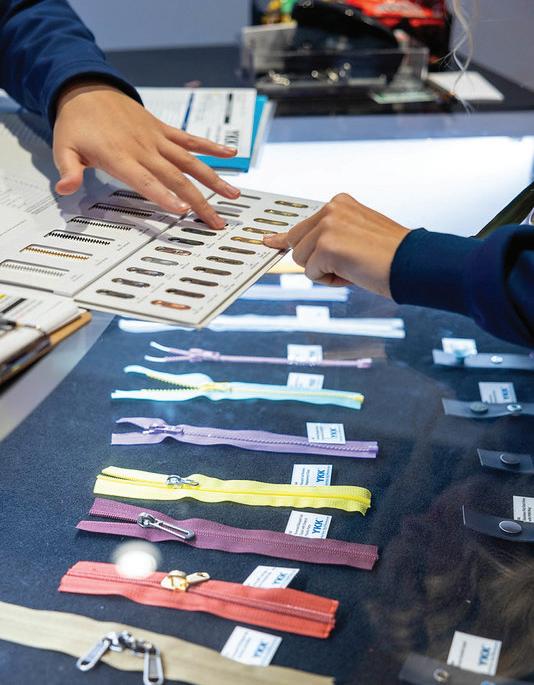
The Orlando winter edition featured more than 90 carefully vetted exhibitors, showcasing the latest innovations in high-performance functional fabrics, trims, components and accessories. Designed specifically for golf, outdoor and activewear applications, the curated show floor connected brands with responsible global suppliers while maintaining the high standards that define the Functional Fabric Fair experience.
The event delivered two days of expert talks and trend forum programming, reinforcing its role as both a sourcing destination and thought leadership platform. Sessions focused on sustainability, material innovation and performance, including textile-to-textile (T2T) recycling, PFAS regulation, cooling technologies and FW 27/28 color and trend forecasting. The program also explored the evolution of golf apparel and the growing role of natural performance materials, concluding with a well-attended networking happy hour sponsored by CovationBio Sorona.
The successful launch of the winter edition strengthens Functional Fabric Fair’s role as a leading North American sourcing and education platform for
“Attending Functional Fabric Fair for the first time was a game changer for us as designers.”
—Cailyn Henderson and Margaret Went
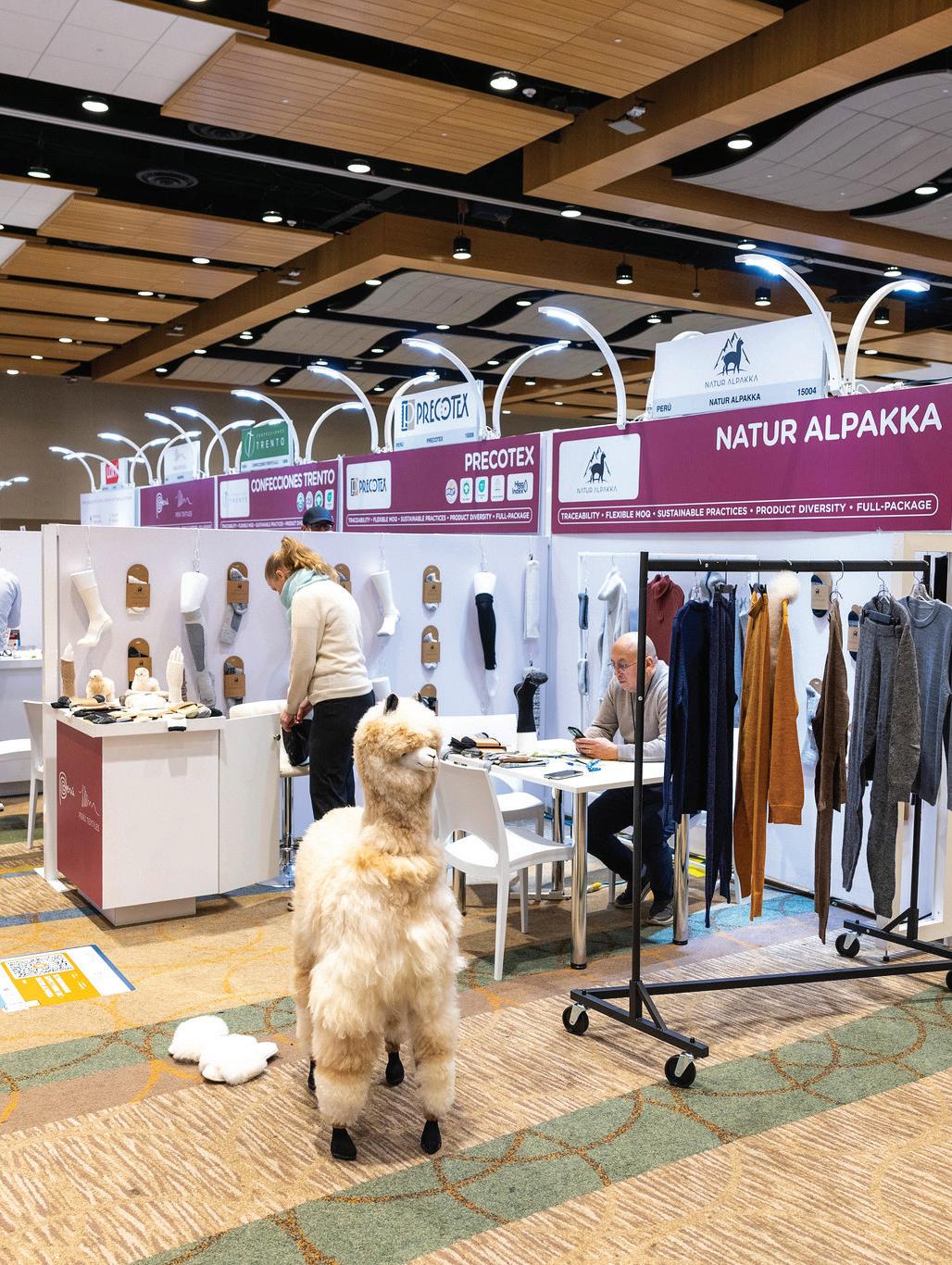
performance and sustainability-driven textiles. Continuing in Orlando in 2027, the event will remain strategically co-located with the PGA Show to better serve the golf, activewear and performance apparel markets.
“We’re very pleased with this first winter Orlando edition of Functional Fabric Fair,” said exhibitor Bernardo Calamai, sales director of Tessile Fiorentina. “The show was well organized and highly successful for us. We liked the crossover of active and golf brands with a strong interest in natural fibers enhanced with performance elements. The proximity to the PGA Show created access to an untapped market, making this a great opportunity for us, and we’re happy to be part of it.”
“This debut was about more than adding another date to the calendar,” McCullough said. “It was about strengthening our North American ecosystem, connecting brands, suppliers and innovators in meaningful ways and ensuring Functional Fabric Fair remains the most trusted destination for responsible performance materials.”
Atlanta Apparel kicks off the 2026 buying season at AmericasMart Atlanta, presenting fresh Spring/Summer 2026 trends, children’s Autumn/Winter 2026 resources and an array of new market initiatives designed to elevate the on-site experience.
“This February, Atlanta Apparel brings buyers everything they need to start the season strong—Spring/Summer trends, immediate women’s resources and Autumn/Winter children’s collections—all in one place,” said Caron Stover, Andmore’s senior vice president of apparel. “From standout temporary categories like premiere, ready-to-wear, young contemporary, jewelry and fashion accessories, resort and children’s to new programs designed to spark ideas and connections, the market is packed with opportunities to shop and be inspired.”
Atlanta Apparel Expands February Resources
This February, Atlanta Apparel will showcase a diverse mix of brands across permanent showrooms and temporary exhibits, featuring the latest Spring/Summer 2026 styles in contemporary, young contemporary, accessories and footwear, alongside Autumn/Winter 2025 collections for children. Buyers can explore an array of trendforward resources designed to inspire and elevate the season’s sourcing experience. Permanent showrooms span nine floors, thoughtfully merchandised to support key buying seasons, while temporary exhibits are located throughout the first five floors.
Atlanta Apparel welcomes a diverse lineup of new permanent showrooms spanning women’s apparel, accessories, lifestyle and footwear, offering buyers a fresh perspective and expanded sourcing opportunities across categories. Notable brands include Bellezza, Boob-eez Inc., Brad & Rena Apparel, Brangio Company Inc., Camellia, Color Pop Clothing, Dylan Designs, Ellyndale Company, Finding Foxtale, Forever Link, Gold Digger Supply, Holistic Needlecraft, Indian Roots, Lulu Mac, Meraki, Milano Moda Corporation, Nica Life, OMG Blings, Perlavera Trading Inc., Porsha, Pretty Simple, Raisonnel, Rollasole, Rustic Charm by Martha, Salty Weekend, Scarlet & Gold, Shilat Eliav, Sophi La Couleur (Winterstone), The Distinguished Beast, UniformOne Ltd., Vincent, Yellow Lovebirds and Ynez.
New children’s brands debuting permanent showrooms this winter include Bisous Bisous by Tina, Good Apples Kids, Hollis Baker, Honey Bee Designs, Hopscotch, Little Harts, Mon Ami, Peachy Prep, Poppy Kids, Ruth and Ralph, Southern Point Co., Spencer’s International
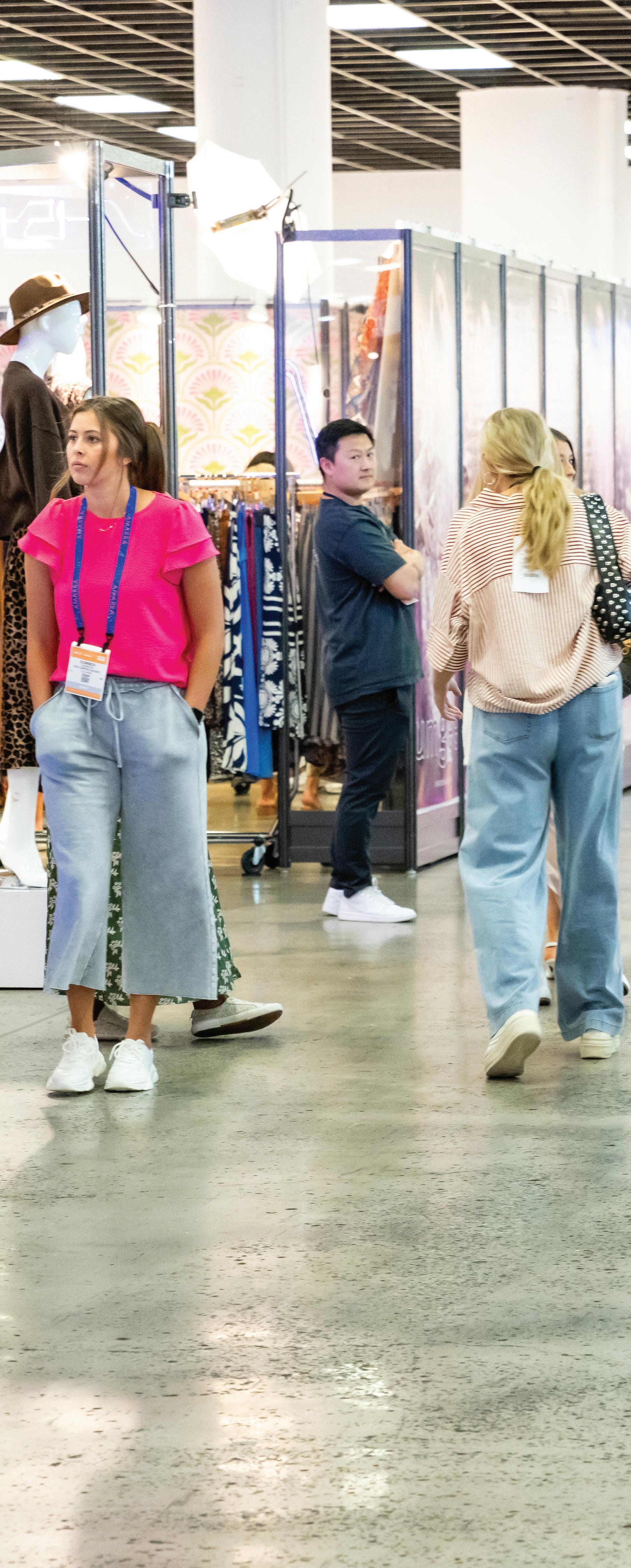

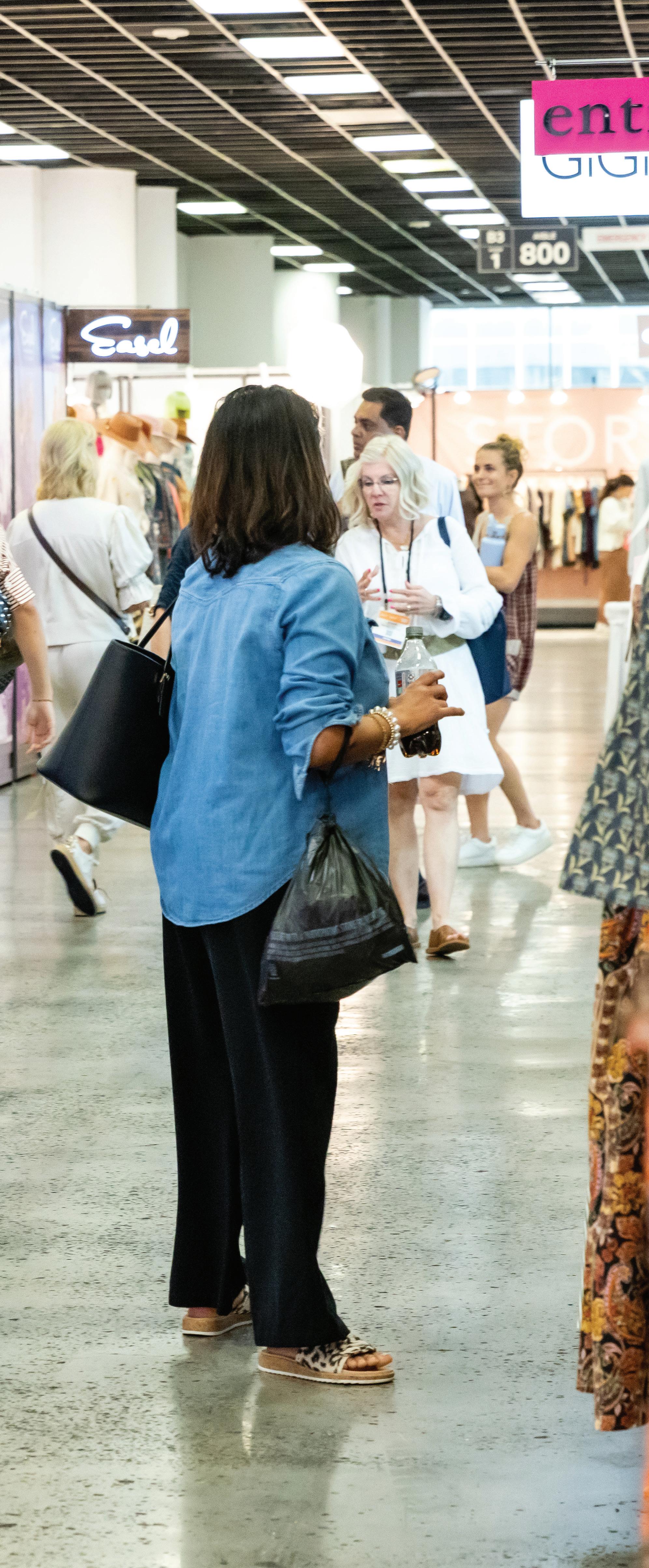
Group, Tiny Revival Clothing Co. and Turtlebacks LLC. These new showrooms expand the children’s category with thoughtfully crafted apparel and accessories that blend creativity, quality and trendforward design for today’s discerning young consumers.
This February, Atlanta Apparel will present a full schedule of immersive experiences, trend-forward activations and buyer-focused amenities designed to inspire and energize. Buyers can explore the new-and-now vignette and product-category lounges highlighting “mommy and me” and athleisure, while starting each day with good vibes from DJ Sed, wellness shots and complimentary breakfast and coffee throughout Building 3. Daily programming includes networking opportunities, a new-buyer orientation and breakfast, plus special product demos and giveaways, such as the Bara Boheme permanent bracelet bar, Julie Vos jewelry edit, Hope & Henry activation, blue light bar with 8th Story and Quay, sweatshirt bar with Sugar Stitch, Spring Shoes activation and giveaway, and Lulu Mac activation. Afternoon pick-me-ups range from cappuccino, coffee and cocktail bar carts to beer, seltzers and espresso martinis, leading into evening events including the Atlanta Apparel maximalist garden party on Feb. 3 and Atlanta Apparel x Colony Square on Feb. 4, offering curated networking, dining and entertainment experiences beyond the showroom floors. With thoughtful amenities, engaging brand experiences and a vibrant social calendar, February Atlanta Apparel delivers a dynamic market experience from morning to night.
New to this market, Atlanta Apparel is spotlighting market stars—Josie and Lana Johnson of Panache Boutique, Megan Orrell of Boem and Sunny Boothe of Tiny Town—who will share their favorite product finds throughout the show via Instagram, offering fresh inspiration and must-see picks in real time.

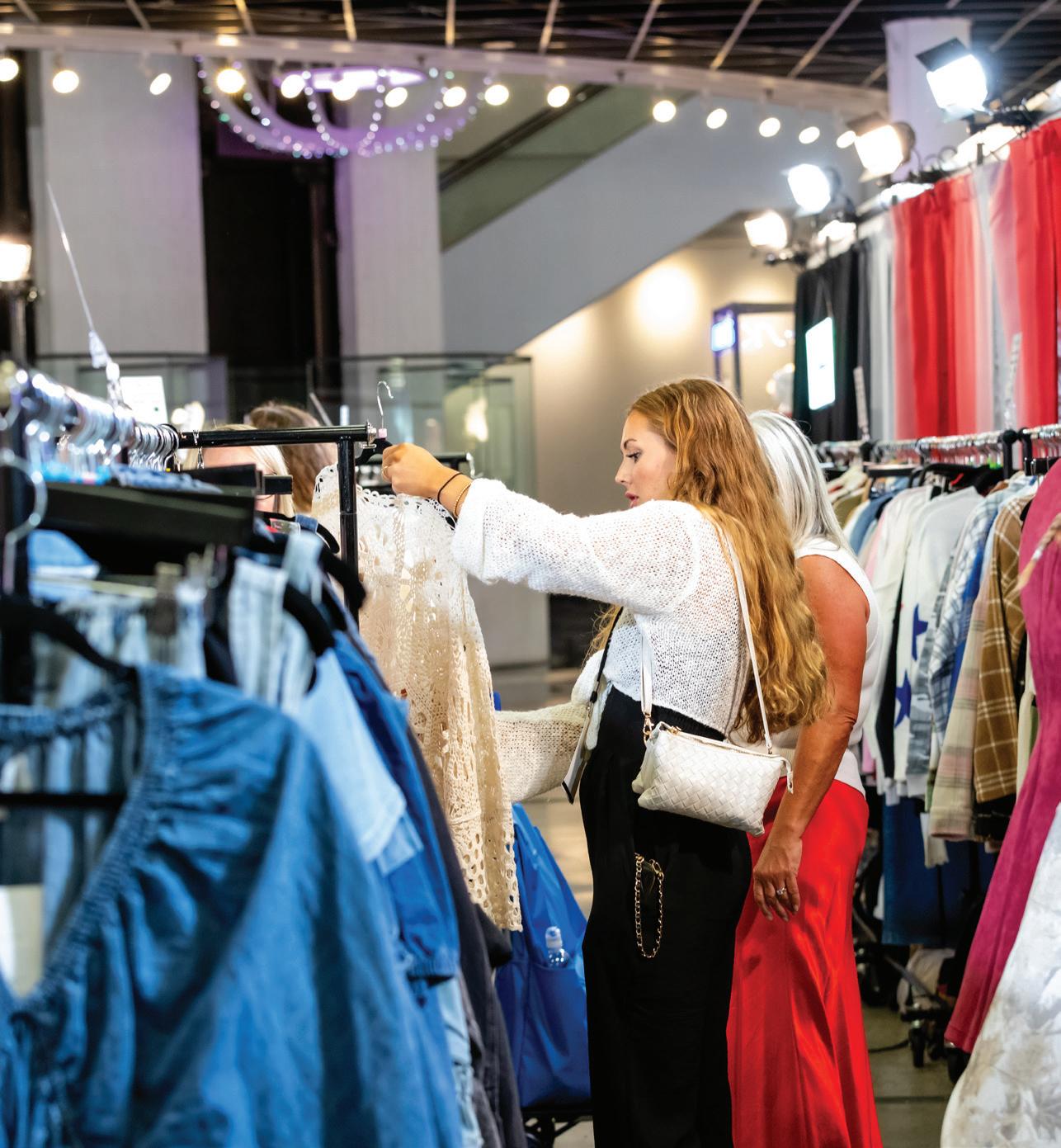

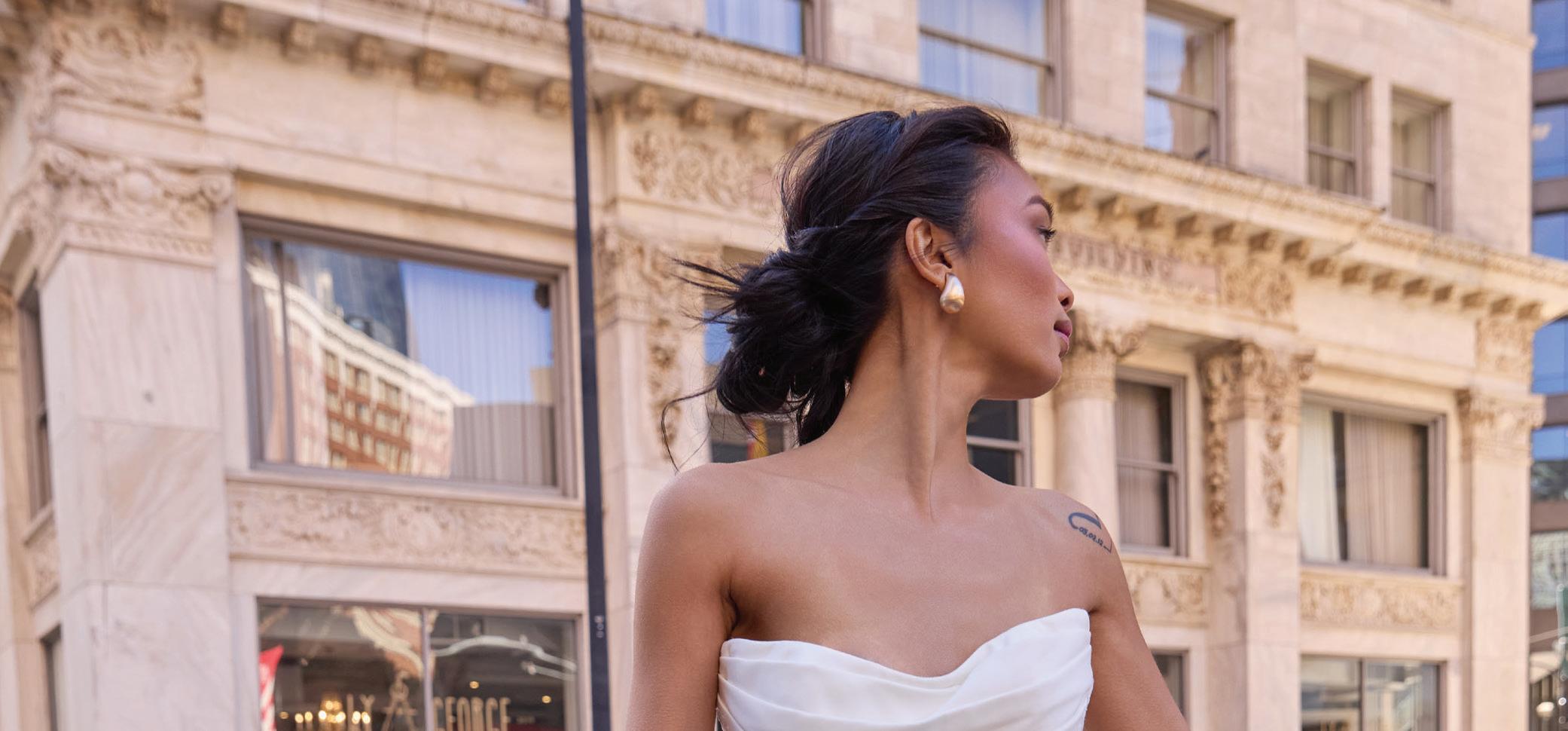
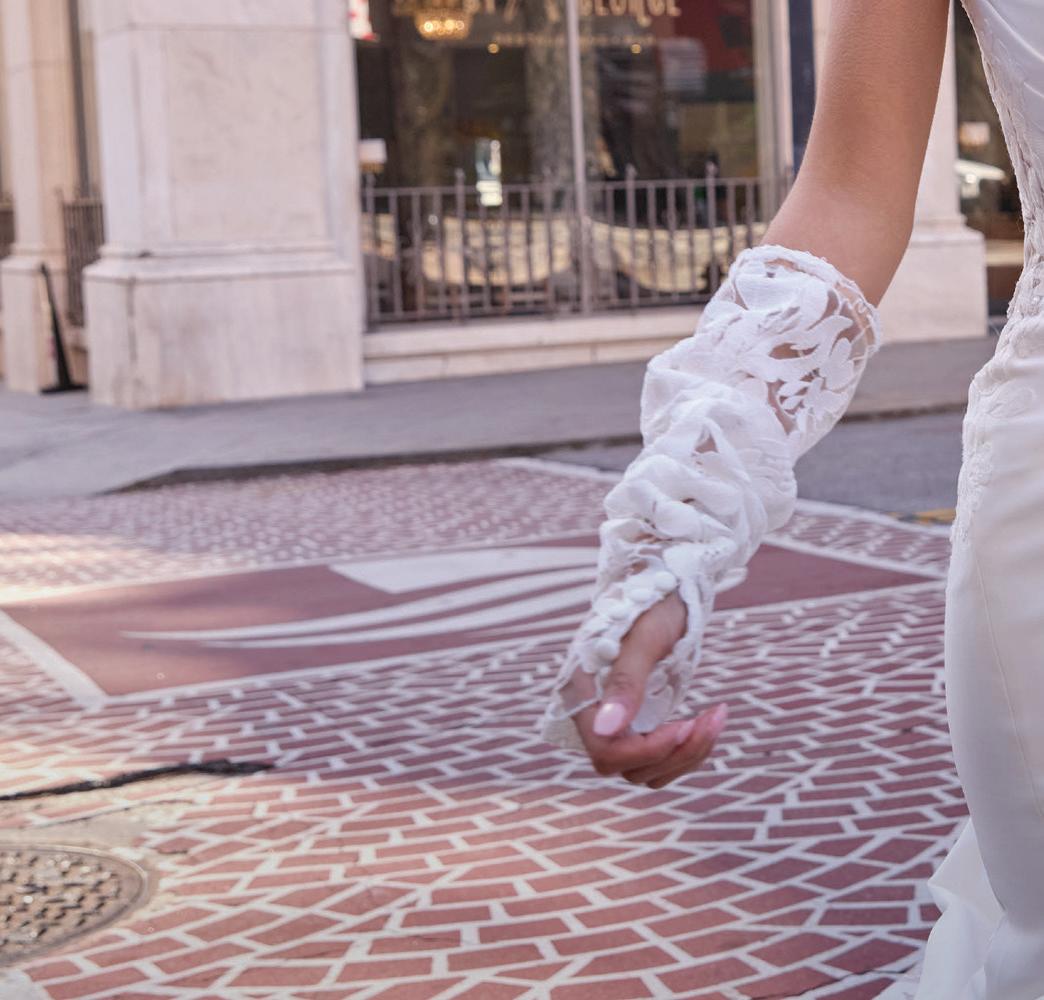

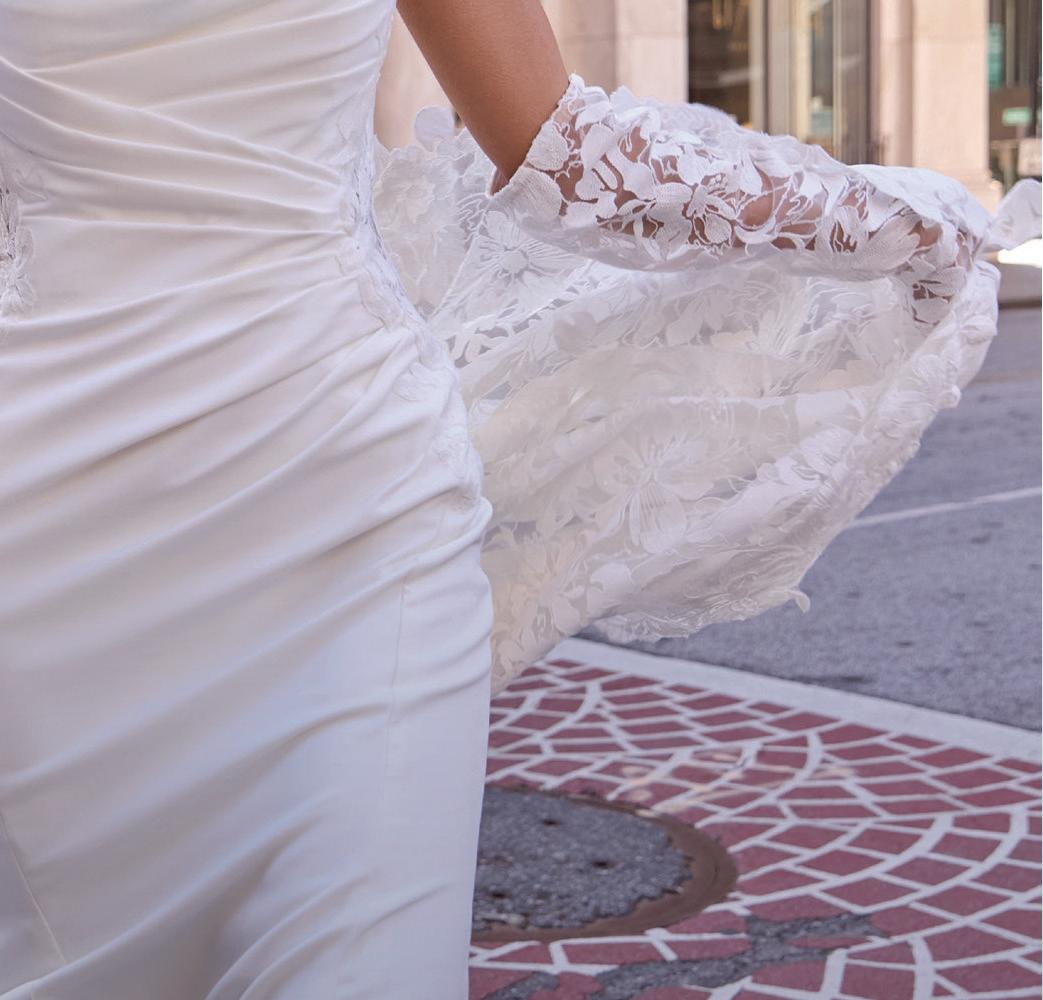
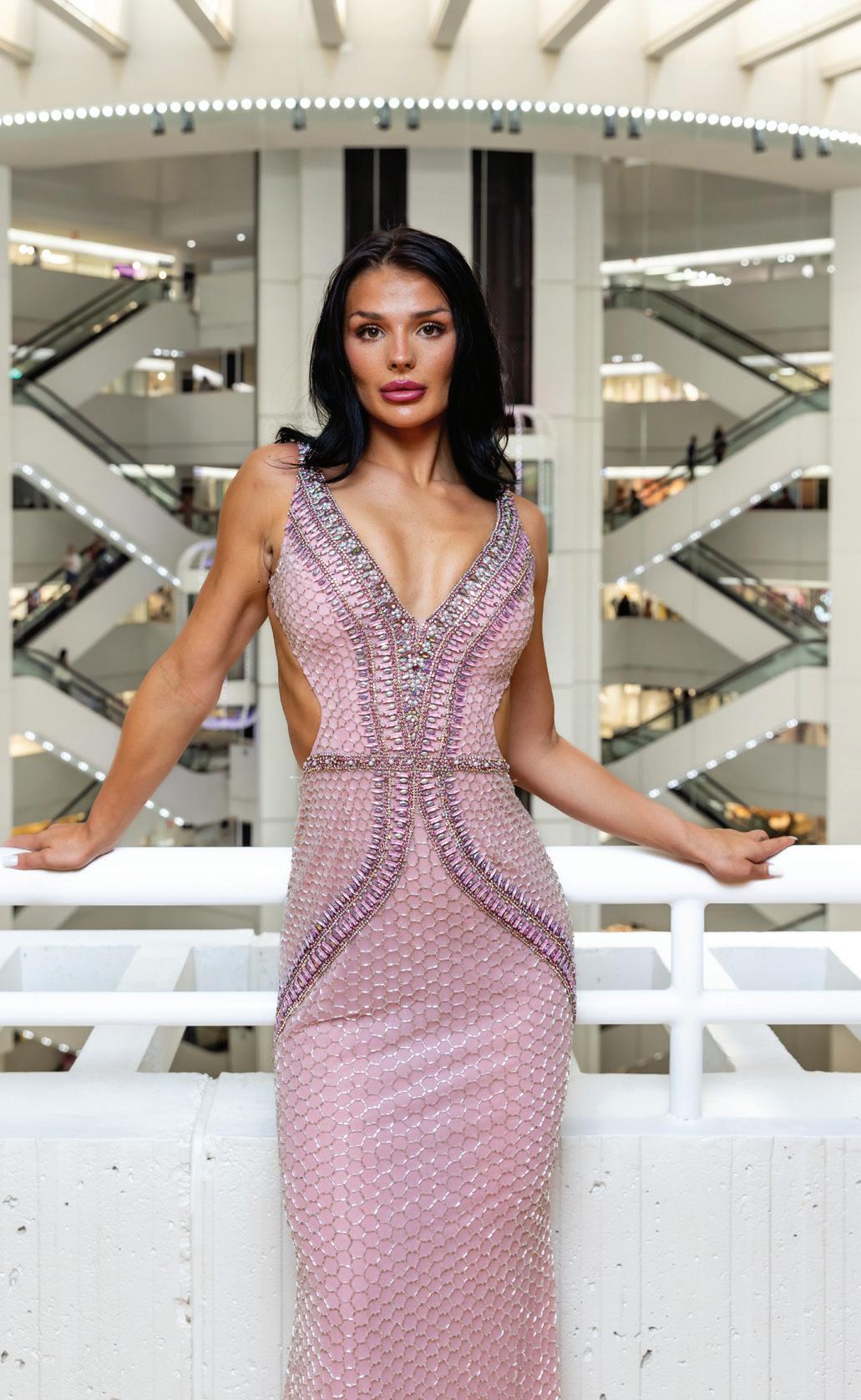
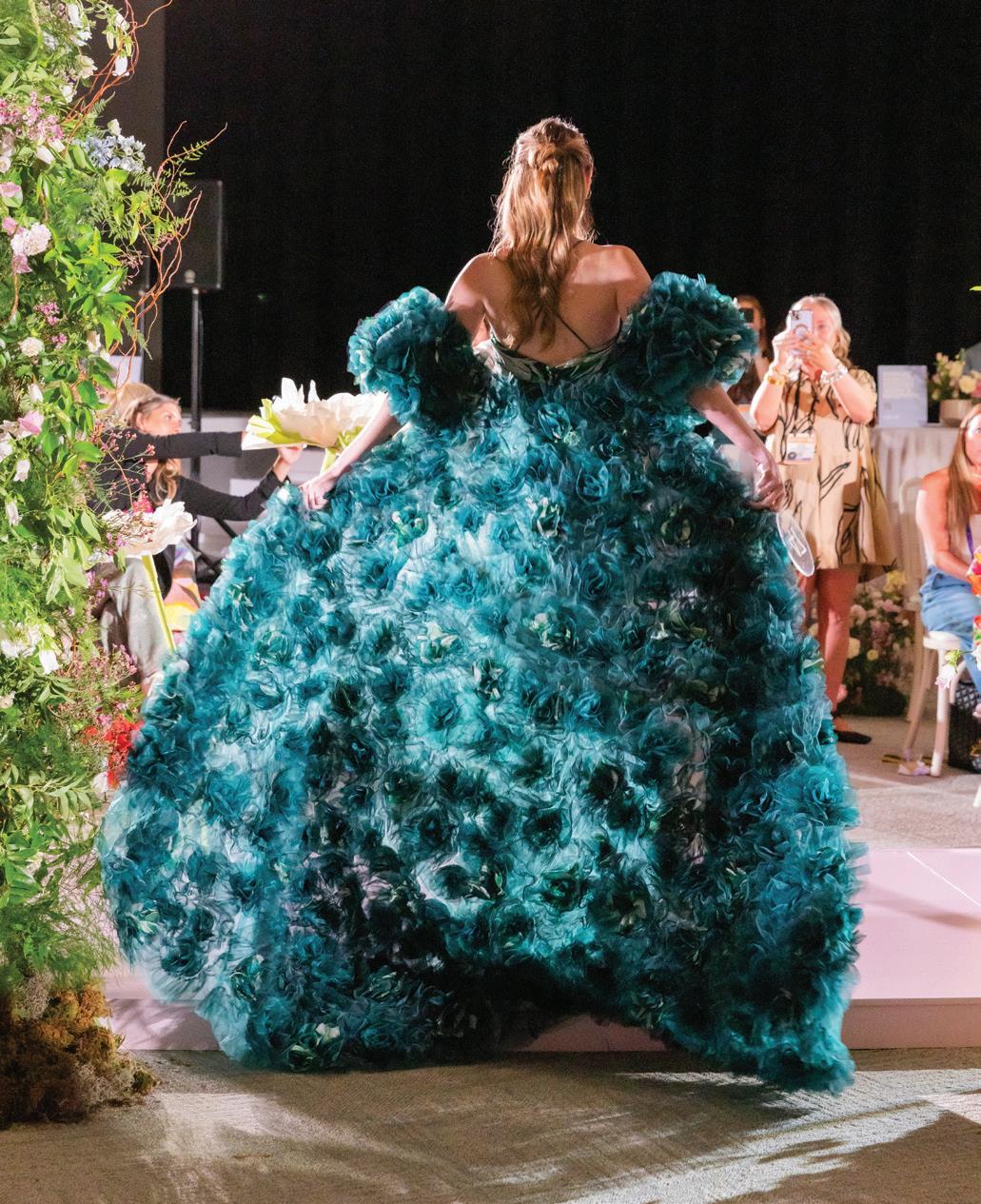











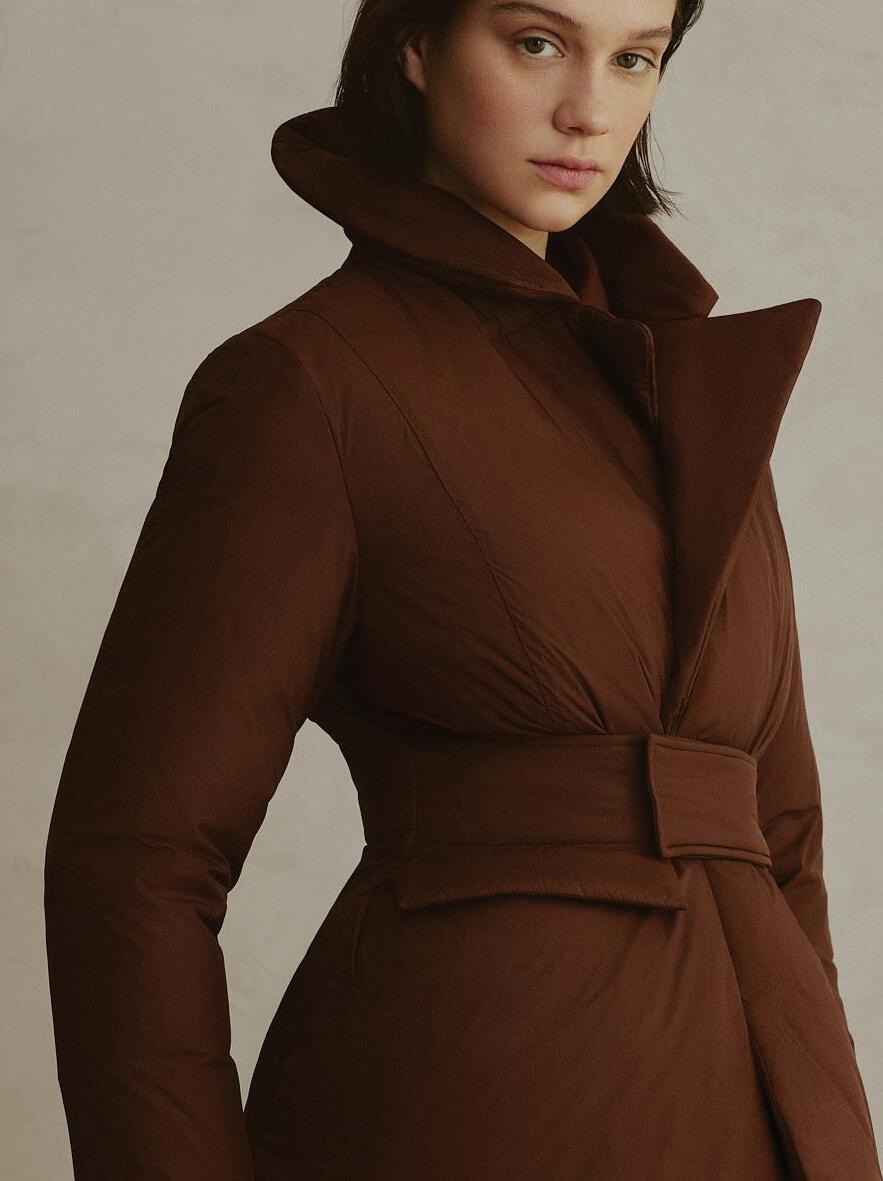
With a New Design Direction and Future Vision
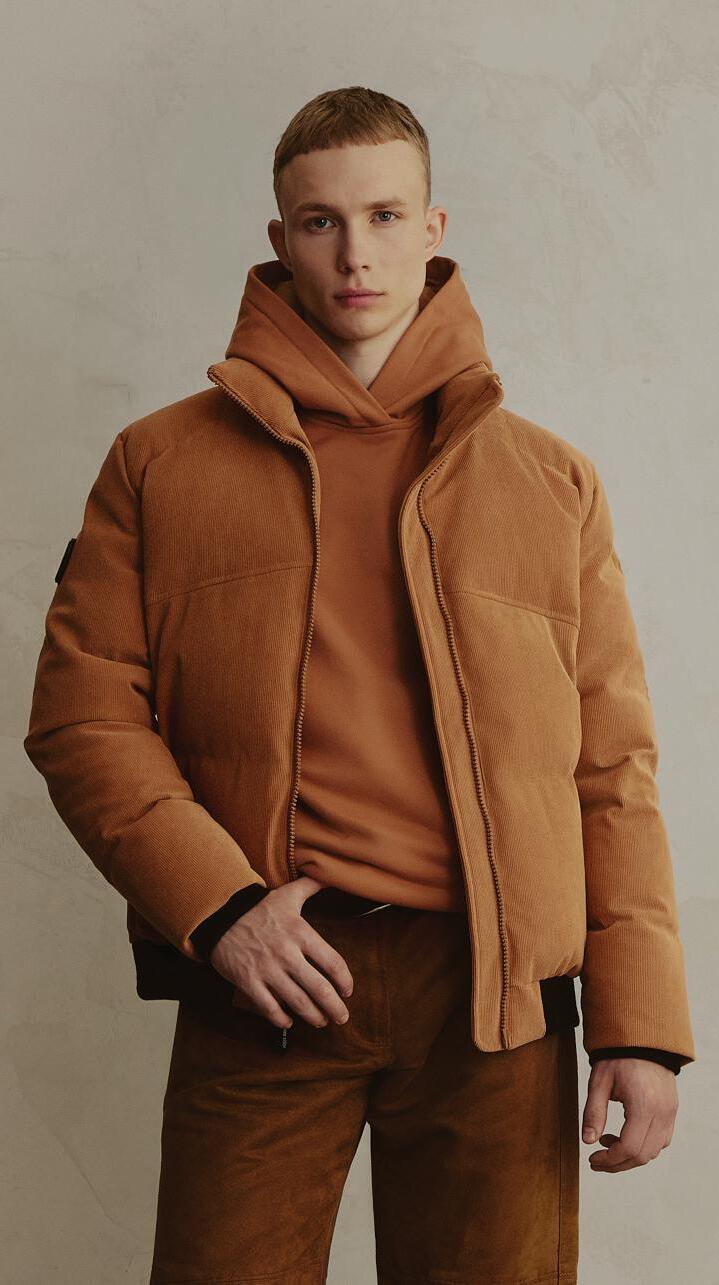
“We wanted to balance a clean, understated aesthetic with timeless shapes with a rustic, tonal palette of maples, classic navy, black and chalk whites.”
Robin Yates

Founded in Canada, Nobis is a global outerwear brand recognized for performance luxury, technical innovation and refined design. Guided by the philosophy of “exploration in motion,” every Nobis garment is purpose-built to move seamlessly between city and nature—balancing form and function, style and protection.
Nobis’ Fall/Winter 2026-27 collection, “Homeward Bound,” is an entirely reimagined range of outerwear and apparel inspired by Canadian heritage and the spirit of exploration. From the streets of Toronto to the mountainous landscapes of Banff, the collection is built for every adventure in between. With sleek, contemporary silhouettes, new interpretations of iconic styles and fresh, elevated colorways, Homeward Bound fuses rich heritage with cutting-edge innovation to deliver style, comfort and performance. Both women’s and men’s styles embody the spirit of progress, striking a balance between function and form.
“As Nobis marks this important milestone, we reflect on the brand’s journey and remain committed to our outerwear DNA,” remarked David Archer, vice president of marketing at Nobis. “We also recognize
that consumer needs are shifting, and we remain steadfast in meeting the performance demands of discerning outerwear enthusiasts around the world.”
Nobis’ new design focus is technical apparel systems, a modular approach that helps garments work in harmony, allowing consumers to build all-weather wardrobes tailored to specific climates and conditions. Apparel, midlayers and jackets are designed with cohesive styling and variable use in mind. Each piece also stands well on its own.
“With this collection, we were able to modernize iconic styles that Nobis has become known for, and complement those updates with fashion-forward designs that speak to the outerwear needs of today,” said Robin Yates, co-founder of Nobis. “We wanted to balance a clean, understated aesthetic with timeless shapes with a rustic, tonal palette of maples, classic navy, black and chalk whites. Both familiar and new, this collection was intentionally designed to pay homage to the environments these pieces were born in.”