Here's to the crazy z ones. Th T e misfi f ts. Th T e rebels. Th T e troublemakers. Th T e round peg e s in the square holes. Th T e ones who see thing n s diff fferently l . Th T ey e ' re not fo f nd of rules. And they e have no respect fo f r the status quo. Yo Y u can quote them, m disag a ree with them, m glorify f or vilify f them. About the only l thing n you can't do is ig i nore them. Because they e chang n e thing n s. Th T ey e push the human race fo f rward. And while some may a see them as the crazy z ones, s we see genius. Because the people who are crazy z enoug u h to think they e can chang n e the world, are the ones who do.
 Rob Siltanen
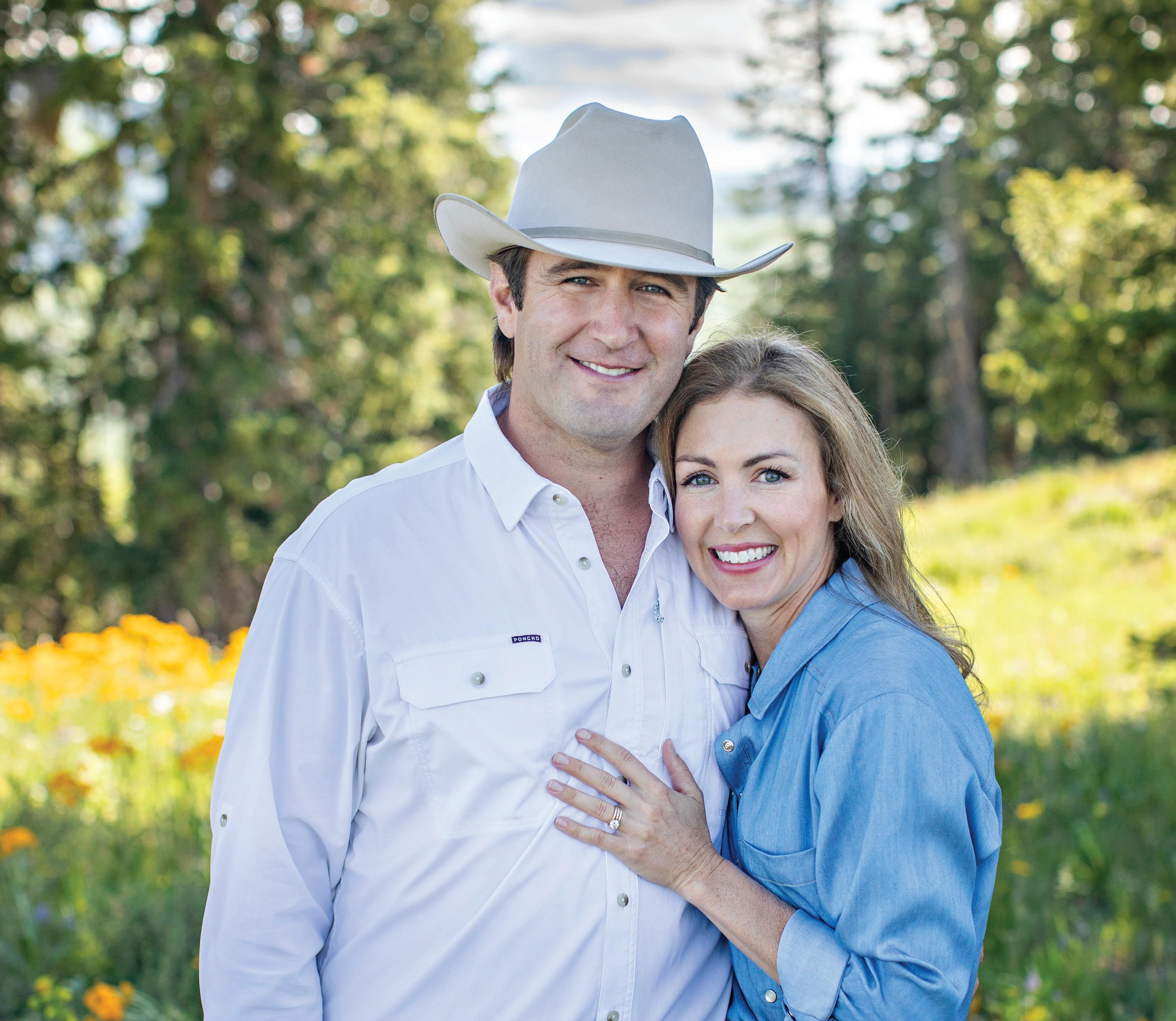



Patterson Law Group has a simple goal – do good. Do good for our clients. Do good in our community. We are honored Fort Worth Inc. magazine recognized Travis’ vision, creativity and integrity, which allow us to achieve that goal each and every day. Congratulations to our Entrepreneur of Excellence winner, Travis Patterson!
817.784.2000 2409 Forest Park Blvd Fort Worth, Texas 76110 pattersonpersonalinjury.com
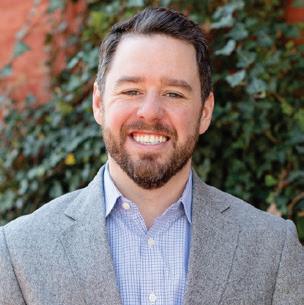
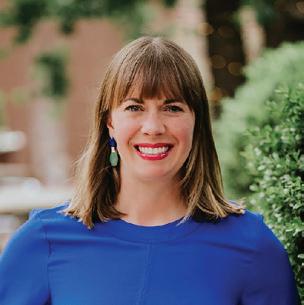
Travis Patterson, Managing Partner; Anna Hodges Patterson, Partner
connections.
Fort Worth is a close-knit community. This real estate market requires a great network to match buyers and sellers. We’re affiliated with the strongest brokerage in North Texas, but our connections go far beyond. In addition our team has a can-do spirit, the ability to problem solve quickly and extraordinary client service. We love what we do and are here for any of your real estate needs.

SCAN TO FIND OUT WHAT YOUR HOME IS WORTH.
Contributors Questions
What's new to you? Which local brand or local place do you look forward to discovering in 2023?
January/February 2023
Publisher Victoria Wise Editor Lee Virden Geurkink Associate Publisher Jennifer Kieta
Contributing Writers
 Edward Brown Cameron Cushman Mollie Jo Jamison
Angela Weaver Billy Bob Wise
Edward Brown Cameron Cushman Mollie Jo Jamison
Angela Weaver Billy Bob Wise
Contributing Photographer
Andre Le Illustrator Trish Wise
William
Any new coffee shop that comes online, and wouldn't it be cool if Solo Brands opened a retail shop?
Andre
I feel like the older I get, the more I like coffee in the mornings. I've tried coffee from Summer Moon here in Fort Worth, and I'm not sure if it is new or not, but it was one of the best coffees I've ever had! I am also hoping to find another coffee gem here in 2023.
Angela
Looking forward to seeing a show at Tannahill Tavern and trying out some new restaurants. Beast and Co. is high on my list.
Lead Design Conor
Cover Design
Dardis
Victoria Wise
Madeworthy Magazine is an extension of Tanglewood Moms, LLC., and serves to tell community stories for a family audience. For website and magazine advertising opportunities, please contact: Victoria@MadeworthyMedia.com
Looking for more copies Madeworthy Magazine? You can subscribe at TanglewoodMoms.com for free or pick up copies at Central Market in Fort Worth or Tom Thumb on Hulen Street.
Ego Tequila
by Madeworthy Editorial Team
Photos by Amanda Emily Henderson
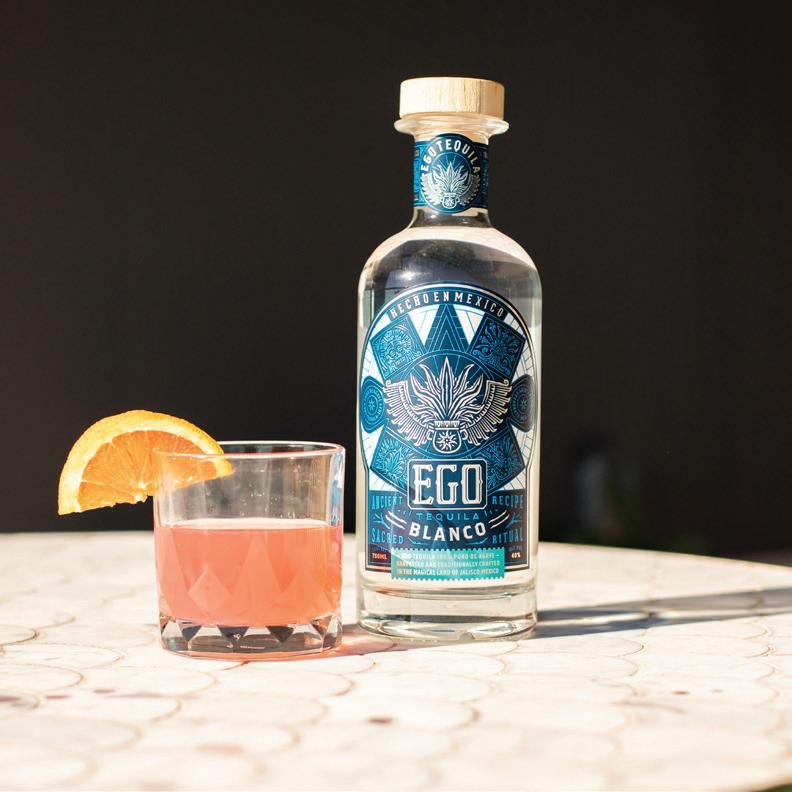
Tequila is big business. There are hundreds of established brands of the spirit distilled from blue agave, and quite a few celebrity vanity brands pop up every year. Then there is Ego Tequila.
The brainchild of Rikki Kelly, Ego Tequila is a small brand, distilled in Mexico, based in Texas. Founded in 2019 with the first blanco and reposado tequilas launching in 2021, it is also the only Black womanowned tequila in Texas. Madeworthy caught up with Rikki, the self-taught twenty-something tequila maven and self-described disruptor, to talk about starting a new business, breaking barriers, and diversifying the space.
Madeworthy: Can you tell us a little about your background? Where are you from? Where did you go to school? What did you do before starting Ego Tequila?
Rikki Kelly: I’m originally from Texas, and I spent most of my childhood in Denver, Colorado. We moved back to Texas in August of 2006 because my mom got fed up with the snow. I graduated from Allen High School and spent a little time in college.
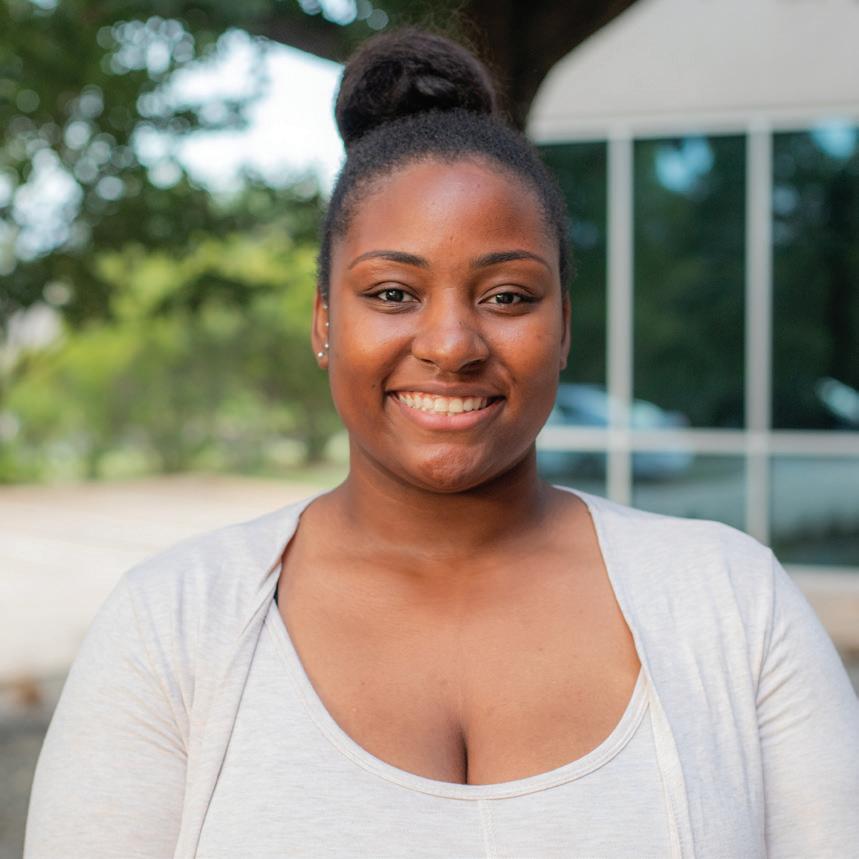

Before starting Ego, I had a varied employment background working with children and doing administration work. Most of my experience is in accounting, which I really enjoyed, and it comes in handy when starting a tequila brand.

Mollie


I'm looking forward to trying more vegetarian restaurants in the area! I love Cava and am so happy to see more and more locations opening up around DFW.
MW: Why did you choose tequila instead of another spirit?
RK: Tequila is the only spirit that I enjoy, and tequila is super-hot right now, which is a plus. But I really enjoy the quality and consistency of tequila. It’s a wellmade spirit.
MW: With a plethora of established tequila brands and more and more celebrity brands, what makes Ego stand out from the crowd?
RK: You got that right! This industry is crowded with celebrity/vanity brands and is HEAVILY male-dominated. I consider myself a disruptor in this industry. I’m the first black woman in Texas and third in the US to own a brand. I’m bound to stand out from the rest when I’m breaking down barriers and changing up the norm.
MW: Your background is not in the spirit industry. Tell us a little about your experiences starting a new brand while teaching yourself a new industry.
RK: It has been a headache, honestly. Having no background in the spirits industry, in sales, and in entrepreneurship created multiple issues in starting my brand. My background in accounting helped, but there were other financial issues that arose, and that experience didn’t help in every situation. Top all of that off with the difficulty of finding funding. But I had a good network to lean on, I continued to do research and consult with industry experts, and I just pushed myself to keep going.
MW: How did you find the distillery in Mexico that distills Ego Tequila? Did you try a few different ones before landing on the one that you knew would work?
RK: I researched before I found my distillery. I went with them because of their capabilities. I didn’t try any other ones, which was a mistake. I’m actually leaving tomorrow [after our interview] to head back to Mexico to scout new distilleries and source new vendors for raw materials.
MW: We love your branding and bottle design. Can you explain the name Ego?
RK: Thank you! We get so many compliments on our branding. It definitely helps us stand out on the shelf and gets people interested. I named it Ego because I love the way drinking wellmade tequila makes you feel like a different person, a tequila alter ego.
MW: What's your favorite way to drink your tequila? RK: Margarita. I will never pass up a good marg.
MW: Have you found support in Fort Worth in the entrepreneurial space? If so, how?
RK: I definitely have! I’ve surrounded myself with other like-minded entrepreneurs based in Fort Worth. I believe that Fort Worth entrepreneurs tend to be overlooked. Some of the best entrepreneurs coming out of the DFW area, even out of Texas, are coming out of Fort Worth.

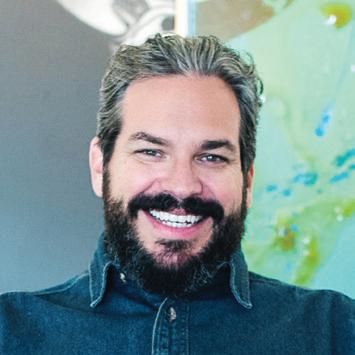
MW: What’s next for Ego Tequila?
RK: Growth and expansion. I have a good feeling about Ego in 2023. I’m hoping to gain 75% distribution in Texas and work on expanding into another major market.
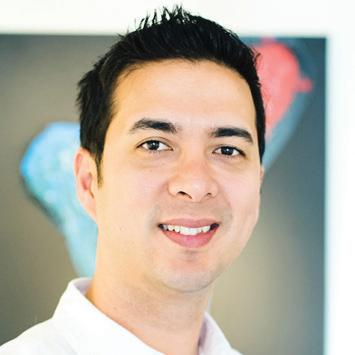
After talking with Rikki, we have no doubt she will achieve whatever goal she sets for herself!
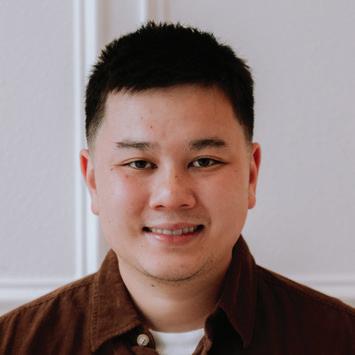
04
Trish
Palo Pinto Mountains State Park!
Victoria I’ve heard good things about Calisience on Race Street and their birria taco and birria ramen.
Issue 33 | Discovery and Entrepreneurship
Q
Lee
I’m looking forward to trying Osteria 61 and Quince Fort Worth!
Edward Chef Marcus Paslay's Walloon's on the Near Southside.
Cameron
For me, it is Dayne’s Craft Barbeque’s new location on the west side of Fort Worth in an old service station.
Made in Fort Worth:
HEAVEN IN A CUP
by William Wise
Ah, coffee! It’s delicious. It smells so good. It helps us do ALL THE THINGS. Some of us even get excited as we drift off to sleep, thinking about the coffee that will help us wake up in the morning.

We all have our favorite roasts, grinds, and methods of preparation. We are particular about how we take it. We like it at home, alone or with our significant other. We like it out with friends. We like it on a quiet rainy morning or a blistering hot afternoon (provided there’s air conditioning.) We like it hot or over ice. We like a double shot of espresso in our drip coffee when we start a long drive. It’s just that good. We crave it. We need it.
Some of us are old enough to remember a time before the proliferation of coffee shops; before the days when you couldn’t swing a dead cat without hitting a Starbucks. Good times. If you wanted a cup of coffee, you went to 7-Eleven or some all-night greasy spoon or you made it. This was before coffee had been elevated to its proper status as the King (and Queen) of All Libations. Back then, coffee was simply fuel.

Remember when Four Star Coffee Bar opened on West 7th Street? For many of us, it was a revelation. Admittedly, Fort Worth was pretty insular at the time, but the idea that coffee wasn’t just a drink but could be a destination had not occurred to us. We could go to a coffee shop and just… hang out. There were chess boards, and someone was playing a guitar. And, of course, there was coffee. Not just any coffee, either. There were exotic drinks made from perfectly roasted and ground beans from all over the world. There were lattes and cappuccinos and mochas, all created by people who cared about their craft and were excited to share it with us coffee neophytes. It felt cool. It felt cosmopolitan.
Since then, the coffee scene in Fort Worth has only gotten better and better. A constant evolution, perpetually renewed by ever more finely-tuned craftsmanship and genuine care about the customer experience, has created a tableau of unique and seek-outable (is that a word?) shops to rival any city. There are a few that really stand out, though.
Vaquero Coffee opened in 2018 at the corner of West Weatherford and Houston Streets downtown and is located inside the historically relevant Joe Daiches Credit Jeweler Building. The inviting interior feels hip and pays homage to Fort Worth’s past. It’s a great place to people watch from a comfy sofa or dive into your laptop and bang out some emails. Vaquero isn’t afraid to step outside the bounds of traditional coffee drinks, either. Their signature horchata latte and mesquite smoked espresso shots are as delicious as they are daring.
Coffee Folk isn’t really a coffee shop, and it’s not really a food truck. It’s a sort of blend of the two, housed in a renovated 1970’s travel trailer perched atop a splendid little patio beneath some lovely, shady trees on Meadowbrook Drive. This is the ultimate neighborhood coffee destination. Even if you live in another neighborhood, it’s well worth the drive. I suppose you could make this charming East Side locale a workspace if you want to, but it really works better as a place of rest and relaxation, conversation and creativity. A notebook and pen, a slim book of poetry, or even some watercolors wouldn’t be out of place if that’s your thing.
Cuppa Craft, which is mainly a roasting operation, was started by friends Chase and Corey nearly 10 years ago. We say Cuppa Craft is mainly a roasting operation because, although they don’t have a shop, they have a booth at the weekly Clearfork Farmer’s Market. If you’re out and about on a Saturday morning, there aren’t many places better to enjoy a cup of coffee than on the banks of the Trinity under the live oak trees. Pro coffee afficiando tip: try the Mexican Chiapas roast and buy a pound or two to take home with you. It may be the pinnacle of coffee roasting perfection.
This is just a few of the dozens of local coffee shops and roasteries that are worthy of our patronage. Yes, there are plenty of conveniently located, Pacific Northwest-based coffee shops around, but it’s important that we support the local businesses that help to make this city a unique and wonderful place.






B E N E F I T T I N G L E O N B R I D G E S & G A R Y P A T T E R S O N F O R W A Y S T O A T T E N D O R G E T I N V O L V E D , E M A I L I N F O @ T H E B I G G O O D . O R G ST. PAUL LUTHERAN SCHOOL 1800 W. Freeway (I-30 at Summit) Fort Worth, TX 76102 817.353.2929 | www.stpauleagles.org WE OFFER PARENTS PEACE OF MIND BY PARTNERING WITH THEM TO PREPARE STUDENTS FOR HIGH SCHOOL.
graduates are
St. Paul Lutheran School admits students of any race, color, or national and ethnic origin.
St. Paul Lutheran School
confident, academically strong, grounded in Christian faith, and know they are well-loved.
Fresh Family Recipes
by Lee Virden Geurkink
Cajun-Style Jambalaya
There are few things that are more comforting on a winter’s night than a bowl of jambalaya. This recipe, from Trey Smith, owner/chef of The Dusty Biscuit, will warm your heart. Smith started making beignets, the iconic deep-fried pastry of New Orleans, as a side hustle while teaching school. After taking a leap of faith into a food truck in 2020, Smith now has a brick-and-mortar on South Main Street, as well as beignet stand at Amon Carter Stadium.
Chef’s Notes
1. This recipe is for a Cajun-style, brown jambalaya. If you prefer Creolestyle, red jambalaya, you can add a can of diced tomatoes (drained) and a tablespoon of tomato paste.
2. Much like the roux to a gumbo, jambalaya gets its flavor from its "gratin” or “fond,” the term for the brown, flavorful bits that collect in the bottom of the pan. Cajun food is wonderful because it practically begs you to burn things.
3. This recipe is designed for pork (butt, shoulder, chops, etc.), chicken (preferably boneless, skinless thighs), and sliced sausage. You can mix and match, and add seafood, if you like.
4. Use chicken stock for the standard recipe and a seafood stock if adding shrimp.
Ingredients
4 pounds of meat (chicken, sausage, pork –see Chef’s Note #3 above)
1 tablespoon neutral-flavored oil
4 cups of long-grain rice
8 cups water or chicken stock (see Chef’s Note #4 above)
1 ½ teaspoons kosher salt
1 ½ cups onions, chopped
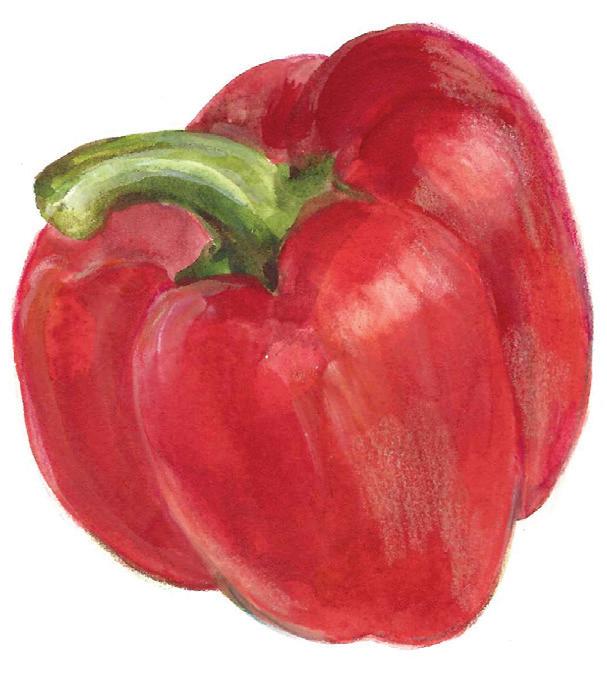
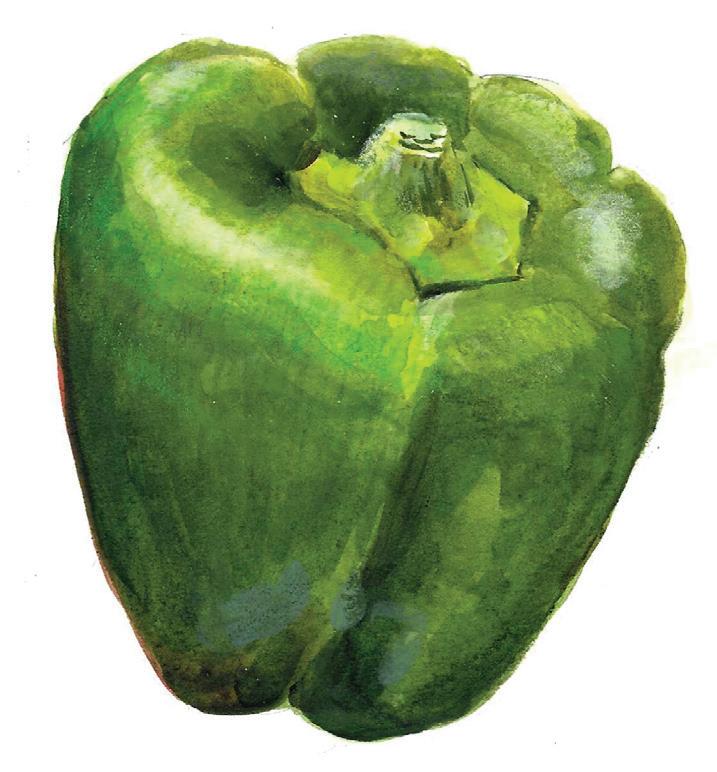
1 bell pepper, chopped, approximately 1 cup
1 ½ ribs of celery, chopped, approximately ¾ cup
4 teaspoons garlic powder, or 3 to 4 cloves, minced 6 green onions, sliced
1 tablespoon parsley, minced

2 tablespoons Worcestershire sauce
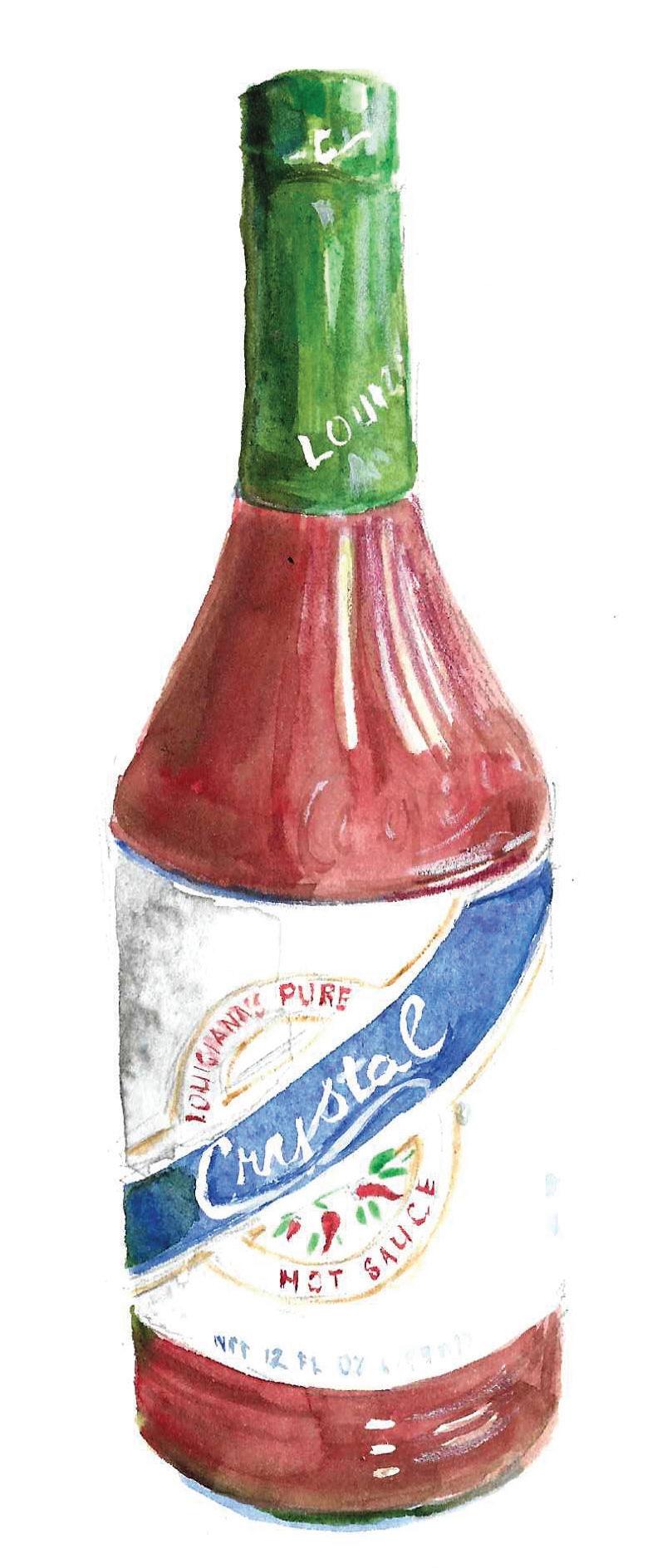
2 tablespoons Louisiana-style hot sauce (Smith prefers Crystal brand)
2 teaspoons Cajun Seasoning
(Editor’s note: I prefer Tony Chachere’s Original)
½ teaspoon cayenne pepper
½ teaspoon black pepper
½ teaspoon white pepper
1 tablespoon Kitchen Bouquet (optional)
NOTE: Before you begin, chop all your vegetables, cut meat into bite slice pieces or slices, and prepare your stock. Measure out rice and have your seasonings ready.
Directions
In a large Dutch oven (6 quart or larger), heat the oil over medium high heat. Season the pork well with salt and pepper and/or Cajun seasoning. Add it to the pot to brown. Let the meat get a good sear, and even let it stick a bit. This will build up the "gratin" or “fond” needed to flavor and color the jambalaya. Once brown, add in the chicken and begin to brown as well. Cook out as much liquid as possible. Add in sliced sausage and stir to combine (but do not over brown the sausage).
Add in the onions, bell pepper, celery, and garlic and cook until soft. Use a spatula or spoon to scrape the bottom of the pan and release the browned bits from the bottom. Once cooked, add in the stock and all other remaining ingredients and seasonings. Taste the liquid and adjust seasoning as needed. Remember, you want the liquid to be a bit salty, as the rice will absorb all the flavorings. Skim any grease or fat off the top as it comes up to heat.
Turn up to high and bring to a rolling boil. Add the rice and stir from the bottom to keep it from sticking. Let the liquid come back to the boil, give the rice a final stir, and cut the heat to low. Put on a tight-fitting lid and wait 20 minutes. Don’t peek! After 20 minutes, gently “fold” the rice up to the surface, being careful to not scrape the bottom of the pot. Turn the heat off, put the lid on for 5 more minutes, and then uncover and serve. C'est bon, y'all! Serves 8 to 12.
Lumpia (Filipino-Style Egg Roll)
Ober Here is another food truck success story. Mark Guatelara was a hotel chef when a pandemic furlough got him thinking. He launched Ober Here in a food truck before moving to a brick-and-mortar location on Eighth Avenue. Guatelara marries the flavors of his homeland with the rice bowl craze, along with these delicious lumpia.
Ingredients
1 pound ground pork (can substitute ground chicken, beef, salmon, or plant-based meat substitute)
1 red onion, peeled and cut into quarters

1 large carrot, peeled and cut into chunks
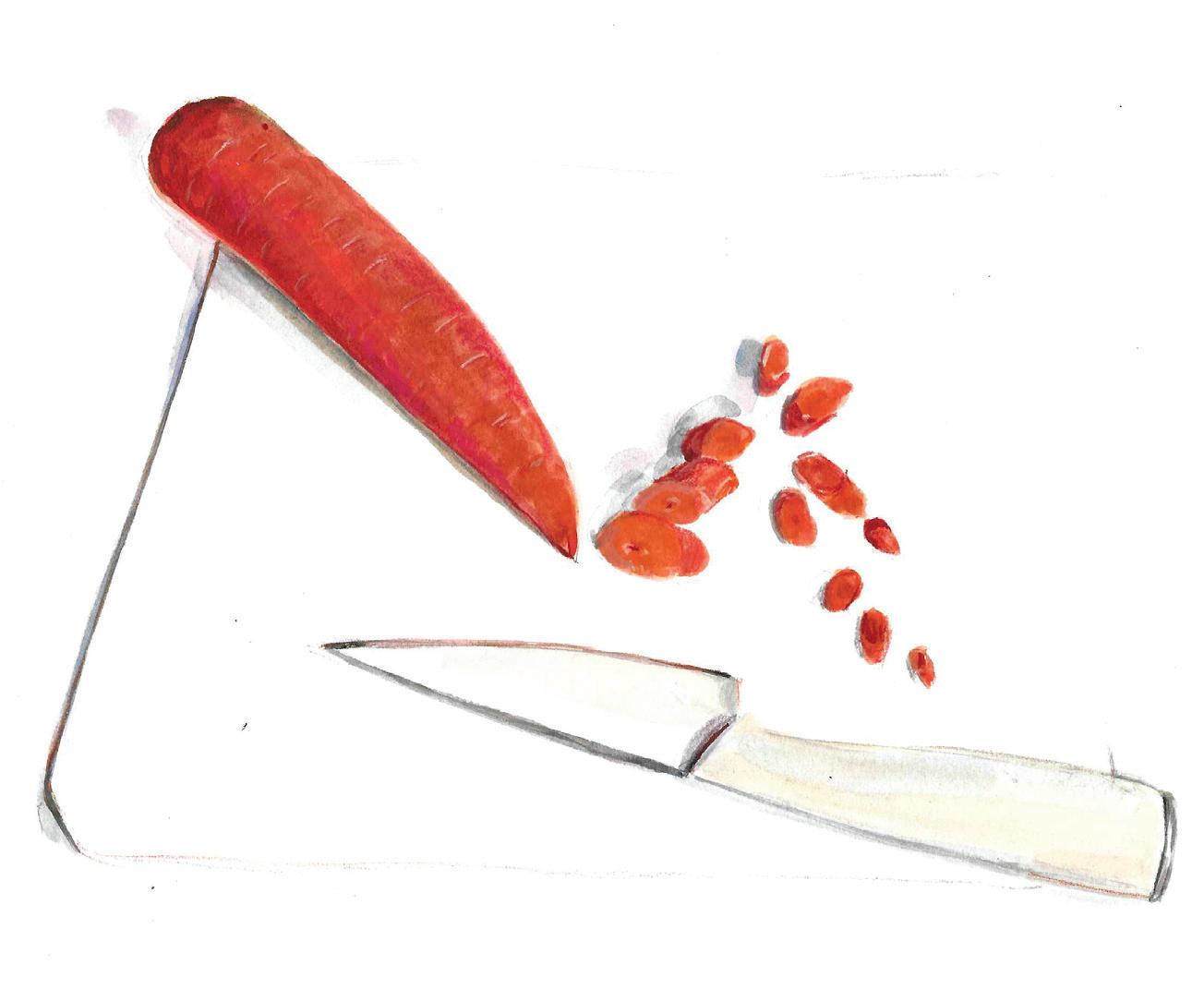
1 red bell pepper, cut into chunks
2 tablespoons salt
1 tablespoon garlic powder
1 teaspoon black pepper
1 teaspoon paprika
1 pack lumpia/spring roll wrappers (preferred brands: Wei Chuan or Spring Home)
1 egg, lightly beaten with a teaspoon of water for an egg wash
Directions
Thaw lumpia/spring roll wrappers in the wrapper.
Using a food processor, process the red onion, carrot, and red bell pepper until smooth. In a large bowl, mix the pureed vegetables into the ground pork, along with the salt, garlic powder, black pepper, and paprika until everything is fully incorporated.
Open the pack of wrappers and lay one wrapper on a clean work surface. Spread 1 tablespoon of the pork mixture along the closest edge of the wrapper. Slowly and firmly, roll the meat up in the wrapper like a cigar, leaving the sides open. Use the egg wash to seal the lumpia. Place the completed lumpia on a baking sheet. Repeat until all the pork is used.
Once all the lumpia are rolled, freeze them for at least 4 hours. Cut each lumpia into your desired length before cooking. You can make a large batch of lumpia and keep them in the freezer in an airtight container for about 3 months, bringing out how much you want until it’s time to make another large batch. To fry, heat enough oil (canola or peanut) to reach 2 inches in a large, heavybottomed pot to 325°. Fry the frozen lumpia in batches for 3 to 4 minutes, or until golden brown. Remove from the oil and set the cooked lumpia on a baking rack placed over a paper towel-lined baking sheet and allow to rest for a couple of minutes. Serve with your favorite dipping sauce*.
*Editor’s favorite, easy dipping sauce
While this isn’t authentically Filipino, it is a vinegary, soy-based sauce, two ingredients that figure prominently in the cuisine of the Philippines.
Ingredients
2 tablespoons soy sauce (can use low sodium or gluten-free tamari)
2 tablespoons rice vinegar
½ teaspoon sugar
1 clove garlic, minced
1 teaspoon crushed red pepper flakes
Directions Combine all ingredients in a bowl. Divide into small ramekins to serve.
Makes enough sauce for 4.
lllustrations by Trish Wise
06








 THE ORGANIZED NEST WHERE EVERYTHING
HAS A HOME www organizednest com We are a professional organizing company who strives to make every space beautiful, organized and functional Each project is unique and we take pride in exceeding your expectations from start to finish @organized nest @theorganizednest
Innovation born in Fort Worth is everywhere.

If you’ve ever scanned that tiny QR code attached to your seat at a TCU game, you’ve interacted with Digital Seat Media, a homegrown tech company that now boasts the Rose Bowl and AT&T Stadium among its clientele.












Or maybe your college kid has used TimelyMD, a virtual health platform that is addressing the student mental health crisis at 200 colleges and universities. This company, headquartered in the Near Southside, was the fastest growing company in our city last year, according to Inc. Magazine











But innovation isn’t limited to technology. Innovation is all around us, even in the food we eat. After all, the ice cream drumstick, star of a million summertime memories, was invented right here in Fort Worth.



And innovation doesn’t always require a paradigm-changing, billion-dollar idea. Sometimes it just takes someone who sees a problem differently and dreams up a unique solution.
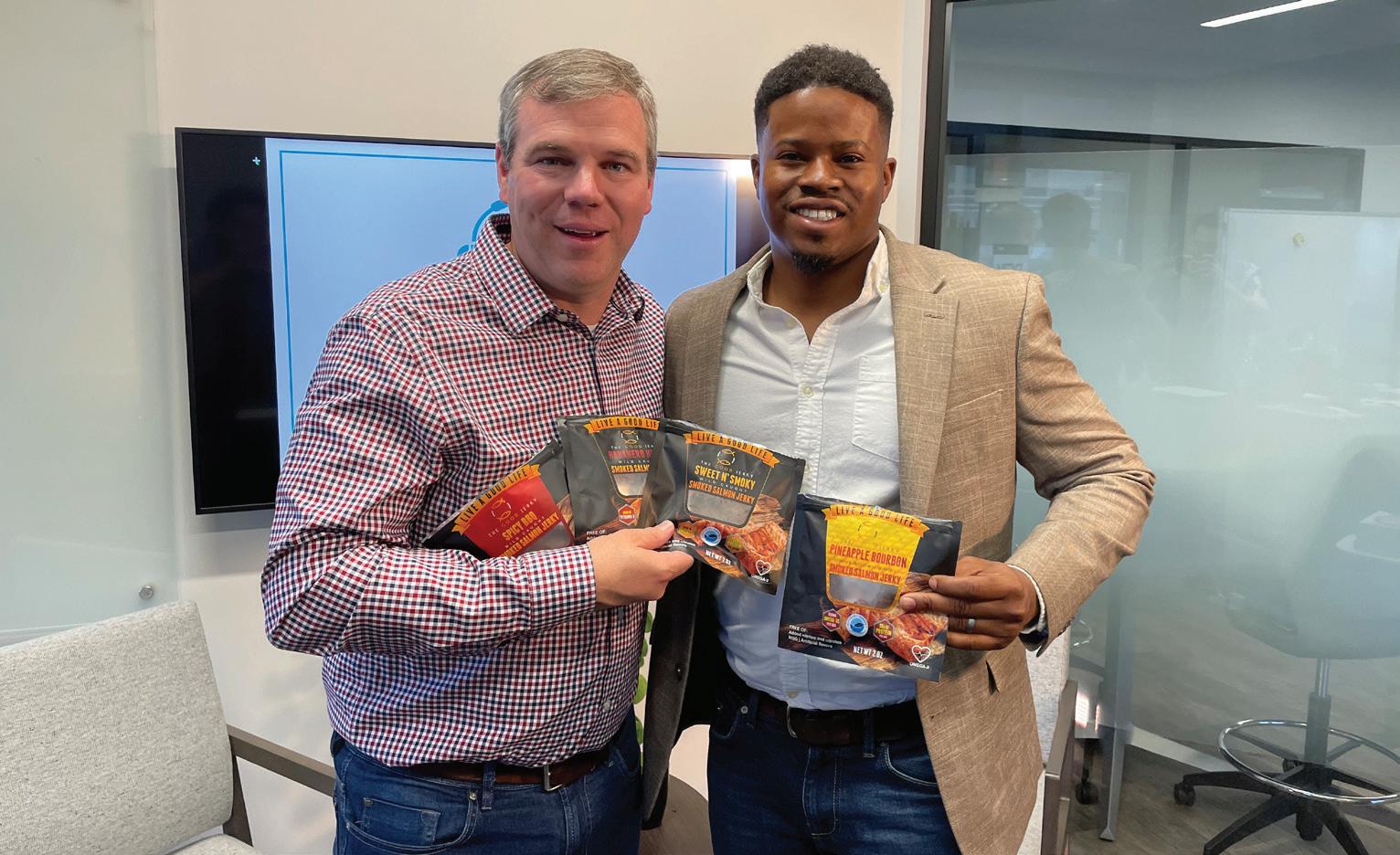
Meet Quentin Crawford, the entrepreneur behind Good Jerky, a company that makes jerky out of fish. Yes. Fish jerky.

Don’t count fish jerky out quite yet. I’ve had it and it tastes like that delicious beef, bison, or venison jerky you might pick up on a family road trip. Quentin has created a great product that provides meat lovers like me with a chewy, smoky, fish-based jerky that tastes just like traditional beef jerky.
Crawford got the idea of turning seafood into a snack when he saw several members of his family struggle with health issues, and he realized that he didn’t want to suffer the same fate. He tried to become vegetarian but found himself hungry, needing to increase the amount of protein in his diet. His health coach told him to explore becoming a pescatarian.
by Cameron Cushman





And Good Jerky was born.



According to the USDA, nine out of ten Americans don’t get enough seafood in their diet. “People want to live a healthier life, and adding more fish in your diet can help you do that,” Crawford said. Eating two bags of his jerky per week provides your recommended omega-3s for the week.
developing a sweet and smoky flavor that featured a maple glaze with a hint of applewood smoke. The lineup also features habanero honey, pineapple bourbon, and several other flavors.
“Certain types of flavors complement certain kinds of fish. Salmon tends to go well with sweet flavors, for instance.”



Don’t just take it from me that Good Jerky tastes good. Crawford won the Gold Award at the International Jerky Awards (yes, that’s a thing) in 2021. Crawford said, “We were born in a land-locked city in a place where people love meat, so we had to adjust our process for carnivores. We created the first fish jerky not created solely for pescatarians. If you’re a hard-core meat eater, this is something that you will grab, and you will love.”
Crawford and his wife and co-founder Lauren have continued to utilize many of the resources that are available to startup companies in Fort Worth to help them grow, including accelerator programs. Good Jerky was a member of MassChallenge, a global zero-equity startup accelerator, and DFW-based Impact Ventures.
“When you think about eating seafood for a snack, what do you think about?” he asked me on the Innovate Fort Worth podcast that I host. I had nothing. “Maybe canned tuna?” he suggested. But that wasn’t practical for someone who traveled for work and was always on the go.
On one of these work trips, he decided to see if he could bring one of his favorite road trip foods, jerky, to life in a healthier way.
In 2018, Crawford started making prototypes in his kitchen and passed samples out to friends. Some were terrible, but he kept experimenting until he found the recipes that hit the mark. He started with tilapia, but that made terrible jerky. Next, he tried salmon and trout and found success. Now he’s got big plans to bring a newer fish to the American market –swai – an Asian catfish that is catching on in the United States.
Once he had the right catch, he started
Good Jerky is now available at Central Market and in grocery stores throughout the state.
So you may scratch your head when you hear about jerky made from fish, but sometimes that’s what innovation looks like. It is seeing an existing product and thinking, “Could I make that a little better?” Quentin Crawford did, and now jerky made from fish is something we can all catch.



Doesn’t your priority deserve the best? 1 K–12 World-Class, Tuition-Free Public Charter School ASIS is ranked the #1 School District in Texas. BASISTX.com Apply now for 2023–24 at *2022 TEA Grades K–12
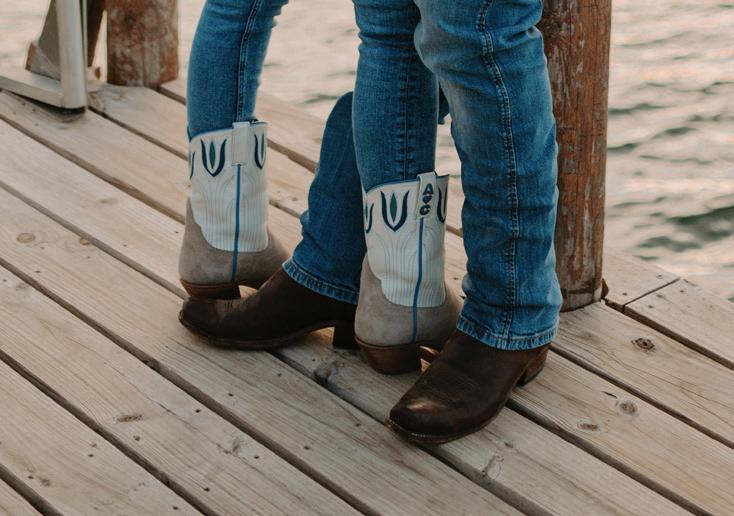
For Clay and Wendy Miller, the saying “Pull yourself up by your bootstraps” is not a cliché. It’s their guiding principle. It’s how they persevered and built a thriving custom boot business in Cowtown.
After being laid off from his corporate job, Clay spent some time at a ranch of some friends in Sierra Blanca, which Clay calls “The Middle-of-Nowhere, Texas,” but is actually in the TransPecos near El Paso. He met the nephew of a local boot making family in, of all places, the parking lot of the local Walmart. This chance meeting
The Ramblin' CustomTrailto Bootmaker
by Angela Weaver
was going to help them build their business, he needed to be sure of the quality of their products. “It was my name, my face, my rear on the line,”




















By this point, Clay had “just enough knowledge to be really dangerous.”







He bought a small shop in Alvarado, reached out to a skilled bootmaker
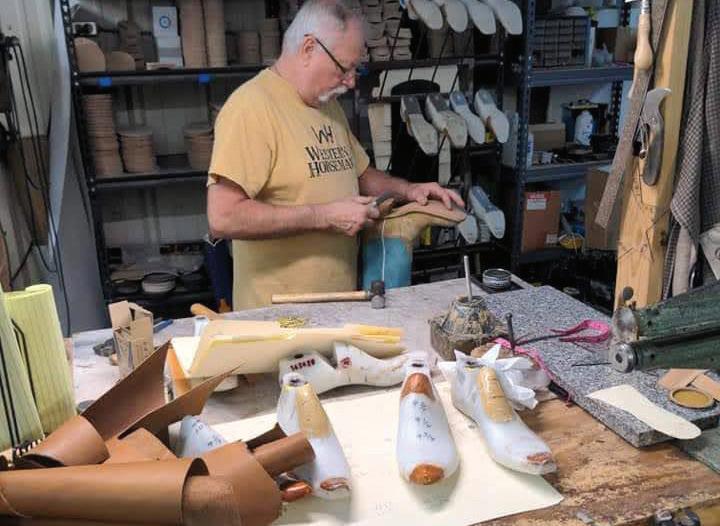
dreams. However, he makes sure that the quality of the 600th pair of boots is the exact same as the quality of the first pair. The youngest bootmaker at Ramblin Trails is 59 years old, which speaks to the experience it takes to make a quality pair of custom boots. It takes 20 years to learn the craft of making a good boot, and Clay says he learns something new with every pair made.
What really sets Ramblin Trails apart from the big names in the boot game is that each Ramblin Trails bootmaker knows how to build a boot
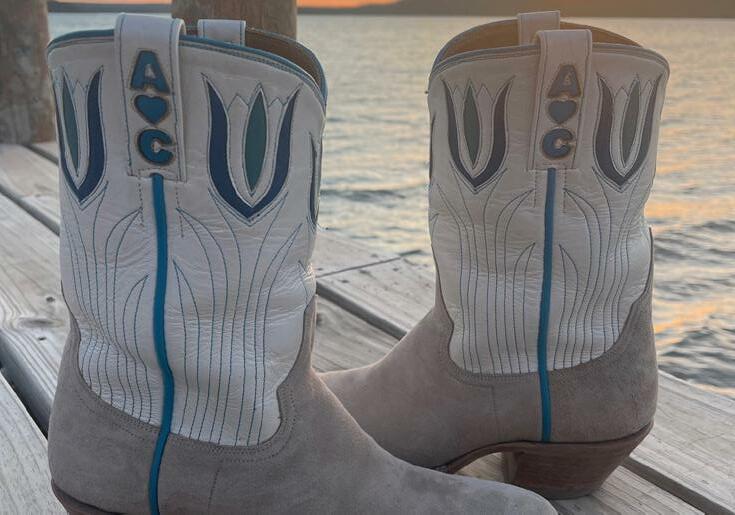
sparked something in Clay. He wanted to learn all about the custom boot business.
According to Clay, “It’s kind of a running joke in the boot world that behind every successful bootmaker, there’s a spouse at home with a hell of a good job.” In the Miller’s case, this is true. Wendy is a physical therapist. When Clay came back from the TransPecos full of boot dreams, Wendy told him that if selling boots was what he wanted to do, he’d better go figure out how to sell boots.
The bootmakers Clay met in Sierra Blanca “had all the knowledge in the world, but they needed help drumming up business.” Clay had them build him a pair of boots; if he
Clay said. The boots were well-worth risking his reputation, so the Millers became boot sellers.
Over the next four years, Clay put 200,000 miles on his truck making the trip from Fort Worth to the family shop in El Paso and back. Clay was the middleman between the bootmakers and the customers, and due to his enthusiasm for the boots, the business exploded. Clay brought more business to the tiny boot shop than they could handle, so Clay hired his own crew.
But that commute proved to be too much. After years of driving across West Texas and being away for weeks at a time, Clay realized it was time to strike out on his own.

named Henry whom he had met at a trade show, and Ramblin Trails Custom Boots was born.
Boots started flying out the doors of the little shop in Alvarado. So much so, in fact, that the shop soon proved to be too small, so they moved to a warehouse in Cleburne nicknamed “the Freeze Bowl” due to a lack of heating. From the Freeze Bowl, Ramblin Trails moved to the Stockyards, and business more than doubled. Now located on Montgomery Street, they still built boots in the back of the shop until May of 2021.
Ramblin Trails produces between 550 and 600 pairs of boots a year, which is far beyond Clay Miller’s wildest
from start to finish versus a worker who understands only one piece of the process. Ramblin Trails offers three “levels” of boots: stock boots available off the shelf, “semi-custom” which just need to be decorated, and fully custom boots, made to your feet and your taste. No matter which you choose, you can be sure that your Ramblin Trails boots will be made to last and will be as beautiful as they are durable.
If you are looking for the perfect pair of boots, no matter the occasion, Clay and Wendy Miller will take care of you from the moment you walk in the door. Just know that the process of making a pair of custom boots is meticulous. Good boots take time, but I promise, they are worth the wait!
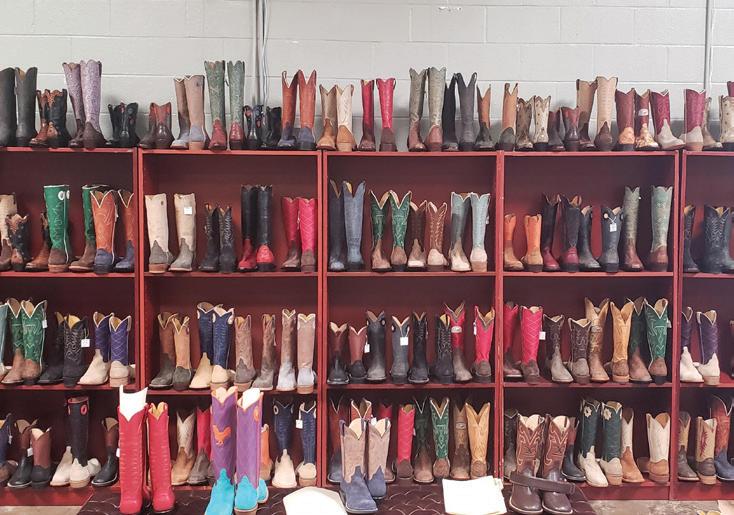 photo by Wendy Miller
 photo by Kenzie Galyean Photography photo by Angela Weaver
photo by Wendy Miller
photo by Wendy Miller photo by Kenzie Galyean Photography photo by Angela Weaver
Recognizing the Power of Stories

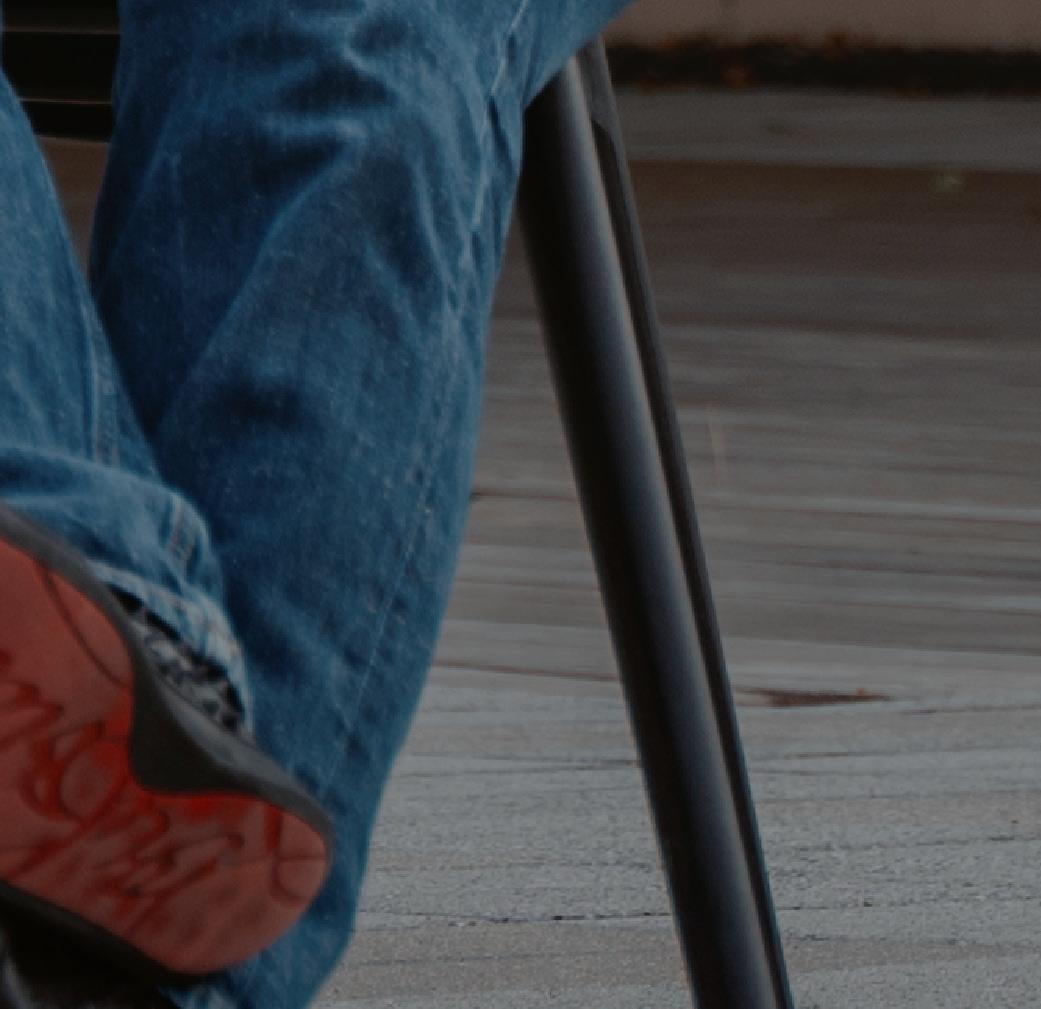

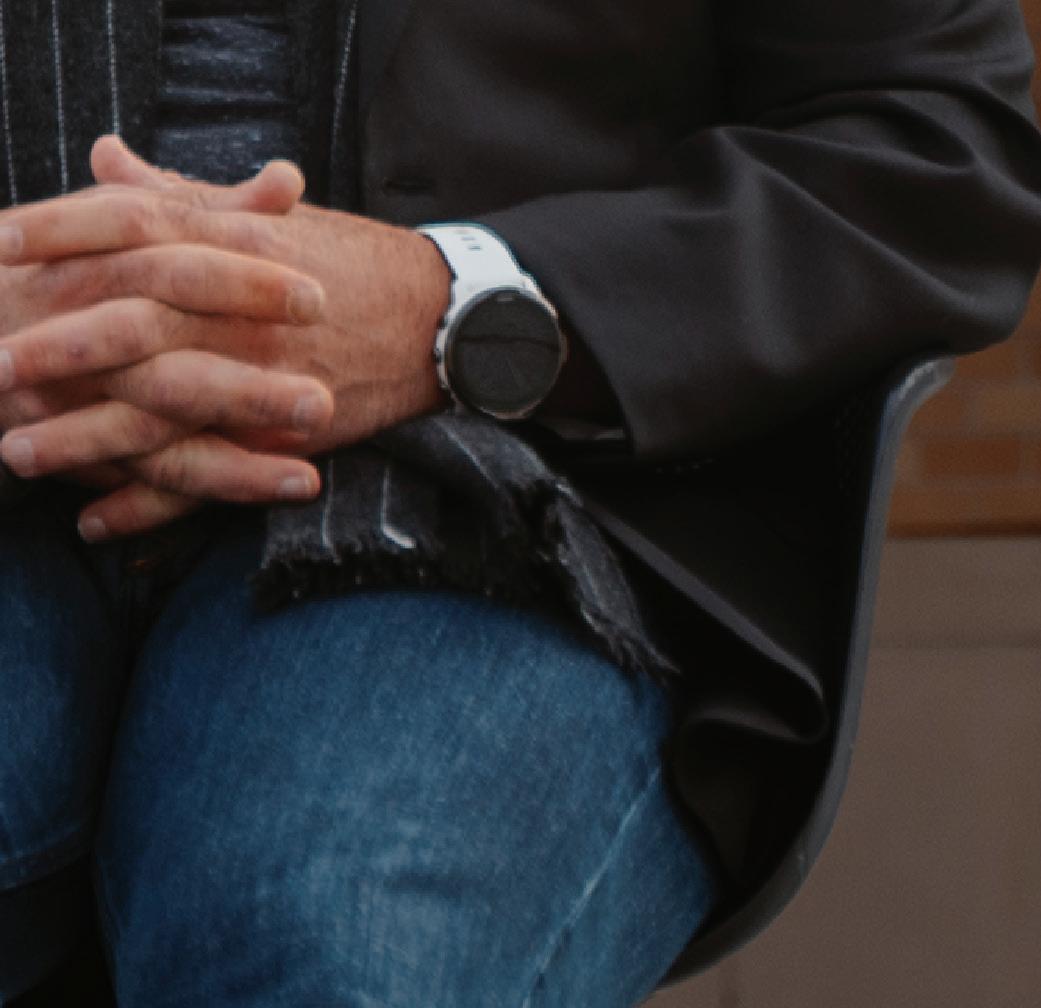 by Lee Virden Geurkink Photos by Andre Le
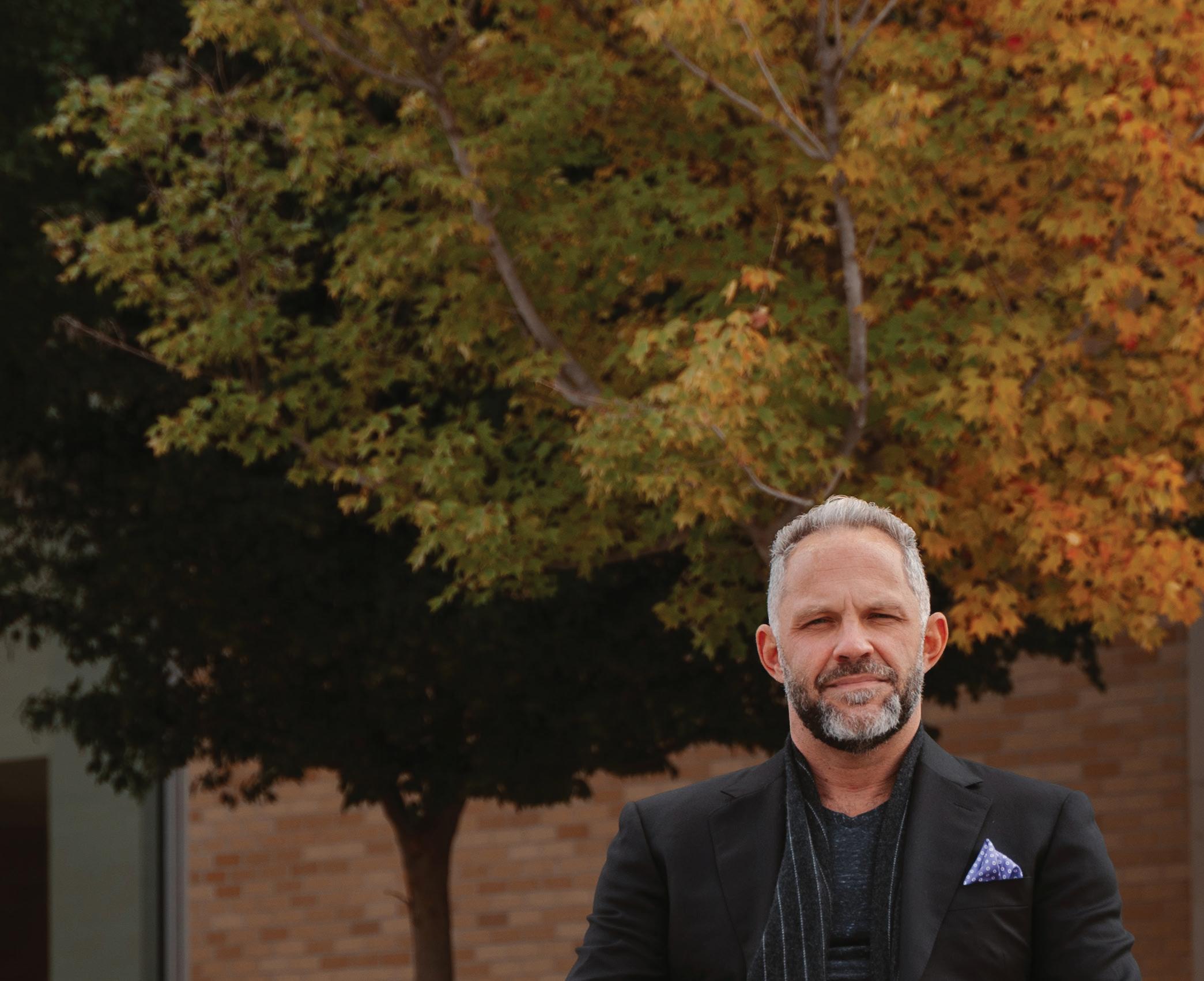
Storytelling is at the heart of every culture. It is the original art form. It’s through stories that we communicate our histories, our morals, and our rituals. Stories give us a feeling of belonging. Stories turn individuals into a community.
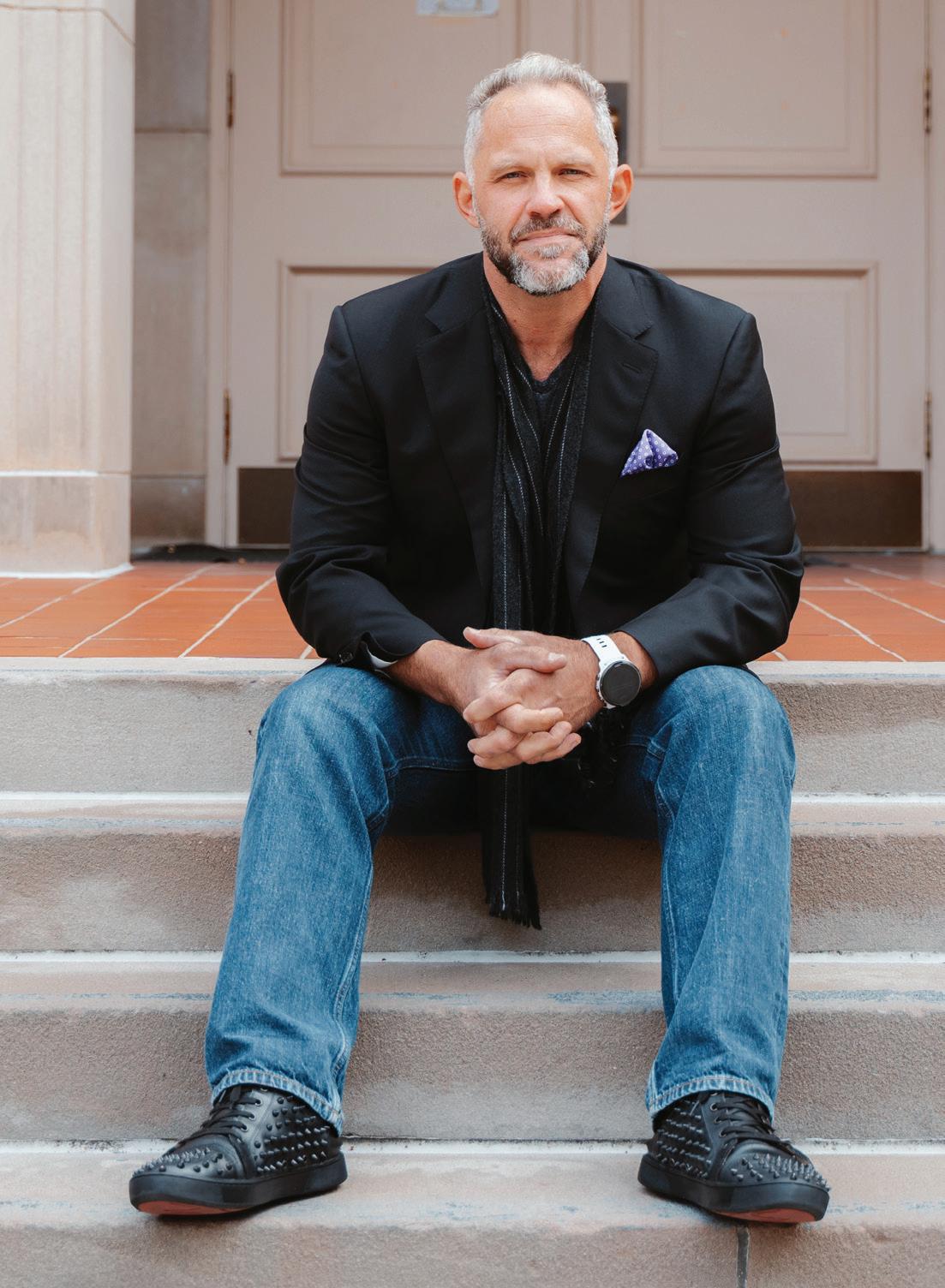
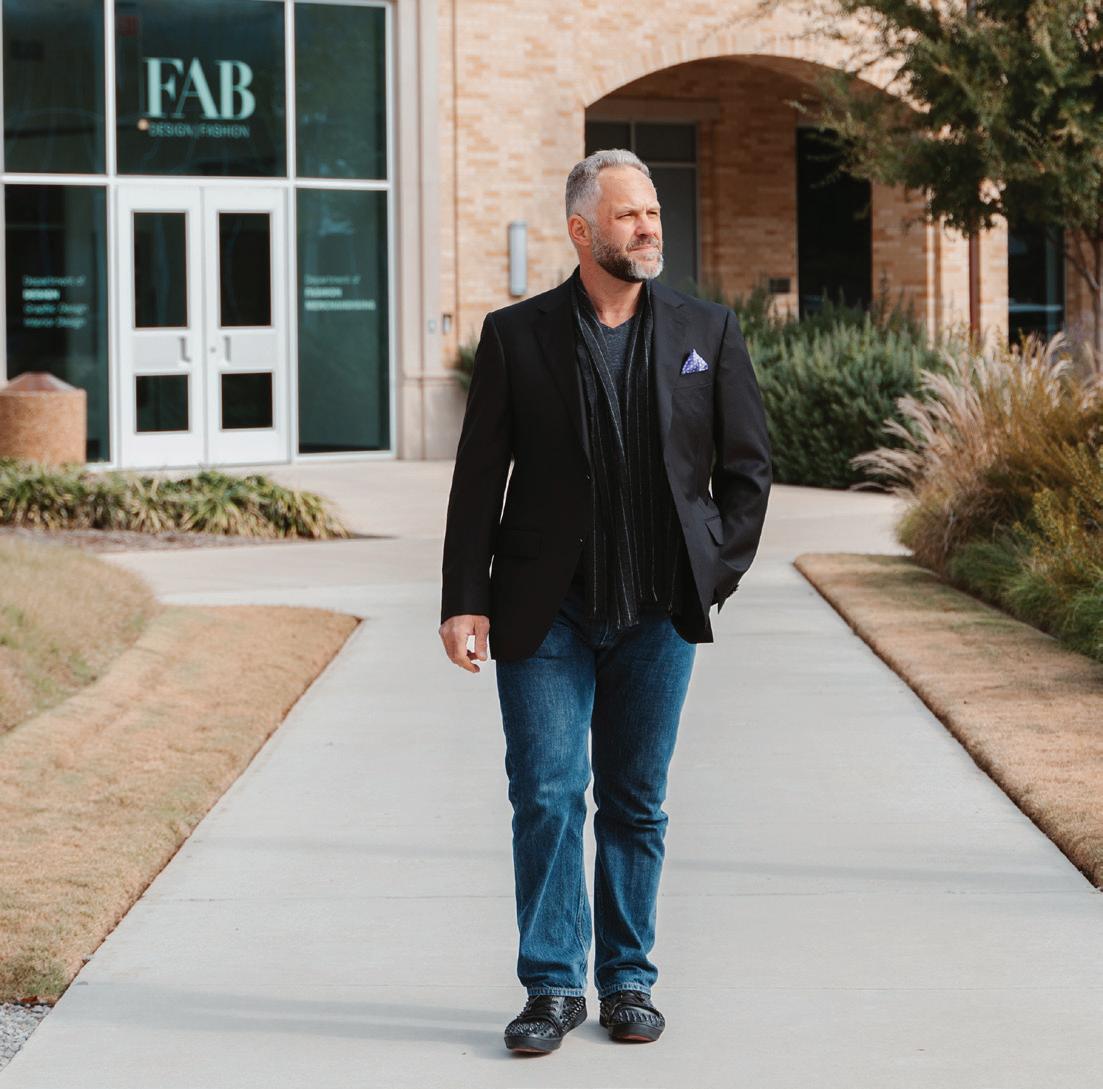
When you sit with Duke Greenhill, you can tell immediately that you are in the presence of a master storyteller. He’s headed national ad campaigns for Tiffany & Co., MasterCard, and L’oreal, just to name a few. He’s written screenplays. He and Red Sanders helped found the Fort Worth Film Commission. He’s currently teaching strategic communications at the Bob Schieffer College of Communications at TCU while using his considerable talents to help nonprofits like Rogue Water and The Gladney Center for Adoption. Before bringing him back home, his adventures have taken him from Fort Worth to Austin to Washington, DC. to New York City to Savannah.
And storytelling is the thread that ties it all together.
I met Duke at the TCU bookstore before he had to go teach a class. It was a chilly afternoon, and Starbucks was packed with students. I assume they were all diligently studying.
Duke is an eye-smiler with a contagious laugh and a way of leaning in while he’s both talking and listening, making you feel like you’re the only person in the room. He not only cares about the stories he’s telling, he cares about the stories he hears. We talked about our sound-bite society and about how we have lost the ability to listen to other people’s stories. I asked how a storyteller can overcome a shortened attention span and a lack of empathy.
“It may seem overly Pollyanna-ish, but if you are a good storyteller, and you tell stories well, people will listen,” Duke said. “I have to believe, and I’ve seen it play out anecdotally in my work, that if you have a good story, it will find an audience... You see this in the short documentaries that win Academy Awards – they are hyper-specific, hyper-simple. They’re a tiny little story, but they’re so well-told. And by giving them awards, by buying tickets to see them, we’re celebrating the craft of storytelling.”
Duke learned how to tell a story from his parents. The oldest of three boys, Duke is a proud Gladney baby, as is his middle brother, Frank. “My youngest brother, Joe, was a very happy surprise,” Duke grinned. Every night, instead of asking his parents to read Green Eggs and Ham or The Very Hungry Caterpillar, Duke would ask for another story.
“We call it ‘the Gladney Story,’ and it was my bedtime story. It was how I came from Gladney,” Duke remembered. “My dad and my mom told it differently, of course, and I don’t remember a time when I didn’t hear it. It was my very favorite story. Maybe they didn’t realize the impact it would have on me, but the choice they made to tell me that story the way they did most nights was just genius parenting.”
Origins, belonging, and love, all wrapped up in a bedtime story.
“That’s the kind of storytelling I like. Where do we come from? What’s our heritage? How did we become what we are?” Duke said.
10
You’re never going to kill storytelling because it’s built into the human plan. We come with it.
- Margaret Atwood
“”
Carrying this love of stories with him through college and grad school, Duke, like many of us, worked in a variety of fields. During college at the University of Texas, he was an editor and producer at Austin’s CBS affiliate. He worked in politics. He worked in film production and wrote screenplays. “My graduate degree is in film, and I worked in film for a while,” Duke said, “But I knew myself well enough to know that I needed something faster-paced. When you’re on a film set, it’s 20 hours a day, and that’s plenty fast, but the breaks in between were intolerable.”
This need for something faster paced with fewer breaks led to producing television ads. At the time, Madison Avenue was transitioning. The tried-andtrue method of advertising was selling the latest and greatest. It was about creating a want. Not a need. A want. But as the Millennial generation grew up and began buying, advertising began to change. Duke said, “At the agency I was at in New York [R/GA], there was an understanding – it wasn’t conscious or even articulable – that there was a need for more heart. We can’t continue to sell things based only on features and benefits. We have to understand what a brand stands for, what does a brand believe in… for lack of a better phrase, who are they? People want to support brands whose values align with their own.”
This change in the way goods and services are advertised played right into Duke’s strengths. Going from creating a want to selling the brand behind the goods required stories. Good stories.
One campaign that Duke headed was a social media campaign for Tiffany & Co. that changed the way advertising utilizes social media. By updating Tiffany & Co.’s mobile app to include social sharing,
I asked Duke why he left the corporate world to jump into academia. After all, teaching is widely considered to be antithetical to the American Dream of making as much money as you can. Teachers aren’t valued in our society – remember that delightfully witty cliché, “Those who can, do; those who can’t, teach?” Duke can clearly do. So why teach?
“The short answer is, and I don’t mean this in any sort of negative way, is that I don’t care,” Duke grinned. “It took me a long time to learn not to care about what other people think, but I finally did, thank God.”
“The longer answer is that in the industries I’ve worked in – film, advertising, coaching, writing – once you’ve reached a certain level, it’s about teaching. It’s about mentorship. It’s about leading a group of people toward a singular idea, a singular vision, whether that’s the classroom or an ad campaign.”
Duke began to warm to his subject. “The impact you have on a set of students is direct; you can see it and feel it, and the reward for that is far greater than any amount of money. With film or advertising, you can look at the data and say, ‘Yes, we made a change.’ But data is inert. I started in film. I’ve worked in politics. I’ve worked in news and advertising and coaching, but it was the storytelling that was the thread that kept me going. Teaching is storytelling and storytelling is teaching. It’s not a diversion or departure. It’s a return to the craft that maybe I should have been doing all along.”
After a stint at Savannah College of Art and Design where he was a multi-department chair (“I loved the kids, I loved the school, but I knew that three years was about all I could do without sacrificing my health and sanity”), he missed the direct impact of teaching. So Duke decided to come home to Fort Worth and TCU. When I asked what drew him back, his answer was immediate.
“Family.”
All of Duke’s family, with the exception of his middle brother who lives in Montana, are here in Fort Worth. “My youngest brother has twin eight-yearold sons… I’ve gotten to a point where I realized that family is one of the most important things to me, and I wanted to come home.”
While teaching is his “real” job, Duke lends his considerable talents (or in corporate speak “consults”) for nonprofits like Rogue Water and Gladney. According to their website, Rogue Water “builds bridges between the water industry and the
and death. I just hope it’s not too late.”
Duke’s other passion is Gladney. “The folks at Gladney laugh when I say this, but I feel a sense of duty here. Without them, who knows where I would be, so to me, the opportunity to assist them is a gift.”
Leaning forward to make his point, Duke said, “Gladney and adoption is at a crossroads. Domestic infant adoption is on a steep decline worldwide for a number of reasons, and international foster adoptions seem to be what is in demand. Gladney has heretofore been focused on domestic infant adoption, but they had the foresight to begin expanding, and now they have a very robust international program and foster program. They built out this suite of services but don’t really know how best to integrate them into the singular Gladney brand.”
“In advertising, we talk about brand persona. Gladney approaches their brand persona from a place of unconditional love and unconditional duty to the child. When you think about Mrs. Gladney, and you think about the families each adopted child impacts, and then the number of people they [the families] impact, then you’re looking at the impact that one single person made across the world. One person can’t do that. But she did.”
While it may seem that our interview was neat and linear, in reality, it was anything but. Like any good storyteller, Duke understands the value of tangents to underscore a point. We talked about the controversy surrounding Stephen Ambrose. Duke asked, “What was Ambrose’s bullseye? Was it to be literally precise, or was it to be emotionally precise? I think he was close enough to both, and he’s a big hero of mine.”
Taking a deep breath, Duke said, “I never ascertained from my grandfather what caused the shift in him, but after reading it [Band of Brothers, Ambrose’s 1992 books that was the basis for the 2001 miniseries], he sat down and wrote out his war stories. He printed them out and gave them to all of us. It was a vehicle for asking questions.”
"Some of the stuff in that little narrative was more revealing of who he was and who he became after [the war] than were any of the 20-something years I knew him as his grandson. And because of that little narrative, I realize that I want to capture my parents’ stories before it’s too late.”
In this world of soundbites and noise, we need storytellers more than ever to make connections for us to widen our world. And that’s the power of what Duke does. He brings his listeners out of their stories and gives them the opportunities to learn about someone else. And when you learn about someone else, you begin to empathize with them. When you empathize with someone, you begin to break down the walls that divide us.
All by simply listening to a story.
couples were able to share their love stories and photos. “They [Tiffany & Co.] were willing to expand their vision of what true love is beyond the traditional,” Duke said. “It was so exciting to be part of that.”
Duke also worked with MasterCard in a campaign that recognized the emergence of a class of very affluent young people, evolving into the classic “Priceless” campaign. Duke harnessed the power of the hashtag; by using #PricelessSurprises, MasterCard users could receive surprise gifts – from a pair of headphones to spending the day with Justin Timberlake.
“But while MasterCard was recognizing the opportunities that came from the emerging affluent young people, they were devising programs that prevented them from incurring burdensome credit card debt,” Duke said.
people they serve.”
When asked what about Rogue Water intrigued him, you can hear the passion in Duke’s voice and see it in his bearing. “I was aware water was going to be an issue. I was aware that half a globe away, people didn’t have access to clean, healthy water, but I was ignorant to the realities and the immediacy of the problem”
“I met Stephanie [Corso, the founder of Rogue Water] about five years ago… Water is a problem that’s not in the future, it’s a problem that’s right now. It’s not Africa’s problem. It’s not Australia’s problem. There are 2.2 million Americans who don’t have access to clean, healthy water, which to me is a basic human right… If people don’t have access to clean water, their story should be told. If their story is told, empathy and hopefully solutions will follow. Water isn’t just about a commodity. It’s about life
11
It took me a long time to learn not to care about what other people think, but I finally did, thank God.
“”
These Women Go Red Every Day
by the Madeworthy Editorial Staff
In 2004, the American Heart Association (AHA) launched its Go Red for Women campaign. This groundbreaking campaign was aimed specifically at women’s cardiovascular health. Cardiovascular disease is the number one cause of death for women in America, and the Go Red campaign is aimed at educating women about the risks and about actions we can take to protect our health. After all, as the Tarrant County Go Red for Women website says, “We are Mothers. Sisters. Daughters. Wives. Partners. Friends. Warriors. Executives. Leaders. We are Women. Strong. Resilient. Relentless. Fierce.”
Madeworthy talked with some of the women who are part of the Tarrant County Go Red for Women campaign about their stories to honor American Heart Month in February.
Abbey Dudek, survivor
Abbey works for Tarrant County 911. She uses her birthday to raise money every year for AHA. Recently, because of Abbey’s efforts, a friend’s father went to the doctor instead of ignoring his symptoms. His doctor found blockages.
Versia Burdex-Williams, survivor
Versia teaches English and language arts to struggling elementary students in the Arlington Independent School District.
I’m Versia Burdex-Williams, born and raised in Chickasha, Oklahoma. I’m the wife of retired Fort Worth Fire Marshal Norman Williams and proud mom of Renee and Paul. I have an autoimmune disorder, and 10 years ago, I had a heart attack. Six years ago, I had a TIA (transient ischemic attack, or mini-stroke). I had a fantastic medical team at Harris Methodist Hospital. I was encouraged by my loving family and friends to “take it one step at a time” every day, and I eventually gave myself permission to accept my new normal. I took advantage of the free resources from the AHA, along with those from the Tarrant County Resource Connection, to strengthen my body and mind. Recovering from these medical events is a daily journey, and I thank God for each step I take. I have added relationships with so many people because of it!
Riding my bike saved my leg and my life! I started riding again in April of 2020 during the pandemic. I had pain in my leg which was horrible, but I kept pushing through. I went to several doctors, but no one could figure out what was happening. I was misdiagnosed, but I was persistent. I was finally diagnosed by the fantastic heart and vascular team at UT Southwestern with critical limb ischemia/peripheral artery disease in December 2020. Over the past two years, I’ve had five surgeries. I had NO risk factors for this, no family history. Go Red and the AHA educated me about my disease and linked me to other folks I share the disease with. If peripheral artery disease thought it would get the best of me, it was wrong, and I will keep fighting and riding my bike every day!
Jennifer Chavez, event chair
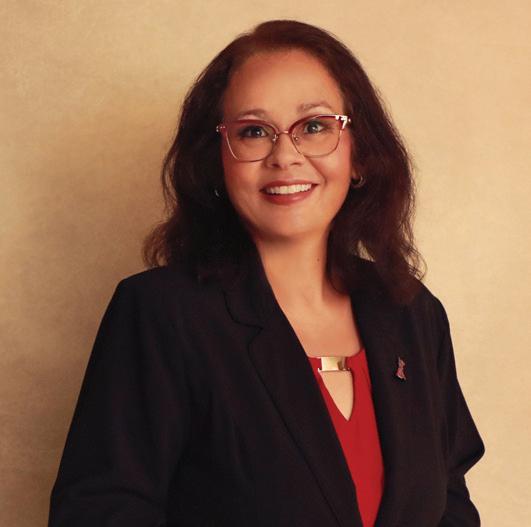
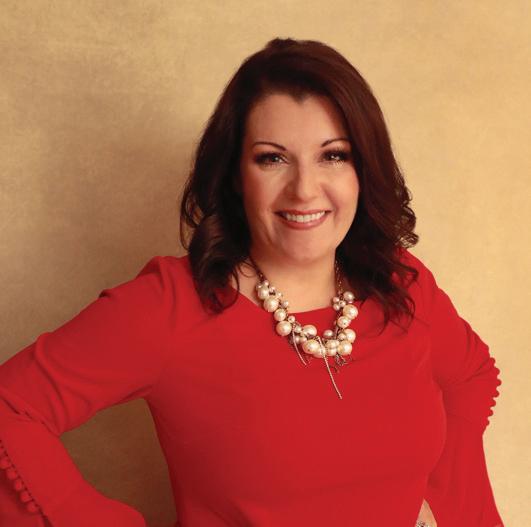
Jennifer is the Chief Nursing Officer for Texas Health Harris Methodist Hospital Fort Worth, as well as a practicing acute care nurse practitioner. She brings more than two decades of experience in various nursing roles and operational leadership to Go Red.
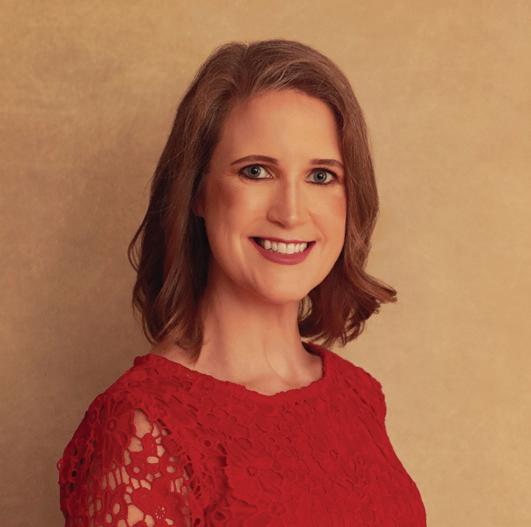
Go Red for Women is special to me because I see the effects of heart disease every single day. Through my career at Texas Health, I have cared for countless patients who need the Go Red message. If every woman could know that heart disease is their biggest health threat, we will have succeeded in our mission.
Mercedes Cruz, survivor
Mercedes is the survivor of multiple strokes and heart disease. She lives with high blood pressure and diabetes. She has volunteered with the AHA for many years and is a community health worker, teaching approximately 1700 classes over the past 17 years.
I think the single most important message women should take away from Go Red for Women is that this event will empower, inspire, and move you to want to take steps toward a healthier you. It will give you satisfaction to know that your contribution will help other women in our community to survive as I did and help advance research for a healthier tomorrow.
One of my biggest passions is making sure that people learn CPR. Learning how to perform CPR can save someone’s life and only takes a few minutes to learn. In fact, it can be learned in two minutes and can double or even triple someone’s survival rate after a heart attack. Through Go Red this year, we are working to ensure that everyone in Tarrant County has the opportunity to learn CPR and to Go Red!
Becky Tucker, event chair
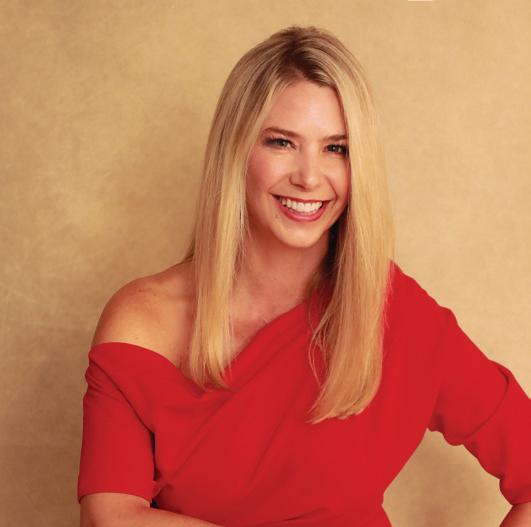
Heart Disease unfortunately hits very close to home. Both my father and my brother have heart disease, and my daughter was born with a heart defect. So this fight is personal, and I know that I’m not alone in that. Unfortunately, we all know someone who is impacted, and I want to do everything possible to ensure that I have more time with my loved ones. The AHA is working to help create a world where cardiovascular disease and deaths do not exist, and I want to be part of that fight. AHA is partnering with companies to help spread CPR training in our communities and to ensure access to blood pressure checks and education. Go Red is more than wearing red. AHA is investing in a better tomorrow, and that is an investment worth making.
 Becky is the System Senior Vice President of Channel Integration for Texas Health Resources and has been part of the Texas Health family for 21 years. She is a member of the American College of Healthcare Executives and also is on the board of the Fort Worth Leukemia and Lymphoma Society.
12
Sniffles, surgeries, sing-alongs
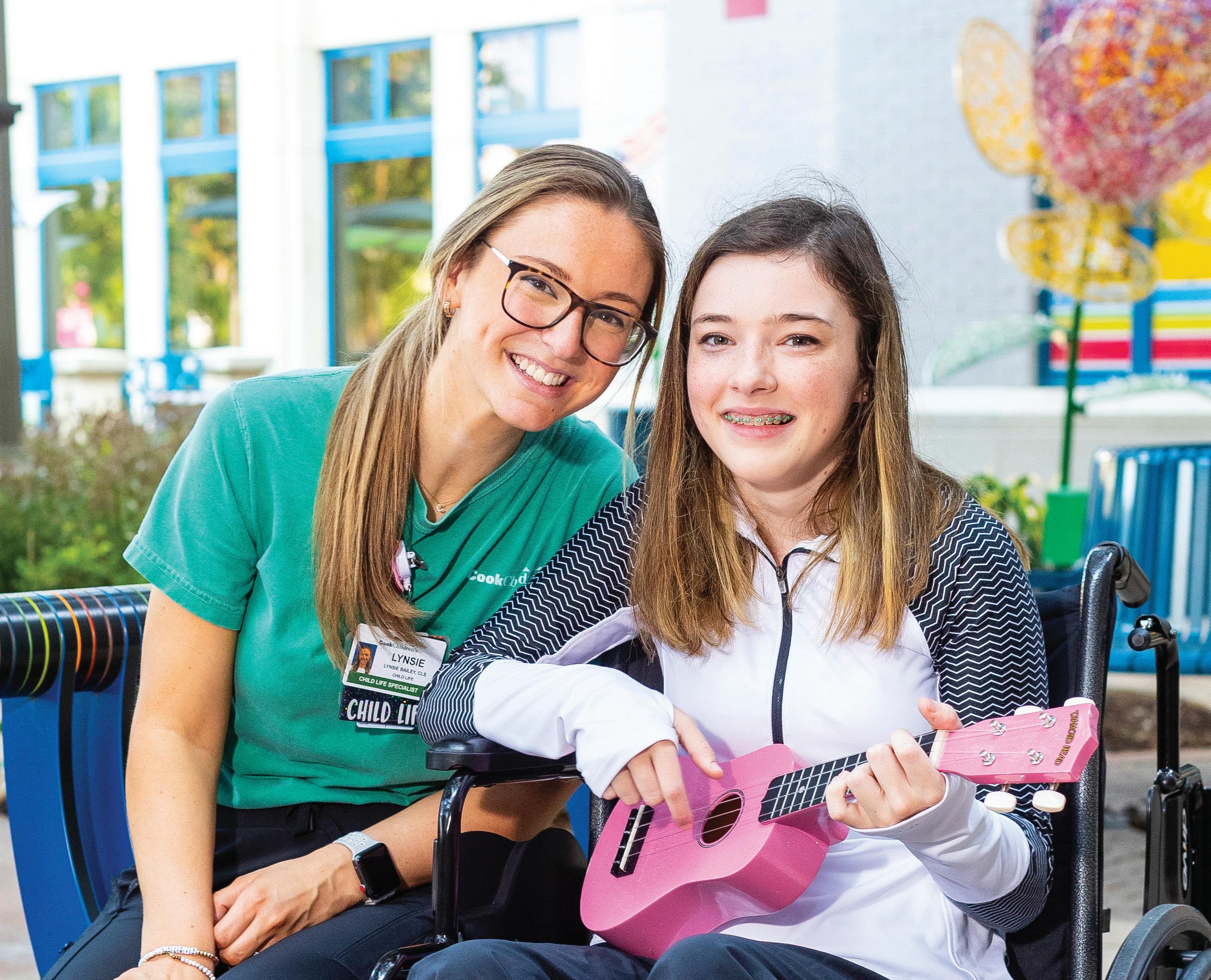
More than care. Connection.
Hello, neighbor! We want you to know that we’re all in this together. Because “together” is the best way to shape treatment plans made just for your child––ones that are built by a team of doctors, families and patients. That’s what it means to deliver care that connects.
Find care: cookchildrens.org
For

our youngest readers
Let's

Discover NorthTexas' Newest State Park
by Mollie Jo Jamison photos by Texas Parks and Wildlife Department
COLOR THAT SHAPE
“This park, and this whole part of Texas really, is rich in natural and cultural resources,” said James Adams, superintendent of Palo Pinto Mountains State Park.
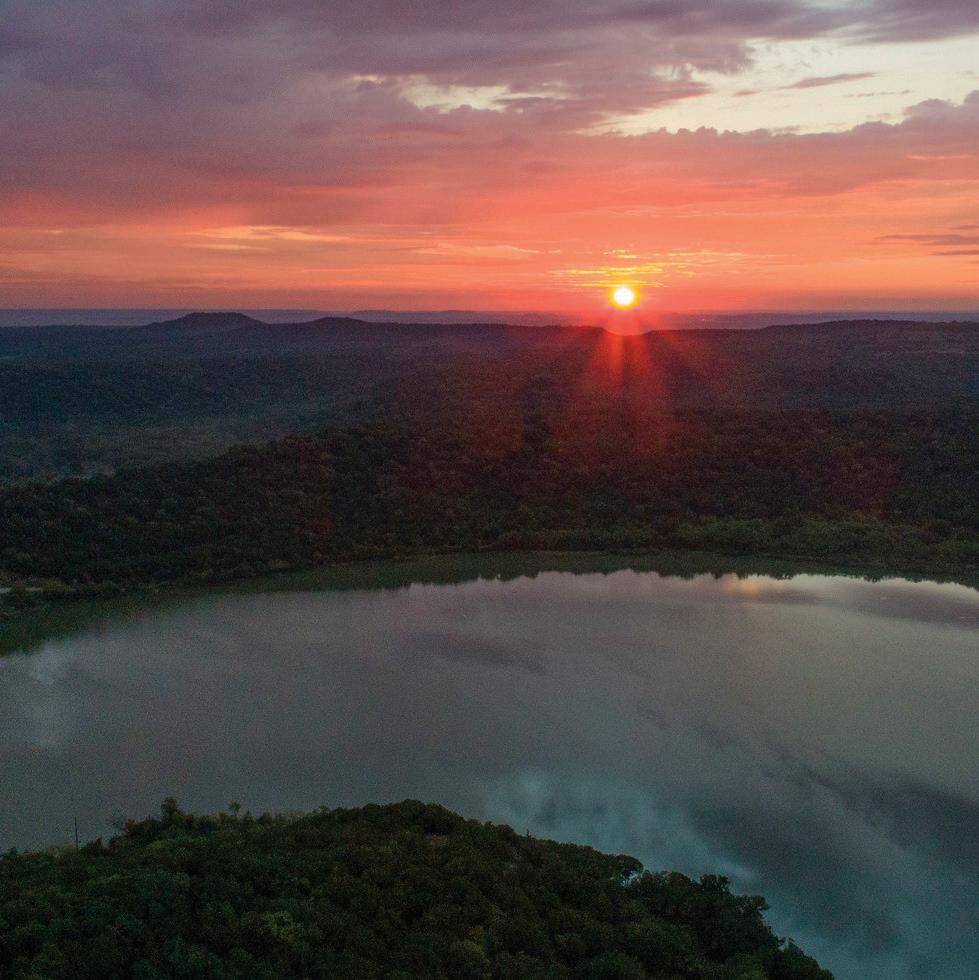
“Being from this area, I’m especially excited about this park [and] the opportunity to share it with others.”
Adams said the public can expect a soft opening in late 2023 with full openings in 2024. However, an exact date has yet to be announced.
“As with any construction project, there are a number of things that could cause delays,” he said. “Weather and availability of materials are not least amongst them."
While Texas state parks have seen a substantial increase in visitors during the coronavirus pandemic, the date of the opening of this park is unrelated, said Adams.
“We have been experiencing an increase in demand for our parks since well before 2020,” he said. “We are diligently trying to provide more opportunities for Texans to recreate [in the] outdoors. The pandemic just put a bigger spotlight on that need.”
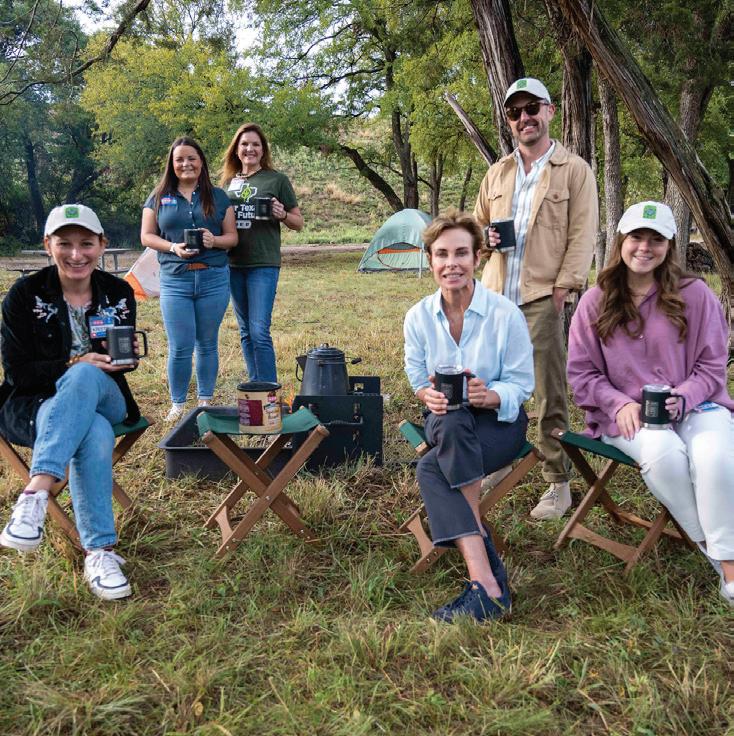
Adams believes each park in the Lone Star State is special in its own right and that this newest one, located just off interstate 20 near the city of Strawn, will have something for just about everyone.
“The lake [Tucker Lake] is great for paddlers and anglers,” he said. “The topography and elevation change makes for great trails for hikers, bikers, and equestrian users. Additionally, this area has a rich and fascinating history that many will find captivating.”
The park has an interesting historic and prehistoric past. Some artifacts that have been found on the land are estimated to be nearly 8,000to 9,000-years-old. The area lies at the conjunction of two major Pre-Columbian cultural zones, the Southwest and the Plains. Not to mention there is an old ghost town on the property that was once built around a booming railroad business.
The park will also feature a network of multi-use trails that will be open to hikers, bikers, and even horseback riders, as well as two creeks and several 1,400-foot peaks spread across the land. On the 90-acre Tucker Lake, visitors can enjoy fishing, boating, and swimming. (However, motorboats will
not be allowed on the lake to preserve the park’s serenity.) Overnight guests can enjoy RV and tent camping areas. Locals wanting to simply stay for the day can take advantage of picnic areas and playgrounds.
In terms of wildlife, there are a variety of species to be found at Palo Pinto Mountains State Park.
“Visitors can expect to encounter any number of species native to the Cross Timber Region of Texas,” said Adams. “Some common examples include white-tail deer, coyotes, nine-banded armadillos, and squirrels.”
There are also several less-common species in the area including ring-tail cats, porcupines, goldencheeked warblers, and black-capped vireos.
Of course, all this beauty comes with a price tag. According to Adams, the funding structure for Palo Pinto Mountains State Park is unique. The overall estimated construction budget was about $30 million. Of that, he said $12.5 million was appropriated by the legislature, another $10 million came from dedicated TXDOT funding, and the remaining $9 million is being raised by the Texas Parks and Wildlife Foundation via private donations.
The Texas Parks and Wildlife Department purchased the first 3,300 acres of the park in 2011. Adams said that the plans for Palo Pinto Mountains State Park have gone through several evolutions of design, but the idea is to have the developed areas cover only about 200 acres. The goal is to construct buildings that will blend in with the surrounding landscape.
“Some versions added facilities, others removed some,” he said. “Ultimately, we decided to construct the version that we felt offered the most to our visitors and was within our price range. At the same time, the facilities that are being constructed are laid out in such a way as to facilitate future expansion.”
circles red yellow orange blue green violet
decorate this pizza! Follow the color guide and color the shapes. squares triangles rectangles pentagons stars
When done, count how many of each shape are in the pizza and write the answers on the blanks. 14
This year, Texas will celebrate 100 years of protecting and preserving historic, naturally significant, and beautiful lands in Texas state parks. Just in time to commemorate this milestone, Texas’ newest state park, Palo Pinto Mountains State Park, is set to open just 75 miles west of the Dallas-Fort Worth Metroplex. Surrounded by live oak, mesquite, cedar elms, and native pecan trees, the 4,871-acre nature area will boast the title of North Texas’ first new state park in nearly 25 years.
Our first love? Your heart.
During heart health month and beyond, we’re committed to giving you the know-how you need to help protect your heart. Get care now if you experience any of the following heart attack symptoms:
Uncomfortable chest pressure, squeezing or pain
Discomfort in one or both arms, back, neck, jaw or stomach
Dizziness, cold sweat or nausea
Shortness of breath Find a
Baylor Scott & White Heart and Vascular Hospital – Fort Worth is a department of Baylor Scott & White Heart and Vascular Hospital – Dallas. Notice Regarding Physician Ownership: Baylor Scott & White Heart and Vascular Hospital is a hospital in which physicians have an ownership or investment interest. The list of the physician owners or investors is available to you upon request. Physicians provide clinical services as members of the medical staff at one of Baylor Scott & White Health’s subsidiary, community or affiliated medical centers and do not provide clinical services as employees or agents of those medical centers. ©2023 Baylor Scott & White Health. KCS-05110
specialist BSWHealth.com/HeartFortWorth 1.844.BSW.DOCS
Fort Worthies
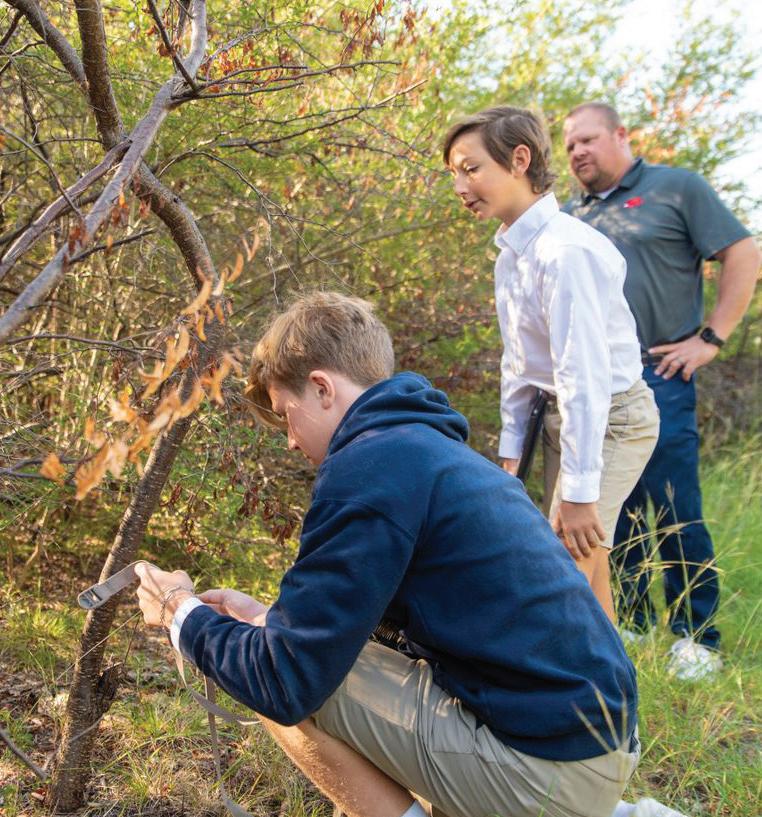
Fort Worth Country Day was selected by the Texas Wildlife Association to implement its new Land, Water & Wildlife Expeditions Program (LWWE) during the 20222023 school year. FWCD is the only school in Fort Worth and one of only five schools in Texas selected for partnership. The program involves providing free natural resources, conservation, agriculture, and stewardship education programs to FWCD students in the seventh through 12th grades to enhance comprehension of natural resources as part of their formal science curriculum. Students will engage in rigorous and relevant science lessons to learn about Texas’ natural resources, water cycles, responsible hunting, and land stewardship, and take part in activities such as wildlife scavenger hunts, topography hikes, water-quality testing, and more. At the end of the program, students will relay their knowledge of conservation during an “Expedition Day” taking place outdoors at a privately-owned ranch near Fort Worth.
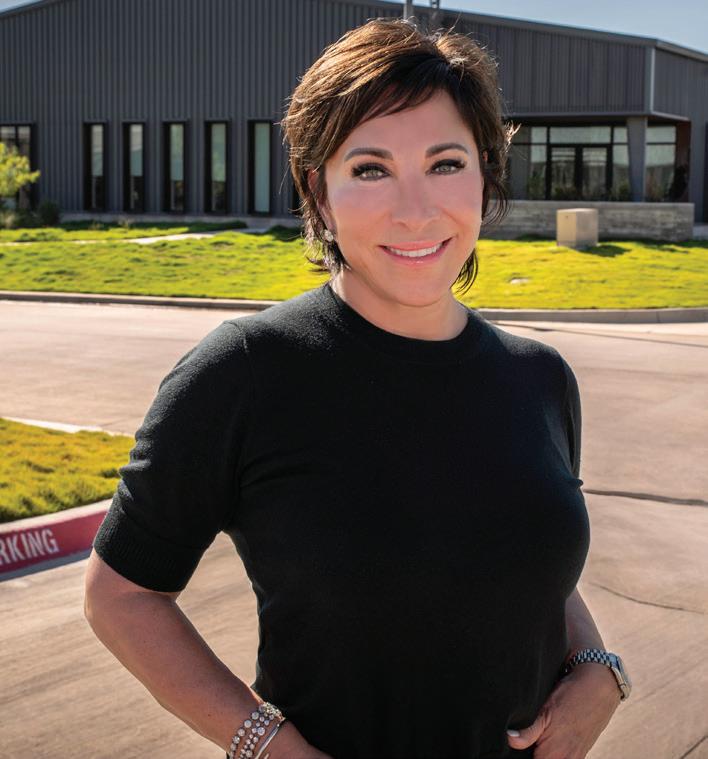
Fort Worth businesswoman Sandra McGlothlin has unveiled Empire Holdings, a commercial real estate development company specializing in single-tenant, build-to-suit industrial properties with design, technology, and innovation at the forefront. With a mission to change the way commercial industrial spaces are built, McGlothlin has assembled a powerhouse leadership team for Empire Holdings, with 15-year development pro Bowie Holland serving as president, and Trenton Laird, founder of The Construction Group, serving as its construction partner. Together, the team has already led Empire Holdings to acquire and develop more than 100 properties across five states, with a primary focus on Texas. McGlothlin said, “Our mission is to change the way industrial spaces are built – with a user-focused design that takes our clients’ facility needs and turns them into a strategic business advantage.”
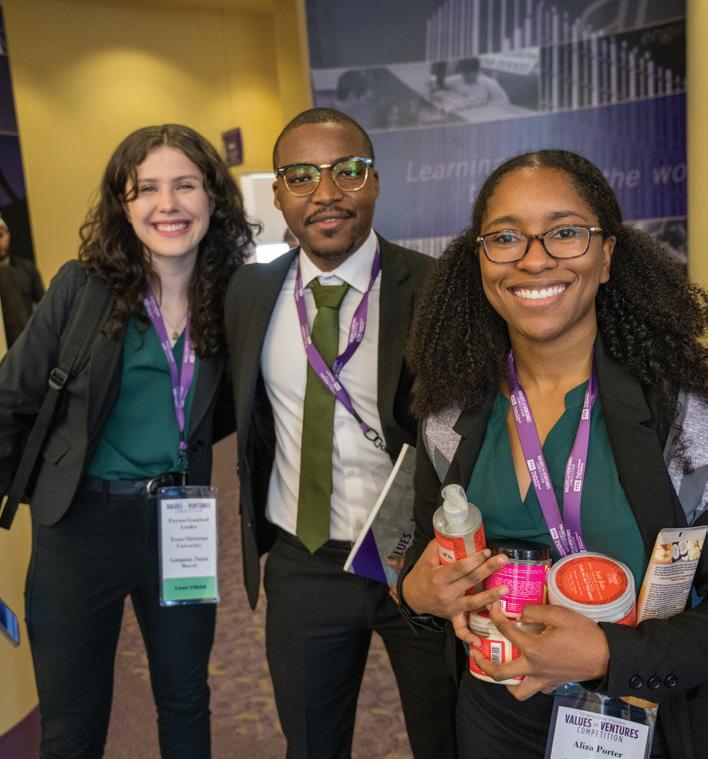
The TCU Values and Ventures Competition, presented by the Neeley School of Business, celebrates trailblazing college students who leverage their business skills and innovation to solve the world’s problems. On March 24 and 25, undergraduates from around the world will present their ideas for conscious capitalism ventures that make a profit while also solving a problem. Undergraduate innovators will pitch their business plans and act as investors in other teams in the Investor Challenge, choosing who they think will advance in the competition. Winners take home thousands of dollars in capital to help make their businesses do well by doing good.
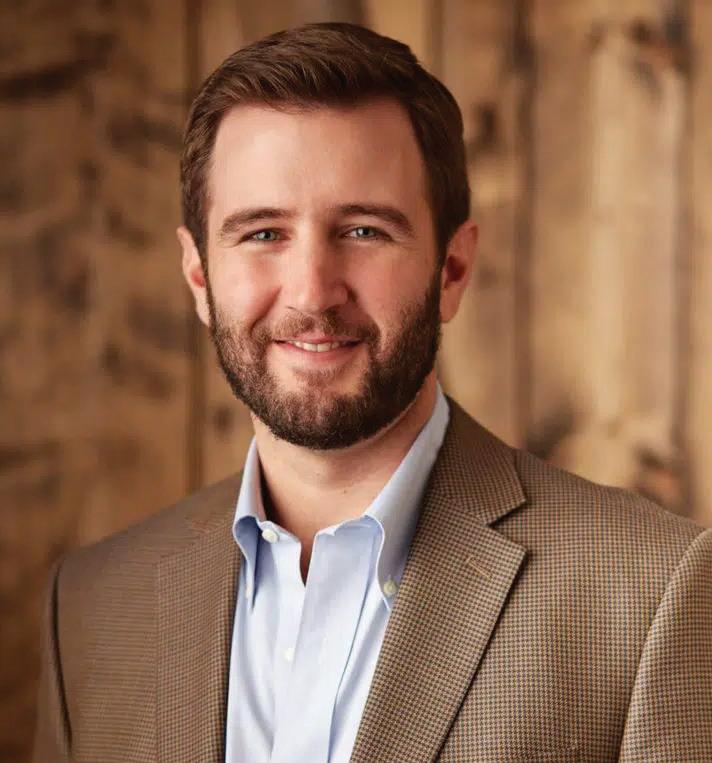
Fort Worth Inc.’s Entrepreneur of Excellence (EOE) Awards Program recognizes outstanding entrepreneurs whose vision, creativity, and integrity have made Fort Worth the premier place to do business. Travis Patterson of the Patterson Law Group was named an Entrepreneur of Excellence in the Professional Services category. Patterson said, “While it’s definitely an honor to win this award, I view this as a team award – 100%. An entrepreneur is only as good as the team in the background making the magic happen. I’m incredibly proud of our team of dedicated lawyers and legal professionals who work their tails off every day for our clients. Plus, getting to do it all with my wife Anna by my side is a dream come true.”
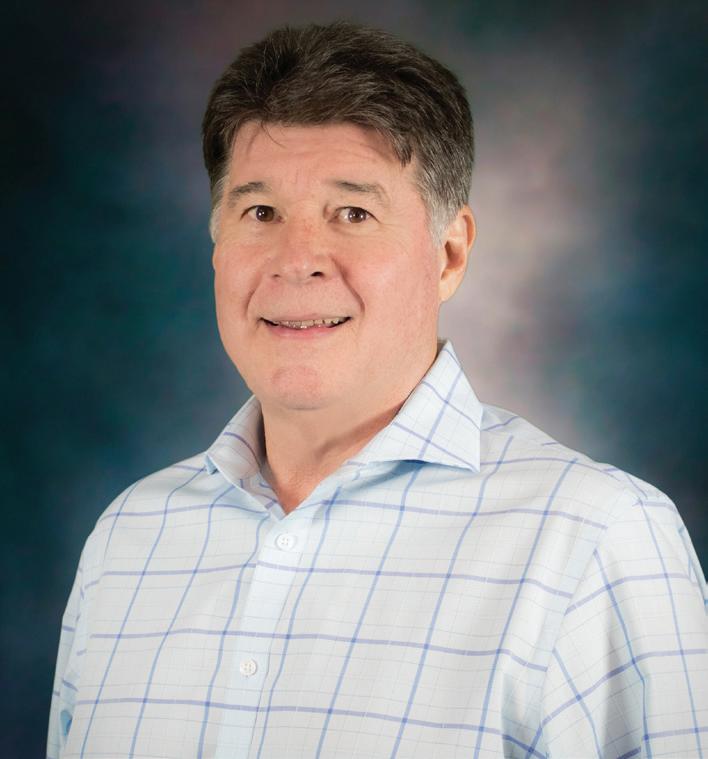
Our need for disinfectants continues to grow, but most disinfectants are harsh, and some are downright dangerous. Local inventor Marc Patterson has come up with a solution. River Refresh is a non-toxic, non-corrosive and organic, cleaner, deodorizer, sanitizer, and disinfectant. The only ingredient in River Refresh is something your white blood cells produce to help kill pathogens in your body called Hypochlorous Acid or HOCL. Used by veterinarians and pet owners, River Refresh kills germs more effectively and quickly than harsher chemicals and is patent pending.
Local leaders have taken the next step in developing Panther Island into a robust mixed-use development that will bring more food, drink, and entertainment options to Funkytown. Once completed, the Panther Island district, just on the outskirts of Downtown, will include a a riverwalk, a park system, roundabouts, a fixed transit line, the Trinity River promenade, a houseboat district, pedestrian bridges and the Town Lake and Marina. While the project was founded on the premise of flood control, local leaders and stakeholders have since honed their attention on the economic development phase, which aligns with the city's economic development strategic plan.

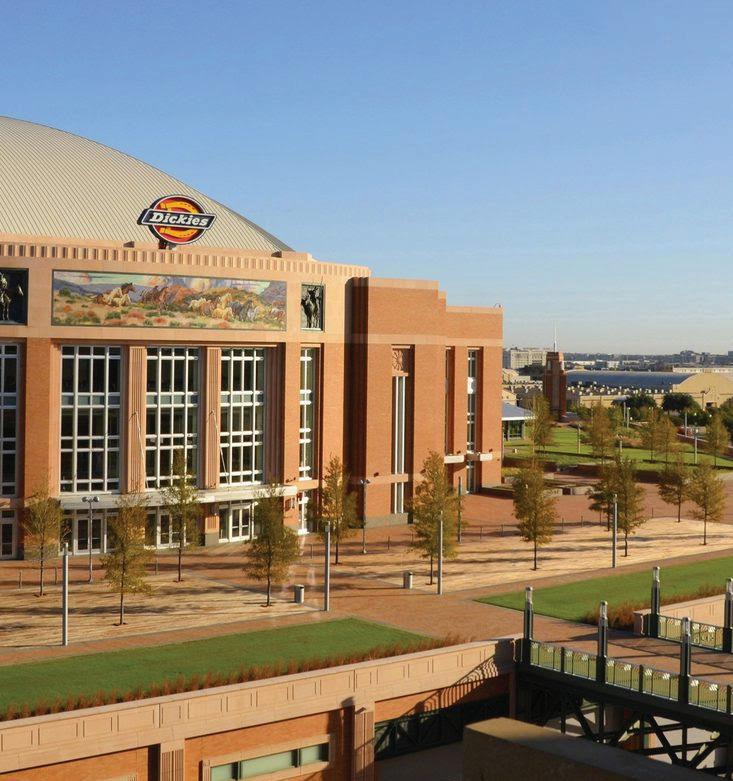
Dickies Arena has just been nominated for 2023 Venue of the Year by Pollstar Magazine. This is the second nomination for the arena since its opening just four years ago. The Arena has quickly become an anchor for entertainment in the Fort Worth community while garnering national and international recognition as a first-class facility for concerts and sporting events. “Being nominated for Venue of the Year by Pollstar Magazine is an incredible honor especially still being a young venue,” said Matt Homan, president, and general manager of Trail Drive Management. “Dickies Arena brought top-notch entertainment to Fort Worth in 2022 and will continue in 2023 with amazing events and concerts with the fan experience always being our number one priority.”
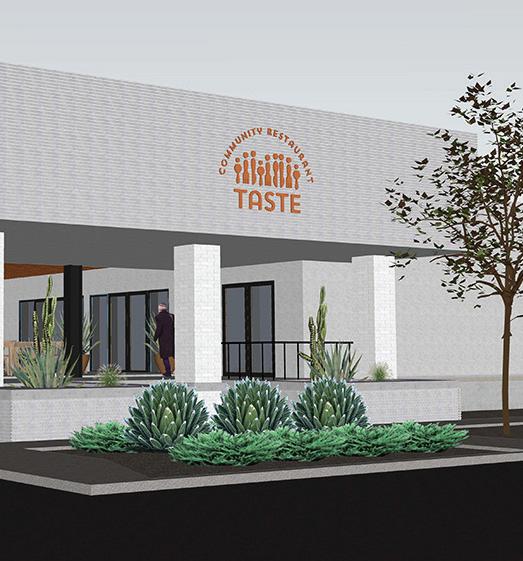
Taste Project is partnering with the City of Arlington to replicate the Taste Community Restaurant program in Fort Worth at 200 North Cooper Street in Arlington. The Project’s programs in Arlington will include pay-what-you-can meal service, culinary job training, and farm and garden activities. The Taste Project is designed to feed, educate, and serve Tarrant County’s foodinsecure residents, who make up 13% of the county’s population. Since opening in 2017, more than 125,000 people have dined at the original location in Fort Worth, enjoying healthy, high-quality meals made from seasonal ingredients from the surrounding area. The menu has no prices. Guest simply either pay what they can afford, pay what they would typically pay for such a meal, or pay what they would typically pay, plus a little extra to help a neighbor in need.
 by Lee Virden Geurkink
With the launch of Madeworthy, we wanted to have a page dedicated to local people, places, and events that add to our city. Originally called “Be Seen,” this page was renamed “Fort Worthies” in our first anniversary issue.
photo by Leo Wesson
photo by ?
photo courtesty of Empire Holdings
photo courtesty of FWCD
photo by Stephanie Apodaca
by Lee Virden Geurkink
With the launch of Madeworthy, we wanted to have a page dedicated to local people, places, and events that add to our city. Originally called “Be Seen,” this page was renamed “Fort Worthies” in our first anniversary issue.
photo by Leo Wesson
photo by ?
photo courtesty of Empire Holdings
photo courtesty of FWCD
photo by Stephanie Apodaca
16
Courtesy of Panther Island/TRWD
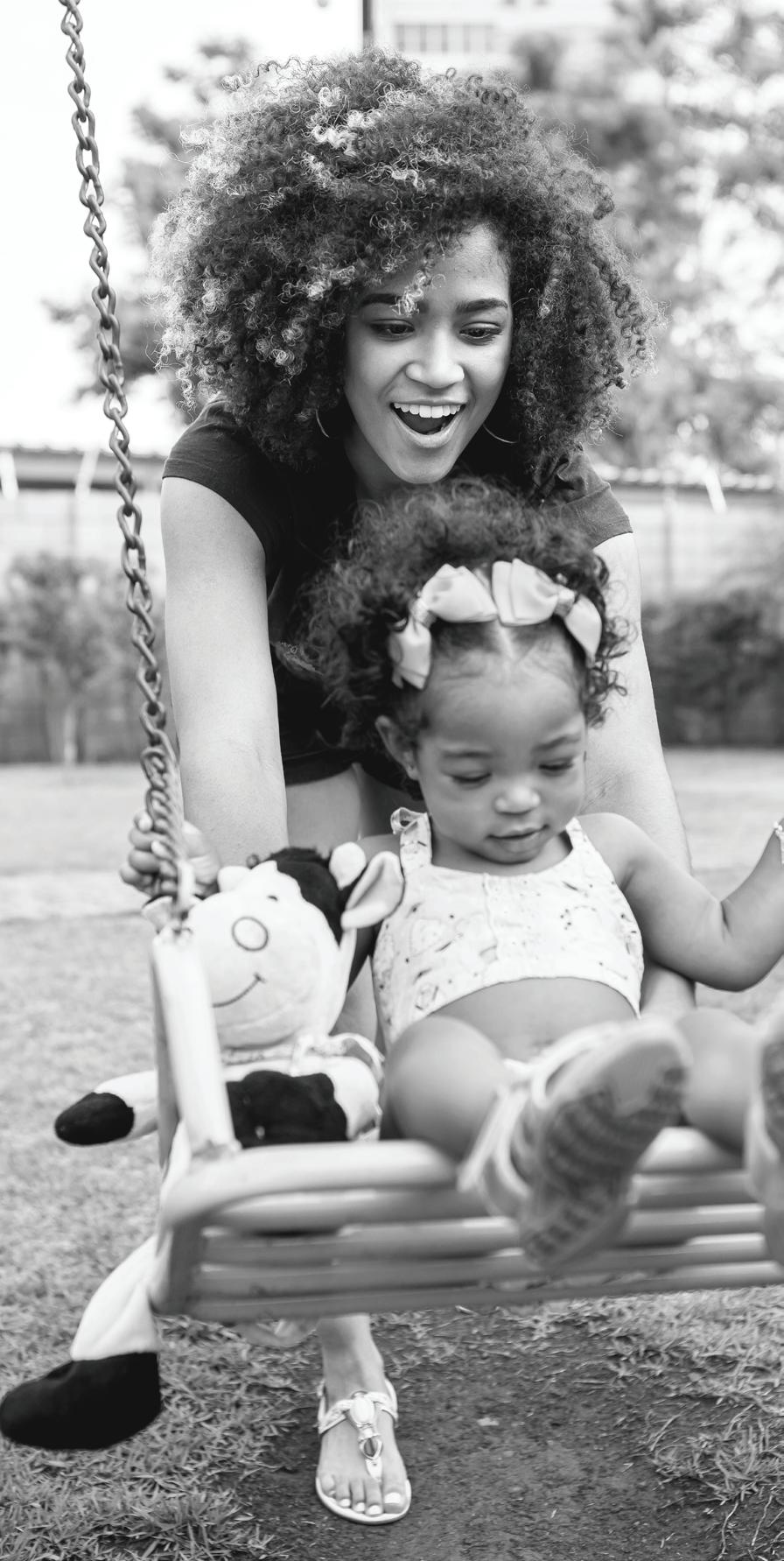
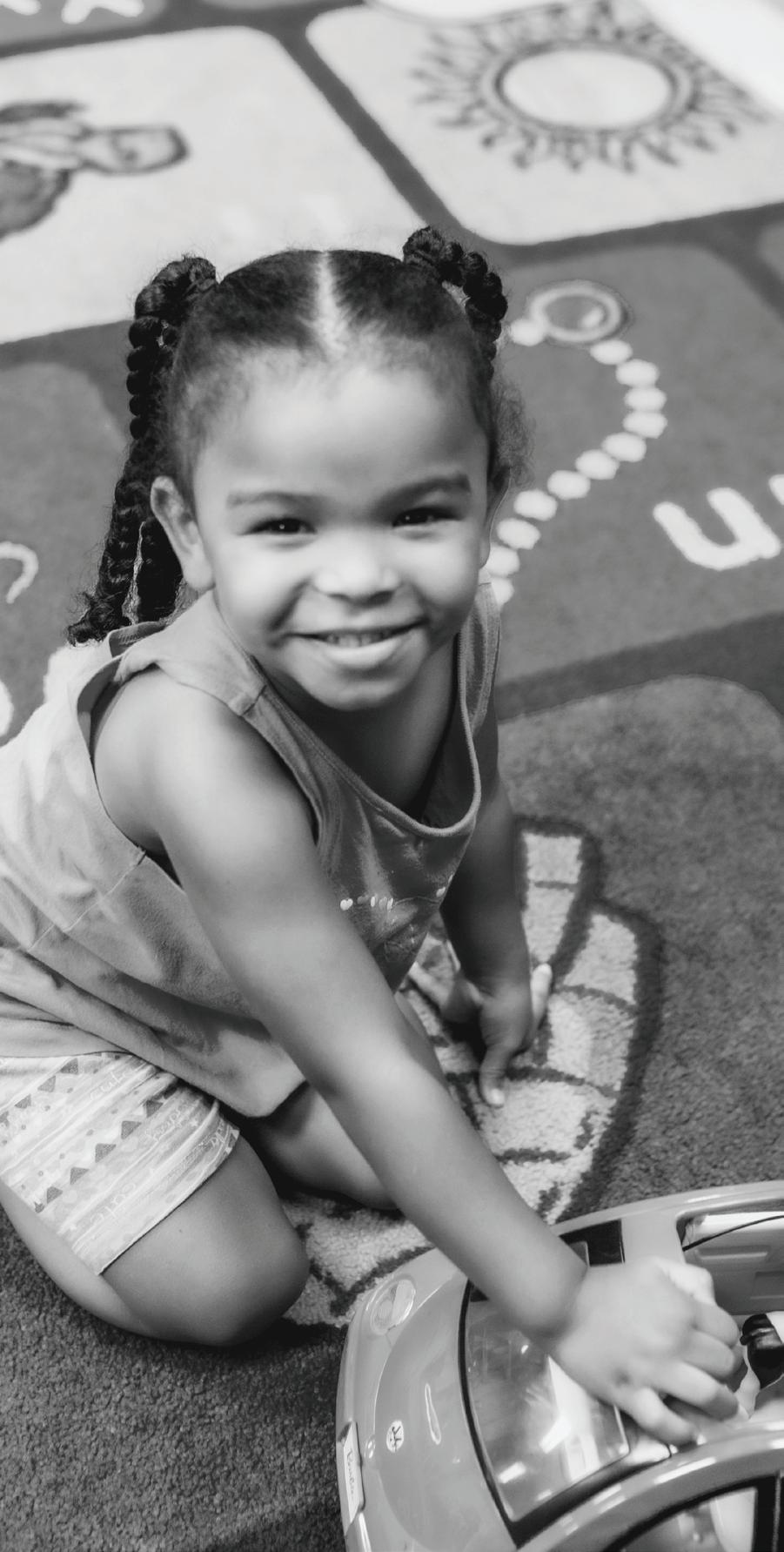
Over the last 115 years, Center for Transforming Lives has been disrupting the cycle of poverty for women and children in Tarrant County. By providing a safe place to live, childcare, help with finances and counseling, our unique two generation approach impacts thousands of lives.





115 YEARS OF DISRUPTING THE CYCLE $ 5 0 0 o f f M o m m y M a k e o v e r $ 1 5 0 o f f B r e a s t A u g m e n t a t i o n $ 2 5 0 o f f T u m m y T u c k * E x c l u s i o n s A p p l y * C O S M E T I C S U R G E R Y S P E C I A L S : 8 1 7 7 3 1 5 3 3 0 | I N F O @ D R S T E E L E P L A S T I C S U R G E R Y C O M | @ D R S T E E L E P w w w D r S t e e l e P l a s t i c S u r g e r y c o m 5 6 5 6 E D W A R D S R A N C H R O A D S T E 2 0 2 F O R T W O R T H T E X A S New Year New You… Q U A L I T Y B E D D I N G A T D R E A M P R I C E S ! 9 0 0 E A S T V I C K E R Y F O R T W O R T H T X 7 6 1 0 4 W W W T H E M A T T R E S S F A C T O R Y C O M 8 1 7 - 3 3 4 - 0 3 6 1 F A C T O R Y H O U R S M O N - F R I 9 - 5 S A T 1 0 - 3 D I R E C T F R O M O U R F A C T O R Y T O Y O U ! M A T T R E S S S E T S A D J U S T A B L E B E D S M A T T R E S S P A D S D O W N C O M F O R T E R S P I L L O W S A N D M O R E ! W E W A N T Y O U R F A M I L Y T O H A V E A G O O D N I G H T S S L E E P O N U S B R I N G I N T H I S A D F O R A N E X T R A 1 5 % O F F * * C A N N O T B E C O M B I N E D W I T H O T H E R O F F E R S
Learn more about what we do and how you can help at transforminglives.org/115-anniversary
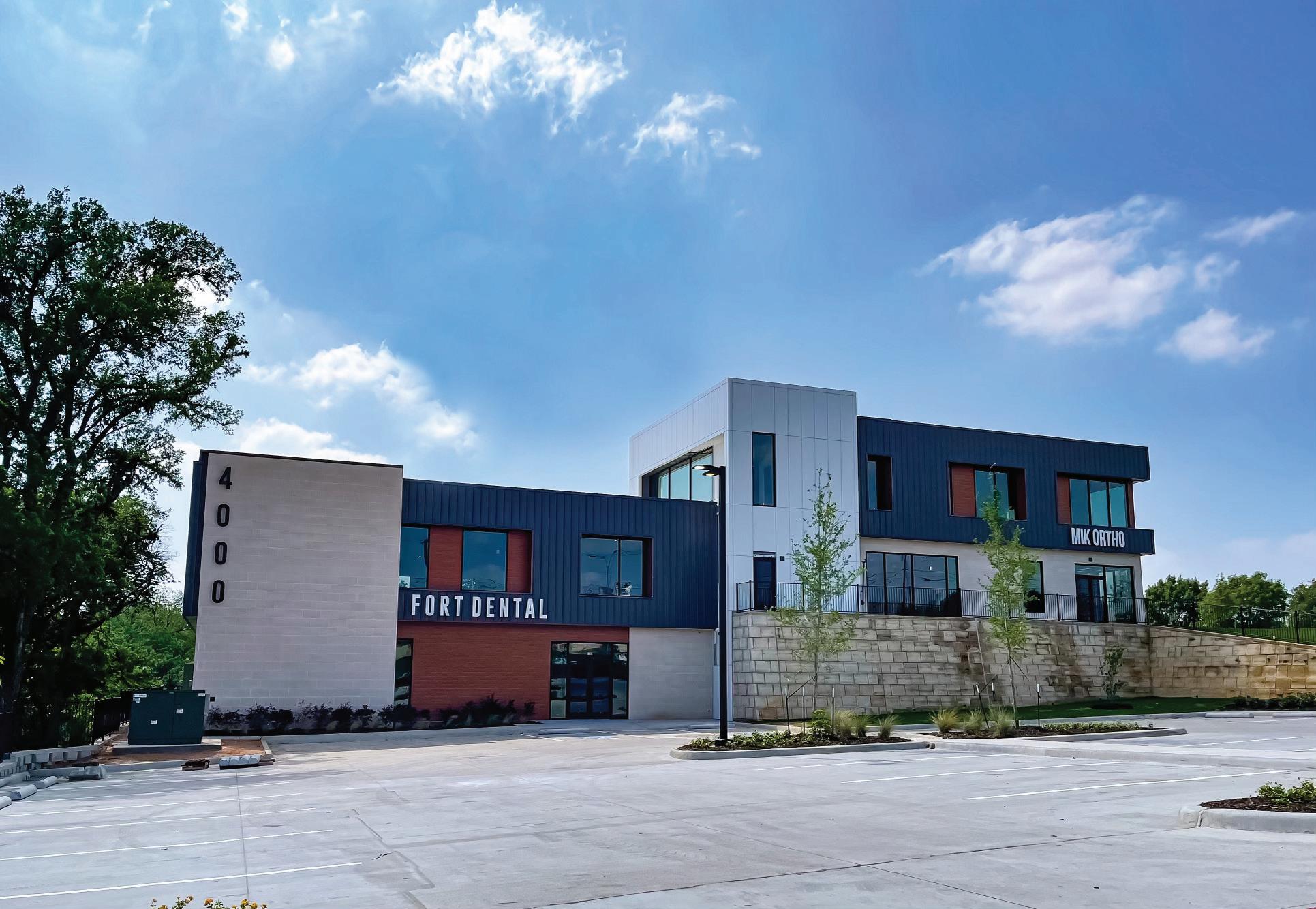
We are excited to welcome new and current patients to our completely new space built with you in mind. We have some amazing technology in our new home and are excited to give all our patients the tour.
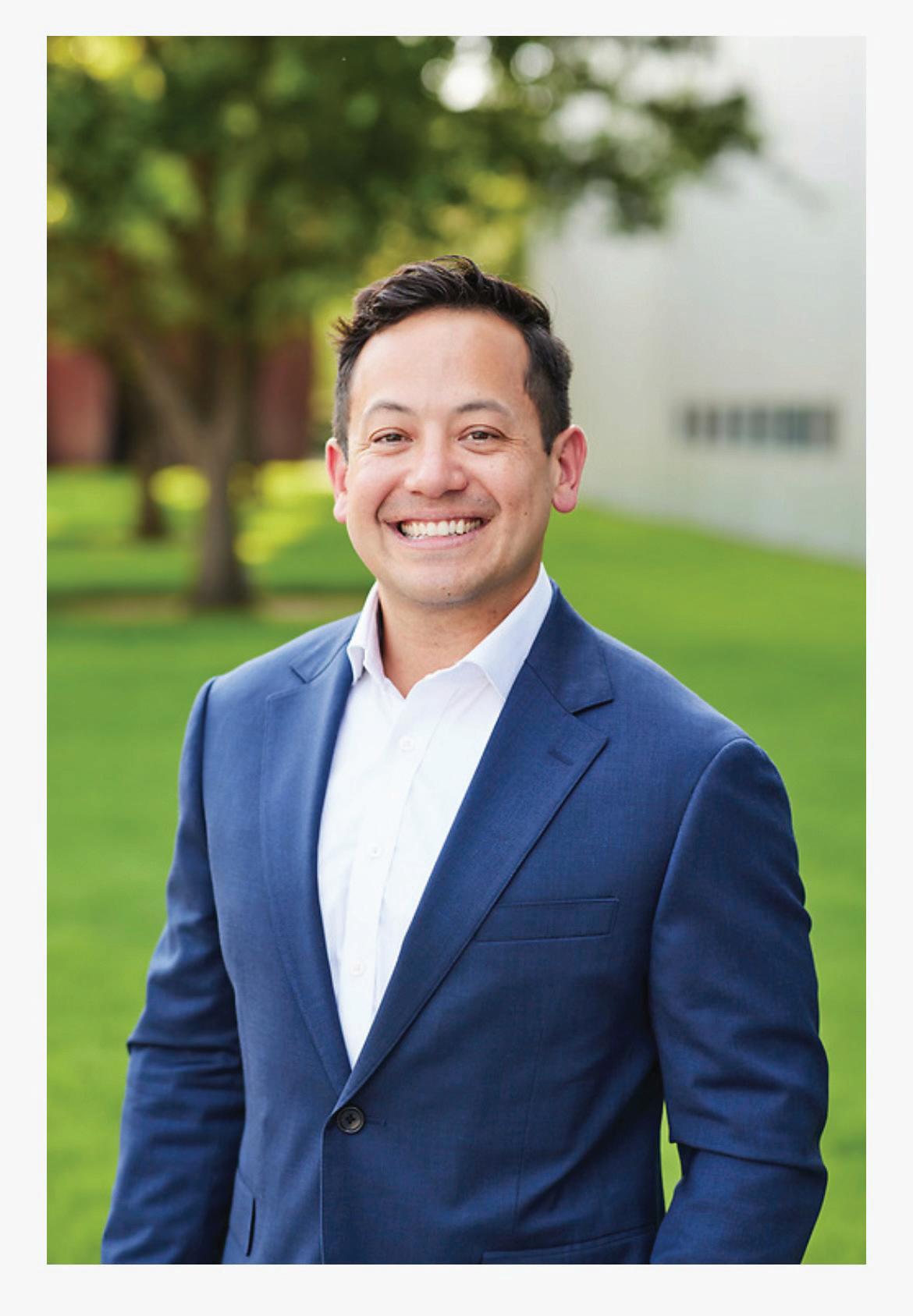
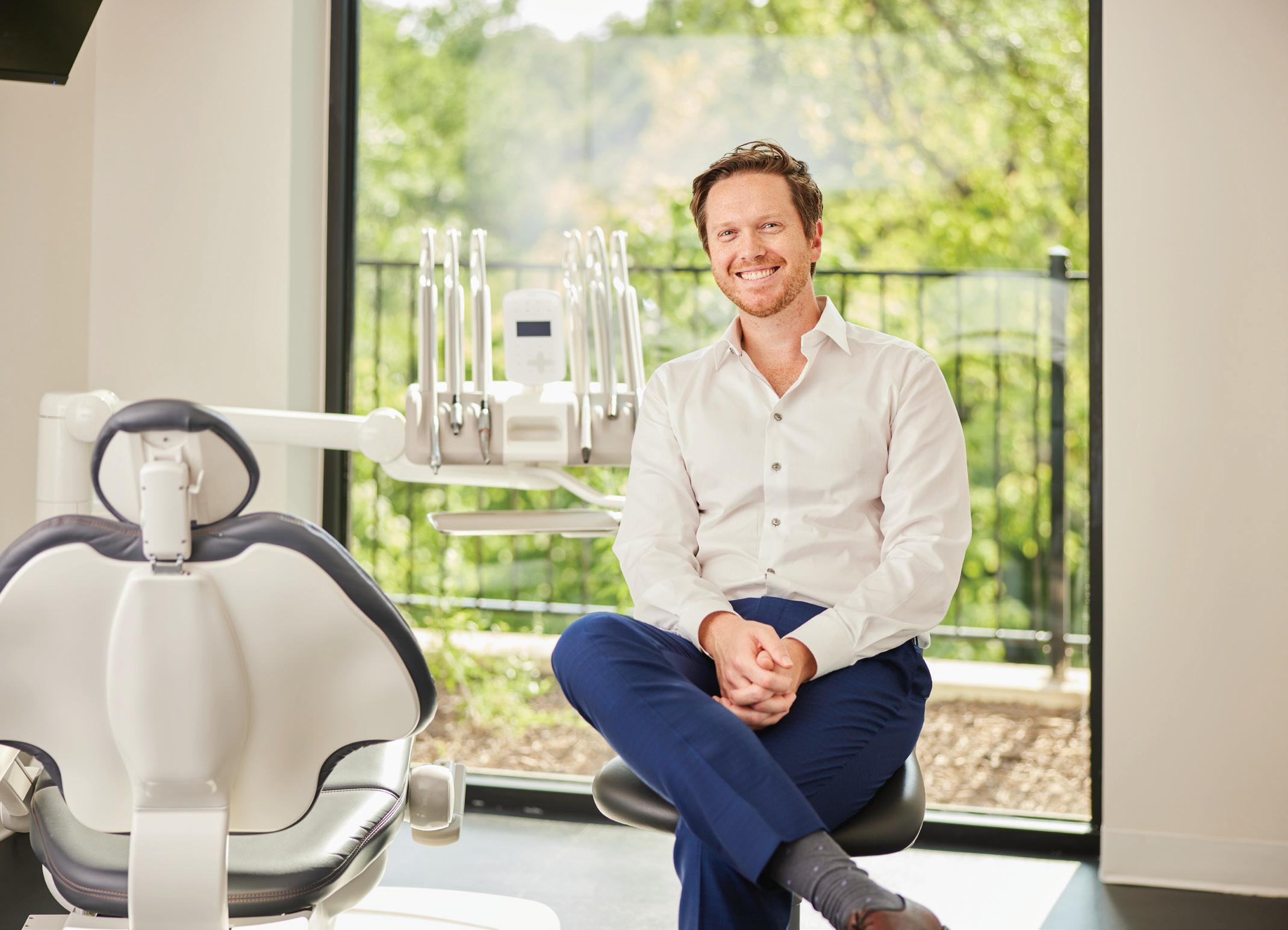
With over 25 years of experience, we’re here to take care of all your dental needs. We focus on excellent dentistry and a first class patient experience. Come see what makes us unique!
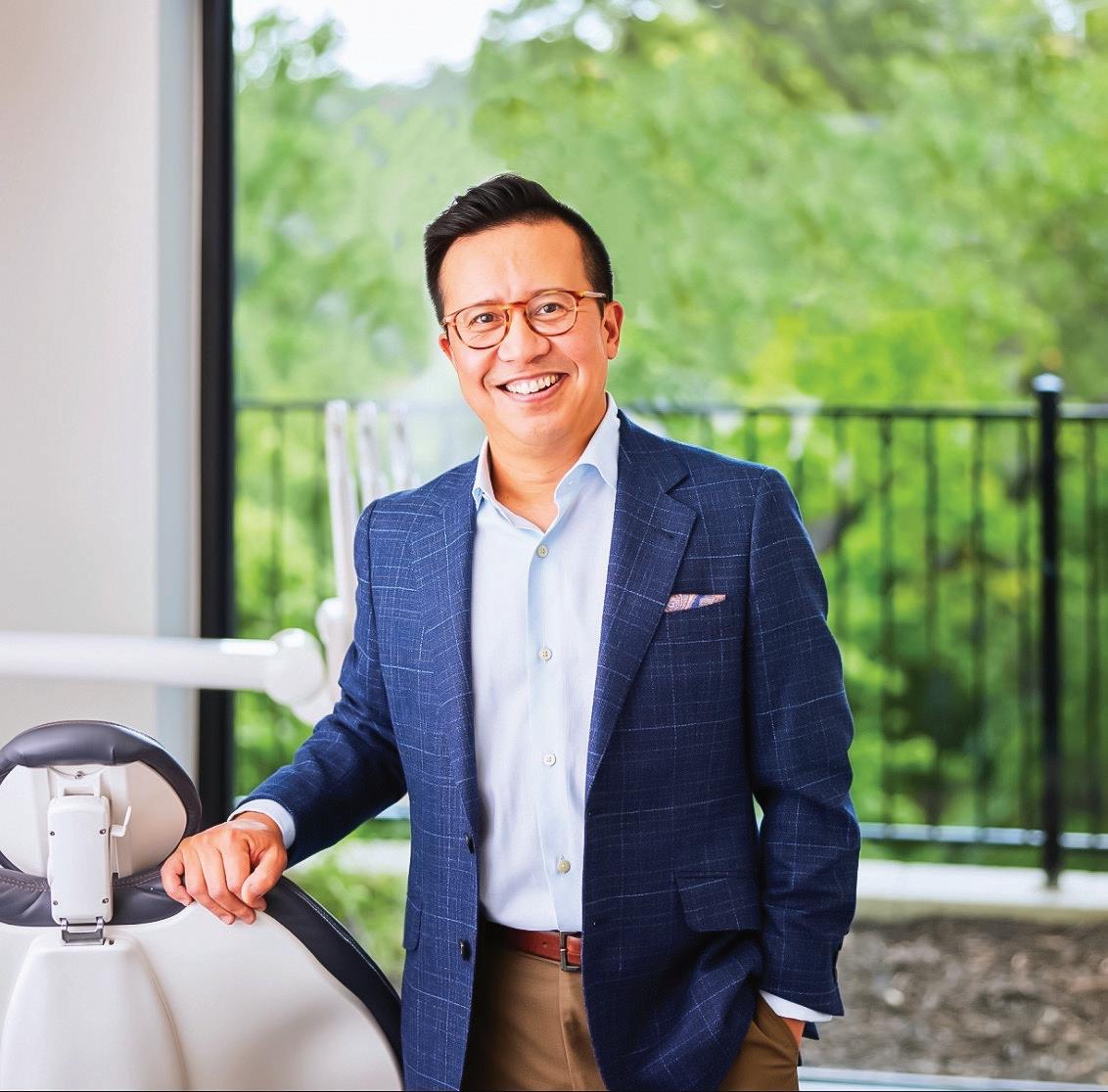
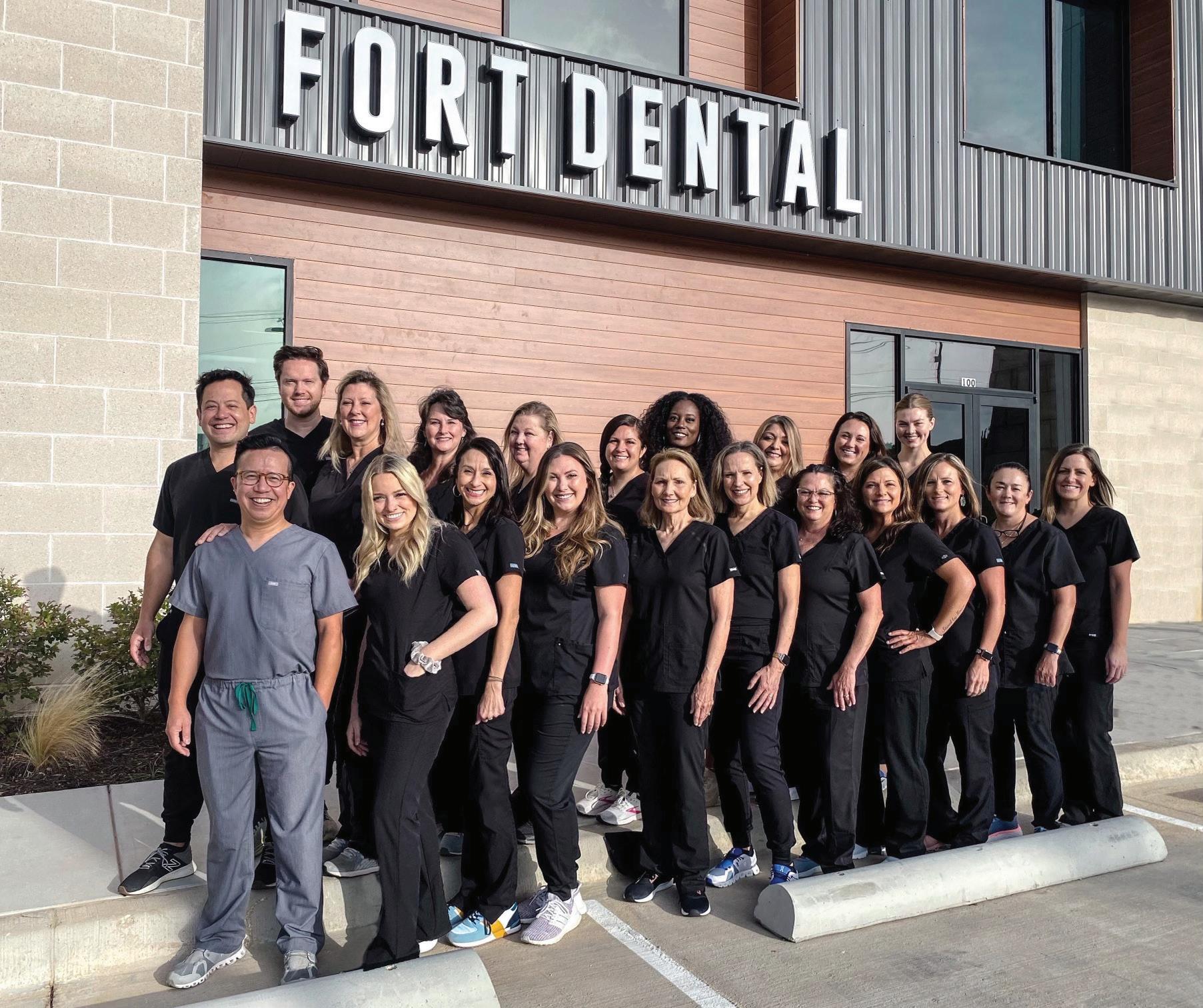



To schedule an appointment or tour our new practice, head over to our website or give us a call.











Hands-on, Project-Based STEM SocialEmotional Learning Advanced Academics Where belonging curiosity, and confidence thrive! See our event schedule and receive information from the school here belonging, curio Text or email our Admission Office at admissions@fwacademy org fwacademy org begins here The Best Education C U L T U R A L E X P E R I E N C E S A U T H E N T I C Spanish Immersion Preschool serving children 3 months to 5 years (817) 926-5693 | micasitapreschool com 6002 Southwest Blvd Benbrook, TX 76109
(817) 292-5957
www.fortdentaltx.com
DR. CHENG
DR. THORBURN
4000 BRYANT IRVIN (NEXT TO WATERSIDE) OUR NEW HOME!
DR. LUK
by William Wise
“Reconnect to what matters most.”
“Good moments, lasting memories.”
“Put smiles on people’s faces.”
“Create good.”
Over the years, North Texas-based Solo Brands’ mottos and taglines have undergone a purifying distillation culminating in that simple yet profound two-word compass heading by which the company navigates its way in the marketplace.
Create. Good.
Every action the company undertakes, from product development to brand acquisition, is guided by this directive, and it shows.
Having started in 2011 with the launch of a diminutive, lightweight backpacking stove, Solo Brands has grown by leaps and bounds to become a global leader in the outdoor recreation category that now encompasses four brands and is traded publicly on the New York Stock Exchange. That’s an eyebrow -raising, soft whistle-inducing set of accomplishments for an elevenyear-old company. However, when you consider the bulk of those feats have been achieved in just the last two years, it's more of a blown-mind scenario. Their meteoric ascent since early 2021 is the result of a perfect storm of extraordinary innovation, elegant design, thoughtful financial stewardship, and bold leadership.
“Innovation” is not an obvious reply to “campfire” in any word association
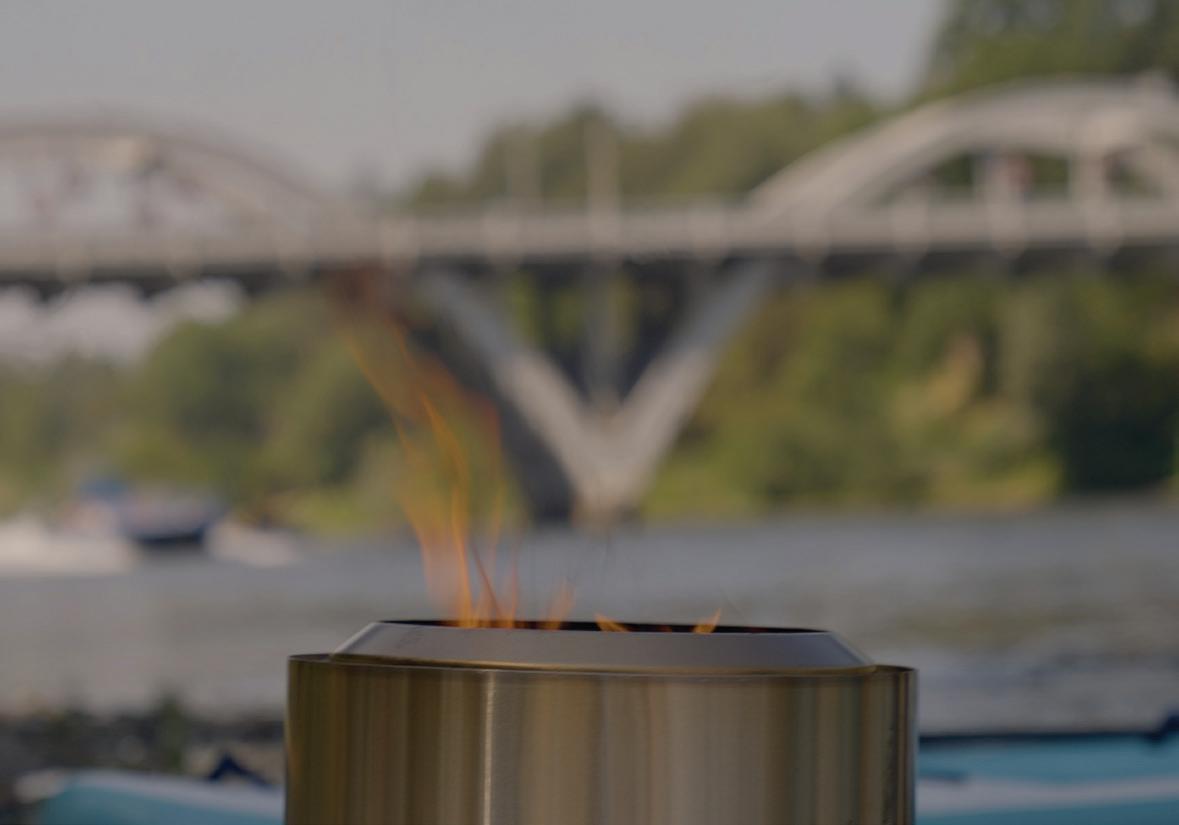
game. How does one innovate what is perhaps the most atavistic object known to man? For millennia, the campfire and the hearth have been the central gathering place for family and tribe. That’s because the campfire is more than just an object; it is a bonding experience. Our ancestors and their ancestors before them were the faithful congregants at a ritual repeated throughout time immemorial – sitting around a fire, cooking, eating, talking, laughing, praying together. To this day, when we gather with friends and family, the kitchen is where we naturally gravitate because that’s where the “fire” is. The founders of Solo Stove understood that and, incredibly, discovered a way to make that primal activity even better.
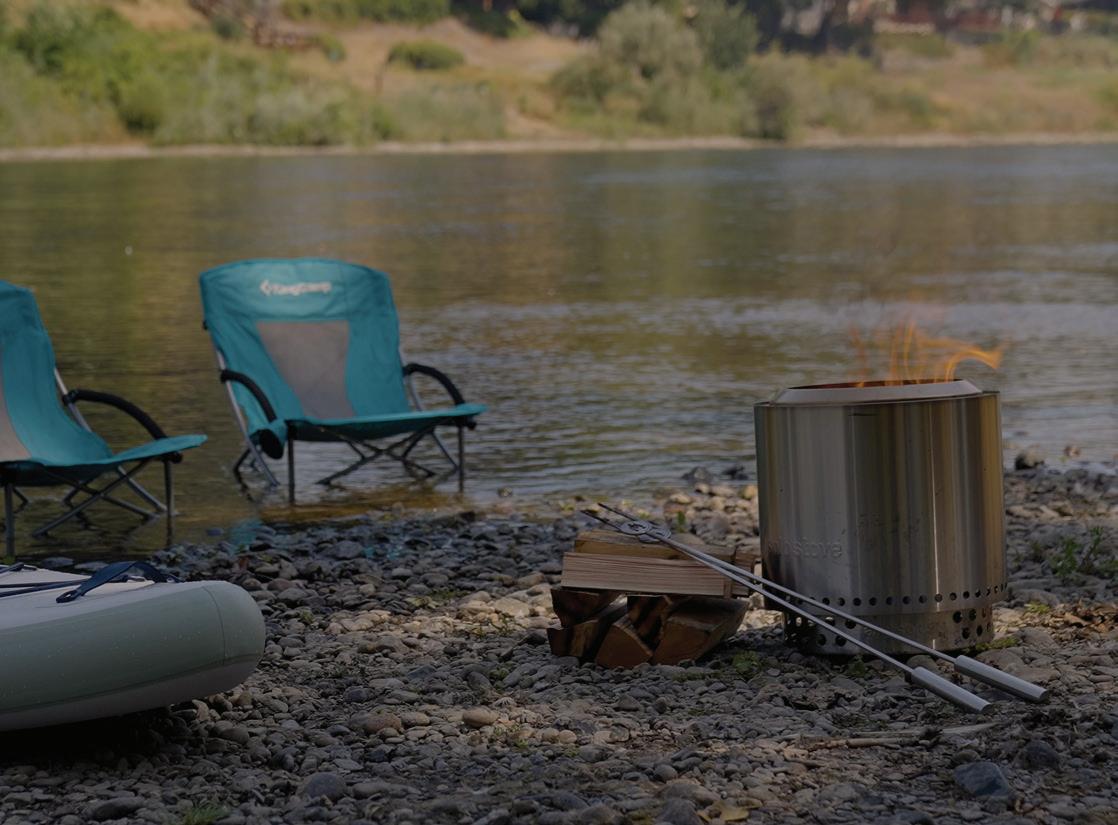
The Solo Stove burns cleanly, efficiently, and it looks amazing doing it. The brushed stainless-steel body of the stove is pleasantly attractive in its simplicity. As is so often the case, less is more when it comes to beautiful and functional design. The method by which air is introduced to the fire from the bottom, becomes superheated as it travels upward between the two walls of the stove body, and ignites upon exiting from the top means less smoke in your eyes and more heat distributed evenly among your friends. Backpackers loved it because not only was the first iteration small, but it could also boil water very quickly. After its introduction, it didn’t take long for the Solo Stove to grow in scale and variability until now there are seven sizes from the original
Solo Lite to the nearly cathedral-sized family firepit, the Yukon.
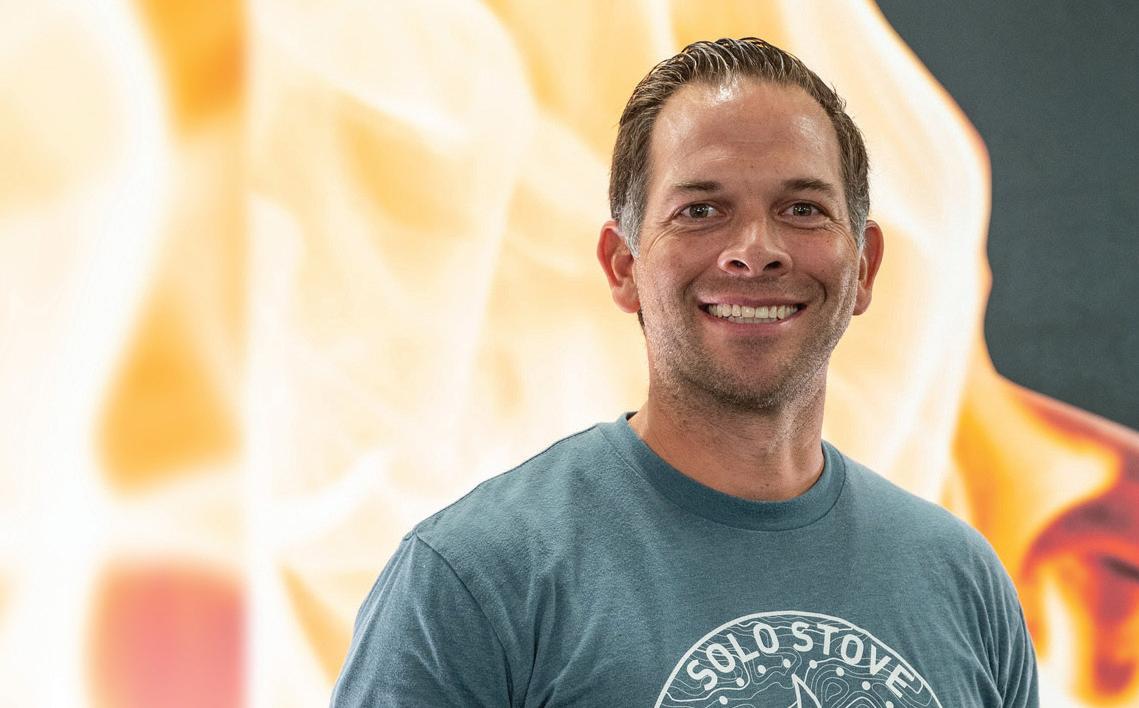
In 2018, the founders of Solo Stove went on the hunt for a chief executive who could shepherd the brand to its full potential while at the same time stay true to its foundational principles. Enter John Merris.
Initially a sceptic of campfire innovation, John, a father of five who grew up on a ranch outside of Austin, has seen his fair share of campfires. Upon experiencing the Solo Stove, however, he was “blown away,” happy to put behind him the game of campfire musical chairs we all know and hate. No more shifting between the smoky side and the cold side; the Solo Stove changed the entire campfire experience. Impressed with the product and the company, John came on board, and things began to take off quickly, indeed.
Between 2019 and 2022, Solo Stove became Solo Brands, acquiring three other companies that embody the Solo Brands ethos of creating good. Like a long origami Koi fish, the Oru Kayak folds into the size of a brief case and weighs twenty pounds. It makes accessible the thrill or serenity of kayaking to anyone, regardless of location or transportation restrictions.
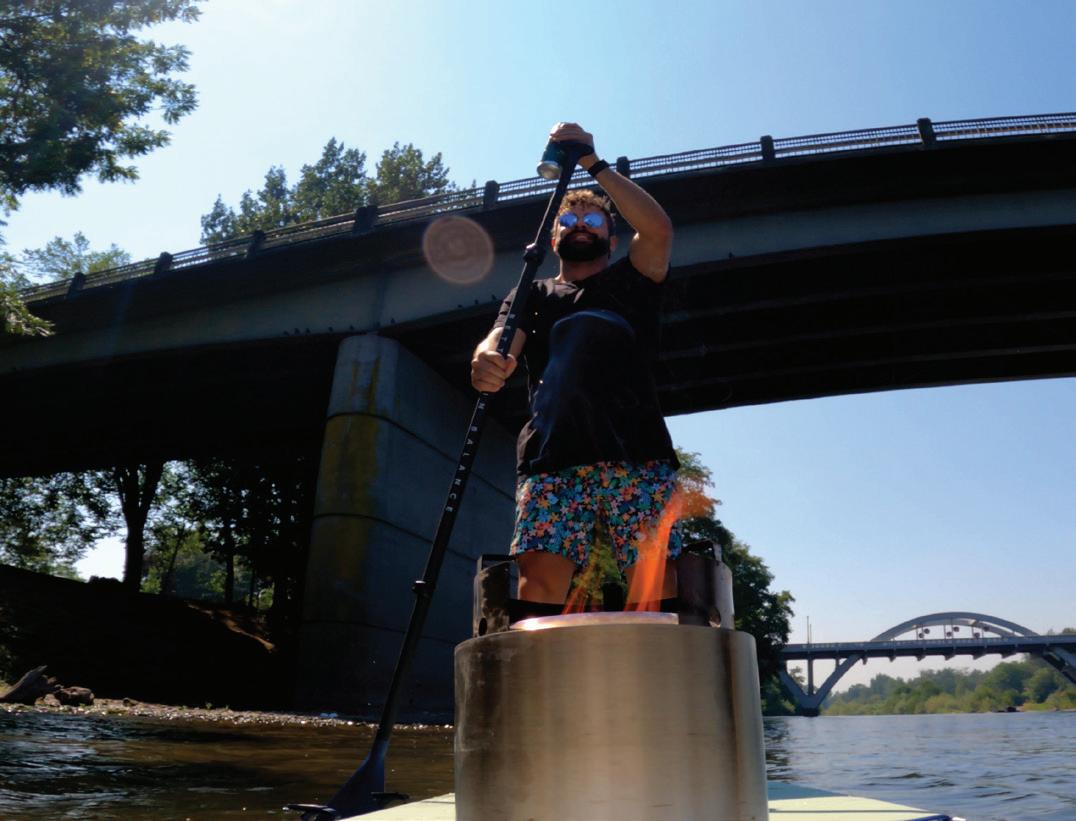
ISLE stand up paddle boards are beautifully designed and affordable, opening the world of paddle boarding to all. The inflatable boards roll up into a convenient backpack so you can hike into hidden streams and alpine
lakes and “walk on water”. Chubbies is a light-hearted and playful apparel brand about which Merris said, “There’s never been another brand I have ever met that has done a better job of putting smiles on people’s faces.”
That Solo Brands not only survived but thrived during and after the pandemic is not a surprise considering the collective craving for travel and discovery that we all seemed to experience following lock down. Isolating made people want to reconnect with each other, with nature, and with the outdoors. Merris said, “When life hits you in the nose, and you have a humbling experience, you go back to basics. After World War II, there was a major outdoor recreation renaissance. I believe we are looking at a similar 10-to-15-year outdoor renaissance. There’s something healing about the outdoors.”
Whether that means kayaking or paddle boarding or simply sitting around a fire with your friends and family, Solo Brands has tapped into the primal drive we all feel to connect with people and with nature.
Merris said, “For us, creating good almost always involves the people and the places we love the most. Our hope is that by doing so [creating good], our customers are inspired to go out and do their own version of good.”
Fresh air, a warm fire, friends, family, laughter, and love. That sounds better than good.
photos courtesy of Solo Brands















Summeryou.org/MW 9700 Saints Circle | Fort Worth, Texas 76108 | 817.560.5700 MORE THAN 200 CAMPS FOR KIDS AGES 3-18 BEE ACTIVE. BEE SILLY. BEE ACTIVE. BEE SILLY. BEE YOU. BEE YOU. Dillon Dewald dillon@leaguere.com 817-372-4818 2005 Ashland Avenue | 76107 | $575,000 FORT WORTH REAL ESTATE JOSEPH BERKES joseph@williamstrew.com 817. 266 .1355 JOS JOSEPH BERKES joseph@williamstrew.com 817. 266 .1355 JOSEPH BERKES joseph@williamstrew.com 817. 266 .1355 CARLEY J. MOORE carley@leaguere.com 817.734.8185 CARLEY J. MOORE carley@leaguere.com 817.734.8185 304 Crestwood Drive | 76107 | $1,775,000 3825 Clarke Avenue | 76107 | $655,000 3916 Lenox Drive | 76107 | $1,650,000 2034 Ward Parkway | 76110 | SOLD Buyer's Rep 12217 Bella Dio Drive | 76126 | SOLD Buyer's Rep


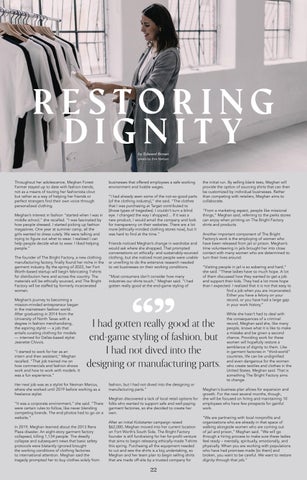
Restoring Dignity
by Edward Brown photo by Erin Stetson
merchandising, the aspiring stylist — a job that entails curating clothing for models — interned for Dallas-based stylist Jeanette Chivvis.
“I started to work for her as an intern and then assistant,” Forest recalled. “That job trained me on how commercials and fashion shows work and how to work with models. It was a fun experience.”
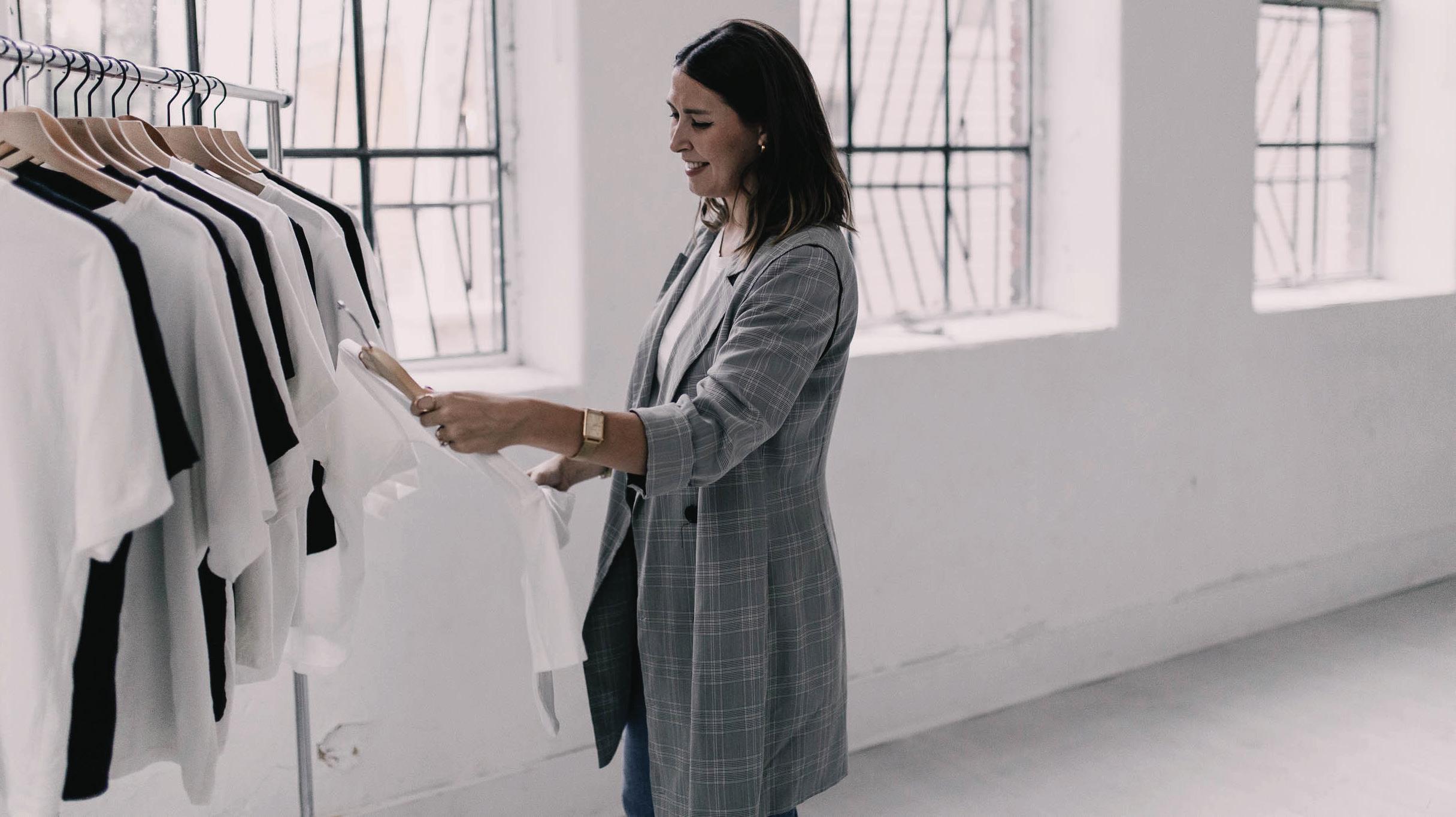
Throughout her adolescence, Meghan Forest Farmer stayed up to date with fashion trends, not as a means of touting her fashionista clout but rather as a way of helping her friends or perfect strangers find their own voice through personalized clothing.
Her next job was as a stylist for Neiman Marcus, where she worked until 2019 before working as a freelance stylist.
“It was a corporate environment,” she said. “There were certain rules to follow, like never blending competing brands. The end photos had to go on a website.”
Meghan’s interest in fashion “started when I was in middle school,” she recalled. “I was fascinated by how people dressed. I started picking up fashion magazines. One year at summer camp, all the girls wanted to dress cutely. We were talking and trying to figure out what to wear. I realized I can help people decide what to wear. I liked helping people.”
The founder of The Bright Factory, a new clothing manufacturing factory, finally found her niche in the garment industry. By the spring of 2023, her Fort Worth-based startup will begin fabricating T-shirts for distribution here and across the country. The materials will be ethically sourced, and The Bright Factory will be staffed by formerly incarcerated women.
In 2019, Forest learned about the 2012 Dhaka garment factory disaster. A fire swept through a T-shirt factory, killing at least 117. The deadly fire and subsequent news that basic safety protocols were not followed brought the working conditions of clothing factories to international attention. Forest said the tragedy prompted her to buy clothes solely from businesses that offered employees a safe working environment and livable wages.
Meghan’s journey to becoming a mission-minded entrepreneur began in the mainstream fashion world. After graduating in 2014 from the University of North Texas with a degree in fashion merchandising, the aspiring stylist — a job that entails curating clothing for models — interned for Dallas-based stylist Jeanette Chivvis.
“I had already seen some of the not-so-good parts [of the clothing industry],” she said. “The clothes that I was purchasing at Target contributed to [those types of tragedies]. I couldn’t turn a blind eye. I changed the way I shopped… If it was a new product, I would email the company and look for transparency on their websites. There are a lot more [ethical-minded clothing stores now], but it was hard to find at the time.”
“I started to work for her as an intern and then assistant,” Meghan recalled. “That job trained me on how commercials and fashion shows work and how to work with models. It was a fun experience.”
Friends noticed Forest’s change in wardrobe and would ask where she shopped. That prompted conversations on ethical and sustainably sourced clothing, but Forest noticed most people were unable or unwilling to do the extensive research needed to vet businesses on their working conditions.
Her next job was as a stylist for Neiman Marcus, where she worked until 2019 before working as a freelance stylist.
“It was a corporate environment,” she said. “There were certain rules to follow, like never blending competing brands. The end photos had to go on a website.”
“Most consumers don’t consider how many industries our shirts touch,” Forest said. “I had gotten really good at the end-game styling of fashion, but I had not dived into the designing or
In 2019, Meghan learned about the 2013 Rana Plaza disaster. An eight-story garment factory collapsed, killing 1,134 people. The deadly collapse and subsequent news that basic safety protocols were blatantly ignored brought the working conditions of clothing factories to international attention. Meghan said the tragedy prompted her to buy clothes solely from
she said. “These ladies have so much hope. A lot of them discussed how they wanted to get a job and support their kids. They had a lot more hope than I expected. I realized that it is not that easy to find a job when you are incarcerated. Either you have a felony on your record, or you have had a large gap in your work history.”
businesses that offered employees a safe working environment and livable wages.
“I had already seen some of the not-so-good parts [of the clothing industry],” she said. “The clothes that I was purchasing at Target contributed to [those types of tragedies]. I couldn’t turn a blind eye. I changed the way I shopped… If it was a new product, I would email the company and look for transparency on their websites. There are a lot more [ethically-minded clothing stores now], but it was hard to find at the time.”
While she hasn’t had to deal with the consequences of a criminal record, Farmer said she, like many people, knows what it is like to make a mistake and be given a second chance. Providing work for these women will hopefully restore a semblance of dignity to them. Like in garment factories in “thirdworld” countries, life can be undignified and even dangerous for the women who create textiles and clothes in the United States, Farmer said. That is something The Bright Factory aims to change.
Friends noticed Meghan’s change in wardrobe and would ask where she shopped. That prompted conversations on ethically- and sustainably-sourced clothing, but she noticed most people were unable or unwilling to do the extensive research needed to vet businesses on their working conditions.
Farmer’s business plan allows for expansion and growth. For the next several months, though, she will be focused on hiring and maintaining 10 employees who have few prospects for gainful work.
the initial run. By selling blank tees, Meghan will provide the option of sourcing shirts that can then be customized by individual businesses. Rather than competing with retailers, Meghan aims to collaborate.
“From a marketing aspect, people like missional things,” Meghan said, referring to the perks stores can enjoy when printing on The Bright Factory shirts and products.
Another important component of The Bright Factory’s work is the employing of women who have been released from jail or prison. Meghan’s time volunteering in jails brought her into close contact with many women who are determined to turn their lives around.
“Most consumers don’t consider how many industries our shirts touch,” Meghan said. “I had gotten really good at the end-game styling of
“We are partnering with local nonprofits and
“Visiting people in jail is so sobering and hard,” she said. “These ladies have so much hope. A lot of them discussed how they wanted to get a job and support their kids. They had a lot more hope than I expected. I realized that it is not that easy to find a job when you are incarcerated. Either you have a felony on your record, or you have had a large gap in your work history.”
While she hasn’t had to deal with the consequences of a criminal record, Meghan said she, like many people, knows what it is like to make a mistake and be given a second chance. Providing work for these women will hopefully restore a semblance of dignity to them. Like in garment factories in “third-world” countries, life can be undignified and even dangerous for the women who create textiles and clothes in the United States, Meghan said. That is something The Bright Factory aims to change.
fashion, but I had not dived into the designing or manufacturing parts.”
Meghan discovered a lack of local retail options for folks who wanted to support safe and well-paying garment factories, so she decided to create her own.
organizations who are already in that space of walking alongside women who are coming out of jail and prison,” Farmer said. “We will go through a hiring process to make sure these ladies feel ready – mentally, spiritually, emotionally, and physically. When you are working with populations who have had promises made [to them] and broken, you want to be careful. We want to restore dignity through that job.”
After an initial Kickstarter campaign raised $62,000, Meghan moved into her current location on Fort Worth’s South Side. The Bright Factory founder is still fundraising for her for-profit venture that aims to begin releasing ethically-made T-shirts this spring. Purchasing all the equipment needed to cut and sew the shirts is a big undertaking, so Meghan and her team plan to begin selling shirts that are made off-site by a trusted company for
Meghan's business plan allows for expansion and growth. For the next several months, though, she will be focused on hiring and maintaining 10 employees who have few prospects for gainful work.
“We are partnering with local nonprofits and organizations who are already in that space of walking alongside women who are coming out of jail and prison,” Meghan said. “We will go through a hiring process to make sure these ladies feel ready – mentally, spiritually, emotionally, and physically. When you are working with populations who have had promises made [to them] and broken, you want to be careful. We want to restore dignity through that job.”
22
I had gotten really good at the end-game styling of fashion, but I had not dived into the designing or manufacturing parts.
“”



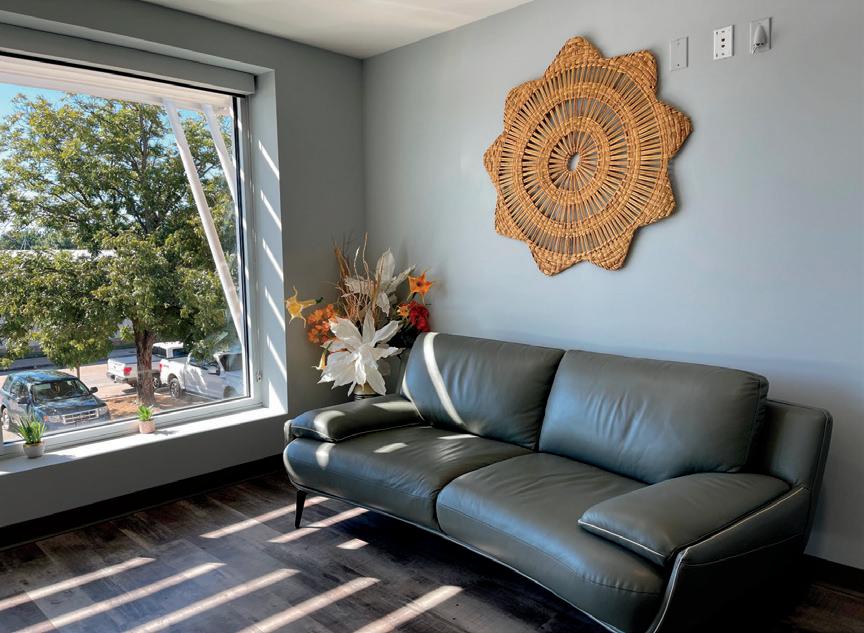
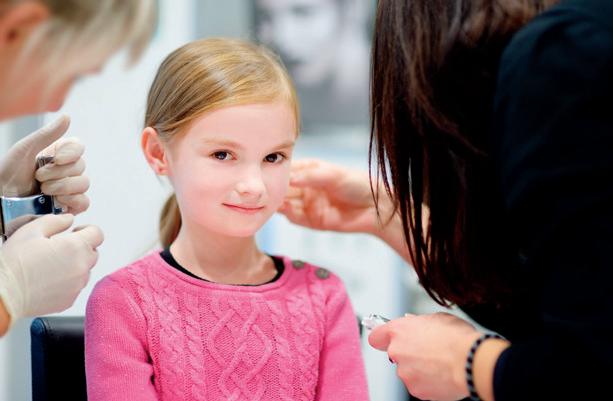
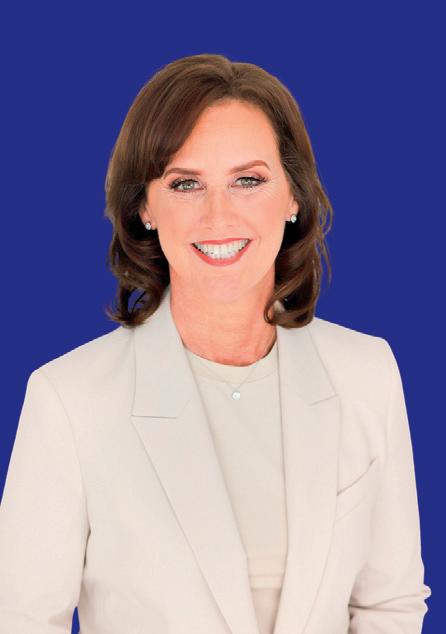
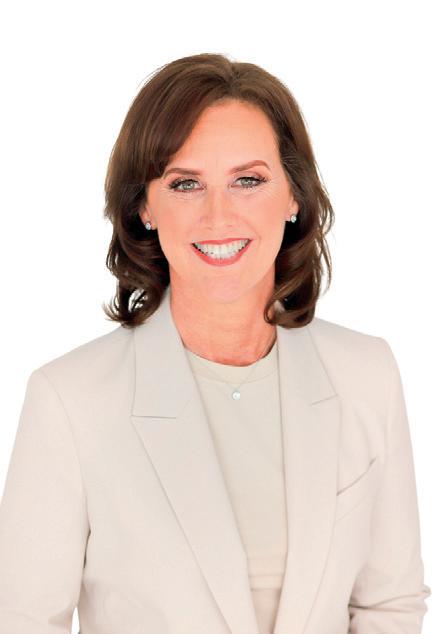
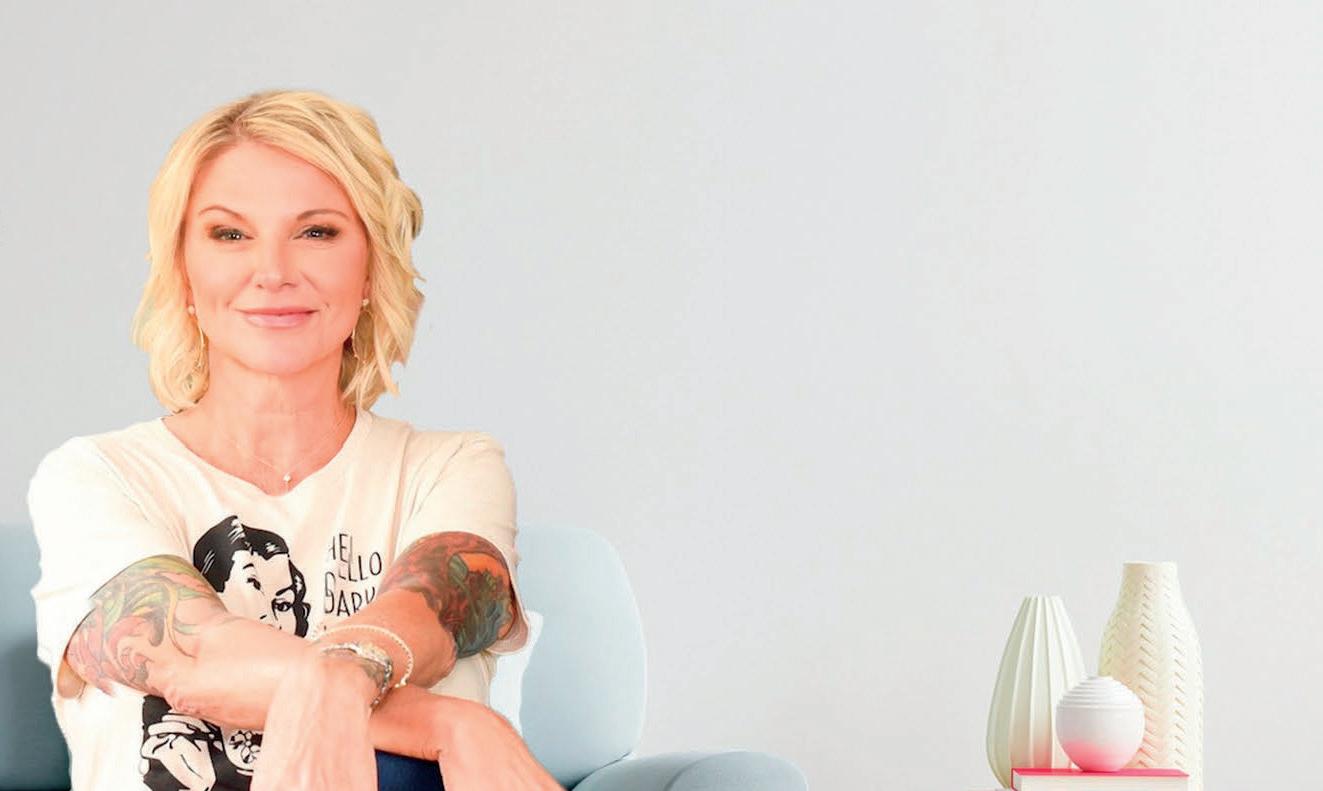












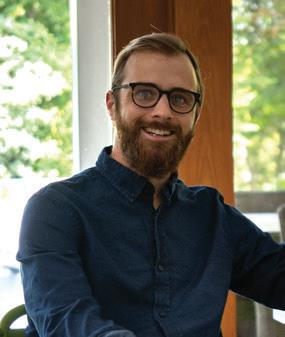
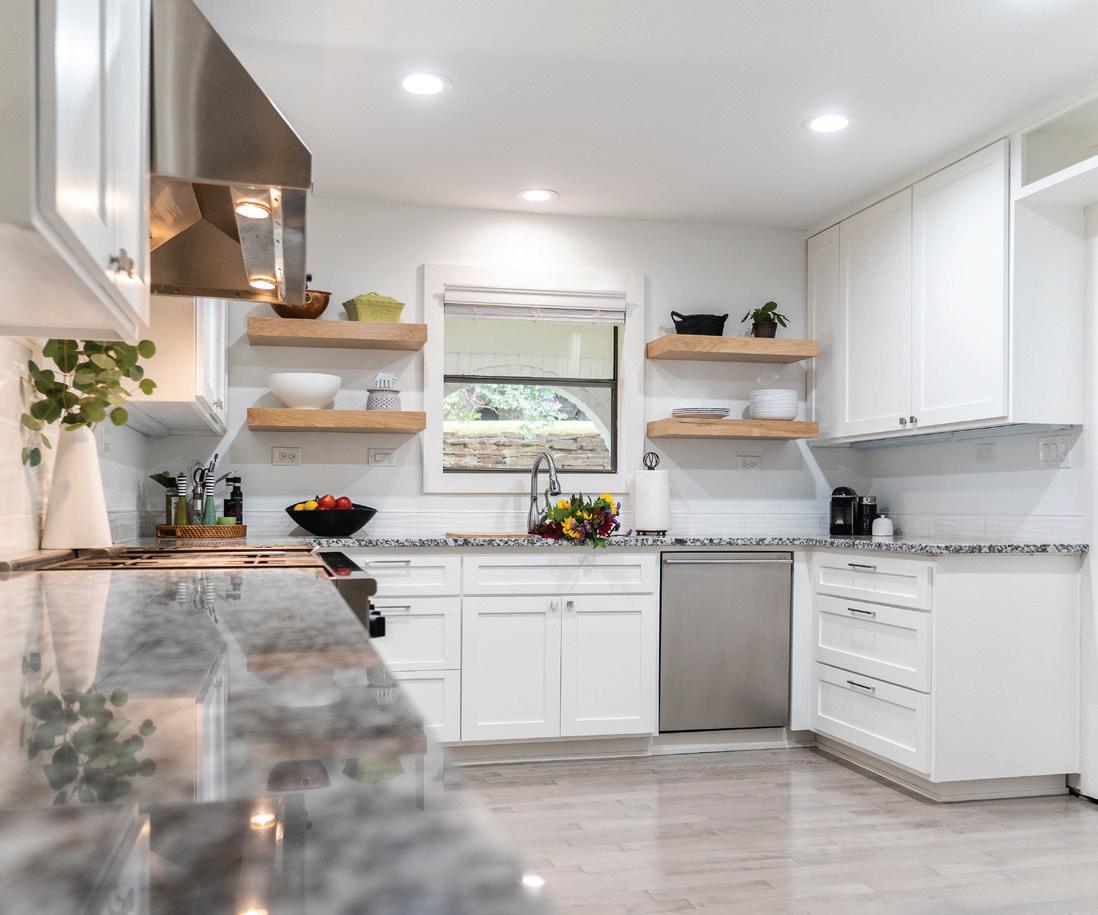


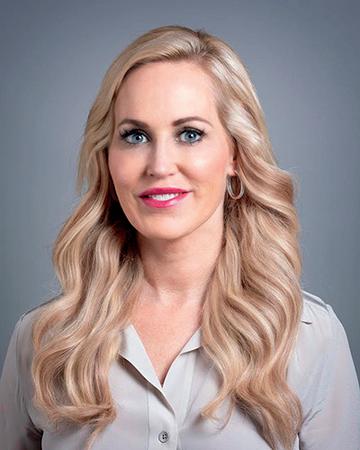



Now offering permanent jewelry - 20% off with this ad DARK AGE TATTOO LUXURY BODY PIERCING AT info@darkageftw com 682-499-5734 2836 Bledsoe St #200 @darkag Thomas-Walters, PLLC www Thomas-Walters com Leslie Dillon Thomas Attorney/Owner leslie@thomas-walters com 2800 South Hulen Suite 101 Fort Worth Texas 76109 817-258-5908 Fort Worth s go-to therapy group W W W B E T H L E W I S T H E R A P Y C O M @bethlewistherapygroup Follow us on social media: @BethLTherapy 4 5 4 5 B e l l a i r e D r i v e S o u t h , S u i t e # 1 F o r t W o r t h , T X 7 6 1 0 9 | 8 1 7 7 3 8 6 1 1 1 D r R o b e r t S o r o k o l i t g r e w u p i n T a n g l e w o o d , w e n t t o T r i n i t y V a l e y S c h o o l a n d c o m e s f r o m a l a r g e f a m i l y o f d e n t a l p r o f e s s i o n a l s W e t r e a t o u r p a t i e n t s l i k e f a m i l y m e m b e r s a n d i n v i t e y o u t o j o i n o u r f a m i l y C O S M E T I C D E N T I S T R Y F O R T H E W H O L E F A M I L Y ! Visit: ftwdentist.com to learn more Conveniently located across from Tom Thumb at: 817-870-0556 3045 Hami ton Ave fort orthte sdent st com MENTION THIS AD AND RECEIVE AN EXTRA $100 OFF WHEN SCHEDULING A NEW PATIENT EXAM AND CLEANING 817-953-8455 817-953-8455 || 2830 S Hulen St Ste 812 2830 S Hulen Ste 812 Fort Worth, T 76109 Fort Worth, TX 76109 www conservairrigation com/fort-worth www conservairrigation com/fort-worth RENEW YOUR HOME Fine Point Homes renovates the remodel process. As homeowners and parents, we understand how a project can affect your day to day. We emphasize clear communication, a detailed approach and transparency at every stage. Ensuring the highest standards of quality, Fine Point Homes crafts gorgeous kitchen and bathroom renovations while saving you money. Call us today to start talking about your next home project. ALAN LITTENBERG finepointhomes.com 817.822.9294 Call Today 817-570-7112 "Ashley is the absolute best and her staff is friendly and knowledgeable. I will never trust anyone else with my skincare needs!" - Stephanie C. LE REVE SKINCARE & LASER CENTER Ash ey T n ey PA-C Owner Certified Cosmet c In ector & Laser Special st 20% off IPLs, Laser Hair Removal, Lutronic Genius, and Ultra Laser Resurfacing (Packages of 3 and 6) livelereve com Skin Care Resolutions Start Here V I S I T U S @ B r d i e B r i d a F W @ B r d i e P r o m 1 4 5 W M a n S t r e e t A z e T X 7 6 0 2 0 WWW BIRDIEBRIDAL COM Resource Guide
For more than 40 years, North Texas Community Foundation has provided strategic guidance in charitable giving through donor advised funds. We accept a variety of assets to fuel your impact now and for generations to come.
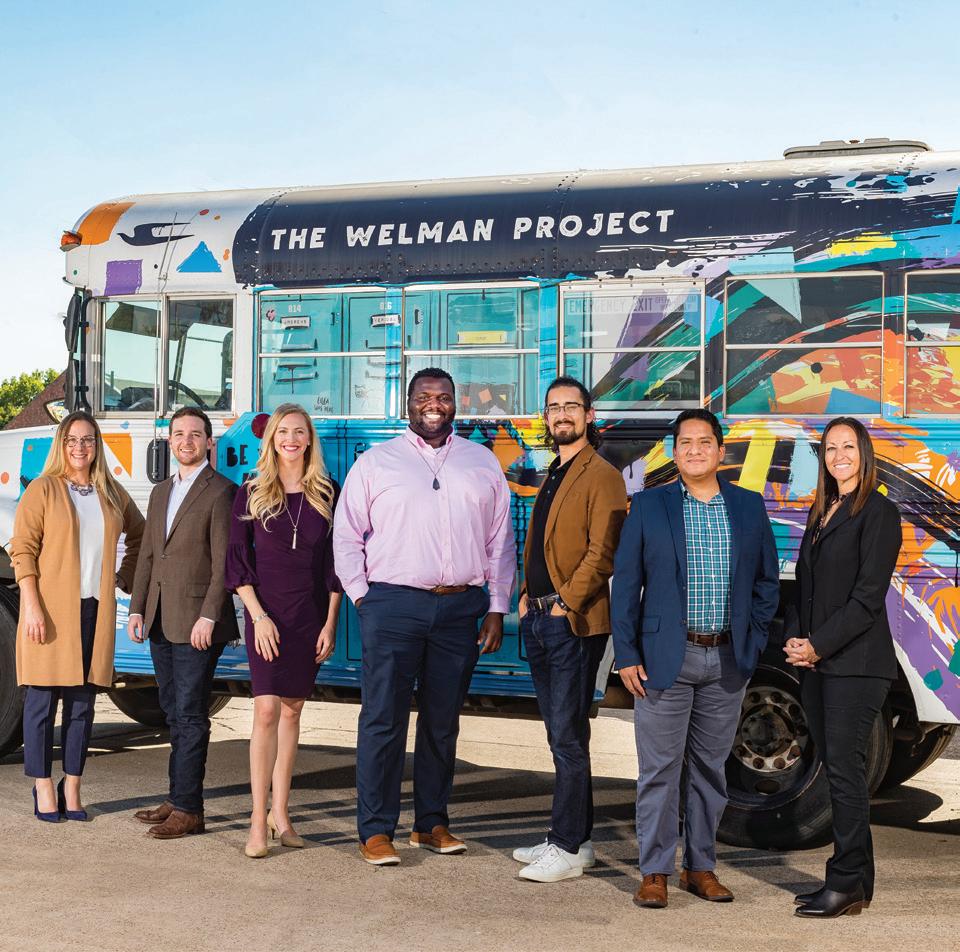
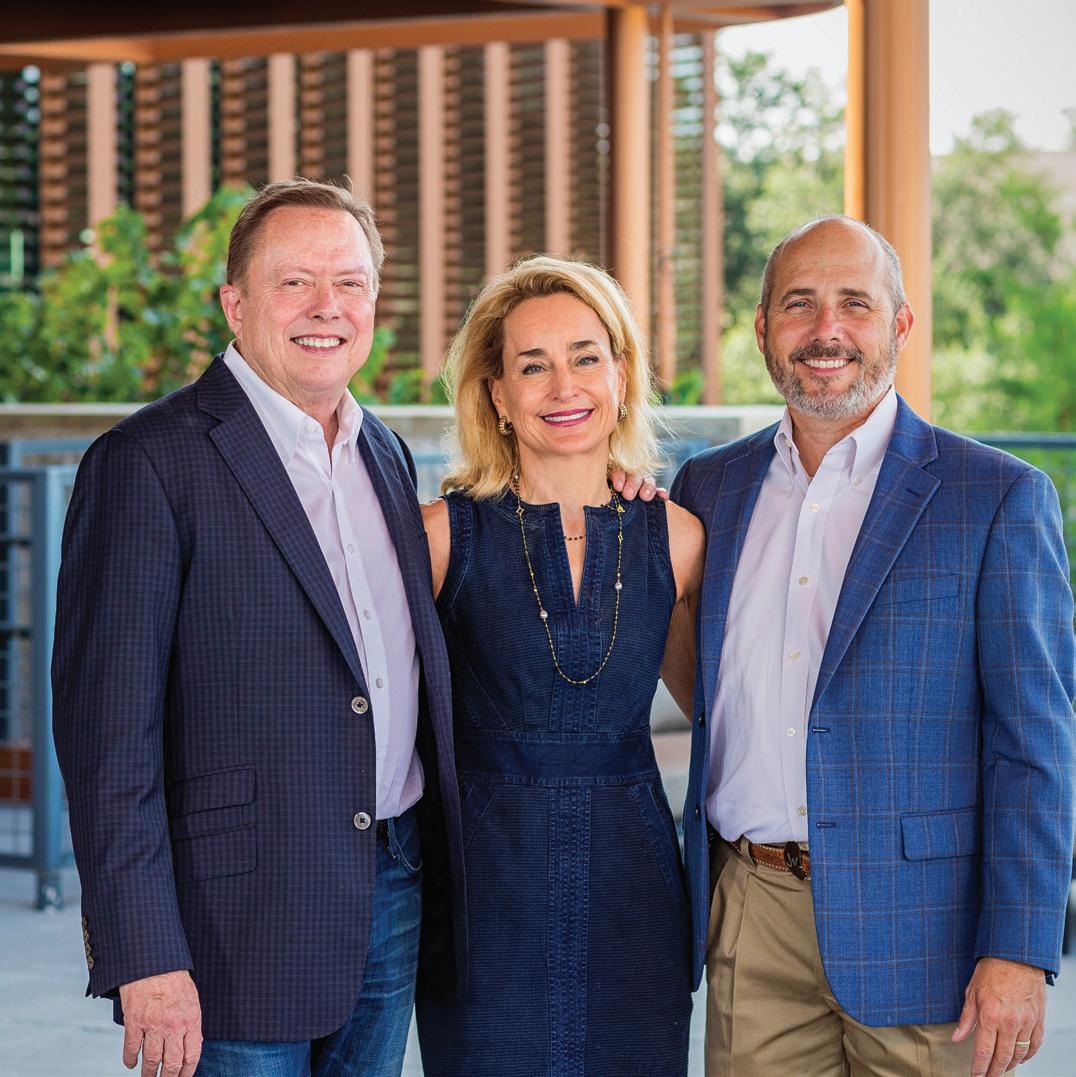
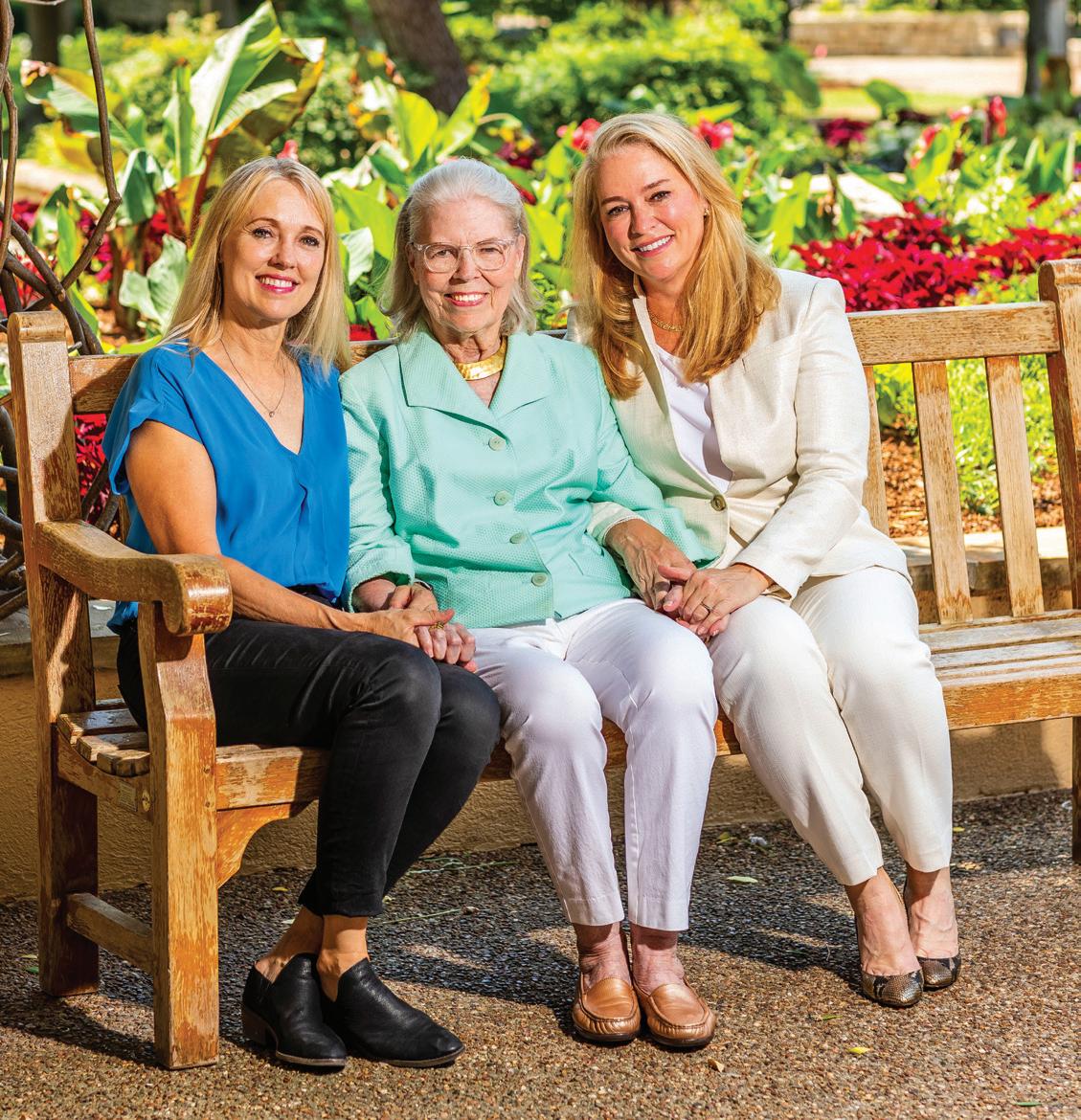

You can make an
in the community you
We can help. Discover the possibilities | www.northtexascf.org | 817.877.0702 P.O. Box 101704 Fort
TX 76185
impact
love.
Worth,