football medicine & performance

Legal • Education • Recruitment • Wellbeing www.fmpa.co.uk Issue 40 Autumn 2022 The official magazine of the Football Medicine & Performance Association
Enigma Legal provides legal services and advice to managers, coaches and professionals working within the sports industry, its unique structure utilising a panel of expert barristers all with extensive experience of the sports industry, most notably their work with the League Managers Association.

Enigma Legal lawyers are tried and trusted to work in a flexible, agile and responsive way, demonstrating their understanding of the unique demands of the sports industry. A creative and pragmatic approach will ensure that Enigma Legal offers real value to the FMPA Membership.
www.enigmalegal.com admin@fmpa.co.uk
CEO MESSAGE
The 40th edition of our magazine marks a milestone in the development of the FMPA. What began as an A4 flyer 10 years ago has steadily grown into a much respected and valued publication that now holds a unique position in professional sport – while not an academic journal or indeed a lifestyle magazine, the mode and design of our articles is such that the information they contain is much more transferable into applied practice, and this is precisely what appeals to our membership and the wider audience.
The advent of an expanded educational team and editorial panel are also clearly evident within this publication and the numbers now involved and contributing across these spectrums means there is much to look forward to in terms of CPD and content provision for members. At the risk of repetition, these developments are entirely down to the superb editorial team we have and their endeavours in growing the publication alongside their already heavy workload.
Complementing all this is the recent roll out of our new website, which will be more efficient from a management perspective but which is also much more user friendly, and hosts several additional features that members will find beneficial.
Our annual Conference and awards event returns to its usual format this season and promises to be a huge success, as we all come together at the end of a long and arduous domestic programme. Plans are underway to host the event at the Radisson Blu Hotel East Midlands Airport, which has always been a terrific venue, and means we can once again meet up with colleagues as well as enjoy an exciting programme of speakers from across the disciplines. The date is set for the 1st and 2nd June 2023.
Finally, as the theme for this edition is the World Cup, we look forward to what is hopefully a spectacular event and wish everyone involved a successful campaign.
SalmonEamonn
Chief Executive Officer Football Medicine & Performance Association

3www.fmpa.co.uk
IN MEMORY OF HER MAJESTY QUEEN
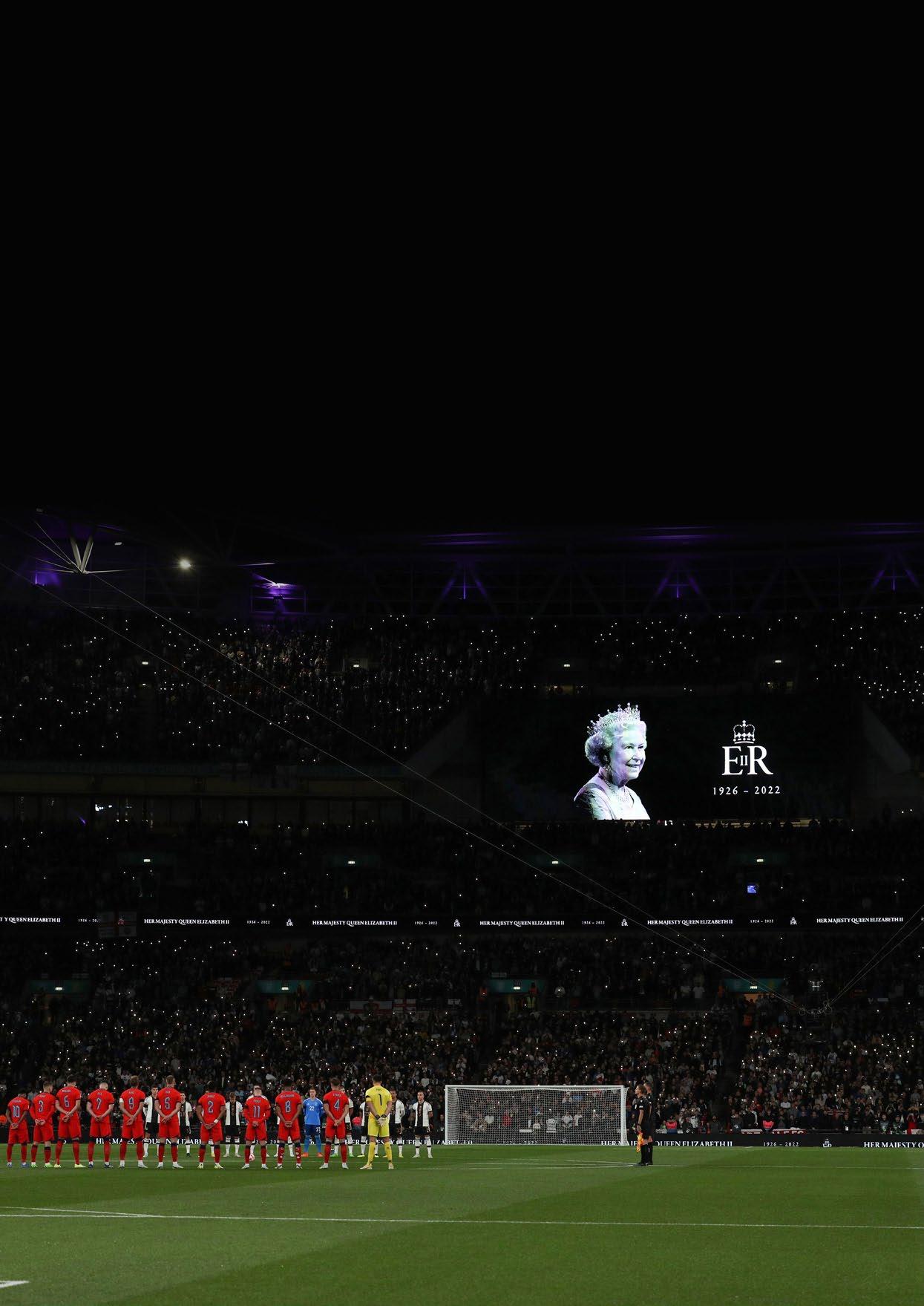
ELIZABETH II
1926 - 2022
FROM
THE EDITORS
Milestones present opportunities to reflect on past achievements and struggles, and to look towards new beginnings. On this, the 40th edition of Football Medicine & Performance, we look forward to growing the support, education and opportunities for all medical and performance staff working in football.


This publication has grown from a one-person effort, to a small editorial team, and now, to a 20-person strong multidisciplinary education team including a broad range of practitioners (see full team in later pages). We believe the integration of this team of practitioners will help to deliver higher standards of educational content, will facilitate cross-discipline connections, and improve standards of player care and performance across the sport.
COVID-19 disrupted the usual consistent season structure, and teams who found ways to adapt to this were able to make significant gains. Even more flexibility is required this season, with games postponed due to the Queen’s passing, and the upcoming World Cup set to bring a mid-season hiatus of an unusually long duration. The effective management of squads during these breaks is likely to bear fruit later in the season.
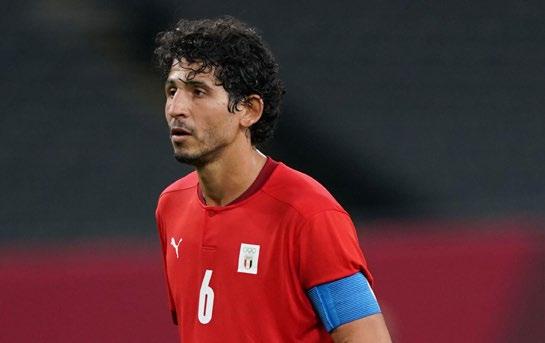
It will be a strange experience to watch this year’s World Cup in warm Qatar, while pitches at home are freezing and the evenings dark. We have focussed the theme of this edition on the World Cup, with articles on performing in the heat, recovery during fixture congestion and how to manage the transition between club and country. Importantly, we also include the player’s voice, with Egyptian international Ahmed Hegazy giving his perspective on the challenges that may come with a mid-season World Cup.
We hope you enjoy the 40th edition of Football Medicine & Performance.
Sean Carmody Fadi Hassan Andrew Shafik
 Dr Sean Carmody Editor, FMPA Magazine
Dr Fadi Hassan Editor, FMPA Magazine
Dr. Andrew Shafik Editor, FMPA Magazine
Dr Sean Carmody Editor, FMPA Magazine
Dr Fadi Hassan Editor, FMPA Magazine
Dr. Andrew Shafik Editor, FMPA Magazine
5www.fmpa.co.uk
Football Medicine & Performance Association.








All rights reserved.
The views and opinions of contributors expressed in Football Medicine & Performance are their own and not necessarily of the FMPA Members, FMPA employees or of the association. No part of this publication may be reproduced or transmitted in any form or by any means, or stored in a retrieval system without prior permission except as permitted under the Copyright Designs Patents Act 1988. Application for permission for use of copyright material shall be made to FMPA. For permissions contact admin@fmpa.co.uk
Football Medicine & Performance Association 43a Moor Lane, Clitheroe, Lancs, BB7 1BE T: 0333 456 7897 E: info@fmpa.co.uk W: www.fmpa.co.uk FMPA_Official Officialfmpa fmpa_official LinkedIn: Football Medicine & Performance Association Chief Executive Officer Eamonn Salmon eamonn.salmon@fmpa.co.uk Commercial Manager Angela Walton angela.walton@fmpa.co.uk Design Oporto Sports www.oportosports.com Photography Alamy Images, FMPA, Unsplash Cover Image Photo: Alamy Design: Gary Webster ABOUT FMPA_Register FMPARegister fmpa_register ASSOCIATE EDITORS Ian Horsley Lead Physiotherapist REVIEWERS Dr Jon Power Director of Sport & Exercise Medicine Dr Dáire Rooney Doctor Dr Andrew Butterworth Senior Lecturer Frankie Hunter Lead Sports Scientist Dr Manroy Sahni Medical Doctor Eleanor Trezise Medical Student Matthew Brown Academy Sports Scientist Callum Innes Medical Doctor Kevin Paxton Strength & Conditioning Coach Dr Avinash Chandran Director Mike Brown Head of Physical Performance Jake Heath Elite Sports Specialist Podiatrist Lisa Edwards Sports Therapist Dr Jose Padilla MD Sports Medicine Specialist Dr Daniela Mifsud Doctor & Physiotherapist Dr Danyaal Khan Academy Doctor
10 20 34 26 CONTENTS
7www.fmpa.co.uk 10 Transitioning from club to national team Alan McCall, Gary
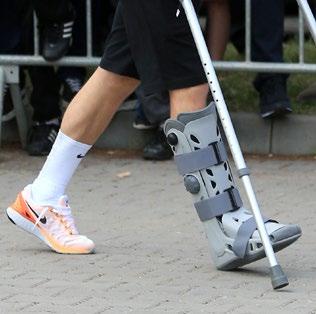
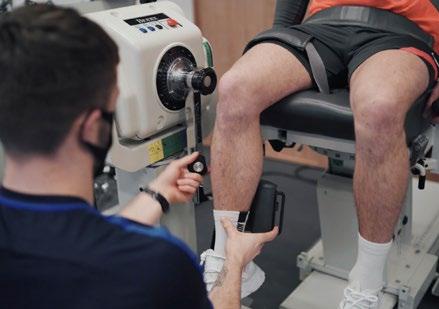
Guilherme Passos-Ramos, Mark Jones, Fabian Ehrmann, Rob Duffield 16 Interview: Ahmed Hegazy Mohamed Abou Elela 20 Elite football teams mustn’t sleep on sleep science Dr. Chris James, David Thorne 26 World cup 2022: optimising nutrition at international football tournaments Dr. Julien Louis 31 Improving football performance in the heat Paul B. Laursen 34 Enhanced Football Intelligence at the FIFA World Cup Qatar 2022 Chris Loxston 38 Treatment to fifth metatarsal fracture in football Gomez-Bernal, et al 42 Is there a Role for Isokinetics in Sports Medicine? David Fevre 16 31 38 42
FEATURES
O’Driscoll,
TRANSITIONING FROM CLUB TO NATIONAL TEAM; CHALLENGES & SUGGESTIONS FOR PLAYER HEALTH & PERFORMANCE
/
Transitioning from club to national team (and back)
The transition from club to national team is an ongoing challenge for medical and science staff (referred to herein as ‘performance staff’) from both club and national team settings, to protect player health and optimise performance. The typical football calendar year includes several international periods where players can be called-up by their national teams to compete in training camps and matches, including friendlies, competitive qualifiers and/ or major international tournaments. During the competitive club seasons for both men’s and women’s senior top-level football, there are usually four to five international periods with around two to four matches over approximately 10 days. Coinciding with most leagues offseasons, there are also major international tournaments that rotate every couple of years, lasting up to approximately six weeks (e.g. FIFA World Cup UEFA European Championships, CONMEBOL Copa America, AFC Asia Cup, CAF African Cup of Nations and CONCACAF Gold Cup). These interruptions can require all or some of the following: short or extensive travel, exposure to different climatic conditions (cold, heat, altitude etc), unfamiliar environments and support (hotels, facilities, nutrition), varying types of training schedules and structures,
increased match volume and demands with players potentially playing in different positions and in new team dynamics.
Thus, for those players selected to play international football, there are several periods during the year where their ‘normal’ routine of training and match-play with their club teams, as well as their day to day / week to week lifestyles (including family time, social circles etc) are interrupted. This may happen sometimes quite abruptly i.e. leaving from playing a club match directly to a national team and vice versa: aka, the ‘transition’. Therefore, it is clearly of interest for us as performance staff of both club and national teams to work together to optimise health and performance outcomes for individual players and collectively for our teams (Buchheit and Dupont, 2018).
What are the changes in training load and structure following the ‘transition’? Alterations to the ‘normal’ weekly training structure is one of the biggest changes that players transitioning from club to national team (and back) face. This represents one change that is within our scope as performance staff to monitor (at least some aspects) and have some ability to act upon or at least provide some recommendations to
players and to coaching staff. Changes can be seen in the training schedule (e.g. frequency, duration etc), training focus (e.g. switching focus from physical, technical/tactical etc) and the type of training performed (e.g. intensity, specific exercises, drills etc). While our own experience and data within our own teams helps guide us as to what changes we might expect, the football landscape is ever changing. With players, coaches and performance staff often moving to other teams coupled with the very limited scientific evidence that can give us any clear indications of what happens following these ‘transitions’, this proves to be quite a challenge.
Of the scarce scientific evidence that does exist describing these changes in training for transitioning players, the majority shows only the transition from club to national team and not when players return to their clubs after national duty. The existing research is also mainly from the same national federation and therefore, generalising this to all club to national team transitions is not possible. To give the reader an idea of what does exist, some of the current research group have followed the same men’s and women’s senior national team over multiple consecutive major international competitions (Noor et al., 2019 and unpublished
Pictured left: Gabriel Jesus training with Brasil National Team (Courtesy of Lucas Figueiredo, Confederação Brasileira de Futebol)

Pictured right: Gabriel Jesus training with Arsenal Football Club (Courtesy of Arsenal Football Club)
 FEATURE
ALAN McCALL1,2, GARY O’DRISCOLL1, GUILHERME PASSOS-RAMOS3, MARK JONES2, FABIAN EHRMANN2, ROB DUFFIELD2
1 Arsenal Football Club, 2 Football Australia, 3 Confederação Brasileira de Futebol
FEATURE
ALAN McCALL1,2, GARY O’DRISCOLL1, GUILHERME PASSOS-RAMOS3, MARK JONES2, FABIAN EHRMANN2, ROB DUFFIELD2
1 Arsenal Football Club, 2 Football Australia, 3 Confederação Brasileira de Futebol
feature 10 info@fmpa.co.uk
Pictured left: Steph Catley with Arsenal Football Club (Courtesy of Arsenal Football Club)

Pictured right: Steph Catley with Football Australia Matildas (Courtesy of Ann Odong and Football Australia)

data currently in review) found that players (both male and female) typically experienced an increase in internal training loads (measured using session-RPE; s-RPE) after transitioning from their club to the national team. Interestingly these increases in internal training load came from an increased number of sessions (i.e. session count – external load), rather than an increased (perceived) intensity of the sessions themselves. These trends represent one national federation only, and the reality is that in our practical experience with other national teams these scenarios can vary. Anecdotally the training prior to arriving at the national team can depend on the league the players are coming from, who they are coached by and the timing of the season.
While we mention above that (to our knowledge) there are no published studies describing training patterns when players transition back to their club teams following national team duties, preliminary investigations from some of our group have shown that senior women’s team players transitioning back to their clubs experienced a reduction in session count but similar overall s-RPE. This suggests that in these players from this one national team their total weekly training loads performed after transitioning to their club teams was similar to while with the national team. Again, this should be interpreted with caution as our practical experience also shows us that there can be various scenarios depending on many different factors. In other words, following individual players is key in the practical setting.
In football (and sports in general) we find ourselves in an age of ‘technology’. This information is useful to guide training within a team and GPS, in particular is widely used
(i.e. for the club or for the national team while they have the players). However, using information from technologies such as GPS to inform the ‘transition’ is problematic due to different systems, methods of analysis, metrics used and reporting systems amongst others. For this reason, for most of our research in this transition period we have focused on simple and easy to collect measures such as training minutes, session counts (training and match), RPE and subjective wellness measures. We are working in this area to try and scientifically investigate the potential ‘utility’ of technologies (but this will be a story for another day).
Overall, while limited scientific evidence exists, the little that does exist, combined with our practical experience working in both national and club teams, highlight that the potential for an altered training structure (days, sessions, scheduling, etc) between club and national teams is extremely likely and individual players can be impacted in different ways. Hence, performance staff should ideally monitor and consider the training patterns (e.g. type, frequency, duration, intensity, etc) when planning training to integrate individual players into their ‘new’ (i.e. club or national) team environment.
Are there any consequences for injury following the ‘transition’?
As with changes to training, there is also very limited scientific evidence to glean insights into what to expect from an injury perspective when players transition in and out of teams.
A study by Carling and colleagues (Carling et al., 2015) investigated the injury patterns of players from a single French Ligue 1 team when they returned from national team duty. Over five consecutive seasons, no training injuries
occurred with national team players while on national team duty (injuries occurred in matches only) and overall the injuries occurring with national teams made up only a negligible part of the clubs’ total working days lost to injury. In the same study, the players who transitioned back to the club team were found to have a similar injury risk to those without national obligations (Carling et al., 2015). The authors of that study postulated that the clubs’ policy and buy-in from the head coach to player rotation and recovery protocols should be acknowledged and may have contributed to these findings. In other words, the team (from head coach throughout the team) had focused on and were invested in protecting players upon their return from national duty by adapting schedules and demands based on the player needs. Previous work on multiple club teams from UEFA (Ekstrand et al., 2004) showed that the risk of injury while playing for national team was comparable with reported figures in club teams. It is important to remember that scientific studies typically aggregate data and therefore do not necessarily apply to any one individual player.
While representing only a case study of one national football team, it was observed that players suffering a non-contact injury at the 2014 World Cup accumulated significantly less internal training load (s-RPE) in the two weeks prior to the national team camp and experienced a concomitant higher increase in internal training load during the initial period of the camp (McCall et al., 2018). Again, this increase in internal training load came from an increase in number of sessions and not the intensity within the session. Further supporting the potential for players transitioning into their national teams to be exposed to a different training microcycle structure compared to
11 medicine & performance
www.fmpa.co.uk
football
their club team based on the specific needs of national team formation. We want to make it clear that we, in no way suggest that increases in training load (internal or external) cause an injury, and our findings are descriptive only and based on aggregated data, so to assume the change in training load is a cause of injury is spurious. On the individual level, the study by McCall et al. (2018) showed some players were exposed to high increases without and injury and on the contrary some saw no important increase yet still suffered an injury.
Following the 2014 FIFA World Cup (McCall et al., 2015) and in unpublished data from the subsequent Women’s and Junior male World Cups, some of the current authors surveyed national team practitioners to understand their perceived most important injury risk factors for players following transitions to and while with the national teams. Prior to the transition, previous injury, accumulated fatigue throughout the club season (e.g. from congested fixtures) and internal and external training loads prior to joining national teams, as well as physical fitness and attributes related to muscular performance were among the most commonly reported concerns for national team performance staff. Perceived risk factors for injury following transition and during the World Cups included reduced recovery time between matches, internal and external training loads, poor pitch quality and access to adequate recovery facilities. These findings mimic the concerns raised in surveys within UEFA club teams for injury risk perceptions (McCall et al., 2017), and highlight that both club and national team practitioners share similar concerns for player health and performance.
There is insufficient scientific evidence to tell us what consequences the transition might have on injury and our experience shows us that this can be highly variable and often unpredictable. For us, our practices of trying to prevent injuries does not change. We need to be aware that there are some changes for the player(s), gather information about those changes we feel are important and help us build a picture of what has happened (e.g training and match exposure) and identify potential consequences of these changes (exposure to risk factors and even protective factors). With this information we can start to work on solutions. As most people reading this article, we probably all agree that there is a large variability for individuals injury risk that will be influenced by several factors including but not limited to, the player characteristics (anatomical, physical, psychological, behavioural etc), the team environment etc.
What information exchange exists & what do we want to know?
As alluded to earlier, the sharing of information between club and national teams relevant to their respective environments is particularly difficult and represents a key barrier to us as practitioners trying to optimise health and performance of players. A commentary piece by Buchheit and Dupont prior to the 2018 FIFA World Cup highlighted some anecdotal information that would likely be of mutual interest for club and national teams to share. This included; (i) players’ readiness to train and play (e.g. medical and fitness assessments), (ii) overall load management (e.g. types of training and loads players are accustomed to), (iii) specific programming information about injury prevention and/or injury management
(e.g. preventive exercises, rehab programs, medications, radiological scans etc) and (iv) nutritional strategies (e.g. allergies, specific diets, preferences etc). Essentially, the goal of collecting this information is to attempt to maintain a similar level of care and service that players are accustomed to and avoid sudden changes in their programs, whether they are in normal, modified/restricted training or even currently returning from an injury or illness.
As part of a FIFA led project, following the cessation of the 2018 FIFA World Cup, some of the current author group implemented a Delphi Survey to national team performance practitioners. This was done to gather agreements on what information should ideally and can feasibly be exchanged between club and national teams, as well as to better understand the challenges faced. A Delphi survey is a scientific method to gain consensus/ agreement on a given topic which while still represents Level V evidence (expert opinion), attempts to minimise bias that is seen in an individual opinion. Further supporting the commentary by Buchheit and Dupont (Buchheit and Dupont 2018), the experts in our Delphi survey agreed that certain information sources should ideally be exchanged to optimise a seamless, continued care of transitioning players.
In the Delphi survey, medical staff within the performance departments agreed that information to collect should include straightforward epidemiological information, screening tests and current injury treatment. As explained by Weiler and colleagues (Wieler et al., 2021) including some from FIFA, the English Football Association and the world’s
Pictured left: Rafaelle Souza with Brasil National Team (Courtesy of Lucas Figueiredo, Confederação Brasileira de Futebol)

Pictured right: Rafaelle Souza training with Arsenal Football Club (Courtesy of Arsenal Football Club)

feature 12 info@fmpa.co.uk
Training status































Ongoing injury
•


•




•


player union FIFPRO, urgent medical updates on injuries or illness during a national team training camp or international competition, should be actioned as soon as possible and in a suitable format e.g. by phone call, messaging, or confidential email, with written complete medical records being sent as soon as they are collated.


Science staff within the performance departments agreed that data pertaining to players internal and external training, match loads as well as an indication of their ‘fatigue’ status (in particular from subjective ratings and implied through GPS) and subjective wellness should be collated. While ‘fitness’ status was agreed to be important, the lack of appropriate tests and limited time after they transition to their national or club team was highlighted. The respondents agreed that it therefore should not be a priority. Other parameters were also discussed as potentially interesting information but were deemed too difficult to collect or interpret (eg neuromuscular force, biochemical assessments etc).
Essentially, the main message seems to be (and we, authors also agree) to focus efforts on exchanging simple yet potentially meaningful information about the transitioning players.
We do not negate the importance of other measures where club and / or national teams may have historical, longitudinal data in their own players, and they have the ability to perform relevant, time efficient assessments of players when they arrive into their own teams. So, we remind the reader that we are focused on the exchange of information between club and national team and not each teams internal processes.


Challenges to health and performance information exchange
Now, this all sounds easy, right? Just share the data! After all, clubs and national teams readily collect and record these types of information and data. In reality, however, this is far from simple and there are several challenges to sharing information between club and national teams. This includes communication between teams, willingness to share information and then the quality of that information (McCall et al., 2022). Additional barriers like different languages, cultures (e.g. philosophies and approaches to football medicine and science), privacy and legal aspects of data transfer etc might also be present. Depending on the context of the match or tournament, teams can also have competing interests and therefore the accepted injury risk for a given player (and



Medical screening

• Relevant radiological assessments (MRI, X-Ray etc)
• Clinical screening (biomechanical and functional assessments IF methods are easily interchangeable)

Injury and illness (epidemiology)


• Injury type
• Injury location

• Number of injuries
• Non-time loss injuries
• Relevant previous / current illnesses

• Current medication(s), allergies, supplementations
*urgent medical matters communicated immediately and relevant information shared as soon as possible
•
for the player themselves) can differ and should form part of collaborative discussions.
Quality and completeness of information
Giving and receiving complete and high-quality information is one of the key challenges for both club and national team performance staff in successful information exchange (McCall et al., 2022). It is common sense to expect that consistent, accurate and high-quality sharing of medical and science information will ultimately have a positive impact on players’ injury risk and performance, as well as the teams collectively. However, as we alluded to earlier, it is no surprise that this is not straightforward. The methods and technologies are highly variable between club and national teams. The UEFA Football Research Group investigated the feasibility of a multi-club training load monitoring study (McCall et al., 2018), however, and hence why feasibility studies are vital before conducting larger multi-team studies, none of the teams included in the feasibility used all of the same approaches, subjective scales, technologies, or even if they used the same brand of technology. In fact, the interchangeability of information from different technologies is highly problematic. Using calibration equations to be able to interchange information from
Figure 1: Medical and Science information to ‘ideally’ exchange between club, national team and/ or player. Based on McCall et al. (2022); Buchheit and Dupont (2018), Wieler et al., (2021).
related treatments
Manual therapies (anything
on’)
Electro therapies (anything that
in’)
Excercise-based therapies (anything
exercise / training
Typical composition of preventive sessions (exercises, sets, reps etc)
Typical frequency and duration of preventive sessions
•
‘hands
•
‘plugs
•
‘gym-based’) Normal
•
•
training
Exercises that
be avoided
Restrictions to ‘normal’
•
should
(on and off-pitch)
Restrictions
technical/tactical
to
sessions
Session count (training and matches)
Minutes trained and played
•
•
of Perceived Exertion
• Rating
Subjective wellness item(s) (eg. fatigue, muscle soreness)
GPS *if able to use calibration equations
Basic travel information (departure/arrival times) >>>>>>> <<<<<<< >>>>>>> <<<<<<< >>>>>>> <<<<<<< <<<<<<<>>>>>>> <<<<<<<>>>>>>> >>>>>>> <<<<<<< 13www.fmpa.co.uk medicine & performancefootball
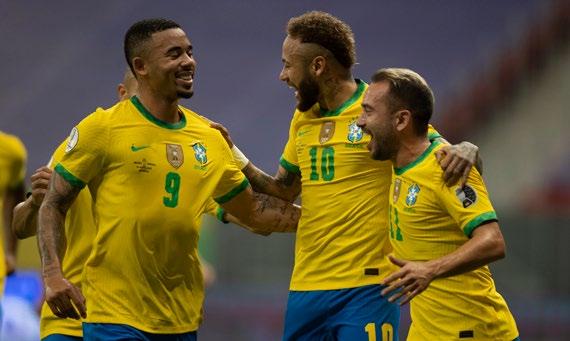
Pictured left: Gabriel Jesus celebrating with Brasil National Team (Courtesy of Lucas Figueiredo, Confederação Brasileira de Futebol)


Pictured right: Gabriel Jesus celebrating with Arsenal Football (Courtesy of Arsenal Football Club)
different technologies and sources has been recommended and some guidance exists (Buchheit and Dupont, 2018), however this is also very difficult for clubs and particularly national teams to achieve.
Again, reiterating our message earlier, from our experience, simple measures (e.g. training minutes, session count, RPE and relevant but simple medical notes etc) are often the best in terms of ensuring quality and completeness of information. In line with the Japanese Seven Eleven franchise, our philosophy is ‘minimal data, big value’.
Communication and willingness to share information
As with quality and completeness of information, communication and willingness to share information is one of the most significant challenges to teams (McCall et al., 2022). It is reasonable to expect that quality communication between club and national teams can improve the sharing and quality/ completeness of information. Buchheit and Dupont (2018) outlined some guidelines to facilitate the exchange of information of which we echo. These include:
- Discuss what the other side wants / needs (what information are they looking for and for how long e.g. prior 4 weeks, regularly throughout the season etc?)
- Seek with the other side if there are any additional tests that you are willing and able to do
- Discuss together what format(s) you would ideally receive the information (e.g. Excel, CSV, word etc). *In our experience one of the most frustrating formats is the dreaded ‘PDF’, which typically requires manual transferring of information into the preferred format.*
- Understand when the other side would ideally want to receive the information, so you know when to send it. This is key to ensuring that
information is exchanged with enough time that performance staff can ‘action’ on the information
Again, this all sounds great on paper, but language barriers, time-zone differences, managing communications between multiple people in teams all around the world and different modes of contact are all challenges that need to be overcome. This coupled with us doing our ‘normal’ jobs in our respective teams makes this extremely challenging. In our experience, building and maintaining strong (i.e. trusting) relationships with the performance staff in the various club and national teams are key to facilitating communication and the sharing of information. Although it is difficult and can be time consuming, maintaining consistent and open communication with other teams is essential if we want to optimise a two-way exchange that benefits both sides. Even a simple regular check in to say hello with our colleagues from other teams has demonstrated to us that it can go a long way. From our experience, we aim to create a shared vision between ourselves and the other team’s performance staff, we want to be genuine, and to make it clear (and with time we can demonstrate through our actions) that the players’ health and performance is our driver and that our relationship is both about giving and receiving. Scientific evidence about how to best build and maintain relationships in football (or sports) is lacking but we have learned from other areas that creating a shared vision motivates people to action, inspires them to go above and beyond and ultimately leads to sustained and desired change (Boyatzis et al., 2015).
Privacy and legal aspects of sharing player information
While out of the scope of our article, when sharing player information, it is imperative that teams (and practitioners sharing the data) carefully consider data protection, legal and privacy aspects of data exchange (Buchheit and
Dupont, 2018). It is of the utmost importance to recognise that we protect the rights and the privacy of our players. We therefore recommend that practitioners from clubs and national teams work closely with their legal and data protection departments to ensure that any information is shared in the proper manner and with full disclosure and agreement from the players themselves. A prerequisite to information sharing is the consent of players and documenting whether this is verbal or written (Weiler et al., 2021). Players must know that they can withdraw their consent to share their data at any time.
Don’t forget about us (the players)! While we have been discussing the exchange of players’ information, we must not forget the players’ role themselves… remember, we are dealing with human beings who have their own beliefs, desires, motivations and fears. While information we collect about players can be valuable for club and national teams to share and drive individualisation of programs, we should not ignore the importance of the lived experience of the players themselves and their contribution to the decision-making process about their health and performance. As with the performance staff between teams, this relationship with the player is integral and should not be underestimated! We recommend that regular and open communication and actively involving the player in what information we want to share, why we want to share it and demonstrating meaningful impact, should form one of the main pillars of a strategy to protect their health and performance. Unfortunately, despite a lot of discussion and publications around shared decision making and player centred approaches (particularly in rehabilitation literature), the current trend in sports medicine and science seem to be favouring more and more just amassing masses of objective data
feature 14 info@fmpa.co.uk
and avoiding engaging players to see how they actually feel (Montull et al., 2022). Even the concept of ‘invisible monitoring’ has been suggested with the (albeit well meaning) intention of lessening the monitoring burden on players/athletes (Delaney, 2018). Invisible monitoring has been described as gathering as much information about the player (athlete), their performance, and their current training status without them even knowing about it (Delaney, 2018). However, this means removing the player from the process and by doing so, we actually miss a crucial part of their real lived experiences, making us more susceptible to making ill-informed decisions about their full spectrum of health and performance capabilities (McCall et al., unpublished).
Some of the current author group have recently conducted phenomenological interviews (McCall et al., 2022 unpublished) with world-class team sport players (from both men’s and women’s team sports, including but not limited to winners of the men’s FIFA World Cup, women’s UEFA Champions League, NFL Superbowl, NBA World Championship, Olympic Gold medallists etc). We found that players want to be actively involved in health and performance strategies that will impact their sporting lives and they want to be treated as human-beings, not as just a “number” or “robots”. They need to know what we are doing with their information and to experience something meaningful based on the information they give us. By cultivating strong relationships through compassion i.e. empathising with the player, caring for the player, and acting in response to the player’s feelings (Boyatzis et al., 2013; Boyatzis et al., 2006) we are able to invoke positive emotions within them. This in turn, can encourage players to want to engage with us openly and honestly as performance staff. On the contrary, not demonstrating values to the players appears to invoke negative emotions where they become more guarded and less willing to share information.
Overall, establishing and maintaining regular communication with players to see how they
are, what concerns they have, convincing them that we have their best interests at heart and ultimately building and maintaining a relationship appears to get player buy-in. Most importantly, they must be involved in decisions about their health and performance.
Recommendations to optimise player information exchange
There is limited scientific evidence to guide our management of the transitioning player, but based on what does exist and largely from our experience, the biggest tip we can give for successful and sustainable exchange of meaningful information is to strive to develop and maintain strong relationships with our colleagues from different teams and also with the players themselves. There is a tsunami of information that can be shared, but we should think carefully, ‘is it worth sharing?’, we are very aware that not all of it is useful. Our philosophy again is ‘minimal data, big value’.
Key points:
- Be aware of and monitor changes in the training structure for each individual player around transitions to and from club to national team
- Focus on collecting simple measures and information that can be easily shared, understood/interpreted and instantly interchangeable
- Actively involve the player in information exchange
- Build trusting and cooperative relationships between teams, clubs and the players themselves, while not easy, it is most likely the best way to ensure quality communication, sharing of complete information and ultimately impact on player care
- Work closely with data privacy and legal departments before sharing player information and ensure the player knows they can withdraw their consent at any time
Buchheit M and Dupont G. Elite clubs and national teams: sharing the same party?, Science and Medicine in Football. 2018 2:2, 83-85.
Noor D, McCall A, Jones M, Duncan C, Ehrmann F, Meyer T, Duffield R. Transitioning from club to national teams: Training and match load profiles of international footballers. J Sci Med Sport. 2019 Aug;22(8):948-954.

Carling C, McCall A, Le Gall F, Dupont G. The impact of in-season national team soccer play on injury and player availability in a professional club. J Sports Sci. 2015;33(17):1751-7.
Ekstrand J, Waldén M, Hägglund M. Risk for injury when playing in a national football team. Scand J Med Sci Sports. 2004 Feb;14(1):34-8.
McCall A, Davison M, Andersen TE, Beasley I, Bizzini M, Dupont G, Duffield R, Carling C, Dvorak J. Injury prevention strategies at the FIFA 2014 World Cup: perceptions and practices of the physicians from the 32 participating national teams. Br J Sports Med. 2015 May;49(9):603-8.
McCall A, Jones M, Gelis L, Duncan C, Ehrmann F, Dupont G, Duffield R. Monitoring loads and non-contact injury during the transition from club to National team prior to an international football tournament: A case study of the 2014 FIFA World Cup and 2015 Asia Cup. J Sci Med Sport. 2018 Aug;21(8):800-804.
McCall A, Dupont G, Ekstrand J. Injury prevention strategies, coach compliance and player adherence of 33 of the UEFA Elite Club Injury Study teams: a survey of teams’ head medical officers. Br J Sports Med. 2016 Jun;50(12):72530.
McCall A, Pruna R, Van der Horst N, Dupont G, Buchheit M, Coutts AJ, Impellizzeri FM, Fanchini M; EFP-Group. Exercise-Based Strategies to Prevent Muscle Injury in Male Elite Footballers: An Expert-Led Delphi Survey of 21 Practitioners Belonging to 18 Teams from the Big-5 European Leagues. Sports Med. 2020 Sep;50(9):1667-1681.
Weiler R, Collinge R, Ewens J, Gouttebarge V, Massey A, Bennett P, Smith K, Ahmed OH. Club, country and clinicians united: ensuring collaborative care in elite sport medical handovers. Br J Sports Med. 2021 Dec;55(24):1383-1385.
McCall A. Feasibility study for a multi-team training monitoring protocol. Football Research Group presentation in Madrid. 2019.
Boyatzis RE, Rochford K, Taylor SN. The role of the positive emotional attractor in vision and shared vision: toward effective leadership, relationships, and engagement. Front Psychol. 2015 May 21;6:670.
Montull L, Slapšinskaitė-Dackevičienė A, Kiely J, Hristovski R, Balagué N. Integrative Proposals of Sports Monitoring: Subjective Outperforms Objective Monitoring. Sports Med Open. 2022 Mar 26;8(1):41.
Delaney J. 2018. https://hiitscience.com/the-paradox-of-invisible-monitoring-the-less-you-do-the-more-you-do/ McCall A, Wolfberg A, Ivarsson A, Dupont G, Laroque A and Bilsborough J. A qualitative study of 11 WorldClass athletes’ experiences answering subjective questionnaires: The secret sauce for maximising health and performance monitoring? (In review).
Boyatzis R, Smith L, and Blaize N. 2006. Developing sustainable leaders through coaching and compassion. Academy of Management Learning & Education. 5:8-24.
Boyatzis R, Smith ML, and Beveridge AJ. 2013. Coaching with compassion: Inspiring health, well-being and development in organizations. https://doi.org/10.1177/0021886312462236
15 medicine &
www.fmpa.co.uk
Pictured: Milos Degenek and Awer Mabil from Football Australia Socceroos (Courtesy of Kyoko Kurihara, Football Australia)
performancefootball
A CHALLENGE FOR HEALTH & MENTALITY
The 2022 FIFA World Cup is approaching and will be in November. This will be held in the middle of the football season for the first time. Hence, we have to listen to the player’s voice about this and gather their thoughts about holding international competitions mid season.

feature 16 info@fmpa.co.uk
Ahmad, we are very happy to have you. Please talk us through your general experience with the national team? The most important achievement for any player is to go to the national team and play under the name of the country. Whatever level it is, this will be on the mind of every player. Putting on the national team’s shirt is an achievement for any player, especially at one of the best competitions, such as the World Cup.
I am one of the players who has played in all competitions at international level with Egypt. I played twice at the Olympics 2012 and 2022, three times at the African Cup of Nations and for in the Russia 2018 World Cup. Of those 3 African cup tournaments, two were in January and one in the summer.

You mentioned playing the African cup in January during the football season, how did you find going from club football to international football? Was it different? Going into the national team during the season for me is not too different from playing for the club, you have to be on your top form and try to concentrate more. The only challenge perhaps is trying to adapt under a new system if the coach is trying a new system or if there are new players that you haven’t played with, as opposed to club football where you play with the same players week in and out.
In my opinion these are the main challenges, however, with more concentration and hard work, you can quickly adapt to the new system and this is a crucial skill for international players and not many can achieve this quickly. This is of course easier if you have international experience from a young age, if you have been in youth teams and going on national team duty every international break, then you are likely to find it easier to adapt and work in different systems.
Finally, of course the other challenge is the long season. You have to sacrifice your days off that you spend in international camps compared to players that do not play international football.
What do you think are the challenges for players in the coming World Cup before joining their international teams having played in international football during the season yourself?
When it’s the year of the World Cup, as everyday brings you closer to the tournament, it becomes more important that players avoid injury, stay fit and have good form with their club.
If a player gets injured, they may miss their only chance of playing for the World Cup as this is a tournament that only comes every 4 years.
There is also a lot of competition for places and everyone would want to be selected, so it’s very important to avoid injury and be in good form, especially if you’re a high performer who have
goals and aspirations. It is a big challenge, very very big challenge, especially ahead of a big competition like the World Cup.
In terms of the timing, perhaps the performance and form of players is better during the season (compared to the summer). During the season, players are mentally and physically better, but at the end of the season, it will be harder to play with the same performance and sharpness, as players are programmed mentally to rest at this time and recover. However, for me it is different. I would prefer to play tournaments during the summer as I like a little bit of rest after the tournament is over and players wouldn’t have fixtures to go back to, so I see it as my last achievement and I would want to push myself to finish the season well. I am not afraid to be injured but if I do get injured at this time, I would have time to recover and would not miss too many club matches.
Last season we played in the FIFA Arab Cup, which was at the same time in the calendar as the World Cup and the period between matches is also similar. We then played the African Cup of Nations a month later, so, it was quite difficult to manage during that time of the season and most of the players of the national team of Egypt, I will not say only me, about seven or eight players who played these tournaments struggled to finish the season without injuries. These injuries ranged from small injuries to big and serious injuries. I was one of them, I played three tournaments; the Olympics first then started the season well with my club, then played the Arab Cup with Egypt (which was very good) and rejoined the club for another four games before going back to the national team to play the African Cup of Nations. We played every 2-3 days and I suffered an injury as a result. My season was finished with a serious injury. I stopped for like three months and I feel big part of this injury was overload with the amount of games I played during the season and the congestion of matches. Most players
FEATURE / MOHAMED ABOU ELELA INTERVIEWS AHMED HEGAZY
Ahmed Hegazy, is an Egyptian international with over 100 caps for the national team, who has also played at the top level in the Egyptian league, Serie A Italian league, English Premier League and Championship. Ahmed now plays in the Saudi Super League and is enjoying good form with his team.
Ahmed has valuable experience at international level. He played at the Russia 2018 FIFA World Cup, twice at the U21 World Cup and the FIFA Arab Cup, which was held last year at the same time in the football season as the 2022 World Cup. So, Ahmed will be able to tell us about his experience playing a FIFA tournament during the season...
17
www.fmpa.co.uk
medicine & performancefootball
found it very very hard to finish the season fully fit or in good form like before.
What do you think about the collaboration between medical departments and having a shared plan between the club and the national team during these tournaments?
A lot of the players will play seven or eight games in a very short period and then go back to a busy season with their club. So the players will have to try and stay fit and manage their body.
This World Cup will not be at the end of the season, so players should be more fresh and sharp compared to playing it at the end of the long season. However, some players may suffer and struggle to finish their season and stay fit as well as playing at the same intensity and give a high performance. It will be a challenge for players to stay fit and give same performance when they finish the competitions. Many will have higher risk of injury. So everyone needs to prepare very well for this competition and also be ready for care after the competition.

You mentioned travel in Africa, which often means very long trips. How do you feel about this and how do you plan before travel? What challenges do you face with having competitions in different climates and timezones?
The long trips and the long travel is always difficult, especially, if you don’t have good rest and if the climate is too different or if you can’t sleep at the same time you are used to. You would have to be very strong mentally and have to prepare well and take plenty of time to rest.
We would often travel across Africa during competitions from a very young age and it can be difficult travelling the long distances and sometimes having indirect flights with long waiting times. This certainly would influence the performance of players. However, if you manage it well and travel in the right moment and if you know the weather of the country before you go, it makes it easier.
18 info@fmpa.co.uk medicine & performancefootballfeature
Everyone needs to prepare very well for this competition and also be ready for care after the competition.

ELITE FOOTBALL TEAMS MUSTN’T SLEEP
ON SLEEP SCIENCE: IT COULD BE THE DECIDING FACTOR IN WHO WINS THE WORLD CUP IN 2022
 FEATURE / DR. CHRIS JAMES (BSC, MSC, DCLINPSY) AND DAVID THORNE (BSC, MSC) SLEEP ATHLETIC
Sleep and performance science is a growing field, with more and more elite performance teams looking to tap into sleep as a way to gain a competitive edge through boosting performance and recovery. Sleep science has been a part of American sport for much longer, with NBA1, MLB2 and NFL3 teams having enjoyed the benefits of specialist sleep guidance for a decade or two. Football has lagged behind, but there are forwardthinking teams that realise that specialist sleep guidance can make a huge difference to athletic performance.
Specialist sleep guidance can have a significant impact on athletic performance in a number of ways Sleep is vital for all of us. It’s integral for both cognitive and physical recovery and growth. This means sleep also has a massive impact on athletic performance, and this is highlighted within the academic research where simple changes like increasing sleep
quantity in athletes (sleep extension) can lead to improved4-7:
• Sprint performance by ≈4%
• Jump height by ≈10%
• Reaction time by ≈11%
• Shot accuracy by ≈15%
This importance is amplified when we look at elite athletes playing within a sport like football, which is so low scoring, meaning marginal gains can have a far bigger impact.
As well as athletic performance, sleep helps reduce athletes’ chances of injury and fatigue, and it improves recovery times. Poor sleep quality increases athletes’ chances of overreaching8 (which is associated with increased injury risk), while sleeping at least 8 hours per night reduces elite athletes’ injury risk by 61%9. This is a significant reduction in risk of injury, yet specialist sleep guidance is still a rarity within football.
We all have a sleep tip…but could this be dangerous?
Sleep science is one of the most frequently spoken about ‘pop science’ topics. We’ve all read or heard something interesting about sleep, and it’s easy to feel like we are all somewhat experts in the field, because it’s something we all do every night. Although there are benefits to some of the basics of sleep science being relatively mainstream, the danger is that it leads to complacency, poor application, and a lot of ‘sleep myths’ based on flimsy or non-existent science.
For example, whilst sleep hygiene (i.e. providing basic education about sleep) can be useful, research shows it is not a very effective way of helping someone with more significant sleep issues (e.g. insomnia symptoms)10. So yes, it’s helpful to know about, but it’s unlikely to help athletes who are really struggling. The other challenge for clubs is adherence and consistency - even if players know what they ought to be
feature 20 info@fmpa.co.uk
doing to get good sleep, this often doesn’t always happen in practice for a whole range of reasons (e.g. time pressures, distractions, competing demands, fatigue, motivation dips). Furthermore, without routinely screening the sleep health of their players, clubs are likely to be in the dark about which players are struggling with their sleep, when, and in what ways.
Sleep medications (e.g. hypnotics) are prescribed for more significant sleep issues, as medical staff may be unsure how best to support players with sleep issues. However, these medications bring their own issues as they can be highly addictive11 and do not deal with the underlying cause of the sleep problem12, which is typically rooted in behavioural habits, thinking patterns, beliefs, and other psychological factors. Melatonin can be an extremely useful tool in an elite medical team’s arsenal, but only when dosed correctly, given at the correct times, and given to players for the right reasons13
Another issue with general sleep guidance is that even if it’s evidence-based it isn’t bespoke. We all have our own unique sleep patterns and vulnerabilities. Brushing all players and staff with the same stroke might have a slight impact, but it won’t tackle deeper individualised sleep issues. Additionally, general sleep guidance is unlikely to be effective if a player is travelling across multiple time zones or they’re particularly vulnerable to travel fatigue and jet lag.
Rarely does one size fit all, so in order to get the best results, we recommend that sleep guidance is tailored to individual players and staff based on their specific sleep patterns, personal vulnerabilities and sleep issues. For the same reason, in our experience teamwide guidance is likely to be more meaningful and useful when based on individual travel patterns and squad-specific sleep problems.
So how does this relate to Qatar 2022?
Qatar offers unique challenges… Qatar 2022 is the first World Cup to ever be held in the middle of the European league season, with the competition being shifted into the winter to account for the summer heat. This has a significant impact on the fixture congestion seen in club competitions but also means international teams will have less time to prepare for the World Cup. This lack of preparation time makes sleep preparation even more important. During a normal World Cup campaign, players would fly out early to the host or nearby nation to start their training camp, giving players and staff time to adjust to the local time zone and overcome the bad night’s sleep they likely got on the flight over. This World Cup is different.
…And unique opportunities
As Qatar is such a small country, every team has been given their own base camp and the two most distanced stadia are only 55km apart. This means that travel fatigue will be less of an issue in this World Cup than previous tournaments, but it also means there’s more of an opportunity for players and staff to establish a proper sleep routine.
This is where specialist sleep guidance could be highly impactful, offering players an opportunity to develop sleep routines that work for them based on their chronotype, sleep risks and sleep strengths. It also means environmental factors that can impact sleep quality, like black out blinds, bedroom temperature, pillows and noise can be more easily controlled. And finally, it means that players will more easily be able to get out on the training pitch when the sun rises, rather than having to travel, which is a reliable way of speeding up players and staff members’ adjustment to Qatari time.
Some World Cup teams are at greater risk than others
While all jet lag can have a major impact on performance, some teams are at greater risk than others. The most obvious reason for this is that there is a greater time difference between certain countries and Qatar, with research indicating that it takes, on average, a person one full day per hour time difference to overcome jet lag14. Additionally, the direction of travel can also play a role14. Studies have shown that jet lag is more severe when travelling eastward, as opposed to westward14 This is because our body clocks tend toward slightly more than 24 hours. Research in the field bears this out, with west coast American teams in both American Football and Baseball struggling much more away from home than teams from the east coast of America.
From a performance perspective, this means some countries will benefit from feeling ‘themselves’ within a day or so of arriving in Qatar. Other countries, without utilising specialist sleep coaching guidance, can expect it to take a whole week for them to feel like themselves. By that point, their first match of the tournament will likely already be upon them. The corresponding results of this are numerous:
• Poor information retention, making tactical guidance inefficient15-16
• Inferior recovery, resulting in less intensity in training sessions17
• Potentially greater susceptibility to overreaching, increasing the risk of injury – in fact, athletes getting less than 8 hours of sleep have shown to be at 1.7 times greater risk of injury than those who obtained 8 or more hours of sleep18
• A greater likelihood of risk taking and worse concentration, leading to more mistakes19-20
• Worse fine motor control and skill execution, meaning players will be performing at percentiles lower than they normally would21
In a tournament where 3 matches are the difference between knockout qualification and an early flight home, there’s no room for a slow start to the tournament because of a controllable factor like jet lag.
So,
which teams are at greatest risk?
Well, it’s too simplified to say the countries with the fewest time zones between them and Qatar, like the European teams, have the lowest risk. For example, one of the tournament favourites, Argentina, has a time difference of 6 hours compared to Qatar. If all players were travelling from Argentina, you’d expect them to struggle to have fully recovered from their jet lag before their first fixture of the tournament against Saudi Arabia on 22nd November. The reality is that because the World Cup is in the middle of domestic seasons, players will likely fly straight to the World Cup from their clubs and meet up with their team in Qatar. In their latest squad, Argentina only had 1 player playing outside of Europe - Franco Armani of River Plate (3rd choice GK).
So, instead of there being a European country advantage, there is instead an advantage for countries where the majority of their players play in Europe. What this means is that the strongest teams in the tournament are going to have a significant sleep advantage. The top 10 teams, in terms of odds of winning the tournament, will all have almost entirely Europe-based players: Brazil, France, England, Argentina, Spain, Germany, Portugal, Netherlands, Belgium, and Denmark. In contrast, promising yet ‘underdog’ teams like Mexico (69%), USA (42%), Ecuador (54%), Japan (23%), South Korea (81%), and Canada (46%) will all have to contend with a significantly larger proportion of their squads travelling from regions that will lead to significant jet lag upon arriving in Qatar (percentages are based on the squads for the June 2022 internationals).
What does this mean? Well, it means the underdogs in the tournament are going to be further disadvantaged. These teams should really be utilising sleep health screening for their World Cup squads and identifying which players are likely to struggle the most with jet lag upon arriving in Qatar, which will allow them to adjust their sleep guidance and training load on the back of this. Some managers might even want to take this into account when there’s a 50/50 call on which player to go for in the first game of the tournament.
21 medicine & performance
www.fmpa.co.uk
football



factors
Figure 2: An example of one of Sleep Athletic’s sleep quality radar charts, indicating a player’s sleep strengths and weaknesses across 8 areas of sleep quality. feature 24 info@fmpa.co.uk NON-SPORT FACTORS SPORT FACTORS SLEEP DISTURBANCE Social demands/needs (eg. friends, social media) Family commitments (eg. children, spouse) Individual characteristics (eg. age, gender, disability) Lifestyle choices (eg. diet, caffeine, leisure) Attitudes and beliefs (eg. social influence, individual expectations) Work/study commitments (eg. sponsorship, study or work demands) High training loads (physiological arousal) Night competition (start > 18:00 physiological + cognitive arousal) Long-haul travel (circadian rhythm disruption) Night before competition (cognitive arousal) Early morning training (start < 8:00 schedule) Unfamiliar sleeping patterns (cognitive arousal) Duration Night Time Symptoms Unbroken Sleep Daytime Symptoms Consistency Satisfaction Efficiency Timing
Figure 1: Petal diagram showing the variety of
impacting on the sleep quality of elite athletes - Adaptation of diagram taken from Walsh et al.
(2021), modified by Barça Innovation Hub
And what can performance and medical teams do about sleep risk?
Sleep is one medical area where athletes disproportionately struggle, over and above that experienced by the general population22 This is why we see reports of sleep medication addiction amongst footballers, which is a worrying trend.
The most important guidance for performance teams is that, although it might feel easier to just give all players the same sleep guidance, players need to be assessed individually when it comes to sleep. Each player will have specific areas of sleep quality that they struggle with and need working on, and areas which are strengths. It’s not just a case of telling players to sleep for 7-9 hours; different players will require different sleep quantities in order to feel refreshed. On top of this, generic sleep guidance does not fit the specific needs of athletes, e.g. elite athletes should actually be getting around 9-11 hours of sleep, as they need more sleep to aid recovery from the physical and cognitive strains they experience23
On this same point, not all players will have the same sleep chronotype. You don’t want your players developing sleep debt because you are scheduling training for the morning when many of your key players are night owls and aren’t ready to engage in physically and cognitively demanding training until midafternoon.
The football performance and medicine community can support players getting better sleep by:
• Treat players as individuals with different sleep needs, patterns, and issues
• Prioritise sleep as an area that can have a positive impact across the board for players: motivation, concentration, tactical flexibility, athletic performance, in-game and nutritional decision making. Focus on explaining to players the positive gains they can expect.
• Get a qualified athlete sleep specialist in to provide consultation on how to limit jet lag, tackle sleep issues, and offer guidance on sleep medication. We rightly consult specialists for set pieces, medical issues, mental toughness and nutrition - why aren’t we doing it for sleep too?
• Be cautious in dishing out sleep medication, melatonin and caffeine to players/staff, even if you’re feeling pressured. Follow best practice guidelines, and if you aren’t sure, consult a sleep specialist who can provide advice and suggest effective alternatives to pharmacological interventions.
Conclusion
Qatar is the first World Cup to be played in the middle of the season. On top of dealing with common sleep issues amongst athletes, certain teams are going to have to contend with having less time to recover from jet lag and travel fatigue, leaving their training sessions pre-tournament in Qatar affected and potentially their performance in the first match
of the tournament. The positive for teams in the World Cup is that the negative impact on sleep isn’t inevitable. Specialist sleep science can help teams pre-adjust to limit jet lag, tackle sleep issues within individuals, quickly adjust to changes in sleeping environment, improve sleep hygiene through education, and help medical teams avoid medication hangovers and caffeine-induced sleepless nights.
1. Nast, C. (2022). How Science Helps the Warriors Sleep Their Way to Success. Retrieved 21 September 2022, from https://www.wired.com/story/how-science-helps-the-warriors-sleep-their-way-to-success/
2. Fatigue Science (2022). World champions! The Chicago Cubs turn to wearable sleep tech for edge in MLB pursuit - Fatigue Science. Retrieved 21 September 2022, from https://fatiguescience.com/blog/the-chicagocubs-turn-to-wearable-sleep-tech-for-edge-in-mlb-pursuit/
3. Sleep Science: A Competitive Edge. (2022). Retrieved 21 September 2022, from https://www.nfl.com/ videos/sleep-science-a-competitive-edge
4. Mah, C. D., Mah, K. E., Kezirian, E. J., & Dement, W. C. (2011). The effects of sleep extension on the athletic performance of collegiate basketball players. Sleep, 34(7), 943-950.
5. Schwartz, J., & Simon Jr, R. D. (2015). Sleep extension improves serving accuracy: A study with college varsity tennis players. Physiology & behavior, 151, 541-544.
6. Cook, C. J., Crewther, B. T., Kilduff, L. P., Drawer, S., & Gaviglio, C. M. (2011). Skill execution and sleep deprivation: effects of acute caffeine or creatine supplementation-a randomized placebo-controlled trial. Journal of the international society of sports nutrition, 8(1), 1-8.
7. Mah, C. D., Sparks, A. J., Samaan, M. A., Souza, R. B., & Luke, A. (2019). Sleep restriction impairs maximal jump performance and joint coordination in elite athletes. Journal of Sports Sciences, 37(17), 1981-1988.
8. Brink, M. S., Visscher, C., Coutts, A. J., & Lemmink, K. A. P. M. (2012). Changes in perceived stress and recovery in overreached young elite soccer players. Scandinavian journal of medicine & science in sports, 22(2), 285-292.
9. Von Rosen, P., Frohm, A., Kottorp, A., Friden, C., & Heijne, A. (2017). Too little sleep and an unhealthy diet could increase the risk of sustaining a new injury in adolescent elite athletes. Scandinavian journal of medicine & science in sports, 27(11), 1364-1371.
10. Schutte-Rodin, S., Broch, L., Buysse, D., Dorsey, C., & Sateia, M. (2008). Clinical guideline for the evaluation and management of chronic insomnia in adults. Journal of clinical sleep medicine, 4(5), 487-504.
11. Hughes, S. (2022). Football’s addiction to sleeping pills - ‘a disease spreading quietly across the game’. Retrieved 21 September 2022, from https://theathletic.com/2802210/2021/09/08/footballs-addiction-tosleeping-pills-a-disease-spreading-quietly-across-the-game/
12. Solomon, D. H., Ruppert, K., Habel, L. A., Finkelstein, J. S., Lian, P., Joffe, H., & Kravitz, H. M. (2021). Prescription medications for sleep disturbances among midlife women during 2 years of follow-up: a SWAN retrospective cohort study. BMJ open, 11(5), e045074.
13. Mazur, K., Machaj, D., Mazur, D., Asztabska, A., & Płaczek, A. (2020). The use of melatonin in the treatment of jet lag–clinical review. Journal of Education, Health and Sport, 10(5), 175-17
14. Janse van Rensburg DCC, Jansen van Rensburg A, Fowler P, et al. How to manage travel fatigue and jet lag in athletes? A systematic review of interventions. Br J Sports Med 2020;54:960–8.
15. Honn, K. A., Hinson, J. M., Whitney, P., & Van Dongen, H. P. A. (2019). Cognitive flexibility: a distinct element of performance impairment due to sleep deprivation. Accident Analysis & Prevention, 126, 191-197.
16. Ashton, J. E., Harrington, M. O., Langthorne, D., Ngo, H. V. V., & Cairney, S. A. (2020). Sleep deprivation induces fragmented memory loss. Learning & Memory, 27(4), 130-135.
17. Venter, R. E. (2012). Role of sleep in performance and recovery of athletes: a review article. South African Journal for Research in Sport, Physical Education and Recreation, 34(1), 167-184.
18. Milewski, M. D., Skaggs, D. L., Bishop, G. A., Pace, J. L., Ibrahim, D. A., Wren, T. A., & Barzdukas, A. (2014). Chronic lack of sleep is associated with increased sports injuries in adolescent athletes. Journal of Pediatric Orthopaedics, 34(2), 129-133.
19. Womack, S. D., Hook, J. N., Reyna, S. H., & Ramos, M. (2013). Sleep loss and risk-taking behavior: a review of the literature. Behavioral sleep medicine, 11(5), 343-359.
20. van der Heijden, K. B., Vermeulen, M. C., Donjacour, C. E., Gordijn, M. C., Hamburger, H. L., Meijer, A. M., ... & Weysen, T. (2018). Chronic sleep reduction is associated with academic achievement and study concentration in higher education students. Journal of sleep research, 27(2), 165-174.
21. Craven, J., McCartney, D., Desbrow, B., Sabapathy, S., Bellinger, P., Roberts, L., & Irwin, C. (2022). Effects of acute sleep loss on physical performance: a systematic and meta-analytical review. Sports Medicine, 1-22.
22. Walsh, N. P., Halson, S. L., Sargent, C., Roach, G. D., Nédélec, M., Gupta, L., ... & Samuels, C. H. (2021). Sleep and the athlete: narrative review and 2021 expert consensus recommendations. British journal of sports medicine, 55(7), 356-368.
23. Roberts, S. S., Teo, W. P., Aisbett, B., & Warmington, S. A. (2019). Extended Sleep Maintains Endurance Performance Better than Normal or Restricted Sleep. Medicine and science in sports and exercise, 51(12), 25162523.
25
www.fmpa.co.uk
medicine & performancefootball
WORLD CUP 2022: OPTIMISING NUTRITION AT INTERNATIONAL FOOTBALL TOURNAMENTS
 FEATURE / DR. JULIEN LOUIS
It is well established that diet affects physical and mental performance of football players. Foods and beverages players choose in each meal and snack will influence their adaptation to training, their performances in match, and their ability to recover and reach their maximal potential. The team nutritionist should be aware of the nutritional requirements of performance in football so that food can be made available and bespoke nutritional strategies be implemented on a daily basis. Because every player is different, nutritional strategies for the team should also be adapted to individual training load, engagement in match (e.g. starters vs. non-starters, minutes played), positional roles, and individual characteristics such as anthropometry, food intolerance/allergy, preferences as well as philosophical or religious beliefs. These considerations are all the more important during an international tournament because of the increased physical and mental load put on players. As such, in this article we propose a series of practical advice that we hope will help practitioners to design and implement their team nutritional strategy for the next world cup in Qatar. We will purposefully focus on what we consider the top nutritional priorities for an international tournament, which are: preparing for match play (training and recovery days between matches), and peaking on match day (pre, during and post-match). Although a food first approach is favoured, we will also review the dietary supplements that present an interest during the competition. Finally, we will draw a list of practical recommendations.
Preparing for the match
Match play in elite football is characterised by a variety of intermittent activities including walking onwards and backwards, changing direction, sprinting, jumping, striking the ball, and some contacts with opponents. Although low-intensity activities such as walking account for more than 70% of the duration of the games, they are interspersed with 150–250 short but intense actions which increase the metabolic demands. As such, the average relative intensity of a game represents 70% of maximal oxygen uptake, equating to an energy expenditure of 15-20 kcal/min or 1350-1800 kcal per match, in which carbohydrates (CHO) contribute to 60-70% of the total energy supply (Bangsbo et al. 2006). We also know that muscle glycogen stores (the form of CHO storage in the muscles) are depleted by ~50% after match play (Krustrup et al. 2006), which could be responsible for the decrease in performance (less distance covered, less highspeed running) classically reported in the second half (Mohr et al. 2003), along with other factors such as dehydration (Mohr et al. 2010), muscle damage (Krustrup et al. 2011), and mental fatigue (Smith et al. 2016).
National teams competing in the next world cup will play between 3 and 7 matches (depending on their progression through the competition) in 4 weeks, which corresponds to an average of 1 match every 4 days. In this configuration, preparing for the match mainly consists in optimising recovery and activation sessions
between matches, leaving limited room for training for players who will play most games. Accordingly, energy expenditure is expected to fluctuate throughout the week according to the training schedule around matches. Therefore, the team nutritionist should liaise with coaches to ensure that dietary intake meets the demands of recovery days (low energy expenditure), training days (higher energy expenditure), and match days. Most importantly, because CHO are the primary fuel of performance in football, their intake should be periodised day-by-day and meal-by-meal according to the demands of the previous session (to allow recovery and adaptation) and that of the next session (to allow energy storage). A traffic light colour coded system can be used to facilitate the implementation of a periodised CHO dietary strategy throughout the days and weeks of the tournament (figure 1). For example, on recovery days with no training session CHO intake should be in the moderatemedium range (4-6 g/kg Body Mass, BM/day, amber colour in table 1), whereas on training days and the day before the match it should increase to a higher range (6-8g/kg BM/day, green colour in table 1) to promote glycogen storage. A low CHO diet (< 4g/kg BM/day, red colour) should not be implemented at any time during a period of congested fixtures such as a tournament to avoid inadequate glycogen storage before matches (Collins et al. 2020).
Match day
-Before match play- In match, performance is dependent on the amount of glycogen stored in the muscles and liver at the start of the game, exogenous CHO availability during the game, the hydration status, and gastrointestinal comfort. Accordingly, the pre-match diet (including breakfast, and/or last meal or snack) should meet these priorities. First, a high CHO diet the day before (6-8g/kg BM) should allow footballers to begin the match with high glycogen stores (Anderson et al. 2016). In the morning prior to the match, breakfast should include a medium-high (≥ 2g/kg BM) CHO intake according to the players’ appetite and preferences in order to optimise liver glycogen resynthesis, which can be reduced by up to 50% following the night (Nilsson et al. 1973). The last meal or snack should be served 3-4h before kick-off, with ~2g CHO/kg BM. Normal protein (PRO, 1.5-2g/kg BM/day evenly distributed
feature 26 info@fmpa.co.uk
every 3-4h throughout the day) and fat (1-1.5g/ kg BM/day evenly distributed throughout the day) intake should be maintained and even slightly reduced in the last meal prior to the match to prioritise CHO ingestion and enhance gastro-intestinal comfort. Fibre intake should also be kept to a minimum to mitigate potential gastro-intestinal upset (e.g. reflux, bloating, discomfort) during the game. In practice, cooked and pureed vegetables and fruits, white flours, rice, poultry, or lean fish, should be preferred over raw vegetables and fruits, wholemeal cereals pasta/rice/bread, grains, and red meat or fat fish. Finally, drinking 5-7 mL/kg BM of water at regular intervals within the 2-4h prior to kick-off is recommended for optimising the hydration status, whilst avoiding excessive urine production and too many trips to the toilet area (Sawka et al. 2007).
-During match play, sweat loss is highly different between players (typically ranging from 0.5 to 2.5L/h) because it depends on a number of individual factors including body composition, tolerance to the environment, engagement during the game, and genetics (Baker et al. 2016, Sabou et al. 2020). It is well established that dehydration can alter negatively both physical and cognitive performance. As such players should drink regularly during warm-up, half-time, and potentially during the game depending on opportunities, to prevent a deficit greater than 2-3% of pre-exercise body mass. There is no evidence suggesting that sodium or other electrolytes should be added to the usual sport drink, as sweat sodium losses are highly variables between players, and a sodium deficiency is very unlikely in athletes. In addition (in the forms of gels, bars, or real food) or as part of the hydration strategy (in the sports drink), CHO should also be consumed at a rate of 30-60g/h during the match to avoid fatigue and even improve physical and cognitive performance. Practically, players can eat 30-60g/h after warm-up and at half-time to meet these guidelines (Collins et al. 2020). In the event of a tied score leading to a period of extra time (it represented 4 matches, and 6 matches in the 2018 and 2014 world cups, respectively), another 30-60g/h of CHO is recommended after the match in addition to regular fluid intake. Ingesting CHO and fluids at regular intervals until the end of the game is all the more important if the extra time period ends in penalty shoot-outs. Indeed, a direct negative relationship between dehydration and performance has been reported in many sporting activities requiring fine motor skills (e.g. Smith et al. 2016; Louis et al. 2018).
-After match play, the emphasis is on recovery with the goal to recover as quickly as possible so that players can benefit from more time to prepare for the next game. The objectives of post-match recovery can be gathered under
the “4 Rs”, i.e. rehydrate, refuel, repair, and relax, whereby rehydration must start within minutes after the game, refuel takes place in a bi-phasic manner (within the 1st hour, and next 2-3 hours), repair which also takes place in a bi-phasic manner (within the 1st hour, and next meal 3-4h later), and relax which corresponds to nap or night sleep depending on match schedule. There is no specific guideline for rehydration post-match except that players should aim to recover 1.5x their body mass lost after the game. Regular intakes of water are therefore recommended within the hours after the game, until 1-2h before bedtime to avoid awakenings during the night to go to the toilets. Ingesting CHO rapidly after the

game (~1g/kg BM in the 1st hour and for the 2-3h thereafter) is also crucial to replenish glycogen stores. Fluids (fruit juices, sugary drinks, shakes containing both CHO and PRO) and snacks in the form of finger food can facilitate the implementation of the recovery strategy as soon as in the changing room, and in transportation, through to the hotel. Fastrelease protein (20-25g of whey PRO) should also be included in the recovery snack delivered in the first hour after the match to initiate rapidly muscle repair and lower sensations of muscle soreness in the following days, followed by another 20-25g of PRO 3-4h after the match in the form a meal or PRO shake (Collins et al. 2020). It must also be noted that consuming
Table 1: Example of carbohydrate (CHO) periodisation throughout a week including two matches during a tournament, assuming all matches and training sessions are scheduled in the afternoon. MD, Match Day; MD-1, day before the match; MD+1, day after the match; MD+2, 2 days after the match. Green indicates that a high CHO meal/snack (≥ 2g/kg BM) should be consumed; amber denotes a moderate CHO meal/snack (~1.5g/kg BM); red denotes a low CHO meal/snack (≤ 1g/kg BM). Finally daily intake corresponds to the recommended total daily CHO intake.
Days MD-1 MD MD+1 MD+2 MD-1 MD MD+1
During exercise 30g/h 30-60g/h before each half
0 30g/h 30g/h 30-60gh before each half
0
Post exercise snack 1g/kg 1g/kg/h for 2h 05g/kg 1g/kg 1g/kg 1g/kg/h for 2h 0.5g/kg
Dinner 3g/kg 2g/kg 1g/kg 1g/kg 3g/kg 2g/kg 1g/kg
Daily intake 8g/kg 8g/kg 5g/kg 5g/kg 8g/kg 8g/kg 5g/kg
Figure 1: Nutrition recovery path after the match (final whistle at 4pm) for players who played ≥ 75min..
Physical load Activation, low volume High intensity Off/ recovery Recovery, light training Activation, low volume High intensity Off/ recovery Breakfast 2g/kg 2g/kg 2g/kg 1.5g/kg 2g/kg 2g/kg 2g/kg Lunch 2g/kg 2g/kg 1.5g/kg 1.5g/kg 2g/kg 2g/kg 1.5g/kg
27 medicine & performancefootball www.fmpa.co.uk
PRO in adequate amounts in addition to CHO can enhance glycogen replenishment. Finally, a pre-bed snack (1-2h before bedtime) in the form of 25-30g of slow-release PRO (casein) is effective in stimulating muscle protein resynthesis during the night, thus contributing to muscle regeneration (Trommelen L et al. 2016). Because most players will be away from home for several weeks, it is also important to bring “comfort food” that they are familiar with so as to facilitate their consumption for an optimal recovery process. Figure 1 presents an example of recovery path from final whistle through to bedtime. In case of late games (after 8.00pm), rehydrating, refuelling, and repairing should remain the priority rapidly after the game, thus delaying bedtime. Therefore, players should be recommended to stay longer in bed the following morning, and the refuelling strategy should continue upon wakening.
Supplements that can be considered for a tournament
Although “a food first approach” is favoured, some dietary supplements may be considered to facilitate the implementation and
adherence to the nutritional strategy, to support performance during match play, and to support recovery. It is important to recall that supplements do not replace a balanced diet, thus dietary principles presented above remain applicable on all occasions. When a supplementation is considered, supplements must be chosen with the highest rigour to preserve the players’ health and avoid the risk of contamination by prohibited substances that could lead to a doping violation. Only supplements analysed by third party programmes and benefiting from quality labels (e.g. “informed Sport” for the UK, “Kölner Liste” for Germany, and “NF EN 17444” for France) should be chosen. However, none of these programmes controls the presence of the active ingredient. For these reasons, the supplementation protocol and supplement itself (brand, manufacturer’s site, label) must be verified beforehand by the team nutritionist.
Supplements that present a proven interest for football players during a tournament are not numerous. A summarised list of these dietary supplements is presented in table 2,
Table 2: Dietary supplements with a proven interest for performance in football.
Supplement Expected effects Protocol
Energy providers
CHO drinks, gels, and bars
Caffeine
Creatine
Convenient supply of CHO to support energy and recovery needs for training and match play
Reduction of muscle and mental fatigue, enhancing endurance, repeated sprint performance, and fine motor skills.
Enhancement of repeated sprint performance, and training adaptation (strength, power, and muscle gain). Potential support of brain function too.
Recovery enhancers
PRO powders, bars, shots Convenient supply of PRO and essential amino acids to support recovery needs for training and match play.
Vasodilators
Nitrates
Limited evidence. Only a few studies reporting improved economy in endurance activities, and improved intermittent exercise performance.
accompanied by recommendations for best practice, expected effects, and possible side effects (for more details, see Collins et al. 2020).
The supplements selected can:
i. Facilitate the implementation and adherence to the nutritional strategy. For example, when ingesting real food proves to be impractical (pre and during match play, in transportation), when appetite may be suppressed (post-match), or when optimal nutritional recommendations would require ingesting big quantities of food.
ii. Support performance during match play, i.e. by reducing muscle and mental fatigue.
iii. Support post-exercise recovery, especially during the first hour after match play or training.
Take home messages for optimising players’ nutrition
during a tournament
- Adopt a “fuel for the work required” approach (i.e. according to the demands of training and match play) whereby CHO are seen as the main energy provider before, during and after match.
-Hydration is a top priority in the players’
Possible side effects
According to the “fuel for the work required” approach (see section 2 and 3)
3-6mg/kg BM in the form of pill, powder, shot, or gel, consumed 60min prior to kickoff, or lower doses (<3mg/kg BM, ~200mg) consumed before and at half-time.
-Loading phase: 20g/day divided into 4 equal doses with food.
-Maintenance phase: 3-5g/day in a single dose until the end of the supplementation period (e.g. end of tournament)
20-25g of whey protein within the first 30min after exercise and/or as a midday snack. + 25-30g of casein protein 1-2h before bedtime.
Gastrointestinal issues (i.e. bloating, cramping, vomiting) when use inappropriately (e.g. big amounts, no habituation, new products)
Anxiety, nausea, insomnia. More serious side effects include tachycardia and arrhythmias.
Potential increase in body mass (+1-2kg) after the loading phase.
Acid buffers
β-alanine May improve high-intensity exercise and repeated performance.
500mg nitrates (beetroot juice is the most common form) consumed 2-3h before kick-off. Prolonged periods of nitrate intake (i.e. daily for >3days) may also be beneficial.
~6g/day divided into 4-6 equal doses every 3-4h, with food.
Gastrointestinal issues (i.e. bloating, cramping, vomiting) when use inappropriately (e.g. big amounts, no habituation, new products)
Gastrointestinal issues, urine discolouration
Skin rashes and/or transient paraesthesia (skin tingling)
feature 28 info@fmpa.co.uk
diet and must be tailored to players’ needs according to their positional role, physical engagement, and individual characteristics (i.e. post-match body weight loss, heat acclimation level, sweating rate if known).
- Optimising immediate post-match recovery (within the first 3-4h after the match) is crucial during a tournament to prepare for the next game. Water, CHO (~1 g/kg BM) and PRO (≥20g) should be consumed within the first hour after the game and CHO intake should continue for 2-3h thereafter.














- Make foods and drinks available at key moments of training and recovery to facilitate optimal nutrition.
- Bring comfort food (i.e. from the players’ home country) that players are familiar with so as to facilitate feeding at key moments of the competition (especially on match days).

- Monitor body composition, perceived energy level, rate of perceived exertion, as well as hunger/satiety sensations and
gastrointestinal sensations on a regular basis throughout the competition, to identify potential issues (e.g. inadequate energy or macronutrient intake, gastrointestinal issues) at an early stage.
- Implement a “food first approach” that meets the dietary requirements of training and match play.
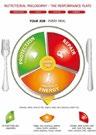
- Consider dietary supplements (only batch-tested products by recognized thirdparty programmes) to: i. facilitate the implementation of the nutrition strategy (e.g. when time for eating is limited, food is not available, or the situation or environment is not conducive to eating real food); ii. raise the level of energy and concentration in match, iii. support post-exercise recovery.
- Because players tend to not periodise spontaneously their dietary intake (CHO in particular) according to the training load, the team nutritionist should recall and implement sport nutrition daily during the tournament.
Dr Julien Louis
Associate Professor in Nutrition and Exercise Physiology at Liverpool John Moores University. Former performance nutritionist of Liverpool FC, Lille FC, and the French Football Federation, currently advising AG2R-Citroën World Tour cycling team.
-Affiliation: Research Institute for Sport and Exercise Sciences, Liverpool John Moores University, Liverpool, UK Email: J.B.Louis@ljmu.ac.uk;
Anderson L, Orme P, Di Michele R, et al. Quantification of training load during one-, twoand three-game week schedules in professional soccer players from the English premier League: implications for carbohydrate periodisation. J Sports Sci 2016;34:1250–9.
Baker LB, Barnes KA, Anderson ML, et al. Normative data for regional sweat sodium concentration and whole-body sweating rate in athletes. J Sports Sci 2016;34:358–68.
Bangsbo J, Mohr M, Krustrup P. Physical and metabolic demands of training and match-play in the elite football player. J Sports Sci 2006;24:665–74.
Collins J, Maughan RJ, Gleeson M, et al. UEFA expert group statement on nutrition in elite football. Current evidence to inform practical recommendations and guide future research. Br J Sports Med 2020;0:1–27
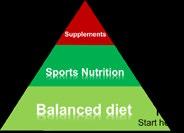
Krustrup P, Mohr M, Steensberg A, et al. Muscle and blood metabolites during a soccer game: implications for sprint performance. Med Sci Sports Exerc 2006;38:1165–74.

Krustrup P, Ortenblad N, Nielsen J, et al. Maximal voluntary contraction force, SR function and glycogen resynthesis during the first 72 h after a high-level competitive soccer game. Eur J Appl Physiol 2011 Dec;111(12):2987-95
Louis J, Dinu D, Leguy E, et al. Effect of dehydration on performance and technique of three-point shooting in elite basketball. J Sports Med Phys Fitness 2018 Nov:58(11)1710-1711
Mohr M, Krustrup P, Bangsbo J. Match performance of high-standard soccer players with special reference to development of fatigue. J Sports Sci 2003 Jul;21(7):519-28
Mohr M, Mujika I, Santisteban J, et al. Examination of fatigue development in elite soccer in a hot environment: a multi-experimental approach. Scand J med Sci Sports 2010 Oct;20 Suppl 3:125-32.
Nilsson LH, Fürst P, Hultman E. Carbohydrate metabolism of the liver in normal man under varying dietary conditions. Scand J Clin Lab Invest 1973;32:331–7.
Sabou V, Rush C, Mason et al. Effects of training intensity and environmental condition on the hydration status of elite football players. Sci Med Football 2020;4(4):329-337
Sawka MN, Burke LM, Eichner ER, et al. American College of sports medicine position stand. exercise and fluid replacement. Med Sci Sports Exerc 2007;39:377–90.
Smith MR, Coutts AJ, Merlini M, et al. Mental Fatigue Impairs Soccer-Specific Physical and Technical Performance. Med Sci Sports Exerc 2016 Feb;48(2):267-76.
Trommelen J, van Loon LJC. Pre-Sleep protein ingestion to improve the skeletal muscle adaptive response to exercise training. Nutrients 2016;8:763.
Water lost during exercise must be assessed and replaced Nutrition for International tournaments in elite football Take home recommendations MD-1 MD MD+1 MD+2 MD+1 Fuel for the work required, with CHO intake ranging from 4 to 8g/kg BM/day, according to training load Hydration is the cornerstone of performance in football Pre, During, Post match and training Optimise post-match recovery with water, CHO (1g/kg BM for 3h), and PRO (≥20g every3 4h) Make foods and drinks available at key moments of the day to facilitate optimal nutrition Bring comfort foods from home to increase adherence to nutrition recommendations, especially around match play Monitor body mass, hunger, satiety, gastrointestinal sensations daily to identify potential issues at an early stage Implement a food first approach to meet the dietary requirements of training and match play Supplement only on purpose to meet specific performance objectives, using quality products tested by 3rd party programmes The team nutritionist should recall and implement the nutrition strategy daily, in collaboration with backroom staff and chef
Dr Julien Louis
29 medicine & performancefootball www.fmpa.co.uk

IMPROVING FOOTBALL PERFORMANCE IN THE HEAT: PRACTICAL PRE-COOLING OPTIONS FOR THE PRACTITIONER
 FEATURE / PAUL B. LAURSEN
It’s game day, and although the morning sun has only just risen, you can already feel the heat in the air. Experience tells you that it’s going to be almost unbearable on the pitch later today. You’ve heard it a million times before: you’ll need to ensure players keep their fluid levels up to combat the effects of dehydration. But is there anything else you can do to improve your team’s performance in these stifling conditions?
Actually, there is; it’s called ‘pre-cooling’. As the term implies, pre-cooling is the practice of lowering a player’s body temperature before they start exercising in hot conditions. But before we discuss the different ways to achieve that, let’s first consider how and why this occurs.
How the heat affects performance
The problem of lowered exercise performance in hot conditions is not just the dehydration that naturally occurs, nor is it the hot day – it’s the higher than normal body temperature. The combination of high-intensity exercise (remember that heat is a leftover by-product of metabolism) and the inability to transfer the produced heat to the environment, because the high ambient temperatures and humidity lower the heat transfer gradient, causes more of the exercise-produced heat to be stored in the body. Core body temperature rises, providing feedback to the brain that it needs to put a clamp on the problem and lower the heat-producing metabolic rate.
Core body temperature normally sits around 37°C; during submaximal exercise, it typically hovers around 38°C. During very high exercise intensities in hot conditions, core temperature can climb to so-called ‘critical’ levels, which range from 39 to 41°C, depending on individual fitness and motivation levels. Again, these higher than normal temperatures are detected in the brain. The brain then innately (and intelligently) attempts to lower motor output so that the rate of heat produced from exercise is reduced. For the player, this is important because it halts the development of a heat illness, but it is not a desired outcome for the coach whose player has been beaten to the ball, causing the team to lose possession and the opposing team to score.
So, what is the solution to this finite heat storage problem for the athlete? As the title of
this article suggests, ‘pre-cooling’, or the process of lowering the body’s temperature before exercise, is the solution. Pre-cooling makes available a greater heat sink during the critical exercise period. This in turn delays the time to reach the higher or critical core temperature which we know lowers exercise performance.
There are a number of ways we can lower the body’s temperatures. The balance of this article will go through the various methods that can be considered by practitioners in the field. All of these methods have the potential to improve performance on the pitch, but some are more practical than others to actually administer.
Pre-cooling methods
Researchers and practitioners have used a number of methods to pre-cool athletes before they exercise in the heat. Popular methods have included athletes taking a cold plunge bath, taking a cool shower, sitting in a cool air-conditioned room, being administered cold saline intravenously, wearing an ice jacket or being draped in cold wet towels. The following is a brief review of the most common methods that have some level of practicality.
Plunge baths
The plunge bath, or cold-water immersion, is probably the most effective means of lowering core body temperature prior to performance in the heat. This is due to
the high cooling power of water (its high specific heat). Any combination of water temperature and duration of immersion is possible, but generally the body better tolerates smaller thermal gradients (not too cold) and longer duration times. When the water bath temperature is low, causing the body heat removal to be fast, a stress and shivering response is triggered as the subject tries to defend against the rapid heat removal. Therefore, slower heat removal rates using immersion temperatures nearer to skin temperature (~32°C) tend to be more effective in practice. For example, Quod et al1 successfully lowered core temperature by 0.7°C when using a 30-minute progressive cold-water immersion protocol beginning at 29°C and finishing at 24°C by the end of the procedure. The large drop in core temperature caused by this protocol resulted in a 1.8% improvement in a 40-minute time trial performance in the heat, compared with the control condition in well-trained cyclists.
Using an intermittent sprint protocol in rugby players, Duffield and Marino2 showed that athletes were able to run a greater distance during hard running after a cold-water immersion pre-cooling procedure. Thus, pre-cooling using cold-water immersion can be useful for aspects of team sport performance, allowing more work to be done on the pitch by players.
While the cold-water immersion procedure is most effective in terms of its cooling power,
Courtesy of Aspetar Sports Medicine Journal V.01.01
31 feature www.fmpa.co.uk medicine & performance
football
the practicality for football competitions is somewhat limited. Although it is possible to arrange for large cold pools to be available in the home team’s dressing rooms, it is a challenging procedure for players to plunge, change, warm-up and take on board a coach’s words and strategy just prior to competing. In theory, it can be done using 10-person tubs; however, the reality of achieving this in a competition scenario is unlikely.
Ice jackets
Ice jackets have been a popular means of pre-cooling athletes prior to exercise in the heat. In this procedure, the practitioner must prepare the jackets ahead of time by freezing either the entire jacket or the jacket’s inserts, then administering these on the athlete either in the dressing room or during the warm-up. In addition to the challenging logistics and resources required to freeze and distribute ice jackets to a team of athletes before the ice melts, the jackets are effective for a short period (~30 minutes on a good day). Indeed, their effect on lowering body temperature has been shown to be moderate to small. While some peripheral (skin) cooling occurs, the effect on core temperature is small to negligible, and the effect on mean body temperature is modest. Further, although some studies have shown improvements in exercise performance in the heat following ice-jacket pre-cooling, others have not.
The positive aspect of using ice jackets is that they can effectively cool the periphery (skin), which can provide both a physiological and psychological lift as the player perceives a treatment effect. However, the procedure and cost of administering ice jackets to a team, relative to the minor effect on lowering core temperature, brings into question the usefulness of this method.
Cold towels
A somewhat more practical procedure similar to ice jackets is the use of towels that have been soaked in a bin full of ice-water. The limitation of this technique for the practitioner is the quick turnaround time required to maintain effectively cold towels, because the cooling power of the cold towel is quickly lost through transfer of heat from the athlete and environment. Therefore, although more cost-effective, the procedure requires some labour. Nevertheless, the technique can be quite practical, as it requires only tubs, ice, water and towels, and players can be taught to self-administer the treatment.
Ice-slurry ingestion
The ingestion of cold fluids and ice-slurry prior to exercise in the heat has attracted much interest of late. Siegel et al3 were the first to show how the ingestion of 7.5 g/kg (~500 to 600 ml) of ice-slurry 30 minutes before running in the heat at threshold significantly increased run time by 19% (or about 10 minutes) compared with drinking cold (4°C) fluids. The authors speculated that added heat removal from
the phase change (solid ice to liquid water) created the additional heat sink and cooler temperatures. Another interesting finding from this study was that final core temperature was about 0.3°C higher at exercise completion, a finding unique to the thermoregulation literature. Prior to this finding, it was thought we have a set ‘critical’ core temperature (discussed earlier) that we will not voluntarily surpass. Thermal sensation and rating of exertion were the same in both trials, which suggests that the ingestion of ice-slurry may improve exercise in the heat by lowering brain temperature, which could occur conductively due to the proximity of the mouth to the brain and associated arteries.
To lend further evidence for this, Siegel et al4 repeated their study and added a second comparison trial of a 30-minute cold-water immersion. Although both precooling methods were shown to be equally effective at prolonging exercise in the heat, final core temperature was again highest in the ice-slurry trial, lending further support to the hypothesis that the likely influence ice-slurry ingestion has on lowering brain temperature is the main mechanism for improving exercise in the heat5
Due to both its effectiveness and practicality, ice-slurry ingestion is a good means of pre-cooling athletes prior to exercise in the heat. It has been shown to be as effective as cold-water immersion, and it is much easier to serve cups of iceslurry prior to competition in the heat than it is to plunge in a bath. In addition, there are added hydration effects when the ice melts.
Key points
1. Exercise performance is lowered in hot conditions, mostly due to higher than normal core temperatures detected by the brain.
2. Reducing one’s core temperature before exercise, termed ‘pre-cooling’, has been shown to be effective at delaying the time before high core temperatures are reached, which in turn improves exercise performance.
3. Popular means of pre-cooling that have been examined in the laboratory setting include cold-water immersion, ice jackets, cold towels and ice-slurry ingestion.
4. Cold-water immersion may be the most effective method and ice jackets have received much attention. However, the most practical means of pre-cooling may be the combination of ingesting ice-slurry, or crushed ice (~500 to 600 ml) combined with the application of cold towels over the extremities, during the 30 to 45 minutes prior to competition.
Combination strategies
A combination strategy of using cold towels and ice-slurry may be the best solution in terms of effectiveness and practicality. For example, Ross et al6 compared the combined effects of a possibly less practical procedure of plunging in cold water followed by wearing an ice jacket with the combined procedure of using cold towels and ingesting ice-slurry. Both protocols resulted in improved cycling time-trial performance in the heat, but a comparison between the two combined strategies revealed no difference in terms of effectiveness. Therefore, the improved practicality of ice-slurry ingestion and cold-towel application makes these two procedures the more sensible choices for the practitioner interested in administering a pre-cooling strategy to football players before competition in the heat.
Summary
In summary, pre-cooling is a strategy that can lower a player’s body temperature before they commence competition in the heat. This procedure delays the time before critically high core temperatures are reached and may be a useful means of improving aspects of team sport performance. Possible strategies that have been researched include cold-water immersion, wearing ice jackets, being draped in cold towels and ingesting ice-slurry during the 30 to 45 minutes prior to competition. Although all such strategies have been shown to have varying degrees of success in the laboratory setting, use of cold towels and ice-slurry ingestion appear to have the highest level of practicality and effectiveness in the real-world setting.
1. Quod MJ, Martin DT, Laursen PB, Gardner AS, Halson SL, Marino FE et al. Practical pre-cooling: effect on cycling time trial performance in warm conditions. J Sports Sci 2008; 26:1477-1487.
2. Duffield R, Marino FE. Effects of pre-cooling procedures on intermittent-sprint exercise performance in warm conditions. Eur J Appl Physiol 2007; 100:727-735.
3. Siegel R, Maté J, Brearley MB, Watson G, Nosaka K, Laursen PB. Ice slurry ingestion increases core temperature capacity and running time in the heat. Med Sci Sports Exerc 2010; 42:717-725.
4. Siegel R, Maté J, Watson G, Nosaka K, Laursen PB. Pre-cooling with ice slurry ingestion leads to similar run times to exhaustion in the heat as cold water immersion. J Sports Sci 2012; 30:155-165.
5. Siegel R, Laursen PB. Keeping your cool: possible mechanisms for enhanced exercise performance in the heat with internal cooling methods. Sports Med 2012; 42:89-98.
6. Ross ML, Garvican LA, Jeacocke NA, Laursen PB, Abbiss CR, Martin DT et al. Novel pre-cooling strategy enhances time trial cycling in the heat. Med Sci Sports Exerc 2011; 43:123-133
Paul B. Laursen, Ph.D. High Performance Sport Auckland, New Zealand Contact: paul@paullaursen.com
32 info@fmpa.co.uk medicine & performancefootballfeature

ENHANCED FOOTBALL INTELLIGENCE AT THE FIFA WORLD CUP QATAR 2022
Founded in early 2020 with a clearly aligned vision, FIFA’s Performance Analysis & Insight team intend to “Improve football understanding and experience by creating Enhanced Football Intelligence through the combination of technical expert observations and football data analytics.”
The appeal is multifaceted, with the ‘football understanding’ facet largely targeted towards coaches, support staff and players, whilst the ‘experience’ aspect refers predominantly to football fans. Our ambition at FIFA has always been to create new, insightful football metrics which can be used live during matches, to enhance the viewing experience.

At the FIFA World Cup in Qatar later this year, we will publicly implement a brand-new series of metrics. Created over a twoyear period by our team of Football Data Engineers, Football Data Scientists and Football Performance Analysts, these new Enhanced Football Intelligence metrics will be available to all live data stakeholders and will be visible to fans all around the world on TV screens and other FIFA platforms. The cornerstone of all our development has been to maintain football context with every metric created. The new datapoints either
describe styles of play or have a close link to elements of the game and performance. Over the coming months prior to the start of the World Cup, FIFA will be releasing educational material around these new metrics to allow football fans to have a chance to gain an understand of what these new metrics are and what they mean prior to the first game. Here in this article, we discuss some of these, what they mean, and why they are important in an exclusive and early glimpse into the new dawn of football metrics.
Possession Control & Phases of Play
Seen on TV screens and match reports for decades, possession control is an enhancement of perhaps the most wellknown football metric to date. Traditionally possession has been presented as two parts; team A and team B. However, there are many moments of the game where the ball is live in play, but neither team have controlled possession of it. We call these moments ‘In Contest’ and at the FIFA World Cup later this year you will no longer see ball possession in two parts, but three.
The ’In Contest’ state is triggered by certain events that occur during the match. For
example, when two players compete for the ball in the air during what we commonly refer to as an aerial duel, contact on the ball by a player during the contest will initiate a loose ball state, and therefore ‘In Contest’. Alternatively, when a defender performs a defensive action such as blocking a pass from reaching its intended target, as the defender contacts the ball during the block, the ball again enters a loose ball state initiating ‘In Contest’. These example actions, along with several other events during a match, initiate this new possession state.
Seeking to understand strategies and tactical behaviours adopted by teams during matches, phases of play is a multifaceted subcategorised metric which accumulates the percentage of ball in play time. Breaking down phases of play into in-possession and out-of-possession categories allows us to analyse individual teams’ styles of play, as well as the pattern of a match across 90 minutes. This metric differentiates between nine different out-of-possession phases including low block, counter-press and recovery, alongside nine in-possession phases such as, build-up, progression, final third and counterattack in addition to five
FEATURE / CHRIS LOXSTON, FIFA GROUP LEADER FOOTBALL PERFORMANCE ANALYSIS & INSIGHTS
feature 34 info@fmpa.co.uk
set play phases. The full list of metrics is extensive and includes other dynamic states such as; counterpress, recovery, defensive/ attacking transition, build up opposed/ unopposed, progression, long ball and counter-attack. Meanwhile the metric also considers the dead ball situations of, goal kick, corner, freekick, throw-in and penalties.
Thinking back to the FIFA World Cup 2018, one of the main observations from our technical team was the compactness of defensive structures in a low block. With these new phases of play in our Enhanced Football Intelligence, we will now be able to put a number to those phases live during the games and delver deeper into the tactics and strategies that teams are employing during the tournament.
Ball Recovery & Line Breaks
Though relatively simple, ball recovery time is a metric that provides great insight into playing styles, whilst also being highly correlated with the counterpress phases from our phases of play metrics. Simply put, ball recovery time is the time it takes for a team to regain possession of a ball after losing possession. One of our interesting projects in Qatar will be to benchmark this against previous World Cup’s, as it is clear that in the domestic game at least, winning the ball back has quickly emerged as a focus in previous seasons. Analysts, coaches, pundits and fans alike now have better knowledge of pressing, whilst expecting their teams to regain quickly before transitioning back onto attack.
Probably one of the more technically minded Enhanced Football Intelligence metrics, once understood line breaks provide real insight into how teams are progressing the ball past the opposition team shape. We have created a model that clusters players into either the defensive, midfield or attacking unit. The model constantly monitors the players positions on the pitch and when a player moves location in relation to their teammates, the model regroups them into a different unit. This metric is playing position agnostic, meaning that just because a player is playing ‘Left Midfield’ their unit group is decided in relation to where they are stood on the pitch in relation to their teammates. When an opposition player attempts to break a line by an in-possession event our model calculates our line break output.
The metric counts how many and what units of the opponent team have been bypassed by a pass, cross or whilst a player is in possession of the ball. In addition to counting the attempted and completed line breaks, the metric also includes information regarding how the units have been bypassed:

how many units in total were available, the deepest unit broken, the total number of units that were broken and what direction the distribution was performed: a line break can go through, around or over a unit. Furthermore, the metric also contains information if line-breaking passes, crosses or ball progressions have been received inside or outside the opponent’s team shape, providing fascinating insight.
Using the line detection model, receptions behind the midfield and defensive lines focusses on the receiving player. The model identifies the location on the pitch where players are receiving the ball, in relation to opposition team shape. Receiving the ball behind the opponents’ midfield line creates the opportunity to disrupt the opponents’ defensive structure and advance into key attacking areas. For example, midfield players such as Kevin de Bruyne (below) or David Silva will attempt to find and exploit the spaces between the midfield and defensive lines. Where as, attackers such as Kylian Mbappe or Romelu Lukaku will aim to exploit the space and receive the ball behind the opponents’ defensive line. Receiving the ball behind the opponents’ defensive line increases the chances of scoring a goal as this reduces the number of defending players between the position of reception and the goal itself. From initial inception of these metrics, we have seen an evolving correlation between quantity of receptions behind the defensive line, and the creation of scoring opportunities. It will therefore be interesting to see how well this metric captures performances in Qatar later this year.
Team Shape & Line Heights
Gone are the days of 4-4-2! Widley discussed in performance and fan circles alike, team shape allows us to better understand the positional structures that teams adopt, alongside player responsibility in relation to the time their team spends in and out of possession. Typically, teams are labelled on our TV screens as playing in certain structures/formations, when the reality is that this is only the case for a very short period of time across a match and in actual fact team structures are very fluid and flexible. ‘Team shape’ will identify and demonstrate the different shapes teams actually adopt across a 90 minute period. The algorthim assigns each player a functional role based on their location relative to the location of their teammates. The posterior aggregation of these roles into groups results in a team shape. The aggregations are created using the players’ locations over a set period and developed into the metric you’ll see on broadcast footage. From our testing at the FIFA Club World Cup earlier this year, we can expect to see shape line up’s that provide a much more realistic view on actual performance.
Defensive line height is a metric that averages the height of the deepest line closest to the goalkeeper during inpossession and out-of-possession phases over a certain period of time. The metric serves as an indicator of how close a team is to their own goal whilst out-ofpossession, or how high the defensive unit is able to position itself during inpossession phases. The algorithm groups outfield players of a team into three categories, i.e., defenders, midfielders, strikers, and subsequently determines the line height of each group by using the height of the deepest player per group. The resulting line heights, as well as the height of the goalkeeper are aggregated over time with the aggregations being reported for different situations depending on whether the team has been in-possession or outof-possession, and in which third the ball has been, i.e., own, mid, or final third. The resulting team length is the average vertical distance between the deepest and the highest outfield player over time. The reported aggregates differentiate between in-possession and out-of-possession situations and are broken down depending on the area that the ball has been in (own third, mid third, or final third), too.
Attack, Attack, Attack! Final Third Entries & xG
Here is a metric that we have seen on post-match reports for at least a decade, however, very rarely has this information been available live to the TV viewer.
35 medicine & performance
www.fmpa.co.uk
football
Measuring the number and location of final third entries means we can begin to understand the attacking strategies that teams adopt as they approach the opponents’ goal. Analysing final third entries can provide insights into how teams utilise their own attacking strengths or expose the potential weaknesses of their opponents’ defensive structure. The metric will count the number of final third entires performed by the attacking team against their opponent and the location of those entries, split across five different entry zones: left outside channel, left inside channel, central channel, right inside channel, and right outside channel.
Expected goals (xG) is a metric that has been available in post-match reports with increasing popularity, but bringing this live to the tv viewer poses completely different challenges given the time pressures after a shot has been taken or a goal has been scored. For those that are still perplexed by this metric, xG measures the quality of a chance on goal by calculating the likelihood that it will be scored from that location on the pitch during a particular phase of play. The value produced is linked to several factors from before the shot was taken. For example, location of the attempt on goal, the body part used, position of the players on the pitch and the preceding action prior to the attempt.
xG is measured on a scale between zero and one, the lower the score, the less probability of a chance being scored. A score of one represents a chance that a player would be expected to score every single time.
Turning Over & Pressuring the Ball
Forced turnovers are a defensive metric awarded to the defending team in the case of the ball carrier performing an incomplete distribution action when under pressure from the opponent. Forced turnovers captures the moments when a team lose possession of the ball due to pressure being applied from the defensive team. The higher the quality, intensity and number of player pressing, the higher the chance of the team in possession will lose the ball. Teams and players will often be seen pressing or applying pressure in the opponents defensive third in order to force a turnover in possession close to the opponents goal. Increasing the opportunity of creating a goal scoring opportunity.
Pressure on the ball is where a defensive player closes down the space between themselves and the player on the ball. Closing the space limits the time and options the player on the ball has. Information such as the defenders’ distance to the ball, the angles of the defender to the ball carrier (if a defender is in front of the ball carrier,
his pressure applied score is greater than if he would be behind the ball carrier) and the proximity of defenders towards the ball carrier are considered. Pressure can be moderate or heavy. If a player is pressed, the pressure received is an accumulation of all pressures applied at that moment, providing core insight into the way in which a team is pressurised in the moment.
Summary
Developing our new array of metrics has enabled us to bring coaches, analysts, players and TV viewers closer than ever to the intricate and dynamic nature of football performance. It is clear the FIFA World Cup Qatar 2022 will be the most performance data supported World Cup so far. Teams will have access to this Enhanced Football Dataset containing over 20,000 data points per match, with live and post-match tracking data also contained to provide nearly every metric that could possibly be desired. It doesn’t stop there though, now through our work every game of the tournament will have the same level of analysis data produced, meaning that for the fans, there is full immersion with this set of FIFA Enhanced Football Intelligence metrics. I hope you all enjoy the World Cup as much as we are sure to do, and uncover some fascinating analysis insights!

36 info@fmpa.co.uk medicine & performancefootballfeature

TREATMENT TO FIFTH METATARSAL FRACTURE IN FOOTBALL: CASE REPORT
 FEATURE / GOMEZ-BERNAL, ET AL
Fracture of the fifth metatarsal bone is a common injury in professional soccer players. An 18-year-old player suffered a fracture of the fifth metatarsal bone of the left foot during a match. A biomechanical study was performed and three plantar orthoses with different prescriptions for everyday shoes, running shoes, and football boots were designed and fabricated by subjecting the virtual 3D profile of the orthoses to the baropodometric loads of the patient using the Finite Element Method (FEM) calculation. FEM is a mathematical model is the use of calculations, models and simulations to predict and understand how an object might behave under various physical conditions. Engineers use FEM to find characteristic and vulnerabilities in their design prototypes. The use of plantar orthoses showed positive results that reduced the perception of VAS pain from 9/10 to 1/10. At the same time, a reduction of plantar pressure at the location of the lesion was observed with the use of the orthosis, allowing a rapid return to play thanks to this novel treatment.
The return to sport after suffering a stress injury to the fifth metatarsal can be difficult and time-consuming for a football player. Bone healing problems or fractures are some of the problems that can jeopardize a player’s career. The time of absence and the prognosis of the injury will be marked mainly by the location of the fracture and the treatment applied (1-4).
Different classifications describe proximal fractures in the fifth metatarsal, according to the location. The classification proposed by Dameron is the most widely used (Figure 1) (5).
Zone 1 includes fractures generated at the base by avulsion. The mechanism of injury is usually a forced inversion of the foot, which generates excess traction of the short lateral strut and plantar fascia. Zone 2 corresponds to fractures generated in the area immediately adjacent to the base, up to approximately one-third of the total length of the fifth metatarsal. Fractures in this area are known as jones. Zone 3 comprises the area immediately adjacent to the jones fracture distally. It is in this area that stress fractures are generated, coinciding with the least irritated metatarsal area.
The vascularisation of the fifth metatarsal plays a fundamental role in the localization of fractures and their consolation. The proximal third is nourished at the blood level thanks to the styloid process and its base which provides a great contribution due to the different insertions of the tendon and ligamentous structures that cover the area. However, the diaphysis is characterised by the absence of this type of insertion, so there is less blood supply. In particular, the diaphysis is irrigated by a nutrient artery, which provides blood supply to the area, along with a slight contribution from the periosteal blood vessels. There is no continuity with the anastomosis of the base irrigation and dialysis, generating an avascular zone responsible for the consolidation problems (6,7) (Figure 2).
To understand the relevance of this type of fracture and the characteristics of the fifth metatarsal bone, Low et al (8) studied fractures of this bone in soccer and pointed out that consolidation problems occur in 1% after surgical treatment and 20% after conservative treatment.
In our clinical case, we present an 18-yearold professional soccer player, with a weight of 72 kg and a height of 173 cm. He had never been treated with a plantar orthosis as prevention in his biomechanics of the footprint by his own choice. The patient suffered an injury to the lateral area of his left foot during a soccer game as a result of a foot strike during a play. Immediately after the incident, the patient left the field with the help of medical assistance. He was advised not to put any weight on that foot at any time. At the end of the game, the patient was taken directly to the hospital for a CT scan and a diagnosis of the injury. After the first physical examination, the player presented a visual analog pain scale (VAS) score of 9. Upon examining the etiology and area of pain, a bony injury to the fifth metatarsal bone was suspected. The hospital radiologist and the club’s chief of medical services issued a diagnosis of a crack of the fifth metatarsal in the proximal third, corresponding to the area where Jones fractures occur (Figure 3).
With the diagnosis established and due to the technical team’s need to have the player integrated into the team for the competition, the decision was made to treat

Figure 2. Diagram of vascularisation of the fifth metatarsal.
 Figure 1. Fracture classification by location according to Dameron.
Cuboid 4th metatarsal 5th metatarsal Zone I Zone II Zone III 93% 4% 3% feature 38 info@fmpa.co.uk
Figure 3. CT in plantar view of the initial fissure (A) and after 4 weeks of evolution (B).
the injury conservatively. The conservative option allows for a quicker return to the training routine. During the first two weeks, the foot was completely unloaded thanks to ambulation with crutches and was also completely immobilized with the application of short, fixed Walker (OrIimanO’). From the tenth day of the injury, the player was allowed progressive support with fixed walker (Figure 4).
From the second to the fourth week, the transition was made from the fixed walker to sports shoes for walking without crutches. At this time, after a biomechanical gait study was completed, conservative treatment was integrated consisting of an insole designed to offload the fifth metatarsal in running shoes, with insole graduation consisting of a 5° / 8 mm lateral heel elevation. This treatment technique was described by podiatrist Kevin Kirby to prevent heel inversion and thus reduce loads in the lateral compartment of the foot (9). At this time, the player has a score of 4 on the VAS scale.
From the fourth week to the sixth week, specific readaptation was performed on the playing field with dynamic exercises aimed
at sporting movements specific soccer skills. Two more biomechanical studies were carried out at this time. One of them consisted of a study with “Gebiomized” instrumented insoles to analyse plantar pressures on the playing field. On the other hand, a study without joint kinematics with the “Younext 4D motion Capture 6” motion analysis system, quantifies the degrees of calcaneus varus and hindfoot varus that the patient is generating (Figure 5). Dynamic baropodometry with running shoes and dynamic baropodometry with Firm Grass (FG) soccer boots were analysed separately.
Different corrections were established, which consisted of an orthopedic correction in the player’s insole with a rearfoot grading consisting of a lateral heel elevation of 10° / 3 mm for running shoes, while the grade for soccer cleats consisted of a lateral heel elevation of 10° / 8 mm (9).
Molding of the feet was performed with a 3D scanner. The three manufactured insoles were digitally designed through specific computer software. The patient’s weight was digitally applied axially to the plantar support structure and the load distribution zones on the plantar support were observed using a colorimetric scale. It is verified that the treatment objective is met in terms of axial load reduction in the area corresponding to the fifth metatarsal (Figure 6). All the orthopedic insoles were produced by milling machine-assisted fabrication numerical control, with double-sided milling of carbon polypropylene material (Dynamic Podoactiva@).
An on-field control test was performed for all plantar supports that modify the biomechanics of the player’s foot. The improvement of the load in terms of plantar pressure in the injured area after the application of the plantar supports was quantified. It was observed that thanks to the effect of the correction applied with the lateral inclination of the heel of the insole, the desired effect is obtained (Figure 7). After two weeks of
Figure 7. Baropodometric analysis in the shoe before and after applying the plantar support.


Figure 6. Digital design of the different hindfoot corrections of the custom-made insoles and colorimetry of loads simulated with finite element calculations.
use of the orthotic treatment by the player, the last evaluation was performed with the VAS scale and the player reported a score of 1 out of 10.

This clinical case describes the treatment after a fracture of the fifth metatarsal in a professional soccer player. This type of fracture represents a serious problem in the career of a professional soccer player, and can even lead to the end of his career (1).
The sporting movements of soccer are characterised by acceleration and braking movements, movements of the fifth metatarsal and the fifth metatarsal of the fifth metatarsal (2). Lateral and cross movements; and single limb support gestures (jumping, striking); as those that lead to the patient’s injury. The pressures received in the fifth metatarsal during these sports gestures have been previously studied, concluding that in most of these situations, an increase in the contact area and an increase in the time of integral pressure are generated (10,11).
In this case, conservative treatment is chosen, due to the time of the season, to shorten the recovery period. In addition, the injury was a partial fracture and the patient had not suffered any fracture before (10). According to I. Úbeda-Pérez de Heredia (11), functional treatment of fractures of the fifth metatarsal provides a shorter duration of temporary disability of the injured, as well as fewer complications and less severity than conventional treatments; even evaluating the function of these treatments using the AOFAS scale (12).
Within conservative treatment, improvement in pressure distribution and control of the biomechanical characteristics that can lead to mechanical stress of the fifth metatarsal (height of the internal arch of the foot), varus of the foot) are two elements that must be taken into account, according to different authors (13,14). To accomplish the above, the patient has customized plantar orthoses that generate adequate motion control in the different situations of the biomechanical demands of the athlete. However, Queen et al. (15) did not find an improvement in the loads on the fifth metatarsal using a rigid piece of carbon fiber. Probably, we can think that the difference is justified by the fact
Figure 4. Fixed walker
Figure 5. Hindfoot kinematic analysis. Comparison of left and right foot
PRE POST 39 medicine & performancefootball www.fmpa.co.uk
that their treatment is a flat and rigid carbon fiber sheet, while the technology used in this case is a semi-flexible and customized treatment that applies finite element calculation for the correct distribution of loads. Our treatments are based on previous work in which a change in foot movement and weight bearing was achieved by employing plantar orthoses (16).
The boot of the player is an important element to study since several studies show that a poor choice of boot in relation to the playing surface can generate an increased risk of injury for the player (12,13).
Some authors have carried out studies on the relationship between the type of boot and the comfort of the player, concluding that the increase in pressure in certain areas of the foot during the sporting gesture, accompanied by poor sensation on the part of the player, especially in the fifth metatarsal, entails a greater risk of injury (14,16).
Among the actions we have carried out to treat the soccer player, one of them has been to change his soccer boots since they may have characteristics that affect the biomechanics.
On examination, the boot was not suitable, with high stiffness in the midfoot when talking about the risk of injury to the 5th metatarsal. The manoeuvre to detect this defect is performed with a uniform vertical pressure from the inside of the boot, to detect if the boot is deformed. It is important to note that poor mid-foot boot flexion is not attributable to all models of a particular brand, nor to all units of a particular model. In fact, insufficient mid-foot stiffness very rarely occurs due to the quality control and quality control processes of the manufacturers.
This defect is usually unique to a specific pair of boots that are likely to have an unusually undetected manufacturing defect (Figure 8). This defect is usually unique to a specific pair of boots that likely has an rare undetected manufacturing defect (Figure 8). It highlights the importance of checking the footwear being used.
In conclusion, the proposed conservative treatment has been effective, showing positive results that rule out the perception of pain utilising VAS. Concerning the data
obtained by the instrumented insoles, the customized insoles for the player have improved the distribution of plantar pressure in the area corresponding to the fifth metatarsal, which allows for accelerating the return to play.
In fractures of the fifth metatarsal, as proposed in this clinical case, the effectiveness of custom insoles in reducing loads should be taken into account, after simulation with the finite element method. Orthotic treatment should be part of a multidisciplinary treatment with the rest of the medical team. The podiatrist of a professional soccer club has an important role in the study of the sporting gesture, relating it to the biomechanical characteristics of the foot, the study of the football boot, and the study of the foot.
and the preparation of customized insoles to control the above variables.
The patient’s footprint, thanks to the calculation of the finite elements applied to the fabrication of plantar supports. Further research is needed in this area to integrate this type of novel treatment into clinical practice on a regular basis.
The interesting and novel aspect of this clinical case is the verification of the forces that the plantar orthosis will support with the patient’s foot loading, thanks to the calculation of finite elements applied to the manufacture of plantar supports. Therefore, further research should be carried out in this area to integrate this type of novel treatment into clinical practice in a regular way.
1. Ekstrand j, van Dijk CN. Fifth metatarsal fractures among male professional footballers: a potential careerending disease. Br j Sports Med [Internet]. 2013 Aug [cited 2018 May 11];47(12): Z54—8. Available from: http:// www.ncbi.mm.nih.gov/pubmed/23467966
2. Lareau CR, Hsu AR, Anderson RB. Return to Play in National Football League Players After Operative jones Fracture Treatment. Foot Ankle Int [Internet]. 2016 Jan 9 [cited 2018 May 11];37(1):8—16. Available from: http:// www.ncbi.mm.nih.gov/pubmed/26353796
3. Park j-Y, Kim H-N, Hyun Y-S, Park j-S, Kwon H-j, Kang S-H, et al. Effect of Weight-Bearing in Conservative and Operative Management of Fractures of the Base of the Fifth Metatarsal Bone. Biomed Res Int [Internet]. 2017 [cited 2018 May 11];2017:1—6. Available from: http://www.ncbi.mm.nih.gov/pubmed/29441351
4. Thomson A, Akenhead R, Whiteley R, D’Hooghe P, Van Alsenoy K, Bleakley C. Fifth metatarsal stress fracture in elite male football players: an on-field analysis of plantar loading. BMJ Open Sport Exerc Med [Internet]. 2018 jun 20 [cited 2018 Aug 21];4(1):e000377.Available from: http://bmjopensem.bmj.com/Iookup/doi/10.1136/b mjsem-2018-000377
5. Dameron TB. Fractures and anatomical variations of the proximal portion of the fifth metatarsal. j Bone Joint Surg Am [Internet]. 19Z5 Sep [cited 2018 May 12];57(6): 788—92. Available from: http://www.ncbi.mm.nih.gov/ pubmed/1099103
6. McKeon KE, Johnson JE, McCormick JJ, Klein SE. The Intraosseous and Extraosseous Vascular Supply of the Fifth Metatarsal. Foot Ankle Int [Internet]. 2013 Jan [cited 2018 May 12];34(1):117—23. Available from: http:// www.ncbi.mm.nih.gov/pubmed/23386771
7. Smith JW, Arnoczky SP, Hersh A. The intraosseous blood supply of the fifth metatarsal: implications for proximal fracture healing. Foot Ankle [Internet]. 1992 [cited 2018 May 12];13(3):143—52. Available from: http:// www.ncbi.mm.nih.gov/pubmed/1601342
8. Low K, Noblin JD, Browne JE, Barnthouse CD, Scott AR. jones fractures in the elite football player. j Surg Orthop Adv [Internet]. 2004 [cited 2018 May 12];13(3):156—60. Available from: http://www.ncbi.mm.nih.gov/pubmed/15559691
9. Kirby KA. The medial heel skive technique. Improving pronation control in foot orthoses. Artiej Am Podiatr Med Assoc [Internet]. 1992 [cited 2018 Aug 21 ]; Available from: https://www.researchgate.net/ publication/21557558
10. Baumbach SF, Prall WC, Kramer M, Braunstein M, Böcker W, Polzer H. Functional treatment for fractures to the base of the 3rd metatarsal - influence of fracture location and fracture characteristics. BMC Musculoskelet Disord [Internet]. 2017 Dec 16 [cited 2018 May 11 ];18(1):334. Available from: http://www.ncbi.mm.nih.gov/ pubmed/29246170
11. Úbeda-Pérez de Heredia I. El apoyo inicial sin inmovi- lización como terapia de elección en las fracturas del quinto metatarsiano. Rev Esp Cir Ortop Traumatol [Internet]. 2018;1—11. Available from: https://doi. org/10.1016/j.recot.2018.01.009
12. Bentley JA, Ramanathan AK, Arnold GP, Wang W, Abboud RJ. Harmful cleats of football boots: A biomechanical evaluation. Foot Ankle Surg. 2011;17 (3):140—4.
13. O’Connor AM, James IT. Association of Lower Limb Injury with Boot Cleat Design and Playing Surface in Elite Soccer. Foot Ankle Clin. 2013;18(2):369—80.
14. Nunns MPI, Dixon Sj, Clarke j, Carré M. Boot-insole effects on comfort and plantar loading at the heel and fifth metatarsal during running and turning in soccer. j Sports Sci. 2016;34(8): 730—7.
15. Queen RM, Abbey AN, Verma R, Butler RJ, Nunley JAJA. Plantar loading during cutting while wearing a rigid carbon fiber insert. j Athl Train. 2014;49(3):297—303.
16. Okholm Kryger K, Jarratt V, Mitchell S, Forrester S. Can subjective comfort be used as a measure of plantar pressure in football boots? j Sports Sci. 2017;35 (10):953—9.
 Figure 8. Defective boot unit with mid-foot flexion
40 info@fmpa.co.uk medicine & performancefootballfeature

IS THERE A ROLE FOR ISOKINETICS IN SPORTS MEDICINE?
FEATURE / DAVID FEVRE MSC MCSP SRP
Advantages and disadvantages exist for all modalities. As do opinions. Isokinetics, and isokinetic machines are by no means excluded from these interpretations. This editorial hopes to shed some light on this and will elaborate on the key roles isokinetics can play within a sporting organisation. These can occur at various stages within the club/player relationship and includes:
• Pre-injury/season screening to obtain baseline data
• Identifying the ‘at risk athlete’ during medicals
• Its use within the treatment continuum, and in conjunction with the other modalities during injury treatment
• Its use in injury assessment and all stages of the recovery journey
Isokinetics is an exercise modality that operates at a pre-determined fixed speed and with an accommodating resistance through the range of motion. This contrasts with the more utilised isotonic exercise, which works at a variable speed against a fixed resistance. With appropriate speed selection by the clinician, together with suitable sets and repetition prescription, muscle and joint specific loading can be created at intensities compatible with the clinical status and therapy need. If required by the therapist, maximum dynamic loading is possible throughout the range of motion,
A common criticism of isokinetic dynamometry is its lack of specificity to athletic performance. Many question how a single joint movement at a constant angular speed can relate to the multi-joint, varied speed, and multi-directional demands of a sporting activity? This question is based on what is termed face validity, which only asks whether a test does what it is supposed to do. Criterion-related validity, the strongest form of validity, correlates isokinetic testing to athletic performance. More than forty studies have demonstrated a correlation between isokinetic testing and relative athletic performance, including on key functional activities such as jumping, sprinting, and kicking. The number of studies showing no correlation are in single figures.
The concept of pre-season and in-season screening is an important consideration of risk assessment in the sporting environment. Baseline data provides an excellent opportunity for assessing individuals in an assumed healthy or well-conditioned state, with the findings
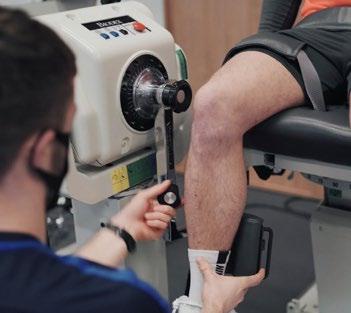
assisting in addressing performance deficits, or providing rehabilitation targets should injury occur.
Isokinetic testing can be used in the medical screening process of an incoming, or outgoing, player. Strength or performance imbalances, deficits, and abnormal findings allow for informed decisions to be made within the medical process. Eccentric muscle performance is often informative, although good quality eccentric isokinetic screening requires multiple familiarisation sessions which may not be feasible in all instances.
There are limited published studies correlating isokinetic torque graphs with injury pathologies, making diagnostic references challenging to use with any certainty. Most of the studies involve the knee joint and are discussed in the literature as isolated cases from experienced clinicians. To suggest that a pathology may be demonstrated from an isokinetic torque curve requires an educated understanding of normal and abnormal curve profiles, the influences of clinical and non-clinical variables, and the typical profiles of a pathological curve. Even then a curve profile may not be truly diagnostic, but it will remain informative.
Most isokinetic systems do not exist solely as isokinetic platforms. Functions such as continuous passive motion (CPM), isometrics, and isotonics are commonly available within the same platform, with both concentric and eccentric settings, allowing systems to be used across the full spectrum of a rehabilitation journey.
CPM and isometrics may be introduced following acute injury or surgery, with the most common sites being the shoulder, knee, and ankle joint.
Used appropriately, the early mobilisation can provide an analgesic effect, facilitate an increase in early and late ranges of movement (ROM), and help prevent the complications of immobilisation such as peri-articular adhesions, contractures, and circulatory stasis without any detrimental effect on wound healing. As progress is made, the CPM mode can also be used in an assisted passive manner, before progressing to the more advanced active modes.
Hunter (1994) recommended the introduction of Sport Specific Tissue Mobilisation (SSTM) during the regeneration phase (approx. 5 days post injury) to help increase the tensile strength of the wound. The wound is carefully tensioned using specific and graded manual techniques and this process continues throughout the remodelling phase. These longitudinal stretching techniques are supplemented at the appropriate stage of rehabilitation, by direct manual pressure applied at 90° to the soft tissue.
The use of isokinetics to supplement SSTM allows the therapist to add more ‘fine tuning’ techniques to the treatment process. When developing a specific treatment protocol, variables such as position of treatment, speed of movement and hold times at end of range can be adjusted accordingly. This allows multi plane loading and shearing forces to be introduced as the injury rehabilitation process reaches its end point of return to play.
Combining a ‘live’ ultrasound scan alongside to this process visually demonstrates to the patient and therapist the extent of anatomical healing and the effect of external pressures on fibrin alignment.
Muscle strengthening in mid to late-stage rehabilitation is often seen as the primary use of the isokinetic function. Muscle strength can decrease at the rate of 2-6% for the first 8 days of immobilisation (Muller, 1970) and up to 40% (Psatha et al, 2012) over a 6-week period after injury. To minimise such losses appropriate ‘overload’ exercise need to begin as early as possible.
42 info@fmpa.co.uk medicine & performancefootballfeature advertorial
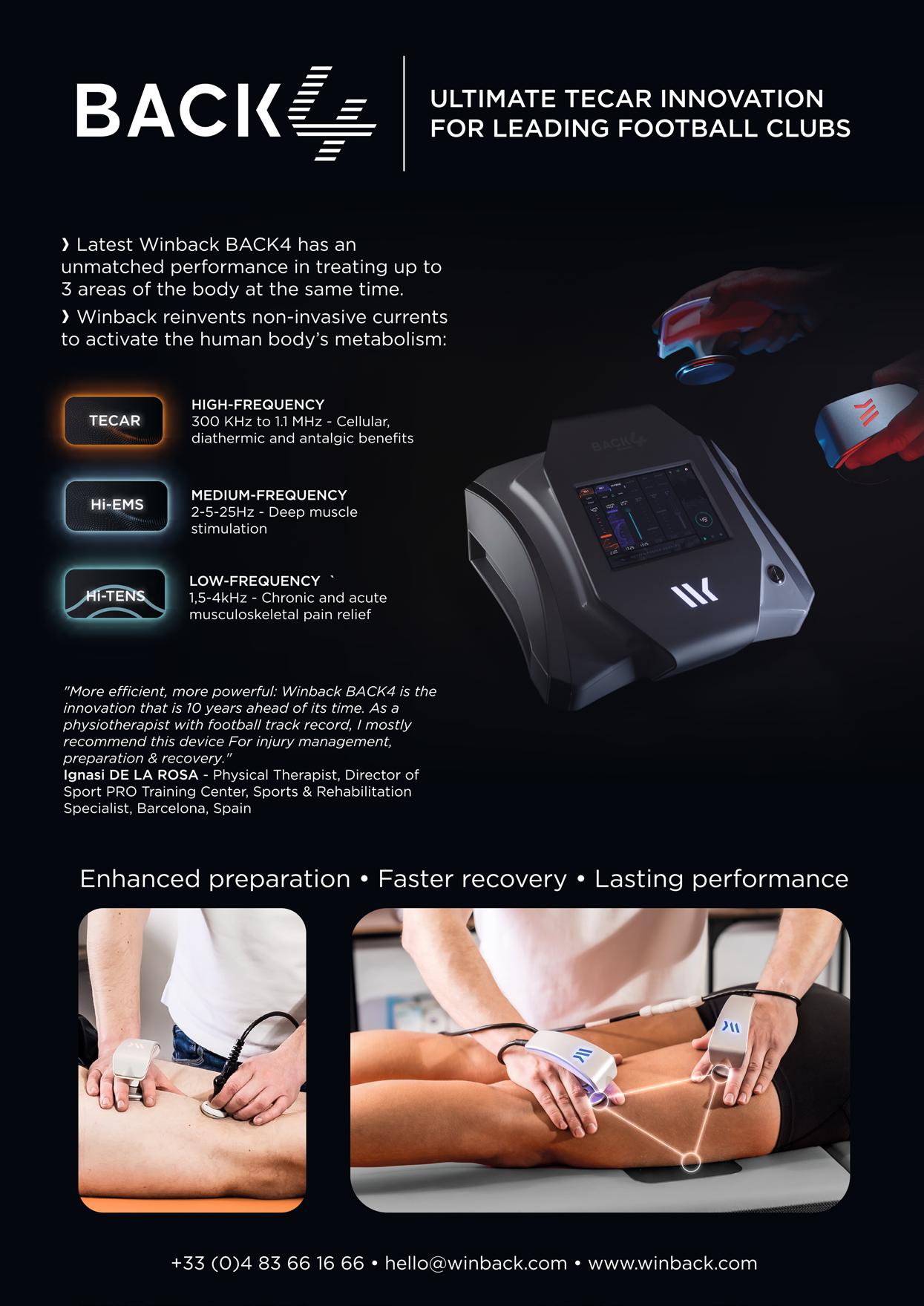




LEGAL
Compromise agreement
“...I took your advice and have been working with the FMPA lawyer on the conclusion of my contract. Martin from his swift response on day one has been a real rock on my side and he has stayed in contact with me at regular intervals. His professionalism and knowledge of the football contract has helped me to be both realistic and hopeful regarding my case. We are now at the final stages of discussions with the club and the financial and emotional support I have has come through my contact with Martin. I am also immensely grateful to the FMPA for your help and support at this difficult time. At a low point in my life both the FMPA and Martin have helped me get the contractual situation sorted with as little fuss as possible and that’s been important to me and my family.”
Head of Medicine, League 2
Contract review
“...I just wanted to drop you an email to let you know how helpful Martin has been this last week. Although away, and with poor signal, he consistently made the effort to respond quickly to my questions when the club came back with updated terms. I believe his guidance has been fundamental to my negotiations.”
Head Physiotherapist, Premier League
“...Thank you so much. Really appreciate your help with this, it’s brilliant that the FMPA offer this service to its members. This stuff can be a minefield.”
Lead Sports Scientist, Premier League
JOIN TODAY www.fmpa.co.uk/legal
Tel: 0333 4567897


FOR MORE DETAILS TEL: 0333 4567897 EMAIL: CONFERENCE@FMPA.CO.UK TWITTER: @FMPA_OFFICIAL FACEBOOK: @OFFICIALFMPA INSTAGRAM: @FMPA_OFFICIAL RADISSON BLU HOTEL EAST MIDLANDS, DE74 2TZ WWW.FMPA.CO.UK #fmpa2023 2023 FULL DETAILS TO FOLLOW! THU 1ST/ FRI 2 ND JUNE SCAN FOR MORE DETAILS SAVE THE DATE!
