5 minute read
Lighting the Future

How LEDs Are Powering Smarter, Greener Spaces
By Brad S. Picht, Product Category Manager, Graybar.
Since the late 19th century, lighting technology has evolved in dramatic ways. Progressing from the very first incandescent lighting options to innovations like fluorescent and halogen lamps, each new technology has offered improvements in lighting quality, efficiency and longevity.
Rapid innovations in lighting have transformed LEDs into a full spectrum of affordable, high-intensity, energy-efficient lighting solutions. LEDs have become synonymous with modern, eco-friendly, and smart lighting solutions. They're adaptable to all environments and can deliver a soft glow in our homes or bright, focused lights in operating rooms— and pretty much every application in between.
As every industry begins the transition to LED, there are several factors that can help ensure your projects run smoothly, create optimum efficiency and cost savings, and are ready to adapt as technology advances.
FOUR KEY BENEFITS OF LED TECHNOLOGY
Advancements in LED technology have created opportunities to use lighting in new and innovative ways. In addition to increased efficiency and reduced maintenance costs, the technology offers several important advantages over its predecessors:
• Enhanced Control: Modern LED systems are versatile, allowing for precise control over light intensity, color temperature, and illumination distribution. This flexibility makes LED lighting suitable for a wide array of applications.
• Integration: LED technology is inherently smart and flexible. LEDs can integrate with building management systems, respond to environmental changes and be programmed to suit hyper-specific requirements, making them a highly customizable choice for modern lighting needs.
LIGHTING UP INDUSTRIES: LEDS’ DIVERSE APPLICATIONS
The versatility of LED technology extends far beyond general illumination. LEDs are transforming industries by meeting unique lighting requirements that were once challenging to achieve.
Data Centers. As AI fuels rapid growth of data center construction, LED lighting plays a key role in supporting energy efficiency, security and reliability. LEDs are ideally suited for data centers because they emit very little heat, consume minimal energy and have a long lifespan. Combined with automated controls, LEDs can also dim or turn off lighting in unoccupied areas of the data center to save energy.
Healthcare. LEDs contribute to creating environments that aid in recovery and comfort. For example, the ability to control light intensity and color temperature plays a critical role in patient rooms, allowing bright, focused light when staff need it to provide care, and softer light to enhance the healing environment and patient rest.
Agriculture. LEDs are revolutionizing how we grow food. In controlled environments like greenhouses, LED lighting supports plant growth by emitting specific light spectra that enhance photosynthesis. This technology is important in vertical farming and urban agriculture especially, as space is limited, and maximizing yield is essential.
Hospitality. Designing and providing the correct ambiance of a space is important in the hospitality industry. LED lighting helps create inviting atmospheres in hotels, restaurants, and event spaces. In hotel rooms, smart systems offer features like occupancy sensors, which help to save energy and comply with evolving state and federal requirements.
Education. School districts and college campuses are using LED lighting to create environments conducive to learning. As with hotels, occupancy sensors and smart systems can help to ensure that lighting is only on when it’s needed in dorms and common spaces, which can help reduce energy costs.
Warehousing and Storage. The efficiency and safety in warehousing and storage facilities are vastly improved with LED lighting. Bright, consistent lighting is crucial in these environments for both safety and operational efficiency.
Heavy Industrial. Like warehousing applications, LEDs can support safety and productivity in manufacturing facilities, as well as other heavy industrial applications such as foundries and oil and gas refineries.
THE DAWN OF SMART LIGHTING: THE FUTURE OF LED TECHNOLOGY
As AI transforms the way we live and work, it is also transforming lighting. The industry is focused on creating smarter, more responsive, and more integrated lighting systems that contribute to overall well-being, improve facility maintenance, and enhance energy efficiency. Here are some areas where AI is transforming commercial and industrial lighting.
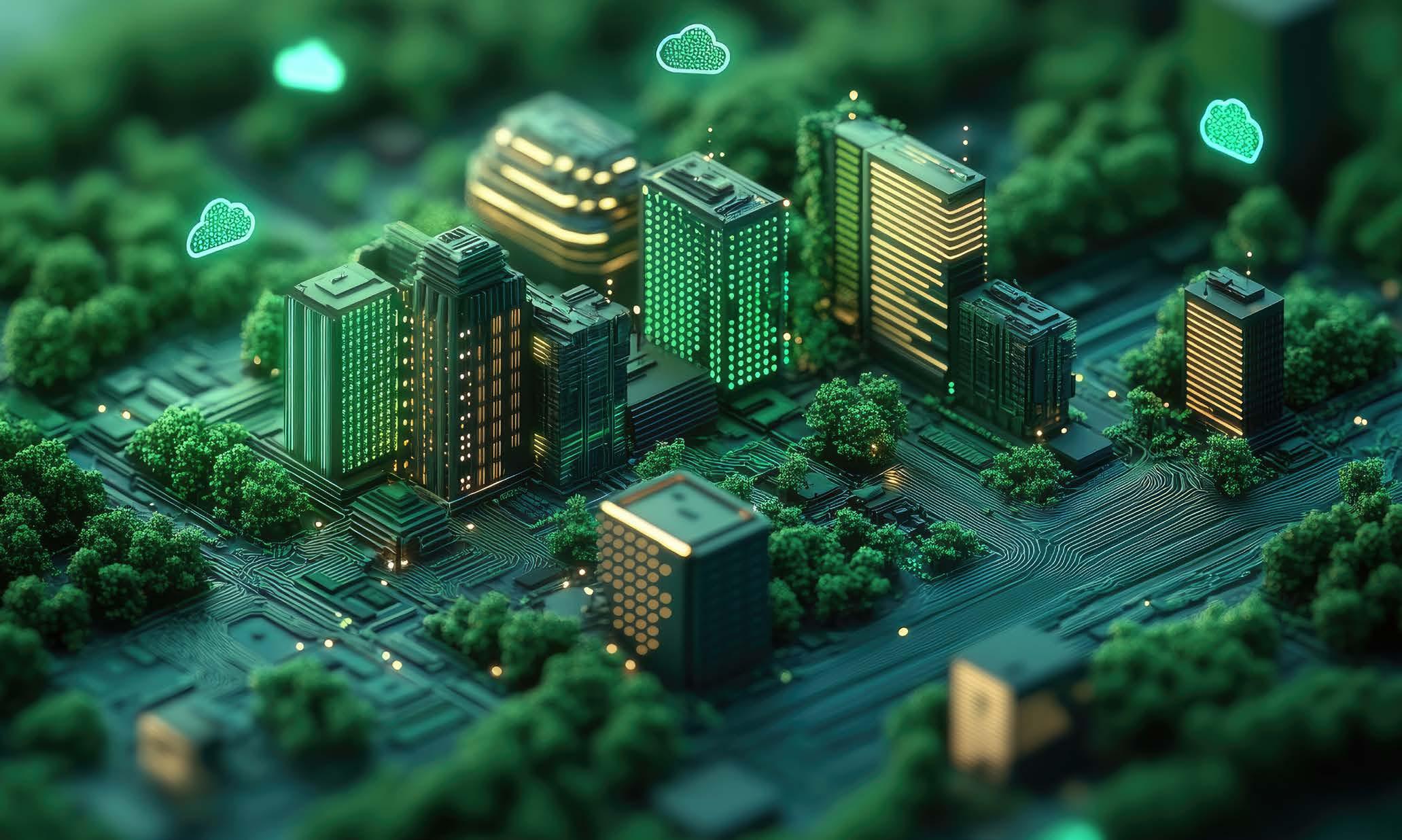
• Internet of Things (IoT) Capabilities: When combined with the Internet of Things (IoT) AI will create new opportunities for intelligent lighting solutions. LEDs can be equipped with sensors and connected to networks, providing valuable data that can be used to enhance security, traffic management, and environmental monitoring. This integration positions LED lighting as a key player in the smart technology revolution, contributing to more sustainable and efficient urban development.
• Integration With Building Systems: The future of LED lies in its ability to become even more intelligent. LEDs can work in harmony with other building systems, such as heating, ventilation, and air conditioning (HVAC), to optimize energy use and create a more comfortable environment. This level of integration will make our buildings not just places to live or work, but ecosystems that respond intelligently to our needs, while improving sustainability.
• Customized User Experience: The future will also see a heightened focus on the customization capabilities of LED lighting. Imagine AI-enabled lighting systems that learn from your habits, adjusting brightness and color based on the time of day or the activity in the room. From dynamic lighting that adapts to individual moods and activities to architectural lighting that transforms buildings into works of art, the possibilities are limitless. This will continue to enhance the user experience, with the possibility of providing lighting solutions that are not only personalized, but also enriching and inspiring.
• Streamlined Maintenance: By continuously monitoring performance and analyzing data, lighting systems equipped with AI will be able to predict when a component is likely to fail. With this information, maintenance teams will be able to replace parts before they fail, which minimizes downtime and reduces the cost of emergency repairs.
Moving forward, lighting will become an increasingly integrated—and integral—element of smart building design. By leveraging AI and IoT capabilities, the future of LEDs is bigger and brighter than ever.