TableWare




Made from passionate people for passionate people.

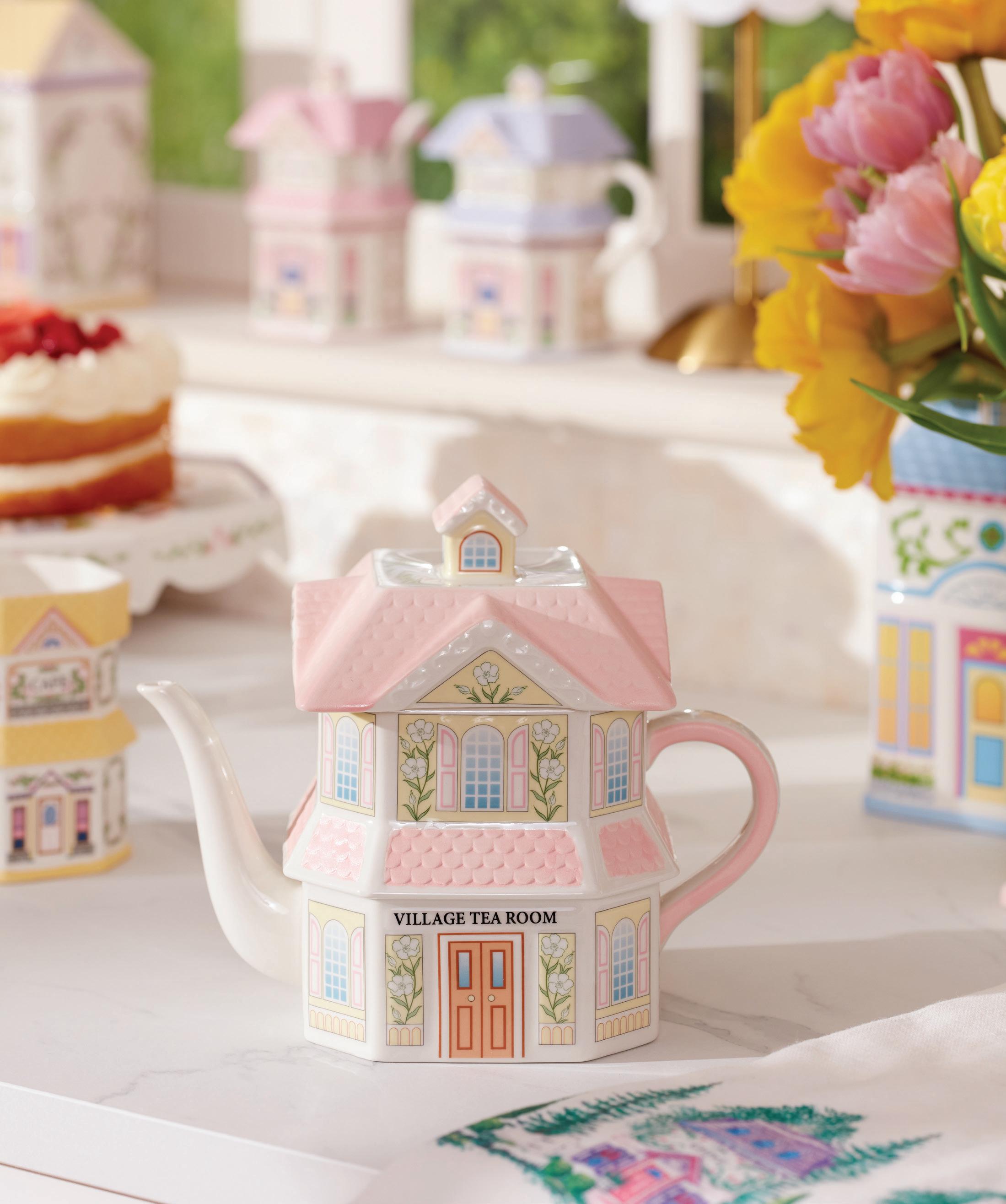
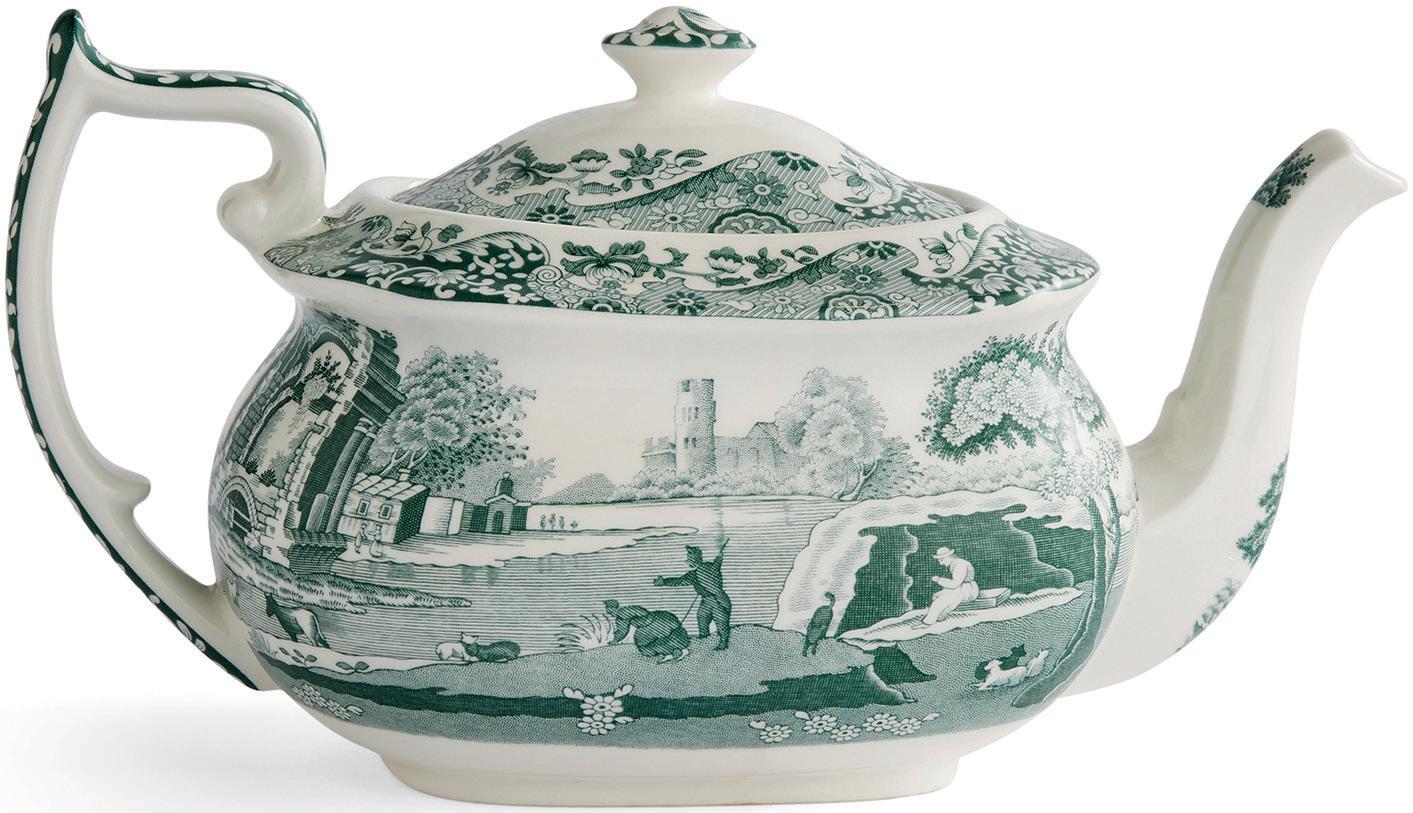
Shown: Lenox Spice Village™ Te apot

Made from passionate people for passionate people.
Welcome to the May/June issue of Tableware International. As we hurtle through the year, this issue is packed with lots of lovely products for you to feast your eyes on, as well as some interesting news and views. There is plenty of development taking place with Bonna announcing the upcoming opening of its new logistics hub in Germany, while Clay Craft India has broken ground on its third facility in India. The news, of course, was dominated by the UK government’s welcome announcement of a £120 million support fund for the ceramics industry, and we watch with interest to see how this will, in real terms, benefit the sector. Portmeirion’s new CEO Michael Sheepers speaks to us about this topic, and others, in an interview on page 38. Meanwhile, our cover is given over to Noritake and you can read about their beautiful new collections on page 24/25. We also cover some great product categories in this issue; from the allimportant, all-white tableware (pg 26) to, arguably the other end of the scale, melamine products (pg 44). We also look at festive tabletop and its importance to the market from page 46 and hospitality glassware on page 58.

Welcome to the latest issue of HoReCa, brought to you from the Tableware International team. Now that we are o cially in Q4, it will be interesting to see how 2022 will end up comparing to 2021. Despite a cost- of-living crisis unveiling itself (in the UK at least), there remains a degree of optimism that – actually – people will seek to escape the overhanging fruits of doom and gloom. And if they have ex tra money to spend, it will be spent on hospitality and enter tainment. Good news for venues and good news for suppliers. But let ’s wait to see how the next few months transpire. Af ter the trauma of the past number of years, the sector is steeled for whatever the economy has to throw at it.
It is often easy to get “caught up” in the melee of products and logistics when we talk about ceramics and glassware, but it’s important to remember other facets of the industry exist too. With that in mind, if you turn to page 62 we speak with museum director and curator Margaret Carney, Ph.D. of the International Museum of Dinnerware Design who tells Tableware International about the founding of the museum and explains how it curates its collections. Finally, if you are attending the Exclusively showcase in London this June, Tableware International will see you there!


Mairead Wilmot
This issue of HoReCa, therefore, has lots of new products, industr y opinions and trends to sink your teeth into, including a super inter view with master sommelier Matthieu Longuère who is now wine development manager at the acclaimed Bleu London. He gives us some real insight into what makes wine sing, and yes, the glass really does have a par t to play. One of the was, when it comes to the glass – does it r if its handmade or manufac
“Not always,” Matthieu told me. ence is nancial glass and the way the di manufactured glasses look ve
essional bring us up to speed on one of
on page 24 while our friends at Ambiente give us an update on the HoReCa hall on page 28. All this and



EDITOR
MAIREAD WILMOT mairead@lemapublishing.co.uk


PUBLISHER
PAUL YEOMANS
pyeomans@lemapublishing.co.uk


EDITOR
MAIREAD WILMOT mairead@lemapublishing.co.uk
PUBLISHER
PAUL YEOMANS
pyeomans@lemapublishing.co.uk
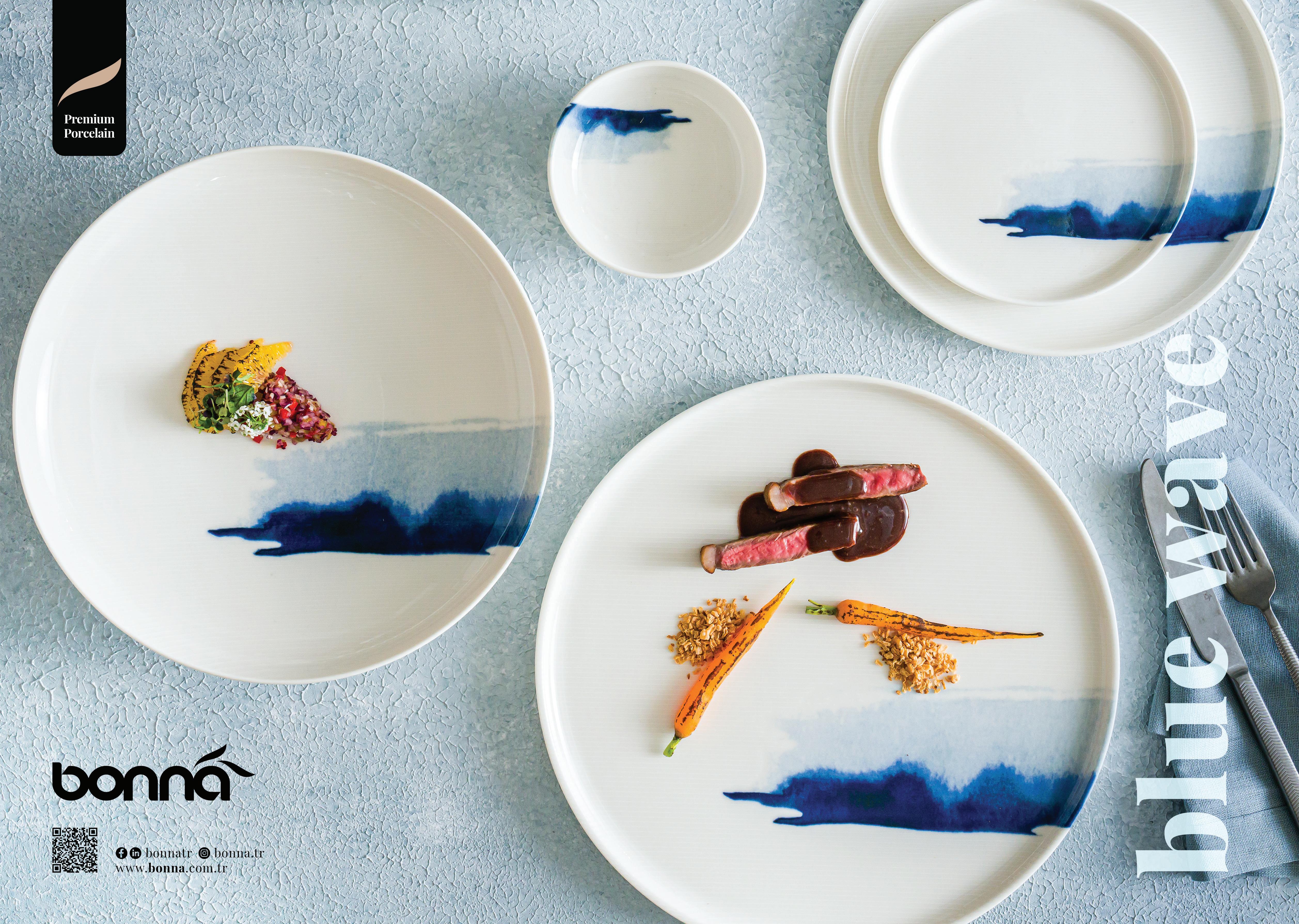
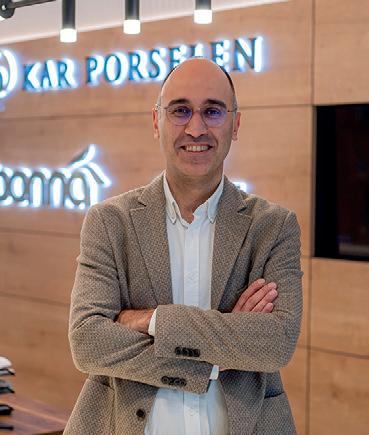
Bonna will open its new European logistic hub in Germany this June.
“The decision to establish a logistics hub in Germany was driven by our ambition to elevate our service standards even further, while enabling us to bring Bonna’s extensive portfolio and new product innovations to the European market in a faster, broader, and more efficient way,” says Bonna’s CEO Erbil Aşkan.
The new logistics facility highlights the brand’s commitment to its European partners.
“Germany offers a highly developed logistics infrastructure and a strategic location that enables faster and more efficient access to the key European markets we serve. At the same time, being one of the largest hospitality
markets in Europe on its own made Germany a natural choice for such an investment,” Erbil adds.
The new facility will allow Bonna to deliver significantly faster deliveries, stronger product availability, and more frequent stock replenishment across their portfolio, with a particular focus on new product launches.
“In the HoReCa sector, where speed, continuity, and flexibility are critical, this structure will allow us to respond to customer needs much more efficiently. By improving accessibility and shortening lead times, we believe this investment will move Bonna several steps ahead in meeting the
Anfora has announced a new partnership with Drinique, who will provide importing, stocking, and marketing support for the United States. Inventory will be held at Drinique's new facility in Phoenix, Arizona, giving US distributors and foodservice operators faster fulfillment, broader product availability, and more responsive day-to-day service.
The new arrangement offers the US market wider access to Anfora's full portfolio through Drinique's established national network of independent sales representatives and distributors.
"This team up allows us to continue to showcase the incredible heritage of the Anfora brand and introduce exciting new products. Over the summer, we will be building up stock to better serve the US market with the speed and consistency our customers desire,” said Hans Kritzler, CEO of Anfora.
While expanding its US reach through Drinique, Anfora remains fully committed to its core network of US partners and distributors. There will be a transitional period over the next few months as stock levels are built in Arizona to ensure consistent product availability. www.anfora.com
growing expectations of end users for variety and speed, while also providing stronger operational support to our distributors across Europe,” Erbil says.
Beyond operational advantages, the hub will also strengthen Bonna’s visibility in projects helping the brand become a more accessible and preferred partner for chefs, hotels, restaurants, and distributors throughout Europe.
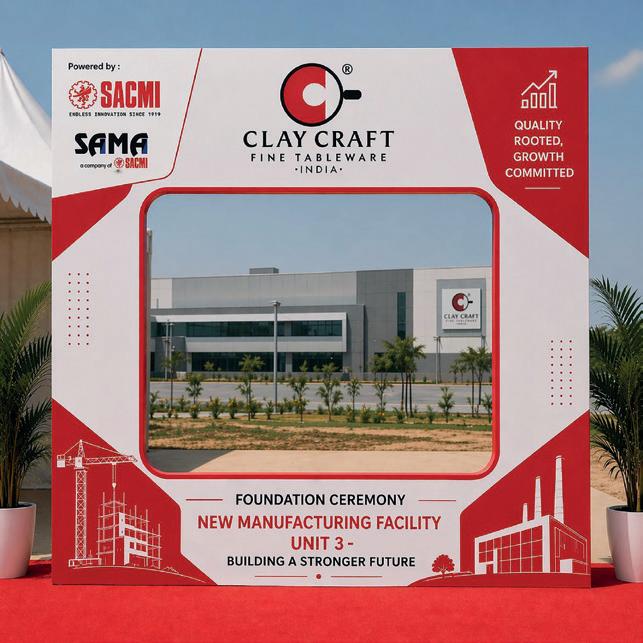
Clay Craft India has broken ground on its third manufacturing facility. The state-of-theart factory, honoured with a recent ground breaking and foundation ceremony, is being designed as a green, sustainable, and futureready plant.
The new facility features zero discharge systems, solar-powered operations, energyefficient processes, and fully automated production lines.
“It reflects our strong commitment not only to quality and innovation, but also to responsible and environmentally conscious manufacturing,” the company states.
The brand, which is working with SACMI and SAMA Group on the project, says this latest expansion strengthens their capability to deliver globally competitive ceramic tableware.
ProCook recently announced it is opening a trade division. The new B2B channel builds on growing demand from businesses already working with ProCook. Trade customers will have access to ProCook’s complete kitchen and dining range and to support the next phase of growth ProCook has appointed Sally Fielding as head of trade to lead the division. Her experience includes working with leading homeware brands and designers such as Nigella Lawson, Orla Kiely and Garden Trading.
Lee Tappenden, CEO at ProCook, says: “Increasingly businesses come to us looking for a complete kitchen and dining offer they can rely on, particularly across residential and hospitality settings. We’re building on that demand and making it easier for businesses to partner with us.”
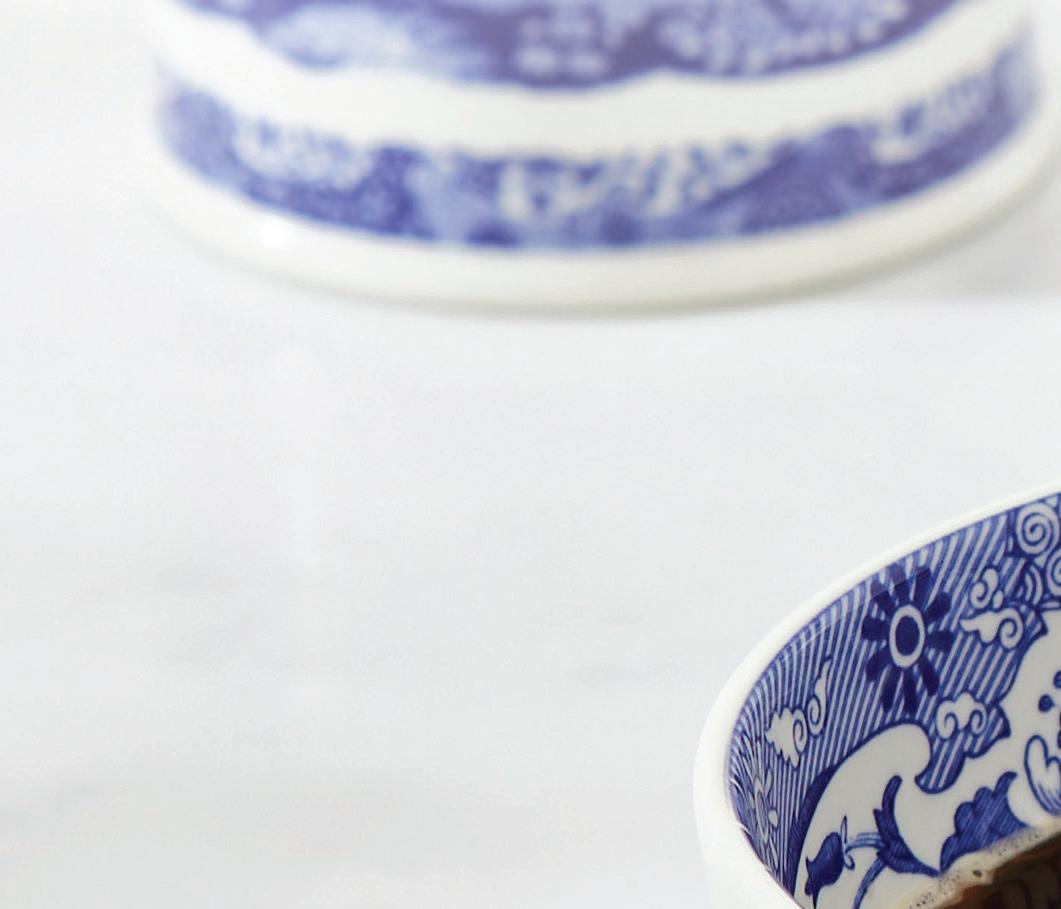
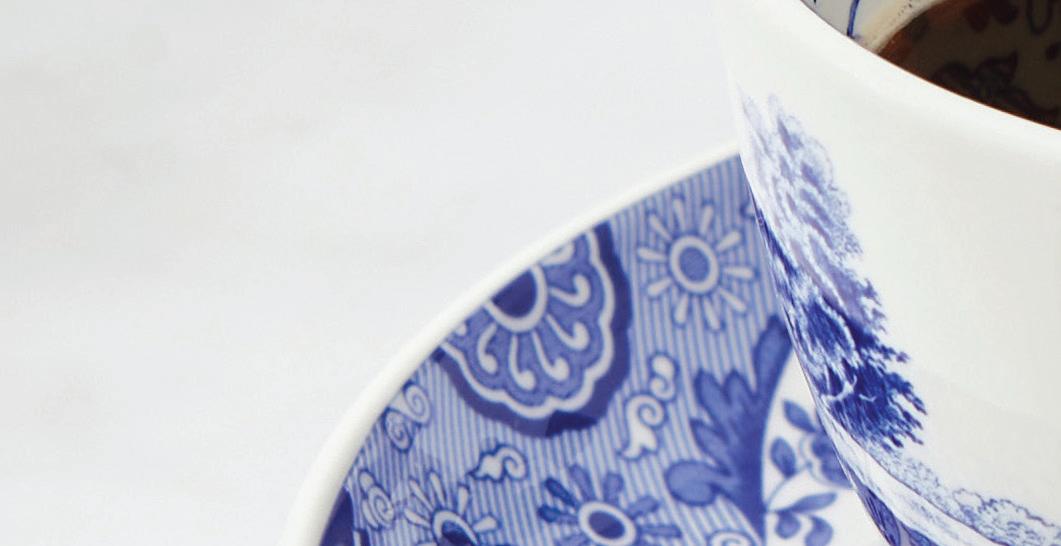


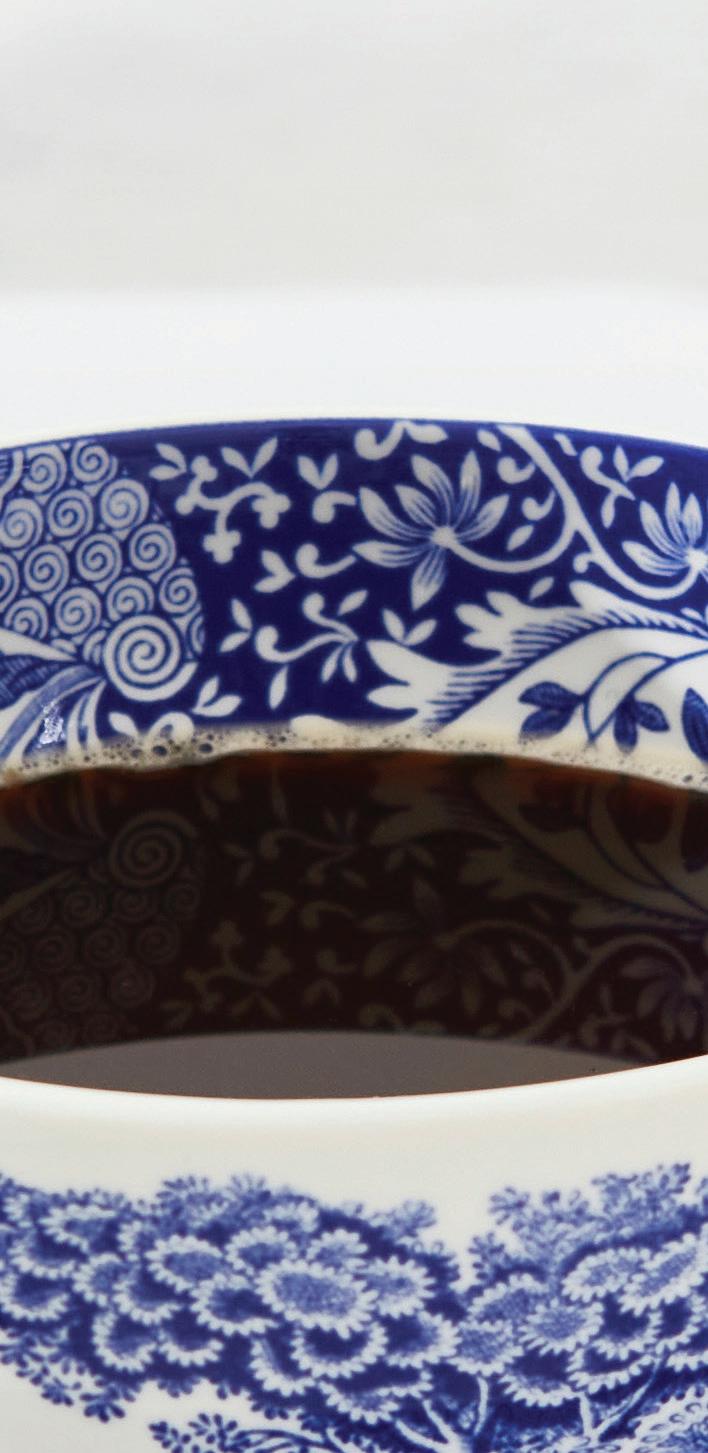
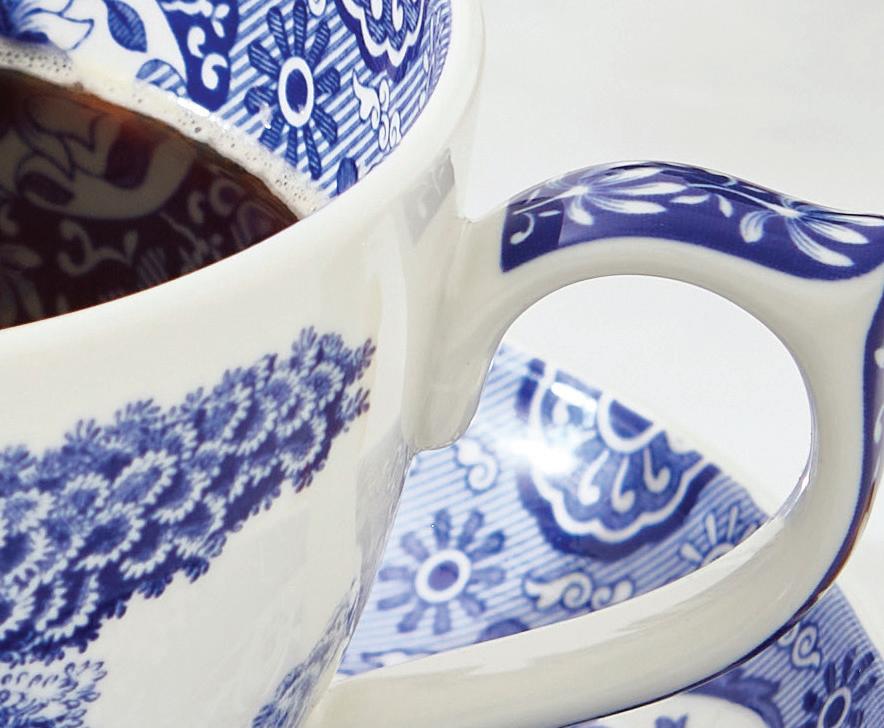

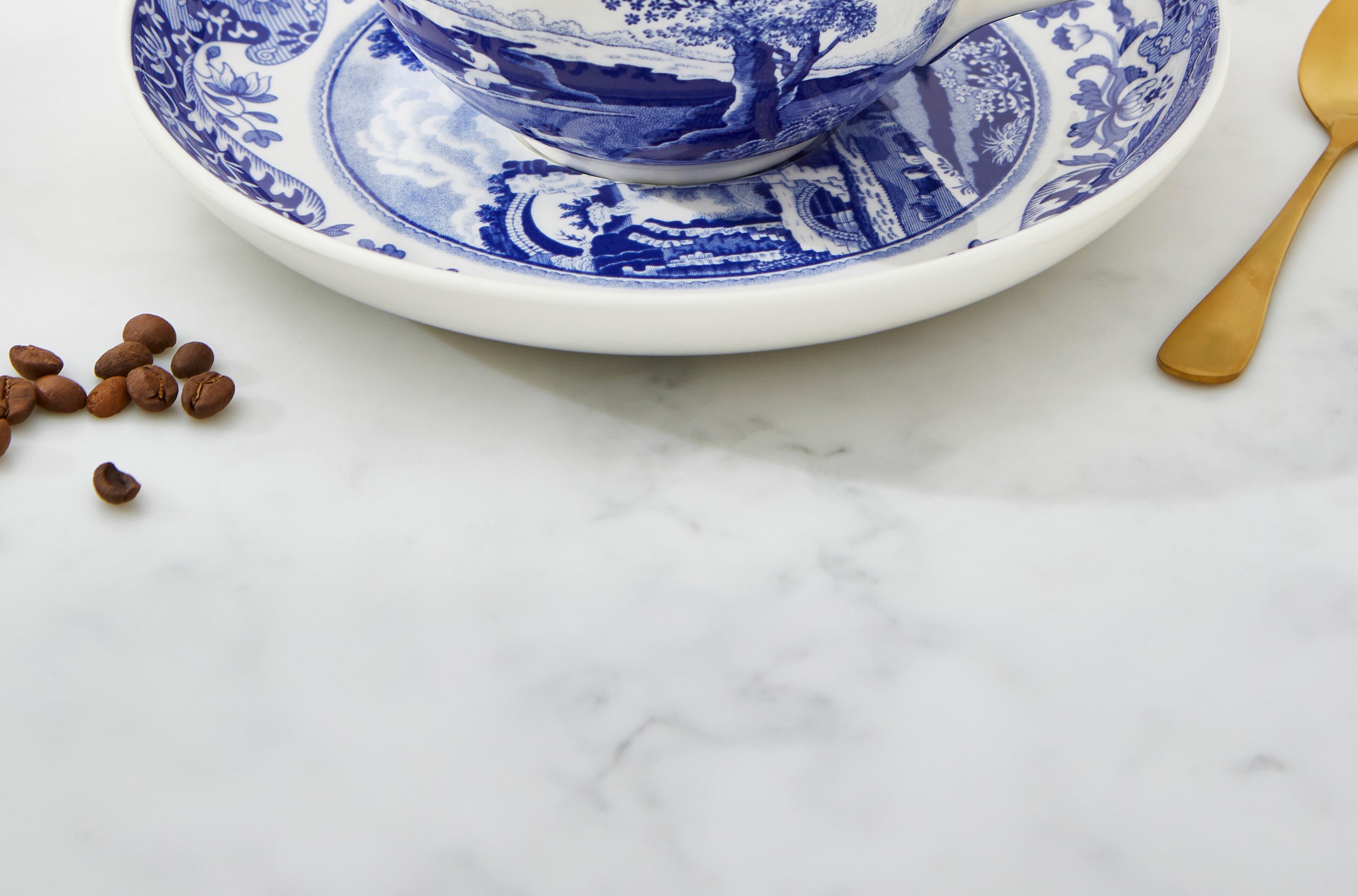
Spode has launched a capsule collection to celebrate 250 years of American independence.
Americans will mark the 250th anniversary of the Declaration of Independence on 4 July with Spode’s collection honouring the occasion.
The limited-edition collection is an extension of Spode's internationally beloved Woodland collection, and comprises four core pieces: a dinner plate, side plate, cereal bowl and mug.
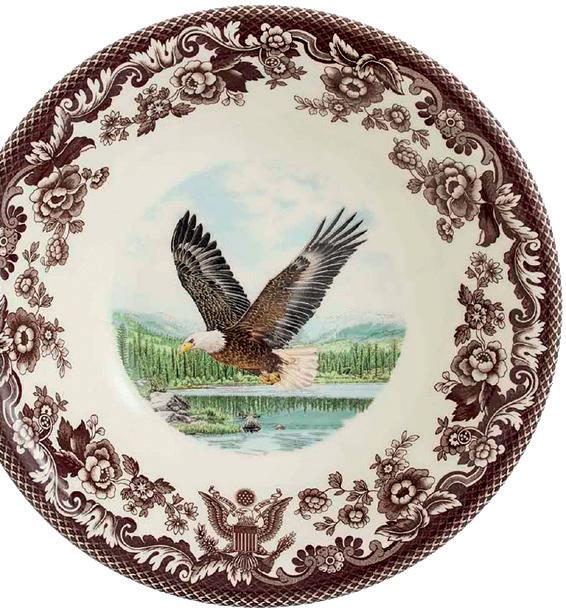
To mark the anniversary of the Declaration of Independence, each piece is centered around the iconic bald eagle motif, symbolising freedom, strength and courage, framed by Spode’s iconic British Flowers border dating back to 1831.
Handcrafted from earthenware in Spode's Stoke-on-Trent factory, the collection blends traditional English craftsmanship and timeless design with American heritage. The collection is completed with a special backstamp to mark the occasion. Visit spode.com/collections/woodland for more.
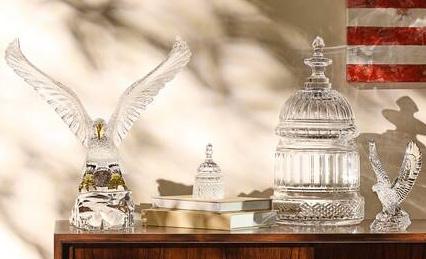
To mark the 250th anniversary of the United States, Waterford is presenting the US250 Anniversary Collection.
The collections brings together handmade Mastercraft sculptures, commemorative drinkware and collectibles.
Two extraordinary Mastercraft pieces anchor the collection, mouth-blown and hand-cut at the House of Waterford in Ireland. Produced in strictly limited quantities, the US250 Eagle Sculpture and US250 Capitol Sculpture translate American icons into sculptural crystal. Each piece is individually numbered and finished with the Waterford, Mastercraft, and USA250 brandmarks. www.waterford.com

Peter Kyle, secretary of state for business and trade, with Rob Flello, chief executive of Ceramics UK, pictured after discussions on the package of measures for the sector, announced in Parliament under the Ceramics Industry Support Scheme
The UK government recently announced a £120 million investment fund for the ceramics sector. The news was announced in parliament by chancellor Rachel Reeves who said £60 million is being allocated towards capital expenditure to help the ceramics sector invest in equipment, with a focus on energy efficiency and sustainability. Another £60 million has been ringfenced to help the ceramics’ industry fund related costs.
The news has broadly been welcomed across the industry with Portmeirion Group CEO Michael Scheepers describing it as “encouraging”.
“It is encouraging to see His Majesty’s government listen and take action to support UK ceramics with the announcement of a £120m fund that recognises the important role that our sector contributes to British industry,” Mr Sheepers says. “We look forward to finding
out further details of how the scheme will function and working with industry partners to make best use of the funds. This action underpins our confidence to continue our investments as we look to elevate our heritage brands to a wider global consumer and drive our export business.”
The news was also welcomed by Ceramics UK. Rob Flello, chief executive of Ceramics UK met with secretary of state for business and trade, Peter Kyle earlier this week to discuss the support package and how to design and implement it.
Rob Flello said: “This is a turning point for the sector, with the Government taking decisive action that recognises the fundamental role of ceramics in the UK economy. It should propel us ahead into the years and the decades to come, and once more make the UK’s ceramic industry the talk of the world.”
The Villeroy & Boch Group closed the first quarter of 2026 with a satisfactory result in a continued challenging market environment, shaped primarily by the current geopolitical and global economic situation. Group revenue for the first quarter of 2026 amounted to €318.7 million, representing a decline of 13.7 per cent compared with the prior-year figure of €369.1 million. Revenue performance was affected by the disposal of the northern European business of the Gustavsberg and Vatette brands as well as adverse currency effects. On an adjusted basis, the revenue decline amounts to 8.3 per cent.
Despite the decline in revenue, Villeroy & Boch recorded a pleasing increase in its order book as of 31 March 2026, up by €47.3 million to €197.7 million. The Group achieved operating EBIT (earnings before interest and taxes) of €17.2 million.
Dining & Lifestyle division delivers stable result
The Dining & Lifestyle division remained stable with revenue of €70.0 million.
Particularly noteworthy were the positive developments in e-commerce and in own retail stores, the latter supported by the Easter trading period. In Germany, revenue grew by 7.5 per cent, driven by e-commerce. Operating EBIT rose slightly to €4.3 million.
Despite the continuing high level of geopolitical and economic uncertainty, the Executive Board of Villeroy & Boch AG confirms its full year 2026 forecast, with consolidated revenue expected to be in the mid- to high-single-digit percentage range below the prior year. However, the Executive Board now expects operating EBIT, which had been forecast between €75 million and €85 million, to be at the lower end of this range.




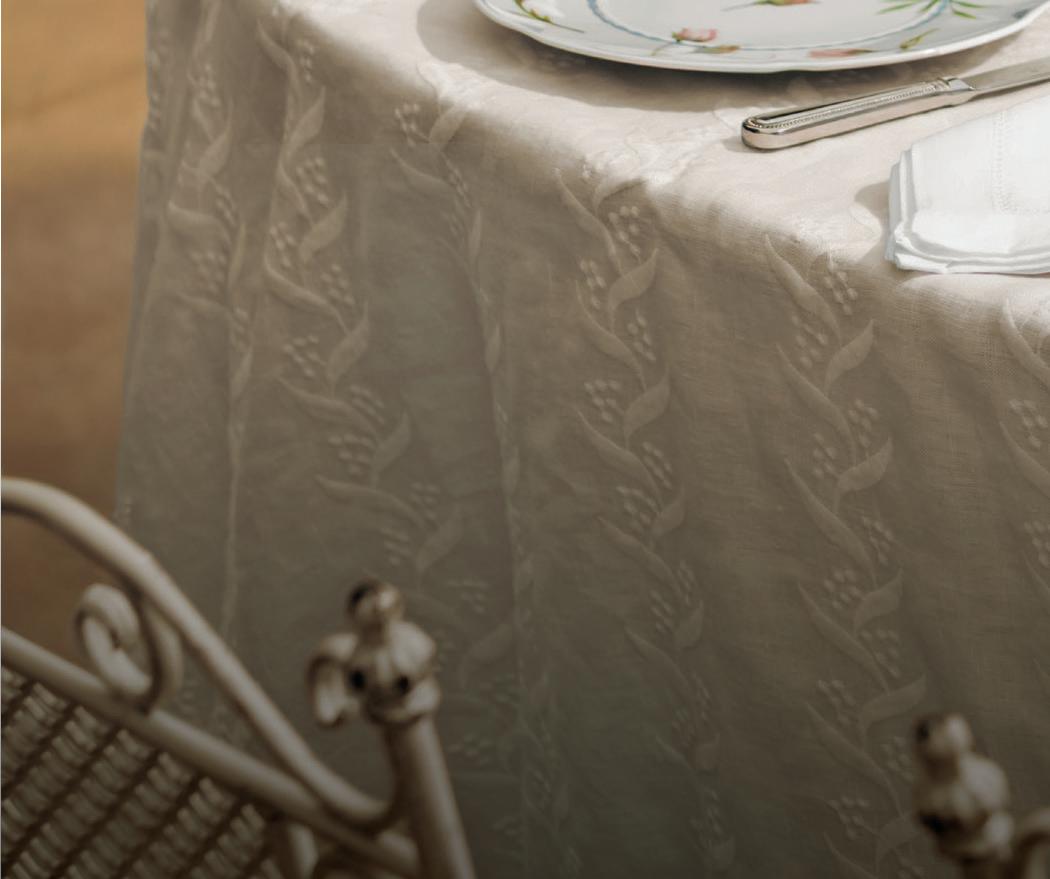

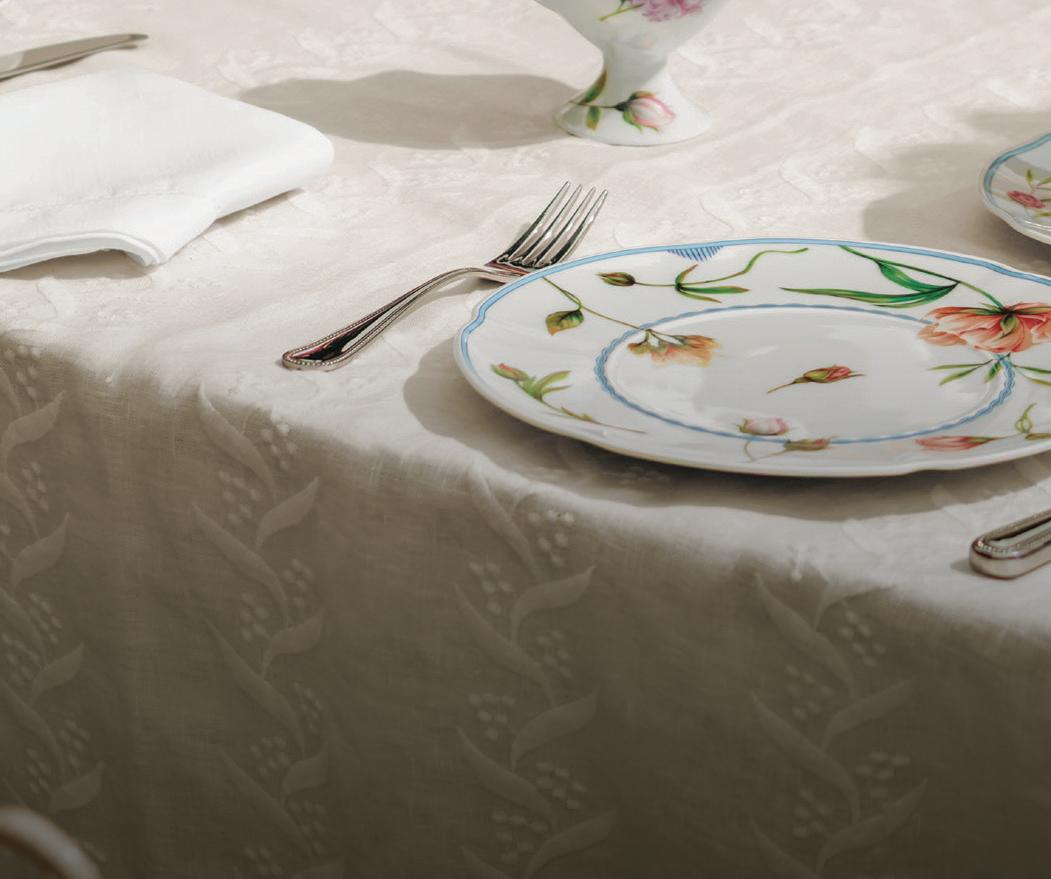

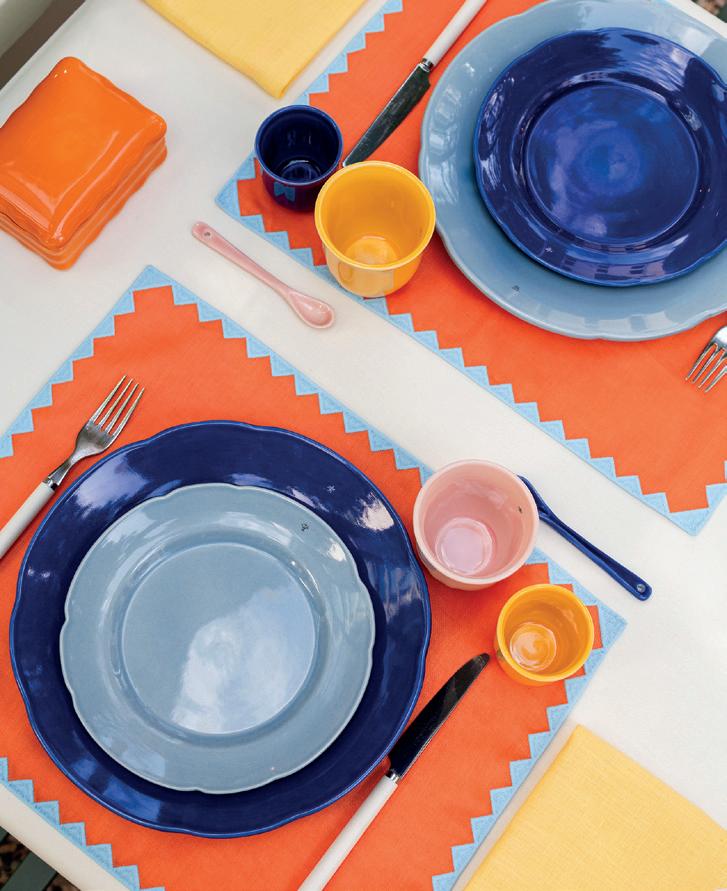
Blank Space and Royal Goedewaagen introduce a collaborative collection in which craftsmanship, colour, and a shared love for the table come together. The collaboration sees both brands merge ceramics with linens for a curated, layered approach. The collection consists of two approaches; an all-year-round collection offers a calm, timeless foundation with a palette of sandy tones, water blue, cobalt, and green.
Meanwhile, the spring/summer collection introduces a playful energy, with soft tones such as pink, yellow, orange, and light blue, bringing lightness and colour without losing balance. The collection became available in May via www.royalgoedewaagen.com and selected retailers.
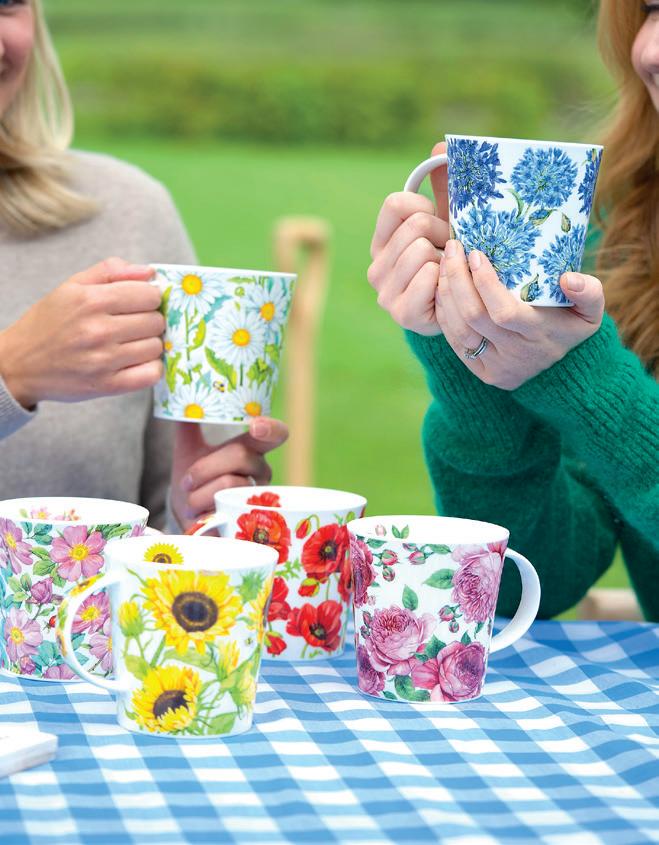
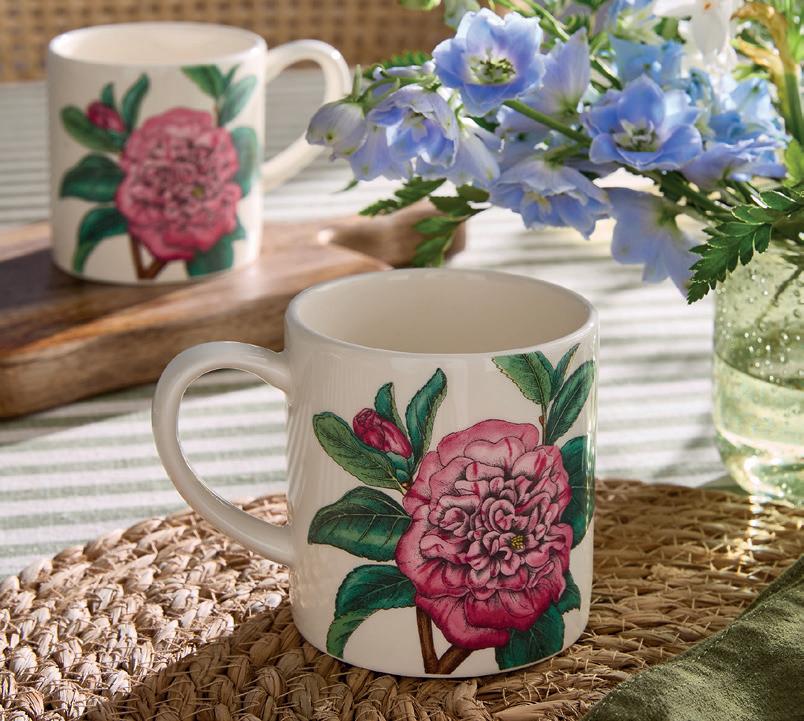
Celebrated fine bone china specialists Dunoon has introduced a perfect new range of mugs in time for summer; think sunflowers, poppies, roses and more. Beautiful Blooms is presented on Dunoon’s much-loved Cairngorm shape, pairing generous capacity with fresh, uplifting florals. This new collection celebrates the colour and charm of flowers in full season, with designs including sunny sunflowers, delicate daisies, rich poppies, soft pink roses and vivid blue agapanthus. Each mug is handmade from fine bone china, giving the Cairngorm shape its signature balance of strength, lightness and everyday practicality. Beautiful Blooms is ideal for gifting, seasonal displays and customers looking to refresh their kitchen table with colour. www.dunoonmugs.co.uk

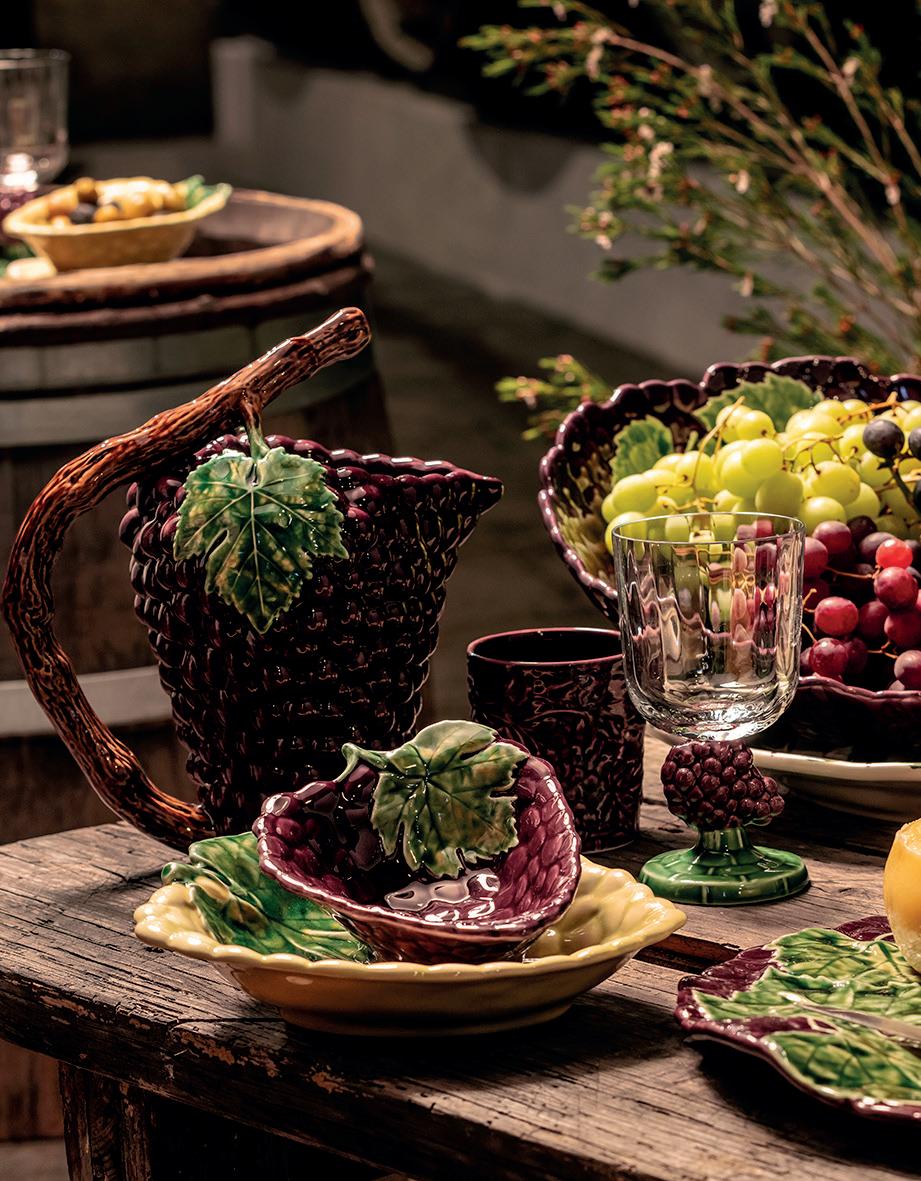
Bordallo Pinheiro is celebrating the grape and its links to southern Europe with its new Uvas (Grapes) collection. Raphael Bordallo Pinheiro created several pieces depicting vines, grape leaves and clusters of grapes. Drawing inspiration from this universe, the new grape-themed line by Bordallo Pinheiro celebrates not only the fruit itself, but also the vine and its distinctive foliage. Reflecting the brand’s constant desire to innovate and surpass itself, a more geometric — yet still organic — interpretation has been added to the naturalistic approach: a striped pattern of vertical elements evoking the rhythm of a vineyard. This composition of lines in varying thicknesses, handpainted onto the dinner plate and serving platter, making every piece proudly unique.
www.international.bordallopinheiro.com
Decorium introduces the Ikon collection, created in collaboration with internationally acclaimed designer Karim Rashid. Blending Rashid’s expressive contemporary design language with Decorium’s expertise in artisanal glass decoration, the collection explores themes of individuality, universal connection and modern living through decorative glassware and tabletop objects. Manufactured in Decorium’s Istanbul-based production facility, Ikon combines fluid graphic patterns, vibrant colour accents and hand-finished techniques including pantograph engraving and decorative detailing. Designed for premium retail environments, concept stores and curated home décor spaces, Ikon reflects the growing demand for design-led collections that merge functionality with personality, craftsmanship and collectible appeal within today’s luxury interiors and tabletop market.
Mydecorium.com
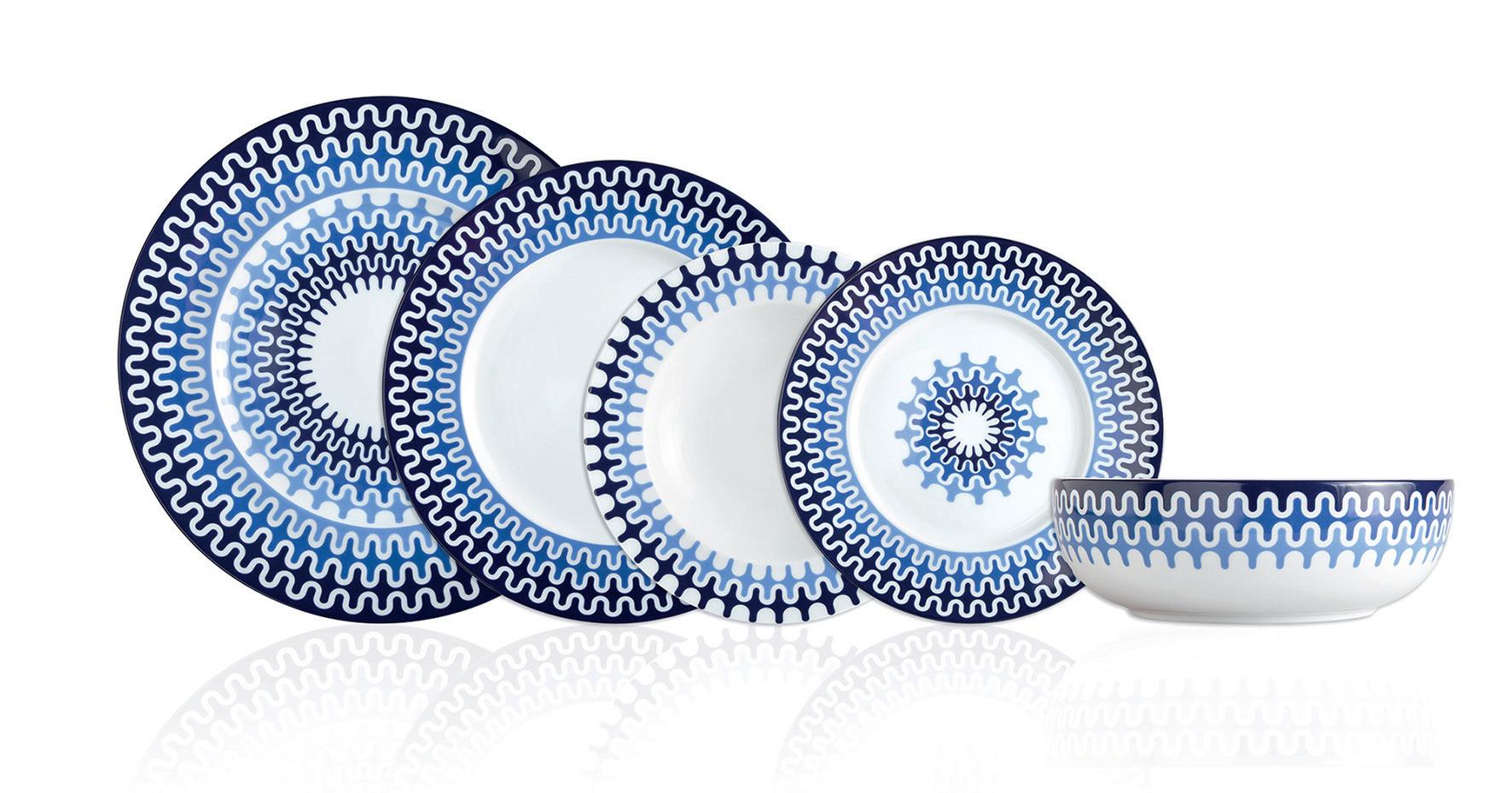
At the heart of Greek hospitality and craftsmanship, Ionia continues to shape contemporary table experiences through porcelain collections. For more than 50 years, Ionia has been producing fine porcelain in Greece, building a strong international presence through exports across multiple markets worldwide. Every collection is designed in-house, from refined dining concepts for hospitality professionals to elevated everyday living, Ionia’s collections are designed to adapt effortlessly across environments and styles. Ionia also remains deeply connected to its production expertise, offering custom-made porcelain solutions to hotels, restaurants, retailers, and brands worldwide. Contact tseliou@yalcotrading.gr to learn more.
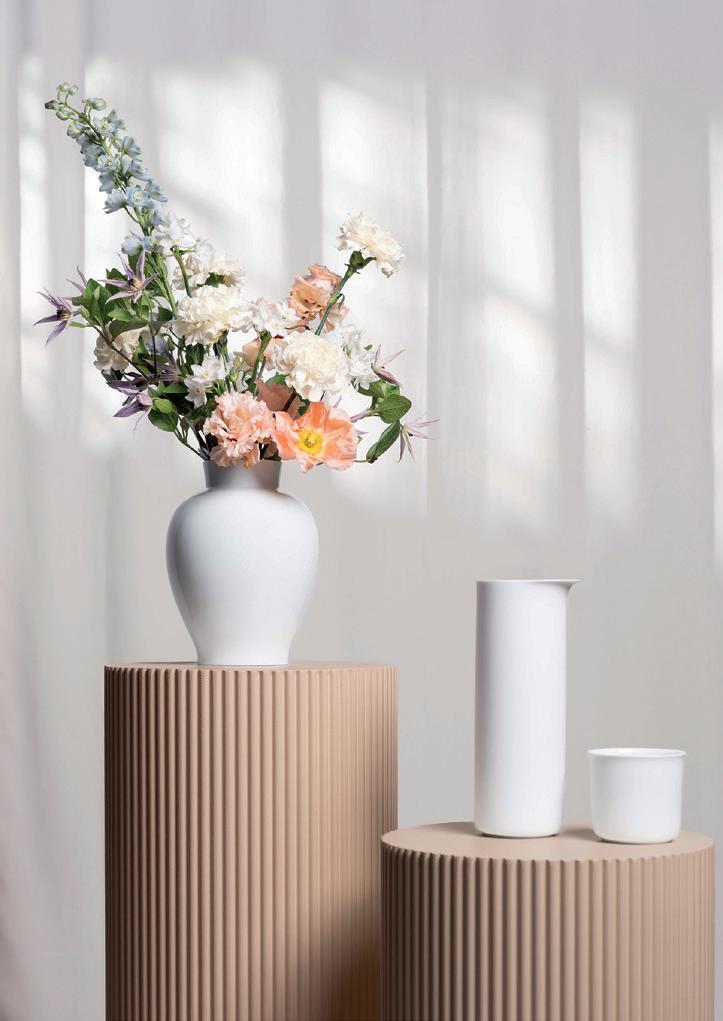
Fürstenberg is embracing the beauty of a pure white vase, launching five new pieces in classic shapes, and in the most classic colourway. The brand says: “Vases are true favourites in interior design. Especially when they are not only functional but also aesthetically captivating, you can hardly have enough of them. That is why Fürstenberg is presenting five new vases in classic shapes and timeless white. Pieces that bring joy time and time again.”
Varying in size from 30cm down to 13 cm, each Fürstenberg vase is crafted to the highest quality standards, and made in Germany. www.fuerstenberg-porzellan.com
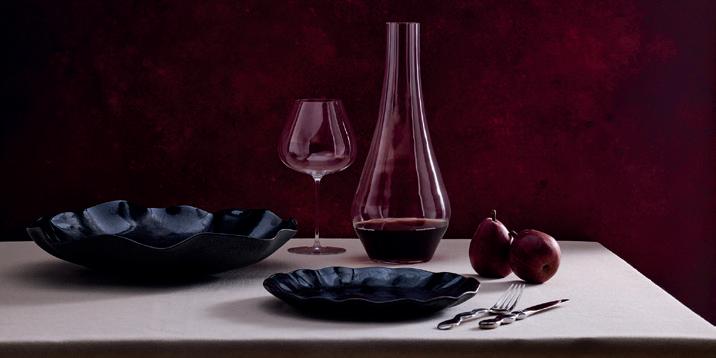
Lifetime Brands has introduced a new premium tabletop collection. Mikasa Black Label spans dinnerware, glassware, and flatware, with the collection blending European craftsmanship with modern styling and proprietary materials to deliver a refined, design-driven assortment. The collection will be presented in upscale gift packaging and distributed through bridal registries and specialty retailers, reinforcing its premium positioning. “Mikasa Black Label represents a natural evolution for the brand,” said David Mackrell, dinnerware division president, Lifetime Brands, Inc.
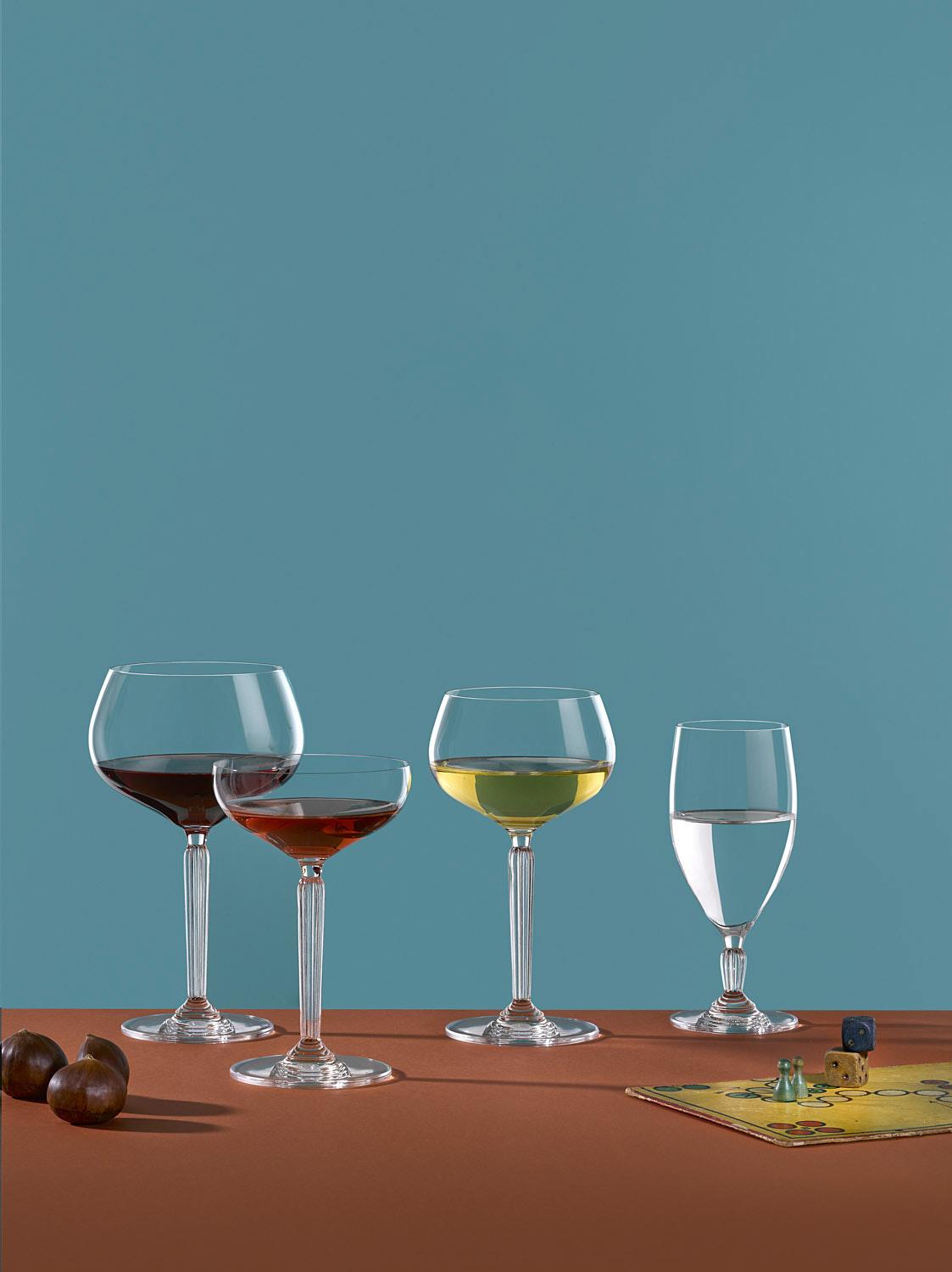
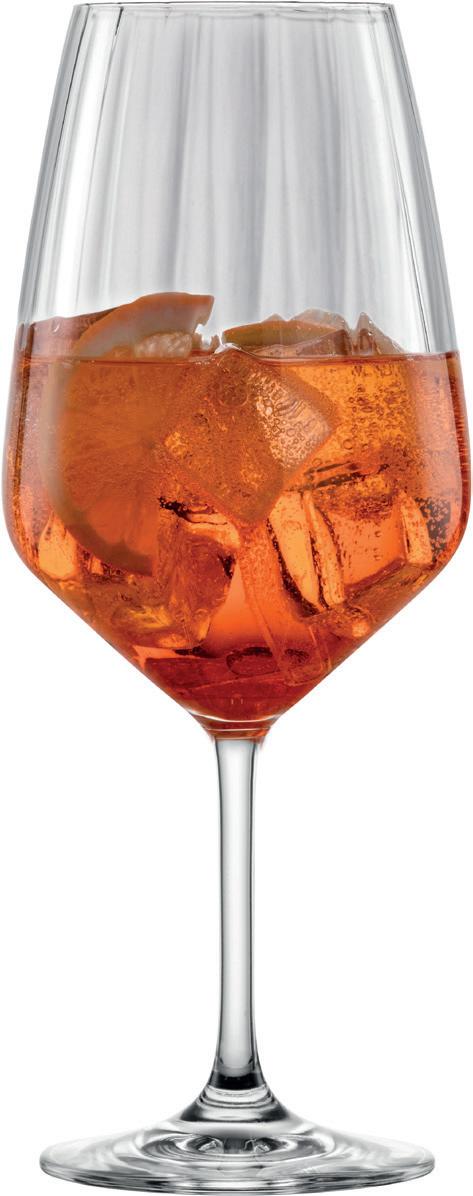
Schott Zwiesel has launched a new hospitality collection. Refract features optically shaped tops which capture light and allow it to play in elegant reflections with the brand saying the glasses “open like flowers and stylishly showcase drinks”. The five sizes in the collection are versatile – from wine and sparkling wine to cocktails, mocktails, soft drinks, and water to sophisticatedly presented desserts. Manufactured in Germany from brilliant Tritan crystal glass, the glasses are particularly break-resistant and dishwashersafe, making them durable. All five sizes have an effervescence point that gives sparkling beverages a wonderful perlage.
www.zwieselfortessa.com/ hospitality
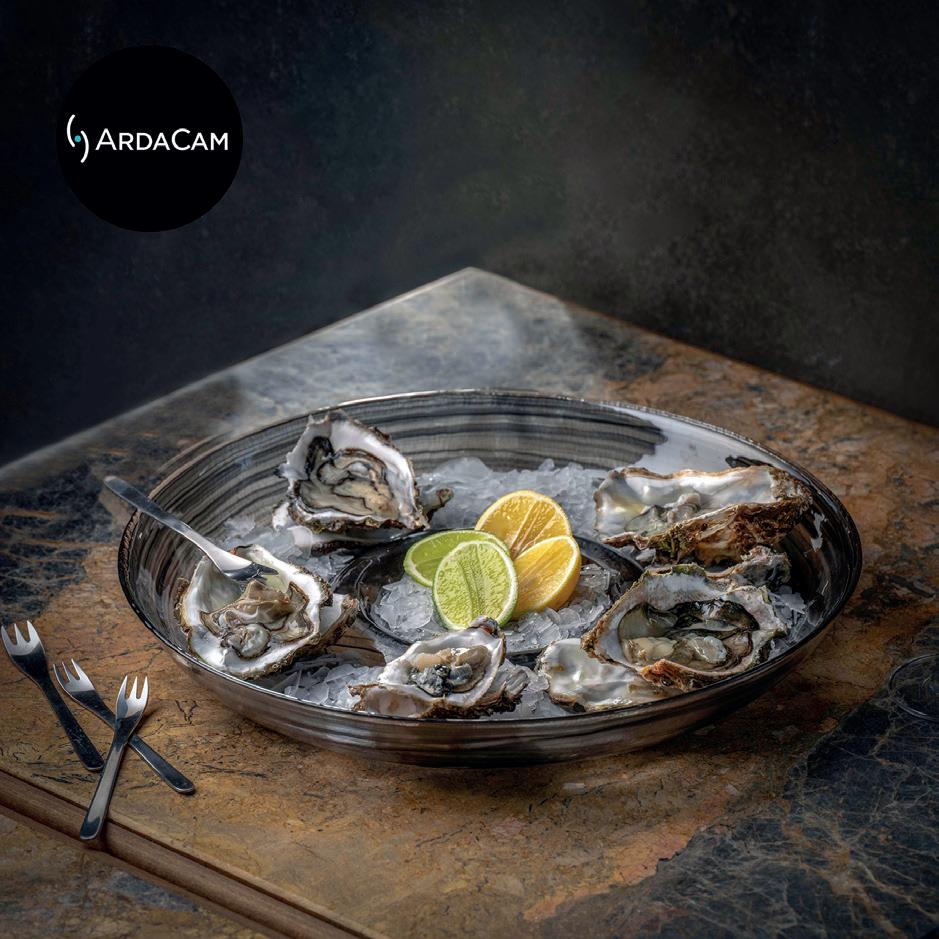
Glassware specialists Ardacam marry the elegance of glass with modern gastronomy. With the natural aesthetics of transparency, a strong design language, and striking presentation details, each piece offers not only service, but an exclusive dining experience. From seafood presentations to fine dining concepts, all special collections reinterpret the timeless sophistication of glass through a professional presentation approach.
www.ardaglassware.com
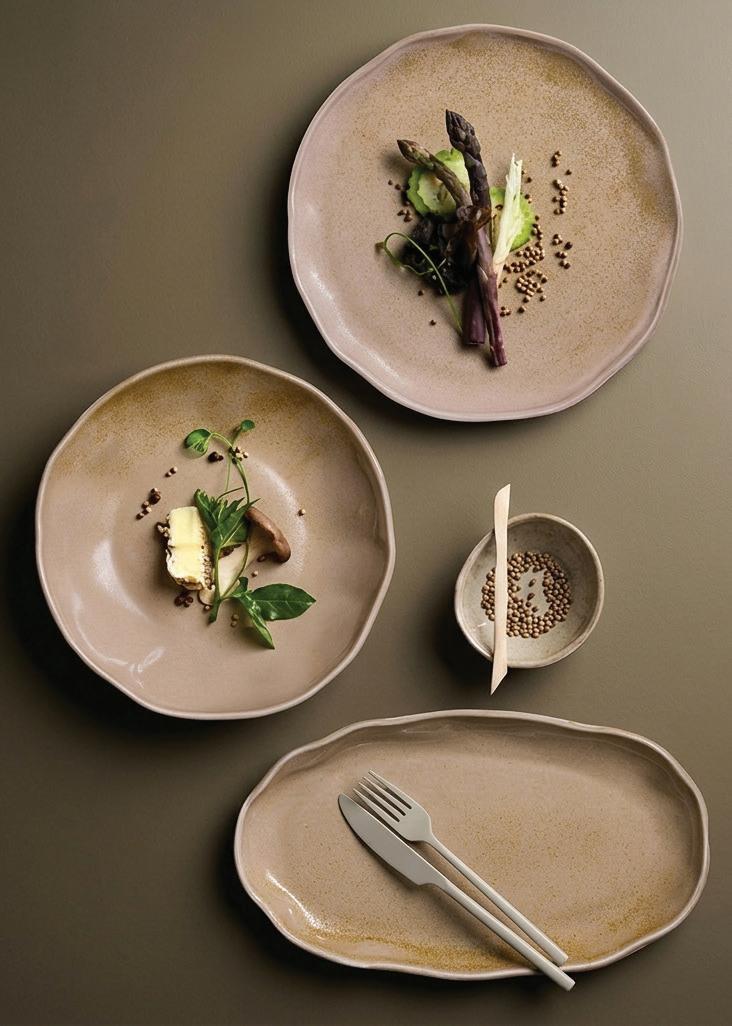
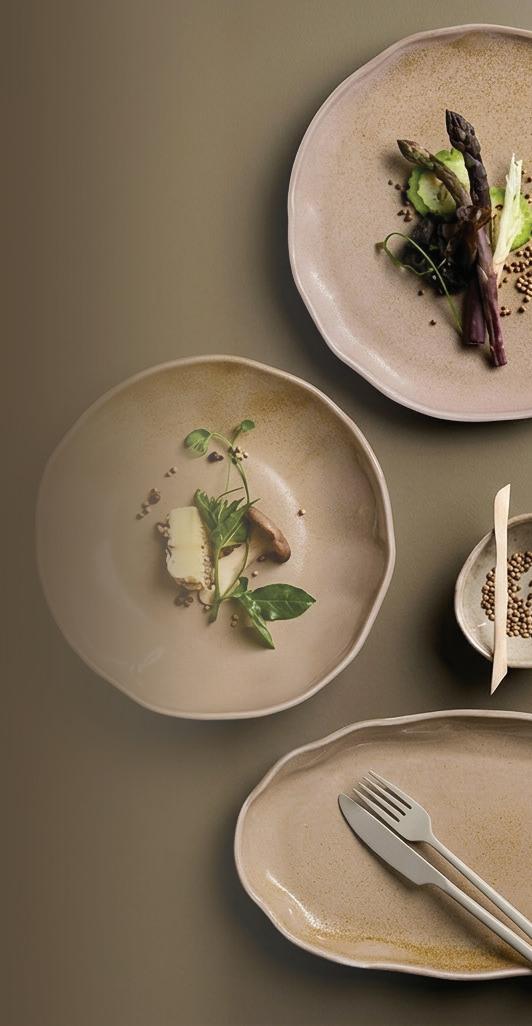

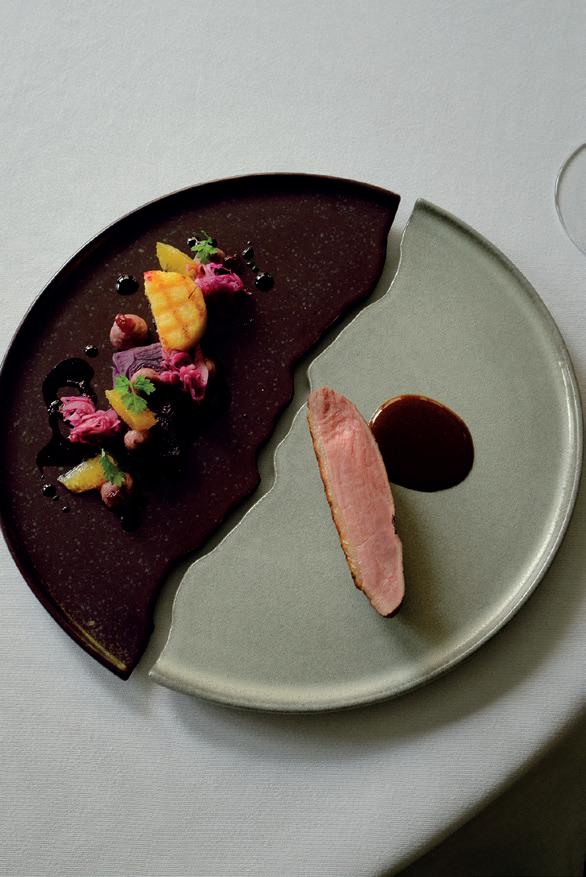
With Muse, the Playground brand from BHS tabletop explores the aesthetic power of imperfection. The collection plays with a seemingly broken silhouette that immediately captures attention and challenges conventional tableware design. The distinctive form evokes the impression of a deliberate fracture, transforming each piece into an almost sculptural object.
Crafted from dark Eco-Grès, Muse combines expressive design with practical versatility. Plates can be used individually or arranged together to create a striking stagefor dishes featuring two contrasting culinary elements. Bowls with a fractured rim are available in two sizes, adding further flexibility for creative plating. www.bhs-tabletop.com
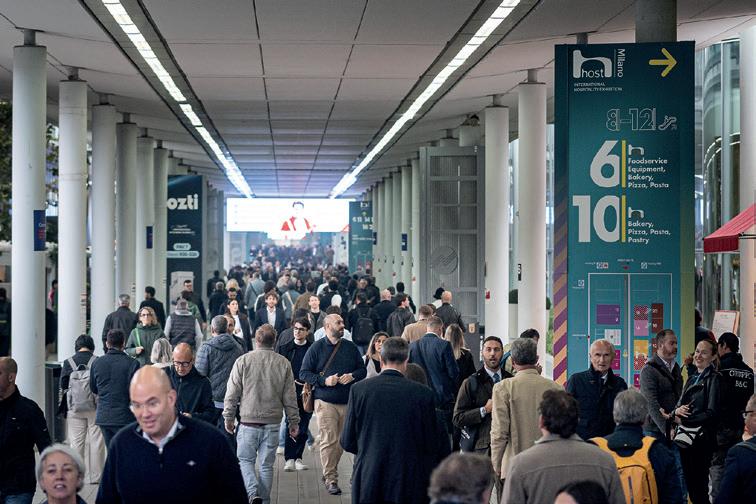
HostMilano has revealed the 2027 edition of the biennial trade show already has more than 1,000 exhibitors confirmed, with international exhibitors accounting for 50 per cent of the total signed on so far. Building on its role as a leading global hub for the sector, Host continues its international journey through a series of structural partnerships. Following the success of the first edition of Host Arabia, developed in collaboration with local partner Semark, a second edition has

Dibbern and Yabu Pushelberg present Echo, a new decor that explores rhythm, light, and repetition.
Produced exclusively for the HoReCa sector, Echo showcases softly blurred transitions and gentle gradients across fine bone china, creating patterns that feel both ethereal and grounded. The décor responds subtly to light and perspective, shifting with every movement at the table.
Stacking becomes part of the design language. Each plate adds a new layer, allowing colour, tone, and form to interact in quiet variation. What emerges is not a static image, but a composition that evolves through use.
www.dibbern.de
been scheduled to take place in Riyadh from 7 to 9 December 2026. Meanwhile, a partnership with NAFEM, the North American Association of Food Equipment Manufacturers, will bring the Host format to the United States in 2027, creating a new bridge between Europe and North America and further strengthening the connection between the world’s leading hospitality and outof-home markets. More details on that when they are announced.
Global Tableware Collective has announced a new strategic partnership with Narumi. Under the agreement, GTC will serve as the official US distributor for the hospitality market, expanding access to Narumi’s collections for chefs, hotels, and restaurants across the United States.
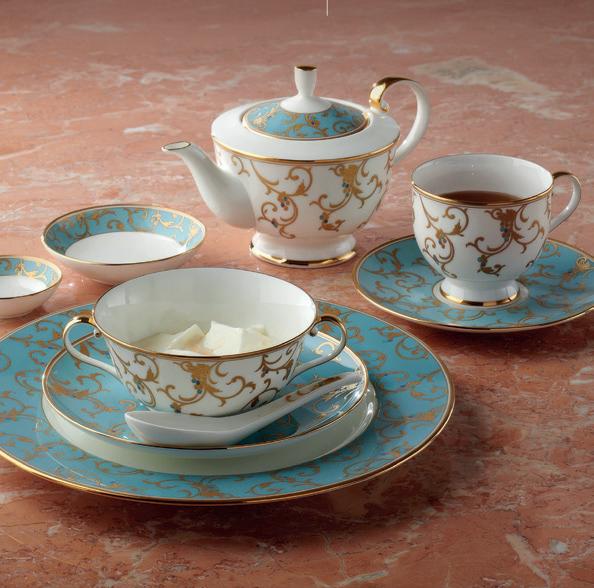
“This partnership reflects a shared dedication to craftsmanship, performance, and thoughtful design for the hospitality industry,” said Dino Mitsos, VP and general manager, Global Tableware Collective. “Narumi has built a strong global reputation for quality bone china, and we are excited to introduce these collections to more hospitality professionals throughout the US.”
Mepra has scored a winning goal, announcing it will be present in several FIFA World Cup 2026 stadiums across North America, from VIP lounges to executive suites.
The brand says this is a “significant milestone and a reflection of a growing recognition within the industry that exceptional hospitality, at any scale, demands objects built with intention”. The same standard of quality and craftsmanship that has defined Mepra for over eighty years will be on the tables of one of the world’s most watched sporting events.
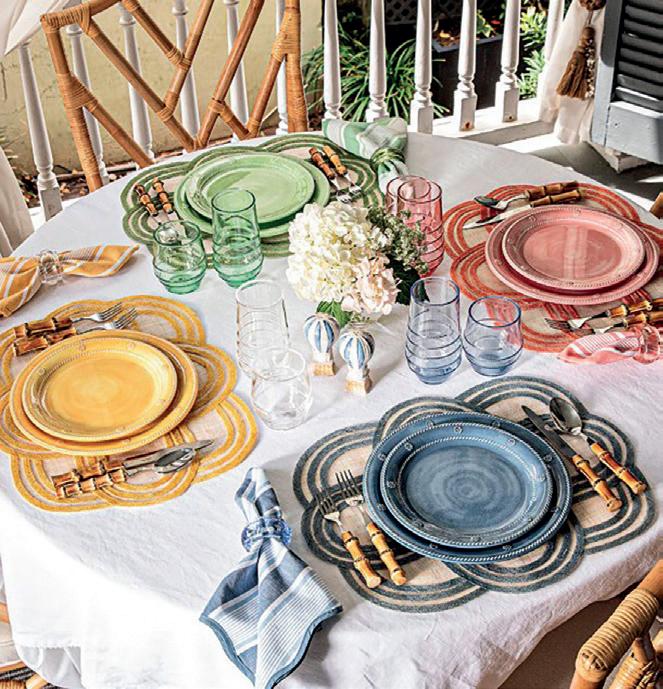
If there is one thing our regular columnist and owner of T is for Table, Michele Trzuskowski, knows, it is how to serve up summer to her clients….
Warmer weather has arrived and summertime is fast approaching. With summer comes outdoor entertaining which calls for festive serveware and dinnerware, so if you haven’t gotten in step on the latest and greatest, get set (no pun intended) to see what’s on trend for serving up style this season.
Summer entertaining has moved beyond just throwing some “shrimp on the barbi”, todays savvy entertainers are more intentional about design and details of the meal whether serving on the patio, deck, garden or by the pool. I see three must haves for this summer season and if you’re missing any of them, you’re missing out on what takes your outdoor entertaining from ordinary to extraordinary.

T is for Table is a luxury independent boutique, with a focus on tabletop, in West Palm Beach, Florida. Open more than 20 years, it offers an experiential and inspirational space dedicated to helping customers tell stories, create traditions and celebrate life. The boutique offers everything from fine pottery, china, glass, serveware and table accessories, to home décor, jewellery and body products, and delivers a custom service with its custom engraving, home visits and gift registries. www.tisfortable.com
The first is melamine dinnerware and accessories.
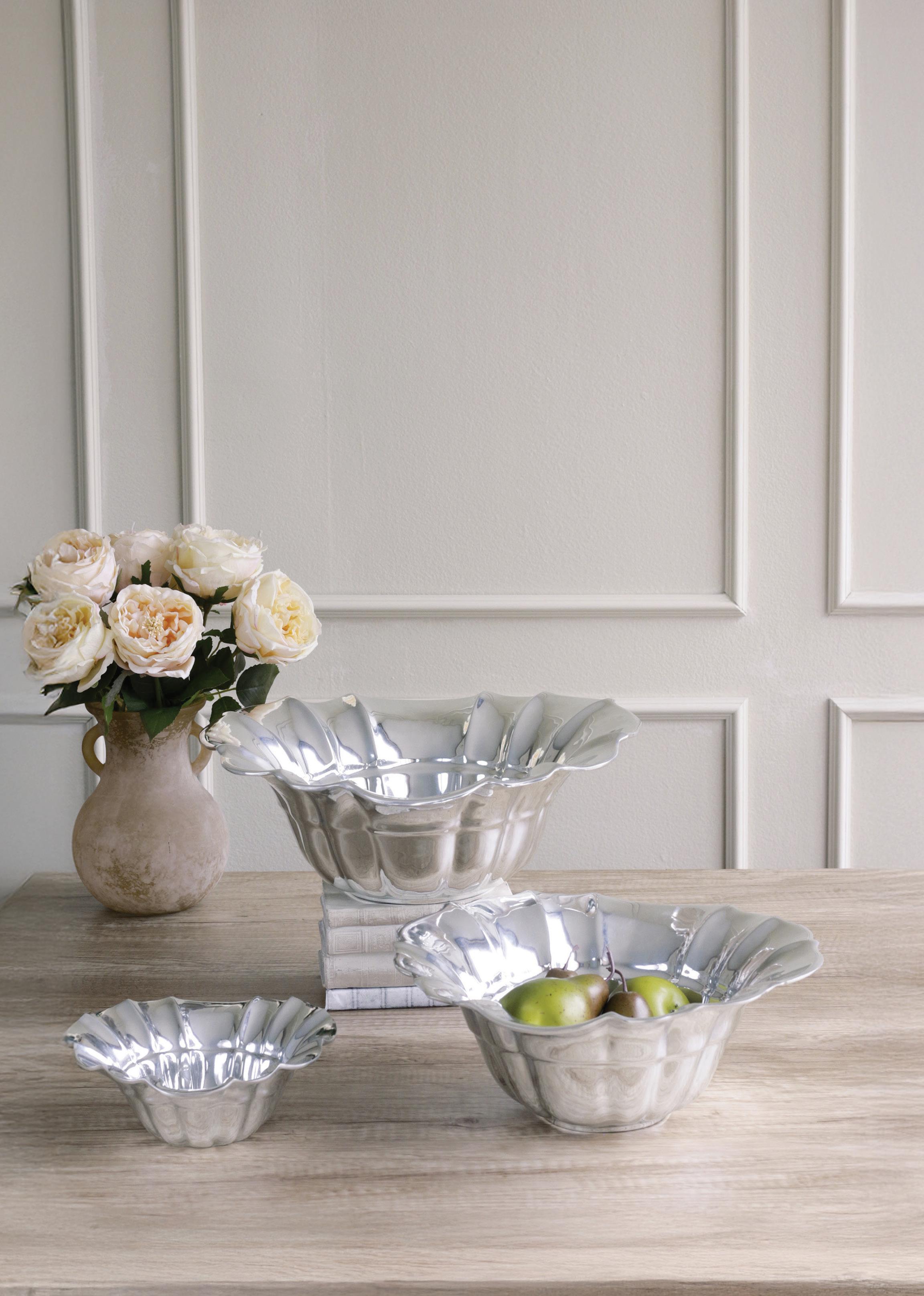
Not that melamine is new to anyone, but what is new is the breadth and depth of what’s available in both dinnerware and serveware. Along with the improvements in quality, some sets are so well done it makes it difficult to discern if its melamine at all. What makes this luxury melamine even more enticing is that it’s coming from some of our favourite brands… think Juliska, Vietri, Beatriz Ball, and more. Melamine is the perfect outdoor material since if it drops, it’s pretty much indestructible and with all the bright summer colors and florals available it makes it perfect for your casual gathering.
solid colours mix with existing Juliska patterns and especially their linens for easy entertaining for even the first time, table setter.
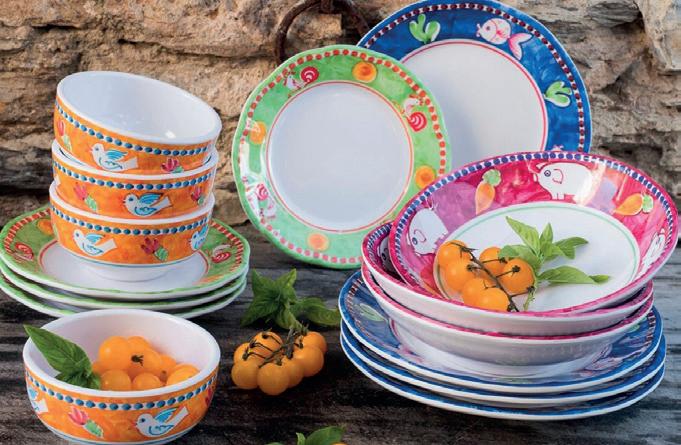
Finally, who doesn’t love Vietri’s Campagna melamine dinnerware with it’s classic and playful Italian design. Available in the Uccello, Pesce, Porco, and Gallina patterns, they are colourful, easily mixed and matched, and a great extension of the ceramic version for larger settings.
The second of my must haves for summer is great serveware – and in this case whether it’s melamine or not, there are some great pieces out there to make your outdoor gathering a success. Two brands worth looking at are Nashi Home and Q Home
“Not that melamine is new to anyone, but what is new is the breadth and depth of what’s available”
I love the Vida Faenza collection from Beatrice Ball. It’s available in three colorways and perfect for your next garden party or dining alfresco. Choosing from the white mixed with blue, green, or red offers a wonderful palette to set an incredible tablescape.
In addition, I still can’t resist Juliska’s best seller Berry and Thread melamine dinnerware now offered in seagrass, coral, and sunshine - talk out bringing your outdoors seaside. These bright
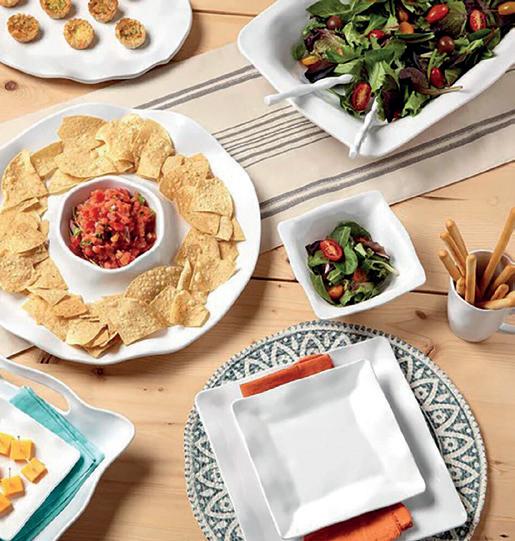
(formerly Qsquared). Nashi Home is a colourful unique resinware that offers a wide range of colourful serving pieces from pedestal dishes, to ice buckets, to serving bowls, three-part servers and beyond. This Australian company’s inspiration comes from the many iconic Sydney beaches.
The waves, beautiful aqua water, sand and climate can be seen in the swirls, texture and vibrant colour of their pieces.
Then consider Q Home with its vast white collection of serveware that can complement any other dinnerware you may already own. In this case I love their smaller condiment bowls perfect for ketchup, mustard, onions, etc. They even offer these great tasting spoons perfect for these smaller bowls. The value for their products is amazing, and their vast array of products offers so many choices.
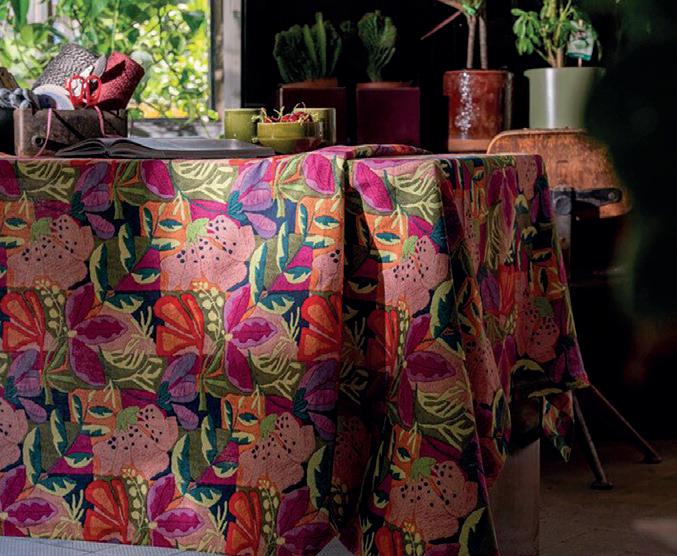
Finally, my must have for summer is colour. Even if you are using white dinnerware, colour can come into play with flatware – Take Buggatti’s Glamour Flatware available in nine – yes nine colours! Colour also comes into play with stemware. There are so many outdoor friendly glasses now whether acrylic or polycarbonate (shatterproof) to suit your needs. Look at Juliska’s acrylic Amalia Collection, offered in three colours and clear, and looking so “glass-like”, they will certainly fool you. Colour, however comes in many forms and includes the most basic element which is linens. Utilize linens and a great napkin ring to engage diners even before they start their meal. I love the Tessitura Toscana Telerie Italian linen brand. They have incredibly beautiful linen and cotton tablecloths, runners and napkins. Couple them with Kim Seybert or Deborah Rhodes napkin rings and your set – literally.
Summertime fun is just a few essentials away - so shake off the wintertime doldrums, grab some colourful linens, melamine, serveware, and soak up some sunshine.


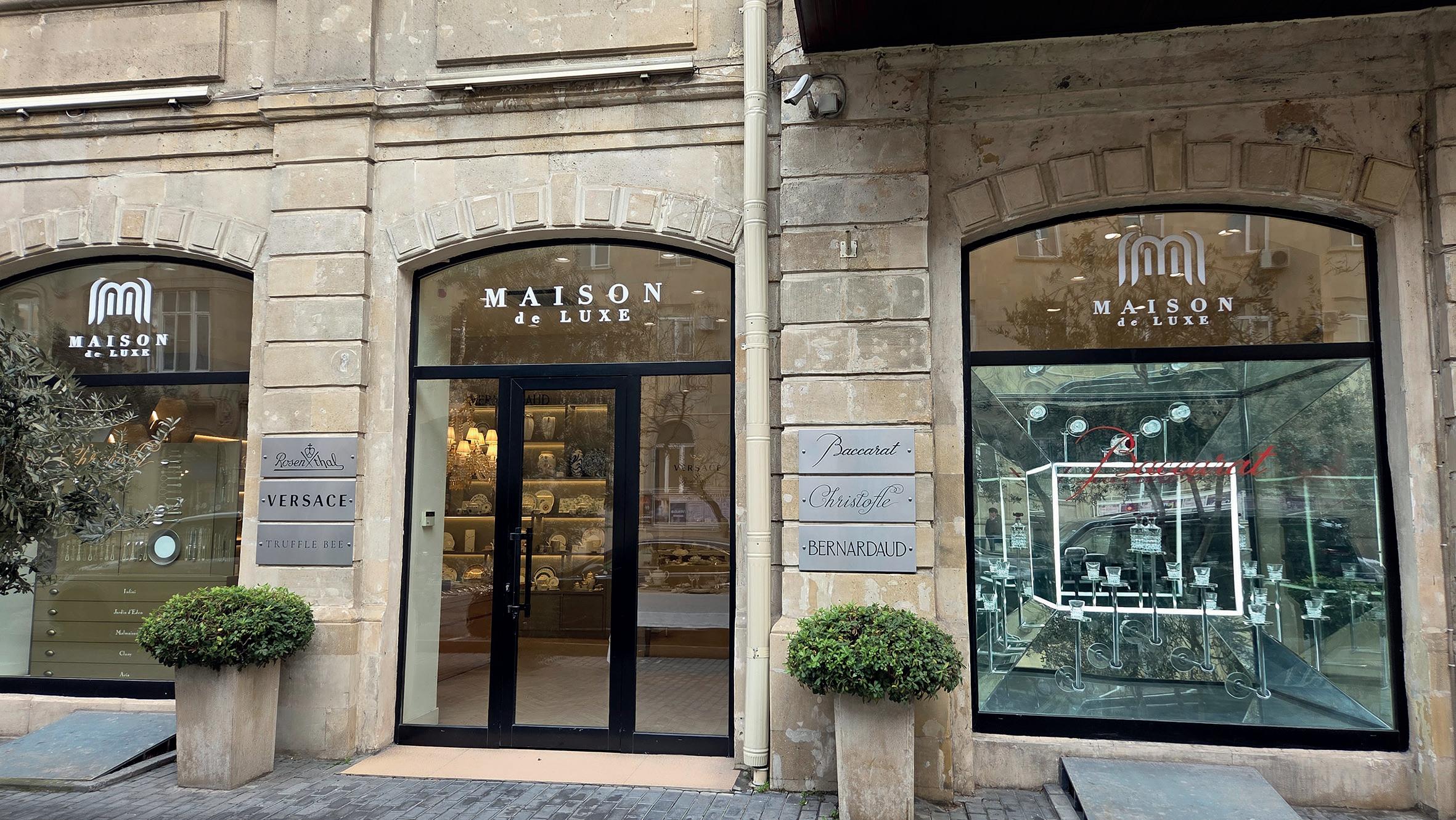
The Azerbaijani city of Baku is home to the beautiful Maison de Luxe retail store. Owned by the Italdizain group, who have numerous retail outlets under their remit, Maison de Luxe stands out as a curated multi-brand luxury concept…
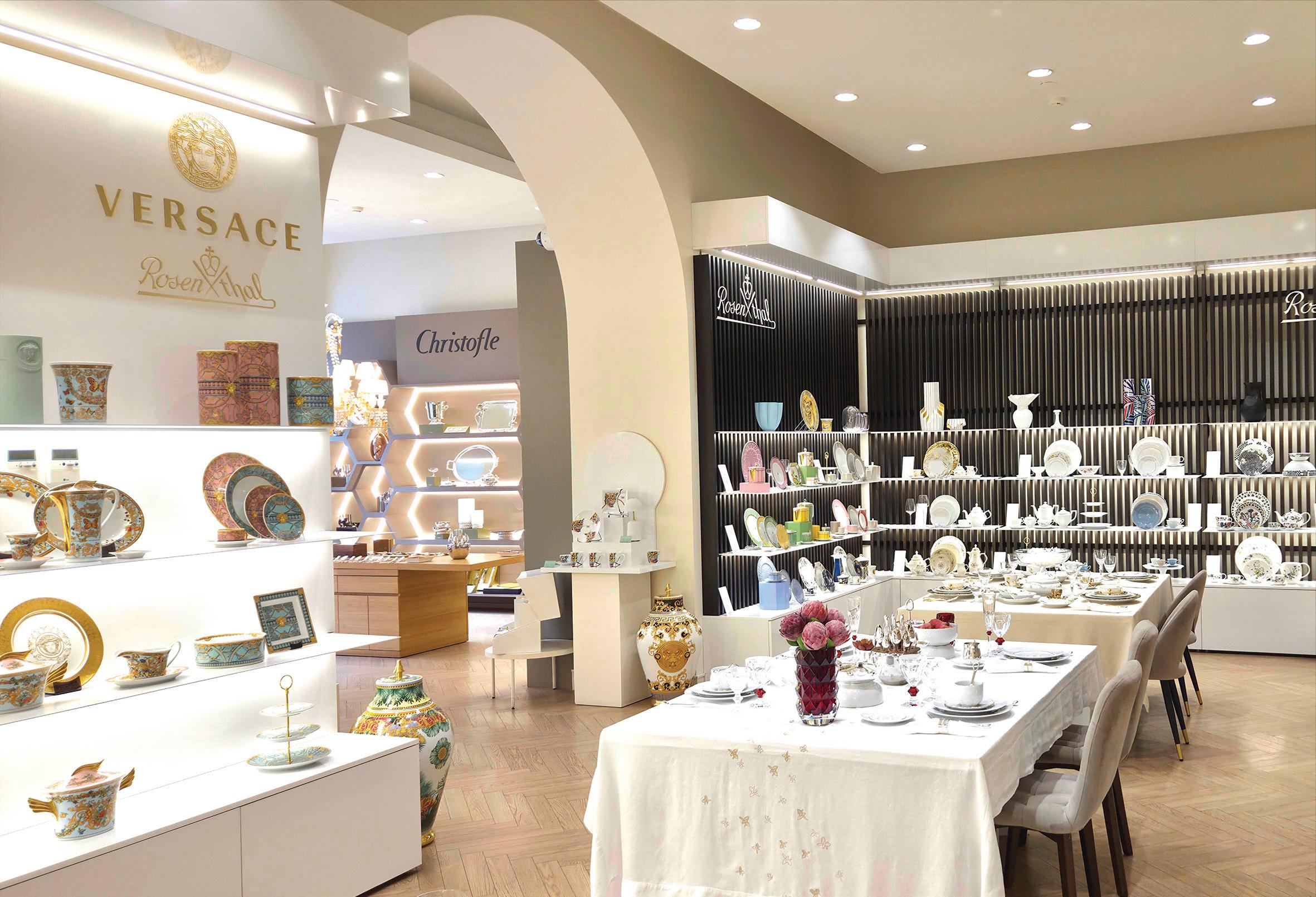
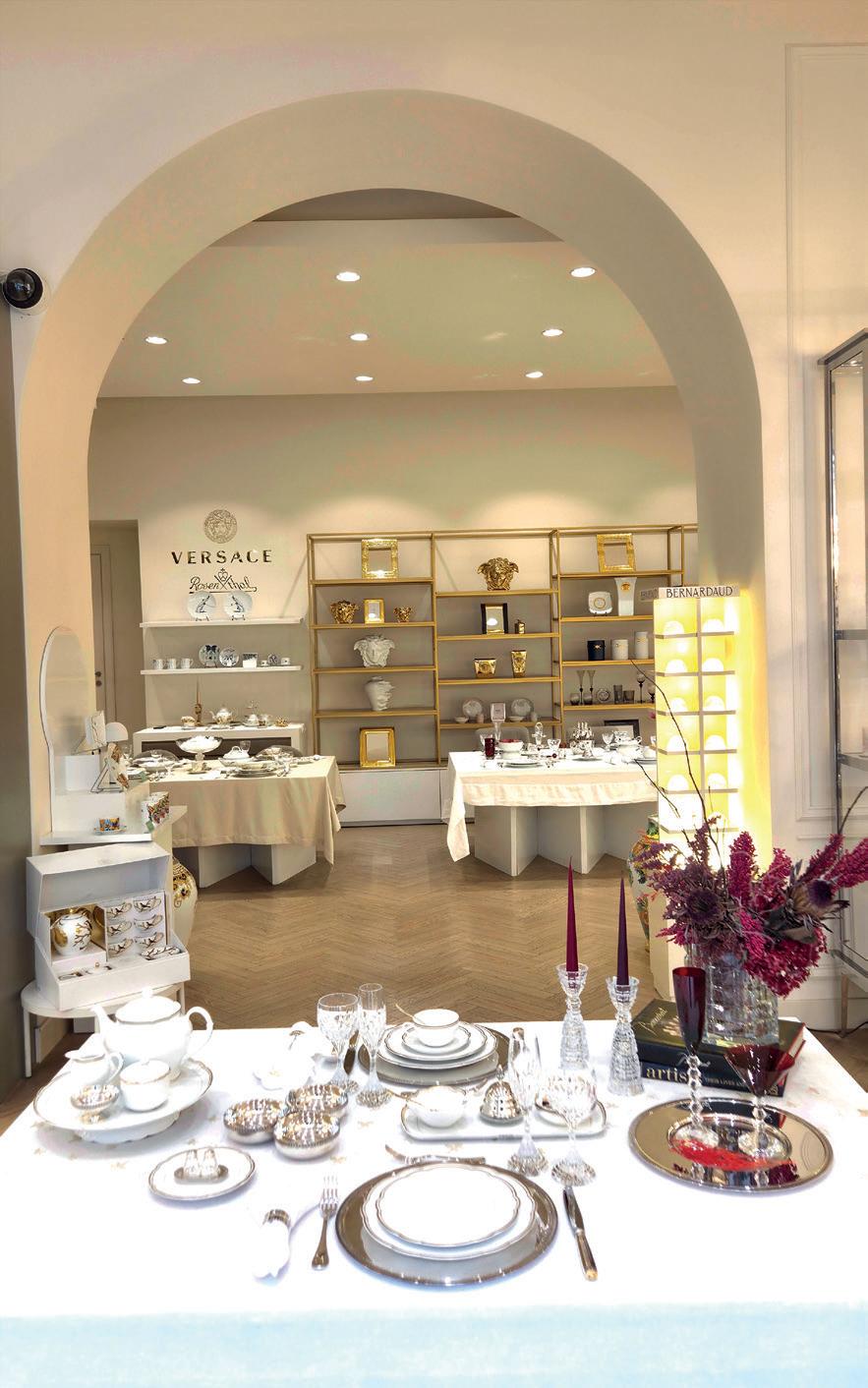
Maison de Luxe is the type of boutique you want to buy tableware from. Opened in 2019 by the Italdizain group who have made it their mission to bring luxury to the Azerbaijani market, Maison de Luxe is a perfectly curated feast for the eyes.
Specialising in multi-brand luxury porcelain, silverware and glassware, you’ll find brands such as Christofle, Bernardaud, Baccarat, Rosenthal, Versace, Villeroy & Boch and many more.
Beautifully laid tables and carefully curated units are meticulously laid out for maximum impact in a gallerylike space where each object is presented like a work of art. At its heart, Maison de Luxe is all about beautiful brands and
Italdizain was founded in 1996 as a representative of Italian kitchen furniture in Azerbaijan. Over the years, it evolved into a leading luxury retail group, operating multiple boutiques and representing world-renowned furniture, décor, and lifestyle brands.
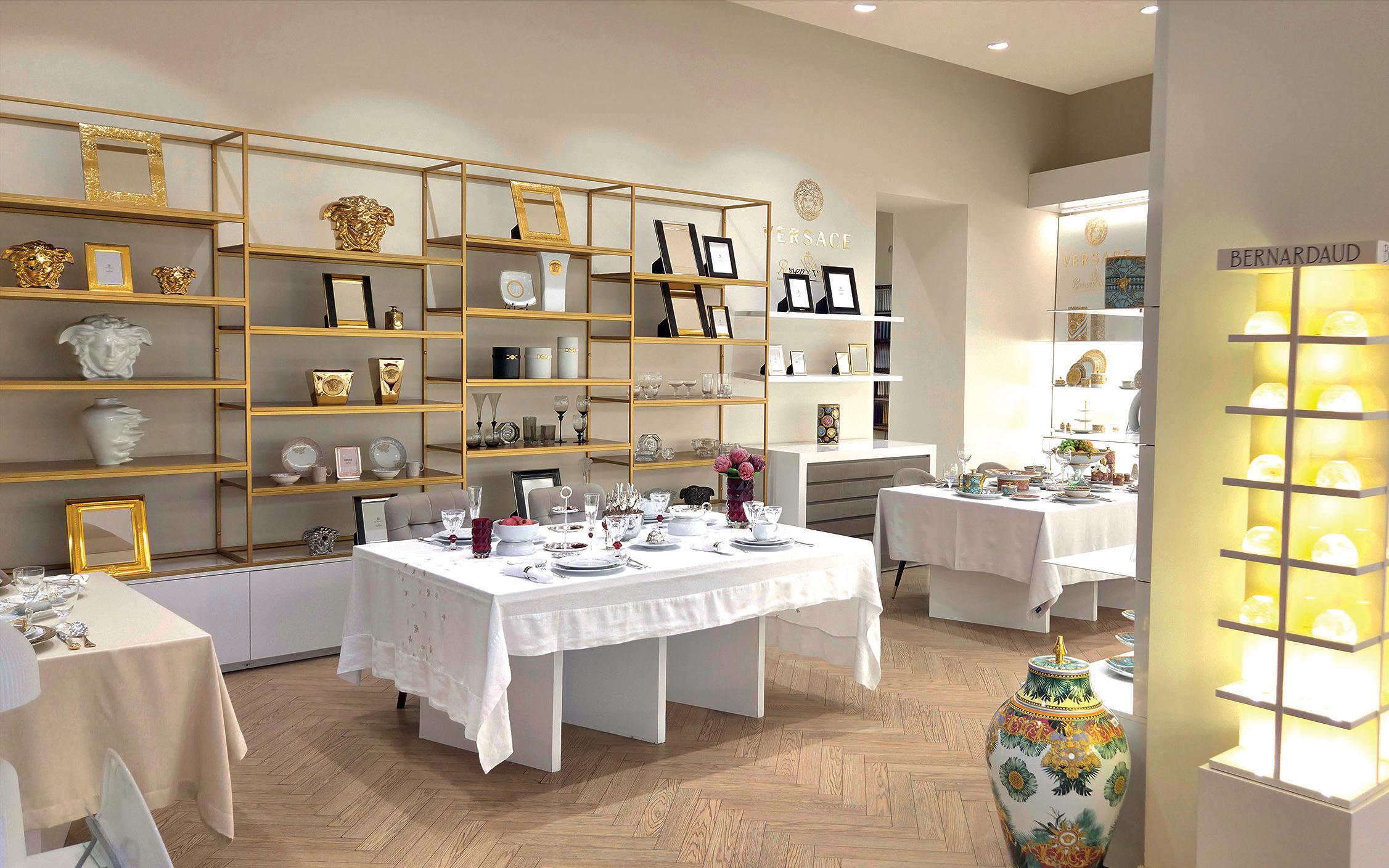
beautiful displays with a focus is on craftsmanship, heritage, and collectible design rather than mass luxury.
Indeed, Italdizain explain their vision is to bring refined international design and luxury into everyday living.
“Our philosophy is based on
experience quality, craftsmanship, and lifestyle, not just products,” they say.
Maison de Luxe presents its customers with multi-category styling for lifestyle inspiration, you’ll find brand-focused displays highlighting signature pieces along with regular merchandising
Beautifully laid tables and carefully curated units are meticulously laid out for maximum impact in a gallery
careful brand curation, timeless aesthetics, and personal service. We focus on long-term partnerships with iconic global brands and on creating inspiring retail spaces where customers
Italdizain operates 24 boutiques, including Chopard and Cartier.
update. These sit alongside window displays that have been aligned with new collections and seasonal launches.
In short, Maison de Luxe is all about product presentation and doing it well. Marketing at Maison de Luxe is focused on brand image and storytelling rather than mass promotion.
“We use our website and social media to present collections
visually and inspire customers,” they say; think seasonal campaigns, holiday activations, and in-store presentations which highlight key brands and new arrivals. And as seriously as they take their visual merchandising, the same can be said of customer service which is built around a personalised and consultative approach.
Maison de Luxe staff are trained in brand history, product knowledge, and service etiquette, all designed to ensure a refined customer experience.
“The team focuses on building long-term relationships, understanding customer needs, and maintaining consistently high service standards across the boutique,” they tell us.
With such an emphasis on quality, care and luxury, Maison de Luxe has set itself apart as a boutique which brings carefully selected collections together in one market.
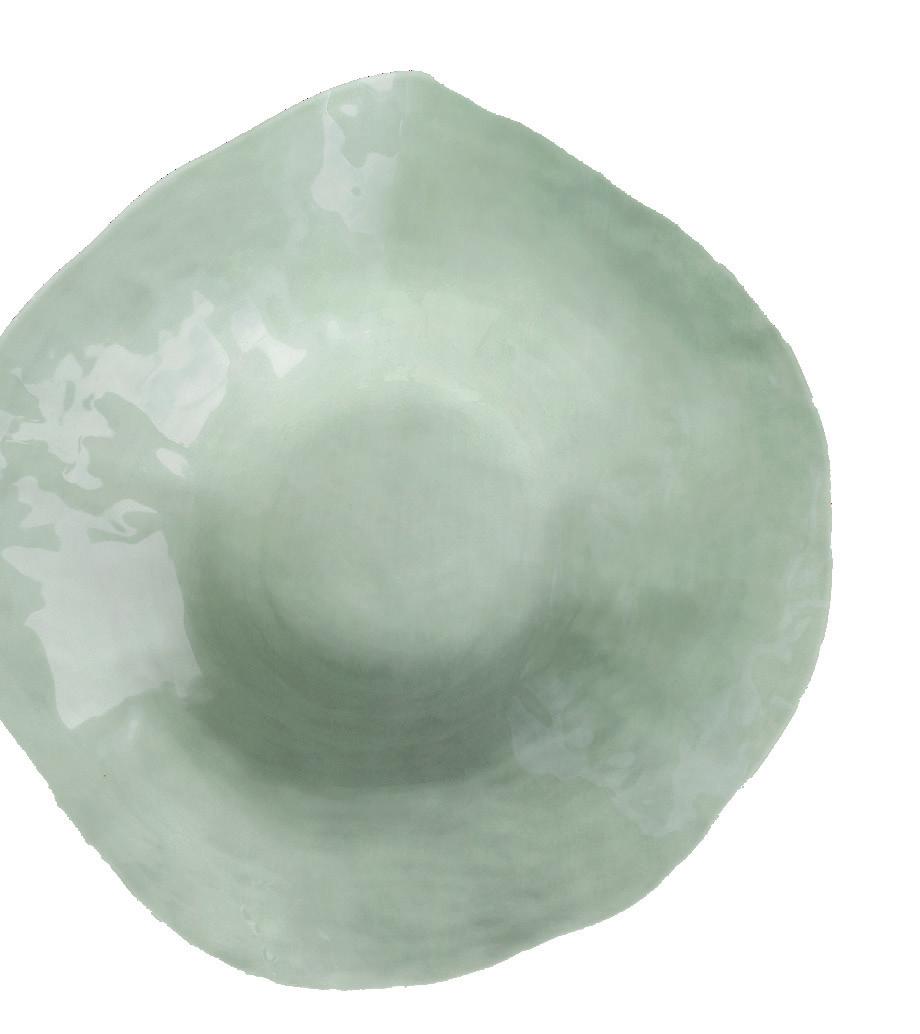
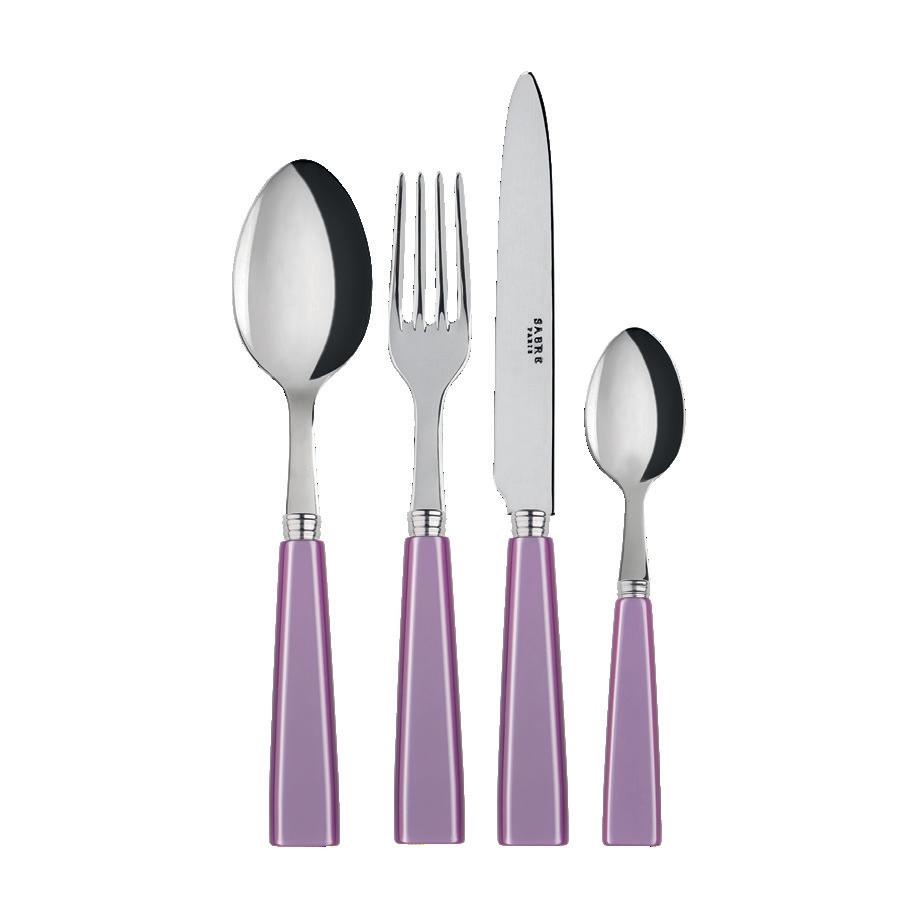
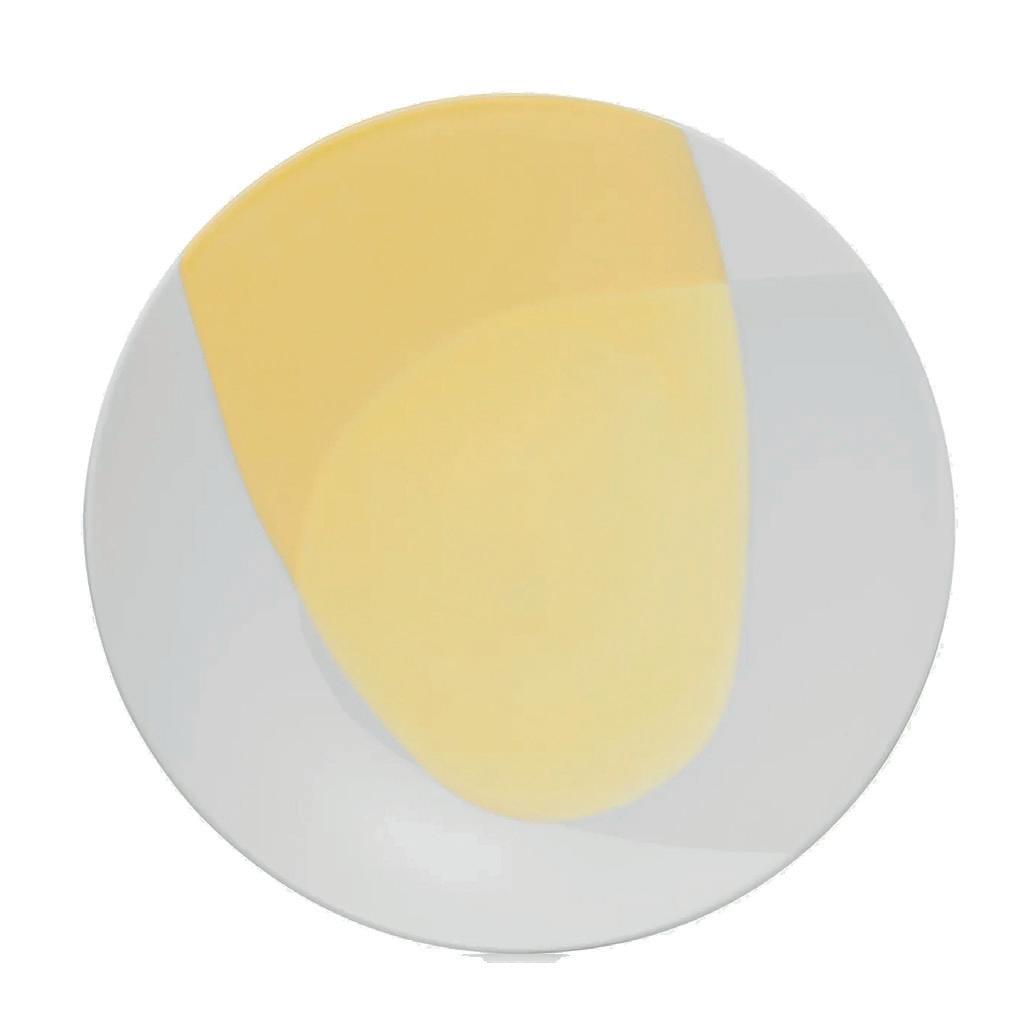
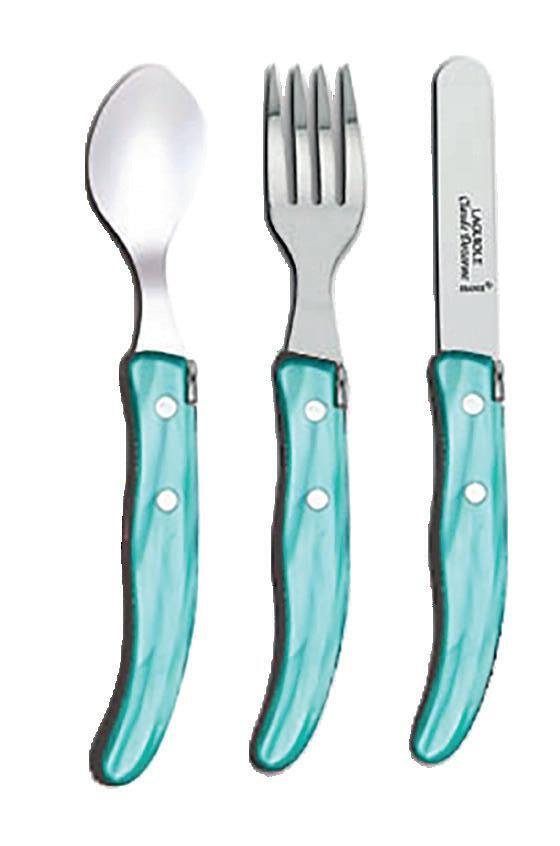
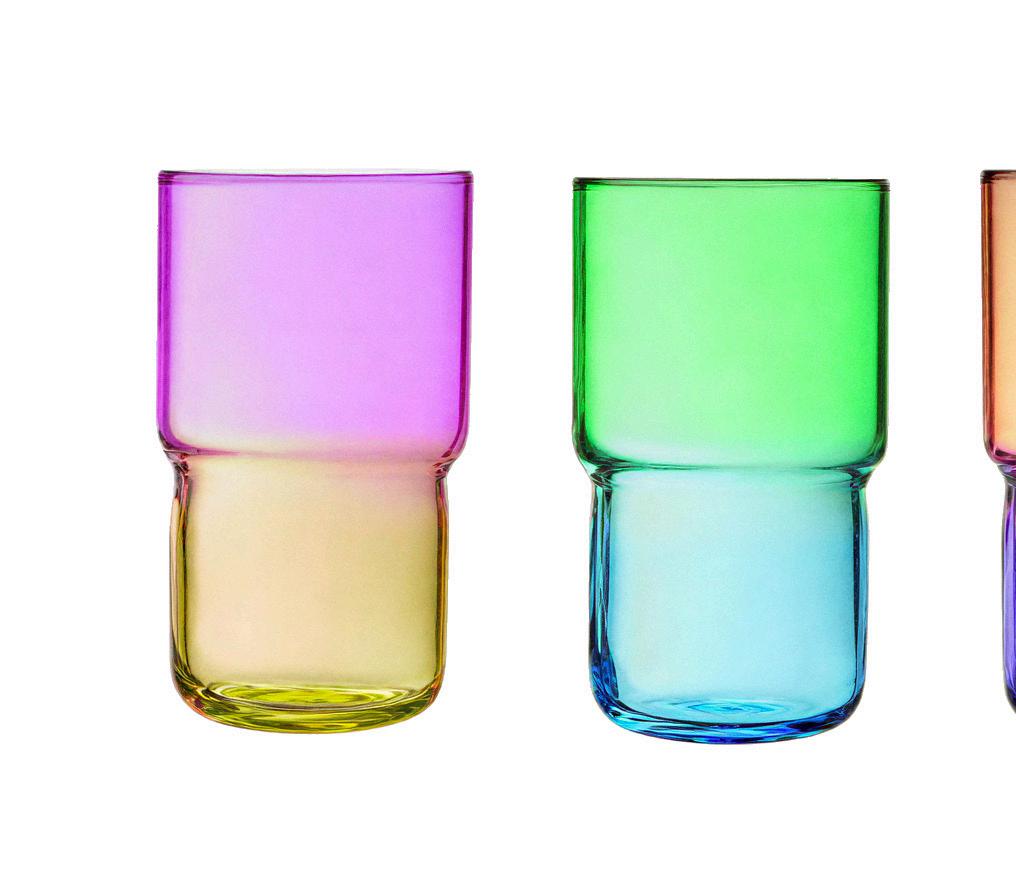
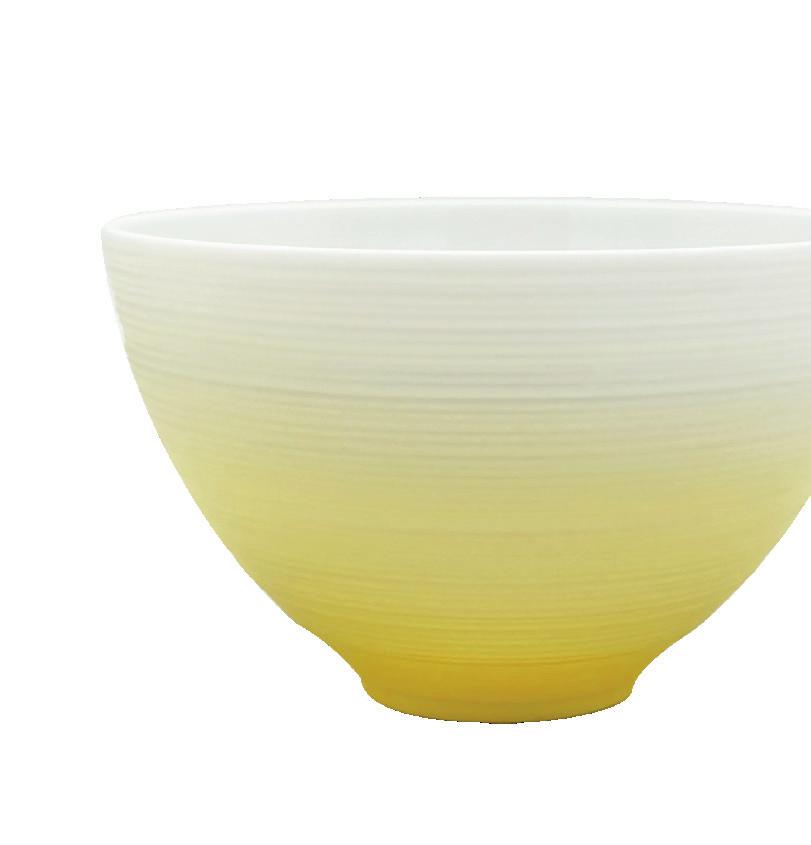
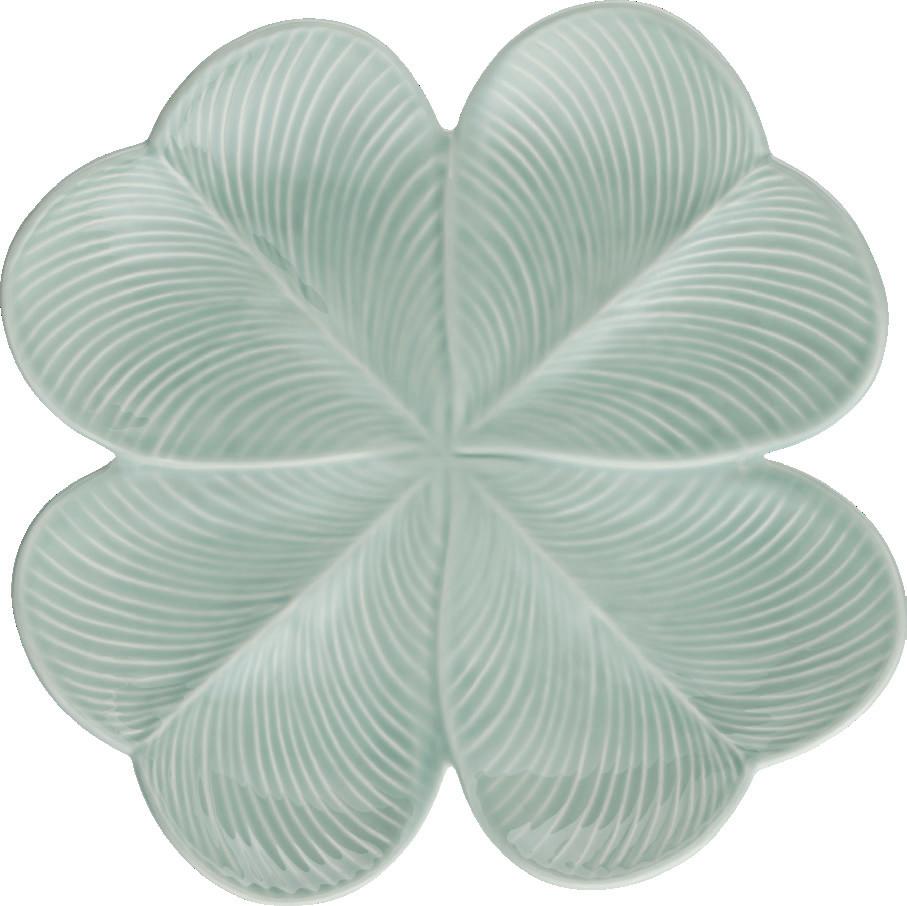
Each season Francéclat reveals its market trends for tabletop. For spring/summer 2026, pastel shades inspired by all things nice meet quirky, off-beat motifs for the ultimate sunshine vibes. This is summer as it should be…
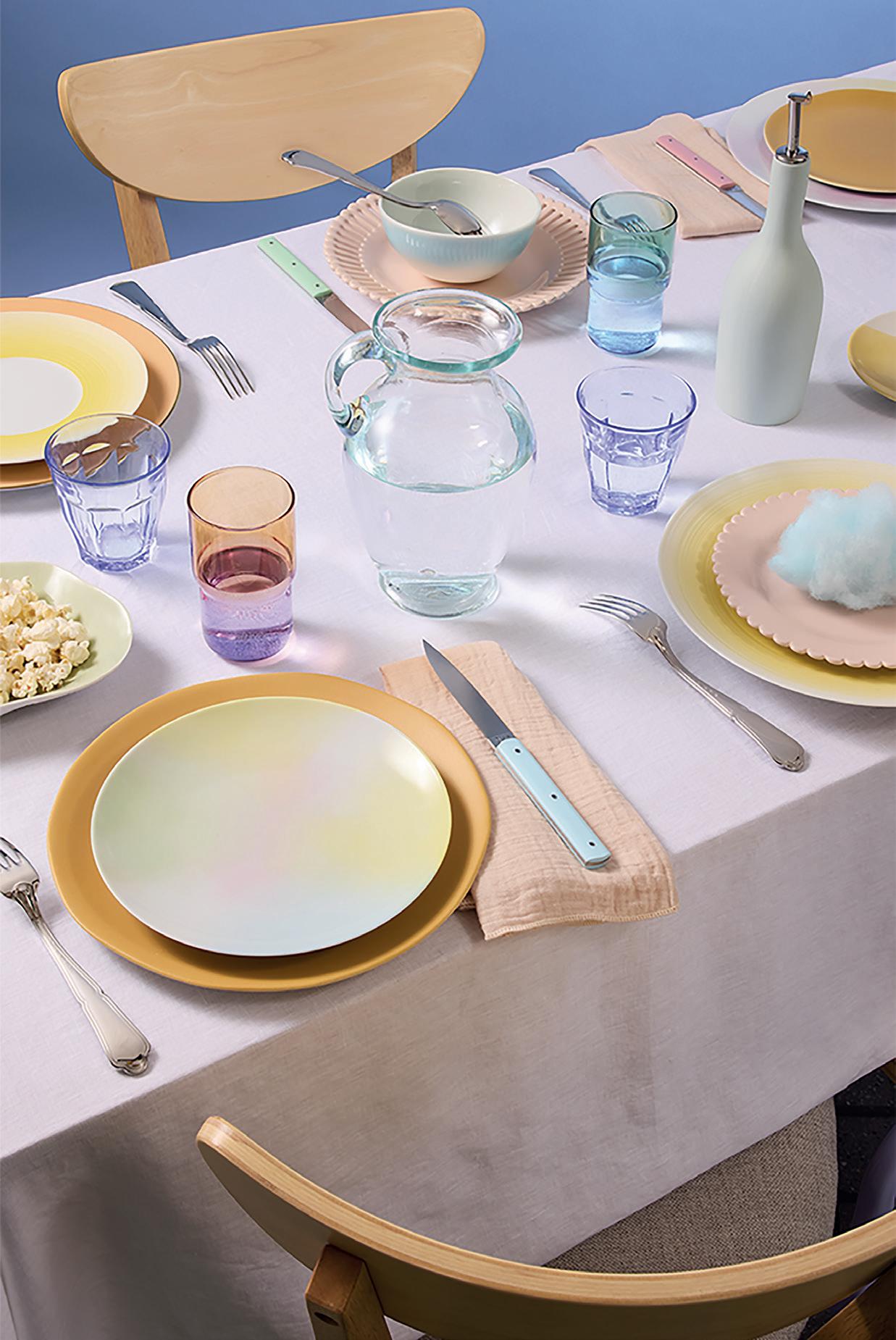
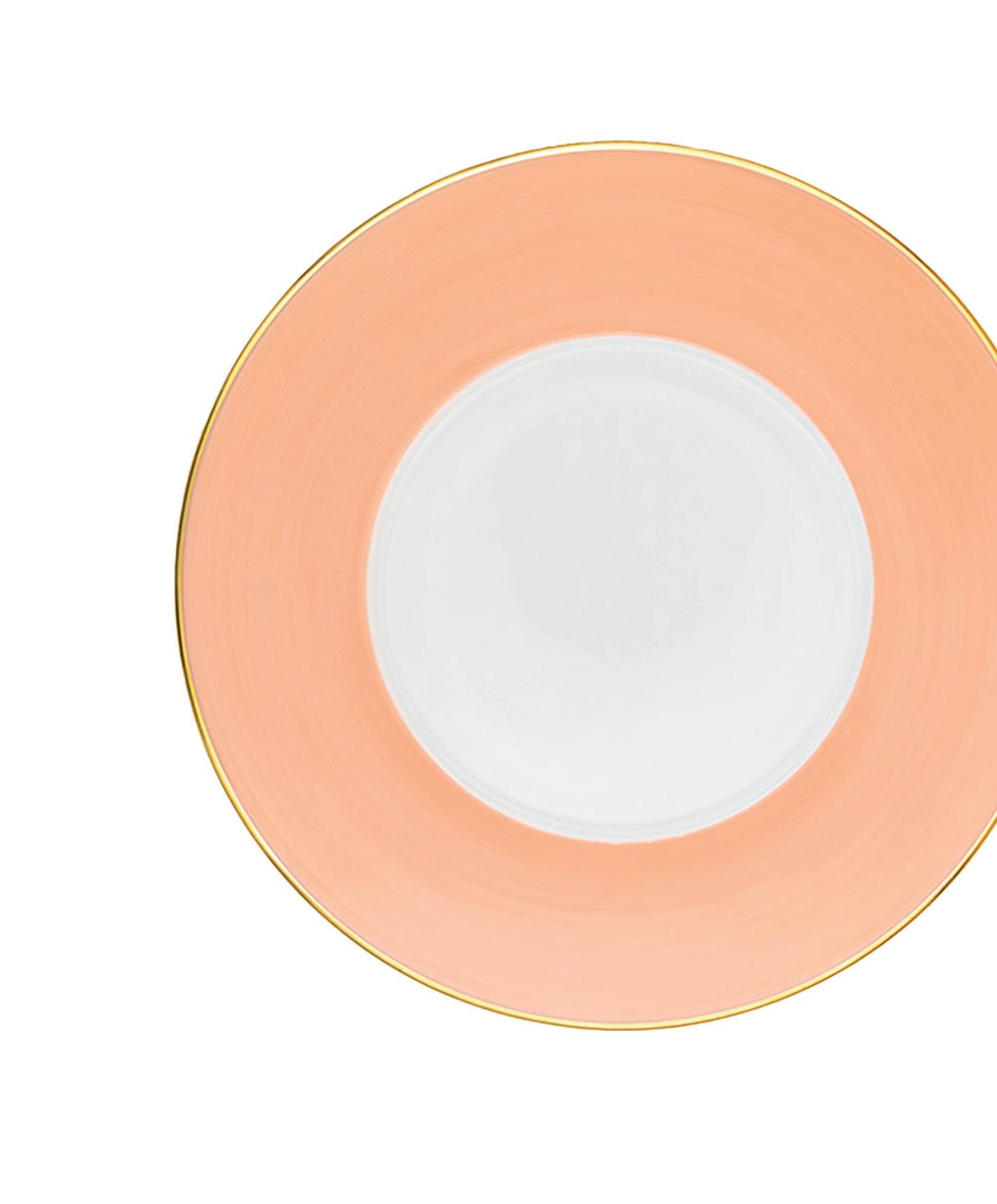
Colours and harmonies
Delicious pastel shades, inspired by sweets and pastries, that delight the eye and the taste buds.
Shapes and finishes
The shapes are smooth and soft in sinuous volumes whose roundness conveys a gentle sensuality.
Materials and patterns
The artistic motifs are inspired by pictorial tachism. In terms of materials, fine porcelain and glass will enhance the
www.franceclat-international.com
Francéclat’s raison d’être is to develop French timepieces, jewellery and tableware. Working with experienced professionals from these signature fields, they strive to spread French art de vivre around the world. They have connections around the world, and their ambition is to pro-mote and drive French expertise through finely crafted, authentic French products.


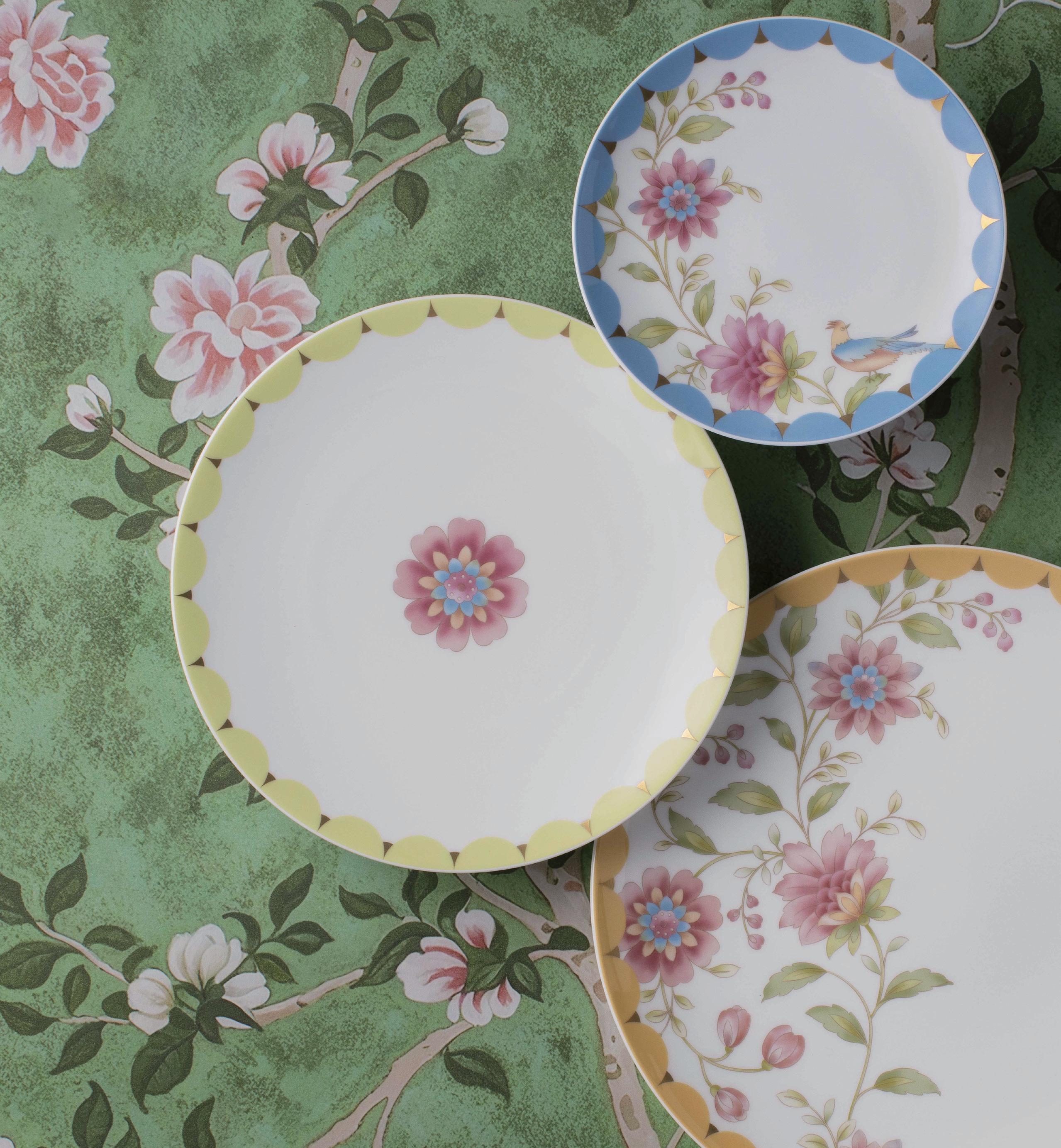
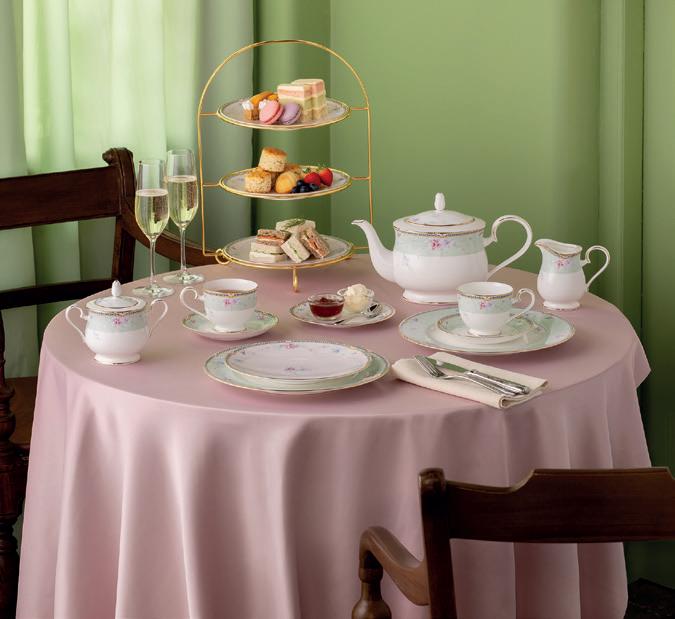
Acclaimed Japanese brand Noritake brings us two charming new collections which take inspiration from our need for both emotional connection and spiritual comfort. Centred around the themes of nature and nostalgia, Reverie Garden and Spring Symphony are a joyous ode to the chic charm of dinnerware collections of yore, while still maintaining a contemporary appeal…
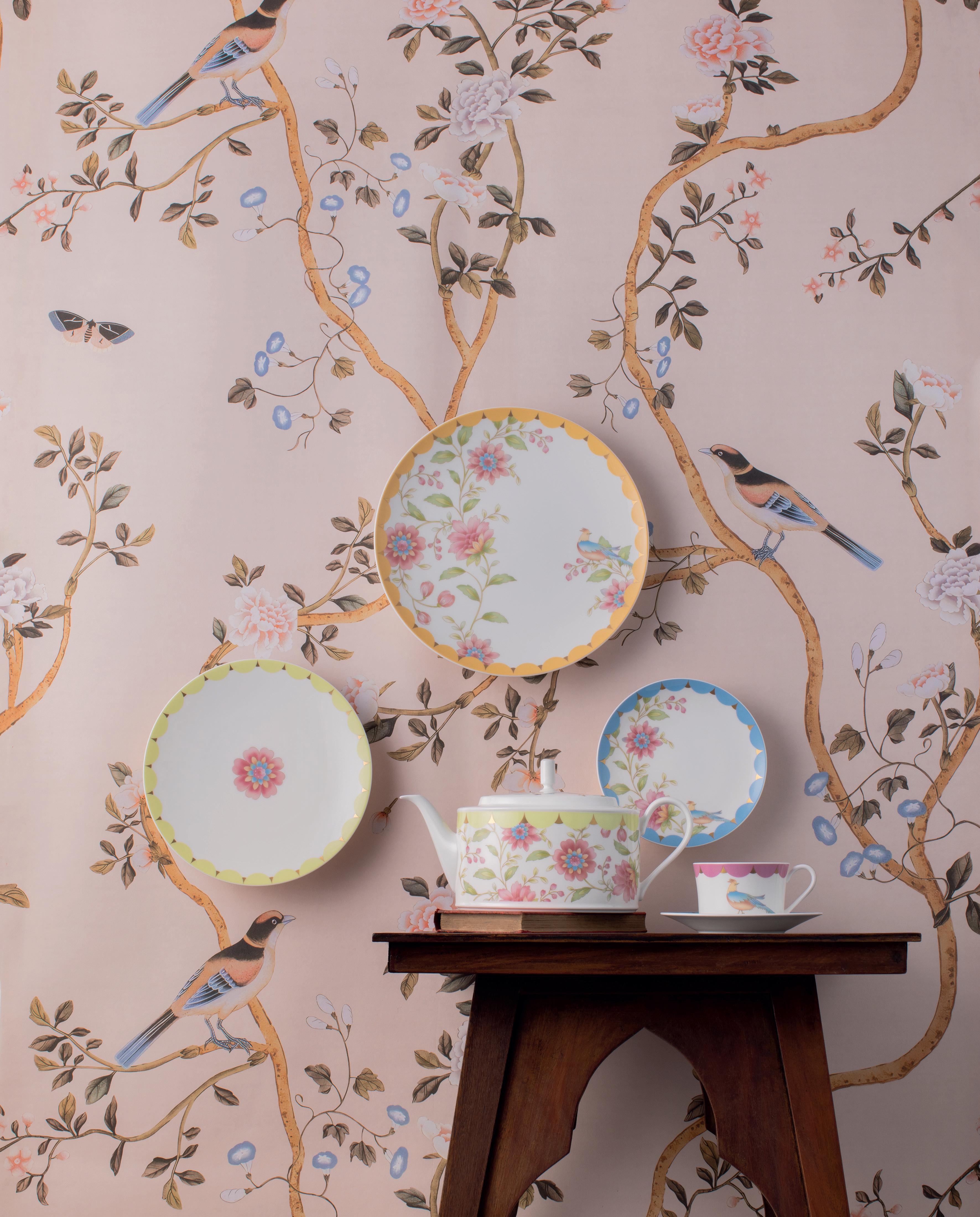
Inspired by the timeless chintz pattern, Reverie Garden is the perfect harmony of modern sophistication and retro charm. As a new interpretation of an enduring tradition, this pattern features graceful flowers and iconic birds, depicted with a delicate Japanese craft inspired touch. Enhanced by a rhythmic pastel border, the unique combination of modern sophistication and retro charm brings a refined touch of colour to daily dining.
Amid a growing desire for emotional connection and spiritual comfort, people today increasingly seek values that resonate with the heart. Reflecting this shift, the concept of Noritake’s new product development was
centered on nature and nostalgia. While embracing the essence of Noritake and the charm of a bygone era, the brand has reinterpreted these inspirations to suit contemporary lifestyles and sensibilities. The
collection features elegant floral motifs and arabesque patterns, thoughtfully developed into modern décors while carefully incorporating the preferences and vision of Noritake clients. tablewarebrand.noritake.co.jp
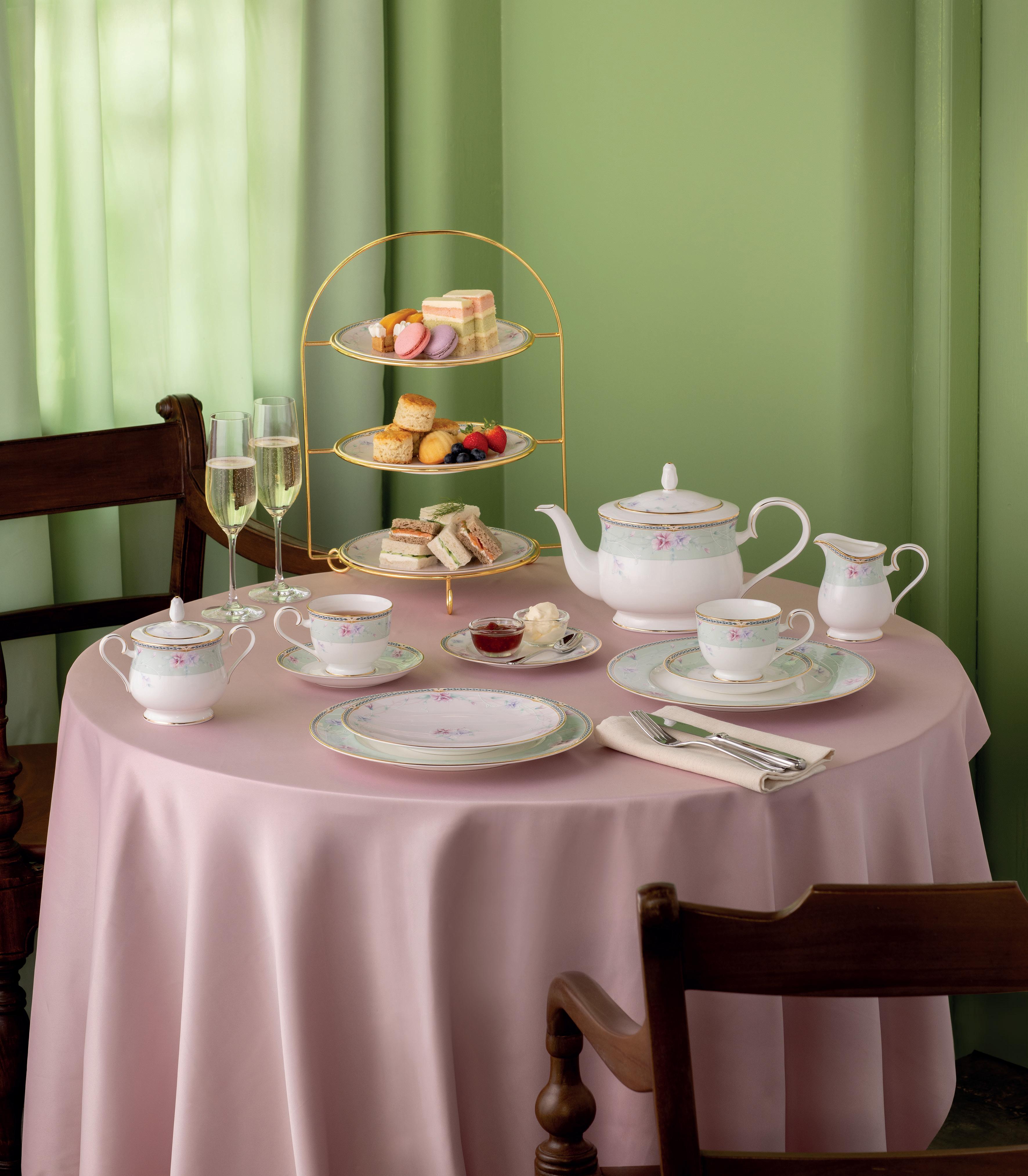
Inspired by Noritake’s archives from the late 19th and early 20th centuries, this design embodies the organic beauty of the Art Nouveau style, which found one of its primary sources of inspiration in delicate Japanese aesthetic. The blossoms, reminiscent of the graceful Cattleya orchid, sparkle in the sunlight and sway as if stirred by a breeze. The design features a soft, harmonious colour palette and precisely applied, detailed raised white accents which create the impression of dewdrops. The entire scene is framed by a classical border of gold mica and dark green with a shimmering gold finish, creating a nostalgic atmosphere that brings a sense of peace and comfort to the table.
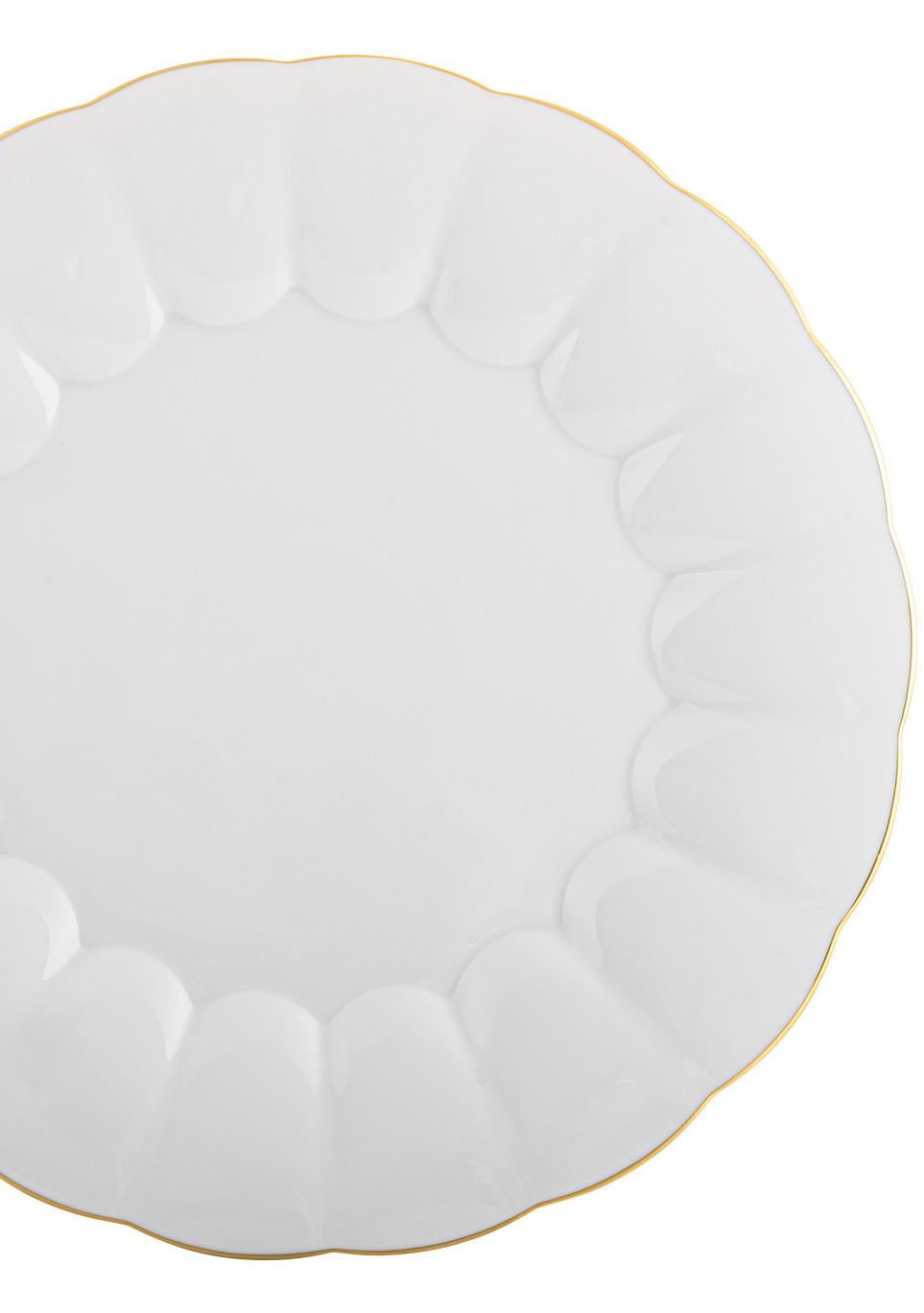
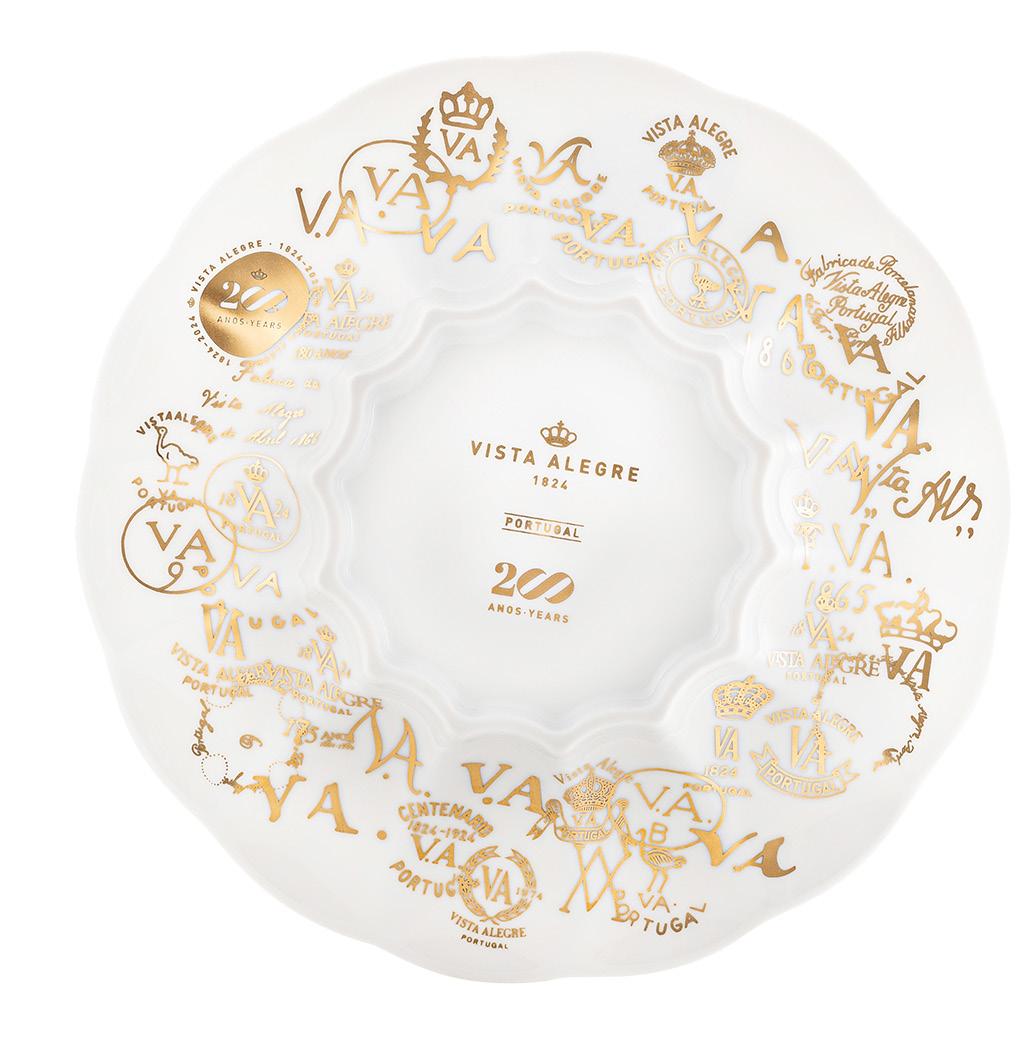
The shapes that make up Vista Alegre’s 200 Anos collection are the result of the reinterpretation and combination of various elements drawn from pieces that Vista Alegre has added to its collection over the course of its 200-year history. Aesthetically, the aim was to create a collection with modern, dynamic proportions, featuring an interplay of undulating and fluted lines on various scales, which vary from piece to piece, combining details all drawn from our past. The decoration features delicate matt gold filigree that outlines the shapes and accentuates their timeless character. The reverse of these pieces is decorated with every logo Vista Alegre has ever used, in homage to its magnificent journey to the present day.
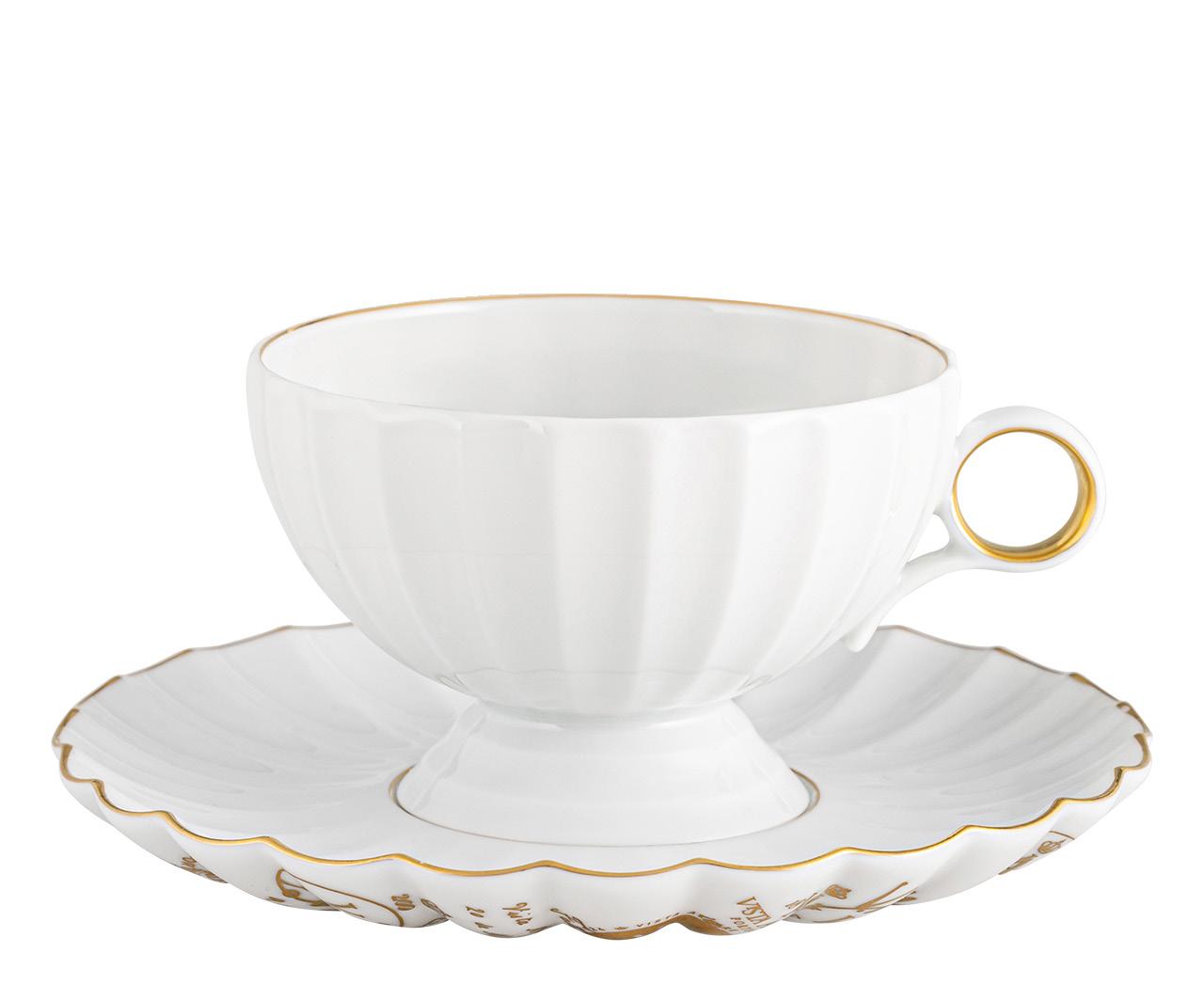
www.vistaalegre.com
While there is always room for trends in tabletop, nothing surpasses a well-designed collection drenched in pure white. Considered the most ideal canvas for plating, white tableware has long since seen its star rise but never fall. Today, manufacturers are delivering white tableware which has been elevated with interested design twists which subtly catch the eye…
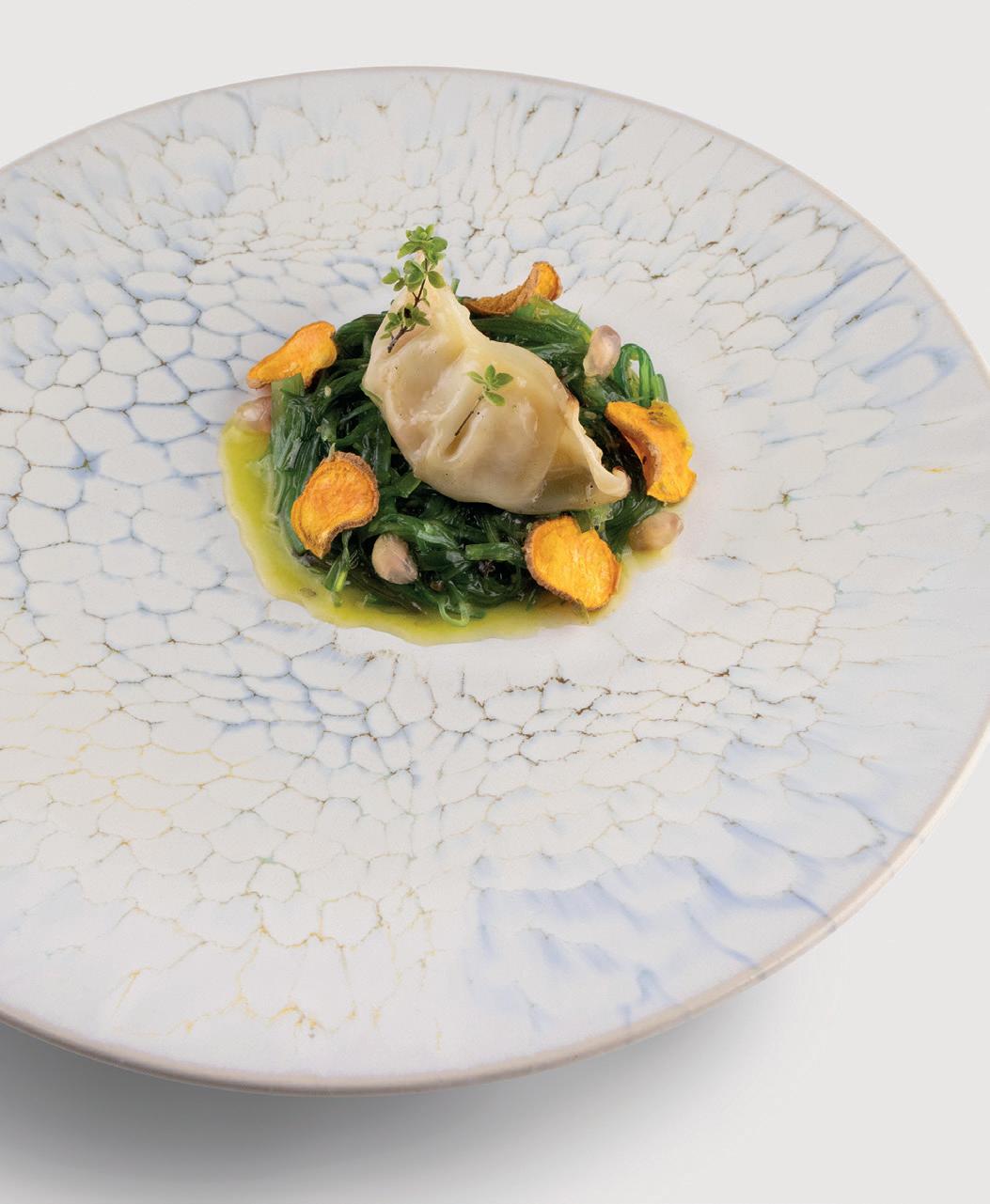
A winner of a 2026 German Design Award, the Kanji collection from Mesa Ceramics isvthe true definition of white with a twist. The shinny reactive glaze pairs perfectly with the subtle tones of blue and gold from the digital printing design. This collection embodies innovation, sustainability and artistic design in a classic and elegant option for your table. www.mesa-ceramics.com
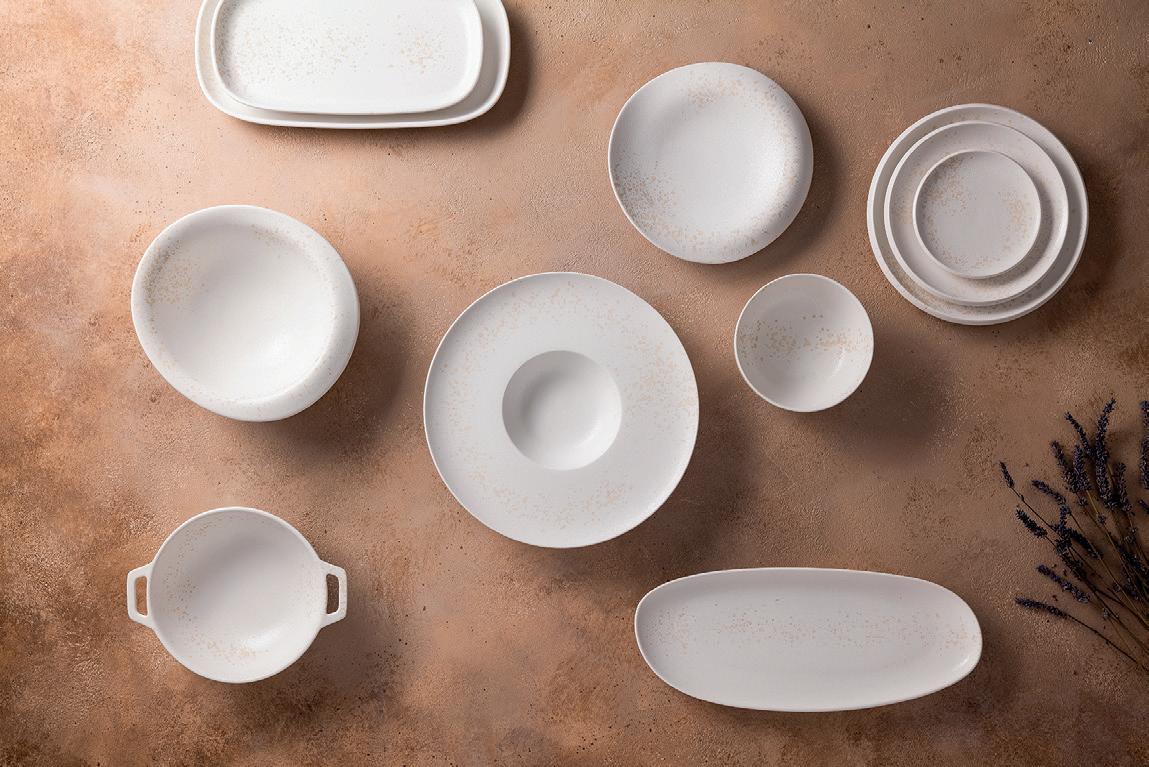
New from Arthur Krupp for 2026, White River stands out for its white finish, which appears elegantly minimal at first glance. A closer look reveals matte, slightly rough surfaces, enhanced by irregular glossy details that bring each piece to life. The collection includes 29 references, each differing in shape, size and height. The lines are soft and rounded, yet deliberately irregular, creating a table setting that feels both dynamic and contemporary. The name is no coincidence: the textured surfaces and imperfect profiles evoke river stones smoothed by the flow of water, where the apparent simplicity of white reveals, upon closer inspection, a rich interplay of textures and details. www.sambonet.com

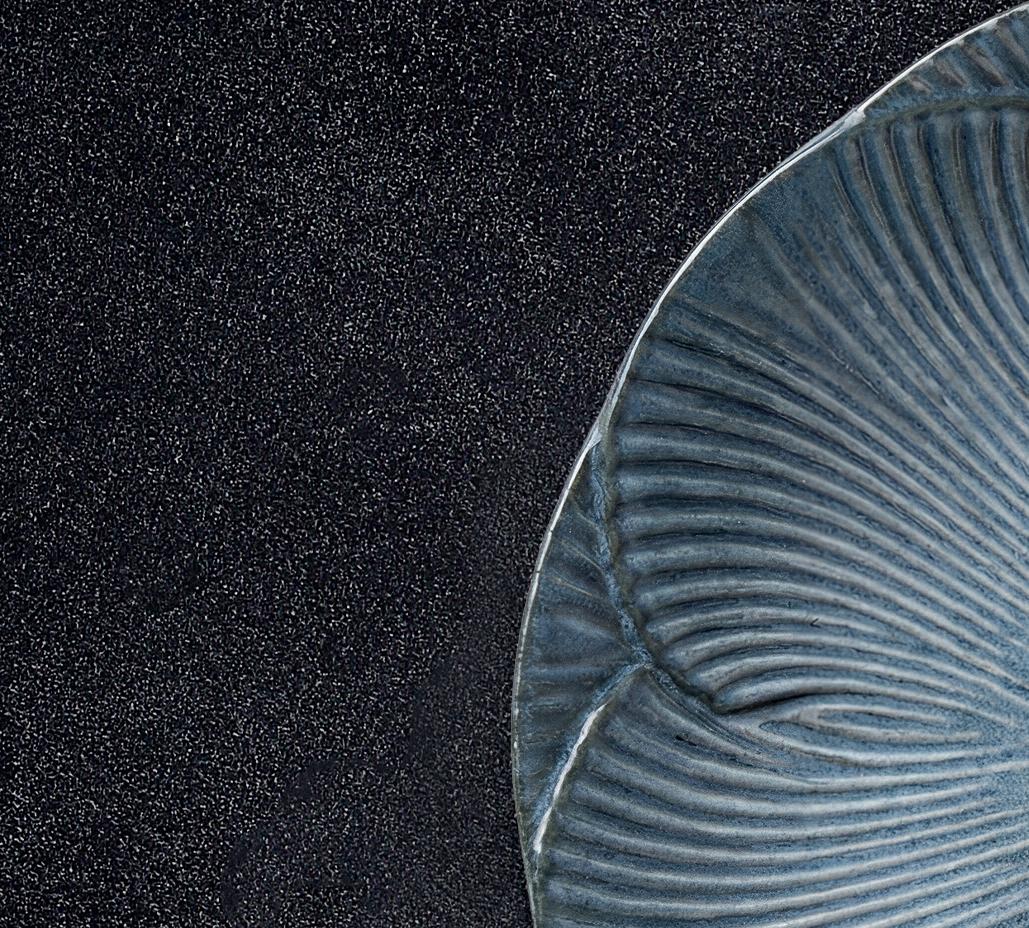
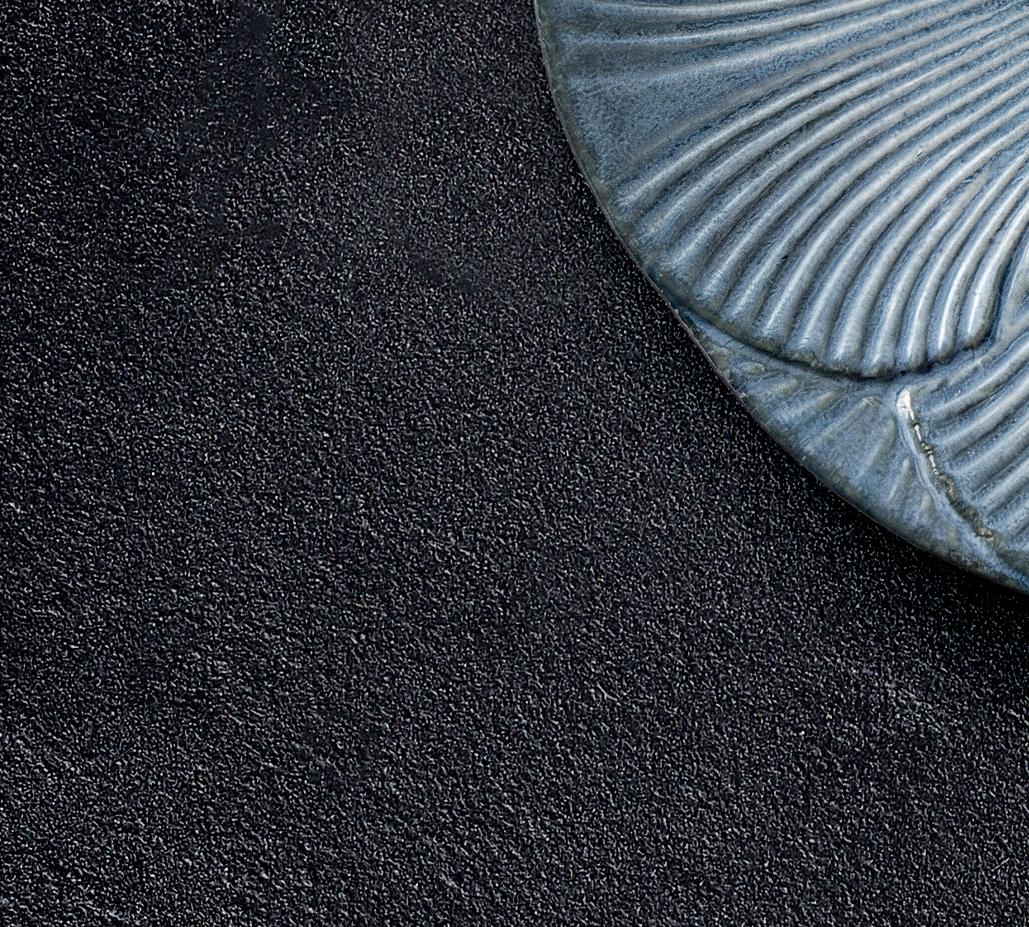


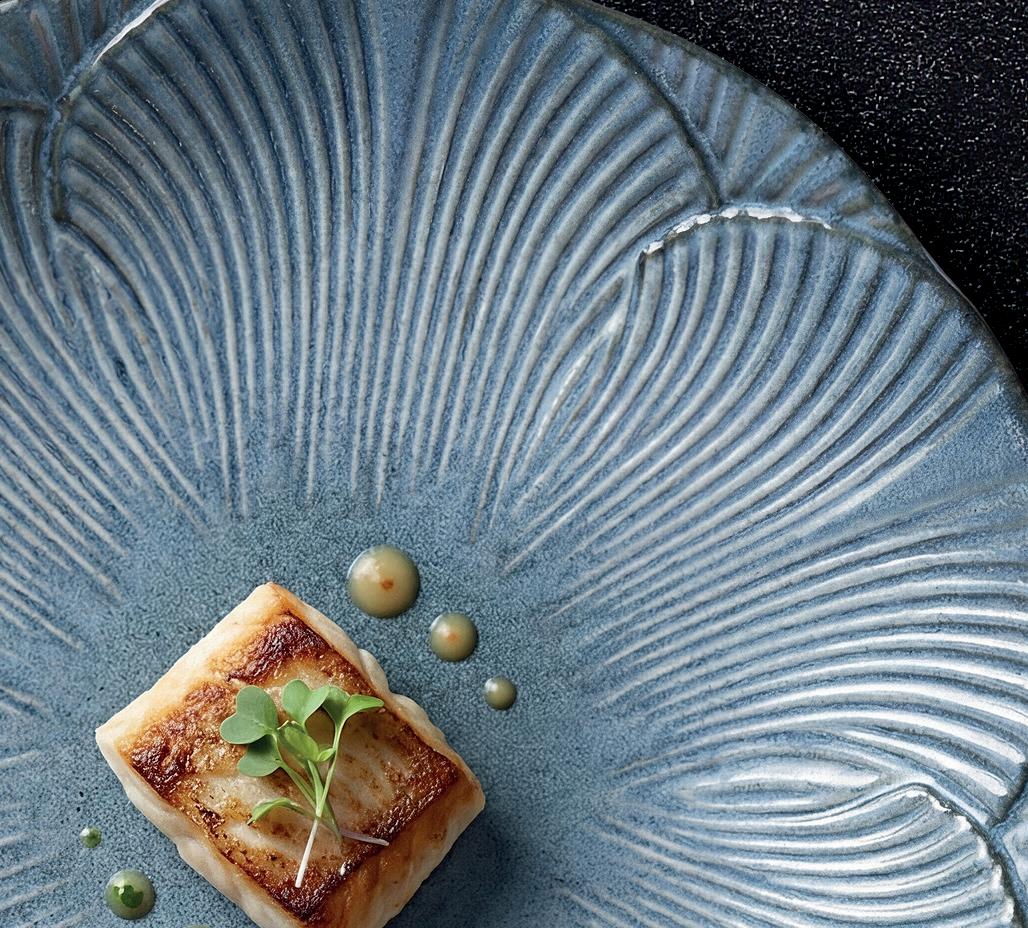
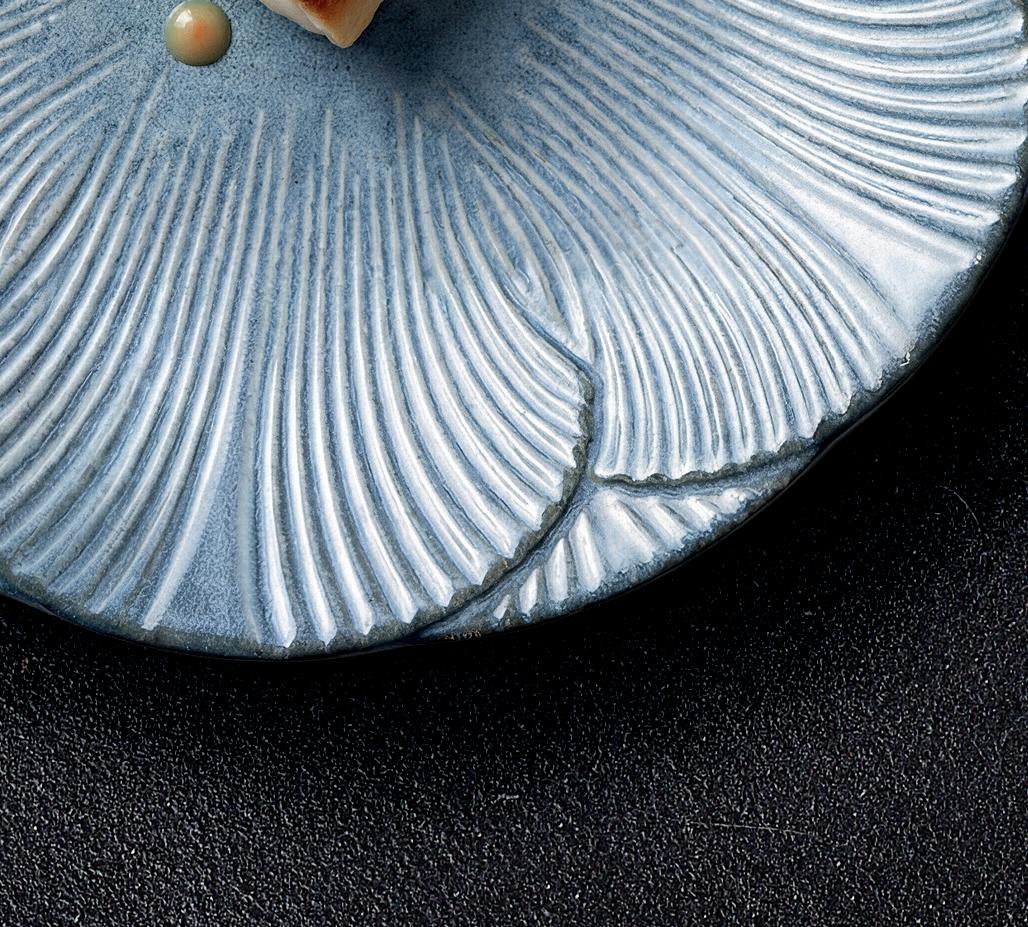




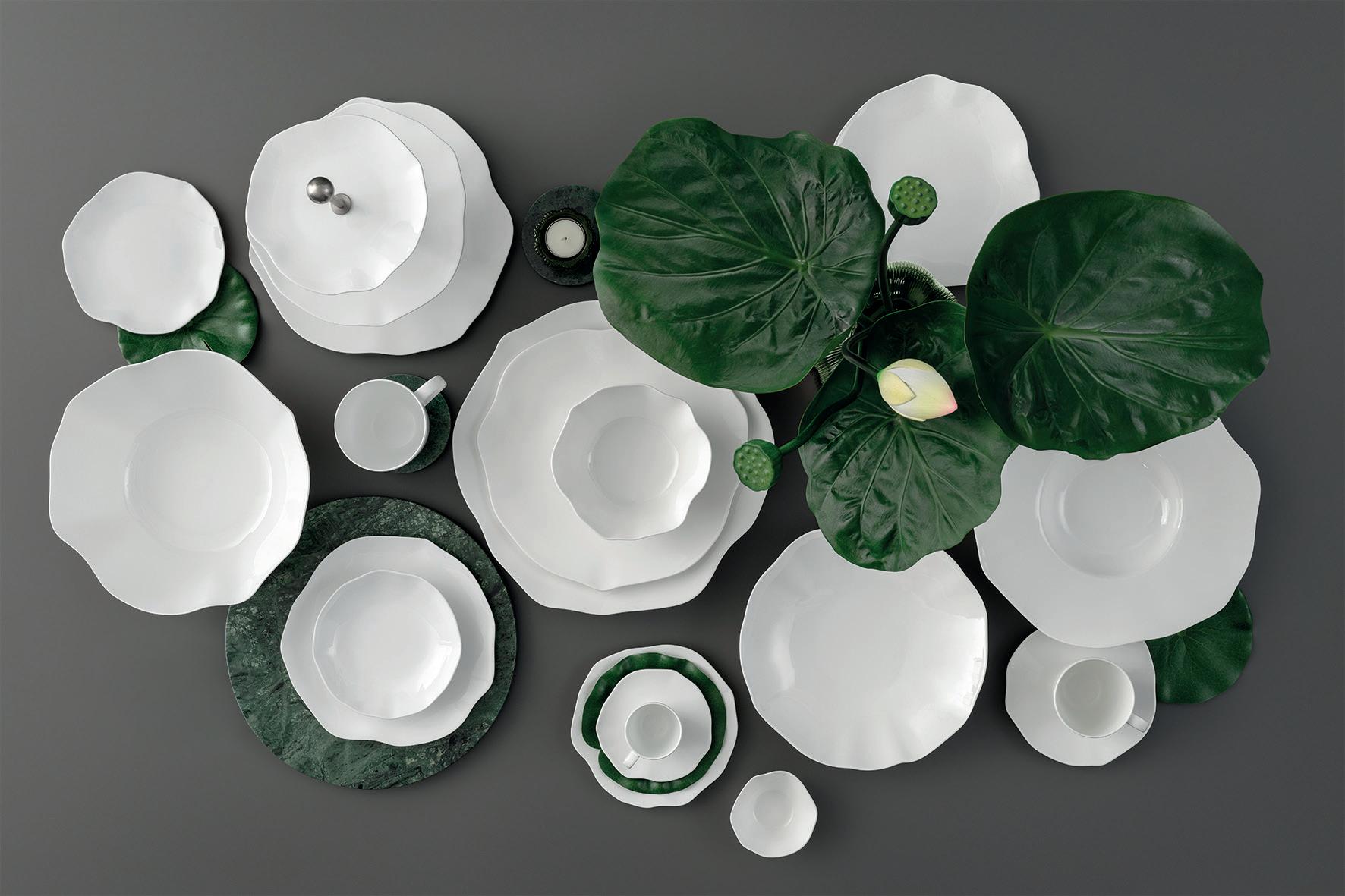
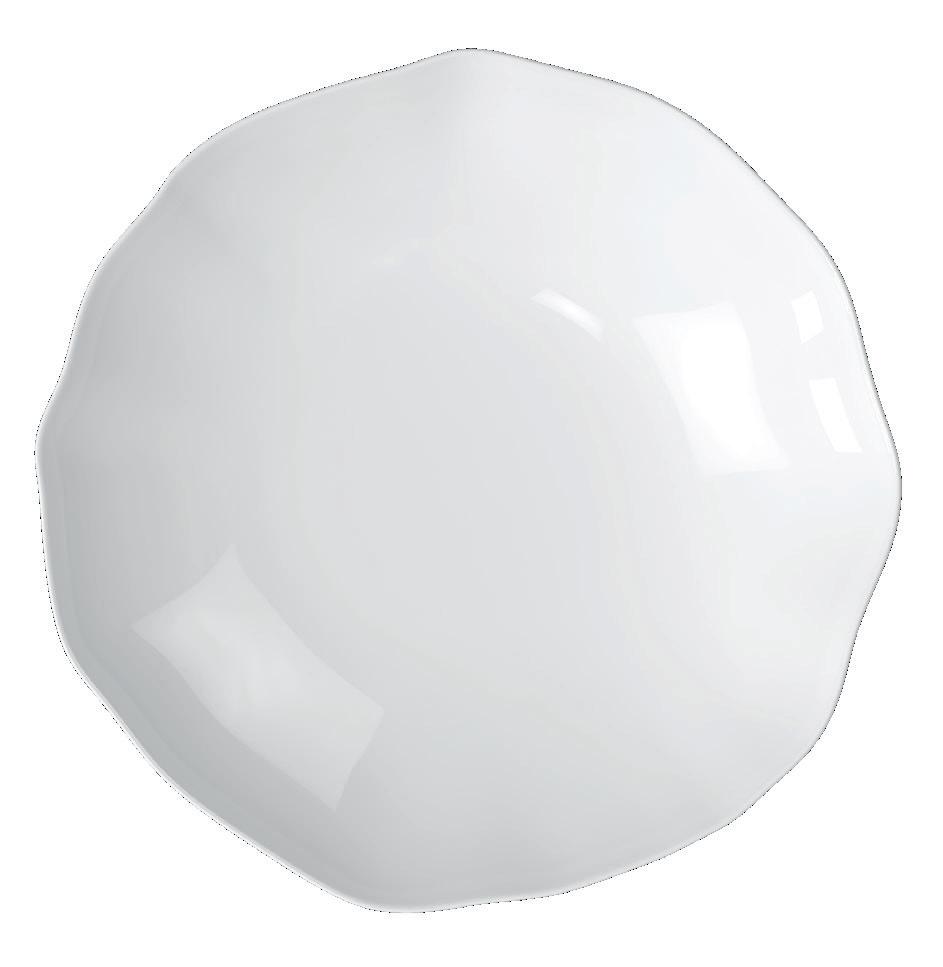
The Pura collection from Villeroy & Boch is a fusion of absolute naturalness and sensory appeal for the table.
Featuring a shape inspired by the pristine beauty of the natural world, Pura conveys an impression of weightlessness that blends effortlessly in every environment. Pura’s harmonious flowing lines evoke images of a lotus leaf gliding on water. The harmonious silhouette is an ode to nature and infuses every table setting with subtle elegance. Made from exquisite premium bone porcelain, the pure white porcelain creates a perfect stage that projects every dish – from a simple snack to a gourmet meal – into the starring role. Each of the 16 items in the Pura collection features a deliberately understated, simple yet sophisticated design that places the emphasis on the first sip of espresso in the morning, afternoon coffee with friends or a special dinner with guests. www.villeroy-boch.com
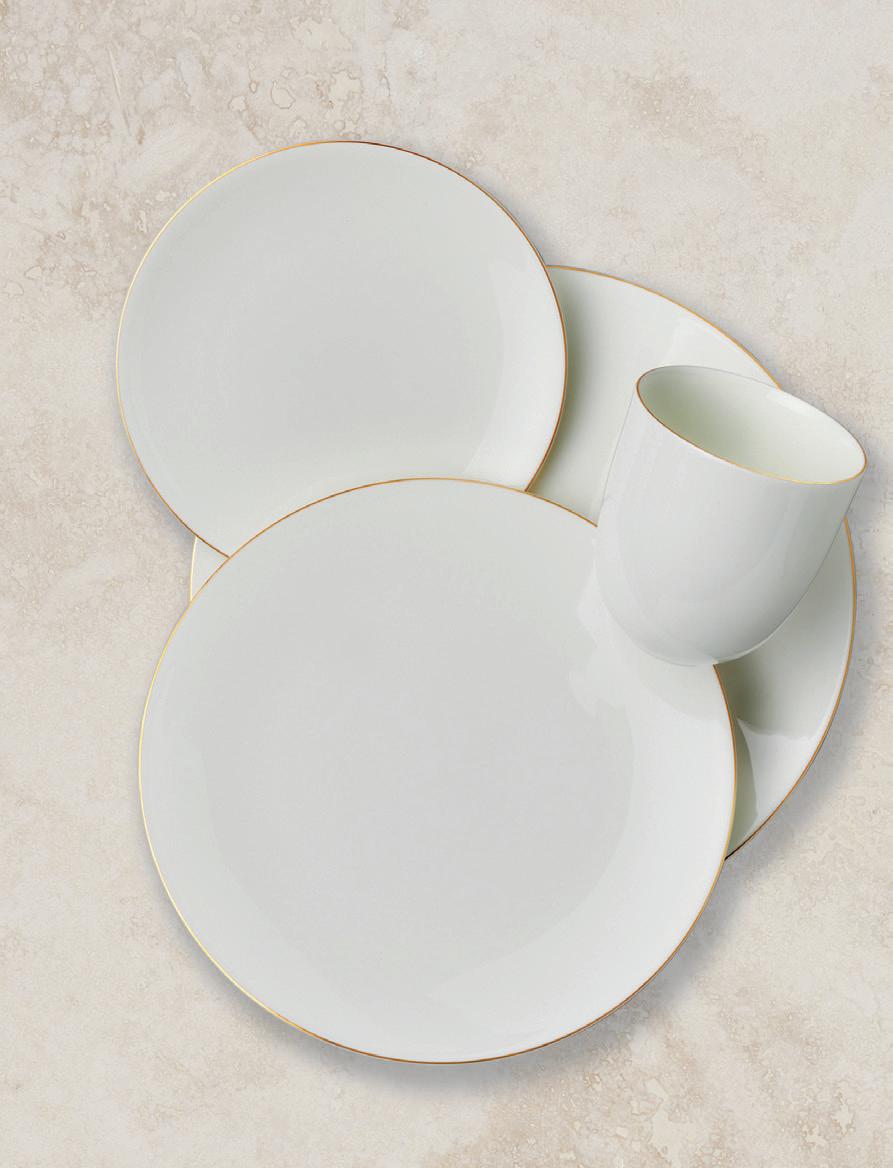
From Dibbern, two collections embody the “white with a twist” trend perfectly. Firstly, the Bodo Sperlein designed décor Ombra which originally featured on the Juno collection. The décor combines elegance with artistic expression and because of tits popularity, Dibbern is now also showcasing Ombra on the Pure Form shape. “This allows us to specifically address customers who appreciate the décor but prefer a different shape than Juno,” the brand says.
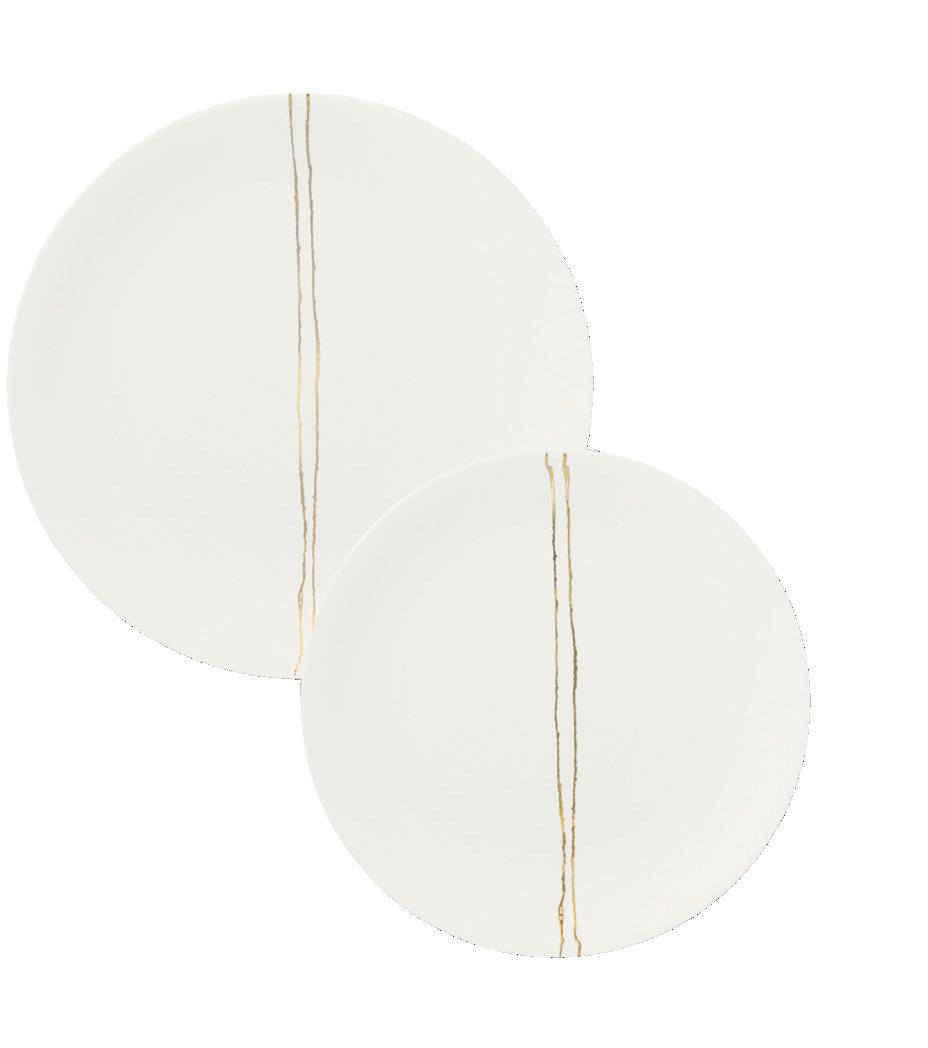
Meanwhile, Golden Line features hand painted golden lines along the outer rim of plates and cups, a classic early Dibbern collection. While not originally dishwashersafe, Golden Line can now, thanks to modern inglaze technology, be used in the dishwasher. www.dibbern.de
Beatriz Ball, founder, Beatriz Ball, on ever-growing popularity of white tableware
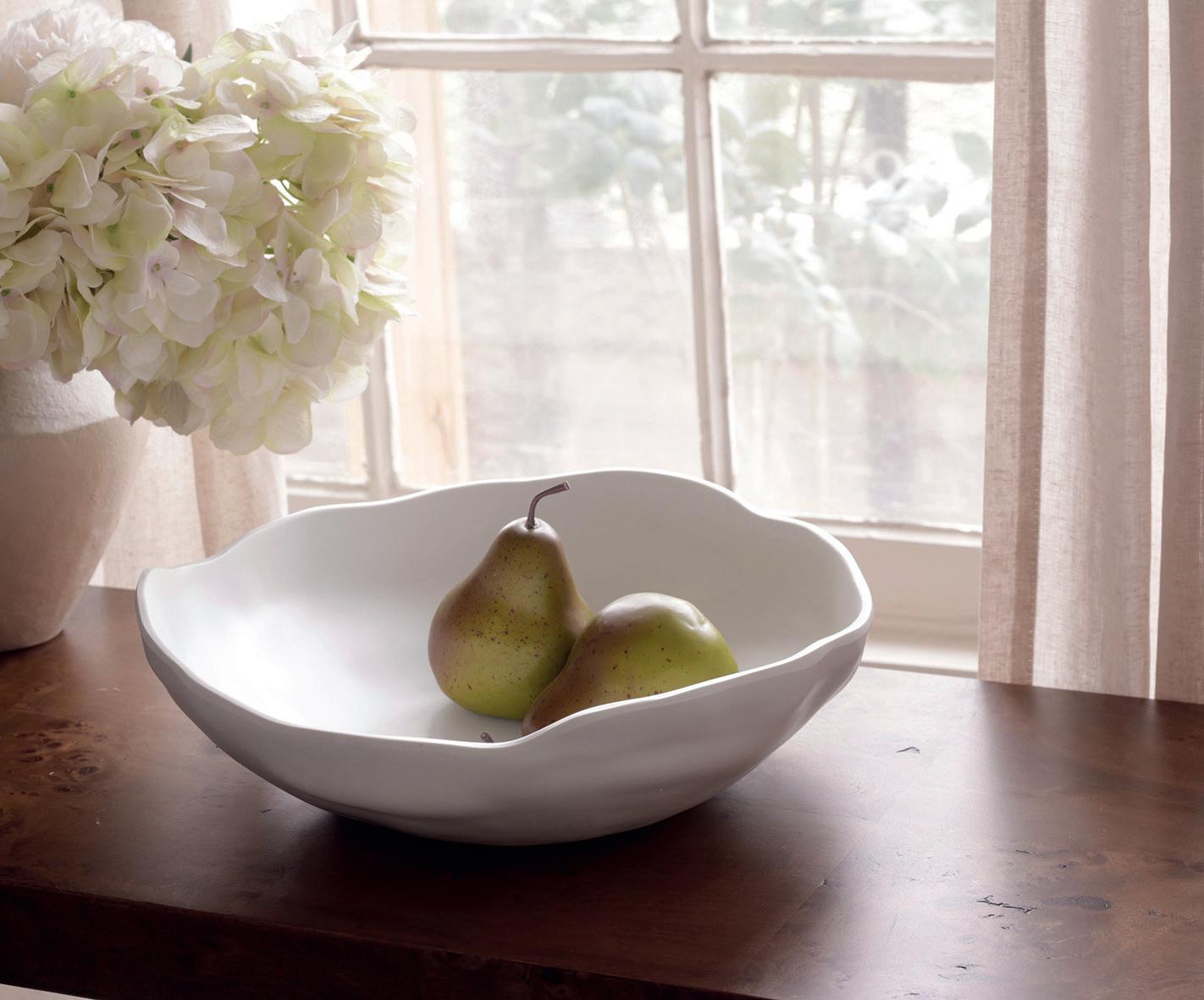
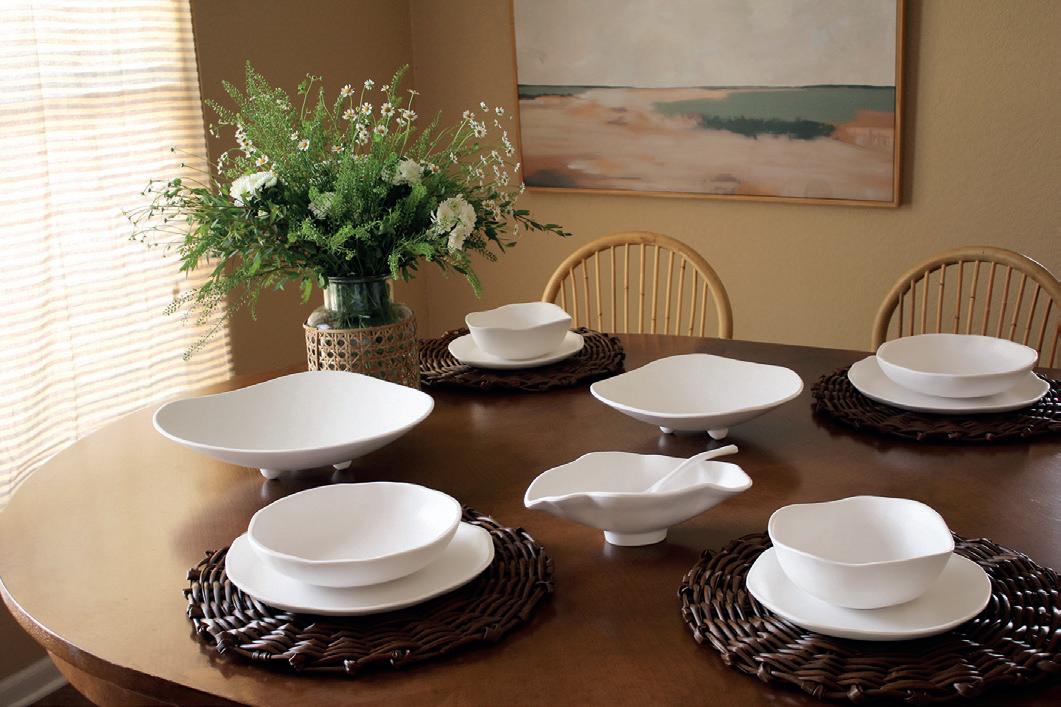
“It’s hard to believe, but the Beatles’ original concept for their shortlived Apple Boutique, which opened its doors on Baker Street in 1967, was a minimalist shop that would sell only white china and other all-white merchandise. Paul McCartney initially envisioned a space where everything was white because, as John Lennon stated, “You can never get anything white.” My, how trends have changed! Now, for my company, white always tops the list of colourways across product lines and materials. This is particularly true with my melamine dinnerware and serveware offerings. Of course, it always helps to have an added twist.

“With its undulating surfaces, unexpected designs, and bisque-like finish, I have reimagined melamine in my fabulously functional Vida Nube Collection. Spanish for cloud, Nube features sculptural tableware pieces rendered in a luscious satin finish, all as practical as they are beautiful. Made of luxury melamine for everyday enjoyment, each piece is ideally suited for indoor and outdoor entertainment. It is also dishwasher safe.”






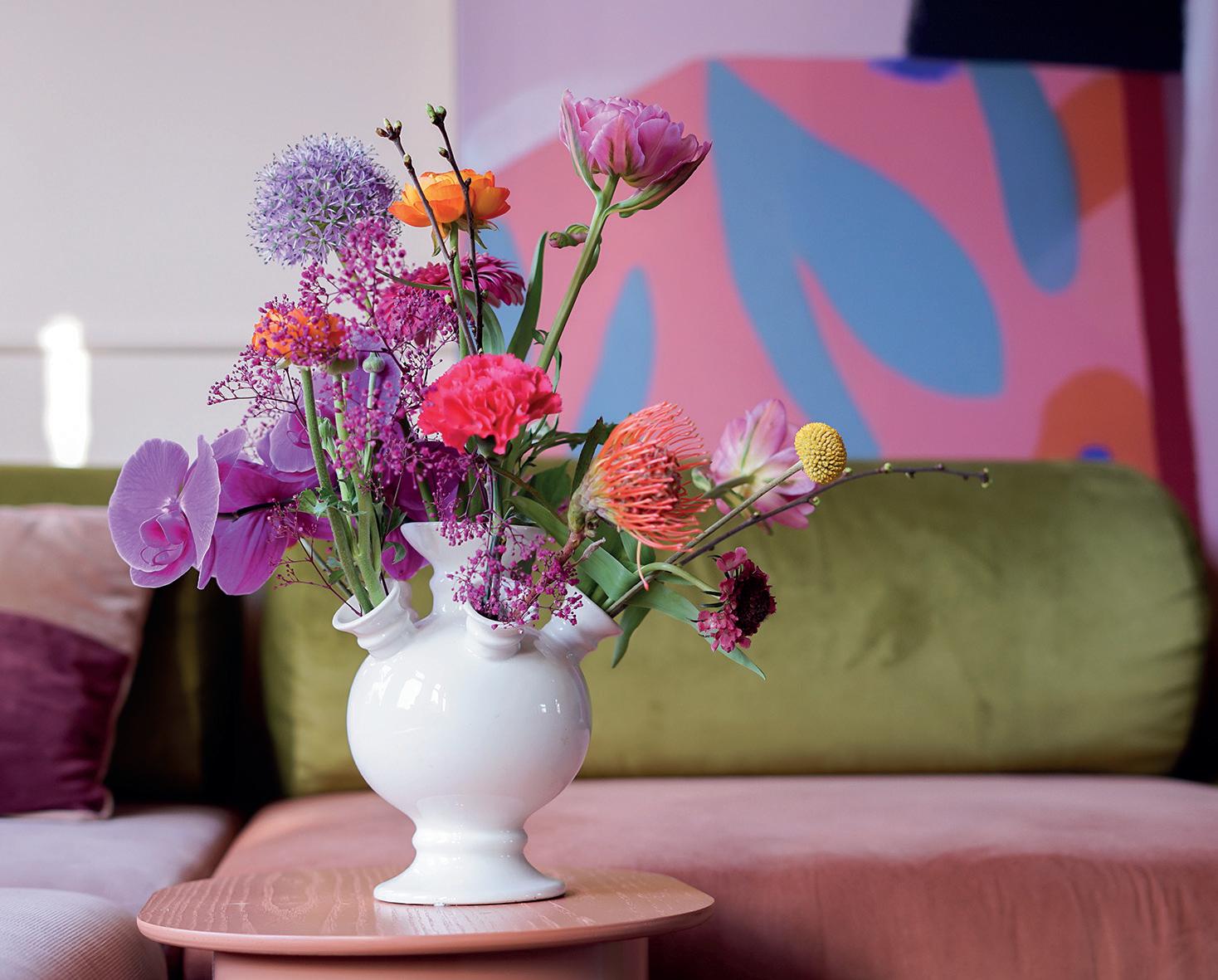
Heinen Delfts Blauw has crafted a series of all-white vases, designed to complete the dining table experience. These vases were created with the intention of adding a serene focal point to the table, complementing the meal rather than overshadowing it. The collection of white tulip vases includes unique shapes such as the Triple Gourd Tulip Vase, which reinvents a classic Dutch form with a fresh, modern twist. Each vase—whether square, cylindrical, or elegantly elevated on a foot—embodies the power of understatement, drawing attention through its quiet, graceful strength. www.heinendelftsblauw.com
With its gentle relief lines, the Stella series from Sieger By Fürstenberg is adding a sensual dimension to the brand’s service My China! Filigree structures, inspired by the radiance of a shining star, lend the white porcelain its exceptional warmth. The relief series comprises 17 pieces, whose outer shape consists of soft curves and is available in three designs. Flowing transitions between the glaze and velvety-matt finish make this set a tactile experience. Stella shows its beauty in gleaming pure white or with a fine platinum band. www.fuerstenberg-porzellan.com
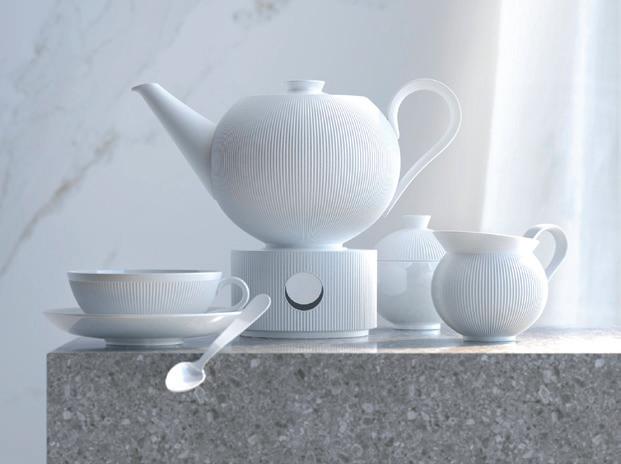
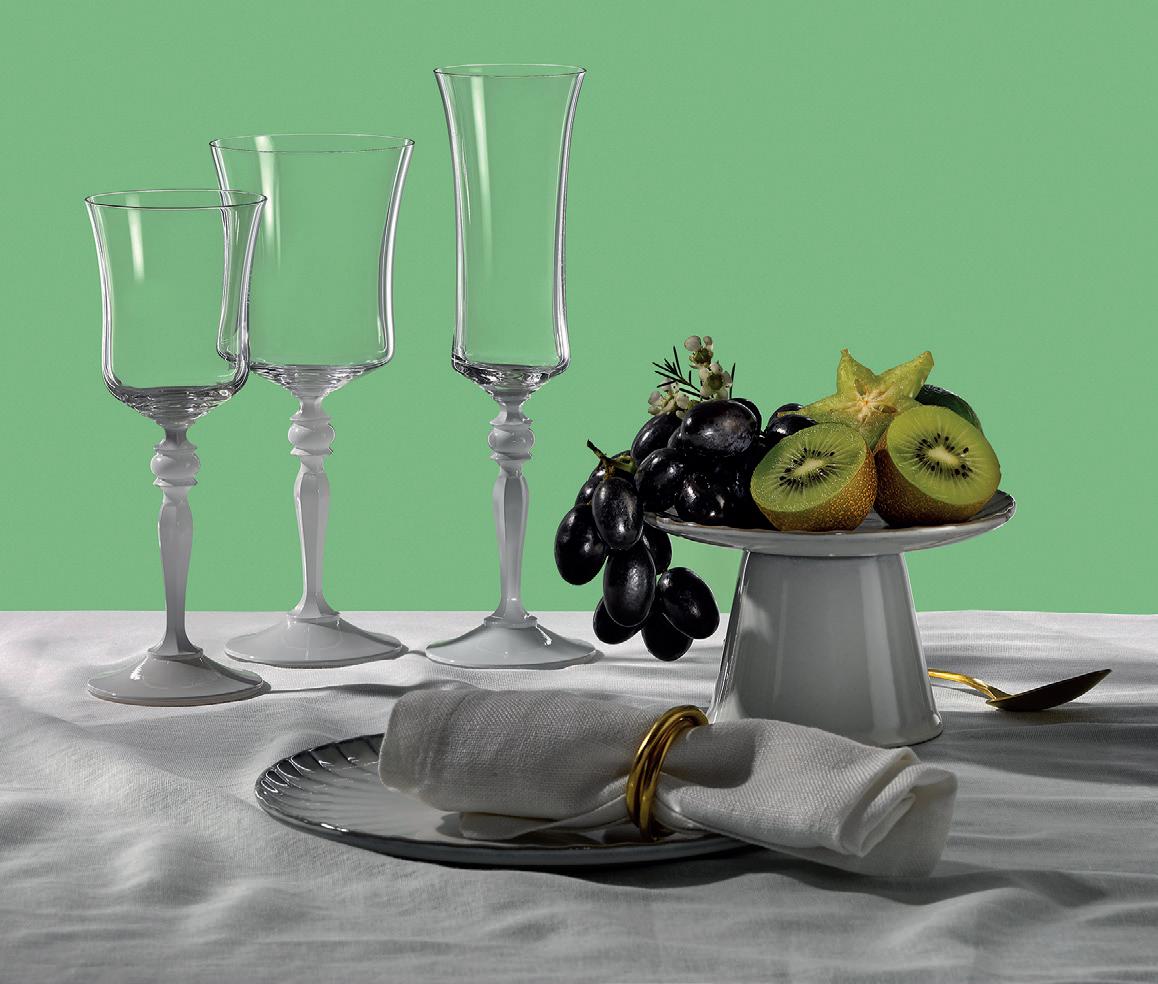
“White dinnerware continues to resonate because it offers a sense of simplicity and versatility that works across so many styles of dining and entertaining. What we’re seeing now is a shift toward pieces that keep that classic white foundation but introduce more dimension through form and finish. With the Lifestyle Collection, we leaned into sculptural shapes that add visual interest but remain practical for everyday use. The glossy glaze enhances the brightness of the white porcelain material and gives the pieces a refined, polished feel, while the smooth curves and balanced proportions bring a modern sensibility. White feels clean and timeless, yet still distinctive and contemporary. It’s the eternal classic.” Angelina Azevedo, Sr. VP & creative director over&back, on the appeal of white tableware
Inspired by the beauty of porcelain, Crystalex’s Grace collection pairs pristine crystal with an alabaster glaze, mimicking the features of porcelain. The collection’s stems have been sprayed in alabaster/antique pink with a subtle glaze. This vintage edition is perfect for combining with porcelain sets. www.crystalex.cz
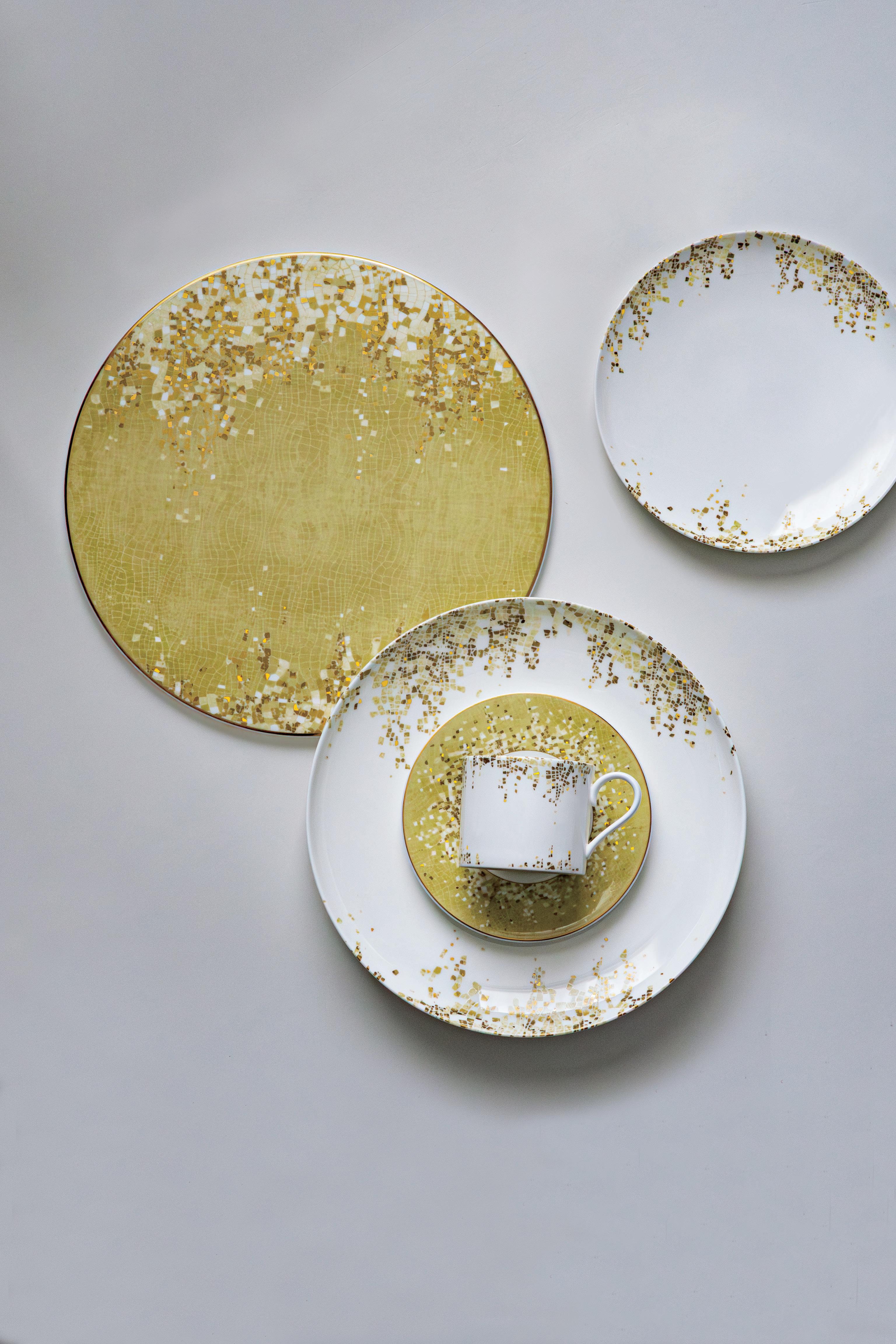
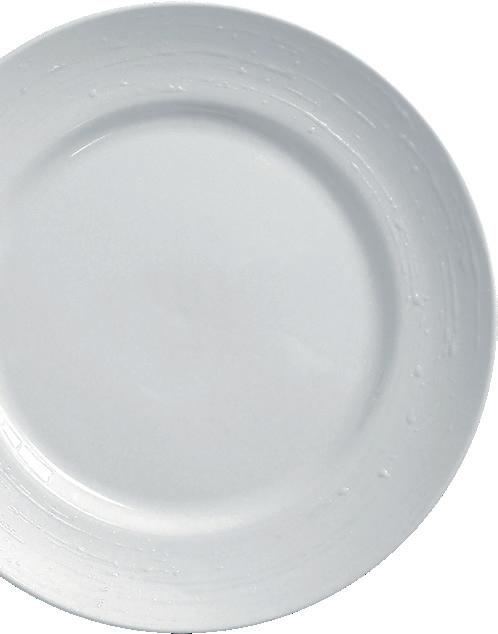
White pieces in tableware will always be timeless, but in these three Porcel’s collections, it reveals unexpected depth. Texture and light meet subtle contrasts that redefine classic porcelain.

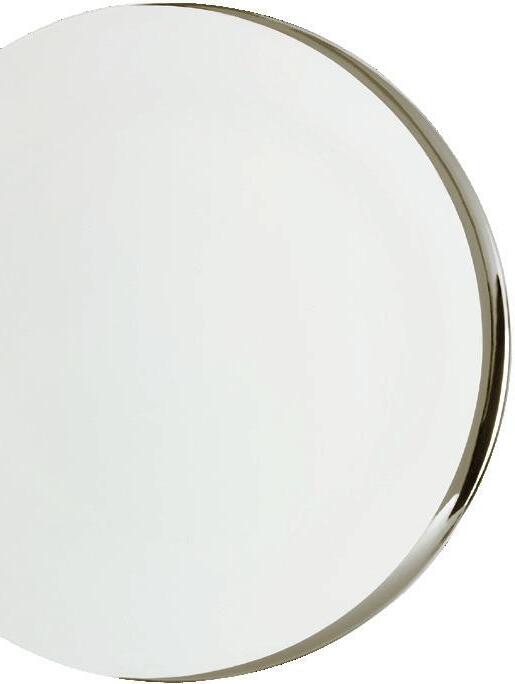
Ballerina is a refined platinum collection inspired by lightness and grace. Elegant lines frame each piece, creating a delicately sophisticated table. Designed to complement the Ballet shape, its simplicity makes Ballerina work perfectly when combined with other Porcel collections.
In Stravaganza White the game changers are the dotted pattern features a balance of mate and shine, allowing also a peculiar tactile experience. This innovative decoration is possible due to an exclusive technique, developed by Porcel. Light is also an important element, as its reflexes on the glaze creating a dynamic visual effect.
White Tears is a minimalist collection that brings a new perspective to classical white porcelain. However, each piece is completely white, featuring both mate and shine finishes, which give it a fresh look. A pattern of shiny drops on a white base surrounds each element, creating an exceptional texture. When the light touches the shiny glaze, produces a beautiful shimmering effect. www.porcel.com
Denby’s Kiln collection delivers a calming chalk white tone with unique textures. The Kiln collection has a tactile feel that speaks volumes about the artisans who craft each piece.
Denby have distilled years of tradition into something humble and honest, so like the kiln at the heart of Denby pottery, this authentic range brings warmth to white. Uncomplicated, multifunctional pieces all handcrafted at Denby Pottery using local hardy clay to produce tableware, serveware and cookware which is beautiful, durable and versatile. www.denbypottery.co.uk

Annette O’Shea , senior copywriter, Heinen Delfts Blauw on how adding detail to white brings it to life…
“White brings tranquility to the dining table. Its timeless, sophisticated allure creates a sense of calm and refreshment, setting the perfect stage for a memorable meal. At Heinen Delfts Blauw, we believe that a pure white foundation is key to creating an elegant, serene dining experience. This is why most of our dinnerware collections are based on the timeless beauty of white porcelain.
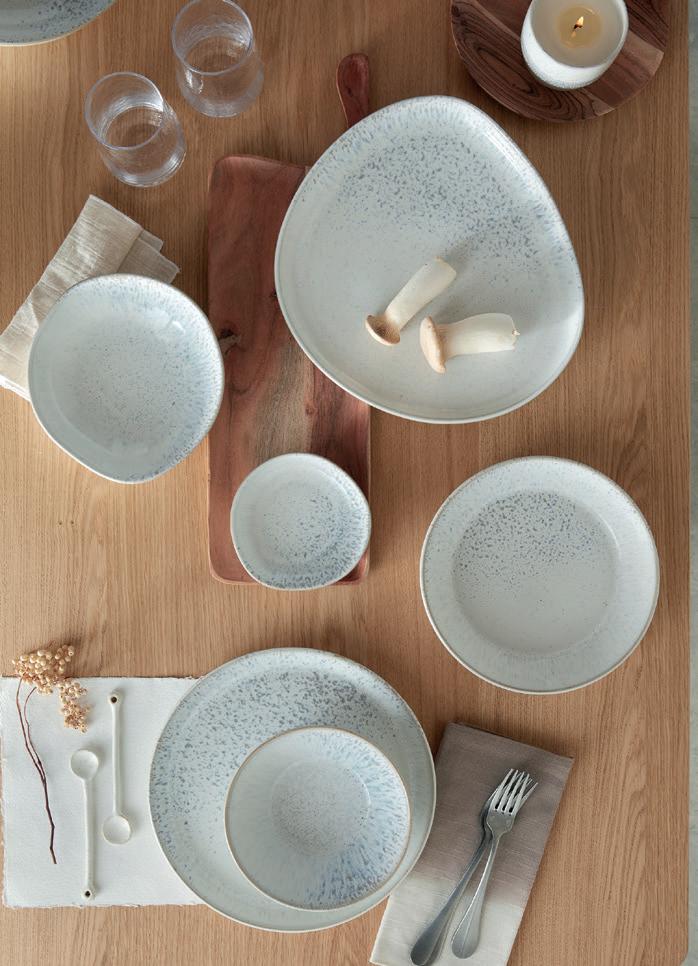
Orbita from the Steelite Performance portfolio is characterised by its elegant, flowing circular lines. Orbita naturally guides the eye toward the centre of the plate, providing an ideal canvas for chefs to showcase their culinary artistry. Its subtly organic, refined rim adds a contemporary, handcrafted sensibility that enhances presentations across both casual and fine dining environments. www.steelite-utopia.com
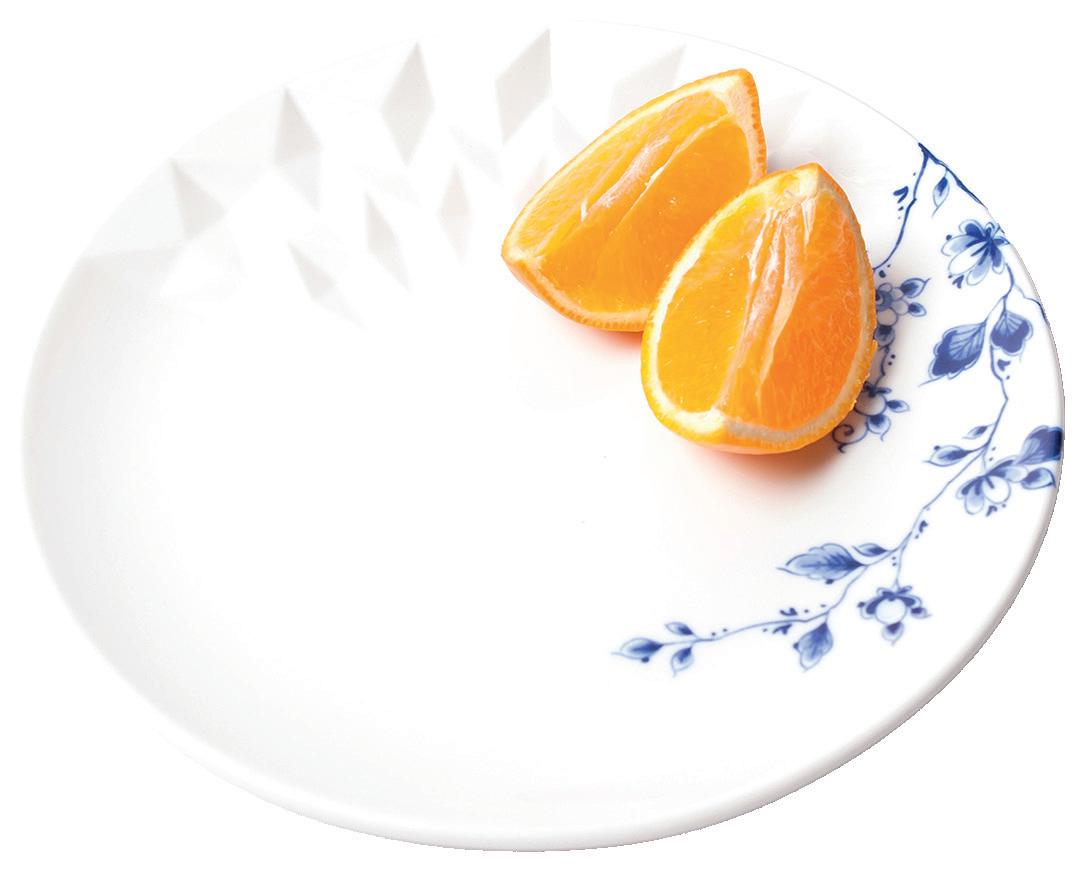
“To stay true to our rich ceramic heritage, we adorn this pristine backdrop with subtle touches of Delft blue, honoring our tradition while allowing the simplicity of white to shine. White porcelain offers a unique opportunity for creativity, inviting us to explore innovative shapes and forms. Whether it’s the delicate scalloped edges of our Majolica Tableware collection, the studded rim—a nod to the popular 17th-century plate style making its return this summer, or the captivating geometric folds inspired by paper origami in our Blauw Vouw collection, these design details add depth and character to an otherwise minimalistic canvas.
Each of these creative elements enriches the collection without overwhelming the senses, creating a quiet yet powerful presence on the table. White tableware becomes a subtle storyteller, setting the tone for the meal without demanding attention. At Heinen Delfts Blauw, we cherish the strength found in simplicity.”
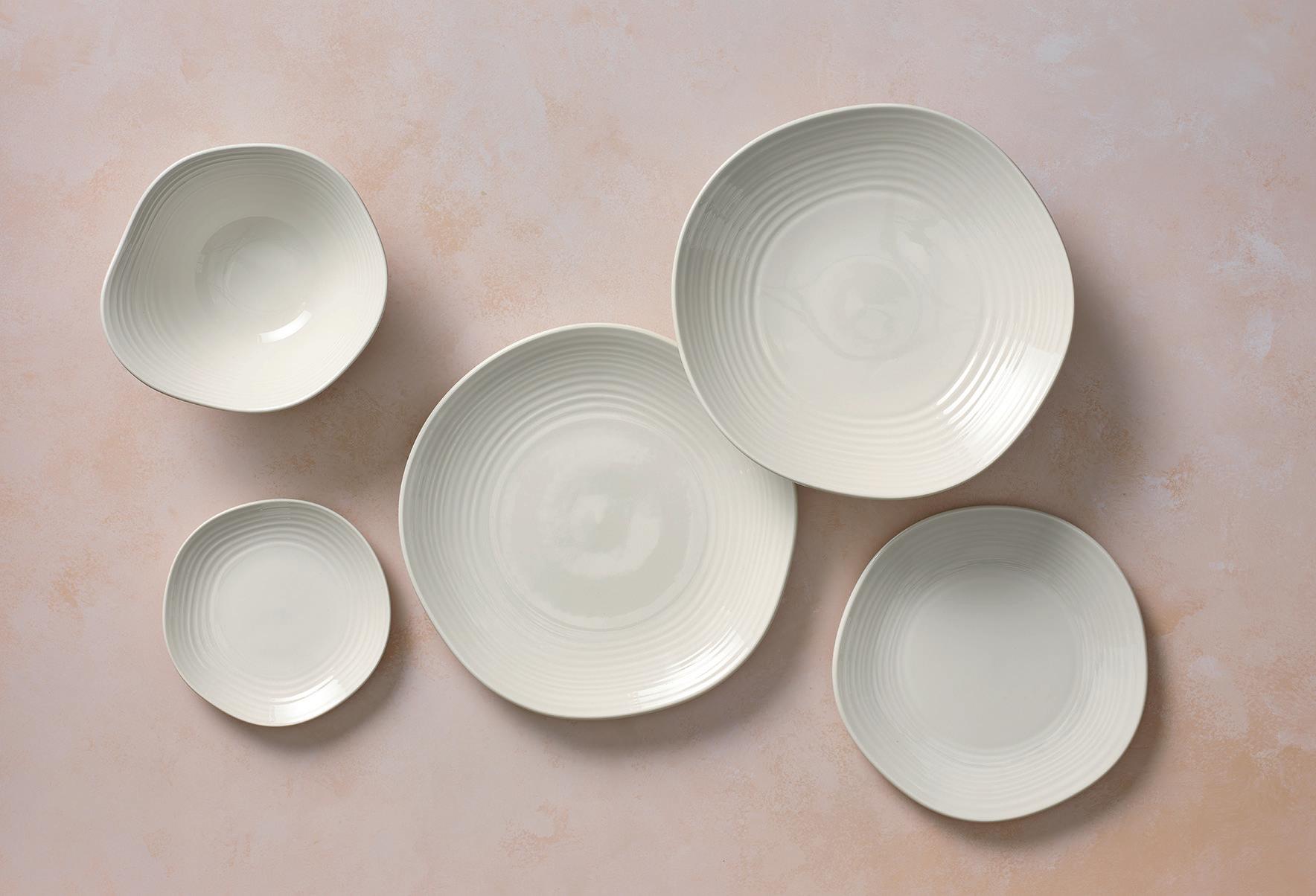
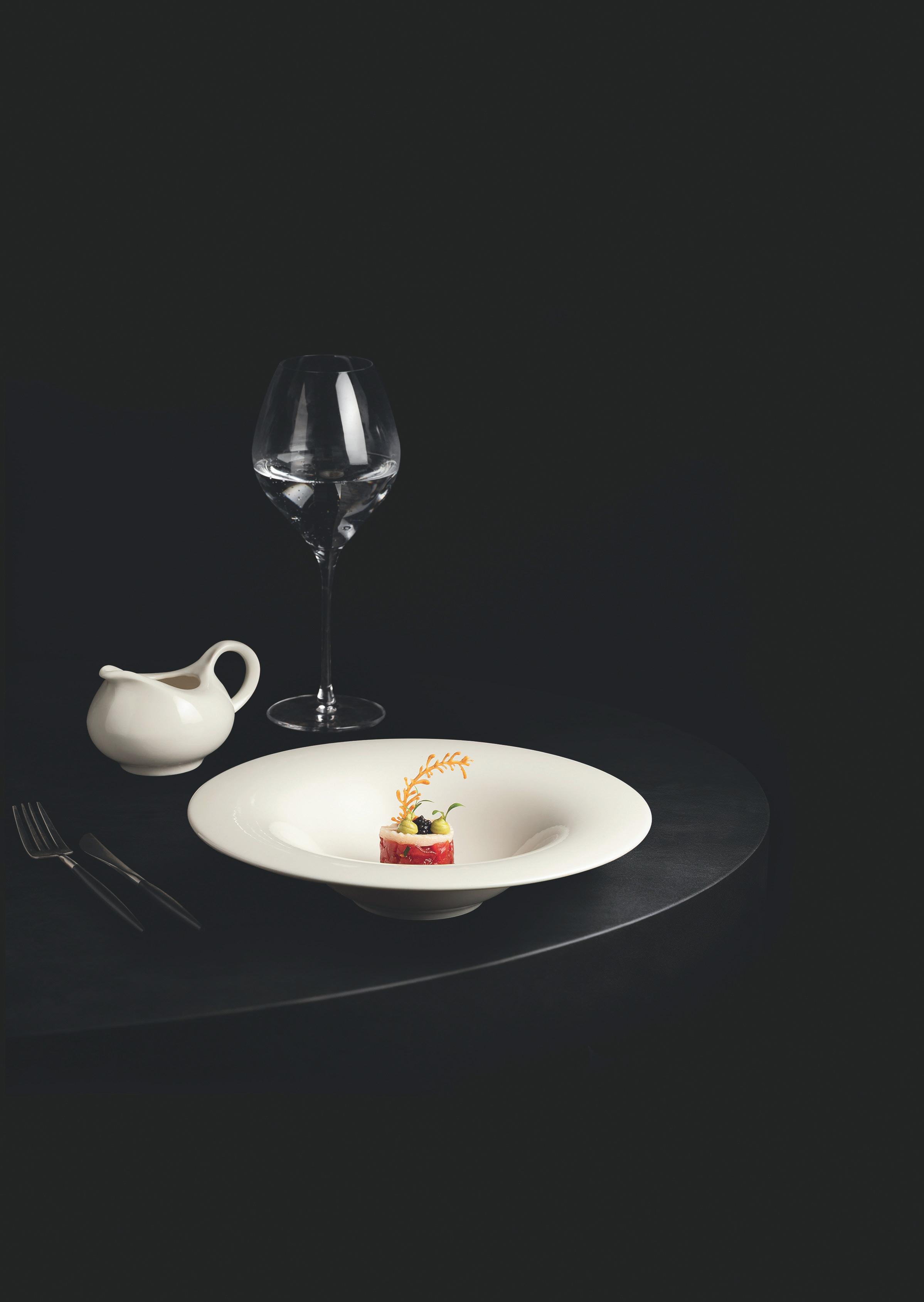
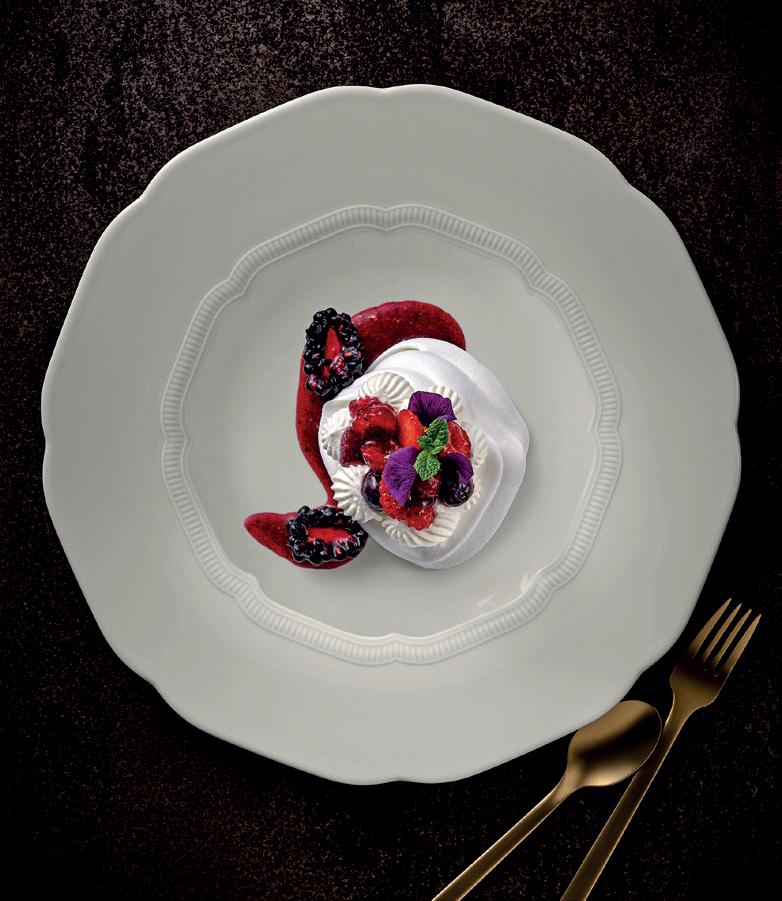
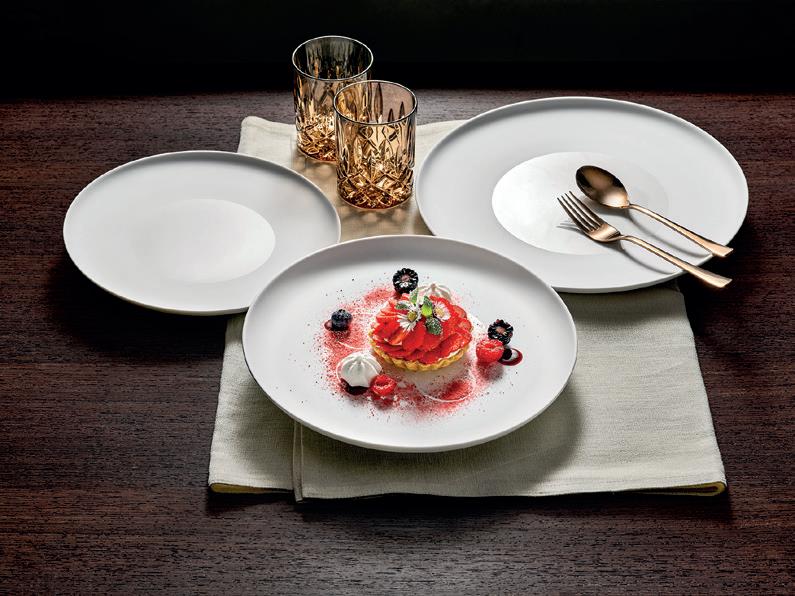
At BHS tabletop, white porcelain is seen not only as a timeless classic but as a deliberate design choice. Collections interpret the idea of “white with a twist” through form, surface and material – creating versatile stages for modern food presentation. With Create, the twist lies in the characteristic ribbon-embossed design combined with the reduced silhouette of modern coupe plates. The classic embossed detailing references traditional porcelain craftsmanship and translates it into a clean, contemporary design language. At the same time, the collection reflects the current nostalgia trend, which is increasingly visible across interior design, tabletop concepts, and modern hospitality settings.
The Canvas collection explores the “White with a Twist” trend through sculptural forms and expressive silhouettes. Wide rims, steep coupe edges, and organically inspired shapes create distinctive stages for contemporary cuisine.
Within the collection, the sandblasted décor Quiet Luxury introduces a refined tactile element. The softly matte surfaces interact subtly with light and shadow, emphasising the sculptural character of the pieces while maintaining the calm elegance of pure white porcelain.
Special pieces such as the Hamptons Bowls –presented as part of the Ambiente Trends 2026+ showcase – highlight the collection’s distinctive design language, demonstrating how striking shapes and textured surfaces can enhance modern plating concepts. www.bhs-tabletop.com
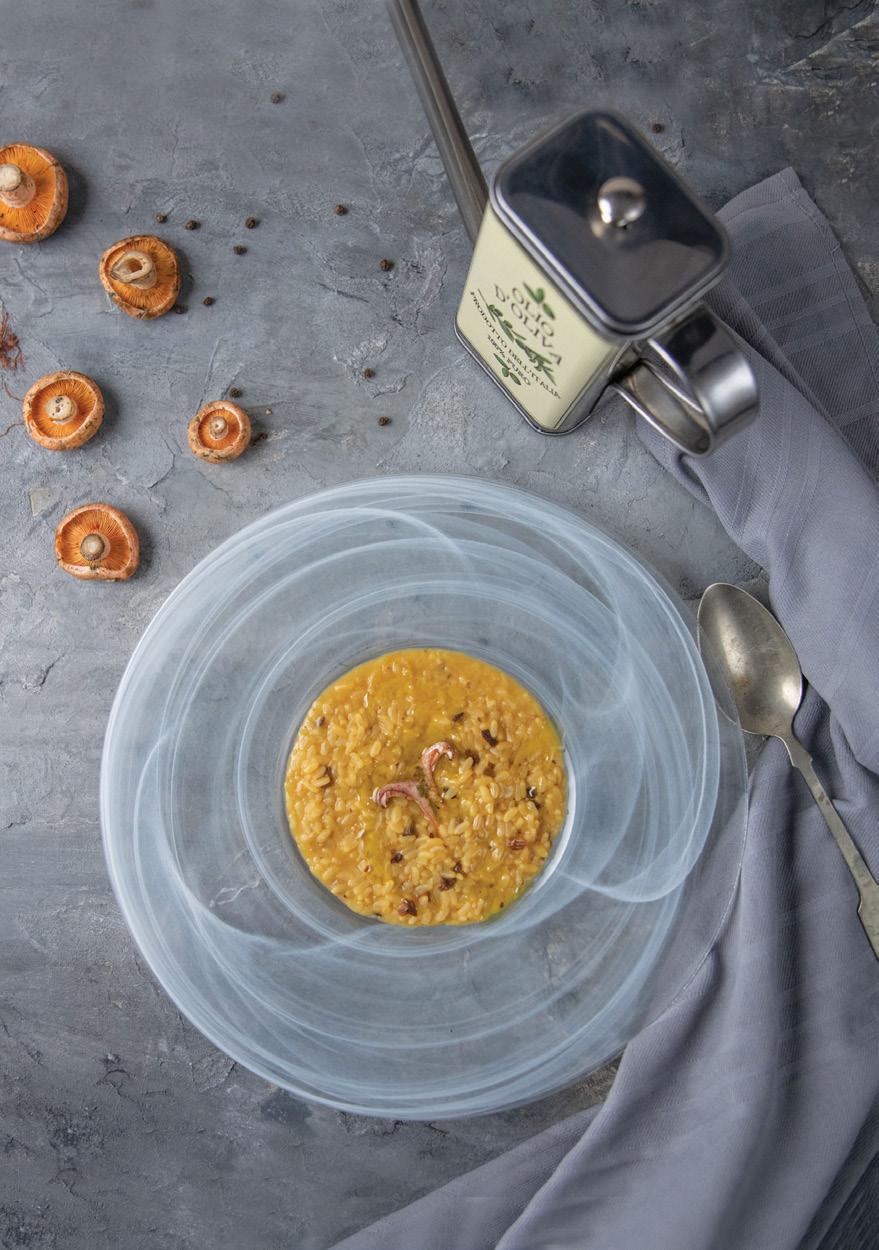
Mikasa Hospitality’s white glass dinnerware from ArdaCam shows that white doesn’t have to be boring. Made from spun glass mixed with white alabaster, each piece features an ethereal swirl that adds subtle movement and depth to bowls, plates, and platters. The result is a luminous white that feels natural and expressive, not flat or uniform. Due to the spinning process, no two swirls are exactly the same, giving every table setting a touch of artistry and uniqueness. Strong enough for professional use, simple, and striking, ArdaCam’s white glass collections offer a fresh perspective on white dinnerware. Mikasa Hospitality is the exclusive distributor of ArdaCam in the US and Canada. www.mikasahospitality.com
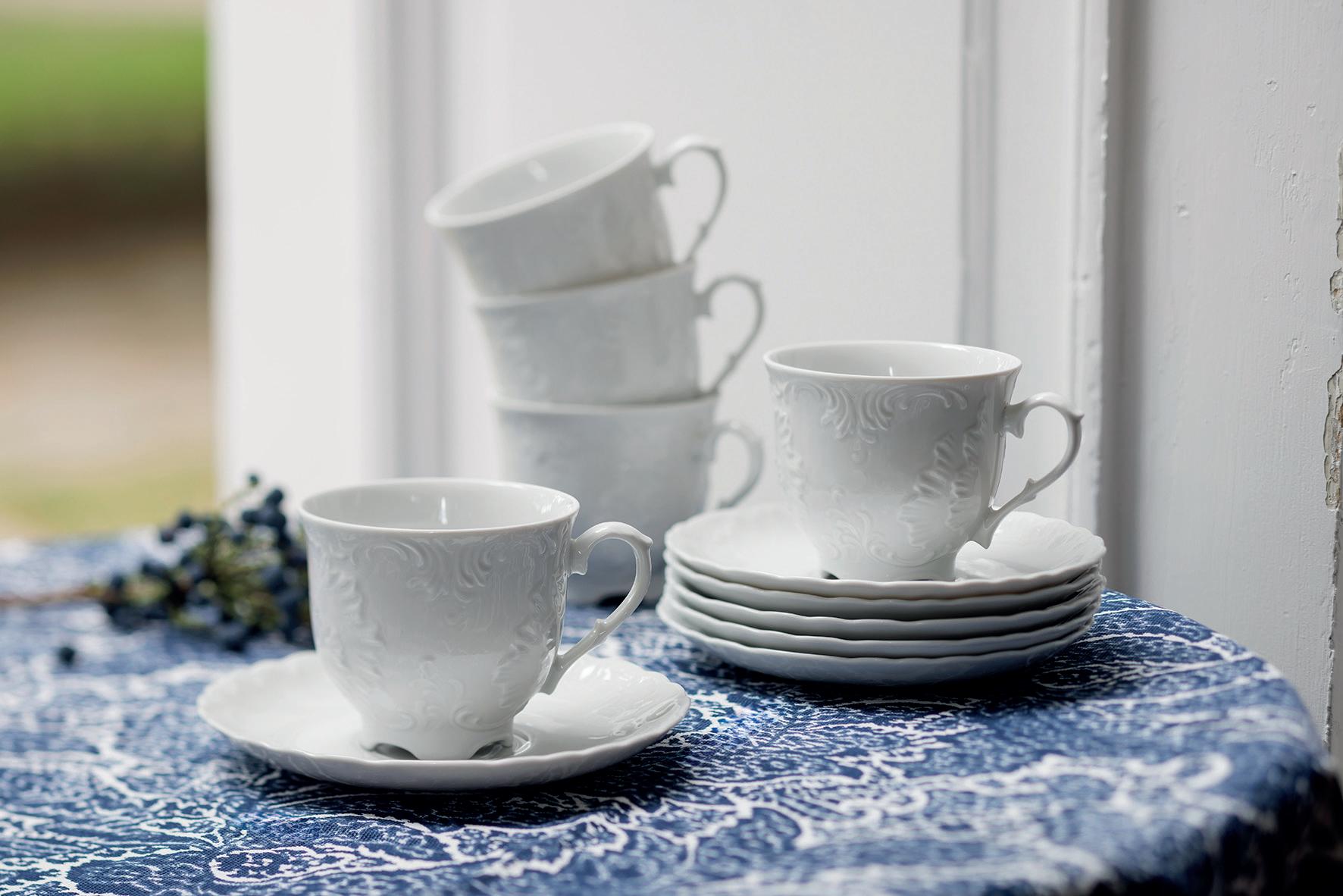
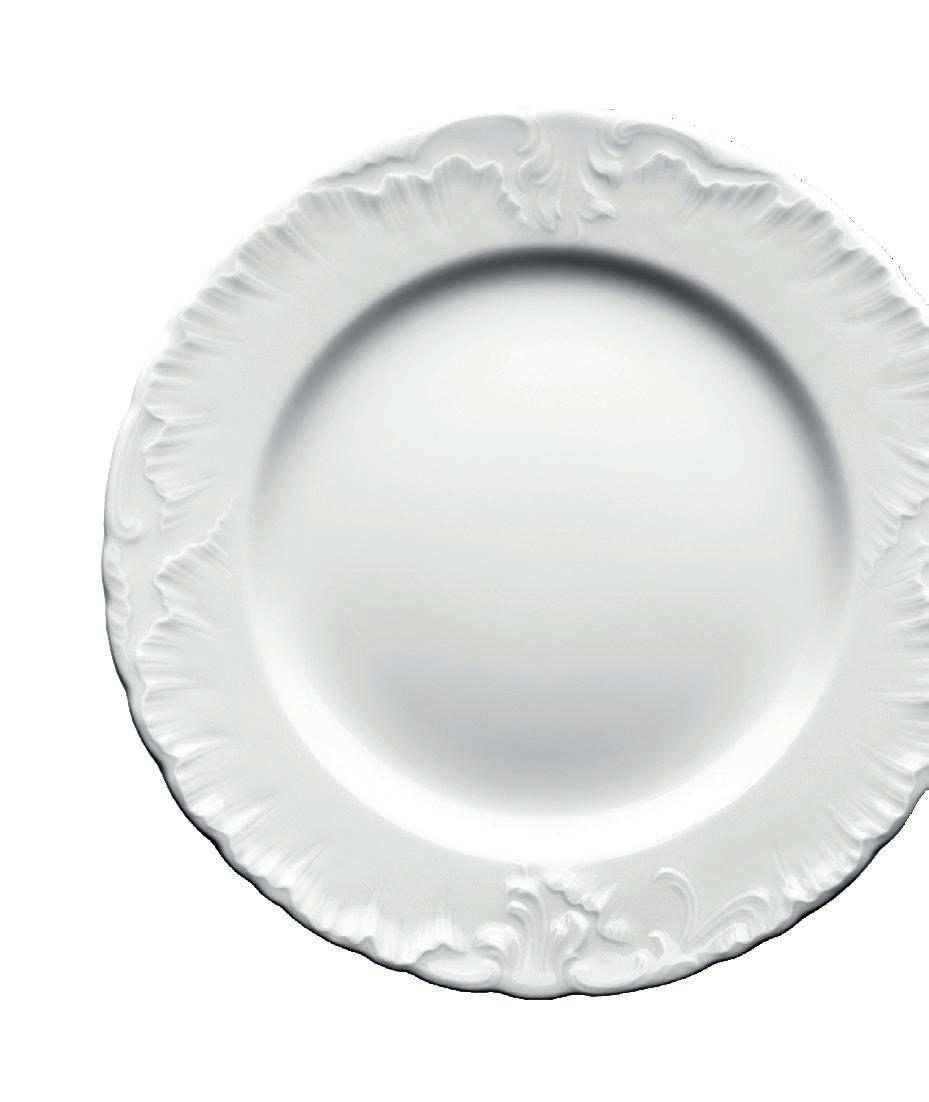
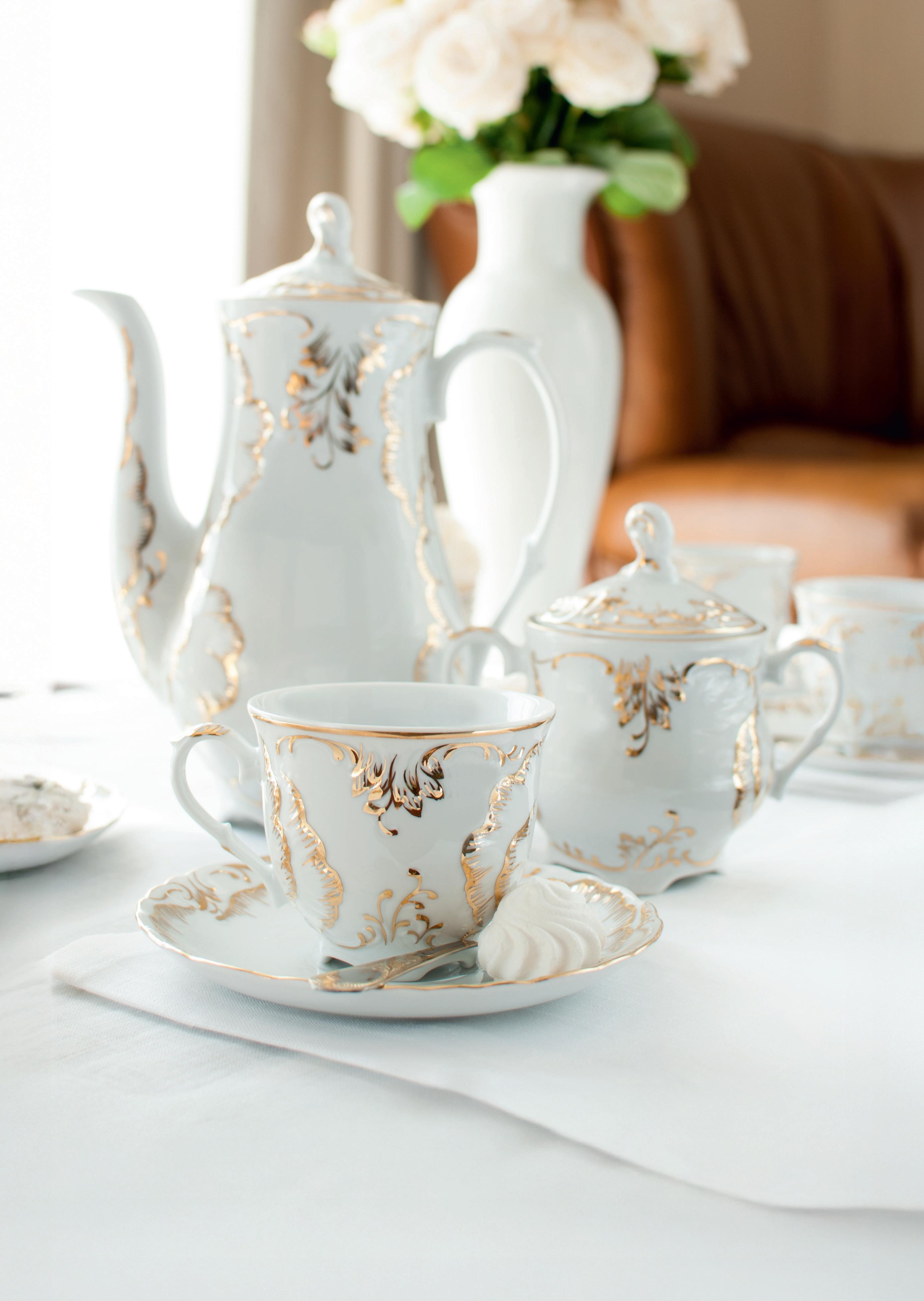
From Porcelana Ćmielów, the Rococo style is well known to porcelain enthusiasts and is currently enjoying a renaissance. The inspiration for today’s range is the Rococo Sèvres design, created by the designers of the time in Ćmielów. The first documented reference to Rococo production dates to 1852. The style draws on the craftsmanship of 19th-century artisans and artists, featuring a characteristic, intricately crafted shell relief, bringing an atmosphere of subtle splendour to the table. The immaculate white porcelain provides the perfect backdrop for culinary masterpieces, allowing the colours and textures of the dishes served to shine in all their glory. Each dish gains in expressiveness, looking extremely appetising and refined. Today, Rococo is also one of the most popular porcelain ranges for the HoReCa sector. White porcelain is a classic in its own right and is also dishwasher and microwave safe. www.porcelana.com.pl
Elia International tells us about their premium Fine Crystal Collection, found everywhere from homes to Michelin star restaurants…
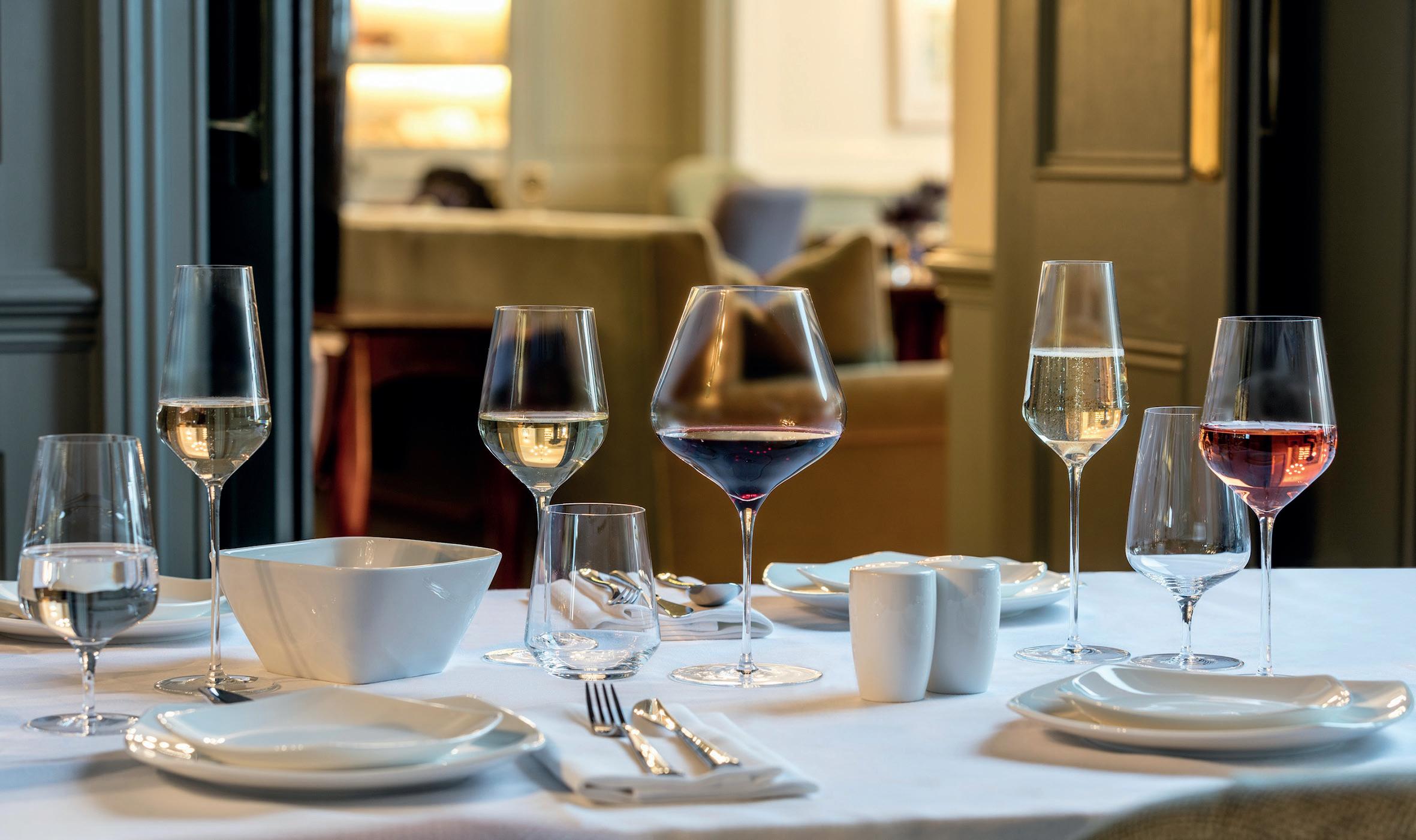
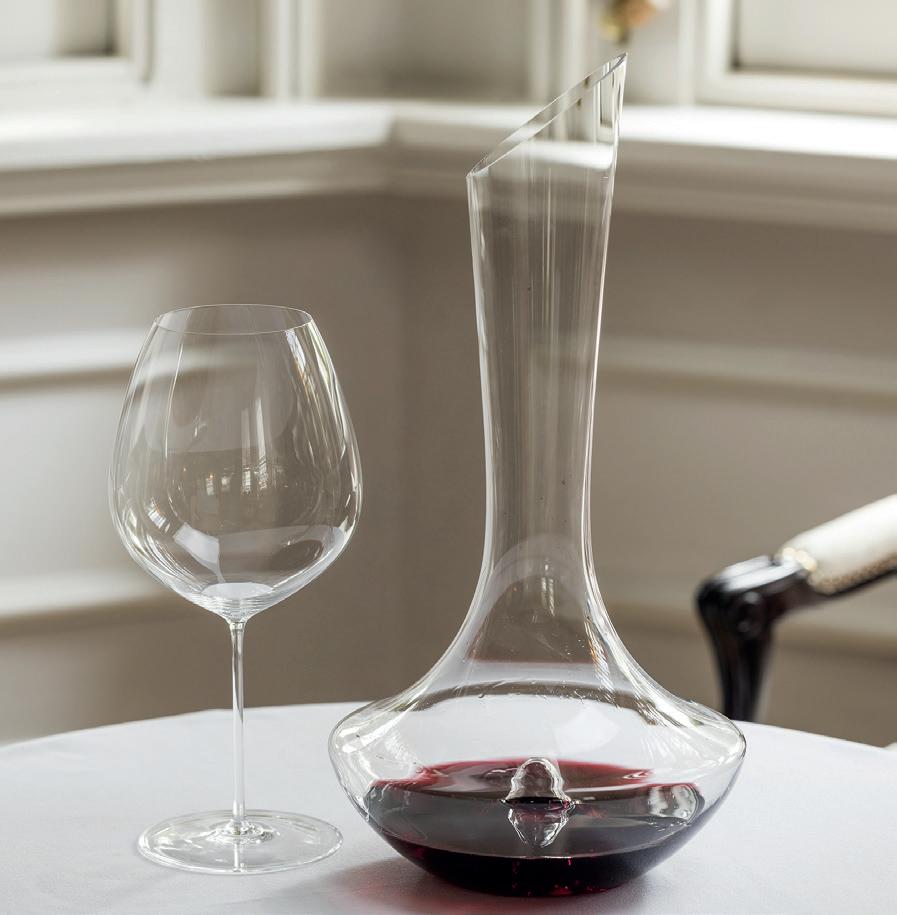
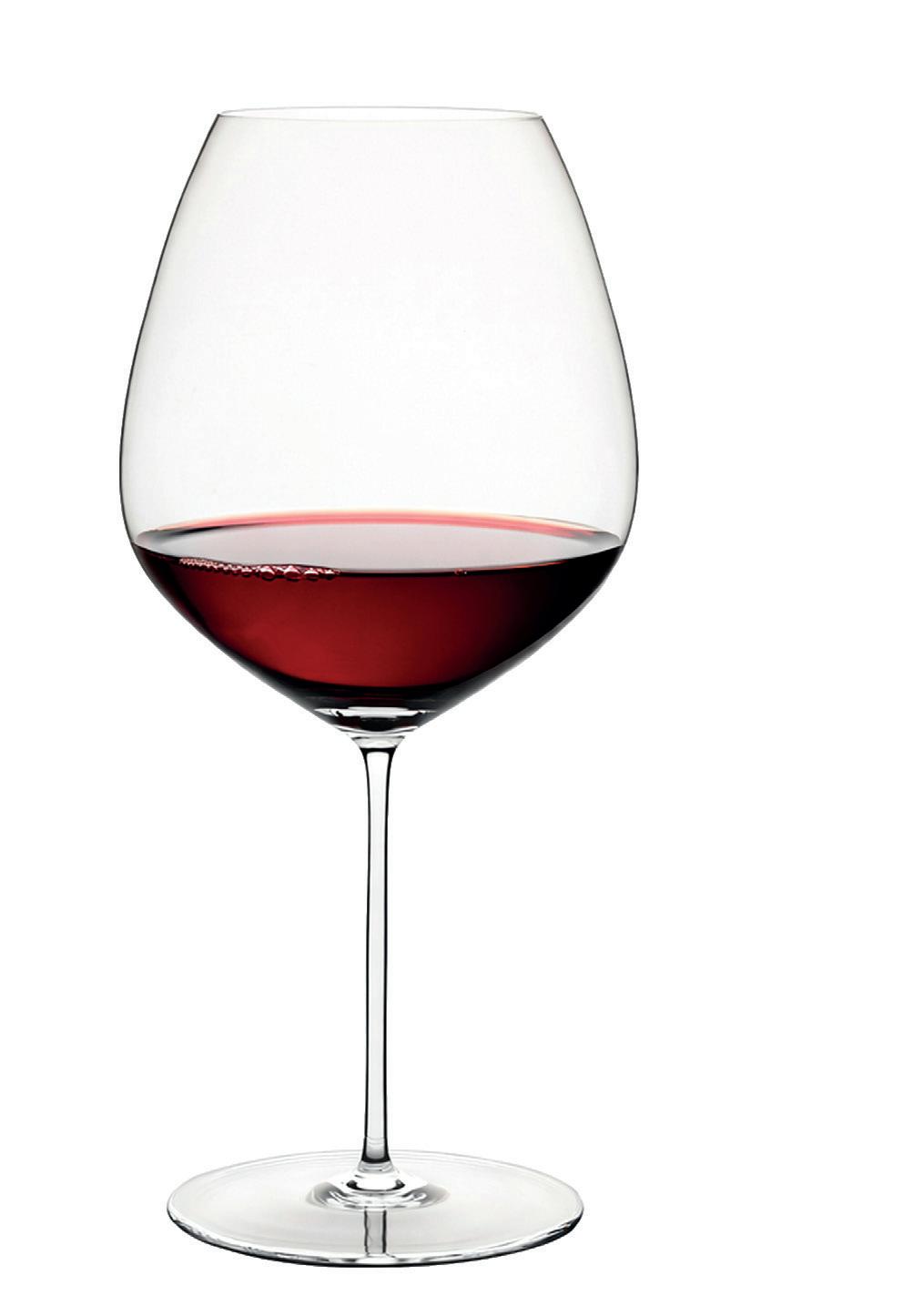
Elia’s Fine Crystal collection features an extensive range of premium, handmade crystal glassware, distinguished by its unique shapes and thoughtful design. Each piece is developed in-house and sommelier approved, ensuring it combines visual appeal with functionality. Elia’s handmade collection also offers co-ordinating decanters, cocktail glasses, brandy, beer and water glasses alongside the signature wine glasses.
Collection name?
Elia Fine Crystal Collection
How did the idea for the collection come about?
Elia was seeking to expand its already extensive tabletop range (which includes cutlery, bone china, barware and beverageware items) and the natural progression was to add high-quality glassware to the range, designed to elevate the dining experience.
The focus was on creating the finest products suitable for both the fine dining sector and the home market, combining exceptional craftsmanship with refined design.
Tell us about the collection’s décor / colourways / USPs?
The extensive range of crystal glassware is masterfully handmade and mouthblown, showcasing exceptional craftsmanship in every piece. Produced using premium lead-free crystal materials, it offers thin walls with a lightweight feel and perfect clarity, enhancing the presentation of any drink. There are seven ranges within the collection, including coordinating decanters, cocktail glasses, brandy, beer and water glasses, ensuring wide
appeal with a shape or design to suit any tabletop or setting. The balance of ultrafine delicacy and durable stability is what sets the Elia Fine Crystal collection apart.
Is the collection available in all global sales territories?
Yes. Products are distributed internationally from Elia’s UK head office and distribution centre.
Is this for both professional services and retail?
The glassware products are designed for both professional and retail use. They are trusted by professional services and in hospitality settings, including prestigious establishments such as the Michelin starred restaurant, Interlude. They are also available from a network of independent retailers in sleek gift boxes, making them wellsuited for retail customers to purchase for home use
Our glassware is well received across both the professional hospitality services and retail sectors. Customers consistently value the elegant craftsmanship, high quality, and the extensive range of designs available, which allows them to find pieces suited to a wide
for more.


































“Ceramics shares many of the same characteristics as other sectors that already benefit from targeted relief”

Did you know?
Portmeirion employs more than 400 people in its Stoke-onTrent factory.
Custodian of heritage brands Portmeirion and Spode, Michael Scheepers has recently been named CEO of Portmeirion Group. He speaks with Tableware International about the stressors currently being placed on the British ceramics industry, why it is important for Spode to highlight its authenticity as a Made in Stoke brand and how the retail landscape is evolving…
Thank you for speaking with us, how would you sum up the past year for the ceramics trade globally?
The past year has largely been defined by continued volatility and adjustment across the global ceramics trade, but also encouraging shifts in consumer demands. At the forefront, geopolitical instability has fed into
of the Iran war will lower UK economic growth more than anyone in the G7.
At the same time, we’ve seen persistent inflationary pressure across raw materials, logistics and labour, alongside a highly competitive global market where many international producers operate with structurally lower costs. That combination has
“We passionately believe that with the right support, the sector can continue to compete internationally”
ongoing uncertainty in energy markets. While the effects are often indirect, tensions in the region can disrupt supply expectations and drive uncertainty in global energy pricing, which in turn impacts UK manufacturers. For an energy-intensive sector like ceramics, this adds another layer of unpredictability with independent studies reporting that the impact
made the trading environment particularly challenging for UK manufacturers.
It is encouraging to see His Majesty’s Government’s recent support of UK ceramics with the announcement of a £120m fund that recognises the important role that our sector contributes to British industry. This action underpins
our confidence to continue our investments as we look to elevate our heritage brands to a wider global consumer and drive our export business.
We are also seeing a shift in consumer behaviour towards considered purchasing and greater appreciation for quality, origin and longevity over faster trend-led consumption or disposability. That plays to the strengths of established

ceramics brands like ours, with strong heritage and manufacturing credibility.
So while the backdrop has been difficult, it has also reinforced the importance of what we stand for as an industry and we look forward to finding out further details of how the new scheme will function.
Denby going into administration has highlighted the difficulties for the trade in the mainstream media. Tell us about how you view the situation, not just for Denby but the entire UK sector, currently?
We are deeply saddened by what has happened with Denby, especially as this is not an isolated incident with a host of other British potteries having closed in the past 24 months. These much loved heritage brands have all helped put UK ceramics on the global map.
The current situation for our market has demonstrated to the wider population the sheer impact that global and economic affairs can have on businesses such as ours. Energy costs remain higher than for many of our international competitors, we are navigating ongoing global supply chain volatility, input cost inflation and a highly competitive import market where overseas producers often
benefit from lower regulatory and operating costs.
There is also a broader structural challenge around skills and investment. Our industry relies on a deep history of craftsmanship, but we must continue to attract and retain the next generation of talent while also investing in modern
as the British Industry Supercharger. As a result, our sector is facing significantly higher energy costs without the same level of support available to other industries, both domestically and internationally. The result is an uneven playing field at a time when global competition is already intense.
“We are deeply saddened by what has happened with Denby… These much-loved heritage brands have all helped put UK ceramics on the global map”
manufacturing capabilities and production methods.
We passionately believe that with the right support, the sector can continue to compete internationally and continue playing an important role in UK manufacturing more broadly.
What needs to be done to alleviate the stress on the sector and how quickly does it need to happen?
There has been a consistent and growing call for our industry to be more appropriately recognised within government energy support frameworks. Whilst the announcement of the new fund is encouraging, ceramics shares many of the same characteristics as other sectors that already benefit from targeted relief, yet it is not currently eligible for schemes such
Against the backdrop of many great British ceramics brands collapsing, we, alongside others in the industry, will continue to lobby hard for further support for UK ceramics exports, including the vital Ceramics (UK Country of Origin) Marketing Bill (aka “The Backstamp Bill”) which aims to
promote consumer transparency and ultimately protect British craftmanship and UK jobs.
Are labour costs as much of an issue for the industry as energy costs?
Labour costs are also a pressure that we contend with. Whilst our kilns fire 100,000 pieces a week, we employ over 400 people in our Stoke-on-Trent factory – in an industry with a total workforce of over 20,000.
For us, having a primarily locally-based workforce, and protecting this, is one of our core missions. Some of our employees have decades of experience and when combined with the centuriesold techniques that have been passed down over the course of British pottery history, the result is high-quality products for our customers. Protecting this heritage is something we strongly believe in and has directed our ‘Made in Stoke-
Talk to us about Spode. We noticed at Ambiente there has been some fantastic rebranding highlighting it is Made in England. Tell us more about that.
Our ‘Made in Stoke-on-Trent’ standpoint is something we are very proud of and increasingly want to be recognised for. We saw a clear opportunity to reinforce Spode’s authenticity in a way that resonates with today’s consumer. The UK ceramics industry is widely respected across the world, so emphasising our inception through a special backstamp carries substantial value in the global market.
This is not merely a visual refresh but a signal of legacy and purpose. At a time when consumers are becoming more conscious about what they buy and where it comes from, that message carries real weight. Our products are designed to endure, not just physically, but stylistically, with patterns and forms that remain relevant across generations.
Our customers play a crucial role in ensuring our products continue to hold relevancy in contemporary homes. If British ceramics is to remain globally competitive, it requires conscious support from these customers who place value and emotion on British-made products. This sentiment must also translate into purchasing decisions.
As a brand, how does Portmeirion communicate its story to consumers?
For Portmeirion, we focus on making our story connect to how people live today. The role of tableware has undeniably evolved due to varying societal and cultural shifts. People are no longer setting formal tables in the same way or reserving pieces
merely for display or seasonal periods only. Instead, they are seeking special moments in the everyday. In our time-poor society, the moments they do spend together with family and friends have become more meaningful. Whether it’s a big event or just a quick weekday meal, Portmeirion strives to make those moments feel considered and memorable.
From a business perspective, it’s about consistency across all touchpoints. We operate globally, so ensuring that the Portmeirion story is clear and consistent wherever the consumer encounters us is critical. Ultimately, consumers want confidence in what they are buying, that it will last, that it has
With the evolving mindset of consumers towards considered purchasing, retailers have a clear opportunity to champion Britishmade products, offering not only a high-quality piece, but one that has a compelling story rooted in history, responsible production and care. In the saturated global market, this British distinctiveness is a powerful narrative.
The US continues to be a key market for us, with strong demand for heritage-led British brands. South Korea is one of our fastest growing markets as consumers become more design-aware and interested in historical brands. In both markets, our ‘Britishness’ carries significant appeal.
“Retail is undoubtedly challenging, but it is also evolving rather than becoming less significant”
been made responsibly and that it brings something meaningful to their home.
Is retail tough right now? Where are you seeing development opportunities?
Retail is undoubtedly challenging, but it is also evolving rather than becoming less significant. For us, traditional retail remains incredibly important because consumers want to see, touch and feel the product. That tactile experience is difficult to replicate online.
We take a very deliberate omnichannel approach, ensuring we are present in the right physical environments while also investing in digital and e-commerce strategies. Each channel plays a different and complementary role in the customer journey.
100,000 pieces are fired each week by the Portmeirion kilns.
expand our global footprint while maintaining the integrity of our products.
From a brand and product perspective, the focus is on relatability to the contemporary consumer. We are evolving how our products fit into today’s lifestyles across the world, whether that’s through new SKUs, new materials or revitalising legacy patterns.
There is a clear shift towards ‘everyday luxury’ with consumers seeking products that are beautiful and well-crafted, but also practical and usable on a daily basis. It’s about building on what we do really well in our own alreadyestablished way, rather than chasing short-term trends.
Finally, do you feel British ceramics can recover and thrive over the course of the next number of years?
Absolutely! The industry can recover and thrive, but it will require the right conditions to be in place. The fundamentals are strong - British ceramics has a globally recognised reputation for quality, design and heritage. However, the challenges are structural. Without meaningful support around energy costs and a more level competitive playing field, it will remain difficult for UK manufacturers to compete at scale.
What is the focus for Portmeirion Group right now?
Our focus is on strengthening the fundamentals of the business through our core pillars of UK manufacturing, craftmanship and relevancy. We remain committed to our Made in Stoke-on-Trent operations, which are central to who we are as a business. At the same time, we are focused on navigating the ongoing cost pressures facing the industry, particularly around energy.
There is also a continued emphasis on international growth. With distribution in over 60 countries, we see significant opportunity to further
If those barriers can be addressed, there is a real opportunity not just to stabilise the sector, but to grow it. British ceramics is well positioned with its deep roots and significant expertise and with the right support and continued investment, there is no reason it cannot play a leading role in the future of UK manufacturing.

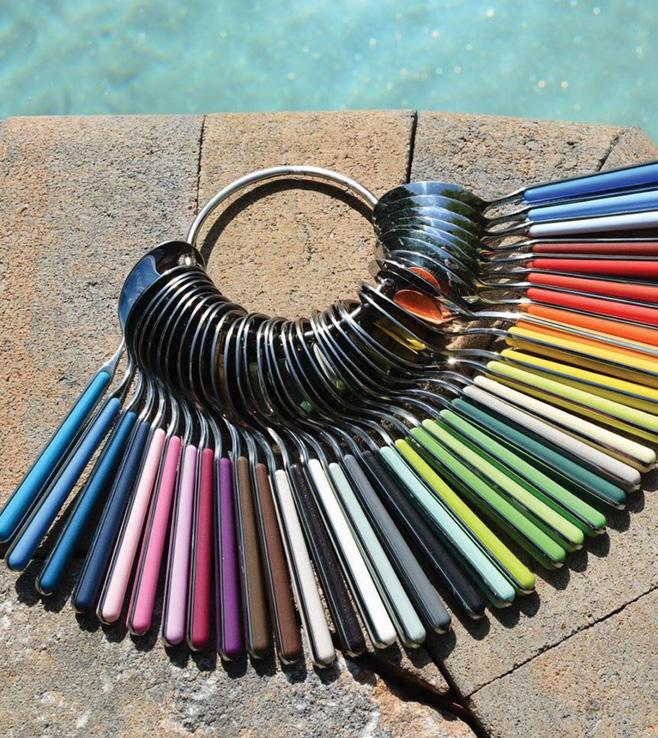
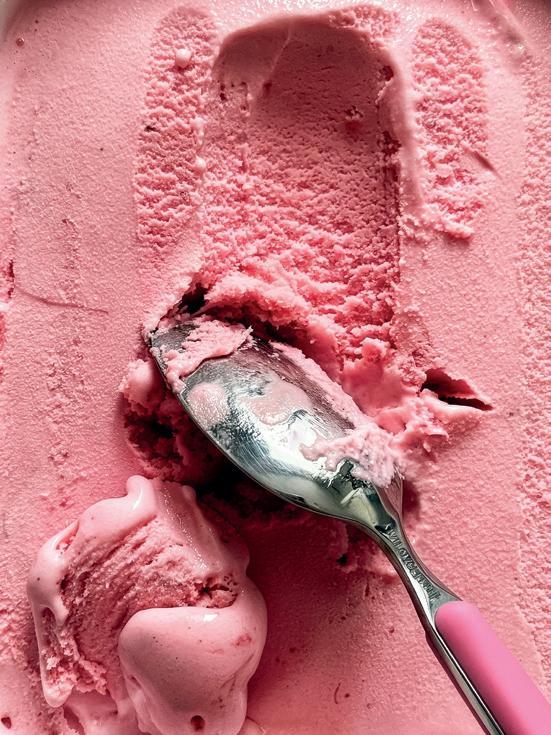
When the season changes and the table moves outside, so does the expectation of what cutlery should look like. Summer asks for colour. Fantasia by Mepra has always understood that. The collection draws its palette from the world around it. The blues of Lake Garda and the Mediterranean coast. The greens of the Italian countryside in July. The warm whites of a seafront lunch, the soft corals of an evening aperitivo. These are not arbitrary colour choices. They are a reflection of the Italian summer as it actually is, vivid, generous, and entirely worth sitting down for. What makes Fantasia suited to this season is not only how it looks but how it performs. The handles are crafted from high-performance resin enriched with glass fibres, bonded through an ultrasonic welding process that makes them unbreakable under repeated professional use. They do not fade in sunlight, do not crack under heat, and hold their colour through every wash and every season. www.theluxuryartmepra.com
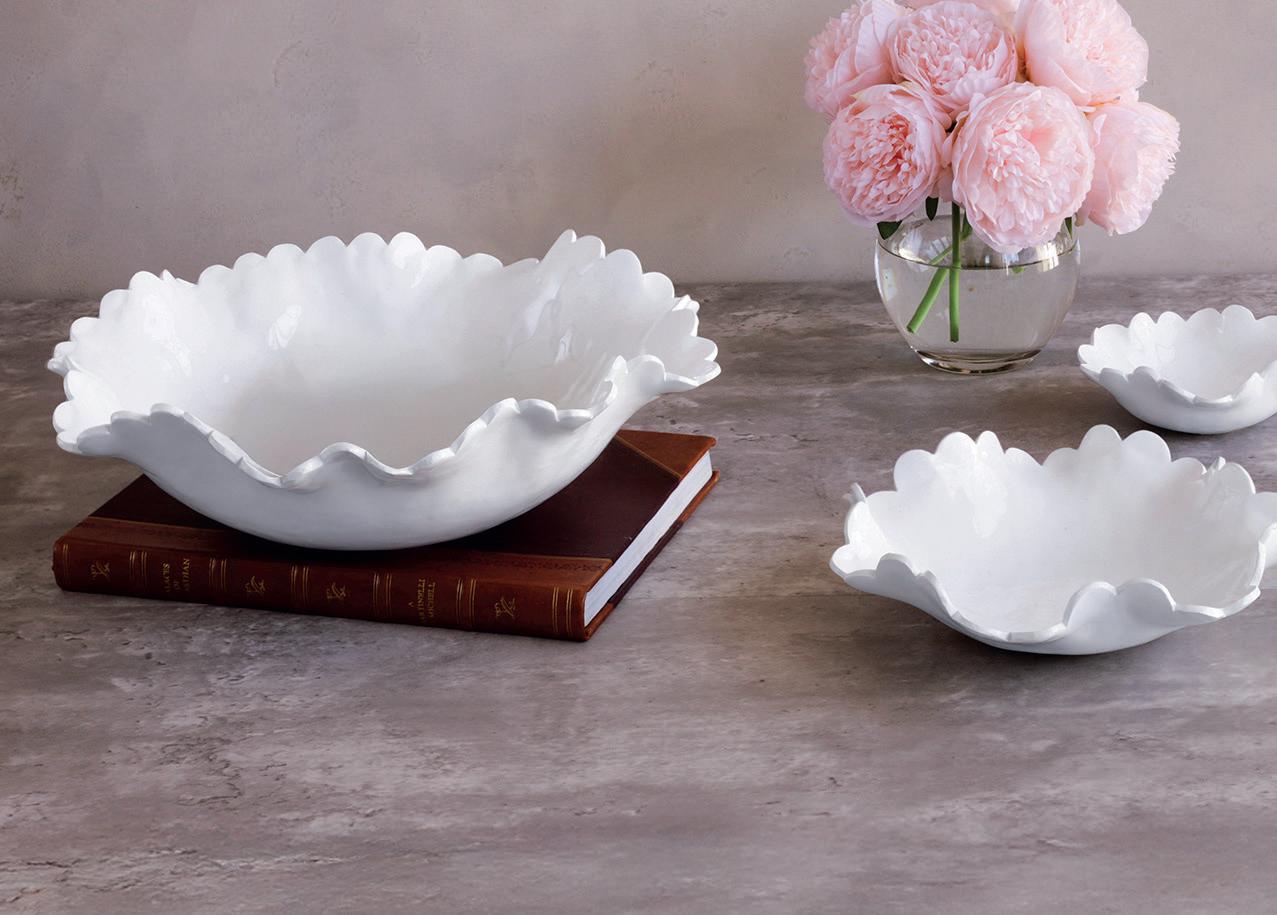
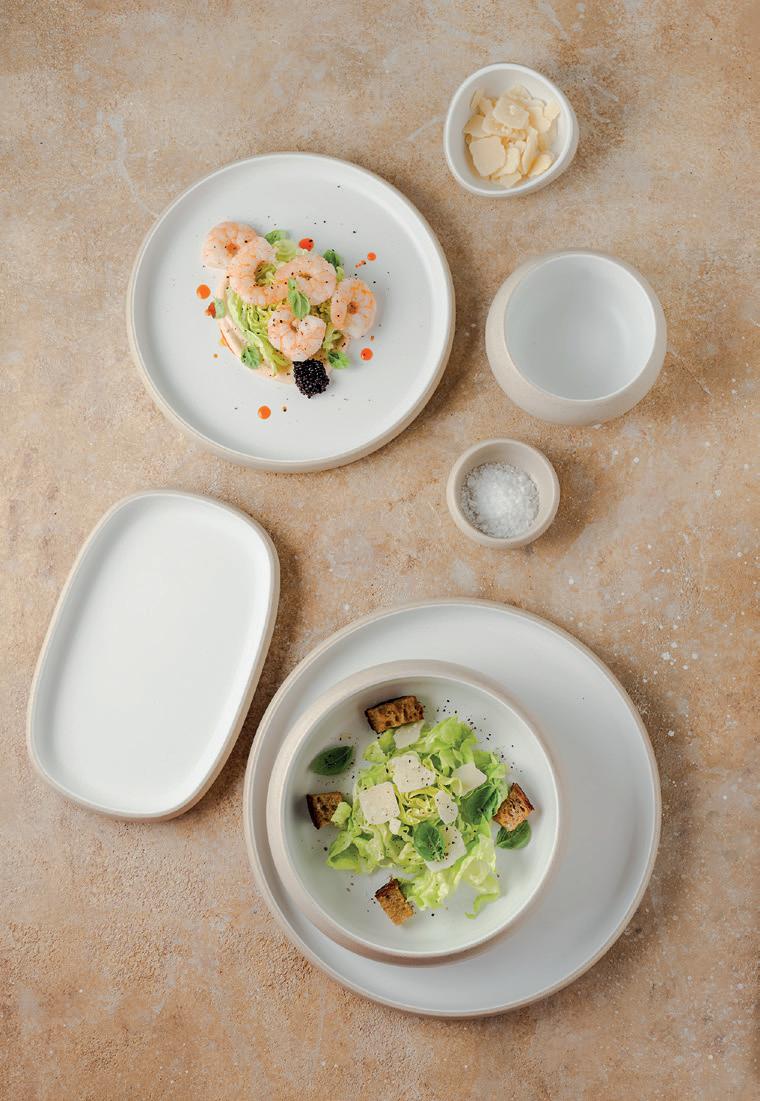
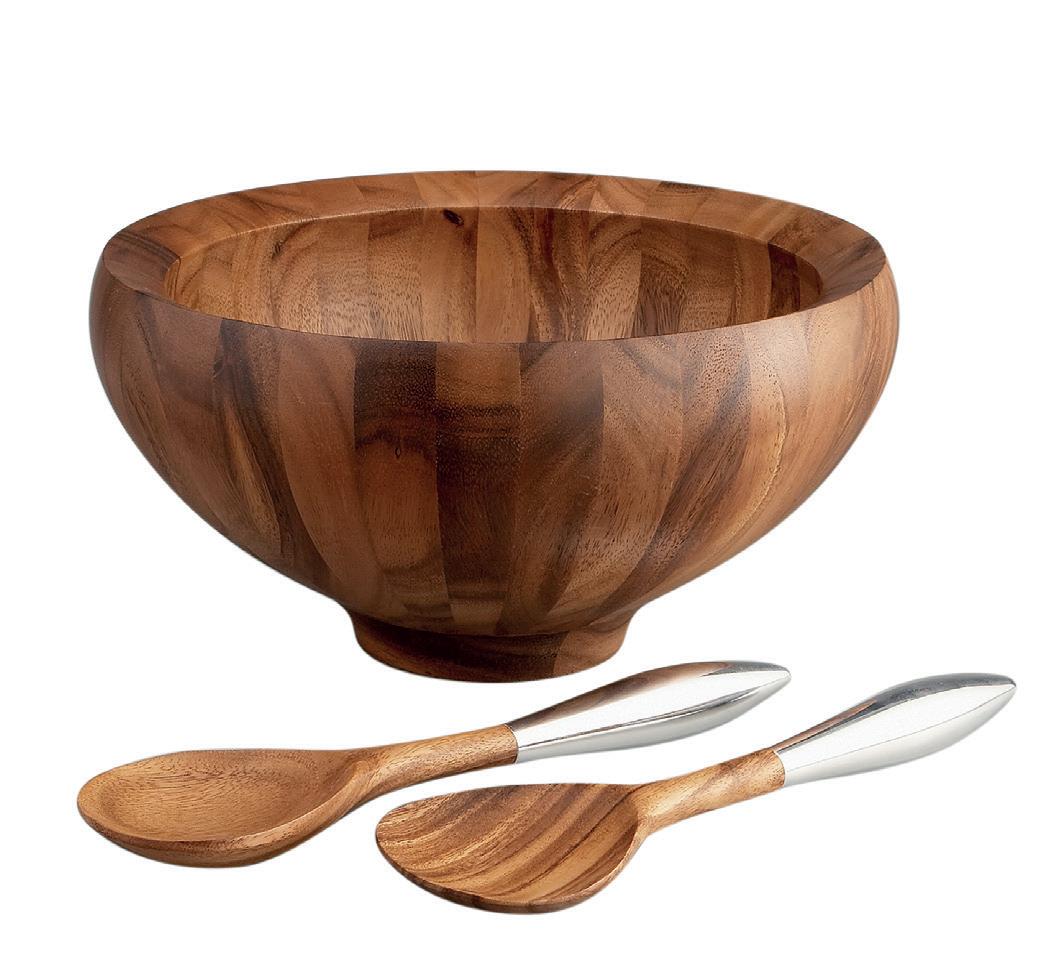
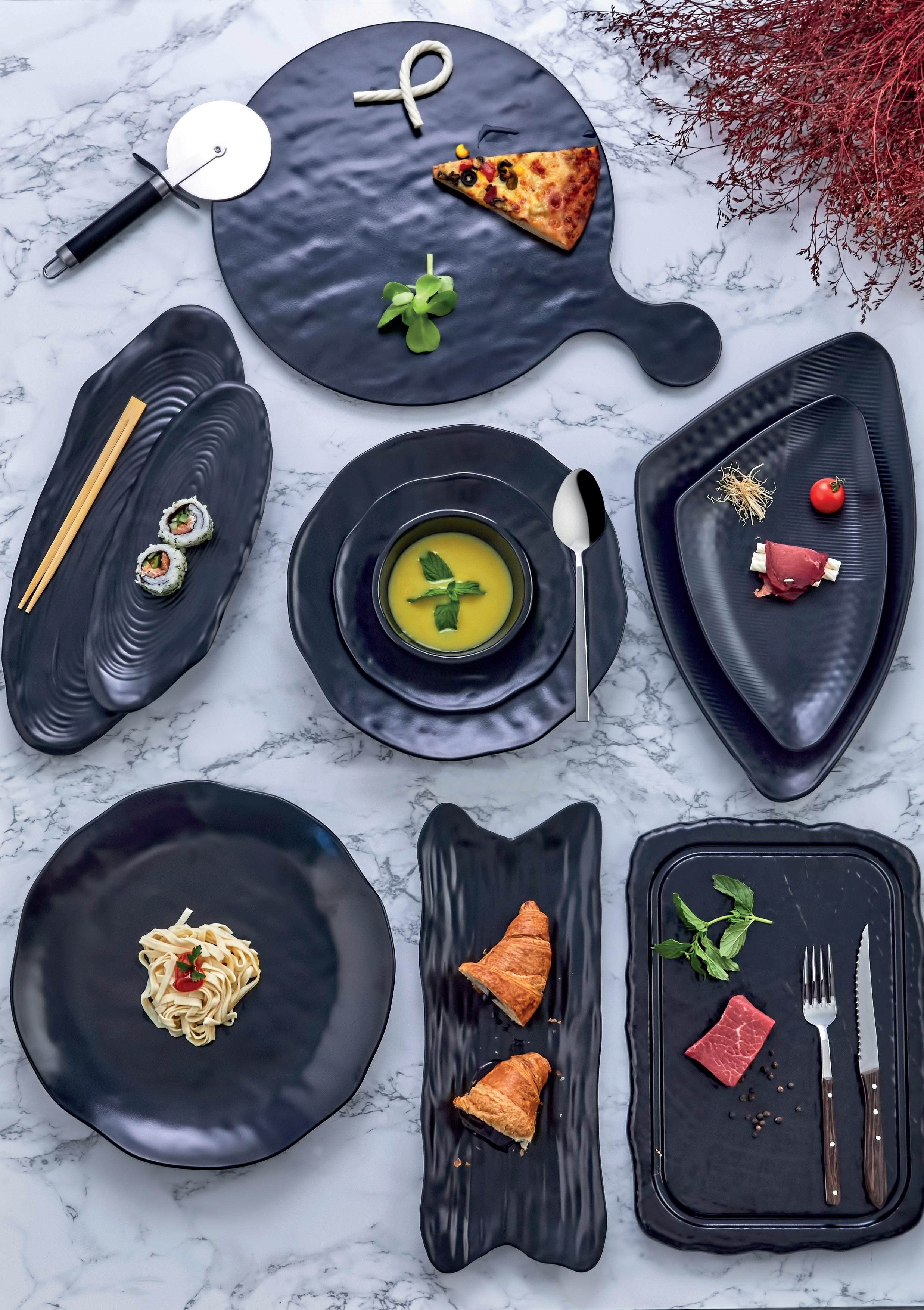
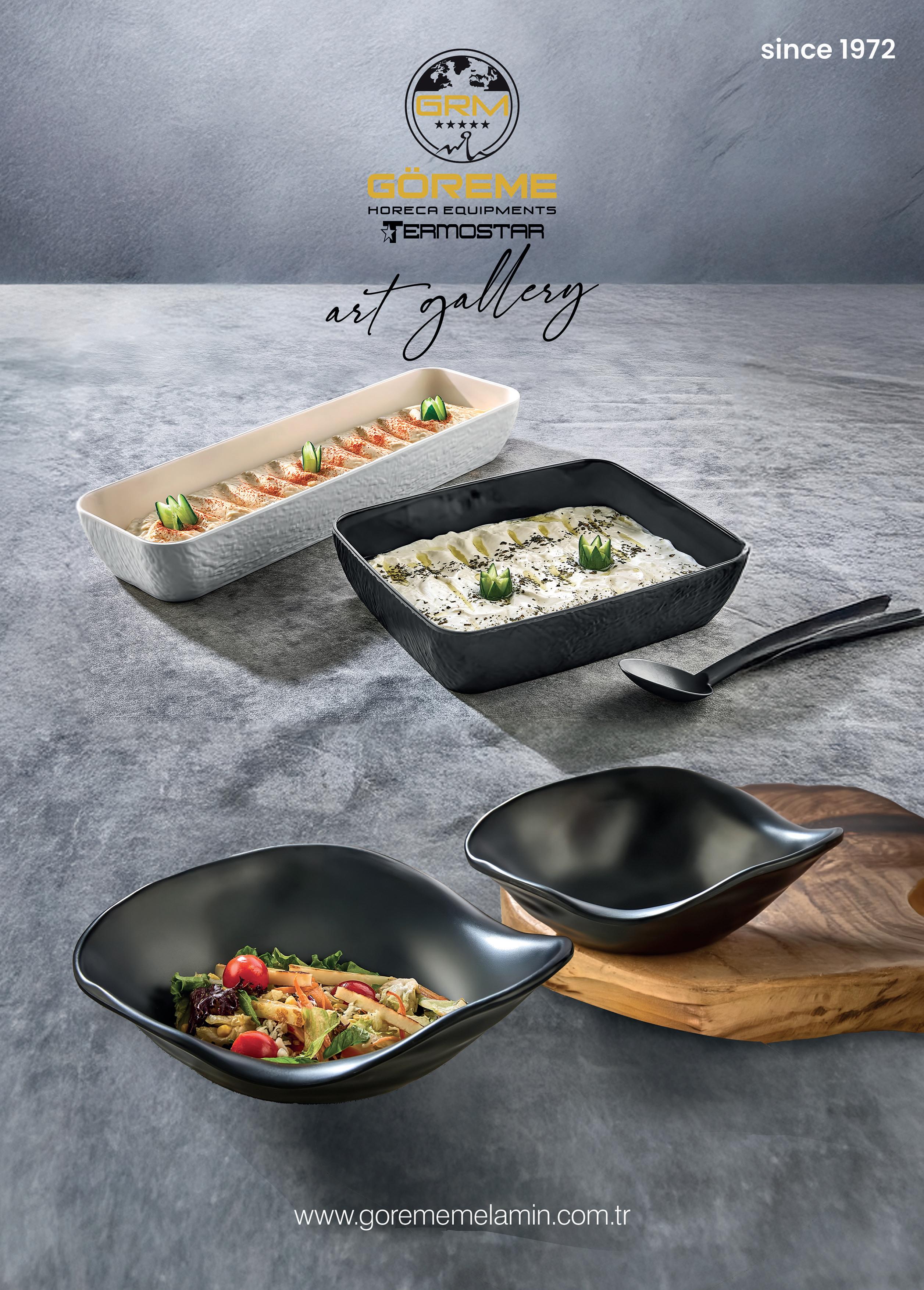
As tableware design and aesthetics develop and advance, one versatile category seeing increasing interest – particularly in the hotel and restaurant scene – is melamine. Once slightly looked down upon, melamine is becoming a more appreciated as advancements are made in décor, contributing to the category’s overall appeal. Typically considered ideal for outdoor spaces and buffets, the appeal of melamine is becoming undeniable with brands such as Steelite, Göreme, Beatriz Ball and more delivering attractive, well-proportioned collections which, often, are mistaken for ceramics.
“In today’s world, “casual” rules,
egory. “My company reinvented melamine. From its inception, melamine had a reputation as a low-end material only found at discount stores. We create sophisticated, unique and elegantly designed pieces that even interior designers use in their homes as beautiful décor items. Buyers have high expectations, and my new melamine dinnerware and serveware featuring vibrant designs and updated traditional patterns are knockouts. They’re of lasting quality and made for the long haul. It is a category that continues to grow.”
Likewise, Hüseyin Cengiz, general manager at Göreme who export to 57 countries worldwide, agrees.
Love it or hate it, melamine is a considered option for those catering fast-paced outdoor venues, and it’s even benefitting from some aesthetic design décor too making it popular in the home…
and melamine is a very versatile, easy-care, and user-friendly material,” says Beatriz Ball, who creates aesthetic serveware pieces in melamine. “It’s infinitely adaptable and allows a designer to lend a touch of class to casual design. It is dishwasher safe, durable, food safe, BPA and PABA free; a material custom made for today’s busy lifestyles. In our own line, each
“In today’s world, “casual” rules, and melamine is a very versatile, easy-care, and user-friendly material,”
Beatriz Ball
He points towards melamine’s durability and adaptability as part of the reason it is so popular for catering spaces.
“South America, Europe, Middle East, Russia, we actively work in all of these regions,” he tells us. “We supply products to health and public institutions and armies around the world.”
“It is a category that continues to grow”
melamine piece has the substance, weight, and appearance of a fine ceramic item, but is made of luxury melamine for everyday enjoyment.”
Beatriz says her brand looks at melamine as a growth cat-
Being break-resistant, budgetfriendly and adaptable to outdoor spaces and large catering functions makes melamine a great option for many outlets, and as Beatriz Ball is proving, melamine can be beautifully designed to work in the home too.
Steelite has a great line of melamine products available including Portico from the Creations by Steelite range. Portico, the newest melamine collection from Creations by Steelite, has been designed with a refined, beige-toned, pebble-like finish bringing the warmth and authenticity of ceramic while delivering the strength, lightness, and durability required in today’s fast-paced hospitality environments. www.steelite-utopia.com
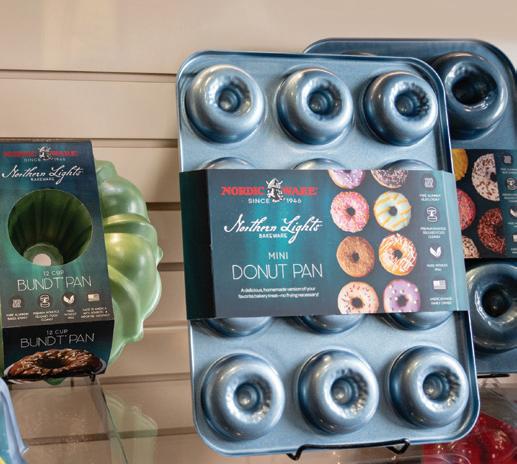
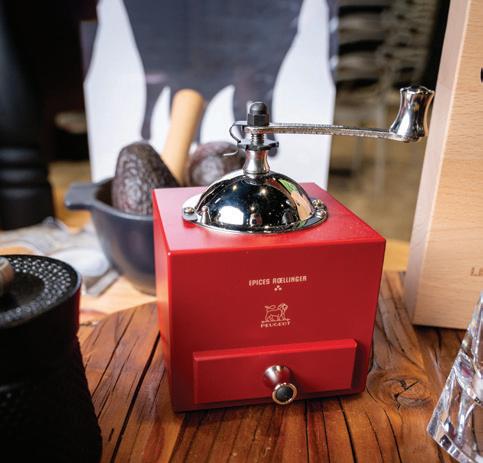
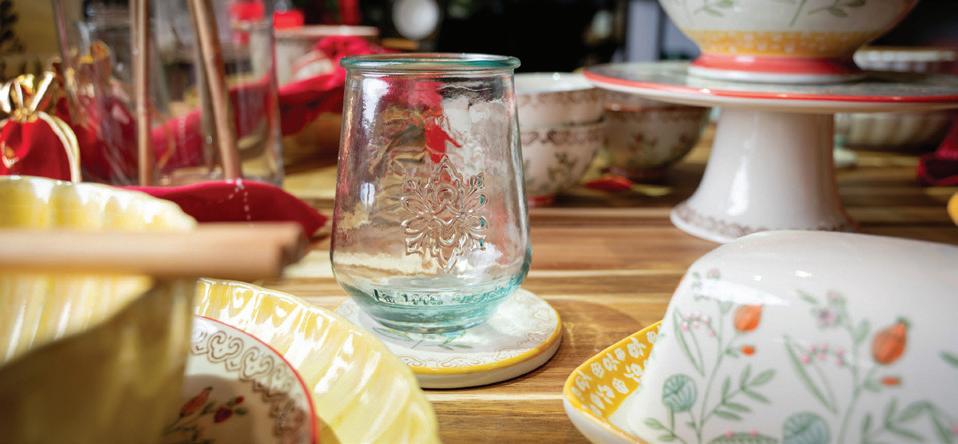
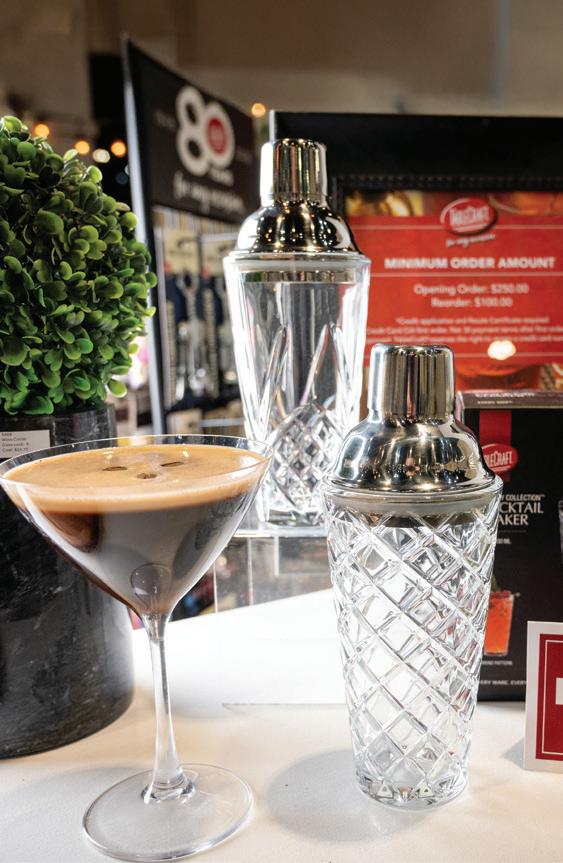
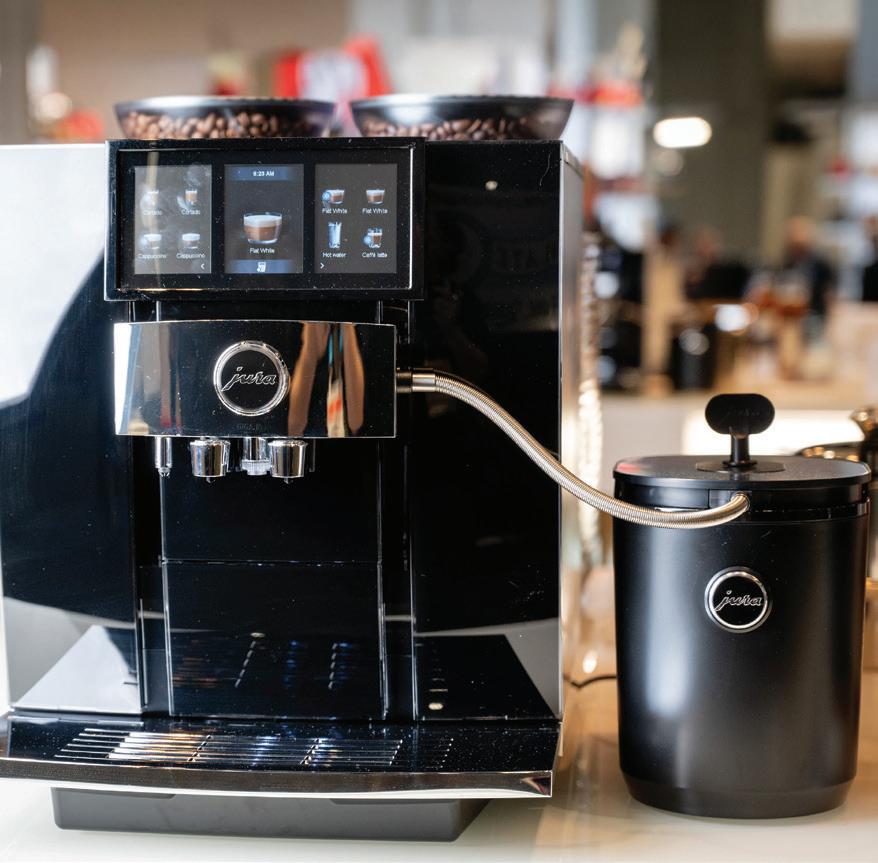
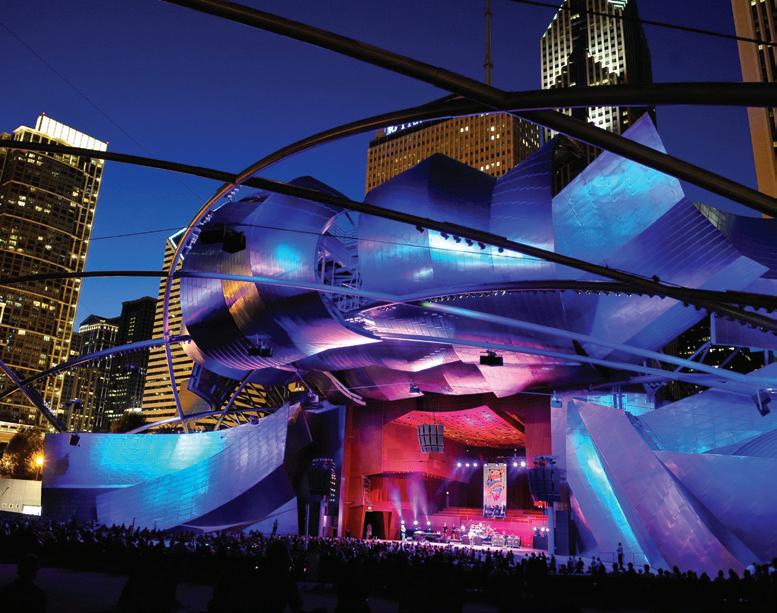
“ The Inspired Home Show 2026 was successful with both exhibitors and ret ailers telling us how invaluable it was to meet in-person, to see innovative new products and to learn about trends that will inspire consumers and grow sales. We look forward to gathering the industry once again in Chicago fo r networking and product discovery at next year’s Show, March 9-11 , 2027.”
— DEREK MILLER, President & CEO, International Housewares Association
“At t ending The Inspired Home Show 2026 in Chicago was an incredibly energizing experience. B eyond the scale of the eve nt and the remarkable global brands on display, what stood out most we re the ideas shaping the next chapte r of our industry. Equally insightful we re the ret ail store visits — exploring standout in-store experiences at Wayfair, The Container Store and Abt Electronics, each demonstrating how physical ret ail continues to evolve through experience, storytelling and service.”
— ANAMIKA NANDI, Assistant Vi ce President – Category Management, Tata Unistore Limited, India



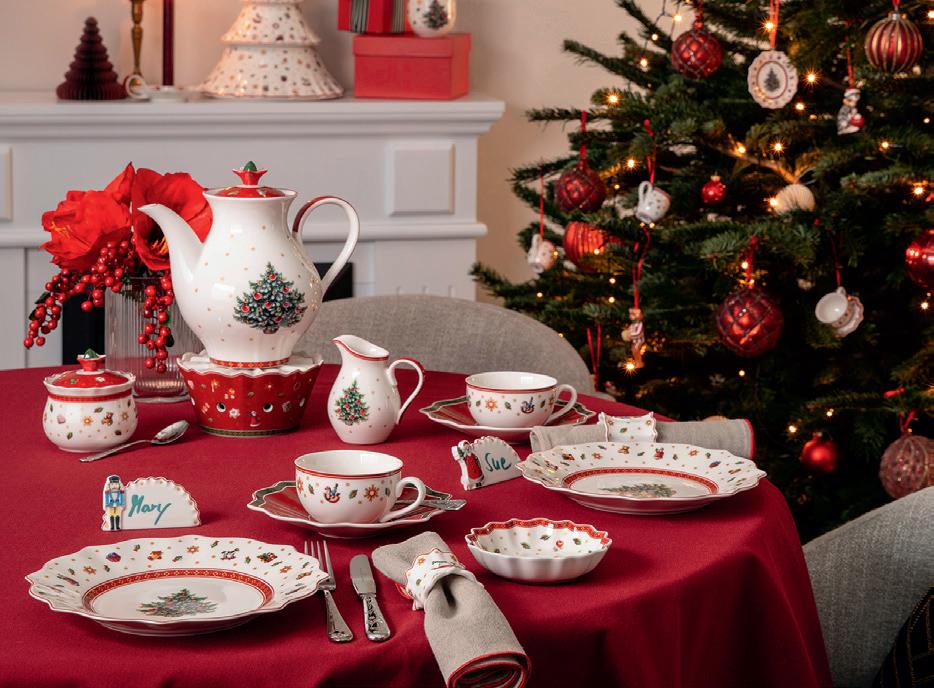
Villeroy & Boch are good many things, but if there is one thing the brand really knows how to do well, it’s creating iconic Christmas collections. Claudia Knaupp, executive vice president marketing dining & lifestyle and global branding, talks to Tableware International about their approach to the festive period…
Which sales territories do you find your festive collections sell best?
The success of our festive business lies in the traditional Christmas markets in Central, Eastern and Southern Europe, such as Germany or Poland, where Christmas traditions are deeply rooted and the culture of setting a beautiful table for family and friends is genuinely part of the celebration.
Are there any areas where you’ve noticed an increase, or potential for additional sales?
We are seeing growth with our festive collections across almost all markets worldwide. The Asian market is certainly particularly exciting, because we’re seeing a genuine and growing appreciation for European cultural heritage and traditions there, and with this comes a real enthusiasm for the quality and craftsmanship that Villeroy & Boch stands for. In the US market, too, consumers are increasingly seeking out traditions during the festive
season, leading to a rise in demand for nostalgic Christmas tableware and carefully selected gift ideas.
Festive tableware can be considered a niche market, but is it worth investing in for brands?
The holiday season consistently drives some of the highest consumer spendings across all retail sectors, and the table sits at the very heart of it. It is the place where family gatherings, dinner parties, and gift-giving come to life and memories are made. People want to make those moments truly special, and they’re genuinely willing to invest to make that happen. What makes festive tableware particularly attractive from a brand perspective is the combination of emotional relevance and commercial performance. These aren’t just plates, cups and bowls – they carry real meaning for consumers, becoming part of family traditions, brought out year after year. At Villeroy & Boch,
“The holiday season consistently drives some of the highest consumer spendings across all retail sectors, and the table sits at the very heart of it”

collections like Toy’s Delight prove this beautifully, driving footfall, generating strong repeat purchases for over 15 years. This kind of deep, lasting loyalty is extraordinarily valuable and difficult to build in other categories. So no, for us at Villeroy & Boch, festive tableware is not a niche market. Quite the opposite, alongside gifting, it’s one of the strategically most important categories of the entire year.
Do festive tabletop collections need to be extended each year?
Absolutely. We expand our festive collection every year and do not limit ourselves to tableware alone: we aim to create a comprehensive Christmas atmosphere. This includes glassware, cutlery, decorative items such as figurines and vases, as well as textiles like placemats and napkins. New items provide fresh incentives to buy and encourage collecting. A perfect example of this philosophy is our Annual Christmas Edition — a strictly limited, collectible tableware collection with a nostalgic décor, telling a new story each year to celebrate the true magic of Christmas. Crafted with meticulous attention to detail, including real gold accents, a special backstamp and gift packaging, it’s designed to delight both first-time
buyers and long-term collectors alike. It’s one of the most anticipated releases in our calendar — and it consistently delivers.
Tell us about some of your bestselling festive collections or pieces and why they resonate with consumers so much?
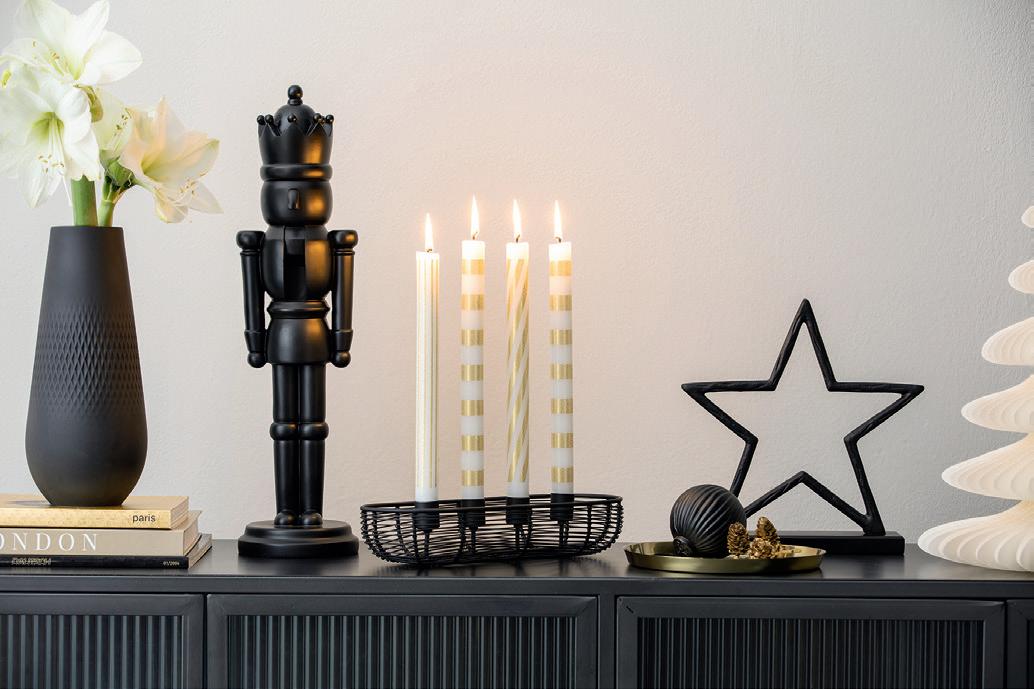
If there’s one collection that truly captures the magic of Christmas for us, it’s Toy’s Delight. For more than 15 years, it has been a beloved classics in our portfolio and its appeal is timeless. What makes Toy’s Delight so special is its ability to bring pure joy and nostalgia to the table. Its charming, nostalgic, playful motifs, including rocking horses and nutcrackers, just take people back to their childhood Christmas memories, and that’s exactly what everyone wants this time of year. Beyond our established festive classics, we’re also actively responding to what we see in our market research. And one trend stands out: consumers are increasingly looking for Christmas decorations that match their contemporary interior design style. This is why we developed Christmas Chic, a modern, minimalistic collection for decoration. We first tested its potential exclusively through our own retail channels last year. Given its strong reception, we are now rolling it out to our retail partners.

SPRING SYMPHONY
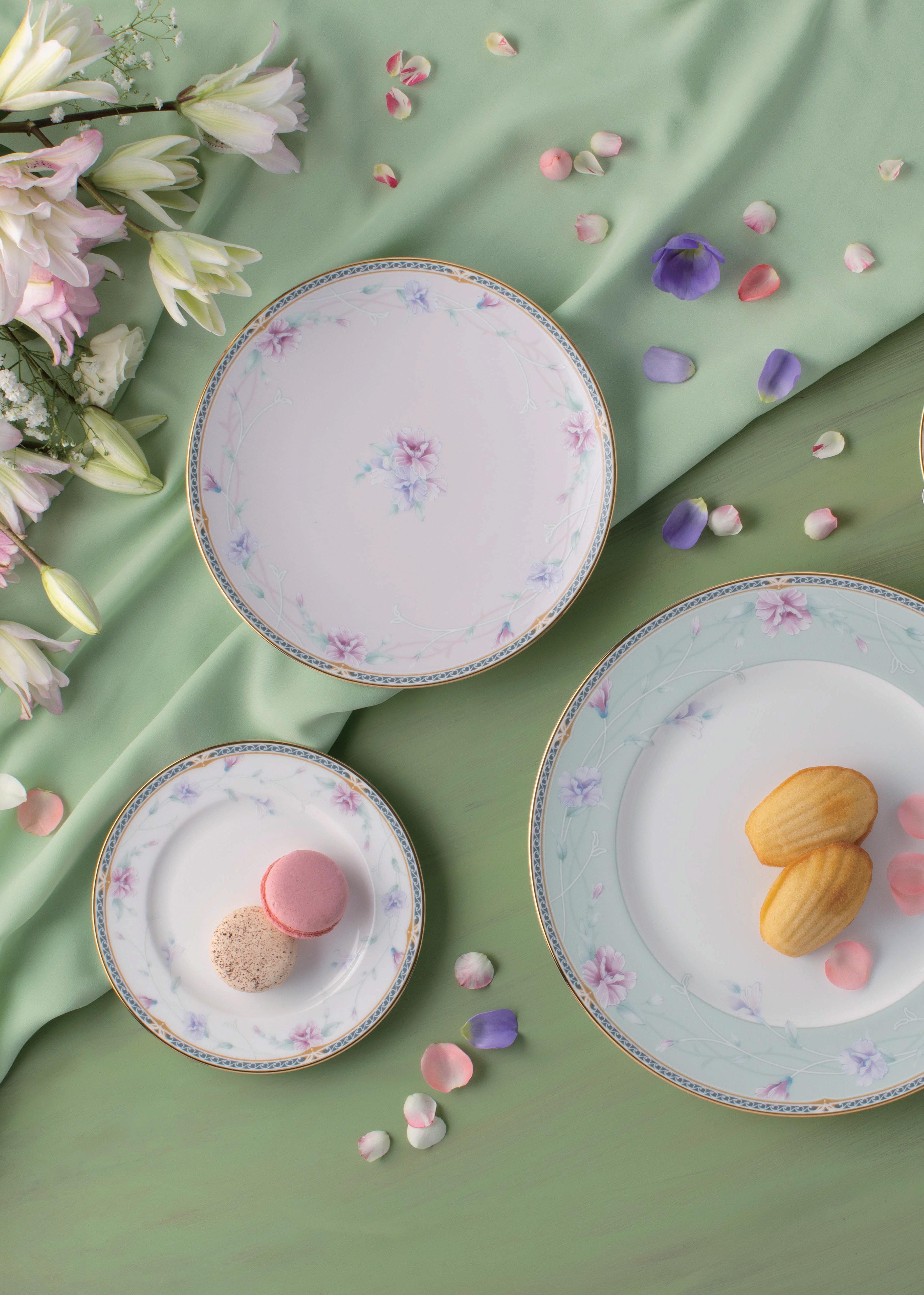
Inspired by our archives from the late 19th and early 20th centuries, this design embodies the organic, curving beauty of the Art Nouveau style, which found one of its primary sources of inspiration in a delicate Japanese aesthetic.

www.fuerstenberg-porzellan.com
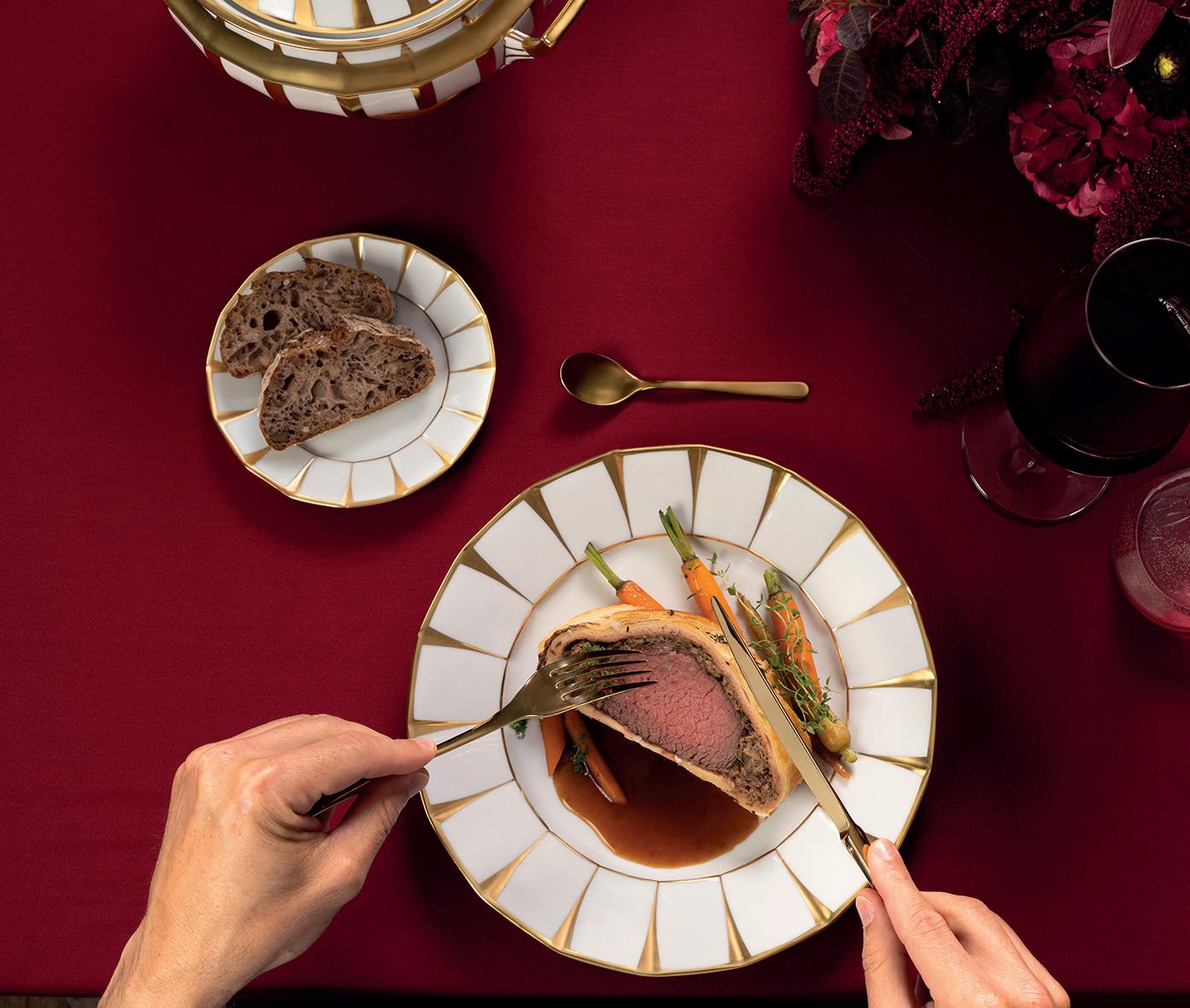
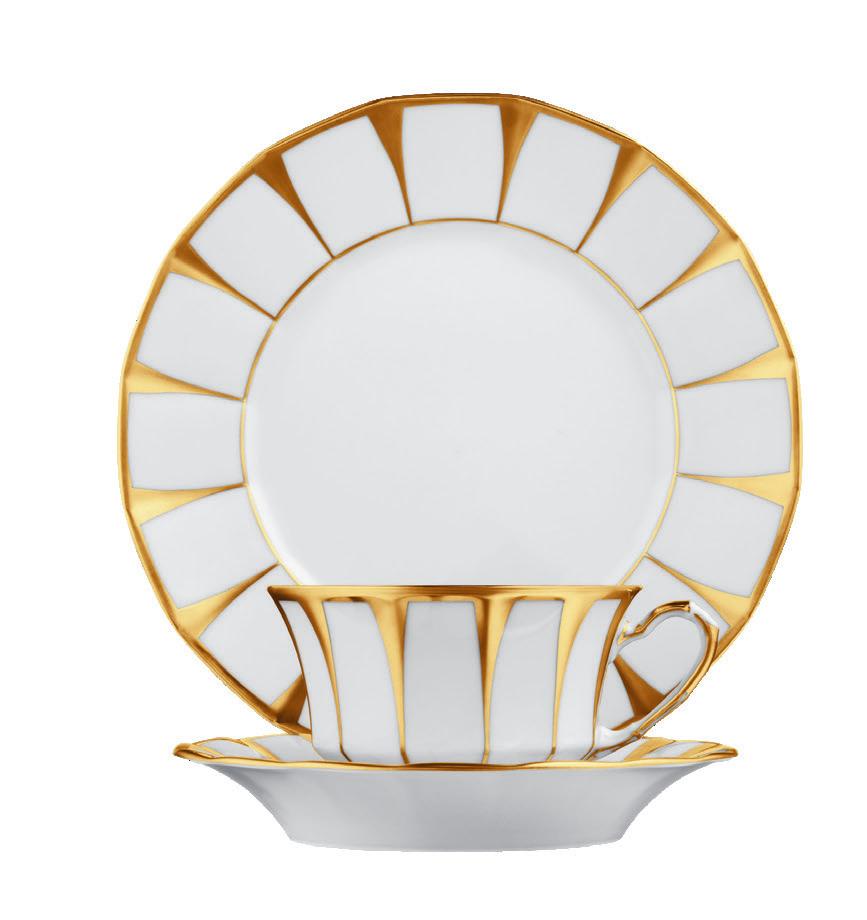
The hand-applied gold decorations of the "Athena" pattern create tasteful accents and enhance the refined elegance of the fine porcelain. Combined with radiant white, they create a festive harmony that turns every table into a special experience. Whether for a Christmas dinner in an intimate setting or a large festive table, "Athena" lends every moment a luxurious touch full of warmth and elegance. Between 1840 and 1850, the manufactory created Grecque as a coffee and tea-set in the contemporary style of Biedermeier. Having augmented the set by tableware, Fürstenberg reintroduced the historical style form back into the collection in 1913. The multiangular shape with elaborately detailed ornamentations on handles, spouts and lid-knobs still has that very enticing romantic touch.
A favourite time of year for many people, the run up to December’s festive season is a guaranteed money spinner for brands. As people celebrate with family and friends, gifting and the festive table takes priority – we take a look at why the period is so important…
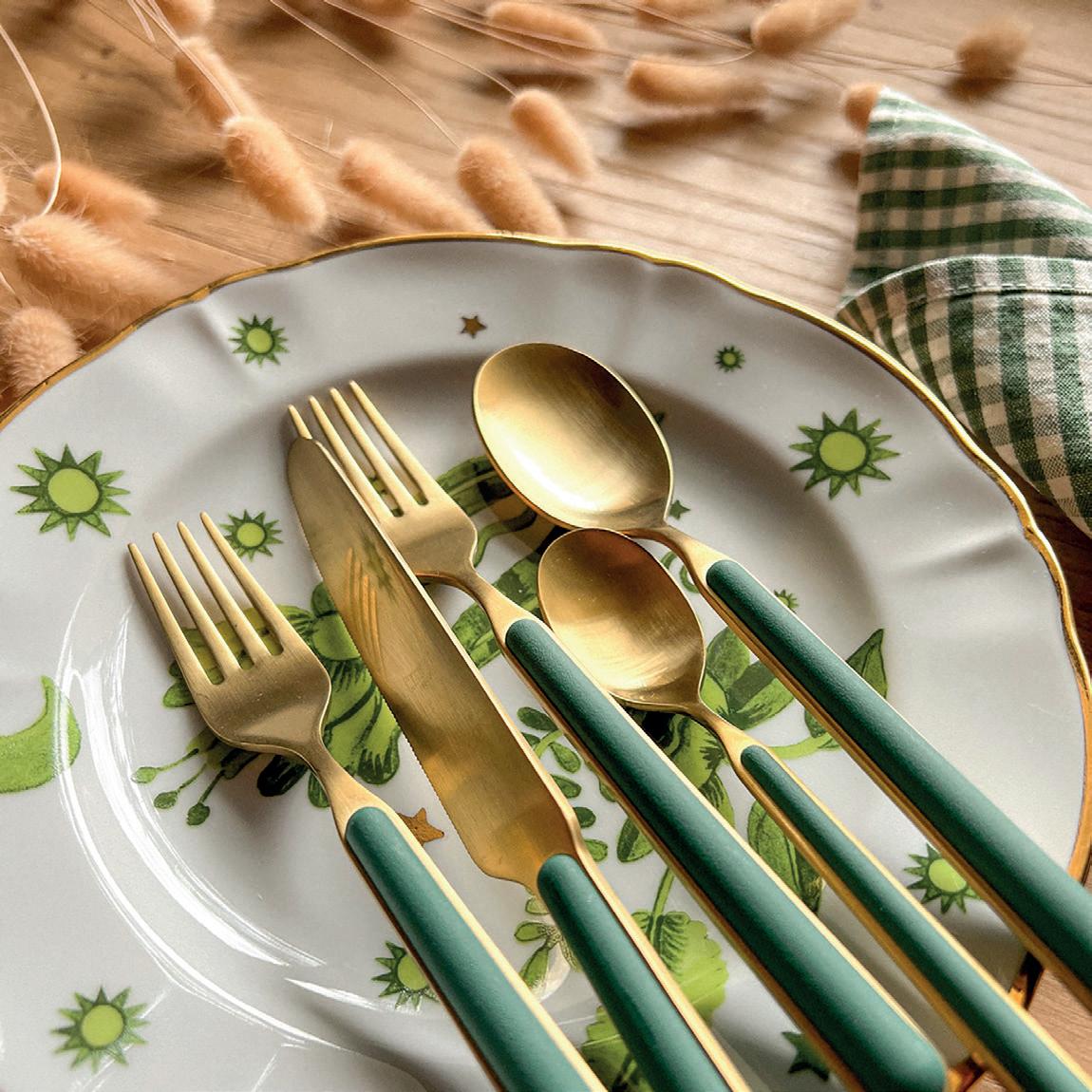
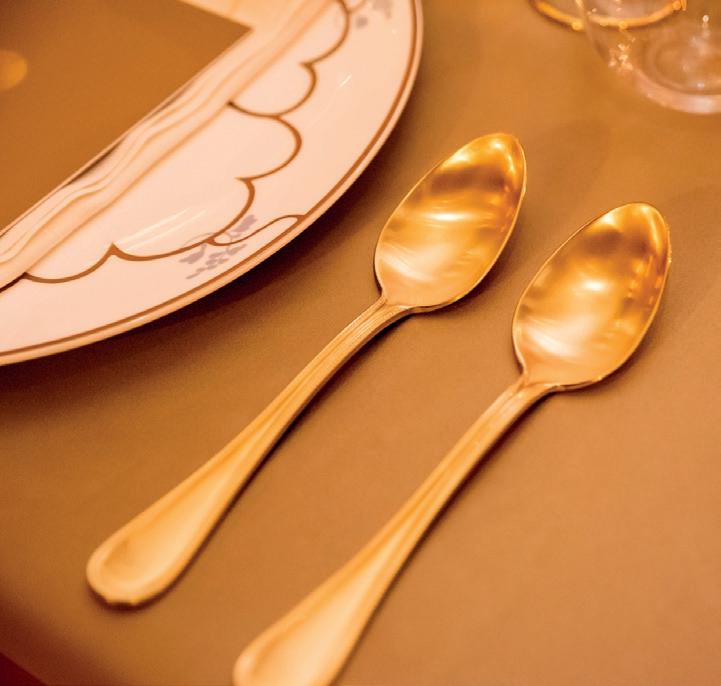
Christmas is when the table receives the attention it deserves, and the objects chosen for it begin to carry a weight they do not hold the rest of the year. Mepra's festive offer is built around three collections that have each, in their own way, earned their place in this moment. The Gold PVD finish has become the brand's most recognisable choice through the holiday season. The warmth of the finish suits the occasion naturally, whether the setting is a formal dinner or a long family lunch, and its consistency year after year reflects a product that has found its audience. Bavaria is one of Mepra's original cutlery designs and remains one of its most enduring. Refined across decades without losing its essential character, it represents the kind of object that does not need to announce itself. At Christmas, that quiet confidence counts for something. Fantasia brings colour to the table. Available in seasonal greens, reds, and whites, it works across different settings and brings a festive energy without overpowering the rest of the arrangement.
www.theluxuryartmepra.com












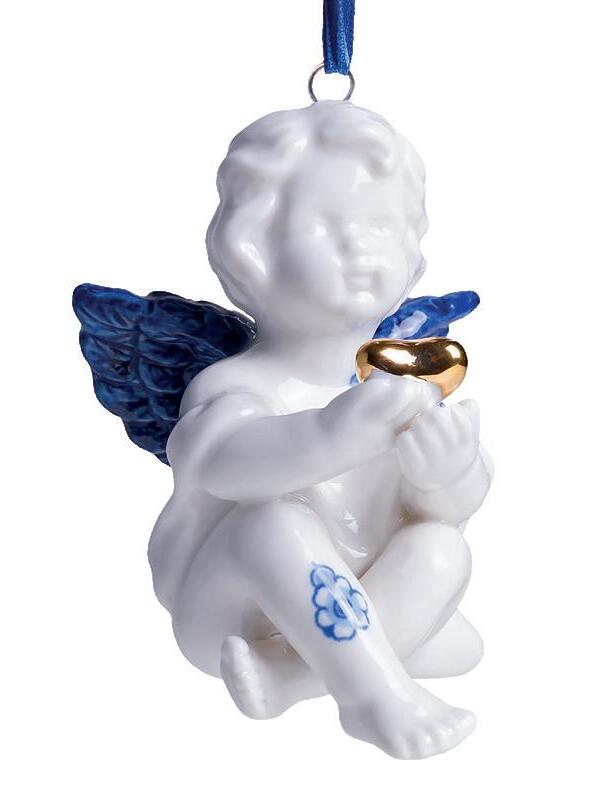
Maurits
Heinen, business developer USA, Heinen Delfts Blauw, on harnessing buying power at Christmas

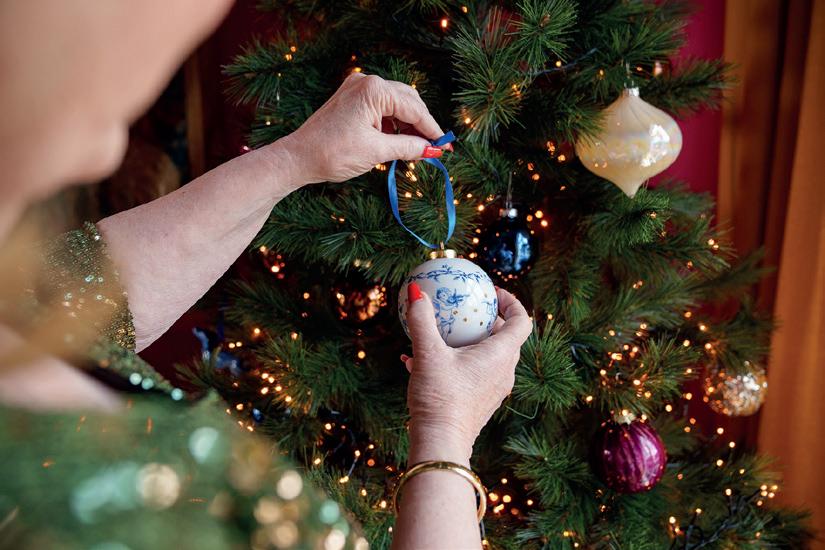
“Our festive collections perform particularly well in North America, the United Kingdom, and the Netherlands. These regions continue to show strong interest in seasonal tabletop and decorative products, with both the UK and North America standing out as especially promising growth markets for us. Although festive tableware can be considered a niche category, we absolutely believe it is worth investing in. Seasonal collections are naturally more challenging because they cannot be sold year-round, but when a collection truly connects with consumers, it can generate significant excitement and create real hype around a brand. Because festive collections are seasonal by nature, it is essential for brands to remain innovative and continue refreshing their offerings each year. Consumers are always looking for something new and inspiring during the holiday season, so extending and evolving collections annually is very important. Among our bestselling festive products are our Christmas ornaments. These pieces resonate strongly with consumers because they help create a warm, personal, and memorable holiday atmosphere, making them an important part of seasonal decorating traditions.”
If there is one time of the year when a celebratory drink or two is enjoyed, it is at Christmas. Naturally, that means your glassware collection needs to be on point. We take a look at what
Zwiesel Glas has on offer…
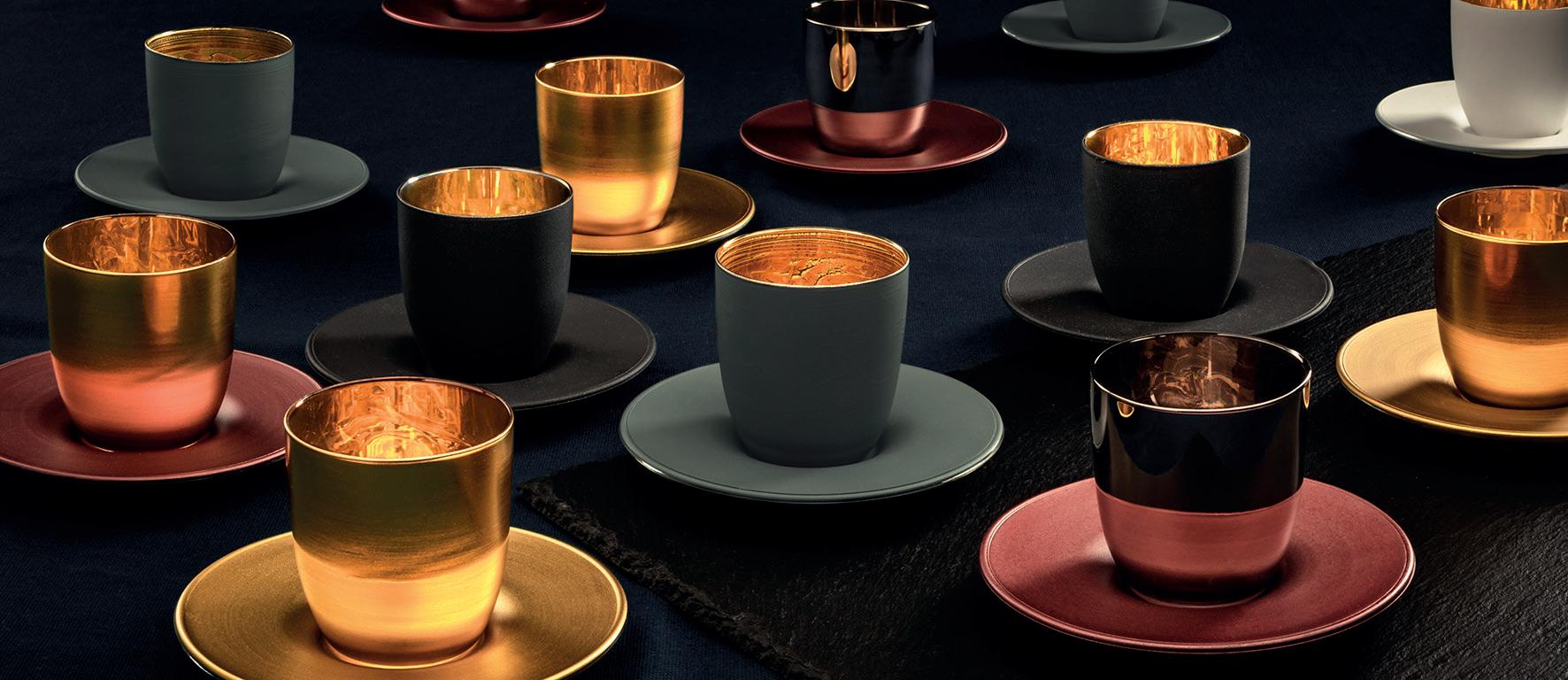
Cosmo from Eisch
The Eisch Cosmo espresso glasses make espresso enjoyment a sensual experience. Finished by hand with genuine gold or platinum, they are an extraordinary gift idea for connoisseurs. The Cosmo espresso glasses complement one another harmoniously in their various colour combinations: Fine-matt surfaces meet shiny 24-carat gold or real platinum. The elaborate decoration is applied with sensitivity and care in the refinement workshops of the Eisch glassworks in Frauenau. Because gold and platinum reflect heat radiation very well, espresso can be enjoyed hot and relaxed in the Cosmo glass.
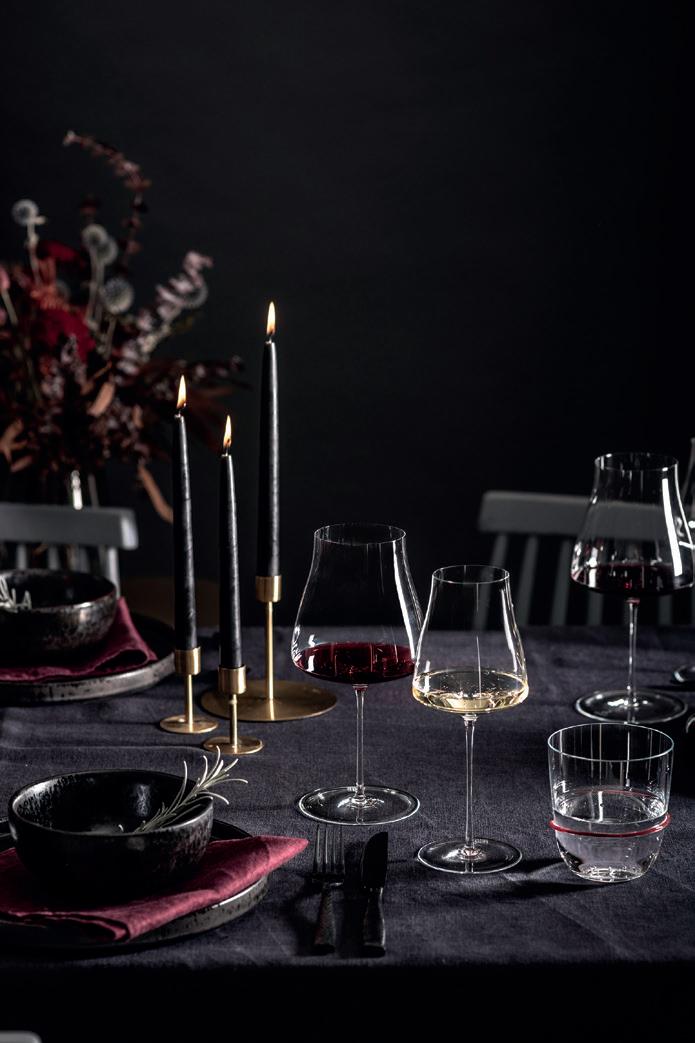
Wine Classic Select from Zwiesel Glas
Wine Classics Select from the Zwiesel Glas brand shows ease and aesthetics – a unique relation of masterly manufacturing art, extraordinary design and most filigree glass wall thickness. The smooth and very fine touch provides an remarkable optical and haptic experience of ease. These glasses are as light as a feather in the hand and transfer the exclusive impression of brilliant light reflections, pure elegance and impressive functionality – an exceptional gift idea for the festive season.
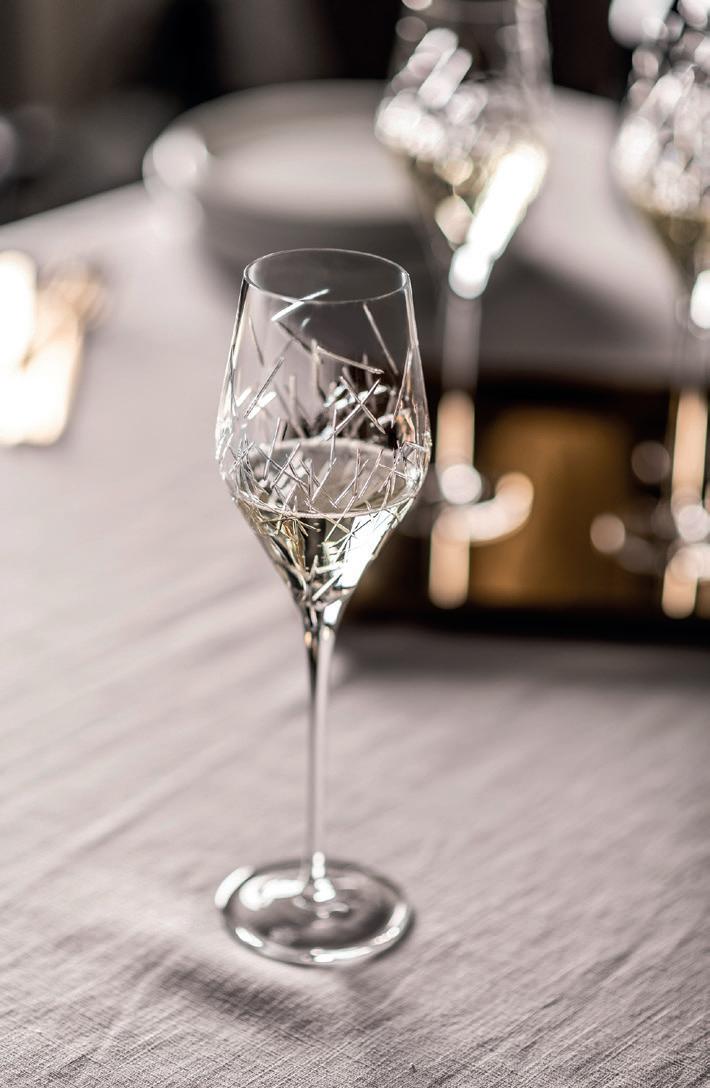
Hommage from Zwiesel Glas
The exclusive mouth-blown crystal glass collection Hommage with the cutting styles Carat, Comète and Glace combines aesthetic and sensual pleasure in a unique manner. Charles Schumann, barkeeper par excellence who left his mark on global bar culture, contributed greatly to the development of the exclusive bar premium line by Zwiesel Glas. Simple and timelessly elegant, the basic shape of this collection is characterized by gently drawn stems and softly curving radii. Three distinctive cutting styles create a unique play of light and colour. Filled with golden whiskys or classic cocktails like martinis, the glass and beverage combine to create a special eye-catcher for the bar. www.zwiesel-glas.com
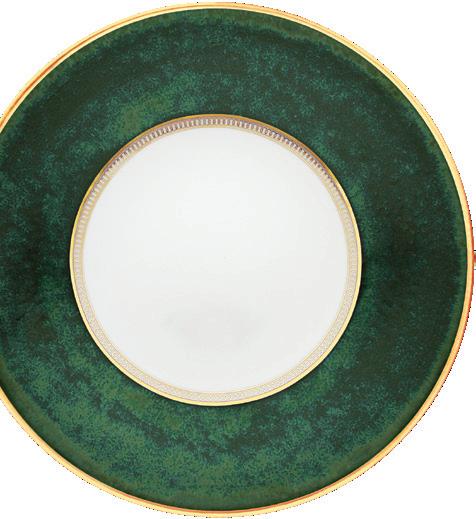
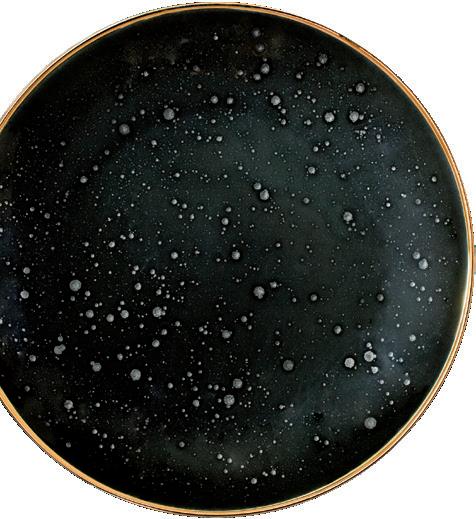
Many of Porcel’s beautiful collections work wonderfully over the festive period, we highlight a few…
The holiday season is defined by atmosphere created around the table. True elegance lies in versatility, pieces that effortlessly adapt and elevate the table. Porcel collections embody this vision, offering refined designs that transition seamlessly into the festive setting with sophistication and ease.
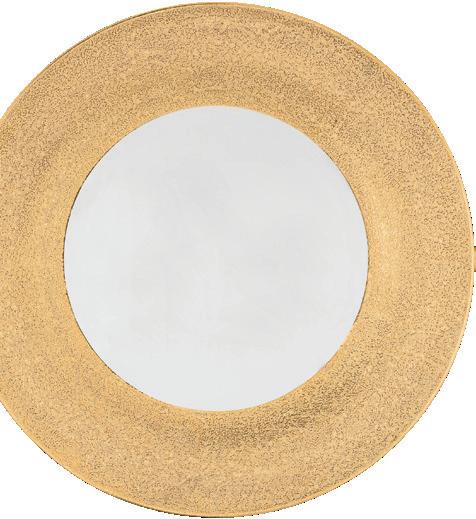
Lush Forest is the perfect choice for those who seek a table with presence while embracing a warm, organic atmosphere. The deep green and dark blue tones blend effortlessly with golden cutlery and hand-painted gilded edges, creating a visual play of light and shadow.
Saturn is a bold choice, yet it reveals its full potential when paired with the right accents. The visual impact is striking but balanced, especially when paired with textured elements and a touch of colour such as Burgundy and gold, enhancing the festive mood.
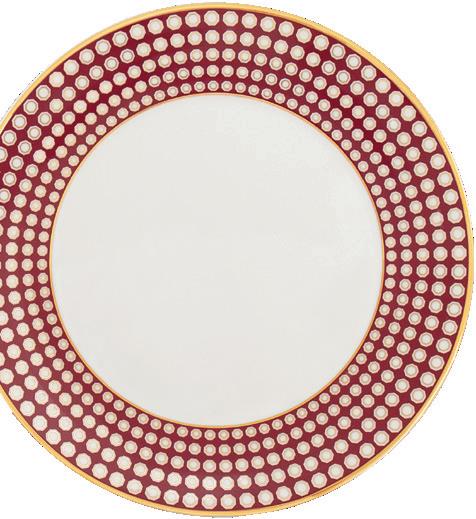
If classic gold elegance defines your style, the combination of Belle Époque and Or is an excellent option. These collections reflect timeless golden tones with rich textures and handmade finishes. Styled with refined gold accents and neutral-toned dried foliage, for a more traditional setting.
For a more intense and emotional composition, Ruby stands out. With its deep burgundy tones and gold accents, this collection brings both intensity and warmth, perfect for memorable occasions.
www.porcel.com
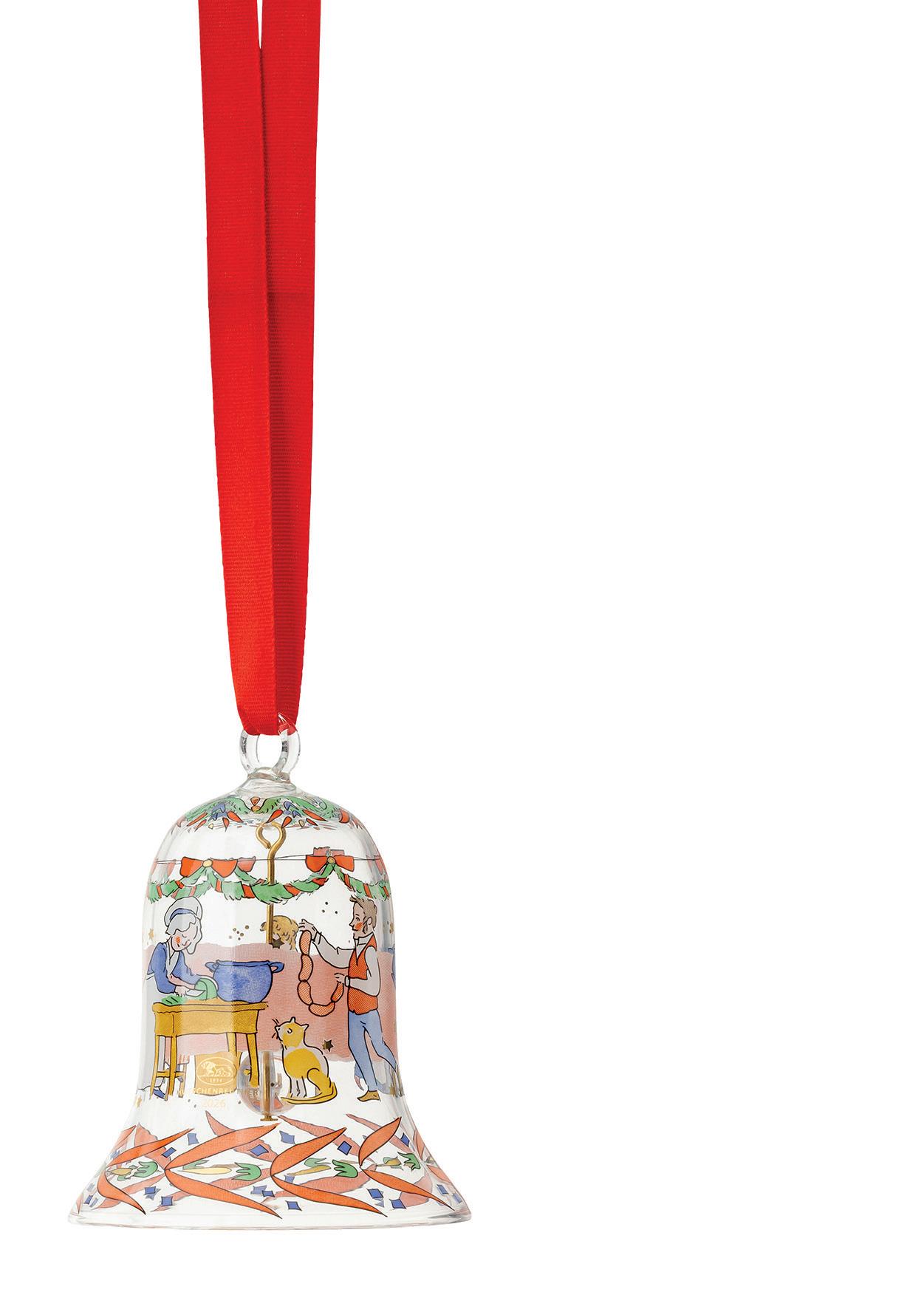
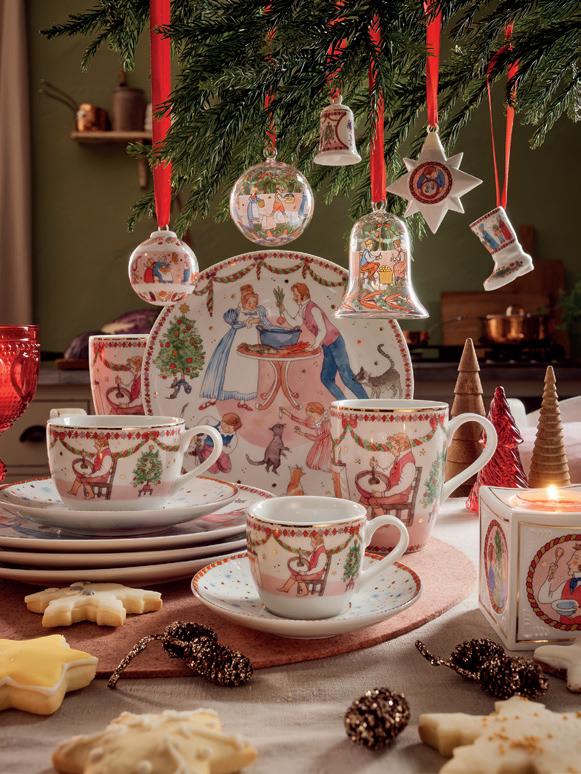
For the winter setting, Hutschenreuther presents porcelain pendants in the shapes of bells, balls, cones, and boots. Other limited-edition items, including a porcelain Christmas light, cappuccino and espresso cups, a cereal bowl, additional porcelain bells, and pendants in various shapes and sizes, complement the series. The festive motifs are also featured on star-shaped bowls in two sizes, a cookie plate, paper napkins, and three cookie tins of various sizes. Glass items, including bells and balls in delicate colours, also enrich the collection. A special highlight is the hand-painted music box, available in three sizes, that plays the song Joy to the World. Czech illustrator Renáta Fucíková designed the entire edition, interpreting the theme of Christmas feast with nostalgic imagery that is atmospheric and detailed. The Hutschenreuther collector's edition will be available in stores and at www.hutschenreuther.com starting in July 2026.
Joanna Niedziela, director of domestic sales and marketing, Polska Grupa Porcelanowa, on why they believe festive tableware is so popular
“We can say with certainty that Christmas tableware has long since become more than just a market niche; it has evolved into a key segment well worth investing in. The main buyer of our seasonal collections is the European market. It is in Europe that the tradition of celebrating the Christmas holidays with beautiful, fine porcelain is particularly strong, and we continue to see enormous potential here for further sales growth. Does the Christmas portfolio need to be expanded every year? We believe there is no need to create entirely new lines every season. A better strategy is to expand iconic collections with new tableware items, allowing our customers to add to their home sets year after year. Our absolute Christmas bestsellers from the Ćmielów brand are the following collections: Holly, Alaska Circus Burgundy, Jenny the Nutcracker, Alaska Christmas Sparkle and Margaret Gile. Why do they appeal so much to consumers? Because they perfectly combine the nostalgia of classic Christmas motifs with uncompromising elegance, whilst representing a variety of aesthetic styles. Customers are looking for real magic at this time of year, and our exquisite porcelain, combining artisanal precision with exceptional design, helps them create a unique atmosphere in their homes.”
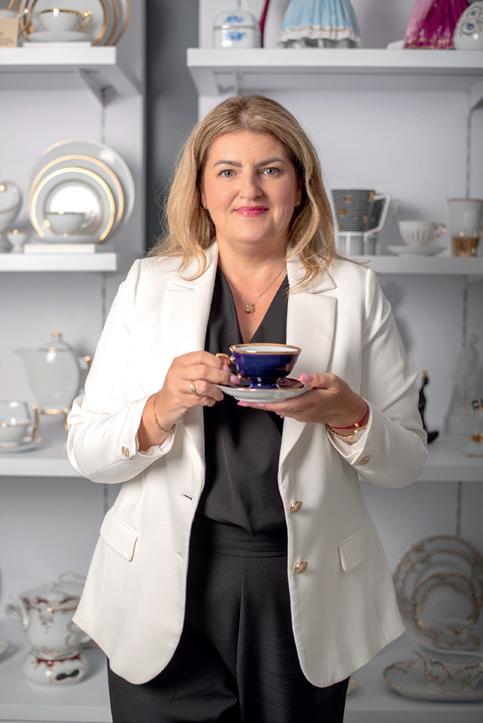
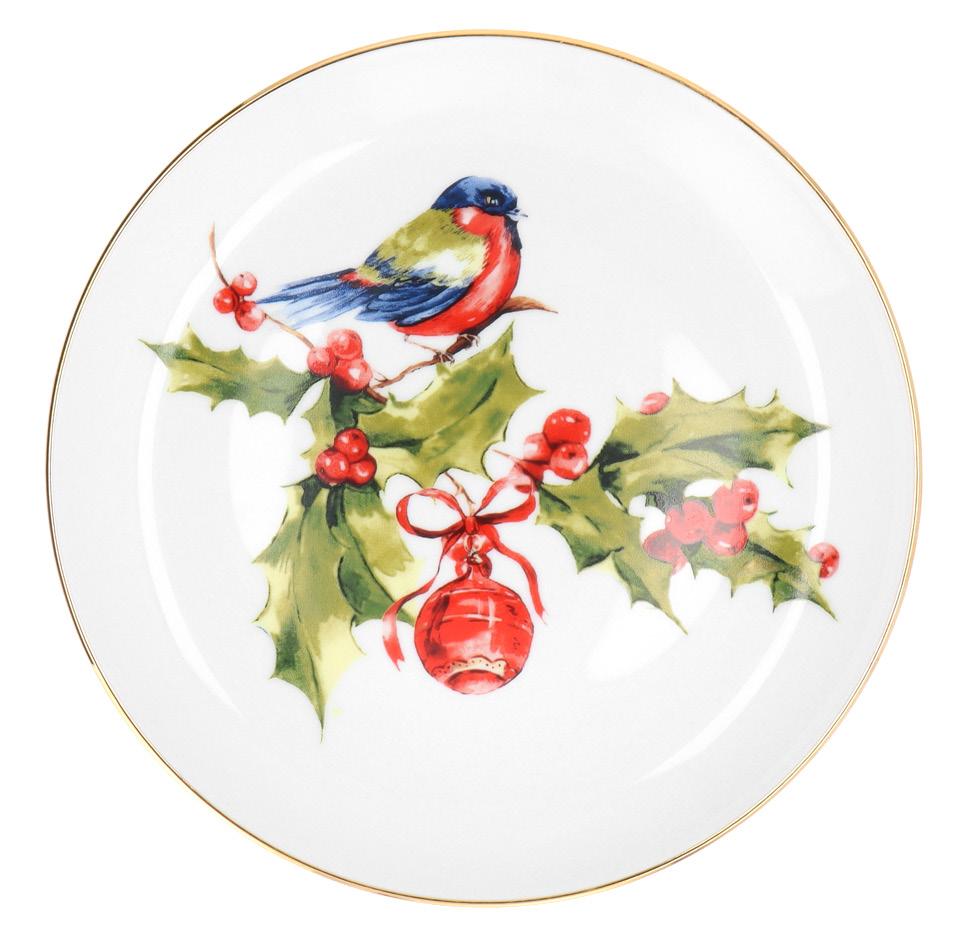
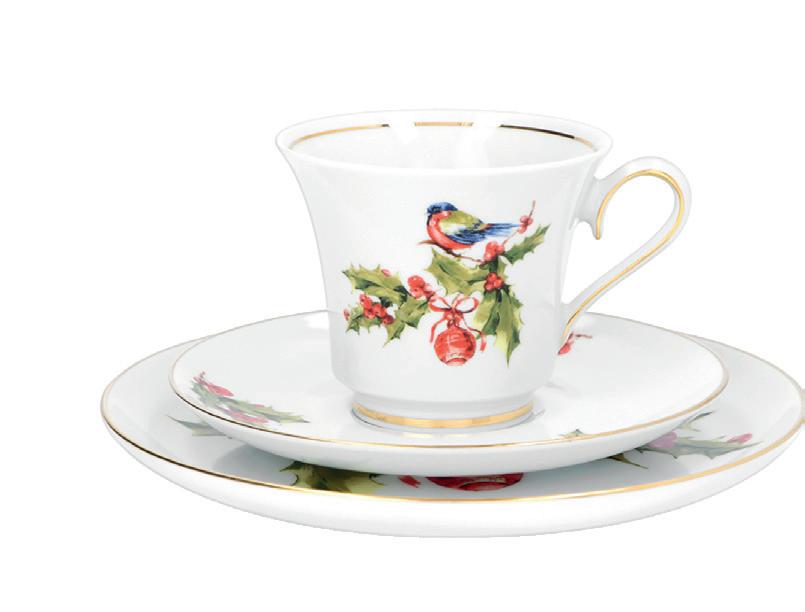

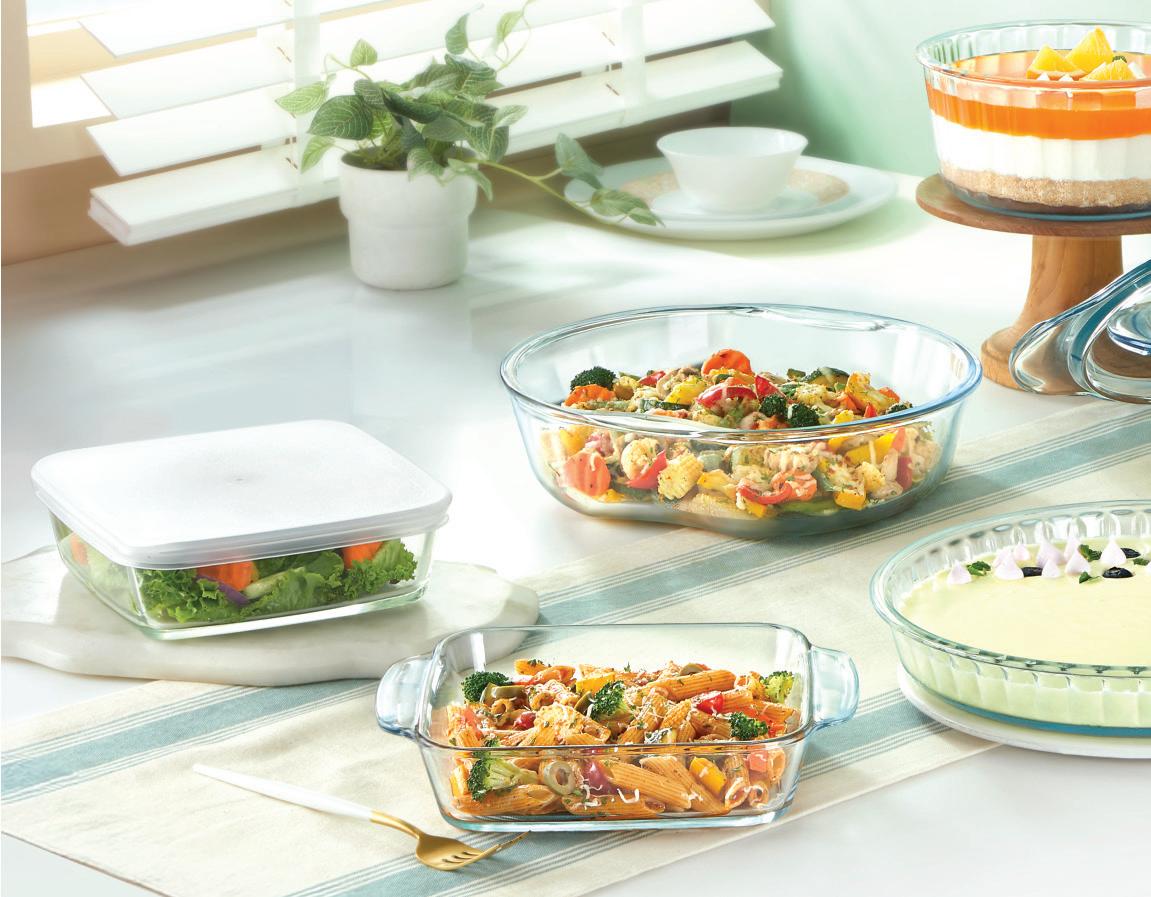
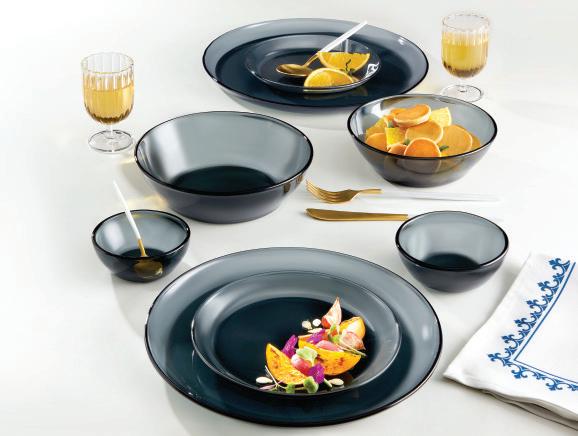
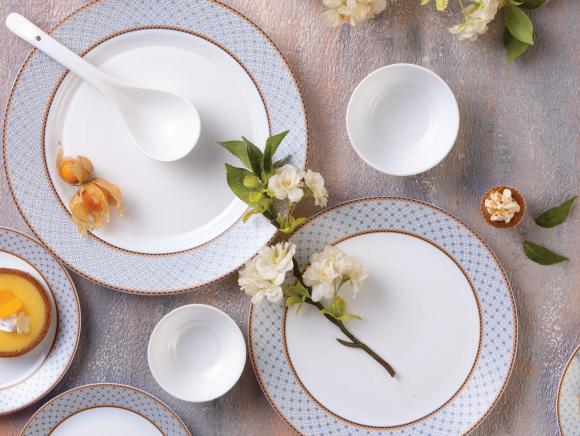
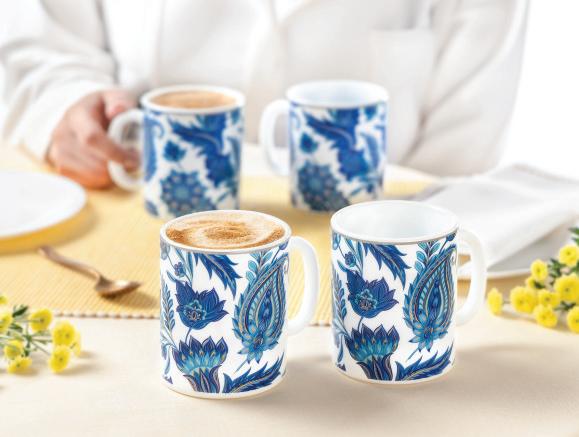
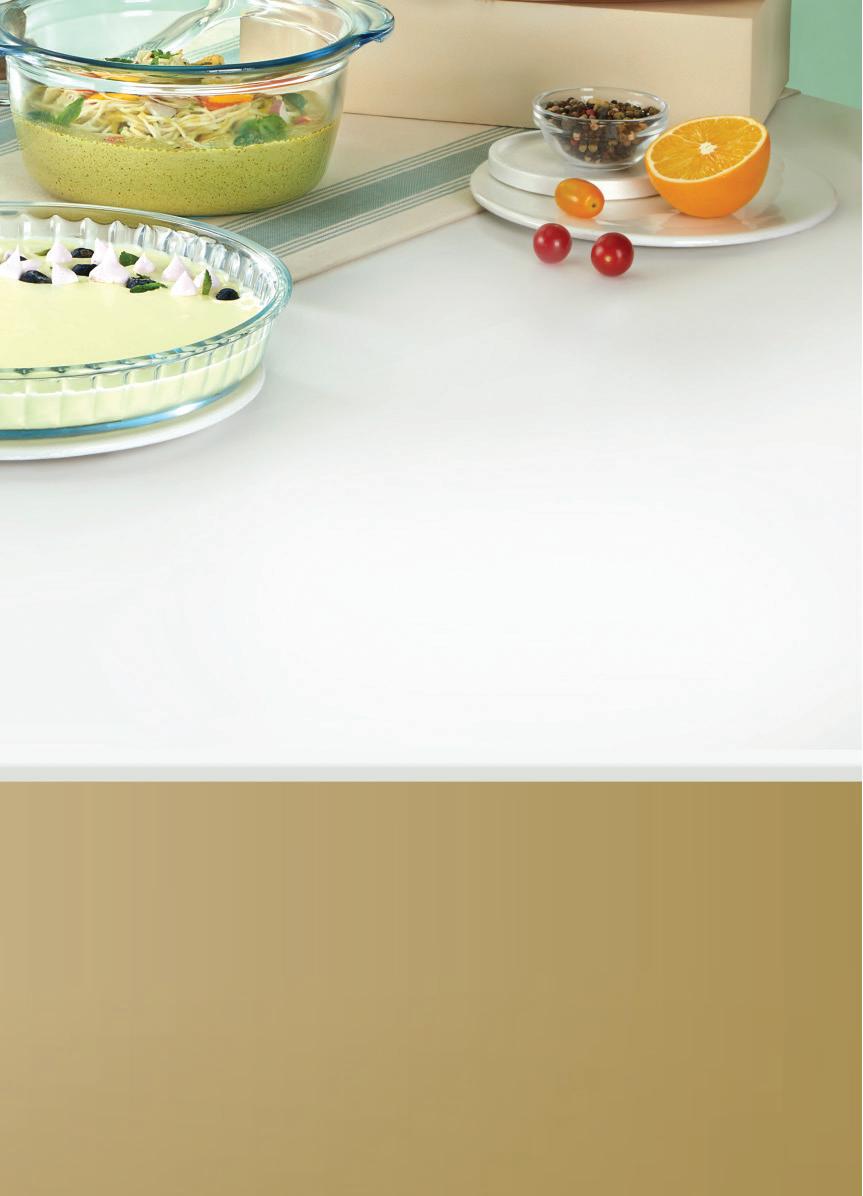


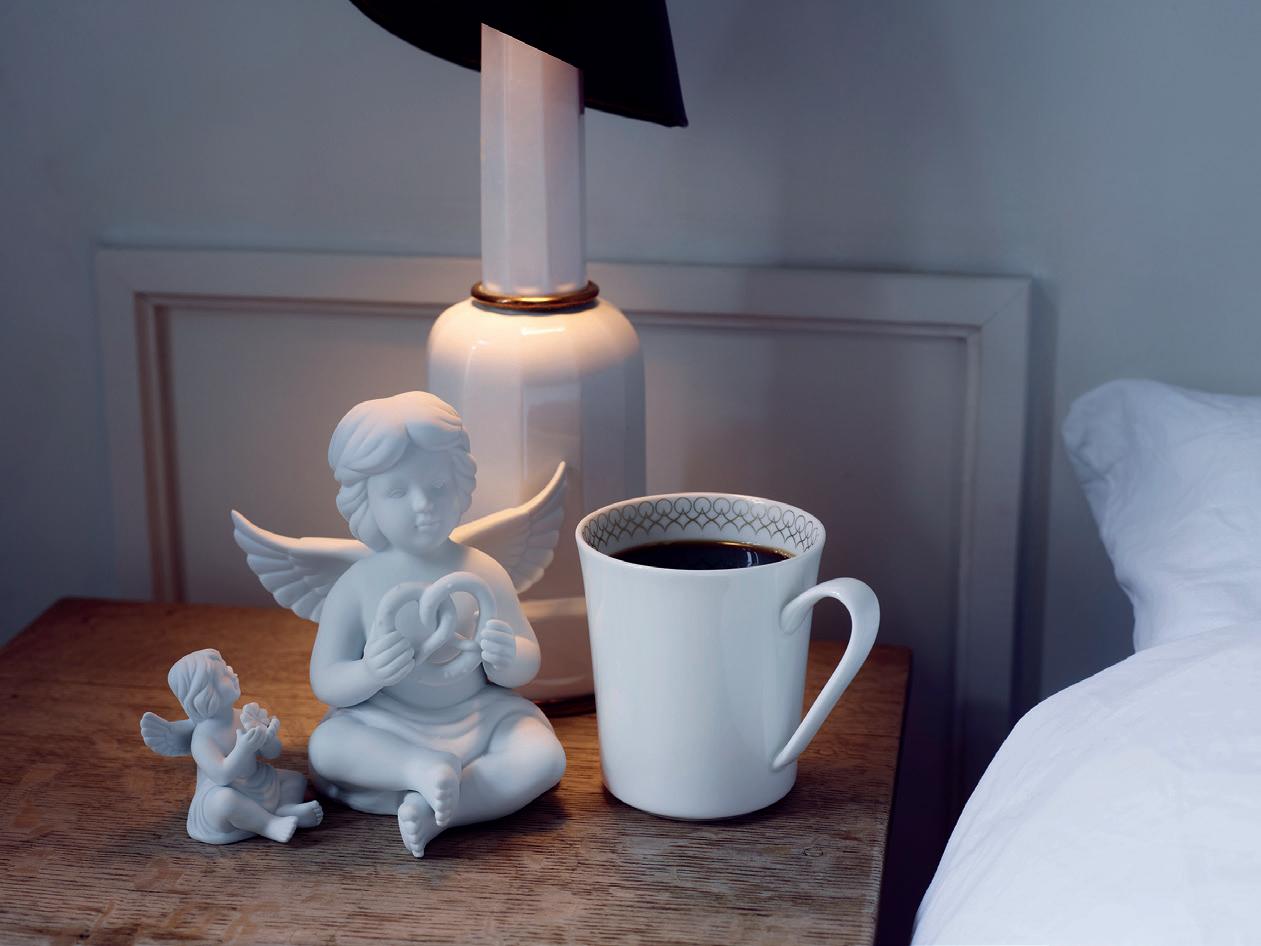
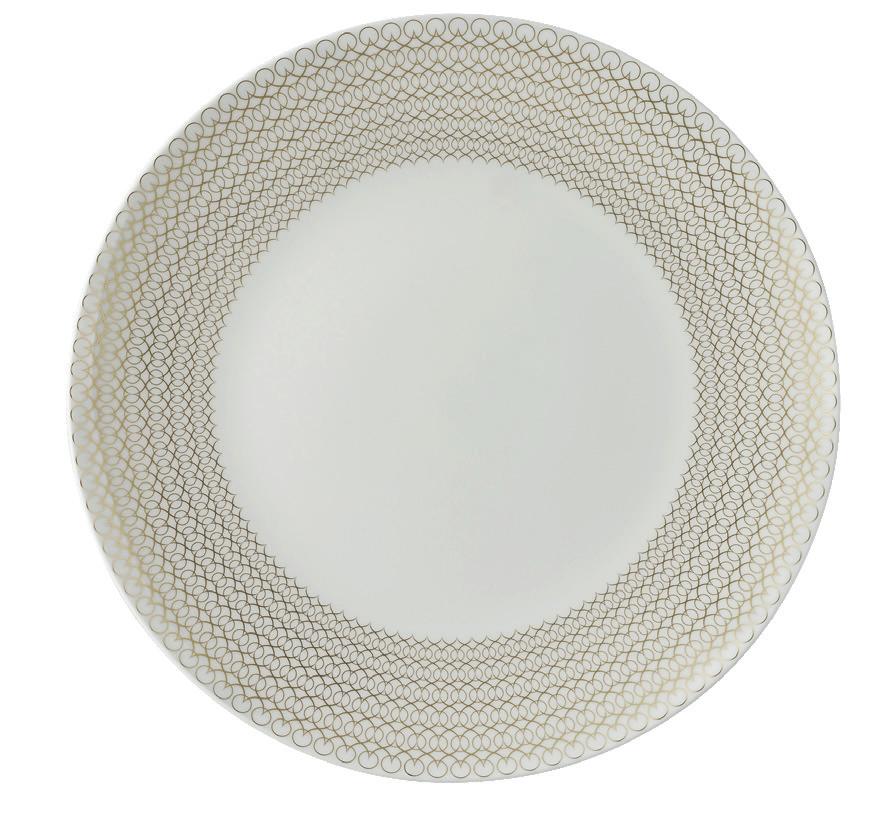
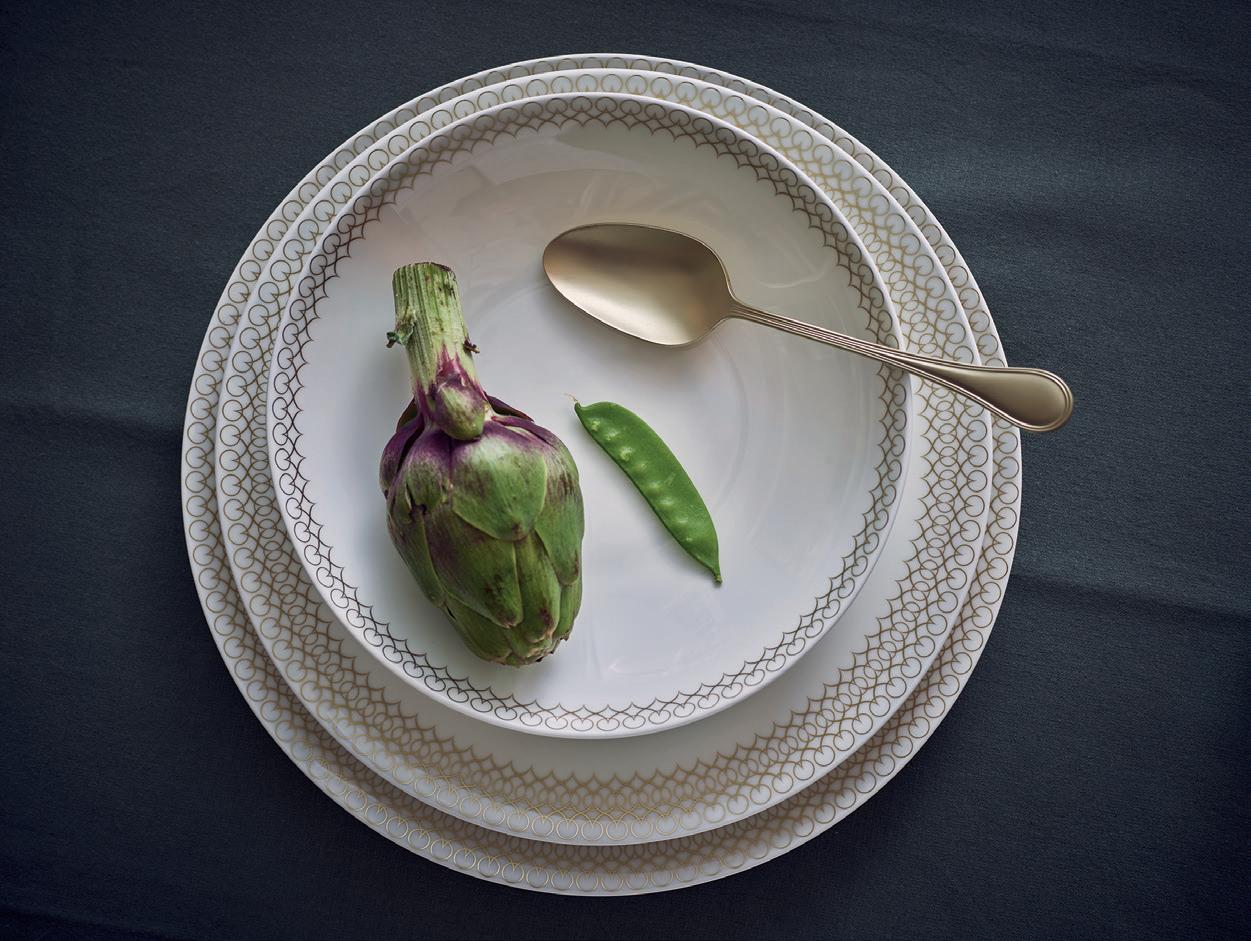
Two new Rosenthal collections for 2026 work beautifully for celebratory tablescapes. Let’s look at Jade Glam and Sonetto Platino…
For 20 years, Jade, Rosenthal’s elegant bone china shape has captivated with its clean lines and refined silhouettes. This year, the anniversary of the successful collection is celebrated in glamorous style. With the new décor Glam, Jade receives an elegant glow-up: delicate gold elements formed of interwoven and connected circles now adorn the rims of plates as well as the edges of cups, bowls and dishes. A five-piece tea set completes the collection and makes an ideal gift. Jade Glam combines beautifully with all existing white pieces, offering versatile styling possibilities. Even a few carefully chosen highlight items are enough to enhance a simple tableware set with a subtle sheen and lend it a new, sustainably glamorous appeal.
Visit rosenthal.de for more.
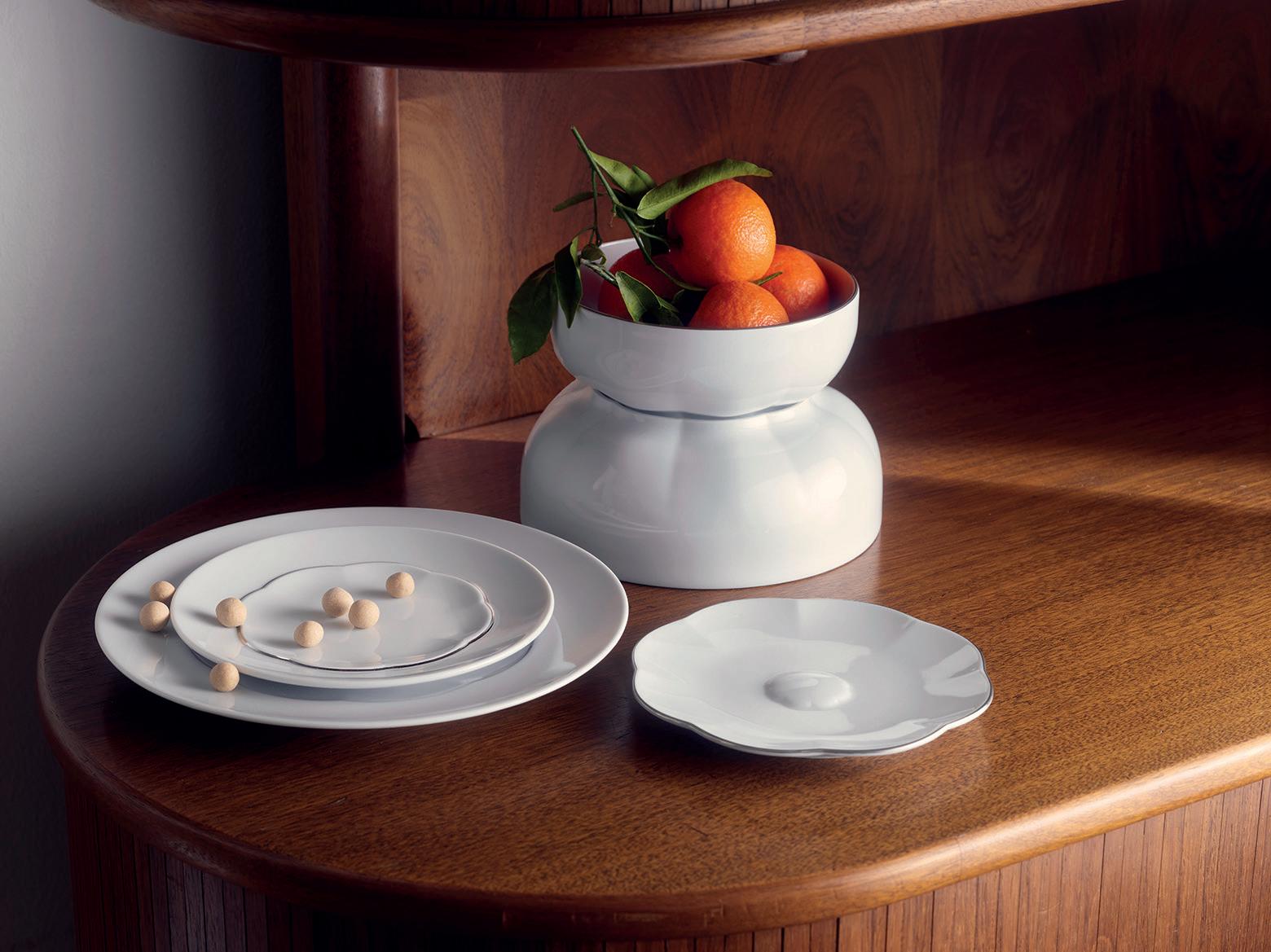
Meanwhile, the Sonetto collection has been elevated with Sonetto Platino. When Sonetto launched last year, Rosenthal created a true poem in porcelain. Instead of stanzas and verses, the line orchestrates organic and floral forms as well as diverse materials. Culinary highlights can be artfully presented on different levels. A raised mirror in the shape of a flower, for example, places the finest dishes on a kind of pedestal. Floral shapes are also used in the various bowls, cups, and plates, whether in the outer design or in small details such as the handles of the cups. In terms of colour, the collection is based on fine white surfaces, some of which are glossy, some of which are matte. From 2026, the collection has expanded to include the Sonetto Platino decor, which, like the golden Sonetto Oro, features elegant platinum lines.
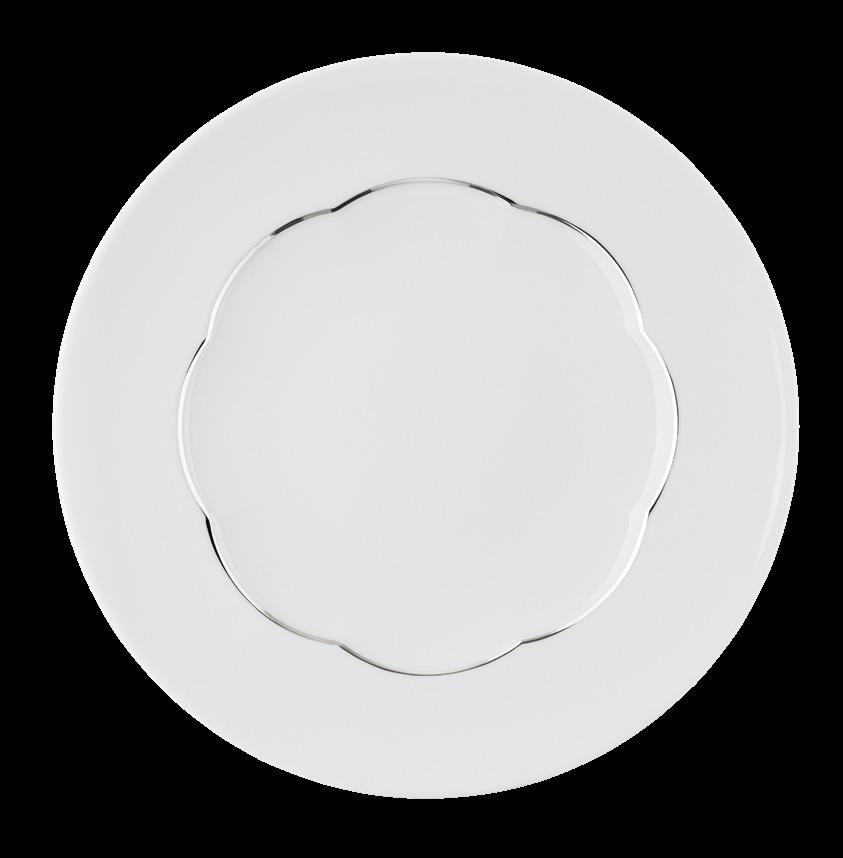
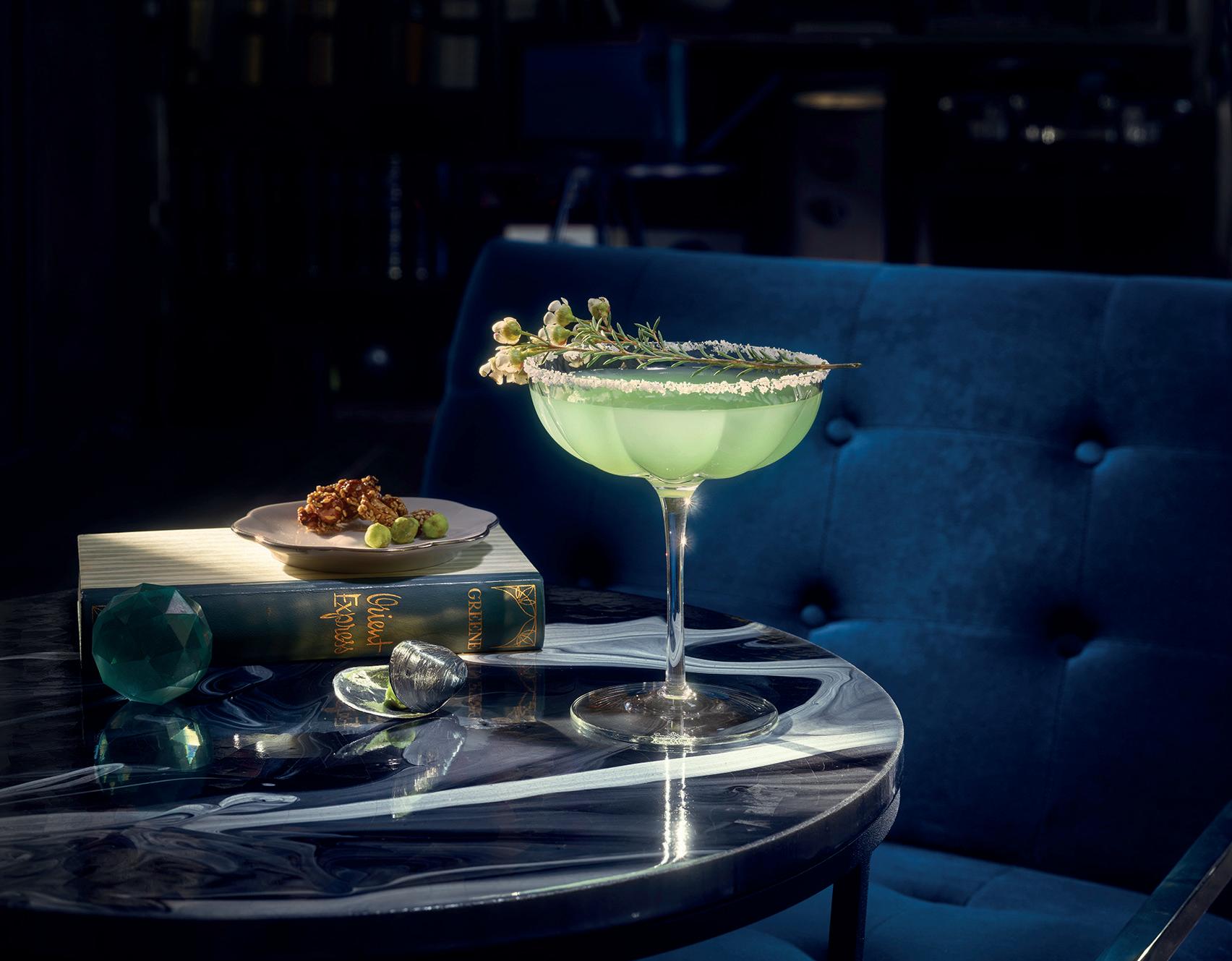














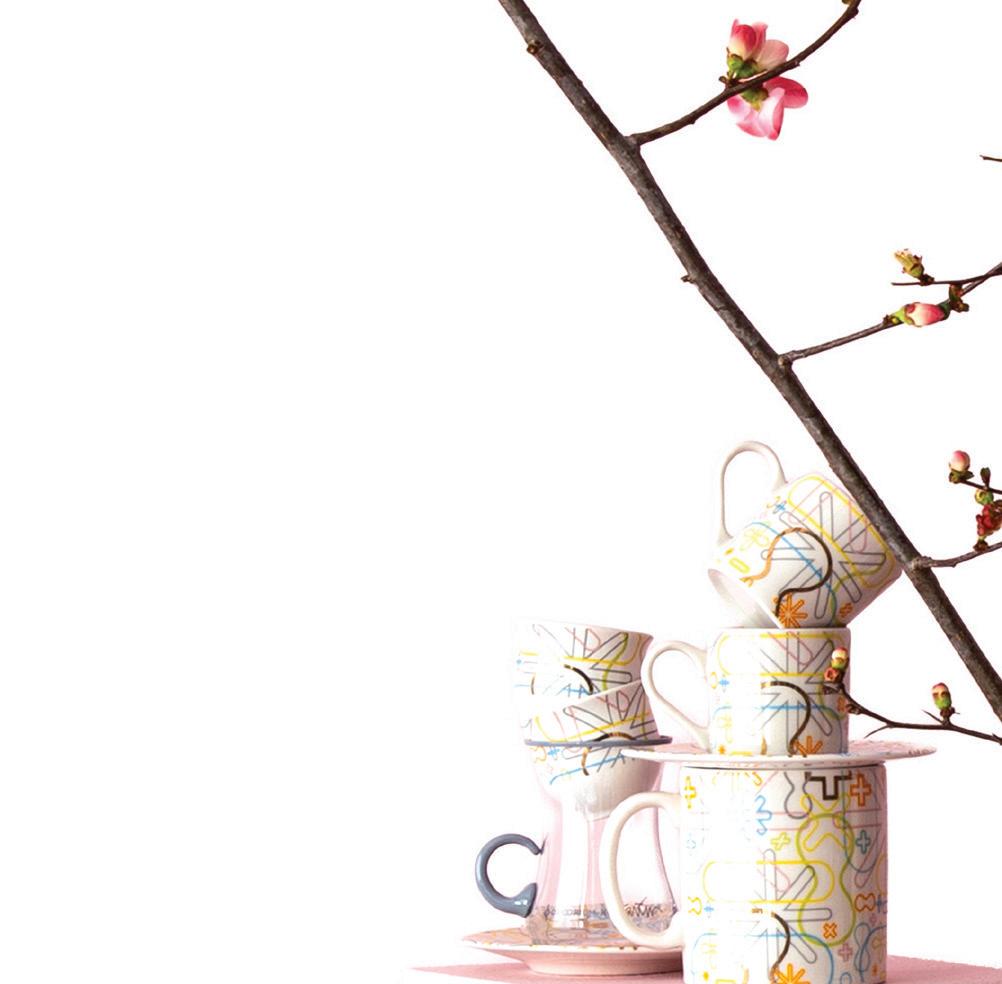






































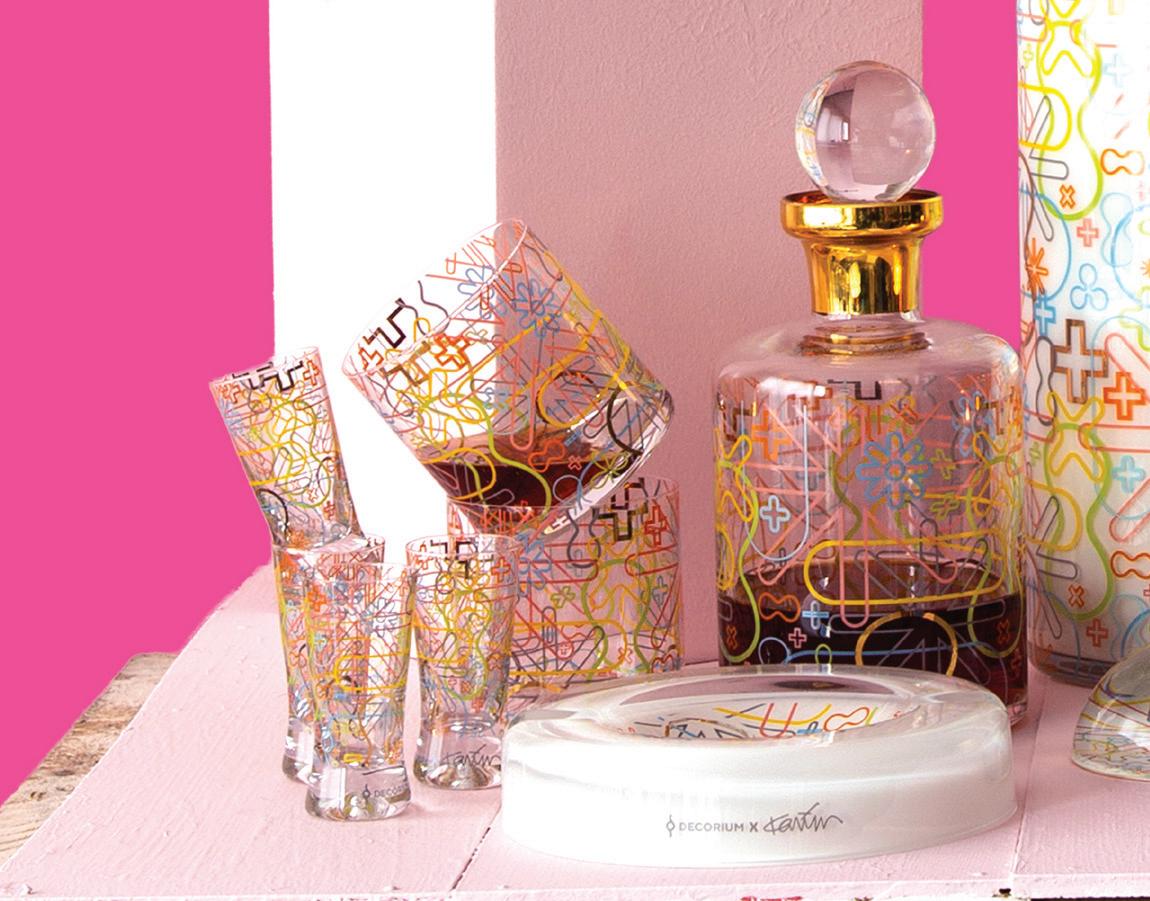
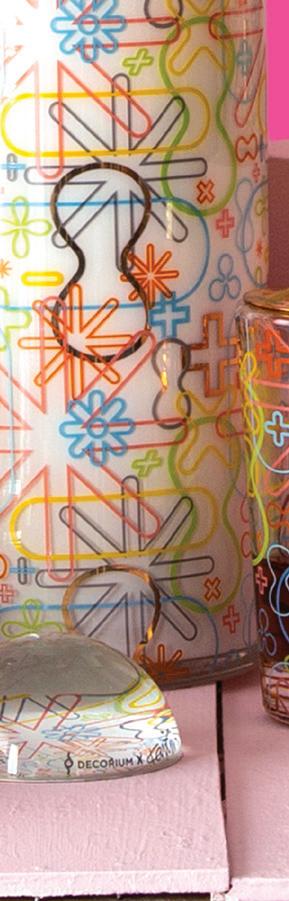

The simplest way to elevate the guest experience; Finesse. With its light, minimal, and striking design, it brings a fresh breath to professional presentation.
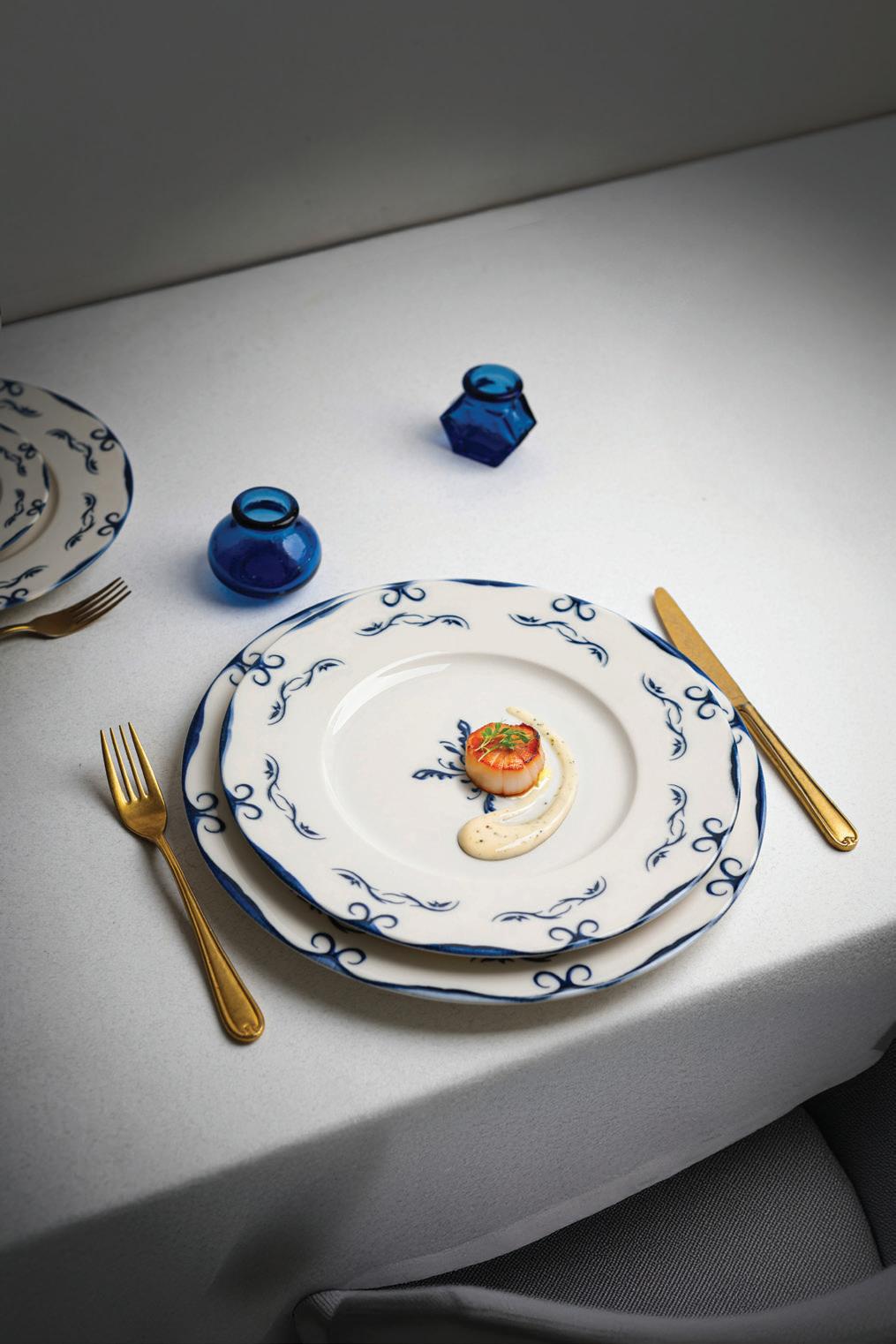
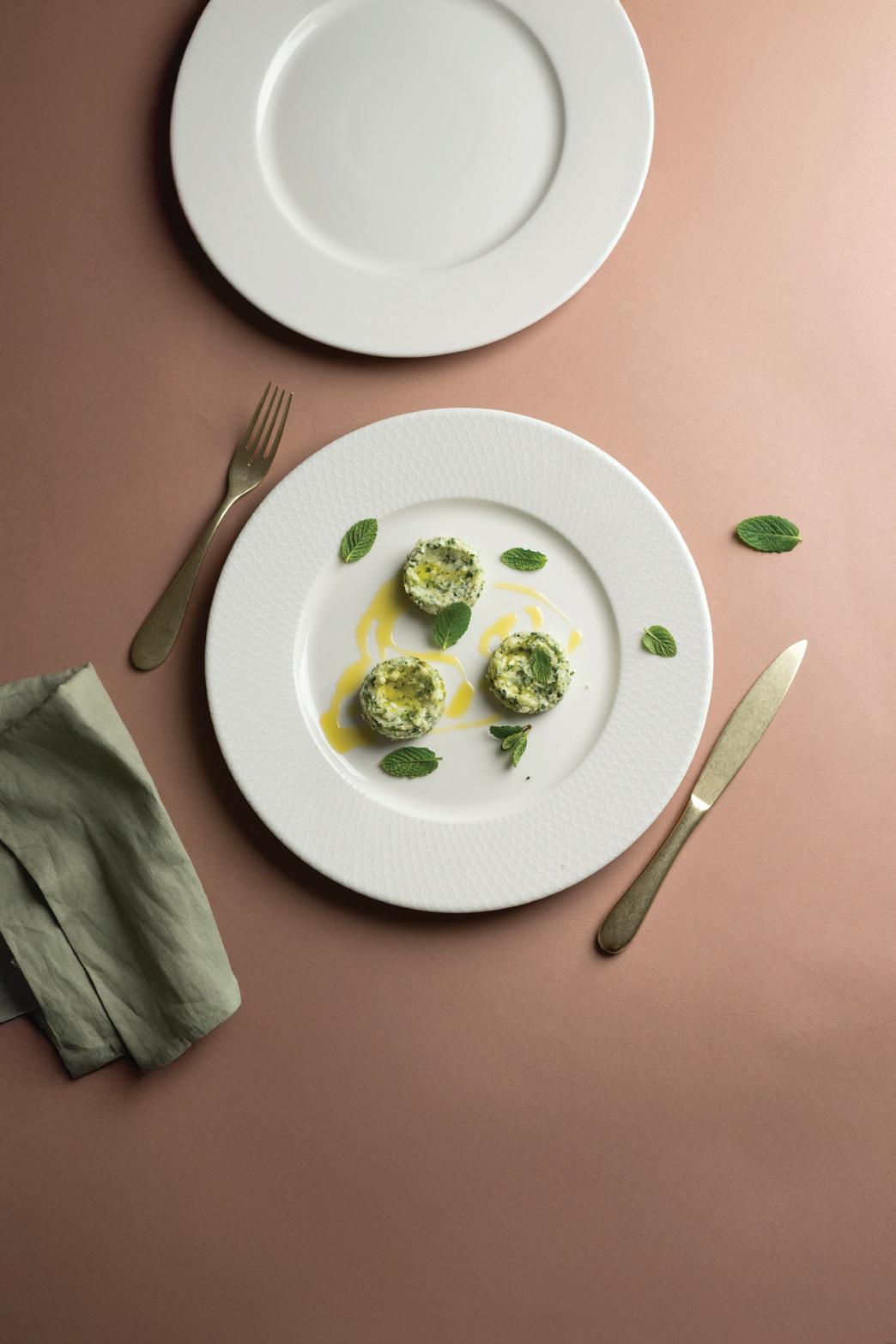
introduced as a versatile option for operators who value clarity, ease, and timeless design. Rather than redefining the banquet experience, it aims to support it with harmony and light sophistication—a quiet companion to the evolving expectations of today’s guests.
visual language without distraction. This smooth, quiet
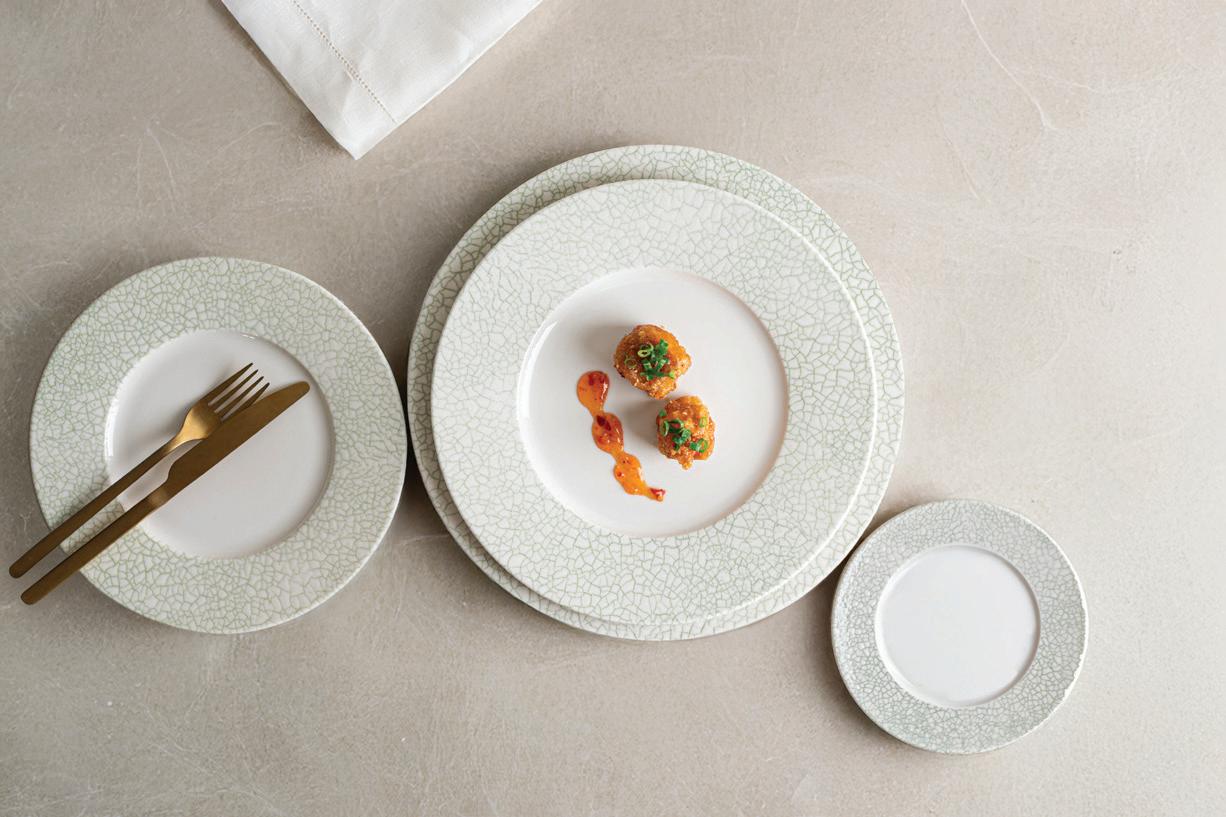
Elegant in presence and practical in application, Finesse stands as a thoughtful addition to the modern hospitality landscape, inviting hotels to shape memorable moments with a softer, more relaxed expression of style.
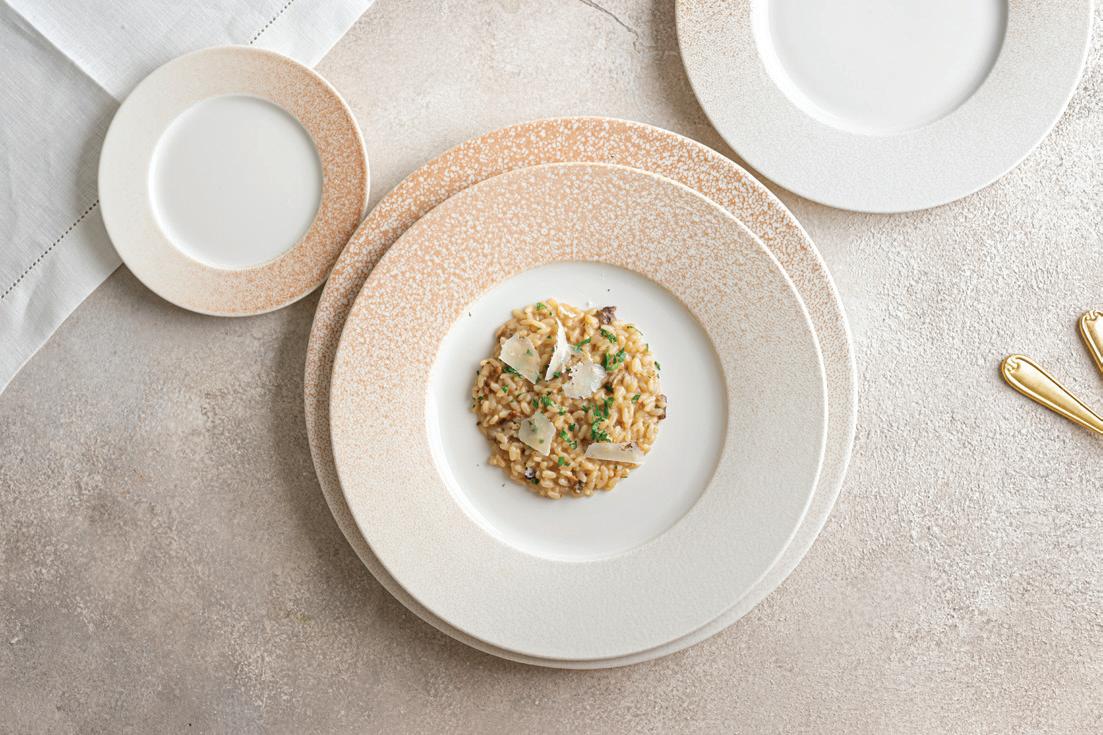
For more information about the advantages, please contact us.
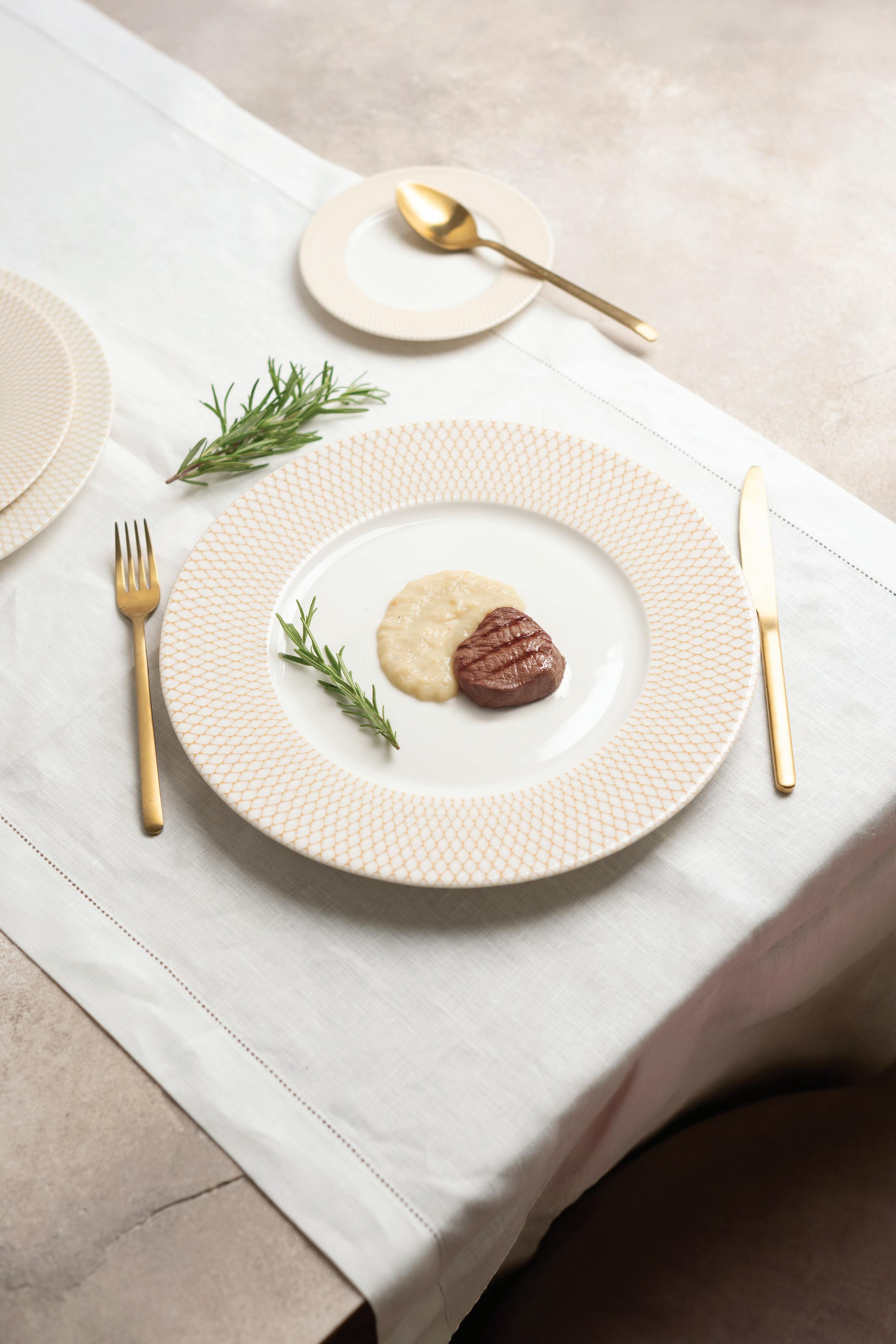

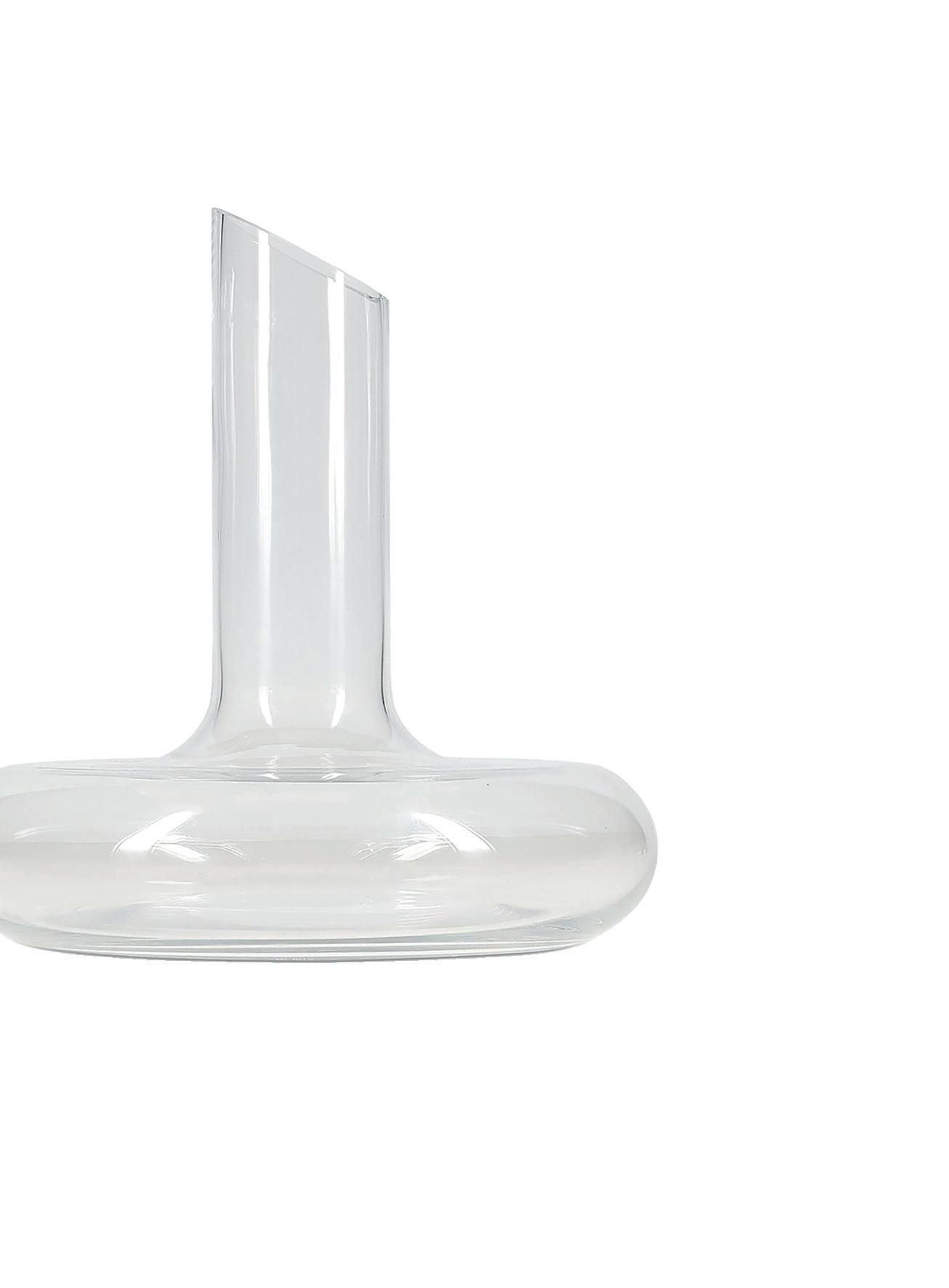
The Lux collection by Fine2Dine combines refined aesthetics with cutting-edge material innovation. Crafted using a next-generation formula with zinc, magnesium, and barium, completely free from heavy metals. Lux offers exceptional clarity and strength. Each glass is ultra-thin, delivering an elegant, delicate appearance while maintaining the durability required in professional environments. This balance between finesse and performance makes it ideal for premium hospitality settings where presentation matters just as much as practicality.
From wine and water glasses to a sleek decanter, every piece in the collection is designed to elevate beverages. The crystal-clear transparency enhances colour, texture, and aroma, allowing wines, cocktails, and infused waters to truly stand out. Lightweight in hand yet robust in service, Lux brings sophistication to every pour.
www.fine2dine.com
Despite
costs,
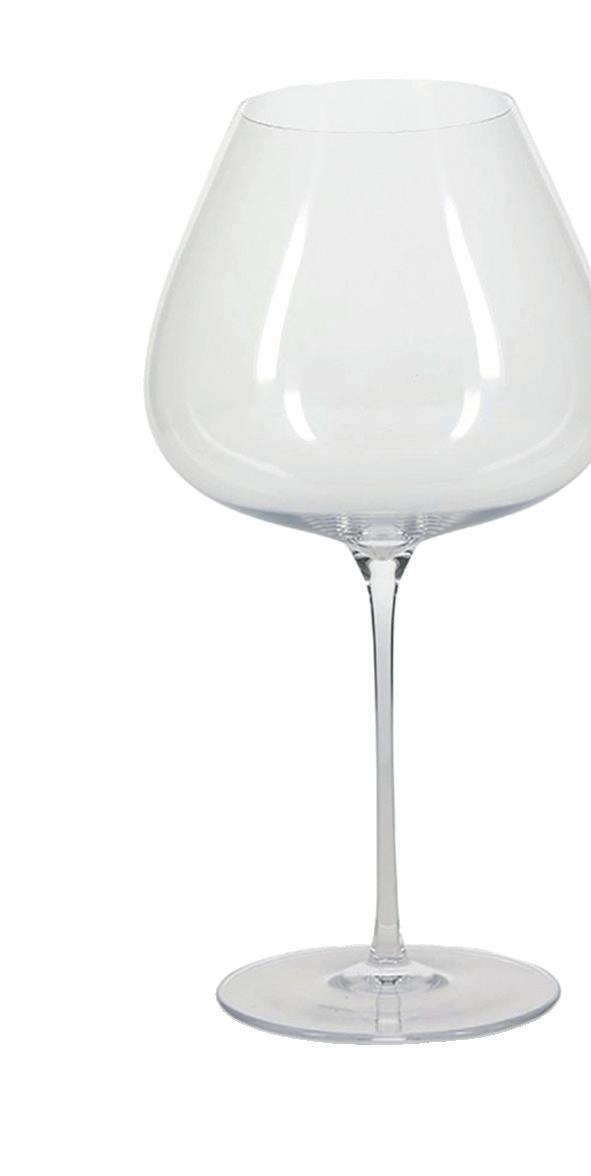
the glassware market having a challenging period with prohibitive
energy
there is still innovation – particularly in the demanding hospitality sector. We take a look at some of the brands delivering on style and substance...
Spheres, cylinders and cones form the basis of the aptly named collection Geometry, a highly anticipated, new mouth-blown tableware series for Orrefors by Swedish architect and designer trio Claesson Koivisto Rune. The perfectly crafted blend of minimalism, precision and elegance provides an unmistakable Orrefors identity where the intriguing geometric shapes and confident stature combine to deliver an iconic timeless design that captures both past and future. As the name suggests, the collection is based on familiar shapes: spheres, cylinders and cones. Cup, stem and foot have in essence been turned into stylized geometry. Geometry marries the best of Scandinavian contemporary design with the quintessential glass type for experiencing wine or other drink in full – thin, light crystal. www.orrefors.com
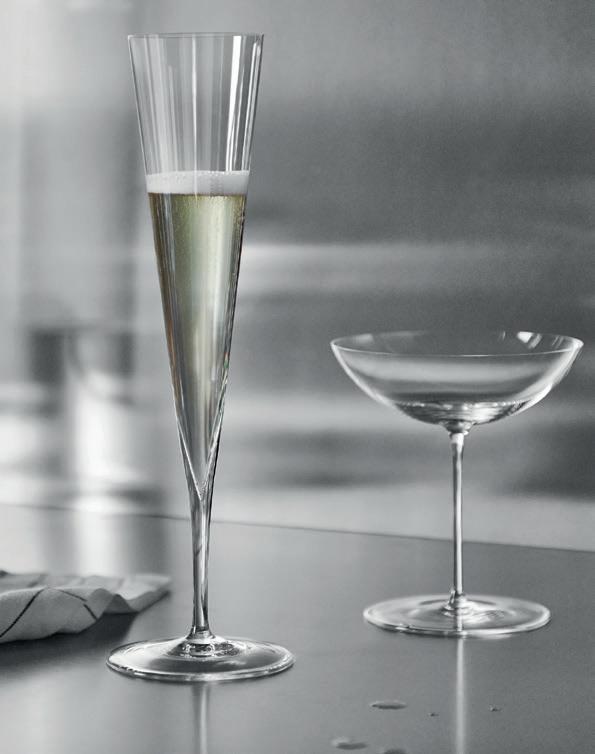
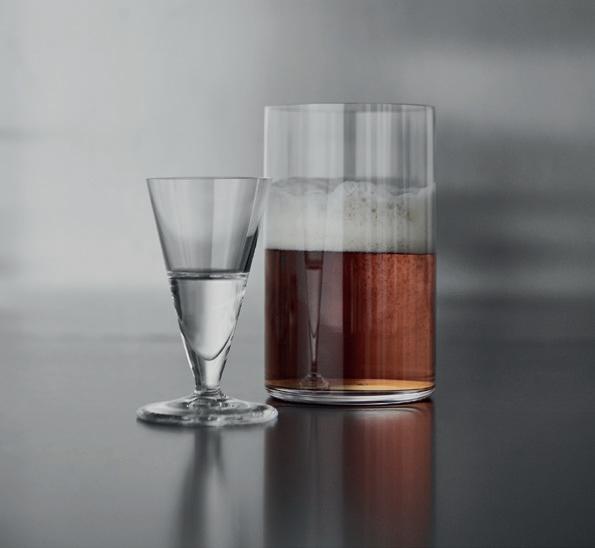
Chef&Sommelier has unveiled its most refined innovation to date: the Extra-Thin collection, crafted from its signature Krysta crystal. Debuted at Ambiente 2026, the collection made an immediate impact, drawing attention for its extraordinary thinness and incomparable refinement.
Krysta, already renowned for its exceptional strength and brilliance, reaches a new benchmark with Extra-Thin, transforming every glass into a distinct sensory experience. The collection launches with two striking new shapes: Galea, inspired by the flowing forms of Art Nouveau, and Mylla, a bold architectural statement channelling 19th-century iron and glass grandeur. Made in France, ExtraThin represents a defining moment for the Chef&Sommelier brand, where heritage craftsmanship and contemporary design innovation meet. www.chefsommelier.com
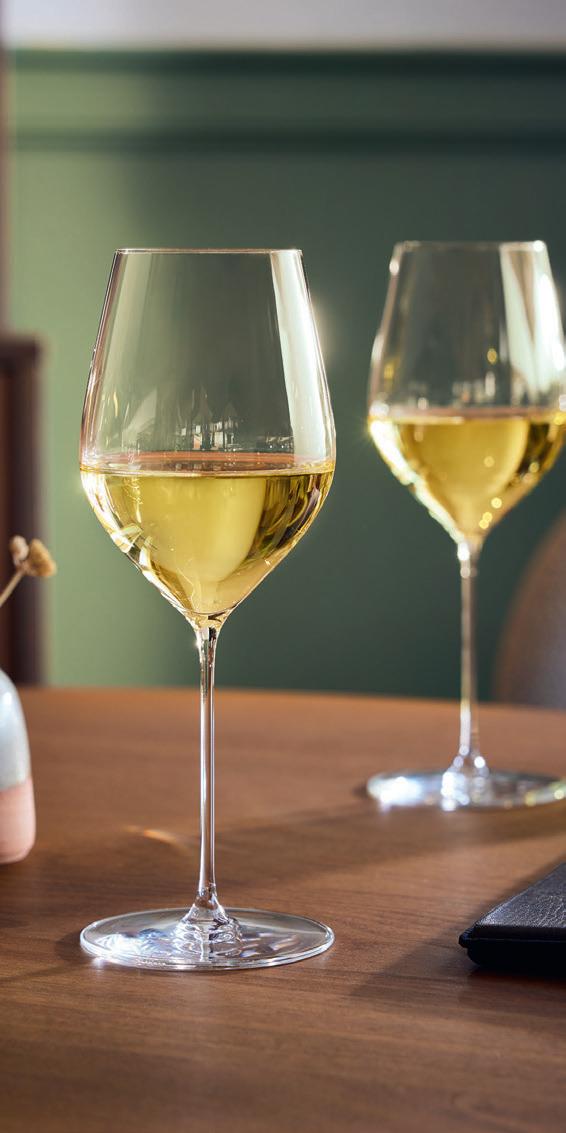

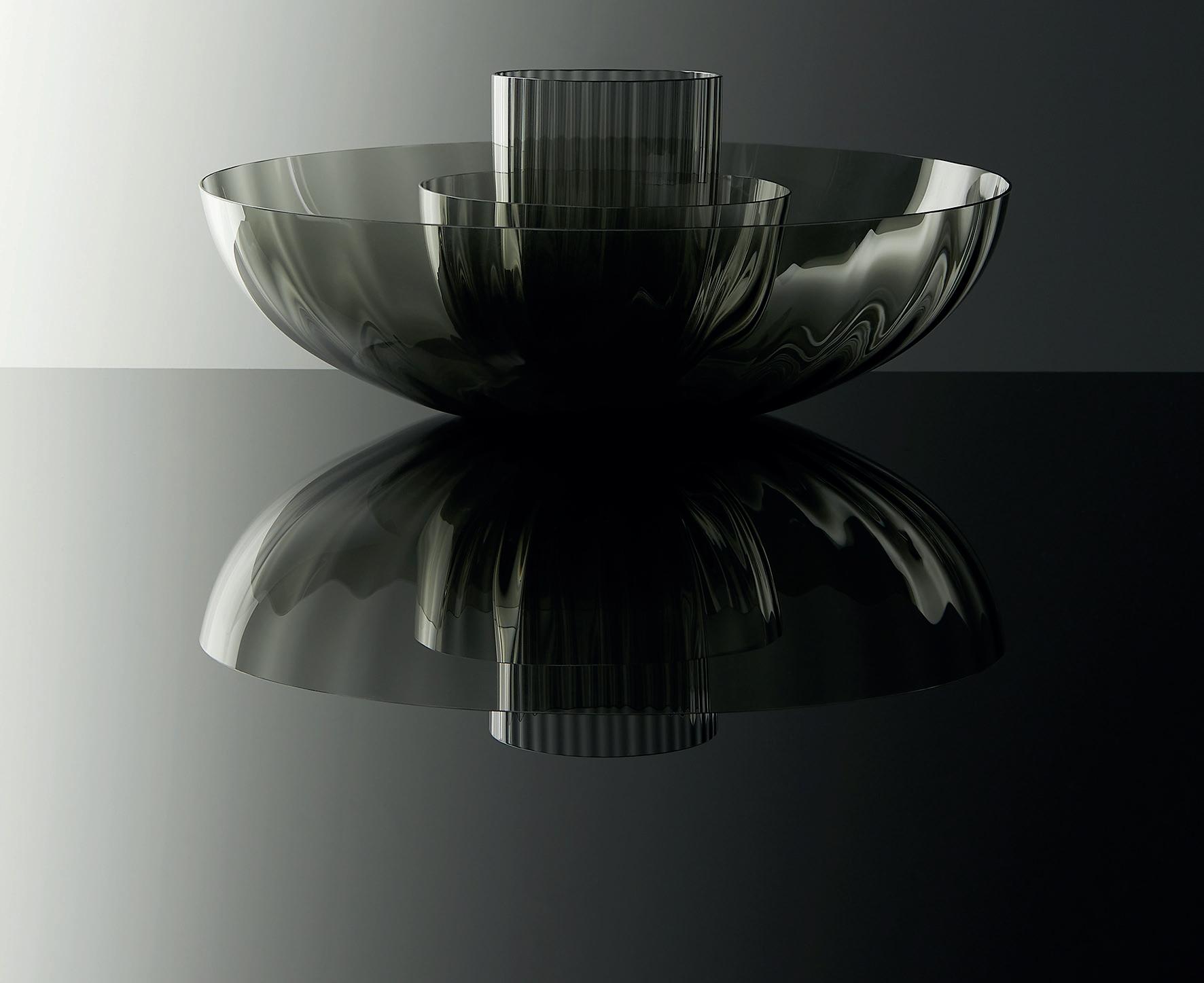
Dibbern is expanding the COMO series with elegantly shaped bowls for desserts and fruit. Clear in form, finely crafted, and characterised by the same calm elegance that defines the collection. The distinctive optic gives the bowls depth and a pleasant tactile feel – subtle in expression, yet impactful on the table. Each bowl is manufactured with the highest precision in a traditional European factory, standing for craftsmanship and timeless design. Whether used as a dessert bowl or as a fruit bowl for everyday life: the COMO bowls combine functionality with a clear, elegant presence and complement the existing range with versatile shapes for daily use. Glass, dishwasher-safe up to 35°C. www.dibbern.de
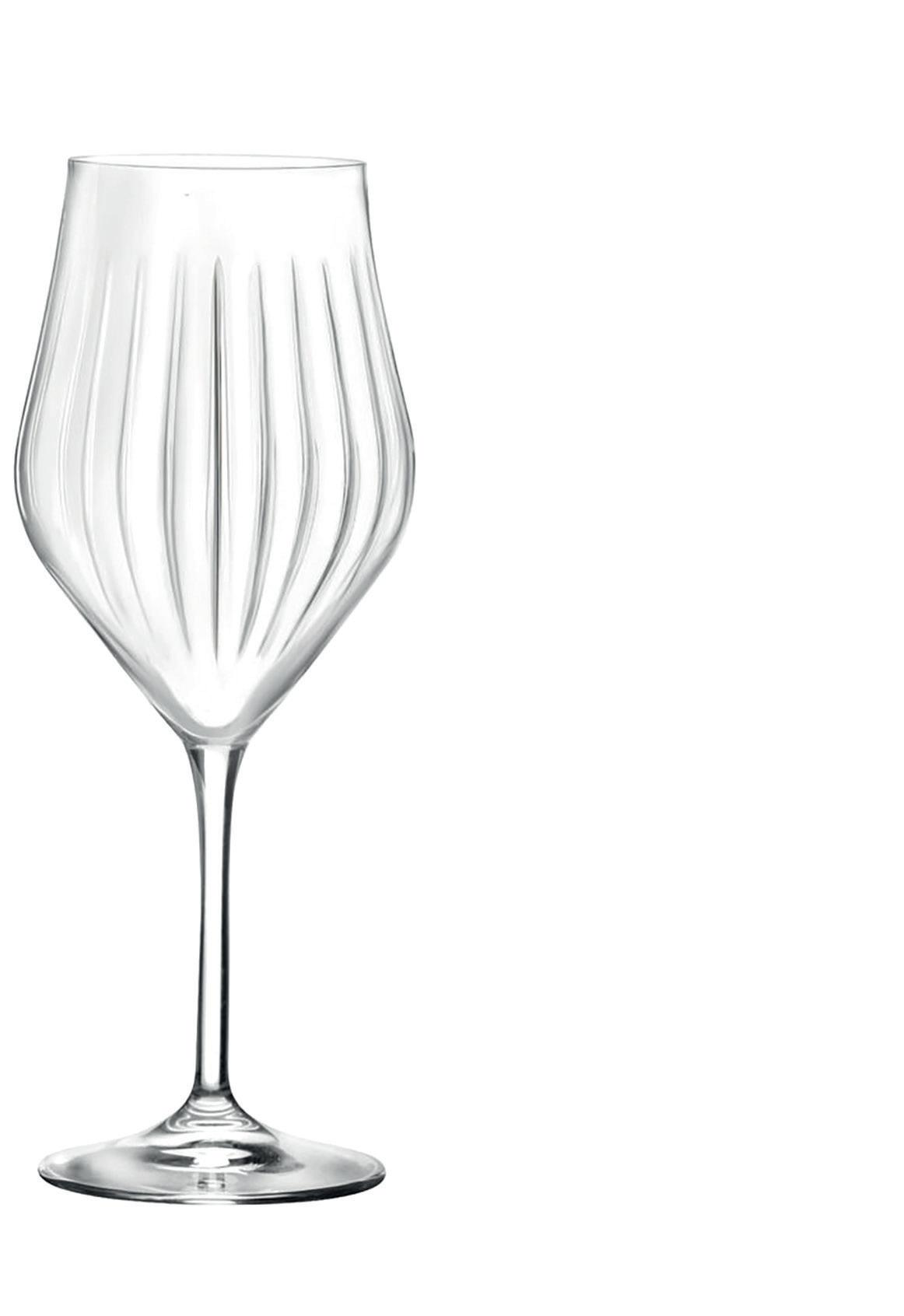
Timeless, from RCR and distributed by Steelite-Utopia, is a contemporary collection defined by its unmistakable style. Favoured by major spirits brands for their advertising and featured widely in film productions, it has also become a staple in restaurants around the world. Each cocktail glass showcases vertical lines that gently flare toward the rim, creating an elegant, inviting silhouette that enhances every serve. www.steelite-utopia.com
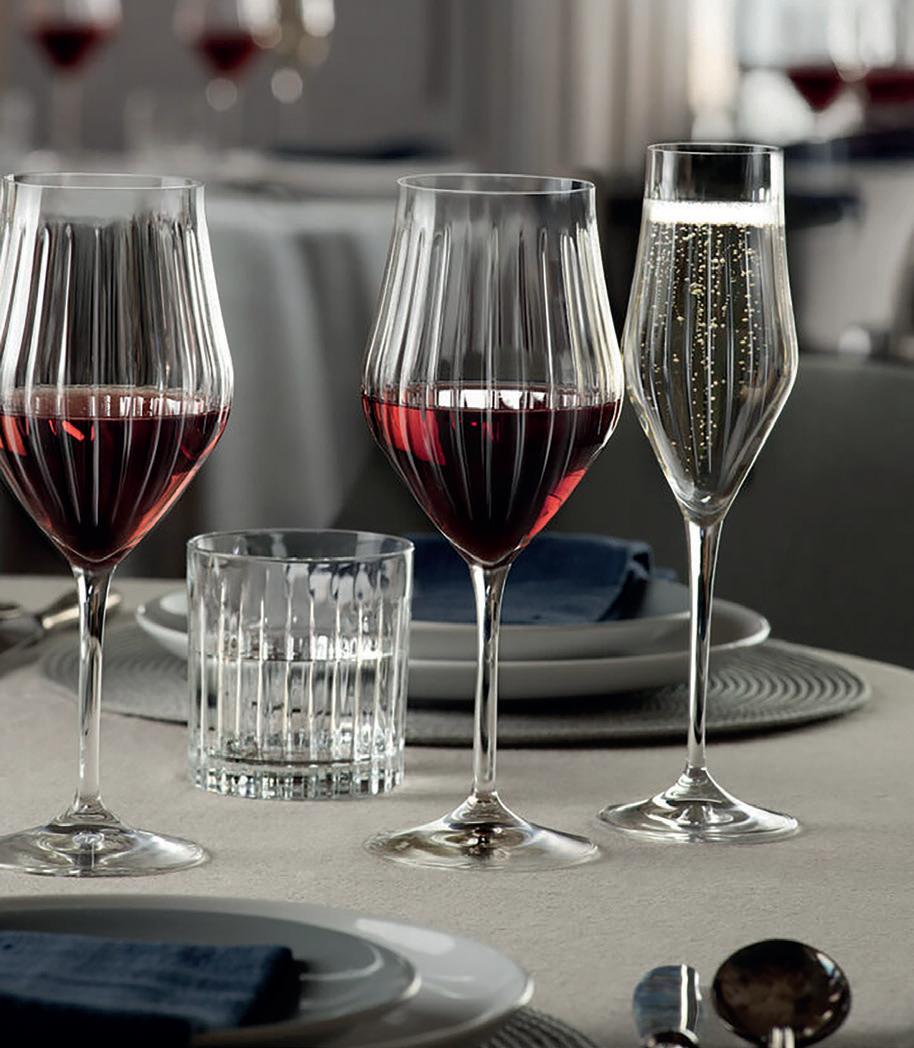
“Mixology has become a focal point” Paderno’s brand manager
Daniela Monti on the rise of mixology and the importance of innovation
How has the glassware sector performed over the past year?
In the past year, the glassware sector has seen some challenges but also positive shifts in certain niche areas. The demand for highquality, innovative, and experience-driven products has continued to grow. Mixology has become a focal point, with bars and home enthusiasts alike seeking unique glassware that complements the artistry of cocktail making.
There is a sense the glassware sector remains flat recently – do you agree and if so, what needs to happen for things to improve?
Yes, I agree that some areas of the glassware market have been flat, especially traditional, mass-market glassware. To revitalise the sector, brands need to emphasise design innovation, functional aesthetics, and the creation of immersive experiences around the product. Consumers are looking for more than just utility—they want items that contribute to the sensory experience, especially in mixology and the hospitality industry.
“Brands need to emphasise design innovation”
What new ranges do you have planned for 2026?
For 2026, we plan to expand our mixology glassware collection with new designs that continue to push the boundaries of both form and function. We’re focused on creating unique, high-quality products that provide an exceptional experience, with an emphasis on materials like borosilicate glass for durability and elegance.

Stölzle Lausitz has launched a new collection which they say “reinterprets traditional glass forms and reflects a world in constant evolution”. Celestia offers a new perspective on glass, designed to bridge heritage and modernity with the series marrying proven shapes with clear, contemporary lines. Soft, flowing silhouettes inspired by the Revolution series meet the precise, angular contours of the Power series, uniting the essence of two distinct worlds. The Celestia series includes the following glass types: Burgundy, Bordeaux, Red Wine, White Wine, Champagne, Longdrink, and Whisky O.F. The collection’s avant-garde design merges organic and geometric elements, creating a dynamic dialogue between fluidity and precision. Beyond its striking appearance, the series is defined by a strong functional aesthetic. The generous bowl provides ample surface for the wine to breathe and fully develop its aromas, while the robust finish ensures stability and durability. The collection is equally suited for intensive use in the hospitality sector as well as for discerning connoisseurs at home. stoelzle-lausitz.com
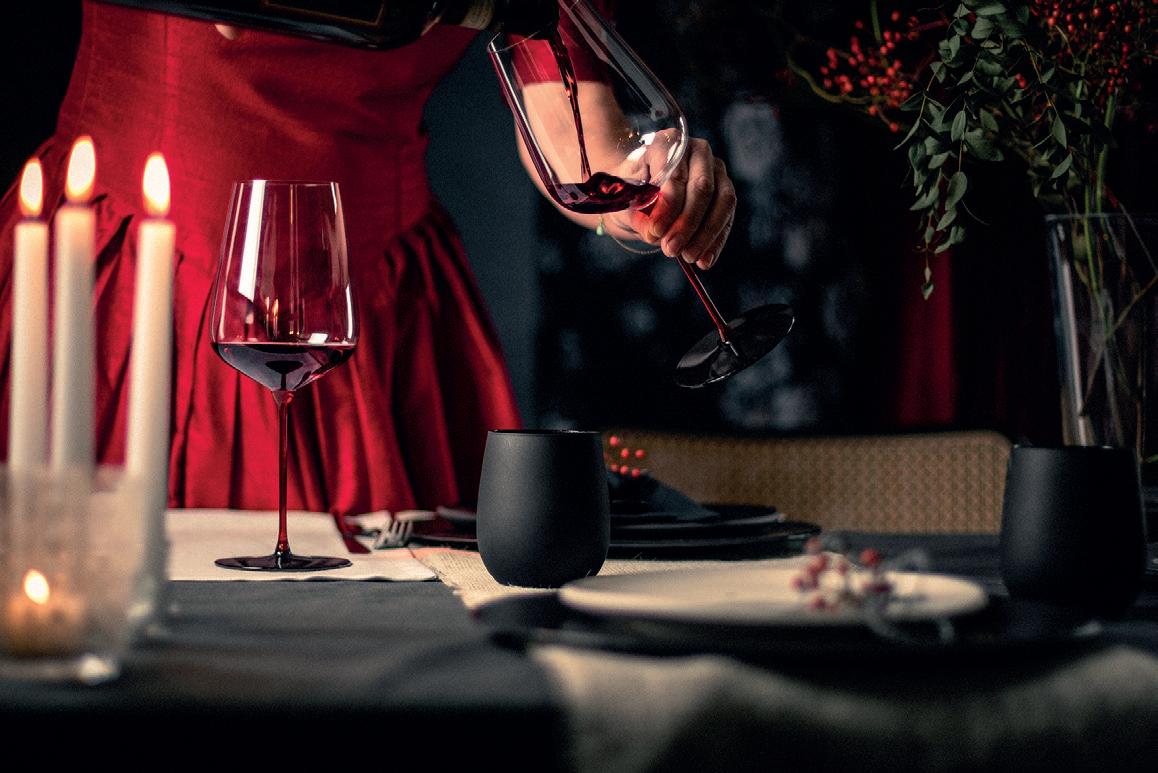

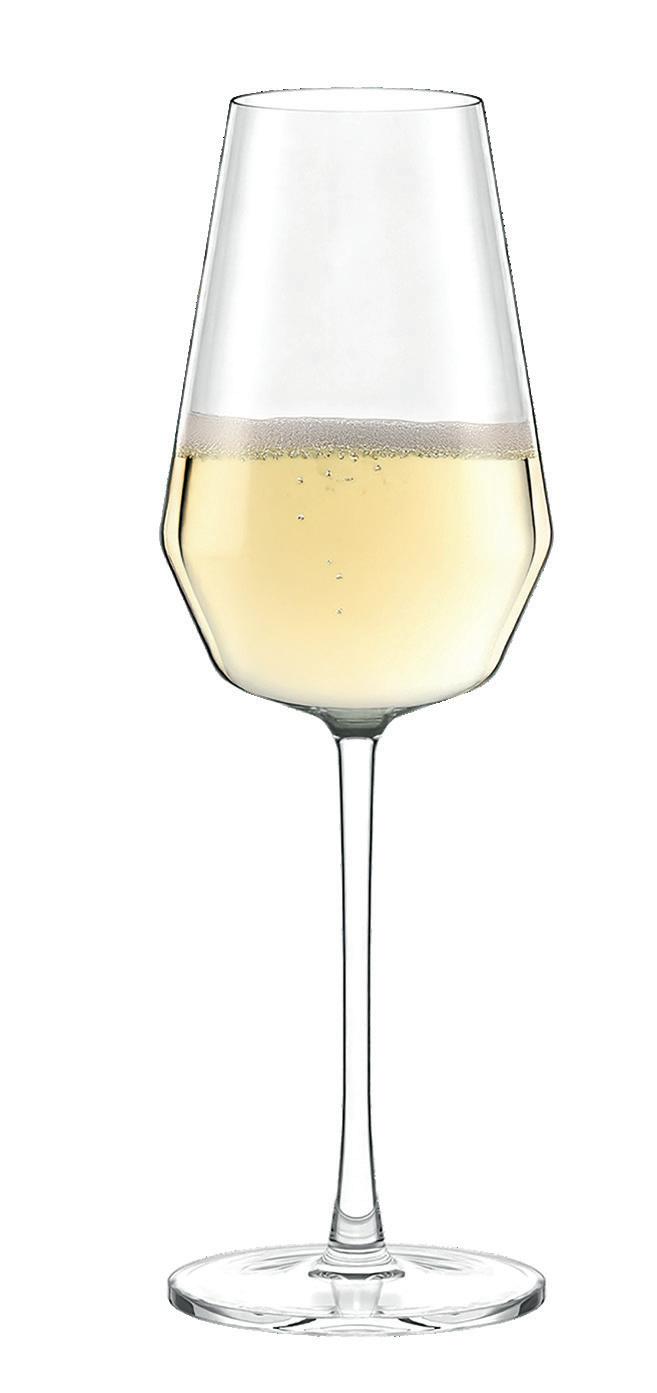

Among the 2026 novelties, Italian brand Paderno introduces a borosilicate glassware collection designed to bring a distinctive identity to mixology service and beyond.
The range includes 16 different references, characterised by distinctive shapes and unusual silhouettes that allow bartenders to select the glass best suited to the style and concept of each signature cocktail.
The choice of material reflects the needs of the HoReCa sector: highly resistant to thermal shock, the glasses can also be used with very hot beverages. Their clear, brilliant glass conveys elegance, while the reduced thickness makes each piece lightweight and easy to handle during service.
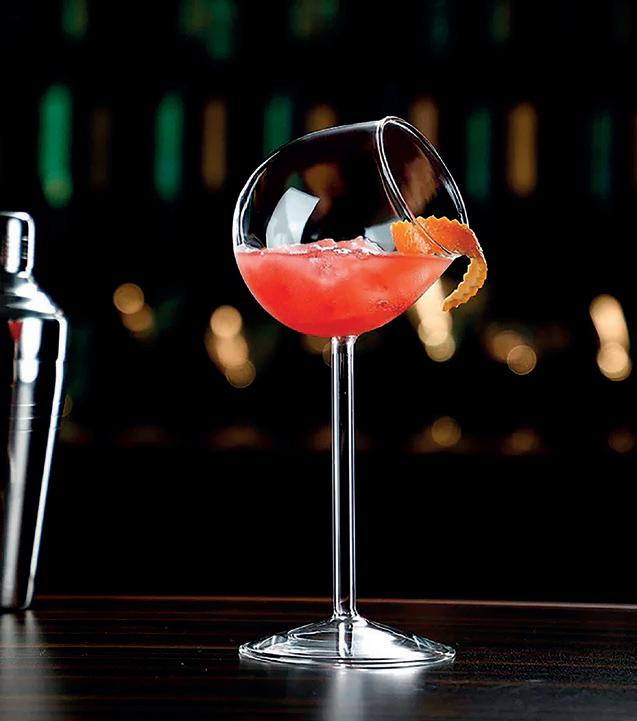
Red Sensisplus is a wine glass collection fromathe Eisch brand. It features three shapes and captivates with its exceptional aesthetics.
Perfect for light, aromatic, and full-bodied wines as well as sparkling wines, the outstanding Sensisplus feature allows you to experience the full spectrum of flavours. Crafted from brilliant crystal glass and hand-finished with red and black accents, these thin-walled glasses offer the highest quality combined with exceptional break resistance. www.zwieselfortessa.com/hospitality
The collection has generated strong interest since its launch, confirming the market’s growing attention towards glassware that combines technical performance with a distinctive design language. www.paderno.com
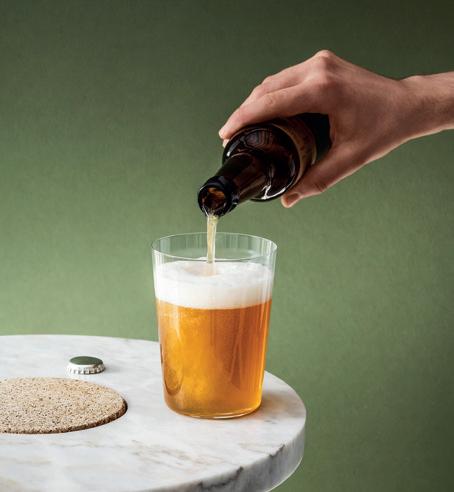
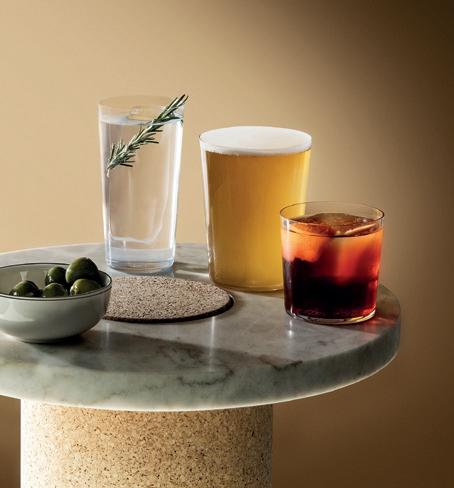
The Richard Brendon Beer Glass, also known as the Large Tumbler, is a recent launch designed with versatility in mind. Perfect for everything from your morning water to an evening beer, iced latte, and everything in between, it’s a true all-day essential.
Ultralight yet durable, the glass features an exceptionally fine rim, creating less of a barrier between you and your drink—enhancing the experience with every sip.
Practical as well as elegant, the glasses stack neatly to save cupboard space while remaining easily accessible for everyday use. Their versatility makes them especially well-suited to the hospitality sector, offering multiple uses in one refined design. They are also suitable for all domestic dishwashers, combining convenience with style.
www.richardbrendon.com

Manufacturers and suppliers give their thoughts on current industry issues

Maurits Heinen , business developer USA, on the impact energy costs are having on the manufacturing sector
“The manufacturing sector is being heavily affected by rising energy prices, and the impact is being felt throughout the entire supply chain. The ongoing conflict between the United States and Iran, which has contributed to significant increases in energy costs, is creating pressure on both ends of the market. On one side, production and transportation costs continue to rise, making it increasingly expensive for manufacturers
to operate efficiently. On the other side, consumer spending is also affected, as people tend to travel less and spend more cautiously during periods of economic uncertainty. From the industry’s perspective, the most important factor is a swift resolution to the conflict. A prolonged war will only deepen the economic impact and increase the likelihood of a broader economic crisis. The sooner stability returns to global markets, the sooner manufacturers and consumers alike can regain confidence and limit further financial damage.”
“Production and transportation costs continue to rise, making it increasingly expensive for manufacturers to operate efficiently”
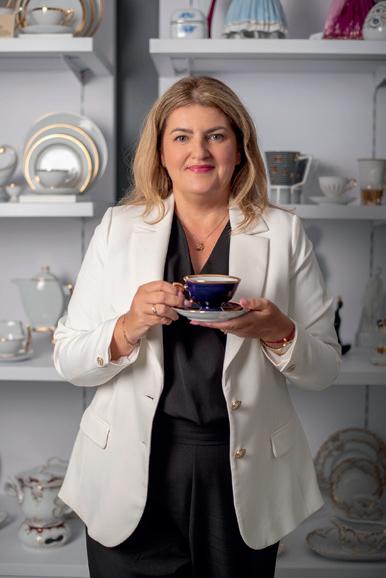
Joanna Niedziela, director of domestic sales and marketing, addressing the issues at Denby and how it reflects on the industry as a whole
“The news that production has been suspended at the historic Denby factory is an extremely sad sign for the entire industry. There is an unequal battle against mass imports of cheap ceramics from outside Europe, which seriously disturbs competitiveness. From a market perspective, this imbalance is enormous. However, it is worth emphasising strongly what determines the price of European porcelain. By choosing certified products, the consumer is investing in quality and safety. Polish hard-paste porcelain is fired at least twice at temperatures of up to 1400°C. This ensures that the glaze forms a sealed coating that does not react with acids found in food. Cheap imported products, often fired only once and at lower temperatures, carry a worrying risk of harmful heavy metals migrating from raw materials or paints into the food consumed. Crucially, European production strictly complies with all safety standards and holds the necessary EU certifications. Cheap alternatives often do not undergo such rigorous testing. The situation with Denby reminds us that our mission is ongoing education.
The price difference is not a matter of profit margin, but an investment in the highest quality, safe materials and responsible craftsmanship.”
thinKitchen’s CEO Anand Baldawa on overcoming the challenging impact of energy prices
“Energy costs remain a structural challenge, particularly for categories like plastic, glass, steel and ceramics, which are inherently energy-intensive. In the near term, it is difficult for manufacturers to absorb these increases entirely, and some level of cost passthrough across the value chain is inevitable. We are already seeing instances where suppliers are seeking immediate price revisions, which are not always sustainable for downstream stakeholders to fully absorb. As a result, a portion of these increases is ultimately passed on - directly or indirectly - to the end consumer. Over time, the industry will need to focus on efficiency, scale and better energy management. From a distributor’s perspective, this also reinforces the importance of working with partners who can maintain consistency in both supply and pricing, while continuing to support innovation and quality for the end consumer.”

“We are already seeing instances where suppliers are seeking immediate price revisions, which are not always sustainable for downstream stakeholders to fully absorb”
“The conflict has affected us both directly and indirectly. We have experienced delays in shipments; for example, 25 containers bound for Dubai could not be dispatched due to the closure of the Strait of Hormuz. There has also been indirect impact, energy costs—especially natural gas— have increased. Fortunately, electricity remains our primary
“There is a general sense of uncertainty across markets, especially in Europe and Asia”
energy source, but the rise in prices still affects us. Prices of nearly all other inputs have gone up as well, including raw materials, packaging, and logistics/transportation. Along with rising prices, we are facing complications and delays in securing supplies—particularly packaging materials and transport capacity (such as a shortage of trucks). There is a general sense of uncertainty across markets, especially in Europe and Asia. Customers tend to wait, forecasts are unclear, and purchasing decisions are being postponed. Many clients are delaying planned sales campaigns and are cautious about overstocking, citing declining consumer demand in retail—particularly in Europe.”
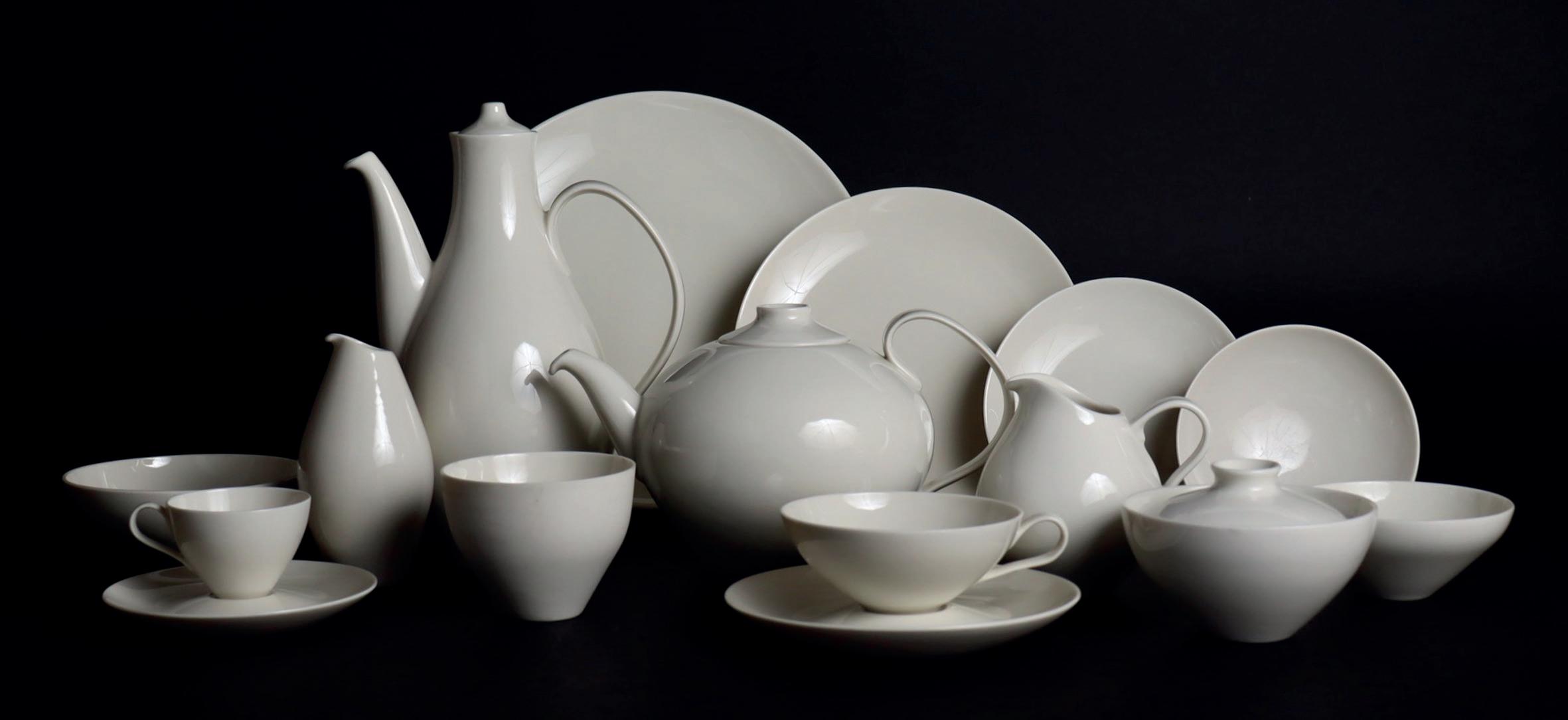
The International Museum of Dinnerware Design is a treasure trove of classical dinnerware pieces mixed with fascinating memorabilia. With a focus on Art Deco and Mid Century Modern – think Eva Zeisel, Russel and Mary Wright, Don Schreckengost, and more, museum director and curator Margaret Carney, Ph.D. tells Tableware International about the founding of the museum and explains how it curates its collections…
In the late 1990s, I was founding director and curator of the ceramics museum at New York State College of Ceramics at Alfred University. Before I left that position, I curated two final exhibitions about dinnerware. One focused on the designs of Eva Zeisel that Hall China manufactured in the 1950s, Tomorrow’s Classic and Century lines. We retrieved her original plaster molds from Hall China in East Liverpool, Ohio, and exhibited the molds with the final product. The other exhibition focused on Glidden Pottery, manufactured in Alfred, New York from 1940-1958. The designs were diverse, though all were very Mid-Century Modern, stoneware, and decorations were hand-painted. The designers include Glidden Parker, Fong

Chow, Sergio dello Strologo, and others. Some of the dinnerware received “Good Design” awards from the Museum of Modern Art. The enthusiasm of the collectors was contagious. I realized that after working in various types of
eats/dines, but generally dinnerware was relegated to hidden niches or storage areas in museums, if it wasn’t the feature. I thought there should be a museum that celebrates dining and the dishes, glassware,
“We yearned to be more visible and share our collections, celebrate the designers and makers, and be a vibrant part of regional tourism”
museums for multiple decades that all museums owned and displayed dinnerware, but no museums celebrated dining and the good design aspects of the dinnerware on a daily basis, as well as featuring the leading designers for industry and contemporary artists. Everyone
flatware, and related materials (textiles, centerpieces, and on and on). So, in 2012, I established the Dinnerware Museum in Ann Arbor, Michigan. The name was changed a few years later to reflect our interest in “good design” and our international
breadth of collecting. We relocated to the Hudson Valley, specifically Kingston, New York in 2024 along with about 12,000 dining objects. We yearned to be more visible and share our collections, celebrate the designers and makers, and be a vibrant part of regional tourism. We strive to celebrate dining experiences and memories through our exhibitions, programming, and research library.
“The focus is on design whether the work is multiples or one-offs. We are less interested in grandma’s old dishes with floral patterns”
What you’ll find in the museum…
We collect well-designed dining objects including tableware (dishes, glassware, flatware), for
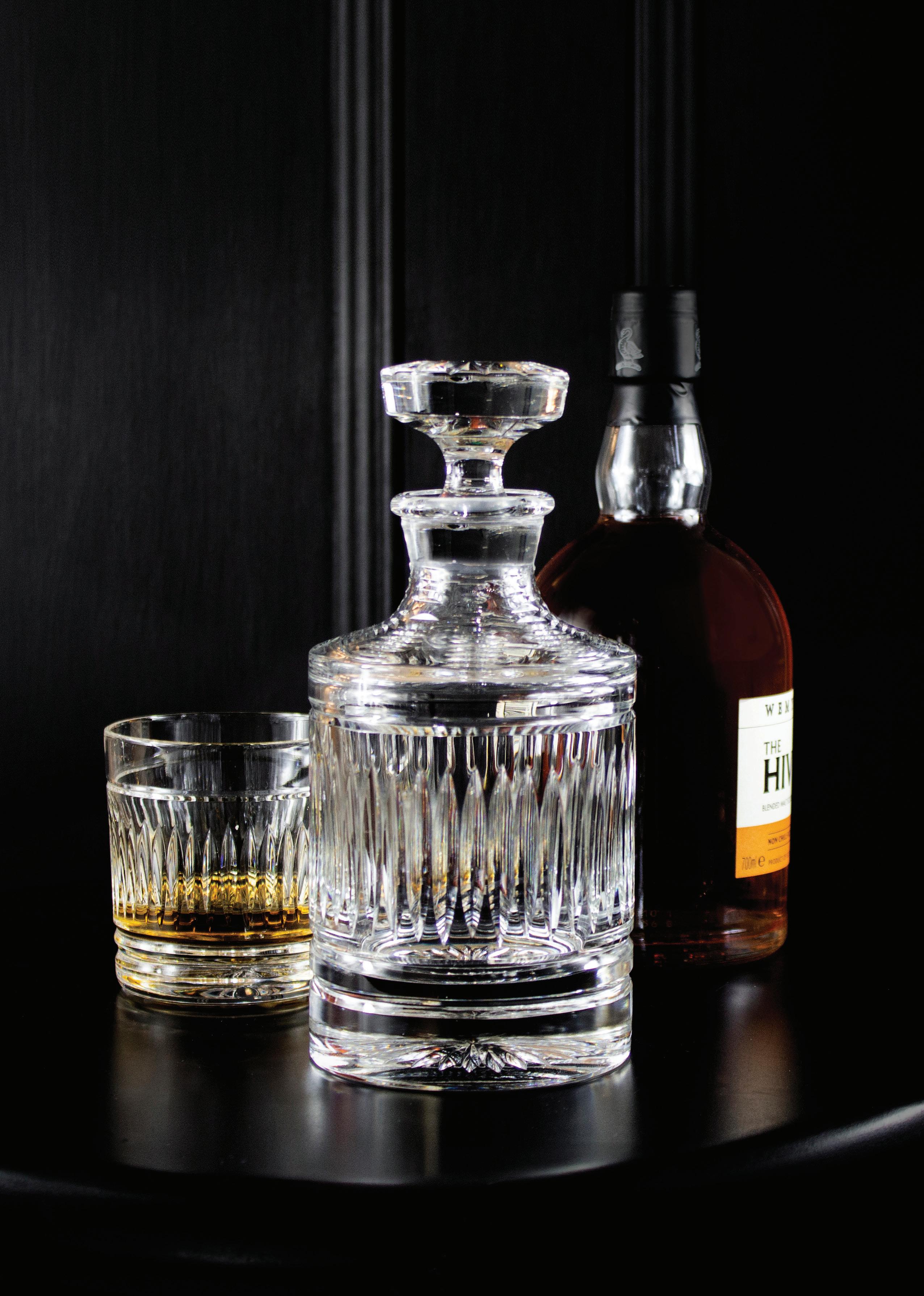


the home and restaurants, and virtually anything that could be included on the dining table (think centerpieces, textiles, ashtrays, table top cookware, candle sticks, serveware, related menus, barware, salt & pepper shakers, advertising, vases, and on and on.) The focus is on design whether the work is multiples or one-offs. We are less interested in grandma’s old dishes with floral patterns. We collect kitsch, paintings, photography, sculpture, wooden puzzles for children showing how to set a place at a table, and more. Really endless. We collect disposable/ single use dinnerware if the design is exceptional and have collections of things like straws, napkins (mostly vintage paper), picnic sets, fondue sets, cake stands, butter holders, baby ware, and fine art referencing dining. We collect the wide variety of materials that dinnerware is made from including ceramic, glass, plastic, metal, paper, fibre, and more.
“Along with the objects, we collect stories”
How the museum curates its collections…
Our collections grow in several ways. We seek out donations and purchase acquisitions (with limited funds) that fill gaps in the collection – say, a missing teapot from a line designed by Viktor
Schreckengost or Russel Wright. Because our budget is small, we rely on people and companies contacting us about dinnerware they’d like to donate. We’re a 501(c) (3) so donations are tax deductible to the extent allowable under the law. Unfortunately, everyone wants a forever home for their family heirloom china, glassware, and flatware. We don’t have endless storage space, so once again, design is the key element. We get calls and emails daily. I wish we had a larger budget for acquiring place settings of contemporary tableware. I see so many beautiful sets in stores, journals and the internet. In the past we have benefited from people who purchased and used beautiful tabletop objects and then wanted to find a home for them where they would be available for research and exhibitions. Of course, there were two major time periods where good design was the focus and that is during the 1930s with what we now refer to as Art Deco and during the mid-twentieth century when what we call MidCentury Modern design brought us amazing dinnerware designs for the table. We collect the work of major 20th century designers such Eva Zeisel, Russel and Mary Wright, Don Schreckengost, Viktor Schreckengost, Arne Jacobsen, Ben Seibel, Peter Saenger, A.D. Copier, Carl Auboch, Shinichiro Ogata, Kaye
LaMoyne, Roy Lichtenstein, Glidden Parker, Fong Chow, Sergio dello Strologo. We don’t know enough about contemporary designers today, so we would welcome guidance, suggestions, and even donations from manufacturers today. Along with the objects, we collect stories. These stories are about picnics, wedding china, dish night at the movies in the 1930s, birthday parties, holiday feasts, buffet spreads, picnics, family gatherings, and dinners out. We are interested in the culinary aspects of dining and dinnerware and therefore the museum collects cookbooks, magazines, menus, and more, manufacturer’s brochures and correspondence.
“The dinnerware industry teamed up with theatres and each week, for the price of a movie ticket, the moviegoer received a piece of a set of china… We received one set with 74 pieces, meaning the moviegoer(s) went to the movie 74 times to acquire a new set of inexpensive dinnerware!”
The exhibitions…
Our inaugural exhibitions in Kingston featured a diverse selection of dining “holy grails” from our permanent collection
The International Museum of Dinnerware Design collects stories as well as tableware. One tale from the 1930s relates to “Dish Night at the Movies”. The dinnerware industry collaborated with movie theatres and each week, for the price of a movie ticket, the moviegoer received a piece of a set of china. “We received one set with 74 pieces, meaning the moviegoer(s) went to the movie 74 times to acquire a new set of inexpensive dinnerware. What fun and creativity!” Margaret tells us.
of international designers and artists working in ceramic, glass, plastic, metal, and paper. A second exhibition featured captivating vignettes of dining history. For example, tea being served on the Queen Mary from an English Foley cubed tea service on the Cunard Steamship line. Another vignette featured the restaurant china used at the Well of the Sea in Chicago, which operated from 1949-1970. Vintage aluminum TV dinner trays (and the freezer box they came in), were another popular tableau.
Many of our exhibitions featured manufactured dinnerware. During the pandemic we did a virtual exhibition titled Wedding China, which had a terrific postcard announcement featuring stacks of early 20th century Haviland China along with diverse cake toppers. People sent in stories about their wedding china and sometimes sent images of the wedding couple, cake cuttings, etc.
Another one of our most popular exhibitions a few years ago was focused on the history of disposable dinnerware. There was beauty and function but also the consideration for the environment and innovation. The exhibition included straws made of every material imaginable, single use biodegradable, sustainable, dishes, edible cutlery, gummy shot glasses, decanters made of dried squid bodies from Japan, disposable trainware for tea and sake, and lots more. People love the concept of, and some actual memories of, Dish Night at the Movies from the 1930s when manufacturers couldn’t sell dinnerware and housewives could afford new dishes. The dinnerware industry teamed up with theatres and each week, for the price of a movie ticket, the moviegoer received a piece of a set of china. Each week they went, they acquired another piece. We received one set with 74
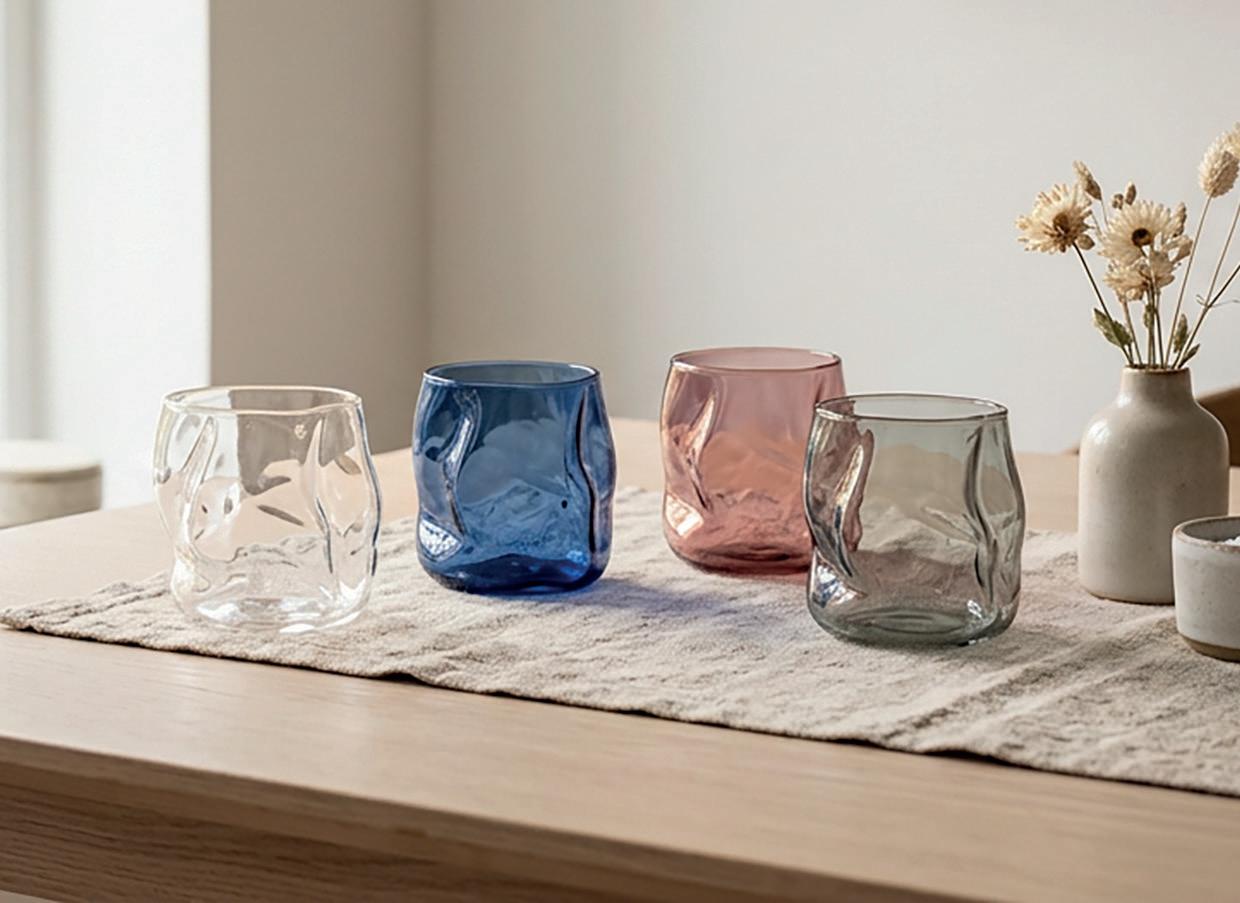
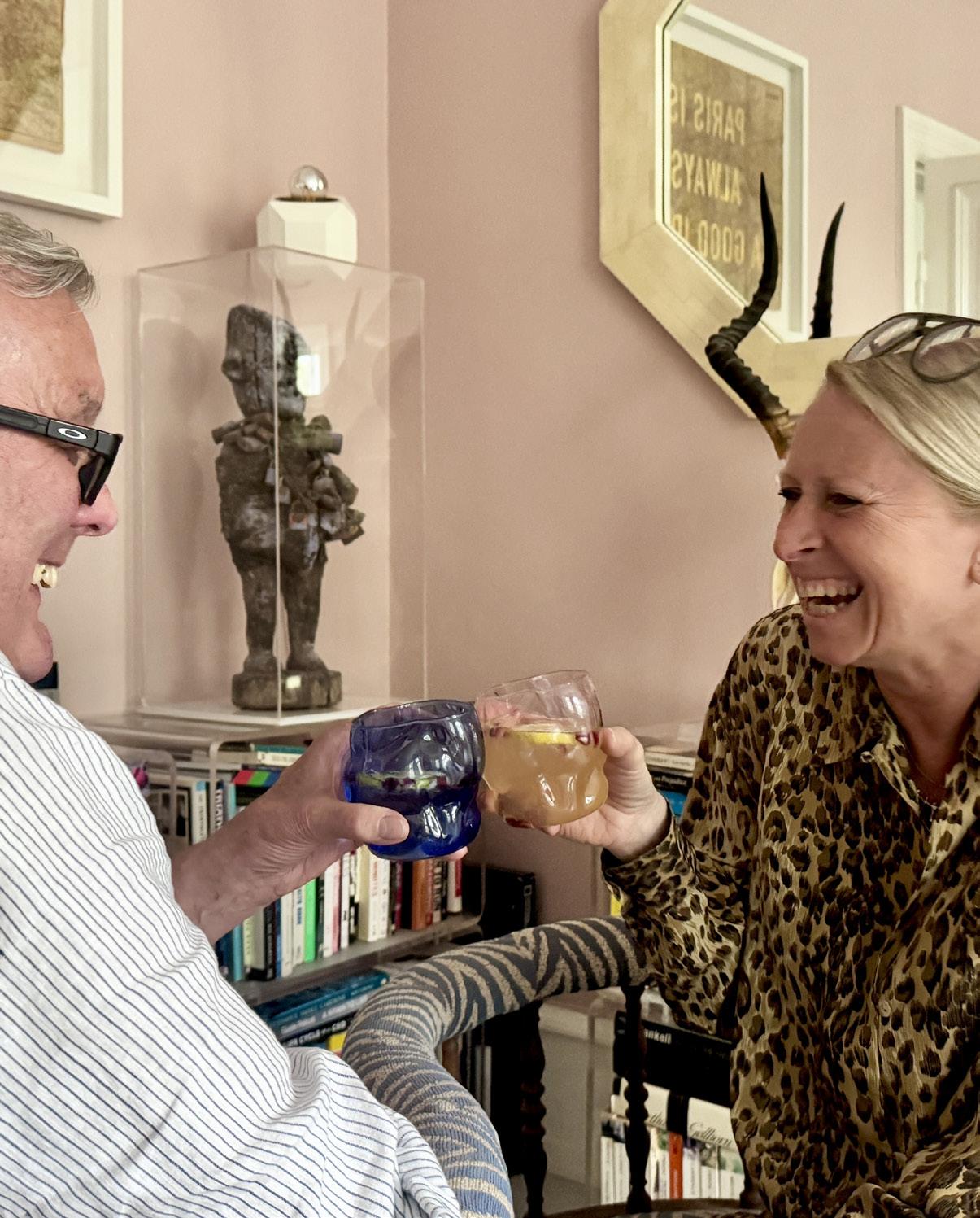
Design Hug X presents Northern Lights X Eastern Fire, a three-day pop-up exhibition in Copenhagen from 10 to 12 June 2026, bringing together SEARANGE and a curated selection of celebrated Scandinavian designers working across glass and ceramic mediums.
A particular focus is given to WIRE, the contemporary borosilicate glassware range created by Copenhagen-based designer Glenn Auker. Edgy in spirit and complex in execution, the series reveals the precision of highly considered processes, with new drinking glasses, hi-ball glasses, juice glasses, a carafe/vase, and a set of three interlocking bowls extending the collection’s sharp, sculptural language. Set within a new distinctive Copenhagen space, the exhibition moves through a quiet tension of Scandinavian restraint and Eastern craftsmanship. Open daily from 09:00 to 18:00, it will also be marked by an intimate reception on 10 June from 16:00, offering guests the chance to meet the artists behind the work. On the final day, Design Hug X will host a “reset” breakfast to energise design visitors for the last day of Copenhagen’s annual Design Festival.
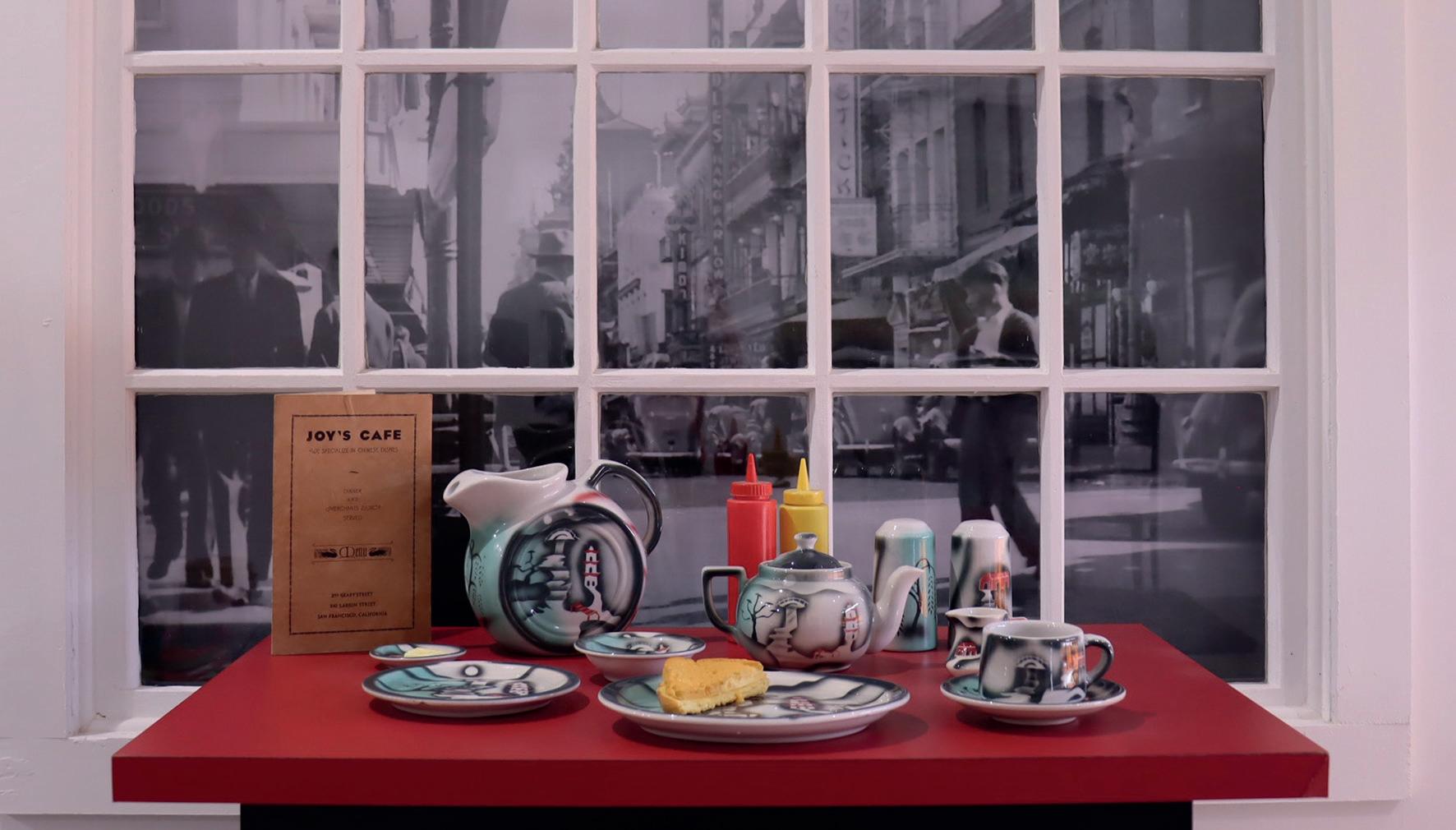
pieces, meaning the moviegoer(s) went to the movie 74 times to acquire a new set of inexpensive dinnerware. What fun and creativity!
“We are aiming for creating memories but also educating the public”
On good dinnerware design… Good dinnerware design involves the forms of the objects, also considering the functionality of the end product. Decoration is often the last consideration. Beautiful, functional objects that enhance and enrich our daily lives and all the rituals associated with dining. We are aiming for creating memories but also educating the public about the wonderful dinnerware products manufactured by so many companies worldwide. We have a research library with books, journals, pamphlets, brochures and even the archives of one 20th century manufacturer.
Collections that have stood the test of time…
We have focused a couple of exhibitions on Timeless Dinnerware Design. These would be tabletop objects that people return to as “classics” over and over. Some are antiques now, while others are still being manufactured today, and some have had been re-issued and sold through outlets such as Crate and Barrel. For example, the work of designers such as Eva Zeisel and Russel Wright and the Fiesta Tableware Company have created continuous excitement with their products. A few companies with histories as far back as the 1700s have managed to bring in fresh designers over the centuries who created exciting and beautiful tabletop ware that is and was appropriate for its time. Wedgwood comes to mind. Limoges is fresh in my mind.
“I am told young people don’t dine so formally these days and that extravagant dinner parties are a thing of the past”
The change in dining… I read that young people don’t want to lug around the old inherited family dishes and that no one uses cups with saucers anymore. I am told young people don’t dine so formally these days and that extravagant dinner parties are a thing of the past. However, someone is busy collecting things they love, be it the dishes associated with family gatherings, picnic sets, fun barware, old colourful Fiesta. Maybe they love Wedgwood, or Haviland, or Lenox. People love looking at dishes, debating whether the lead in the glaze will harm you, finding treasures when out thrifting and then USING them. Savy consumers are avoiding plastic dishes and vintage dishes with lead glazes or decorations. They are discarding these things for safer choices but not neglecting style. In the US, dining out languished
during the pandemic. It has taken years to rebuild some of that loss. It seems to me that we hear more about bespoke dinnerware being created for specific restaurants and particular chefs and cuisine. We have some examples in our permanent collection and have featured Zoom programming on the topic, which are now YouTubes on our www. dinnerwaremuseum.org website.
“There is still a bowl in a Japanese restaurant where I frequently ate who served my chirashi on one of the most beautiful plates I’ve ever seen”
The modern-day collector… People should collect what speaks to them. They should have fun with their research and become educated about what is available. It is a whole new world with everyone having access to online journals such as yours. The marketing of dinnerware today is unparalleled with truly captivating tabletop item from so many brands. Several memorable dining experiences for me happened when I was dining out and saw a cocktail glass a friend was enjoying their drink from and asked the manager if I could buy a glass from the restaurant for the museum’s collection. There is still a bowl in a Japanese restaurant where I frequently ate who served my chirashi on one of the most beautiful plates I’ve ever seen. I photographed the top and bottom and searched for it, but they are no longer being made. The restaurant’s customers broke all but two of them and the owner would not part with the remainders. I am disappointed
to this day and search for that very piece whenever I go out to eat. Modern-day collectors should be looking forward and collecting contemporary work rather than just collecting nostalgically what they used from their childhood. It’s a time to make new memories, while not losing sight of the past. Many are seeking handmade dishes or pieces that look handmade. I would shop for dishes that enhance the cuisine, definitely shapes and decorations that don’t compete with the food. And finally, dinnerware should be collected with the idea that it is intended to be used. The joy of having a dinnerware collection is to enhance the dining experience of you and your guests. I would encourage new collectors to collect according to their passion, rather than thinking of the collection as an investment. There are advisors who get paid to educate collectors for investment purposes, but collectors are born not trained.
The future of the International Design Museum…
The museum is currently leasing space and needs to prepare a capital campaign and endowment fund drive to secure our own dedicated building. We are looking for increased space for exhibitions, educational programming, classrooms, collection storage, offices, a café (we ARE a dinnerware museum!), and kitchen space for culinary demonstrations, and more. For instance, I would like our future gift shop to include a bridal registry, with the best of contemporary tabletop available to all visitors. Overall, IMoDD wishes to have more of its collections available to our museum visitors and researchers.
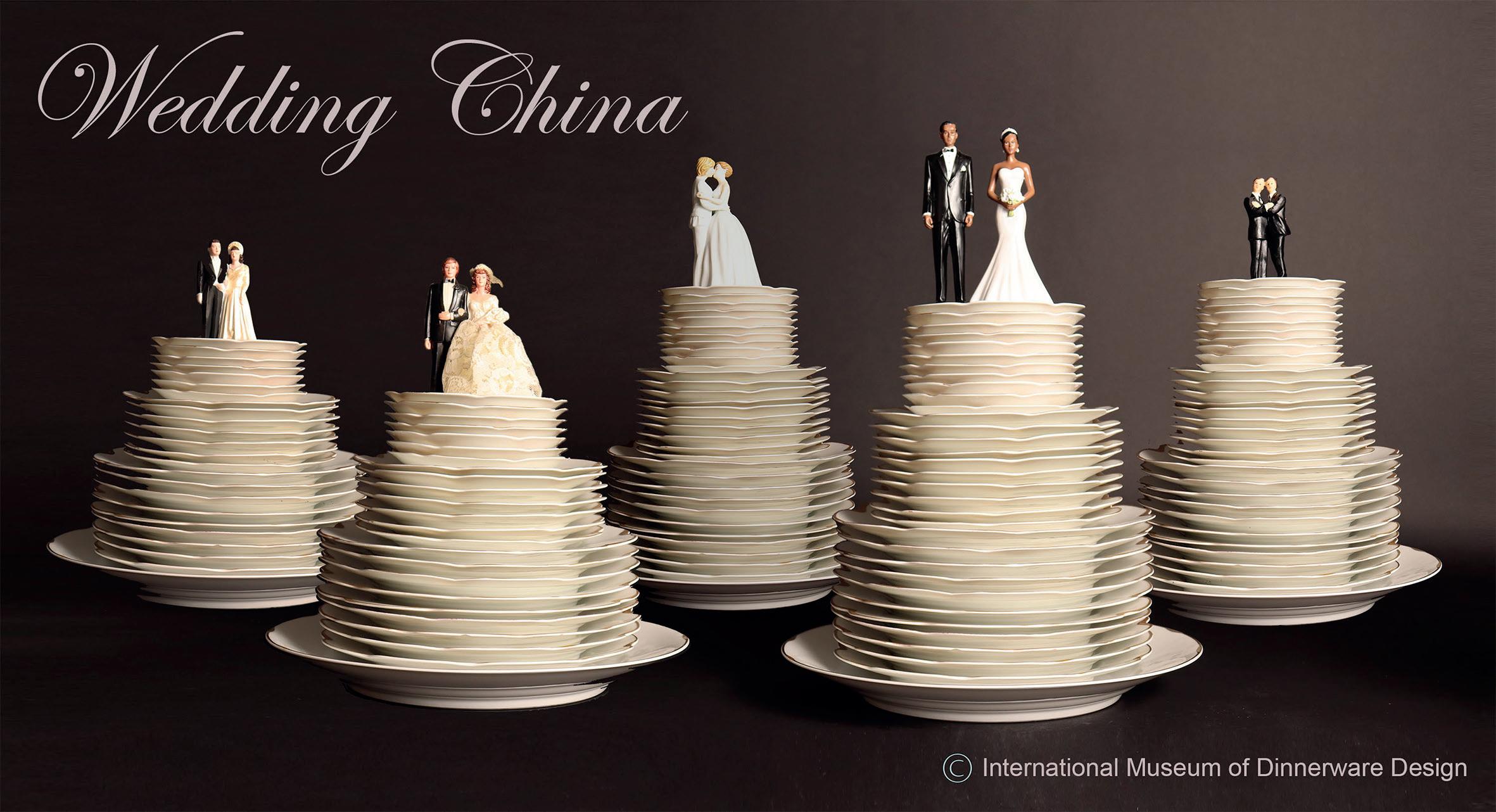
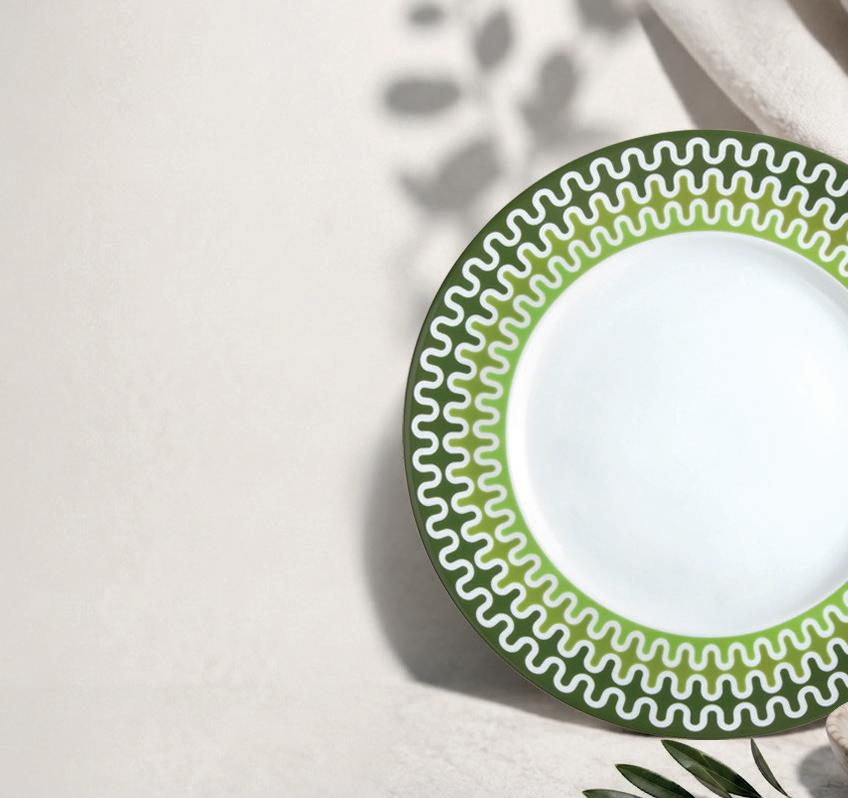






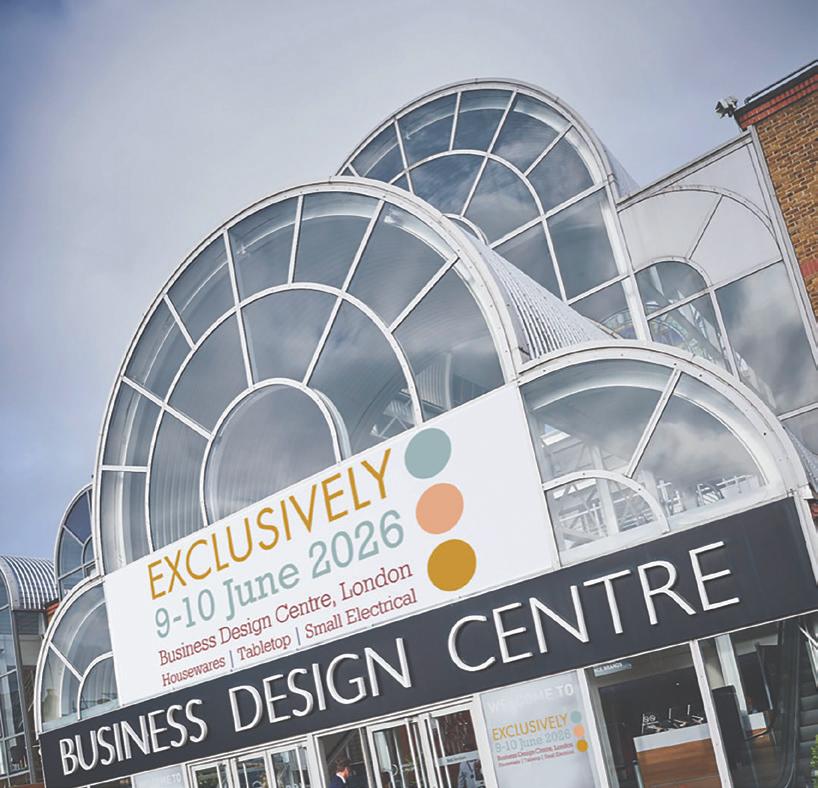
Opening its doors this June, Exclusively is an annual UK-based trade event which brings housewares, tableware, small domestic electricals and gifts together under one roof…
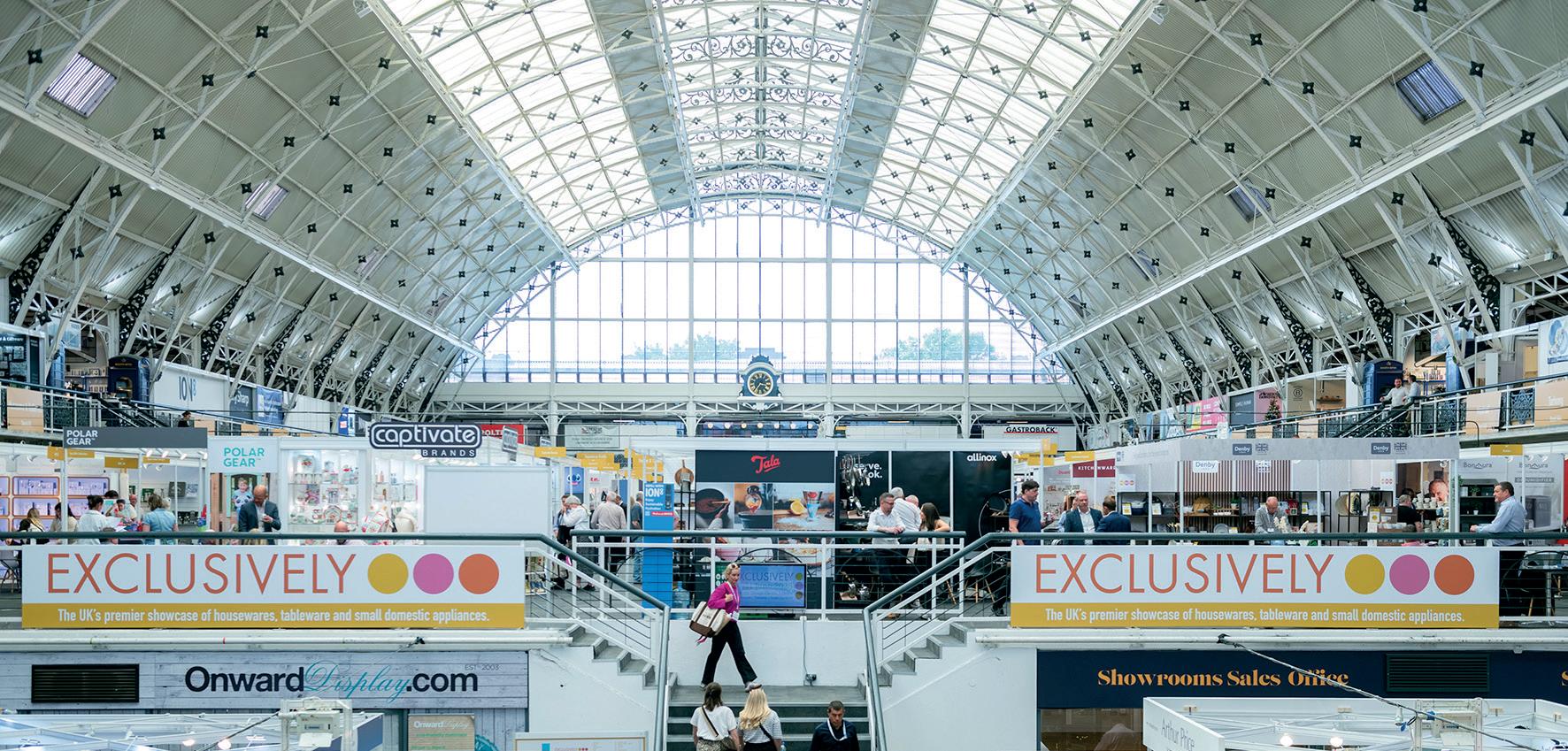
This June, London’s Business Design Centre will host the Exclusively Show, a two-day trade event bringing a myriad of homeware suppliers together under one roof. Organised by the British Home Enhancement Trade Association (BHETA), it provides a focused, curated environment where suppliers can connect with quality buyers. BHETA have put special emphasis on growing Exclusively’s international visitors, in fact, the organisers say international engagement has grown considerably in recent years, with key retail buyers and distributors travelling from across Europe and beyond to source
new products, meet existing suppliers and explore emerging trends in home and lifestyle categories. This year alone, the event will welcome visitors from Germany, the Netherlands, France, Austria, Norway, Switzerland, Poland, and Dubai.
Steve Richardson, general manager of BHETA says: “We are very encouraged by the growing number of international visitors who are attending the Exclusively Housewares show each year.”
For 2026, Exclusively Show is launching a new initiative to help qualifying international visitors make the most of their time in London. For the first time, VIP international guests will be offered an expertly guided London store tour, visiting bricks-and-
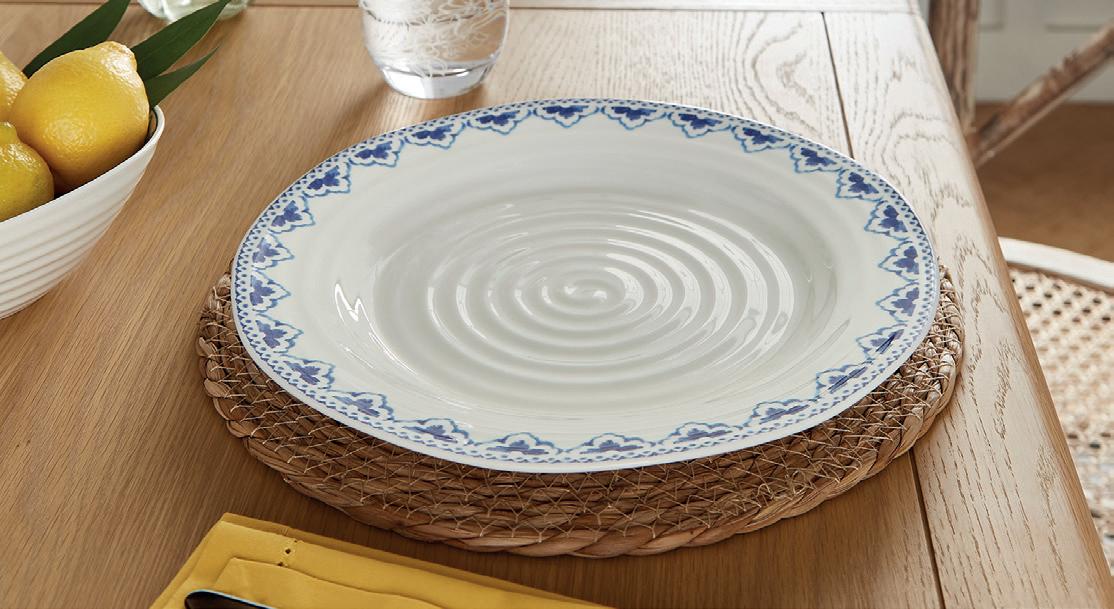
EH144
Celebrating twenty years of Sophie Conran x Portmeirion, at Exclusively you can see a new collection which combines Sophie’s signature organic curves with fresh blue motifs, bringing relaxed elegance to every moment. It pairs crisp white porcelain with a soft blue pattern that gently frames and elevates each piece. From dinner plates to mugs, each item in the collection has been thoughtfully curated to mix, layer, and serve with ease. The tactile ripples give a hand-thrown feel, and each piece is dishwasher and microwave safe, making it practical for busy family kitchens and effortless yet beautiful entertaining. The collection will be available on the Portmeirion website from June, and is now available exclusively at John Lewis. www.portmeirion.co.uk
mortar retail locations across the city.
The tour will showcase products from UK and international suppliers, many of whom will be exhibiting at the show, displayed in real retail environments. These store visits provide buyers and distributors with a valuable opportunity to benchmark competitor
ranges, evaluate merchandising solutions firsthand, and gain a clearer understanding of the UK market ahead of the show.
Steve adds: “The London Store Tour is proving particularly popular. We are excited to bring international retailers together with the 250 brands on show at the exhibition.”
Register now at www. exclusivelyshows.co.uk
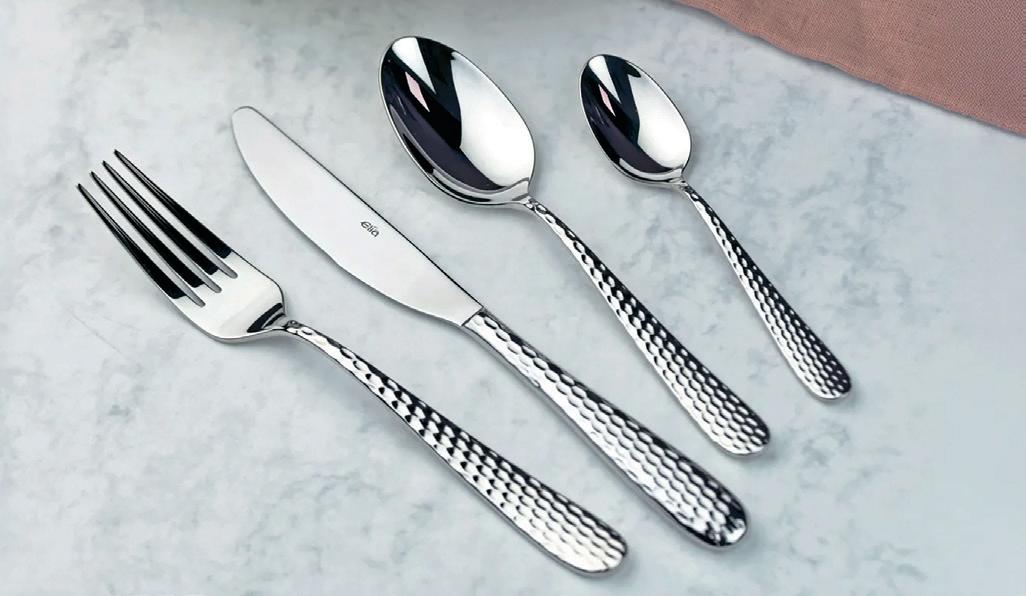
Elia will be at Exclusively with their collections for retail and hospitality. Check out one of their latest launches, the Cellene cutlery range. Defined by its sleek curves and distinctive pattern, Cellene is the ideal addition to any modern table setting. Crafted from 18/10 Stainless Steel and featuring a textured, debossed design on the handle, this collection is both visually striking and well-balanced, offering a tactile experience that feels comfortable in the hand. Cellene comprises of a full range of 8 pieces plus the addition of coffee spoons.
www.elia.co.uk
An informal networking evening will be held on Monday 8th June, the night before Exclusively Show opens, bringing together VIP international visitors and show exhibitors for early introductions and the opportunity to begin conversations that will continue throughout the two-day event. The relaxed format is designed to break the ice and help both buyers and brands make the most of their time at the show. The number of international retail buyers attending the evening event is 44 per cent higher than in 2025.
Where form and function combine perfectly and quality is paramount. At Elia, innovation is second nature.
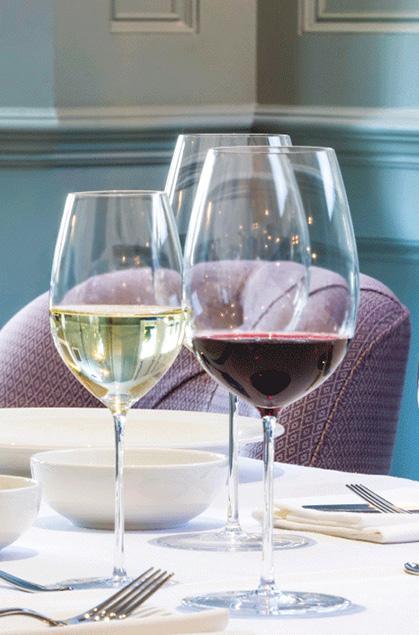
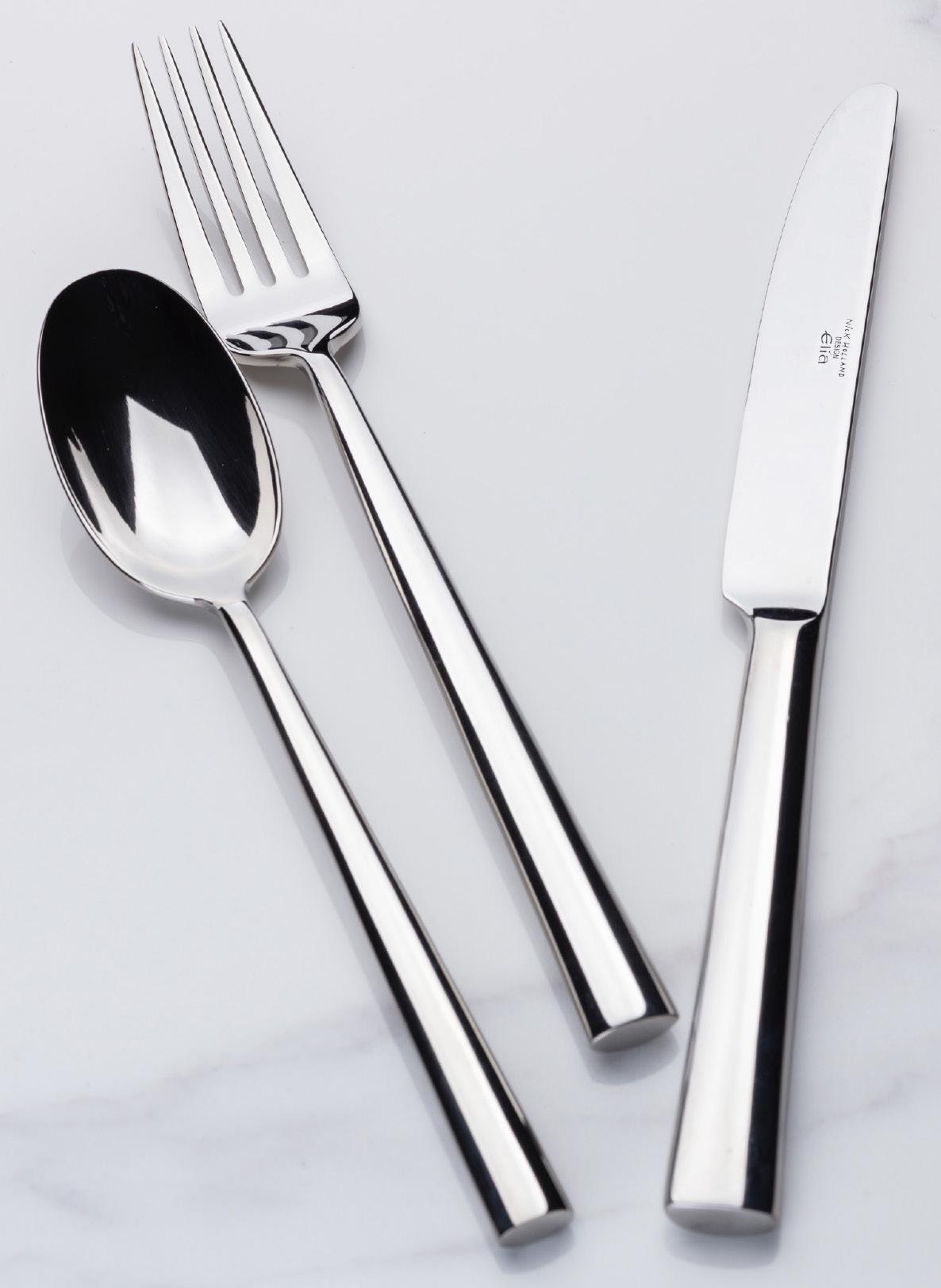
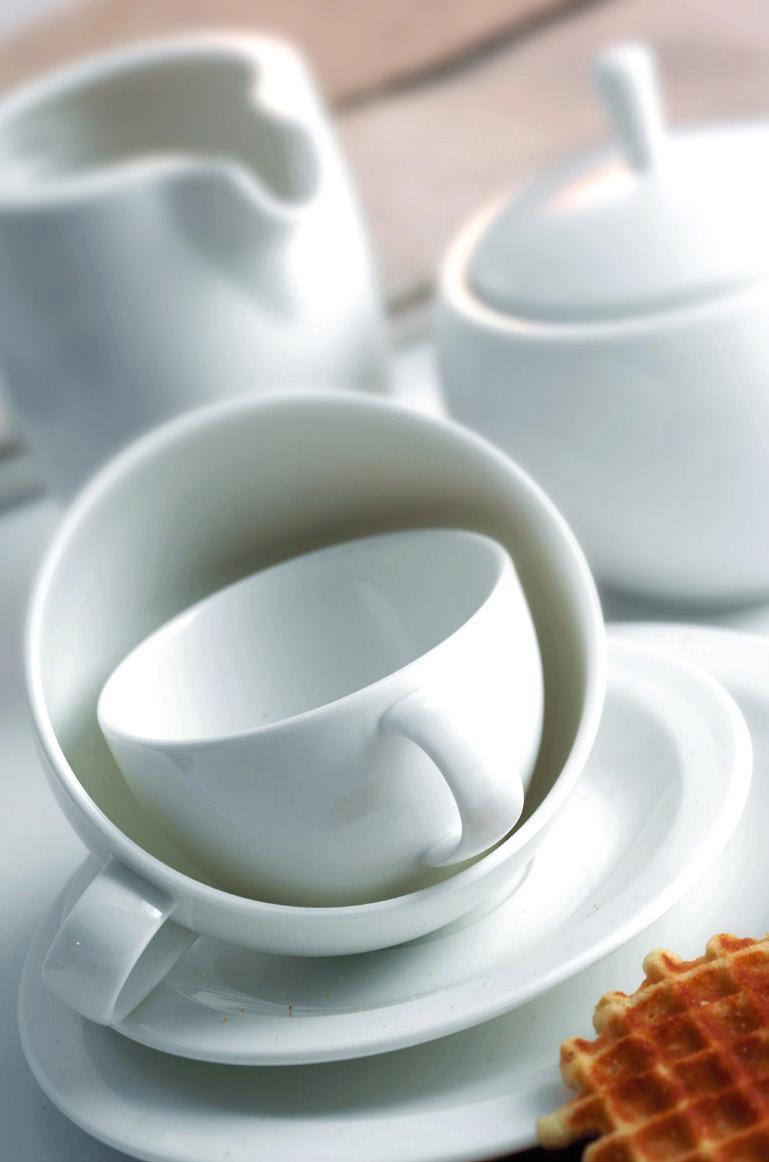
Please visit Elia at Exclusively Housewares Show on 9-10th June at the Business Design Centre, London
EH 459
Visit the Villeroy & Boch Dining & Lifestyle showroom at Unit 313 - 314 on the 2nd floor of the Business Design Centre and step into a world of fine living. Villeroy & Boch is one of the world’s leading lifestyle brands, creating timeless, elegant homewares since 1748. For more than 275 years, the brand is famed for its innovative designs and quality, offering products that enhances lives.
www.villeroy-boch.co.uk
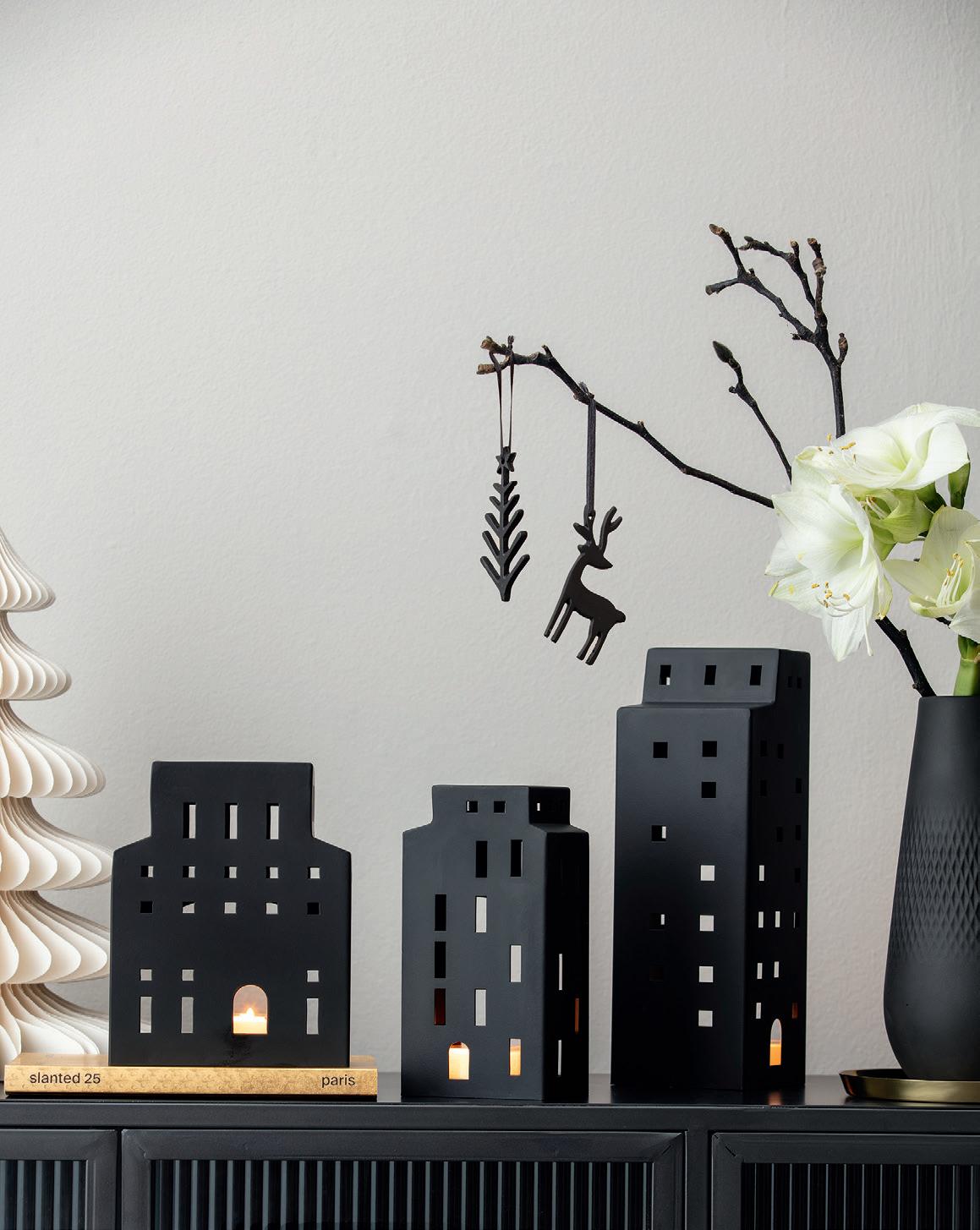
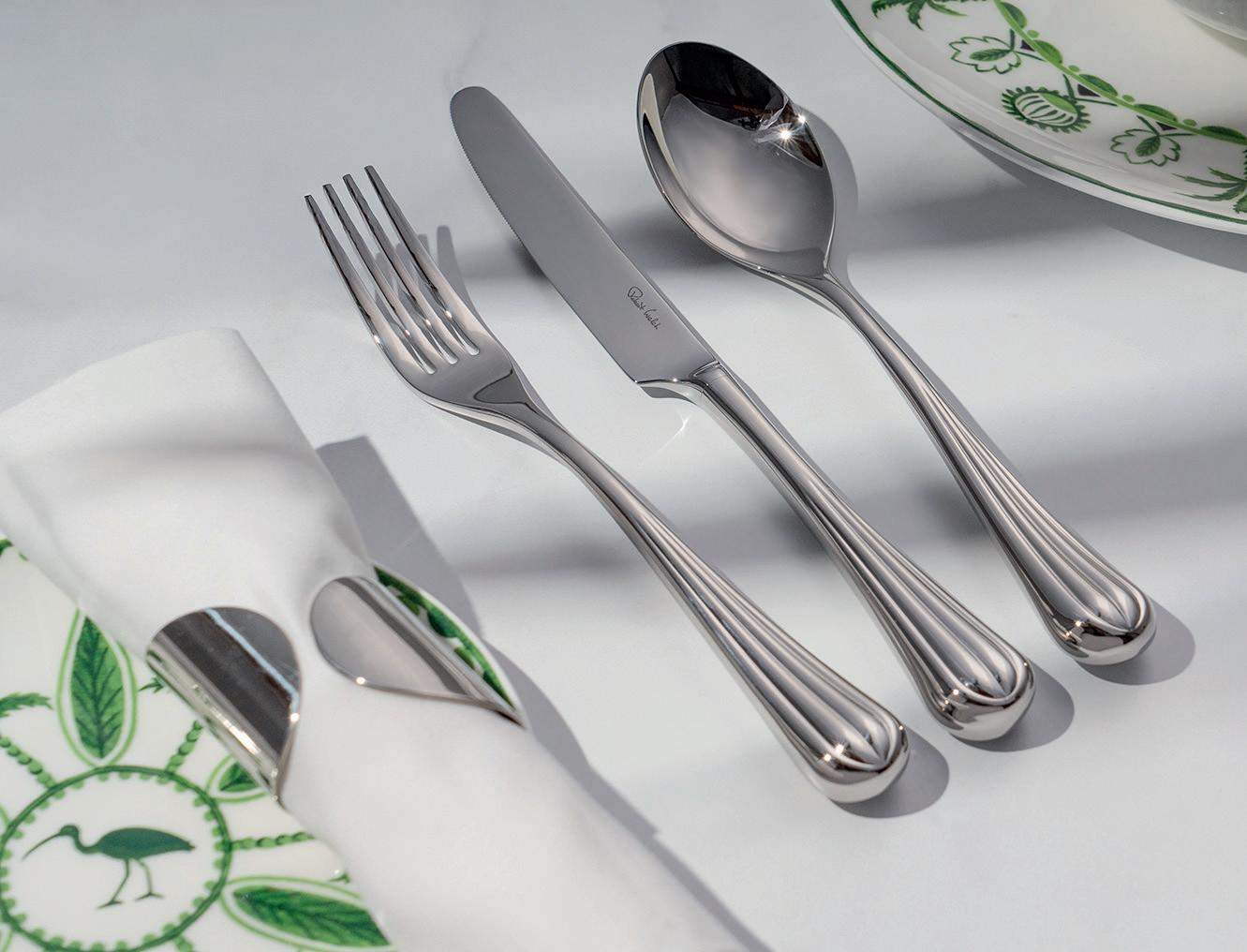
EH 206
British design brand Robert Welch Designs will showcase its collections at Exclusively with an extensive, awardwinning portfolio spanning over 40 cutlery ranges, kitchen knives, cookware, barware, mills, gifts, and bathroom accessories.
With over 70 years’ experience, Robert Welch has built an international reputation for timeless design, creating beautiful, functional products that can be used every day and enjoyed for many years. www.robertwelch.com

“We are very encouraged by the growing number of international visitors who are attending the Exclusively Housewares show each year”
Steve Richardson, general manager, BHETA
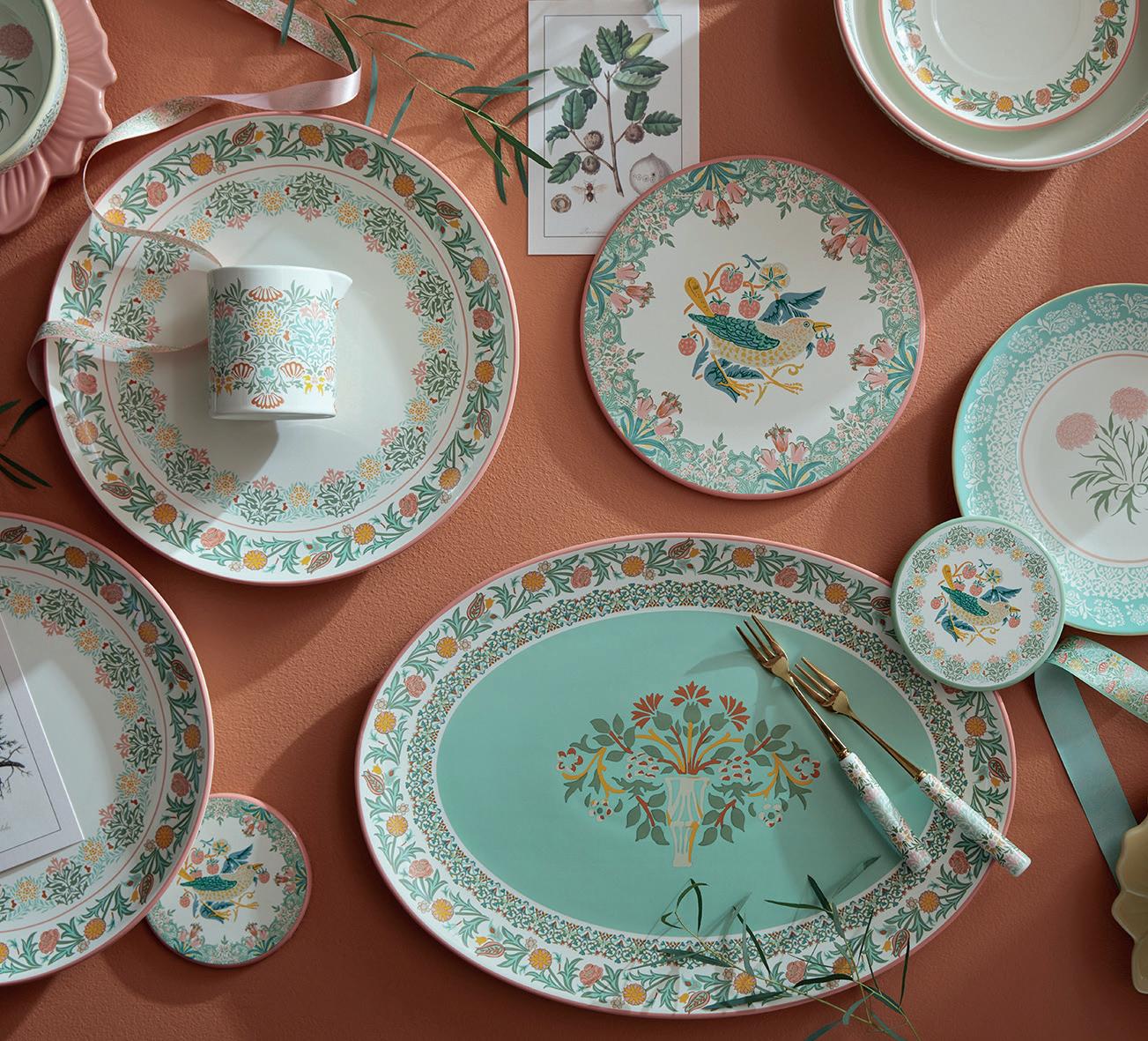
EH 276
William Morris At Home is one of two incredibly exciting licenses from Captivate Brands launched this year! A distinguished brand that has already seen great success across soft furnishings, furniture, and beauty, the William Morris At Home tableware collection draws on Morris’s timeless designs and celebrates his enduring artistic legacy. The other new licence is a partnership with the team at design furniture brand MADE, with a range of affordable tableware that blends artisanal hand-finished craftmanship with bold, colourful design. On show at Exclusively, these both join Captivate Brands’ growing portfolio of licensed designs which now includes Mary Berry, Cath Kidston, Yvonne Ellen, Maxwell & Williams and launched second half 2025, The Style Sisters and Orla Kiely. Captivate Brands designs attractive and practical products for the home. Its talented in-house team brings flair and imagination to products proudly designed in Britain and the growing licensed designs portfolio sits alongside impressive in-house brands like Just The Thing.
www.captivatebrands.com
For more information about visiting Exclusively 2026, go to the show website www. exclusivelyshows.co.uk
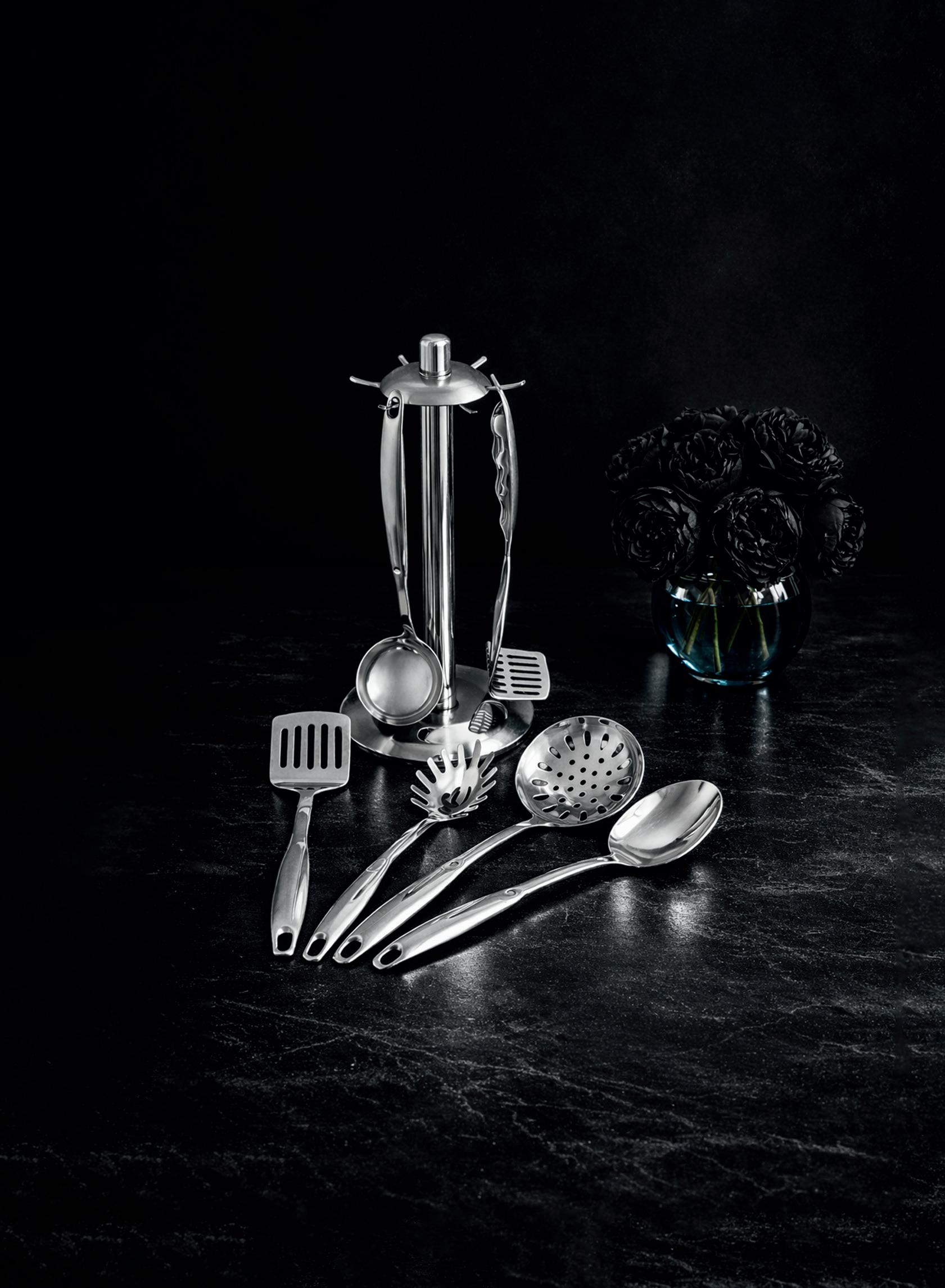
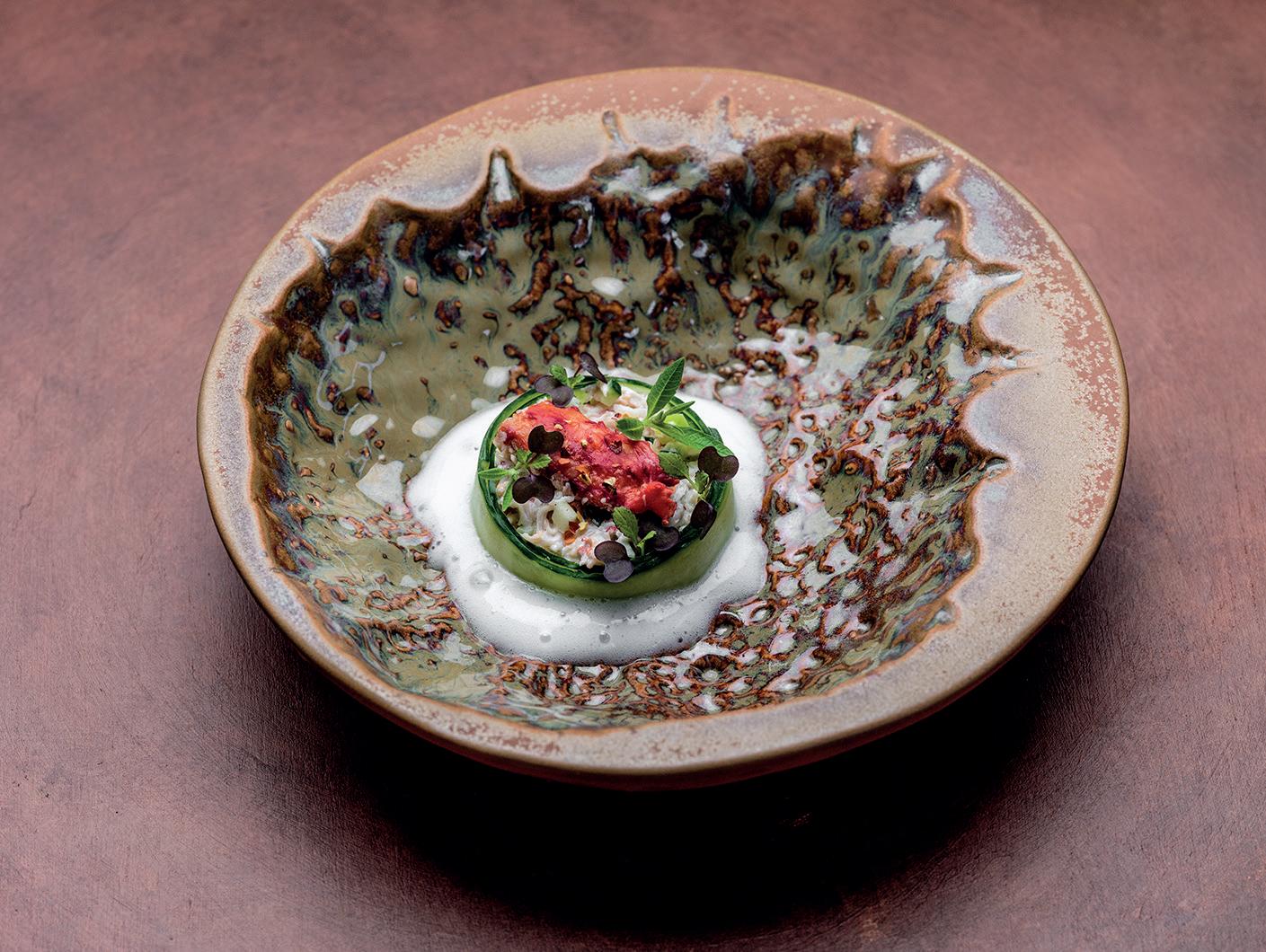
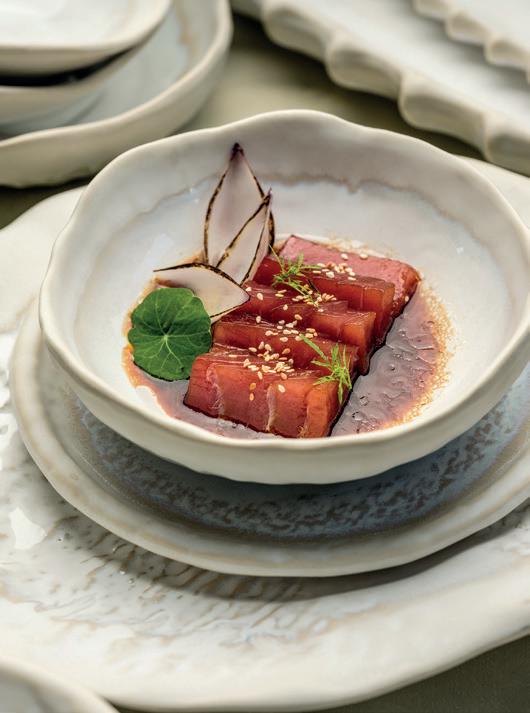
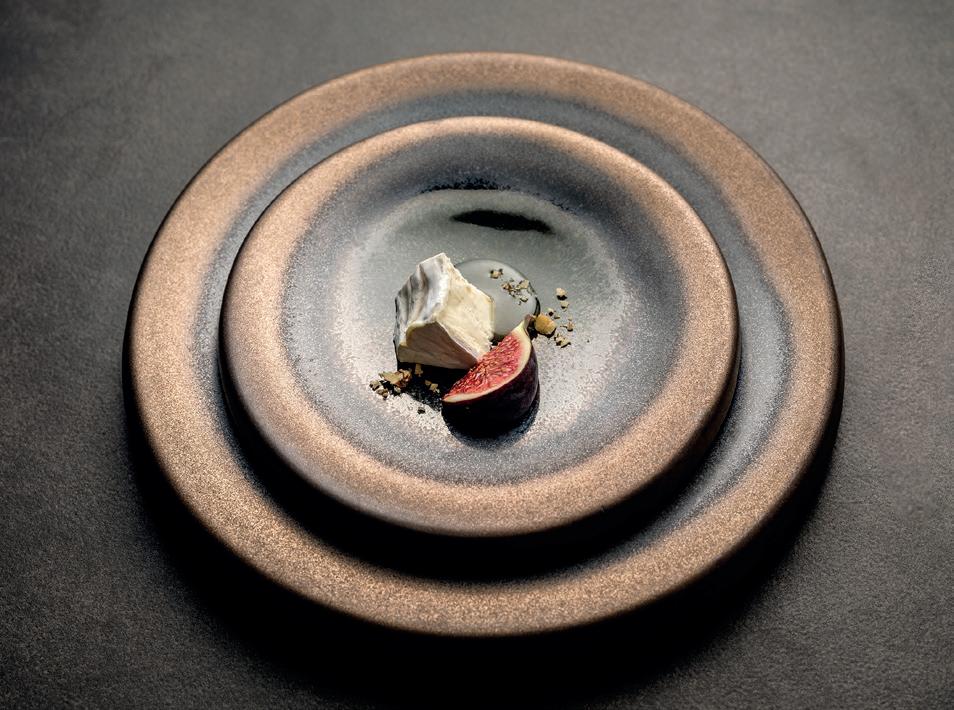
Fine Dining & Living’s marketing manager Marlies Vangeel tells us about EcoMade, its responsibly produced brand which is made in Europe...
Launched last year, EcoMade from Fine2Dine immediately made an impact – a purposeful collection, responsibly made, for the hospitality industry. Launched under the Fine2Dine brand from Fine Dining & Living, EcoMade is unique in that it is made in an emissions-free facility, with a zerowaste policy, in Europe.
“The response has been extremely positive,” says Fine Dining & Living’s marketing manager Marlies Vangeel. “From the very beginning, EcoMade resonated with hospitality professionals who are actively looking for more responsible solutions without compromising on style or performance. Chefs and buyers appreciate that EcoMade is not just a sustainability claim, but a concrete step forward, combining emission-free firing, premium quality, and a strong design identity. It confirms that the industry is ready for tableware that supports both creativity and environmental responsibility.”
Perhaps one of the most pressing questions to ask is; just what type of establishments are actually attracted to a concept like EcoMade? Are responsibly made tabletop collections really of interest to HoReCa? The answer, it seems, is a resounding yes.
“We’re seeing interest from a
handcrafted look combined with the reliability chefs expect, which makes it relevant for many types of hospitality concepts.
We also see strong interest from hotels actively working with recognised sustainability certifications such as Green Key, EU Ecolabel, EarthCheck
At the same time, the design and artisanal look attract a broader audience. It’s the combination of responsible production and a distinctive aesthetic that makes EcoMade particularly appealing.”
When it first launched, EcoMade introduced six distinct collections, amongst them Icon 2026, inspired
“We also see strong interest from hotels actively working with recognised sustainability certifications such as Green Key, EU Ecolabel, EarthCheck and Green Globe”
broad range of establishments.
There’s a clear appeal for businesses with an ecological focus, but it certainly doesn’t stop there. Many restaurants are also drawn to the artisanal vibe and the opportunity to present something different on the table. EcoMade offers a warm,
EcoMade is produced with a strong focus on responsible manufacturing, using renewable energy and without fossil fuels during the firing process. Raw materials are used as efficiently as possible throughout production, resulting in natural porcelain with zero per cent absorption. This makes it exceptionally strong and easy to maintain, while preserving the warm, artisanal character the collections are known for.
and Green Globe. For these properties, EcoMade aligns naturally with their environmental commitments, while still meeting the aesthetic and performance standards required in a professional hospitality setting.”
Marlies adds that part of EcoMade’s appeal lies not just in the way it is made, but also its aesthetic. Some of the collection’s more popular colourways include artisanal, off-white tones and clayinspired colours which enhance the handcrafted look, and help create a warm, authentic table setting, while also allowing dishes to stand out.
“Sustainability plays an important role in the decisionmaking process for many hospitality professionals today.

by the textures, forms, and patterns found in nature.
“The range will continue to evolve with new collections, and extensions are already planned, with regular updates to keep the offering fresh, relevant, and aligned with market needs,” Marlies explains.
So what can we next expect from EcoMade? “Right now, our priority is the production of the first six collections, ensuring we deliver the quality and consistency our customers expect. From there, we will evaluate demand and continue to develop the concept accordingly. The goal is to expand EcoMade step by step, while staying true to its core values of style, strength, and responsible production.”
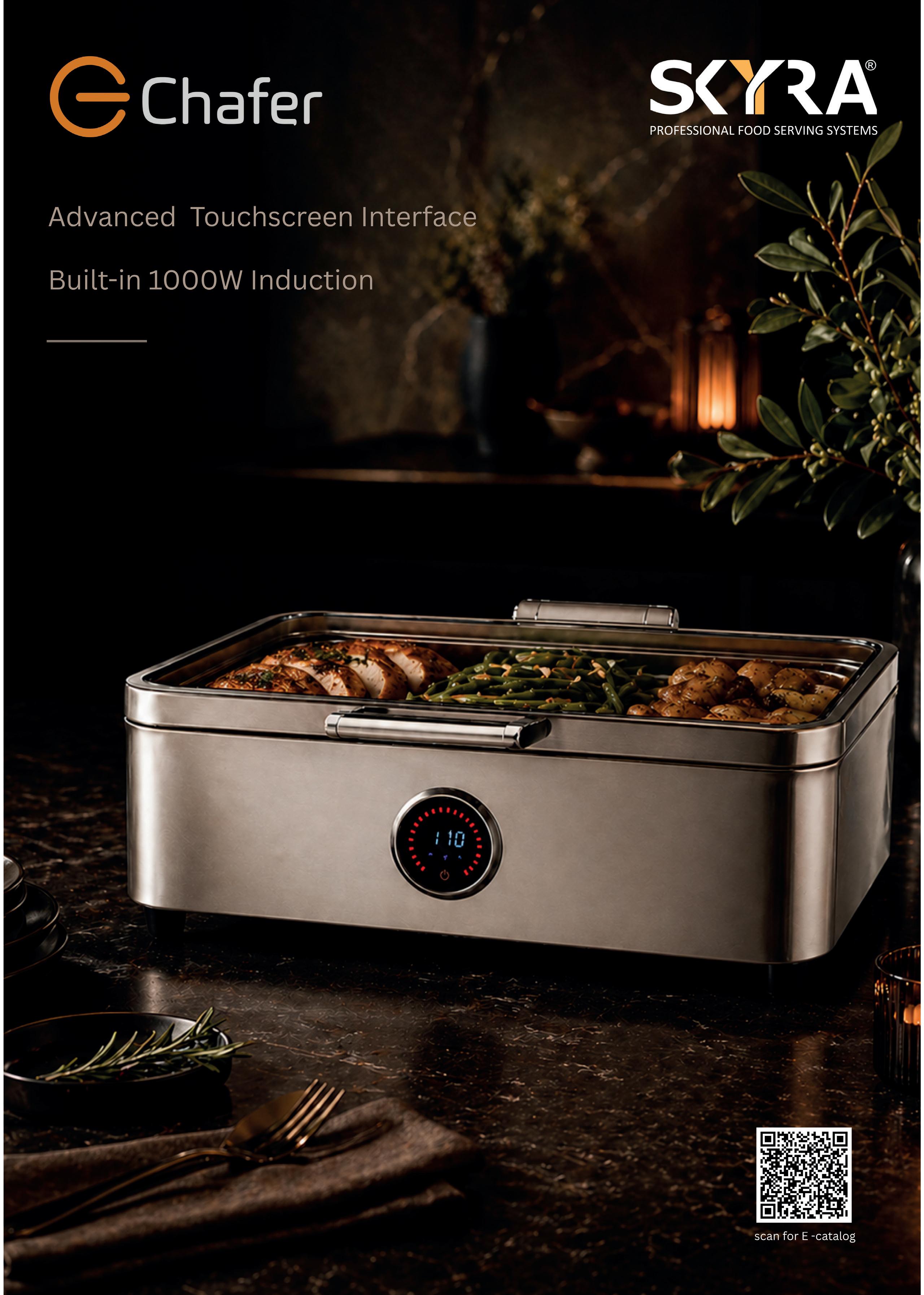
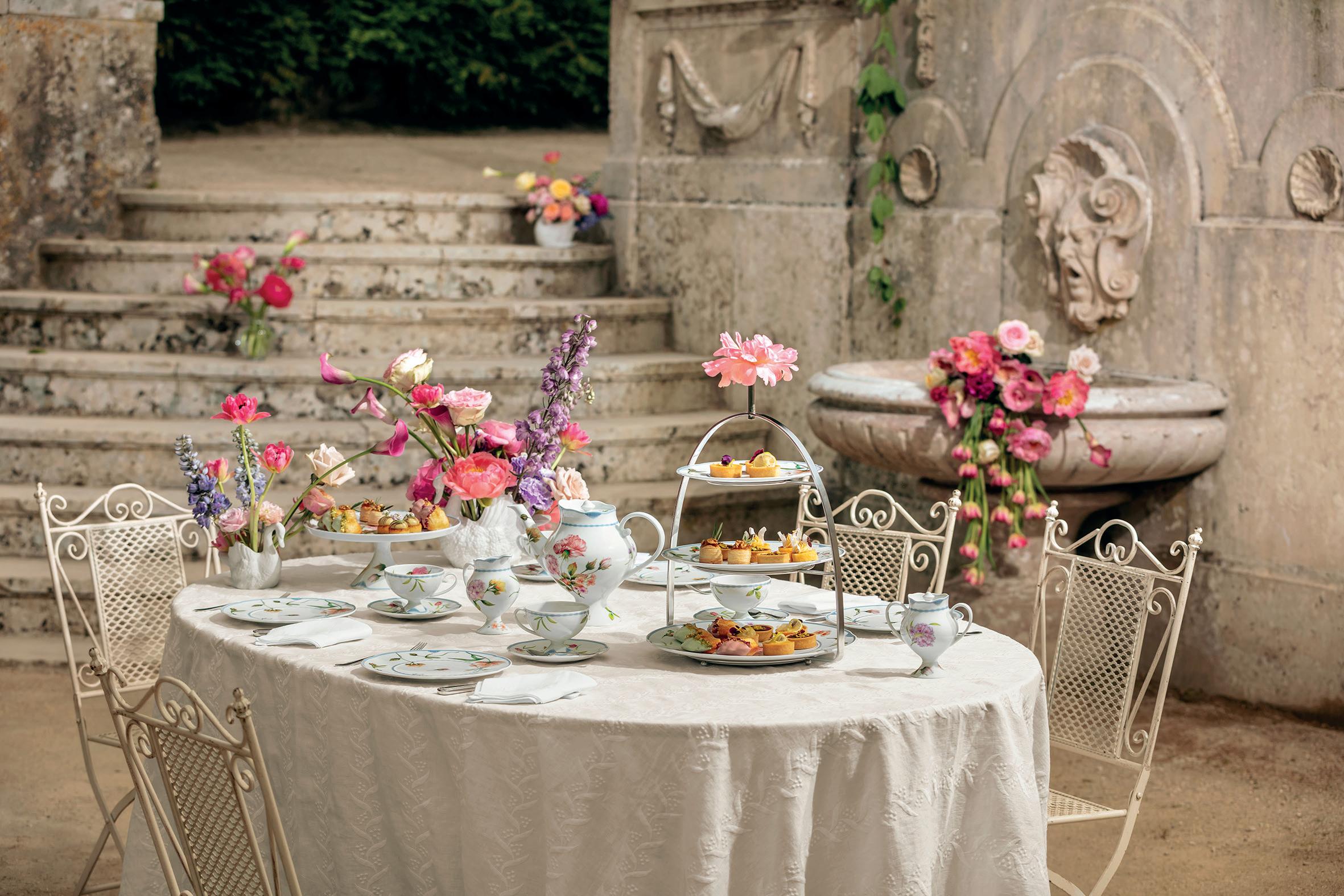
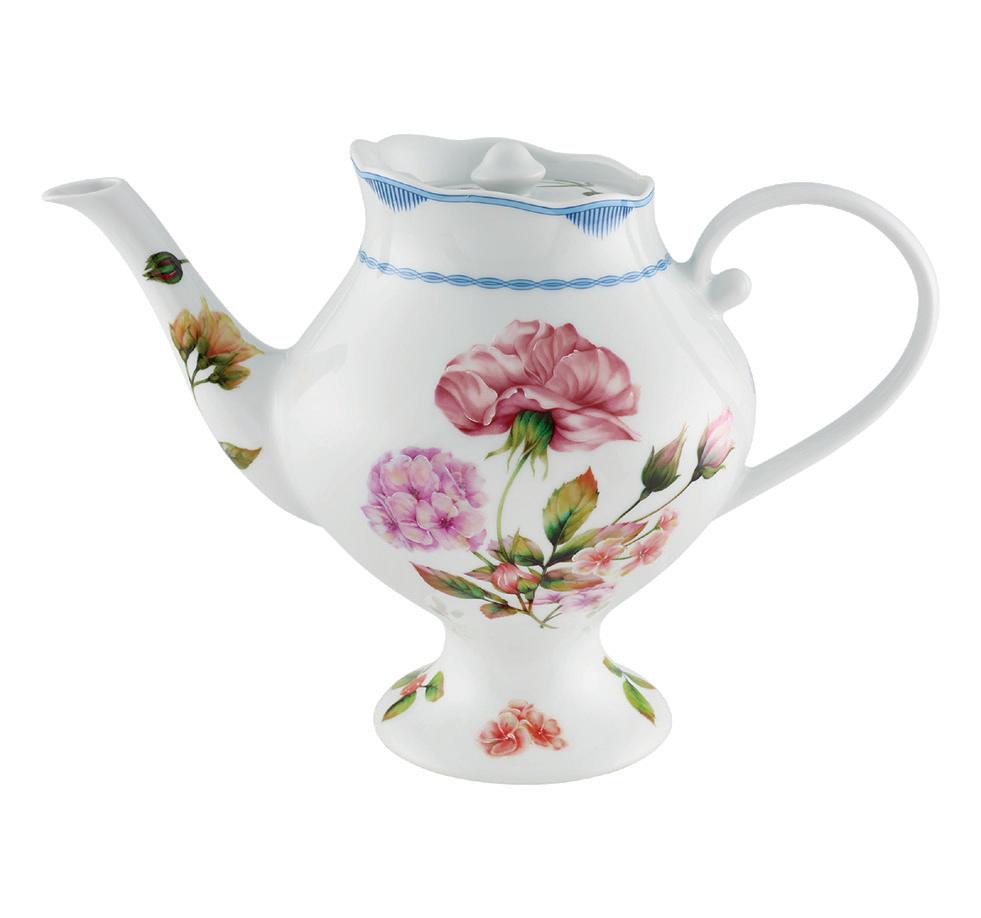
The ton is enchanted to learn Vista Alegre has collaborated with Netflix and to launch a Bridgerton themed collection
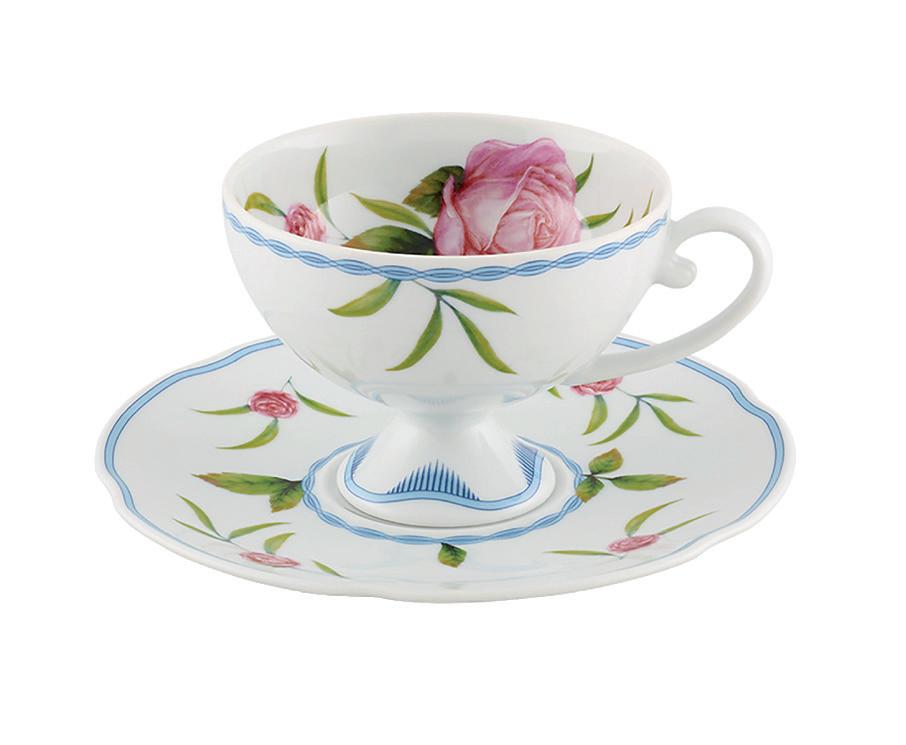
Vista Alegre and Bridgerton – name a better duo. The porcelain powerhouse recently revealed it has partnered with Netflix and Shondaland to produce a dinnerware collection themed entirely around the hugely popular Bridgerton series, set in Regency-era London.
Supported with perfectly themed imagery, the collection showcases Vista Alegre’s dexterity when it comes to capturing a moment.
Alda Tomás, Vista Alegre’s creative director says:
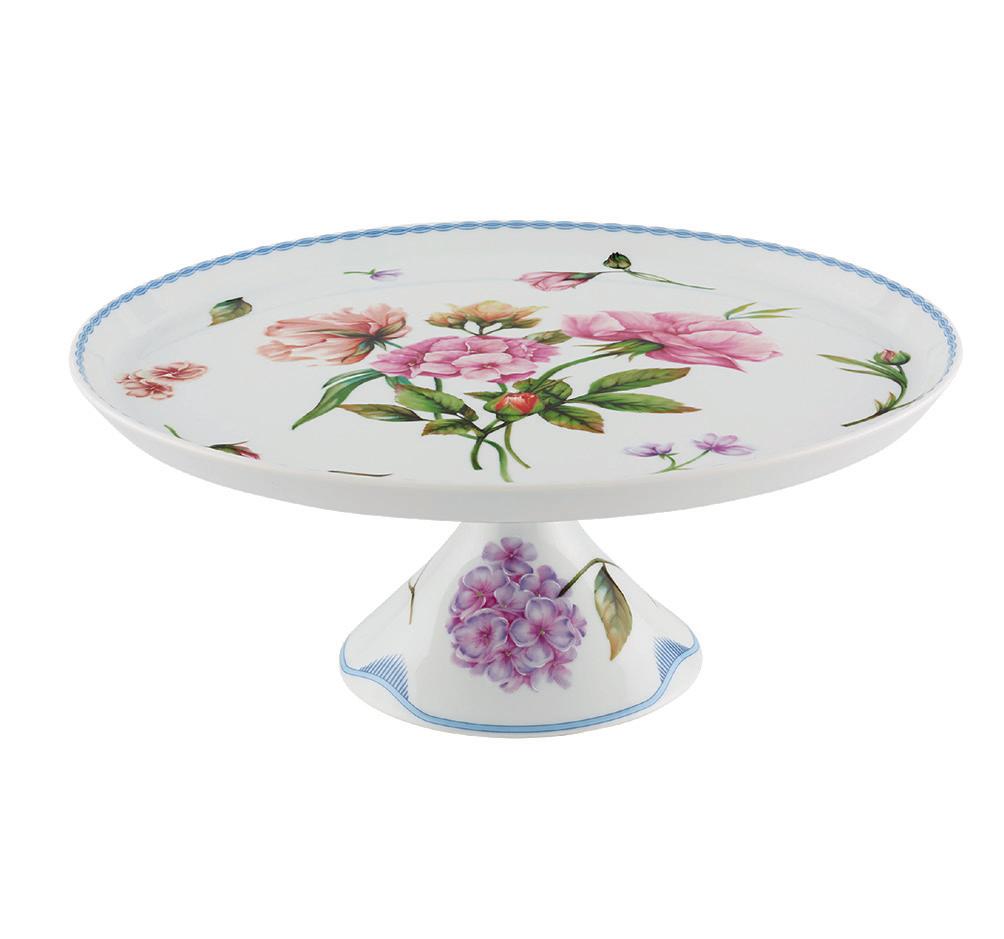
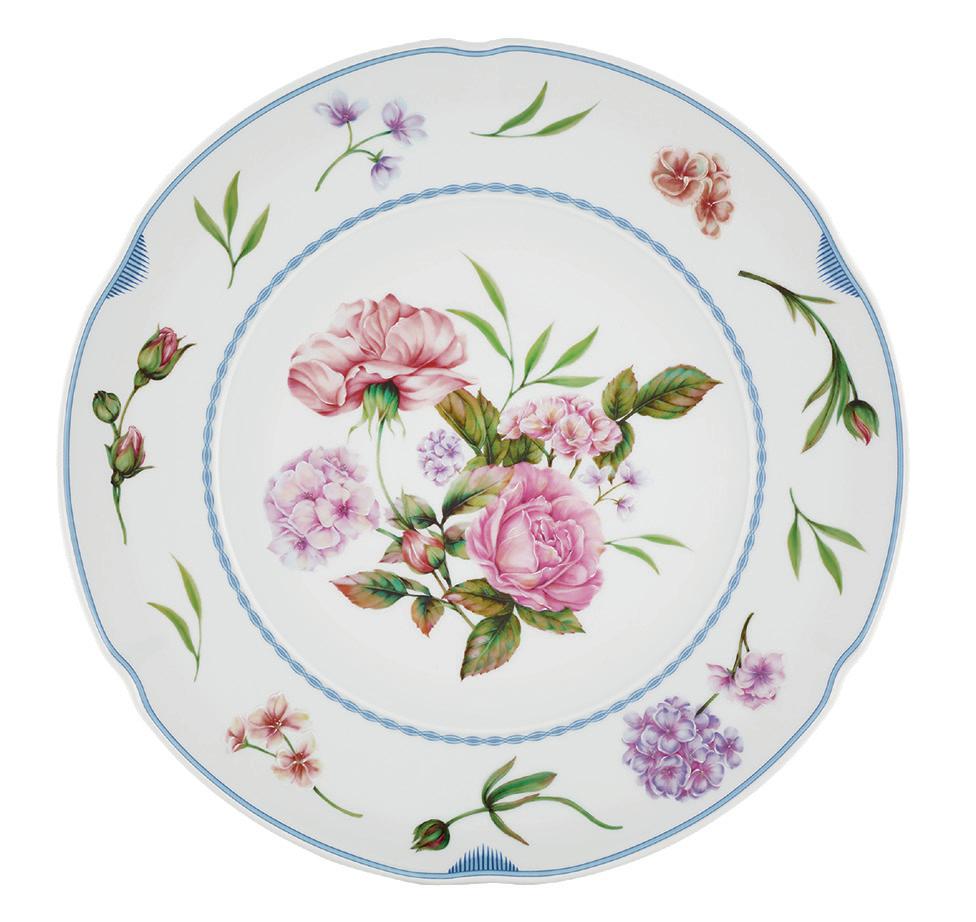
“The original floral motifs of the series have been reinterpreted through Vista Alegre’s traditional porcelain painting language. The compositions were developed by the VA Studio, drawing inspiration both from the visual universe of Bridgerton and from 19th-century decorative layouts, while simultaneously introducing subtle contemporary proportions — reflecting the balance within the series itself between period elegance and modern sensibility.”
Conceived and produced by Vista Alegre, the Bridgerton collection comprises the following pieces, presented in elegant gift boxes: charger plate, dinner plate, dessert plate set, teapot, sugar bowl and milk jug, large footed cake plate, and a set of 2 teacups and a cake stand.