www.tablewareinternational.com May 2024
INTERNATIONAL HoReCa
TableWare
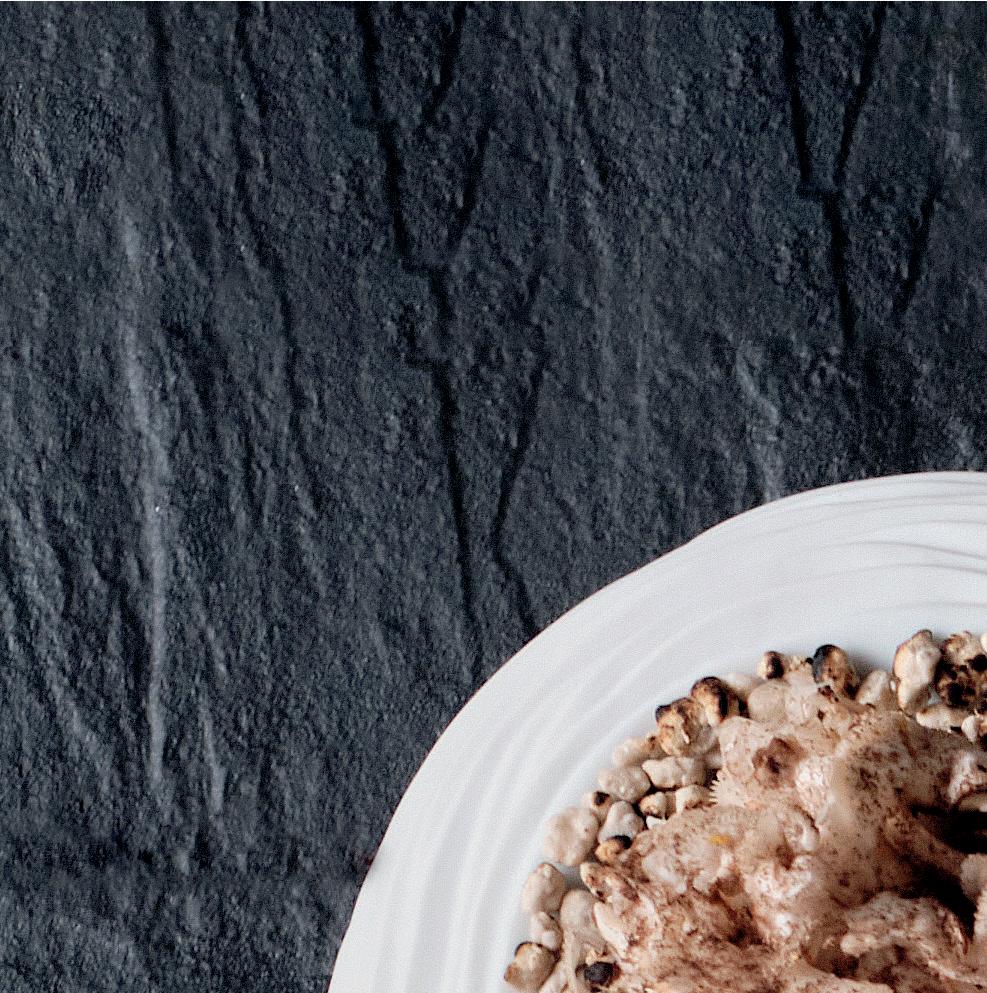
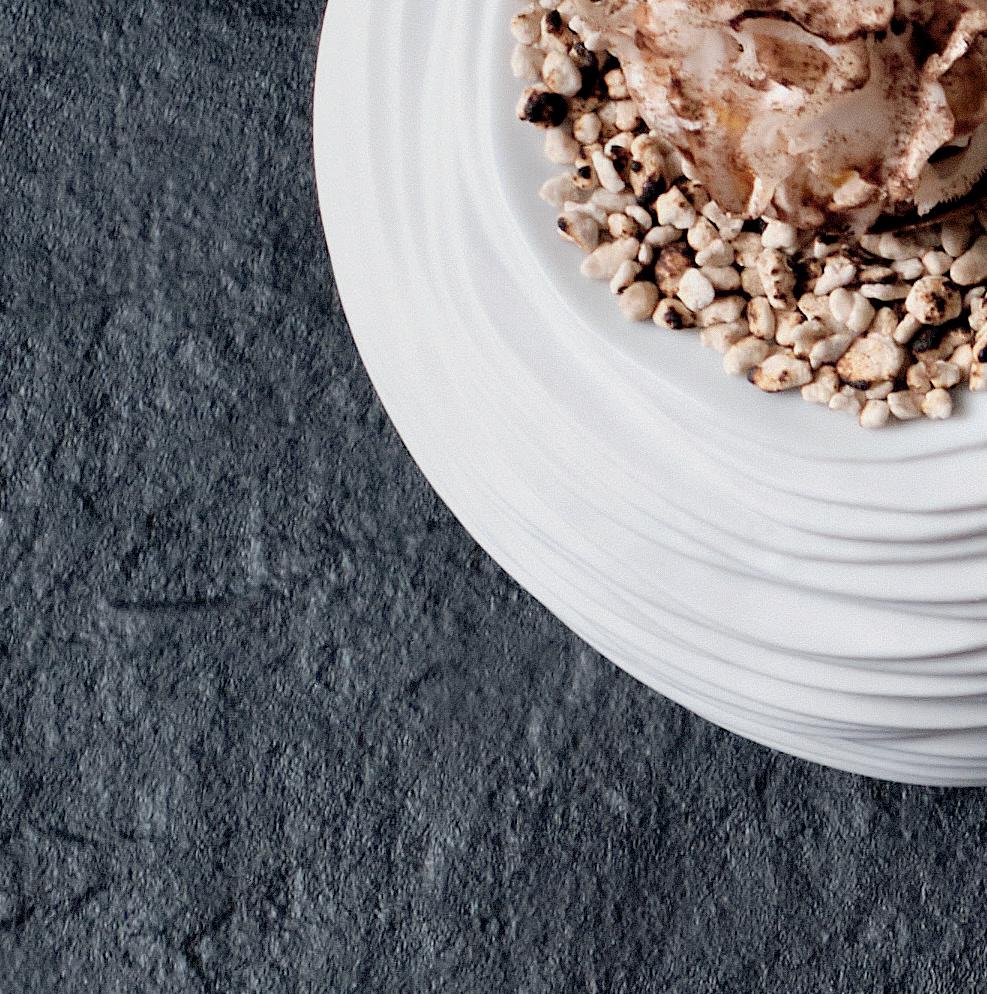

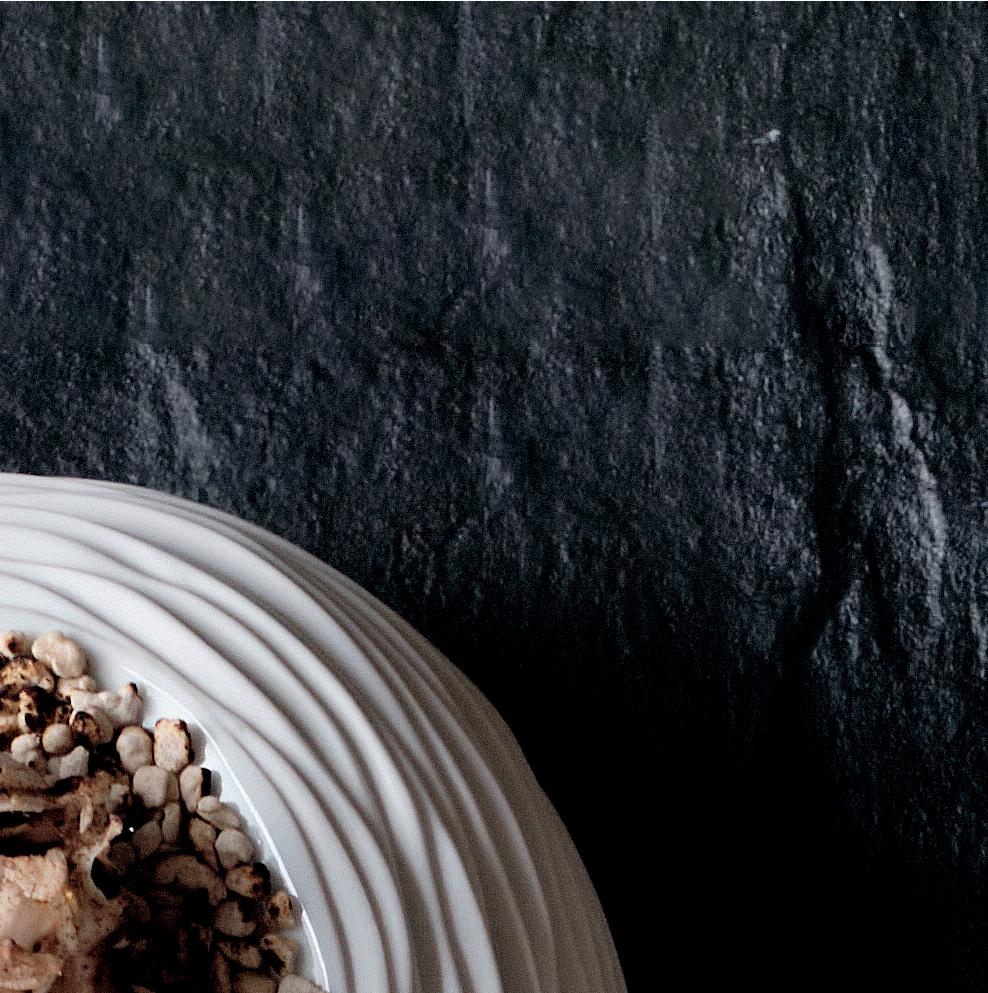




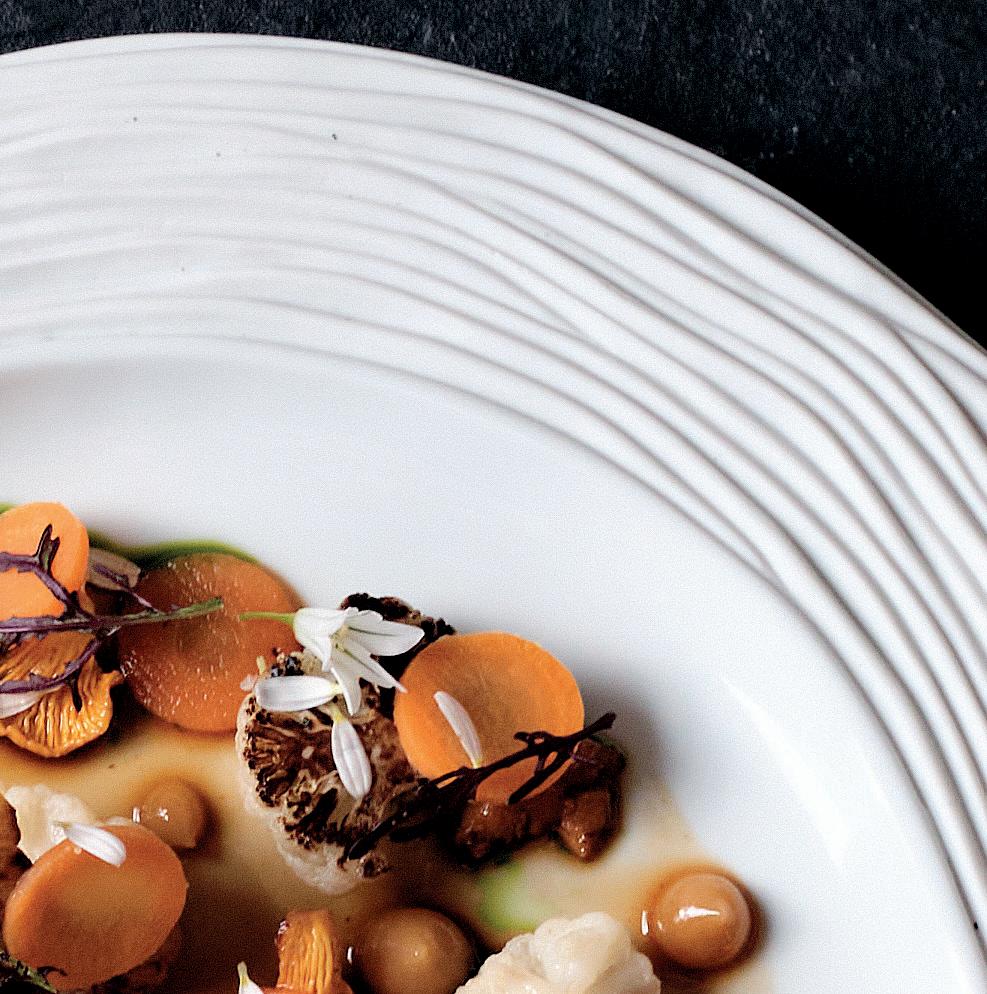
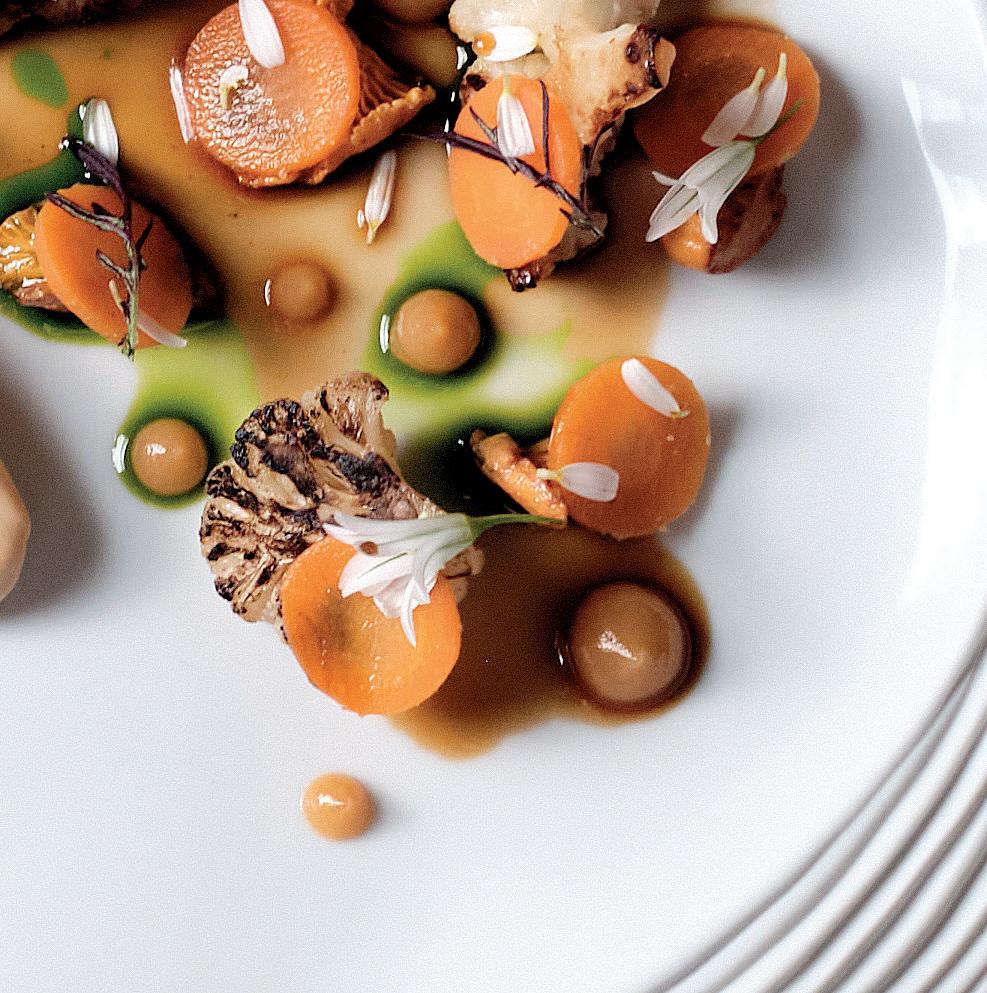















A NEW COLLECTION WITH A HEART IN ITS HANDS
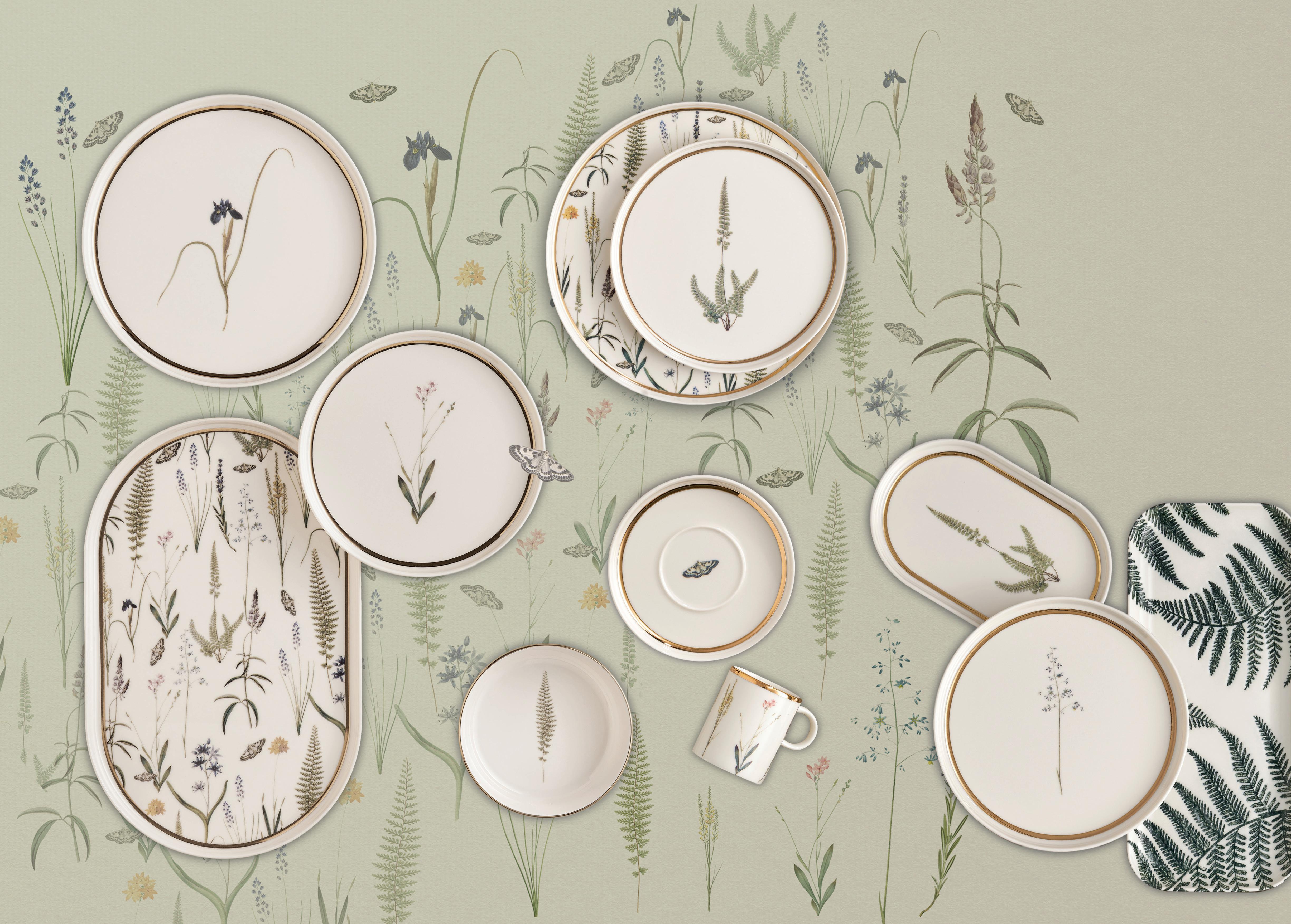
Synonymous with the art of plating, but also with the act of creation, each piece has been carefully designed and hand crafted with passion and care. Discover Art.Made and poetically rethink the enjoyment of being at the table, in presentation and in tasting.













bybone.tr www.bybone.com info@bybone.com.tr
HELIX


b ybon e .tr ww w. bybone.com info@bybone. com. tr MISIS
Ed's Letter
Welcome to HoReCa – the hospitality focused title from the team who bring you the industry’s leading magazine, Tableware International. We’ve got a super issue for you this month – the focus of which is, of course, Chicago’s upcoming NRA showcase. The National Restaurant Association trade show is America’s leading hospitality event with several top-tier tableware brands presenting their collections at the event – think Sambonet, Villeroy & Boch, Steelite and many more. You’ll find our preview beginning on page 48.
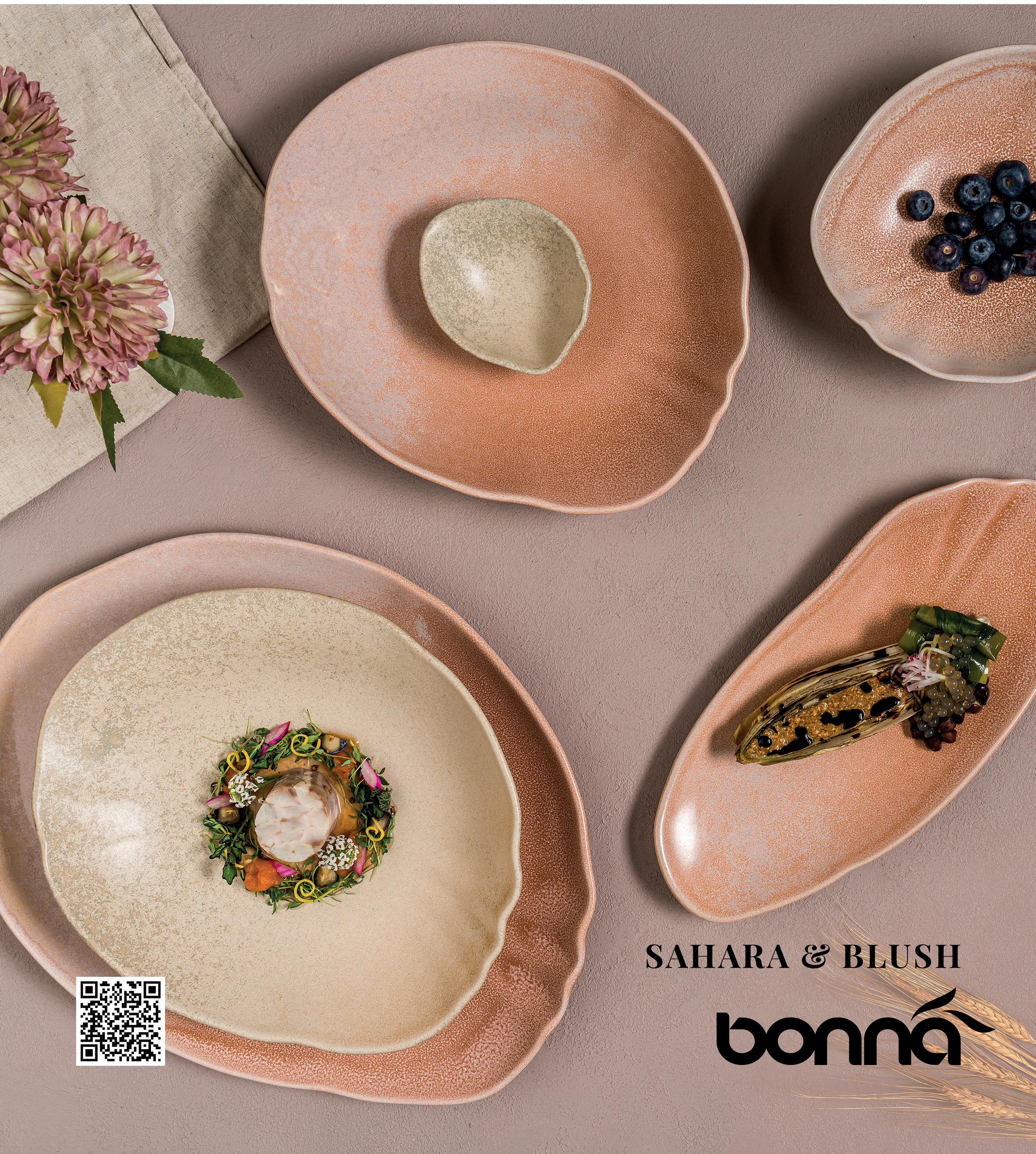
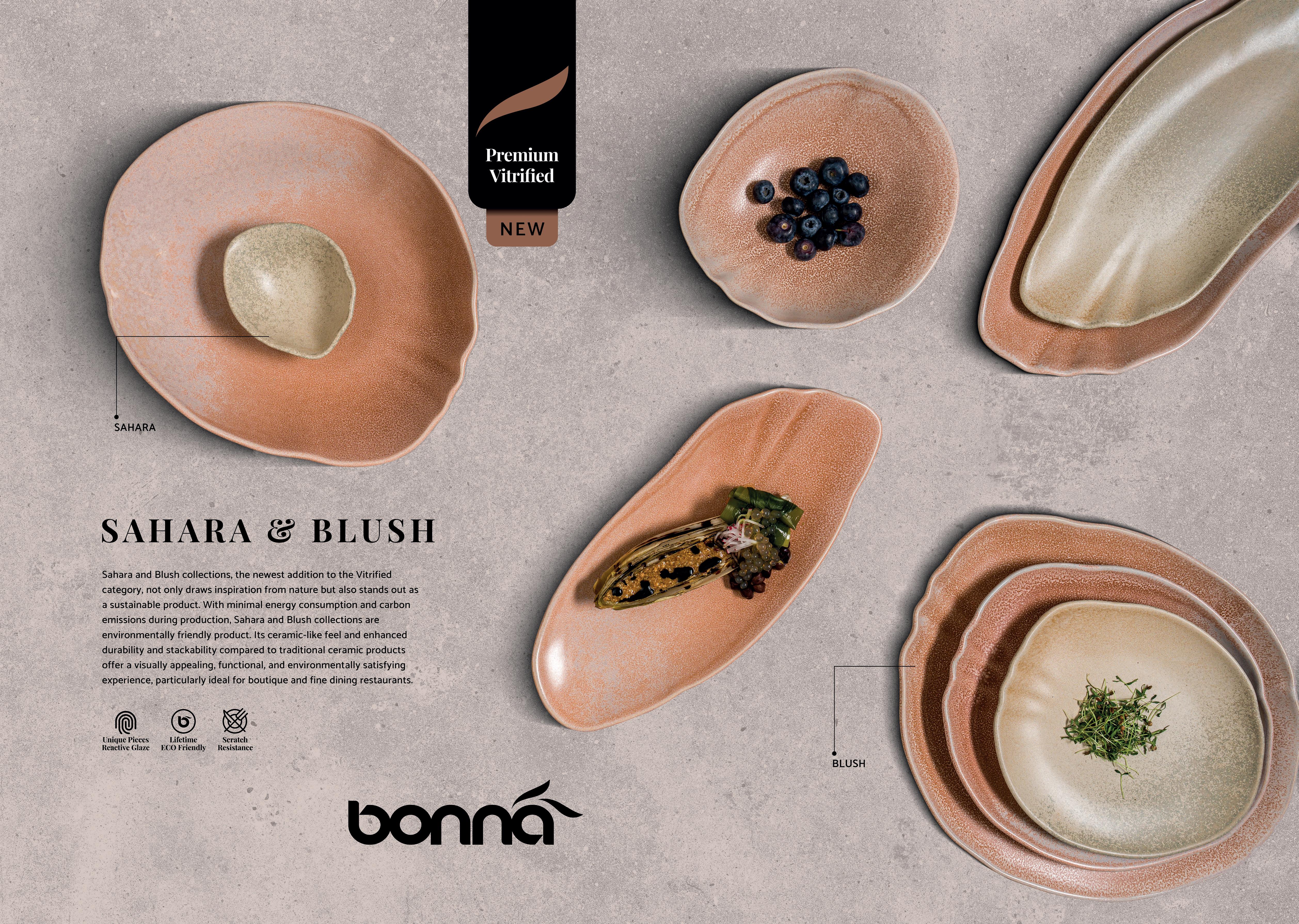
WThis month our cover goes to Bonna who present their latest collections – Sahara and Blush – these are part of Bonna’s Vitrified range so have enhanced stackability and are uniquely durable. We feature a preview on our product news pages, from page 16. In fact, our product pages have lots of great collections designed for professional settings – including news of Richard Brendon’s collaboration with Jeremy King. The collaboration, a bespoke range of glassware, will be featured in all three of Jeremy’s new restaurants:
tion Dissec tion Bolsius Professional
Trend: Gold rush
26 In focus: Wilmax
Valda Goodfellow wants her stock 28 Ambiente what ’s happening in the HoReCa
28 Interview: Vista Alegre 30 Category: Buffet
34 Interview: Stölzle Lausitz
36 Industry viewpoints
44 Category: Eco
44
Arlington, followed by The Park and the reimagined Simpsons in the Strand.
Moving on, we’ve spoke with Leopold Grupp, CEO of Stölzle Lausitz, to find out more about the direction he is driving the company in. The company has history, being 135 years old, but from an outside point of view, it feels very fresh and very goal-orientated, so I was pleased to get an opportunity to learn more about how Leopold plans to drive the operation forward. We also spoke with Vista Alegre Hotelware’s marketing manager, Denise Madeira, who told HoReCa about the latest addition to the Chefs’ Collection from famed chefs Nello Cassese and Marco Stabile – you’ll find that, and our chat with Denise, on page 28.

elcome to the latest issue of HoReCa, brought to you from the Tableware International team. Now that we are o cially in Q4, it will be interesting to see how 2022 will end up comparing to 2021. Despite a cost- of-living crisis unveiling itself (in the UK at least), there remains a degree of optimism that – actually – people will seek to escape the overhanging fruits of doom and gloom. And if they have ex tra money to spend, it will be spent on hospitality and enter tainment. Good news for venues and good news for suppliers. But let ’s wait to see how the next few months transpire. Af ter the trauma of the past number of years, the sector is steeled for whatever the economy has to throw at it.
This issue of HoReCa, therefore, has lots of new products, industr y opinions and trends to sink your teeth into, including a super inter view with master sommelier Matthieu Longuère who is now wine development manager at the acclaimed Le Cordon Bleu London. He gives us some real insight into what makes wine sing, and yes, the glass really does have a par t to play. One of the key things I wanted to know was, when it comes to the glass – does it really matter if its handmade or manufactured?

There is also an interview with Fine Dining & Living’s Lynne Verrydt to learn more about the company’s plans for hospitality and we learn more about two new collections Host and Ecovitra. Turn to page 40 for more.
We have so much more in the magazine too including columns from Valda Goodfellow (page 42) and Jesper Efferbach (page 52), and we hear opinions from industry professionals on page 36.
Do remember to send all of your news and product content for our online newsflash, and our monthly magazine titles, to maireadwilmot@lemapublishing.co.uk.
Mairead Wilmot
“Not always,” Matthieu told me. “The main di erence is nancial. I rst look at the thick ness of the glass and the way the di manufac would not even notice
some insight into their vast assor their must-have collec on page 24 while our friends at Ambiente give us an update on the HoReCa hall on page 28. All this and
28
16



EDITOR
MAIREAD WILMOT mairead@lemapublishing.co.uk


PUBLISHER
PAUL YEOMANS
pyeomans@lemapublishing.co.uk


EDITOR
MAIREAD WILMOT
mairead@lemapublishing.co.uk
PUBLISHER
PAUL YEOMANS
pyeomans@lemapublishing.co.uk
HoReCa May 2024
10 News all the latest 12 The Chef ’s Table collections as they should be 14 Produc t News per fect products for HoReCa
Cover stor
on Wilmax
18
y we shine a light
20 Glassware some HoReCa must haves
26
30 Viewpoints industr y opinion 34 Column hospitality and I ndia 36 Retail to HoreCa HoReCa Oc tober 2022
22 Interview master sommelier Matthieu Longuère 24 Collec
Column
hall
Cont ents
The views of the contributors e ema Publishing Ltd. Comm Published by Lema Publishing Ltd. 1 Churchgates, The Wilderness Berk hamsted Her ts HP4 2UB Tel: 00 44 (0) 1442 289930 www.tablewareinternational.com oReCa Team
airead W
12
16
News
Product news 20
Arda reimagines glassware for HoReCa
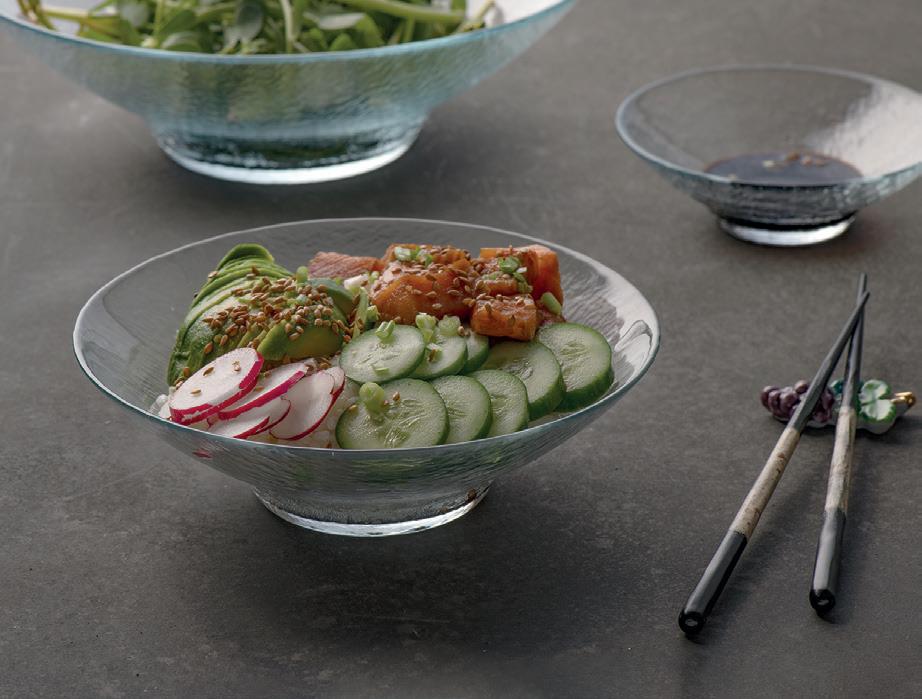
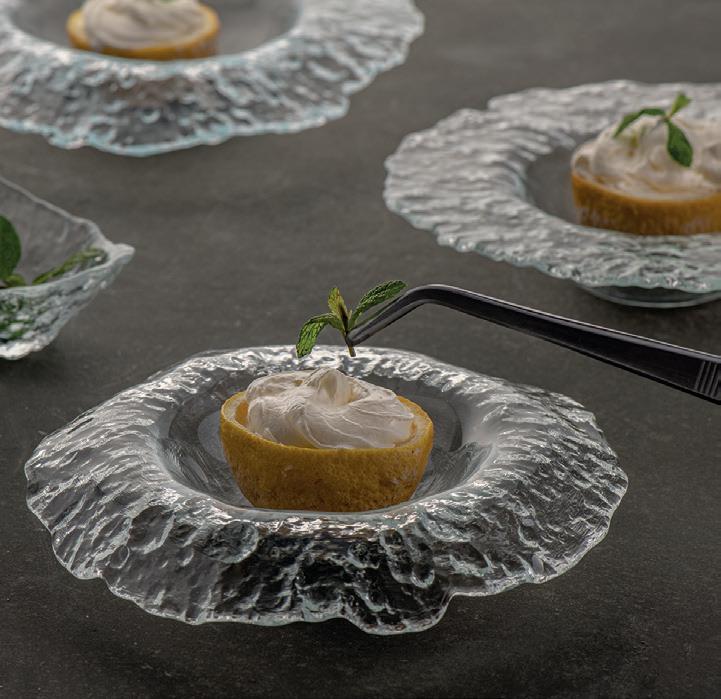
Arda Glassware has invested in a new project to increase the mechanical strength of its glassware, making it ideal for HoReCa settings.
The recently completely project saw the company set out to “close the gap between the limited mechanical strength of conventional soda lime glasses and the excellent strength of crystalline glasses, increasing the mechanical strength by strengthening the glass bond structure in all processes from melting to forming”.
The company – led by Damla Önen – carried out a comprehensive study under the leadership of its newly established design and innovation centre.
The result, the company says, is glassware with mechanical strength beyond the expectations of the market. “This success marks the beginning of a new era that aims to revolutionise the HoReCa market and shake the dominance of porcelain,” the company adds.
Costa Verde introduces innovative new collections
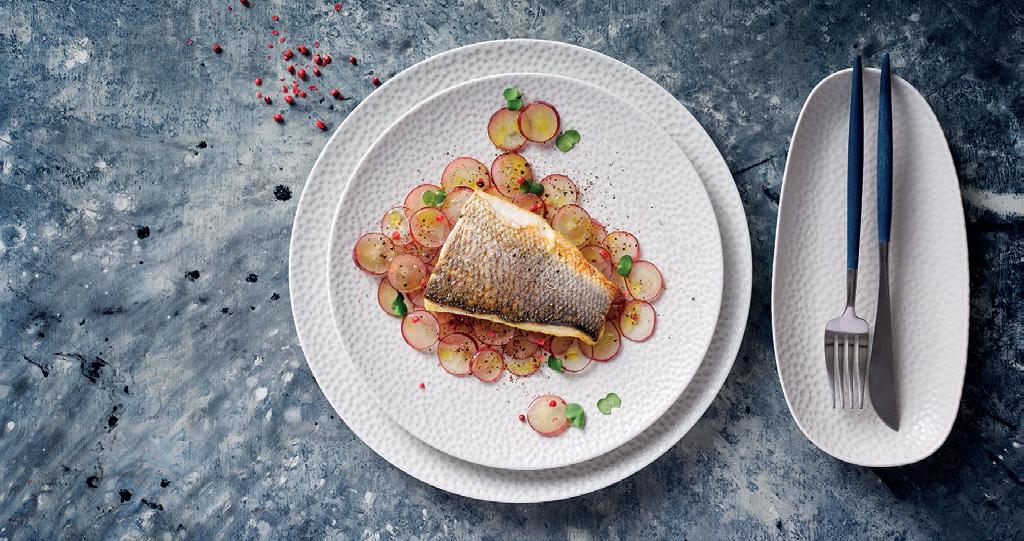
Costa Verde has been exploring new decorative alternatives by directly imprinting its designs on porcelain – with the Bubbly and Tense collections being the brand’s most recent launches. Costa Verde has been experimenting with digital printing for a number of years now, it first introduced the innovative concept of feldspar porcelain fired at 1400ºC, with the application of coloured and reactive glazes in 2021 with Moods, envisioning it would develop the process into various product lines. Fast forward to now, Bubbly is the result of a combination of various collections from Costa Verde – there is a subtlety of texture paired with innovation resulting from the application of glaze under digital printing. Tense, on the other hand, comes in two versions, matte and glossy, and results from coordinated work in coloured glazes and digital printing with reactive inks. The reactive ink present in these decorations, applied by digital printing, allows for a new range of decorations and diversification of concepts. Visit https://costa-verde.com to learn more.
CHIC is official partner of Gault&Millau Belux Guide 2024
CHIC Tableware has been appointed the official partner of the Gault&Millau Guide 2024. This partnership highlights the shared commitment of both CHIC Tableware and Gault&Millau to excellence in culinary craftsmanship and presentation. Just as Gault&Millau meticulously selects and celebrates the finest restaurants and chefs, CHIC precisely crafts exquisite tableware to complement and enhance these exceptional dining experiences. The brand says it is “honoured by this collaboration and excited about the opportunity to contribute to the celebration of culinary expertise.”.
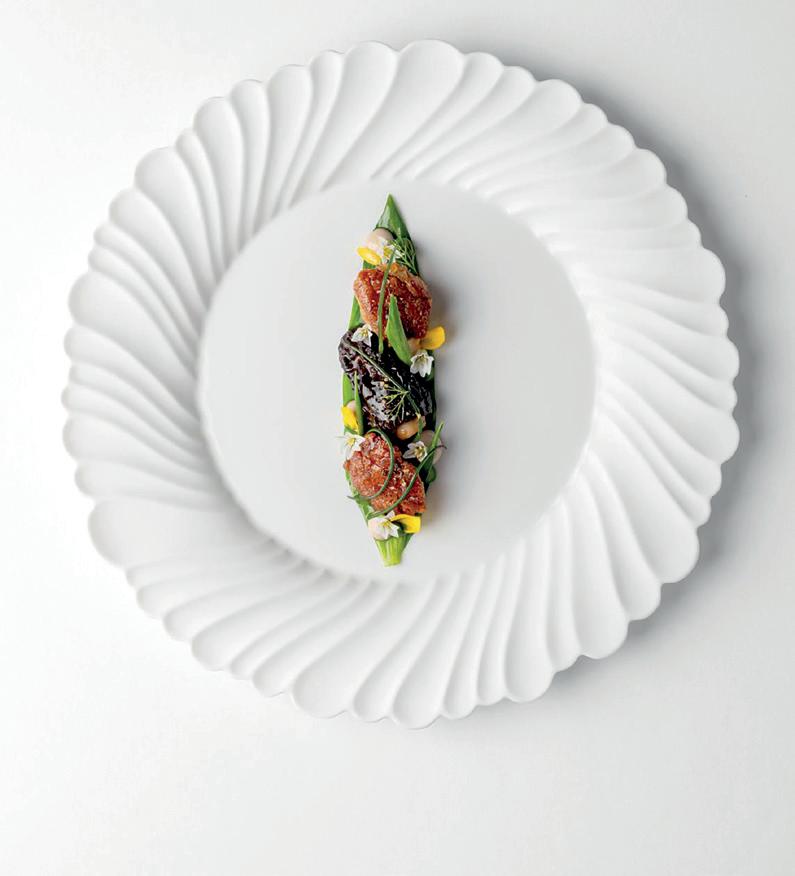
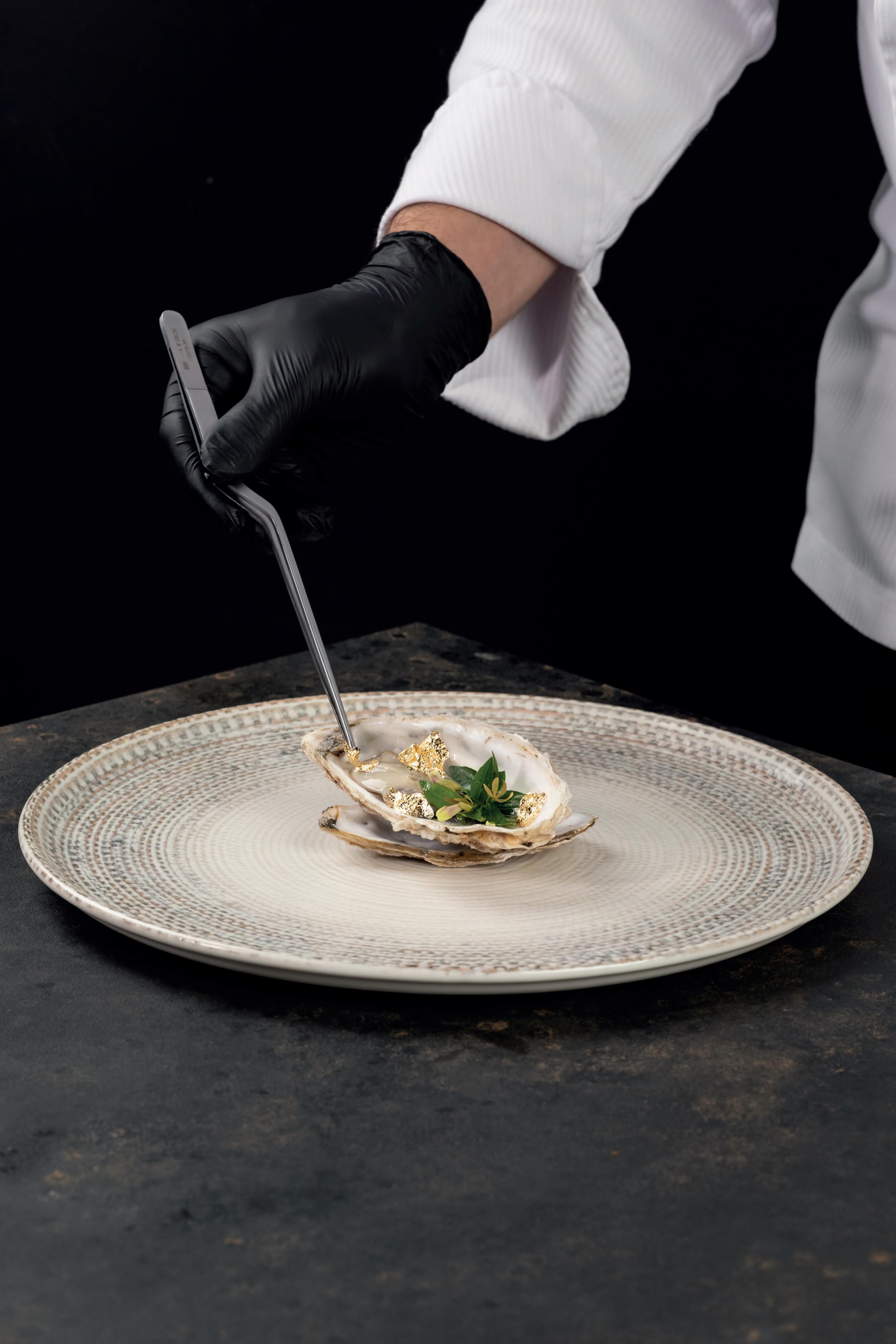
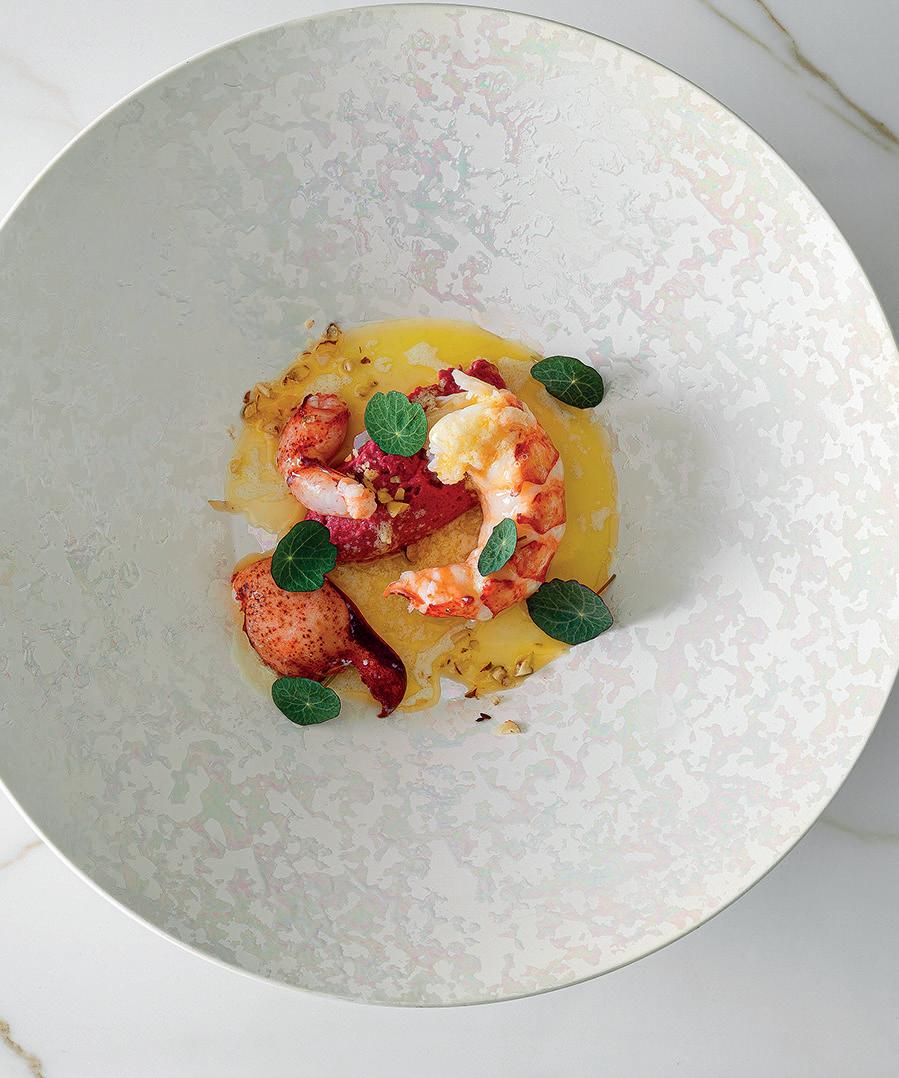
Be inspired by… Alex Dilling
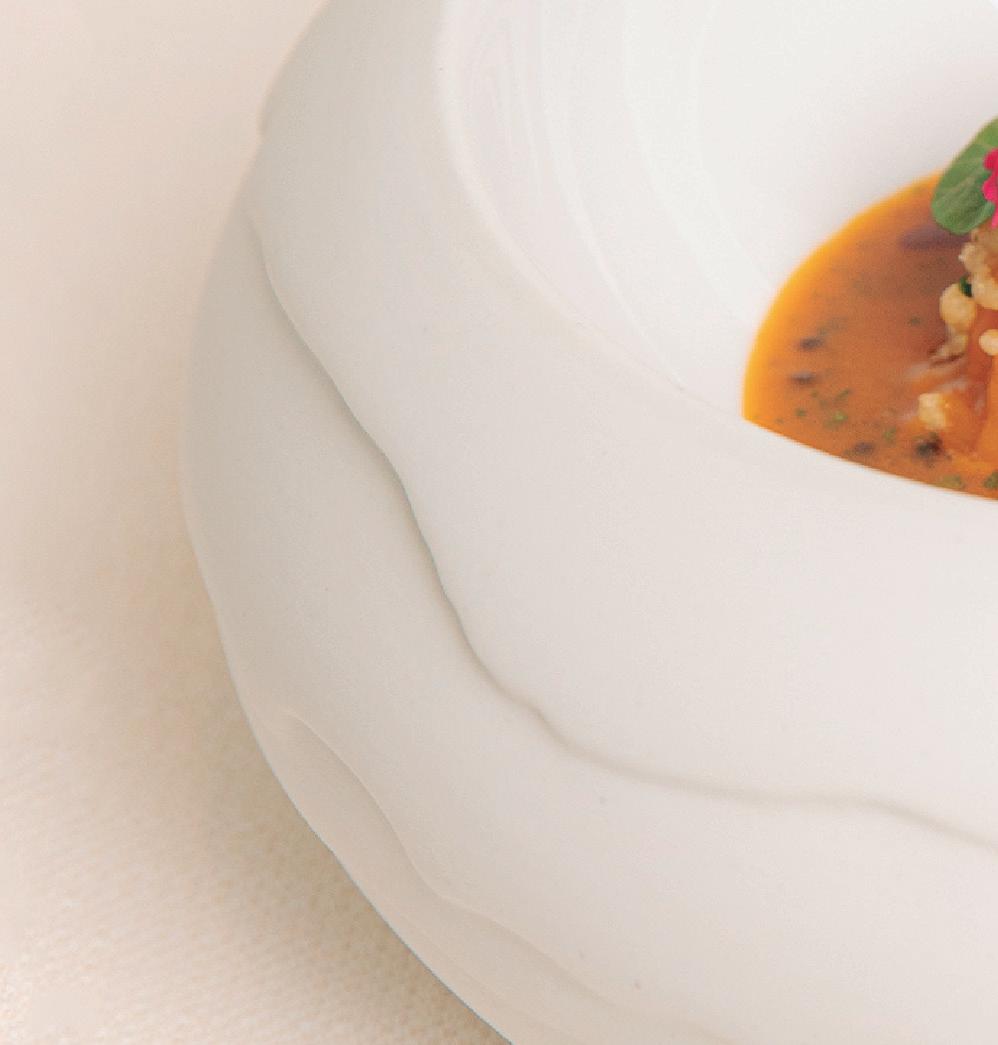
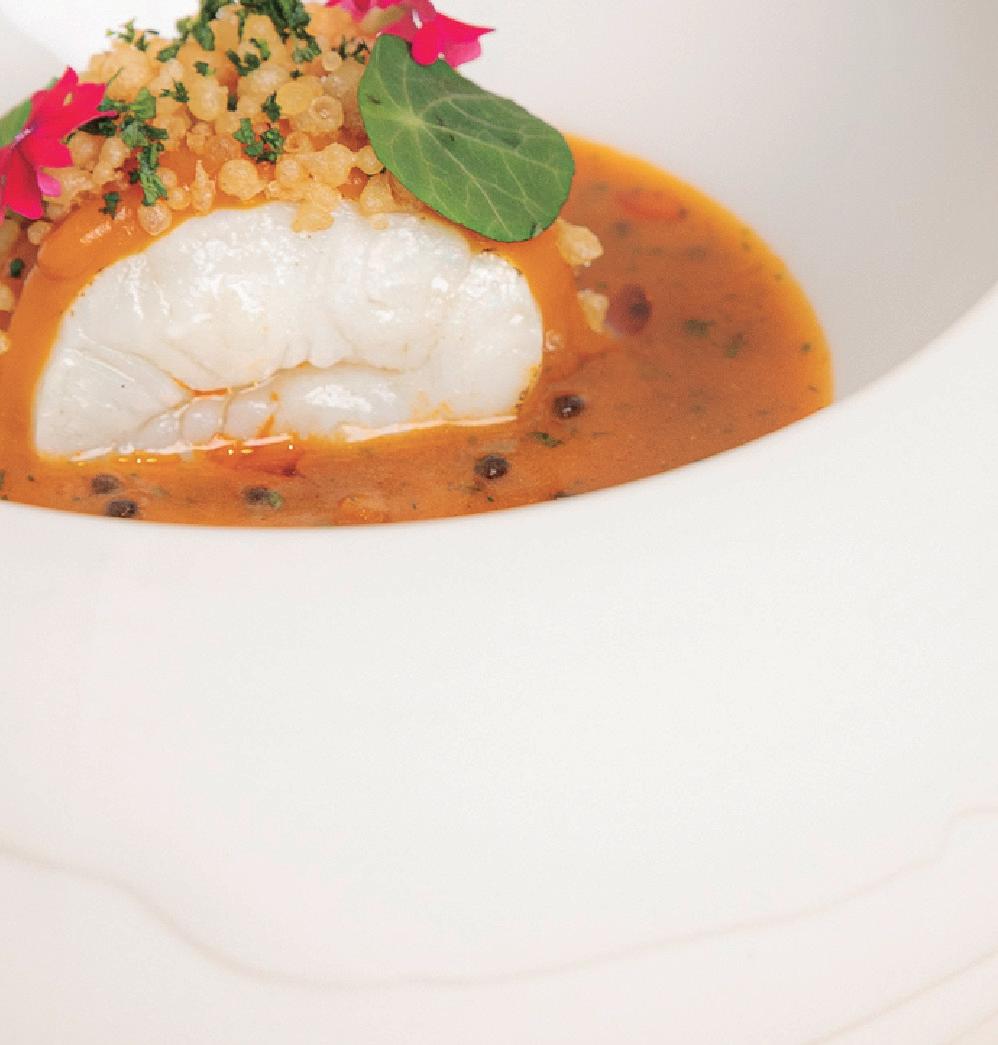
Two Michelin-starred chef Alex Dilling has created this stunning creation at London’s Hotel Cafe Royal using the elegant and refined Twist plate from Jacques Pergay. This amazing plate – supplied exclusively by G&G Goodfellows – is a favourite among top chefs.
Groupe SEB achieves EcoVadis platinum rating
Groupe SEB has been awarded the prestigious EcoVadis Platinum rating, the highest rating in existence, placing it in the top one percent of companies assessed. The rating covers all consumer and professional brands of the group. SEB Professional, as a part of Groupe SEB, is comprehensively encompassed within this rating with all its brands and products including WMF, Schaerer, and Curtis.
EcoVadis is the world’s largest global CSR (Corporate Social Responsibility) performance assessment platform, providing ratings for companies based on their sustainable practices across four pillars: environment, social & human rights, ethics and responsible purchasing.
News General 12 TABLEWARE INTERNATIONAL: HoReCa
Little's Oyster Bar
orrefors .com Intermez zo Gold Design Erika Lagerbielke
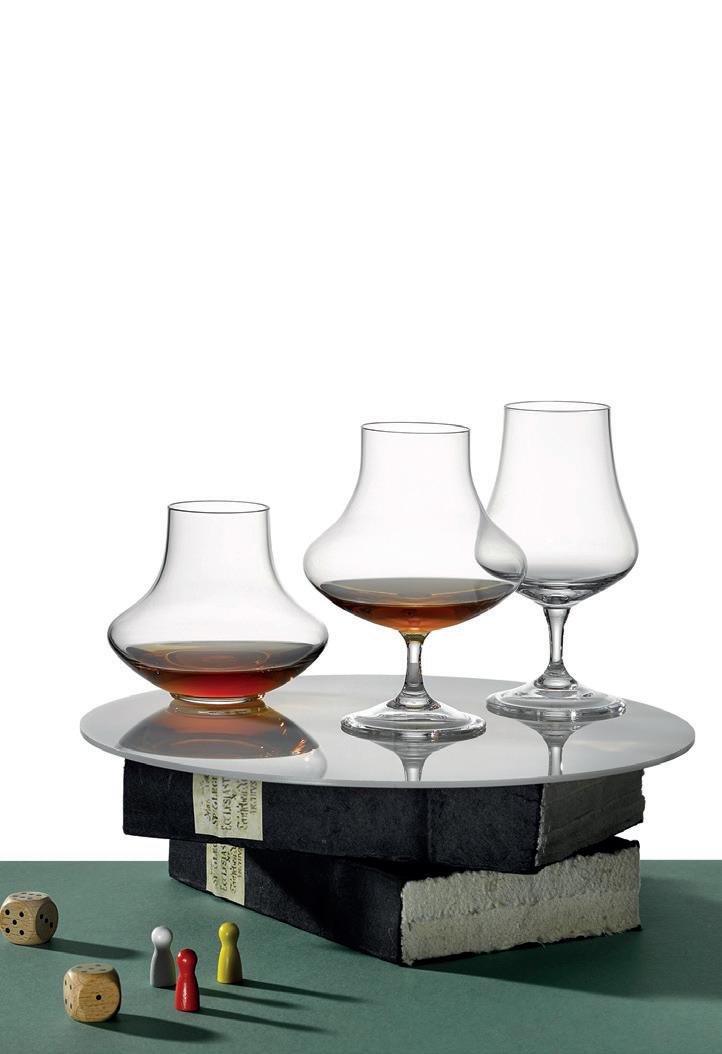
Crystalex launches new products
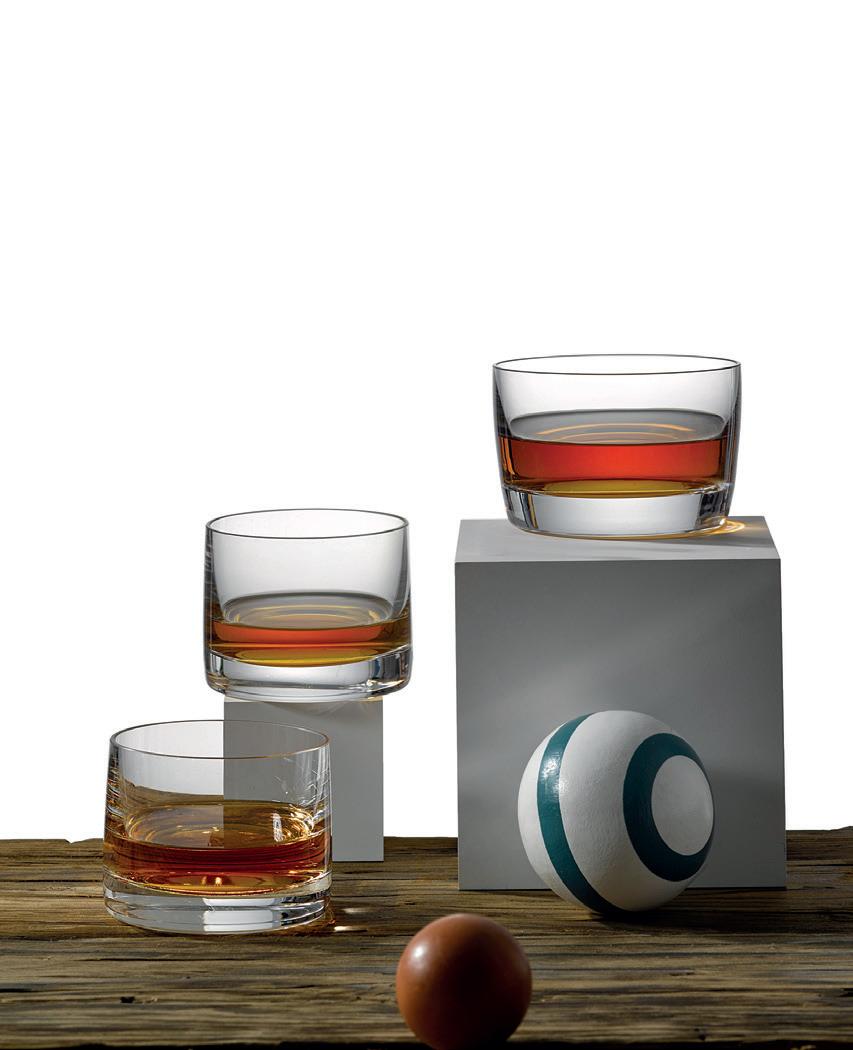
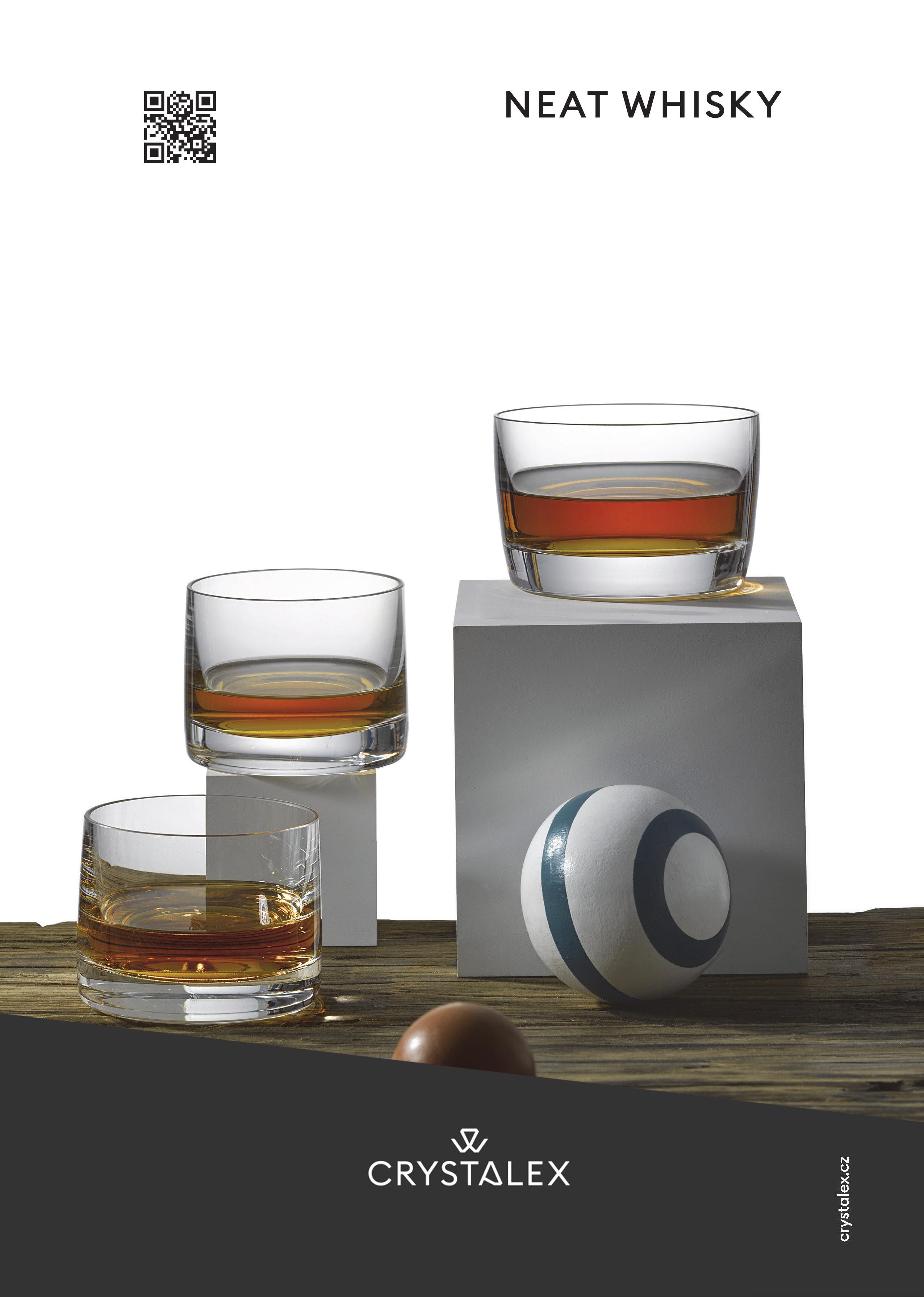
Czech manufacturers Crystalex have launched three exciting new products, designed around socialising. First up the comprehensive Bravissimo goblet set, which offers ideal glassware for any occasion, followed by an equally well-crafted collection of beer glassware, showcasing classic and ergonomic shapes. And finally, an assortment of glasses specifically designed for cognac.
“Working hand in hand with our designers, we have developed the brand-new Neat Whiskey and Cognac glasses. Each stands out in a completely different way, but they share a timeless aesthetic and are very attractive and practical,” says a company spokesperson. Visit www.crystalex.cz for more.
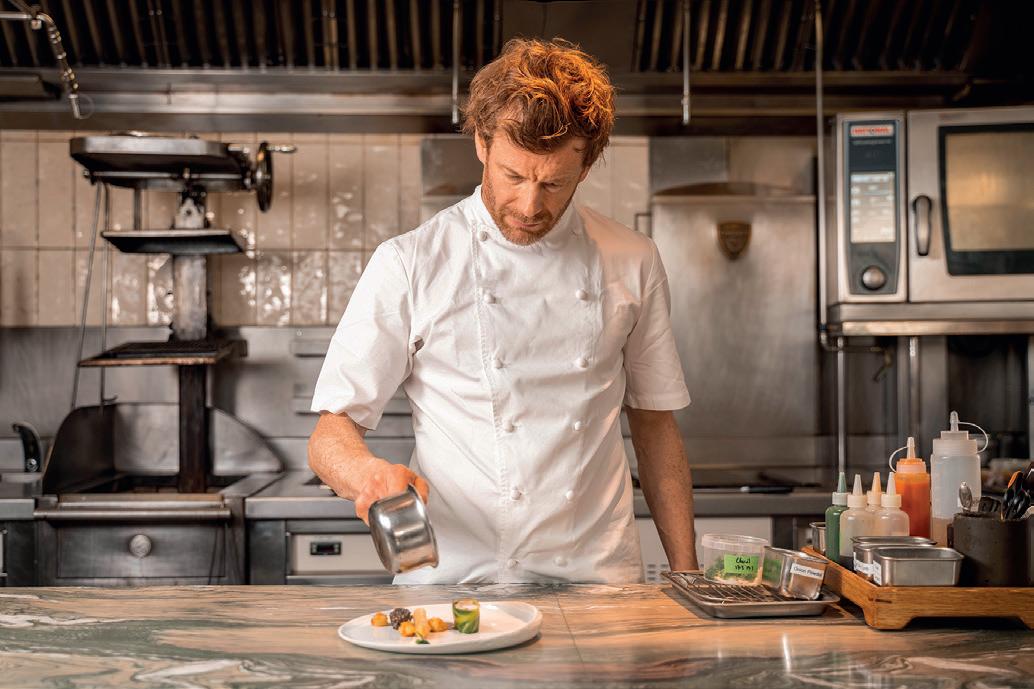
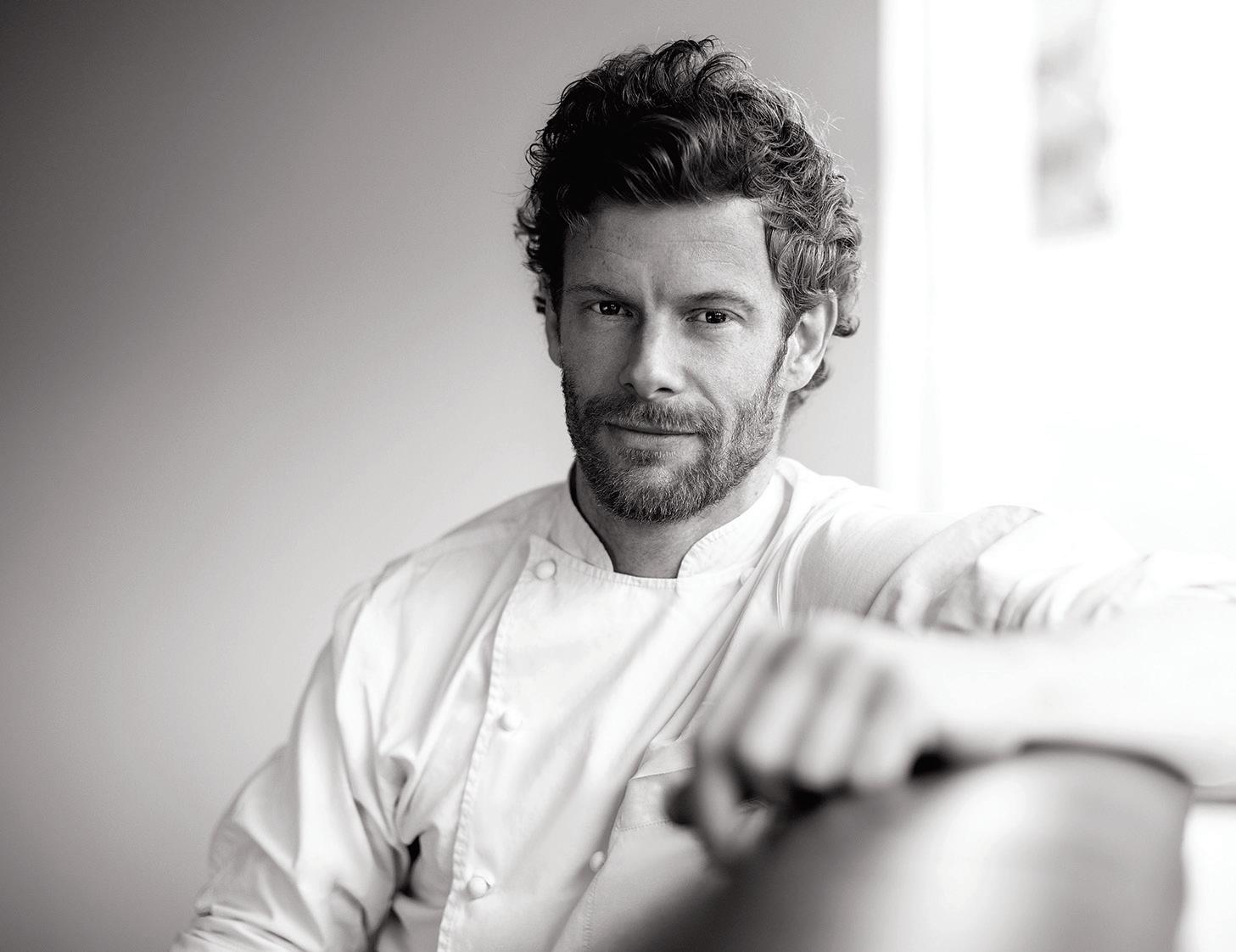
ASKO announces world renowned Michelin-starred chef as ambassador
Leading Scandinavian appliance brand, ASKO, has announced world renowned, Michelin-starred chef, Tom Aikens as its global chef ambassador for 2024.
As an ASKO chef ambassador, Tom will collaborate closely with the brand to showcase the versatility and performance of its kitchen appliances.
From innovative cooking techniques to imaginative recipes, Tom will provide exclusive insights and inspiration to food enthusiasts eager to elevate their culinary skills.
HEPP invests in silverplating
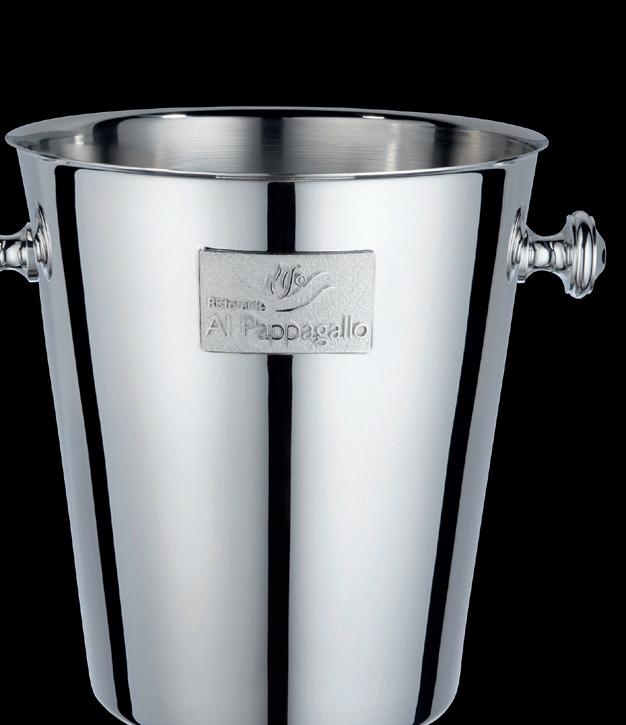
HEPP has recently invested in its silverplating production lines. Additional space, as well as continuous process optimisation, now enable HEPP to increase its production capacity with the delivery time for silver-plated articles has been reduced to six weeks.
HEPP also offers silver repairs and refurbishments done in the in-house workshop as well as customisation possibilities such as stamping, engraving or laser marking.
The brand’s Service & Repair department is highly regarded by customers from all over the world and is a unique selling point in the industry. Particularly as the upmarket restaurant and hotel industry continues to attach great importance to top-quality silver-plated cutlery and customised designs.
In addition to classic craftsmanship, HEPP's in-house workshop utilises state-of-the-art technology: using a 3D printer, HEPP now offers the option of customising selected products with individual, tactile labelling made of solid stainless steel.

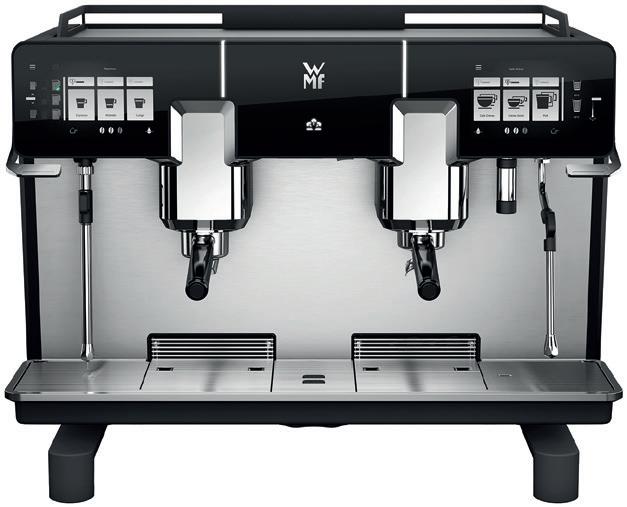
German latte art champion Daniel Gerlach represents WMF
Professional coffee machines
Award-winning barista and master latte artist Daniel Gerlach will now be supporting WMF Professional coffee machines as official brand ambassador for the WMF espresso Next semi-automatic portafilter machine. A virtuoso at the espresso machine, Daniel operates his own coffee shops as well as a roasting house and knows the challenges of the catering sector like no other. For Daniel Gerlach, the Internorga 2024 fair presented the first opportunity to demonstrate his talents as brand and product ambassador for WMF Professional Coffee Machines.
14 TABLEWARE INTERNATIONAL: HoReCa
News General



Timelessly elegant, simple and beautiful.



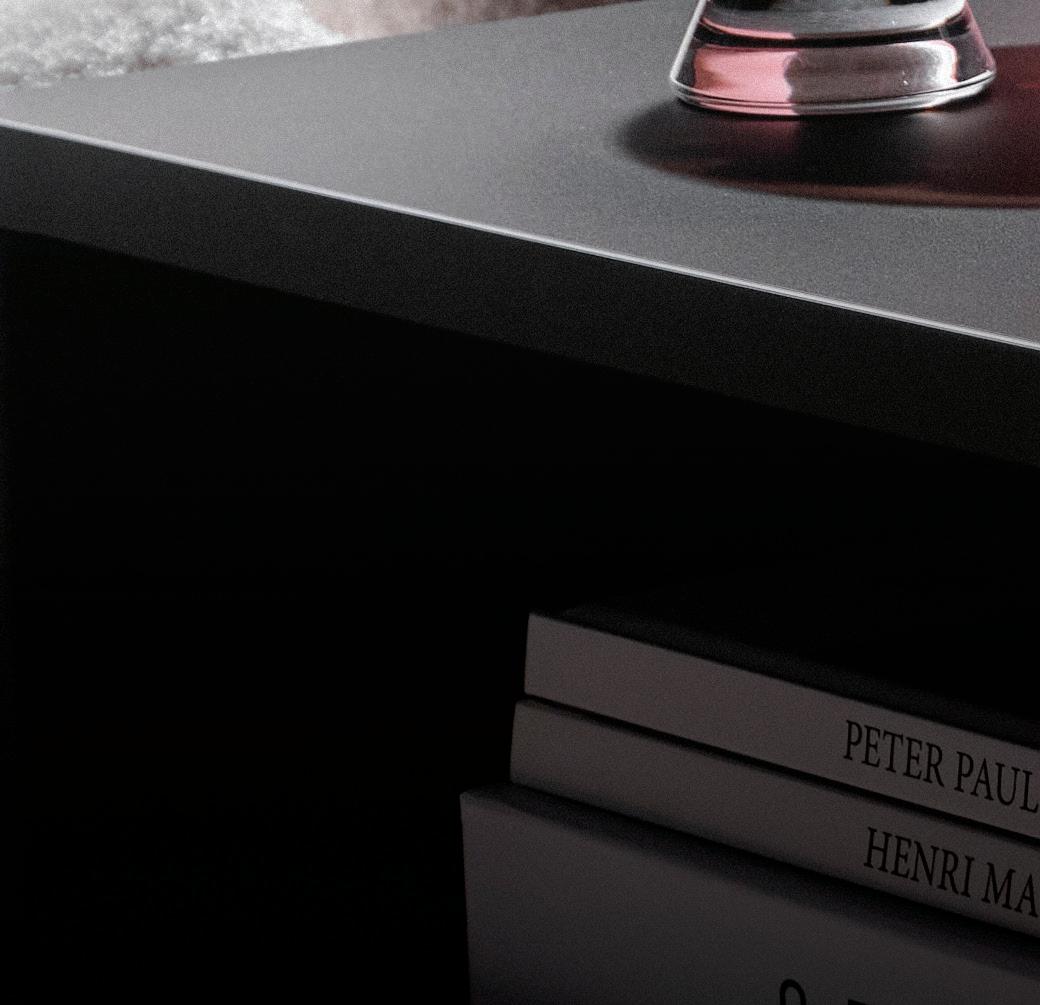
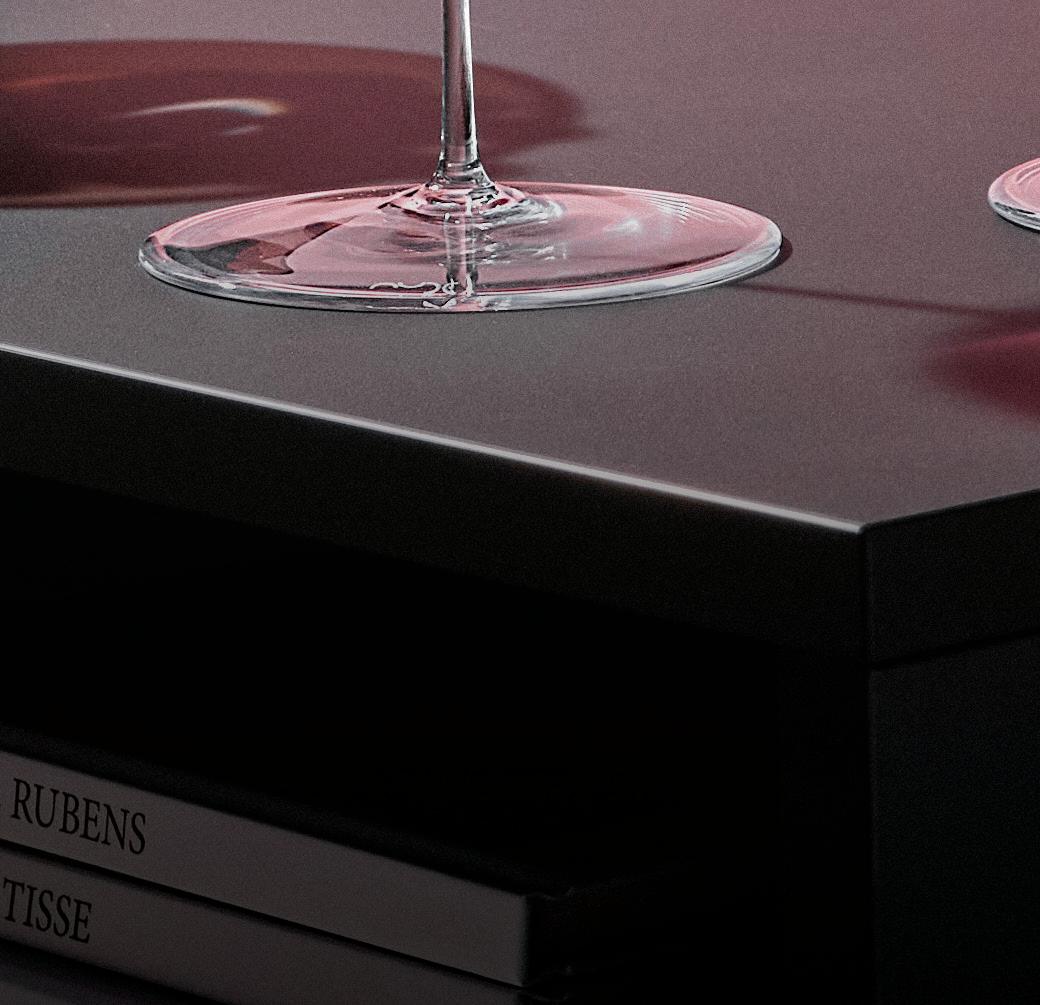
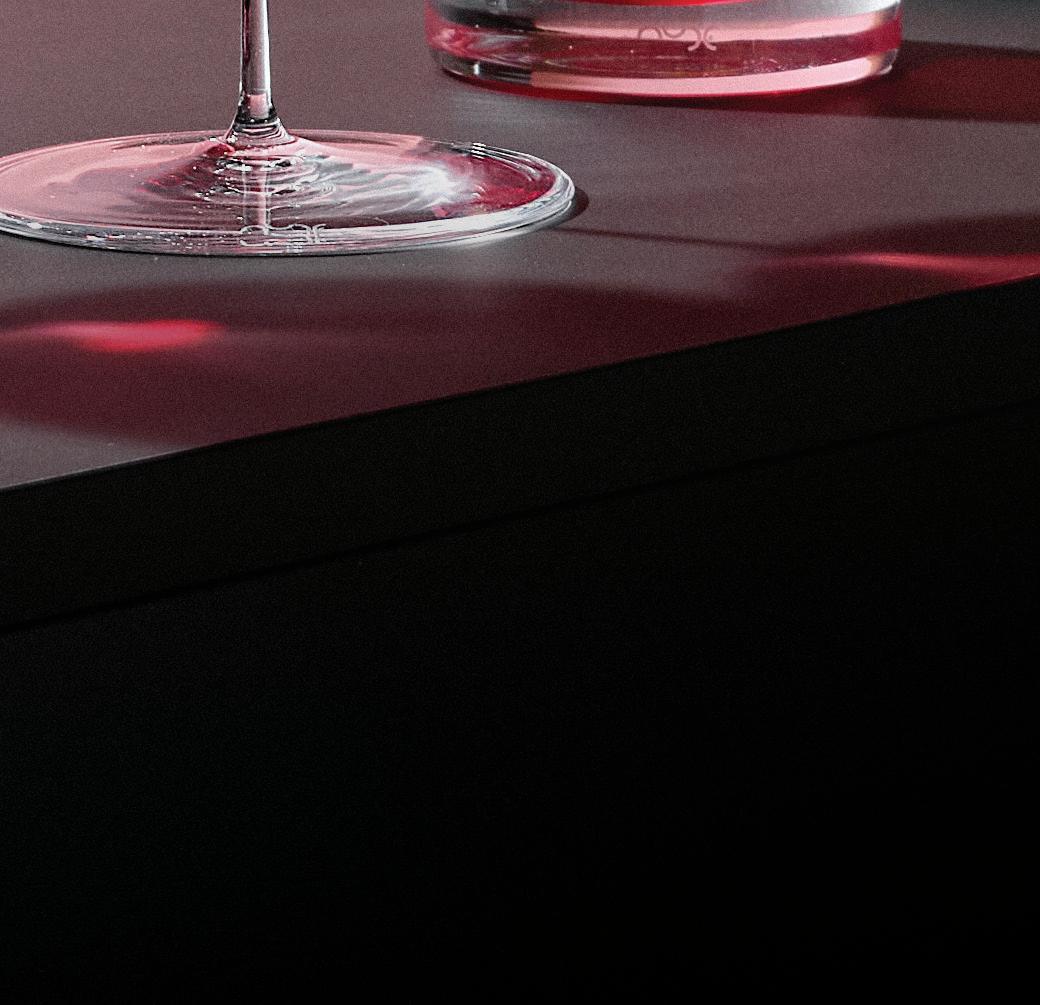



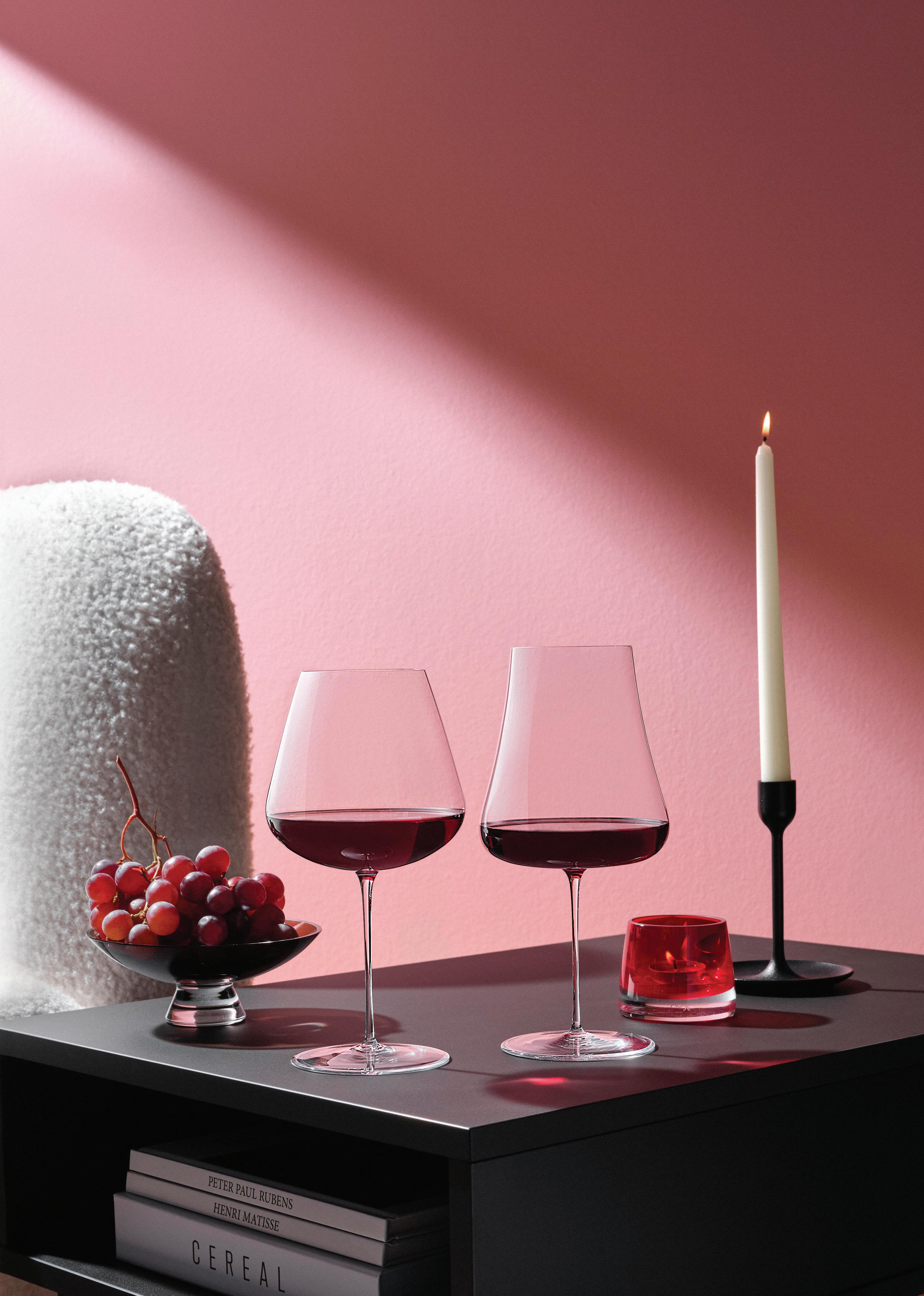
Meet LSA’s Arc Contrast
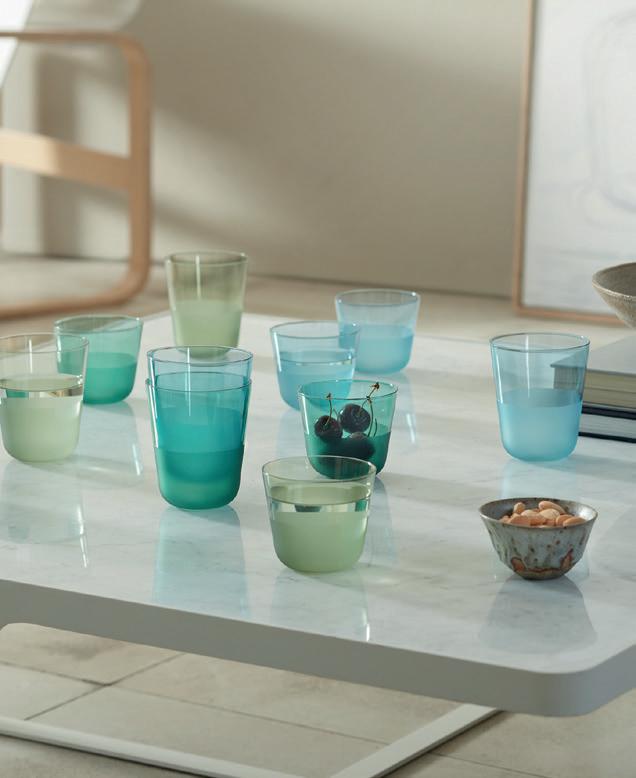
From LSA International, the Arc line, including Arc Contrast, is ideally positioned for the HoReCa market. The Arc Contrast addition of tumblers add colour and texture to the original clear forms of the Good Design Award winning Arc drinkware collection. Tactile, translucent and matte finishes meet in the centre of the glass to create contrasting surfaces which play on light. The soft, gentle silhouettes and the textured surface sit comfortably in the hand and the tonal array of colours lend themselves to creating individual or multi-hued colour stories.
www.lsa-international.com
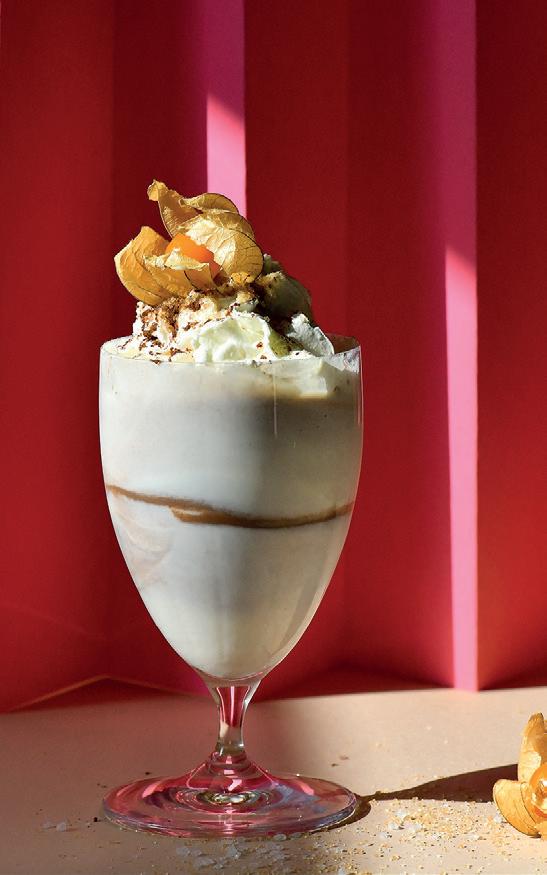
Bringing universal elegance to the table
Classic, but with a hint of extravagance - the Prima Lumi collection from Krosno has been perfectly designed to serve everything from water to desserts to alcohol. The universal design matches any table setting making them an ideal option from hospitality.
www.krosno.com
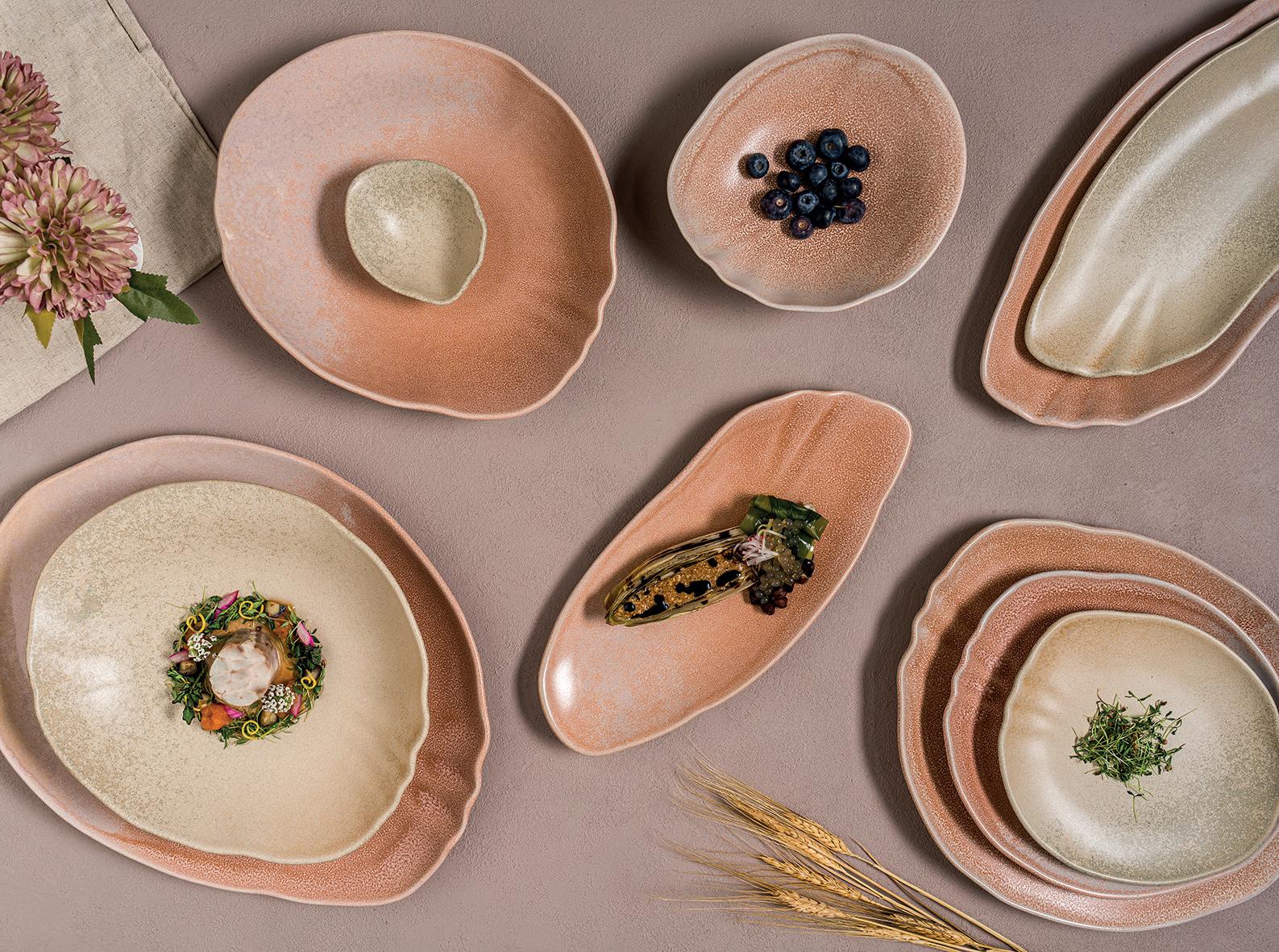
Bonna introduces Sahara and Blush
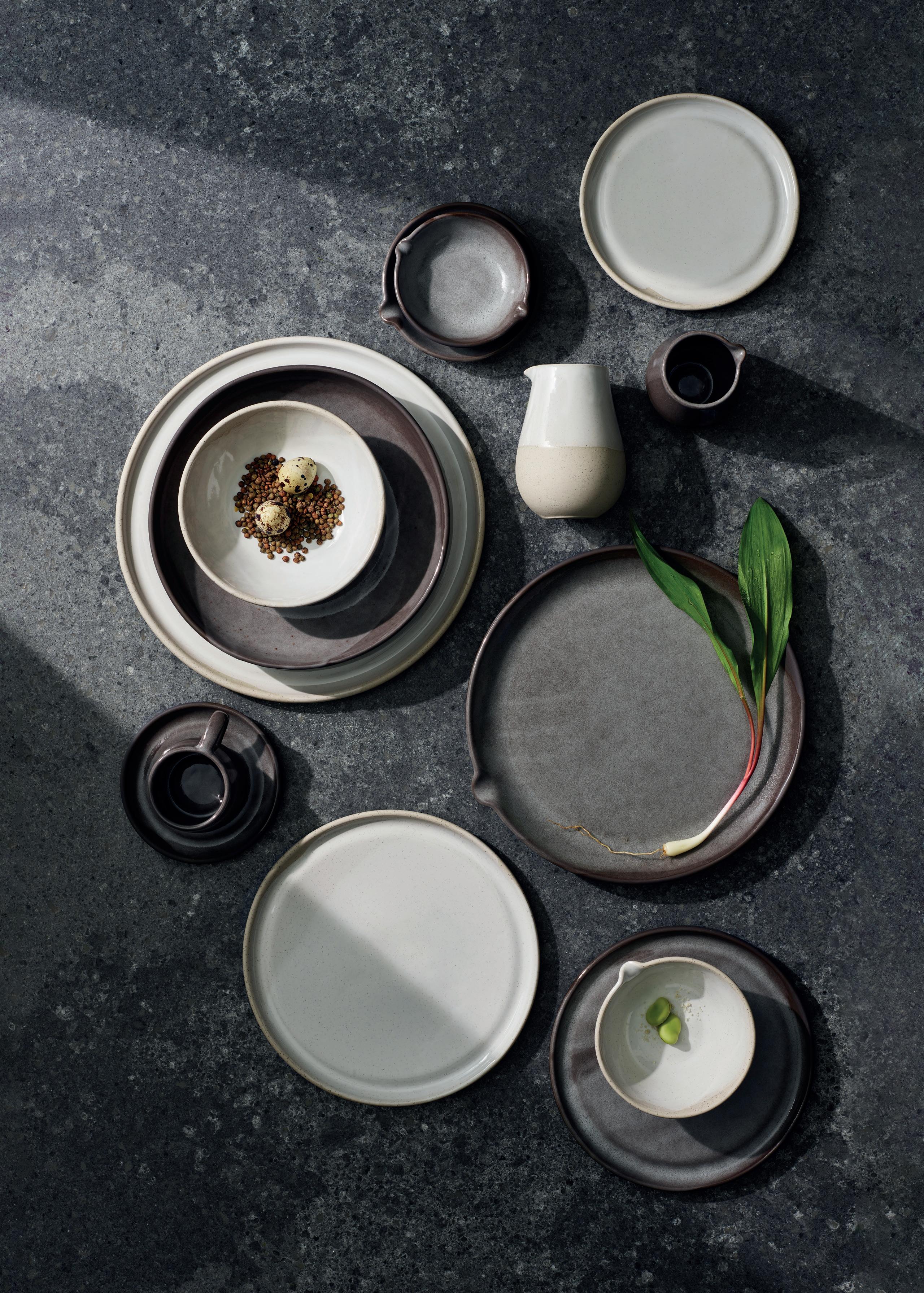
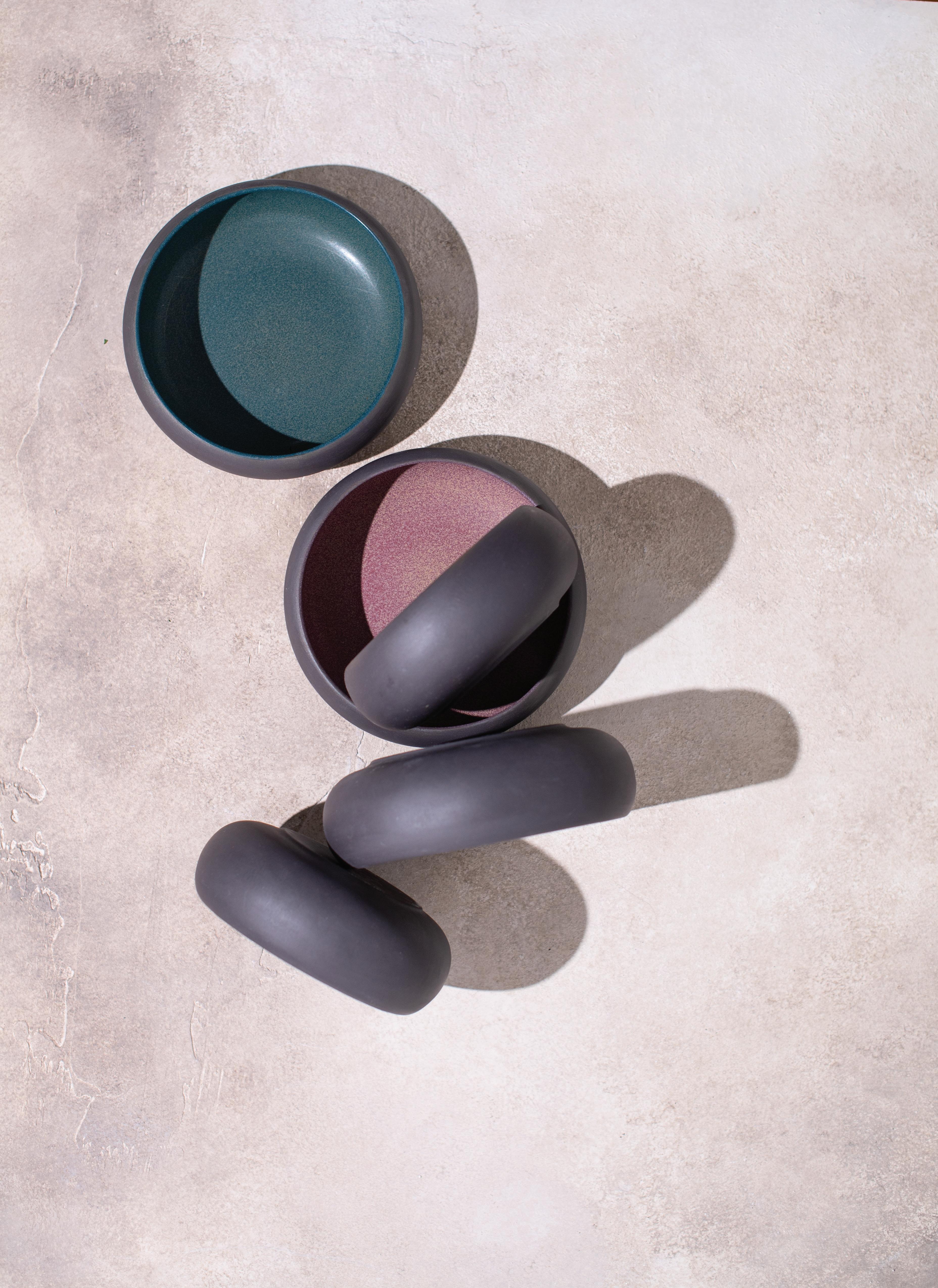
Hospitality specialists Bonna has launched two new collections – Sahara and Blush – the latest additions to the company’s Vitrified range. The new collections not only draw inspiration from nature, they are also environmentally friendly, with minimal energy consumption and carbon emissions during production.
Sahara and Blush boast enhanced durability and stackability compared to traditional ceramic products, and offer an outstanding solution for hospitality, being particularly ideal for boutique and fine dining restaurants. Bonna’s Premium Vitrified collections are produced from dense and high-quality clay, bringing together aesthetics and functionality with exceptional durability. The company says the range offers an extended product lifespan compared to ceramics, thanks to an improved product recipe and higher firing temperature.
bonna.com.tr
Kütahya Porselen to present collections at NRA
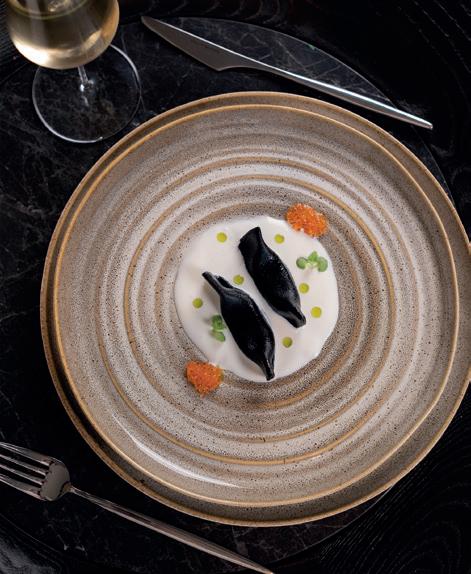
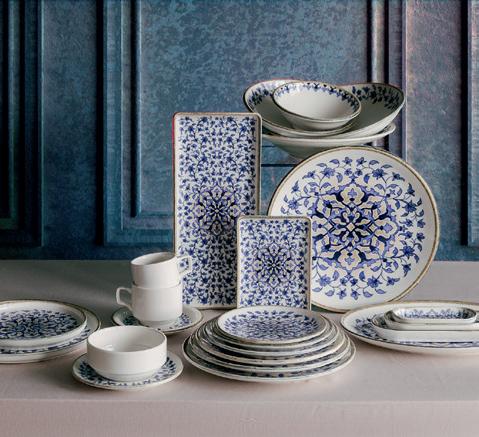
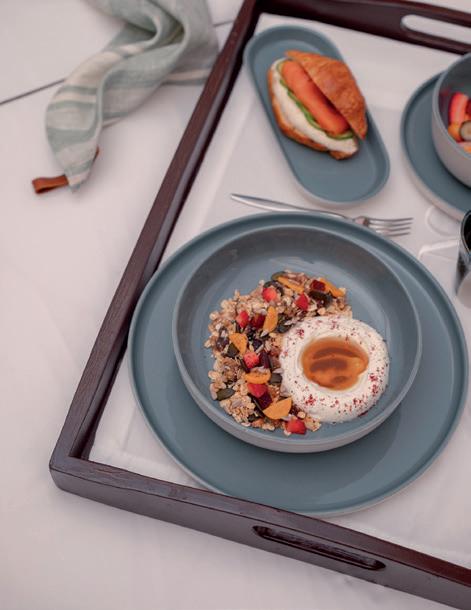
Kütahya Porselen will present a series of new assortments at NRA including – Cozy, Lagom and Kratos.
Available in four different colours - Cozy Sand, Cozy Cashmere, Cozy Caramel, and Cozy Navy, the Cozy collections provides a unique canvas for chefs' original presentations with its amorphous form and swirling design reminiscent of a whirlpool.
Lagom, meanwhile, is named after the Swedish ethos of balanced living. Designed with the philosophy of "not too much, not too little, just right," Lagom offers six different colour options, allowing users to create combinations that reflect their own style.
Finally, Kratos, named in homage to the symbol of endurance and strength in Greek mythology, boats a minimal yet contemporary design, with eye-catching pieces featuring distinctive patterns produced using digital printing.
www.kutahyaporselen.com
News Product 16 TABLEWARE INTERNATIONAL: HoReCa
Lagom
Kratos
Cozy
NIKKO COMPANY https://www.n ikko-company.co.jp
NIKKO CERAMICS, INC.( U.S.A ) https://www.nikkoceramics.com
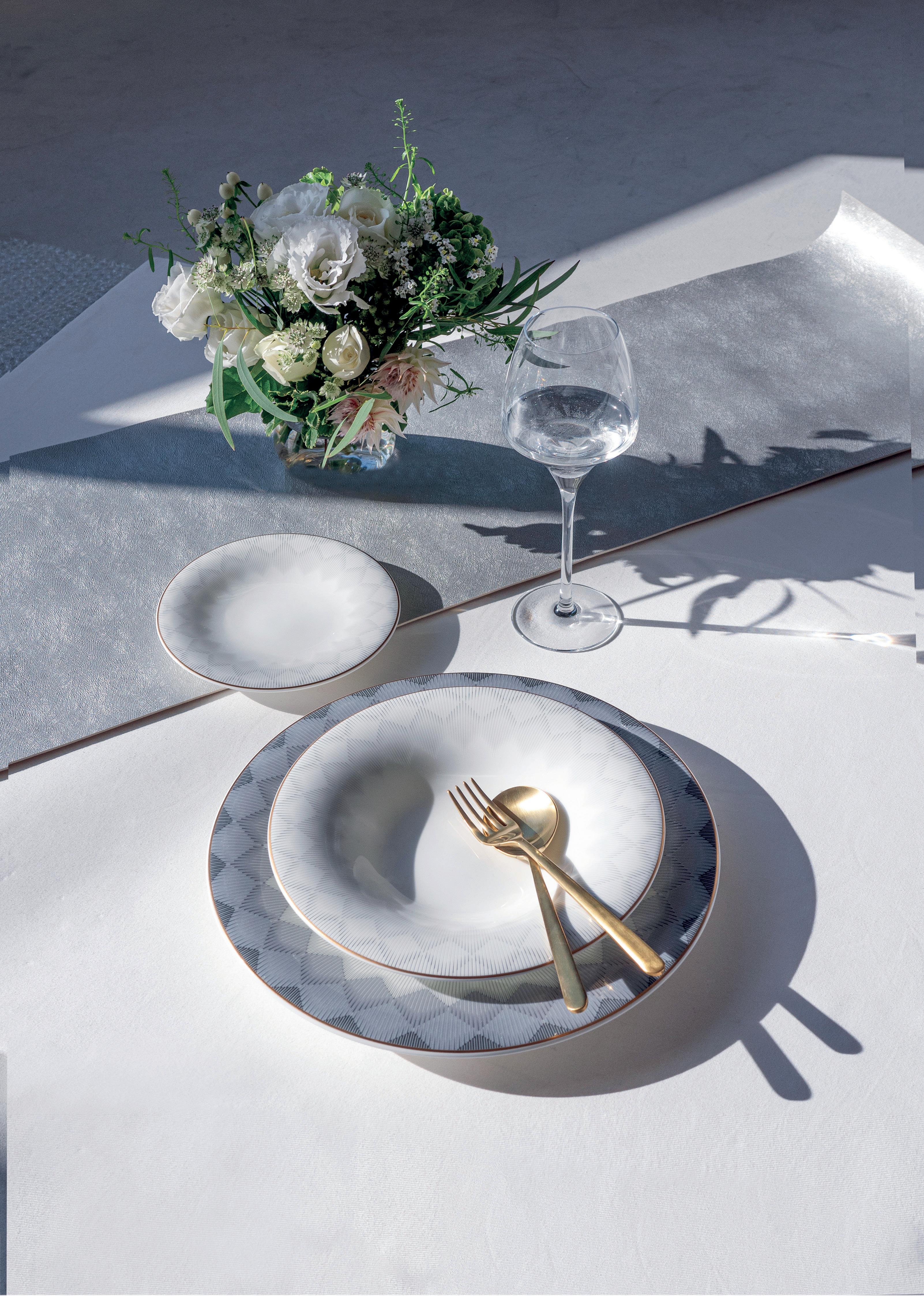
English site QR code
STA LLIAN T
MADE IN JAPAN FINE BONE CHINA NIKKO NEW COLLECTION
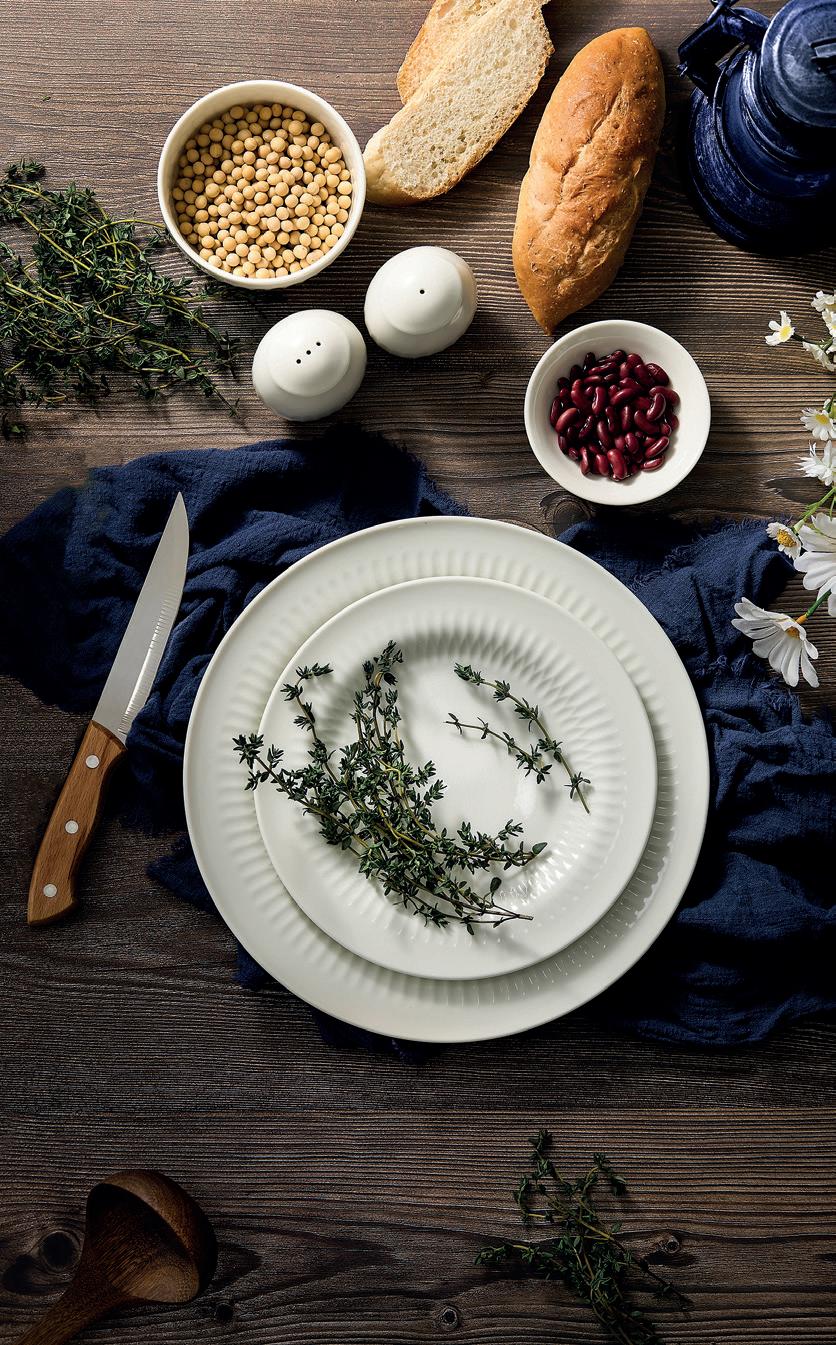
A timeless tale by Luzerne…
Transcending trends, the Daisy collection by Luzerne brings an enduring elegance to the table inspired by nature's enduring symbol of purity and joy – the daisy.
Luzerne invites you to imagine a table adorned with pristine white pieces, each glowing like a blank canvas. Picture ruby-red tomatoes contrasting against its smooth perfection, emerald peas mirroring its gentle curves. Food becomes art, a vibrant symphony against the ivory backdrop. The collection is supported by a sculpted teapot and matching cups. www.luzerne.com
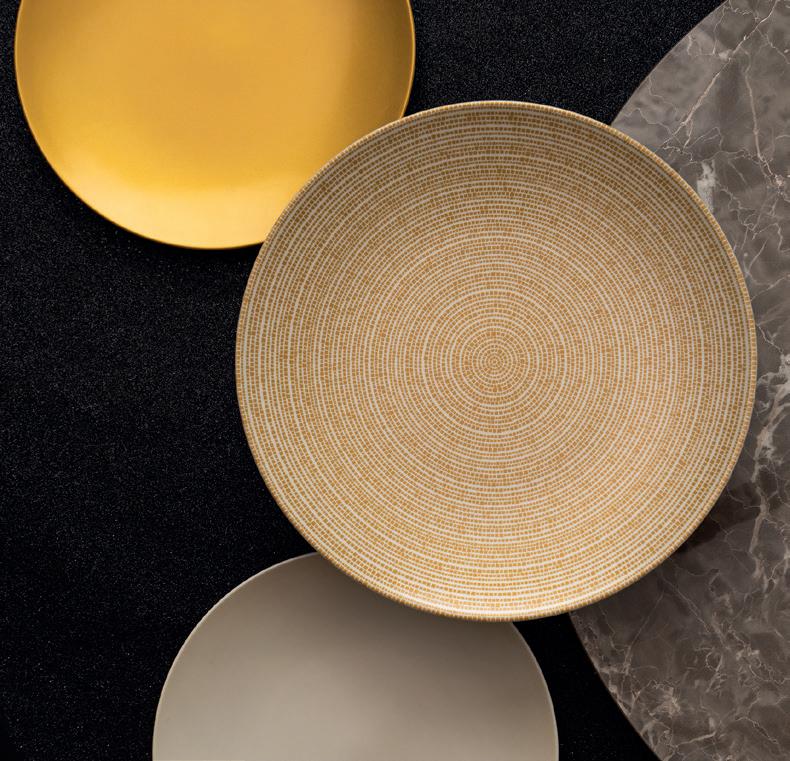
Going for gold
Glorious gold is seeing a resurgence in popularity – turn to page 20 to see some top-tier products showcasing the trend. Take Narumi’s luminous Luminar collection as an example – note how the pearl colours are elegantly laid out to reflect room lights, providing sparkling background to the food. The ideal for signature plate for fine dining and lobby lounges where guests can relax and enjoy premium atmosphere.
www.narumi.co.jp
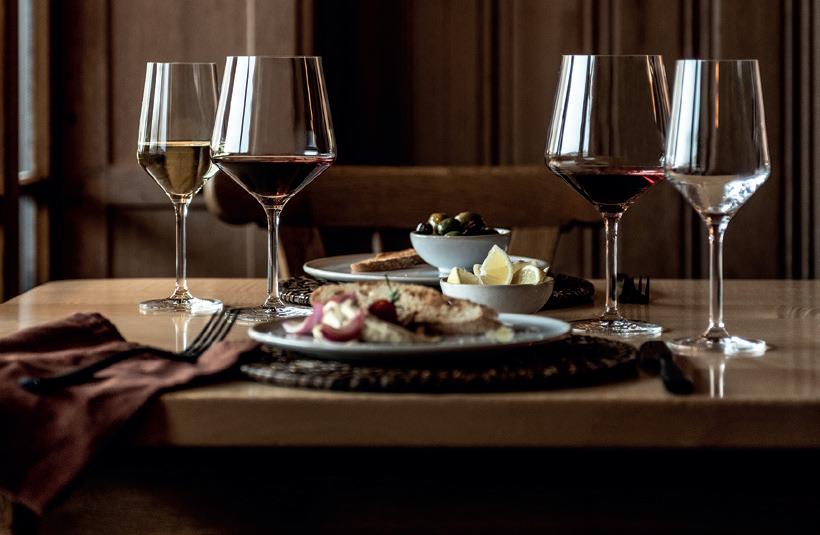
Cinco – the banqueting must-have
The Cinco banquet series from Schott Zwiesel is the perfect companion for both restaurants, and events. With its modern, yet very compact, short-stemmed shape and balanced goblet sizes, the Cinco range is suitable for everything from classic restaurant meals to formal banquets and informal celebrations. The five sizes in the range - white and red wine, sparkling wine, allround and gin tonic glasses - provide an ideal setting for almost any drink. Cinco is machine-made in Germany from Trita n crystal glass and is particularly durable, brilliant, break resistant and dishwasher-safe.
www.zwiesel-glas.com
Amefa embraces velvet
Amefa is embracing the glorious sensation of velvet with its new launch, Metropole Velvet. Boasting a unique velvet finish that mimics the soft feeling of a real velvet fabric, the collection – made with 18-10 high quality stainless steel – showcases long, slender lines and a sloping handle at the bottom. Amefa tells us the design is based on contemporary city architecture with a modern appearance – a visually captivating collection with a luxurious look and feel.
www.amefa.com
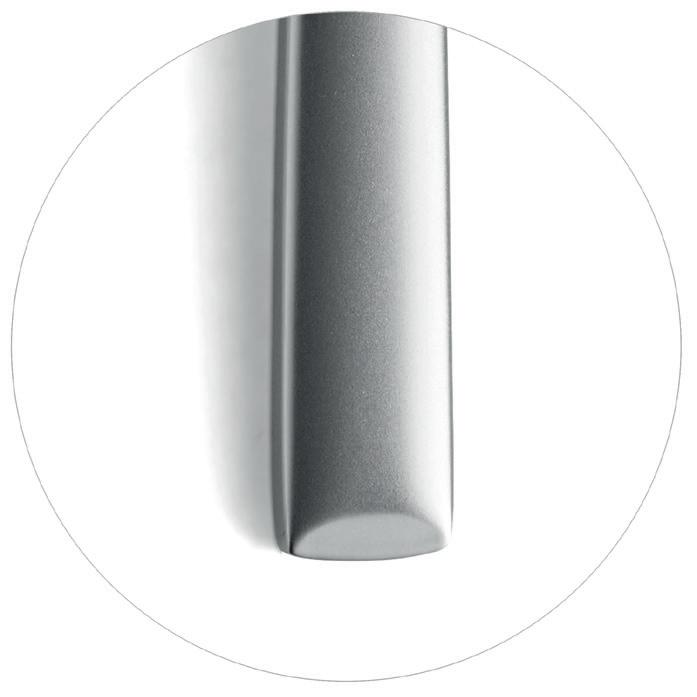
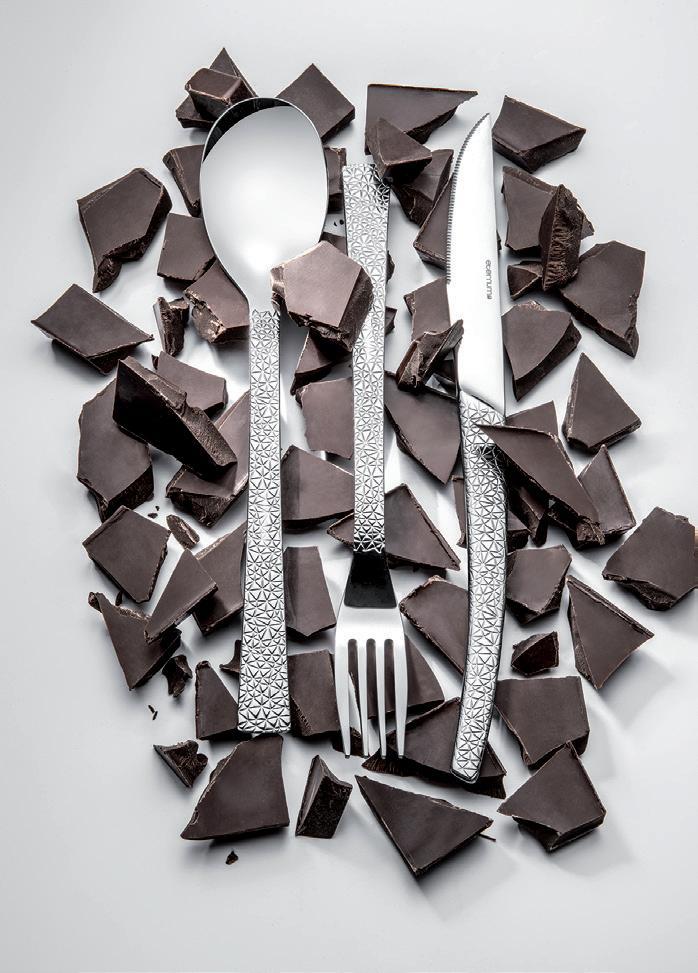
Let’s look at… Eternum’s Ravenna
Eternum has five different collections to offer customers; signature, classic, young, steak knives and gastronum, and has launched a range of new lines for 2024. One of the offerings from the classic range is Ravenna – note the unique design of its double-sided handle, which refers to the Italian town of Ravenna, famed for its mosaics.
Did you know?
Eternum – which celebrated its 100-year anniversary in 2024 – offers more than 50 models of cutlery, 30 steak knives and 150 tableware items.
News Product 18 TABLEWARE INTERNATIONAL: HoReCa






Amefa
HEPP
Gloriousgold
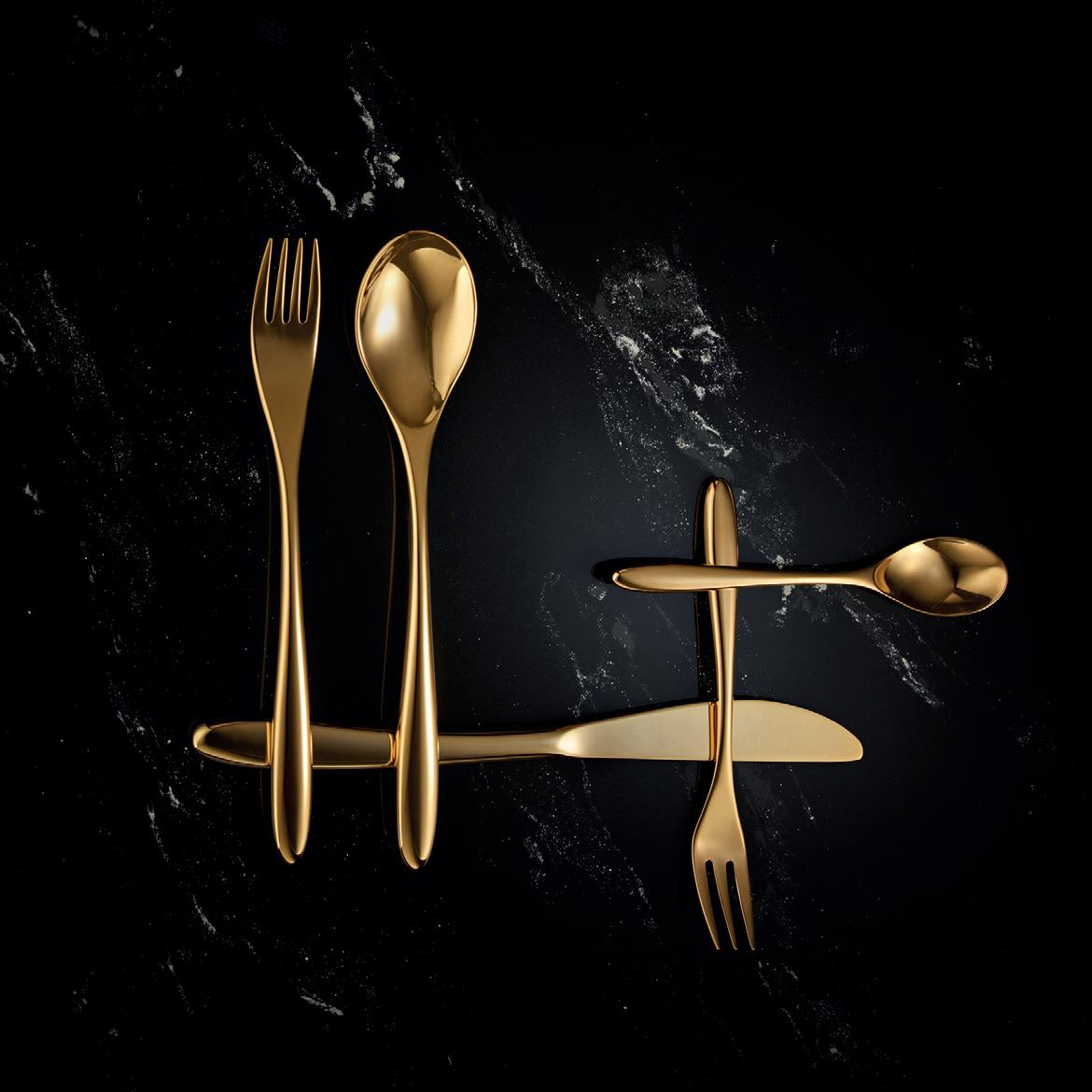
With its distinctive colour, pure gold exudes quality and elegance like no other precious metal. The real gold coating gives cutlery a luxurious look, creating a special mood and atmosphere around any elegant table. HEPP offers this option for all cutlery collections. The AVES series, for example, is perfect for the golden look – the collection impresses with its extraordinary material thickness and striking design. www.hepp.de
Wilmax
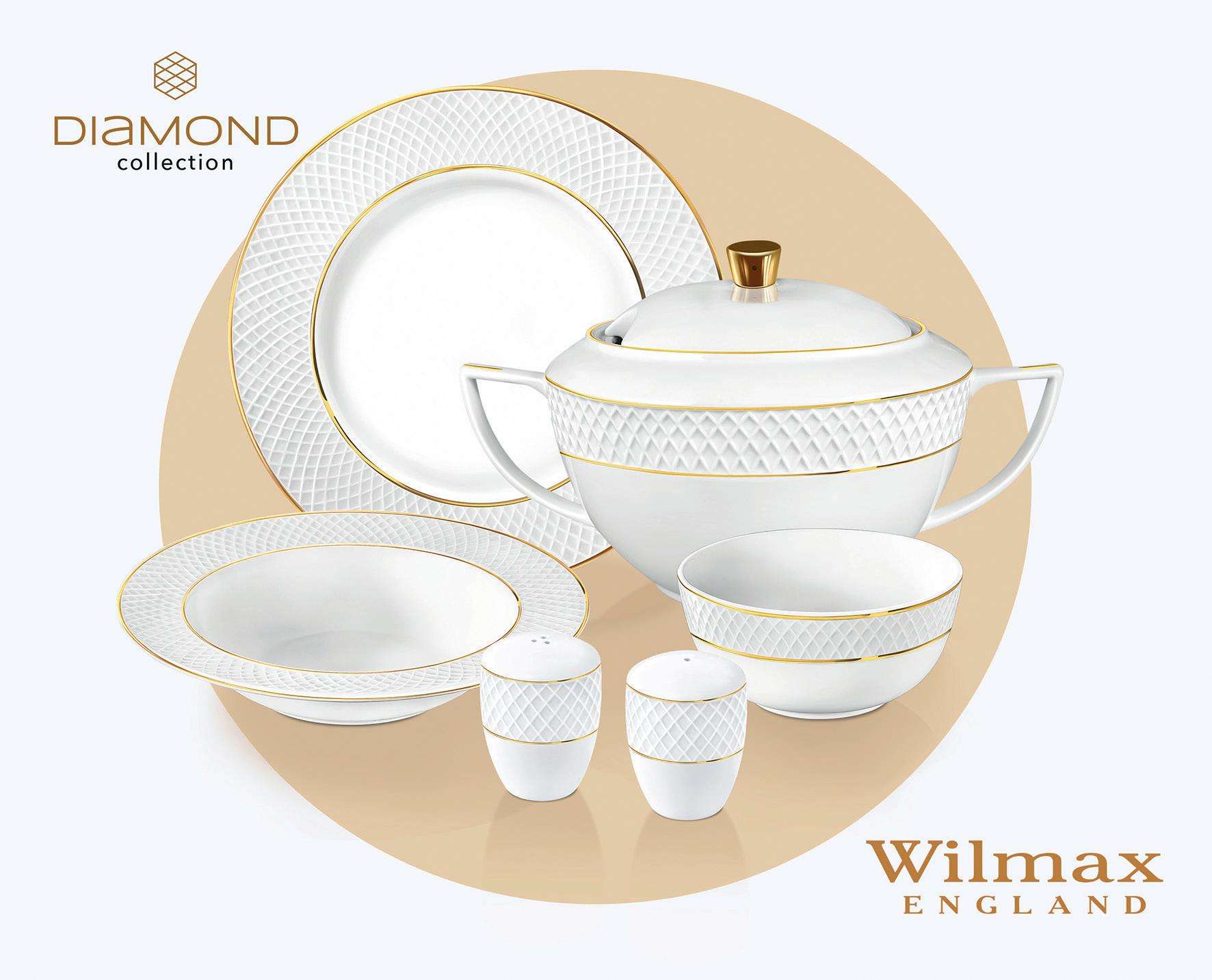
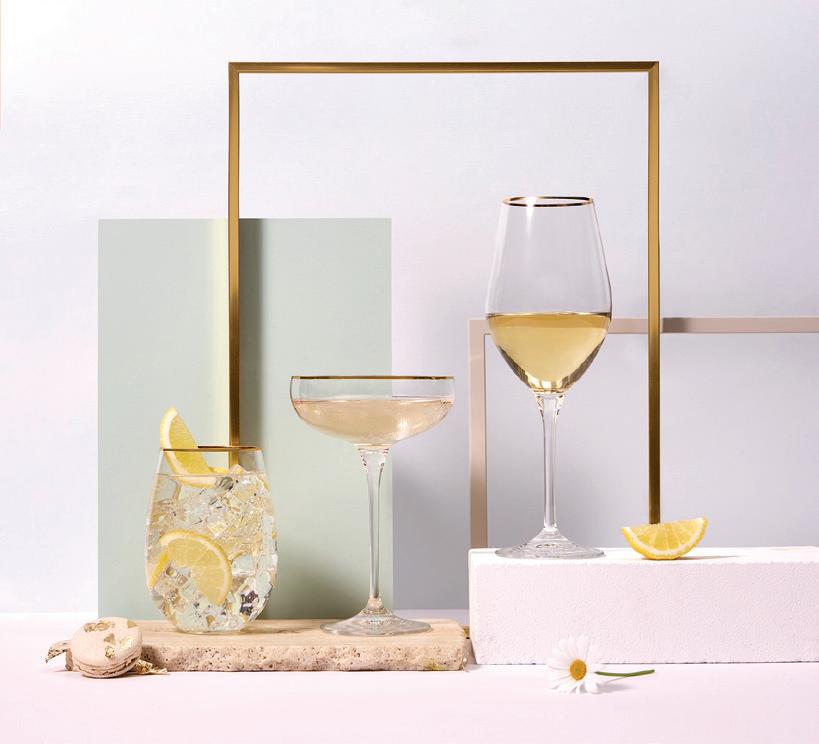
Wilmax has expanded its Diamond collection, adding gold and platinum rim lines.
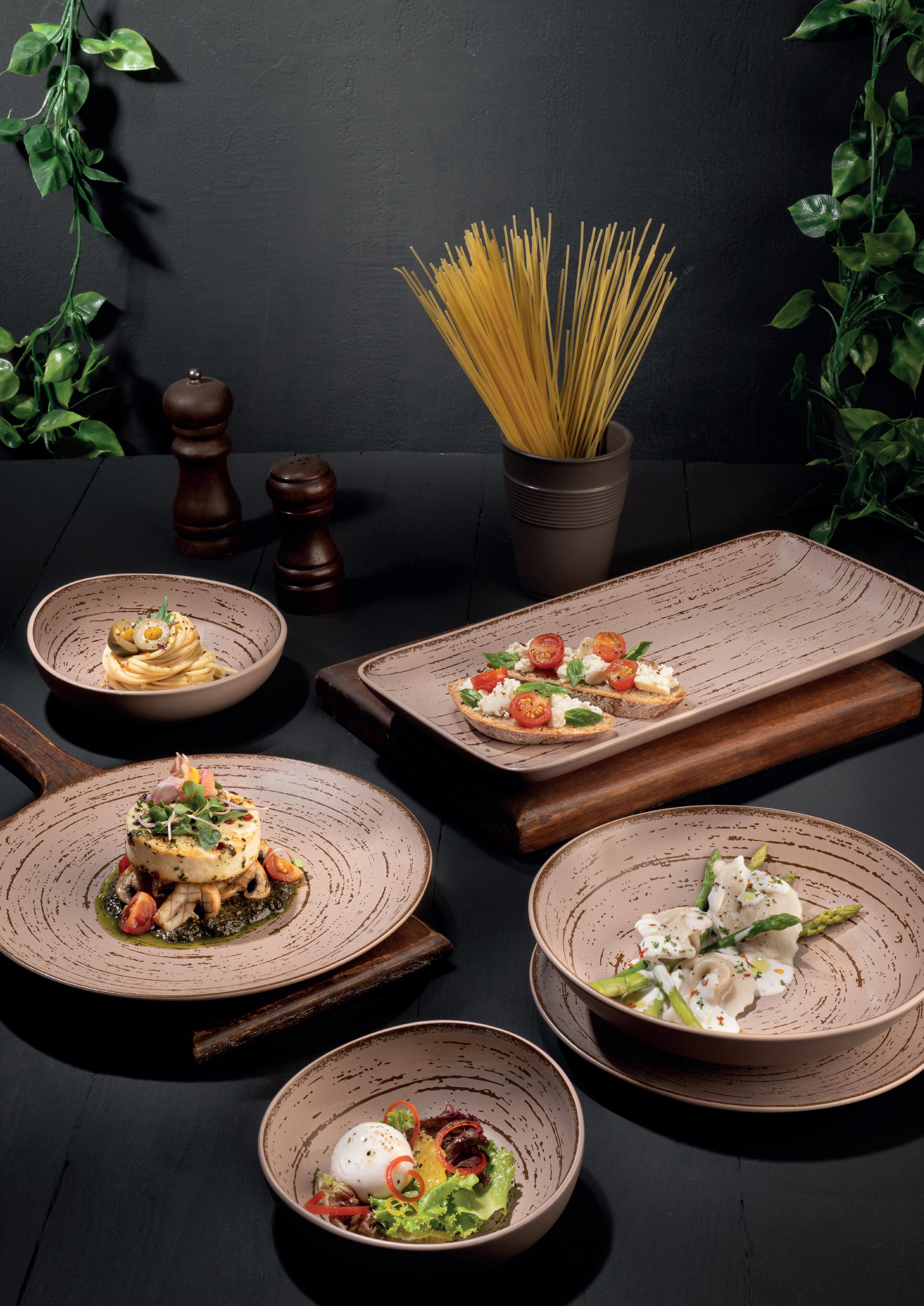
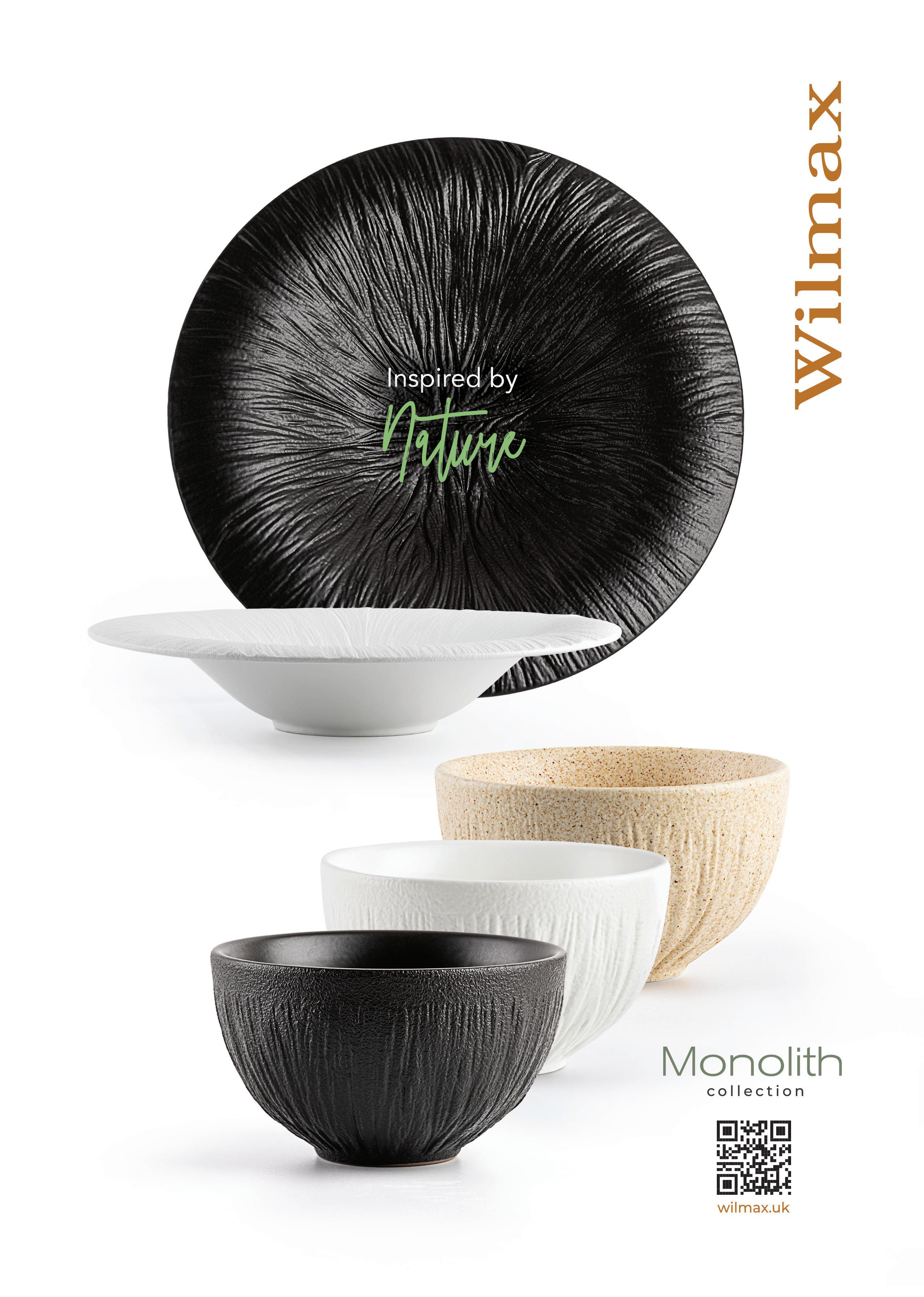
The popular white vitrified fine porcelain tableware is decorated with a characteristic geometric textured pattern. It has long been one of the favorites among the brand’s collections. Now, new shapes have been added to this line as well as two sub-lines of products, decorated with gold and platinum lines. wilmax.uk
Amefa
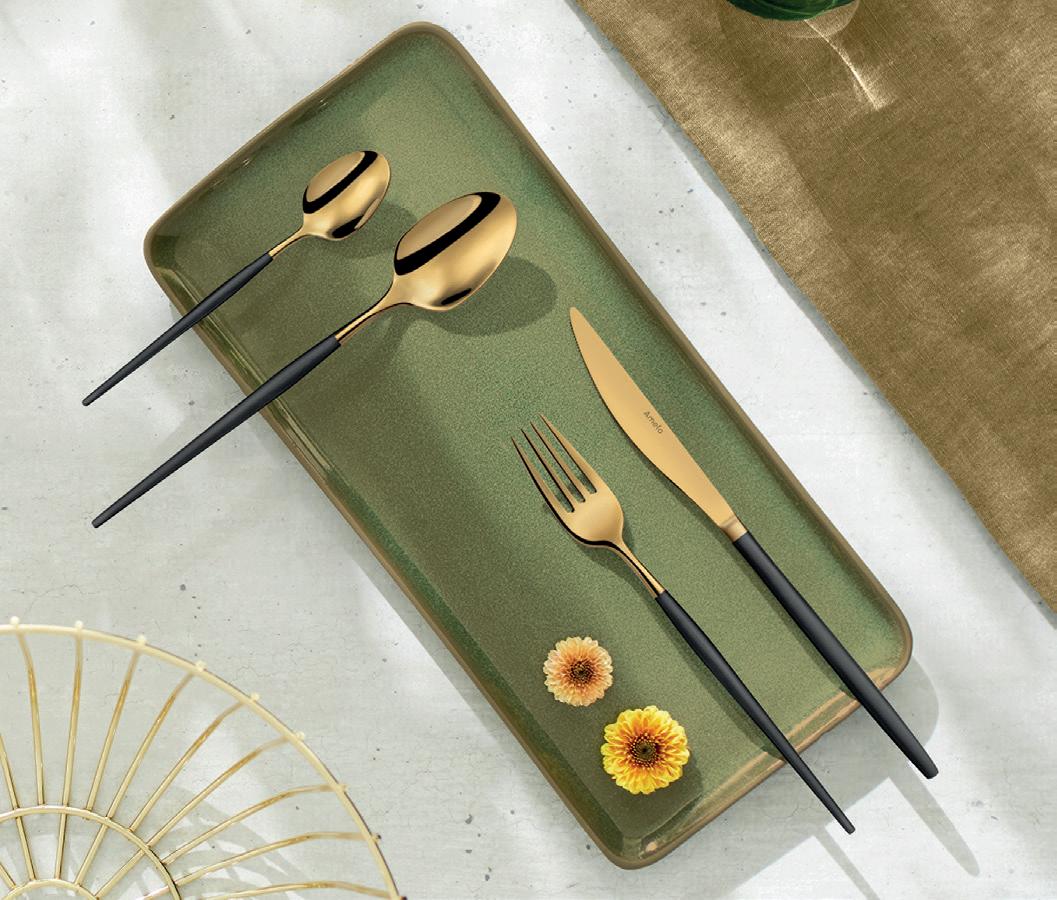
The Soprano collection in gold and black boasts a clean design that stands out for its modernity and slim lines. It is made of 18/0 stainless steel with a black PVD satin finish on the handles and a gold PVD mirror finish on the top. Soprano combines elegance and style with a unique design that is very pleasant to hold and therefore eat with. www.amefa.com
Crystalex
The Harmony tumblers from Crystalex features hand-painted rims. Joining the glassware is an exclusive edition of luxurious vases whose attractive proportions are complemented by a decorative gold rim at the top. www.crystalex.cz
A little bit of sparkle and shine is creeping its way back onto the table – be it a classic gold rim or a silver relief pattern – the table is getting glam. We highlight some very opulent options for HoReCa…
Trends Gold 20 TABLEWARE INTERNATIONAL: HoReCa
HEPP





Discover the new KYOTO collection. stoelzle-lausitz.com
Trends Gold
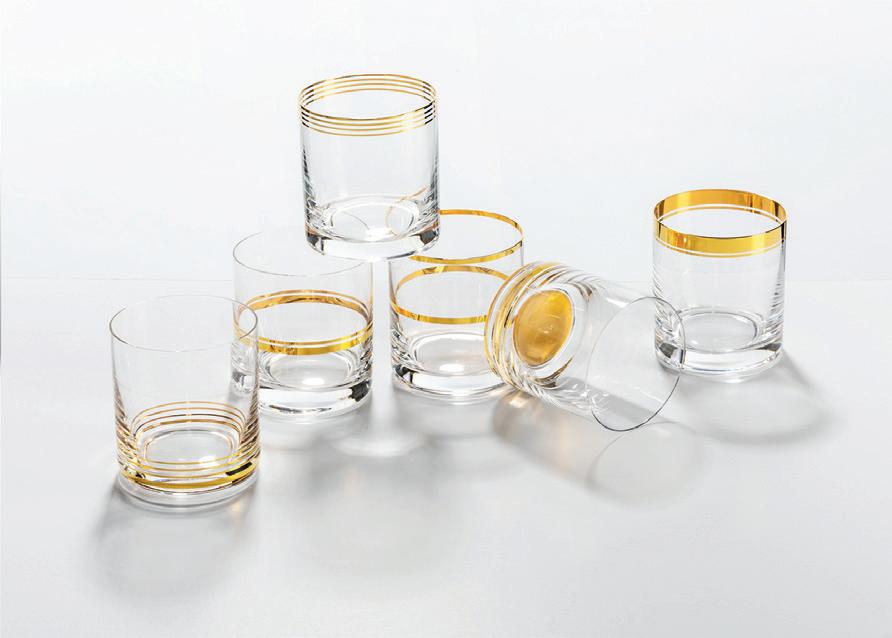
Krosno
Krosno has several collections which showcase gold features. The limited Gold collection consists of a wine glass and a champagne glass from the Harmony collection, and a wine glass from the Splendour collection. Classic shapes from the best-selling Krosno collections have been decorated with a hand-painted gold strap, which adds style and elegance to them. They look great both as a complete glassware and as a complement to classic versions of tableware.
www.krosno.com
Nikko
Nikko’s Gold Powder is a modern series evoking a sense of Japanese aesthetics with delicate designs resembling scattered gold dust. The shape, HALO, representing radiating light, is adorned with sparkling gold mica, creating a glamorous design.
www.nikkoceramics.com
Sambonet
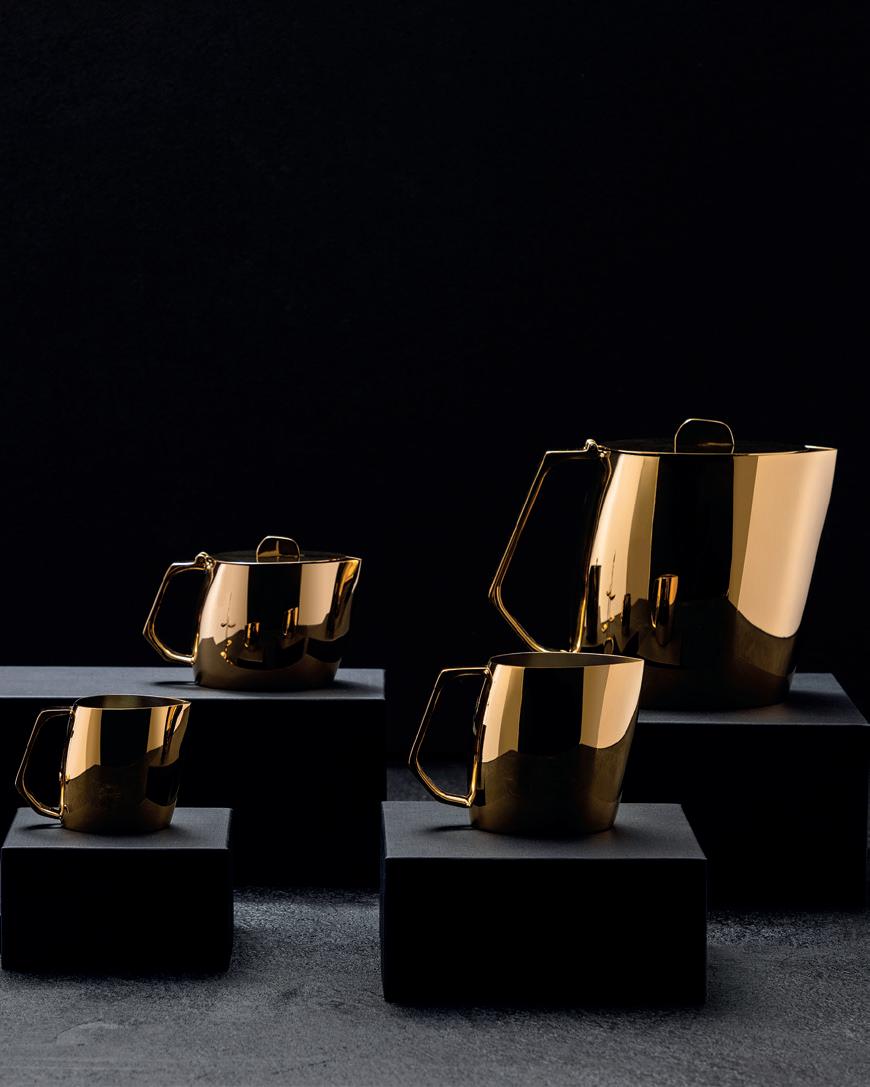
Sambonet holloware now comes in new PVD finishes with a new version of Sambonet Elite, Sphera and LineaQ.
The classic lines of Elite, the soft, round and organic design of Sphera and the charming square shapes of LineaQ get a sophisticated look with new, captivating colours. The mirror and silver-plated range now include a selection of tableware and home decor in PVD in gold, champagne and rum colourways. This colour technique isn’t just a coating – it is atomically bonded to the surface substrate, making it more wear, tear and scratches resistant, and to rusting and oxidation as well. www.sambonet.com
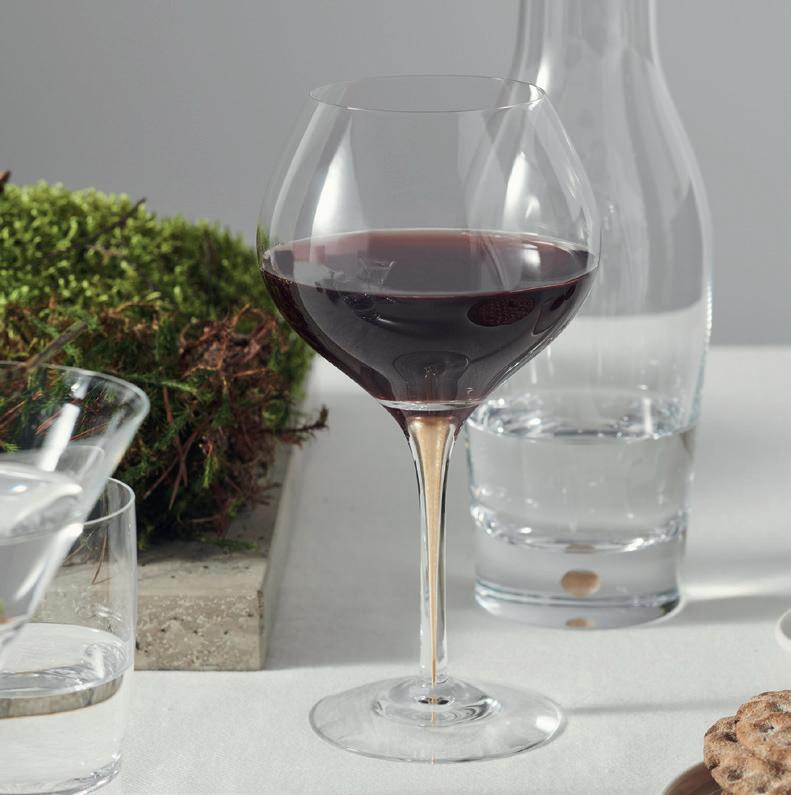
Orrefors
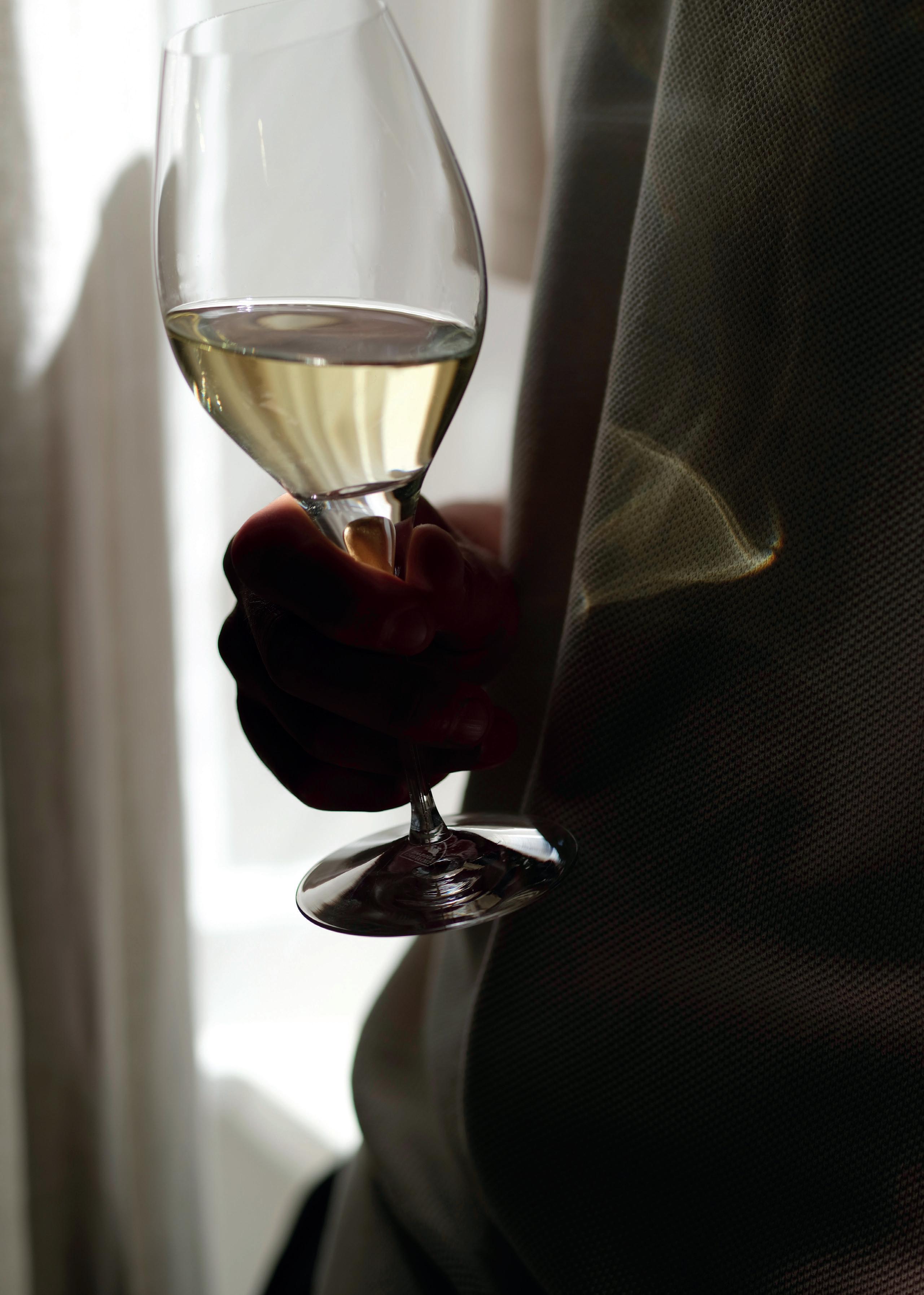
Intermezzo Gold is a true celebration. Sealed into the glass, rising up from the surface of the table, is a teardrop-shaped enigma. Erika Lagerbielke created a timeless classic in 1984 with the Intermezzo collection, originally designed in a blue color.
In honour of Erika’s 40 years as a designer at Orrefors, Intermezzo is now produced in a celebratory golden edition, delivering a festive elegance to the brand’s most iconic tableware collection. www.orrefors.com
Utopia
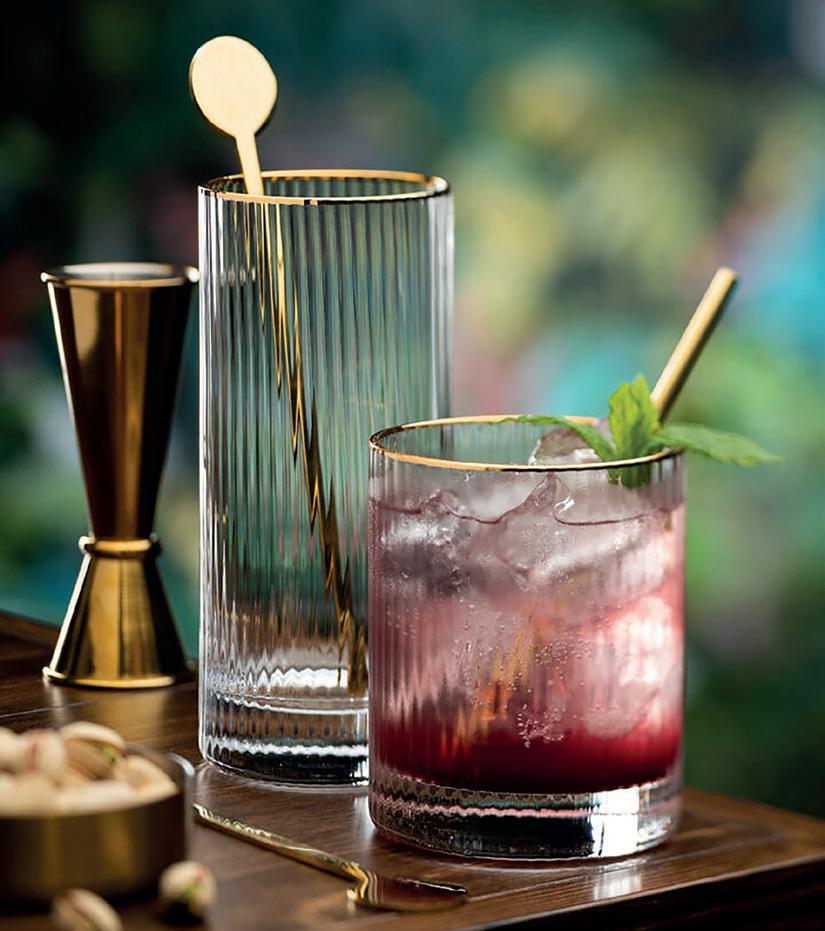
The Hayworth Gold Rim collection is an achingly glamourous selection of glassware, featuring vertical optics surmounted by a vivid gold rim to create a showstopping serve for high quality drinks. The range includes a Hiball, Gin Goblet and DOF glass.
www.utopia-tableware.com
Krosno
A special note for pearl…
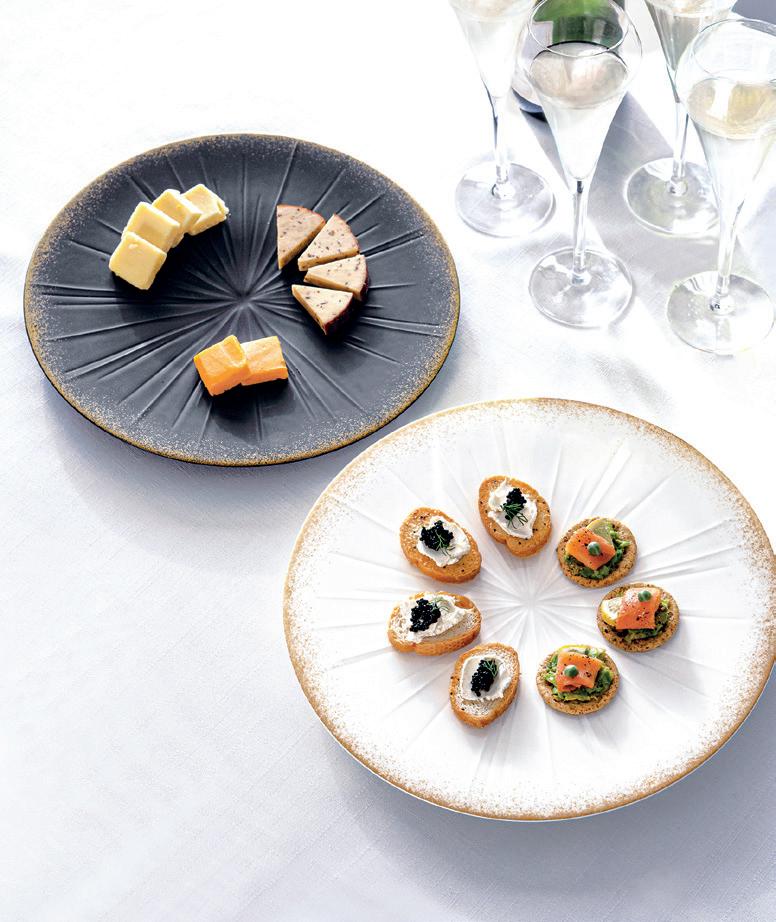
Pearlescent collections are gaining in popularity. Take Lustre from the CHIC brand – the collection shimmers sublimely. Consisting of various sizes of plates and serving bowls, with a detailed design for culinary perfection, a lot of thought has gone into the shape of Lustre with the intention of drawing all attention to the centre of the plate. Next, Primrose by Narumi is a new professional dinnerware collection inspired by the yellow flowers from which it takes its name. Each piece bears an abstract pattern that encapsulates early spring, with pale background colours representing the flowers’ various delicate hues. The plate is adorned with a white embossment that symbolises the melting of spring snow.
Crystalex
Nikko
Utopia
CHIC
Narumi
Orrefors
WILMAX adds to Embossed collection
WILMAX has enhanced its Embossed series with new product lines and fresh décors, offering a myriad of choice for buyers
Embossed is a collection of white vitrified porcelain products, now boasting several different product lines with unique designs, presenting different textured patterns.
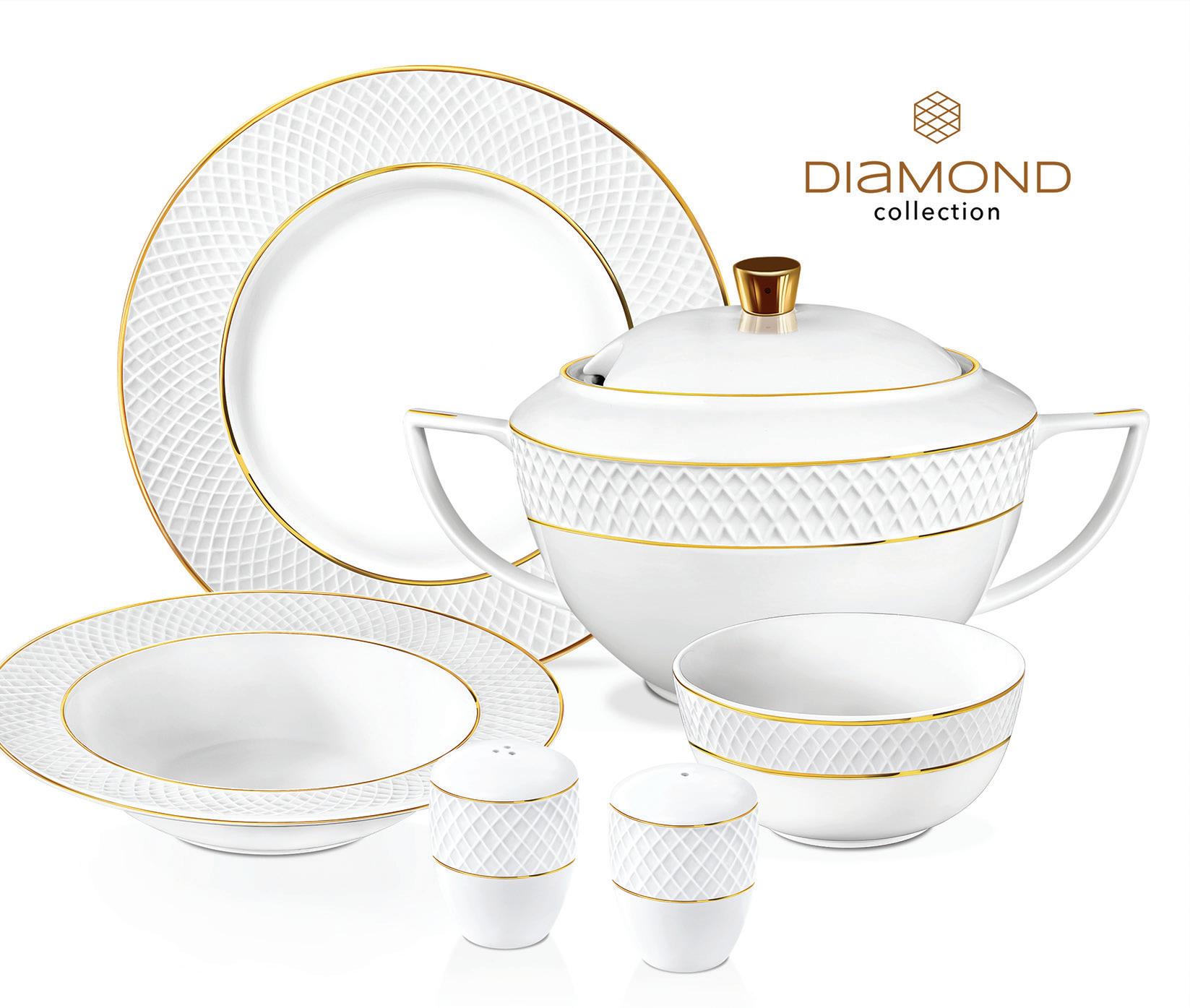
The DIAMOND line is decorated with a characteristic geometric textured pattern. It has long been one of the favourites among the
brand’s product ranges. Now, new shapes have been added to this line, as well as two sub-lines, decorated with gold and platinum. New items in the DIAMOND series include soup bowls, soup tureens, napkin holders, cake stands and butter dishes. Also, more sizes of plates and bowls have been added to the existing product
selection. Products with gold and platinum lines add a subtle touch of classic luxury to table settings.
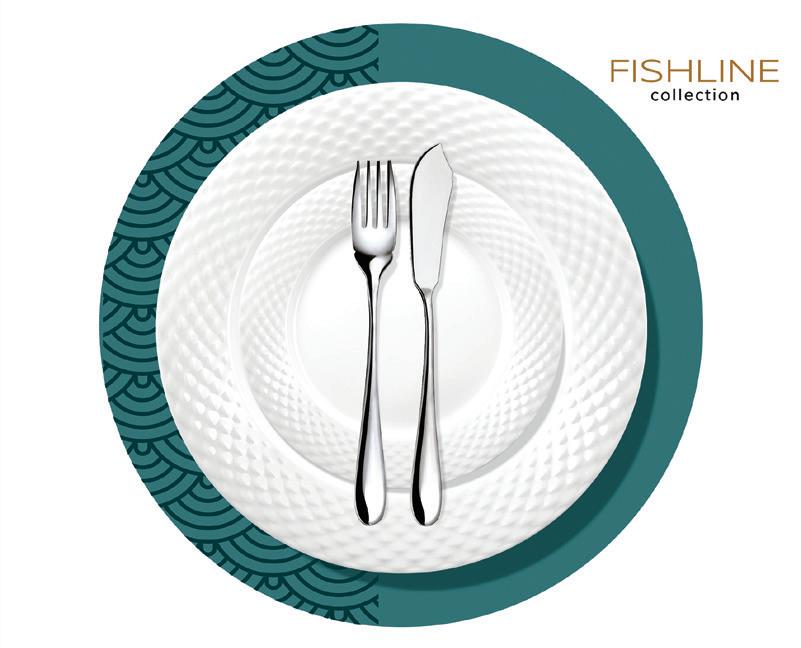
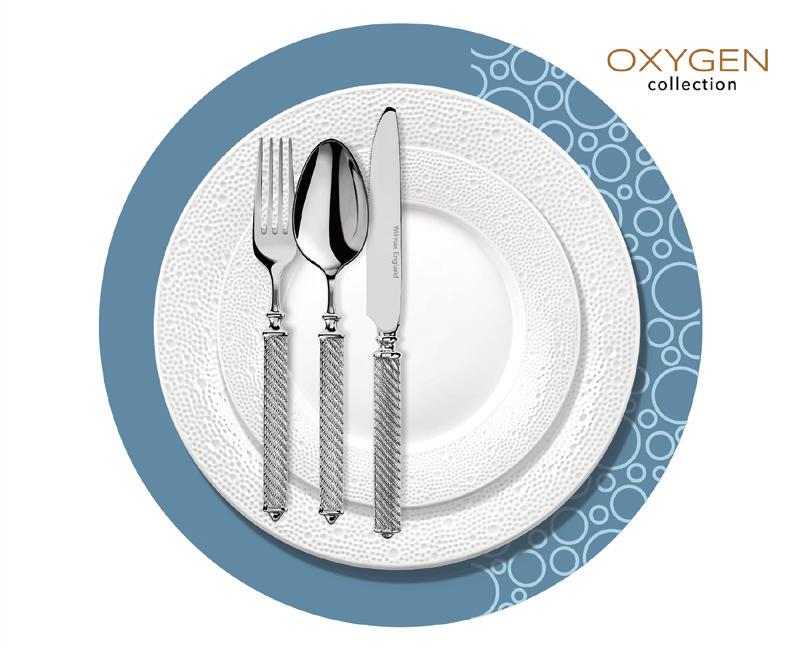
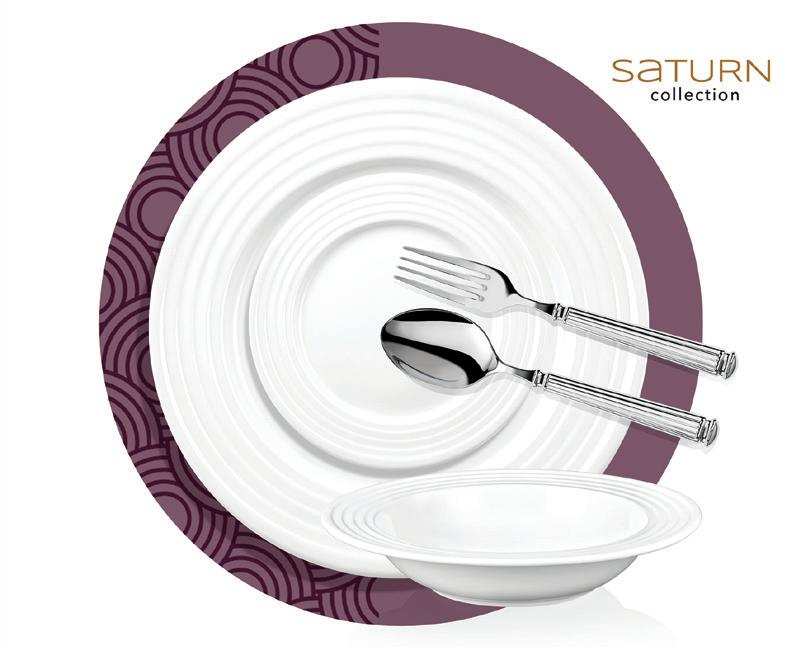
The Embossed collection has also been enriched with three new lines – OXYGEN, SATURN and FISHLINE.
OXYGEN is a series of white vitrified porcelain plates and oval serving platters with a rim design resembling bobbles, adding

a sparkling touch to the classic tableware table setting.
Textured rings on the plates’ and dishes’ rim are a signature pattern of the SATURN line of porcelain from WILMAX. And the FISHLINE collection has a pattern resembling fish scales imprinted on the rim of the products.
The new lines of the collection are distinguished not only by beauty, but also by practicality, as well as ease of use in everyday life. White vitrified porcelain tableware can be used for cooking or heating food in the microwave. It is designed for intensive daily use: without loss of quality, dishes can be washed in a dishwasher and ovens*.
All the products of the EMBOSSED collection can be perfectly combined with WILMAX white vitrified porcelain, adding textured accents to a table setting. With such a diverse selection, classic elegance and high quality, the EMBOSSED collection offers unlimited possibilities for combining items and creating unique possibilities for food presentation.
* Products with gold and platinum lines are not recommended for dishwashers and cannot be used in microwaves.
Did you know?
The Embossed series consists of the Diamond, Oxygen, Saturn and Fishline collections.
In focus Wilmax
26 TABLEWARE INTERNATIONAL: HoReCa



In focus Vista Alegre
“There is room to invest even more in the hospitality”
Denise Madeira, marketing manager, Vista Alegre Hotelware tells us about the company’s approach to hospitality – from the latest addition to the Chefs’ Collection through to the company’s strategy to grow their HoReCa business…
Is Vista Alegre’s HoReCa business an area of growth for the brand?
The progressive growth of supply and demand in the hotel sector, as well as the consequent increase in the quality, have encouraged Vista Alegre to invest in this highly competitive segment, viewing tourism as an organic extension of its activity. This business area is an increasingly important channel for the brand which is reflected in its growth in sales of 4.4 per cent in 2023 comparing with 2022. It’s part of the company’s strategy for the last year the focus on this specific channel reinforcing it with the developing and launching of new products that fit the needs and trends of this sector.
How does the hospitality side of Vista Alegre’s business compare with its retail –specifically, does the company view hospitality as equally, or perhaps more important, than the retail/ consumer side?
Both channels are important to the brand, but they are also different. Different clients, different needs, different trends and so our offer should be equally different. The identity/ essence of the brand is present in both channels, but our offer is adapted. This strategic decision was made right in the beginning when the brand started
Yes, we launched Florentino plate in the end of last year. This is a partnership that makes us very happy as Chef Nello is an inspiration in the worldwide gastronomic sphere. Since 2016 he has been in charge of Cipriani, the restaurant at the iconic Belmont Copacabana Palace hotel in Rio de Janeiro,
“At Vista Alegre we are used to balancing both the design and functional properties demanded by the best professionals”
to invest in the HoReCa channel. In this way we can offer the best for each in terms of quality, design and technical needs.
Tell us more about the latest addition to Vista Alegre’s Chefs’ Collection – you’ve recently added to the collection with Nello Cassese’s Florentino?
where he has won several awards including a Michelin star. His professional career has been a constant homage to Italian gastronomic culture. And it was also this universe that he wished to pass on to the Chef’s Collection project with us. A piece which represented the ancient Renaissance art schools of Florence and Venice.
The plates within the Chef’s Collection are real works for art – how do they cope with the rigours of a professional kitchen? At Vista Alegre we are used to balancing both the design and functional properties demanded by the best professionals, including dimension, volumetry, resistance, and ergonomics. We make sure to

work closely in each project with the design and production department to make sure all the beautiful ideas and inspirations that, in this case, the chefs have, can be effectively replicated in a plate and have the quality and functional characteristics demanded by the sector.
Are tableware companies investing too much of themselves in HoReCa?
Not at all! Firstly, because there is room to invest even more in the hospitality sector, and secondly because the experience of one sector helps the other. In other words, the fact that Vista Alegre is a bicentenary company, with so much experience in production, with such remarkable national and international growth, means that it has the capacity to grow in several directions. By this I mean that the growth of one sector at Vista Alegre does not harm or hinder the development of other sectors. We have the capacity for more! We want to grow, develop and always provide our customers with quality and innovation, whatever the segment.
Finally, what are your thoughts on the hospitality sector in general, is it healthy?
Considering the sales numbers of the last years, we can say that is a continuous growing sector and is as healthy as it can be.
28 TABLEWARE INTERNATIONAL: HoReCa
Florentino
The Chefs’ Collection expands
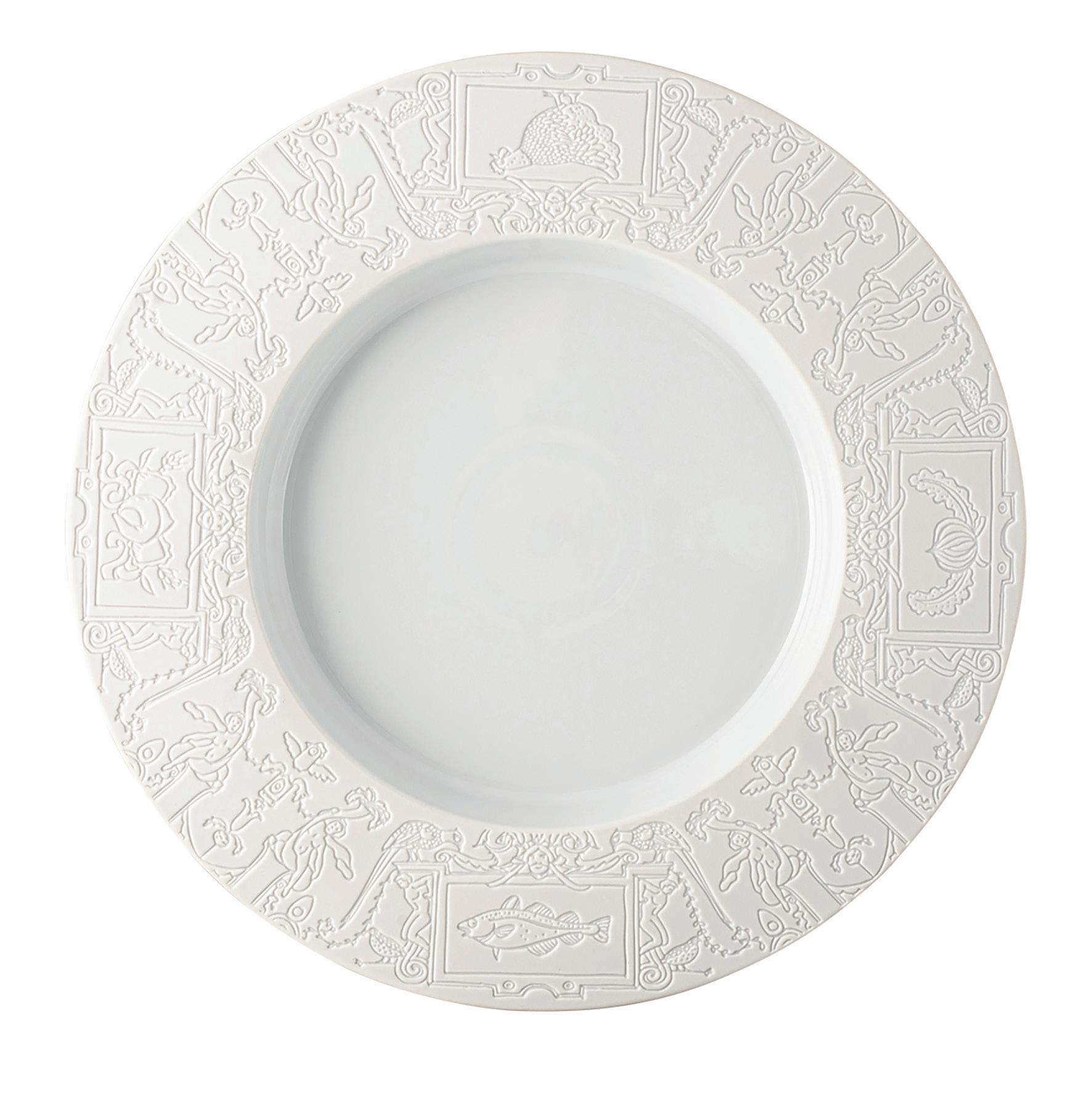
Famed chefs Nello Cassese and Marco Stabile have both contributed to Vista Alegre’s exquisite Chefs Collection – plates designed by professionals for the industry. We shine a light on the latest additions…
When designing new porcelain plates for haute cuisine, or fine dining, Vista Alegre turned to those who know the world best – the most renowned national and international chefs. It was with this philosophy in mind that Vista Alegre approached chefs Nello Cassese and Marco Stabile.
Nello Cassese was born in Naples, Italy and his interest in cooking sparked at an early age when his grandmother cooked “ragù” [Italian slow-cooked meat stew] and seafood for the family. At the age of 20, he won the award for Best Young Chef in Tuscany. Since 2008, Nello has gained vast experience working with the famous British chef Gordon Ramsey in various restaurants. Since 2016 he has been in charge of Cipriani, the restaurant at the iconic Belmont Copacabana Palace hotel in Rio de Janeiro, where he has won several awards including
a Michelin star. His professional career has been a constant homage to Italian gastronomic culture. And it was also this universe that he wished to pass on to the Chefs’ Collection project with Vista Alegre. A piece which represented the ancient Renaissance art schools of Florence and Venice. Thus, the piece “Florentino” was born. Marco Stabile, meanwhile, is an Italian chef from Pontedera in Tuscany, Italy. He has worked in several of the most prestigious Italian restaurants, including Baghino, Il Salotto del Chianti, Osteria di Passignano, owned by the Antinori family, Cavaliere del Castello di Gabbiano, owned by the Beringer Blass group, and Il Paese dei Campanelli, among others. Before opening the famous Ora d’Aria, where he is the resident chef and owner, Stabile was part of the team at the two Michelin-starred Arnolfo restaurant, as Gaetano Trovato’s right-hand man. In
2011, Marco was awarded a Michelin star, which marked his greatest achievement, strengthening his reputation at home and abroad. His work also includes teaching, as he is a guest lecturer at several culinary schools in Italy.
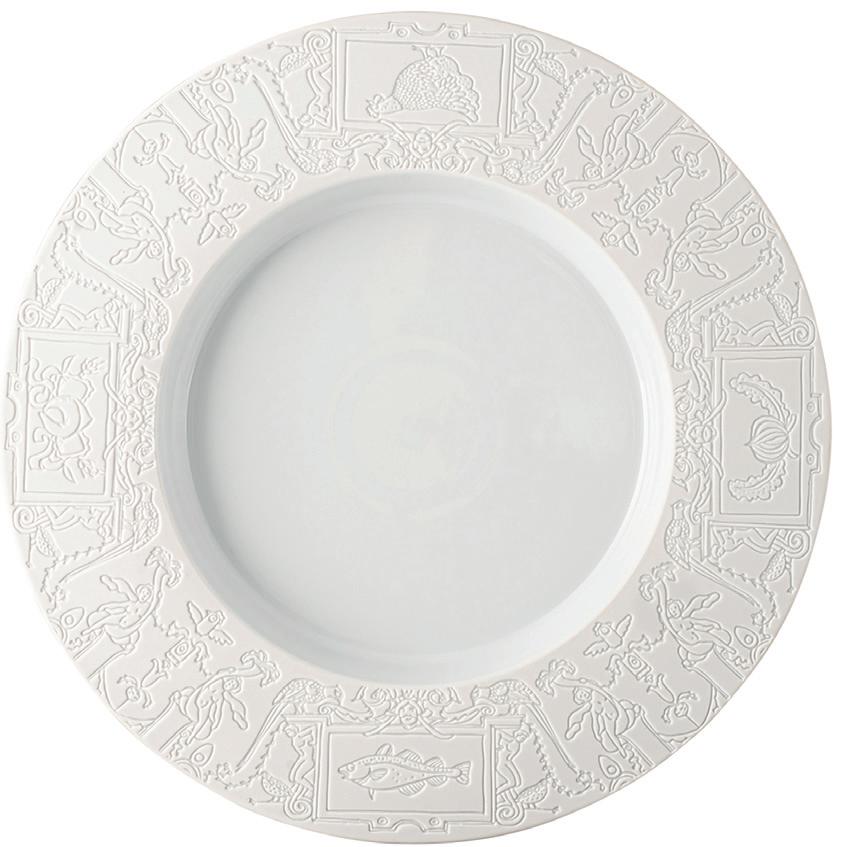
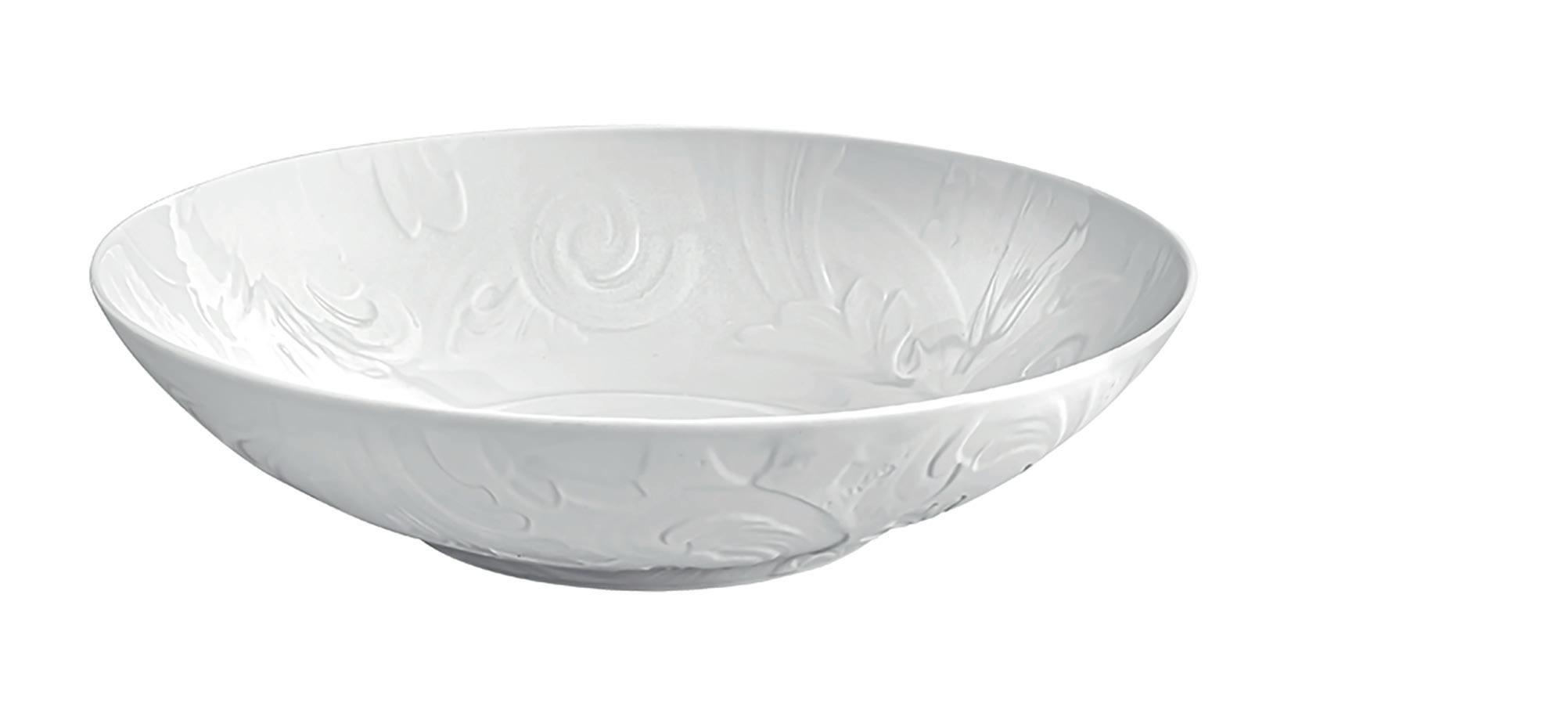
The Stabile dish, developed by the partnership between Marco and Vista Alegre for the renowned Chefs’ Collection, is inspired by the iconic painting which covers the entire ceiling of Ora D’aria restaurant in Florence, designed by the artist Gianluca Biscalchin. The painting on the restaurant ceiling in turn replicates the “grottesche” frescoes of the Uffizi Gallery, which is close to the restaurant’s location, in a joyful and contemporary way.
Covering a six-by-six-meter vault, the magnificent work, enriched with gold leaf, depicts mythological and gastronomic motifs. A masterful way of representing past, present and future, delicately transposed onto this dish. On its biscuit trim, there are plants, angels and animals dancing in a bas-relief, which is replicated as a high relief on the bottom. Without adornment or colour, these figures from the original frescoes surround a bare, glazed core, ready to artistically showcase the mastery of the most exquisite culinary creations.
TABLEWARE INTERNATIONAL: HoReCa 29
Stabile
Presenting the buffet
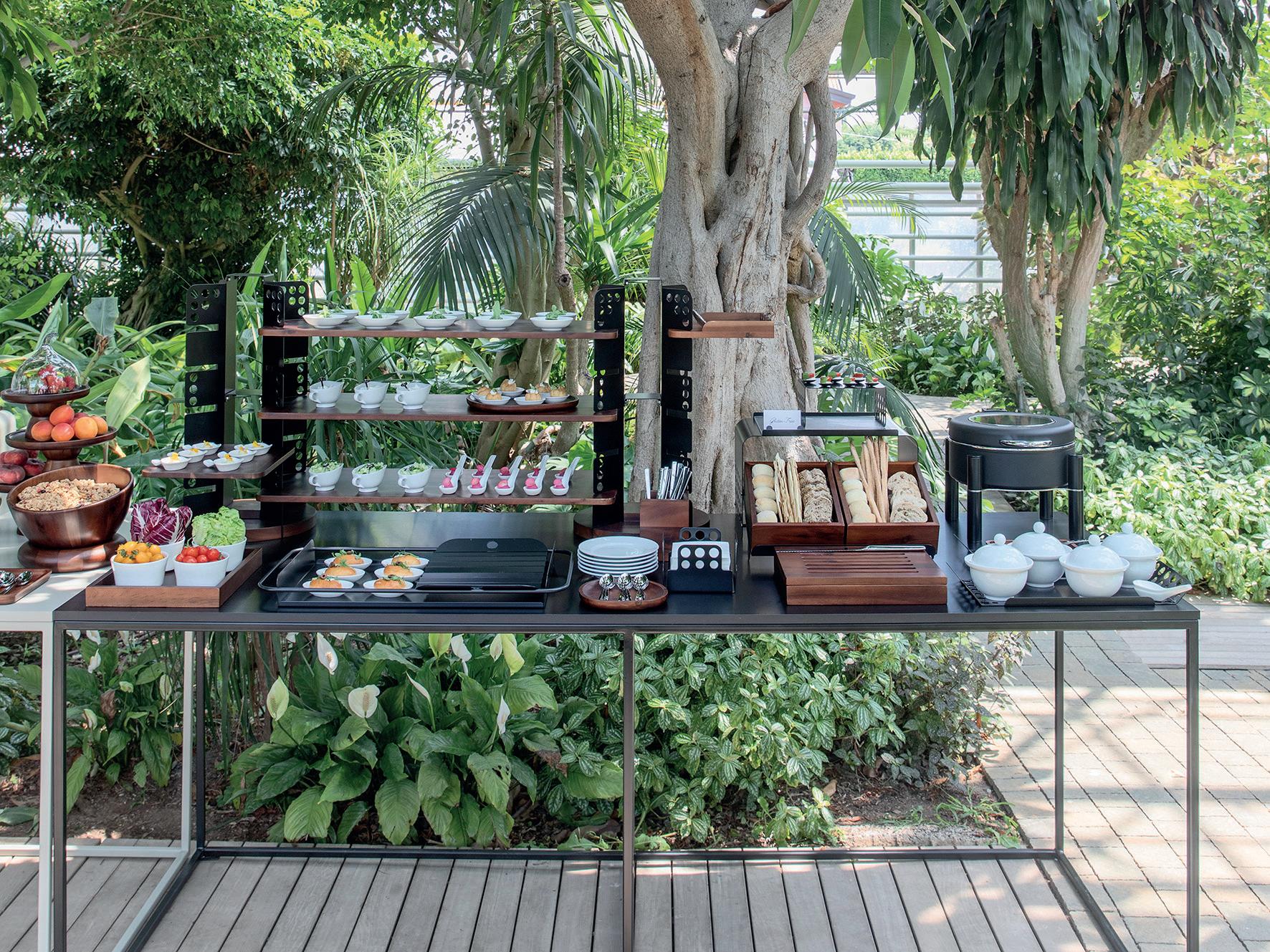
A buffet, the greatest of all the serving options it could be argued, and undoubtedly a mainstay for hospitality. Be it five-star luxury resorts or boutique businesses – the buffet is where everyone wants to be. Making a buffet service look good comes down to two things; the food and the equipment. We highlight just a few options for buyers looking to elevate their venue’s serving options…
Sambonet
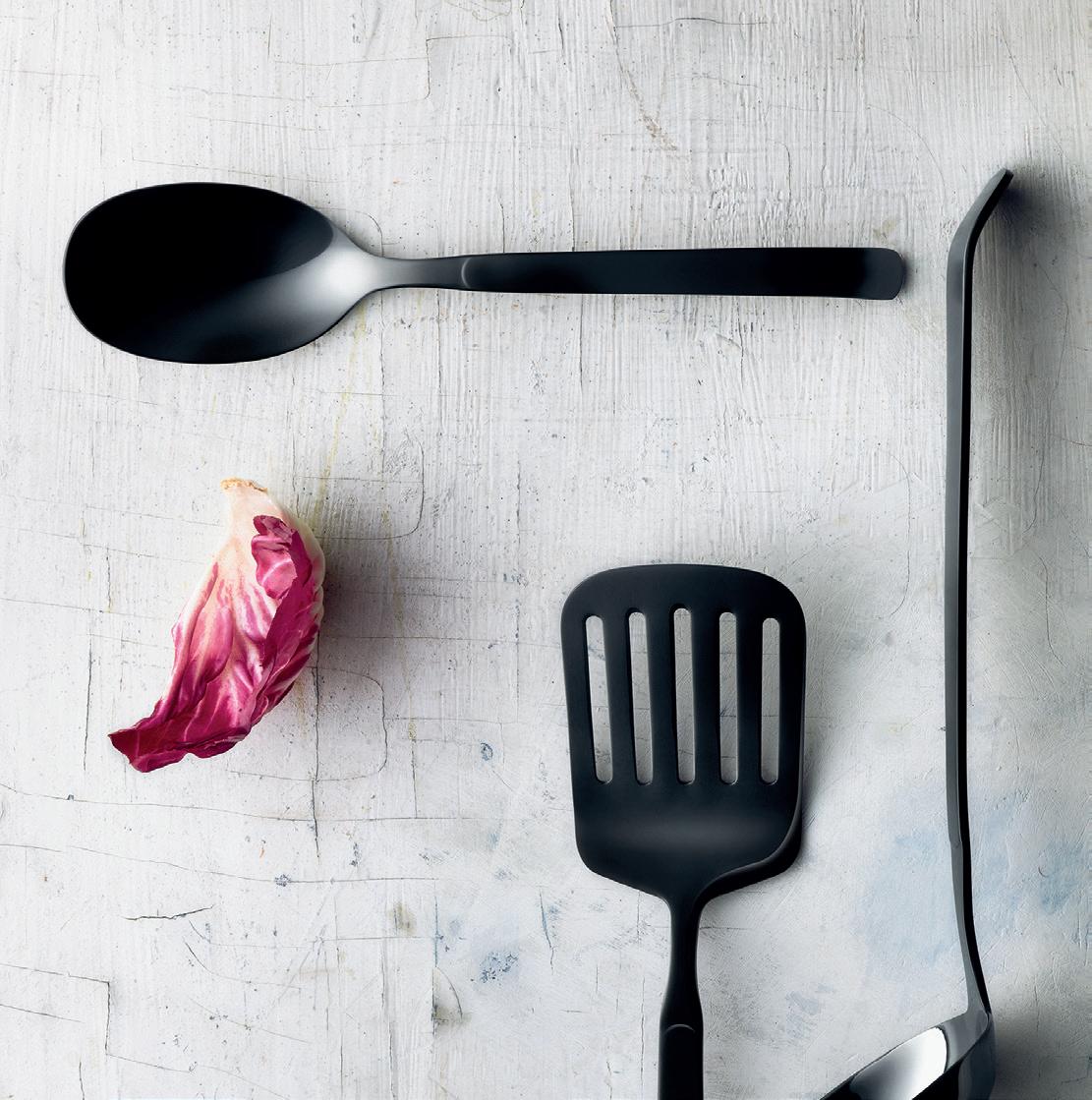
The Radici Buffet System from Smabonet is an elegant, fully modular buffet, where each service can be customised. With about two hundred references, all complementary to each other, Radici was presented at Host Milano and immediately garnered great interest from industry professionals because of its aesthetic versatility, modularity and functionality.
After Milan, Radici was also exhibited at Ambiente (Frankfurt), Intergastra (Stuttgart), HIP (Madrid), Hostex (Johannesburg) and Internorga (Hamburg), touring the world and winning over many hospitality professionals.
www.sambonet.com
WMF Professional
Amefa
The stylish Buffet series from Amefa offers a wide range of handy serving items. The black PVD coating gives it a unique, eye-catching look which will amaze every guest. You don’t need much more for the perfect menu! This series is made of high-quality chrome nickel steel, better known as 18-10 stainless steel and is dishwasher safe. www.amefa.com
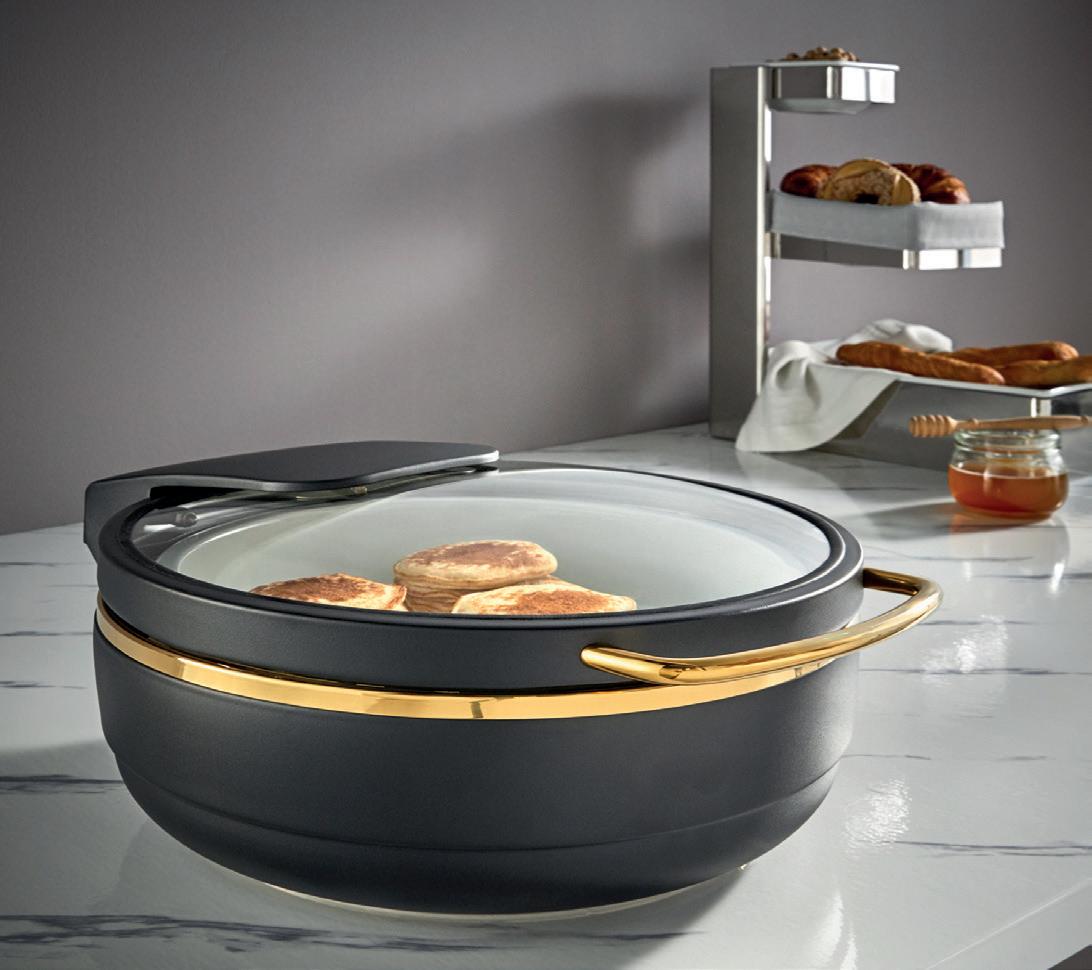
Thanks to PVD coatings and different types of finish, hoteliers and restaurateurs have long since been able to choose cutlery models to match their own individual table arrangements from an attractive range of design options. HEPP and WMF Professional now demonstrate that an unusual look also cuts a fine figure on the buffet. The new chafing dishes with black powder coating are impressive highlights for presenting food. In combination with the new colour, the handles and adapters from HEPP are a special highlight. These are now available not only as silverplated version, but also with a PVD gold and PVD copper finish. The fascinating world of surface finishing has finally made its way onto the buffet, enabling restaurateurs to stage dishes that are as creative as they are unique. The chafing dish models from HEPP and WMF Professional not only impress with their elegant black look, but also with their high functionality. The chafing dishes are safe for use with induction and electric heating and the glass lid offers buffet guests a clear view of the contents.
www.wmf-professional.com
LSA International
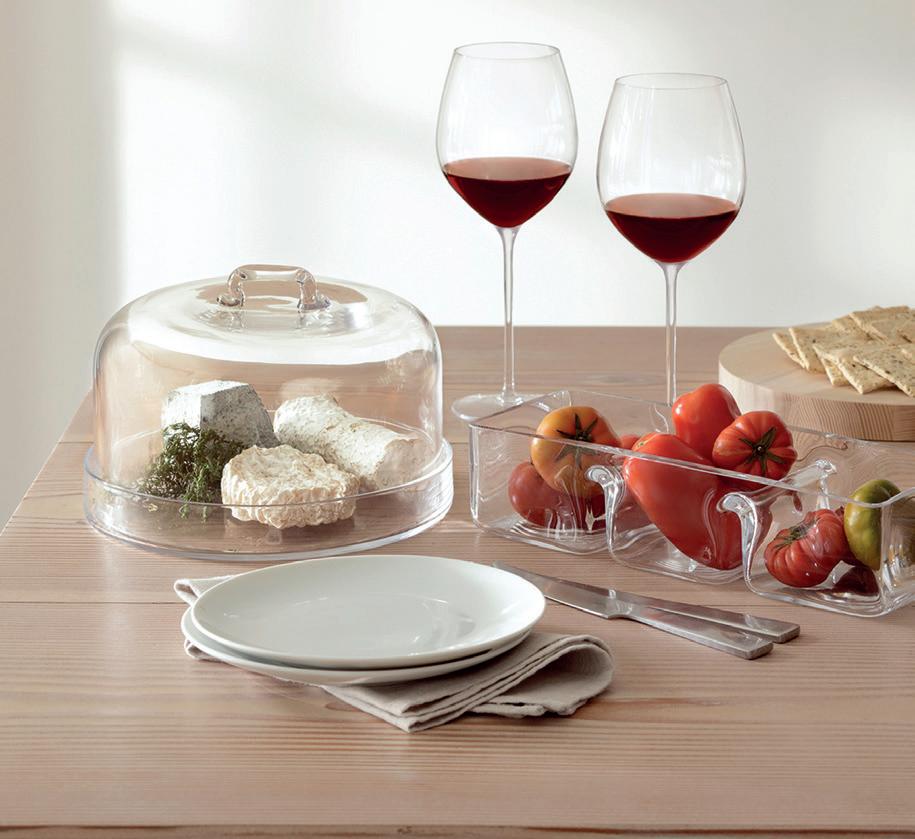
Serve from LSA is an extensive collection of classic, handmade glass serving pieces for all occasions. From bowls and platters to cake stands, comports and cheese domes, this comprehensive assortment has been designed for presenting a variety of food. www.lsa-international.com
Category Buffet
30 TABLEWARE INTERNATIONAL: HoReCa


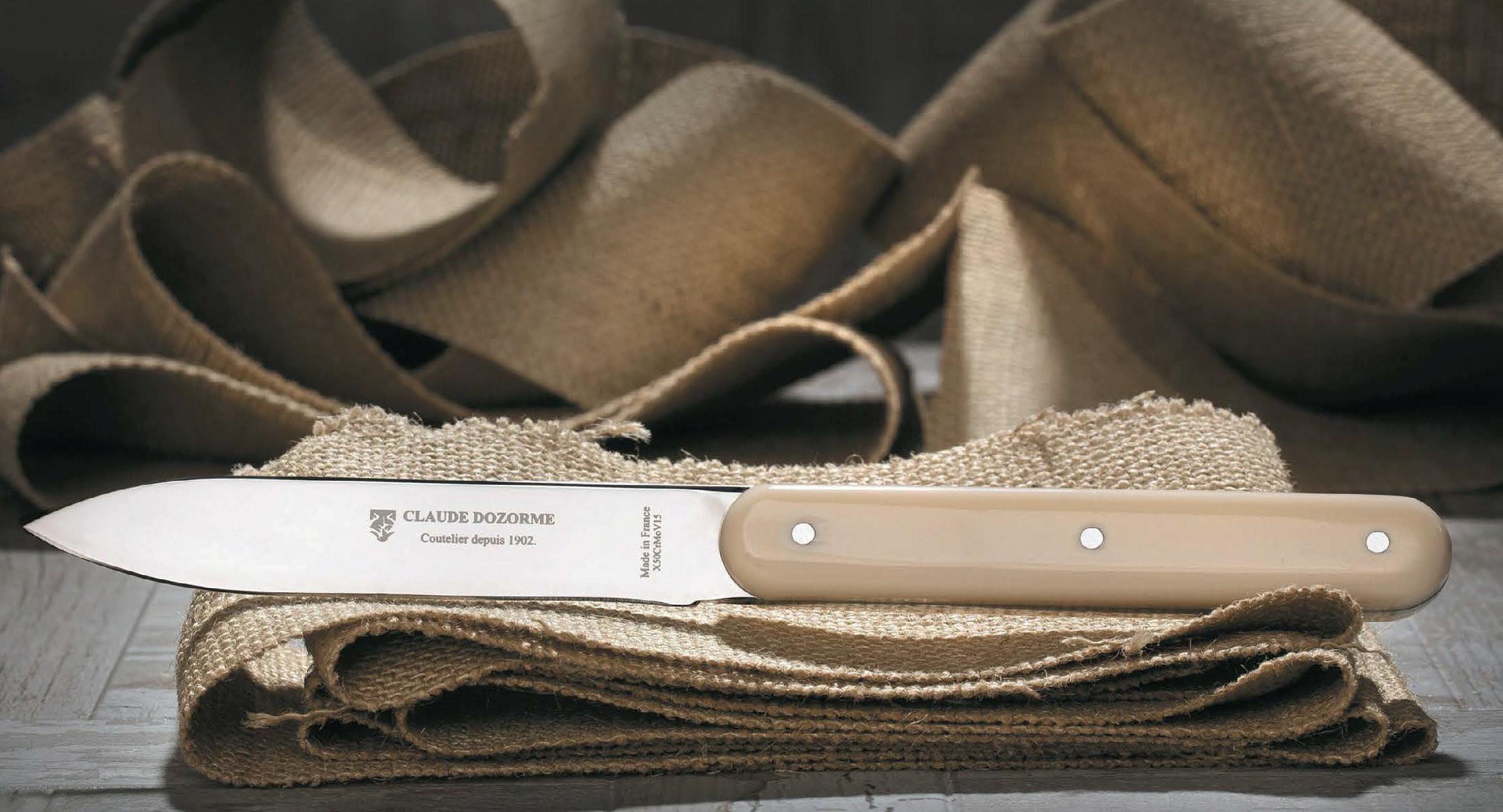




Tradition and Innovation in knive ’s manufacturing


BonBistro
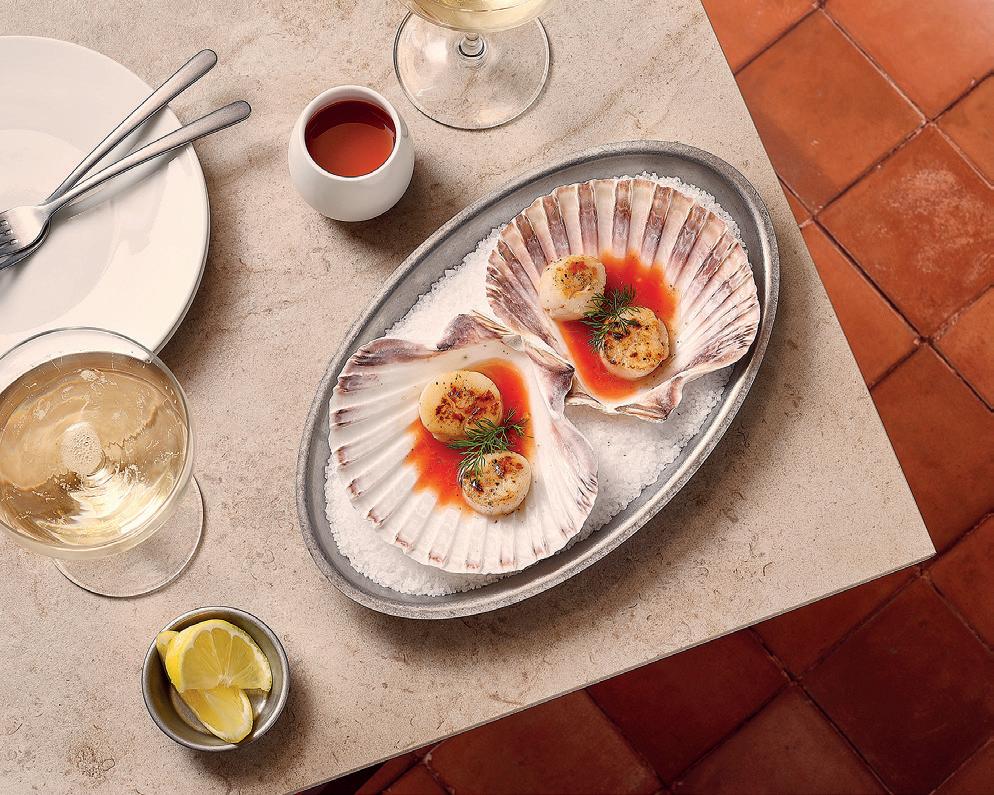
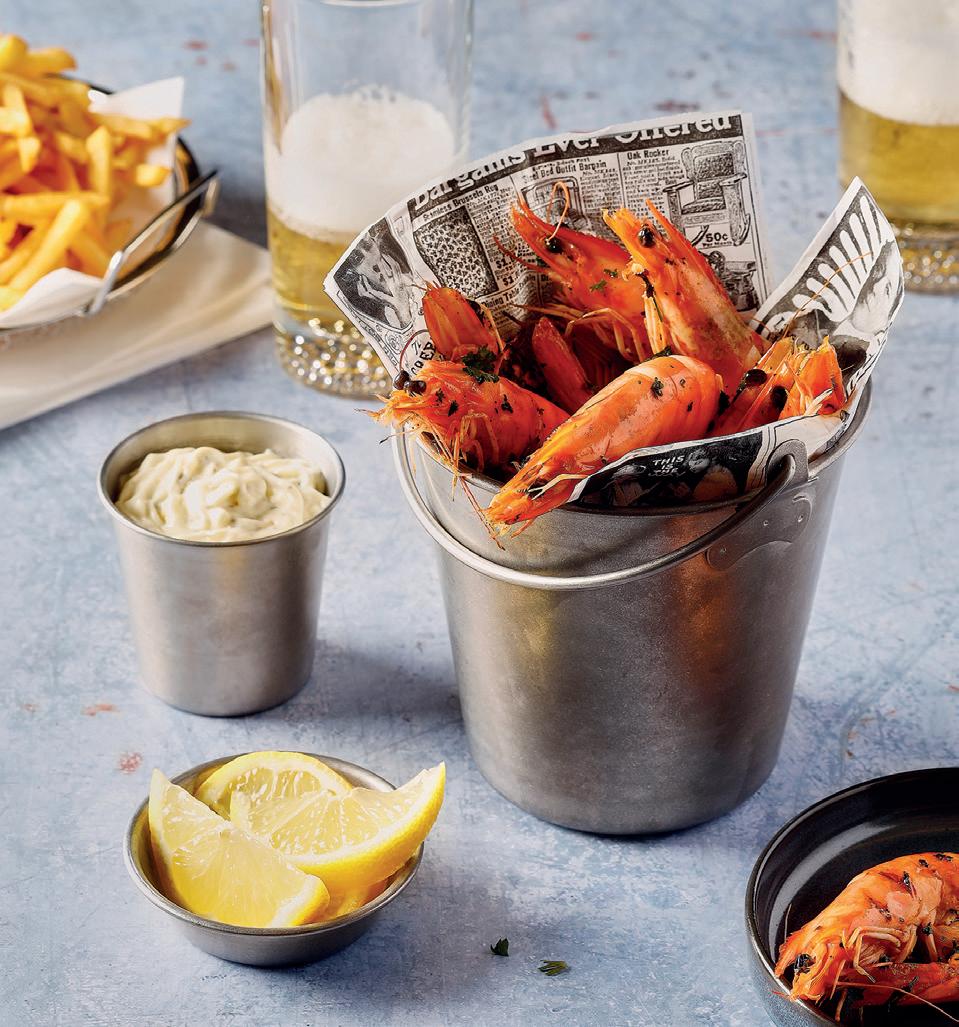
Enter the world of Serve, the secret armour for bistro chefs who have taste, as well as style. Made from durable stainless steel, this collection adds a touch of spice to culinary creations.
From small jars full of home-made dips to tumblers of artisan sauces, Serve provides a flavourful and creative option for bistro service. The large trays provide ample space for lots of dishes, while the serving buckets add a playful touch. Sturdy and chic, this collection can withstand the frenzy of the bistro kitchen and is easy to clean. The secret of bistro-chic revealed! www.finediningandliving.com
Zieher
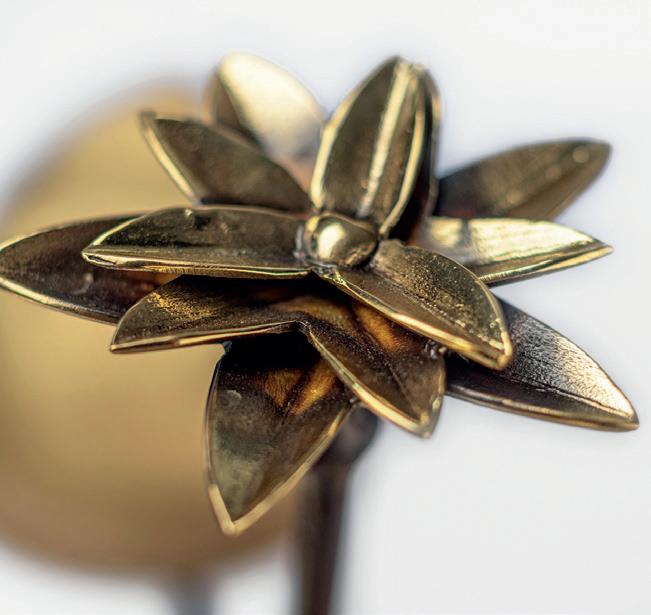
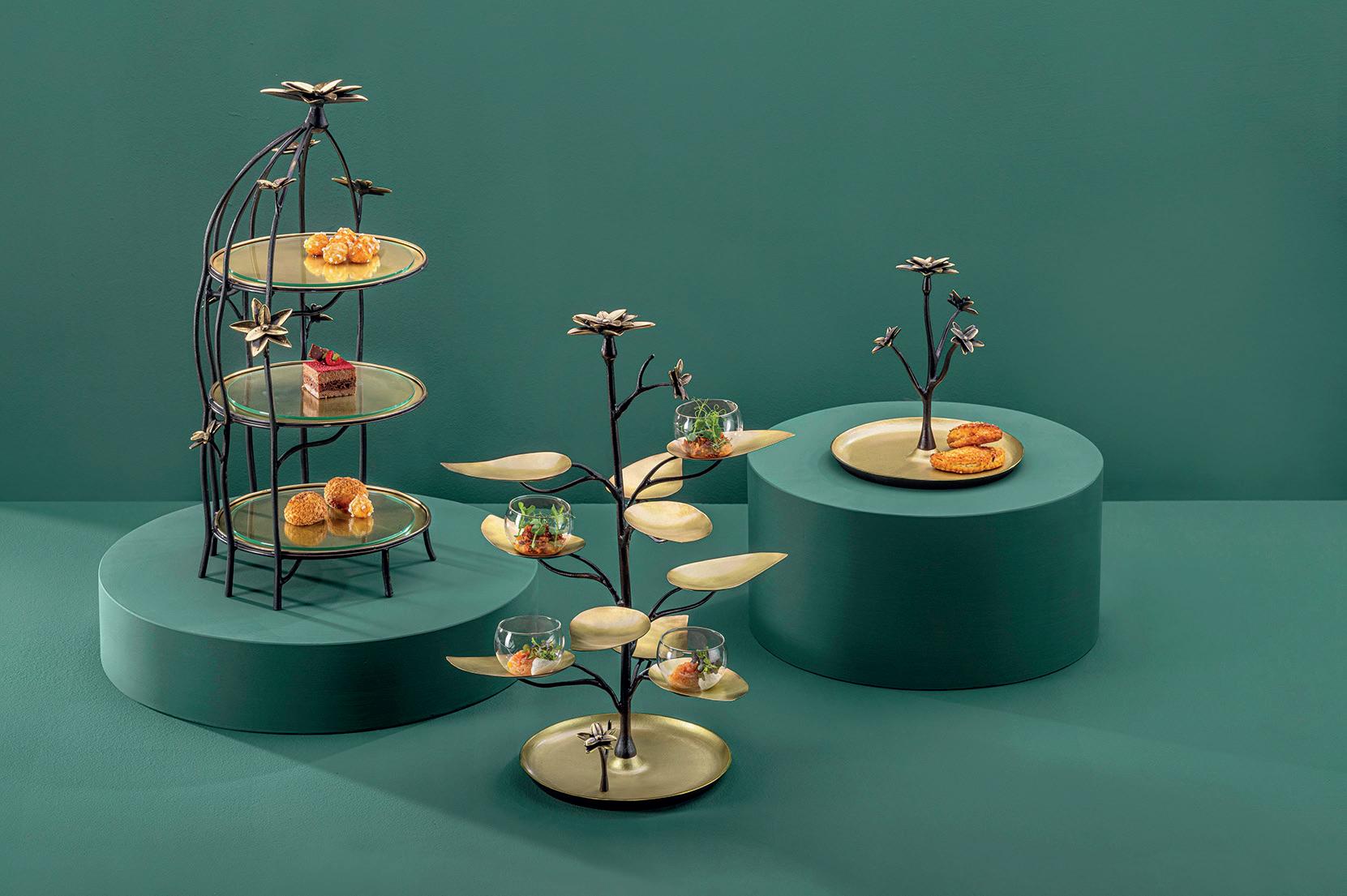
From Zieher, Fleur Déco embodies the true essence of luxury combined with elegance while at the same time, paying homage to the art of craftsmanship.
Each component of these unique pieces is cast from brass and meticulously finished to achieve the perfect balance between golden and dark patinated areas. Each blossom, each branch is carefully assembled by skilled hands to create a harmonious and floral appearance that seamlessly blends natural beauty with functionality.
The series includes a three-tiered étagère for plates and dishes up to 22cm in diameter. This beautiful etagere provides space for a variety of dishes and adds a highly elegant touch to every buffet or table setting. A serving platter, from the center of which a decorative plant emerges, serves as a centerpiece on any table. The buffet tree is a masterpiece of floral design, offering space for numerous culinary delights on its ten leaves.
www.zieher.com
LSA International
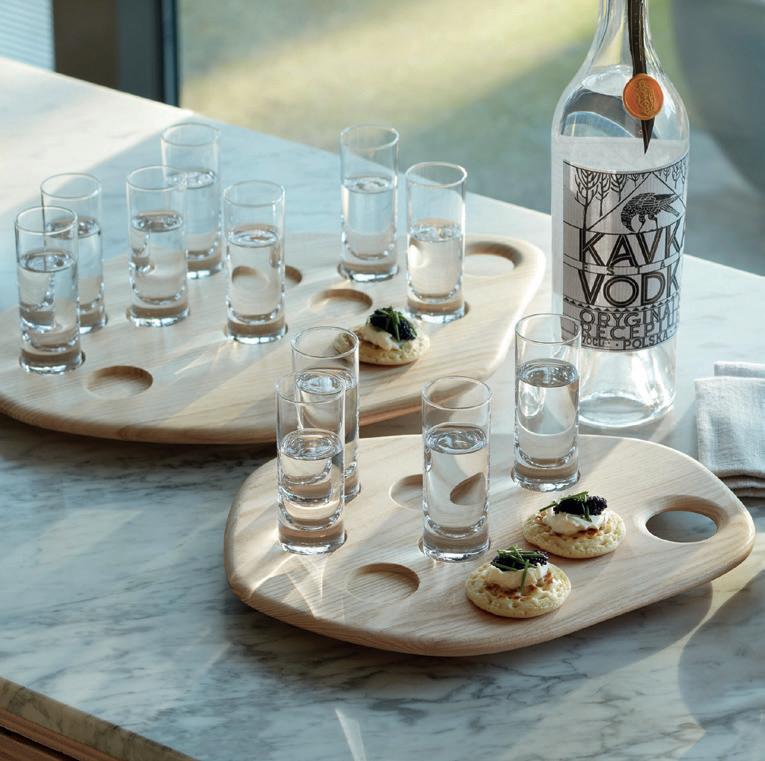
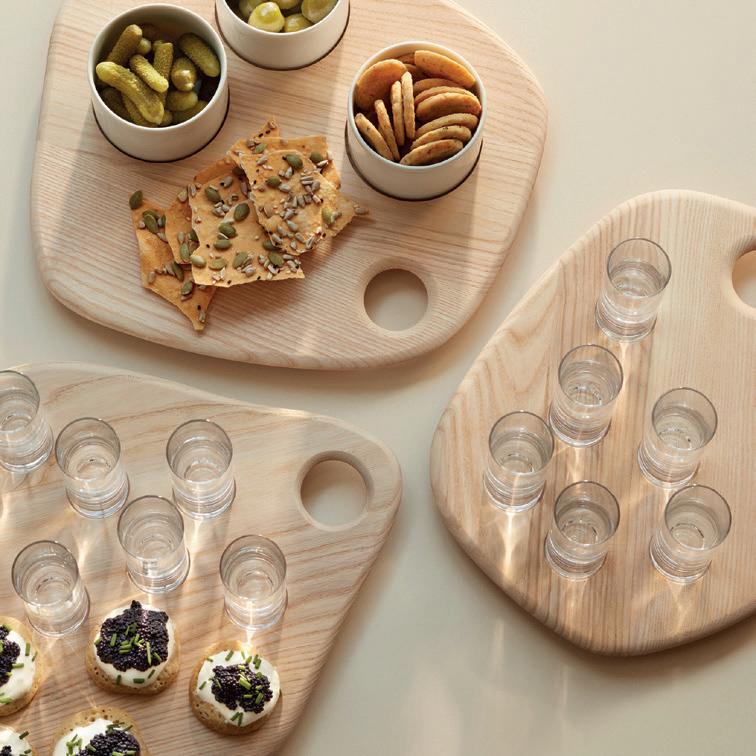
LSA brings us organically-shaped FSC certified wooden boards designed to be carried like an artist’s palette for ease when serving. The cylindrical glasses and porcelain bowls are arranged to allow space on the boards to serve nibbles, olives, dips and bread alongside shots.
www.lsa-international.com
CHIC
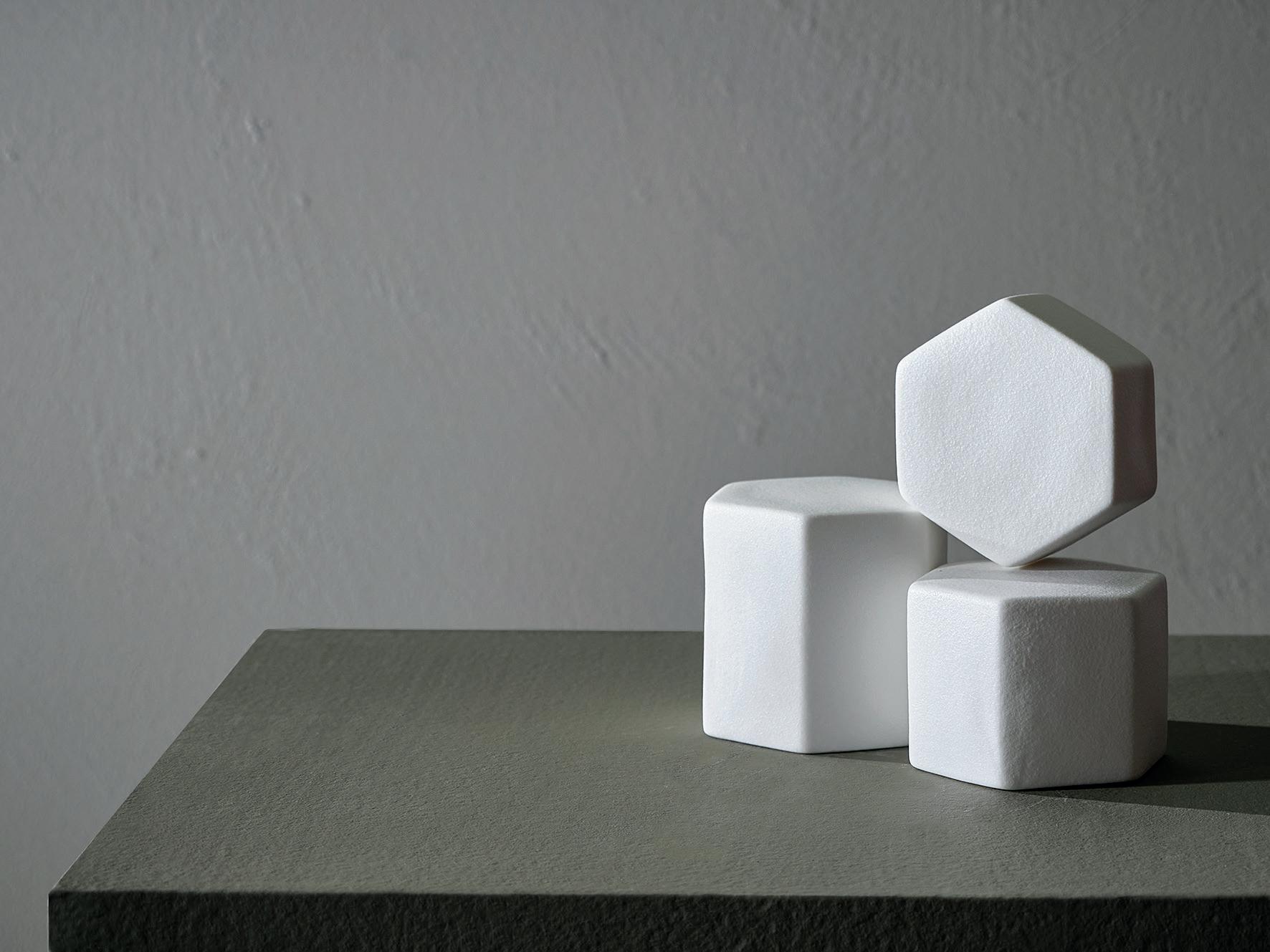
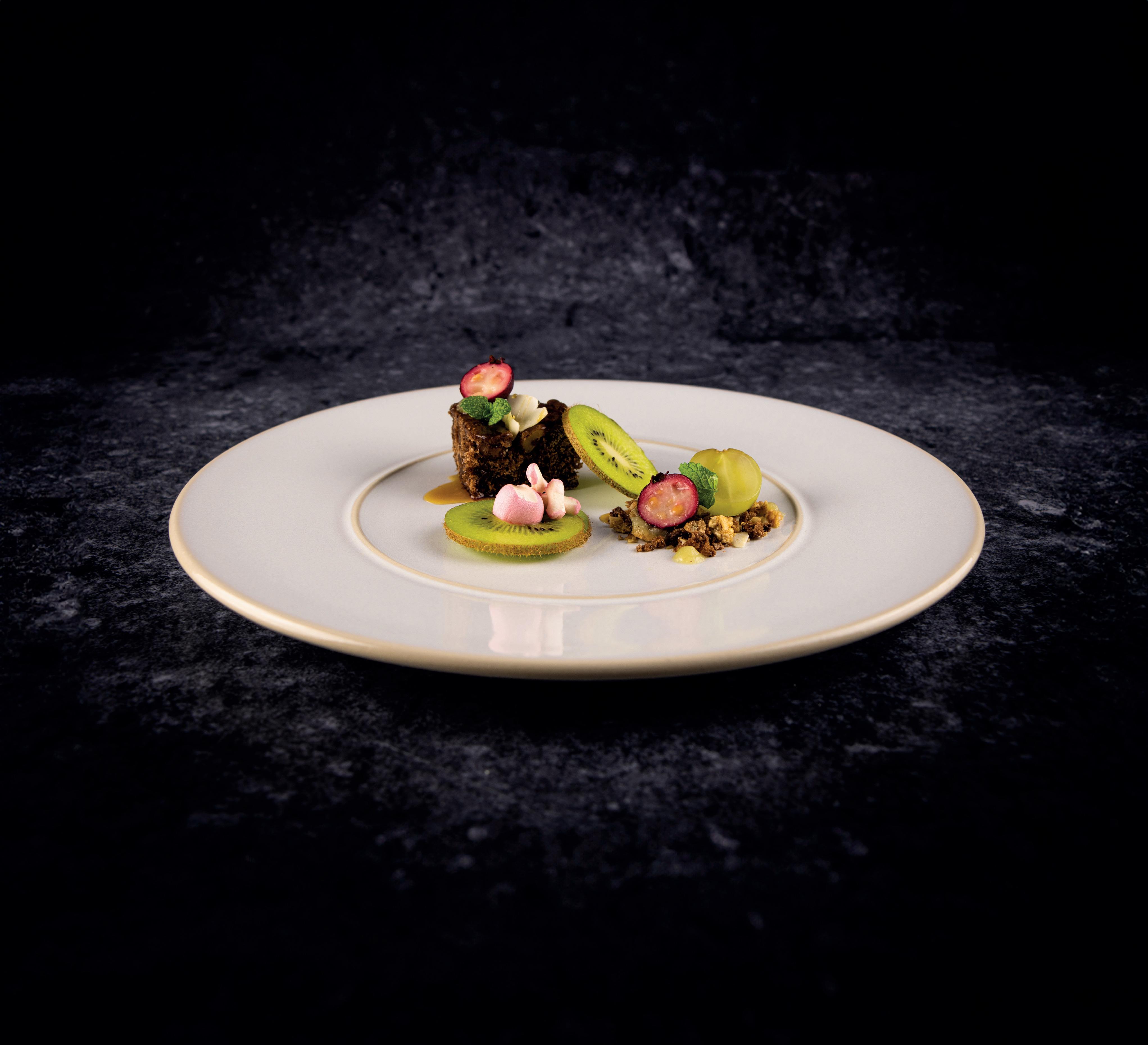
Explore the sophistication of the porcelain Roche collection, tailored for high-end dining experiences, typically served as an apéritif. Available in classic white and timeless black, these plates elevate culinary presentations, ideal for exquisite appetizers and small desserts, enabling you to unleash your culinary creativity and craft an unforgettable dining affair.
www.finediningandliving.com
Category Buffet
32 TABLEWARE INTERNATIONAL: HoReCa
eco-friendly . vitreous stoneware . d esign
Interview Stölzle Lausitz

Building business
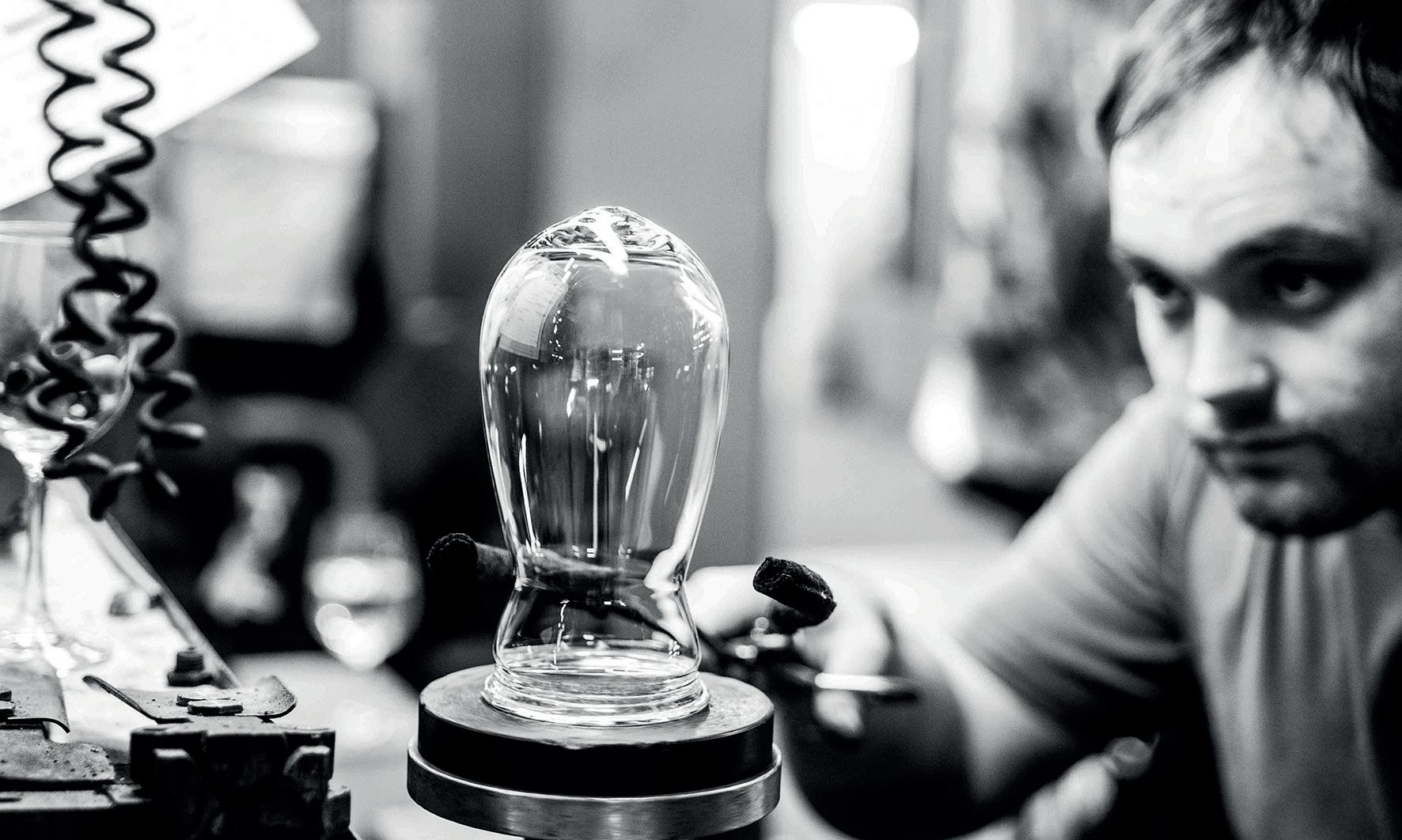
As a company, Stölzle Lausitz has been making glass in the Lusatia territory of Germany for 135 years. Glassmaking is part of the region’s DNA – it is bred into the people. Stölzle Lausitz was established in 1889, and by 1900, they faced competition from 67 glassworks in Lusatia alone. Today, it is the last one standing. Leopold Grupp, CEO of Stölzle Lausitz, talks to HoReCa about the brand’s approach to the professional sector, where they see potential for growth and how they strike a balance between serving the hospitality sector and supporting retail…
Stölzle Lausitz is not a young company, in fact, it is 135 years old. But something about it feels fresh, new, dynamic. It feels connected to its clients. (A visit to the company’s stands at any global trade fair will tell you that.) Stölzle Lausitz has busied itself making glassware for more than 100 years, and it makes it very well.
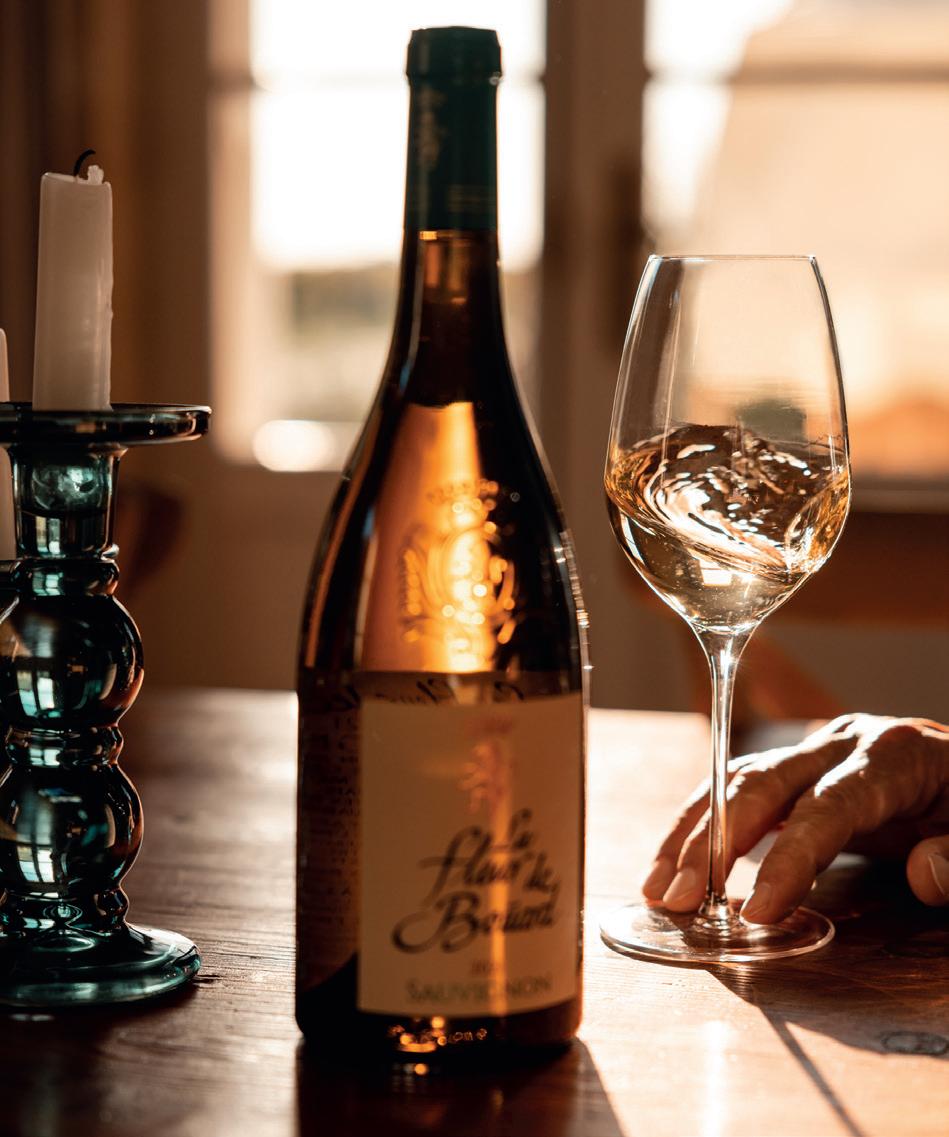
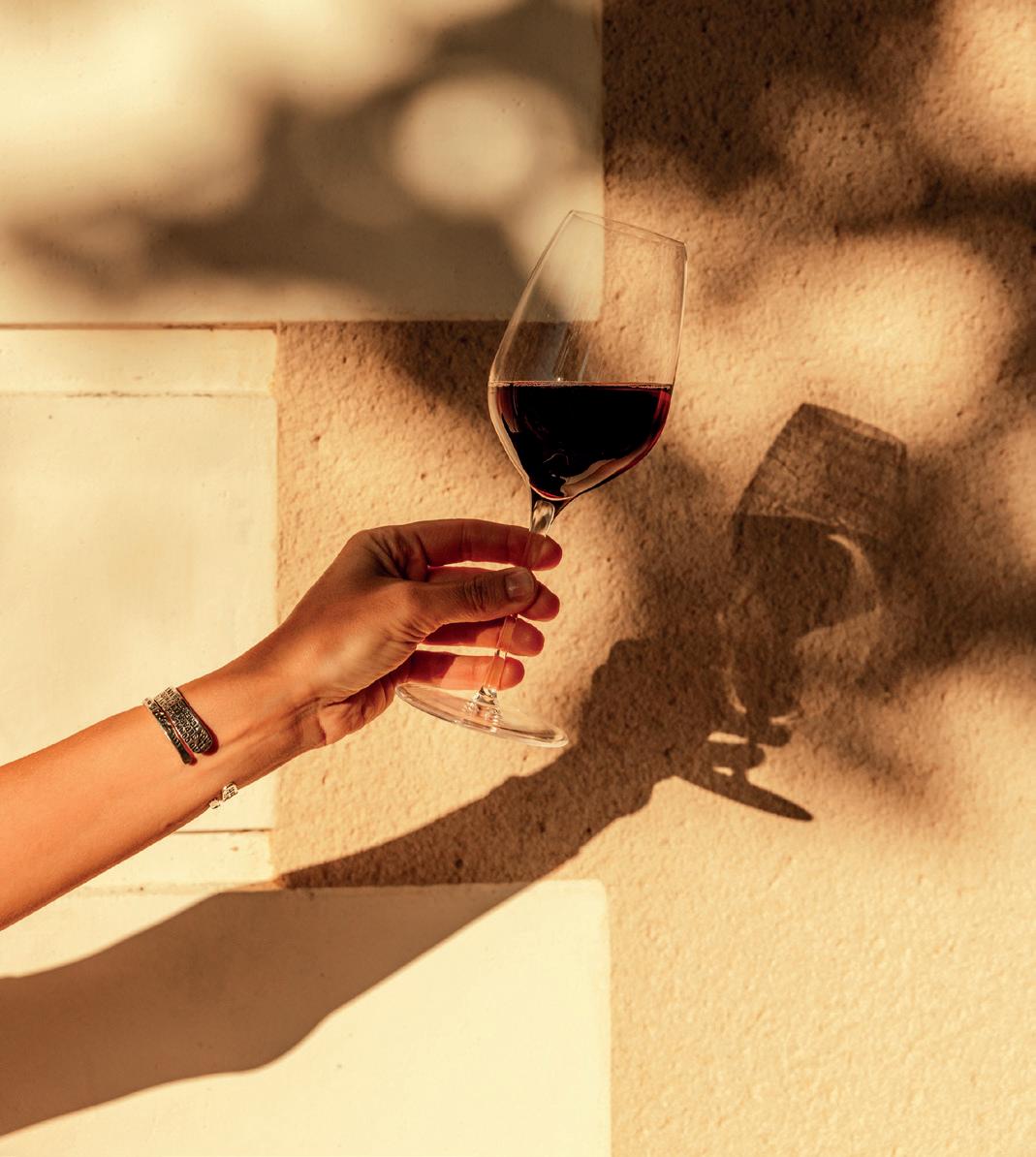
Embracing a mix of mouthblown and machine-made collections, the company supplies glassware for both retail and HoReCa, with new lines including the aroma-developing Cocoon,
joining prestige collections such as Fino and Starlight.
A global distribution reach sees the company’s products at home in venues such as the Michelinstarred Cookies & Cream in Berlin, the Mandarin Oriental in Kuala Lumpur and Miami’s Soho House, to name a few.
Led by Leopold Grupp, Stölzle Lausitz is primed for growth. But as far as the CEO is concerned, Stölzle Lausitz is more than just a glassware brand, “it’s a symbol of passion and craftsmanship that has been cherished for over
Did you know?
Stölzle Lausitz produces more than 45 million glasses each year.
135 years,” he tells HoReCa.
As the tabletop industry focuses its attentions more and more on hospitality, Stölzle
relationships with our key customers. As part of this initiative, we are expanding our presence on a global scale. This expansion
“As long as people continue to crave social connections… hospitality will remain an integral part of human life and well-being”
Lausitz has always had a strong bond with its professional partners and customers, Leopold says, but the brand is now doubling down on this.
“We are currently intensifying our efforts within the hospitality industry to deepen our
includes not only strengthening our marketing efforts but also increasing our physical presence through the addition of new team members. One example is APAC. With 70 per cent of all restaurant and hotel openings occurring in Asia, we’ve increased
34 TABLEWARE INTERNATIONAL: HoReCa
Fino Cocoon

“We are expanding our presence on a global scale”
these regions while continuing to provide exceptional service to our existing markets such as Spain, the UK and the US. In the latter, we have also established our own distribution presence.”
When asked whether he was at all concerned that, as a sector, suppliers may be investing too much of themselves in HoReCa sector rather than looking to grow retail, Stölzle Lausitz’s
actively engage with consumers through our own online shop, which provides a convenient platform for direct purchase of our glassware products. This omnichannel approach allows us to effectively reach and serve a diverse customer base while adapting to evolving market trends and preferences.”
As for where he sees the company in the future – Leopold
“There are ample opportunities for
growth and innovation”
Stölzle Lausitz’s CEO Leopold Grupp gives his thoughts on the health of HoReCa
“Despite recent challenges, we believe that the hospitality sector remains resilient and adaptable. As consumers increasingly prioritise experience and quality, there are ample opportunities for growth and innovation in the industry.
As long as people continue to crave social connections – let’s hope that never changes – hospitality will remain an integral part of human life and wellbeing. The pandemic has highlighted the importance of public spaces in fostering social interaction. Therefore, the demand for welcoming environments where people can gather, share a meal, and simply enjoy life together around a nice table remains strong.”

Grupp has big plans for Stölzle Lausitz. He wants the brand to further solidifying its position as a key player in the glassware industry, with a strengthened presence in core markets and expanded reach into emerging regions.
“Our focus will be on enhancing customer satisfaction, driving innovation, and deepening our partnerships with customers worldwide.
At the same time, we’re committed to being the brand and partner of choice for innovative individuals in the HoReCa sector, providing a great
approachable product for a whole new generation in the hospitality sector. We are committed to maintaining our reputation for quality and craftsmanship while adapting to evolving market trends and consumer preferences.
“We will also be able to tell a story of success and innovation becoming the largest crystal glass manufacturer globally through our new production, while producing the best machine-made crystal glass available on the market.”
TABLEWARE INTERNATIONAL: HoReCa 35
Fino
Stölzle Lausitz has been manufacturing glassware for 135 years
We ask leading industry peers their thoughts on the hospitality sector – from its perceived buoyancy through to whether we should be capitalising on retail more…
The BIG questions
Josh Rammell, marketing manager,
Utopia Tableware
Is the global hospitality sector as buoyant as we are being led to believe?
It’s certainly showing signs of robust growth after all the challenges of recent years. However, the extent and pace of this buoyancy varies significantly, not only by region but also by market segment. It’s vital tableware suppliers support the growth, by focusing on the fundamentals of developing innovative products and providing a service that customers and business partners can rely on.
Is the tabletop industry in danger of becoming too reliant on hospitality?
For the tabletop industry, hospitality offers a constant, reliable demand for products. Paradoxically, it also offers a continuing need for innovation and new product development, as consumer tastes change and as HoReCa operators modify their business. So, hospitality is an attractive market, which means lots of manufacturers and suppliers, who previously focused on retail, gravitate towards it. Having said that, there is still a strong split between the two segments and for most companies involved in both, hospitality remains a smaller part of their business.
What are the key differences between selling into retail and selling to the professional sector?
Hospitality tableware needs to be durable, practical and cost effective, whereas retail suppliers can focus more on design and overall price. A popular tableware design for hospitality will need consistency of supply for a long period, as broken pieces will need to be replaced over a number of years. In retail, a collection might only last a single season. Lastly, hospitality tableware needs a wider SKU base, operators need a wide range of pieces for different plating styles or different drink serves.
“Hospitality tableware needs to be durable, practical and cost effective, whereas retail suppliers can focus more on design and overall price”
A comprehensive HoReCa tableware collection might consist of tens of different pieces – for example, our Murra Ash collection has over 40, including plates, bowls, jugs, platters, pots and so on. Domestic users will need far fewer different pieces.
 Timo Ooms, senior product & purchase manager, Fine Dining & Living
Is the global hospitality sector as buoyant as we are being led to believe?
We see different trends. Companies who are doing very well, growing and opening new restaurants – a lot of them focus on quality and dinner experience. We also see clients who are struggling to get the staff members to deliver the service they want to give to the clients, a lot of those have more closing days and are fully booked when they are open. On the other side, the companies who don’t deliver something extra are struggling due to the higher costs in wages, rental, electricity… and they struggle to survive.

Is the tabletop industry in danger of becoming too reliant on hospitality?
The hospitality sector has been seen as the ‘golden egg’ for many companies and factories that were facing problems in the retail segment, as it was stable and growing. Many of those adapted their strategy based on that. As a result, today the sector is experiencing more competition and you see also a lot of new entrants with products which are actually not fit for the hospitality industry.
Should we be looking at more way of capitalising on retail?
It is healthy to have a good balance between the two segments because the overall market will always fluctuate and bend over to one side depending on global events and economic trends.
What are the key differences between selling into retail and selling to the professional sector?
In retail, affordable price points and attractive promotions are important to persuade the end user, at least in the medium segment. Also, the overall brand experience and the omni channel is important (shop presentation, online presence, social media). For hospitality, it is important to have good quality product and continuous availability. Of course, new food trends and innovative products need to be visible throughout your assortment to be relevant for the professional user.
36 TABLEWARE INTERNATIONAL: HoReCa
Opinion

Dominik Zieher,
CEO, Zieher
Is the global hospitality sector as buoyant as we are being led to believe?
There is no general global answer to this question. Certainly, the hospitality sector had an uncanny boom after the pandemic in 2022 and 2023. Hotel projects that were stopped during Corona were ended at full speed, the world wanted to travel again and a boom was noticeable. Currently, demand is levelling off again or inflation and economic uncertainties are even dampening it. For 2024, we generally see a decline in demand, apart from a few boom regions.
Is the tabletop industry in danger of becoming too reliant on hospitality?
I think a healthy mix is the right formula here. For example, while we had a 90 per cent drop in sales in the hospitality sector during the pandemic, demand in the retail sector almost exploded. This helped us a lot to get through this difficult phase unscathed. Currently, the situation is exactly the opposite, people are spending more money on travel and eating out, far less is being invested in their own homes, which is causing sales difficulties for retailers. That’s why I think it’s important not to focus on just one area and thus better absorb fluctuations in the different markets. In the hospitality industry, of course, you have the higher circulation for the time being, but the calculable continuity that exists in retail is missing.
Should we be looking at more way of capitalising on retail?
Every company must answer this question for itself. If you have the product, partners, packaging, marketing, and service to work in retail, chances are you’ll succeed. If your company has a specialised or classic B2B system and you want to get into retail, you need to do a lot of homework first. The retail market is incredibly competitive and saturated with products. To grab a spot on the shelf, you need a special product or a one-time prize.
What are the key differences between selling into retail and selling to the professional sector?
“Currently, the situation is exactly the opposite, people are spending more money on travel and eating out, far less is being invested in their own homes, which is causing sales difficulties for retailers”
There are countless differences. Starting with the distribution channels, packaging right up to pricing and marketing. An important point is the different margins. A retailer who has the items on the shelf and sells small quantities needs a higher margin than HoReCa dealers who order on a project-by-project basis and have a much higher volume per sale. Likewise, the advertising and marketing efforts to make the brand/product known in the retail sector and thus create a demand are many times higher.
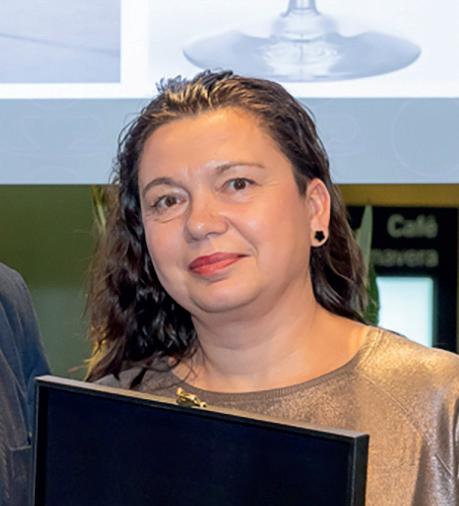
Michaela Šlegr, head of marketing, Crystalex
Carsten Kulcke, general manager, proHeq GmbH
Is the global hospitality sector as buoyant as we are being led to believe?
The hospitality industry is a dynamic and diverse sector that plays an important role worldwide. From hotels and restaurants to airlines and travel agencies, they are all working to provide guests with a memorable experience. During the pandemic, the industry adapted flexibly to new challenges, whether through working from home, virtual meetings or improved health and safety measures. The future of hospitality lies in continuing to respond to the needs of travellers and finding innovative solutions. Ultimately, the hospitality industry not only contributes to the economy, but also to the memories and experiences of people around the world.

“As the hospitality industry grows, so does the demand for highquality tableware. Diversification and innovation are the key to long-term success.”
Is the tabletop industry in danger of becoming too reliant on hospitality?
The tabletop industry and the hospitality industry are closely linked. As the hospitality industry grows, so does the demand for high-quality tableware. Diversification and innovation are the key to long-term success.
Should we be looking at more way of capitalising on retail?
As part of Groupe SEB, we are not only active on the B2B side, but also on the consumer side. Nevertheless, our focus in the tableware sector remains on the professional market.
What are the key differences between selling into retail and selling to the professional sector?
Consumers are focused on brands and products, while professionals also require Services. Strong brands in the professional business are those which are capable to execute and provide solutions.
Is the global hospitality sector as buoyant as we are being led to believe?
Generally speaking, demand in the HoReCa sector has picked up very quickly because the market being starved due to the Covid pandemic. Our path to acquiring new customers is usually very slow, but results in a stable supply. These are not retail products. The fundamentals of success in any case consists not only in the products’ high quality but also requires excellent customer service, which we pride ourselves upon. Thanks to this, we long-term customers with whom we maintain great relationships.”
38 TABLEWARE INTERNATIONAL: HoReCa Opinion





The finer things in life
As a company, Fine Dining & Living is all over the hospitality and retail sectors with its multiplicity of brands. One of those, Fine 2 Dine (F2D), is a fundamental part of the business supplying HoReCa with progressive, on-trend pieces. Lynne Verrydt, marketing & events specialist at Fine Dining & Living, gives us some insight into what we can expect from the brand in 2024 and beyond…
Fine Dining & Living has brands which exist in both the retail/consumer and professional/HoReCa sectors –do you see growth in one area over another?
The hospitality sector has been viewed as a stable and lucrative market in the past few years, attracting companies seeking stability amid retail challenges. However, this has led to increased competition and a flood of new products, some of which may not meet the standards of the hospitality industry.
As such, while both sectors offer opportunities, navigating competition and adapting to changing demands are crucial for sustained growth.
Tell us about the Fine 2 Dine brand specifically, how would you describe the brand? Where is it positioned in the market?
Who is the target clientele?
Fine2Dine (F2D) is a trenddriven provider of high-quality tableware tailored for the creative professional. Positioned at the intersection of innovation and quality, F2D offers hotels and restaurants, catering establishments worldwide, the ability to effortlessly blend food, ambiance, and presentation using trendy colours and materials. The brand caters to establishments seeking to elevate their dining experience with unique, customisable tableware solutions.
Has a strategy for growth been identified by the brand for the hospitality sector? And if so, can you tell us about that?
Absolutely! We see great potential in the hospitality world. Our plan is the following: stay creative and close on trends, prioritise customers, and expand into new markets. We aim to
keep introducing trendy products, getting customers excited, and making sure they’re available where the demand is high. Additionally, durability is key. For instance, our stainless-steel bowls from the Host collection are resilient and long-lasting, meeting high demand in the market.
As a brand, do you distribute Fine 2 Dine globally? Where are your strength markets and where might you like to have more distribution power? Certainly! Fine2Dine boasts a worldwide distribution network, particularly thriving in Europe, the UAE, and America, facilitated by our partnership with MIKASA. As an emerging brand, there still remains untapped potential in these markets. Additionally, we’re eager to venture into new territories like Africa and Asia, recognising the significant growth prospects awaiting us.

Umi was a hero line for you last year, it really tapped into the trend for Japanese style cuisine. Which of Fine 2 Dine’s more recent collections are proving popular?
The Host and Ecovitra collections are our hero lines the coming year. They’re bringing something new and exciting to the table, just like Umi did last year.
Is trend forecasting an important part of your brand strategy for Fine 2 Dine? Indeed, trend forecasting is integral
Interview Fine 2 Dine
40 TABLEWARE INTERNATIONAL: HoReCa
The heroes
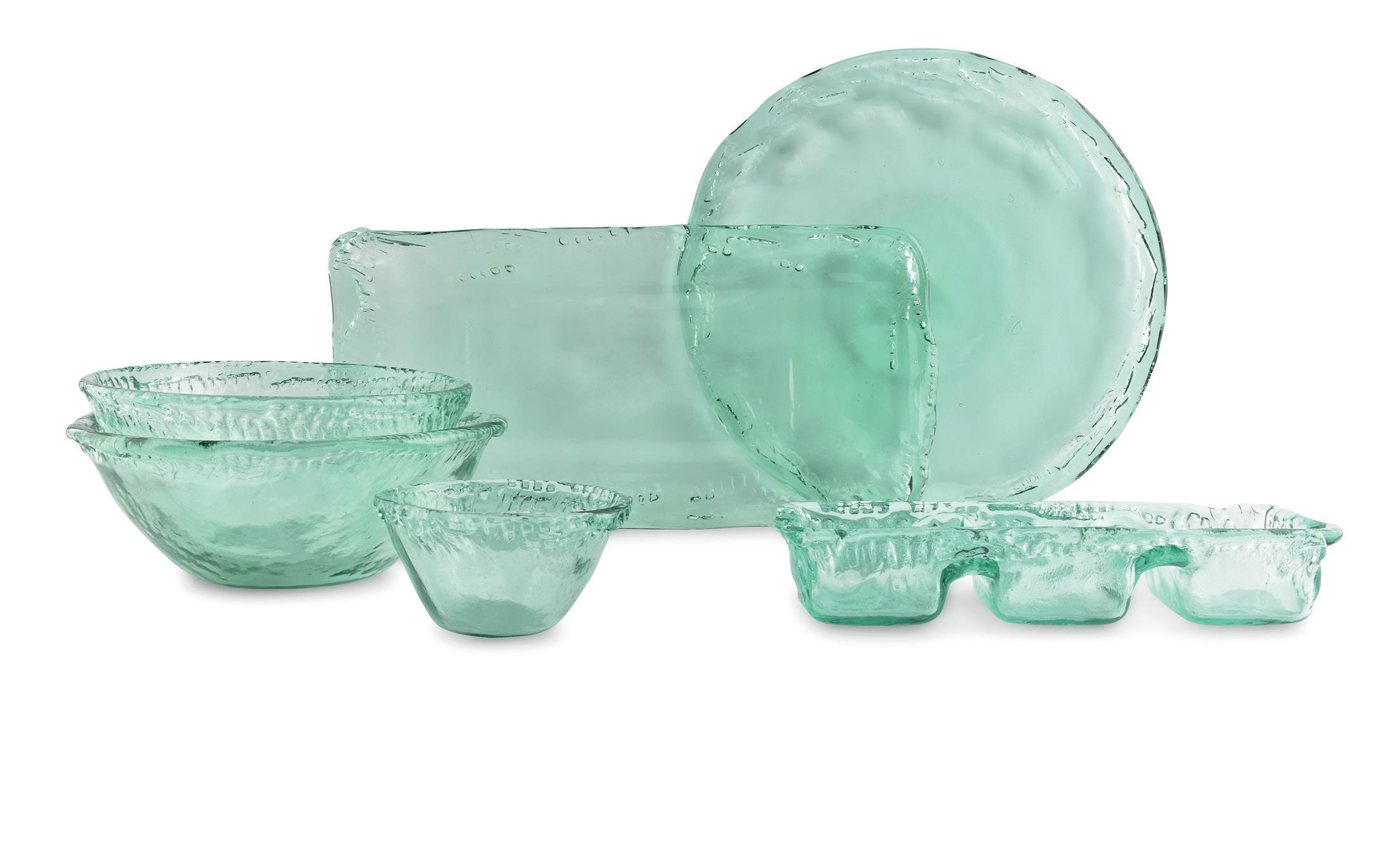
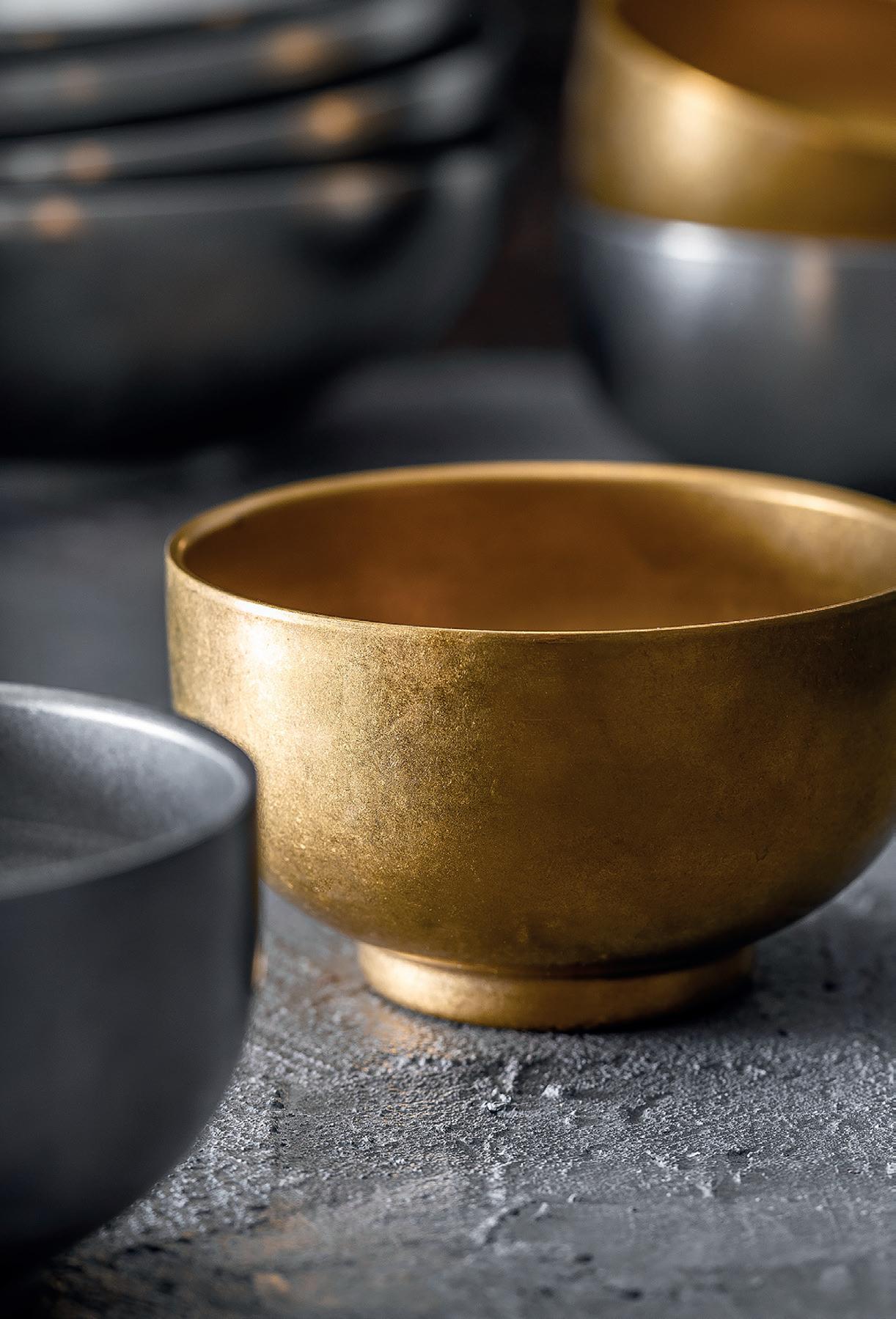
The Fine 2 Dine brand currently boasts two hero collections which are impressing clients globally. Let’s take a closer look at Host and the environmentallyaware Ecovitra…
Host (right)
A collection of stainless steel bowls that both look and feel strong. Their double-walled structure also provides excellent insulation, keeping dishes at the perfect temperature for longer and making them suitable for both hot and cold dishes.
Ecovitra (left)
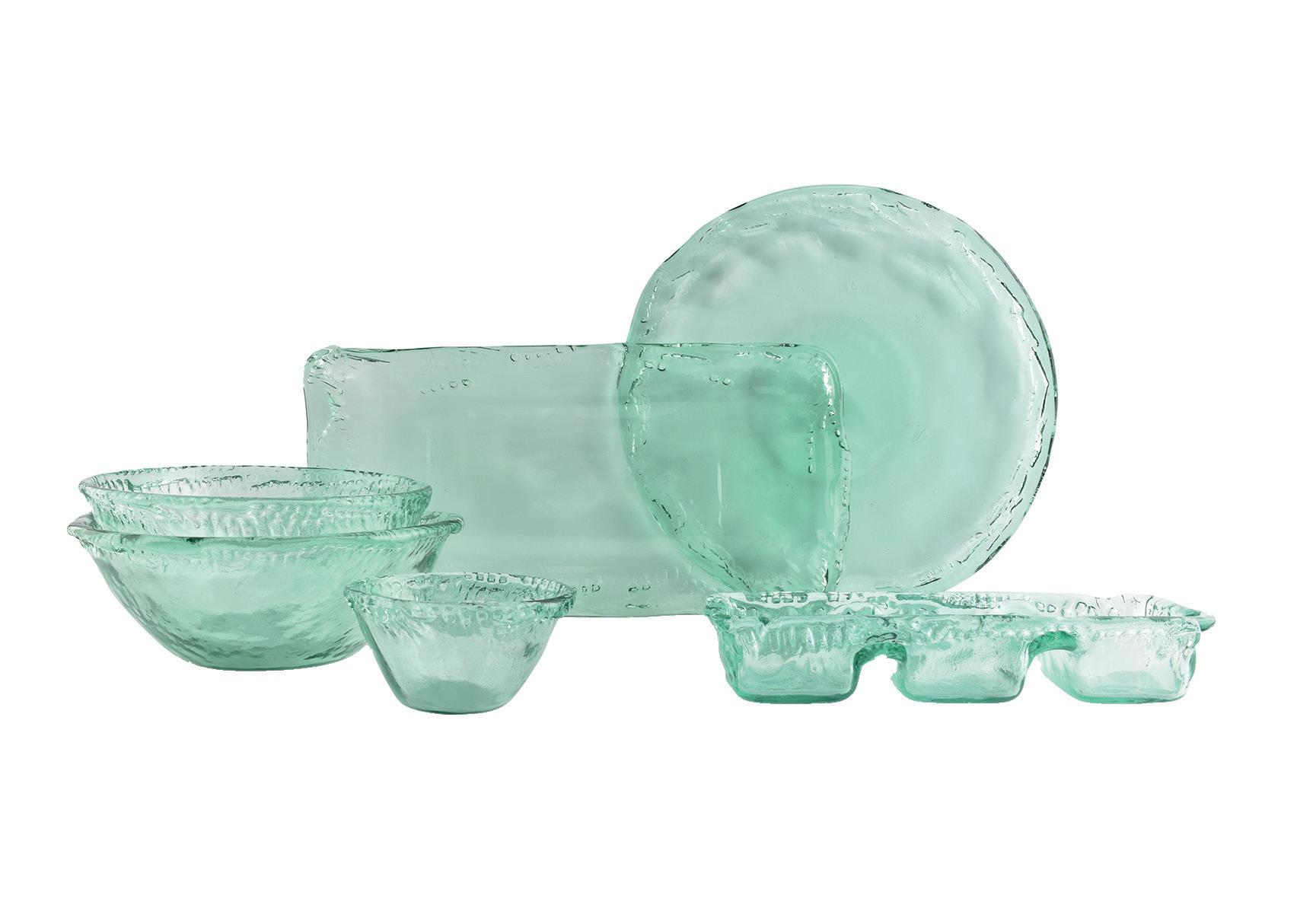
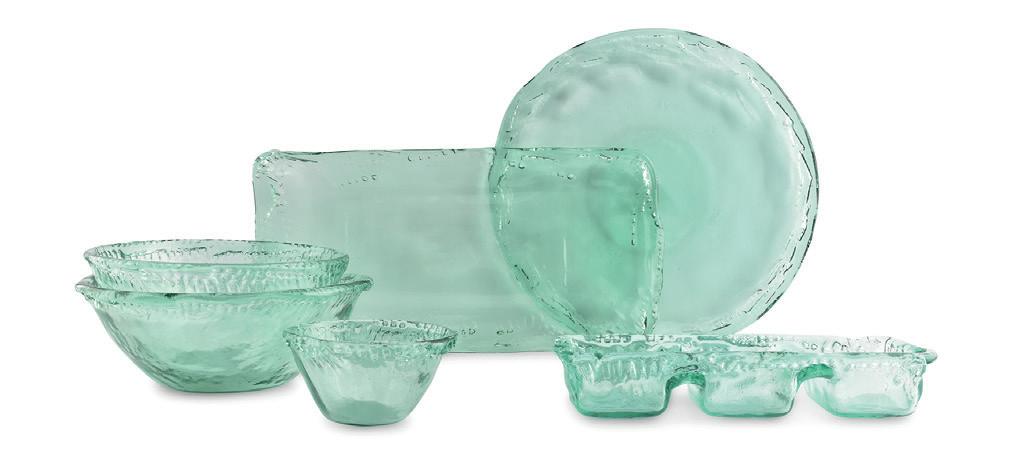
Ecovitra is the brand’s first eco collection. The name carries a deeper meaning, ‘eco’ refers to the ecological core of the collection and ‘vitra’ to the glass. The Ecovitra collection embraces sustainability in all its facets and is characterised by robust recycled glass in a beautiful greenish hue, a direct result of upcycling materials. This collection is not only a visual delight but also a celebration of ecological responsibility. The recycled glass used in each piece contributes to reducing the amount of waste in our environment and supports a circular economy. By choosing the Ecovitra collection, you are contributing to a more sustainable future for our planet.
to Fine2Dine’s brand strategy. Through collaboration with trend forecasting agencies, we meticulously track current colours, shapes, material and consumer preferences. This partnership ensures that Fine2Dine’s products consistently lead industry trends.
Has there been any impact from the cost-of-living crisis which certainly hit the UK and other parts of the world in 2023 and beyond?
The cost-of-living crisis has presented both challenges and opportunities within the hospitality sector. While some establishments have thrived by emphasising quality and enhancing the dining experience, others have struggled with rising operational costs, staffing shortages, and increased competition. Fine2Dine remains attuned to these dynamics, adapting its strategies to support its clientele and navigate market fluctuations effectively.
Does your company see more growth in the hospitality sector and how is the tableware market positioned to capitalise on it?
The heightened competition in the hospitality sector can be attributed to the widespread recognition of growth
opportunities within the industry. Despite this increased competition, we are confident in our ability to navigate it effectively. Our strategy revolves around staying ahead of the curve by closely monitoring and integrating the latest trends into our products. Additionally, we prioritise the use of high-quality materials, ensuring our offerings not only meet, but exceed, the expectations of our customers. This focus on innovation and quality positions us well to capitalise on the growing demands of the tableware market within the hospitality sector.
Finally, what can we expect from the Fine 2 Dine brand in the coming year?
In the upcoming year, Fine2Dine is dedicated to delivering innovative launches that redefine the dining experience. We’re increasingly focusing on personalised solutions, fostering closer connections with our customers, and promptly addressing their needs. Expect trend-setting designs, sustainable materials, and enhanced customisation options as we continue to push boundaries and stay ahead of industry trends. Fine2Dine remains committed to empowering establishments worldwide to craft unforgettable dining experiences that captivate guests and drive business success.
“We partner with trend forecasting agencies to consistently lead industry trends”
“The hospitality sector has been viewed as a stable and lucrative market… however, this has led to increased competition”

TABLEWARE INTERNATIONAL: HoReCa 41
metal Heavy

About G & G
Founded by Paul and Valda Goodfellow, G & G Goodfellows is a highly creative design & Distribution Company with an amazing showroom in Little Portland Street. Offering a truly hands-on service, Goodfellows passion is to bring new and exciting, bespoke food presentation concepts to the UK’s culinary scene. As well as offering a wide variety of the world’s best branded tableware, kitchen equipment, clothing and machines, Goodfellows also collaborates closely with UK craft producers for totally unique products. It works with all sizes of restaurant and catering projects, happy to supply anything from an individual plate to a full restaurant concept.
As
the old saying goes, there is comfort in the familiar, and that is as true for dining as it is for anything else. Valda Goodfellow explores the concept of familiarity…
You will know from past columns, I often reflect on the prevailing trends for hospitality tableware. Doing this now is so strange, because I think our industry is in a state of flux, particularly in the UK.
The post-covid boom is well and truly over, and the economic/ socio-political instability caused, in no small part, by the Russia/Ukraine and Israel/Palestine wars are leaving their mark on a lacklustre first quarter’s tourist trade.
It feels like there is little appetite for heavy investment in new openings… but there is light at the end of the tunnel. We have seen a marked improvement in project activity over the past few weeks, which, dare I say, may be down to a better-than-expected UK economic performance. Whether investment is coming into the UK from abroad, or from within, there is now a bit more confidence in the future.
Where there is confidence,
there will be more projects. Where there are projects, there will be innovation; and when innovation occurs, it tends to result in a trend.
It usually starts with the food, but more recently we have seen
talents? There is room for both. We know chefs drive creativity and innovation, while great concepts are brilliant at finessing an overall experience and then replicating it.
Going back to our state of flux in hospitality, it would be easy
“Even at the fine dining level, the prevailing demand is for high-quality white tableware, mixed with silver accessories or copper service items”
‘concepts’, not chefs, driving expansion, not just here in the UK but across the Middle East.
International travellers want new experiences but they are also attracted by the familiar, and this is why proven concepts are safe bets. In the past there have been restaurants reliant on a chef that is rarely there; and which fail because of it. But where would we be without these amazing
to conclude we are in a phase where investment is in ‘safe bet’ concepts, which outweighs the influence of individual chefs, leaving us to believe there are no major new trends.
This is partly true, and where there is a trend, it is for trying to create a sense of trust. Trust in the quality of food, trust in the quality of service, and trust in the sense of experience. We all know trust
42 TABLEWARE INTERNATIONAL: HoReCa Column G&G
Dovetale
Mauviel
is easier to establish if there is an element of familiarity, whether it is with the type of cuisine, the style of the surroundings, or the quality of service. Hence, why successful concepts can be expanded in different locations.
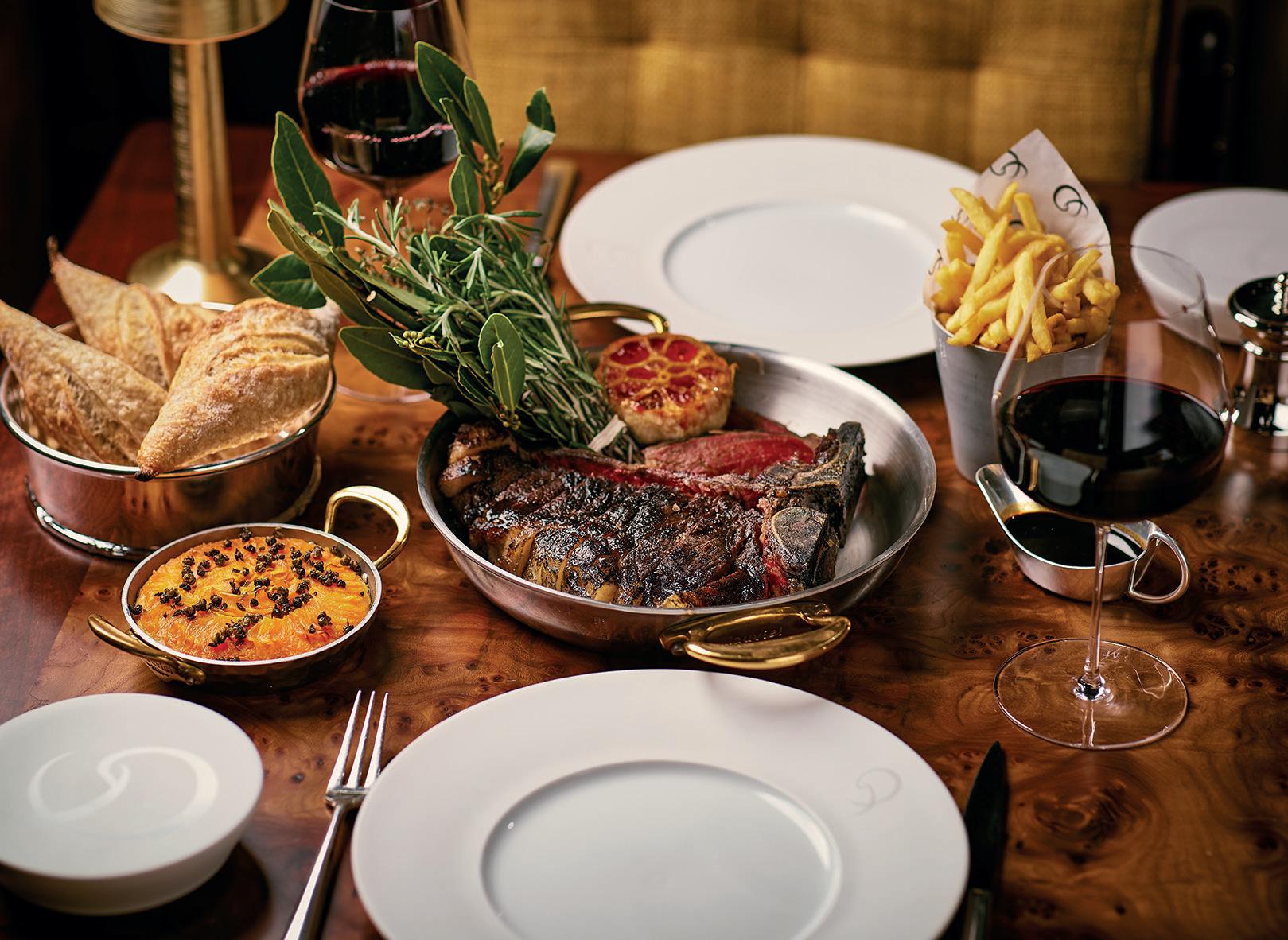
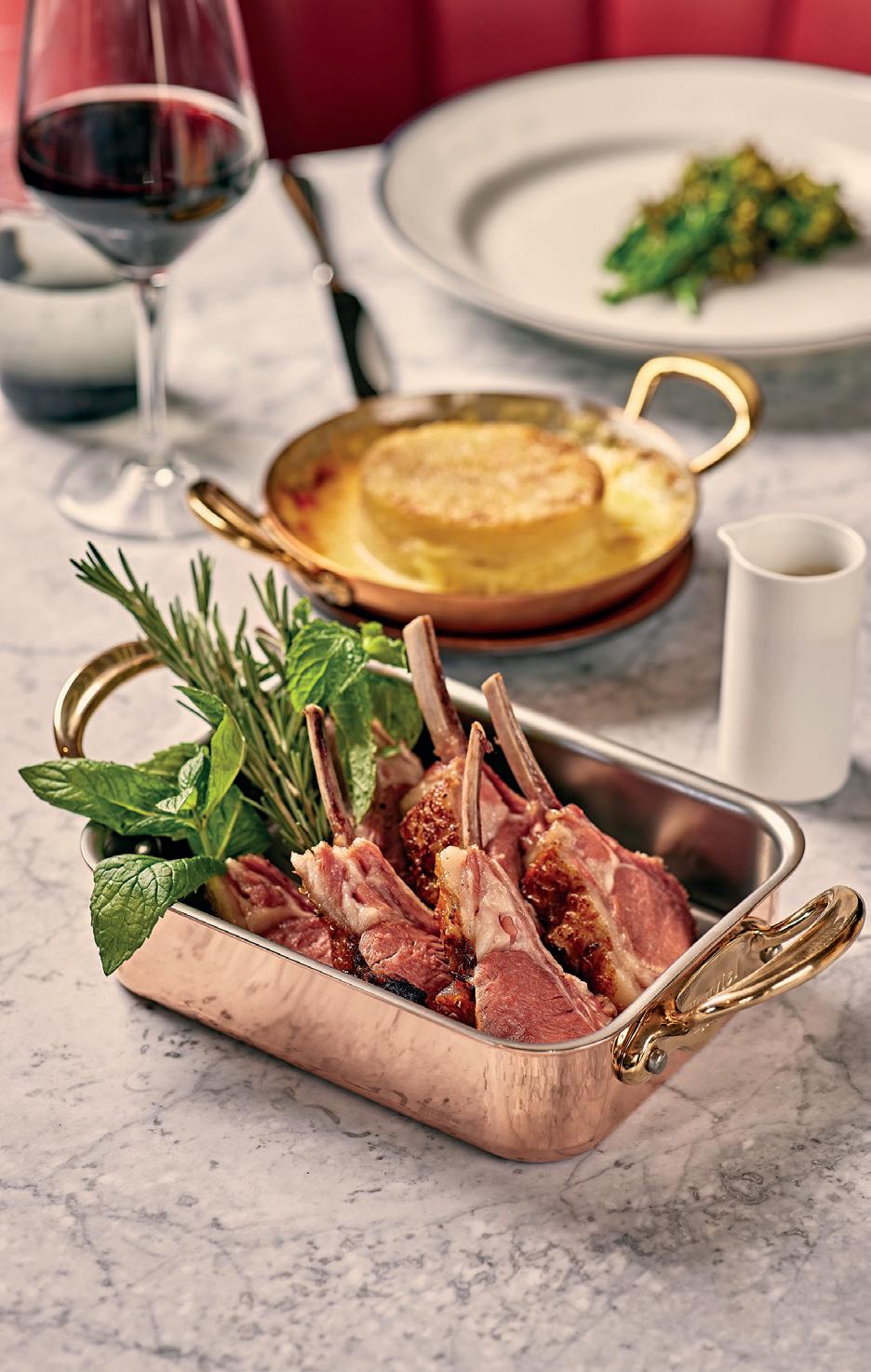
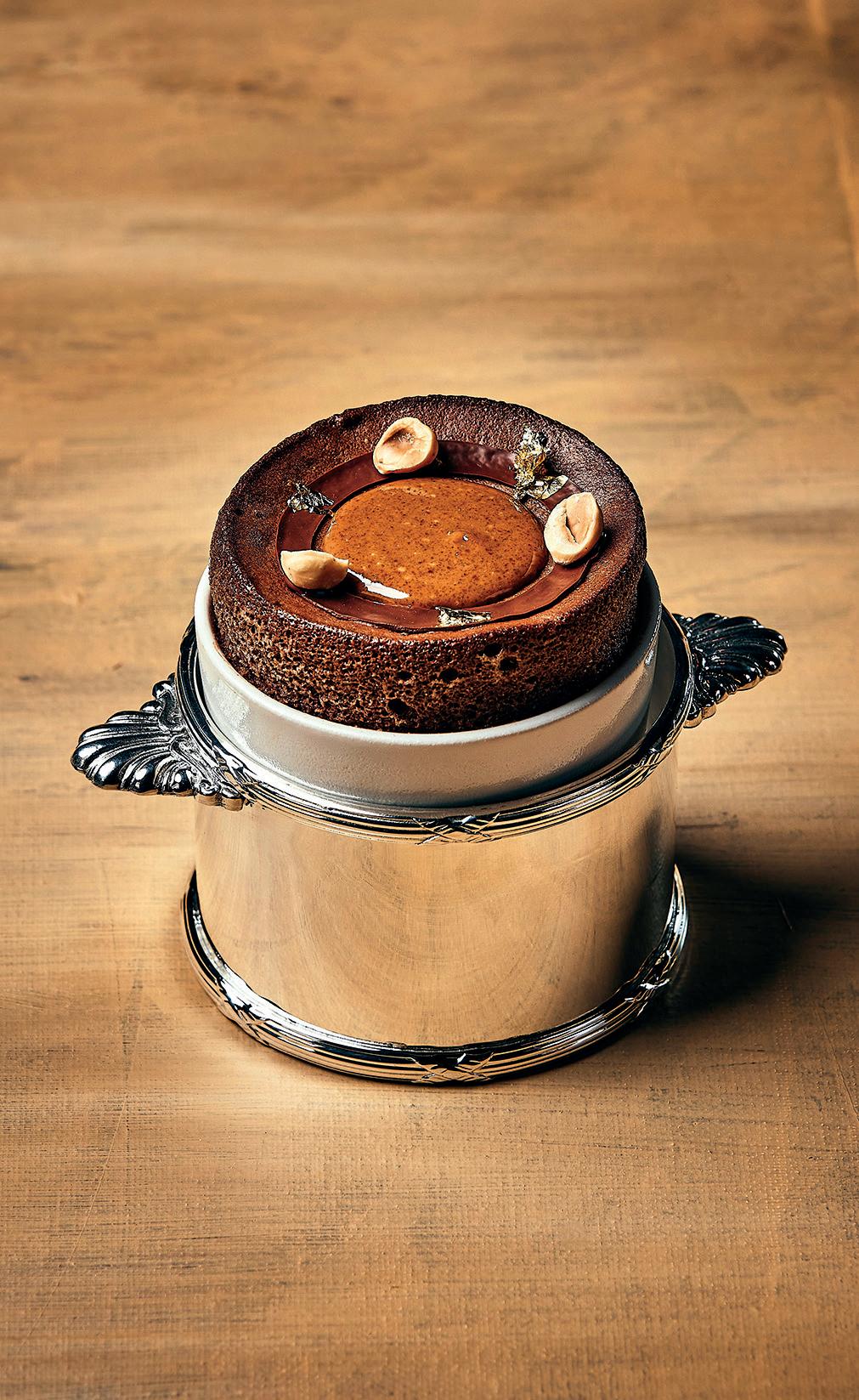
What we are seeing in the current market is this approach following through to tableware. Even at a fine dining level, the prevailing demand is for highquality white tableware, mixed with silver accessories or copper service items. Obviously, the white tableware must have its own distinctive look, through texture or subtle self-pattern. Adding silver accessories such as cruets, bread service, amuse trays or sauce jugs, provides the luxury and sense of tradition that helps establish trust, even before you start the meal. A beautifully set table with fine glassware puts diners at ease while creating a sense of expectation. I defy anyone not to want to touch the slender stems of fine, sparkling glasses. The recently opened Arlington restaurant in London is a perfect example of this, especially given the reinvention of the legendary Le Caprice Restaurant.
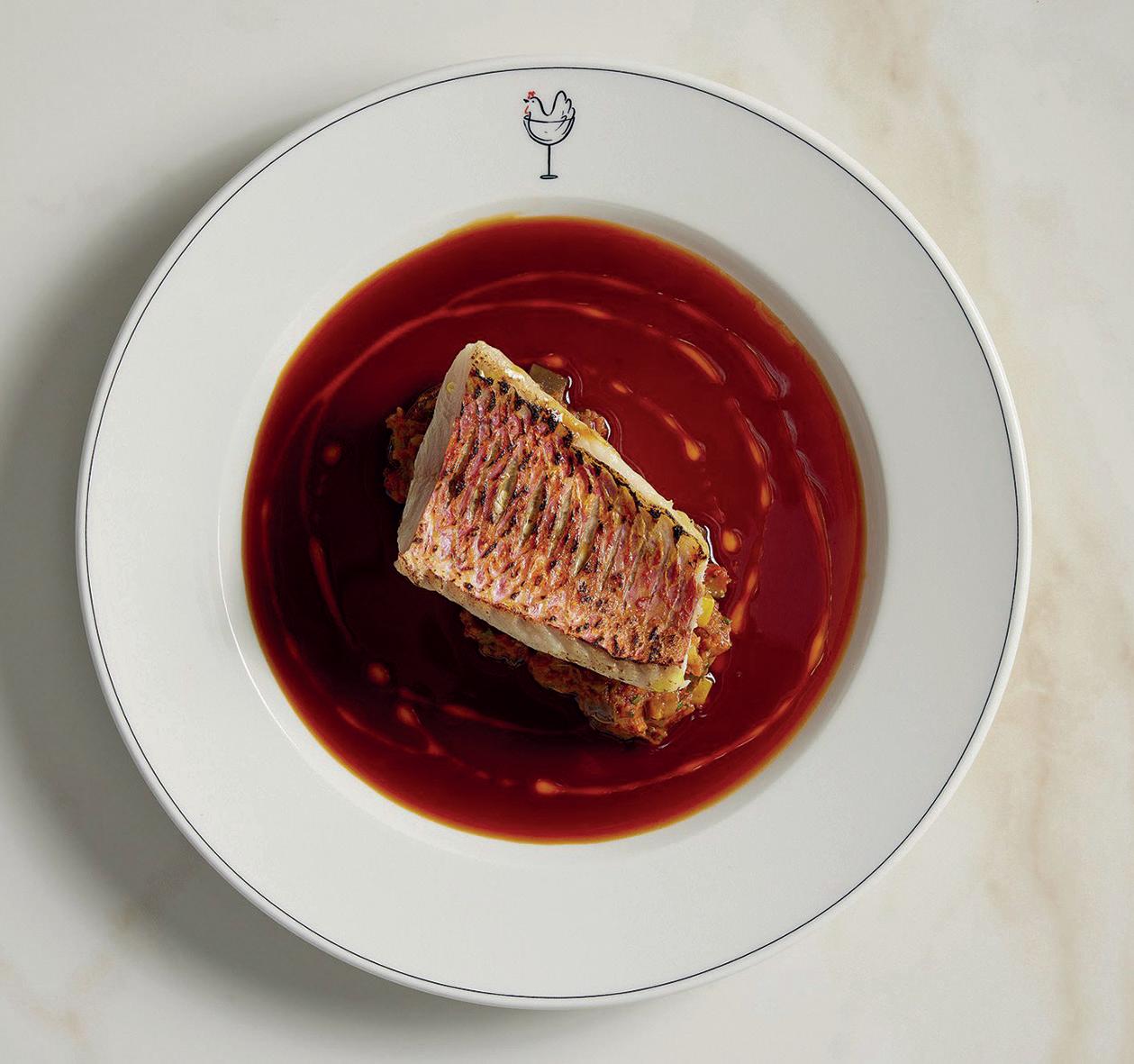
Our go-to products at this level would be Hering Berlin, Raynaud, Montgolfier, Jacques Pergay, Narumi and Serax for crockery; with our own silver items, silver-plated cutlery and Italesse (mouth blown) or Schott Zwiesel glass. A fantastic example of a restaurant where the tableware is imaginatively and thoughtfully suited, would be Dovetale in London, where Hering
comes to those with great bars; their aim is to create a special experience for diners, so the style of presentation is even more crucial in establishing that sense of trust and anticipation. One of the most successful concepts in the UK is The Ivy Café chain, delivering a take on luxury French bistro, at affordable prices. The presentation style is similar to that described above, utilising similarly
“Our go-to products at this level would be Hering Berlin, Raynaud, Montgolfier, Jacques Pergay, Narumi and Serax for crockery… Italesse (mouth blown) or Schott Zwiesel glass”
Berlin crockery has been subtly etched with a ‘D’ and matched interestingly with Mauviel stainless steel serving dishes with brass handles. This turns what could be a traditional look, into an ultrasmart presentation style.
While most concepts are aimed at mid-market, or just above, especially when it
classical elements to create the sense of trust.
In order to achieve this, we have seen a massive increase in the use of copper serving dishes, which work really well with all styles of cuisine, while adding substance and quality to the table. The dishes are versatile and mix with many different tableware looks. Like
with Ivy Café, another trend is tableware with emblems which helps establish identity as well as trust, and this mixes incredibly well with copper.
Our go-to crockery ranges would include Figgjo, Costa Nova and Bonna, which can be personalised, mixed with Mauviel copper, Italesse (machine made) glassware and Mepra cutlery . It is interesting to note that from the top to the middle of the hospitality market, there is a consistent use of metal accessories and serving items on the table. From silver to copper, these metals are a key ingredient in establishing a sense of quality and substance on the table. In times of insecurity and a lack of momentum, people often seek refuge in the familiar trustworthy. That’s why there is seemingly no trend when actually, this is this trend and it’s a great one.
When the momentum starts to shift again to a more confident future, I predict that whatever innovation sweeps through our sector, metals are here to stay, trust me.
TABLEWARE INTERNATIONAL: HoReCa 43
A creation by chef Adam Smith
Story Cellar
Category Eco Amefa Crystalex
Theapproachgreen
With sustainable production practices now an expectation rather than a nicety, we highlight hospitality providers who have changed the way they do things…
Rather than being the exception, sustainability and being eco-aware is now the rule for major global players. Producing collections and products in an environmentallyconscious manner is absolutely expected, and the hospitality industry – where many venues have adopted a ‘no-waste’ ethos – has a level of expectation that must be met by providers. Even more so, collections produced with environmentallyfriendly-processes are favoured by buyers and customers. It’s a good story to have to tell.
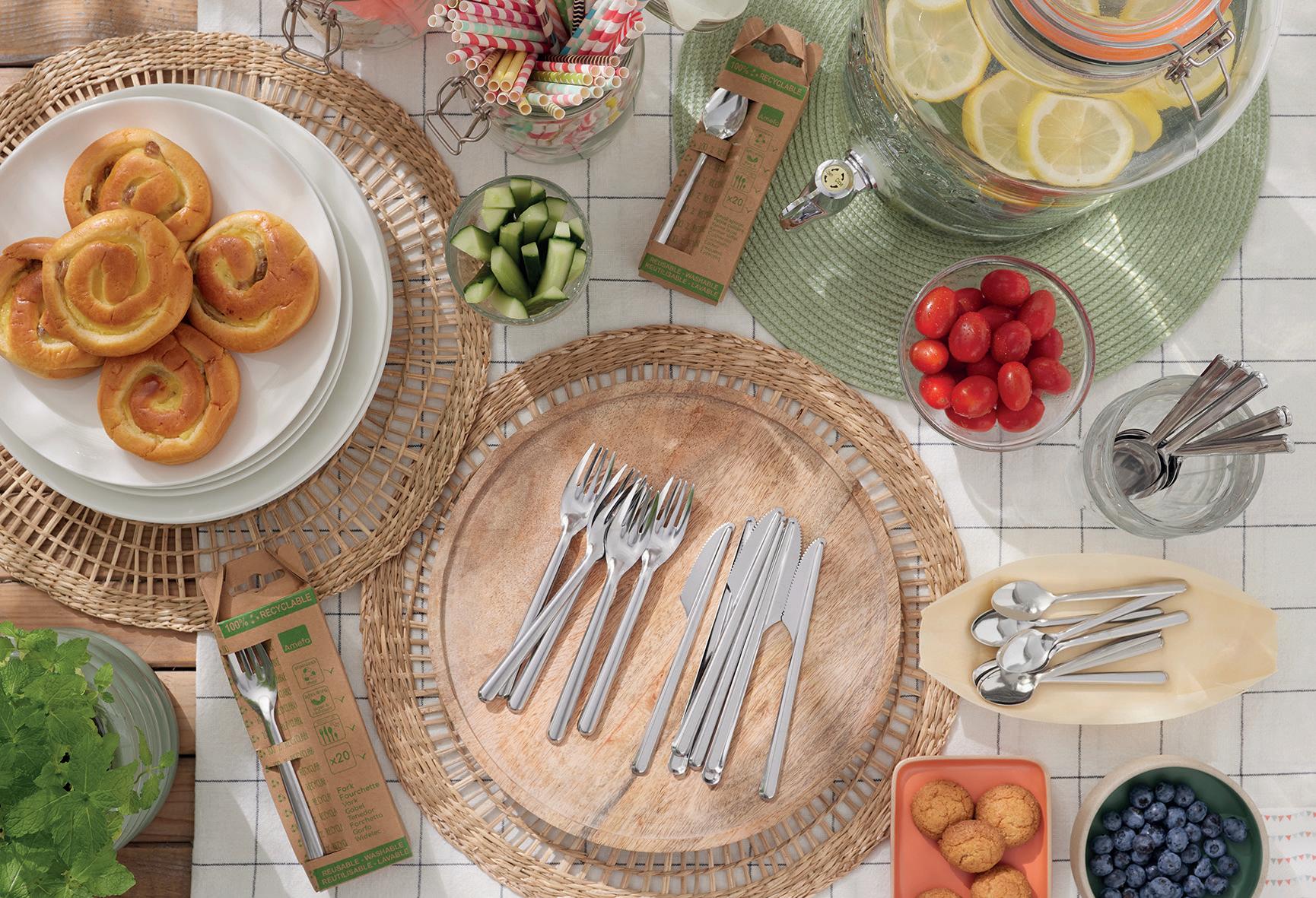
Amefa know this – they introduced Leaves, the three-piece collection with fork, knife, spoon and even a napkin – as a durable alternative to plastic and other
single-use cutlery. The company set out to develop the collection after European legislation banned single use plastics.
“The design has a curved, gloss handle that is optimised for stacking,” Amefa tells us. “Because the cutlery is made from stainless steel, it is fully recyclable but also dishwasher safe for multiple usage.”
Czech glassmakers Crystalex take a considered approach to sustainability with head of marketing Michaela Šlegr telling us: “Our strategy is based on the careful use of resources and responsible behaviour. Whether it is energy consumption, the cleanliness and safety of the materials we work with, or our employees’ and the wider region’s quality of life, our work always involves the least possible burden on the environment. Our glass is among the
Did you know?
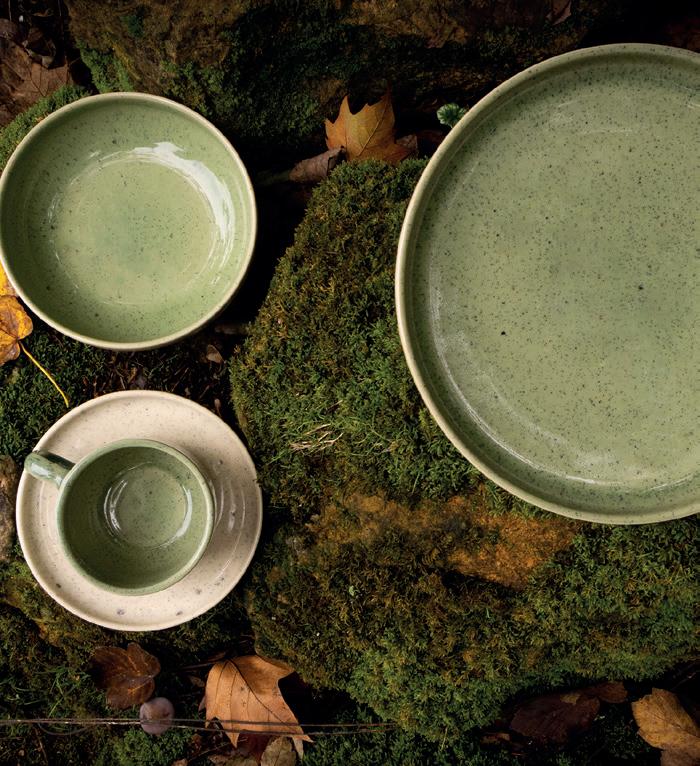
MESA Ceramics single fires all pieces for eight hours at a low temperature.
most environmentally friendly fused glass available. This is because we use a fully electric method of heating the melting unit and the inflow chutes. Our all-electric melting process produces no direct emissions.”
Crystalex tells us 76.5 per cent of the raw materials used come from the region around their factory, or nearby, ensuring short transport routes, which also applies to the supply of common spare parts, packaging materials and other services.
“All our packaging is recyclable and is made of 94 per cent recycled content. In addition, our packaging material always meets the requirements of the FSC (Forest Stewardship Council),” Michaela adds.
For their part, Fine2Dine has
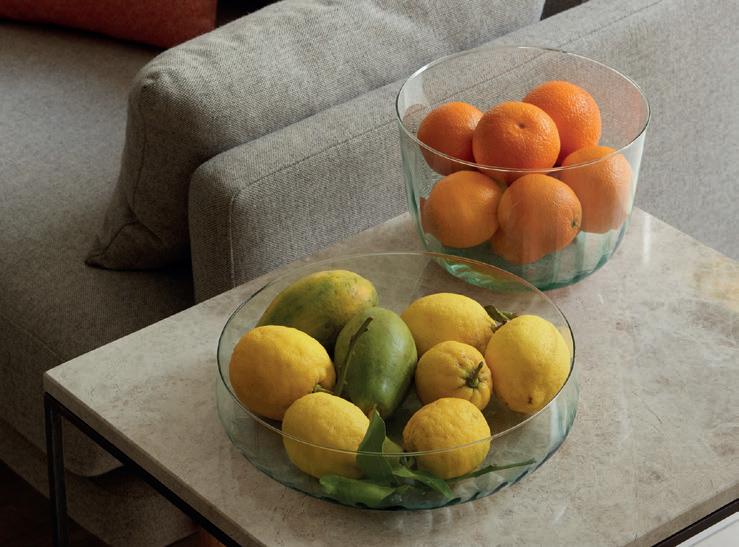
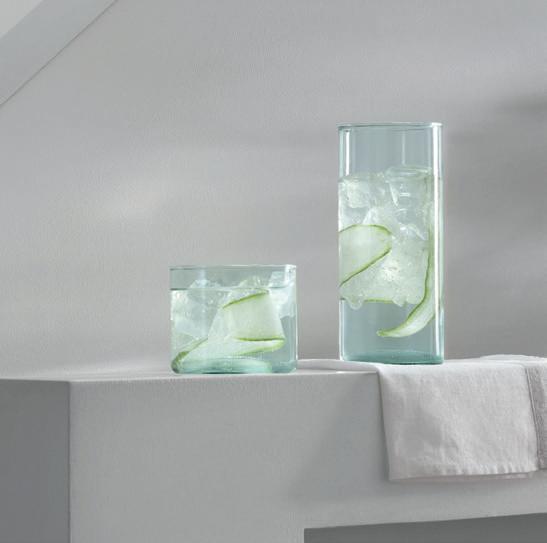
just released its first eco collection. Launched in March, Ecovitra will be available in June. The brand tells us the collection embraces sustainability in all its facets and is characterised by robust recycled glass in a beautiful greenish hue, a direct result of upcycling materials.
Another brand excelling in producing eco-conscious glassware is LSA International. Take the Canopy collection, for example, this is an awardwinning 105 recycled glass collection, launched in collaboration with educational charity the Eden Project. Centred around hydration and wellbeing, the contemporary drinkware pieces are cylindrical in form with a subtly domed base, inspired by the iconic Eden Project Biomes. To make
44 TABLEWARE INTERNATIONAL: HoReCa
Fine2Dine
LSA
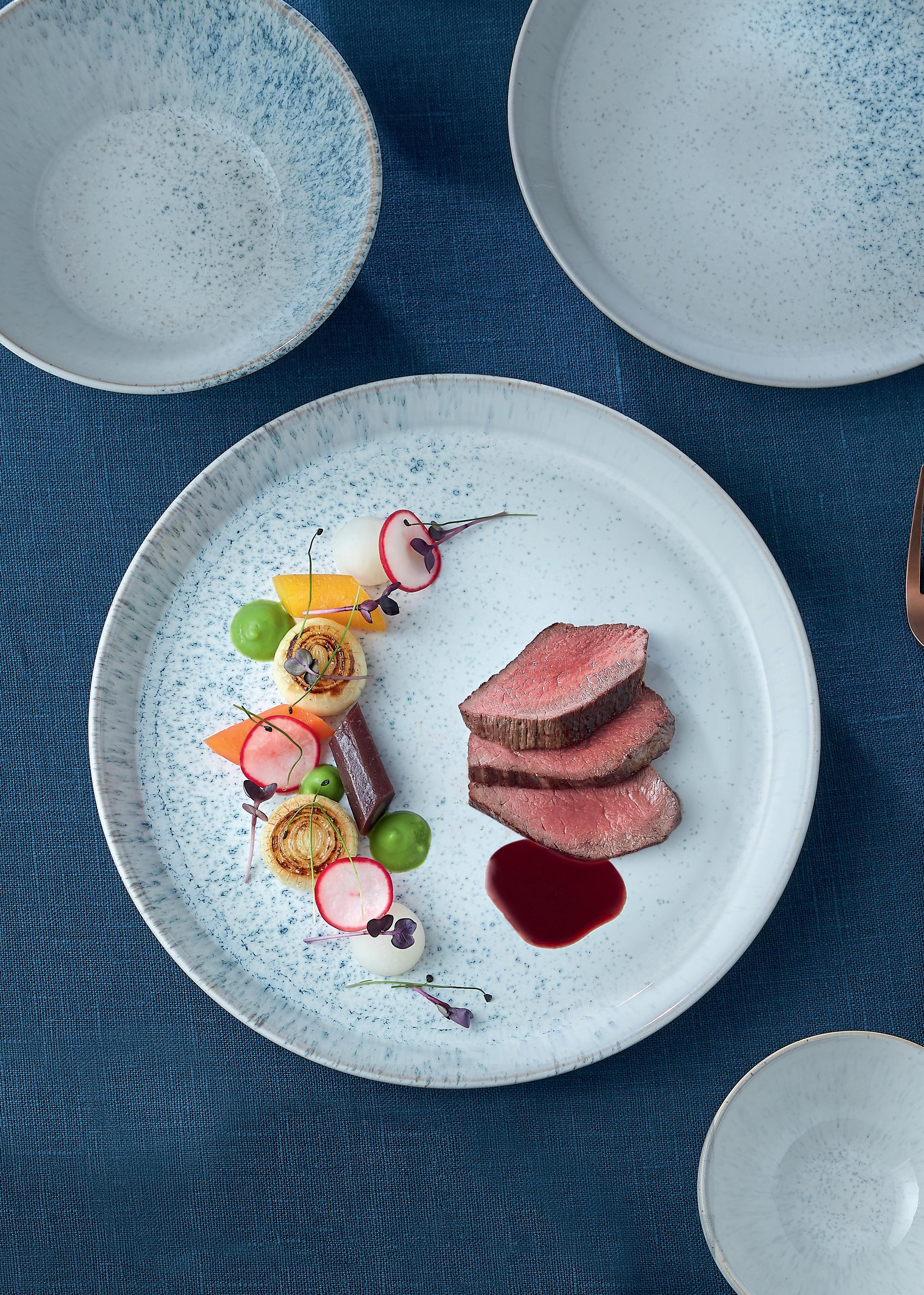

DO N’T AC CE PT BL AND HOSPI TA LIT Y WAR E With Denby you get beauty, func tionalit y and unique designs which will really set your ve nu e apar t Sc an th e QR Co de to ta ke yo u dire ctly to th e pa ge or visit denbypot te ry.com / hospit alit y
each piece, locally-sourced, discarded, clear jars and bottles are sorted, crushed and heated in the furnace until molten, before being mouthblown by skilled glassblowers.
Another collection worth noting from LSA International is the Mia series, which has been mouth-blown from 100 per cent recycled bottles and includes drinkware, serveware and decorative pieces with a subtly fluted texture and green tint.
“Sustainability is a priority for us,”
Mesa Ceramics CEO Francisco Braga tells HoReCa. “From recycling or choosing local suppliers to investing in resource-saving technology, Mesa implements a wide range of measures to ensure it has the smallest possible environmental footprint. In addition to recycling and reusing as many materials as possible, Mesa strives for sustainable production by single firing all pieces for eight hours at a low temperature. This means that even decorated items undergo a firing process that saves gas and reduces CO2 emissions, allowing for increased productivity with the same resources, less waste and maximum use of raw materials.”
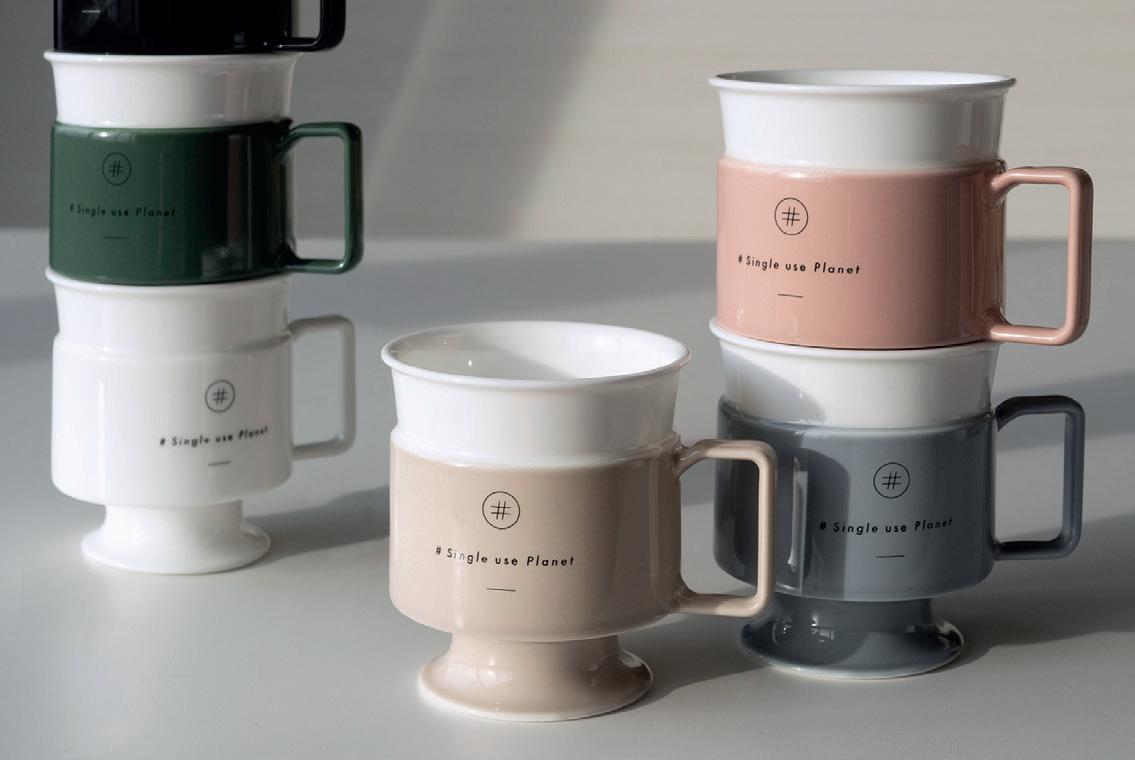
Over at Nikko, the brand has two collections in particular which utilise eco-friendly methods. The #Single use Planet cup is a mug designed to make us re-examine our relationship with plastic. “At Nikko, we want to create a movement (#Single use Planet) by collaborating with brands, companies, and artists who are committed to doing social good. We will design and produce original ceramic mugs for the organisations and groups that collaborate with us. The #Single use Planet Cup will become the medium through which we send messages from the various collaborators,” Nikko tells us, adding they will also donate a portion of the sales from the #Single use Planet cup to the UMINARI nonprofit organisation, which is working on the marine plastics problem.
Another Nikko project is called uptile whereby they recycle discarded
tiles purchased by another division of manufacturing bathrooms.
Kosta Boda, too, say they are prioritising sustainable practices, adopting a “circular” production method.
“At Kosta Boda, we prioritise sustainability as a crucial aspect of our future,” Emon Maasho, CEO of Orrefors & Kosta Boda North America says. “Throughout the years, we have dedicated ourselves to enhancing our production methods with sustainable practices, one of which involves utilizing glass that would otherwise have gone to waste - we like to call it circular.”
Finally, we turn towards WMF Professional and HEPP, brands that recently launched a sustainability programme designed to breathe new life into old cutlery.
The new concept – Second Life – gives second-hand cutlery, returns and discontinued products a new chance – in the spirit of a sustainable circular economy. By opting for Second Life cutlery, restaurants benefit from the wide variety of collections from WMF Professional and HEPP. The stonewashed menu items, coffee spoons and cake forks are mixed across the collection, emphasising the Second Life vintage character.
The impressive vintage look works particularly well in conjunction with rustic porcelain – or it can act as a departure in style from more subtle collections. It’s a truly sustainable approach from a company looking to breathe new life into old flatware.
With so many companies reinventing the way they approach sustainable production, it is now the norm rather than the exception and hospitality venues are absolutely buying into the story.
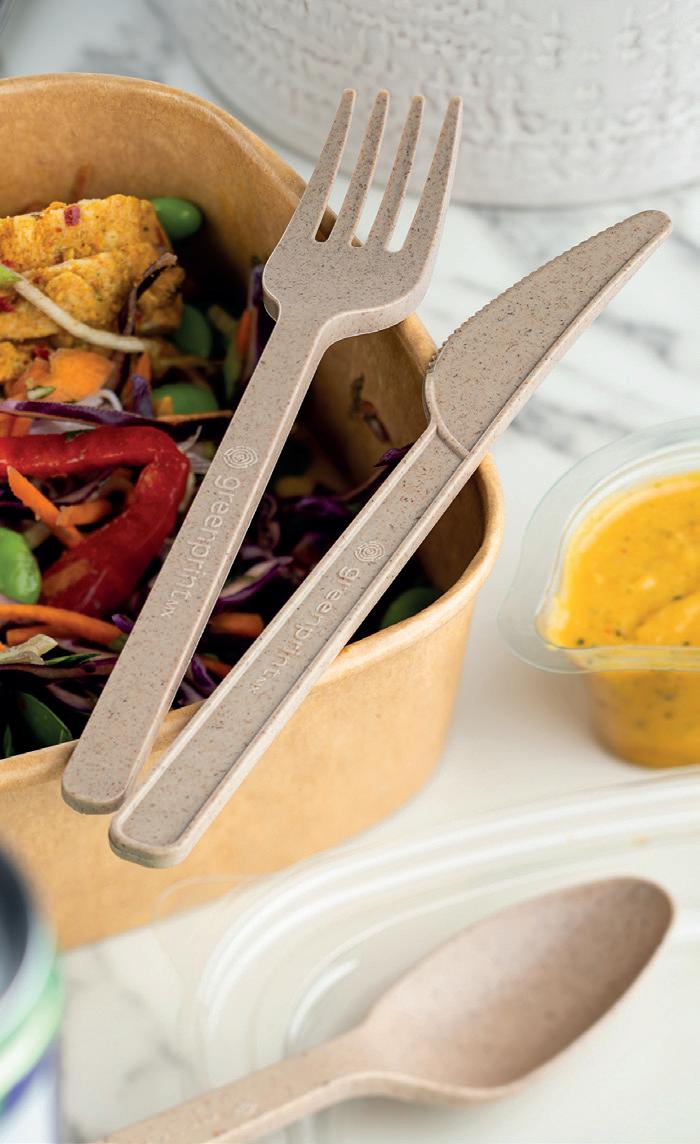
Tequila…
...it makes you happy (and now, it’s good for the environment too!)
Utopia’s new Agave range of cutlery is attractive, practical, sustainable, and fully biodegradable. The range, which is the result of a pioneering partnership between Utopia and Mexican company Greenprint, is made from agricultural waste generated by the tequila industry. The Agave cutlery is available in a fork, knife, spoon and teaspoon and Utopia offers Agave straws, in black and natural, which, like the cutlery, offer a premium single-use option that is also ecofriendly – and they won’t go soggy!

46 TABLEWARE INTERNATIONAL: HoReCa Category Eco
Nikko
Mesa Ceramics
Orrefors
WWF
Nikko


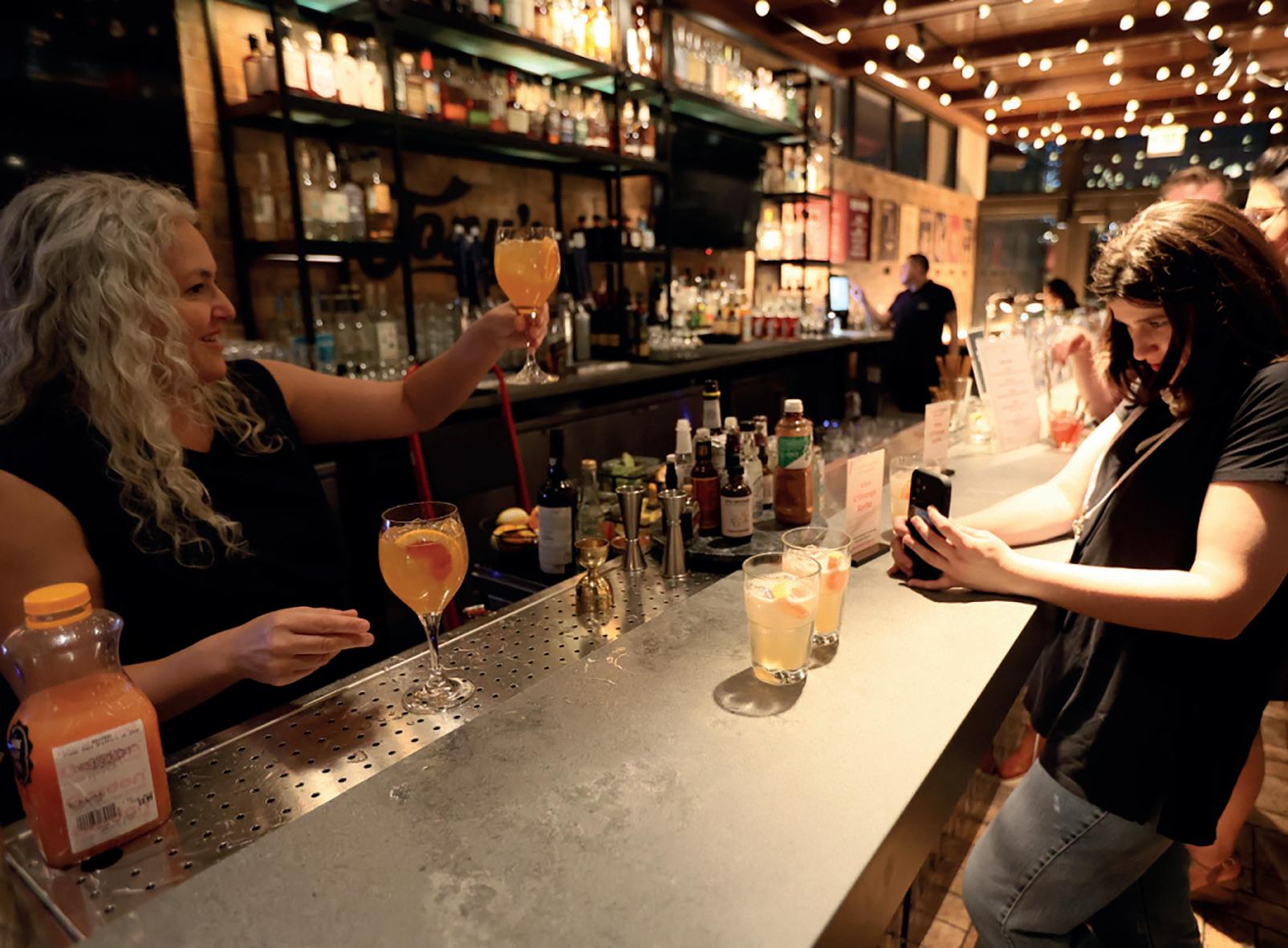
the home of hospitality? Chicago...
The National Restaurant Association (NRA) Show opens its doors in Chicago this May. From 18 to 21 May, McCormick Place will host global hospitality providers for the foodservice industry – with everything from tabletop suppliers through to cutting-edge kitchen equipment on display. It’s a hugely important showcase for the American market in particular, and of course, key players from the tableware sector will be exhibiting. We learn more...
What? NRA When? 18 – 21 May, 2024 Where? McCormick Place, Chicago
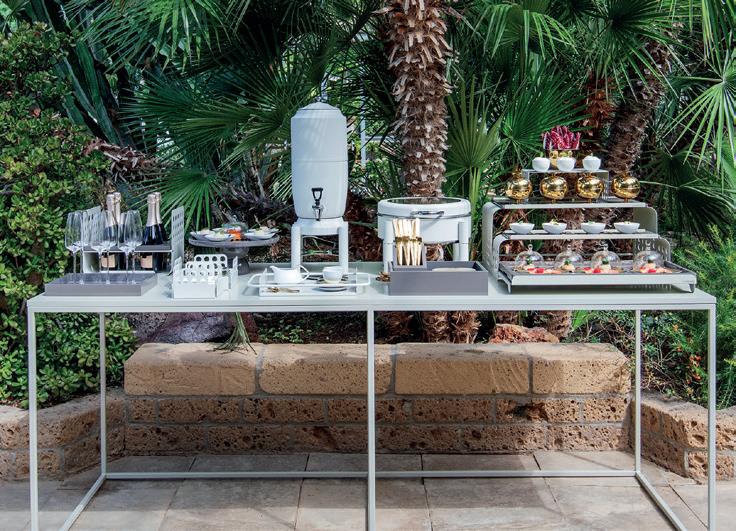

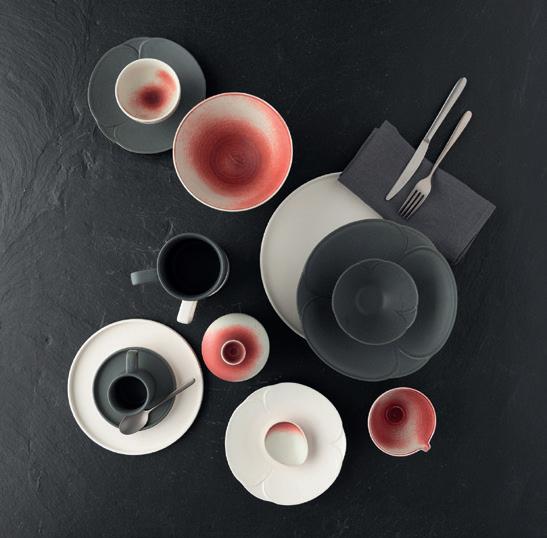 Andrea Vianello CEO, Rosenthal Sambonet USA, Arcturus Group
Why is the NRA show such a key date in the tradeshow diary for the HoReCa sector?
It’s the only national show. It attracts professionals from our industry from all over the USA and several other countries. All the different segments of the HoReCa market are presents. Hoteliers, restauranteurs, cruise lines professionals, distributors, brokers, manufacturers. What key elements must a successful hospitality trade show have? From the show side, it needs to be attractive to the decision makers. To do so, the show needs to have a complete assortment of exhibitors in each sector of the HoReCa with novelties, seminar, new ideas new technologies where the professional can benefit. For the exhibitor side it’s important to maximize the investment and present new ideas e products. It’s an occasion to meet and greed current customers and create new relationship
Will you be launching anything new at NRA?
We will be launching the Radici Buffet System from Sambonet & Arthur Krupp, we are also launching three new collections from Rosenthal; Bloom, Jade Lift and Kumi. We will also introduce a new glassware collection, Ichendorf. You’ll find Arcturus Group in the North Building – 7225.
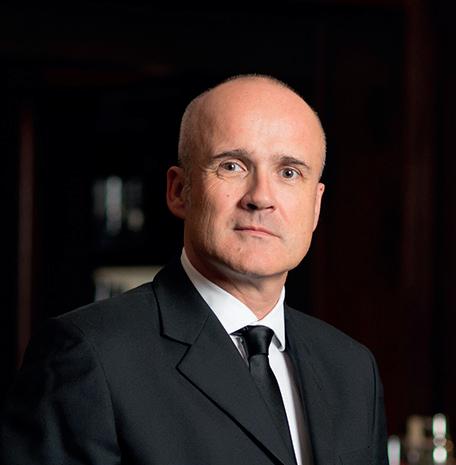
Burkhard Schmid
International sales director hospitality, Villeroy & Boch
Why is the NRA show such a key date in the tradeshow diary for the HoReCa sector?
The NRA show is the most important foodservice trade show in the US. As a global company that is very active in this business, it is important for us to be there to show our new products and services to our American partners. But we also want to use the opportunity to make new contacts in this important market and to discover upcoming food trends in the American market. Is it an order taking show for you?
The NRA offers us the unique opportunity to meet our American partners, from Canada to Mexico, in person within a short period of time – an exchange that would not be possible without the show. In addition to meeting long-term business partners, we also use the opportunity to learn about new projects and opportunities.
Will you be launching anything new at NRA?
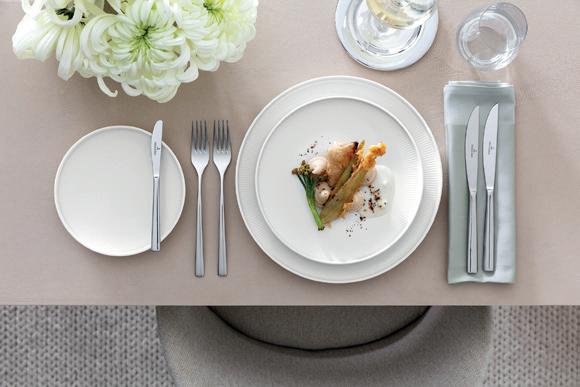
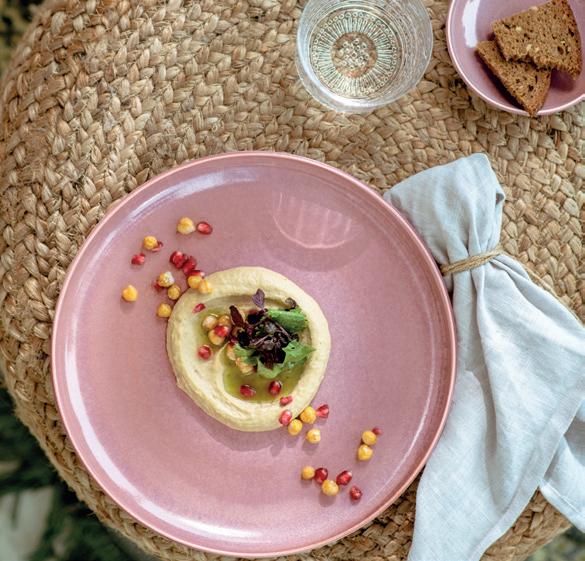
We will be showing our new fine china collections Afina and Perlemor at the NRA. Afina is an elegant white collection with fine details that we launched at Ambiente in February. We have received very positive feedback from our European foodservice partners, and we are now excited to see the reaction from the American market. Perlemor is a collection with a trendy ceramic look. It’s made of fine premium porcelain made in Germany, so it is very stable compared to pure ceramic collections. Villeroy & Boch can be found in the North Building – 6628.
Show Preview NRA Show 48 TABLEWARE INTERNATIONAL: HoReCa


Matthias Van den Eynde
International key account manager hospitality, Fine Dining & Living
Why is the NRA show such a key date in the tradeshow diary for the HoReCa sector?
It is the biggest hospitality show in America. It gives us the opportunity to focus on this particular part of the world. And most importantly we now have a full-service solution due to our partnership with Mikasa Hospitality. Our assortment of F2D and CHIC will be integrated into their stand.
Is it an order taking show for you?
It is mainly a show for gathering new contacts. Most of the deals are made afterwards as a result of the follow
 Gülden Güral
Vice chairwoman of the board, Kütahya Porselen
Gülden Güral
Vice chairwoman of the board, Kütahya Porselen
What key elements must a successful hospitality trade show have?
Having all the leading brands and factories on the exhibitor list so it attracts and inspires buyers. Will you be launching anything new at NRA?
On the Mikasa booth, we will show our best sellers and some of our new ranges which we launched at the start of this year.
Fine Dining & Living brands will be showcased on the Mikasa booth in the North Building – 7038.
Why is the NRA show such a key date in the tradeshow diary for the HoReCa sector?
We have been bringing Kütahya Porselen products to consumers in Turkey and many countries worldwide through our extensive experience of over 53 years and our high production capacity. As a robust Turkish company, we export to 72 countries across six continents, including North America, South America, Europe, Africa, Asia, and Australia. We aim to enhance our exports to the American continent.
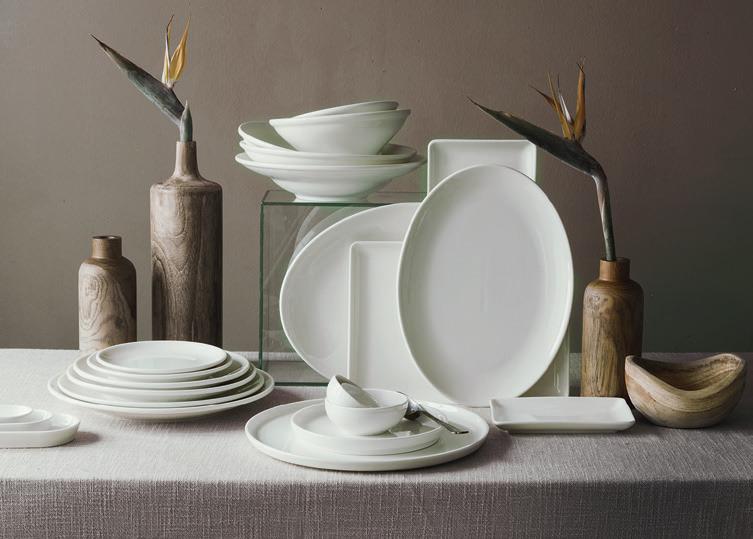
In this context, the National Restaurant Association Show holds great significance for us. The fair provides significant opportunities for participants to showcase their products, strengthen their commercial relationships, and keep up with the latest trends in the industry. During this crucial fair, we will not only introduce our newest collections, but also further fortify our commercial relationships.
What key elements must a successful hospitality trade show have?
The HoReCa sector continues to grow rapidly worldwide. In this regard, we believe that an event contributing to the development and growth of the sector will be organised. The key elements of a successful fair can be listed as high participation and attendance to facilitate the establishment of new collaborations, effectively bringing together participants and visitors, providing suitable conditions for brands to promote themselves effectively, and including various panels and experiential areas for keeping track of the latest developments in the industry.
Will you be launching anything new at NRA?
We will introduce our latest collections to the industry, including Cozy, which brings naturalness to tables with its swirl-wave appearance; Lagom, which combines simplicity with elegance; and Kratos, the symbol of strength.
Kütahya Porselen will be in the North Building – 7457.
Did you know?
Kütahya Porselen will launch three new collections at NRA – Cozy, Kratos and Lagom. Visit them to learn more.
 Josh Rammell marketing manager, Utopia
Why is the NRA show such a key date in the tradeshow diary for the HoReCa sector?
The NRA show is a key event in Utopia Tableware’s tradeshow calendar for the HoReCa industry, as it represents one of the largest gatherings for the hospitality industry in the United States. It provides an invaluable opportunity for networking and discovering the latest American trends as well as allowing us to showcase our new products to a wide audience of buyers and influencers.
Is it an order taking show for you?
There are definitely opportunities for taking orders and discussing partnerships with other attendees! But the show’s value extends far beyond immediate sales – It’s also about building relationships and brand awareness as well as gaining insights into emerging trends and the evolving needs of the industry.
What key elements must a successful hospitality trade show have?
A successful hospitality show needs to balance a number of factors, which in no particular order include:
Did you know?
Utopia will be showing a selection of its new product launches in collaboration with Steelite and Paşabahçe.
• Diverse attendance from a mix of industry professionals, including buyers, chefs, hoteliers and decision makers from a range of different sectors.
• An opportunity to showcase the latest innovations and trends within the hospitality industry
• A range of educational content like seminars, workshops and product demonstrations that provide value and knowledge to attendees.
The chance to network with peers in the industry. Efficient organisation – shows like the NRA are easily navigable, allowing you to discover more of what’s there, have clear scheduling for the events and provide comprehensive support services that enhance the experience for both exhibitors and attendees.
Will you be launching anything new at NRA?
Utopia will be showing a selection of its new product launches in collaboration with Steelite and Paşabahçe. Showcasing a diverse range of the very latest trends and styles suitable for a variety of dining experiences.
Utopia Tableware can be found in North Building – 6016.
Show Preview NRA Show 50 TABLEWARE INTERNATIONAL: HoReCa



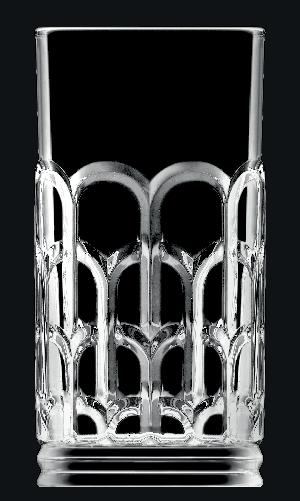

Thoughts on drinkware…
In relation to the glass drinkware, we are beginning to see a shift in the look of both wine glasses and bar/ mixology glassware. I love that glassware is being used as a presentation tool much more than it has been done in the past. We see restaurants and bars having different wine glasses, not only to fit the characteristic of the wines, but also as part of the guest experience. Restaurants and bars are changing the wine glasses on the table according to the price and quality of the wines they serve and not only due to the grapes. This not only helps lift the total guest experience but it also – to some extent – “justifies” the additional cost of the wine being served since (as we know) the visual experience covers up to 25 per cent of the total experience of enjoying food or drinks. For mixology, bar and also wine servings, we see a growing trend towards thinner but not necessarily more delicate glassware being used. For years the major trend has been for heavier, cut glassware (as I, for one, have benefitted from in my designs). Now, the trend is slowly moving toward more elegant, thinner products and this also covers beer glasses too with more bars, cafes and restaurants using the thinner glassware. For wine, we note more manufacturers are working on developing lighter but still durable, practical wine and cocktail glasses that not only lift the servings but also can go in the regular dishwasher.
A change must come
Passionate about creating sustainable tableware, our columnist Jesper Efferbach talks trends in glassware and meaningful environmental awareness
This year has, so far, been quite challenging for most manufacturing companies – mainly due to the heavy decline in retail sales in many, or most, markets around the world.
Thankfully, the global HoReCa or foodservice markets are still performing quite well. This has caused many companies to focus more on securing the business they have instead of focusing on new developments and creativity. But we still see both creative and innovative product developments and designs coming from many tableware manufacturers. We especially see new and innovative products produced in recycled or reused raw materials to meet the fastgrowing demand on products with less CO2 and carbon footprint as well
from the same country! During Bocuse d’or the chefs were focusing on colourful, simple and aesthetic plates, using a lot of contrasting colours.
The reason I bringing this up is that I see a clear trend beginning to find its way into restaurants, where the focus is moving towards “adding additional value” for guests through creative serving of food and drink, using creatively designed tableware. This is often combined with showing responsibility towards the general environment. This is often done through greener and more circular menus, and through using local products and produce.
Concerning tableware, we see a fast-growing trend in glass tableware –both plates and bowls. The glassware
“We must be really careful in what we call “reused raw materials” and what we call “recycled raw materials” because there is a huge difference”
circular economy-based products and production.
In March, I had the huge pleasure and honour of being part of the European Bocuse d’or final taking place in Trondheim, Norway – I won’t mention who won the competition, but I can say the winner and I come
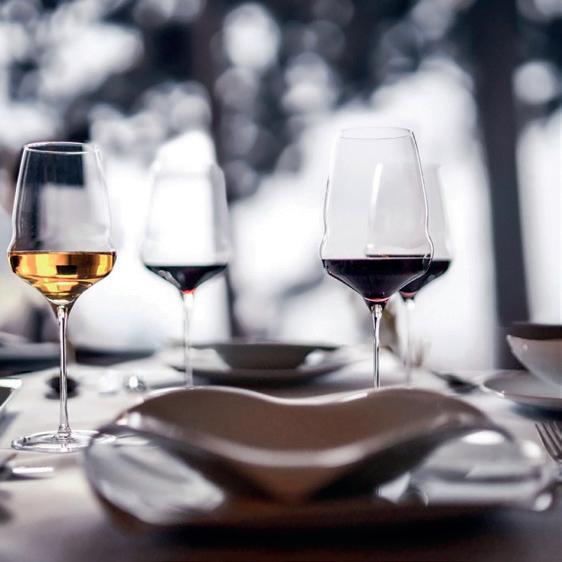
used today is very far removed from the traditional glass plates and bowls used in the industry years ago. Today we see much more colourful and creatively designed products being launched. Most of these are a great supplement to the porcelain. The glassware not only helps lift the food
and drink presentations, but also helps the overall carbon footprint of the industry – it’s easier and cheaper to “hand shape” spun glass plates and bowls.
As mentioned earlier we also see a huge growth in porcelain and ceramics produced from reused raw materials. But we must be really careful in what we call “reused raw materials” and what we call “recycled raw materials” because there is a huge difference between these two – it’s very difficult to recycle the raw materials when they have been glazed and have left the factory. But that’s a discussion for another day – let’s just agree that all products produced through recycling or reuse are more than welcome!
Last but not least we see a growing demand for both manufacturers and operators to take a social responsibility that supports local suppliers by buying and sourcing products and raw materials locally, but also the fact that the companies can help themselves as well as the “local” community by taking on local social responsibility.
I, for one, am looking forward to 2025 with huge hopes for both manufacturers, as well as the operations (hotels, bars, cafes etc) but we must think differently. Not only in our supply chain, but also in our operations and our designs and developments. I know it’s not going to be easy, but I am sure it can be done.
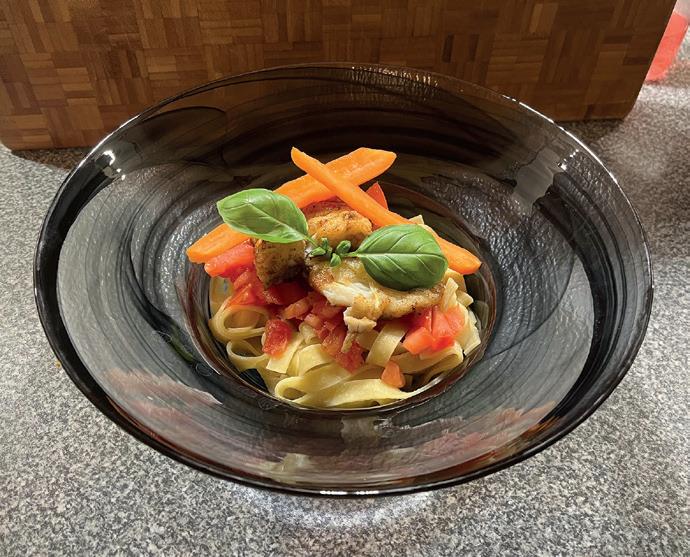
Efferbach 52 TABLEWARE INTERNATIONAL: HoReCa
Column Jesper
Stölzle Lausitz Arda Glass LAV
Spotlight on… NUDE
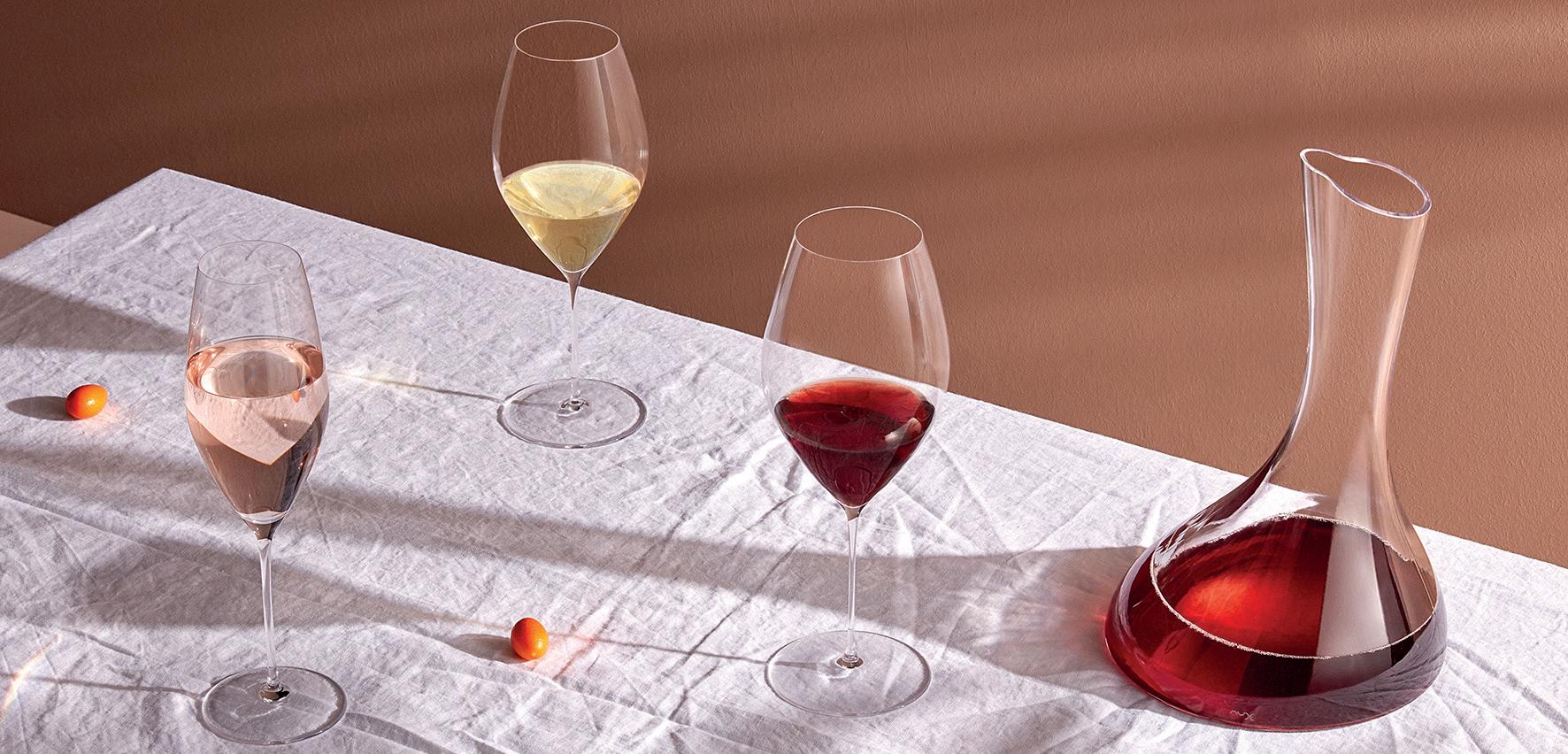
Exceptional craftmanship for HoReCa settings
NUDE’s Stem Zero and Ghost Zero wine glasses for been expertly crafted for maximum enjoyment. Not only are they beautiful to look at and cleverly designed, they are also incredibly robust –perfect for fast-paced kitchens and bars. We explore the range…
The Zero family is NUDE’s revolutionary wine glass range featuring 26 exquisitely fine, yet incredibly tough, shapes. Designed to suit a type of wine rather than specific grapes, the process of selecting the best glass for your wine has been simplified.
Stem Zero explained
The Stem Zero collection consists of 19 mouth-blown, featherlight vessels made using NUDE’s unique ‘Ion Shielding Technology’, a surface modification technique based on an ion-exchange process. Larger ions replace smaller ions in the glass surface, suppressing the micro-fissures that cause glass to crack. The result is exceptionally light yet durable lead-free crystal glass, designed to satisfy the most discerning wine connoisseur. The delicate design brings a weightlessness to the vessel,
allowing one to fully savour the aroma and taste of the wine.
■ Stem Zero Grace reinterprets the traditional wine glass into a finer, more elegant shape, channeling the sophistication and refinement of a timeless style icon.
■ Vertigo is characterised by a generous, oval bowl and wide rim, with an extensive selection of styles designed for a variety of different wine types.
■ Volcano consists of four eye-catching glasses with a fluted shape that accentuates the winedrinking experience.
■ Stem Zero Trio contains three matching glasses in a contemporary angular design, featuring a subtly elongated and gently tapered bowl which
heightens the aroma of red, white or sparkling wines.
■ The Master glass is NUDE’s most versatile vessel that has been expertly developed to complement the aroma and taste of any wine, from soft-bodied reds to floral whites.
Meet Ghost Zero
The Ghost Zero collection harnesses the expertise derived from NUDE’s signature Stem Zero offering, applying the award winning ‘Ion Shielding Technology’ to its thinnest glass to date. Comprising two unique styles: Tulip and Belly, the collection was designed to offer a holistic drinking experience.
Learn more about NUDE’s hospitality-friendly collections by visiting eu.nudeglass.com.
Ghost Zero
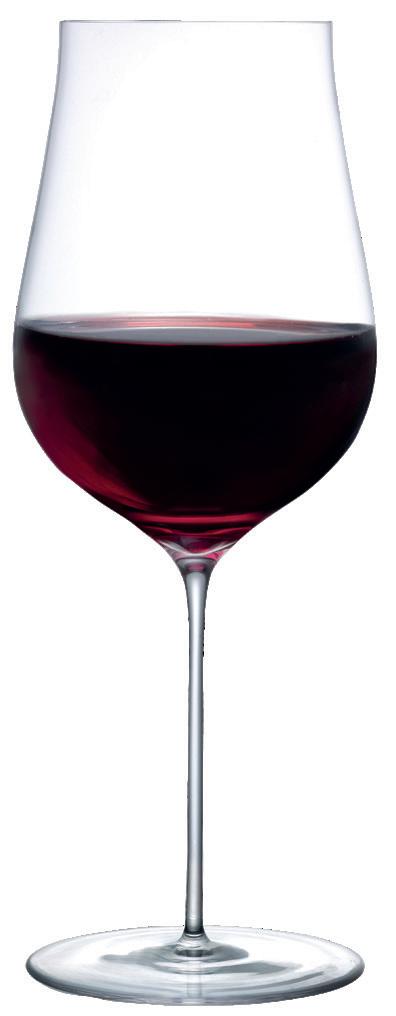
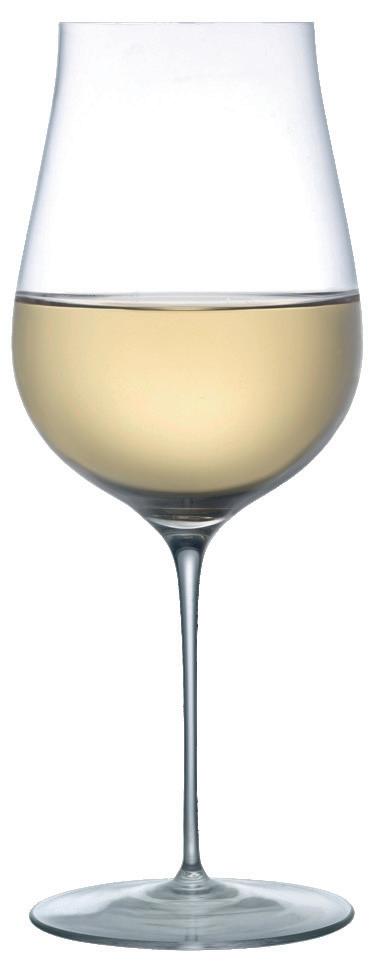
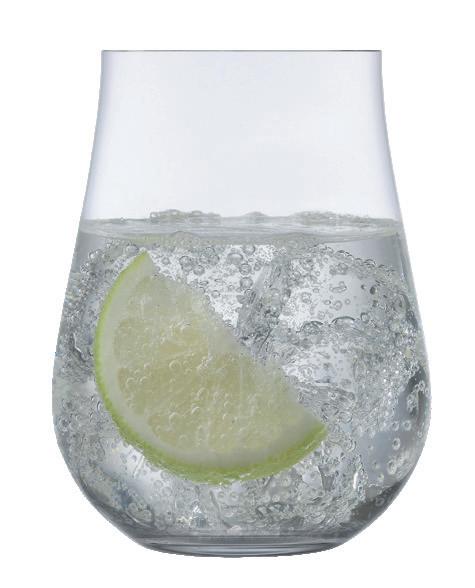
54 TABLEWARE INTERNATIONAL: HoReCa Stem Zero
Stem Zero