





































































Editor Penny Franks penny@lemapublishing.co.uk
Ad Manager Christine Contreras christine@lemapublishing.co.uk
Production Director Paul Naish paul@lemapublishing.co.uk
Production Rick Vickers rick@lemapublishing.co.uk
Managing Director Mark Naish mark@lemapublishing.co.uk
Chairman Malcolm Naish malcolm@lemapublishing.co.uk
Circulation Robert Thomas robert@lemapublishing.co.uk
27 Retail Matters Nursery Today caught up with Online4baby’s new Head of Design & Brand Creative, Zoe Fernyhough.
Pramland’s John Barker takes a look at how modern parenting is being considered and how brands, such as Maxi-Cosi are stepping up to ensure they keep on trend with products targeting Millennials and of course GEN Z parents.
01442 289930

Welcome to our May issue, where we cover a variety of product features including Strollers, Breast Pumps, Plush, Loved by Parents 2024 Awards, Tech products and Changing Bags.
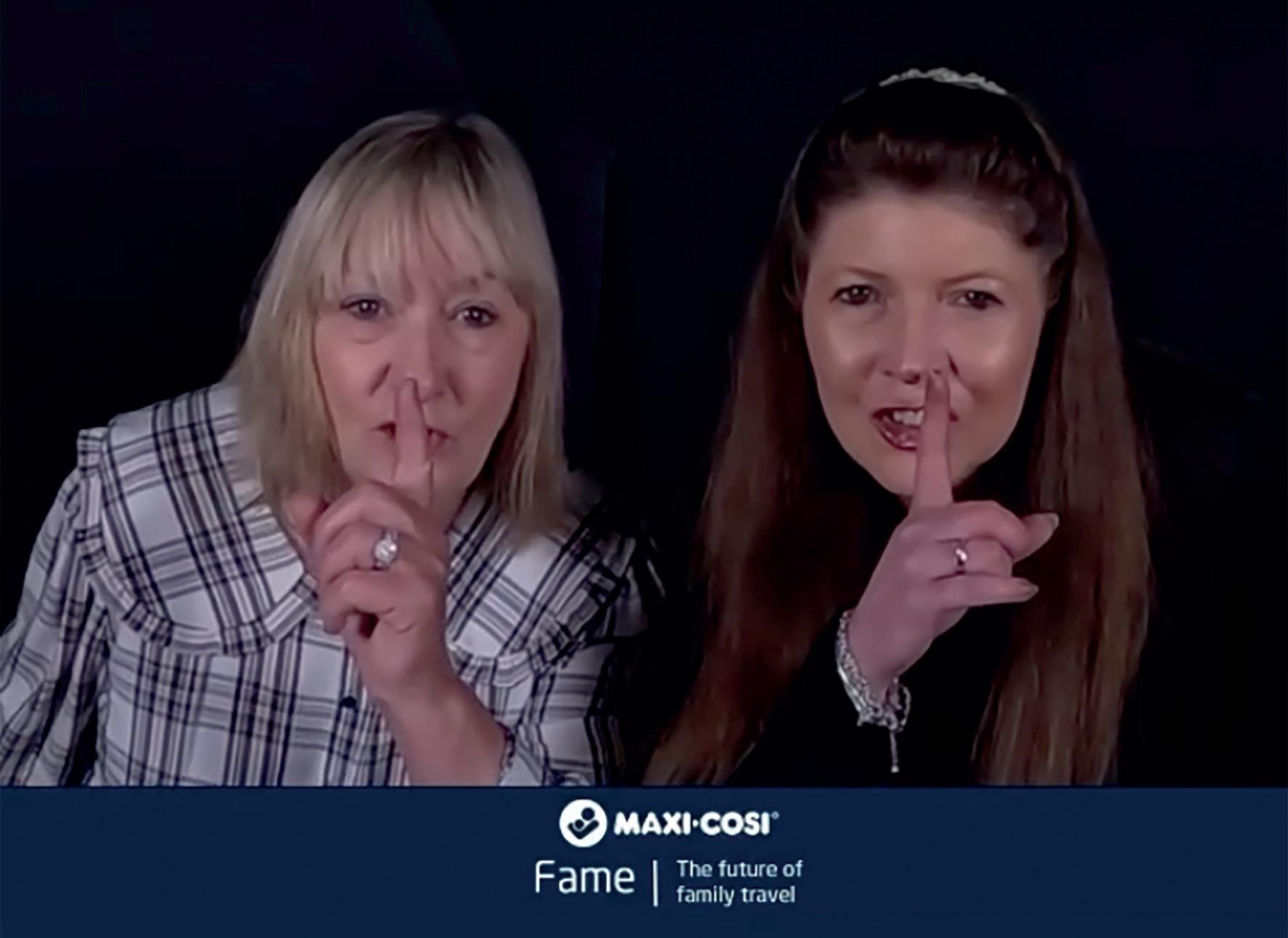
You will have spotted our cover star this month is Maxi-Cosi. Both Christine Contreras and myself had the privilege of attending their event which was recently held in London (you might have seen our ‘shhhh’ reels across our socials) and were among retailers and press to be view their latest product launch, where safety, comfort, style and yes tech are all covered!
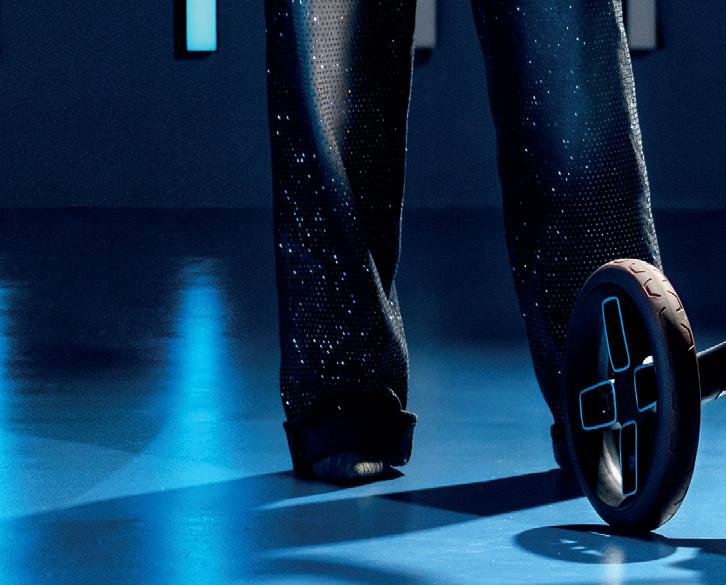
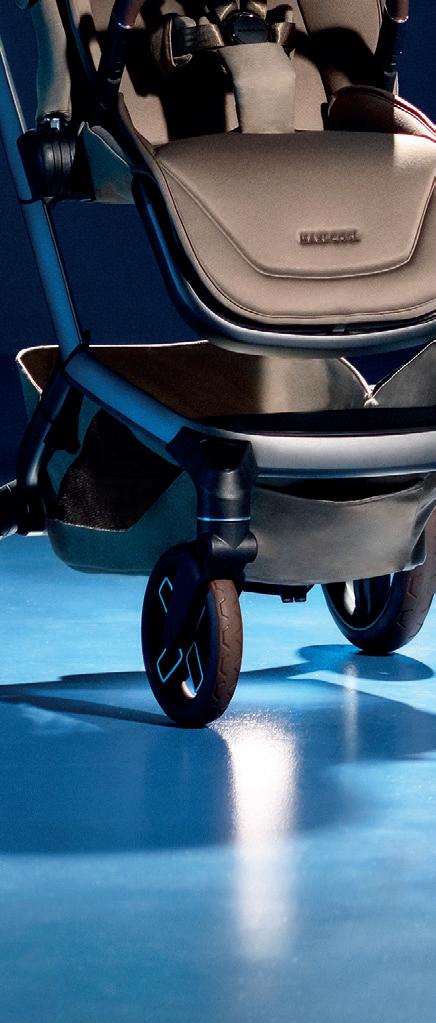
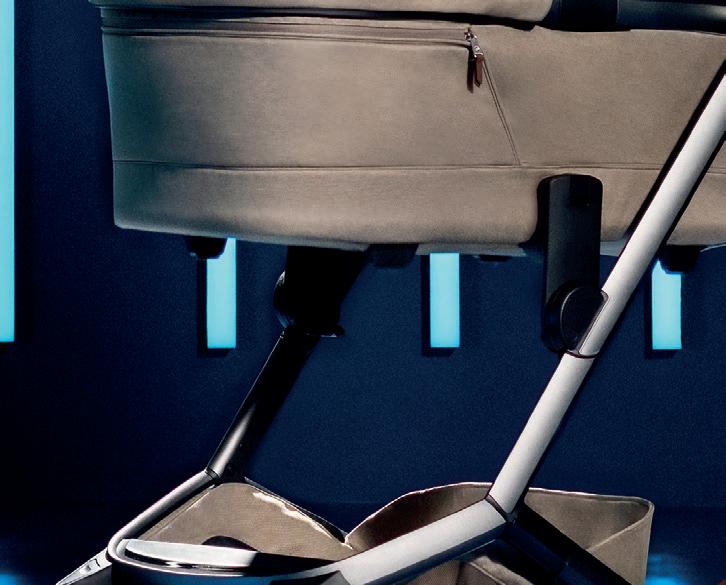
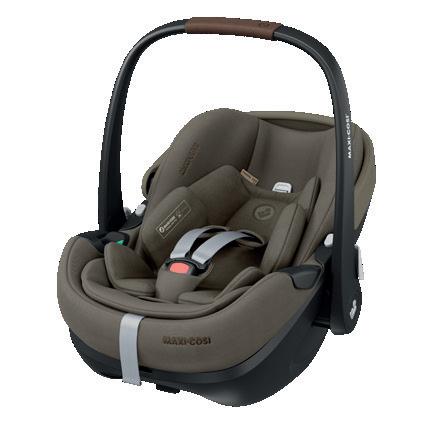
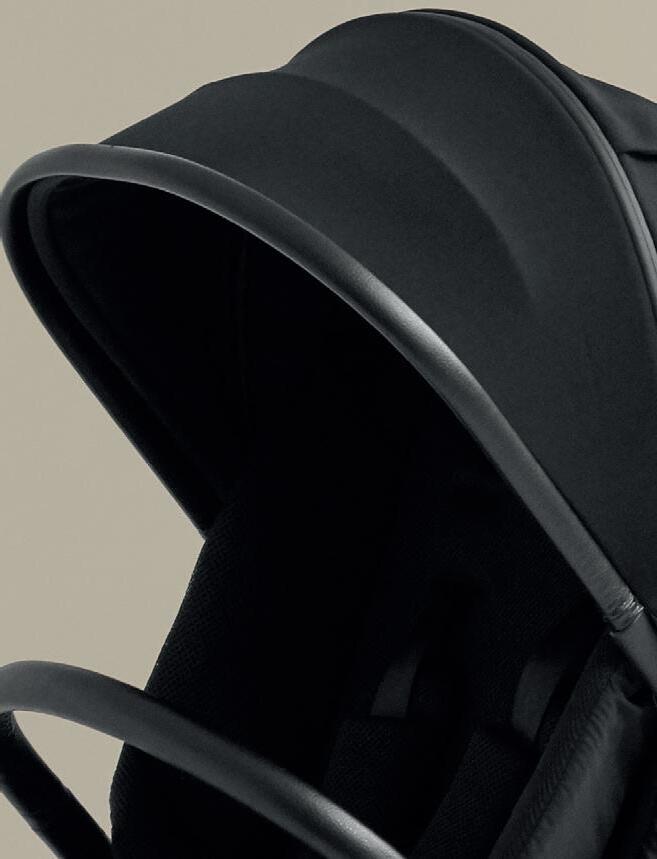
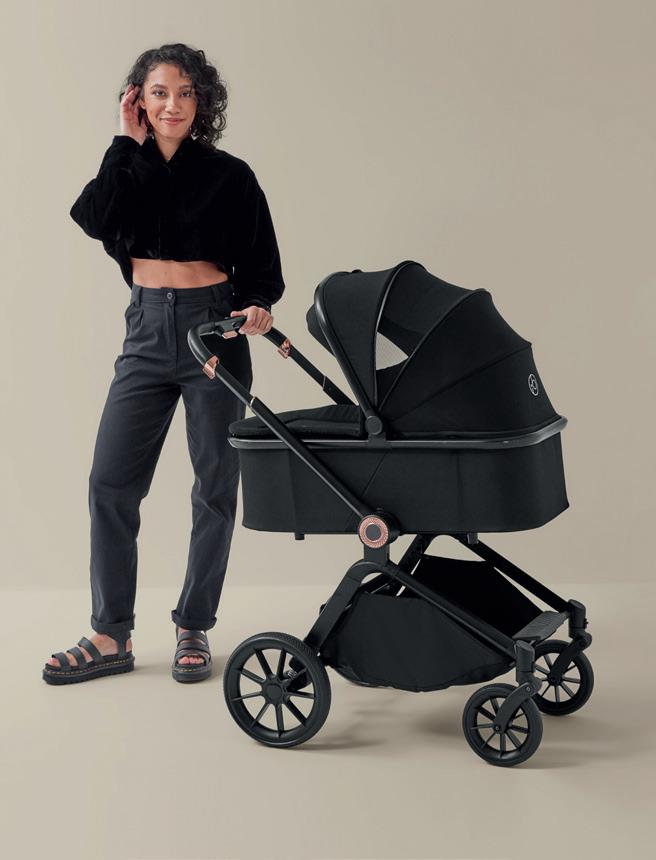
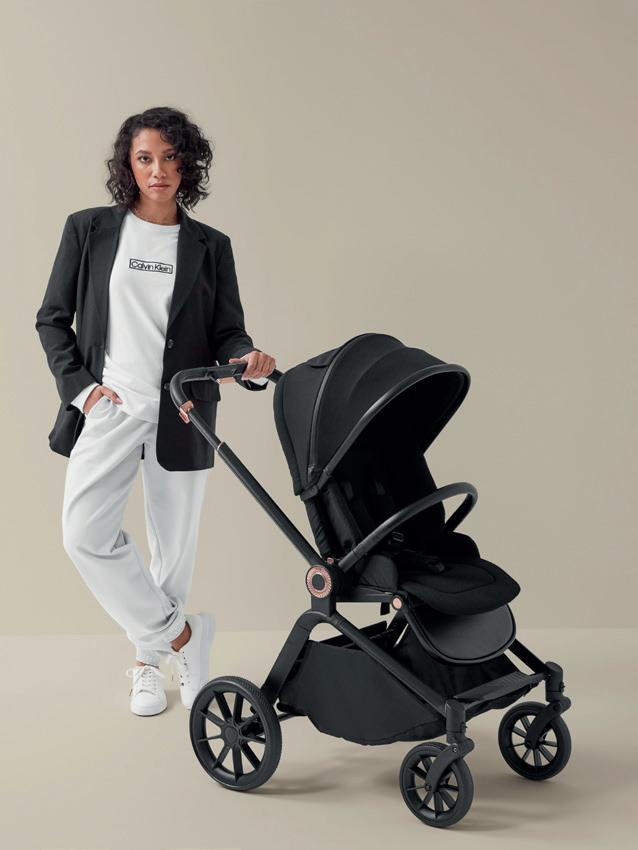
Having kept quiet, the secret is out - Fame has landed. With technology integration and parentcentric design emerging as growing trends in the pushchair segment, Maxi-Cosi is proud to be able to announce launch of Fame– a stylish and innovative pushchair with LED lighting, a height-adjustable carrycot and an integrated power bank for charging phones and devices on the go. Using clever technology, the inventive LumiRide LED lighting system in the lower frame illuminates darker streets and pathways, keeping parent and baby safe and visible (and what’s more, this can be personalised to suit the colour mood of the user!). Fame also seamlessly integrates with Maxi-Cosi’s Pebble 360 Pro car seat featuring SlideTech – a world-first sliding innovation for car seats that makes easy work of getting children in and out of the car. Want to know more? Simply turn to page 12!
John Barker over in his column this month also touches on the Dorel event he went to which was held in Portugal where he got to see Fame unveiled. As John states in his article “welcome back to the wheels market Maxi-Cosi! I don’t want to throw shade over the other new option, the Oxford but Fame is something special and I for one cannot wait to start selling it in store.” You can read all about John’s visit and the thoughts it evoked during the presentation by Dorel at the event that got John and many of the other attendees thinking stating “The general concept behind the Fame is to offer modern parents a stroller that not only meets their needs and desires but is marketed and represented in a way that Millennials and Gen Z will want.” You can find John’s article starting on page 28.
In other news, if you haven’t already, make sure you mark The Baby Products Association annual seminar into your diary. The event will take place on Wednesday 19th June 2024 at Wellington Hotel by Blue Orchid, Wellington Hall, 71 Vincent Square, London, SW1P 2PA (nearest tube station – Victoria and St James Park). This is a great opportunity to not only get involved in the important work of the Baby Products Association, but to hear about its vision for
the future and how your business can join forces with numerous nursery industry brands to create safer baby products and a fairer trading platform for all.
More information regarding the seminar programme will be available soon. In the meantime, please R.S.V.P as soon as possible so that they can cater for numbers. You can register your attendance by visiting: www.surveymonkey.com/r/HVRB2Z6
Talking of our monthly contributors, Online4baby (over on page 27) welcome their new Head of Design & Brand Creative, Zoe Fernyhough. We had the opportunity chat with Zoe to find out more on her return to the industry in her new role.
On a final note this month, Nursery Today also had the pleasure to catch up with Owner Andrew Williams and the team at Babyland Cheltenham as they hit a great milestone celebrating 120 years in retail. Want to read more? Simply turn to page 9.
The team at Babyland Cheltenham are celebrating 120 years – turn to page 9
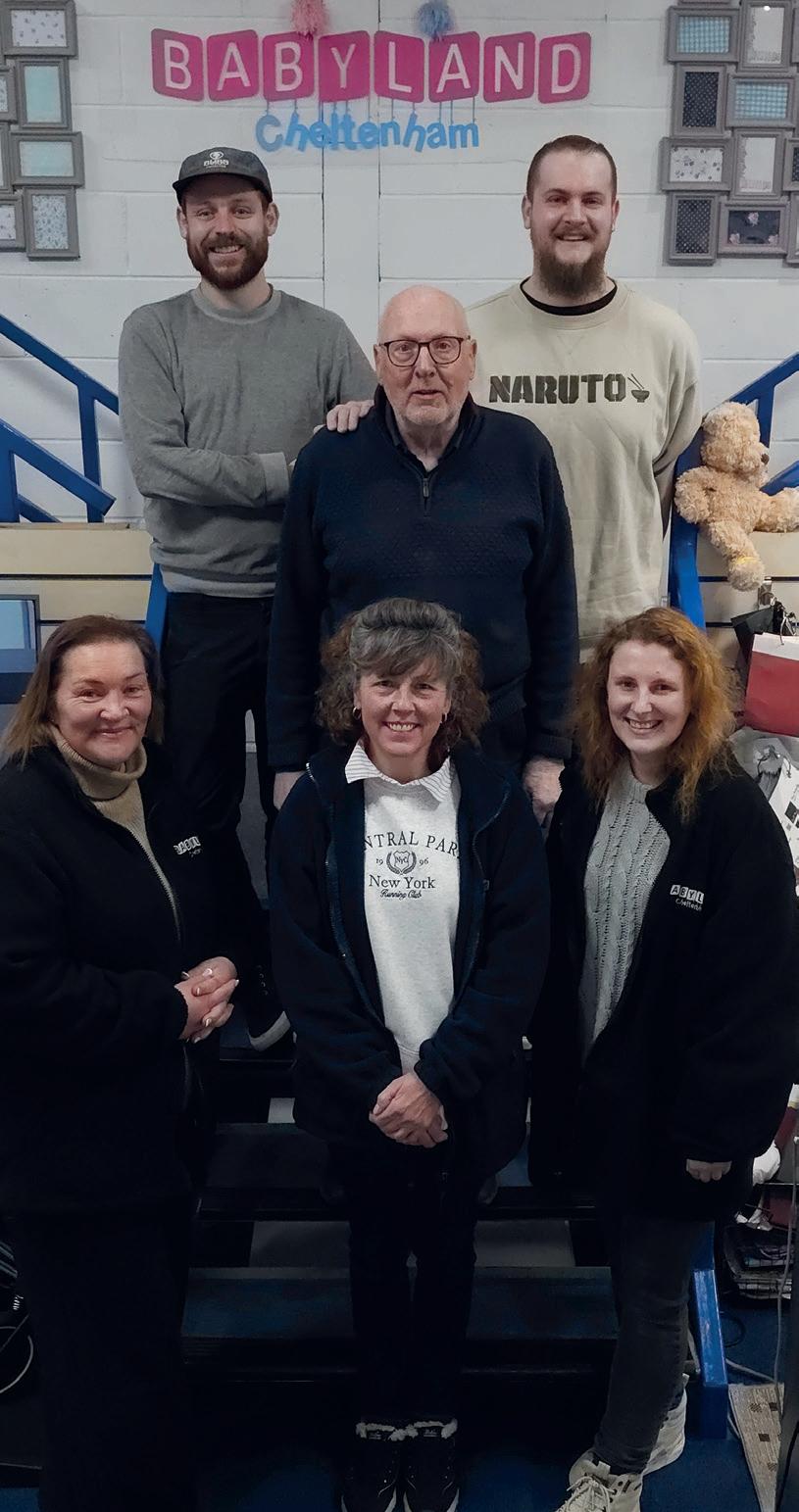
The team at Babyland Cheltenham are celebrating 120 years – turn to page 10






















Green Sheep Group’s Product Director Paul Maurice shares his secrets on creating a standout product.
When designing a product that you want to have mass appeal, you need to listen to the consumer to find out their specific issues – and be sure this problem exists with a critical mass of customers.
Once you know the issue you want to solve it is important to create solutions through intelligent design, however there is always a danger to over innovate – so keep this in mind. We have learnt that simplicity is often best... both in design and communications, but it’s important to find the right balance. An experienced customer focussed design team will be well placed to ensure all these factors are taken into consideration, so it’s essential you put this in place first.


Be mindful that value will always play a vital part in a product’s success, but it is important to keep in mind that this isn’t linked exclusively to price point. Parents especially will see value in quality, function, and features, and are often happy to invest if they believe they will get more from a certain product despite being more expensive. When we launched SnüzPod it was four times the price of any other wooden crib, but parents truly saw the value in the innovation it brought, safety standards it promised and convenience and comfort that the unique bedside function offered.
And always keep the faith! Bad products can’t hide, and good products do get found - online customer reviews can’t be faked (on mass) and parents trust other parents. It does take time but believe in the system and if your product has true value, it will get noticed.
Having pioneered the bedside crib category, created the first sleeping bag with a nappy change zip, launched the first cot bed with adjustable style panels and developed the first recycled compressed felt moses basket, to name just a few, we have successfully been through this process a number of times. All this said, we are very aware that we don’t always get it right every time. Sometimes when innovating it’s possible to miss the mark, or perhaps create a product that is a bit too early for customers to resonate with. However, as a brand, we always prefer to innovate and try something new that could help parents, rather than just play it safe, or even worse be a copycat brand.
www.greensheepgroup.com
Rainbow Designs is excited to announce the expansion of their successful Key and Nationals Account Team, as they welcome Kristina Sundby to the Rainbow family.
Kristina immigrated to the UK from Norway in 2020, and joins the team as a National Account Manager,bringing strength and depth to the team, with over 7 years of retail experience in categories including party and celebrations.
Rainbow’s prestigious licensed character ranges, that include Paddington, Harry Potter, Peter Rabbit and Disney’s Winnie the Pooh and The Lion King, give Kristina plenty to get excited about this year.

“I’m eager to embark on my journey in the nursery, gifting and toy industries, working with these true heritage brands, and bringing joy into little ones first years. It’s hard not to fall in love with our products, and I’m looking forward to working closely with our existing and new retailers in the nursery and toy categories,” said Kristina. Gary Hughes, National Accounts Controller for Rainbow Designs is thrilled to have Kristina join the team. “Her ambitions align with ours, and coupled with her experience, it makes Kristina the perfect fit for Rainbow. We’ve so much to offer retailers that Kristina can cultivate, and I’m looking forward to seeing the impact she will inevitably make,” said Gary. Rainbow Designs has been inspiring kids for over 50 years, developing and creating joyful, forever, high quality Soft Toys, Wooden Toys for the nursery, toy and gift industries. Rainbow’s prestigious licensed portfolio and collections include Harry Potter, Paddington Bear, Peter Rabbit, Disney’s Winnie the Pooh, Mickey Mouse and The Lion King, The Very Hungry Caterpillar, Guess How Much I Love You, Elmer, Spot the Dog, Snoopy, We’re Going on a Bear Hunt, Bagpuss, Maisy, Giraffes Can’t Dance and The Snowman and The Snowdog ranges. www.rainbowdesigns.co.uk
Harrogate International Nursery Fair, which takes place from 13th to 15th October 2024, confirms that four halls of the Harrogate Convention Centre are almost fully booked, and its fifth hall has exciting new developments.
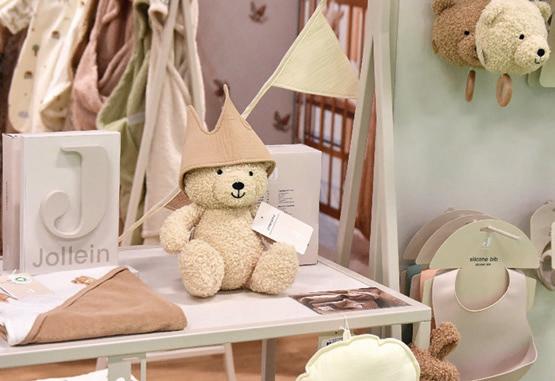
Tutti Bambini is the latest ‘big name’ to sign up for the new Hall Q bringing its extensive range of nursery furniture, bedtime, mealtime and other baby essentials. In addition, the show has announced a Baby Boutique Village – a special arena to showcase the latest in baby layette, clothing, textiles and gifts.
Nicola Perring of THE NEST, a consultancy that advises the maternity, baby and children’s product market and specialises inclothing and textiles commented: “When I read about the new Baby Boutique Village at the show, I was delighted. We collaborate with lots of small companies that specialise in baby layette (items such as newborn suits, swaddles, bootees, vests, hats, scratch mittens etc.), baby clothing, textiles and gifts, so the Baby Boutique Village will provide the perfect launchpad for these clients.
“We are particularly keen to promote ethically sourced, environmentally friendly products – which are for the children who will inherit the legacy we will leave on our planet, and hope to encourage our clients to participate in this year’s show.”
Adrian Sneyd, show organiser, adds: “Harrogate has gone from strength to strength in recent years and there has been a notable increase in the number of exhibitors with clothing and textiles ranges so there is clearly demand for these types of products. We hope that the Baby Boutique Village will add a new and welcome dynamic to the show.”
There is still exhibitor space available in Hall Q for all nursery businesses, but those interested in the Baby Boutique Village will be offered an introductory 10% discount. For more information visit www.nurseryfair.comor contact Adrian on 01902 880280 or email: adrian@nurseryfair.com
Alami International, a leading distributor of top nursery brands, is thrilled to announce its entry into the Nigerian market as the exclusive distributor of Tommee Tippee.
With a huge population exceeding 228 million, Nigeria o ers an exciting growth opportunity for Alami International and Tommee Tippee. Alami is excited to bring their expertise in the region together with Tommee Tippee’s renowned product range, providing Nigerian families with unparalleled convenience and peace of mind.

Sarah Crow, Distributor Sales Manager at Mayborn, commented, “I am pleased to extend Tommee Tippee’s partnership with Alami to incorporate Nigeria. We look forward to providing innovative products and service to our customers in Nigeria and with Alami’s expertise allowing Tommee Tippee to support Nigerian parents on the exciting parenting journey”.
Building upon the successful partnership with Tommee Tippee as their exclusive distributor in Uganda and Ghana, this expansion marks a signi cant milestone. Tommee Tippee has chosen Alami International as its trusted partner to introduce its innovative range of products to Nigerian families.
Hasu Vora, Alami’s Director commented, “Nigeria has a rapidly growing nursery sector and being the most populous country in Africa, we are excited about the future. Adding Nigeria to our portfolio of countries with Tommee Tippee shows the strengths we have in Africa and we look forward to a busy 2024”.
Alami International’s expertise in growing nursery sectors has been the foundation of their success and adding Nigeria to its Tommee Tippee portfolio is another big step forward.
For more information, please contact Shai Vora, shailan@alami.co.uk

Venicci are excited to welcome back Tomasz Janik as their new UK Managing Director. With Tomasz’s 10 years of experience, knowledge, and strong relationships within the industry the company is looking forward to the future ahead.
With a change in direction, Darren Pumfrett will leave the company. Venicci would like to thank Darren for his hard work during his time with Venicci and wish him all the best for the future.



The Baby Products Association extends an invitation to all industry colleagues to join its annual seminar and networking event in central London (following its AGM).
The event will take place on Wednesday 19th June 2024 at Wellington Hotel by Blue Orchid, Wellington Hall, 71 Vincent Square, London, SW1P 2PA (nearest tube station – Victoria and St James Park). Association members are invited to arrive for a 2.30pm start, with non-members invited to join the event from 3.15pm onwards with a line up of interesting seminars (which will be con rmed) followed by networking drinks and nibbles.
This is a great opportunity to not only get involved in the important work of the Baby Products Association, but to hear about its vision for the future and how your business can join forces with numerous nursery industry brands to create safer baby products and a fairer trading platform for all.
More information regarding the seminar programme will be available soon. In the meantime, please R.S.V.P as soon as possible so that we can cater for numbers.
If you haven’t already seen it, download the Baby Products Association’s 2024 Membership Pack visit www.b-p-a.org
Nuby is partnering with FareShare, the UK’s biggest food waste charity, to fund the distribution of up to 250,000 meals to children who need them most. For every pack of Good Square Meal tableware sold, Nuby will fund a meal for a child via FareShare’s nationwide network of charities.
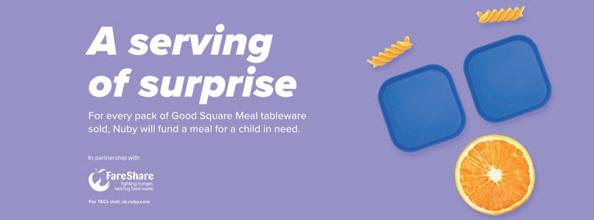
FareShare is the UK’s largest charity tackling the environmental problem of food waste for social good. It works with the food industry to take good to eat surplus food, that might otherwise be wasted, and redistribute it to 8,500 charities and community groups nationwide. 2,000 of these are school clubs and charities supporting children.
The Good Square Meal campaign starts on 1st May 2024 and will run for 12 months on Nuby.com and in major UK retailers such as ASDA, Tesco, Morrisons, Boots, Amazon and Smyths.
James Russell–Watson, Head of Marketing at Nuby, said: “20% of UK households with children have reported food insecurity and this number has more than doubled in the past 3 years. Here at Nuby, we believe that every child deserves a good square meal, so we’ve partnered with FareShare to fund the equivalent of 250,000 meals from sales of our Good Square Meal tableware range. We’ll also be encouraging our sta and customers to volunteer with FareShare and support the fantastic work they do.”
Polly Bianchi, Director of Fundraising at FareShare, said: “We are delighted that Nuby will be supporting us this year with the Good Square Meal campaign. The donation of so many meals for children will help us get good-to-eat food, which might otherwise go to waste, to those who need it. A huge proportion of the charities within our network support children and families, and they are working harder than ever to help those impacted by the cost-of-living crisis. Nuby’s generous support for FareShare will make a huge di erence to our mission to get food to people who need it and make a positive di erence to children across the country.”
For more information visit: uk.nuby.com/pages/good-square-meal
Philipp Schoeller, CEO of MAM AG, Switzerland is very excited to introduce Damian into the UK business: “Damian brings more than 20 years of leadership and baby sector experience to the role having previously held senior positions at Mayborn, where he was responsible for driving UK and international growth across Australian, North American, European and Emerging markets”.
Damian steps into post with the business in a very strong position, holding a more than +50% UK market share in the bottles, teats and soothers category. Over the past 24 months, MAM’s premium product range has been responsible for delivering, circa +10% value growth to the market, outperforming competitors in the category.
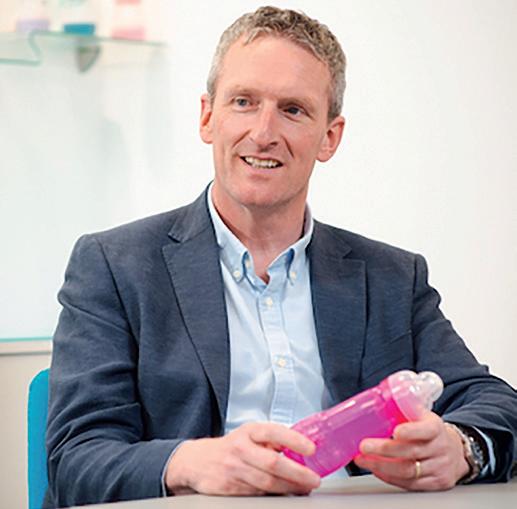
He will continue the work led by Lisa Parkhill, who is stepping down after 30 years running the MAM Baby UK business, which has established MAM as the market leader in bottles, teats, soothers and extended o erings in breast care.
Damian Butler, managing director of MAM Baby UK, said: “MAM is a market leading brand with an exceptional and hard-earned reputation for providing stylish, designled, premium quality baby care products, so when the opportunity came to lead the UK business it was an easy decision to make.
“The work led by Lisa over the past 30 years has established MAM as a brand that is truly trusted by parents across the UK. That’s re ected in the impressive growth the business has managed to achieve across the past 24 months, which has seen it signi cantly outperform the market, despite the challenges of a tough retail and economic environment.
“Our market leading position, and the trust we have built with parents over many years, puts us on an ideal footing to innovate and grow further. Bringing that innovation forward, to continue meeting the needs of parents at every stage of their feeding journey, will be a key focus for the business as we embark on an exciting new chapter. Our ultimate vision is to understand and answer babies’ and parents’ needs, so that they can enjoy the most wonderful experience of being a family.”
MAM was recently chosen as an o cial supplier to the NHS for the rst time and will provide 29 separate product lines to the health service across the next two years under the categories of Infant Feeding Equipment, Accessories and Post Pregnancy Products. The major contract endorsement plays a key role in the business’s ambition to reach every pregnant mother giving birth under NHS care.
MAM AG has a clear growth plan, which also includes M&A activities to further strengthen its brand and international footprint.
Lisa Parkhill, outgoing managing director of MAM Baby UK, said: “I’ve been working closely with Damian over the past few months and am pleased to be leaving the business in such capable hands.
“A phenomenal amount of work has gone into establishing MAM as the market leading brand it is today. That’s down to the whole team, who have an unwavering commitment to providing parents with quality products they know and trust during some of the most special times of their lives.
“I’m proud to be leaving the business in such a strong position and look forward to seeing MAM continue to ourish under Damian’s leadership.”
First founded 48 years ago, all MAM products are researched and developed in partnership with experts, including more than 30 medical partners globally, ranging from physicians and midwives to development educators and pediatric scientists. www.mambaby.com
Parenting Expert, the trusted resource for parents at every stage of their journey, is thrilled to announce the launch of their expert-led hubs.
The rst release is the Pushchair Hub, a comprehensive online destination dedicated to empowering parents with expert advice on pushchairs, strollers, travel systems, and everything in between. This will closely be followed by the Car Seat Hub, with the Baby Wearing Hub, Sleep Hub and Play Hub, expected later this year.

“Choosing the right pushchair can be overwhelming for parents,” says Jo Studholme, CEO at Parenting Expert. “The Pushchair Hub is our commitment to providing them with the most up-to-date, reliable information to navigate this important decision.” www.parentingexpert.co.uk

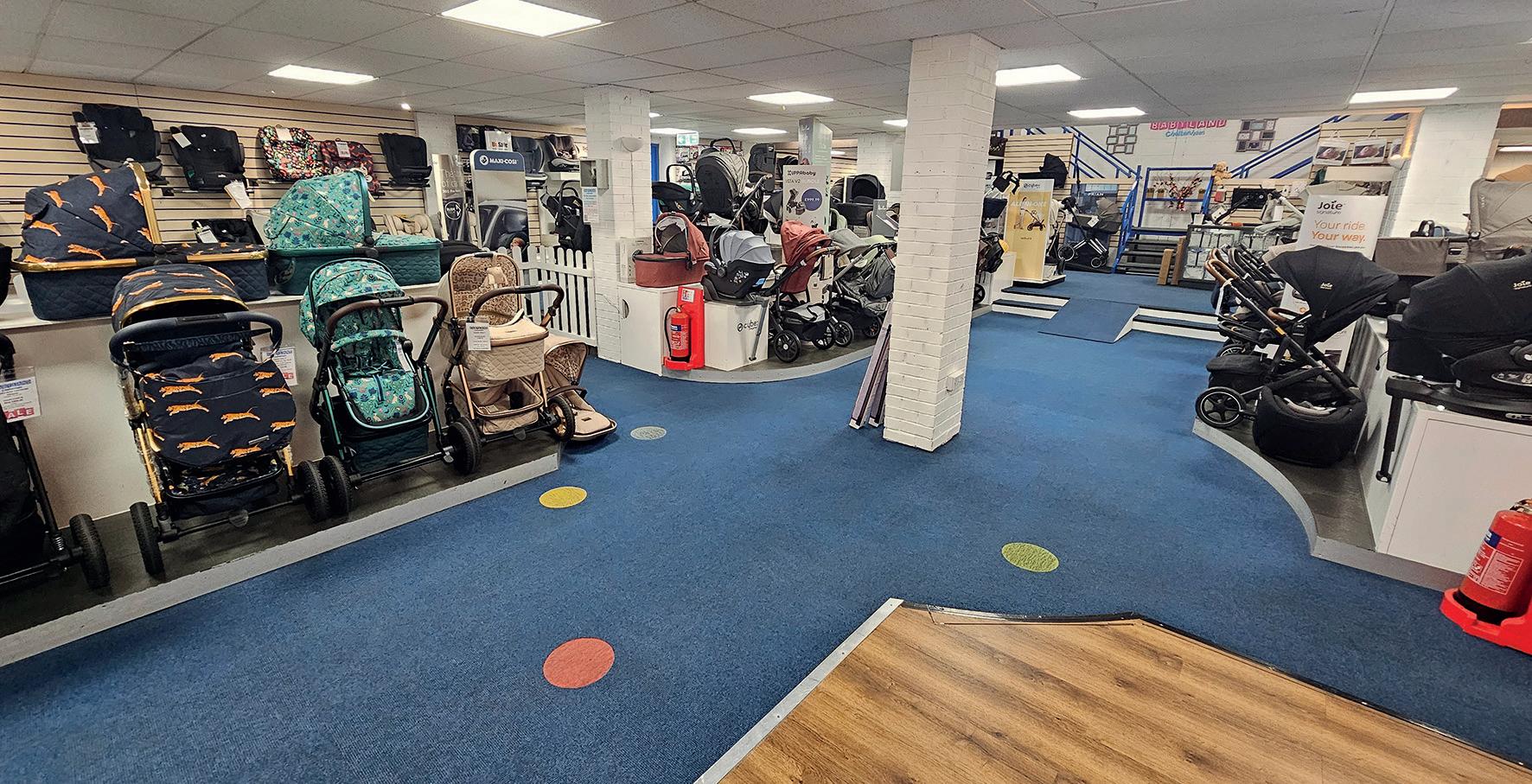
Nursery Today caught up with Owner Andrew Williams and the team at Babyland Cheltenham as they hit a great milestone as they celebrate 120 years since rst opening their store doors.
Congratulations on your 120th anniversary. This is such a great milestone to reach as an independent retailer, what do you feel has been an ingredient for your success?
Thank you very much, we don’t think there is just one ingredient for success but having amazing sta members that know the products inside and out, as well as great customer service is de nitely a big factor. We are also the only pram shop in the area with a wide choice of products on display and returning family customers from di erent generations helps too.
Since rst opening in 1904 has the business always been located in Cheltenham and how have you expanded over time?
We have always been in Cheltenham and the Williams family have always owned it, having started with a very small shop doing bike repairs and sales. We used to have separate business premises; the Williams family have always done everything with wheels, from bicycles, Fiat and Volvo cars and motorbikes, a toy shop and eventually adding baby goods and nursery items in 1963. Thirty-four years ago Williams Cycles and Babyland moved into their current premises in Albion St and we hope to continue to be here for many years to come.
Originally founded by the Williams family, is Babyland Cheltenham still a family run business? Who is currently at the ‘helm’ successfully steering the business into the next decade of trading or do you feel this is a team e ort?
We are still a family-owned business with the 4th
Over the past 5 years we have found that social media has had more of an impact on what people would like or want in a pushchair. Being an old school bricks and mortar store has its perks and downfalls but the process of buying a pram hasn’t changed.
Generation now taking over the helm and driving it forward. We have always been slightly old-school when it comes to how we do things, but with a new generation of Williams in charge, we’re updating the shop and systems to keep everything fresh. What do you feel has been the largest challenge the business has had to overcome over the years, and of course, what has been your largest success/achievement?
We think, especially since the time we have been in
business, wars, recessions, depression, in and out of the EU, COVID and a multitude of things have been hard for every retailer around the UK and the world. However, being a local family run company with a good business mind we have been able to adapt and change quicker than some others. Throughout the years, we have kept going and continued on through thick and thin. We wouldn’t say we have one big achievement but being open for this long and still going strong is de nitely a great achievement in our eyes.
Over time, nursery brands have introduced many new products meeting safety standards and keeping up with trends and innovation. Can you share examples of signi cant innovations or products introduced by nursery brands you stock that you feel have altered the landscape when we look at nursery products? There have certainly been hundreds of innovations over the years on baby safety items, travel, accessories etc. We think there are many brands that have led the way forward and brought new products to the market especially for the comfort and safety of newborns and to make life a little easier for the parents. However for us the single-to-double prams were a huge innovation, with iCandy doing the Apple to Pear double which was a massive seller for us, and Maxi-Cosi doing the Axiss car seat, being one of the rst 90 degree swivel seats, and now recently the new electric Cybex E-Priam which everyone we show it to seems in awe about. We also have grandparents as returning customers who originally purchased 30-40 years ago from us and are now

helping their own children select prams. Do you feel there is a particular nursery product category that has seen the most innovation over the years?
As a team we think that the greatest innovation has de nitely been car seats over the years. Considering until 1987 people didn’t really need seatbelts and until 2006 children didn’t even need car seats, it was only recommended… Now you have spinning seats, reclining seats, rearward up to 12 years old, airbags and a multitude of colours to choose from! In the past 20 years safety standards have grown enormously. We believe it is for the better to keep the next generation safe and sound! In what ways has Babyland Cheltenham grown and adapted to meet changing parental
product preferences over the decades?
Our team prides ourselves on how we serve our customers with keeping up-to-date with the newest products, safety information and social media trends. We nd that most of the time customers have seen something on social platforms or through friends that will bene t them, so we do our utmost to make sure we are on top of anything new parents would want or need. Years ago the term “travel system” started coming about which we got asked about more than anything else. Now near enough everything is a travel system and customers have such a hard time di erentiating between them. That’s why we are here to help!
How do you currently source products that you feel will be of interest to your customers and are you looking to onboard any new brands or
products in the future that you feel might o er your customers something di erent?
As the only independent store in the Gloucestershire area, we try to stock a wide variety of products to suit anyone from anywhere that may come through our doors. As many people are aware you can’t possibly cater to everyone that comes into a store as every individual has very di erent needs. However, we tend to stock and keep products we trust. If a brand we already display brings out something new we try our best to familiarise ourselves with it to be able to compare with similar products, we are always up for trying new things and if something absolutely ground-breaking gets released, we will always give it a go before making a solid decision to keep it!
Our team prides ourselves on how we serve our customers with keeping up-to-date with the newest products, safety information and social media trends
How has the rise of the internet and social media impacted Babyland Cheltenham’s business model?
Over the past 5 years we have found that social media has had more of an impact on what people would like or want in a pushchair. Being an old school bricks and mortar store has its perks and downfalls but the process of buying a pram hasn’t changed. Many customers still need to see, feel and learn about a product in person, even though many glamorous in uencers may advertise certain brands, giving stores which stock said products more footfall, it also means that some of the general public no longer care for how the product works and feel compelled to buy it because a social media star or celebrity has it.
What special celebrations or events are planned to mark your 120th anniversary?
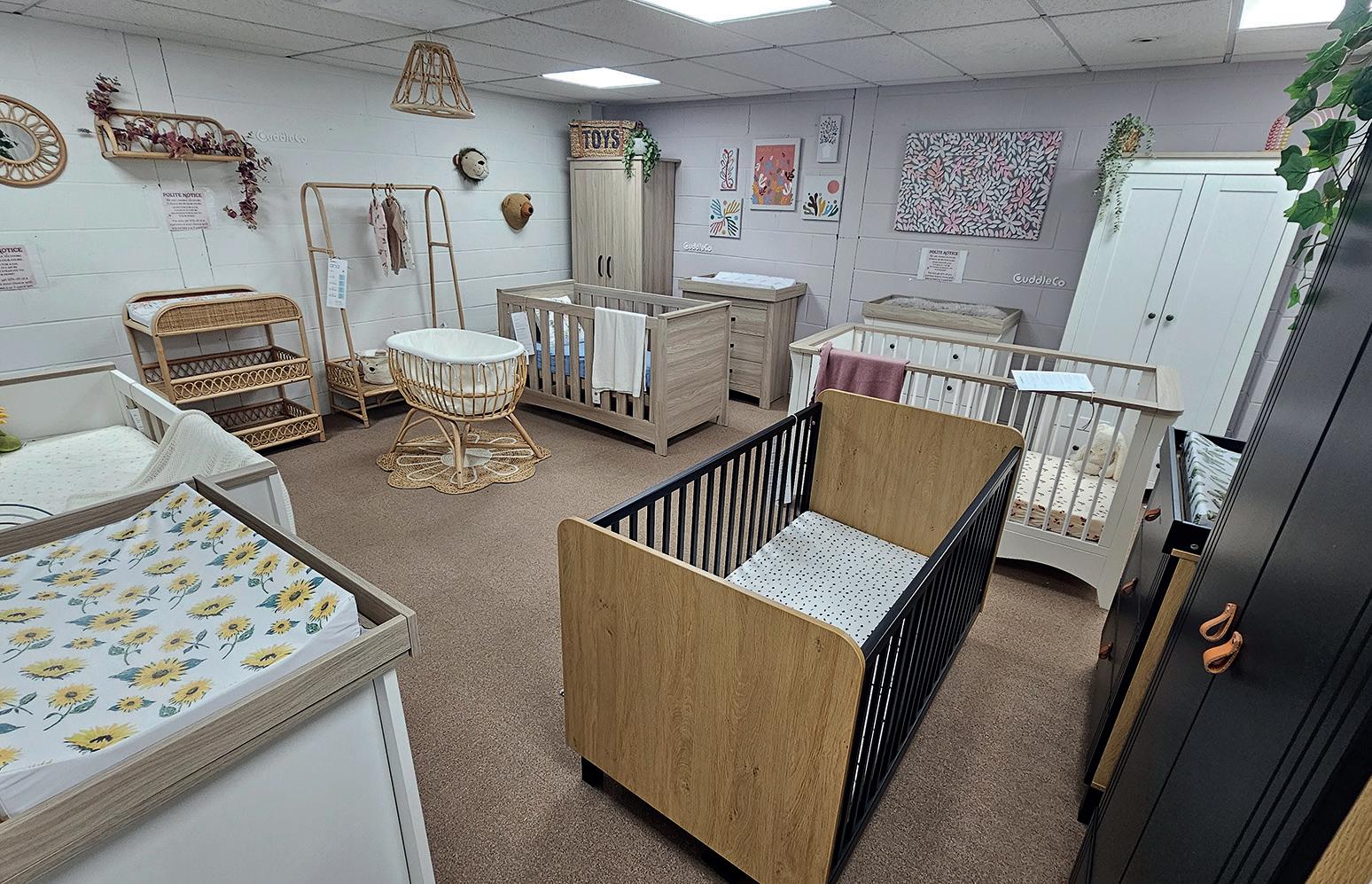
We are currently having a revamp of the store with new display areas for furniture and prams, plus some special o ers we are promoting in store. We have also been busy planning very special collaboration events throughout the year with some of our favourite and most trusted brands, to bring exclusive o ers and sneak-peaks to our customers.
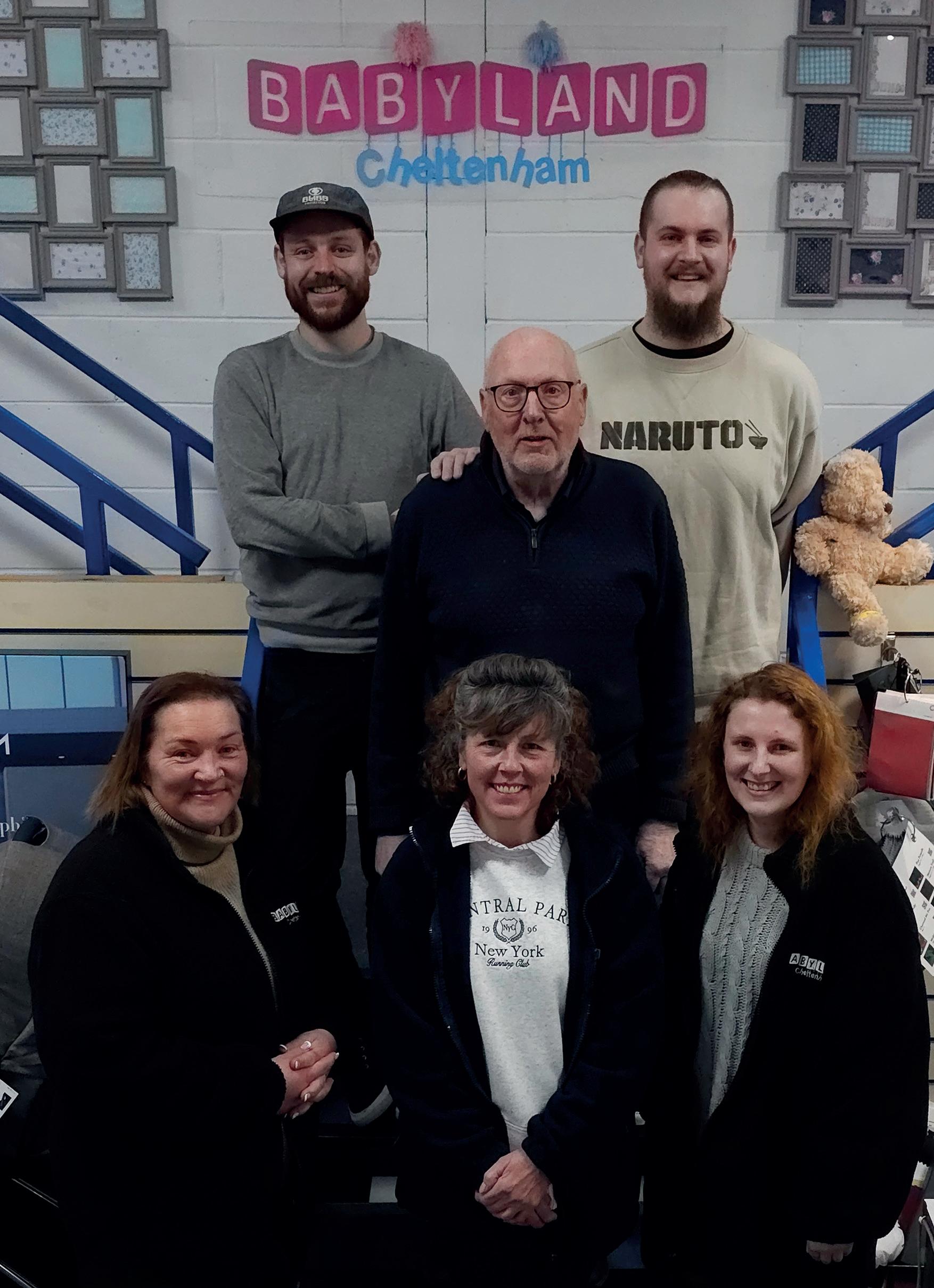
Back Left to right: Rory Williams (Owner and son of Mr. Williams) Harry Massie (Babyland Manager) Middle: Andrew Williams (Owner and Father of Rory and Dom Williams)Have there been any collaborations with nursery brands you stock that will be part of the anniversary celebrations?
We have collaborated with several nursery brands this year already as part of our celebration: we’ve hosted in-store events such as an UPPAbaby Tune-Up Gear-Up; raised money for charity with a prize draw giveaway to support The Lullaby Trust’s Sleep Week; and hosted competitions with support from brands such as Cybex and Cosatto! We are so excited to continue the celebrations as the year goes on, with even more of our favourite brands supporting us with exclusive events and sneak-peaks on new products and colourways!
How does Babyland Cheltenham anticipate continuing to meet the evolving needs of parents and caregivers in the coming years? We always try to keep on top of what everyone wants and needs and we find that as long as we have the newest products in and a large range to choose from, we will be able to meet the needs of most people that come into our store. We think it all relies on what is available from companies and informing our customers on all the products and how they will benefit them so they can make informed decisions.
Are there any emerging trends or technologies in baby products that you are particularly excited about?
We are always excited for new trends and technologies but our favourite trends at the moment have to be the increase of sustainability awareness throughout new products, and the consideration of environmental impacts companies have in the throw-away culture we experience all-too often: from big brands using recycled fabrics on their pushchairs, to companies offering buy-back schemes to reduce older prams going to landfill; some brands have started to offer recycling of used car seats, while other brands are more conscious of their environmental footprint developing natural products such as sheepskin liners and footmuffs. We’re keen to support all of these new ventures!
Finally, as an established Nursery retailer, do you have any advice you can give your more fledgling independent retailers that can assist them drive their own business forward?
Everyone has their own way of doing things, from serving customers to ordering stock to managing staff members. We find that you don’t know until you try, and to take things slow and steady. There are bumps and roadblocks in every business but as long as you have a good friendly team of people that are willing to learn and help each other, a friendly smile and the mindset to open up and try new things you can keep customers coming to visit.





























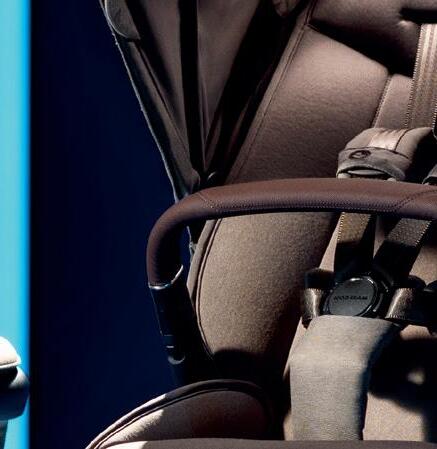
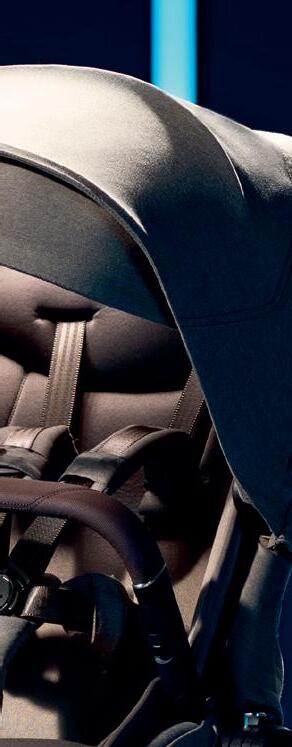
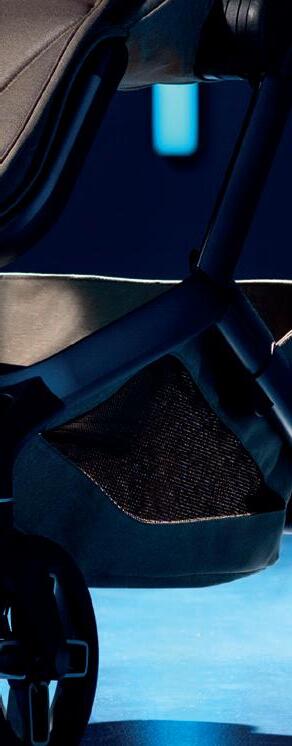
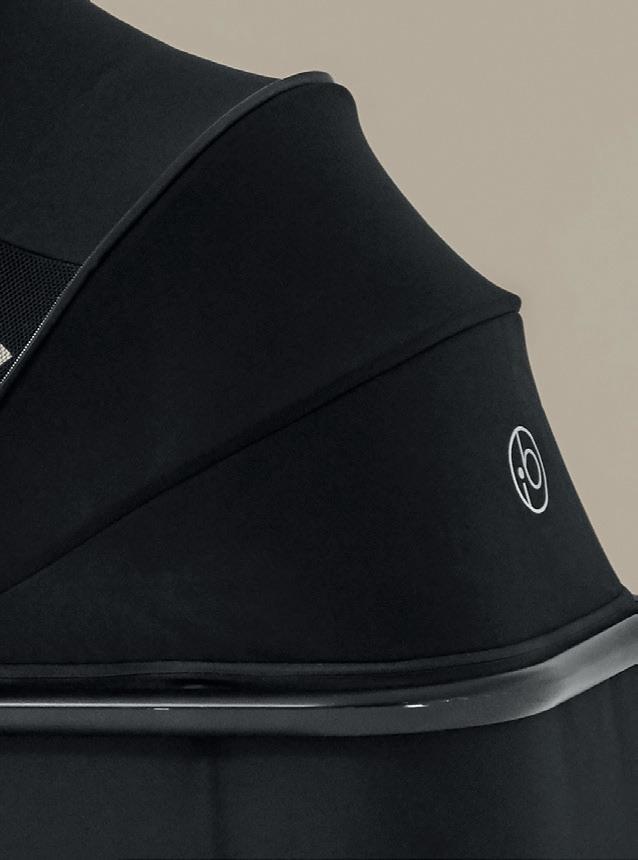
Timeless and pioneering, the Fame pushchair is designed to give luxurious levels of comfort for both baby and parents. Fame’s premium details, seamless design, modern aesthetics and innovative features have been designed to stand the test of time. A trailblazing pushchair to take families into the future.









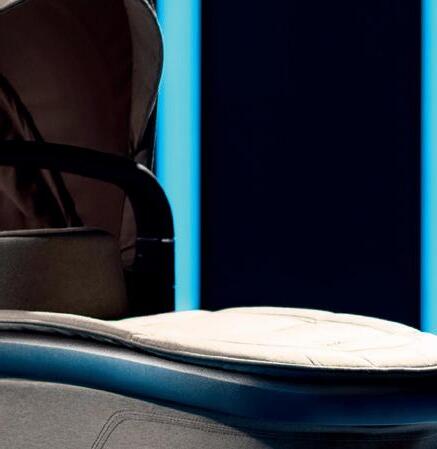


• Fame pushchair
• Carrycot
• Pebble 360 Pro2

• FamilyFix 360 Pro
• 2-in-1 Footmu




• Changing bag
• Cup holder
• Phone holder



• Car seat adapters
• Rain cover
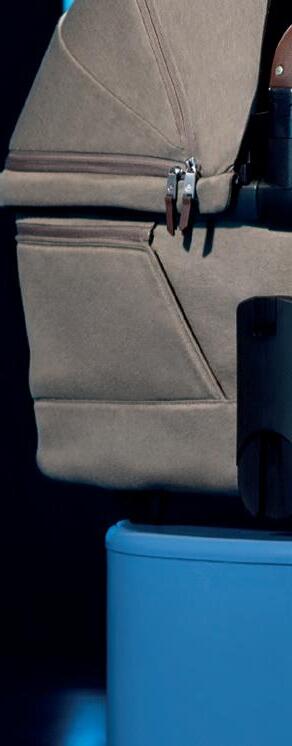





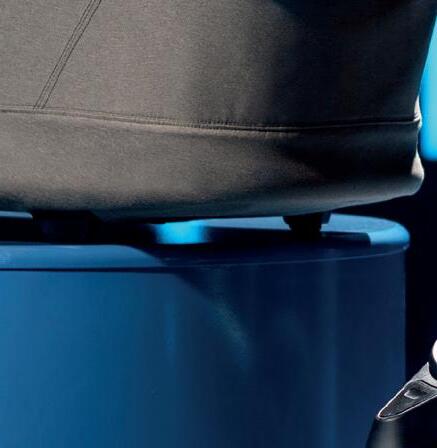
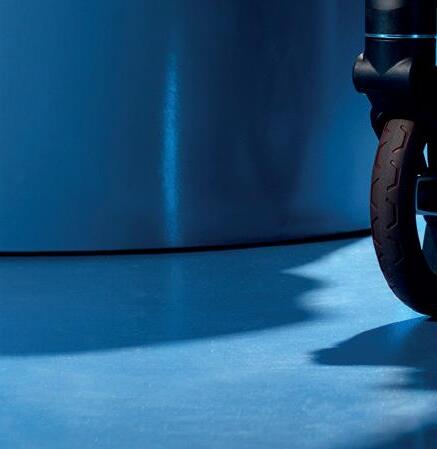




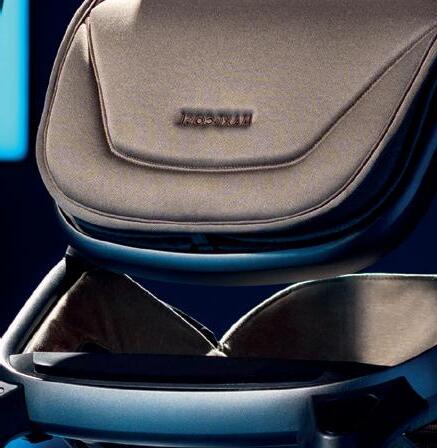














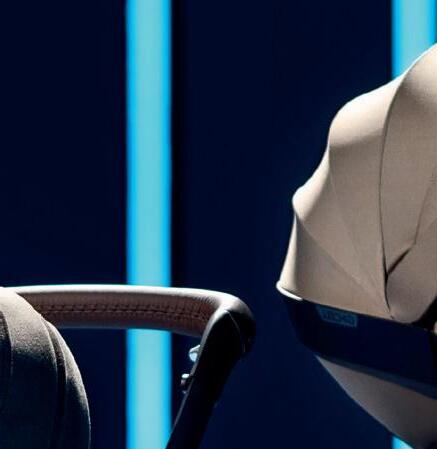
The most luxurious sleep comfort for your baby from birth.


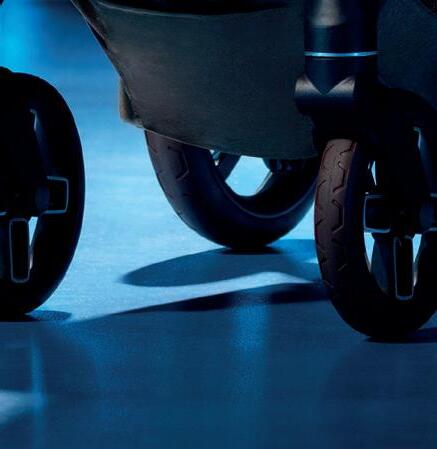
The LED light system is integrated into the iconic frame, illuminating dark streets and dimly lit pathways.



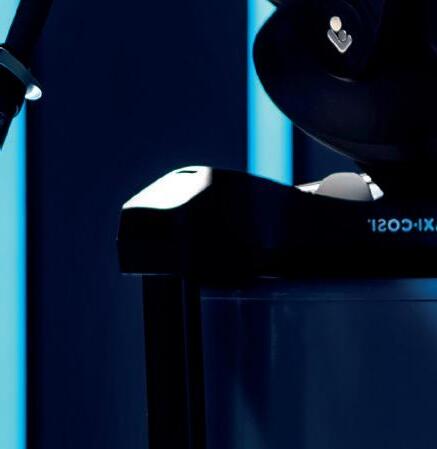
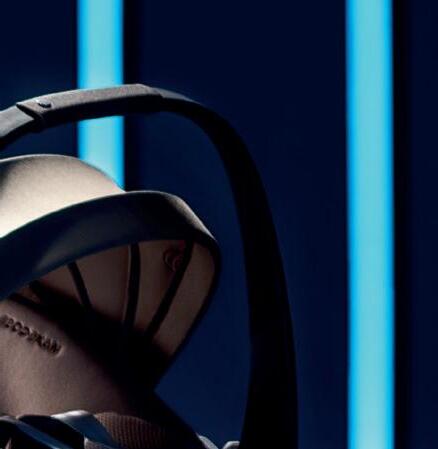
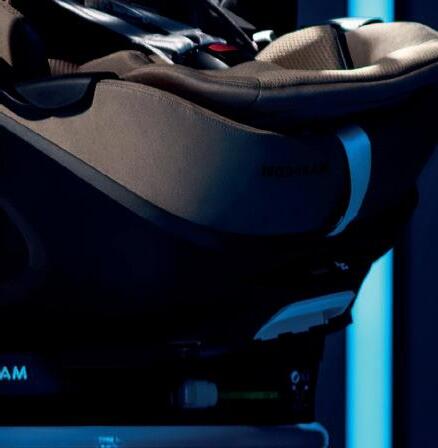






Fame’s ergonomic seat o ers a lie-flat position and HD foam inlay for luxurious comfort.




Keep your phone charged with the integrated powerbank, so you can always stay connected.


Designed to be used by parents of every height.



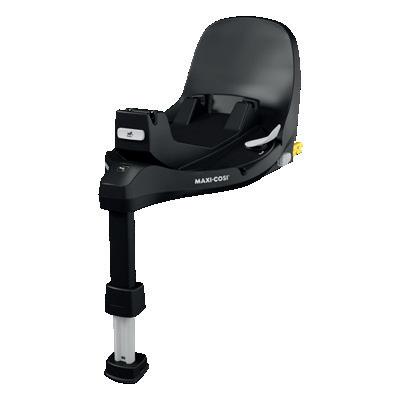
Fame fits our most innovative 360 Pro car seats, designed with SlideTech® technology.












The supportive ClimaFlow backrest features breathable mesh to maximise ventilation.




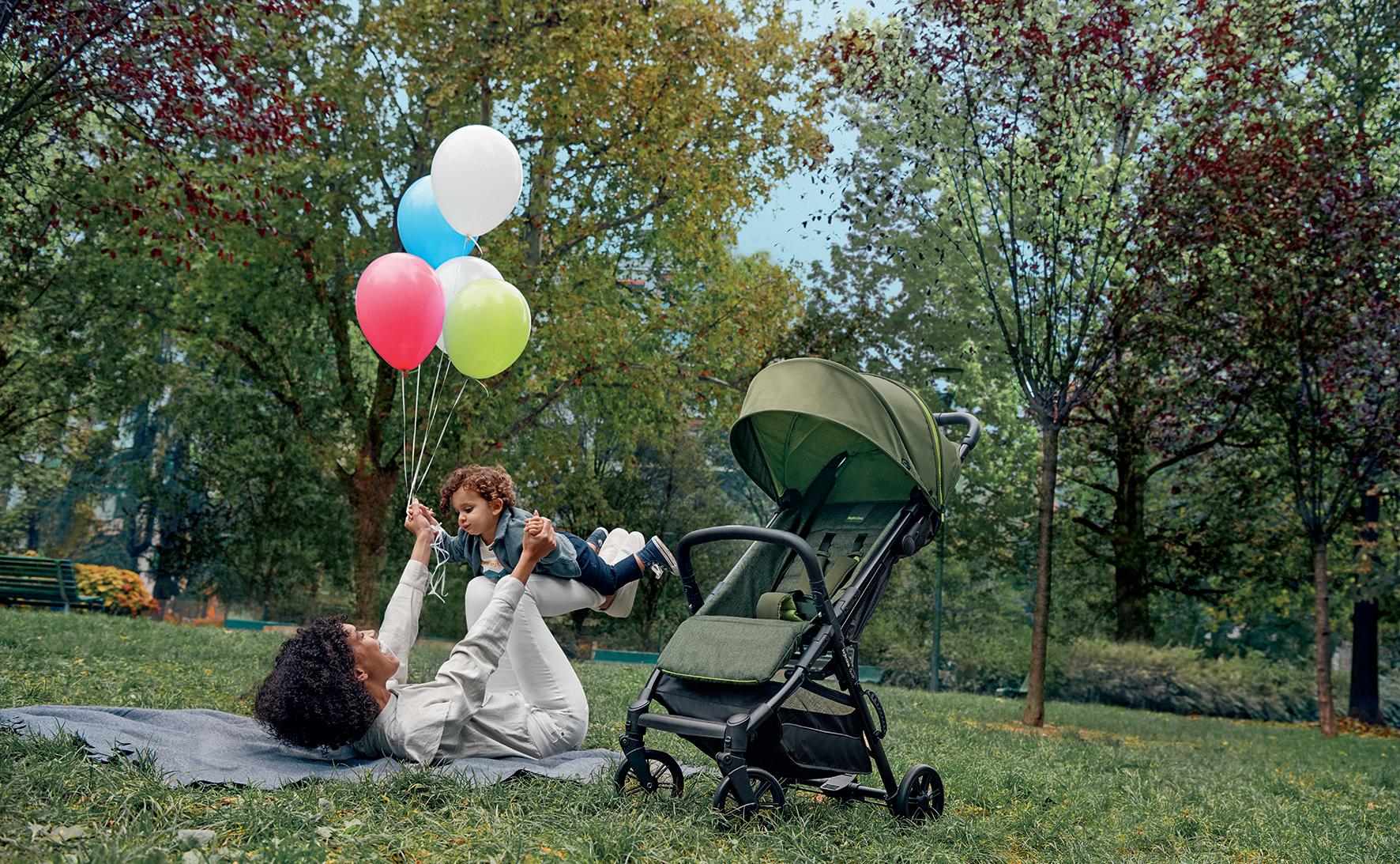


Strollers continue to show growth and brands keep abreast of current trends by o ering product ranges that cover convenience and comfort for both the child and caregiver. When consumers evaluate strollers, several key functions come into play, with an emphasis on ease of use, size, weight, and foldability.
First and foremost, ease of use reigns supreme. Parents and caregivers will seek strollers that are e ortless to manoeuvre, fold, and unfold, especially when juggling other tasks or perhaps coping with multiple children. Features like one-handed folding or magic fold mechanisms are quickly becoming highly desirable. Ergobaby’s Key Account Manager, Claire Morris told Nursery Today: “Weight, size and ease of fold are key drivers for purchase in this category. Consumers are looking for lightweight and compact options, and a one-hand-fold is swiftly becoming a must-have feature for consumers. Longevity is also a key consideration, with consumers wanting a product that will last them for as long as their child will need a stroller.” Joie’s Head of Product Development, Damon Marriott agrees telling us: “Whether a pushchair or a stroller, these factors are always key – but they become even more important once a child gets a little older and therefore heavier. Manoeuvrability is essential when you are trying to push an older child and ease of use, particularly the one hand fold, is a key element as you may need to hold the child’s hand whilst operating the fold or even pushing the stroller.”
Size in this product category is a given. Compactness is crucial for navigating crowded spaces, tting into the boots of cars, or storing at home. Parents often opt for strollers that strike a balance between being lightweight and sturdy, ensuring easy handling without sacri cing durability.
Foldability is also fast becoming a game-changer. Strollers that fold neatly and swiftly are favoured for their convenience during travel or when stowing away in tight spaces. Quick, one-step folding mechanisms save time and hassle, making outings with little one more enjoyable. Of course, manoeuvrability is also up on the list of what consumers are looking more closely at. Graco’s Consumer and Marketing Trade Manager, Luisa Rollins-Svensson stats: “How a stroller moves and how easy it is to use are both vital features that parents look for when selecting a stroller. A key part of this is the stroller’s weight and how it folds. We’re seeing a rising trend for lightweight, compact strollers that are ideal for use both day-to-day and when travelling.” Damon Marriott supports this outlook adding: “Whether a pushchair or a stroller, these factors are always key – but they become even more important once a child gets a little older and therefore heavier. Manoeuvrability is essential when you are trying to push an older child and ease of use, particularly the one hand fold, is a key element as you may need to hold the child’s hand whilst operating the fold or even pushing the stroller.”
Trends in the infant stroller market re ect a growing demand for multifunctionality and customisation. Modular designs that accommodate various accessories or adapt to di erent terrains are gaining traction. Additionally, eco-friendly materials and sustainable manufacturing practices are becoming increasingly important to environmentally conscious consumers. Brand names play a signi cant role in this sector for several reasons. Established brands often evoke trust and reliability, assuring parents of product quality and safety standards. Reputation and brand recognition can in uence purchasing decisions, especially for rst-time parents seeking guidance amid the overwhelming array of options. Furthermore, brand loyalty may develop over time, with positive experiences leading to repeat purchases or recommendations within social circles.
Ultimately, infant strollers are purchased for their practicality and convenience.
Parents prioritise features that simplify their daily routines and enhance their child-rearing experiences. A stroller that e ortlessly combines functionality, portability, and durability becomes not just a piece of baby gear, but a trusted companion in the journey of parenthood. As this is in the main a considered purchase, how much research do consumers run prior to purchase? We asked Luisa for her thoughts. “All categories are researched online, be that via retailer or brand websites or through customer reviews or in uencer marketing. We can’t underestimate the amount of knowledge that parents and parents to be are absorbing via the internet, but our bespoke research with Mother & Baby last year showed us that for important purchases, parents are still heading in store for advice. Strollers are one item that shoppers still want to see up close and try before they buy, so in store experiences are also key.”
“How a stroller moves and how easy it is to use are both vital features that parents look for when selecting a stroller. A key part of this is the stroller’s weight and how it folds.”
Luisa Rollins-Svensson
Over the years strollers have evolved to meet the diverse needs of modern parents, with features like lie- at positions and adaptability to full travel systems with car seats.
Lie- at functionality has become increasingly important, as it supports infant development by providing a comfortable and safe sleeping environment. Parents value strollers that o er multiple recline positions, including lie at options, to accommodate newborns and ensure proper spine and head support. “As strollers are a popular option for parents with older children that are able to walk, the recline is an essential feature for when they have worn themselves out and are ready for an on-the-go nap.” Said Damon.
Moreover, the integration of strollers into full travel systems with compatible car seats has revolutionised on-the-go parenting. This adaptability allows seamless transitions between strolling and car travel, eliminating the need to disturb a sleeping baby when moving between the car and the stroller. Parents appreciate the convenience and versatility of travel systems, which streamline their daily routines and o er peace of mind knowing their child is secure in both modes of transportation.
Incorporating lie- at capabilities and compatibility with car seats enhances the functionality and value of infant strollers, making them indispensable tools for today’s modern parents. As these features continue to shape the market, manufacturers are striving to innovate and meet the evolving demands of parents seeking convenience, safety, and comfort for their little ones.
Finally we asked Icklebubba’s Head of Product, Dominique Fennell on what type of bene ts Nursery Retailers can expect by stocking products within this sector. “Stocking strollers alongside travel systems gives retailers an opportunity to engage the customer at a later stage in their parenting journey. We nd that once baby is six months old, parents tend to consider a more lightweight and portable option. Strollers also give that choice to consumers who just don’t have the space for a more traditional travel system so again, they o er an alternative option to shop.”
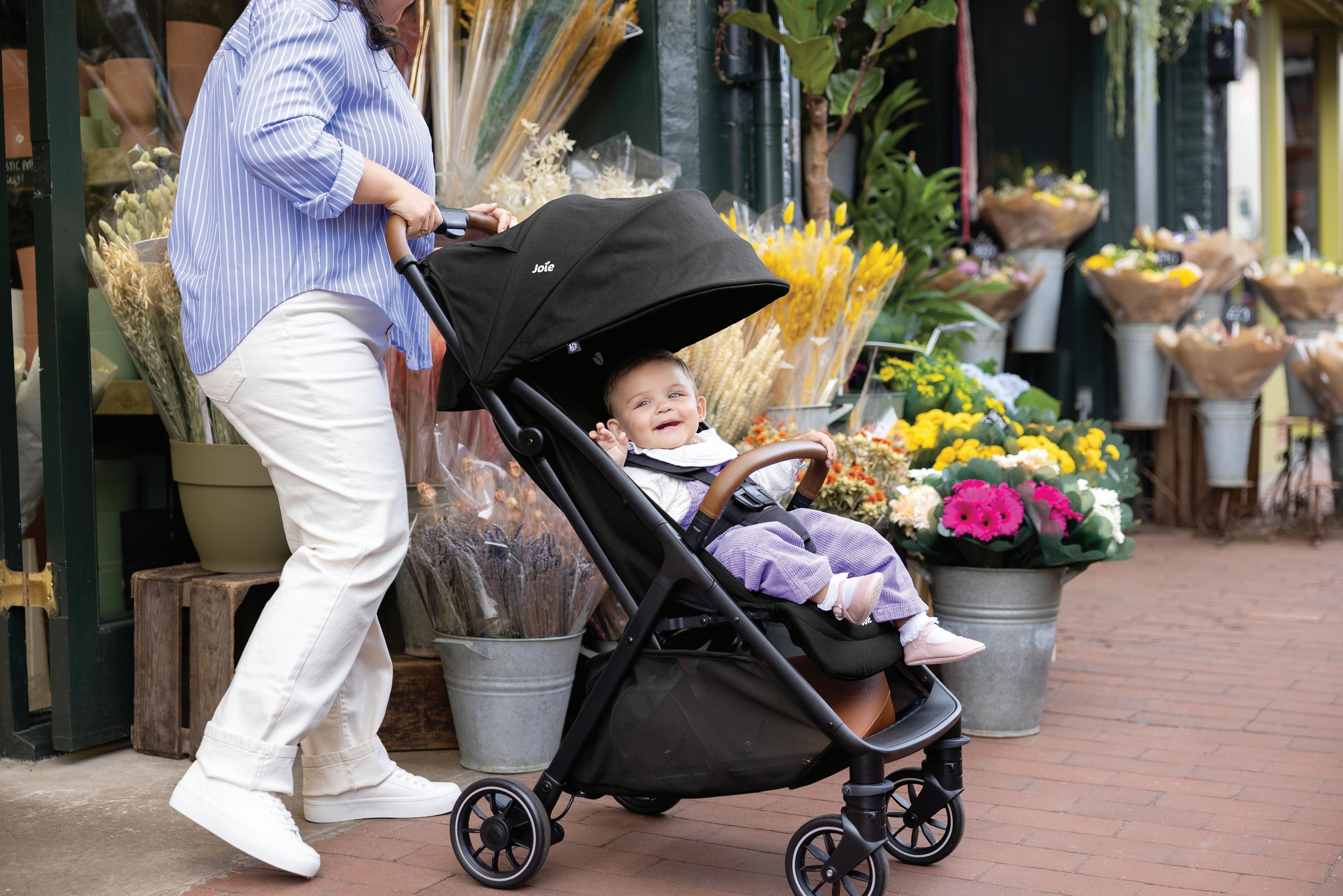
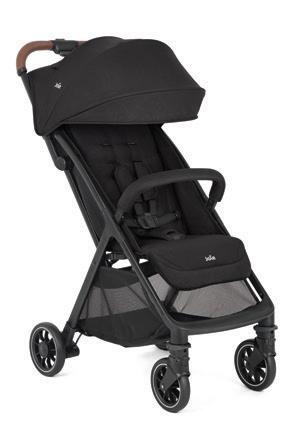
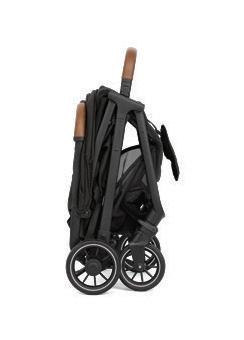

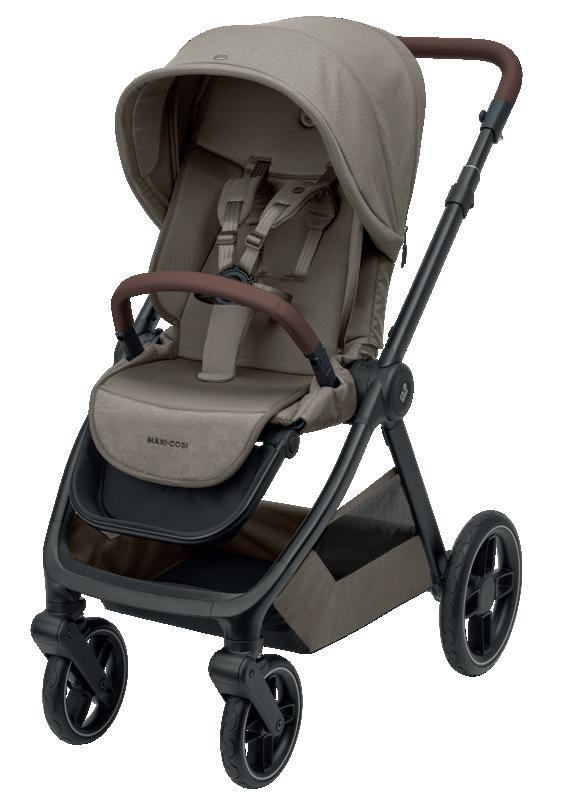


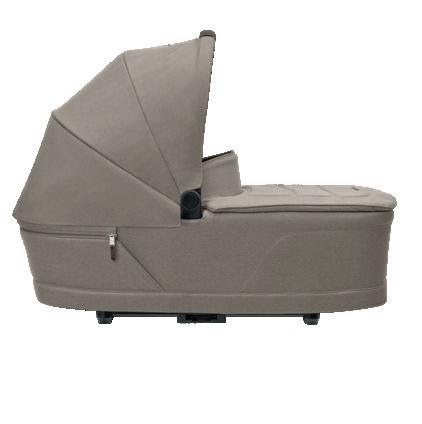

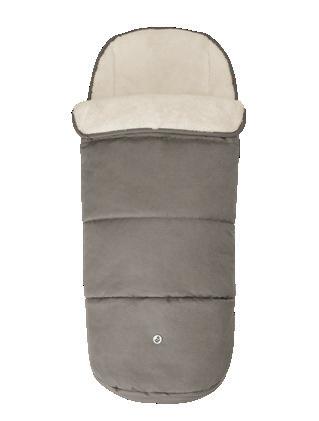
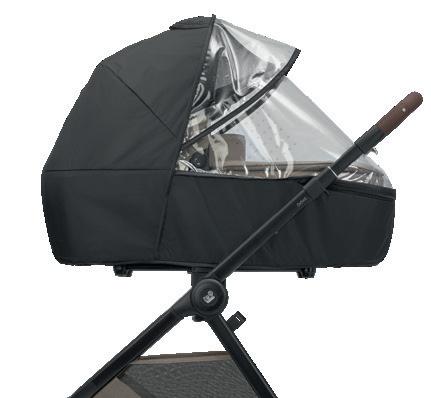
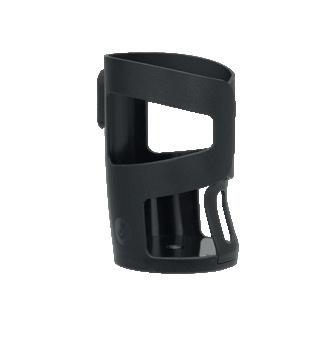
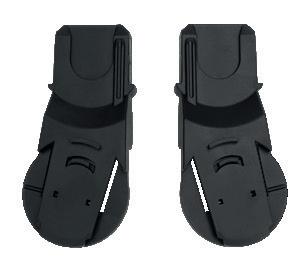

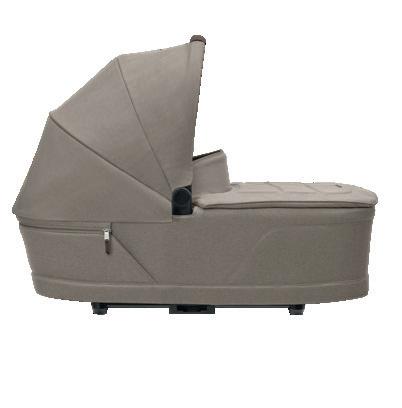
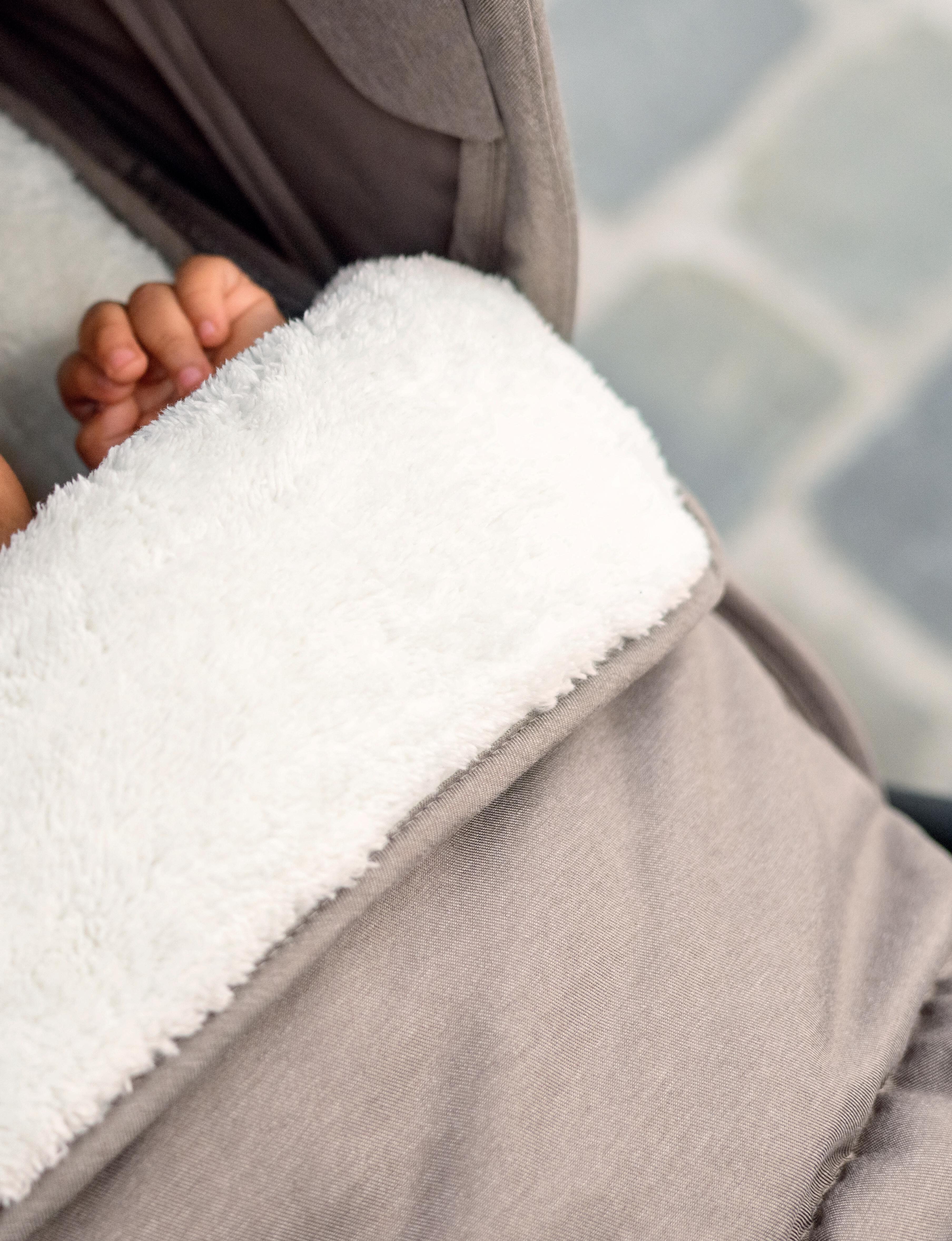
The Oxford Carrycot’s reversible, high-density foam mattress and ClimaFlow windows ensure your child’s year-round comfort, while easily attaching to your pushchair as part of a 3-in-1 travel system.
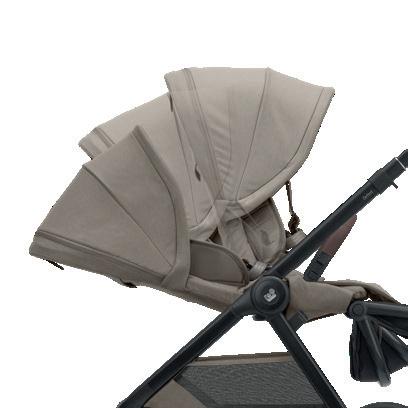
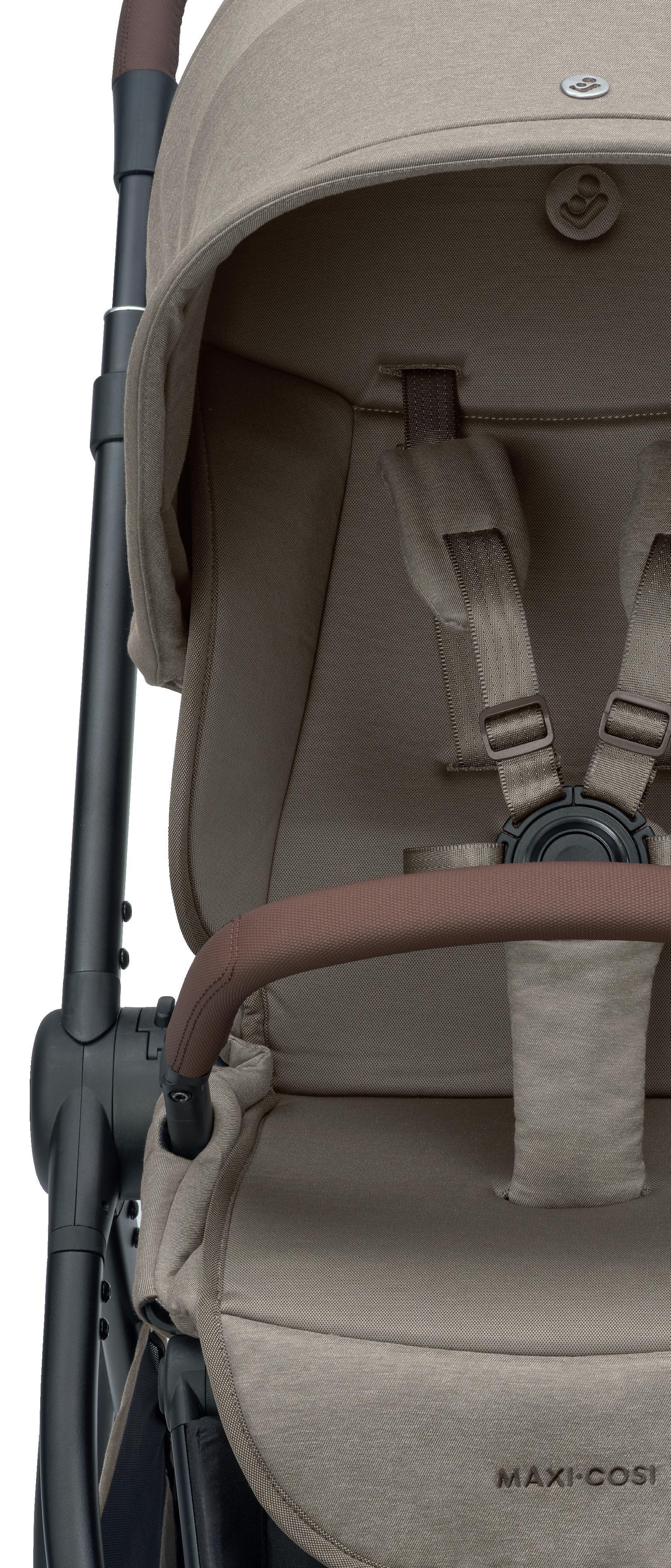
From newborn to toddler, Oxford delivers exceptional comfort for your little one with its lie-flat recline and spacious, padded seat.
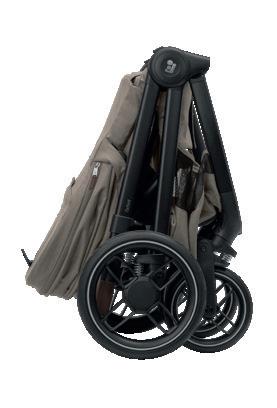
Oxford folds down into a compact package that can stand upright. It folds in both directions for maximum versatility and convenience.
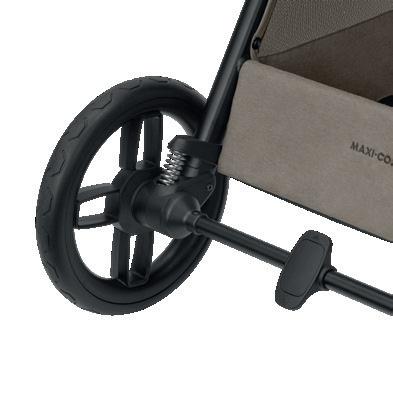
No matter where your adventures take you, your little one can be sure of a smooth ride thanks to Oxford’s soft, all-wheel suspension.

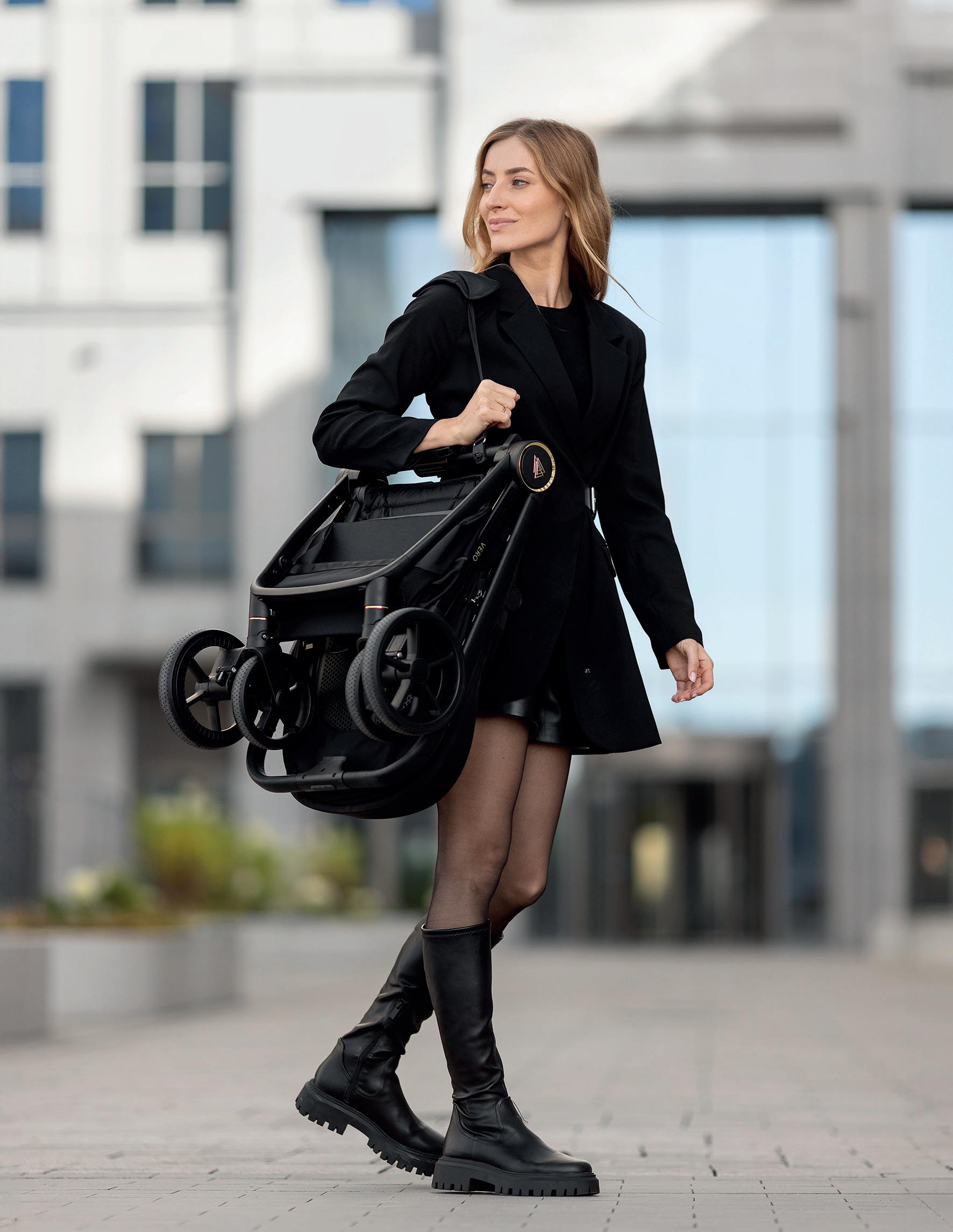
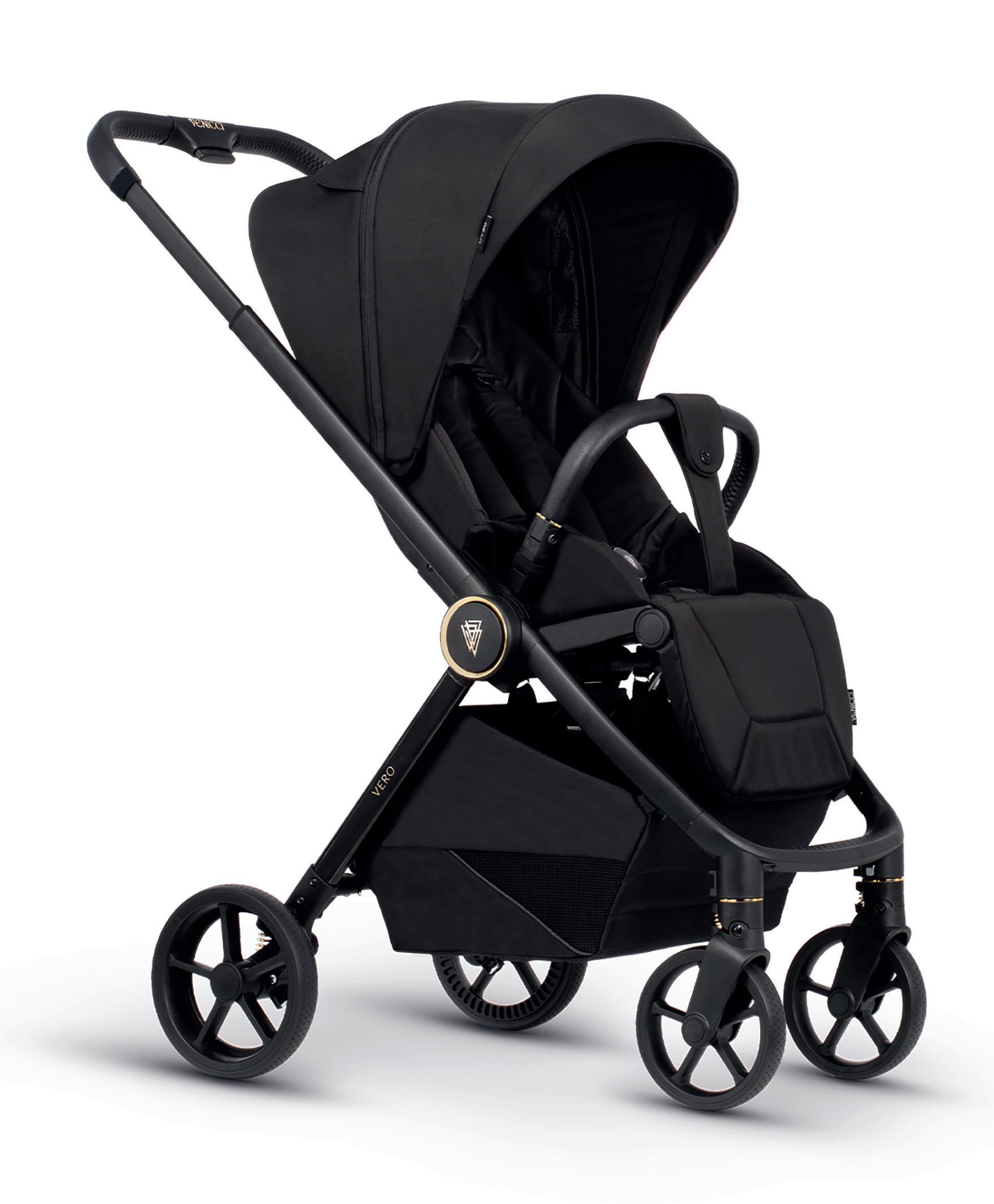
Venicci Vero is an ideal pram for active families. Its multi-terrain wheels with additional suspension, makes it perfect for country walks or navigating uneven terrains. With the ability to fold easily with just one hand and its lightweight construction along with a carry strap it o ers convenient transportation.
The Vero stroller grows with the child, thanks to its adjustable hood and footrest. A magnetic harness buckle allows parents to quickly and hassle-free strap their baby inside, providing maximum comfort and safety.
The high-quality fabrics used are water-repellent and o er UV50 protection. For families who travel frequently, an additional Travel Bag is available to ensure no damage occurs during transit. www.venicci.co.uk
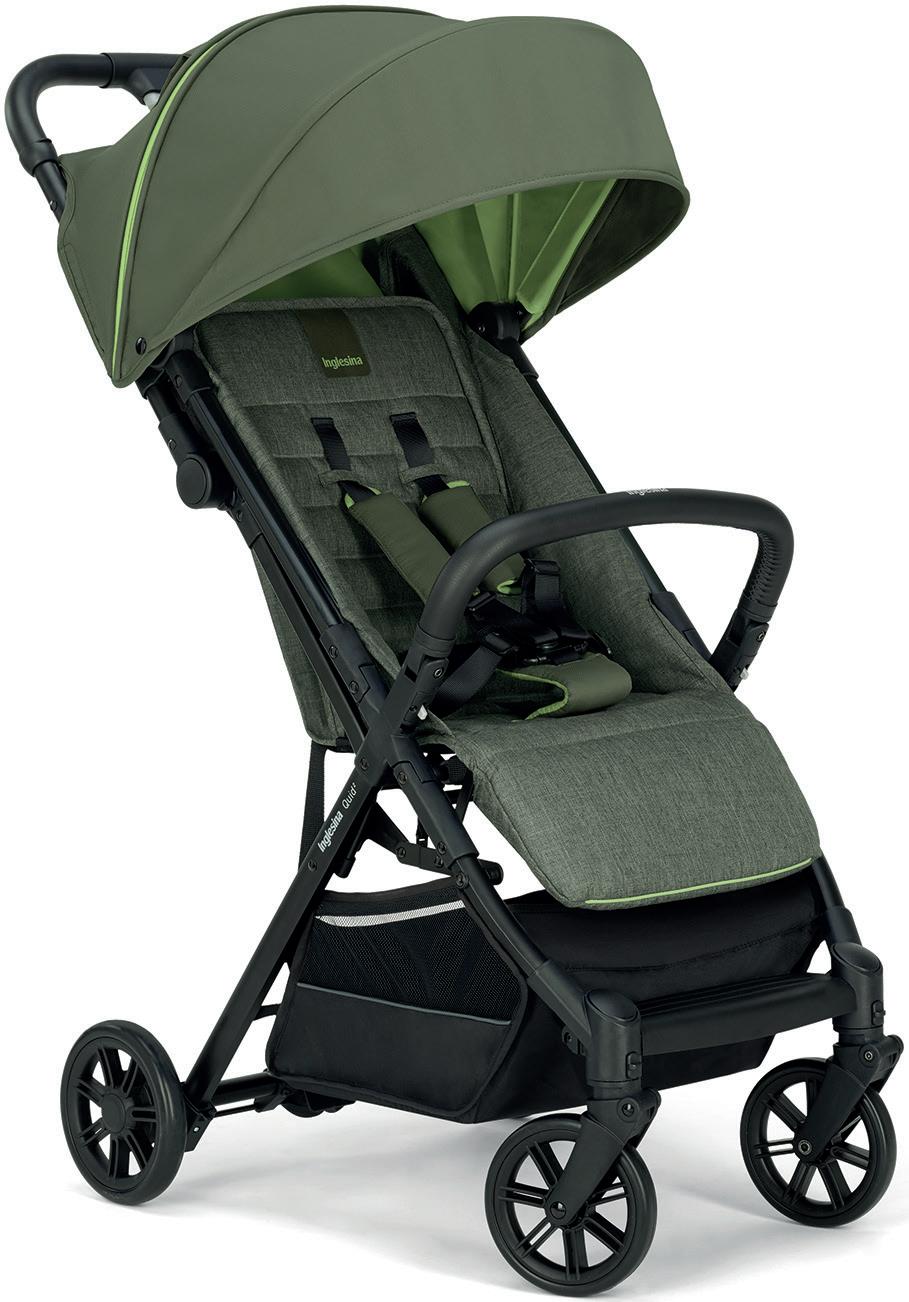
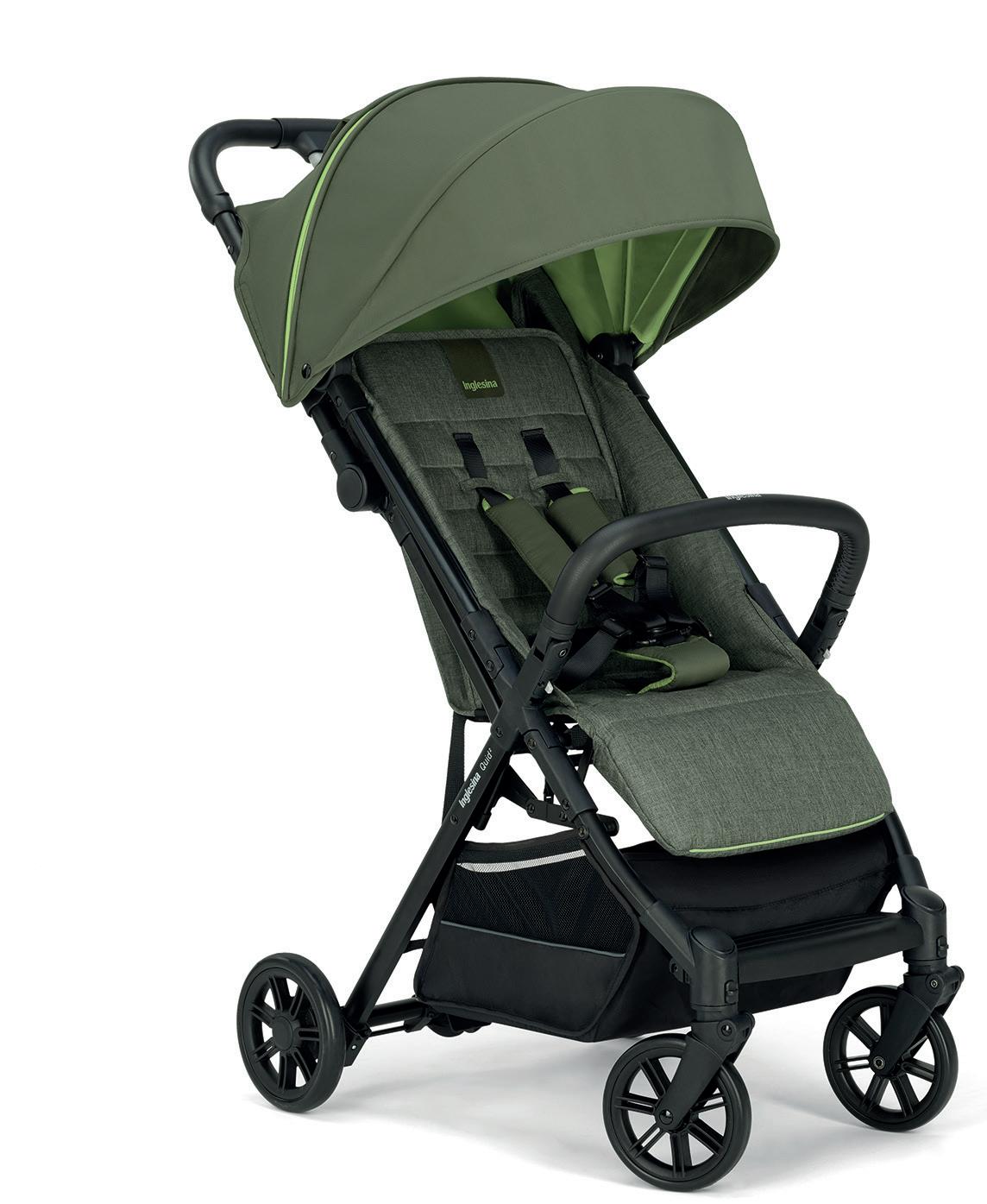
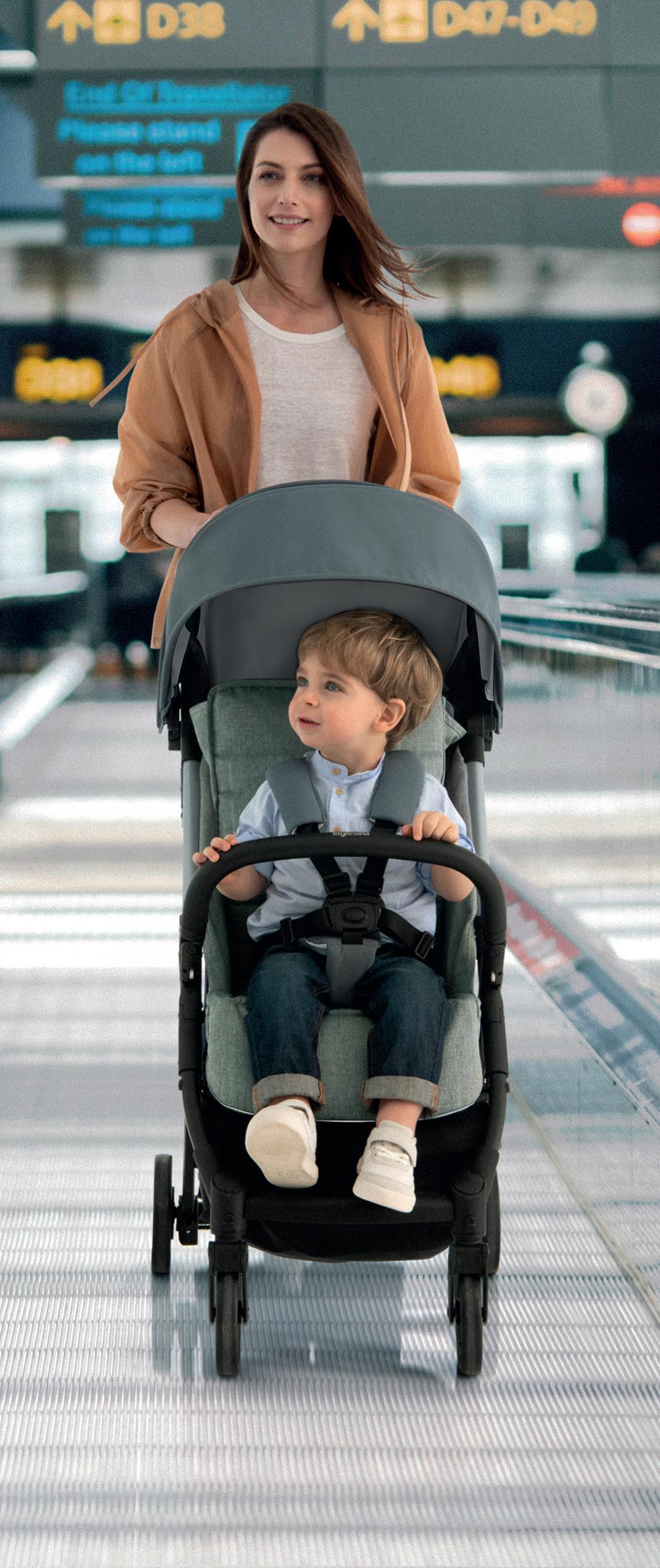
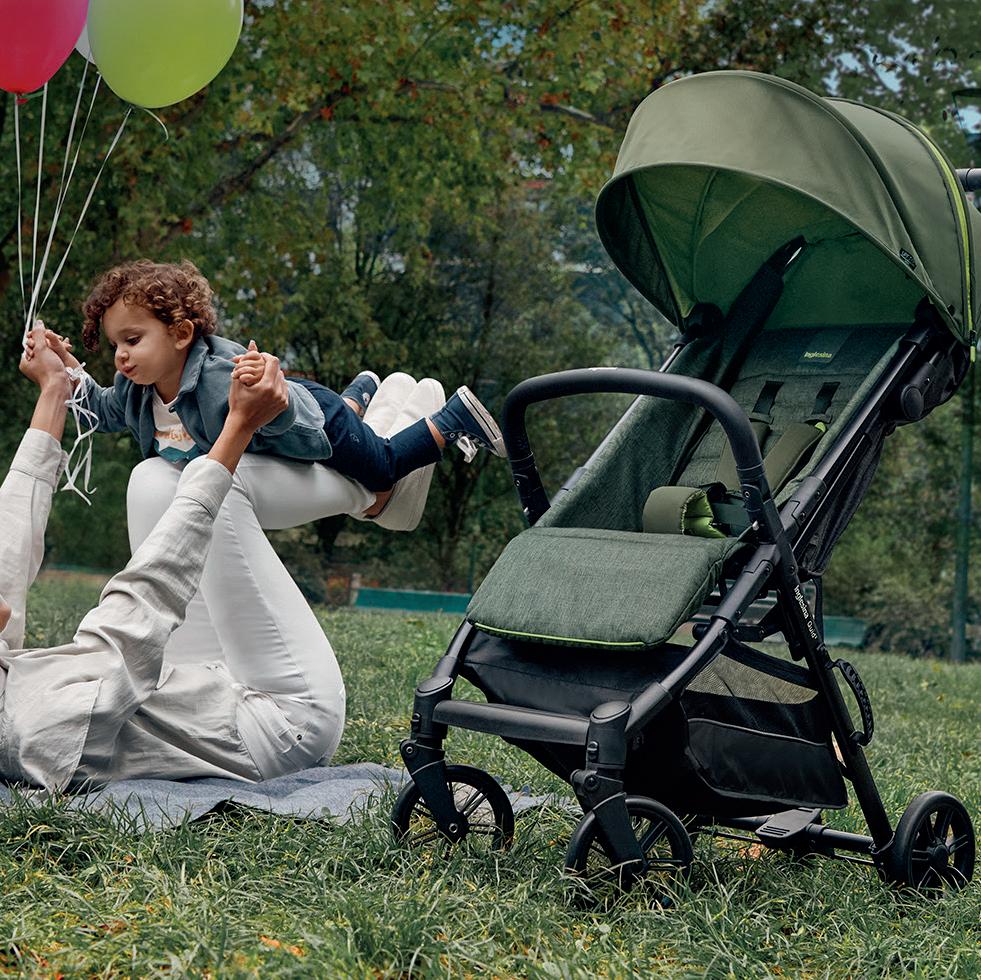
With Spring o cially here and Summer just around the corner, it’s time to get holiday ready. Inglesina combines style, practicality and baby wellness all in one ultra-compact lightweight stroller.
The Inglesina Quid2 is much loved by parents for its award-winning features. The perfect travel companion, it packs everything you would expect and more from a lightweight compact travel stroller. The Quid2 has been awarded several accolades, including most recently the Made for Mums Gold
Key features of the Quid2:
Ultra-lightweight - weighing just 5.9kg, yet suitable up to 22kg. Incredibly compact - folds down to 58 x 19cm to t in overhead lockers and small spaces. Comes with a convenient carry handle.
One-hand open and fold – easily collapses and opens with just one hand, and stands upright once folded.
Larger seat than many other compact-fold strollers to suit the needs of the growing child and fully adjustable backrest from fully upright to almost lie at for comfortable sleep
E ortless manoeuvrability - thanks to the stroller’s front suspension and wheel alignment.
Extendable UPF50 ventilated hood – to keep little ones covered and cool in the summer sun.
Available in Gecko Green and Camel Beige. jonathan@inglesina.com www.inglesina.uk


 Ickle Bubba, Unit 5, Hawthorne Cour

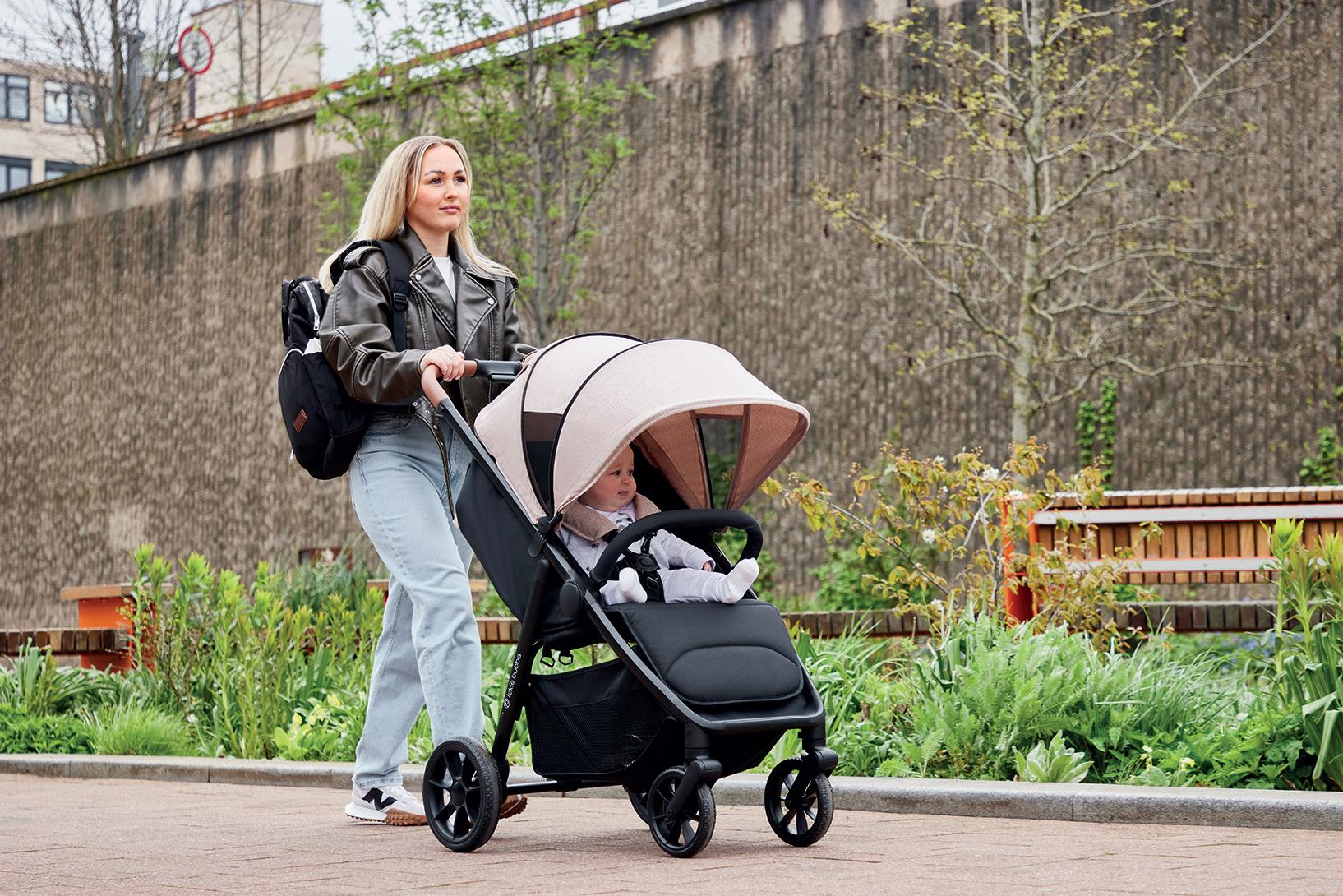
Looking for style and comfort in a stroller? Meet the Stomp Stride by Ickle Bubba.
With its spacious seat design, expansive hood, and smooth-riding multi-terrain wheels, little ones will always travel in both style and comfort.
Suitable from birth to 22kg, the stroller boasts a massive, comfy seat that’s perfect for long-term use with enough room for little ones to grow. The large but lightweight Stomp Stride is ready for the road, with treaded EVA wheels, a gate-opening bumper bar and a huge shopping basket so parents can stomp in comfort wherever their journey is headed.
For sales enquiries contact the below. sales@icklebubba.com
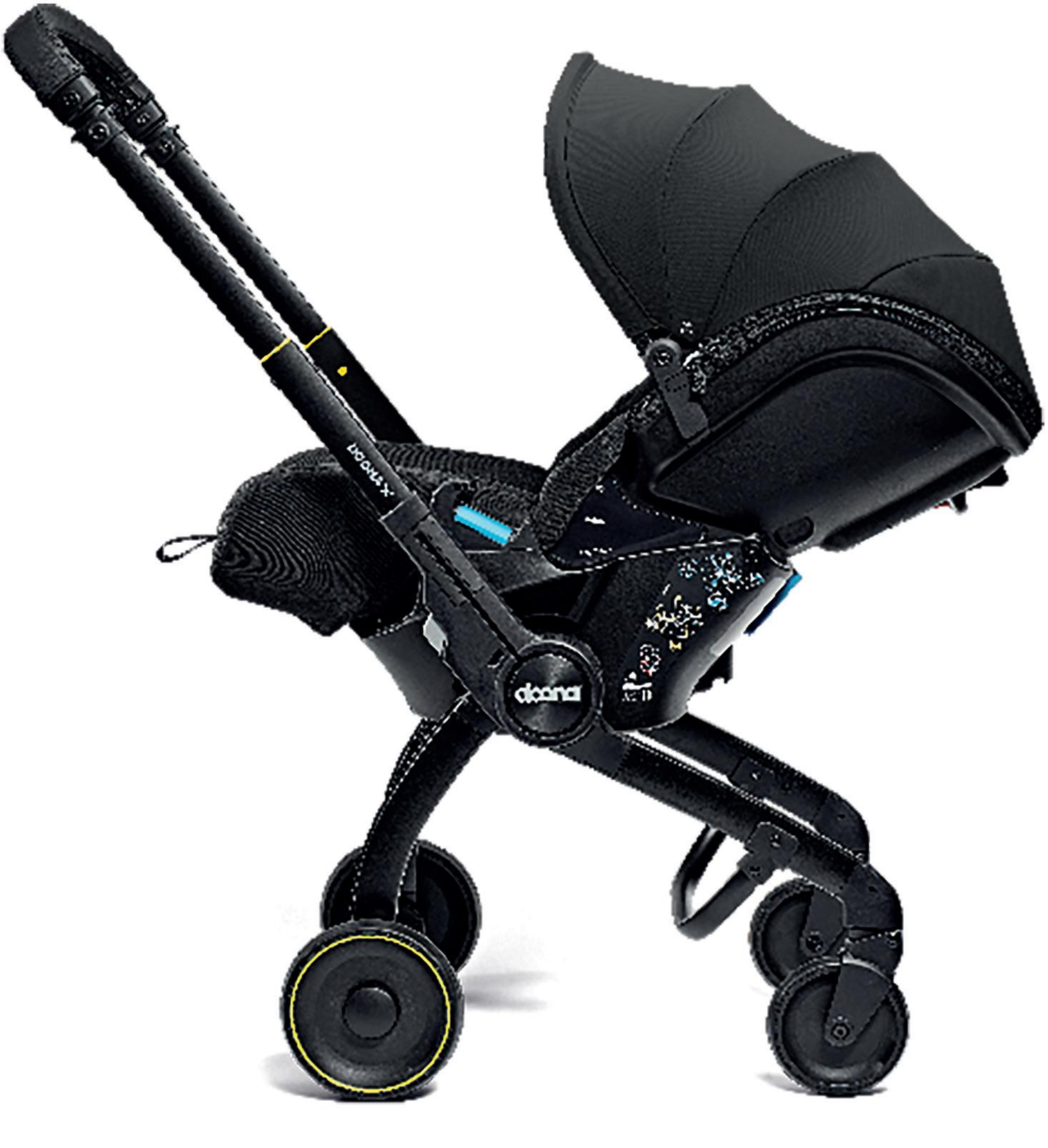
The Doona X Car Seat and Stroller rede nes travel with its unparalleled design and functionality.
Doona X o ers 3 recline positions – Sit, Relax, and Lay Back. Allowing parent and baby to experience the epitome of comfort and convenience as they seamlessly transition from car seat to full recline. This innovative design is is R129 certi ed, and serves as an all-in-one solution, functioning as both a car seat and stroller for newborns, streamlining the parenting journey. Along with three recline positions, Doona X also boasts a new shock absorbent mechanism for a smoother ride, and a soft release system when moving from car seat to stroller.
sales@cuddleco.co.uk
Parcel is the newest stroller on the block, from Joie Signature, and means no more heaving and hefting – weighing in at just 6.9kg, this welterweight wonder is designed to roll for years and is e ortless to lift and store.
Made for when hands are full and storage is limited, parcel will quickly fold making it perfect for tucking in small spaces or carrying on public transport. The extended usage lets you think long term, giving growing travellers a comfy seat all the way up to 22kg. With 3 ways to roll in one, incorporating carry cot, infant carrier and world facing modes, this is the only stroller you’ll need for the years of adventures ahead.
With 4 recline options, parcel has the perfect position for little one, whether they want to lie at and sleep, kick back and relax or sit up and take in the sights, you can ne tune the seat to meet their needs. uksales@joiebaby.com www.joiebaby.com

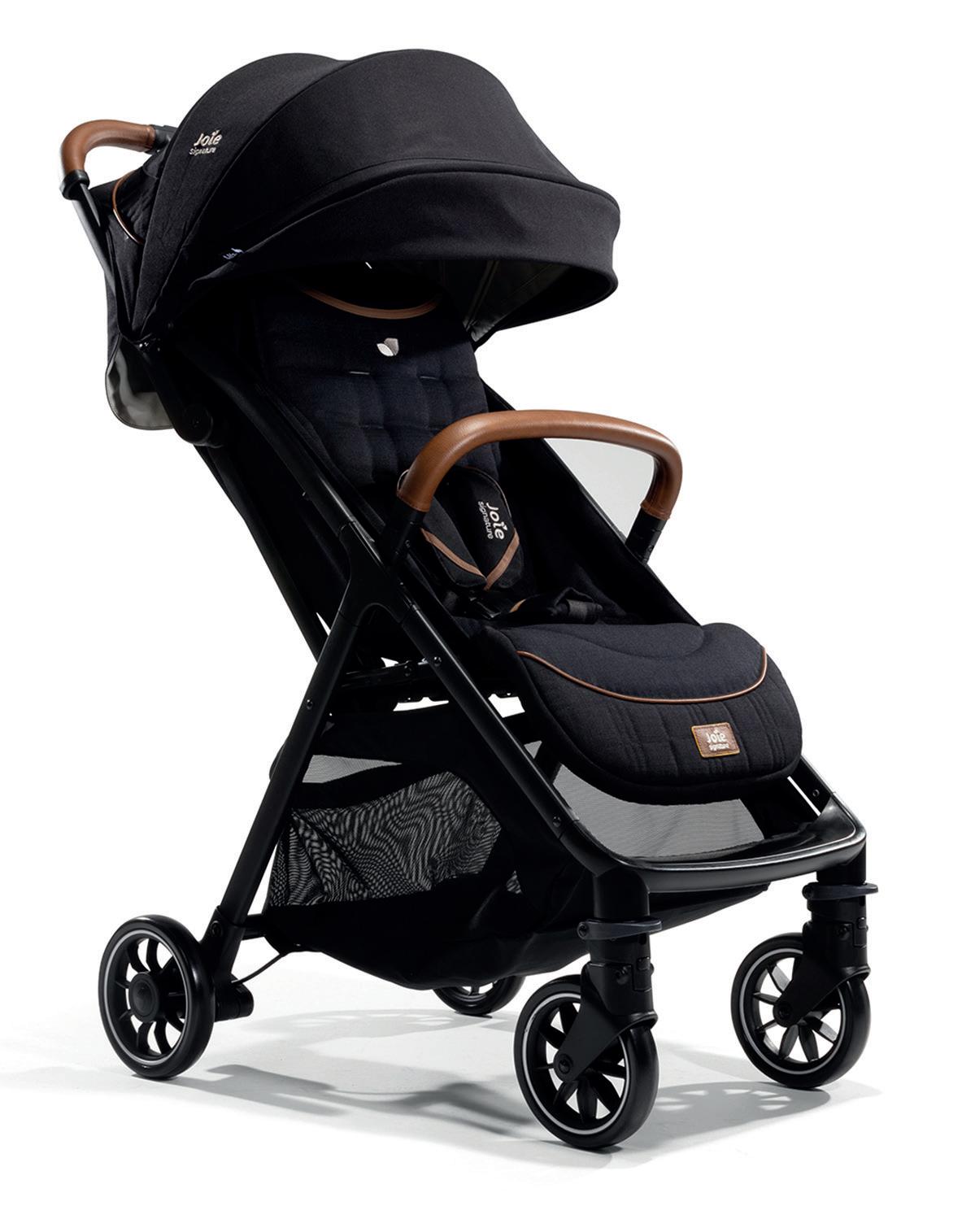
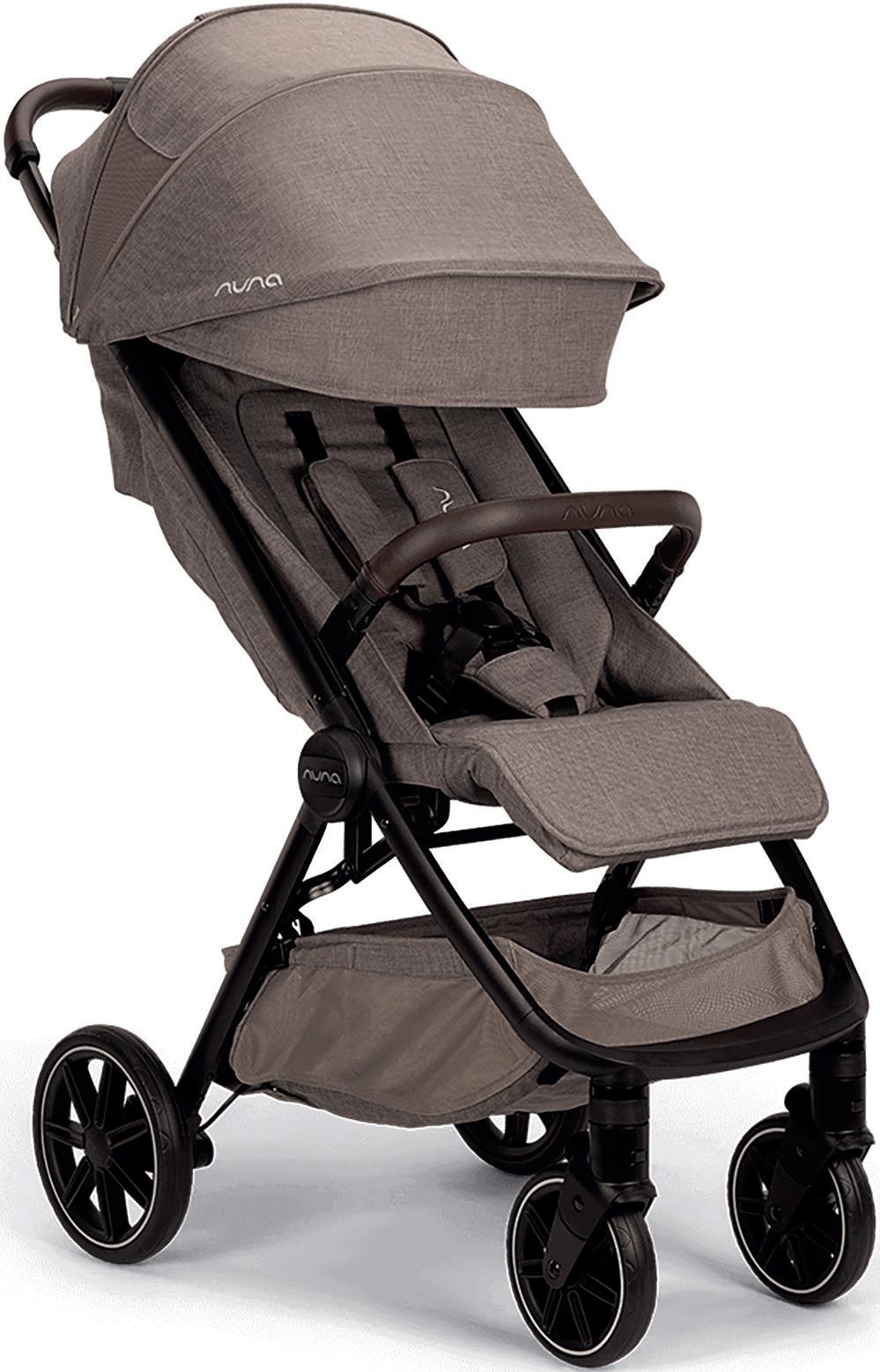
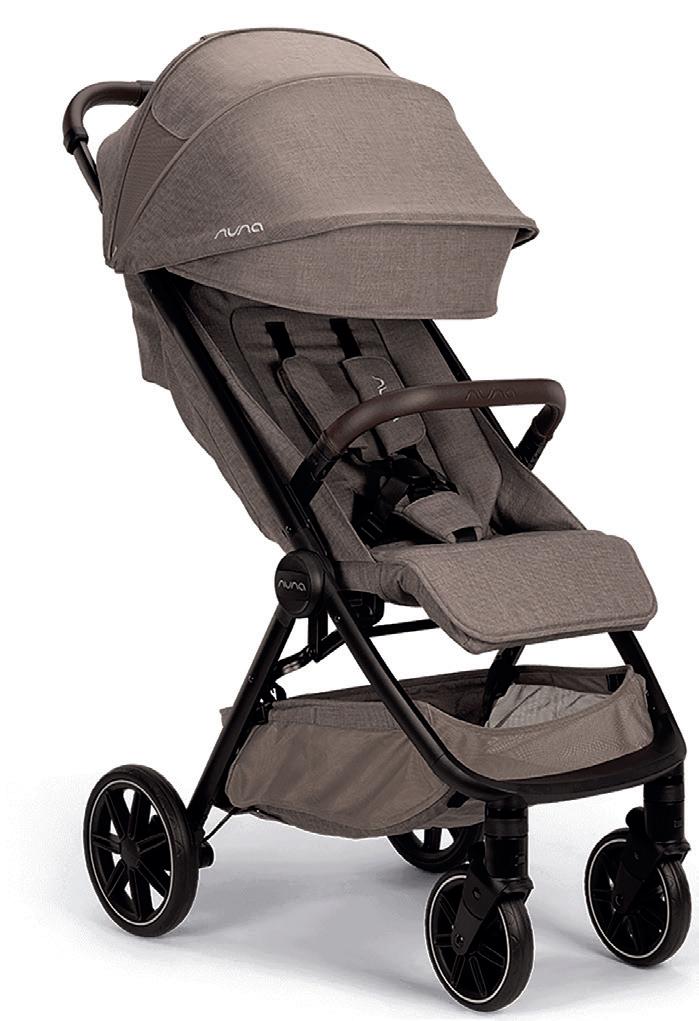
Designed to never weigh you down, the TRVL lx is a compact, lightweight stroller for everyday adventures and the newest addition to the TRVL range. Its Shadow reel recline allows for customisable seat adjustments, whilst all-wheel suspension, one-touch brake and levelled up wheel profile ensure a smooth ride.
Additional features, including extendable canopy with sunshield and airy mesh windows, make the TRVL lx a must-have accessory for sunny day strolling.
The lightweight and compact TRVL lx weighs in at just 7.1kgs, making luxe strolls stress-free wherever the journey.
www.nunababy.eu
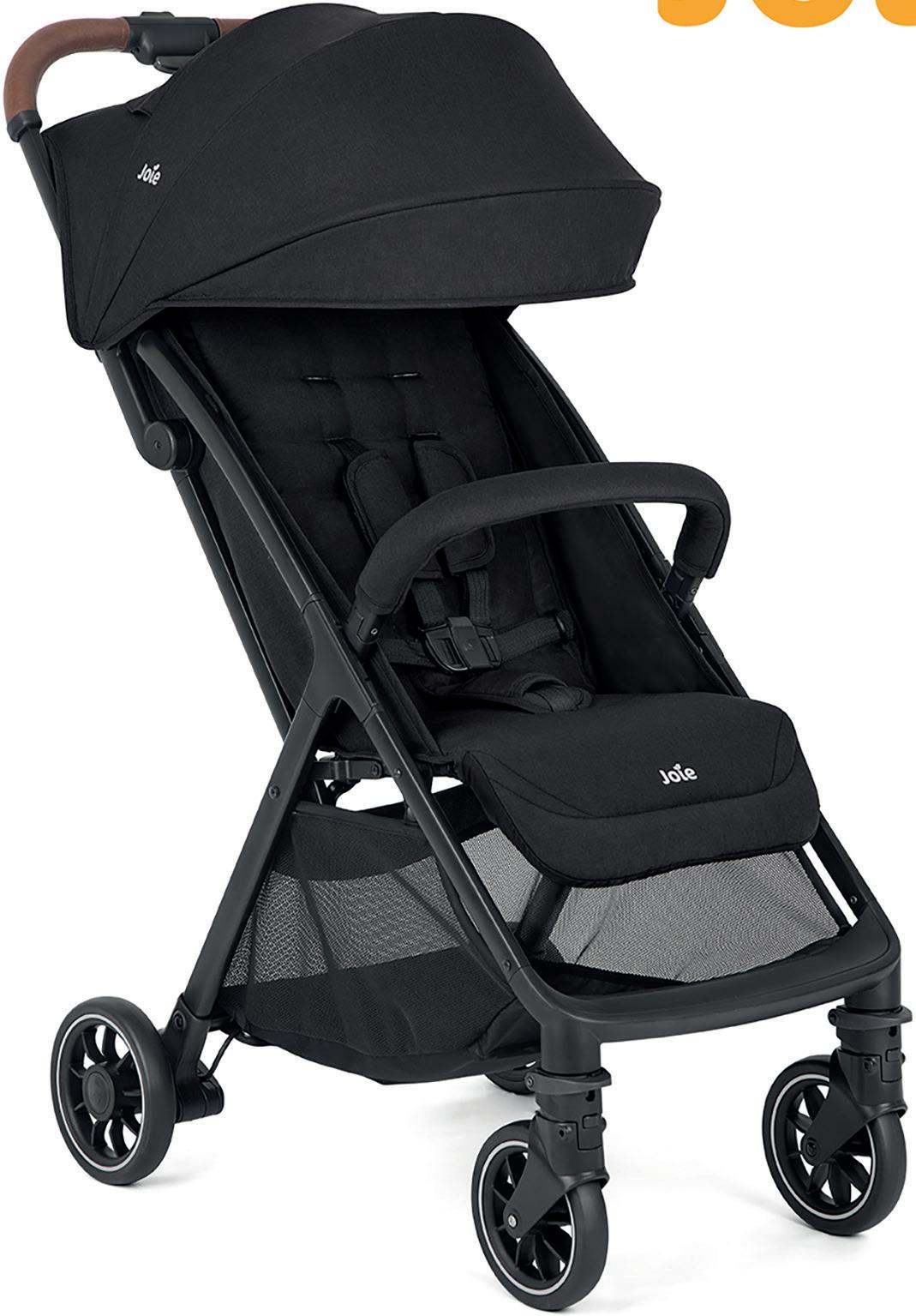
Pact pro, the newest compact fold to join the Joie portfolio.
Designed for every journey from birth to big kids, the pact pro is three strollers in one, compatible with Joie infant carriers and carry cot (sold separately). Whether little one wants to sit up and take in the sights or lie back and snooze, there is an option to suit, thanks to the multiple recline positions. Light as a feather, at just 6.3kg, the pact pro is super easy to fold with a quick one hand action, to create a compact, freestanding fold.
uksales@joiebaby.com www.joiebaby.com

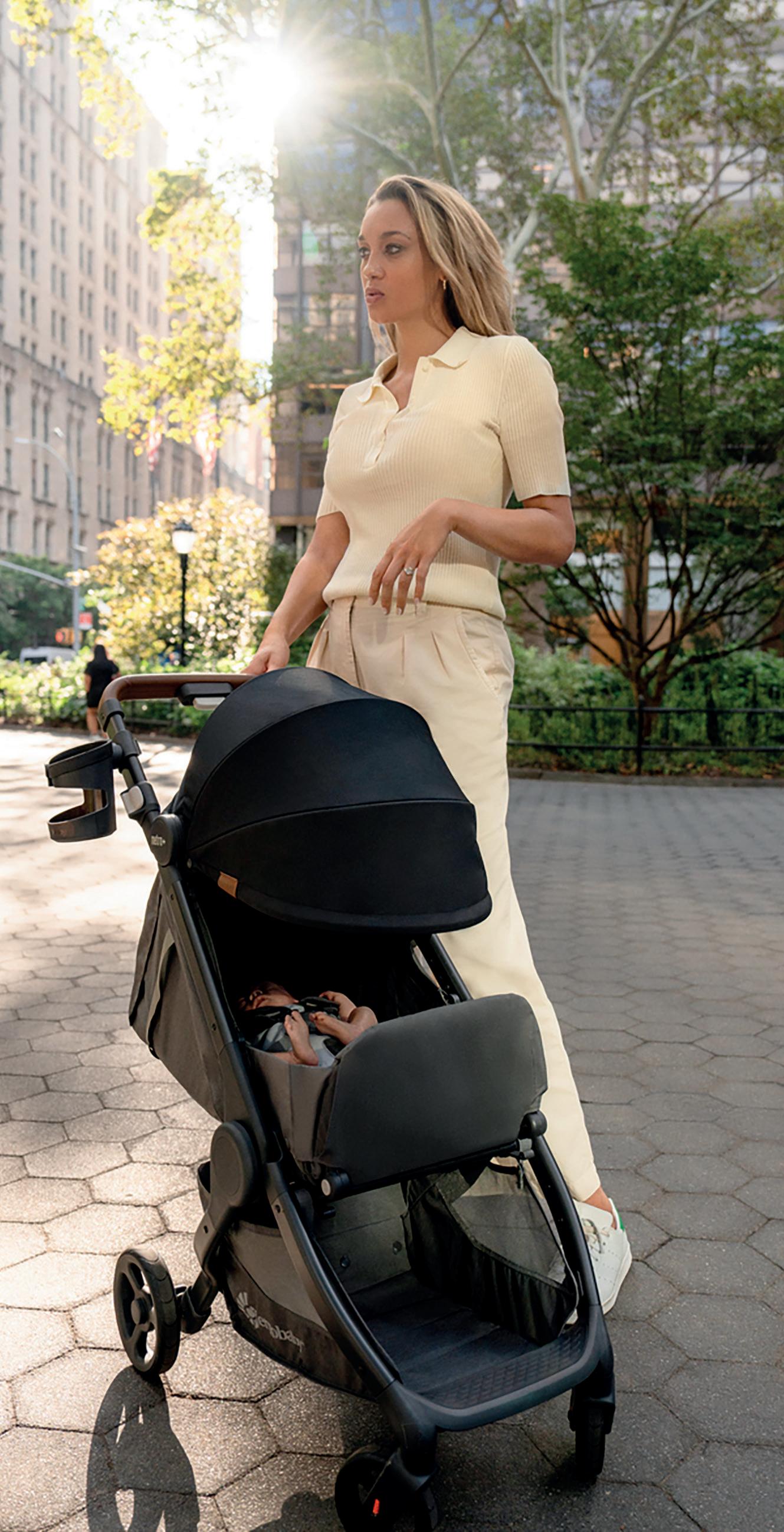
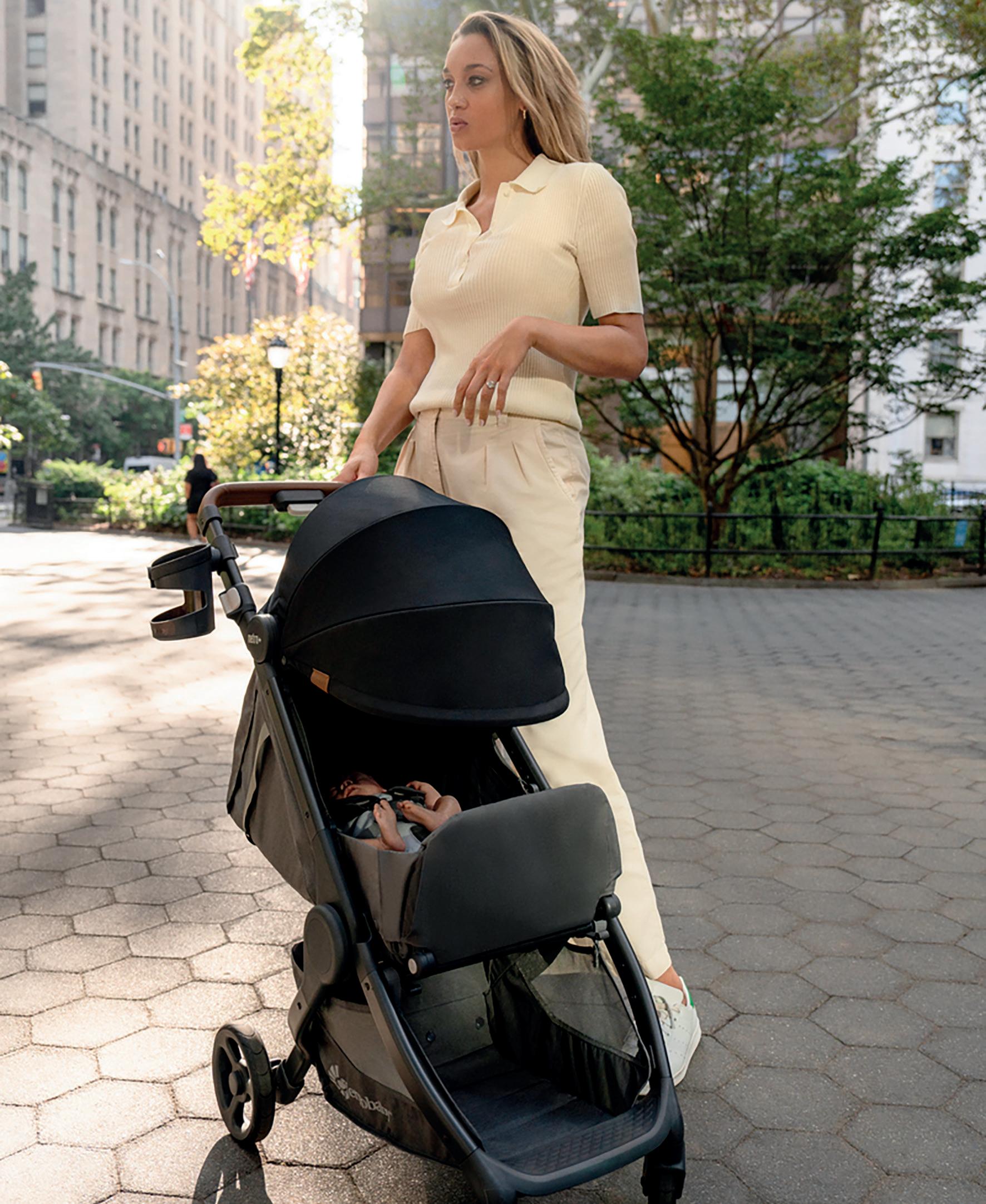
Ergobaby’s Metro+ strollers offer unparalleled comfort in an ultra-compact, lightweight design.
It’s innovative “newborn mode” combines a 175 degree near-flat recline and convenient flaps hidden in the large, adjustable footrest, making a cosy newborn nest with no extra pieces or tools required. It lasts up to four years old / 22kg, with plenty of accessories available. Lightweight and folding with one hand to just 54cm x 44cm x 25cm (making it cabin ready for most airlines), it’s loaded with luxury features like ergonomic padding, adjustable handlebar, large puncture resistant wheels and ample storage. For more information, please contact Claire Morris on the below for further information. cmorris@ergobaby.co.uk www.ergobaby.co.uk
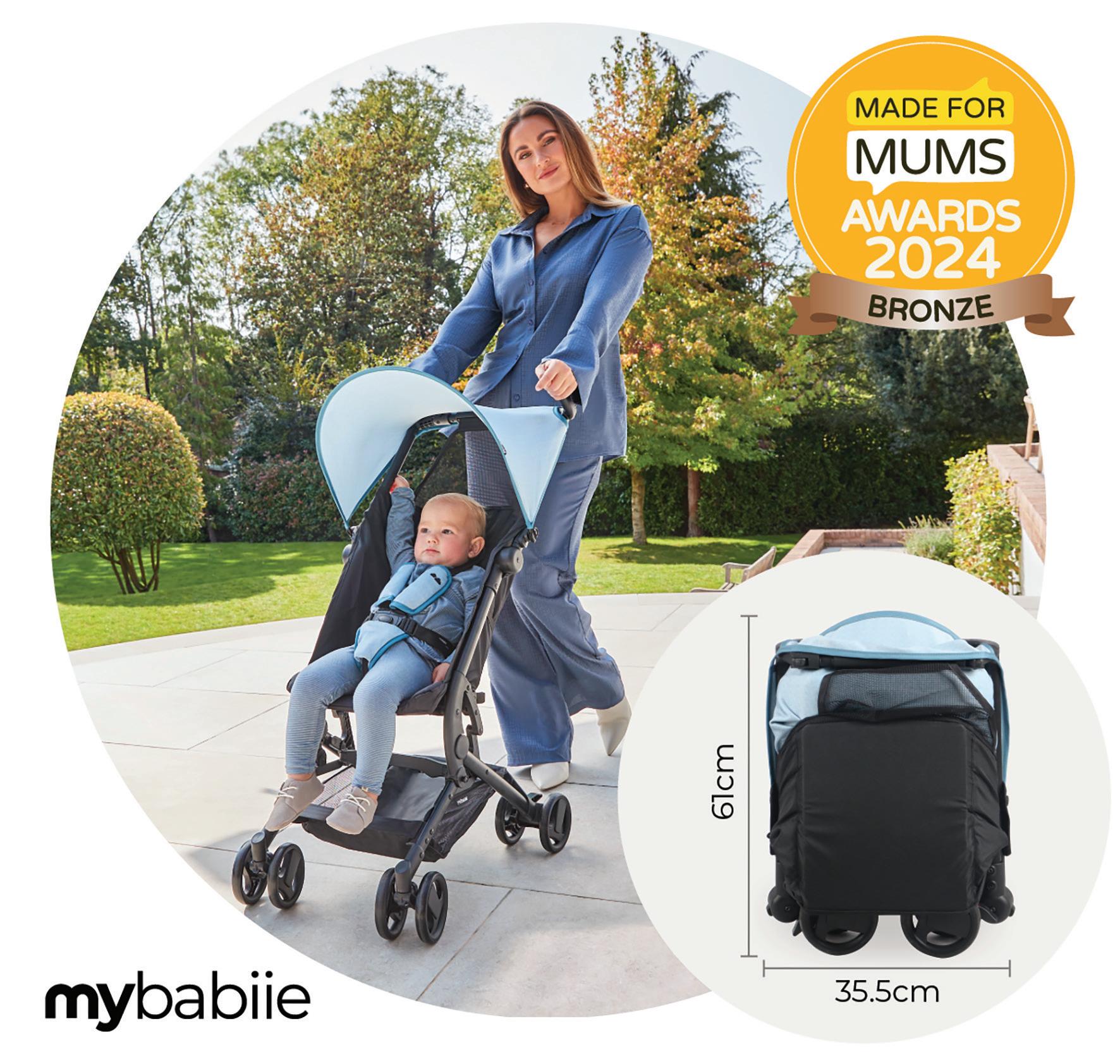
My Babiie unveils a game-changer for jet-setting parents: the Ultra-Compact Fold Stroller.
Engineered for seamless travel, its innovative design folds down to a fraction of its size, tting e ortlessly into airplane overhead compartments or compact car trunks. This travel essential combines portability with practicality, o ering convenience without compromising on comfort or style. Its sleek frame and ergonomic features ensure a smooth ride for little ones, while adjustable settings cater to varying needs. Whether navigating bustling airports or exploring exotic destinations, the My Babiie UltraCompact Fold Stroller is the perfect companion for families on the move, making every journey a breeze. michael@mybabiie.com www.mybabiie.com
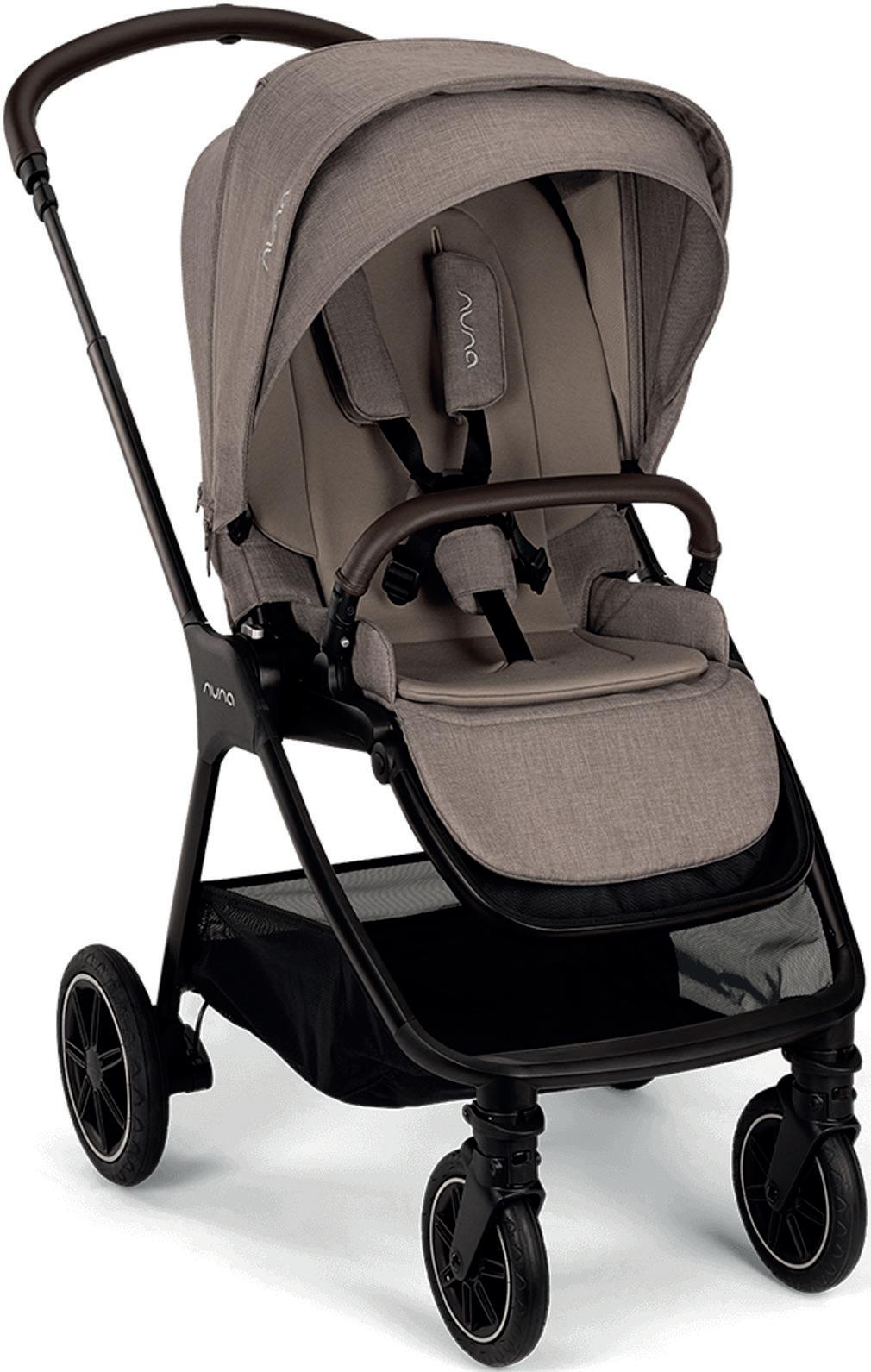
The TRIV next pushchair is a natural city dweller that quickly converts to a travel system, packs up easily and stands on its own when folded.
Engineered for convenience and comfort, the all-wheel suspension, one-touch braking system, and large rear wheels promise easy maneuverability and smooth strolls. This compact fold pushchair is cleverly designed with a seat that faces and folds both ways, no matter what direction the baby is facing.
The TRIV next is available in Nuna’s new fashions –Caviar, Cedar and Biscotti and is also compatible with the new lie- at LYTL carrycot to convert the stroller to a pram. www.nunababy.eu
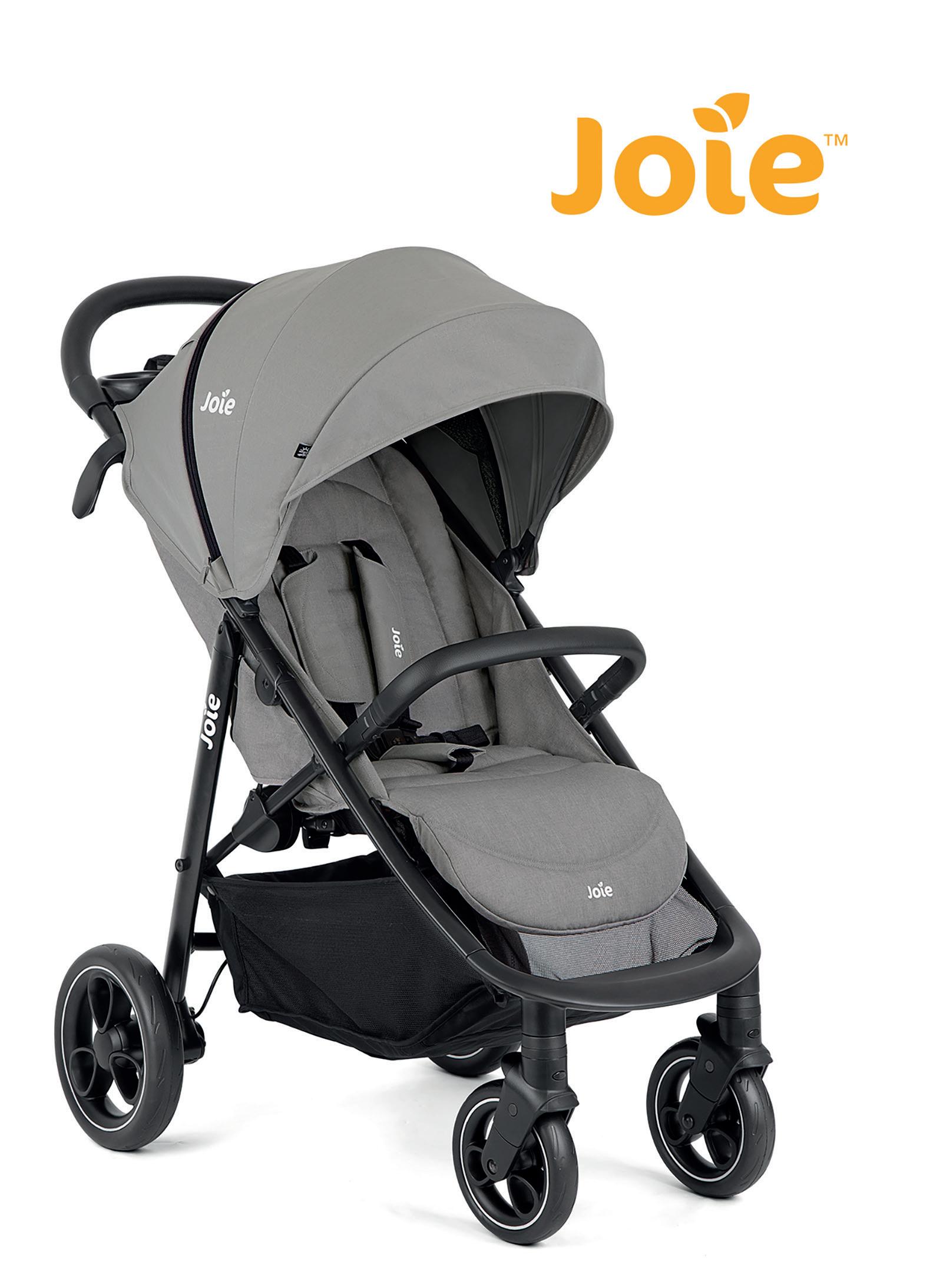
It’s time to go pro with the new litetrax pro from Joie, a lightweight, easy-fold stroller that is ready to roll on any adventure thanks to the luxe suspension and PunctureProof tyres. Packing up is easy even when hands are full – one quick tug of strap and the litetrax pro easily folds into a free-standing compact fold that’s perfect for tucking into small spaces or carrying on public transport. Transfer sleeping baby or adventure with busy toddlers – with carry cot, infant carrier and pushchair modes, you can create a versatile 3in1 travel system that meets a child’s needs from birth to big kid. uksales@joiebaby.com www.joiebaby.com
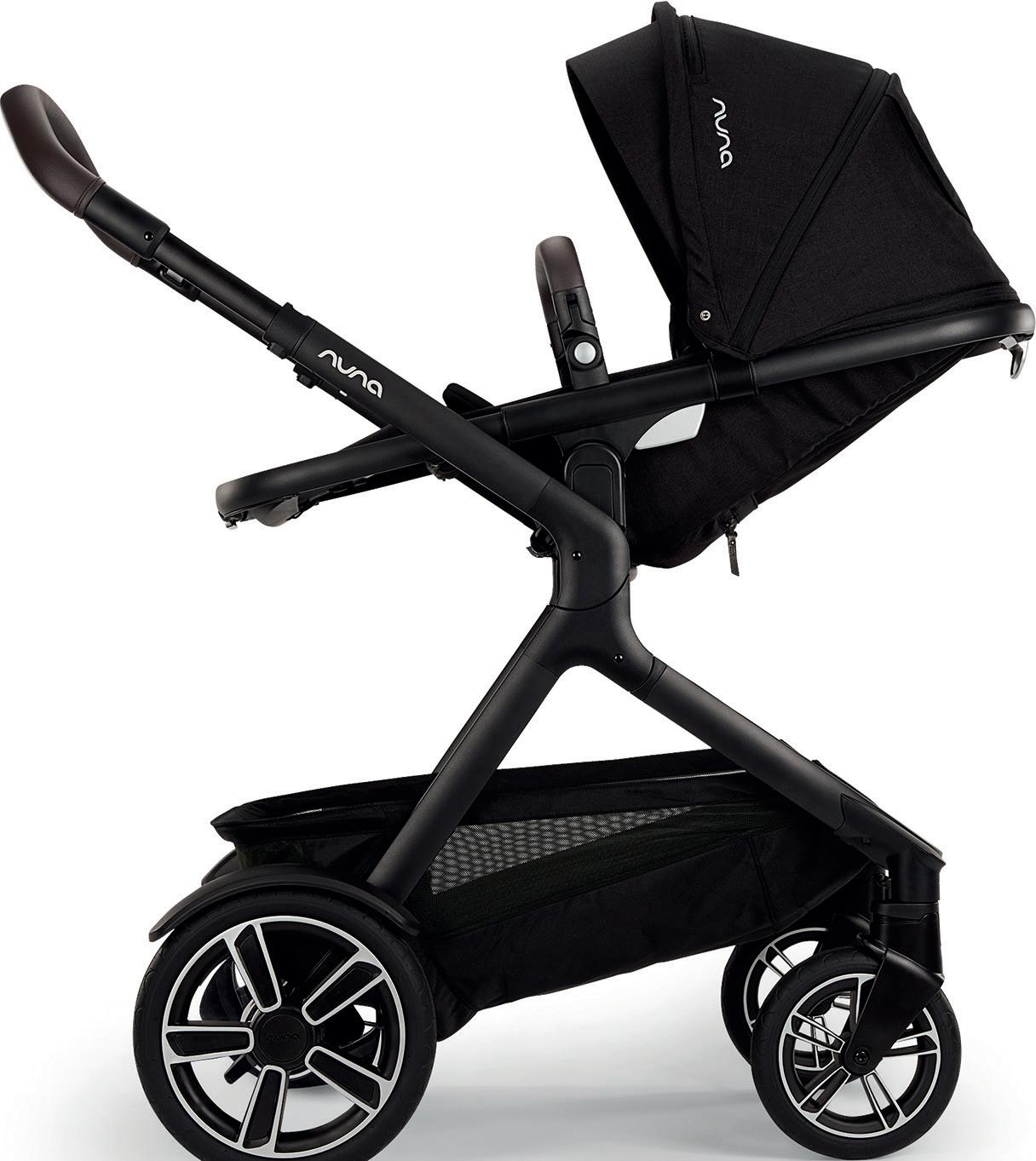

Crafted to grow with possibilities, the DEMI next and accessories cleverly convert a single pushchair to a double or twin.
With 25+ modes, the DEMI next is prepped to accommodate the family –its four recline positions and upright backrest angle enable exibility with every journey too.
New wide, swivel lock wheels make the DEMI next a master of maneuvering and super easy fold, self-guiding MagneTech secure snap buckles and one-touch brake system make travel smooth and simple.
The DEMI next and accessories – rider board, carry cot and sibling seat coming soon – combine to make the ultimate solution for modern living, providing options for every stage of family life. www.nunababy.eu
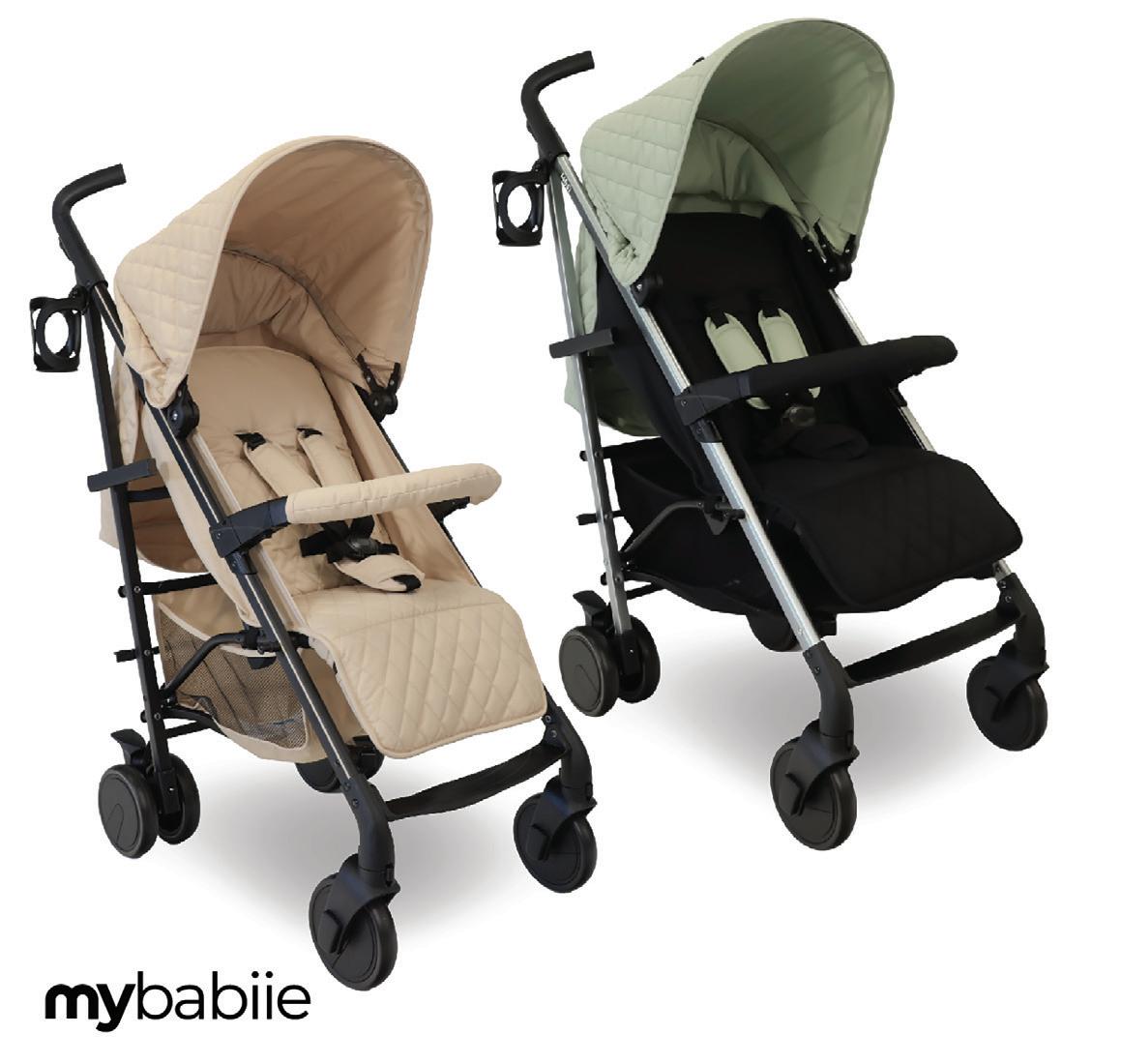
My Babiie unveils a harmonious blend of style and comfort with the latest Sage Green and Sand coloured MB51 Strollers.
Boasting luxurious quilted fabrics, these strollers rede ne elegance in parenting gear. The soothing tones of sage green and sand evoke a sense of tranquility, while the quilted textures add a touch of sophistication.
Beyond aesthetics, these strollers o er practicality with adjustable features to cater to growing infants and toddlers. From leisurely strolls in the park to bustling city adventures, My Babiie’s MB51 Strollers in Sage Green and Sand ensure both parent and child traverse in luxury and style, rede ning the essence of modern parenting.
michael@mybabiie.com www.mybabiie.com
Maxi-Cosi’s Oxford: the epitome of luxury and versatility in a 3-in-1 travel system.
Designed for urban living and family adventures, this sleek pushchair ensures a smooth and stylish ride from newborn to four years old. With puncture-proof wheels, soft suspension, and a spacious seat that reclines into a lie- at position, comfort is paramount.
The space-saving Oxford has an intuitive two-step folding mechanism and premium bundle options, including the Pebble 360 Pro baby car seat and FamilyFix 360 Pro base with SlideTech – a world- rst sliding innovation for car seats. Additional features include a magnetic quick-lock harness, pivotable bumper bar, vegan leather push bar, and UPF 50+ canopy for protection. www.maxi-cosi.co.uk
Nursery Today spoke with some of the industry’s nest to nd out their thoughts on strollers.



ACCOUNT MANAGER, ERGOBABY UK & IRELAND
What age range are strollers in the main designed for?




Parents want exibility and longevity, so a stroller that grows with baby from newborn to four years is an appealing option. Particularly for those whose lifestyle suits a more compact option from day one or those with plans for more than one child. Our Metro+ strollers switch from newborn to child mode in less than a minute without the need for a separate bassinet or tools. Car seat adaptability also increases the range of use for a stroller as does the option of accessories for an older child such as a support bar, cup holder etc.

How much emphasis do you feel parents place on maneuverability and ease of use?
A one-hand-push is the gold standard in manoeuvrability, allowing parents to safely push the stroller whilst also keeping one hand free to support another child, manage a pet, hold a drink, etc. This requires a lightweight but stable frame. Our Metro+ is made from aircraft aluminium tubing and tough nylon plastics. There are steel inserts in a couple of the joints making it strong and durable while keeping it lightweight and easy to push.
Are consumers seeking strollers that have recline positions?
Comfort is key in this category and a reclining seat is a vital function, particularly as many parents use strollers to accommodate naps on the go. The Ergobaby Metro+ Stroller’s near- at recline and large, adjustable footrest o ers baby total comfort whether awake or asleep from newborn through toddlerhood. The recline is controlled by an in nity strap making it fully customisable depending on the needs of both parent and baby. Many parents are also looking for a seat that can sit upright enough for even the most inquisitive toddler. A recline that makes a stroller suitable for newborn babies as well as older children is a bonus for those using a stroller from birth or intending to add to their family. Are fabrics looked at as a purchase deciding factor?
Fabrics are certainly a consideration for those considering a stroller although more often as a secondary decision once they have chosen their desired model and the features they need. We o er two di erent variations of our Metro+ stroller. Both use quality materials but the Metro+ Deluxe features upgraded materials, including vegan leather on the handle and safety bar, o ering extra durability and luxurious appeal for those who are willing to pay more for an added level of premium.
Is this a category that is researched online?
While many consumers will do the beginnings of their research online, there is still nothing that compares to physically seeing and pushing a pushchair or stroller in person. This can help parents and parents-to-be understand exactly how a product will t in their everyday lives, and they rely on retailers’ experience to ll in any gaps in their knowledge. Especially in discovering features that they weren’t already aware of. We o er all our retailers full product training to enable them to o er help and advice tailored to each family’s individual circumstances.
What are some common needs by parents who are seeking strollers and as a brand how do you address these within the design of your strollers?
Strollers used to be considered as a secondary option, something to move onto after a full travel system. However, there are now many consumers who choose a stroller as their rst choice. For example, those who don’t have space to store a full system, those who need a product that can be used with both a newborn and older child interchangeably, those who rely on public transport, a dog owner who needs a one-hand push, those who travel frequently, and consumers on a budget that don’t want to compromise on comfort or features. Our strollers cater to all these needs being compact, lightweight, and suitable from newborn to age four/22kg without any extra pieces or parts.
How do you ensure the durability and longevity of your strollers?
From materials to workmanship, Ergobaby products are built to last. To give consumers peace of mind we o er a two-year limited warranty against manufacturing defects in materials and workmanship. What do you feel are the main benefits to retailers who stock strollers either on their showroom floors or via their websites?
Stocking strollers is an opportunity retailers can’t a ord to miss out on. They appeal to a broad range of consumers with varying lifestyles and needs. By diversifying their range to include strollers alongside full size systems, retailers also increase their likelihood of being considered a one-stop-shop and encouraging repeat purchase.



What age range are strollers in the main designed for?

The main strollers are designed for use from birth up to around 3 to 4 years old but this is dependent on the child’s size and weight. Each stroller will have an upper weight limit that needs to be adhered to for safety reasons.
Are consumers seeking strollers that have recline positions?
Yes, we’re seeing a demand for strollers that are suitable from birth, so a recline feature is essential. Consumers want value for money, so a product that can be used for an extended period of time is important.
Do you feel that parents or caregivers are concerned about safe use of a stroller, for example, not to place shopping bags on the handles and with this in mind, do you feel that accessories that have been specifically designed to assist are in demand?
We see shopping bags placed over handles all the time! I believe it’s the responsibility of the manufacturer to remind families how to use the strollers safely and we use our social media platforms to keep channelling safety messages. What about weight and ease of fold? Is this something that is also looked at prior to purchase?
The weight of a stroller and how it folds are two critical factors when consumers are making a purchasing decision. There’s an increasing demand for lightweight, simple, and compact fold strollers that make getting from A to B with little one easier than ever.
What are some common needs by parents who are seeking strollers and as a brand how do you address these within the design of your strollers?
Parents want a stroller that’s safe, comfortable for their little one, stylish, lightweight, and compact to fold. Importantly, parents also want value for money. We factor all of these needs and desires into our stroller design and our popular and award-winning Myavo is the perfect example of this. It looks great, is one of the lightest compact strollers on the market, its one-hand, one-second fold is Graco’s rst automatic, stand-alone fold, and it’s priced highly competitively to deliver exceptional value for money.
How do you ensure the durability and longevity of your strollers?
Everything we design and manufacture at Graco is done so with durability and longevity in mind. The brand has been designing products since the early 1940s, so we have decades of experience and industry insight behind us. Today, we’re proud to be a brand parents know they can rely on and trust to deliver robust products that last.


How much emphasis do you feel parents place on manoeuvrability and ease of use?

I’d say they are two of the main considerations when purchasing a stroller. Take our latest addition to our travel range for example, the Aries Auto-Fold Stroller This ultra-lightweight buggy weighs just 6.1kg, making it our lightest stroller yet. It’s perfect for taking out around town or popping to the shops. It’s suitable from birth –22kgs and features an extra-large seat size, perfect for growing toddlers. With the multi-position seat recline, they can lie back and take it all in, or sit up for adventure.
What age range are strollers in the main designed for?

Are consumers seeking strollers that have recline positions?
Yes. Ensuring the comfort of baby, along with their daily needs are something we always factor into our designs. We’re very conscious that every child has di erent needs. Most of our strollers now have in nite strap recline which makes them even more adaptable.
Do you feel that parents or caregivers are concerned about safe use of a stroller, for example, not to place shopping bags on the handles and with this in mind, do you feel that accessories that have been specifically designed to assist are in demand?
Yes. Typically with strollers being more lightweight, parents need to be mindful of not putting too much weight on the handle bars and overloading it.
There are a whole host of accessories available but parents need to be mindful of whether they’re right for the travel system or stroller they have. Our travel accessories are extremely popular – so much so, we’re expanding our range this Autumn/Winter so watch this space… Are fabrics looked at as a purchase deciding factor?
Parents want and need their stroller fabric to perform and stand the test of time (and weather!). Whether they’re UV50+ or showerproof, for example. Aesthetically, parents want these to look nice too hence why we factor high performance fabrics into our range of trend-led colour options that are easy to clean too. What about weight and ease of fold? Is this something that is also looked at prior to purchase?
Yes, these are de nitely a consideration. Here at Ickle Bubba, we strive to make our strollers as easy to use and lightweight as possible. It’s striking the right balance within the range too. For example, parents may be seeking a stroller for occasional use on holiday or looking for a more robust everyday option that is designed to handle multi-terrain. We like to think that we have something for everyone in our stroller range.
Is this a category that is researched online?
Absolutely. Not only do we know this from the visits we see to our own website but more and more, parents are looking to our social channels to research products and for product guidance and inspiration. Using social channels such as Instagram and TikTok gives us the opportunity to show real parents using our products in everyday situations that parents can relate to.
Are there any emerging trends or innovations in the stroller industry?
We are tending to see customers gravitate towards compact and lightweight strollers but having said this, two of our best-selling products are our Venus Double Stroller and our Venus Jogger so again, there is still very much a need for a more robust, everyday stroller. This is something we’ve recognised and as a result, you’ll see us introduce our newest member of the Ickle Bubba travel family this month – the Stomp Stride.
What are some common needs by parents who are seeking strollers and as a brand how do you address these within the design of your strollers?
Whether parents are looking for something lightweight and compact for a trip away; a double buggy for twins or siblings or something to suit their more active lifestyle, we have made sure we can o er their needs. For example, the Aries Auto-Fold Stroller is our most lightweight stroller yet at just 6.1kg. Meanwhile, our Venus Double Stroller is ideal for two little ones or twins as it comes with the optional newborn cocoon – watch out for a brand new biscuit colourway coming soon! Likewise, the Venus Jogger is designed for getting out and about in the great outdoors for walks and then jogs (from nine months onwards). Add our new Stomp Stride into the mix and we really do have something for everyone.
How do you ensure the durability and longevity of your strollers?
All of our strollers undergo rigorous durability testing through production and they are designed for children up to approximately four years of age, with the exception of the Venus Double. We are a brand known for providing stylish and a ordable solutions that make parenting easier so ensuring the longest usage possible, wherever possible, is our mission.
Our two newest strollers, the Aries and Stomp Stride have larger seats than other strollers, meaning that although the weight restriction is 22kgs, the seat provides more space for taller children.
Can you provide any insights into whether we are seeing any growth within this category?
The fact that we’re expanding our range of strollers with the launch of our Stomp Stride stroller is a good sign that the stroller category is ever-increasing in popularity. What we tend to nd is that parents will come to us after purchasing a travel system; making a secondary purchase when they’re ready to convert to a more lightweight and portable travel option.
Although Inglesina designs its strollers to be used for any age according to the regulations, we strongly recommend them to only be used for when the baby can no longer sleep in a carrycot.



Our Quid2 stroller is great for baby’s rst holiday. It lies almost at for sleeping, has a large extendable hood, is extremely light weight and is easy to fold. We nd most people tend to use a stroller from around 6 months.
How much emphasis do you feel parents place on manoeuvrability and ease of use?
This is important of course. Being able to push and steer it are an obvious priority, but The consumer always wants to see how small the stroller folds & how easy it is to do it. They want to know it will be easy to do with baby and luggage in tow!
Are consumers seeking strollers that have recline positions?
Yes absolutely. They want to know that their child will be able to sleep comfortably as at as possible. They want to know their child would be as comfortable in a travel pushchair as they are in their regular pram.
What about weight and ease of fold? Is this something that is also looked at prior to purchase?
The travel or lightweight stroller purchase is viewed with a more practical eye, so whilst colour and fabric is still very important, we nd it is the key features such as ease of use, the fold, weight, a large seat, recline and a hood which gives good coverage matter much more to parents buying for their baby and toddler.
What are some common needs by parents who are seeking strollers and as a brand how do you address these within the design of your strollers?
Ease of use, the fold, weight, a large seat, recline and a hood which gives good coverage matter to parents buying for their baby and toddler.
We listen to all consumers questions and use them as a guide, then we look at buying trends to see what is most important to today’s parents. We feature ll our items with necessities and take three years to design and launch our new strollers.
How do you ensure the durability and longevity of your strollers?
We in house test to 10x the safety test requirements - We have our own real-world testing facility made especially to simulate conditions of the world Inglesina sell in. We engage users to try and test our products over a period of time.
Can you provide any insights into whether we are seeing any growth within this category?
We have noticed some consumers are attempting to save money by buying a stroller instead of a pram, but overall, it’s stable volume. However, the sector has become much more competitive with new entrants appearing constantly.
What do you feel are the main benefits to retailers who stock strollers either on their showroom floors or via their websites?
I think the fact there is a lot of demand as every family will buy one at some point. They are great to upsell your travel system customers into, but also attract new customers who may not have shopped with you rst time around.


What age range are strollers in the main designed for?
Like most pushchairs, a lot of strollers are suitable from birth up to 22kg, so well over 4 years. They’re primarily used as a second, lightweight option for leaving at grandparent’s house or for travel. Quite often though, the stroller becomes the preferred option once children are a little older and may want to walk a bit more.
Do you feel that parents or caregivers are concerned about safe use of a stroller, for example, not to place shopping bags on the handles and with this in mind, do you feel that accessories that have been specifically designed to assist are in demand?


Safety is always going to be a key factor for parents, but the safe use of strollers is perhaps not always as apparent. At Joie, child safety is at the heart of everything we do which is why we never recommend the use of accessories like buggy boards or bag clips, with our products. Instead, we focus on making our products as user friendly as possible – for example we try to negate the need for bag clips by creating roomy, easy to access storage baskets.
Are fabrics looked at as a purchase deciding factor?
Fabrics and aesthetics are certainly an important factor, thus we created our signature range for the discerning parent looking for those extra nishing touches. However, there are other more important factors for the savvy, experienced parent – canopy size, fold and weight may be more important particularly if it is going to be used for travel.
What about weight and ease of fold? Is this something that is also looked at prior to purchase?
It is a key aspect parents consider when purchasing a pushchair and can be a deciding factor if they can’t choose between two products. In terms of strollers speci cally, parents are willing to sacri ce product features if it means shedding a couple of extra kilograms, it can make all the di erence when pushing for hours or carrying any distance!
Is this a category that is researched online?
Social media allows for quick and simple videos highlighting the ease of fold and transportation within this category, so the online and social research tools are essential to ensure awareness of these key features.
Are there any emerging trends or innovations in the stroller industry?
The traditional stroller has always used a fold similar to that of an umbrella and although they tend to be light, they are also long and can be di cult to t into smaller car boots. The latest trends use a compact, at fold design, making them easier even lighter still and also easier to t into car boots, although there are some that feature the 3D fold that allows them to be ultra-compact.
What are some common needs by parents who are seeking strollers and as a brand how do you address these within the design of your strollers?
Parents are looking for versatility and longevity with these products. The new compact fold strollers o er parents an extra level of versatility, often coming with ‘travel system’ capabilities that allow an infant carrier to be connected. Models like the Joie tourist, Pact Pro & Parcel all allow a carrycot to be connected as well, providing an ideal solution for parents who need a light weight, compact solution. How do you ensure the durability and longevity of your strollers?
You can extend the life of a stroller simply by increasing its weight capacity, with many now going up to 22kg, due to this the structure and materials used in construction are of a higher speci cation. Adding features like compatibility with a carry cot and infant carrier also increases the usage. In terms of making them more durable, features such as foam lled rubber tyres that won’t puncture and are able to cover all terrains will help keep parents and little ones rolling for longer. We also o er advice out to our consumers on simple stroller maintenance which will help to prolong the life of their product.
What do you feel are the main benefits to retailers who stock strollers either on their showroom floors or via their websites?
In some cases, families will purchase a compact stroller at the same time as the main pram as children will be going to nursery, grandparents or childminders from an early age, so having the convenience of a smaller folding stroller is very appealing. Retailers can achieve that extra sale by highlighting that families are likely to need a stroller eventually anyway, and having a second option to keep at grandparents or in a partner’s vehicle can certainly make life a lot easier. With the added bonus that many of these can share the same infant carriers and sometimes even the carrycot, then it can be a great additional sale at that rst point of contact.

How much emphasis do you feel parents place on manoeuvrability and ease of use?
Manoeuvrability and ease of use are crucial factors for many parents because it directly impacts their everyday experience when using the pushchair. A stroller that is easy to manoeuvre can make navigating crowded spaces, tight corners, or uneven terrain much more manageable. Features like simple folding mechanisms, adjustable handles, and intuitive controls contribute to the overall convenience and ease of use.





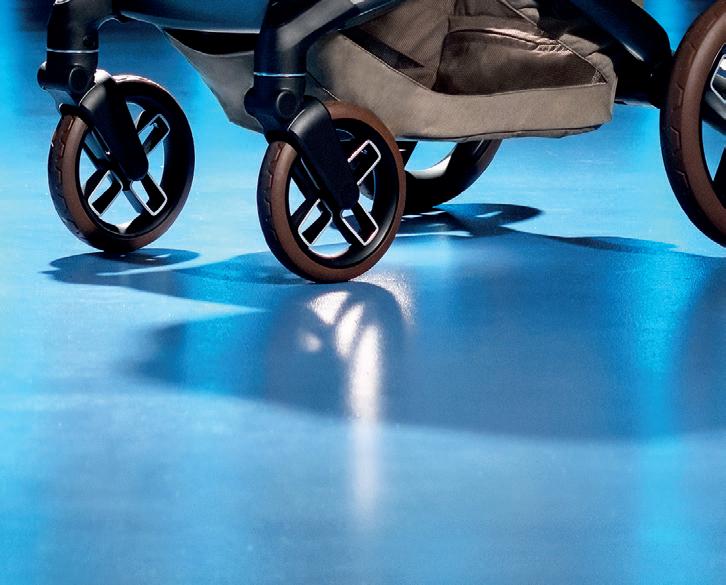
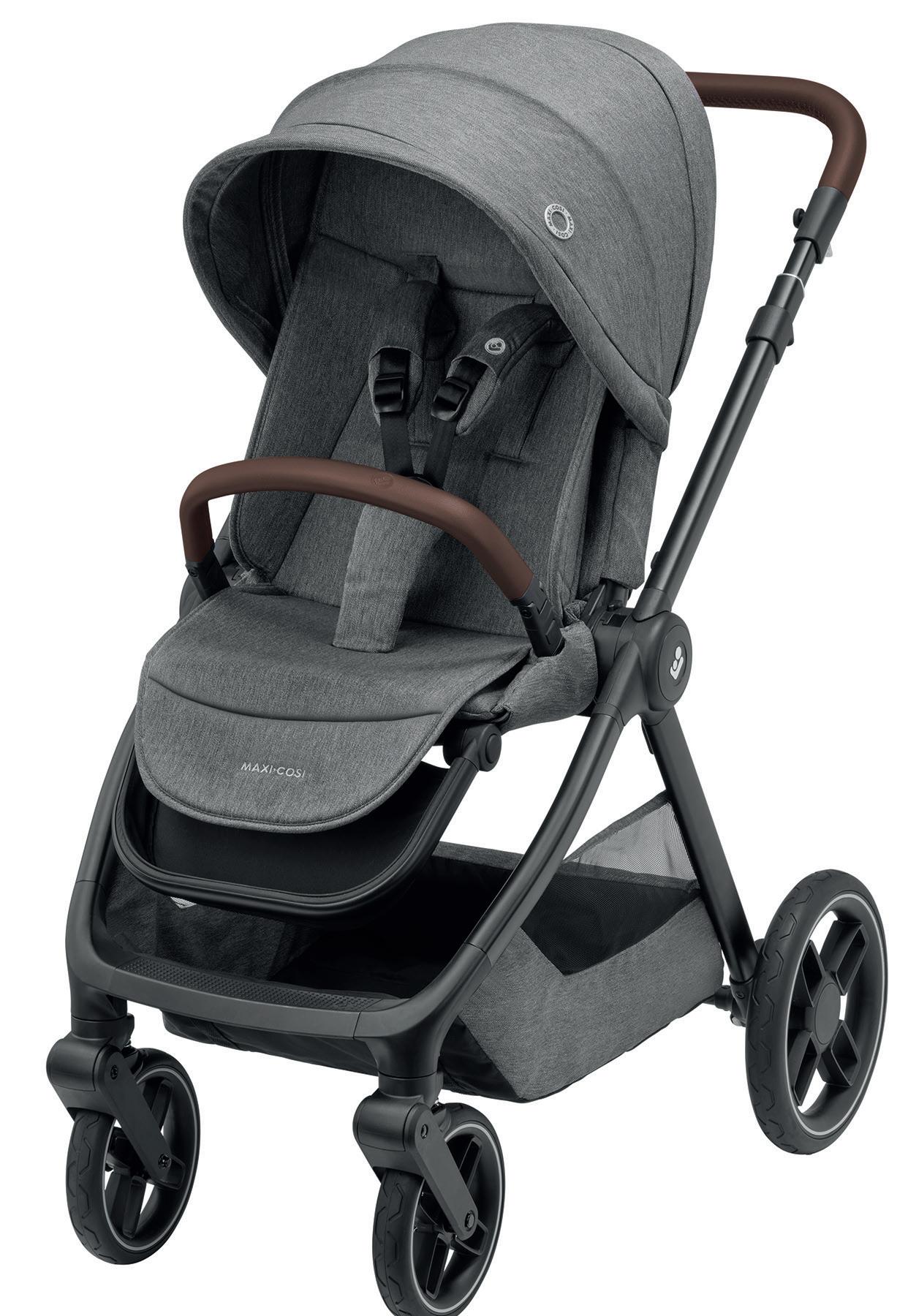
Functionality and parent-centric features are key to the design of Maxi-Cosi’s two new pushchairs: Fame and Oxford. For example, the stylish Fame boasts a heightadjustable carrycot to ensure parents of all heights can achieve premium comfort when lifting their newborn in and out. It also has all-terrain wheels and state-of-the-art suspension, plus an intuitive compact folding system, similar to Maxi-Cosi’s new ultra-luxe Oxford pushchair. This product also o ers an easy-to-grip plush leather push bar, pivotable bumper bar, extendable UPF 50+ canopy, and memory buttons for easy and convenient seat release.
Are consumers seeking strollers that have recline positions?
Consumers are seeking strollers with recline positions and this is re ected in Fame’s design, which boasts a carrycot with an integrated SoothingSlope so parents can easily adjust the incline to aid with re ux and discomfort. As baby grows, the seat option provides an ergonomic lie- at seat with multiple recline positions. Similarly, Oxford’s design o ers a one-hand recline for easy transitioning between upright and sleeping positions to ensure optimal comfort and sleep for babies.
Do you feel that parents or caregivers are concerned about safe use of a stroller, for example, not to place shopping bags on the handles and with this in mind, do you feel that accessories that have been specifically designed to assist are in demand?
The Maxi-Cosi brand is synonymous with safety, which is paramount for parents. With this in mind, we have integrated an innovative LumiRide LED lighting system in Fame, located in the lower frame, to illuminate darker streets and pathways to always keep parents and babies safe and visible. Both pushchairs come with a large storage basket underneath that carries up to 10kg of essentials.
Are there any emerging trends for strollers? Multi-functionality and parent-centric features, technology Integration, advanced safety features, eco-friendly materials and compact lightweight design are emerging trends we have embraced at Maxi-Cosi.

This month Nursery Today caught up with Online4baby’s new Head of Design & Brand Creative, Zoe Fernyhough as she returns to the Nursery Industry in her exciting new role.
Zoe, welcome back to the nursery design world. We’re so excited for you to get stuck in! What drew you back into the industry, and what excites you the most about joining the Online4baby team?
Thanks! I’m excited to be back in the nursery design world. What drew me back was my genuine passion for creating beautiful and functional products for baby and children, as well as the evolving landscape of the industry. Joining the Online4baby team is really exciting for me. I’m impressed by the company’s dedication to providing good-quality products at a fantastic price.
As you step into your role as Head of Design & Brand Creative, can you share a bit about your background and previous adventures in the world of nursery design?
Stepping into the role of Head of Design, I bring with me over 20 years of experience in the design industry. During my time as Head of Design for Mamas & Papas, I had the privilege of overseeing all aspects of product design and creativity. My responsibilities included curating the brand’s visual identity across various touchpoints, ensuring consistency and excellence in every aspect, whether it was designing products, creating catalogues, or developing in-store point-of-sale materials. I played a pivotal role in crafting the look and feel of the brand, ensuring it resonated with the target audience and communicated the brand values effectively.
What’s one design project from your past that still brings a smile to your face when you think about it?
One of the most exciting opportunities I’ve had was being part of the Mamas & Papas concept store on Northcote Road, London.
This boutique store not only featured Mamas & Papas products but also housed a yoga and event space downstairs. We collaborated with a local artist to commission a beautiful mural, which added a unique touch to the store. This project marked a significant shift for Mamas & Papas, emphasizing a focus on providing a distinctive and memorable shopping experience for new mothers. It was incredibly rewarding to be involved in creating a space that offered more than just products, but also a sense of community and connection for the customers.
Any hints you can share about what nursery trends we might expect to see from Online4baby in the coming months?
Absolutely! While I can’t give away all my secrets, I can share some hints about the nursery trends you might expect to see from Online4baby in the coming months. One trend I’m excited about is the continued popularity of creating zen and calm environments for babies. Focusing on incorporating soothing elements like soft pastels, natural materials, and minimalist designs to create tranquil spaces that promote relaxation and well-being for both babies and parents.
Additionally, looking at multifunctional nursery furniture that maximises space and functionality without compromising on style. Think convertible cribs, modular storage solutions, and versatile seating options that adapt to the changing needs of growing families. Furthermore, the growing interest in eco-friendly and sustainable nursery products. Looking at sourcing items made from organic materials, recycled fabrics, and non-toxic finishes to create healthier environments
I’m excited about creating inclusive and accessible designs that cater to all families, regardless of their cultural background, lifestyle, or budget.
for babies while minimizing the impact on the planet.
With Online4baby’s diverse customer base, what are you most looking forward to in terms of designing for this audience?
With Online4baby’s diverse customer base, I’m most looking forward to the opportunity to design for a wide range of families with different backgrounds, preferences, and needs. I’m excited about creating inclusive and accessible designs that cater to all families, regardless of their cultural background, lifestyle, or budget. I’m eager to ensure that every parent feels represented and empowered to find products at Online4baby that reflects their unique identity and values. We know the nursery industry can be both rewarding and challenging. What’s one thing you’re eager to tackle or change as you join the team?
One thing I’m eager to tackle as I join the team is to enhance our focus on sustainability and eco-friendliness. While the industry has made strides in this
direction, there’s always more we can do to minimise our environmental impact. Tell us about a memorable moment from your design career that reaffirmed your love for creating beautiful and functional nursery products.
A highlight from my career that reaffirmed my love for creating beautiful nursery products was when I saw my daughter wearing and using something I had designed. I felt so proud and realised I’ve designed some fantastic products, that not only looked great but were super functional too. Seeing her enjoying and benefiting from something I had created with care and thoughtfulness was incredibly rewarding. It confirmed to me that the products I design not only meet the needs of families but also bring joy and satisfaction to their everyday lives.
Thank you for your time Zoe, and welcome again to the Online4baby family and we wish you every success in your role as Head of Design & Brand Creative.
Online4baby are delighted to be a Which? Recommended Provider for Baby & Child Retailers 2021.


Pramland’s John Barker takes a look at how modern parenting is being considered and how brands, such as Maxi-Cosi are stepping up to ensure they keep on trend with products targeting Millennials and of course GEN Z parents.
THANK YOU to Maxi-Cosi for a fabulous event over in Portugal. Not only did they treat us all like royalty, but they put on an amazing show too. Every member of the Dorel team showed us unprecedented levels of hospitality and the hotel was simply stunning. Best of all, and to round this wonderful event o the team unveiled their latest travel system – the rather awesome Fame. I’m showing my age here a little, but back in the day Maxi-Cosi used to sell the Mura3 and 4. If you asked me to draw a list up of my all-time favourite products the Mura would certainly appear in the top 10.
For me the Fame gave me the same feeling as the Mura did all those years ago. Exceptional build quality, re ned and usable. But where the Mura ended the Fame takes over and brings even more to the party. How you encapsulate all of this in one presentation I have no idea, but Dorel managed it! Lights, music and bucket loads of atmosphere the unveiling was a technological feat using VR headsets and lots of good-looking people pushing the latest high-end stroller on the market. So, to summarise, welcome back to the wheels market Maxi-Cosi! I
don’t want to throw shade over the other new option, the Oxford but Fame is something special and I for one cannot wait to start selling it in store.
This month I want to discuss something that was raised by Dorel at the event. Something that got me and many of the other attendees thinking and chatting (in the bar later) – We are all old school! The general concept behind the Fame is to o er modern parents a stroller that not only meets their needs and desires but is marketed and represented in a way that Millennials and Gen Z will want.
As someone that is rapidly approaching the ripe old age of 50 I’m two feet in Generation X, a generation that grew up during a time that saw huge changes in the world. It’s a generation that was faced with an option, adapt or get left behind. Most of my friends are my age and I would say a good portion of us have never really moved on from the 80’s and 90’s. I still call saving something to me Sky Planner as “taping”. I band 80’s pop culture references around like my life depended on it yet and I use them in front of people that have no idea what I’m talking about. My son, Jacob is
This month I want to discuss something that was raised by Dorel at a recent event. Something that got me and many of the other attendees thinking and chatting (in the bar later) – We are all old school! The general concept behind the Fame is to offer modern parents a stroller that not only meets their needs and desires but is marketed and represented in a way that Millennials and Gen Z will want.
soon to turn 20 and he loves nothing more than to use words and phrase I can’t even begin to understand but feel compelled to use (invariably incorrectly) at every given opportunity, much to his amusement. I simply console myself in the fact that as a Gen X I can fall over without having to going in emotional counselling for a month, unlike these newer, snow ake generations.
The ironic thing about the Fame reveal was that the presentation centred on the product and brands desire to move forward, to o er a
product that tomorrows parents want. Yet, in hindsight I nd it comical that they chose the name Fame. To Millennials and Gen Z I assume this conjures up the thoughts of prestige brands, red carpets and the fact that in today society anyone can be famous, to 60/70% of the people sat watching the presentation (aka as the Gen X’s and older in some cases) our internal Sony Walkman’s simply started blasting out Irene Cara’s Fame. Admit it, the song just popped in to your head then didn’t it?
So, I’m a dinosaur. I need to resign
I admit the world moves, but we’ll all just need to run faster to keep up. Facebook may be old school these days, it’s all about TikTok now. Remember, we all managed to crack MySpace and Facebook so why can’t we crack this latest platform too? The truth of the matter is that if you can sell, you can sell. It doesn’t matter what it is that your selling, selling is selling.
myself to the fact that it’s slippers and cardigans from here on in. Forget about fun holidays, drinking and whizzing around of speedboats listening to the rather epic Panama by Van Halen and pass me the Saga Holidays catalogue. I don’t think so Tim! (if anyone can identify that rather subtle 90’s pop culture reference let me know). I may make a noise every time I stand up, I may tell everyone younger than me that we had it better back then but I aren’t done yet!
I admit the world moves, but we’ll all just need to run faster to keep up. Facebook may be old school these days, it’s all about TikTok now. Remember, we all managed to crack
MySpace and Facebook so why can’t we crack this latest platform too? The truth of the matter is that if you can sell, you can sell. It doesn’t matter what it is that your selling, selling is selling. Get passionate about the products you sell. Enthuse about what you are demonstrating, and the customer will pick up on this and spend with you. If all else fails pull the “take pity on me, I’m an old duffer” card.
Sadly, Generation X seem to buy in to whatever Z list celebrity is pushing this week on their socials. It’s a bubble that will eventually burst – the time of the influencer is nigh. As consumers suckle from the teat of these false celebrities more and more, they will

eventually realise that they are losing their own identity. They are losing the ability to make their own decisions and that’s a powerful realisation. Think about it, before “on demand” we all consumed advert after advert. Now we all pay a premium to services so that we aren’t subjected to these same adverts. How long before your average Joe on the street decides he doesn’t want to be sold to at every turn from his little box of tricks in his pocket. He wants to experience the products he or she may like. Making one’s own mind up is part of being human – we
can make good decisions and we can equally make bad ones, but the fact is that we’ve made a decision, and this is precious.
And there you go; I feel substantially better getting that off my chest. I look forward to the coming years where I’ll no doubt be proved completely wrong. If all else fails I guess I could start playing Call Of Duty online for a living whilst my subscribers pay me to sup litres of Prime and shop from my ever growing range of poor quality direct from China items I have for sale on my TikTok shop.



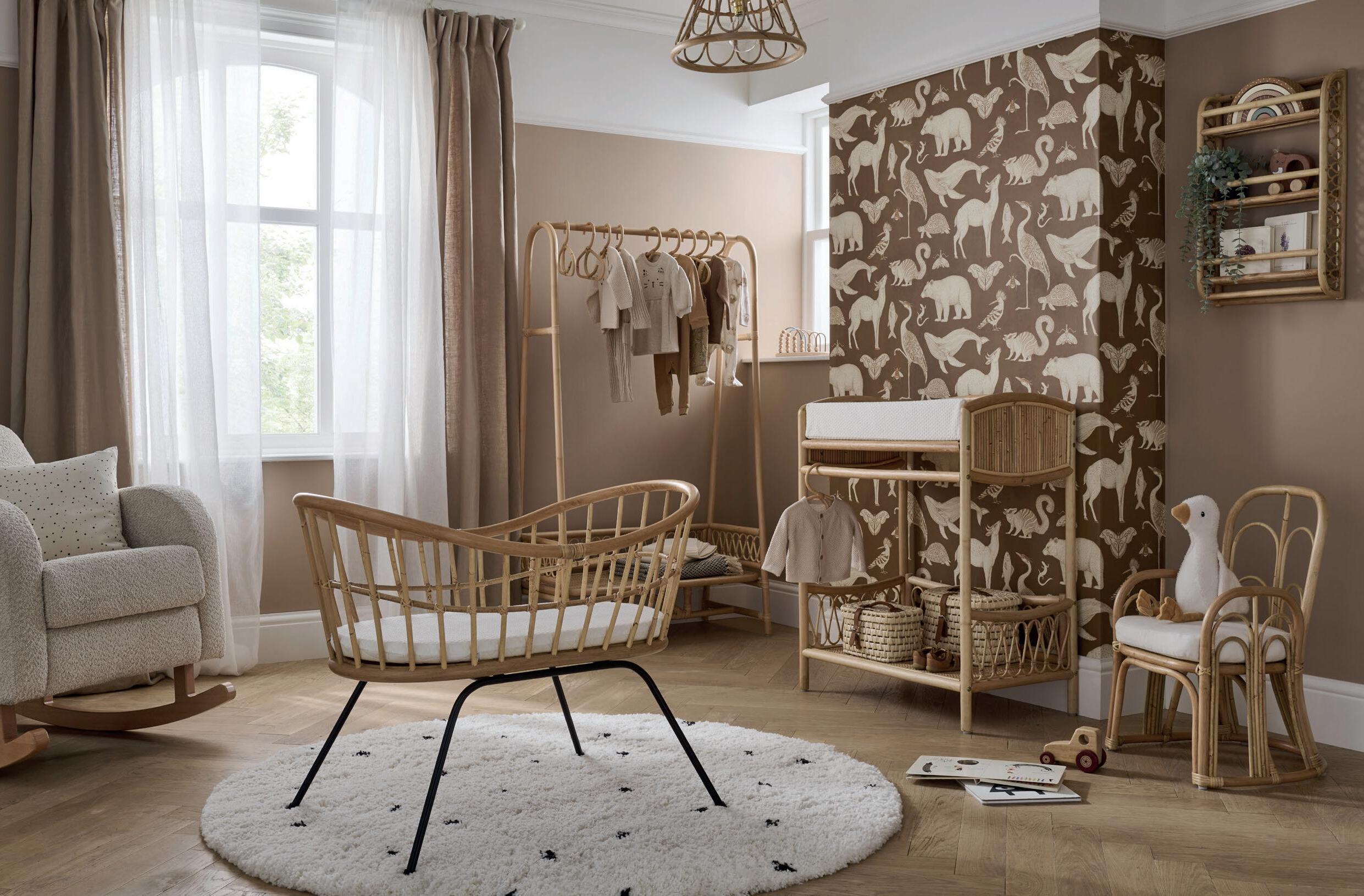



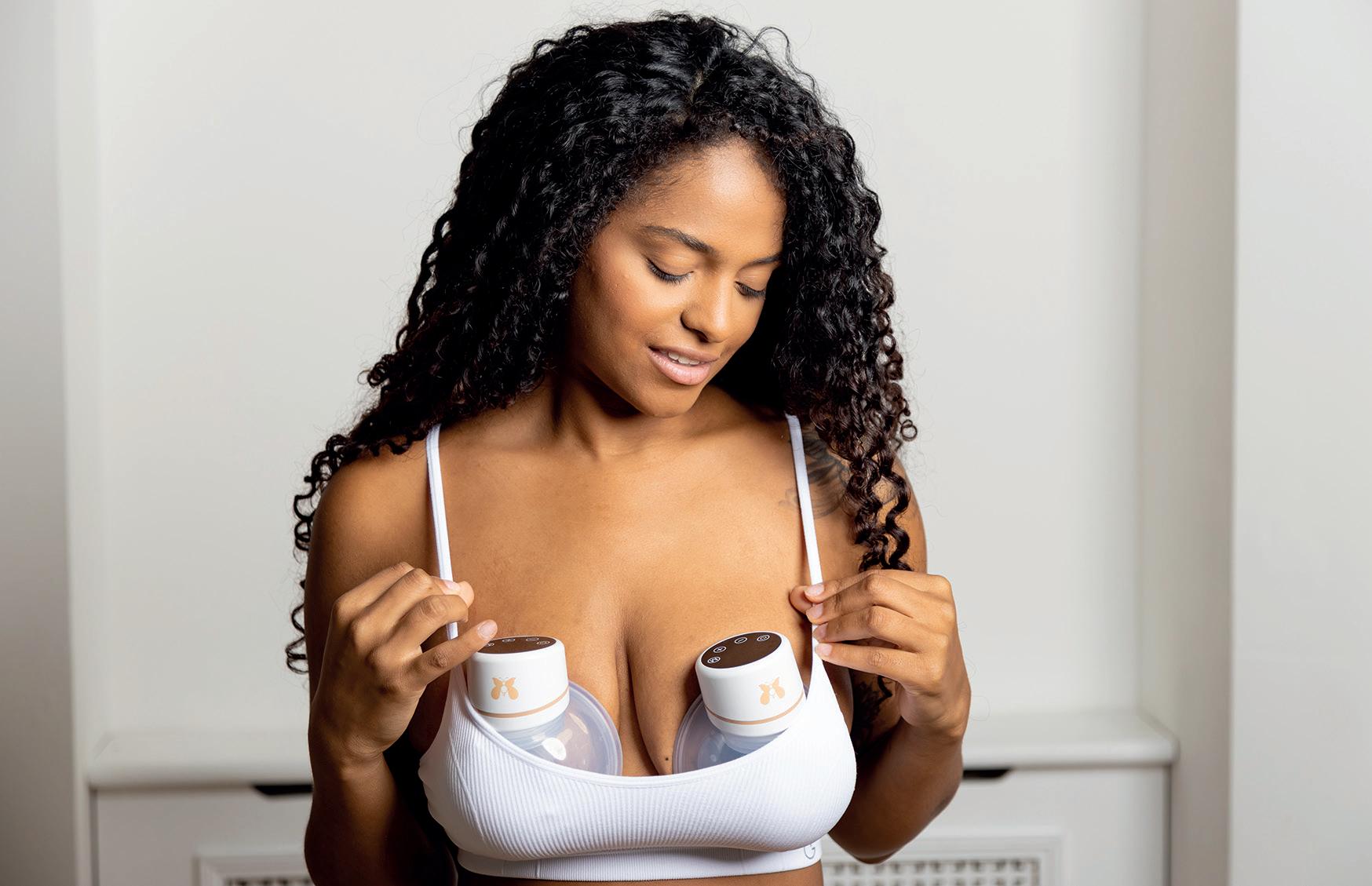

Expressing milk is something mums do on a regular basis when choosing to breast feed.
Breast pumps have revolutionised breastfeeding over the years, o ering exibility and convenience for nursing mothers.
Fortunately, to cater to the needs of breastfeeding mothers, or indeed giving fathers or caregivers the opportunity to feed and bond with baby when bottle feeding, there are now many options available. For example, manual pumps are a cost-e ective and portable solution and are ideal for occasional use, whereas electric pumps, with their adjustable suction levels and faster pumping times, cater to frequent users. Innovations in electronic pumps have enhanced the overall user experience, with features like customisable settings, memory functions, and quieter operation, promoting e ciency and comfort.
Wearable pumps have also been introduced and have emerged as a game-changer, allowing discreet and hands-free pumping, enabling multitasking and mobility. These pumps integrate seamlessly into daily life, making pumping less intrusive and more manageable. Some models even sync with smartphone apps, o ering tracking and control options remotely.
To nd out more, Nursery Today spoke to Pippeta’s founder, Aimee Cestrone and Fraupow’s Director, Sunita Boyes to gain further insight into this product category.
Is this a category that is researched online prior to purchase and how do you leverage your own website and digital platforms to inform consumers on your product ranges, and also give valuable advice?
Mums do spend time researching before choosing a breast pump. This is typically in the third trimester, or during the rst year as her needs change and she may be looking for a di erent type of pump to use instead of or as well as her rst.
The Fraupow website and social channels are rich in useful content both from us and from the many experts we work with. This content helps Mums to nd answers to feeding issues they may be having as well as steering them toward the right equipment to meet their needs.
We also o er a free online feeding course, presented by Midwife Marley. We developed this video course with Now Baby TV, and it is designed to complement the brief feeding lesson given during NHS antenatal classes. It goes into much greater depth about feeding techniques, latch, positioning, common problems and more. Fraupow shoppers can learn a lot of genuinely useful advice from experts from watching the course, and so they build trust in Fraupow and our understanding of their needs.
What factors are currently driving the usage of breast pumps and how do you feel brands are responding to these needs through product development and marketing strategies?
The most common reason our customers tell us they want to use our breast pumps is that they are looking for an a ordable and reliable way to pump milk whilst carrying on with their day to day lives. UK Mums are strongly encouraged to feed their babies breast milk, and they understand the bene ts for baby, but it can be hard to nd the time to sit down and feed a baby on demand if that Mum is also working, looking after other children or otherwise has her hands full.
Brands are responding to this by creating products that enable Mums to pump when they want, and still get stu done. The Fraupow Wearable Breast Pump is hands free and wire free and tucks comfortably into a bra so that Mums can pump on the go.
Founder, Pippeta
Are there emerging trends when we look at breast pumps, particularly in terms of technological advancements and innovations?

Breast pumps rst became popular in the early 2000s. Since then, the breast pump marketplace has changed considerably. Advanced technology means that today’s pumps o er mums more exibility when pumping, together with faster, more e cient and discreet hands-free devices. Ultimately, what mums want is an e cient pump that ts into their life and even better if it’s at an a ordable price too! We’ve also noticed a growing trend of consumers purchasing two single pumps in one transaction, which prompted us to update our product o ering to include a new Duo Pump Pack.
What factors are currently driving the usage of breast pumps and how do you feel brands are responding to these needs through product development and marketing strategies?
Ultimately, it’s the convenience and the exibility that pumping o ers to mothers. Not all mothers are able to breastfeed straight away (if baby is premature for example). Pumping means that baby doesn’t miss out and can still enjoy the bene ts of breastmilk. Mums also need to know they are supported in their breastfeeding journey. Some new mums feel conscious of breastfeeding (especially in public) or stop early (or not start at all) because they don’t feel they are getting the support and advice they need. As a brand, our belief is that breast-milk-feeding should be supported and made as easy as possible. We demonstrate this through o ering free lactation support, from a fully quali ed Lactation Consultant with every pump purchased. Additionally, we invest in relatable consumer initiatives, such as our #BreastfeedingBeauties campaign, which promotes a positive narrative around breastfeeding by encouraging mothers to embrace their beauty, strength, and con dence while nursing. How does the integration of wearable technology impact the usability and e ectiveness of breast pumps?
Hands-free pumps are completely portable and t into a mum’s bra and schedule with minimum fuss and complete discretion. Plus, there’s no need to take ‘time out’ to pump. Whilst it e ectively and quietly expresses milk, mums are hands free to enjoy cuddles or carry on with household chores.
However, not all hands-free pumps are the same. Customers may not understand that wearable still has restrictions, some wearable pumps still have tubes and a separate pump hub that needs to be clipped to mum when in use. Additionally, because a wearable breast pump is designed to be lightweight and compact, some hands-free pumps may not be as powerful as a traditional electric pump. not the most powerful. However, a Pippeta hands-free pump o ers hospital grade suction of 300 mmHg, plus the addition of functions such as auto-shut-o , 12-suction levels, a massage settling (to help stimulate milk production) and a long charge time of 100-120 mins usage.
Do you have any insights or recent studies/research ndings that highlight the e cacy and bene ts of using breast pumps?
A recent report suggests that 85% of mothers are now using breast pumps at least some of the time to support their breastfeeding journey.
Women are seeking to regain some control over a process that can be all consuming and leave them feeling trapped. Breast pumping provides the opportunity to share the responsibility for infant feeding more equally and to ensure that balancing the needs of infant, maternal and family wellbeing don’t fall squarely on mum’s shoulders.
This is re ective of the shift that we’re seeing in society more broadly, as parenting becomes more inclusive and we recognise that it can’t all be ‘on mum’.
For others, it’s about supporting breastfeeding - pumping helps to reduce some of the barriers to breastfeeding such as pain, poor latch, concerns around not having enough milk and fear of feeding in public.
What do you feel are the bene ts to retailers who stock products within this sector?
Retailers who choose to include breast pumps as part of their product o ering are demonstrating their commitment to supporting and empowering mums to feed (and parent) on their terms by providing options that facilitate this.
When it comes to buying baby equipment, a key factor for parents is knowing and trusting the brand they choose to buy.
Retailers should look to work with recognised brands that o er high-quality, e ective products that are designed with mum in mind.













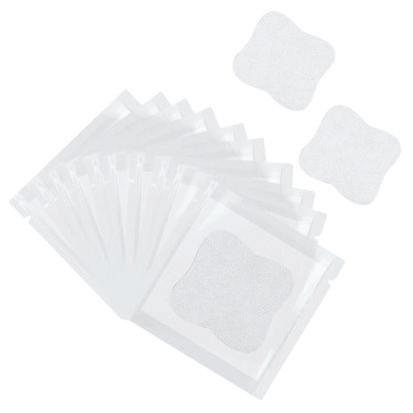










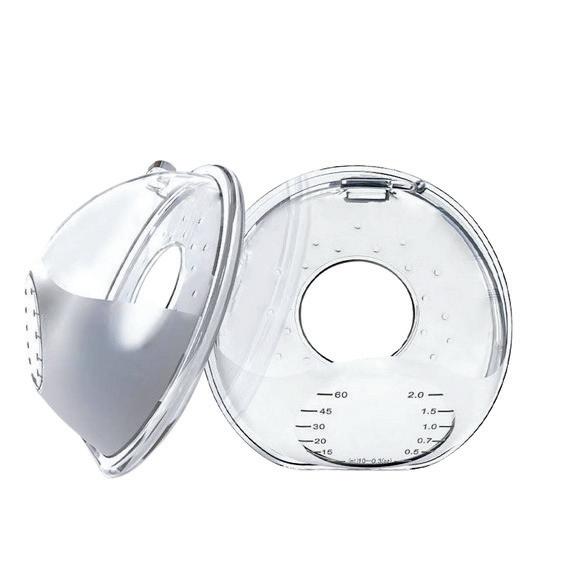





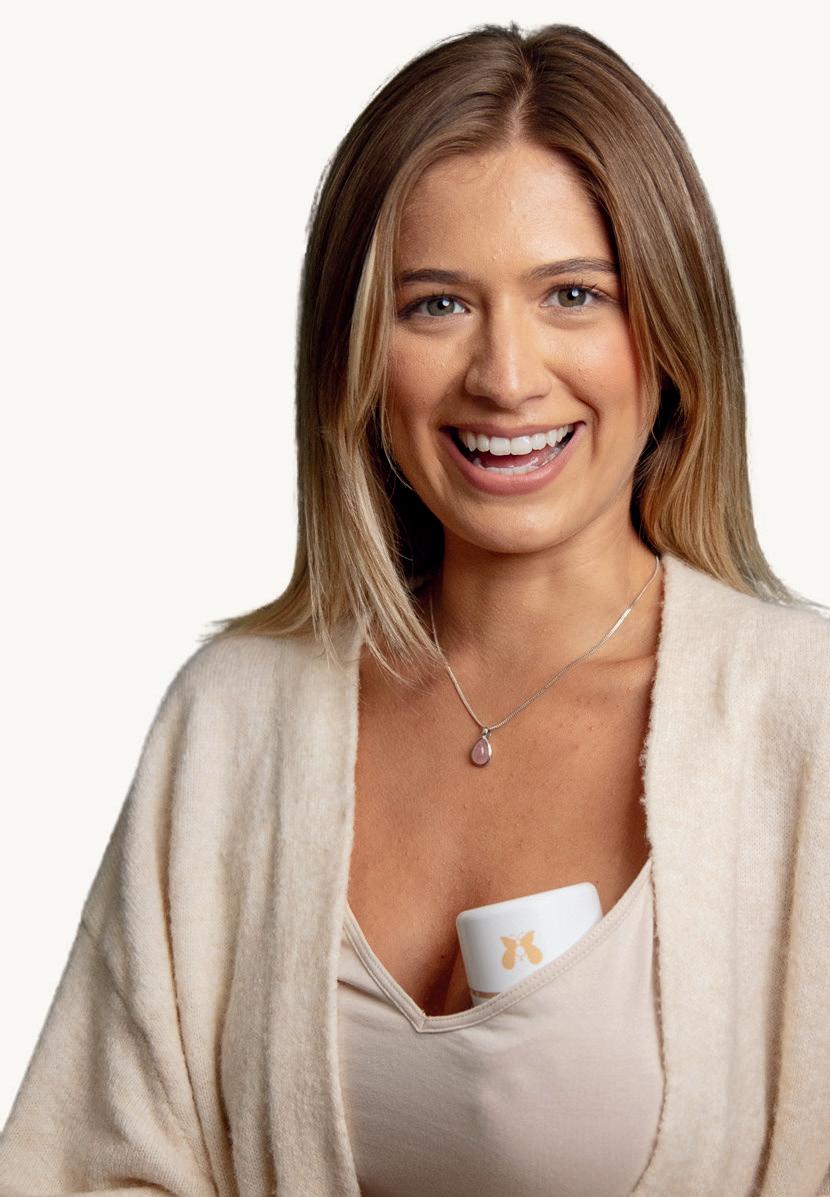
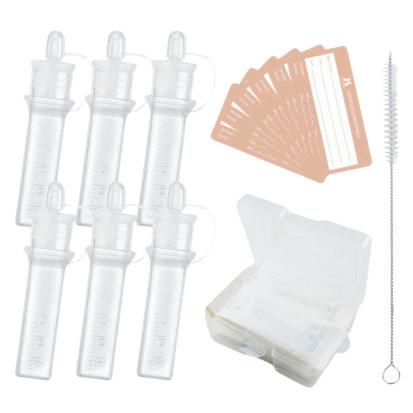






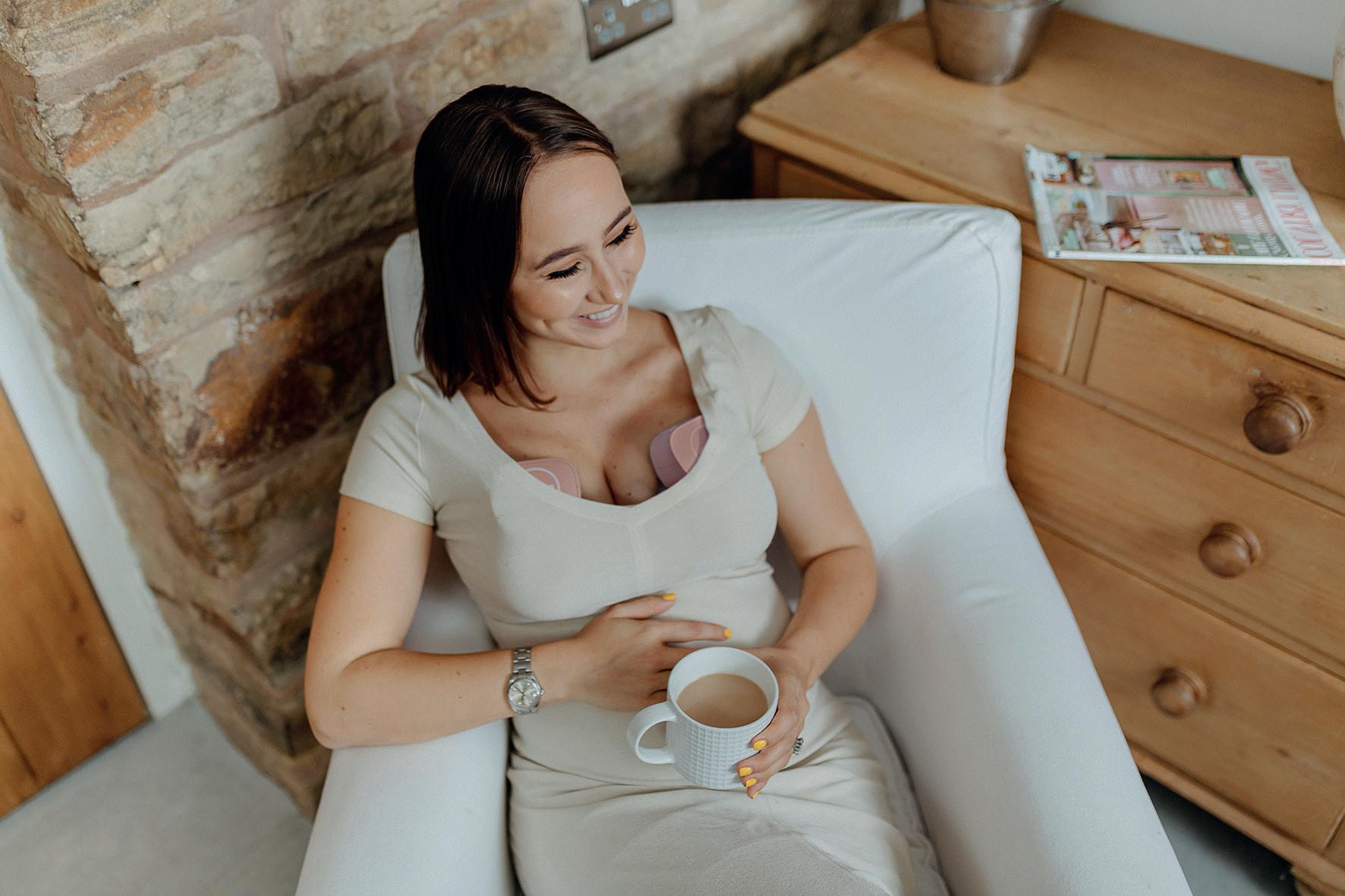
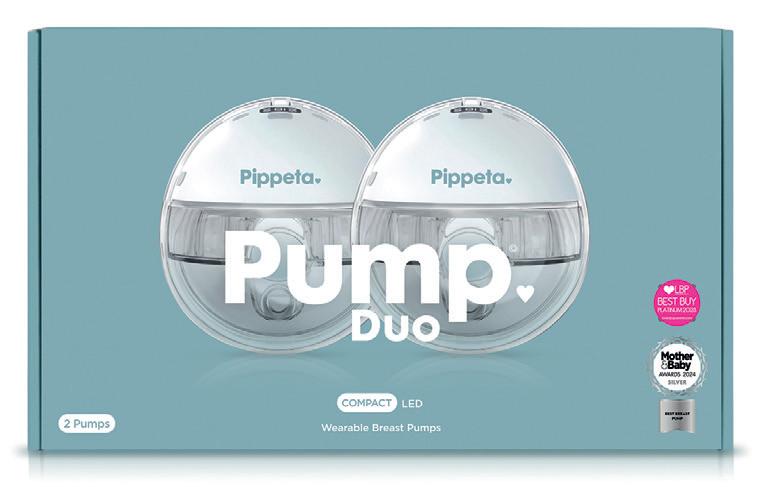
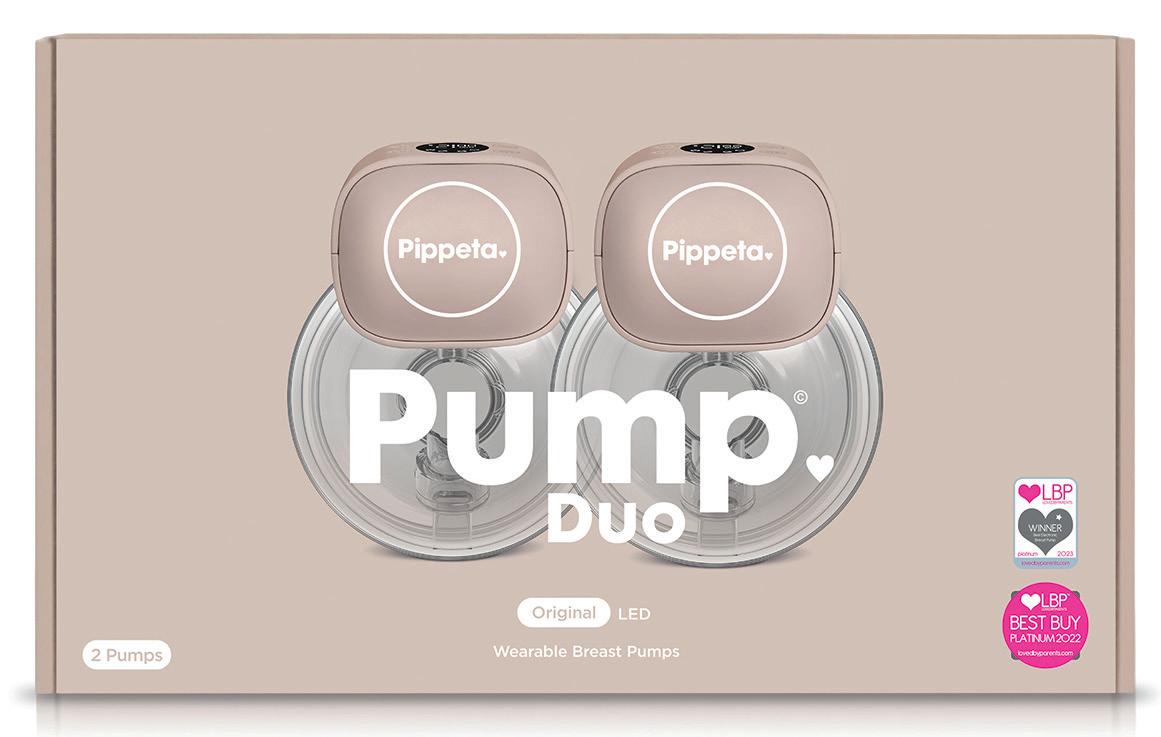
In recognising a growing trend amongst mothers purchasing two single. hands-free breast pumps, Pippeta has updated its product o ering to include a new Duo Pump Pack.
The Duo Pump Packs are available for both the Original and Compact pumps, o ering stockists the opportunity to expand their breast pumping range and give customers more choice and a ordability. The move demonstrates Pippeta’s commitment to providing consumers with high quality products at a ordable prices.
Pippeta’s Founder, Aimee Cestrone commented: “Over the past months we’ve witnessed a steady increase in purchases of two pumps in one transaction. By introducing packs of two, our stockists will have a more appealing product solution, which customers want to buy.
“As a brand it’s important to me that Pippeta’s product o ering empowers breastfeeding mothers -this is my driving force. My aim is to provide reasonably priced breast pumps that would seamlessly integrate into a mother’s life, allowing her to pump comfortably and e ciently, regardless of her location. Our Duo Packs are the next logical step - combining e ciency, comfort, convenience and a ordability into one irresistible package.”
Pippeta’s success stems from creating quality hands-free breast pumps, without the premium price tag. They are designed to t into a bra and have soft, exible silicone breast shields that contour breast shape. They have 12-suction levels in all 4-modes which is industry leading, a long use time of 90-100 minutes and charge in just 2.5 hours. Every purchase comes with free support, from a fully quali ed Lactation Consultant.
www.pippeta.com
Breastfeeding has lots of bene ts for both mother and baby and MAM are here to help.
MAM Nipple Shields are short term breastfeeding aids, designed to be used to assist sore or cracked nipples. Made from extremely soft silicone and with a ‘breast-like’ feel, the unique butter y shape allows baby to still have that crucial skin-to-skin contact.
If the decision is to add expressing into the feeding journey, MAM has a breast pump that o ers exibility. The modern, discreet and wearable design of MAM Move is perfect for the multi-tasking mama. Whether snuggling with little one, doing the dishes, or taking a ve minute break, the MAM Move Wearable Breast Pump o ers comfortable, quiet and peaceful pumping.
www.mambaby.com
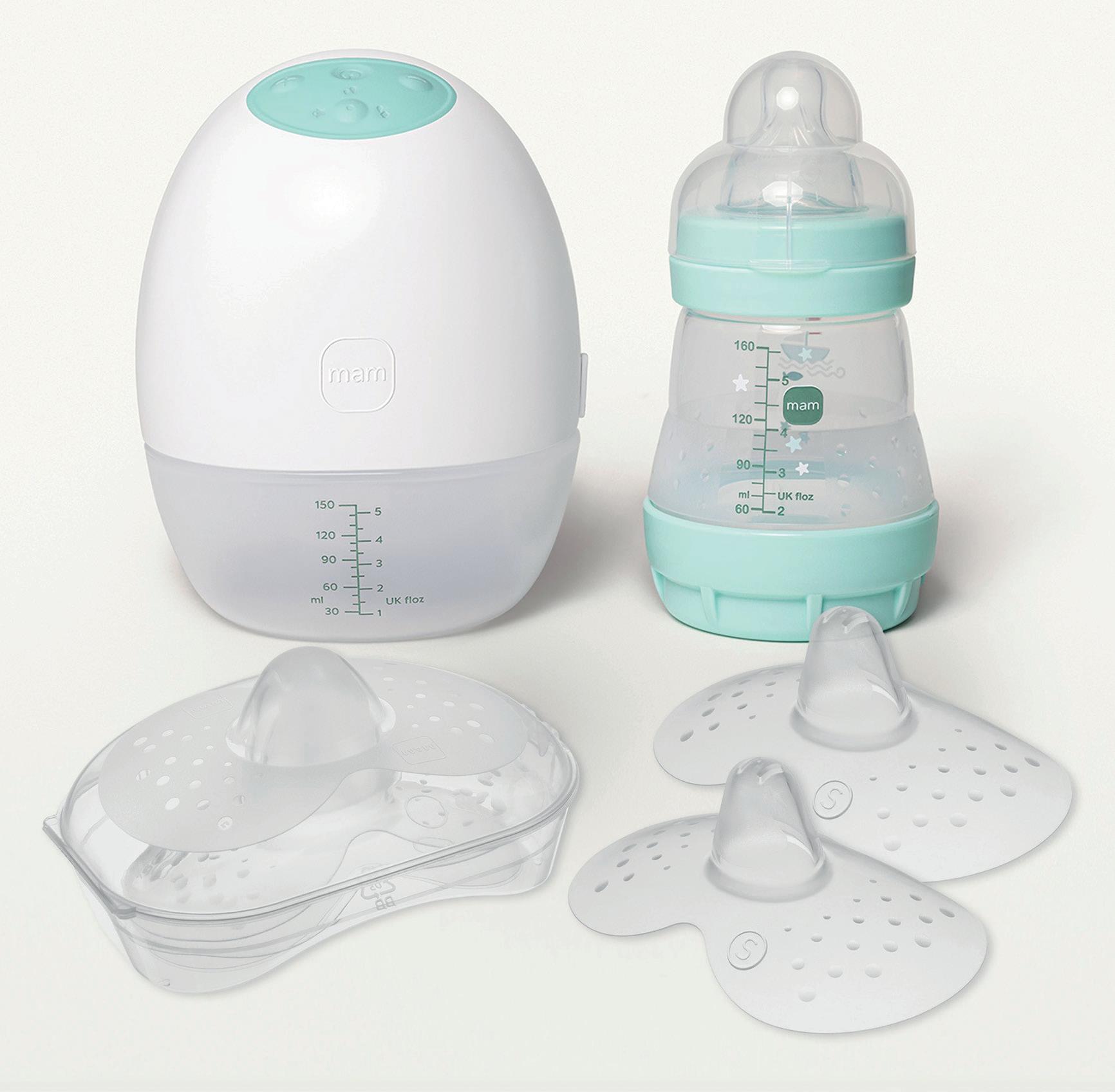
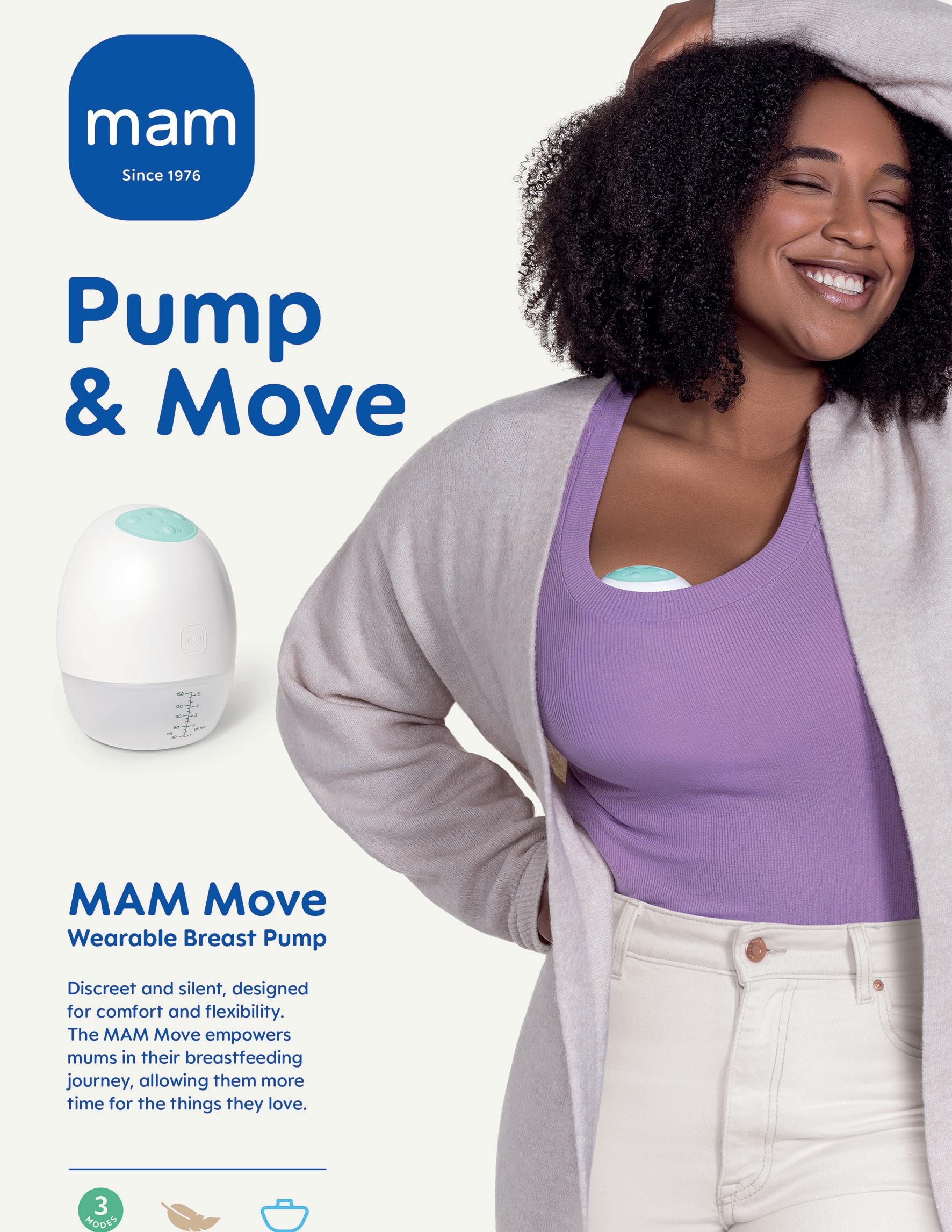
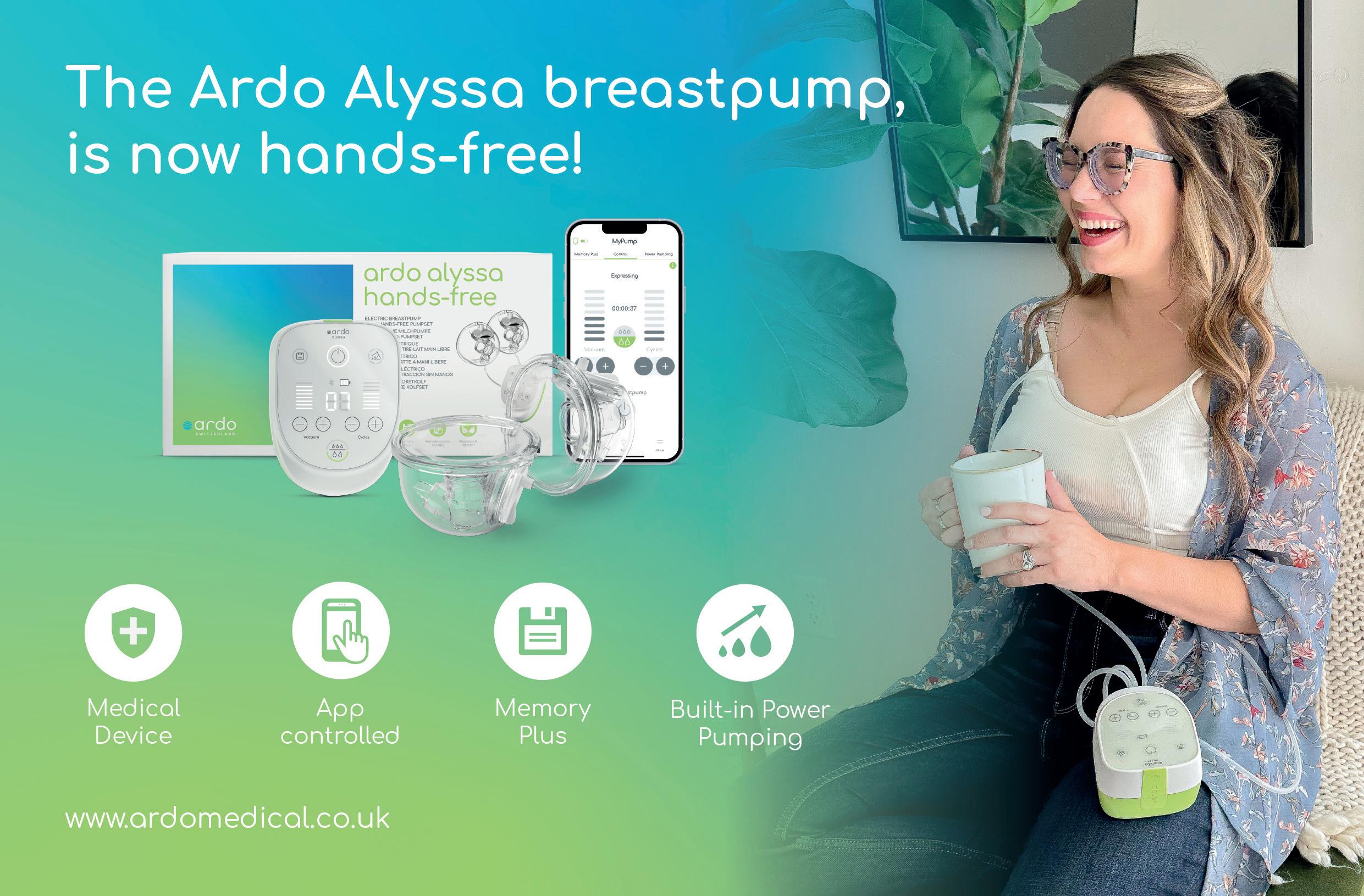
Award winning baby feeding brand Fraupow and leading Breastfeeding Doctor
Sharon Silberstein, MD IBCLC announce a new partnership, working together to support women through the highs and lows of breastfeeding and expressing.

The partnership brings together Dr Silberstein’s experience of over 15 years as a medical Doctor with a specialist interest in breastfeeding, with Fraupow’s product expertise and support services.
Dr Silberstein and Fraupow are both dedicated to supporting women to feed their babies breast milk, whether directly or through expressing, and to helping them through any hurdles they may face along the way. Between Dr Silberstein’s medical knowledge and Fraupow’s broad product range Mums can be assured that help is available for engorged breasts, blocked ducts, mastitis, leaks, strong ow, low milk supply and more.
Fraupow o ers a complete breastfeeding support system, with award winning products that work harmoniously together to meet the individual needs of every breastfeeding woman and her baby. Fraupow are delighted that Dr Silberstein recommends their range. orders@fraupow.com www.fraupow.com
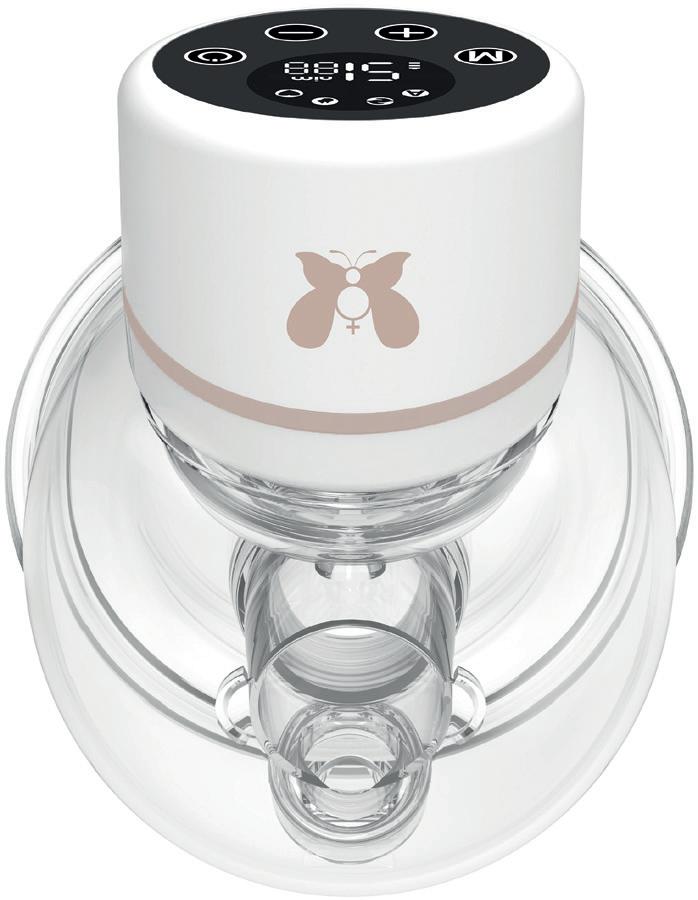
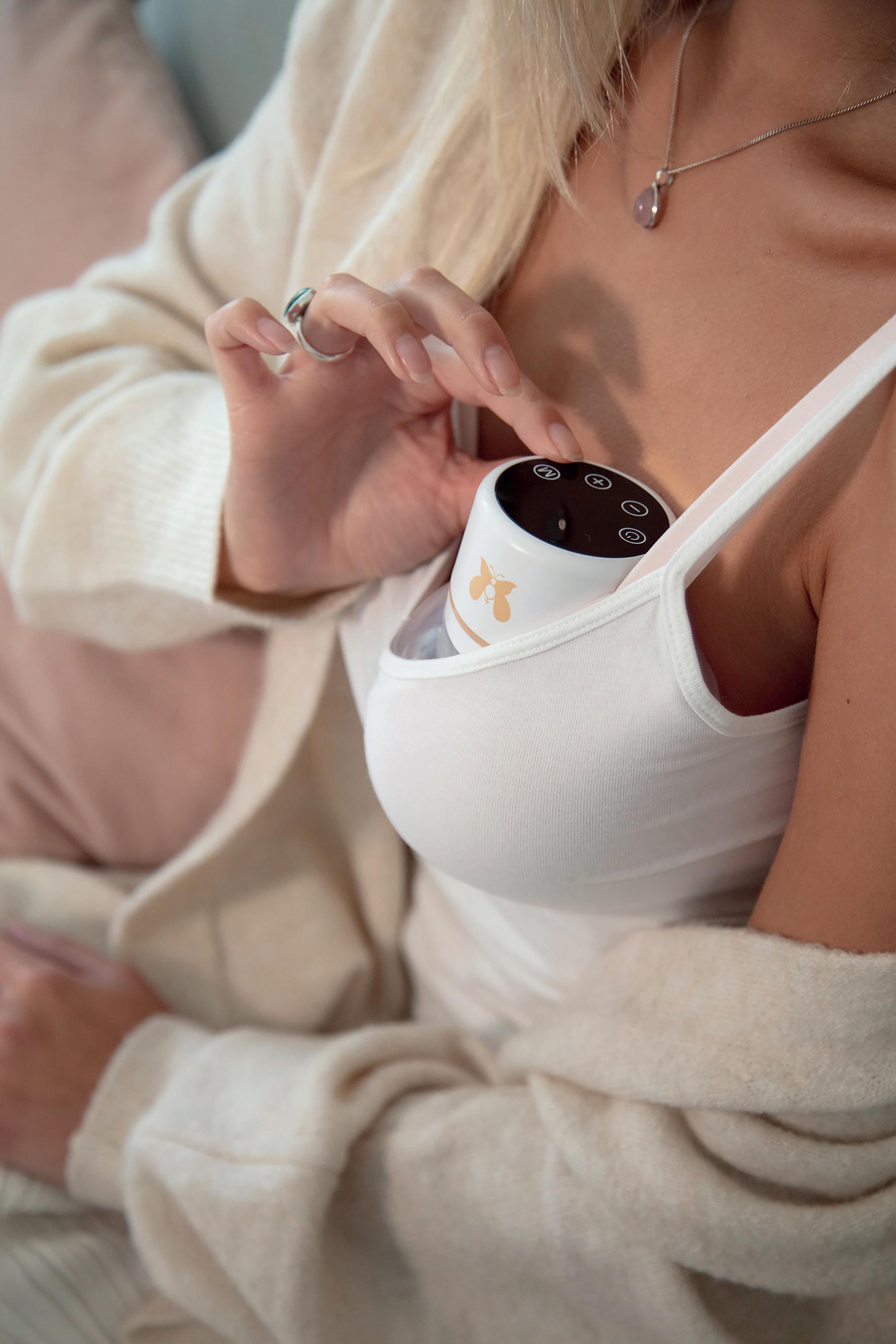
Gain more exibility and save time in your busy everyday life with the Ardo Alyssa Hands-Free breast pump. It is a high-quality medical standard breast pump, wearable and compact for discrete expressing. The Alyssa’s compact size and USB rechargeable integrated battery allows for maximum mobility, meaning the breast pump can be used anywhere, at any time.
The free MyArdo App controls the breast pump directly and easily from a smartphone by simply connecting to the Ardo Alyssa breast pump.
The Ardo Alyssa is the world’s rst breast pump with an automatic Power Pumping programme which helps to increase milk supply.
The Alyssa can be used for either single or double expression. www.ardomedical.co.uk
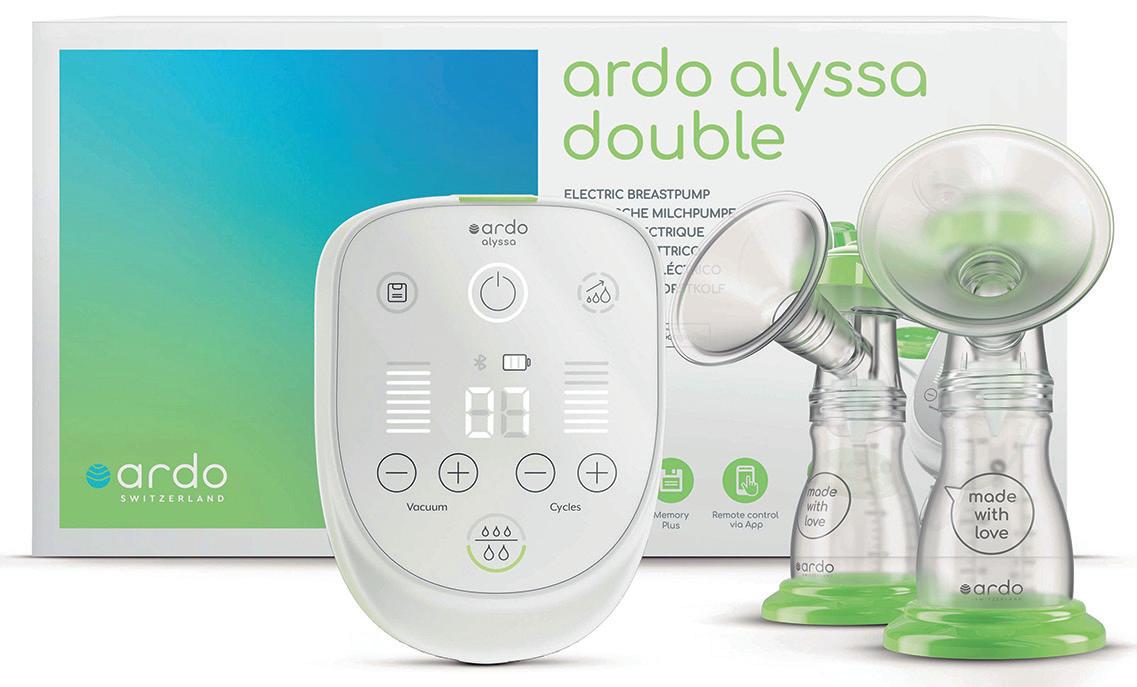
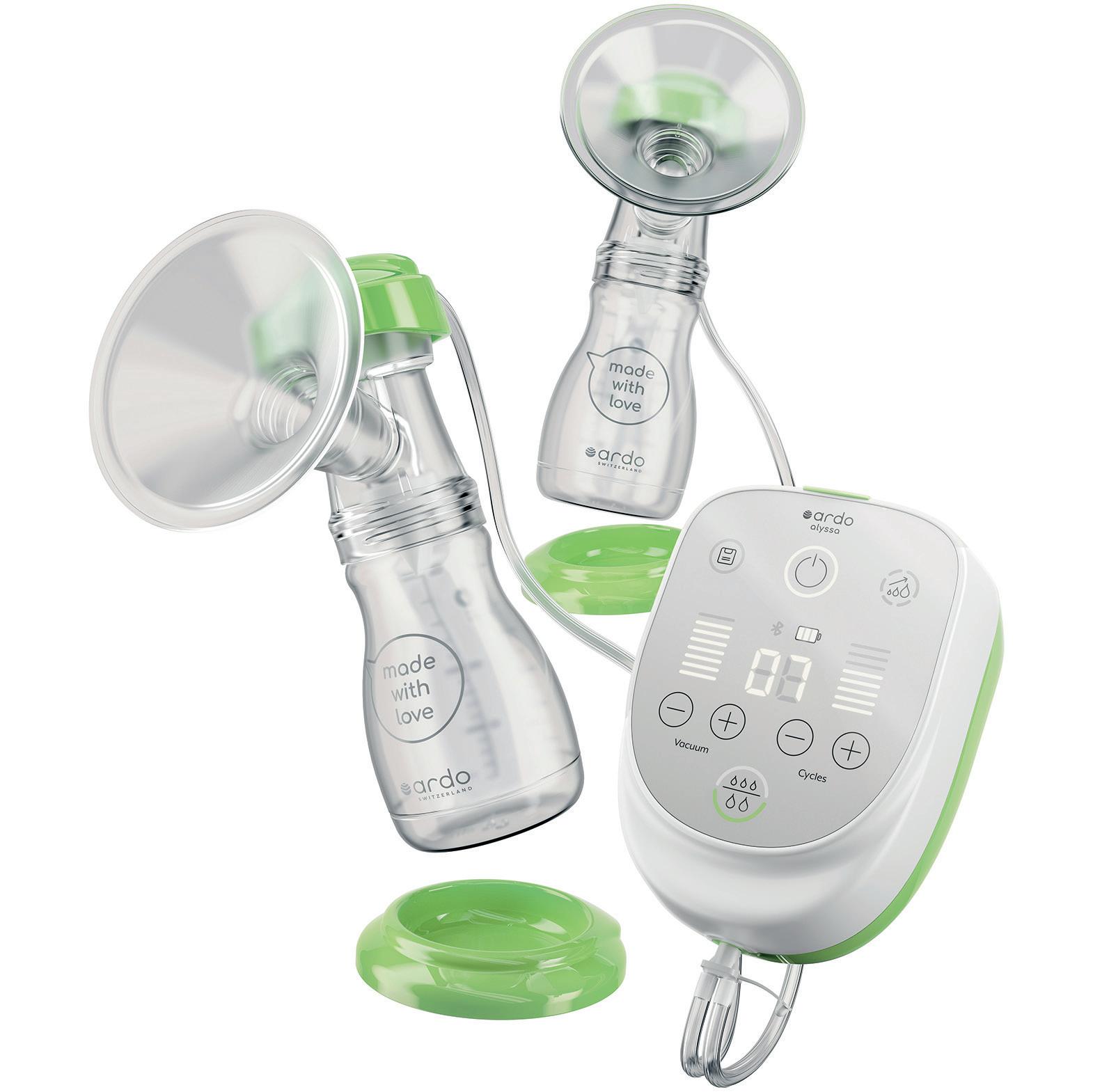
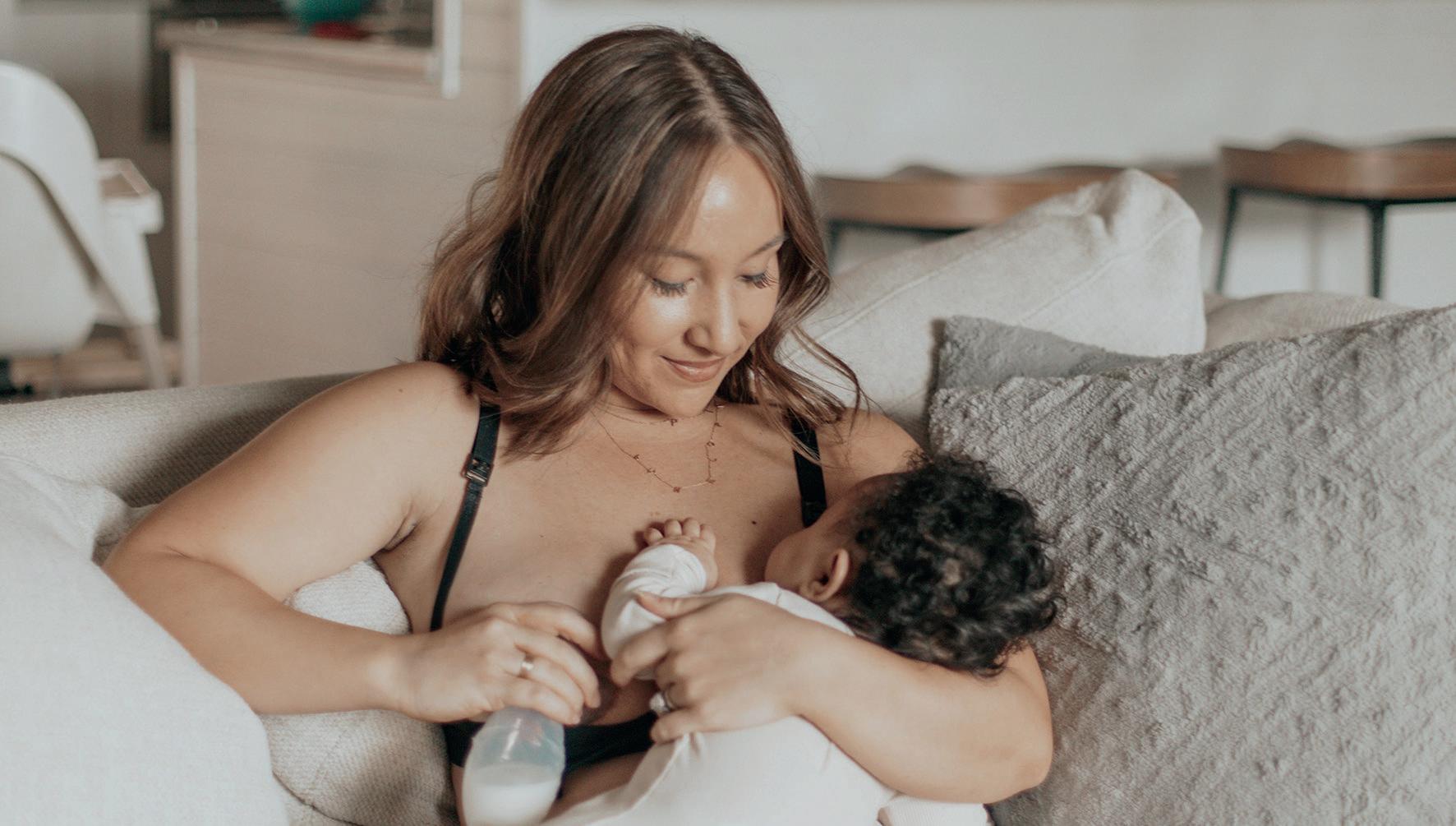

This Dr. Brown’s Silicone One-Piece Breast Pump uses hands-free, gentle suction to collect and save breastmilk. Using soft suction to draw out milk, it’s a silent breast pumping companion. Easy-to-use and a ordable, with a portable, practical design, this milk saver and the included drawstring travel bag make it simple to discreetly take out and about to collect leaking breast milk and relieve engorgement anytime, anywhere. To be used as pump, it can be squeezed and released at the base of the pump for hands-free suction power and milk collection!
The 100% silicone material is soft against the skin and conforms to breasts of every shape and size. sales@babycentral.co.uk
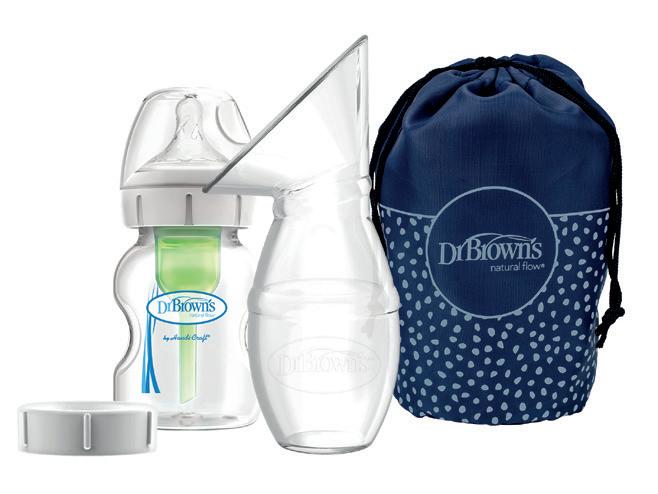











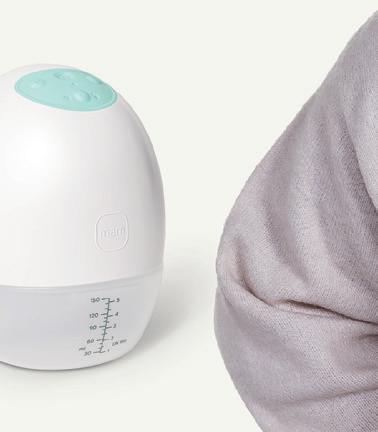





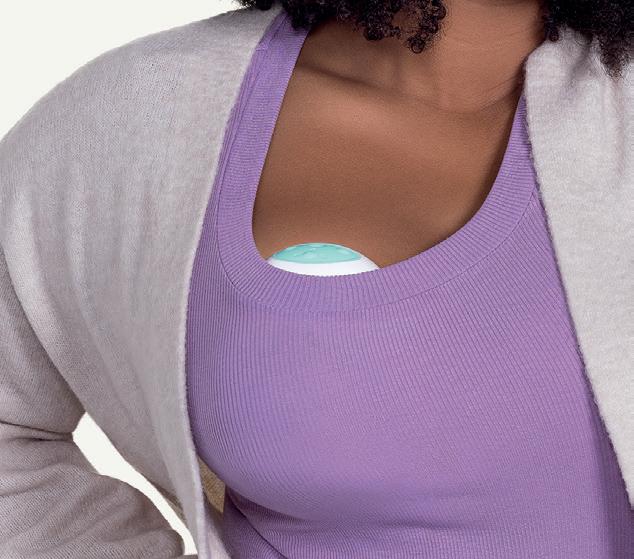


Do you want to be visible on foreign markets? We recommend those with whom you can talk business. Get in touch with the representatives of the best nursery trade magazines.


CHINA NURSERY CHINA
ENGLAND NURSERY TODAY GERMANY BABY & JUNIOR NETHERLANDS BABYWERELD
NORWAY BABY, HOBBY & LEKETØY POLAND BRANŻA DZIECIĘCA
SPAIN PUERICULTURA MARKET
SWEDEN LEK & BABYREVYN

BCMI Presidents: Urszula Kaszubowska u.kaszubowska@branzadziecieca.pl Hans Henrik de Glasenapp post@presstelegraph.no bcmi@babycaremagazines.com www.babycaremagazines.com

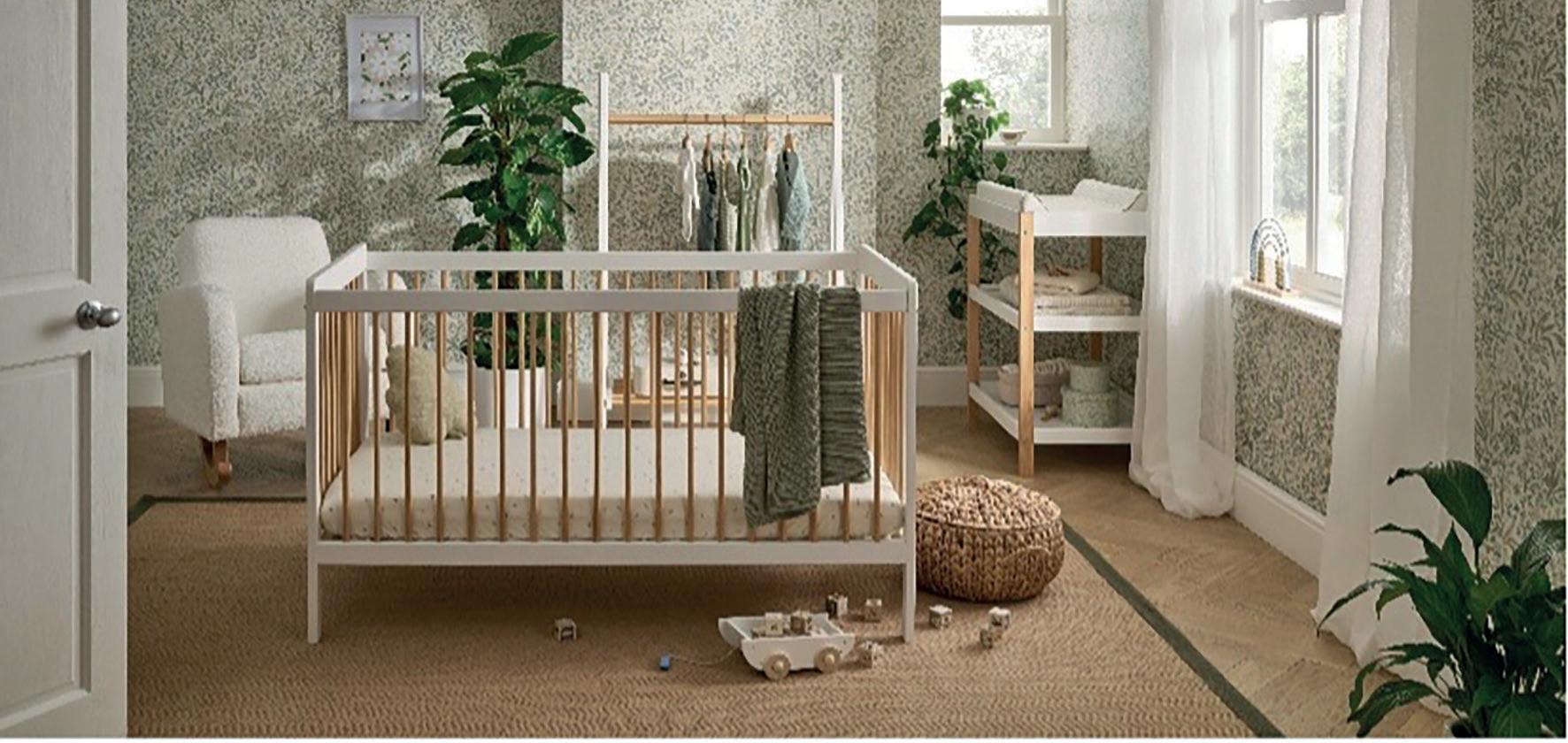

The latest new colourway to the popular CuddleCo Nola Furniture range, is ideal for parents creating a neutral nursery.
Nola adds a modern twist to traditional spaces with a minimal design; and can make small rooms feel larger with its airy, and open nature. It’s contemporary alternatives to traditional nursery storage include an open changing station and clothes rail, perfect for parents wanting to display their baby’s cutest out ts or simply have changing essentials within arm’s reach. Now available in soft white and natural pine wood, this versatile, gender-neutral option will complement a wide range of nursery interiors and décor. sales@cuddleco.co.uk

Pura is furthering its commitment to sustainability by introducing paper packaging that can be collected from kerbside with other household recycling.
Launching exclusively in Asda which will be rst to market, the paper packaging on Pura’s low-impact, high performance nappy and nappy pants range gives parents and carers the ability to make more sustainable choices.
The move marks another milestone for the award-winning baby care brand which was created by Cheshire parents Guy and Abi Fennell in 2020 to help other parents make more sustainable but affordable choices.

Guy said: “We’re thrilled to be among the first UK baby brands switching to paper packaging. Providing our products in packaging that can be recycled at home is a huge step forward and will ensure that much more of our packaging is actually recycled.
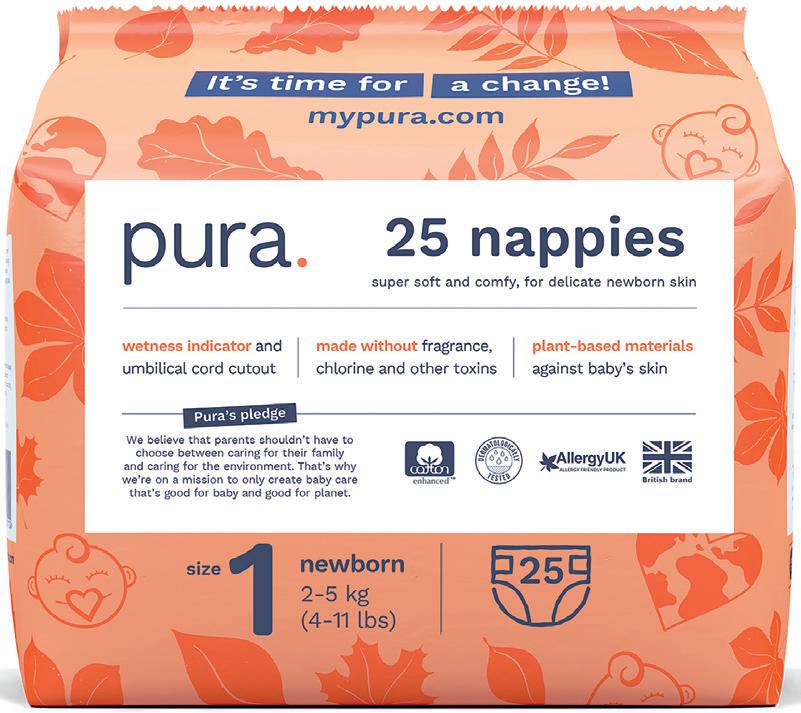
“Though it’s not without any environmental impact, our paper packaging comes from a renewable resource – sustainably managed forests, which sequester carbon as they grow.” www.mypura.com

Babies’ rst teeth are a whole new adventure.
MAM’s innovative Massaging Brush cleans and massages sensitive gums as soon as teething begins. Shaped like a toothbrush to help babies become familiar with brushing and create good habits right from the start.
The soft silicone bristles soothe itchy gums, whilst gently cleaning those precious first teeth. All MAM toothbrushes include a practical safety shield, to keep the brush at a safe distance from the back of babies’ mouths. Whilst the compact, non-slip handle is light and easy for little hands to hold. www.mambaby.com

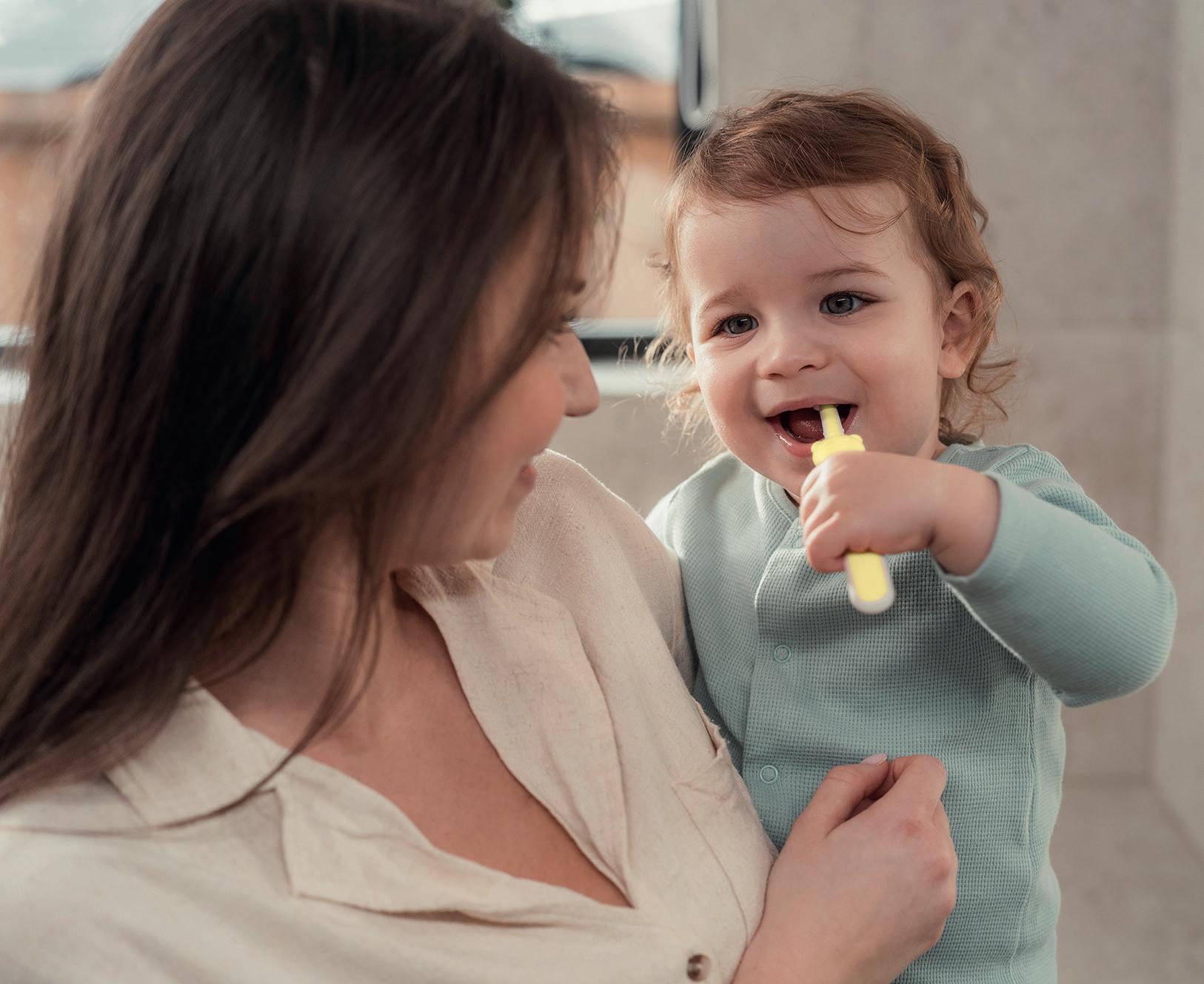
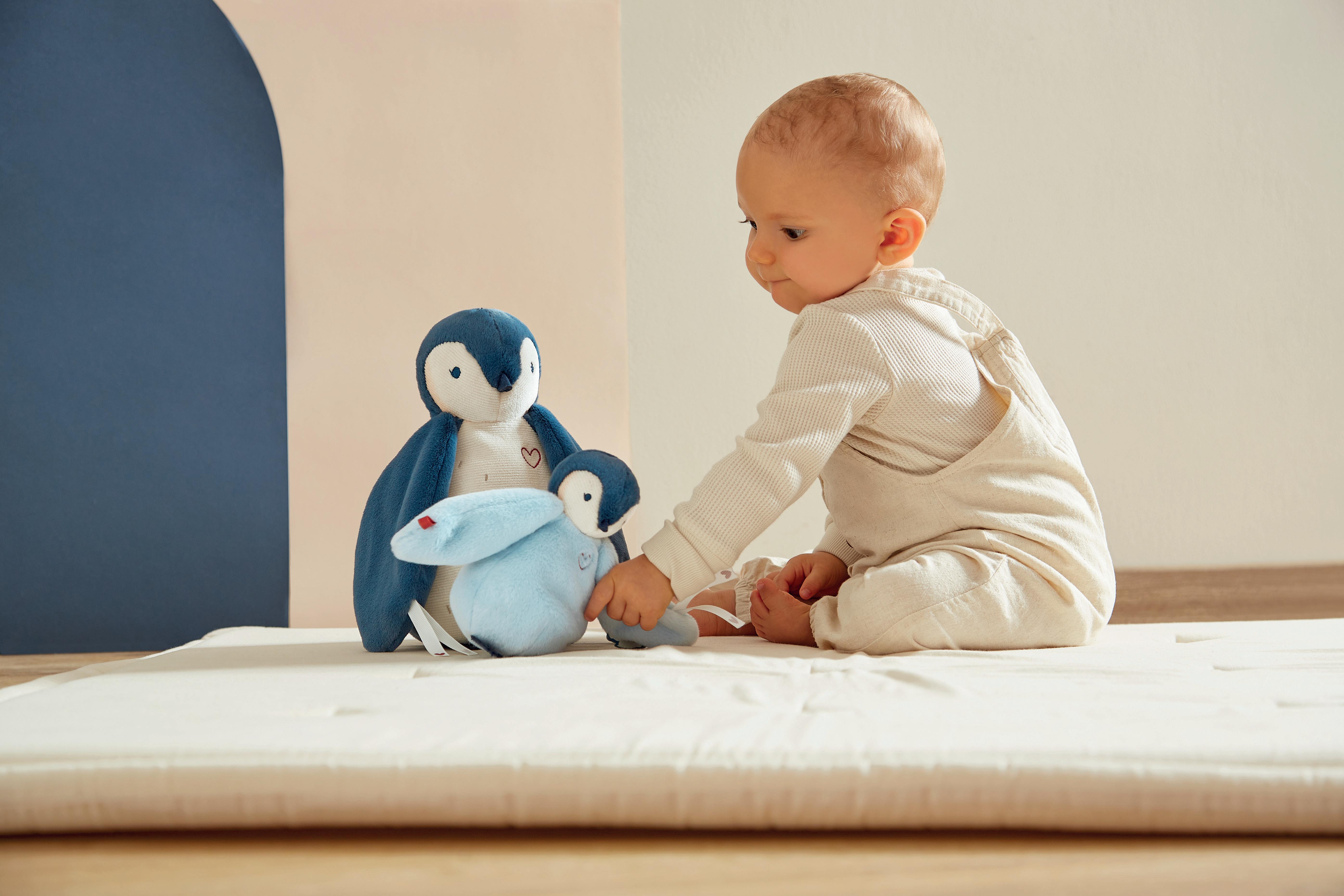

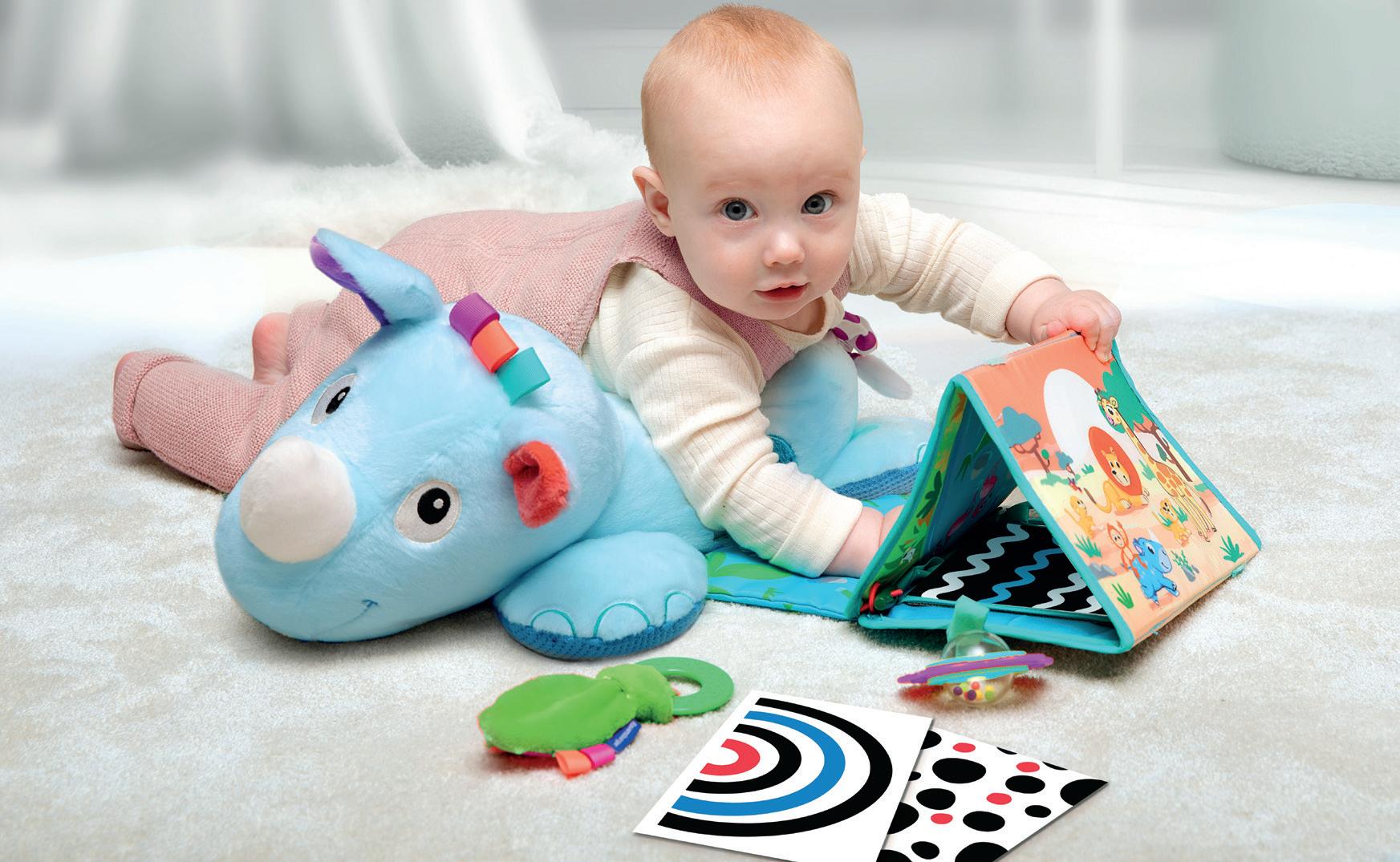







Parents value safety, softness, and durability in plush toys for babies and infants. They often prefer toys that are easy to clean and made from hypoallergenic materials.
The appeal of plush is twofold, parents might seek an item that will become a cherished childhood keepsake or a soothing toy that infants enjoy, but additional plush toys are commonly purchased as gifts by gift givers due to their appeal and suitability for young children.
Fabrics and materials are also now looked at closely with breathability, organic cottons, etc. on the up and while some plush toys may be impulse purchases, many parents and with such a fantastic range available, research might be conducted prior to buying to ensure they meet safety standards. Trends in this category include gender-neutral designs, interactive features, and eco-friendly materials to align with modern parenting preferences.
Nursery Today caught up with Rainbow Designs, Director of Product, Alys Dawson and Ravensburger UK’s Product Marketing Manager, Elaine Connell to gain their view on this product category.
 Elaine Connell Product Marketing Manager, Ravensburger UK

What features do you feel parents value most in plush toys for babies and infants?
Parents have a range of considerations when it comes to shopping for babies and infants. Trust and safety will always be top of mind, and we’re privileged to be a trusted brand among families across the world, with over 100 years of experience in the manufacturing toys. In Plush, this is a key consideration in those early months and years, with the knowledge that the youngest members of the family can put these items through their paces with exploratory play and this can often include chewing or putting in their mouth.




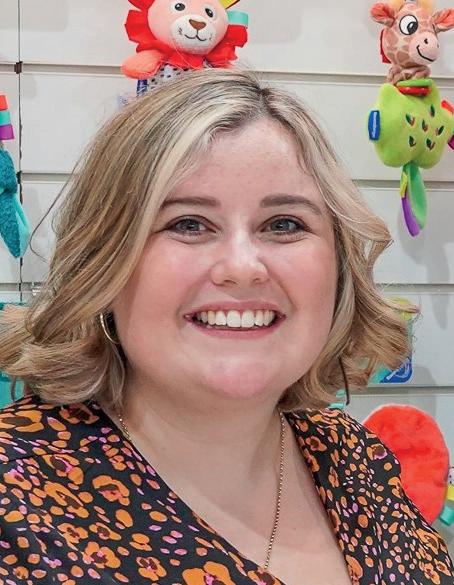
Value is a factor – parents want value for money, but the story is more than that. A plush toy that o ers developmental bene ts such as multisensory details adds to the bigger picture. Practical features such as ease of cleaning can be a consideration too. Our loveable tummy time Rhino plush is suitable from birth, made from super soft fabric but also includes practical features like a water-repellent underside for easy cleaning.
What are the current trends in the plush toy market for babies and infants, and how are these in uencing product development and marketing strategies?

 Alys Dawson Director of Product, Creative and Marketing Services, Rainbow Designs
To what extent are plush toys for babies and infants purchased as gifts by gift givers, and how does this impact purchasing patterns?


ring important



Babies are born all year round and gifting in general is high in the nursery category, creating a year-round demand for gifts, and plush is most de nitely a top choice when it comes to a baby present. Gift purchasers also range across generations, so products such as My First soft toys, comforters and ring rattles, make thoughtful gifts to celebrate a birth, baby shower, gender reveal, or those important rst annual occasions. They also look for complimentary purchases and gift bundles, so packaging, and overall visual appearance, plays an important part in the decision making. Items such as Signature Peter Rabbit collection Gift Sets tick all these boxes, o ering that high quality, complete gift solution. How closely do consumers examine fabrics and materials when selecting plush toys and babies and infants, and what speci c qualities are they looking for? When purchasing a soft toy for a baby, the softness and feel is the initial appeal but safety and hygiene are equally as important, especially when it comes to toys for their precious little ones. Infant soft toys such as our unique and stylish, Animal Adventures Safe and Soft collection have been crafted with care, and created with patented, soft antibacterial and hypoallergenic fabrics, that are resistant to both odours and stains, so parents can have peace of mind knowing the products their little one’s hold are safe and clean.
Are plush toys for babies and infant typically impulse purchases, or do consumers tend to research and plan these purchases in advance? Soft toys fall into the essential, but lovely part of what baby needs, and so are fun to browse for and buy. They are impulse purchases because of their good price points, but it is all about the look and feel, as well as the charm and connection of those adored childhood characters that encourages those must-have purchases. Although, not big ticket items, such as travel systems and cots, the time and consideration that is taken choosing rst toys and plush nursery essentials really does makes them more than just an impulse buy. Parents often theme their nursery, and classic characters such as Peter Rabbit, Guess How Much I Love You and Winnie the Pooh are popular choices, which extends to soft toys to provide further nursery decor, as well as practical items such as plush cot mobiles and our Peter Rabbit, Winnie the Pooh and Paddington Bedtime Cuddles Nightlights.
Social media is a huge part of today’s world. Often items that look great on an Instagram feed can be a draw for shoppers – in the plush world, this could be re ected in items that are stunning from an interior design and style perspective but don’t consider a wide range of developmental bene ts for littles ones. For us, in developing our Play+ collection we wanted to deliver contemporary style, but always integrating multisensory features such as textures and high-contrast colours to bring those developmental bene ts that are key in the early years.
How do factors such as sustainability, ecofriendliness, and ethical sourcing of materials impact the production and marketing of plush toys for babies and infants in today’s market?
At Ravensburger we have a dedicated sustainability team and we’re delighted to say that we met our target for our internal operations to be carbon neutral by the end of last year.
Across our portfolio, we take care in sourcing materials that meet our consumers’ expectations and our own high standards – this in turn leads to a quality product that is designed to last. In our packaging across the Play+ range, we have designed to maximise shelf and pallet e ciency. What type of bene ts do you feel stocking products in this category can bring Nursery Retailers?
Plush toys are part of cherished memories in families perhaps like no other item in the toybox. These friends feature throughout children’s rst years, through gifting and, when they’re older, through requesting or picking rst friends for themselves. Relationships with these toys can often be lifelong, and sometimes long after the toy has been passed on. A true toybox staple, the scope within the category o ers so much opportunity for product development such as the items within our Play+ range: there is wealth of choice, both for retailers and consumers.











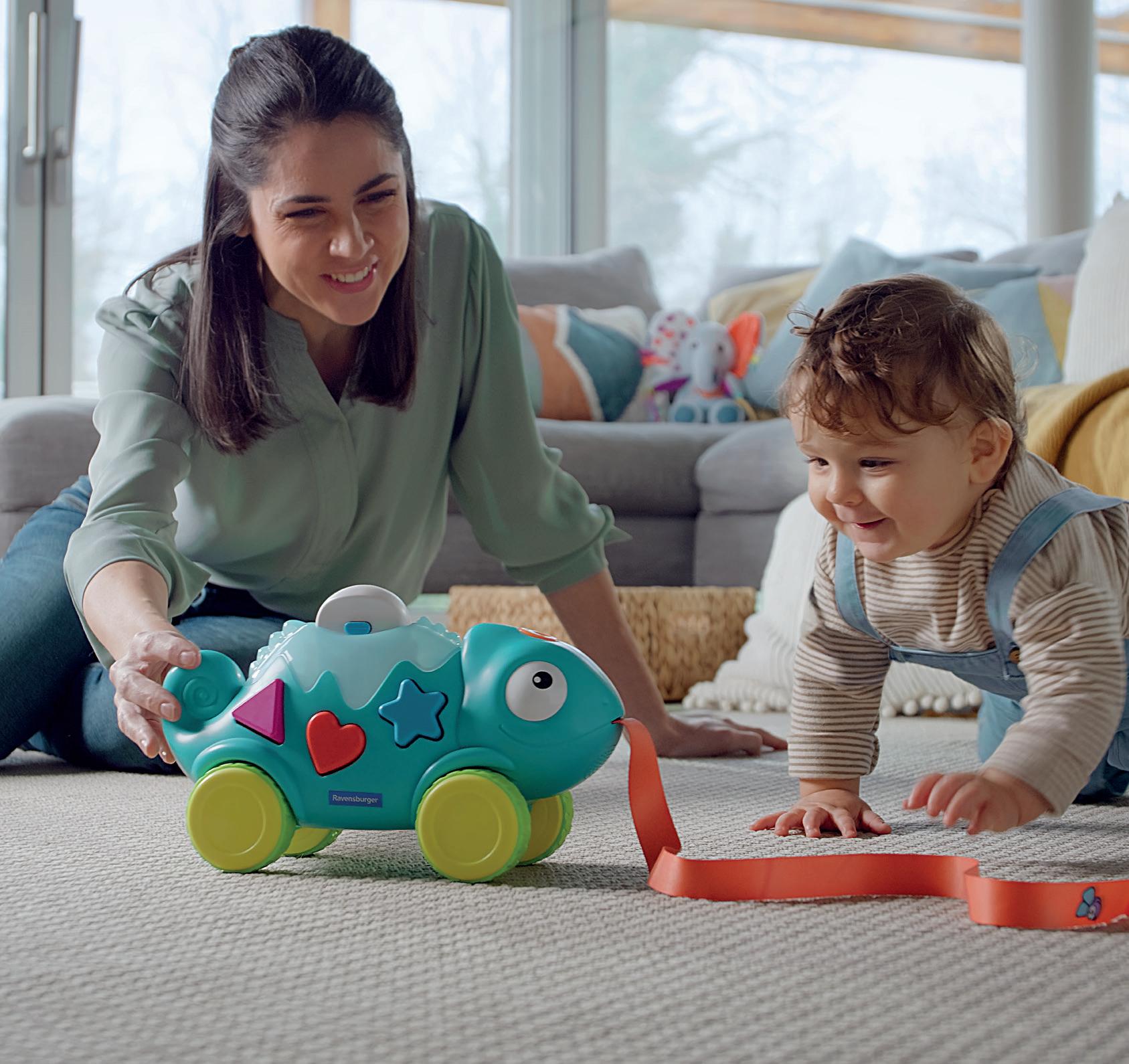

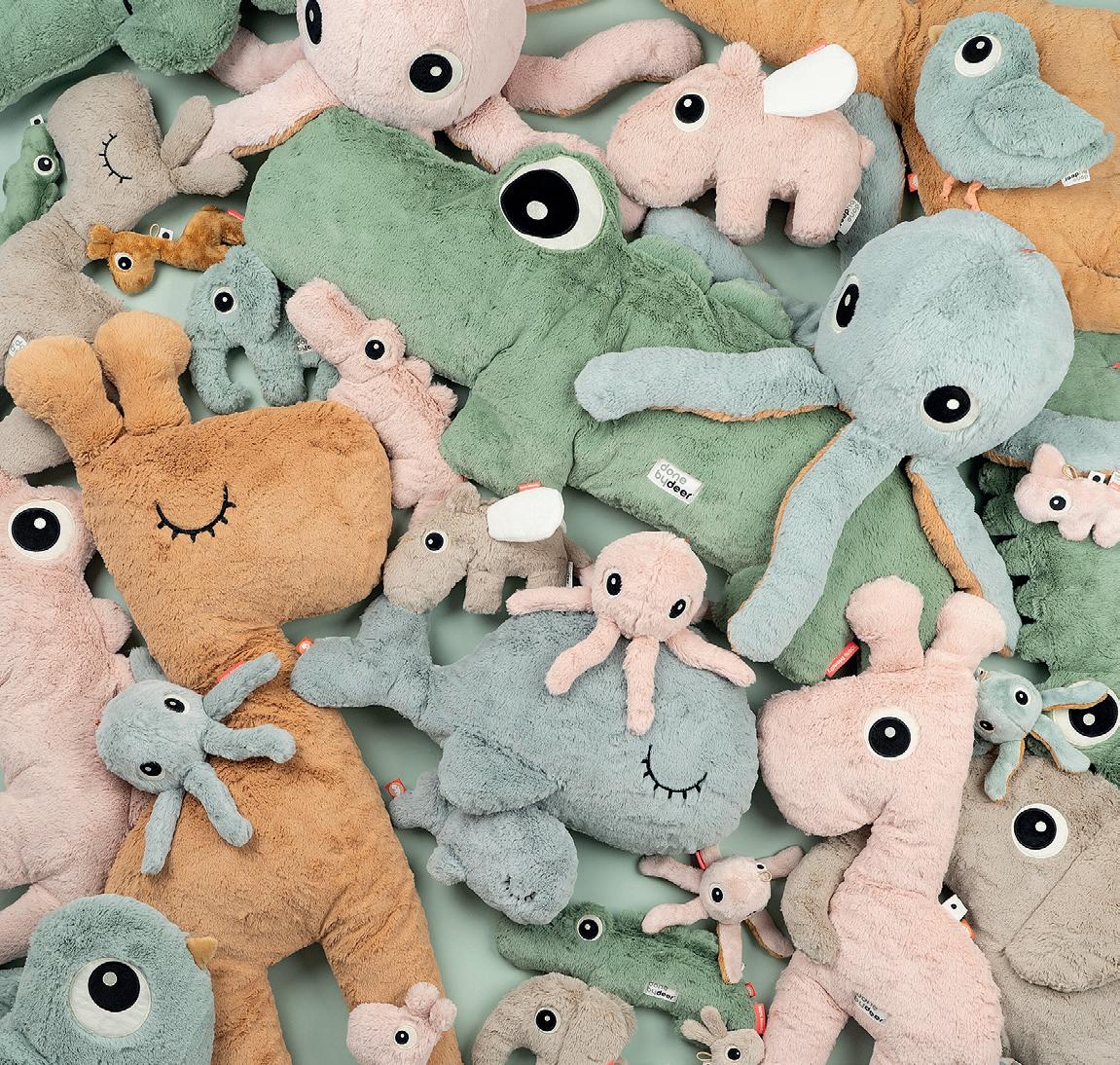
Done by Deer’s universe is created around the storytelling of the cute animals called Deer friends. The Deer friends provide comfort, spark imagination, and help kids learn new skills as they grow. When a child falls in love with a speci c animal, they can spend the whole day accompanied by their favourite Deer friend – they can discover them in tableware, play with them as toys, and cuddle up with their cuddly friend under soft bedlinen. Babies and toddlers will enjoy playing and learning with a Deer friend and luckily Croco, Elphee, Ra , and all the others are eager to become someone’s new best friend.
Contact Gwen Peacock, UK & Ireland Country Manager on the below for further information. Tel: +44 7876 150 729 gwen@donebydeer.com www.donebydeer.com
Kaloo, the experts in the most charming soft toys and comforters, is thrilled to continue its legacy of making precious toys that will be loved by all little ones as they are comforted right from their very rst moments.
With over 20 years’ experience, the French brand is proud to continue to release new launches, alongside its rm favourites from the extensive range.
Specialists in the most precious, soft toys, has a cuddly pal for every little one! From dolls to bunnies and the softest comforters, the brand prides itself on creating the most adorable, quality soft toys that are suitable from newborn onwards that gently stimulate the senses. All beautifully packaged in stunning gift boxes, they make the perfect present for any baby shower, birthday or special occasion. sales@juratoys.co.uk
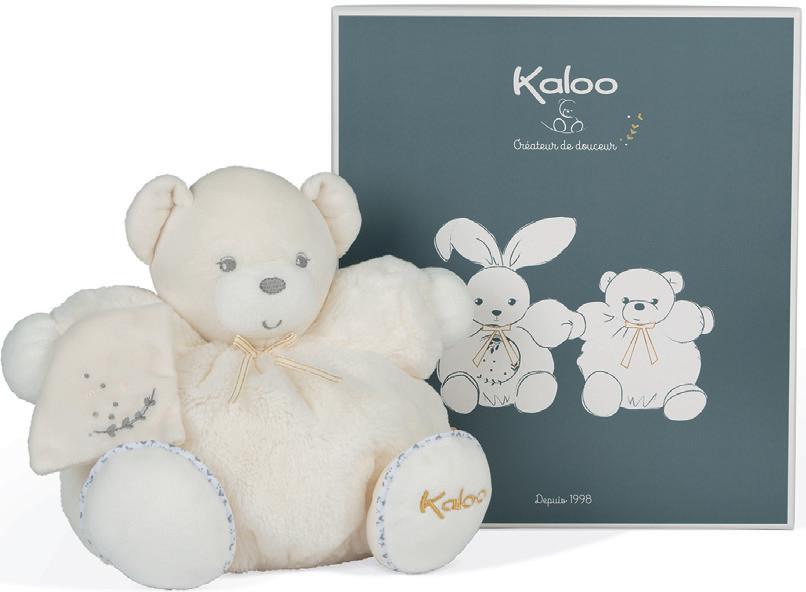
Rainbow Designs’ best-selling character collections o er an extensive range of beautiful contemporary plush newborn gifts including My First soft toys, comforters, rattles and baby gift sets, all coupled with some of the most nostalgic and adored characters.
Best-selling ranges including Peter Rabbit, Disney’s Winnie the Pooh and Guess How Much I Love You, alongside the new Disney Baby Lion King and Harry Potter Wizarding World collections, of infant toys make truly wonderful gifts for any new arrival or young child.
In celebration the 30th Anniversary of Disney’s The Lion King, the new Disney Baby Lion King range is now available to retailers. This adorable collection includes the super cuddly My First Simba Soft Toy, Comfort Blanket and Ring Rattle, as well as the adorable and stimulating Simba Sensory Play Mat, with peek-a-boo ap and baby safe mirror.
Flying in this autumn, is the enchanting, but adorable, Wizarding World collection of nursery toys featuring the characters, Harry Potter, Hedwig and Dobby, in adorable plush formats that include My First Soft Toys, Rattles, Comforters and Activity Toys. The exciting new range, makes a perfect for all fans, who want to share their love of the Wizarding World with their new arrivals, and there are further exciting range additions planned for 2025.
The Animal Adventure range includes the unique and stylish, the Safe and Soft collection of infant soft toys that has been crafted with care, to create the perfect rst cuddly friends for babies. The adorable Elephant, Puppy and Bunny characters have been created with patented, soft antibacterial and hypoallergenic fabrics, so parents can have a peace of mind knowing the products their little ones hold are safe and clean. The Safe and Soft toys resist both odours and stains, and are tested against the common bacteria strains, to ensure they are as safe as possible against baby’s skin.
Tel: 01329 227300
www.rainbowdesigns.co.uk
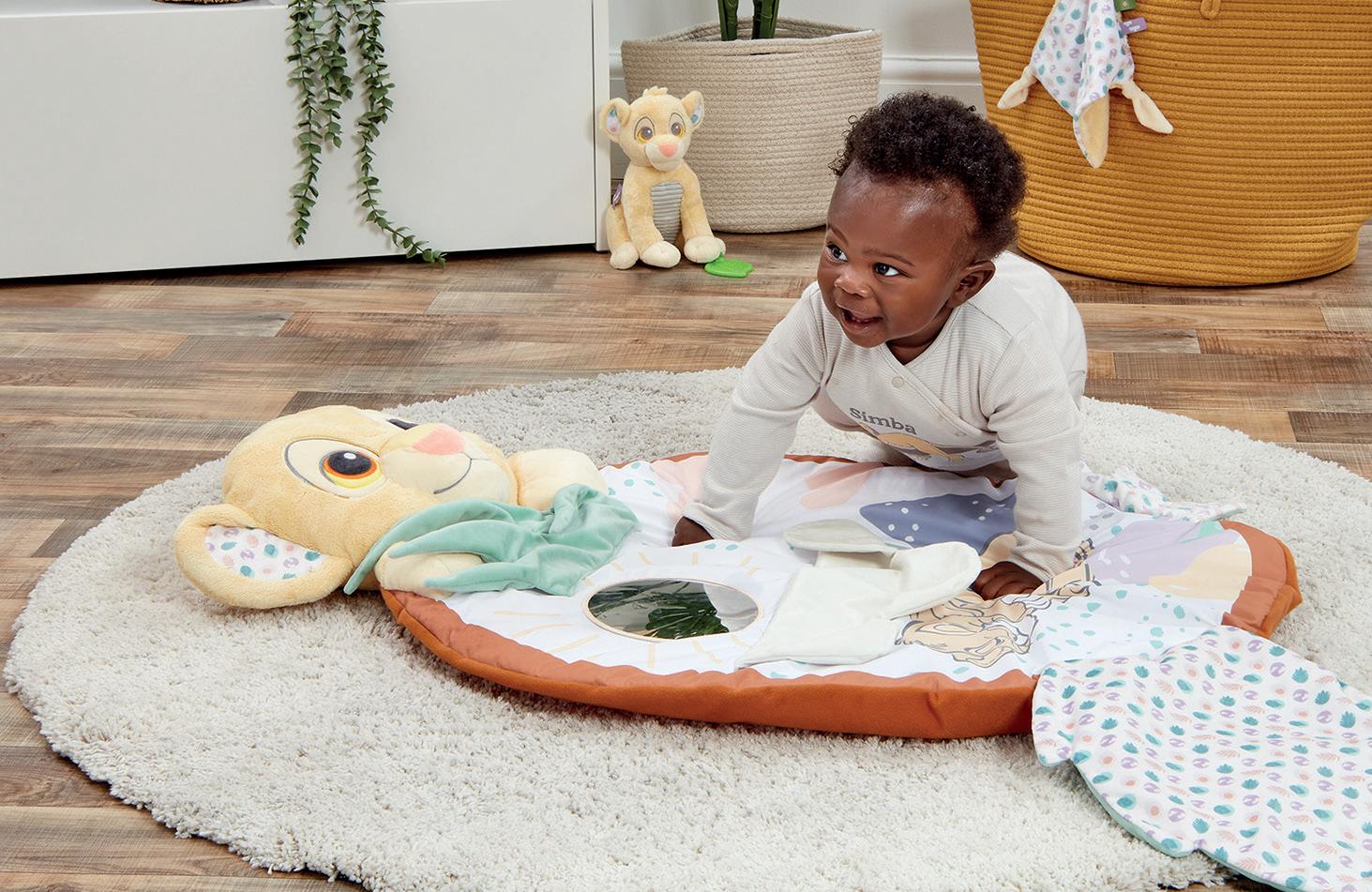
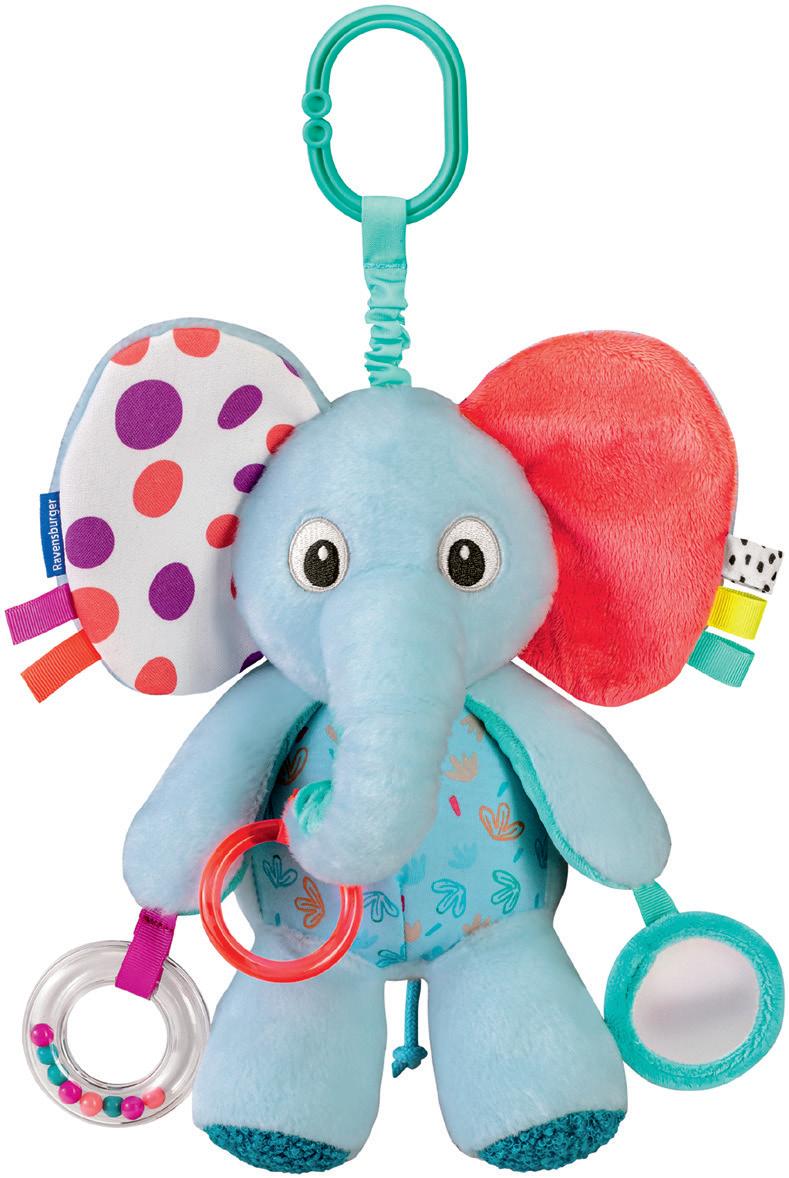
Play+, the rst infant & toddler range from Ravensburger will incorporate a range of activity plush, each one soft and snuggly, and o ering multisensory stimulation through a variety of features and materials.
The collection, featuring over 30 toys and books, will launch from September and has been developed combining over 100 years of Ravensburger expertise, and insights from both experts and families.
Activity plush, the Play & Explore Elephant is designed to be suitable from birth and is packed with captivating features to foster babies’ natural curiosity. Rattle rings, silicone teether, fabric ribbons and crinkle sounds, as well as a fun mirror add a wealth of playful discovery opportunities in this fun friend.
Tel: 01869 363800
sales@ravensburger.com
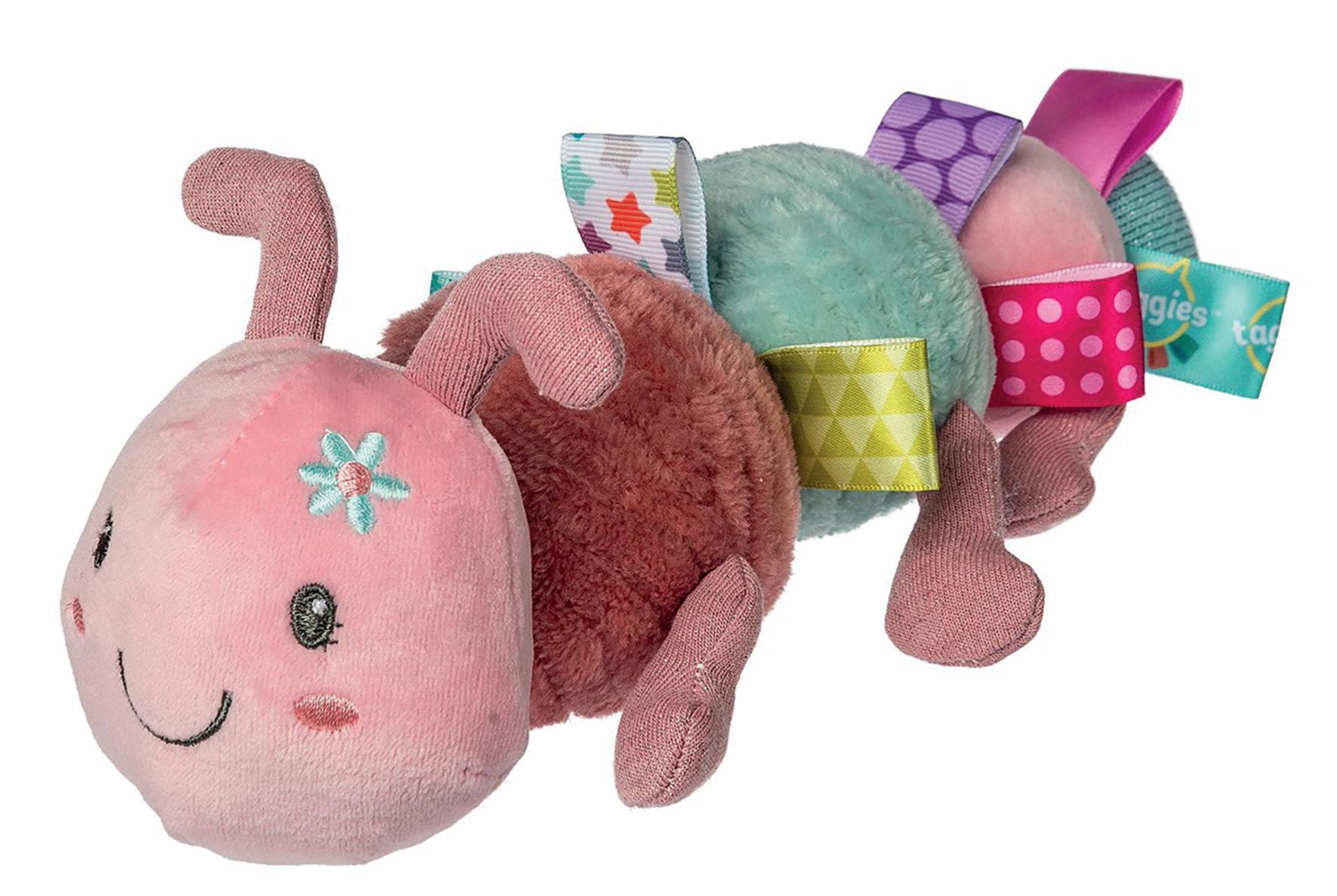
There is choice galore with plush products available with Mary Meyer.
Taggies Camilla Caterpillar Soft Toy
A slinky, smiling caterpillar soft toy in soft greens and pinks. With a segmented body, six legs, and 9 TAGGIES ribbons.
Bella Bunny Soft Toy
Crafted with utmost attention to detail, this adorable Bella Bunny is made from super soft fabric. Her snowy white fur adds a touch of purity, while the modern pink floral print brings a splash of vibrant colours. www.marymeyer.com
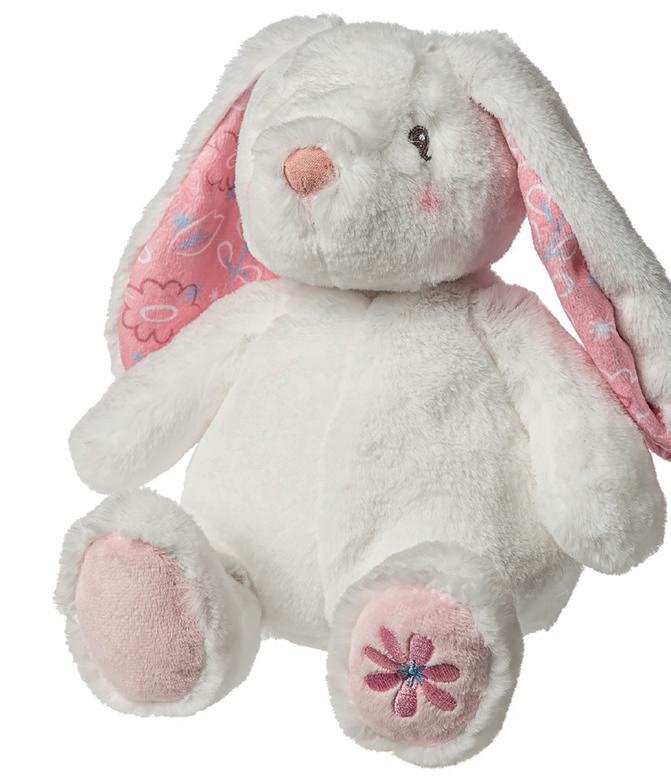





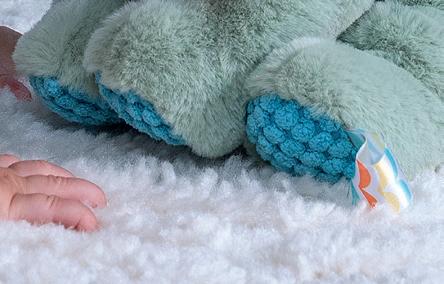


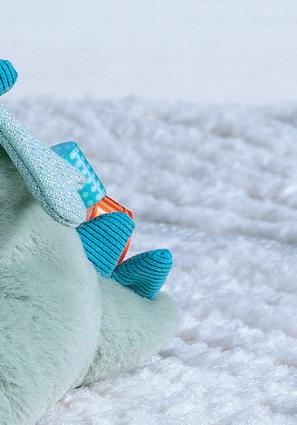



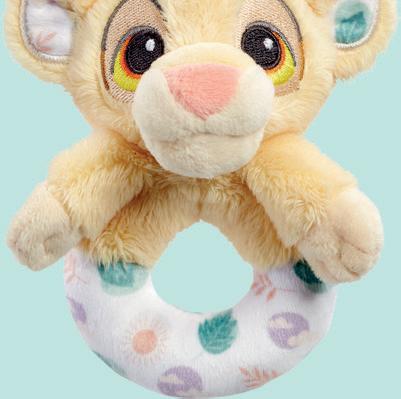
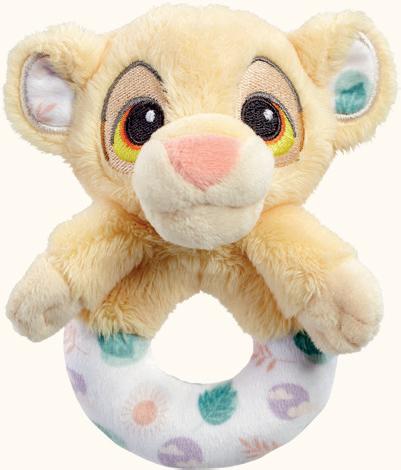







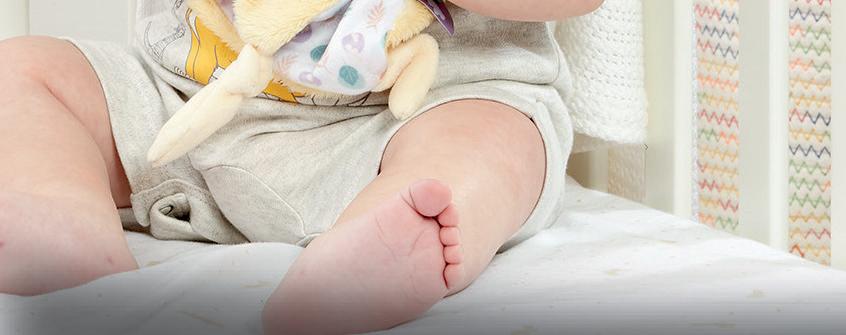
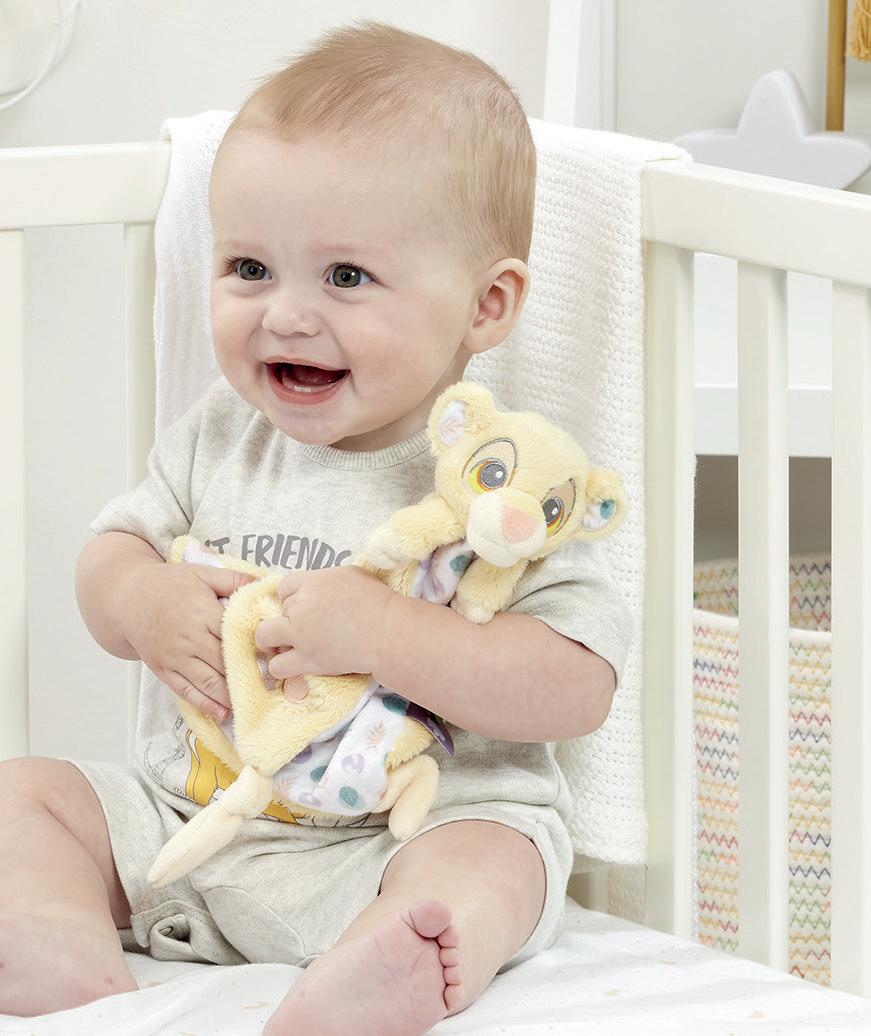




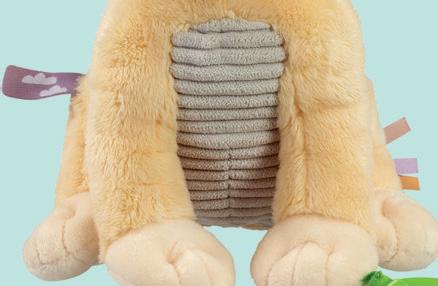






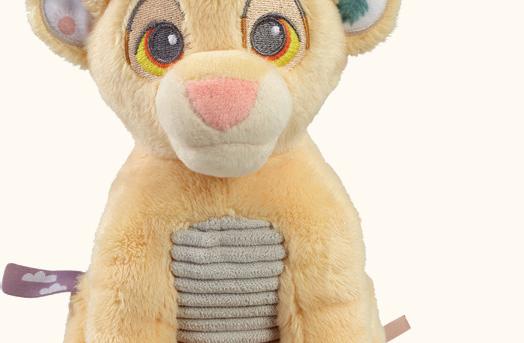





















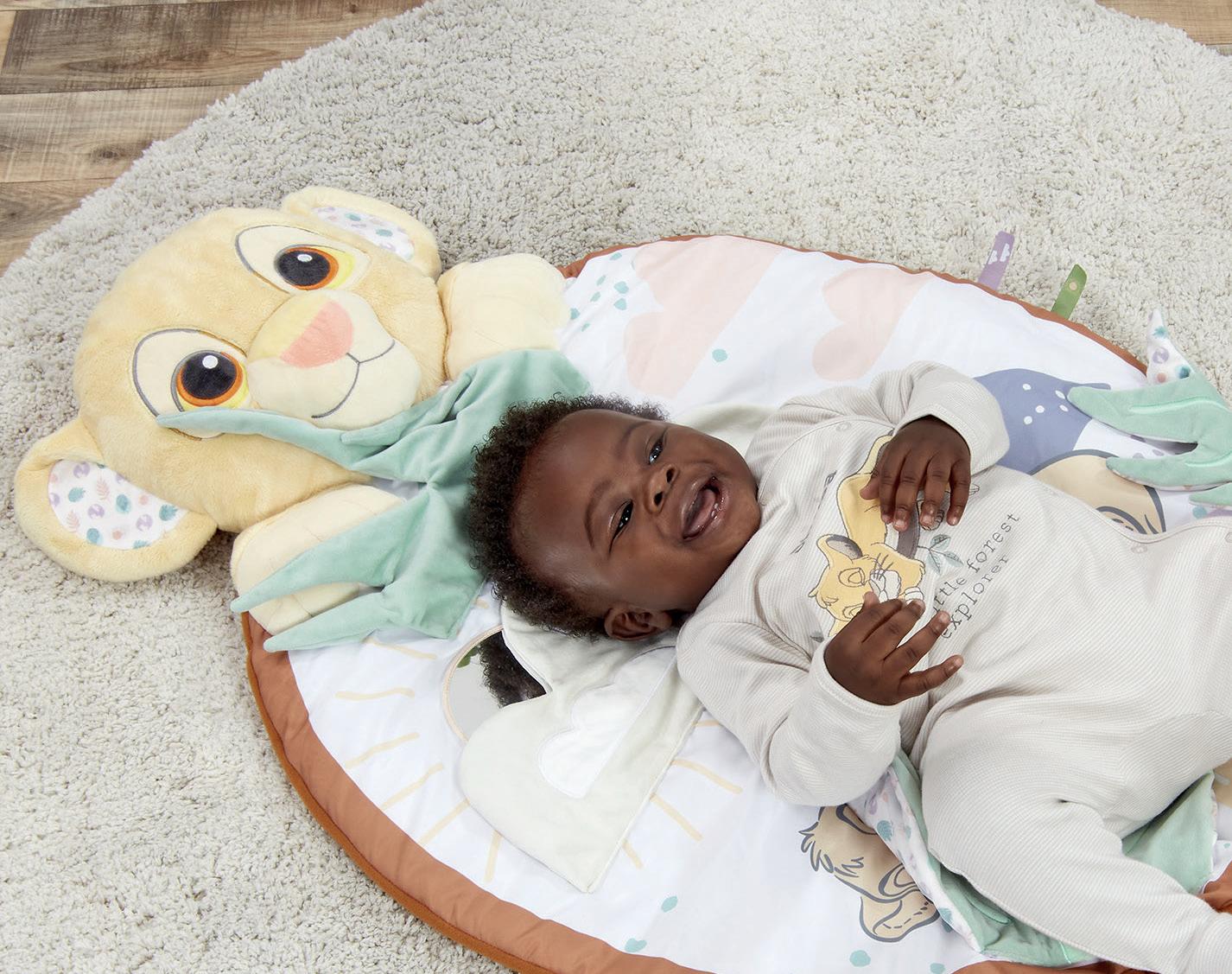








 Simba Activity Toy


The UK’s Loved by Parents awards have become a signi cant recognition in the realm of nursery products, boosting their value, trust, and consumer con dence. These accolades are highly regarded by parents and industry professionals alike, play a vital role in guiding consumers towards high-quality and reliable products for their little ones.
The Loved by Parents awards provide a stamp of approval from a trusted source. When parents see a nursery product bearing this accolade, it signals that the item has been rigorously tested, evaluated, and deemed exceptional by a panel of experts and real-life parents. This validation instils con dence in consumers, assuring them that the product meets stringent standards of safety, functionality, and overall quality.
Moreover, these awards help parents navigate the vast array of options available

Playtime
Best Doll or Soft Toy
L.O.L. Surprise! Bubble Surprise DollsPlatinum
Best Baby Toy
Sophie la girafe- Platinum
Best Pre School Toy
Casdon De’Longhi Barista Co ee MachinePlatinum
Best Activity Toy 1-3 Yrs
Jaques Of London Shape Sorter - Platinum
Best Interactive Toy 1-3 yrs
PlayTRAY - Platinum
Best Interactive Toy 3-6 yrs
Casdon De’Longhi Barista Co ee Machine - Platinum
Best Interactive Toy 6+
L.O.L. Surprise! Magic Flyers Doll - Platinum
Best Stimulative Toy 1-3 yrs
SmartMax My First Build & Drive - Platinum
Best Construction Toy 1-3 yrs
SmartMax My First Build & Drive - Platinum
Best Role Play Toy
Casdon De’Longhi Barista Co ee MachinePlatinum
Best Wooden Toy 1-3 Yrs
Jaques Of London Shape Sorter- Platinum
Best Eco Friendly Toy
Water Babies Bubba Bath Toy TeetherPlatinum
Best Educational Toy
PlayTRAY - Platinum
Best Creative Toy
L.O.L. Surprise! Squish Sand Magic House Playset - Platinum
Best Innovative Toy 2024
SmartMax My First Build & Drive - Platinum Home
Best Cleaning Product
Best Laundry Product
Milton Antibacterial Laundry TabletsPlatinum
Best Innovative Safety Product
Munchkin Auto Close Safety Gate - Platinum Feeding Products
Best Portable Feeding Product
Munchkin Silicone Baby Food FeederPlatinum
Best Innovative Product for Feeding
Bibado Handi Cutlery - Platinum
The Nanobébé Flexy Silicone Baby BottlePlatinum
Best Baby Steriliser
Milton Cold Water Steriliser - Platinum
Best Product for Bottle Feeding
The Nanobébé Flexy Silicone Baby BottlePlatinum
Best Product for Breast Feeding
Lansinoh Soothies Cooling Gel PadsPlatinum
in the nursery product market. With countless choices to consider, it can be overwhelming for parents to make informed decisions. The Loved by Parents awards serve as a reliable guide, showcasing products that have been recognised for their excellence. This simpli es the decision-making process for parents, saving them time and e ort in researching and comparing various options.
Congratulations to all the winners – here we list the Platinum and Gold Awards 2024 Winners – for the full list visit www.lbpawards.com

Best Product for Breast Feeding
Pippeta Silver Nip Cups - Platinum
Best Highchair/Baby Seat
Oyster 4-in-1 Highchair - Platinum
Best Baby Accessory
ARCHIE backpack - Platinum
Best Feeding Accessory
Nombear Tiny Weany Cups - Platinum
Best Weaning Range
Bubba Bear Bamboo Weaning Set - Platinum
Best Electronic Breast Pump
Pippeta Compact LED | Handsfree Breast Pump - Platinum
Best Handsfree Breast Pump
Pippeta Compact LED | Handsfree Breast Pump - Platinum
Best Innovative Breast Pump
Pippeta Compact LED | Handsfree Breast Pump- Platinum
Food
Best Breakfast Pouch 6 months+
Lupilu Breakfast Pouch - Mango - Platinum
Best Yoghurt Pouch 6 months+
Little Freddie Dairy Free Yog*rts - Platinum
Best Toddler Snack
Organix Gru alo Claws - Platinum
Best Child’s Snack
Whaoo! 6 Chocolate Filled Crêpes - Platinum
Best Snack for on the go
Organix Soft Oaty Bars - Platinum
Best Children’s Drink
Happy Monkey Smoothies - Platinum
Best Children’s Dessert
Mamia Yoghurt Pouches - Platinum
Best Baby Food Range 6 months+
HiPP Organic Baby Food Jars RangePlatinum
Best Toddler Food Range
Annabel Karmel’s Chilled Meals for Toddlers & Kids - Platinum

Kit & Kin All Purpose Spray - Platinum
Best Home Cleaning Product
Milton Antibacterial Surface Wipes - Platinum
Best Feeding Equipment Set
Bubba Bear Bamboo Weaning Set - Platinum
Best Breast Feeding Cover/Top
The Mum Collective Olivia SweaterPlatinum
Best Drinking Cup
Miracle 360° Tie Dye Trainer Cup 7ozPlatinum
Best Transition/Training Cup
Bibado Sippit - Platinum
Best Sippy Cup
Munchkin Koala Soft- Touch Spill-Proof Sippy Cup - Platinum
Best Innovative Cup (e.g, leakproof, bite proof, innovative tech)
Munchkin Click Lock Tip & Sip Cup 7oz -
Platinum
Best Weaning Product
Bibado The Dippit spoon - Platinum
Best Compact Highchair

Munchkin Foldable Float High Chair -
Platinum
Best Finger Food 6 months+
Mamia Rusk Biscotti Fingers - Platinum
Best Finger Food 7 months+
Piccolo Organic Cocomelon
Multigrain Pu s - Platinum
Best Finger Food 12 months
Organix Gru alo Claws- Platinum
Best Meal Pouch 6 months+
Mamia Organic Banana Breakfast PouchPlatinum
Best Meal Pouch 7 months + Piccolo Coconut Red Thai Vegetable Curry 7+- Platinum
Mamia Organic Thai Style Curry- Platinum
Best Meal Pouch 12 months
Mamia Organic Bolognese Pasta Bake Tray
Meal - Platinum
Best Fruit Pouch 6 months+
Organic Lupilu Fruit Pouch Apple & Strawberry - Platinum
Best Fruit Pouch 7 months +
Mamia Organic Apples, Carrots & Parsnips
Fruit Pouch - Platinum
Best Child’s Food Range
Annabel Karmel’s Chilled Meals for Toddlers & Kids - Platinum
Best Organic Baby Food Range
Mamia Stage 1 Fruit Pouches - Platinum
Best Organic Toddler Food Range
HiPP Organic Tray Meal Range - Platinum
Best Organic Meal Pouch 7 months +
Piccolo Coconut Red Thai Vegetable Curry 7+ - Platinum
Best Organic Fruit Pouch 6 months+
Organic Lupilu Fruit Pouches 120g: Apple & Strawberry - Platinum
Best Organic Baby Snack 6 months+
Little Freddie Dairy Free Yog*rts - Platinum
Best Organic Toddler Snack
Organix Gru alo Claws - Platinum

Piccolo Organic Cocomelon Multigrain Pu s- Platinum
Best Organic Child’s Snack
Piccolo Organic Cocomelon Multigrain Pu s- Platinum

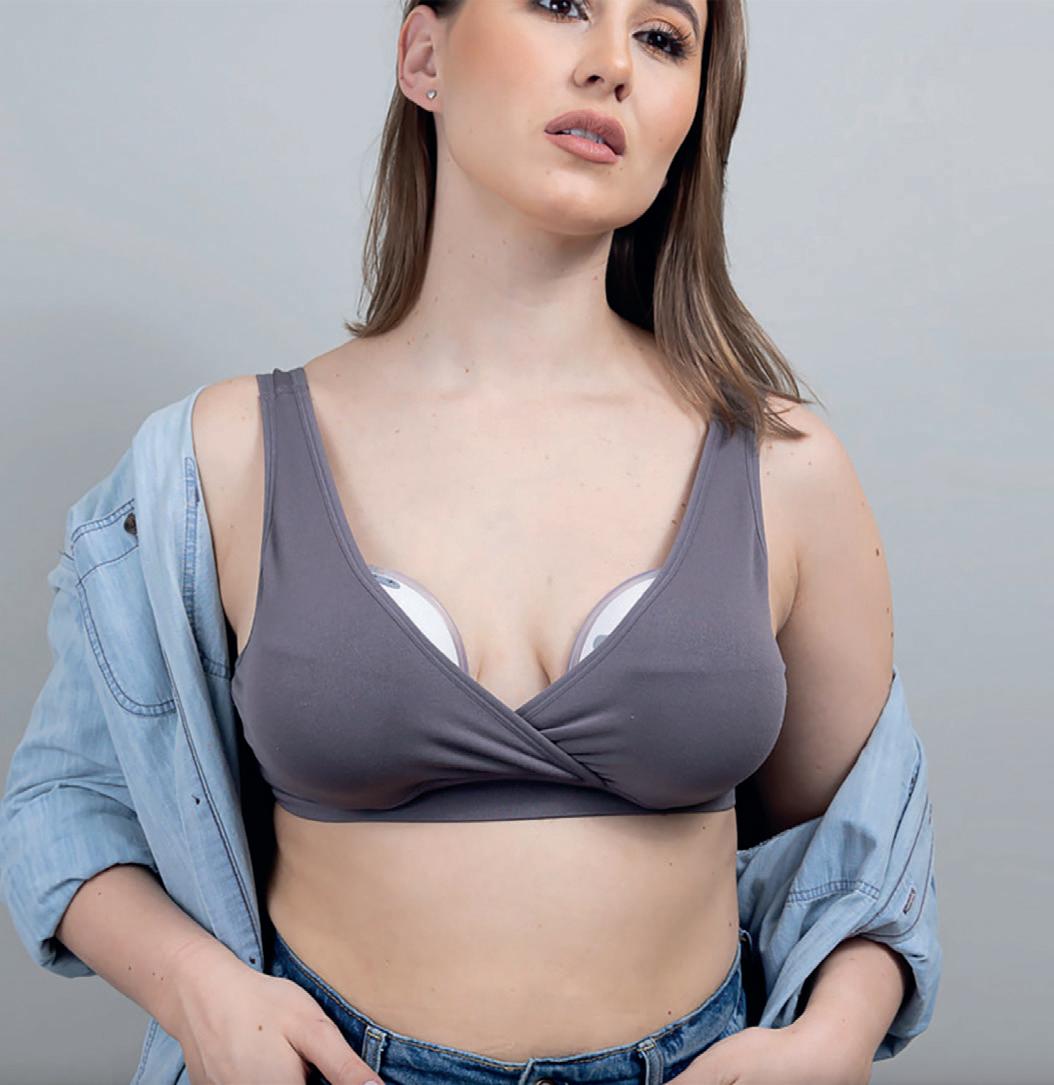
When it comes to breastfeeding, leading brand Pippeta swept the board at the recent Loved By Parents Awards.
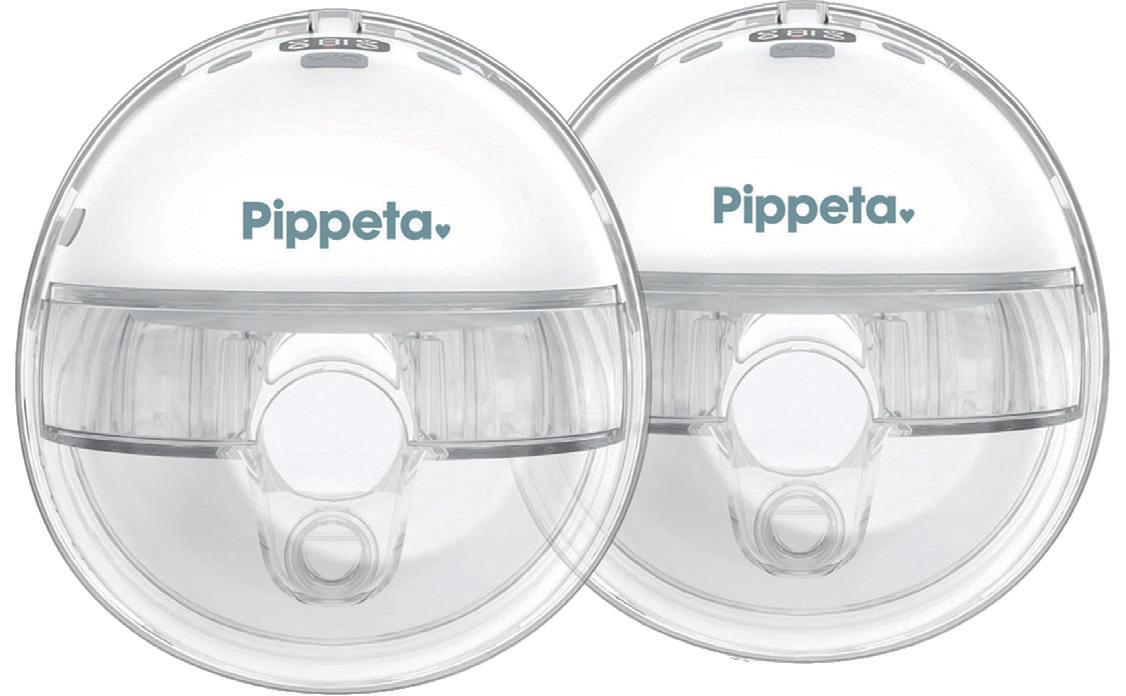
The Pippeta Compact LED Handsfree Breast Pump won Platinum in not one, but three, categories; Best Electronic Breast Pump, Best Handsfree Breast Pump and Best Innovative Breast Pump, whilst the Pippeta LED Wearable Hands Free Breast Pump won Gold in the Best Electronic Breast Pump category.
Pippeta’s success has come from creating premium hands-free breast pumps, without the premium price tag. They are designed to fit into a bra and have soft, flexible silicone breast shields that contour breast shape. They have 12-suction levels in all 4-modes which is industry leading, a long use time of 90-100 minutes and charge in just 2.5 hours. Every purchase comes with free support, from a fully qualified Lactation Consultant.
www.pippeta.com
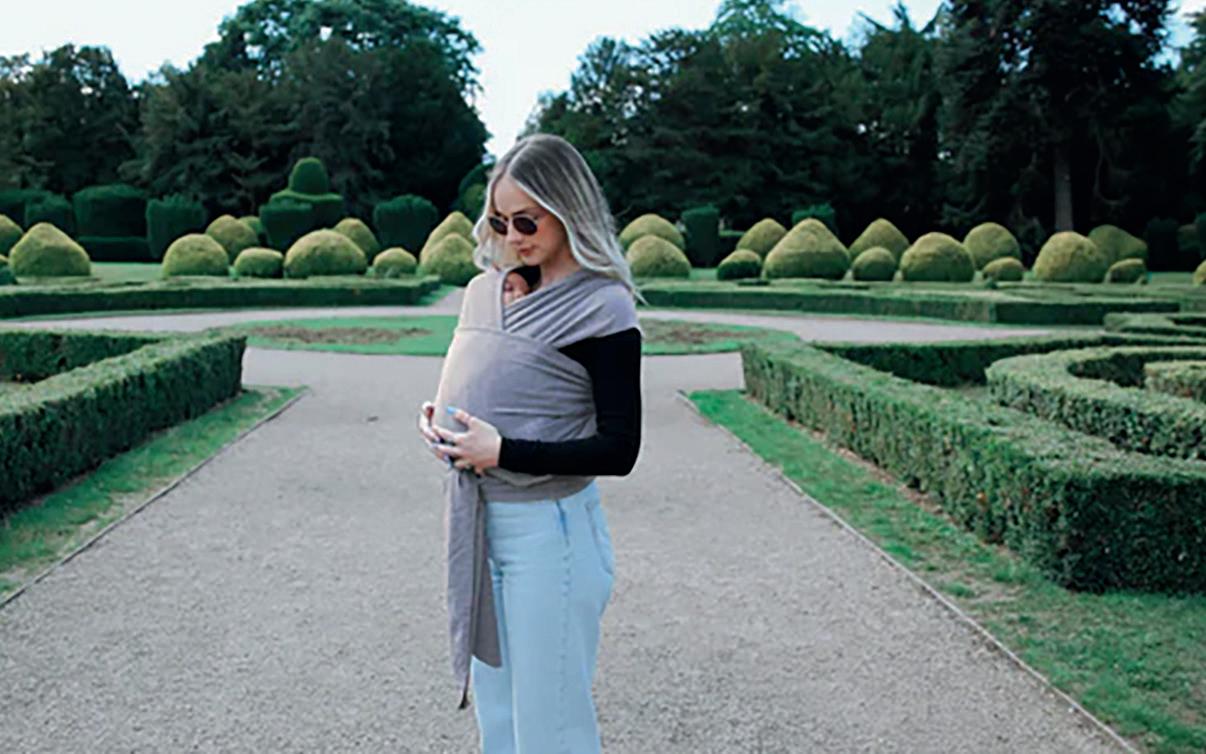
Ryloobaby Sling secures a hat trick at the Loved by Parents Awards with three Platinum accolades: Best Baby Sling, Best Baby Carrier and Best Baby Wrap/Sling. The team at Ryloobaby are jumping for joy after their baby sling, the RYLOOBABY Sling, gained platinum status in three categories.
The Ryloobaby Sling promotes bonding while keeping little one cool and calm. This safe, durable and breathable wrap will become an everyday essential that your customers will love. The ideal daily go-to wrap, due to its versatility and one size fit makes it a firm favourite not only with parents, but also the judges at Loved by Parents.
The Ryloobaby Sling is supportive, soft and lightweight. It allows optimum positioning for baby and has been deemed by the IHDI as being a “hip-healthy” product.
Suitable for newborns, infants & toddlers (8-35lbs / 3-15kg).
• Premium cotton blend - 95% Cotton / 5% Spandex.
• Comes with drawstring bag and instruction manual.
• Machine washable
For further information contact:
info@ryloobaby.com www.ryloobaby.com

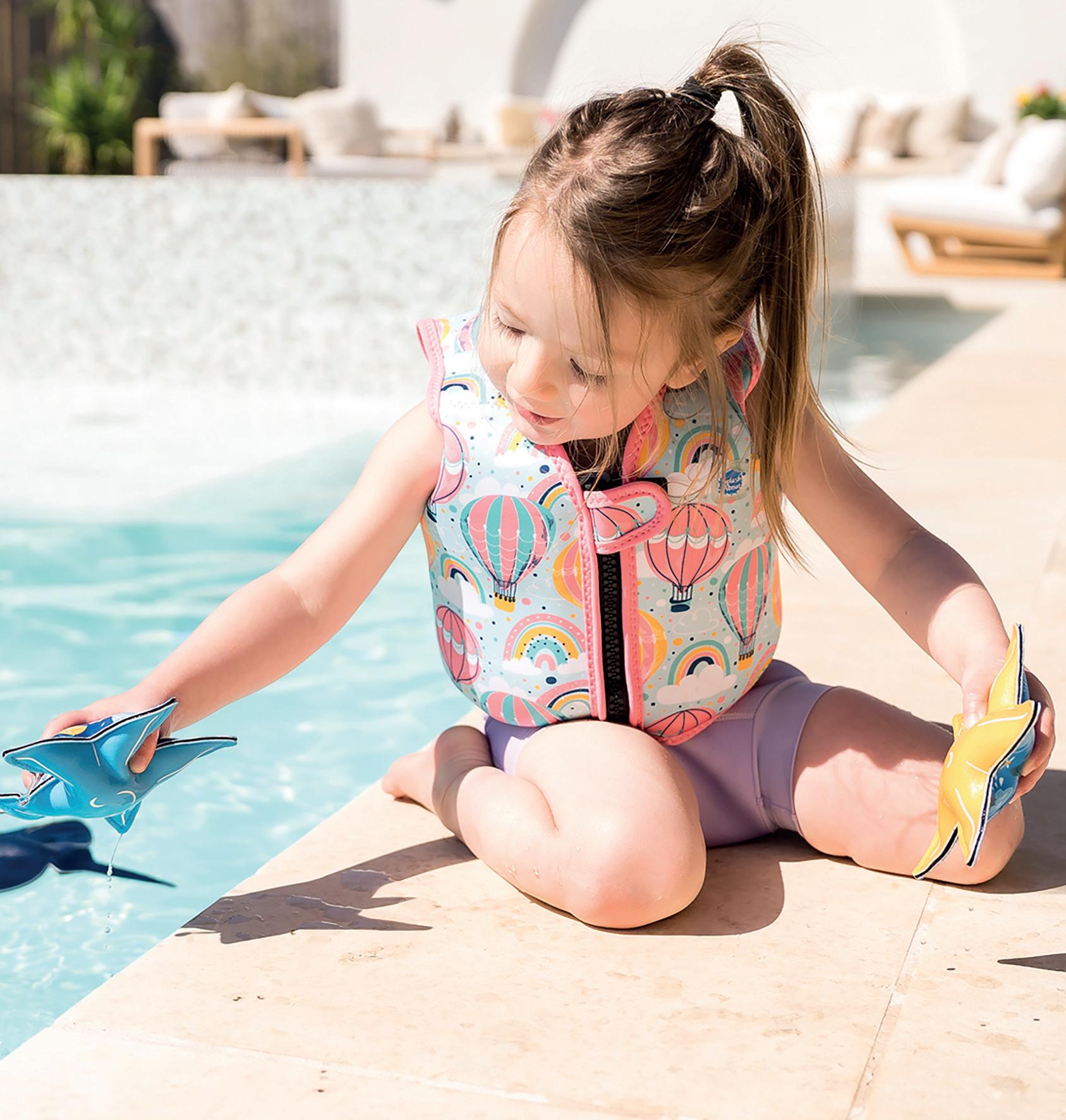
Splash About’s kids swimwear scoops Platinum at the LovedByParents.com awards!
With summer holidays on the horizon, Splash About’s award-winning swim and sun wear ensures children are protected in and out of the water.
The brand’s Go Splash Swim Vest scooped the top award for Best Innovative Travel Product and Best Swim Aid.
Compact, lightweight with puncture proof floats, this UPF50+ Swim Vest provides a robust learn-to-swim experience for kids aged 1-6 years. It also packs flat– a bonus when travelling!
While the Happy Nappy Sunsuit- a combination of sun protection body and leak-proof swim nappy- was awarded platinum for Best Travel Product under £50.
Innovative, award-winning children’s sun and swimwear for happy holidays at home or abroad!
www.splashabout.com
The Noordi Fjordi has achieved incredible success at the prestigious Loved by Parents Awards 2024! Their range of sustainable, Scandi prams have been recognised for their innovation, design, and value for money.
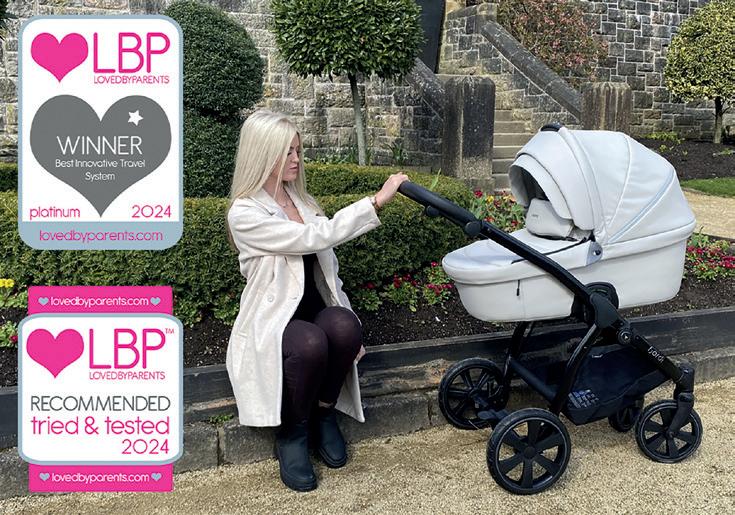
Securing the Platinum Award for the ‘Best Innovative Travel System’ is a remarkable achievement and recognises Noordi’s dedication to creativity and functionality.
These awards, based on tens of thousands of votes from real parents, are a testament to Noordi’s dedication to producing products that are loved and trusted by families across the UK and Ireland.
Further 2024 Loved by Parents Awards for the Noordi Fjordi include:
• The Gold Award for the ‘Best Pushchair over £700’, surpassing the competition and impressing reviewers with its exceptional features.
• The Gold Award for the ‘Best Pushchair Design’, highlighting Noordi’s commitment to creating visually stunning and practical prams.
• The Gold Award for the ‘Best Travel System over £700’, solidifying Noordi’s position as a leader in premium travel systems.
Noordi were honoured to receive these awards and remain committed to providing the most stylish, innovative prams that offer exceptional value for parents in 2024 and beyond. www.johnstonprams.com






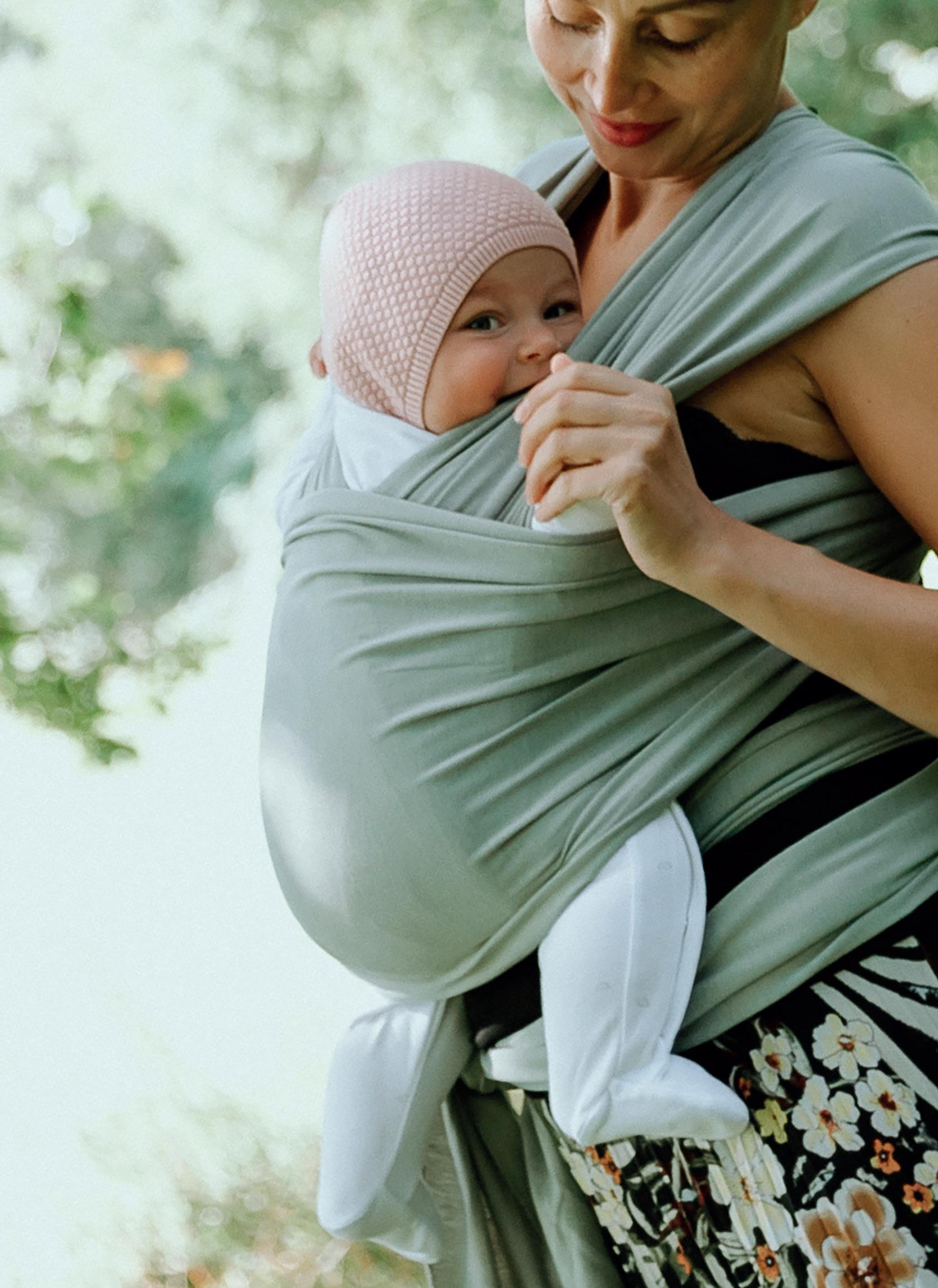

The RYLOOBABY Sling is supportive, soft and lightweight. It allows optimum positioning for babies and has been deemed by the IHDI as being a “hip-healthy” product.
For further information contact: info@ryloobaby.com www.ryloobaby.com


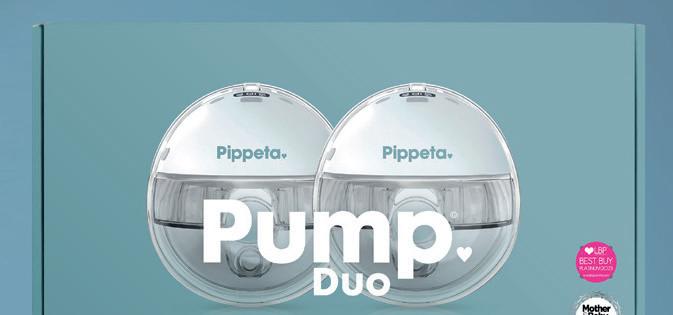
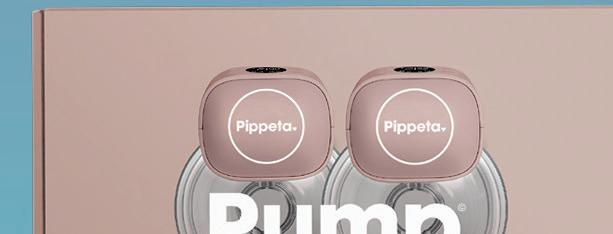

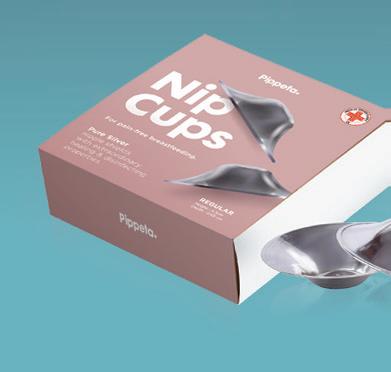
























Rockit are celebrating a Platinum Award win for their miniature sound soother, Wooshh.
The tiny devices measures just 6cm tall, but is crammed with features. It is ideal for travel and can be popped in a pocket, but don’t let it’s diminutive size fool you – Rockit have crammed in 8 high quality sounds, USB charging and an all-night mode for those extra tricky nights.
Matt Dyson, Rockit co-founder said “This is another fantastic award for Wooshh and is recognition of the hard work our design team put into developing original sleep tech products that are truly useful for worn out mums and dads.”
www.rockitrocker.com

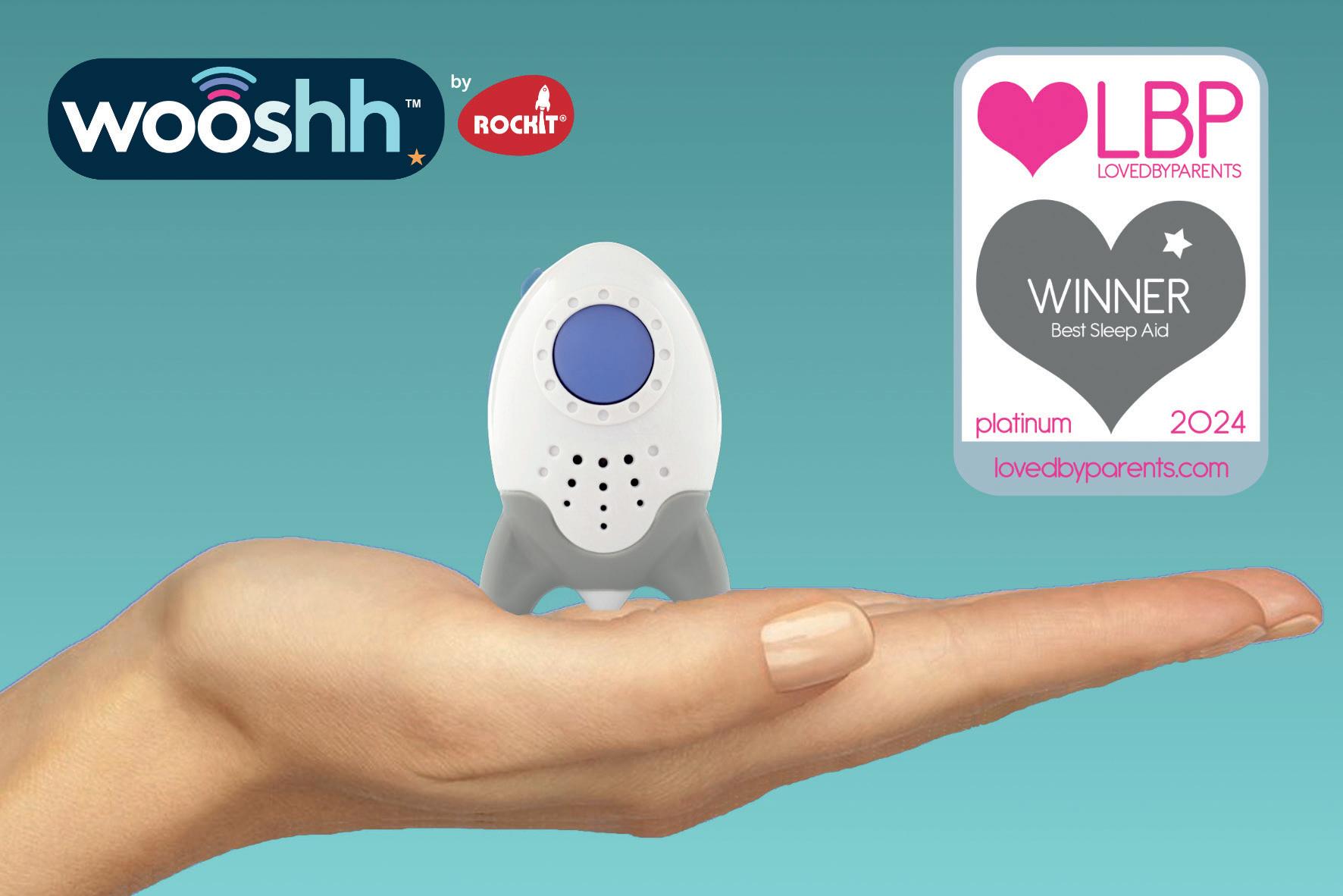
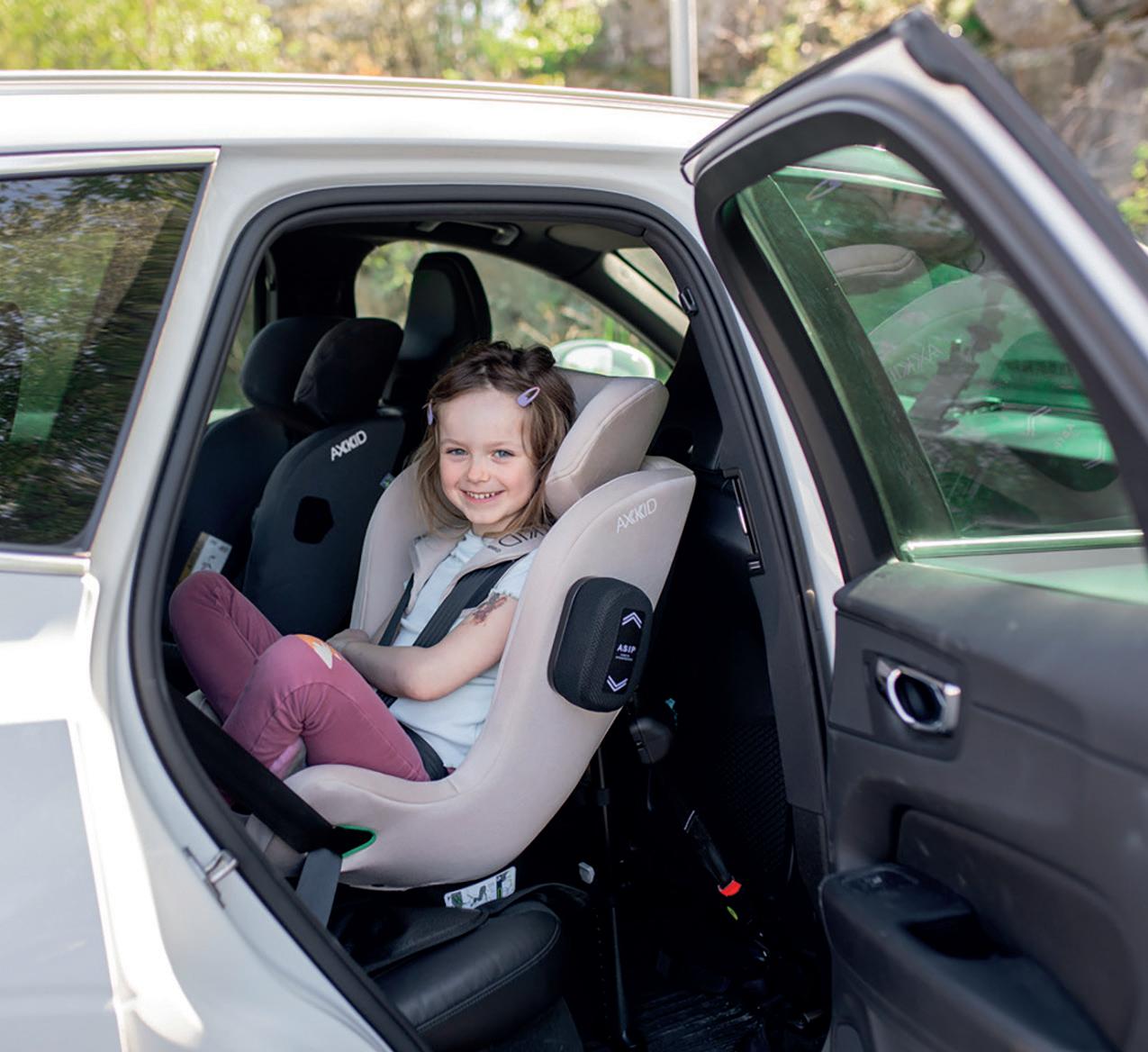
Axkid have once again been recognised for their continuous commitment to providing families the comfort and safety they need for every adventure.
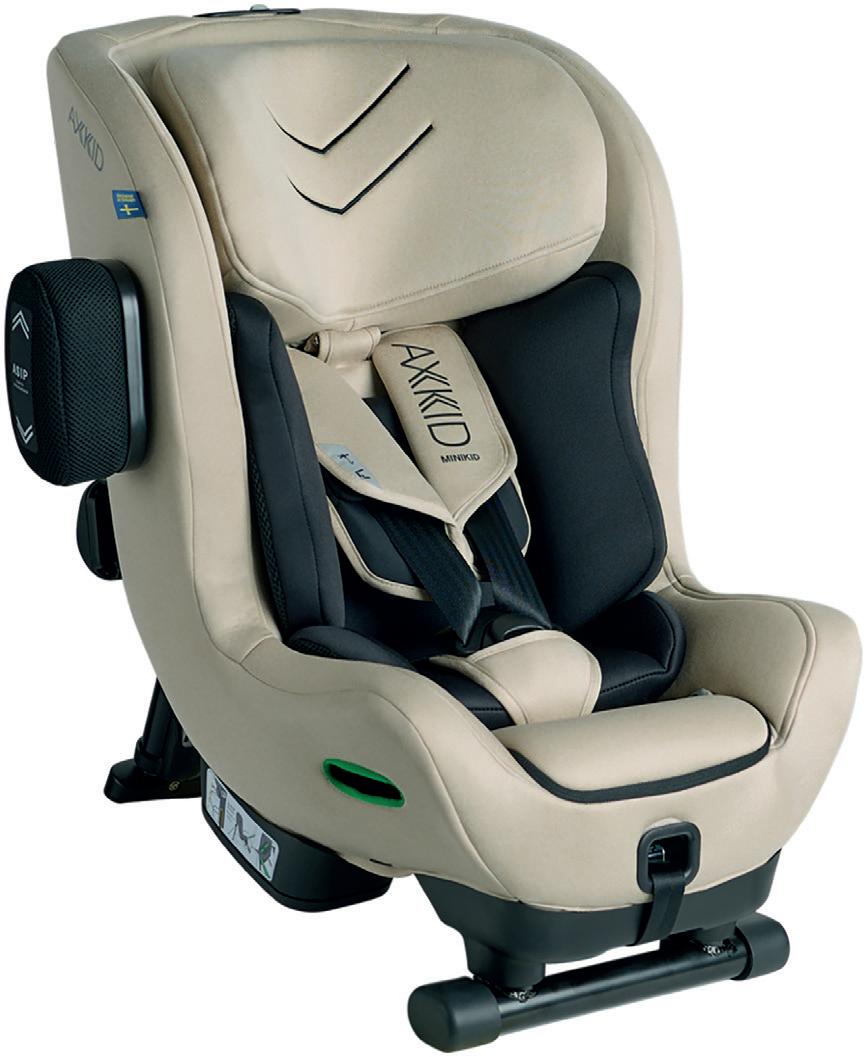
Axkid’s Minikid 4 car seat has secured another award, this time it’s the respected Loved by Parents Awards.
The Minikid 4’s innovative design and Swedish safety features resonate with both parents and industry experts, helping to reinforce their message that rearward facing is safer. This award further supports Axkid’s position as a leader of innovation and car seat safety in the industry, reassuring parents of their choice in prioritising their child’s safety on the road. www.axkid.com



Milton Antibacterial








Surface Wipes are perfect for quick clean ups in and out of the home, killing 99.9% of germs including Rotavirus, which is responsible for gastroenteritis.
The bleach, fragrance and rinse free formula is made from a 100% biodegradable fabric of natural origin.
Trusted by midwives, they are suitable for soothers and teats and can be used to clean highchairs, toys, changing mat, potty, baby’s bath, kitchen work tops, door handles, public facilities, at work, restaurants, telephone, toilets etc. The compact pack ts neatly into a baby changing bag or handbag and they dry quickly without any sticky residue.
www.milton-tm.com
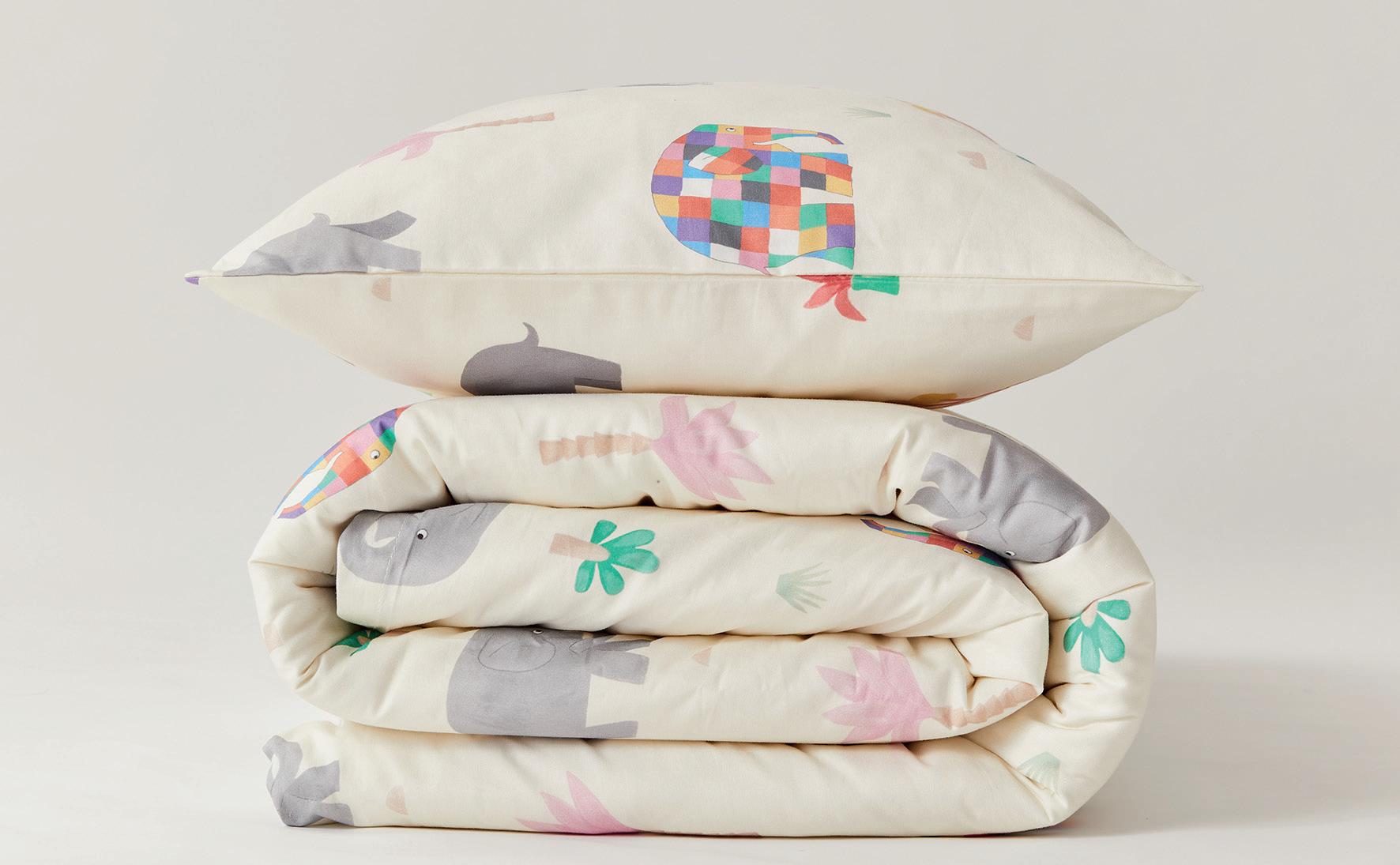

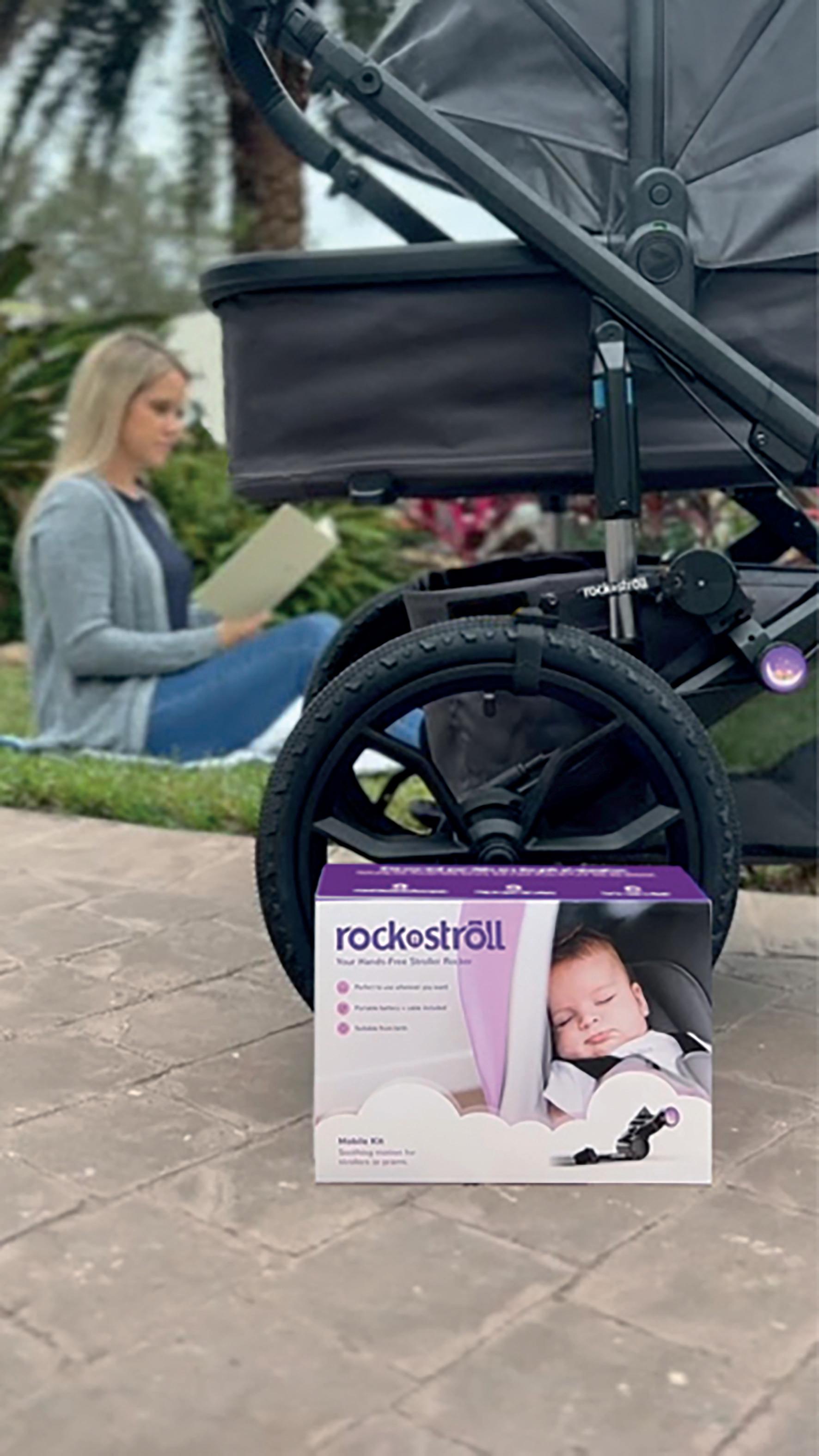
Kabode’s collaboration with the iconic Elmer the Elephant has won the Best LBP Bedding award
Kabode have collaborated with Andersen Press on an exclusive bedding collection to celebrate everyone›s favourite patchwork elephant›s 35th Birthday!
Giving David McKee’s classic Elmer artwork a twist with the signature Kabode palette of modern colours, printed on 100% organic cotton. The design has proven to be a rm favourite with parents having won this year’s Loved by Parents award for Best Nursery Bedding.
Tel: 020 8017 1346
trade@kabode.co.uk
www.kabode.co.uk
RocknStroll, the innovative hands-free stroller rocking device, is changing the game for parents worldwide.
Designed with the utmost convenience in mind, RocknStroll o ers three unique products: the At-Home Kit for seamless rocking at home, the Mobile Kit for on-the-go convenience, and the Bundle Kit for the ultimate versatility. With its innovative technology and gentle back and forth rocking motion, RocknStroll ensures a gentle soothing motion for babies while providing parents with muchneeded exibility. Join the growing number of satis ed parents and experience the di erence with RocknStroll today!
www.rocknstrollco.com
Nursery Today shines the light on Tech products which are all available to order now.
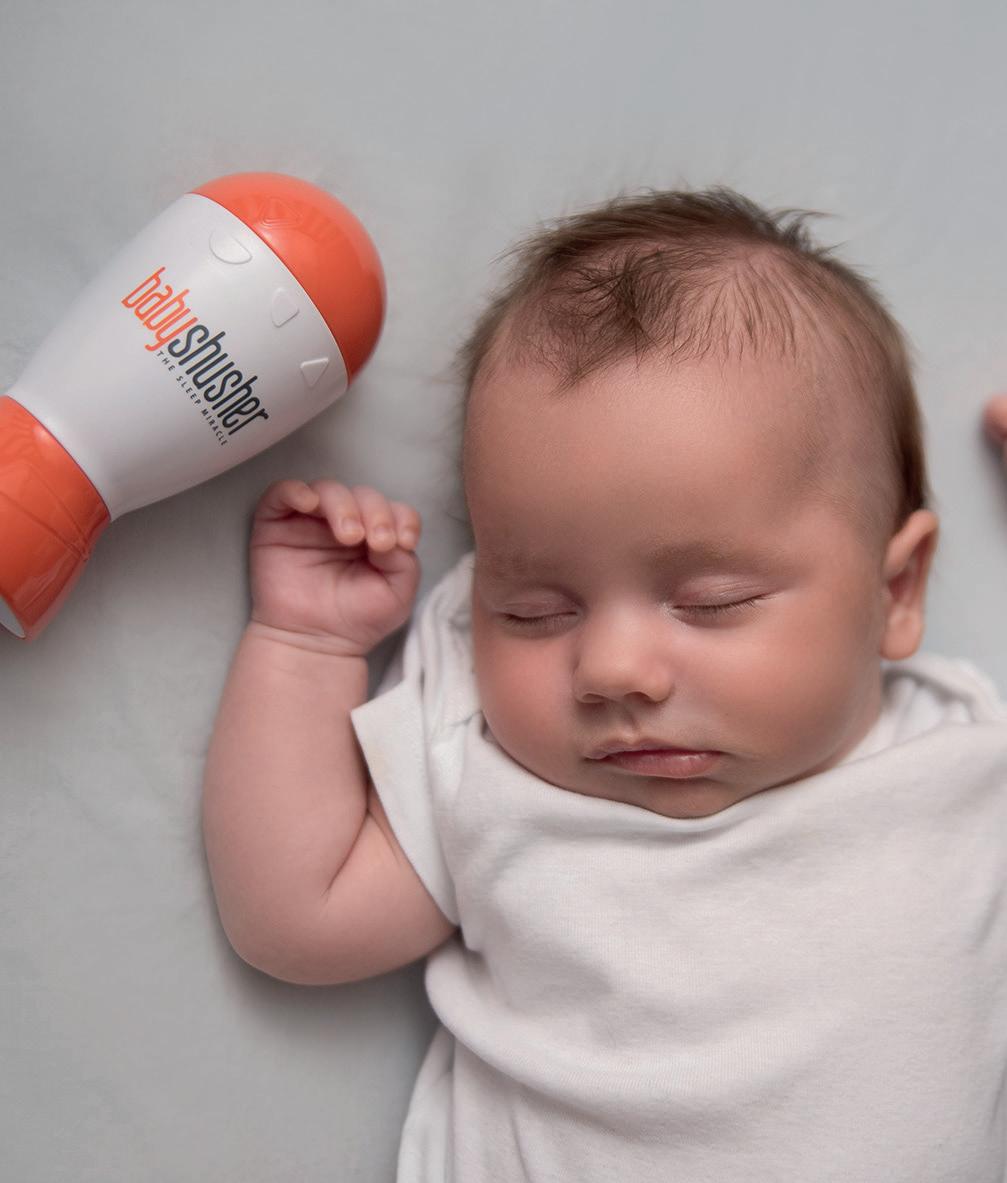
This is no ordinary white noise machine—it’s a Baby Shusher.
With over three million units sold worldwide, endorsed by celebrities and paediatricians, used in NICUs, and stocked in major US retailers like Walmart and Target, the Baby Shusher is a trusted sleep aid now making its way to the UK.
This compact and portable device harnesses rhythmic shushing to gently lull babies to sleep. Adjustable timer and volume options, along with battery power, ensure simplicity while providing parents with the help they need in any situation, at any time. This little award winning device is simply the sound that works.
www.babyshusher.com
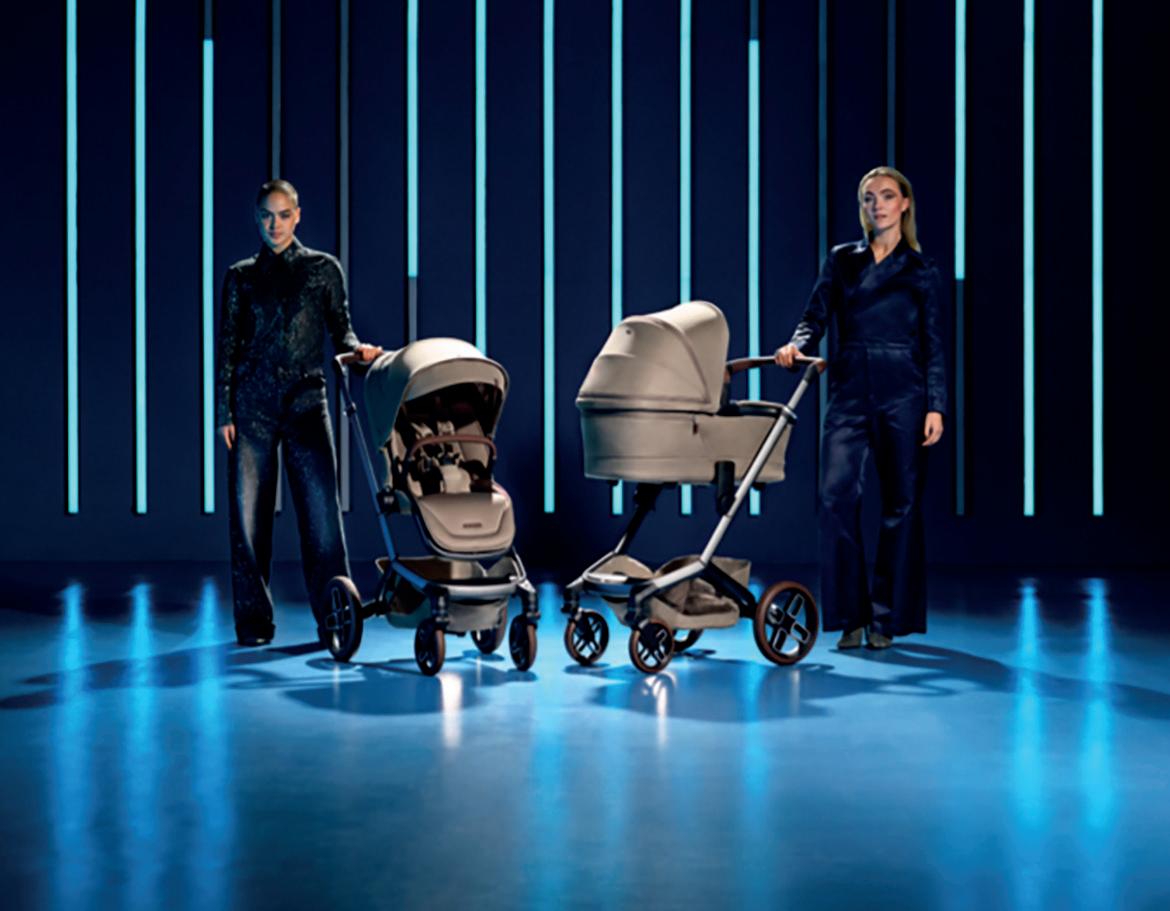
With technology integration and parent-centric design emerging as growing trends in the pushchair segment, Maxi-Cosi has launched the iconic Fame.
Fame is a stylish and innovative pushchair with LED lighting, a height-adjustable carrycot, and an integrated power bank for charging phones and devices on the go.
The inventive LumiRide LED lighting system in the lower frame illuminates darker streets and pathways, keeping parent and baby safe and visible. Fame also seamlessly integrates with Maxi-Cosi’s Pebble 360 Pro car seat featuring SlideTech – a world- rst sliding innovation for car seats that makes easy work of getting children in and out of the car.
www.maxi-cosi.co.uk
Successful tech doesn’t have to
Rockit, the award-winning baby sleep tech company from Bristol have a really clear mission – to help worn out parents without overcomplicating their products.
Matt Dyson Rockit co-founder explains “Parents are often using our products in the middle of the night, when they are disorientated, and sleep deprived. For this reason we work hard to make sure the user interface is as simple as possible – no apps or multiple controls and functions to bamboozle and frustrate.”
This approach has helped more than half a million customers around the world and has won recognition from the Design Council and Buckingham Palace – with a Queens Award for innovation.
www.rockitrocker.com
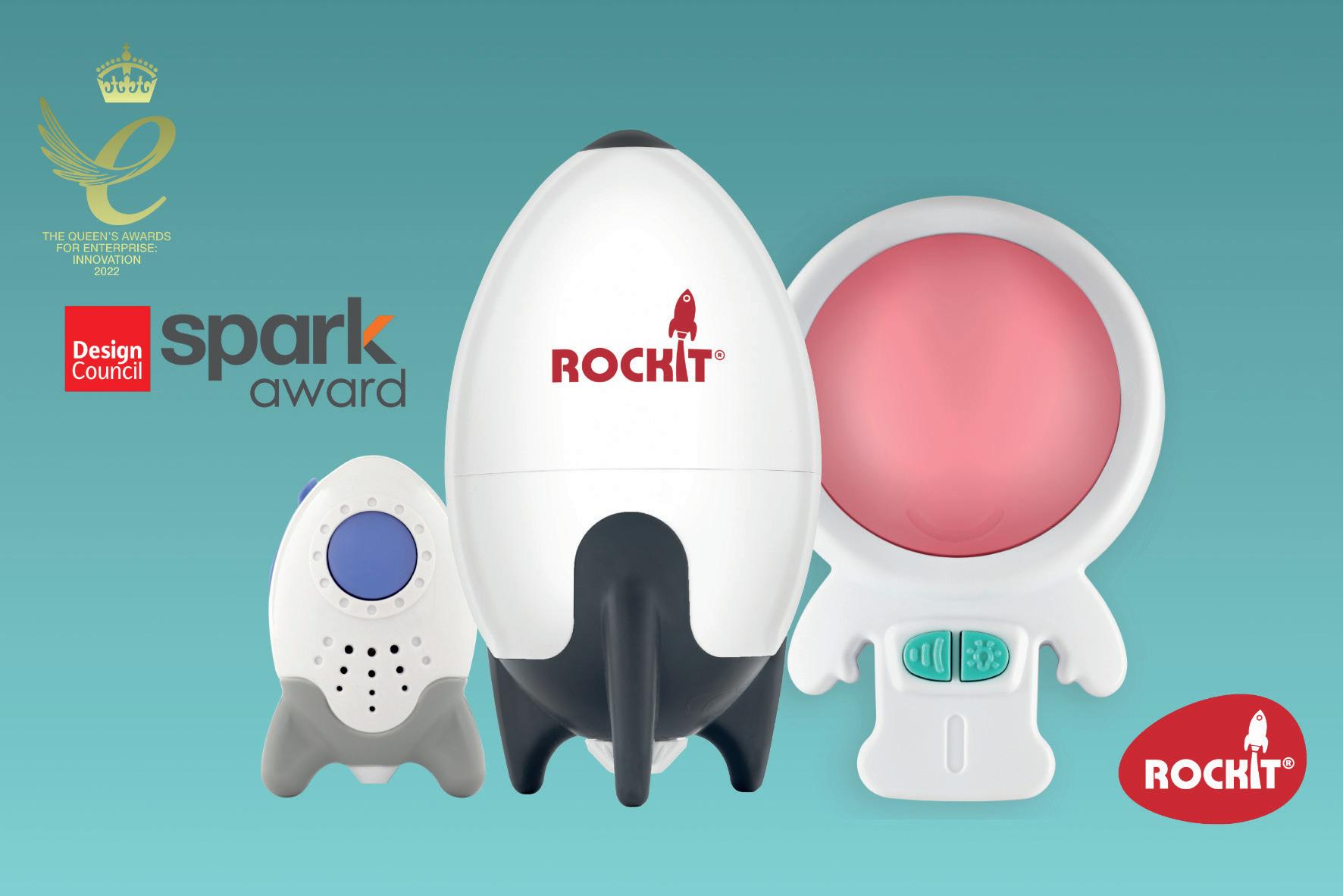


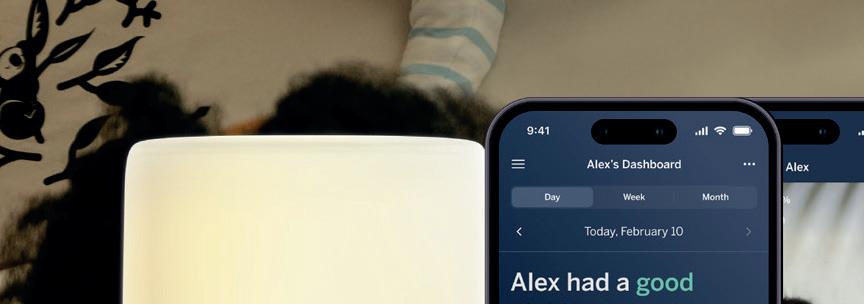


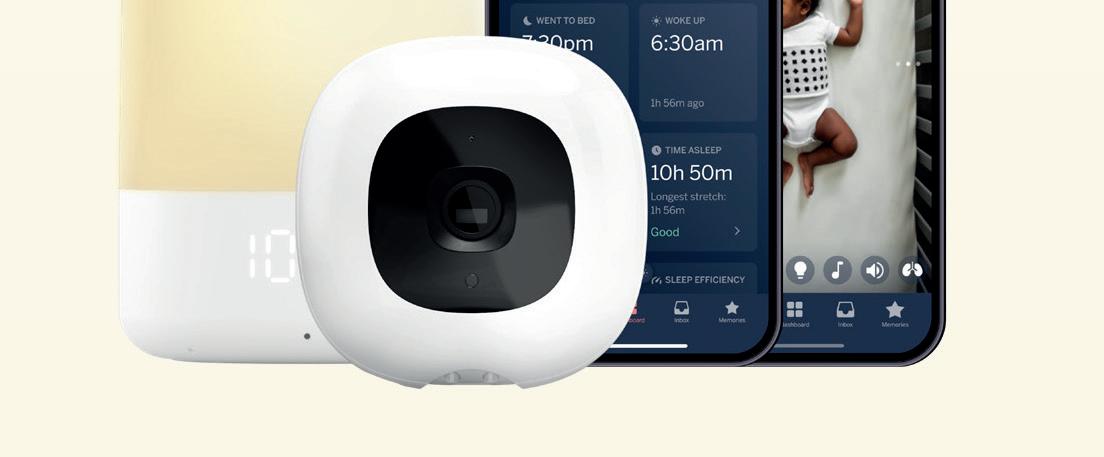
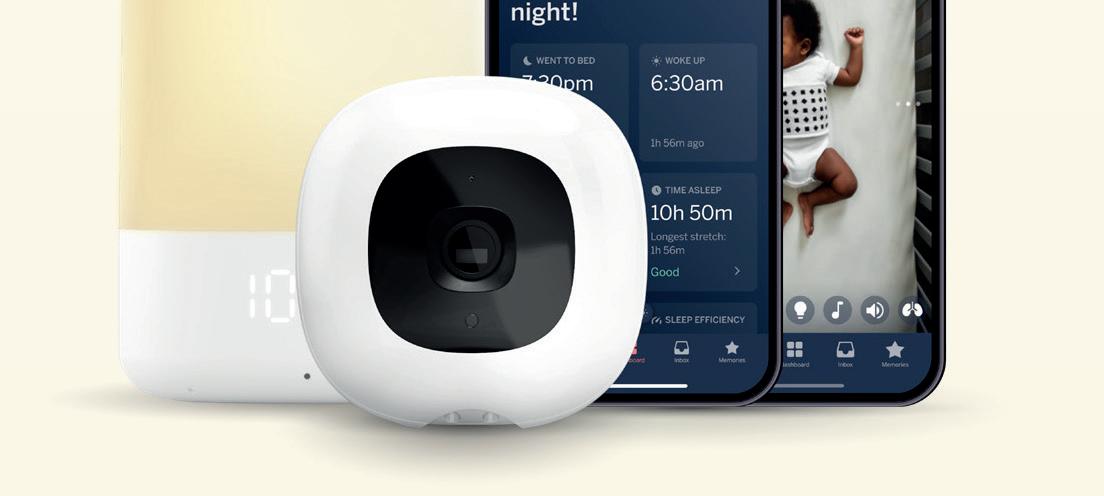
Connect to what’s next with Nanit
Less self-doubt. More con dence. Nanit’s AI-powered data provides you with parenting superpowers, so you have a total focus on your baby’s big picture.
Nanit believes smart baby monitors should be more than a camera, and that sleep and milestone tracking provides a total view of your family’s wellness.
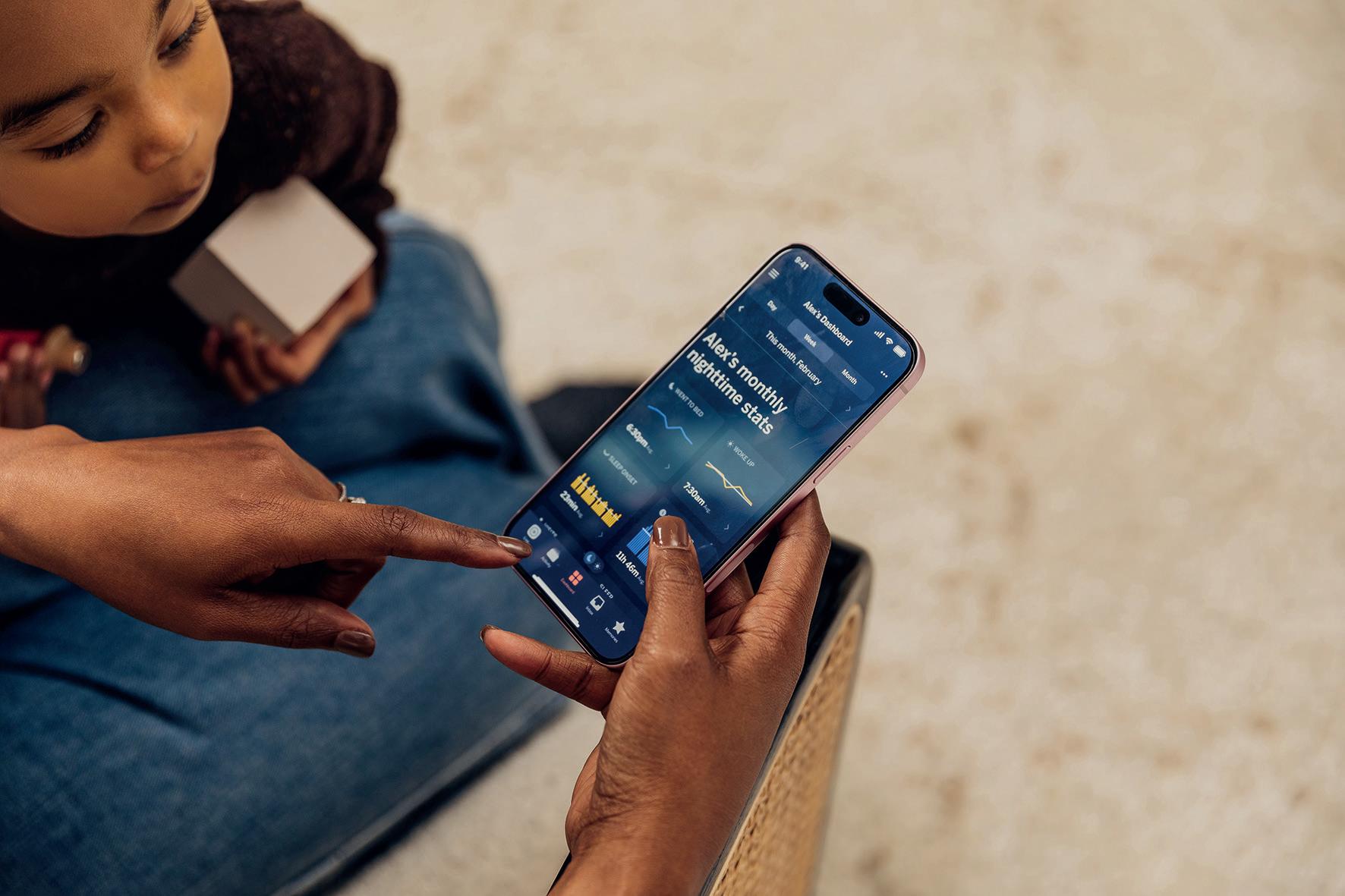
The Nanit Pro Camera is absolutely more than just a baby monitor—it’s a smart sleep ecosystem designed to track and analyse your baby’s sleep, breathing motion, and milestone patterns and o er invaluable information that’ll give you the con dence you need to make informed decisions.
With the wide-angle Nanit Pro Camera and Floor Stand or Wall Mount, you’ll get a 1080p HD overhead view of your baby with the most secure, 256-bit encryption of all smart monitors. Plus, the ever-evolving Nanit App helps your family know more and sleep better.
• Smart Alerts: Nanit detects and noti es you in-app when baby really needs you.
• Sleep tracking and analytics, plus sensor-free Breathing Motion Monitoring, Temperature + Humidity Tracking, and 2-way audio.
• Grows with your family: The Nanit Ecosystem supports you on your parenting journey from ages 0-5 and beyond.
• Sleep soundly with Sound + Light.
• Nanit’s smart audio monitor is a 3-in-1 sleep solution that o ers a fully customisable nightlight with multiple colour features, so that you can signal to your child when it’s time to wake up or wind down, as well as a sound machine with a full library of lullabies and white noise.
• Sleep, scheduled. You can use the Nanit Pro Camera Insights linked to Nanit Sound + Light to create a customized smart sleep ecosystem:
• OK to Wake feature ensures sleep success by building independence
• Google Home voice commands now easily control Sound +Light
• Makes a great gift for new parents (yay, extra sleep)!
The Nanit Pro Camera was the rst monitor to capture a bird’s-eye view of baby’s growth and wellness in the crib. Now, it’s the most awarded, connected baby monitor and app on the market—one that’s used by paediatric sleep experts in cutting-edge studies.
Nanit parents have access to scienti c research quality data every day via Nanit Lab, a think tank of experts. Recent validation research adds to the growing body of evidence showing how accurate Nanit is at measuring sleep and milestones. And you can con dently use these personalized insights in conversations with your paediatrician or in changes to your daily routine for total family wellness. sales@kooltrade.co.uk www.kooltrade.co.uk
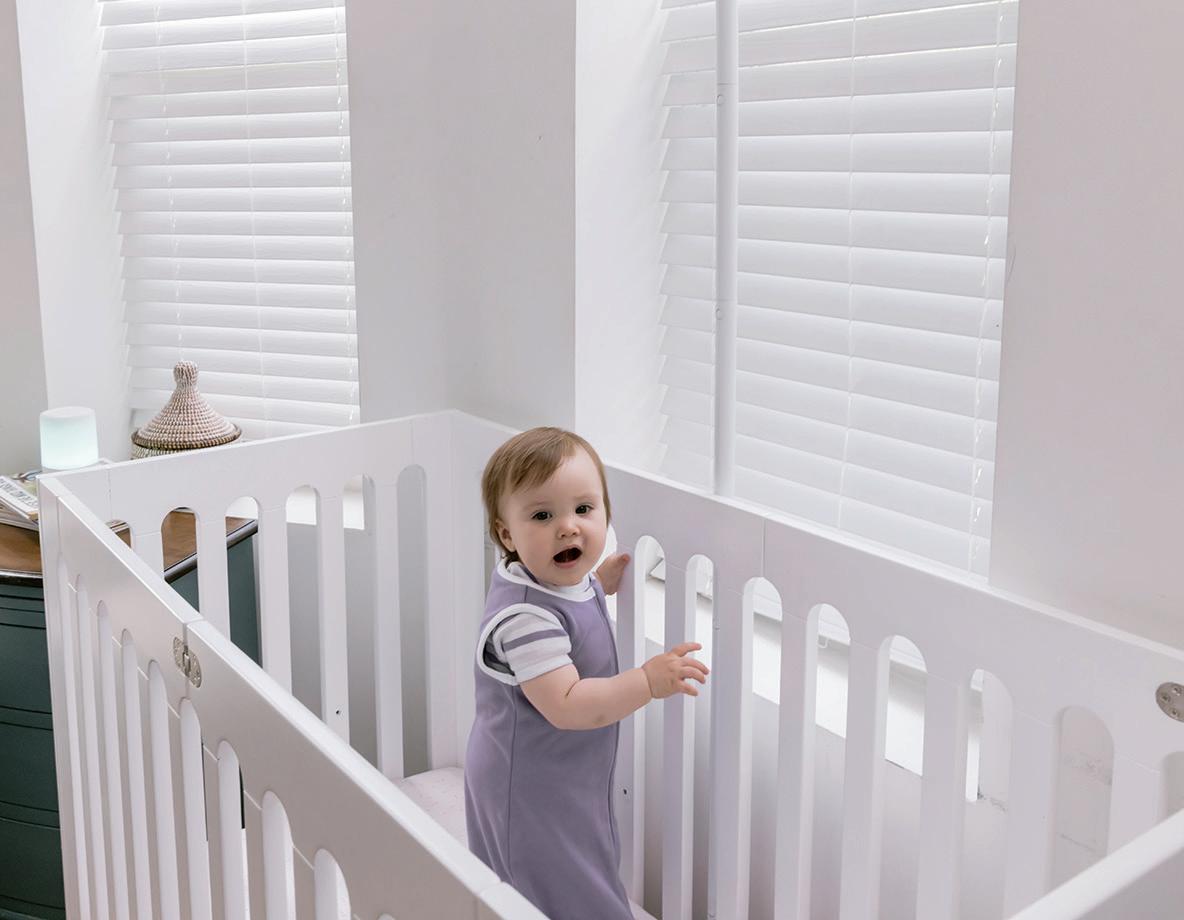
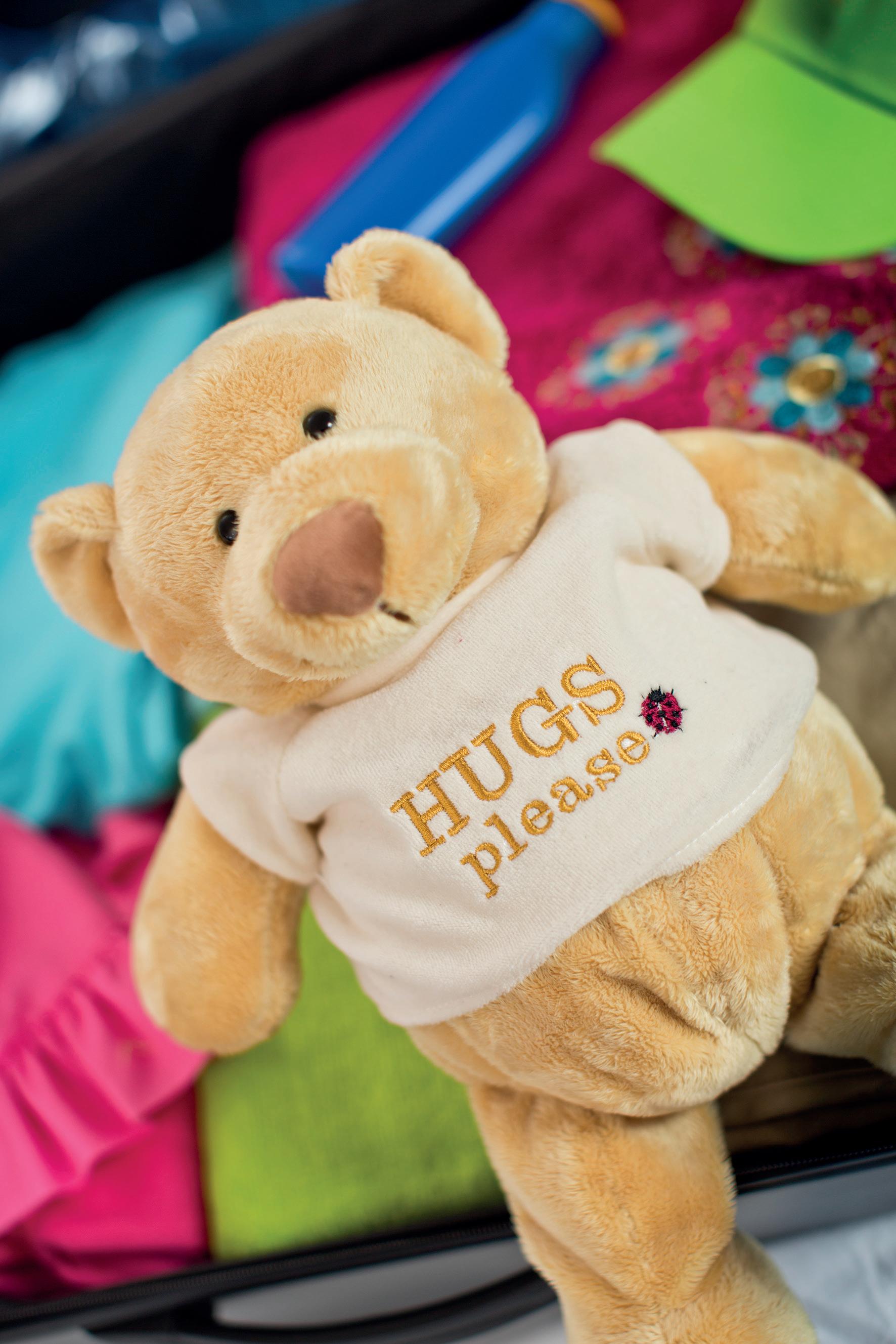
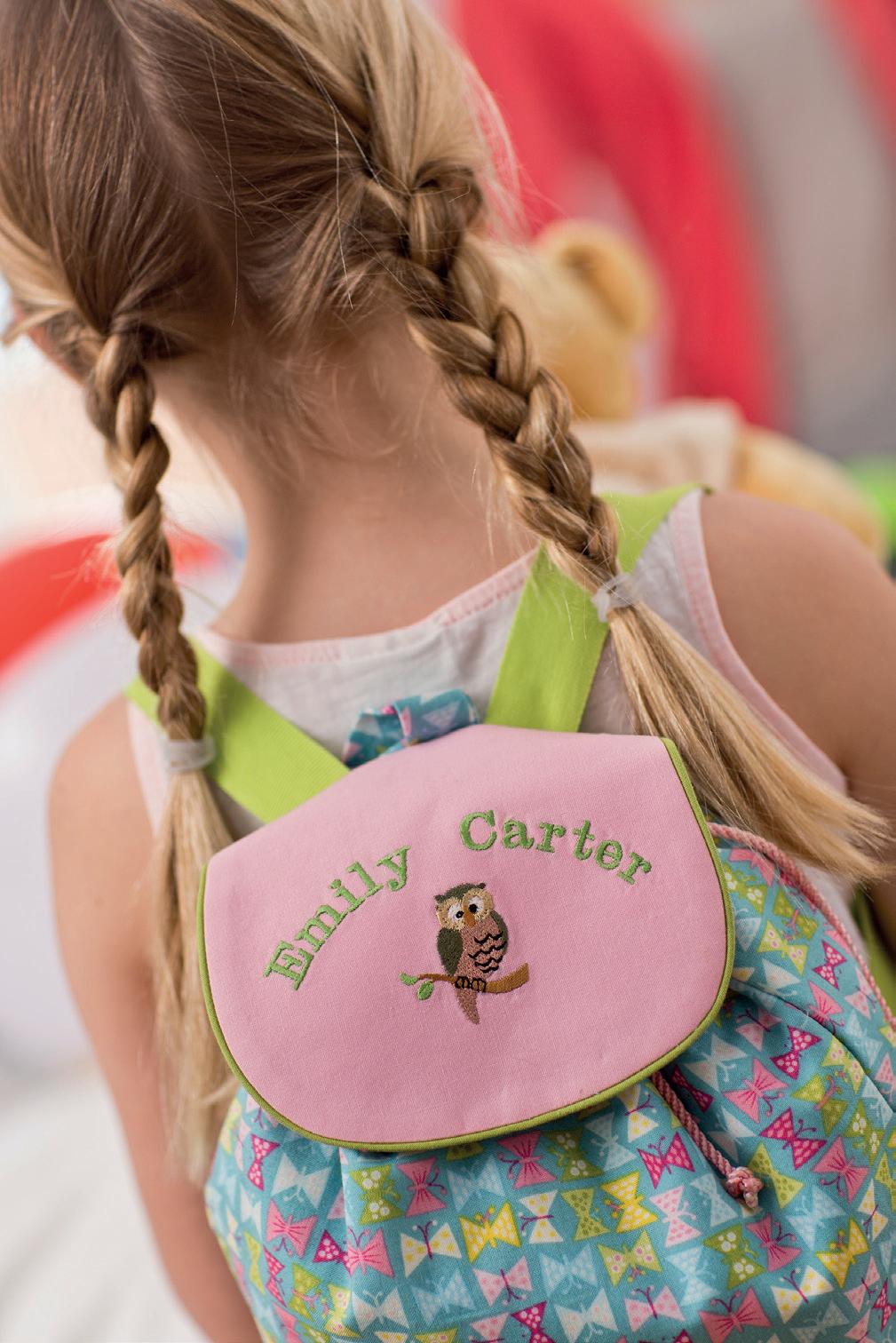
Make the most of the stu ed toy boom and add beloved new products to your business with Brother’s reliable range of semi-pro embroidery machines.
The creative industry is on the up across the UK, with a ourishing market for bespoke, artisan goods and a growing appreciation of all things handmade. It’s estimated that crafts contribute over £3billion to the country’s economy each year, and the childrenswear, baby, and gift industries are also on the rise. The revenue generated in the UK dolls and stu ed toys market alone has reached over US$1bn (£800million) for 2024, with a projected annual growth rate of over 4% between 2024 and 2028.
Combine the country’s love for soft toys and dolls with a growing interest in customised products, and you’ve got a recipe for success. Sales of personalised items are predicted to increase by over £700million between 2022 and 2027, and one in ve respondents to a recent Deloitte Consumer Review stated that they’d pay a 20% premium for a customised product. There’s never been a better time to introduce personalised soft toys to your range – and with Brother’s comprehensive collection of semi-pro sewing and embroidery machines, it’s easier than ever before.
With a rich history spanning over 100 years of research and development, Brother sewing machines have consistently upheld a legacy of innovation, reliability, and unmatched quality. They’ve long been a trusted companion to both domestic hobby sewists and professional makers, so whether you’re new to all things embroidery or already a seasoned stitcher, there’s sure to be a Brother machine that’ll be the perfect t for you.
A simple Google search for the phrase “personalised soft toy” generates over 22 million results, with customised bears, rabbits, dolls, and more all proving to be popular choices with consumers across the UK. Memory bears, which are
made to order from items sent over by the client, are a particularly popular choice for 2024. They’re a touching way to remember lost loved ones, or to commemorate a speci c memory or moment in time in a tangible way. Adding an embroidered date or a name to the bear makes it all the more meaningful, infusing extra love and care into an already heartfelt gift.
Having taken all of this into consideration, you may now be thinking about investing in an embroidery machine of your own – but why choose Brother? The brand is known for its extensive customisation options, with an expansive range of fonts, monograms, and pre-made motifs built in to every model. What’s more, with Brother’s popular PE Design software package and the Artspira app, it’s easier than ever before to create your own custom designs from scratch, too.
With the help of Brother’s semi-professional embroidery range – including the single needle PR1, the six needle PR680W, and the innovative 10-needle PR1055X – you can add personalisation to your repertoire in an instant. Our research shows that the average user masters the basics of their new Brother machine in just 1.5 hours, meaning you can spend less time learning, and more time creating. Modern life is all about instant grati cation and with next day delivery becoming ever more prevalent, customers expect to receive their purchases quickly and e ciently. By o ering your own in-house embroidery service, your business will stand out above your competitors as a fast, exible, one-stop shop for all your clients’ needs – leading to happy customers, and increased pro tability.
To nd out more about Brother’s semi-pro embroidery range, visit sewingcraft.brother.eu

Baby changing bags are an essential item for parents. Designed to be practical, stylish and help parents manage the daily essentials of caring for a baby make these an instant ‘must have’.
With baby changing bags continually growing in popularity there are styles to suit all in a variety of fabrics and styles, ensuring that there is a changing bag that suits personal taste and lifestyle.
Done by Deer’s water-repellent changing backpack provide you with space to bring everything you need for your little one and yourself.
The changing backpacks are made of recycled polyester made from 38 PET bottles and combine great design with functionality and long-lasting design. Done by Deer likes the thought of reducing waste and instead, giving plastic bottles new life by turning them into useful new products. The changing backpacks are not only a practical accessory for on-the-go diaper changes – it’s also a stylish addition to any parent’s out t and is available in many di erent colours.
Tel: +44 7876 150 729 gwen@donebydeer.com www.donebydeer.com
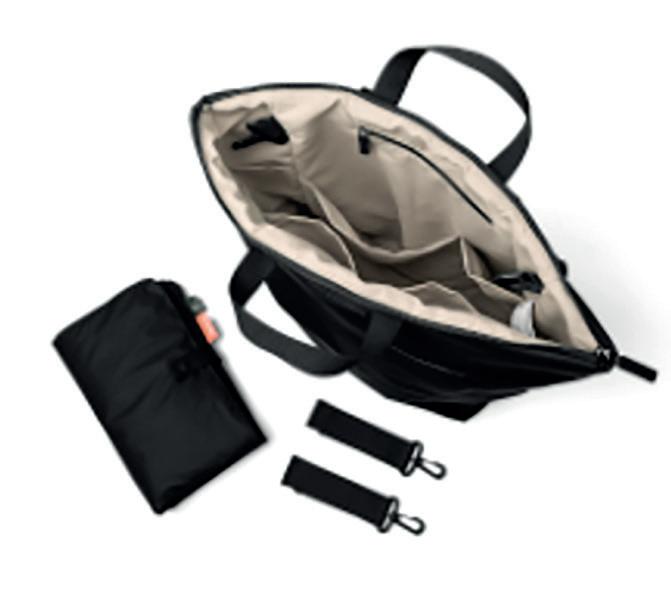
Nursery Today had the pleasure to catch up with Done by Deer’s Head of Design Helene Hjorth to gain further insights into current trends when we take a look at changing bags, and how this is implemented into the design of their own range.
What current trends are in uencing the design of your baby changing bags?
We are going for a clean look with functional, simple features that are easy to understand and use. We want our bags to be an accessory that matches the parents’ style in modern yet long-lasting colours.
Are there any trending fabrics that are currently being used when we look at changing bags and how do these contribute to both style and functionality?
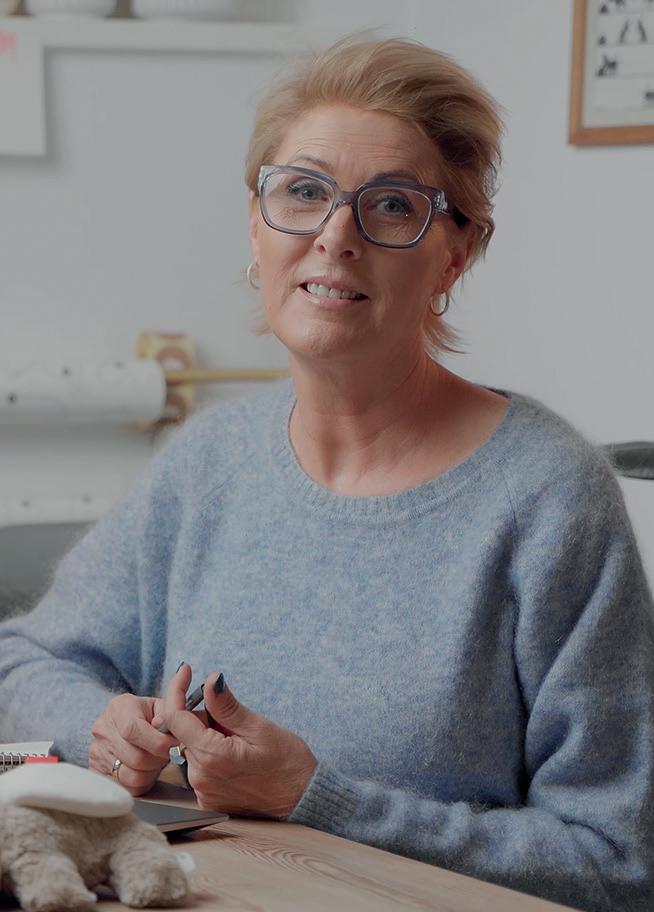
We see that recycled fabrics for bags are trending and we are tapping into this by producing our changing bags in recycled polyester made from used PET bottles. It’s important for us that a changing bag is both stylish and practical, which is why our bags are durable and easy to clean. The clean and simple look can easily match the parent’s other everyday items.
Do you feel consumers are looking closely at functionality and a ordability when selecting changing bags?
Yes, indeed. Consumers want value for money and high quality that lasts many years and can be passed on to someone new who needs it.
What features do you feel are a priority when we look at overall design which should be a considered to ensure changing bags are both practical and stylish for modern parents?
The quality of fabric and sewing is important – our bags need to withstand frequent use, including outdoor environments. That’s why we collaborate with and value our experienced suppliers.
Could you highlight some compartments or features that consumers commonly consider essential in a baby changing bag?
Easy access is really important – pockets on the outside of the bag so it’s easy to quickly grab something without having to set it down rst. An inside hook for keys, paci ers, toys, or other things you need to nd quickly is also an appreciated feature. The last feature I want to highlight is our changing mat with a wipeable surface. It’s easy to clean, fold, and store in the changing bag.
How do you stay updated on evolving consumer needs and preferences to continually improve your own product o ering?
To stay updated I talk to my colleagues who use a changing bag frequently, I listen to customers’ feedback, and follows di erent trends online.
Is this a product category that you feel is researched online prior to purchase and does social media assist in driving awareness to bags that are currently available? Absolutely. There are many di erent styles and features to consider, so it takes some research for the consumer, and of course, people get in uenced by their friends and the things they see on social media. What do you feel are bene ts for retailers who stock these products?
Retailers who stock our changing bags get a selection of high-quality, stylish, and practical bags for parents. We’ve integrated numerous practical features to provide parents with e ortless outings and enjoyable outdoor adventures with their little ones.
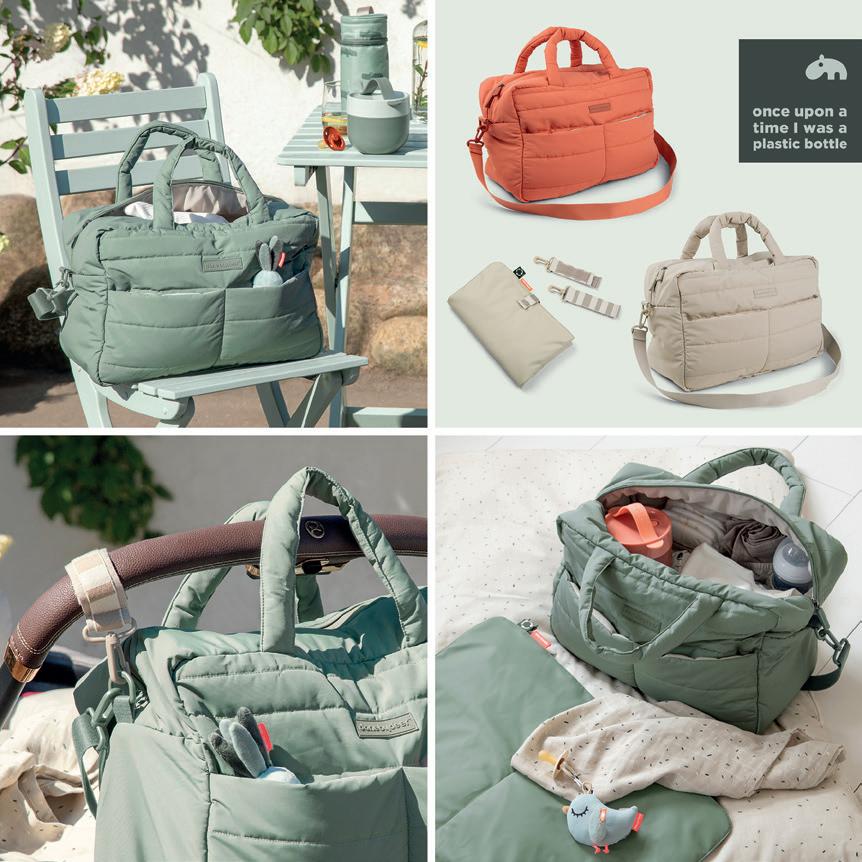
My Babiie unveils the ultimate blend of style and functionality with their latest creation, the Oatmeal Herringbone backpack changing bag.
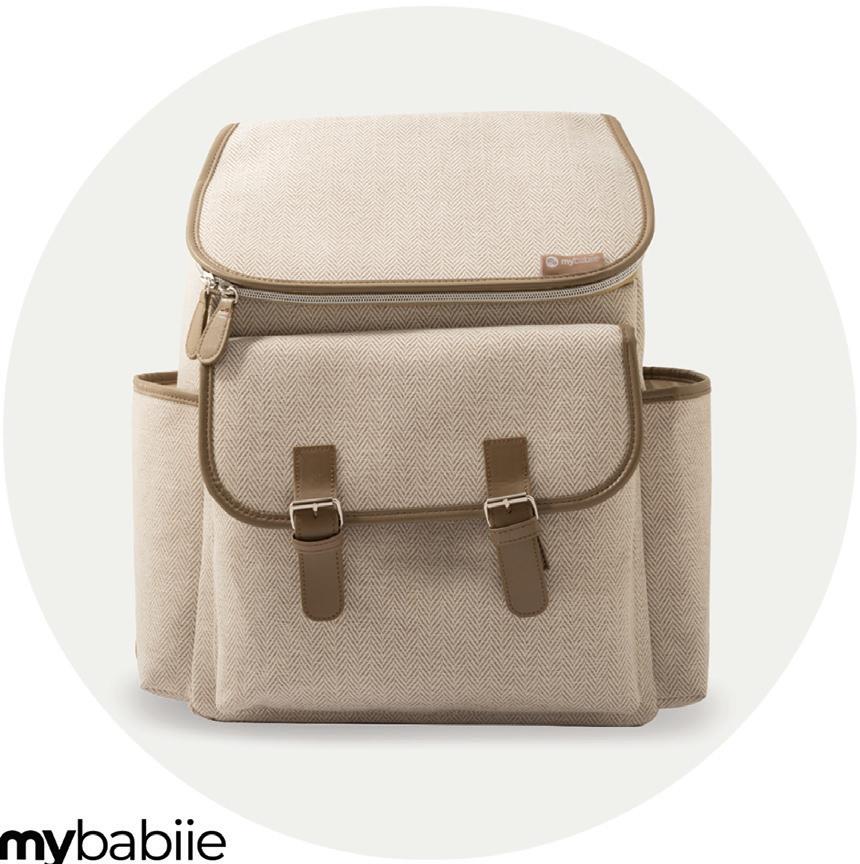
Crafted with modern parents in mind, this chic accessory seamlessly combines fashion-forward design with practicality. Featuring a timeless herringbone pattern in soothing oatmeal tones, it effortlessly complements any ensemble. Boasting ample storage compartments and convenient pockets, it ensures on-the-go organisation for all baby essentials. Its versatile backpack design offers hands-free convenience, perfect for busy parents juggling childcare duties. With the My Babiie Oatmeal Herringbone backpack changing bag, fashion meets functionality for the modern parenting experience.
michael@mybabiie.com www.mybabiie.com
Changing backpack for all on-the-go baby essentials
• hands-free outings
•water-repellent surface
•foldable changing mat
•attach to pram & stroller
• easy organising with 8 pockets
•made from 38 used PET bottles
Introducing My Babiie’s latest must-have for stylish parents: the Pink Quilted Deluxe Changing Bag.
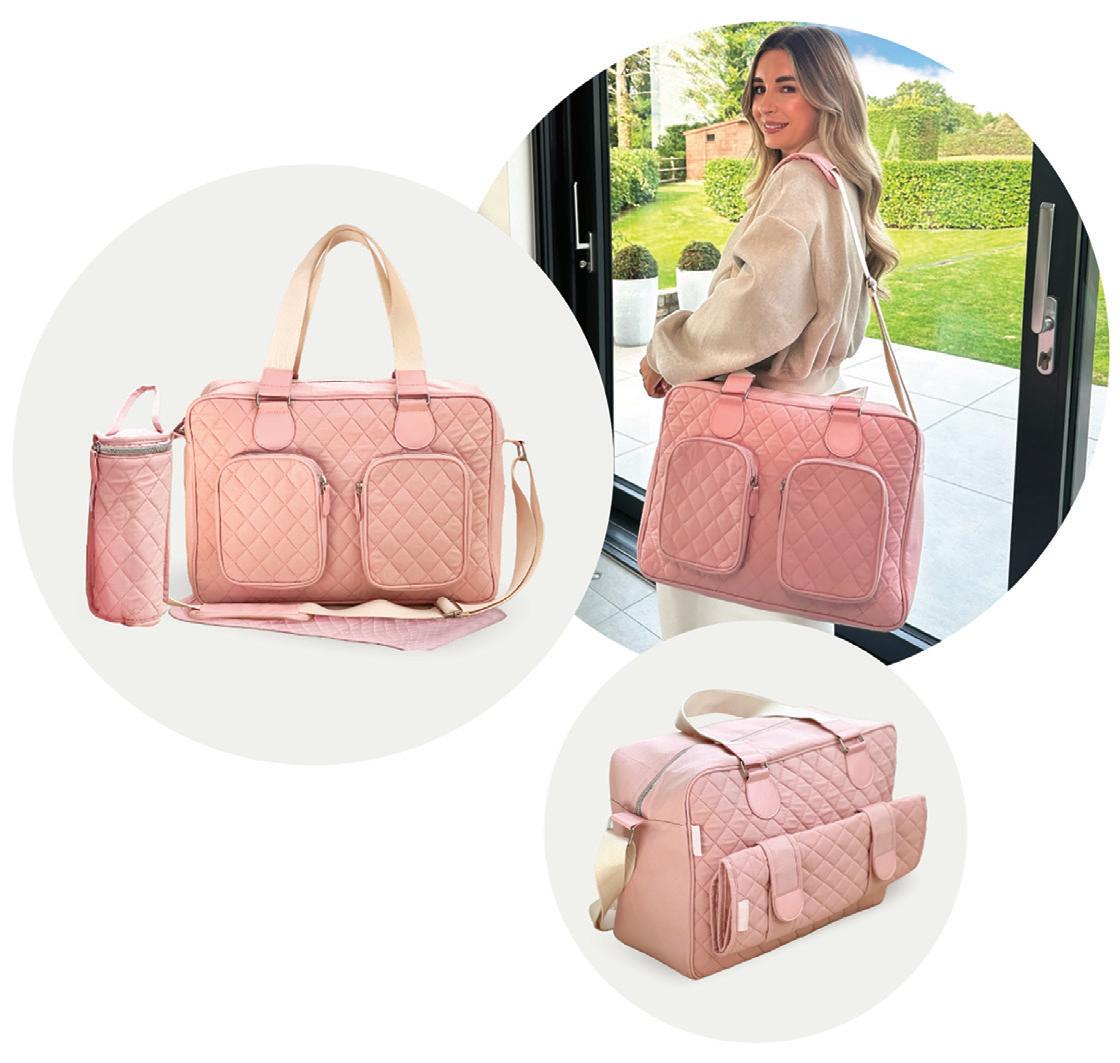
Crafted from luxuriously soft cotton material, this chic accessory exudes both comfort and elegance. Its quilted design adds a touch of sophistication while providing durability for everyday use. The delicate pink hue adds a pop of colour to any ensemble, making it a fashion-forward choice for on-the-go parents. With spacious compartments and handy pockets, it ensures effortless organisation of baby essentials. Whether strolling through the city or embarking on a family adventure, the My Babiie Pink Quilted Deluxe Changing Bag combines practicality with timeless style for the modern parent. michael@mybabiie.com www.mybabiie.com
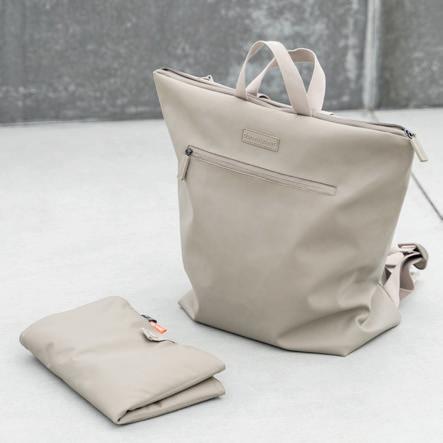
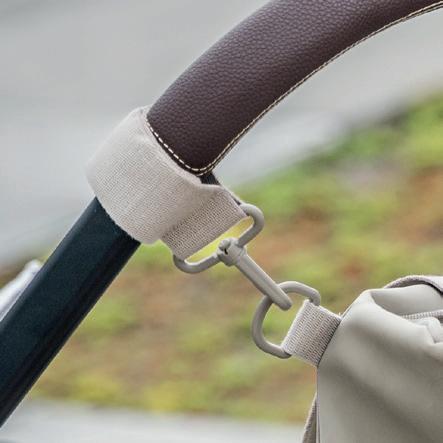





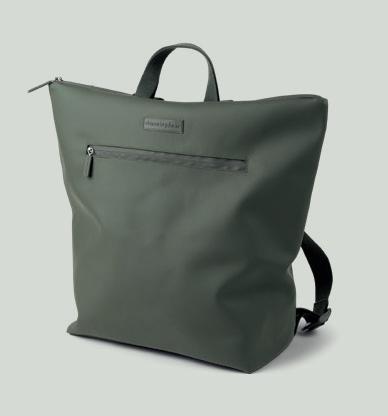

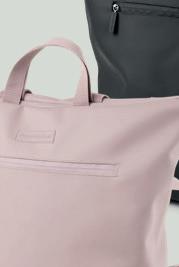

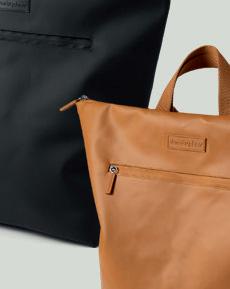


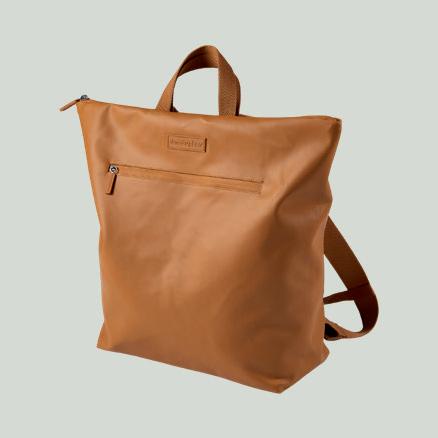
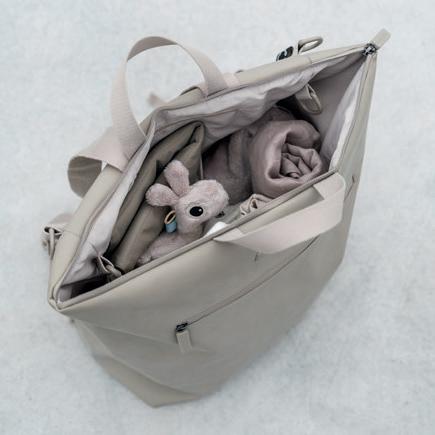
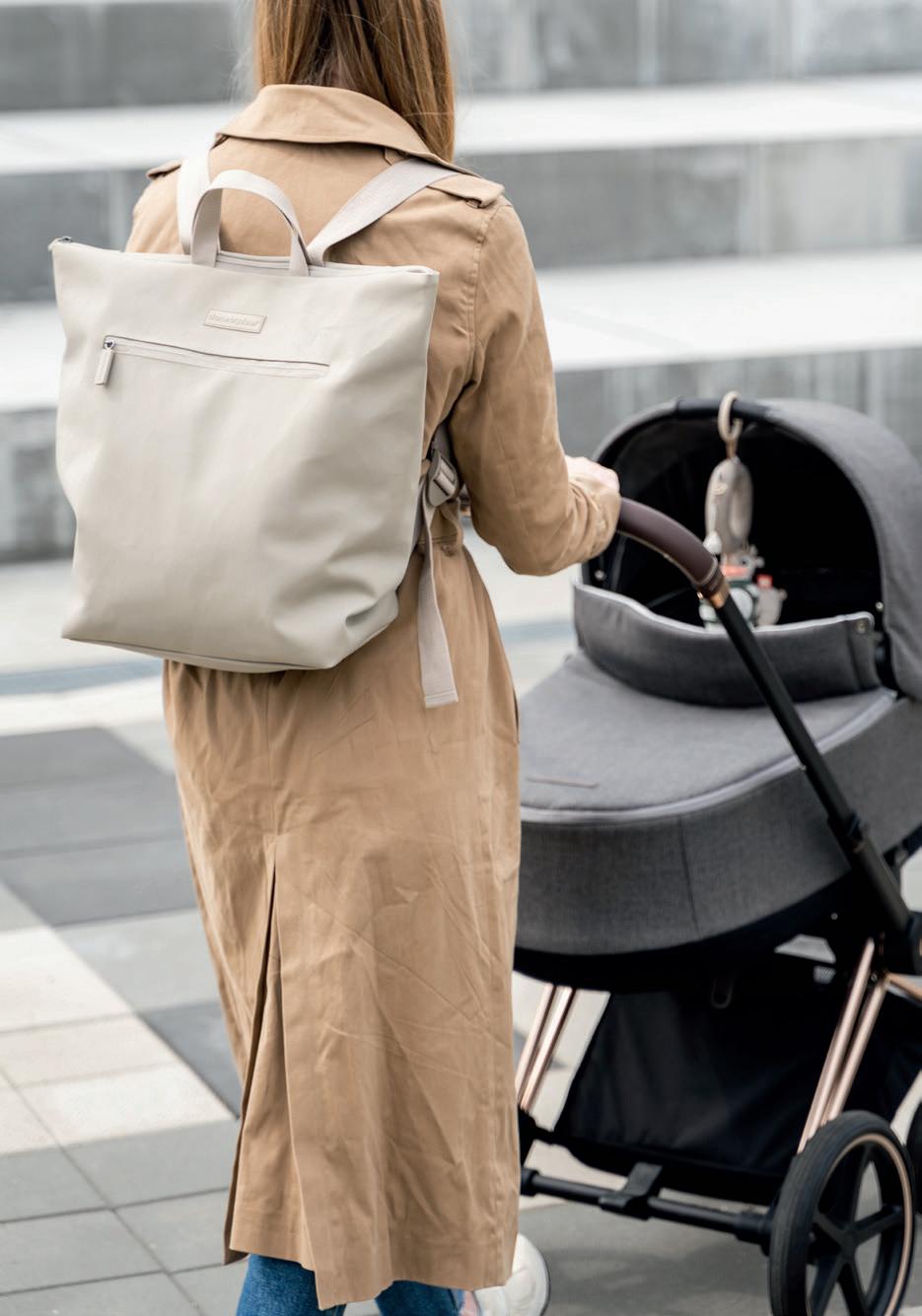



If your company is a member of the Baby Products Association and you are not currently receiving members’ e-bulletins with industry updates, but would like to, please email julie@b-p-a.org who will add you to the database.


Have you ever wondered why companies choose to join the Baby Products Association? Well-known brand Shnuggle is a long-standing member and here company founder Sinead Murphy explains their reason for joining (and staying!)
What is your business – and what is your best-selling product?
Shnuggle design innovative baby products focusing on safety, quality and gorgeous design and was founded by myself and my husband, Adam. We create products in sleep time, bathtime and changing and help parents all over the world. We’re best known for our Shnuggle Baby bath which Adam designed after our rst daughter was born and we were in production of the baths by the time our third child was born. One of our latest products, the Ellie Bath Toy Scoop is doing amazingly well. Some of this success is because Mrs Hinch (British in uencer who gives tips for home-cleaning) loves it too.
Where are you based and how big is your team?
We are based in Newtownards, Co. Down. It’s close to the sea which we love. There’s also a gorgeous tower called Scrabo overlooking our o ces. You can see it for miles across the county.
We have fteen lovely people in our team but we also work closely with a number of agencies so we’re able to achieve a lot for the size of our team. People often think we’re much bigger than we are.
How long have you been a member of the Baby Products Association?
We’ve been members of the Baby Products Association since 2012.
What was your main reason for joining?
We were completely new to the Nursery Industry and wanted to learn everything we could. Especially around product safety and the latest safety standards. We knew that we could get guidance from the Baby Products Association team but also the other Association members. It just gave us real peace of mind to know that we were part of something bigger (and more knowledgeable!) than we were at the time. I just had a quick look back over old emails between us and the Association and we had 1 employee (me) when we rst joined. Our rst query was about insurance and we received great guidance around this. We quickly moved on to our rst international Trade show with the BPA at K&J in 2013. This began our journey into the world of export.
Do you participate in any of the Association’s committees and if so what?
We have been so busy growing our business that we haven’t been involved in the Association Committees. Maybe now’s the time for us to get more involved and pay it forward. We have learned so much over the years.
Do you use any of the free services provided (business support helpline, Trading Standards partnership, technical support etc)
When we became members, we used the information and services regularly. The business support helpline and the discounted rate on product testing. It feels as though the member bene ts have increased over the years so I will be revisiting to make sure we’re getting the most out every membership perk.
Since joining the Association, what has been the main bene t of membership?
For us, the main bene ts have been around support and guidance on exhibiting (especially internationally) as well as the network of experienced Industry members. We’ve gotten to know the BPA team over the years. We probably only see each other once or twice a year but it’s like catching up with family.
Tell us one (or a few) interesting facts about you or your business that would surprise your industry colleagues.
Years ago we o cially trademarked the name Poonami for baby products*
Gigi Hadid absolutely loves our bath. One of her model friends bought if for her:
Adam and I ran Shnuggle in the evenings and weekends for a few years (with two small children). We had a serious chat one evening about winding the business up as we couldn’t give it the time it needed while both working full time elsewhere. Thankfully, we chose to make some changes so we could focus on Shnuggle and the rest in history.
There has never been a better time to join your industry trade association. For more information download the membership pack through the website www.b-p-a.org, or contact Christine Scippo –christine@b-p-a.org




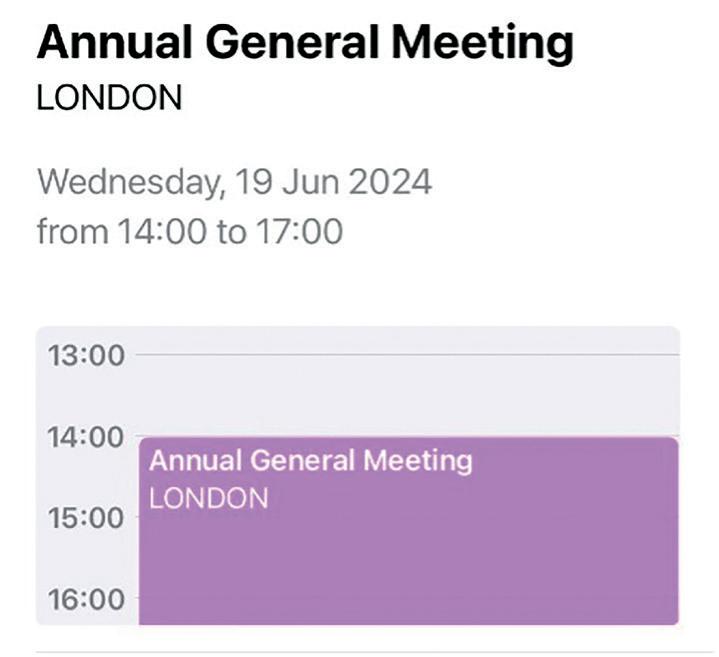
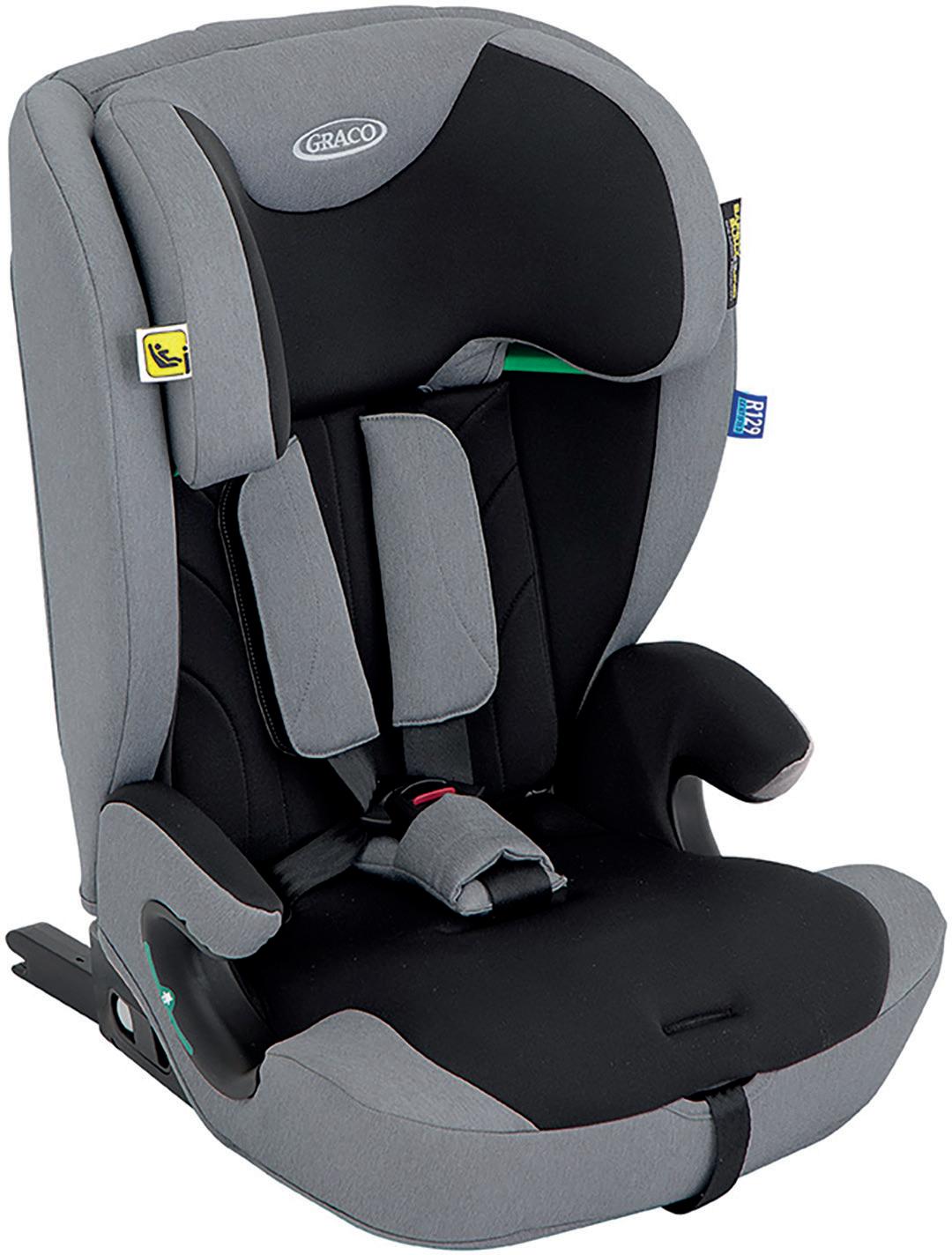
The brand that parents trust sales@clippasafe.co.uk
Graco has added to its popular car seat range with Energi i-Size R129 – the perfect combination of comfort, safety, and value for little ones from 76-150cm (15 months to approx. 12 years).
Energi i-Size R129 can be used in 5-point harness booster mode from 76-105cm (15 months to approx. 4 years), then highback booster mode from 105-150cm (approx. 3.5 to 12 years), perfectly supporting little ones as they develop.
At just £120, Energi i-Size R129 is packed full of features, offering parents and carers fantastic value for money. Top of any wish list for a car seat is safety and Graco’s latest launch is both i-Size and R129 certified, so parents have peace of mind their child is protected in line with the latest EU regulations. The seat features innovative Safety Surround side impact protection and the one-click ISOFIX and top tether installation gives parents and carers the confidence they’ve secured the seat correctly.
Safety is expertly combined with comfort, thanks to the plush memory foam seat pad, padded armrests and built-in ventilation on the rear of the seat shell. Plus, the 15-position adjustable headrest and no-rethread harness means its quick and simple for parents to get the right positioning of the headrest and harness together as their child grows. www.gracobaby.eu/UK
The Doona X ISOFIX Base ensures correct installation every time. The secure click-in/click-out system provides e ortless mobility for parents on-the-go.


As the temperature begin to warm up, ensuring your little one sleeps comfortably becomes essential. While it’s tempting to leave babies uncovered in the warm weather, they often prefer the security of a sleep bag. Plus, as the night air still carries a chill, they may wake from feeling cold.

The newly launched Jungle Cubs Summer Sleep Bag is meticulously designed to keep babies at the optimum temperature during the warmer months. The 1.0 tog rating is ideal for British summer time, keeping baby cosy in room temperatures between 20 and 24 degrees Celsius. Rest assured; Bloomsbury Mill carry out extensive testing to ensure that the sleep bags match this tog rating.
The new Jungle Cubs Summer Sleep Bag from Bloomsbury Mill offer superior softness for baby in 100% organic cotton muslin and peace of mind for parents with an accurate 1.0 tog rating. Washable at 40 degrees, the beautiful animal print will stay vibrant wash after wash.
www.bloomsburymill.com
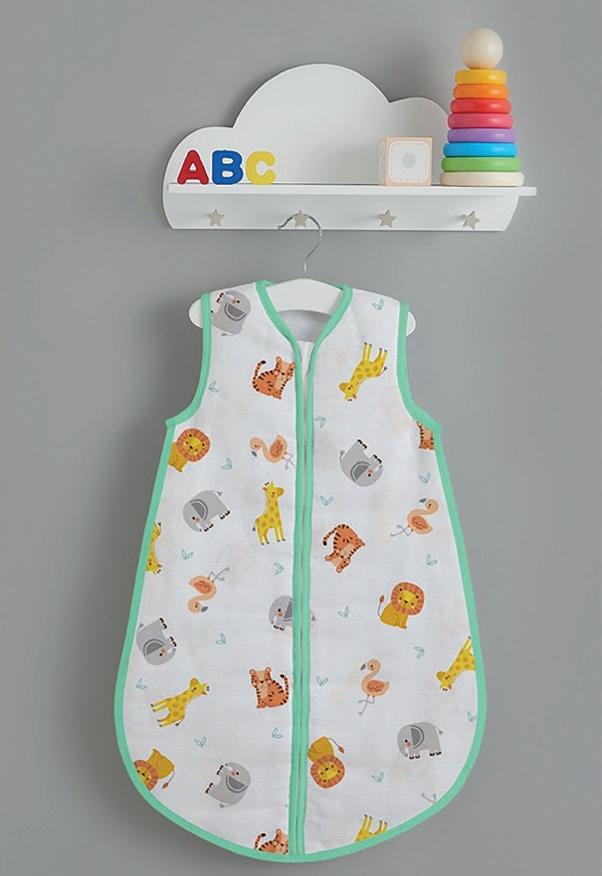

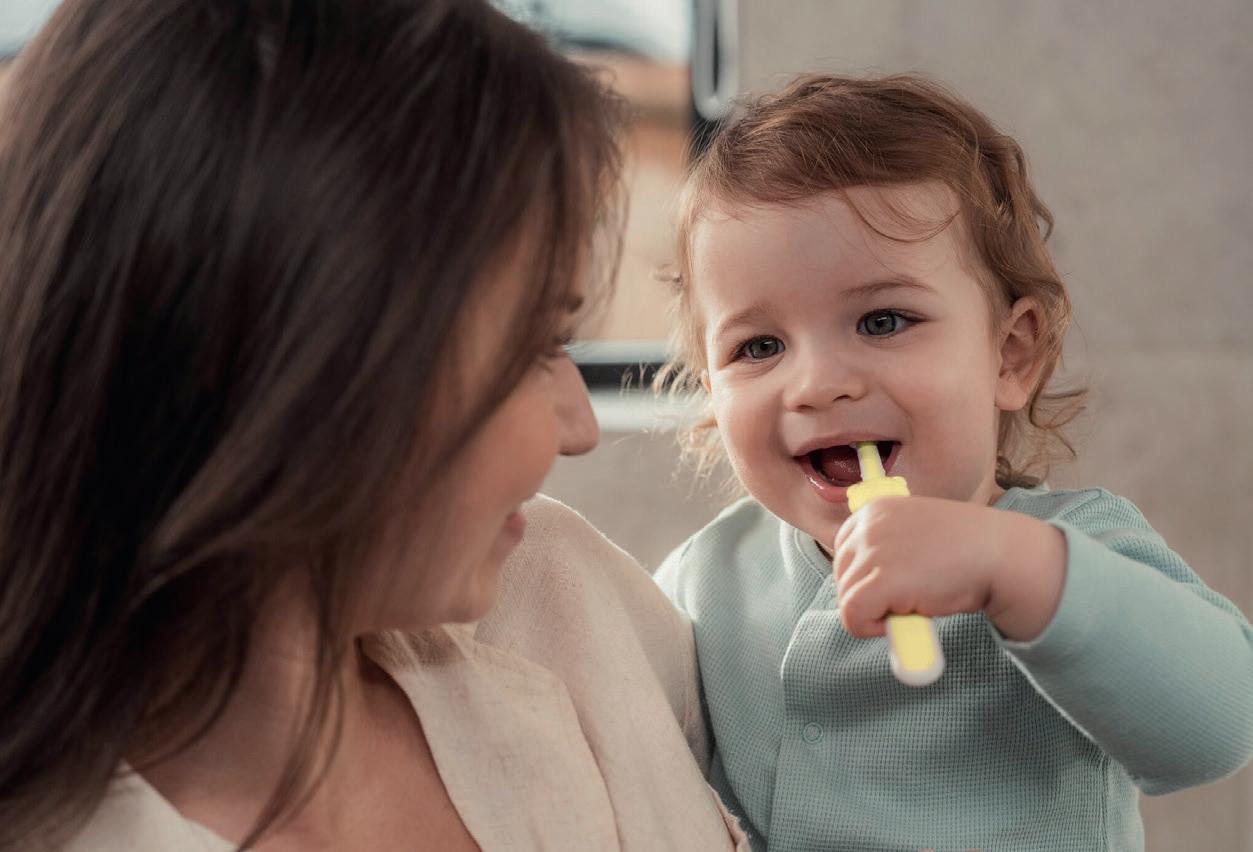
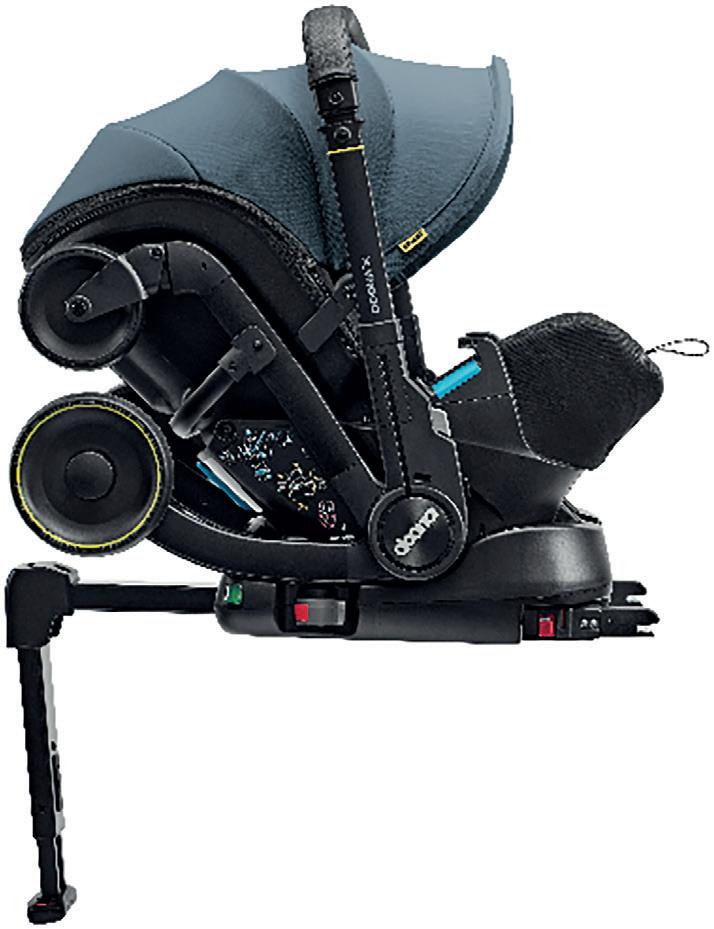
Once the base is secured to the ISOFIX anchors in the car, coming and going is easy. Parents will love the simple one-click vehicle installation and colour indicators that clearly show whether the car seat is secure or not, providing worry-free tting every time.

The Doona X ISOFIX Base meets the European R129 and i-Size safety regulations and is only compatible with the Doona X Car Seat & Stroller. sales@cuddleco.co.uk





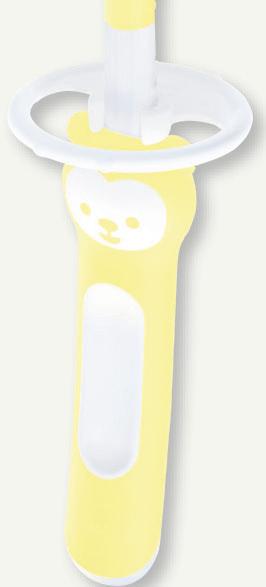
The TRVL lx pushchair presents you with the compact freedom you need to get out and about, regardless of how near or far the journey leads.
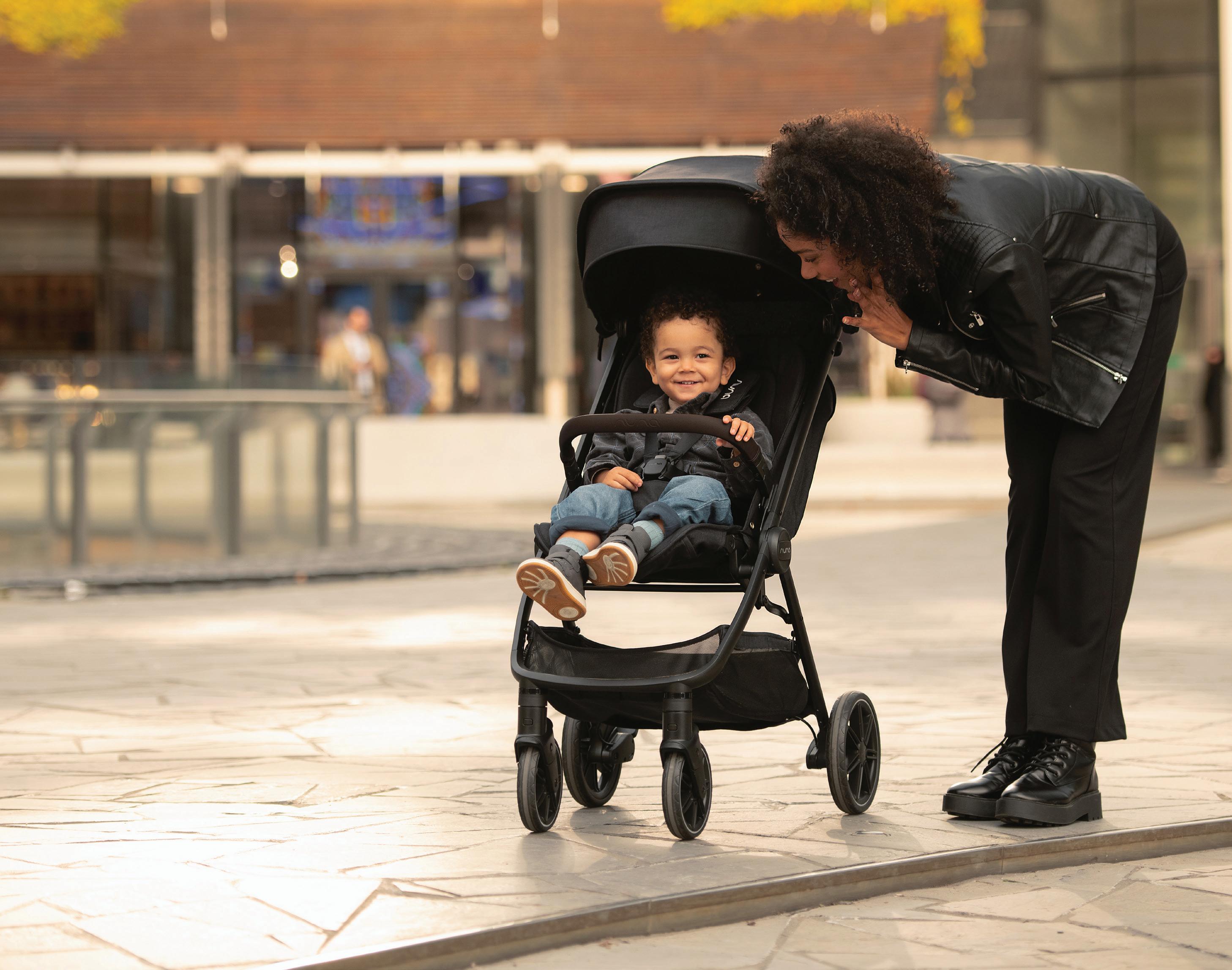

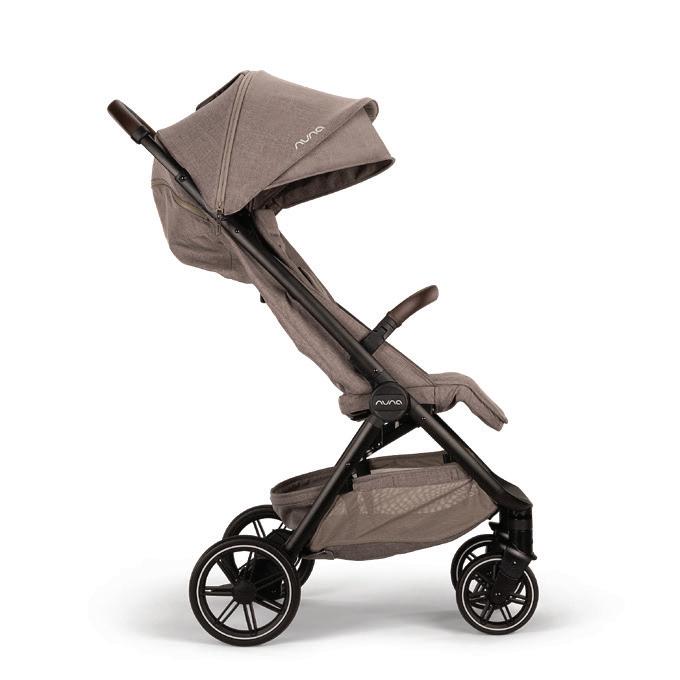
Shadow reel recline on the TRVL lx allows for customizable seat adjustments, including more upright positioning, allowing baby to connect and engage while walking.
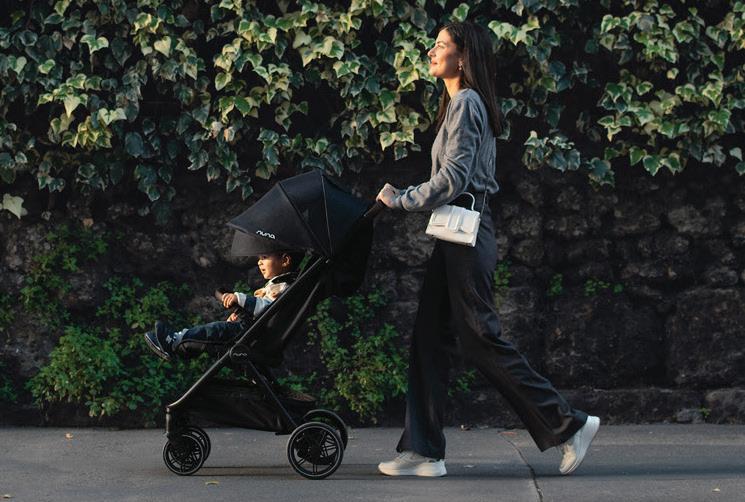
Larger canopy

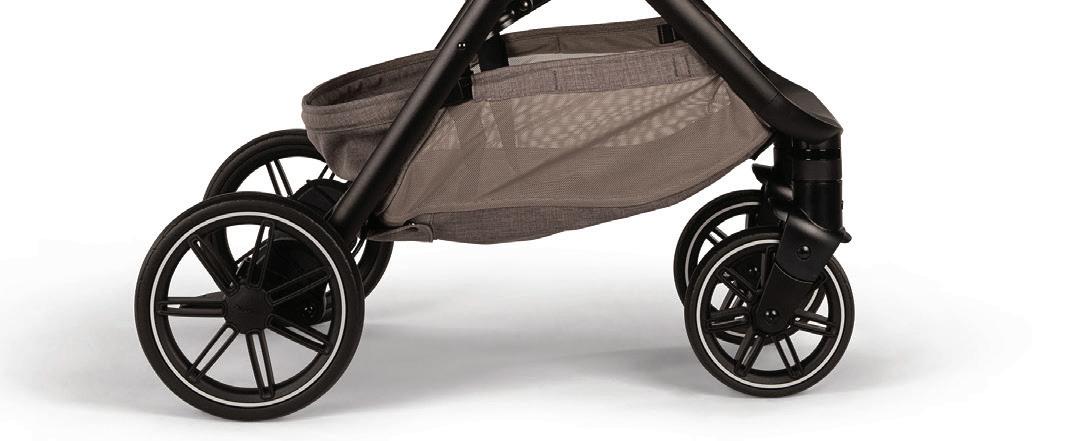
Extendable canopy with sun-shield and airy mesh windows on the TRVL lx become a must-have accesory for sunny day adventures.
A leveled-up wheel profile on the TRVL lx ensures you have everything you need to turn every stroll into a celebration.