















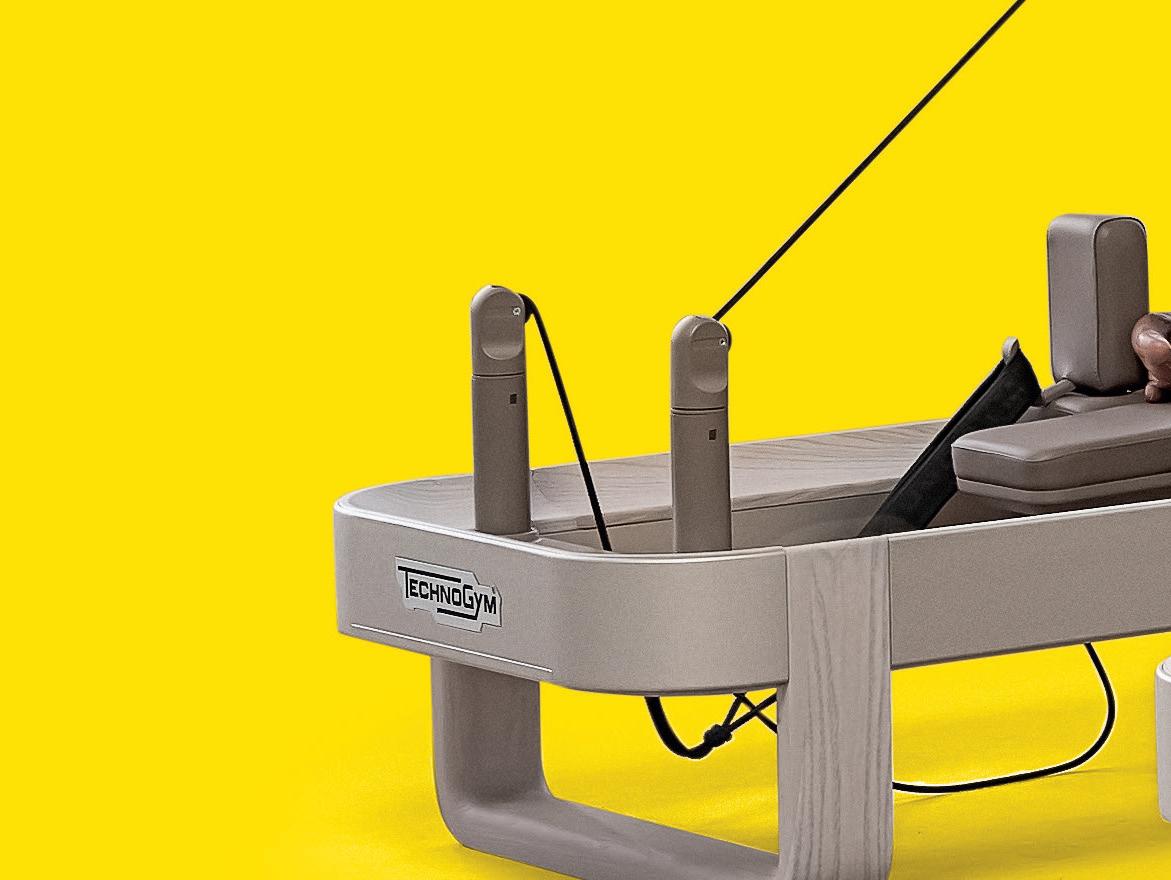



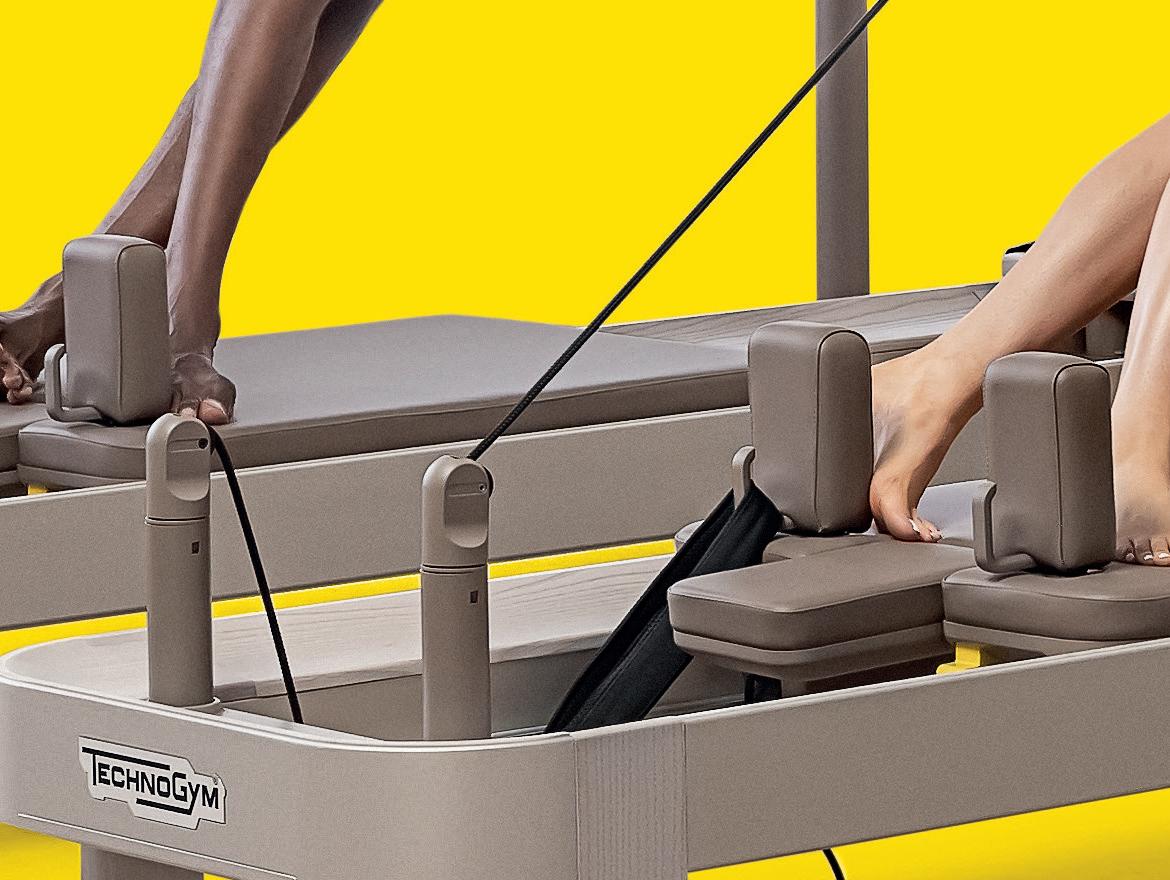


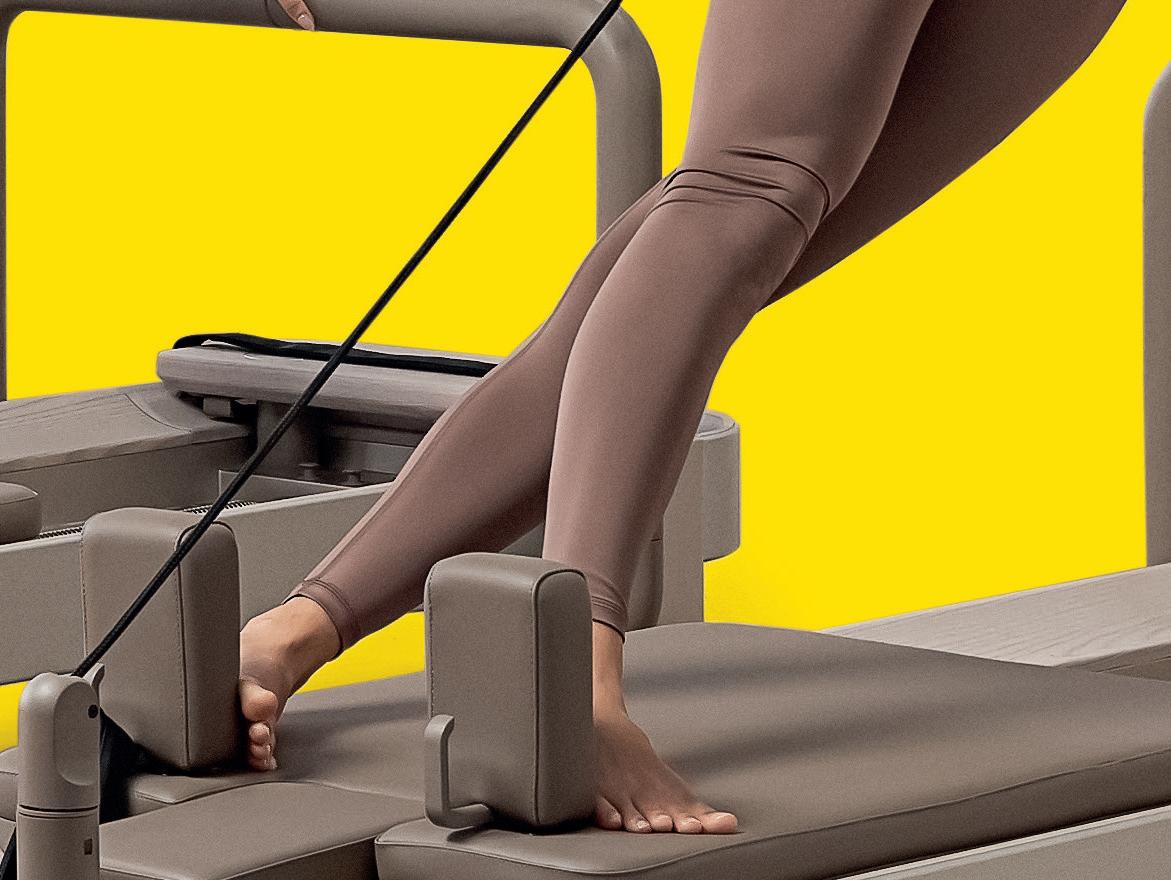
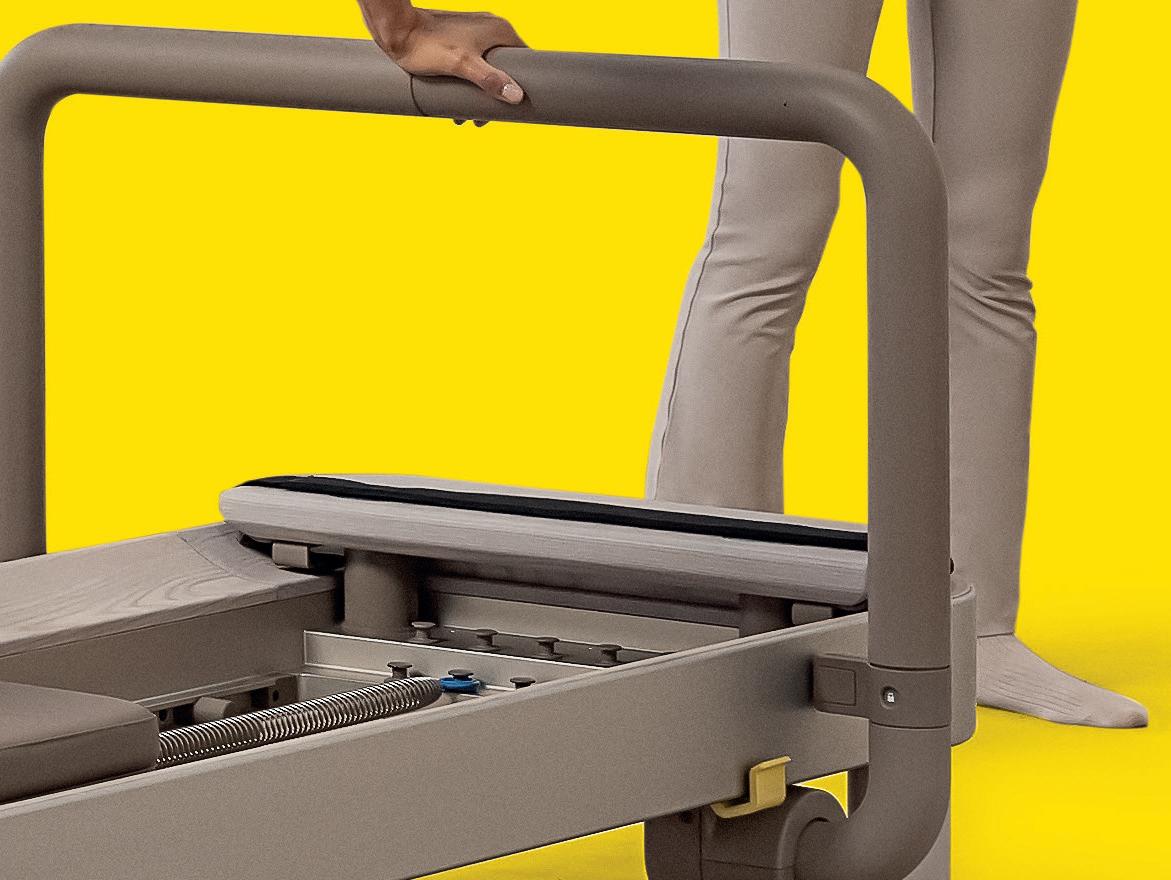
Developed with the world’s top master teachers, Technogym Reform redefines Pilates with unmatched quality and design. Offering quick and intuitive adjustments and a library of on-demand content, Technogym Reform is the complete solution for personal training and group classes. THE PILATES DESIGN REVOLUTION


Discover more

Call (646) 578-8001 (US)
+44 20 3907 5000 (UK)
+39 0547 650111 (Rest of the world) or visit technogym.com














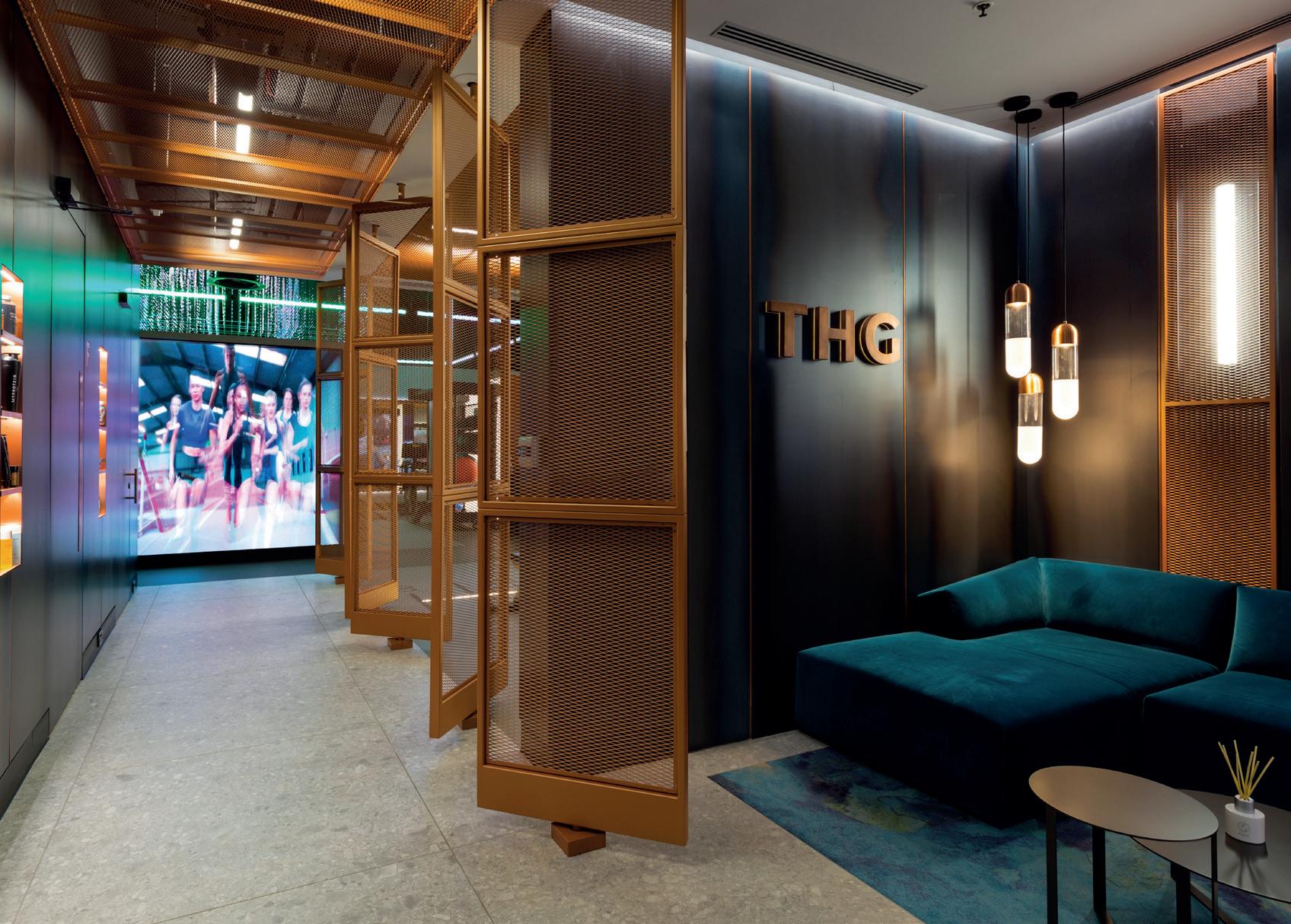
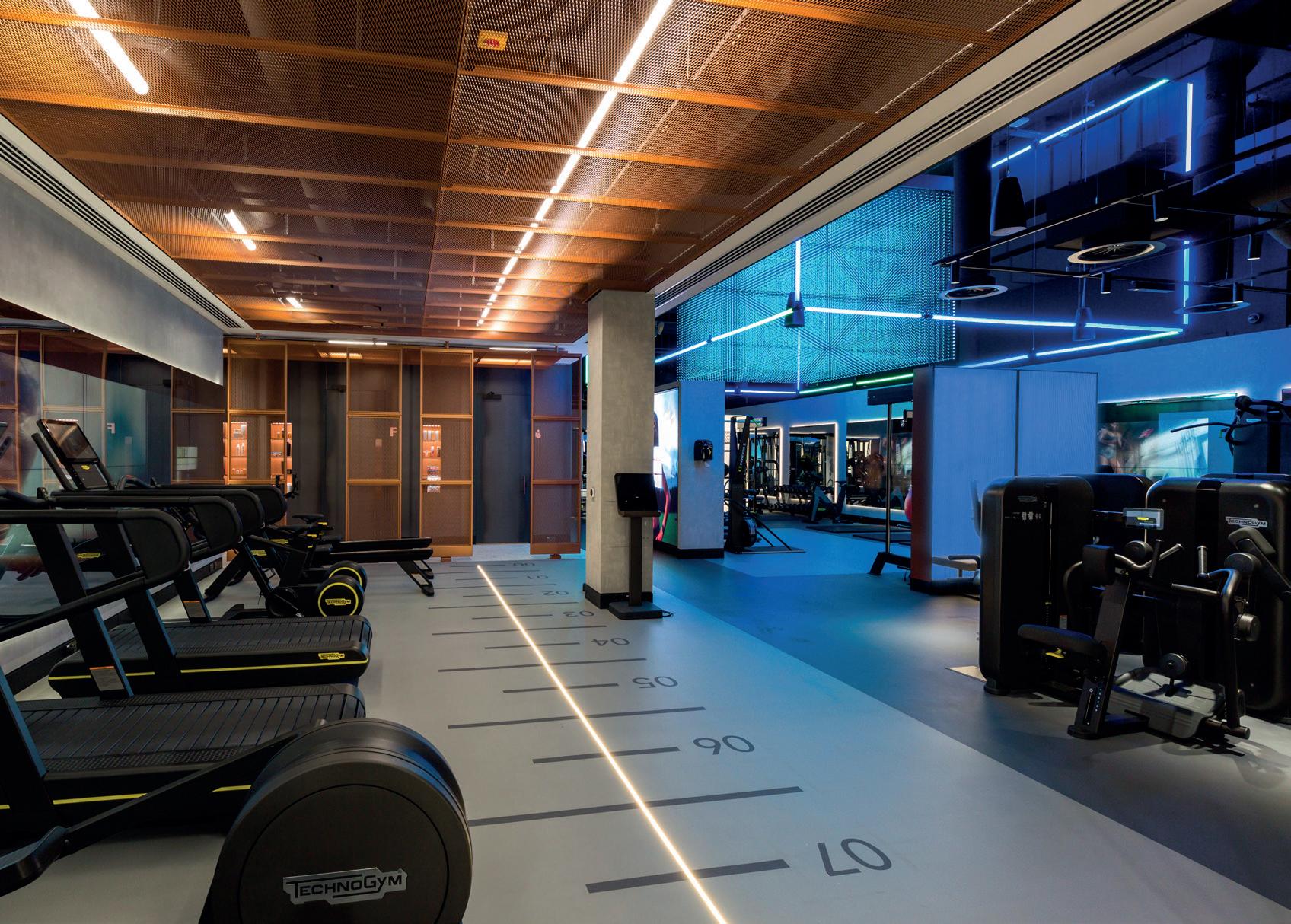

After decades of focusing on adult audiences, operators are starting to engage young people – unlocking growth opportunities while supporting the health and wellbeing of future generations
revolution is underway, as one of the industry’s longest-held assumptions – that health clubs are for adults – is rapidly being overturned.
After decades barring children and young people, the sector is changing its approach and another generation is being invited in.
The shift is coming not only coming from operators lowering age limits, but also from the emergence of fitness experiences created specifically for the young.
Hyrox is rolling out its Youngstars programme, for example, giving children aged 8-15 their own pathway into the sport, while Speedflex has created Jnrz (page 14) to introduce younger audiences to training in a safe, age-appropriate and engaging way. Initiatives like these are accelerating a trend that started with now wellestablished programmes such as Les Mills’ Born to Move.
Instead of seeing children as an operational challenge, we’re beginning to recognise them as an audience we have an opportunity and a responsibility to support.
Generation Alpha is the first born entirely in the digital age and the oldest members of this two billionstrong global cohort are reaching their mid-teens.
The children of Millennials – a generation that drove the growth of boutique fitness, wellness, wearables and prevention – they’ve grown up understanding exercise as part of everyday life and see fitness as social, aspirational and a fundamental part of their identity.
At a time when concerns are growing around loneliness and inactivity, our sector offers kids safe, supportive spaces to move, learn new skills, be physically challenged, spend time with friends and discover what their bodies are capable of.
For years we’ve talked about increasing penetration, while operators compete for the same pool of adults. Extending the market to welcome in another generation changes this dynamic, giving us the opportunity to expand the sector and create meaningful relationships at the point where lifelong habits are formed.

Instead of seeing children as an operational challenge, we’re beginning to recognise them as a new audience we can engage with
Importantly, we need the data to tell the story, so all our industry reports must be updated to capture this new cohort, to measure progress and to evidence the impact of opening our facilities to younger members.
For years, we’ve argued that health clubs can play a vital role in addressing some of society’s biggest challenges. Now this shift is happening –with a new generation already coming through our doors – and we have the opportunity to support this movement, measure its impact and ensure this revolution delivers on its potential.
Liz Terry, editor lizterry@leisuremedia.com
05 Editor’s Letter
We must extend the reach of the industry to the next generation, says Liz Terry
12 HCM Forum
Jason Bailey highlights Oldham’s work connecting hospital and health club
14 HCM Zeitgeist
PureGym pilots recovery and Speedflex launches Jnrz programme
18 HCM News
Viva Leisure launches budget brand Zoo Fit, Fitness First adds red light therapy, Orangetheory goes to Italy and global trade associations join forces to drive new GLP-1 initiative.
34 HCM people
Matt Parker
The MD of Brio, on investing in iconic facilities and delivering greater value for stakeholders
40 HCM people
Shaun Grove
HCM talks to the owner of Stride Fitness about the takeover and reimagining of the coach-led, multi-fitness class brand
48 Interview
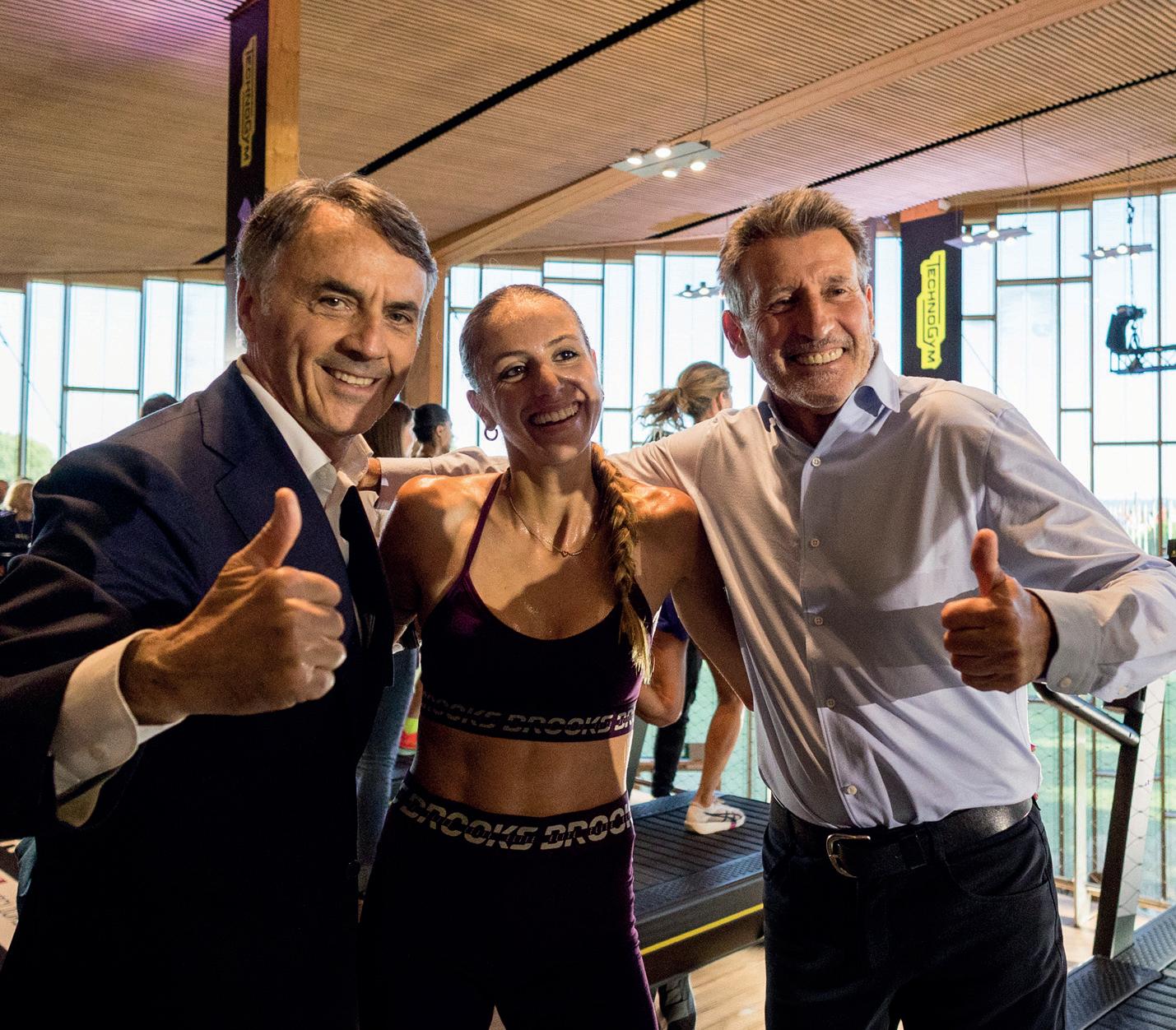
Seb Coe
The World Athletics president talks to Liz Terry about the launch of Run X, the World Treadmill Championships, in partnership with Technogym

100 Cameron Saunders and David Stalker outline UK Active’s plans and goals
58 Everyone’s talking about Waitlists
Would you stop selling memberships to prevent club overcrowding?
Kath Hudson asks the experts
68 Evolving position
HCM reports on findings from the 20th State of the Industry report as Leisure DB rebrands to Evolve
74 Les Mills obituary
The industry mourns the passing of one of the founding fathers of fitness
78 Healthy ageing
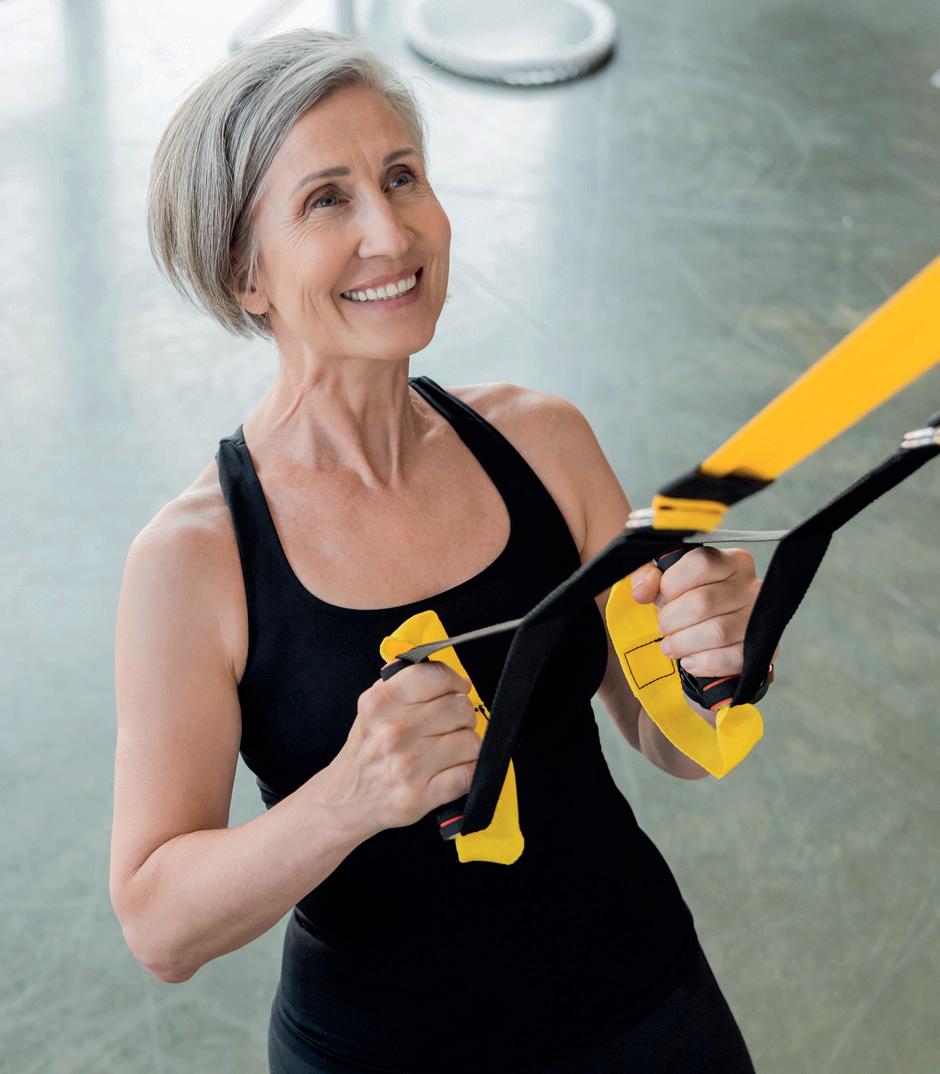
A new report puts physical activity at the heart of healthcare, reports Muir Gray



82 Data alert



Operators need to be aware of new legislation that’s exposing weaknesses and potential liabilities in the handling of members’ data, says Andy Chesterman
86 First person Stacked for impact
Lisa Starr tries out the Ammortal Chamber to see whether layering 10 modalities into one wellness experience really can deliver more
90 Beyond club management
Software suppliers explain how AI, automation and connected digital experiences can work for the benefit of operators and members
102 Cameron Saunders
UK Active’s new CEO explains why he believes the sector can drive consumer engagement to double in size
112 Dave Stalker
Industry veteran and UK Active’s new chair sets out his vision for the sector
120 Product Innovation
Julie Cramer rounds up the latest fitness, health and wellness launches
122 Research Lost steps
People on GLP-1s reduce activity levels when on the drugs, according to a team at St John’s Hospital Illinois


theteam@leisuremedia.com

Editor
Liz Terry
+44 (0)1462 431385

Managing editor
Julie Cramer
+44 (0)1462 431385

Editor-at-large
Magali Robathan
+44 (0)1462 431385
Publisher Jan Williams
+44 (0)1462 471909

Head of news
Kath Hudson
+44 (0)1462 431385



Assistant editor Helen Andrews
+44 (0)1462 431385
Email us:
Customer service
+44 (0)1462 471901
Advertising
+44 (0)1462 431385
Subscriptions
+44 (0)1462 471910
Circulation
+44 (0)1462 471932
Finance
+44 (0)1462 471930
Credit control
+44 (0)1462 733477

Choose how you read
HCM digital
Read free online and enjoy extra links and searchability www.HCMmag.com/digital
HCM magazine is available in print from www.leisuresubs.com
A PDF edition is available to read offline at: www.HCMmag.com/pdf
Other resources from
Fit Tech magazine www.fittechglobal.com www.fittechglobal.com/archive
HCM Handbook www.HCMhandbook.com www.HCMhandbook.com/pdf
HCM Online library www.HCMmag.com/archive
HCM newsletter & Instant news www.leisuremedia.com/signup
Leisure Opportunities news www.leisureopportunities.co.uk
Buyer Search Engine www.fitness-kit.net







To subscribe to HCM in print (Health Club Management): log on to www.leisuresubs.com , email subs@leisuremedia.com or call +44 (0)1462 471930.
Annual subscriptions: UK £45, Europe £57, rest of world £80, students (UK) £22.
Style: HCM follows an editorial house style which precludes the use of marketing devices in body text and headlines when it comes to company names and registered trademarks. CamelCase and logical capitals are allowed. Contact the editor for more details – lizterry@leisuremedia.com.
Copyright details: HCM (Health Club Management) is published 12 times a year by Leisure Media, PO Box 424, Hitchin, SG5 9GF, UK. The views expressed in this publication are those of the authors and do not necessarily represent those of the publisher. All rights reserved. No part of this publication may be reproduced, stored in a retrieval system or transmitted in any form or by means, electronic, mechanical, photocopying, recorded or otherwise, without the prior permission of the copyright holder, Cybertrek Ltd 2026. Print and distribution Printed by The Manson Group Ltd. Distributed by Royal Mail Group Ltd and Whistl Ltd in the UK and Total Mail Ltd globally. ©Cybertrek Ltd 2026 ISSN 1361-3510 (print) / 2397-2351 (online)






Queen Elizabeth II Conference Centre, London






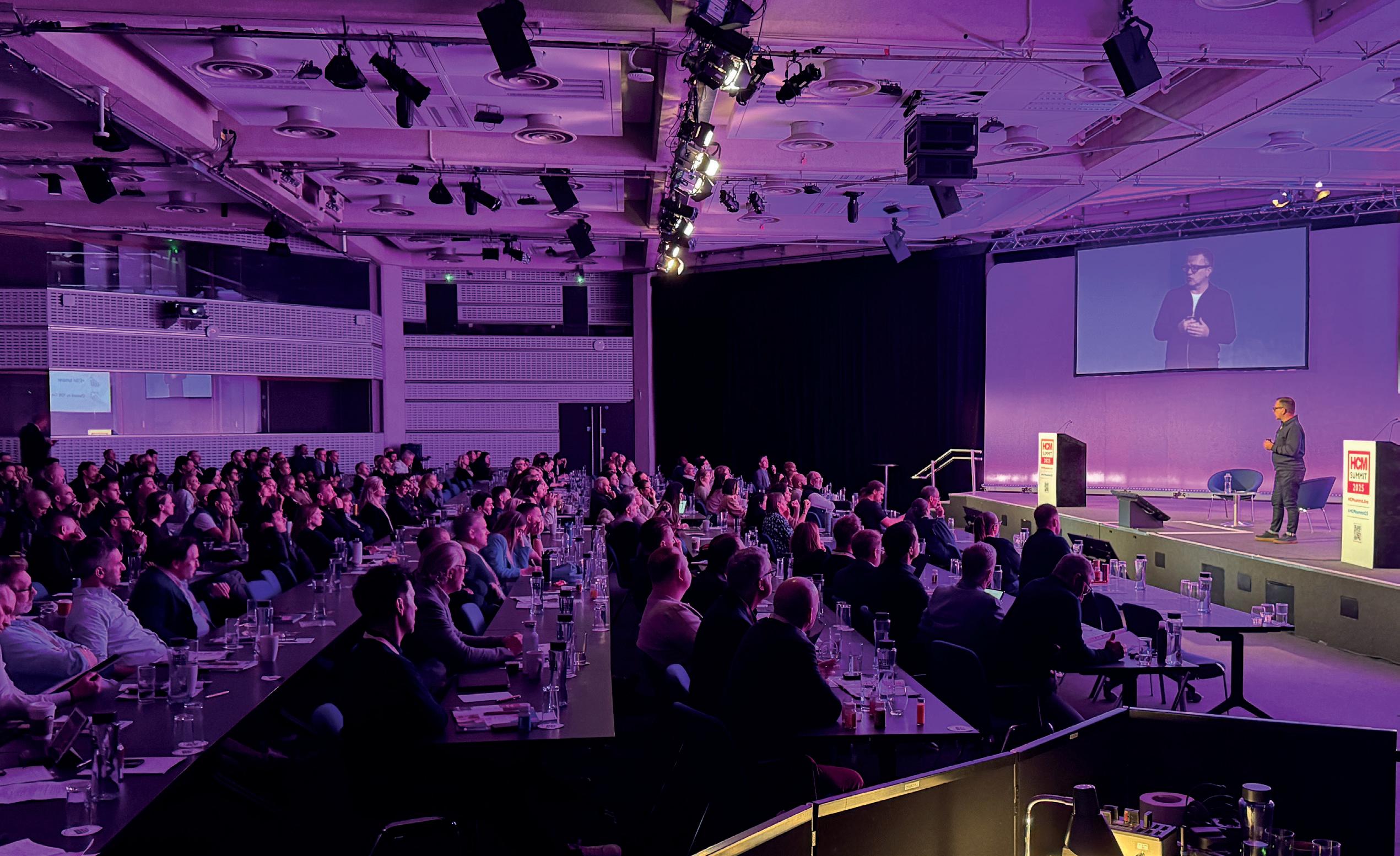











Excitement is building for the new all-keynote HCM Summit 2026 from HCM magazine and Spa Business magazine.

The event will bring together a powerful lineup of speakers to share insights and experience, with a focus on business success and innovation.
You’ll go away inspired and informed, with ideas to implement in your professional life, as well as valuable contacts and access to best practice to drive your success as we head into 2027.
In addition to the summit talks, a carefully curated exhibition will showcase the latest innovations, while summit networking events, including the After Party, hosted by Les Mills, will give the opportunity to make new contacts and do business.
All this, along with product sampling, book signings and activations make the summit a powerful and useful event for the sector.















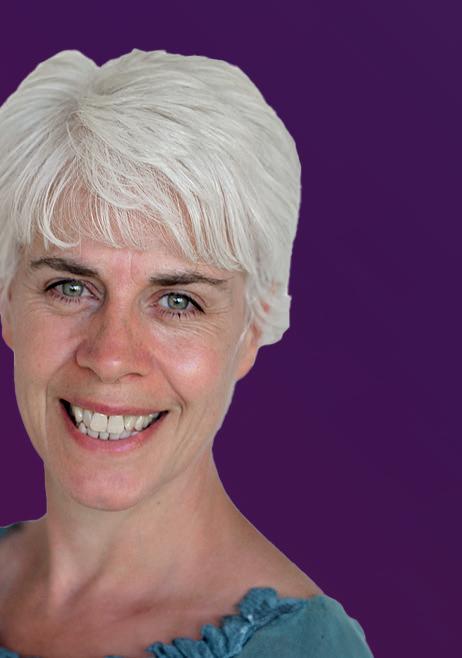
















Chair






















Humphrey Cobbold Chair, PureGym



Alex Perry CEO,



Oliver Patrick CEO, Pillar Wellbeing
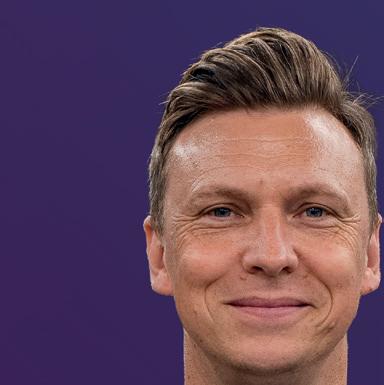

Anna Milani CEO, Brain & Fitness








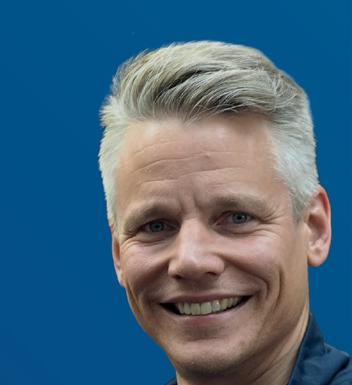



Sondre Gravir CEO, SATS



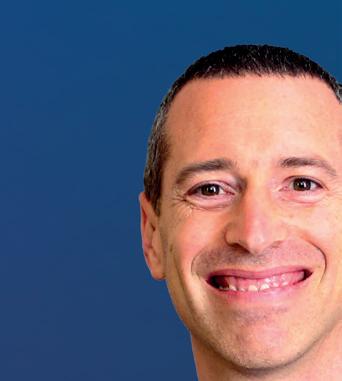




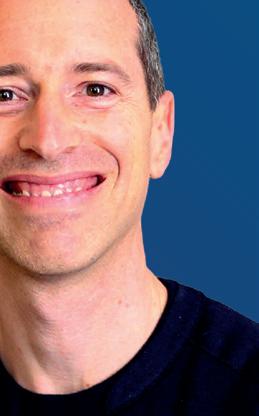
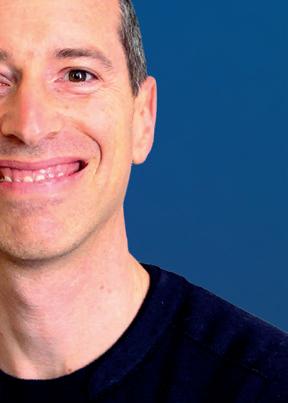





Marc Diaper CEO, Fitness First UK




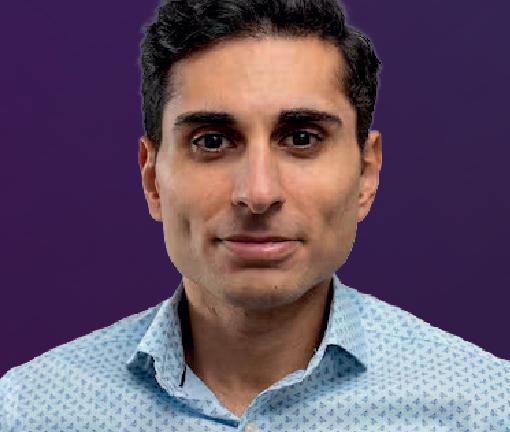


















John Oxley CEO, Life Leisure




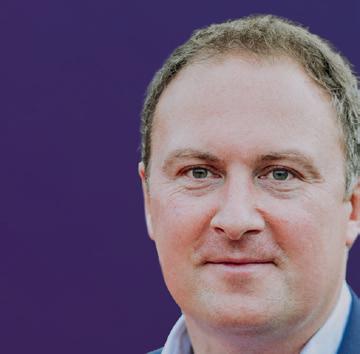

Dr Hussain Al-Zubaidi Lifestyle and TV doctor



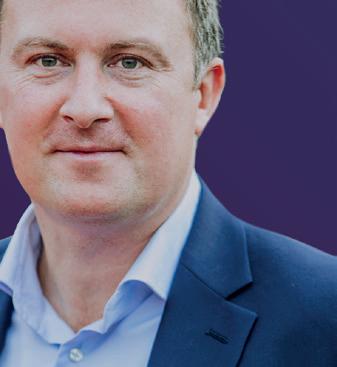
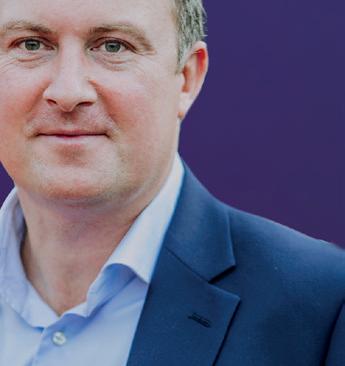




Duncan Jefford MD, Everyone Active







Jonathan Fisher CEO, Tribute Brands

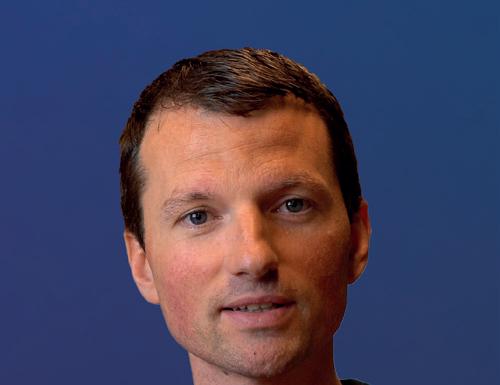



PJ Nuitten CEO, Jims
















Harry Aikines-Aryeetey GB sprinter, TV personality and You+ ambassador

Fuel the debate about issues and opportunities across the industry. We’d love to hear from you. Write to forum@leisuremedia.com
The transition from a hospital bed to the gym floor can be a terrifying prospect
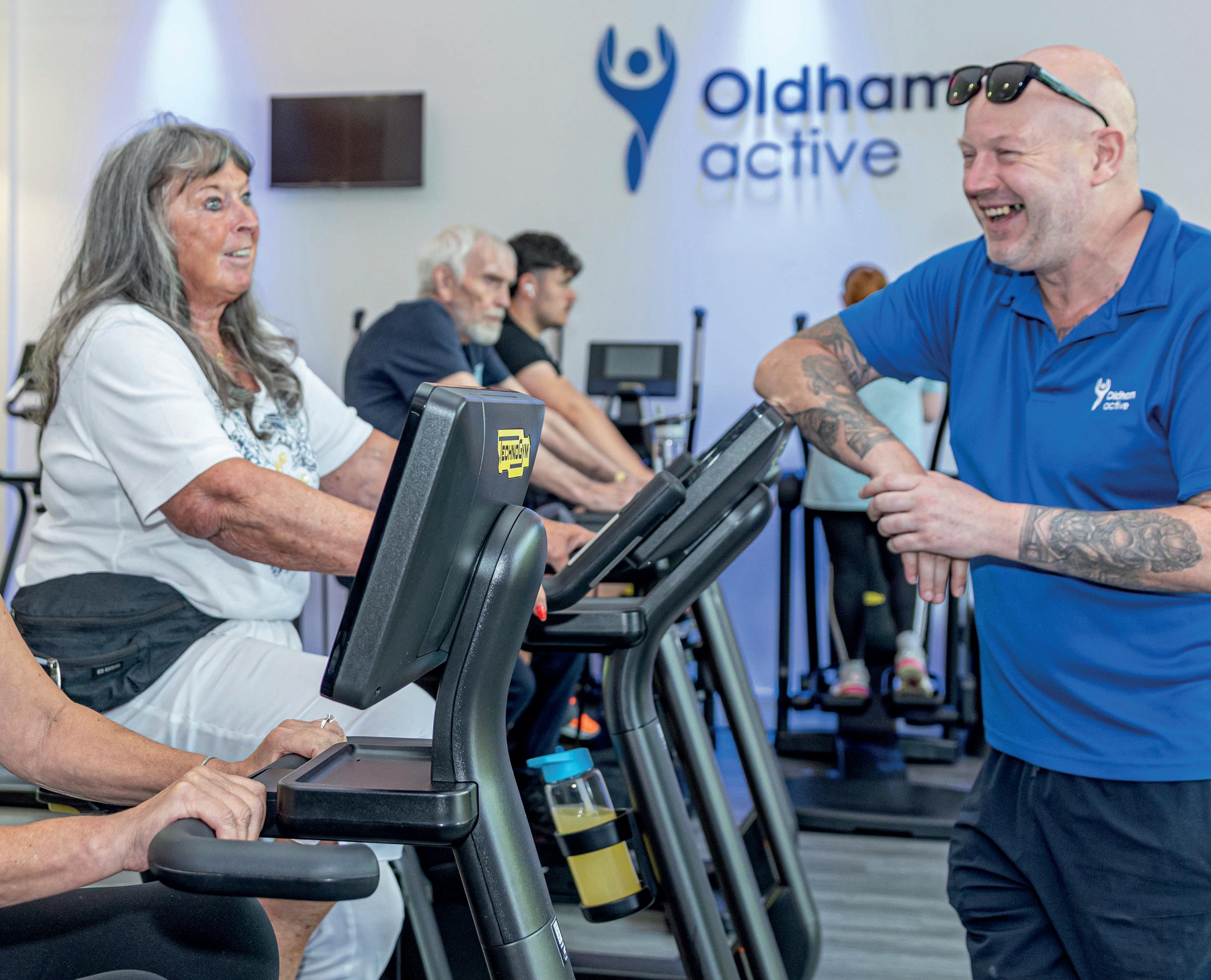
Oldham Active’s work with its NHS partners bridges hospital and community
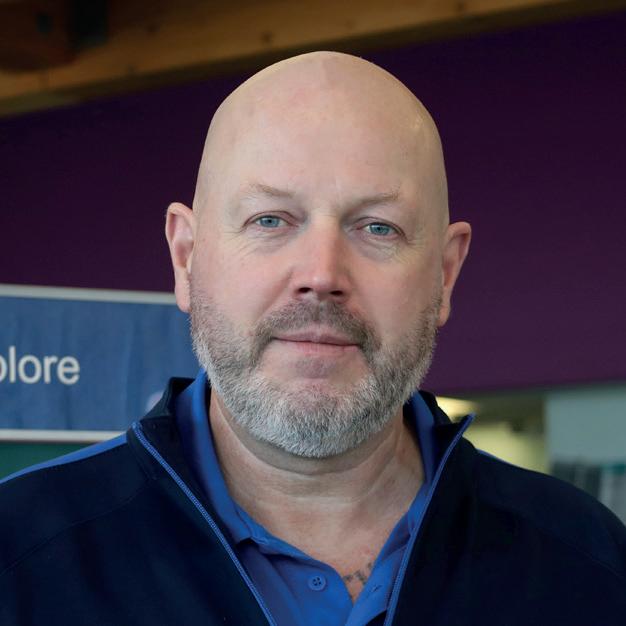
Jason
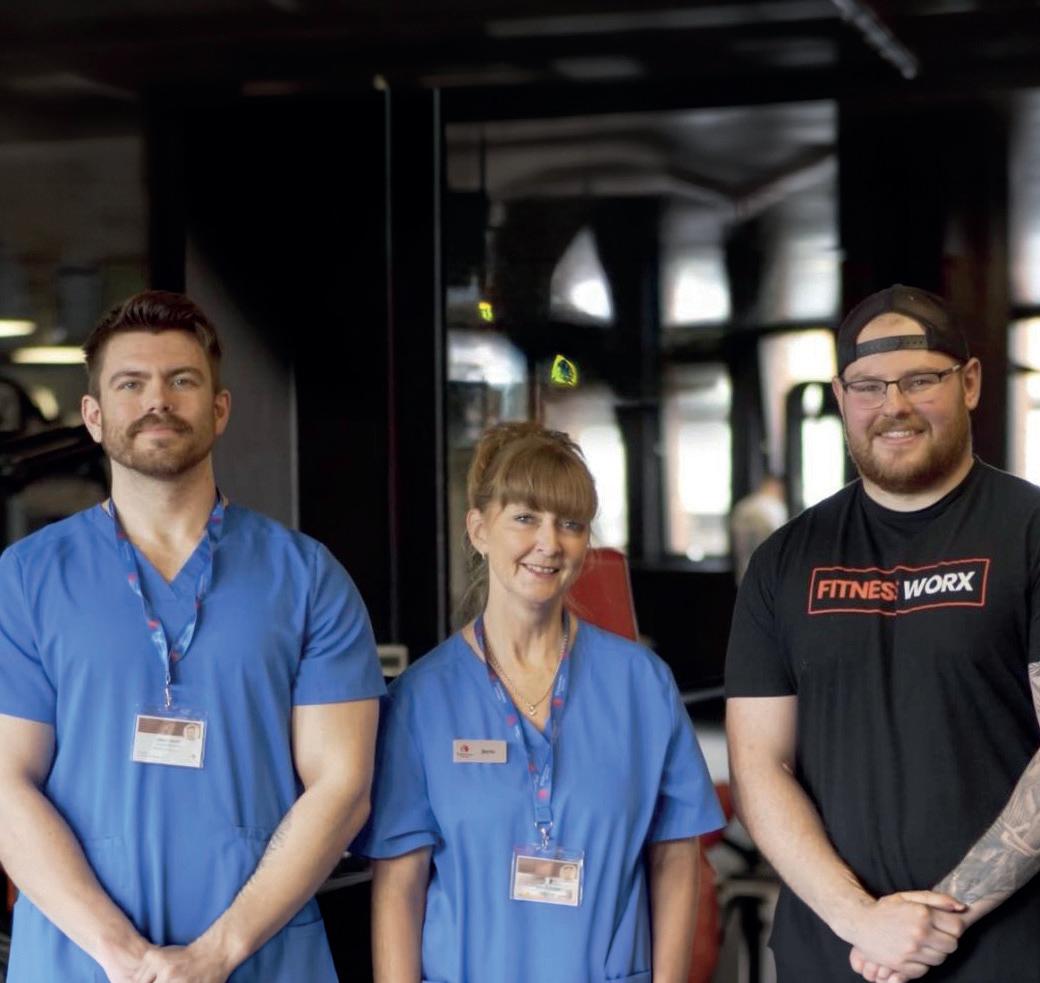
This year marks a milestone for the team at Oldham Active as we celebrate the 20th anniversary of our 12-week REACH (Referrals Encouraging Activity, Confidence and Health) exercise referral programme.
The programme has supported nearly 4,000 people to date and I’ve witnessed firsthand how structured, supported physical activity can bridge the daunting gap between clinical intervention and long-term community recovery.
For a patient who’s just undergone a procedure, the transition from a hospital bed to the gym floor can be a terrifying prospect and the idea of exercise can be overwhelming.
By working with our NHS partners, we’ve created a pathway where clinical recovery seamlessly meets community support. This vital ‘step-down’ service helps alleviate that initial fear, reassuring patients they’re in safe hands and turning
a short-term clinical intervention into a sustainable lifestyle choice.
The impact of this shared approach is clear. In the last year, our REACH programme has accepted more than 200 new referrals, predominantly from Greater Manchester hospital physiotherapists, and we’ve recorded more than 2,000 attendances across 305 specialist classes at our centres in Saddleworth, Royton, Chadderton and Oldham.
From an operational standpoint, this collaboration helps reduce
pressure on primary and secondary healthcare. By transitioning patients to long-term community exercise, the programme slows disease progression and extends the rehabilitation window well beyond anything standard clinical settings can offer. For example, in Oldham, the NHS Cardiac Rehab programme offers four sessions over eight weeks, and its Pulmonary Rehab/ Long COVID programme is 12 sessions over six weeks. Once patients complete these, their healthcare professional signs them off and refers them to the REACH programme for long-term lifestyle changes, with the ultimate aim of transitioning them to be ‘forever’ customers.
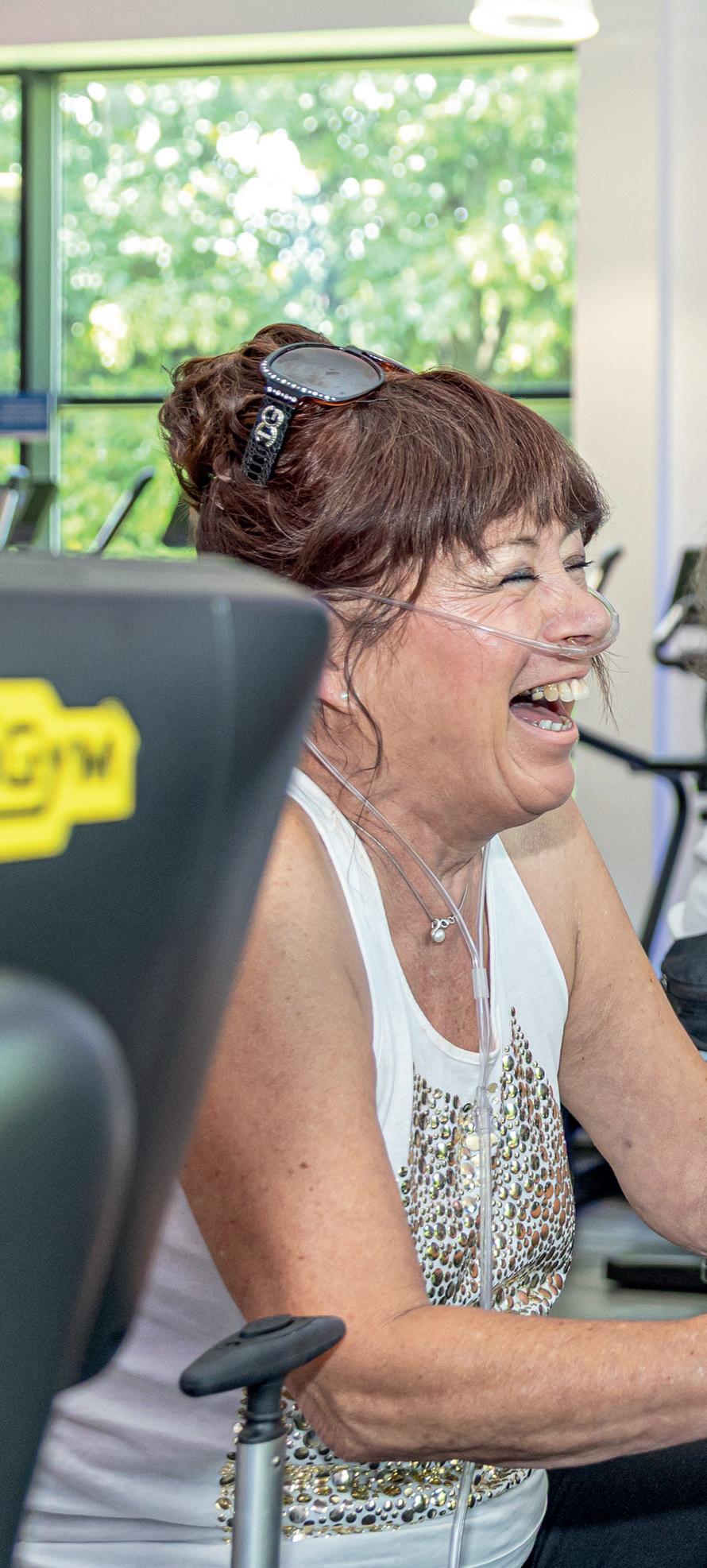
Transitioning patients to long-term exercise can slow disease progression
Our partnership with the health service has stood the test of time, largely because our programme has adapted alongside structural evolutions. When we launched back in 2007, REACH began as a two-year pilot scheme commissioned by the Oldham Primary Care Trust. During the course of two decades of healthcare reform, we’ve maintained a continuous, trusted presence by transitioning our working relationships through the era of Clinical Commissioning Groups to today’s NHS Greater Manchester Integrated Care Board. Our staff who deliver the REACH scheme are passionate about the programme, and have remained largely unchanged over the 20 years. So despite the transitions
Staff who deliver the REACH scheme are passionate about the programme and have remained largely unchanged over the 20 years
from primary care trust to clinical commissioning group and now to integrated care board, we’ve remained consistent and constant.
Robust reporting
Another key aspect of sustaining our year-to-year rolling contract throughout these shifts has been a commitment to reporting, providing the ICB with annual reports that merge quantitative data with qualitative patient experiences. We monitor the health and emotional wellbeing of REACH participants, as well as their attendance. Last year 95 per cent of people who took part were more active than before starting the programme and 95 per cent said their health had improved.
The
survey highlighted the helpful and encouraging nature of our instructors, and participants reported a significant increase in their confidence in exercise. Plus, in 12 weeks, visits to the GP and levels of medication had also decreased. By demonstrating the statistical outcomes and lives changed, we show the value of the service, ensuring the partnership remains a priority for commissioners. When an anxious new referral walks through our door, introducing them to long-term members –who were once in their shoes – is powerful. It shows that when community leisure and healthcare work together, we can support long-term recovery and genuinely help residents get their lives back. l
Kath Hudson distills the essence of the latest HCM news to tap the trends driving the direction of the sector
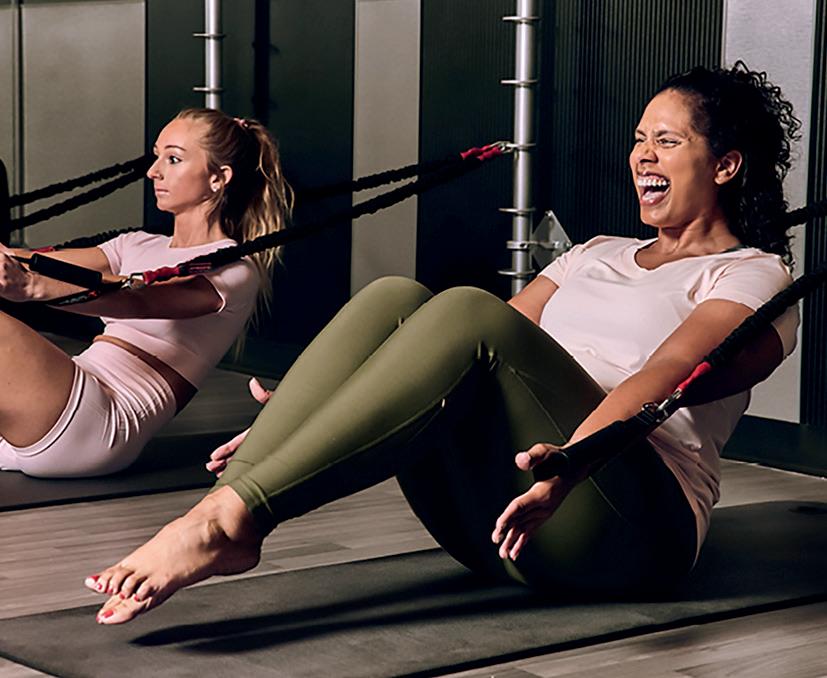

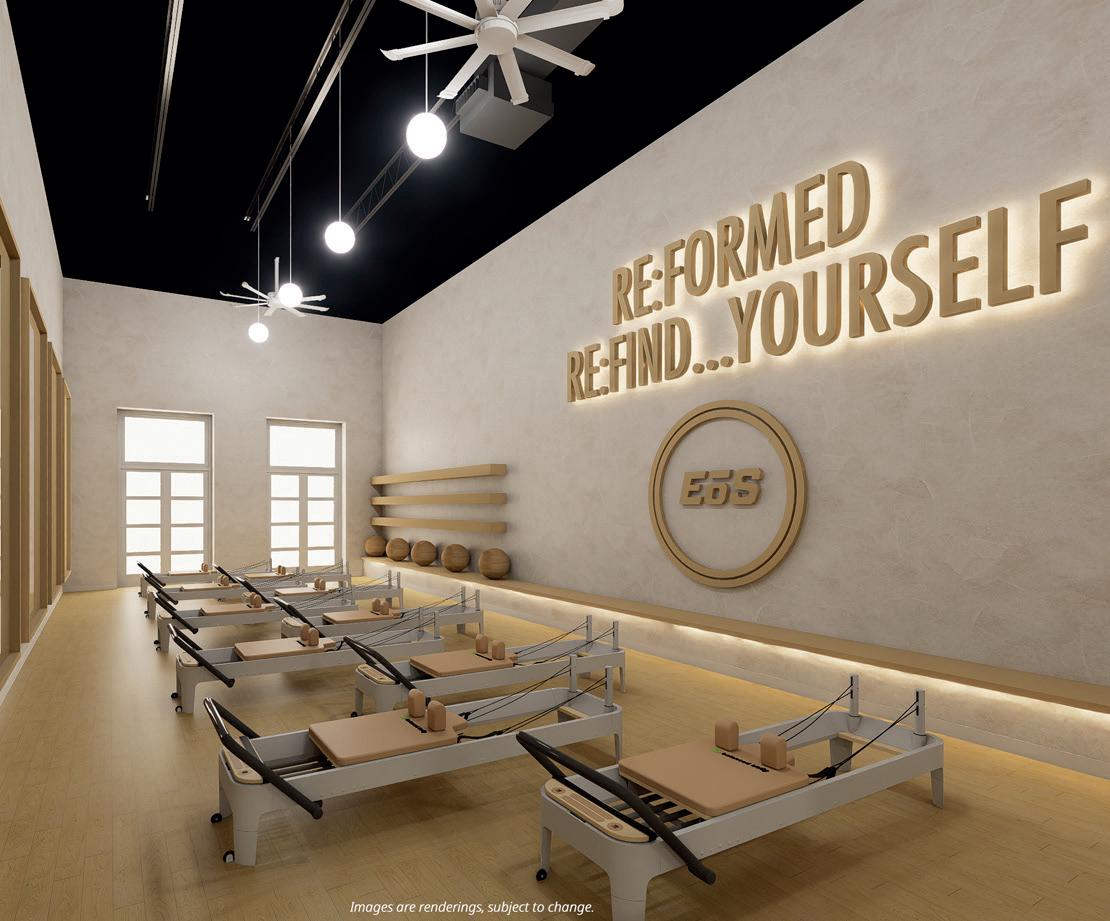
US budget operator, EoS Fitness is piloting reformer Pilates at three sites this summer, offering three signature classes. It will also be the first US operator to offer Les Mills Reformer. VP of group fitness, Joella Hopkins, says: “Reformer Pilates has often been out of reach for everyday gym-goers and we’re changing that.”
“We’re bringing one of the industry’s most sought-after modalities into a more accessible environment while maintaining the elevated experience consumers expect,” says Jim Rowley, executive chair. “Consumers shouldn’t have to choose between premium experiences and affordability. Reformer Pilates has traditionally been offered solely at a boutique price point and Crunch Reform Pilates changes that.”

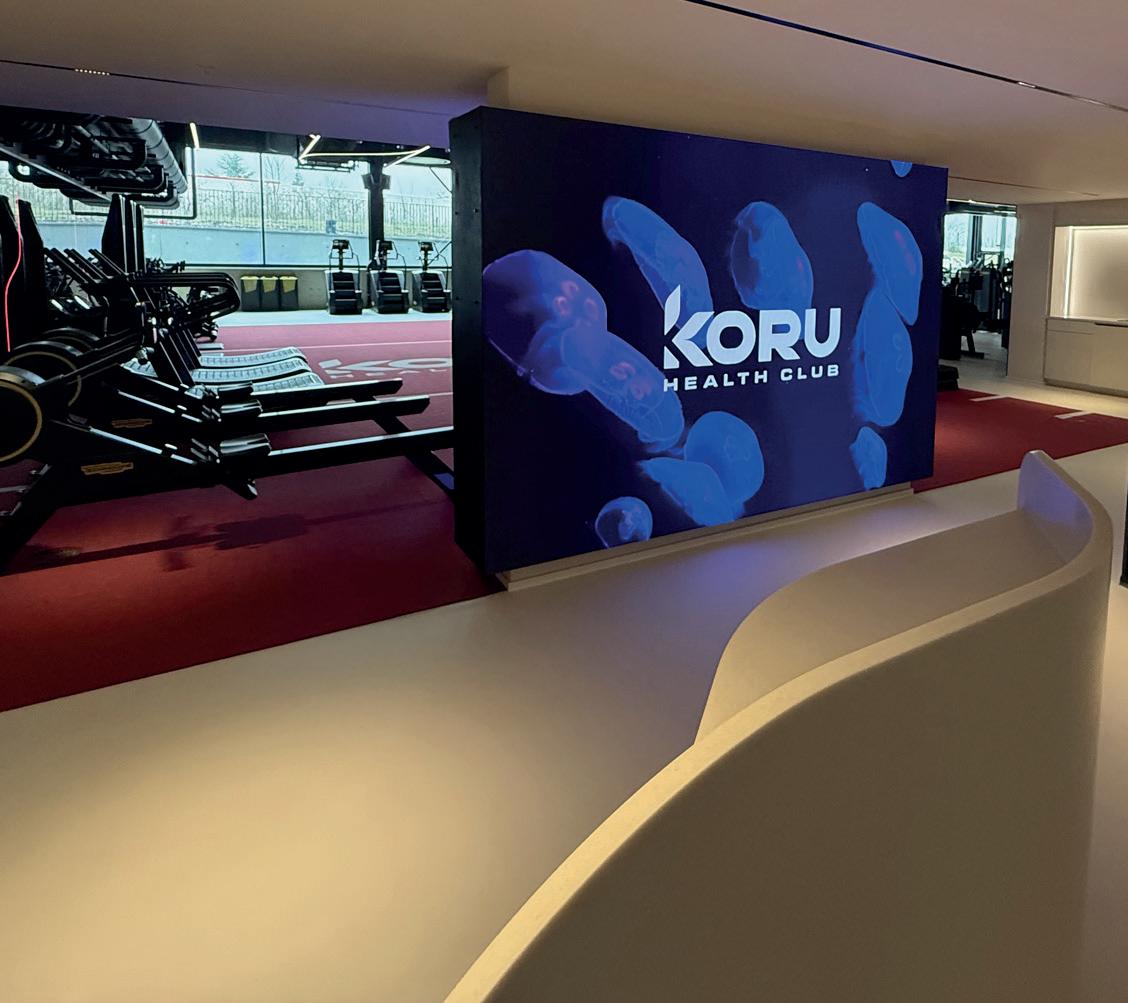
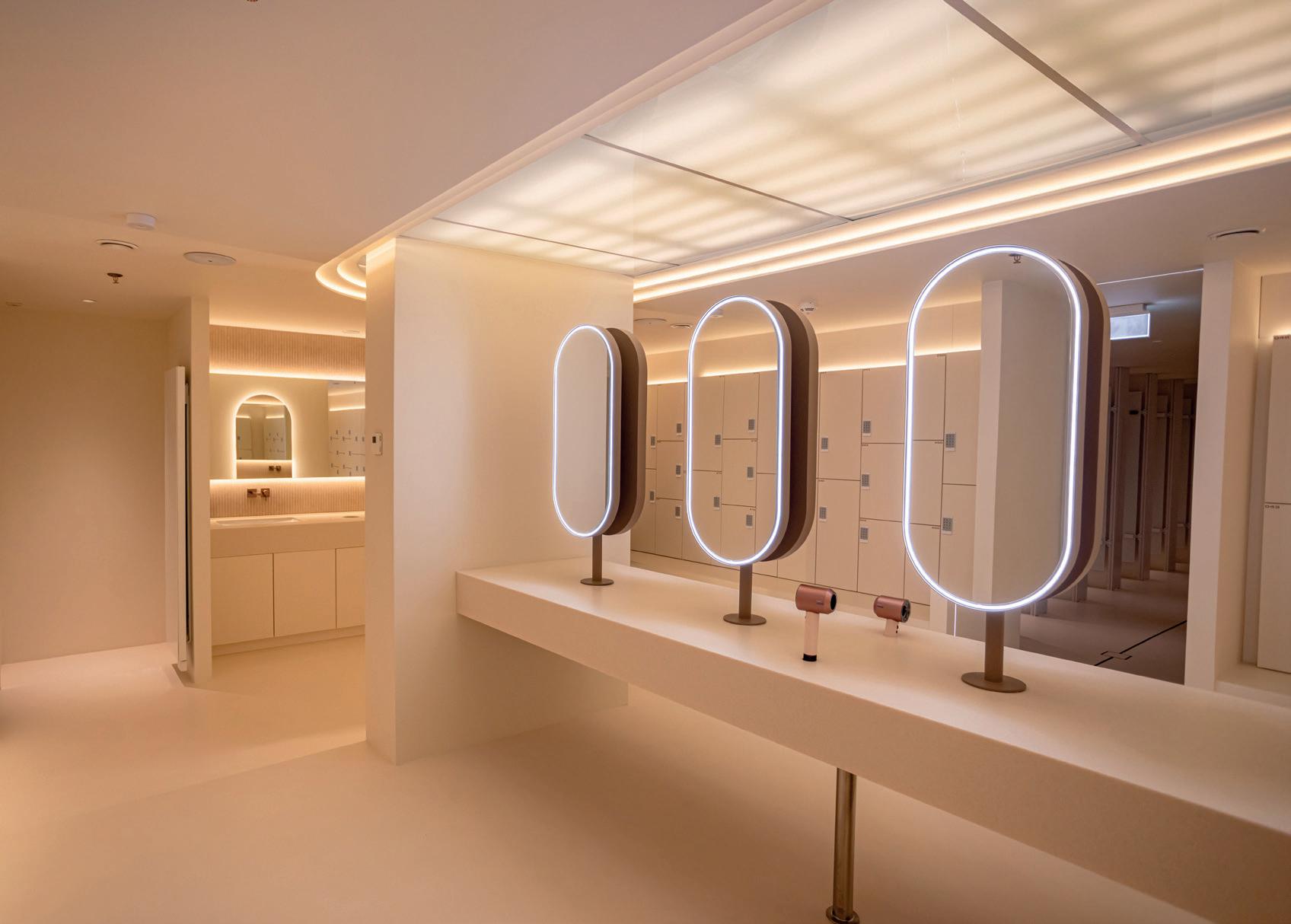
Koru Health Club in Luxembourg represents a shift in gym design towards holistic wellness. Interior designer, Stavros Theodoulou of Zynk Design, says: “Gyms are multi-functional lifestyle spaces – designed not only for workouts, but also for how people feel before, during and after being there.”

Social connection and longevity are key motivators for exercise, according to a report from Myzone.
Based on anonymised, aggregated data from users across multiple countries, ages, genders and activity types, it found people with 10 or more social connections generate 47 per cent more activity than those who exercise alone.

Social connection and longevity are powerful motivators for exercising
http://lei.sr/E4g6n_H
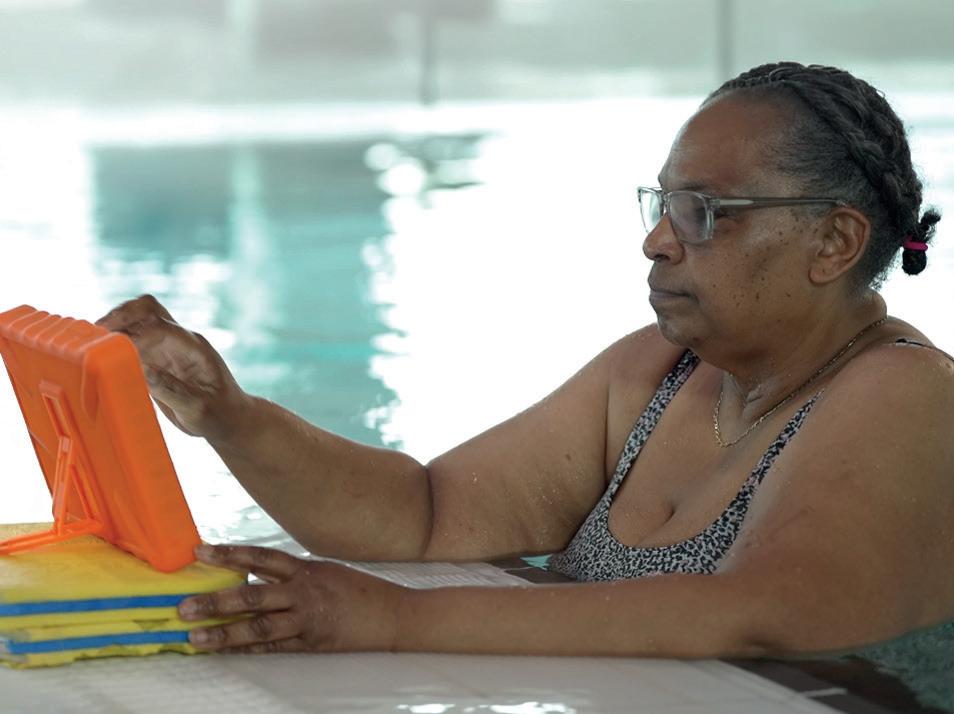
Working with the University of Exeter to assess its AI-powered digital exercise programmes, Good Boost – which delivers programmes via tablet – has found results to be comparable with physiotherapy for treating MSK issues. More than 40,000 exercise sessions were studied, with 65 per cent reporting an improvement in their condition.
http://lei.sr/8d6Y5_H
http://lei.sr/y8g3Q_H
http://lei.sr/4e6g4_H
“We see blood testing as another way of helping people take control of their health and wellbeing,” says CEO, Jack Gibson. “Everyone wants to know what’s going on under the bonnet these days. Blood testing provides a 360-degree view, helping people identify areas to improve, while highlighting the positive progress already made.”
Blood tests identify areas for improvement and log progress


Open water swimming has arrived in London’s business district. A joint venture between The Canary Wharf Group, The Eden Project and Sea Lanes Brighton and operated by South Downs Leisure, the 50-metre, six-lane pool uses water from the dock which meets EU Excellent Bathing Water Standards.
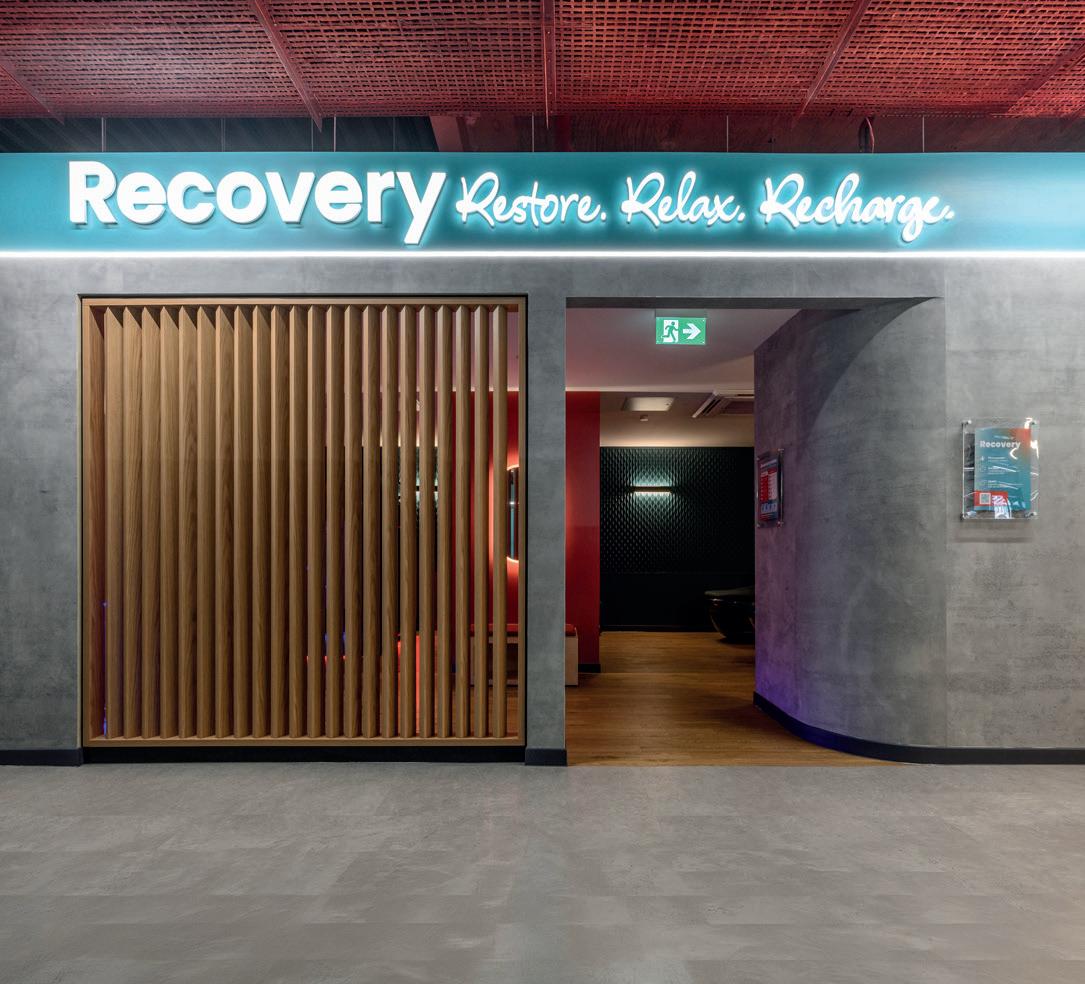
is assessing demand for rest and recovery
PureGym, has launched Recovery Zones at two of its flagship UK sites as part of a pilot study. Four modalities are on offer for PureGym Plus members or via a membership bolt-on. Martyn Brett-Lee, UK MD at PureGym, told HCM the move is in response to a growing awareness among members of the importance of rest and recovery.
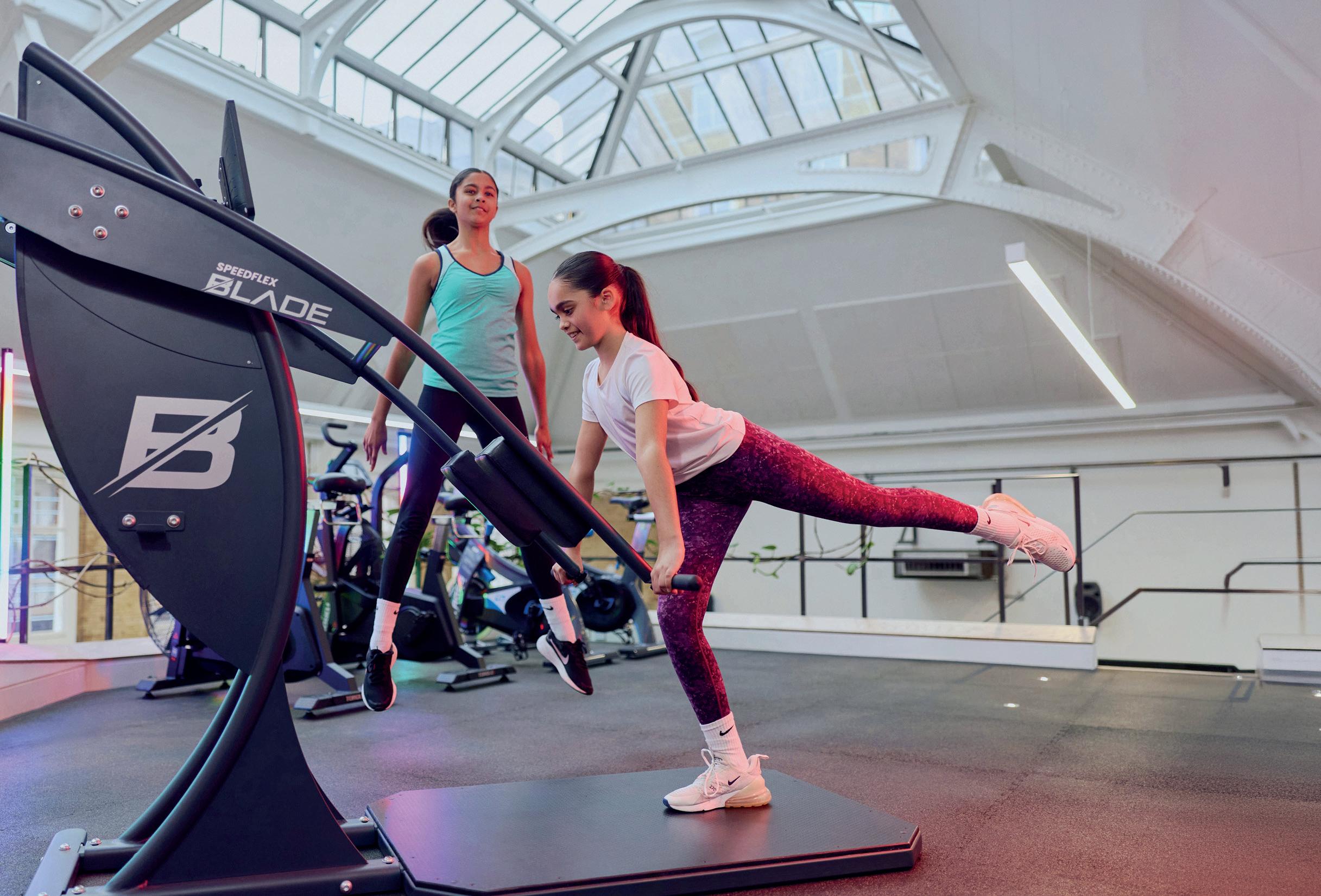
Speedflex is making strength training safer and more accessible for 10- to 16-year-olds with the new Jnrz programme, which harnesses the Blade’s adaptive resistance technology to create a controlled, low-impact training environment without the risk of overloading and developed in line with UK Active guidelines.
http://lei.sr/b2T8f_H


http://lei.sr/4J3f9_H
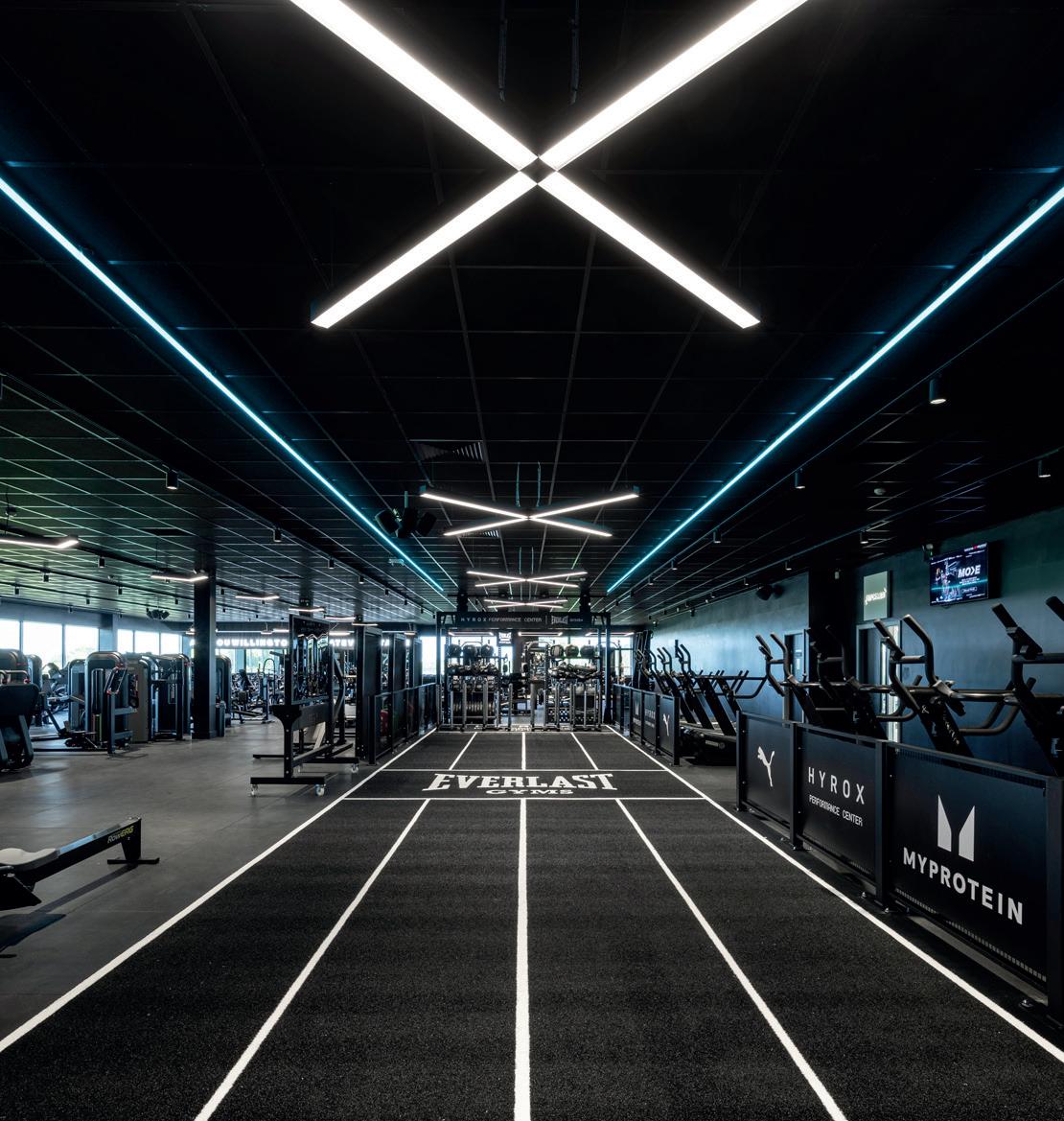
Everlast Gyms’ York club has reopened following a refurbishment which brings it up to the company’s premium status. New additions include a Hyrox Performance Center, a 12-bed reformer Pilates studio and a recovery zone featuring a sauna and steamroom, as well as a Myprotein Kitchin. Three different memberships are offered.

YogaSix is capitalising on the Pilates trend by bringing elements of the discipline into a new yoga class. “Y6 Core represents an exciting evolution for YogaSix,” says Veronica Najera, vice president of education. “Our members are looking for workouts that build strength, challenge endurance, and still feel mindful and intentional.”


KX Chelsea is undergoing a £15m redevelopment to put wellness front and centre. The high-end facility will be expanded by 45 per cent, with a significant gym upgrade, and an aquatic recovery centre featuring a magnesium pool.
http://lei.sr/5V4d3_H
International industry lobbying associations are calling for physical activity and strength training to be deeply integrated with GLP-1 treatment.
Five organisations – the Health and Fitness Association, the HFA Foundation, AusActive, Exercise New Zealand, the Fitness Industry Council of Canada and UK Active, have joined forces following a multinational study which found that pairing GLP-1 therapy with regular structured exercise would improve long-term

“Our members are ready to be delivery partners” Cameron Saunders
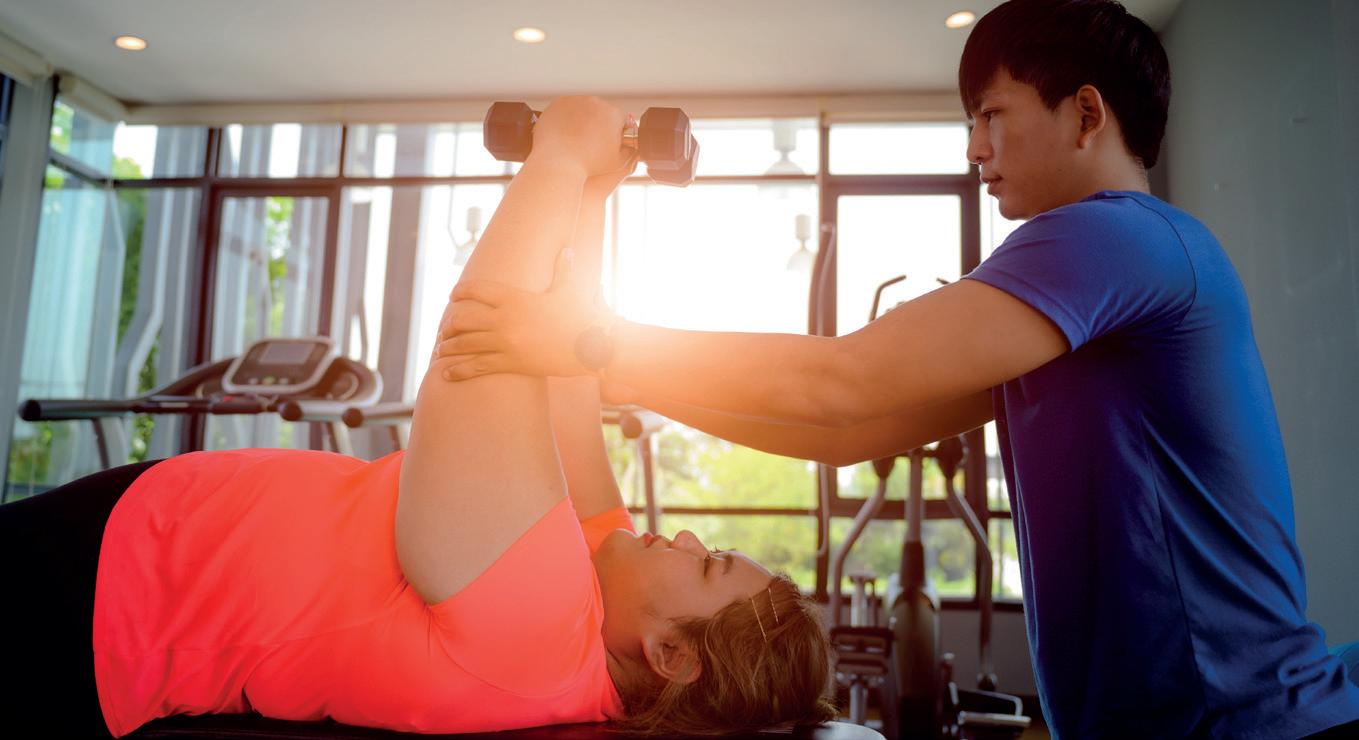
Research shows the importance of strength training during GLP-1 weight loss
health outcomes, reduce downstream costs and generate positive economic returns across multiple countries.
The trade bodies are calling for structured exercise to be embedded into GLP-1 care models, for patients to be supported to find qualified exercise professionals and fitness facilities and for referral pathways to be built.
Cameron Saunders, CEO of UK Active, says: “The evidence is clear and the bill for inaction is one that health systems cannot keep picking up. Our members are ready to be delivery partners – we have the facilities, the professionals and programmes to make it happen at scale.”
Chequan Lewis is the new CEO of Crunch Fitness, taking over from Jim Rowley, who has transitioned to be executive chair.
Lewis joined the company as president in February 2024 and has worked alongside Rowley during one of the company’s most successful periods – driving significant unit growth, improving operational performance, and fueling innovation, including the introduction of Crunch 3.0. With a market value of US$1.5 billion, Crunch now has more than 550 locations worldwide, serving 3.5 million members.
“Crunch has never been stronger and that strength reflects years of close collaboration with Jim, our franchise partners, and our teams across the brand, who have
“Crunch is on a mission, and it takes thousands of dedicated people across our system to bring that mission to life every day ”
Chequan Lewis
built something special over time,” says Lewis. “I’m honoured to step into the CEO role and continue that partnership, building on the foundation we’ve created together.
“As we enter this next chapter, our focus remains clear: to support our franchise network, invest in innovation, and grow the Crunch community in a disciplined way while staying true to the culture, values, and ‘No Judgments, No Limits’ experience that define this brand.”
PureGym Group has announced that group chief financial officer, Alex Wood, is taking over the role of CEO, as Clive Chesser steps down.
Wood has been with the company since September 2018 and has been instrumental in many aspects of its growth and development across Europe and the US.
Wood previously held the roles of CEO and CFO at Gala Bingo and co-led a private equity backed management buy-out of Gala Bingo. Earlier in his career, he spent 13 years at KPMG.
Wood says: “It’s a great privilege to be appointed CEO of a business that has been such an important part of my professional life. The global fitness and wellness industry
“It’s a great privilege to be appointed CEO of a business that has played such an important part of my professional life”
Alex Wood
is a hugely exciting, fast growing and dynamic industry and I look forward to working with the team to continue our growth and development.”
Chesser joined the low-cost operator in November 2024. The company has seen considerable growth in that time. He told HCM: “I move on with great pride, both from the positive impact we’ve had on so many individuals and communities and from the amazing profit growth achieved under my tenure.”
http://lei.sr/r6H9q_H
Purpose Brands has entered the Italian market, having sold the franchise rights for four Orangetheory Fitness studios to Icon Palestre.
Opening over the next four years, the studios will be in the greater Rome area. They will be among the first Orangetheory Studios to feature a configuration with a smaller footprint and streamlined equipment offering. This enables growth in areas with limited real estate opportunities without altering the signature mix of strength and cardio-based classes.
“ We are thrilled to be introducing Orangetheory Fitness to Italy’s growing fitness market ”
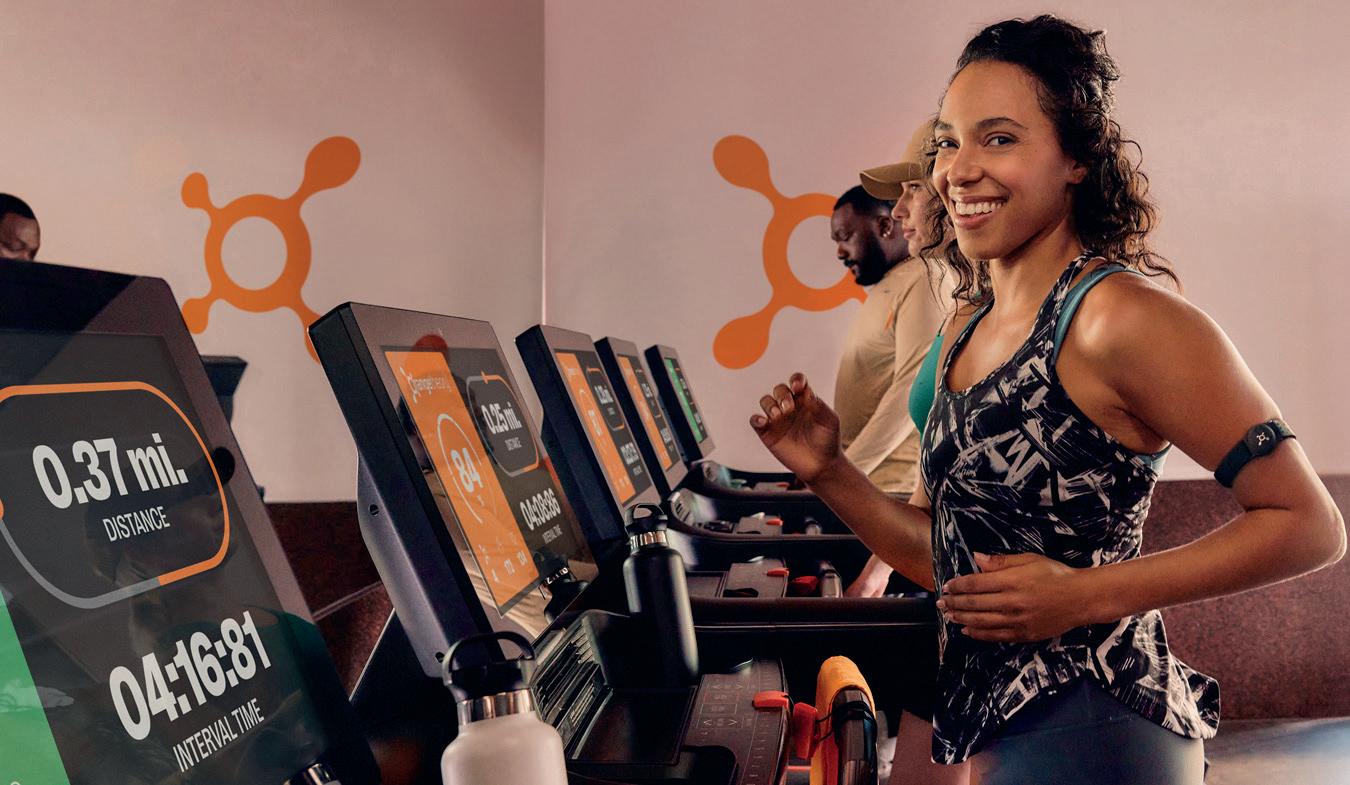
“We’re thrilled to be introducing Orangetheory Fitness to Italy’s growing fitness market,” said Tom Leverton, CEO, Purpose Brands. “Our biggest priority in 2026 is to grow Orangetheory, both in the US and internationally. With expansion into Japan and the GCC earlier this year, and now Italy,
OTF is positioned to accelerate its global growth and meet rising consumer demand worldwide.”
Sander van den Born, chief international officer, Purpose Brands, says this is an exciting milestone and the Italian market is ready.
http://lei.sr/8z6q6_H
Preventive healthcare company
Neko Health has added body composition analysis to its full-body health scan and launched a new mobile app that integrates wearable data into the assessment process. The new body composition feature uses Neko’s proprietary imaging technology to measure body fat percentage and visceral fat. According to the company, the measurements are obtained without the need for X-ray radiation, DEXA scanning or MRI.

“Every visit should tell members something they couldn’t have known otherwise”
Hjalmar Nilsonne
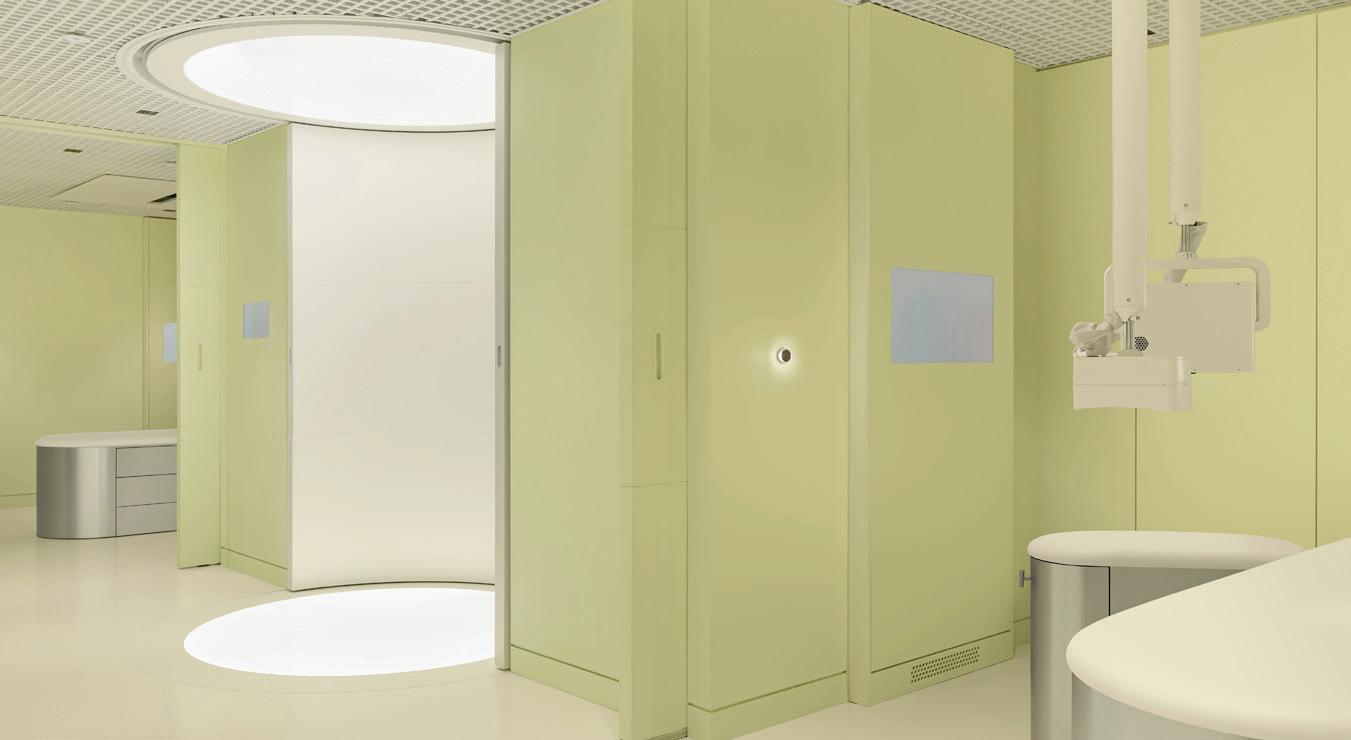
Preventative health company, Neko, has further improved the offering
The health tech innovator has also launched the Neko Health App for iOS, enabling users to connect Apple Health data to their health assessments. Information including activity levels, sleep patterns and heart rate variability can now be reviewed alongside scan results, giving clinicians additional context when making recommendations.
“Every scan should be more valuable than the last; every visit should tell members something they couldn’t have known otherwise and every year should bring capabilities that weren’t possible the year before,” says CEO Hjalmar Nilsonne. US expansion is on the cards for later this year.
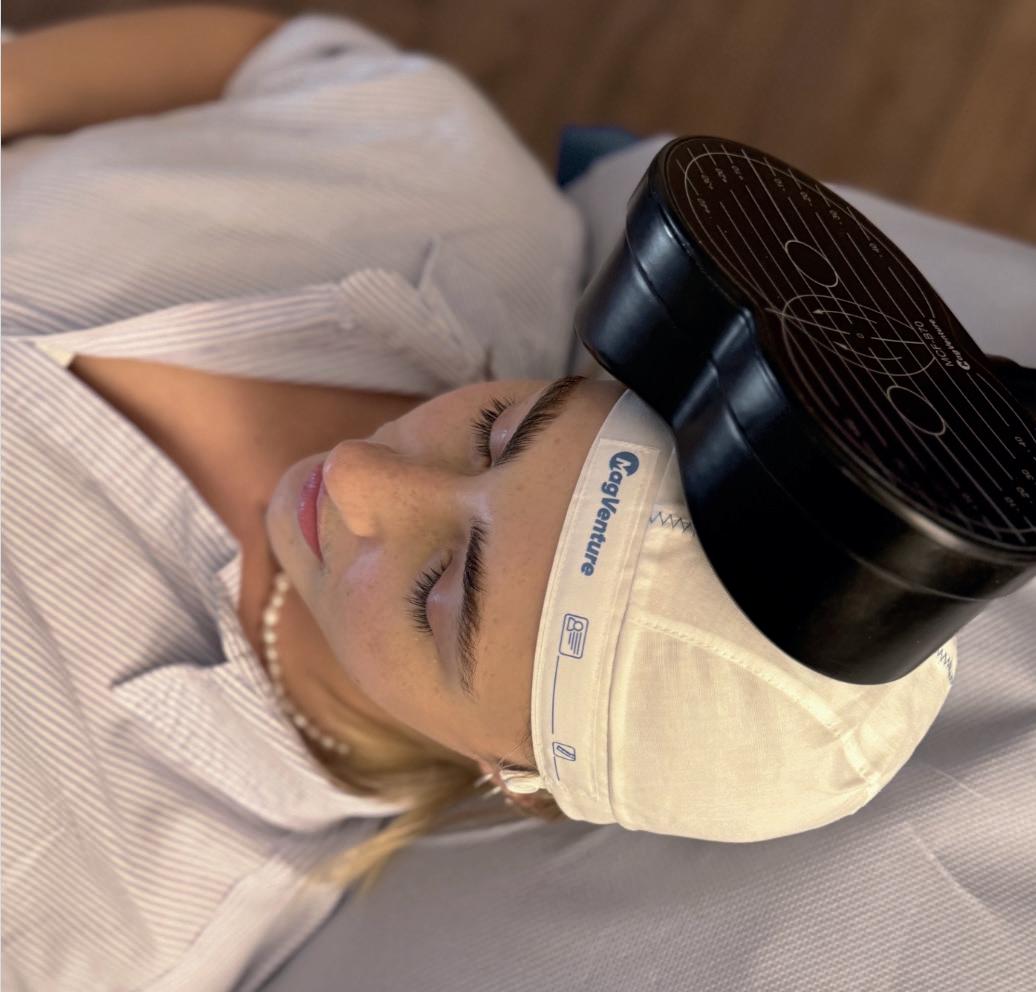

Aclinic has opened in London, which uses non-invasive brain stimulation to treat a number of chronic health issues, such as pain, anxiety, PTSD, ADHD and burnout at the neurological source.
Naya Health uses Transcranial Magnetic Stimulation, which is a clinically validated, non-invasive therapy, recognised by NICE, and has been used for the treatment of depression for over 20 years.
Rather than treating each condition in isolation, Naya Health’s approach targets the underlying neurological patterns that connect them.
Naya Health’s lead clinical advisor, Dr Andy Franklyn-Miller, believes the brain is the next frontier in health, saying: “Everything we experience physically, emotionally
“Brain is the next frontier in health”
Andy Franklyn-Miller
and cognitively is governed by neural function, and yet for most people that system has been completely inaccessible as a treatment target.
“We can now stimulate specific brain circuits with precision, harness neuroplasticity, and create measurable, lasting change.”
London-based high-performance fitness club, ONE LDN, is raising funds for a multi-site expansion across London, the UK, and Europe over the next five years.
Founded in 2016 by Evgenia Koroleva – a former banker who has competed across a range of extreme sports, the concept aims to democratise elite-level training.

“A premium fitness experience that doesn’t break the bank”
Koroleva says she spotted a gap in the market when she launched the 18,000sq ft club: “Back in 2016, I had to go to a variety of boutique studios and have a range of memberships to train. The idea behind ONE LDN was to create a premium fitness experience with the best instructors, a well-equipped gym, and boutiquestyle fitness classes, contract-free and at a price that didn’t break the bank.”
The facility is 80 per cent gym floor, with a functional fitness box, some recovery options, saunas and ice baths. Priced at £160 a month, it has been a Nike partner gym since 2024.
After lockdown
Koroleva homed in on the “everyday athlete” a cohort she identified as driving the market.
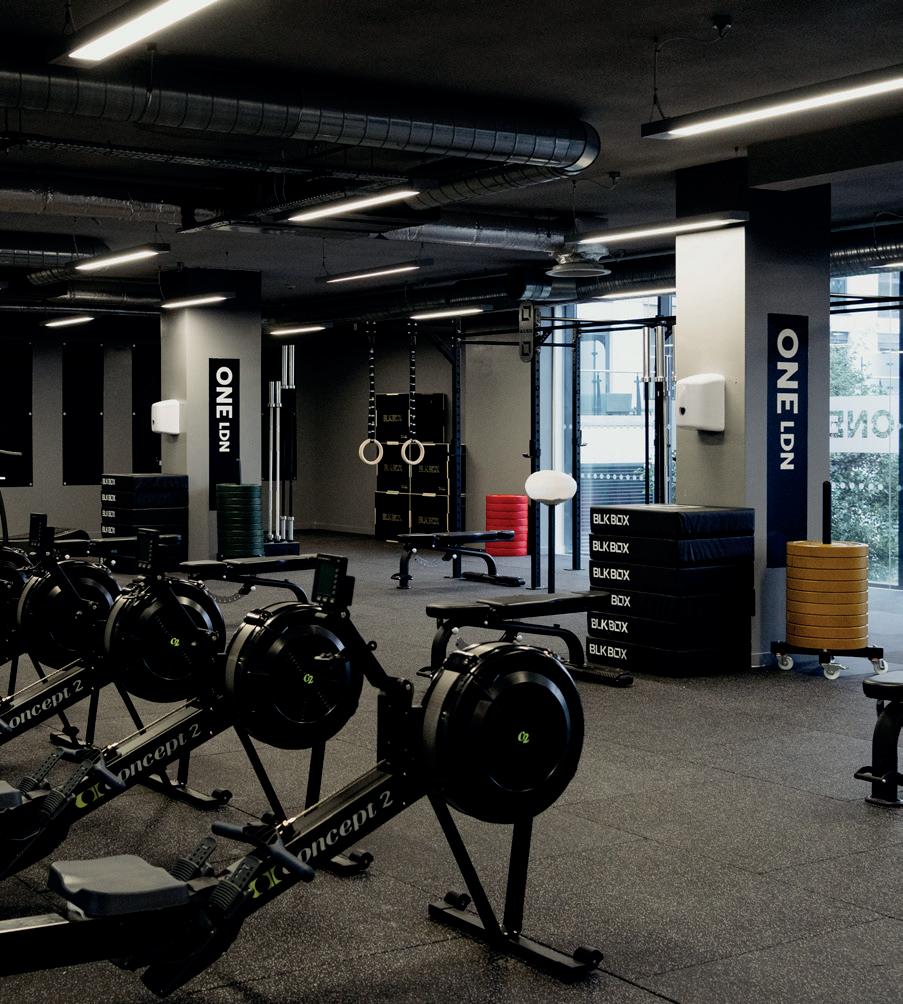
ONE LDN’s functional fitness area is dubbed the playground
In a milestone moment, mental health has become a core part of CIMSPA’s occupational professional standards.
Four mental health knowledge areas have been embedded into CIMSPA’s Coach and Swimming Teacher standards: understanding mental health and wellbeing; maintaining professional boundaries; supporting people experiencing mental health problems and prioritising self-care. The standards have been developed by CIMSPA, with input from Mind and the Movement and Mental Health Alliance.
“We can be confident we are sharing the right messaging”

The licensed mental health content for sport and physical activity courses and qualifications can be ‘lifted and shifted’ into courses and qualifications in whatever format NGBs and training providers.
Rachel Hooper, head of qualifications and training development at British Rowing, says:
“This licensed content has been invaluable in ensuring we use modern and credible information to support coaches. Partnering with subject matter experts means we can be confident we are sharing the right messaging within our learning offer.”
http://lei.sr/9D3p2_H
Work on Newcastle’s £28.9 million wellness centre at West Denton is on-site and scheduled for completion in late 2027.
FaulknerBrowns Architects designed the facility, which has sustainability embedded throughout – including photovoltaic panelling, air source heat pumps, high levels of insulation, charging points for electric vehicles and bike storage.
The Outer West Leisure Centre will feature a gym with recovery areas including a sauna and steamrooms,
“The centre will provide first-class leisure, health and wellbeing for residents of all ages”
Alex Hay

Morgan Sindall is the contractor for the new Outer West Leisure Centre
an eight-lane, 25 metre swimming pool, a 17 metre training pool and a sports hall. A new community library will be co-located.
The site, which will be operated under GLL’s Better brand, has received £19.8 million of government Levelling-Up money. It replaces the 1960s West Denton Leisure Centre.
Newcastle City Council deputy leader Alex Hay said: “The new centre will be one of the biggest investments in the west of the city for many years and provide first-class leisure, health and wellbeing facilities for residents of all ages.”
Freedom Leisure and Ebbsfleet Garden City Trust have opened the £13m Weldon Wellbeing Pavilion. It offers a gym and group exercise studio, netball and tennis
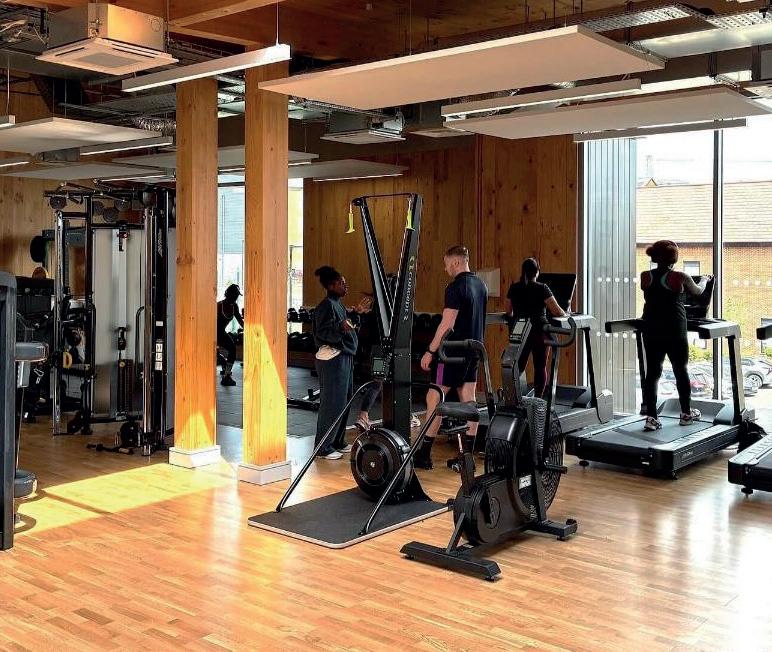
courts and a 3G pitch, alongside a versatile community hall, that will enhance opportunities for grassroots sport, physical activity and wellbeing initiatives within the growing Ebbsfleet Garden City community.
Ebbsfleet Development Corporation (EDC) worked alongside Redrow, Ebbsfleet Garden City Trust and Freedom Leisure to support delivery of the facility.
Sara Waller, CEO of EDC said: “Facilities like this matter because they turn new neighbourhoods into places where people can genuinely live well. That’s what long-term placemaking is about, and what we’re committed to delivering across Ebbsfleet.”
Ivan Horsfall Turner, CEO of Freedom Leisure, which will operate
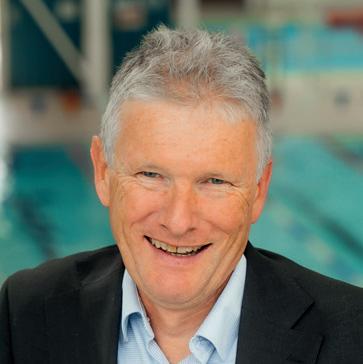
“We look forward to supporting the health and wellbeing of Ebbsfleet”
Ivan Horsfall-Turner
the Pavilion says: “This fantastic new facility provides a welcoming space where residents, schools, clubs and community groups can come together and we look forward to supporting the health and wellbeing of the Ebbsfleet community for many years to come.”
Walnuts Leisure Centre, in the London Borough of Bromley, has reopened following a £17m refurbishment.
Improvements include a new competition-length swimming pool, training pool and children’s splash wall. The gym has been expanded, with a functional training area added along with new kit, including EGYM smart strength equipment. A sauna and steamroom have been added for recovery.
Other improvements include bright new reception and café areas and a new heating system to reduce running costs.
Steve May, CEO at Mytime Active, said: “At Mytime Active, we’re passionate about providing more than just leisure facilities; our aim
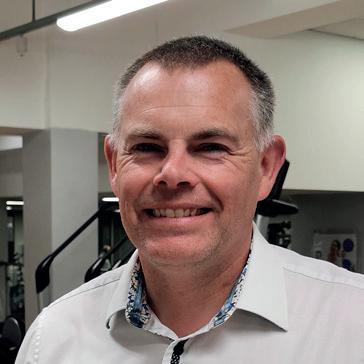
“The whole community will benefit from outstanding new facilities”
Steve May
is to offer a true community hub to better serve the needs of local residents for many years to come.
“The scale of this investment by Bromley Council means the whole community will benefit from outstanding new facilities. under one roof.”
http://lei.sr/2w5a2_H
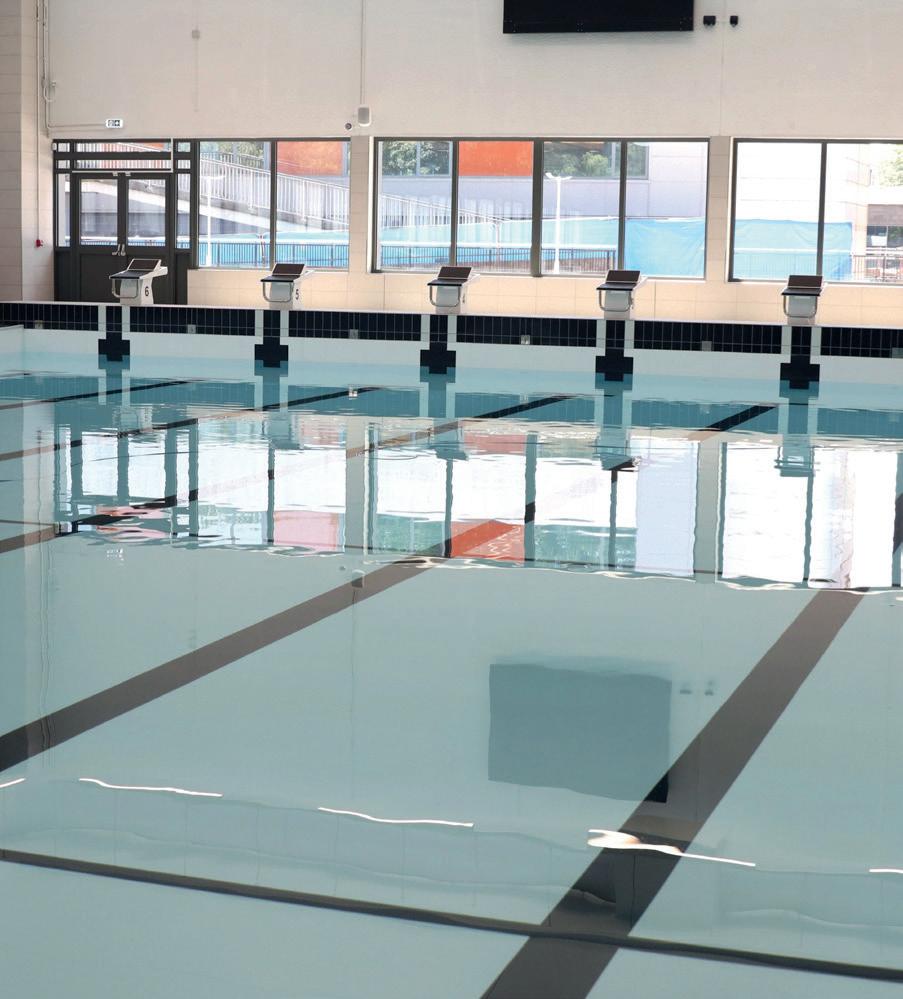
The £33.9 million Leighton
Leisure and Community Centre in Leighton Buzzard has opened its doors to the public.
The launch event was attended by Olympic silver medallist and former world record holder Colin Jackson, alongside Maisie SummersNewton, a four-times Paralympic gold medallist in swimming, and Olivia Newman-Baronius, who won swimming gold at Paris 2024.
Run by Everyone Active on behalf of Central Bedfordshire Council,
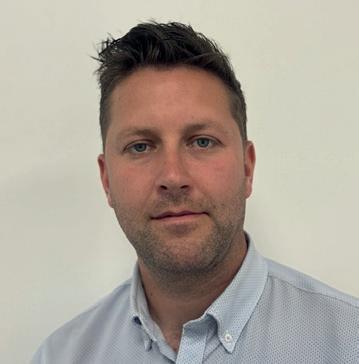
“This centre is significant for the wellbeing of the community”
Gary Foley
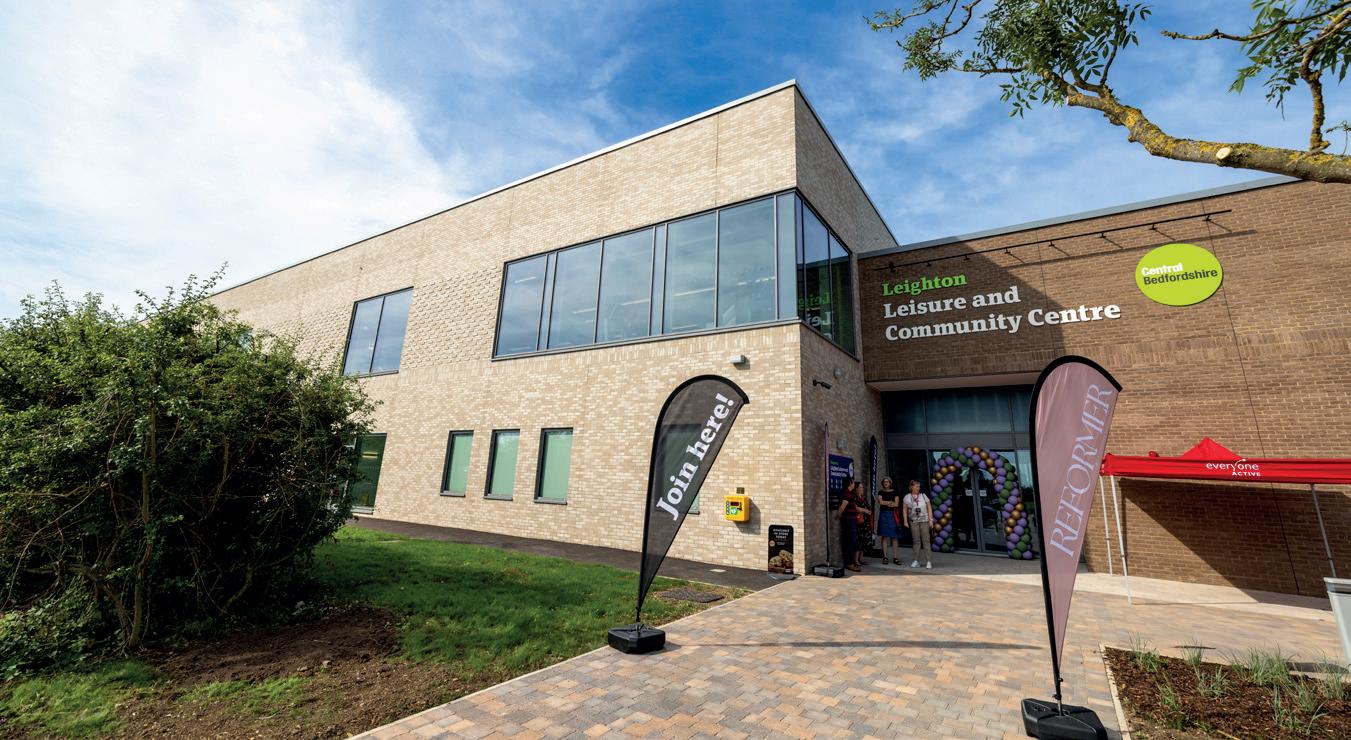
the centre has been designed to be inclusive and accessible.
Facilities include a 25m swimming pool, learner pool with movable floor and dedicated splash pool. There is a 150-station gym with Technogym equipment and group exercise studios including indoor cycling and Reformer, as well as two squash courts. Recovery is part of
the mix with hydromassage beds and three treatment rooms. There are also community rooms, meeting spaces, and a community café.
Gary Foley, Everyone Active’s contract manager, says: “This centre is hugely significant for the health and wellbeing of the local community.”
http://lei.sr/9Q5g3_H
Active people app, Strava, has overhauled its strength training experience, allowing gym-goers to automatically log and share their lifts from their wearables.
The purpose-built log makes it easy to review and repeat workouts. Every logged workout now generates a visual muscle map, highlighting the muscle groups trained.
Five new strength-specific shareables give athletes more ways to celebrate their lifts and progress with friends, clubs, and the broader Strava community. The new formats

“Strength has been one of the fastest-growing sports on Strava”
Matt Salazar
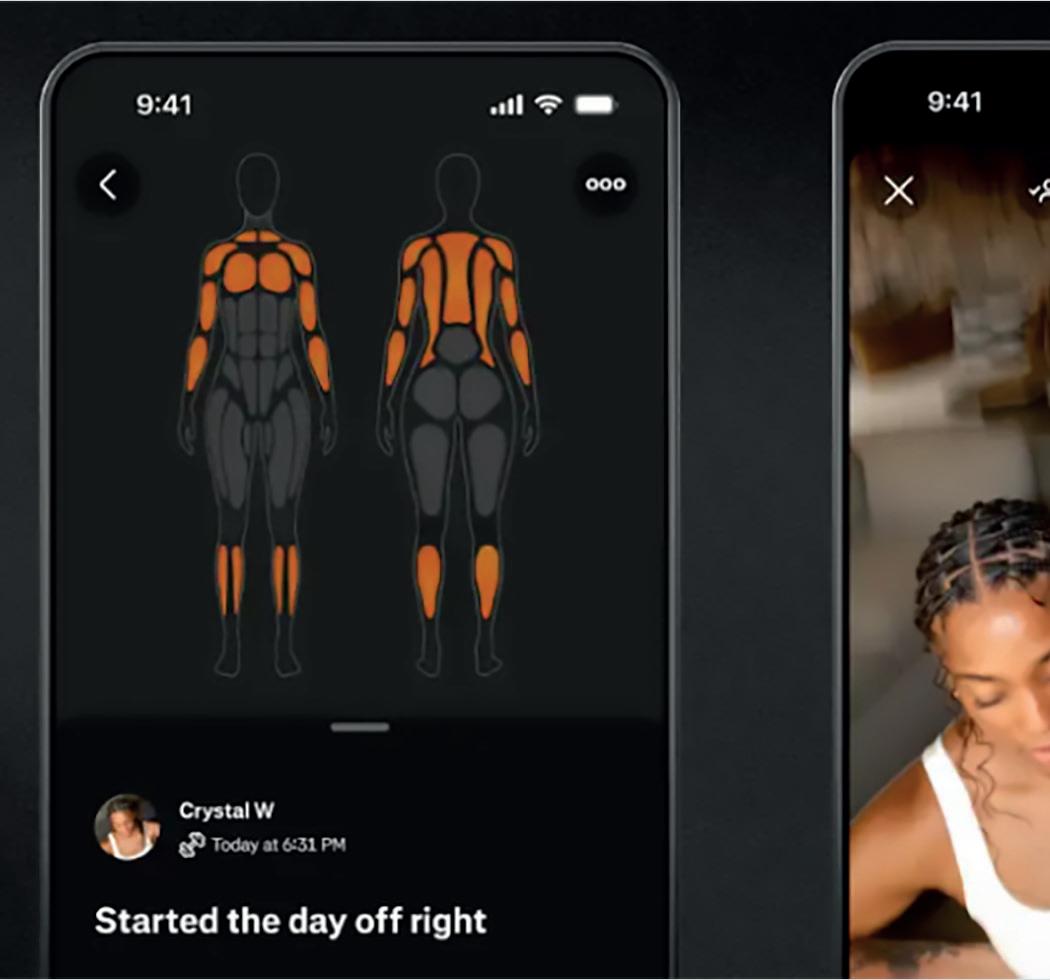

are designed to translate the work happening in the gym or at home into the same kind of recognition Strava users have long received for activities recorded outdoors.
“Strength has been one of the fastest-growing sport types on Strava
for some time, with more than 500 million uploads in 2025 alone, and our community has been clear about what they need from us,” said Matt Salazar, chief product officer, Strava.
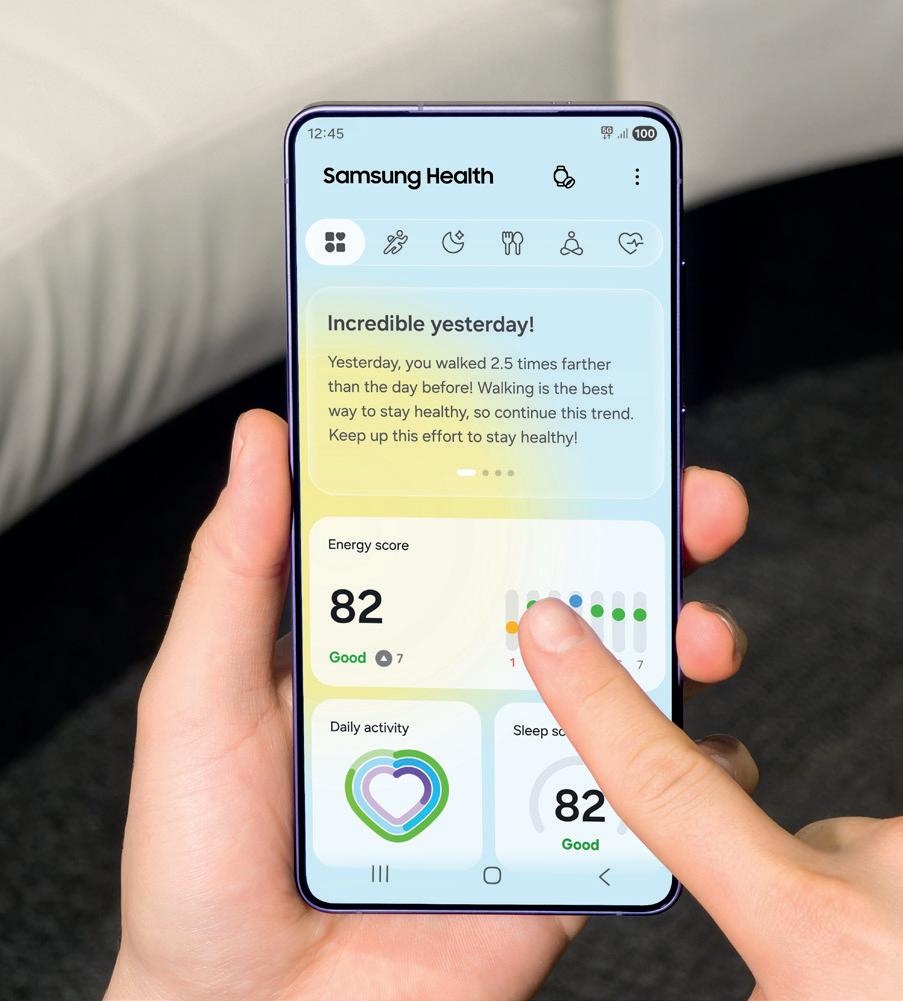
Samsung has unveiled a suite of AI-powered health features for its Galaxy Watch range, as the technology giant moves beyond activity tracking towards personalised health coaching.
The new capabilities, announced ahead of the launch of Samsung’s next-generation wearable devices, include tools designed to provide users with more actionable insights into sleep, cardiovascular health and fitness.
Among the additions is a Running Coach feature that analyses performance and creates personalised training programmes. Samsung has also introduced Vascular Load monitoring, which aims to help users understand the impact of stress and lifestyle factors on cardiovascular
health and an Antioxidant Index that uses sensors to estimate carotenoid levels in the body.
The company says the updates form part of its wider ambition to position wearable devices as proactive health companions capable of supporting long-term wellbeing and disease prevention.
The move reflects a broader trend across the wearables sector, where technology companies are increasingly seeking to translate health data into personalised guidance and interventions.
Samsung said the new features are intended to help users develop healthier habits by providing practical recommendations and personalised insights.
Longevitix, a clinical platform for preventive and longevity medicine, has launched its AI-powered intelligence system to help physicians deliver continuous, personalised longevity-focused care at scale.
Longevitix combines years of scattered patient data into a complete clinical picture, unifying lab results, wearable tracking insights, notes, intake forms and clinical histories. I
It turns these into summaries, prioritised medical insights and curates personalised intervention plans and patient-friendly reports.
Co-founder, Effie Arditi, said: “Preventive medicine is shifting from episodic checkups to continuous, personalised care, but the infrastructure has not kept up. Physicians are expected to synthesise

“Preventive medicine is shifting from episodic checkups to continuous, personalised care, but the infrastructure has not kept up”
Effie Arditi
years of fragmented data, understand risk across every body system, keep up with fast-moving science and still deliver a clear plan the patient can act on. Longevitix turns that into a unified, clinically governed workflow.”

The platform has been designed for operators focused on prevention
Peloton has made the strategic acquisition of Pilates start-up, Skōp, to support the expansion of its strength ecosystem.
As demand for Pilates continues to accelerate, Peloton says it’s enhancing its R&D efforts in the category.
Skōp is an early innovator in connected Pilates, its reformer features built-in digital tracking sensors that measure metrics such as spring resistance tension, movement and weight distribution to give users real-time feedback








“Pilates is ripe for experiential revolution”
Peter Stern
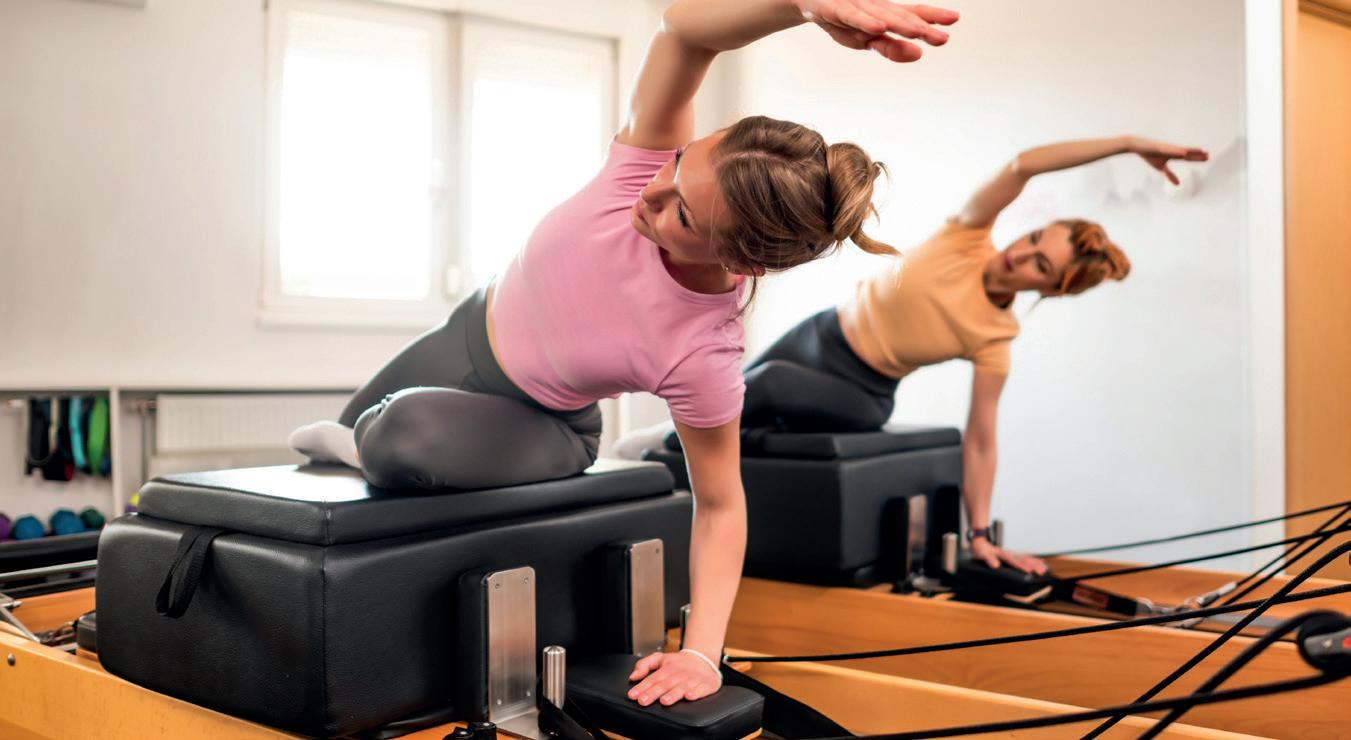
on their form. The reformer also folds up to a footprint smaller than a treadmill when not in use.
While Peloton has not announced plans to launch hardware, the acquisition of Skōp fuels speculation that it could eventually enter the equipment segment of the Pilates market with a Peloton Pilates reformer, as it continues to seek
new growth engines beyond its other existing categories.
“Pilates is ripe for the same kind of experiential reinvention we brought to cardio,” says Peter Stern, Peloton CEO. “We’re taking a purposeful approach to develop the most effective, safest and most fun experiences possible.”
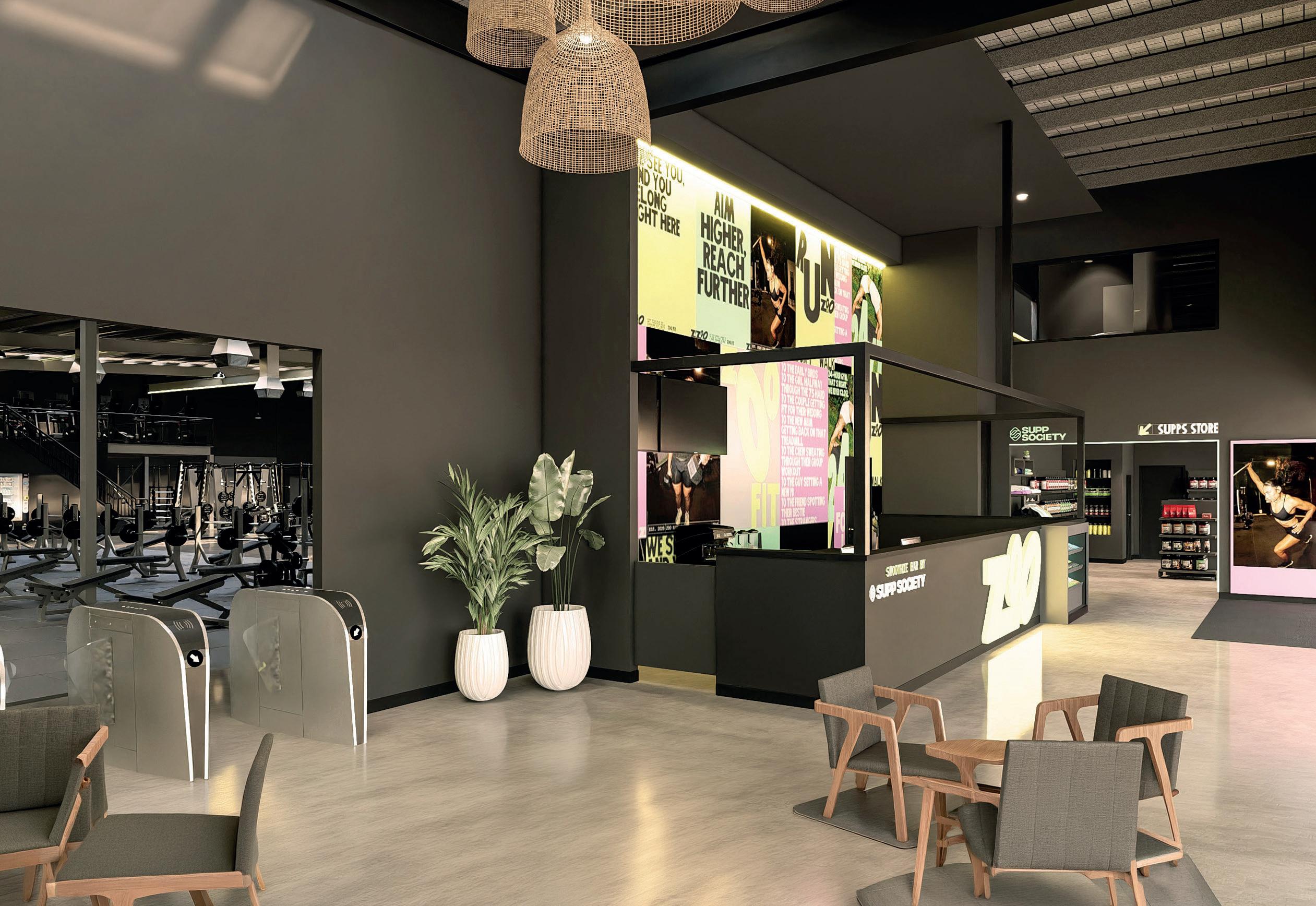
Australia’s Viva Leisure is adding a low-cost gym brand to its already extensive portfolio. The Zoo Fit rollout starts this month with two launches. This represents the next phase of Viva Leisure’s multi-brand strategy, which spans premium, mid-market and boutique fitness offerings across Australia, New Zealand and India.
Western Australia is being targeted initially due to strong population growth, increasing health and wellness participation and Viva Leisure’s existing operational footprint in the state. There will be a broader national rollout over the next 12 to 18 months.
Talking to HCM, Viva Leisure managing director and CEO, Harry Konstantinou, said Zoo Fit has been designed to address a gap in the market: “We already operate premium and mid-market brands successfully, but we identified an opportunity to create a dedicated low-cost, high-value proposition that reflects changing consumer expectations.
Diversification strategy
“WA is one of the strongest growth opportunities in the country for fitness, and we saw a clear gap in the market for a genuinely value-led offering that doesn’t compromise on experience. Consumers are increasingly value-conscious, but they still expect quality, flexibility and convenience. Zoo Fit has been built for that shift.
“It’s also part of our diversification strategy. By not limiting ourselves to one category or demographic, we’re de-risking growth and building a brand that drives long-term performance for our members, franchisees and shareholders.”
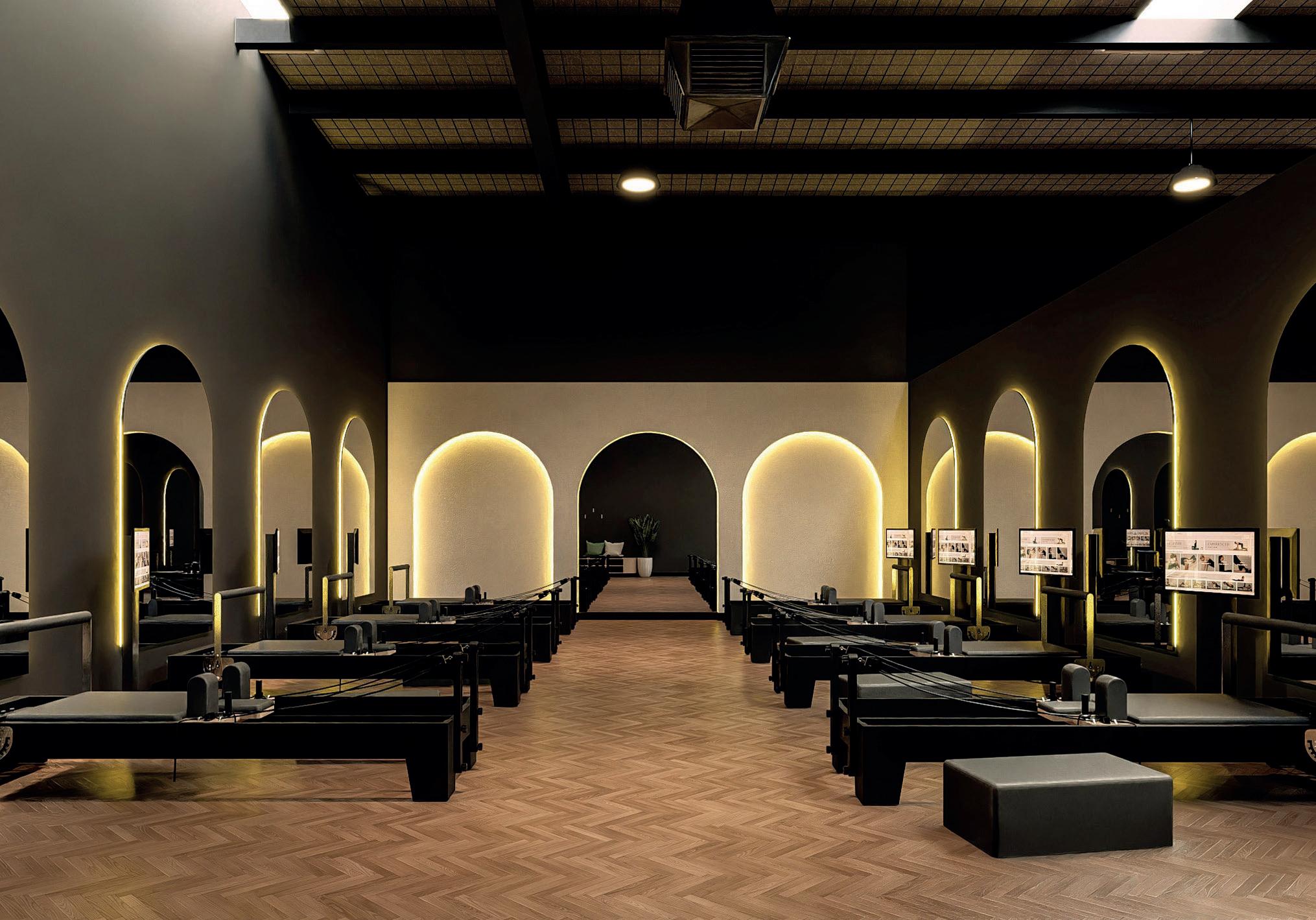
The concept includes a large gym floor, as well as wellness and recovery offerings, including reformer Pilates, saunas and hydromassage chairs.
Memberships will start from AUS$8.88 (US$6.35, £4.73, €5.46) per week for gym and increase to AUS$14.88 (US$10.64, £7.93, €9.15) per week for gym and wellness.
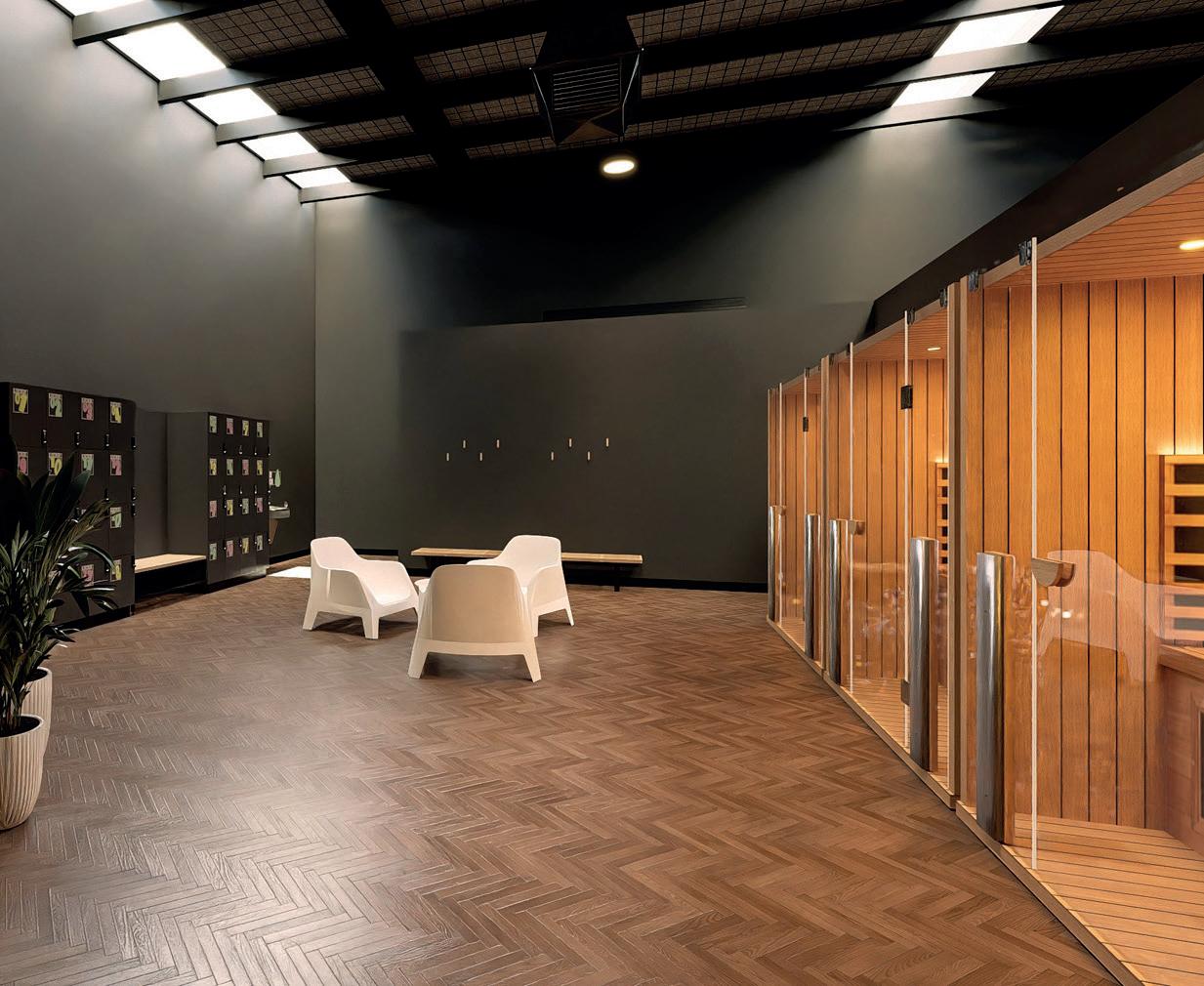
Recovery facilities include

“ We identified an opportunity to create a dedicated low-cost, high-value proposition ”
Harry Konstantinou
In a first of its kind in the Australian fitness industry, Zoo Fit is also offering a family membership. Starting at AUS$24.80 per week, the Fit Fam membership covers two adults and two teenagers (aged 13 to 17).
Operating more than 510 locations globally and serving more than 650,000 members, Viva Leisure has grown rapidly since listing on the Australian Stock Exchange in 2019 when it had 29 sites and 47,500 members.
The portfolio also includes Club Lime, Plus Fitness, HIIT republic, Club Pilates, Ground Up and Supp Society, alongside investments in World Gym Australia and Boutique Fitness Studios, which has the New Zealand and Australia master franchise for Club Pilates, CycleBar, StretchLab and Rumble.
Read HCM’s interview with Harry Konstantinou at www.hcmmag.com/HarryK
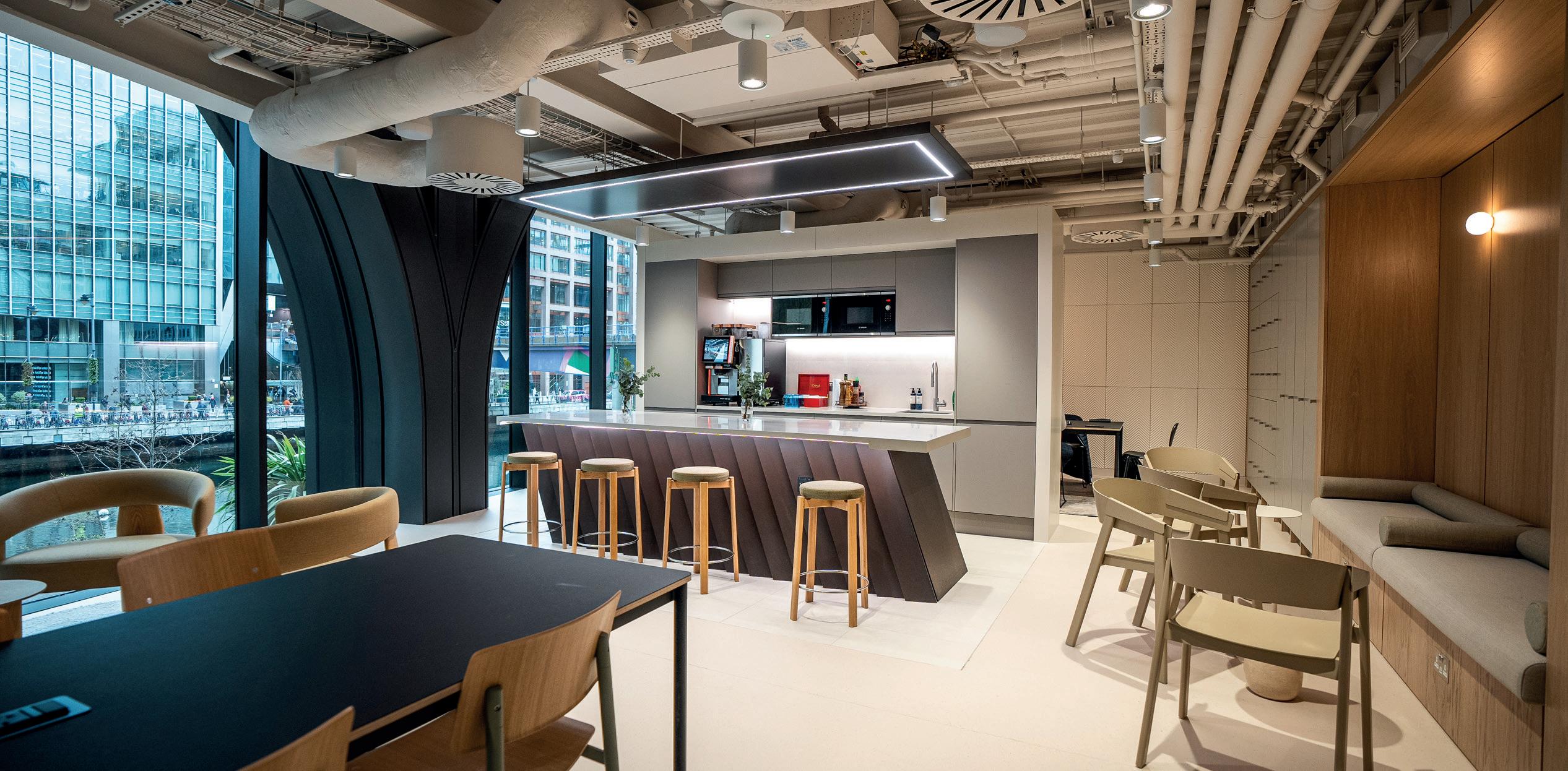
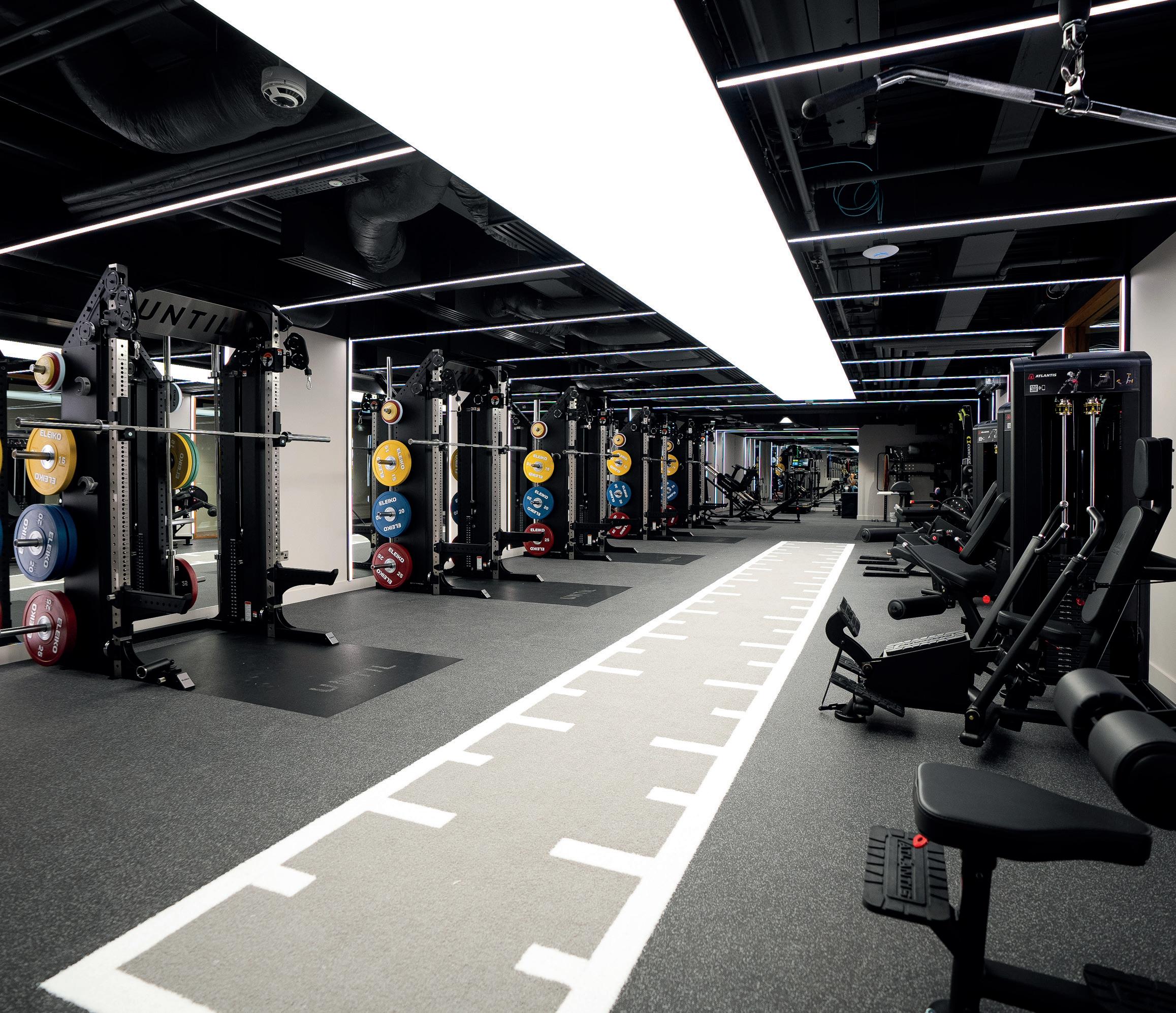
Until has opened its fourth club at Canary Wharf, in the iconic YY London building.
Following on from existing sites in Soho, Marylebone and Liverpool Street, Canary Wharf is the biggest and most ambitious to date, bringing health and wellness specialism under one roof including fitness, nutrition, physiotherapy, medical and dental.
“Our Canary Wharf Club is the fullest expression yet of what Until is trying to do,” says CEO and co-founder, Vishal Amin. “Hundreds of practitioners and 50+ specialisms, are working side by side, not in silos.
“People often assume Until is a gym or a wellness clinic, but we’re trying to build something genuinely new. Our State of the Industry Report, which surveyed more than 500 of London’s leading health and wellness practitioners, found that 56 per cent were already considering expanding into Canary Wharf, and 93 per cent believe it will become a major wellness hub within five years.
“They identified a concentration of time-poor, high-performing professionals in the area who are willing and able to invest in their health but haven’t had a credible, joined-up destination to go to.
“There’s also a growing appetite for corporate wellbeing and employers wanting to embed health into
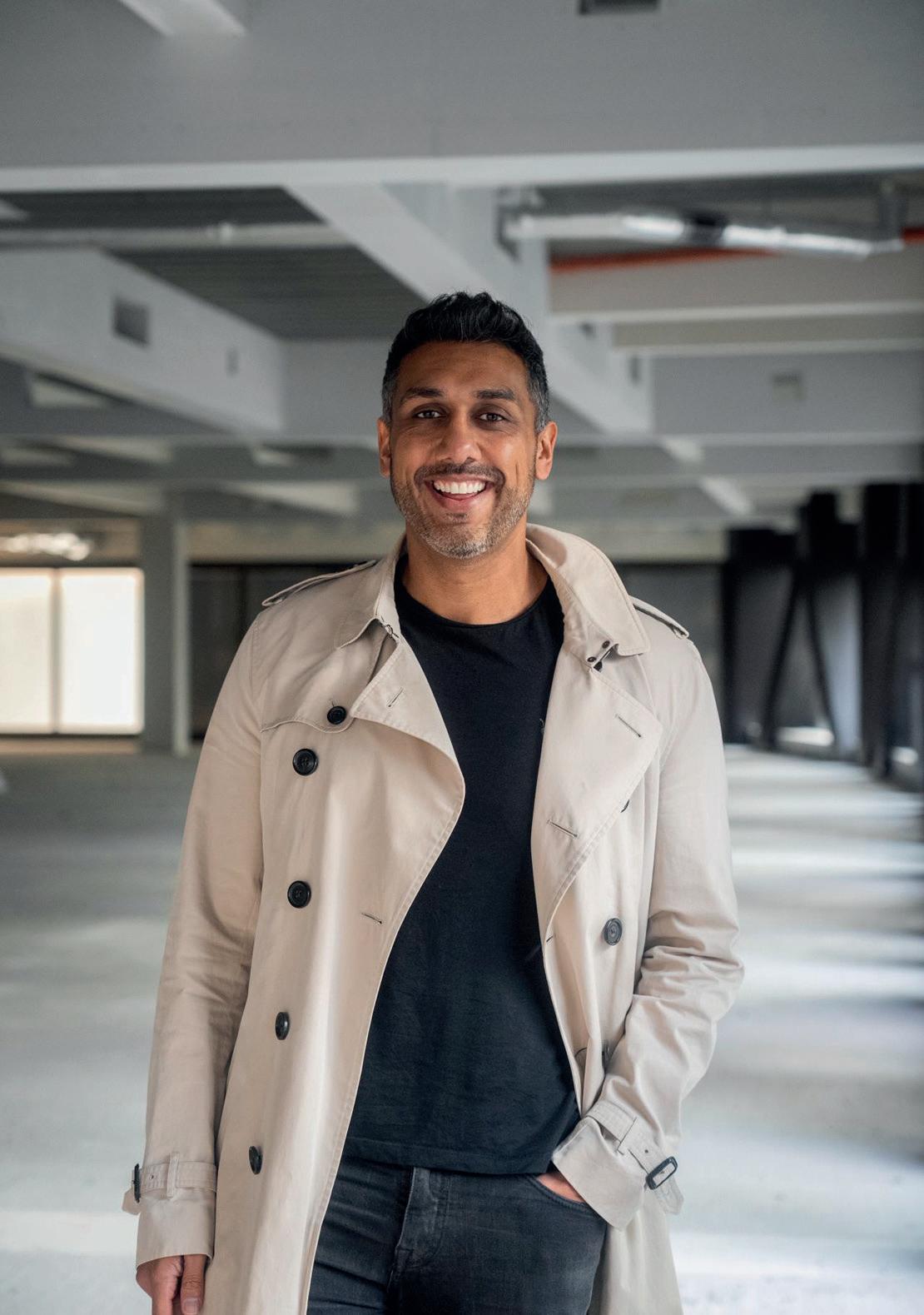
“ The plan is ultimately to take the model global”
Until has opened its fourth and largest club to date
what they offer their people. We’re now firmly in the growth phase of the business. The plan is to open more London clubs and, ultimately, to take the model global.”
A debate was hosted at the launch event around how to make people’s health better. The panel included Marc Diaper, CEO of Fitness First (who will keynote at this year’s HCM Summit); Dr Nikita Kanani a GP as well as global medical director of Neko; Until member Dr Flora Bailey and Vishal Amin.
What are the keys to health?
Questions were asked which are relevant for the whole industry. For example, we have more choice than ever – ice baths, supplements, wearables, trackers – but is all that choice creating anxiety rather than agency? Are we overcomplicating health and wellness when most of us haven’t nailed the basics?
One audience member at the event made the point that people who live in blue zones – the
places where people live longest – seem to be getting it right without all the gadgets.
A thread running through the evening was the shift from reactive to proactive health care. People are increasingly thinking about their health preventatively.
A key takeaway was that despite there being more information and more choice, what people need is expertise – someone who understands their history and can help them cut through the noise.
“It’s exactly why Until exists – to connect people with the right expert,” says Amin. “What we’ve built is new: a destination where your PT, your GP, your dentist and your physio are all in one building, and actually talking to each other. That’s never existed before.
“The practitioners who are part of it are building businesses on their own terms, keeping 100 per cent of their revenue.”
More on Until at www.hcmmag.com/Until1
Anew wellness club opened on London’s River Thames in June, offering luxury facilities and personalised wellness protocols focused on recovery and longevity.
Sæl Spa at Fulham Pier – London’s new lifestyle destination on the River Thames – spans four floors and has been conceived as a ‘modern British sanctuary’.
Facilities include a 15-metre heated rooftop infinity pool and sun terrace and a movement studio with integrated infrared technology hosting one-to-one reformer Pilates, personal training, functional training, yoga, breathwork and sound-based recovery practices.
The spa includes experience showers, a Finnish dry sauna and botanical steamroom, as well as contrast therapy suites with infrared sauna and cold plunge.
Bon Charge red light therapy and PEMF tools feature in the Recovery Lounge, as well as IV infusions, compression therapy and immersive vibro -acoustic relaxation beds. Treatments on offer include regenerative bodywork and circadian-aligned massage, designed to support energy, recovery and sleep.
Membership options
Memberships start at £3,000 a year and can be personalised according to individual goals, such as cognitive clarity; sleep recovery; peak performance, and metabolic reset.

A year-round programme of expert talks and workshops will also be on the agenda.
Inge Theron, founder of FaceGym and spa design studio Itanda, who designed Belgravia spa, Surrenne, consulted on the longevity concept and wellness programming. She describes Sæl Spa as the future of British wellness, saying: “We’ve brought together the country’s most exceptional practitioners, bathing rituals, bodywork, and beauty in a single destination where ancient practice meets modern expertise. Sæl Spa is the fullest expression of a concept rooted in science shaped by the best British minds in each field.”
3 Peaks Health is leading the diagnostics programme which includes blood analysis, microbiome mapping and targeted neurostimulation. Dr Mark Mikhail, founder of 3 Peaks Health, said: “One of the biggest challenges in modern wellness is cutting through the noise. At Sæl Spa, our focus is on helping members understand what their bodies need, using clinical insight to create personalised treatment plans that deliver real, lasting results.”
offerings
Social facilities include Pantri – a recovery café serving nutrient-dense menus – and a spa penthouse for private social wellness gatherings.
Michaela Hurst, head of Sæl Spa at Fulham Pier, said: “Sæl Spa is designed around how people want to live today, where wellbeing is approached as a connected system. By bringing together movement, recovery, clinical insight and longevity in a beautiful riverside setting, and structuring this through personalised pathways, we support not just how people feel in the moment, but also how they function over time.”
Designed to maximise natural light and maintain a constant connection to the River Thames, Sæl Spa’s architecture and interiors support circadian rhythm alignment, recovery and cognitive performance.
The wider Fulham Pier destination includes the Fulham Pier Hotel and Lighthouse Social private members club; Riverside Market food hall and Brasserie Constance.
The name Sæl originates from Old English meaning calm, happy or blessed.
HTTP://LEI.SR/6N4J2_H


“ Sæl Spa is designed around how people want to live today, where wellbeing is approached as a connected system”
Michaela Hurst


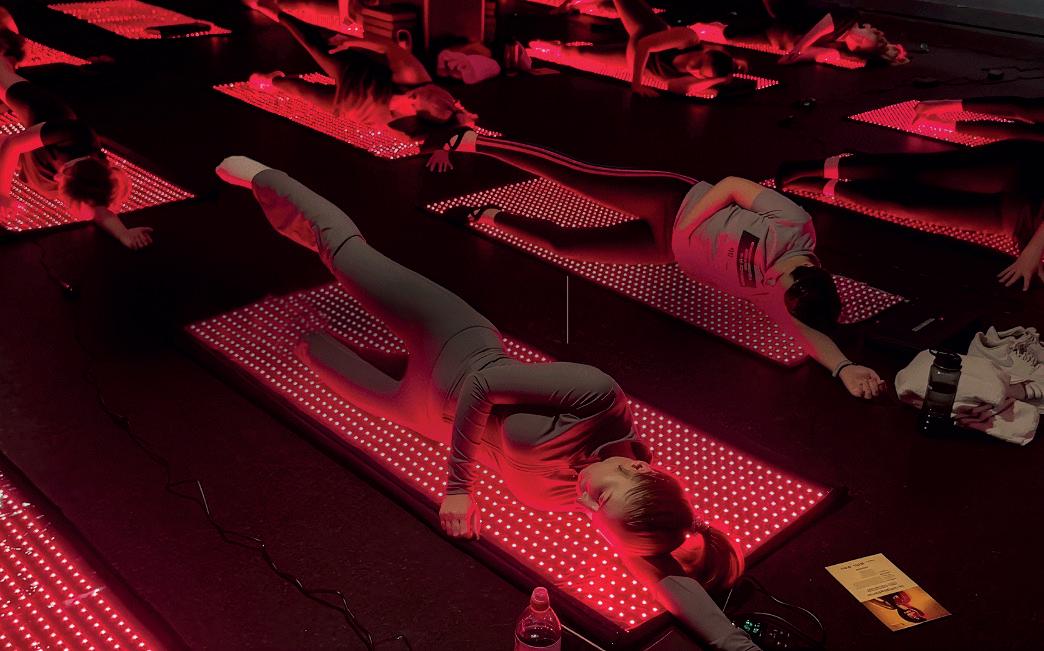
Fitness First UK is integrating red light therapy into its yoga and Pilates classes through a partnership with Bon Charge.
The company’s Red Light Therapy Blankets have been introduced to multiple classes at Fitness First’s Marylebone and Cottons clubs in line with the company’s mission to make premium wellness experiences accessible.
The use of the blankets deepens the restorative benefits of the class, promoting relaxation and muscle recovery so members feel rejuvenated.


“Recovery is becoming just as important to members as the workout itself”
Marc Diaper
There are also plans to introduce Bon Charge’s Infrared PEMF Mat Max to the recovery space at the Cottons club. The mat uses pulsed electromagnetic frequencies to aid relaxation, support sleep and clear the mind – along with red light and heat therapy.
Marc Diaper, CEO of Fitness First UK, says: “Recovery is becoming
just as important to members as the workout itself. People want fitness experiences that help them feel better, move better and switch off from busy lifestyles. We see a real opportunity to make recovery technology more accessible by integrating it into the gym environment.”
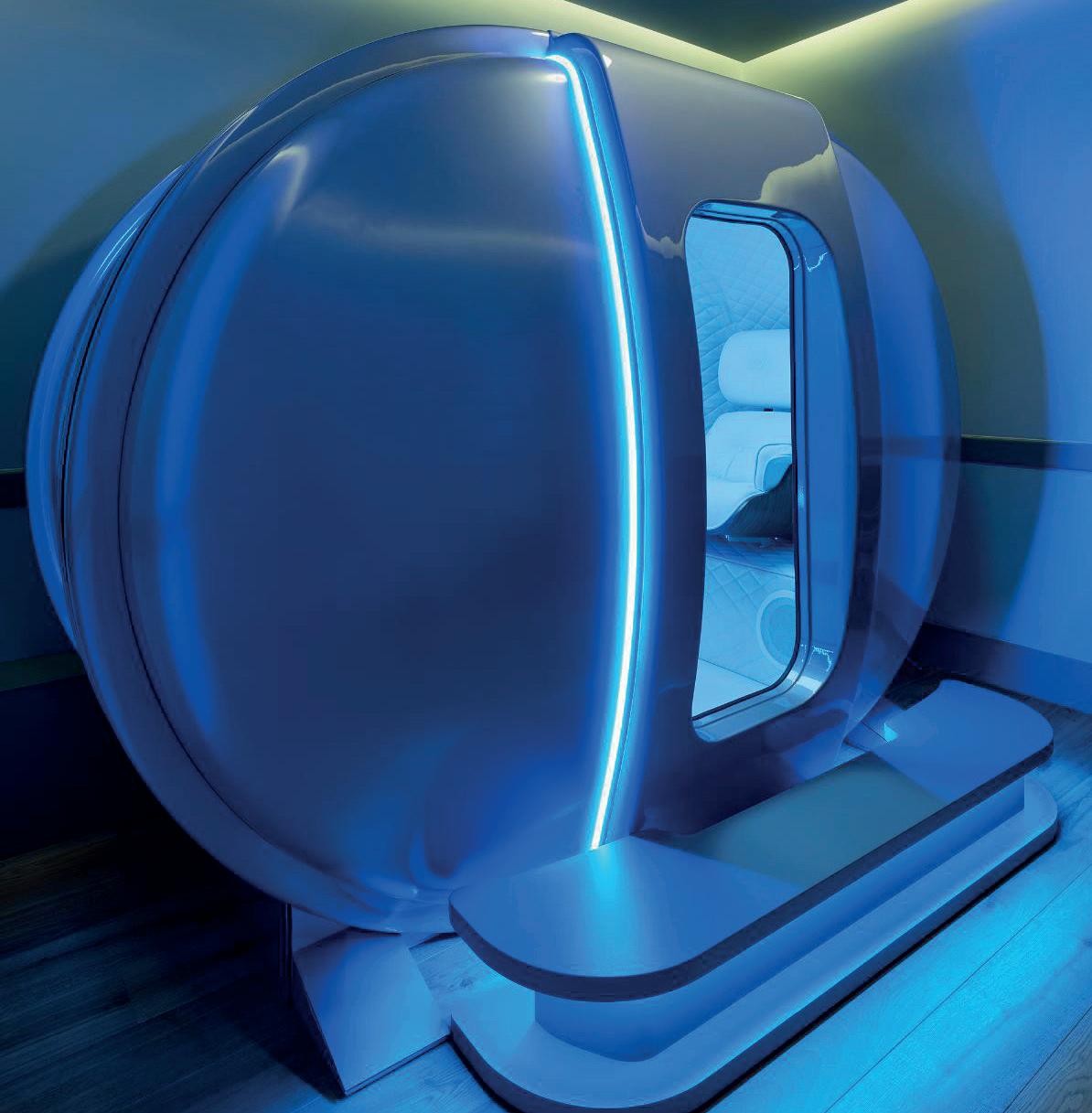
Global luxury hospitality brand, Six Senses, has partnered with longevity healthcare provider, HUM2N, to launch a clinic at Six Senses London at The Whiteley. This collaboration is significant as it reflects a shift by Six Senses away from being a short-term retreat from everyday life into a commitment for long-term health. The clinic will offer advanced diagnostics, personalised longevity programmes and continuous medical oversight within a hospitality environment designed for both London residents and international guests.
HUM2N, which has a flagship clinic in west London, offers a range of
longevity and regenerative therapies including cryotherapy, hyperbaric oxygen therapy, IV NAD+ and ozone therapy. Programmes are informed by comprehensive biomarker testing and precision diagnostics.
Nick Yarnell, general manager at Six Senses London, says: “We see wellbeing as part of everyday life, not something reserved for a retreat. Partnering with HUM2N allows us to bring physician-led longevity expertise into the heart of the city, offering our guests and local community access to cutting edge, pro-active, long-term health optimisation and personalised longevity programmes.”

Every sip counts when it’s a Kauai Recovery Smoothie. Our smoothies are packed with functional ingredients designed to fuel recovery, whether you’re bouncing back from a tough workout or powering through a long, busy day. Find us in Virgin Active Clubs.
We’ve reduced the level of council investment over the last three years by 40 per cent and increased our turnover by 9 per cent
Matt Parker
MD, Brio
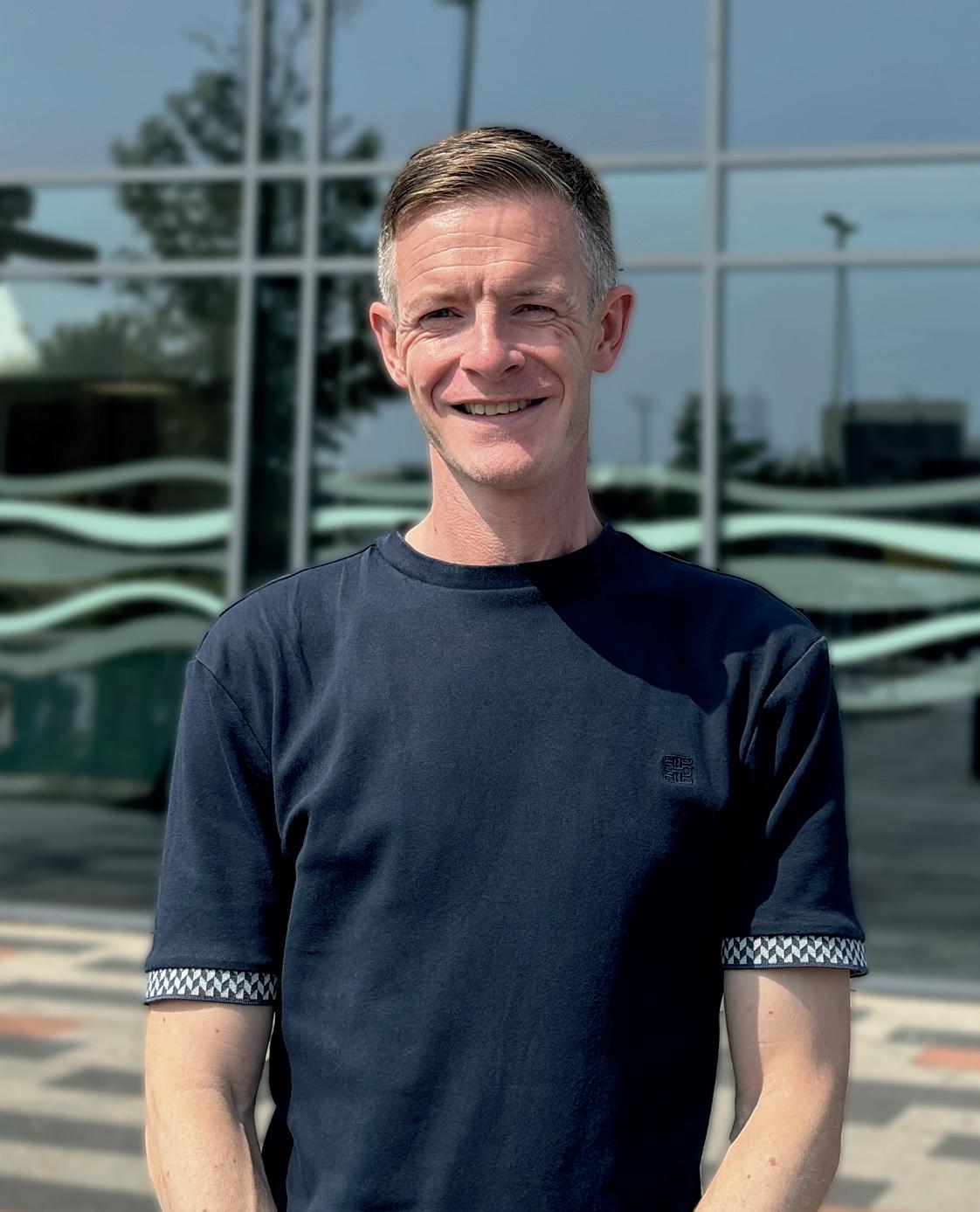
Matt Parker
Tell us about Brio
Brio is a local authority trading company (Latco) operating across Cheshire West and Chester. It was established in 2011 when the historic two-tier system across Cheshire was consolidated to create one of the largest unitary authorities at that time.
Formerly Brio Leisure, we did a brand refresh last year dropping leisure, reflecting the fact that we deliver a wider range of services which includes entertainment and health and wellbeing. We operate eight facilities, six of these are predominantly physical activity venues, one is a mixed physical activity and entertainment venue and the remaining one is a dedicated entertainment and meeting venue. Our primary hubs are located in the most densely populated areas of the borough – Chester, Ellesmere Port, Northwich and Winsford. Our secondary hubs are in the more rural areas such as Christleton, Frodsham, and Neston, which all have core leisure facilities but generally on a smaller scale. With the exception of one site, all of our hubs have swimming pools.
Our main site, Northgate Arena in Chester, has just been reopened after a £12m transformation, which included a fully refurbished leisure pool and training pool, the creation of new fitness

spaces with air conditioning and transformed changing facilities for both the wet and the dry side. An express library has opened and we’re looking to co-locate other council services.
Ten years ago, the centre had in excess of 5,000 members and just prior to the refurbishment, it still had a membership level of around 3,700. We managed to retain a partial service during the refurbishment and retained 3,000 members, which has given us a great platform when we reopened. Initial feedback since reopening has been hugely positive and visits have exceeded expectations, particularly for swimming.
It’s fairly affluent, with some pockets of deprivation. The population is older than average for England and due to increase by another 8 per cent over the next seven or eight years. This adds a strain in terms of social care costs and the older people tend to live in the more rural areas where access to services is more of a challenge.
The catchment area is older than average for England

organisations
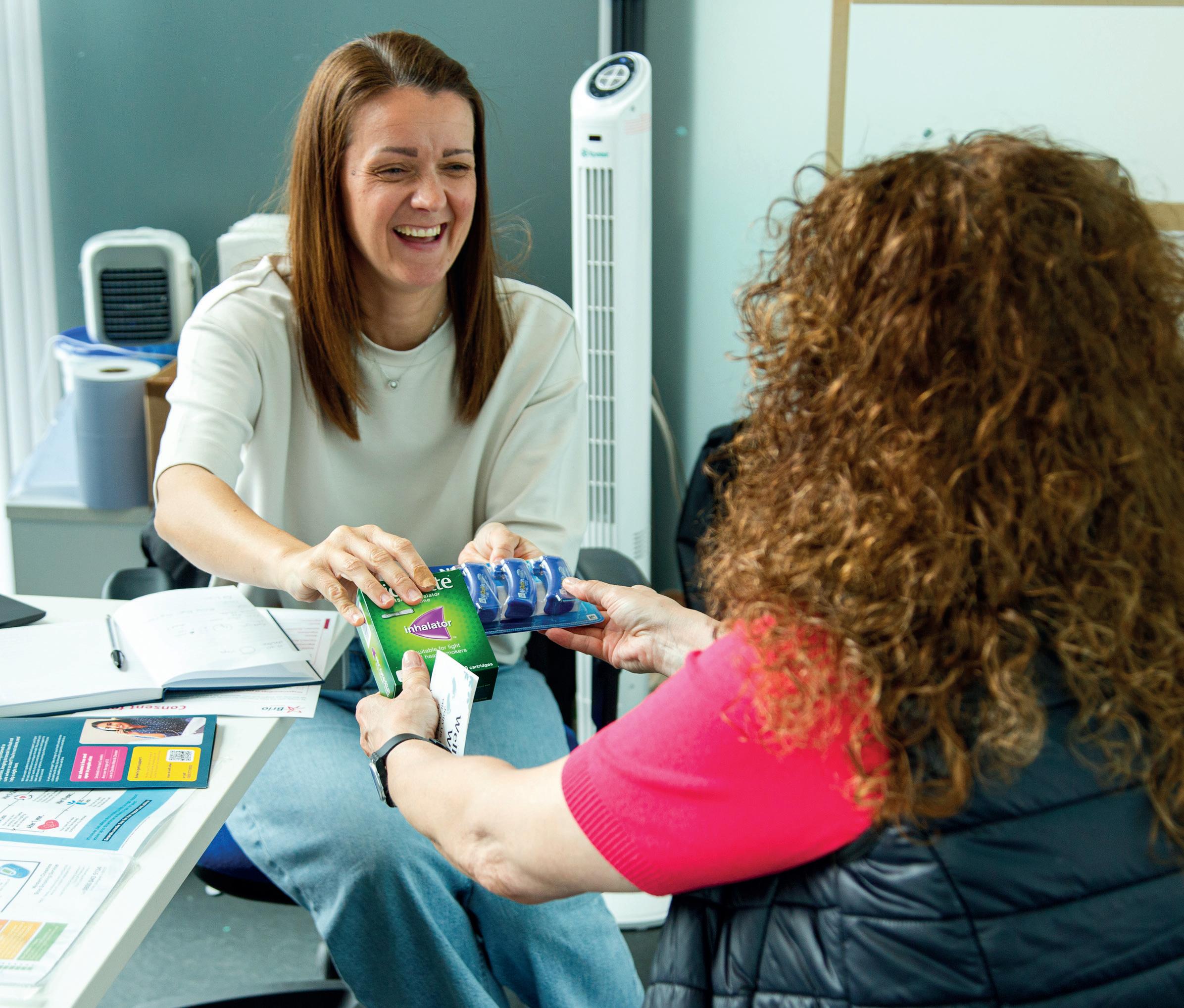
We serve a population of around 370,000 and of those we know that almost 90,000 visit us at least once a year – that’s about one in four of the local population. One in nine people living in the borough use our facilities for physical activity.
So if we’re really trying to address population health, we need to work with other partners to encourage people to change their behaviours and become more physically active on a regular basis.
We work with other organisations to engage with the populations we’re not currently reaching, offering activities such as fitness classes and yoga in libraries. Another partnership is with Mersey Forest, linked to what’s called the Natural Health Service, organising health walks and toddler activities using our green spaces and parks.
We also work with local sports clubs, including Chester City Football Club, on a programme using football to support people who are suffering from dementia.
During 2025-26, we generated an estimated £24.7 million in social value through our services, programmes, workforce and partnership, this is £67,670 of social value created every day. So for
The NHS neighborhood model creates a great opportunity for us to work in collaboration
every £1 of council investment there was a £7 return and we’re already improving on that.
Tell us about your success at the 2025 UK Active Awards
We won the Organisation of the Year, which is based on the nominations that you make across all the awards. This is the second time Brio has won it, which we’re very proud about.
We also won the Education Programme Award for our Swim Teacher Training Academy and Rising
We’ve embraced AI, introducing a 24/7 chatbot that’s dealt with thousands of enquiries. It scores an average of 4.8 out of five in terms of satisfaction
Stars programme. Like many operators, we faced a challenge with recruitment and retention of swimming teachers following COVID so we created our own bespoke training and development programme.
The Rising Stars element is what makes it stand out. When trying to recruit, we found that a lot of the college-age people who applied had an interest in sport, but lacked the interpersonal skills needed to deal with children in that environment, who need water confidence first. With the Rising Stars programme, young people from the age of 14 can volunteer to work alongside our swimming teachers to develop those necessary skills.
The Swim Teacher Training Academy has transformed our learn to swim programme and addressed the primary issue of having enough swimming teachers. It’s enabled us to expand our swimming lesson programme and get more young people – as well as adults – to become competent swimmers.
We were also shortlisted for the Digital Transformation Award for our website, mobile app and AI-driven customer retention tools. We launched a three-year digital transformation strategy in April 2023 and the primary aim was to improve the digital customer journey. We had a number of systems, none of which spoke to one another and only our premier members could access the app, which had limited functionality.
Our new website transformed the customer digital booking journey. We saw 110 per cent growth in the use of our app and a massive shift in terms of the number of people booking their different activities online. It has led to better customer service, more bookings and has taken the pressure off the front-of-house staff so they can spend more time dealing with customers. As a result our customer satisfaction levels are really strong and continue to improve.
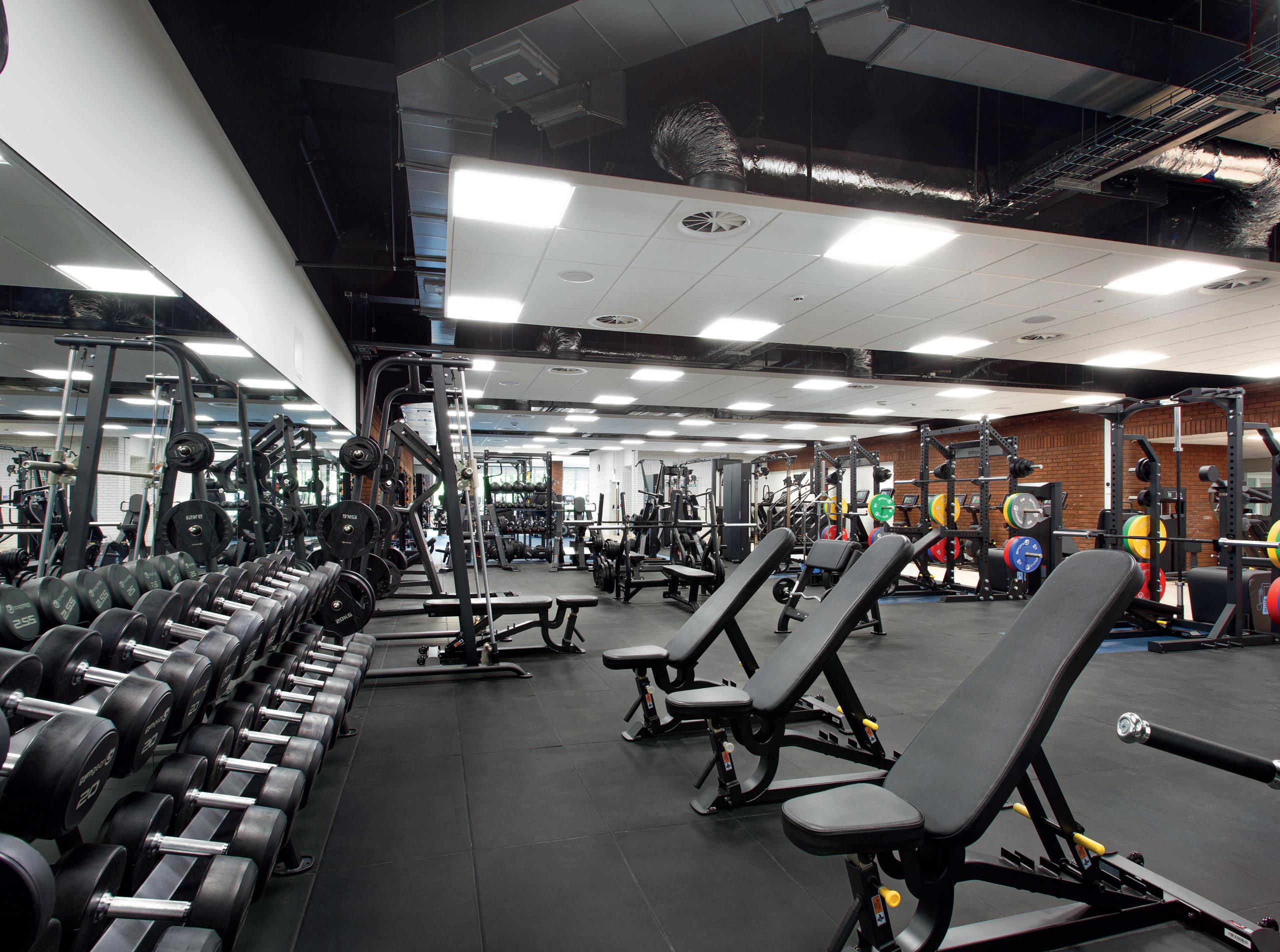
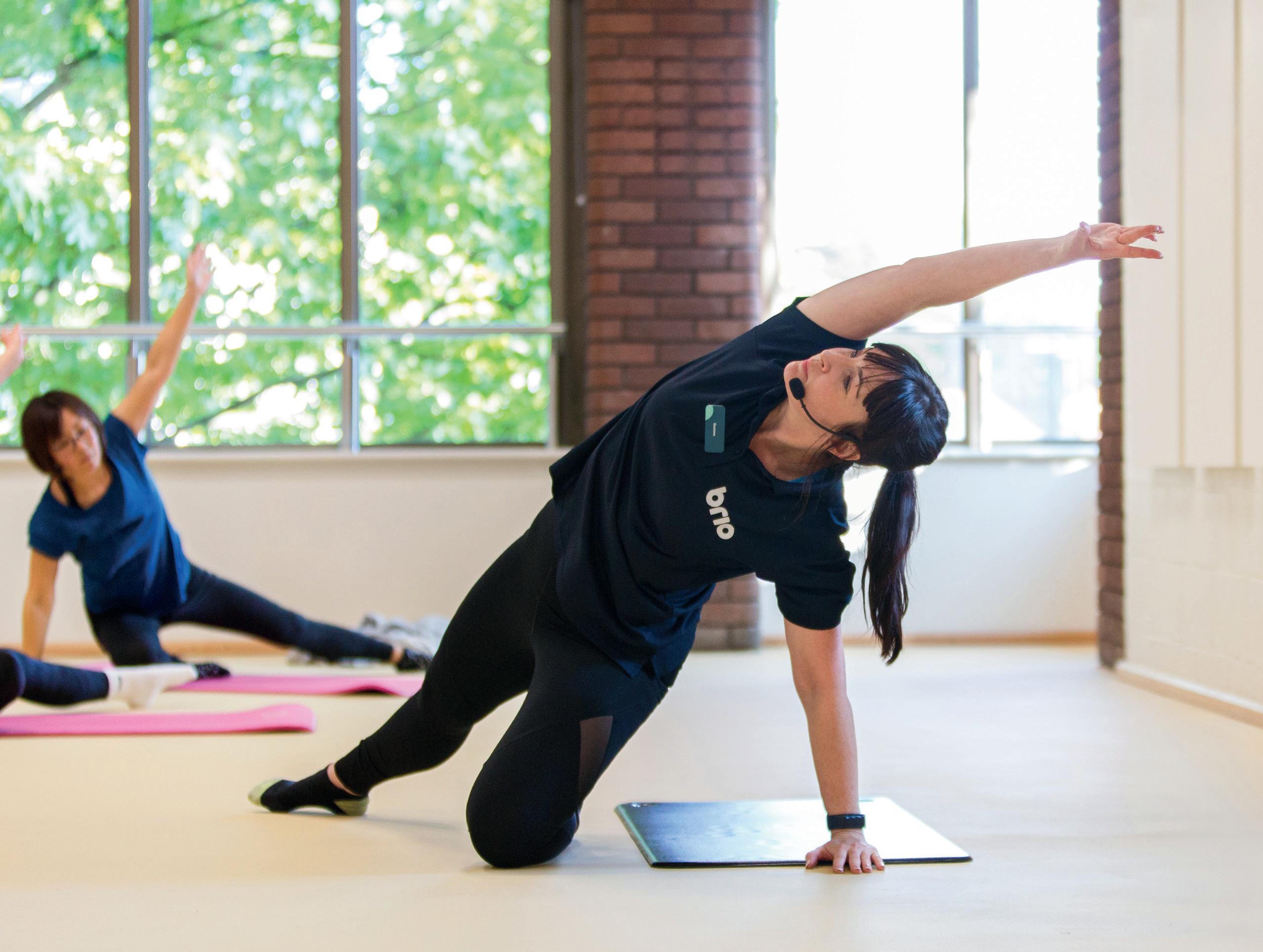

We now consistently have an organisational net promoter score in excess of 50.
We’ve also embraced AI, introducing a 24/7 chatbot that has been dealing with thousands of enquiries that would have otherwise have been coming through on phone calls. The chatbot scores an average of 4.8 out of five in terms of customer satisfaction.
We’ve worked with KeepMe around retention, to generate automated interactions with our members, identifying those who are not using our facilities and might be on the journey towards cancellation. The technology has allowed us to engage with our customers and reduce our monthly cancellations by 9 per cent.
We carried out the UK Active digital maturity assessment and from 2024 to 2025 it rose from a score of 50 to 65, which places us 20 points above the sector average.
We’ve reduced the level of council investment over the last three years by 40 per cent and increased our turnover by 9 per cent. We plan to reduce the council
investment even further, by growing our offer, as well as investing more in the social aspects of our work.
This year we signed off a new four-year strategy, called Great Futures Together, which launched in April to take us to the end of our council contract in 2030. Our vision is to inspire and empower people to move more and enjoy experiences that support communities and enable them to thrive. We’re intentionally moving away from the word “leisure” and “physical activity” because consultation showed that these can be offputting words, whereas “movement” is inclusive.
The strategy is built on five pillars: Inspiring Places, Inspiring Partnerships, Inspiring Promotion and Inspiring Performance.
We want to further position Brio as a health solution partner. The NHS neighborhood model creates a great opportunity for us to work in collaboration. While health systems know how important prevention is, they’re currently wrapped up in treating the sick. Over the next few years, instead of us knocking on their door, we want to ensure we have the established relationships so that Brio is the automatic solution partner for the prevention agenda. l
My goal was to invest in where fitness is going, not where it’s already been
Shaun Grove
Owner, Stride Fitness
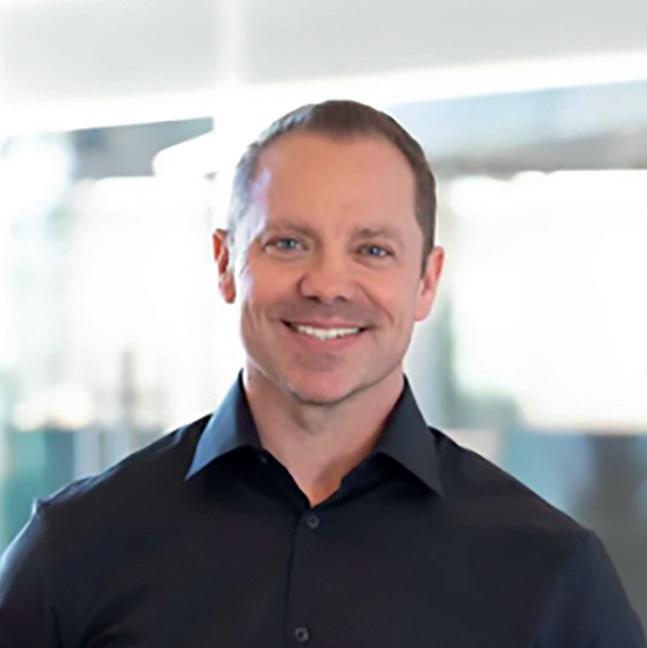
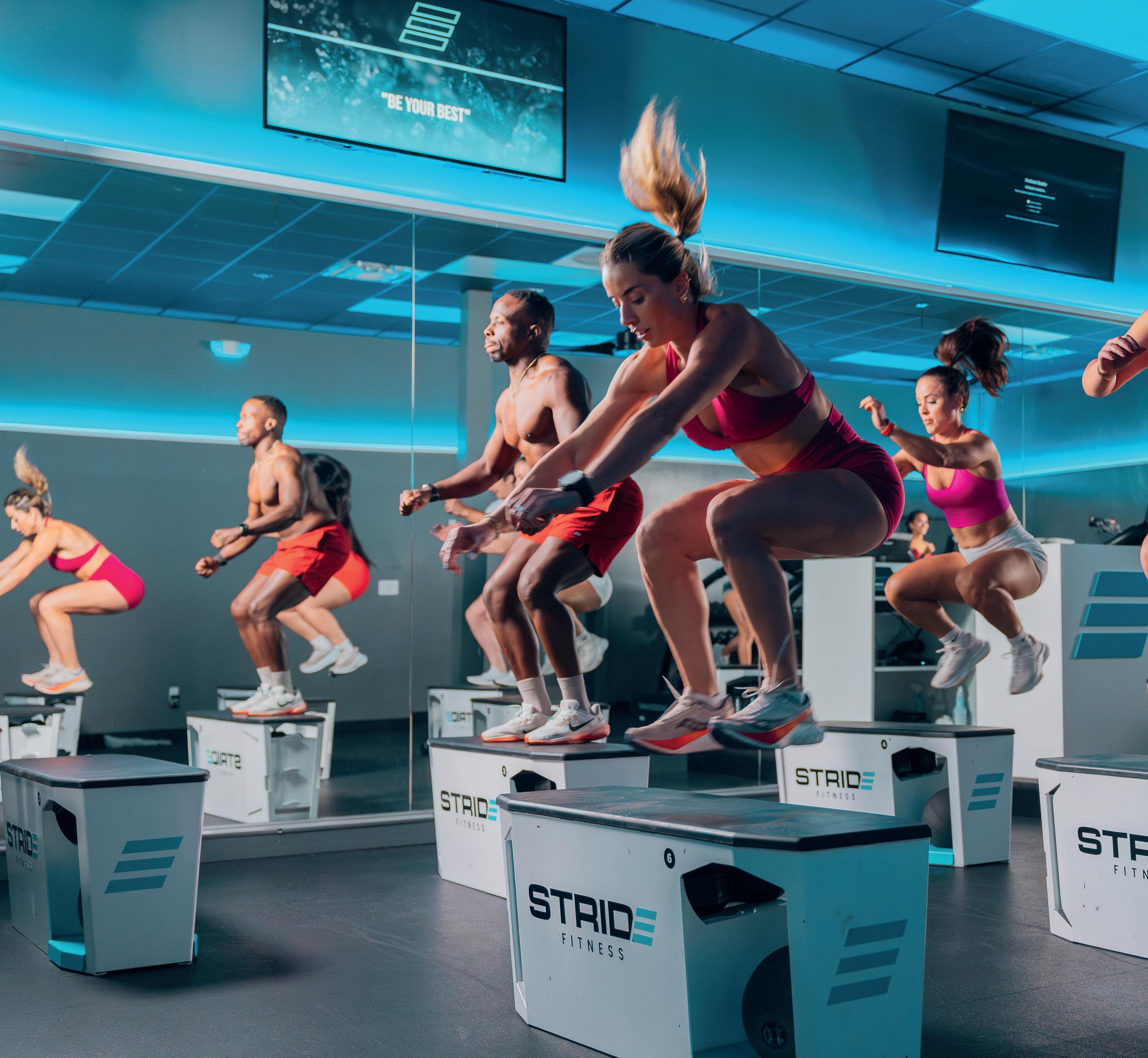
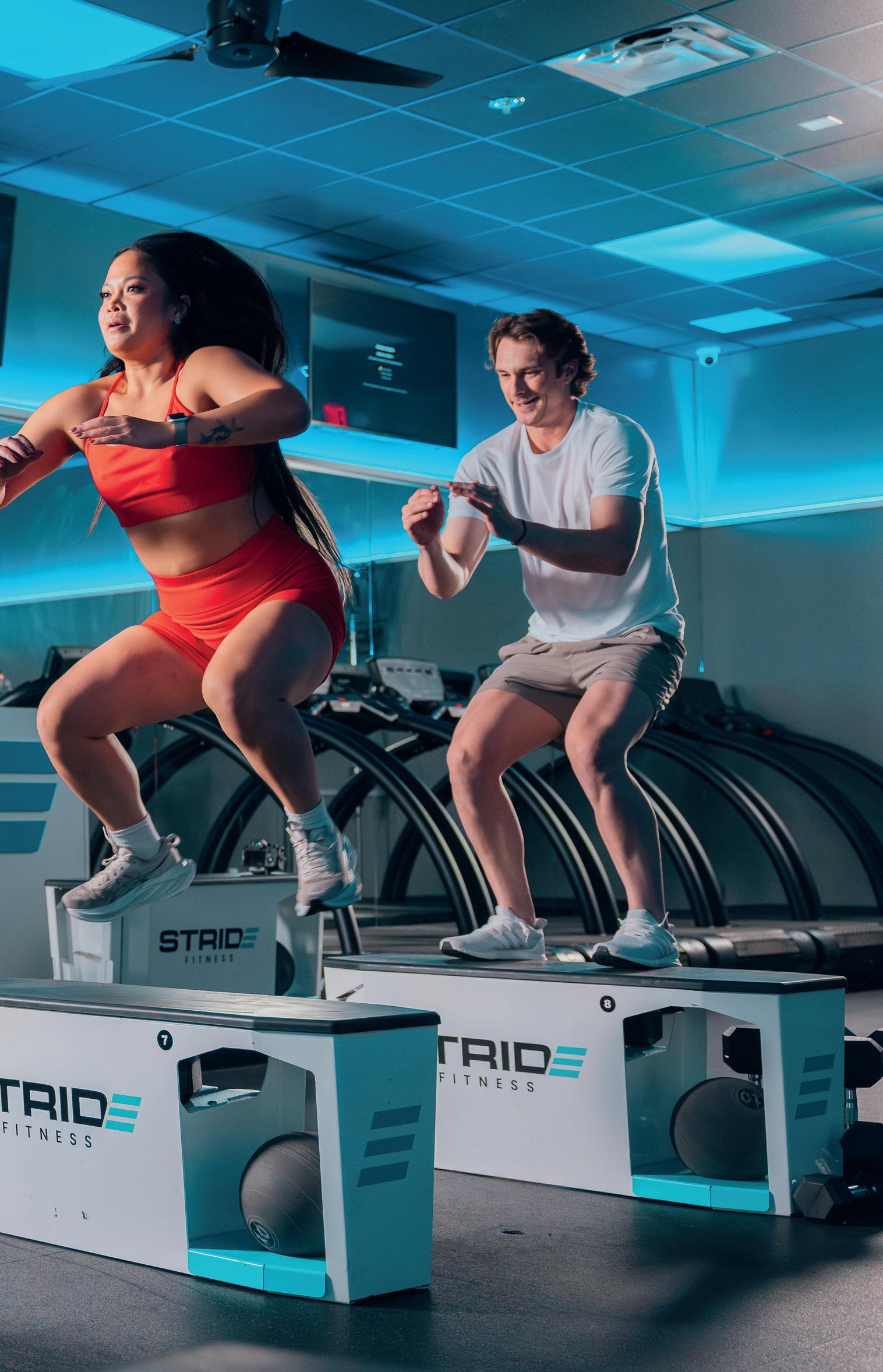
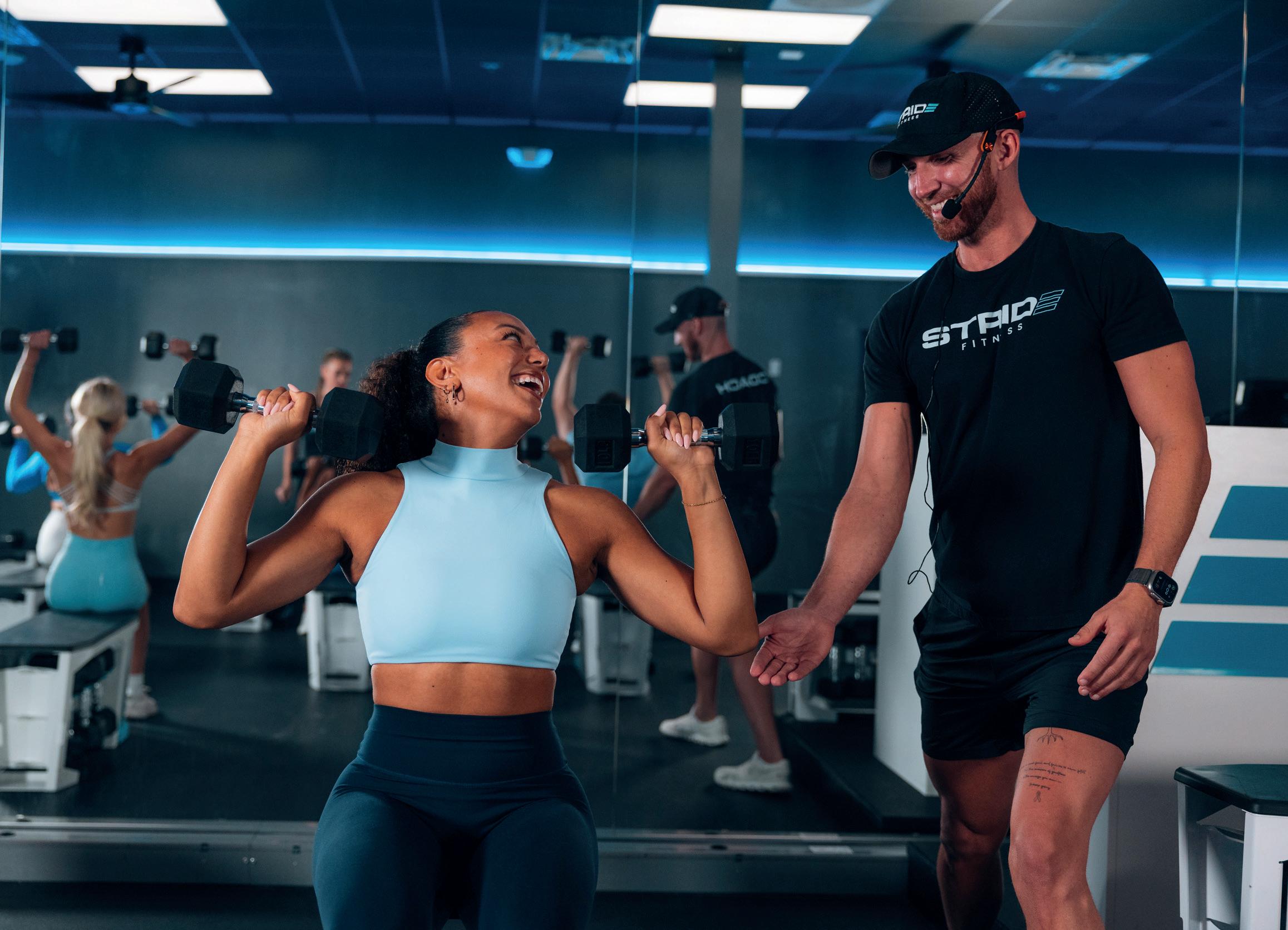
Coach-led Stride classes combine strength, cardio and recovery
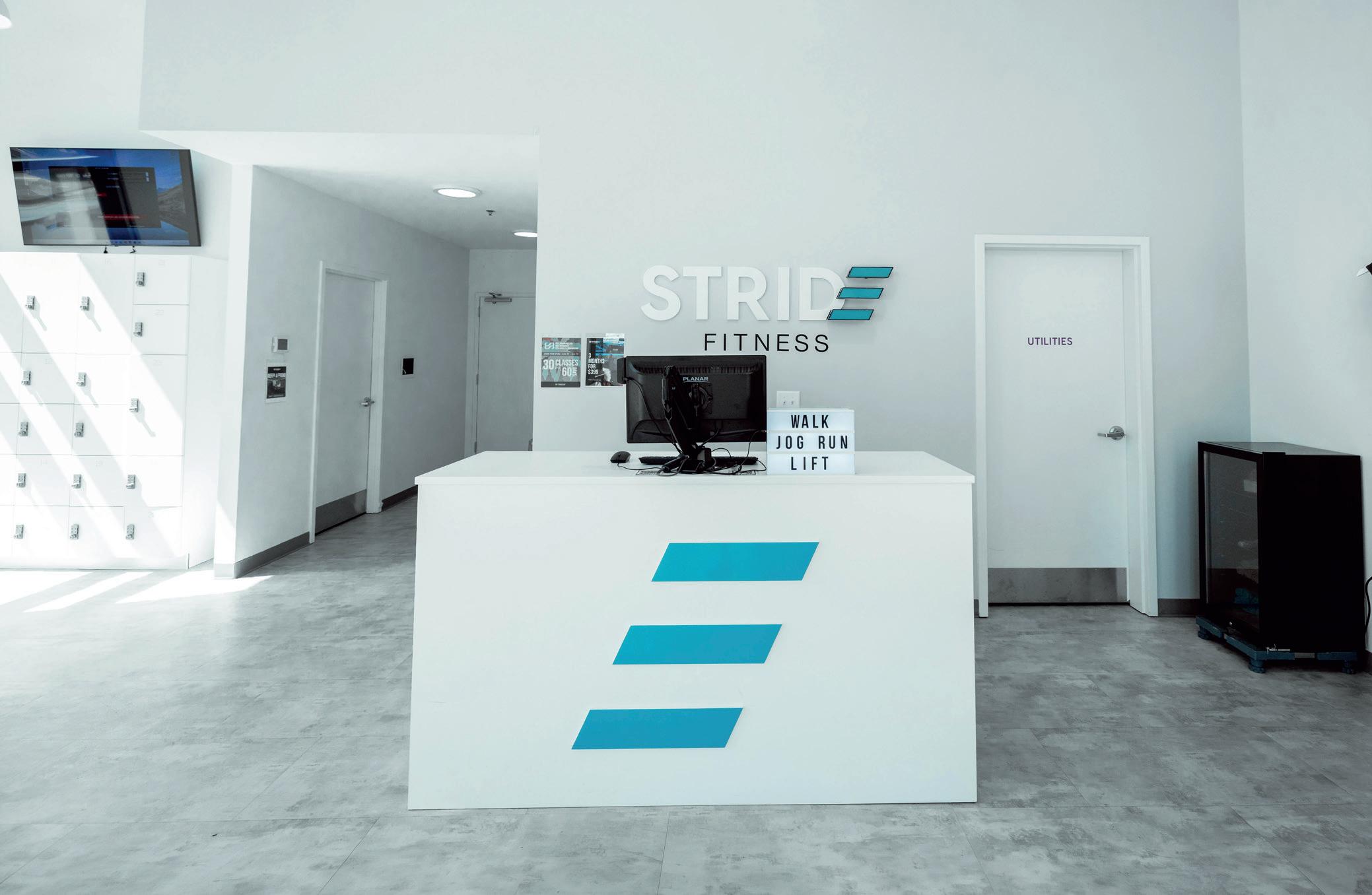
A newly-revamped Stride concept just opened its first studio, in California
How did you come to be at the helm of Stride Fitness?
I was president of Club Pilates back in 2015 and ran that brand until 2021, when we acquired the Rumble boxing brand and I transitioned to be president of Rumble.
Two years ago the Xponential management said they were going to divest Stride Fitness and asked me if I’d like to take it on. My plan had always been to do my own thing at some point so I took the opportunity.
We have the brand's founder, Katie Ownbey, on board with our vision and she’s a great partner for us.
What changes have you made?
It took 18 months to develop the concept I wanted. We had 17 franchise partners and I went to them first and shared my vision and gave them the choice of either coming with me and converting their studios, or working with me so they could exit the system and either become an independent boutique studio, or close.
We completed that phase in October year and then started rolling out the new concept and franchising again. We just opened our first brand new studio under the new concept in February in Huntington Beach, California, along with our new corporate office.
What was the response from the franchisees?
It was mixed. The Stride concept under Xponential Fitness didn't thrive for a number of reasons. Firstly, because it opened during COVID. Secondly, it just didn't get the resources, time or attention some of the other brands received. So there was some scepticism from the franchise partners when I came in.
A few came with us and are driving their businesses forward under the new concept and others have left.
We just became a Hyrox affiliate studio operator. There aren’t a lot of studios out there that can help you train on the running side of Hyrox
Tell us about the new concept
When I looked at going out and doing this on my own, I felt there was a gap in the market that was completely underserved. My goal was to invest in where fitness is going, not where it’s already been, so that was the guiding vision.
I took out half the treadmills and added custom-made weight benches to create a dual-modality workout. We now have 12 treadmills and 12 benches, so 24-person capacity in each class, with cardio training and full body strength training combined in every single class. The two modalities work well together – the stronger your body becomes, the longer and better you can run.
We just became a Hyrox affiliate studio operator, so we have Hyrox classes as well, which I think has helped to differentiate us. There aren't a lot of studios out there that can help you train on the running side of Hyrox.
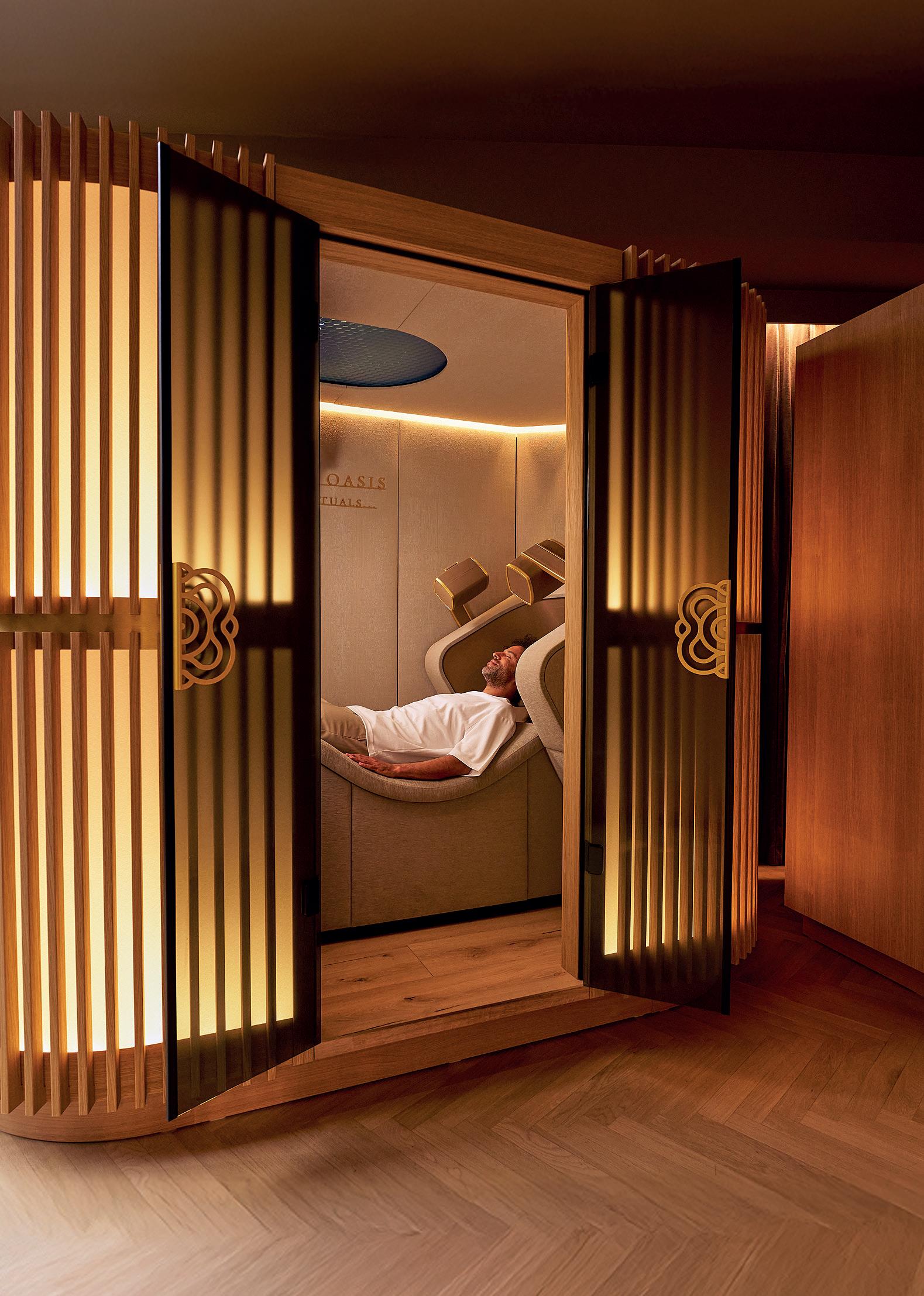
The other part of my vision was to add a recovery component within this small footprint, so we have anti-gravity chairs with massage and
heating, Hyperice, air compression therapy, red light therapy and a motion plate.
We’re creating a holistic boutique fitness approach: a multi-modality approach combined with an intentional recovery piece. We’re very excited about what we've created.
Who is your ideal customer?
I'd say our target demographic is 25- to 50-year-olds. It's an environment where, regardless of your fitness level, you can get a great workout. The programming is tailored in a way that gives you the opportunity to elevate your performance based on where you are.
We have some people that are just walkers, and others that sprint the entire time. We use Woodway treadmills, which are really state of the
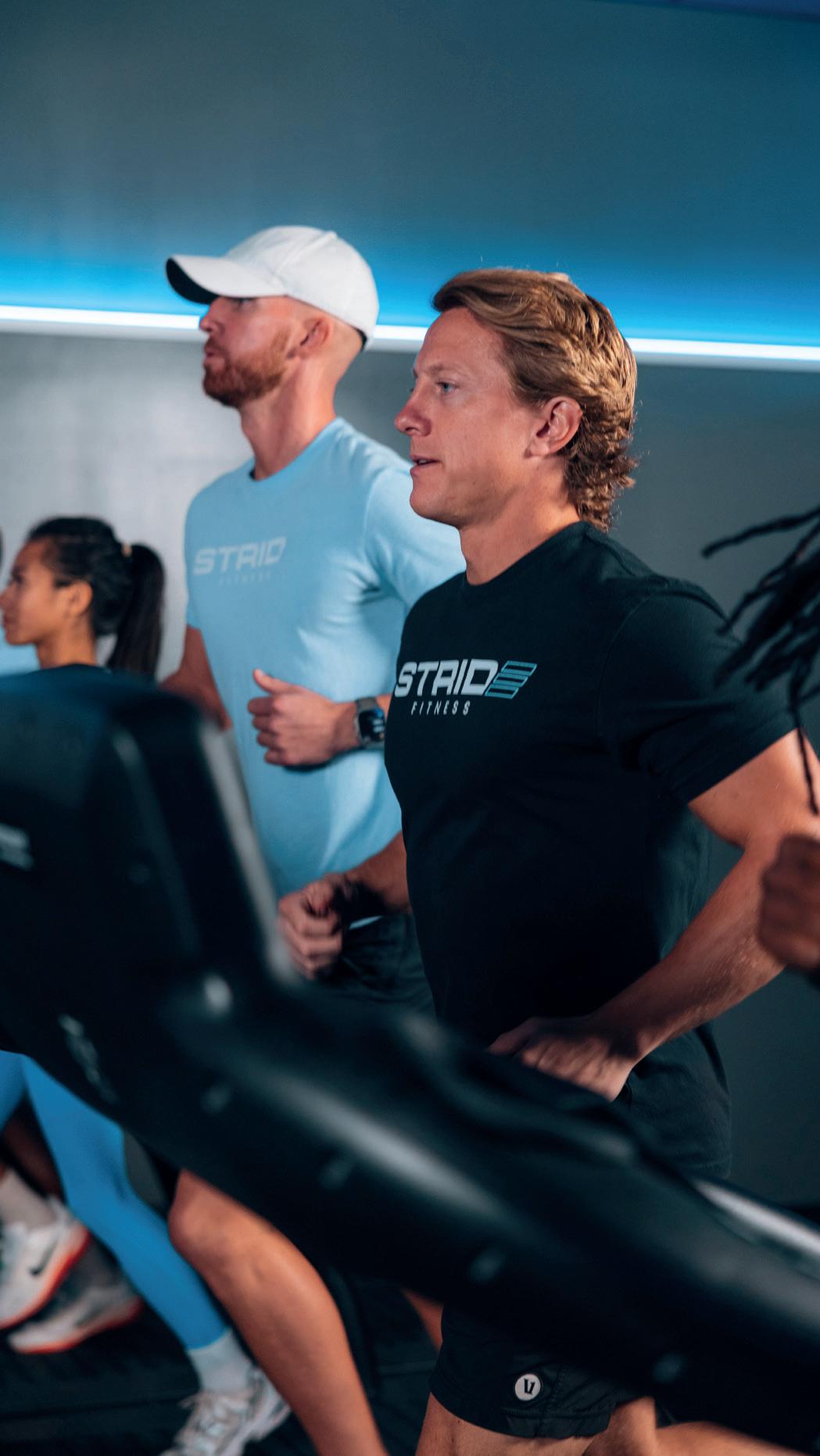

art and give the opportunity to increase elevation and speed in a way that mimics outdoor running. It allows people to work out at their own level.
What are the membership options?
We have three different tiers of membership. Ignite, which is a starter membership with four classes a month (US$89/month). Core offers eight classes per month (US$149/month) and Elite is an unlimited membership with full access to the recovery room (US$179/month).
What’s the portfolio?
We have five open today, another three in development – in Pennsylvania, Tennessee
and Albuquerque – that should open in the summer, a handful of others moving forward and the franchise pipeline starting to grow.
The studios are typically 2,000 to 2,800 square feet, which should be enough for franchisees to recover their ROI in a year or two.
What do you see as the challenges and the opportunities?
There’s a ton of opportunities and a lot of upside. We're getting a chance to start over with Stride Fitness and this modality. We have white space across the country. There are lots of opportunities on the franchise sales side and to create this movement. It's exciting and it's fun.
The target demographic is 25- to 50-year-olds of all fitness levels
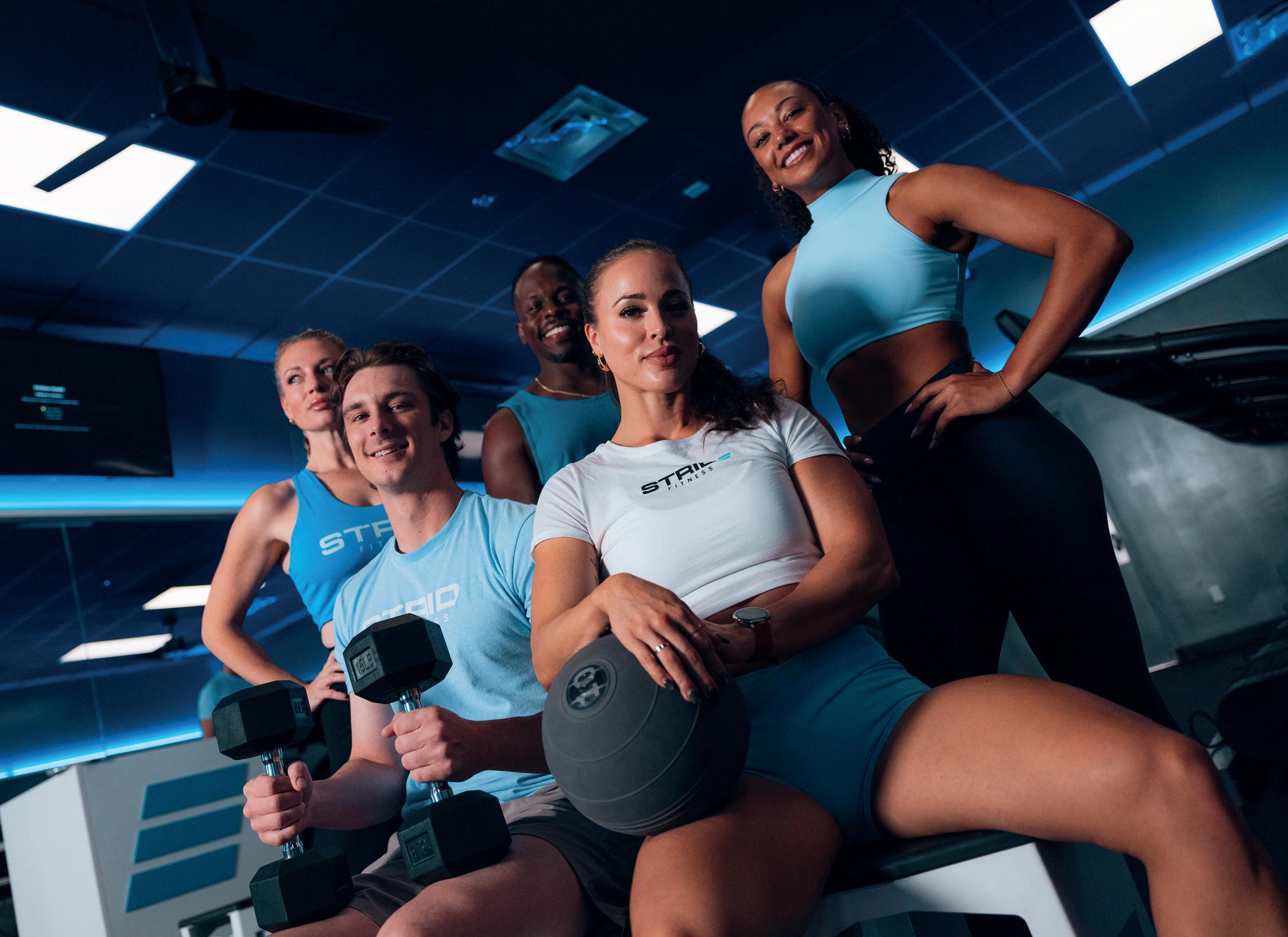
The challenges are the same as any other boutique fitness business – the saturated market in the US. We have new boutique fitness modalities popping up all the time. So it’s all about staying relevant and ahead of the curve.
We’re confident – I've been in boutique fitness franchising for almost 20 years. What we have here is a modality that's tried and tested, it's not a trend, it's incredibly impactful and I think it's something that will last for a long time.
Tell us about your roadmap
Right now, I just want to get the new studios open and make them successful. I've taken two years to redesign this concept and get it to where I feel comfortable going up to market and selling it to franchise partners. So the next step is to get some of these open and then continue to grow that footprint.
Typically when we sell a franchise territory, our protected territories are 50,000 people or two miles, whichever comes first. I wouldn't like to go into a market with a population of less than 300,000. We're being cognisant of where we're selling territories – I want to ensure that each one of our franchise partners is successful and satisfied, with a thriving studio.


I’ve got a network of fitness franchise owners who are asking when we’re coming to the UK and Spain. So an international move will be next
While focusing on quality sites rather than quantity, I’d love to have 150 studios open in the next couple of years and then continue to grow the brand, the movement and the footprint.
I've got a huge network of fitness franchise owners, many of whom are international at this point, who are asking when we’re coming to the UK and Spain. So an international move will be the next evolution. l



PROVEN WELLBEING CONCEPT

















Warning: BODYPUMP HEAVY is addictive. Side effects include muscle gain and extreme happiness.


The original barbell workout. Heartpumping, high resistance training that builds strength endurance and gets you strong and fit.

High-intensity interval training that combines scientifically-tested moves and weight exercises to build muscle and cardiovascular fitness.
Strength, muscle, athleticism. This workout delivers the full effect.
CEREMONY HYROX
The Official Group Training Programme Partner for HYROX. This workout brings elite coaching and science-backed training. All powered by the energy of community.
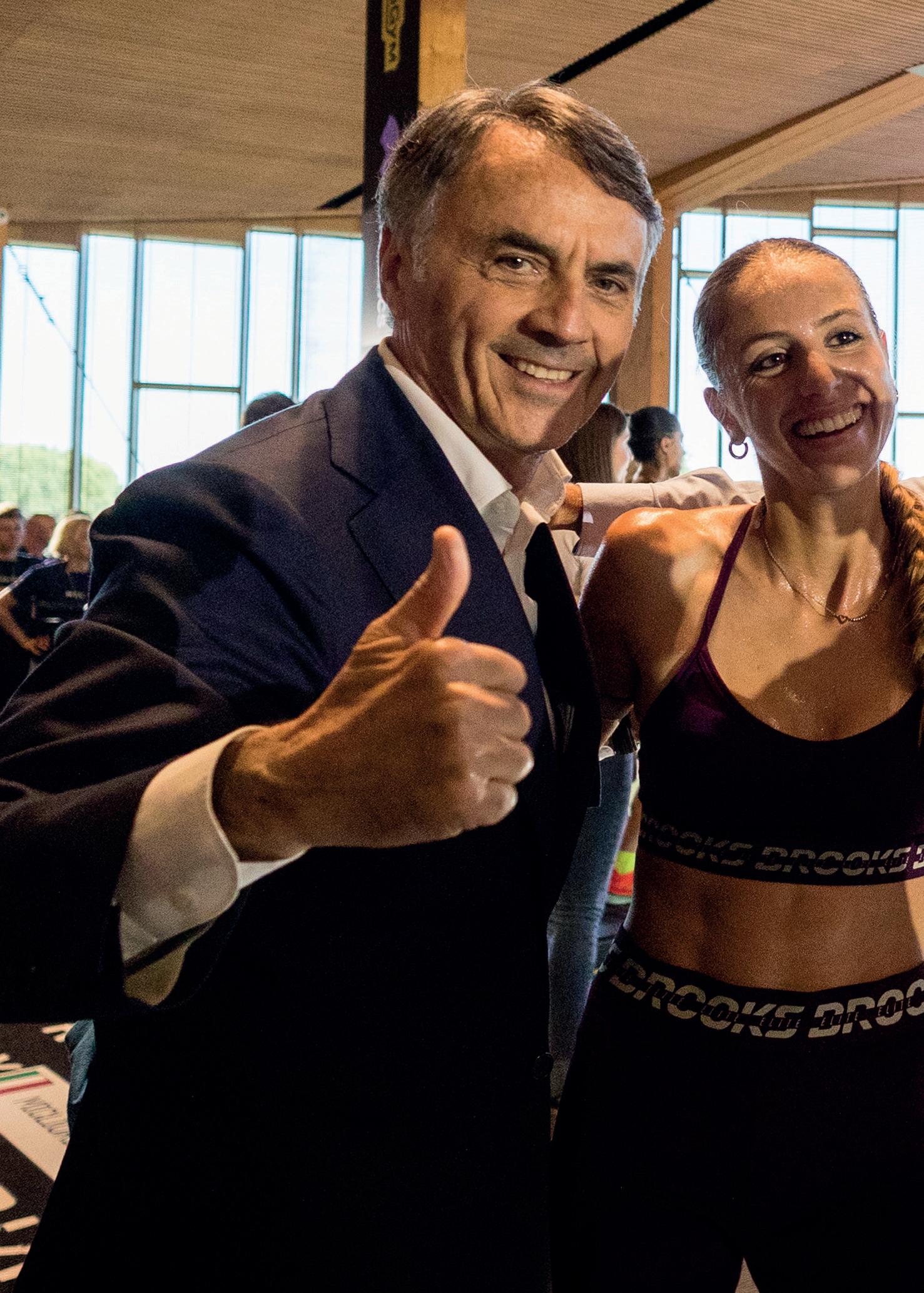
Health clubs and fitness facilities are now some of the most important places where people engage with physical activity
World Athletics president, Sebastian Coe talks to Liz Terry about the launch of Run X in partnership with Technogym
For our readers who haven't come across it yet, what exactly is Run X?
It’s a new global running competition created by World Athletics and Technogym that aims to connect recreational runners, health club members and the wider sport of athletics.
Participants complete a standardised 5km challenge on connected Technogym treadmills at participating health clubs, universities, hotels and corporate fitness facilities around the world. Their performances are verified through the Technogym ecosystem and ranked on local and global leaderboards, with qualification pathways leading to regional championships and a world final. The concept is rooted in a simple idea. Millions of people run every day – whether outdoors or on treadmills – but many don't see themselves as connected to athletics. We wanted to create a format that meets people
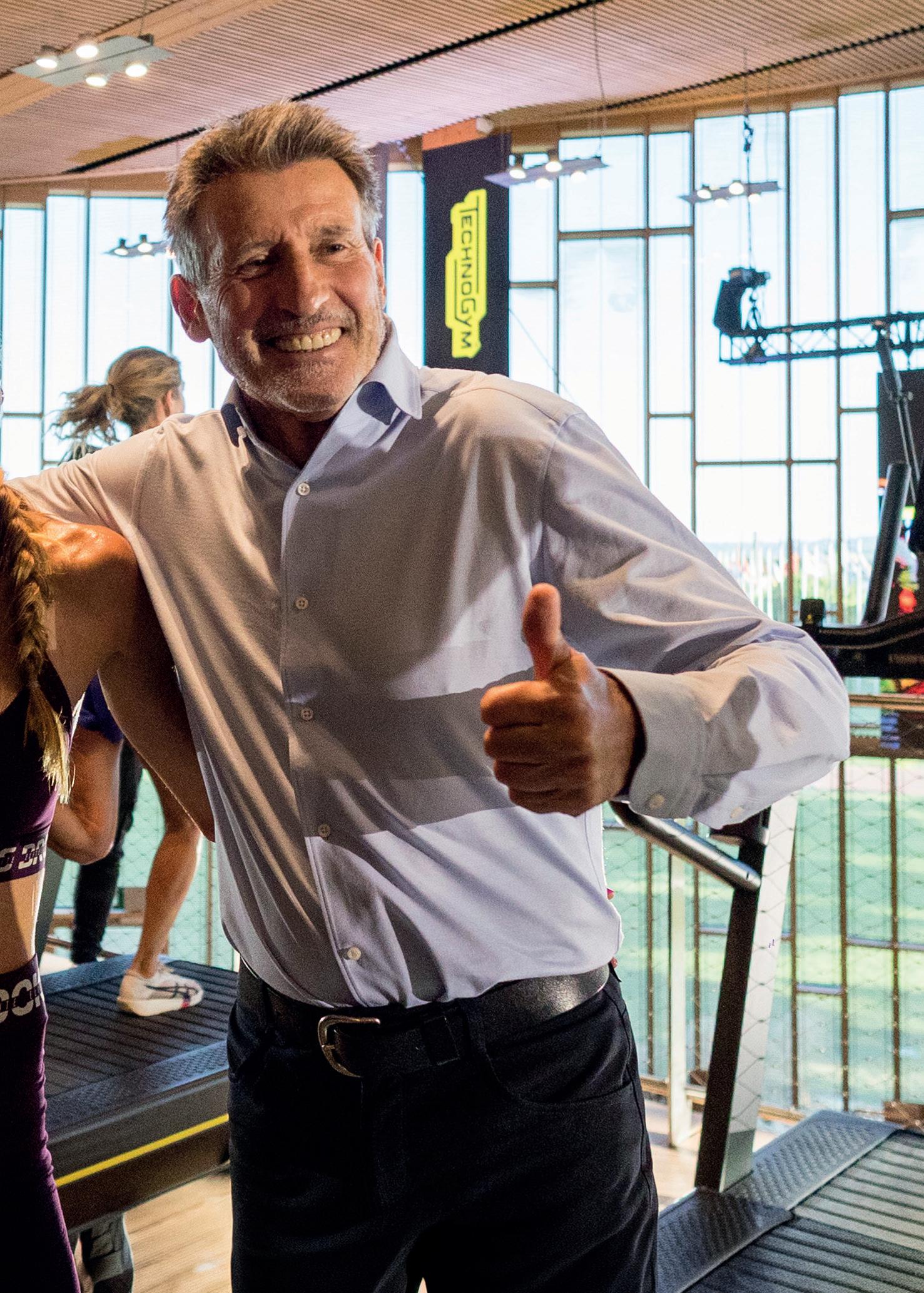
where they already are and provides a pathway that links participation, fitness and competition.
Run X is designed to make the sport of running more accessible while recognising that health clubs are now some of the most important places where people engage with physical activity.
What are the main objectives of Run X?
One of the major drags on global economies by 2030 will be physical inactivity. Roughly a third of the world's adults are projected to be inactive by then – we're talking about people struggling to climb a flight of stairs.
If you look at the UK, young people experience a dramatic reduction in physical activity between the ages of eight and 11. That's deeply concerning, so anything that encourages them into sensible, moderated and sustainable exercise has to be a positive development.
Running is particularly powerful because it's accessible. It doesn't require a specialist venue or a complicated infrastructure. It can be done almost anywhere. The challenge is getting more people started and then helping them stay active.
How did the collaboration come about?
Like most things in life, it started through relationships. I’m carbon-dating myself here, but in the late 1970s I used to train in Cesena, which is now the headquarters of Technogym.
Although Technogym didn’t formally come into existence until 1983, the genesis of the business was in Nerio Alessandri’s garage.
He had a vision to disrupt what was a formulaic equipment industry and was already thinking about how technology could transform the way people exercise.
I’ve known Nerio and the Technogym team for many years and we’ve stayed in regular contact. A while back, we started discussing how athletics could create a closer relationship with the wider health and fitness sector and that aligned perfectly with one of our biggest challenges.
Take a woman who breaks two hours in the UK’s Great North Run half marathon. In the middle of celebrating with family, friends and perhaps a charity she’s raised money for, does she feel she has anything in common with athletes such as Noah Lyles, Faith Kipyegon or Mondo Duplantis? Probably not, yet she’s part of the same running ecosystem.
That disconnect has always interested me because there are huge numbers of people who run regularly, whether outdoors or on treadmills, but who don’t necessarily see themselves as part of athletics.
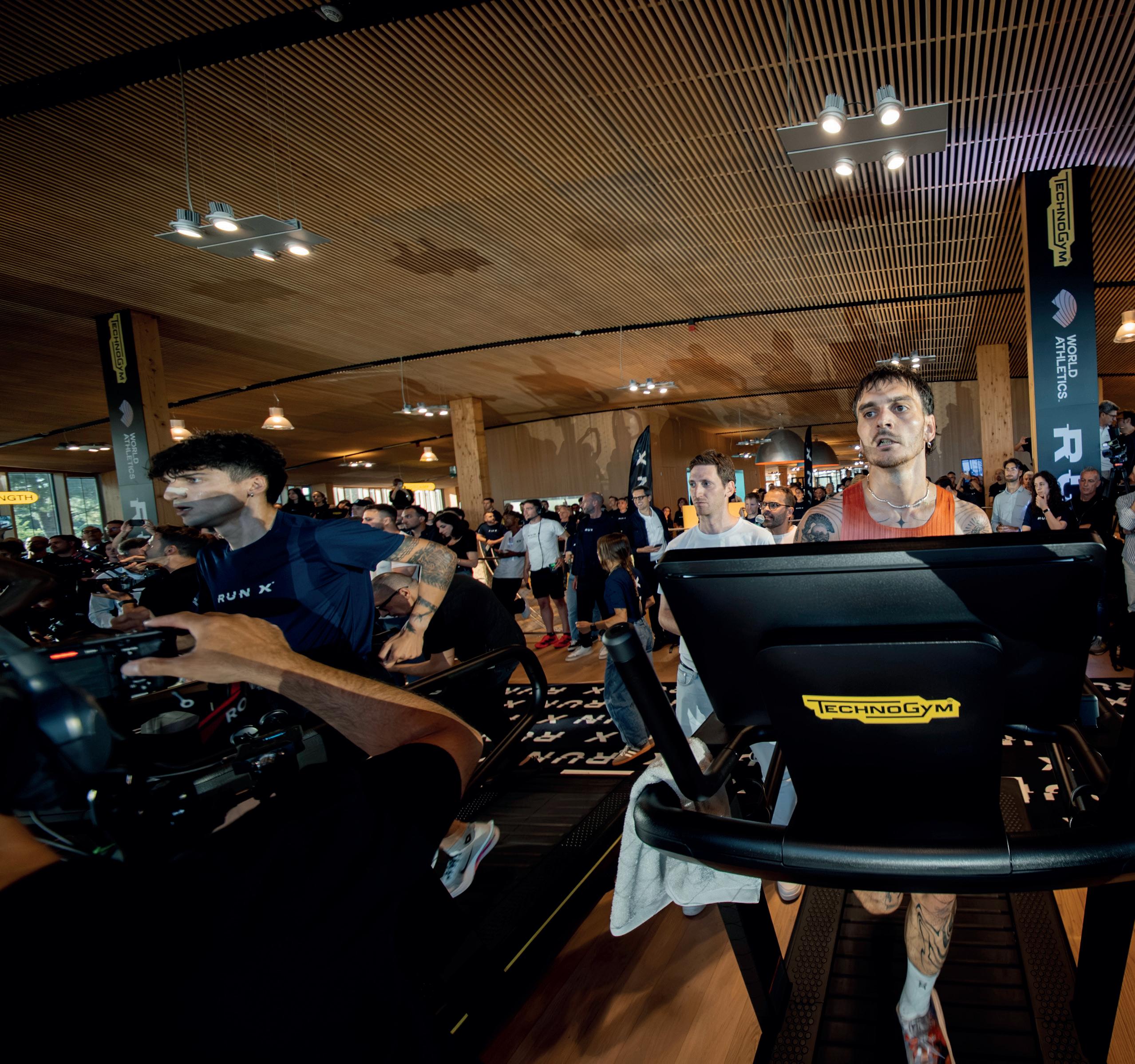
One of my mantras has always been that we must do everything possible to democratise athletics
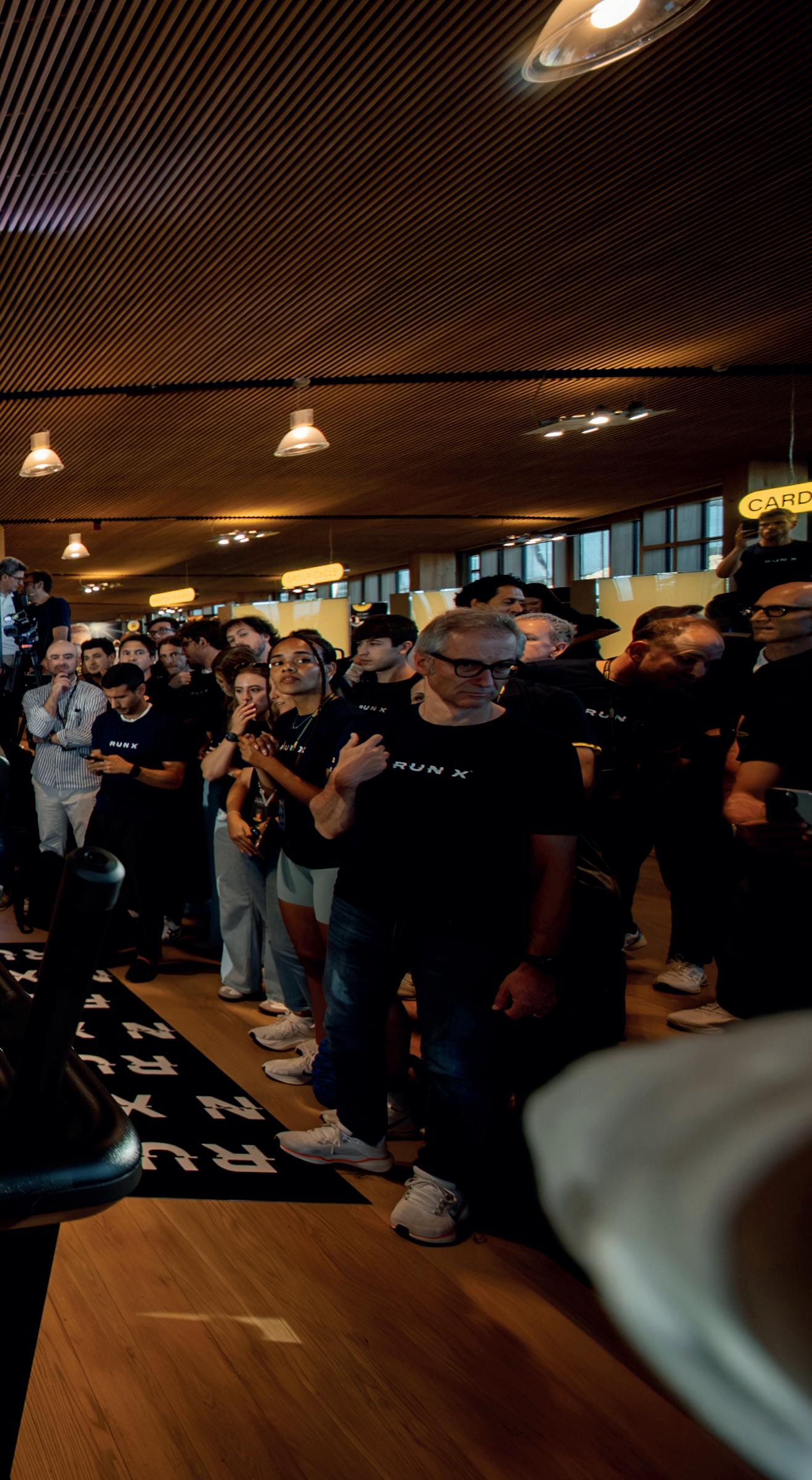
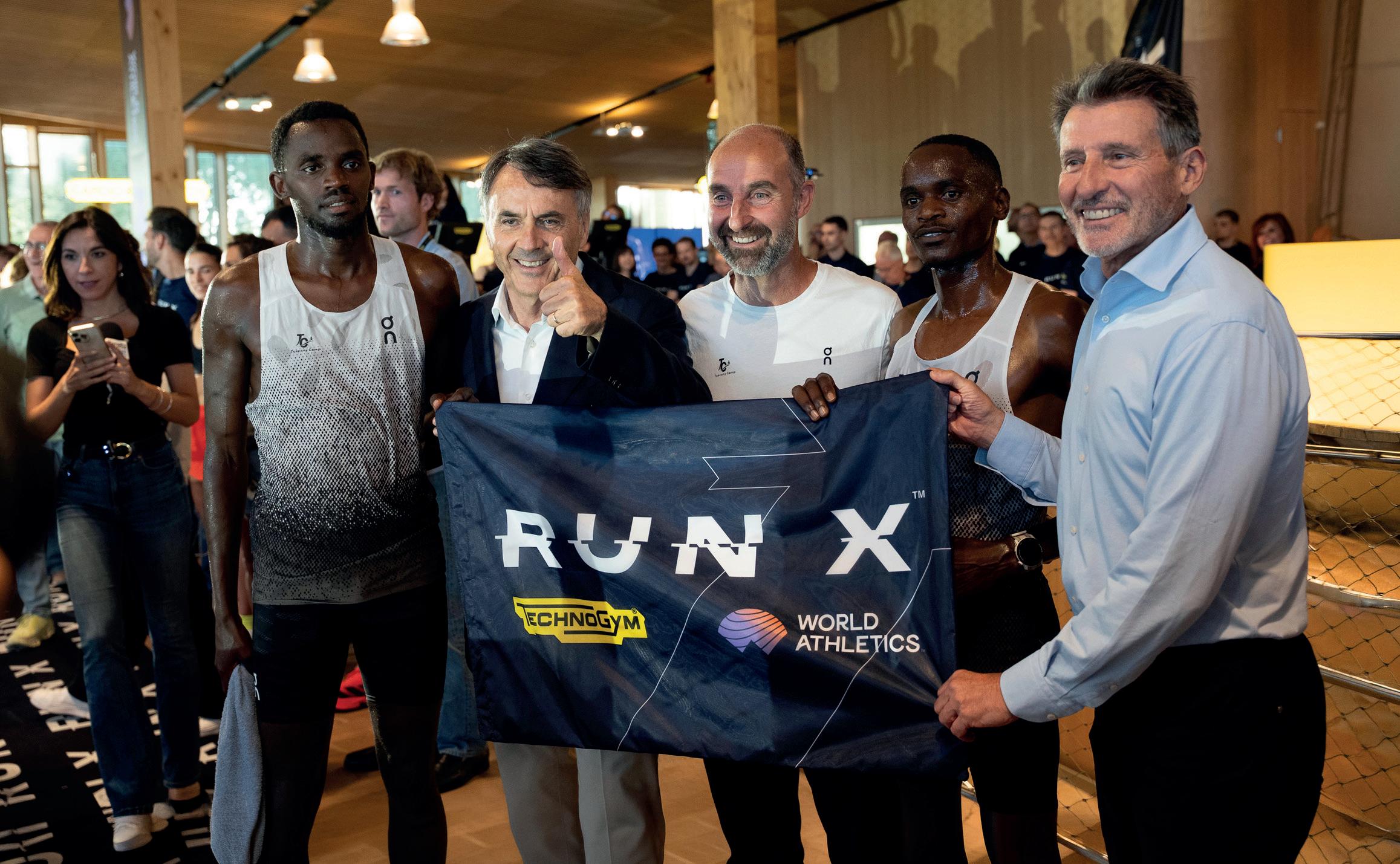
“Run X reflects our mission to engage more people in regular physical activity and make fitness centres the true hubs of sport, health and innovation.
We are very proud of this partnership with World Athletics. RUN X will connect millions of runners with our partner fitness centres around the globe, while the Technogym Ecosystem serves as the driving force behind the competition.”
Nerio Alessandri, founder and CEO, Technogym
I’ve always believed we need to take sport to people, rather than assuming they’ll come to us. We used to think people would come to our stadiums or sports centres because that’s where sport happened. If that world ever existed, it certainly doesn’t now.
One of my mantras has always been that we must do everything possible to democratise athletics, make it easier to understand and remove barriers to participation.
Is there a role for education within Run X? Very much so. People often think running is simply putting one foot in front of the other, but it’s actually a very technical activity.
You can make dramatic improvements to somebody’s ability to move better and stay active for longer with the right coaching.
Do you see closer collaboration developing between athletics and the fitness sector?
Yes, sport isn’t the answer to every social challenge, but it’s one of the most powerful tools we have for improving physical and mental wellbeing.
One of the concerns I have is the long-term reduction in youth services and community provision. As an international federation we’re increasingly looking at how our events can align with wider objectives around health, education and wellbeing.
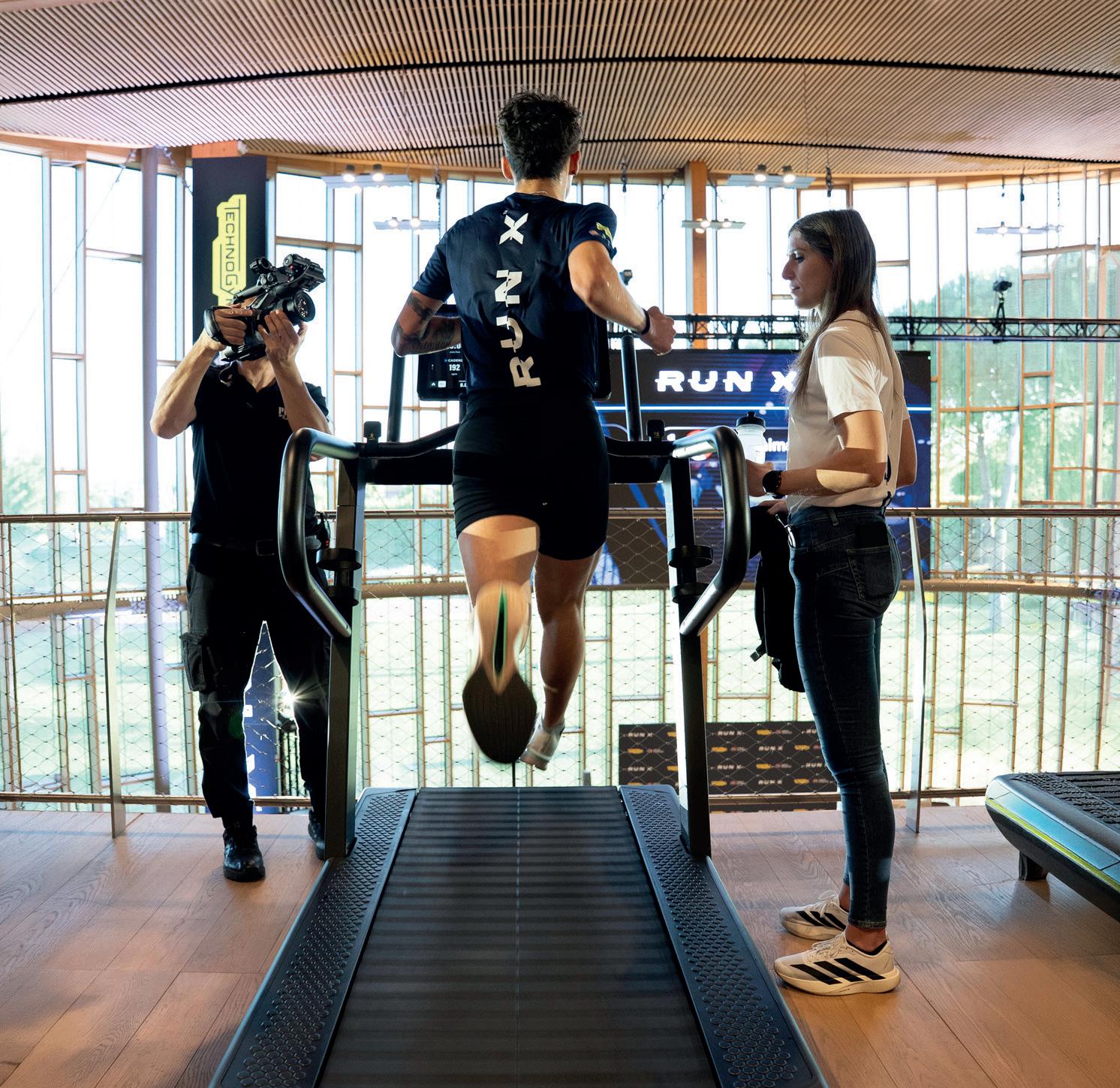
I’ve seen examples of this all over the world. If we want active communities, we need to invest in the infrastructure that supports them.
Are you happy with the 2012 legacy?
Yes. Particularly when it comes to participation. This was always going to be the hardest part. Major events are incredibly powerful because they inspire. In my experience they often have more impact than public information campaigns because people want to emulate success.
I remember running regularly before Beijing 2008. Back then my Sunday morning run was a fairly solitary experience. After the success of athletes such as Victoria Pendleton and Chris Hoy, suddenly roads were full of cyclists. I saw that change happen.
If you look at the sports that genuinely create an aerobic impact, more people are running, cycling and participating in endurance sport than ever before and that’s a hugely positive trend.
You've argued that obesity and inactivity require a broader response than healthcare alone
Absolutely. One of the mistakes we make is assuming obesity is primarily a medical issue. Health services deal with the consequences, but if you want to tackle the causes, you need a much broader approach.
Obesity is about tax and spend. It's about education. It's about transport. It's about policing. It's about planning. It touches so many parts of public life.
A collab between World Athletics and Technogym
5km treadmill challenge
Global leaderboard
Qualification from health clubs
US$100,000 prize fund
World final in Italy
Opportunity for operators to host qualifying events
Top performers will earn wildcard places at the 2027 World Athletics Road
Running Championships.
Health clubs, universities, hotels and corporate fitness facilities with connected Technogym treadmills can apply to become Run X centres
If governments believe reading is important, they zero-rate books. If they think children should be properly clothed, they don't charge VAT on their clothing. Yet we don't apply the same thinking to health and fitness.
You could make a reasonable case for giving tax advantages to health clubs, exercise equipment and bicycles, but even that only takes you so far.
During the work we did around Olympic legacy for London 2012, I spent a lot of time in schools in London. I'd ask children why they didn't walk to school. The answer was often that they had to cross gang boundaries.
I'd ask whether they owned a bike and the answer would be they couldn't afford one.
Those aren't healthcare issues. If people don't have access to safe spaces for activity, that's not a healthcare issue either. That's a planning issue. The key point is that inactivity is a complex challenge and it needs a genuinely cross-government response worldwide.
One of the most valuable pieces of work we did after London 2012 was bringing together different government departments to look at these issues collectively rather than treating them as isolated problems. We've drifted away from that way of thinking and returned to discussing obesity primarily through the healthcare lens, but that's not enough. Increasingly, many of the solutions will come from partnerships between sport, health, fitness and the commercial sector.
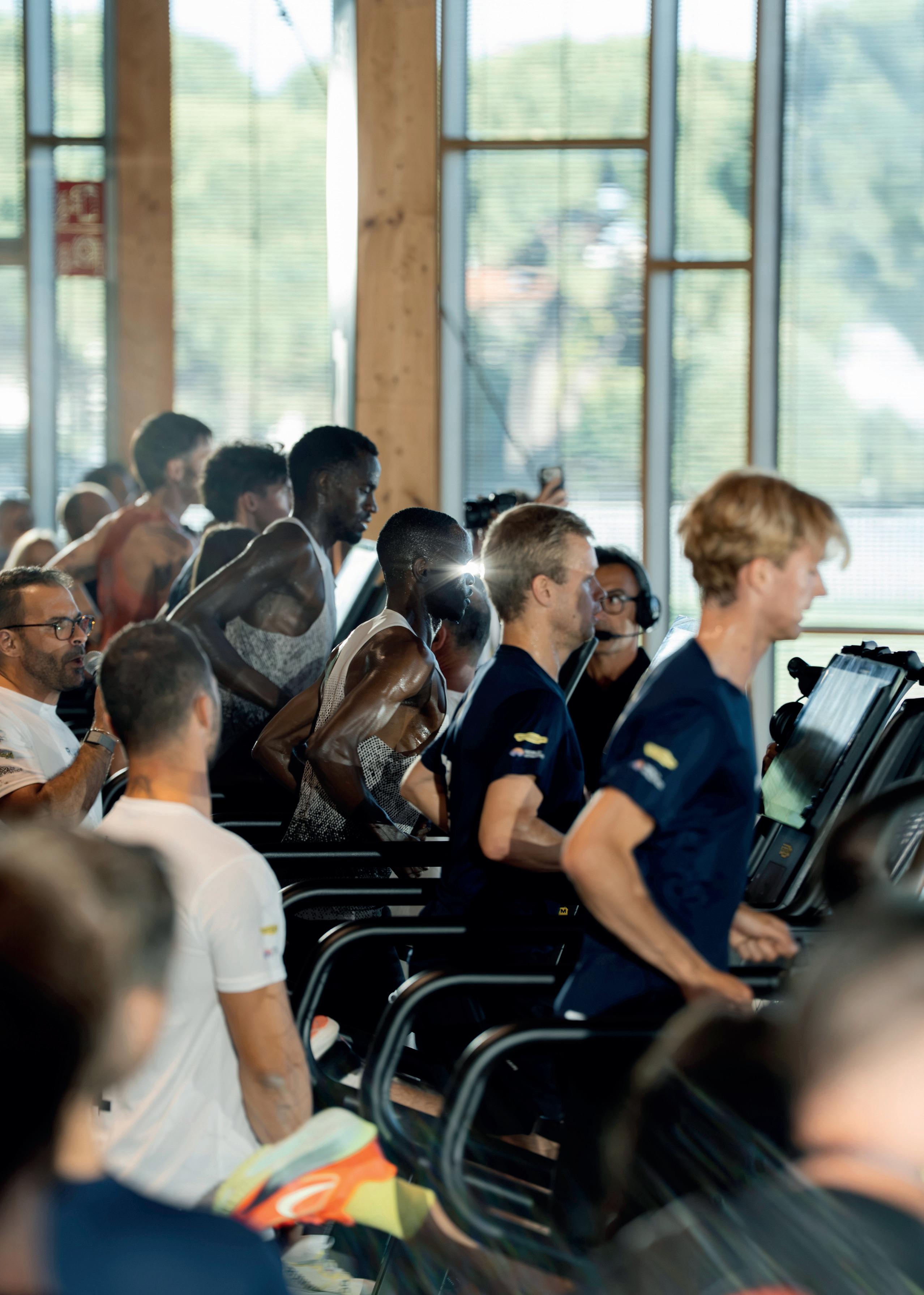
If we genuinely want healthier populations, we need to start by designing healthier places
October 2026: Global qualification opens at participating Run X venues worldwide.
Late 2026 – early 2027: National and regional leaderboards determine qualification for the next stage of competition.
Early 2027: Regional championships take place, bringing together the leading performers from each territory.
March 2027: The inaugural Run X World Championship Final takes place at Technogym Village in Cesena, Italy.

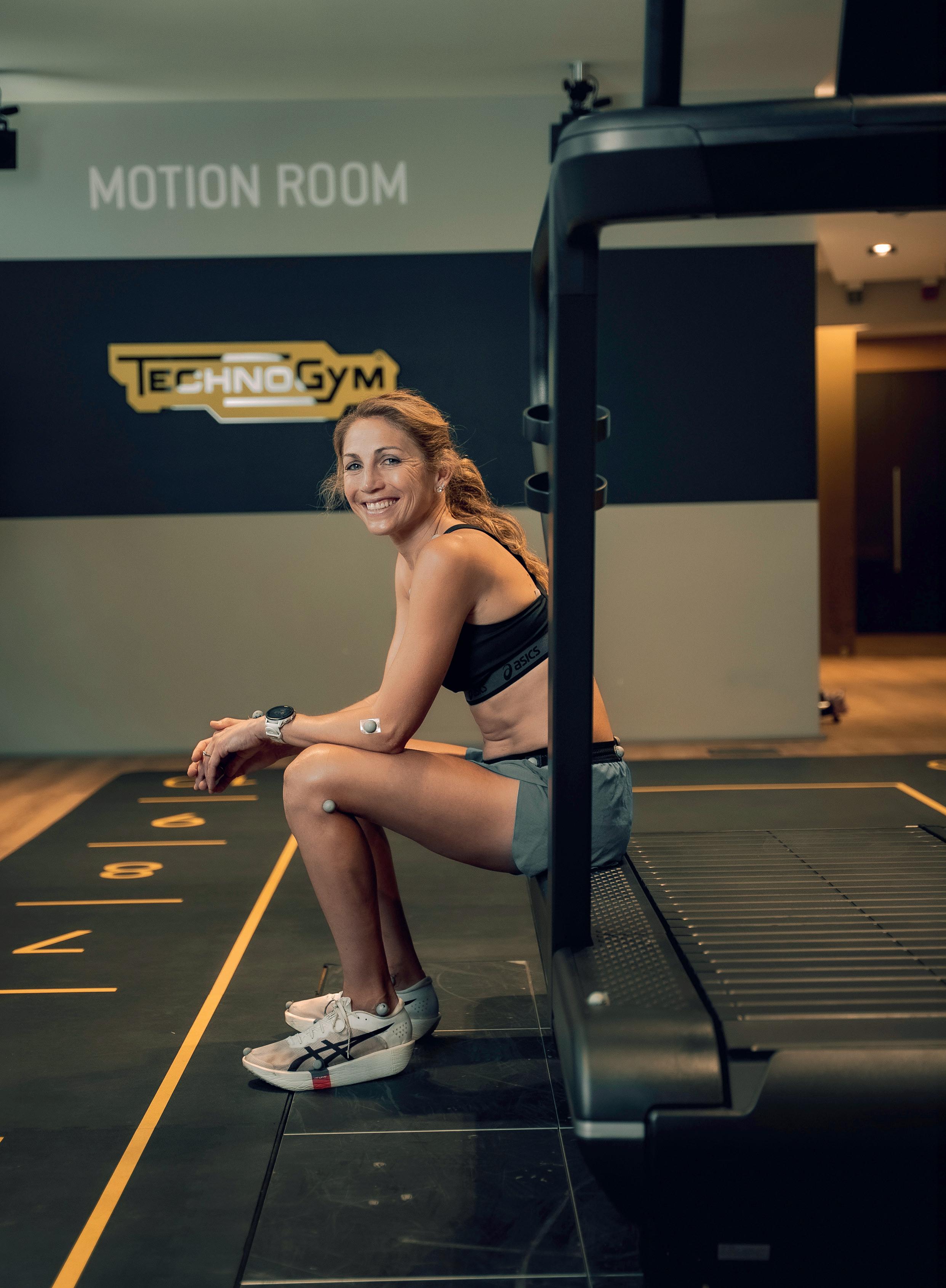

What role can running play as populations age?
We need to make movement a positive experience because that creates long-term engagement, and one of the biggest barriers to lifelong activity is often a poor experience of physical education at school.
Too often PE in schools has historically focused on identifying the best performers rather than helping everybody enjoy movement.
I’ve known many people who had a terrible experience of PE and didn’t return to exercise until much later in life through friends, clubs or social groups, when they learned to love it.
One of the encouraging developments in recent years has been the way health clubs have become much better at supporting older adults and people who are coming into exercise later in life. I’ll be 70 this year and I’m still running three or four times a week and doing strength training. The key is doing it intelligently.
You're involved in regeneration projects. What lessons have you learned about creating healthier places?
One of the concerns I have is that we're designing physical activity out of the built environment.
One of the biggest lessons is that you can't design communities in silos, you need transport, education, retail, housing, public space and opportunities for physical activity to be considered together.
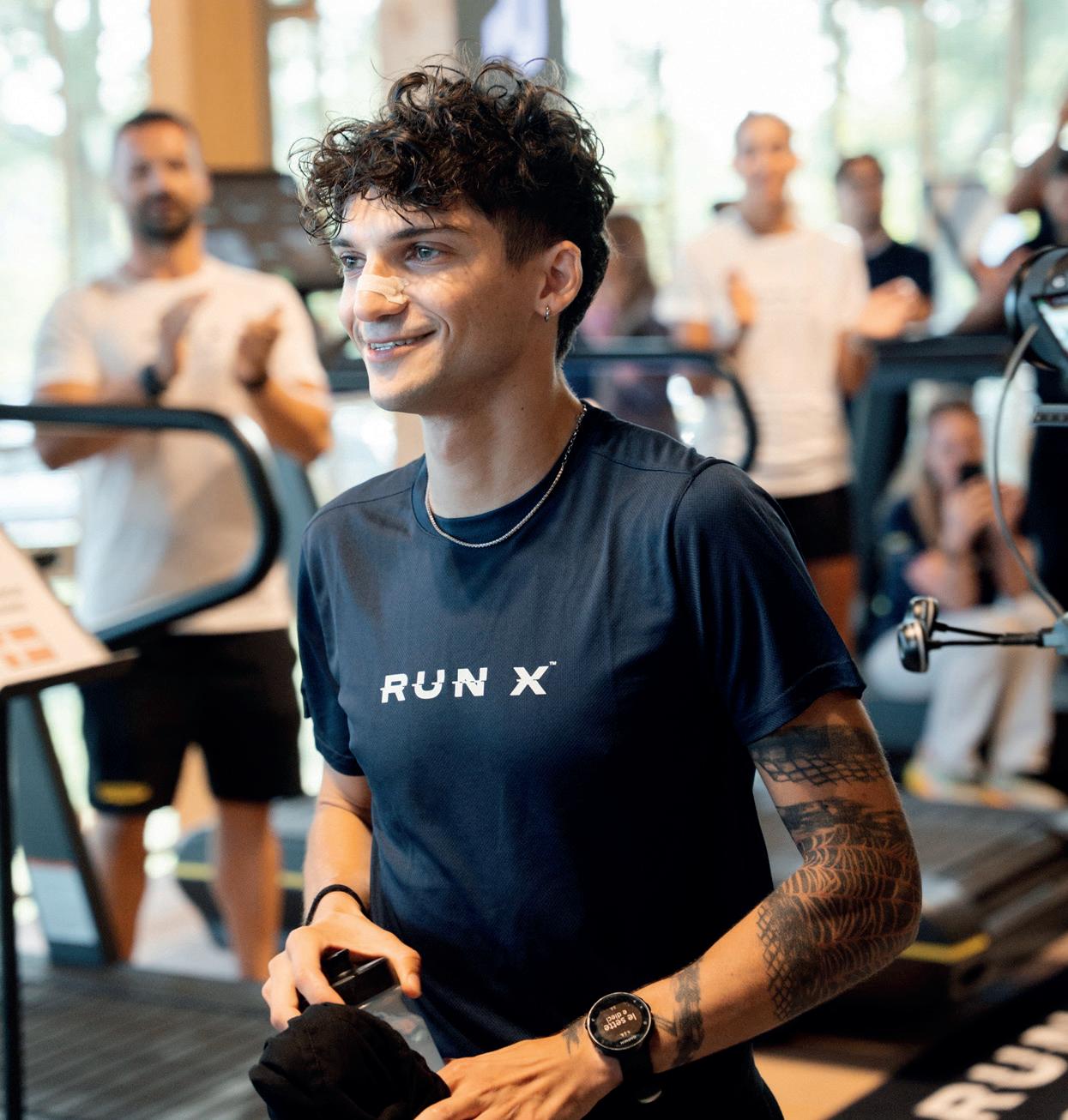
Some of the work that came out of the London 2012 legacy programme focused on encouraging greater consideration of walkability and active design within architectural education. That's important because the places we create influence how people behave.
Whether you're planning a city, a neighbourhood or a housing development, the same principle applies: if we want people to be active, we need to create environments that make activity the easy choice.
Historically we've often built developments first and then tried to solve all the transport, education and community challenges afterwards. We need to reverse that thinking. If we genuinely want healthier populations, we need to start by designing healthier places.
More: www.technogym.com
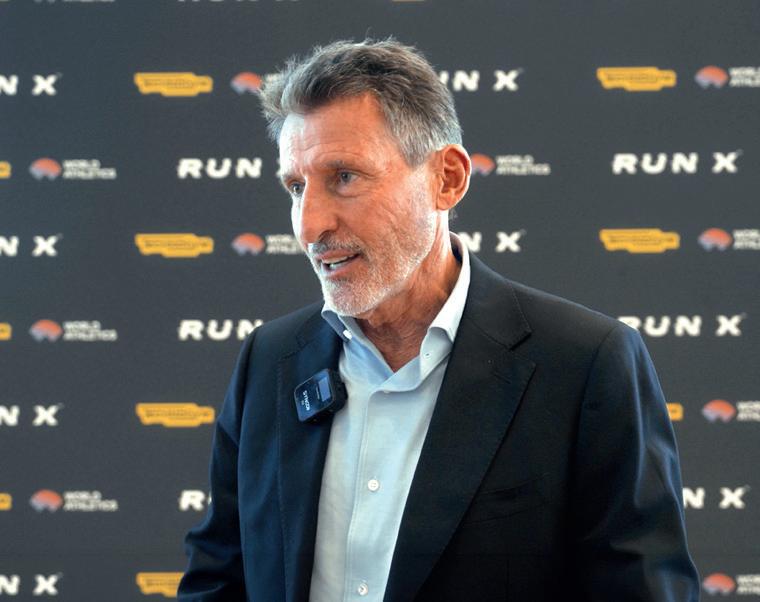
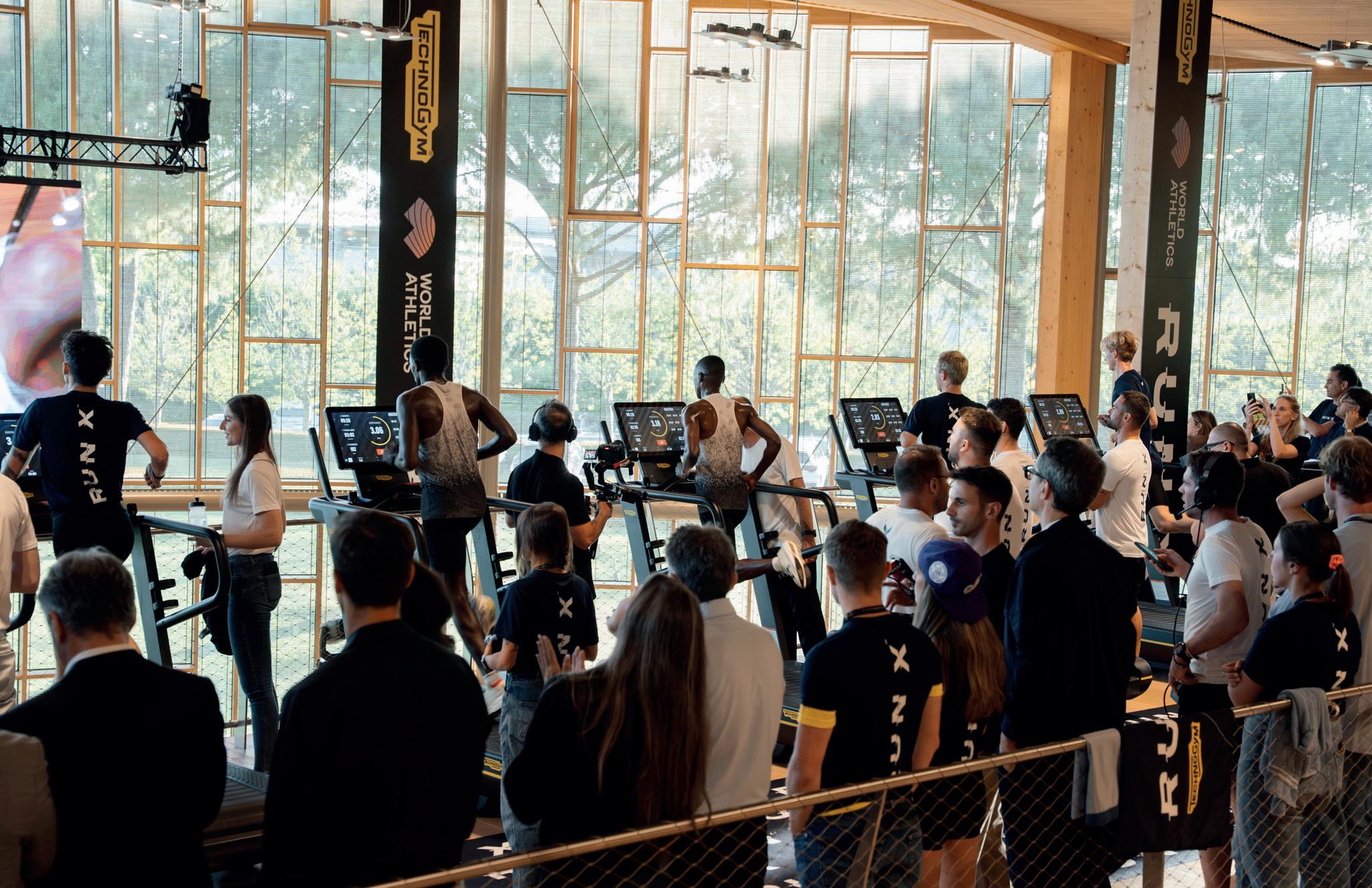
World Athletics and Technogym have launched Run X, a new global running competition that aims to bring organised sport and everyday fitness closer together.
Described as the world's first treadmill world championship, the initiative creates a pathway for gym users and recreational runners to compete through a standardised 5km challenge completed on connected Technogym treadmills.
For health club operators, the concept offers an opportunity to engage existing members, attract new participants and strengthen connections with the wider running community.
How does it work?
Participants complete a certified 5km run on a connected Technogym treadmill at an approved venue. Performances are verified through the Technogym Digital Ecosystem and uploaded to local and global leaderboards.
The competition begins with qualification rounds, with successful participants progressing to regional championships and ultimately a world final at Technogym Village in Cesena, Italy.
A US$100,000 prize fund and wildcard places at the 2027 World Athletics Road Running Championships add an elite performance element, but the concept is designed to be accessible to a broad range of participants rather than elite athletes alone.
Why is it relevant to health clubs?
Run X reflects a wider shift taking place across the fitness industry, where health clubs are increasingly becoming participation hubs rather than simply places to work out.
For operators, the initiative offers several potential benefits:
n Member engagement: Competitions, rankings and qualification pathways can provide new motivation for members
n Community building: Run X creates a shared goal that can unite runners, fitness enthusiasts and newcomers around a common experience.
n Retention opportunities: Structured challenges often increase attendance and help members maintain exercise habits over longer periods.
n New audiences: Recreational runners who may not currently belong to a health club could be encouraged to visit participating facilities.
n Digital integration: The competition highlights the growing role of connected equipment and data-driven fitness experiences.
What does it mean for the sector?
Sebastian Coe, president of World Athletics, sees Run X as part of a broader effort to "democratise" athletics and make it more accessible to people who may never set foot in a stadium.
The initiative also reflects a growing recognition that many of the most active communities are found in health clubs, fitness centres and corporate wellness facilities rather than traditional sporting environments.
How can clubs participate?
World Athletics and Technogym are inviting health clubs, universities, hotels and corporate fitness facilities with compatible Technogym treadmills to join the network of participating venues. Approved sites will be able to host qualification events and provide members with access to the competition platform. l

Would you stop selling memberships to prevent your club getting overcrowded? How do you strike the balance between maximising profits and prioritising the member experience? Kath Hudson talks to the experts

Unavailable classes as well as overcrowded classes impact members

Well-planned timetables are essential for a good member experience
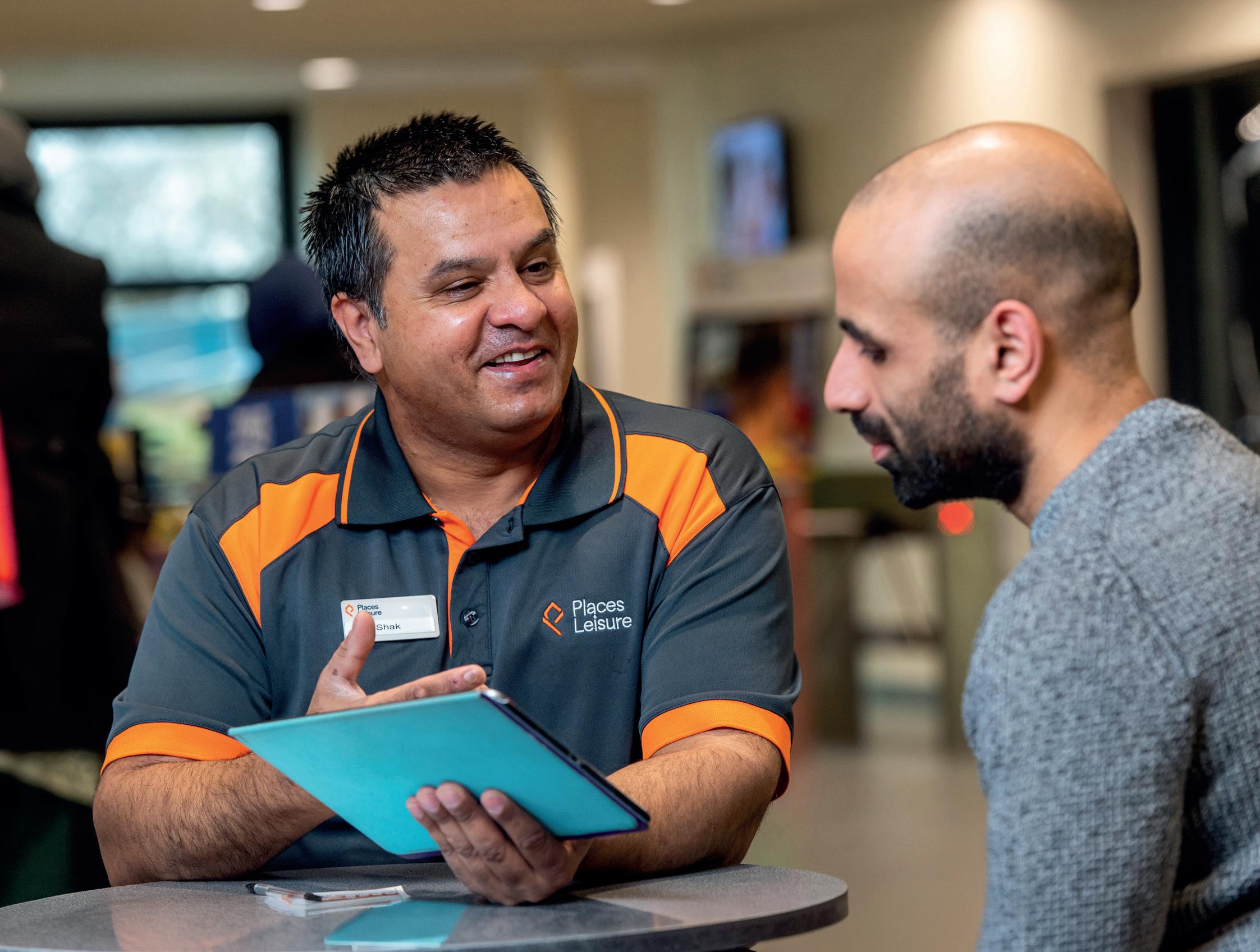
Belinda Steward CEO Places Leisure
Our priority is and always has been to provide the best member experience we can. Overcrowding and availability of facilities can have a large impact on our customers. Lack of availability can cause frustration and push customers to seek memberships elsewhere or even worse stop exercising. Therefore, it is important to understand our customer’s needs, and we can adapt quickly to changes in demands. In addition, we also need to consider our diverse centre portfolio which also provides different requirements.
For us, we focus on utilising well-planned timetables, digital solutions and space designs to get the most out of our sites. We consistently review the popularity and usage across our sites and amend our programming to suit. We’ve also recently introduced a change to our class cancellation policy which we hope will help reduce no-shows and allow more opportunities for those on waitlists to attend classes.
We review the popularity and usage across our sites and amend our programming to suit
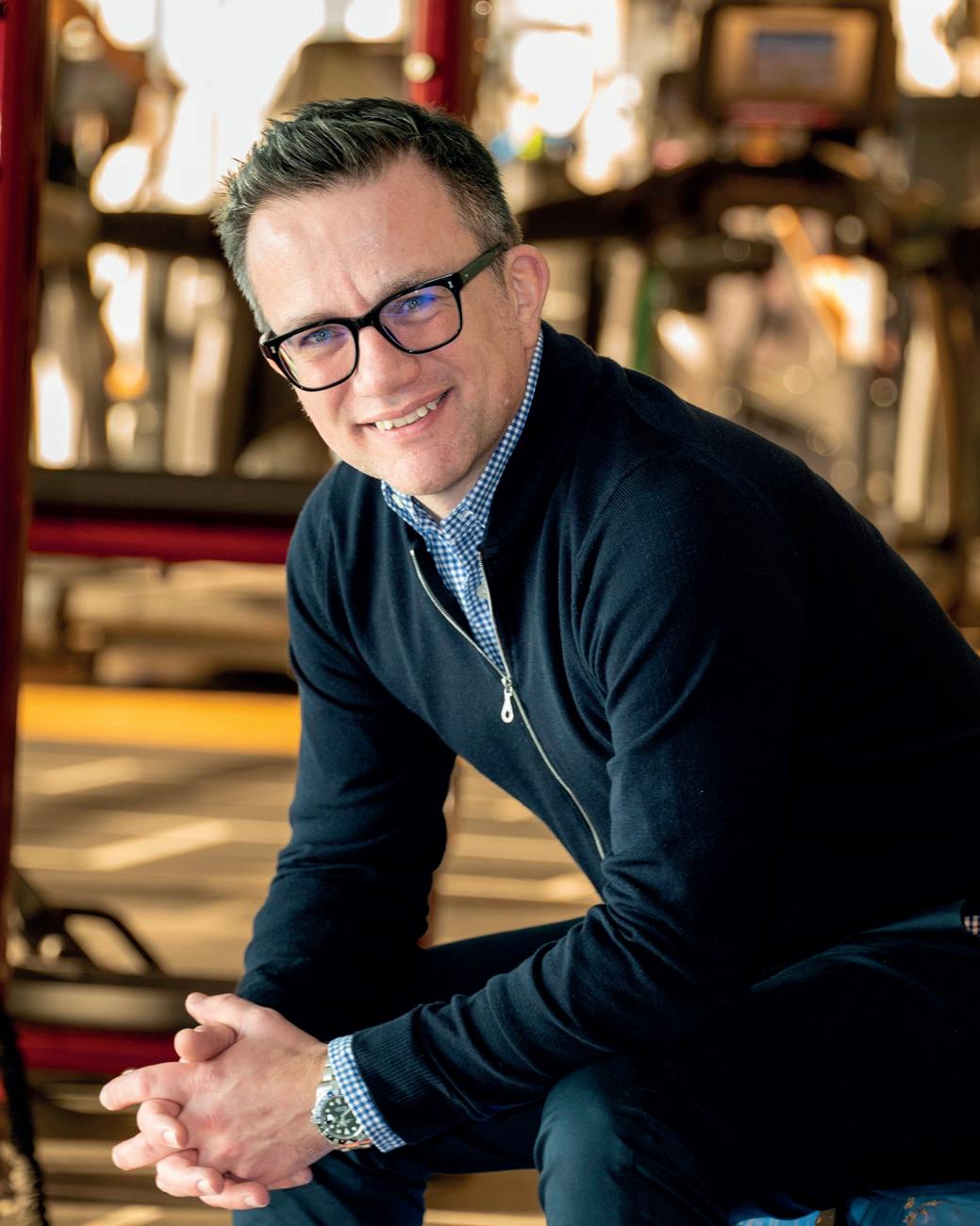
Currently, ten of our clubs are operating at full capacity
Russell Barnes CEO DLL
Member satisfaction is fundamental to our strategy and we continuously invest in improving the experience across our clubs. Encouraging regular usage is also a key priority, as engagement is closely linked to retention. When our clubs become an established part of a member’s lifestyle, they’re significantly more likely to maintain their membership over time. At the same time, we’re very mindful of maintaining a comfortable and enjoyable environment. We carefully manage capacity at each location, setting membership caps where appropriate and introducing waiting lists once those thresholds are reached. Currently, ten of our clubs are operating at full capacity. We monitor usage patterns closely and take a data-led approach to ensure we strike the right balance between sustainable growth and consistently high member experience.
Attractive off-peak memberships can help spread usage times
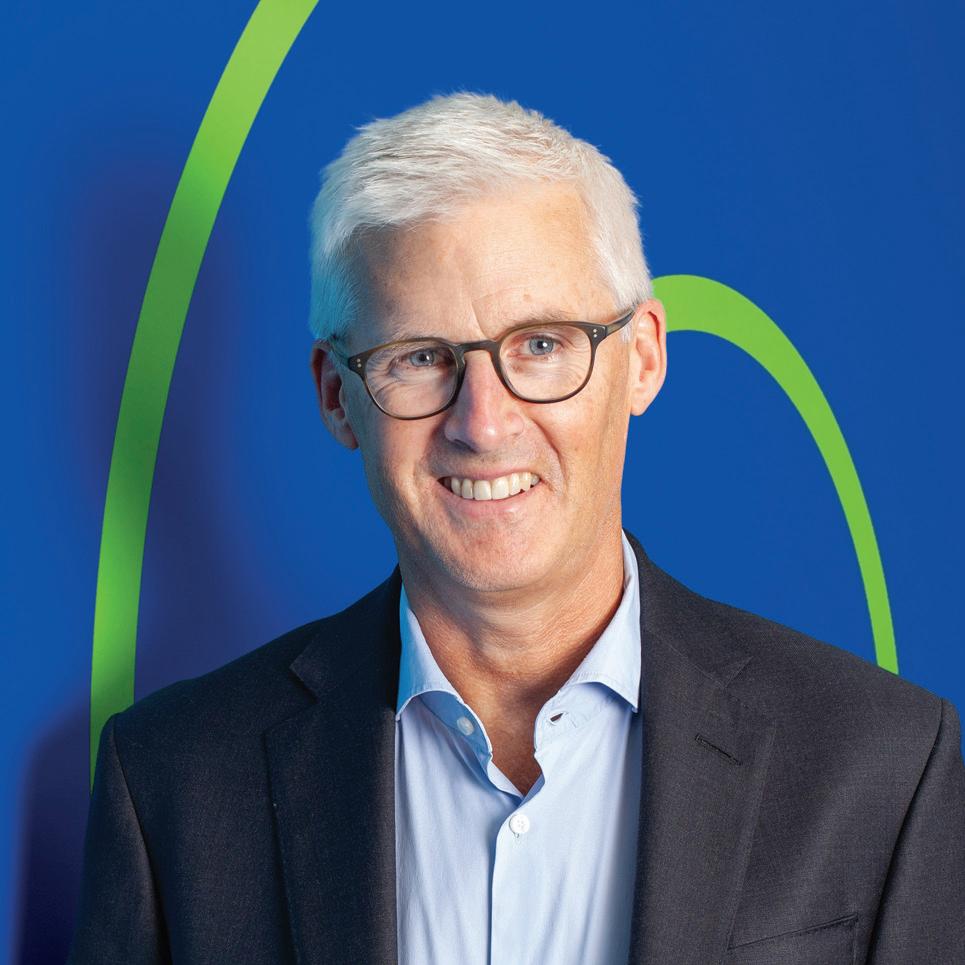
One of the most-used functions on our app is the busyness tracker
Will Orr CEO

Gym Group
We always put the member experience first – the proportion of members rating us five out of five in satisfaction surveys continues to increase year on year. For the last year this has been above 60 per cent.
One of the most-used functions on our app is the busyness tracker, which has always been a helpful tool for members to see how busy their gym is in real-time – optimising our space utilisation.
We also launched our lowest cost, off-peak membership product in 2024, to appeal to members who prefer to exercise during quieter hours.
Deena Gillan
As a service club, member experience is non-negotiable for us. Long-term profitability depends on retention, not just volume. That means actively managing capacity through data, scheduling, programming mix and space design, rather than overselling. The balance comes from understanding peak usage, guiding behaviour, marketing accordingly and continuously evolving the offer. A gym that feels overcrowded stops feeling welcoming — and that’s a cost no operator can afford.
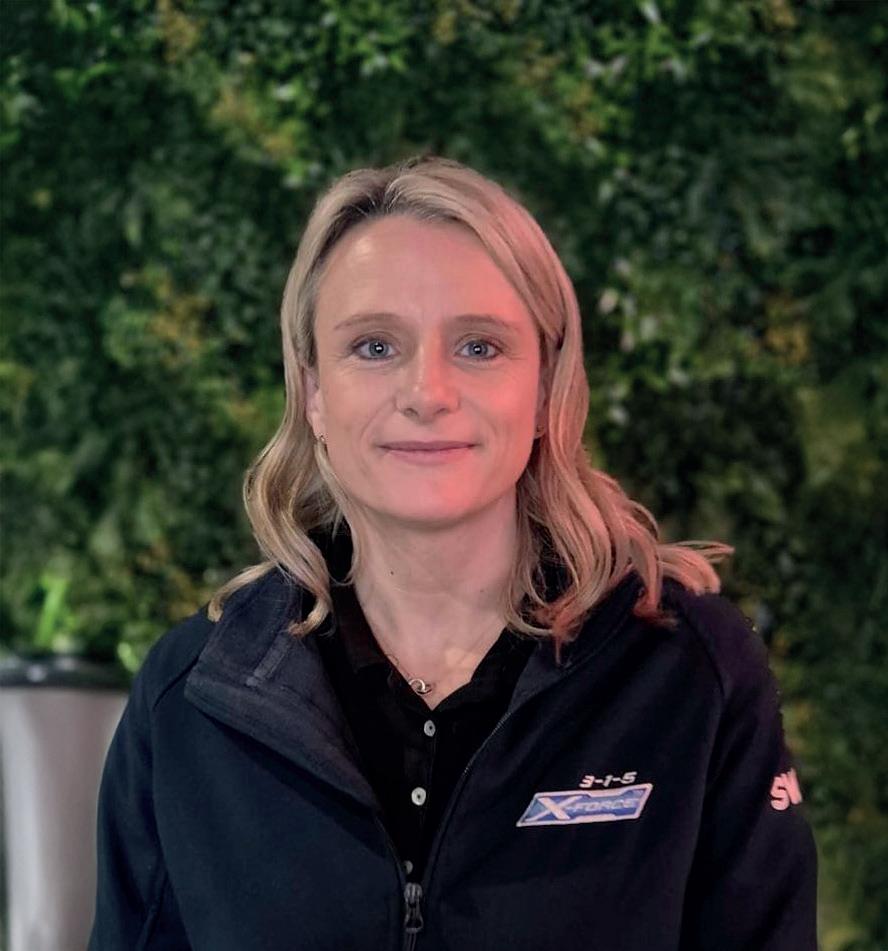
We actively manage capacity through data, scheduling, programming mix and space design, rather than overselling
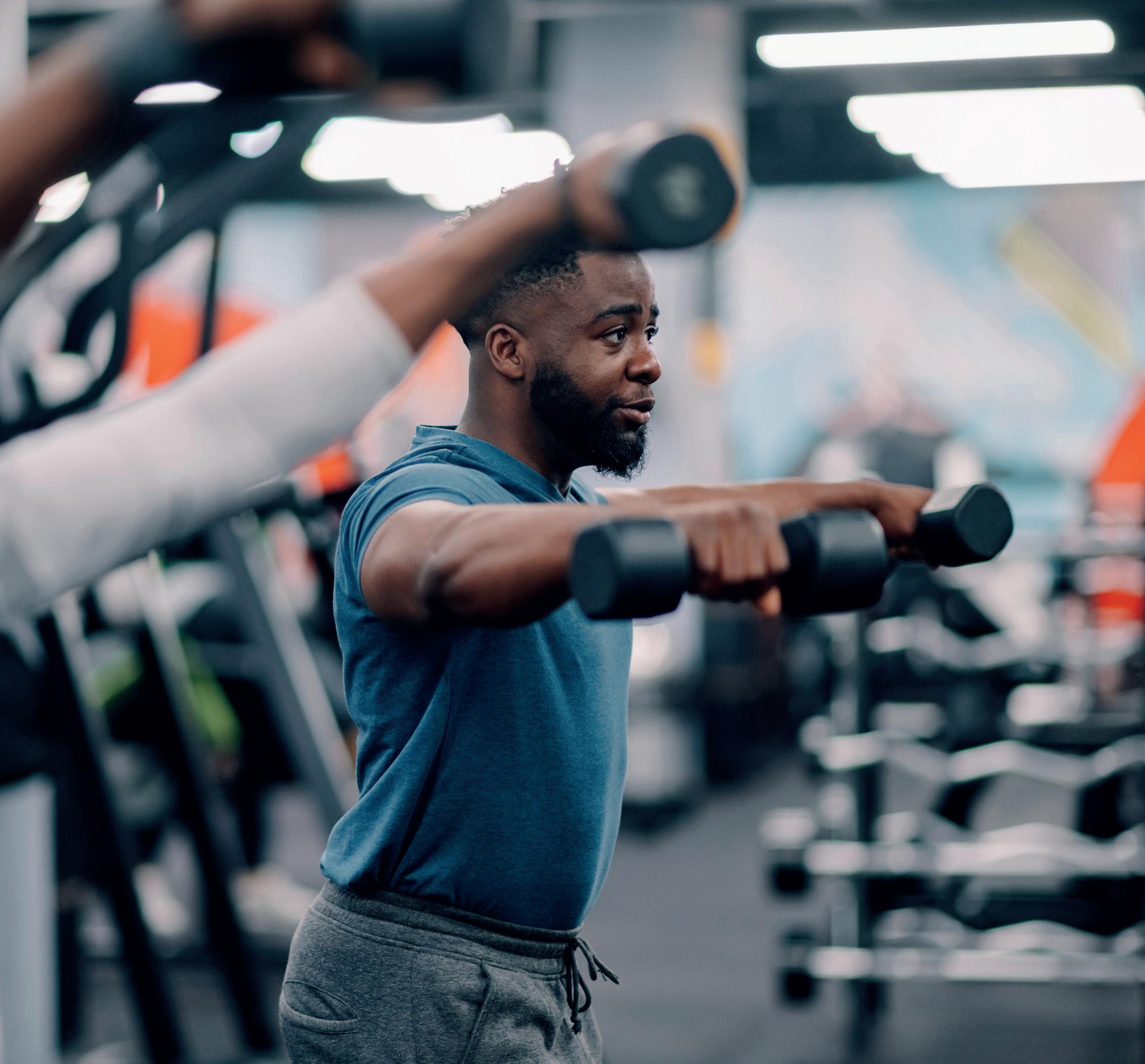
An overcrowded gym can be an unwelcoming place and impact retention
Karl Sanft CEO 24-Hour Fitness
Member experience is everything. I’ve been a member myself for decades, so I understand how important it is to walk into a space that feels motivating rather than overwhelming. We actively manage capacity through pricing, operating hours, programming, and smart scheduling. Long-term success is built on retention and trust, not simply maximising short-term volume.
We actively manage capacity through pricing, operating hours, programming, and smart scheduling
Greg Oliver
CEO FLG
Member experience is critical to long-term retention and building brand trust. Our approach is to use data and capacity planning to ensure clubs remain comfortable and enjoyable for members, even during peak periods. This includes carefully managing club size, equipment mix, group fitness timetables and peak usage patterns.
Technology and analytics help us better understand utilisation across our network and guide where we invest in facilities and services. Ultimately, the goal isn’t simply to maximise membership numbers — it’s to ensure members continue to see value in their experience.
A sustainable model balances membership growth with ongoing investment in facilities and operations.
Peak periods should still feel comfortable and fun for members

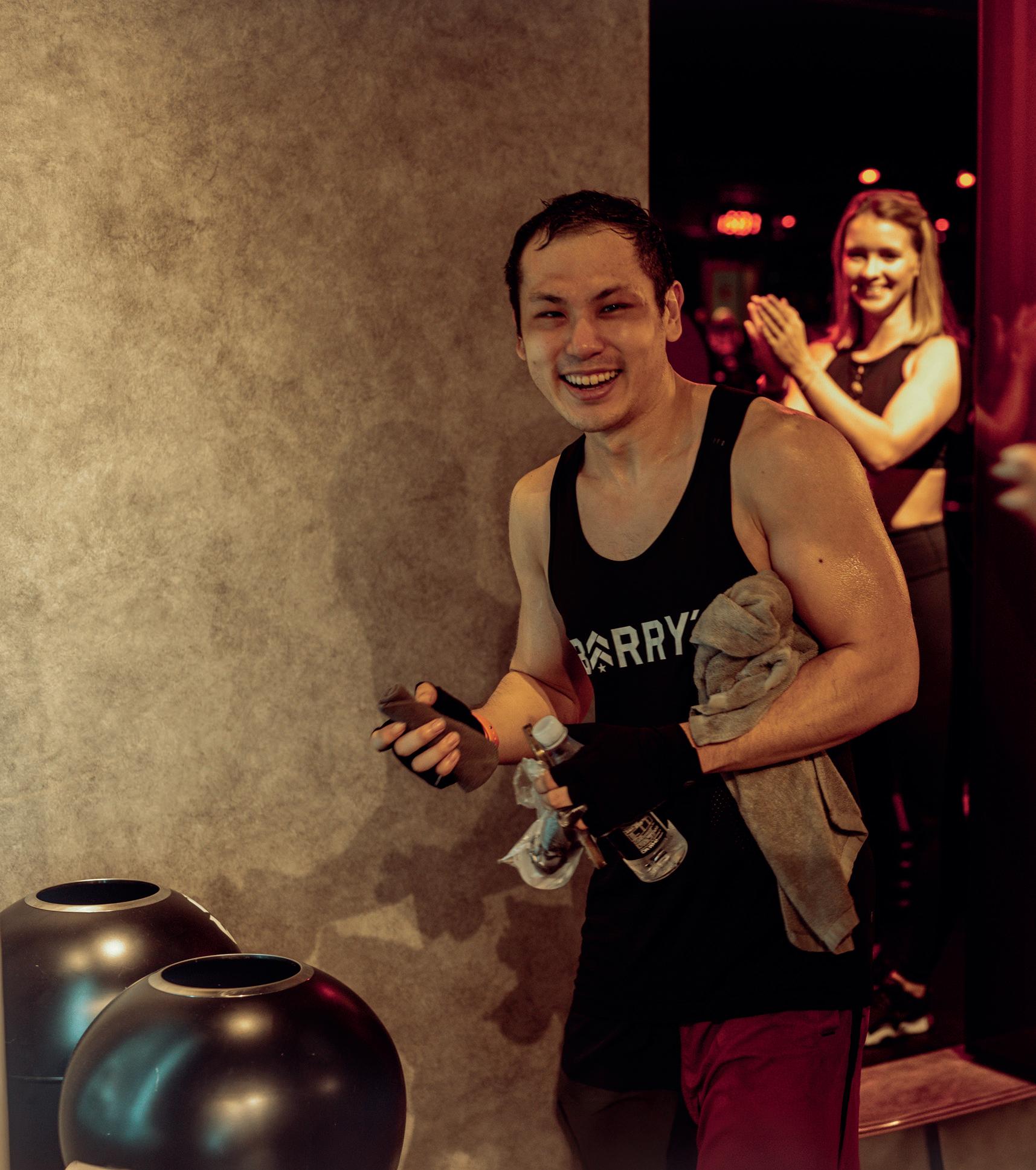


The goal isn’t simply to maximise revenue — it’s to ensure members continue to see value in their experience
Sondre Gravir
CEO SATS

Delivering an excellent member experience is critical. However, we work hard to ensure access is enabled, not restricted. One of our top priorities is to ensure members can train where and when it suits them.
Instead of restricting access, we invest heavily in the equipment mix and flow, as well as utilising our group training facilities, to ensure members get as friction-free a workout as possible. When needed, and possible, we add more space at clubs which are crowded.
We also see that at our busiest clubs, members tend to spread visits more across the day or to nearby clubs in the cluster. Most places we operate, we operate multiple clubs in clusters. Here we nudge members to use the cluster to ensure less crowded gyms.
It is also worth noting that our experience is that members enjoy the atmosphere at a busy club, and get inspired by it, whether they work out alone or in a group.
After exhausting operational measures to increase access, we would consider pricing mechanisms, rather than access restrictions.
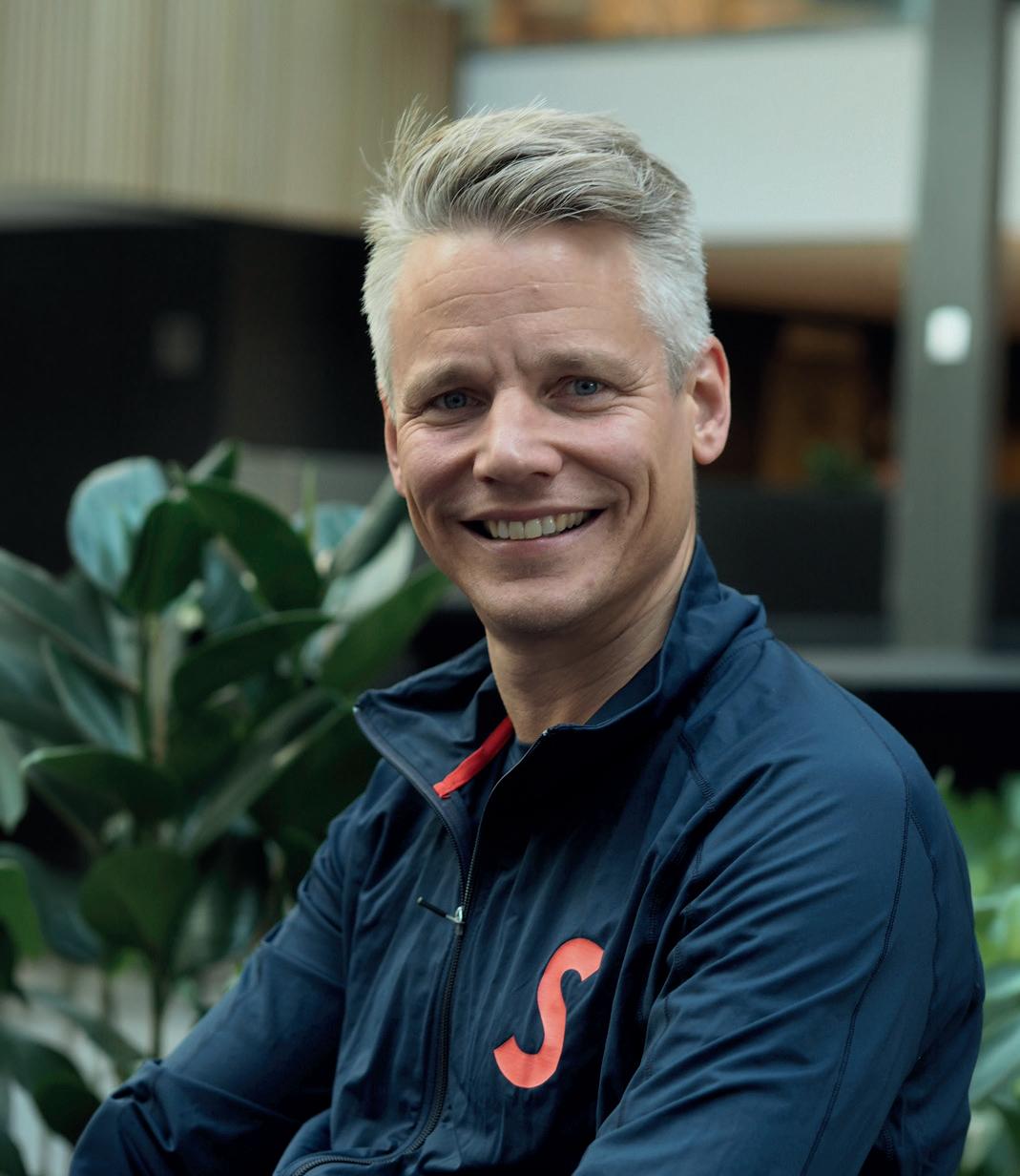
After exhausting operational measures to increase access, we consider pricing mechanisms, rather than access restrictions
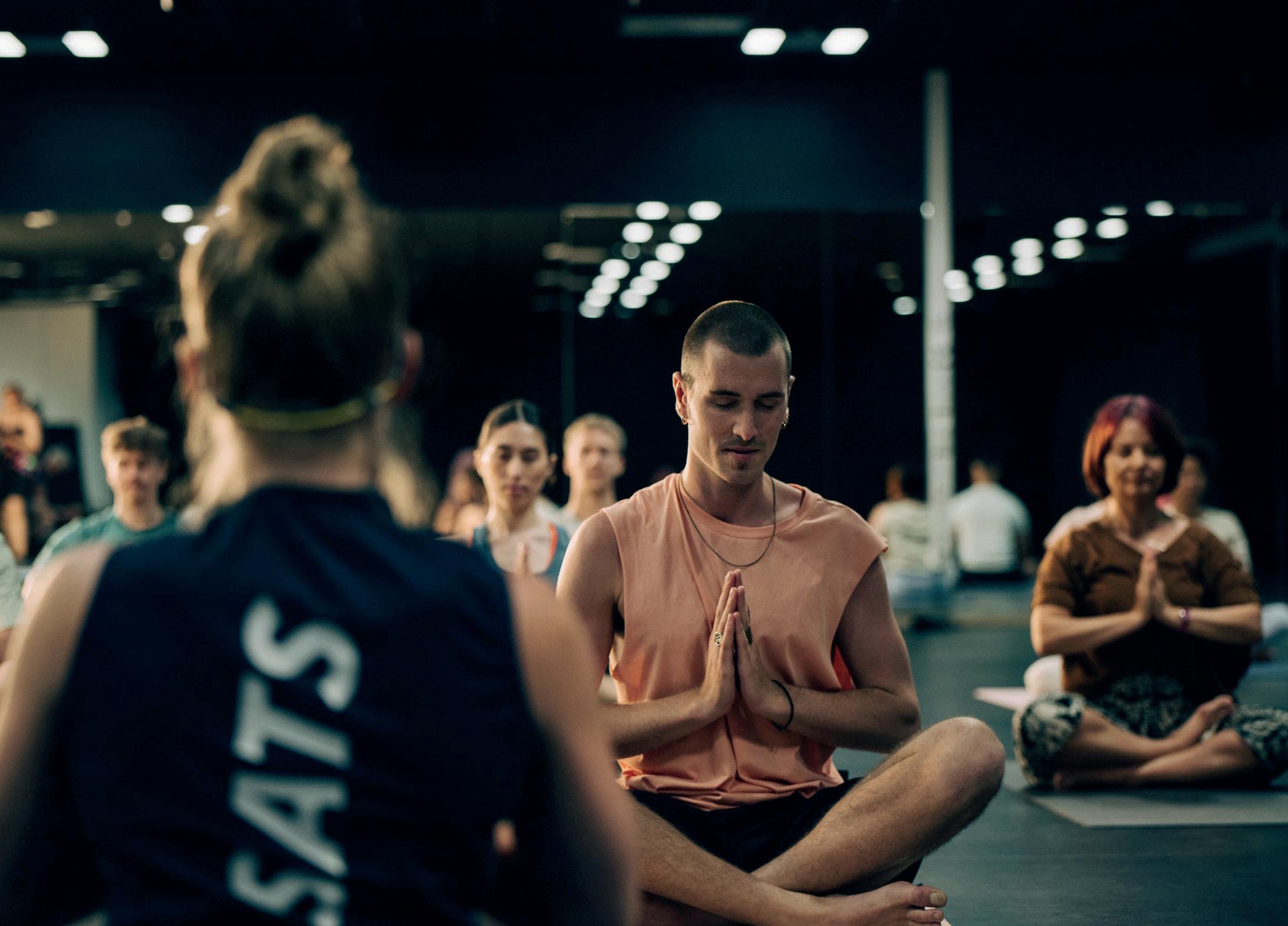





A hosted buyer event connecting leaders across the global fitness industry through pre-scheduled meetings, interactive education, and intentional networking.











W3Fit North America
21-24 September • California
Connecting suppliers with buyers across North America.

W3Fit EMEA
13-16 October • Malta
Connecting suppliers with buyers across Europe & the Middle East.
Contact Our Team Today! info@weworkwellevents.com www.weworkwellevents.com




Social fi tness the missing link to member engagement, according to a new Myzone report
For years, the sector has championed the value of community, but as operators continue to tackle retention challenges, it’s time to ask if community alone is enough to influence long-term behaviour.
New findings from Myzone’s report, The State of Global Exercise Behaviour 2025, suggest there’s a more powerful concept operators should consider: social fitness.
Social fitness takes people beyond being part of a community, giving them the ability to build, maintain and strengthen relationships through shared movement and activity, creating accountability, motivation and belonging that encourage people to keep coming back.
Drawing on aggregated user behaviour across gyms, home workouts, outdoor training and

everyday movement, the report focuses on behaviour how people move, how often they return and what sustains engagement over time.
The value of social connections
One of the key findings is the impact of connection. Users with more than 10 social connections generate 47 per cent more Myzone Effort Points (MEPs) than those with fewer. This uplift is not linked to programming, access or ability, but to interaction and the motivational effect of shared participation.
People are more likely to repeat behaviours when they feel connected to others while doing them
Dr Heather McKee

Many clubs already foster a passive sense of community. Members may recognise familiar faces, attend the same classes or share the same training environment. But that doesn’t necessarily change behaviour.
Social fitness is more active and intentional. It creates visibility around effort, encourages interaction and reinforces consistency through recognition and shared achievement. Rather than simply occupying the same space, members become participants in a collective experience.
From a behavioural science perspective, this aligns with one of the strongest predictors of long-term motivation: relatedness. Myzone motivation science advisor, Dr Heather McKee,
Relatedness is one of the strongest predictors of long-term motivation
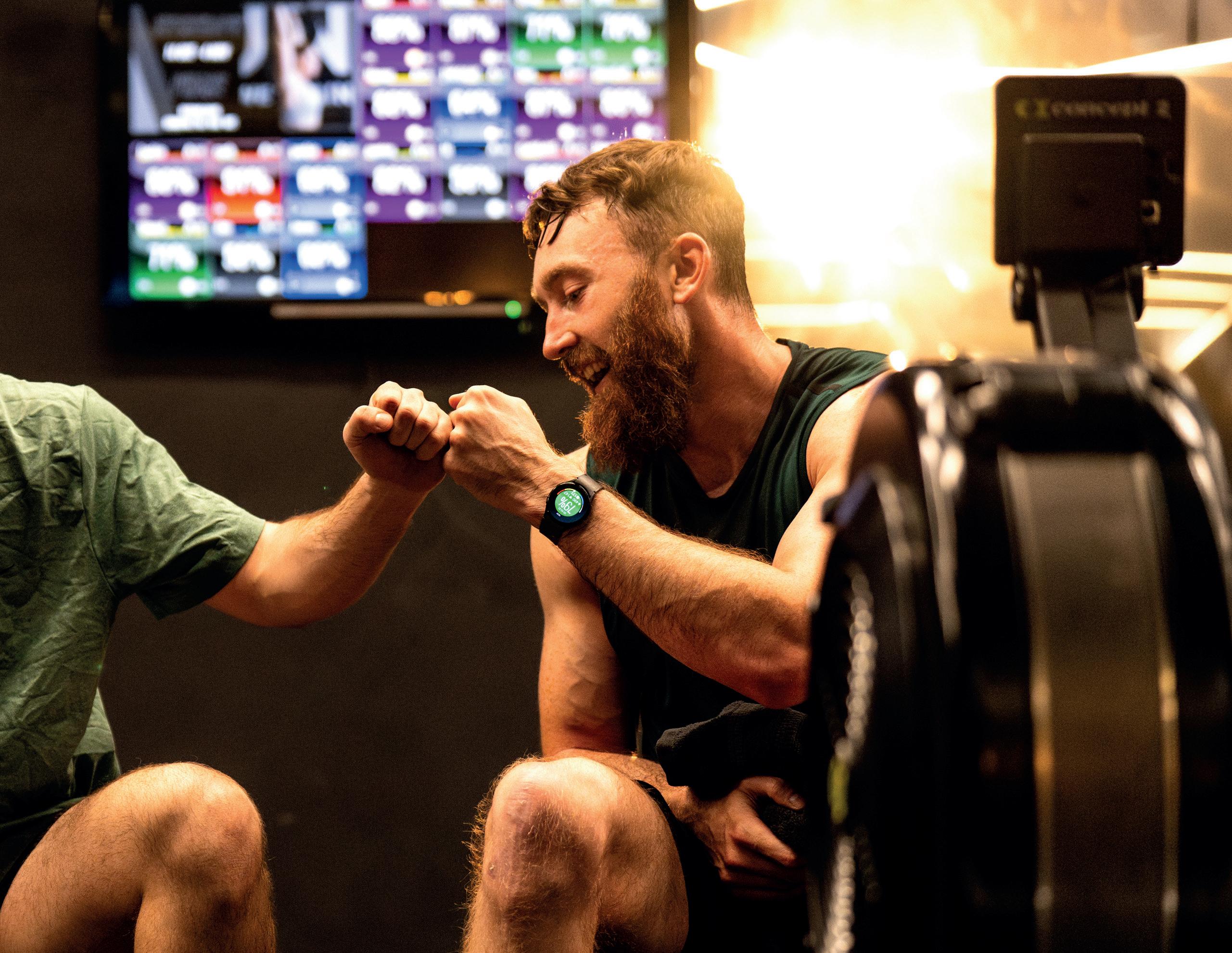
explains: “People are more likely to repeat behaviours when they feel connected to others while doing them. That connection adds meaning, reinforces effort and creates accountability in a way programming alone cannot replicate.”
The effect becomes even more significant when looking at exercise consistency. Across global users, Myzone data shows an average of 3.5 workouts per week, widely regarded as the point at which exercise shifts from occasional participation to habit.
For many operators, achieving that level of consistency is the biggest challenge. The difference often lies in whether members have a reason to return beyond individual motivation. Social fitness provides that additional layer by embedding recognition, feedback and shared participation into the exercise experience.
This can be seen in operators that have built social fitness into their model. One Anytime Fitness franchise group, operating 19 clubs across Connecticut and Wisconsin, shifted its focus from measurement towards motivation, embedding Myzone across every club and making member effort, measured through MEPs, a core KPI.
“We set a company-wide goal to hit 10 million MEPs in a year,” says fitness manager Donald DesPierre III. “It shows our teams and members exactly what matters: showing up and putting in the effort.”
The approach changed how members engaged. Effort became visible, recognised and shared, creating a stronger sense of collective participation. Challenges became central to the member experience and a way to keep people connected. During a snowstorm, the team launched a same-day challenge, encouraging members to stay active however they could. Participation didn’t decline; members adapted while remaining connected to the club experience.
The commercial results are significant. Coaching penetration across the franchise averages 15 per cent and reaches 30 per cent in some locations. Myzone users also average a 20-25 per cent longer length of stay than non-users.
Ultimately, engagement is behavioural. People repeat actions that feel rewarding, visible and socially reinforced. Traditional community supports that, but social fitness has the potential to strengthen it in a far more meaningful and measurable way. l l To download The State of Global Exercise Behaviour 2025 report free of charge, go to: www.hcmmag.com/myzoneEB25

Operators are increasingly positioning themselves within broader health, wellbeing and preventative care ecosystems
As the 20th State of the Industry Report is released, LeisureDB has rebranded to Evolve, as Kath Hudson reports
The 20th State of the Industry Report (UK) from LeisureDB has revealed a resilient, expanding and competitive sector, the importance of differentiation and the ongoing challenge of tackling inequalities.
At the launch of the report, the LeisureDB team also announced a rebrand of the company – which was founded by David Minton 45 years ago – to Evolve, the same name as the company’s annual brand activation event.
Minton said: “The launch of Evolve reflects a market that has evolved and a business that must evolve with it. Our ambition is to combine four decades of sector expertise with new technology, AI and real-time intelligence to help organisations identify opportunities faster and make better decisions.”
The annual report has been broadened this year and includes analysis of more than two million member records, demographic profiling, supply mapping, public-private market trends, digital infrastructure, utilisation

insights and interviews with operators and industry leaders from across the sector.
Jamie Buck, head of research at Evolve, explained that the sector has moved beyond its previous peaks and established new benchmarks for participation and market value, saying: “Operators are increasingly positioning themselves within broader health, wellbeing and preventative care ecosystems.
“This shift presents significant opportunities for operators, investors and suppliers who understand where the market is heading.”
The 2026 report found 7,463 health clubs in the UK, as well as 12.1 million members and a penetration rate of 17.6 per cent. The total market value was identified as £7.29 billion.
The report says: “Growth has been driven by continued expansion in the private sector, alongside steady recovery in public provision. For operators, this signals a larger and more engaged customer base, but also a more
competitive and performance-driven landscape, with growth increasingly driven by utilisation and value, rather than expansion alone.
“Members per gym has risen steadily in the post-pandemic period, indicating that existing facilities are accommodating more users than in previous cycles and operating at higher levels of intensity.”
With gym openings and closures being almost level in 2022 and 2023 and more closures than openings in 2024, the balance has now strongly tipped in favour of openings. In 2025, there were 172 openings and 119 closures. So far this year there have been 205 openings and 82 closures.
With many of the closing sites being more than a decade old, the report points out the importance of investing and repositioning.
The private sector is almost evenly split between chains and independents; however, independents represents represent a greater share of closures – 58.2 per cent compared to 41.8 per cent. This shows the structural advantages of larger operators – economies of scale, brand recognition and greater access to capital for investment – and the importance of clear differentiation for independents.
Although membership of public sector facilities is growing, the public sector has actually seen a slight decline in site numbers, with swimming pools representing a larger share of these closures than dry-side facilities. New supply in the sector is overwhelmingly focused on dry, gym-based formats, with the market moving towards efficient, lowercost models. The top 10 operators account for around 30 per cent of sites but capture well over half the members and market value, benefiting from national reach, brand strength and more advanced operating models.

Gym usage continues to be regional – provision is weighted towards London and the South East – and still appeals to fairly limited demographics. Engagement is strongest among mainstream, family-oriented and suburban populations. The private sector scoops up many of these members.
The public sector better serves the underrepresented rural areas where people face more barriers including provision, affordability and relevance of offer. The report says that closing this gap is critical to long-term growth – this will require greater geographic reach and the adaptation of products, pricing and environments .
The evolution of the sector is increasingly shaped by new services and formats, such as reformer Pilates and recovery spaces. The report says that the sector is still in the experimentation phase as opposed to widespread rollout.
While padel is growing, the current supply is modest – two to four courts per club, representing a cautious rollout – but the pipeline suggests increasing operator interest. Existing provision leans towards outdoor courts, but planned developments show a shift towards indoor formats and outdoor covered courts.
The report raises the question of whether the growth of the market is improving public health or if growth is concentrated on improvements within already active segments of the population.
Results show that participation tends to be in more affluent, already active groups. Many of the segments that under-index, such as lower-income, rural and transient populations, are under-represented, despite making up a substantial share of the UK population.
This is a challenge. The low-cost operators are yet to be well-represented in rural areas and while the public sector is playing a critical role in addressing inequalities, economics do place a limit.
Participation tends to be in active and more affl uent groups

The market is becoming more competitive –growth in demand has been accompanied by openings, closures and continuous churn and repositioning. The report says this suggests growth is concentrated among operators that are best able to meet evolving performance expectations.
Growth is not determined by expansion alone, but how effectively operators optimise existing assets, such as maximising capacity, improving retention and increasing value per member.

State of the Industry Report from LeisureDB is the second report this year to track the UK health and fitness market, following the publication of the UK Health and Fitness Market Report 2026 by Grant Thornton for UK Active in April (www.hcmmag.com/granthornton26).
2026 reports
Grant Thornton / UK Active
■ 5,842 clubs
■ 12.2 million members
■ 18.0 per cent penetration
■ £6.5 billion revenue
Leisure DB
■ 7,463 clubs
■ 12.1 million members
■ 17.6 per cent penetration
■ £7.29 billion market value
Difference
■ Leisure DB identified 1,621 more clubs
■ Grant Thornton identified 100,000 more members
■ Grant Thornton identified 0.4 percentage points higher penetration
■ Leisure DB estimated £790m higher market value
What stands out?

2025 reports
The role of health, wellness and recovery is continuing to expand, representing opportunities for health and fitness club operators to achieve incremental revenue and differentiation.
“Operators that combine strong positioning, efficient delivery and targeted investment will be best placed to capture the next phase of market growth,” says the report. ●
You can read the latest State of the Industry report free of charge at: https://weareevolve.io
The reports use different methodologies, with Grant Thornton using live spending data and LeisureDB estimating spend from its own proprietary system which is based on published membership charges. A comparison is shown below.
Grant Thornton / UK Active
■ 5,607 clubs
■ 11.5 million members
■ 16.9 per cent penetration
■ £5.7 billion revenue
Leisure DB
■ 7,202 clubs
■ 11.3 million members


■ 16.6 per cent penetration
■ £6.5 billion market value
Difference
■ Leisure DB identified 1,595 more clubs
■ Grant Thornton identified 200,000 more members
■ Grant Thornton identified 0.3 percentage points higher penetration
■ Leisure DB estimated £800m higher market value
Membership estimates have become closer over the two years, with Grant Thornton showing 200,000 more members in 2025 and only 100,000 more in 2026. Penetration estimates remain close, with Grant Thornton reporting slightly higher penetration in both years. Leisure DB continues to identify
What changed between 2025 and 2026?
Grant Thornton / UK Active
■ Clubs up by 235
■ Members up by 700,000
■ Penetration up by 1.1 percentage points
■ Revenue up by £800m
Leisure DB
■ Clubs up by 261
■ Members up by 800,000
■ Penetration up by 1.0 percentage point
■ Market value up by £790m

around 1,600 more facilities than Grant Thornton, indicating fewer members per fitness facility, and/or more pay-as-you-go members in its sample. Leisure DB’s market value remains around £800m higher than Grant Thornton’s revenue estimate in both years, due to the difference between actual and estimated spend.

Operators that combine strong positioning, e cient delivery and targeted investment will be best placed to capture the next phase of market growth
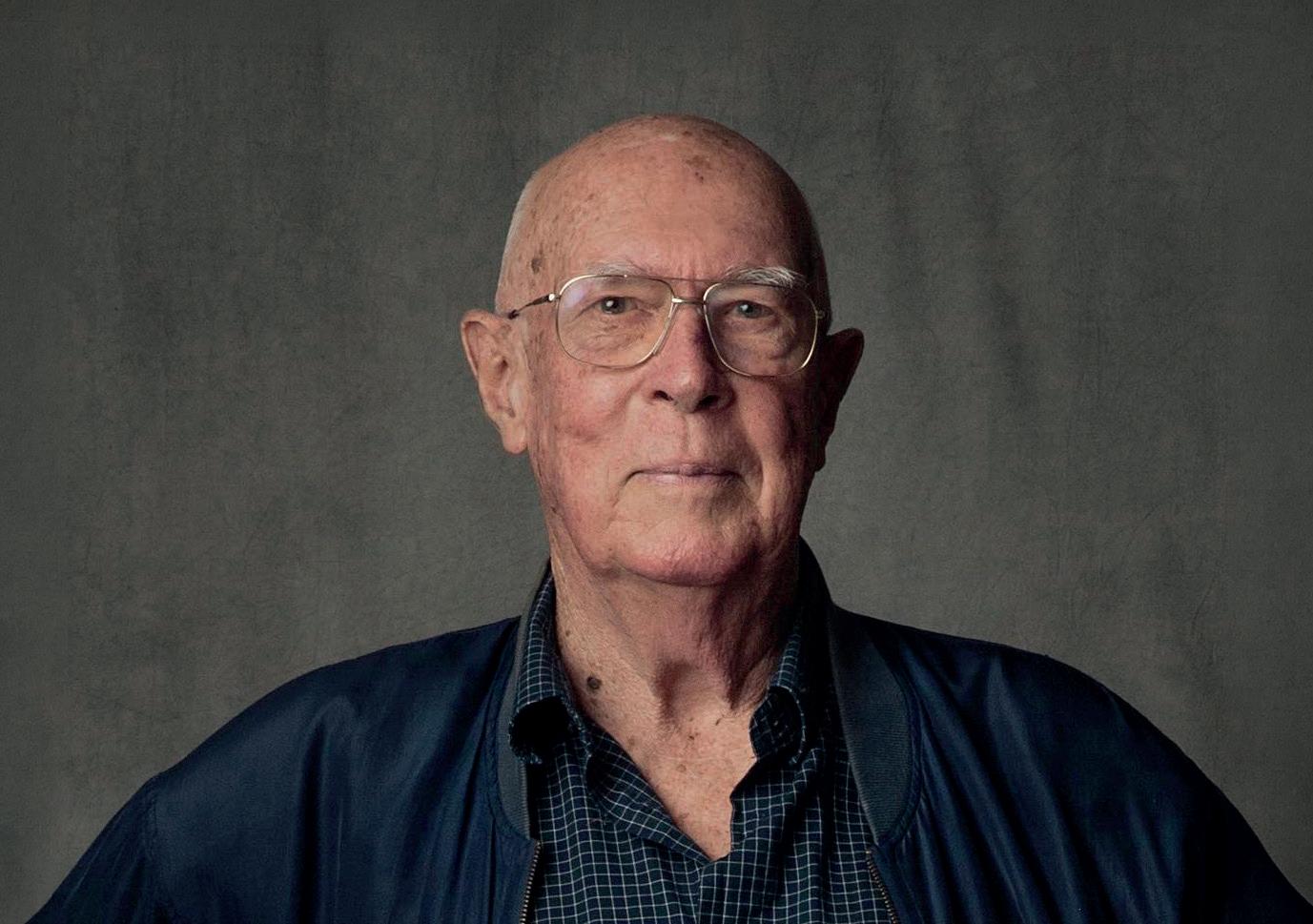
The fitness industry is mourning the passing of Les Mills, a founding father of fitness, as Kath Hudson reports
Les Mills, whose name became synonymous with one of the world’s leading fitness brands, has passed away peacefully at the age of 91.
A Kiwi icon, Mills created a fitness dynasty alongside his wife, Colleen. First through the Les Mills New Zealand chain of gyms and then through Les Mills International, the group training powerhouse started by their son Phillip and his partner Jackie and now supported by their children Diana Archer Mills and Les Mills Jnr. Born in Auckland in 1934, Les lost his father aged 11, but found solace in fitness and physical culture. A talented track and field athlete, he represented New Zealand at four Olympic Games, competing in the discus and shot put.
Les won Commonwealth Games gold, three silver medals and one bronze, later becoming an elite international coach and sports administrator.
In 1953, he married Colleen Maree – herself a world-class track and field athlete – and the pair embarked on several business ventures together before uniting their passion for sport and commerce to launch the Les Mills World of Fitness gym in Auckland in 1968.
This grew to become a successful chain, built on the ethos that the purpose of a gym is to ‘help people fall in love with fitness’.
Mayor of Auckland
Later, Les entered politics, serving three terms as Mayor of Auckland City in the 1990s, where
Mills was one of the most influential figures in the history of

Les and Colleen Mills opened their fi rst gym in 1968 in Auckland and it remains the fl agship today
he led reforms to strengthen communities and improve infrastructure, as well as to regenerate the heart of the city and its waterfront with bold development projects. He also promoted and enhanced sporting opportunities in the city during what he called “eight fabulous years”.
After leaving politics, Les continued to coach athletes, help grow the family health and fitness businesses and support charity initiatives.
In 2002, he was recognised in the Queen’s Birthday and Golden Jubilee Honours, being appointed a Companion of the New Zealand Order of Merit for services to local government and sport. This followed an earlier 1973 Queen’s Birthday Honours appointment as a Member of the Order of the British Empire (MBE) for services to sport.
In 2022, together with Phillip and Jackie Mills, he was inducted into the New Zealand Business Hall of Fame.
Phillip Mills, founder and managing director of Les Mills International, says of his father: “He achieved a huge amount in his life and the common thread throughout – whether in fitness, politics or family life – was that he always wanted to help others.
“Dad was immensely strong, driven and always cared deeply for the less advantaged. He left a lasting impression on everyone he met, and his spirit lives on in gym workouts around the world, continuing to help people fall in love with fitness.”
LES MILLS

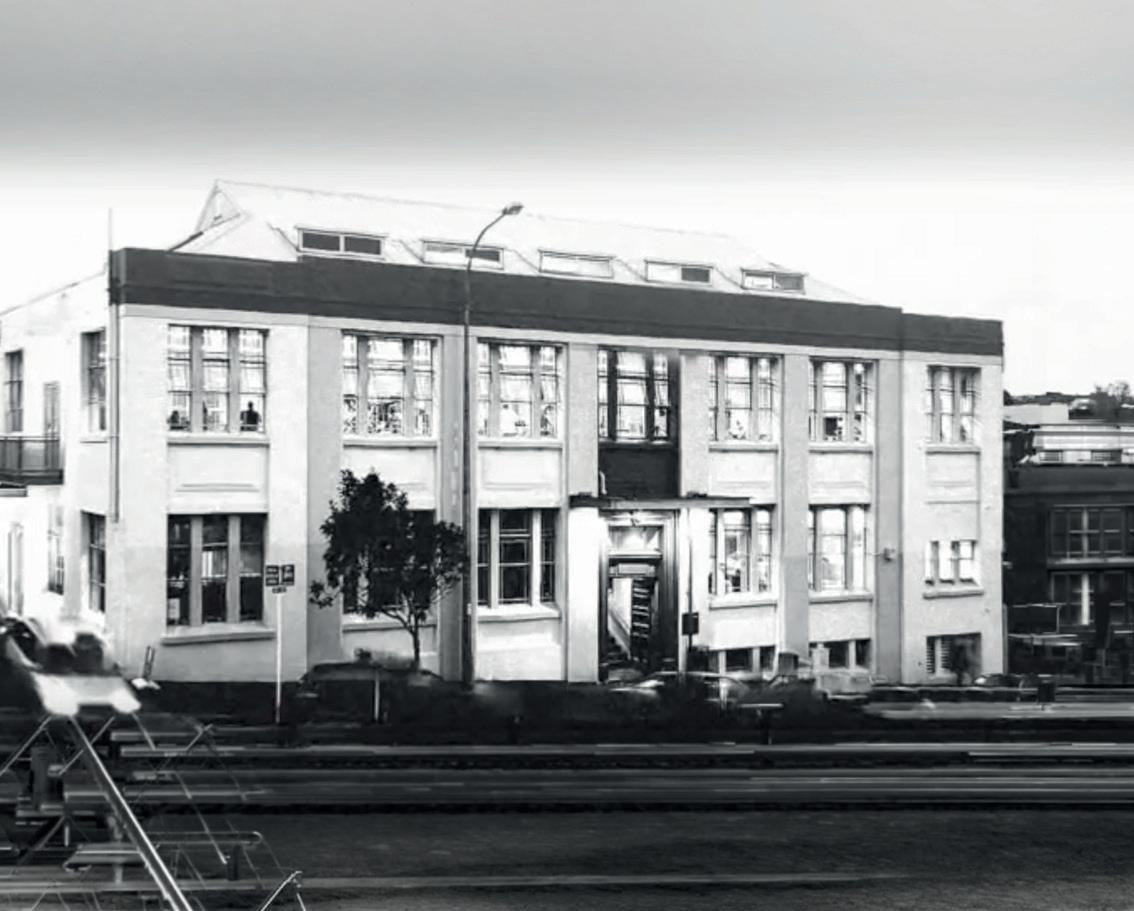


Having lost Colleen in 2005, Les is survived by his children Phillip Mills and Donna Mills McArtney, daughter-in-law Jackie Mills, grandchildren Diana Archer Mills, Les Mills Jnr, Gabriel and Moana Mills McArtney and many great-grandchildren.
Liz Terry, editor of HCM , says: “Les Mills was one of the most influential figures in the history of fitness.
“An Olympian, Commonwealth champion, entrepreneur and civic leader, he transformed a single gym in Auckland into the foundation of one of the world’s most successful and loved fitness brands.
“Today, Les Mills International delivers group exercise programmes to more than 20,000 clubs in over 100 countries, reaching millions of participants every week.
whose lives have been
“Although the company that bears his name was founded and built by his son, Phillip and daughter-in-law Jackie, Les contributed the vision, values and competitive spirit that made it possible and his life traced the evolution of fitness from a niche pursuit to a global movement.
“He was one of New Zealand’s greatest field athletes. Standing 1.88 metres tall and weighing more than 120kg while in competition, he combined immense power with exceptional athleticism.
“Les represented New Zealand at four Olympic Games – Rome in 1960, Tokyo in 1964, Mexico City in 1968 and Munich in 1972 – competing in the shot put and discus. He served twice as New Zealand’s flagbearer and also won five Commonwealth Games medals, including gold in the discus in Kingston in 1966.
“His wife, Colleen Mills, and their children Phillip and Donna, were also accomplished international athletes, creating one of New Zealand’s most remarkable sporting families.
Gyms for the people
“In 1968, while still competing internationally, he opened a gym in central Auckland. At the time, the idea of ordinary people training with weights was far from mainstream. Gyms were associated with elite athletes and bodybuilders, rather than with the general public, but Les believed resistance training and structured exercise could improve the health and confidence of anyone.
“That conviction proved transformative. The club became a hub for innovation and
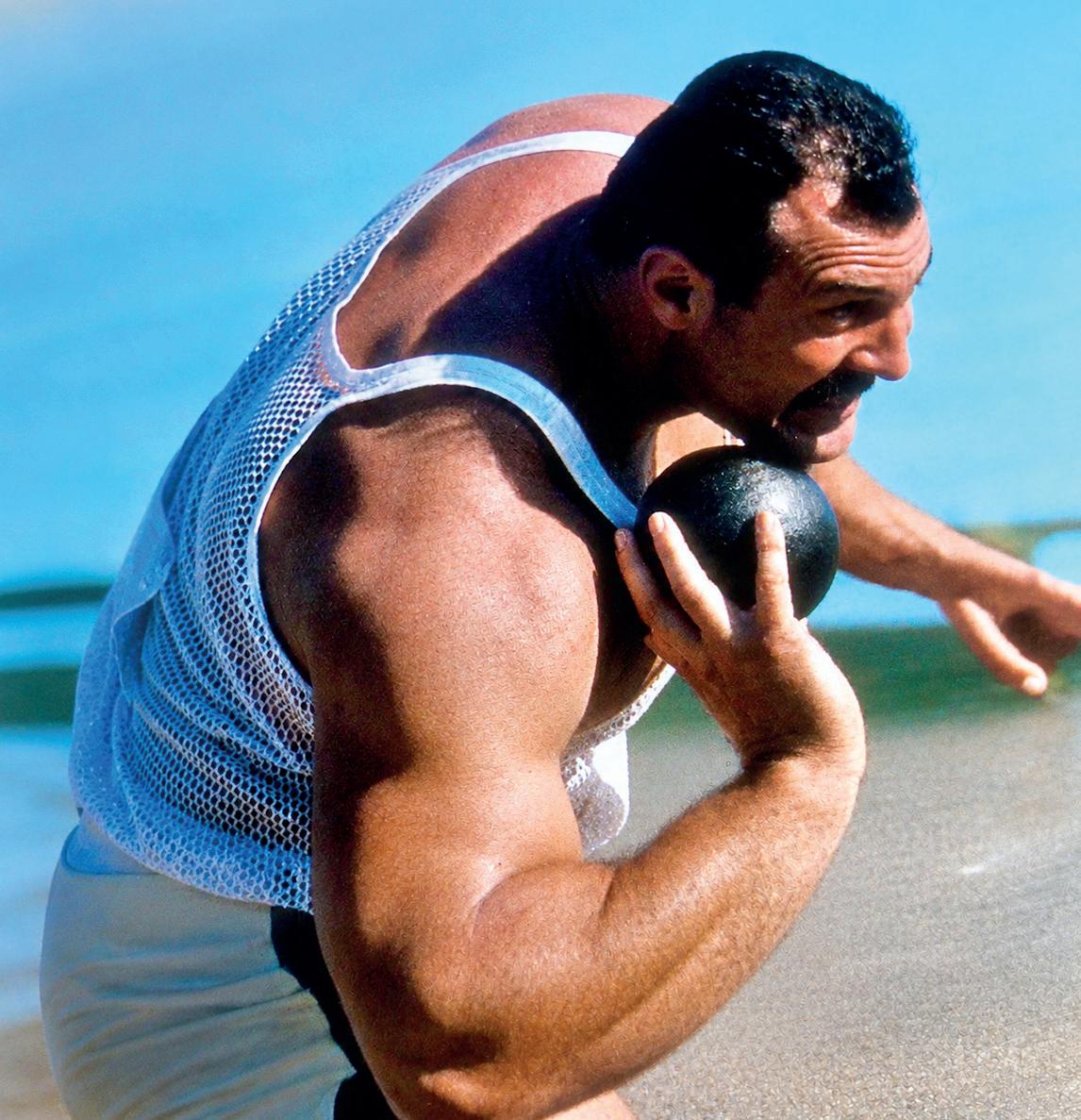
grew into a chain of gyms bringing world-class fitness opportunities to New Zealand.
“His entrepreneurial instincts were matched by a belief that physical activity could be a force for social change, and from 1990 to 1998 he served as Mayor of Auckland, bringing huge energy to public life.
“He oversaw a period of major development in Auckland, introduced tighter fiscal controls and invested in the development of sports facilities.
“He was a man of formidable presence, deep integrity, relentless drive and great kindness and curiosity, who never stopped working to improve the world. He demanded excellence but inspired loyalty and affection in equal measure.
“The global success of the Les Mills brands, from Bodypump to Bodycombat and from Les Mills Yoga to Les Mills Ceremony, rests on the foundations he laid: athletic credibility, innovation and a commitment to helping people live healthier lives.
“Few individuals have shaped the modern fitness industry as profoundly as Les Mills, who turned sporting discipline into a business philosophy, inspiring the company that bears his name.
“He leaves behind a legacy measured not only in medals and achievements, but also in the millions of people whose lives have been changed through exercise.” ●



1 November 1934 – 29 June 2026


A new report puts physical activity at the heart of healthcare, says Muir Gray
The UK fitness and leisure sector has spent decades making the case that physical activity should be viewed as an essential part of healthcare rather than an optional leisure activity.
Now a new parliamentary report, Healthy Ageing – physical activity in an ageing society, suggests that message is finally getting through.

Published by the House of Commons Health and Social Care Committee – chaired by Layla Moran MP – following a parliamentary inquiry into healthy ageing, the report makes a compelling case for physical activity to play a much greater role in preventing ill health, maintaining independence and reducing pressure on health and social care services.
This matters because the UK is facing a demographic shift. People are living longer, but too many are spending their later years managing chronic conditions, loss of mobility and declining independence. At the same time, the NHS is under unprecedented strain and social care services are struggling to cope with growing demand.
Key matter for operators Against this backdrop, the committee concludes that physical activity must become a central pillar of healthy ageing policy.
For operators, the most important aspect of the report is that it moves beyond simply encouraging

people to be more active. Instead, it focuses on how physical activity can be integrated into healthcare delivery.
The committee calls for greater use of leisure and community infrastructure, recommends that Integrated Care Boards embed physical activity within population health strategies and highlights the potential of social prescribing to connect people with activity opportunities in their communities.
Taken together, these recommendations point towards a future where gyms, pools and leisure centres are recognised not simply as places where people exercise, but also as community health assets capable of being the base for the delivery of measurable health outcomes.
The report also highlights the role of evidence-based exercise programmes in addressing frailty, reducing falls and helping people maintain function as they age. These are all areas where many operators already have experience and expertise, yet provision remains patchy and commissioning inconsistent.
That inconsistency has long been one of the sector’s biggest frustrations. Across the UK there are excellent examples of operators working with healthcare partners to deliver preventative programmes, but too often these initiatives rely on local champions and short-term funding, rather than being embedded within mainstream healthcare pathways.
The report is significant in that it acknowledges the problem and points towards a more systematic approach.
Implementation plans
Whether the UK government acts on the recommendations remains to be seen. Select committee reports don’t create policy and there’s a long history of good ideas failing to survive the transition from recommendation to implementation. One big positive is that Layla Moran is committed to getting the report’s recommendations into action,
Physical
become a central pillar of healthy ageing policy
Across the UK there are great examples of operators joining up with healthcare

while the direction of travel is also unmistakable. As healthcare systems increasingly focus on prevention, healthy ageing and reducing demand, physical activity is moving closer to the centre of the conversation. For a sector that has spent years arguing that movement is medicine, this report represents an important milestone. More importantly, it strengthens the case for investment, commissioning and closer integration between healthcare and the operators already helping millions of people to stay active and well. Turn the page for our launch report >

The report, Healthy Ageing – physical activity in an ageing society, was launched not in the House of Commons, but at the GreenGym in Abingdon – the constituency of Layla Moran, who is chair of the House of Commons Health and Social Care Committee.


[Green Gyms were launched by Dr William Bird and are voluntary groups involving people in physical activity within green environments, providing benefits for the community by improving footpaths and facilities on common land.]
Key points emphasised during the report launch include:
1.Strengthening links with partners outside the health system
The 10 Year Health Plan for England sets out the UK government’s vision for a new model of healthcare that prioritises prevention and delivers more care in people’s communities through a neighbourhood health service.
Collaboration with partners outside the health system can support and deliver physical activity-based interventions and activities for older people in their communities.
2.Building partnerships with the leisure and physical activity sector
Throughout the parliamentary inquiry we heard about the potential that the leisure and physical activity sector had to support the health service in delivering physical activity-based interventions and helping achieve the government’s ambition to shift care into the community.

The new report emphasises that the NHS and social care sectors – particularly the latter – need to change to incorporate physical activity, stressing how essential it is that they work more closely with the fitness industry.
Consumer preferences
At the launch, we were told that if offered a choice, 61 per cent of people would prefer to receive treatment or support for a health condition in a gym, leisure centre or pool, compared with 39 per cent preferring a hospital. Where strong relationships existed at a local level between the NHS and the leisure and physical activity sector, there’s a wealth of evidence that these partnerships could support the delivery of care in community settings rather than hospitals
At the parliamentary inquiry, leaders from across local government and the fitness and leisure sector argued that the funding should be directed towards “the facilities that people rely on every day to stay active and healthy”.



Health is more than ‘merely the absence of disease’, as the WHO emphasised in 1948, and the NHS needs to work with other partners to deliver both the prevention of disease and improved outcomes, as well as delivering wellbeing.
The Healthy Ageing report also recognises the mental benefits of physical activity and with more than 8 million people on anti-depressants, a new strategy is needed, with the fitness industry playing a key part and the Treasury recognising that a health budget is much broader than the NHS budget. ●


Get the report at www.hcmmag.com/





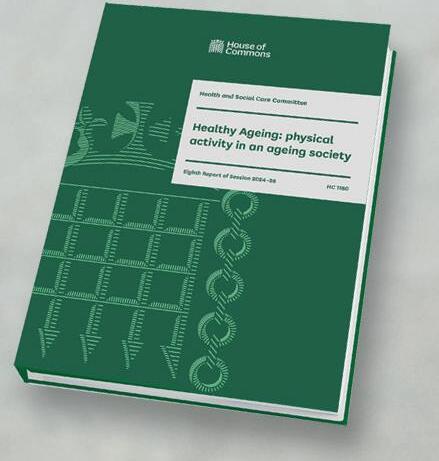
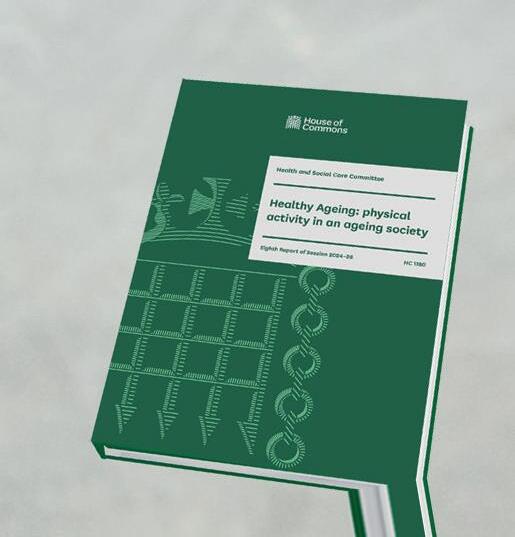





Deliver custom DNA reports across a range of health and fitness goals to drive business growth, client engagement, and monthly revenue.
Expand your services
Better understand client needs
Create a unique value proposition
Signpost clients to additional services
Receive ongoing client touchpoints
“By implementing the personalized recommendations into my diet and lifestyle, I've noticed significant improvements in my overall health and well-being”. Christine, United States. DNA COLLECTION KIT YOUR BRAND HERE
New legislation is exposing weakness and potential liabilities in the management of customer data in health clubs, says Andy
Health clubs and leisure centres have become some of the most data-intensive operations when it comes to customer records.
Every member relationship generates sensitive data, including things such as direct debit mandates, PAR-Q and medical screening records, access control logs and CCTV footage. There may also be marketing preferences, cancellation records and – for sites with junior programmes – children’s activity data. In addition, if the operator has an app, then activity in this could also be recorded.
This is a significant volume of information, much of it relating to highly sensitive areas including health, payments and family.
Every member interaction leaves a trail and that data typically sits across several systems: booking apps, CRM platforms, payment processors, access control systems, marketing tools, CCTV providers and head office platforms. Managing data across that many systems is normal for operators in the sector, but problems arise if a member challenges how their data has been used and there is no clear process for handling their query.
This is no longer acceptable in the UK and under the Data (Use and Access) Act 2026 – a piece of legislation that received Royal Assent on 19 June (www.hcmmag.com/DUA) – organisations must now have a clear and robust process for handling data protection complaints.
Complaints may not look like complaints
A member doesn’t need to use the words ‘data protection complaint’ for the club to have a data protection issue to deal with. Members are far more likely to ask things such as why they’re still receiving marketing emails after cancelling their membership,
Operators need to adopt a robust process that withstands close scrutiny

Penalties have increased, with fines potentially reaching £17.5m, or 4 per cent of.
global turnover
who has access to their medical screening form, whether CCTV footage of them has been retained or why their details are still on file after they left.
Once a member has raised such a query, the responsibility sits with the health club to recognise whether the complaint relates to the handling of personal data. If it is, it must be acknowledged, investigated, recorded and answered through the club’s own data protection complaints process.
This is where the sector has a practical challenge. A complaint might arrive through reception, a club manager’s inbox, a membership team call, a customer service form or a social media message and the first person to receive it may have no reason to treat it differently from any other member query.
Medical screening records are a good example. They’re used routinely in the sector,



The Information Commissioner’s Office will expect to see evidence of how a complaint was handled if it’s escalated
but they can include health information, which is treated as special category data under UK GDPR and requires stronger protection.
If a member challenges how that information has been stored, who’s seen it, how long it’s been retained or whether it’s been shared, the operator needs to do more than give general reassurance that the information is secure. It needs to report on exactly what happened, who checked it, what decision was made and how the member was informed.

The challenge is rarely that health club operators don’t care about member data, because most do. The challenge is that responsibility can become blurred between reception, club managers, regional teams, head office, technology suppliers and external processors.
The Data (Use and Access) Act 2026 marks a structural change, and the Information Commissioner’s Office now expects operators to handle data protection complaints themselves initially, before a member can escalate their case to the regulator. This means operators must adopt a complaints process that’s visible, documented and followed reliably, not just a general intention to deal with member queries fairly.
For example, complaints must be acknowledged within 30 days, and dealt with without undue delay and the Information Commissioner’s Office will expect to see evidence of how the complaint was handled if it’s escalated at a later date.
The commercial stakes are significant. Penalties relating to the Privacy and Electronic Communications Regulations have increased under the new Act, with
fines potentially reaching £17.5m, or 4 per cent of a company’s global turnover, for serious breaches.
Failure to handle data complaints properly can also increase regulatory scrutiny, cause reputational damage and – in serious cases – create enforcement risk, particularly where the data involved relates to health, children, payments or surveillance.
Operators must now know where a data complaint can arrive, who recognises it, who investigates it, how suppliers are involved, how the response is recorded and how the member is kept updated throughout.
This is not a compliance exercise that sits separately from the business. It’s part of running a modern operation that members can trust with their health information, payment details and, in many cases, their family’s data. l
Lisa Starr tries the Ammortal Chamber to see whether layering 10 modalities into one experience really delivers more

With the current focus on longevity and healthspan, the market is being bombarded with equipment that promises rejuvenation.
Ammortal Chamber, available in more than 40 locations across the US – and with a European rollout planned later this year – claims to deliver 10 proven, non-invasive technologies in one go.
It’s been designed to “deliver hours of restorative modalities in just one session”, with the layered offering combining near-infrared and red light therapy, PEMF, molecular hydrogen inhalation, vibroacoustic sound, oxygen and ozone therapy, with voice-guided breathwork and meditation to deliver a greater effect than they would individually.
As it’s been billed as “the ultimate mind-body experience”, I was keen to see if it could make a difference in such a short amount of time – and if it’s worth the US$159,500 (€137,426, £121,234) price tag.
The customer journey
I experienced Ammortal Chamber at very different facilities in Pennsylvania: firstly, Modern Behaviour, a psychiatrist-owned health centre and then Revive Hive, a touchless wellness business.
A receptionist shows me how to operate the chamber, which is quite simple, with a touch screen for use before and during the treatment. There’s a range of seven pre-programmed


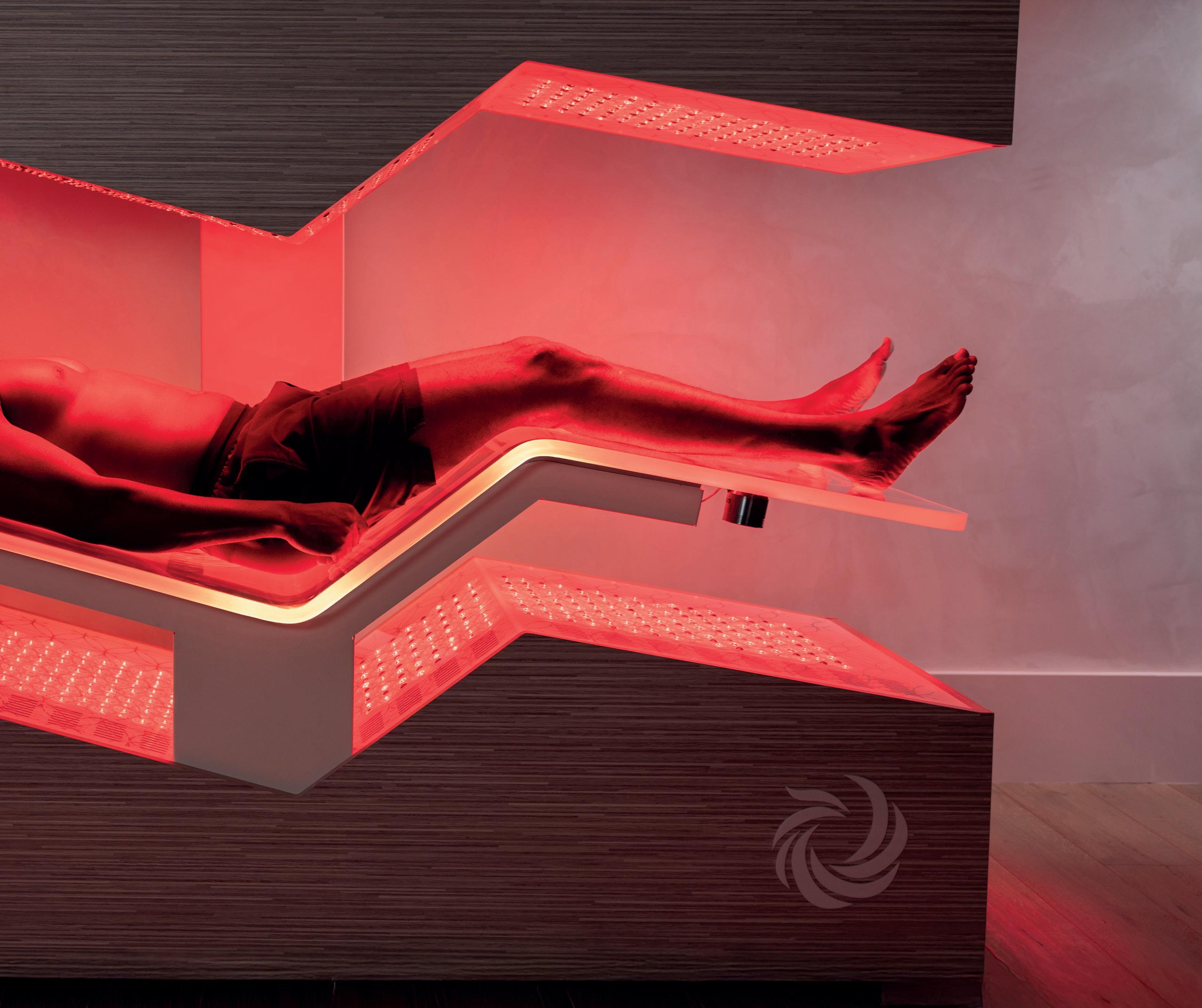
After time in the Ammortal chamber, I definitely had a great mood and lots of energy

calming and awakening ‘journeys’ and a printout detailing what they entail to help me choose.
Ammortal recommends wearing underwear or a swimsuit so skin is exposed to the LED lights and there’s a nasal cannula to deliver the molecular hydrogen.
Users can pick from two male or female voices to guide the experience, which can last 15-, 20- or 25-minutes.
At 6 ft (180cm) long, Ammortal would take up a treatment room. From the side, the NASA-inspired design looks like a lightning bolt, but its neutral colouring and silvery finish make it less intimidating.
After making sure everything’s clear, I’m left to de-robe, put on the cannula and press start. The session begins with a detailed explanation of what will happen – a nice touch, which gave me a moment to acclimatise. Bright lights come on below and above me (I’m grateful goggles are provided) and the top section slowly lowers while embedded speakers surround me with sound.
I find it’s fairly comfortable and not claustrophobic, although I did have some awkwardness trying to position my elbows.
Stacking all of these technologies together could confuse consumers
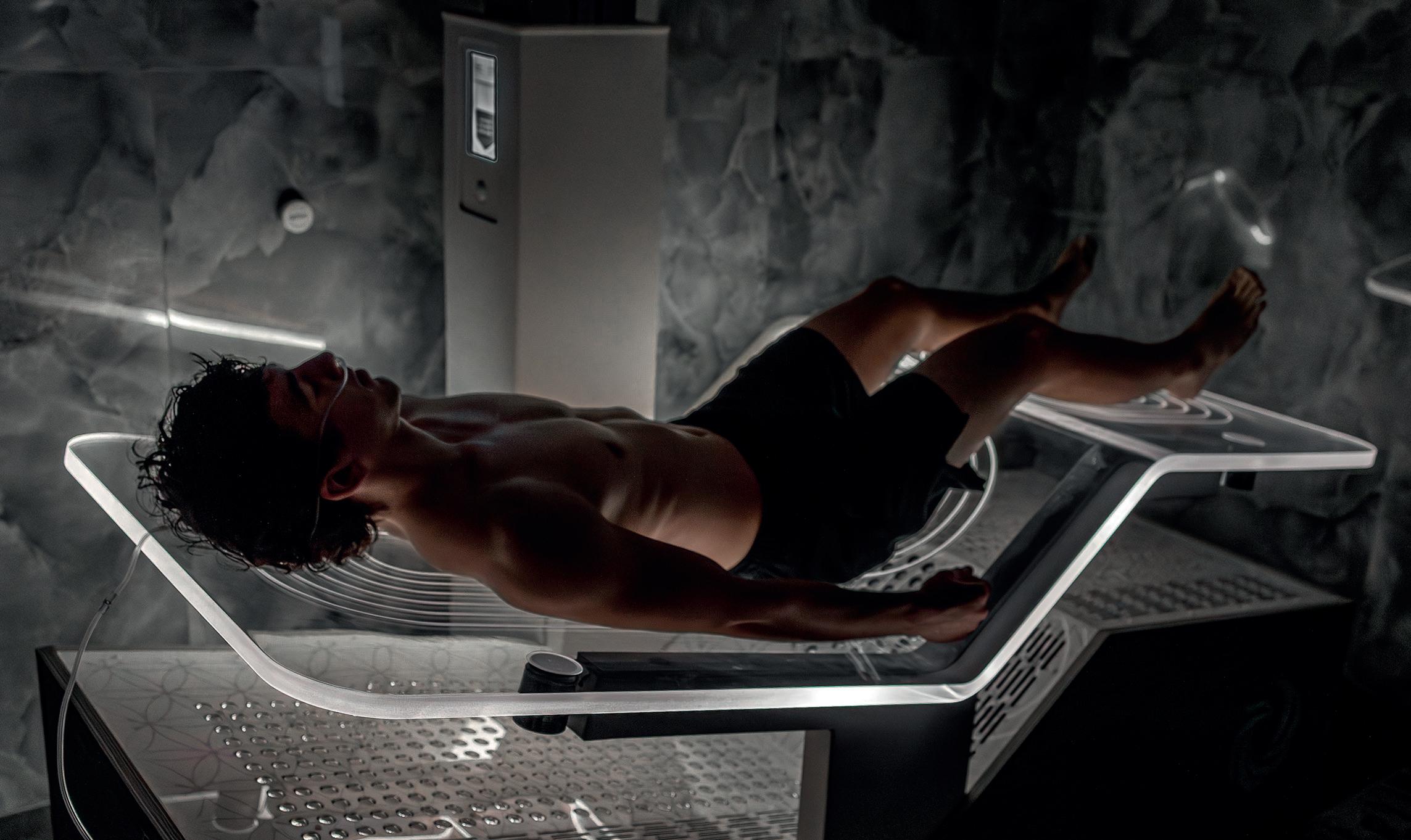
I kept waiting for the surfaces to warm, but they never did (although they weren’t cold either).
I’ve chosen the 25-minute ‘Expand’ journey, which promises a combination of calming and awakening effects and is described as using “ancient and futuristic elements to rejuvenate the spirit”.
Some of the journeys include spoken meditation, but this one didn’t. I did, however, enjoy the music and the very gentle vibrations made me feel as though I was floating.
It’s definitely a relaxing experience and in both cases, I just got dressed and headed to reception when the lights went off and the top raised itself.
Pricing for sessions vary widely based on location and business type. At Revive Hive, a 50-minute session costs US$90 (€77, £67), while Fairmont Austin charges US$200 (€172, £150) for the same time and at Modern Behavioral it goes up to US$250 (€212, £184).
Revive Hive, which offered a range of other touchless modalities, such as lymphatic drainage boots, a sauna, a cold plunge and an LED pod, sold Ammortal as a standalone treatment rather than in a package.
At Modern Behavioral, Ammortal is available on its own as well, as with Ketamine therapy, on the basis that the combination promotes deeper emotional processing, enhances neuroplasticity, and accelerates recovery.
Fairmont Austin is cross-selling Ammortal with massage and lymphatic compression services, while the experience can also be added to thermal circuit access.
The operator expects to sell six to 12 sessions a week, with an ROI of between 12 and 18 months.
Both my Ammortal experiences were enjoyable and although I didn’t immediately feel different, later in the day, I definitely had a great mood and lots of energy.
Stacking all these technologies together has the potential to confuse consumers, but there’s so much detail to share about each modality, there’s an argument for outlining overall goals, rather than getting too technical.
I can see the Ammortal Chamber being better suited to regular use than one-off treatments and it could be a useful lure when selling memberships or series of programmes.
Ultimately, it’s exciting to see such new developments, as consumers widen their search for interventions to help them keep healthier for longer. l
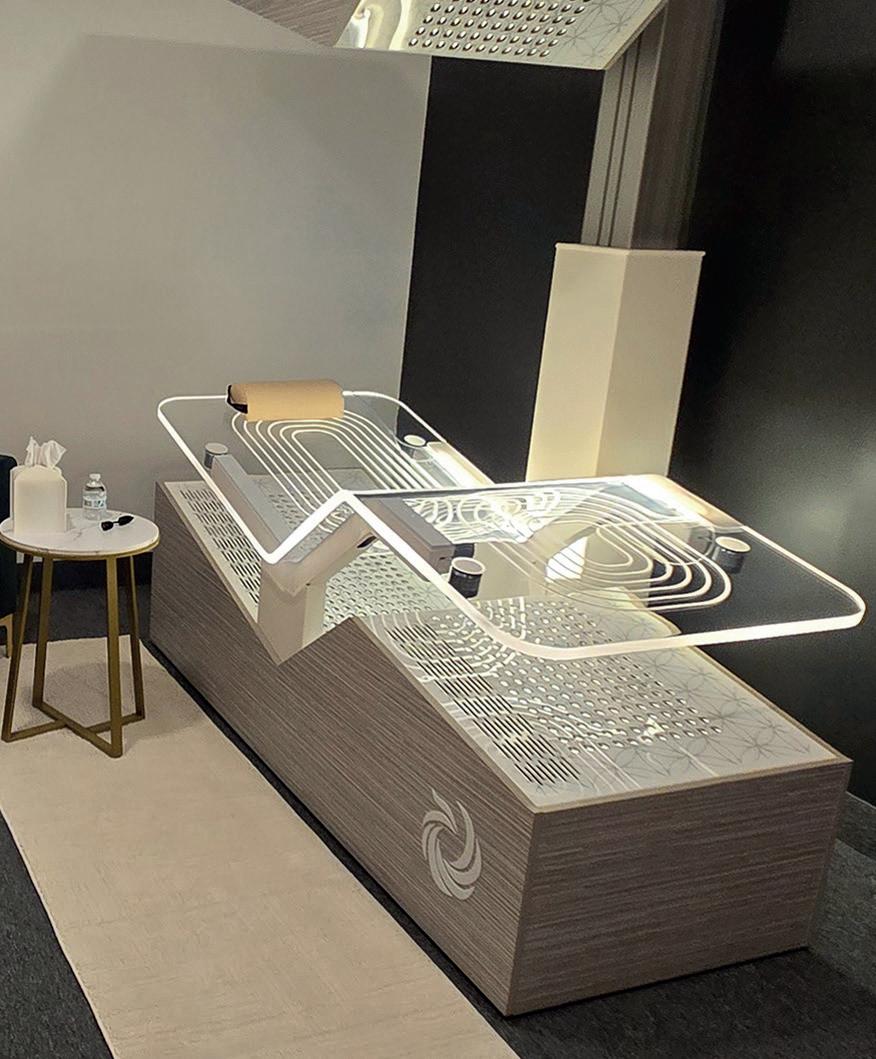
At 6ft long, Ammortal takes up most of a standard treatment room





























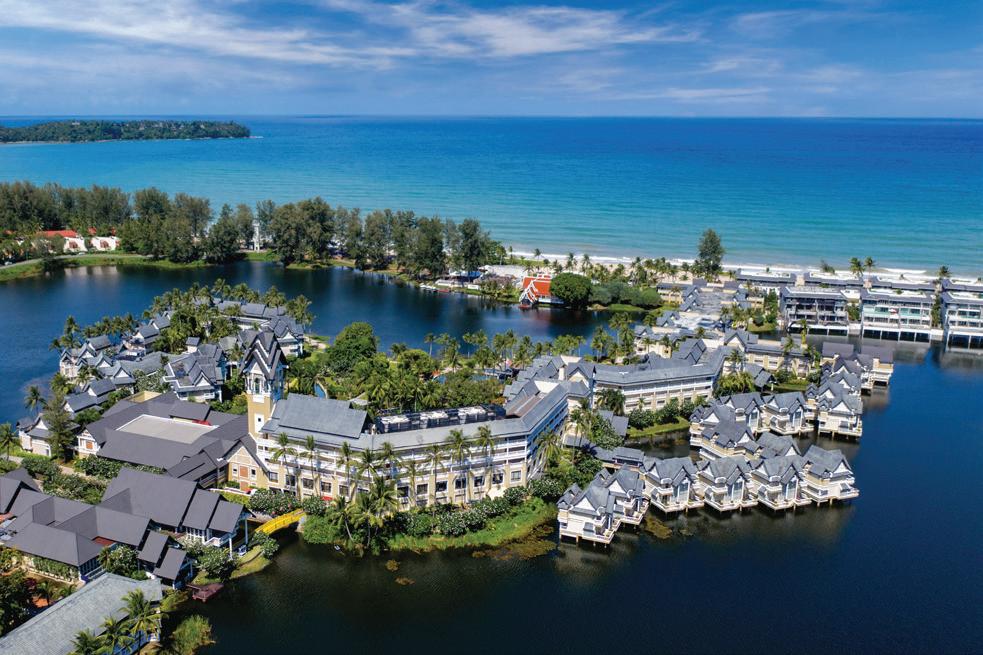




Health club management software is no longer just about memberships, bookings and billing. Operators are increasingly looking for platforms that connect every aspect of the business, from payments and access control to marketing, gym floor equipment, apps and business intelligence.
The industry has spent years building technology stacks by adding specialist solutions as new needs emerged. The challenge now is making all those systems talk to each other.
As a result, interoperability has become one of the primary goals. Operators want member data to move seamlessly between club management systems, equipment, payment platforms, CRM tools, wearables and consumer apps and open APIs and strong integration capabilities are becoming as important as core functionality when making buying decisions.
The gym floor is becoming more connected too. Equipment suppliers such as Technogym, EGYM, Precor and Matrix are increasingly feeding workout data into operators’ ecosystems, allowing them to track activity, personalise programming and create more joined-up member experiences. The ability to connect exercise data with wider customer information is also opening up new opportunities around coaching, engagement and retention.
AI is another major focus. While the industry is still in the early stages of adoption, it’s increasingly being used to identify members at risk of
cancelling and to automate communications, optimise timetables in order to improve club utilisation and to help operators make better use of the data they already collect.
Many suppliers believe the industry’s biggest untapped opportunity remains data. Operators hold vast amounts of information about attendance, spending habits, class preferences and member behaviour, but much of it is still underused.
The next wave of software development is likely to focus on using that information to inform practical actions that improve retention, increase secondary spend and elevate business performance.
Historically, operators have concentrated on attendance, utilisation and revenue metrics. Increasingly, however, there’s interest in tracking wellbeing, recovery and health outcomes.
As healthspan becomes a growing focus for the sector, software providers are developing tools that enable operators to demonstrate impact, rather than simply record visits. Emerging platforms such as Longevitix, which aggregate biomarker, wearable and clinical data to support personalised longevity interventions, points to a future in which software is expected not only to manage operations, but also to help quantify health outcomes.
There’s also growing demand for software that supports a broader range of services. As operators move into areas such as recovery, wellness, physiotherapy, nutrition and longevity, systems need to manage appointments, packages, assessments and outcome tracking alongside traditional gym memberships.
At the enterprise end of the market, operators are pursuing a single customer view across increasingly diverse businesses. Large groups may operate gyms, boutiques, racquet clubs, swimming pools, wellness facilities and hospitality offerings under the same umbrella, creating demand for platforms capable of managing multiple brands, locations and service models while maintaining one customer record. Similar themes can be seen across the strategies of providers such as PerfectGym/Sport Alliance

and BRP Systems, which continue to expand their capabilities through integration, platform development and ecosystem partnerships.
This is one reason the software sector is seeing continued consolidation. Suppliers are increasingly acquiring adjacent technologies and adding new capabilities in-house in an effort to create end-to-end ecosystems that cover the entire customer journey, from acquisition and onboarding through to engagement, retention and payments.
The industry’s direction of travel is becoming increasingly clear. UK Active’s latest Digital Futures programme identifies interoperability, digital health, responsible AI and stronger links with healthcare as priorities for the sector, suggesting the conversation is moving beyond digital transformation alone and towards how technology can support better health outcomes and more connected services.
Replacing fragmented tech stacks with a unified platform gives a real-time view of performance
Randy Eckels
Xplor Technologies
It’s no longer one single technology making the biggest impact. Instead, successful operators are using a connected ecosystem of software, payments and intelligence to power their business growth. Whether embedding payments, integrating access controls, connecting with third parties or harnessing AI, operators are using unified operating ecosystems to standardise workflow and processes and maintain control. Replacing fragmented tech stacks with a unified platform reduces operational friction, eliminates duplication, gives teams a clear, real-time view of performance and creates more consistent member experiences across every touchpoint. For multi-site operators in particular, connected platforms drive both immediate efficiencies and longer-term profitability.
How are systems improving the customer journey?
The proactive use of data is key to improving the customer journey and retention. Historically, more data was collected than could be effectively accessed. That’s changed. The ability to access data and personalise every interaction is very real. For example, within Xplor Technologies, Resamania’s new sales pipeline tool helps operators manage reminders to prospects, members and ex-members. Mariana Tek delivers real-time insights, enabling staff to tailor experiences and upsell opportunities. Momence enables automated marketing based on member behaviour and identifies at-risk members before they churn. These capabilities

change operators from reactive service providers to proactive and data-driven operators.
What operational challenges are operators most focused on?
Manual processes for billing, renewals and reconciliation remain a major pain point, often leading to missed revenue and unnecessary admin. Automation and embedded payments address this by streamlining how revenue is collected and managed, and using data to highlight at-risk members.

Our systems provide single and multi-location brands with a 360-degree view of bookings, sales and memberships, in real-time. From recurring billing and failed payment recovery to auto-communications, embedded payments reduce friction and protect predictable income.
As a result, operators make smarter decisions, gain better financial control and have more capacity to focus on member experiences.

What software capabilities are still underused?
Fitness is a time- and space-based industry. Software can use data to unlock off-peak time and space to optimise and create new revenue streams. For example, Mariana Tek’s appointments feature allows studios to expand beyond class-based scheduling without adding operational complexity. Exerp allows multi-location brands to offer personal training and adjacent services alongside classes. Resamania helps clubs build



The software can enable clubs to develop coursebased memberships
class- or course-based memberships, either stand-alone or add-on, for formats such as Pilates, Hyrox and small group personal training.
By monetising unused capacity, gyms, clubs and studios can differentiate their services and meet growing demand for personalised fitness experiences.
What will define the next generation of systems?
Premium, end-to-end member experiences built directly into the platform to deliver seamless,
mobile first bookings, invisible payments embedded into the journey and flexible membership models with add-ons that meet evolving customer needs. Combined with intuitive, personalised marketing touchpoints, operators can engage members at exactly the right moment with consistent, on brand experiences. The result is a more frictionless journey that drives higher conversion, deeper loyalty, and greater lifetime value – helping them to compete on experience, not just facilities or price. More: www.xplor.com
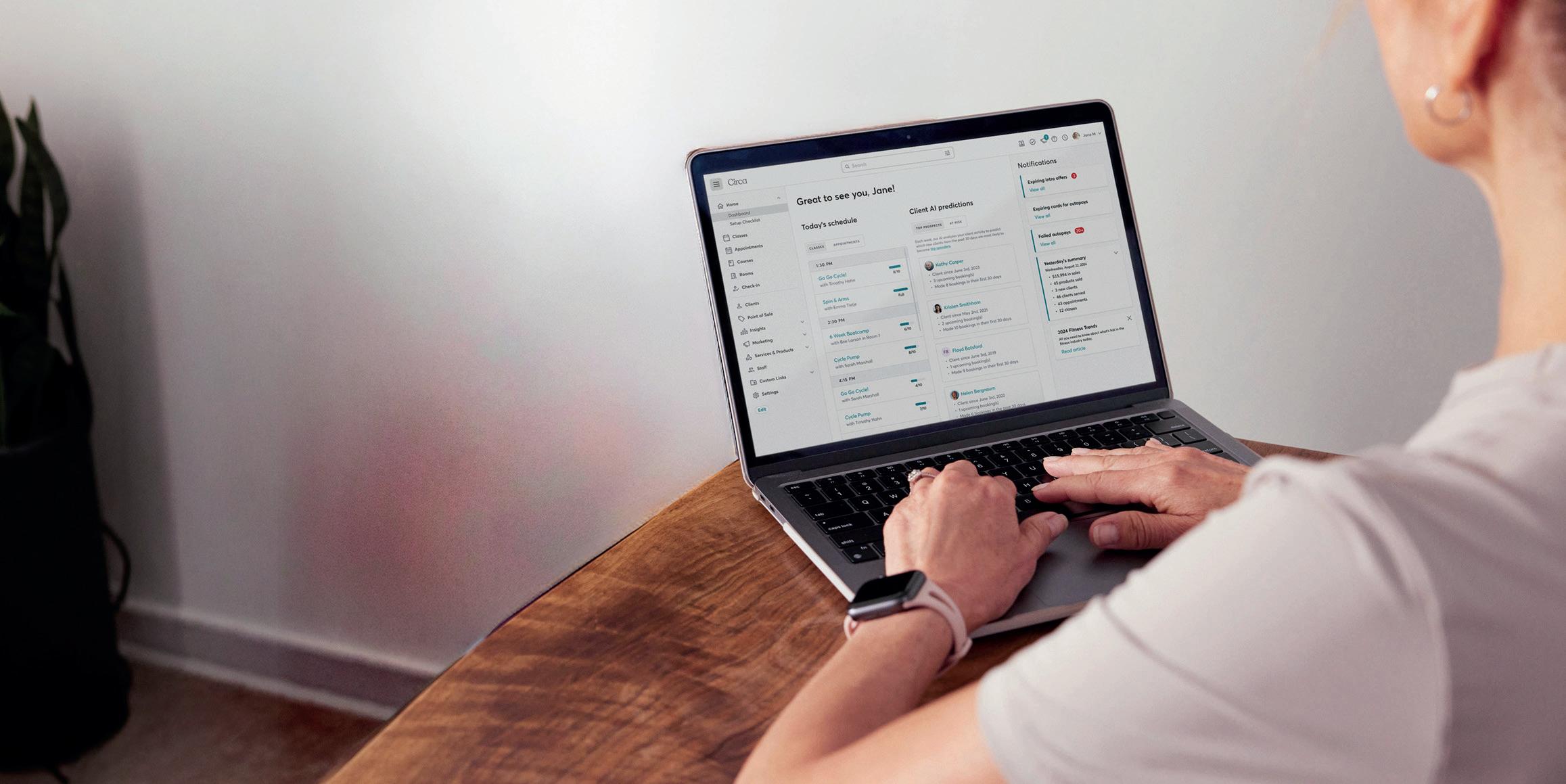
Operators can now use real customer signals to trigger communication that feels timely and relevant
Alice Shen
The biggest commercial impact right now is coming from technologies that make personalisation manageable for everyday operators.
SMS and email have always been effective, but the most sophisticated tools were historically built for major retail brands with large teams and budgets. That’s finally changing in wellness. Through our partnership with Attentive, Mindbody operators can now use real customer signals – visit frequency, booking patterns, purchase history – to trigger communication that feels timely and relevant without adding manual work. For smaller businesses especially, that level of automation has been a real ‘unlock’.

are running their business across multiple disconnected systems with separate tools for booking, marketing, payments, reporting, and client communication. That fragmentation creates extra work and limits visibility into the full customer journey. It’s driving a clear shift toward unified platforms and embedded engagement tools.
What software capabilities are underused?
The customer data operators already have is one of the most underused assets in the industry. Attendance patterns, purchasing behaviour and lapsing activity are powerful signals, but they often go untranslated into personalised engagement.
How are customer journeys improving?
Systems are becoming more responsive to customer behaviour. Instead of relying on broad campaigns or manual outreach, operators can engage customers based on what they’re actually doing – whether that’s attending consistently, dropping off or trying something new.
We’re seeing much stronger retention when communication feels connected to where someone truly is in their fitness or wellness journey. That creates a smoother customer experience because the outreach feels helpful rather than transactional. It also makes it easier for operators to stay connected with members without requiring constant manual follow-up.
What about clubs’ operational challenges?
A major challenge we hear about is balancing personalisation with efficiency. Most operators
That’s why automated lifecycle marketing–particularly around re-engagement and retention – is one of the biggest opportunities we see today. Mindbody tools such as Clients at Risk and Big Spenders let operators act on those signals automatically. As of January 2026, spa businesses using these features averaged over US$1,700 in attributed revenue in a single month.
What will define the ‘next-gen’ systems?
Intelligence, connection and proactive growth. The operational backbone of scheduling, payments and reporting remains essential, and what’s expanding on top of it are capabilities that help businesses grow by improving retention and automating engagement. AI will play a role, but the bigger shift is the integration of operations, customer insights and communication. More: www.mindbodyonline.com
Zakaria Mansour
The biggest impact when it comes to choosing software is moving from standalone tools into systems that control daily workflows. AI is the clearest shift – not as a separate layer, but embedded into scheduling, reporting, messaging and operational decision-making. Alongside that, dynamic pricing, connected member data, direct booking and shared passes are helping operators respond to demand with more precision. For multi-location and multi-brand operators, the value comes from having these capabilities connected behind the scenes, so pricing, payments, memberships, marketing and reporting work together instead of adding more manual work.
the experience feels simple and flexible for the member, while teams can see what is happening across the business rather than reacting when someone has already dropped off.
Problems that directly affect revenue and member experience, such as underfilled classes, manual admin, disconnected reporting, pricing that does not reflect demand and class schedules that don’t fit member routines. Our research found class times that don’t fit are the top barrier to attendance, cited by 63 per cent of consumers. For growing groups, the challenge is bigger still: connecting brands, locations, data and teams while building stronger direct relationships alongside third-party booking channels, while not using them as the only route to capturing demand.
How are customer journeys improving?
Systems are making it easier for people to book, return and build routines across classes, locations and formats. That matters because our consumer research found 90 per cent of members decide whether to return within their first three sessions.
Connected systems help operators understand those early behaviours, personalise follow-ups and keep communication consistent, from first booking to repeat visit. Retention improves when
Greater insights can lead to better capacity planning
What software capabilities are underused?
Many are still underusing the data already inside their business. Booking patterns, attendance history, pass usage, pricing response and cross-brand activity can show where demand is strongest, where capacity is being lost and where members may need a timely nudge.
Those insights can support smarter pricing, better capacity planning and more relevant communication.
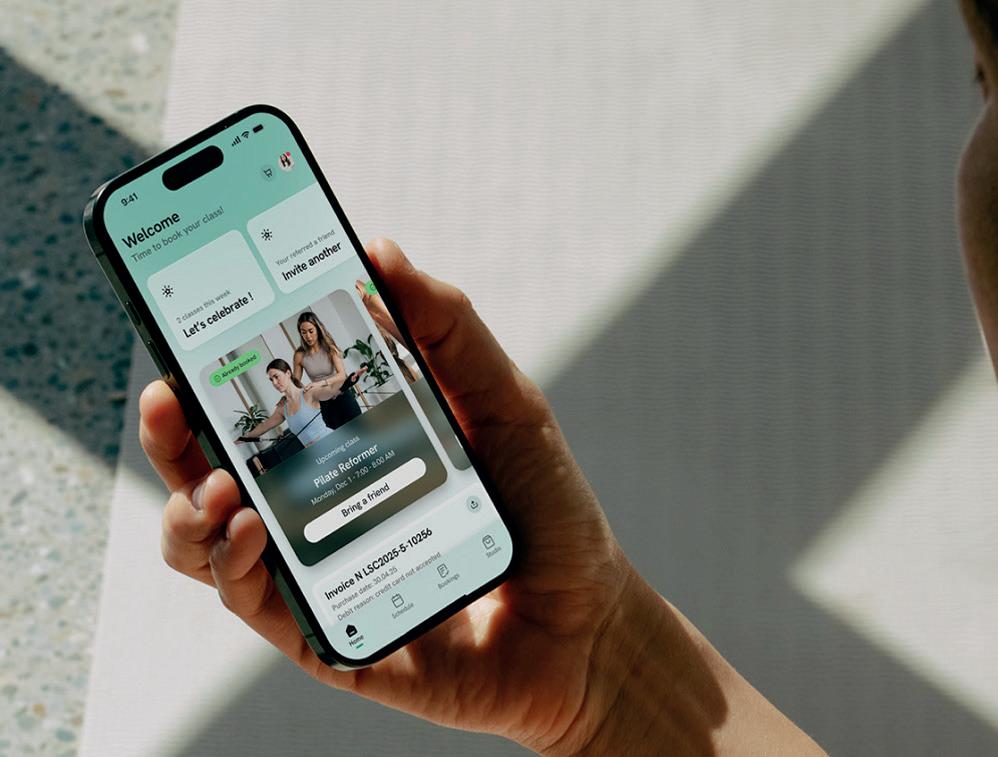
Automation is also underused in practical areas such as reminders, follow-ups, reporting and win-back journeys. The opportunity is to use software less as an admin layer and more as a way to strengthen the member experience over time.
What will define the ‘next-gen’
They’ll be defined by flexibility, connected data and practical AI built into everyday workflows.
Operators will need systems that can support multiple brands, locations, pricing models and member journeys without forcing every concept into the same structure. Strong platforms will help teams understand behaviour across the business and automate admin where it adds value.
More: https://pro.bsport.io

Mateusz Ropka
Gymmanager
The technologies creating the biggest commercial impact for fitness operators are those that simplify operations, automate daily tasks and improve the member experience.
GYM MANAGER

Clubs are investing in connected management systems, branded mobile apps, automation, and real-time data to operate more efficiently and support sustainable growth.
The industry is moving toward solutions that combine communication, bookings, payments, access control and analytics in one ecosystem.
Mobile apps, automation and AI-driven support help reduce manual work, improve retention and create seamless digital experiences.
How are systems improving the customer journey and retention?
Combining automation, personalisation and seamless digital experiences is the most powerful way.
Features such as online bookings, flexible payments, automated communication and real-time notifications make club interactions more



convenient and engaging for members.

There’s a strong industry shift toward connected mobile experiences and automated communication that help clubs stay closer to their communities. Dedicated mobile apps, notifications, flexible payments and self-service tools improve convenience, while increasing engagement and loyalty.
By investing in these technologies early, operators can create stronger relationships with members and deliver the seamless experience modern fitness customers increasingly expect.
What challenges are operators focused on?
Improving efficiency, reducing manual work, increasing retention and controlling operating costs.
Many clubs are investing in automation and integrated systems to simplify communication,

scheduling, payments, and everyday operations. Because of the overload of information and data, it’s important clubs use the support of AI for better access to real-time data and business insights.
They want tools that help them make faster decisions, identify trends and optimise services across multiple locations.
What software capabilities are being underused?
Automation, business analytics, mobile engagement tools and 24/7 access control solutions. These technologies significantly improve efficiency, retention and the member experience.
In addition, AI-driven analytics, branded mobile apps, automated communication and self-service solutions help clubs better understand member behaviour and create flexible business models.
AI assistants, smart automation and connected digital services are becoming essential tools for building scalable businesses
What will define the next generation of systems?
Automation, AI, personalisation, 24/7 access control and connected digital experiences. Operators are looking for flexible platforms that combine communication, payments, mobile apps, access control and member management in one ecosystem.
Technology is no longer focused only on simplifying operations. Clubs increasingly expect solutions that help them stay ahead of changing member expectations and industry trends.
AI assistants, mobile-first experiences, smart automation and connected digital services are becoming essential tools for building scalable businesses and delivering modern member experiences.
More: www.gymmanager.io

Customers don’t care how many systems sit behind the scenes. They just want things to work
Stephanie Hutchings Gladstone
Club management systems are no longer just about memberships. Operators want to understand more about everyone using their facilities – from members and swimmers to casual gym users and court bookers. The real commercial value comes from turning those interactions into repeat visits and stronger customer relationships.
How are systems improving the customer journey?
Customers don’t care how many systems sit behind the scenes. They just want things to work. They expect to book, pay, access facilities and receive communications through a connected experience. When that journey feels effortless, they’re more likely to stay engaged. Operators also gain better visibility of customer behaviour, making it easier to spot opportunities to improve retention.
What operational challenges need solving? Most clubs are trying to achieve more with the resources they already have. They’re looking to

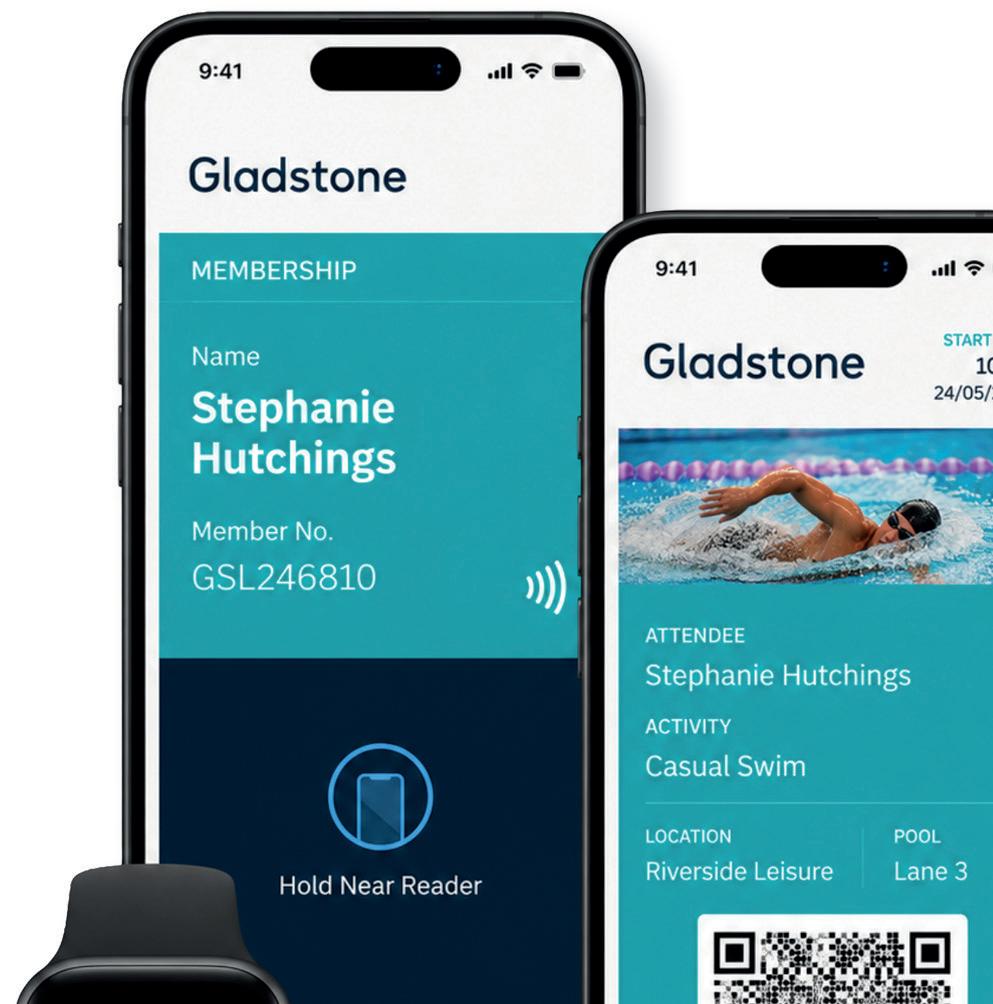



reduce administration, automate routine tasks and make better use of customer data. Every hour spent on manual processes is an hour not spent improving the customer experience.
What software capabilities are being underused?
Customer data remains one of the biggest untapped opportunities. Most operators understand their members well, but know far less about casual users and activity participants. Better use of that data can improve communications, increase retention and uncover new revenue opportunities that might otherwise be missed.
What will define the next generation of systems?
They’ll connect the entire customer journey. Operators need a clearer view of how people interact across memberships, bookings, lessons and casual visits. The platforms that stand out will be the ones that turn insight into action without adding complexity. More: www.gladstonesoftware.com





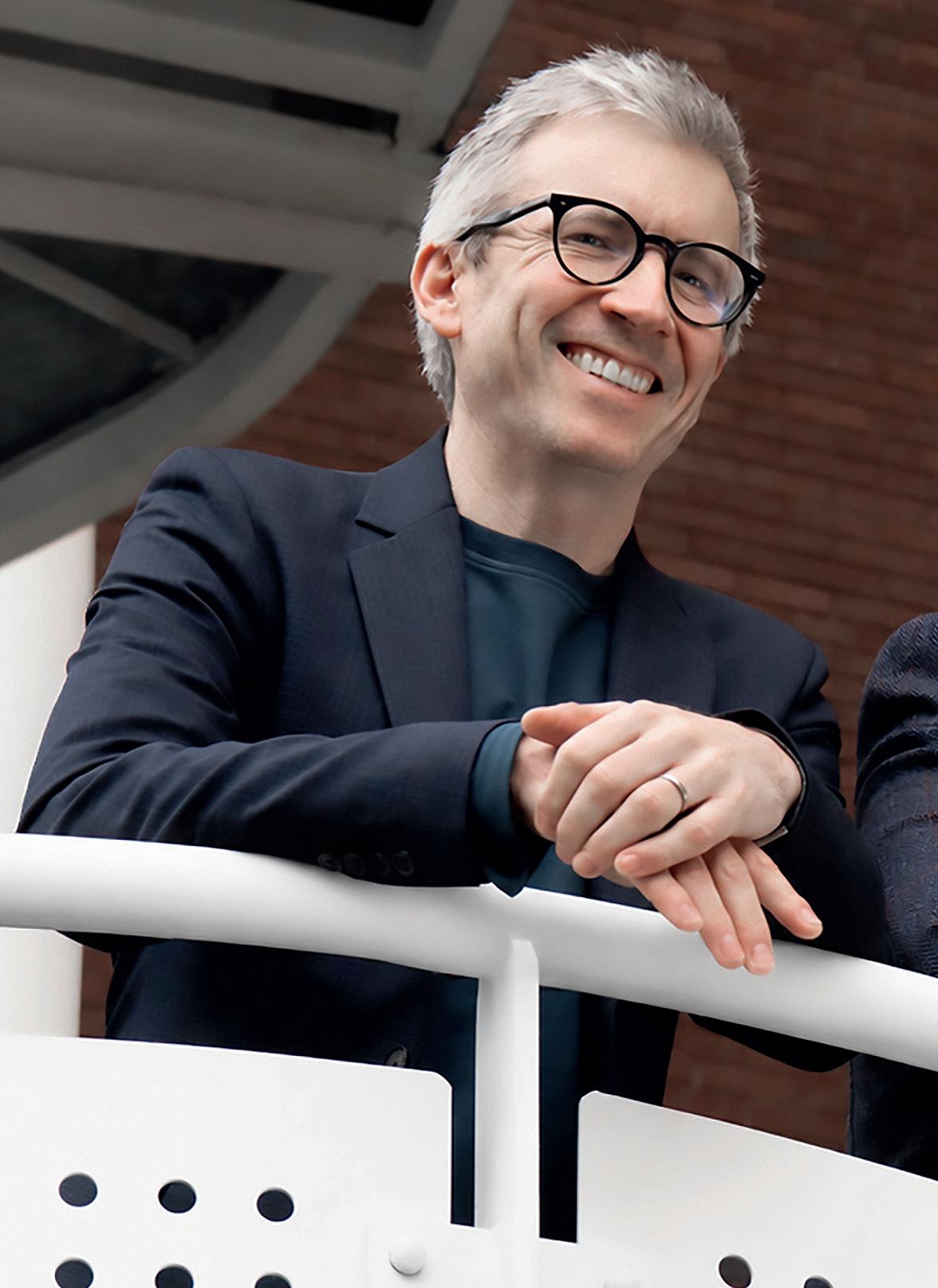
















It’s all change at UK Active, with a new CEO and chair. HCM sat down with the team to talk about vision, purpose and goals

Major issues, such as economic inactivity and health inequalities, are in areas where we can make a meaningful contribution
The new CEO of UK Active talks to HCM about the gym-curious and why he believes the sector can double in size by the end of the next decade
What drew you to the role at UK Active?
I’ve spent my career in marketing, which is very much about engaging audiences and consumers with brands. From my early days working in telecoms with Orange and then in TV, cinema and film, I’ve been fascinated by the process of engaging audiences with brands.
One of my roles was as director of Cinema First –the trade body that represented cinemas. I was focused on encouraging cinema-going, so I’ve got a background in trade associations and consumer engagement and it seemed a strong fit with the UK Active role.
When organisations look at growing a market, what I find interesting is engaging consumers in positive behaviour. That’s what motivates me and what I’m passionate about – running campaigns that are commercially effective and drive audience behaviour.
Film and TV is a high-interest category and sport and fitness are the same. People are passionate about it and that really resonates with me.
It’s clear sport has been evolving in the brand space and increasing in scope to include health and fitness, while health clubs, gyms and fitness operations are increasingly becoming lifestyle brands, making marketing ever more important.
That really got my attention, because it’s a growing sector and something people feel very strongly about.
Is there a personal dimension?
Yes – I’m also what you might call a latter-day convert to exercise. I was just reading a BBC article about how people’s experiences of sport at school can put them off it for life if they’re not delivered well and that was very much me – I had a terrible PE teacher and that put me off sport for years, but that changed when I was working with David Puttnam and Hugh Hudson
on the re-release of the iconic film Chariots of Fire as part of the London 2012 celebrations.
When you release a film, you end up watching it many times, and it inspired me to start running and become active again. Running then gave me a genuine love of fitness and activity in its own right.
What excites you about the sector?
That those who work in the sector are so passionate about it. They’ve gone beyond seeing exercise as a means to an end and love it as an end in itself. That creates enormous authenticity.
That authenticity drives innovation and everyone I’ve met so far – public, private and independent operators and suppliers – do it because they love fitness and want other people to love it too. That makes this a very special sector.
Health club, gym and fitness operations have increasingly evolved into lifestyle brands, making marketing ever more important
We do a lot of work around social value, saving the NHS money and being part of health infrastructure and that’s important, but fundamentally we’re not only doing this to save the taxpayer money, we’re also doing it because we want people to be healthy and live long, active lives.
You’ve said the industry can feel ‘a little bit like a cult’. What did you mean by that? Sometimes it does feel a little like a cult, and that could be one of the industry’s blind spots. We’re all converted. We all love exercise. We’re in the tent saying: ‘This is wonderful’, but there are lots of people outside the tent looking in and thinking: ‘They were the really fit kids at school who actually liked PE.’
The challenge is how we bring more people into that tent while recognising this isn’t something they find easy – especially at first. That, to me, is where the growth opportunity lies.
What’s your view on the sector?
I see enormous potential in terms of the classic adoption curve – innovators, early adopters, early majority and so on.
I followed this growth curve in mobile telephony. In the mid-1990s, only about 5 per cent of the population had mobile phones and they were marketed as tech products for businesspeople.
Then Orange came along and transformed them into consumer brands. Through products, pricing, distribution and marketing, they made mobiles feel relevant and desirable to ordinary consumers. Over the following decade, penetration rose from 5 per cent to 40 or 50 per cent, and eventually to almost 100 per cent.
I see the fitness industry in a very similar position. The Health and Fitness Market Report – we undertake with Grant Thornton, 4Global and Sport England – shows around 18 per cent of UK adults are gym members. If you look at the market through the lens of the classic adoption curve, that suggests we’re only just entering the early majority phase.
My vision is that we could and should reach 36 per cent penetration by the end of the next decade.
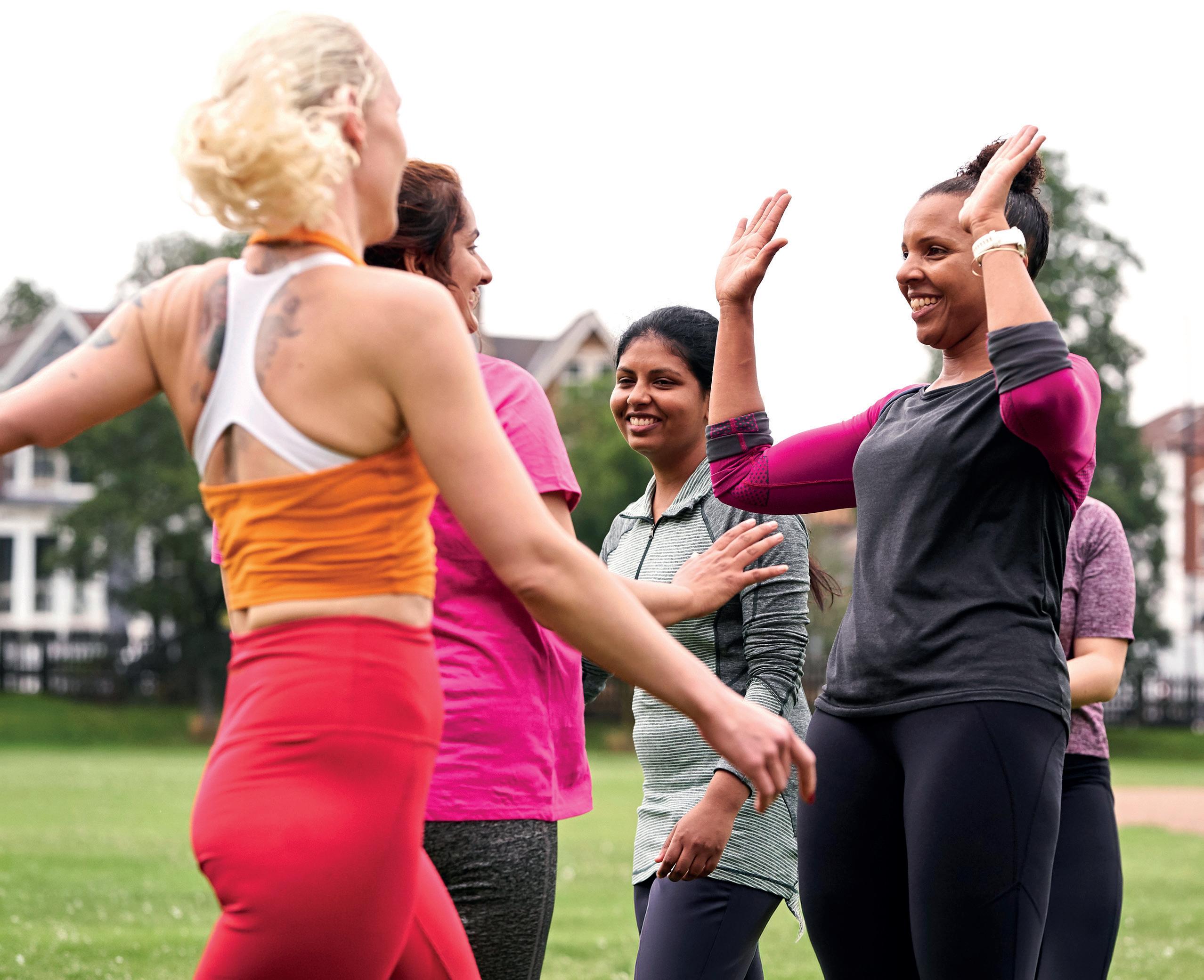
In other words, I believe this market could double in size over the next 10 years or so.
If the industry continues to innovate, develops the right products and propositions and we work together to reach new audiences, there’s no reason that growth cannot be achieved. It will mean reaching audiences outside our current demographic: people who are driven less by fitness itself and more by enjoyment, identity and social connection. They’ll ask, ‘Will I enjoy it?’, ‘Is it for people like me?’ and ‘Will it work?’
One of the most striking things is the value people place on their gym membership. We know that during a very real cost-of-living crisis, they’re sacrificing other things to keep their membership because it’s so important. That’s extremely revealing. When budgets are under pressure and consumers are still choosing to spend money on fitness, it tells us they see these services as genuinely valuable and important to their lives. This is also one of the few real success stories for UK plc, with the sector growing at around 10 per cent a year according to The Health and Fitness Market Report.
When you look at the pace of innovation in wearables, connected fitness and digital tools, it feels as though we’re only just seeing the beginning of what’s possible.

When budgets are under pressure and consumers are still choosing to spend money on fitness, it tells us they see these services as important to their lives
What do you bring to UK Active?
Understanding how markets move from niche to mainstream. At Cinema First, we grew participation by making cinema-going feel more accessible and relevant to a wide range of audiences.
One of the key learnings was that you don’t grow markets by talking to existing enthusiasts, you grow them by identifying people who are interested but not yet participating, and then designing propositions that feel welcoming and relevant.
That principle also applies to fitness. We need to think about the large number of people who are interested in becoming more active but don’t yet feel that gyms are places where they belong.
You use the phrase ‘gym-curious’...
There’s a significant group of people who like the idea of going to the gym and understand the benefits. They may even aspire to be more active, but they’re hesitating to make the leap.
Often the barrier isn’t cost, although that can be a factor. More fundamentally, there’s an emotional disconnect. They may worry they’re not fit enough, not in the right shape, or that they’ll be judged.
The reality is that many gyms are inclusive environments, but are not perceived as such and perception matters. Our challenge as an industry is to bridge that emotional gap and help people understand that these spaces are genuinely for everyone.
What’s your long-term vision for the sector?
For physical activity to become a normal part of everyday life for a larger proportion of the population. If we can broaden our appeal, remove barriers and help people feel that they belong, there is every reason to believe we can dramatically increase participation.
If we can broaden our appeal, remove barriers and help people feel that they belong, there is every reason to believe we can dramatically increase participation across the UK

That growth would be commercially significant and transformative for the health and wellbeing of the country. That’s what makes this role so exciting.
How do you see the relationship between sport and the sector?
I was with Simon Hayes, the CEO of Sport England, recently, talking about exactly this.
Sport England has traditionally been seen as representing national governing bodies and organised sport, but Simon recognises that the activity with the greatest participation today is gym-based exercise. We know there are around 680 million gym visits a year in the UK. That’s a massive number and, I suspect, many times greater than participation in most individual sports.
We know from Sport England’s Active Lives surveys that fitness is second only to walking in driving activity levels. What Simon sees is that gyms and leisure facilities underpin almost every other form of sport. If you’re playing rugby, squash, padel or football, much of what you do in the gym – strength, mobility and conditioning – forms the foundation.
Rather than being separate from sport, fitness is the platform on which much of sport is built.
Will you work more with Sport England?
We already work closely across a range of areas, particularly around data and understanding participation. One of the most important findings is that physical activity levels are increasing overall, but not evenly across society.
The most affluent areas of the country have activity levels of around 73 per cent, while in the most deprived communities the figure is closer to 54 per cent and has remained relatively flat.
That tells us that the challenge is not simply to grow participation, but also to ensure that growth reaches communities that have historically been less active.
How important is tackling health inequality?
It’s absolutely central. If we want to become a mainstream activity, we need to ensure that people in lower-income communities and underrepresented groups have access to welcoming and affordable opportunities to be active. This is both an obligation and an opportunity for both social and commercial good.
Historically, people assumed this was the responsibility of the public sector, but increasingly private and independent operators are playing an important role.

There’s also an issue of perception. Many people still feel that gyms are not designed for people like them. Our challenge is to demonstrate clearly that they’re for everyone.
How can UK Active address this?
One of the most exciting ideas is to expand National Fitness Day into a month-long celebration. A single day is useful, but it is not long enough to create major partnerships or meaningful behavioural change. A month-long campaign would allow us to identify target groups and create specific programmes to welcome them. The aim would be to work collectively across the industry to provide
supportive, accessible opportunities for people to try fitness and discover that it is for them.
What can we learn from other campaigns? When I was working in cinema, we developed programmes such as Orange Wednesdays and Meerkat Movies. The lesson from those campaigns was that you can grow a market by partnering with brands that reach audiences who are interested, but not yet regular users. The same principle applies to fitness. If we can work with the right partners, we can connect with people who are gym-curious and help them take that first step into fitness.
The key question is how government can help reduce barriers so that more people are able to be active
What role do you see for gyms in high street regeneration?
This is a very important area. In the cinema business, we were seen as anchor tenants that helped revive retail destinations by driving footfall.
Gyms are arguably even more powerful in this respect because they generate far more visits. A successful gym creates footfall and social interaction while also supporting businesses such as cafes and juice bars.
That makes them highly valuable components of high street renewal and our team is working with members to ensure we gather the evidence needed to shape the government’s strategy on high streets.
What policy changes could help the sector?
There are a number of practical barriers to activity the government can address.
Reducing business rates has been a recent focus, while optimised planning and parking policy can also support growth: if someone has a low-cost gym membership but must pay to park, it can become a deterrent, for example.
The key question is how government can help reduce barriers so more people can be active and the UK Active policy team is working with both governance councils and members to make sure we’re lobbying for the right policies with the best evidence.
Employment taxes are a key issue for our members and their customers. We’re a people business and increasing taxes on employment is a barrier to growth.
Operators can use tech and AI to drive efficiencies, but if we want to get more people more active more often, we need the workforce to achieve this.
Likewise, tax levelled at employees who are taking up employer-provided gym memberships is treating it as a taxable perk, rather than something that’s going to deliver wellbeing and better productivity.
How should UK Active approach government?
The most effective approach is to focus on the problems that government is trying to solve.
If we go to them with a list of industry concerns, they may listen politely, but if we go to them
and say: “Here’s one of your biggest challenges, and here’s how we can help overcome it,” that’s a much more powerful proposition.
The major issues facing government – such as NHS sustainability, economic inactivity and health inequalities – are precisely the areas where this sector can make a meaningful contribution.
How advanced are these conversations?
We’re already in a much stronger position than ever before. Physical activity is firmly on the policy agenda and recognised as part of preventative healthcare and we’re working with the health service, including on MSK hubs, to demonstrate how the sector can act as an effective delivery partner.
We’re also exploring the role of physical activity in supporting people using GLP-1s, where structured exercise can improve outcomes and reduce longer-term healthcare costs. Government moves slowly, but progress is being made.
How do you persuade government to take the sector seriously?
The government, and particularly HM Treasury and the NHS, need robust evidence and cost-benefit analyses.
That is why pilot programmes and measurable outcomes are so important. You start with a focused initiative, demonstrate its impact and build from there.
But data isn’t enough. If people don’t buy into an idea, all the data in the world won’t persuade them. This is why storytelling matters so much alongside the evidence.
Can you expand on the role of storytelling?
People remember stories, not statistics. They remember the 81-year-old doing a HIIT class. They remember someone who had never exercised before and is now thriving.
Those stories make the impact of fitness tangible and relatable. This is true not only for consumers, but also for policymakers. Ministers and civil servants are human beings. They may review detailed reports, but what stays with them are vivid examples of real people whose lives have been changed.

What role do media partners play?
Media partners are incredibly valuable and with their support and the power of our members behind our shared vision, we can reach tens of millions of consumers.
Organisations such as HCM Magazine have the expertise and contacts to communicate ideas across the sector – celebrating the stories of our members’s success, for example – and connecting with decision-makers. That ability to tell stories and shape narratives is enormously important.
Working with partners is in our DNA. For example, we’re in discussions with Age UK to partner on its ‘Act Now. Age Better’ campaign next year, to tell our story to a huge untapped growth market.
Can social networks help grow participation?
One of the most effective forms of marketing is wordof-mouth, when people talk to their friends in real life
or via social channels. Throughout my career, I’ve seen that consumers are more influenced by people they know than by even the most sophisticated advertising campaign. Social media amplifies that effect.
When people see their friends enjoying exercise and sharing positive experiences, it begins to feel normal and accessible. That social proof can be one of the strongest drivers of future growth.
What role should UK Active play in social?
There’s an opportunity to look strategically at how social platforms influence behaviour. There’s a huge amount of excellent content, but also challenges around misinformation.
As an industry, we must consider the everevolving landscape, identify best practice and explore how the industry can make more effective use of these channels while mitigating potential harms.

We’re watching closely what’s happening in Australia with the social media ban for under 16s and thinking through what a similar ban might mean in the UK. It presents opportunities, as well as potential challenges.
How can the sector learn from others to get the fundamentals right?
Consumers increasingly want environments where they feel comfortable, inspired and part of something aspirational.
There’s tremendous innovation happening in retail and hospitality and it’s clear that health and fitness operators can learn from those sectors.
One of the most effective growth strategies comes from understanding how other sectors have expanded from niche markets into mainstream consumer categories.
The most successful operators will be those that create environments where people feel they belong. This includes delivering on thoughtful design, strong branding, welcoming experiences and a sense of community.
Increasingly, operators who deliver will evolve into lifestyle brands.

How do you know a brand has arrived?

A simple test is whether someone would wear the T-shirt. People proudly wear Hyrox, Barry's, Parkrun, Les Mills and SoulCycle because those brands represent identity and belonging.
That’s the opportunity for operators – to create brands that people feel proud to be associated with.
What excites you most about the future?
We’re at a very significant moment in time. The sector is growing strongly; consumers increasingly understand the importance of activity and policymakers are beginning to recognise the essential role fitness can play in preventative health.
There’s enormous innovation taking place across health and fitness on both the operational and supply sides, as well as a real sense of momentum.
If we can continue to broaden our appeal, remove barriers to entry, strengthen our storytelling and work collaboratively, there’s every reason to believe this industry can achieve really significant growth.
It’s an incredibly exciting opportunity – both commercially and in terms of the positive impact we can have on people’s lives. ●



The World's Largest Corporate Wellness Platform



Grow stronger with







Where once there was division between trade bodies, there must now be collaboration, creating a global platform for growth


Shaping the future of the sector with a clear mission, unifi ed voice and open channels of communication. This is the ambition of UK Active’s chair
It would be hard to find someone in the UK fitness sector who hasn’t heard of David Stalker. CEO of UK Active from 2008 to 2015 – during which time he led the rebranding of the organisation from the Fitness Industry Association (FIA).
Stalker subsequently joined EuropeActive, spending five years as its president and remains an ambassador today.
Other highly visible roles have included acting as CEO of Myzone and chair of CIMSPA, while his portfolio today includes a raft of 11 other non-executive and advisory roles across the sector.
Stalker is a passionate advocate of the industry who practises what he preaches, the second person ever to achieve Myzone Hall of Fame ‘Legend’ status following 14 years of hitting WHO guidelines every month.
Each time he handed over the reins at a trade association, both UK Active in 2015 and EuropeActive in 2025, it was with an adamant “never again”! Yet on 6 October 2025, Stalker was announced as the new chair of UK Active. HCM catches up with him to find out what’s tempted him to return.

What motivated your return to UK Active? Having led the transition from the Fitness Industry Association to UK Active in 2012 – a move that redefined the organisation’s relevance, reach and resonance – in some ways I feel as though I’m UK Active’s surrogate father. I’m also enormously passionate about the importance of the sector having a trade association. However, it was only when people started approaching me, urging me to apply for the role of chair, that I seriously considered it. With almost 100 applicants and the role most recently held by political heavyweights Mike Farrar and, before him, Baroness Tanni Grey-Thompson, I didn’t expect to be appointed, but I was certainly determined to give it my best shot. I was clear throughout the interview process that if UK Active wanted a political big-hitter, that wasn’t me. However, if the requirement was for someone who would do everything possible to help from an industry perspective, I believed I was absolutely the right choice.
How did you feel you could help?
UK Active must be a bold, forward-facing trade organisation with a clear purpose: to unite, support and amplify every part of the physical activity ecosystem, from public to private, start-up to stalwart. It must be a rallying point for everyone who believes in the power of movement to change lives.
I want to be sure everyone in our sector can be confident UK Active is really speaking to them
When I look back to my time as UK Active CEO, one of my strengths was that I made a point of personally talking to chief executives and leaders on a regular basis. That dialogue was critical in uniting disparate groups – not to mention some very strong voices – behind one mission: more people, more active, more often. With the sector now facing some of its biggest challenges but also biggest opportunities yet, I believe my ability to unite the sector will be vital.
Why is this unifying force needed?
UK Active has built a strong governance structure over the last few years, with five councils – one each for private, public and independent operators, one for suppliers and another for wider activity providers. These are chaired by the likes of Sarah Watts and Dave Courteen and are supported by myriad industry stalwarts who provide huge
value, helping keep everyone connected and pulling in the same direction on the big issues.
I think the next step is making sure this representation is felt and recognised by all UK Active members, especially groups such as the smaller independent operators, for example, so everyone sees the opportunity for input and support. This will result in the continued dialogue that’s so critical in uniting disparate groups and strong opinions. This is something I believe I’m well-placed to support as chair.
I want to be sure everyone in our sector can be confident UK Active is really speaking to them and serving them. We must continue to work towards a united voice, harnessing the collective potential of the sector.
What was your pitch to UK Active?
In my application letter, I explained why I believed I was uniquely placed to lead this next phase of

Gym and leisure members have hit a record 11.5 million

evolution, having lived and led through almost every corner of our sector’s diverse ecosystem.
I explained how the next chair needed to do more than guide governance and deliver visibility. They needed to inspire reconnection. To listen rather than narrate. To help rally the entire physical activity landscape – from public and private operators to suppliers, educators, independents, community groups and consultants – into one cohesive movement.
I also shared my vision for the association and explained how, for me, leadership isn’t simply about steering the ship. It’s about setting a course others believe in and want to follow. It’s about uniting disparate voices and ensuring everyone feels listened to and represented. It’s about leading with conviction and passion.
At the time, I didn’t really know, Huw Edwards, [former UK Active CEO] but he impressed me every time we spoke and he continues to do so now. I felt our skillsets would complement each other well – he’s extraordinarily knowledgeable when it comes to politics – and I felt that ours would be a good partnership. A similar partnership certainly worked well when I was CEO of UK Active and Steve Ward was public affairs and policy director.
In the end, however, that partnership hasn’t transpired, as Huw announced he was leaving shortly after my appointment.
What’s next for UK Active?
We’ve got a new business plan for this financial year, as part of our Vision 2030 strategy, so the foundations are in place, and with Cameron Saunders in place as our new CEO, we can write the next chapter together.
We have some really good people in the business and it’s important they are supported in their growth and development, so they can excel in their roles.
Crucially, we need to be consistently delivering what UK Active members want and need, so I’m out there talking to people and – along with the team – gathering information. So far, what members are primarily saying is that they want robust information, transparency around strategic progress and clear timelines.
Our sector is continuing to grow and we’re seeing ever-increasing demand for our services across all ages, demonstrated by record numbers of gym and leisure facility members: 11.5 million in 2025.
However, the economic landscape continues to pose operational challenges for businesses of all
The core mission is still ‘more people, more active, more often’

sizes, so it’s essential we continue to represent our members with a united voice, so we can improve operating conditions and grow even further to meet our full potential as a sector.
Continuing the shift from fitness to being recognised and trusted as a viable health delivery partner also needs to be a priority. Standards for the profession are crucial to this agenda, so UK Active’s close relationship with CIMSPA remains key, as does the continued rollout of The Active Standard, which is helping to raise standards in facilities across the UK.
Importantly, I don’t think the industry wants hundreds of agenda points. It wants clarity and focus around key opportunities as we broaden from fitness into health. This might include how the sector provides greater support in areas such as mental health, ageing populations, community engagement and for those on GLP-1 medications, for example.
These drugs represent an enormous opportunity for our sector; UK Active has recently partnered with Les Mills to produce one of the world’s first reviews of global academic evidence, looking at how weight loss medication works, the potential side-effects and how to protect against the loss of lean muscle mass. This is the type of resource the trade association needs to be collating, providing delivery partners with the intelligence they need to create effective, evidence-based programmes that support the wider public health agenda.
I believe the opportunity probably lies in understanding the inner workings of the health industry, collaborating closely with the Department of Health and Social Care and the manufacturers of health and longevity products to create and deliver effective, physical activity-driven health

interventions that support individuals. At the same time, we should be collecting outcomes data to clinical standards, evidencing the programmes’ successes. If we’re to step into the health space, we absolutely have to step up and deliver.
Of course, change requires time and time requires patience. There are no quick fixes here and we need to bring the whole sector with us on this journey. I see myself contributing to this work in my role.
What are UK Active’s priorities?
One of its most important roles is influencing stakeholders beyond the sector – including Sport England, the Department of Culture, Media and Sport and the Department of Health and Social Care – to ensure they’re aware of and invested in the role we can play in tackling inactivity and improving health. This will drive partnerships and investments.
There are no quick fixes here and we need to bring the whole sector with us on this journey. I see myself contributing to this work in my role
UK Active needs to collate data and evidence to prove the importance and relevance of the sector. Last year, it partnered with Deloitte to publish the first UK Health & Fitness Market Report. This provided the reliable, credible evidence that UK Active’s members were asking for, to demonstrate the continued growth of the sector over recent years to government, partners and investors. Produced annually, this will become a key benchmark for growth and development (NB: The UK Health & Fitness Market Report 2026 being produced by Grant Thornton. The aim is for it to run in parallel with EuropeActive’s market report, enabling meaningful international comparison and a more joined-up approach to market analysis. UK Active needs to be looking at both domestic and global trends, from longevity and healthspan to new operating models, collating insights and feeding information back to members that can be used at a national, regional and local level.
What other goals are there?
UK Active should be growing its membership, by encouraging new stakeholders to join from the worlds of wearables, longevity and so on. At the very least, we should be building active partnerships with these organisations. Finally, UK Active must continue to grow its visibility, getting important messages out in the mainstream media and working in partnership with the likes of EuropeActive and the Health and Fitness Association for greater impact. Where once there
I genuinely feel this is a unique moment where –if we get it right – we can have a huge impact on the health and wellbeing of our nation
was division between some trade bodies globally, there must now be collaboration, so we work together to create a global platform for growth.
How is your role unfolding?
At the moment, being chair of UK Active is almost a full-time role: meeting members, attending meetings and events, interacting on LinkedIn and speaking directly to both supporters and critics of UK Active to understand their concerns.
In the longer term, my challenge is to control my passion and focus my energy on doing what I can to help the sector as a whole.
I’m hugely excited to be back at UK Active. I’ve been in this industry for longer than I care to mention and I have a massive passion for and belief in it.
I care deeply about people being healthy and happy – I’m now 62 and it’s what I want

for myself – and I believe wholeheartedly in so many of the people who work in our sector.
I’ve banged this drum for so long, but I do genuinely feel this is a unique moment where, if we get it right, we can have a huge impact on the health and wellbeing of our nation.
What would you like your legacy to be? By the time I step down as UK Active chair, I’d like people to be saying ‘this is an association that’s getting it right’. I want members to be proud of UK Active. I want organisations to believe that being part of the collective is far more powerful than standing outside it.
On a personal level, I’d love it if people were to say of me: ‘David Stalker gave everything to developing and growing our industry. He didn’t just say it. He got out there and did it.’ l


Restoring a sense of shared purpose and strength built on the collective spirit that powered the transition of the organisation from being FIA to being UK Active. Together, we’re most definitely stronger and can achieve more.
Reestablishing the UK as a core voice in the European sector, forging meaningful partnerships that enable learning, alignment and ambition.
Stepping more into the health space means the industry must deliver
Listening first. Leading second Building trust by engaging with every stakeholder via steering groups and outreach, responding with bold, inclusive action.
Delivering more clarity and visibility for members when it comes to how their subscriptions are invested.
Working with elected steering groups to define a clear, inclusive mission rooted in ‘health’, not just physical activity. Communicate the mission boldly, consistently and transparently.
Ensuring inclusion is a foundation across leadership, media, funding and focus, providing a perception of equal value to big operators and grassroots champions alike.
Celebrating the wins, not in soft metrics or conference applause, but in lives changed, communities reached, businesses grown, outcomes achieved.
Turning challenges such as those presented by GLP-1 drugs into collective opportunity, by coordinating a sectorwide response that combines innovation, evidence and shared delivery models.
For more insight, or to get in touch with the companies featured, visit www.fitness-kit.net and type in their keyword
Julie Cramer rounds up the latest health, fitness and wellness kit
Our body composition app gives clarity, while using nothing more than a mobile phone, explains Debbie Wosskow
Phyt is an AI-powered body composition app designed to give insights into fat and muscle mass and overall physical change.
It delivers a 30-second body composition scan from a smartphone for accessible tracking.
“Until now, body scanning tools were too technical, too expensive or inaccessible”
Debbie Wosskow
Developed by a team of professors in both AI and exercise science, the app provides measurements of muscle, fat and visual progress.
Co-founder, Debbie Wosskow, says: “Health experts increasingly agree that body composition is a gold standard for tracking longevity. This is especially true for the millions of adults using or seeking access to GLP-1 medication.”
Addressing the risk of losing muscle and bone density while on weight loss medications, she adds: “Until now, the tools to monitor this were either too technical, too expensive or too inaccessible. Our app gives them clarity, while using nothing more than the phone already in their hand.”

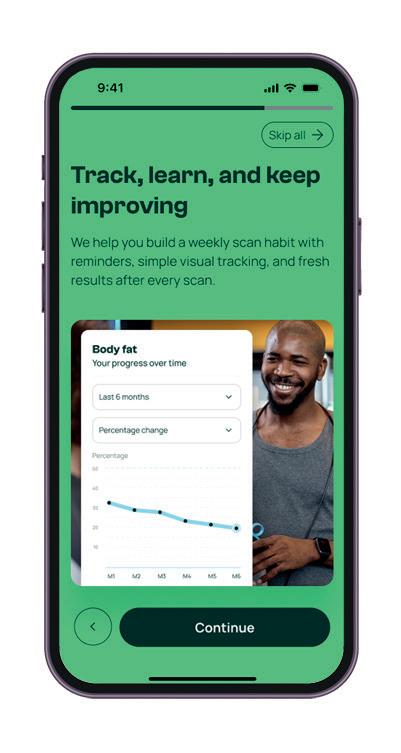
Cornerstone Connect is a digital interface which allows data from multiple club membership systems to be aggregated into one customer journey. Its API enables apps to exchange information in real-time to
The app is data-led and GDPR compliant
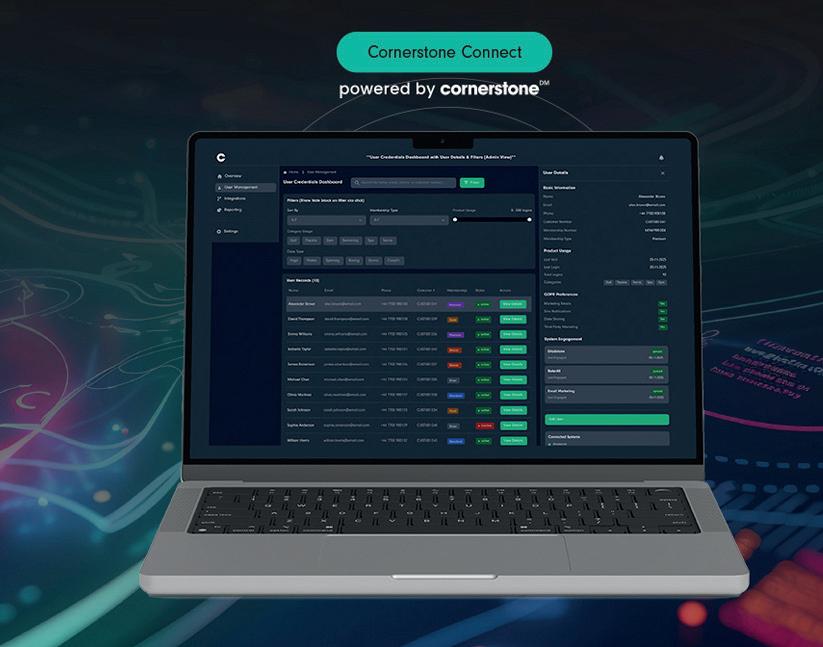
create a cohesive portrayal of members’ activities, changing exercise habits and preferences.
The app is a data-led, GDPR-compliant solution created by the MD of Cornerstone DM, David Wadsworth, who’s worked with public and private sector leisure operators for 15 years.
He says: “Siloed systems serve individual journeys, but they’re not joined up across eco-systems. Cornerstone Connect allows those systems to do what they do well, while encapsulating the customer journey, filling gaps and enhancing cross-sell and engagement.

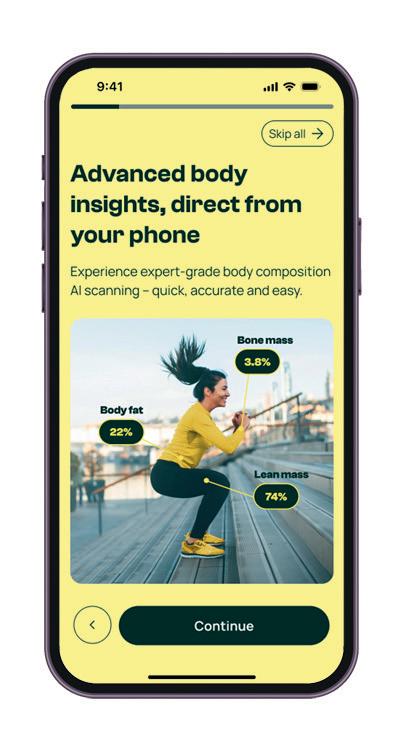
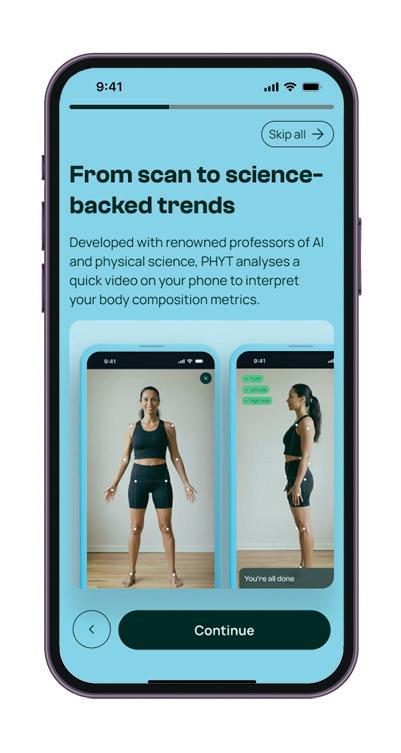
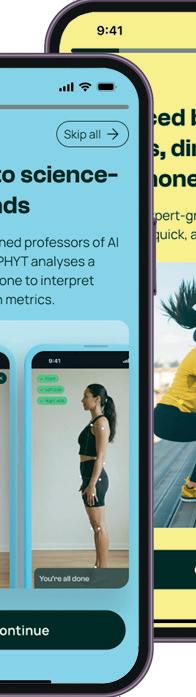
PHYT is available on iOS and Android, with integration for GLP-1 platforms, digital health providers and other partner programmes.
fitness-kit.net KEYWORDS
PHYT
The app enables data analysis, insights and automation to enable commercially-driven decisions, says David Wadsworth
“The API enables different apps to exchange information with each other in real time”
David Wadsworth
“We’ve also added data and AI layers, which allow for data analysis, insights and automation that create meaningful decisions that positively influence health outcomes and add social impact.”
fitness-kit.net KEYWORD
Cornerstone DM
I
wanted to transform the sauna and hammam into a wellness space, says Patricia Urquiola
A sauna and hammam system channelling medieval architecture has been created for heat equipment specialist Effe by architect Patricia Urquiola.
Urquiola specialises in industrial product design and architecture for hospitality, retail, residential and exhibitions.
Baluar is a modular sauna and hammam design which can be configured in multiple ways depending on the type of space that’s available.
Urquiola says: “Baluar is inspired by an ancient structure – the medieval bastion – that looks outwards but offers shelter within its walls. I wanted to transform it
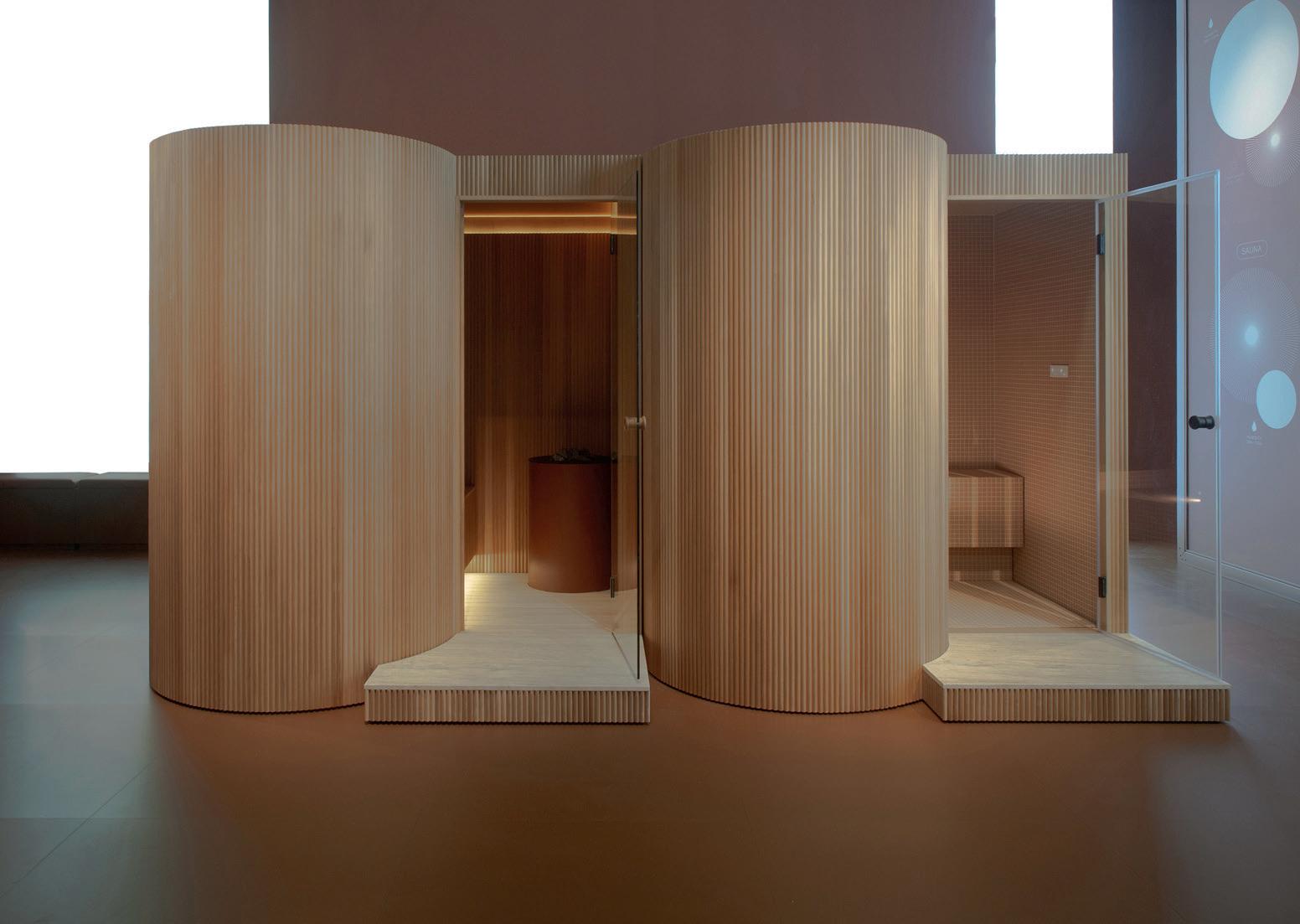

“I wanted to create a compact space to relax and unwind”
Patricia Urquiola
into a wellness space, a compact, almost archetypal space where you can relax and unwind.”
The system uses heat-treated lime wood cladding, in a dark or light tone, with narrow vertical grooving.
The hammam interior finish features Conchiglia or Nocci mosaic.
fitness-kit.net KEYWORD
Effe
The mat withstands footwear, weights and high-impact movement while maintaining stability and durability, says James Appleby
Manduka, manufacturer of yoga mats has launched its P/ Rox hybrid fi tness mat, for athletes and functional fi tness practitioners who move between yoga and fi tness training.
An evolution of the company’s Pro Series, the P/Rox mat is built with a reinforced top layer which is able to withstand footwear, weights
and high-impact movement, while maintaining stability and durability.
At 6mm thick, with an 76cm x 200cm surface, the mat provides space and cushioning for workouts, recovery sessions and mobility training. Its closed-cell construction resists sweat and moisture absorption for hygiene and easy cleaning.
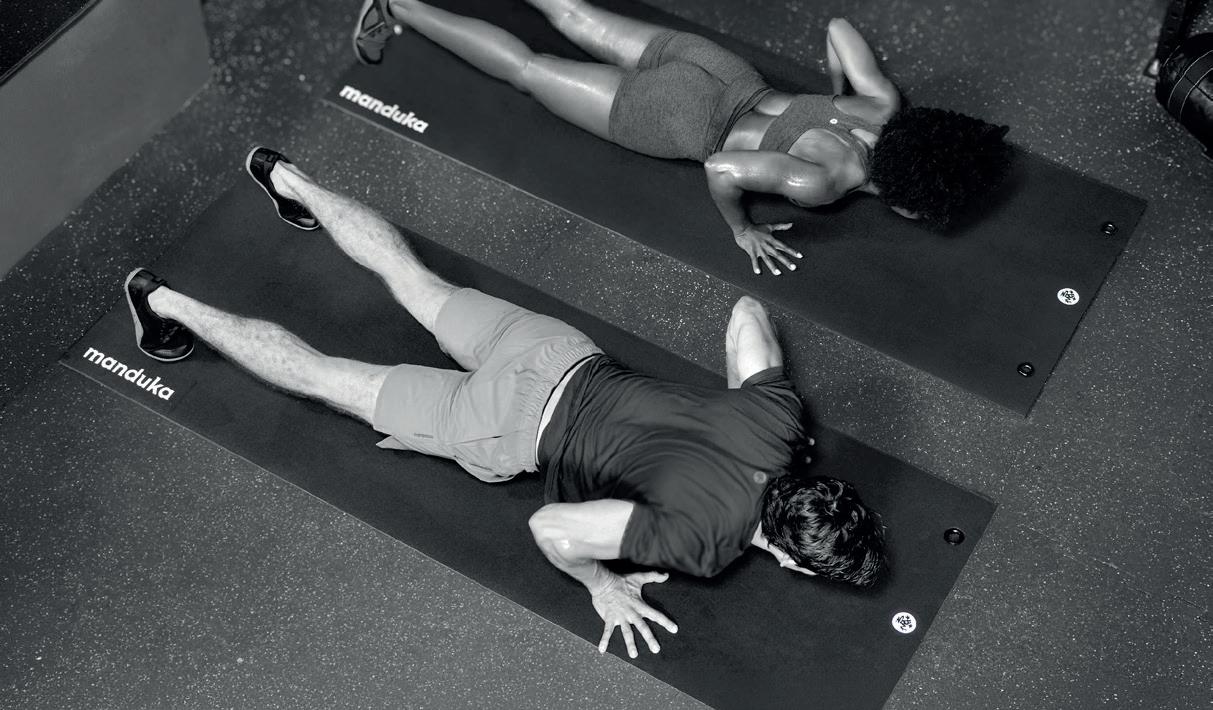
“We believe your mat should meet you where you move”
James Appleby
“We’ve always believed your mat should meet you where you move,” says James Appleby, president of Manduka. “Today’s athletes aren’t choosing between yoga and fi tness, they’re doing both and deserve equipment built for that.
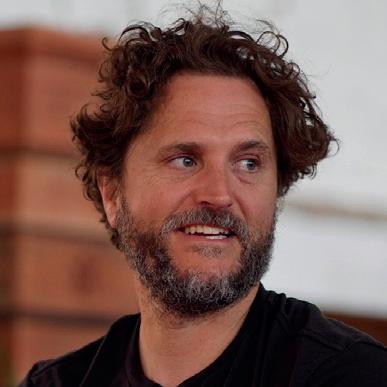
“The P/Rox brings the same quality our community has trusted for 30 years into the world of hybrid training.”
fitness-kit.net KEYWORDS
Manduka

People on weight loss drugs move less

People on weight loss drugs reduce their activity levels, according to a team at St John’s Hospital Illinois
People taking weight loss medications such as Ozempic, Wegovy, Mounjaro and Zepbound may be losing weight, but they’re also becoming less physically active, according to new research presented at the ENDO 2026 annual meeting of the Endocrine Society.
Researchers analysed wearable activity data from 753 adults with obesity, who had started taking the drugs, using electronic health records and Fitbit data from the US National Institutes of Health’s All of Us research programme.
Participants were predominantly women (78.6 per cent) and an average age of 52.7 years-of-age.
The study found average daily step counts fell from 5,047 to 4,487 after participants started the medication, while time spent in moderate-to-vigorous physical activity dropped from 28 minutes a day to 22 minutes. The biggest reductions were seen in men and in people experiencing joint or muscle pain.
The findings challenge the assumption that losing weight leads people to become more active. Instead, researchers suggest that although the drugs are highly effective at reducing body weight, they do not automatically encourage healthier movement habits and may even contribute to a decline in everyday activity.
The trend is concerning because these drugs are known to reduce lean body mass as well as fat, making resistance training and regular physical activity important for preserving muscle, connective tissue, strength and
Exercise can’t be optional for people taking weight loss drugs. They need targeted interventions that encourage physical activity
long-term physical function. Research has also shown that exercise can help maintain metabolic health and improve the durability of weight loss after treatment.
Lead researcher Dr Sajana Maharjan of HSHS St John’s Hospital in Springfield, Illinois, said: “While many assume that weight loss leads naturally to increased physical activity, our study suggests otherwise. The findings reinforce that exercise cannot be optional for people taking these medications. People need targeted interventions that encourage physical activity alongside medication for obesity.”
The researchers say this is the first large-scale study to use wearable fitness tracker data to examine changes in physical activity among people taking weight loss drugs. They conclude that structured exercise programmes should be integrated into obesity treatment, creating a significant opportunity for health clubs, personal trainers and exercise professionals to support people using weight-loss medications while helping them protect muscle mass and maximise long-term health outcomes. ●
More: www.hcmmag.com/moveless
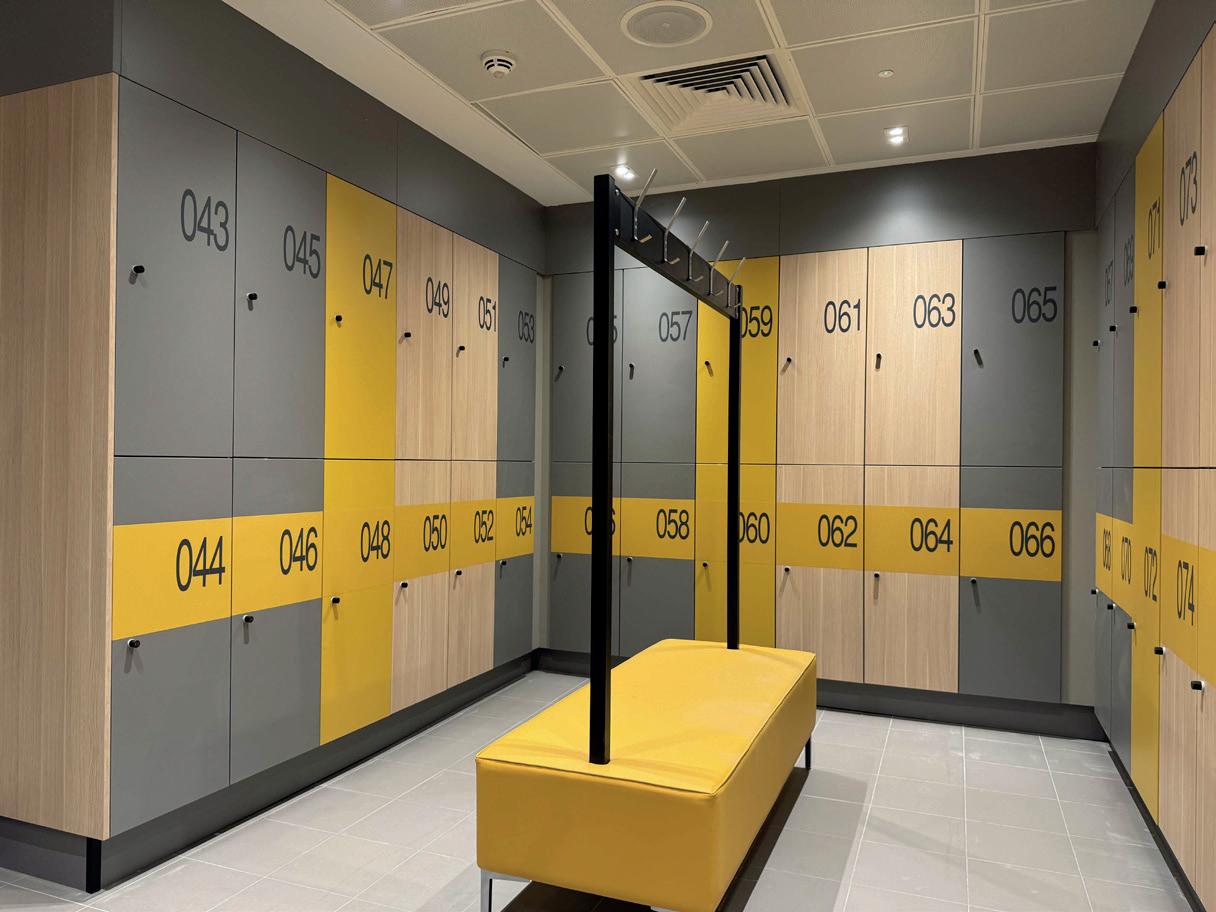

















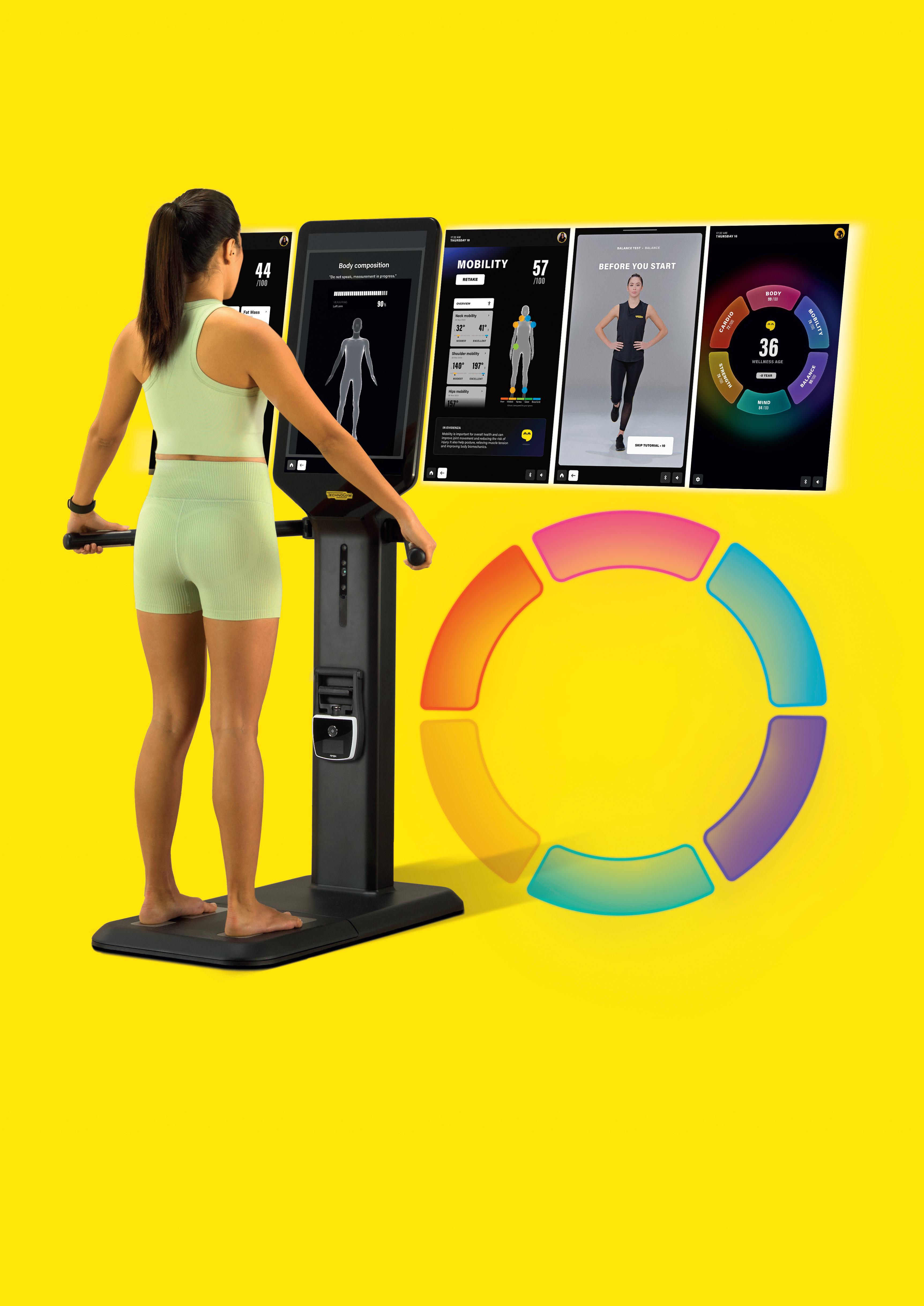
Power up your journey with Technogym Checkup-the gateway to precision training. This smart, holistic assessment measures six key physical and cognitive markers to reveal your Wellness Age. Technogym AI Coach then turns your data into a personalized training program on the Technogym App, so you can train for measurable results anytime, anywhere.