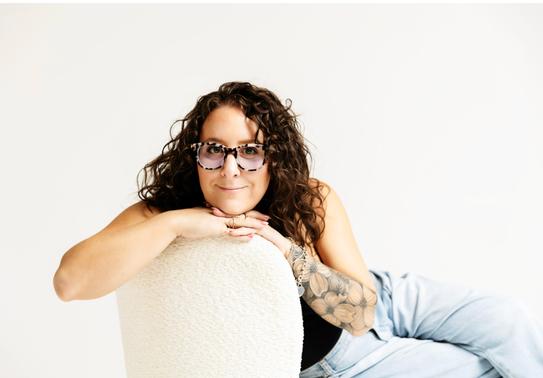
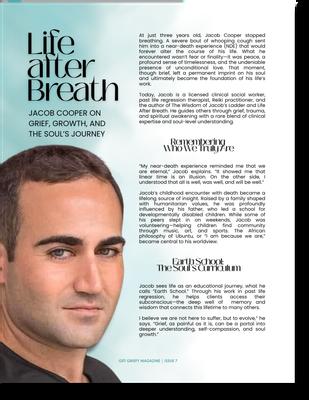
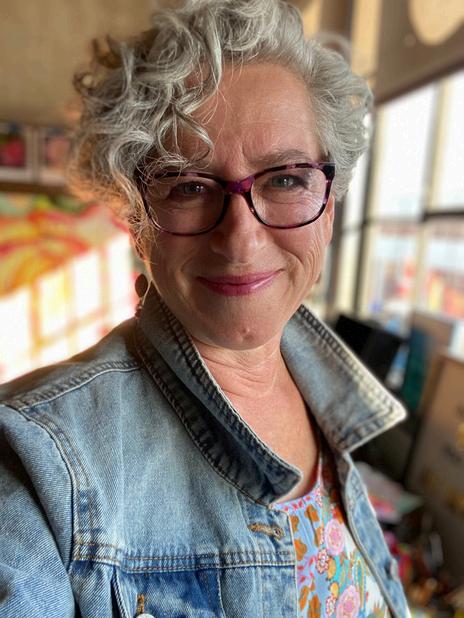
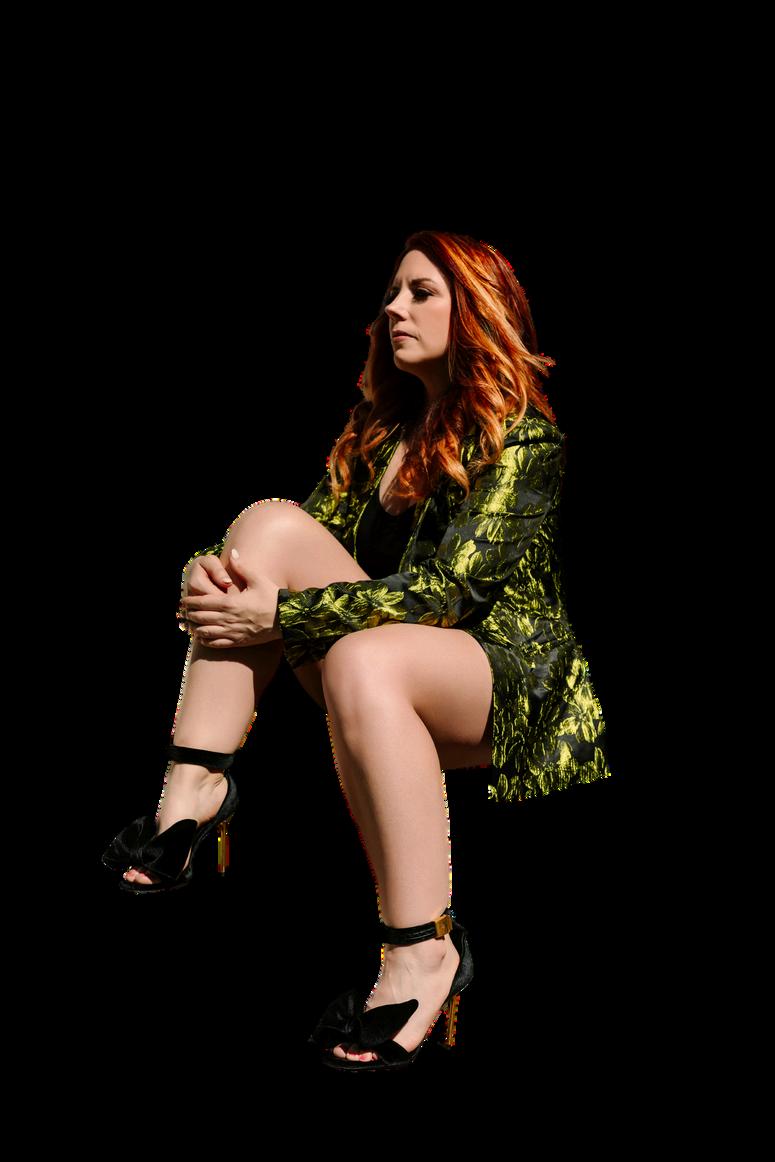
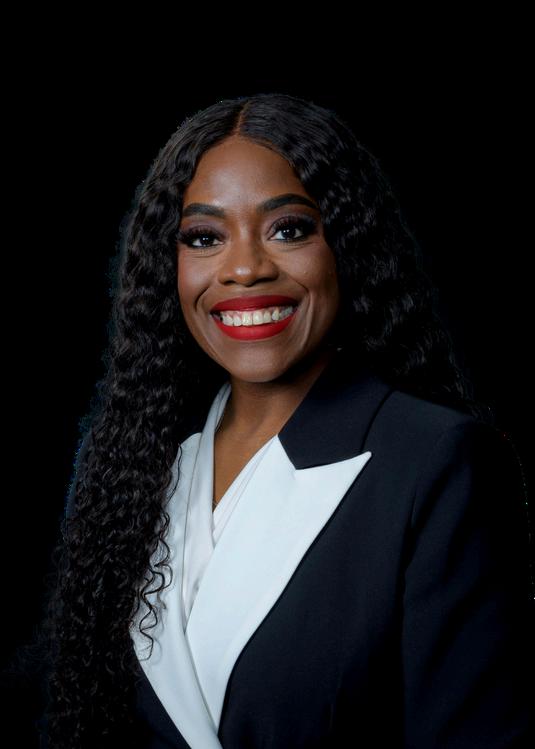
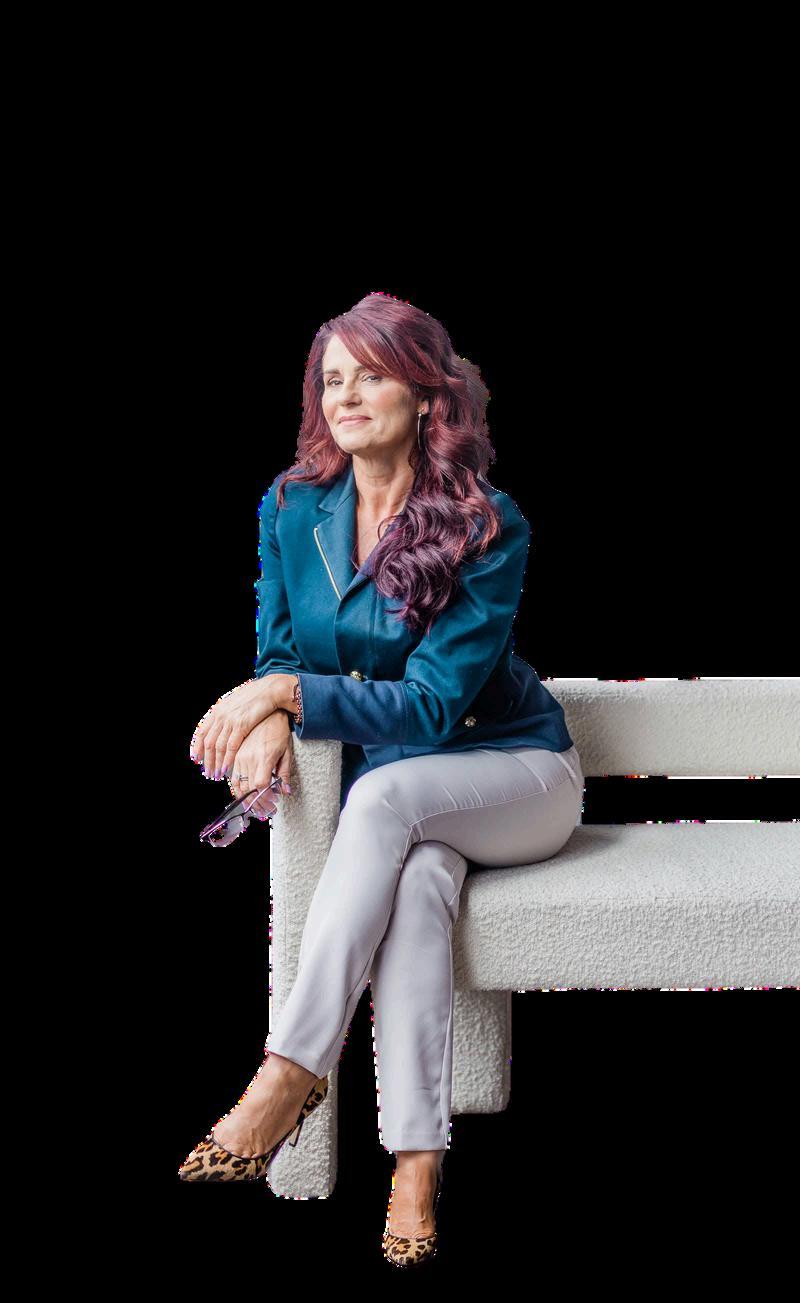
Talking Grief and Intimacy with Dr. Heather Taylor
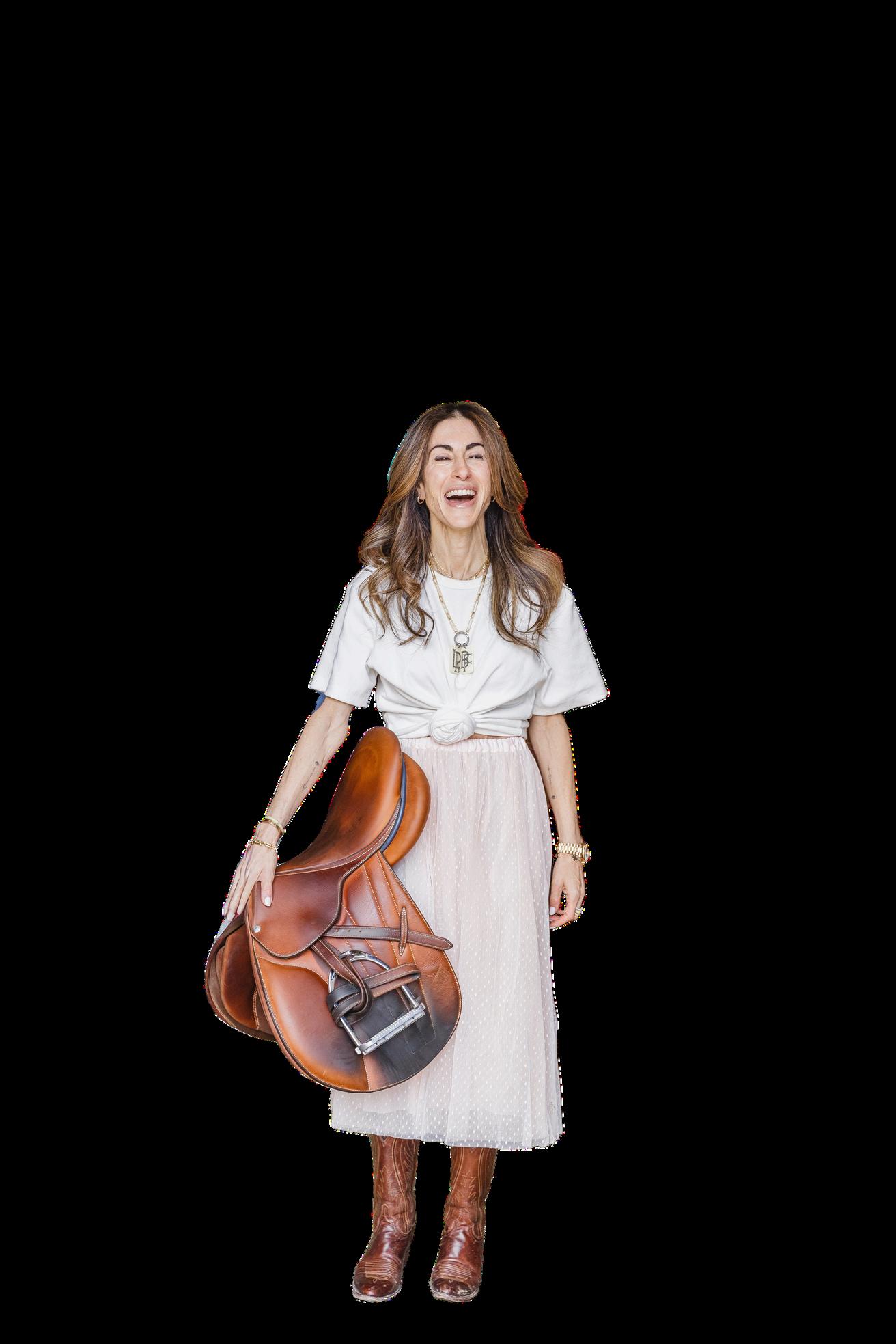
What Mother Earth teaches us about Grief and Love
PAULA GASPARINISANTOS
At Get Griefy Magazine, our m
navigating the profound journey of loss We are dedicated to c dividuals living with grief can find solace, inspiration, and a sen nventional narratives surrounding grief and loss, acknowledging ut embracing the strength to live fully Get Griefy Magazine seeks to redefine the conversation around grief, providing authentic stories, expert insights, and practical resources that empower our readers to navigate their grief journey with resilience and purpose. We aspire to foster connection and understanding, bridging the gap between those who are grieving and the support they need Through a blend of heartfelt narratives, expert advice, and uplifting content, we aim to inspire our readers to not only survive but to thrive in the face of loss. Get Griefy Magazine is more than a publication; it is a lifeline for those on the path of healing Join us as we navigate grief together, fostering a community that celebrates life, resilience, and the enduring spirit that emerges from the depths of loss
Disclaimer:
The content presented in this magazine is intended for informational and educational purposes only. The topics discussed, including death and dying, are sensitive and subjective in nature The information provided is not a substitute for professional advice, diagnosis, or treatment. Readers are encouraged to seek the guidance of qualified professionals in relevant fields for personalized assistance
The views expressed in individual articles are those of the respective authors and do not necessarily reflect the opinions of the magazine or its editorial team While we strive to present accurate and up-todate information, the dynamic nature of topics related to death and dying may lead to changes in understanding over time.
Readers are urged to exercise their own discretion and judgment when applying the information provided in this magazine to their specific circumstances The magazine and its contributors disclaim any responsibility for any adverse effects or consequences resulting from the use of information presented herein
Inclusion of any specific product, service, or organization in our content does not imply endorsement or recommendation Readers should independently verify and evaluate the suitability of such entities for their individual needs
The articles on this platform are either authored by human writers or generated by AI Articles without a listed author have been written by AI In cases where human authorship is noted, the content has been edited and enhanced with the support of AI technology. While we strive to ensure accuracy, relevance, and quality, AI tools play an integral role in the creation and editing process
By accessing and reading this magazine, readers acknowledge and agree to the terms of this disclaimer. If you are in need of professional assistance or experiencing a crisis, please seek help from qualified professionals or emergency services
Links to Amazon products are affiliated links to Get Griefy Associate Storefront
Copyright Statement:
All stories in Get Griefy Magazine are protected by copyright and are the intellectual property of Get Griefy, or the respective copyright holders, as indicated Reproduction, distribution, or any form of unauthorized use of the content without the explicit written permission of Get Griefy is strictly prohibited
Readers may download, print, or share content from Get Griefy for personal, non-commercial use only Any use beyond personal use, including but not limited to commercial purposes, distribution, reproduction, or modification, requires prior written consent from Get Griefy
THANK Y OU TOISSUE
Editor-In-Chief, Creative Director and Founder
Issue Visionary
Dr Jessica Zucker
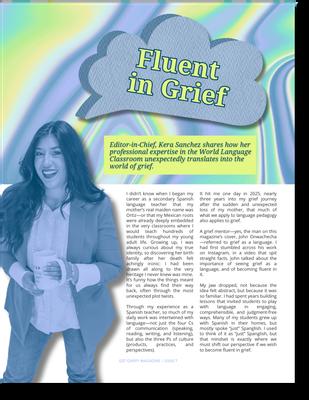
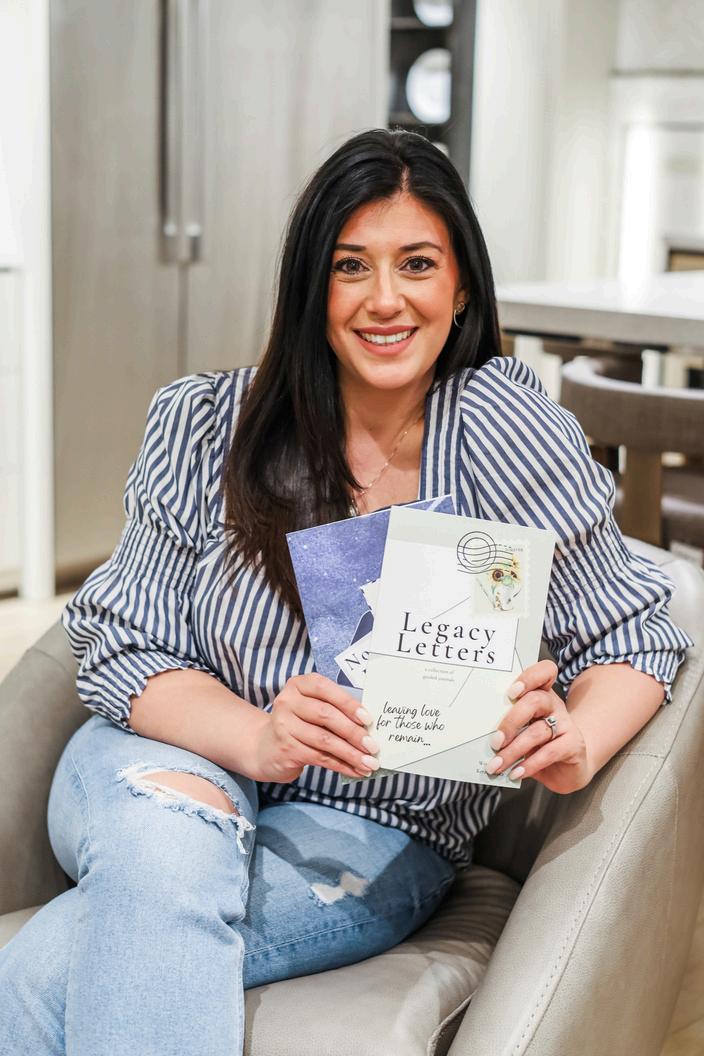
Kera Sanchez
Contributing Writer & Designer
Anne Levy
Contributing Writer & Designer
Nina Rodriguez
Small Business Collective Article Curators
Annah Elizabeth & Liz Quinn
Contributor
Erin Blechman
Contributor
Rebecca Bloom
Contributor
Lauren Boswell
Contributor
Camila Crews
Contributor
Angela Croop
Contributor
Paula De Oliveira Santos
Contributor
Tia Devincenzo
Contributor
Dr Tammy Isaac
Contributor
Blair Kaplan Venables
Contributor
Lisa Keefauver
Contributor
Sundari Malcolm
Contributor
Dr Christelle Oliver-Dussault
Contributor
Lydiah Owiti-Otienoh
Contributor
Jess Prudhomme
Contributor
Dr. Lauren Rae Talarico
Contributor
Dr Kimberly Rich
Contributor
Laing Rikkers
Contributor
Stacey Stevens
Contributor
Ali Stevens
Contributor
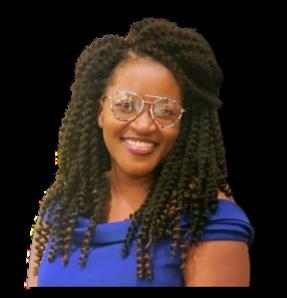
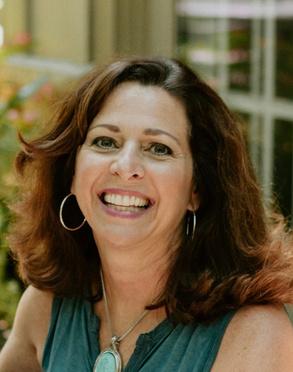
Dr. Heather Taylor
Contributor
Susie Stonefield
Contributor
Genicca Whitney
Contributor
Jennifer Estelle
Contributor
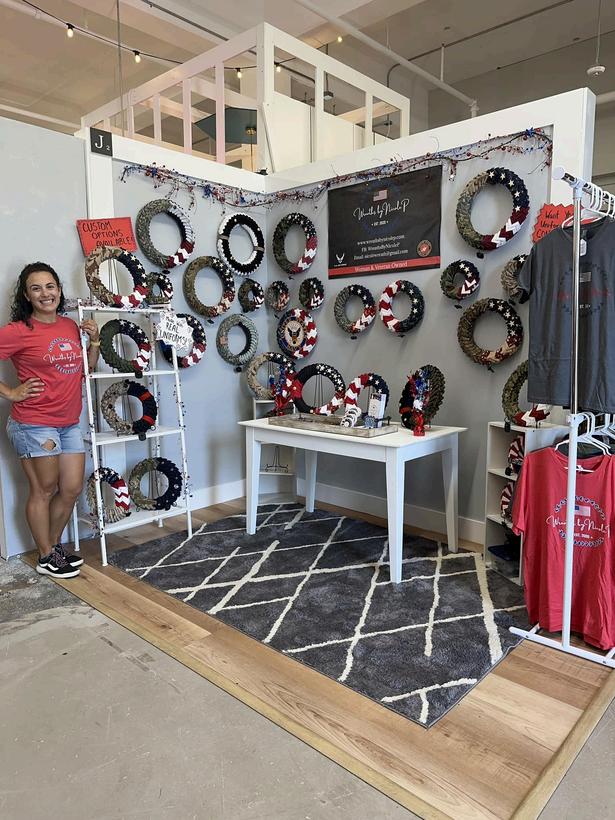
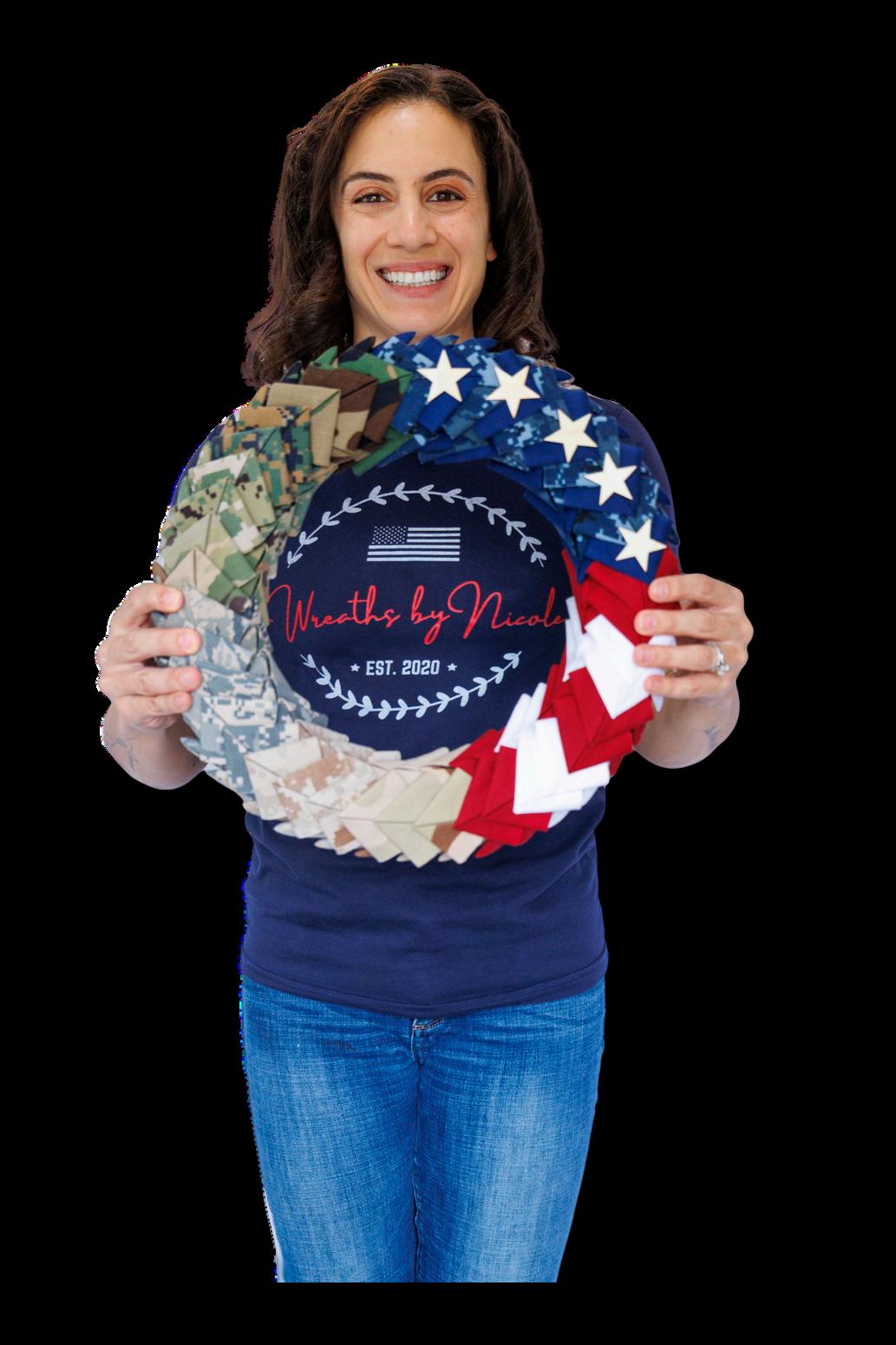
Nicole Zettlemoyer
My Great Detour How my Divorce Led Me Back to Myself By Jess Prudhomme All Bleeding Stops Eventually The Anatomy of My Crash Dr. Lauren Rae Talarico
Redefining Motherhood Carrying Love Beyond Presence
A SBC Collaboration with Liz Quinn, Shannon Roane and Angela Croop Liv
Women’s Issue Mission By Editor-in-Chief Kera Sanchez Dark Side of the Womb tter to my unborn Daughter Blair Kaplan Venables
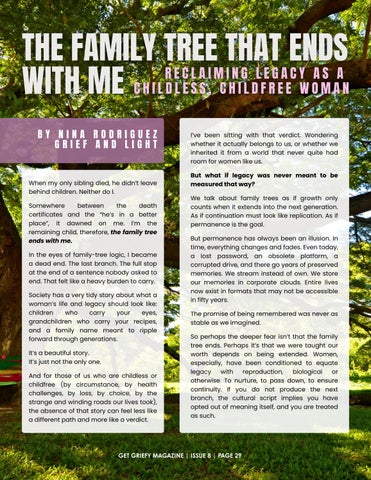
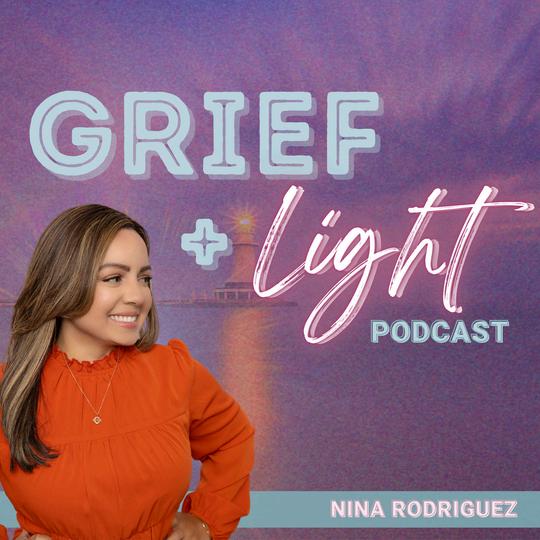
The Family Tree That Ends With Me Reclaiming Legacy as a Childless, Childfree Woman By Nina Rodriguez
Saying Goodbye to the Body I Knew Before Rape By Tia DeVincenzo
Still His Mom Living with Ambiguous Loss By Anne Levy
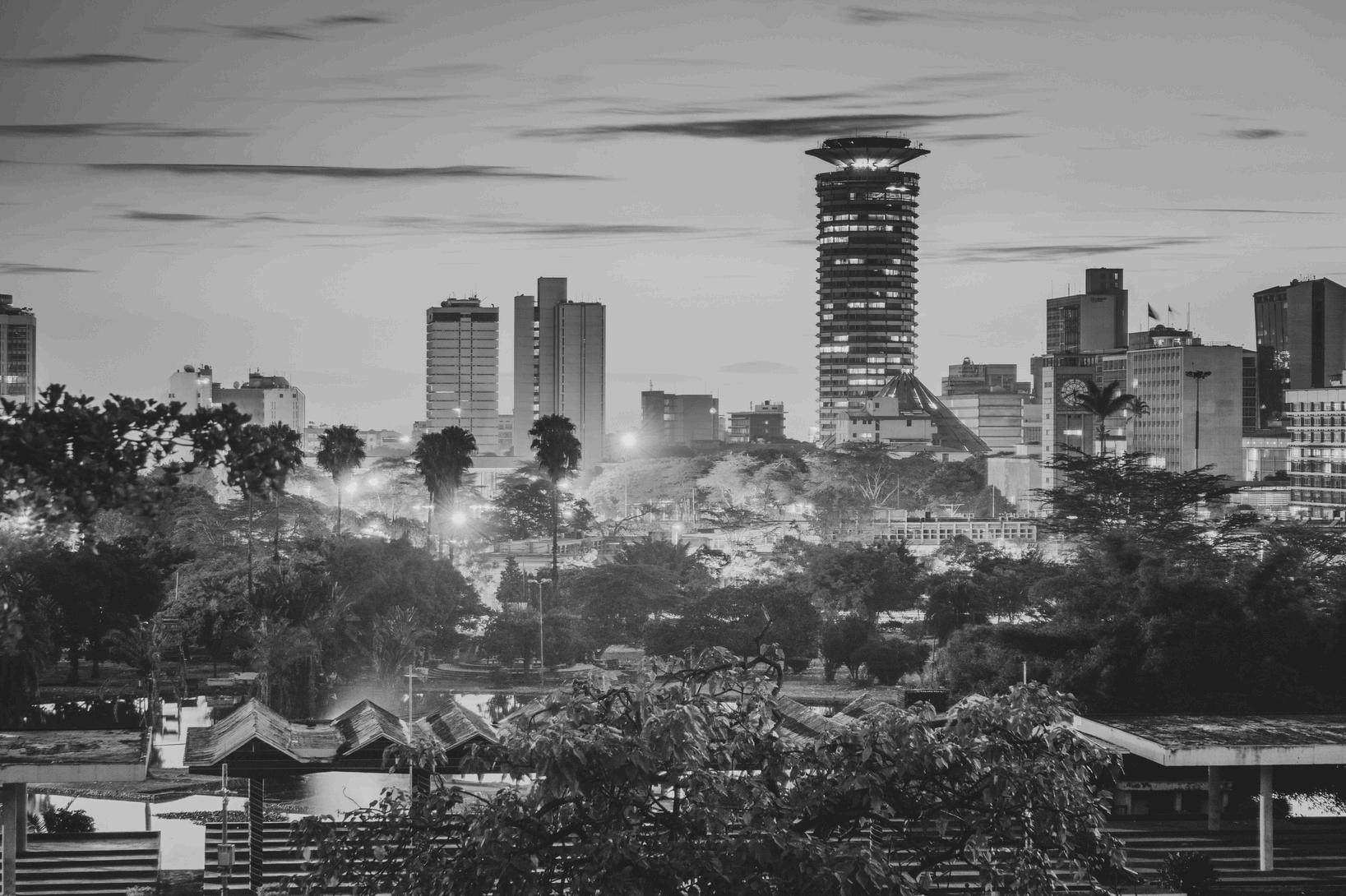
The Grief of Starting Over in a New Country By Lydiah Owiti-Otienoh
Who am I Now that My Life Has Changed Forever? A SBC Collaborative Exploration on Identity Loss and Introspection with Dr. Parul Dua Makkar, Annah Elizabeth, Katy Parker, Shannon Roane
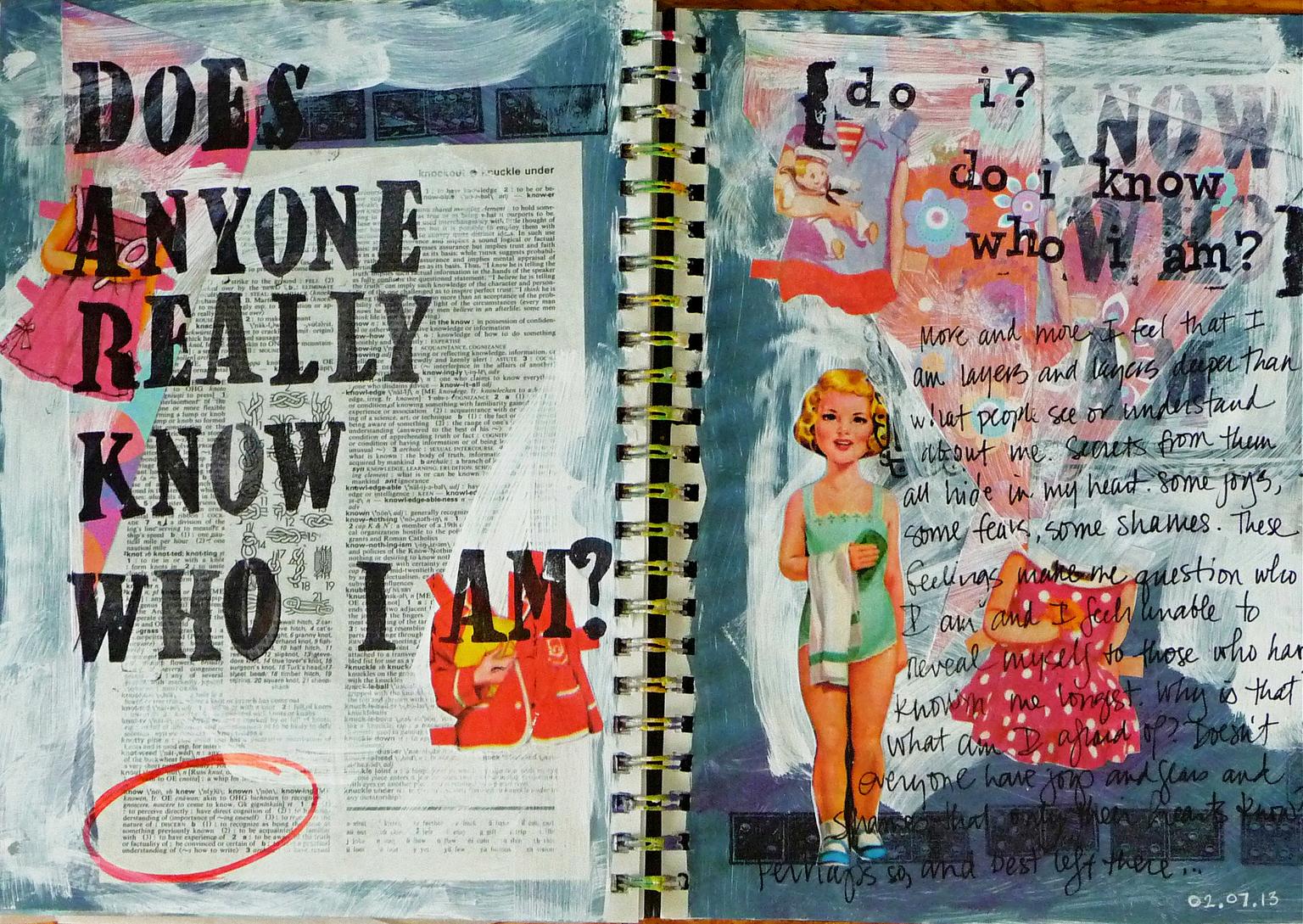
Does Anyone Really Know Who I Am? By Susie Stonefield
The Grief of Becoming By Angela Croop
Reclaiming Color Grief, Matrescence, and the Woman I Became By Dr. Christelle OliverDussault
The Strong Black Woman and the Grief of Success By Dr. Tammy Issac
56
Outgrowing Ourselves The Quiet Grief of Midlife By Stacey Stevens
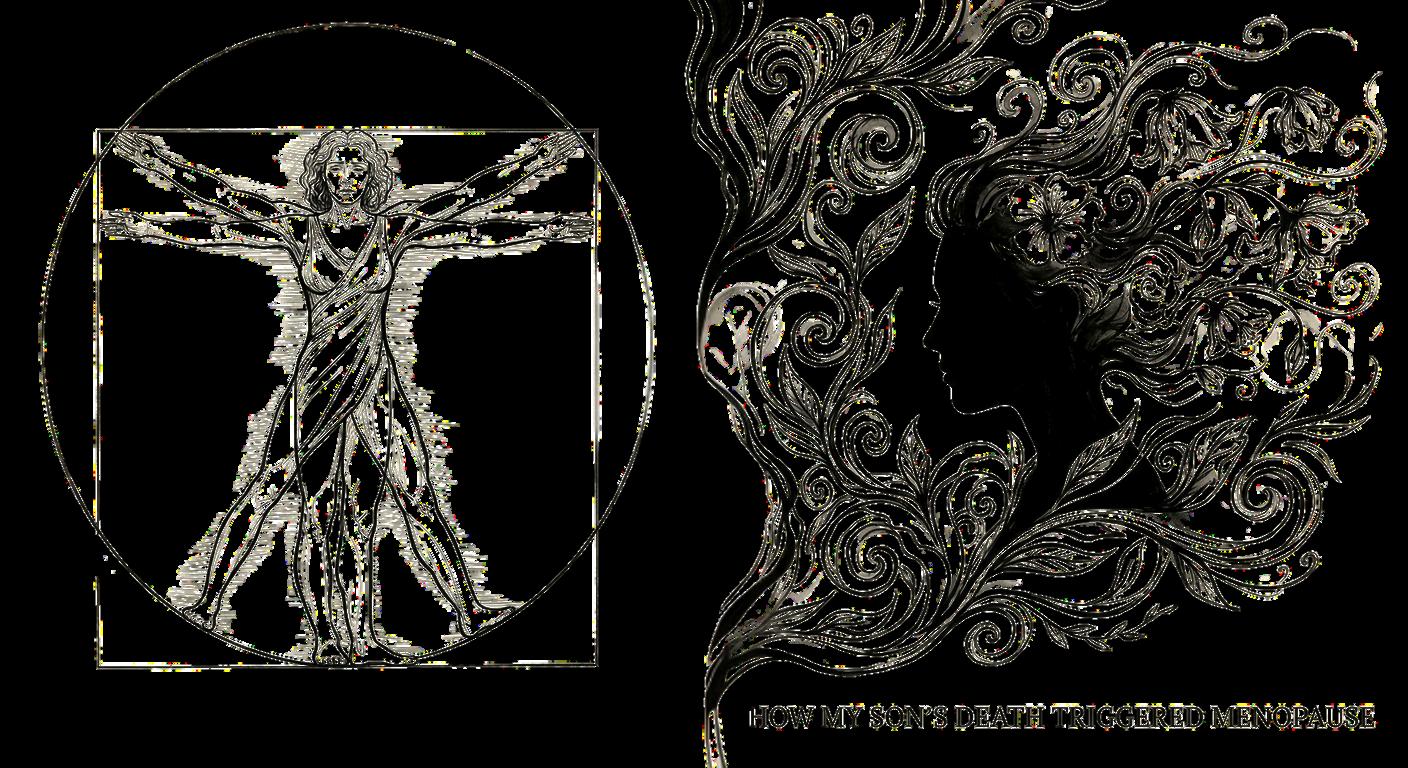
Grief is a Full-Body Experience How my Son’s Death Triggered Menopause By Erin Blechman
Grief How Grief ger unexpected what to do about ews with expert nal Therapy an Koursaris
verything (Yes, derstanding esire in a Body By Dr. Heather
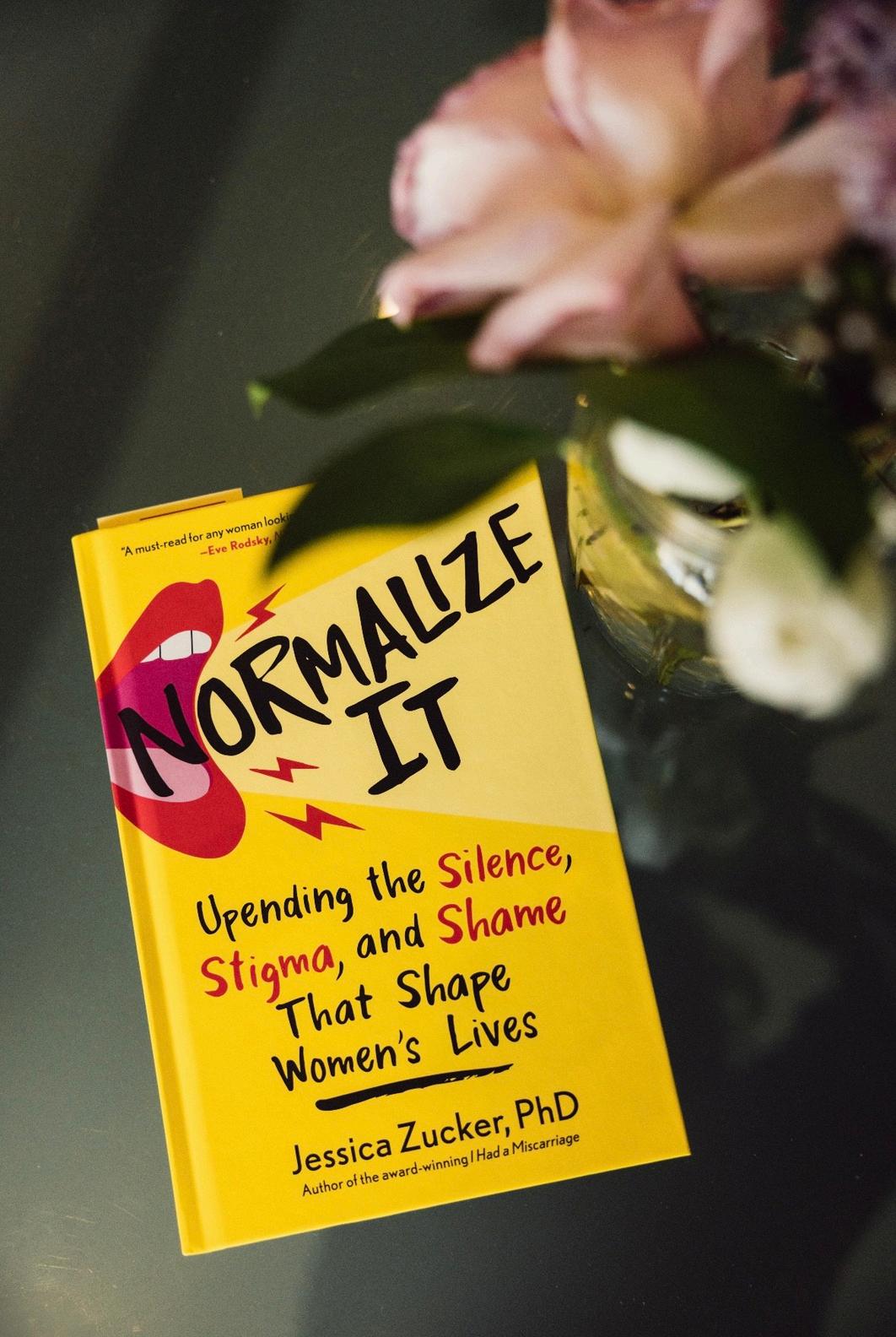
Normalizing It!
Dr. Jessica Zucker and the Art of Speaking Womanhood Above a Whisper 68
Th K
79
The Mission Continues Loss, Legacy, and the Circle of Hope By Nicole Zettlemoyer
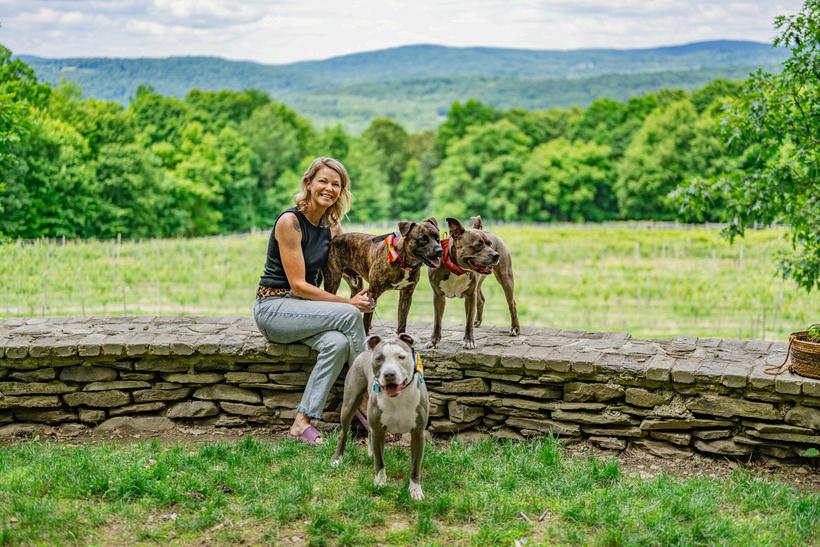
A Place to Pause Paws What Grief Taught Me About Becoming Myself By Jennifer Estelle 82
Do You Have a Succession Plan? By Dr Kimberly Rich
What My Divorce Revealed About Power, Money, and Identity By Genicca Whitney
Automatic Speed Dial By Laing Rikkers
What Cancer Couldn’t Kill By Lisa Keefauver
The Wild Ones By Sundari Malcolm
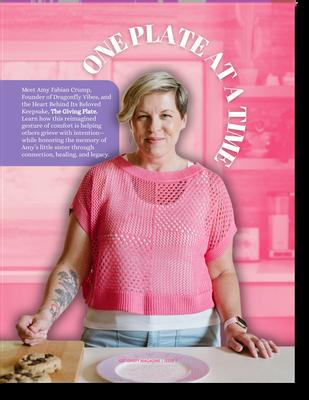
What Mother Earth Teaches Us About Grief and Love By Paula GaspariniSantos
Because I Knew Her On Advocacy, Grief, and the Power of Women’s Stories By Rebecca Bloom
EDITOR’S NOTE
I was ten days postpartum, sitting on a paper-covered exam table beneath the fluorescent lights of my OB-GYN’s office, when I realized that grief is far more complex than the singular event of losing someone you love
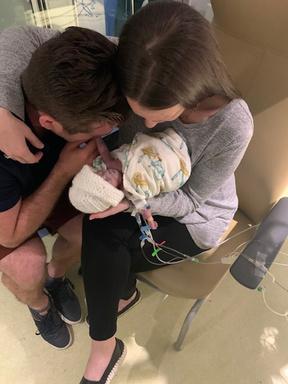
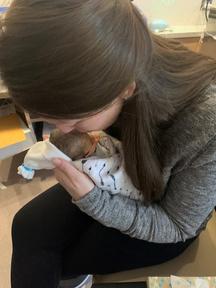
My daughter had been born a full month early via emergency C-section, in a blur of urgency and fear. She was whisked away to the NICU for days of isolation Because of COVID regulations, my husband wasn’t allowed in the hospital for her birth. And on the day I was finally wheeled down to the NICU to meet and hold my baby for the first time, I received a phone call from my dad: my mom had just died in her hotel room on the first day of what was supposed to be their Italian vacation
Two weeks That was all it took for my world to split open
During my postpartum questionnaire, the nurse monotone, clinical asked her questions, unaware of the tidal wave I had just survived
“How often do you find yourself teary?”
“How often do you feel hopeless?”
“How often do you think about dying?”
I felt like Charlotte York from Sex and the City: “not all day, every day but every day ”
In the weeks, months, and years after my mother’s death, the layers of the grief onion peeled back. With each layer came new realizations, new aches, new understandings of what grief actually is Relatively sheltered from profound loss until 35, I had no idea how deeply grief could alter a life or how it could resurface as secondary losses and quiet moments of mourning that have nothing to do with a funeral
I grieved watching my brother get married, seeing my mom’s chair empty, a photo of her sunshine smile in its place I grieved hearing my children cry at night because they missed their dad during his months of military duty I grieved the reality that my kids have no grandmothers. Sprinkle in pregnancy loss Add the slow burn of a career I poured myself into for over a decade, watching the fire fade.
As a classroom teacher and later a Dean of Students, I invested my heart in teens, many of whom faced cycles of poverty and trauma that felt bigger than any intervention The powerlessness settled into my bones. It was its own kind of grief.
I even grieved the small, sacred things: my children growing out of their clothes; the baby years I wasn’t fully present for because I was surviving instead of living For about two years, I felt like a shell of a mother physically there, emotionally underwater. I grieve the motherhood experience I felt robbed of
Our recent move to Maryland ushered in yet another layer. An identity crisis wrapped in fresh beginnings. Who am I if I’m not Kera from Chicago? The Dean The one with her people The one with a schedule, a rhythm, a life that made sense. The novelty of a new place was tinged with disassociation, with the quiet mourning of a former version of myself I found myself waiting patiently, hopefully for the bulb to push through the soil and bloom again.
That’s the thing about grief: it shows up in more places than we expect. It threads through womanhood, motherhood, marriage, career, identity And yet we rarely talk about it unless someone has died
When I first connected with Dr Jessica Zucker, we exchanged voice notes and DMs, and she offered to send me her book
As I learned her story and read the vignettes of stigmatized experiences so many women endure but rarely name I realized we had found the center of the Venn diagram between womanhood and grief
The losses that don’t get casseroles
The heartbreaks that don’t get sympathy cards
The pain that gets minimized because it’s “just part of life.”
She gave us permission to speak So in this issue, we’re taking the mic.
This issue is dedicated to women women who have experienced it all and sometimes feel confused about why their pain goes unrecognized Women who are grieving things that don’t have funerals Women who are becoming, unraveling, rebuilding.
What I’ve learned is this: talking about our grief doesn’t fix it It doesn’t neatly tie a bow around the ache But it does build bridges. It offers relief. It reminds us we are not alone in the inbetween
This one’s for the girls. And man, I feel like a woman.
FOUNDER AND EDITOR-IN-CHIEF
Celebrating 8 Issues of Get Griefy Magazine.
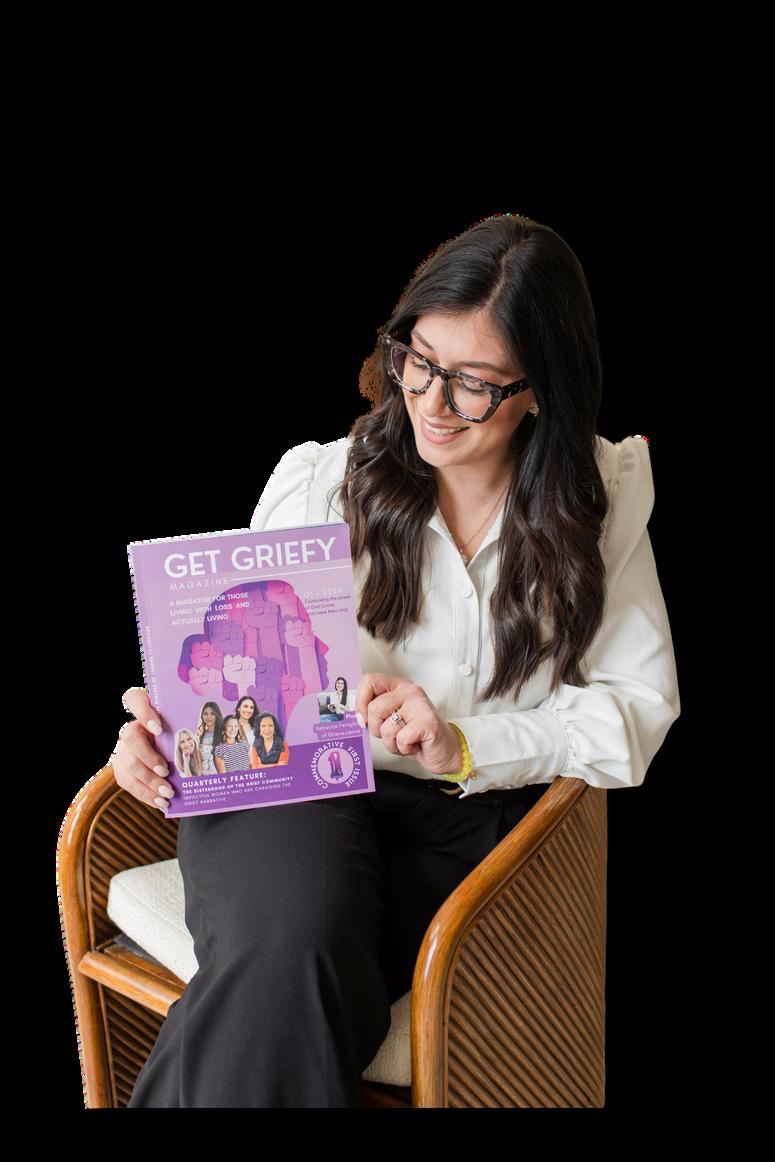
Pictured: Kera with Issue 1 back in 2024
My Great Detour My Great Detour
By Jess Prudhomme
Unraveling
Leaves crunched beneath our feet as we walked across the grass. It was late October, and there was a chill in the air. I tightened the belt around my jacket. Exactly six years ago we stood on this very ground, bathed in the soft glow of a stunning fall golden hour as our photographer captured our first moments as husband and wife. Approximately 180 of our family and friends had been a few feet away inside our venue, a beautiful turn-of-the-century Victorian mansion, sipping champagne and sampling passed hors d’oeuvres at our lavish cocktail hour.
Today I looked at my husband in desperation. Though silent, my eyes implored “Do you feel anything? Tell me there’s still some magic lingering here that might save us.” It was a lastditch attempt to salvage what had become of our happily ever after But the truth was as chilly as the air: the magic was gone There was nothing left. Our marriage ended 5 months later.
Our struggles started years before that final anniversary. Our long, drawn-out arguments are seared into my memory. The ones where we’d stay up late into the night circling the same topic, like dingy lather around a shower drain, leaving for work the next morning with puffy eyes and not even a semblance of resolution During those fights I’d look at him, mascara streaming down my face, and say words that still haunt me: “I can’t live without you.”
I now know that this couldn’t be further from the truth. But at that time fear, anxiety, and anticipatory grief crippled me. People at work started to comment on my weight loss, saying “Hey, you look great, what are you doing?”
“Oh, it’s the Peloton,” I’d lie, crediting my stationary bike. In reality, our marathon fights were not only depriving me of sleep, but my appetite as well.
It dragged on for what felt like forever. Towards the end, it was impossible to hide from those closest to me. I met up with one of my best friends on New Year’s Day that final year. My red, swollen eyes registered on her face as soon as I got out of the car. It was a very mild day for January, so we decided to take a stroll around her neighborhood. Only a few minutes into the walk she turned to me with an expression that carried both concern and frustration and said, “How much longer, Jess?” I looked down at the sidewalk, feeling ashamed and pathetic. “I’m just not ready,” I replied.
How could I be ready? He was the first man I’d ever loved, and I’d quite literally grown up loving him. I had been with him since I was a teenager, seventeen entire years half of my existence up until that point How do you just give up on that kind of love story? How do you let go of a future you had always been so certain of? And the biggest question of all: who was I without him? I was about to find out.
Aftermath
healing
When the acute pain of the heartbreak subsided, I real Those days of therapy, and ho the blank spa daunting at mo ember of hope And as I leaned that shined bri ever experience
I went full-in journaling, book became clear t been with my abandoned my safety in the r learned in earl time in my life, things I’d hist validation, and things on my enjoy my own c team, became p cultivated frie abroad (by mys scene, sitting a mindset of “do hope he likes confidence and learned to trust unknowingly realized that no my husband, I Because now I that had been l along a deep c myself.
Healing is enigm in the shower, steady your fu how you’ll mov day, you just r came for me ab our split I was table, perfectly Croatian island sparkling in the
The meal was served family-style, and huge
Expansion
Rumi said, “The wound is the place where the Light enters you.” My divorce brought me to my knees and split me wide open. But in that space, so much light entered And the thing about light is that it can’t be contained It’s farreaching and expansive And my light was ready to expand.
In those early days after my divorce, podcasts had been a pivotal part of my healing. I would fall asleep with my AirPods in, dozing off to voices that would come to feel like close friends in the following years. I listened to stories of heartbreak, divorce, and healing, feeling less alone in my own experience
Perhaps that’s what inspired me to start transitioning my journaling practice to voice notes. I’d always been an avid writer, with bins of old journals tucked away in my closet. However, now, rather than writing my thoughts on a page, I’d open my voice memo app and let my thoughts flow through spoken word. And it felt really, really good A few times the thought crossed my mind (which I now know was my intuition), “you could be a podcaster.” But I quickly dismissed it. Me? I didn’t know the first thing about podcasting. No way. My untapped potential kept knocking, though. And the universe is clever. When I wasn’t fully listening to my intuition, it got my attention through a new friend who asked me to come on the podcast she was launching to share my divorce story. And this time, it was a hell yes from me.
I wanted to create a space where others could share stories of how their lives, like mine, didn’t go according to plan, and the lessons and healing that occurred along the way. My pain had catalyzed my growth in ways I didn’t know was possible. I wanted others to know that this was possible for them too.
After I did the episode, it felt like something inside of me came alive. It was a high I had never experienced before. And over the next two years, as I continued to heal and grow closer to myself, the call to use my voice and start my own podcast grew even louder
I don’t remember how or when the concept formed it feels like it was always in me, waiting to be acknowledged.
I finally leaned in and decided I was going to give podcasting a shot I spent my career in marketing, so I knew if I was going to launch something like this, I needed a title I could get excited about promoting. After a full evening of ideating and not having any ideas that felt quite right, I decided to call it a night. Tired with a headache, I mumbled an irreverent prayer before I closed my eyes: “Look, if you want me to do this, you’ve got to give me a good name.” I woke up in the middle of the night with three words in my head: “The Great Detour ” I launched my first season a few months later
Purpose
If there’s one thing I’ve learned from my podcast, it’s that my story is not unique. We all have detours and experiences that change us on a fundamental level. But when we lean into loss and the unexpected, when we stare straight into the shadowy eyes of heartbreak and grief and say, “I’ll keep you company for a while. What do you want to teach me?” something magic happens. Light gets in. Healing begins. Expansion occurs.
Life can be excruciating at times. And though I’m not sure I believe that there’s purpose behind all the painful things we experience, my heartbreak has taught me that we can create purpose from the pain, alchemizing it into something beautiful that can help others who are navigating their own detours.
Jess is the creator and host of The Great Detour, a podcast and online community launched in February 2025. In under a year, the show became an instant Spotify hit ranking in the top 8% of new podcasts while reaching listeners across 47 countries. Jess has released 32 episodes with 28 guests and built an engaged Instagram community of over 17K followers.
Photo Credit: B Hull Photography
ALL BLEEDING STOPS EVENTUALLY:
The Anatomy of My Crash
Dr. Lauren Rae Talarico
“Dr. T! It’s really hemorrhaging! I’m getting nervous! The blood pressure is dropping You have to stop the bleeding!” I remember countless interns exclaiming this in the operating room when observing surgeries over the years. They may have been nervous but I most certainly was not I was in complete control of the situation I knew that in order for me to remove the herniated disc material and allow this animal to walk again, or to get the entire tumor out, some bleeding would have to occur It’s all part of the process and I was impeccably trained to handle it, because I was in control.
Calmly I would respond, “All bleeding stops eventually” until it doesn’t.
As a veterinary neurosurgeon I spent over two decades of my life “fixing” external wounds Herniated discs, broken backs and brain tumors But just like I used to say to my interns “death is permanent; the one thing I can’t fix.” Marc’s death was something I could not fix And I lost all control Having to explain the death of a pet to an owner is one thing, but having to explain the death of a father to three children under the age of 5 was quite another This was certainly something their mommy could never fix
It took me four years and a multi-modal healing journey to realize that Marc’s passing wasn’t an external or physical problem that could be easily “fixed ” There was no surgical procedure I could perform to bring him back to life, and no procedure I could perform for myself or my children to heal us and make us all whole again The only way out of this painful darkness and emptiness was for me to transform myself on a deeply soulful level. And for my children to heal, their mother, the womb from which they were born, had to first transform to receive the healing her soul desired. The souls of my three children knew before they were born into this physical world that their time with their father would be short-lived, and they knew they would be raised by a single mother. The lesson here in all of this was for me to transform. From that place, we could all be whole again
The missing piece in all of this for me was the spiritual realm. I was trained in an Ivy League veterinary school where anything alternative or not backed by double blinded placebo controlled studies was not accepted. My entire life that is how I was trained. My brain was wired to execute a plan based on science But this was to fix external problems
Meet Lauren an author, veterinary neurosurgeon, widow, mother, and founder of Mama Farmette and Blue Fox Farm. For fifteen years, she performed complex neurosurgical procedures, living a life defined by precision, control, and outward success.
That life unraveled when her husband, Marc, died suddenly, leaving her widowed at forty with three children under the age of five. In the years that followed, Lauren embarked on an intensive four-year journey beyond conventional medicine. Through plant medicine, Kabbalistic astrology, breathwork, and a deep reconnection with animals and the natural world, she learned to quiet her ego and listen to the deeper wisdom of her soul.
To heal from the inside out, that would require something intangible My internal soul corrections would need to be identified, excavated, understood and transformed in order for me to become whole again
I used to think death was permanent It was not until plant medicine gently opened my heart to receive all of the love Marc had to offer to me and my children from the spiritual realm could I understand death the opposite of permanent. When Marc left, the metaphysical barrier between me and the spiritual world dissolved and my clairvoyant gifts have since flooded in They are a bit overwhelming at times, but my connection with plants and animals has never been more clear. Marc’s soul may have left his body in human form; however, he lives on as strong as ever in my heart and in the hearts of my three children. And now that I have created the spiritual space to really listen, I can hear his messaging loud and clear I am now co-parenting with the divine
Lauren’s young Daughter, Gigi, wrote a piece for our online bonus content find it on our Women’s Issue Page at GetGriefy com
P E R M I S S I O N T O B R E A T H E a transformative podcast dedicated to providing a safe space where you can inhale deeply and exhale freely while embracing your grief journey unapologetically
“After losing my daughter Avianna more than ten years ago, I’ve come to understand motherhood after loss as carrying my child into rooms she will never physically enter It’s saying her name out loud, creating retreats, building communities, and making sure Avianna’s life however brief ripples outward to help other grieving families For me, motherhood isn’t about proximity it’s about presence I carry Avianna every day in my routines, my choices, my work, and my words It is love made visible.”
Redefining Motherhood: Carrying Love Beyond Presence
By Liz Quinn with Insights from Shannon Roane and Angela Croop
Motherhood is often imagined as a timeline first steps, birthdays, school plays, bedtime stories You picture a child in your arms, a life unfolding the way you imagined. I thought I knew what motherhood meant. Then I met Alivia
Getting pregnant with her was a complete surprise I was overjoyed, dreaming of holding her, teaching her, and building a life together. But when she died, everything I imagined about motherhood crumbled I realized that being a mother isn’t just about the child you can hold It’s about the child you carry in your heart, every single day, even when the world can’t see them
I wondered how other mothers living with loss understand this version of motherhood So I asked a few colleagues from Get Griefy’s Small Business Collective to share their experience and this is what they shared:
Angela Croop Grief Facilitator and Retreat Leader Founder of Fly Avi Fly Shop
Shannon Roane Grief Coach and Facilitator Founder of J&J Journals Highlight your Healing Podcast Host
“Seven years after my loss, I’ve learned that motherhood isn’t defined by whatyouholdinyourarms it’s about what you carry in your heart Before my loss, motherhood meant joy, plans, and a future I had always imagined. After loss, it became about honoring the babies I didn’t get to raise here, letting their brief lives shape who I have become I mother through remembrance, advocacy, and by using my story to create space for other women navigating loss. For me, love doesn’t disappear it grows in ways you never expect ”
Loss changes how you see the world Ordinary moments feel heavier, quieter, and more sacred Birthdays, anniversaries, even a simple evening at home carry weight. Shannon, Angela, and I have learned that motherhood now is about creating meaning and connection privately and publicly We journal, speak to our children, honor milestones, and also advocate, build community, and break the silence that once made our grief invisible.
There are days when motherhood feels visible when we speak their names, honor their dates, or create spaces for others to grieve with us And there are days when it feels invisible in a world that doesn’t see the children we carry, in questions like “how many kids do you have?” or in the quiet that misunderstands our love But even in invisibility, the bond is real The love is real The devotion is real.
To carry a child is to let them shape your life in ways big and small. For me, carrying Alivia means she influences how I parent my other children, how I show up in my community, and how I love Angela carries Avianna in the retreats she runs, the spaces she builds, and the love she pours into families walking similar paths Shannon carries her babies through her voice, her story, and the ways she nurtures healing and hope for others.
Motherhood after loss is not just about raising a child it’s about being changed by them
Our children shape how we move through the world, how we see time, how we value what matters Small rituals a necklace with a date, a quiet conversation, a journal entry become lifelines, ways to honor them and keep their presence alive
Motherhood after loss is shared, too. It is advocacy, mentorship, and building community It’s opening conversations others avoid, creating visibility for what’s often invisible, and letting grief and joy sit in the same space Saying their names, celebrating milestones, and acknowledging absence doesn’t make us stuck. It keeps our children present and shapes who we are every day
I am a mother because Alivia existed, and her existence changed me Angela is a mother because Avianna existed, and her life reshaped everything. Shannon is a mother because her babies existed, and seven years later, she still lives, nurtures, and honors that love every day Loss doesn’t erase motherhood it changes it, deepens it, and gives it new forms.
To anyone reading this who has lost a child you are not alone Your motherhood is real. Your love endures. Your children, however brief their time here, continue to shape the world through you Every word, every ritual, every space you hold honors them Time doesn’t erase them; the way you live, love, and carry them forward keeps them alive.
Motherhood after loss is messy, raw, and beautiful It is sorrow and joy held together It is public and private, quiet and loud, visible and invisible And it is yours fully, completely, every single day
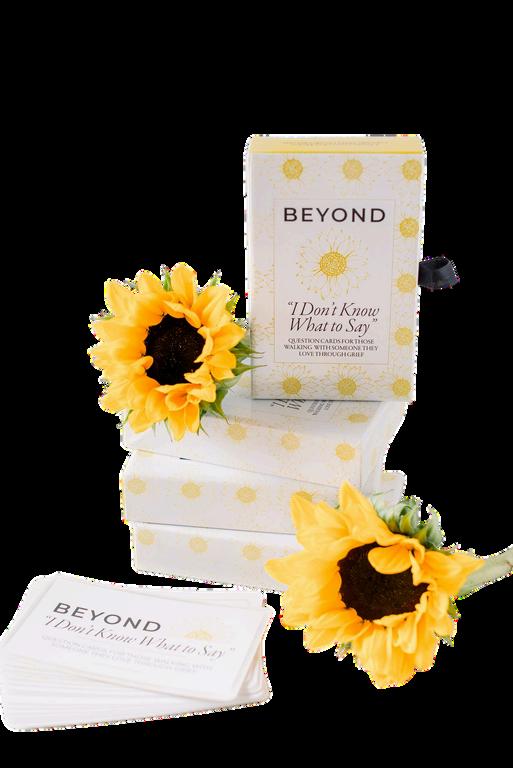
WHEN WORDS FEEL FRAGILE, QUESTIONS CAN HELP. GRIEF CHANGES THE WAY WE SPEAK. IT CAN LEAVE US WANTING TO TALK, AND UNSURE HOW TO BEGIN.
The Beyond “I Don’t Know What to Say”
Grief Communication Cards were created after the loss of our daughter, Annie Lauren, out of a deep need for something gentle enough to open real conversations without pressure, fixing, or clichés.
I’M OFTEN ASKED ABOUT SILVER LININGS. I’M SENSITIVE TO THIS TERM BECAUSE THERE IS ABSOLUTELY NOTHING POSITIVE ABOUT THEIR DEATHS AND THE DARKNESS THAT FOLLOWED BUT THOSE EVENTS CHANGED ME, MOSTLY FOR THE BETTER.
My journey to parenthood began with a low AMH count and one functioning fallopian tube After failed IUI attempts, we moved to IVF and ended up with five genetically perfect embryos On November 15, 2019, we transferred two embryos The doctor said it was “perfect ” Eight days later: two lines I just kept saying “Oh my God, oh my God, oh my God!” Four weeks later, we learned both embryos had implanted. Twins. I couldn’t believe it, after IVF horror stories I’ve heard and read, we were pregnant on our first transfer (IVF Warriors, IYKYK!)
I had no idea what was ahead
January and February 2020 were wonderful - my body growing, both babies moving inside me. Then COVID hit. I had a picture perfect appointment at a high-risk MFM practice in NYC on April 24, at 26 5 weeks Everything looked as it should The next evening, I had an awful stomachache and began vomiting I figured it was food poisoning This continued for about two hours Then things changed, fast
I felt severe pressure in my vaginal cavity
We called the hospital, then 911 As the operator was asking questions, something inside felt like it was dropping out of me I reached my hand down, and a blue waterballoon-like sac came out, fully intact Then I felt something more solid Limbs
“Oh my God! A baby! It’s one of the babies!”
The paramedics arrived, cut my umbilical cord, and rushed us to the nearest hospital
My body felt like 500 lbs, and I kept reminding them there was another baby still inside me
Our daughter was whisked to the NICU They manually broke my water, and our son was born quickly and traumaticallysilent, not one sound They began aggressive resuscitation The looks on everyone ’ s faces were pure terror
We named our son Max Mann Stevens, “the greatest.” Our daughter: Liv Haydon Stevens, “life.” Combined, they meant “the greatest life.”
Max started breathing and was taken to the NICU I went into emergency surgery, lost an extreme amount of blood, and couldn’t leave the bed for eight-plus hours No visitors were allowed due to COVID Tim left thinking he’d be back, and was forbidden Restrictions were changing by the hour, and I didn’t feel safe without my partner. I was entirely alone and scared.
The NICU doctor explained Liv was seemingly OK at just over one pound, but we were nowhere near out of the woods “Now, with Max, we are very, very, very, very, very concerned ”
I bluntly asked: “Is Max going to die?”
He was transferred for emergency surgery Around midnight, the surgeon called for my final consent “Do you, Alison Stevens, mother of Max Stevens, agree to this surgery?”
“Yes ”
After hanging up, I cried hysterically and prayed
My phone rang at 6:20 a m Please no, I thought It’s too soon
“Hi Alison, it’s Dr X I’m so sorry As we were getting ready to begin, Max stopped breathing We tried everything Max has died ”
I had given birth to twins yesterday Now I was alone, my son was dead, I was forbidden from seeing my daughter, and my husband couldn’t get through security
I called Tim and woke him from a deep sleep
“Love, Max didn’t make it We lost him ”
I discharged myself the next afternoon Max had been kept on oxygen after he died, so his body would be warm and soft for us to hold He was in a bassinet, wrapped in a swaddle with a hat on. Tim walked toward him and said: “He’s beautiful ”
I scooped Max up I needed him in my arms I kissed his face, his hands, his forehead His skin was softer than silk I touched his lips to mine My tears wet his tiny, perfect face This would be the last time I would hold my son
We said goodbye to one life and knew we had to fight for the other And that’s what we did
Receiving congratulations and condolence wishes simultaneously was something I never knew was possible People showed up with meal trains, flowers, donations in Max’s memory, planted trees, named stars
For five weeks, Liv took one step forward, three steps back She had a bilateral brain bleed and on May 28, we got the news that the bleeds were resolving We could see the light.
One day later, everything fell apart “Liv is very, very, very sick,” the doctors kept saying The next morning: a call to get to the hospital immediately Without surgery, her survival rate was less than five percent We opted for surgery
She survived Saturday, but needed a second operation Monday The MRI showed the most severe brain damage possible Even if she survived, Liv would likely have no cognitive, motor, breathing, or feeding abilities, ever She had NEC (necrotizing enterocolitis), e-coli, and sepsis.
On June 13, 2020, we held Liv as she took her last sweet breath I cradled her with my lips against hers She started licking my lips; she knew I was her mom “Mommy and Daddy love you, sweet girl We’re right here ”
T me emotional pain COVID forced m ng only immediate family My goal e And I did. The dark days were u everything” phase set in hard Not al oy as we grieved
Six years later, grief still ambushes me in unexpected moments. I cry hysterically in the car, for a good five minutes, when “Fight Song” or “The Bones” or “Carry On” plays I’m just waiting to be in the lane next to my kid’s teacher during a grief wave
Eleven weeks after losing Liv, we were pregnant again Pregnancy after loss is scary, exciting, overwhelming, beautiful, and ugly I spent the first twenty-six weeks living in fear Once I passed twenty-six weeks without going into labor, I finally let myself get excited.
In May 2021, we welcomed our second son, Teddy, “gift from God ” When Teddy was six months old, I was pregnant again We welcomed our daughter Ava in August 2022 After their two healthy births - I believe in miracles.
In 2020, I lost a son and daughter By 2022, I had another son and daughter. Every day I look at Teddy and Ava, and at Liv and Max in photos on my dresser and I hold immense gratitude A gratitude that helps me live a lighter life, despite the heavy grief I carry
I’m often asked about silver linings I’m sensitive to this term because there is absolutely nothing positive about their deaths and the darkness that followed But those events changed me, mostly for the better (I say so humbly, promise ) It’s impossible for me to sweat the small stuff
My husband and I “Liv life to the Max” because life can change in any given second. We think less and do more. We show up, give, live, explore, and we ’ re showing Teddy and Ava how to appreciate all of it
ADVERTISEMENT
Adapted from Maternal Hope: Stories of Unseen Struggles, Unexpected Resilience, and the Untold Ways Families Are Made, by Camille Seigle and Ali Mann Stevens, published by Alone No More Press (October 21, 2025) Excerpt reprinted with permission from Alone No More Press. Original. All Rights Reserved.
THE DARK SIDE OF THE WOMB
A letter to my unborn daughter.
This letter is part of Blair Kaplan Venables’ Navigating Grief Framework. rooted in the practice of Emotional Acknowledgment and Expression.
At its core is one belief: Grief must be witnessed to be integrated.
Writing to those we have lost including unborn children — creates space for emotions often left unnamed. Pregnancy loss and infertility are common, yet too often silent.
This piece is shared to help break that silence as both a story and an invitation.
To my sweet baby,
What a gift it is to be your mother. You are so loved.
You were only with me a short time, but somehow you managed to open a part of my heart I didn’t even know existed. You gave me a glimpse of a future filled with crafting, laughing, skiing, and learning. Dreaming, hiking and exploring A life where I got to witness you becoming exactly who you were meant to be
Your life was brief, but I know deep in my bones that you were protecting me You came at a time when my world was about to collapse Shortly after you left us, your grandpa died Then Baba Sharon Then Zaida Lenny I whispered your existence to each of them before they passed, and they lit up with joy at the idea of you You gave Baba the gift of becoming a grandmother, something she longed for
Being your mom while drowning in that much grief would have fractured the version of motherhood I dreamed of giving you. I think you knew that.
Are you a girl? I think so. So did Grandma Val and Grandpa Dave
Would you have inherited my curly golden ringlets? Absolutely
Would you have had a choice about loving skiing? Not really Your dad would have had you on skis before you could talk
The day you died, we learned Grandpa had cancer Three weeks later, he was gone too So I wonder are you with him? Are you all together? I hope you’re wrapped up in the safest arms imaginable
I can still feel you. Please don’t stop visiting.
I only knew you for a few weeks, but you’ve lived in my heart ever since. And the guilt I carried about not naming you haunted me. Grief swallowed my mind whole, and I thought it was too late. Four years passed before I realized that love isn’t bound by timelines.
So your dad and I have given you an English and Hebrew name: Davida Sarah Venables We call you Davie and Vida for short
Davida, after Grandpa Dave A name meaning beloved Sarah, after Baba Sharon A name meaning princess
Vida, meaning life
Vida, we love you Thank you for everything you taught us Love, Mom
Blair Kaplan Venables is a British Columbia–based and award-winning grief and resilience expert, coach, motivational speaker, and Founder of The Global Resilience Project. To learn more about her Navigating Grief Framework and her certification program, please visit blairkaplan ca
An afterword
We’re told it’s easy to get pregnant That it’s simple biology. That it will “just happen.” We spend our younger years terrified of conceiving, only to grow up and discover no one prepared us for the possibility that it might not happen at all or, if it does, it can be hard to stay pregnant.
It wasn’t until my mid-thirties that I realized my womb wasn’t my ally It was my greatest heartbreak
The signs were always there Painful periods that stole entire days Cramps that felt like something inside me was trying to claw its way out Cysts and fibroids that caused debilitating pain, at the worst possible moments Fatigue that no amount of sleep could fix Pain meds Heating pads Pants that hurt to wear Back pain that made movement feel like punishment Bloating that made me look pregnant while grieving the fact that I wasn’t
I was told that I couldn’t get pregnant naturally. So, we stopped trying, and then we got pregnant, and it was a miracle.
And then came the miscarriage.
I told myself I could survive anything. I’ve lived through enough grief to fill several lifetimes But losing Vida cracked me open in a way I could never articulate That loss was the moment I realized my womb wasn’t just struggling It was betraying me
Years later, during yet another ultrasound, I read the report myself Tilted uterus Retroverted Backwards No one had ever told me I found out at forty Forty
Add it to the list: possibly endometriosis Fibroids the size of a plum and a blueberry are camping out like they pay rent Hormonal chaos. Monthly agony.
There’s something uniquely cruel about having a body part designed for creation that has given me nothing but destruction My womb could have been a source of beauty, of joy, of new life Instead, it has been the epicentre of some of my most profound grief Who knew that I would be better at growing fibroids than humans?
And still, somehow, I’ve learned to navigate it To sit with the pain To meet myself in the mess To ground, to reflect, to reach out for support, to move forward one small step at a time The Navigating Grief Framework wasn’t developed from theory It was born out of necessity Out of survival Out of moments when all I could do was breathe my way through the next five minutes.
Womb betrayal is not just physical. It’s emotional, spiritual, cellular. It breaks something inside you that you spend years trying to rebuild.
Grief and betrayal don’t get the final word. I do.
I will keep advocating for my body I will keep asking questions I will keep fighting for answers I will keep honouring Vida And I will keep believing that even a wounded womb doesn’t get to steal the possibility of joy, love, or meaning from my story I decided to remove everything from my life that no longer serves me or brings me happiness So, womb, consider this your eviction notice
I will not let my womb get in the way of my happiness, and I’m taking back control This is not the ending This is another beginning, and I’m making womb in my life for my body to be healthy and thriving. Ifyoufeelcalledtowritealettertoyourloved one,weinviteyoutoshareitwithus—with yournameoranonymously—bysubmittingit throughthisform. Selectedletterswillbeanonymouslyfeatured withinourcommunitiesatTheGlobal ResilienceProjectandGetGriefyaspartofour sharedcommitmenttocreatingsafespaces forgriefprocessing.
Societyhasaverytidystoryaboutwhata woman’slifeandlegacyshouldlooklike: children who carry your eyes, grandchildren who carry your recipes, and a family name meant to ripple forwardthroughgenerations.
It’sabeautifulstory. It’sjustnottheonlyone
Andforthoseofuswhoarechildlessor childfree (by circumstance, by health challenges, by loss, by choice, by the strangeandwindingroadsourlivestook), theabsenceofthatstorycanfeellesslike adifferentpathandmorelikeaverdict.
I’ve been sitting with that verdict. Wondering whetheritactuallybelongstous,orwhetherwe inherited it from a world that never quite had roomforwomenlikeus.
But what if legacy was never meant to be measuredthatway?
We talk about family trees as if growth only countswhenitextendsintothenextgeneration. Asifcontinuationmustlooklikereplication.Asif permanenceisthegoal
Butpermanencehasalwaysbeenanillusion In time,everythingchangesandfadesEventoday, a lost password, an obsolete platform, a corrupteddrive,andtheregoyearsofpreserved memories Westreaminsteadofown Westore our memories in corporate clouds. Entire lives nowexistinformatsthatmaynotbeaccessible infiftyyears
Soperhapsthedeeperfearisn’tthatthefamily treeends.Perhapsit’sthatweweretaughtour worth depends on being extended Women, especially, have been conditioned to equate legacy with reproduction, biological or otherwise Tonurture,topassdown,toensure continuity. If you do not produce the next branch, the cultural script implies you have optedoutofmeaningitself,andyouaretreated assuch
What if legacy is less about who carries yourlastnameandmoreaboutwhocarries yourinfluence?Lessaboutwhoinheritsyour eyes and more about who inherits your courage?Lessaboutbeingrememberedin recordsandmoreaboutbeingfeltinrooms youonceentered?
Think about the people who shaped you, who are not related to you by blood A teacherwhochangedhowyouseeyourself
A colleague who modeled leadership without diminishing herself. An aunt, neighbor, or mentor who lived fully in her ownskinand,withouteversayingso,gave youpermissiontodothesame.
Theymaynotbeetchedintoyourgenealogy chart. But they live in your behavior, your tone, your decisions. They ripple outward throughyou.Thatislegacy.
WhenIsay“thefamilytreeendswithme,”I amspeakinginthelanguageoflineage.But when I look at my actual life (the conversations I’ve held, the spaces I’ve created,thehumanswhohavethankedme for helping them through) I see the ripple effectofmyexistenceechoingineternity.
Grief has a way of clarifying this. When someonedies,whatremainsisn’ttheirDNA.
It’s the imprint The way they laughed The way they showed up The way they made you braver, or softer, or more honest. You carry them not in your cells but in your choices. And you do the same for others, whetheryourealizeitornot
The myth of being remembered assumes legacy requires recognition A name spoken generationsfromnow Aphotographlabeled correctly.Astorytoldaccurately.Butwhatif beingrememberedisn’tthepoint?
Whatiftherealquestionis:
Did my presence alter anything meaningfullywhileIwashere?
We are living in a time when traditional milestonesareshifting.Marriageisnolonger guaranteed Childrenarenolongerinevitable Thestructuresthatonceorganizedawoman’s life are bending. For some, this feels destabilizing.Forothers,liberating.Formany, both.
GLEA CY
But in the absence of a prescribed path, we are beingaskedtodefinelegacyforourselves.
The family tree that ends with me can feel heavy tocarry.
Andyet,themoreIsitwithit,themoreIseethata treeisonlyonemetaphorforcontinuity Thereare also rivers, currents, and fields where seeds scatter without permission or planning Legacy might be less about extension and more about diffusion. Less about permanence and more aboutparticipation.
I’ll likely never be a mother or an auntie I am the lastbranchinaparticularbiologicalline Andstill, I have influenced humans I have loved and been loved. I have altered conversations. I have witnessed and been witnessed. I have made space in rooms that might otherwise have been smaller.
Maybethefamilytreeendswithme
But the energy does not. The influence does not. Thekindnessdoesnot.
Long before we diagrammed ancestry, legacy wastherippleeffectofalifelivedinrelationship
It was never guaranteed to be permanent. It was onlyeverguaranteedtobeshared.
Andsharedmeaningfully,evenbriefly,isenough.
Nina Rodriguez is a grief-informed guide, producer and host of GRIEF ANDLIGHT, a podcast and platform offering space, stories, and support fornavigatinglifeafterloss. LEARNMOREAT:
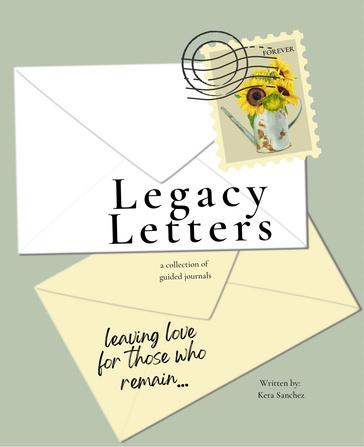
A Legacy Journal to leave behind love, advice and support for your loved ones, inspired by all the unsaid after unexpected loss. Includes 55+ unique journal prompts and freestyle space!
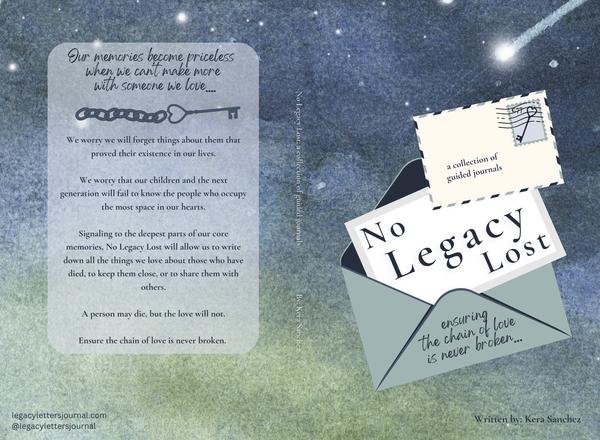
A memory & grief journal that prompts quirky and specific memories of our loved ones, insuring their essence is safely kept forever! Includes 55+ unique journal prompts, letters to heaven, sign log and dream log!
saying goodbye
to the body I knew
before rape
BY TIA DEVINCENZO
The summer of my 22nd birthday was as close to a fairytale as 21-year-old Tia could conceive. My relationship with my body before this summer was not great
I had struggled with eating disorders for a majority of my life, and around the age of 20, I decided I was done I wanted to enjoy my life
I wanted to love my body
And if I couldn’t love it, I would at least try to respect it and utilize it to experience what life has to offer So upon graduating college, I flew to Samoa to volunteer my time teaching English
I lived with an incredible host family only a tenminute walk to crystal-clear beaches I spent my school days teaching lessons to eager kids, and my weekends exploring uninhabited islands At night I would sit on the beach and stare at pristine starry skies, wondering how I could be so lucky.
I then flew to Texas and drove cross country with my best friend on an epic month-long adventure that brought me nothing but euphoria
I finally felt like I was free from the confines of my own mind I was starting to see the fruits of my labor and the years of internal turmoil were finally releasing; life was good
Then I was raped Bummer I know
I could get into the details of it all, but why would I give him that much of a spotlight? This is my story.
I remember walking into my house the next morning, feeling a sense of paralysis only those who have experienced a trauma such as this will know. As I looked in the mirror and saw exhaustion staring back, I now recognize it was me noticing the person I once knew ceased to exist
For a while I couldn’t admit it I tried to tell myself it was just a bad hookup. That he was just really drunk. That I should have been more careful That these things don’t happen to girls like me
I didn’t know how to explain, or even comprehend, that an entire soul inside of me died. One night broke me into two parts the Tia I was before my rape and the person I was left with after
I was just starting to love this version and now I was left with a body that felt completely foreign.
My self-hatred returned once again The thing is, when a part of your soul dies, you can only ignore reality for so long
A year.
That’s how long I fought my reality As hard as I tried to push away the memory, on the week of my 23rd birthday, my body decided to remind me what I had been suppressing through a full-blown panic attack when my boyfriend at the time tried to kiss me
As I was wrapped in a comforter sitting on my boyfriend’s parents’ porch at two in the morning, I realized this wasn’t something I could ignore any longer. I didn’t want to be fearful of intimacy I didn’t want to live my life in a cloud of self-loathing over something that happened to me, not because of me
I had to admit my reality was definitely not ideal but it was also something I needed to face As I had done many years prior with my eating disorder, I allowed myself to grieve the old version of myself She may not have had a choice in leaving but she served me well and I could no longer hold anger towards her.
We don’t always have a choice in what happens to us, but when we allow ourselves to heal properly, we do have a choice in how we respond.
After a year, I made a choice to go back to what I knew about learning to love again I no longer wanted to feel like a victim and let this event dictate my life Getting back to the old version of myself was never an option.
I had to find a routine that would allow me to focus on the future while releasing the past
So, one day at a time, I made the conscious decision to find gratitude in the small moments like I had done before while releasing myself of the mental battle of an eating disorder I looked at my family who loved my presence more than my physical appearance.
Forms of movement that brought me joy and home-cooked meals in which I found little specks of appreciation for my body within. These small moments, although hard to find sometimes, kept the momentum moving forward, instead of the stand still I had experienced for a year
I reminded myself that although the old version of me that I knew best was gone, the new version still deserved these comforts and elation.
Even as I write this, I never wanted to give him this much attention But his actions did force me to find a different version of myself.
I now find solace in moments of solitude as well as pure elation in moments of absolute chaos. My empathy runs deeper than most will ever experience in their lifetime But most importantly, my confidence within myself to endure the hardest moments is immeasurable Something no one can take from me
So whenever someone asks me if I would change anything within my life, I know with confidence I can say no
It’s been almost ten years since that fateful night and I understand my worth more than ever now
I wouldn’t wish it on my worst enemy, but maybe a part of me needed to die that night.
Because the version of myself that was discovered is by far, my favorite one yet.
ADVERTISEMENT
Tia DeVincenzo is a Certified Health Coach and Movement Specialist helping women rebuild trust and respect for their bodies through nervous system regulation, nourishing foods, intentional movement, and supportive community
Between 2009 and 2018, I experienced loss upon loss. For much of that time, I moved in a fog, placing one foot in front of the other. My mom was diagnosed with dementia. One brother died. I was diagnosed and treated for breast cancer. My other brother died. My father died. My 21-year marriage ended. Hardest of all, though, was my son’ssufferingandtheestrangementthatfollowed,andcontinues.
The Child I Knew
Both of my children are adopted. After infertility and miscarriage, adoption felt like the right path for us We learned about our son, Rob, when he was one day old and met him just hours later He was wide-eyed, and full of energy from the beginning I was thrilled to be a mom and deeplygratefulformybeautifulbabyboy.
Rob barely slept. He took short naps at night and stayed wakeful all day. Developmentally, he hit every milestone in advance holding his head up, rolling over, sitting independently. He was walking at nine months and speaking in full sentences well before two He never stopped moving and I was perpetually exhausted but also quite content His loving, affectionate, and engaging energy kept me going Thoseearlyyearsflewbyinablurofvigilanceandjoy
Three years later, Rob’s sister, Marisa, was born. Her temperament was the opposite. She slept so much as an infant that I called the pediatrician alarmed. It turns out most infants do sleep most of the time. I just hadn’t known that with Rob. Marisa’s calm, steady spirit can still bring me back tomycenter.
From early on, I knew Rob experienced the world differently He struggled to sit still and focus and was eventually diagnosed with ADHD in first grade Rob was bright, athletic, artistic, and deeply intuitive. When teachers appreciated his gifts and adapted for his energy, he thrived. When he felt disliked or mistreated by a teacher, he would actout. School rarely felt like a safe place for him. When
Rob was misunderstood and unfairly disciplined, I was hisadvocate.
Rob encouraged me through cancer treatments despite how frightened he felt over my illness He shared music, hugs, and humor when I lost each brother We were each other’s champion, loving and protective, light in dark times. We shared a close bond until his teen years. I assumed hormones and school stress were responsible for the rupture between us, but it was so much more. I believed my steady love would eventually bring him back.
Negative peers, older kids, and drugs used to calm anxiety and “take the edge off” took priority over family life We tried everything: medication, homeopathic remedies, therapy, outpatient programs Nothing lasted At 15, he was staying out all night and skipping school We enrolled Rob in a residential treatment program, believing the structure and support would help him return home ready to finish high school. Within a week of returning, he reconnected with old friendsandwasbacktosubstancemisuse.
This cycle repeated. Program after program. Rob completed his GED early Instead of pursuing college or work, he chose thestreetsagain
Rob is now 25 He has moved in and out of homelessness, incarceration, and short-lived jobs. He has attended numerous rehab programs but has not sustained sobriety. He struggles with substance use disorder and undiagnosed mentalhealthchallenges.
Ambiguous loss carries unique stress. There is a lack of clarity No ritual The grief is complicated and ongoing becausethelossiscomplicatedandongoing
I have experienced ambiguous loss with three close family members, two of which continue today. When I was in high school, an accident left my oldest brother severely brain injured after he spent a year in a coma. Seventeen years ago, my mother was diagnosed with dementia. I’ve been losing her gradually; she no longer knows who I am. And then there’s Rob. Losing him feels the most destabilizing He’s alive somewhere and yet absent from my daily life I grieve Rob all the time I miss him I miss whoIwaswithhim Imissouruniqueandpreciousbond
Both-And
I believe Rob knows I love him. In a recent letter, he thanked me for doing my best as a parent. Those words brought a momentofpeace
When he calls after months of silence, the conversations begin the same way: “How are you, Mom?” followed by “I love you” and “I miss you.” His warmth is still there, and I hearthekidIremember. Afterafewcallslikethis,the
THE GRIEF OF STARTING GRIEF OF STARTING OVER IN A NEW COUNTRY OVER IN A NEW COUNTRY
By Lydiah Owiti-Otienoh
The first time I realized I had disappeared, I was standing in a grocerystoreaisle
I had degrees I had built a career I had opinions people once asked for
And yet, there I was, Googling how to convert Celsius to Fahrenheit while trying not to cry overyogurtbrands.
Grief doesn’t always look like death. Sometimes it looks like immigration Sometimes it looks like becoming “the spouse” Sometimes it looks like smiling while your credentials sit in a foldernoonerecognizes
When I moved to the United States, I thought I was stepping into opportunity What I didn’t anticipate was the quiet erosion of identity that comes with starting over, especially as a foreign-born military spouse. No one prepares you for the unmaking
You lose language nuance You lose professional standing You lose community You lose the shorthandofbelonging.
And when you marry into the military, you layer that grief with mobility, isolation, deployments, and systems that often assume citizenship.
You are expected to be resilient But resilience without grounding feelslikefloatinguntethered
Out of that fracture, I began developing what I now call the Grounded Transition Frameworka four-pillar process that has guided both my own reinvention andthewomenInowsupport
1. GROUND
Before rebuilding anything, you must stabilize Grounding is not productivity It is regulation It is reconnecting to your body, your values, your internal compass
When I was at my lowest, grounding looked like therapy It looked like long walks. It looked like admitting I was not okay You cannot build a new life from panic
2. NAME
Grief that remains unnamed becomes shame. I had to name what I had lost: status, familiarity, proximity to family, autonomy I had to say out loud, “This is harder than I thought”
Naming disrupts silence It returns language to experiences that culture often dismisses- especially for women and immigrants. When we name the loss, we reclaim authorship
3. INTEGRATE
Integration is the most misunderstood phase.
It is not assimilation It is not erasure It is the weaving together of who you were with who you are becoming.
For me, integration meant honoring my Kenyan roots while learning American systems. It meant refusing to shrink my accent It meant blending my global perspective with military community realities
Integration allows identity to expand instead of split
Grief, I have learned, is not the opposite of strength It is evidence of attachment. Evidence of identity. Evidence of love
Startingoverwillalwaysinvolveloss
But when we move through transition intentionally, especially women, especially immigrants- that loss becomes foundation instead of fracture. Because becoming someone new should not require disappearing first
IF THIS IS YOUR STORY
If you’re navigating reinvention and it feels disorienting, you’renotweak you’reintransition
Ifyou’reaforeign-bornmilitaryspouserebuildinginsilence, a community is waiting for you. Through the Foreign-Born Military Spouse Network (FMSN), we offer advocacy, culturally informed resources, and connection for immigrantspousesnavigatingmilitarylife
Through the Grounded Transition Framework, women and immigrant leaders are supported while rebuilding identity after major life shifts, with practical tools for grounding, integration, and aligned movement. You don’t have to disappeartobeginagain
WhoamI now that my lifehaschanged forever?
DR. PARUL DUA MAKKAR
GENERAL DENTIST | SPEAKER | AUTHOR | GRIEF COACH
@duagoodjob
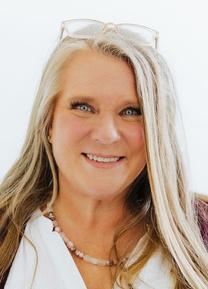
ANNAH ELIZABETH
SPEAKER | COACH | ARCHITECT OF THE FIVE FACETS® PHILOSOPHY ON HEALING | ADVANCING HUMAN HEALING, IDENTITY & POTENTIAL
@annahelizabethheals
KATY PARKER
AUTHOR | GRIEF
EDUCATOR | MENTAL
HEALTH ADVOCATE | FOUNDER OF THE GRIEF STORIES SERIES
@journeyofsmiley
SHANNON ROANE
FOUNDER, HIGHLIGHT YOUR HEALING & J & J JOURNALS
CERTIFIED GRIEF COACH | PODCAST HOST | SPEAKER
@highlight your healing
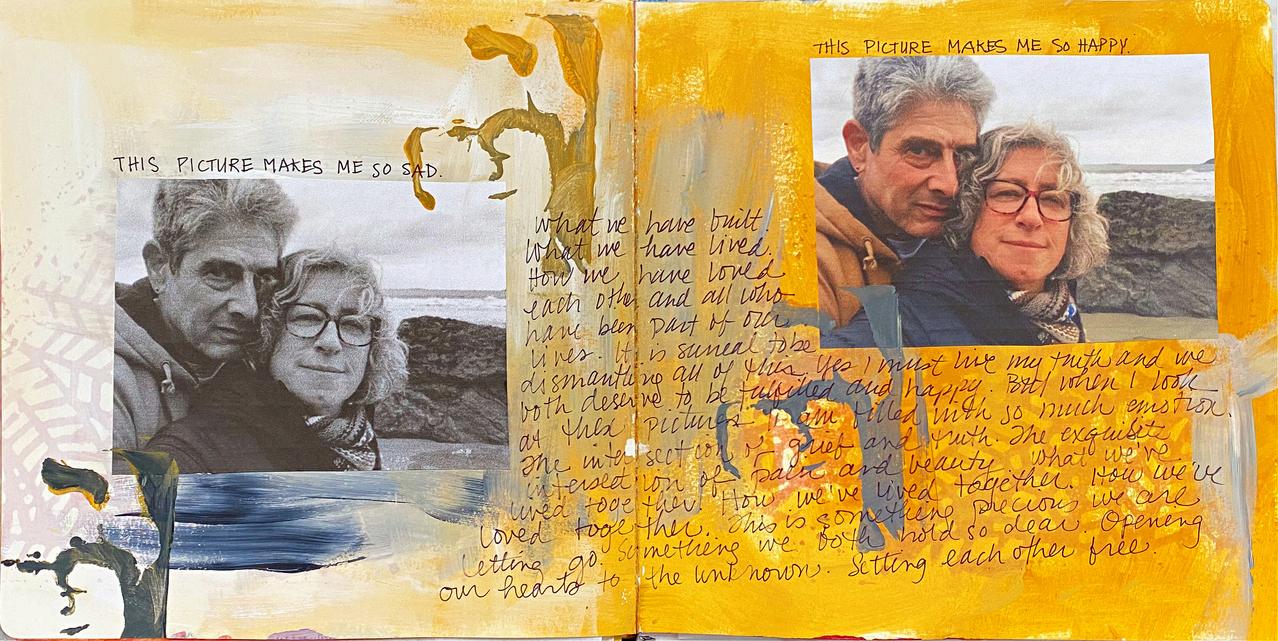
At age 56 I came out of the closet, ended my 30 year pretty-damn-good marriage, and surprised everyone, especiallymyself.
I’davoidedlookingmyselfintheeyefor over two decades of questioning I’d pushedawaymyfantasies,curiosity,and longings. I’d suffered from persistent insomnia, digestive issues, and stressrelatedadrenalfatigue
Despitethefactthatfor22yearsI’dhad asmatteringofsecretcrushesonqueer womeninmylife,IwassureIwasnota lesbian. These thoughts were disquieting, confusing, and inconvenient I didn’t know what to make of them But I surely wasn’t abouttobelievethem!
And yet, for years I watched The L Wordwhenmyhusbandtraveled
For years I searched for memoirs by women who left their husbands for women and then erased my history, afraidmysonwouldseeit.
For years I’d think about women and losesleepthinkingaboutwhatIwould loseifIfolloweduponthosethoughts
It felt extremely selfish to yearn for something that would likely spell the end of everything I knew and loved, everythingI’dbuilt,everythingthatwas safeandsolidinmylife.
This was my secret, a very BIG secret And for someone who is generally an open book, the sad truth was I barely allowedanyonewhoknewmetoknow anythingaboutthis
For22yearsIwaslikeWileE.Coyote paddling backwards as I was swept towards the edge of the waterfall, terrified of going over. I didn’t know who I was anymore I only knew that this desire was growing, not fading, despite my efforts to submerge and ignoreit.
Oneday,onadrivetothecoasttotakea meditative beach walk I heard famed therapistEstherPereltalkingabouther book,TheStateofAffairs
I felt my grief welling up and spilling over as she said, “Sometimes it’s not about wanting a different partner Sometimeswhatwearelookingforisa version of ourselves that we ’ ve suppressed”
What version of me had I suppressed? AndwhyhadIdoneit?
AsIwalkedtheshorethatafternoonI went over and over my history. In my teens and twenties I’d always dated boys I’d had a couple passionate male lovers Ihadqueerfriends,butthatwas because I was safe and an ally, right? NotbecauseIwasqueermyself.
And what did this mean about my marriage and my practically pictureperfectlife?Wasitallafigmentofmy imagination?
How could I hurt someone who supported me as he did? What would people think of me? Would they all turnagainstme?HowcouldIbesoselfish?
ButwhatIknewforsurewasthatEsther’swordswere trueforme Isharedthepodcastwithmyhusbandlater thatweekhopinghewouldunderstandandfinallysee this me. He didn’t relate to it, didn’t understand my takeaway I finally told him, obtusely, “I think about women, ”andafterabeathesaid,“Alright,dothat”
But thinking was all I’d been doing. I knew that ultimatelyIneededtoactonthesethoughts,howeverI couldnotimaginehowIcoulddothatwithoutblowing upmylife.
Surprisingly,Iwasn’tatallpreparedwhen,inlate2018, theUniversedecideditwasdonewaitingformetodo something about it. Romantic and fantastical as this sounds, a woman with pale hazel eyes looked across a roomanddeepintomysoulandIfelttheUniversepush me out into the space between us, urging me on “It’s timetofeedthispartofyourstory,”itsaid.“Getonwith yourlife.”AndIsaidyes.
2019wasayearofexcruciatingvulnerabilityasIcame out to everyone in my life. It was a year of fear, exhilaration,curiosity,andgriefasIdidwhatIcouldto lovingly deconstruct a 30 year marriage to a generous andheart-brokenman
Ididn’tloseeveryone,butIdidlosesome Thirtyyears ofsweetconnectiondidn’tstopmymother-in-lawand much of my husband’s family from shutting me out Friendswhosaid,“Ijustdon’tunderstand,”thenkept theirdistance Butthepeoplewhomattered mymom, my siblings, my closest friends, my kids, and even my husband didnotrejectmeforlivingmytruth
Deconstructing my marriage was only one part of the metamorphosis I had begun As 2019 unfolded and I enteredmoreandmorespacesasa“late-in-lifelesbian,”I realizedthatIhadnoideawhothatwasorhowtobe her Iwasamenopausal56yearoldandahorny16year old folded into one I was messy and reckless and passionate.Itwasthrillingandhumblingtobeher.
A few months after I’d begun this transformation, my husband and I took a walk on my favorite beach We held hands. We sat beneath gray skies watching the crashingwavesandtalkedaboutwhatweshoulddonow that we knew we had to unstitch ourselves from each other Weweredeeplysad,butalsodeeplygratefulfor ouryearstogether,oursons,oursharedcreativelife.“We hadagoodrun,”hesaidruefully.
That night I moved out of our bedroom and into the guestroom.Isatontheedgeofthebedandsobbed.For monthsIhadbeencarriedbydiscovery,butthatnightI feltthefabricofthelifewe’dsointentionallybuiltpull apart,andithurtusboth
The next morning, however, I awoke feeling lighter, knowingthiswastherightmove,therightstep Finally,I wasgoingintherightdirection
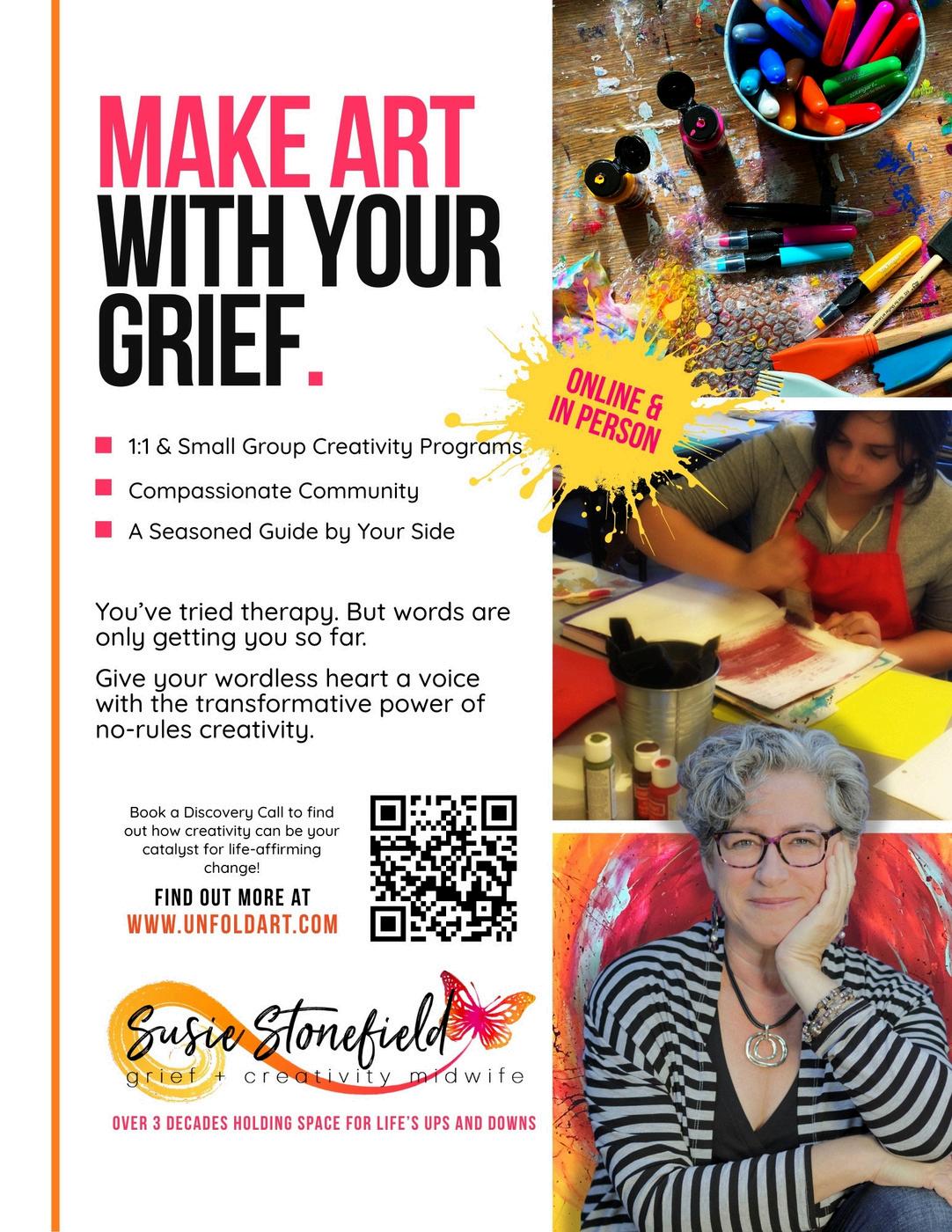
SUSIE STONEFIELD IS A CREATIVITY AND GRIEF COACH, TRANSFORMATIONAL ART GUIDE, AND CERTIFIED GRIEF CARE PROFESSIONAL LIVING IN CHICO, CA WITH HER WIFE SHE OFFERS 1:1 COACHING, GROUP PROGRAMS, AND RETREATS TO HELP PEOPLE NAVIGATE LIFE’S TRANSITIONS THROUGH CREATIVITY AND REFLECTION. HER THREE ADULT CHILDREN AND WASBAND, JOYFULLY ATTENDED HER WEDDING LAST APRIL. SUSIESTONEFIELD.COM @CREATIVITY MIDWIFE
End-of-life doula Dr. Kimberly Rich explores the purpose, practice, and impact of legacy work. She highlights how reflecting on personal values and sharing life stories can strengthen identity, guide future generations, and foster connection. Participants will learn practical approaches to creating intentional, lasting legacies through narrative writing, voice recording, and mindful planning. tomorrowmourningllc.com
@tomorrowmourningllc
By Angela Croop
The conversation was the type of conversation that lives somewhere between routine and intimacy. It wasn’t an interrogation It wasn’t a trap It was the kind that naturally grows when your own life starts expanding and you want to bring the people you love along with you.
Then in an instant, a switch flipped At first he became defensive, and then accusatory Then, almost without warning, he began to question whether or not I had ulterior motives, and “accused” me of changing.
It’s true. I have changed. I am in a growth phase and I am leveling up my business and my identity as a human, and suddenly my own efforts were the problem. My own business was “not going anywhere” and I didn’t have “anything to show for the money spent” in which I used to fund my passion and dream. My goals, my time, my focus, my work, and my growth were all laid out like evidence in a case I didn’t know we were arguing.
I remember the exact feeling in my body when the shift happened. My stomach dropped and tears began to build up in the corners of my eyes. I felt misunderstood, and alone. I also felt anger along with relief What I was experiencing was a quiet confusion I sensed that I stepped into a moment I did not necessarily recognize, yet somehow understood immediately.
Photograph By Amanda Swiger
The conversation ended, but that feeling didn’t.
For days afterward, something sat heavy in my chest. I couldn’t yet name it, but it was there. I kept trying to “explain it away ” as stress, miscommunication, a bad night, and a complete misunderstanding
But the feeling lingered, and then grew larger. Then the realization landed with a quiet kind of clarity that felt both obvious and devastating.
I am outgrowing parts of my life that once fit perfectly. Nothing dramatic had happened, nothing had ended, and no one had left. But something had shifted, and I found myself grieving
My expansion was creating friction. My growth was no longer happening quietly in the background. It was changing the shape of the relationship itself
Growth is often framed as empowering, exciting, and transformational. No one talks about how lonely it can feel.
We don’t seem to recognize that growth changes the version of us that people learned how to love. It changes the version of us they learned how to interact with and the version of us that fits neatly into existing dynamics That version of us is predictable, and there is a level of comfort in familiarity. This is true even when that familiarity is limiting.
When we begin to grow, the relationships in our lives don’t automatically grow with us. Some stretch while some resist, and some quietly pull back. Hell, some reveal tensions that were always there but never activated It is here, we begin to realize that growth is not just an individual journey. It is a relational one and sometimes we are the first to change.
There is a particular kind of loneliness found here as well as an immense amount of grief One of the hardest parts is that no one prepares us for the grief, and most people cannot understand why we are in fact grieving. “You should be happy” they say “You have all that you have wanted How can you possibly be upset?”
Meanwhile we are engulfed in the guilt of wanting more; the guilt of needing different conversations; the guilt of protecting our time and energy; and the guilt of pulling away from dynamics that once felt normal.
Then comes the monster guilt of realizing we can no longer shrink back into the version of ourselves that fits more comfortably in the spaces around us
In moments like these, there is a temptation to make ourselves smaller again. We may want to soften our boundaries, quiet our ambitions, and return to familiar patterns It is incredibly easy to choose belonging over becoming because staying small keeps the peace. Growth disrupts it.
We celebrate leveling up as if it only brings confidence, clarity, and success. We rarely talk about what it asks us to release:
Old identities. Old dynamics. Old expectations. Old versions of yourself that once made life feel “simpler.”
Growth is not just about reaching new heights. It is about letting go. It is about letting go of what no longer fits, what no longer serves, and what no longer reflects the person we are becoming.
For women, this accompanying grief is often silent, misunderstood, and often judged. But this is also real, and necessary Why? Because every boundary we hold, every ambition we pursue, and every old pattern we release is a step toward living a life that we are meant to live.
To grieve growth is not weakness Instead, it is proof that we are evolving. Furthermore, in honoring that grief, we find the courage to become the women we were meant to be, unapologetically and without shrinking for anyone else
Growth asks us to grieve, but it also asks us to rise, and it is in that rise that we finally claim ourselves.
Angela Croop is a speech pathologist turned grief mentor, writer, and retreat leader After losing her daughter Avianna to SIDS, she founded Fly Avi Fly in her honor a small shop that keeps Avianna’s name alive and funds retreat scholarships for bereaved parents.
Blending her professional expertise with lived experien Angela incorporatesneuroscience into her grief mentorship, helping parents understand how loss impacts the brain and how tools like thought retraining and accountability can support healing Her mission is to sh that while grief never disappears, it can be carried in a way that makes room for love, resilience, and even joy
Grief, Matrescence, and the Woman I Became
DR. CHRISTELLE OLIVER-DUSSAULT, MD B. SC., BM BS, DOWH, MICGP, CCFP
Being a mother can be hard, but it can also be deeply rewarding It refracts life through a different lens It reveals tenderness and strength you did not know you possessed It expands your heart and, at times, stretches your nervous system beyond what feels sustainable.
My first daughter was born in Ireland in 2019, just weeks before a major relocation When she was four weeks old, we moved out of our apartment and into my mother in law’s home. Two weeks later, my husband left for Vancouver to begin a new job I followed four weeks later with our infant In the midst of all of that, my grandmother passed away
It was a lot of change in a very small space of time, with little room to process any of it
When I arrived in Vancouver, my maternity leave did not resemble rest. I carried my newborn from appointment to appointment, navigating immigration paperwork, transferring my medical license, and attending job interviews because childcare was nearly impossible to secure
I never anticipated the guilt I would feel between trying to be a present mother and a polished professional I never realised how much fear I would feel trusting someone I barely knew to care for my daughter Eventually, I found childcare and opened my practice in early 2020, only weeks before the world shifted under the weight of a global pandemic
My days were spent caring for patients and reassuring them through uncertainty My evenings were consumed by meetings as medical guidance changed rapidly My nights were restless, filled with worry and overwhelm I lost myself in my work, used up my empathy tank on my patients and had very little left for my family.
In 2021, we relocated again, starting over once more I tried searching for a more sustainable rhythm between medicine and motherhood.
Our second daughter was born in 2022 I took more time and asked for help, something that has never come easily to me Yet, slowly, I slipped back into familiar patterns of trying to do it all, constantly feeling like I was running, not stopping to take a breath.
Part of me longed for my former self I mourned the confident, independent woman I had once been while ignoring the ways I had changed. When my youngest was nine months old, my body intervened.
It began with a few hives across my abdomen They faded within twenty four hours I dismissed them but they kept returning, and spreading. Soon, I was covered from head to toe, with severe lip swelling despite taking high doses of antihistamines
As a physician, knowledge can be both a gift and a burden I found lymph nodes under my left arm and my mind spiralled
Early in my career, I had cared for a thirty four year old mother who presented similarly and was later diagnosed with stage IV breast cancer I could not unsee her story
Thankfully, every investigation returned normal
That was when the realization landed Nothing catastrophic was wrong. My body was not betraying me. It was signaling me.
Motherhood had cracked me open It revealed how uncomfortable I was with boundaries, how difficult I found it to say no, and how easily I placed myself last The hives were not random They were an embodied expression of chronic depletion
With support and intentional changes, I began to recalibrate As I addressed stressors in my life and made space for rest and self awareness, the hives eased, as did the chest pain and palpitations I had ignored for months.
What I was experiencing was not simply burnout It was grief
The Grief We Rarely Name
We tend to associate grief with death Yet grief also lives in transitions, identity shifts, and changing bodies.
Motherhood carries joy and profound loss in the same breath Loss of autonomy Loss of uninterrupted time Loss of the version of yourself who once moved through the world with different priorities What makes this season particularly vulnerable is that it is not only logistical It is biological.
Matrescence describes the psychological, emotional, physical, hormonal, and social transformation that occurs when a woman enters motherhood. First coined by anthropologist Dana Raphael in the 1970s, it has only recently begun to receive deeper attention in medicine It is not a minor adjustment It is a developmental stage and a complete identity shift.
Motherhood is a major biosocial life event. Neuroimaging studies demonstrate that the maternal brain undergoes significant structural and functional neuroplasticity across the peripartum period Regions associated with empathy, emotional regulation, and threat detection are reshaped The brain is transformed.
This heightened awareness is adaptive It primes a mother to detect subtle cues, respond quickly, and anticipate needs The neuroplasticity of matrescence resembles other sensitive developmental periods in life, when the brain is especially receptive to experience dependent learning.
But heightened vigilance has a cost
When the brain is rewiring itself for caregiving, many women describe feeling hyperaware, emotionally raw, and easily overstimulated At the same time, they may feel disconnected from their pre motherhood roles, relationships, and interests In a culture that idealizes self sacrifice and rarely validates ambivalence, it is easy to become consumed by the role of mother
The existential shift can be profound Who am I now? What parts of me remain? Which parts have softened or been set aside?
When identity feels destabilized, the risk of postpartum depression and anxiety increases Not because women are fragile, but because identity disruption is destabilizing. Protective factors such as social support and maintaining pre-existing relationships matter deeply Yet many women relocate, step back from careers, or lose touch with community precisely when support is most needed
We celebrate the baby. We rarely prepare women for the neurological and psychological rewiring that accompanies becoming a mother
In that vulnerable space, grief can surface. Grief for independence, for spontaneity, for the woman you once were
The Fading and the Return
Around the time I began to understand this more fully, I heard of a phenomenon that occurs to female flamingos when rearing their young
Flamingos are not born pink. Their colour comes from nourishment During periods of raising their young, they often lose their vibrant colour as their nutrients are diverted outward Once their own needs are replenished, the pink returns.
Women are no different Many women slowly give away their reserves Time, energy, emotional presence, identity
When I reflected on my own experience, I realised that I had been giving every reserve I had Emotional, cognitive, physical My days were structured around everyone else’s needs. I had not been nourishing myself in return
The fading I had experienced was not weakness. It was devotion without replenishment. It was matrescence without adequate support It was a nervous system on high alert for too long
Reclaiming pink, for me, became a metaphor Not a return to who I was before, but an integration of who I had become It meant acknowledging that caregiving requires restoration. That grief and gratitude can coexist. That identity evolves rather than disappears
Creating Space
In my clinical work, I now listen differently When a woman tells me she is exhausted despite normal blood work, I consider the invisible labour she carries When she feels flat or disconnected, I think about unprocessed grief and chronic self neglect.
These are not pathologies They are human responses to transition Grief woven into womanhood does not mean something is wrong. It means something has changed.
When we make space to acknowledge that change, to mourn what was, and to nourish what is emerging, colour can return Not the same pink as before A deeper, wiser shade, shaped by everything we have lived.
DR. CHRISTELLE OLIVER-DUSSAULT ISA FAMILY PHYSICIAN SPECIALIZING IN WOMEN’S HEALTHAND PSYCHOEDUCATION SHE FOUNDED RECLAIM THE PINK WITHIN TO HELP WOMEN RECONNECT WITH THEMSELVES BEYOND MOTHERHOODAND REBUILD COMMUNITY ONE STORYATATIME CHECK OUT HER PODCASTAT RECLAIMTHEPINKWITHIN.COM @DRCHRISTELLEMD | @RECLAIMTHEPINKWITHIN
ADVERTISEMENT
getgriefymagazine.com/get-griefy-marketplace
WOMANANDTHE GRIEFOFSUCCESS
BY REV. DR. TAMMY ISAAC
Wedonotusuallyassociatesuccesswithgrief
We expect grief to follow funerals, diagnoses, or endings that are visible and shared We understand mourning when a life is lost, but not always when a hope quietly disappears. Yet manyAfricanAmerican women discover thatachievementandgriefcanexistatthesametime.
There is a particular kind of loss that does not come from death. It comes from absence. The absence of recognition. The absence of opportunity. The absence of being chosen in spaces where you have already shown yourselfcapable
You do the work.You prepare.You show up consistently. You are dependable People trust you, rely on you, and praise you. They call you strong. They call you a leader. But when the moment comes for advancement, decisionmaking,orelevation,yournameismissing
It is difficult to explain why that hurts as deeply as it does, because nothing visible has been taken away. On paper, everything looks fine You are still employed You are still respected You are still needed Yet internally, somethingregistersasloss.
Thisisthegriefofsuccess
It is the experience of being appreciated but not advanced, supported but not selected, relied upon but not fully recognized The work continues and the expectations remain, but the affirmation never quite arrives.
ManyAfricanAmerican women struggle to name this as grief We often interpret it as disappointment, frustration, or simply the reality of professional life. We tell ourselves to be grateful, to keep working, and to remain faithful Wepushforward
But grief is not only the response to death. Grief is the emotional response to loss, and loss includes what never materializesdespiteeffort,preparation,anddedication
Part of what complicates this experience is the identity many Black women have carried for generations. The Strong Black Woman is admired for endurance, reliability, and perseverance She handles responsibility andstabilizesenvironmentsevenwhensheistired.
Because she continues, others assume sheisunaffected.
For many, the Strong Black Woman identity does more than describe personality. It shapes how others respondtotheirpain Strengthbecomes both affirmation and expectation She is seen as capable and emotionally steady,whichoftenmeansshebecomes the one others lean on even while carryingherowndisappointments
Within workplace environments, this can create a quiet imbalance She mentors, supports, and sustains the culture around her. She is asked to lead informally long before she is formally recognized She comforts colleagues and keeps things steady, yet when advancement decisions are made, her emotional labor is rarely considered leadership
Because she is perceived as strong, people assume she does not need care. Because she is composed, they assume she is not hurting And because she continues showing up, they assume she hasnotbeenaffected.
The result is a particular kind of isolation. The disappointment is real, but there is little room to express it Speaking about it can be interpreted as ingratitude or weakness, so many learn to carry it quietly. They keep producing, keep helping, and keep supporting others while privately processing the ache of being overlooked.
This is what makes the grief of success different. The loss is not only the missed opportunity. It is also the absence of permission to openly grieve it
In leadership spaces, many women carry both visibility and invisibility at the same time They are visible enough to be relied upon but invisible when opportunity arises. Their contributions matter, but their advancement stalls Their labor is essential, but their presence in decision-making rooms remainslimited.
This creates a quiet emotional conflict You love what you do. You believe in thework.Youarecommittedtoserving with integrity and purpose So you keep showing up At the same time, you watch doors open for others while youremainwaitingoutsidethem.
This grief is rarely acknowledged because it does not look like sorrow She is still functioning and helping others succeed, yet internally she may be questioning her value, her belonging, and whether she is truly seen
There is fatigue in constantly proving worth There is weariness in excellence without reward There is confusion when qualifications are clear,butopportunitiesarenot.
For African American women, this experience is layered It is not only professional It touches identity It intersects with history Progress exists,butaccessdoesnotalwaysfollowprogress.
Becauseofthis,thegriefcanfeeldifficulttoclaim Nothingcatastrophic happened. There is no ritual to mark it, no public acknowledgment, and often no language to describe it Instead, the ache is carried privately whileprofessionalismcontinuespublicly
Outwardly, there is composure Inwardly, there is disappointment that feelsriskytoadmit
Over time, this unspoken grief does not disappear It can become emotional exhaustion, shortened patience, or a quiet questioning of self Some call it burnout. Others call it stress. But underneath, there is mourning mourning the opportunities that never arrived and the affirmationthatnevercame
For a long time, I spoke about this experience from what I observed in others Ilistenedtowomendescribetheirweariness,theirconfusion,and their quiet disappointment, and I recognized the pattern What I did not immediatelyrecognizewashowmuchofitIwaslivingmyself.
I love the work I have been called to do and remain committed to showing up with integrity. I have been trusted, relied upon, and affirmed in many ways Yet I have also watched opportunities pass by, watched doorsopenforotherswhileIremainedwaiting,andfeltthequietacheof beingappreciatedbutnotfullyseen.
Nothing catastrophic happened I am still standing I am still working I am still serving From the outside, everything appears steady But internally,IhavehadtoacknowledgethatI,too,amgrieving.
I am grieving not a person, but a possibility Not a failure, but an absence. I am grieving the space between what I have poured out and what has been returned Naming it has not made me bitter It has made mehonest
The Strong Black Woman continues to show up She continues to lead, to help, and to build But she also needs permission to admit when something hurts. Strength does not mean the absence of emotion. It meansallowingtruthalongsideperseverance
If you recognize yourself here, you are not weak for feeling it. You are responding to a real loss, even if no one marked it as one. Grief does not onlyfollowdeath Sometimesitfollowseffort,faithfulness,andwaiting
Acknowledgingthatdoesnotdiminishyourstrength.
Itfinallymakesroomforyourhumanity
Outgrowing Ourselves THEQUIETGRIEFOFMIDLIFE
BY STACEY STEVENS
There is a particular kind of grief that no one prepares women for. It is not the grief of death, though it carries a similar ache. It is the grief of identity.
Perimenopause begins as a whisper and then becomes a presence. Children leave home. Marriages shift, or unravel. Careers that once felt like triumphs begin to feel like roles we memorized too well. And layered over all of it is a cultural hum that suggests we are somehow “past our prime.” We are encouraged to age gracefully, which often means quietly. Be grateful Be smaller Want less
But midlife is not the end of a story It is the moment we realize we have outgrown the one we have been living
I often say, “We outgrow our stories just like our older sibling’s hand-me-downs ” They fit once. They were necessary once. But eventually, they feel tight across the shoulders. Restrictive. No longer reflective of who we are becoming.
The grief of midlife is not really about wrinkles or hormone shifts. It is about letting go of the woman we had to be in order to survive.
For high-performing women, identity has been built in layers. We were the good daughter. The overachiever. The dependable partner. The present mother. The one who holds everything together Many of us learned early that love, validation, and acceptance were tied to performance We became exceptional at meeting expectations We excelled in classrooms, boardrooms, and homes We endured We adapted We delivered
Then midlife asks a destabilizing question: If I am no longer actively proving, pleasing, climbing, or caretaking, who am I?
This is where the grief begins.
Because when the roles shift, the scaffolding that held our identity in place begins to loosen. And women are rarely given language or permission to mourn that loss. Instead, we are offered anti-aging creams and inspirational slogans. We are told this is empowerment. But empowerment without introspection is just another performance.
The greatest barrier in this season is not societal messaging. It is the internal narrative that echoes it
As Daniel Goleman reminds us, “It’s not the chatter of people around us that is the most powerful distractor, but rather the chatter of our own minds.” The outside world may whisper that we are less relevant. Our own mind turns it into a verdict.
I should be further along. It’s too late to pivot. I shouldn’t want more at this stage. Maybe this is just how it is now.
These thoughts feel factual. They are not. They are stories. And most of them were written decades ago.
In my work with high-achieving women, I see this turning point often Success on paper does not quiet the inner critic In fact, it can amplify it Because when you have achieved everything you once set out to prove, and still feel a quiet disconnect, you can no longer blame circumstance You are forced to confront the story
This is where the FIRE Framework becomes more than theory. It becomes a reclamation.
Fulfilled means aligning your work and life with your current values, not the ones you inherited at twenty-two. Inspired means reconnecting with purpose that is not rooted in proving yourself to anyone. Resilient means building capacity to adapt without destroying yourself in the process. Empowered means taking ownership of your narrative instead of unconsciously accepting the one culture hands you.
Midlife is not about declining. It is about refining. And refinement requires shedding.
Shedding the belief that your worth is tied to productivity Shedding the idea that your desirability determines your relevance Shedding the myth that ambition has an expiration date.
There is grief in this shedding. You may grieve the younger body that felt predictable. The earlier version of your marriage. The certainty you once carried. The roles that once defined you. But grief is not weakness. It is awareness. It is the recognition that something has ended so that something more aligned can begin.
Resilience in midlife is not whiteknuckling through exhaustion It is not tolerating more than you should It is adapting consciously It is noticing the pattern before it runs you It is choosing alignment over approval
The crossroads is clear You can accept the messaging that you are past your prime. Or you can decide that midlife is the prime of selfauthorship.
You can continue wearing the handme-down identity that once protected you. Or you can choose something that fits who you are now.
Midlife is not the quiet exit. It is the bold rewrite.
The question is not whether you are aging You are We all are The real question is whether you will age inside a story that diminishes you or one that expands you
You are not past your prime You are past your conditioning
And there is a profound difference.
Stacey Stevens is an awardwinning legal expert, speaker, and mentor helping high-achieving women succeed without burnout. Named one of Canada’s Best Personal Injury Lawyers, she brings credibility and authenticity to every stage and platform She is the creator of the FIRE Framework, helping women break patterns of people-pleasing and perfectionism to lead with clarity and purpose. After more than 20 years in law, Stacey understands the true cost of success and how to redefine it on your own terms.
@staceylstevens
GriefIsaFull-BodyExperience :
How my son ’ s death triggered menopause
By: Erin Blechman
Grief doesn’t just live in the heart or the mind. It takes up residence in the body.
Have you ever experienced an event so earthshattering and traumatic that it changed you profoundly—mentally, emotionally, spiritually, and even physically?
In June 2020, our eldest son, Max, died by suicide after a six-year battle with depression. Although we feared that we might lose him to suicide, the reality was a completely different animal In those first few days and weeks, I was numb, in shock, and sliding into a deep depression that made getting out of bed difficult
I knew my grief would impact me mentally and emotionally, but I was completely unprepared for the physical side effects of grief. First came intense insomnia. I simply couldn’t sleep. If I did fall asleep, I would wake after a couple of hours and be unable to get back to sleep My heart raced, my stomach churned, I couldn’t take a deep breath, my thoughts swirled, and my yearning to be with Max was intense, and frankly a little frightening to me and those around me What I didn’t realize at the time was that my response wasn’t unusual, it was a predictable reaction to profound loss and trauma that our grief-illiterate culture rarely acknowledges
After a few months, I noticed I was no longer getting my period. It had been irregular for about a year, so it took some time to register Then other menopause symptoms began. I experienced debilitating hot flashes (ten or more each day) and night sweats. Often, I had to change my pajamas multiple times a night. The night sweats combined with the insomnia made me feel like I was losing my mind.
I also felt as though I gained weight overnight, literally I couldn’t understand how weight gain could happen so suddenly and so significantly.
My husband and I were each struggling to deal with the grief in our own ways, which created feelings of worry, resentment, pressure, and more Coupled with these emotional dynamics, intimacy became difficult, painful, and unfulfilling. At a time when we could have offered comfort and love to one another, I bristled whenever he approached, and our marriage floundered.
After nine months, I finally consulted my gynecologist about medication to help manage my symptoms I remember her saying, “The loss of your son has pushed your body into menopause. You might have been on your way, but this event triggered it It’s like the perfect storm.”
I had no idea that a traumatic event could trigger such a profound physical response I thought grief was emotional and mental. I didn’t realize it could impact me so dramatically in a physical way as well.
Research shows that grief triggers a stress response that can lead to physical symptoms such as chest tightness, fatigue, insomnia, digestive issues (nausea, appetite changes, stomach pain), headaches, body aches, and weakened immunity. These physical changes make a person more vulnerable to illness. In extreme cases, severe stress from grief can even lead to “broken heart syndrome” (Takotsubo cardiomyopathy).
Looking back, I see that my response to Max’s death was a tangled web. We tend to think of our bodies as separate pieces rather than as one cohesive system. If something profoundly impacts us mentally and emotionally, it stands to reason that it will also affect us physically
Since losing Max, I’ve spoken with many other parents who have lost children, and most have experienced some kind of physical symptoms and/or ailments including vision issues, weight gain/loss, insulin resistance, heart problems like arrythmia, high blood pressure, thyroid issues, and even cancer This grief thing is no joke
One bereaved mom I know told me about her physical symptoms which included high blood pressure, intense body aches, significant weight gain followed by weight loss, and serious digestive problems Her physician ran multiple tests for autoimmune diseases and leukemia because he was convinced that her symptoms “must have a real cause” What an uninformed and unkind thing for a medical practitioner to say
We live in a grief-illiterate culture where discussion of loss and its impact on us is limited and insufficient As a result, we are left to muddle through on our own, often suffering in silence and loneliness
It doesn’t have to be this way.
If you’ve experienced a profound loss, please know that it can, and likely will, affect you physically For this reason, many clinicians recommend a full physical exam in the months following a significant death. Grieving the loss of a loved one requires tremendous work and care. May I gently encourage you to tend to both your physical and emotional health as you navigate your grief journey In early grief, self-care can feel like an oxymoron, but it is a critical part of both grieving and learning how to live in the aftermath of devastating loss
We need to do better as a culture. We must expand how we understand grief, talk about it honestly, and support grieving people in whole-body ways Because when grief is ignored in the body, it doesn’t disappear. It simply finds another way to speak
Erin Blechman is a speaker, Certified Grief Educator, and author of My Unexpected Journey: Reflections After Losing My Son to Suicide She offers online grief support, and talks about grief, mental illness, and suicide loss. erinblechman com @erin blechman
EXPLORE THE VARIOUS OPPORTUNITIES TO SHARE YOUR KNOWLEDGE AND EXPERIENCES WITH OUR READERS IN OUR MEDIA KIT!
TTH TH H O OF OF
How Grief can actually trigger unexpected weight gain and what to do about it.
By Camila Crews with expert tips by Nutritional Therapy Practitioner Susan Koursaris
Grief weighed me down literally and figuratively
About a year after losing my dad, I gained twenty pounds, which was confusing and frustrating because my eating was clean, my workouts were consistent, and I was doing all the “right” things, yet my body was still changing in ways I didn’t recognize.
At first, I chalked it up to the horror stories we’re fed about turning forty, the idea of a nonexistent metabolism and hormones going rogue, just part of the deal. But I had just entered a new era as a certified yoga sculpt instructor, I was actually in the best shape of my adult life, and all of my labs came back normal, which left me with no red flags and no clear explanation
After countless doctor visits where I had to advocate for myself again and again, I knew something else was happening, but the moment that finally forced me to stop minimizing it was July 4, 2024, when I landed in urgent care with an unquenchable thirst that no amount of water could satisfy. That experience led me to an endocrinologist, more comprehensive testing, and finally an answer: insulin resistance
In simple terms, insulin resistance means your body struggles to use insulin properly. Insulin is the hormone responsible for moving sugar from your bloodstream into your cells so you can use it for energy, and when your cells stop responding effectively, sugar stays in the blood longer while your body produces more insulin to compensate.
Over time, that cycle can lead to weight gain, constant fatigue, intense cravings, and eventually prediabetes or type 2 diabetes if it goes unchecked
Between chronic work stress, managing my dad’s estate, running a business, and surviving on very little sleep, my body was tapped out, even though I didn’t fully realize it at the time Looking back, I can see that I was a walking red flag
That diagnosis forced me to make real lifestyle changes because I didn’t want it to turn into something more serious, which meant adding strength training back into my routine, walking after meals, reducing my sugar intake, prioritizing sleep, and actively working to lower my stress.
Once I understood what was actually going on, I committed to getting back to my previous weight, but along the way I had to confront something harder to accept: mentally and physically, I will never be the same woman I was before I’m still grappling with that truth and what it means for me.
That realization is what prompted me to have a conversation with Nutritional Therapy Practitioner Susan Koursaris, who is also no stranger to grief. Susan lost her sister in 2018 and both of her parents in 2021, and she understands how loss rewires the nervous system, the gut, and the way we learn to care for ourselves
Together, we unpacked cortisol, blood sugar, the gut grief connection, and what healing actually looks like from the inside out, not perfection and not restriction, but regulation.
Susan explained that a huge piece of this puzzle has to do with our autonomic nervous system, which has two modes: Parasympathetic (rest + digest state) and Sympathetic (fight or flight state). Grief puts us into that fight or flight state, which is fine as long as you know how to get back to the rest + digest state That Sympathetic state is where cortisol reigns. It is meant to be a quick, and short lived process. We want to be in the Parasympathetic state far more often than the fight or flight one For grievers, we tend to struggle with all the things like getting quality sleep, proper nutrient intake, daily movement, and optimal hydration. Any combination of these deficiencies, while in a fight or flight (ie. cortisol expressive) state, can result in chronic dysfunction or imbalance in our bodies
But there is hope!
Susan reminded me that we could engage the rest + digest state, and support these body foundations, by cutting out sugar, optimizing digestion, prioritizing sleep, and addressing daily stress with calming exercises. It was then our bodies responded with miraculous healing and recovery!
Here are some easy tips Here are some easy tips you can incorporate today: you can incorporate today:
Get enough sleep. The average human body demands 7-9 hours per night to reach REM stage 5, the deepest level of sleep, to accomplish reparative processes and cellular maintenance. When falling asleep or staying asleep is elusive, homeopathy aides and CNS-calming herbs can help bridge the gap until the body can do this on its own
Practice eating mindfully. This includes sitting down at mealtime, with no screens or distractions. Observe the food by scent and practice deliberate gratitude for the meal.
“Saying grace” is one example that engages your brain, which then engages digestive organs to work properly. Focus on consuming nutrientdense foods, like healthy fats, and bone broth for times when there is a low-appetite
Grieve with others. Humans were meant to heal from the emotional pain of grief in a community! I can attest to the sense of fulfillment at sharing that support with others. Grieving in a community setting reduces feelings of isolation, as well as empowers the person with information and advice in a peer environment. Grief groups also provide social interaction, a place to open up about complex feelings, a sense of normalization for grief responses, and the sharing of coping strategies among those with similar experiences.
Stay hydrated! Our daily water intake goal is half our ideal body weight, in ounces. If you’re bored with the taste of water, jazz it up with a squeeze of lemon, fresh cucumber + mint leaves, splash of coconut water or pineapple juice, and a pinch of unrefined salt for electrolytes!
Grief doesn’t just live in our hearts. It lives in our bodies. This isn’t about fixing yourself or chasing an old version of you. It’s about slowing down, listening, and rebuilding trust with your body after loss Healing is regulation, support, and compassion, not perfection
To learn more about Camila Crews and Sorry For Your Loss (Cards), visit SorryForYourLossCards.com gram at ards.
To learn more about Susan Koursaris and Wholly Heart Nutrition, visit www.whollyheartnutrition.com or follow along on Instagram at @whollyheartnutrition.
Hard-Fought Lessons FOR WHEN LIFE DOESN’T GO AS PLANNED
Poignant, delightful and slightly irreverent, You’re So Strong captures the messy, hilarious, and heartfelt journey of life after loss. Leslie Harter-Berg’s story offers a fresh perspective on grief, while proving there’s no magic prayer for moving on.
When we talk about grief, we often focus on the emotional experience, the sadness, the longing, the memories. What we rarely name is how deeply grief changes the body And one of the quiet shifts that does not get enough attention is how it impacts intimacy and sexuality.
Grief lives in the nervous system. It reshapes our sense of safety, our capacity for connection, and how we experience desire and touch
If you have ever found yourself wondering, Why do I not feel like myself sexually anymore? Is it strange that I want sex right now? Is it strange that I do not want it at all? Will my desire ever return? You are not alone. And you are not broken
Grief is not just emotional. It is physiological. It alters hormones It disrupts sleep It floods the body with stress chemistry When your body is your vehicle for intimacy and pleasure, of course grief will influence your sexual self.
For some people, grief shows up as a loss of desire Touch feels overwhelming Numbness sets in. The things that once felt comforting no longer soothe in the same way
For others, desire increases There can be a pull toward closeness, toward sensation, toward feeling alive inside a body that otherwise feels heavy Sex can become grounding. Or distracting. Or a way to access connection when words feel impossible.
GRIEF CHANGES EVERYTHING.
(yes, even that.)
Understanding Intimacy and Desire in a Body That Is Grieving
By Dr. Heather Taylor
Both responses are normal.
One of the most helpful frameworks I bring into this conversation comes from Emily Nagoski’s book Come As You Are. She explains that sexual desire is shaped by two systems, accelerators and brakes Accelerators respond to sexually relevant cues Brakes respond to stress, threat, and distraction.
Grief activates the brakes
When your world has been shaken, when your nervous system is flooded with stress chemistry, when you feel emotionally raw or emotionally shut down, your body prioritizes safety Sexual desire often quiets during that process. Not because you are broken. Because your system is protecting you
Nagoski also describes the difference between spontaneous desire and responsive desire. Spontaneous desire is wanting sex out of the blue Responsive desire emerges in context, after emotional closeness, after touch, after feeling safe
Grief often dampens spontaneous desire. But that does not mean desire is gone It may simply need different conditions More safety More patience More emotional connection There is no timeline for when it should return.
This is where shame often creeps in
People feel guilty for not wanting sex. Or for wanting it sooner than others think they should. They worry they are using sex to cope They worry they are failing their partner They feel disconnected during intimacy and interpret it as something being wrong with them.
Grief and sexuality can exist in the same body They often do
Navigating grief and desire without judgement
If you are navigating intimacy during grief, consider asking yourself:
What does my body need in order to feel safe right now? When I imagine closeness, what feels comforting and what feels overwhelming?
Am I craving physical touch, emotional connection, space, reassurance, or something else entirely?
What activates my brakes at the moment? Exhaustion Stress Fear
Emotional overload If my desire feels quiet, can I meet that with curiosity instead of judgment?
These questions are not meant to push you toward action. They are meant to bring you back into relationship with your body
When You Have a Partner
If you are partnered, honest conversation can feel vulnerable and relieving at the same time. You do not need a script that solves everything You need language that opens the door You might say:
“I am grieving and my body feels different right now I still care about our connection and I may need us to move more slowly.”
“I want closeness with you and I am still figuring out what that looks like in this season.”
“Sometimes I want touch and sometimes I do not It would help me if we could check in before assuming.”
“My desire has shifted. It does not mean I am not attracted to you It means my nervous system is overwhelmed.”
Closeness might mean holding hands Lying next to each other
Slow touch without expectation. Emotional intimacy without physical intensity. Grief changes context. And context matters deeply for arousal
Instead of asking, What is wrong with me? consider asking, What support would help my body feel safer right now?
Rebuilding Intimacy with Curiosity
If you want to gently reconnect with your sensual self, start small.
Touch without agenda Notice sensation through lotion on your skin, warm water in the shower, the weight of a blanket No goal No performance Pay attention to what feels good and what does not Grief may have shifted your relationship with pleasure. You are allowed to change.
Allow grief and pleasure to coexist This is often the hardest part Many people struggle with feeling desire while still mourning their person. But the body is capable of holding more than one truth You can feel sadness and connection Longing and pleasure Loss and aliveness
There is no return to a pre grief self There is integration Your identity reorganizes around loss That includes your sexuality.
Your libido may look different Your pacing may shift You may need more reassurance Or more solitude These are not signs of dysfunction. They are signs that your nervous system is recalibrating in a changed world
So here is where I invite you to begin.
Ask your body what feels good Not necessarily sexually Just good
What feels safe. What feels calming. What feels real.
Reconnection begins with safety And safety begins with listening.
Grief changes us And intimacy lives in the body So of course grief impacts our sexual selves. You are not broken You are navigating a season Your nervous system is doing exactly what it was designed to do
Your sexual self is still there. It may just need gentleness, space, and new context
And when pleasure returns, in whatever form it does, you are allowed to receive it without shame.
Dr. Heather Taylor is a clinical psychologist specializing in grief. She is the host of the Grief is the New Normal podcast and a passionate speaker and advocate for grief education, dedicated to helping people navigate loss with understanding and compassion.
To learn more about Heather, follow her at @grief is the new normal
DR. JESSICA
ZUCKER AN THE ART OF SPEAKING WOMANHO ABOVE A WHISPER
Over 40 years ago, a pigtailed, vib Jessica Zucker thoughtfully arran stuffed animals in a circle for a ma group therapy session. As she sat them down to read stories and talk through their day, she, without knowing it, practiced the art of healing Even then, her calling was clear Following, in her own way, in the formidable footsteps of her father, a psychiatrist who found meaning in his work based in large part due to its emotional gravity, Jessica’s future was, quite literally, written in the stars (or perhaps,inherplayroom)
Raised in a home where purpose and empathy were core family values, Jessica grew up believing that the work we do should matter andthatservicetootherswasthehighestform of fulfillment. A classic case of nature and nurture, she was destined for a life in psychology long before she knew what the word (let alone the nuanced concepts) meant Still, she found a way to make the path distinctlyherown.
study exposed how much of psychological research had been shaped by men, then generalized to women for decades The revelation cracked something open in Jessica The work of Dr Gillian investigated many questions, specifically, how girls and women come to know what they know and when, and why, they first begin to silence their truths for the comfort of others (consciously or not)? Gilligan’s work revealed a culture that rendered girls' and women’s experiences sequestered, stigmatized, and misunderstood. Those salient questions would stay with Jessica for years shaping the budding psychologist, writer, advocate, and woman she would ultimatelybecome
After college, during a social service project abroad, Jessica not only physically stamped her passport but experientially as well The opportunity expanded her understanding of women’s health issues on a global scale
Amid surveying other countries, she realized her career would mirror her father’s compassion but carry her own imprint: a blend of psychology, public health advocacy, and storytelling that brings forward the complex, often unspoken realities of women everywhere.
Years later, after completing master’s degrees in public health and human development (with Dr. Gilligan, no less!) as well as a PhD in clinical psychology, specializing in reproductive and maternal mental health, and guiding countless women through the pain of pregnancy loss, Jessica suddenly found herself on the other side of the therapy couch On an otherwise unremarkable cloudless October afternoon in 2012, she became intimately aware of the anguish her patients had shared with her foryears
At 16-weeks along in her second pregnancy, she had a miscarriage athomealone
While the book’s success was monumental, it was quickly eclipsed by a breast cancer diagnosis just a few weeks after its launch The timing felt surreal public celebration colliding with private terror. Once again, Jessica was forced into a role she knew well but hadn’t chosen for herself: patient,uncertain,bracing
This diagnosis unearthed another layer of grief entirely not just the fear of mortality, but the destabilization of identity A changed body A newfound examination of the meaning of her life All the while she was navigating surgeries, treatment, and recovery while mothering young children, holding space for others while her own body became a site of medical urgency Illness introduced Jessica to a new type of silence one shaped by expectations of resilience, being an unflappable “warrior” in the face of cancer, and by theculturaldiscomfortwithbeingvulnerable.
Now, Jessica amplifies her relentless mission to break the silence, stigma, and shame woven into women’s lives with Normalize It This is her latest multiple award-winning work in which she expands her lens to span the full arc of womanhood puberty, fertility, motherhood, menopause and the hush hush requirements thatbindthemtogether
Her philosophy is simple: normalizing replacing silence with storytelling isn’t necessarily about shouting from rooftops; it’s about authentic expression in whatever form feels true For some, that’s journaling For others, therapy, whispering in the ear of a neighbor, group sharing, or speaking openly online, or under a pen name “There’s no singular way to process,” she says “What matters is allowing the experience to move through the body to be felt,notburied.”
At its heart, Normalize It is a highly digestible, vignette-style exploration of women’s issues grounded in science yet rooted in story. It’s about transforming stigma into solidarity, shame into self-knowledge In her work, Jessica often refers to a “Strident Trifecta” of silence, stigma, and shame a cultural zeitgeist where too many women, and too many grievers, get sidelined. Feel abandoned. Numb. Alone. Discombobulated Hermissionistoguidethem toward something well-deserved to connection,toconversation,tocommunity
One in four pregnancies result in miscarriage She knew this Jessica had read every book on the topic, had attended the conferences, and gone to the consultation groups. Nevertheless, she still felt whiplashed and emotionally unprepared when it happened to her The experience was no longer theoretical it was visceral, it was corporeal She found herself in survival mode, cutting the umbilical cord of this foreshortened pregnancy, guided by her OB-GYN’svoiceonthephone.
As her husband darted through Los Angeles traffic to get to her, Jessica waited hemorrhaging, gobsmacked, suspended betweenlifeandloss.
In the quiet that followed, she faced a grief that felt both foreign and achingly familiar The language she had used to comfort others now echoed back at her, hollow and thin. The empathy she had offered patients was suddenly being tested by her own raw humanity
From that devastation, something began to take shape. Jessica realized her experience could either silence her (as culture beckons) or deepen her voice Choosing the latter, she began to speak publicly about her loss challenging the antiquated secrecy surrounding miscarriage and transforming herprivategriefintoacollectivedialogue
What began as confounding survival evolved into a mission: to make conversations about pregnancy loss visible, normative, and deeply human A viral Instagram campaign, a New York Times’ essay and countless published articles on the topic turned into her first award-winning book I Had a Miscarriage, amplifying a movement that was long overdue
When we talk openly about the tough stuff, our vulnerability has the potential to change everything.
Because grief doesn’t only define itself to the loss of human life it lives in the loss of expectations, the body’s vulnerabilities, and the quiet transitions that define womanhood And silence, she remindsus,canbeasisolatingasgriefitself
Today, as messages flood in from women around the world who finally feel seen, Jessica’s story feels like it has come full circle. The carefully curated stuffed animals at the foot of her bed have long been replaced by real people, real stories, and real healing “The profundity is overwhelming,” she says softly, “in the best possible way.”
And as for the future? Jessica hopes the next generation of women her own daughter included will grow up not knowing the ache of silence That they’ll enter a world where conversations about bodies, loss, and change aren’t brave, they’re simply normal. A world where openness is the baseline, not the exception
Through her voice, Dr Zucker reminds us of a simple truth: the unsaid doesn’t disappear it waits. It may even fester. And when we finally name it, it becomes something else entirely connection,compassion,andthecouragetobeginagain
Get Griefy and Dr. Jessica Zucker are giving away some copies of her book and Magazine! Simply fill out this form and follow both @ihadamiscarriage and @getgriefymagazine on Instagram to be eligable.
Winners will be announced and contacted on 4/16
Can’t wait and want a copy now?
Order it today!
tired
There’s a kind of tiredness that has nothing to do with sleep. It’s not the exhaustion you fix with an early night oraweekend off oreven avacationyou planned months in advance because you knew you were overdue. It doesn’t respond to rest because it isn’t caused by exertion It comes from being responsible, fortoolong, forthingsthat felt like they might fall apart if you looked away
For a stretch of my life, I lived in that kind of vigilance. I was my mother’s primary caregiver throughout her battle with cancer, and my days filled with the constant work of tracking, remembering, anticipating, and holding steady There were appointments to manage, information to absorb, decisions to help make, emotions to carry, some of them mine, manyofthemhers
I didn’t think of it as a transformation at the time, it just felt like doing what needed to be done, the way people do every day in families, in relationships, while in crisis.
You step in, you think you can’t carry more, but then you adjust. You tell yourself you’re hopeful, that it’s all temporary, even though somewhere you understand itlikelyisn’t.
And then one day she dies, and the crisis, per se, passes
In a technical sense, it was temporary, but you don’t yet understand how much of it will linger The person you were caring for no longer needs you, or is no longer there at all. The calendar empties in ways you once longed for, because when it was full, that meant she was here. You are, by all visible measures, free to resumeyourlife
Except your body doesn’t seem to know that.
You wake early, alert before you mean to be. You feel a hum of urgency even on days when nothing is required of you. You forget how to measure time without scanning forwhat might gowrong
People suggest rest, self-care, even a larger reset. They mean well, but it’s hard to explain that rest doesn’t undo years of learning how not to rest We don’t talk much about this phase. We’re good at naming acute grief, the sharp edges of loss, and the very identifiable before and after
We’re less comfortable with the duller aftermath, the way responsibility lingers in the muscles, the way your mind keeps rehearsing scenarios that nolonger apply.
Part of the disorientation is that the world expects you to bounce back, because once the obvious hardship has ended, the assumption is that you return toyourself
But which self is that?
The one from before, who had never practiced this level of attention? Or the one who now knows, intimately, howfragile things can be?
In my case, the season that shaped this fatigue was tied to illness and loss, but I’ve come to recognize versions of this exhaustion everywhere.
New parents, long past the sleepless nights, describe a similar alertness that never quite switches off. Death is death, and it carries its own particular finality and gravity, so it is not the same but I notice that people who haven’t experienced it still encounter, in their own lives, stretches of sustained responsibility or fear or love that alter them in ways that feel strangely adjacent
The details differ, but the imprint is recognizable It’s the tiredness of having been “on call” for life itself, this kind of fatigue doesn’t announce itself dramatically. It shows up in small ways, an inability to fully relax, a tendency to overprepare, a strange guilt when things are calm You find yourself waiting for the next disruption, even if none is coming.
You miss, in an almost disorienting way, the clarity of having something urgent to do. There can even be grief in that, the loss of a role that, while heavy, gave your days structure and meaning
When it’s gone, you’re left not only with relief, but with the question of what to do with all the attention you once directed outward. Over time, I’ve stopped trying to cure this tiredness. Instead, I’ve begun to understand it as a record, evidence of care given, of endurance practiced, of a period when staying alert was the most loving thing I could offer.
The body, it turns out, keeps its own history We tend to imagine that difficult seasons end cleanly, that we close the chapter and move forward unchanged except for the wisdom we claim to have gained But some experiences don’t resolve that way. They follow us around, shaping how we move through ordinary days long after the extraordinary ones have passed.
If there’s a resolution, it’s not in returning to who we were, it’s in learning to live alongside the residue, to recognize that this, too, is a form of aftermath, one that doesn’t need fixing so much as acknowledging
Sometimes the tiredness isn’t a problem to solve, it’s just what remains after you’ve carried more than you everknewyou could
WRITER LAUREN BOSWELL IS WORKING ON A MEMOIR ABOUT SERVING AS HER MOTHER’S PRIMARY CAREGIVER THROUGHOUT HER TWENTIES AND NAVIGATING ADULTHOOD AND BECOMING A MOTHER HERSELF AFTER HER MOTHER’S DEATH. SHE IS ALSO WRITING A CHILDREN’S PICTURE BOOK INSPIRED BY ONE OF HER FAVORITE DAILY RITUALS WITH HER TODDLER
PREVIOUSLY, SHE WORKED AT AN ATHLETIC APPAREL COMPANY MANAGING RELATIONSHIPS WITH PROFESSIONAL ATHLETES AND SPENT TIME AS A FLORIST HER WRITING HAS APPEARED IN VOGUE, MARIE CLAIRE, SPREAD THE JELLY, AND ELSEWHERE SHE LIVES IN VANCOUVER, BC, WITH HER HUSBAND AND SON.
Pictured: A childhood Photo with Lauren and her mother
PODCAST & COMMUNITY
Education, support, and practical tools for
Listen to the podcast. Join the conversation in our private Facebook community.
Forpeople whowant support,tools, and connection afterloss
ry is one of resiliency Walking through and coming out on the other side, as well as a really unique way to continue honoring nes who have passed
ber 28, 2019, might have been the hardest my life. It was the day we found out my was diagnosed with stage four ovarian The diagnosis hit me like a ton of bricks, but her, the optimist, kept living her life to the
of 2020, while home on leave from the Air I wanted to create a wreath from my old fatigues My mother and I came up with a and unintentionally created the prototype future business After making a few for my and colleagues “under the table,” my s became a national sensation in December 0 I remember going home on leave that as and celebrating my newfound business me with my family My mother immediately tairs, grabbed all her red, white, and blue and helped me cut squares for the whole was home
ng her diagnosis get worse and worse while 1,500 miles away was one of the hardest things I had to endure My mother was celebrating my wins through daily phone calls and FaceTime. In January of 2021, my husband proposed to me, and in March of 2021, we were married (quickly, so my mother could attend the ceremony)
In July of 2021, the inevitable happened, and my mother passed away I was right there by her bedside as it happened, and something immediately changed in me. I couldn’t handle my grief, so I buried myself in tasks, setting up the funeral arrangements and ridding the house of her clothes When I got back to work, I worked feverishly hard, earning many military awards and accolades I was also still making wreaths due to the backlog of orders from my virality I soon developed skin rashes, my hair began falling out, and I was having incredible mood swings Little did I know that my grief was slowly trying to come to the surface I was placed on anti-anxiety medication and sought out therapy
The only constant that was keeping me close to my mom was my business Not only was it something we started together, but it also honors veterans and their families a cause I am certain my mother would approve of In her final days, she pleaded with us to continue living our lives to keep being good people, keep doing good things, and to not let her passing affect us negatively
People handle grief in many ways Soon after my mother’s passing, I became pregnant with my first child The idea that my son would not get to meet my mother crushed me, and still does to this day
I wept daily - the military life kept me far from any family, and knowing that my mother would have been the first person on the plane to come help with whatever motherhood struggles I had was a hard pill to swallow I can proudly say that I am not on medication anymore I still continue to go to therapy, and I highly recommend anyone who has suffered a traumatic loss to do the same
Now, five years after my virality, I have hand crafted 3,600 wreaths, shipped to all 50 states, and continue to thrive as a business Each wreath I ship out is a constant positive reminder of the unconditional love I was given from my mother, and I hope to continue this business for a long time in her memory
A wreath is a circle a symbol of connection, continuity, and hope In many ways, it reflects the legacy my mother left behind Though she is no longer physically here, the mission we started together continues woven into every ribbon, every fold of fabric, and every home my wreaths reach.
It is my circle of hope.
Nicole is a former Marine and Air Force musician turned San Antonio-based mom, veteran, and creator, blending a love of music, service, and crafting while supporting her active-duty husband and raising two kids.
To learn more visit wreathsbynicolep.com and follow her at @wreathsbynicolep
Dr. Quantrilla Ard Liz Newman Jodi Grubbs Dr. Mekel Harris
Natasha Smith Chelsea Ohlemiller Aubrey Sampson Christina Patterson
Dr. Natasha S. Robinson Ashley Abercrombie
A place to pausePaws
What Grief Taught Me About Becoming Myself
By Jennifer Estelle
Three years ago, I thought I understood resilience. I had spent more than a decade in corporate America a multibillion dollar healthcare company that preached innovation, mental health awareness, and “care without limits.” I sold the very ultrasound systems that detected the cancer I would one day be diagnosed with I played the game, climbed the ladder, sacrificed holidays, weekends, and pieces of myself because that’s what ambitious women aretaughttodo.Wepush.Weperform.Weprove.
And then life delivered a truth I couldn’t outwork: a bilateral mastectomy, a body I no longer recognized, and a griefsoheavyithollowedoutthecenterofmyworld.
Iexpectedcompassion.IexpectedthecompanyIhadgiven everything to would stand beside me Instead, I returned from disability to a new team, a new segment, and expectationsIwasnevertrainedfor.
I was marked “disabled” on paper but treated as disposable in practice When I struggled silently, because grief is still taboo in corporate America I was met with resistance, not support. When I advocated for myself, I was put on a plan. And after twelveyearsofloyalty,Iwasaskedtostepaway
I celebrated my comeback alone I fought my battles alone. And in that loneliness, something shifted. The addiction I once had to the job, the identity, the title it evaporated What remained was the truth I had been whispering to myself for years: I didn’t belong thereanymore.
Thankfully, I had already planted the seeds of my PlanB
In the middle of my unraveling, I bought a vineyard in the Endless Mountains a place that felt like exhaling after years of holding my breath. I founded a nonprofit born from grief, love, and the belief that healing should be communal, not hidden I envisioned a holistic wellness center that bridged human and animal welfare, a place where people could talk about grief without shame grief for pets, for people, for relationships, for jobs, for the versions of ourselves we’vehadtobury
Walking away from corporate America wasn’t the endingIimagined,butitwastheliberationIneeded.
Today, my Vineyards are more than a property It is a sanctuary A home for our nonprofit A space where grief is not something to “get over” but somethingtomovewith.Ourhealinggardensinvite visitors to slow down, breathe, and reconnect with the parts of themselves they’ve abandoned Our memorial walkway winds through stories of loved ones who never truly leave us reminders that lovedoesn’tdisappear;ittransforms.
We’ve built a community rooted in wellness, advocacy, and honest conversation. Through workshops and weekend long retreats and experiences, we create space for both humans and animals to be seen, supported, and understood Everygatheringisdesignedtohonortheheavyand celebrate the light, giving people permission to feel, to remember, and to heal in their own time and in theirownway
What I’ve learned as a woman navigating grief is this: Grief doesn’t end your life. It hands you back the pieces of it that were never meant to be compromised
I’m proud of the woman who once thrived in the corporate world. I’m even prouder of the woman who listened to the whisper that said, “There is more for you than this” Because that whisper became a vineyard, a nonprofit, a mission, and a legacy.
And now, standing on the land that saved me, I know this truth with absolute clarity: Purpose doesn’t arrive when life is easy It arrives when everything falls apart and you choose to build somethingbeautifulanyway.
B & Let Liv Project and Endless Mountains Vineyards were founded and envisioned by Jennier Estelle a leader dedicated to bringing healing community and purpose together
Born from profound grie and a search for peace her work began as a promise to hersel: to transform loss into something that could uplift others In the quiet of the Endless Mountains she ound the clarity to build a mission that bridges human and animal welfare one meaningful connection at a time
Through the B & Let Liv Project Jennifer and her team advocate for compassionate care community support and the belie that healing is possible when people show up for one another At Endless Mountains Vineyards they are creating a lasting legacy through the development of healing gardens intentional spaces where visitors can slow down breathe and reconnect with themselves, nature and the animals who share the land
Her life s work is rooted in the belief that love service and community can change the world The vineyard and nonproit stand as living proof that even in the hardest seasons something beautiful can grow
Sometimes
Evenyears aftera loss, the sadness can still feel close living in the body, in thoughts, and in everydaymoments.
IADC GriefTherapy is a focused, EMDR-based intensive designed to help people gentlyprocess unresolved grief
Manyclients experience a softening of theirpain and, forsome, a renewed sense of connectionwith the loved one theycarry
Healing doesn’t mean letting go. It means finding a gentlerwayto hold the love and the loss
Amanda Dishner, LMFT Castell Therapy
Scan to learn more about IADC
castelltherapy.com/iadc-grief-therapy
Do You Have a Succession
I may have convinced you this is a good idea. But how? Where do you start?
STEP TWO:
Cross-train The successor must know the location of important documents, where to find the secret stash of emergency chocolate, and the actual difference between “machine wash cold” and “dry clean only” They must also master advanced negotiations, particularly the ancient art of holiday planning and execution.
STEP ONE:
Identify potential successors. Promising candidates may include the eldest child (shows early signs of bossiness and strong communication skills), your partner (may require a period of extensive training), a sibling, or even the highly organized middle child who color-codes their planner for fun.
STEP THREE:
Establish core values. These include: Who should be included in communications? What are some of the tasks that fall to you month after month, year after year? What are the things the successor must continue and what things are negotiable?
What My What My Divorce Divorce Revealed Revealed
About About Power, Money, Power, Money, and Identity and Identity
By: GENICCA WHITNEY
There is a particular kind of grief that comes with realizing the life you built is no longer the life you are meant to live.
I remember the moment I admitted to myself that my marriage had reached its expiration date. It wasn’t a dramatic explosion. It was a quiet, devastating knowing the kind that settles into your bones long before you say it out loud
I grieved everything at once: the love story I believed in, the dream home I had worked my entire life toward, the vision of raising my daughters in a united family, and the identity I had built as a wife. Beneath that grief lived something even deeper: fear. The fear of starting over. The fear of telling my six- and eight-year-old daughters that Mommy and Daddy were going separate ways. The fear of whether I could emotionally and financially hold our world together on my own.
Divorce didn’t just feel like the end of a relationship. It felt like the collapse of the life I thought I was supposed to have.
While my story is personal, the fear beneath it is universal
Many women carry a silent anxiety about what life would look like if they suddenly had to stand alone. Some remain in relationships longer than they should because the financial unknown feels too overwhelming to confront. Others find themselves widowed, separated, or navigating unexpected transitions with little preparation for the economic realities that follow
The data confirms what many experience privately. Research consistently shows that women are disproportionately affected financially after divorce Statistics Canada reports that women’s household income can drop by 20 to 30 percent following separation. Single mothers face significantly higher risks of financial instability compared to partnered households These realities are rarely discussed openly, yet they quietly influence decisions women make every day.
When money feels fragile, every decision feels heavier Every fear grows louder And forward motion can feel impossible
That was the reality I faced while running an online business that required me to show up publicly leading clients, creating content, holding space for others all while privately navigating heartbreak, separation, sleepless nights, and the responsibility of raising two young daughters as a single parent.
Some mornings were paralyzing Many nights were long and restless. But within the chaos, I recognized a truth that would change my life:
If I was going to rebuild, I needed to create financial safety first.
I needed what I now call a Freedom Fund a financial foundation that would allow me to make empowered decisions instead of fear-based ones.
During one of the most emotionally fragile seasons of my life, I made a choice many wouldn’t expect Instead of shrinking, hiding, or pausing my business, I became more visible, more intentional, and more disciplined than ever before
I replaced survival habits with empowerment rituals. My mornings became solo dance parties that reminded me I was still alive and capable of joy My Friday nights became self-care celebrations instead of loneliness. On my hardest days, I focused on building income. On my saddest days, I committed to strengthening my physical and emotional resilience.
I consciously shifted from victim energy to hero energy because I knew my daughters were watching how I navigated adversity. I wasn’t just rebuilding my life I was modeling resilience for theirs.
In that season, I met a version of myself I had never known. A woman who could hold heartbreak and determination in the same breath. A woman who tripled her income, built financial independence, and found peace in letting go of what was no longer aligned.
What I now understand and what I wish more women were taught earlier is that emotional strength and financial preparedness are deeply connected.
We cannot always predict life’s most painful transitions. But we can prepare ourselves so that money is never the reason we feel trapped, powerless, or unable to choose peace
If my journey has taught me journey has taught anything, it is this: anything, this:
1. Build Financial Independence Before You Need It
Financial independence is not about expecting relationships to fail It is about ensuring your choices are rooted in empowerment, not dependency Multiple income streams, thoughtful investment strategies, and emergency savings create options. And options create freedom.
2. Create Your Personal Freedom Fund
A Freedom Fund is more than a savings account It is emotional security stored in financial form. Knowing you have resources to support yourself and your children during life transitions reduces panic, improves decisionmaking, and creates breathing room in moments of crisis
3. Maintain Your Identity and Skillset
One of the greatest risks many women face is losing connection to their own earning power while prioritizing family and partnership Protecting your skills, business ventures, career growth, and professional network is not selfish. It is self-leadership.
4. Normalize Conversations About Financial Preparedness
Women are taught to talk about love, commitment, and family planning but rarely about financial contingency planning. True partnership includes transparency, education, and preparation for life’s unpredictable chapters
Today, when I reflect on the audacity it took to start over, I no longer see a story of loss. I see a story of reclamation. Because sometimes life becomes lighter, more peaceful, and infinitely more liberating the moment we loosen our grip on what no longer serves us and begin honoring the quiet whispers of who we are meant to become.
Today, when I reflect on the audacity it took to start over, I no longer see a story of loss I see a story of reclamation.
Because sometimes life becomes lighter, more peaceful, and infinitely more liberating the moment we loosen our grip on what no longer serves us and begin honoring the quiet whispers of who we are meant to become
Financial independence is not about leaving relationships It is about never having to abandon yourself
Genicca Whitney is a Holistic Financial Strategist and Independent Financial Planner dedicated to transforming the financial culture of families and communities by helping high-performing individuals and entrepreneurs optimize, protect, and multiply their wealth. With nearly two decades of entrepreneurial experience — beginning with purchasing her first real estate investment at 19 for her parents and growing into a sixproperty portfolio — she combines lived experience with strategic precision. Independent of financial institutions, Genicca designs cohesive wealth strategies that integrate tax-efficiency coordination, risk management, wealth automation, and legacy planning, ensuring her clients build wealth that is protected, positioned, and built to endure.
THE DAY SHE DIES you become her legacy
Losing your mother means gaining a n ew companion—grief.
About this book
Chelsea Ohlemiller shares her journey of loss to help you with yours. Her honest reflections on heartbreak, love, and hope can give you words when you ' re speechless. This book is for anyone facing the loss of a mother, offering a compassionate friend for the journey ahead.
AUTOMATIC SPEEDDIAL
I used to call my sister from the car
I guess you’d call it automatic
Long drives, traffic crawling, hands on the wheel, mind half elsewhere I’d reach for the phone without thinking and hit the speed dial Sometimes she picked up right away
Sometimes she didn’t Sometimes we talked for five minutes, sometimes for forty It didn’t matter
We’d catch up on our kids, our parents, work What we were having for dinner Who was driving whom crazy Everything and anything was fair game The conversations weren’t profound, but they were constant A running thread through our lives
Even now, when I get in the car, I think, I should call her
For a moment, I forget
Then I remember
The surprise hasn’t left me That’s how sudden it was How completely everything changed
The one who spoke at her service
The one who tries to help our parents
There were responsibilities that arrived with the loss Tasks Decisions Organizing Scheduling Being the steady one The one who is still here
Some days I feel grounded
Some days I feel angry
Some days I feel gutted
Many days I feel a bit of everything, all at once
One day she was here laughing, busy, planning, mothering, living her life and the next she wasn’t There was no long illness that gave us time to prepare No careful goodbyes No easing into the reality Her heart stopped, and the world shifted
Sibling loss is out of order They are meant to be with you They are the witnesses to your childhood, the keepers of shared memories The ones who remember the forts, the Halloween costumes, the rescued bunny, the crazy teachers, the family reunions
My grandmother used to scold us when we bickered as little girls
“Blood is thicker than water,” she’d say “You will always be best friends”
At the time, it sounded like something adults said to stop the fighting Now I wonder
After my sister died, it was just me
Loss teaches you how little control you actually have How fragile the ordinary is
I think about all the things we assume will keep coming More calls
More time
More chances
How often we wait For the right moment For things to calm down For life to be less busy Grief makes you rethink that waiting It sharpens your awareness of how temporary everything is
Nothing is promised Not tomorrow Not later Not even the next phone call
As women, we carry so much families, emotions, care, expectations We are often the ones holding things together, smoothing the edges, keeping the wheels turning After loss, that weight doesn’t disappear
It becomes clearer
I learned that caring for others is important, but it is not everything
I had to learn how to care for myself Really care for myself
To look honestly at who I was and what I needed To ask questions I hadn’t slowed down enough to ask before
What matters now?
What no longer does?
What am I willing to let go of?
I had to invest in myself and in the things that made me feel alive Not productive, not impressive, but alive
I’ve also learned that choosing joy is a decision
Seeing the cup as half full doesn’t erase the loss It doesn’t soften the ache or fill the empty space she left behind But noticing the small things, and allowing myself to feel grateful for them, is something I can choose
A walk in the sun
A beautiful flower growing where I didn’t expect it
A class at the gym where I can metabolize my stress
Creating something just because it feels good
Some days, when I get in the car, I still think I should call her
It’s strange that my heart hasn’t caught up to reality yet It’s been more than six years You’d think I’d know by now
But I don’t
Grief doesn’t move in straight lines It loops and doubles back It hides in habits and muscle memory It lives in the automatic reach for a phone, the half-formed thought, the split second before remembering
I still talk to her
Some days I tell her how mad I am that she left me
How unfair it feels
How much I miss her
Some days I tell her about my kids, about something funny or frustrating or beautiful Some days I tell her I need her help, her perspective, her reassurance that I’m on the right path
And some days I just talk, the way we always did about nothing and everything
So, if you ’ re ever in Southern California and you see a woman talking to herself in the car, that might be me chatting away to my sister, keeping her close, still dialing her number on automatic speed dial
Laing F Rikkers is an executive coach, board leader, author, and grief workshop facilitator focused on the intersection of loss and leadership She began her career in human resources at Hess and The Walt Disney Company, then spent two decades in private equity at HealthpointCapital in investment, operational, and board roles She later founded and served as Executive Chair of ProSomnus Sleep Technologies.
Laing is the author of Morning Leaves: Cultivating a Life of Beauty, Meaning and Joy and leads workshops that help individuals and organizations navigate loss and change with clarity, resilience, and purpose She lives in Southern California with her family
Annah Elizabeth
Exhausting what seemed to be every last ounce of energy that remained, she tugged on the mask that protected her war-torn body, revealing a familiar steroid-swollen face.
She inhaled sharply, as if shocked by her unencumbered breath, and with shoulders gently bouncing, she began weeping silently, her tears curiously illuminated by the florescent lights of the infusion center waiting room.
Her right hand quivered as she repeatedly reached for her scalp, fingers curling as she touched gingerly each of the eight or so purplish red sores scattered across her newly bald head.
Her whole body shuddered on contact. Each time as if an electric current ran through her body. Each time as if a bolt of lightening struck me from across the room and reverberated down my own spine.
And then without apparent pause, she jumped up, or perhaps more accurately, slowly lifted herself up when another cancer patient entered the room to find no empty seats.
Here, I heard her say, please take this seat, as she gestured to where she had just been resting. There was no hesitation in her instinct, even if her body couldn’t move as fast as her heart.
And then, as if she’d just run up a flight of stairs, she fell back with a thud onto the wall next to the bathroom door, out of breath from her efforts and appearing stunned that it was there to catch her.
When the nurse called her name she sighed heavily. With a mix of resignation and anticipation she peeled herself off the wall then bent down with care to pick up the soft-sided cooler laying by the seat she’d abandoned earlier.
Our eyes met briefly as she made her pilgrimage to the other chair.
The chair that comes with busying nurses, beeping machines, needles, tubes, steroids, chemotherapy drugs, frozen hands, frozen feet, nausea, pain, and a brain fog that makes the world disappear.
In that quick unspoken exchange I desperately wanted her to know, that although her generous act may not cure her, it was evidence that even cancer couldn’t kill her kindness.
About the Poet:
Cancer has taken much from Lisa Keefauver. In 2011, she held her young husband Eric as he died just 2.5 weeks after a brain cancer diagnosis, following a year of searching for answers. In 2023, after advocating for herself, Lisa was diagnosed with triple-positive breast cancer, undergoing surgery, chemotherapy, immunotherapy, radiation, and years of hormone therapy.
The grief, loss, and medical trauma she has endured have affected her body, her sense of safety, and her sense of self. There were times she did not recognize herself, physically or emotionally.
What Cancer Couldn’t Kill grew from a workshop prompt by poet Rosemerry Wahtola Trommer: to write in the third person about a recent difficult time with compassion toward the subject.
Lisa Keefauver is a narrative-therapy trained social worker, widow, and cancer survivor turned grief activist, as well as a critically acclaimed author, podcast host, and speaker. Her work has appeared on TEDx and Endwell stages, and she helps us center aliveness in a world full of loss. Learn more at lisakeefauver.com
AMANDA MCKOY FLANAGAN
You don’t have to grieve alone and you don’t have to stay stuck.
Whether you ’ re navigating grief, a life transition, or seeking to reconnect with your inner light, Amanda McKoy Flanagan will walk beside you through loss and transformation, offering sacred space, soulful guidance, and supportive compassion in 1:1 private energy-infused coaching sessions (in-person and on Zoom), workshops, and retreats.
Grief is not the end It's the invitation Say yes to renewal Say yes to you!
THE WILD ONES THE WILD ONES
There’s a shift happening. You can feel it in conversations, in headlines, in the way people hesitate before saying, “I’m fine ”
Something is cracking open And while some are scrambling to steady the ground, others are standing still recognizing the tremor like an old, unwelcome friend
We’re living in a moment where a lot feels like it’s wobbling The systems that once looked permanent are showing cracks The old guarantees don’t guarantee quite like they used to and stability is feeling real negotiable these days
For some people, this feels new and overwhelming But for women who have walked with loss? Much of it feels familiar You see there are a few things I’ve learned as I approach my 46th birthday Women are very good at carrying things
A fantastic bag Other people’s secrets The endless mental to do list
And grief Especially grief
We know what it means to watch something we depended on collapse before our eyes. A marriage A body A friendship A sense of certainty about how life was “supposed” to unfold.
We know the sound of something cracking, the silence that follows and then the long stretch of figuring it out anyway
So here’s the part I want to underline in hot pink for you my friend: Women who have grieved deeply are made for times like this Not because we enjoy collapse And not because we are unbreakable But because we have already practiced rebuilding.
The Power Within
Let’s talk about the scam
The power that dwells inside women has been sold back to us as compliance
Be agreeable Don’t be hysterical Keep the peace Smile through it Age “gracefully” aka, shrink softly into quiet, polite invisibility so that no one has to confront your depth. Hard pass.
Because our real power?
It’s the ability to hold joy and sorrow in the same body We can laugh until we cry and cry until we laugh and sometimes all within the same five-minute window We can celebrate a friend’s success while quietly mourning our own timeline We can build a new life while honoring the one that ended
When you’ve walked through real loss you develop a different skill set than the rest of the world
You learn how to sit in uncertainty without immediately panicking. You learn that you can be shattered and still functional Devastated and still loving Exhausted and still capable You learn how to rebuild without a blueprint and that while endings are brutal they are usually survivable.
And this capacity to hold contradictions without collapsing is exactly what times of upheaval require
We are the midwives of transformation inside our homes, inside our communities, and inside ourselves
Unleash Her
So now that we’ve been reminded of just how dope we are, how do we move forward?
And my answer to you is
We become the wild ones baby
Wild doesn’t mean reckless It means untamed by expectations that were never built with your humanity in mind
It means letting your grief have a voice and letting your rage draw a line. It means building new systems where the old ones no longer fit In your relationships In your work In your own nervous system. It means showing the world what truth looks like: messy, layered, emotional, and free.
To be wild means to remind the world healing was never meant to be a solo project The crones those wise, weathered women who’ve seen some things didn’t heal alone They healed in community They gathered They told stories They named what hurt They laughed at the absurdity of being human
Don’t grievers do the same things now?
In late-night talks On long walks with friends In voice notes sent from parked cars. In text threads that hold both existential dread and memes about perimenopause
Because we know that there is something ancient that activates when we gather. Shame loosens. Isolation thins Laughter sneaks back in And joy unexpected, defiant joy rises. And make no mistake: Joy in a grieving body is rebellion
Joy after betrayal, after loss, after becoming someone you never planned to be that is holy defiance
You see, you are not here to be ornamental You are here to be honest And honesty, in times like these, is radical.
Because when we do that when we stop pretending, when we stop performing, when we stop apologizing Wechangetheatmosphere
And in a world that feels uncertain, unstable,andnegotiableatbest?
That kind of woman is exactly what this worldneeds
Sobelouder
Bebolder
Bewildlytender
Bewildlyunwillingtoshrink
Bewildinyourgrief,woman
Weweremadeforthis.
SUNDARI IS A BIRTH, GRIEF & DEATH DOULA AND SPIRITUAL GUIDE. SHE IS THE AUTHOR OF THE BOOK GRIEF GEMS FOUNDER OF A HEALING DOULA ACADEMY AND MOST RECENTLY THE 2025 TALKDEATH AWARD WINNER FOR “DOULA WHO MADE NOTABLE CONTRIBUTIONS TO THE FIELD.” HER WORK BRIDGES ANCIENT WISDOM, CONTEMPORARY CARE, AND PRACTICAL TOOLS FOR TODAY’S COMPLEX SOCIAL LANDSCAPE @SUNDARIBLISS
We were never taught how to grieve. We were taught how to survive loss, how to stay functional, how to move on But grief was never meant to be something we “get through.” It was meant to be something we enter like soil, like water, like night When we listen closely, Mother Earth has been teaching us this all along Everything we find beautiful in nature, embraces impermanence, and is intimate with grief
We tend to think of grief as something that only arrives with death with the loss of a person, a relationship, a life we thought we would have. But grief meets us any time we encounter the unknown Any time certainty dissolves Any time life changes faster than our nervous systems can keep up Grief is what happens inside us when the world no longer matches the story we were living inside.
And nature understands this intimately
Nothing in the natural world clings to form the way we do Trees do not apologize when they shed their leaves The ocean does not grieve each wave as it breaks. Seasons do not resist their own endings And yet nothing loves more fully than what is impermanent The flower blooms because it will wilt. The fruit ripens because it will fall Life does not try to escape loss; it metabolizes it
We were meant to do the same
Grief is not an interruption to life it is one of life’s most intelligent movements. It is how love learns to keep flowing when what it was attached to no longer exists in the same way When we resist grief, we do not become stronger; we become harder We build riverbanks around our hearts and call it protection But protection is not the same as aliveness.
Mother Earth does not protect herself from change. She participates in it.
In nature, decay is not shameful it is necessary. Forests rely on rot to regenerate. Soil is made from what has broken down Without death, ecosystems collapse Our inner ecosystems follow the same law When grief is suppressed, unexpressed, or rushed, something stagnates inside us When grief is allowed when it is composted it becomes nourishment
We are not broken because we grieve We grieve because we are alive
So many of us learned early that grief was dangerous That tears made us weak That longing meant we were too much. That emptiness signaled failure But often what we were taught to fear was not grief itself it was the vulnerability of needing, loving, and not knowing how things would turn out We learned to close where we were meant to soften
Grief asks us to reopen.
It asks us to sit with emptiness without filling it too quickly. To allow the ache without rushing toward meaning To let the ground fall out long enough to discover that there is another kind of ground beneath it one that does not come from certainty, but from belonging.
Mother Earth teaches us that emptiness is not absence It is space
A field after harvest is not barren; it is resting. Winter is not lifeless; it is gestating. Darkness is not the enemy of growth; it is the condition for roots When we allow grief to bring us into this kind of emptiness, something remarkable happens The fear of the unknown begins to loosen. We stop bracing against life and start listening to it again.
Grief restores our tenderness
It undresses us of the identities we built to stay safe It dissolves the illusion that we were ever in control It brings us back into contact with what is real with our bodies, our breath, our longing, our love. It is not comfortable work, but it is honest work. And honesty is what reconnects us to life
We often ask why grief hurts so much. But the deeper question may be: what if grief hurts because it is touching something sacred?
What if grief is the place where love refuses to abandon us?
Mother Earth does not withhold love when things die She transforms it The nutrients return to the soil The energy changes form Nothing is wasted Grief invites us into the same wisdom. When we stop treating grief as something to fix or escape, it becomes a teacher showing us how to love without clinging, how to stay open without guarantees, how to belong to life even when it breaks our hearts
We are not meant to be impermeable We are meant to be permeable like soil, like skin, like the shoreline where water meets land
Grief is not asking us to collapse It is asking us to participate more fully To feel again To risk loving again To remember that life is not something we secure it is something we enter. Grief reminds us life lends us everything.
And perhaps this is Mother Earth’s deepest teaching: unconditional love does not mean nothing is lost It means nothing is exiled Not the pain Not the fear Not the tenderness. Not the love that no longer has a place to land.
Grief is the place where all of it is allowed
When we let grief move through us when we stop fighting its currents we find ourselves returned to something ancient and steady A sense of belonging that does not depend on outcomes. A love that does not disappear when form changes. A presence that can hold both joy and sorrow without closing
Grief is not the opposite of love.
It is love, remembering how to live in a world that will never stay the same
And Mother Earth, patient and unyielding, keeps showing us the way every time something falls, every time something decays, every time something new grows from what was lost
| @paulagdos
Paula Gasparini-Santos is a licensed the and transpersonal psychology practition work integrates clinical psychology, art spirituality, and embodied experience. She works internationally with individua navigating grief, trauma, and existentia transition. Her writing bridges professio depth with poetic clarity, offering psychologically rigorous yet accessible frameworks for healing and integration She currently lives in Portugal and maintains a private practice.
www.getgriefymagazine.com/sbc-directory
On Advocacy, Grief, and the Power of Women’s Stories
By: Rebecca Bloom
When I was talking with literary agents about my book – and make no mistake, I was so lucky to be having conversations at all there were a few who wondered about the need for the stories of women I’ve supported over 26 years They thought I should stick to sharing the valuable and practical information I’d learned as a women ’ s health advocate
As much as I wanted to please and impress agents and increase the chances of getting the learnings out to as many women as possible, this was not something I felt comfortable yielding on. Women’s health advocacy is my life’s work, and I know that women need stories We learn and grow from sharing and listening to one another Finding community together is a huge aspect of healing I’m so glad I was patient and found an agent and publisher who agreed
One woman who I wrote about in my book has been on my mind recently and I’m thrilled to be able to share a bit more here than I could in my book, including visuals
Her name was Karen, and when we met, she was dealing with an ovarian cancer recurrence and trying desperately to get our local teaching hospital to accept her Medicare so that she could get the treatment she needed quickly from the best doctors in the field
We had much in common and hit it off immediately, the kind of connection you wake up in the morning hoping for We were two native New Yorkers in the Silicon Valley, urbanites in the land of innovation She was a creative producer for film and TV, a nonprofit leader, a poet, and a painter After college, she studied languages and art. We hoped to work together on something more creative once we got through what she was facing because we recognized a kinship But first, we had a challenge, and we knew every minute was precious Through targeted joint effort and energy, we made the calls, wrote the emails, and got her seen and treated inside of a week We made it happen together
We experienced joy Unadulterated joy despite a difficult prognosis. It was so pure.
In January of 2016, I got this email from her:
New Message
From:Karen
Subject:Thinkingofyou,friend
DearRebecca,
Ihopethatyoufeelthelovecomingthroughthisemail For thefirsttimeinalongtimeyougavemehopethatIcanget thepropercare,Icannotthankyouenough
I received her book soon after with this gorgeous inscription:
Karen lived until October of that year. I treasure the book she sent me and the meaningful interchange that we had
People ask me how I can handle getting my heart broken in this way. My answer is this: why would I miss knowing amazing women when I have the opportunity? There is no question, I would rather have known Karen than missed out on her amazing light. I try to emanate it however I can and tell her story
When I work with someone like Karen, my resolve becomes stronger. I get wild-eyed. I want to help every woman I possibly can Something in me cannot abide the way things are, how they have been for way too long.
I will give her the last word:
When
the time is right You will emerge whole With all gifts open
And told
I keep Karen’s gorgeous book of painting and poetry on my desk and read it often.
Rebecca Bloom is a women ’ s health, workplace and benefits advocate, storytelling coach, editor and content strategist and author of “When Women Get Sick: An Empowering Approach for Getting the Support You Need” (Broadleaf Books 2025) whenwomengetsick com @whenwomengetsick
Women’s Issue Bonus Content is now live!
We’re proud to share even more powerful stories and reflections from women around the world in the latest release from Get Griefy Magazine.
Explore the bonus content and celebrate the voices shaping this global conversation. Visit:
getgriefymagazine.com/the-womens-issue
GET GRIEFY MAGAZINE IS SEEKING PARTNERSHIPS WITH NON-PROFITS AND ORGANIZATIONS
WE ARE CURRENTLY LOOKING FOR NON-PROFITS AND ORGANIZATIONS TO COLLABORATE WITH.
BENEFITS OF PARTNERSHIP
COLLABORATION: WORK TOGETHER ON MEANINGFUL PROJECTS. INCLUSION: YOUR ORGANIZATION WILL BE FEATURED IN OUR MAGAZINES AND ON OUR SOCIAL MEDIA PLATFORMS.
TO PARTICIPATE, YOU MUST BE WILLING TO SHARE OUR VIRTUAL ISSUES WITH YOUR EMAIL SUBSCRIBERS AND COLLAB ON SOCIAL MEDIA.