Circulation Manager Leo Phillips subs@constructionmaguk.co.uk
Tel: 01843 808 106
Editorial
Production/Design Laura Whitehead laura@constructionmaguk.co.uk
Website: constructionmaguk.co.uk
Twitter: @constructionukm
LinkedIn: @constructionmaguk
RESPONSE TO THE NEW LABOUR GOVERNMENT ELIZABETH FROUDE, GROUP CHIEF EXECUTIVE PLATFORM HOUSING GROUP
“The country has welcomed the first Labour government for 14 years and we hope this is an opportunity to build a new relationship between housing associations and the government and encourage engagement with The National Housing Federation’s #PlanForHousing.
“As a sector, we have been committed to building much needed housing across the many past governments. We have built between 25 and 30 per cent of all new homes each year, funding this with £4 of our own money for every £1 we receive in grants.
“We have done this while absorbing the changes in regulation, legislation and policy that have accompanied this for decades. We are agnostic about what is happening in the open market and will keep building the much needed new homes within our communities.
“We have the skills and expertise to deliver and, for some time, we have been campaigning for a long term plan for housing to give us the certainty to invest in the long term requirements of building sub-market rental homes, as well as the growing burden of decarbonising the 4million homes that already exist.
“The other critical area is to reduce the carbon footprint and energy consumption of our existing homes, which is an enormous feat and cost to achieve. Clarity on future government support and reduced VAT on the works needed to achieve this will not only enable us to improve the lives of some of our society’s most vulnerable but will also motivate the growth in the supply chain needed for all homeowners to achieve the same end goal. This is a national and even global imperative, and we can be the first part of making this change happen.
CONCRETE INDUSTRY EXPERTS IDENTIFY LINK BETWEEN BATCH PLANT PERFORMANCE AND EMPLOYEE WELLBEING IN NEW WHITE PAPER
The UK’s leading concrete batching plant equipment and spare parts supplier, ConSpare, has published its second industry white paper, addressing how operators in the concrete production industry can boost employee wellbeing through improvements made to the batch plant.
The white paper, titled “The right mix: Addressing the “S” of ESG for concrete batch plants – putting people at the centre of investment decision-making”, uses qualitative data from plant supervisors and managers to demonstrate the importance of eliminating hazards and reducing the amount of repetitive, unpleasant and unproductive tasks around the plant, and the benefits that this can bring to the industry as a whole.
With commentary from sustainability expert Dr Miles Watkins and ConSpare’s CEO James Bullock, the report illustrates the impact that a people-first approach can have on both the physical and mental health of workers, in terms of improving work-life balance, job satisfaction and overall happiness.
For more information and to download “The right mix: Addressing the “S” of ESG for concrete batch plants – putting people at the centre of investment decisionmaking”, visit https://conspare.com/ sustainability/staff-wellbeing
Elizabeth Froude, Group Chief Executive of Platform Housing Group on the new government and the opportunity to build a strong relationship with housing associations
INDUSTRY LEADERS JOIN FORCES TO TACKLE GHG EMISSIONS & AIR POLLUTION ON CONSTRUCTION SITES
The Supply Chain Sustainability School (“the School”) has unveiled updated versions of its Plant Commitment Charter and Minimum Standards, leading the UK’s built environment towards significantly reducing onsite emissions and enhancing air quality.
Many UK construction sites still use outdated, environmentally harmful plant and equipment, contributing to greenhouse gas emissions and air pollution. To combat this, the School’s Plant Leadership Group developed the Plant Commitment Charter, encouraging
organisations to commit to reducing emissions and improving sustainability. Signatories pledge to focus on measurement & reporting, engagement, training & education, and innovation.
The charter now boasts 21 signatories, including Advanté, BAM Group, Bouygues UK, Costain, ECOHire, EKFB, Explore, Ferrovial, GAP Group, Hercules Site Services, MachineMax, McLaughlin & Harvey, M O’Brien Group, M&J Evans Construction, Murphy Group, Robertson, SCS JV, Select Plant Hire, Speedy Services, Veritech Security, and VP plc.
The Plant Charter (Version 2) introduces a platinum level for organisations to commit to, requiring additional pledges to telematics, as well as incorporating the charter within their supply chain and procurement.
Additionally, Minimum Standards (Version 3) includes new eco-operator training requirements.
Signing the Plant Commitment Charter is free and voluntary. For more information and to become a signatory, contact Imogen Player, Plant Leadership Group Manager at Supply Chain Sustainability School.
AFFORDABLE HOMES TAKE SHAPE IN ESSEX VILLAGE
New affordable homes are taking shape in a well-connected Essex village with a history that stretches back to Roman times.
Families will soon be moving in to 14 homes which Flagship Group is acquiring at Kelvedon Rise in Kelvedon, between Colchester and Chelmsford.
They are part of a 35-home development being built by Rugby-based housebuilder Mulberry Homes.
Of the Flagship homes, 10 will be for affordable rent to be allocated to people on the local council’s housing waiting list. They will then be managed by Newtide Homes, one of Flagship’s three housing associations. Four others will be offered on the ‘shared ownership’ model which allows families to get on the housing ladder and gradually buy their own home with a low deposit.
Off Coggeshall Road, Kelvedon Rise is a short walk from the village’s railway station, which links to London Liverpool Street in around 50 minutes.
The village has a bustling high street and a history going back centuries. It sits partly on the site of the former Roman town of Canonium.
The 14 Flagship homes are due to be finished later this year, with the rest of the homes, to be sold on the open market through Mulberry, will be completed later on.
TOP LEFT: Some of the homes at the Kelvedon site which will be handed over to Flagship for affordable rent/shared ownership
LEFT: Flagship Homes project manager Adam Deakin, left, and Sam Fisher from construction and property consultant Summers Inman at the Kelvedon Rise site.
WORK STARTS ON STATE-OF-THE-ART SPORTS FACILITY
Complete construction partner
Stepnell has started work on a highly anticipated teaching and sports facility at Loughborough College, following a £9.91million investment from the Department for Education (DfE).
Through its ongoing relationships with Loughborough College, Stepnell is delivering the work as part of the college’s wider development plan, with more than £35m being invested in large projects across the campus, such as the East Midlands Institute of Technology and Digital Skills Hub.
The construction of the new facility is set to be completed by Summer 2025, opening its doors to students shortly after, with its facilities set to offer unparalleled access to world-class sports facilities and flexible learning spaces for students. Amongst its features, the new building will include
modern training spaces, contemporary learning spaces and outstanding staff facilities.
The college was one of just 62 colleges across the country to be successful in the bid for grant funding from the DfE’s Further Education Capital Transformation Fund (FECTF), and this
project is part of an overall £35 million of investment in the development of the campus, facilities, and resources.
Working alongside Stepnell is architects Bond Bryan, chartered surveyors
Pearson Fraser, structural and civils engineers PRP and contracting firm BDP Construction.
CLOWES DEVELOPMENTS CONFIRM PURCHASE OF MAJOR MIXED-USE DEVELOPMENT SITE AT PLEASLEY HILL, MANSFIELD
Clowes Developments have successfully purchased a 35-acre site at Pleasley Hill in Mansfield. Clowes Developments is one of the UK’s largest and strongest privately-owned property investment and development organisations, dedicated to a simple aim: to build a legacy of strong, sustainable places that will enable future generations to prosper.
Clowes and their team of professional advisors have been working with the local authority, Mansfield District Council who allocated the site for development in their ‘adopted local plan 20132033’, to create a masterplan that meets the need of the community and surrounding areas.
The site at Pleasley Hill achieved outlined planning consent for a mixed-use development in 2023.
In line with the adopted local plan, Pleasley Hill will benefit from 320,000sq ft of employment opportunities ranging from industrial, manufacture and logistical use to convenience, filing station, retail and leisure facilities. The site also has outlined consent for 850 homes with housing developers lined up to deliver the residential arm of this development.
Clowes Developments are currently working with Avant and David Wilson Homes to bring forward the residential element of the development.
PLYMOUTH COMMUNITY HOMES SECURES LAND TO DELIVER 117 AFFORDABLE HOMES IN SHERFORD
Plymouth Community Homes (PCH) will be delivering more affordable homes after purchasing land in Sherford from Countryside Properties Ltd (Bovis) and Linden Sherford LLP (Countryside Partnerships).
117 homes will be built on the land that has been secured within ‘Phase 2D’ in Sherford, located on the edge of Plymouth, containing 350 homes, acquiring 51 homes from Countryside Properties (Bovis) and 66 homes from Linden Sherford LLP (Countryside Partnerships).
This £32.3m development which has already received detailed planning consent should deliver a range of properties including 2-bedroom flats, and 2, 3, 4 & 5 bedroom homes and of these, 75 properties will be made available for social rent, and 42 homes will be offered for shared ownership purchase through the organisation’s sales brand SO Living.
The new homes will be built with good levels of insulation and energy efficiency which will result in lower running costs and reduced energy bills for residents.
The 117 homes will follow 17 properties already owned by PCH at Coppice Place in Sherford, including 9 homes for social rent and 8 for shared ownership.
As the scheme is already set to provide 20% of the new homes as affordable housing, the 117 homes that have been acquired with help from Homes England grant funding are additional affordable homes which will not be subject to any local connection (S106) restrictions and applicants will be received via Devon Home Choice.
Countryside Partnerships Ltd (previously known as Vistry) is an existing contract partner of PCH, working in collaboration to deliver 125 new affordable homes in Southway, and two other popular housing schemes in Southway, as well as continuing to work with PCH on the development of 125 homes on the final phase of the 10-year regeneration of North Prospect.
The purchase of the land in Sherford completed on 28 June 2024, and will enable the delivery of affordable housing in a sought-after residential suburb of Plymouth.
Kitchens, Bedrooms & Bathrooms
CASE STUDY: A FULLY RE-IMAGINED HOME BY KITCHENS BY HOLLOWAYS
Kitchen By Holloways – Modern
Family Living
Filled with character, colour and charisma, this listed modern family home in Wandsworth underwent a complete renovation by Kitchens by Holloways. Working with Design Director Charles Elwell, the clients sought to achieve a home that reflected their personal lifestyle
and boasted plenty of charm, whilst remaining practical and inviting.
The journey began with the homeowners enquiring about a simple kitchen renovation. Once Charles saw the property and its potential, conversations soon turned to discussions around the reconfiguration of the home. Creating a completely new concept for the ground floor, the full house renovation including a glass kitchen extension and loft extension was soon underway. From concept through to completion, every detail was carefully considered, ensuring the end design was a successful, harmonious space suited to this young family.
A newly reconfigured floorplan means that the spacious entrance now leads onto a stunning open plan kitchen and dining area. Featuring a new glass extension at the rear, the bespoke L-shaped kitchen is a true one-off. With a brief to achieve a relaxed but considered feel, the colours and finishes were a significant talking point, and are all mirrored throughout the entire property, creating a continuous style narrative and cohesion between every room.
Standout features include a patinated brass splashback and solid oak integrated cupboards in the island, toned down to a more natural stained finish. A musthave walk-in pantry was also at the top of the homeowner’s list. With three different seating areas on the island,
the bay window and the dining table, the homeowners wanted to create an atmosphere that would feel fun and inviting when entertaining – a brilliant family space for everyone to come together in.
Working closely with both Kitchens by Holloways and the homeowners, Macfarlane Van der Heul were brought in to make the interior design come alive through dedicated styling, bringing the homeowners’ desired quirks and personality to life through vibrant pattern, bold colour and considered finishes.
From the design plans and bespoke joinery to the manufacturing, construction and installation, and the unique kitchen design, this project is the perfect example of how the Kitchens by Holloways team’s expertise goes above and beyond the kitchen through to connecting spaces and entire homes, delivering excellence at every step.
NFRC SCOTTISH ROOFING AWARDS OPEN FOR ENTRIES AND TICKETS AVAILABLE FOR 2024 CEREMONY IN GLASGOW
ESSEX SITE MANAGERS NAMED AS BEST IN THE COUNTRY FOR QUALITY
Three site managers overseeing the construction of Barratt and David Wilson Homes developments in Essex have received prestigious national awards for the exceptional quality of the homes being built on their sites.
Jon Driscoll (33), Connor Bellyou (29) and Alex Bott (29) have each won a Pride in the Job award from the National House Building Council (NHBC) – an award known as the ‘Oscars’ of the housebuilding industry.
The annual awards recognise the very best site managers across the country, with over 8,000 being entered into the awards annually. Each is judged on a strict criterion including technical expertise, health and safety, leadership and attention to detail.
The competition is at the heart of raising standards in housebuilding, with the awards showcasing the role site managers play in ensuring much-needed new homes are delivered on time, on safe sites, and to the highest quality standards.
Jon, a Site Manager from Essex, is currently overseeing David Wilson Homes’ High Elms Park development in Hullbridge. He joined the company in January 2017 and has now earned his first Pride in the Job award.
Connor, a Site Manager from Wickford, is currently heading up the team at David Wilson Homes’ Great Dunmow Grange
development in Great Dunmow. With 12 years of experience working for the housebuilder, Connor has achieved his first personal Pride in the Job award.
Alex, a Senior Site Manager from Ipswich, is leading the team at Barratt Homes’ Languard View development in Dovercourt. He joined the developer in September 2016 and has now secured his fourth Pride in the Job award while working for the homebuilder.
In total, site managers working for Barratt and David Wilson Homes’ parent company, Barratt Developments, have won 89 Pride in the Job awards this year alone – more than any other housebuilder.
The Scottish Roofing Awards will return to the Grand Central Hotel, Glasgow on 25 October, 2024, with entries now open and tickets available to buy, NFRC (National Federation of Roofing Contractors) has announced.
Projects completed between 1 January 2023 to 31 July 2024 can now be put forward for an award, via the dedicated awards platform. Although awards will be presented to the contractor company who undertook the work, NFRC encourages manufacturers, architects and others to enter projects nominating the contractor who undertook the work.
The judges reward standout projects for quality workmanship, innovation, strong supply chain management and impressive responses to challenges on the project.
To book your place at the 2024 awards, please complete the ticket form. Any awards queries should be directed to Ian Letham.
Left to Right: Jon Driscoll, Alex Bott and Connor Bellyou
AT TENANT ENGAGEMENT EVENT
Colleagues from Platform Housing Group presented the organisation’s engagement strategy up until 2026 at a recent event
Colleagues from one of the UK’s largest social landlords recently hosted a regional event on behalf of England’s leading tenant engagement experts.
Platform Housing Group opened its doors to Tpas and around 30 of its members.
Tpas is a not for profit organisation that has been representing its members across England – of which Platform is one – since 1988; it promotes, supports and champions tenant involvement and empowerment in social housing with its members being made up of local tenants and landlord organisations, covering more than 3.5 million homes.
The event – which was attended by representatives from 17 housing organisations from across the Midlands – discussed developments within the sector
and discussions around regulatory reform.
Platform colleagues presented an overview of its 2022-2026 engagement strategy and its preparations for the reform of the new Consumer Standards, an act which is set to pave the way for a stronger, more proactive way for the Regulator to check if landlords are performing and meeting the standards required of them; the Act came into force on 1 April this year.
All colleagues and involved customers at Platform Housing Group have access to Tpas membership services.
Tpas support more than 300 housing associations, local authorities, resident groups and contractors covering more than 3.5million homes, ensuring they can benefit from true tenant engagement.
THE CHEAPER AND CLEANER ALTERNATIVE TO DIESEL POWER
Show Preview: UK Construction Week
UK CONSTRUCTION WEEK RETURNS TO THE NEC WITH TWO NEW SHOWS AND SO MUCH MORE TO EXPLORE
A new Roofing Expo and a dedicated hire industry showcase will be just two of the new features when the UK’s largest built environment event, UK Construction Week (UKCW), returns to Birmingham’s NEC 1-3 October.
Officially opened by architect and Channel 4 presenter George Clarke, the Birmingham construction show attracts over 20,000 visitors from diverse backgrounds, including architects, builders, contractors, and suppliers. Visitors to UKCW span the UK and beyond, drawing international professionals seeking the latest industry trends, innovations, and networking opportunities.
With this year’s theme of ‘Growth’, UKCW Birmingham will examine a myriad topics across a range of stages and hubs, over three days of insight, innovation and inspiration.
The multi award-winning construction show will debut a range of new features, including a new stage dedicated to Net Zero and sustainability, alongside the Main Stage, Digital Construction Hub, Live Demo Theatre, Skills & Training Hub, Culture Change Hub, CPD Hub, and Skills and Training Hub, all highlighting the most pressing topics across the sector.
The roofing sector comes together at a new co-located Roofing, Cladding and Insulation Expo, which will showcase the latest solutions, engage in thought leadership and celebrate the industry.
Onsite On Hire will also be co-located with UK Construction Week Birmingham; a new hire industry showcase designed to show the very best tools, compact plant and equipment exhibitors.
This year, the show will also be partnering with National Retrofit Hub, a nonprofit collaborative organisation working with the industry to enable the delivery of housing retrofit across the UK, who will be programming panel discussions across the three days.
Across the show’s three days, industry professionals and enthusiasts alike will have access to unparalleled networking, face-to-face meetings with high profile brands and knowledge boosting seminars, workshops and CPD sessions, all of which will be announced in August.
UKCW Birmingham will feature hundreds of leading brands, including Artex, Kingspan, SIG, Don & Low, Biffa, Fischer Fixings, Reco Surfaces, Hexagon, PlanRadar, BetonBlock, Build Warranty, MERS, Reconomy, Ford and Utility Parts, and more.
UK Construction Week Birmingham is the catalyst for growth in the built environment sector where real change can happen with the face-to-face connections forged between global players, policy makers and industry professionals across the three-day event.
To find out more and register for UKCW Birmingham for free, visit https://ukcw-birmingham-2024. reg.buzz/construction-uk-website
The Birmingham show is complemented by its sister event, UKCW London, which will next take place at London ExCeL, 6-8 May 2025.
Show Preview: UK Construction Week
SUSTAINABILITY TAKES CENTRE STAGE AT
UK CONSTRUCTION WEEK BIRMINGHAM
This year’s event will emphasise renewable energy, the future of sustainable building practices, and the latest in smart home technology.
For industry professionals and enthusiasts, UKCW Birmingham promises ample opportunities for networking and collaboration. Attendees will be able to engage in face-to-face meetings with leading brands, explore groundbreaking products, and participate in a series of knowledge-rich seminars and workshops. These sessions, set to be announced in the coming weeks, will offer valuable insights into the latest trends and technologies shaping the future of construction.
This year’s event marks the debut of the Net Zero Hub, an exciting new feature sponsored by Reconomy. The Hub will be a focal point for discussions around achieving net-zero emissions in the construction industry, providing a platform for experts to share strategies and solutions. Partnering with the National Retrofit Hub, a collaborative organisation dedicated to enabling housing retrofit
across the UK, the Net Zero Hub will host a series of panel discussions throughout the event. These discussions will delve into the practicalities of retrofitting existing
buildings to improve energy efficiency and reduce environmental impact—a key issue as the UK moves towards its 2050 net-zero target.
Show Preview: UK Construction Week News
Stand B710 at Onsite On Hire will contain a selection of different manufacturers and suppliers showing the latest carbon-busting equipment or software to help meet net zero targets on construction sit
Genquip Groundhog, specialising in welfare cabins, with solar-powered models including their Static Solar Loo (Eco Toilet), and the GP360 Eco Welfare Cabin.
Solar Hybrid Solutions specialises in energy management consultancy, offering expertise in energy management software, solar hybrid generators, batteries, and solar technologies. They excel in site setup by measuring energy needs, managing resources efficiently, and making savings, achieving up to 80% reductions in costs and CO2 emissions, as confirmed by performance reports provided to customers. Committed to sustainability, Solar Hybrid Solutions deliver innovative, eco-friendly power solutions that ensure reliable performance while minimising environmental impact.
MHM Group specialises in the rental and sale of used generators and energy management systems, including solar hybrid generators and systems. They focus on efficient site setup, measuring, managing, and making savings that achieve up to 80% reductions in costs and CO2 emissions, as affirmed by performance reports provided to customers. Committed to sustainability, MHM Group delivers cutting-edge, ecofriendly power and lighting solutions, ensuring reliable performance while minimising the environmental impact of site operations.
Trime Group is a company that specialises in the design and manufacture of sustainable, energy saving equipment for the worldwide rental markets.
Stand B710
IT’S ALL HAPPENING AT UKCW BIRMINGHAM: LINE-UP OF SPEAKERS REVEALED
UK Construction Week Birmingham brings together key players and decision-makers of the construction sector under one roof to tackle the most pressing issues facing our industry. The sector is eager for change, the stage is set for transformative discussions, and our speakers are ready to engage with the audience.
Don’t miss the hot talks of the day as our thought-provoking seminars will kick off on Day 1 with a focus on the first 100 days of a Labour government. Moderated by architect and TV Presenter George Clarke, the panel will feature James Prestwich, Director of Policy and External Affairs at the Chartered Institute of Housing (CIH), and Richard Cook, Group Director of Development at Clarion Housing Group. Together, they will discuss how the sector can contribute to delivering the government’s ambitious plans to rebuild Britain.
This will be followed by a fireside chat from the Mayors of the Midlands, Richard Parker, Mayor of the West Midlands and Claire Ward, Mayor of the East Midlands dissecting housing and infrastructure in the region.
Join the discussion to learn about their commitment to infrastructure improvements, with a focus on enhancing train provision, highways, and a robust regional house-building strategy.
Our prestigious line-up of speakers will delve into crucial topics around navigating the sustainability agenda, providing insights on achieving net-zero targets and the sustainability practices that are reshaping our industry. Additionally, industry experts will dissect how AI is transforming the construction sector. This is a unique opportunity to explore the transformative impact of artificial intelligence on construction processes, efficiency, and innovation from those at the heart of the industry.
See the full speaker line-up here https://www.ukconstructionweek.com/ welcome-birmingham/2024-speakers
UPSKILL YOUR WORKFORCE
BY 2027, MORE THAN 200,000 ADDITIONAL SKILLED STAFF WILL BE REQUIRED TO WORK IN CONSTRUCTION.
Our Higher Technical Qualifications (HTQs) which include Higher National Certificates are developed to support future skills required within the construction industry. They can be studied full-time or part-time to fit around staff working hours and have been approved against employerdeveloped standards, ensuring learners gain the skills the industry requires.
COURSES INCLUDE:
(Click course name for more information)
HNC Architectural Technology
HNC Engineering
HNC Modern Methods of Construction
HNC Quantity Surveying
HNC Civil Engineering
BENEFITS OF WORKING WITH US:
Address skills shortages
Access to our talent pools
Access to facilities, resources and industry
experienced lecturers
Community engagement and corporate responsibility
Recruitment opportunities
Flexible training
Rapid career progression for employees
Lending for:
• Residential Property development do you
• Bridging
• Refurbishment
• Auction
• Conversion
• Development
• Developer Exit
• Below Market Value
• Buy-to-Let
• Commercial
Lending to:
• Landlords
• Property Investors
• Tradespeople wanting to do it for themselves
Coatings, Paints & Sealants
CT1 PRODUCTS NOW AVAILABLE IN TRADEPOINT: ENHANCING THE TRADE PROFESSIONAL EXPERIENCE
Proud Partners
CT1, renowned for its superior sealants and adhesives, is thrilled to announce the availability of its innovative products in all Tradepoint stores nationwide, a premier platform catering to trade professionals across the UK. CT1 will be available in four colours: White, Clear, Black and Grey. CT1 and Tradepoint have proudly created this partnership to empower trade experts by offering them easier access to top-quality products in the sealant and adhesive market with a bonus of exclusive benefits.
“We are excited to partner with Tradepoint to make our products more accessible to trade professionals across the UK,” said Nicola Walsh, Director of Sales & Marketing at CT1. “This collaboration underscores our commitment to supporting trade experts with top-quality products and resources to help them excel in their projects.”
What Will This Partnership Offer?
Tradepoint serves as a comprehensive hub for trade professionals, offering a diverse range of essential supplies and materials to meet their needs. With CT1 products now part of the Tradepoint lineup, trade professionals can effortlessly access CT1’s trusted sealants and adhesives, known for their exceptional performance and durability.
Emphasising the importance of supporting trade professionals, CT1 and Tradepoint are delighted to share brand synergy with the Bald Builders, the social media personalities and radio show presenters,
serving as brand ambassadors. This collaboration brings together industry leaders to provide valuable insights and resources to trade professionals. Stay tuned for upcoming demo days at Tradepoint, where the Bald Builders will showcase CT1’s industry leading products. Additionally, CT1 and Fix Radio will collaborate to enhance the events, making them even more informative and engaging.
Beyond offering quality products, Tradepoint provides trade professionals with exclusive benefits and support. With special discounts, promotions, and priority customer support, trade experts can access the assistance they need to successfully complete their projects.
Furthermore, CT1 products in Tradepoint are complemented by a wealth of educational resources and training materials. Trade professionals can access tutorials, how-to guides, and industry insights to stay informed and up to date on the latest trends and best practices in their field, empowering them to enhance their competitiveness and success within their particular trade.
To Conclude
Trade professionals can now find CT1 products in Tradepoint stores nationwide, providing convenient access to the tools they need to tackle their projects with confidence.
To learn more about CT1 products in Tradepoint and take advantage of exclusive benefits, visit the Tradepoint website or your nearest Tradepoint store today.
Coatings, Sealants & Paints
THE RISE OF SUSTAINABLE SURFACE COATINGS
In response to meeting the housing demand, the UK Government has outlined that by the mid-2020s, 300,000 new homes are expected to be built every year. The pressure to create these homes whilst renovating old buildings to meet suitable standards, means that a more sustainable and easy solution needs to be readily available, whilst also meeting regulations and improving living conditions. Chris Heaton, Marketing Manager of CorkSol UK, highlights the issues associated with buildings caused by poor ventilation, and how wall coatings can provide a solution to ensure the future of high-quality construction in the UK.
As a nation, Britain experiences an abundance of damp-related issues. This unfortunately causes detrimental damage to buildings, both old and new, posing harmful health issues to residents. These issues are most prominent in older buildings, especially those built in the nineteenth century during the housing boom of the industrial revolution, due to the cheap construction methods implemented quickly and to poor standards. A lot of these buildings still stand today and the issues continue to arise.
However, these damp and mould issues are not limited to older buildings, they are also seen in new build estates as a result of poor ventilation and insulation methods. The CorkSol sales team often
receives enquiries from applicators and homeowners looking for solutions for newer constructions too. Between 2001 and 2011, 200,000 new homes were built on flood plains, which experience higher levels of moisture. With housing being built as quickly as possible and at lower costs, the threat of rising damp and mould issues cannot be overlooked.
Of course, there is no escaping moisture levels in the home. The average person can produce up to 250 litres of moisture per year alone, simply by breathing! Pair that with showers, cooking and drying clothes - there will always be high levels of moisture in family homes and combined with poor ventilation, can create a catalyst for increasing levels of damp and mould.
If the Government is to meet the housing demand promises, it is imperative that construction and
renovation methods incorporate a renewable solution which allows walls to breathe, prevent condensation, and provides a natural insulator to the home.
SprayCork is a sustainable product that can be sprayed in even layers on both external and interior walls to create a breathable, yet thermal and a waterproof barrier against the UK climate. A natural insulator, cork stops the movement of cold air from one side to the other, reducing heat loss by 30% whilst also encouraging the passing of moisture through the walls, preventing damp and mould. These two qualities ensure better living conditions for residents, averting the risk of health problems.
CorkSol UK is the only provider of SprayCork in the UK and has an approved applicator network, with teams working with architects, specifiers, surveyors and developers across the country. The wall coatings are available in a range of colours to choose from and can also be skimmed over, offering homeowners and architects the ability to achieve their desired look whilst protecting homes, ensuring constant thermal insulation, decreasing energy costs, and improving air quality. Being able to offer this solution to homeowners should be taken advantage of, with the benefits and longevity or SprayCork providing an ideal, attractive solution when it comes to wall coatings.
BEING ‘RAIN READY’ ON SITE MEANS MANAGING SILT TO PREVENT POLLUTION
AND PROTECT
Most construction projects can expect to deal with rain at some point. This can create problems with silty surface water run-off that is harmful to the environment, reduces the amenity value of public spaces and potentially, results in fines and reputation damage. Frog Environmental Managing Director Richard Haine explains that better planning and a process-driven approach to preventing silt pollution is both costeffective and reputation-enhancing.
Silt, a combination of all sediment, including soil, mud, clay and sand, in water is the single main pollutant to the water environment from construction sites. Largely, this arises from the erosion of exposed soils by surface water run-off from rain, which carries the silt into public bodies of water such as rivers and reservoirs.
In recent years, we have seen an increasing focus on the health of rivers in the UK. Public awareness and citizen science have grown significantly, with large numbers of volunteers joining river watch projects. Silt is a highly visible pollutant and is easily spotted in this context. In fact, many of the recent enforcement actions and fines that are being levied have come about from the public submitting video evidence using their smartphones.
Historically, awareness of silt pollution from construction sites may only have come with a letter from the regulator advising of a pollution incident. This type of reactive approach leads to environmental damage, additional costs and reputational risk: last year, a housing developer was fined nearly half a million pounds for silt pollution, and six figure fines are increasingly common.
A significant cause of silt pollution is simply having too much water. If we cannot manage water quantity – the flow rate requiring treatment – it is highly unlikely that we will be able to achieve the desired water quality outcomes. This is because each treatment methodology, be it a tankbased system, a pipe reactor containing gel flocculant or a more humble silt sock, will have a maximum flow rate at which it can effectively treat water.
REPUTATION
Last winter saw record-breaking rainfall. In fact, above average rainfall has been recorded most months from July 2023 to April 2024. Planning adequate water attenuation on-site and then releasing it at a controlled rate can significantly reduce the risk of having to cope with too much water.
It is also important to remember that different soils have different characteristics. Some subsoils are sandy and gravelly and settle out of suspension quickly. Other subsoils – such as clayey soils – contain very small particles that take a long time to separate from the water column. They are an extremely difficult pollutant to control, as they take very little energy to mobilise and remain in suspension for long periods, often travelling miles from the polluting source. If we do not understand how a subsoil behaves when suspended in water then we do not understand how the pollutant will move through the environment and cannot develop proportionate mitigation measures to manage the pollution risk.
There are many different types of silt control products available to the construction industry. A hired treatment system for managing fine suspended particles on-site could see costs reach seven figures per treatment point, annually. This approach requires chemicals such as coagulants and flocculants that help separate water and sediment and a buffering solution that controls pH. While expensive, tank-based treatment systems have several advantages, including a compact footprint, which can be of great benefit to sites that have limited space for water treatment.
An alternative to hiring tank-based treatment systems is to make use of gel flocculant to treat muddy water. Gel flocculant deployed in ditches or drainage systems upstream of settlement ponds can be a highly effective method of treating silty water. With good planning, systems such as this can work under gravity, reducing the need for pumping, thereby saving money and reducing carbon footprint. This approach also avoids the need to use liquid chemicals or powered systems, leading to further carbon and fuel savings.
Richard Haine
Silt capture channels
Drainage & Plumbing
Dependable Under Pressure
• Pumps & Pumping Equipment
• Cleaning Equipment
• Hose & Hose Reels
• Fluid Handling Components
• Fittings, Connectors & Filters
• Spraying & Watering
• Engines, Motors & Generators
The successful deployment of all types of intervention, be they tank-based, pumped, gravity-fed or otherwise, relies on good planning and a comprehensive approach to surface water management on site.
In recent years, we have seen an increasing focus on the health of rivers in the UK. Public awareness and citizen science have grown significantly, with large numbers of volunteers joining river watch projects.
Most large construction sites have a surface water management plan (SWMP) in place, but if the plan does not carefully consider particle size within the subsoil and the quantity of water that may require treatment, the mitigation strategies put forward within the plan may not be correctly aligned with the actual risk level.
There are often multiple underlying reasons that can lead to a silt pollution incident, but they typically come down to poor planning prior to mobilisation and a lack of knowledge and awareness on-site. Water spaces throughout the UK
deliver untold benefit to members of the public and critical habitat for our native biodiversity. Rather than reacting to silt pollution and risking damage to these environments, a planned approach to preventing silt pollution enables better optioneering at an early stage, and the development of cost-effective strategies to maintain legal compliance during works.
Rain is one thing we can practically guarantee in the UK. Construction sites have to be prepared for it. Richard Haine is the managing director of RSK Group company Frog Environmental.
Gel flocculants and mats in a treatment ditch
NEW GOVERNMENT, NEW BUILDING POLICIES
Labour have committed to boost the building of affordable housing. Their plan is to build 1.5 million new homes in the next 5 years. However, the anticipated UK water deficit is projected to be 4017 megalitres per day by 2050. To offset this projected deficit, major water companies have been developing plans to upgrade the UKs water supply and reduce current usage from 150 litres per person per day to 110.
In 2020 Robert Jenrick, the then Secretary of State highlighted the need to adopt Modern Methods of Construction as the way forward to help resolve the housing crisis and urged Housing Associations and Local Councils to embrace new technology and methods of working.
This focus on building method still holds true. Combined with surface mounter water meters and water efficiency built in, this new building wave could contribute to not only to the housing crisis but offsetting the future water deficit.
Smart systems – location is the key
Smart meters are seen as a significant part of the solution to reducing domestic water usage. Thames Water have recorded post installation savings of 12-17% . Following multiple trials, all water companies are now working on plans for Advanced metering infrastructure, where all new connections or meters use the latest generation of smart meters.
The issues raised in the early trials has led much of the UK water industry to recognise that the most effective methods of installing the advanced metering
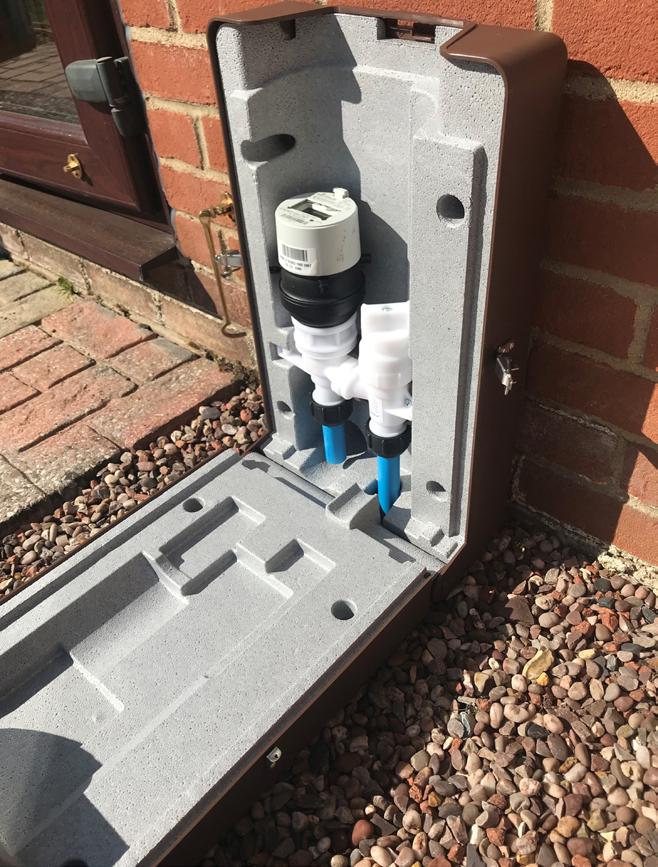
The use of the Groundbreaker water management system co-locates the water meter on the exterior wall of the dwelling, alongside gas and electric meters. It has the advantage of providing a better environment for smart technology and the additional benefits of extended signal transmission and easy meter exchange.
Use of an above ground water meter housing has the added advantage of removing water supply from the critical path of construction for MMC. Water services can be fully installed prior to
infrastructure is to locate the meter above ground.
Drainage & Plumbing
moving on site, the interior plumbing is pre-approved and certificated off site. Groundbreaker water management system is the only system of its type, it is designed to be installed at any time during the construction period. Fully compliant with Water Regulations, it provides an accessible, safe and secure location for the water meter and controls to a specific property.
The concept is simple. Water services are connected to an externally mounted, preinstalled water service controls. The preinstallation and certification of plumbing can facilitate early approval of water services to a plot. This allows flexibility in the management and scheduling of connection to the mains supply. The key benefit to the water company is that connection of the water supply is no longer a key element in the critical path of the project.
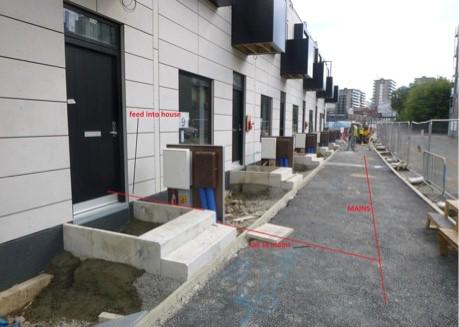
There is no need for boundary boxes or meter housings in the footpath, and this simplification of the connection allows for improved efficiency and reduces the time required for highway closures. An added benefit of removing meter housing from the footpath is that there is no disruption to the footpath, so no reinstatement costs.
In addition, the unique location of the Groundbreaker water management system allows for an unjointed water
supply. The use of an uninterrupted supply has been recognised as best practice by Water UK and the Home Builders Federation. It future proofs the network by maintaining the integrity of the supply and minimising the risk of future leaks.
Water efficient homes
United Utilities have recognised that water efficient homes are the key reduce consumption further. In all new properties, developers will be encouraged to design in water conservation measures, including the installation of a flow regulator. These modulate the flow entering customer premises, so limiting the amount used by the customer and creating a ‘natural’ reduction in consumption.
These products are fitted to the main water supply, and not each individual outlet. This removes any risk of consumer interference and ensure that minimum standards of water supply are maintained as specified within the Water Industry Act and Water Fittings Regulations.
Groundbreaker supply two products. In properties with a meter Groundbreaker’s NRv2 LoFlo can be installed between the water meter and manifold in any water meter enclosure. For unmetered properties, the LoFlo InLine is fitted on the main water supply pipe, normally just after the main stop tap.
Water efficient homes are the key to reducing water consumption.
In either unit, several flow modulation ranges are available which enable the perfect balance between usage reduction and service provision. As an added benefit, the Groundbreaker’s LoFlo Check Valve systems have the unique property of providing whole site protection against contamination by back flow (up to fluid category 2) as standard. Groundbreaker products are compliant with all Regulations and defined criteria and are used extensively across the whole of the UK water supply network – whether that be North of Scotland or the Channel Islands.
For further details please contact Groundbreaker Systems at www.groundbreaker.co.uk
Drainage & Plumbing
DISCOVER THE HEELGUARD B125 GRATING FROM ULMA: STRENGTH AND EASE OF INSTALLATION
The choice of gratings in a drainage project is one of the key points along with the selection of the channel. Depending on the application, load class, and hydraulic capacity, their choice is essential for a functional urban infrastructure.
In the drainage sector, we are seeing a transition in the strength of gratings in residential areas from load class A15 to B125. Our streets are experiencing increased traffic, and professionals have noted that the A15 load class is often no longer sufficient.
In residential and light traffic areas, there are few zones where only pedestrians and bicycles pass. If an A15 supports more than 1.5 tonnes, e.g, if a car drives over it, it is likely to fail.
Switching to the B125 class ensures that drainage gratings can withstand loads of 12.5 tonnes without compromising safety.
Durable and Pedestrian-Friendly Gratings
The perfect combination for pedestrian friendly areas where cars can pass without issue is the new Heelguard - B125 - FNHX100SRBM grating from ULMA. This grating has been developed for the new RapidSelf channel range, a family of channels for domestic drainage with a quick and easy locking system.
Advantages of the Heelguard-B125 grating:
**High Strength: Supports up to 12.5 tonnes (B125 load class) and is heel-friendly. The openings are small enough to allow water drainage but prevent heels from getting stuck, avoiding uncomfortable trips and ensuring optimal hydraulic capacity.
**Durability: These gratings are more robust and durable, reducing the need for maintenance and replacement due to breakage. Thus, the installation remains in better condition for longer.
**Easy Installation: Its design incorporates a locking system similar to Rapid Lock, eliminating the need for complicated fastenings, making installation simpler and quicker.
Long-Term Benefits
Finding solutions that minimize long-term operational costs is always wise. No breakages, replacements, or pedestrian trips are benefits combined in the new Heelguard B125 cast iron grating from ULMA.
Our goal is to continue offering practical and efficient solutions. We believe that this new grating from ULMA is a step in the right direction, combining efficiency and strength to meet the needs of the current urban environment.
Want to know more about the Heelguard B125 Grating?
We are here to help. Contact ULMA to resolve your queries and advise you on the best drainage solution optimized in hydraulic capacity and cost.
Vistry is creating places for people
DEVELOPER BECOMES BIGGER, FASTER AND BETTER
Building more homes, more quickly than its regional rivals, Vistry North East is eying a record breaking year.
Targeting 800 new properties across 15 sites, from Morpeth in the north to Guisborough in the south, the business is confident of passing £150 million turnover for the first time and continuing this growth trajectory into future years.
Key to this success are partnerships with housing associations, build to rent operators and Homes England - the government’s housing acceleration body - which enable Vistry to build out sites up to four times faster than traditional private sale only developers.
Sustainability is also at the forefront of Vistry’s thinking as a responsible developer. A significant proportion of the homes in the north east are now being delivered through the company’s three timber frame factories. The plan is to be a net zero organisation by 2040.
With three significant new projects about to begin, Vistry North East will be developing on sites that will provide 670 homes near Stockton; 660 at Kirkleatham, just outside Redcar; 441 at Morpeth; 401 at Bishop Auckland; 445 in Gateshead; 275 in Middlesbrough; 275 in Sunderland and 270 at Birtley.
In addition, extra care developments providing over 300 specialist homes for older people are underway at Guisborough and Penshaw, with another due to start shortly in Morpeth.
Within this workstream the Bovis and Countryside private sale home brands will be added to the existing Linden Homes being built in the region.
North East commercial solar and battery storage installer AR Power is to invest in a larger site and grow its workforce as it embarks on an ambitious growth drive.
The Washington-based company, which manages a complete turnkey solution from design to installation, has invested heavily in staff and resources in the last 12 months with turnover hitting £5.5m for the year ending April 2024.
With the workforce reaching 33 and set to grow, the company – established in 2011 by husband-and-wife team Mark and Maria Dunville – is aiming to hit revenues of £10m in the next 12 months. In three years, it is hoped that turnover will exceed £30m.
The company expanded its fleet of vehicles to 11, with four new ones acquired during the last year. The owners are now actively seeking larger premises – ideally a unit of 20-30,000 sq. ft.
AR Power has completed hundreds of commercial solar panel installations to businesses across the UK, from manufacturers, government buildings to universities and public buildings.
Clients include Newcastle, Durham and South Tyneside Councils, Dunelm Group, University of Sunderland, Northumbria University, Bishop Auckland College, Atlas Copco, CPI, Port of Blyth and Slaters Electricals.
During the last 18 months, the company secured several big contracts including an installation at manufacturer BHK (UK) in Peterlee - the firm’s largest project to date and one of the largest rooftop solar installations in the North East with 2,344 panels and 1.3MW Solar PV power output.
Sean Egan
FPA LAUNCHES NEW FIRE SAFETY POLICY MANIFESTO
Calling on the new government to put fire life safety and property protection at the heart of its built environment strategy, the FPA has released six key policy statements.
For decades the Fire Protection Association has worked to reduce risks and improve fire safety in UK buildings, sharing fire safety guidance and information with government, industry, insurers, our members, and the wider public.
Our objective is to protect people, property, and the environment in the UK whilst enabling innovation and economic growth in the construction and property sectors without compromising fire safety.
BESA LAUNCHES FOOTBALL THEMED SAFETY CAMPAIGN
The Building Engineering Services Association (BESA) has launched an awareness campaign designed to address the substantial gaps recently revealed in the industry’s understanding of its roles and responsibilities under the Building Safety Act.
The BESA ‘Play it Safe’ interactive guide uses football to illustrate how companies and individuals fit into the ‘team’ needed to deliver building safety and comply with the legislation.
The football comparisons are designed to make it easier for building services professionals to identify their specific roles and responsibilities, and the guide then directs them to more detailed information on the BESA Building Safety Act Hub to help them comply.
‘Play it Safe’ will be exclusive to BESA members before it is launched to the whole industry at the Association’s Annual Conference on 17 October at the Brewery in London.
Gearing up
At that point, BESA will encourage the sector to engage with the campaign so it can demonstrate not just awareness but also better understanding of the new building safety regime and how companies and individuals are gearing up to meet competence and compliance requirements.
Alongside the campaign, the Association is launching an in-depth survey of the building engineering services industry to gauge awareness of the Act and its implications. It is working with the market research specialists Barbour ABI to find out how well the sector’s professionals, particularly people in senior positions, understand their roles and responsibilities and what measurable steps have been or are being taken to demonstrate compliance.
This comes hot on the heels of a survey of the wider construction sector which revealed significant knowledge gaps
about duty holder responsibilities for higher risk buildings (HRBs).
Unsure
The specification platform NBS found that half of its respondents were either unsure or had no idea of their responsibilities with just 12% saying they were “very clear” about what was expected of them. 44% of respondents said they were unsure or had “no idea” what steps to take to comply with the new building safety regime despite the Act coming into force in 2022.
Understanding of the Golden Thread and the crucial role it plays in delivering building safety information also remains worrying low, according to the study. Just 45% of respondents said they were clear about how they would manage building information and only one in 10 had a “solid plan in place”.
Website: www.thebesa.com/play-it-safe
However, all too often the reforms that we would like to see brought in for the fire safety and built environment sector do not materialise.
With the election of this new government and the upcoming release of the Grenfell Tower Inquiry Phase 2 Report, the FPA think the barriers to change have now been removed and call upon the government to act.
To achieve the objectives described above we propose the following six key policies:
1. Better protect schools and care homes
• Require the installation of sprinkler systems in all new and majorly refurbished schools and care homes
2. Ensure the competency of fire risk assessors
• Ensure all fire risk assessors are appropriately qualified and certified under a suitable, UKAS-accredited scheme, as well as supported with their ongoing professional development to maintain competence
3. Continue to implement the Building Safety Act and support the Building Safety Regulator
• Continue to support the implementation of the Building Safety Act 2022 and its supplementary legislation, including support for the key role of the Building Safety Regulator
4. Implement the Morrell/Day Report on construction product safety
• Urgently implement initiatives which support the recommendations on key aspects of the Morrell/Day Report into construction product safety
5. Support the safe transition to net zero
• Develop policies and guidance supporting the transition to net zero, focusing on new energy technologies and low carbon construction techniques that detrimentally impact fire safety and property resilience
6. Support planning system reforms with data-driven fire protection measures
• Support planning system reforms through the use of data to target fire protection measures effectively, particularly in high-risk buildings and those distant from fire and rescue services
Find out more
You can access the full FPA manifesto here.
Fire, Safety & Security News
INJECTA FIRE BARRIER HELP SUPPORT THE NEXT GENERATION WITH NOTTINGHAM SKILLS ACADEMY PARTNERSHIP
Fire safety specialist and leading installer of passive fire barriers, Injecta Fire Barrier, have forged a new partnership with the Nottingham Skills Academy to offer work engagement for young people.
To help invest in the futures of aspiring tradespeople and construction workers, Injecta Fire Barrier has partnered with the Nottingham Skills Academy to provide work experience and training opportunities for individuals kickstarting their career.
Having supported over 8,200 learners in the East Midlands and South Yorkshire with fully-funded courses and training, the Skills Academy is expanding their service with help from Injecta Fire Barrier.
Skills Academy is a training centre run by the Skills People Group that offers high-quality teaching and learning for construction, digital business administration and warehousing.
Established in 2008, the Skills People Group is the country’s leading provider of construction-related qualifications and now has seven dedicated training centres, including the Nottingham Skills Academy.
Their academies provide a first-class training environment to help young members of the local community to develop their knowledge, skills and behaviours.
Currently, Skills Academy works with some of the UK’s biggest construction companies and offer a series of courses for bricklaying, joinery, painting, labouring, CSCS card, Skills Bootcamps in construction and much more.
Now partnering with Injecta Fire Barrier, the Nottingham Skills Academy will be increasing their support materials with new opportunities for ambitious individuals to learn, develop and prosper in the fire safety industry.
Injecta Fire Barrier are the UK’s first independent approved installer of the patented Injectaclad system.
With years of experience in passive fire protection, the company can help property managers and building owners seamlessly install costeffective cavity fire barriers that protect their buildings and occupants.
More information about Injecta Fire Barrier can be found at: https://injectafirebarrier.com/
ELEMENT PASSIVE FIRE PROTECTION: LEADING THE WAY IN FIRE SAFETY AND INNOVATION
Element Passive Fire Protection is rapidly emerging as the fastest-growing provider in the industry. Element PFP has set a new standard for comprehensive passive fire protection services. With an unwavering commitment to safeguarding lives and property, we offer a robust portfolio of services designed to meet the diverse needs of various sectors, from fire stopping surveys to full-scale fire stopping installations.
Element Passive Fire Protection has achieved remarkable growth in the fire safety industry. This success can be attributed to its holistic approach to fire safety, combining cutting-edge technology, stringent quality control, and a deep understanding of regulatory requirements. By prioritizing customer satisfaction and safety, Element PFP has built a reputation for excellence that resonates across industries, working with the biggest buildings across the UK.
PROVIDING COMPREHENSIVE FIRE SAFETY SERVICES
Element PFP’s suite of services is extensive, ensuring that clients receive tailored solutions that address their specific fire protection needs. Our wide range of services include Fire Risk Assessment, Fire Stopping Survey, Fire Door Survey, Fire Stopping Installation, Fire Door Installation & Maintenance, Fire Safety Strategies and Post-Installation Inspections.
My sincerest thanks and appreciation to Element PFP and their delivery team who are undertaking remedial works within the city accommodation blocks. With special mentions regarding communication, politeness and professionalism.
- Nic Orme, Project Manager at University of Wolverhampton
Our services adhere to the latest fire safety standards and are third-party accredited, ensuring that every project is executed with precision and diligence. Element PFP’s team of certified professionals undergoes continuous training to stay abreast of evolving industry practices and technologies.
COMMITMENT TO FIRE SAFETY ACROSS THE UK
In a world where fire safety is paramount, Element Passive Fire Protection stands as
a trusted partner, delivering unparalleled protection and peace of mind. As the fastest-growing provider in the industry, Element PFP is not just meeting the standards of today but is actively shaping the future of fire safety.
Element PFP works closely with clients to understand their unique needs, offering bespoke solutions that provide maximum protection. This customercentric approach has fostered long-term relationships and a loyal client base that spans various sectors, including commercial, industrial, healthcare and more.
“My sincerest thanks and appreciation to Element PFP and their delivery team who are undertaking remedial works within the city accommodation blocks. With special mentions regarding communication, politeness and professionalism”
– Nic Orme, Project Manager at University of Wolverhampton
Passive Fire Protection with Element PFP
At Element PFP, we believe that every step we take towards improving fire safety is a step towards protecting lives and property. Our portfolio of projects is a reflection of our commitment to excellence and safety. As we continue to innovate and implement cutting-edge fire protection solutions, we are proud to contribute to a safer future for all buildings across the country.
We take care of every element of passive fire protection, ensuring all aspects of fire safety are taken care of. Get in touch to find out more about our passive fire protection services today and find out how we can improve fire safety for your building.
For more information visit: www.element-pfp.co.uk
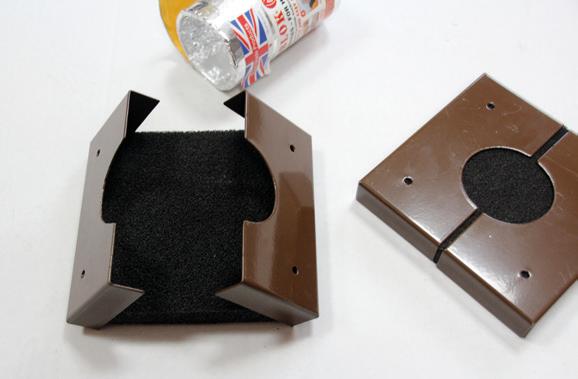
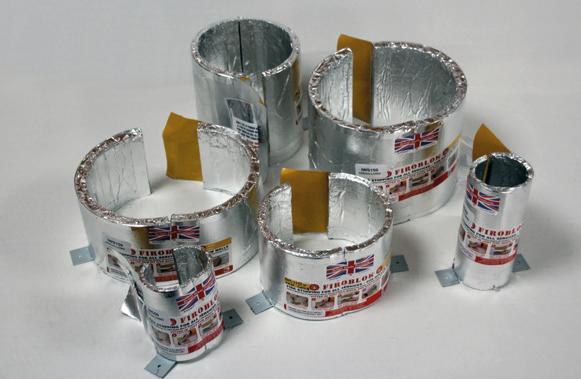
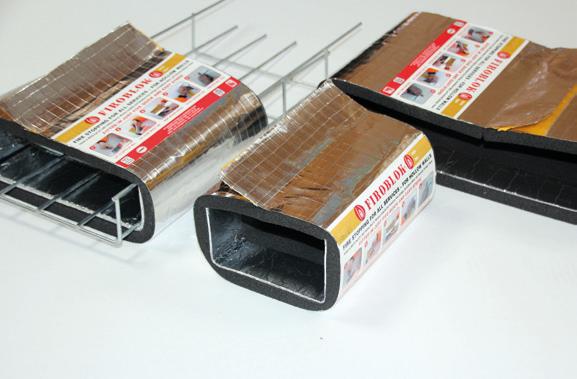
The most universal range of fire protection sleeves for all trades, FIROBLOK intumescent sleeves provide up to 198 minutes fire protection, effectively preventing the spread of flames and smoke through openings and penetrations.
By providing a reliable barrier, they ensure that fire hazards are contained, protecting both the building structure and its occupants.
Whether it’s protecting electrical wiring, plumbing, or ventilation systems, intumescent FIROBLOK® fire protection sleeves provide a reliable and cost-effective solution for ensuring fire safety and compliance with regulations.
The wide choice of variants in the Firoblok® range means it can be used to protect service penetrations through brick, block, concrete or timber-framed walls and now, even plasterboard ceilings.
AFFORDABLE HOUSING BUILT WITH
INSULATED PANELS THAT WILL NOT BURN DOWN
The Government is aiming for a significant increase in the number of affordable houses for families being built, but it seems that developers and architects mainly want to design and build executive homes costing £400,000 and more.
Building more affordable homes will mean that more young people or first-time buyers can afford to buy a home of their own for around £150,000 to £200,000, and Enviro Eco Homes have been designed specifically with this in mind. They are Eco houses that can be built in a matter of a few days, at an affordable price. The huge flexibility in design enables any architect to create purpose-built homes within this price range. Contact us to find out more.
SCAN
BUILDING SAFETY ACT:
DE-ESCALATING PROJECT
UNCERTAINTY
IN HIGHER RISK BUILDINGS
Pick Everard director of architecture
Kieran Bradley discusses the potential risks to programme management, and how the construction industry can deliver more purposeful, safe and secure buildings for the future.
Earlier this year, it was reported by the Building Engineering Services Association (BESA) that many contractors were still ignoring the rules set in place by the BSA. Stemming from project uncertainty, lack of education and/or awareness regarding the new measures, the outcome for all in our industry remains the same.
The importance of pre-planning
Planning Gateway One (PGO) is a chance for the Health and Safety Executive (HSE), acting as statutory consultee for planning applications, to fully assess fire safety considerations in relation to design proposals. While impetus is primarily put on local planning authorities (LPAs) to seek advice from the HSE on relevant buildings, it also heeds the call for developers to undertake early engagement with design teams.
To help aid this journey, contractors and developers should take stock of a wide array of informative resources, including official government documents as well as those from industry organisations such as the Construction Industry Council (CIC), to make well-informed design decisions. Where more project specific consultation is needed, it is critical clients take a collaborative approach to achieve desirable and compliant schemes.
Set your design stall up front
Under Gateway 2, rigorous design inspection and adherence to the requirements of the BSA are expected before construction even gets going. Critically, developers cannot proceed with construction until the Building Safety Regulator (BSR) has approved an application, stepping in much earlier than traditional design processes and implementing a robust evaluation.
Developers therefore must be able to demonstrate a consistent and ongoing dialogue with the building regulator to ensure effective communication over different elements. This includes project parties, site information including boundaries and fire plans, as well as a construction control plan to detail how the work will be carried out. Additionally, a building regulations compliance statement will also be needed to ensure complete legislative assurance.
Time is precious – elevate the principal designer
The new rules, particular under Gateways 2 and 3, require contractors, developers and associated parties to be precise and detailed to minimise project risk. Time is an important necessity across all projects, and ultimately having an extra level of detail and dialogue with external parties is a bugbear most contractors could do without. This places an elevated importance on the principal designer role, a party that can dedicate the extra time and attention needed to provide adherence to the new rules, coordinate discussions, pass each gateway stage, and mediate the waters.
Clear expectations can assist when delays arise
Gateway 3 makes sure all procedures have been met before occupancy. It’s also where
we feel there is an extra danger of not just non-compliance, but also creating unclear expectations with clients over project timelines. Essentially acting as a ‘hold point’ before completion; in some cases, we are seeing this add up to three or four months to project timelines, which has the potential to massively escalate costs if unprepared, as well as cause onward issues for clients and potentially end users too.
Collaborate to comply – early on in the process
At Pick Everard, we are clear that early engagement and procurement across the project supply chain is key to successful delivery. Ultimately, projects are delivered better together, and that involves setting out a rigorous stakeholder engagement plan that takes place across the project timeline. Involving the building regulator is a crucial part to those plans to ensure that everything is accounted for at each project milestone. Earlier this year, BESA reported 60% of its members were still experiencing delays at the first gateway stage, so it’s important that clients’ briefs are clear, with a project plan that can navigate these challenges whilst meeting the required standards.
De-escalation of risk can only come from
education
While ultimately there are still challenges ahead with BSA compliance, both from a regulator and developer perspective, undertaking guidance and best practice with consultants remains the first port of call for clients. The potential for fines and non-compliance is now extremely high, with the punishments even tougher, so the need for clients to identify experts that can help minimise project risk becomes ever more pressing.
For more information, visit: www.pickeverard.co.uk
HEAT AS A SERVICE - THE KEY TO DECARBONISING HEAT
By Christophe Williams,
The climate emergency is the most pressing issue of our era, and much ink has been spilled on the need for new technologies to fight it. Fortunately, governments across the globe have enacted several regulations to help businesses forge their path towards net zero.
In 2020, the EU put the European Green Deal in place, a set of policy initiatives regulating and supporting the journey to climate neutrality by 2050. The US also launched the Inflation Reduction Act in 2022, providing significant tax credits for American customers.
These regulations are having positive impacts as shown by recent news that 30% of the world’s electricity is now powered by renewable energy.
However, less attention is being paid to the decarbonisation of heat, which is arguably more important. Heating accounts for 51% of global energy consumption, with 90% of this still coming from the burning of fossil fuels.
Haas
CEO of Naked Energy
allows companies to focus on expanding their core business and maintain their competitive edge, whilst providing them with an affordable alternative to installing the technology outright. Businesses can therefore meet their net zero targets and grow their business at the same time.
The need to decarbonise heat is obvious, but a large barrier to the adoption of renewable thermal technologies, especially in the commercial and industrial space, are the large upfront investment costs.
The upfront capital expenditure (CAPEX) often requires businesses to tie up capital for a significant period of time. This long-term risk is often off-putting or unfeasible for some - it’s difficult to persuade a company that it should sacrifice its growth to help fight climate change.
Realistically, we cannot hope to properly decarbonise heat unless we make renewable heat technologies more accessible.
This is where Heat as a Service (HaaS) comes in. Instead of the end-user companies funding the cost of the solutions themselves, energy service companies (ESCOs) fund the upfront costs with the end-user paying back the cost over the lifetime of the contract. The ESCOs also provide technical expertise to help give them the best solution for their specific needs.
What is particularly attractive about it is that the money spent on the contract appears on the end-user’s operational expenditures, not CAPEX. Therefore, the costs don’t appear on their balance sheet, freeing up resources for other parts of their operation. Additionally, their overall operational expenditure costs for renewable heat are lower than their current costs to purchase fossil fueled heat.
Haas allows companies to focus on expanding their core business and maintain their competitive edge, whilst providing them with an affordable alternative to installing the technology outright. Businesses can therefore meet their net zero targets and grow their business at the same time.
Innovative finance vehicles are needed to drive the energy transition forward. Companies, large and small, can’t be expected to bear the cost of the transition alone. Energy providers, tech innovators and financiers have a responsibility to help companies on their journey to decarbonise heat. HaaS is one way to achieve this while making sure businesses can continue to grow.
CASE STUDY: PERFUME FACTORY, NORTH ACTON, LONDON
The Perfume Factory scheme was the transformation of the former Elizabeth Arden factory site into a new mixed-use development, with the majority of the space allocated to residential properties.
Telford Homes regenerated the factory into 374 new homes and 1,403 square metres of commercial floorspace, rooftop amenity space and public realm improvements.
CONTOUR HEATING LAUNCHES BRAND-NEW LOW SURFACE TEMPERATURE RADIATOR
Midlands-based safe heating product provider, Contour Heating, has launched a brand-new low surface temperature radiator that is set to provide the education sector with a cost-effective alternative to their current heating solutions.
Covora Lite launches alongside a range of other new for 2022 safe heating products as part of the all-new brochure made available earlier this year.
Aimed at helping school and nursery refurbishments working to tight budgets and timelines, its launch is in line with specification for summer projects.
“Covora Lite is our most affordable low surface temperature radiator to date” said Commercial Director Robin Mansell. “With all the features expected from Contour’s extensive range, Covora Lite is still a premium product, but one that makes safe heating much more affordable.”
Fair Heat and Telford Homes collaborated to create a customised underfloor heating specification and selected the experienced Gaia Underfloor Heating team as one of their trusted partners to deliver it.
This highly-detailed specification ensured the correct installation and commissioning of the systems - and guaranteed the efficient operation of the underfloor heating system going forward.
Gaia provided the complete design, installation and commissioning of wet underfloor heating systems throughout the 374 apartments.
Their expert team fitted flexible underfloor heating pipes into screeded floor, providing the Perfume Factory building with a system which effectively warms the whole floor from the ground up.
This project utilised a strategic energy approach which featured passive design and energy-efficiency measures, including Gaia’s wet underfloor heating systems and an on-site communal heating network via air-source heat pumps and photovoltaic panels.
See more projects at gaia.co.uk
you optimize you projects and work more streamlined with other trades.
Contour Heating’s complete product range also includes other low surface temperature radiators as well as a variety of anti-ligature solutions, helping provide safer heating to a wider range of industries.
Including bullnose corners for added safety precautions and with BioCote, helping protect against 99.9% of bacteria, Covora Lite low surface temperature radiators are available with a much shorter lead time than other Contour products, helping get projects get completed far quicker.
On top of this, spilt delivery is also available, helping
If you’re interested in learning more, you can visit Contour Heating’s website or speak to the team directly.
Contour Heating Products
The Mansions, 43 Broadway, Shifnal, TF11 8BB
Tel: 01952 290 498
Web: www.contourheating.co.uk
Email: sales@contourheating.co.uk
Technology & Software
HOW SMART TECH CAN HELP ALLEVIATE THE LABOUR SKILLS SHORTAGE
By Richard Clement, Deputy General Manager for Smart Construction
Construction is the largest industry in the world making up more than 13 percent of GDP globally. Despite this, it has been slow to evolve and has only recently started implementing technological changes. On top of this, the industry fears a lack of talent, with over 38,000 vacancies recorded per quarter in construction in the UK alone.
To tackle this challenge, Richard Clement, Deputy General Manager at Smart Construction, discusses how the construction industry can implement changes using smart technology to help alleviate the labour skills shortage.
Why is there a labour skills shortage in the construction industry?
Clement says: ‘’The construction industry is known to be behind the times in terms of digitalisation, however, companies such as Smart Construction are part of the 1 per cent of those capitalising on developments in technology. The lack of digital awareness, along with an ageing workforce, contributes to why many young workers don’t see an appeal to join the industry.’’
There has been a dramatic fall in 16-30-year-olds entering the construction industry meaning a less agile and a less digitally literate workforce at a time when the industry is trying to focus on digital revolution.
As smart technology develops it can act as a buffer for the challenges the construction industry could face in the coming decades. It will also help to upskill workers in the future, which is essential, and allow less technically confident workers to enter the industry.
How has this impacted the construction industry?
As of January 2023, research found that 80 per cent of construction firms found it difficult to recruit qualified workers. This demographic trend poses a real challenge for maintaining the industry’s vitality and finding a future workforce. Governments recognise this impending shortfall and are prioritising the skills shortage in Europe with several national and European policies setting new environmental targets that require investment in construction.
Estimations indicate that the green transition could lead to the creation of between 1 and 2.5 million additional jobs overall by 2030, a positive outlook for the industry. However, companies would therefore need to have access to a qualified workforce to handle this increasing demand.
How can Smart Technology and digital solutions help alleviate the labour shortage?
Over the next five years, 95 per cent of UK construction companies plan on investing in tech, with the hope of driving more talent into the industry.
“There are multiple benefits to investing in smart technology and digital solutions. From upskilling the workforce, reducing the amount of time required at site or remotely to gather information and communicate changes, to providing tracking data to the customer,’’ Clement explains.
Smart technology and digital solutions can upskill current workers, whilst alleviating pressures on personnel from all stages of the process. Even individuals who don’t consider themselves tech-savvy can benefit from digital solutions - teams across Europe have found the data easy to analyse and interpret. This means less pressure on workers as the load is shared at the job site.
Smart Construction in action: What is 3D Machine Guidance, how does it work, how does it benefit?
Smart Construction’s 3D Machine Guidance system is an easy-to-use machine guidance solution that enables excavator operators to dig with centimetre precision. The system provides instant feedback on the screen, which helps operators to reduce overdigging and rework. It also eliminates the need for extra surveying work as operators can check the accuracy of their own work and visualise the finished product with the model on the screen.
Besides being a standard machine guidance system, 3D Machine Guidance works as an IoT device automatically collecting terrain and payload data, which can be analysed using Smart Construction solutions and expert advice, enabling data-driven decisionmaking.
What’s next?
There are many ways smart technology can help alleviate the labour skills shortage. It’s essential that the industry and employers recognise what the future could look like for the industry and try to make a change, alongside the efforts to alleviate the pressure of an impending shortage of workers.
Clement explains: ‘’As smart technology develops it can act as a buffer for the challenges the construction industry could face in the coming decades. It will also help to upskill workers in the future, which is essential, and allow less technically confident workers to enter the industry.’’
For more information visit smartconstruction.io.
Tools, Plant & Equipment - Case Study
SUCCESSFUL ASSET DISPOSAL SALE GENERATES OVER £80,000 FOR ENGINEERING AND CONSTRUCTION BUSINESS
BPI has helped an engineering and construction business based in the North East generate an impressive boost to its cash flow through a quick and efficient surplus asset disposal sale.
The business decided to sell its assets as the equipment and machinery were no longer needed following the completion of a major project. The work undertaken by the business involves providing engineering and construction expertise to offshore wind turbines and oil platforms.
The asset sale included over 100 lots featuring machinery, vehicles, power tools and more. The client had previously worked with BPI over the past five years and was impressed with the outcomesrealising total combined sale proceeds of £250,000.
The challenge
For over four decades, the construction firm has delivered market-leading skills and expertise worldwide, significantly transforming capabilities in the power, utilities, chemical, and renewables sectors.
Following the completion of several large contracts, they were left with surplus assets. They didn’t want to store the equipment as it would lead to additional costs with storage, maintenance and insurance. From an accounting point of view it would also result in depreciation of asset values. For this reason, they decided to sell the surplus assets to generate capital for reinvestment.
BPI’s asset disposal service and industryleading auction platform offered them a quick and proven method of carrying out this process.
The asset disposal solution
They chose BPI to handle the process due to their positive experience of working with the team over the years, along
One lot that generated a significant amount of interest from buyers was the 2017 Volvo FM Euro 6 26-tonne flatbed rigid truck with aluminium sides and TAG axles.
with BPI’s track record of consistently surpassing expectations on sale proceeds.
Opting for an asset disposal sale aligned with their business needs by maximising returns on surplus machinery and equipment, freeing up physical space, and potentially avoiding additional storage costs. In addition, it complemented their ESG strategy by giving surplus equipment a new lease of life, as part of a circular economy.
By leveraging the expertise of BPI’s asset disposal specialists, the client was able to access a straightforward and easily repeatable method of dealing with their surplus plant and equipment.
Having previously partnered with BPI on end-of-contract sales, the construction firm was already impressed with the speed and efficiency of the asset disposal process. They were confident with handing it over to BPI because they knew that it would be completed in a matter of weeks.
This sale included:
1. 2017 Volvo FM 26 Tonne Flatbed Hiab
2. 2015 VW Caddy Van
3. 2018 Containex 20ft x 8ft Welfare
4. Armorgard Site Safes
5. Centrex Dust Extractors
6. Arc-Gen Diesel Generators
7. Makita Tools
One lot that generated a significant amount of interest from buyers was the 2017 Volvo FM Euro 6 26-tonne flatbed rigid truck with aluminium sides and TAG axles. This much sought-after vehicle featured a Fassi 315, 31.5-tonne meter Hi-ab with seven hydraulic extensions
and one manual extension, along with low mileage and only one previous owner.
BPI catalogued and photographed each asset for the online auction, managed all collections after the auction had closed. They cleared the client’s site of machinery and equipment within just three days!
The asset disposal sale results
The sale process had a very quick turnaround and was completed in just four weeks with a hammer total of £83,117, achieving over 50% higher than anticipated by the client.
For companies looking to quickly and efficiently maximise returns on surplus equipment, free up storage space, and avoid costs associated with holding onto excess assets, an end-of-contact surplus asset sale is the ideal solution.
The success of this asset disposal sale and process can be attributed to BPI’s strategic approach. They effectively promoted the sale to a list of prospective purchasers and leveraged the efficiency of BPI’s auction platform, both of which were instrumental in driving the hammer total.
Richard Travis, Sector Specialist at BPI, said: “More of our clients are realising that selling assets at the end of a project is a very effective way of boosting cashflow, freeing up space and maximising returns on each contract.
He added: “Our continued partnership with this client highlights the trust and confidence in our ability to deliver a high-quality asset disposal service. We are excited to build on this success in the coming years and encourage any business with surplus assets to get in touch today.”
Testimonials
The owner of the engineering and construction firm said: “I could not be more pleased with the solution BPI provided and the outcome of the sale. We have partnered with BPI multiple times, and they consistently approach our end-of-contract sales with professionalism and a positive attitude. After surpassing our expectations again, I would highly recommend BPI to anyone looking to sell parts of their inventory and fleet.”
Need help creating space and generating cash flow? Get in touch today or contact 01924 245040.
WEST FRASER HELPS TO TEND AND NURTURE TILLICOULTRY COMMUNITY ALLOTMENT WITH £1,000 DONATION
Cowie-based wood panel manufacturer, West Fraser, has donated £1,000 to a Tillicoultry allotment group, which serves as a nature haven for the local community.
Founded in 1978, the Tillicoultry Allotment Association has grown into a large allotment offering social areas, a community greenhouse, and vegetable plots. It also hosts Alloa school pupils, providing them with dedicated raised beds to learn about growing plants and vegetables.
The donation from West Fraser will help the group repair its communal tool shed floor and install new guttering to prevent water damage during heavy rain.
Elke Mackenzie, Co-chair of the Tillicoultry Allotment Association, said: “We’re hugely grateful for this kind donation from the team at West Fraser. The Tillicoultry Allotment Association benefits from grants and donations to keep our allotments open for all members of our local community who make use of it, so this support is massively appreciated.
“Thanks to generous donations, such as this one from the team at West Fraser, we can further develop our allotments to cater more for the community, as well as put in place our plans to make the allotments accessible for all with a new accessible gardening patch.”
FORTERRA SCORES FUNDS FOR GRASSROOT FOOTBALL CLUBS
Inspired by the 2024 Euros, leading building products manufacturer Forterra has given financial aid to a number of grassroots football clubs up and down the country.
Forterra has donated £1,000 across five different clubs to aid their growth and development. Rossington Main Football Club, Ollerton Town Football Club, Ibstock United Junior Football Club, Thatcham Harries Blue under 13’s and Tamworth Football Club have all benefited from the donation.
Rossington Main Football Club, the most northerly of the five situated near Doncaster, will use the donation towards the construction of its clubhouse. They are currently rejuvenating a derelict building to a working space for the team to use with the donation paying for external cladding to prolong the life of the building.
Similarly, Ollerton Town Football Club in Nottinghamshire will make ground improvements to help maintain the existing pitches and create new ones for the growing teams. From having no junior teams to now having seven, the extra space will enable each team to have the appropriate facilities which will support its training programme.
Ibstock United Junior Football Club, near Leicester, and Thatcham Harries Blue under 13’s, the most southerly of the clubs on the outskirts of London near Newbury, are both putting the funds towards new kits and training gear. Kitting the teams in professional gear boosts team morale, builds a sense of belonging and provides them with the appropriate clothing to play at their best.
Focused on developing the technology available at its club, Tamworth Football Club, close to Birmingham, will be using the donation to aid the development of its under 14s team by investing the funds in a portable Veo sports camera driven by AI. The camera can be used for sports filming that provides important feedback to the young academy group allowing them to watch games back to tailor training sessions and look at match stats throughout the season to develop game plans.
The Forterra Community Fund gives charities, clubs, groups and societies the opportunity to apply for funding or building products to be used in projects that make a positive contribution to their local community.
To apply to the fund, please visit https://www.forterra.co.uk/about-us/ community/community-fund/.
A HOSPITAL GARDEN MAKEOVER FOR BEREAVED FAMILIES IN CROYDON
A vital space, for bereaved families, within Croydon Hospital’s maternity unit has been given a much needed facelift thanks to volunteers from Wates.
The Garden Suite, a comforting and private area with a small therapeutic garden provides an important space for bereaved families who wish to spend time in an environment that is close to the Trust’s maternity teams.
The team of colleagues from Wates cut back shrubs, removed weeds, pressure washed pathways, planted seeds and installed new garden furniture to revamp the space, giving access to the peaceful outdoor area, away from the hospital’s clinical environment.
The makeover work on the courtyard garden took place yesterday and was completed in the afternoon, ready for presentation to the nursing team at the hospital.
‘The garden has been completely transformed,’ says Deborah Kelly, Chief Nurse at the Croydon Health Services NHS Trust. ‘This space is just one of the many ways we support families within our maternity unit. This initiative, led by our dedicated bereavement midwife and supported by Wates Group, will help to provide a home away from home environment for our patients at one of the most difficult times in their lives. We’re incredibly grateful for Wates’ support’.
The garden makeover is part of Wates’ social value philosophy of
supporting community projects through volunteering.
‘It’s great to be able to help make a difference, and it is important to us at Wates that we play a part in the community by improving places and creating positive change’ says Wates Senior Account Manager, Facilities Management, and lead on the project, Steven Clarke. ‘The volunteers work locally too. They’ve done a great job, and we hope it makes a difference to the hospital, patients and their loved ones.’
KNOTWEED AND ASBESTOS REMEDIATION METHOD REDUCED CARBON FOOTPRINT
Finding out if your site is contaminated with invasive plants or asbestos is a concern for most landowners or developers. On this contract not just Japanese knotweed, but Buddleia and Asbestos were also identified. By dealing with both plant and asbestos contaminated ground at the same time we delivered a speedier completion, and by using a specific method of ground remediation we also reduced our carbon footprint.
Let’s find out how we did this.
FORMER POLICE STATION IS CLEARED OF KNOTWEED
Sites that have been left for some time allow knotweed and other invasive plants to flourish. This site was formerly Bingley Police Station, which had previously been demolished and cleared. The land covered approximately 0.3 hectares and was partially enclosed by the former stone wall of the police station.
THE PERILS OF IGNORING KNOTWEED
Two areas of the site displayed mature knotweed and evidence of last season’s knotweed (dead canes). In agreement with the client full excavation and cart-away to landfill of hazardous soils was to be completed. But before any excavation works could begin the vegetation was flailed to ground level.
By excavating a test pit to identify the extent and depth of the knotweed, we found rhizomes extending down to 1.7m from the ground level making the full excavation depth, including the mound of the prior demolition material, in excess of 3.5m. Knotweed was clearly present prior to demolition and was likely to have been a long-established area of growth.
Concrete pillars were uncovered that were clearly structural support for a boundary wall and knotweed rhizomes were seen growing through cracks in the concrete,
but as we needed to keep the wall intact, these areas were instead marked for future identification. The supporting pillars would be sealed beneath a root barrier to prevent growth from any knotweed within the wall.
TIME SAVING MULTI-CONTAMINANT REMOVAL
During excavation Asbestos Contaminated Materials (ACM) were spotted by the team. As we’re licensed to deal with Asbestos we were able to quickly provide a revised quote to handle both together, saving the client time to source a qualified Asbestos contractor. Soil samples were sent to lab for analysis, and work was stopped pending the results of the testing.
Full excavation of the knotweed was completed and stockpiled ready for removal to landfill, whilst we dealt with the asbestos. All ACMs were hand-picked by our qualified team, double bagged and placed in a sealed skip ready to be
removed to a licensed disposal facility. Any soils containing incidental asbestos (too small to be hand-picked) and minimal knotweed material were removed to landfill. Soils that did not contain asbestos were separated and removed as nonhazardous soils.
FUTURE-PROOFING THE SITE
A vertical root barrier was carefully installed to the site walls, making sure it molded to the pillars. Full excavation and removal of both knotweed and asbestos contaminated ground left the site clean and clear for future development. We left the ground level slightly lower than we would normally, so that potential developers would be aware of the pillars. The site is monitored for the duration of the 12-year guarantee period.
IMPROVED CARBON FOOTPRINT
Sorting the waste into different categories on site meant we are not removing unnecessary materials to landfill. This gave us and our client a greener footprint and improved the site’s waste management record, all of which is a more environmentally sound solution.
Contact us on 0333 2414 413 or email contact@knotweed.co.uk
We’re exhibiting at ESS EXPO 11th and 12th September at NEC, Birmingham. Come and visit the knotweed experts on stand CLR-C150.
Experts in treatment and removal of Japanese knotweed and other invasive plants such as Giant hogweed, Himalayan balsam, Rhododendron, Floating pennywort and Azolla also ground contaminants such as Asbestos.
We’re a safety-first, fully licensed and compliant contractor specialising in Japanese knotweed survey, control and eradication since 2010. We operate nationally but we always source and resource locally.
With the equipment and expertise to manage any site’s requirements including working around infrastructure and endangered species. Choose from a range of excavation methods, or use our Watching Brief service.
japaneseknotweed.co.uk environmentcontrols.co.uk
contact@knotweed.co.uk
Training & Education News
NEW DEGREE APPRENTICESHIPS ANNOUNCED TO HELP BUILD THE WALES OF THE FUTURE
The Welsh Government has teamed up with three universities to launch new degree apprenticeships in Construction Management, Civil Engineering, Quantity Surveying, Building Surveying, and Real Estate. With the construction sector alone needing an extra 11,000 workers by 2028, the new degree apprenticeships come at a crucial time.
Starting in September 2024, these four-year programmes, fully funded by the Welsh Government, will offer students the chance to earn a degree while gaining hands-on experience in employment. The courses will be offered at Wrexham University, the University of South Wales, and the University of Wales Trinity St David.
The Cabinet Secretary for the Economy, Energy, and Welsh Language, Jeremy Miles, said: “These programmes not only prepare individuals for high-demand jobs and higher wage occupations, but will also ensure a skilled, resilient and forward-looking workforce to drive economic growth and provide innovative solutions to social and climate challenges.”
These programmes not only prepare individuals for highdemand jobs and higher wage occupations, but will also ensure a skilled, resilient and forwardlooking workforce to drive economic growth and provide innovative solutions to social and climate challenges.
The new apprenticeships have also been welcomed by the construction industry, and Universities. The Construction Industry Training Board praised the “sector pulling together in a shared direction to overcome industry and broader challenges”, whilst representatives from Wrexham University, the University of South Wales, and the University of Wales Trinity St David spoke positively about meeting the needs of both learners and employers, creating new and immediate opportunities and delivering high-level skill sets.
A team of ex-students from Leeds College of Building has returned to their roots as skilled construction professionals, ready to start a major £750k refurbishment project.
The planned works at North Street Campus is part of a broader upgrade programme to bring the site in line with the College’s modern South Bank Campus. Alongside contractors Lodestone, design consultancy Fuse Studios will oversee the interior design and Turner & Townsend the project management.
The refurbishment project takes place over four floors, beginning with the full refurbishment of the current Learning Resource Centre. The library will be transformed into a large student enrichment zone with gaming area, TV lounge, meeting room, new Student Services office with service counter, fixed seating study area, and a high-level coworking bench.
The ground floor student enrichment area is part of the College’s wider strategy to boost accessibility. The reception and cafe area will then be upgraded to a larger communal space following the initial work. The upper levels of the building will then be reconfigured to create a new learning resource centre, additional teaching spaces, new teaching and support rooms, and a new staff training room in place of the old student common room.
Find out more about construction and built environment courses enrolling soon for September: www.lcb.ac.uk/find-a-course
FULLY ACCREDITED CENTRE
With 15 years training experience you are in good hands. We are a training provider that can offer you a range of courses, whether it be Site Management, Plant Machinery
Services we can offer
In house training
CSCS Cards & Testing
CPCS Training & Test
NVQ’s Level 2-7
Site Safety Plus
Health & Safety
Lantra
EUSR
NRSWA
NPORS
CITB Approved Centre
And many more...
Training & Education
HOW TRAINING AND DEVELOPMENT IS ENCOURAGING THE NEXT GENERATION
Anne Watson, Head of Human Resources at McAvoy, shares the modular offsite manufacturing specialist’s experiences and advice to inspire the next generation through effective training.
The construction industry faces welldocumented labour and skills shortages, with one of the chief problems being an ageing workforce that is not being replenished fast enough. According to the Construction Industry Training Board (CITB), while UK construction output is forecast to increase, meeting this growth requires more than 251,500 additional workers by 2028 and, for nearly a third of construction employers, finding skilled employees is a top challenge.
It has never been more vital to futureproof the industry, and the key to recruiting a new wave of talent is finding ways to inspire younger people through effective training and development. Initiatives such as ‘Adopt a School’ by CITB NI can help by enabling construction companies to partner with local secondary schools to raise awareness of the various sectors and career pathways available.
As part of CITB’s programme, McAvoy has been working for just over one year with Wellington College in Belfast, and recently held a workshop training dayseeing first-hand how rewarding such experiences can be for pupils by opening
their eyes to the realities of modern construction and how far the industry has advanced.
We have found that the innovative techniques harnessed in off-site modular construction have helped to capture interest and bring construction to life for pupils. From using virtual reality, to presenting the opportunity to design and build a module themselves - by introducing the element of technology to today’s digitally-savvy younger generations it adds an element of excitement, resonating with them more than simply looking at a presentation.
Additionally, students can hear about the career journeys of a diverse set of individual voices already established in the industry, and dispel any misconceptions, including that construction is just for men, is dangerous, or only offers limited and ‘traditional’ jobs. It also gives them a broader understanding that
there are other educational avenues available besides university, including apprenticeships. In fact, we attracted more apprentices because of engaging with schools, demonstrating how impactful the approach can be.
For other companies across the built environment considering this type of training, the good news is that the benefits work both ways. Students improve their knowledge of construction, learning about what the many different professions entail, complemented by real-world exposure to the industry, plus advice and support. Construction practitioners, meanwhile, gain the chance to make a difference to young people’s lives and career trajectories, benefit from fresh perspectives and create a potential pipeline of future recruits.
To provide a truly valuable experience, it’s important for employers to commit significant time and be prepared to adapt training and work placements based on students’ ages and interests, but the effort is worthwhile. By cultivating meaningful relationships with schools, we can guide the new generation into embarking on fulfilling, long-term careers while contributing to a thriving future for our industry.
We
have found that the innovative techniques harnessed in off-site modular construction have helped to capture interest and bring construction to life for pupils.
SCHÖCK PROVES MORE THAN EQUAL TO PASSIVHAUS CHALLENGES
Custom House is a major regeneration scheme in Newham, East London. A project which Schöck has been heavily involved in from the outset; initially providing full design support and installation training. The project is designed to Passivhaus standard, so the need to effectively eliminate any risk of thermal bridging at various points of the design detailing was crucial. As Europe’s leading supplier of innovative load-bearing insulation products, this is
where Schöck really came into its own –with high performance solutions for the columns, balconies and parapets. Known as the Custom House kickstart project and designed by Adam Khan Architects and Haworth Tompkins (for which they received a Housing Design Award) it is part of a wider masterplan by Adam Khan Architects. The main delivery partner is The Hill Group and the scheme overall consists of three mansion blocks, ranging in height from four to eight storeys. This first stage though will deliver 95 affordable homes, along with commercial space, community growing space, communal gardens and a high-quality accessible public realm.
The columns presented a special challenge
It is estimated that around 40% of all structural thermal bridges in buildings are caused by walls and columns; and these are calculated to be responsible for at least 10% of the heating energy loss. The recently introduced Schöck Sconnex range is a unique solution to this problem, allowing walls and columns to be directly and permanently insulated. There are three product variations, the type W, type
All of the Schöck products used at Custom House (the Sconnex type P, the XT type A and the XT type K) are certified by the Passive House Institute in Germany.
P and type M. Specifically, the Sconnex type P is the product used at Custom House. It consists of a thermal insulation element and a reinforcement element, both of which are required to withstand the bearing load. The thermal insulation element has a pressure-resistant support structure, made of lightweight concrete and polypropylene fibres, all in a 100mm thick insulation layer. Its performance significantly reduces heat flow, but importantly, also eliminates the need the for the traditional solution of using cumbersome flanking insulation. On this occasion though, quite apart from effectively isolating the rectangular columns from the rest of the building, there were challengingly high load requirements. To meet these demanding
Custom House – courtesy of Adam Khan Architects
Graphic of the XT type K in position
To meet these demanding loads, it was necessary to incorporate multiple Sconnex type P units at the head of each column – the first time this particular design solution has been used in a UK project.
loads, it was necessary to incorporate multiple Sconnex type P units at the head of each column – the first time this particular design solution has been used in a UK project.
Parapets are as prone to thermal bridging problems as balconies
Preventing thermal bridging at the Custom House parapets was also a critical consideration for such a high performance development, because as with balconies, parapets can allow conductive materials to transfer energy through the thermal barrier. Conventionally, in the majority of cases, the method of insulating parapets and parapet walls is to wrap the perimeter of the wall with an insulation barrier. However, the Schöck Isokorb XT type A used here offers a solution that is both more cost-effective and more thermally efficient than conventional wrapped parapets. Its 120mm insulation thickness results in low psi-values and therefore significantly reduces heat loss – and there is no wrapping required. An added benefit being there is no risk of any additional thermal bridging through balustrade fixings. Other key factors are durability – and significantly water impermeability – so there is no risk of expensive maintenance or restoration due to waterproofing problems.
High performance solution for the concrete balconies
For the concrete balconies at Custom House the tried-and-tested Schöck
Isokorb XT Type K has been incorporated to meet Passivhaus standards. The XT type K with compression module HTE-Compact and 120 mm insulation thickness, is a load bearing thermal break element for free cantilevered balconies. It is the company’s most efficient thermal break ever, offering 30% more thermal performance than the standard Schöck Isokorb T type K.
The widest range in Europe
All of the Schöck products used at Custom House (the Sconnex type P, the XT type A and the XT type K) are certified by the Passive House Institute in Germany. With the Sconnex type P being the only column connection certified by the Institute. The fully compliant Schöck Isokorb range, whether for Passivhaus or standard solutions, offers the widest selection of structural thermal break solutions from any European supplier. In the UK, the range enables projects to meet full compliance with the necessary Building Regulations (and the impending Future Homes Standard criteria where relevant).
There is also the security of independent BBA Certification, which provides NHBC approval.
Graphic of a conventional Sconnex type P unit in position
Graphic of
People On The Move
BARRATT DEVELOPMENTS SCOTLAND STRENGTHENS LEADERSHIP TEAM WITH TRIO OF PROMOTIONS
Barratt Developments has strengthened its leadership team with three new appointments north of the border.
Barratt Developments Scotland –which includes Barratt Homes and David Wilson Homes – will see Alison Condie, Andrew Morrison and Lorraine Paterson move into more senior roles at the business in the coming months.
Alison Condie, who is the current Managing Director for East Scotland, will assume the position of Regional Director. Alison joined Barratt in 2005 as a Technical Director based at the East of Scotland’s offices in Edinburgh and she was subsequently promoted to Managing Director in 2013.
Alison’s role will be filled by Andrew Morrison, Operations Director for the division, from 1st July. Andrew joined the business in 2018 as Operations Director from another major national housebuilder, bringing with him a reputation for delivering high-quality new homes throughout Scotland.
In addition to the two management promotions, Barratt Developments Scotland is also saying goodbye to Anne Ross, Sales Director for the East of Scotland division. Anne will retire at the end of September, having spent a grand total of 22 years with the company - four as Sales Director for West Scotland before switching and spending 16 years in the East of Scotland team.
Lorraine Paterson, who has been a Senior Sales Manager for Barratt Developments West Scotland for the past four years, will replace Anne from October, bringing with her a wealth of knowledge and experience within the housebuilding industry.
For more information on Barratt Developments in Scotland, visit: barratthomes.co.uk/new-homes/ scotland-east/
MILLER KNIGHT WELCOMES
THREE INDUSTRY BIG-HITTERS TO SENIOR TEAM
Three industry heavyweights have joined the senior team at Miller Knight, one of the fastest-growing construction companies in the East Midlands.
Previously long-serving senior directors at Derbyshire-headquartered G F Tomlinson, Chris Flint, Andrew Foster and Jamie Braybrook, have moved across to Miller Knight to add significant strength and expertise to its structure.
The trio will boost Miller Knight’s market share with ambitious plans to sustainably expand its service offerings within the regional construction market.
Chris Flint, former MD at GFT, is Miller Knight’s new regeneration director. Andrew Foster has been made commercial director and Jamie Braybrook is chief estimator.
A £24 million turnover market leading multi-discipline principal contractor formed two decades ago, Mansfieldheadquartered Miller Knight is primarily known for its specialist divisions dedicated to remedial fire protection.
The company has built its reputation, carrying out complex and sensitive regeneration and refurbishment projects across the UK for the public and private sectors, delivering substantial schemes across education, health, blue light and residential.
The company has seen an exciting year on year growth for the past seven years with revenues set to double again for this upcoming financial year, with an order book reaching close to £50 million in turnover.
Andrew Morrison
Alison Condie
Lorraine Paterson
Matthew Flower, Andrew Foster, Chris Flint, Jamie Braybrook, David Dickson
ARE YOU READY TO MEET NEW PUBLIC SECTOR PROCUREMENT RULES?
Veriforce CHAS is reminding contractors aiming to work with public sector bodies or bid for new public sector contracts that they must now complete the Common Assessment Standard — which can be achieved via the CHAS Elite assessment.
Beginning June 27, 2024, the Common Assessment Standard will be specified for prequalifying suppliers for public sector works contracts, according to the latest Procurement Policy Note (PPN) 03/24.
The Common Assessment Standard: What contractors need to know
It saves time and money
Five years since its inception, the Common Assessment Standard (CHAS Elite) has set the industry on track for more streamlined prequalification. The single comprehensive questionnaire, spearheaded by Build UK and CECA, was designed to alleviate the need for contractors to engage with multiple schemes, saving both time and money. It also raises overall levels of compliance by encompassing a broader range of risks than the likes of PAS 91 (which preceded the assessment but has now been withdrawn by BSI) including topics such as modern slavery, sustainability and financial security. Moreover, its datasharing agreement facilitates accessibility across assessment providers, further enhancing efficiency.
It is now compulsory for public
sector work
The Crown Commercial Service (CCS) already asks for contractors appointed to its seven-year framework to hold the Common Assessment Standard (CHAS Elite). As of June 2024, the Common Assessment Standard (CHAS Elite) must also be specified for public sector projects, per the updated Procurement Policy Note (PPN) 03/24 issued by the Cabinet Office in March 2024. Consequently, contractors looking to work with the public sector must now attain the Common Assessment Standard (CHAS Elite) accreditation.
It
opens up other business opportunities
There is an ever-growing number of commercial organisations using the Common Assessment Standard (CHAS Elite) for their supply chains in the private sector, including Balfour Beatty, Costain, Mace, Multiplex, Skanska and Sir Robert McAlpine, to name a few. This represents a vast range of opportunities for contractors who attain the accreditation. Keep up to date with who is specifying the standard here: https://builduk.org/ priorities/increasing-productivity/prequalification
It’s accessible for SMEs
There are two levels of certification for the Common Assessment Standard (CHAS Elite): desktop and site-based. Companies apply to a Recognised Assessment Body, like CHAS, for the certification level that is appropriate for their business based on factors such
Navigating
the Common Assessment Standard (CHAS Elite) is essential for contractors aiming to secure opportunities in both the public and private sectors.
as trade, size and the requirements of their clients. For companies that employ fewer than 10 employees and have a turnover below £1.8 million or a balance sheet total less than £1.8 million, the assessment standard will be applied in a proportionate way.
Support is available to complete the assessment
Transitioning to the Common Assessment Standard (CHAS Elite) may seem daunting for contractors who have no experience of the scheme, but CHAS offers expert guidance and customisable packages to ease the process. With fast assessment turnaround times and a track record of exceptional customer service - CHAS won its fifth consecutive Feefo customer service award in 2024 - CHAS is the contractors’ choice of assessment bodies and we are ready to support contractors to swiftly achieve the new standard. CHAS membership also unlocks a wealth of additional business benefits such as access to e-learning resources and exclusive discounts on everything from new van purchases and hire to bespoke insurance packages. Happily, many members find the associated savings to be so significant that they offset the cost of their accreditation.
Navigating the Common Assessment Standard (CHAS Elite) is essential for contractors aiming to secure opportunities in both the public and private sectors. For more information on qualifying or specifying the Common Assessment Standard, visit www.chas.co.uk or call 0345 521 9111.
Contamination & Land Remediation Expo
ESS EXPO 2024: A POWERHOUSE FOR ENVIRONMENTAL PROGRESS
Contamination and Land Remediation Expo (CLR), the UK’s largest and leading event for brownfield development and land remediation, will return once again to the NEC, Birmingham, on 11-12 September 2024, as part of the Environmental Services & Solution Expo (ESS). This year, a key focus will be placed on serving sector professionals, including contractors, housebuilders, environmental consultancies, engineers, policy makers, process manufacturing, and mining companies. The CLR Expo is set to expand by over 25% this year, focusing on solutions with the future of the contamination, remediation, and geotechnical sectors in mind.
The show’s ever-popular conference programme will offer visitors a comprehensive look at some of the most pressing trends impacting the industry today. Across both days, some of the UK’s top stakeholders, contractors, and leading developers will host dedicated panel sessions and presentations at the CLR Keynote and CLR Technical Stages.
On the first day, CLR attendees can watch a panel discussion on ‘The Role of Developers in Promoting Responsible and
Sustainable Land Remediation Practices’, will be joined by Angus Niven, Senior Geotechnical Engineer at Strata Homes; Chris Taylor, Senior Land Regeneration Manager at National Grid; and Matt Timmins, Technical Director at Harworth Group. The trio of experts will look at traditional techniques used and explore the newer holistic approach that takes into consideration, ecological, economic, and social considerations for projects to better protect the wider environment as they take to the CLR Keynote Stage on day one (11 September).
Later, at the CLR Technical Stage, Marc Perry, Principal Geo-Environmental Engineer & Technical Lead for Sustainable Soils at RSK Geosciences, will lead a presentation and Q&A session focused on ‘Soil Sustainability - Delivery Through Construction’ which will explore the value of soils to the environment and how construction works, if designed, implemented and managed correctly, could lead to a benefit in terms of sustainability.
Focusing on building development will be Sam Hall, Managing Director at John F Hunt Regeneration; Chris Piddington, Technical Director at Arcadis; Greg Adams, Geotechnical Services Manager at Winvic; Jonathan Atkinson, Technical Director at CL:AIRE; and Georgina Watkins, Senior Consultant - Environmental Permitting & Regulatory Compliance at Stantec, who will join the panel discussion, ‘Demystifying Regulatory Requirements: A Contractor’s Guide to Compliance’. The session will take place on day two (12 September) at the CLR Keynote Stage.
Key groundwork and land movement experts taking part will include Adler & Allen, Socotec, Mick George, JJ Mac and many others. These exhibitors will offer targeted networking events, expert-led workshops, and live demonstrations to
experience the latest technologies. A host of consulting and professional services companies will also be on hand for attendees to gain expertise in managing materials and legislative changes, to ensure compliance and safety in all operations.
CLR Expo is co-located with ESS Expo, the UK’s leading event for the environmental services industry, bringing together a portfolio of key industry events for the second year running; the Resource & Waste Management Expo, the Energy, Fuels & Decarbonisation Expo, the Water Resource Management Expo, the Contamination & Land Remediation Expo, along with the new Air Pollution Control Expo.
Partnered with the Environment Agency, ESS Expo will attract over 12,000 visitors to the 2024 edition and will centre around three core themes pertinent to the wider industry: Circular Economy, Becoming Net-Zero, and Increasing Biodiversity. Over 600 exhibitors, including leading names Defra, Biffa, Engie, Adler and Allen, OfWat, Mercedes and more, will showcase their latest products, technologies, and services in net-zero, decarbonisation, resource management, circular economy, water scarcity and management, biodiversity conservation, environmental emergency response and emissions control. ESS’s full speaker line-up includes over 300 environment and sustainability experts from the likes of DEFRA, the Environment Agency, Bankers for Net-Zero, BT, Wimbledon Championships, and more.
To register to attend ESS Expo 2024 from 11-12 September at the NEC, Birmingham, visit the website, here.
11-12 September 2024
NEC, Birmingham
REGISTER FOR YOUR FREE TICKET
CLR Expo is returning once again on 11 - 12 September 2024, to the NEC, Birmingham. Bringing together +2,000 environmental professional from the world of asbestos management, demolition, brownfield regeneration, and hazardous spills.
100+ EXHIBITORS | PUB & LIVE MUSIC | LIVE DEMOS | 80+ SPEAKERS | NETWORKING EVENTS | STREET FOOD
Find out more
Mental Health & Wellbeing News
GLEEDS WINS BEST WORKPLACES FOR WELLBEING ACCOLADE
International property and construction consultancy Gleeds has announced that it has been named one of the UK’s Best Workplaces™ for Wellbeing for the second year running.
Accreditation is awarded by Great Place to Work®, the global authority on workplace culture, after expert analysis of thousands of employee surveys. The surveys asked employees to comment on how their company supports their worklife balance, sense of fulfilment, job satisfaction, psychological safety, and financial security, assessing people’s holistic experiences of wellbeing at work.
Commenting on Gleeds’ latest accreditation, Kate Williams, UK people director said, “Once again, Gleeds was one of just a handful of businesses from the built environment to feature in this list. We have prioritised improving the experience of our people in recent years and I think that is reflected in the success we’ve had with Great Place to Work. We care about our employee’s wellbeing and have implemented several initiatives to promote and support it in the workplace, so it’s gratifying to have been recognised with this accolade for the second year in a row.”
Managing director of Gleeds UK, Anthony Cork added, “As a consultancy, Gleeds’ core offer is its people and we know that if they are given the right support and the tools to succeed then they’ll bring their best selves to work. That’s why we place such importance on fostering
an environment where wellbeing is prioritised consistently and employees feel seen, heard, and valued. This latest accreditation is fantastic, but we couldn’t achieve it without the cooperation of our staff – making Gleeds a truly Great Place to Work is a team effort.”
Benedict Gautrey, Managing Director of Great Place to Work®
UK said, “Wellbeing, engagement, and trust between employees are critical ingredients to successful workplace culture. Now in our third year of the UK’s Best Workplaces™ for Wellbeing list, we’re able to showcase the leading UK organisations providing environments conducive to outstanding psychological, physical, financial and social wellbeing.”
“It’s no secret that by ensuring employees feel genuinely trusted and cared for, they are much healthier, productive and committed to the mission and purpose of the organisation,” he went on to say.
Now in our third year of the UK’s Best Workplaces™ for Wellbeing list, we’re able to showcase the leading UK organisations providing environments conducive to outstanding psychological, physical, financial and social wellbeing.
HOUSEBUILDER SWAPS HARD HATS FOR HELMETS TO RAISE MONEY FOR CHARITY
A new homes developer has raised thousands of pounds for a homelessness charity at a team fundraising event in Northampton.
Miller Homes South Midlands, based in Swan Valley, have raised upwards of £15,000 for its partnered charity, Northampton Hope Centre, after its staff and contractors took part in a go karting event at the Whilton Mill track near Daventry.
The housebuilder’s event included a teambased go karting race, with prizes awarded to the winning team and drivers, before the group enjoyed a barbecue by way of a thank you from the developer’s senior directors for helping to raise money for the charity during the event.
Miller Homes has partnered with Northampton Hope Centre in 2024 during the charity’s 50th anniversary.
Based at its offices off Campbell Street in Northampton, the charity aim to support those most in need during periods of homelessness, hunger and hardship.
Formed in 1974, the charity is now seeing an average of between 50 and 60 people per day coming through its doors in need of support.