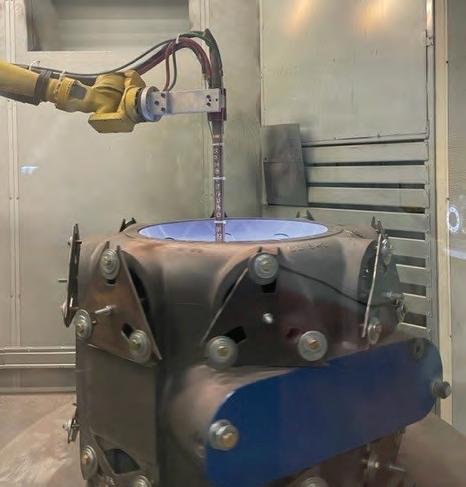
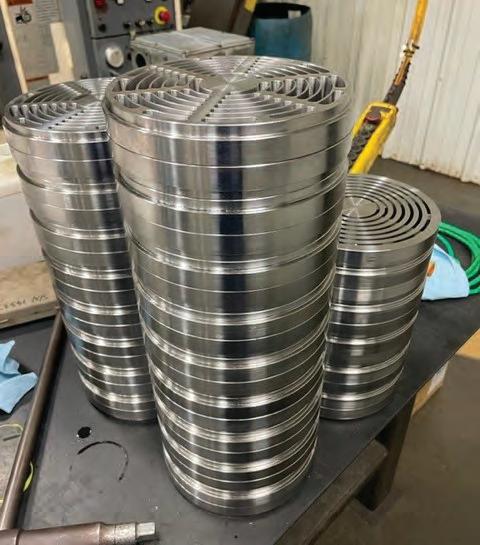
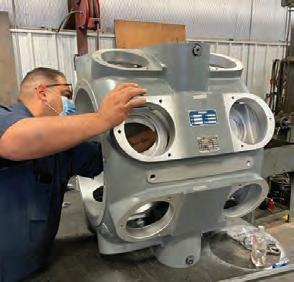
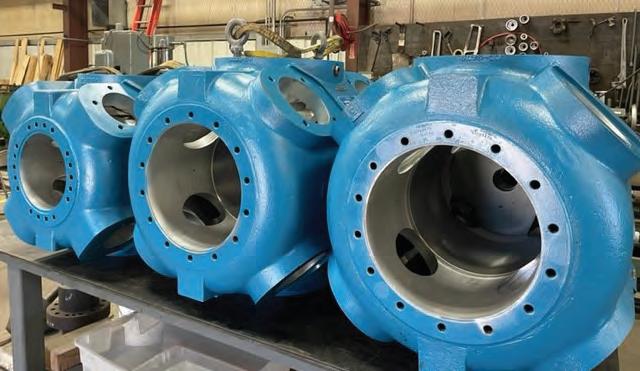
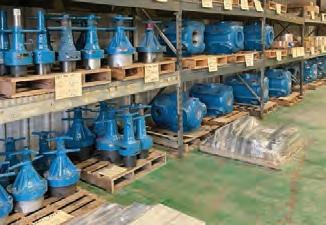
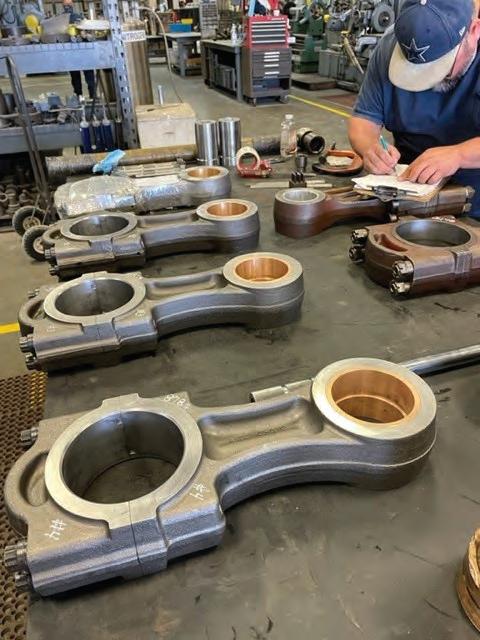
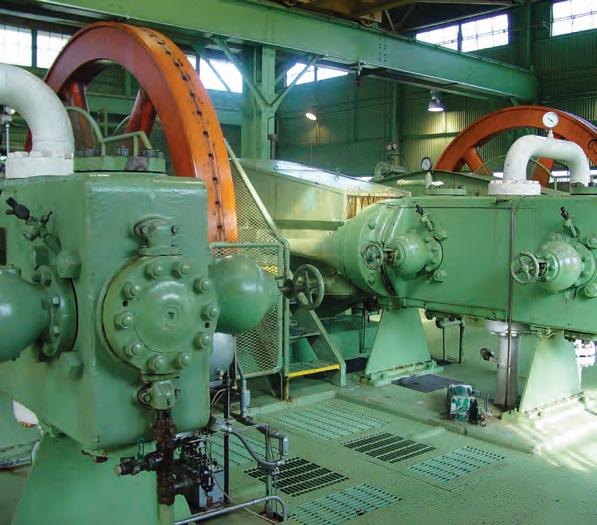
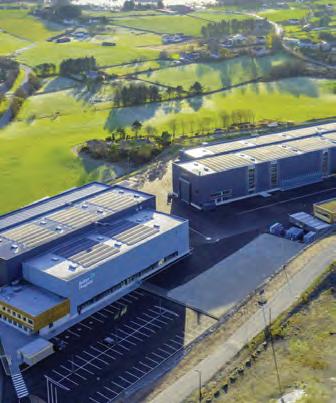
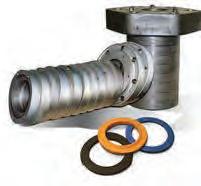
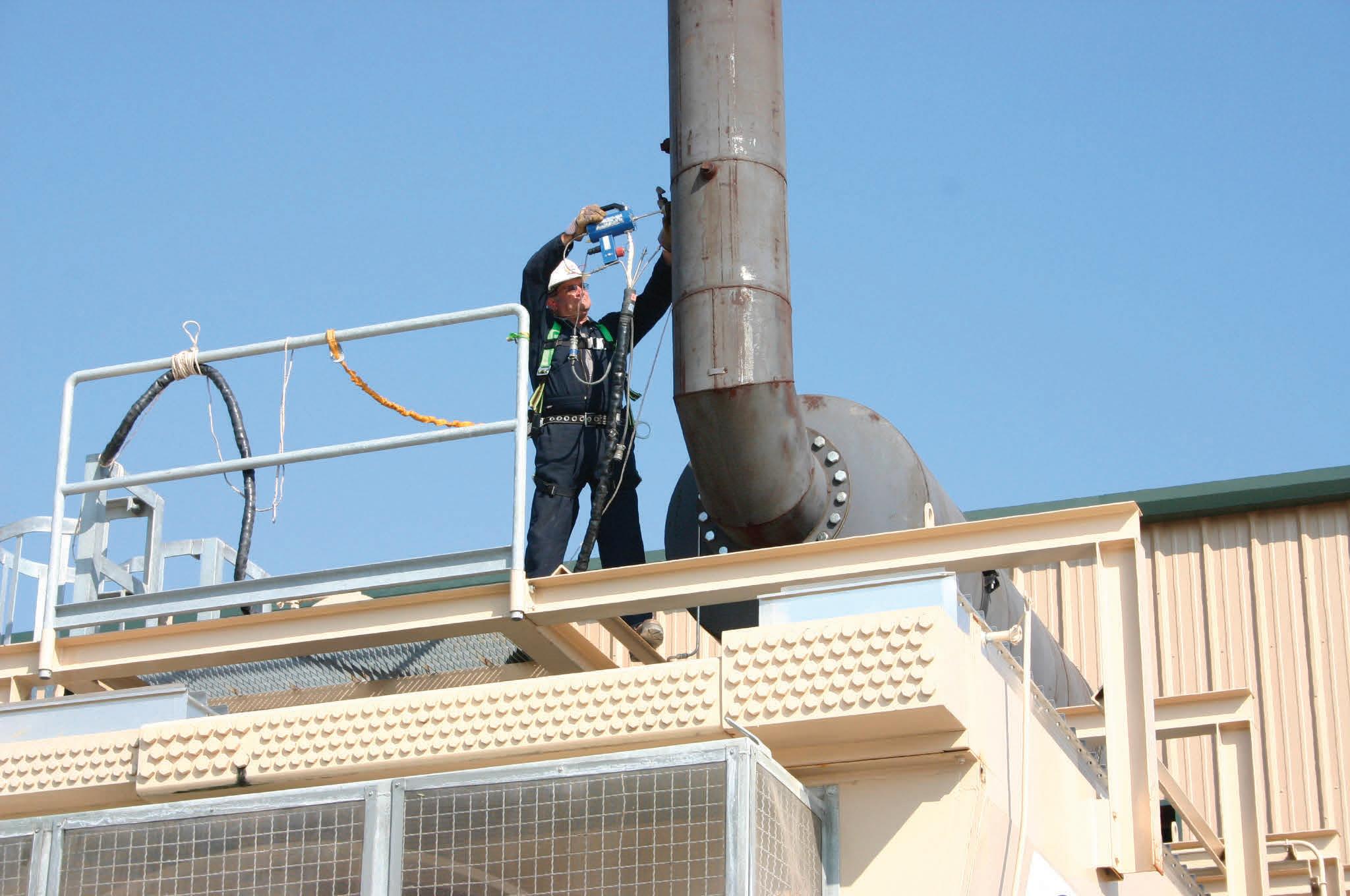
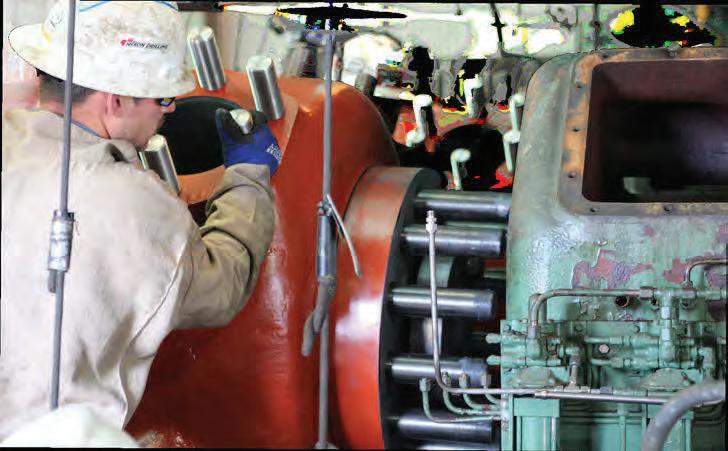
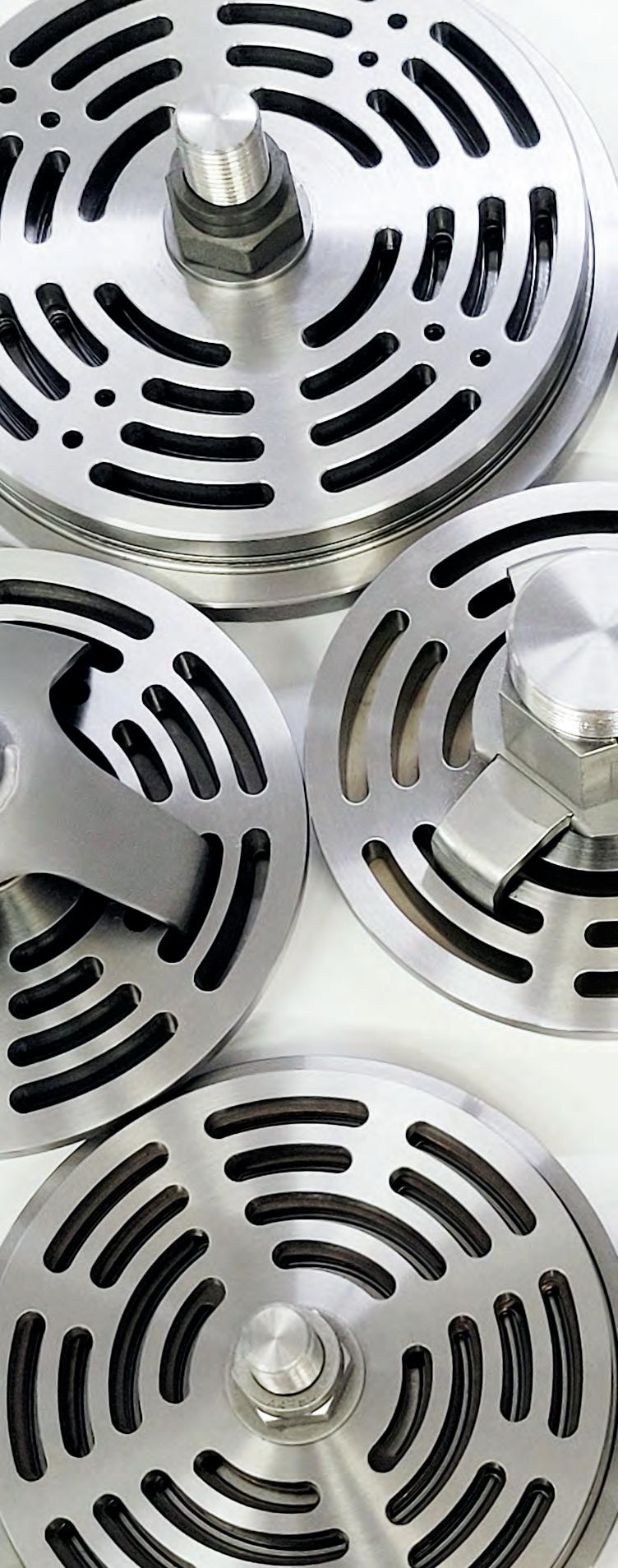
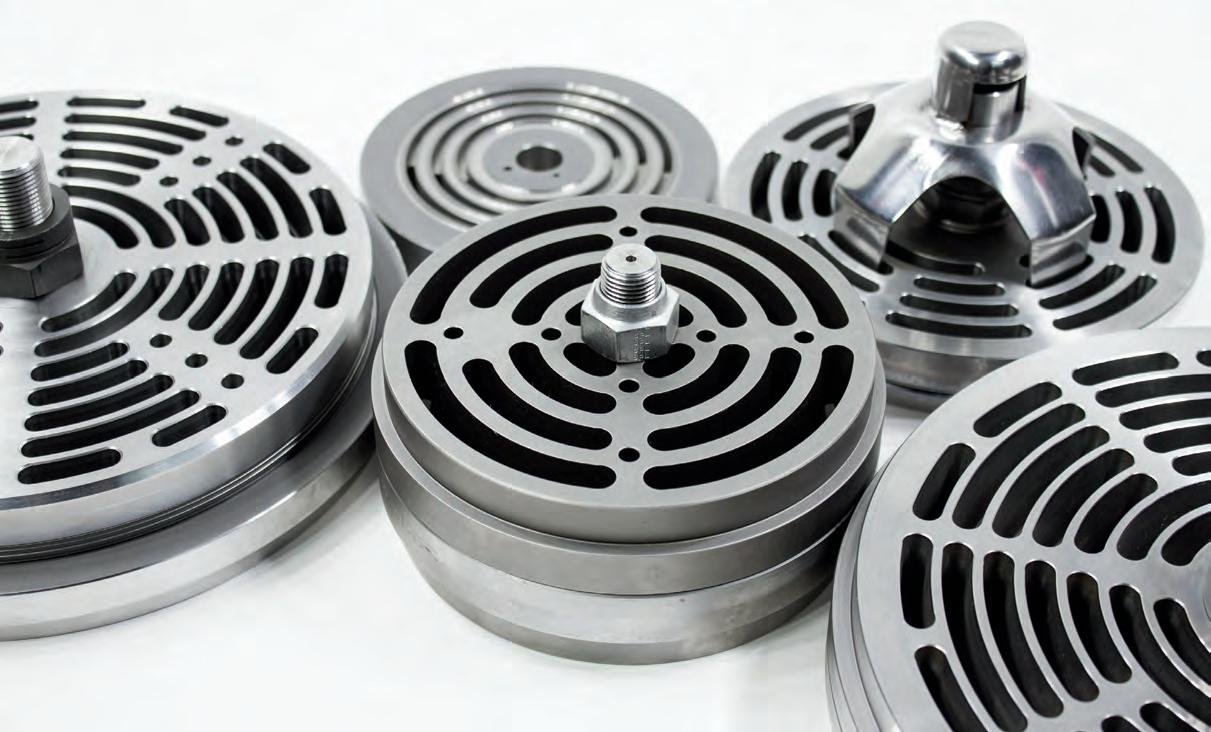
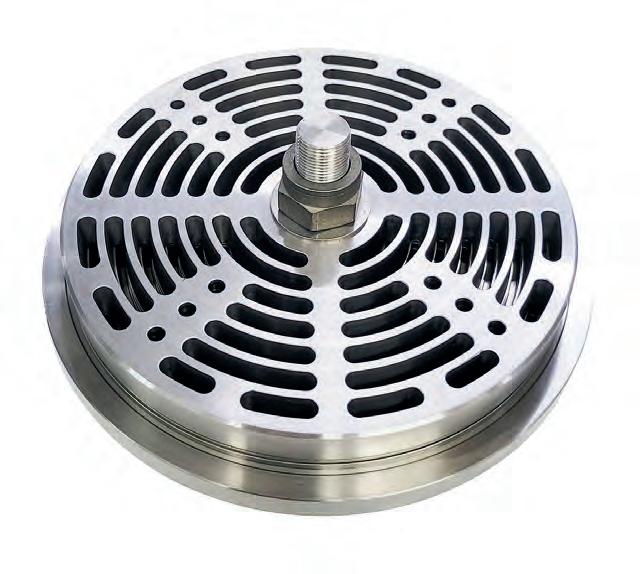
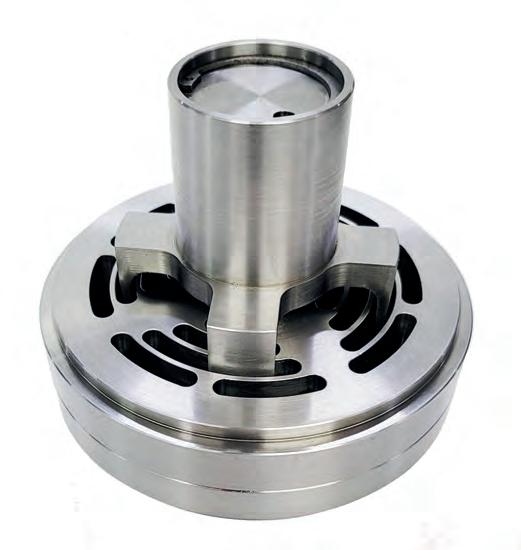
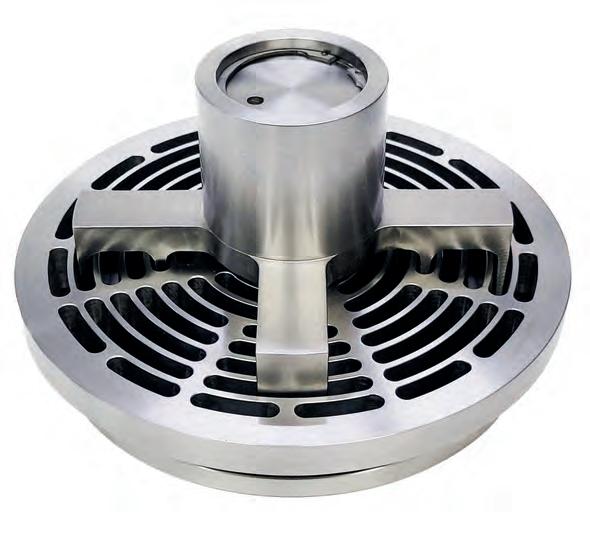
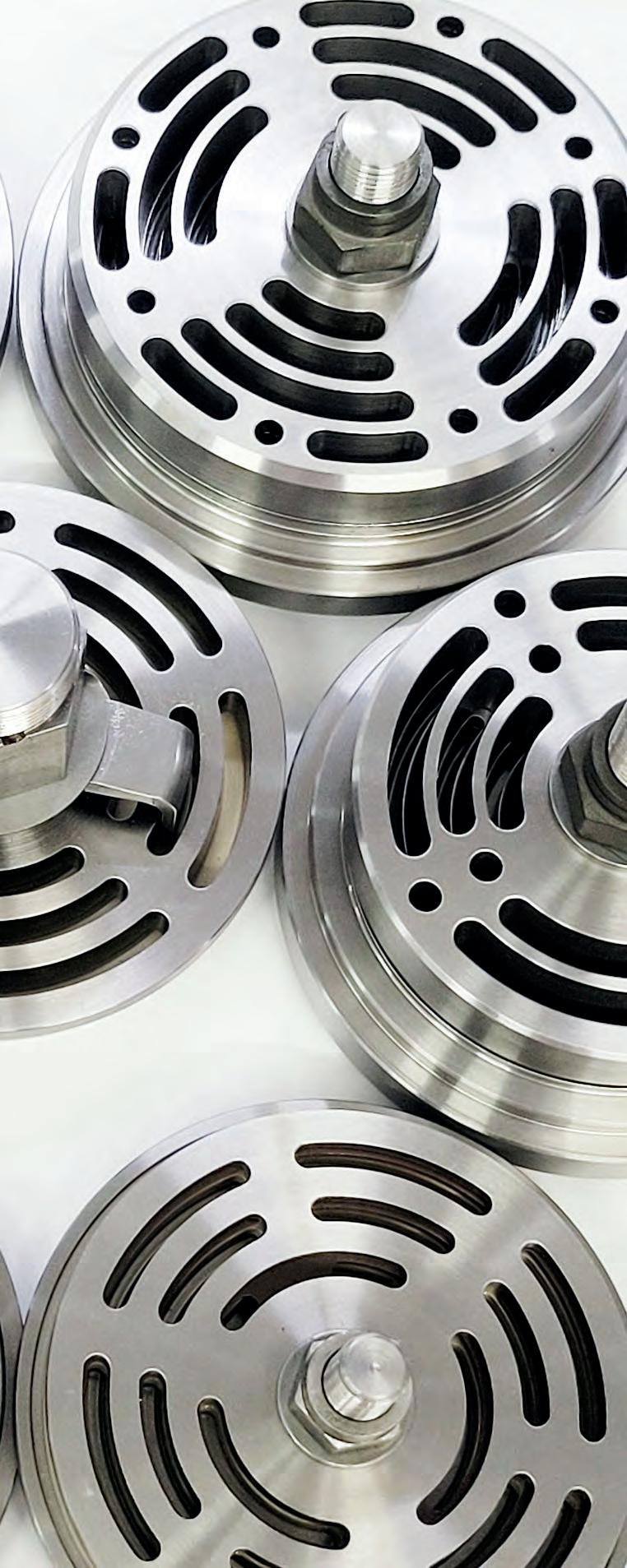
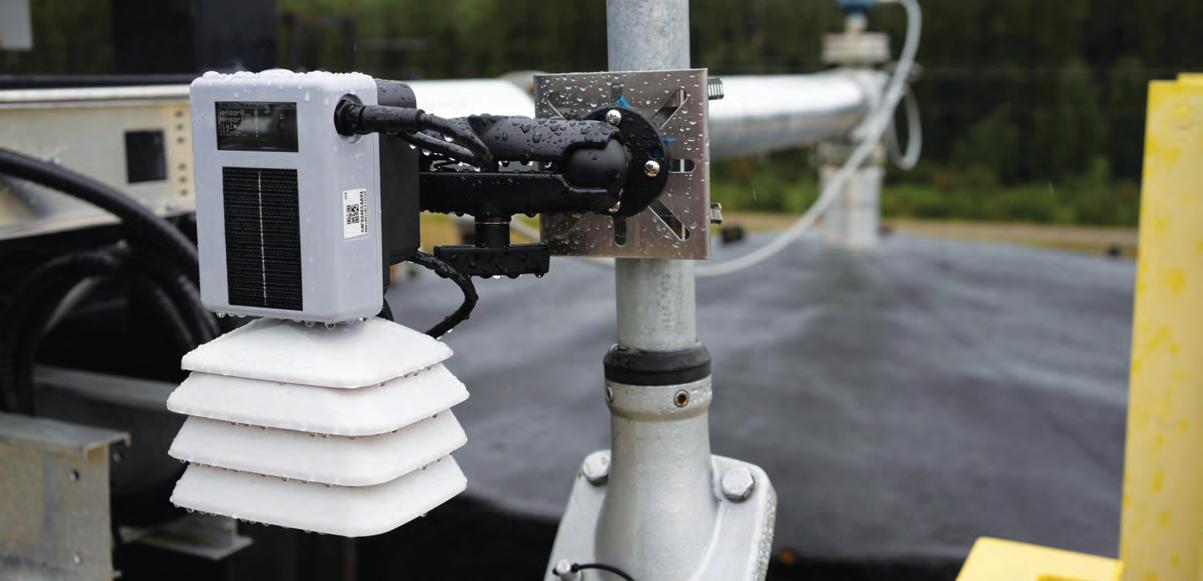
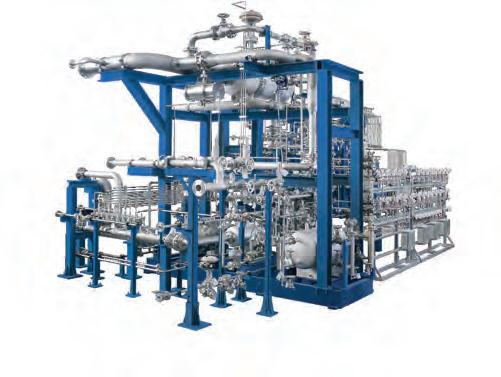
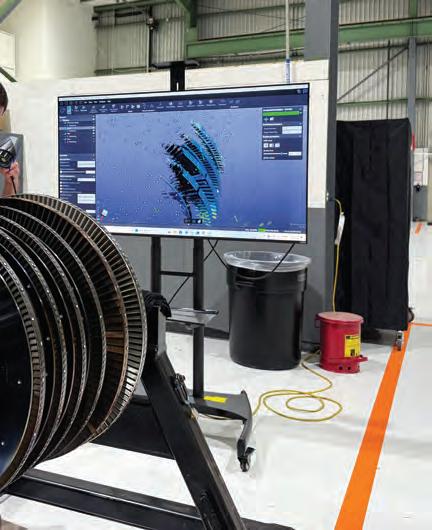
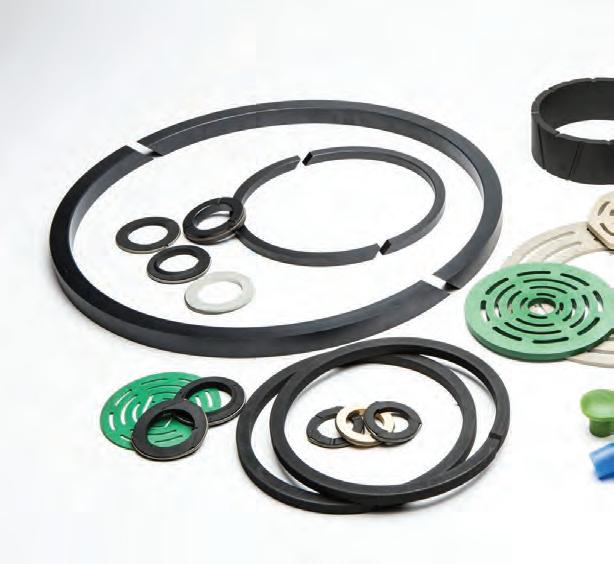
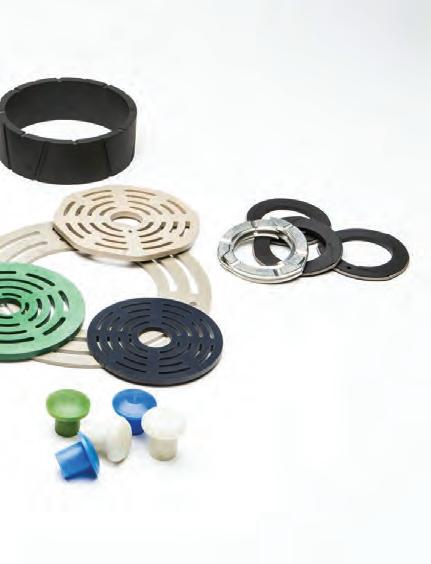
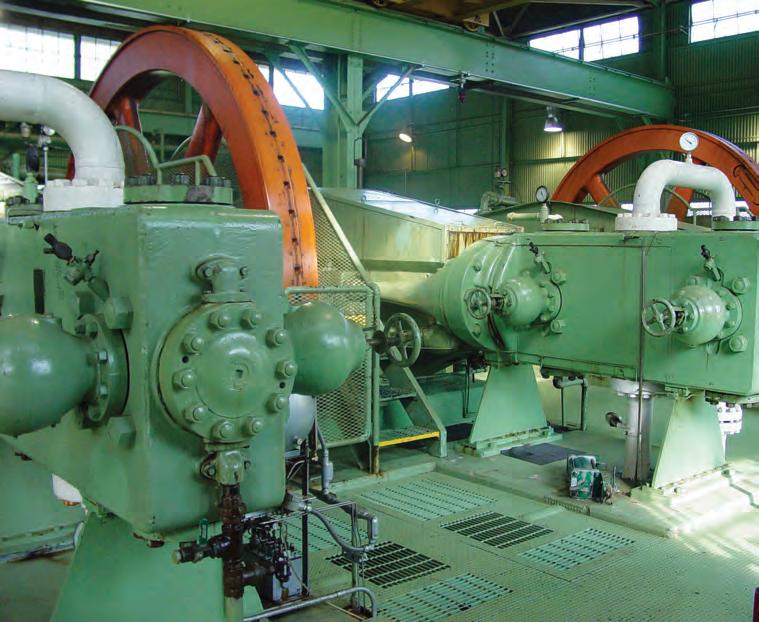
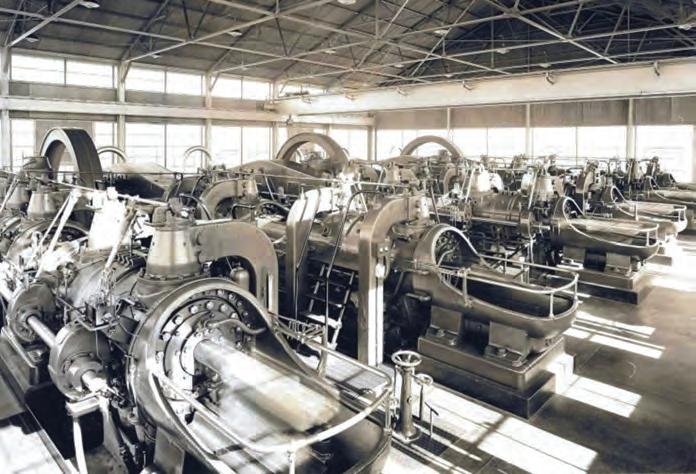
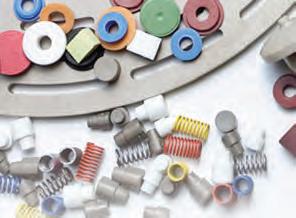
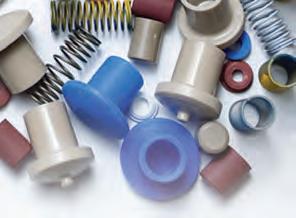
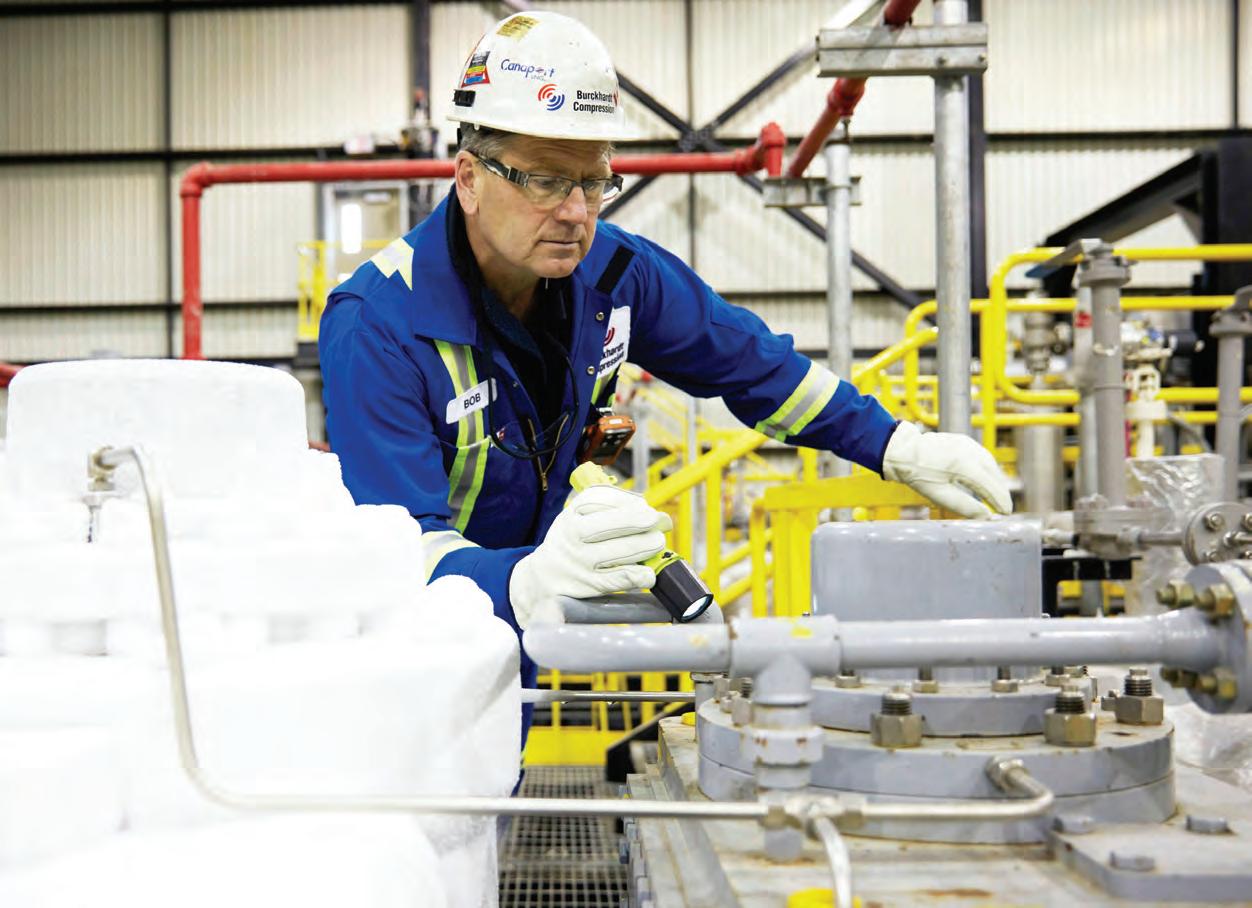
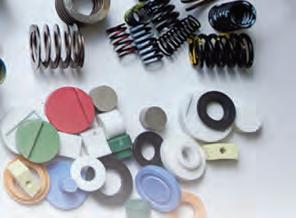
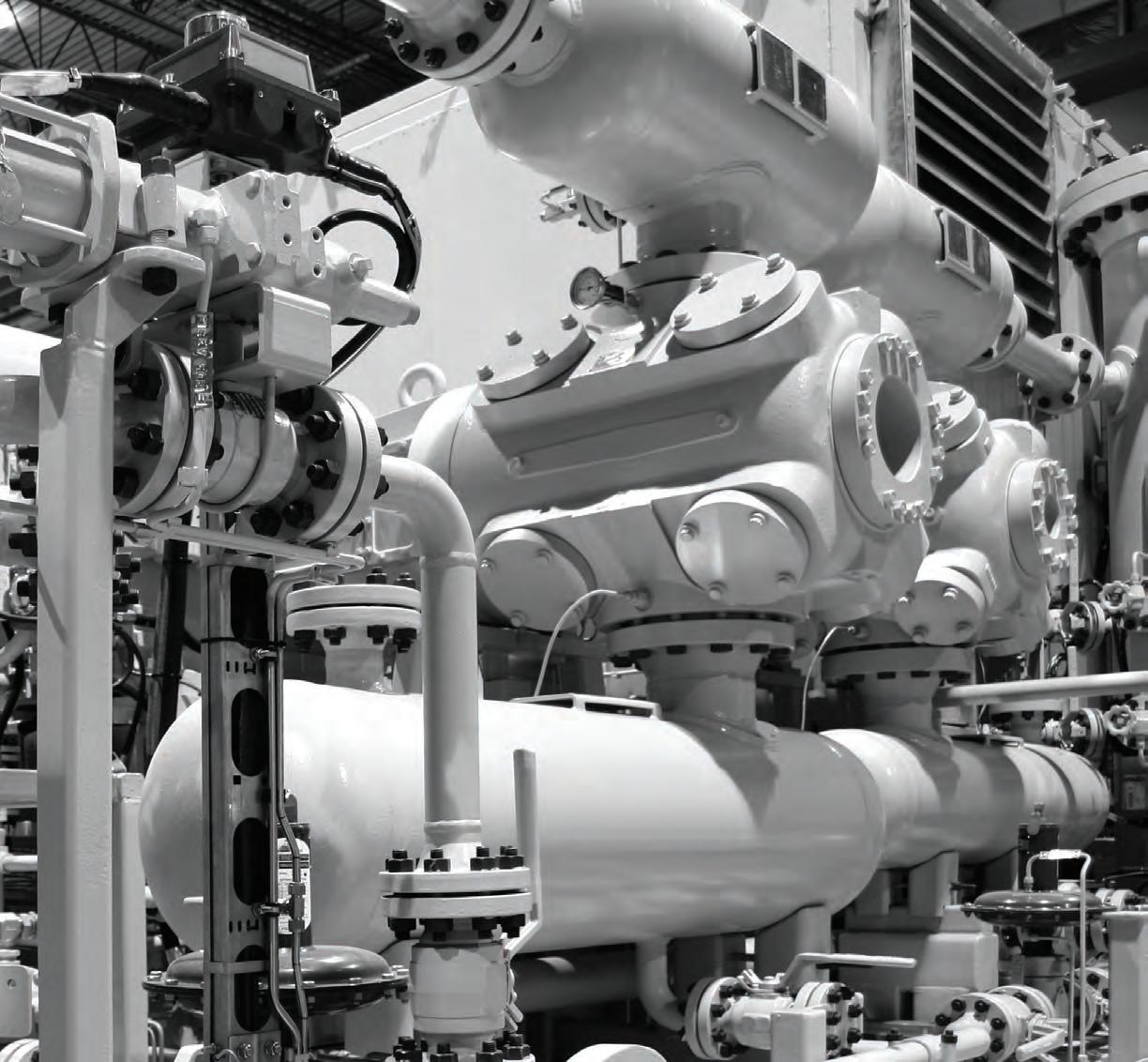
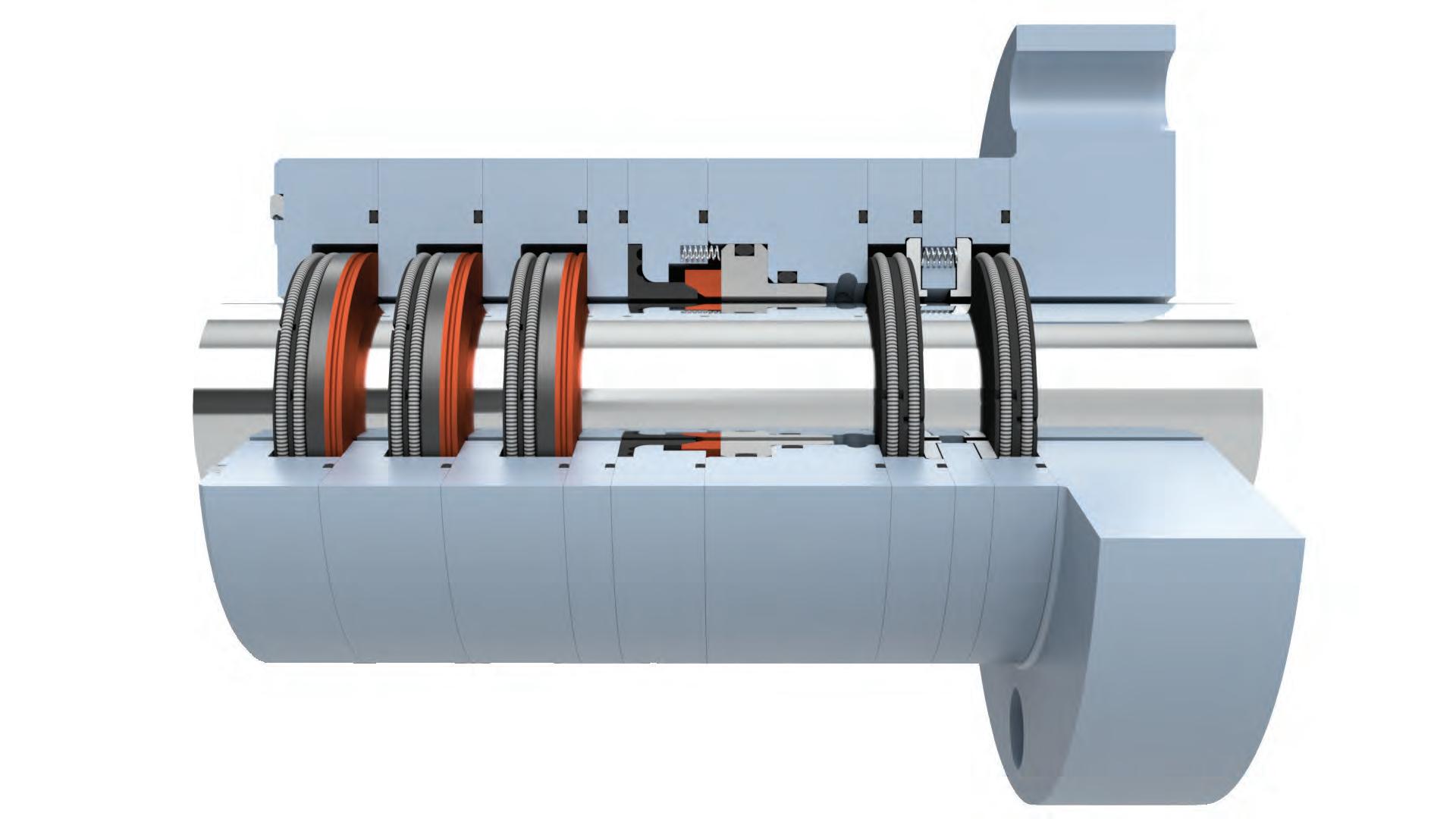
When process changes, environmental regulations, or increased capacity requirements demand enhanced performance, Ebara Elliott Energy helps plant operators extend the operating life of rotating equipment from any manufacturer. Our engineered solutions improve efficiency, reduce operating costs, and support increased capacity.
Learn more about our range of service capabilities at elliott-turbo.com. Trust Ebara Elliott Energy for your cost-effective alternatives to new equipment.
KHL GROUP AMERICAS LLC 14269 N 87th Street, Suite 205, Scottsdale, AZ 85260. americas@khl.com
Midstream faces a cost squeeze
The midstream sector has spent the last several years preparing for a future shaped by LNG exports, industrial reshoring and growing demand for reliable natural gas infrastructure. What it now faces is something more complicated: a power market moving faster than the infrastructure needed to support it — and getting more expensive by the quarter.
The latest warning sign is not in the wellhead economics or pipeline tariff filings. It is in the cost of generation.
According to BloombergNEF, the average cost to build a combinedcycle natural gas power plant in the U.S. climbed 66% between 2023 and 2025, rising to $2,157/kW from less than $1,500/kW.
The surge in gas-fired generation is being driven by the same forces that have become familiar across the midstream landscape: LNG export growth, industrial expansion and, increasingly, data centers. What has changed is the pace. BloombergNEF now projects 106 GW of new data center-driven power demand by 2035 — roughly the equivalent of adding 20 New York Cities to the grid.
That kind of load growth does not just require turbines. It requires gas gathering, processing, compression, storage and transportation. It requires residue gas that is clean enough to burn, firm enough to contract and reliable enough to support hyperscale uptime expectations. It requires the entire midstream chain to move faster, more efficiently and with less room for error.
And that is where the strain is beginning to show.
The challenge is no longer whether gas demand will grow. It is whether the infrastructure can be built fast enough, cheaply enough and reliably enough to meet it.
That is becoming harder on several fronts.
First, labor constraints are no longer a cyclical inconvenience. They are structural. The same rush to build gas-fired power plants is also pulling on the same pool of skilled labor needed to build compressor stations, pipe, cryogenic plants and processing facilities.
Second, equipment lead times remain a problem. Turbines get the headlines, but compressors, valves, electrical systems, controls packages and emissions equipment are all part of the same constrained industrial supply chain.
The market is racing toward behind-the-meter gas generation as the fastest way to meet hyperscale demand. On paper, it looks like a major opportunity for midstream. In practice, it is more complicated.
The opportunity is real. So is the demand. But so are the constraints.
Jack Burke Editor | jack.burke@khl.com
VOLUME 31 | NUMBER 5
COMPRESSORTECH2 ISSN 1085-2468, is published monthly with combined issues of January/February and August/September by KHL Group Americas LLC, 14269 N 87th, Suite 205, Scottsdale, Arizona, 85260, USA. Periodicals postage is paid at Phoenix, AZ, and additional mailing offices (if applicable).
POSTMASTER
Send address changes to KHL Group Americas LLC, 11811 N. Tatum Blvd, Suite P118, Phoenix, AZ 85028, USA.
INDUSTRY NEWS
20 EGRC keynote addresses AI, Marcellus
25 LNG experts to present during free webinar
TECHNOLOGY
22 Advanced monitoring of driveline components
29 Methane detection closer to operations
33 ‘Forever chemicals’ in the Euro spotlight
35 Baker Hughes expands subsea capabilities
EXECUTIVE Q&A
38 A discussion with Brent Regan, CEO of CDI
DEPARTMENTS
3 Editor’s Comment: Midstream faces a cost squeeze
6 Industry News: Rio Grande LNG boosting output
8 Gas Lines: U.S. gas exports expected to surge through 2027 10 Company News: Sunrise expansion gets OK
12 Monitoring Government: N.D. plans to fund Bakken pipeline
14 Shale Play by Play: Arsenal explores sale 16 Euro Gas Report: Cross border hydrogen
42 Tech Corner: PART TWO Buckling piston rods 49 Cornerstones of Compression: Cooper horizontals dominate
Alaska LNG secures ConocoPhillips gas supply agreement for Phase One pipeline
Glenfarne Group subsidiary
ConocoPhillips Alaska has signed a gas sales precedent agreement to supply North Slope natural gas for Phase One of the Alaska LNG project, marking another step forward for the long-delayed development.
Under the 30-year agreement, ConocoPhillips will provide natural gas volumes intended to support the first phase of the project, which centers on construction of a large-diameter pipeline to deliver gas to Alaska consumers.
Glenfarne said the agreement means Alaska LNG has now secured sufficient precedent agreements to support a
The LNG liquefaction facility, located in
and transport
Honeywell technology selected for Rio Grande LNG expansion trains
Honeywell said its liquefaction process technology and equipment have been selected for Train 4 and Train 5 of NextDecade’s Rio Grande LNG project in Brownsville, Texas, under an agreement with engineering, procurement and construction contractor Bechtel Energy Inc.
The additional trains are expected to increase total liquefaction capacity at the Rio Grande LNG facility by more than 66%, from 18 million tonnes per annum (MTPA) to 30 MTPA. All five trains are anticipated to be operational by mid-2031.
Under the agreement, Honeywell will supply its coil wound heat exchanger (CWHE) equipment and C3MR liquefaction process technology, which are designed to improve production efficiency, enhance reliability and reduce operating costs. The same technologies are already planned for the first three trains at the facility, which covers 1,000 acres.
The Rio Grande LNG project represents one of the largest LNG export developments on the U.S. Gulf Coast, reflecting continued investment in export capacity to meet growing global demand for natural gas.
The addition of Trains 4 and 5 underscores the long-term expansion strategy for the facility, as developers look to scale output and improve project economics through technologies.
Honeywell said its industry-leading liquefaction process technology and equipment will be used in NextDecade’s Rio Grande LNG Train 4 and Train 5 Projects in Brownsville, Texas. IMAGE: HONEYWELL
potential final investment decision for Phase One.
The company is developing Alaska LNG in two financially independent phases in an effort to accelerate execution and reduce commercial complexity. Phase One includes a 739-mile, 42-inch pipeline designed to transport North Slope gas to Alaskan markets as Cook Inlet production continues to decline. Phase Two would add LNG export facilities in Nikiski.
Glenfarne said the project now has agreements in place with all three major North Slope producers, including ExxonMobil, Hilcorp Alaska and Great Bear Pantheon LLC, a subsidiary of Pantheon Resources.
Adam Prestidge, president of Glenfarne Alaska LNG, said the agreement establishes the commercial framework for ConocoPhillips to supply gas into the first phase of the project while supporting longterm energy security in the state.
“Today’s milestone agreement establishes the commercial terms for ConocoPhillips to supply gas and help Phase One of Alaska LNG provide energy security for Alaska,” Prestidge said.
According to Glenfarne, the full Alaska LNG development would include an 807mile, 42-inch pipeline system capable of delivering gas to domestic users while supporting exports of up to 20 million tonnes per annum of LNG.
The project has long been viewed as one of North America’s largest proposed LNG developments, though its scale, cost and remote location have historically posed financing and commercialization challenges. Glenfarne currently owns 75% of the project, while the State of Alaska, through the Alaska Gasline Development Corp., owns the other 25%. CT2
Nikiski, will process, store,
up to 20 million tons of LNG per year.
(IMAGE: ALASKA LNG
Shell to acquire ARC Resources in $16.4 billion deal
Shell plc has agreed to acquire Canadian producer ARC Resources Ltd. in a transaction valued at approximately $16.4 billion, including debt, expanding its position in Canada’s Montney shale and adding roughly 370,000 barrels of oil equivalent per day of production. The deal gives Shell greater exposure to liquidsrich shale production in western Canada and strengthens its upstream supply position for LNG exports tied to the LNG Canada project.
The acquisition materially expands Shell’s footprint in the Montney formation, one of North America’s most prolific gas and condensate plays. ARC brings more than 1.5 million net acres in British Columbia and Alberta, which will be combined with Shell’s existing 440,000 net acres in the basin. Shell said the transaction also adds roughly 2 billion barrels of oil equivalent in proved and probable reserves, extending its longterm resource base and improving reserve life.
ARC produced an average of 374,000 barrels of oil equivalent per day in 2025, with about 40% of production weighted to liquids, which accounted for roughly 70% of company revenue.
Once completed, ARC will be integrated into Shell’s Integrated Gas division, the companies said in a news release.
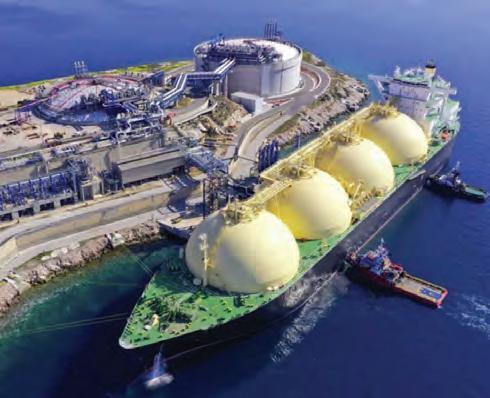
has taken delivery of
ADNOC L&S completes six-vessel LNG new carrier program
ADNOC Logistics & Services has taken delivery of Al Taweelah, the sixth and final vessel in a $1.2 billion program to build a new generation of LNG carriers, strengthening the company’s ability to move liquefied natural gas into global markets as demand for flexible supply continues to rise.
The 175,000-cubic-meter vessel was delivered from Jiangnan Shipyard in Shanghai and marks the completion of a six-ship order placed in 2022 as part of ADNOC L&S’ effort to modernize and expand its gas shipping fleet. The company said the additional capacity will support both third-party customers and ADNOC Group operations, while reinforcing the UAE’s role in global energy trade.
Captain Abdulkareem Al Masabi, CEO of ADNOC L&S, said the latest vessel strengthens the company’s ability to move energy and essential commodities at a time when global supply chains remain under pressure. He said ADNOC L&S is expanding fleet capacity in line with customer demand while securing long-term earnings visibility
through disciplined contracting.
Most of the additional LNG shipping capacity has already been committed under long-term contracts with third-party customers and ADNOC Group companies, according to the company. ADNOC L&S said about 60 percent of revenue generated by the company and its AW Shipping joint venture is backed by long-term contracts, supporting more predictable cash flow and earnings.
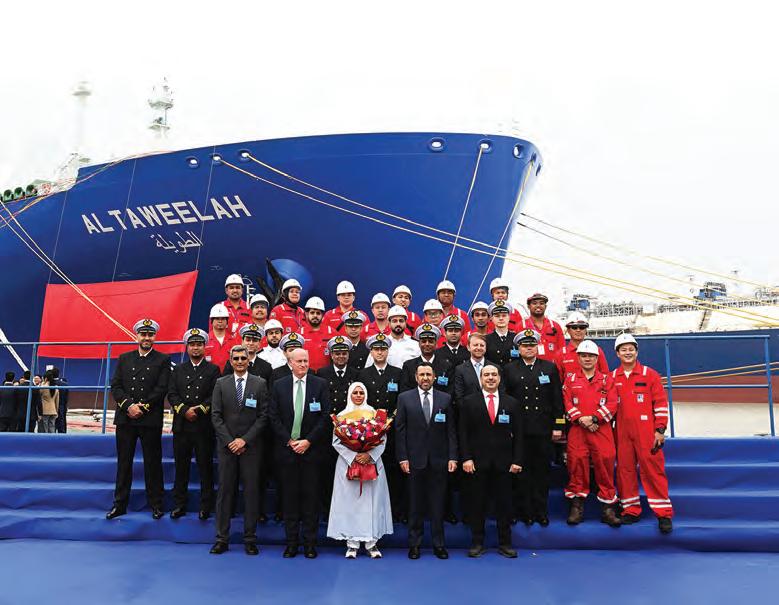
The new vessel, named Al Taweelah during a ceremony at Jiangnan Shipyard, was sponsored by Muna Mussa, manager of general services at ADNOC L&S, who served as the vessel’s ceremonial godmother.
The LNG carrier delivery is part of a broader fleet expansion strategy underway at ADNOC L&S and AW Shipping, its joint venture with Wanhua Chemical Group. In 2024, AW Shipping placed a $1.9 billion order for seven very large ethane carriers and four very large ammonia carriers, while ADNOC L&S separately ordered eight LNG carriers worth about $2.5 billion from Samsung Heavy Industries and Hanwha Ocean. CT2
ADNOC
its sixth 175,000 m3 new-build LNG carrier from Jiangnan Shipyard in China.
ARC Resources’ Karr facility. The Canadian energy company is being acquired by Shell.
GAS LINES NATURAL GAS EXPORTS
EIA: U.S. natural gas exports to surge
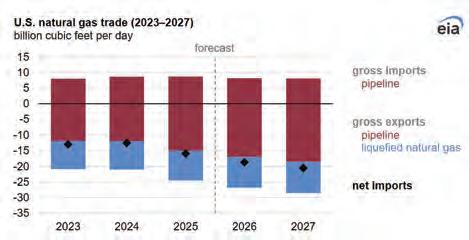
U.S. natural gas exports are set to expand sharply through 2027, led by new liquefied natural gas (LNG) capacity and steady growth in pipeline shipments, according to the latest ShortTerm Energy Outlook from the U.S. Energy Information Administration.
The EIA forecasts that net U.S. natural gas exports will rise 18 percent to 18.7 Bcf/d in 2026, followed by another 10 percent increase to 20.5 Bcf/d in 2027. The gains are expected to be driven primarily by LNG export growth as several major projects enter service and ramp up production.
LNG exports alone are projected to increase by 1.9 Bcf/d in 2026 to average 17.0 Bcf/d, with a further 9 percent (1.5 Bcf/d) increase in 2027. Pipeline exports are also expected to grow, rising 4 percent (0.4 Bcf/d) in 2026 and an additional 2 percent (0.2 Bcf/d) the following year.
Capacity additions underpin outlook
The export growth outlook reflects a wave of new U.S. liquefaction capacity. Current peak
U.S. NATURAL GAS TRADE (2023-2027)
Source:
LNG export capacity stands at 18.3 Bcf/d, with multiple projects scheduled to come online over the next two years.
Among the key developments, Corpus Christi Stage 3 is expected to bring trains 5–7 online in 2026, adding about 0.6 Bcf/d of capacity, while Golden Pass LNG is set to start its first two trains, contributing another 1.4 Bcf/d. In 2027, additional volumes are expected from Port Arthur LNG Phase 1 (1.6 Bcf/d), Rio Grande LNG Trains 1 and 2 (1.4 Bcf/d), and the final
Golden Pass train (0.7 Bcf/d).
The EIA also noted incremental capacity increases at existing facilities, including approvals for Plaquemines LNG and Elba Island LNG to expand permitted exports by a combined 0.6 Bcf/d.
Global disruptions
The outlook also reflects shifting global dynamics. The EIA expects U.S. LNG terminals to operate at slightly higher utilization rates in 2026, supported by increased demand from buyers seeking supply outside the Strait of Hormuz.
Disruptions to LNG flows through the strait—largely tied to Qatar—have affected more than 10 Bcf/d of global supply, or roughly 20 percent of the market. These factors are expected to reinforce demand for U.S. LNG cargoes, particularly in the European market.
The Canadian government has approved Enbridge’s $4 billion Sunrise Expansion Program in British Columbia, clearing the way for a major natural gas infrastructure buildout designed to increase supply across the province and support rising LNG export demand from Canada’s West Coast.
Announced by Energy and Natural Resources Minister Tim Hodgson, the project will expand Enbridge’s Westcoast pipeline system and add up to 300 MMcf/d of incremental transportation capacity to British Columbia’s primary natural gas transmission corridor.
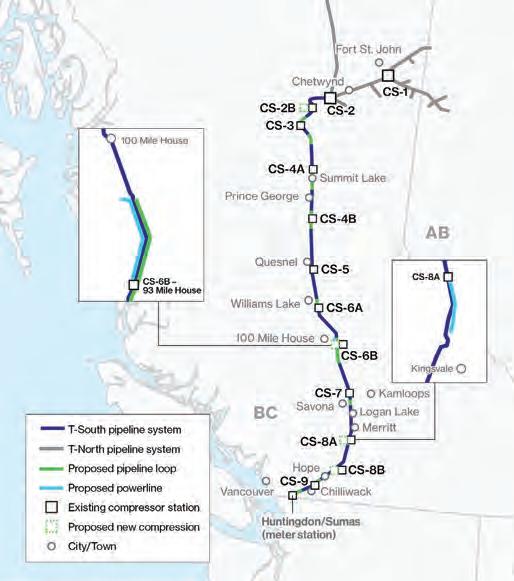
The Sunrise Expansion Program will add roughly 139 kilometers of new pipeline through 11 looping segments installed parallel to the existing Westcoast system. The project also includes additional natural gas compression and modifications to existing facilities, making it one of the most significant recent expansions of pipeline and compression infrastructure in western Canada.
Westcoast plans to install new
VOITH GROUP has appointed Denise Kurtulus to its Corporate Board of Management and named her CEO of Voith Turbo, effective Sept. 1, as the company looks to sharpen execution and competitiveness across its global drive technology business.
compressors at existing compressor stations located at Azouzetta Lake (CS-2B), 93 Mile (CS-6B), Kingsvale (CS-8A), and Othello (CS-8B).
To reduce environmental impacts, Westcoast is proposing the use of electricdriven compressor units for some of the compression required for the Project.
To power the new electric-driven compressor units and ensure reliable operations, approximately 10 km of new electric transmission powerlines are proposed to be installed. These overhead powerlines would largely follow existing linear infrastructure such as roads or rightsof-way to minimize environmental and local community impacts.
Construction is expected to begin this summer. Once complete, the project will expand gas delivery across British Columbia while improving feedgas availability for LNG
Kurtulus will oversee Voith Turbo’s global operations, succeeding Cornelius Weitzmann, who left the company at his own request at the end of 2025. Until she assumes the role, Dirk Hoke will continue to
lead the division on an interim basis. Kurtulus joins Voith from RollsRoyce Power Systems, where she most recently led the company’s Marine and Mining divisions. Her background includes leadership roles in sales, service and strategic business development, with a focus on drive technology and industrial markets.
Voith said Kurtulus was selected to lead the division as it pushes to improve profitability,
exports aimed at Asian markets. The federal government said the expansion could contribute more than $3 billion to Canada’s GDP and generate more than $700 million in federal and provincial tax revenue.
The project also carries significant Indigenous participation. Enbridge’s Westcoast system is about 12.5% owned by the Stonlasec8 Indigenous Alliance Limited Partnership, which represents 38 Indigenous groups in British Columbia.
The Canada Energy Regulator recommended approval of the project, subject to 47 binding conditions covering environmental protection, safety and Indigenous consultation. Federal officials said the approval reflects the government’s push to accelerate major energy infrastructure development while maintaining regulatory oversight and consultation standards.
streamline operations and strengthen its position in global drive technology markets. The company said her experience in customer-facing operations and strategic growth initiatives aligns with its effort to expand higher-value service offerings and improve execution speed across the business.
WOODSIDE ENERGY has appointed Breyden Lonnie as executive vice president and chief operating officer for Australia, formalizing a
COSCO invests in LNG vessels
COSCO Shipping Holdings is investing $2.22 billion to build 12 LNG dual-fuel container vessels, expanding its fleet with ships designed to improve fuel flexibility, lower emissions and strengthen its position on major global trade lanes. The order, placed through 12 indirect wholly owned subsidiaries with Chinese shipbuilders Hudong-Zhonghua and China Shipbuilding Trading, calls for delivery between the third quarter of 2028 and the first quarter of 2030.
The vessels will cost $185 million each and are intended to support COSCO’s long-term fleet renewal strategy while improving operating efficiency and emissions performance. The company said the ships will be equipped with LNG dual-fuel engines, allowing them to reduce carbon intensity and limit exposure to future carbon credit costs while supporting customers’ growing demand for lower-emissions shipping options.
COSCO said the new vessels will also improve economies of scale by increasing average container capacity per ship and broadening the flexibility of its fleet. The vessels are designed with high reefer intake capacity, giving the company more flexibility to serve refrigerated and diversified cargo demand.
COSCO said it sought bids from multiple shipbuilders, but only HudongZhonghua and China Shipbuilding Trading were able to provide quotes, citing limited shipyard slot availability and resource constraints elsewhere in the market.
Sulzer expands into Libya with JV to localize rotating equipment services
Swiss engineering company Sulzer has entered the Libyan market through a joint venture with Jawaby Services & Investments Ltd (JSIL), a subsidiary of National Oil Corporation, to deliver localized rotating equipment services for the country’s energy and industrial sectors.
The entity, Jawaby Sulzer Services, will establish an in-country service facility and operational headquarters in the Misrata Free Zone near Tripoli. The venture is aimed at providing maintenance, repair and rehabilitation services for critical equipment used in oil and gas production, power generation and industrial operations.
The agreement marks Sulzer’s first such international service presence in Libya and is expected to introduce OEMgrade capabilities within the country. The JV combines Sulzer’s global expertise in turbomachinery services with JSIL’s local market access and infrastructure.
Historically, Libyan operators have relied on sending key assets—including pumps, compressors, gas and steam turbines, motors and generators—abroad for major overhauls. This approach has contributed to longer turnaround times and increased operational risks.
role he has held on an acting basis since December 2025.
Lonnie oversees Woodside’s portfolio of operations and projects in Western Australia and the Bass Strait, including key developments tied to the company’s LNG growth strategy.
His appointment comes as Woodside advances toward a targeted first LNG cargo from the Scarborough Energy Project in the fourth quarter of 2026, prepares to assume operatorship of the Bass Strait assets and works to complete its asset swap with
Jawaby Sulzer Services is designed to address that gap by enabling in-country servicing aligned with international standards, potentially reducing downtime and improving asset reliability across Libya’s energy infrastructure.
Alex Myers, regional president for India, Middle East and CIS at Sulzer Services, said the venture strengthens the company’s regional footprint while responding to growing upstream investment in Libya.
Sulzer, headquartered in Winterthur, Switzerland, provides equipment and services for energy, water and process industries, with a global network of manufacturing and service facilities supporting critical infrastructure sectors.CT2
Sulzer said it is the first international provider to establish in-country rotating equipment services in Libya. IMAGE: SULZER
Chevron in the second half of the year.
Lonnie has 24 years of industry experience spanning engineering, operations, planning and management roles in Australia and internationally. He previously served as Woodside’s vice president of North West Shelf from 2022 to 2025, where he oversaw the asset’s transition to processing thirdparty gas.
Before joining Woodside Energy in 2005, Lonnie worked for Arup in engineering and project management roles across Australia, Hong Kong and Saudi Arabia.
COSCO Shipping Holdings will spend $2.22 billion on 12 LNG dual-fuel container vessels.
North Dakota ready to fund big part of natural gas pipeline
Bakken East pipeline would move one billion cubic feet per day from Watford City to Fargo. By Brian Ford
State officials in North Dakota are keen to see more natural gas move east from the oil and gas-bearing Bakken Formation in the northwestern part of the state. To make this happen, the state is willing to put up to US$500 million on the table to help finance construction of a new pipeline.
In late April, the North Dakota Industrial Commission gave a final green light to awarding WBI Energy Transmission a financial guarantee to build a pipeline that will bring natural gas to the eastern part of the state. Gas from the pipeline could be instrumental in the development of power generation to support new data centers and manufacturing plants in the central and eastern parts of the state.
Bakken East
Dubbed the Bakken East pipeline, it would move approximately one billion cubic feet per day of natural gas from Watford City to Fargo. In a filing with the Federal Energy Regulatory Commission (FERC), WBI Energy, a subsidiary of Bismarck, North Dakotabased MDU Resources Group, said the initial design comprised approximately 350 miles of mainline pipeline and 90 miles of lateral pipelines.
The pipeline would “serve new power generation, industrial facilities, and local distribution company demand
in central and eastern North Dakota,” the company said in the FERC filing. The project will interconnect with WBI Energy’s existing natural gas pipeline system and other interstate pipelines serving the U.S. Midwest. Those interstate connections make the pipeline subject to FERC approval.
The pipeline would be placed into service in two phases, with the first phase having a targeted in-service date of November 2029 and the second phase targeted for November 2030.
“Potential compression includes the construction of two greenfield compressor stations and additional compression at three existing compressor stations,” WBI Energy told FERC.
State support
Rather than paying directly to build the project, the state would purchase a share of the pipeline’s transport capacity. In August, the state’s Industrial Commission directed the North Dakota Pipeline Authority to start talks with WBI Energy for the potential purchase of transport capacity.
At that time, Pipeline Authority Executive Director Justin Kringstad said, “As natural gas production grows, we need reliable, scalable infrastructure that expands takeaway capacity and connects our resources to new market opportunities.”
According to the North Dakota Monitor, the state has had a program to encourage businesses to build natural gas pipelines connecting to eastern North Dakota for over 15 years. The state Legislature in 2023 made US$30 million per year in financing available, and the 2025 Legislature increased that amount US$50 million per year.
The state would foot the bill for only part of the project. Unofficial estimates put the
The pipeline would “serve new power generation, industrial facilities and local distribution company demand...”
total price tag at US$1.2 billion to US$1.6 billion. In return, the pipeline is projected to support US$170 million per year in oil and gas tax revenues for the state government. That does not include the economic benefits from any new industries that spring up along the pipeline route to take advantage of the natural gas supply.
Financial backstop
The state’s support is intended to serve as a financial backstop for the project, with plans for the state to eventually transfer its share of the pipeline capacity to private businesses. The Pipeline Authority’s Justin Kringstad was quoted as saying if the state is unable to transfer its pipeline capacity, the authority could work with a gas marketing firm to try to recoup the investment.
Also, since natural gas is a byproduct of oil production, without additional natural gas pipelines from the Bakken Formation, energy companies could be forced to reduce oil production. Aging wells produce a higher percentage of natural gas, which contributes to tighter pipeline capacity, according to the North Dakota Monitor Various regulations prevent producers from just burning or releasing all that gas, so they have to either use it or sell it. CT2
BRIAN FORD is editor in chief for Industrial Info Resources, which provides up-to-date project information on a wide range of industries across the globe. He has worked as a reporter and editor for newspapers and other publications since 1979.
WBI ENERGY TRANSMISSION, in a FERC filing
Compressor & Engine Parts
Unloading Equipment that is API 618 compliant
Poppet Valves standard for low-speed units
Poppet Valves mini for medium/ high-speed units
Rod Packing engineered for minimum lubrication and low emissions
Piston Rings & Rider Bands engineered to be reliable & efficient
Fuel Gas Modulators that provide optimal engine balance
Hydraulic Push Rods that decrease wear on engine components
Cylinder Head Precombustion chambers for maximum engine efficiency
Methane Emission Monitors that are Class 1 Div II
Bushings & Bearings that are precision manufactured
Precision Repair Services
Training & Technical Services
Mechanical Field Services
Emissions Testing
Pipeline Services
BAKKEN/WILLISTON
Hiland express nears service
Kinder Morgan completed construction of its $165 million Hiland Express Pipeline project, converting the Double H Pipeline from crude oil to NGL service. Line-fill operations are underway, with the system expected to enter service by mid-secondquarter 2026.
Bison XPress begins operations
FERC authorized TC Energy’s Bison XPress project to begin full operations at 300 MMcf/d. The project reverses the idled Bison pipeline, allowing Bakken gas to flow south to Colorado’s Cheyenne Hub rather than the Midwest. The added takeaway capacity provides North Dakota producers with additional market access and pricing options.
Continental plans higher output
Continental Resources plans to increase U.S. oil production in response to supply disruptions in the Persian Gulf and rising crude prices. The company cited operational flexibility across multiple shale basins, including the Bakken.
Trump approves Bridger expansion
President Trump approved the Bridger Pipeline Expansion, a 650-mile project designed to transport Canadian crude from Montana to Wyoming. Construction is expected between 2027 and 2029. The project could transport up to 1.13 million bpd and may include connections for Bakken production.
MARCELLUS/UTICA Arsenal Explores Sale
Arsenal Resources, a private Marcellus shale producer owned by creditors since emerging from bankruptcy in 2019, is reportedly exploring a $1.5 billion sale. The company operates 208,000 net acres in northern West Virginia and Pennsylvania, along with 32 miles of gathering lines and about 275 wells. Strong gas fundamentals, LNG growth and rising power demand are making the producer an attractive acquisition target.
FERC reviewing constitution certificates
FERC is reviewing requests to revive the
EAGLE FORD
Caturus closes Galvan Ranch acquisition
Caturus completed its acquisition of the Galvan Ranch assets from SM Energy, adding 60,000 net acres and 250
James Willis highlights the latest news from the major North American shale plays
124-mile Constitution Pipeline, which would move Marcellus gas from Susquehanna County, Pennsylvania, into New York. Williams is seeking reissuance of the original pipeline certificate, while Iroquois Gas Transmission seeks approval for a related compressor station connection. FERC opened a public comment period that closed May 4 and is determining whether to reissue the certificates or require a new environmental review.
Court upholds rule of capture
The Third Circuit Court of Appeals upheld summary judgment for Southwestern Energy, now part of Expand Energy,
MMcfe/d of production in South Texas. The deal increases total production to more than 1 Bcfe/d and supports the company’s strategy of linking upstream gas supply with its Commonwealth LNG export project.
PERMIAN
EagleRock files for IPO
EagleRock Land LLC, a Houston-based Permian landowner controlling more than 306,000 acres, filed for an IPO on the NYSE under ticker EROK. About 236,000 acres are located in the Permian Basin. The company earns royalty revenue from operators including Chevron and Diamondback and is pursuing additional opportunities tied to data centers, renewables and crypto mining. Goldman Sachs, Barclays and JPMorgan are leading the offering.
Kinder Morgan acquires Monument Pipeline
Kinder Morgan acquired the 225-mile Monument Pipeline system serving Houston for $505 million from ARM Energy Holdings. Originating at the Katy Hub, the system serves utilities, LNG shippers and industrial customers under long-term contracts averaging nine years. The acquisition expands Kinder Morgan’s intrastate Texas footprint and Gulf Coast exposure.
ConocoPhillips adding Permian rig
ConocoPhillips is increasing Permian Basin capital spending by about $250 million to maintain operational efficiency and avoid frac gaps as completion activity outpaces drilling. The company is adding a drilling rig in the Delaware Basin. ConocoPhillips also opened a data room to market non-core Permian assets as part of a broader $5 billion divestiture program.
Chevron expands digital field operations
Chevron is expanding the use of digital field technologies across its Permian operations to centralize monitoring, reduce site visits and improve maintenance efficiency. The company is integrating sensors and remote monitoring systems to support operations at scale and address workforce challenges.
ending a long-running trespass lawsuit in Susquehanna County, Pennsylvania. The landowner claimed nearby hydraulic fracturing drained gas and injected PFAS without crossing property lines. The ruling reinforces Pennsylvania’s rule-of-capture precedent and dismisses amended claims filed in 2022.
MIDCONTINENT
Kolibri accelerates Tishomingo drilling
Lawsuit challenges New York fracking ban
A Texas father and son who own mineral rights in New York filed a federal lawsuit claiming the state’s fracking ban rendered their assets worthless. Represented by the Pacific Legal Foundation, they argue the ban constitutes an unconstitutional Fifth
Kolibri Global Energy accelerated drilling of three 1.5-mile lateral wells at its Tishomingo field in Oklahoma. The company forecasts 2026 production of 4,400-4,800 boe/d and adjusted EBITDA of $55-$60 million based on $74/bbl oil.
WildFire explores sale
Warburg Pincus and Kayne Anderson are exploring a sale of WildFire Energy that could value the Eagle Ford producer at more than $4 billion, including debt, according to Reuters. Jefferies is managing the process.
Operators complete closed-loop fracturing program
ProFrac Holding and Seismos completed a real-time, closed-loop fracturing program across 183 stages in the Eagle Ford and Austin Chalk.
HAYNESVILLE
Kinder Morgan begins LAHA build
Kinder Morgan started construction on the approximately $100 million LAHA Header Project in Louisiana. The intrastate pipeline will add 750 MMcf/d of capacity near the KinderHawk gathering system under long-term contracts. The project is expected online in first-quarter 2027.
Haynesville rig count climbs
Drilling activity has rebounded sharply, with active rigs reaching 60 after falling to 36 in 2024. Apex Natural Gas has added 13 rigs, while Expand Energy reduced to five despite holding the largest inventory of drilled but uncompleted wells.
Amendment taking of private property. A ruling in their favor could expose the state to broader compensation claims from other mineral owners.
Software failure releases water
Coterra Energy reported that up to 704,000 gallons of freshwater were released from a Susquehanna County well pad on Easter Sunday after six valves opened simultaneously. The release reached a nearby creek. The company blamed a corrupted software file that also disabled alerts and blocked remote shutdown capabilities. Pennsylvania regulators found no wastewater violations. The source of the corruption remains under investigation. CT2
ROCKIES
Spire sells storage assets
Spire Inc. agreed to sell its Wyoming and Oklahoma gas storage assets to I Squared Capital for $650 million. The facilities provide 55 Bcf and 17 Bcf of storage capacity, respectively.
Colorado approves fracturing near reservoir
A Colorado state panel approved a hydraulic fracturing project near the Aurora Reservoir despite opposition from residents and environmental groups.
Anna Kachkova provides information on the latest gas compression news from Europe
IRELAND
Gas Networks Ireland to invest in network upgrade
Gas Networks Ireland announced in midApril that it will invest EUR50 million ($59 million) in an upgrade project it described as “essential.” The project is intended to avoid potential capacity constraints on Gas Networks Ireland’s Southern area network and ensure sufficient supply during extreme weather events.
The announcement comes amid expectations of rising peak gas demand on the high-pressure transmission network, particularly in Cork. In response, Gas Networks Ireland plans to increase pipeline capacity in the Southern area by about 20%. The company said construction
ANNA KACHKOVA is an independent oil and gas writer based in Edinburgh, Scotland. She has over 17 years’ experience of covering the energy industry, including five years in Houston, Texas, as NewsBase’s North America editor. Her email address is: aikachkova@gmail.com
BELGIUM, NETHERLANDS
Fluxys, Gasunie partner on cross-border hydrogen link
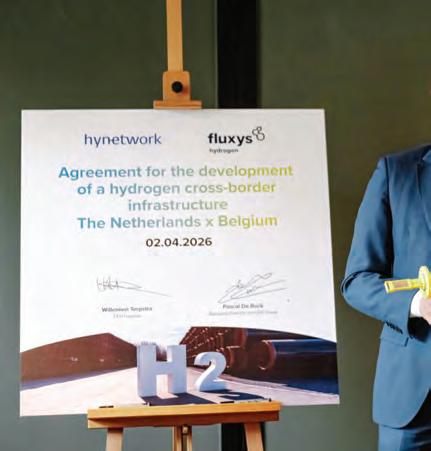
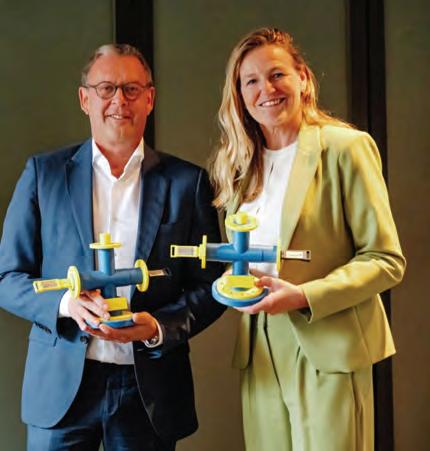
Hynetwork, a subsidiary of Gasunie, and Fluxys hydrogen, a subsidiary of Fluxys Belgium, have signed an agreement to jointly develop a cross-border hydrogen connection between the Netherlands and Belgium.
In an April announcement, the two companies said the planned link would
work has already begun and will remain within existing site locations in Dublin and Limerick. The additional capacity is expected to enter service next winter.
“Part of our remit is to review and monitor demand on the national gas network and to make forecasts about future requirements,” stated Gas Networks Ireland Director of Assets and Infrastructure Brian Sheehan. “This project is being expedited to prevent a situation where energy could potentially be curtailed in the south of the country should we experience an extreme weather event. While counties along the pipeline route will directly benefit, this reinforcement project will also prevent capacity issues and constraints in other parts of the network, thereby benefiting the whole country in the longer term.”
The announcement comes as the operator also takes steps to cut emissions at its operations, having unveiled plans in March to decarbonize its two gas compressor stations in Scotland through the installation of new electric motor drives at each site.
use existing natural gas pipelines where possible, with the pipelines converted to hydrogen transport. The companies added that they were considering the border point near Zandvliet, between Zeeland and Antwerp, as the location for the first strategic bidirectional link. According to the announcement, the link would connect key import and production locations with industrial clusters, including the North Sea Port and the Port of Rotterdam in the
ROMANIA
Transgaz seeks loan to help finance gas infrastructure expansion Romania’s gas transmission system operator, Transgaz, is seeking to borrow EUR300 million ($353 million) to help finance investments aimed at expanding and upgrading the system. In mid-April, the operator issued a request for proposals inviting international financial institutions and commercial banks to submit proposals for the loan. The loan would be guaranteed by the Multilateral Investment Guarantee Agency, part of the World Bank Group. According to the Multilateral Investment Guarantee Agency’s website, the loan would finance the development, construction, expansion and management of up to six compressor stations — Podișor, Bibești, Jupa, Coroi, Vin u and Onești — as well as the construction of up to 17 natural gas pipelines. Compressor station upgrades would include installation of new turbines with capacities ranging from 5 MW to 9 MW, along with auxiliary services, all within the facilities’ existing footprints. The installation process would include civil works,
Helmie Botter, right, director of hydrogen transport at Gasunie, and Ben De Waele, director at Fluxys hydrogen.
IMAGE: GASUNIE
ROMANIA
Romgaz, OMV Petrom start construction on gas pipeline for Neptun Deep Romania’s Romgaz and OMV Petrom announced in early May that they had begun construction on the offshore pipeline that will transport natural gas from the Neptun Deep project in the Romanian Black Sea.
Gas Networks Ireland announced in mid-April that it would invest EUR50 million ($59 million) in an upgrade project it described as “essential.”
Neptun Deep is the largest gas project in the Romanian Black Sea, with estimated recoverable volumes of about 3.5 Tcf (1 × 10¹¹ m3). The project is located about 160 km (99 miles) offshore in water depths ranging from 100 meters (328 feet) to 1,000 meters (3,281 feet). It has been under construction since 2023, with first gas targeted for 2027.
The Neptun Deep development will include 10 wells at the Pelican South and Domino fields, three subsea systems, flowlines, an offshore platform, a gas pipeline to Tuzla and an onshore gas metering and control station. The platform will be located in shallow water, fully unmanned and self-powered, with operations managed remotely through a digital twin. According to OMV Petrom’s website, Neptun Deep will be among the first projects to use continuously direct electrically heated flowlines to ensure reliable gas transport and help reduce operational costs through advanced thermal management.
Four wells have already been drilled at Pelican South, with six underway at Domino. In the latest step forward for the project, construction of the offshore pipeline has begun. According to announcements from Romgaz and OMV Petrom, the first of three main vessels involved in laying the pipeline — the Castoro 10 — has arrived in Romania. The vessel will install the first section of the pipeline near the coast. The pipeline will connect through a microtunnel in Tuzla that has already been built.
“In 2026, we will make significant progress here in Romania: installing the offshore pipeline, subsea equipment and the production platform,” stated OMV Petrom CEO Christina Verchere.
mechanical installation, testing and withinsubstation pipeline connections. Installation is expected to take six to eight months.
Some of the projects reviewed are ready to move forward with siting and construction, while others remain in the
early design phase, according to the Multilateral Investment Guarantee Agency.
Transgaz requested proposals by May 8 and said it would select one or two lenders.
As of mid-May, the results of the request for proposals had not been disclosed.
Netherlands, as well as the ports of Antwerp and Ghent in Belgium.
The connection would support the ambition to create an “integrated, open and accessible” hydrogen transmission network in Northwestern Europe aimed at strengthening energy independence and decarbonizing industry, the companies said. They added that the agreement also allows for the development of additional borderpoint links.
UK EnergyPathways advances MESH storage proposal
UK-based EnergyPathways has taken several steps in recent weeks to advance its proposed Marram Energy Storage Hub project.
The project would involve development of a facility in the East Irish Sea combining long-duration energy storage for offshore wind power stored as compressed air with an integrated storage system for natural gas and hydrogen. According to its latest announcements, EnergyPathways is targeting a final investment decision in 2028. The company said in late April that Costain Group had completed a first phase of engineering studies for locating onshore facilities for the Marram Energy Storage Hub at Barrow-in-Furness, Cumbria, in northwest England. Costain is now working on a second phase of detailed engineering design work for the onshore facilities.
Separately, EnergyPathways said it had completed pre-front-end engineering design studies with Siemens Energy, confirming the viability of the planned compressed air energy storage portion of the project.
That was followed in early May by an announcement that EnergyPathways would receive a gas storage license for the Marram Energy Storage Hub from the North Sea Transition Authority. The company intends to accelerate development of the planned large-scale gas storage facility to complement the compressed air energy storage development.
CT2
“For a well-functioning hydrogen market in Northwestern Europe, cross-border trade and transport of hydrogen are essential,” stated Gasunie Director of Hydrogen Transport Helmie Botter.
Fluxys hydrogen Director Ben De Waele added that, beyond the link between Belgium and the Netherlands, the companies are also working on pipeline infrastructure to contribute to the development of a broader Northwestern European hydrogen network.
IMAGE: ROMGAZ
Want to stay ahead of compressor failure?
VISTRA® Predict Component Life Forecast Tool
Unplanned compressor shutdowns are costlybut avoidable.
VISTRA® Predict monitors reciprocating compressors 24/7/365. It turns operational data into clear, actionable insights before failures occur.
By detecting early warning signs and predicting component lifetime, it enables timely maintenance, prevents unplanned downtime, and maximizes performance and reliability - without external analysts.
The result: Fewer unscheduled shutdowns, improved compressor performance, and extended component life.
Enabling change. For a better tomorrow.
Learn more by visiting https://www.hoerbiger.com/vistra-predict today!
Keynote speaker highlights growing link between data centers, power generation and natural gas infrastructure at annual EGCR event in Pittsburgh. By Jack Burke
AI-driven power demand could reshape Marcellus
Artificial intelligence infrastructure and rapidly growing data center electricity demand could create a major new growth cycle for the Marcellus and Utica shale plays, according to Nick Munoz, vice president of Operations at Williams, during a keynote presentation at the Eastern Gas Compression Roundtable event in Pittsburgh, Pennsylvania.
Munoz said the United States is entering a new era of electricity demand growth after roughly 25 years of relatively flat power consumption, with AI-driven data centers, semiconductor manufacturing and broader industrial expansion expected to significantly increase natural gas
demand for power generation.
“You can’t build renewable capacity fast enough,” Munoz said, arguing that natural gas remains the most practical large-scale generation source capable of meeting the reliability and rapid deployment requirements demanded by hyperscale data center operators.
‘Efficient rock’
Munoz described the Marcellus and Utica region as “the most efficient rock still in the U.S. untapped,” adding that accelerating electricity demand could support additional production growth, pipeline expansion and compression infrastructure
development throughout the basin.
The keynote presentation framed data center growth as part of a broader industrial expansion cycle rather than simply a technology trend, comparing the current moment to earlier waves of U.S. industrialization tied to steelmaking, automotive manufacturing and semiconductor development.
“Any load growth would lead to a need for us to build generation capacity,” Munoz said.
Williams is among several energy infrastructure companies pursuing behind-the-meter and co-located power generation projects designed to provide electricity directly to data centers and
Williams power generation projects tied to AI, data center growth
Several large-scale power generation projects are part of Williams’ broader push into behind-the-meter and co-located energy infrastructure serving data centers and industrial customers.
SOCRATES The Socrates project is among the company’s most closely watched developments. Williams has said the Ohiobased project is designed to support largescale data center operations with dedicated natural gas-fired power generation. Munoz said the facility has already been “gassed up” and is entering turbine testing ahead of expected power delivery later this year.
According to the keynote presentation, each Socrates site includes 22 generation assets consisting of 15 gas turbines, seven reciprocating engines and a diesel backup block designed to support high reliability requirements.
Neo Socrates as a follow-on expansion opportunity tied to additional data center growth and AI-driven electricity demand. Public comments from the company suggest the project is intended to leverage existing infrastructure and lessons learned from the original Socrates development.
AQUILA The Aquila project is another major power initiative discussed during the keynote. Williams has previously described Aquila as part of a broader portfolio of power generation and infrastructure developments positioned near high-demand electricity markets and data center corridors.
APOLLO Apollo is part of Williams’ expanding portfolio of co-located power generation developments intended to provide fast-track electricity solutions for hyperscale and industrial customers facing
grid interconnection delays.
BOWLING GREEN The Bowling Green development is tied to Williams’ growing strategy of integrating natural gas transportation, compression and on-site power generation capabilities to meet rapidly rising electricity demand.
Williams executives have increasingly emphasized that many of these projects are designed around “time-to-power” advantages, enabling customers to secure electricity faster than traditional utility interconnections in heavily constrained markets.
During the keynote, Munoz said Williams currently has approximately $9.6 billion capital projects tied to power generation developments and has secured equipment positions supporting up to an additional 6 GW of future projects under negotiation.
NEO SOCRATES Williams has identified
other large industrial users.
Munoz said Williams believes its operational experience in the oil and gas sector provides a competitive advantage in building large-scale energy infrastructure projects quickly and reliably.
“We’re running machinery. That’s something we do. We’re building and installing facilities with power distribution. That’s something that we do,” he said.
Williams currently has approximately $9.6 billion in sanctioned capital projects tied to
power generation developments in Utah and Ohio, according to the presentation. Projects discussed during the keynote included the company’s Socrates, Neo Socrates, Aquila, Apollo and Bowling Green developments.
Munoz said the Socrates project has already been “gassed up” and is beginning turbine testing ahead of expected power delivery later this year.
Equipment challenges
According to the presentation, each Socrates site includes 22 generation assets consisting of 15 gas turbines, seven reciprocating engines and a diesel backup block.
Munoz also highlighted increasing competition for gas turbines and related generation equipment as data center demand accelerates across the United States.
Williams has secured equipment positions supporting up to an additional 6 GW of future project opportunities currently
under negotiation, he said.
The keynote underscored the increasingly close connection between the natural gas industry and future AI infrastructure growth.
Munoz noted that Williams currently delivers roughly one-third of U.S. natural gas volumes and operates one of the world’s largest fleets of light industrial gas turbines, positioning the company to integrate fuel supply, transportation and power generation for large-scale customers.
He also emphasized the importance of workforce development, technical training partnerships and internship programs to support future staffing needs as energy infrastructure construction activity increases.
The Eastern Gas Compression Roundtable event brought together operators, manufacturers and service providers focused on natural gas compression, midstream infrastructure and related energy technologies. CT2
Socrates Williams’ Socrates behind-the-meter project is under construction in Ohio.
IMAGE: WILLIAMS
Catching issues before they escalate and the effect of torque and speed monitoring on your bottom line
Advanced monitoring
ideas.
By Tyler Courtney
With the world of turbomachinery progressing and assets taking on heavier demands, operation in more remote environments, and fewer redundancies in place, operators are often challenged to anticipate and detect performance degradation as early as possible. Gas turbines, compressors, and pump trains may operate smoothly on the surface while efficiency quietly erodes within them. Blade fouling, process upsets, and aerodynamic losses don’t simply announce themselves instantly – but their effects on the drivetrain can be noticed if you are looking in the right places.
This is why advanced monitoring of your mechanical components, particularly around torque and speed output at the coupling, has become a more common and essential part of modern equipment reliability strategies. These metrics offer direct, mechanical insight into how hard your systems are working thus enabling operators to identify potential issues well before they trigger more significant alarms in the machine.
TYLER COURTNEY is a 12-year veteran of Regal Rexnord, a leading producer of motors and related products. Courtney overseeing teams working in the energy and gas compression industries.
Changes in aerodynamic performance, fouling, imbalances, or combustion ultimately will have an influence on transmitted torque performance across multiple components.
Why the coupling is a powerful diagnostic point
Couplings as a component occupy a unique and central point between driving and driven equipment in your powertrain. Changes in aerodynamic performance, fouling, imbalances, or combustion will ultimately have an influence on transmitted torque performance across multiple components – even subtle shifts can be detected as changes in torsional loading or expected speed curves.
Monitoring torque closely over time could reveal:
■ Early-stage blade fouling – When fouling increases aerodynamic drag, torque begins to rise for the same load long before efficiency loss becomes obvious elsewhere.
■ Process disturbances or off-design operation – Torque spikes or irregular patterns can point to upstream or
As technology has advanced, many pipeline compressor stations and power generation sites are now run with smaller onsite teams or remotely from centralized control centers to streamline efficiency.
downstream instability.
■ Impending equipment or coupling concerns – Over-torque trends may signal conditions that increase the risk of shaft, coupling, or equipment damage if left unaddressed.
■ Fuel burn and emissions drift – As torque requirements rise due to internal losses, fuel consumption and NOx emissions typically increase in parallel. Since torque reflects the mechanical work being transferred across components, it can clearly provide a grounded, physicsbased indicator of overall system health making it a reliable source to notice early signals of degradation.
Remote operation
As technology has advanced, many pipeline compressor stations and power generation sites are now run with smaller onsite teams or run remotely from centralized control centers to streamline efficiency. Within these environments, manual inspection or on-machine observation is no longer reasonable to maintain and enough on their own to be thorough. Operators benefit tremendously from continuous, remotely accessible performance indicators to guide maintenance timing and ensure safe, efficient operation across multiple systems.
Torque and speed monitoring systems –which could include instrumented spacers, torsional twisting sensors, or other innovative technologies – can offer several important advantages for these types of operations. More commonly, the ability to view real-time metrics on mechanical load without needing on-site personnel is the main draw. Behind that, however, having access to precise information over a long life cycle can enable better trend-based decision making, allowing your operators to schedule maintenance windows with added confidence. Other benefits include the ability to add these systems to larger SCADA or DCS platforms for fleet-wide insights, and the ability to monitor multiple units simultaneously which was much harder to do in previous generations.
Systems like Kop-Flex’s Powerlign 2.0 torque monitoring system, for example, demonstrate how modern approaches mentioned above can combine mechanical sensing with digital output to simplify
remote monitoring efforts and streamline date integration for easier review.
Connecting driveline signals to gas path performance
Gas turbines, alongside other critical-duty rotating machines, must operate within tight aerodynamic tolerances for maximum efficiency. Even minor deviations – often caused by fouling, uneven combustion, or thermal distortion – can have measurable consequences that extend into the drivetrain.
BLADE FOULING AND AERODYNAMIC LOSSES
As fouling builds, blades must work harder to move the same volume of air or gas. This additional work shows up immediately as increased torque. Unlike temperature or vibration, which may shift only after performance has degraded more significantly, torque provides a direct mechanical signature.
FUEL BURN AND NOX EMISSIONS TRENDS
Higher torque requirements often mean higher firing levels to maintain output, which can increase both fuel consumption and emissions. Monitoring torque helps operators distinguish between normal operational variation and performance decline that could push NOx or efficiency out of compliance.
SYSTEM LOAD IMBALANCE
Torque trending can reveal uneven loading conditions, stick-slip behavior, improper valve operation, process instability, or early misalignment –not just aerodynamic problems.
By correlating torque and speed signals with process data, operators gain a holistic view of both mechanical and gas path behavior, creating a powerful foundation for predictive and proactive maintenance.
A practical tool
Whether for a single turbine mechanical drive package or an entire network of connected rotating equipment trains, torque and speed monitoring is shown to be more predictable, and more efficient at navigating diagnostic operations. An understated benefit is the ability to more accurately plan your maintenance cycles by identifying the right time for cleaning, inspection, or repair based on data-driven triggers rather than fixed intervals. Positive fallout from this practice also includes a reduction in unplanned downtime as early detection gives your team time to plan, mobilize parts, and coordinate labor that could otherwise have been catastrophic.
Outside of the physical parts benefits, having access to these metrics helps supply your operation with better fuel and emissions control through the monitoring of mechanical load trends and their direct relation to combustion performance.
With downtime eating your bottom line every hour, every percentage point of efficiency affects both costs and compliance. By integrating these smart solutions, these wide range of benefits can lead to tangible operational and financial impact almost immediately.
Small signals with big implications
Advanced torque and speed monitoring isn’t aimed at replacing gas path sensors, combustion diagnostics, or vibration analysis, and rather looks to strengthen them. By providing a thorough look at the performance of your driving and driven rotating equipment, these systems help operators detect early aerodynamic losses, prevent equipment stress, and optimize performance long before larger issues have a chance to arise.
As remote operations expand and reliability expectations do so along with them, driveline monitoring will play an increasingly central role in your operation’s predictive maintenance strategies. Whether through a system like Powerlign 2.0 or another torque monitoring technology, the ability to “see” into the real-time health of your components creates a meaningful advantage: problems identified earlier lead to decisions made smarter. CT2
25 to 500 Bar at 250kg/hr
Ariel’s KBH is a vertically oriented, non lubricated, reciprocating compressor designed to maintain high gas purity, featuring the latest advanced materials allowing for optimal compression efficiency and reliability. Ariel KBH compressors can compress hydrogen gas to pressures up to 7,250 psig (500 barg) for trailer filling, hydrogen mobility, and other hydrogen storage and transport needs.
Find out more at arielcorp.com/hydrogen
JUNE 23, 2026
3 PM UK, BST
4 PM EU, CET
9 AM USA, CT
Siemens Energy’s Marybeth McBain and LNG expert Mehdy Touil to discuss natural gas liquefaction technology and market trends during a free webinar
COMPRESSORTech2 will host a free webinar on June 23 examining the technologies, operating trends and market drivers shaping the next phase of LNG development, with perspectives from Siemens Energy and global LNG specialist Mehdy Touil.
The webinar, scheduled for 9 a.m. CST, will feature Marybeth McBain, product strategy lead for Siemens Energy’s singleshaft centrifugal compressor line, and Touil, widely known in the industry as “the LNG Guy” for his technical commentary on liquefaction systems and LNG operations.
Background in LNG
In her role at Siemens Energy, McBain helps guide product strategy for the company’s single-shaft centrifugal compressor line, including internal R&D direction and external LNG market positioning.
Her background includes compression and pipeline engineering roles at Kinder
COMPRESSORTech2 to host LNG webinar
Morgan and Apache, as well as 10 years at Southwest Research Institute, where she served as fluid systems manager in the Rotating Machinery Group. McBain holds mechanical engineering degrees from the University of Texas at Austin and Georgia Tech.
Global perspective
Touil will bring a global operational perspective to the discussion, drawing on his experience across LNG facilities worldwide and his work advancing technical dialogue around liquefaction systems.
Trained as a chemical engineer, Touil has built a large following for his technical analysis
of LNG operations, plant performance and liquefaction technology trends.
The session will examine how LNG infrastructure is evolving, what operators should expect from the next generation of liquefaction systems and how technology decisions are likely to affect efficiency, reliability and long-term project economics.
The Turbomachinery & Pump Symposia is recognized worldwide as the industry’s must-attend event. Connect with over 4,800 attendees, meet with leading suppliers, observe product demos, and get answers to your technical questions.
We look forward to seeing you in Houston!
4,802 ATTENDEES
320 EXHIBITING COMPANIES
44 COUNTRIES
HOSTED BY
Qube Technologies case study shows how emissions data and process data can help Midstream oil&gas operators diagnose remote events faster.
Continuous monitoring moves methane detection closer to operations in the field
For midstream operators, methane monitoring is moving beyond periodic inspections and toward a more continuous, operations-focused model — one that can help identify not only whether an emissions event occurred, but what may have caused it.
That was the focus of a presentation by Jon Bain, principal product manager for Qube Technologies, at the GPA Midstream Association’s technology conference. Qube Technologies is a Calgary-based company specializing in continuous methane emissions monitoring and mitigation technologies for the energy sector.
Bain used a field example from a Canadian gas processing facility to show
how remote emissions monitoring, sourcelevel sensors, cameras and process data can be combined to diagnose an emissions event without requiring an operator to first travel to the site.
“The industry has been trending toward more continuous data streams and improving operational value,” Bain said. “Historically, methods like an OGI survey or a flyover were snapshots. Research has shown those approaches miss a lot of emissions.”
Qube provides methane detection, localization and quantification systems for oil and gas sites. Bain said the company has more than 8,000 deployments across Canadian and U.S. basins and operates in
more than 10 countries. Its technology is used by more than 100 operators and has regulatory approvals in the U.S. and Canada.
Primary system
The company’s primary system is its fence-line monitoring platform, which typically uses four to six devices installed around the perimeter of a site. Those devices measure methane and meteorological conditions, including wind, pressure and temperature. The system then applies dispersion modeling to localize and quantify emissions.
Qube also offers source-level methane monitors, called Qube Lite, which can be installed directly near equipment or known
A Qube Lite emissions management monitoring station.
IMAGE: QUBE TECHNOLOGIES
emissions points, such as tank hatches. A third product, Qube Camera, uses highresolution imagery and AI models to identify activity such as truck loading, flare operation or site access.
Bain said combining those streams can give operators a more complete view of site behavior.
The broader challenge, he said, is that methane monitoring has evolved quickly, but operational workflows have not always kept pace. Operators now have more emissions data than ever, but that does not necessarily mean environmental and operations teams have more staff available to interpret it.
“We’ve gone from one or two reports a year to now having a boatload of data,” Bain said. “That overload of data hasn’t resulted in hiring more environmental people or operations teams.”
That creates a practical problem. A sensor may detect methane, but someone still has to determine whether the event was a fugitive leak, routine venting, abnormal operation or a process upset. Without context, Bain said, operators can spend more time troubleshooting alarms, reviewing process data or sending crews to sites to verify what occurred.
Adding context
Qube’s focus, he said, is adding context to emissions events so operators can respond more efficiently.
To explain that approach, Bain used a bow-tie diagram, a tool commonly used in process safety analysis. In a traditional process safety application, the center of the diagram is the event, such as a loss of containment. Causes and threats sit on the left side, while consequences sit on the right. Barriers are then used to prevent the event or mitigate the consequences.
Bain applied the same logic to methane emissions. In that model, the methane release is the central event. The causes may include tank overpressure, unit blowdowns, pressure safety valve releases, truck loading or component failures. The consequences can include environmental impact, odor complaints or regulatory penalties.
Historically, he said, much of the technology development has focused on
the right side of the diagram — detecting and quantifying the release after it occurs.
The next step is bringing in the left side: the process conditions that led to the release.
That is where SCADA and historian data become important.
Bain said many emissions events, other than simple fugitive leaks, have repeatable process patterns. Qube refers to those patterns as “event fingerprints.” By identifying those fingerprints, operators can begin linking emissions data to the process conditions that caused the release.
“The real-time data already exists,” Bain said. “Everyone has SCADA, typically, in oil and gas. These leak events typically have repeatable signals.”
The case study involved a natural gas processing facility in Canada where Qube had deployed fence-line monitors, sourcelevel monitors and cameras. The facility is
“No operator wants to out after an alarm and find nothing. That can quickly erode confidence in technology.”
JON BAIN, QUBE TECNOLOGIES.
an operating site that allows technology vendors to deploy systems and evaluate performance.
The event Bain highlighted was an inlet slugging event. In that scenario, a large volume of liquid entered the plant inlet, disrupting gas flow and causing a process upset. Slugging can increase liquids to tanks, raise vapor loads, trigger flaring and, in some cases, lead to tank venting.
For the analysis, Qube used four process variables: inlet separator water level, vapor recovery unit suction pressure, flare flow and inlet separator pressure.
The sequence of events was visible in the process data. First, the inlet separator water level showed increased liquid loading into the plant. That indicated more liquid moving toward produced water tanks, which would increase vapor load from the tank system.
Process sequence
Next, the vapor recovery unit suction pressure became unstable, showing the system could no longer hold its set point. Flare flow then increased. When the full slug reached the plant, the separator water level changed sharply, flare flow spiked and inlet separator pressure showed a major swing.
After the slug passed, the facility returned to stable operation.
The emissions data aligned with that process sequence. Qube’s tank-top monitors detected methane at nearly the same time the vapor recovery unit suction pressure
An Illustration of Qube Technologies’ suite of monitoring products. IMAGE: QUBE TECHNOLOGIES
became unstable. Fence-line monitors then detected methane as the plume moved across the site. Qube’s modeling localized the release to the tank farm and calculated an emissions rate of roughly 5 to 10 kg/hr.
The camera system also detected the associated flare activity.
Taken together, Bain said, the data allowed Qube to time-bound the event, identify the likely cause and provide operators with a clearer picture of what had happened.
In this case, the site was staffed, so operators likely would have been aware of the upset. But Bain said the same approach could be especially valuable for remote facilities, where operators may not immediately know whether a methane alarm represents a serious leak, routine operating behavior or a temporary process event.
The goal is not simply to collect more data, he said, but to make the data more useful.
Integration
By integrating emissions monitoring with process data, operators can reduce manual reviews, improve confidence in alerts and prioritize field response. Over time, Bain said, models trained on recurring site patterns could support automated event classification.
That could allow a system to label an emissions event as fugitive, routine, non-routine or tied to a known operating condition, reducing the amount of time operators spend chasing alarms.
One audience member asked whether process data integration could reduce false positives. Bain said Qube is still developing its SCADA integrations, but early work suggests process context can help distinguish expected operating behavior from events that require follow-up.
“The big challenge is trying to properly label the emissions,” Bain said. “That’s what we think SCADA will allow us to do.”
Cybersecurity concerns
Data integration remains a key issue. Bain said many operators are cautious about cybersecurity and prefer to push selected
data outward from their historian rather than allow outside systems to access internal networks. He said Qube’s approach would likely involve reviewing which process variables are important and setting up a data push from systems such as PI historians.
The operational challenge, Bain said, is not only detecting methane. It is making sure alarms are actionable.
“No operator wants to go out after an alarm and find nothing,” he said. “That can quickly erode confidence in technology.”
For operators facing growing methane
reporting requirements, the value of continuous monitoring may depend on whether it can fit into field workflows without adding unnecessary burden. Bain said the next phase of methane technology will be defined by systems that combine detection, quantification and operational context in a way that helps teams act faster.
The result, he said, is a path toward smarter and more proactive emissions management — one that can support regulatory compliance while also improving operational efficiency. CT2
TUESDAY JUNE 23, 2026
Discussing the solutions to some of the key technical challenges in the LNG value chain CHALLENGES & SOLUTIONS
Join us for a webinar exploring the technologies, market drivers and operational realities shaping the next wave of LNG development. Marybeth McBain of Siemens Energy will provide insight into LNG compressor technology, equipment strategy and how OEMs are positioning for new liquefaction demand, while Mehdy Touil, known across the industry as “the LNG Guy,” will offer a global perspective on liquefaction operations, plant performance and the technical trends reshaping LNG projects worldwide. Together, they will examine where LNG infrastructure is headed, what operators should expect from the next generation of liquefaction systems and how technology choices will influence efficiency, reliability and long-term project economics.
SPONSOR
Marybeth McBain Siemens Energy
Mehdy Touil
“the LNG Guy” Calypso Commodities
EFRC warns PFAS limits could undermine compressor reliability
Industry group says blanket restrictions risk higher emissions, lower efficiency and safety setbacks
The European Forum for Reciprocating Compressors (EFRC) is urging European regulators to carve out specific exemptions for PFAS, or per- and polyfluoroalkyl, used in reciprocating compressor sealing systems, warning that a broad restriction could compromise reliability, increase emissions and create unintended safety risks across critical industrial gas applications.
In a draft position paper submitted as part of Europe’s ongoing PFAS restriction review, the Germany-based industry group argues that fluoropolymer materials—primarily PTFE, FKM and FFKM—remain indispensable in dynamic sealing applications used in reciprocating compressors. These materials are widely used in piston and packing rings, valve plates, O-rings, oil additives and assembly sprays, as well as in adjacent applications such as PEM electrolyzer membranes.
The EFRC said these materials remain essential because no technically or economically viable substitutes can replicate the combination of low friction, chemical resistance, thermal stability and wear performance required in high-duty compressor service.
Higher leakage rates
According to the group, industry testing shows PFAS-free alternatives can produce leakage rates up to five times higher, service life reductions of up to 10-fold and friction losses two to four times greater than current PTFE-based materials. In hydrogen fueling applications, EFRC said rod temperatures with non-PFAS alternatives can exceed 250 degrees C, creating operating conditions unsuitable for safe service.
That combination of higher friction, shorter life and greater leakage is central to the group’s argument. EFRC said restricting PFAS without a workable exemption for compressor sealing would likely increase fugitive emissions, raise maintenance frequency, reduce machine efficiency and increase the risk of unplanned shutdowns in safety-critical applications. In high-value process service, the group noted, unplanned downtime can cost operators six figures per day per compressor.
The trade group also argued that the environmental case for a blanket ban is less straightforward than regulators may assume. While PFAS restrictions are aimed at reducing long-term environmental persistence, EFRC said wear particles from compressor sealing systems are unlikely to enter the environment in meaningful quantities because they are typically captured through industrial filtration and waste treatment systems. By contrast, the group said a forced shift to lower-performing alternatives could increase gas leakage,
reduce energy efficiency and require more frequent material replacement—an outcome it described as environmentally counterproductive.
Rather than support a full ban, EFRC is backing Restriction Option 3 under the European Chemicals Agency’s draft framework, which would allow continued PFAS use under defined conditions and reporting requirements. The group said that approach is the only viable path for reciprocating compressor applications, provided regulators include explicit derogations for dynamic sealing systems and long-life spare parts.
That distinction between dynamic and static sealing is central to the EFRC position. Dynamic sealing in reciprocating compressors must withstand high relative speeds, elevated temperatures, constant wear and tribological failure risks that static seals do not face, the group said. As a result, it argues the two applications should not be regulated under the same assumptions.
The group also warned that transition timelines under discussion in Europe are unrealistic for compressor applications. While an 18-month transition may be workable in lower-speed rotating equipment where alternatives already exist, EFRC said reciprocating compressor sealing would require five to 10 years of qualification and certification after any viable substitute is identified. CT2
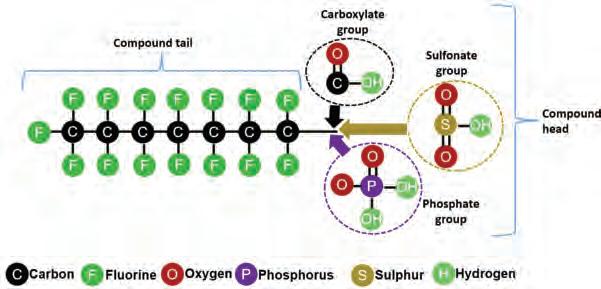
Overview of the general structure of nonpolymeric, perfluorinated PFAS substances.
The Companies and Machines That Drove Compressor Progress
Author: Norman Shade
From piston to rotary, steam to electric — Cornerstones of Compression dives deep into the legacy of industrial compressors and the visionaries behind them.
Baker Hughes opens subsea services hub in Norway
Focused on North Sea, global energy projects
Baker Hughes has opened a new Subsea Services Center of Excellence and manufacturing plant in Dusavik, near Stavanger, expanding its support for North Sea and global offshore energy projects.
The 49,000-sq-m facility is designed to support the full lifecycle of subsea developments, from manufacturing subsea production trees and wellheads to repair, maintenance and upgrades of subsea equipment and control systems. The site will also serve as a hub for offshore production services, supporting installation, intervention and decommissioning work.
Baker Hughes said the purpose-built facility strengthens its ability to deliver advanced subsea production systems and infrastructure as offshore operators continue to prioritize efficiency, reliability
and lower-emissions operations.
The Dusavik site includes a 12,000-sqm workshop, multiple testing bays and equipment testing capabilities up to 22,500 psi, allowing engineers to validate systems for high-pressure subsea applications. The company said the facility will be powered entirely by renewable energy, reducing the carbon footprint of its operations.
Expands North Sea footprint
Amerino Gatti, executive vice president of oilfield services and equipment at Baker Hughes, said the new facility reinforces the company’s commitment to the North Sea, which remains a critical supply source for Europe amid continued geopolitical uncertainty.
The opening expands Baker Hughes’ North Sea footprint. In the United Kingdom, the company’s manufacturing sites in Montrose and Newcastle supply subsea trees and flexible pipe systems for offshore operators globally.
Baker Hughes also opened a plug and abandonment center of excellence in Norway in 2025.
Baker Hughes has opened a new Subsea Services Center of Excellence and manufacturing plant in Dusavik, near Stavanger, expanding its support for North Sea and global offshore energy projects.
Baker Hughes said the new the 49,000 square meter facility brings manufacturing, service and high pressure testing together in one location. IMAGES: BAKER HUGHES
BLACKSTONE’S EVOLUTION
For the first time in decades, the foundations of the global industrial system are being reset. Not gradually, but in parallel across energy, trade, and infrastructure.
The last time shifts of this magnitude occurred, they followed the reconstruction of the global economy after the Second World War. But there is a critical difference.
The modern industrial system was built for abundance. Abundant energy, stable trade flows, and continuous reinvestment in infrastructure. Today, it is being forced to operate under constraint.
Energy is less predictable. Supply chains are less reliable. Infrastructure is older, and in many cases, underinvested in.
The system is not breaking, but it is tightening.
And as it does, the margin for error for facilities, operators and the service providers who care for them is disappearing.
A SYSTEM UNDER PRESSURE
The implications are already visible.
Energy demand is not declining. It is becoming more complex, more regional, and more structurally constrained. What is often missed is that demand is not just holding, it is expanding. This growth is being driven by forces that did not exist at scale even a decade ago.
The rapid buildout of data infrastructure is one of them.
Large-scale data centers, AI training systems, and compute-intensive industrial processes are placing sustained, highdensity demand on power systems. These are not cyclical loads. They are foundational to commercial growth and, increasingly, to national security.
At the same time, the global industrial model is being reconfigured.
Globalization, as it was understood over the past several decades, is receding. In its place is a more regional, security-driven model of production. Manufacturing is being reshored or relocated closer to end
Building
an industrial technology platform in an era of energy realignment
markets not because it is more efficient, but because it is more controllable.
This shift introduces friction into the system.
Production costs increase. Supply chains become shorter but less optimized. Lead times are less predictable. Access to critical components is no longer guaranteed.
Redundancy is built where efficiency once dominated. What was previously a global system designed for cost is becoming a regional system designed for resilience.
THE STRUCTURAL IMBALANCE
The result is a structural imbalance.
Demand is increasing, driven by compute, industrial reshoring, and energyintensive processes, while the system’s ability to supply that demand is constrained by aging infrastructure, morally hazardous underinvestment, and reduced global flexibility.
Infrastructure across key sectors such as refining, petrochemicals, fertilizer, LNG, and power generation is aging. Assets are being pushed beyond original design expectations, while replacement cycles lag behind demand.
Traditional service organizations, built on generational knowledge and craft-level expertise, are now more critical than ever in sustaining the lifecycle of these machines. But knowledge alone is no longer enough.
The imperative is to augment that expertise with technology, creating speed, visibility, and scalability where they have historically been limited.
This is the foundation of Blackstone’s evolution into an industrial technology platform.
GLOBAL POSITIONING AND REGIONAL REALITY
“Energy is the master resource.”Daniel Yergin
In parts of Europe, reduced system flexibility combined with external dependency has translated into rising costs and increasing pressure on industrial output. Industrial systems require balance between energy inputs, infrastructure investment, and execution capability. When that balance is lost, the system does not gradually adjust.
North America, by contrast, holds a structurally different position. The United States benefits from a rare alignment of advantages, including resource abundance, established infrastructure, and expanding energy export capacity. It is increasingly positioned global supply dynamics.
But even within North America, that advantage is uneven.
Canada, despite possessing one of the most resource-rich geographies in the world, has struggled to translate that position into industrial strength at scale. Infrastructure constraints, government and regulatory complexity, and delayed execution have limited its ability to respond to global demand.
In a constrained world, underutilized advantage is not neutral. It is a forfeited strategic position.
What then can we learn from this as we navigate a traditional service business to the modern set of demands?
THE LIMITS OF THE TRADITIONAL MODEL
At the operational level, these dynamics are exposing the limits of the traditional industrial service model.
Steam Turbine Rotor for Texas A&M University.
For decades, the system functioned through specialization. OEMs focused on design and manufacturing. Service providers executed in the field. Supply chains operated with predictability and relatively borderless.
Today, fragmentation introduces risk.
Delays accumulate between engineering, sourcing, and execution. Visibility across the installed base is limited, and large portions of the industrial fleet have effectively been orphaned.
In this environment, capability alone is insufficient. Speed and integration become decisive differentiators for service providers who maintain and improve upon the critical assets we all depend on.
BLACKSTONE’S ROLE IN A CONSTRAINED SYSTEM
“What was once a global system designed for cost is becoming a regional system designed for control.”
Blackstone’s evolution is a direct response to these conditions.
The company continues to operate in close partnership with OEMs, most notably Baker Hughes. That relationship remains foundational and increasingly interdependent.
OEMs are deploying capital and engineering capacity toward new infrastructure, including LNG expansion, industrial reshoring, and the power systems required to support the rapid growth of AI and data infrastructure.
Those priorities are essential.
But while the future is being built, the existing fleet remains under strain.
Across large, non-standard, and endof-life systems, the challenge is no longer design. It is execution.
Configurations are complex, documentation is often incomplete, and replacement is not feasible within required timelines.
This is where Blackstone operates.
As a capacity extension of the OEM ecosystem, and as a custodian for the orphan machines, the company focuses on the most constrained segment of the installed base, where speed, adaptability, technology and field integration are required to maintain continuity.
FROM SERVICE PROVIDER TO TECHNOLOGY PLATFORM
Technology is what allows this model to scale.
The transition from service provider to a technology platform is not about only adding capability, it is about structuring and amplifying it. At its core, Blackstone is modernizing how knowledge is captured, translated, and deployed across the installed base.
Historically, much of the value in industrial service has been embedded in experience held by individuals, applied in the field, and difficult to scale. That model is no longer sufficient in a system where speed, consistency, and repeatability are required.
Through initiatives like “Parts Liberty”, Blackstone is embedding data capture, metrology, and process standardization directly into its everyday operations.
In a typical overhaul or field intervention, critical dimensional data is now captured as part of the workflow, not as an exception, but as a standard. This enables a more precise understanding of how assets have deviated from original design intent, particularly in large, non-standard, or end-of-life systems.
It also creates the foundation for remapping supply chains when original components, specifications, or suppliers are no longer viable.
TURNING DATA INTO OPERATIONAL ADVANTAGE
deployment of new and/or replaced equipment.
This is particularly critical in orphaned fleets, where documentation is incomplete and OEM support may be limited or constrained to the flange to flange. By building a structured “health record” for these machines based on real operating data rather than static design assumptions, Blackstone can extend asset life and improve reliability in environments where standard solutions no longer apply.
At the same time, this approach strengthens OEM partnerships.
By translating field-level insight into usable engineering inputs, Blackstone enhances the ability of partners like Baker Hughes to respond more effectively prioritizing resources, refining designs, and accelerating solution development.
This is not about displacing OEMs. It is about enabling them to operate more effectively in a constrained system. It is integration at a deeper level and a needed channel, where field execution, engineering, and supply chain are connected through shared data and aligned workflows.
Software platforms like “Aquila”, which size and spec retrofit and design optimization for compressors live, build on this foundation, enabling faster configuration, more consistent scoping, and accelerated decision-making. But the underlying shift is more fundamental.
It is the transition from experience as an input to data as an asset.
LOOKING AHEAD
The next decade of industrial development will not be defined by abundance and global supply.
It will be defined by constraints and security.
Infrastructure will remain critical, but harder to replace.
Supply chains will remain essential, but less predictable when not local.
Demand will continue to grow, in energy and power-intensive systems.
That data serves multiple purposes. It improves the quality and consistency of repair procedures. It translates complex field conditions into structured inputs that can be shared with OEM partners. It supports digital twin development, reduces outages risk, and anticipates fit-up challenges or interferences in the www.blackstoneindustrial.com
The advantage will shift to those who can see across the system, move faster than disruption, and apply technology to integrate old world knowledge into nextgeneration execution.
Blackstone’s evolution into an industrial technology platform reflects that shift.
Brent Regan’s mandate: get ahead of demand, shorten development cycles for polymer seals and wear parts, and help an industry built on long lead times adapt to a world of rapid change. By Jack Burke
CDI Products’ new president says the energy transition is moving faster than the compressor supply chain can follow
When CDI Products named Brent Regan its new president, the announcement fit a familiar pattern in industrial manufacturing: a seasoned executive takes the helm, pledges focus, sharpens strategy and leans into customer needs. But the reason Regan was brought in — and the way he describes the moment — points to a deeper shift underway in the markets CDI serves.
The energy transition, in Regan’s view, is not just about fuels and emissions. It is about velocity.
Across compressor manufacturers, packager networks and the global chain of suppliers that keep gas moving, the pace of change is accelerating. Demand signals are evolving faster. Projects are moving faster. Expectations for development, delivery and reliability are rising. And in the background, entirely different industries
A
— semiconductor fabrication, data centers, advanced manufacturing — are pulling on the same energy systems that midstream has historically sized and built at a more measured cadence.
Development timelines
For a company that specializes in polymer engineering for functional components, sealing solutions and wear components, this shift is not theoretical. It accelerates development timelines for material science and product innovation, even as manufacturers like CDI work to preserve the integrity of their sealing solutions. It changes how early suppliers must be involved in equipment design. It alters what “responsiveness” means for customers who can no longer afford downtime — and increasingly believe they can’t afford to wait.
“We need to start developing capabilities before the products are actually needed,” Regan said in an interview with COMPRESSORTech2. “From our customers’ perspective, limited time and personnel resources make efficiency more important than ever. From the market standpoint, demand is increasing every year, with less capable resources to adapt to the change.”
CDI Products, part of Advanced Sealing Technologies (AST), a division of Michelin, is leaning into that premise as it expands its
leadership team and refreshes its market strategy.
Regan, who took over his role in September 2025, described his return to the polymer sector as both timely and strategic, pointing to CDI’s strong foundation in engineering, manufacturing, material science and global logistics. He said the opportunity lies in building on that base to expand the company’s presence across key markets, including aerospace, semiconductor, hydrogen and renewable energy, while leveraging the broader capabilities of Advanced Sealing Technologies and Michelin’s material science and composite expertise.
Customer challenges
That positioning aligns with CDI’s effort to address increasingly complex customer challenges as operating conditions intensify and timelines compress.
That framing may sound like a conventional leadership transition — until it is placed beside Regan’s core argument: the tempo of industrial change is accelerating, and the compressor industry is facing compressed planning timelines which demand suppliers who can meet the moment.
“We look five to 10 years out at the industry’s trajectory. Where is the growth
CDI employee does a visual inspection on products.
CDI is an industry
“As an industry, we must accelerate our planning and execution.”
happening? How is it happening? Who are the core customers, suppliers and partners?
We need a strategic plan that looks at least five years ahead, including how we provide value through polymer material development.”
For CDI, that long view matters because polymer development is inherently slow compared with the demand cycles now shaping energy and industrial projects.
“Material development cycles can be
very long, especially when you have to get materials into a form and process that is economically viable,” Regan said. “Creating new physical properties is not simple. It’s hard to do.”
Speed of development
Those constraints are not new. What is new, he said, is the speed of change in the end markets pulling on CDI’s capabilities — including compression.
“The speed of development and the speed of change increase every year,” Regan said. “What we once saw in computing is now becoming the reality across nearly every industry we serve.”
It is a striking comparison in a business that has long been measured by long lead times, conservative design cycles and incremental improvements. But Regan’s recent experience outside the polymers sector shaped his conviction.
After leaving the polymer engineering space several years ago, he joined Kiewit to help build its advanced technology construction business — specifically in semiconductor fabs and data centers. The work, he said, offered a view into global supply chain dynamics and the pace of industrial expansion.
“Being involved at the front end of building semiconductor fabs and data centers in North America gives you a real sense of what’s happening globally with supply chains—and the speed of it,” Regan said. “In compression, a significant nearterm demand driver right now is getting gas to data centers to create power.”
Opportunity and challenge
He described that growth in terms that compressor manufacturers will recognize as both opportunity and challenge: demand is climbing, but the industry’s planning and response mechanisms have not caught up.
“We’re partnering with our customers and learning together as we go in the compression industry,” he said.
He continued, turning to the energy demand underpinning the current cycle.
Regan said the current market demand isn’t like other periods of demand that would tend to balance themselves: as
demand rose, prices rose, eventually putting a damper on demand. As Regan sees it, demand now—for power—isn’t affected by price dynamics.
The result, he said, is a planning gap.
“As an industry, we must accelerate our planning and execution to keep up with evolving demands. We know the energy is necessary,” Regan said. “From what I’ve seen in data center and semiconductor fab development, there’s room to close the gap and better match the pace of change we’re seeing.”
Regan characterized the industry’s posture as reactive, and he suggested that within three to five years the gap could become impossible to ignore.
“We have significant ground to cover to reach our goals,” he said. “Over the next three to five years, our industry will face pivotal tests: securing the compression, pipeline, transmission, and distribution infrastructure needed to support future demand.’”
Seals and wear parts
For CDI, which develops polymer-based sealing and wear components, the pace challenge shows up in a specific way. In reciprocating compression, sealing and wear components are a small portion of the total machine cost — but failures can disable an entire system, damage equipment and create safety and environmental risks.
In the interview, Regan argued that suppliers like CDI need to be involved far earlier in equipment design, not simply as a part provider when a design is already locked.
“With our core strategic accounts, we’re involved at the ideation phase,” he said. “If customers are considering a new direction, there are material and form implications that require immediate work.”
He emphasized that materials are only half the challenge. The rest is geometry, manufacturability and predictability.
“Materials are one thing; getting materials into form is another,” Regan said. “Design criteria—the shape and geometry—are critical to ease of application and, often, the economics of what can be made.”
In the compressor world, he said, those
BRENT REGAN, president, CDI Products.
leader in the design and manufacture of polymer products.
geometry decisions can determine whether a seal solution can be produced reliably at scale.
“If we can influence gland sizes, stems and other mechanical geometries, we can make parts more economically and with greater predictability,” Regan said. “When shapes and sizes are nearly impossible to manufacture, you have a problem.”
He then offered a blunt reminder of why seals and wear parts carry outsized importance.
“Our job is to keep what’s outside from getting in and causing problems—and to keep what’s inside from getting out and causing problems,” Regan said.
And in reciprocating compression, the stakes can rise quickly.
“On a new compressor, sealing and wear components might be 1% to 2% of the total spend,” he said. “But if those parts don’t work, the machine doesn’t work.”
He added a safety dimension to the value proposition that is often discussed mainly in terms of uptime and emissions.
“Reliable performance is non-negotiable— it’s what protects people, the environment, and the machines themselves,” Regan said.
Shortening development windows without shortcutting physics
Regan’s central operational challenge is to shorten development windows. That is a familiar aspiration across industrial manufacturing. What makes it difficult in polymer engineering is that new physical properties are not easily iterated the way software is.
“Having worked in this space a long time gives me a good understanding of what needs to be done: shorten development windows and stay ahead of market trends and requirements,” he said.
In his view, end markets are converging on similar demands: more extremes, tighter tolerances and less time for failure.
“Every market we serve is facing extremes—lower or higher temperatures, higher pressures or higher vacuums,” Regan said. “That’s true in compression, semiconductors, data centers, aerospace and defense.”
That reality places pressure on CDI’s product development strategy. Regan said CDI is aligning more closely with Michelin and AST resources, leveraging the parent company’s scale and research base.
“Michelin has a team of R&D engineers globally that we can draw on and collaborate with,” he said.
His strategy is to build capability ahead of demand so that when compressor operating envelopes shift — higher rpm, higher temperature, higher pressure — CDI can respond with validated materials and forms rather than starting from scratch.
“We’re focused on capability development,” Regan said. “When operating conditions increase, we want materials we already know will work so we can move much faster to market.”
Hydrogen: tough molecule, uncertain timing
Hydrogen, Regan noted, remains a meaningful area for capability development even as the market’s near-term adoption curve has been uneven.
“Hydrogen is very tough to control and difficult to seal,” he said. “It’s a challenging
A CDI employee inspecting products.
molecule to work with.”
He said CDI has done early customer work in hydrogen compression and related industries, with an emphasis on developing sealing and wear solutions that can manage hydrogen leakage and wear challenges.
“We’ve built capability by adapting materials, composites and geometries to perform in hydrogen service,” Regan said.
But he also signaled that commercial application will ultimately hinge on economics and timing.
“Expectations have shifted compared to five to eight years ago,” he said. “The capability is there. Now it comes down to where the applications make economic sense.”
GLOCAL supply chains and the value of scale
Another change Regan highlighted is the shift from a primarily globalized manufacturing mindset toward what he called “glocal” — global reach with local presence and responsiveness.
“What has surprised me most is the rate and structure of change,” Regan said. “Ten years ago, things were more global. Today, regionalization has accelerated.”
He said customers increasingly want engineering and development capability close to their own operations, even as digital collaboration tools make it possible to work across continents.
“You need global reach, presence and strength—but you also have to be local,” Regan said.
That is one reason, he suggested, that consolidation may accelerate in fragmented sealing and wear markets: customers are demanding greater capability, capacity and reliability, and smaller suppliers may not be able to build those attributes alone.
“A small organization can run out of options very fast,” Regan said. “When you’re constrained, you may not have a workable alternative.”
A CDI employee works in one of the company’s clean rooms.
Safety: speed kills, but quality and safety are inseparable
The interview’s central theme is speed. But in the closing minutes, Regan and a colleague brought the discussion back to safety — and to the reality that accelerating schedules can increase risk if controls do not keep pace.
A CDI representative noted that safety is integrated into how the company operates and develops products so customers can maintain safe operations.
Regan agreed and framed safety as a core leadership concern in a time when customers are asking suppliers to move faster.
“It’s people, planet, profit,” he said. “As things move faster and we add capability and capacity, we have to stay in control.
“Quality and safety are two sides of the same coin,” he said. “If you don’t have quality, safety is usually poor. If you don’t have safety, quality is usually poor.”
For compressor operators, that
JUNE
Sensor+Test
June 15-19
Nuremburg, Germany
Sensor-test.de
ASME Turbo Expo
June 15-19
Milan, Italy
Asme.org
SEPTEMBER
Carbon Capture Canada
Sept. 15-17
Edmonton, Alberta Carbonexpocanada.com
perspective matters because seal and wear failures are rarely isolated events. They can trigger leaks, downtime, equipment damage and, in the worst cases, harm.
Regan’s view is that the industry’s path forward is not to choose between speed and safety, but to build the engineering discipline, capability and planning needed to deliver both.
Agenda shaped by velocity
Regan’s long-term concern is not whether demand will materialize. It is whether the supply chain — including materials, manufacturing capacity and skilled people — can keep up with the demand profile he sees coming.
“I’ve been through multiple cycles over nearly 30 years,” he said. “This feels different.”
He described the compute-driven demand cycle as a self-reinforcing system, where growth in AI and data creates more chip demand, more energy
demand and more infrastructure demand.
“It does feel a little different,” Regan said. That difference is shaping CDI’s approach under his leadership: more long-range market planning, earlier involvement with OEMs, capability development ahead of demand, and a push to shorten development windows while keeping safety and quality intact.
In practical terms, it means CDI is positioning its sealing and wear solutions not as commodity consumables, but as performance-critical components that can determine reliability, emissions and safety outcomes. It also means CDI is making a case that the energy transition’s defining feature may be speed — and that suppliers who cannot match it will struggle to remain relevant, regardless of how good their products are.
As Regan put it: “More is being asked of us—just as more is being asked of everyone else: go faster, do it for less, and do it now –and make sure you do it right.” CT2
EVENTS
RNG Works
Sept. 15-17
Milwaukee, Wis. Rngcoalition.com/rng-works
GPA MIDSTREAM
Sept. 20-23
San Antonio, Texas www.gpamidstream.org
TPS 2026
Sept. 22-24
Houston, Texas
Tps.tamu.edu
OCTOBER
GMRC
Oct.4-7
Indianapolis, IN www.gmrc.org
Carbon Capture Technology Expo-Europe
Oct. 20-22
Hamburg, Germany www.ccus-expo.com
NOVEMBER
ADIPEC
Nov. 2-5
Abu Dhabi, UAE
Adipec.com
2027 MAY
EASTERN GAS COMPRESSION ROUNDTABLE May 12-14
Pittsburgh, Penn. www.egcr.org
PART TWO
Abstract
In reciprocating compressors, the design of the piston rod plays a critical role in operational efficiency, heat management, and component longevity. This paper examines the use of hollow piston rods as a potential solution to enhance the cooling
By Sami Tuffaha, Konrad Klotsche, Christiane Thomas, TU Dresden
3
Generic Piston Rod Design
3.1 PISTON RODS STATISTICS
of piston rod sealing elements, thereby reducing their wear rate and thermal stress. A comparative study is conducted between hollow and full piston rods, focusing on their strength behaviour and critical buckling forces. Both analytical and numerical methods are employed
to calculate the buckling behaviour for two cases. The results of these analyses are presented to assess the structural performance, highlighting the potential advantages and applicability of hollow piston rods in improving thermal management without compromising mechanical integrity.
Comparative analysis of buckling resistance in hollow and full piston rods
For the simulation study conducted for this paper, a generic piston rod was designed. For the buckling analysis, the slenderness ratio of the rods is varied as the input parameter for the calculation.
Figure 10 illustrates the qualitative statistical distribution of slenderness ratios from hundreds of piston rod samples provided by the industry. The y-axis was intentionally left empty. It shows that most piston rods have a slenderness ratio between 25 and 50. The statistics indicate that most piston rods are designed with slenderness ratios for which inelastic buckling is likely to occur. The Euler formula, which is accurate only for elastic buckling, does not reliably predict buckling failure for such slenderness
SAMI TUFFAHA, KONRAD KLOTSCHE, CHRISTIANE THOMAS
Schaufler Chair of Refrigeration, Cryogenics and Compressor Technology, TU Dresden, Dresden, Germany
ratios. This limitation explains why companies often apply high and different safety factors when using the Euler formula as a basis.
However, the statistics do not account for the material properties of the piston rods. Piston rods can be made from lowcarbon or low-alloy steels for inert gases, and stainless steels or Hastelloy for corrosive gases, depending on the process gas. While API 618 [14] does not specify a particular steel type for piston rods, it provides guidelines for form tolerances, surface treatments, and hardening processes. Consequently, the yield strength of piston rods can vary significantly depending on the material chosen, which further influences the design and safety considerations. Figure 11 highlights the relationship between slenderness ratio and buckling
behaviour. For lower slenderness ratios, inelastic buckling may occur, represented by the yellow region between the horizontal yield strength line and the Euler curve. In this region, buckling can happen before the material reaches its theoretical elastic limit. However, for higher slenderness ratios, marked by the blue area on the curve, the Euler formula becomes more applicable in predicting elastic buckling. This distinction demonstrates that the Euler formula is most reliable for rods with high slenderness ratios, where elastic buckling dominates.
Figure 11 shows the results of the critical stress for a piston rod made of X38CrMo16 (1.2316), a steel grade with a relatively high yield strength. It has an inelastic buckling range (yellow) and an elastic buckling range (blue). If the piston rods were made of a steel alloy with a lower yield strength, more rods would be beneath the inelastic region, making the buckling safety calculations for the rods less predictable.
3.2 CHOSEN PISTON ROD DESIGN
For this study, the slenderness ratio was deliberately chosen for the generic piston
FIGURE
rod from the lower end of the dataset, representing a worst-case scenario. This approach was taken because linear or Euler buckling becomes less accurate at lower slenderness ratios. By selecting a smaller slenderness ratio, the analysis focuses on the more critical conditions where buckling predictions may be less reliable.
The chosen piston rod has the following parameters:
■ Buckling length: 632 mm
■ Outer diameter: 70 mm
■ Inner diameter (variable): 0 mm – 30 mm
■ Slenderness ratios: 16.6 – 18.0
A 30 mm diameter was selected for the maximum inner diameter because this value is close to the size of the smallest mounting outer diameter, 40 mm. The design of the piston rod is presented in Figure 12
4 Buckling Safety Calculation
In this chapter, the approaches used to assess the buckling safety of the piston rod are discussed. The analyses are divided into four categories:
1. Linear Analytical
2. Linear Numerical
3. Nonlinear Analytical
4. Nonlinear Numerical
The analytical approach is conducted using a spreadsheet, while the numerical analysis is performed using the FEM program ANSYS.
FIGURE 12
Generic piston rod design.
FIGURE 11 (left)
Buckling curve for X38CrMo16 and statistics of piston rods in the industry (lower bar chart).
4.1
ESSENTIAL PARAMETERS FOR DESIGN CALCULATIONS
This section outlines the essential parameters for practical design calculations, focusing on aspects that influence the structural integrity and buckling behaviour: density p, Young’s modulus E, Poisson’s ratio v, yield strength σy, ultimate strength σU In the linear approach, yield and ultimate strength are limits in evaluating buckling safety. In the nonlinear approach, however, these values are also used in the calculations.
Additionally, the true stress-strain curve is required to account for the material's nonlinear behaviour, rather than the engineering stress-strain curve (see Chapter 4.2.5).
4.2
INVESTIGATION OF EIGENBUCKLING OF PISTON RODS USING FEM
The analysis solves an eigenvalue problem, where the critical buckling load corresponds to the system's eigenvalues. Each eigenvalue indicates a critical load, while the associated eigenvectors provide the mode shapes of the buckling deformation.
4.2.1
GEOMETRY AND MATERIAL PROPERTIES
The input for this analysis consists of the geometry of the piston rod and the material properties specified in Section 2.1.1. It is sufficient to enter only the length of the
piston rod that is under the compressive force without specifying the other parameters of the piston rod.
4.2.2
MESH GENERATION
The geometry of the structure is discretised into a mesh of finite elements. The mesh quality directly affects the accuracy of the results; a finer mesh generally yields more precise outcomes, particularly in regions of high stress and significant curvature. However, finer meshes also require more computational resources, necessitating a balance between accuracy and computational efficiency. The geometry has been meshed with second-order hexahedral elements.
4.2.3
APPLYING LOADS AND CONSTRAINTS
Once the mesh is established, appropriate boundary conditions are applied to the model. These conditions must represent the real operational environment of the structure, including how it is supported or restrained. In this analysis, an axial load of 1 N is applied. Since the results of the finite element method (FEM) analysis express the critical force as a factor of the applied force, there is no need to calculate the maximum occurring load in the reciprocating compressor explicitly. One end of the piston rod is assigned a fixed constraint, while the other end is only allowed to move along the Z-axis (axially).
4.2.4
PERFORMING LINEAR BUCKLING ANALYSIS
In a linear buckling analysis, the FEM software calculates the critical buckling load by solving the eigenvalue problem. This analysis yields essential load factors and the corresponding buckling mode shapes, providing insights into how the structure will deform under load. This initial analysis is crucial for understanding the buckling behaviour of the structure under standard load conditions.
TECH CORNER PART TWO: PISTON RODS
4.2.5 PERFORMING NONLINEAR BUCKLING ANALYSIS
This type of analysis accounts for material nonlinearities, large deformations, and post-buckling behaviour. Additionally, the true stress-strain curve uses the actual (instantaneous) stress and strain values at any given moment during the deformation process.
While the engineering stressstrain curve typically features a linear region (elastic region), followed by a nonlinear region (plastic region) leading up to ultimate tensile strength and eventually fracture, the true stressstrain curve usually rises continuously until fracture, reflecting the increasing stress experienced by the material as it undergoes deformation, including necking effects.
The stress, also called the engineering stress, is defined as:
∆l being the change in length. the true stress uses the real instantaneous cross-sectional area for the calculation:
and
and the true strain uses a logarithmic relationship to account for the changing dimension of the material:
spreadsheet calculation, and the numeric analysis (simulation) is the FEM calculation. The numerical approach yields slightly more conservative results; the critical force based on the analytical approach is 26% higher than that of the numerical approach. Both calculations show that for the piston rod with an outer diameter of 70 mm, a significant increase in the inner diameter, up to 30 mm, has only a minor effect on safety against buckling. The reduction in the critical force for a full piston rod and a piston rod with an internal diameter of 30 mm is 4% and 8%, respectively, in the analytical and numerical calculations.
4.3.1 INTERNAL FINS IN PISTON RODS
4.3 LINEAR MODEL RESULTS
Figure 13 illustrates the safety calculations for the piston rod, as presented in Section 3.2. The inner diameter has been varied to analyse its influence on the safety against buckling. The analytic model is a
13
Critical buckling force for the linear analytic and simulation analysis for varied inner diameter.
15
Critical buckling force for the linear analytic and simulation analysis for varied inner diameter.
Two additional designs were created and tested in the simulation model to enhance safety against the buckling of a hollow piston. Figure 14 illustrates the hollow piston rods with internal fins, which increase their structural strength and resistance to buckling.
Figure 15 shows the results of these simulations compared to the original design without the inner fins. The increase in resistance to buckling is negligible.
4.4 NONLINEAR MODEL RESULTS
The same geometry was used in the nonlinear approach. The analytical analysis uses the equations provided by Eurocode 3 (EC3) [5], mentioned in section 2.2.4. The model used in the linear analysis has been adjusted to account for nonlinearities by incorporating the true stress-strain curve, large deformations, and damping. The results are shown in Figure 16
Similar to the results of the linear model, the increase in internal diameter did not significantly reduce the safety against buckling for either approach. This time, the analytical approach yielded more conservative results, with a 30% difference compared to the numerical approach. The reduction of critical force for a full piston rod and a piston rod with an inner diameter of 30 mm is 8% for both the analytical and numerical approaches.
4.5 COMPARISON AND EVALUATION
Figure 17 presents the critical buckling force
FIGURE
FIGURE 14 Inner ribs for hollow pistons.
FIGURE
for all methods considered. The nonlinear buckling calculations show values 3 to 5 times lower than those of the linear methods. This suggests that safety factors for the analytical method should be at least three to five times higher than those for their nonlinear counterpart. The nonlinear approach provides more realistic estimates of the critical load for piston rods with relatively small slenderness ratios [3, 6].
5
Summary and Outlook
This paper investigated the buckling behaviour of piston rods in reciprocating compressors to identify the reasons for the differences between safety values recommended in industry standards and in the literature. These differences highlight the advantage of a more standardised approach to assessing buckling safety, particularly for hollow piston rods, as most existing values are only applicable to solid piston rods.
The elastic Euler buckling method
FIGURE 17
Critical buckling force for the linear (L) and nonlinear (NL) approach using the analytical and numerical simulation for varied internal diameters.
FIGURE 16
Critical buckling force for the nonlinear (NL) analytical and numerical simulation for varied internal diameters
is the most commonly used method for calculating safety against buckling. However, Euler's formula is a linear approach that is only accurate for structures with high slenderness ratios, making it less applicable to most piston rods, which do not fall into this category. Piston rods with lower slenderness ratios exhibit inelastic buckling behaviour where the accuracy of linear buckling theories, such as Euler's formula, decreases. In these cases, the nonlinear analysis provides a more realistic assessment of the buckling behaviour.
The range of inelastic buckling is relatively large, and many piston rods produced fall into this category, which increases the risk of an insufficient assessment of their buckling behaviour. The differences in recommended Euler safety factors for piston rods in the literature are mainly due to the inaccuracy of the linear approach for rods with moderate slenderness ratios. When a linear method is used, a significantly higher safety factor – typically four times higher – must be applied to compensate for the limitations of the linear model. A nonlinear approach, therefore, yields much more realistic results for piston rods with higher slenderness ratios.
In this study, the buckling safety of a piston rod was evaluated using four methods: linear (analytical and numerical) and nonlinear (analytical and numerical). For the linear analytical calculations, the Euler method was used, while the nonlinear
calculations were conducted using Eurocode 3, which accounts for geometric imperfections. These imperfections can vary depending on the supplier of the piston rod. The numerical analyses were performed using the finite element method (FEM) in ANSYS, which necessitated additional parameters due to the increased complexity of the analysis.
All calculations indicate that an increase in the internal diameter (up to 50% of the external diameter of the piston rod) only results in a slight reduction in the critical buckling load and consequently in a minor decrease in overall buckling safety.
The nonlinear analytical analysis, the most conservative method, demonstrated a 20% reduction in safety against buckling for a piston rod with an internal diameter approximately half the size of the outer diameter (see Figure 18).
An additional parameter that was not considered in this study is the duration and nature of the load applied to the piston rod. It is possible that the piston rod could withstand higher loads if the compressive load is applied in short pulses rather than as a static, slowly applied load.
Materials often respond differently to dynamic or temporary loads than to static loads. With short-term or impulsive loads,
Acknowledgements
FIGURE 18
Decrease in percentage of critical buckling force for an increase in inner diameter.
→ Part one of this technical paper, which was first presented at EFRC, appeared in the May issue of the magazine. the rod may have a higher resistance to buckling due to the reduced time under stress [11]. However, repeated dynamic loads (such as cyclic conditions typical of reciprocating motions) introduce the potential for fatigue, which could ultimately reduce the rod's long-term durability. Therefore, the influence of dynamic load and potential fatigue effects should be considered in future work for a comprehensive safety assessment of piston rods.
The calculations suggest that the reciprocating compressor industry should consider using hollow piston rods when necessary or beneficial. Hollow piston rods enable internal piston rod cooling, which can significantly increase the life of the piston rod sealing elements [10] and also reduce the moving mass. CT2
REFERENCES:
[8] Frenkel, M. I.; Christian, W.: Kolbenverdichter: Theorie, Konstruktion und Projektierung. Verlag Technik 1969
[9] Kleinert, H.-J.; Wächter, K.: Taschenbuch Maschinenbau, Band 5, Kolbenmaschinen, Strömungsmaschinen. Verlag Technik. Berlin 1989
[10] Klotsche, K: Thermo- und fluiddynamische Untersuchungen zur Innenkühlung von Kolbenstangen. Technische Universität Dresden. Dissertation 2022.
[11] Lindberg, H. E.; Florence, A. L.: Dynamic Pulse Buckling. Martinus Nijhoff Publishers. 1987
[12] Rötscher, F.: Die Maschinenelemente. Springer Berlin 1927
[14] Strommer J.: Knicken von Stäben – Euler [Internet]. 2019 Jun 10 [updated 2023 Oct 24; cited 2024 Sep 26]. Available from: https:// www.johannes-strommer.com/formeln/knicken-von-staeben-euler
The authors would like to extend their sincere gratitude to the EFRC R&D Working Group for funding the project, and especially to the members of the steering committee, André Eijk, Mario Wessel, and Andi Ziermann, for their invaluable assistance with this project and for providing the necessary data that made this work possible.
WHEN IT MATTERS MOST.
A century in business has taught us that you can never go wrong when you focus on the needs of the customer and the importance of getting every project right the first time. We know that committing to innovation and quality are the best paths to reduced lubricant consumption, gas stream contamination and downtime. Our focus on reliable, dependable service is invaluable to earning trust and building long-term relationships. It’s not a gimmick. It’s just the way we do business and why we’re the first name in compressor lubrication.
Looking to achieve high mass flow hydrogen compression?
HCP 500
Hydrogen
Compressor Package
Hydrogen is a key element of the green energy transition and will play a significant role in the decarbonization of industry and transportation.
HOERBIGER’s HCP 500 is built for what comes next: Large‑scale hydrogen applications, focusing on trailer filling and heavy‑duty hydrogen refueling.
From electrolyzers to trailers, trucks to trains, one compact, turnkey solution with a high degree of standardization. It is professionally supported by a global service organization, delivers fast filling, ensures high availability, and is optimized for total cost of ownership.
The 500 bar discharge pressure makes the difference: Lower cost per kilogram of hydrogen and higher daily throughput without expanding infrastructure.
Enabling change. For a better tomorrow.
The Cornerstones of Compression series has highlighted many significant products over more than 160 years of continuous progress. This is the final of a three-issue series that traces the emergence of large horizontal gas engine-compressors at the turn of the 20th century and the emergence of the C & G Cooper Company and later, Cooper-Bessemer, as the primary manufacturer of these huge machines for four decades. By Norm Shade
Cooper horizontals dominate the pipeline transmission market
Within little more than a decade after producing its first large horizontal gas-engine compressor, it was dominating the natural gas pipeline compression market. The compressor end, shown in the tandem unit in Fig. 1, was a small part of the long and massive machines that were shipped in many pieces, requiring reassembly and careful alignment during installation at a compressor station.
The foundation and the care spent in leveling and alignment of each half of the
engine was of particular importance. Indeed, the foundation was the only thing that held the two halves of a twin tandem engine in alignment. Therefore, engines of this type required truly massive foundations so that if any settling occurred, it would settle as a unit and not cause the two halves of the engine to become misaligned.
Change in dimension
Due to the length of each side of these engines, there was a considerable amount of change in length when the engine was
FIGURE 1 Cooper twin Type 22 compressor cylinders.
brought from a cold start to normal running temperature. This problem was solved by having only the main frame securely bolted to the foundation, with the center cylinder support (distance piece) and the tail guide resting on a sub-base with machined ways which allowed for perfect freedom to expand or contract due to temperature changes. A Cooper Type 22 tail guide shows this arrangement in Fig. 2.
Another feature of these engines was that since the rods and pistons were fully supported on both ends and in the middle, none of their weight was brought to bear on the cylinder walls. Thus, the only wearing force on the cylinder was that of the piston sealing rings. This was one of the reasons for the exceptionally long life of the engines. The engines were originally equipped with low tension make and break ignition, with two ignitors used on each cylinder. Ignitions were upgraded as technology advanced over the life of the engines.
Although Cooper built horizontals in sizes from 50 hp (37 kW) up to 1600 hp (1193 kW), the most common were its 36 in. (mm) stroke Type 22 and its larger Type 24 and 26 cousins. The Type 22 twin was rated at 970 hp (723 kW) with the original eccentric design or 1000 hp (746 kW) with the next generation cam design. Both had a rated speed of 125 rpm. The twin enginecompressor was 52.5 ft. (16.0 m) long x 21.7 ft. (6.6 m) wide. The 14 ft. (4.27 m) diameter
flywheel used on the twin weighed 30,000 lb. (13,605 kg). The shipping weight of the complete Type 22 engine was 260,000 lb. (117,914 kg), which is an astounding 260 lb./ hp (158 kg/kW). Of course, for shipment, the engines were disassembled into many pieces that could be lifted onto rail cars and heavy wagons or sleds for transport to remote sites.
Production ends in 1952
One of the last operating installations of Type 22 engines was at the Columbia Gas Transmission Corporation’s Rockport (West Virginia) Compressor Station. Three Cooper Type 22 horizontals were still being used at this station for injection and withdrawal of gas into underground storage until 2013, when they were retired. A crew of six, plus a station superintendent, kept the station and equipment in spotless condition and operating on demand. They also did all the maintenance work, including taking the engines apart for inspection and repairs after every 20 to 30 thousand operating hours. The big engines had been installed at Rockport in 1954, although they had been
moved from an earlier compressor station that was built in 1916. So, the oldest engines operated at two different stations for almost an entire century.
Smaller models were also developed, and 1926 was a record production year of 269 Cooper horizontal engine-compressors.
From 1909 until the 1929 merger with Bessemer, Cooper built a total of 1618 horizontal gas engine compressors producing 379,400 hp (282,923 kW). Bessemer’s huge factory supported increased production, which grew as the early interstate pipelines were built. One year after the merger, the larger Type 24 and Type 26 horizontals were introduced. Fig. 3 shows three twin tandem Type 24s at a Panhandle Eastern pipeline station in Kansas.
Production of most of the horizontal models continued well into the 1940s. Cooper-Bessemer horizontal gas enginecompressor production finally ended in 1952, 43 years after the first unit was shipped and 16 years after the more compact integral vee-angle engine-compressors first penetrated the market. The conservatively designed and robust horizontals were extremely reliable, but eventually, the cost and complexity of installing them took its toll in favor of the lighter and lower cost vee integrals. Table 1 summarizes the Cooper and Cooper-Bessemer four-cycle horizontal gas engine-compressor production from 1909 through 1952, totaling 2802 units with an aggregate power of approximately 1,362,100 hp (1,015,735 kW).
An interesting footnote is that in 1955 and 1956, twenty Type 22s and 47 Type 24s were field turbocharged, increasing the ratings to 1500 and 1800 hp (1119 and 1342kW), respectively.
FIGURE 3 Three Type 24 twin tandem double-acting horizontals at Panhandle Eastern Pipeline in Greensburg, Kansas, 1936.
FIGURE 2 Cooper Type 22 tail guide on machined slide.
BOOST YOUR KPIs
In reciprocating compressors, conventional rod packing is a significant source of gas leaks — threatening profitability, operating efficiency, and your emissions targets.
COOK CLEAN sealing systems are custom-engineered with advanced technologies such as low-leakage BTUU LF Purge Pac® and LF Vent Pac seals, and more. They increase profitability by recovering valuable gas you’re losing through the vent, extend run times and component life through heat and wear reduction, and bring fugitive emissions down to near zero levels.*
*Learn more at www.cookcompression.com/cookclean
Scan to read our case study about improving metrics that matter with COOK CLEAN sealing systems.