Centennial Edition


We honor the three progressive educators —all named Mary—who laid the foundation for Kent Denver School back in 1922.
100 YEARS OF TEACHING AND LEARNING AT KENT DENVER
Experience 11 decades of life at Kent Denver in the words and images of the students and teachers who lived it.
The entire Kent Denver community celebrated the school’s 100th birthday with events throughout 2022. Take a look back at highlights from the Centennial Year!
In October, Head of School David Braemer widely shared Kent Denver’s Strategic Vision, Building a Foundation for the Next Century. Learn how these strategic goals will guide us as we begin Kent Denver’s second century.
Before they graduated, members of our Centennial Class—the Class of 2022—reflected on what it means to be a Sun Devil in the school’s 100th year.
2022-23 Board of Trustees
David Braemer, Head of School
Kristin McKissick, President
Laton Spahr, Vice President
Bruce McGrath '72, Secretary
Julia Sayre Donnelly '98, Treasurer
Jeff Allen
Michele Bergner
Tim Buese
Christina Caulkins
Lucy Stookesberry Chused '02, Alumni Rep
Julie Cramer
Andrew Derwin ‘23, Student Rep
Bill Derwin
Chris Fanale
Melinda Karp, Breakthrough Rep
Lynn Luce Kitt '87
Brandon Lloyd
Lisa Love
Chip McKeever '95
Lara Merriken '86
Arthur Nelson, III
Mary Fran Park, Faculty Rep
Vipanj Patel
Mikel Royal
Elaine Sample, Parent Rep
Amy Slothower '90
Debra Tuchman
Sheila Ohlsson Walker
Brian Wheeler '94
Megin Wolfman
Magazine Editors
Lisa Mortell
Elyse Rudolph
Design & Layout
Andi Todaro
Photography & Historic Objects
Margaret Harrington Carey '42
Archives at Kent Denver
Linda Lakas Frazier '59
Todd Horn
Carol MacKay
Archivist
Morgan Breitenstein
Contributing Writers
Glenn Abrams '75
Jim Arneill '69
Hilary Carlson
Hope Connors '81
Dick Drew
Ben Duke III '71
Lisa Mortell
W. Eric Mosley ‘77
Fred Norgaard '71
Hope Stafford Richman '01
Elyse Rudolph
Terry Tomsick '69
Contributing Editors
Caroline Bunge
Christina Gonzalez Castro '09
Kassie Perkins
Suzie Gilbert Todd '73
We are grateful for the historic resources contained in Kent Denver’s Margaret Harrington Carey '42 Archives and for the efforts of the people involved in compiling the following school histories:
The Kent School 1922–1972, by Michael Churchman with assistance from Aileen Pearson Nelson (1972) and published in honor of Kent’s 50th birthday
Denver Country Day Historical Notes 1953–1974, compiled by Walter S. Rosenberry III (1978) and published in honor of Denver Country Day’s 25th birthday
Kent Denver School 75 Years, edited by Jason Cooper '87, Laura Dennison and Mimsi Milton (1997) and published in honor of the school’s 75th birthday
To some, starting one’s tenure as Head of School just a few months before Kent Denver’s Centennial Celebration could be considered a daunting proposition. For me, however, it has provided an incredibly unique and impactful opportunity. Throughout my career, I have been aware that a critical component of effective leadership is understanding the culture and history of the entity that you are charged with guiding. Arriving in time for the culmination of a year spent celebrating 100 years of Kent Denver has given me much needed context as I connected with the many alumni, former faculty and past school leaders who returned to campus for these festivities.
Listening to the stories and the experiences of those who have helped to shape Kent Denver into the school that it is today only reinforces my excitement for what lies ahead. It seems fitting that an institution that has always been forwardthinking when it comes to providing the best educational experience possible would launch an ambitious Strategic Vision (see pages 48–49) as a follow-up to its Centennial Celebration. As you
read about this vision in the context of the stories and profiles in this issue of Perspective, I hope you will see how our plans for the future build intentionally on the foundation of excellence established over the past century.
In considering the past, present and future of our school, what is abundantly clear is that meaningful relationships have always been, and must always be, at the heart of the Kent Denver experience. Schools are about people, and great schools create an environment that maximizes these relationships, recognizing that education at its best is a collaborative endeavor. Kent Denver is a great school because of you, and I am grateful for all that this community has done to ensure that we are entering our next hundred years from a position of tremendous strength.
Sincerely,
DAVID J. BRAEMER HEAD OF SCHOOL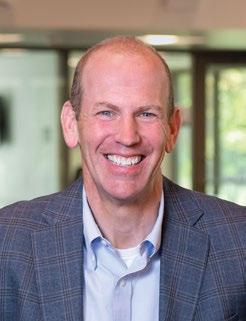
ent Denver, its beautiful campus, its progressive learning environment, and its joie de vivre, would not now exist but for the Three Marys. The Three Marys—Mary Kent Wallace, Mary Louise Rathvon, and Mary Austin Bogue—and their foresighted vision for the non-religious education of girls in particular, are the foundation for the Kent Denver we celebrate on its 100th anniversary.
Getting there was not easy in a time of little or no women’s rights. The 19th Amendment—permitting women the right to vote—had passed a mere two years before the founding of the Kent School. It was still common practice in the United States to dismiss female teachers who married. Not surprisingly, the Three Marys were life-long single schoolmarms.
There were two predecessor schools to which much credit must be given for the progressive bent of the Three Marys—Wolfe Hall and Wolcott School—and ultimately The Kent School for Girls.
Mary Kent Wallace graduated from Wolfe Hall in 1892, and Mary Louise Rathvon spent her earliest school years as a student there. Following the school’s closure in 1898, a former Wolfe Hall teacher, Miss Wolcott, opened her own school with 100 girls and a few boys scattered in the 1st grade and kindergarten.
KHowever, after her husband’s untimely death, the now widowed Mrs. Wolcott-Vaile returned to “her school” a changed and seemingly more prickly woman.
Following perceived mistreatment of faculty by Mrs. Wolcott-Vaile, Rathvon recalled that she “blew up” and tendered her resignation in the spring of 1922. In a show of solidarity, Mary Kent Wallace and Mary Austin Bogue resigned the same day.
The flashy headlines the next day in Denver read:
Given that it was spring break 1922, the Three Marys repaired to the Anne Evans ranch in Evergreen for her wise advice and to consider opening their own school. Anne Evans was also a life-long single woman who brooked no nonsense and had been a European travel companion of Mary Kent Wallace. She would be an early booster of the trio’s efforts.

By April 1922, the nascent school (still not officially named) published a newspaper announcement whereby it offered a “School of Travel and Study Abroad.” Six months of the year were to be spent in Paris and in Florence, Italy.
This radical notion apparently warranted blazing headlines the next day.
For the full version of this article, visit KentDenver.org/ Perspective
New activities were introduced at Wolcott that carried forward to Kent School. For example, physical education was very much emphasized. In 1910, Miss Wolcott pointedly told the Denver Municipal Facts in an interview that Wolcott School is “not a finishing school.” While it had shareholders and a Board of Trustees, it “was not conducted for personal gain or for profit.”

Upon Miss Wolcott’s marriage and departure from The Wolcott School, Mary Kent Wallace was named principal of The Wolcott School. All three Marys were teaching at the Wolcott School by 1917.

On May 12, 1922, the Three Marys were at their attorney’s office ready to incorporate when they whimsically decided to name their new venture
The Kent School, plain and simple, using Mary Kent Wallace’s middle name.
The original Kent School For Girls opened September 18, 1922.

O, silver cloud and skies of blue, Make bright each day with golden ray Our earnest hearts in work and play,
Through days gone by and years to be, Kent School, our motto e’er will be
Designed by art teacher Josephine Hurlburt and rendered in the school colors of royal blue and silver, the Kent School crest incorporated the Colorado blue spruce and deer against a background of blue sky. The crest was the official school symbol and used extensively on everything from letterhead to jewelry—like this pendant, a gift from Mary Bogue to Celby Barkalow Lakas '33.

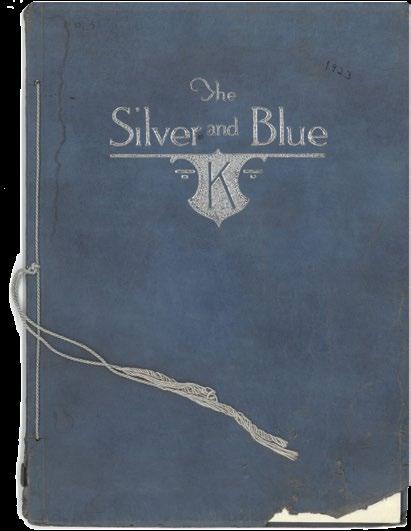
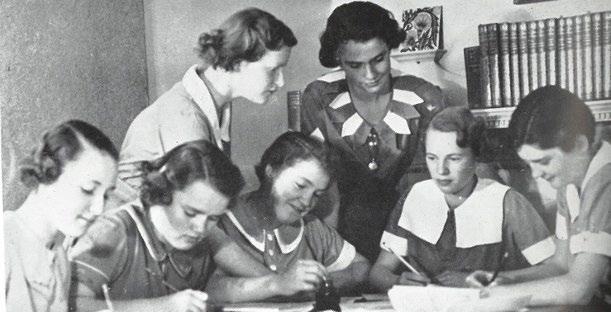
Students compiled a yearbook with highlights from the school’s first year “as a means of recording our first happy year at Kent and so in years to come we may look back and see how we helped to make Kent School.”
FAST FACTS: 1922–1923
U.S. President: Warren G. Harding (R)
Colorado Governor: William Ellery Sweet (D)
Colorado Population: 965,000
Denver Population: 256,491
Most Popular Movie: Robin Hood
Most Popular Song: My Man by Fanny Brice
Cost of a gallon of gas: $0.20
KENT SCHOOL SONG: “AU SOLEIL” Maritana) Written by 1922–1924 English teacher Laura Laurenson Byrne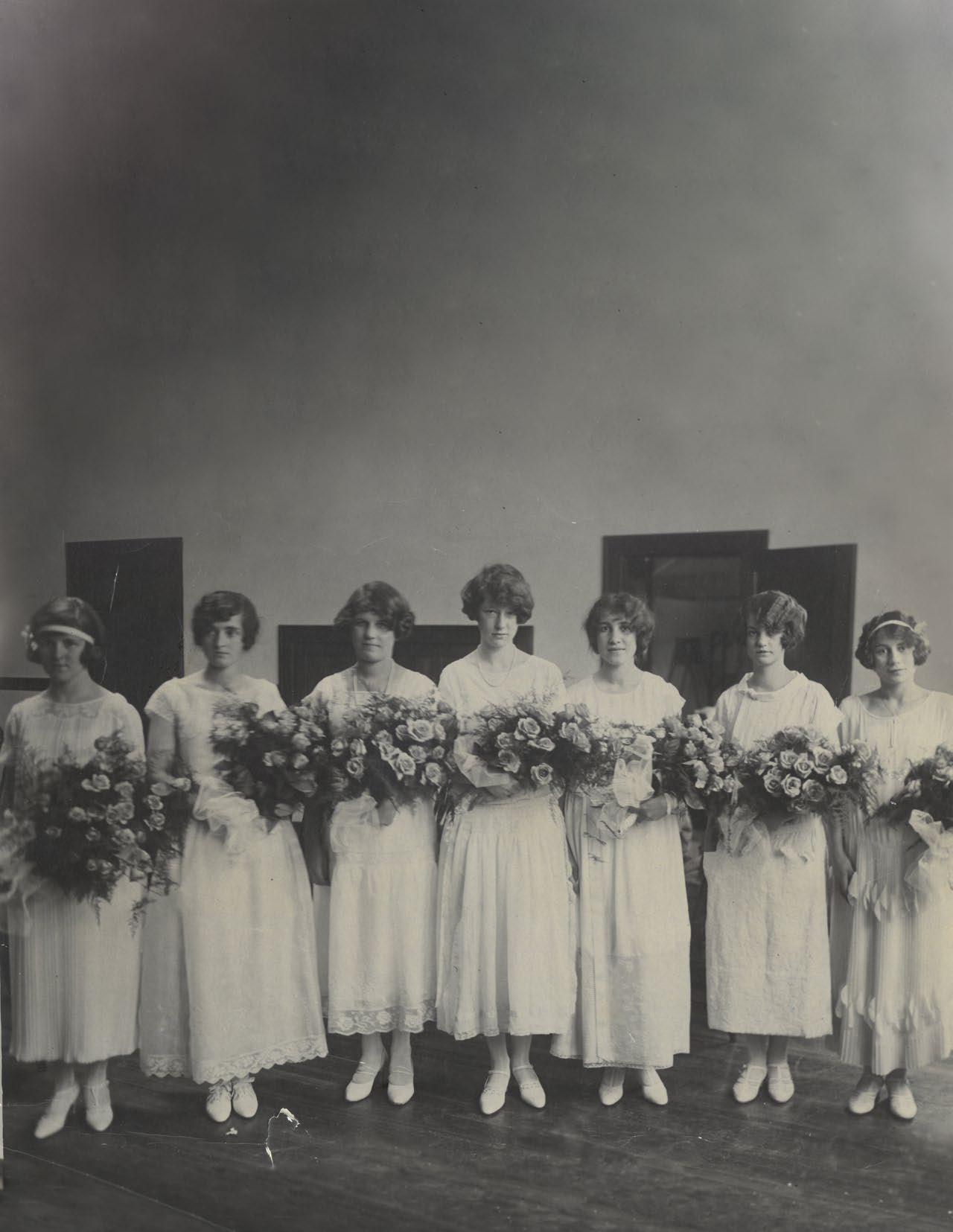
1 9 3 0s
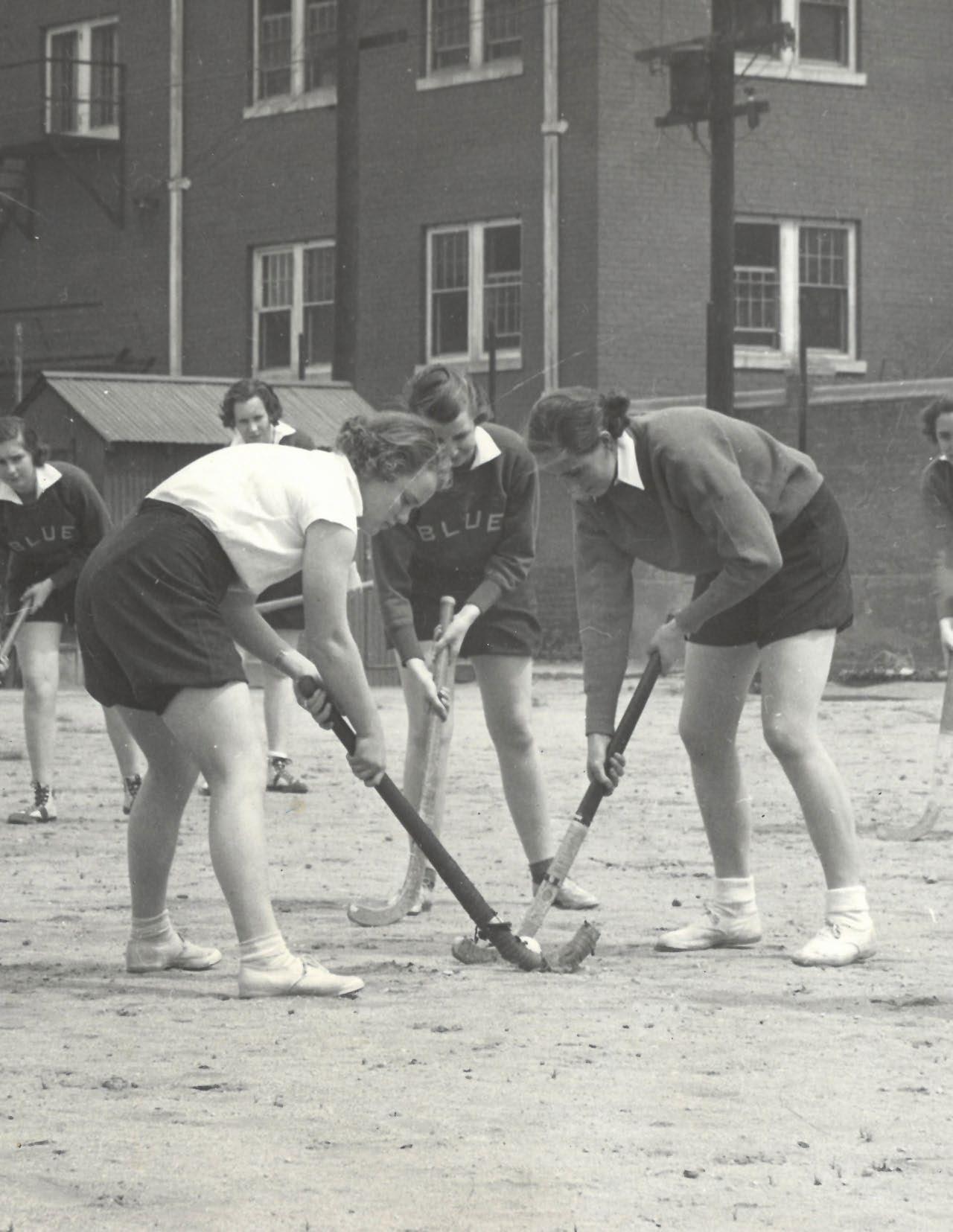
Hail to the teams of Silver and Blue, That fight so bravely all the way through. Their sportsmanship excels all things— Even the joy a victory brings.
In tournaments played, here are the scores: The Blues won the hockey and basketball wars. They were led by Davis, a girl of great skill, But the Silvers are immortally hard to kill.
In posture and tennis the Blues met defeat— The Silvers’ finesse they couldn’t beat. Captain MacLean did epically well In trying to ring the Blue team’s knell. The results of the baseball and track events Will not be known till sometime hence. May the verdict be just and close the fight— May the best team win as is “meet” and right.
- EDITH WHITAKER '36
“Interest in good posture is encouraged through posture drives, bulletin boards and the awarding of posture honors,” the Kent School’s promotional materials promised in 1935. Individual students who excelled during Posture Week could win the coveted Posture Cup—like the one pictured here.
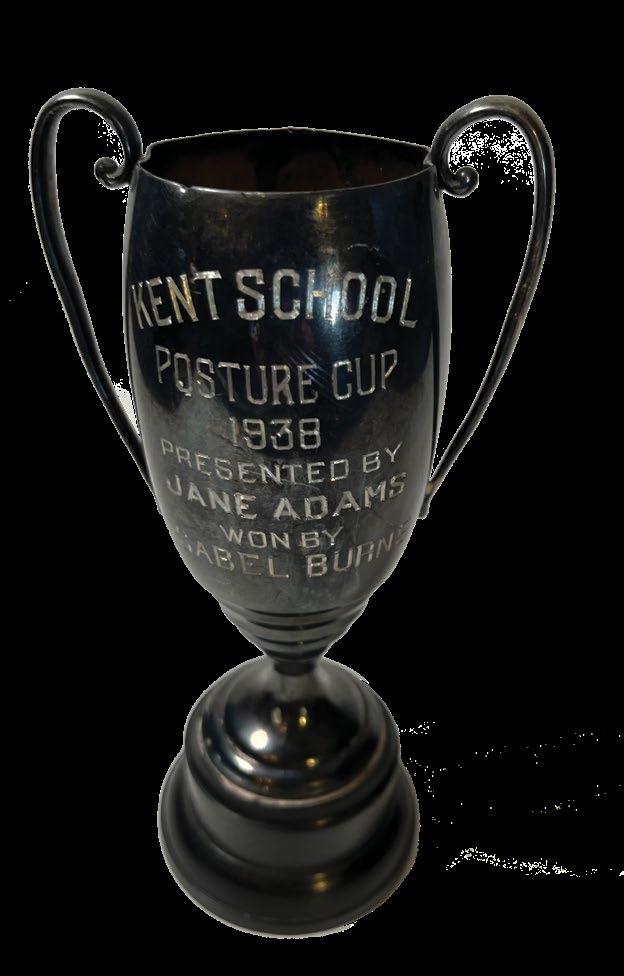
HELEN “PRUE” PRINDLE GRANT '31
“Girls would come to school saying this would be their last day because their parents could no longer pay their tuition. The Three Marys never let them leave for that reason.” - Recollections of Prue Prindle Grant '31
The entire faculty, including all three of the founders, took pay cuts to keep the school solvent during the Great Depression. Students also economized, opting to forego their prom in 1932 and their yearbook in 1934. Athletics provided an outlet for everyone to participate in school life.
FAST FACTS:
1934–1935
U.S. President: Herbert Hoover (R)
Colorado Governor: Edwin C. Johnson (D)
Colorado Population: 1,035,791
Denver Population: 287,861
Most Popular Movie: The Broadway Melody
Most Popular Song: Makin’ Whoopee by Eddie Cantor
Cost of a gallon of gas: $0.21
KENT DENVER UNIFORMS & DRESS CODES THROUGH THE DECADES
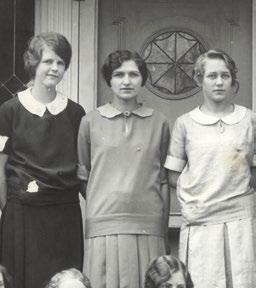
“The uniform, simple and practical, with the variety of colors, retains for each pupil a proper and individual interest in what she wears, while eliminating all rivalry based on costume and changing modes.”
KENT UNIFORMS: 1920s & 1930s
“A uniform dress of simple design is required [and] is in every way adapted to school life; it is economical, tasteful and becoming. It is readily exchanged for middy and bloomers used in formal exercise.”
– 1924 Kent Student Handbook
KENT UNIFORMS: 1940s–Early 1960s
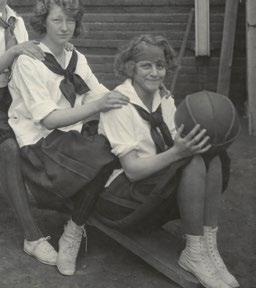
“Each dress comes with a self-matching belt and is the only belt to be worn with the dress. The navy blue blazer, with the Kent emblem, serves as the fall and spring jacket. The special blue Kent gym uniform and tennis shoes are required for all physical education activities.”
- 1960 Kent Student Handbook
DCD UNIFORMS: 1950s–Late 1960s
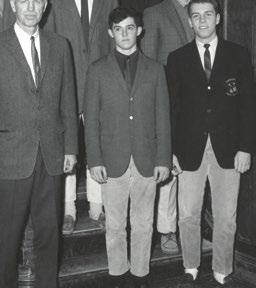
“Sport jackets, blazers, and suit jackets with conventional neckties to be worn Monday–Thursday; no coat and tie requirements on Friday. Teams were called “The Cossacks’ and sported undistinguished, and hot, black uniforms.”
- Recollections of Jim Arneill '69
“We are cursed with the new rule of coats and ties in all classes and at lunch. As anyone can tell, a coat and tie are about the worst possible form of torture.”
- EDITORIAL IN THE OCTOBER 21, 1963 DCD AVALANCHE NEWSPAPER
1980s 2000s
KENT DENVER: 2020s

“Students must wear: a shirt; pants/ jeans or equivalent (for example, a skirt, sweatpants, leggings, a dress or shorts) AND shoes.
Students may wear: religious headwear, hoodie sweatshirts (wearing the hood overhead is not allowed); fitted pants, including leggings, yoga pants and jeans; ripped jeans; tank tops, including spaghetti straps, as long as they reach the top of your pants/skirt/ shorts; athletic attire.”

- 2022-23 Dress Code
KENT UNIFORMS: Mid-1960s–Early 1970s
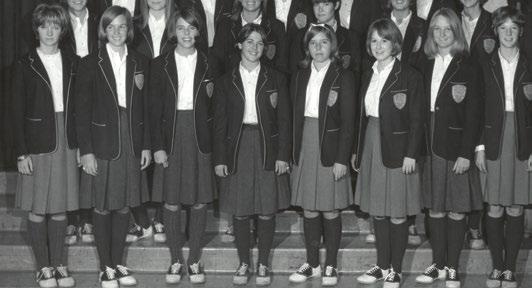
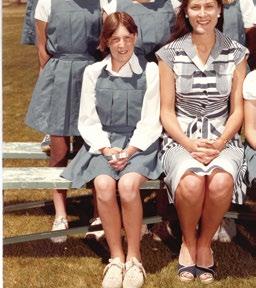
“The School uniform consists of skirt, blouse and sweater with Spalding saddle shoes and blazer. ”
- 1967 Kent Student Handbook
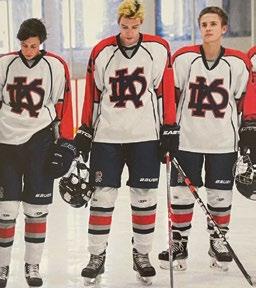
KENT DENVER COUNTRY DAY: 1970s–2000s
“Items not allowed for either boys or girls include any form of athletic or beach wear, t-shirts, and blue jeans or shorts.”
- KDCD Student Handbook (in effect from the 1970s to the 2000s, with minor updates)
“All Kent Denver students work toward excellence and toward greater self-awareness. These goals that students will attain inwardly should also be reflected outwardly. Thus, students must dress in a neat and clean manner indicating their commitment to the goals of the school.”
- 1994–1995 STUDENT HANDBOOK
- 2022–23 KENT DENVER FAMILY HANDBOOK
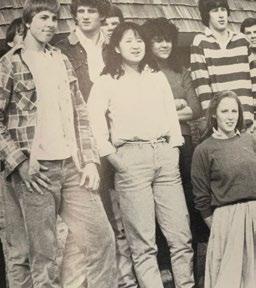
“No student should be affected by dress code enforcement because of racial identity, sex assigned at birth, gender identity or expression, sexual orientation, ethnicity, cultural or religious identity, household income, body size/type or body maturity.”
1 9 4 0s

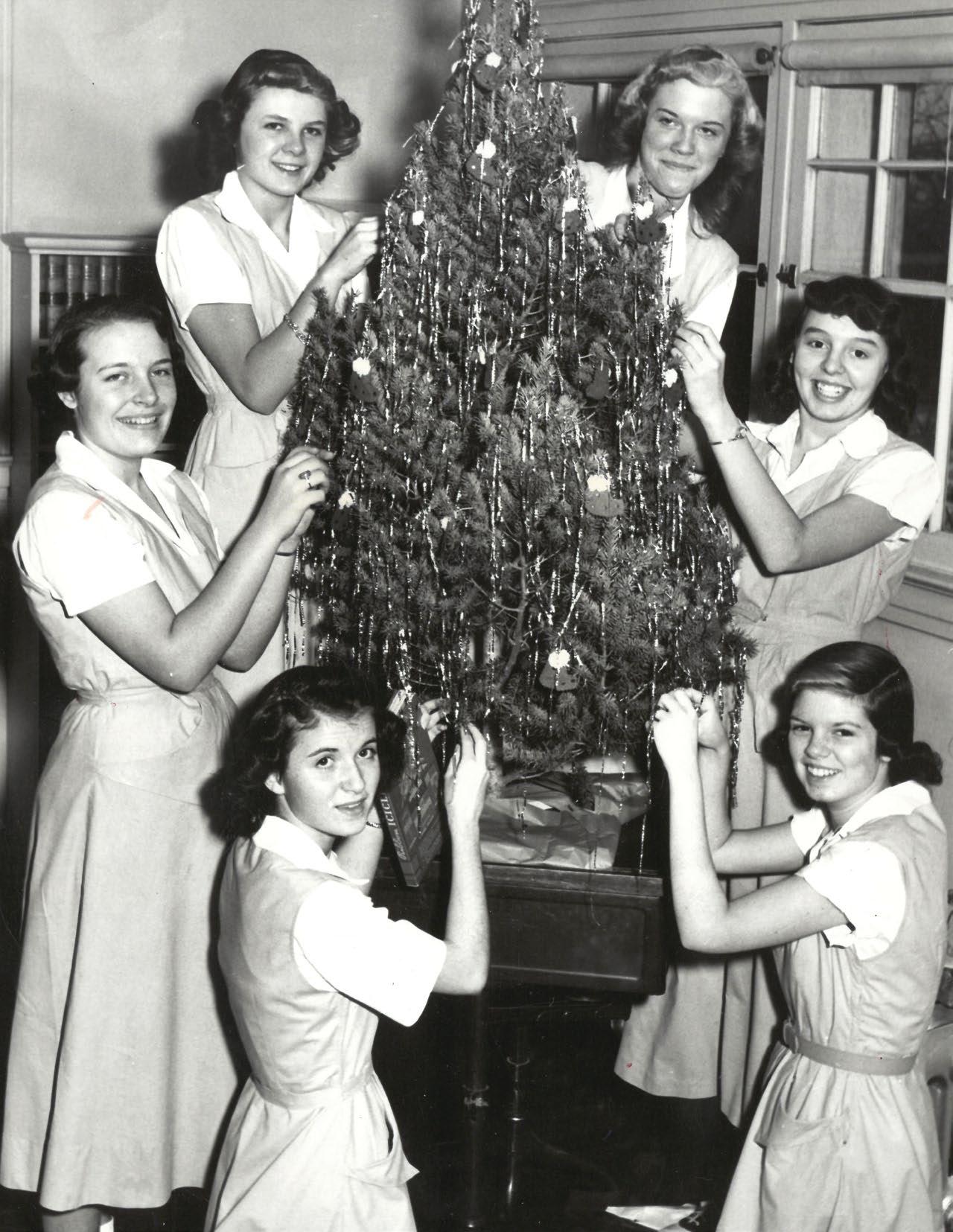
“War Days and War Ways” received a special write-up in the 1943 Kentian yearbook. Article author Niecie Gates '43 noted that students had to rush home to complete homework before the city-wide “War Time” policy required lights off to save on electricity. With shortages in gasoline and rubber for car tires, Niecie added, “Now it is not at all unusual to see a Kent girl gaily ROLLER SKATING down the sidewalk toward the school with books swinging at her side.”
AILEEN PEARSON NELSON History teacher (1944–1976)
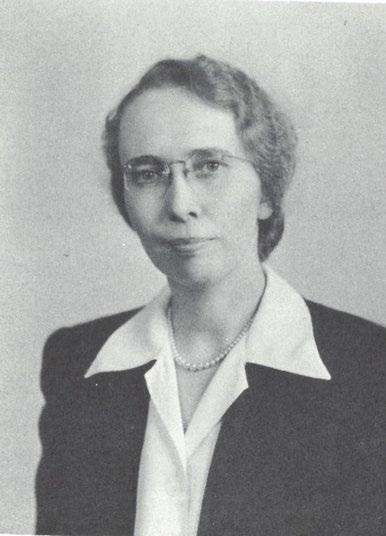
Hired in January 1944 to take the place of a teacher who had resigned to join the War Effort, Mrs. Nelson was beloved for her expert guidance in and out of the classroom.
“We have come to associate Mrs. Nelson less with ancient history alone, and more with everything pertaining to the school. Hers is the marvelous faculty for disentangling confused states of mind and for answering any and all of the innumerable questions put to her in the course of a day.”
– Dedication from the senior class, 1947 Kentian yearbook
FAST FACTS: 1943–1944
U.S. President: Franklin D. Roosevelt (D)
Colorado Governor: John Charles Vivian (R)
Colorado Population: 1,137,000
Denver Population: 322,412
Most Popular Movie: Going My Way
Most Popular Song: Swinging on a Star by Bing Crosby
Cost of a gallon of gas: $0.21
“Our service flag has twelve stars for Kent girls and faculty serving in the WASPS, WAVES, Marines, Red Cross and WACS.”
- 1945 KENTIAN YEARBOOK
1 9 5 0
DCD LETTERMAN’S “D”
Athletics at Denver Country Day were mandatory with DCD athletes competing in six-man football, track, basketball and skiing in the school’s early years. Varsity athletes could letter, earning this felt D . Emblematic of the DCD spirit, aspiring DCD runners were tasked with putting a fence around the track—from calculating the amount of wood needed as a math assignment to actually installing the boards.
WALTER S. ROSENBERRY III English teacher, 1957–1981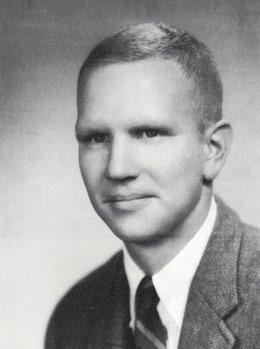
Hired at DCD in 1957, Mr. Rosenberry’s booming voice, extensive vocabulary and high standards left a lasting impression on his students.
“Ever since his arrival at Country Day, he has been an inspiration to both his students and associates. Thus, we feel this dedication is only a small portion of the tribute he deserves.”
– 1959–1960 DCD yearbook
FAST FACTS:
1953–1954

U.S. President: Dwight D. Eisenhower (R)
Colorado Governor: Daniel I.J. Thornton (R)
Colorado Population: 1,431,000
Denver Population: 582,000
Most Popular Movie: Peter Pan
Most Popular Song: The Song From Moulin Rouge by Percy Faith
Cost of a gallon of gas: $0.29
“Denver Country Day School in the mid-1950s was in many respects the ideal place for adolescent boys— interesting, watched over by strong and dedicated educators. Just books, homework and a clear sense of what was right and what was wrong.”
- NEWELL M. GRANT '60
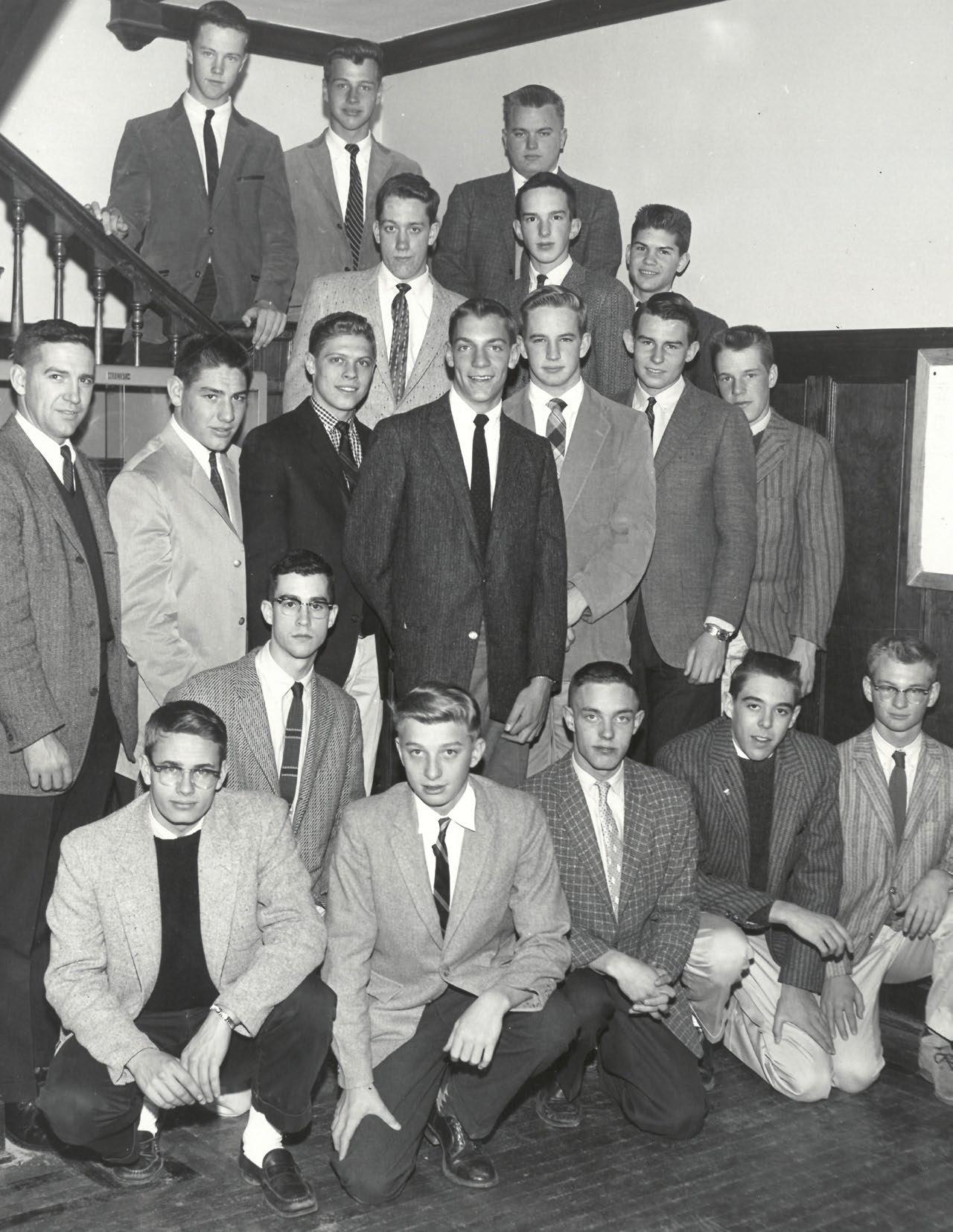
wo young teachers with absolutely no experience in school administration. The two were ambitious, talented, driven, and completely naive. Nonetheless, they decided to found a boys school in Denver, completely ignoring the fact that a) they had no idea what running a school entailed, and b) they had no idea if any Denver families wanted such a school.
They forged ahead, hired two additional teachers and opened a school in the fall of 1953 with seven students. Word got out that maybe, just maybe, there now was a local opportunity for an independent education for boys. Enthusiasm (or was it pride?) kept the young school founders focused.

The two young men? Andrews D. Black and Thomas L. Chaffee. Men of character, men of discipline, men of education, and, most important, men of humor. Without humor, many of their decisions in the early years might have proved to be disastrous. But, local families quickly learned that the young school, called Denver Country Day, was the real thing, offering not only traditional college preparatory classes, but also an array of athletics, arts, and other activities that somehow, as though by providence, emerged, shaping the school as a fine, though tiny, interdisciplinary educational institution.
The Taft School, where Andy Black attended and Tom Chaffee taught, had a considerable influence on the founding of Denver Country Day. Not only did its Headmaster, Mr. Cruikshank, inspire Black and Chaffee to found their school, but Black and Chaffee clearly valued the type of education Taft offered, ultimately hiring a number of Taft-honed teachers, including John Hanford, Walter Rosenberry, and Ed Connors.
Chaffee’s tenure at DCD ended in 1958, when he headed back east to become the Head of the English Department at The Berkshire School in Sheffield, Massachusetts. He retired from Berkshire in 1983 as
Ta clearly beloved teacher. There is an English Prize named for him, and students routinely cited their appreciation for his tough, fair, but engaging teaching style—a style not unlike the many teachers that molded DCD into the fine school it became.
Black remained at DCD, serving as headmaster, teacher, and coach for twenty years until he retired in 1973. He grew the school from the original seven students to around 120—and though small, it became one of the most prestigious independent boys day schools in America. Black oversaw the move to a new campus at Kent Denver’s current location on the former Blackmer farm. He welcomed the Kent School for Girls in 1968, and through Associated Schools, Inc., facilities for science, music, and art were constructed serving both Kent and DCD. This, of course, led to the merger of DCD and Kent into Kent Denver Country Day School, fully endorsed by Black, in 1974.

Black became the seasoned and skilled administrator he claimed he never would become, and he cared deeply about the school and its students. He was a scholar, an educator, and, as important, a humorist and a mentor. Black had an uncanny way of co-opting the DCD students who dared “challenge” the norms of the 1950s and 1960s, diffusing potential crises into learning opportunities or humorous episodes for students, faculty, and board members alike. His daughters remember the glee that their father felt at some of the more creative “prank night” escapades, starting with sneaking a pony into the third-floor study hall of the old school building, and the night the students stole the distributor caps out of the faculty cars around town in the middle of the night so that the faculty could not get to work the next day.
It is very interesting—almost improbable—that two young guys who knew nothing about running a school, started DCD. Denver Country Day School was unique. Always small, always focused on character, it molded a generation of boys into men. It never relied on fitting in with the trends or expectations of the times. It always bore the character of two young, adventurous, and naive men who had a vision—a vision that still shines brightly at the Kent Denver School of 2022.
1 9 5 0s
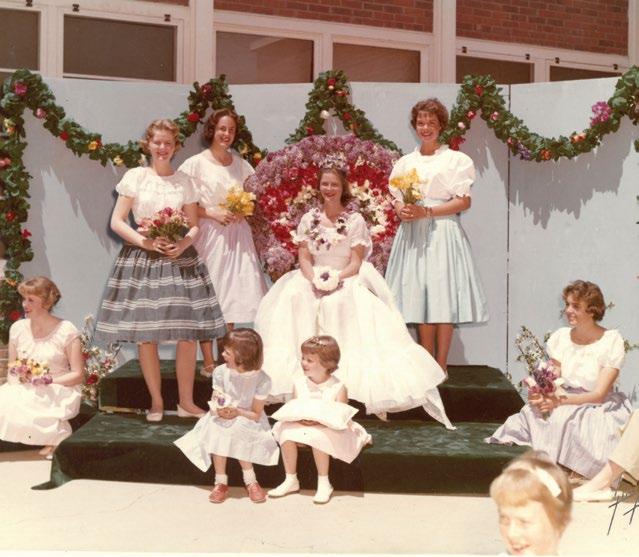
Although the Kent School moved to a new campus in 1951, traditions from the original campus continued. A beloved one was MAY DAY , an annual garden party that included student performances, songs and the crowning of the May Queen. Alida “Robin” Sage '59 (pictured center) received this honor her senior year.
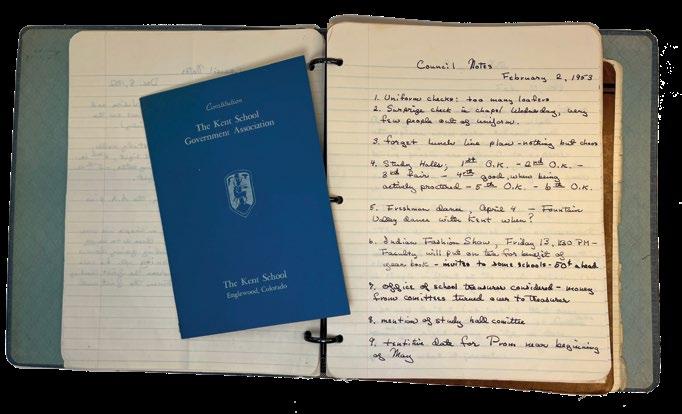
“We, the citizens of the Kent School, in the knowledge that the most successful governments are those in which every individual has a part, in the belief that the members of this organization will assume the attitude of initiative, responsibility and cooperation necessary to its success, and in the hope that within this organization every individual, being of value to the group, can expand her powers to the fullest, do establish this constitution.”
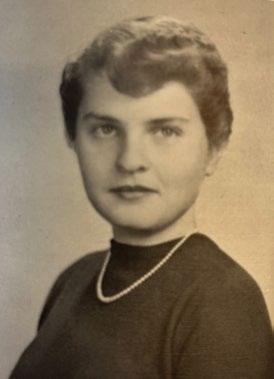
Future U.S. Secretary of State
“International relations brings forth a flood of comment from Madeleine. You will often find her taking a definite stand on matters, staunchly saying, ‘You guys, this just proves it!’ Her constant interest in anything she is doing, and the drive with which she does it, keep all interested in the activities of our companion.”
– 1955 Kentian yearbook
DCD and Kent jointly purchased the Quincy Avenue property in 1963, but the two schools planned to maintain distinct identities, with “Associated Schools, Inc.” serving as the official coordinating office for shared spaces and resources.
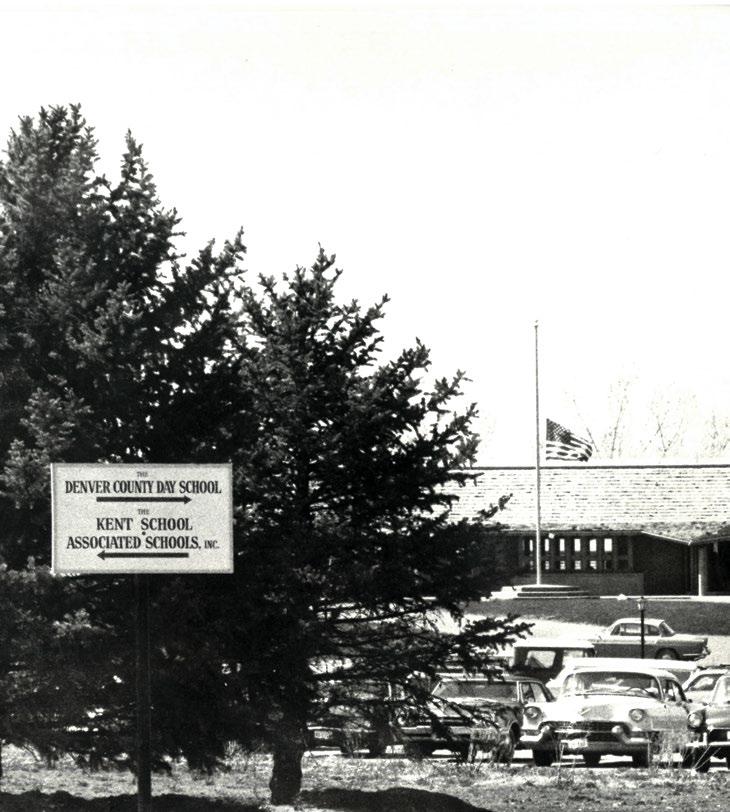
“Coordination has the potentiality of conferring on the Kent and Denver Country Day students the boons of both separate and cooperative education… Each school can contribute to the joint programs in a way which will make the total education of both Kent and DCD students far greater than the sum of the separate parts.”
- MICHAEL CHURCHMAN, KENT’S OCTOBER 29, 1969 ISSUE OF KENT’S THE SHIELD NEWSPAPER
“Change is in the air. A new location for the school, space to increase the enrollment, a sharing of facilities with Kent, new and vastly better buildings and equipment for ourselves—all of these suggest a new look for Country Day.”
- ANDY BLACK, OCTOBER 21, 1963 ISSUE OF THE DCD AVALANCHE NEWSPAPER
1968
“The cast is almost equally divided between boys and girls, thus allowing for better coordination… The Kent-DCD players with Mr. Leibinger’s aid and encouragement produced a meaningful interpretation of Miller’s play, The Crucible.” - Kent’s May 1969 The Shield newspaper

FAST FACTS:
1968–1969
U.S. President: Richard Nixon (R)
Colorado Governor: John Love (R)
Colorado Population: 2,166,000
Denver Population: 1,027,000
Most Popular Movies: Butch Cassidy and the Sundance Kid, Easy Rider
Most Popular Song: Sugar, Sugar by the Archies
Cost of a gallon of gas: $0.34
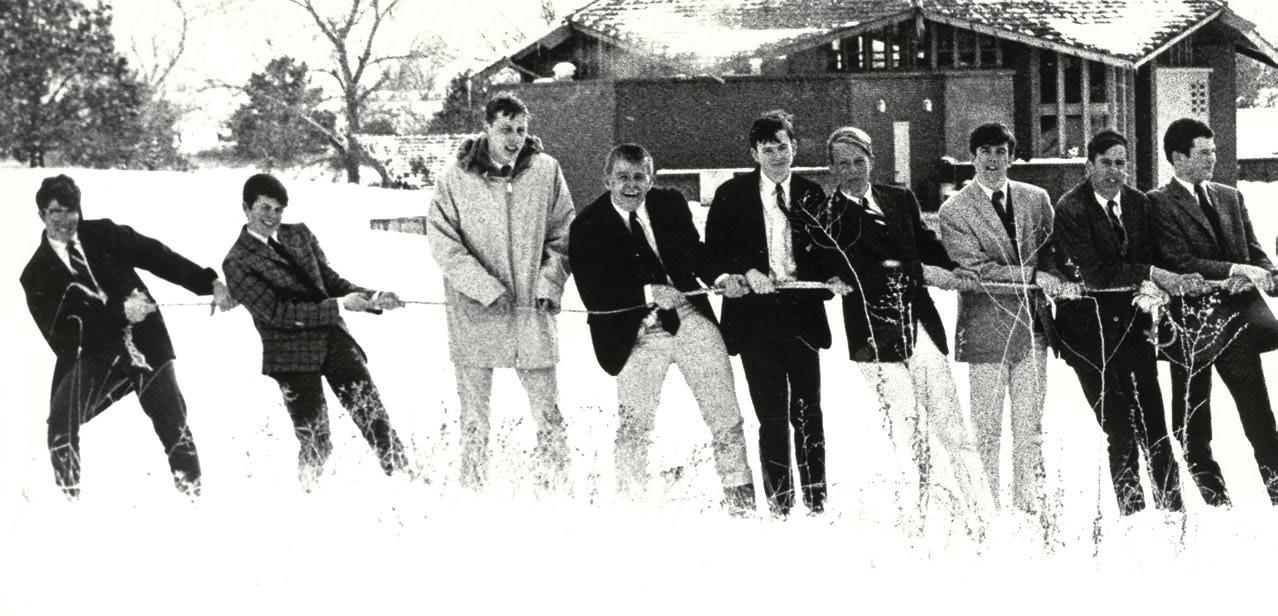
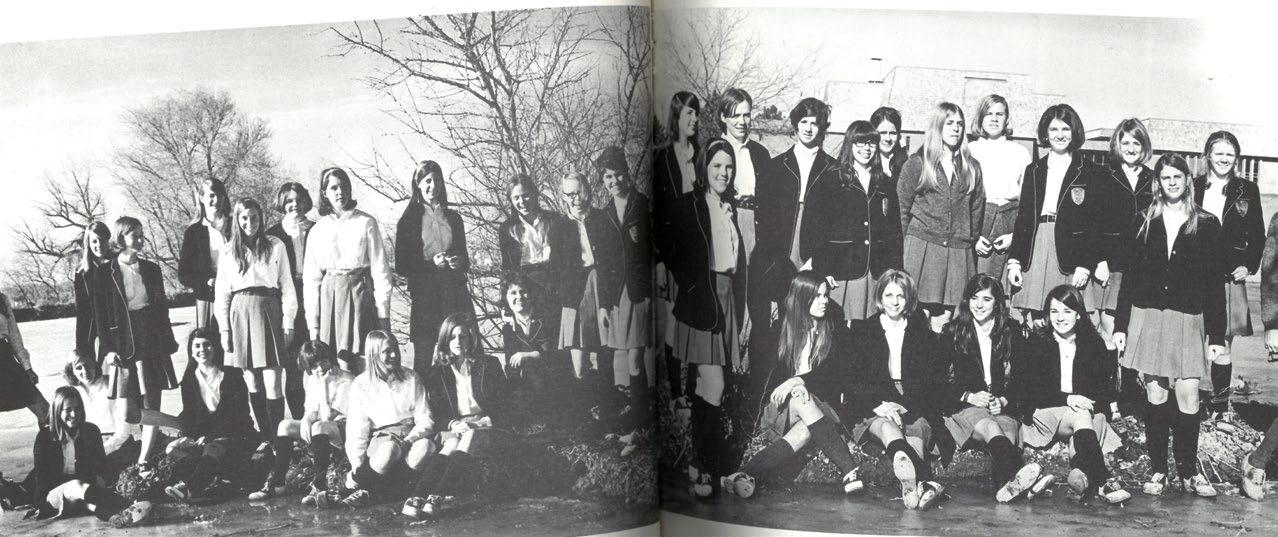
For the full version of this article, visit KentDenver.org/ Perspective
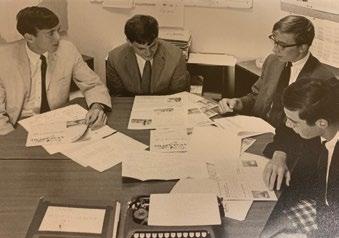
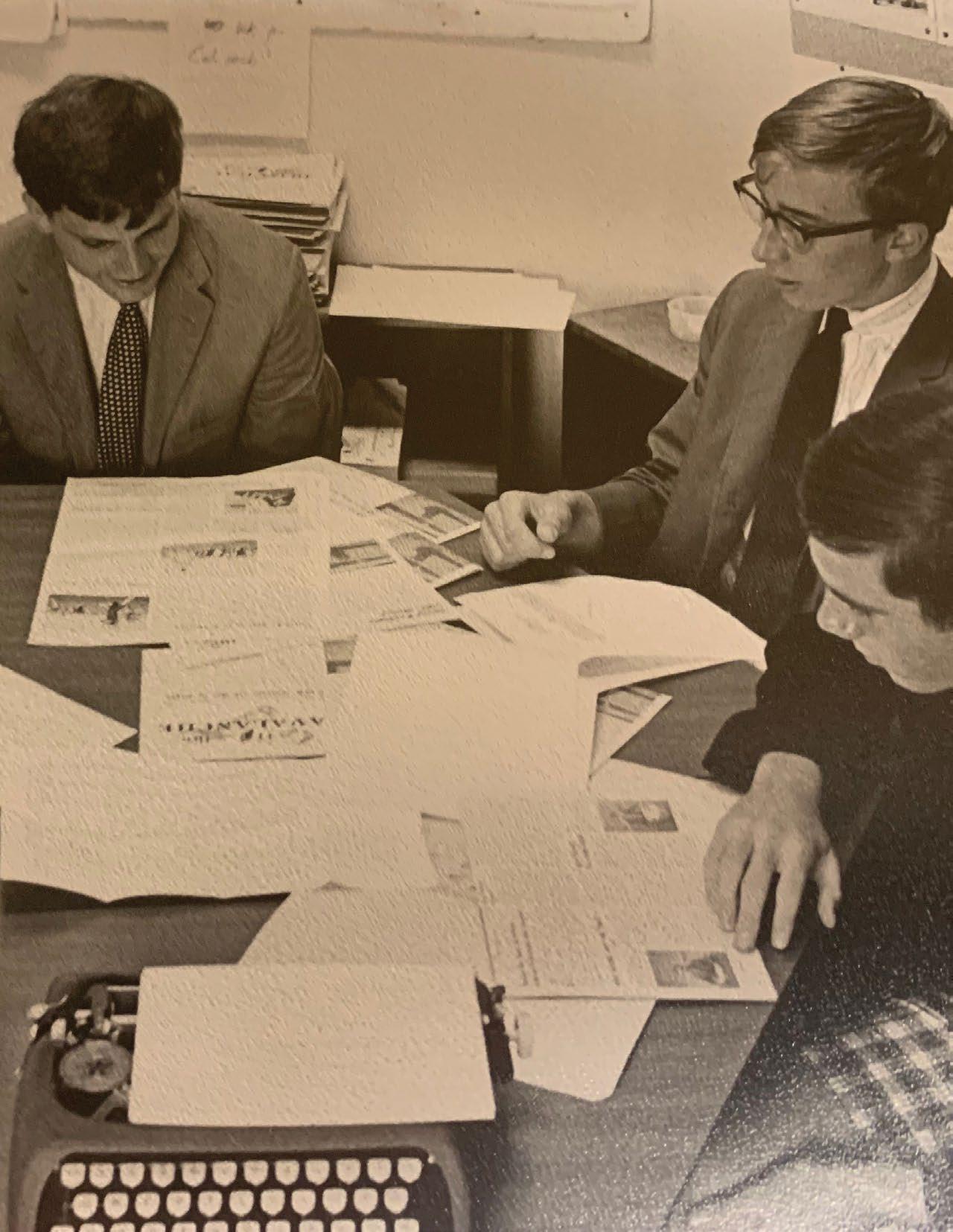
Just days into the fall 1968 semester, stacks of a five page, letter size, stapled, crudely typed and mimeographed document titled The Wasp’s Nest were left at both DCD and Kent.


“Today’s society is a great PHOENIX which is consuming itself, smouldering, burning, falling to ashes. Already, however, a new structure of values, a new morality, and a new ethic, is evolving. It is the purpose of the WASP’S NEST to expose the narrow exclusive society which is the environment of the DCD student to some of the trends of this development.”
There were two poems, one entitled “Prague West,” about the police beatings at the 1968 Chicago convention. There was an invitation to “ADB” to write an article. There was a contact address listed as S.W.I.N.E (Students Wildly Indignant About Nearly Everything), General Delivery, Littleton Post Office. The paper was confiscated.
“Last summer at the conclave of headmasters, I learned that unless a school had an underground newspaper it was simply not “in”. Well, we’re in. See the enclosed, which appeared here today and was also distributed at Kent. (There is some evidence that Kent girls were involved in the production of the sheet, but I prefer to operate on the assumption that it is a DCD show.) I believe it would be a mistake to create a loud administrative flap over this matter.” - Andy Black, DCD Head of School (1953–1972)
Soon, however, a second edition of The Wasp’s Nest came out under the headline “Entire First Issue Confiscated.” It included “An Open Letter to the Trustees” laying out student requests: “All DCD students know what the trustees are. They are misty
FRED NORGAARD '71demi-gods, who, from their seats in faraway Valhalla, dictate, in some vague way, the workings of the school. The average trustee has about as obscure an impression of the average seventh grader as the average student has of the trustee. Why not not do something about this obscurity? The editors of The Wasp’s Nest would be very happy to meet with any trustee who would like to meet with us. And we have it on good authority that the Student Council would likewise be so willing.” The paper was confiscated again.
The third edition of The Wasp’s Nest started with the headline “The Underground Surfaces.” After the paper’s second confiscation, it reported, a “treaty” was struck with Mr. Black. “In return for disclosing our names, we have at our disposal all the printing facilities provided by DCD and Associated Schools, our paper was returned and we were granted privileges. We won.”
This edition of the paper was the first to have a masthead. There were four DCD editors, three seniors, one junior, and seven staff members, including two Kent girls.
The DCD Board of Trustees also decided to accept the invitation by The Wasp’s Nest editors to meet with students, who presented suggestions for the improvement of the School.
“The Student Council requested that the Trustees give highest priority to improving the faculty salary scale, saying that to do so would be an investment in the School’s long range excellence… The scholarship program, particularly aid for economically and culturally deprived inner-city boys, should be increased…” - DCD Board of Trustees meeting minutes, December 8, 1968
Just five months later, minutes from the May 1969 Board meeting noted: “At the request of President Duke [DCD Board of Trustees President H. Benjamin Duke, Jr.], the Headmaster reported to the Student Council the substance of steps taken to fulfill their requests of December 1968 for the betterment of the school … a six percent increase in faculty salaries for the coming year; the active recruitment of minority and disadvantaged students to expand the scholarship program; an improvement in the food served at the School; and a full scale review of the School’s athletic policy would be undertaken in the summer.”
The final edition of The Wasp’s Nest was devoted mostly to racial issues and antiwar sentiments. There was a long piece on the black power movement. There was also a political cartoon and a call for the formation of a literary magazine, since Colorado Academy had one and DCD did not.
The Wasp’s Nest didn’t last past 1969, but the waves it made kept rippling out during the rest of the school year and beyond.
Charlie Emmons '74 (above) (now deceased) and Capt. William Eric Mosley '77 (right) were two of the early integrators at DCD/KDCD following student activism for greater diversity. In a 2006 article in Denver’s CORE magazine, Emmons interviewed Mosley about the difficulties and challenges they faced as some of the school’s first Black students, as well as the growth they experienced:


“Despite the difficulties and challenges, I was able to find my stride and confidence and grew into who I am as a person,” said Kent Denver Distinguished Alumni Award recipient Mosley. “I became confident and comfortable in my own skin.”
In a 2022 interview for the school’s Centennial yearbook, Mosley added that DCD/KDCD faculty member Walter S. Rosenberry III offered invaluable encouragement “to defy the odds and to live up to the high standards embodied by my parents.”
Mosley’s mother, Edna, was a civil rights leader, business woman and the first Black city councilwoman in Aurora, CO. His father, Lieutenant Colonel John Mosley, was a community leader, inductee to Colorado’s Sports Hall Of Fame, combat pilot and member of the Tuskegee Airmen.
Given his family legacy and his time at the school, it’s not surprising Mosley’s senior yearbook quote was “Self-Confidence: The first secret of success. -
Ralph Waldo Emerson”The Kent School admitted its first Black student—second grader Melanee Porter—for the 1964–1965 school year. Melanee served on the Lower School Council that year, but did not return to the school for third grade. Kent’s archival records do not provide any details about her experiences as the first and only Black student to attend Kent in the mid-1960s.

1 9 7 0s
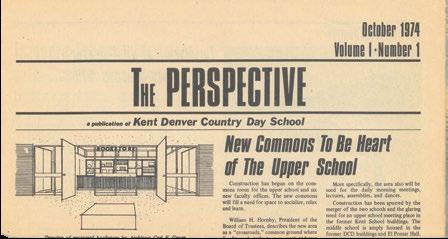
The first issue of the Perspective magazine was published in the fall of 1974. The new magazine was intended—as it is today—to keep families and alumni abreast of what was going on at the newly merged Kent Denver Country Day School (KDCD). Cover headlines from the first issue focused on the new Middle School, construction of the Student Commons and the importance of the annual fund.
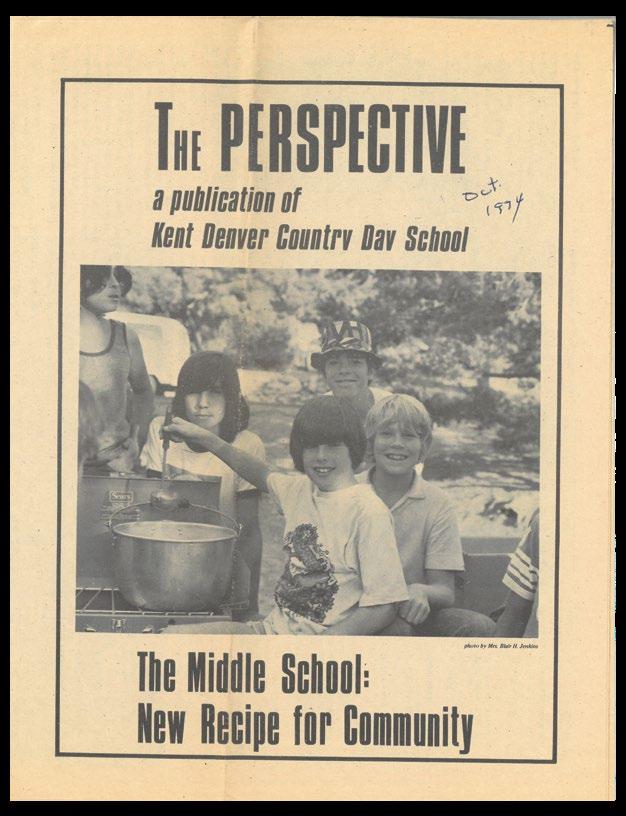
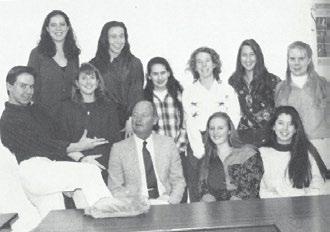
“Logo design was led by Steve Erickson, luckily, then our art teacher. The circle represented a girl’s profile and a boy’s. Somehow that became known as the Sun Devil.” - Recollections of Hilary Carlson, Upper School faculty (1969–1997)

U.S. President: Gerald R. Ford (R)
Colorado Governor: John Vanderhoof (R) / Richard Lamm (D)
Colorado Population: 2,586,192
Denver Population: 1,198,000
Most Popular Movie: Jaws
Most Popular Song: Love Will Keep Us Together by Captain & Tennille
Cost of a gallon of gas: $0.57
“A community is more than the sum of its members; it is their spirit. Yet the community is for the sake of the individuals who make it up. We seek through our program and our student teacher relationship a strong community because a sense of contributing and sharing will foster rigorous individuals.”
- KDCD MIDDLE SCHOOL STATEMENT OF PURPOSE, OCTOBER 1974 PERSPECTIVE

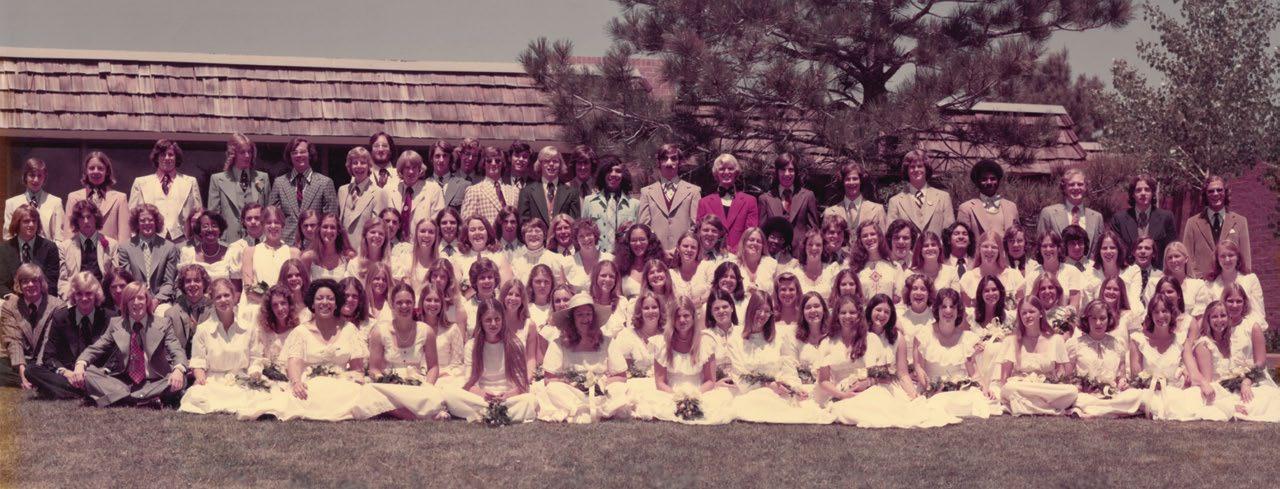
In the late 1960s, early '70s, many schools and colleges were becoming co-ed. Kent and Denver Country Day were part of that trend. Yale and Princeton admitted relatively small numbers of first-year women in 1969. In 1971, Pembroke ceased to exist as a college; all students admitted were going to Brown University. Similarly, in 1973 Abbot Academy became part of a merged school in Andover called Phillips Academy, which had been the ancient name of the boys’ school. The issue of what to call merged institutions was always fraught; often the name of the girls’ school was sacrificed. But not at Kent Denver Country Day School; we kept that mouthful.

Fussing over what to call a school would have been funny if it had not been so serious. The first stationery for the new school in 1974 read “Kent Denver Country Day School,” with a red dot between the names in the middle of the line. Nice, except no typewriter (yes, we used typewriters then) could make a dot of any color in the middle of the line. So we were “Kent Denver Country Day School” (all in black). But as Mike Churchman pointed out—when he no longer needed to be circumspect and lived far away in Virginia—it wasn’t even an honest name: there was still boarding for girls, and we were not located in Denver.
Then we needed school colors and a logo, which, amazingly enough, have lasted. DCD’s color was deep red; Kent’s was a lovely, but hard to reproduce, soft blue green. We settled on a simple, patriotic red and blue.
How is the school known today? Its official name, since 1987, is Kent Denver School. In the years following the merger, Kent faculty members were rebuked for saying “Kent” without “Denver Country Day.” And similarly chided were those who referred to “DCD.” This fuss seemed really important at that time when the school was creating a new identity.
Truth is the schools had been merging before they merged. There were shared facilities, coordinated classes, a single business office, and, already, an identical daily schedule. Students were way ahead of faculty in embracing the new configuration.
Worries about “girls being overshadowed by boys” or the “pioneering spirit of DCD being quashed” were concerns

of adults, not students. As the two faculties began to trust and appreciate each other, the school became a stronger one—athletically, artistically, financially and even academically.
What about graduation? Graduation Day would be both symbol and challenge. Luckily both schools took advantage of the beautiful May/June mornings in Colorado and had Commencement outside. So, we knew where to have the ceremony. Each school had a few “graduation prizes,” including one named for Miss Bogue and another awarded to the “ideal DCD boy.” We kept them as they were; slowly others were added, and in 1997 the faculty modified them so there was gender equity and less gender stereotyping. Beautifully wrapped books and newly engraved bowls and trophies were awarded as part of the ceremony. Eventually the awarding of prizes moved to the afternoon before graduation in the new air-conditioned Anschutz Family Theater. A relief for all.
Those of us who planned for the new Kent Denver were more worried about offending folks committed to Kent or DCD than we were able to think of “traditions.” Kent had rich traditions, but in the middle '70s they seemed too “girly” for women who wanted to be taken seriously. Too bad at least some of them did not survive. And some of the DCD rituals ignored state laws; that couldn’t continue. Students wrote a constitution in which much governance was shared by students and teachers. ('70s idealism.) Pranks and senior skip days were embraced. There were also experiments with “experiential learning” and a January term. We kept looking for better ways to educate teenagers.
The most impressive initiative was the Middle School. The Kent School buildings could accommodate the college prep high school program, so the less traditional spaces of Denver Country Day were available for a new kind of 7th and 8th grade curriculum. In the '60s and '70s, much was being written about the mismatch between classrooms and the developmental needs of young adolescents. Bert Moore, Head of the newly merged school, was eager for Kent Denver to be part of this educational reform. He trusted the energetic and idealistic young faculty,
under the leadership of Blair Handley Jenkins, age 28, to create a model middle school. And so, they did. Today’s commitment to emotional growth in addition to academic rigor can be traced back to that middle school.
“When we first saw her she was nervous and blushed a great deal, a trait which we delighted in exploiting. Five years and several major changes later find her managing great masses of people and not blushing at all. Throughout these five years she has always been ready to care and unafraid to show it.”

The creation of these new coeducational institutions was messy and often divisive. Ours was tidier than most. Perhaps it is symbolic that this Centennial celebrates a remarkable little school founded by three women and its embrace of a small boys’ school similarly committed to independent education. We became one school because we could imagine a future better than the past. The optimism of Kent and of Denver Country Day lives on at Kent Denver.
t the time Kent and DCD merged, boys and girls had already had a few years to grow accustomed to attending classes together, but finding an indoor space large enough for the full student body to meet all together had become a priority. A clever but slightly controversial solution: enclosing the former Kent School central courtyard. This ended up creating a great common meeting space (today’s Bogue Commons) where the entire student body could gather. I recall one student project for the Common Room was the construction of a six-sided 8 foot tall information kiosk where we could post flyers and posters announcing school activities. However, its diameter had been designed slightly too wide, so when the team tried to tilt the finished kiosk up into place it was so tall it jammed up against the ceiling. A great lesson in team design and practical geometry.
When we were seniors I still remember how individual faculty, and even the Head of School, were surprisingly trusting and would go out of their way to create unique experiences for students that went way beyond the regular day-to-day curriculum. Even after 50 years, I don’t think those principles have changed—and these stories can finally be told.
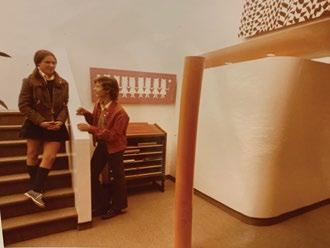
Science teacher Mr. Roberts lent a couple of students his scuba tanks so we could experience diving in the upper lake after school. I still remember settling my back on the lake bottom while looking up at the sun-splashed surface and marveling at being able to breathe freely under water for the first time ever.
Always witty, entertaining and thoughtful, Hilary Carlson and Dick Drew embodied the co-ed spirit of the newly merged schools as they team-taught a new history/English course that included the French Revolution and highlighted A Tale of Two Cities. Yeah. It was the best of times.
Creative writing instructor Tom Graesser, who in his efforts to inspire creativity, famously made us carry a single lemon around for a week— wherever we went, 24 hours a day. The only caveat was that if asked why, we couldn’t tell anyone the truth. Unfortunately my lemon, whom I will call Alexander Jr., became painfully dry and tough due to all the handling and sadly died an ignoble death while performing his famous sword swallowing act. But not to worry. We made lemonade.
KENT’S ORIGINAL CAMPUS: 1922–1951
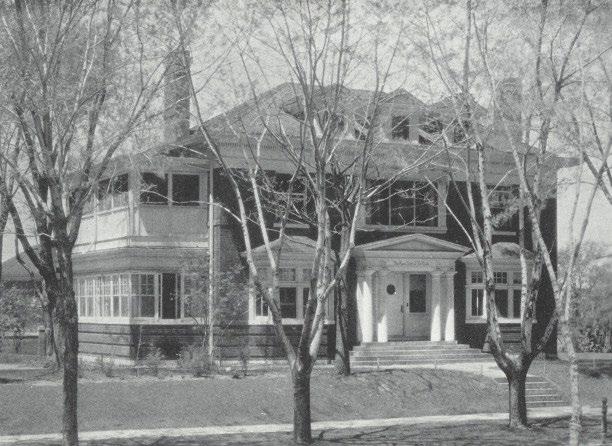
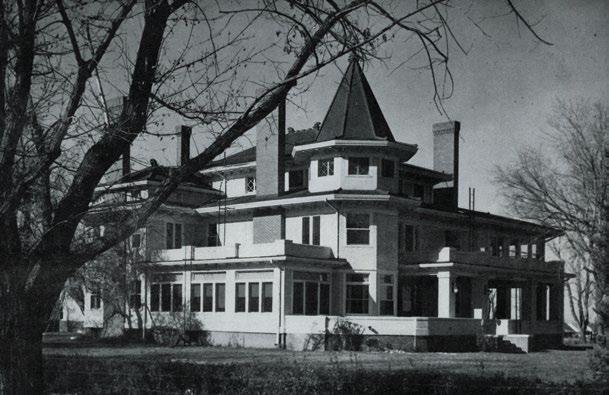
933 SHERMAN STREET
“I always remember Kent in terms of color, of sunlight in airy rooms. Each room has an individuality of its own; its pictures, bowls, even the bright desk blotters contribute to the whole.”
- Letter from 1920s graduate
KENT’S SECOND CAMPUS: 1951–1968
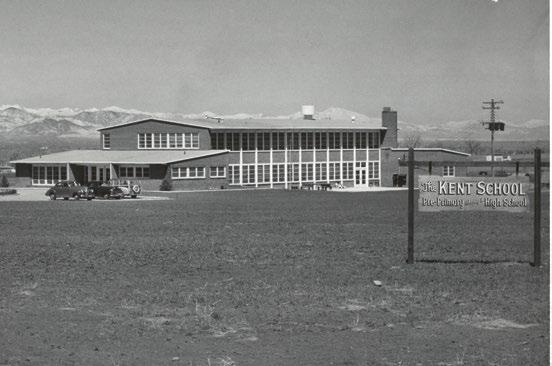
3401 S. UNIVERSITY BOULEVARD
“The building is of modern functional design, entirely fireproof. Laboratories, kitchens, dining-room and classrooms are newly equipped with excellent lighting, heating, ventilation, display areas, and color decoration. It’s forty acres allow for fine playing fields from which there is an unrestricted view of the snowy range of the Rocky Mountains.”
- 1952–1953 Student Handbook
DENVER COUNTRY DAY’S ORIGINAL CAMPUS: 1953–1965
3095 S. UNIVERSITY BOULEVARD
“It was the remnant of a gentleman farmer’s estate with a house, seven acres out back, a huge two-story garage, the chicken house, and somewhat less useful, a gigantic ceramic tile silo.”
- Andy Black’s memoir, 1978
“It’s what happens inside our buildings—the transformative relationships between students, and between students and teachers—that is the true magic that brings out the best in our collective abilities.”
- RAND HARRINGTON, HEAD OF SCHOOL 2014-2022
4000 E. QUINCY AVENUE
“A completely new 45-acre campus was designed to provide optimum facilities for instruction and orderly growth of the school.”
- DCD 1969 Admissions brochure
“I hope that our efforts—those of the present student body, and of the future student bodies—will show that we wholeheartedly accept the challenge which the new campus and its facilities will offer us.”
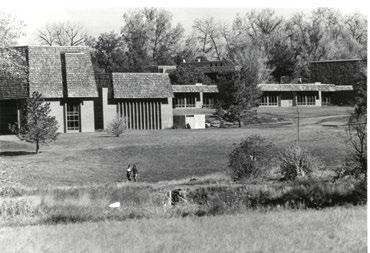
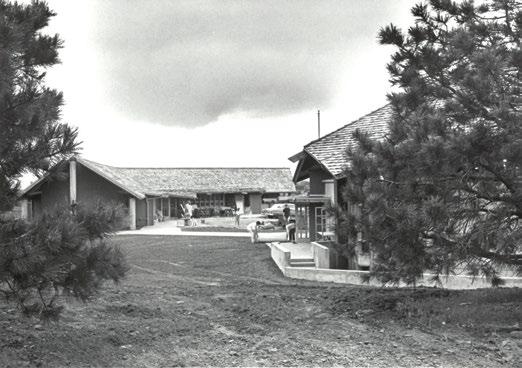
4000 E. QUINCY AVENUE
“The beauty and serenity of the Kent Denver campus have a powerful influence over students and faculty, who enjoy and respect what the School has to offer and the way the setting can enhance learning.”
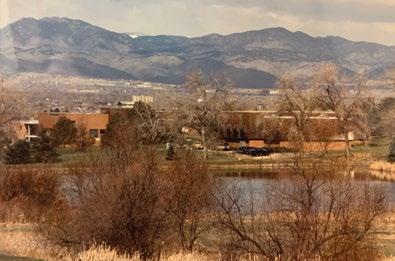
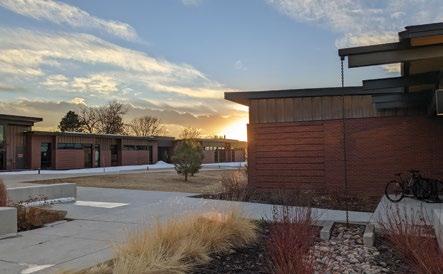
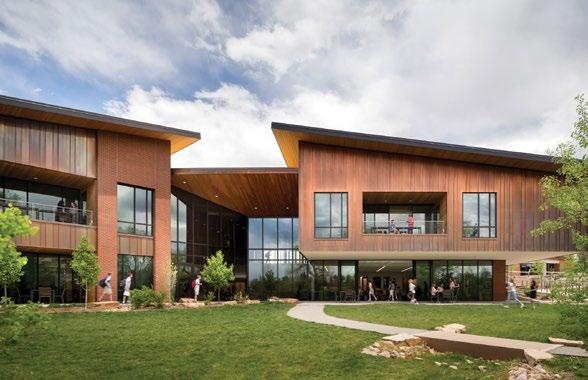
- 1982–1983 School Statement of Purpose
“Inside the school, the hectic pace of education is in full swing. But outside, the trees are turning to their fall colors and the ducks on the Upper Lake are enjoying a moment of relaxation. So take a few moments during your day to enjoy the campus and relax. It’s a sure cure to school stress.”
- October 1, 2003 issue of The Sun Devil’s Advocate
1 9 8 0s
“Kent Denver Country Day School has enjoyed a heightened awareness in the general community this year because of its football prowess, its unique credit union, its 13-year-old graduate heading to Cal Tech, and its volunteers at the Samaritan Shelter.”
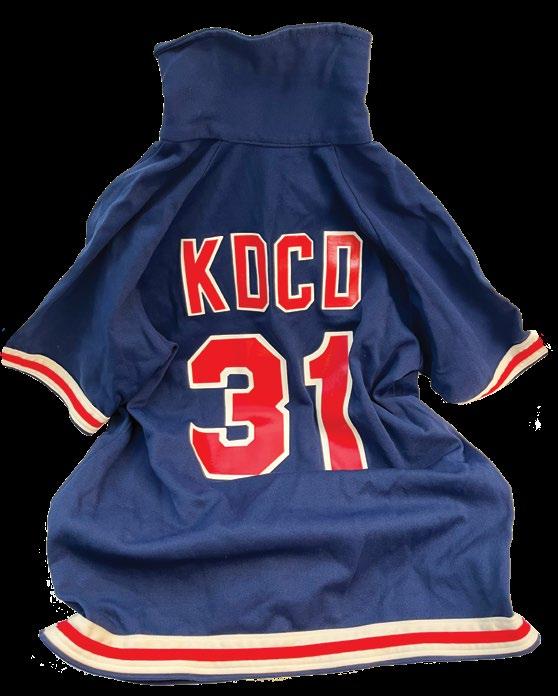
For the first ten years of the merger era, the school was known as Kent Denver Country Day or KDCD (as in the case of athletics jerseys like the one shown above). However, in 1987, the Board of Trustees voted to simplify its name to Kent Denver School with the aim of greater consistency in how the school was known internally and externally.
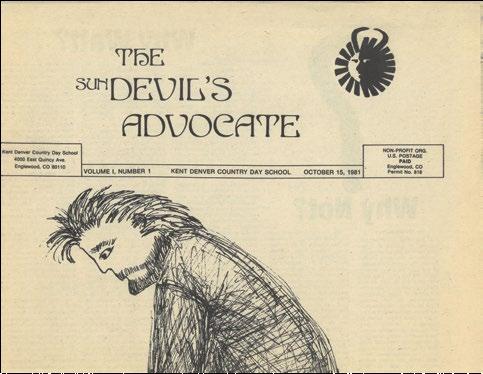
Following the merger, the student newspaper was called “The AvalancheShield” (a combination of the DCD and Kent newspapers’ original names) before students adopted “The Sun Devil’s Advocate” in 1981—the name still in use today!
U.S. President: Ronald Reagan (R)
Colorado Governor: Roy Romer (D)
Colorado Population: 3,260,480
Denver Population: 1,470,000
Most Popular Movies: Beverly Hills Cop II, Who Framed Roger Rabbit?
Most Popular Songs: Walk Like an Egyptian by the Bangles, Faith by George Michael Cost of a gallon of gas: $0.90
- HEAD OF SCHOOL DICK DREW, SUMMER 1987 PERSPECTIVE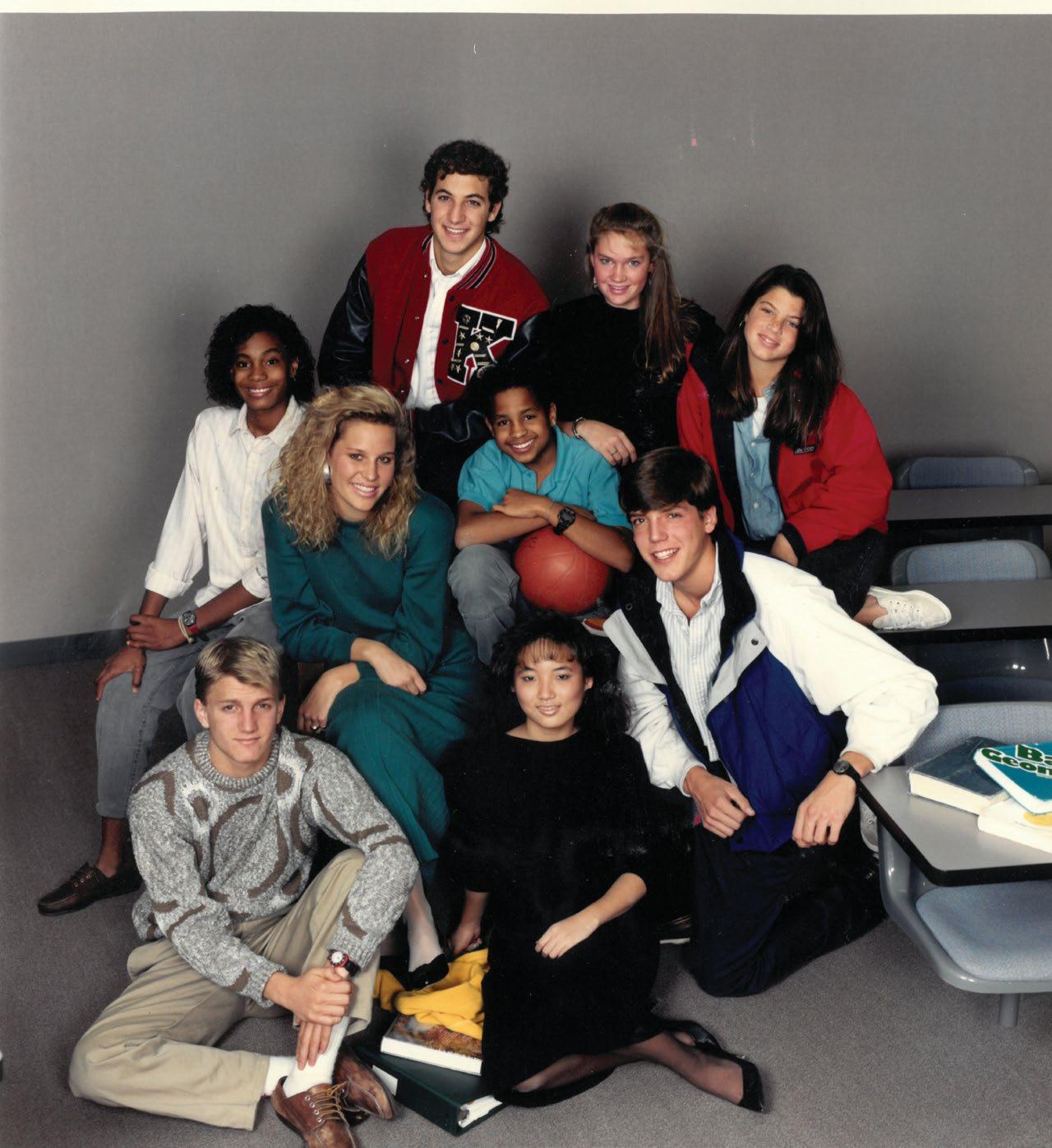
1 9 9 0s
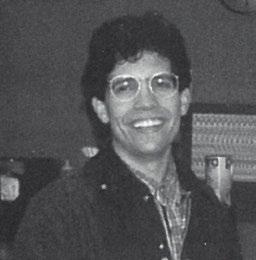
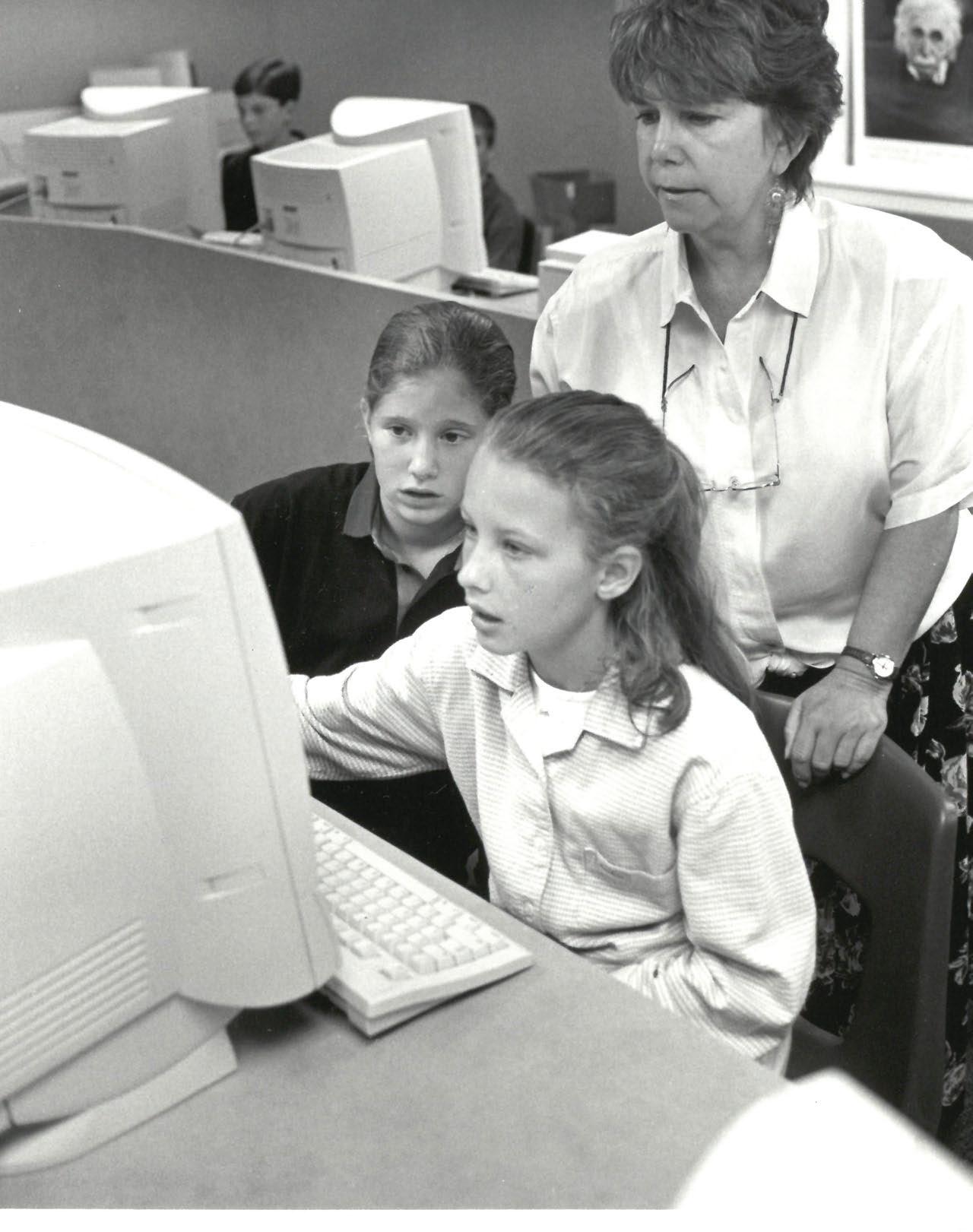
Launched at Kent Denver in 1994, Summerbridge (now Breakthrough) welcomed 47 middle school students from Denver Public Schools to the Kent Denver campus for academic enrichment and community building opportunities. Denver Summerbridge founder Ben Valore-Caplan partnered with Head of School Tom Kaesemeyer and a team of Kent Denver students to raise funds, select the first incoming Summerbridge students and teach the classes—laying the foundation for today’s Breakthrough program, which now serves over 350 students per year!

At various points in school history, graduates received pewter plates, engraved steins or jewelry alongside their diplomas. Head of School Todd Horn (1997–2014) was the first to introduce the lapel pin, which is still given to each graduating senior today. The Alumni Board president presents the pin, marking each student’s transition from Kent Denver student to Kent Denver alum.

FAST FACTS:
U.S. President: William J. Clinton (D)
Colorado Governor: Roy Romer (D)
Colorado Population: 3,738,061
Denver Population: 1,747,000
Most Popular Movies: Batman Forever, Apollo 13, Toy Story
Most Popular Songs: The Sign by Ace of Base, Gangsta’s Paradise by Coolio
Cost of a gallon of gas: $1.15
BEN VALORE-CAPLAN Denver Summerbridge founder, 1995“Kent Denver simply does not say no. Even if you truly have no talent in an area, you can still try. Kent Denver won’t stop you. Kent Denver is not just academics. It is involvement. It is people. It is opportunities.”
- SCOTT SELBERG '95 IN THE JUNE 6, 1995 ISSUE OF THE SUN DEVIL’S ADVOCATE
Winning a state title takes a rare mix of talent, team chemistry, strategy and good fortune. For those athletes lucky enough to participate in a successful state title run, the memories—and bragging rights—last a lifetime.
Kent Denver School has had at least one team state championship every year since 1997—an astonishing 25-year streak! Here are a few of the winning milestones along the way.
1977
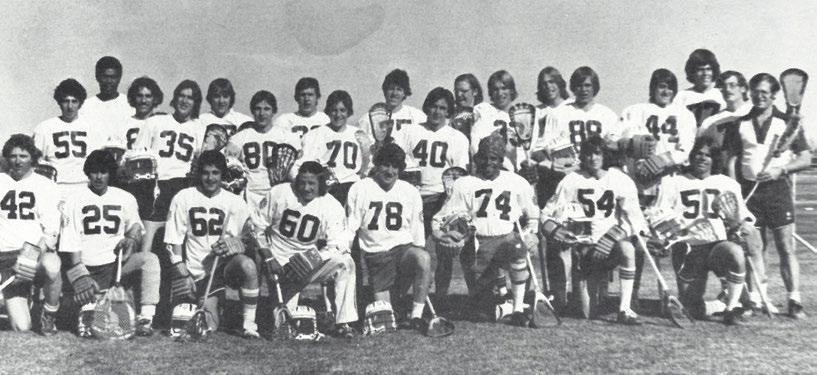
After winning several unofficial state titles under the Denver Country Day School banner, the boys lacrosse team wins Kent Denver Country Day School’s first officially sanctioned state championship. The storied program has gone on to win 11 additional titles.
1990
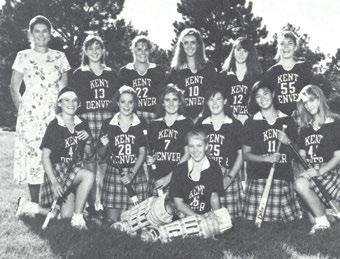
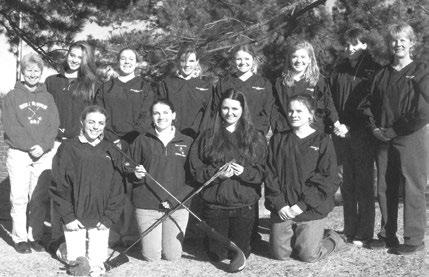
Field hockey wins the first of 13 state championships— the most of any Colorado team!
1984
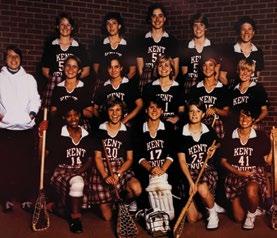
Girls lacrosse wins the first of four state championships for the Sun Devils.
1986
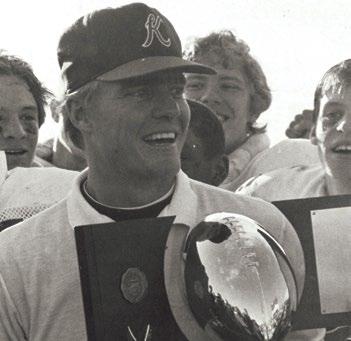
In his fourth year as head coach, Scott Yates leads KDS to its first football state title. The Sun Devils would go on to win again in 1991 and 2012.
1991
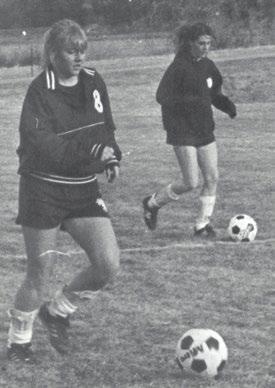
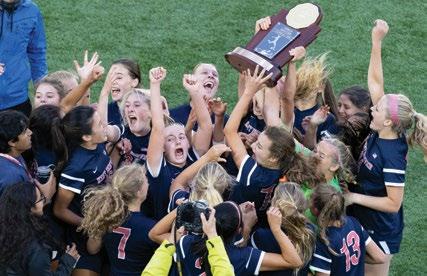
Kent Denver takes its first-ever girls soccer title. The program has now won a total of seven state titles, including back-to-back championships in 2021 and 2022.
1993
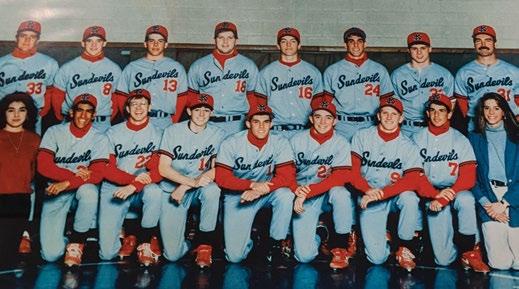
Baseball defies the odds and wins the 3A state title over powerhouse Eaton High School. The team returned to the finals and finished as the runner up in 1997.
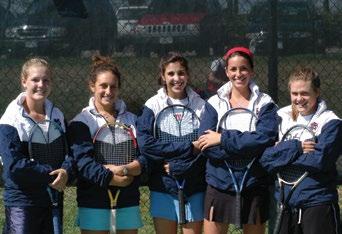
The girls tennis team wins the first of five state titles, breaking Cheyenne Mountain’s long streak of championships. Just a few short months later, boys tennis also ends a multi-year Cheyenne Mountain streak for the first of 12 titles for the Sun Devils.
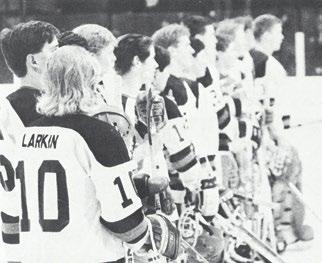
After finishing as the state runners-up for the previous two seasons, ice hockey breaks through and wins its first state title. The team won state again in 2003.
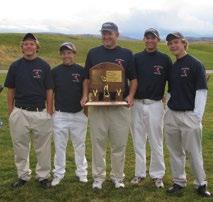
Girls golf wins its first and only state championship in the spring season. In the fall, boys golf wins the second of nine team titles under head coach Bob Austin, the most of any program in Colorado.
Following the cancellation of the 2020 season due to COVID-19, girls soccer takes the 3A state title in a thrilling 1-0 win over Colorado Academy. The game, played on June 26, was the latest a Kent Denver team has ever played during the summer months!
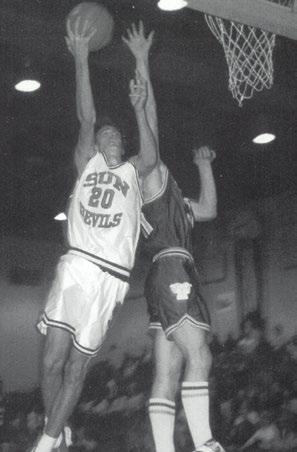
Boys basketball wins its first state title under rookie head coach Todd Schayes. Schayes still remains at the helm for the Sun Devils, leading them to three additional state finals and numerous Final Four appearances.
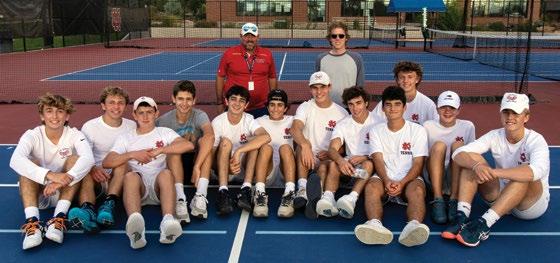
After several heartbreaking state finals losses, boys soccer finally claims its first 3A state title. Arty Smith’s team would go on to win a total of five championships in six years, establishing one of the most dominant runs in the history of Colorado soccer.

After an undefeated freshman season at No. 1 singles, Nathan Gold '25 wins his second consecutive 4A individual boys tennis championship. Gold also helped lead the Sun Devils to a 4A team state title under CHSAA’s new, single elimination team format.
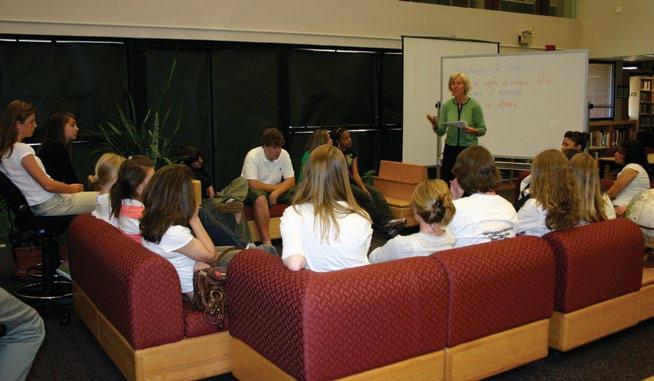
First launched in 2008, Ethics Day invited students to “grapple with difficult decisions and learn how to make hard decisions” (Spring 2008 Perspective magazine). Much like today, the first Ethics Day featured an allschool assembly, plus seminars led by guest speakers like minister and alumna Nina Churchman '70 (pictured above).

The Speech & Debate team (formed in 1999) qualified for nationals for the first time in 2001 and notched its first individual state championship that year. The program has qualified for nationals every year since 2001 with numerous state championship wins and top ten national placements.
FAST FACTS:
U.S. President: George W. Bush (R)
Colorado Governor: Bill Owens (R)
Colorado Population: 4,425,687
Denver Population: 2,030,000
Most Popular Movies: Harry Potter and the Sorcerer’s Stone, Spider-Man
Most Popular Songs: Hanging by a Moment by Lifehouse, Fallin’ by Alicia Keys
Cost of a gallon of gas: $1.46
“It’s nice to see that, within our own school, we do not stifle others’ opinions, but instead encourage individuality.”
- MARCH 10, 2004 ISSUE OF THE SUN DEVIL’S ADVOCATE
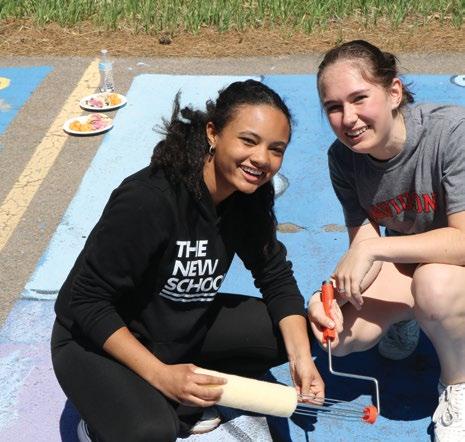
Starting in the early 2000s, beloved campus staff member Fred Trujillo (grounds department supervisor, 1984–2011) allowed students to paint his truck as part of the First Day of School festivities. In the early years, he drove the painted truck all year. Once it was no longer drivable, the truck was towed to the driveway for the first week of classes. In 2021, the layers of paint were the only thing holding the truck together and it was finally retired. The Class of 2022 elected to start a new tradition by painting their parking spaces in the senior lot before the first day of school.


1922-PRESENT
MARY
Founder and Kent Head of School (1922–1936)
“She’s very artistically inclined, loves music and art especially. She’s very modest as to her proficiency in the former, but we’ve heard her, and know better.”
- 1933 Kentian yearbook
MARY LOUISE RATHVON
Founder and Kent Head of School (1936–1953)
“She is full of fun—has an unusual sense of humor—could imbibe coffee at any time— submerges herself in work—shudders through murder mysteries—likes people—does algebra all day and then all night.”
- 1943 Chips, the Kent literary magazine
MARY AUSTIN BOGUE
Founder and Kent Head of School (1936–1957)
“One of the most indispensable members of our faculty because she knows how to teach French; she arranges our programs, builds our cycloramas, heads the posture committee; she is a firm, untiring, and sympathetic guide.”
- 1927 Kentian yearbook dedication
ANDREWS
Founder and DCD Head of School (1953–1972)
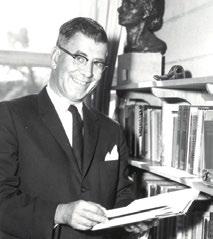
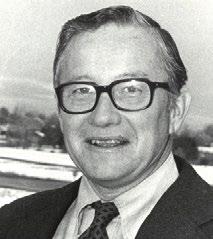
“Mr. Black has been our devoted and faithful guide on our journey through our secondary school experience—a constant source of inspiration to us all—and has won our undying admiration and esteem.”
- 1959 Tower yearbook dedication
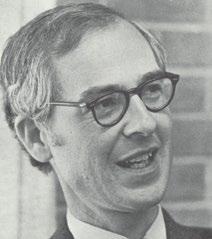
FREDERICK DRISCOLL
DCD Head of School (1972–1974)
“Few know better than Rick Driscoll the power of the personal approach; few use that approach more ably. His door is open, people are drawn to him; as he trusts, so is he trusted.”
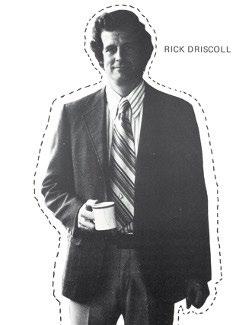
- 1974 Tower yearbook dedication
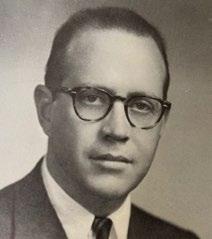
MARJORIE A. BENNETT
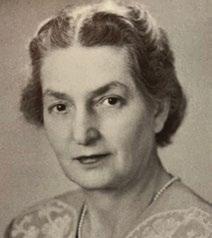
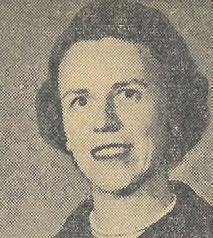
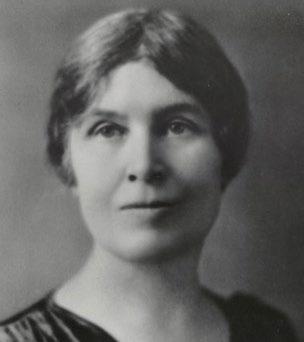
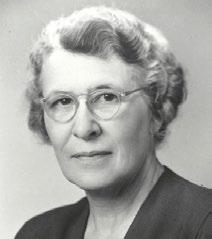
Kent Head of School (1957–1959)
JOHN
Kent Head of School (1959–1964)
“He guided us with directness and vision and taught us with enthusiasm and conviction of the delights of the Wide World.”
- 1963 Kentian yearbook dedication
MICHAEL S.B. CHURCHMAN
Kent Head of School (1964–1974)
“Through his genuine concern for the individual and his response to the challenges of change, he has shaped the standards that are the foundation of Kent.”
- 1974 Kentian yearbook dedication
HERBERT
Kent Denver Country Day Head of School (1974–1980)
“One of the Head’s most difficult jobs in merging DCD and Kent has been synthesizing two different traditions. Mr. Moore has carried out this task with energy, enthusiasm and commitment.”
- 1979 yearbook dedication
Even in retirement, Kent Denver’s Heads of School continued to support the school community. Former Head Dick Drew reflects on the important role his friendship with founder Mary Bogue played during his years of leading Kent Denver.
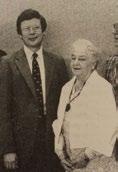
In 1982, Mary [Bogue] became my mentor after I was selected as the third head of Kent Denver Country Day School.
For the next six years, Mary and I spoke together on a variety of topics. Her memory for detail was expansive, and her expressed concern about future expectations was broad. Nervous as I was in our first few meetings, I realized that we were fervently invested together in making the merger work in all of its facets. She would be my guide and partner.
As I began to settle into a very comfortable feeling about our growing friendship, something unexpected occurred. Generally following our meetings, I would receive confirmation of her thoughts and advice through a remarkable series of handwritten notes. Brought up in the era of formal written thank you notes, Mary used the mail to express her appreciation and support in a variety of ways.
In her note of July 6, 1983, she shared: “I wrote to an Alumna saying, “The year ended well for Dick Drew and KDCD. I feel secure about the merger, for this year the strength of the interlocking parts of the school have been well defined and very positive, permitting natural transitions without loss of pace.”
Kent Denver Head of School (1989–1997)
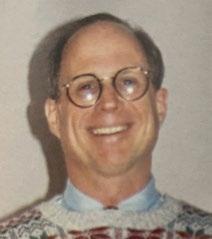
“Whenever a student needs someone to talk to, Mr. Kaesemeyer’s door is always open. He relentlessly encourages students to excel, inspiring them to challenge themselves and take risks.”
- 1997 yearbook dedication
RICHARD A. DREW
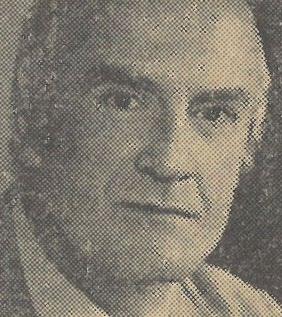
Kent Denver Head of School (1981–1989)
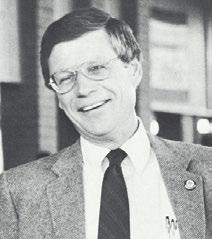
“Mr. Drew is well known, respected and admired by students and faculty alike. He is not one to draw attention to himself, but rather to quietly achieve greatness for our school.”
- 1989 yearbook dedication
TODD R.W. HORN
Kent Denver Head of School (1997–2014)
“Not only did Dr. Horn strengthen the depth and breadth of Kent Denver. He also defined its character. Our ‘This I Believe’ essays, Ethics Day, and even our prized core values became ingrained in Kent culture during his time as Head.”
- June 3, 2014 issue of The Sun Devil’s Advocate
Mary, reflecting on her intimate history with her school, was fully endorsing the birth of its newest form. She and I were firmly linked together as active participants in the Kent Denver Country Day School history ahead. No other shared sentiment could have given me more self-assurance: a reflection on what had been accomplished and the confidence to carry on in a similar fashion. Such an affirmation from my mentor!
For the full length article, visit KentDenver.org/ Perspective
RANDAL HARRINGTON
Kent Denver Head of School (2014–2022)
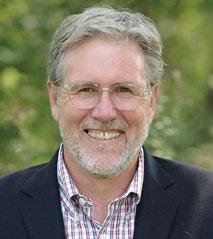
“We appreciate your interest in learning about and becoming a member of our tight-knit community. Your hard work is evident: you make time for yearbook interviews, engage in the 6th grade electricity unit and ask challenging questions during AP Economics stress tests.”
- 2015 yearbook
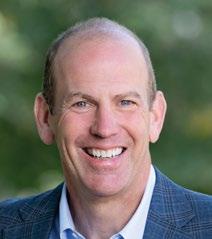
DAVID BRAEMER
Kent Denver Head of School (2022–)
“I am acutely aware that I am following a legacy of exceptional leadership at this school, starting with our founders Mary Kent Wallace, Mary Austin Bogue, Mary Louise Rathvon, and Andrews Black.”
- Mr. Braemer’s Centennial remarks, October 2022
2 0 1 0
goal
2018
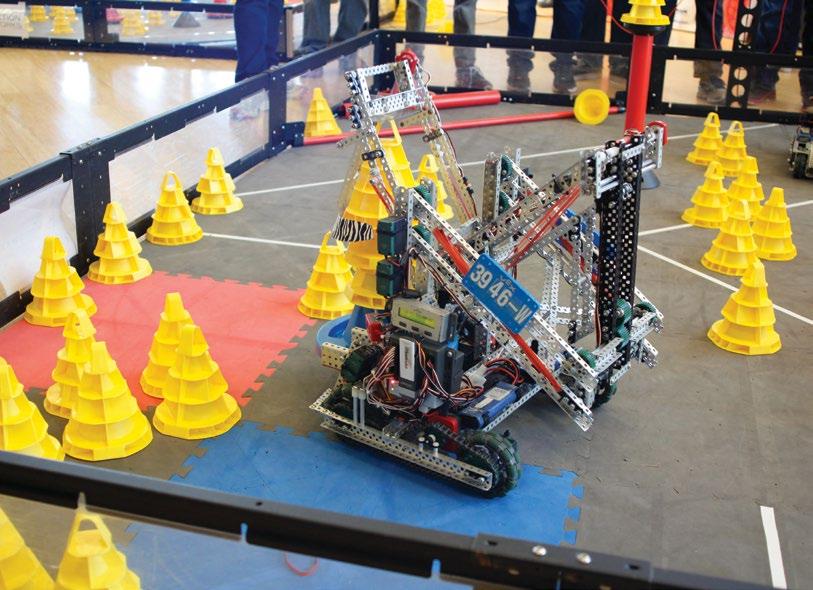
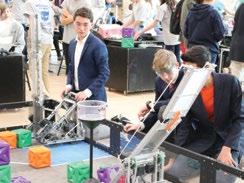
Kent Denver’s Robotics team was founded in 2010 by teaching fellow and alumnus Bryan Rich '06, who was soon joined by other young alumni coaches. The team qualified for the VEX World Championships for the first time in 2012. Since then, Kent Denver Robotics has won a number of state titles and made annual World Championship appearances.
FAST FACTS:
U.S. President: Barack Obama (D)
Colorado Governor: John Hickenlooper (D)
JASON
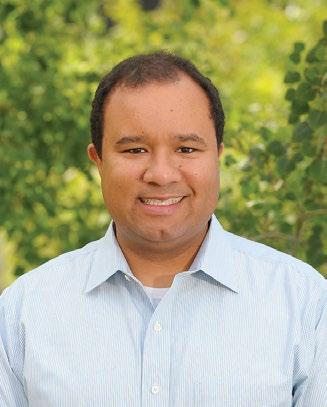
Jason Mundy first joined the Kent Denver faculty in 1996. After stints at two other schools, he returned to Kent Denver in 2016 as the school’s first Director of Equity and Community Engagement. His work focused on facilitating community service, maintaining an inclusive community and serving as the liaison to Breakthrough at Kent Denver.
Colorado Population: 5,352,637
Denver Population: 2,562,000
Most Popular Movies: Guardians of the Galaxy, Star Wars Episode VII: The Force Awakens
Most Popular Songs: Happy by Pharrell, Uptown Funk by Mark Ronson ft. Bruno Mars
Cost of a gallon of gas: $3.37
“Whether it’s winning a national award for speech & debate, scoring the winning
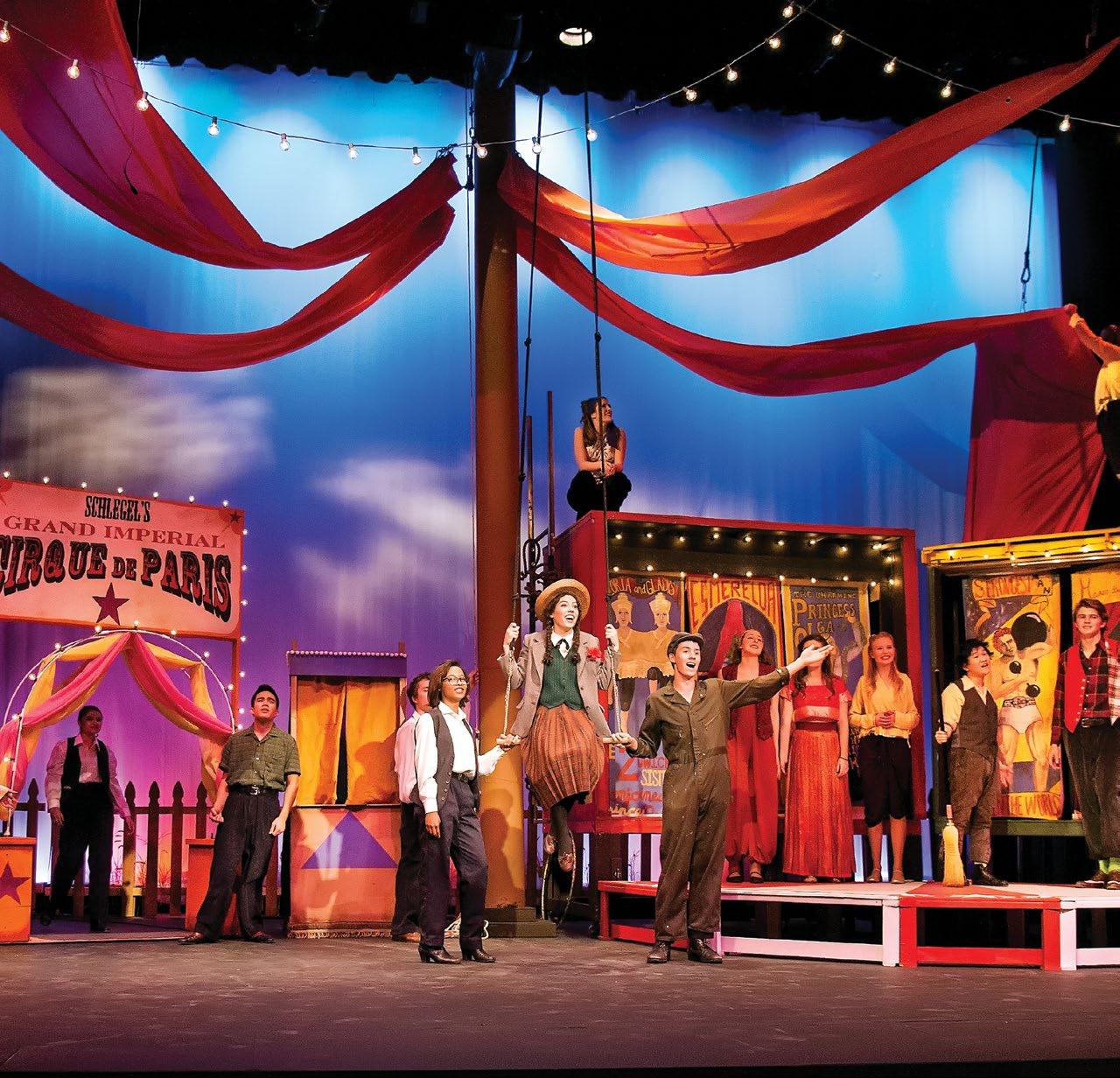
at a state championship or singing on stage in Italy, Kent Denver students are nothing short of unique. Each and every one builds on the diversity of the community.”
- GRACE HAWKEY '17, 2017 YEARBOOK
2 0 2 0s

In keeping with his tradition of selecting an object to illustrate an important theme for the year, in the fall of 2021 Head of School Rand Harrington selected a tapestry to represent the threads that bind us together into one community with one purpose: to learn.
“In the year of our 100th anniversary as a school, in which we reflect on our history, we must ask ourselves, which threads of our past are worth preserving and which threads are holding us back and preventing us from being our best selves. I am asking each of you to join me in weaving a new tapestry, one that will take us strongly and with pride into our next 100 years.”
- HEAD OF SCHOOL
RAND HARRINGTON, 2021 OPENING DAY ADDRESS
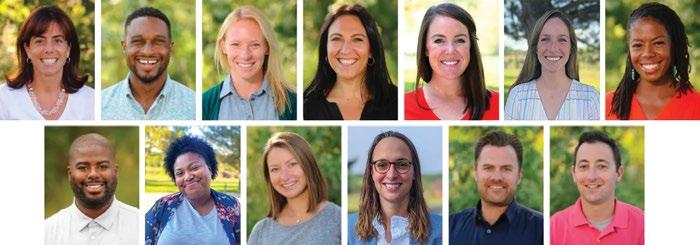
“As a school and a whole community, we have the responsibility to not only take care of ourselves, but to take care of each other.”
The Scobie Center for Student Life (named for long-time faculty member and wellness champion Priscilla Scobie) took a central role in supporting students through the pandemic and beyond. The 13-person team of deans and counseling, health and academic support staff provides encouragement, support and guidance to students, teachers and families during challenging times, joyful times and everything in between.
FAST FACTS: 2022
U.S. President: Joseph R. Biden (D)
Colorado Governor: Jared Polis (D)
Colorado Population: 5,812,069
Denver Population: 2,897,000
Most Popular Movies: Top Gun: Maverick, Black Panther: Wakanda Forever
Most Popular Songs: As It Was by Harry Styles, Heat Waves by Glass Animals
Cost of a gallon of gas: $3.31
- Lilly Hineh '24 and Cayla Wolf '24
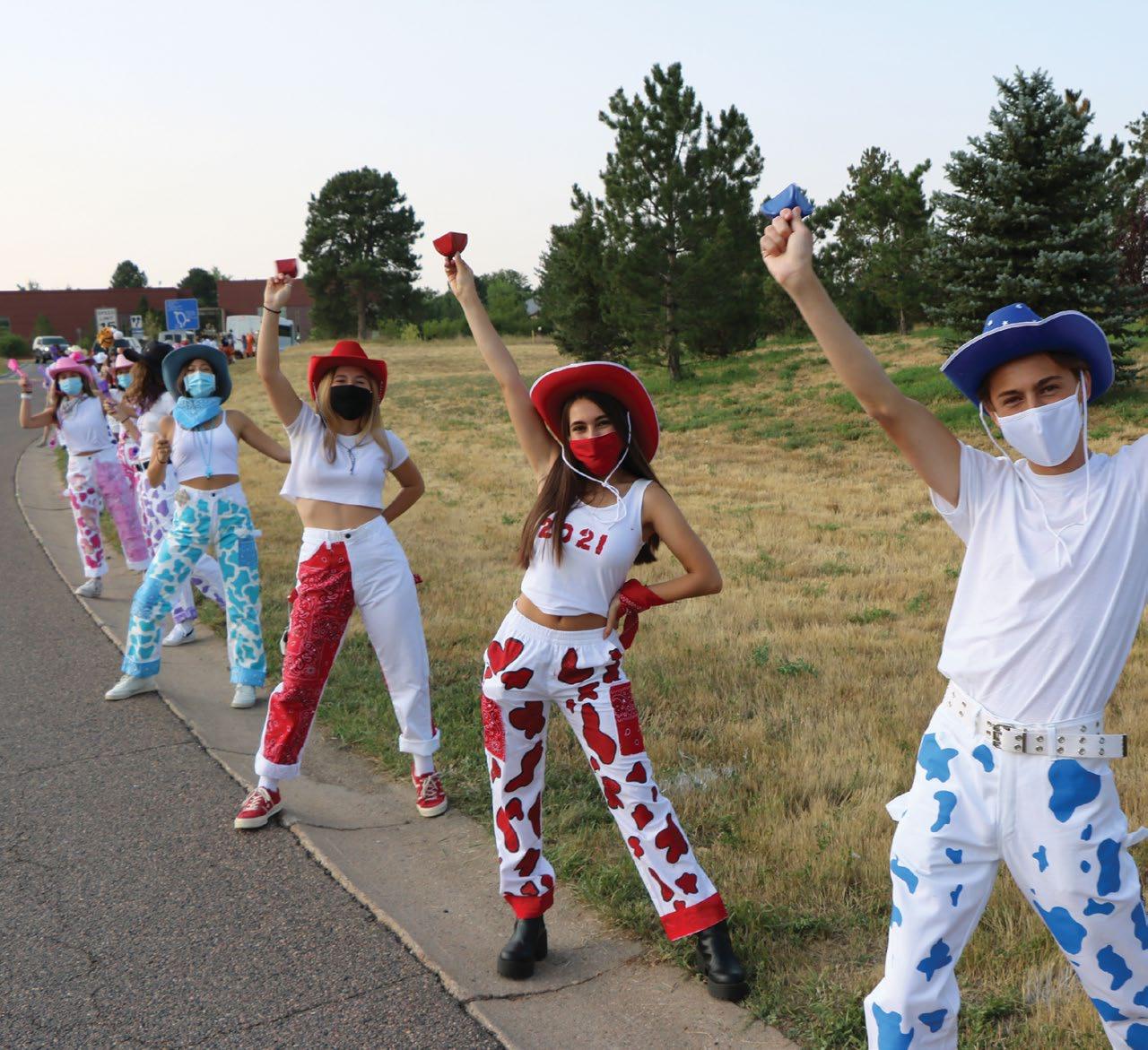
We celebrated the school’s Centennial anniversary in 2022 with a year of programs for the entire Kent Denver community. These events highlighted school history and looked ahead to the decisions we are making today and the plans we are laying for the next 100 years of Kent Denver!
APRIL 2022: 100TH BIRTHDAY TRIBUTE
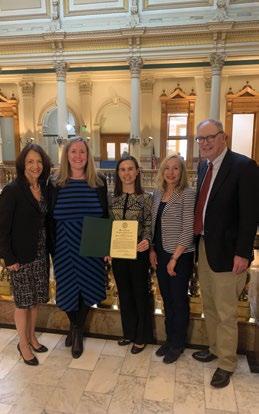
READ IN THE STATE HOUSE OF REPRESENTATIVES
Members of our KDS community— including (from left to right) Jill Cowperthwaite '72, Centennial Chairs Annie Rapson Johnson '02 and Lucy Stookesberry Chused '02, Board of Trustees President Kristin McKissick, and Tom Blickensderfer '75—attended the morning session to represent the school during the reading.
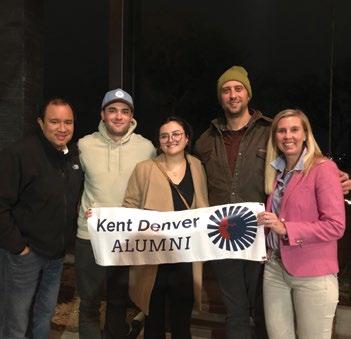
JANUARY AND FEBRUARY 2022: REGIONAL ALUMNI REUNIONS IN AUSTIN, TEXAS AND LOS ANGELES

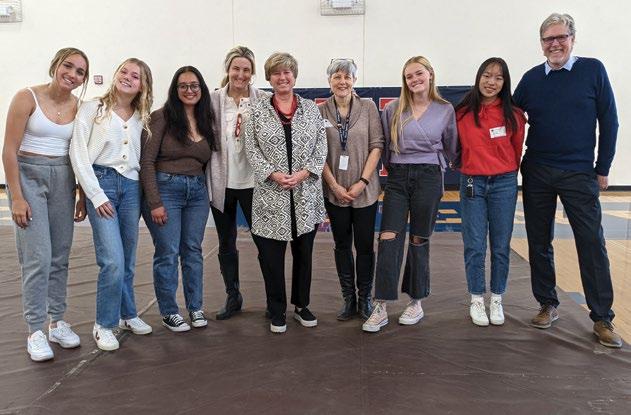
APRIL 2022: THE CENTENNIAL EDITION OF OUR SIGNATURE ETHICS DAY PROGRAM
Distinguished Alumni Award recipient Chantal Weatherley-White Unfug '85 (pictured center in black and white coat) presented the keynote remarks, offering personal examples of how the 2022 Ethics Day theme—The Ethics of Equity—have impacted her life and career.
APRIL 2022: A RECORD-BREAKING KENT DENVER PARENTS’ ASSOCIATION KENTENNIAL AUCTION
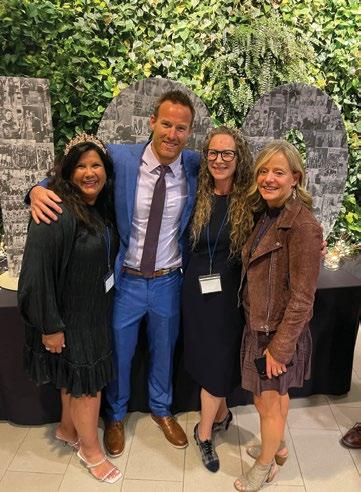
The KDPA embraced the Centennial theme at their biannual auction. Thanks to the planning efforts of the Auction committee and the incredible generosity of the Kent Denver community, the KDPA hosted a record-setting event.
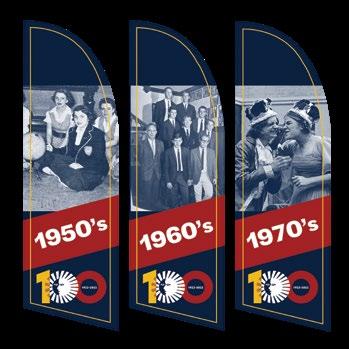
Even
HISTORY
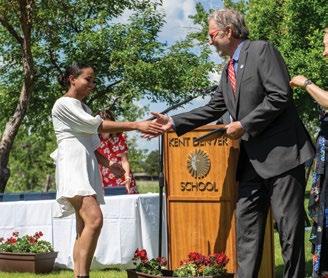
JUNE 2022: THE CENTENNIAL CLASS GRADUATES!
Our Centennial Class left an incredible legacy with the Centennial Scholarship Fund, a student-driven fundraising effort focused on financial aid for future students.

The goal of the seniors was to get all 119 members of the class to participate, and they achieved that mark with the aid of the Kent Denver Alumni Board, whose members offered a match for every student who participated.

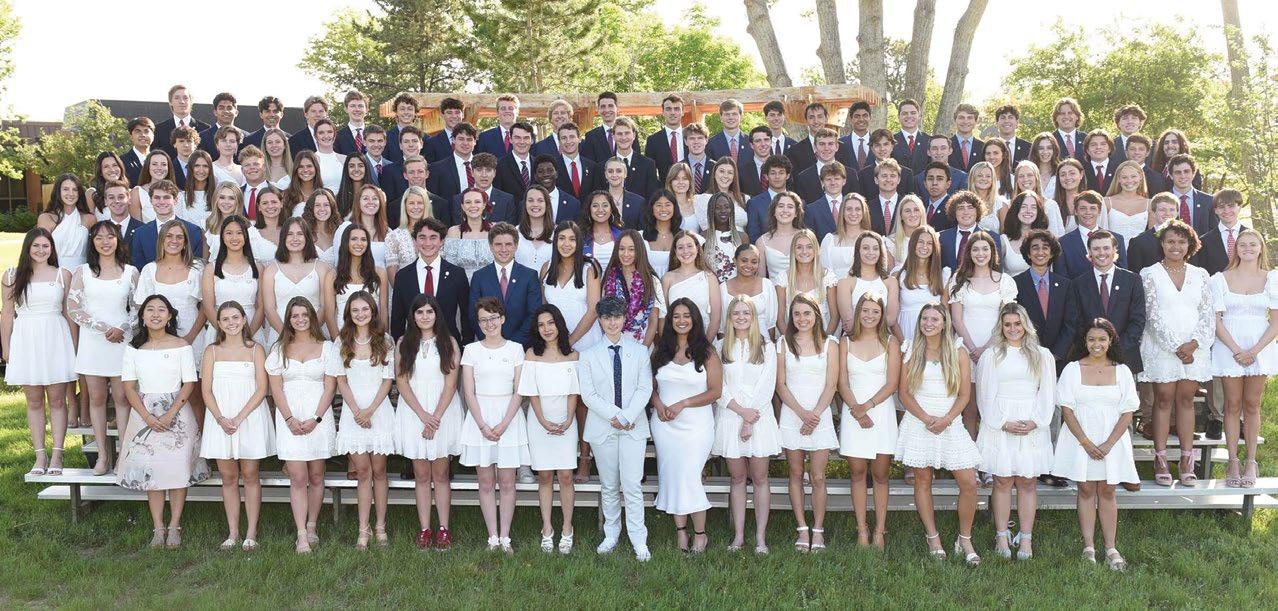
The seniors also challenged alumni to match their 119 gifts and start what they hope will become a fun, long-lasting annual tradition. 125 alumni, family members and friends participated, easily surpassing the goal.
All together, the gifts from our 119 seniors and the larger Kent Denver community—including current parents, alumni, parents of alumni, faculty and staff—raised enough to fund a full scholarship for a future student!
We couldn’t be more proud of our Centennial Class or more grateful for the generosity of this community.
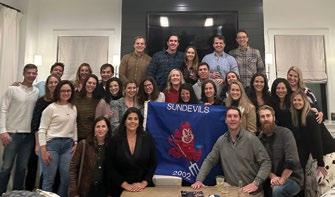
In October 2022, alumni, faculty members and friends from across the school’s 11 decades gathered together for a weekend-long celebration of the school’s 100th birthday!
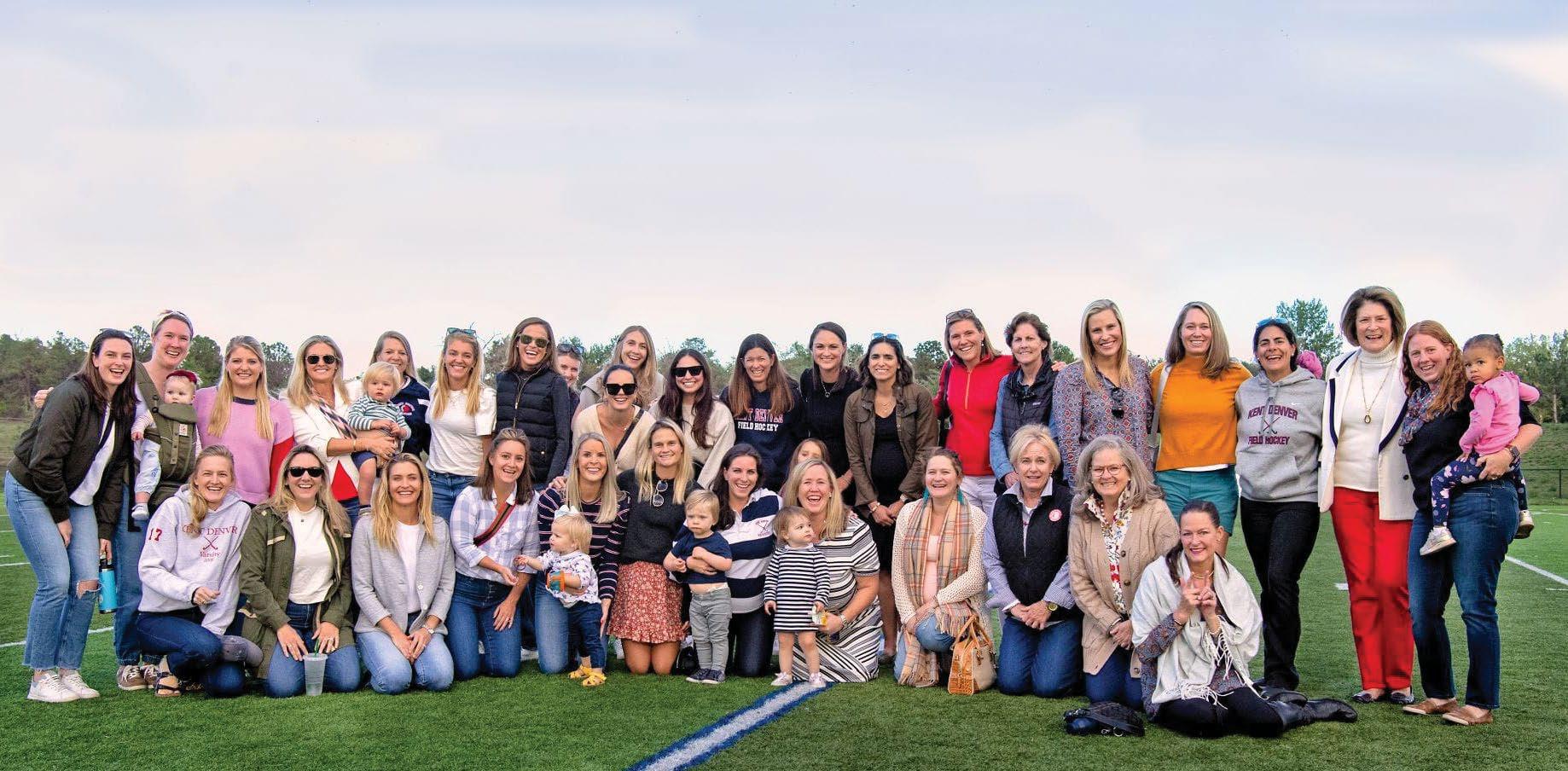
THURSDAY, OCT. 6: FIELD HOCKEY
We celebrated with halftime recognition for the five decades of alumni players and coaches in attendance.
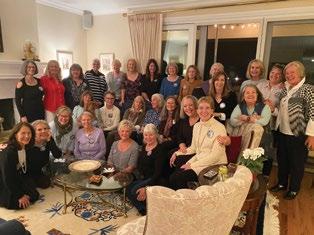
FRIDAY, OCT. 7: REUNIONS FOR ALL OUR 2 S AND 7 S GRADUATES
Milestone reunion classes, from the Kent Class of 1967 to the Class of 2017, reconnected at an on-campus celebration. Retired faculty and former dorm residents also returned for their own reunions.
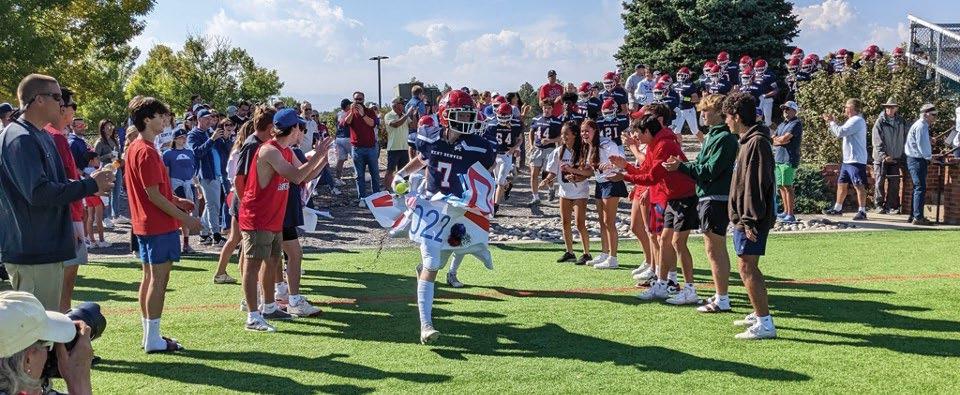
SATURDAY, OCT. 8: HOMECOMING COMMUNITY DAY
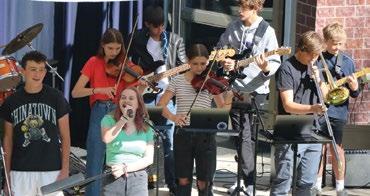
Current families and alumni cheered on our student athletes and enjoyed a tailgate-style lunch provided by local food trucks. We also honored the memory of Justin DeSorrento '95 at the annual rededication of DeSo Field during halftime at the boys soccer game. In between games during the Saturday line up, the Kent Denver Contemporary Music program held an outdoor concert at the Kennedy Garden Theatre.
Centennial Weekend Chairs
Lucy Stookesberry Chused '02
Ali Bathgate Hild '08
Annie Rapson Johnson '02
Centennial Weekend Committee
Wendy Baker '71
Alex Allsup Eberly '08
Erica Freudenstein '77
Allison Kolberg '12
Jeanne Lee Sayers '95
Tracie Core Sheppard '97
Tina Breithaupt Skewes '90
Margaux Lochmiller Williamson '03
Milestone Reunion Class Chairs
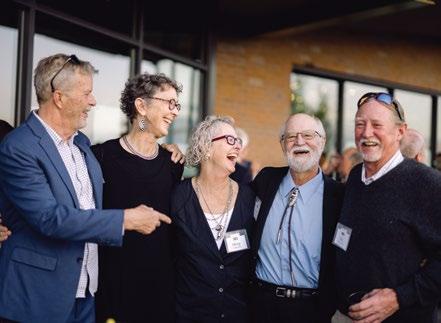
Dorm reunion: Vicki Pope Hubbell '73 and Julie Olsen '74
1967: Ann Gast Block (Kent)
1972: Andy Benedict (DCD) and Jill Cowperthwaite (Kent)
1977: Karen Baker Dolan, Mancy Crosby Jolliffe, Steve McDonald, Tom McGonagle, Jane Stoddart, Paige Winder, John Worden
1987: Sophie Kernan and Shanon Yates
1992: Ian Wolfe
1997: Courtney Hosterman and Jennifer Thomson
2002: Jenny Cudahy Murray and Chase Robinson
2007: Jay Roberts
2012: Aubrie Pike and Brian Schoelzel
2017: Kasandra Orta
Centennial Celebration Partners
Flowers—Cora Wheeler '29P
Denver Beer Co.— Charlie Berger '01
Keeper’s Heart Whiskey—
The O’Shaughnessy Family
Bonnie Brae Liquor—
Dane Harbaugh '02 and Bruce Gallagher
Pike Promotions—Aubrie Pike '12
UMB Bank
SATURDAY, OCT. 8: 100TH BIRTHDAY BASH
Hundreds of alumni and current and former faculty took in the sunset over the mountains from the Schaden Dining Hall’s patio. The crowd also enjoyed a menu inspired by dining hall favorites, music and dancing, and a toast by Head of School David Braemer. His remarks honored the school’s long history and the many people who contributed to its excellence. Another highlight of the evening was a special Centennial video featuring students, teachers and alumni reflecting on the impact of the school and all that we love about this special community.
To watch the Centennial video and for additional photos from the weekend, visit www.kentdenver.org/Centennialweekend-recap. Event Photos: Jamee Photography
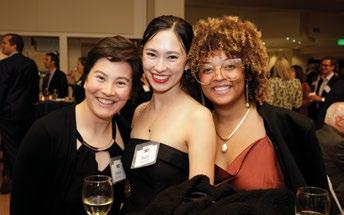

To close out the Centennial year, Kent Denver presented its inaugural Young Alumni Award recognizing a young alum who “embodies the core values of Kent Denver School and has made significant personal achievements in serving the local, national, or international community.”
The first honoree, Emmy-nominated documentary filmmaker Nicholas Mihm '08, returned to campus to accept the award and speak to students at Upper and Middle School assemblies about his career journey since graduating from Kent Denver.
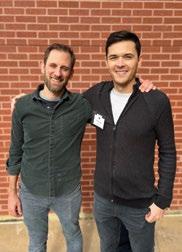
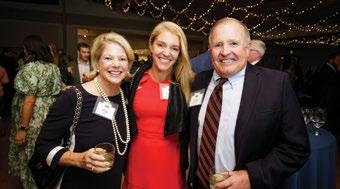
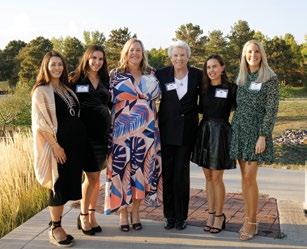
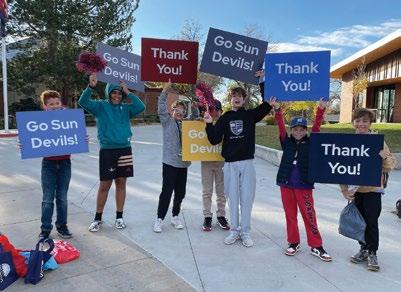
2022 marked Kent Denver’s first ever Day of Giving, a celebration of the 100-year spirit of philanthropy that helps to make Kent Denver such an extraordinary school for our students.
Together, the Kent Denver community raised $1.3 million for the Kent Denver Fund from over 550 Day of Giving gifts. If you missed the Day of Giving and would still like to support the Kent Denver Fund, visit www.kentdenver.org/donate.
 Nicholas Mihm '08 with faculty member Jon Fortmiller
Photo: Elyse Rudolph
Nicholas Mihm '08 with faculty member Jon Fortmiller
Photo: Elyse Rudolph
THE CENTENNIAL WEEKEND WOULD NOT HAVE BEEN POSSIBLE WITHOUT THE DEDICATION AND GENEROSITY OF OUR ALUMNI VOLUNTEERS AND COMMUNITY PARTNERS.
In October, Head of School David Braemer widely shared Kent Denver’s Strategic Vision, Building a Foundation for the Next Century. Created by the Board of Trustees with input from the Kent Denver community, this strategic plan will set the course of Kent Denver School as we strive to fulfill our mission of transforming lives of students and community through extraordinary educational experiences.
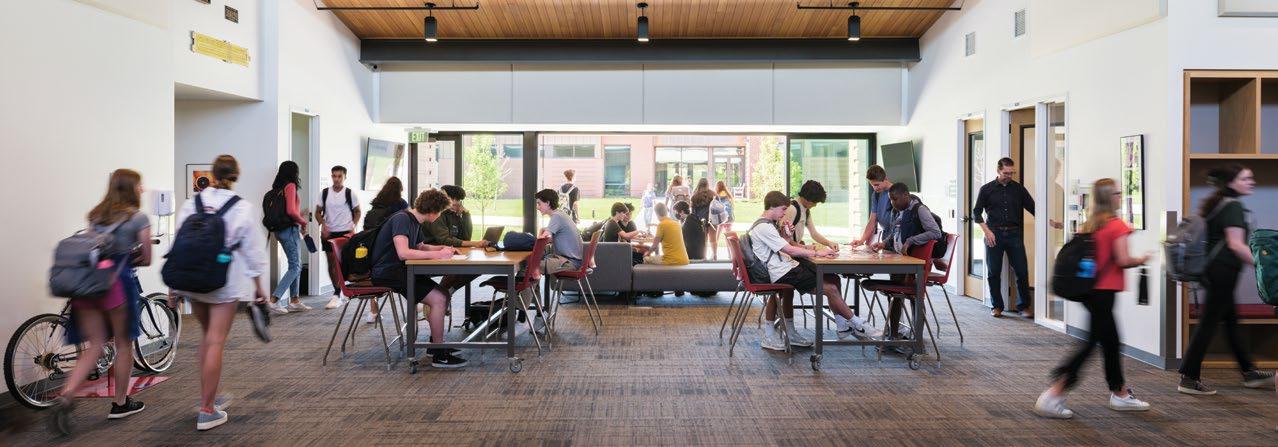
Kent Denver is known for defining—and redefining—what a college preparatory education can and should be. An extraordinary educational experience not only prepares students for college, but also for a full, meaningful and self-determined life. Mastery, agency and belonging are the hallmarks of an extraordinary education.
Guided by exceptional faculty, our students will develop great skill or command of difficult topics.
Students’ interests will drive self-initiated, meaningful and personalized learning.
All students will feel personally accepted, valued and included at Kent Denver.
As we explored ideas for the strategic plan, Kent Denver identified the critical components of an extraordinary educational experience, which emerged as five deeply interconnected, interdisciplinary strategic initiatives. For each of these strategic initiatives, we have articulated a promise—our aspirational vision for an extraordinary educational experience. Goals describe our objectives and the steps we will take to fulfill these promises.
Our Promise | We will continue to provide our students with the highest caliber college preparatory education. We will offer relevant, challenging, innovative learning experiences that are responsive to student interests, foster collaboration and build the skills students need to succeed in college and beyond.
Goal 1 | Create opportunities for every student to identify and pursue their passions through personalized learning
Goal 2 | Deeply integrate the arts into the life of the school and the broader community
Goal 3 | Recruit, support and retain world-class faculty and staff who are committed to our mission
Goal 4 | Provide outstanding professional development opportunities for educators
Our Promise | We will continue to prioritize personal and community well-being, developed through physical and psychological wellness, character development and development of skills that prepare students to be self-advocates. As a leader in student athletics, we will leverage sports to address social, emotional and character development as well as mental and physical health.
Goal 1 | Expand our commitment to personal wellness by adopting best practices and embracing innovative approaches
Goal 2 | Optimize campus spaces to support wellness and athletics
Goal 3 | Fully integrate wellness and athletic goals in student and faculty life
Goal 4 | Enrich the school/family partnership through training and support grounded in our wellness and athletics philosophy
Our Promise | We will foster a diverse community and a culture where all differences and identities across gender, ability, religion, sexual orientation, race, ethnicity and economic background are valued, celebrated and recognized as essential to our dynamic learning environment. Our pedagogy will reflect diverse perspectives, and anti-racism, cultural competency and the contributions of diverse peoples will be deeply embedded in the curriculum across all disciplines.
Goal 1 | Ensure that all Kent Denver graduates have the cultural competence, knowledge and skills to successfully navigate a diverse world
Goal 2 | Recruit, support and retain students with diverse backgrounds and identities from across the Denver Metro area
Goal 3 | Recruit, support and retain educators with diverse backgrounds and identities
Goal 4 | Grow the cultural competency and capacity of adults—particularly faculty and parents—to teach and model diversity, equity and inclusion
Goal 5 | Ensure the long-term sustainability and impact of Breakthrough at Kent Denver and more deeply integrate the partnership between Breakthrough and KDS
Our Promise | We will lead in educational innovation, preparing students, faculty and staff to effectively engage the future by increasing their ability to navigate change and growing their capacity for curiosity, creativity and collaboration. We will apply our intellectual capital in the broader community, sharing ideas and knowledge to advance education, enrich student educational experiences and serve the greater good.
Goal 1 | Ensure the long-term sustainability of programming to support student innovation and agency
Goal 2 | Support a culture of ongoing educational innovation and continuous learning, including collaborating and sharing with other educational professionals
Goal 3 | Expand and support Kent Denver’s portfolio of institutes and partnerships to strengthen connections across the broader community
Our Promise | We will maintain a sustainable financial model that balances revenue from tuition, our endowment, philanthropic giving and other sources with the need to attract and retain the best faculty, staff and administrators; fuel continued programmatic innovation; expand the diversity of our student body; and maintain our campus and facilities. We will be accountable and transparent about our financial and strategic decision-making.
Goal 1 | Identify meaningful measures of success for each strategic initiative
Goal 2 | Achieve financial goals through disciplined financial management and fundraising
Goal 3 | Expand efforts to increase environmental sustainability and reduce the environmental impacts of our programs and facilities
Goal 4 | Grow the spirit of philanthropy at Kent Denver
“This vision comes as the result of tremendous thought and collaboration on the part of multiple school constituencies over a period of several years. I look forward to working with the Kent Denver community as we turn these aspirational goals into realities.”
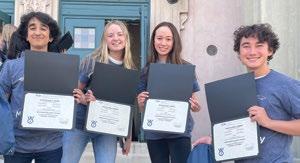
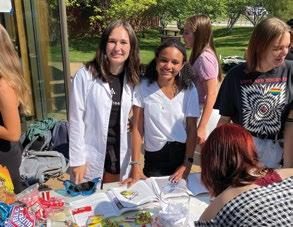
-David Braemer, Head of School Photo: David Lauer PhotographyBEFORE THEY GRADUATED, MEMBERS OF OUR CENTENNIAL CLASS—THE CLASS OF 2022— REFLECTED ON WHAT IT MEANS TO BE A SUN DEVIL IN THE SCHOOL’S 100TH YEAR.
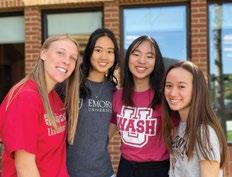
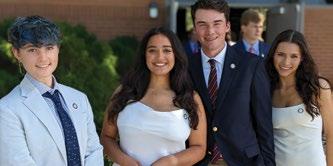
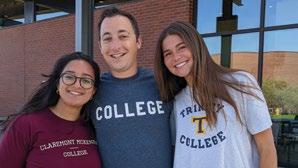

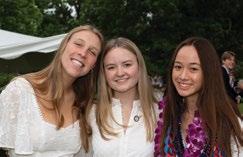
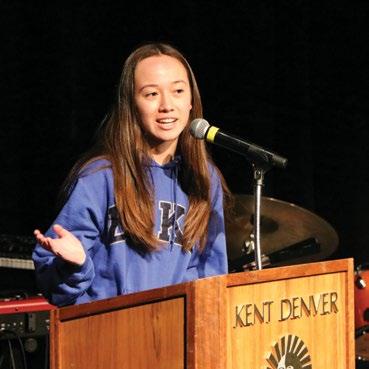
I think that Sun Devils are very passionate about something. We are happy to share that passion with others, as well as learning about others’ passions and supporting them.
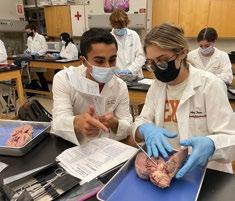

Being a Sun Devil is more than just having school pride. It’s rooted in kindness and looking at the world with curious eyes and asking, “What can I do to benefit this community?” It’s something I will be for the rest of my life… and I’m proud to say it!
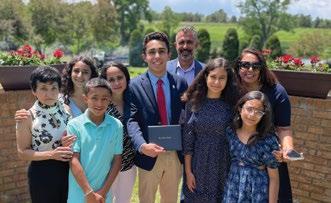
To me, being a Sun Devil means having a kind, inclusive and connected spirit. We have this drive for understanding new things about the world, meeting new people and growing individually and as a community.

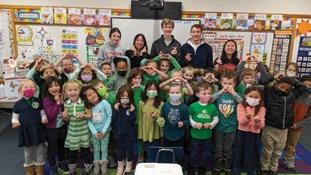

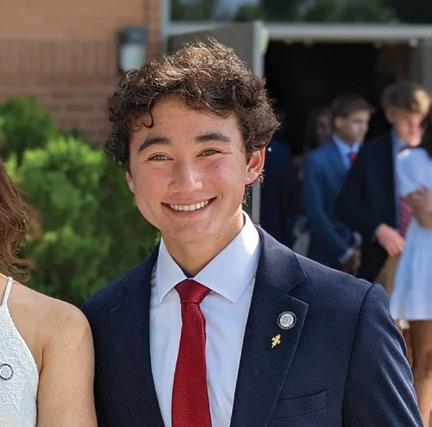
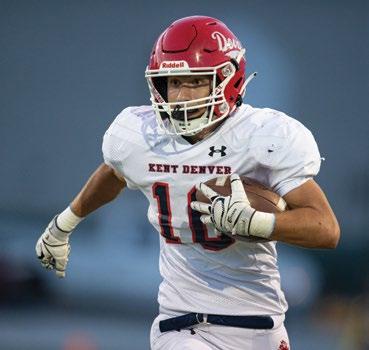
To me, a Sun Devil is someone who is well rounded—sort of a polymath—and does not fit into stereotypical categories. You can be whatever you want!
To me, being a Sun Devil really means being able to pursue whatever you love doing.
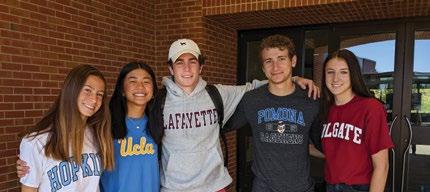
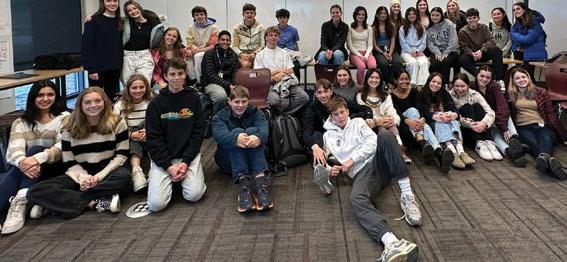
To me, being a Sun Devil means that I’m a part of a great, tight-knit community and that I’m going to be supported every day I come here.