
















Farm business consultants with our roots in the South East • Farm business & estate management • Planning & development • Subsidies & grants • Land sales & acquisitions • Viticulture • Succession • Biodiversity net gain • Ecology • Natural capital • Residential and commercial property letting and management 01892 770339 www.c-l-m.co.uk July 2023 Est 1982 FESTIVAL FUNDING DISPUTE – SEE PAGE 7 THE SHOW GOES ON Everything that a fruit grower needs










Scan me with your smart phone camera for more information The Invader is specifically designed to overcome the most challenging trails. This agriculatural electric vehicle is an affordable, silent and maintenance free option, perfect for navigating on your farmland or estate. • Up to 30 miles on full charge • Maximum speed 16mph* • Road legal and off-road ready • No driving licence required Available in Fury Red Harley Black *Off-road mode and on private land *Other accessories available 0800 254 5369 www.scooterpac.com/invader CALL FREE FOR YOUR FREE HOME DEMONSTRATION The ultimate all-terrain vehicle Brighten your day Rear Rugged Storage Monster Shock Absorbers Super Grip Tyres All-wheel Drive Towbar Accessory*
SOUTH EAST FARMER
Kelsey Media, The Granary, Downs Court
Yalding Hill, Yalding, Maidstone, Kent, ME18 6AL 01959 541444
EDITORIAL
Editor: Malcolm Triggs
Email: sef.ed@kelsey.co.uk
Photography: Martin Apps, Countrywide Photographic
ADVERTISING & MARKETING
Jamie McGrorty 01303 233883 jamie.mcgrorty@kelsey.co.uk
GRAPHIC DESIGN
Jo Legg 07306 482166 jo.legg@flair-design.co.uk
MANAGEMENT
DIVISIONAL MANAGING DIRECTOR:

Steve Kendall
PUBLISHER: Jamie McGrorty
RETAIL DIRECTOR: Steve Brown
SUBSCRIPTION MARKETING MANAGER: Claire Aspinall
PRINT PRODUCTION MANAGER: Kelly Orriss
DISTRIBUTION
Distribution in Great Britain: Seymour Distribution Limited
2 East Poultry Avenue, London
EC1A 9PT
Tel: 020 7429 4000 www.seymour.co.uk
Distribution in Northern Ireland and the Republic of Ireland:
Newspread
Tel: +353 23 886 3850
Kelsey Media 2023 © all rights reserved. Kelsey Media is a trading name of Kelsey Publishing Ltd. Reproduction in whole or in part is forbidden except with permission in writing from the publishers. Note to contributors: articles submitted for consideration by the editor must be the original work of the author and not previously published. Where photographs are included, which are not the property of the contributor, permission to reproduce them must have been obtained from the owner of the copyright. The editor cannot guarantee a personal response to all letters and emails received. The views expressed in the magazine are not necessarily those of the Editor or the Publisher. Kelsey Publishing Ltd accepts no liability for products and services off ered by third parties.
Kelsey Media takes your personal data very seriously. For more information of our privacy policy, please visit Kelsey Media takes your personal data very seriously. For more information of our privacy policy, please visit https://www.kelsey.co.uk/privacy-policy/ . If at any point you have any queries regarding Kelsey’s data policy you can email our Data Protection Offi cer at dpo@kelsey.co.uk.
www.kelsey.co.uk
Cover picture: Alresford Watercress Festival
36
FEATURES
24 FRUIT FOCUS
This year’s Fruit Focus has everything that a fruit grower needs to improve yield and productivity in the coming seasons: knowledge exchange, purchasing and information-gathering opportunities, networking and a fun.

36 NEWS FROM THE VINEYARD
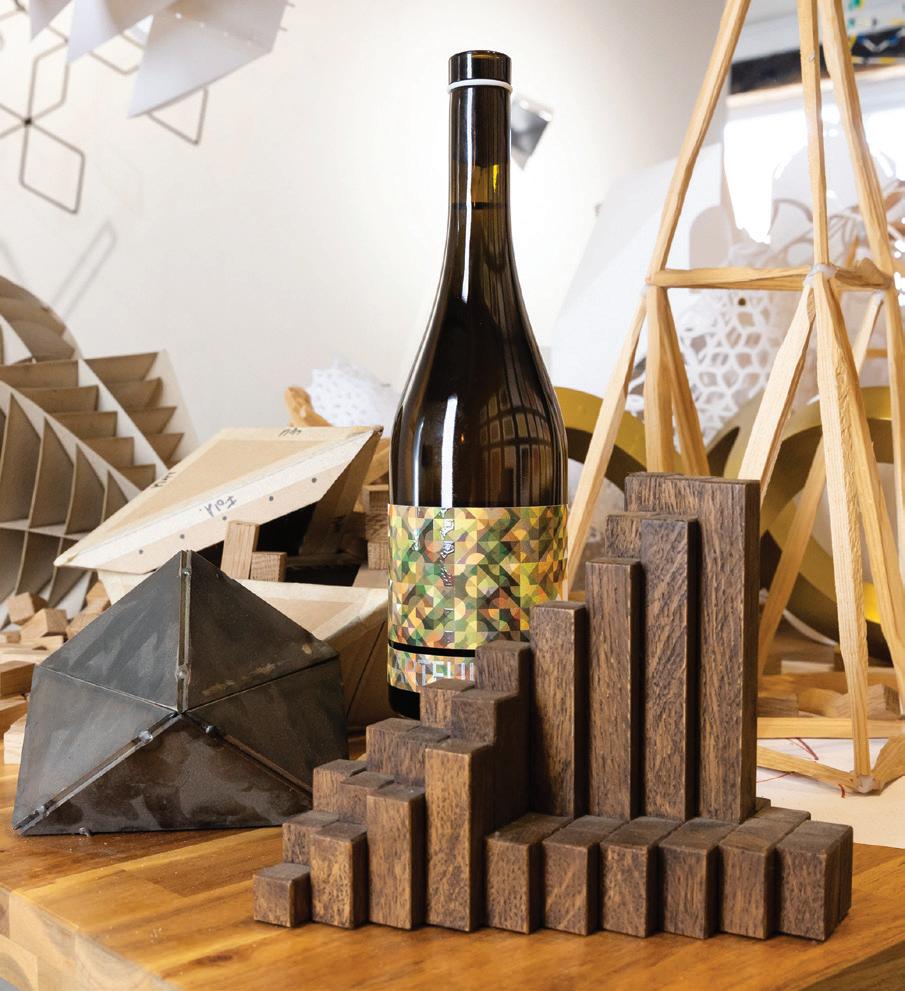
While there is undoubtedly an art to making wine, one Sussex vineyard has gone further by putting art at the centre of its entire operation.
52 SHOW RESULTS
Livestock areas were buzzing at Heathfield and South of England shows.
NEWS & REPORTS 04 Arable land left uncroppable. 07 Conflicting claims over Watercress Festival funding. 09 Check your insurance cover. 11 Carbon farming explained and demonstrated. REGULARS 16 MONICA AKEHURST Accidents happen. 19 SARAH CALCUTT 20 NIGEL AKEHURST VISITS... Nigel visits Biddenden Vineyards in Kent to take part in a planting day hosted by owners the Barnes family, who have been growing vines and making wine on their 65-acre family farm since 1969. 41 STEPHEN CARR 47 ADVICE FROM THE VET Heat stress in livestock. 49 ALAN WEST 56 LEGAL 59 LAND AND FARMS JULY 2023 CONTENTS 24 20 www.southeastfarmer.net
®
A catchment wide ‘silt survey’ could be carried out in a bid to reduce flooding problems that farmers claim has left 300 to 400 acres of once top rate Sussex arable land uncroppable.
The possible step forward in the longrunning campaign to tackle an issue that has frustrated farmers to the north east of Bognor Regis for some time came during a high level meeting co-ordinated by the NFU and including representatives from the Environment Agency and Southern Water, along with Bognor Regis and Littlehampton MP Nick Gibb.
While the proposal was welcomed, it was a rare positive. The notes of the meeting reveal that the Environment Agency’s (EA) Area Flood and Coastal Risk Manager Claire Francis admitted that the economic benefit of clearing out local rifes that regularly caused the land to flood was not sufficient to justify the costs involved.
The meeting heard from South East Farmer ’s own correspondent Nick Adames, who said silted up rifes meant water was unable to flow out to sea via the outfall at Felpham. He said that after two recent flood events his ditches had filled with sewage from the Lidsey treatment works and been “left coated in semi-treated excrement and toilet paper after the waters had receded”.
He later told South East Farmer : “The white scum has been here constantly since last autumn and never gets away because the rifes are always full.”
The meeting was held at Bognor Regis Golf Club, which also suffers from flooding caused by what farmers see as the EA’s inaction to tackle the drainage issues.

The club’s Norman Lee said the window of opportunity for members to use the course was being shortened by flooding events and that addressing the issue was significant to the future of the club on the current site. Although the club was protected, in theory, by two tidal flaps, they were not maintained, allowing water from the rifes to come back through them, he told the meeting.
With the EA effectively admitting that under current funding rules the situation is unlikely to be resolved, the NFU’s South East Regional Director William White is planning to draft a letter that Nick Gibb will forward to government ministers seeking a change in legislation.
ARABLE LAND LEFT UNCROPPABLE
Meanwhile the MP told those present that despite being told at the end of a previous meeting that the EA, Southern Water and West Sussex County Council would look for a way forward and keep the group informed, he had heard nothing.
Landowner Peter Fuente reinforced the view expressed by Nick Adames and said that he had been left with more than 60 acres of land that was now uncroppable. He said the situation was serious and needed to be addressed “with great urgency”.
Another landowner, Robert Eggins, told the meeting there had been a noticeable deterioration in the flow of the rifes and said water that backed up onto his land did not go away even in periods of dry weather. He said attempts to improve the situation by cutting one side of the banks were effectively a waste of time.
Andy Adams from Southern Water told the meeting that while the company was responsible for the treatment works at Lidsey, it was not responsible for maintaining the rifes. He said the company’s focus was directed at major investment in the sewage treatment facility at Lidsey via its five-year spill reduction programme.
The meeting was told that investigations had shown that clearing a 750 metre stretch of rife would cost between £350,000 and £800,000, depending on what work needed to be done, and that it was not economically
viable to carry out the work within the EA’s budget constraints. Damage to agricultural land did not warrant such a high level of spending, those present were told.
The meeting notes reveal that Nick Gibb told the meeting that while he could lobby Ministers to act, “the decision to abandon such acres of agricultural land had been taken”.
Another local farmer, Emma Maclaren, suggested that a more cost-effective use of EA funds would be to identify ‘hot spot’ problem areas within the rifes which could then be tackled, a suggestion which prompted Claire Francis to agree to look into the possibility of a catchment wide silt survey along with silt sampling in identified problem areas.
Following the meeting, an Environment Agency spokesperson said: “We attended the meeting in May to discuss the ongoing concerns of local landowners regarding the flooding of agricultural land in the floodplain around Bognor Regis in West Sussex.
“As part of the discussions we focused on the benefits, limitations and challenges with undertaking actions to desilt the local watercourses.
“We will continue to support the landowners to understand the scale of the issues. We were encouraged by the progress of these discussions toward seeking wider collaboration with landowners and businesses in the catchment.”
JULY 2023 | WWW.SOUTHEASTFARMER.NET 4 NEWS
Bognor Regis Golf Club
FORMER NPA CHIEF EXECUTIVE AWARDED OBE
The King’s Birthday Honours List included an OBE for Dr Zoe Leach, the former chief executive of the National Pig Association (NPA). Better known to many in the industry by her maiden name of Davies, Dr Leach was granted the honour in recognition of her services to the pig industry.
She joined the NPA in 2008 and became its first chief executive in 2014, a role she held until she joined the NFU as its eastern regional director in the summer of 2022.

Dr Leach said the award was “a massive honour” which “really reflects on the fantastic work of the NPA over all my years there and well before that”.
She went on: “Although this OBE is being awarded to me, I couldn’t have achieved anything without the amazing team at the NPA, which continues to do great work for members, along with all the producer and allied representatives, and especially the chairmen who served alongside me.
“The pig industry is unique – it’s full of wonderful people who have faced and come through some tough challenges over the years. I have just tried to do my best to support them.”
NPA chief executive Lizzie Wilson said: “We are all absolutely thrilled with this news and want to offer our heartfelt congratulations to Zoe.
“Not only has she won countless battles on behalf of the entire industry at government and supply chain level, but she has formed a unique bond with members, often going above and beyond in supporting them on an individual level.”


NPA chairman Rob Mutimer said: “I want to add my personal congratulations to Zoe. She really has battled so hard for the pig sector, never more so than during the recent crisis, when she showed tremendous leadership.
“As a producer, I can safely say the industry is in a much better position to continue producing great British pork than it would have been without Zoe. This honour is just reward for that.”
OPINION
Planting vines is still a major investment
Apparently, one of the few things the Romans ever did for us, apart from the aqueduct, sanitation, roads, irrigation, medicine… (Monty Python/Life of Brian haters stop reading now) was to introduce wine to this country.
If they were to try the same trick today, while more help with our crumbling roads and health service might well be appreciated, they could save some space in the holds of their invasion fleet by leaving the wine behind. We produce plenty of our own now, thank you.
While it might seem to most people that growing grapes and making wine is a relatively recent trend in this part of southern England, it has in fact been practised in our increasingly favourable climate for more than half a century.
As this issue reveals, the Barnes family was an early adopter, planting vines at Biddenden back in 1969, the same year, as it happens, that Monty Python’s Flying Circus first aired on the BBC. This year’s planting at Biddenden has taken the total area under viticulture to 28 acres, with 12 grape varieties featured.
And despite its impressive heritage, Biddenden Vineyards wasn’t the first. Richard and Joyce Barnes planted their first third of an acre after Joyce heard a radio feature about vineyards being replanted in Hampshire. They may well have had their fingers crossed at the time, but the success of the family business is a tribute to their foresight at the time and hard work since.
The risk involved is arguably much reduced these days, with the appetite for English wine continuing to grow. ‘Our’ wines regularly win top international prizes and command a healthy premium in restaurants and shops.
But planting vines is still a major investment, with a lead-in time of several years before the end product is ready for sale, so it’s not a fast buck and we should give credit to those with the imagination and foresight to follow in the footsteps of the Barnes family and others.
With wine tourism also a growing trend, vineyards and wineries increasingly need a USP, something different to bring in the punters, and relative newcomer Artelium, also featured in this edition, may well have hit the mark with its combination of wine and art. Time will tell.
With many wineries having capacity that far exceeds their vineyard’s own harvest, growing grapes as a cash crop is increasingly an option for farmers with the right soil and situation, and might prove a useful diversification in what are difficult times. As Life of Brian’s closing song suggests: “Always look on the bright side of life…”
MALCOLM TRIGGS - EDITOR


EMAIL YOUR VIEWS, LETTERS OR OPINIONS TO: sef.ed@kelsey.co.uk or write to the address on page 3


®

5 TO ADVERTISE CALL 01303 233883
RURAL OSCAR
An East Sussex farm has scooped a prestigious award in what have become known as the ‘Rural Oscars’.
South Brockwells Farm was presented with the Countryside Alliance Clarissa Dickson Wright Award in a sparkling ceremony at the House of Lords.
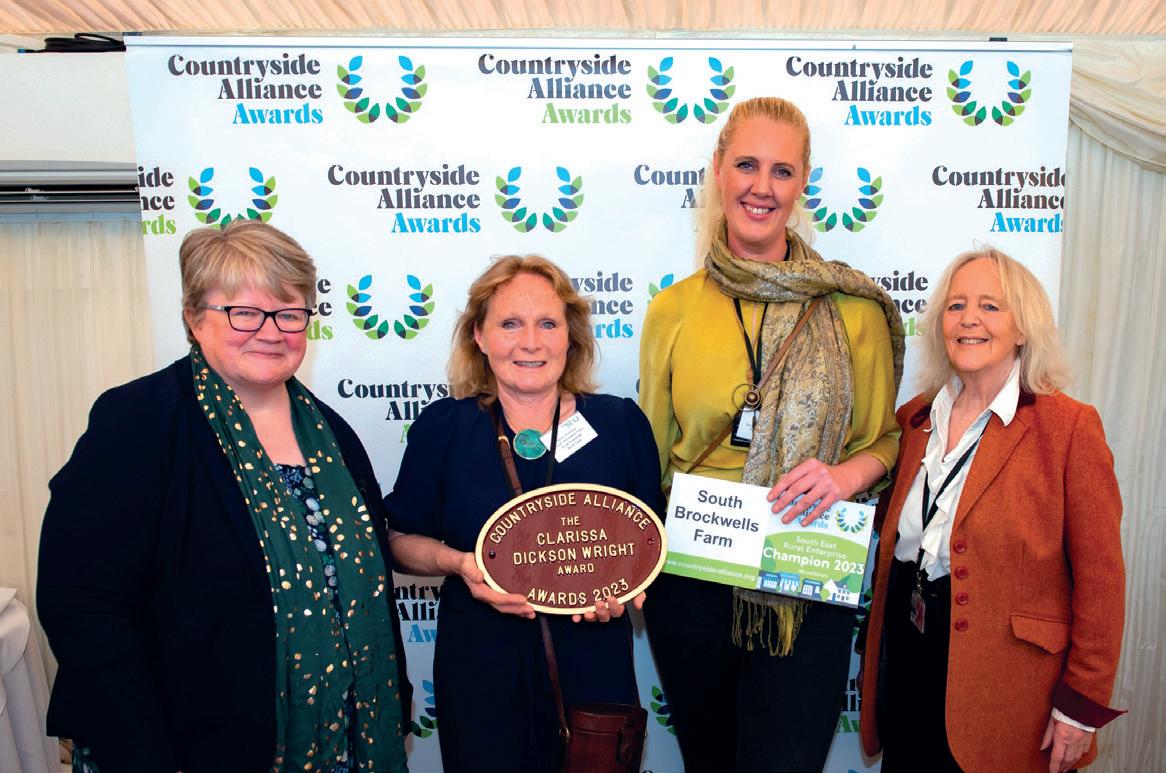
The Clarissa Dickson Wright Award, established in 2013, recognises individuals and businesses that embody the spirit of rural communities and contribute to their prosperity. Clarissa was a strong advocate for campaigning, education, and promoting slow food, taste, quality, and support for farmers and producers.


The Countryside Alliance awards are a highly anticipated event in the parliamentary calendar and have been described as a testament to the tireless efforts of those dedicated to the future of the countryside. They celebrate the exceptional individuals who champion the values and traditions of rural life.
"We are immensely honoured to receive the Countryside Alliance Clarissa Dickson Wright Award," said Sarah Robinson, partner at South Brockwells Farm. "This recognition is a testament to the hard work and passion of our entire team.
“We are deeply committed to preserving the traditions and values of our countryside and we will continue to champion quality produce, the education of the future generation and the invaluable contributions of
our farmers and producers."
Sarah said the 300-acre farm had a deep-rooted commitment to sustainable agriculture, education, community engagement and preserving rural traditions.
The award was presented to South Brockwells Farm, which is well known for its farm school, asparagus, farm shop, butchery and community and equestrian events, by Baroness Mallalieu.
DUO OF DEMONSTRATION DAYS






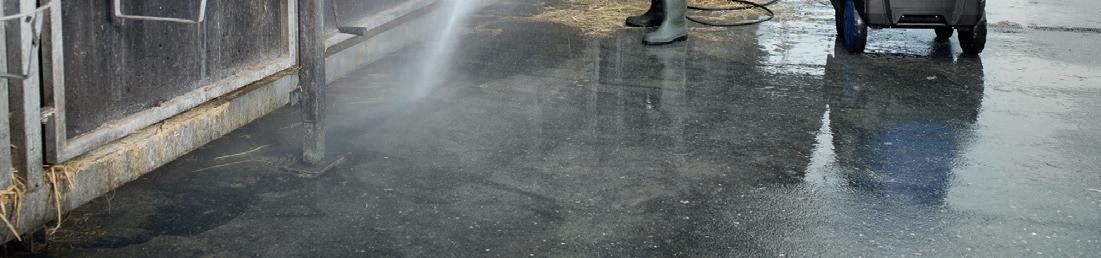
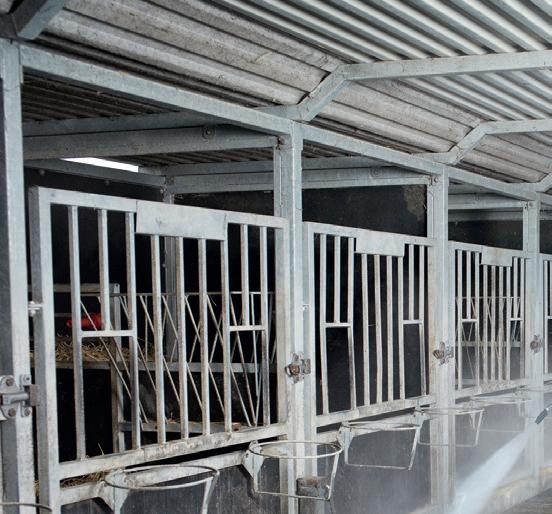
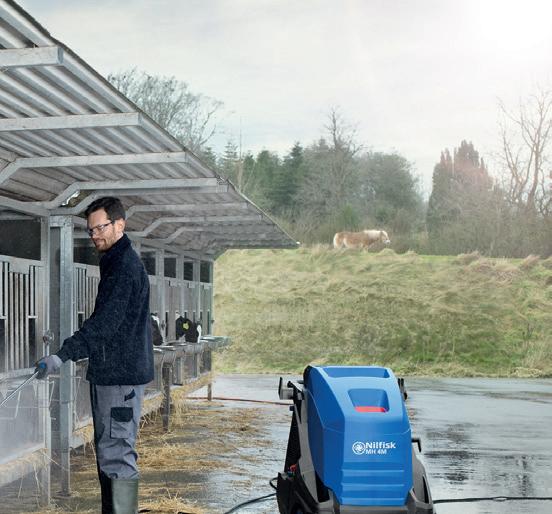
Two demonstration days, one focusing on orchards and the other on vineyards, are being held by Cranbrook, Kent-based machinery specialist NP Seymour.
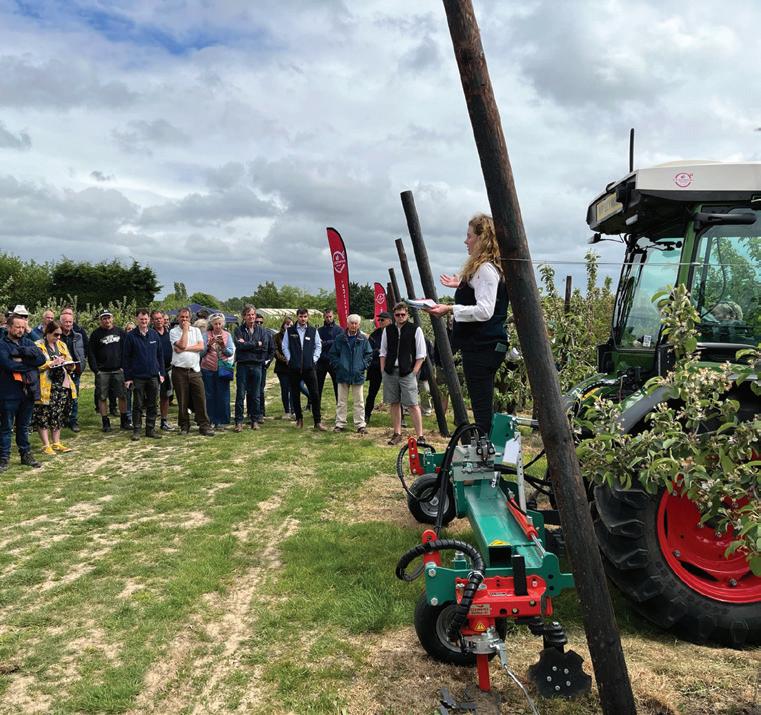
The two-day event will take place at Amsbury Farm, Hunton, near Maidstone, by permission of grower Clive Baxter.







The orchard day on Thursday 20 July will include demonstrations of a range of
machinery, including the latest Gen3 Fendt 200 v/f/p Vario tractors, mechanical weeding solutions, mowers, sprayers, picking platforms and tractor-mounted forklifts.


The focus switches the next day to vineyards, with demonstrations of undervine weeding solutions, defoliators and trimmers, sprayers, mowers and handheld tools.
JULY 2023 | WWW.SOUTHEASTFARMER.NET 6 NEWS
• Toilets & Showers for hire • Large range of Temporary canteens, stores & welfare units • E uent Tank Emptying • Events also catered for with chillers & toilets FOUR JAYS GROUP Tel: 01622 843135 Fax: 01622 844410 enquiries@fourjays.co.uk www.fourjays.co.uk HIRE SPECIALISTS ACROSS THE SOUTH EAST units We
01825 705777 Unit 4, 72
Uckfield,
1QL enquiries@pressureclean.co.uk SALES SERVICE HIRE
Therese Coffey, Sarah Robinson, Caroline Tasker, Baroness Mallalieu
are a leading supplier and an approved repair centre With 50 years trading in the cleaning industry. With our strong ties and long term relationship with the leading manufacturers
Bell Lane
East Sussex TN22
Leading salad, watercress and herb supplier Vitacress UK has denied claims that it pulled out of the Alresford Watercress Festival at the last minute, causing problems for the organisers.

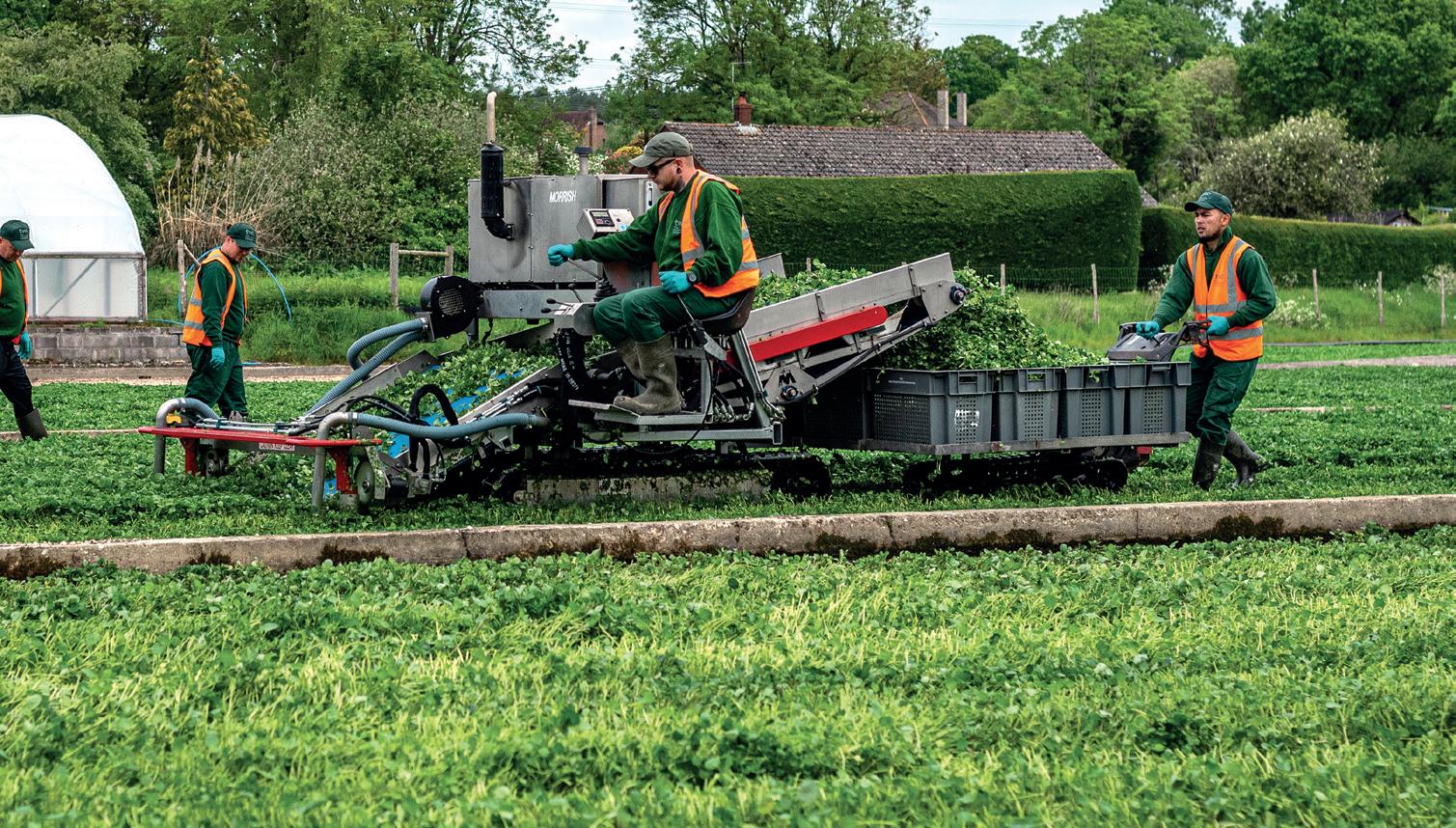
A press release announced that this year’s event had been “a huge success despite major sponsor pulling out.”

Quizzed further about the decision, the press spokesperson added: “It only became clear that the money was not available the week before the festival which obviously caused additional stress and anxiety. Fortunately, The Watercress Company covered the cost.”
Vitacress, though, was quick to deny the allegation, with a spokesperson telling South East Farmer that she had an email trail showing that the decision not to fund the event had been communicated to festival organisers as far back as January.
“We have been happy to support the festival over the past few years but decided before the pandemic that we would review that support on an annual basis in future,” she said.
The spokesperson said Vitacress had honoured a commitment made in 2019 to support the 2020 event, which was cancelled because of Covid-19, by sponsoring the 2022 event, having also provided video material for the ‘online’ event in 2021.

But she said that with many other charities and community organisations looking for support, including those nominated by its own employees, Vitacress had decided to spread its corporate giving more widely and had notified the festival organisers of that decision at the start of the year. She said she was disappointed at the headline on the press release.
The festival spokesperson said the annual event had been started by The Watercress Alliance in “around 2007” by The Watercress

CONFLICTING CLAIMS OVER WATERCRESS FESTIVAL FUNDING
Company, Bakkavor and Vitacress Salads, which had been a sponsor ever since. Its continuing support this year had been “assumed”, she said.


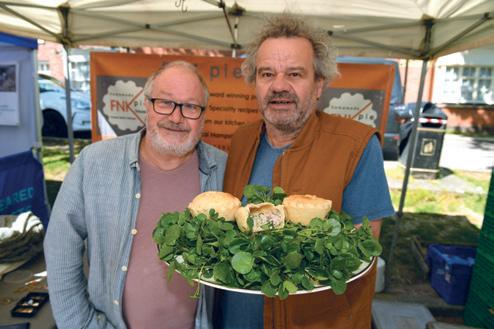
The festival itself, meanwhile – the 19th to have been held – took place in glorious sunshine and was described as “a huge success with a best ever attendance of between 18,000 and 20,000 visitors”.
After Beau Reilly-Taylor and Jack Sims were crowned as the 2023 Watercress King and Queen by Charlie Jeffreys, finalist in 2022’s MasterChef: The Professionals, the day continued with live cookery demonstrations, a charity auction of food that helped raise a total of nearly £4,000, live music, choirs, groups and
children’s entertainers and activities.
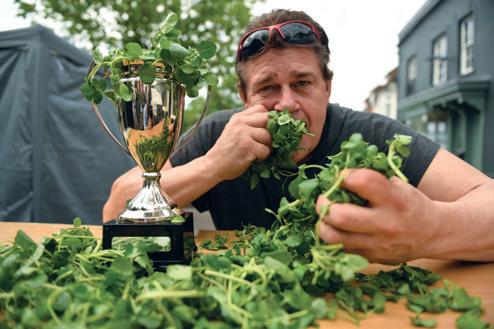
The World Watercress Eating Championships attracted entrants from all over Hampshire and even as far as Birmingham, with 14-time champion Glenn Walsh eating his way through 80g of watercress in 31.29 seconds to hang on to the title and establish an official Guinness World Record.
Claire May, event and market manager, said she had been delighted by the success of the event before adding: “Organisationally it was a tough year with a number of unexpected additional costs and challenges.”

In another reference to the funding dispute, she thanked the event sponsors, “especially the ones who made up the difference”.

WWW.SOUTHEASTFARMER.NET | JULY 2023 7 TO ADVERTISE CALL 01303 233883 NEWS
Specialists in agricultural, deer and equestrian fencing and gates Top quality materials. Top quality service. T: 01622 831 781 | M: 07710 179 600 enquiries@woodchurchfencing.co.uk www.woodchurchfencing.co.uk SUPPLY & INSTALL Farm Waste Recycling Experts Providing waste solutions to Agriculture, Horticulture & Equestrian Collection & Recycling of... All types of Farm Plastics Workshop Wastes Veterinary Waste Waste Oil Waste Tyres Redundant Agri chemicals WasteTyresCardboard Tel 01264 736733 ian.kitson@kitsonrecycling.co.uk www.kitsonrecycling.co.uk No Membership fees



















































JULY 2023 | WWW.SOUTHEASTFARMER.NET 8 tyres@farol.co.uk Thame, Oxfordshire 01844 277699 Hungerford, Berkshire 01488 649150 Hinckley, Leicestershire 01455 638970 Midhurst, West Sussex 01730 819989 Visit www.farol.co.uk/tyres in depot or on site f itting and repairs largest stock of new and usedtyres in the uk tyre supply and f itting for all your machinery AVAILABLE ON CALL 24/7 Unit 6, Martells Quarry, Slough Lane, Ardleigh, Colchester, Essex CO7 7RU 01206 982260 www.npclimited.co.uk Retaining Walls
CHECK INSURANCE COVER
Farmers and landowners are being advised to check that their insurance cover reflects the relevant risks they face and that they are not over-paying on their premiums.
"The nature of businesses, and therefore the risks they carry, is changing rapidly,” said Matthew Berryman, director with farm business consultancy CLM.
He explained that with more and more farmers introducing new enterprises or diversifying, perhaps converting buildings to use as a livery, for instance, or leasing them out for storage, it was vital to keep insurers informed.
“Brexit and the Covid-19 pandemic also saw prices of machinery and building materials shoot up, meaning replacement costs can be higher, while extreme weather events also present new risks,” added Mr Berryman.
“For any meaningful business, insurance costs are at least £10,000 a year, and I have one client for whom it’s about £35,000. When a cost runs to five figures, you need to
be asking if you’re getting value for money.”
Set against a backdrop of rising premiums, it’s worth getting competitive quotes, suggested Mr Berryman. He pointed out that while farmers would typically do this for other purchases, some were tempted to stay with the same insurance provider simply out of habit.
He went on: “In years gone by, insurance discussions typically focused on buildings, machinery and public and employer liabilities. Nowadays there's more to consider. I’m also often asked about ‘consequential loss’, for example to cover the money that might be lost while a building or item of machinery is being replaced or when business activity temporarily ceases.
“This can be expensive, so farmers are sometimes reluctant to insure against it, but it’s worth considering if you have a specialist business or use hard-to-replace machinery and equipment. For ‘traditional’ farm enterprises, 18 months might have been the period typically considered, but vineyard owners might face an interruption of up
to four years if there were, say, a theft of bottled wine or damage to vines which then had to be replaced.”
Annie Streeter, a West Sussex-based Senior Agent with NFU Mutual, agreed it was important for farmers to review their cover.
“I’m having a lot of conversations with farms, estates and vineyards about inflation. We’re checking the replacement cost of vehicles, machinery and equipment. The turnover of a lot of businesses has risen because their costs and revenues have gone up.
“We’re asking such questions as: ‘Have we got our stock of fuel at the right figure?’and: ‘Are stored crop valuations correct?’ If you’re using a much bigger trailer, and perhaps carting a higher-value crop, you need to make sure it is reflected in your goods-intransit cover.
“It’s important to make sure you’re not under-insured, but also that you’re not over-insured, which could be the case as some costs have fallen from their immediate post-pandemic peak,” she said.
COLLEGE TO FUTURE PROOF FARMING
Sustainability in food production was the key message when Plumpton College Principal Jeremy Kerswell addressed a key agricultural audience at the 76th Heathfield Agricultural Show.
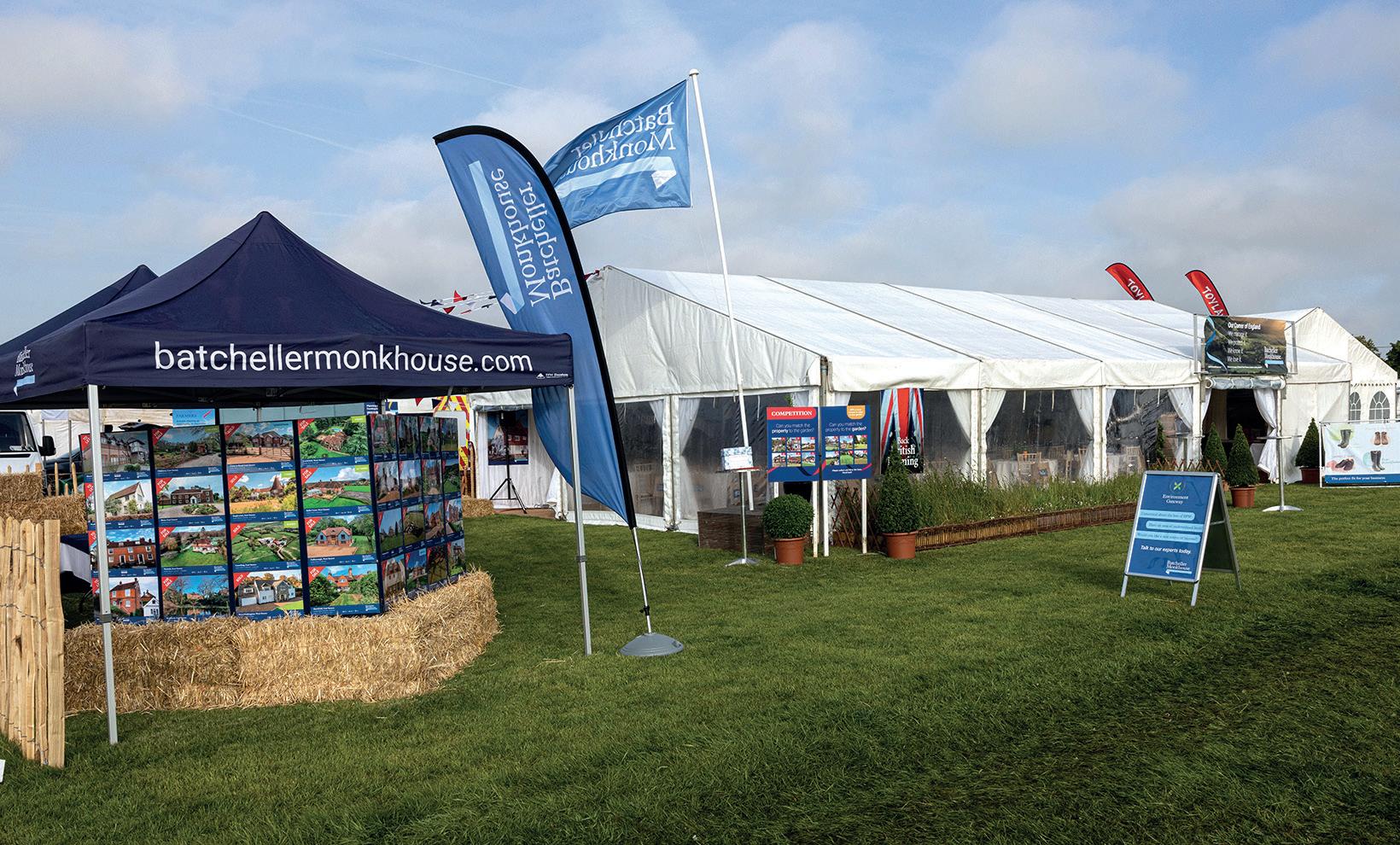
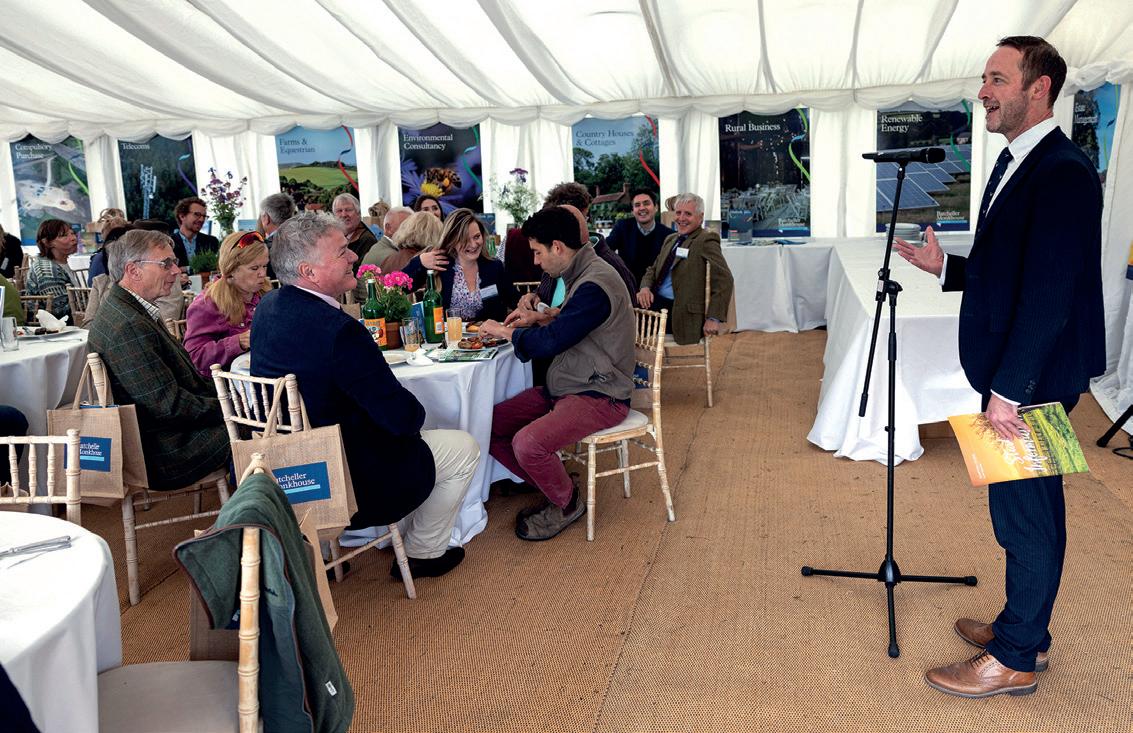
Speaking at the Batcheller Monkhouse Rural Business Breakfast, which was also attended by Huw Merriman, Conservative MP for Bexhill and Battle, he confirmed the college’s commitment to reinforcing students’ understanding of where food comes from and the importance of sustainable strategies in the way it is produced.
Jeremy also outlined plans to ‘future-proof’ the college and its
students, ensuring that it was equipped to take land-based and agricultural businesses forward as profitably and successfully as possible.
The breakfast was attended by around 70 farmers and landowners. Leo Hickish, chairman and partner at Batcheller Monkhouse, said: “One of our key roles is to advise farmers and landowners on the best strategy for their business, whether that be grant applications, general management or diversification. I was interested to hear Jeremy outline his forward desires for his students, who may well be our clients in the future.”
WWW.SOUTHEASTFARMER.NET | JULY 2023 9 TO ADVERTISE CALL 01303 233883 NEWS
Jeremy Kerswell addressing the Batcheller Monkhouse breakfast audience
FARMERS CAN BE DEFT HYPOCRITES
Scanning the BBC news online recently, I was horrified by a report of a farm explosion and fire on a Texas dairy farm. The accompanying photograph revealed a flat, treeless plain with a dense black column of smoke rising high above a cluster of farm buildings into the cloudless sky.
Apparently some 18,000 cattle died in the inferno. One critically injured human was rescued and flown to hospital, but there was no such luck for the cows. Just imagine the fear, panic and pain suffered by these trapped animals. The cause was thought to be an accumulation of methane, ignited by overheating machinery.
The BBC report added information from the American Animal Welfare Institute that 6.5 milllion farm animals had died in barn fires in the past decade. Mostly chickens, but still, 7,300 were cattle. There was no public enquiry for such events.
Before we claim that this could never happen here, we must consider and accept the pressures to industrialise animal husbandry in the name of economic efficiency, alongside our own poor personnel safety record.
Thankfully, most applications to build mega dairies have been turned down because of objections from urban neighbours – one of the many difficulties, or perhaps benefits, of farming on a small, densely populated island.
Yet we rail against regulations aimed at improving animal care or the state of the environment. Perversely we are quick to criticise lapses of such regulation. Governments, for fear of losing power, are loath to risk raising sufficient taxes
to fund better regulation, and industries, including ours, certainly won’t willingly countenance funding their own. We can be deft hypocrites!
This Texan dairy farm calamity would have had little local public impact, being so far from human habitation. Nonetheless such industrial exploitation of sentient animals with no means of escape is, I believe, ethically unacceptable, and the suffering extreme. Such huge numbers of cattle in a closed, poorly regulated, automated system producing mind-blowing quantities of slurry and methane has to be an obvious and unacceptable risk to animals. We must be on our guard.
In our own back yard we have had less dramatic scandals like some Welsh poultry farmers carelessly polluting the river Wye and, very recently, in a ‘dark urban back street’ an as yet unnamed meat processor fraudulently mixing cheap and rotting imported beef with British beef, then labelling it all British. The alarming thing about this latter incident is that so many large, well-known, retailers and manufacturers were buying this fraudulent stuff because their supply chain surveillance was so hopelessly inadequate.
I would therefore argue, forcefully, that we farmers, along with most other businesses and banks, need efficient and effective regulation that covers ethics, human and animal welfare, honesty and environmental damage, inter alia. No nit picking and box ticking.
This is a legitimate cost upon all of us, both customer and business. Our pressing need for regulation and legal enhancement stems from the length and opacity of our
current food chain and economic power in so few hands. Those that can’t stand such regulation can always twiddle their thumbs on some benighted beach or, I’m sure, would be welcomed in a cold kleptocratic eastern oligarchy! The rest of us can do without anarchy.
As a corollary, I would also argue there is a strong social case for localising much more of our food production, shortening supply lines, cutting the carbon costs and reducing polluting packaging. There would be considerable environmental and economic gains from reducing food miles. It would also increase local employment, while connecting more people to their food sources and community.

JULY 2023 | WWW.SOUTHEASTFARMER.NET 10 GUEST COLUMN A PERSONAL VIEW
Mike Kettlewell is in a family partnership which encompasses 400 acres of arable land, South Devon cattle and stewardship in the Cotswolds. He is a member of the North East Cotswold Farm Cluster.
Farmers keen to understand the benefits of regenerative, low carbon farming were able to learn more about the approach at an evening event in Oxfordshire.
Around 50 farmers from across the South East gathered at Rumbolds Farm, near Wallingford, where host Richard Davey welcomed them to the Carbon Farming Made Simple event.
The event, organised by carbon farming company Agreena and Wantage-based agronomists Edaphos, aimed to provide a firsthand introduction to regenerative and carbon farming.

As part of a family partnership, Richard farms 1,600ha of land running from the top of the Chilterns to Little Haseley. Just under half the land is owned, with the rest made up of three contract farming and two stubble to stubble agreements.
Working closely with Edaphos, he grows milling wheat, soft wheat, feed barley and spring barley alongside break crops including forage maize, oilseed rape, beans, poppies and a small area of lupins. Pigs housed in rented buildings at Rumbolds Farm get through 2,000 tonnes (t) of cereals each year and provide manure.
Introduced to Agreena by Edaphos about three years ago, Richard was already moving towards regenerative farming, reducing cultivations, applying organic matter and exploring cover cropping. He explained that joining the AgreenaCarbon soil carbon platform was a natural progression.
Now in his second year with Agreena, he is expanding his regenerative farming practices –using no-till farming techniques, growing cover crops, reducing his use of chemicals and artificial nitrogen, and adding digestate.
Those at the event enjoyed a farm walk with Richard and Edaphos Advisor Ben Harrington, during which they discussed cropping details, firstly visiting a field of Skyscraper milling winter
CARBON FARMING EXPLAINED AND DEMONSTRATED
wheat which had been direct drilled.
Nitrogen usage had been around 160kg, made up of a mixture of digestates and synthetic nitrogen. The average wheat yield across the entire farm last year was around 10t per ha.
Farmers then looked at a field of poppies drilled using a Horsch Avatar following shallow cultivation. Richard had grown his usual cover crop mix of black oats, phacelia, vetch and berseem clover and applied 80kg of nitrogen. Expected yield is 2t per ha.
Thomas Gent, Agreena’s UK market lead, explained how the AgreenaCarbon programme helped farmers quantify the yearly carbon impact of regenerative farming and turn those calculations into carbon certificates, an asset that farmers can sell or retain within their own businesses. He said each hectare would annually yield approximately one to two certificates.
Tim Hayward, farm and estate manager for the 1200ha Woolley Park Estate near Wantage, attended the event to help with his decisionmaking process around joining the Agreena programme.
South Fawley Farm, part of Woolley Park, already practises some environmentally friendly farming methods. Tim has increased spring barley cropping to a third of the farm in two years. The lower input spring crop replaced high input second wheats and winter barley and remained just as profitable.
Growing spring barley also provided the opportunity to grow cover crops, while grazing them with sheep saw livestock on some of the fields for the first time in 40 years. Reducing cultivations made sense given
South Fawley’s highly abrasive soils, and direct drilling oilseed rape was tried to help crop establishment.
“These measures meant we had the basis of a regenerative farming-type system. Initial conversations with Agreena highlighted that we were already in a position to generate a useful amount of carbon certificates,” said Tim, who had also researched regenerative and carbon farming at an Agriculture and Horticulture Development Board monitor farm at Welford Park Estate.
“Independent verification is key for me before adopting more non-traditional techniques,” Tim explained. “I had looked at other carbon soil programmes but liked the Agreena model. Thomas Gent and his team were very attentive in answering my many questions, getting back to me quickly if they couldn’t initially provide answers.
“Talking to neighbouring farmers during the event and listening to the presentations made up my mind to sign up to the AgreenaCarbon programme with 700ha of arable at South Fawley.”
Agreena will be paying AgreenaCarbon farmers who choose to sell their carbon certificates back to Agreena €32 to €36 per anticipated carbon certificate generated, depending on where they are based. That figure is an increase of 45% year on year.
“Richard gave farmers a great opportunity to see how he has improved his soil, taken action against climate change, and benefitted from a new revenue stream from the sale of carbon certificates,” said Thomas.
WWW.SOUTHEASTFARMER.NET | JULY 2023 11 TO ADVERTISE CALL 01303 233883 NEWS
Richard Davey, Ben Harrington and a group of farmers at the Regen evening
A CRITICAL TIME FOR SURVIVAL
Dear Sir,
I was delighted that you were able to include the article and photograph on fruit picking in your May edition (Simpler in the old days, page 15).
The article clearly sparked memories in many minds and resulted in a number of people making contact and sharing their thoughts, so thank you for publishing it. At my age it is fascinating to watch as the wheel turns and brings new, yet in many cases old, ideas related to the future of soil and fruit farming.
Ted Sclater, Andover, Hampshire

VERMIN IS KILLING OUR WILDLIFE
Dear Sir,
I just had to write again about this serious problem and I hope that the woke amongst us will take note and start to understand that all this nonsense about farmers and the demise of all things in the countryside is just BS.
These are ignorant people who like to think they understand the countryside yet know nothing. The picture you have seen on TV of Chris Packham with a magpie perched on his finger is a complete joke; this is the man who wants to preserve the bird population.
Well get this, people, magpies eat the eggs of every small bird, creeping through the hedgerows for the nests. Not content with that, they will take the young chicks too. Good old Chris, don't you just love him?
By the way, folks, the grey squirrel is just as menacing and uses the same tactics. Then we have the carrion crows that are now seen in flocks rather than the odd pair as in the sixties. These birds take the high view, also looking for any ground nesting birds. They do not kill the parent birds but take the eggs; often the parent birds don't have time to nest again.
Thanks to solar panels, the grey partridge is doing a bit better. Can I also mention our black and white friends? They have no known predator, and also take ground nesting birds, killing them and taking the eggs. By the way, they also dig out bees’ nests and kill hedgehogs, as accurately described by Nick Adames when he saw the killing of a hedgehog on his lawn. These animals have decimated the hedgehog population. They turn them over and eat them from the underside; no other wild animal can do this.
There is no need to mention TB in our cattle, but needless to say we are completely overrun with these ‘cute’ animals. Such lovely animals, but in controlled numbers, please!
I hate to preach to the country folk who know, but perhaps the woke will read this and take it seriously. Vermin is killing our wildlife; farmers are not to blame.
Steve Skinner, Dover, Kent
The Editor adds: Readers may be interested to note that despite its regular and pejorative use as a generic term of abuse, ‘woke’ actually describes a person who is aware of and alert to social and political prejudice or unfairness, something to which we should surely all aspire.
BETTER EDUCATION ON MEAT CONSUMPTION NEEDED
Dear sir, Campaign group Feedback’s challenge in the Court of Appeal on the UK Government’s ‘unlawful’ food strategy was always set to ruffle feathers. Food is frequently a divisive subject – what we can and can’t have, how it’s produced and at what cost. Sadly, our systems of production have been compromised for decades. There’s monumental waste and inequality within it.
It’s hardly surprising that any meaningful legislative measures to reduce meat and dairy production and consumption have failed to materialise, prompting the legal action on industrial meat.
The simple truth is that not all meat is equal. Consumers deserve clarity and transparency to help them make informed purchasing decisions. The ‘less but better’ mantra is often heard, but what does that mean? Both organic and Pasture for Life-certified meat and dairy are produced less intensively and under higher welfare standards, which results in a lower overall environmental impact.
It also bears repeating that these sources of meat and dairy are not necessarily the most expensive options, considering that many farmers sell directly from the farmgate, at local markets and via online platforms such as the Open Food Network.
In terms of better, it is time we encouraged more people to support shorter supply chains and enjoy higher quality produce.
Roger Kerr, Chief executive, OF&G (Organic Farmers & Growers)
JULY 2023 | WWW.SOUTHEASTFARMER.NET 12 LETTERS © Telegraph Media Group Limited 2023 SEND YOUR VIEWS OR COMMENTS: SEF.ED@KELSEY.CO.UK twitter @SOUTHEASTFARMER facebook-square SOUTH EAST FARMER
2023 – THE PIVOT YEAR

Dear Sir, England’s new agricultural policies are now real on the farm. Talked about since the referendum, outlined in 2018 and set out in 2020 in the Agriculture Act, 2023 is the pivot year for change. With the business of farming being to farm as a business, farmers need to look at their businesses now to make best use of the remaining time.
Basic payment is cut by 35% this year. With this summer’s payment, English farmers will have had over half the basic payment due in the transition period to 2027. Entitlements have gone. Next year’s delinked payment will be at half the rate of 2020, with everything gone by 2028. Decisions about farming, land and letting are now business and personal ones; no area subsidy turns on them.

The money released is now funding grants for machinery and equipment, slurry stores and reservoirs as well as new SFI standards and, soon, enhanced Countryside Stewardship schemes. These are not ways to get basic payment back but should be considered pragmatically as options, potentially beneficial, but not a universal answer.



Away from schemes, few commercial farmers will find simple solutions in new environmental markets. Carbon should usually be held and not sold, farmers needing to move towards net zero and satisfy produce purchasers.
With CAAV members ready to help, the business decisions in this are personal to each farmer, who should act to manage change before being managed by it and should use, not waste, what is left of the transition period.
Jeremy Moody, The Central Association of Agricultural Valuers (CAAV)
SHOOTING IN TURMOIL
Dear sir,
DEFRA has thrown shooting into turmoil at a critical time in the rural year and has threatened jobs and businesses with its withdrawal of the general licence that allows the release of gamebirds in certain protected areas of England.
BASC (British Association for Shooting and Conservation) has been working to highlight the chaos that has been caused by its decision to withdraw General Licence 43 (GL43) without any notice or consultation with the shooting community.
The association has now instructed lawyers to begin seeking permission from the High Court to bring a Judicial Review of the decision.
We have previously branded as “chaotic” the move by DEFRA to ban the release of pheasants and partridges in and around Special Protected Areas (SPAs). The South East of England covers key areas such as the New Forest, Wealden and Chichester and Langstone Harbour SPAs.
Our absolute priority is to seek the immediate reinstatement of a workable GL43 system that, as a minimum, allows shoot managers and those affected to get back on with their work and their lives.
But we also want the High Court to make clear that the DEFRA decision was unlawful in so far as that it was reached without clear evidence or due consultation with the shooting community.
We believe the High Court review is necessary to ensure that DEFRA’s processes are changed for the future and that proper engagement with the rural community takes place before any significant changes are introduced.
Michelle Nudds, BASC South East regional director, West Grinstead, Horsham
WWW.SOUTHEASTFARMER.NET | JULY 2023 13 TO ADVERTISE CALL 01303 233883
SALES AND SERVICE
BROWN
SONS LTD & M&A Brown & Sons Ltd, Iden Green Farm, Cranbrook Road, Goudhurst, Kent TN17 2PA info@mabg.co.uk 01580 211599 www.mabg.co.uk Comprehensive range of professional tractors from 19hp to 75hp WORLD CLASS POWER TOOLS LANDRAIS E Do you need... › A new building? › To build a noise bund? › To create a hardstanding to store silage or straw? › To build up an area to prevent flooding › To fill in an old lagoon? We may be able to help We can subsidise your costs by building up areas with subsoils classed as non-hazardous inert waste. We can gain all planning permissions needed so give us an opportunity to reduce some or all of your costs on your next project or improvement. East Sussex area preferred. RAISE THE LEVEL OF YOUR LAND Robins of Herstmonceux (Est 1962) 01323 833181 Email: helen@robinsofherstmonceux.co.uk
M A
&
I am writing this article from Central California. As we had not been abroad since before Covid-19, my wife and I decided we needed to bite the bullet and get away from the farm. My entire immediate family agreed and we have all had a great time out in the USA.


An 11-hour flight with a seat-sharing 18 month-old who has no interest in screens apart from videos of cows was a challenge, but well worth it all the same.
The trip coincided with seeing my clever younger brother Guy graduate from the School of Agriculture at the University of California, Davis, with a PhD in plant science. He is now known in the family as Dr Fun-guy as he has spent the past five years with his head in a petri dish studying fungus. His PhD thesis is so astonishingly technical I can’t even understand the title, let alone the body of the text, but it is to do with fusarium in chickpeas. I’m glad his supervisors can read and comprehend it!

FASCINATING PLACE FOR A FARMER TO VISIT
California is a fascinating place for a farmer to visit. Most of us in the UK see it as Hollywood and San Francisco, perhaps with a National Park or a bit of Napa Valley wine country thrown in. The reality is vastly different. Move inland from the coast and the traveller reaches the huge flatness of the California Central Valley. This is 40 to 60 miles wide and 450 miles long and has some of the most productive agricultural soils in the world.
230 DIFFERENT CROPS
Over 230 different crops are grown here and despite being less than 1% of US farmland (not including wilderness or built up areas) it produces 20% of US agricultural output.
Unlike the stereotypical US farm, many agricultural businesses in the Central Valley are small, family owned concerns. Top fruit, nuts and potatoes are popular and cabless tractors seem common, despite, or perhaps because of, the searing heat, which regularly touches 110°F in the Summer.
Crops and livestock are watered using the meltwater from the Sierra Nevada mountains. Over the past decade this has become a worry, as winter snowpacks
CALIFORNIA IS A FASCINATING PLACE
have generally declined. Winter 2022-23, however, changed that and the snowpack is currently the largest for 30 years. It has been the snowiest season since records began, with over 56ft falling at Lake Tahoe and much more higher up the hill. It’s still so snowy, in fact, that I went skiing today. On 19 June. In California. Mind boggling.
INAUGURAL MEETING
Despite the substantial time difference, I did join, via Teams, the inaugural meeting of the NFU South Regional Board, which was productive and informative.
The South East Region of the NFU will soon cease to exist, with Hampshire, the Isle of Wight, Berkshire, Buckinghamshire and Oxfordshire joining the South West region to create NFU South. Kent, Surrey, and East
and West Sussex will form NFU East along with the East Anglian counties. My role as NFU South East Livestock Board Chairman will end, but I am assured that the work on the crucial issue of abattoir provision in the South East will continue.
With three days left out here in California, I am comforted that the farm has been left in the capable hands of my employees Ben and Hector. I have only had a small number of ‘emergency’ farm phone calls, all from suppliers or contractors. One of the great benefits of going abroad over a UK staycation is the foreign dialling tone. It’s surprising how many reps’ phone calls suddenly aren’t quite as important when the ring tone lets the caller know that I am several thousand miles away, and if I do pick up it will cost them £1.50/minute…
JULY 2023 | WWW.SOUTHEASTFARMER.NET 14 FROM THE FRONT LINE IN CONJUNCTION WITH
Writes Ben Robinson who farms near Alresford.
It’s about Planning Strategy














“When looking at the planning potential of isolated sites in the countryside, most won’t be surprised to find that local planning policy seldom supports a quick route to gaining a residential consent. There is often the requirement to demonstrate how a site is sustainable and why economic uses are not being considered in the first instance. Whether or not you/we agree with this approach will be a debate long-rehearsed and one for another day. However, the take away from this article should be - just because Local Plan policies might seem rigid, it doesn’t mean that there isn’t another way” writes
Tom Ogden, Director at Bloomfields.






National planning policy has bought about undeniable flexibility for those that are eligible for a range of permitted development rights, and appreciating the small detail is important when seeking to apply these to individual cases. For one of Bloomfields’ clients, using permitted development rights to establish agricultural to residential use was of relevance, as was using permitted development rights to facilitate changes of use from a range of office and light industrial uses, to residential uses. In total, it was demonstrated that 18 dwellings could be provided across the client’s farmstead using permitted development rights.
It is clear that this led to an ad hoc arrangement across the site with dwellings poorly laid out, limited in their design (we had to work within ‘the rules’) and that didn’t wholly complement the surrounding landscape, local heritage assets, or even the ‘legacy factor’ our client wanted to leave for his local community. However, the important point was, our client had options which would allow him to consider whether he wished to capitalise on the residential value for 18 units and this would form the basis of ‘leverage’ to design a far better scheme that would not have, ordinarily, been supported by the Council.
So, with 18 units permitted, we were able to manage a range of consultants on behalf of the client to allow a landscape, heritage and ecological-led site layout to be produced by the Bloomfields in-house architectural team, for presentation and discussion with the local Council.


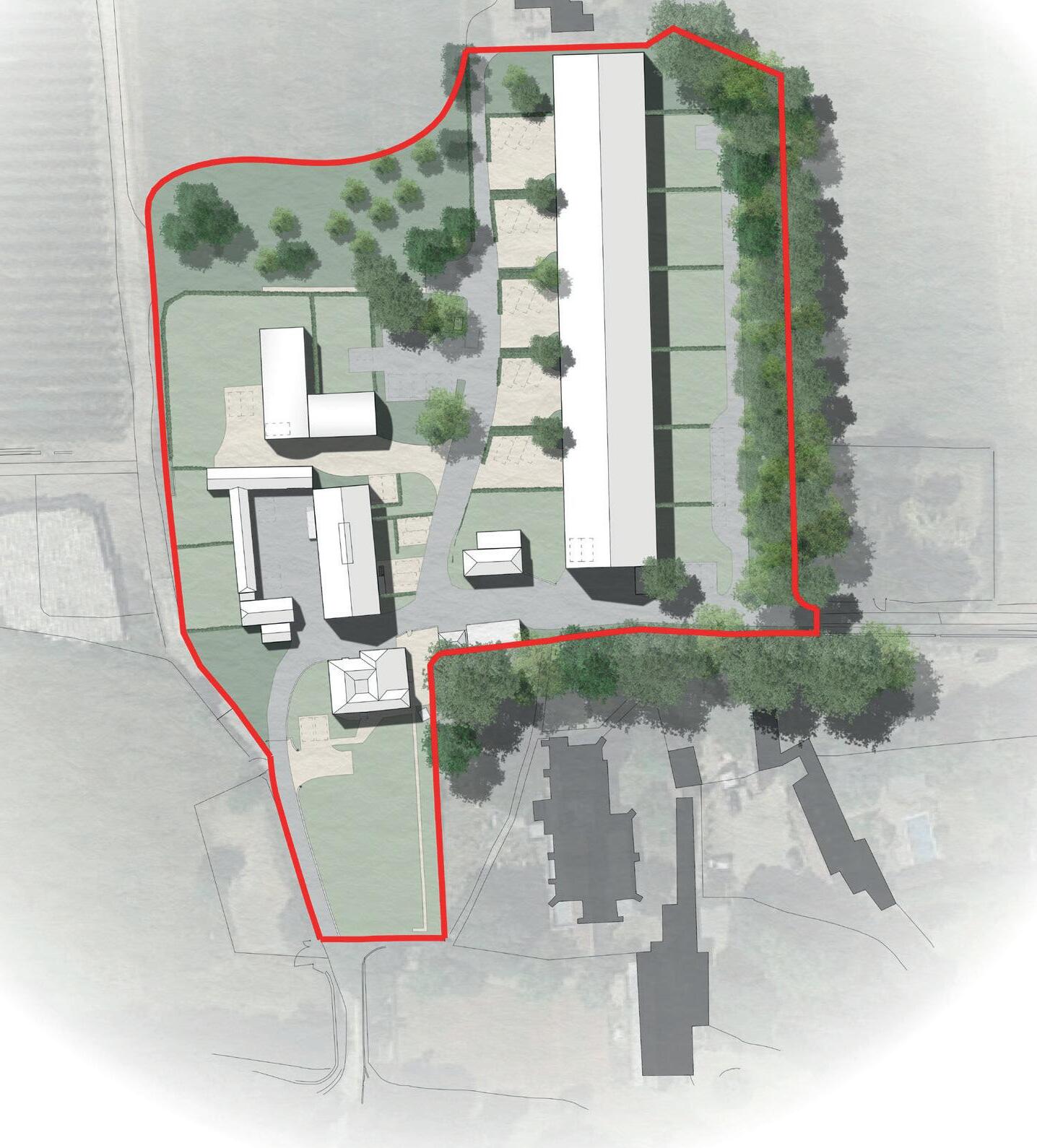
This saw the proposal to demolish a range of buildings, to redistribute dwellings over the site into buildings that would not otherwise benefit from a change of use permission, to reduce the number of dwellings proposed on site (to 15), and to propose dwellings that offered modern day living arrangements in buildings yielding plenty of local history. A better scheme all round for everyone and one providing a brilliant option for our client.
The Council’s under resourced department meant we had three different Conservation officers and five different planning officers (including the head of planning) taking 10 months to decide this major application. But despite otherwise being against local policy, we managed to avoid having to go to Committee or appeal, and the application has been granted giving our client plenty of time to consider his options.
SPECIALISING IN PLANNING ADVICE THROUGHOUT THE SOUTH EAST Kent 01892 831 600 | East Kent 01303 814 444 | Sussex 01435 873 999 info@bloomfieldsltd.co.uk | www.bloomfieldsltd.co.uk
IMAGES SHOWN ARE ARTIST IMPRESSIONS
Tom Ogden DIRECTOR
John McSweeney ASSOCIATE
Ewan Thomson ARCHITECT Russell Brown ASSOCIATE
“My wish to keep the historic farmstead was delivered, rather than being just another new housing estate in the country.”
QUOTE FROM BLOOMFIELDS’ CLIENT
ACCIDENTS HAPPEN
Does ‘a normal day’ exist in farming? I guess it does in a way, although it changes with the seasons and the rhythm of farming. Come to think of it, not even the seasons can be described as normal these days; it’s all change, unpredictability and uncertainty.
Will we get that rain that we desperately need? It’s shown as a blue blob on the weather app, but come the appointed hour, will those dark clouds pass us by? Today’s world is challenging. What is certain is that when we face adversity we’ll do all we can to survive, not just for ourselves but for our animals and the land under our care.
On our farm at the end of May our main sheep flock looked well, but with the humid conditions came the worry of getting fly cover applied before we had any cases of strike. The first round up post lambing is often a testing event, but with sheepdog Brie’s help, and that of her daughter, it worked surprisingly well.
We usually worm, immunise and apply fly repellent in one hit, but to simplify matters we concentrated on the latter. We applied Clic-extra to the lambs and Ectofly to the ewes. I was keen to give protection from the horrors of those little blighters, maggots. I hate them with a vengeance. I’d like to use environmentally friendly products, but sadly they’re not so effective.
We’ve also cleared out the last of our hoggets, some sold as finished, the rest as stores. I wasn’t particularly proud of them,
but they made fair money. Three rams in reasonable condition that owed us nothing and were past their sell-by date were also sold. I was happy with the price received, and it is better than thinking they will go on forever, which is a false economy.
It’s like when we buy a new machine, our best intentions are that we will keep it in immaculate condition and renew it every three years. Of course, that rarely happens; we never seem to find time and sometimes “the devil you know…” and all that is easier than trying to get your head around newfangled gizmos and gadgets.
New technology is great when it works but it isn’t half annoying when it doesn’t. Our children tell us it’s not the computer/machine but the operator who’s at fault.
It’s a pity we don’t put our wisdom into action, because invariably we end up running machinery into the ground, often with it costing a fortune in repairs and other half spending much time patching things up. “Mend and make do” is his motto, but his offspring have not inherited this trait; theirs is more like “Use, discard, renew.” I’m somewhere in the middle. This all makes for harmonious family farming.
These days we traditionally shear in July. Although it was hot during May, the heat was accompanied by strong drying winds which, in the latter part of the day, were quite chilly. Newly shorn ewes heavily in milk are susceptible to mastitis under these conditions,

so we tend to wait until the initial cover has worn off and closer to weaning time.
In extreme heat I sometimes question this thinking. Our flock is lucky always to have access to woods, mature hedges and random trees where sheep can find shade. Although I’m tempted to try mob grazing, I’ve yet to fully embrace it as, to my mind, providing shade in these circumstances would be more difficult. We do have cattle and sheep running together, which I’ve recently learnt is called a flerd.
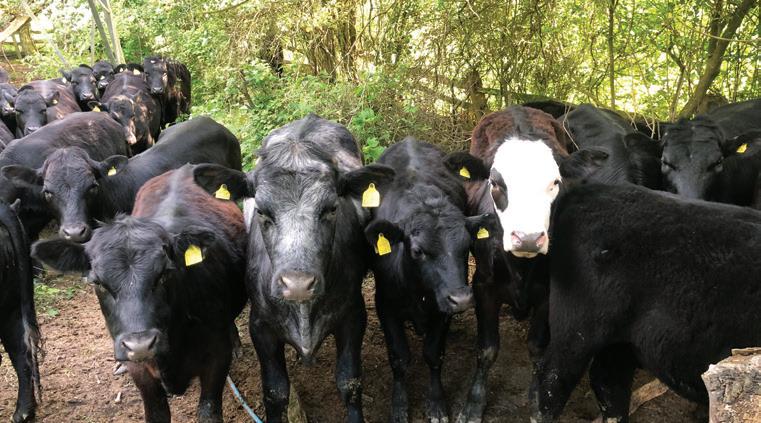
It’s a good thing that when we start our day we have no idea what adventures are in store for us. One day early in June, grass had been cut for silaging. The bull had joined his ladies on the Pevensey levels, but we had two finished cattle left in the sheds which other half was itching to get cleaned out.
Nigel phoned to get a slaughter slot at our ‘not so near’ abattoir as he was hoping to stock up on barbecue-ready beef to sell during the summer season, but the next availability wasn’t until July.
I suggested we load and turn these cattle out to grass and collect a backload of sheep suitable for me to use to start fine tuning the young sheepdog’s training. All worked well until we arrived back in the yard.
The ewe lambs in the trailer had been categorised by me as empty, but two had subsequently lambed. We had put these recently born lambs into the back of the pickup in order to avoid them getting trampled in transit. I climbed over the
JULY 2023 | WWW.SOUTHEASTFARMER.NET 16 MONICA AKEHURST AT THE KITCHEN TABLE
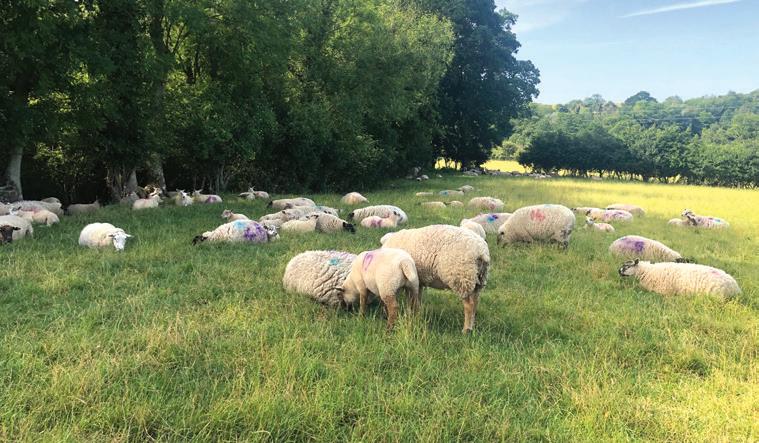
The flock is resting up in the shade
tailgate, applied rings, dipped navels and numbered the lambs, taking the first one to reunite it with its mum and placing them separately into a paddock.


When I returned to collect the second lamb, everything went horribly wrong. Naturally the lamb wasn’t keen to be caught. I got into the back to catch it and was clambering out, perched horizontally along the raised tailgate with the lamb in my hands, when suddenly the latch gave way.


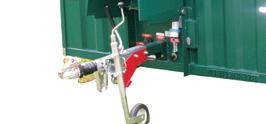
This resulted in me being catapulted speedily with some force onto the livestock trailer jack. Ouch. The reputation that former nurses make the worse patients is true. While gasping for breath I tried to do a self-assessment, but the pain was so intense that I couldn’t think straight. The younger members of the family called the ambulance. In this setting one has to be proud of the NHS response; it is a wonderful service.
I was lucky to get away with only broken ribs and no damage to my internal organs as was first feared. Brighton’s emergency department was brilliant despite it being a Friday evening and a strawberry moon. I was given a bed with a sea view and excellent care.
It takes time, but I’m on the mend. My message is: “Accidents happen, so please be careful, especially at busy times like harvesting. Don’t take unnecessary risks and appreciate your health.” It’s so frustrating when you can’t get on with farming like you want to.

Embrace the good in farming but be wary of the dangers.
Hallelujah…. It’s raining.
Editor’s note – all of us at South East Farmer, and I am sure, our readers, wish Monica a speedy recovery.


WWW.SOUTHEASTFARMER.NET | JULY 2023 17 TO ADVERTISE CALL 01303 233883
Water is in demand
Hens out and about, enjoying a drink
I’m hiding
Lambs are growing
The livestock trailer jack was not a soft landing
Paw patrol; extra eyes for lookering in case the humans should miss something
Tilley’s method of keeping cool
SHOWCASING PIONEERING EFFORTS TO ADDRESS SKILLS SHORTAGE
The groundbreaking work being done by Hadlow College staff and students to address the skills shortage in the horticulture sector was showcased to some of the most eminent figures in the industry recently.
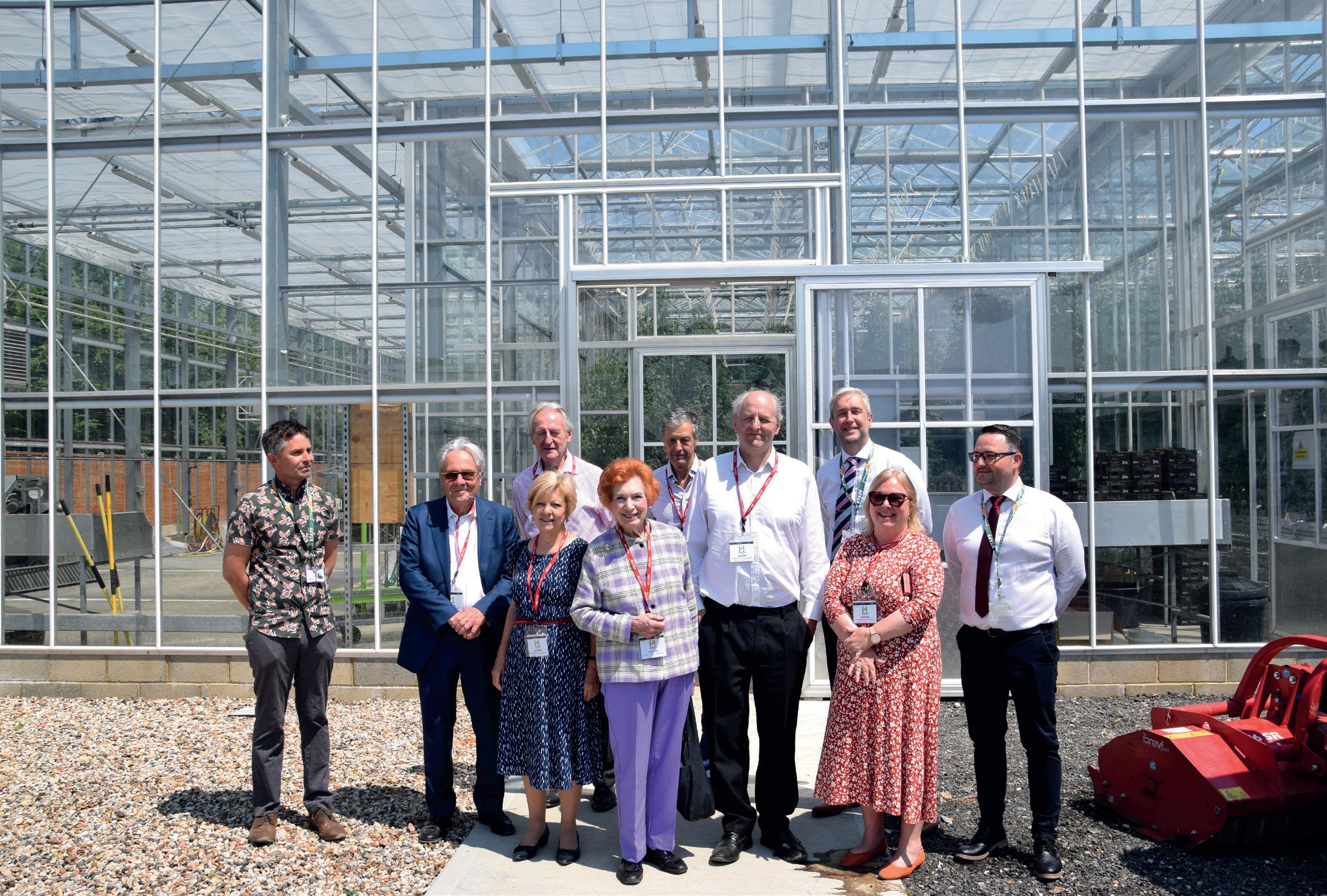
The House of Lords Horticultural Sector Committee visited the college in June to meet students and staff and to discuss the challenges the sector faces and what can be done to address them.
The committee was shown the new glasshouse and the robotic concept orchard and vineyard which allow students to develop their skills using the latest technology and equipment.
Chris Lydon, vice principal of Hadlow College, expressed his delight at
demonstrating the college's remarkable achievements in horticulture education: "It was an honour to welcome the committee to Hadlow College and offer them a glimpse into the exceptional work being done by our students," he said.
"Our students were thrilled to have the opportunity to showcase their skills and expertise in horticulture studies as well as Hadlow College’s fantastic resources, including its commercial glasshouse, concept orchard and vineyard. It is through events like these that we can highlight the importance of skills training and address the current challenges faced by the horticulture sector."
Lord Redesdale, Chair of the Horticultural Sector Committee, commented: “Horticulture is worth billions to the UK economy and is
fundamental to tackling climate change and making sure we have a secure food supply. We were pleased to see first-hand the work being done by Hadlow College staff and students to address the skills shortage in the horticulture sector.
"We were impressed with the quality of students’ work, teaching and the facilities provided, all of which are essential for ensuring the future resilience of the sector.”
The college opened its commercial glasshouse in 2022, while the concept orchard and vineyard were officially unveiled in March.
For anyone interested in learning more about what is on offer, the college is holding an open event from 10am to 1pm on Saturday 4 November.
JULY 2023 | WWW.SOUTHEASTFARMER.NET 18
See more at www.hadlow.ac.uk/events or call 01732 850551
In front of the commercial glasshouses at Hadlow College, from left to right: Alan Harvey, head of curriculum (horticulture) at Hadlow College, Lord Carter of Coles, Lord Curry of Kirkhale KT CBE, Baroness Jones of Whitchurch, Baroness Fookes DBE, Lord Colgrain DL, Lord Redesdale, Chris Lydon, vice principal at Hadlow College, Eileen Swan, director of quality enhancement at Landex and Dan Cotton, assistant principal at Hadlow
A FESTIVAL OF FRESH
A gloriously sunny day, coupled with great organisation - hats off to anyone taking a chance on an outdoor event for British food and farming – and some punchy topics being discussed; I’d say that the second Festival of Fresh was a great success.

The morning on the Inspiration Stage kicked off with produce sector leaders discussing the current market place, the challenges of employment and the cost of production. With Michael Barker as host, we knew there would be some pithy questions and a good flow of discussion. He didn’t disappoint, dropping an early comment about DEFRA not being able to attend.
Labour was a key focus of the panel, Martin Emmett bringing an NFU perspective on the challenges of disentangling the need for seasonal labour from the militant immigration stance of the Conservatives. The need for longer-term permits was raised by all of the panel. It was felt that nine months would allow good training and development, and for the top fruit sector there would be time for staff to move from soft into top fruit before returning home.
James Simpson, on behalf of British Apples and Pears Ltd (BAPL), added that the whole of the fresh produce sector is trying to attract people and that there was also a need for skilled and regular labour. He said Kent had exceptionally low unemployment and that there was no longer a pipeline to bring people
When were we celebrating?
into the industry.
There were, he said, many exciting opportunities that needed people with an interest in technology, science and the environment, along with marketing, sales, compliance and production openings.
Jack Ward praised the intervention of Prime Minister Rishi Sunak, who backed the number of permits required and ensured that the 23 and 24 December meetings happened and that the eventual announcement reassured the industry.
The fact that it takes the PM to cut through the noise and that he stopped the prevarication and blocking, forcing ministers to make a decision, is a sad indication of how this critical element of the sector’s future has to be secured.
Beatrice Lugli from Kantar focussed on how consumer behaviour is changing to combat price increases, managing spend by deal shopping, shifting from brands to white label ranges and shifting down to a discounter format retailer.




There are changes in priorities as well; varieties, health and sustainability have fallen out of favour, with cost the primary concern. Eco-active shopping has had the greater decrease in market share, with ethical importance and organic focus lines exiting the marketplace. Hob and oven usage is down and snacking is rising, while fewer desserts are
being consumed. Eating out has been reduced, with premium range purchasing for more indulgent meals eaten in the home on the rise.
Tom Mackintosh, Tesco fresh produce and horticulture director, is a farmer’s son and someone who has worked on the production side of food. He knows what it takes to get food to a plate.
Acknowledging that the past 18 months had seen turmoil in the market, he warned that it wouldn’t be any less so going forward. The world is going to be more erratic and we need to get used to changes in costs that will change the way that we live, he said.
Sourcing is a real challenge, given an understanding of the erratic nature of production and politics. The impact of the cost of living crisis is impacting all planning and Tesco has to span the breadth of consumer needs.
Tom talked through the dynamics that led to the empty shelves earlier in the year, but what wasn’t clear was that while Tesco needs to be sure that there is reliable supply to consumers, had he decided that long-term contracting vs dynamic balance of market still had a place in the supply chain? He certainly mentioned consolidation more than once and often in relation to costs…
WWW.SOUTHEASTFARMER.NET | JULY 2023 19 TO ADVERTISE CALL 01303 233883
SARAH CALCUTT Chair, National Fruit Show
FOCUS ON FRUIT SARAH CALCUTT
NIGEL


VISITS: BIDDENDEN VINEYARDS
A BIG HIT WITH CUSTOMERS

This month Nigel Akehurst visits Biddenden



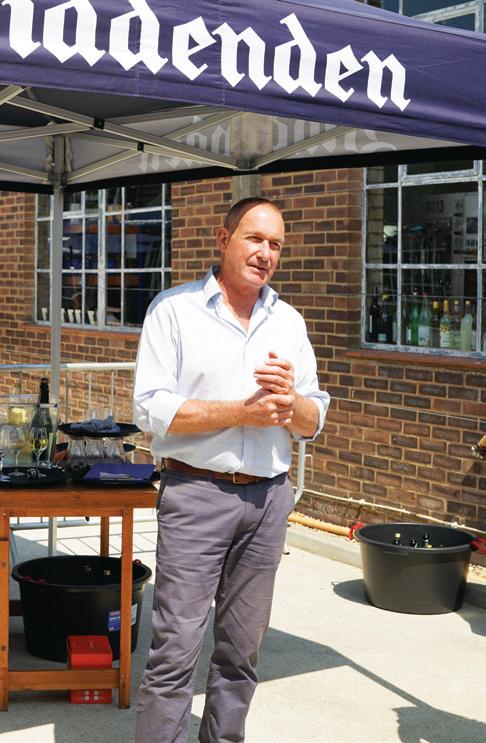
Arriving at the end of a country lane just outside the picturesque Wealden village of Biddenden, I park up and make my way to a cluster of traditional farm buildings, where a group of journalists and other guests has gathered for the planting day organised by third generation vintner Tom Barnes.
With everyone supplied with a glass of Biddenden sparkling wine, Tom’s father Julian gave a short welcome speech, explaining how the family came to start a vineyard on the farm at Little Whatmans.
With the farm originally home to a 40 acre apple orchard, Julian’s parents Richard and Joyce Barnes began diversifying in the late 1960s as apple prices began to decline. After listening to a feature on the BBC’s Woman’s Hour programme about English vineyards being replanted in Hampshire, Joyce was inspired to turn to viticulture. In 1969, one third of an acre of vines was planted and
Biddenden Vineyards was born.

Julian admitted: “There wasn’t an awful lot of thought process that went into it other than they grew and over the next few years we had some crops and planted some more.”
It wasn’t until they planted a trial block of vines that included the variety Ortega, which remains Biddenden’s flagship variety to this day, that things really took off. During tastings in the shop it quickly became apparent that Ortega was a hit with customers.
In addition to the vines, the family also diversified into processing fruit on the farm to make their own branded Biddenden cider and apple juice, Julian said. The business buys in apples from local growers with whom they have worked for generations and processes over a million litres every year, supplying many independent restaurants, farm shops, cafés and delis across the South East, through their retail site at Biddenden and online.
Finishing his introduction, he handed over
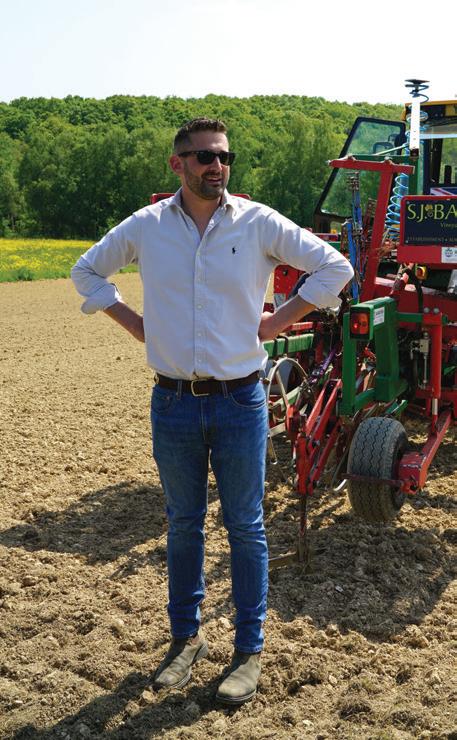
to Tom to explain more about the plan for the afternoon; a short tour of the vineyard, followed by some vine planting (carried out by middle brother Sam Barnes on his GPS-guided tractor and planter) and then a food and wine pairing.
We were divided up into individual groups, each led by an expert guide (in my case a knowledgeable chap called Colin Coombes) to answer our questions and explain more about the different varieties during our tour.
VINEYARD TOUR
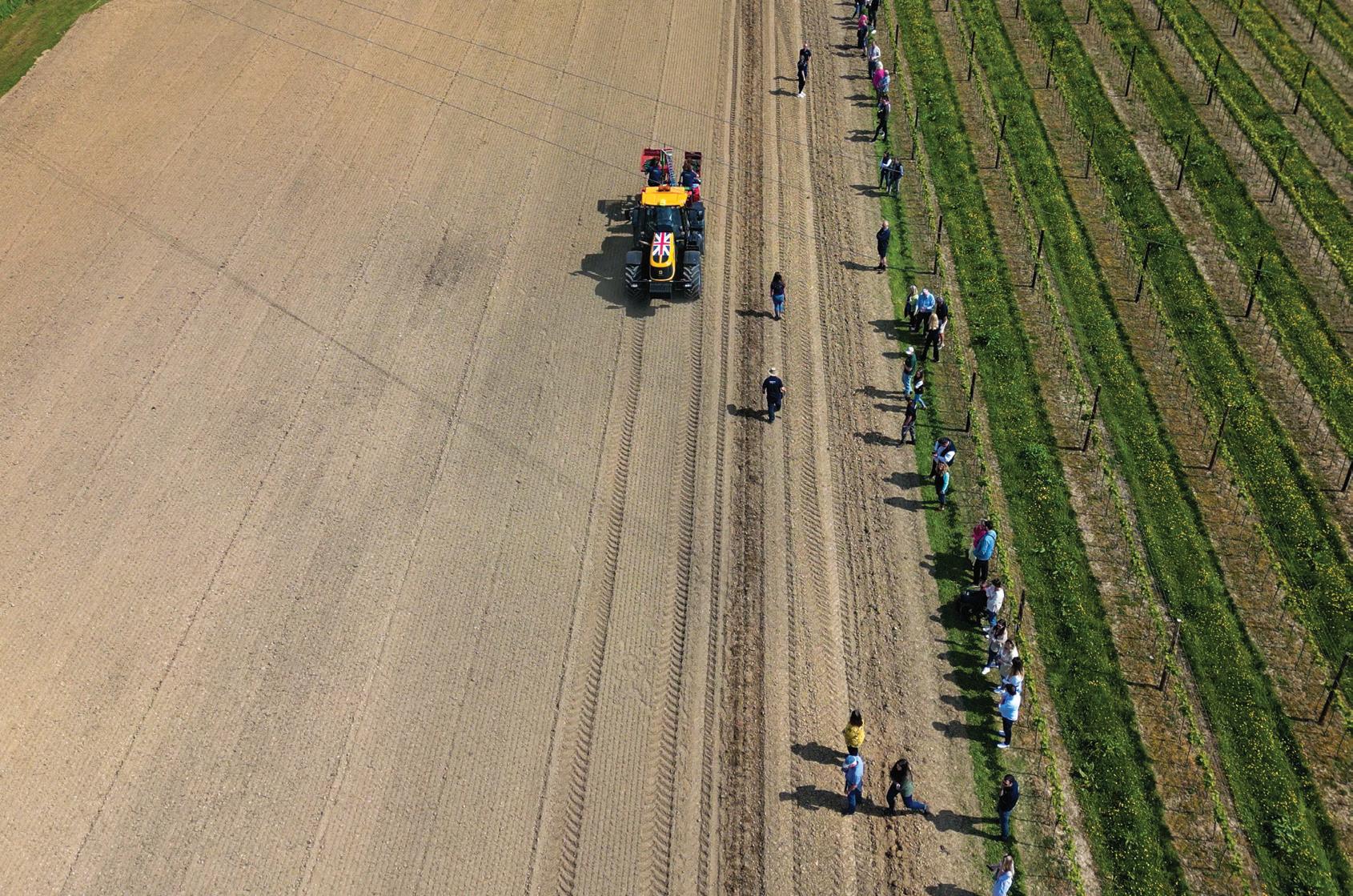
We set off along the vineyard trail, walking past row after row of green vines. In all there are 12 different grape varieties planted across the 26 acres of gentle south facing slopes, on sandy loam over clay in a shallow sheltered valley. Together this creates the perfect conditions for Germanic and French grape varieties. Biddenden has its own microclimate, explained our guide.
JULY 2023 | WWW.SOUTHEASTFARMER.NET 20
AKEHURST
Vineyards in Kent to take part in a planting day hosted by owners the Barnes family, who have been growing vines and making wine on their 65-acre family farm since 1969.
Ortega, a German grape developed from crossbreeding Muller-Thurgau and Siegerrebe, is Biddenden’s signature variety and covers just over half the vineyard, explained Colin. Other varieties which go into making award-winning wines include Bacchus, Dornfelder, Gamay, Pinot Noir, Reichensteiner and Scheurebe. There are also plantings of Schönburger, Riesling, Huxelrebe and Gewürztraminer.
The family’s wines are produced using only grapes grown on the estate. They are hand picked, pressed and bottled on site to produce around 80,000 bottles every year. These include a mixture of still (white and red), sparkling and dessert wines.
Retail prices range from £14 for a bottle of Biddenden still to £30 for a bottle of sparkling, which, according to our guide, is competitive compared to other local brands. Around 65% are sold to the trade to a network of restaurants, pubs and wine shops in the UK and the remaining 35% is sold from the vineyard shop or website.
We stop to look at some Dornfelder vines, a red German grape that our guide said Julian Barnes described as “the bank manager’s grape,” on account of its prolific growth (some of the bunches can weigh as much as a kilo).
These great big berries have tough skins, which is helpful in more challenging climates, but ideally they need to be out in the sun a bit longer to soften up the tannins, he added.
GROWING MARKET
Curious to learn more about the market for English wine, I looked up a few stats online.
According to a report by WineGB, the official body for wine production in the UK, there are now well over 4,000 hectares of vines in England and Wales, with predictions of that figure hitting 9,500 hectares by 2030. The three classic Champagne varieties dominate, with Bacchus (almost all for still wines) in support.
The figures show sales are keeping up with production. The split is two-thirds sparkling, one third still. In 2021, sales rose 31% over the previous year to 9.3 million bottles. Direct to consumer sales have been growing and these now account for over 50% of sales, which is important because it’s more profitable for producers. Wine tourism is becoming a big thing, too.
VINEYARD FACTS
• 26 acres of vines - by the end of the day this had become 28

• 12 grape varieties including Ortega
• Fiercely independent
• On-site vineyard shop and tasting room selling wine and other local produce
• Tours (a mixture of self-guided and guided) and tastings on site
• Employs 14 people full time and up to 40 casual staff and pickers at peak times
• Makes Biddenden Cider and apple juice (over one million litres per year)
 Sam Barnes
Tom Barnes
Sam Barnes
Tom Barnes
WWW.SOUTHEASTFARMER.NET | JULY 2023 21 TO ADVERTISE CALL 01303 233883 >>
Julian Barnes
Despite the rapid growth, the UK is still one of the smaller wine producers in Europe and one of the largest wine importers in the world.
With traditional commodity crop prices falling and BPS being phased out, farmers are being forced to look for new business opportunities. Many with suitable land are planting vines to supply the big English wine brands, a proven business model (Champagne) that works well as it allows the farmer to focus on growing and not worry about processing, building a brand or finding a market. Crucially it provides the grower with an annual cash crop after the first few years of establishment.
VINE PLANTING DEMONSTRATION
Arriving at the freshly cultivated planting field, we gathered round the JCB tractor and planting machine. Tom explained a little bit about the three varieties they were planting

that morning – Riesling, Pinot Noir and Schönburger.

He highlighted the use of a taller trellising system that is designed to provide more airflow and help reduce frost risk. At 3.2 metres wide it allows sunlight into the rows for longer periods across the day, which gives great benefits closer to harvest by allowing the fruit to dry quicker in the mornings with the aim of longer ‘hangtime’ for still wine making.

It also gives the business the option of mechanical harvesting in the future – though the plan is to continue picking by hand unless labour becomes more of a problem. “We need
to keep our options open,” Tom said.










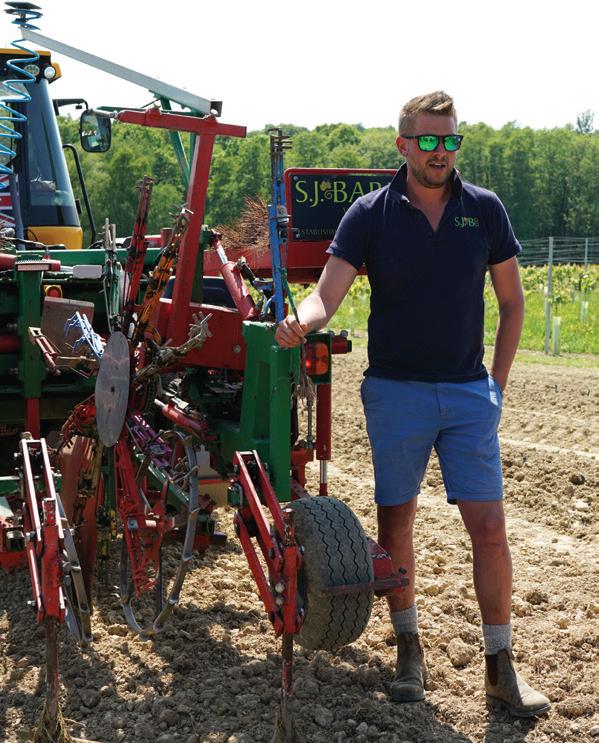
Tom handed over to his middle brother Sam, who runs his own vineyard contracting business S J Barnes Ltd, which he started in 2018. He and his team specialise in establishment, management and mechanical harvesting only, and on average they import and plant about half a million vines across the UK each year.
They were two thirds of their way through their planting tour, he said, which had included Norfolk, Essex, Bedfordshire, Hertfordshire, Oxfordshire, The Cotswolds, Wales, Cornwall, Devon, Dorset and Sussex. The following week they were off to the Isle

JULY 2023 | WWW.SOUTHEASTFARMER.NET 22 NIGEL
VINEYARDS <<
WE STOP TO LOOK AT SOME DORNFELDER VINES, A RED GERMAN GRAPE THAT OUR GUIDE SAID JULIAN BARNES DESCRIBED AS “THE BANK MANAGER’S GRAPE,” ON ACCOUNT OF ITS PROLIFIC GROWTH
AKEHURST VISITS: BIDDENDEN
of Wight for a day and then several days in Hampshire.
Holding out a vine, he explained that nearly 90% of it is rootstock and just the top part of it is the variety. The company imports vines from two nurseries in Europe (one in Germany and one in France).
Sam pointed out that the rootstock is resistant to phylloxera (a nematode in the soil that can be detrimental to the plant health), and the variety is grafted on the top and chosen to suit soil type and vigour.
Adding some technical context, he explained: “If you’re planting on sandy loam over clay, we’re using an S04, if you’re on the North Kent downs chalk you plant on FERCAL or 41B – something that’s got a high tolerance to high active calcium.
"It is also possible to use a restrictive rootstock, if you’re on strong ground, to reduce yield and improve quality and swap that around," he added.
Continuing, he said: “This vine is nearly 18 months old and we’ll plant it with GPS – the tractor is fully automated – meaning it will drive itself,” (though still requires a driver in the cab for safety).
“The planter on the back is controlled by a separate network from a sim card and it plots from an A and B point taken from the last row to perfectly match the row width and vine spacing (within 2cm).”

Sam explained this was the first time (apart from his trial rows) that they had used GPS planting at Biddenden. “Everything else you’ve seen today is planted by hand,” he said.
A member of the audience asked how many vines they could plant in one day. Sam replied that the limit was around 25,000 on a good day – about five hectares or 12 acres. "Planting costs £30,000 to £32,000 a hectare for a green site (i.e. bare ground that has been cultivated ready for planting) including planting costs, trellising installation and all the materials," Sam said. It’s a significant investment and a decision that requires careful consideration, advised Julian when I got chatting to him later in the day. He said it was important to figure out your market and then work backwards. He also warned that labour is becoming difficult to find, another reason why future proofing trellising for mechanical harvesting is good idea.
TASTING AND FOOD PAIRING
We then moved on to a marquee for the final part of the day – the tasting and food pairing. For the food and wine pairing Tom was joined by Steve Parker, a cheese and wine expert (and author of the book Cheese on Toast).
We tasted some delicious wines including their recently released Gamay Noir from the 2022 vintage, a wine that has only been made six times since the vineyards were planted back in the 1960s. It requires the
perfect weather and luckily 2022 was just that. The wines were accompanied by some excellent Kent crisps, local charcuterie from Moons Green and cheese from Hinxden Dairy.
THE FUTURE
Chatting to family members over the course of the event, I was struck by their passion and enthusiasm for what they do. With over 50 years of experience, they have been at the vanguard of a movement that is going from strength to strength.
“It’s not a job, it’s a lifestyle,” said Tom, adding that you need to be fully immersed to achieve your goals, as nothing in agriculture is a given.
Starting a vineyard is a long-term commitment, but as Tom said, it really is a great thing to take a crop from a field, create a wine and talk to your customers about that journey.

UK consumers are also prepared to pay a premium for English wine, meaning there is a greater profit margin than with many other food staples. The icing on the cake, of course, is tourism and direct sales. With the rise of staycations, the weak pound and the warmer climate attracting more foreign tourists, those upfront planting costs don’t seem so bad.

WWW.SOUTHEASTFARMER.NET | JULY 2023 23 TO ADVERTISE CALL 01303 233883
A MEMBER OF THE AUDIENCE ASKED HOW MANY VINES THEY COULD PLANT IN ONE DAY. SAM REPLIED THAT THE LIMIT WAS AROUND 25,000 ON A GOOD DAY –ABOUT FIVE HECTARES OR 12 ACRES
EVERYTHING THAT A FRUIT GROWER NEEDS TO IMPROVE YIELD AND PRODUCTIVITY
Organisers are looking forward to welcoming visitors to Fruit Focus 2023, taking place on 12 July 2023 and hosted by NIAB at East Malling.

This year’s Fruit Focus has everything that a fruit grower needs to improve yield and productivity in the coming seasons: knowledge exchange, purchasing and information-gathering opportunities, networking and fun.
The Fruit Focus Knowledge Exchange 2023 includes a wide range of opportunities for learning and sharing best practice. The NFU Fruit Forum will address pressing topics in the industry including Enabling growth for UK horticulture and Delivering fair supply chains for growers
In addition, speakers will cover technical topics and the latest research in energy reduction/lighting solutions, robotics and automation, the responsible sourcing of growing materials, new irrigation tech, integrated pest management, packaging advances and more. The NFU Fruit Forum will host a full schedule of seminars from 9am to 4pm.
New for 2023, the Fruit Research Innovation Hub sponsored by Innovate UK and the Biotechnology and Biological Sciences Research Council (BBSRC), both part of UK Research and Innovation (UKRI), will be coming together with Growing Kent & Medway to connect businesses across the supply chain with research funding opportunities and expertise.

This is an important opportunity to connect the fruit industry with government funders to help inform the future direction of fruit research and innovation. Special tours start at the Fruit Research Innovation Hub at 10am, 11am and 2pm.
A key returning element of the Fruit Focus Knowledge Exchange is the NIAB research tour programme. The expanded line-up
of tours will feature NIAB researchers presenting and guiding Fruit Focus visitors on topics from pathology to vines and wines, as well as many subjects in between. The research tours will leave from the meeting point near to the NIAB stand.
The exhibition at Fruit Focus is growing and we are pleased to have over 100 exhibitors showcasing the very best in products and services for UK fruit growers. From the latest in greenhouse construction to the newest biotechnologies, Fruit Focus exhibitors have visitors’ purchasing and information-gathering needs covered. As part of the exhibition, leading companies will be demonstrating their latest technologies on their stands.
Visitors are promised not simply a great deal of information in the well-rounded and diverse Fruit Focus exhibition but the
opportunity to collect both BASIS and NRoSO points at selected exhibitors along the Fruit Focus Knowledge Trail. The knowledge trail stamp card is available from the BASIS and NRoSO stand.
The Fruit Focus team hopes visitors will take time at the event to celebrate the achievements of the UK fruit industry. At 11:45am in the NFU Fruit Forum, the Worshipful Company of Fruiterers’ David Hohnen and Student Prizes will be presented. These are awarded to students for outstanding levels of dedication and achievement in the field of horticulture and fruit in particular.
Also new for 2023 is an afternoon fruit and wine reception starting at 2pm. Co-hosted by Fruit Focus & Cocogreen, the reception promises music and good company plus UK fruit, wine and cheese to round out the day.
JULY 2023 | WWW.SOUTHEASTFARMER.NET 24 PREVIEW
HIGHEST QUALITY SPECIALIST FERTILISERS

















UK manufacture Hortifeeds prides itself on producing the highest quality specialist fertilisers.


The company’s specialist fertilisers and bio-stimulant products support crops through every stage of development. Working with some of the leading growers in the UK, Hortifeeds produces a wide range of products that include liquid, water soluble and granular fertilisers suitable for any growing situation.
Below is a selection of Hortifeeds’ leading products:

















HortiMix – A range of water-soluble fertilisers specially formulated for soft-fruit crops grown in a wide range of substrates or soil. Mixes are designed for both hard and soft water and with generous magnesium and trace element levels to suit specific crop requirements.



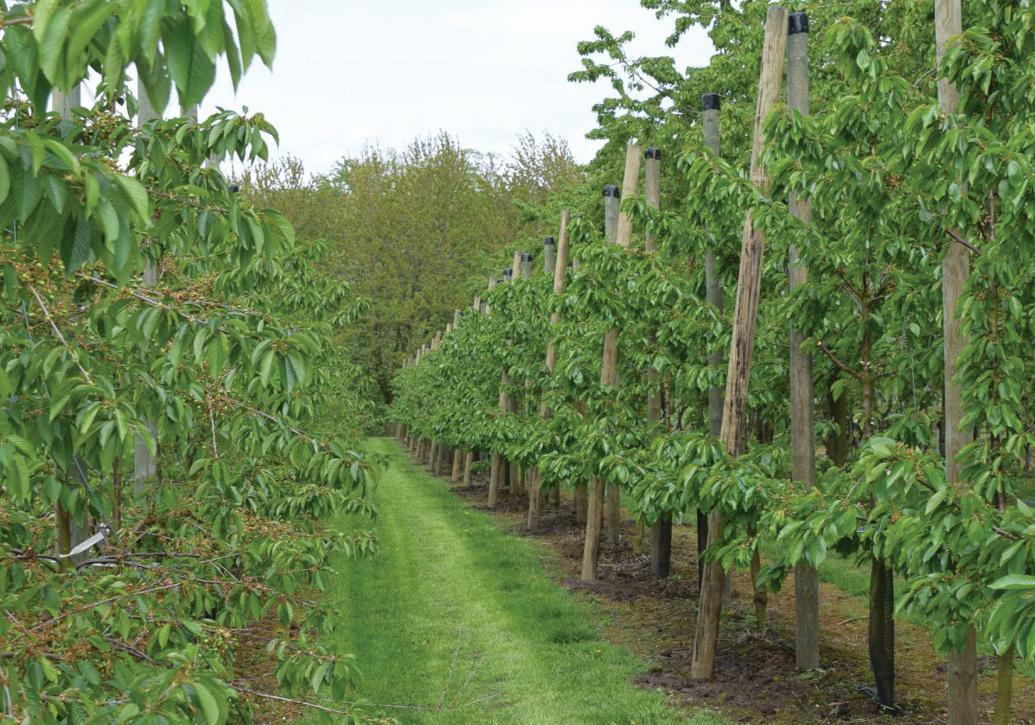
HortiHydrate Bio – A high performance, environmentally friendly wetting agent formulated from a unique blend of sustainable ingredients.
















HortiBoost – A powerful package of 20 essential amino-acids, humic acid complex, seaweed and major and minor nutrients.
AmētrosTM – Powered by Plant Impact's CaT ᵀᴹ technology, AmētrosTM leads the market for optimisation and distribution of calcium.

HortiPhyte – A highly mobile phosphite fertiliser that increases crop resilience and improves rooting and nutrient uptake.





HortiHydrate Pro – Hortifeeds’ powerful new specialised horticultural wetting agent, ideal for use both in coir and other substrates.











STAND 504
















Tickets are free of charge if pre-registered and cost £10 if purchased on the day. Please pre-register at www.fruitfocus.co.uk



WWW.SOUTHEASTFARMER.NET | JULY 2023 25 TO ADVERTISE CALL 01303 233883 MEDIA SPONSORS: WHEN Wednesday 12 July 2023, 9am to 5pm. Car parks open at 7am. Gates open at 8am, when caterers open for breakfast. Stands and features open at 9am. WHERE NIAB EMR, New
East Malling,
Ticket-Alt TICKETS
Road,
Kent ME19 6BJ
For a comprehensive guide to Hortifeeds’ products visit www.hortifeeds.co.uk
PLANTING&GROWING PLANTING&GROWING PLANTING&GROWING TUNNEL&SHELTER TUNNEL&SHELTER TUNNEL&SHELTER PRUNING&FRUITTOOLS HARVESTING TUNNEL&SHELTER PRUNING&FRUITTOOLS HARVESTING HARVESTING VISIT US AT STAND 220 Product Directory 2023 T: 01304 842280 www.agricareuk.com E: sales@agricareuk.com Workshop Agricare UK Ltd, Cooting Road, Aylesham Industrial Estate, Canterbury, Kent CT3 3EP Viticulture & Horticulture Agriculture Livestock Cleaning Brooms andBrushes Fluids Clothing and Towel Cleaning ehicle andEstateManagementAdhesives Batteries Electrical FencingProductsFastene Ga and Pipe, FittingsLubricantSpra PumpsControl SecurityProduc Tape Accessor Stopcocksand Cord Tarpaulins Wire ccessories orkshop nti-FrTools,Compresso Kits Pumps BarrelctricalmpsCompon and Grease,Delive Nipples Hydraulic Fittings Sund and Tools WeldingProducts, hicle achineryPa Electricaland Sockets Linkage Clip Perf Pulveriser Compon Ratchet Screenwash,Vehicle and Lighting,Traile Accesso Vehicle Mirrors Votex PlantingandGrowing Anchors Bamboo 75, Crop GrippleSystems hors RopeRings String Twines Tunnel and Rope Systems Prod Wooden Pruning Electric andHedgecutters Electric Accessories Loppers Pruning Sharpeners Harvesting ProductsBinRepairs Marking HarvestingBarrows Trolleys Knives PickingHandling Tripod LivestockEquipmentandMachinery Access Attachments Handling 100, 105 Handling Feeding 106, Cultivators Mole Handling eding Sprayers Tractor Troughs 2023 Master.indd 22/05/2023 www.agricareuk.com sales@agricareuk.com 01304 842280 Cooting Road, Aylesham Industrial Estate, Canterbury, Kent CT3 3EP www.agricareuk.com sales@agricareuk.com 01304 842280 Cooting Road, Aylesham Industrial Estate, Canterbury, Kent CT3 3EP Why choose Carmo posts? Come to our Stand at to find out why Carmo Posts are the best! @agricareuk.com Call us for your copy of our new Product Directory Modus UK Limited (trading as ‘OnePay’) is a companyregistered in England andWales(No. 05934955) Registered address: MayfieldHouse, LowerRailway Road, Yorkshire, LS29 8FL. The OnePaycard is issued by PSI-PayLtd pursuant to a license byMastercard® International Incorporated PSI-PayLtd is authorised andreg Financial Conduct Authorityof the United Kingdom under the Electronic Money Regulations 2011 (registerreference 900011) for the issuing of electronic money Mas registered trademark, and the circles design is a trademarkofMastercardInternational Incorporated. Using the OnePaycard and account issubject to our terms can beviewed and downloaded atwww.onepay.co.uk/terms-conditions © OnePay Do your workers struggle open a UK bank account? At OnePay we provide an alternative solu to pay yourworkers in a fastand secure way. Simple set up for you and your workers Dedicated account management support A digital portal for easyworker onboarding and access to information An in-house multi-lingual customer support 24/7 account accessvia the c app and portal Use yourOnePaycardwherever Mastercard® is accepted And for your workers: onepay.co.uk/forbusiness sales@onepay.co.uk Discover how OnePay can support your business Call us today on 0113 320 1466 Do your workers struggle to open a UK bank account? At OnePay we provide an alternative solution to pay your workers in a fast and secure way That’s why we offer: Easy set up for you and for your workers Client portal and customer mobile app Dedicated account management support In-house multi-lingual customer support OP024_03_AD-Strawberries Show Preview_Opt2_v1.indd 1 16/06/2023 13:06




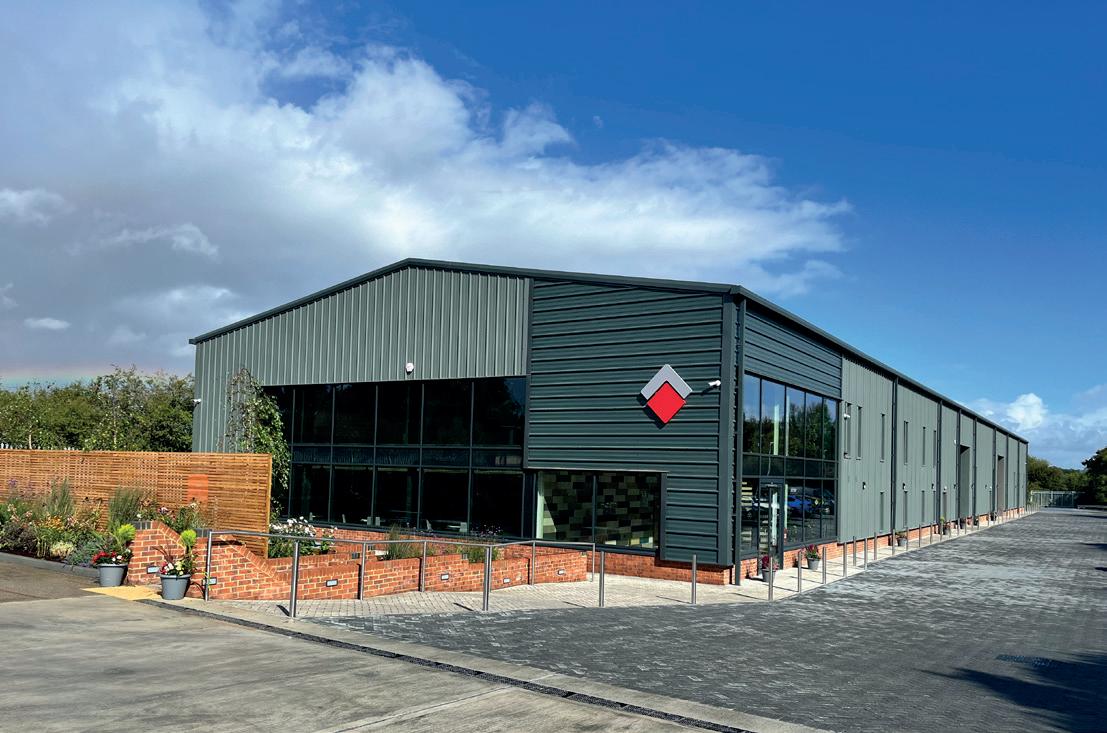


JULY 2023 | WWW.SOUTHEASTFARMER.NET 26 SUPPORTING THE BRITISH FRESH PRODUCE INDUSTRY with automated tray sealing and crate loading solutions, local service support and groundbreaking plastic saving initiatives. VISIT US ON STAND 216 AT FOCUS!FRUIT E: sales@gmondini.co.uk T: 01785 812 512 Meet us at Fruit Focus. Our stand number is 30 Get in touch: plantnutrition@icl-group.com ICL are experts in water soluble fertilisers. Crop nutrition you can depend on: • Quality – consistent purity and hassle-free • Knowledge – on-farm expert advice • Innovation – research and tech support • Choice – a solution for every need Your Fertigation Specialists • Steel frame buildings • Building conversions • Sheeting and cladding • Refurbishment and change of use • Demolition and asbestos removal • Groundworks and drainage • Concrete flooring and external concrete • Concrete frame and steel frame repairs • Internal stainless-steel drainage • Insurance and general repairs • Guttering and repairs Before Before After After G. J. ELGAR CONSTRUCTION Ltd www.gjelgarconstruction.co.uk For more information contact us: t: 01233 623739 m: 07860 414227 e: office@gjelgarconstruction.co.uk Meet the Micros Our Biosolutions work with the power of nature for better crop health. For sustainable farms, restoring a natural balance and a happier planet Earth. Micro power, macro impact. More from less. www.npp-ag.com 30519 UPL NPP South East Farmer 'Meet the Micros' Quarter Page Ad .indd 1 26/06/2023 12:20
BRINGING INNOVATION TO THE BRITISH FRUIT INDUSTRY
The past 18 months have seen G.Mondini launch a brand new wave of exciting innovations to support British growers in overcoming the challenges they currently face.
From the high speed Trave Fresh tray sealer range to the new compact plug-and-play tray sealer - The Cigno - and the market-leading MCL Crate Loading robot range, G.Mondini’s solutions support British growers with their production through increased automation and flexibility, reduced labour and improved product compliance.
Fourteen strategically located G.Mondini Technicians across the UK
guarantee rapid response times, reliable service and optimum machine performance and are supported by G.Mondini’s central UK stock holding of spare parts.
Exclusively for the fresh produce industry, G.Mondini is currently offering a free production line review to get growers’ lines optimised for the next British season.
To find out any more about G.Mondini’s range, after-sales support or to book a free production line review, get in touch with the team or visit them on stand 216.

Fargro is respected as the UK’s leading supplier of biological crop protection and integrated pest management (IPM) products for horticulture. Fargro understands IPM and is focused on offering the best controls to suit growers’ requirements.
A healthy growing business must maximise its yield. For many years Fargro experts have been leading the way in providing the most effective modern methods of protecting against pests and diseases in a sustainable way with minimal
environmental impact.
The team at Fargro prides itself on offering tailored, customer-specific IPM programmes, full product technical support and agronomy advice.
Growing businesses need support. Whether that means quick delivery of the
highest quality and most reliable products, materials and equipment, helping growers protect crops from pests and diseases or access to flexible financial solutions, Fargro can help. With more than 76 years’ experience of supporting growers, we have developed deep knowledge and expertise.
WWW.SOUTHEASTFARMER.NET | JULY 2023 27 TO ADVERTISE CALL 01303 233883 PREVIEW MEDIA SPONSORS: Call Andrew on 01785 812512 | www.gmondini.co.uk STAND 216
Contact the Fargro technical team: 01903 256856 | Email technical@fargro.co.uk | www.fargro.co.uk STAND 664 PROTECTING AGAINST
AND
PESTS
DISEASES
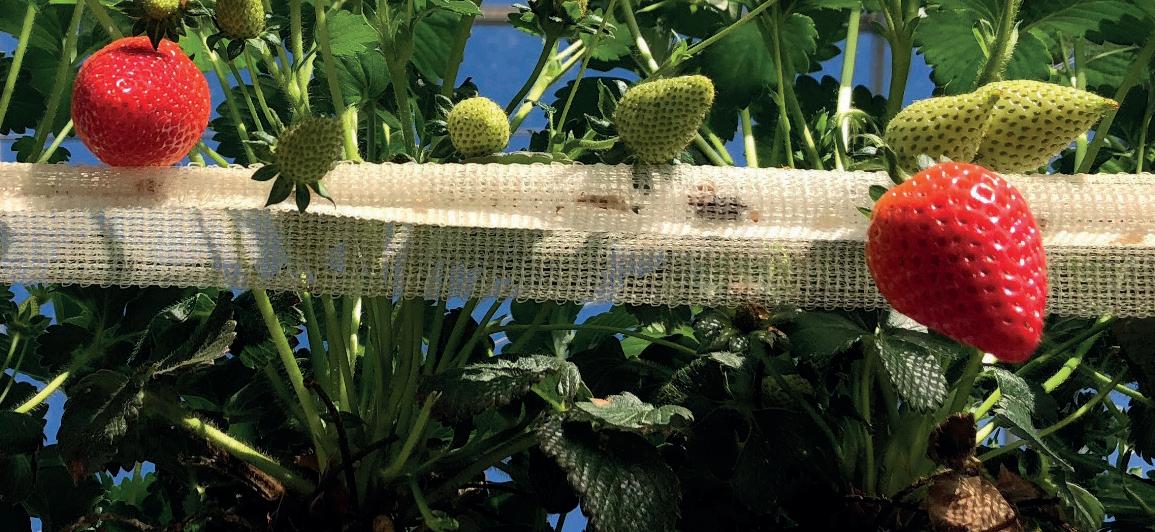



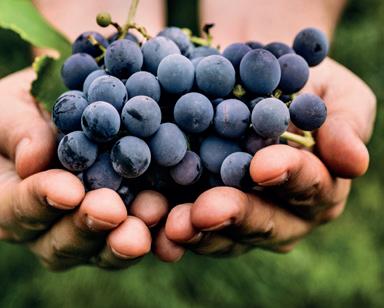


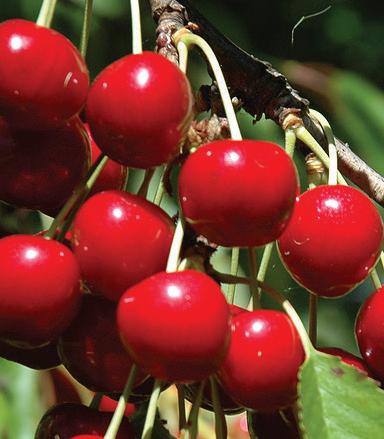






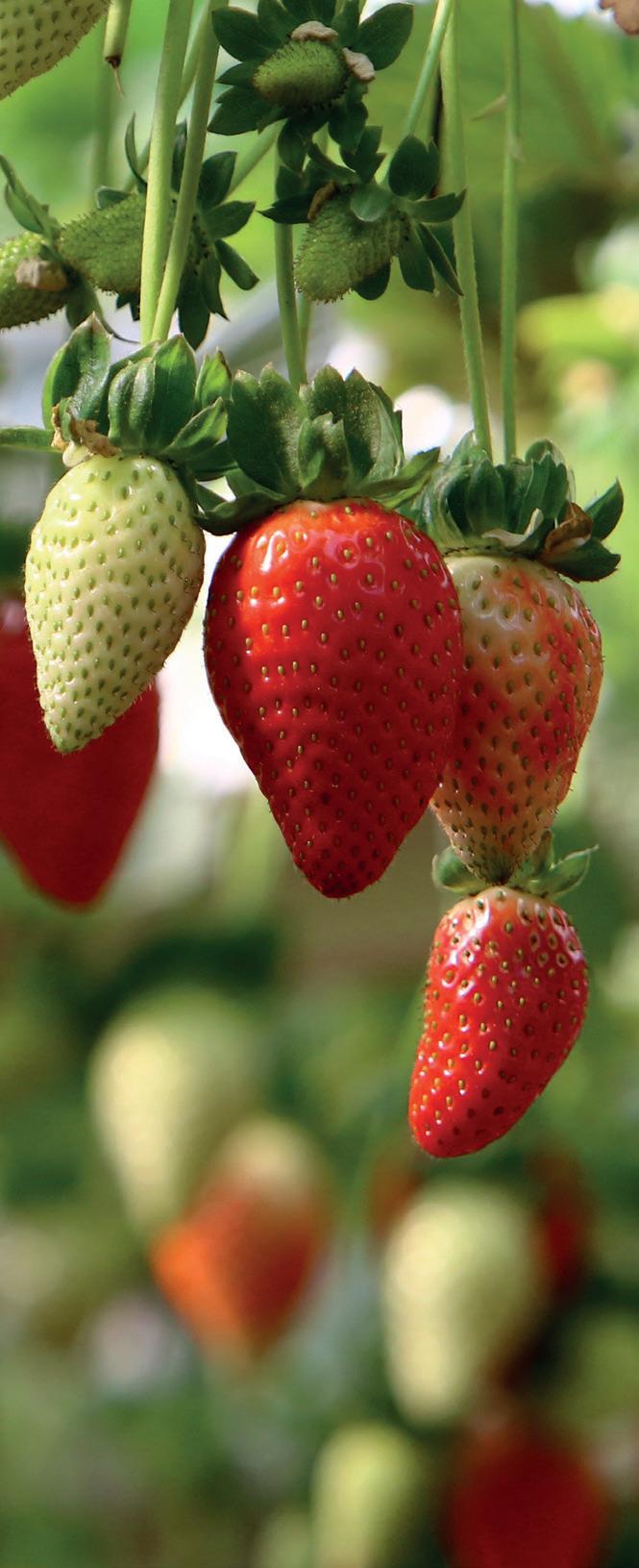

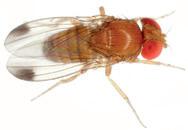



JULY 2023 | WWW.SOUTHEASTFARMER.NET 28 engagecropsolutions.com Come and see us on Stand 512 and find out why 12 July 2023 at NIAB at East Malling Engage are leading the way in Fruit Nutrition and Crop Enhancement UK’s leading supplier of biological crop protection Fargro is respected as the UK’s leading supplier of biological crop protection and integrated pest management (IPM) products for horticulture. We understand IPM and are focused on offering the best controls to suit your business. Our experts have been leading the way in providing the most effective modern methods against protecting pests and disease in a sustainable way with minimal environmental impact. 01903 256 856 technical@fargro.co.uk VISIT US ON STAND 664 AT FRUIT FOCUS We offer █ Customer specific IPM programmes █ Full product technical support █ Agronomy advice WE FOCUS ON SWD... …SO YOU DON’T HAVE TO. Season-long, chemical-free SWD control service. bigsis.tech SE Farmer QP 133_93.indd 1 20/06/2023 10:30
BigSis is the British agritech start-up with a world-first solution for chemicalfree control of spotted-wing drosophila (SWD).
By regularly releasing factory-reared sterile male insects into crops, the company says SWD populations can never reach economically significant levels.

A successful £4.5m Series A funding round, closed after Fruit Focus 2022, has enabled BigSis to work on scaling up its pilot production line into an operational microproduction unit, necessary to produce the millions of sterile insects required weekly to roll out the service to English berry and cherry growers.
“Sterile insect technique (SIT) is wellestablished,” said founder Glen Slade, “but it’s been too expensive and also impractical at field scale. Our non-GM, automated rearing system slashes the cost by around 90%.
“That puts season-long, chemical-free SWD control within every fruit grower’s reach.”
Trials conducted with Berry Gardens Growers and NIAB confirmed the novel control option’s ability to deliver a 91% reduction in wild SWD numbers.
Fruit Focus attendees can learn more
about the chemical-free, season-long solution, which will in future be available both directly and through accredited partners. BigSis provides its solution as a
THE EVOLUTION OF STRESS REDUCTION TECHNOLOGY
At the 2023 Fruit Focus, ENGAGE will be highlighting the benefits of new Fortify Maxx™. Building on the success of the Fortify platform, Fortify Maxx™ introduces a new technology, phenophite plant extracts. Unique to ENGAGE, phenophites increase the natural production of phenolic compounds and secondary pathways to dramatically limit a plant’s susceptibility to stress.
Research by Engage over past years has proved that the stimulation of plant pathways can help plants limit damage from stress, phosphites being just one well-known example. Fortify Maxx™ takes the research further by using natural extracts rather than inorganic substances.

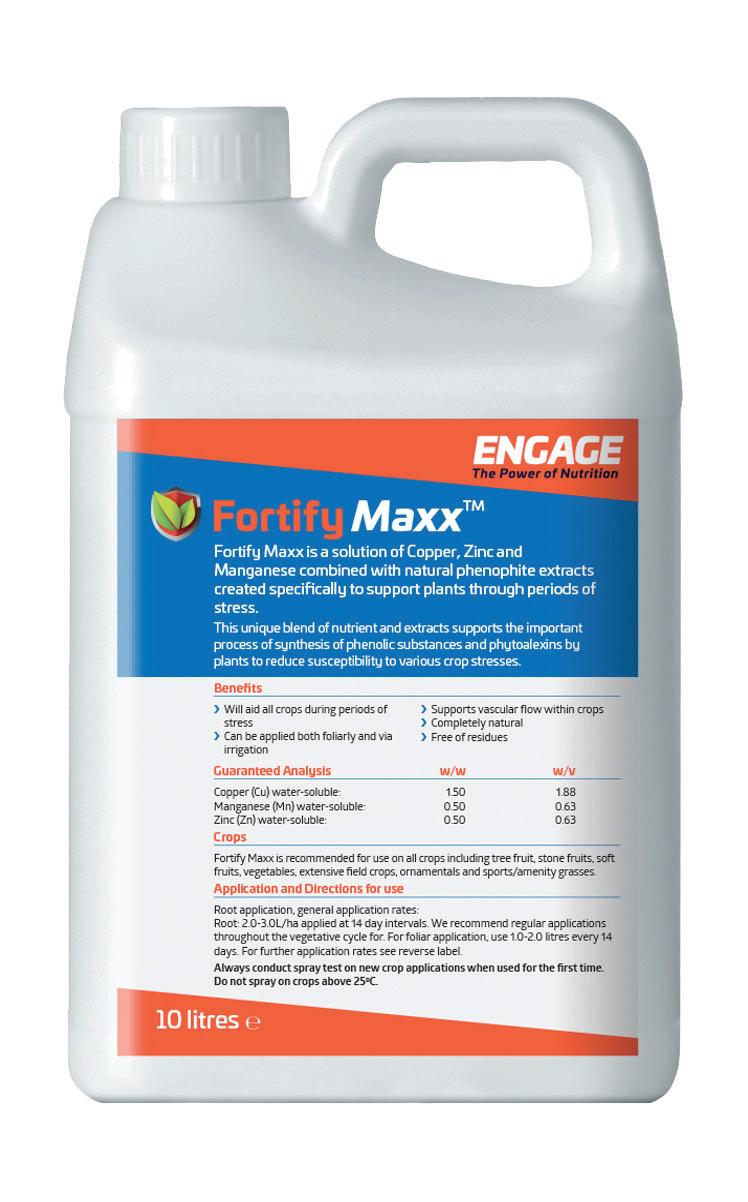
New research across the world suggests
that naturally elevating production of these compounds has far greater potential health benefits to plants than using an inorganic version and can stimulate multiple antistress pathways.
Phenolic compounds work as antioxidants against oxidative stresses such as temperature extremes, deficient or excessive water, high salinity, heavy metals, ultraviolet radiation and pathogenic pressure.
The phenophites in Fortify Maxx™ have been shown to work in conjunction with a nutrient package to significantly reduce the effects of these stresses on a plant’s growth and development.
STAND 512
service, making regular insect releases to provide more effective, sustainable control than chemicals without imposing additional labour demands on growers.
For more information on Fortify Maxx™ visit www.engagecropsolutions.com
WWW.SOUTHEASTFARMER.NET | JULY 2023 29 TO ADVERTISE CALL 01303 233883 PREVIEW MEDIA SPONSORS:
CHEMICAL-FREE SWD CONTROL PROMISES A SEASON-LONG SOLUTION
www.bigsis.tech STAND 662
NFU FRUIT FORUMS
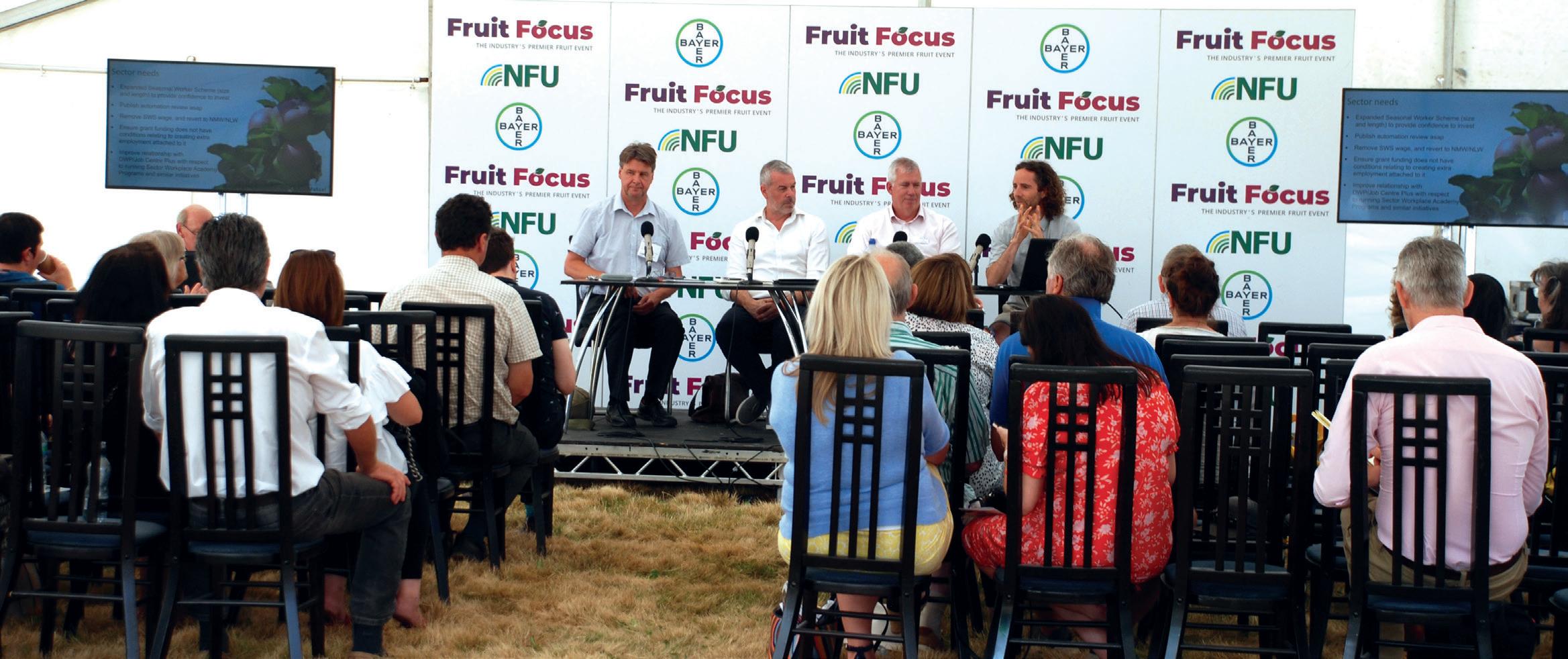
09:00
Learnings from the M&S and Solina Carbon Trust Project
Fresh produce businesses struggling with rising labour, energy and raw material costs can learn from other sectors and embrace digitalisation to overcome strong headwinds.
Jake Norman, a director at OAL, will share learnings from a transformational £2m Carbon Trust project with M&S and Solina which deployed state-of-the-art robotics and automation in the UK to reduce energy consumption by 80% with single-person operation. This will be combined with insights from successful automation deployments in fresh produce at Berry Gardens, Worldwide Fruit and Wealmoor. There will be a demonstration of the software and technologies that provide the foundations for success.
• Jake Norman, Director – OAL
09:20
The future of robot fruit harvesting
Robots are harvesting fruit around the UK - what works, what doesn't and how is this technology changing and improving?
• Ed Herbert, founder and chief operating officer – Dogtooth
09:40
Advances in greenhouse energy efficiency
Sustainability and energy cost savings are top priorities for fruit growers. This seminar will cover the latest updates on how companies are improving their greenhouse energy efficiency and combatting rising energy costs.
• Nathanael Dannenberg, commercial director horticulture – Signify
10:00
Enabling growth for UK horticulture
On the back of unprecedented cost challenges, labour shortages and a fall in UK production, what can be done to deliver the ambition for growth that is shared by both industry and government? Farming Minister Mark Spencer will join to discuss the government’s role in driving growth, followed by the chair of the NFU Horticulture and Potatoes board, Martin Emmett, discussing NFU actions and priorities.
The session will also hear from John Shropshire, the chair of the Independent Labour Review, with an update on the review’s findings and its implications for UK horticulture.
• Mark Spencer, Minister of State for Food, Farming and Fisheries – DEFRA
• Martin Emmett, Chair – NFU Horticulture and Potatoes Board
• John Shropshire OBE, chair of the Independent Labour Review –G's Fresh
11:00
Delivering fair supply chains for growers
Following the NFU’s calls, the government committed to running a supply chain review into horticulture which can inform future legislative intervention. Hear from DEFRA’s Andrew Powley, who led the reviews into dairy and pigs, on what a supply chain review entails and how growers can get involved, alongside NFU horticulture and potatoes adviser, Christine McDowell on NFU activity and priorities for supply chain fairness. A video address from leading retail expert Ged Futter from The Retail Mind will provide a view of current challenges the industry is facing.
• Christine McDowell, director of SALSA Food, agriculture policy adviser –NFU horticulture and potatoes adviser
• Ged Futter, director – The Retail Mind
• Andrew Powley, team leader in innovation, productivity and science –DEFRA
JULY 2023 | WWW.SOUTHEASTFARMER.NET 30 PREVIEW
REGISTER TODAY WWW.FRUITFOCUS.CO.UK
11:45
Worshipful Company of Fruiterers’ Prizes
An opportunity to celebrate the Worshipful Company of Fruiterers’ Student Awards.
Chris Bishop, The Worshipful Company of Fruiterers
12:00
NIAB Research Update
The NIAB Research Update will include information on:
• Screening for resistance to spotted wing drosophila in strawberry and raspberry: Adam Whitehouse, senior plant breeder, NIAB
• New research into the biocontrol of strawberry diseases: Xiangming Xu, director of research, NIAB
• The role of landscape complexity in agroecosystem sustainability: Sarah Arnold, entomology research leader, NIAB
• Novel approaches to apple canker management and control: Matevz Papp-Rupar, plant pathology research leader, NIAB
• Development of pheromones for innovative management of forest bug, an emerging orchard pest in England: Francis Wamonje, entomology research leader, NIAB
• Dr Matevz Papp-Rupar, science project leader – NIAB
• Adam Whitehouse, project leader, strawberry breeder – NIAB EMR
• Xiangming Xu, director of research – NIAB
• Sarah Arnold, applied entomology researcher – NIAB
• Francis Wamonje, research leader, entomology – NIAB
13:00
The benefits of a water conditioner
Neil Holmes, soft fruit agronomist with OMEX, will talk about the research and development connected with the DeSaltus 2.0.
• Neil Holmes, soft fruit agronomist – OMEX
13:20
Responsibly sourcing growing materials
This seminar will explain how growers can ensure they are using responsibly sourced growing media as the industry moves away from peat, which is due to be banned in the commercial sector by 2026.
• Steve Harper, chief executive – Southern Trident Limited
13:40
Biopesticides: latest technologies to combat a wide range of pests
From bumblees to beneficial insects and mites and nematodes, this seminar will discuss how biological agents and pesticides can increase productivity and yields.
• Sanne Torfs, product manager biopesticides – Biobest Group
14:00
Tractor-powered electrical weed control in orchards, vineyards and bush fruit
Tom Archer will explore how the RootWave eWeeder uses patented high-frequency electricity to boil weeds from the root upwards, providing a more effective method of weed control than cutting, burning or hoeing the weed above the surface. eWeeding is the only non-chemical solution to provide systemic control of weeds.
• Tom Archer, director – ROOTWAVE
14:00
Afternoon networking reception featuring British wines, fruit & music
Fruit Focus exhibitors and visitors are invited to an afternoon networking reception starting featuring British wines, fruit and music.
• Singer Irie J
14:20
Orius Cold plus – recent advances in biocontrol of WFT
This presentation will discuss control of Western Flower Thrips (WFT) using Orius Cold, a more tolerant strain of Orius laevigatus which has proved successful in field scale trials on strawberry crops in Scotland and is being more widely adopted in the UK in 2023.
• David Thomson, agronomist – Brinkman UK Ltd
• Andrew Cranston, technical manager – Brinkman UK Ltd
14:40
Advances in film covering materials for British fruit production
This seminar will talk about some of the advances made in film coverings for British fruit production.
• Razvan Iftimiciuc, soft fruit accounts manager – XL Horticulture Ltd
15:00
2023
season feedback on novel approaches to IPM in soft fruit
Learn about newly launched soft fruit protection including: a novel ‘push-pull’ system for precision monitoring of the European tarnished plant bug, Lygus rugulipennis, and the common green capsid, Lygocoris pabulinus; a beneficial insect attractant which forms the basis of novel push pull strategies for controlling a range of pest species. Hear also about an effective adjuvant that can reduce insecticide use against spotted wing drosophila, Drosophila suzukii, by 96% and reduce grower costs by up to 50%.
• Andy Russell, technical product manager for protected horticulture, UK –Russell IPM
15:20
How to improve your irrigation system and save water
Climate crisis and drought have a severe impact on global agriculture. Having an efficient irrigation system can help reduce costs and the amount of water used while ensuring the yield. Mark Herriman, from Sencrop, will present tips on getting the best out of irrigation solutions by keeping an eye on every element that has an impact on efficiency: evapotranspiration, solar radiation and temperature.
• Mark Herriman – SENCROP
15:40
Celine – a lab in the glasshouse
This session will cover a new nutrient analysis system, ‘Celine’. Celine is “a lab in the glasshouse” giving growers nutrient analysis results on drip and drain within 20 minutes as opposed to seven to 10 days when sending samples to the lab. Celine allows growers far more accurate ‘feeding” of their crops, which should improve yields and reduce waste.
• Remco Zuijderwijk, specialist digital tools – Royal Brinkman NL
WWW.SOUTHEASTFARMER.NET | JULY 2023 31 TO ADVERTISE CALL 01303 233883 MEDIA SPONSORS:
OnePay was established in 2006 as a fast, supportive, and alternative way to pay workers, especially seasonal worker scheme employees who sometimes struggle to find a provider that will not only accept their wages but has the facility to deposit their HMRC cheques at the end of their six-month placement.
Account Now Verify Later – OnePay does not require workers to complete any identification verification at point of application, something that has already saved hundreds of UK businesses time when needing bank details quickly.

For Businesses – OnePay offers a secure, digital engagement platform which supports multiple application options, offers quick, easy access to workers’ details and provides
AN ALTERNATIVE WAY TO PAY WORKERS
dedicated client relationship and servicing teams.
For Account Holders – Benefits include a multilingual app, online portal and automated telephone system as well as a dedicated multilingual customer services
STAND 612
team waiting to take their calls.
Fruit Focus visitors can talk to One Pay on stand 612, where they will have the opportunity to learn about their solutions and the services available for both account holders and businesses.
Contact OnePay directly on 0113 320 1466, email Sales@onepay.co.uk or visit www.onepay.co.uk/forbusiness/contact_us
IS NOW THE TIME TO EXPLORE ALTERNATIVE SOLUTIONS TO CODLING MOTH CONTROL?
One of the major insect pests in the UK for top fruit growers, Codling moth (Cydia pomonella), is becoming a growing threat to profitable fruit production. The lepidoptera pest causes significant damage to fruit when the adult moth emerges from winter to breed and lay eggs. The emerging larvae burrow into fruit looking for the seed, causing dropped and graded out fruits. Normally only able to complete a single lifecycle per season, the pest could be relatively easily controlled, but with a warming climate, second generations of this pest are becoming more common, requiring an increasingly robust control strategy.
The challenging regulatory landscape, however, has seen recently relied upon actives such as methoxyfenozide lost and the future for others far from certain, making full control harder to achieve. Increasingly, growers are looking to rely on building and protecting natural populations of beneficial insects to protect fruit from damage,
but these can be overwhelmed, and the use of non-selective insecticides is not compatible with this approach.
Pressures are also increasing on growers to reduce pesticide inputs and residues while still producing high quality produce, not only from regulators but also from retailers and processors whose customers are increasingly demanding more sustainably produced products. Fortunately, there are tools compatible with the changing environment that can help growers with these significant challenges, and with the tool box looking set to tighten significantly over the next few years, growers are increasingly looking to utilise biological control products like Carpovirusine.
JULY 2023 | WWW.SOUTHEASTFARMER.NET 32 PREVIEW
www.npp-ag.com STAND 20
RESEARCH TOURS
The scope of research carried out at NIAB at East Malling ranges from new varieties through to pest control and water efficiency. NIAB research tours showcase this research and development throughout the day at Fruit Focus.
10:00 - 11:00
WET Centre Tour
The latest technology being employed at The WET Centre is delivering a new level of precision for soft fruit growers. Learn more about why row position within tunnels affects yields and how we might influence these through tunnel management.
10:00 - 11:00
Fruit Research Innovation Tour
Meet at the Fruit Research Innovation Hub
Join a guided walk to hear about the UK funding landscape and how Growing Kent & Medway, Innovate UK and BBSRC are supporting fruit research. See the latest advances in agri-technology, pest and disease research and sustainable innovation. Visitors will see trials and research demonstrations in the glasshouse, vineyard and orchard funded by Growing Kent & Medway.
10:30 - 11:30
Pathology Research Tour
NIAB is currently researching novel approaches to disease control in strawberry. Find out about the impact of three commonly used biocontrol agents and how Mucor and Rhizopus infection can be predicted using climatic conditions.
11:00 - 12:00
Plum Demonstration Centre Tour
The Plum Demonstration Centre is now funded directly by UK plum growers, who are taking a ‘hands-on’ approach to the management. Find out more about the latest investigations into irrigation and nutrition regimes and tree management.
11:00 - 12:00
Fruit Research Innovation Tour
11:30 - 12:30
Produce Quality Centre Tour
Learn about some of the latest innovations in fruit handling and storage including an explanation of how monitoring produce response to storage environments enables packaging solutions and storage atmospheres to be optimised. Of particular interest to the new funders is water use efficiency, optimising nutrition, optimum timing of tree management and its impact on yields and quality.
12:00 - 13:00
WET Centre Tour
12:00 - 13:00
Vine and Wine Research Tour
With the area of vineyards in England rapidly expanding, learn more about how NIAB’s research vineyard is supporting the industry in producing cool climate wines. Find out how interventions in the vineyard will influence the quality of the wine. Grapevine and wine science research at East Malling is funded by UK wine producers to study topics and challenges that are relevant to the UK wine industry. NIAB research scientists have been testing and demonstrating training systems, rootstocks and varieties, mechanical weed control, fertigation and frost mitigation systems.
14:00 - 15:00
WET Centre Tour
14:00 - 15:00
Fruit Research Innovation Tour
14:30 - 15:30
Pathology Research Tour
15:00 - 16:00
Produce Quality Centre Tour
Extensive range of fertilisers and biostimulants

Optimising nutrition for your crops

WWW.SOUTHEASTFARMER.NET | JULY 2023 33 TO ADVERTISE CALL 01303 233883 MEDIA SPONSORS:
LATEST INNOVATION IN FRUIT RESEARCH
Growing Kent & Medway, Innovate UK and the Biotechnology and Biological Sciences Research Council (BBSRC) are joining forces for the first time at this year’s Fruit Focus.
The Fruit Research Innovation Hub will demonstrate how it invests in innovation for the UK’s fruit sector by supporting discovery science and its translation into commercial use.
Visitors to Fruit Focus on 12 July at East Malling, Kent, will be able to explore cuttingedge research and innovation projects that have been funded to tackle some of the biggest challenges facing the fruit sector.
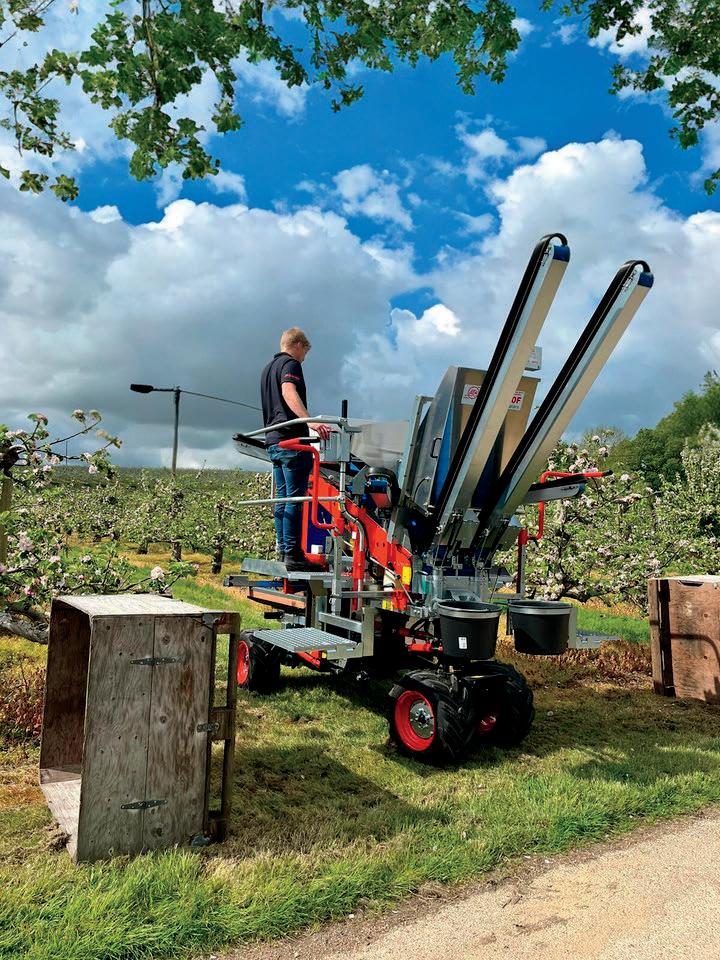
On display will be the latest near-market advances in agri-technology, from spectral imaging with artificial intelligence to machine learning for predicting optimum fruit harvest periods. There will be an opportunity to see how the industry’s understanding of new and emerging pest and disease threats is moving forward. The state-of-the-art research facilities at four Kent-based organisations will also be demonstrated.
Dr Nikki Harrison, programme director, Growing Kent & Medway, said: “By responding to the needs of local businesses and investing in the capabilities of our regional research organisations, the Kent and Medway region is emerging as an international leader for sustainable horticultural research.
“The Fruit Research Innovation Hub is a


great opportunity to see the impact that national and place-based funding is making for both the sector and the region. The hub will demonstrate the advantage and value to UK businesses that collaborative funding approaches can deliver.”
Dr Katrina Hayter, executive director, healthy living and agriculture domain at Innovate UK, said: “Collaboration and knowledge sharing are central to the development of innovative ideas and to moving them from the drawing board to real life.
“Our Fruit Research Innovation Hub will allow us to showcase some of our success stories and engage with a range of experts and potential funding applicants from across the industry who can come together and each play their own key role in helping to develop the food sector of the future.”
Dr Karen Lewis, executive director for capability and innovation at the Biotechnology and Biological Sciences Research Council (BBSRC), said: “We share the ambition of growers to invest in collaborative research and development that will contribute to supporting the sector in progressing its economic, societal and environmental goals.
“At the Fruit Research Innovation Hub we will be showcasing research projects from researchers across UK universities and institutes which aim to help address some of the most pressing challenges facing
horticulture and fresh produce.”
Some of the projects on display will include:
• Fotenix Limited: Integrating advanced camera hardware, 3D multi-spectral and laser-dot technology and AI services to enhance UK food production (Innovate UK)
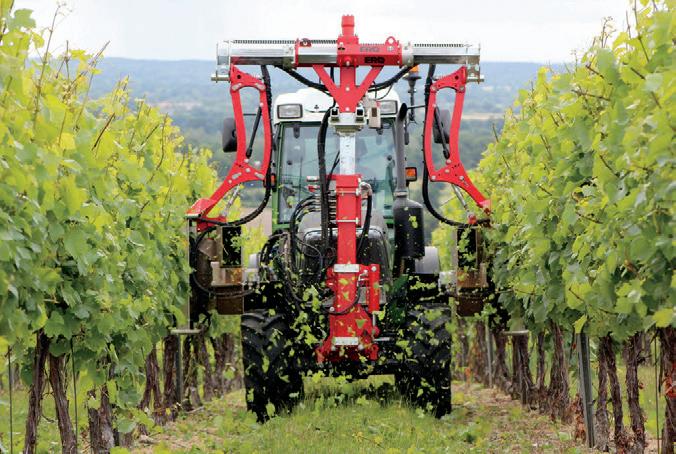
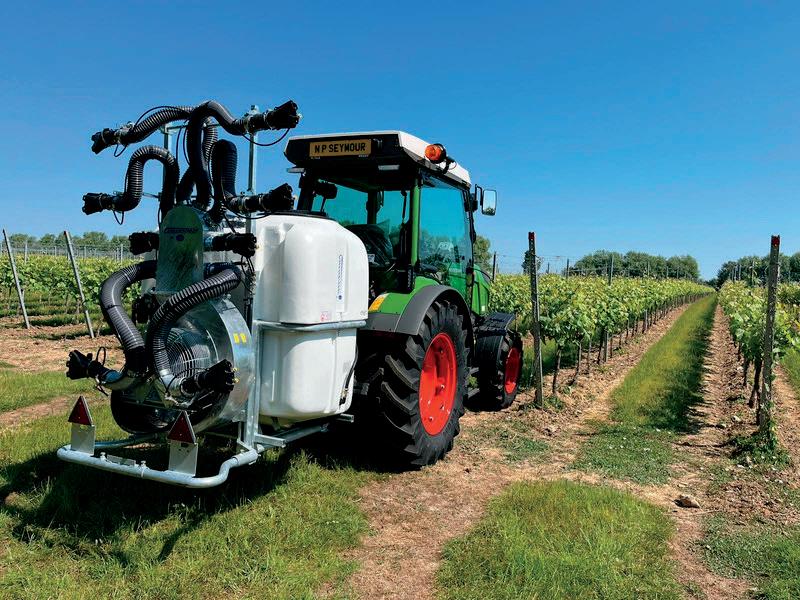
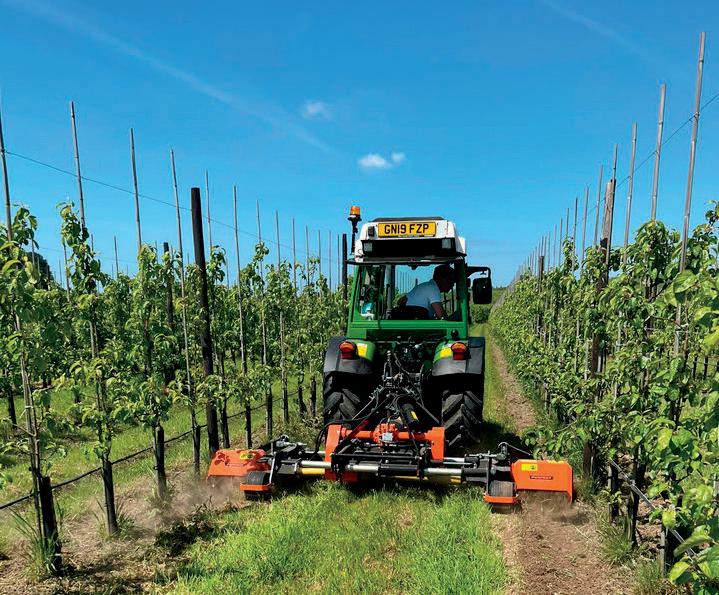
• Machere Ltd: Identifying organic liquid fertilisers for aeroponic systems (Growing Kent & Medway)
• Air-seq: A revolutionary technology developed by Earlham Institute that uses DNA sequencing to provide early warning of airborne pathogens (BBSRC)
• University of Greenwich and NIAB, East Malling: Pheromone of Apple Sawfly, developing new tools to manage a re-emerging Pest (BBSRC).

INNOVATION HUB
The Fruit Research Innovation Hub can be found at stand 700 during Fruit Focus, East Malling, Kent on Wednesday 12 July. Three tours to see the research exhibits will also take place throughout the day at 1000, 1100 and 1400. Leaving from stand 700, they will give visitors a chance to see the latest advances in agritechnology, pest and disease research and sustainable innovation.
JULY 2023 | WWW.SOUTHEASTFARMER.NET 34 PREVIEW
Your specialist tractor and machinery dealership P l e a s e R S V P v i a e m a i l : h e l l o @ n p s e y m o u r . c o . u k | 0 1 5 8 0 7 1 2 2 0 0 N P S E Y M O U R ' S M A C H I N E R Y D E M O N S T R A T I O N D A Y S O r c h a r d d a y : T h u r s 2 0 J u l y | V i n e y a r d d a y : F r i 2 1 J u l y 1 0 a m - 3 p m a t A m s b u r y F a r m , M a i d s t o n e , M E 1 5 0 Q Y
STAND 700 FRUIT RESEARCH
The UK’s leading specialist tractor and machinery dealership, NP Seymour, will showcase its innovative, fully-electric, variable-rate beneficial insect applicator on stand 112 at this year’s Fruit Focus.
Soft fruit growers attending the show on 12 July 2023 will be able to see the machine, which has been developed in partnership with Bioline AgroSciences.
Unlike the other beneficial insect applicators available to growers, the battery-powered Bio Applicator, which can be towed by a quad or any small compact vehicle, features a cooled hopper.
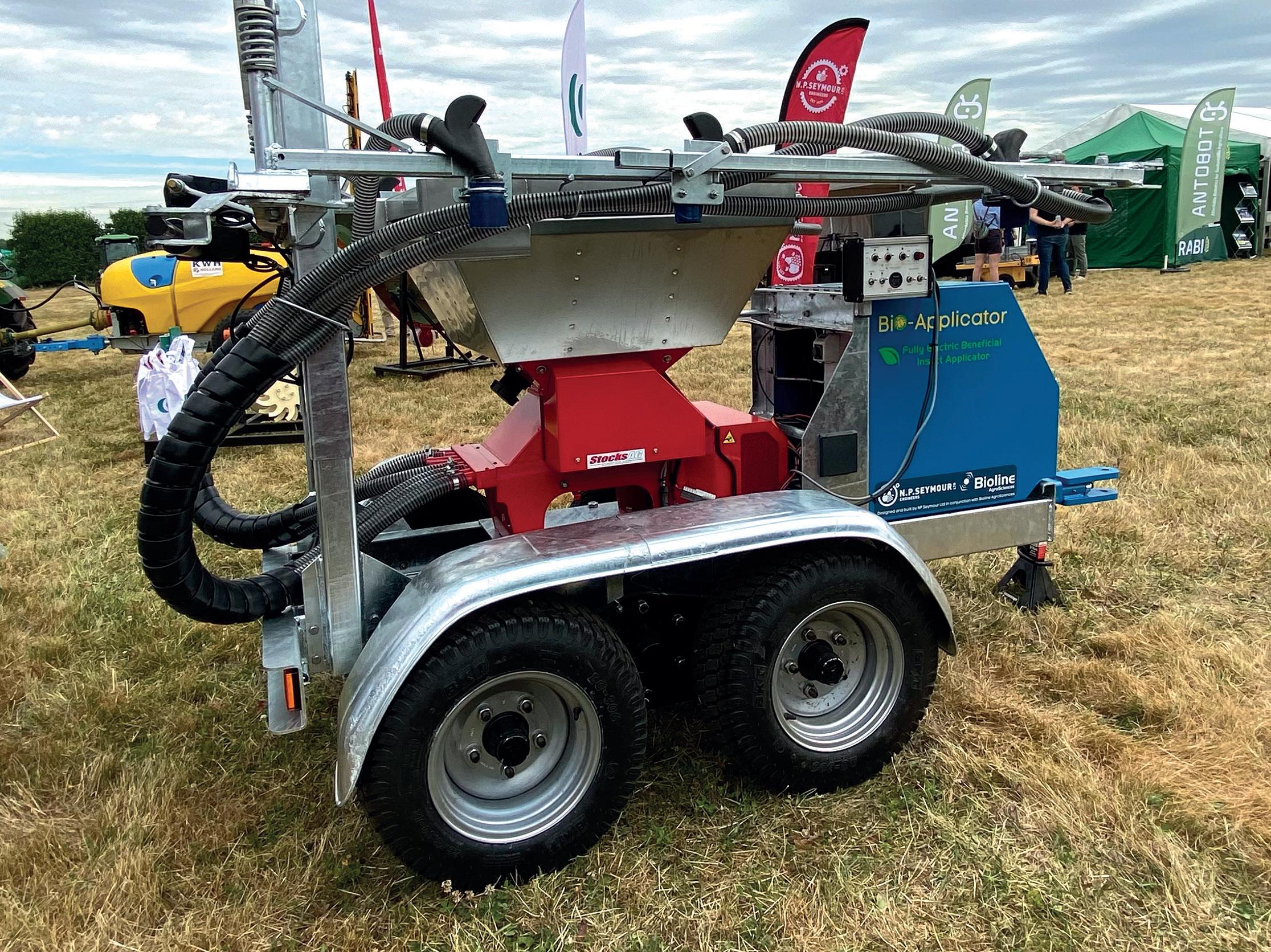
This prevents certain insects, mainly Phytoseiulus, from rising to the top when warm, thus keeping the natural enemies well mixed and making consistent application easier.
Claire Seymour, director at NP Seymour, said: “All units are made to order and can be designed and built to meet each grower’s specific systems, with the option for up to eight application outlets. We look forward to meeting visitors at Fruit Focus again this year.”
The Kent-based dealership will also be displaying a range of machines suitable for top and soft fruit growers, such as a new Gen3 Fendt 207 V Profi Vario, Fischer’s ultra-compact GL4 mower and various mechanical weeding options.
SATISFACTION FOR CUSTOMERS
Building specialist G J Elgar Construction is beginning to be well known in the world of viticulture after building a winery for Sussex grower and wine producer Artelium.
The Kent-based construction company, with over 30 years’ experience in the agricultural and industrial sectors, began work on the project in 2021, stripping the old asbestos fibre cement roofing material using trained and certified staff.
“We then removed the existing single skin metal sheets from the walls and stacked them for the clients to re-sell after pointing out that the sheets were valuable and could help offset the cost of the project,” explained director Neil Elliott.
“We then supplied and installed 120mm thick composite roof sheets and 80mm thick wall sheets that gave our client the U-values they needed to keep the wine at the correct temperature.”
G J Elgar Construction then supplied and fitted concrete wall panelling and installed the high-spec stainless steel drainage needed for the wine-making equipment. “This was a bit of a challenge because of the geography of the building so we needed to alter a number of levels to meet the customer’s requirement 100%,” Neil went on.
built another winery in Ham Street near Ashford.
“We now have another order for a winery in East Sussex thanks to a word-of-mouth recommendation and the satisfaction we have given our customers,” Neil added. “We are committed to delivering quality buildings for wine makers throughout the South East and making the most of the upsurge in viticulture in this part of the world.”
www.gjelgarconstruction.co.uk
WWW.SOUTHEASTFARMER.NET | JULY 2023 35 TO ADVERTISE CALL 01303 233883 MEDIA SPONSORS:
REVOLUTIONISING
www.npseymour.co.uk STAND 112
THE APPLICATION OF NATURAL ENEMIES
Since completing the winery for Artelium, G J Elgar Construction has STAND 110
VIN E YAR D

















ART OF WINE




While there is undoubtedly an art to making wine, one Sussex vineyard has gone further by putting art at the centre of its entire operation. Courtesy of our sister publication Vineyard Magazine


JULY 2023 | WWW.SOUTHEASTFARMER.NET 36 NEWS FROM THE VINEYARD
While there is undoubtedly an art to making wine, Artelium has gone further by pu ing art at the centre of its entire operation. Artistically made INSIDE Tackling Spotted Wing Drosophila Planting day at Biddenden Vineyard Demystifying wine labels LAND & PROPERTY CONSULTANTS
™ For Growers & Winemakers in Great Britain
Artelium Wine Estate, based in glorious countryside at Malthouse Farm, Streat, not far from Ditchling, collaborates with renowned artists to create unique labels for its bottles, hosts regular exhibitions in the tasting room and is planning a sculpture trail through the estate’s 45 acres of vines.
In fact, as hospitality manager Hannah Simpson-Banks pointed out, at one stage the gently sloping south-facing area of former pasture was considered as the venue for a sculpture park.
Fortunately for lovers of fine English wine, the two entrepreneurs behind the venture, husband and wife team Mark Collins and Julie Bretland, decided that they could find plenty of space to celebrate their interest in art amongst the vines while using most of the land to pursue their passion for producing fine wine.
And while ‘good’ art can be a very subjective decision, good wine is judged by experts, and those that have put Artelium to the test have already found it to be a winner. The 2017 Nature Series Cuvée, which features a series of three labels designed by artist Judith Alder, won Gold at this year’s Independent English Wine Awards.
The Nature Series was released as a collaboration with London-based wine bar Vagabond, with the three labels representing light, soil and water, the three vital elements needed to sustain life in the vineyard.
Collaboration – with artists, winemakers and the local community – is central to the Artelium philosophy and has helped the relatively young business establish itself successfully at what was previously a dairy farm and equestrian centre.

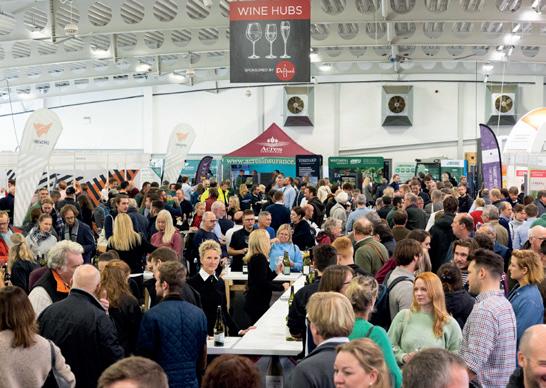
Remarkably, perhaps, the Covid-19 pandemic played its part, too, with the increased numbers of walkers on a footpath from Ditchling to the South Downs that runs through the site watching with interest as vines were planted and farm buildings took on a new life. Once restrictions were lifted, Mark and Julie were able to turn interested observers into potential customers with the aid of signs and new paths.
While Artelium seeks to marry wine and art, it was another wedding – Mark and Julie’s own – that proved to be the launchpad for the business.
Thinking of ge ing into viticulture?
Both successful entrepreneurs, they wanted to serve an English wine at their wedding in 2013 and embarked on a comprehensive tour of vineyards to find the right choice.

After an in-depth search, their wedding guests were served an English wine made by Owen Elias, one of the most respected winemakers in the business with decades of experience at the likes of Balfour and Chapel Down, so it’s no surprise to find that he is now Artelium’s consultant winemaker.
Artelium has been conceived as a long-term investment based on a collaborative approach to winemaking. Hannah pointed out: “Mark and Julie want to create something that will last, and they also want to take the opportunity to showcase the work of craftspeople of all kinds, from expert winemakers to the artists designing our labels.”
It’s an ambition that is supported by the vineyard’s location, in the heart of the Sussex countryside and close to Charleston House, famed for its connections to the Bloomsbury group and formerly home to Vanessa Bell and Duncan Grant. The typeface for the London Underground was designed in Ditchling by Edward Johnston.
The complex of converted farm buildings at Streat now includes the Skelton Workshops, founded by the late John Skelton, letter carver and sculptor, who lived nearby and spent 50 years working in the county. It offers a range of courses, events and exhibitions.
Artelium’s focus on long-term investment and quality craftsmanship is highlighted by the fact that the first wines they released at the tail end of 2020 were a Curator’s Cuvée 2014 and a Maker’s Rosé 2015. “The wines were made by Dermot Sugrue in collaboration
with partner vineyards,” Hannah explained.
“The aim was to make wines with generous time on lees while creating the brand and developing a niche for the wine ahead of Artelium’s own grapes being available.”
Mark and Julie are active in every aspect of the business but also know the value of surrounding themselves with the right people.

While they had already been sourcing fruit, making wine and setting up partnerships for the future, Mark and Julie didn’t discover Malthouse Farm until 2017. They had been looking at, amongst other options, buying an established vineyard, but the former dairy farm and equestrian venture, with its spectacular views of the South Downs, seemed too good an opportunity to miss.
Although wine tourism was then in its infancy, they could see that the buildings would lend themselves to welcoming visitors and there was space to display artworks, both indoors and outdoors amongst the yet-tobe-planted vines. The first outdoor sculpture, Futures Past, by Will Nash, was unveiled just a few weeks ago.
Artelium currently welcomes locals and tourists to its tasting room, wine bar and terrace, all open from Thursday through to Sunday. It offers vineyard tours and wine tastings alongside ‘small plates’ of locally sourced produce.
The first vines were planted in November 2017, and as lockdown began, Mark and Julie moved to the site permanently and, like many other couples during this time, bought Poppy, a friendly black ‘springador’ who has quickly become one of the vineyard’s top attractions.
WWW.SOUTHEASTFARMER.NET | JULY 2023 37 TO ADVERTISE CALL 01303 233883 AS FEATURED IN MAGAZINE VIN E YAR D For Growers & Winemakers in Great Britain In association with
Register to a end this year's show on 22 November 2023: www.vineyardshow.com 2023 Sponsored by Vitifruit Equipment Sales and Hire <<
NEWS FROM THE VINEYARD
The ambition had been to launch the Artelium brand in the summer of 2020, selling directly into the trade, but that plan had to be pushed back to Christmas. Meanwhile the team realised that people walking the footpath that runs through the site were watching the changes and were keen to find out exactly what was going on.
As soon as things opened up, Artelium began offering tastings and tours and selling wine from the site, as well as online. “We also benefited from established wine tour operators who could no longer travel overseas and instead sought out experiences at UK vineyards,” Hannah explained.
Artelium now has established vineyards at two locations, with 40,000 vines at Artelium East, Streat, and a further 65,000 at Artelium West in nearby Madehurst, where the couple has a long lease on another former dairy farm and planted
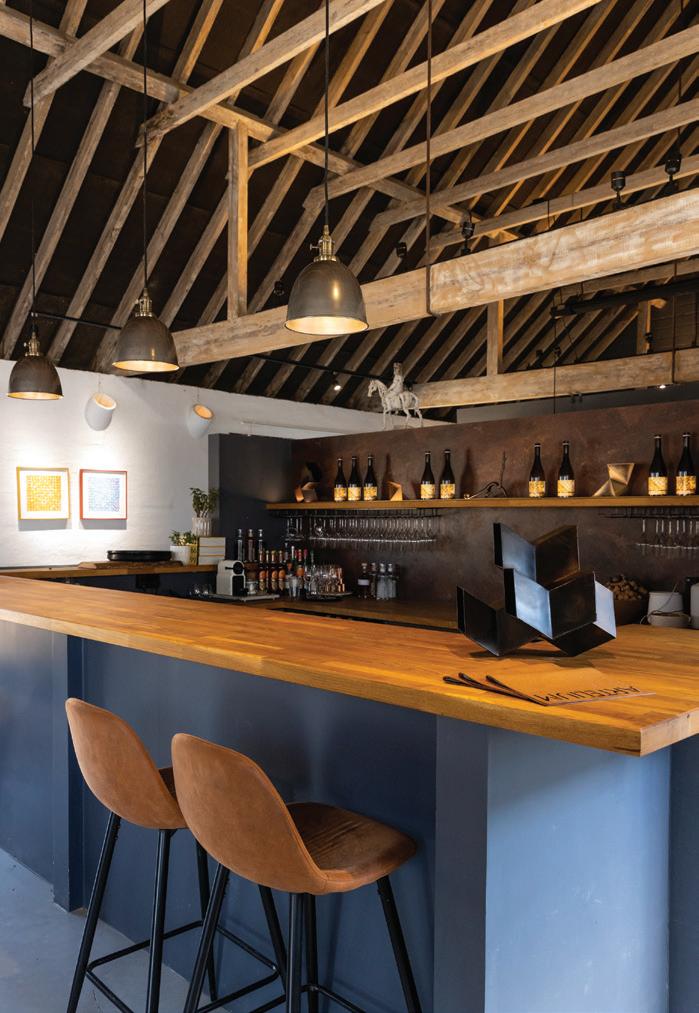

vines in 2020 and 2021.
The majority of the grapes are Chardonnay, Pinot Noir, Meunier and Pinot Gris, but Mark and Julie have also planted a number of PIWI International varieties which are designed to be more disease resistant and require significantly less pesticides than traditional vines. It’s part of a broader move towards sustainability.
The small parcels of PIWI vines planted at Artelium include Cabaret Noir, Pinotin, Sauvignac and Voltis. They may be used in Artelium’s single varietal Artefact range, but the team is keeping an open mind.
“We are confident that they will grow well here and produce a good crop, but we are keeping an open mind as to their use within the range,” explained Hannah, who joined Artelium in 2021 with a background in retail and hospitality businesses.
The Artefact range consists of small
volume wines which fall into the ‘premium boutique’ category, made by Owen Elias and illustrated by British artists like Nash, whose Futures (Past) release of 250 bottles of a blend of Chardonnay and Pinot Noir, Meunier and Gris features an intriguing geometric design on the label.
With artistic descriptions often rivalling those of wine aficionados, the Artelium website describes the label thus: “Here multiple grids of simple triangles and curves are superimposed to create prismatic patterns; orderly sequences decay into chaos then combine to find new order.”
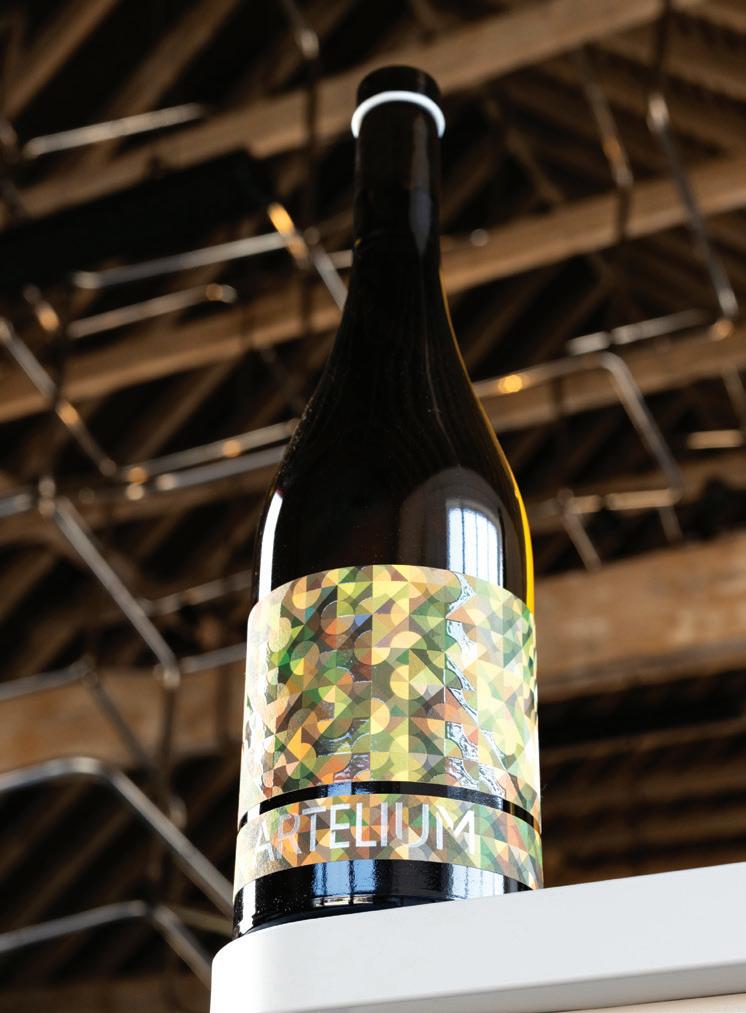
In a further bid to support art, the label has been used as the inspiration for 100 one-off framed prints in different colourways that are on sale in the tasting room. Meanwhile the aisles within the vineyard are deliberately wide to allow more sculptures to be placed there in the future.
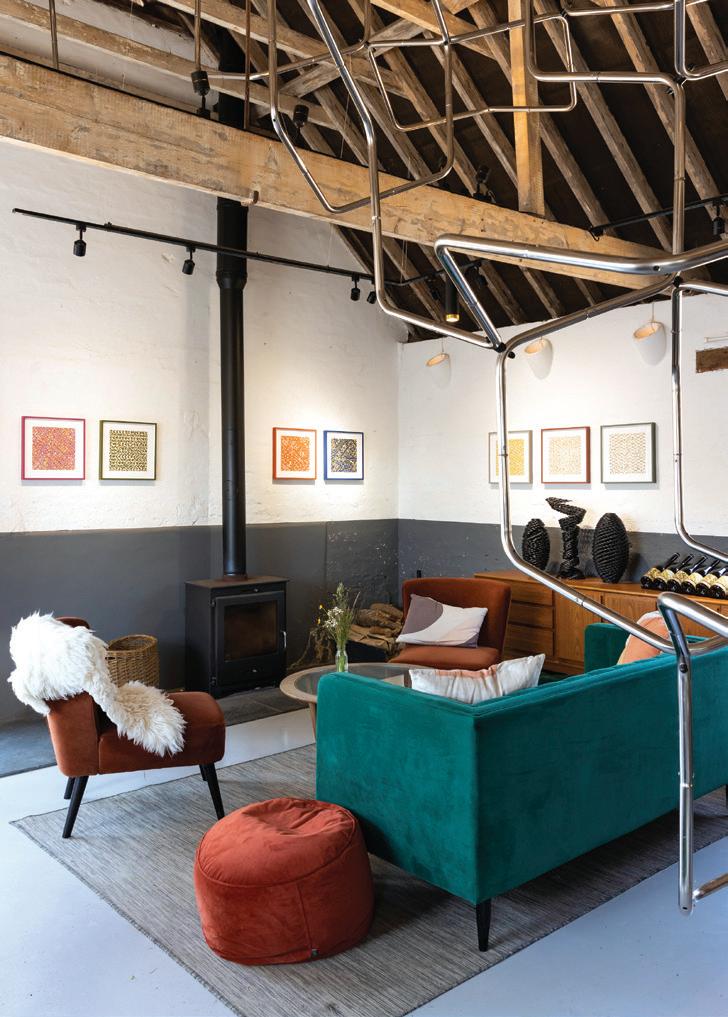
JULY 2023 | WWW.SOUTHEASTFARMER.NET 38
<<
Artelium’s sparkling wines spend a minimum of four years on the lees, while their Blanc de Blancs 2015, named Supreme Champion at the Wine GB Awards 2022, spent six years in the cellar. On the way to the top award, the wine was named Best Blanc de Blancs and Best Sparkling, while the team was named as Best Newcomer.















Again with a view to the future, Mark and Julie

commissioned their own winery and climate controlled storage, built for them by G J Elgar Construction, based in Ashford, Kent. In a further reflection of the collaborative theme that runs through the business, the winery space is shared with another producer and there is an opportunity for more to join in the future. The winery was commissioned in October of last year and was designed to be expandable


as the business grows. Still and sparkling wines will in future be made on site, although Artelium will continue to collaborate with guest winemakers.














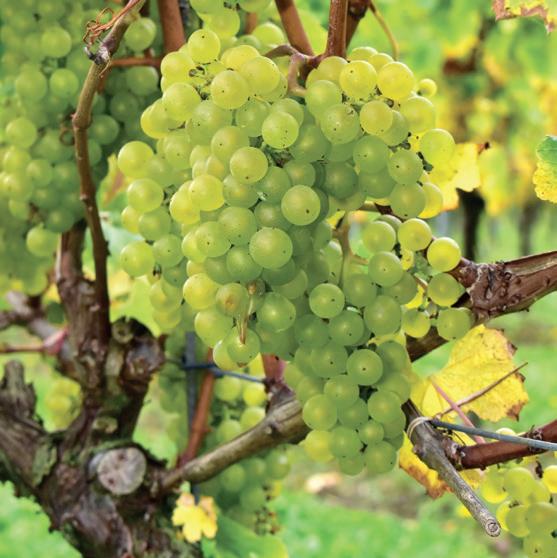

























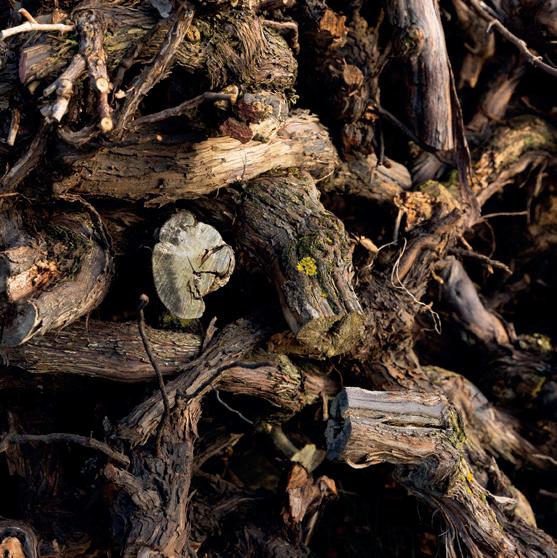
































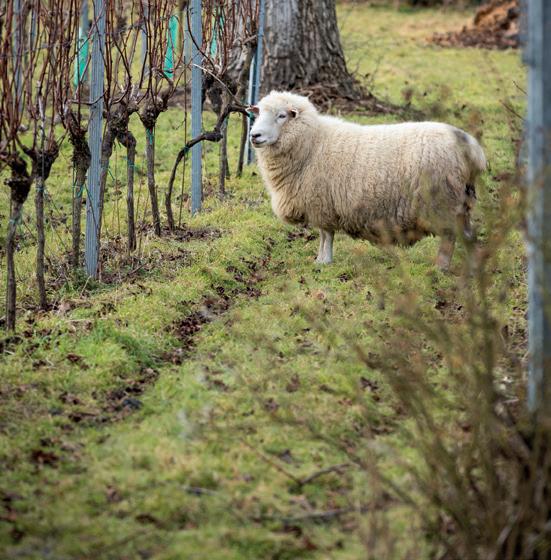


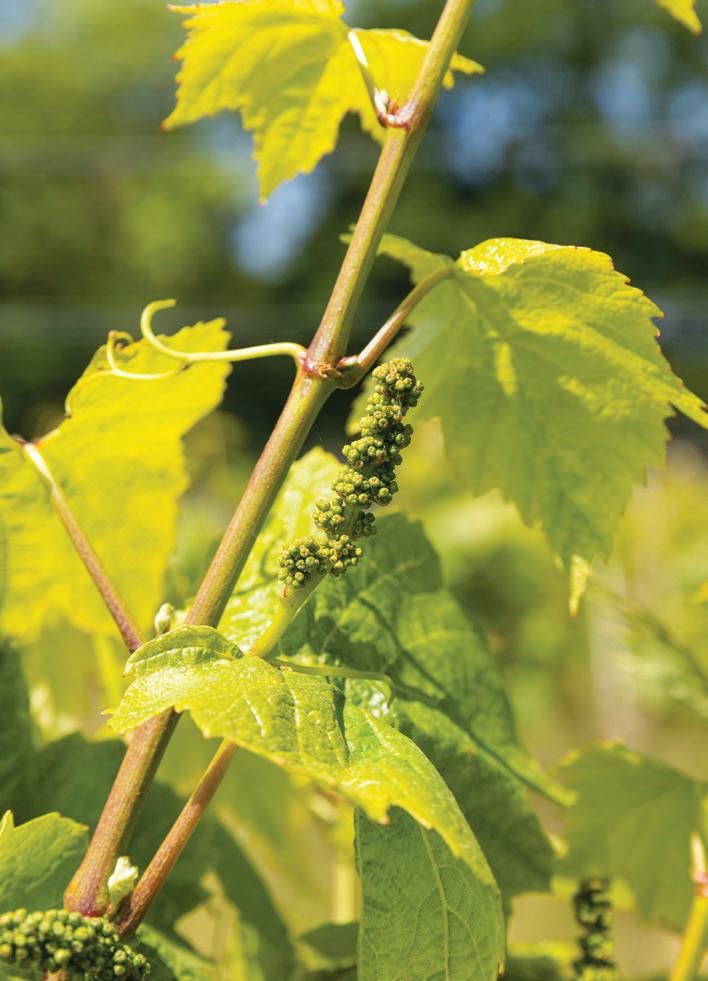
While Artelium’s initial throughput is set to be around 100,000 bottles a year, the winery will have capacity for half a million, and as the ‘best newcomer’ continues to win new customers, even that may soon not be enough.



































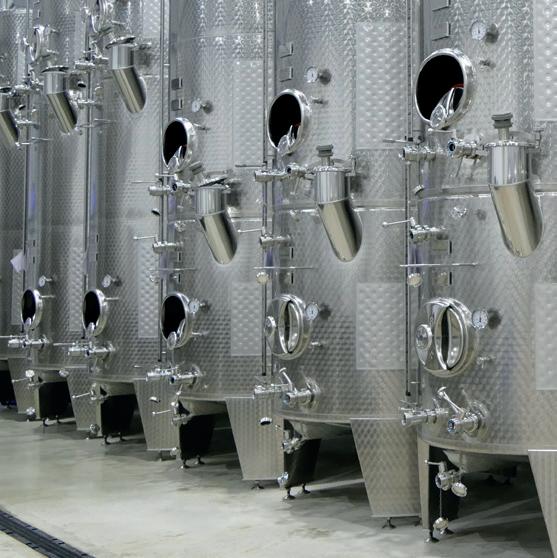


























WWW.SOUTHEASTFARMER.NET | JULY 2023 39 TO ADVERTISE CALL 01303 233883 AS FEATURED IN MAGAZINE VIN E YAR D For Growers & Winemakers in Great Britain
THINKING OF GETTING INTO VITICULTURE? Why not subscribe to Vineyard magazine? Visit shop.kelsey.co.uk/subscription/VIN LAND & PROPERTY CONSULTANTS Expert advice for viticulture: Site-finding Sales & acquisitions Planning applications Environmental schemes & grants on 01892 Matthew Berryman 07710 matthew@c-l-m.co.uk The Mount Vineyard sits in a quaint and beautiful landscape that is a painters idyll. MARCH 2023 The art of wine INSIDE Fast track to the best equipment When fungus attacks Matthew Jukes selects three wines that use carefully chosen words VINEYARD MARCH 2023 Vineyard03Mar23.indd 1 LAND & PROPERTY CONSULTANTS Expert advice for viticulture: Site-finding Sales & acquisitions Planning applications Environmental schemes & grants Call us on Matthew Berryman matthew@c-l-m.co.uk INSIDE Event buzzing with enthusiasm Keeping ahead of the game Sampling English wine The Grange Winery in Hampshire is a place where past, present and future are inextricably linked. JANUARY 2023 Past, present and future Vineyard01Jan23.indd LAND & PROPERTY CONSULTANTS Expert advice for viticulture: Site-finding Sales & acquisitions Planning applications Environmental schemes & grants Matthew Berryman 07710 765323 matthew@c-l-m.co.uk INSIDE Frost protection Introducing our new columnists Matthew Jukes looks at some incredible wines that catch the imagination Visiting a vineyard on the site of a medieval abbey FEBRUARY 2023 Agreeable symmetry VINEYARD CONSULTANTS Vineyard sales & acquisition Planning applications Business plans Environmental schemes Grants Matthew Berryman 07710 765323 matthew@c-l-m.co.uk 38 showpagepreview CLAIM YOUR FREE TICKETS INSIDE Machine harvesters are shaking it up Matthew Jukes thinks “There’s gold in them thar hills” Deep connection At charming Mountfield Winery grapes go from vine to bo le without travelling o site. NOVEMBER 2022 Vineyard11Nov22.indd 20/10/2022 VIN E YAR D For Growers & Winemakers in Great Britain
ELVED PHILLIPS ARABLE NOTES

PLAY THE LONG GAME WHEN MARKETING FEED GRAIN


On 31 May, November 2023 wheat futures were down to £180, and by the third week of June they reached £201. So, my advice at the end of May to “sit tight and watch the weather” has proved to be correct.
There are a few weather concerns and, as I said last month, they will continue to drive the market in the short term, rather than the war in Ukraine. The biggest potential problem is with American maize. This week, 64% of the crop is officially in drought and in some states the figure is 82%. Traders are now asking: Is this another 2012?
Apart from the Ukrainian War, the 2012 corn crop disaster caused the biggest sudden rise in prices most of us have seen. At a similar stage, the 2012 crop was only 37% in drought, but it got a lot worse. July is the month when the maize crop is made or not, so there is time for it to improve. Yield has already been impaired, but to what extent?
Closer to home, Scandinavia planted its spring malting barley crop late. It had little rain in May and in much of June, although there was some at the end of the month, but it is estimated that yields in Denmark could be 25% down. This is very good news for UK malting barley growers. Our prices based on following
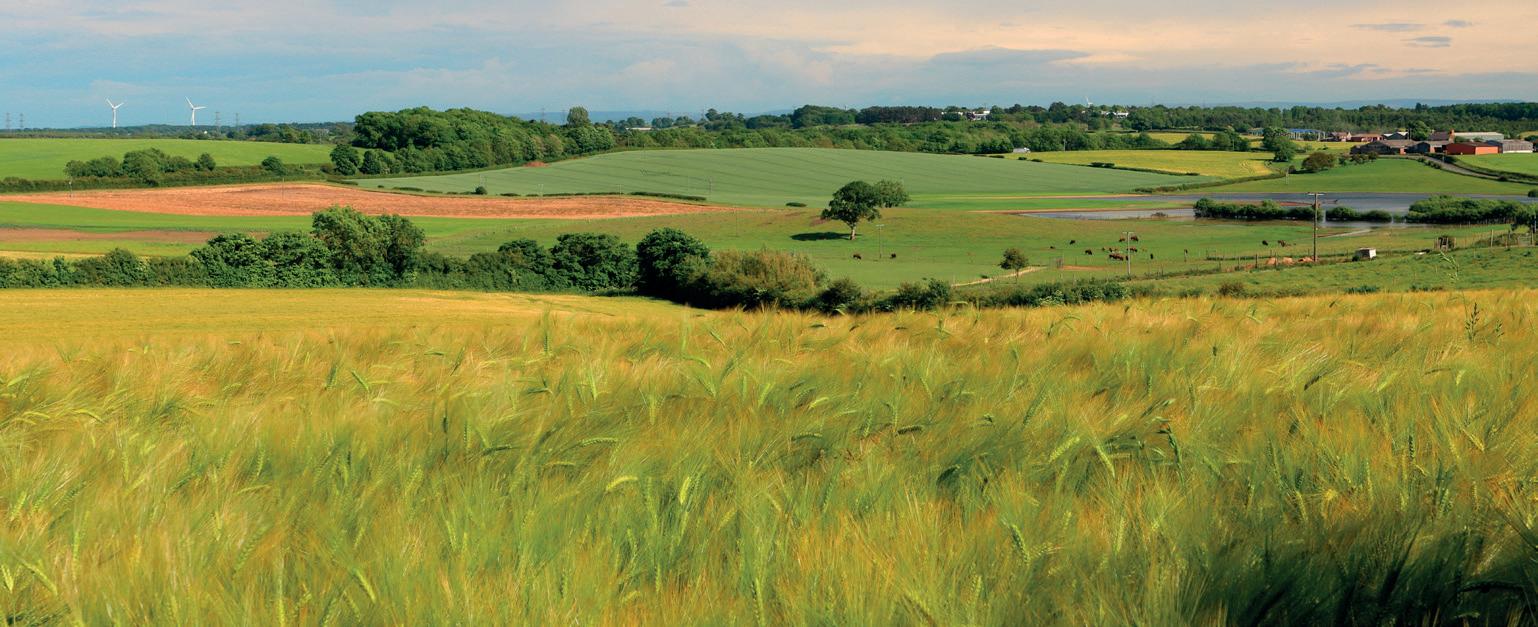
the Danish export market rose £30 per tonne in the last few weeks of June. Most farmers had sold nothing; now they have begun to put a line in the sand at huge premiums of anything up to £65 per tonne over feed barley.
In the south, the early planted spring barley has benefitted from good rain in the second half of June. Chalkland barley has the potential to repeat last year’s yield, something I would not have thought possible with the slow growing wet and cold spring we had. But there is a long way to go. We have had the hours of sunshine we needed and anything can happen yet on quality or yield, but with no demand for old crop malting and big carry overs of beer, malt and barley, this was a welcome spike in price and a percentage should be sold at those values. Actually, despite the rise in wheat prices it is probably still the only forward crop you can sell at a margin above the cost of production.
So new crop wheat is back to £200, which is a start, but I think, if you can, you will need to play the long game when marketing feed grain. Despite the quality risk, selling milling wheat and malting barley is more attractive.
It’s mind over matter where the Black Sea corridor is concerned. “We don’t mind because it doesn’t matter anymore.” Whether
it stays open or shut in July, we will still have the same mountain of barley and wheat exports issuing forth from Russia and the Ukraine by ship, road and rail through July, August and September.
The UK does not want to be competing with that over those months, so avoid spot selling at harvest. We have the huge open mouth of drought-ridden Spain on our doorstep. Yes, Russia will be selling to them as well, but we will have the edge in the long run. So your marketing prospects have improved as a result of other people’s potential misfortune.
We must not forget that even after a recent rally we are still a lot closer to the bottom of the long term trends. As I said a year ago, the war time peaks won’t return, but at a base of £200 for wheat, there is plenty of room for improvement.
India may yet be an importer of wheat rather than an exporter. Canada and South America are dry, Germany has suffered storms which may have impaired its wheat crop and we know that Australia will have nothing like the wheat crop it had last year. After three poor to average wheat harvests, the world needed a big wheat crop this year to re-build stocks, but right now I don’t see where that is coming from.
ELVED PHILLIPS Openfield JULY 2023 | WWW.SOUTHEASTFARMER.NET 40
GRAIN STORAGE FERTILISER SEED T: 01264 321 595 www.openfield.co.uk
COMPLEX PICTURE
To the South of England Show, Ardingly. Entry fee £25 for me as an adult, plus £23 for entry for my French intern agricultural engineering student.
I had brought my continental European guest along to convince her that a pedigree Sussex is a far superior breed to a pedigree Charolais. I have a herd of 100 Sussex suckler cows and her parents run a herd of 250 pedigree Charolais suckler cows near Bourges in central France. The odds of me succeeding were therefore very low.
When we got to the cattle lines in the large permanent shed at the Ardingly showground there was an impressive turn out of Sussex, but some breeds, including Charolais, were distinctly thin on the ground.
Slightly concerned, I had a chat with one of the senior stewards in the cattle judging ring and he confirmed that he was “puzzled” that there’d been a “very significant” drop in cattle entries. He put the low turnout down to the cost (and hassle) of bovine TB testing, which now runs to hundreds of pounds to take just a few cattle to a show.
But when I made enquiries among those actually on the cattle lines, a more complex picture merged. BTB was a factor, but some stockpeople were still fuming about the catering at the previous year’s show, when they’d had to wait until quite late in the morning for their breakfasts.

I understand this was rectified this year but it was thought by some that, such was the upset, some stockpeople boycotted this year’s show in protest. Others also grumbled about what they termed “the very basic accommodation” for stockpeople who sleep onsite.
Others still were concerned that the show had moved from a Thursday to Saturday format to a Friday to Sunday one. As one put it: “At least we used to have the Sunday off to get our lives back together after three days away. Now we get back to the farm late on Sunday and it’s straight back into a new working week on Monday without time to draw breath.”
I’ve no idea why the South of England Agricultural Society (SoEAS), which runs the show, decided to change to a full weekend. Perhaps they hope it will increase the number of punters through the gates, but by doing so, have they inadvertently put the skids under the number of people prepared to engage in the huge effort and expense of showing cattle there?
If the cattle-keeping community is to be kept onboard with showing at Ardingly, maybe entry fees should be reduced or even abandoned altogether? Perhaps the SoEAS should take a leaf out of the Norfolk Show’s book, which partially refunds show entry fees provided the cattle actually turn up?
Or maybe the society should consider sharing the cost of show cattle transport to Ardingly, an expense that has skyrocketed in recent years. A shed full of a wide range of cattle breeds is vital for the show’s agricultural flavour, and the cattle lines are one of the star attractions to farmers and non-farmers alike.
As we left the showground I suggested to my French guest that the relatively strong numerical showing of Sussex cattle on the day was clear evidence of the strength of the breed compared to Charolais. With a Gallic shrug, she held up two fingers to me, which I could only assume was a reference to the exact number of Charolais cattle we had seen at Ardingly.
• Ultimate Soil Scanning – High definition in-field scanning of major field properties including pH, Organic Matter, Electrical Conductivity and Topography
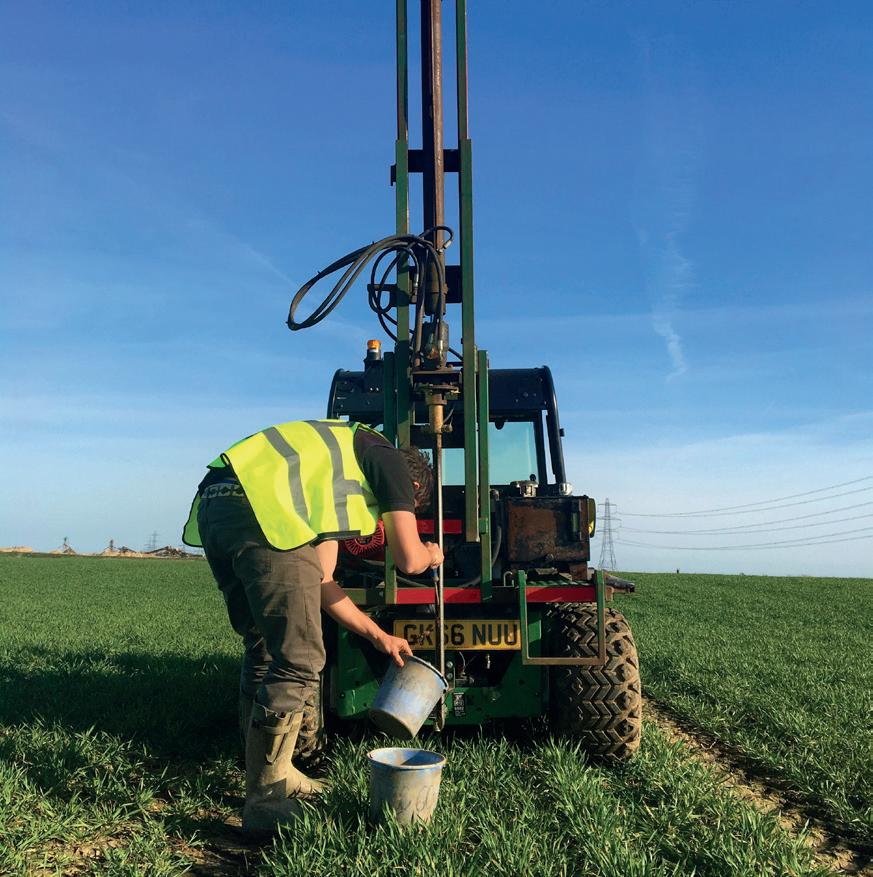
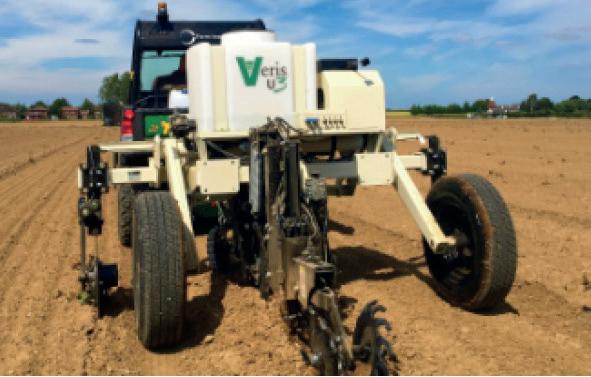
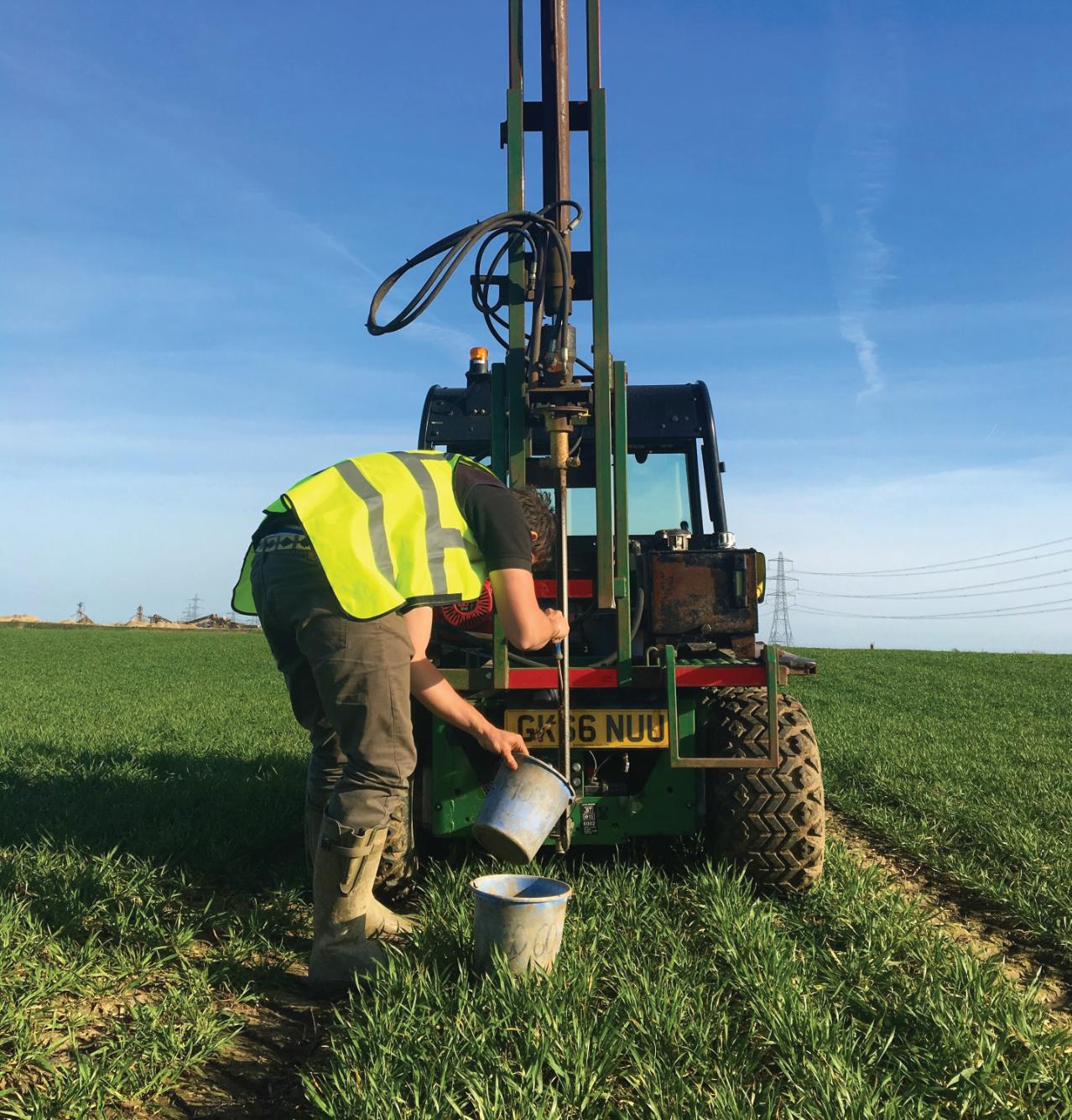
• Precision Soil Sampling and Mapping
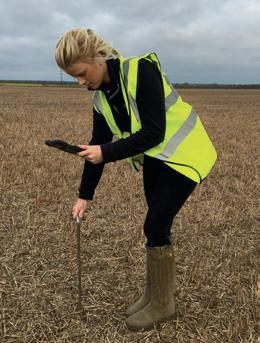
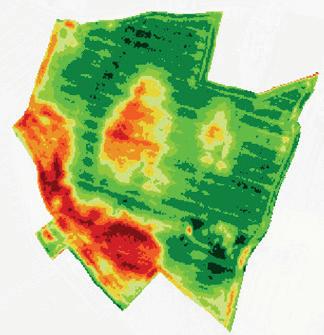
• Biomass Imagery
• Standard Soil Sampling – P, K, Mg and pH
• Potato/Pea Cyst Nematode Analysis (PCN)
• Deep Core Nitrogen Sampling
• Manure, Slurry and Product Analysis





• Lime supply and variable rate application
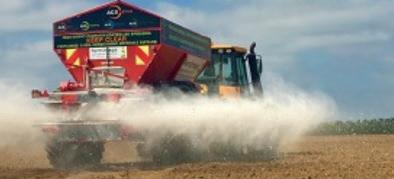
WWW.SOUTHEASTFARMER.NET | JULY 2023 41 TO ADVERTISE CALL 01303 233883
STEPHEN CARR
STEPHEN CARR Arable farmer
productssupplied, andspreadtoyourfarm. Offering20years’experience insoil servicestailoredforyouand yourbusiness Soilsmartsampling,GPSprecision, Verissoilscanning,NCore,Ph,PCN 01233 740247 enquiries@farmimage.co.uk www.farmimage.co.uk
Shared knowledge, research and observation, plus a clear increase in grower interest, have all combined to accelerate the learnings and engagement across the industry.
Everyone now appreciates that soil is a living, breathing entity and that microbiology and increasing microbial biomass is as important an objective as increasing organic matter.
Our healthy soils assessment, gold soil test and now the combination of these with TerraMap soil mapping in TerraMap Gold are vital components in creating a starting point of information with which to make clear decisions on what future interventions may be needed, be they physical, chemical or biological.
Over the past seven years, we have identified some clear common denominators with regards to soil health:
• The seeding zone of seedbeds tends to be overworked
• Overworking leaves seedbeds at risk from slaking during heavy rain
• Slaking or capping of the seedbed creates anaerobic conditions in the seeded zone and severely impairs crop establishment
• Poor infiltration of surface rainfall due to capping is incorrectly identified as poor drainage and addressed via deeper tillage passes.
Modern tillage machinery can create good seedbeds quickly, but problem grassweeds such as black grass or ryegrass require delayed drilling for good cultural control.
The two elements of delayed drilling and early creation of finely worked seedbeds are rarely compatible, frequently leading to capped and anaerobic seedbeds.
The assessment of baseline issues and farming requirements like grassweed control allows us to work with customers to address issues beyond just having a focus on healthy soil or just achieving good weed control. A plan allows all elements to be positively impacted at the same time.
Soil structure and the soil’s own innate ability to maintain a resilient structure depends on a combination of factors, but understanding that soil moving implements never create good soil structure is a major shift in understanding. Good soil structure is created via natural
Hutchinsons launched its healthy soils assessment service in 2016. Since then, the overall understanding of what goes into making a soil healthy has increased massively, as Dick Neale, technical manager explains.
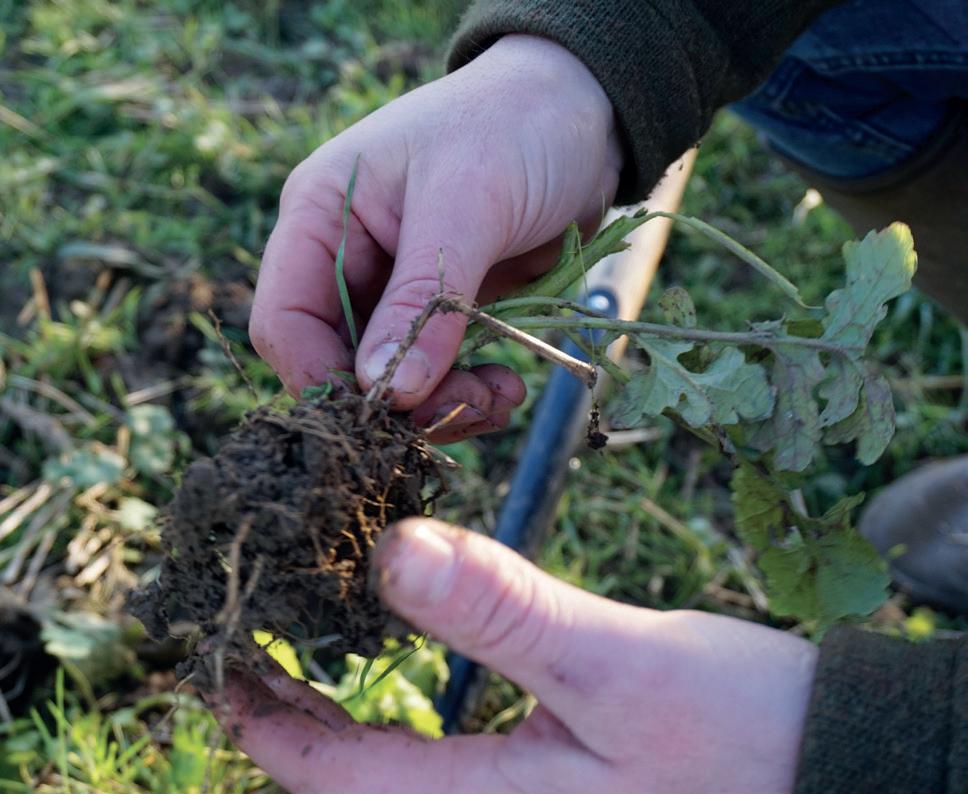
VITAL ELEMENTS
• Soil assessment
• Gold test
• Utilisation of cover and catch crops
• Appropriate cultivation when required
• Understanding of chemical, biological and physical impacts on soil structure
• Initiating processes to cycle nutrients within the soil
• Never lose focus on growing strong and healthy cash crops.
processes; the building of aggregates by microbiology, the binding of these together via growing roots and the creation of burrows by worms combine to create stable, resilient soil with good gas exchange, water movement and storage.
Soil moving implements change this structure, and always in a negative way for the long term. However, because farming damages soil, cultivation interventions are frequently needed to address problems such as compaction at depth, or shallow compaction.
Assessment of compaction depth is a vital component in good soil management; shallow compaction is not addressed appropriately by deep tillage. In all cases tillage can be used, and frequently should be used, to remove a structural problem where identified, but tillage does not create good soil structure - natural
processes do that. Tillage only improves or removes a structural problem in the short term; in the long term the issue will return if other interventions are not also used.
Deep tillage breaks up natural soil structures and produces a ‘soft’ loose structure which is easily recompacted via the passage of heavy machines during the farming year. The recompacted soil is again deep tilled to alleviate the compaction facilitated by the original deep tillage. We have to break the cycle, but doing that successfully again requires a plan centred on an assessed baseline for your farm; a plan that transitions to an agreed approach, a plan that anticipates both the positives and potential negatives of the transition period, a long term plan that incorporates all the elements for resilient and healthy soil.
JULY 2023 | WWW.SOUTHEASTFARMER.NET 42 HEALTHY SOIL… WHAT
THAT ACTUALLY MEAN? AGRONOMY DICK NEALE T: 07774 192697 E: dick.neale@hlhltd.co.uk Canterbury: 01227 830064 www.hlhltd.co.uk
DOES
INSULTING ANNOUNCEMENT
In the early hours of 9 June our gorgeous foal “Rebel” appeared. No issues this time, and another filly to add to the bonus. Mr Grumpy now feels that we should be on a horse ban.
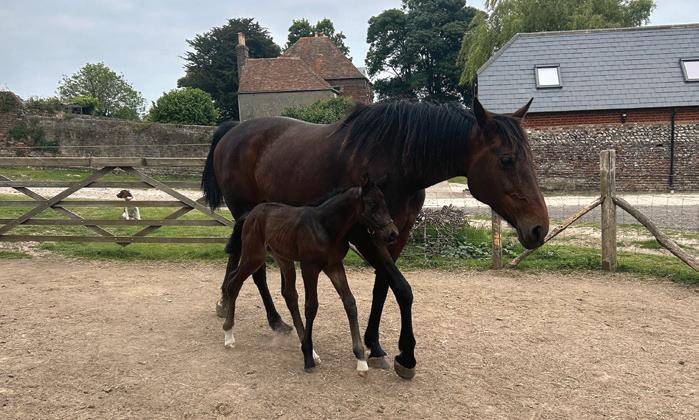
The sheep have all been shorn and probably feel 10 tonnes lighter and 100 degrees cooler. Even the ram enjoyed the experience. This year’s crop of lambs seems to have grown exceptionally well and have been thriving after a decidedly wet start to life.
Flaming June has now been and gone, with a few downpours interspersed throughout the month. Glorious sunshine after many months of rain came as a welcome break. The swimming pool has been erected and Teddy has put it to good use so far.
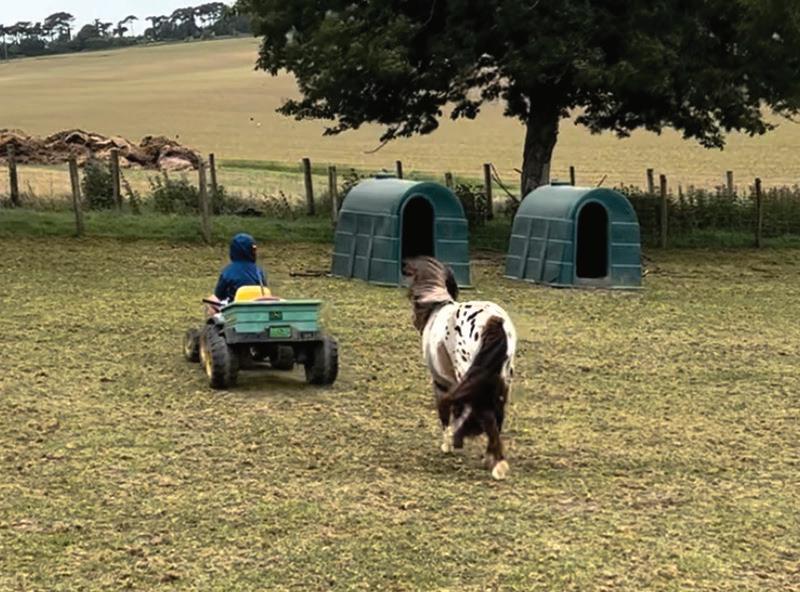
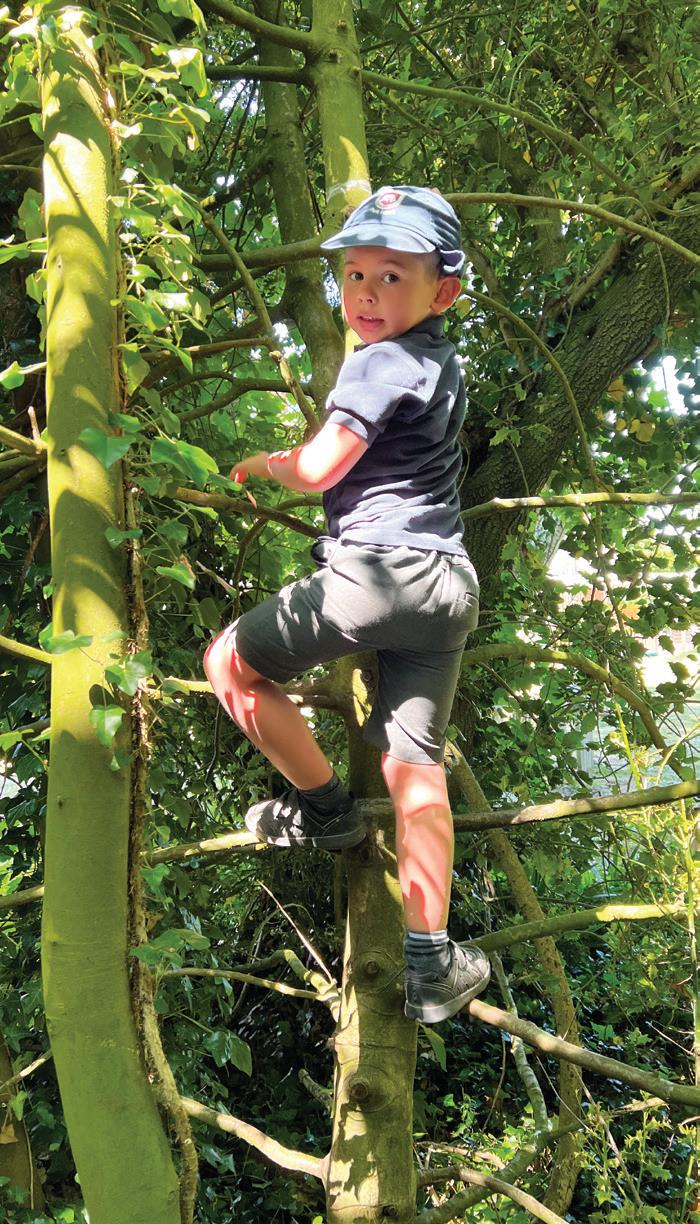
We have had the wettest spring for years and two months later South East Water decides to put a hose pipe ban in place… I cannot comprehend why. They keep paying the astronomical fines they receive for polluting the watercourses but spend little money on repairing the infrastructure to prevent water loss, which in turn would prevent a hosepipe ban.
I had made a resolution not to complain in this article, but…









Earlier in the month we were told that we must celebrate the fact that our milk purchaser has decided to “move with the times” and diversify into producing ‘plant-based butter’. A dairy company producing plant-based butter. Seriously? The announcement came after a further 2ppl price decrease was announced – and we are supposed to celebrate.
In our family we decided to commiserate, and this week for the first time I purchased butter made by a different company in my own little defiant way. We have spent hours completing our climate check, farm assurance and health and safety compliance and at this present moment I struggle to see
light at the end of the tunnel.
We are trying to produce milk more sustainably as we have been requested, or should I say dictated, to do, and then this announcement comes along. It’s insulting. If we had the most amazing milk price, I think we could have accepted the decision a little easier, but to have a price decrease of approximately 17ppl since January and to now be facing plant-based butter being manufactured is insulting to every dairy farm in the country. Surely we should all be focused on the common cause of selling milk?

On a positive note, I followed with interest the journey of a Claas combine harvester being driven from John O’ Groats to Land’s End. Blogger Olly Harrison (I only know this as the boys follow him avidly) and three others decided to raise funds and awareness for Mind mental health charity and Children with Cancer UK.
What a fantastic achievement. They drove the route over five days at a rate of approximately 200 miles per day, obviously avoiding all motorways. They have raised in excess of £70,000, completely smashing the £10,000 target originally set. To donate to this very worthwhile cause, visit JustGiving –John O’Groats to Land’s End combine challenge. Every little helps, no matter how large or small.
With harvest (which at times can be very stressful) around the corner, if you ever need a friendly chat or a shoulder to cry on Mind is always there. No one should ever have to fight alone.
Until next time, stay safe.

WWW.SOUTHEASTFARMER.NET | JULY 2023 43 TO ADVERTISE CALL 01303 233883
ANITA HEAD Farmer
ORGANISED CHAOS ANITA HEAD
GRAHAM ELLIS FRICS FAAV FLAA For and on behalf of Stanfords
NO CAP ON WEIGHT AT LIVE AUCTIONS


With half the year passed, livestock auctions are still seeing a strong trade for cattle, with numbers firming. It was noticeable, however, that quality was variable, which may well be a reflection on the cost of feed, and there was a slight downturn in prime cattle prices, although quality cattle are still selling at around 290p/kg to 310p/kg.
The benefit of live auctions is that there is no cap on weight, and it is noticeable in Colchester that several very strong bullocks over 800kg and up to 960kg have been coming through most weeks.
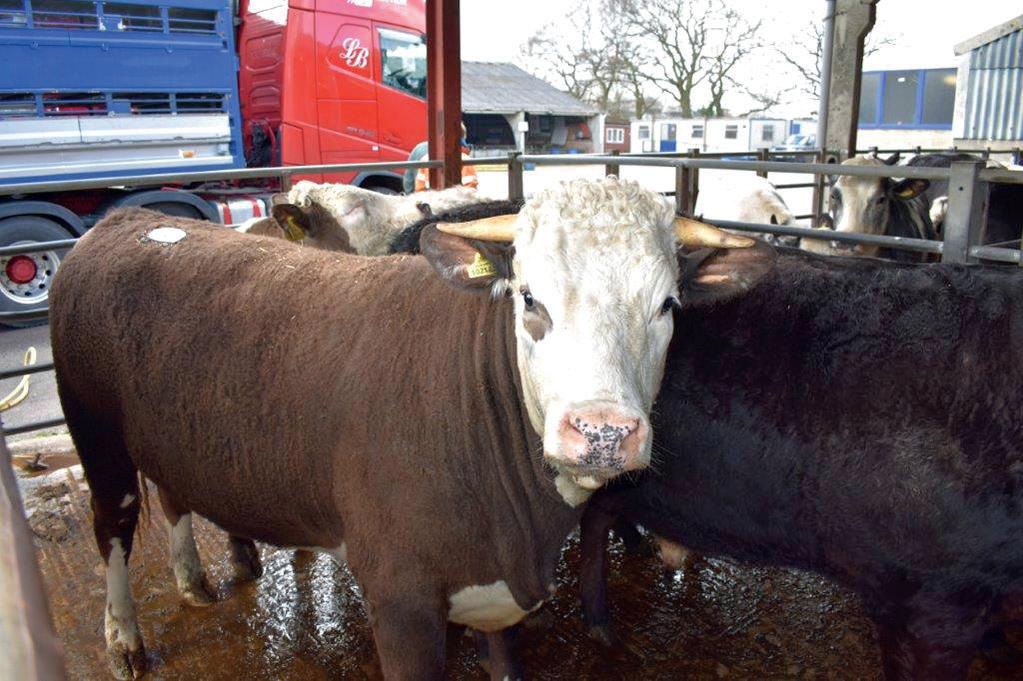
Welcome rain seen in mid-June should help to keep grass growth coming and give cattle graziers more confidence to finish cattle. It has to be again noted, however, that the rainfall was variable, with a wide range in quantities.
westpoint farm vets
Farm Vets
The cull trade was also slightly down during the period but still looking at a realistic return, with a strong demand for the best and leaner cattle taken to feed. The store trade is difficult to gauge, with numbers very short but plenty of farmers looking to replace stock in their yards.
In the new season lamb market, it would be fair to say trade is more difficult than 12 months ago, with averages some 15 to 20p less equating £6 to £10 per lamb. Good finish and weight are important to maximise returns and lambs are still being seen from £140 to £170 per head for heavier weights, with lighter weights £110 to £130.
Standard weight lambs if finished saw good demand, but any lacking meat were severely discounted. With the catering trade being an important part of the lamb industry, producers are advised to maximise the weight.
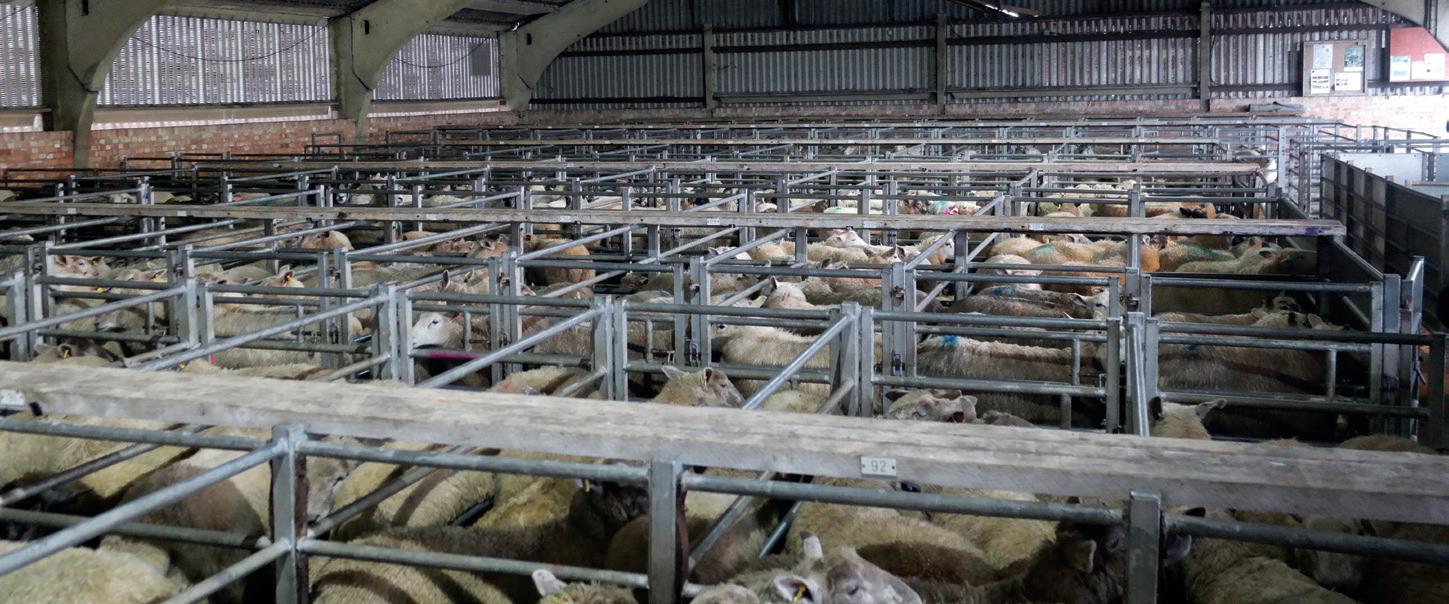
The cull ewe trade is strong and numbers are good, with the usual strong demand around the Muslim festivals.
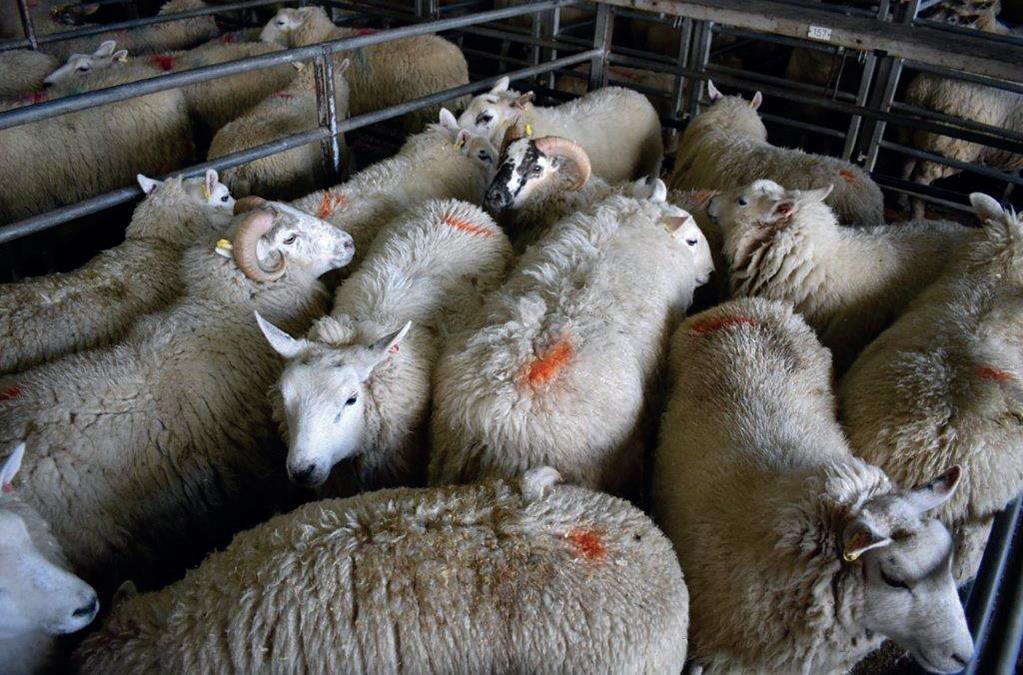
The pig trade remains at very high levels, indeed the highest levels we have ever seen. Numbers are insufficient, with all wholesalers looking for more supplies. This is a reflection of the desperate times that pig producers endured in the past three years, and it is going to take a long time to recover the losses.
With the harvest soon to be upon us, winter barley is moving forward very quickly and the lack of rain in the month before is certainly affecting potential yield.
With warm weather anticipated again by late June it will be interesting to see how yields hold up and indeed how the corn price will be affected. As always livestock producers need lower prices, but arable farmers are certainly needing high prices to offset the enormous increase in production costs.
JULY 2023 | WWW.SOUTHEASTFARMER.NET 44 AT COLCHESTER MARKET
www.stanfords-colchester.co.uk
T: 01206 842156 E: info@stanfords-colchester.co.uk
100%
Supporting British Livestock Agriculture Since 2000 New client visits are FREE - book yours today! Westpoint Farm Vets Dawes Farm, Bognor Road, Warnham, West Sussex, RH12 3SH info@westpointfarmvets co.uk | westpointfarmvets co.uk Our
Westpoint Ashford covering Kent & East Sussex 01306 628208 Westpoint Winchester covering Hampshire 01962 779593 Westpoint Chelmsford covering Essex 01306 628489 Westpoint Horsham covering Surrey, Sussex and Kent 01306 628086
teams of experienced, highly-qualified vets are focused on driving farm efficiency and animal health across the South East
The midpoint of 2023 is a good time to reflect on a busy spring livestock trading period at Ashford Market. Throughput figures have compared well with recent years, with 65,000 head of sheep from 595 different vendors and 6,600 head of cattle from 408 different vendors covering the whole of the South East from Hampshire to the eastern counties.
Generally, trade has been buoyant, with average finished hogget prices on a par with last year, while cattle returns have continued the upward trajectory of recent years. Both are considerably higher than before the pandemic.
It is often said in the livestock industry that no two years are alike, and this has certainly been the case for the sheep sector for the first part of 2023. A lacklustre demand for sheep meat early in the year led to an average price of below £100 for hoggets, some £20 below those of the previous year.

At these prices there was little margin for store lambs purchased in the autumn, and this was reflected in a lack of enthusiasm for stores early in the year, with the majority trading in the £70 to £85 bracket.
Against all the odds and predictions, the trade suddenly firmed in March and took off throughout April and May, with average prices in excess of £130, an improvement of some £30 per head on prices achieved early in the year.
At the peak of the trade in May, average prices levelled at around 300p, with heavyweights in excess of £150 and a big premium for the very best up to £180 (367p) for superb Beltex cross from O’Neil Smith Ltd, West Sussex. This improved trade late in the season was a welcome boost for all vendors and particularly rewarded those who continued to buy relatively cheap stores at the turn of the year.
Similarly, the cull ewe trade disappointed early in the year, with average prices lagging some £20 per head behind the phenomenal returns of last year. However, despite big numbers, demand has improved in recent weeks, with average prices in excess of £100, best crossbred ewes around £150 and the very tops to £208 for big continental crosses, again, from O’Neil Smith Ltd.
As expected, new season lambs have been slow to come forward, with a combination of poor scanning results, later lambing and poor finishing conditions due to the cold wet weather. Nevertheless, some 1,500 had been
TIGHT SUPPLIES BOOST LIVESTOCK RETURNS AT
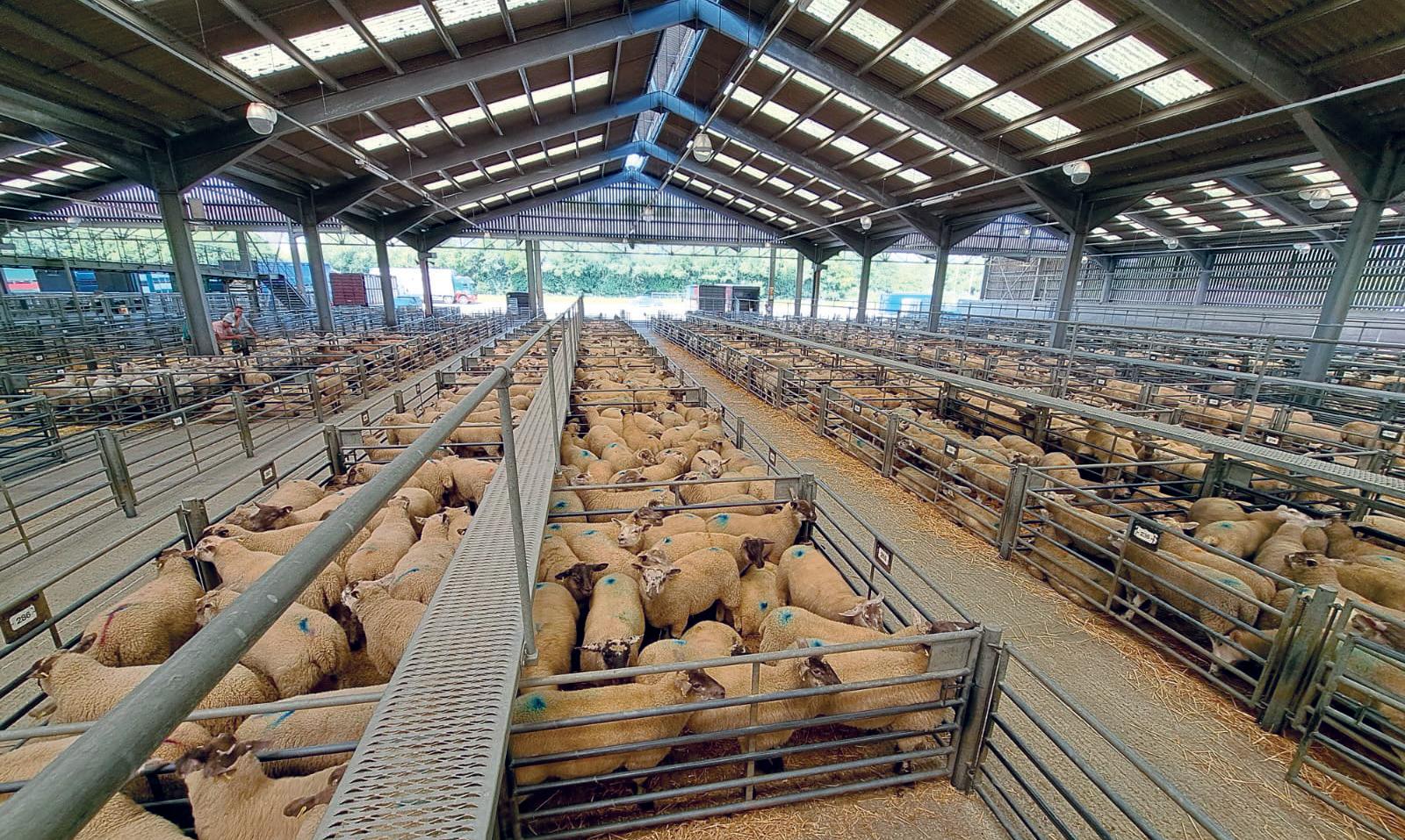
traded by the end of May, averaging around 320p per kg with best heavyweights in excess of £150.
In the short term these favourable prices are likely to continue, as supplies remain tight with good retail sales and an encouraging export demand, mainly from France, and a growing trade into Germany. Longer term there is good reason to be optimistic, with New Zealand continuing to reduce its national flock and concentrate exports on more lucrative markets in other parts of the world.
EU production is reported to be down, improving our export opportunities. Relatively tight supplies domestically, due to heavier losses this spring, will also help.
The beef industry can also look forward with a degree of optimism. The annual price increase of some 12% to 15% for finished cattle in recent years continues unabated, with the average this year of £1,550 up from £1,370 (or 13%) from last year.
In recent months the trade seems to have settled, which will be welcomed by the whole of the meat industry, which needs stability to trade sensibly.
The best of the beef-bred continental crosses continue to take the pick of the trade in the 280 to 310p bracket, with the majority of the native and dairy-bred cattle in the 240 to 270p bracket. Of course, the improved returns have only partly offset the hike in input costs which,
although easing somewhat, continue to be at historical high levels. Margins across the supply chain remain under pressure.
Favourable returns for finished cattle have filtered down to the store market, boosting prices and giving much needed encouragement to the store producers. Increased numbers of store cattle at Ashford market this spring saw an increased number of younger and dairy bred sorts, while strong cattle to finish short term were in tighter supply.
The larger spring sales attracted buyers from all across the south, Midlands and eastern counties, with some record prices. The best strong cattle fetched £1,500-plus and up to £1,800, top beef-bred continental yearlings were in excess of £1,200 and many young dairy crossbreds were in the £600 to £800 bracket. Noticeably, this spring saw several beef farmers in the market for heifers suitable for breeding, and these attached a significant premium above store value.
The UK beef industry has undoubtably benefitted from relatively tight supplies, with a reduction in both beef and dairy herds in recent years. In addition, there has been year-on-year growth in beef exports to the EU, reduced imports, particularly from Ireland, consistent retail demand and a recovery of the food service industry post-covid.
This all makes for a strong healthy market. Long may it continue.
WWW.SOUTHEASTFARMER.NET | JULY 2023 45 TO ADVERTISE CALL 01303 233883 ELWYN DAVIES Reporting on the sheep market at Ashford T: 01233 502222 www.hobbsparker.co.uk
ASHFORD
MARKET
WHOLESALE DEVELOPMENT OF FARMLAND UPSETTING
Speaking as a farmer who has been on both sides of the fence, I must say I find the wholesale development of local farmland really upsetting.
In the past couple of years the area of West Sussex just north of the coastal strip, which previously consisted of some excellent farmland amongst what was, until the building started, a group of villages known as ‘the five villages’, has been swamped with new houses. More to the point, there appears to be absolutely no provision for infrastructure benefits to either the old or new residents. Just houses.
What is worse for the area and the countryside is that some newer, speculating landowners appear to have purchased some excellent farmland only to have jumped at the first opportunity to sell swathes of it to developers.

That, to my mind at least, is not doing the area or countryside anything but harm. Clearly it will have made huge fortunes for the speculators, but to the minds of many, like me, they need to be taxed at a much higher rate. What good have they brought to the area? Were they genuine farmers, one would understand if they sold off bits to pay for their initial investment, but not selling to destroy the countryside for everyone except themselves.
Before anyone writes in to castigate me for being involved in this through a joint development by several of us neighbours who promoted, some 15 years ago, a bit of our own land, I would fire back and say: “Yes, but our scheme also allowed a bypass some mile and a half long, with a huge expensive rail bridge, to keep our local town and a couple of small nearby villages free of thousands of vehicles a day.”
This more recent swamping of the locality appears to have contributed nothing to anyone
apart from the recent purchasers of land and the developers. The latter I understand, but the speculative buyers/sellers not. To my mind buying farmland to sell on quickly does little for the countryside and nothing but harm for the reputation of farming or farmers. On this basis our local flooding problems will soon be either flood plain (which I have been embargoed from writing about), fit for growing nothing, or for housing development. What an exciting prospect.
To stop such a fate happening to my old hamlet, where my family have farmed for five generations (plus four or five generations before that just some four miles away since the mid 1600s) I have pondered over some of our own vulnerable land. The bypass I mentioned earlier has left some 20 acres between it and this old hamlet, land regarding which I have received, to date, 45 offers from builders and speculators. All have been told politely, and lately otherwise, to get lost.
Now an opportunity which other, perhaps senior like-minded farmers could consider, has appeared. It is called Biodiversity Net Gain or BNG. The idea is that the land is set down for long term conservation in exchange for leasing areas, small or large, to developers who can then use the BNG right to the area they have leased for development elsewhere, anywhere in the country as I understand it.
The money they pay for the right to do this then helps the farmers plant trees on his land and maintain that land until the trees have grown large enough to suppress the undergrowth naturally. The owner also manages the trees, felling when the time comes, replanting etc until, in time, there is a full grown forest or smaller woodland to pass on as a benefit to the community. I thought it sounded a nice idea and the plan is to start planting in the autumn after the present crop of maize has been harvested, the last farm crop before the transition to woodland.
It is quite an exciting prospect and we relish the thought of growing trees that will hide the houses beyond and the noise of incessant traffic along the road we helped provide.
My main concern involves the consistency of political thinking; that the scheme is set in stone and doesn’t get changed by a government with different views.
Most importantly it will protect our little old hamlet from being overrun by the arrival of yet more houses. We have houses here dating back to the 14th century, and on William Gardner and Thomas Yeakell’s maps of 1778 the habitation is shown as considerably bigger than nearby Bognor, which is now eating up the surrounding countryside at an obscene rate, aided and abetted by the aforementioned speculators. At least our local residents will have some assurance for their future quality of life and their security and privacy.
Despite the foregoing, I am still a farmer. The maize was finally sown, about a month late because of the wet spring but emerging within nine days, so we just hope it is not waterlogged when it comes ready for harvesting in what will probably be late October/early November.
It is all sown these days by our specialist contractor with ‘serious’ machinery, but they have faced a real struggle to get their farmer clients’ crops sown.
Luckily the vineyard is not my worry and the forest grows on strongly up in Argyll, although recent news of forest fires in late May further north are quite a worry. But like all proper farmers, there is always something to keep us busy, always something to worry about.

JULY 2023 | WWW.SOUTHEASTFARMER.NET 46
NICK ADAMES
Former dairy farmer
NICK ADAMES WEST SUSSEX DIARY
The growth of Sitka Spruce in Argyll with the wreck of the ‘Sugar Boat’ in the Clyde below
HEAT STRESS IN LIVESTOCK
Heat stress is a significant concern for livestock farmers worldwide, posing a threat to animal welfare, productivity, and overall profitability. With rising global temperatures due to climate change, it is crucial to understand the impact of heat stress on livestock and implement effective mitigation strategies. This article aims to shed light on the challenges posed by heat stress in livestock and explore practical measures that can be taken to safeguard animal health and wellbeing.
UNDERSTANDING HEAT STRESS
Livestock, including cattle, poultry, and pigs, are particularly vulnerable to heat stress because they are homeothermic animals that need to maintain constant body temperatures of around 38.5°C +/- 0.5°C.
Heat stress occurs when animals are exposed to high ambient temperatures combined with high humidity, resulting in a disruption of their physiological balance. This association between ambient temperature and humidity can be quantified using the Temperature Humidity Index (THI), (right). When a THI of 72 is reached, cows exhibit moderate heat stress. At a THI of 80, cows are severely heat stressed. This condition can lead to reduced feed intake, decreased milk production, compromised reproductive performance and increased susceptibility to diseases.
EFFECTS OF HEAT STRESS ON LIVESTOCK
1. Reduced feed intake: During hot weather, livestock tend to eat less, resulting in decreased nutrient intake and energy deficiency. This can lead to poor growth, weight loss and reduced milk production, ultimately impacting profitability.
2. Decreased milk production: Dairy cows are particularly sensitive to heat stress, which can significantly affect their milk
production. The decline in milk yield during periods of heat stress can be attributed to reduced feed intake, altered hormone levels and increased maintenance energy requirements.
3. Impaired reproductive performance: Heat stress can have detrimental effects on reproductive performance in both male and female animals. For instance, heat-stressed bulls may experience decreased sperm production and quality, leading to reduced fertility rates. In female animals, heat stress can cause irregular oestrous cycles, reduced conception rates and increased embryonic mortality.
4. Heat-related illnesses: Heat stress can lead to various heat-related illnesses in livestock, such as heat exhaustion and heat stroke. These conditions can cause severe dehydration, electrolyte imbalances and organ failure, often resulting in death if not addressed promptly.
5. Lameness: Increased standing times and hard soil conditions contribute to a rise in
sole ulcers in the months following heat stress periods.
MITIGATION STRATEGIES
1. Adequate ventilation and shading: Proper ventilation in livestock housing is crucial for maintaining a comfortable environment. Provide shade to minimise direct exposure to sunlight. Natural ventilation techniques, such as ridge vents and open sidewalls, can also help promote air movement and reduce heat build-up.
2. Access to clean water: Livestock should have constant access to clean, cool water to stay hydrated. Regularly check water sources and ensure they are replenished frequently during hot periods.
3. Nutritional management: Adjust feed rations to meet the animals' changing needs during heat stress. Increase the energy density of diets to compensate for reduced feed intake and provide highly digestible ingredients which are digested quicker and thus generate less heat by fermentation compared to longer forages in the rumen. Furthermore, changing feeding times by feeding 60% of the summer ration between 8.00pm and 8.00am will assist intakes. Cows will tend to eat less during the day and consume more feed during the cooler night hours.
WWW.SOUTHEASTFARMER.NET | JULY 2023 47 TO ADVERTISE CALL 01303 233883 ADVICE FROM THE VET
Westpoint Horsham T: 01306 628086 Westpoint Ashford T: 01306 628208 Westpoint Sevenoaks T: 01959 564383 Westpoint Winchester T: 01962 779593 Westpoint Chelmsford T: 01306 628489 If you would like to discuss anything covered in this article contact your local Westpoint practice E: info@westpointfarmvets.co.uk www.westpointfarmvets.co.uk TEMPERATURE
RELATIVE HUMIDTY % C 20 30 40 50 60 70 80 90 100 22 66 66 67 68 69 69 70 71 72 24 68 69 70 70 71 72 73 74 75 26 70 71 72 73 74 75 77 78 79 28 72 73 74 76 77 78 80 81 82 30 74 75 77 78 80 81 83 84 86 32 76 77 79 81 83 83 84 86 90 88 78 80 82 84 85 87 89 91 93 36 80 82 84 86 88 90 93 95 97 38 82 84 86 89 91 93 96 98 100 40 84 86 89 91 94 96 99 101 104 No heat stress Moderate heat stress Severe heat stress Dead cows
HUMIDITY INDEX (THI)
First cuts are in the clamp, and according to initial data from Trouw Nutrition, analyses are on average slightly poorer than previous years. With the wet start to the year and then a very dry May the grass has been stressed and is struggling to grow on again after first cuts.
With similar neutral detergent fibre (NDF) levels but higher lignin, the dynamic energy levels are lower compared to previous years. The result in many cases will be to supplement with more energy, in the form of starch and sugar sources, to support performance while feeding these silages. This increases the risk of sub-acute ruminal acidosis, which will further exacerbate the challenges on farm.
This may be the year to seriously consider treating a cereal crop which is ready for combining with Home n’ Dry pellets to produce alkalage, a complementary forage which has increased protein and digestibility.
Treating a ripe cereal crop with Home n’ Dry pellets allows the wholecrop to provide higher starch and digestibility than fermented wholecrop. The Home n’ Dry pellet treatment has the added advantage of having a pH of around 8.5 compared to a traditional wholecrop, which is around 4.5pH. This provides an alkaline product which will support the rumen health and reduce the risk of the sub-acute ruminal acidosis (SARA), when feeding higher starch and sugar levels this winter.
Because of the lack of grass growth throughout May, some farmers will be having some concerns about forage quantities that will be available for the winter. Alkalage can optimise home-grown crops to provide a forage that will be of useful nutrient value to fill some of the gap.
Making alkalage is a simple, one-step process which involves layering or mixing the cereal wholecrop in the clamp with the Home n’ Dry pellet. Once sheeted, the reaction of the pellet with cereal crop produces ammonia gas, which circulates through the clamp to treat the cereal and straw.
The outcomes include more digestible straw, already chopped, higher levels of starch and increased protein level. On farm, this reduces the requirement for purchased protein sources as well as reducing the time and fuel needed to chop straw for diets.
Although no-one knows what lies ahead
QUESTIONABLE FORAGE AND GRASS AVAILABILITY?
Consider alkalage for optimising home-grown crops...

for the rest of the summer, with continuing raw material volatility and the potential challenges of forage and grass availability, this is the ideal time to consider alternative solutions for feeding ruminants on farm. Using
alkalage will help support rumen function, enable optimal use of home-grown feeds and provide a source of forage to balance all-grass silages, ultimately helping profitability and performance of animals on farm.
JULY 2023 | WWW.SOUTHEASTFARMER.NET 48
FORAGE
DEBBY BROWN BVMS GPcertFAP MRCVS Veterinary Technical Manager Dugdale Nutriton/Home n’ Dry T: 01200 613118 www.homendry.com
TROUW
GB
500 SAMPLES: EARLY FIRST CUT AVERAGES Units Min Average Max Dry matter % 16.0 30.9 60.7 Protein % DM 6.8 14.3 25.4 D Value % 57.0 69.4 76.1 ME MJ/Kg DM 9.1 11.1 12.2 NDF % DM 33.9 44.5 65.3 ADF % DM 19.6 27.6 42.8 Lignin g/kg DM 13.0 40.1 76.8 Sugars % DM 0.2 0.9 7.0 pH 3.5 4.0 5.7 Lactic Acid g/kg DM 2.0 79.1 158.3 VFA g/kg DM 0.5 44.4 128.3 Ammonia % 0.9 3.9 16.6 RFP g/kg DM 44.5 92.5 162.7 TFP g/kg DM 50.1 104.1 196.3 RFC g/kg DM 108.0 192.8 238.6 TFC g/kg DM 330.3 417.2 569.5 Acid Load 26.7 48.5 59.0 Fibre Index 133.1 178.2 269.9 Glucogenic Energy g/kg DM 76.9 123.4 154.5 DyNE MJ/Kg DM 4.2 5.8 7.1 NDIP g/kg DM 26.6 56.9 80.2 NFEPB g/kg DM -62.9 14.7 107.1
NUTRITION
LABORATORY SPRING 2023
FULL OF SURPRISES
The year 2023 has to date been full of surprises. There have been all sorts of primarily weather-related issues that have generated problems for producers, some quite significant. It was interesting looking at the AHDB’s online Forage Knowledge last week, in particular average grass growth figures across the country. These went from 60.7kg/DM/ha per day on 5 May to 75.5kg on the 19th and then falling back to 58.5kg on 9 June, the 19 May figure considerably above the long-term average. These figures go a long way towards explaining the comment I have heard from numerous producers expressing surprise at just how quickly we seemed to go from not enough grass to too much grass, ostensibly within a matter of days. Sadly, though, as quantity grew much of the quality took a significant dip, summed up quite nicely in a comment made by an old friend from Sussex: “Too much and not enough grass.” That is, a lot of relatively poor-quality grass.
One saving grace is that after such a wet early spring we still have significant reserves of moisture at depth, although there is a limit as to just how far the grass roots can follow it down; it is somewhat reassuring to know that some of the herbs and deeper rooting elements in my, now rather random. permanent pasture will, hopefully, be able to tap into the falling soil water table for a little while longer and at least maintain some sort of semblance of a green sward. Sadly, that does not alter the fact that we are now in the position where, no with appreciable rain for more than a month, things are starting to dry up quite rapidly. As the old saying goes, two weeks of dry weather needs a day of steady, soft rain to make up any deficiency; on that basis we need two or three days of good steady rain just to catch up, and the chances of that occurring in the immediate future look slim.
Faced with a strong chance of the dry
weather persisting, and in the position where there is plenty of grass in front of the sheep but of somewhat dubious and diminishing quality, I am somewhat reluctant to start topping off too much (apparently we are now supposed to refer to it as “resetting the grass”) even as some grass is beginning to head. I see little point in having nice tidy paddocks with grass that is too moisture stressed to produce any significant regrowth; in the paddocks that I have topped (reset), the removal of a bit of cover seems simply to have speeded up the appearance of dry patches.
I might be pleased to have a standing hay crop in a few weeks’ time; even if rather untidy it may well, with the addition of some molasses blocks to feed the rumen, provide adequate belly fill to carry them through the worst of the summer - or is that just wishful thinking?
The major surprise, though, has been how remarkably well the ewes looked when their coats came off, I really was pleasantly surprised at just how fit they were. I haven’t yet condition scored, but nothing looks to be unduly plain; most really are looking quite fit, with a few even looking rather too good for the time of year.
What was particularly pleasing and surprising was that even after the challenges of last summer, resulting in a number of ewes being in sub optimal condition going to the tup, they still managed to perform well. Although some of the shortcomings had been resolved by the time they lambed, I did fully
expect that they would suffer a bit during lactation, particularly with them lambing at 200%. Not only have the ewes maintained condition, but they have also managed to milk well and produce some very good lambs to weaning. We weaned 196% (at shearing), with the lambs, averaging 11 to 12 weeks of age, looking remarkably well with no stragglers and a number around the 40kg mark just about ready to go.
By doing their lambs so well and retaining much of their body condition during a relatively poor grass season, the ewes have exceeded expectations, a performance that seemingly defies logic (I know that many other producers have experienced similar). I have always been of the view that sheep need to be challenged from time to time to avoid slipping into complacency; it is only by challenging them that we can begin to fully understand just what they are capable of, just as long as the level of challenge does not compromise welfare.
It is conceivable that after the challenges of last season the sheep have responded by exhibiting a degree of “phenotypic plasticity”. This is a survival mode, where, although DNA remains unchanged, the way in which specific genes are expressed changes in response to significant environmental challenges, increasing the efficiency of the way they use the feed resources available to them. That’s sheep; full of surprise; it’s what makes them so “interesting”.

WWW.SOUTHEASTFARMER.NET | JULY 2023 49 TO ADVERTISE CALL 01303 233883 SHEEP TOPICS ALAN WEST
ALAN WEST
Sheep farmer
STUDENTS ACHIEVE TARGETS
Plumpton College’s agricultural staff are proud of their students’ achievements, which are a direct result of the educational experiences they have given them.
Staff are able to illustrate student success routinely – in prospectuses, at student award ceremonies, at staff meetings, in mission statements – and it is not uncommon for students, staff, and alumni to recount the outstanding progress students make during their time at the college that leads onto amazing job opportunities. They provide a compass that orients us toward the core values of our college.
Indeed, we will have done our job if our completing students lose themselves in making a difference in the world within their chosen career of agriculture and food. I am in no doubt that many of our students have indeed graduated with these abilities.
Our students are also exposed to numerous other perspectives relating to the college experience they receive with us. No perspective is more prominent, particularly in these tough economic times, than the one that defines college success as enabling students to gain a high-paying job or entry to higher education. Ultimately it means studying at Plumpton College ensures our students progress into their chosen career.
The college’s annual awards ceremony on Friday 23 June was a successful day and worth all of the hard work to see our students enjoy their success with their families.
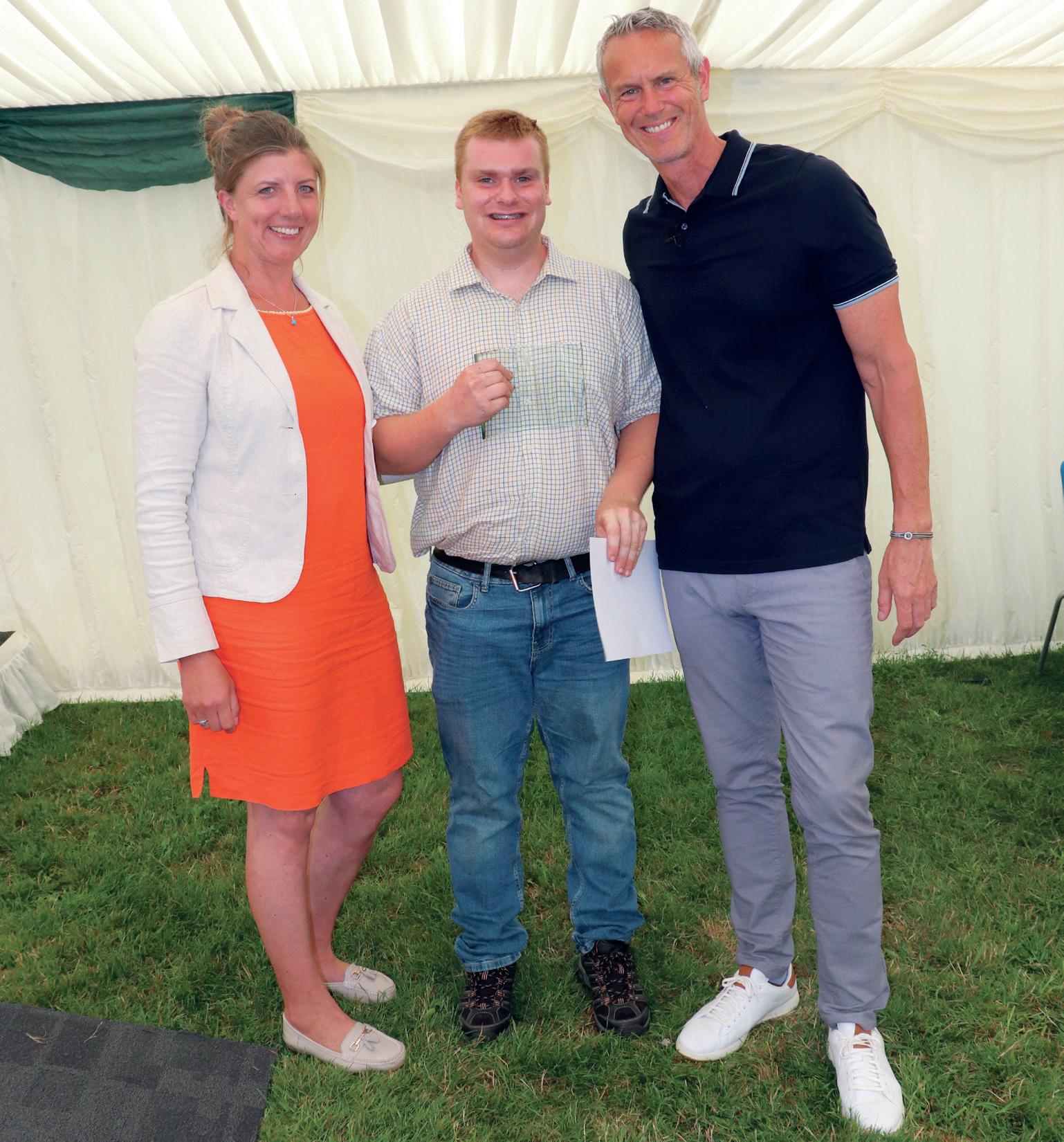
FIND OUT MORE
At Plumpton College we have apprenticeships available at level 2 and level 3, with a potential start at any time of the year, and we are currently recruiting for both levels. Talk to our team to find out more by phone or email: Business@plumpton.ac.uk
One student of particular note is Charlie Kifford, who has been one of the most inspirational students to have studied in the agriculture department for some time.
Charlie has overcome immense personal and academic challenges over the past three years to achieve a triple Distinction grade with several additional qualifications.
He has gone on to develop highly regarded employability skills, holding down two jobs, while running his own flock of sheep and studying. His determination and desire to achieve to the highest standard have resulted in him achieving success in industry trips and
the recent study tour to Jersey. He is highly regarded by his peers and by others in the industry. This was highlighted by his recent interview on BBC’s Countryfile and an ever-increasing following on social media. Charlie has never let anything hold him back or stand in the way of being a conscientious and diligent student and these attributes will stand him in good stead when he progresses on to higher education next year.
Further information can be found on our website: www.plumpton.ac.uk/business-services/apprenticeships-for-employers
JULY 2023 | WWW.SOUTHEASTFARMER.NET 50 EDUCATION
Alan Johnson, curriculum manager for agriculture, reports as the summer term ends at Plumpton College.
Holly Shearman, head of livestock, Royal Agricultural Society of England, Charlie Kifford, agriculture student, and Mark Foster, Olympic swimmer
RISE IN HAEMONCHUS CONTORTUS CASES
With the lambing and calving season at an end, we are doing much less emergency fire brigade medicine and much more flock and herd health-related calls and visits.
Many of our clients do regular faecal worm egg counts (FWEC) for their sheep flocks over the summer and this is a great tool for monitoring worm burdens, enabling quick treatment when necessary. In the past year or so we have seen more Haemonchus contortus. This worm lives in the abomasum of sheep and goats and feeds on blood. Animals acquire infection by ingesting L3 (larvae) from the pasture where they benefit from warm and moist conditions to survive and develop.
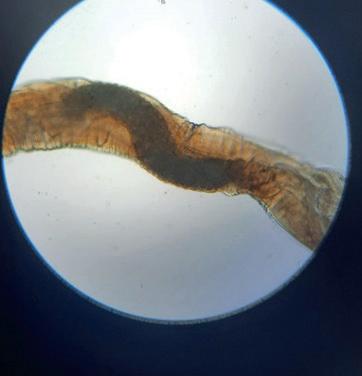
• Acute infection causes severe anaemia and sudden death. It does not cause scours.

• Sub-acute infection causes submandibular oedema (bottle jaw) and loss of condition.
• Chronic infection causes general ill thrift, lethargy, weakness, bottle jaw and failure to thrive.
One case we investigated in May highlights how damaging Haemonchus can be, and also how the seasonality of infection has changed. It was found during a post-mortem examination on a ewe that had died suddenly. The FWEC was a massive 21,500 strongyles; Haemonchus worms shed enormous numbers of eggs (see photos above). The ewe was also very pale, indicating severe anaemia, and the abomasum contained Haemonchus worms. Each female can shed between 5,000 and 15,000 eggs per day.
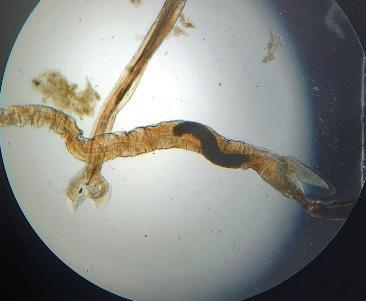
Diagnosis: post-mortem findings, very high FWECs, examining the flock for signs of anaemia and monitoring parasite forecasts. However, it is worth noting that very high FWECs are not always due to Haemonchus alone and there are often mixed infections. Diagnosis can be confirmed with differential staining of trichostrongyle-type eggs.
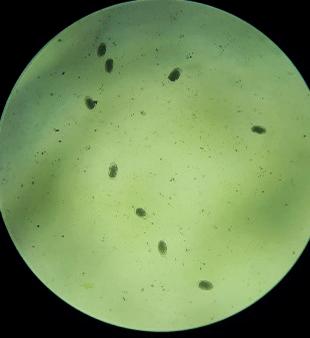
Haemonchus used to be seen only occasionally in the autumn months, primarily in southern England. It can now be seen throughout the year in most parts of the UK, with the peak time for infection from July to November (Carson et al, 2023). But the risk for Haemonchus remains sporadic, with climatic conditions combining with pasture contamination to produce a high level of challenge.
Treatment: Haemonchus can be treated with any of the broad spectrum anthelmintics, please speak to your vet to discuss best treatment options.



References: Carson et al, 2023: ‘Haemonchus contortus: an overview.’ Veterinary Record. Volume 192 Issue 1.




Reduce fly irritation at grass with Crystalyx Garlyx, containing concentrated garlic extract (5x more potent than pure dried garlic), offering natural protection against biting insects


Produces an invisible screen over the animals body to help repel insects, reducing the risk of infection from bites

Balances nutrient deficiencies in summer grass

Boosts forage digestibility by 10% and dry matter intake by up to 15%










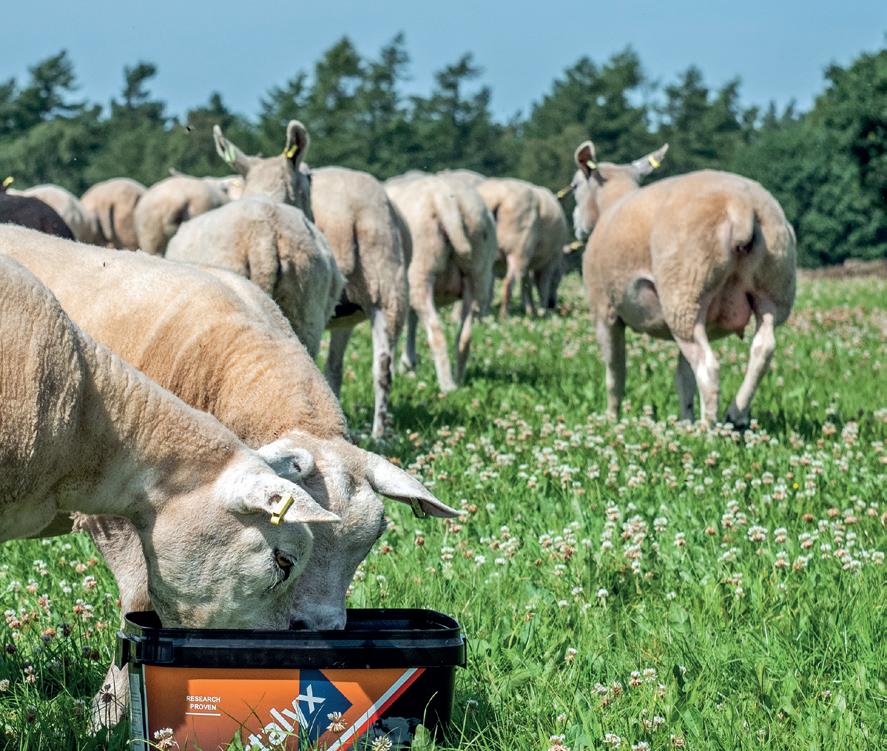


Suitable for cattle and sheep
Also available, Crystalyx Organyx Garlic, specifically for organic farming systems

WWW.SOUTHEASTFARMER.NET | JULY 2023 51 TO ADVERTISE CALL 01303 233883 CLAIRE THORPE BSC BVM&S MRCVS Cliffe Veterinary Group T: 01273 473232 E: claire.thorpe@cliffevets.co.uk www.cliffefarm.co.uk VET DIARY
Trichostronglye eggs and a female Haemonchus worm with eggs inside it
CRYSTALYX GARLYX KEEP BITING INSECTS AT BAY! RESEARCH PROVEN CONTACT US 016973 32592 info@crystalyx-global.com crystalyx-global.com
BUZZING LIVESTOCK AREA
Visitors flocked once again to this year’s Heathfield Agricultural Show to experience all that is good and great about the High Weald area.
The livestock area was buzzing on show day, with competition stiff, Nicola and Rob Osgood and Tremayne’s Marne Sweetpea winning the Supreme Beef Championship and Maggie Howie’s Douglas’s Corafamous winning the Supreme Dairy Championship.
Lizzie Sargeant with her Southdown won the Supreme Sheep Championship and Wakeham-Dawson and Harmer won the Pig Championship with their Welsh pig. Young handlers were well represented in all age groups and sections in a reassuring nod to the future of farming.
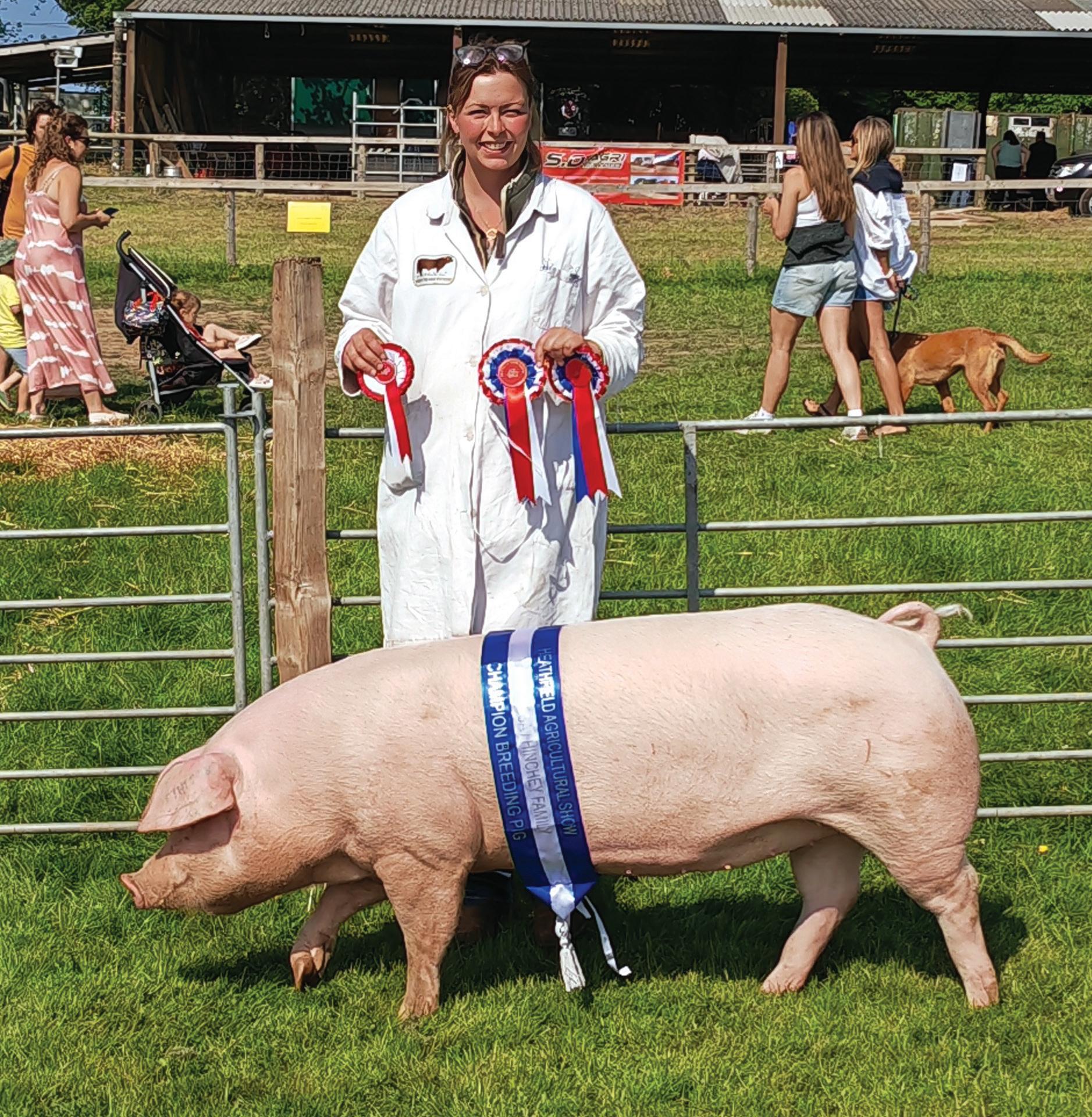
Due to step down at the end of August, Heathfield Show Secretary Nicola Magill
said: “After 10 years of helping to organise the Heathfield Show I would like to thank everybody who has attended the show, be it visitors, exhibitors, competitors or volunteers.
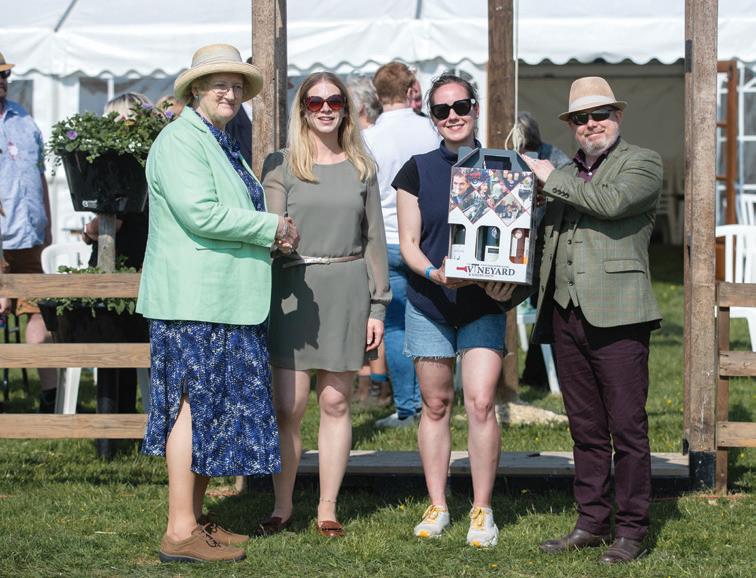


“Everybody helps to make the day a memorable occasion and an important event in the local calendar. Keeping the agricultural heritage of the region alive and thriving is an important aspect that the show council hopes to help maintain into the future, and this year’s show was no exception.
“My favourite area of the show is around the livestock, so I was pleased at how well supported we were this year in the cattle, sheep and pig areas, making for healthy competition and a great spectacle to watch.”
Next year’s Heathfield Agricultural Show will be held on Saturday 25 May 2024.





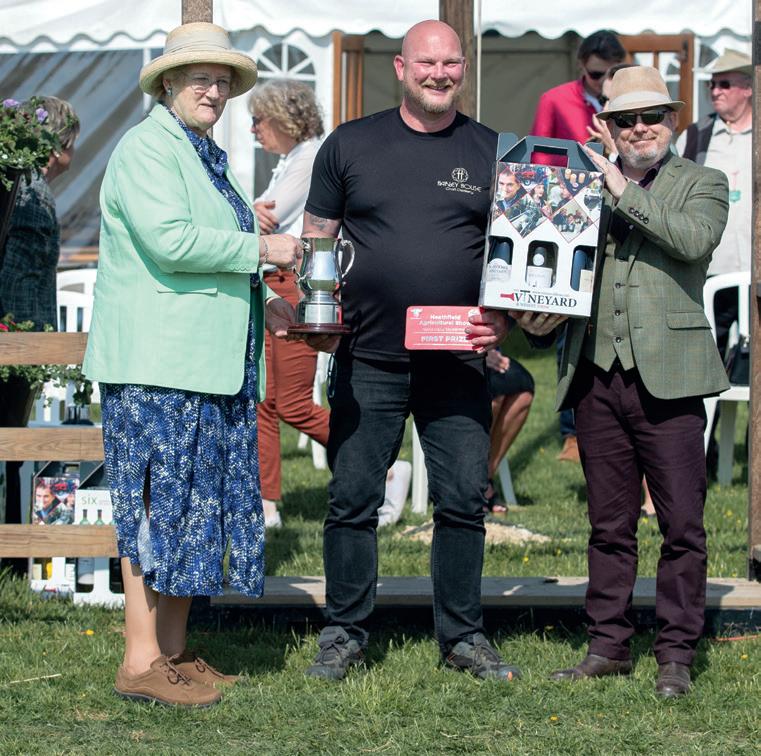
JULY 2023 | WWW.SOUTHEASTFARMER.NET 52 SHOW RESULTS
JOHN HARPER BEST NON-AGRICULTURAL STAND: BATCHELLER MONKHOUSE
SUSTAINABLE FUTURES AWARD: PARK FARM COTTAGE, BEE PRODUCTS
BEST SMALL AGRICULTURAL STAND: BOURNES WAKEHAM-DAWSON AND HARMER
MIDLAND BANK BEST SUSSEX BASED COMPANY STAND: HARLEY HOUSE DISTILLERS
SUPREMEBEEF SHEEP CHAMPION SUPREMEPIG SUPREMEDAIRY CHAMPION CHAMPION CHAMPION CHAMPION SUPERME SHEEP BEEFCHAMPION PIGCHAMPION DAIRYCHAMPION
Trade Stand winners: Lillie Bell Photography
SHEEP CHAMPION
CHAMPION CHAMPION CHAMPION CHAMPION BEEFCHAMPION PIGCHAMPION DAIRYCHAMPION
SHEEP YOUNG HANDLER CLASS
6-10 YEAR OLDS: GEORGE SARGENT
11-16 YEARS OLDS: CHLOE LOVEJOY
BEEF YOUNG HANDLER OLIVER FRY
DAIRY YOUNG HANDLER ALFIE RUSSELL
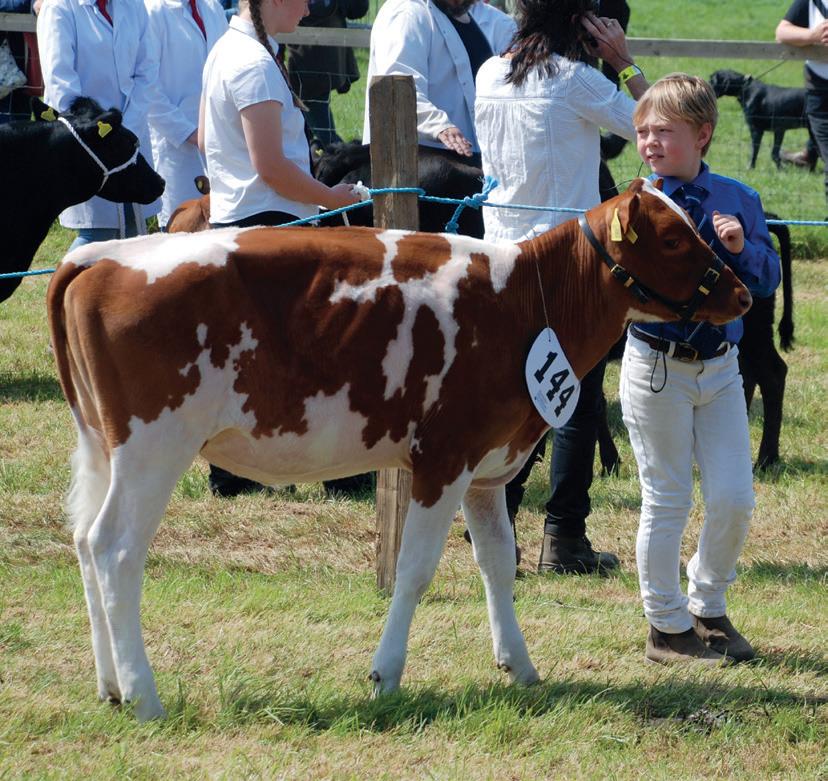
YOUNG HANDLER CHAMPION
THE
CHAMPION
SUPREMEBEEF SHEEP CHAMPION
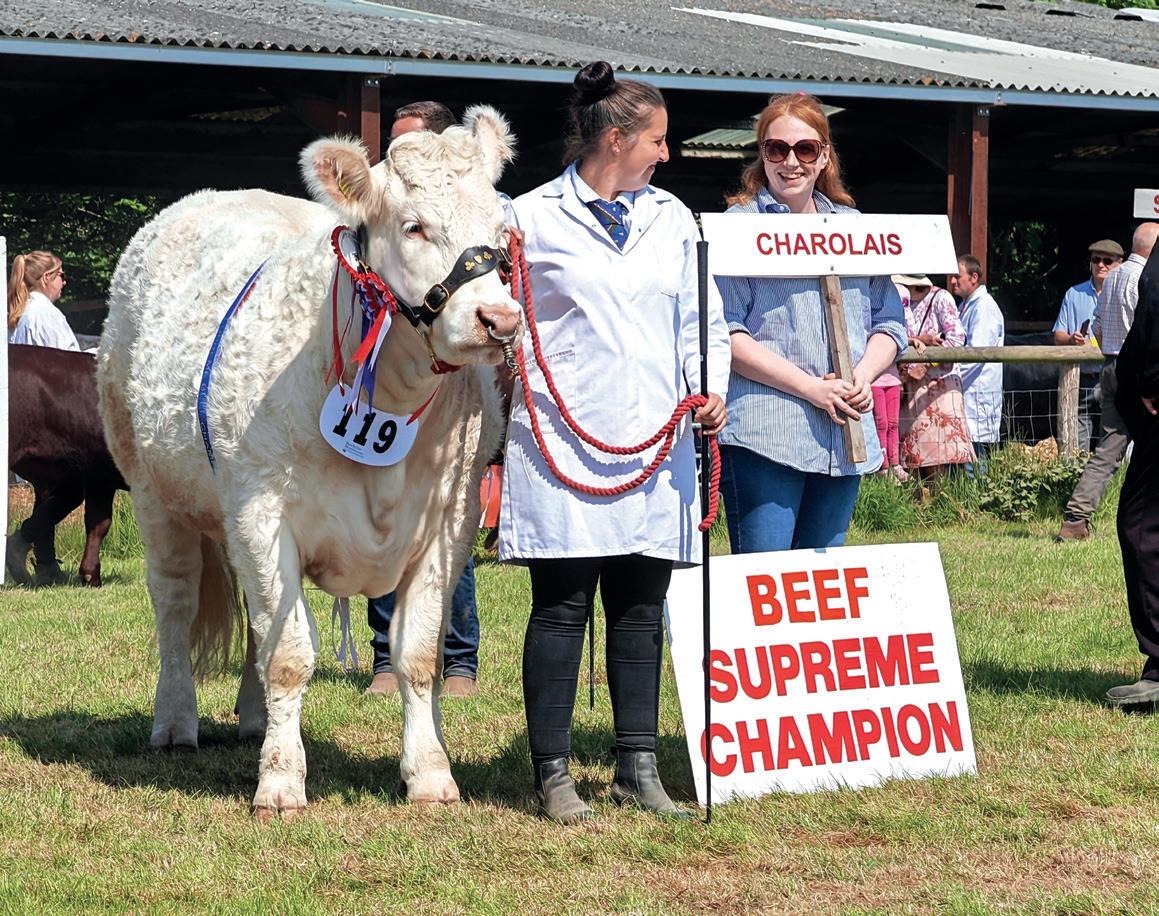
SUPREMEPIG SUPREMEDAIRY CHAMPION CHAMPION CHAMPION CHAMPION
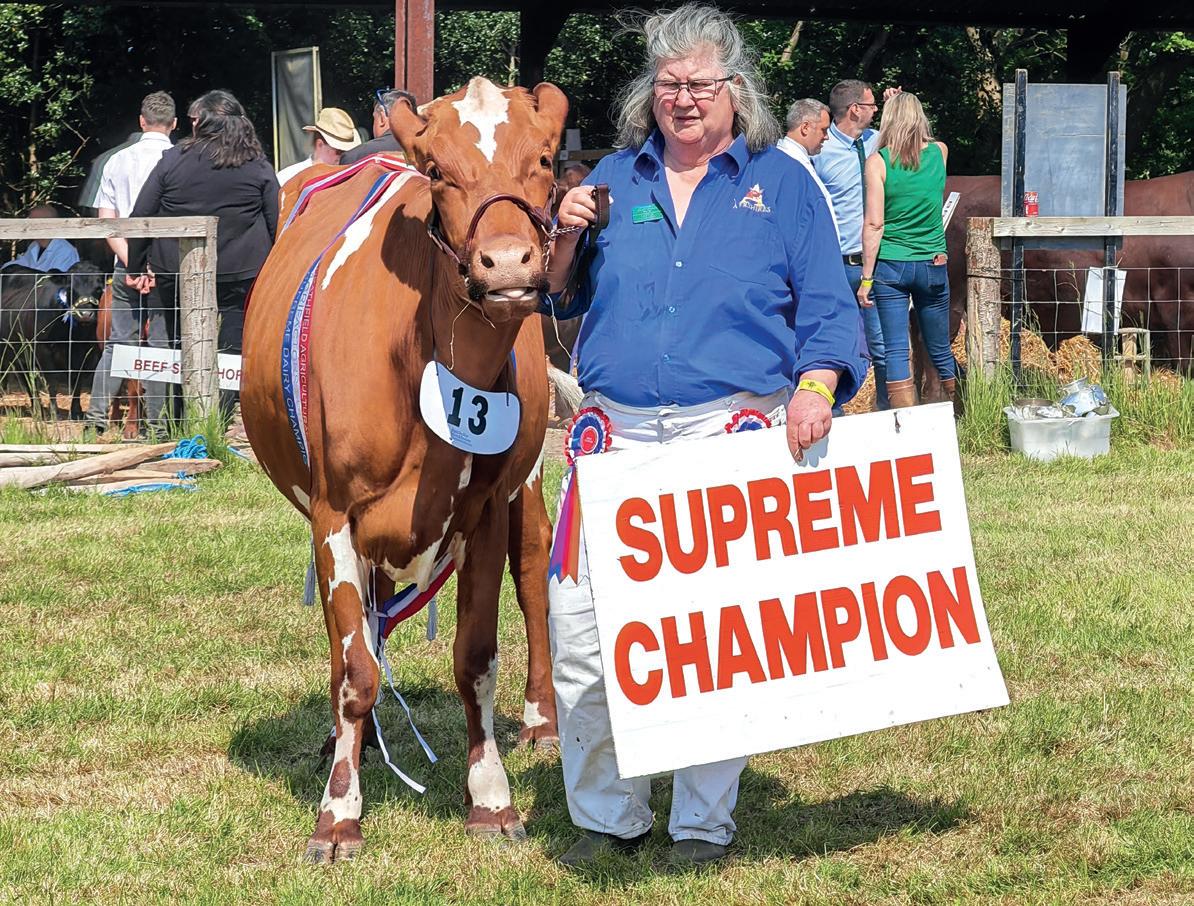
SUPERME SHEEP BEEFCHAMPION PIGCHAMPION DAIRYCHAMPION
SUPREMEGOAT CHAMPION
YOUNG HANDLER CHAMPION
SUPREMEGOAT CHAMPION
SUPREMEBEEF
SUPREMEPIG SUPREMEDAIRY
CHAMPION CHAMPION CHAMPION
SUPERME SHEEP BEEFCHAMPION PIGCHAMPION DAIRYCHAMPION
SHOW
IN NUMBERS
HANDLER CHAMPION
17,000 PEOPLE THROUGH THE GATES
SUPREMEGOAT CHAMPION
1,500 CATTLE, SHEEP, PIGS, HORSES AND DOGS ON THE SHOWGROUND DURING THE DAY
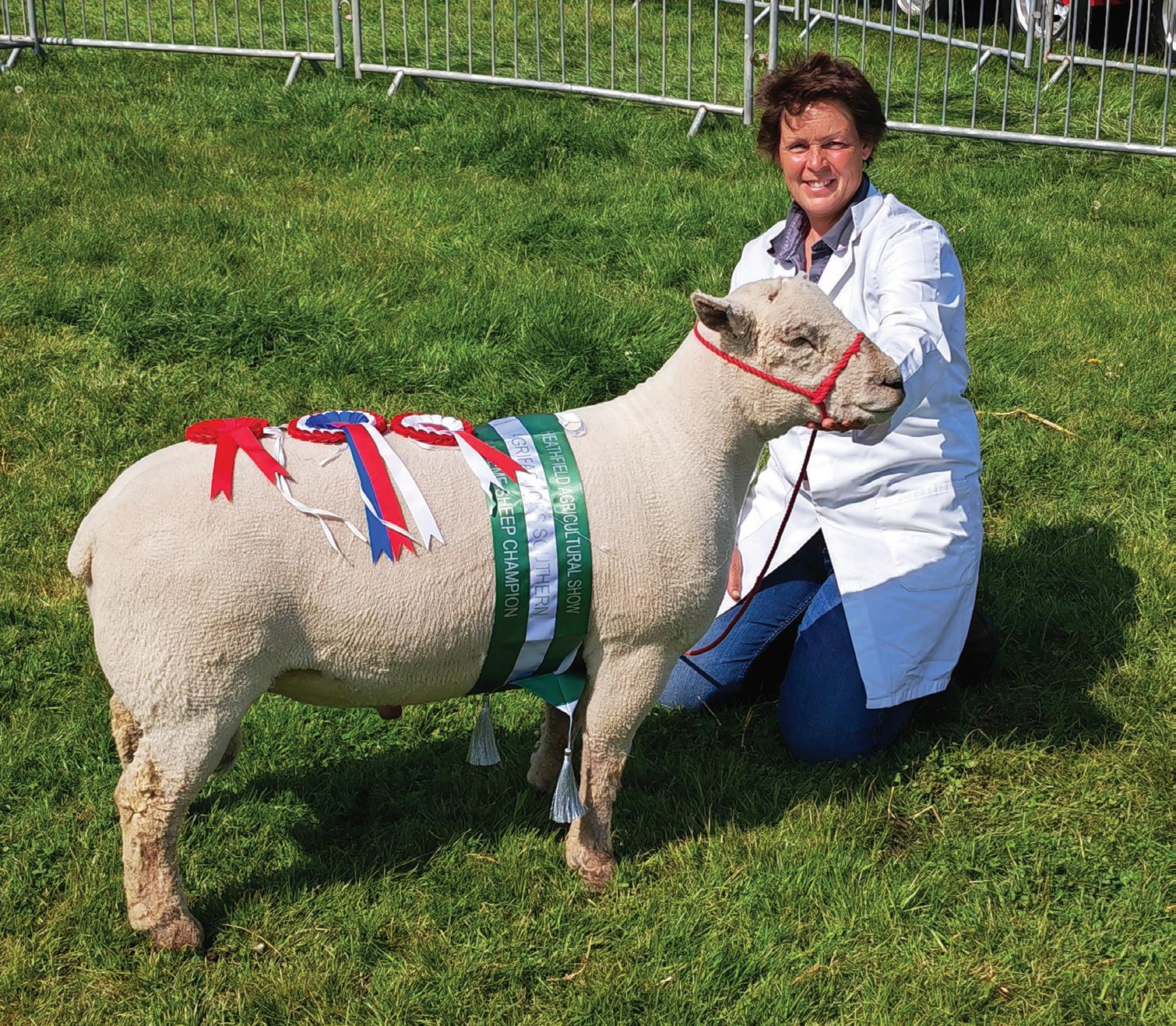
7,000 PROGRAMMES DISTRIBUTED FREE OF CHARGE
200 VOLUNTEER STEWARDS HELPED VISITORS STAY SAFE

S CHAMPION CHAMPION
CHAMPION
SUPREMEBEEF
SUPERME SHEEP BEEFCHAMPION P
YOUNG HANDLER CHAMPION
SUPREMEGOAT CHAMPION
13,200 LITRES OF RUBBISH COLLECTED AND RECYCLED
WWW.SOUTHEASTFARMER.NET | JULY 2023 53 TO ADVERTISE CALL 01303 233883
RESULTS & REVIEWS
E SARGENT
NICOLA AND ROB OSGOOD & TREMAYNE MAGGIE HOWIE
SHEEP
CHAMPION
YOUNG
SHEEP
STUDENTS UP FOR CHALLENGE
While this year’s South of England Show was fun for visitors, it was hard work for one set of exhibitors in particular.

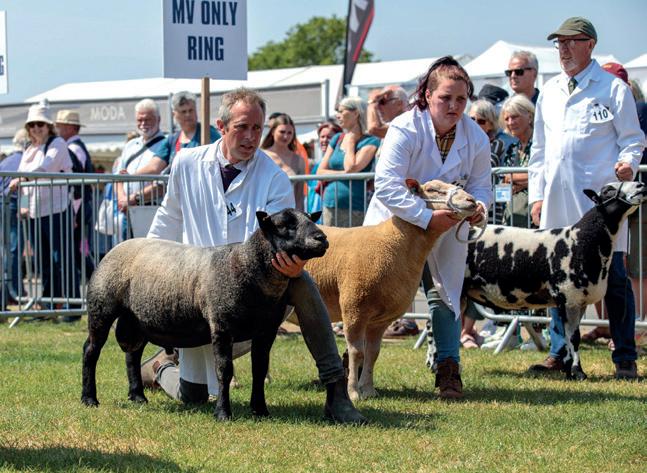
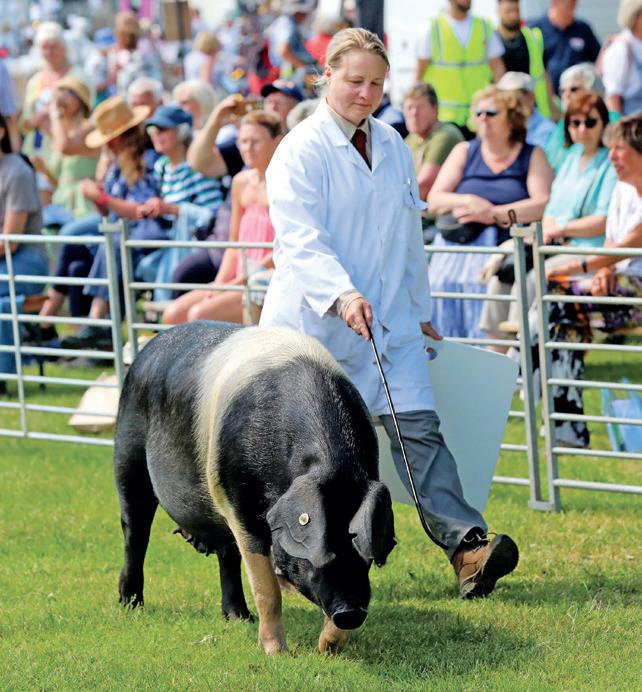

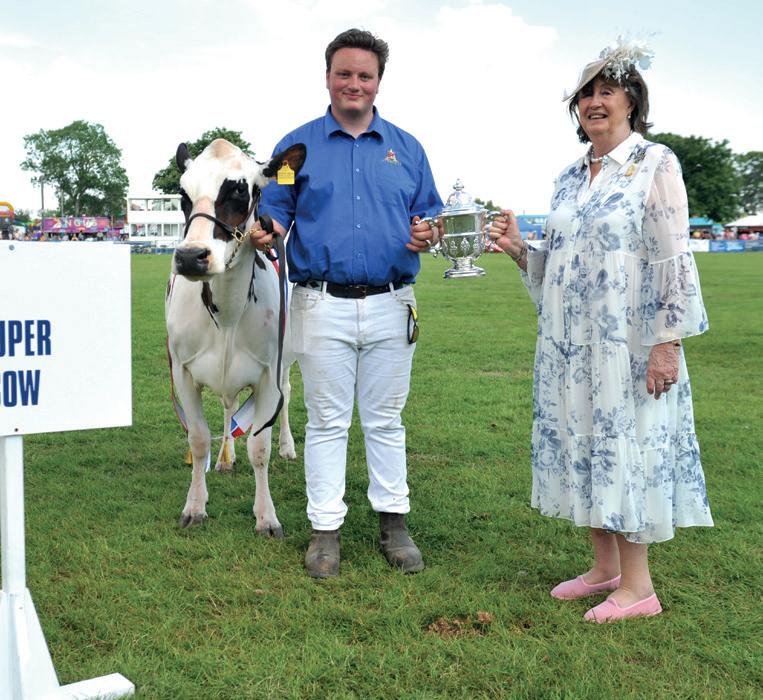
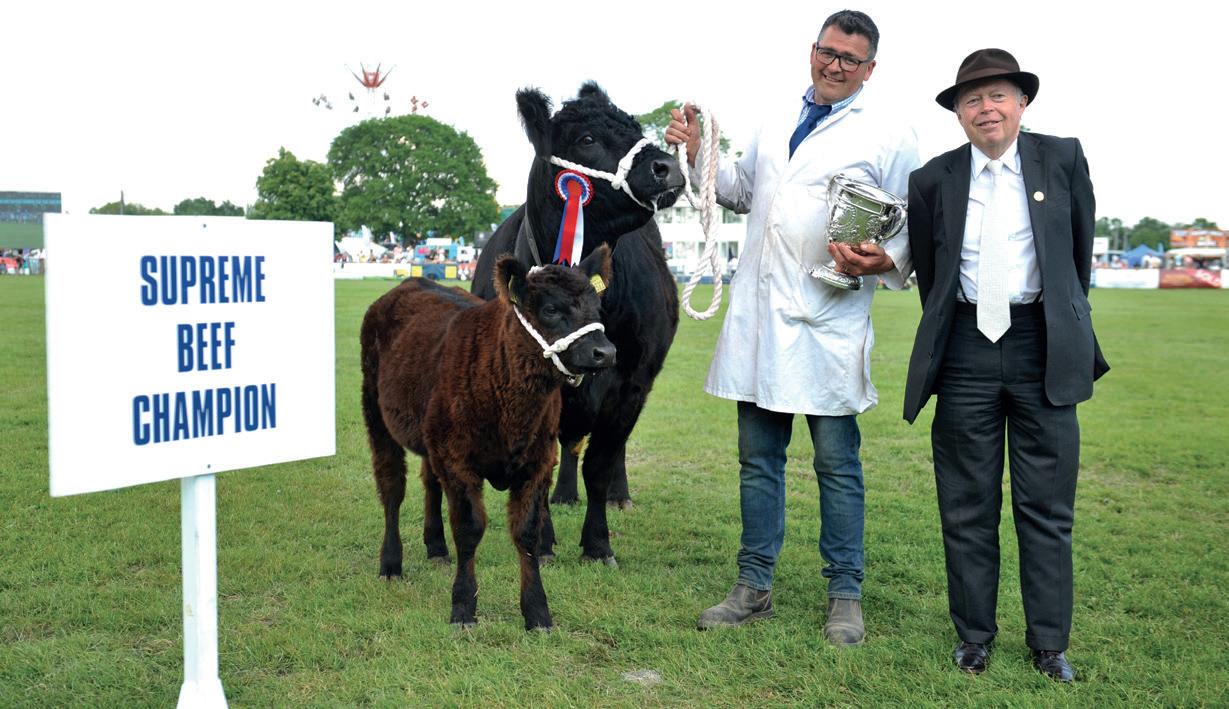
Year one and two level three agricultural engineering students from Hadlow College spent three days in the hot summer sunshine rebuilding a rusty heap of metal that claimed to be a 1939 Allis Chalmers Model B tractor and putting it back into running order.
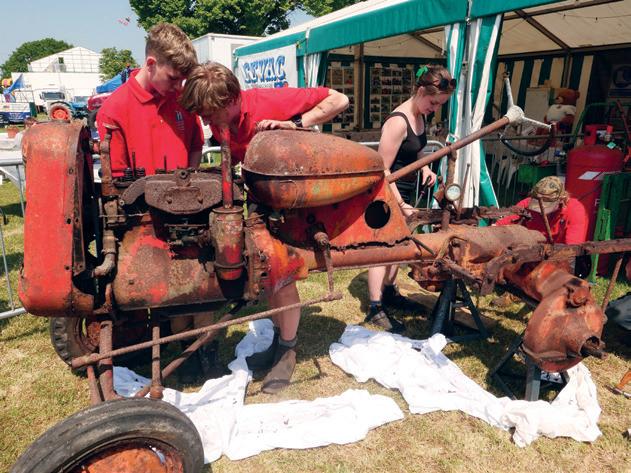
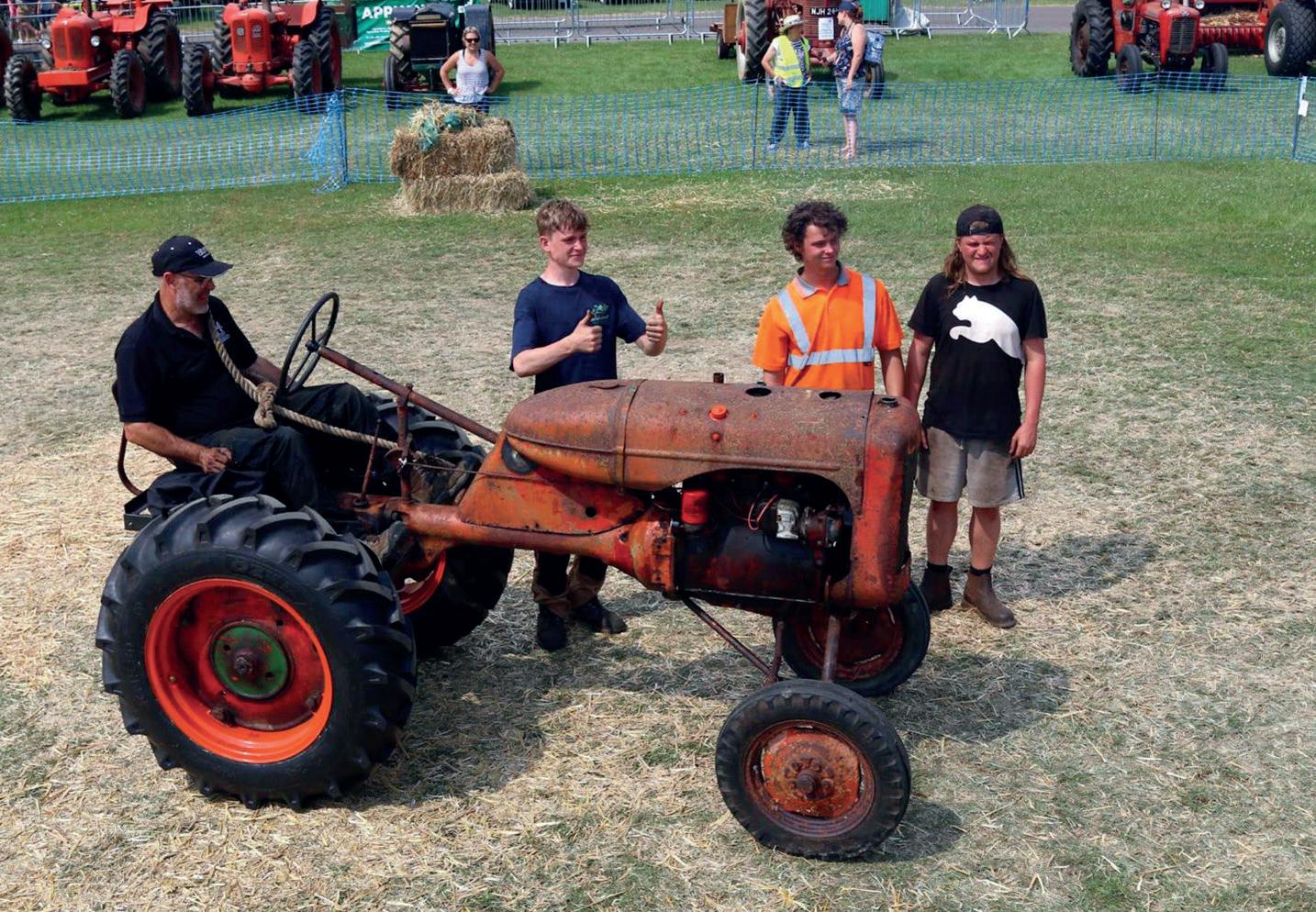
Proud lecturer Steve Pike told South East Farmer that his students had been up to the challenge. “We had to tow it into the ring and then bump start it on the Sunday, but we got it going, drove it around the ring and
back to the stand,” he confirmed.

The victory lap took place in a new addition to this year’s show, a vintage agricultural machinery ring presented by the South Eastern Vintage Agricultural Club (SEVAC), which proved popular with the many thousands of visitors who enjoyed glorious weather through the weekend.
The SEVAC ring was home to tractor and steam parades and harvesting and baling demonstrations by machinery that included an early 1960s Massey Ferguson conventional baler towed by a Massey 362 fitted with grass tyres.
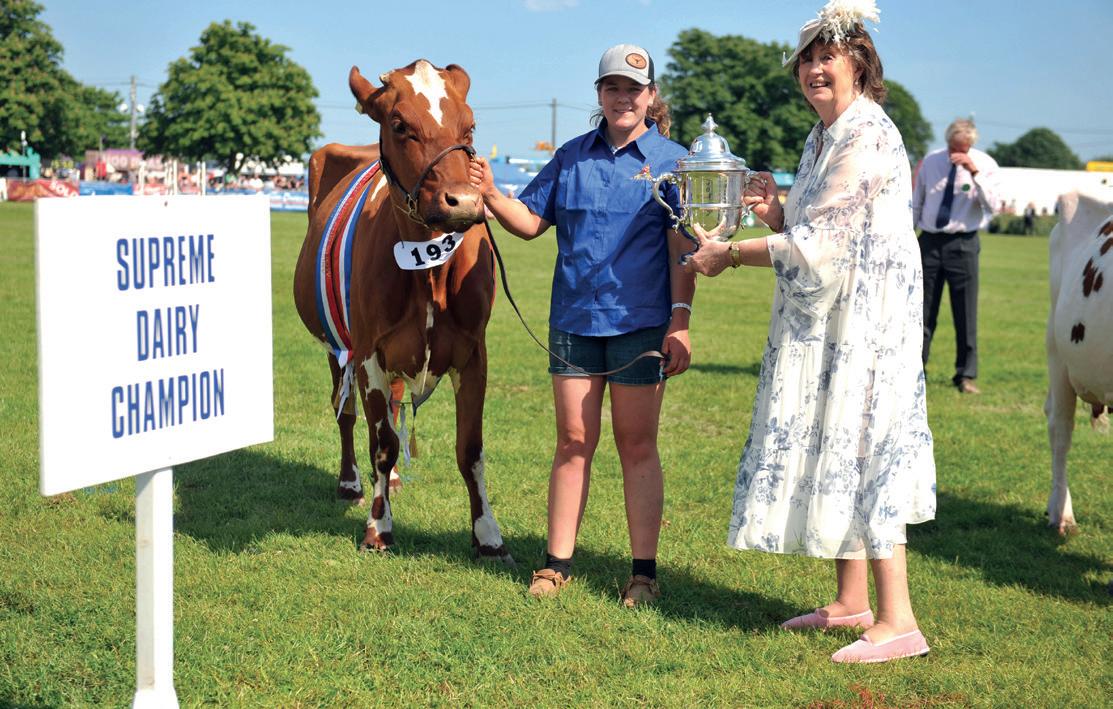
JULY 2023 | WWW.SOUTHEASTFARMER.NET 54
SHOW RESULTS
MAGGIE HOWIE: DOUGLAS’S CORAFAMOUS
SUPER COW: BOBSLOT JENNY 2ND – MAGGIE HOWIE
TOTTINGWORTH FARMS LTD: GALLOWAY
PIG SUPREMEDAIRY N CHAMPION ION DAIRYCHAMPION SUPREMEBEEF SHEEP CHAMPION SUPREMEPIG SUPREMEDAIRY CHAMPION CHAMPION CHAMPION CHAMPION SUPERME SHEEP BEEFCHAMPION PIGCHAMPION DAIRYCHAMPION SUPREMEBEEF SHEEP CHAMPION SUPREMEPIG S CHAMPION CHAMPION CHAMPION SUPERME SHEEP BEEFCHAMPION PIGCHAMPION DA YOUNG HANDLER CHAMPION SUPREMEGOAT CHAMPION SUPREMEBEEF SHEEP CHAMPION SUPREMEPIG SUPREMEDAIRY CHAMPION CHAMPION CHAMPION CHAMPION SUPERME SHEEP BEEFCHAMPION PIGCHAMPION DAIRYCHAMPION YOUNG HANDLER CHAMPION SUPREMEGOAT CHAMPION SUPREME SHEEP CHAMPION SOUTHDOWN SHEARLING EWE – LIZZY SARGENT INTER BREED OVERALL CHAMPION DUROC GILT – TEDFOLD LENA 175 – OLIVER GILES
Annebelle Hebberd
Flashback to Friday
Charley Parker, Ben Styles and Oli Stenning (left to right standing) and Steve Pike in the driving seat
CHAMPION CHAMPION CHAMPION CHAMPION
SHEEP CHAMPION
YOUNG HANDLER CHAMPION
SUPREMEGOAT CHAMPION
The show was the 55th to have been held at the Ardingly Showground in West Sussex and again showcased first-class agricultural and equestrian competitions and displays, alongside a broad range of trade stands and some impressive arena events.
Organised by the South of England Agricultural Society, headline attractions included international show jumping, impressive livestock parades and a spectacular display by the Bolddog Lings FMX motocross stunt team.
The show featured over 1,000 livestock entries, with 2023 proving a particularly good year for sheep, with almost 500 entries. There were new classes for Kune pigs and Beltex sheep, while the Story of Wool was another new attraction that proved popular. Sheep farmers demonstrated shearing and talked to the public about their role and wool production, while spinners and weavers were on hand to demonstrate their age-old skills.
The main ring saw a range of equestrian competitions, including the Inter Hunt Relay, equine showing classes, the Equestrian Games UK, the Shetland Pony Grand National and scurry driving competitions.
There were plenty of stalls to provide retail therapy alongside the agricultural focus that show director Corrie Ince succeeded in maintaining, while live music and the ever-popular sheep show attracted enthusiastic crowds.

The show also boasted an impressive array of country craft displays, offering activities such as stick-making, hedge-laying, trug-making, and a ‘grape & grain walk’ that allowed visitors to try and buy top quality beverages from local vineyards and breweries.
The show’s Discover the Countryside area included forestry and fly casting, as well as a bees and honey marquee with live bee demonstrations and observation hides.
Ensuring the younger generation had an unforgettable experience, the show featured various free activities which taught them about food production and its origins, and they could also find out more information about the Young Farmers’ Club organisation.
Describing the show as “a great success”, Corrie Ince said: “It truly connected our visitors with rural industries and provided a fantastic opportunity for them to engage with the hardworking farmers, landowners and talented craftspeople located across the south east.
Praising the “invaluable contribution” of volunteers and staff, she said they worked tirelessly to bring the event to life year after year.
“Their commitment allows us to celebrate the agricultural world and share its wonders with the public, inspiring countless individuals, especially the next generation. She concluded: “After a few hard years for everyone, it really felt like the show was back to its very best.”
REDUCE THE RISK OF FLY STRIKES AND INSECT BITES THIS SUMMER
With the warm, and often damp, summer weather come the many problems associated with flies, such as fly strike and summer mastitis, but feeding Crystalyx Garlyx can significantly reduce the irritation from flies and other biting insects on cattle and sheep at grass.
The threat of biting insects and the irritation they cause to livestock can have a detrimental effect on production. Instead of grazing, livestock find they are more concerned with avoiding bites.
Crystalyx Garlyx, as the name suggests, includes garlic. The peculiar penetrating odour of garlic is due to high sulphur compounds which, when expelled through the skin in natural body secretions, produces an invisible barrier which flies and other biting insects find repellent. Although flies are still present around the livestock, they very seldom land on the animals’ skin.
Crystalyx Garlyx is not simply a garlic lick. The highly fermentable sugars in Garlyx stimulate the rumen bugs which, along with a full complement of vitamins, minerals and trace elements including zinc (to maintain skin integrity), balance the recognised deficiencies in summer grass, leading to increased animal performance.
Crystalyx Garlyx offers a palatable, easy to use and costeffective method of feeding your livestock garlic this summer.
WWW.SOUTHEASTFARMER.NET | JULY 2023 55 TO ADVERTISE CALL 01303 233883 LIVESTOCK RESULTS & REVIEWS
SUPREMEBEEF
BRITISH TOGGENBURG DAIRY – NICK PARR
SUPREMEPIG SUPREMEDAIRY
SUPERME SHEEP
BEEFCHAMPION PIGCHAMPION DAIRYCHAMPION
Legal services for farmers & rural businesses
Call us today or visit our website: 01227 763939 furleypage.co.uk
A GROWING OPPORTUNITY
English wine has experienced a renaissance in recent years, with numerous vineyards being planted during the past decade.
Sparkling wine has proved popular, especially along the south coast, due to its favourable geology and a warming climate that has made grape growing much more feasible in most of southern England.
The number of wineries has increased markedly, but as demand for English wine still outstrips supply, they are seeking to secure a steady supply of grapes, which opens a unique opportunity for farmers to cultivate vineyards on their land.
While such collaborations can bring numerous benefits, significant upfront investment is usually required, given the long lead-in time; three or four years from initial planting of a brand-new grapevine through to first harvest. For own-label wines, a further two years can be added for the maturation process.
DIVERSIFICATION OF RISK
The growing demand for English sparkling wine outstrips current production levels, with even the largest vineyards struggling to meet demand. This means farmers could potentially double their yield and still sell their harvests.
The price per tonne, as for other crops, can be volatile, influenced by many things such as the weather and harvest quality. Suffice to say, however, that there is currently a significant premium for grapes and yield per hectare can be impressive.

The allure of the wine industry lies not only in the potential financial gains, but also – putting fun aside – in the diversification of risk, which can be especially appealing to farmers seeking new avenues for stability and growth. Moving away from traditional agricultural practices mitigates at least some
of the uncertainties associated with arable or livestock farming.
The rise of wine tourism also means farmers with ambitions of attracting visitors to their land to taste their wines can find themselves at the forefront of a burgeoning trend and benefiting from an additional income stream and enhanced prestige.
LOCAL APPEAL
Unlike other crops that may be distributed widely, grapes grown for wineries typically stay local. This not only reduces transportation costs but also strengthens local supply chains. Moreover, selling grapes locally ensures a more stable pricing environment compared with commodities wholly exposed to global markets.
As the English sparkling wine industry continues to thrive, farmers could negotiate deals with wineries, such as reserving a portion of their harvest to produce their own-label wine, tapping into the market for local produce while also allowing them to a share of the entire value chain.
UPFRONT INVESTMENT
Establishing a vineyard requires a longterm commitment and a different approach. Vineyards necessitate consistent care and maintenance over several years and farmers must be prepared to dedicate their land exclusively to grape production, accepting a period of reduced crop yield before their grapes become commercially viable. Returns may take three to five years to materialise.
Furthermore, successful viticulture requires specialised knowledge and skills. Farmers must be prepared to engage with the technical aspects of grape growing or consider outsourcing to viticulture firms for guidance and assistance.
NAVIGATING LEGAL CONSIDERATIONS
Collaborations between farmers and wineries necessitate clear legal agreements to protect the interests of all parties involved. Landowners may opt to lease their land to wineries, ensuring an adequate period for the wineries to recoup their investments in the vines.
Alternatively, commercial arrangements such as joint ventures can be established, with farmers providing labour and machinery while leveraging the expertise of the winery. It is vital to consult legal experts to draft contracts, including agreements with viticulture firms responsible for planting and trellising, as well as purchasing contracts and investment arrangements.
FINANCIAL READINESS
Investing in a four-to-five-year project requires careful financial planning, including assessing the availability of funds and exploring financing options.
Considering potential tax implications is crucial. Although vineyards generally qualify for agricultural property relief for inheritance tax purposes, it is prudent to consult with tax professionals to understand the consequences of transitioning from traditional farming practices to viticulture.
Additionally, farmers considering producing their own labelled wines should consider trade marking their brand names or logos to protect their intellectual property.
While establishing vineyards requires a long-term commitment, proactively addressing potential challenges and seeking professional advice will ensure farmers embark on a successful journey into the world of viticulture.
JULY 2023 | WWW.SOUTHEASTFARMER.NET 56
The rapid growth of the English sparkling wine industry has created unique opportunities for farmers in the South East to tap into the lucrative world of vineyards. Simon Baillie-Hamilton, agricultural law partner, and James O’Connell, business law partner, at Sussex law firm Mayo Wynne Baxter, explore the benefits, complexities and legal aspects farmers need to consider.
Since Brexit, the Government has been phasing out the EU’s Common Agricultural Policy, with its basic payment scheme ending in 2028. Instead, new incentives are being implemented called Environmental Land Management schemes (ELMS). These are intended to reward farmers for ‘public goods’ such as environmental improvements and animal welfare.
In February, the Government introduced its latest updates to ELMS for 2023. Brachers’ commercial lawyer Alex Cosgrove takes a look at what these mean for rural businesses…
SUSTAINABLE FARMING INCENTIVE
The Sustainable Farming Incentive (SFI) now has a further six standards, making the full list:
• Arable and horticultural land
• Arable and horticultural soils
• Improved grassland
• Improved grassland soils
• Integrated pest management
• Hedgerows
• Low input grassland
• Moorland.
Each standard has varying actions which a farmer may choose in any combination, and differing payment rates.
If your SFI application is accepted, you will need to enter into an SFI standards agreement under which the payments will be made. Each agreement will last three years, with the annual payment paid in four quarterly instalments. There is also scope to add further actions to pre-existing agreements, allowing farmers to make the most out of the scheme.
COUNTRY STEWARDSHIP SCHEME
The Government had planned to introduce the Local Nature Recovery scheme, but last December it confirmed that focus will instead be on growing the Countryside Stewardship (CS) scheme, which pays farmers for carrying out environmental work alongside food production. Under CS, around 30 further
MAKING THE MOST OF THE ENVIRONMENTAL LAND MANAGEMENT SCHEME
actions will be available to farmers by the end of 2024.
Additionally, the Government plans to introduce Countryside Stewardship Plus, which will reward farmers for working together to support environmental aims. Currently there are similar actions available under both SFI and CS schemes, but payments will not be made for duplication.
LANDSCAPE RECOVERY
Farmers may also apply for the Landscape Recovery scheme. Projects under this scheme are intended to be longer-term and largerscale than under other schemes, involving more collaboration between farmers. Farming projects in the upcoming round of applications should focus on net zero, habitat creation and protected sites. The Government is set to fund 25 projects under this scheme.
RESPONSE TO ELMS
Since their roll-out in 2022, there has been widespread criticism of ELMS. Farmers have felt that the Government’s approach has been disjointed and too little, something that has been reflected in the lack of uptake. Some suggest that these schemes insufficiently address the environmental challenges the country is facing and that a joint approach is needed rather than individual actions.
Lack of clarity was also noted as an issue. The Government has looked to address this with the documentation provided alongside the 2023 update, which contains information on payment rates and the full range of actions available. It is hoped that this will be more straightforward, encouraging farmers to apply for the schemes. Alongside this, the application and payment process has been streamlined to make it easier for farmers.
There has also been discontent among moorland and upland farmers. Payments available to them under ELMS fall far below what they previously received from the EU. The scheme, they argue, has not adequately supported and provided options for them. Instead, it has further helped the larger-scale arable farmers. It was hoped that this would be addressed in the 2023 update, but new actions have not been introduced for these farmers. This is of particular concern.
That said, the schemes are still evolving, expanding and being revised. They will be finalised and fully implemented in 2024. We wait to see what the future holds…
Alex Cosgrove is a commercial law partner at Brachers who works with rural businesses to develop commercial strategies and enterprises, including advising on how to get the most out of ELMS.

WWW.SOUTHEASTFARMER.NET | JULY 2023 57 TO ADVERTISE CALL 01303 233883 LEGAL ALEX COSGROVE Partner, Brachers LLP T:01622 776442 E: alexcosgrove@brachers.co.uk www.brachers.co.uk
Maidstone
| Canterbury www.brachers.co.uk
Proud to be recognised for our agricultural expertise in leading directories, Chambers and Partners and The Legal 500
A “knowledgeable and responsive” team of “excellent solicitors who know their specialisms inside out”
Land & Property Experts
West Wickham, BR4 9HF
To Let ona 25 year Farm Business Tenancy
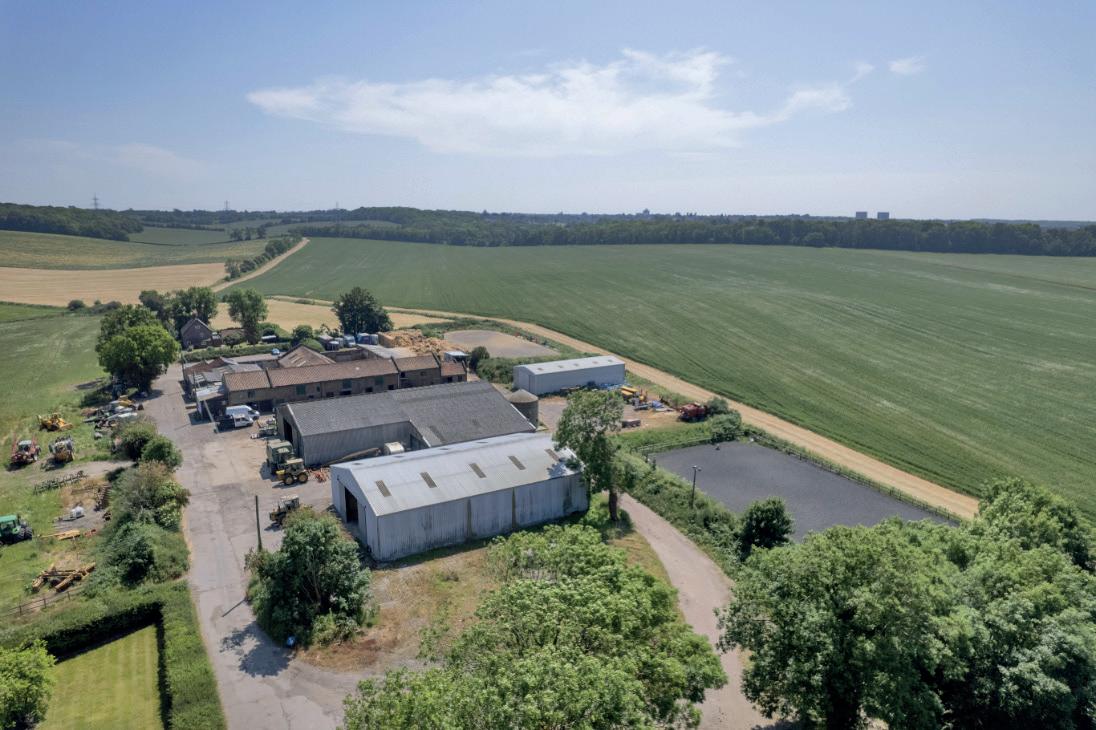
357.58 acres of arable land
88.51 acres of pasture
18.16 acres of woodland
Hernhill,Faversham, Kent
Unspoilt small residential pasture farm to be sold in as a whole or in lots
Biodiversity Net Gain opportunities
Includes a Grade II listed farmhouse with modern and period farm buildings

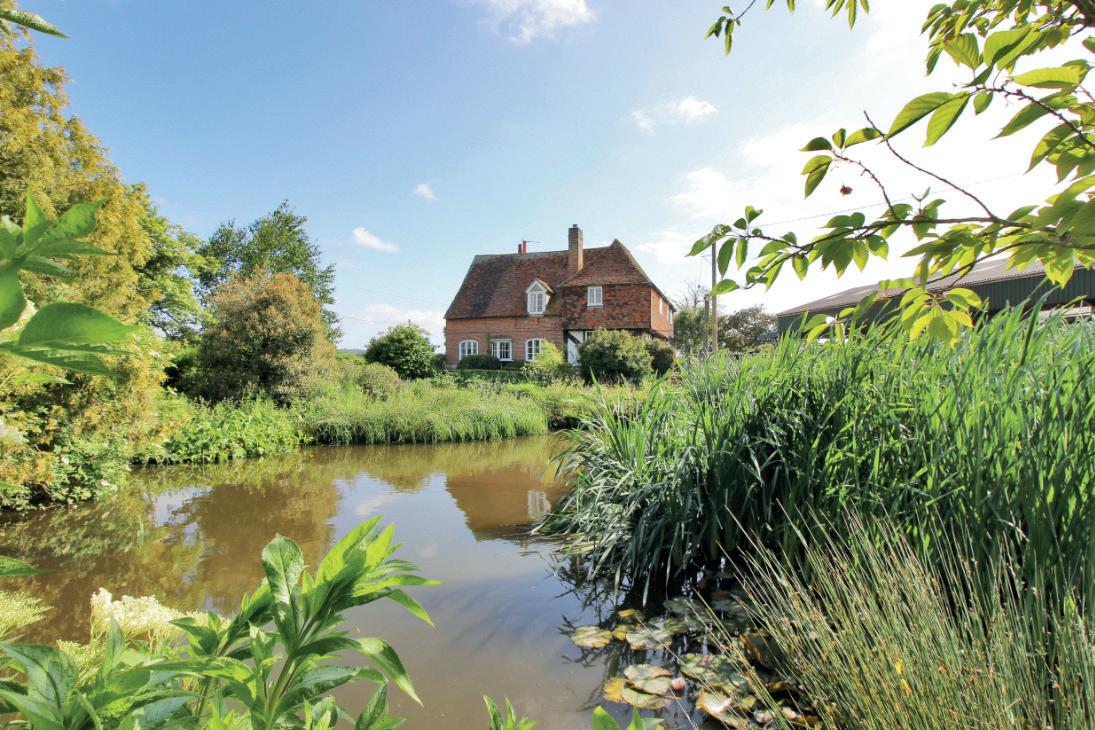
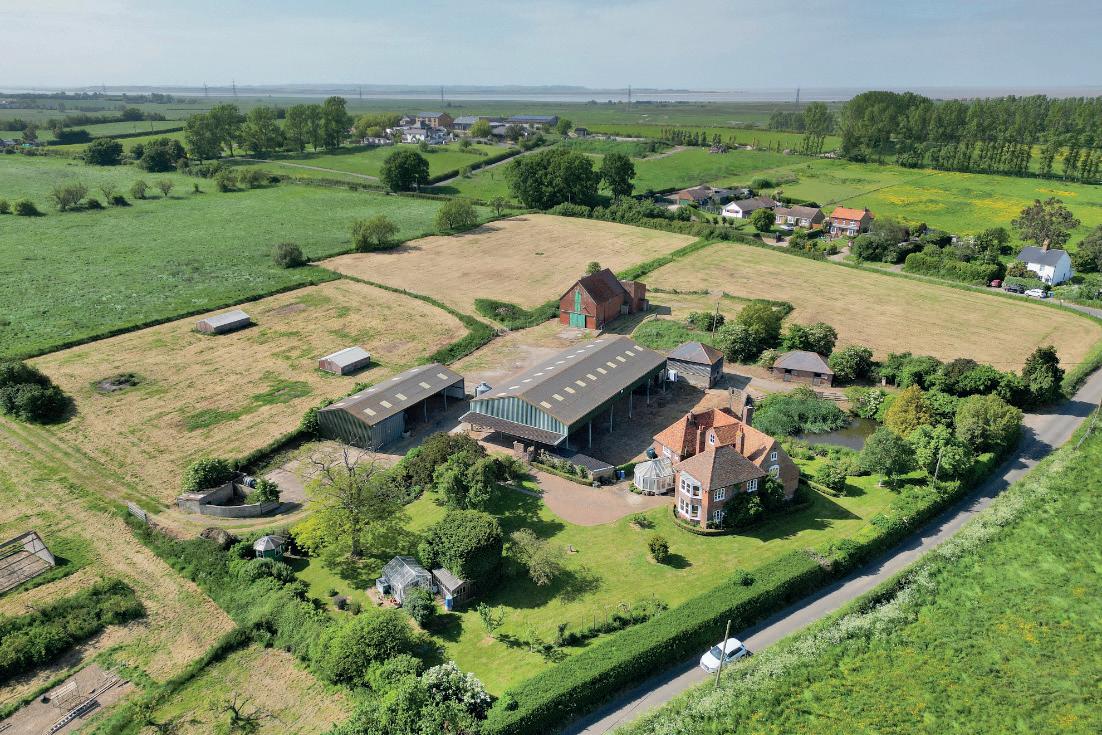
Guide Prices on Request
ww w.b tf p art n ers hip. c o.u k
50 stable livery unit and farm buildings
Farmhouse, annex, 4 cottages
Viewing days 3rd and 10th July
Tenders close at noon July 17th
Lot 1- Farmhouse, buidings and approximately 13 06 acres
Lot 2- Oast and approximately 3.35 acres
Lot 3- 6.25 acres of traditional marsh grazing
Lot 4 - 4.86 acres of traditional marsh grazing
Lot 5- Pasture land of about of 11 acres
Lot 6- Pasture land of approx 26.09 acres
Lot 7- Pasture land comprising 9.25 acres
FORLET FOR
E challock@btfpartnership.co.uk T 01233 740077
SALE
The South East Farmland Market Experts
LAND AND FARMS SPONSORED BY BATCHELLER MONKHOUSE

ATTRACTIVE GRASSLAND FARM



GUIDE PRICE: £3,250,000
APPROXIMATELY 138.23 ACRES. LAMBERHURST, | KENT


An attractive grassland farm with some arable and areas of woodland measuring approximately 138.23 acres has come to the market with Batcheller Monkhouse.
The farm is situated in a secluded rural location with its own lake set down a private drive, at the end of which is a farmhouse and detached annexe. Outbuildings include a fishing lodge and an extensive range of farm buildings totalling just over 17,000 sq ft.
Clayhill Farm is situated in an attractive rural location with the majority of the land made up of grassland and woodland, in all adding up to approximately 138 acres.


The house and annexe provide excellent accommodation situated in gardens and grounds with views over the lake. The main farm buildings are made up of a machinery and hay store, a feed store and main barn.
The farmhouse offers a flexible layout with the potential to further develop the house, with the main accommodation consisting of an impressive vaulted sitting room and dining room with exposed oak beams and exceptional views over the garden to the lake beyond. There is also a mezzanine study level. Off the dining area are two rooms, the first a fully equipped dual aspect kitchen breakfast room and the second a triple aspect garden room with access to the paved terrace with views over the lake.
There is a master bedroom suite and a further two double en-suite
bedrooms. There is a large loft room which could be converted to provide a further bedroom suite.
The garage block was converted into residential usage over ten years ago and boasts an open plan kitchen/dining and sitting room with a wood burning stove. Upstairs there are two double bedrooms. The fishing lodge is situated on the west side of the lake with woodland behind and away from the house, with its own separate access from the main driveway culminating in a parking area. The Lodge comprises an open plan room with a kitchenette and a shower room and separate WC. Outside The Lodge has partially covered decked terrace directly onto and overlooking the lake.
The land is made up of a mix of grassland pasture and woodland, with the majority of the land set to grassland made up of six blocks of pasture measuring approximately 87 acres. There are two main areas of ancient and semi-natural woodland totalling approximately 18 acres and 17 acres with smaller areas of woodland interspersed throughout the farm.
The modern farm buildings comprise the main barn measuring approximately 240’ in length with large vehicle access at each end and separate access to the side. Within the main barn is a workshop and mezzanine level divided into three rooms. Recently installed on the roof is a 8KW solar system with battery storage. The machinery and hay barn is open sided with an attached log store and a grain and feed store with farm vehicle access.
iFor an appointment to view please contact Tunbridge Wells office: 01892 512020


59 TO ADVERTISE CALL 01303 233883
TOPPICK
WWW.SOUTHEASTFARMER.NET | JULY 2023
BTF Partnership has instructions from the London Borough of Bromley to let one of the major holdings on its agricultural estate to a new tenant for a term of 25 years without breaks. This is a unique opportunity within the M25, with the objective to establish a tenancy that can support a robust, vibrant and thriving rural business.
Wickham Court Farm occupies approximately 479 acres at the foot of downland between Orpington and Croydon. The outgoing tenant has followed a programme of arable cropping over the years, alongside management of approximately 80 acres of grassland for hay production and equestrian grazing. The outgoer has established a significant and popular DIY livery enterprise with stabling for 50 horses, and that is now at the heart of the business.
Accommodation on the farm consists of a five-bedroom Victorian farmhouse with a two-bedroom annex, ideal for a bed & breakfast enterprise, and the landlord will be encouraging the tenant to look for other opportunities for a well-diversified farm business. There are also four, three-bedroom cottages.
There is a range of farm buildings including hay and straw sheds, a fertiliser store, grain store, farm workshops, livery yard with 50 stables and seven secure tack rooms, sand school and rubber topped outdoor arena. There is also a business unit

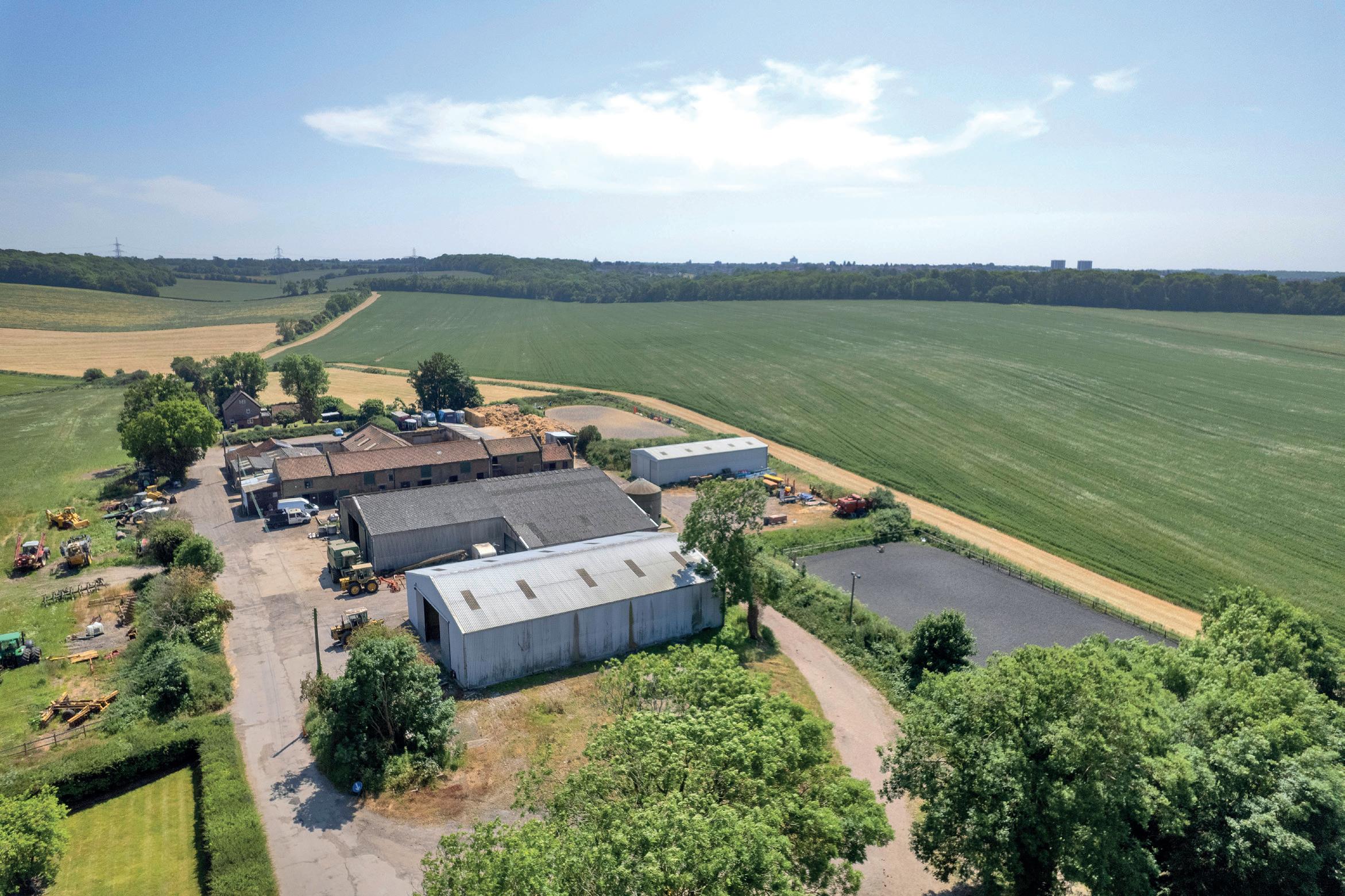
UNIQUE FARM TENANCY OPPORTUNITY BROMLEY



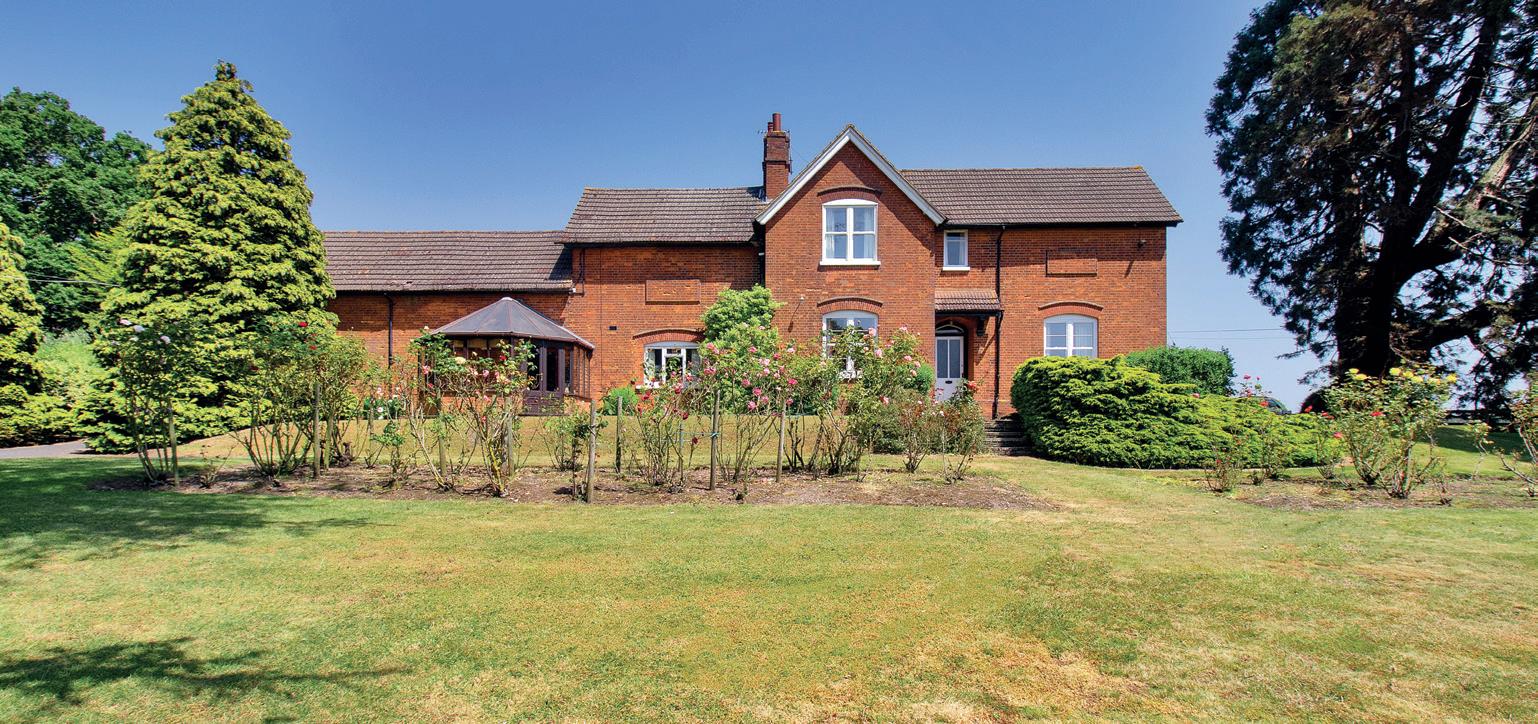
FOR LET APPROXIMATELY 479 ACRES WEST WICKHAM | KENT



which is already let.




Mike Bax, Director at BTF Partnership, commented: “We are looking to ensure that the new tenant at Wickham Court can be properly integrated into the future farming landscape. We therefore have to focus on sustainable rent requirements and avoiding tenancy provisions that are overly restrictive. At Bromley, we have a landlord keen to enable innovation and we are seeking an enlightened tenant looking for opportunities to move forward in an uncertain climate, in
this unusual, but exciting, outer metropolitan location.

“Prospective tenants are encouraged to identify any diversification proposals that might enhance the farming and livery enterprises and contribute to the business stability that can come from mixed enterprises enabling sensitive interaction with the local community.”
Viewing days will be held on 3 and 10 July and tender applications close at noon on 17 July 2023.
JULY 2023 | WWW.SOUTHEASTFARMER.NET 60 LAND AND FARMS
TOPPICK Full details and a tender pack can be found at www.btfpartnership.co.uk Contact Sophie Evans at BTF Partnership for more details. i
Two blocks of farmland between Hartfield and Edenbridge, totalling more than 200 acres, are being marketed by Savills.
The first is in East Sussex to the south of Kent Water and amounts to just over 134 acres. The southern boundary abuts the A264, from which there is access. The farmland consists of about 119 acres of attractive rolling pastureland, classified as Grade 3. There are also two main amenity blocks of broadleaf woodland known as Sussex House Wood and Little Heathersome’s Wood, with an abundance of flora and fauna together with extensive wildlife habitats.
The second block is in Kent and north of Kent Water, extending to just over 77 acres in total, with 66.8 acres of similarly attractive rolling pastureland, also classified as Grade 3.

TWO BLOCKS OF GRADE 3 FARMLAND WITH WOODLAND
FOR LET APPROXIMATELY 479 ACRES WEST WICKHAM | KENT
The woodland comprises a selection of small belts and extends to about 9.3 acres. There is separate access to Butterwell Hill, which leads into the village of Cowden.
Chris Spofforth, head of Savills farm agency in the South East, commented: “These two parcels of land are big enough to be an enticing addition to an existing local holding and equally they have great amenity
or environmental appeal. Opportunities like these and in this area are few and far between.”


Much of the land in both lots is down as temporary pasture and has been arable cropped until recently. The block of 134 acres to the south of Kent Water has a guide price of £950,000, while the farmland to the north has a guide price of £550,000.
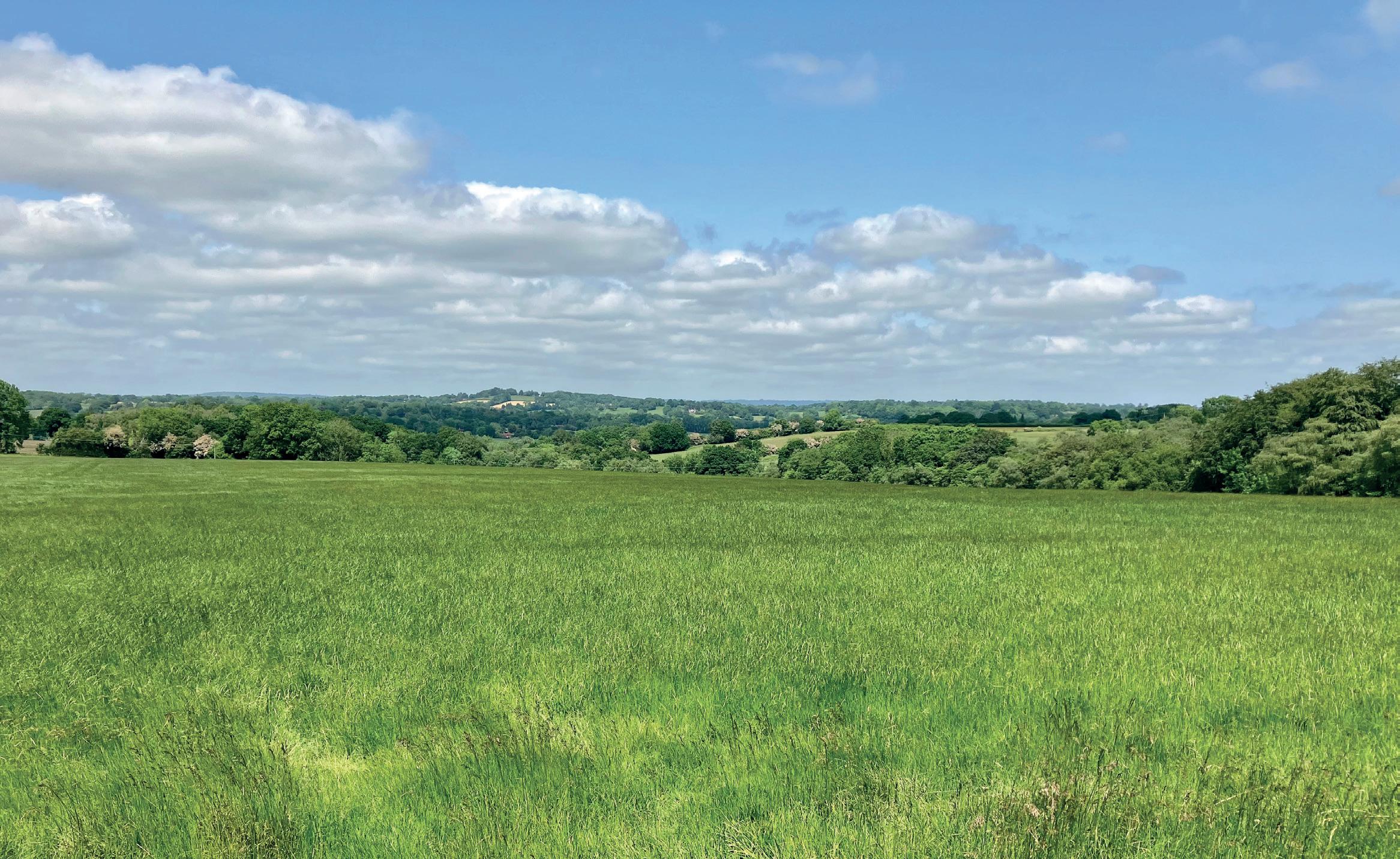
WWW.SOUTHEASTFARMER.NET | JULY 2023 61 TO ADVERTISE CALL 01303 233883 LAND AND FARMS
For more information, contact Chris Spofforth at Savills on 07812 965379 i office@therpp.co.uk CIRENCESTER 01285 323200 CRANBROOK 01580 201888 www.therpp.co.uk Chartered Town Planners Image courtesy Olson Design Group In a planning pickle... ...or just looking at development options? Don’t panic. The professional, creative thinkers at The RPP can help.
INVESTMENT INTO UK WINE SECTOR TOTALS £480M
Land and property specialist Strutt & Parker estimates that just under £480 million has been invested in vineyards and wineries over the past five years, as interest in English wine explodes.
To coincide with English Wine Week, Strutt & Parker has modelled the level of capital investment in the UK wine sector between 2018 and 2022, which was a period of rapid expansion.
The estimate is based on the amount of land bought for use as a vineyard, the cost of establishing vines and developing a vineyard and the cost of setting up new wineries.
There are now over 900 vineyards in the UK, covering a total of about 10,000 acres and producing an estimated 12m bottles of wine in 2022.
Although the area of vines in the UK is still dwarfed by the traditional wine-growing countries, the UK area is growing faster than in any of the top 25 wine-producing countries.
British wines also won a total of 143 medals at the recent Decanter World Wine Awards 2023, cementing the reputation of English wine on the World stage.
“Our analysis shows how astounding the surge in investment in the

sector has been in recent years – coming remarkably close to £0.5 billion. Interest in the British wine sector is as strong as we can remember and over the past 12 months the number of calls we have received from people interested in either buying a vineyard or establishing a new one has tripled,” said Nick Watson, head of viticulture for Strutt & Parker.
“There have been some exciting examples of high-profile established brands such as Taittinger, Pommery and Freixenet investing in the UK over recent years. But the majority of investors in the sector tend to be people who have had a successful career in business and are looking for a change in direction. They view a vineyard as an investment which they hope will be financially sustainable, but also enjoyable.”
Mr Watson said the price of land suitable for vines typically ranged from £16,000 to £20,000/acre, while established vineyards can sell for more than £35,000/planted acre.
“It is an investment that requires deep pockets – the upfront costs of establishing a vineyard are significant and it takes five years before the vines reach full productivity, so cash flow needs careful planning," he said.
“Yet despite the challenges, there seems to be no shortage of people seeking land on which to establish vines. The continued success of English sparkling wines on the international stage has put the sector on the map, sales are on the rise and there is a real sense of optimism about the future.”
Strutt & Parker was one of the first agents with access to specialist vineyard mapping software able to identify land suitable for growing vines. The best sites have free-draining soils, gentle south-facing slopes that are not susceptible to strong winds and late frosts, are less than 100m above sea level and where average temperature and sunshine hours are highest.
Very little land suitable for vines comes to the open market, so buyers usually need to approach landowners of suitable sites and negotiate with them to sell, often by offering a premium.
Arable land values in the South East – where growing vines is most established for climatic reasons – have risen over the past 12 months to about £10,000-12,000/acre, so the value of ground suitable for vines has also risen and now often sells for £16,000-£20,000/acre.
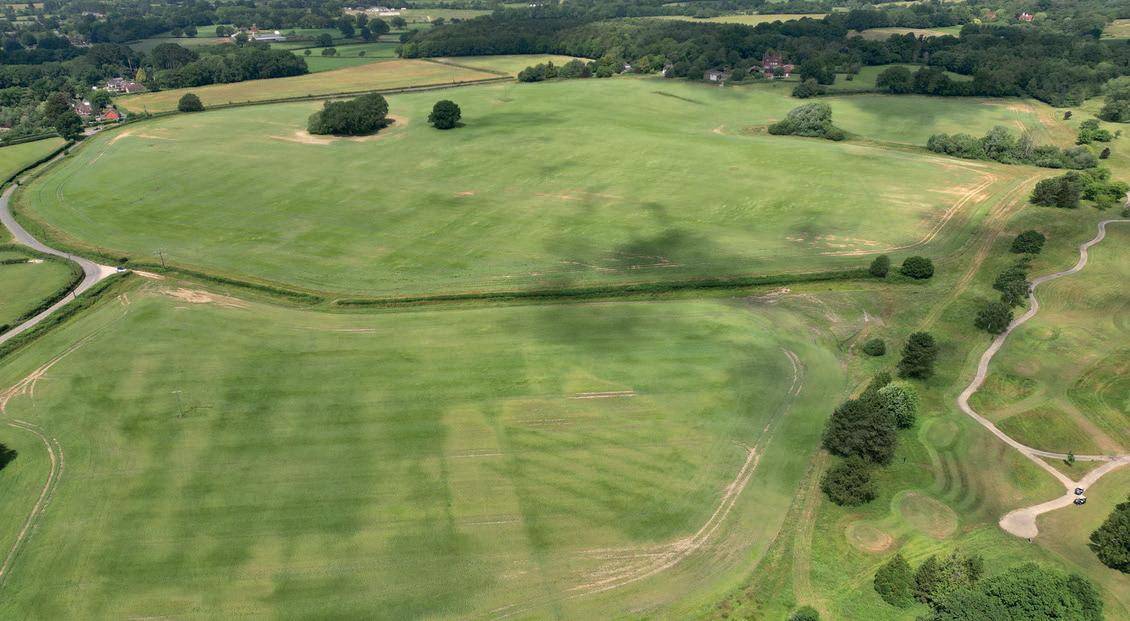
However, buyers are also increasingly looking to Norfolk, Suffolk and Essex, which share many of the same characteristics as East and West Sussex, Kent, Surrey and Hampshire, but where there is perhaps more untapped potential for planting vines.
Where buyers are only looking for a small plot of say 10-12 acres, which is the minimum size required for anyone looking to establish a vineyard as a viable business, then prices can rise as high as £25,000/acre. This is because the base value becomes an amenity value and there is more competition for smaller plots of land.
Climate change is projected to impact the UK wine sector by 2040, with growing season temperatures expected to rise, according to the CREWS-UK project.
JULY 2023 | WWW.SOUTHEASTFARMER.NET 62 LAND AND FARMS
L a n d a t L i t t l e H o r s t e d , E a s t S u s s e x TO LET Offers by informal tender are invited and tender applications must be received by 12 noon on 4th August 2023 85 hectares (209 acres) of arable land The holding is offered to rent for an initial period of one year, with a view to a further five year term to incorporate the management of a proposed Countryside Stewardship Scheme The land will be available from 29th September 2023 Stuart Nicholls 07786 944 666 snicholls@savills com savills co uk | savills Kaye Masefield Baker 07870 999 531 kbaker@savills com
More needs to be done to ensure that tenant farmers can play their part in helping the agricultural sector reach ‘net zero’ while earning a decent living.
While the Rock Review and changes to the requirements around the Environmental Land Management scheme (ELMS) have gone some way towards levelling the playing field, there is some way to go.
With basic payment income declining, farmers are increasingly looking to environmental schemes to provide an income, but these often come with the expectation that the agreement holder is able to sign up for the long term. With the average farm tenancy currently just over three years, farm tenants are in danger of being excluded.
All farms need to be able to benefit from the schemes that aim to fill the gap left by BPS, which means the industry needs longer-term tenancies and more flexible schemes.
The Rock Review, published in October 2022, had two key objectives: to look at how “accessible, open and flexible to tenant farmers” ELMS is and to review longer-term changes that would protect and support a “robust, vibrant and thriving agricultural tenanted sector for the future”.
Recognising the importance of the tenanted sector and the need for industry-wide engagement was positive and welcome, and it is clearly important for landlords that their tenants can adapt and thrive as BPS continues to be phased out.
Falling incomes would usually prompt higher prices or an increase in output, but during a cost-of-living crisis and with an environmental agenda to fulfil, the response is less obvious. Businesses have to decide whether to increase production in the face of rising input costs,

AGRICULTURAL TENANCIES MATTER

explore diversification opportunities or put land into environmental schemes. That decision is clearly more complicated for tenant farmers who don’t have the same degree of security, and it is clear that while progress has been made, the tenanted sector requires an overhaul if it is to adapt.
Organisations including The Central Association of Agricultural Valuers and the Tenant Farmers’ Association have been spearheading calls to reform tenancy matters so that all farmers can benefit from ELMS and similar schemes.

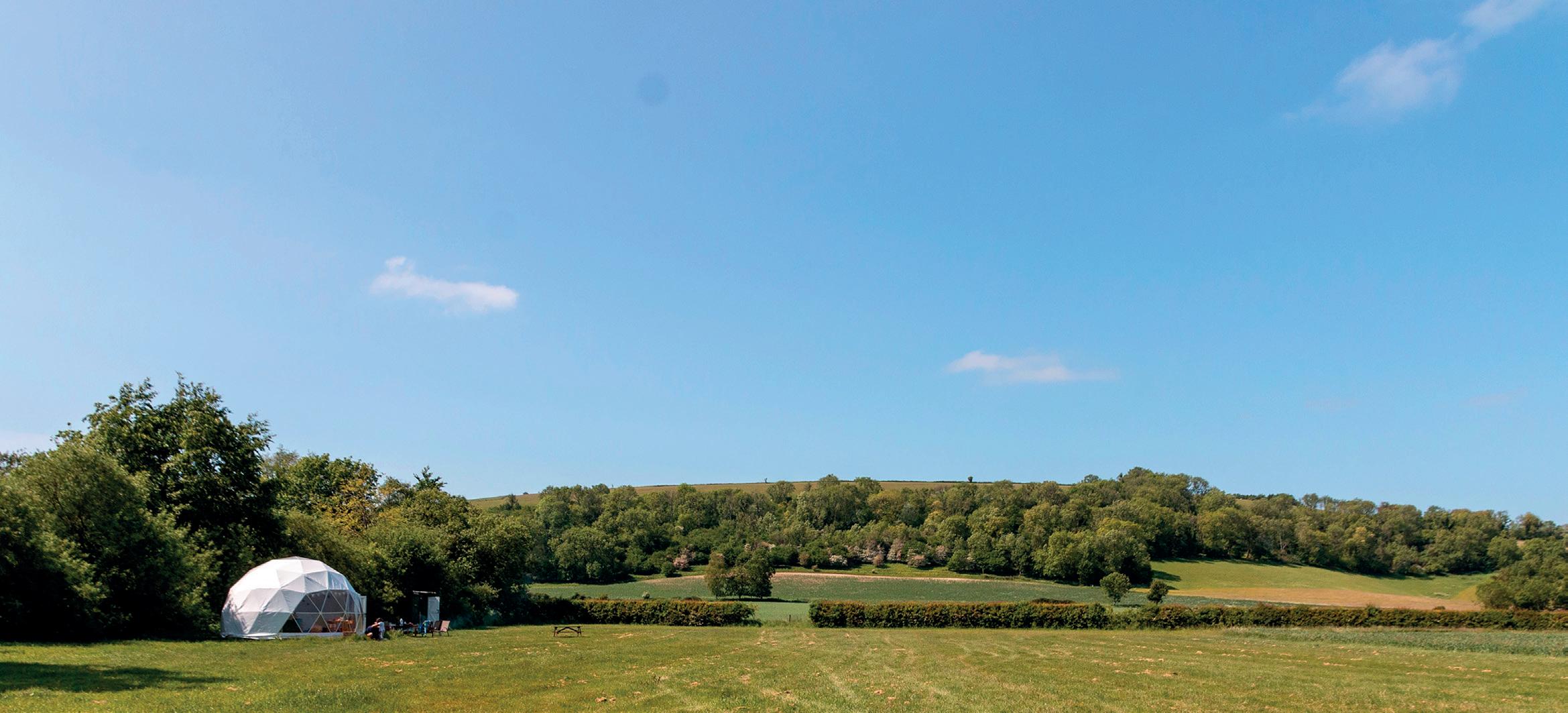
The Rock Review identified the need for greater tenant security and called for landlords to be given incentives to grant longer term tenancies.

It explained that this would give tenants the security they needed to encourage longer term capital investment, something that benefit both landlord and tenant, as well as allowing tenants to make meaningful environmental improvements.
Progress was made with the launch of a consultation on the tax treatment of environmental land management and ecosystem service markets alongside the March budget, something which could offer more security by clarifying the tax treatment of land being used for environmental schemes, which could potentially be considered a non-agricultural use for tax purposes.
If the consultation concludes that land subject to environmental schemes will receive the same Agricultural Property Relief (APR) and Business Property Relief (BPR) that applies to purely agricultural land, this could be pivotal from a taxation standpoint. One proposal is to limit APR to those farm business tenancies with a term of more than eight years.
Another issue is that while DEFRA’s lump sum exit payment scheme was set up to enable departure from the industry, there is nothing similar to attract new entrants. The Tenancy Working Group, under the Rock Review, has identified the need for “a comprehensive and long-term new entrant policy”, certainly something that is urgently required.
Even more complex is the issue of diversification, on which an increasing number of farm businesses rely. Under current FBT legislation, non-agricultural use is prohibited. The same tax issues also arise for the landlord. Increasingly, however, landlords are considering ways to enable their tenants to thrive through such ventures as glamping, events and other alternative uses. The current legislation needs to be reviewed to help facilitate this where appropriate.
As the Rock Review concluded: “There is no tenanted sector without landlords to let land, and what is best for landlords are viable, thriving tenants.”
WWW.SOUTHEASTFARMER.NET | JULY 2023 63 TO ADVERTISE CALL 01303 233883 ROCK REVIEW HELEN CLOUTING
Batcheller Monkhouse Haywards Heath T: 01444 412402 E: h.clouting@batchellermonkhouse.com www.batchellermonkhouse.com LEO HICKISH
Batcheller Monkhouse Tunbridge Wells T: 01892 509280 E: l.hickish@batchellermonkhouse.com www.batchellermonkhouse.com
MRICS FAAV
FRICS FBIAC
LAMBERHURST, KENT
An opportunity to purchase a scenic block of mainly arable and pasture land extending to approximately 150 acres (60.70 hectares) bisected by the River Teise. The farm is situated close to Lamberhurst Village, within the High Weald Area of Outstanding Natural Beauty with far reaching views over surrounding farmland and the Weald.
SEVENOAKS, KENT Guide Price £1,800,000-£1,900,000





A truly rare opportunity to acquire a farm in this popular village with significant potential for redevelopment, comprising four residential properties in need of renovation, with buildings and farmland extending in all to some 21.98 acres (8.9 hectares).
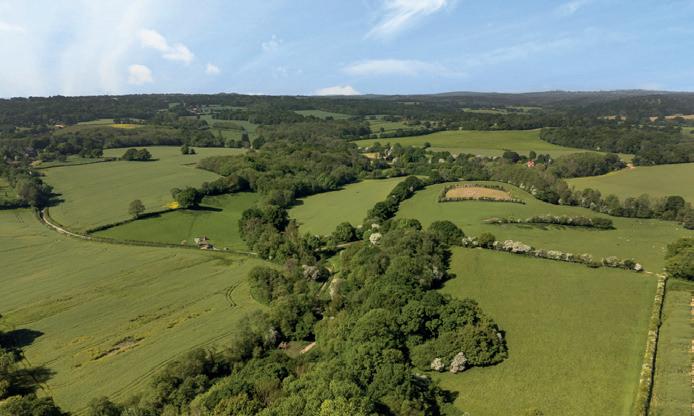
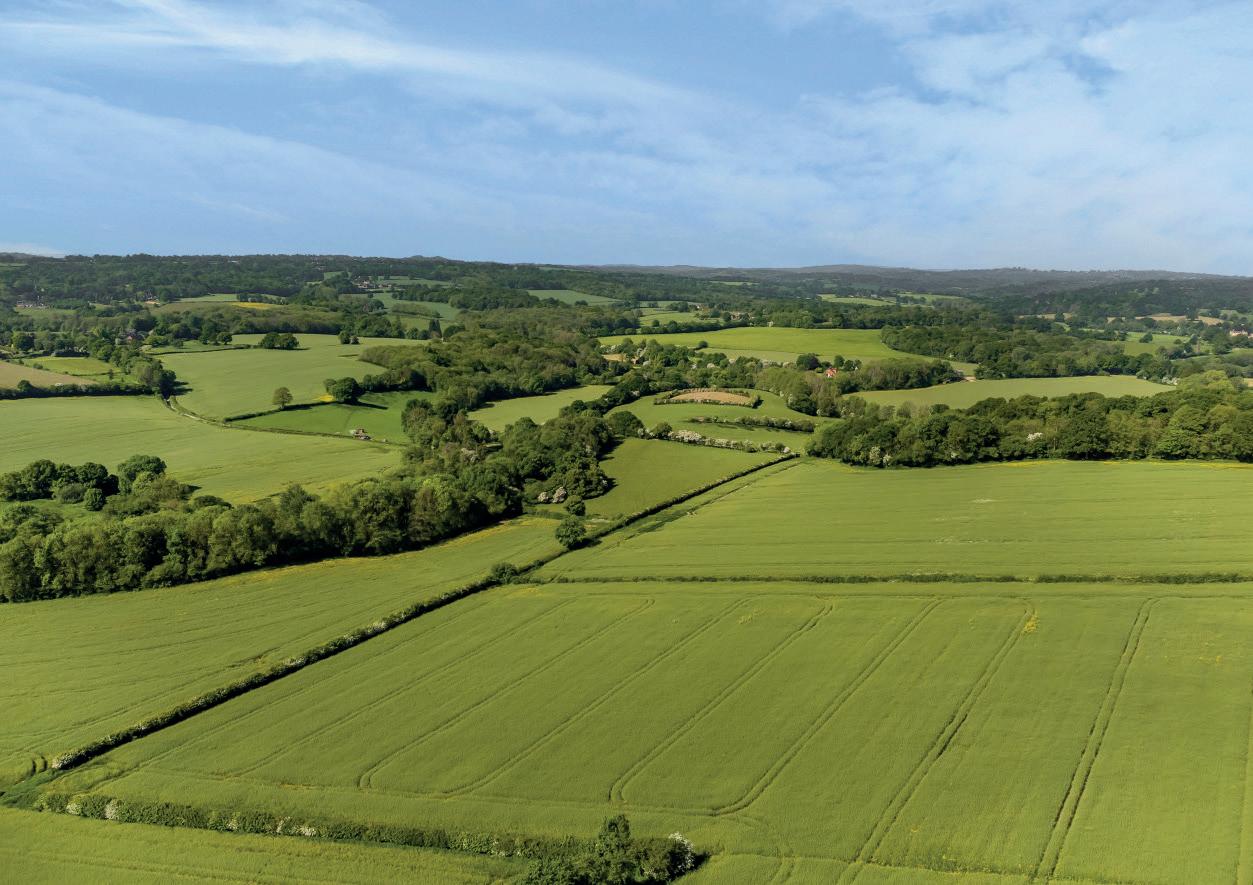
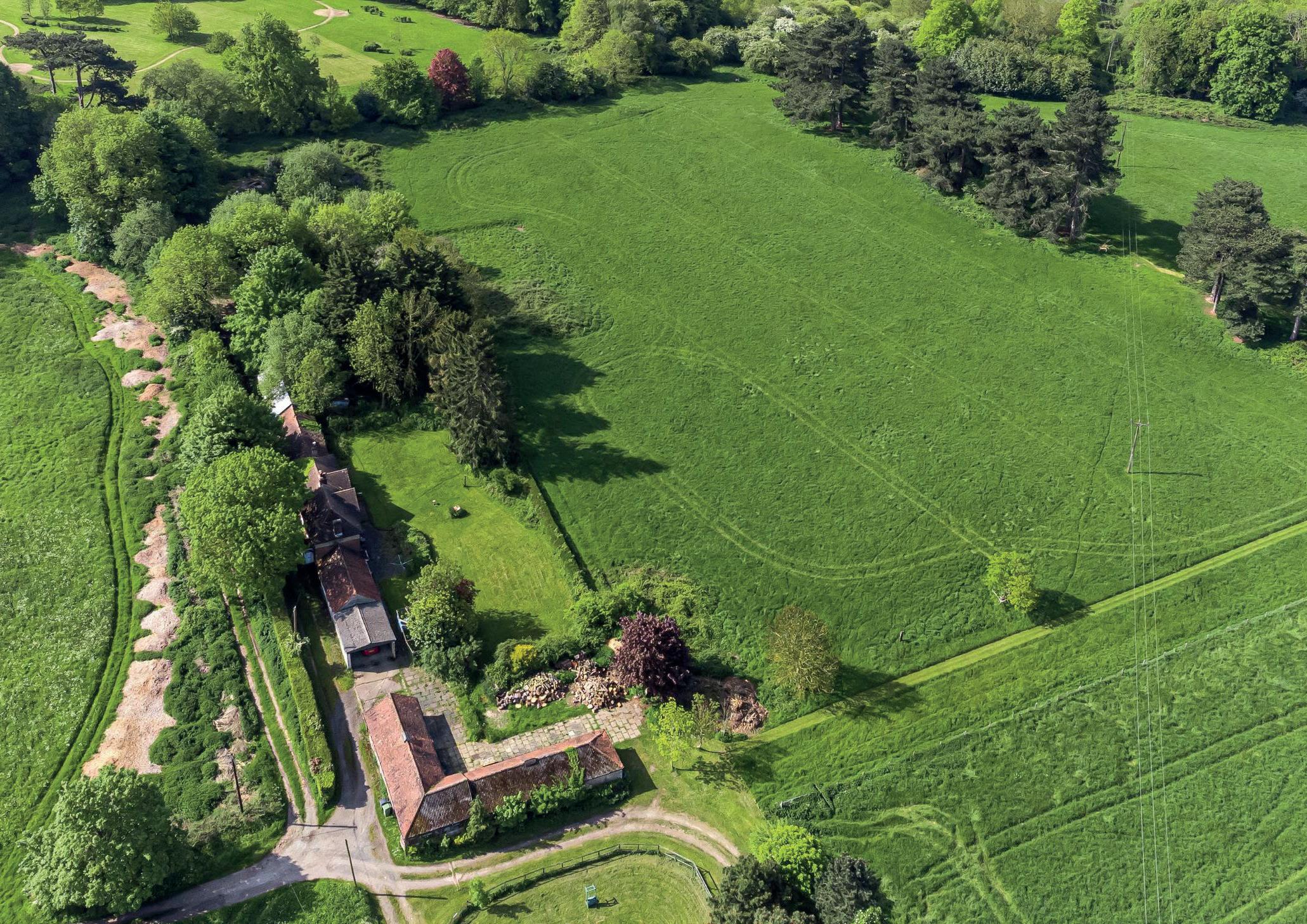
WWW. LAMBERTANDFOSTER.CO.UK VIEW ALL AVAILABLE PROPERTY AT FOR SALE PROPERTY PROFESSIONALS FOR OVER 120 YEARS
FOR SALE
Alan Mummery MRICS FAAV KENT OFFICE Tel. 01892 832 325 Dan Page BSC (HONS) PGDIPSURV MRICS FAAV MBIAC SUSSEX OFFICE Tel. 01435 873 999 Amelia Rogers MSC BSC (HONS) MRICS KENT OFFICE Tel. 01892 832 325 Will Jex KENT OFFICE Tel. 01892 832 325
MARDEN, KENT
A fantastic rural development opportunity on the outskirts of the village of Marden comprising two agricultural buildings with prior approval for residential conversion to three dwellings, under Class Q Permitted Development rights, and orchard land extending in all approximately 36 acres. Available as a whole or in two lots.
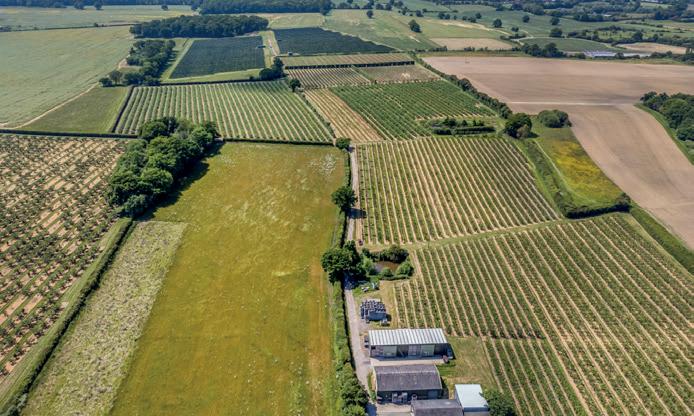
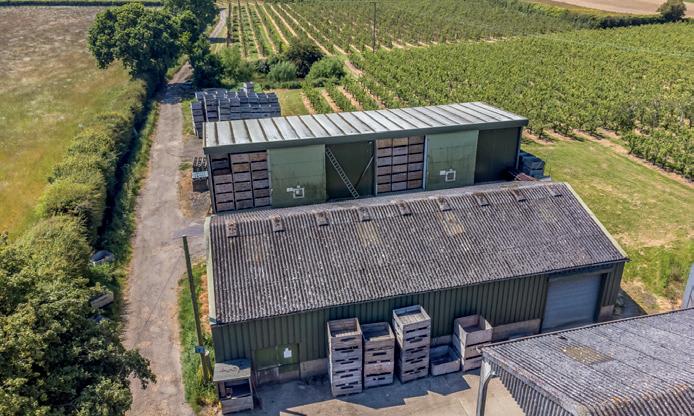
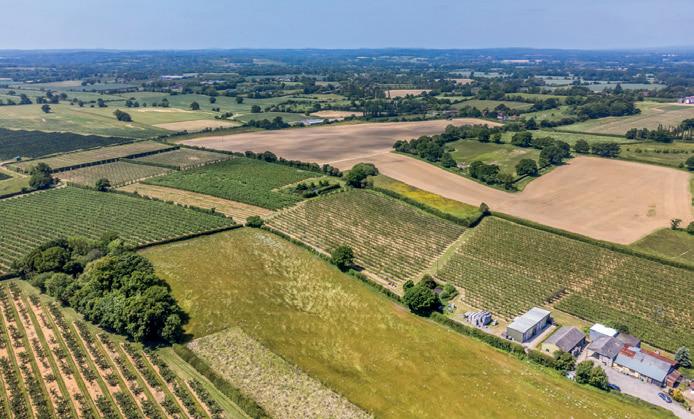
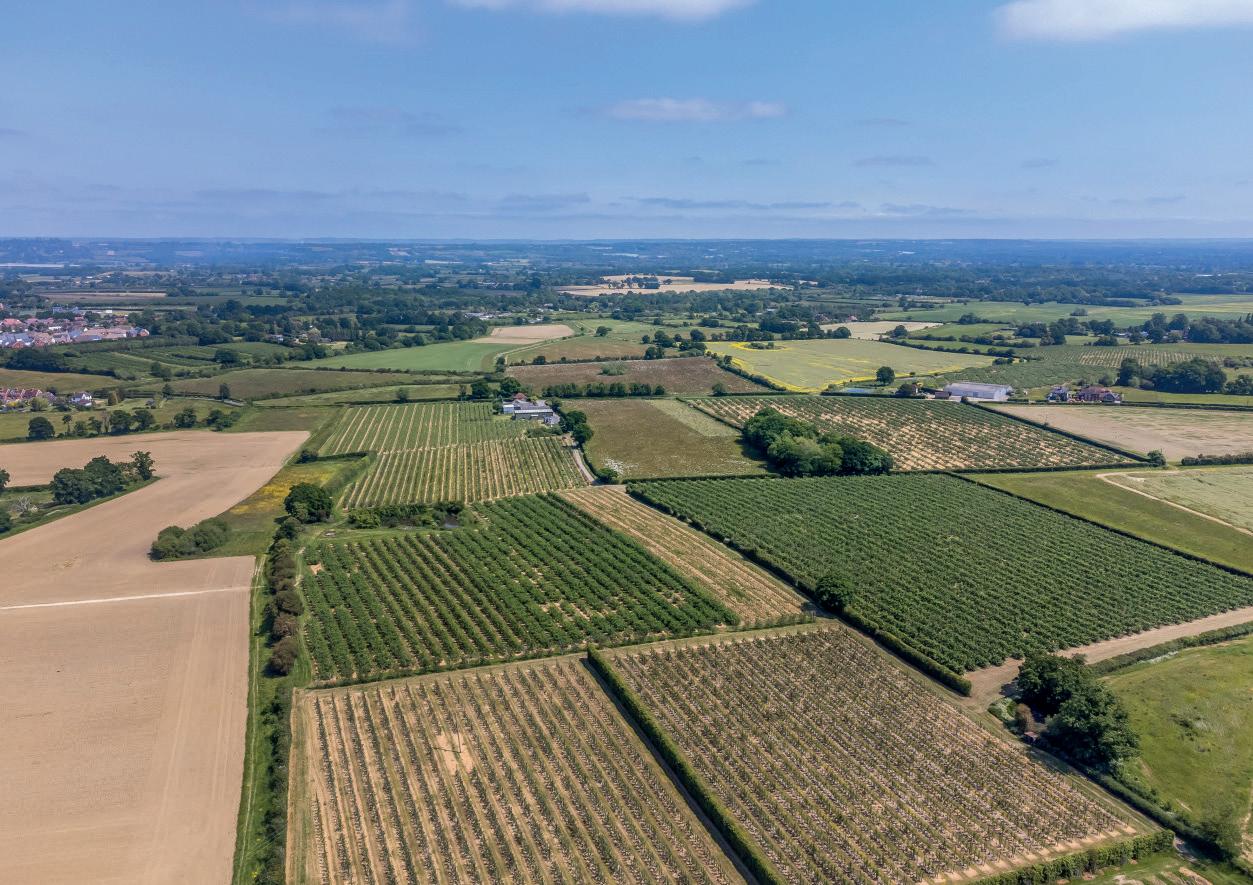
SOUTH GODSTONE,
Guide Price £2,900,000
A quintessential Grade II listed farmhouse set in 16 acres of gardens and paddocks with its own stables, riding arena and converted barn, nestled in the peaceful countryside south of the village of Godstone in Surrey.
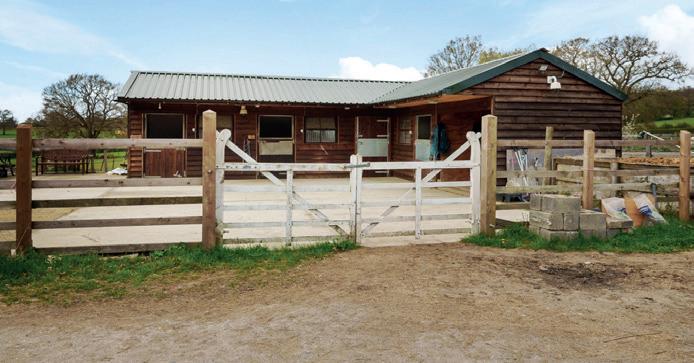
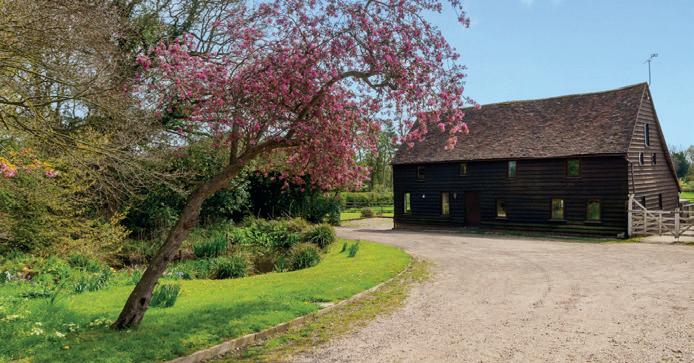

PROPERTY PROFESSIONALS FOR OVER 120 YEARS
FOR SALE
SURREY
WWW. LAMBERTANDFOSTER.CO.UK VIEW ALL AVAILABLE PROPERTY AT Alan Mummery MRICS FAAV KENT OFFICE Tel. 01892 832 325 Dan Page BSC (HONS) PGDIPSURV MRICS FAAV MBIAC SUSSEX OFFICE Tel. 01435 873 999 Amelia Rogers MSC BSC (HONS) MRICS KENT OFFICE Tel. 01892 832 325 Will Jex KENT OFFICE Tel. 01892 832 325 FOR SALE
STUD FARM IN A RURAL SETTING
OFFERS IN EXCESS OF £3,000,000 75 ACRES FRANT, | EAST SUSSEX






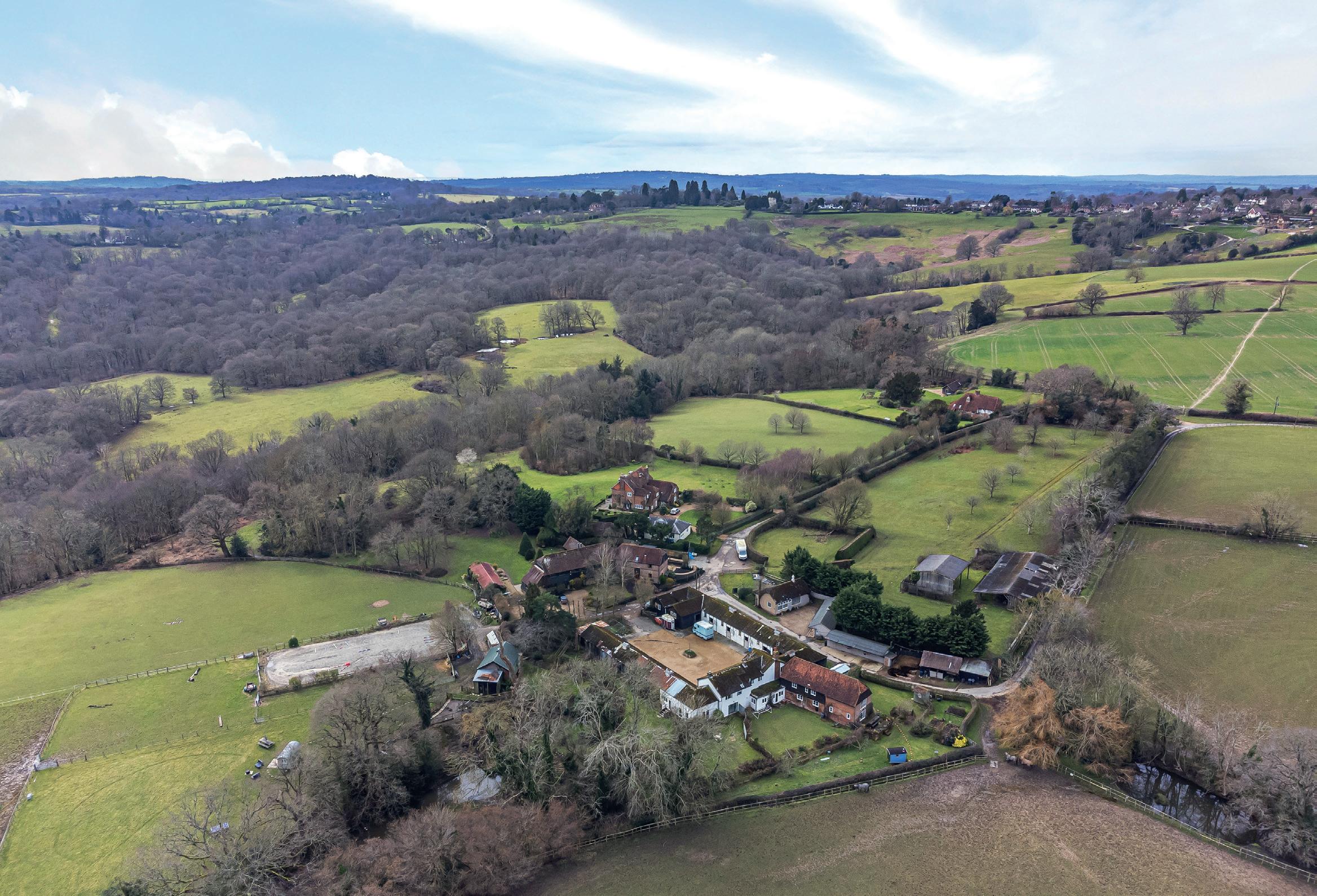
Batcheller Monkhouse has a rare opportunity to acquire a stud farm in a rural setting positioned between Frant and Bells Yew Green.
In its current guise it provides numerous residential elements, extensive outbuildings and holiday let income, with 75 acres.
Manor Farm Stud is located in an idyllic rural location at the end of a long drive yet within 1.3 miles of Frant station. The property is arranged with a four bedroom attached home known as Blinkers, formed from an oast/barn conversion, Manor Farm Stud, which forms part of a central courtyard (previously the groom’s quarters); this has been sub-divided with a three bedroom house and an adjoining two bedroom holiday let, and there is also a stable flat and a washroom. There are extensive equestrian facilities including a sand school and numerous supporting outbuildings.
Blinkers is an attractive building formed from an oast and barn conversion with a number of character features, an excellent farmhouse family kitchen/breakfast room with Aga, attractive dining room and a good size sitting room. On the first floor the main bedroom has an en suite shower room and there are three
further bedrooms and a family bathroom. Please contact the agent regarding agricultural occupancy.
Manor Farm Stud forms part of the central courtyard of buildings, with weatherboarded elevations, timber frame with tile hanging under a corrugated asbestos roof. There is an excellent family/kitchen breakfast room with oil fired Aga (there is no central heating at the property), good size sitting room with open fireplace, well proportioned dining room, boot room and on the first floor there are three bedrooms and a family bathroom.
Snaffles is a holiday let created out of one part of the building. This could be incorporated back into Manor Farm Stud. Snaffles comprises a sitting room with log burner, kitchen/dining room with flagstone flooring, two first floor bedrooms and a family bathroom. There is no central heating at the property.
The stable flat is in need of updating. There is a sitting room with kitchen area, bedroom, separate WC and shower room.
The land is arranged primarily in 12 blocks of permanent pasture together with a section of woodland known as Spring Coppice. The principal permanent pasture has a gentle slope
bordered by mature woodland and fencing (combination of post and rail and single wire). There is a sand school measuring 40m x 20m. In total the land measures 75 acres.
There is a central stable yard with stable block with ten loose boxes each comprising a timber dividing wall with concrete base. In the south west corner there is a tractor barn with timber clad elevations on a concrete base and steel frame. In one corner there are kitchen/ washroom facilities for the yard.
The old forge is located to the west of the central courtyard and would make a useful home office or additional ancillary holiday accommodation (subject to the usual consents). There are four further stables opposite this. To the entrance of the property are three further stables and a tack room, a double stable block and an adjacent hay store. Close to the sand school are three further stables and a tack room.
The property is available as a whole or alternatively Manor Farm Stud with the courtyard buildings and the forge and four further stables in 9.32 acres is available separately. The buyer would also have the opportunity to purchase an additional 46 acres which would be subject to an overage clause.
JULY 2023 | WWW.SOUTHEASTFARMER.NET 66 LAND AND FARMS
TOPPICK For an appointment to view please contact Tunbridge Wells office: 01892 512020 i











































WWW.SOUTHEASTFARMER.NET | JULY 2023 67 TO ADVERTISE CALL 01303 233883 Tourism related diversification projects continue to provide opportunities for farmers and landowners. Our experienced Chartered Town Planners will be at The Glamping Show on the 14th, 15th and 16th September 2023. Visit our stand or contact our Planning team directly on 01892 509280. Staycations remain popular in a post COVID-19 world CallJamieon01303 233883 or email jamie.mcgrorty@kelsey.co.uk FOR SALE DEADLINE FOR ADVERTISING IN THE NEXT EDITION IS: 20 JULY You can advertise land and farms in South East Farmer from as little as £299. A great way to create interest from serious buyers. ®
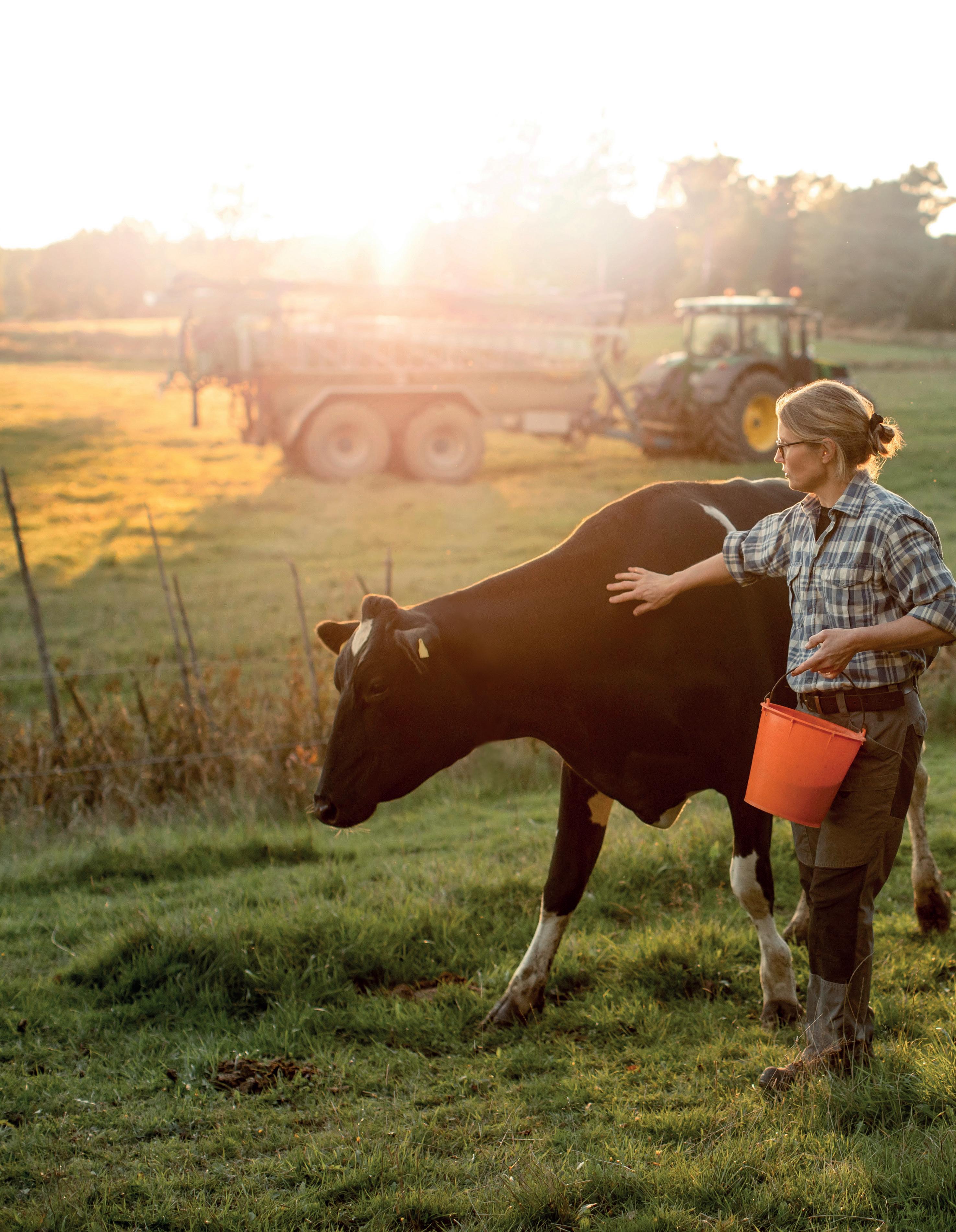






















Joseph Soul, a Buckinghamshire landowner, is diversifying his income by creating a haven for nature on 38 hectares of his land.
A parcel of land at Wood Farm, near Milton Keynes, is now home to a ‘habitat bank’, a biodiverse landscape co-created with Environment Bank.
Environment Bank, a national nature restoration company, works with landowners and farmers across the UK to facilitate nature’s recovery. Biodiversity Net Gain (BNG) units are generated on the habitat bank for developers, allowing them to meet the new legal biodiversity requirements as mandated in the Environment Act.
Joseph chose to work with Environment Bank because of the robust support it offers to landowners and farmers looking to diversify through BNG. Support is provided in the form of assistance from expert ecologists throughout the project and a minimum of 30 years of funding.
This was a welcome addition to Joseph’s existing farm operations and campsite business income, something Environment Bank was mindful of throughout the process. With the help of Environment Bank’s ecologists, Joseph's farm enterprise will benefit from increased species diversity, improved soil health and enhanced ground fertility.
RISKS AND REWARDS
There are a number of options for landowners choosing to venture into BNG. Some are choosing to do it themselves, but this is high risk and there’s lots to bear in mind, including significant creation costs.
If independent habitat creation and credit sales are pursued, all fees associated with the project fall to the landowner to pay. With fully funded schemes, such as with Environment
BUCKINGHAMSHIRE LANDOWNER DIVERSIFIES WITH BIODIVERSITY NET GAIN
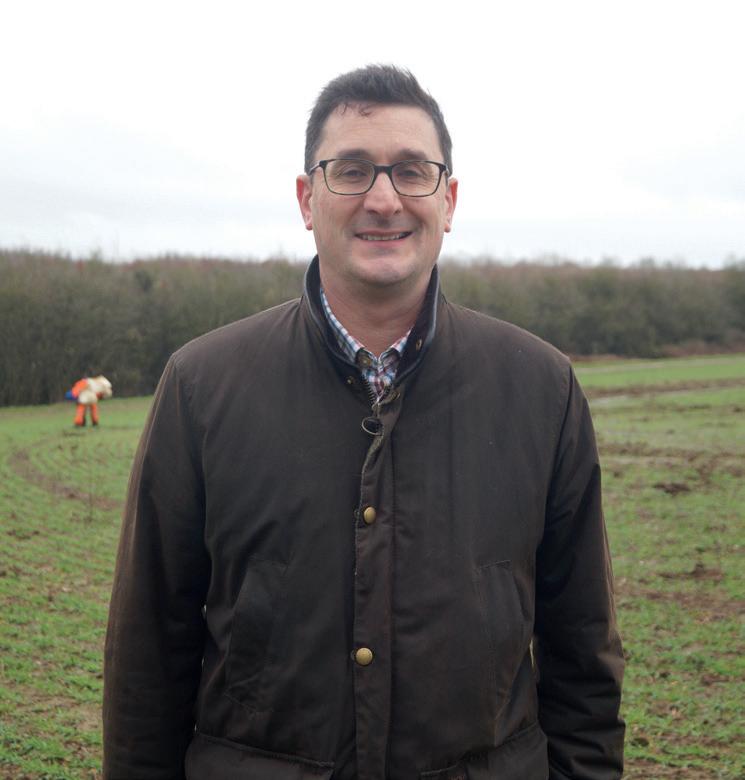
Bank, all capital costs are covered, including farm infrastructure and professional fees where appropriate.
Funding is also released as soon as the lease is agreed, alongside a substantial welcome bonus. This means farmers can immediately reap economic benefits which can equate to more than £27,000 per hectare, with annual uplifts over the 30 year period.
Liability should also be considered. Unlike the Environment Bank model, the liability of self-creation sits with the landowner directly if the project should fail. In this instance, the habitat would be expensive to remedy. However, in the case of partnerships with fully funded schemes, any liability lies entirely with them. This means that the abundant benefits of nature restoration can be enjoyed without the worry of financial or legal issues arising.
Direct sales also mean cultivating and maintaining a relationship with a developer, something that takes time, with no guarantee that a buyer for credits will be found. There is the option of finding a developer through the brokerage model, but this still poses medium risk as there is no set standard of how much ancillary support a broker can provide.
Choosing to partner with Environment Bank means all of this liaison sits with its team, which already has a nationwide network of developers ready to reserve and buy BNG units. The team also has extensive contacts in the development sector, so it has all the


information needed to create a gold standard of habitat for developers. These incorporate the specific types of habitats required in a given area, something that Environment Bank’s ecologists are specialists at planning and managing.
The direct sales approach also involves extensive interaction with local planning authorities (LPAs) or responsible bodies. With Environment Bank, this is not an issue. Its team handles statutory reporting on habitat banks so, for landowners and farmers, there is no liaison with LPAs in any capacity.
Environment Bank works with each local authority to understand its local nature recovery strategies and has the expertise to contribute further. This ensures the successful delivery of BNG units and a habitat bank that sits in line with local demand.
To learn more about how a Habitat Bank can be tailored to suit your existing farming operations or land use, please contact 01904 202 990 or visit www.environmentbank.com/landowners
WWW.SOUTHEASTFARMER.NET | JULY 2023 69 TO ADVERTISE CALL 01303 233883 DIVERSIFICATION
Visualisation of the 38 hectare habitat bank once established
Landowner Joseph Soul



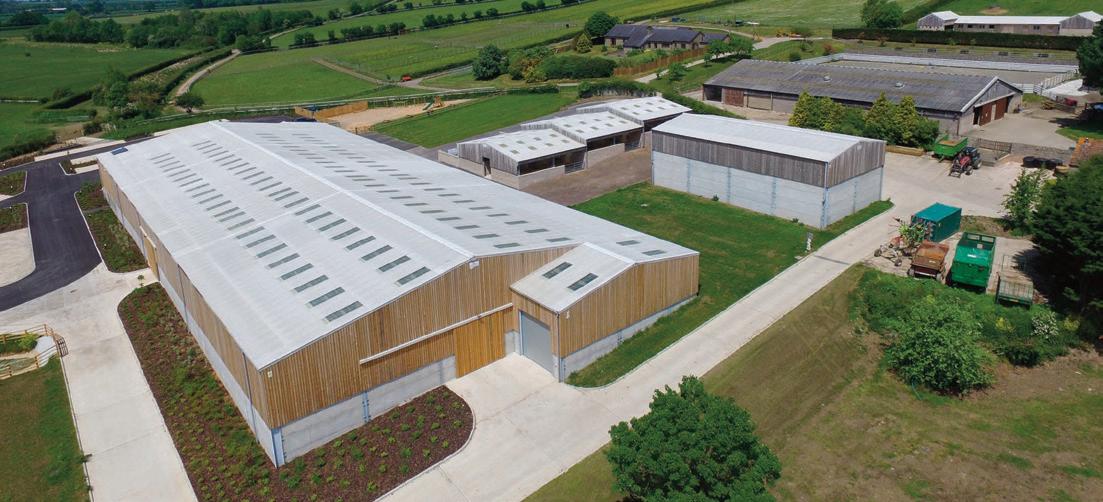
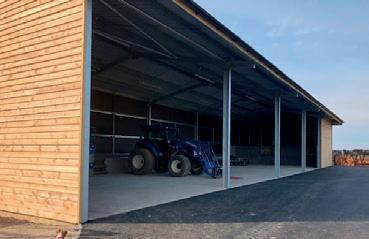
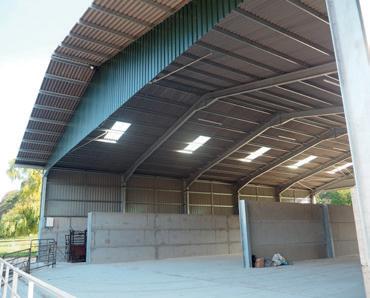
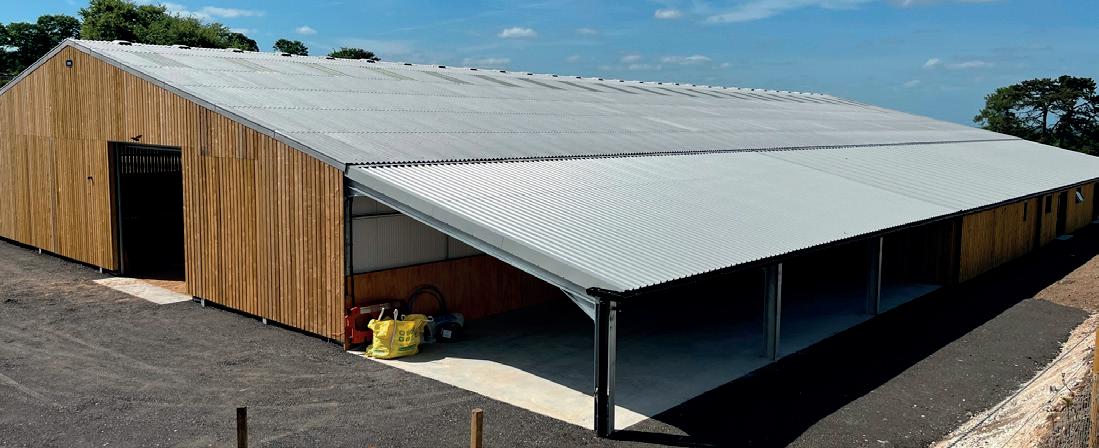

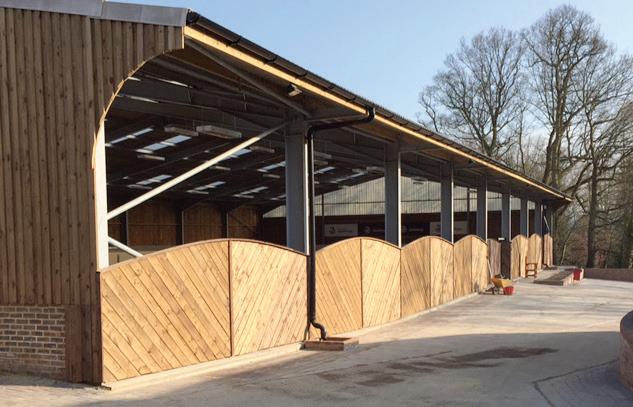

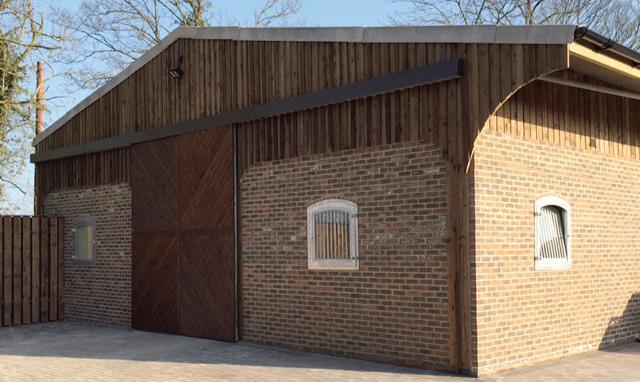




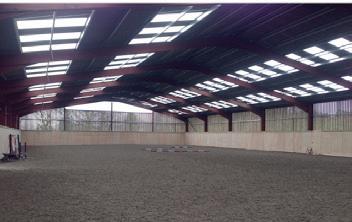

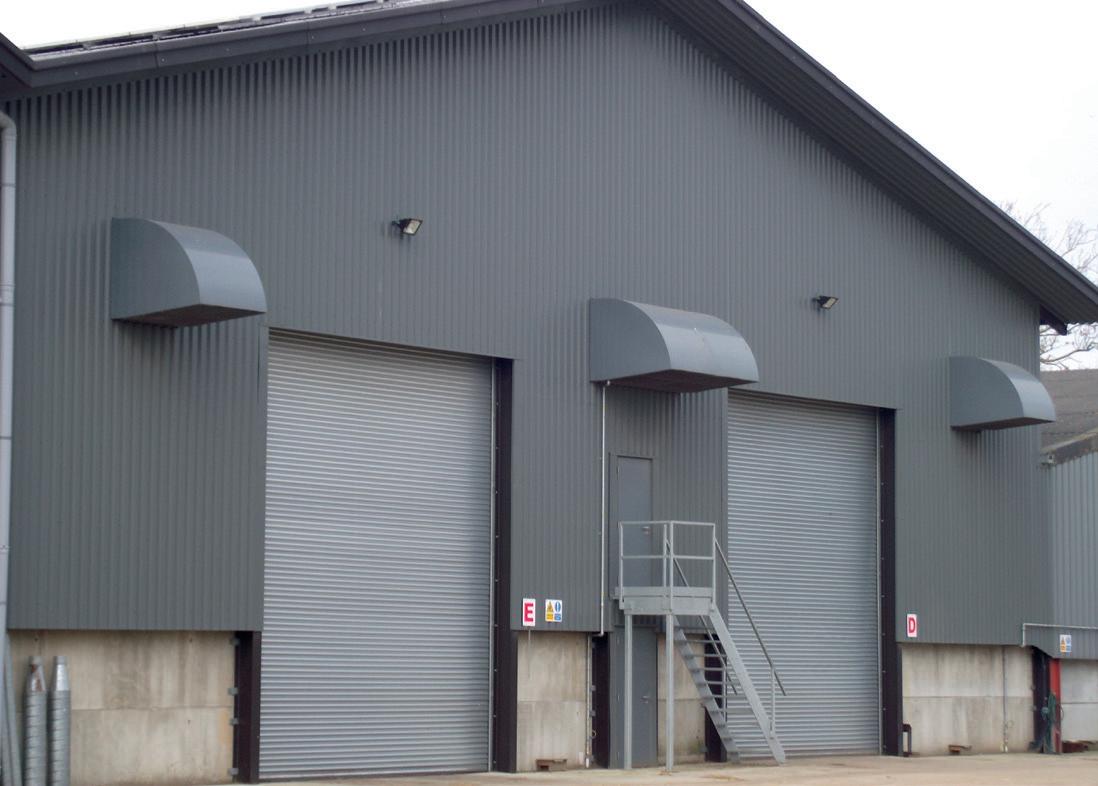
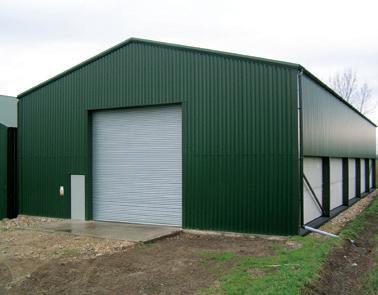


JULY 2023 | WWW.SOUTHEASTFARMER.NET 70 CLASSIFIEDS CONSTRUCTION CONSTRUCTION Industrial & Commercial | Structural Steelwork | Agricultural & Equestrian Contact us for a free quotation 01269 831831 enquiry@shufflebottom.co.uk www.shufflebottom.co.uk Shufflebottom Ltd Cross Hands Business Park, Cross Hands, Llanelli, Carmarthenshire SA14 6RE Shufflebottom Agricultural Buildings Steel-frame buildings for your farm + Supply only or supply & erect + Construction all over the UK + Award winning company Strength, Security, Style Office 01825 371500 � info@formabuild.co.uk www.formabuild.co.uk We specialise in the supply and construction of steel framed buildings together with the repair and refurbishment of existing farm buildings. Based in the heart of Sussex, covering the South East. Sussex builders since at least 1605. Forma offer all aspects of steel framed construction and cladding together with groundworks and electrical fit out if required. formabuild.co.uk 100% British designed & built Over 35 Years experience Site visits Call to arrange a site survey All our panels are marked Gary White 07812 599679 Jason White 07941 274751 Based in Lewes, East Sussex G.E.WHITE & SONS Ltd All refurbishments & repairs undertaken. Call for a free quote today. AGRICULTURAL, EQUESTRIAN & INDUSTRIAL STEEL FRAMED BUILDINGS We supply CONCRETE PANELS – Any size to suit your needs All aspects of steel work, cladding & groundwork. Family run business with 45 years experience. “You tried the others, now try the brothers” All our buildings are marked www.gjelgarconstruction.co.uk For more information contact us: t: 01233 623739 m: 07860 414227 e: office@gjelgarconstruction.co.uk • Steel frame buildings • Sheeting and cladding • Guttering and repairs • Groundworks and drainage • Demolition and asbestos removal • Refurbishment and change of use • Concrete frame and steel frame repairs • Insurance and general repairs • Concrete floor and block paving G.
ELGAR CONSTRUCTION Ltd
J.









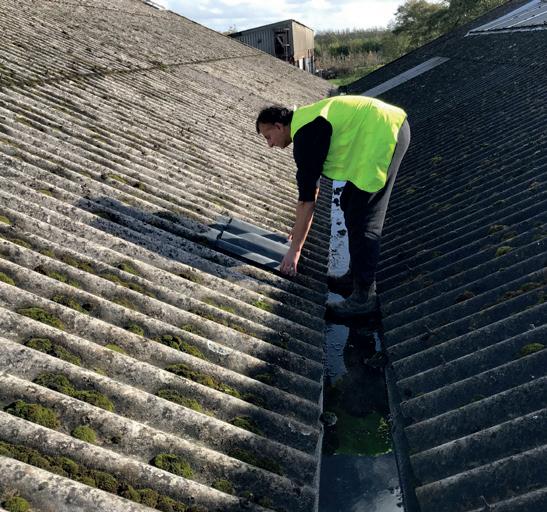
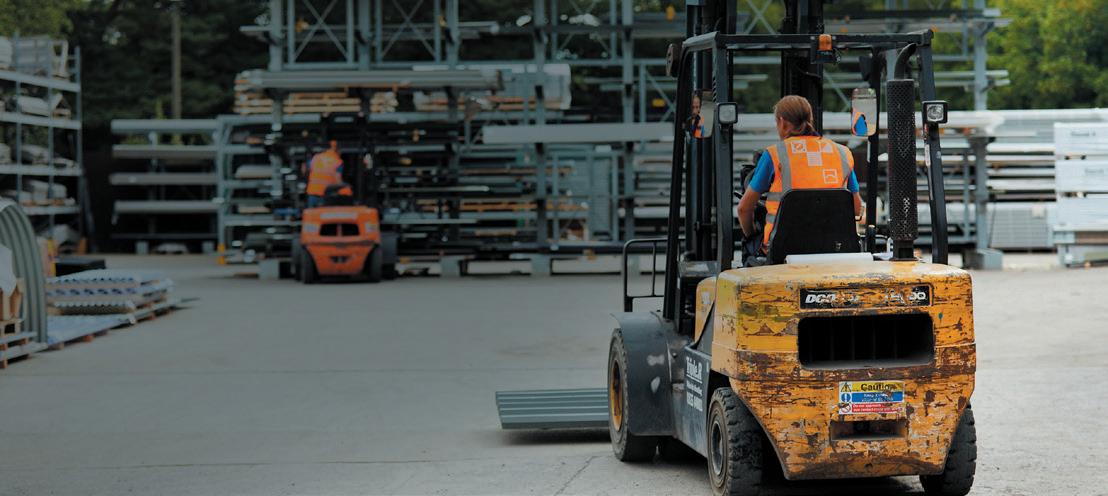
WWW.SOUTHEASTFARMER.NET | JULY 2023 71 TO ADVERTISE CALL 01303 233883 CLASSIFIEDS CONSTRUCTION CONSTRUCTION CONSTRUCTION Agriculture ~ Cold Storage ~ Equestrian ~ Industrial ~ Waste Recycling • Agricultural Buildings • Cold Store Buildings • Equestrian Buildings • Industrial Buildings • Waste Recycling Buildings • Structural Steel • Drawing Services • Design Services • Mezzanine Floors • Custom Steelwork 01323 890403 www.danddconstruction.co.uk info@danddconstruction.co.uk To advertise in South East Farmer telephone 01303 233883 Steel frame buildings for all your farming and agricultural needs. Visit our website or find us on social media to learn more... Arrange a site visit with one of our contracts managers to discuss your project in more detail by emailing enquiries@kenwardgroundworks.co.uk or call 01403 210218 www.kenwardgroundworks.co.uk Kenward Construction based in Horsham, West Sussex offer a full design and build service for your next steel framed building including composite cladding, concrete panels, roller shutter doors and bespoke designs to meet individual planning conditions. Kenward Construction also offer a wide range of services offering a truly one stop shop for your next farm building project. Demolition, plant hire, access roads, drainage, sewage treatment plants, rainwater harvesting, biobed wash downs, paving, concrete foundations / slabs, walling and site landscaping. ENWARD FREEPHONE: 01233 659129 from BT land-line charlie.woodger@btinternet.com REFURBS, BIG 6 ROOF SHEETS, ROOF LIGHTS, RIDGES, VERGES, VALLEY GUTTERS, BOX GUTTERS, BOUNDARY GUTTERS, ASBESTOS, SHEETING Single Sheet To Whole Roof Roller Shutters Accidental or Storm Damage Works Demolition Refurbishments Waste Clearances CALL TO DISCUSS YOUR PROJECT! ALL WORKS KENT & SUSSEX Professional Services to the Agricultural, Industrial & Equestrian Sectors FARM BUILDING REPAIRS Supplying profiled roofing products to contractors, builders and farmers for over 40 years visit www.southernsheeting.co.uk for our full range or call 01342 590 357 to speak to our friendly sales team Our main products off the shelf include: • Profiled steel sheeting • Insulated panels • Fibre cement • Rooflights • Onduline • Fixings and accessories NATIONWIDE DELIVERY • EXTENSIVE RANGES IN STOCK LARGE DISCOUNTS AVAILABLETOFARMERSOUTHERNMEMBERS
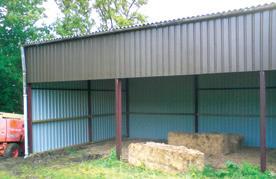
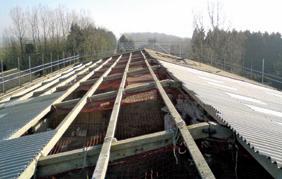
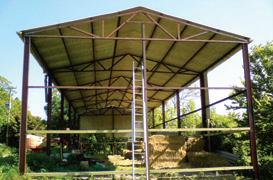
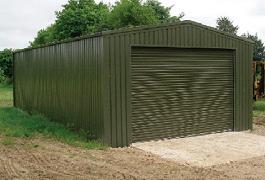

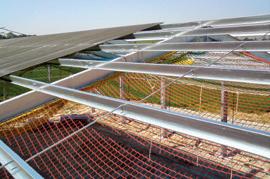

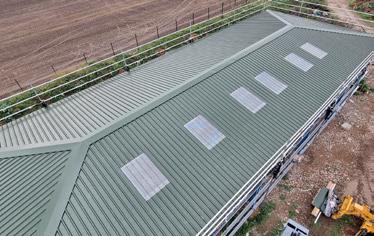

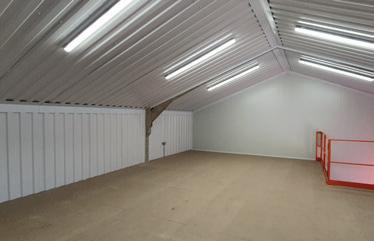

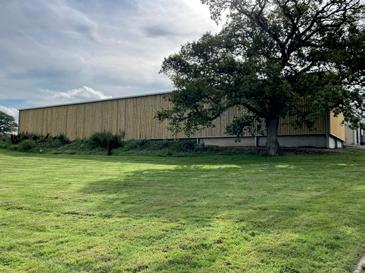










JULY 2023 | WWW.SOUTHEASTFARMER.NET 72 CLASSIFIEDS JPR ROOFING & CLADDING… Professional Services to the Agricultural, Industrial & Equestrian Sectors ROOFING & CLADDING Including: • Sheeting & Cladding to New & Existing Buildings • Roof repairs, Replacements and over sheeting • Insulated or single skin plastic coated sheeting in a wide range of colours • Concrete fibre sheeting, Big 6 profile etc • Asbestos sheeting removal & disposal, using registered waste carrier • Valley gutters, concrete or metal, repaired or re-lined • Roof lights replaced or covered • Maintenance Programmes to avoid the problems that occur with neglect • Conversions & extensions to existing buildings • Groundworks, Access Roads, Drives, concrete bases, Drainage etc FIRE,FLOOD & STORM DAMAGE Including: • 24 Hour Call out service • Making site/building/premises safe • Structural safety assessment • Emergency clear-up operations • Emergency procedures to reduce impact on your business or premises • Demolition/site clearance • Asbestos removal/clearance & disposal, using registered waste carrier • Re-instatement works • Insurance Claims ALL WORKS GUARANTEED Specialists in: FREEPHONE: 0800 756 9886 Covering Kent, East/West Sussex and the South East from BT land-line MOBILE: 07813 142 145 CONSTRUCTION Specialists in the Agricultural, Industrial and Equestrian sectors Steel frame supply and erect or just supply. Sheeting, cladding and oversheeting. Gutter replacement, repairs and lining. Steel frame, concrete frame alterations and repairs. Asbestos removal. Roof light and sheet changes. Refurbishments and usage changes. Demolition, groundworks and site clearance. 24 hour call out in the event of fire or break in. Roller shutters, sliding and personnel doors. Condition reports and dilapidation work before solar panel installation Mezzanine floors Insurance and repair work On site welding and steel fabrication ALL WORKS GUARANTEED 01227 918723 Quality of work Reliability and honesty Unbeatable on price 07784 619603 jez@JRJconstruction.co.uk www.JRJconstruction.co.uk We are a Hampshire-based family run company specialising in the refurbishment, renovation, alteration and upgrade to the external envelope of buildings within the industrial, commercial and agricultural sectors. Our services Structural Steel Cladding Systems Roof Repairs Doors Gutter Maintenance Asbestos Removal Tel: 02380 617383 Email: info@symesindustrial.co.uk Web: www.symesindustrial.co.uk Units 6 & 7, Upper Norton Farm, Sutton Scotney, Hampshire SO21 3QF Industrial Commercial Agricultural Penfold’s commercial, agricultural and residential building specialists with over 40 years experience – Standing seam – Snaplock systems – Aluminium – Zinc – Copper METAL ROOFING – Composite cladding – Metal cladding – Fibre cement cladding – Timber cladding CLADDING – Removal – Disposal – Surveys ASBESTOS REMOVAL 07864 823 476 07889 481618 Nextgen Cladding Ltd www.nextgencladding.co.uk






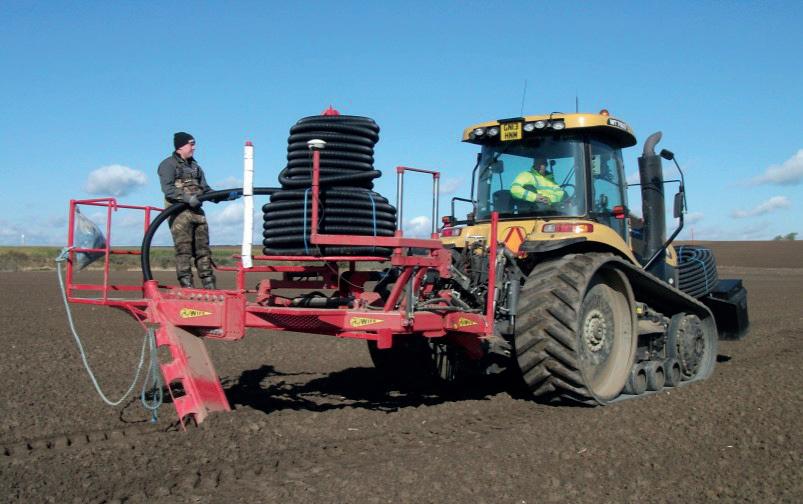
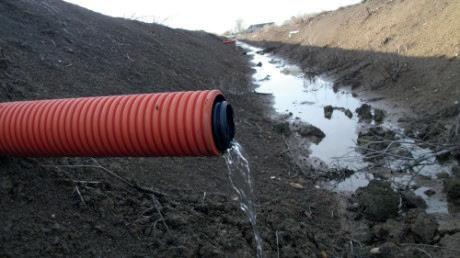
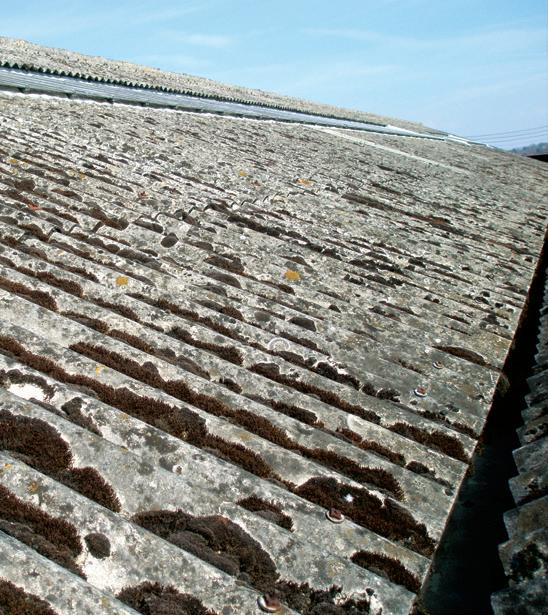
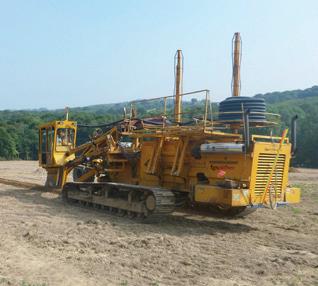
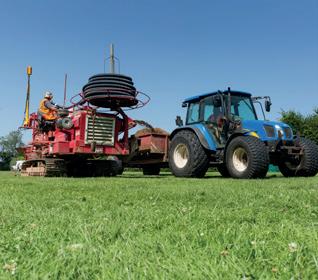
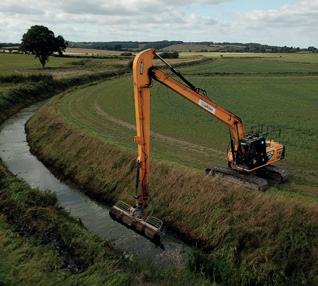
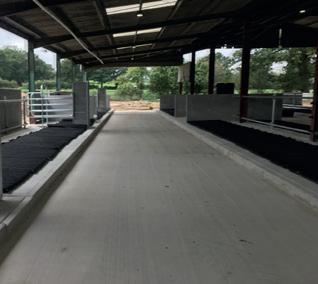
WWW.SOUTHEASTFARMER.NET | JULY 2023 TO ADVERTISE CALL 01303 233883 CLASSIFIEDS To advertise in South East Farmer telephone 01303 233883 To advertise in South East Farmer telephone 01303 233883 CONTRACTORS Mobile: 07976 287836 Email: sales@shortlandstructures.com www.shortlandstructures.com • STEEL FRAMED BUILDINGS • CLADDING • ERECTING • • EXTENSIONS • ALTERATIONS • CONCRETE PANELS • ROLLER/SLIDING/PERSONNEL DOORS • SHORTLAND STRUCTURES LTD ● LAND DRAINAGE ● DITCHING ● POND WORK ● WATER SUPPLIES ● SEWAGE TREATMENT PLANTS ● GROUNDWORKS ● PLANT HIRE 360° EXCAVATORS FOR ESTIMATES & ENQUIRIES (01622) 890884 G & S BROWN Drainage Contractors Working with farmers since 1947 Email: info@brownsdrainage.co.uk www.brownsdrainage.co.uk SWA SW ATTWOOD & PARTNERS • FIELD MAPPING • DRAINAGE SURVEYING • DESIGN • DRAINAGE FOR FURTHER INFORMATION OR VISIT OUR WEBSITE TOM: 01795 880441 or 07943 192383 EMAIL: james@swattwood.com S W ATTWOOD & PARTNERS LAND DRAINAGE james@swattwood.com PLEASE CONTACT US OR VISIT OUR www.attwoodfarms.com GRAIN STORAGE & LAND DRAINAGE PLANT HIRE INERT TIPPING CLAY SALES FROM £220 PER ACRE FIELD MAPPING DRAINAGE SURVEYING DESIGN DRAINAGE LAND DRAINAGE www.swjfattwood.com S W ATTWOOD & PARTNERS LAND DRAINAGE PHONE: 01795 880441 james@swattwood.com FOR FURTHER INFORMATION PLEASE CONTACT US OR VISIT OUR www.attwoodfarms.com GRAIN STORAGE & TESTING LAND DRAINAGE PLANT HIRE INERT TIPPING CLAY SALES FROM £220 PER ACRE DRAINAGE SURVEYING S W ATTWOOD & PARTNERS LAND DRAINAGE PHONE: 01795 880441 EMAIL: james@swattwood.com FOR FURTHER INFORMATION PLEASE CONTACT US OR VISIT OUR WEBSITE: www.attwoodfarms.com GRAIN STORAGE & TESTING LAND DRAINAGE PLANT HIRE INERT TIPPING CLAY SALES FROM £220 PER ACRE DRAINAGE SURVEYING DRAINAGE CONSTRUCTION CONTRACTORS FREEPHONE: 01233 659129 from BT land-line charlie.woodger@btinternet.com Asbestos roof sheeting removals Asbestos encapsulation Asbestos fire damage, clearance & re-instatement works Asbestos clearance & de-contamination Asbestos disposals by licenced registered company New metal roofs installed over old asbestos roofs Roof light & sheet repairs Gutter repairs Gutter replacements & re-lining Strip & refurbishment works Change of use projects Demolition & Groundworks CALL TO DISCUSS YOUR PROJECT! Professional Services to the Agricultural, Industrial & Equestrian Sectors ALL RISKS LTD ASBESTOS ROOF REMOVALS LAND DRAINAGE, EARTHWORKS, GROUNDWORKS & CONSTRUCTION FULL LAND DRAINAGE SERVICE Sportsfields, amenity and irrigation systems using Mastenbroek trenchers PONDS, LAKES & RESERVOIRS Construction and maintenance GROUNDWORKS & CONSTRUCTION Primary excavations, aggregate sub-base, agricultural construction and concreting ENVIRONMENTAL HABITATS Water course maintenance and improvement works For all enquiries call 01233 860404 or 07770 867625 (Harvey) DOMESTIC + COMMERCIAL + INDUSTRIAL + AGRICULTURAL D.KENWARD & SONS ELECTRICAL CONTRACTORS Est. Tenterden 1970 DAVID KENWARD 07880 680046 ANDREW KENWARD 07786 342454 TRUST 35+ YEARS OF EXPERIENCE dkenwardandsons@gmail.com Enquire today
Competitive Direct Drilling Service
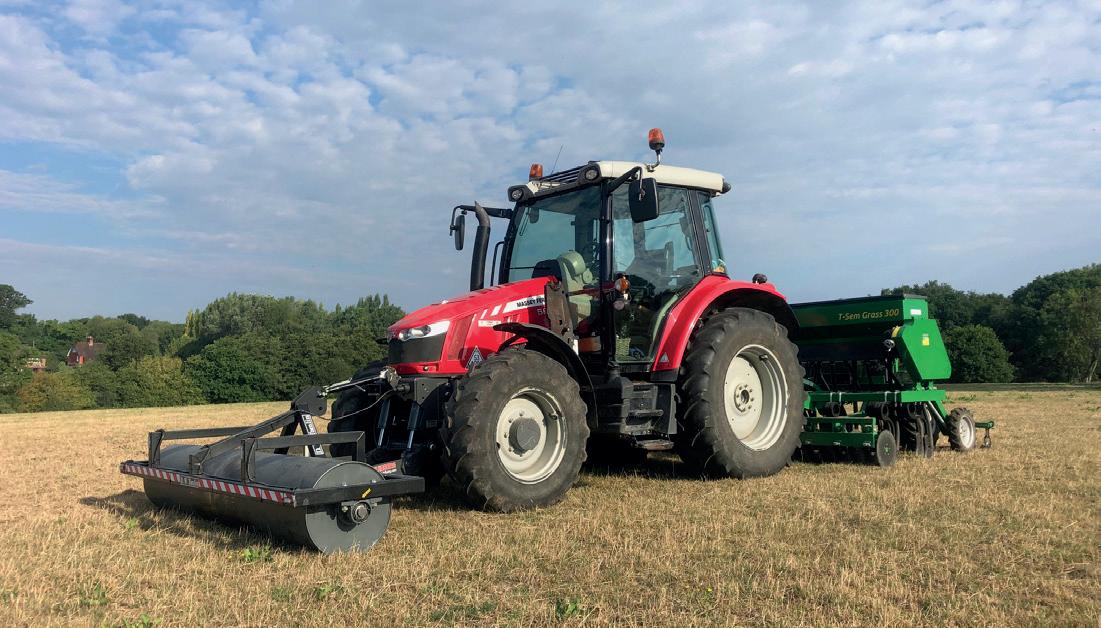




















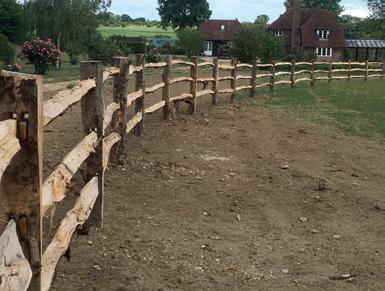
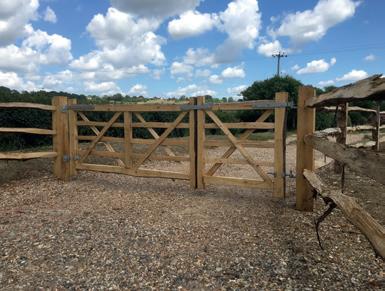
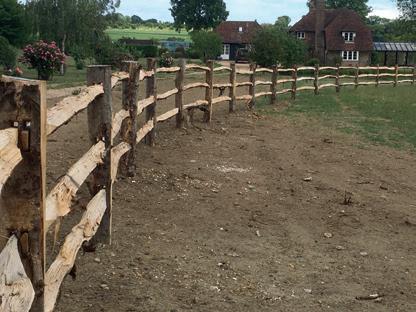
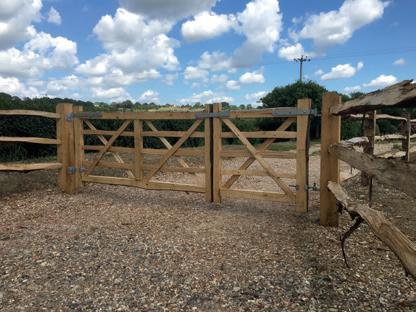

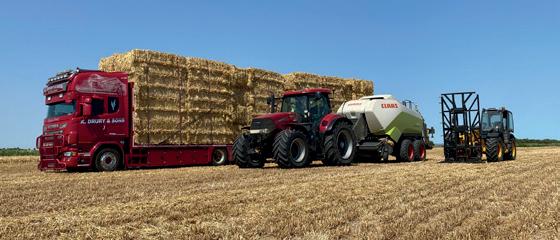


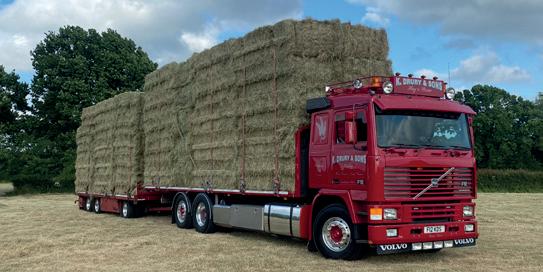
JULY 2023 | WWW.SOUTHEASTFARMER.NET 74 CLASSIFIEDS HAULIERS CONTAINERS FENCING HAY & STRAW IN STOCK | ROUND & BIG SQUARE BALES 07860 728204 Hay & Straw Merchant | Machinery Haulage Find us on Facebook CROP DRYING FENCING CWP fencing Tel: 07985 298221 colin@cwpfencing.co.uk Standing Sweet Chestnut Wanted Cleft post and rail Cleft field gates Fencing stakes Straining posts Chestnut fencing Tel: 07985298221 colin@cwpfencing.co.uk Standing Sweet Chestnut Wanted Cleft post and rail Cleft field gates Fencing stakes Straining posts Chestnut fencing Tel: 07985298221 colin@cwpfencing.co.uk Standing Sweet Chestnut Wanted Cleft post and rail Cleft field gates Fencing stakes Straining posts Chestnut fencing Redhill Farm Services: Fencing Division ALL TYPES OF FENCING & GATES Supplied and erected & Repairs Tel: 01737 821220 Mob: 07768 931891 Email: redhillfarmservices@gmail.com STORAGE TANKS Visit www.smdd.co.uk or call 01594 833308 Buy from stock. Visit us to collect or same day dispatch with nationwide delivery. New and recycled IBC tanks. Plastic and steel drums. Water tanks & plenty of fittings. Smiths of the Forest of Dean The Tank and Drum Experts Visit www.smdd.co.uk or call 01594 833308 Buy from stock. Visit us to collect or same day dispatch with nationwide delivery. New and recycled IBC tanks. Plastic and steel drums. Water tanks & plenty of fittings. Smiths of the Forest of Dean The Tank and Drum Experts Container Sales & Rental New & Used Guaranteed Wind/Watertight equipment 10ft, 20ft & 40ft Equipment available Crawley – viewing by appointment only Freight Container Services (FCS) 01403 268723 • 01636 616335 • 07831 142 401 sales@fcs-uk.co.uk www.freightcontainerservices.com www.pellcroft.com | sales@pellcroft.com | 01526 342466 PELLCROFT Manufacturers of centrifugal, low volume and portable fans, air tunnels, drive over oors, grain stirrers and gas burners Specialists in agricultural, deer and equestrian fencing and gates T: 01622 831 781 | M: 07710 179 600 enquiries@woodchurchfencing.co.uk | www.woodchurchfencing.co.uk
Using our proven Simtech Aitchison direct drill we seed into all surfaces - grasses, clovers, brassicas, cereals, pulses, maize and all mixtures. The unique T-slot boot allows a perfect environment for the seeds to germinate, along its 3m sowing width with 20 rows (15cm). Town Place Farm, Haywards Heath Tel: 01825 790341 Mob: 07970 621832 Email: Charlie@townplacefarm.co.uk This method saves time and money compared with more traditional re-seeding methods, but is also capable of stitching and rejuvenating existing crops. Undertaking all CSS crop options RTK Accuracy CONTRACTORS PHILIP JUNIPER Fencing Services Covering the South East Tel: (01403) 700509 Mobile: 07836 219344 www.philipjuniper.co.uk Specialists in Stock, Deer and Equestrian Fencing
COMPLETE OUR CROSSWORD TO WIN
Two bottles of Gribble Bridge Sparkling White
ACROSS
1 Head teacher (9)
4 Violent confrontation (5)
7 Having a favourable position (9)
9 Fight (5)
11 Special day of a specific month (4)
12 Itchy skin condition (7)
13 Tree with distinctive habit and subject of a painting by Monet (7,6)
15 Respiratory condition (6)
17 Flowering plant with edible seeds (5)
20 Deceive (7)
22 Exchange (4)
23 Border where land water meet (9)
25 Protected amphibian (6,4)
26 Clean with water (4)
DOWN
1 Chequered (5)
2 Used to hold ice cream to make a summer treat (4)
3 A horse moving with high springly steps (8)
5 Used to tie shoes (5)
6 Migratory bird (7)
8 Large tank for liquid (3)
10 A fruit with hairy skin (4)
13 Town in Kent (9)
14 Facial feature (4)
16 Cut of meat [usually cured] (3)
17 London ----- tree (5)
18 Tree traditionally used to make longbows (3)
19 Make wet by throwing water drops (6)
21 Chemically inactive (5)
22 Used as fodder and for thatching material (5)
24 Country pub (3)
PRIZE ANAGRAM: Strawberry variety (5, 9)
Email your replies with your name, address and phone number to sef.ed@kelsey.co.uk
Correct entries will be entered into a draw which will take place on 25 July. The winner will be announced in the August edition.
To celebrate the King's birthday we’re offering readers the chance to win two bottles of Gribble Bridge Sparkling White. For more information about the vineyards, please visit www.biddendenvineyards.com or call 01580 291726.
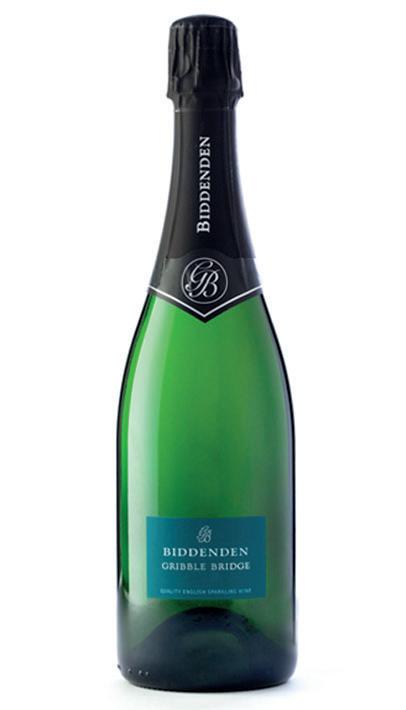
*Subject to availability
LAST MONTH’S ANSWERS:
Correct answer: Celery
LAST MONTH’S WINNER: Dominic Mills from Andover, Hampshire
WWW.SOUTHEASTFARMER.NET | JULY 2023 75 TO ADVERTISE CALL 01303 233883 ®
VI NE YA R DS
VI NE YA R DS
CROSSWORD
To enter, simply unscramble the anagram (5,9) using the green squares.
1 2 3 4 5 6 7 8 9 10 11 12 13 14 15 16 17 18 19 20 21 22 23 24 25 26 1 2 3 4 5 6 7 8 9 10 11 12 13 14 15 16 17 18 19 20 21 22 23 24 25 26 D E C O R A T E D S T A S H R A O A O H E X C I T E D B L E A K A H S P B E M M E E T C O R R E C T P L E O W E A T H E R S T A T I O N H R F I G H T S G R U D G E T O E N I A E B R O T H E R S N U B F E R S M R B A L E C H A S E R E A C A I L D F E L L P O N Y L U T E
Crossword by Rebecca Farmer, Broadstairs, Kent
Specialists in controlled atmosphere stores

Rapid chilling systems for soft fruit and fresh produce
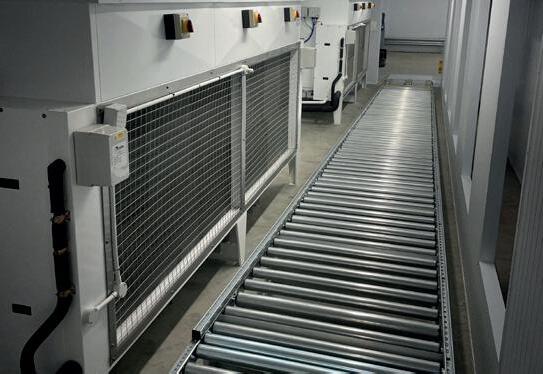
Secondary cooling systems with energy efficient defrosting using air source heat pump technology
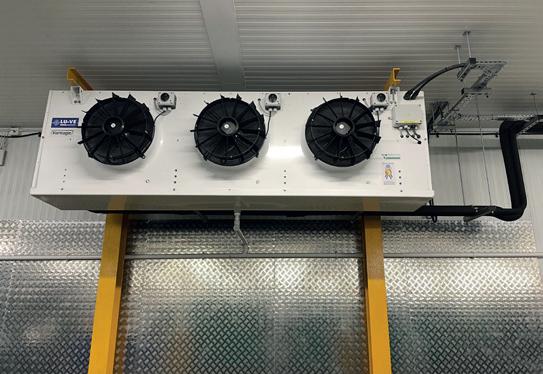
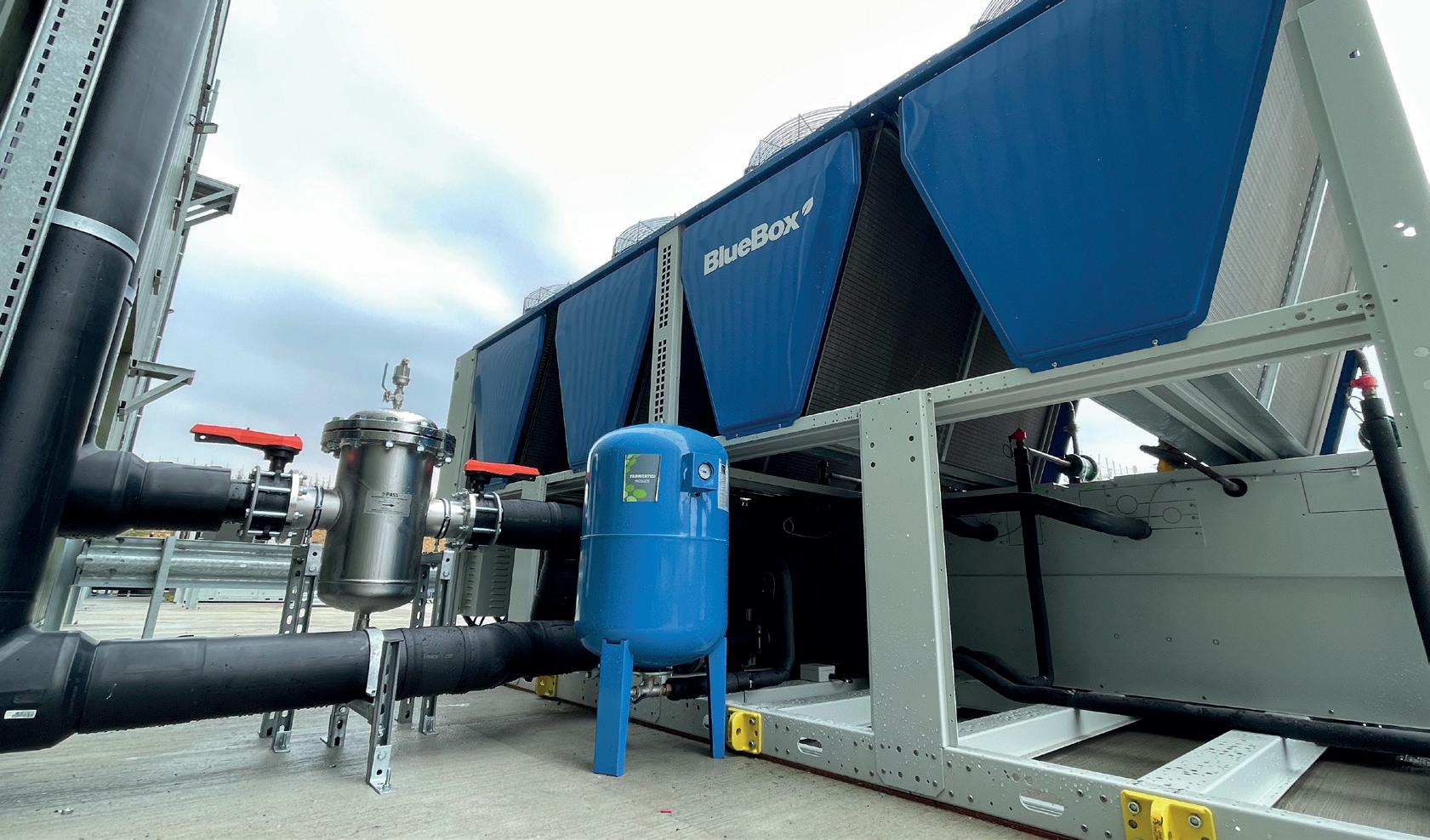

Retrofitting of existing high cost electrical defrost heaters with air source heat pumps

Electrical engineers and contracting
Refrigeration and Electrical service, maintenance, and breakdown cover

Testing and certification to NICEIC Mains power solutions for distribution and installations
Temperature controlled wine storage solutions using DX or Secondary refrigeration with heating options
Qualified to install EV chargers
Refrigeration gas leak detection systems

F-gas compliance and record keeping
Refrigeration system controls with remote monitoring

TEL: 01622 861989 www.orchardcooling.co.uk | info@orchardcooling.co.uk Rumwood Green Farm, Sutton Road, Langley, Maidstone, Kent ME17 3ND “Ecologicool” RefrigerationSystems
Dave Reynolds Director 07418 005959 Sean Macoy Service Director 07872 557934 Rob Burbridge Director 07858 195633 Paul Kennett F.Inst.R Refrigeration systems 07903 462933 Heather Borland Admin 01622 861989
Excellence in Electrotechnical & Engineering Services
Knowledge where it counts is critical to providing the right cooling system to ensure produce is kept in excellent condition during storage.