


JUNE 2023 2023-2025 BOARD OF DIRECTORS ELECTION PG. 16 ASSESSMENT COLLECTIONS UPDATE PG. 22 MARINA SETTLEMENT PG. 23 Tahoe Keys Property Owners Association Tahoe Keys Property Owners Association 356 Ala Wai Boulevard South Lake Tahoe, CA 96150


BRE #00838770 You Know Me. And I Know the Tahoe Keys. 530.545.0888 | 530-541-2200 adele@adelelucas.com HERE ARE YOUR MAY 2023 TAHOE KEYS STATISTICS: SINGLE FAMILY MAY 2023 SOLDS: 4 AVG. SOLD PRICE: $1,633,750 ($711,44/sq. ft. avg.) SOLD DOM: 43 % OF ASKING PRICE: 98.66 ACTIVE: 8 AVG. LIST PRICE: $3,346,625 ($841.67/sq. ft. avg.) AVG.DOM: 23 TOWNHOUSES MAY 2023 SOLDS: 1 AVG. SOLD PRICE: $690,000 ($680.47/sq. ft. avg.) SOLD DOM: 65 % OF ASKING PRICE: 96.5 ACTIVE: 2 AVG. LIST PRICE: $924,000 ($647.94/sq. ft. avg.) AVG.DOM: 9 IT’S A GREAT TIME TO LIST YOUR PROPERTY! — FEATURED LISTINGS — RARE LAKEFRONT PROPERTY $9,680,000
Panoramic views from this European Villa are majestic! Its 100 feet of prime sandy beach, boat slip, and close proximity to tennis courts, pools and pickle ball are just some of this lake front’s amenities
Tahoe Keys LANDSCAPE CONSERVATION IDEA BOOK
By Linda Callahan, Architectural Control Department Manager
Last year, the Tahoe Keys Board of Directors approved for distribution to our members, the Tahoe Keys Landscape Conservation Idea Book.
This book is a collaboration with Tahoe Keys Property Owners Association (TKPOA), the City of South Lake Tahoe (CSLT), the Tahoe Regional Protection Agency(TRPA) and Design Workshop, a globally recognized landscape architecture and community planning organization.

This beautiful book is available on our website, www.tkpoa.com under Documents>>Public>>Tahoe Keys Landscape Guidebook. Hard copies are also available to pick up at the TKPOA pavilion. Paraphrasing from the book, ‘what is a conservation landscape? It’s a landscape that incorporates plant materials selected based on their ability to adapt to Tahoe’s arid mountain climate and can thrive with minimal watering’.
Please take the time to explore this beautifully illustrated book. It holds many ideas for low water use landscape options in our community that are both beautiful, low water use and drought tolerant.
For any questions, please contact Architectural Control Department Manager Linda Callahan at lcallahan@tahoekeyspoa.org or (530) 5426444 ext. 239.
2021–2023 BOARD OF DIRECTORS
Linda Callahan
Architectural Control Dept. Manager, Ext. 239
John Cefalu
Facilities Director, Ext. 241
Security (530) 545-0847
Water Company (530) 318-4268
Kristine Lebo
Water Quality Manager, Ext. 275
Front Desk Attendant Dial 0
Dave Peterson, PRESIDENT
Peter Grant, VICE PRESIDENT
Ken Silveira, TREASURER
Michelle Pandori, SECRETARY
Joby Cefalu, DIRECTOR
Jim Siegfried, DIRECTOR
Pete Wolcott, DIRECTOR
Keys Breeze | JUNE 2023 | 3 PUBLISHING DISCLOSURE NOTICE The Keys Breeze is the official monthly publication of the Tahoe Keys Property Owners Association (TKPOA), which is located at 356 Ala Wai Blvd., South Lake Tahoe, CA 96150. Each membership parcel receives one subscription to Keys Breeze mailed to a domestic address. Cost to produce and distribute this publication is offset by advertising revenues and budgeted funds. The inclusion of advertising in this publication does not constitute an endorsement or recommendation by the Tahoe Keys Property Owners Association or its Board of Directors of the projects, services or views contained therein. FOR ADVERTISING OPPORTUNITIES please contact Kathy Hess-Slocum at Just Imagine Marketing and Design at (775) 846-5656, kathy@justimaginemktg.com. DESIGNED BY J. Lewis Falconer Art & Design COVER PHOTO Rusinko Contruction Printed on recycled paper with soy-based inks. ACC Rule of the Month - Fire Pits and BBQs 4 Biking Your Way to Better Health 6 2023 ACC Application Schedule 8 Board Actions Summary 10 Association Communications and News Updates 12 Spring is an Active Time for Tahoe Bear Cubs and Yearlings 14 2023-2025 Board of Directors Election 16 TKPOA Irrigation Schedule 18 Town Hall Forum 19 President's Message 20 Assessment Collections Update 22 Marina Settlement 23 Bear Deterrent and What You Can do with Your Garbage 24 Water Quality - Spill Containment Assisstance Published Rates 2023 26 2023 ACC Meeting Schedule 28 The Keys Breeze Magazine IS THE OFFICIAL PUBLICATION OF THE TAHOE KEYS PROPERTY OWNERS ASSOCIATION 356 Ala Wai Boulevard South Lake Tahoe, CA 96150 (530) 542-6444 p (530) 541-2521 f tkpoa.com ADMINISTRATIVE OFFICE HOURS 8:30 am to 4:30 pm, Mon–Fri 10:00 am to 2: 00 pm, Sat & Sun TAHOE KEYS PROPERTY OWNERS ASSOCIATION Hallie Kirkingburg
Manager, ext.
Manager, Ext.
General
224 Heather Blumenthal Operations
228
ACC Rule of the Month – Fire Pits and BBQs
By: Linda Callahan, Community Design and Review Department Manager
Tahoe Keys Property Owners Association
Architectural Control Rules (ACR) and CC&Rs
15.09 Use of charcoal or wood BBQs on decks or near combustible surfaces within the town home subdivisions is strictly prohibited.
15.10 Fire Pits: Only LP gas or natural gas fire pits are permitted in single-family home subdivisions.
CC&Rs Article VIII Section 13. Barbecues. There shall be no exterior fires whatsoever except barbecue fires contained within receptacles designed for such purpose.
City of South Lake Tahoe No Open Burning
The City of South Lake Tahoe does not allow any open burning within the city limits. The exceptions to this are gas fireplaces and BBQ’s that use either LP gas or charcoal.

NO BURNING OF WOOD, LEAVES, PINE NEEDLES, YARD WASTE OR BRUSH.
South Lake Tahoe Fire Rescue does not currently have a Fire Marshal. The fire prevention duties have been assigned to the Building Department due to budget cuts. All new construction and business inspections are conducted by the City’s Fire Inspector, who works out of 1052 Tata Lane within the Building Department.
Keys Breeze | J UNE 2023 | 4




BIKING YOUR WAY TO BETTER HEALTH

Riding a bicycle offers many physical and mental health benefits. Cycling is a cardiovascular workout that burns calories and targets your lower body muscles while minimizing the stress on your joints, knees, and hips, making it a great low impact crosstraining activity. Considering the price of fuel these days, biking is a great way to save money, spend extra time outside, and get fit while doing it.
Here are a few ways to get the most out of your ride, whether you're cycling around your neighborhood or local trails, on vacation, or to and from work.
SIZE UP YOUR BIKE
Your bike should be sized according to your body proportions for both efficiency and injury prevention. Consider a clinical bike fit that confirms you are on a bike with the correct frame size — everything from frame size to seat height is important for correct body mechanics and power during a ride.
USE YOUR GEARS
Most bikes have gears. To get a good workout, learn to use them. In general, gear down when you're riding into the wind or uphill; gear up when riding with the wind or downhill. The gears should be used to maintain a steady cadence whether going uphill or down, into the wind, or with the wind at your back. Proper shifting will improve your speed and endurance and also makes the ride safer with less impact on your joints.
Ideally, you should ride in a gear that allows you to maintain your target heart rate — 50 to 70 percent of your maximum heart rate. Your target heart rate is the range at which sustained physical activity — running, cycling, swimming laps, or any other aerobic exercise
— is considered safe and effective, according to the Centers for Disease Control and Prevention. You can calculate your maximum heart rate by subtracting your age from 220. Multiply this figure by 0.50 and 0.70 to get your target heart rate range. The more fit you are, the higher the percentage can go. For a precise measurement as you exercise, consider using a heart rate monitor.
GET IN BIKE SHAPE
Cycling may be a low impact sport, but it’s far from easy. By starting out too intensely, you may get frustrated and increase your risk for chronic injury, such as tendonitis. Take it slow and consider a training plan that helps you incrementally increase your ride intensity and duration.
Each ride, gradually elevate your heart rate by warming up for the first five to 10 minutes, pedaling slowly and riding on flat ground. At the end of your ride, cool down for five minutes by gearing down and pedaling more slowly.
CYCLE SENSIBLY
Always wear a bicycle helmet and, if you cycle often, consider wearing padded cycling shorts to increase comfort. Padded gloves can reduce the pressure on your hands. It's also wise to keep a water bottle handy and take a sip at least every 15 minutes.
Avoid riding on heavily trafficked streets. When you're on the road, it’s best to have flashing bike lights and wear bright, noticeable clothing. Always signal to drivers when you are going to make a turn. Ride on the right side of the road, in the same direction as traffic. Overall, follow common sense safety rules and ride only in areas where you feel comfortable and safe.
Take advantage of the many benefits of cycling and enjoy the impact on your health. Happy riding!
Keys Breeze | J UNE 2023 | 6


Keys Breeze | JUNE 2023 | 7 Harrison Brown, DPT is a certified bike fit specialist and physical therapist at Barton Rehabilitation and Sports Medicine. For more information or to schedule a fitting, call 530.539.6675 or visit BartonHealth.org.
2023 ACC APPLICATION SUBMITTAL SCHEDULE
Submittal Deadline (Wednesday prior to the meeting)
January 11
February 1
March 1
March 29
April 12
April 26
May 10
May 31
June 14
July 5
July 19
August 2
August 16
September 6
September 20
October 4
November 1
December 6
ACC Meeting Dates (Tuesdays)
January 17
February 7
March 7
April 4
April 18
May 2
May 16
June 6
June 20
July 11
July 25
August 8
August 22
September 12
September 26
October 10
November 7
December 11
Keys
| JUNE 2023 | 8
Breeze
BARTON PROUDLY WELCOMES QUICK CARE TO THE FAMILY
Providing the Care You Need, When You Need It
Barton Quick Care is now open for walk-in visits. For minor illnesses such as coughs, colds, fever, earaches, UTIs, we’re here to treat your needs when you need it most. Conveniently located at the “Y” in South Lake Tahoe.

bartonhealth.org | 2074 Lake Tahoe Blvd., South Lake Tahoe, CA
BOARD ACTIONS SUMMARY
By Heather Blumenthal, Operations Manager
MAY 3RD – BOARD OF DIRECTORS SPECIAL MEETING
BOARD ACTIONS
• Approved a contract with Hiuga Diving Company for the Control Methods Test (CMT) for Bottom Barrier installation and Harvest Suctioning in the amount of $200,000 to be expensed from the Year 2 CMT Budget.
• Approved the Aquatic Harvesting Inc. Contract for the 2023 Harvesting Season in the amount of $148,750 to be expensed from the Water Quality 2023 Operating Budget.
• Approved a contract with Stratus Engineering Associates for the data logger preparation and calibration in the amount of $10,608 to be expensed from the CMT Year 2 Special Assessment Field Equipment and Supplies Line Item.
MAY 17TH – BOARD OF DIRECTORS EXECUTIVE SESSION
BOARD ACTIONS
• Reviewed 2 Personnel Matters
• Reviewed 1 Member Disciplinary Matter
• Reviewed 2 Contracts
• Reviewed 7 Legal Matters
MAY 17TH – BOARD OF DIRECTORS OPEN SESSION

BOARD ACTIONS
• Approved the consolidation of the Water Quality, Boating and Waterways, and El Dorado Community Foundation Committees into one “Waterways Committee” and to invite all members of each committee to join the newly formed Waterways Committee.
• Approved not charging the remaining $26,000 legal fee costs for the Islanders 2 Settlement to the Islanders 2 Cove until further discussion and action is taken by the Board.
• Authorized Staff to hire a temporary part time Security Officer for summer 2023.
• Approved a one-month pilot program for pickleball lessons that may be scheduled at TKPOA’s court ahead of time on weekdays between 11:30AM-2:30PM and subject to confirmation that the instructor meets management criteria to be an approved vendor.
• Scheduled a Town Hall Forum on June 22nd, 2023 at 6:00PM, topics to include the Tahoe Keys Waterways and a follow up Town Hall Forum to the
TKPOA Budget, Assessments, and Future Plans to be held on July 27th, 2023 at 6:00PM. A “Meet the Board Candidates” Night Town Hall Forum will be scheduled in August.
• Approved a Workers Compensation Policy for TKPOA Volunteers Only for the 2023-2024 term for an annual premium of $325.
• Directed Staff to source potential cheaper options for the purchase of a new Water Quality Vehicle and to approve a cost not to exceed $88,893.00 to be funded from Water Quality Reserves.
• Approved the purchase of bottom barrier material for implementation by Hiuga Diving for a cost of $24,050 to be funded by the CMT Year 2 Budget
• Approved the Cove 3C Bulkhead Replacement Project at a cost of $4,850,542.00 with Gensburg as the approved contractor, the project will be funded via a previously approved $76,000.00 special assessment plus an additional emergency special assessment to be billed to the Cove 3C Members. The Board listed approval contingencies for clarifying the project schedule, project start date of October 15th, 2023, and on reviewing potential savings available in railings and gates.
• Approved Reno Tahoe Geo Associates to perform an environmental groundwater investigation of the Texas Avenue site at a cost of $20,400 to be funded from Common Reserves.
• Authorized a Special Assessment Vote for the Islanders 2 Landscape Redesign Project
2023








See our Tahoe Only used boats at tahoevistasports.com Custom order your new Formula or Mastercraft today! Contact Ron Bluff at tahoevistasports@gmail.com NEW FORMULAS AND MASTERCRAFTS IN STOCK NOW FOR MORE INFO www.TahoeKeysRealty.com Looking to buy or sell in the Tahoe Keys? Contact Michael Keller for proven results Michael Keller BROKER/OWNER Keller Properties 530-307-0027 Michael@TahoeKeysRealty.com CA Broker# 01374418 • 2019 South Tahoe MLS Top Independent Individual Broker in Sales Volume • Full service independent broker • Creative marketing & competitive rates • TKPOA homeowner/full time resident • 2020 TKPOA Board Director Advertise in Keys Breeze! Advertise in Keys Breeze. For info on rates please call Kathy Hess-Slocum at 775-846-5656 or email kathy@justimaginemktg.com. Tahoe Keys Property Owners Association TKWC URANIUM CONTAMINATION UPDATE 2021 SUMMER BULKHEAD REPLACEMENT PROJECTS UPDATE REGARDING TKPOA WATER RESTRICTIONS AND IRRIGATION PROHIBITION 23 Property Owners Association South Lake Tahoe, MAY 2021 Tahoe Keys Property Owners Association POSTAGE 200 Tahoe Keys Owners Association Boulevard Tahoe, NOVEMBER 2021 TKWC EMERGENCY SPECIAL ASSESSMENT PG. 2022 BUDGETS AND ANNUAL DISCLOSURE 20 2021-2022 BOARD OFFICERS AND BOARD MEETING SCHEDULE 9940 DONNER PASS ROAD HISTORIC DOWNTOWN TRUCKEE ARTTRUCKEE.COM 5304483423 Art Truckee Gallery opened in May 2016 in downtown Truckee. Preserving and promoting Truckee’s beloved history and culture, Art Truckee in partnership with M.E. Entertainment hosts multiple events including theater performances, live music, comedy nights and other inspired performing arts that added to the creative ambiance.
Association Communications and

News Updates – Excerpt from the 2023 Annual Disclosure
The Board of Directors continues to explore ways of improving our ability to communicate with our members and keep our members informed of important matters affecting the community. The Association’s official communication is The Keys Breeze, our monthly newsletter. It contains important information about the Association, its governance, and day to day operations. We will continue to have The Breeze mailed to all members.
Beginning this past January 1st, 2022, there has been a change in the Davis Stirling Civil Code, that now requires Associations to request members' preferred delivery method (email, mail, or both) for notices and disclosures. In addition, Associations must annually give notice that members are not required to provide their email address to the Association (Civil Code §4041). This notice must be given no later than 30 days prior to mailing the annual budget report (we also call this the “Annual Disclosure”). If a preferred method is not selected by a member, then notices and documents must be sent by First-class mail, postage prepaid, registered, or certified mail, express mail, or overnight delivery by an express service carrier (Civil Code §4040).
This is currently the practice of the Tahoe Keys Property Owners Association (TKPOA) in following this Civil Code §4041 requirement, in providing the Annual Disclosure Mailing and “Official Notices” via Postage Prepaid Mail and in the Keys Breeze.


The new provision in this 2022 Davis Stirling Civil Code is that for documents requiring general delivery, Associations can now post the documents on their website provided this is disclosed to the members in the Association's Annual Policy Statement (aka the TKPOA Annual Disclosure). (Civil Code §4045). Beginning January 1, 2023, the Association will begin to utilize its website to post and distribute these notices as allowed per Davis Stirling code.
We distribute many other communications to the membership, such as those included with this notice, including our budget, summary of reserves and our policies, as required by law. It costs the Association several thousands of dollars to mail this information; however, the law allows us to distribute certain communications electronically to those who are willing to receive the Association’s disclosures electronically. For those who fill out, sign, and return the consent
Keys Breeze | JUNE 2023 | 12
Tahoe Keys Property Owners Association PRSRT STD U.S. POSTAGE PAID RENO, NV PERMIT 200 Tahoe Keys Property Owners Association 356 Ala Wai Boulevard South Lake Tahoe, CA 96150 AUGUST 2021 TKPOA PREVAILS AGAIN IN TKM&YC COURT CASE PG. 4 TKPOA PROPOSED INITIAL IRRIGATION RESTART PLAN PG. 23 2021–2023 BOARD OF DIRECTORS ELECTION PG. 14 Tahoe Keys Property Owners Association TKWC URANIUM CONTAMINATION UPDATE PG. 3 2021 SUMMER BULKHEAD REPLACEMENT PROJECTS PG. 20 UPDATE REGARDING TKPOA WATER RESTRICTIONS AND IRRIGATION PROHIBITION PG. 23 PRSRT STD POSTAGE PAID RENO, NV PERMIT NO. 200 Tahoe Keys Property Owners Association 356 Ala Wai Boulevard South Lake Tahoe, CA 96150 Tahoe Keys Property Owners Association PRSRT STD U.S. POSTAGE PAID RENO, NV PERMIT NO. 200 Tahoe Keys Property Owners Association 356 Ala Boulevard South Lake Tahoe, CA 96150 NOVEMBER 2021 TKWC EMERGENCY SPECIAL ASSESSMENT PG. 3 2022 BUDGETS AND ANNUAL DISCLOSURE PG. 20 2021-2022 BOARD OFFICERS AND BOARD MEETING SCHEDULE PG. 18 Tahoe Keys Property Owners Association PRSRT STD U.S. POSTAGE PAID RENO, NV PERMIT NO. 200 Tahoe Keys Property Owners Association 356 Ala Wai Boulevard South LakeTahoe, CA 96150 OCTOBER 2021 BEAR AWARENESS IN THE TAHOE KEYS PG. 14 TKPOA TRPA MOU APPROVED PG. 3 2021-2023 ANNUAL BOARD ELECTION RESULTS PG. 23
information attached, the Association will send an email notice that new information has been uploaded to the website (www.tkpoa.com) and can be viewed and downloaded utilizing the member’s log on information.
If you would like to receive Association communications electronically, please fill out and return the attached “Consent to Receive Disclosures via Electronic Delivery.” Once you have agreed to electronic delivery you will no longer receive mailed hard-copies of certain disclosures, however, you may request a paper copy of any document sent to you electronically at any time.
Thank you for your participation in exploring new ways of improving our ability to communicate with our members, for more information please visit the TKPOA Website at www.tkpoa.com or contact the TKPOA Office Monday through Friday 8:30am-4:30pm and Saturday-Sunday 10:00AM-2:00PM at (530)542-6444.
Thank you for your continuing support.
Sincerely,
Tahoe Keys Property Owners Association Board of Directors




Keys Breeze | APRIL 2023 | 13 Looking to get more exposure for your business? Advertise in Keys Breeze. For info on rates please call Kathy Hess-Slocum at 775-846-5656 or email kathy@justimaginemktg.com. 2201 CATALINA DRIVE, SOUTH LAKE TAHOE 5BD | 6BA | 3,887 SQFT Located in the exquisite neighborhood of Tahoe Keys is this beautiful property with direct water access to Lake Tahoe. The floor plan creates a flow from the living room to the kitchen, right out to the large patio located directly on the waterfront. With the large yard, sandy beach, and over-water party deck, this property creates a private paradise including all of the amenities of the Tahoe Keys. JESSICA WOODS Global Real Estate Advisor CA DRE 01941782 | NV S.0174328 530.457.7747 Jessica@WoodsMLS.com www.WoodsMLS.com JUST SOLD FULL PRICE SALE | $3,588,000 QUALITY BUILDER New Construction | Remodel KEYS SPECIALIST Long Time Local | Keys Resident RUSINKO CONSTRUCTION RUSINKO CONSTRUCTION CA license 631914 530-510-9295 logintahoe@yahoo.com
SPRING IS AN ACTIVE TIME FOR TAHOE BEAR CUBS AND YEARLINGS. Keep Tahoe Bears Wild!
As temperatures start to warm and snow begins to melt, a new crop of bear cubs are emerging from winter dens with their mothers. Yearlings, which were born last year, are also on the move. Some are still with their mother bears, some are solo after separating before denning, and some may be showing signs of disease.
Cubs of the year, born around the beginning of February, are sticking close to their mothers, and learning survival skills in the wild to prepare them for living on their own in about one year. For those cubs born a little over a year ago, now called yearlings, it is time for them to part ways with their mother bears and sibling bears. Mother bears, once free of these “teenagers,” will once again find a mate and breed to continue the cycle of producing cubs every other year.
Cubs of the year are dependent on their mothers and are being taught how to forage on natural vegetation, including grass, berries, grubs, and other wild bear foods. Mother bears may be protective of the cubs, so people need to give them space. Never get in between a mother bear and her cubs. If you see a cub of the year alone, or up a tree for safety, the mother bear may not want to leave the area, so back away and give them room to reunite.
This time of year, wildlife agencies receive many calls from people concerned that they have found an orphaned cub when they are actually seeing a yearling that is safely on its own. A good rule of thumb for knowing the difference is to look at the size of the bear. If the bear is the size of a cat (around 10-15 pounds), it is a new cub of the year and chances are the cub’s mother bear is somewhere nearby or she may have sent her cubs
up a tree while she goes to forage. Keep an eye on the cub and if you do not see the mother bear after a few hours, please call the appropriate state wildlife agency below so they can send a wildlife professional out to assess the situation. Yearlings on the other hand, normally weigh between 50150 pounds and are well equipped to make it on their own and do not need handouts or human intervention.
Something that seems to be reported to wildlife managers more each year are undersized cubs and yearlings, often orphaned and malnourished, and sometimes behaving oddly for a wild animal. These young bears tend to be alone, small for their age, are often skinny with no fear of people, reluctant or unable to flee, and exhibit habituated behaviors often described as “dog-like.”
“These could just be hungry orphans looking for food, but increasingly we are seeing signs of neurologic disease like a slight head tilt or tremors,” said Dr. Brandon Munk, senior wildlife veterinarian with the California Department of Fish and Wildlife (CDFW).
Since 2014, CDFW and the Nevada Department of Wildlife (NDOW) have been investigating cases of encephalitis, or inflammation of the brain, in young bears in the Tahoe Basin and throughout their range in California and Nevada. CDFW and NDOW have partnered with researchers at UC Davis and Oregon State University to determine the causes of encephalitis in California and Nevada black bears. Researchers have discovered both viruses and parasites associated with the condition but have not yet confirmed the primary cause(s) of this disease.
“We think the condition is more significant as a risk
Keys Breeze | JUNE 2023 | 14
for increased human-bear conflict than a risk to bear populations or to people,” said Dr. Munk.
On occasion, a cub has truly been orphaned, which could result from a vehicle strike, or other causes of death of the sow. You may also see a small bear that may be showing signs of encephalitis. In either case the proper state authorities, CDFW or the NDOW, should be called to evaluate the situation and safely transport the cub for evaluation and/or rehabilitation. Resist the temptation to offer food handouts to these bears to preserve their chances of remaining wild and eventually being released back into the wild.
Picking up a cub too soon or while its mother bear is just around the corner can do a lot more harm than good. If the bear is a yearling, it is perfectly normal for it to be on its own. If you’re not sure, don’t hesitate to call a wildlife professional at CDFW, California State Parks or NDOW to ask.
Don’t teach these young bears to be comfortable around people! If they have gotten too close, make noise and try to scare them away so they don’t feel comfortable and want to stay. While it’s fun to see bears and even take pictures and videos, you’re telling the bear that it’s alright to be close to you.
Bears are smart and acquire learned behaviors based on their experiences. If they have a negative, scary encounter with a human, chances are they will try to avoid them in the future. Allowing bears to become comfortable around people can lead to unwanted activity, including breaking into cars and houses or approaching people who are eating outdoors. It is illegal to feed bears both directly and indirectly by allowing them access to garbage or food.
To report human-bear conflicts, bears that show signs of disease or orphaned cubs of the year:

• In California, contact CDFW at 916-358-2917 or report online using the Wildlife Incident Reporting (WIR) system at apps.wildlife.ca.gov/ wir.
• Non-emergency wildlife interactions in California State Parks can be reported to its public dispatch at (916) 358-1300.
• In Nevada, contact NDOW at 775-688-BEAR (2327).
• If the issue is an immediate threat, call the local sheriff’s department or 911.
Learn more about keeping Tahoe bears wild at TahoeBears.org and BearWise.org.
Keys Breeze | APRIL 2023 | 15 Keys Breeze | JUNE 2023 | 15
Keys Breeze | JUNE 2023 | 16
2023-2025 BOARD OF DIRECTORS ELECTION
By Heather Blumenthal, Operations Manager
For the 2023-2025 Board of Directors Election, there are three board positions up for election. For this election we have four candidates that have been placed on the voting ballot: Joby Cefalu, Michelle Pandori, Sabine Litten, and Mel Meyers.
The Voting and Election Rules that were adopted by the Board of Directors of Tahoe Keys Property Owners’ Association on May 22nd, 2015 comply with the requirements of the Davis Stirling Civil Code section 5105(a). Section 2. Qualifications for Candidacy and Election to the Board: Candidates for the Board must be Members in Good Standing and must meet any other qualification or restrictions set forth in the Bylaws. “Member” means a person who holds legal title to the property (i.e., is named in the deed for the property).
Voting Ballots will be mailed out in July. You can view each candidates’ self-nomination form “Statement of Candidacy” on the TKPOA website at www.tkpoa. com, and they will also be included in the Ballot package. TKPOA will also hold a “Meet the Candidates Forum” in August 2023 as a scheduled Town Hall Forum. All Candidates will be invited to attend and answer a variety of write in questions from members in attendance and formatted questions specific to the Association and how they plan on serving the Tahoe Keys. Date and Zoom information can be found on the TKPOA website, www.tkpoa.com, under the Events Calendar.
The Board of Directors two-year terms that are ending this year are Joby Cefalu – Director, Michelle Pandori –Secretary, and Ken Silveira – Treasurer and their terms end on September 20th, 2023. These Board members are eligible to rerun for the Board for another term and Joby Cefalu has submitted a Self-Nomination form for reelection for the 2023-2025 term. Michelle Pandori was appointed by the Board mid-term to fill a vacancy and has submitted a Self-Nomination form for election to fulfill a full term in 2023-2025.
Board Members who still have one year left on their two-year term are President Dave Peterson, Vice President Peter Grant, Director Jim Siegfried, and Director Pete Wolcott and their terms end in 2024.
The 60th Annual Membership Meeting and Annual Board Election will be held Wednesday September 20th, 2023, at 5:00 p.m. at the TKPOA Pavilion located at 356 Ala Wai Blvd, South Lake Tahoe CA 96150. The Election Ballots will be opened and counted at this board meeting by the Inspector of Elections and designated volunteers. The Director Election Results will be announced and during this Board meeting, Directors will be seated.
If you have any additional questions, please contact the TKPOA Pavilion Office at info@ tahoekeyspoa.org or (530) 542-6444. For any additional questions on the 60th Annual Membership Meeting or Director Election, contact Heather Blumenthal, Operations Manager, at 530542-6444 Extension 228 or heather.blumenthal@ fsresidential.com.
Keys Breeze | APRIL 2023 | 17 Keys
| JUNE 2023 | 17
Breeze
Group 1 (red)
Tahoe Keys Property Owners Association Irrigation Map
Irrigation Schedule
Schedule A
Venice Drive, Tuolumne Drive, Lassen Drive, Shasta Court, Dana Court, Dover Drive and 15th Street
Group 2 (teal) Alpine Drive, Cascade Court, Cathedral Court, Genevieve Court, Tahoe Keys Blvd, Danube Drive, Morro Drive, Monterey Drive and Lucerne Way
Group 3 (green)
Group 4 (purple)
Group 5 (brown)
Group 6 (blue)
Texas Avenue, Whitney Drive, Aloha Drive, Daggett Court, and Carson Court
Capri Drive, Inverness Drive, Catalina Drive, Kokanee Way, Crystal Court, and Lido Drive
Beach Drive, Beach Lane, Beach Court, White Sands Drive, Balboa Drive, Marconi Way, and Garmish Court
Lighthouse Shores Drive, Emerald Drive, Christie Drive, Traverse Court, Slalom Court, Wedeln Court, and Weir Way
Sunday, Tuesday, and Thursday 1:00AM-3:00AM
Sunday, Tuesday, and Thursday 5:00AM-7:00AM
Sunday, Tuesday, and Thursday 11:00PM-1:00AM
Monday, Wednesday and Saturday 1:00AM-3:00AM
Monday, Wednesday and Saturday 3:00AM-5:00AM
Monday, Wednesday and Saturday 5:00AM-7:00AM
Group 7 (yellow)
Group 8 (pink)
TKPOA Townhomes: Cove 1, Cove 2, Cove 2A, Cove 3A, Cove 3B, Cove 3C, Cove 4, Cove 5, Tahoe Marina Shores (TMS), Islanders 1, Islanders 2, and Islanders 3
TKPOA-Owned Common Areas, Mt. Tallac Village 3 (South Tahoe Public Utility District Service)
Sunday, Tuesday, and Thursday 3:00aM-5:00AM
Monday, Wednesday and Saturday 10:00PM-1:00AM
Keys Breeze | JUNE 2023 | 18 g p y
LEGEND Group Number 1 2 3 4 5 6 7 8
I
Tahoe Keys Property Owners Association
Group Street/Streets/Location Irrigation Days Time Period for Irrigation

Keys Breeze | APRIL 2023 | 19 Come join us and share your opinions and insight Visit www.tkpoa.com for more information and for Zoom Meeting Attendance information. June 22nd – TKPOA Waterways July 27th – TKPOA Future Planning Date TBD August 2023 – 2023 Board of Directors Annual Election “Candidates Night” All Town Hall Forums are held: 6PM-8PM UPCOMING TOWN HALL FORUM SCHEDULE: LOCATION: TKPOA PAVILION AND ZOOM MEETING
TOWN HALL FORUM
PRESIDENT'S MESSAGE
By Dave Peterson, Board President

Here is a quick summary of current issues:
Marina Settlement. At long last, we have settled our disputes with the marina. The dispute dates to the former marina owner and involved payment for the marina’s share of the east channel bulkhead project and some other issues. The new marina owner, Suntex, has been working with our board committee in good faith to resolve this. It was a complicated process, and my thanks go out to the present and former board members for their efforts. We are expecting to soon receive a check for just under $560,000, which is half the money we are owed. The remainder will be paid at the end of the year, once we have exhausted a purchase process for a piece of land that TKPOA owns near the marina. More details are provided in a separate article in this Breeze.
Budgeting. Budgeting is in full swing. Our Finance Committee is finalizing a proposed budget that will address our underfunded reserves and increased Waterways costs going forward, and attempt to reduce the future need for special assessments. This will likely require a member vote because it would require a dues increase exceeding 20%. We’ll have at least one town hall to discuss this, and you’ll receive more information with your ballot.
Bulkheads. The board voted to approve an emergency special assessment of Cove 3C members to replace their bulkhead. The contractor is planning to start in late October and continue over the winter in order to minimize impacts to east lagoon boating. Bulkhead replacement has gotten very expensive, and this project will cost each Cove 3C member upwards of $140k. It is a
call to action for all bulkhead owners (coves and affected houses) to develop a financial plan for their coming replacements.
The 3C work will be done in segments. Docks will be disconnected and floated to temporary storage locations among the other 3C docs, sheet pile will be driven 15’ or so into the sediment, 1-2’ waterward of the current bulkhead using vibratory methods, the annular space between the walls will be filled with gravel, then the top will be finished, new railing installed, and docks reconnected. It’ll be good to get this difficult project done!
We are still awaiting results of a “life expectancy study” on the bulkheads for St. Moritz Isle and Bavarian Isle bulkheads. Those bulkheads are individually owned by the lot owners, but if one fails it could affect the adjacent homes and the waterway. So, the board is compelled to push this study, and the inevitable replacement project(s).
East Channel Dredging. The marina has indicated their intent to dredge the east channel this year, but this is not a certainty. Under a prior agreement, we pay 25%, the marina pays 50%, and Tahoe Keys Beach and Harbor pays 25% toward dredging, and the marina leads. The 3 parties will be conferring on this project in the coming weeks, so I will have more information for you next month.
Well 3. I don’t have any news for you on the Well 3 work.
Our hope is that through some down-hole work we can reduce or eliminate the need for uranium treatment at the site, which would save a lot of money and restore the well’s capacity. We should be getting some answers on
Keys Breeze | JUNE 2023 | 20
this within the next month or so.
Landscaping. Damage to our common area landscaping caused by the 2021 drinking water crisis offered an opportunity to re-envision these landscapes, rather than just replant. The board hired Design Workshop to develop landscape designs for our common areas. They presented two alternative concepts for each of the first four areas of focus at the April 14, 2023 board meeting. The new concepts reduce turf and add interesting features. We plan to hold several town halls to discuss these with the membership and get input. Once a preferred concept emerges for each of the four areas, they’ll develop cost estimates, and we’ll get down to figuring out how to pay for it. Again… budgeting.
In the meantime, our crews have been hard at work cleaning up the common areas and doing repairs. Several of the coves have hired landscape companies to do cleanup and repairs, or re-dos of their landscaping to improve resistance to fires and reduce water use. And numerous individual homeowners are proceeding full tilt toward improving their landscapes. It is looking much better around here!
Bear Boxes. The bears are out and they are active. I’d encourage everyone to move forward with a bear box ASAP. The starting point is to contact the front office for an ACC application. The requirements are pretty cut and dry, and the approval process is quick.

Re-branding “Waterways”. The Water Quality Committee recommended, and the board approved, a re-branding of their committee as the Waterways
Committee. “Water quality” was too narrow a title, and too confusing; some people thought it dealt with drinking water, for instance. So the Waterways committee will deal with all things concerning our waterways: weeds management, nutrient and algae management, harvesting ramps, boating safety, and maybe even west channel dredging. This re-branding also combined 2 other waterway related committees, the Boating and Waterways and the El Dorado Community Foundation Fund committees, with the prior Water Quality Committee. All 3 Committee functions are not operated under the newly formed Waterways Committee.
CMT Year 2. This year consists of testing of laminar flow aeration, bottom barriers, diver hand pulling, and UV light in various areas. There will be no dammed-off areas and no boating restrictions. Year 3 will be much the same. We need to see if these less invasive techniques are effective in keeping the weeds down in last year’s herbicide zones, as well as whether those techniques work in untreated zones. This is a necessary 3-year scientific experiment to guide our long-term weeds management program. Funding for year 2 is via a special assessment that you voted on and passed. Year 3 still needs a funding mechanism; either via another special assessment, or an increase in dues.
Happy summer to all! I’m glad to see the snow gone and the cleanup and renewal underway. I’m happy with the board, staff, volunteers, and members, and the fact that we are confronting these major infrastructure and environmental issues at last. Together we’ll make life in the Keys better!
Keys Breeze | JUNE 2023 | 21
ASSESSMENT COLLECTIONS UPDATE
HELLO TAHOE KEYS RESIDENTS!
This a friendly reminder that assessment collections, including lockbox information, changed as of April 1st, 2023. The information needed to set up payments can be found on the Welcome Letter that you received in the mail and/or as it is listed on your quarterly statement. The next statements being sent out will be for the Third Quarter Assessment, due July 1st.
Please contact our Client Transition Team at (888) 990-2334 or ClientTransition.ca@fsresidential.com with any questions.
PAYMENT OPTIONS ARE:
1. ClickPay – FirstService Residential’s online payment service provider. You can access ClickPay by visiting https://www.clickpay.com/firstservice
2. Bill Pay – Your bank’s bill pay service If using this service, please enter the following: name, address, and include your new 8-digit Access Number (which can be found on the Welcome Letter you received) on your bank’s website when using its bill pay service:
Tahoe Keys Property Owners Association
c/o FirstService Residential PO Box 30354, Tampa, FL 33630
3. Paper Check – Mail a Check to the address above. Include your FirstService remit slip from your monthly statement and your 8-digit FirstService access number.
Are you set up with another auto bill pay service for your assessments?
• If you are, your future payments to FirstService will not be debited from your account until you update your account information through your bank’s bill pay service, or signup with FirstService Residential’s service provider, ClickPay.
• Please note that if you are currently on autopay, it will be canceled and not transferred for your security protection, as you will have to set it up through ClickPay as this is the new payment platform.
E-STATEMENTS
By default, the assessment statements will be sent as a hard copy; if you would like to sign up to receive your future assessment statements electronically, please navigate to: https://estatements. welcomelink.com/fscalifornia to sign up.
Keys Breeze | JUNE 2023 | 22
MARINA SETTLEMENT
By: Ken Silveira, Board Treasurer
As many property owners may be aware, our association has been working to collect over $1 million owed to the Tahoe Keys Property Owners Association (TKPOA) by the former owner of the Tahoe Keys Marina (TKM) for work performed in the East Channel. The work performed included weed harvesting and water maintenance activities and the replacement of the East Channel bulkhead. The cost of these activities is to be shared by all parties in the East Channel in accordance with a court-ordered judgment established in 1991.
Recovery efforts included a court trial in 2021, which ruled in our favor. However, recovery of the owed funds was complicated by the sale of the Tahoe Keys Marina to Suntex Marina Investors, LLC, which took place at the end of 2021. Since this sale, a committee consisting of three Board directors has been working with Suntex to develop a solution.

I am pleased to report that the Board has approved a
settlement agreement where Suntex will pay the over $1.1 million owed by the former Marina to the TKPOA and the Association agrees to sell or swap its undeveloped parcel adjacent to the Marina if a satisfactory alternative site can be obtained. The agreement provides several options for how a land sale or swap could take place, including a lease. Suntex is to pay half the money now and the other half by the end of the year.
The undeveloped parcel adjacent to the Marina was intended to replace our current Corp Yard on Dover Dr. but it has some deficiencies, and its development has been delayed. Work is underway to develop alternative solutions to the workshop, equipment storage, and weed drying functions currently performed at the Corp Yard on Dover.
This agreement marks the start of what is expected to be a strong and beneficial relationship with Suntex.
Keys Breeze |
2023 | 23
JUNE

| JUNE 2023
Bear Deterrent and What You Can Do with Your Garbage
By: Jeanette Tillman, Guest Contributor
Garbage Kills Bears
Allowing bears to use trash and garbage as a food source creates serious problems for both people and bears. Because the food reward is so great, bears are willing to work hard to get at trash and garbage and return often in hopes of finding more.
Allowing bears to get into the garbage is one of the leading causes of human-bear conflicts. Being smart about how you handle and store your trash can protect your home and property and reduce animal incidents.
The best deterrent of all is to make sure there’s nothing in your garbage, at your home, or on your property, to attract bears in the first place. This can be as simple as keeping food and other fragrant items out of household garbage, at least until garbage day.
Freeze It
You can reduce odors that attract bears by keeping smelly items out of the trash until your collection day. If uneaten food cannot be put down the garbage disposal, try keeping a bag or container in your freezer for any bits of food, meat, bones, fruit, or anything else that’s likely to give off odors.
Lock it Up
Don’t leave any trash outside overnight; even empty bottles, cans, packages, and recyclables have odors that attract bears. Don’t store trash on your deck or screened-in porch, and don’t stash your trash in your car, truck, or camper. Put trash out the morning of pick up only.
Keep it Clean
Clean your trash containers frequently with ammonia OR bleach solutions (NEVER TOGETHER! IT CAN KILL!) or use a heavy-duty pine-scented cleaner. Avoid using anything with a fruity or
lemony scent to clean trash cans or anything else outside.
Use a Bear-Resistant Container
Bears use their paws much like people use their hands and can often just pop off or unlatch the lid. Bears are also very strong, so if the lid doesn’t pop off, it’s not much effort for a bear to dent, crack or split an ordinary can. There are a wide variety of bear-resistant containers available, just make sure they are no larger than 32 gallons and weigh less than 50 lbs. for collection personnel.
Did you know?
Bears are great climbers and can easily scoot up and over fencing if there’s something on the other side they really want. Black bears are also good diggers and can tunnel under-neath fencing as well.
Remember that garbage in an enclosure still gives off odors that attract bears and other wildlife. Check your home and property often to make sure there’s nothing else for bears to explore after they give up on the trash.
To learn more about how to reduce animal access by bears, or other wildlife, visit the Living with Wildlife Foundation’s website at www.lwwf.org. This non-profit organization tests and certifies containers for the International Grizzly Bear Committee. You may be helping to save a bear’s life.

South Tahoe Refuse also offers food waste drop off at the Resource Recovery Facility on Wednesdays from 8AM-5PM at no charge.
Jeanette Tillman is the Administrator/ Sustainability Manager at South Tahoe Refuse. For any questions, she can be contacted at (530) 5428320 or jeanette@southtahoerefuse.com.
| JUNE 2023
WATER QUALITY – SPILL CONTAINMENT ASSISTANCE PUBLISHED RATES 2023

Tahoe Keys Property Owners Association (TKPOA)
Members and their guests play an important role in protecting the health of Lake Tahoe. Boat sewage, graywater, cleaning products, spilled fuel and oil, trash and aquatic invasive species are all potential sources of pollution. Government alone cannot protect California’s environment and Lake Tahoe. Every boater must take responsibility for pollution prevention and try to minimize the environmental and public health impacts from boating activities.
The following are the reporting procedures from the Cal OES – California Governor's Office of Emergency Services – California Hazardous Material Spill/ Release Notification Guidance:
To Report all significant releases or threatened releases of hazardous materials: First Call: 9-1-1 (or local emergency response agency) Then Call: Cal OES – California Governor's Office of Emergency Services State Warning Center (800) 852-7550 or (916) 8458911.
Notify the Tahoe Keys Property Owners Association (TKPOA) at (530) 542-6444 Monday through Friday 8:30AM-4:30PM, Saturday through Sunday 10:00AM-2:00PM or Security (530) 545-0847 after hours or Water Company Emergency Line at (530) 318- 4268.
In the event that TKPOA Staff assists in the Reported Spill Containment following Rates and Cost apply:
(PIG Oil-Only Absorbent Boom – 5” x 10’, Absorbs up to 6 gal per boom, 4 booms) Pig Oil-Only Absorbent Mat Pad
Per Bag 100 Pads Per Bag
(Heavyweight, 15” x 20”, 100 Pads)
Subsequent charges may be applied for:
Buoy damage / cleaning
Boat damage / maintenance / cleaning
Equipment and PPE damage / maintenance / cleaning
Temporary disposal containers
Keys Breeze |
Description Rate Other TKPOA Containment Supervision $32.00 Per Hour 4 Hour Minimum TKPOA Containment Staff $25.00 Per Hour Per Hour Pig Oil-Only Absorbent Boom $150.00
Per Bag 40 Feet
$105.00
JUNE 2023


• CUSTOM DESIGNS • FLOATING DOCKS • FIXED DOCKS • SUPPLIES • • RETAINING WALLS • RAMPS • DECKS • PILINGS • REPAIRS • BUOYS • • MAINTENANCE • SALVAGE • RELOCATION • POLYURETHANE FLOATS • Tanner Hart boatdocksinc@gmail.com General Engineering PO Box 8233 South Lake Tahoe LIC #1051115 BOATDOCKSINC.COM BOAT DOCKS 530-541-1111 INC CALL FOR A FREE ESTIMATE! Boat and RV storage 35 minutes to Reno, NV Enclosed units 14 x 48 Canopy sites 14 x 40 Outdoor shrink-wrap storage 82366 Hawley Road Beckwourth, CA 96129 (530) 826-6635 www.mountainviewstorage.net
2023 ARCHITECTURAL CONTROL COMMITTEE MEETING SCHEDULE
ACC Meetings are held on Tuesdays
January 17
April 4, 18
July 11, 25
October 10
February 7
May 2, 16
August 8, 22
November 7
March 7
June 6, 20
September 12, 26
December 12
All meetings are held at the Pavilion and begin at 9:00 am unless otherwise posted. ACC application submittals are due by Wednesday prior to the meeting date. For more information, please contact Linda Callahan, ACD Manager, at (530) 542-6444, ext. 239, or lcallahan@tahoekeyspoa.org.


Cove Advisor Committee 2023 Meeting Schedule


First Quarter Meeting
Thursday, March 16, 2023 at 2:00PM
Wednesday, March 29th, 2023 at 2:00pm
Second Quarter Meeting
Monday, April 10th, 2023 at 2:00pm
Thursday, May 18th, 2023 at 1:00pm
Third Quarter Meeting
Thursday, July 20th, 2023 at 1:00pm
Fourth Quarter Meeting - TBD
All Meetings will be held in the TKPOA Pavilion and have an accompanying Zoom linkprovided for remote participation. The Zoom link will also be posted on the TKPOA website www.tkpoa.com
All meetings will be recorded for the purpose of documenting meeting minutes.
Keys Breeze | JUNE 2023 | 28
To find out more: Contact Kathy Hess-Slocum 775.846.5656 kathy@justimaginemktg.com Reno and Lake Tahoe We’ve got it covered! 89 267 431 50 50 28 28 89 South Lake Tahoe Tahoe Keys 395 Reno Carson City Incline Village Crystal Bay Truckee Tahoe City 80 Keys Breeze CIRC: 1,750 FREQ: Monthly North Lake Tahoe Visitor Guide CIRC: 60,000 FREQ: Annual Truckee.com CIRC: 14,000 FREQ: Quarterly Somersett Living CIRC: 6,200 FREQ: Bi-monthly Live.Work.Play. CIRC: 7,700 FREQ: Quarterly INSIDER’S Truckee Open Spaces Dark Skies on the Mountain: Reducing Wildfire Risk Why Public Art Matters Message the SOA Bo d SUMMER Business Highlight: Max Jones Local Pullout: July 2021 Incline Village High School Photo Association URANIUM CONTAMINATION UPDATE SUMMER BULKHEAD REPLACEMENT PROJECTS UPDATE REGARDING TKPOA RESTRICTIONS IRRIGATION PROHIBITION MAY


Keys Breeze | JUNE 2023 | 29 Custom Boat Docks www.docksndeckslaketahoe.com Shoreline General Engineering Inc. CA LIC # 692692 530.545.3188 Docks Ramps Pile Driving Platforms Piers Fencing Welding Custom Railings ALORA REYNOLDS CALIFORNIA & NEVADA REALTOR® 530 444 0710 alorareynolds.com areynolds@chaseinternational.com CA 02087131 | NV S.0189748 LEARN MORE HERE SIMPLY CALL, TEXT, OR EMAIL TO START THE PROCESS FOR YOUR COMPLIMENTARY REAL ESTATE REVIEW!
TKPOA JUNE 2023 CALENDAR + BEYOND
JUNE 2023
JULY 2023
Note: All meetings will be held at the TKPOA Pavilion, 356 Ala Wai Blvd, South Lake Tahoe unless otherwise noted. Member meeting attendance is also available via online Zoom conference call. Links and call in information for meetings are posted on the TKPOA website ahead of each meeting. Please contact the TKPOA Front Desk at (530) 542-6444 for details on member attendance via Zoom.

Keys Breeze | JUNE 2023 | 30
6 ACC Meeting 9:00 a.m. 7 Finance Committee Meeting 10:00 a.m. 20 ACC Meeting 9:00 a.m. 21 Board of Directors Executive Session 3:00 p.m. 21 Board of Directors Regular Meeting 5:00 p.m. 22 Town Hall Forum - Waterways 6:00 p.m. Cove Advisors Meeting TBD Waterways Committee Meeting TBD Bylaws and CC&Rs Communication Subcommittee TBD TKPOA Visions Ad Hoc Committee TBD
4 Pavilion Office Closed - 4th of July Holiday NA 11 ACC Meeting 9:00 a.m. 13 Waterways Committee Meeting 9:00 a.m. 19 Board of Directors Executive Session 3:00 p.m. 19 Board of Directors Regular Meeting 5:00 p.m. 20 Cove Advisors Meeting 1:00 p.m. 25 ACC Meeting 9:00 a.m. 27 Town Hall Forum - Future Planning 6:00 p.m. Finance Committee TBD Bylaws and CC&Rs Communication Subcommittee TBD TKPOA Visions Ad Hoc Committee TBD



Tahoe Keys Real Estate Expert & Resident PeterDelilli.com PeterDelilli3@gmail.com Peter Delilli 530.308.4331 Scan to learn more Representing over 500 Tahoe Keys buyers and sellers... let me help guide your next move. Call or email to find out the value of your home. Serving Tahoe Keys since 1986 CalDRE# 00923
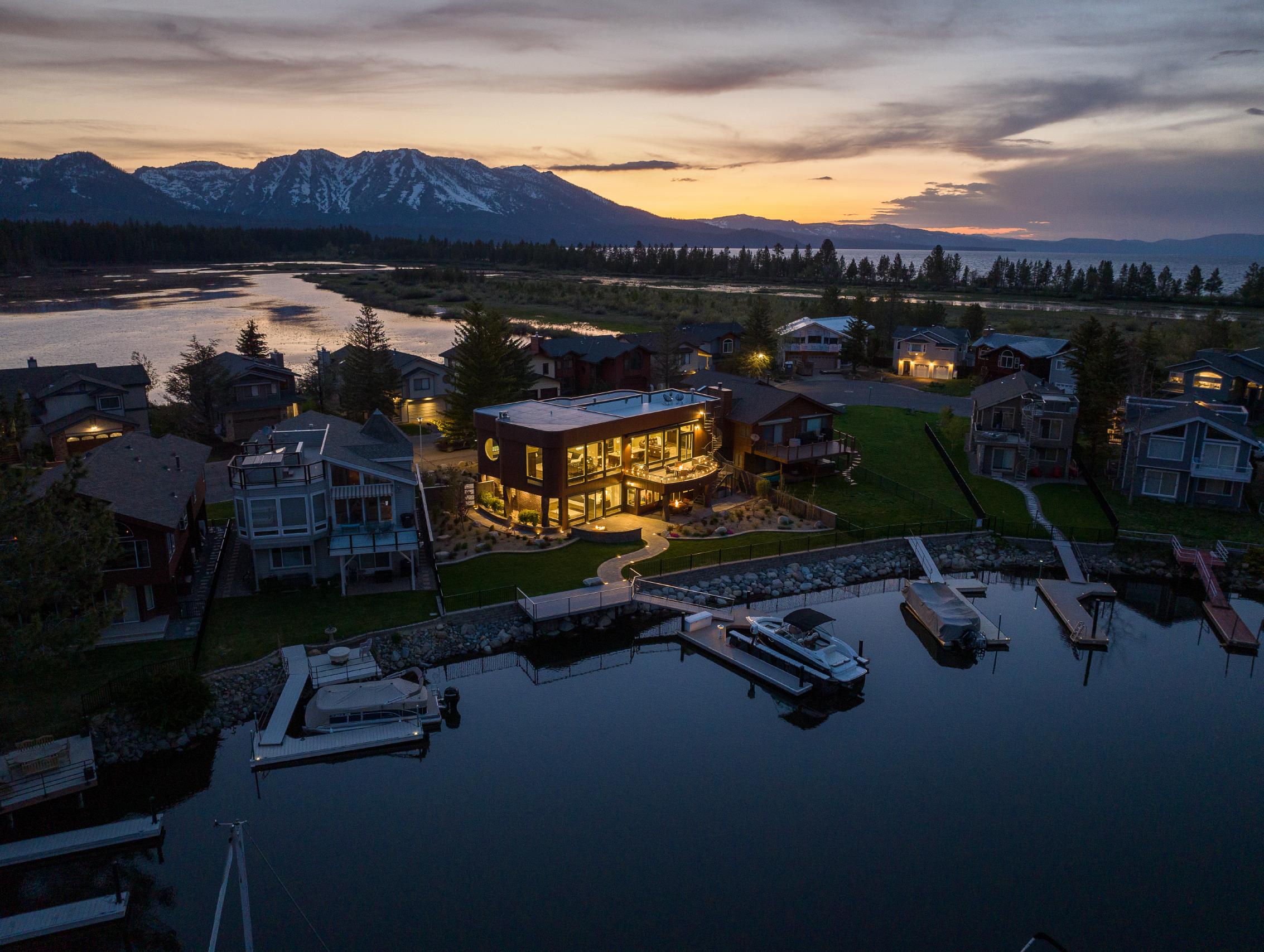



1 7 2 7 V e n i c e D r i v e | O f f e r e d a t $ 4 , 1 8 8 , 0 0 0 G R E G O R Y O C H O A F o u n d e r | C A B r o k e r | N V B r o k e r g r e g o r y @ m o u n t a i n l u x . c o m c a 0 1 7 2 5 3 1 8 | n v B 1 4 4 6 1 9 7 7 5 - 3 3 9 - 1 9 1 9
