It ’ s All About the SodIt ’ s All About the Sod PRSRT STD ECRWSS U.S. POSTAGE PAID EDDM RETAIL Local Postal Customer October 2022 Small Town LivingSmall Town Livingin Gibson County, IN Free! Free! Shane Minton Financial Advisor 100 S. Hull Street Ft. Branch, IN 47648 t: 812-753-3893 c: 812-403-0004 www.edwardjones.com Member SIPC We help families organize, build, protect and transfer their wealth. Growing for the Greens & So Much More . . . Growing for the Greens & So Much More . . .


* Prior sales and discontinued items are exempt. Pumpkin Drawing EXTRA SAVINGS 10-50% Off Purchase Pumpkin Drawing EXTRA SAVINGS 10-50% Off Purchase One Year Free Financing • Prices Reduced Storewide We will be closed Tuesday, October 11th to prepare for the sale. Previous sales exempt. Sale October 12th 22ndMonday–Friday 8am to 5:00pm | Saturday 9am to 4pm Pumpkins to Autumn Leaves Fall is HerePumpkins to Autumn Leaves Fall is Here It’s Our 148th Fall Anniversary Savings Sale Come as a Stranger. Leave as a Friend!Come as a Stranger. Leave as a Friend!Like us on 104 N. Main St., Owensville 812-724-3501 • 800-440-4888 www.HoldersFurniture.net Monday - Friday 8:00 am - 5:00 pm
Small Town Living
in Gibson County
Congratulates Jackie Young
On Friday, September 16th, Jackie Young turned 25 years old. Two days later she added yet another championship to her list of accomplishments – a WNBA Championship. After finishing her duties in Las Vegas, she came home to this small part of Indiana that she has helped put on the map with national news recognition.
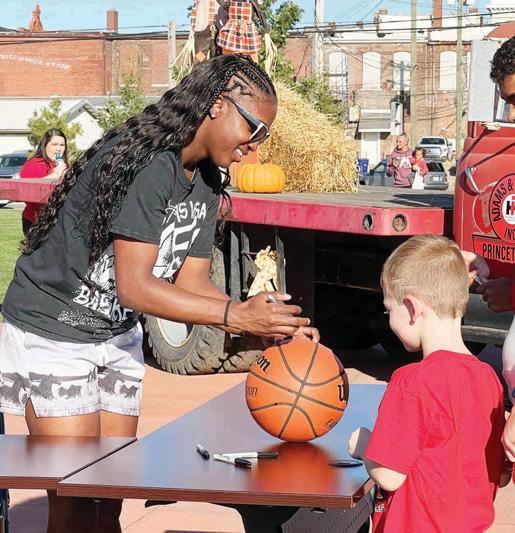

As small town tradition denotes, a ride on the fire truck with a police escort is a custom for champions. Saturday, September 24th, was no exception. After waving at the crowd and tossing candy to kids, Jackie stood for over an hour in the late afternoon sun, signing shirts, autographs and taking pictures with the locals who have supported her through this remarkable ride. What a class act! We can’t wait to see what comes next.
Jackie signing a basketball for a young fan.
Every fire truck ride is special.
Brought to you by -
Jancey Smith and friends
Contact us - by mail at 427 N. Hart St., Princeton, IN 47670

Jancey Smith

by email at jancey@ smalltownlivinggibsoncounty.com by phone at - 812-664-1082
Mr. & Mrs. Robin Fortner got a picture with Jackie.
copyright 2022
Small Town Living in Gibson County assumes no responsibility for guest writers or submitted material. Signed articles are the opinion of the columnist and do not necessarily reflect those of the publisher.

Small Town Living October 2022 Page 1
Shane Minton Financial Advisor 100 S. Hull Street Ft. Branch, IN 47648 t: 812-753-3893 c: 812-403-0004 www.edwardjones.com Member SIPC
GrassMasters - Locally Grown Sod Shipped Nationwide
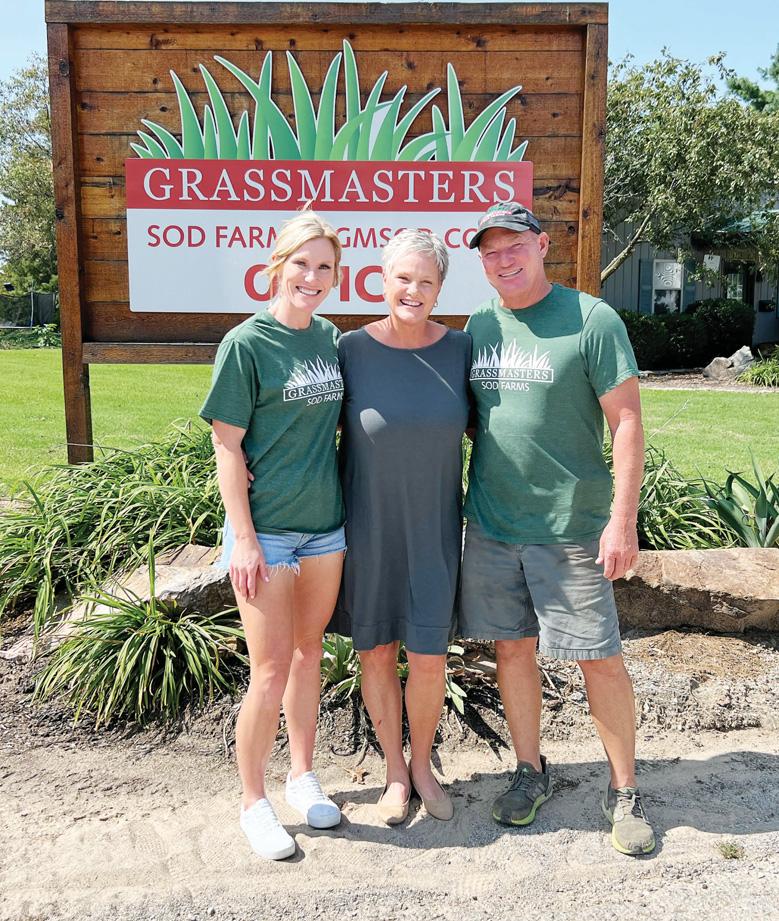


A few minutes outside of any of the little towns in Gibson County, there are farms. While the most popular crops may be corn, beans, and melons, some farmers raise more unique crops. One such unusual product to grow is sod. Locally, we have GrassMasters Sod farm that is on 350 acres of sandy soil near the river in Patoka.
We may think there’s a lot of vegetable, fruit and flower crops, but there’s also many types of grasses. GrassMasters raise seven varieties of turf grass. Their most popular types of sod for homeowners are the fescue/ bluegrass blends. However, athletic fields prefer the Tahoma 31 Bermuda, and golf courses tend to use the Tahoma 31 Bermuda and Innovation Zoysia.
some time to grow. The Bammers gave some examples, “For sod harvestable quality; Fescues and bluegrasses grow for 12-15 months, Bermudas 6-9 months, and the Zoysia takes 18-24 months”.
Just like other farmers, Mother Nature can make growing a challenge. Pam explained, “Yes, the weather affects us just like other farmers. We cannot harvest sod that is too wet, or too dry.“ About the only time they get to take a break is in the dead of winter when it’s too cold or too wet to be out.
There is also the issue of possible floods. Being on sandy soil near the river is always a risk. Although most years are fine, in 2007 and 2008, there were record breaking floods that covered their land, even reaching the office. Unlike traditional farmers,
It’s very similar to other farming. Pam explained, “We
Also, even though sod is a crop, it’s taxable, and you just


 Story & photos: Jancey Smith
Some photos provided
daughter Emily
by Dan Beard
Story & photos: Jancey Smith
Some photos provided
daughter Emily
by Dan Beard
Continued next page Vote for Experience: Former Department Head,Union Worker and Teamsters Local 215 Member Former Twp Board Member Former Twp Assessor County Council Member Faith, Family & Community Paid for
The Bammers must find buyers for their product.
The farm machinery is also a little different when growing and harvesting sod. GrassMasters use a GKB, which is a specialized piece of machinery, to strip areas of sod but it is not used to harvest. Joe explained, “We use fully automated sod harvesters that stack the sod themselves with the driver of the unit monitoring for consistent sod quality. We also have big roll sod harvesters that cut the larger rolls that are normally used on golf courses and athletic fields. With our specialized installers we can also use the large rolls on home lawns to eliminate seams and create an instant lawn or athletic field.”
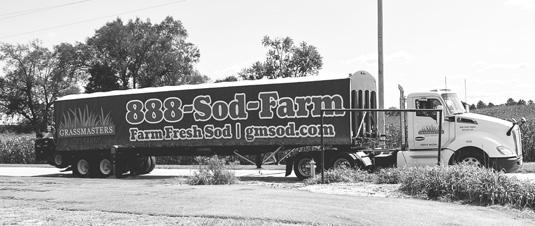
One of their farm trucks for hauling sod.

projects and word just gets around.” Joe added, “If you mess up, you don’t get invited back.” Word of mouth has spread their reputation for quality.
However, Joe was emphatic about selling locally to the small guys. Anyone in the area can call, chat, and pick up an order of sod for their lawns.
GrassMasters have been very fortunate to find some very high profile customers. They have supplied sod to the Indianapolis Colts, Cincinnati Bengals, Churchill Downs, Purdue, as well as other colleges, and numerous golf courses. These sporting communities are close knit and chat with each other, offering recommendations for their facilities.


“We have the ability to produce a sand based sod product that works extremely well for these types of

So how did the Bammers get into sod farming? Joe and Pam were college sweethearts and when he graduated from Colorado State University in 1987, with an Agriculture Business Degree, he was hired by a sod farm in Hemet, California. Pam laughed as she remembered Joe coming in and saying, “They hired me. I don’t know what we’re going to be growing, but we’re going to California.”
After beginning as an Assistant Farm Manger there, he moved on to Farm Manager for a sod farm in North Carolina, and then on to Regional Manager in Tifton, Georgia, running farms along the east coast. When the parent company of the Georgia operation decided to get out of the sod farming business, Joe moved on to Tennessee and Pam stepped in to run the office, while he tried to find a new office manager. Joe was fortunate

Small Town Living October 2022 Page 3
Continued next page the training schedule of the horses. Agricultural Systems Sales & Service Princeton, IN 812-386-6580 www.kieselent.com MADE IN THE USA Grai n Storage & Handling, Portable Dryers, TowerDryers,I n Bi n Dryers Zero Turn Lawn Mowers & Lawn Equipment
that when he worked for Warrens Turf, because they dedicated a tremendous amount of time to training and educating new managers in all aspects of sod production.
When the family farm in Patoka became available in 1997, the Bammers decided to start their own sod farming operation. Joe came from a farm family and grew up working on farms; he had just never ran his own sod farm before. Now the Bammers own two sod farms, Patoka being the main farm, but the other is located in Barnesville, Colorado. Joe travels there multiple times a month. They also have two partnership farms in Panama and Lexington, Kentucky. To say they’re busy doesn’t really describe it.
GrassMasters just completed a huge 35 acre golf course project in Lubbock, Texas. The Innovation Zoysia sod had to be shipped by reefer trucks. To get an idea of the size, pallets weigh 2000-2500 pounds each and the big rolls are 1800-2200 pounds each.

Even though the busy summer season may be slowing down, the Bammers are not. They will be sending nine acres of fescue and three acres of Bermuda to Evansville Country Club for their renovation project. With two daughters now in the family business, the Bammers don’t plan on retiring any time soon and

are looking to expand as the opportunity arises. They love being able to work outside with their kids and grand kids on the farm. Pam says, “It’s a pretty peaceful place on the weekends, not unlike having your own big park with all the grass fields and lakes.”




While there are numerous sod farms in the local area, GrassMasters is different because they do a lot of specialized work and normally ship further than other farms. So the next time you’re at a football game, or putting on the green of a golf course, just think you could be on sod grown right here in Gibson County.

TMMI Hosted Hazardous Waste Day
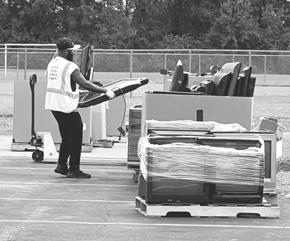
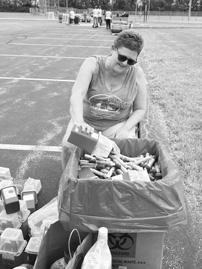

On Saturday, Septembre 10th, Gibson County Solid Waste and TMMI held their semi-annual hazardous waste day. Over 360 locals dropped off items. One semi trailer was full of paint and they filled more than one semi with TV’s and electronics. On the day of the Hazardous Waste event you can drop off up to three TV’s for FREE.
 Rolls of sod ready to ship.
Above left: Sandy Hedges recently joined the Solid Waste crew and this was her first Hazardous Waste day event. She comes to the department with 36 years experience: 23 years in the accessors office and 13 years at the treasurer’s office. She is taking over for Patricia Doyle.
Photos: Jancey Smith
Rolls of sod ready to ship.
Above left: Sandy Hedges recently joined the Solid Waste crew and this was her first Hazardous Waste day event. She comes to the department with 36 years experience: 23 years in the accessors office and 13 years at the treasurer’s office. She is taking over for Patricia Doyle.
Photos: Jancey Smith
Small Town LivingOctober 2022Page 4
Purdue’s football field ready for the season.
GrassMasters continuedOPEN 4AM • 2PM MON. • SAT. 124 W. STATE ST., PRINCETON, IN 812-635-9500 F a l l i s b a c k a n d s o a r eFall is back and so are S o u p s a t T h e P a l a c e C a f eSoups at The Palace Cafe Chili, Tomato Bisque, Vegetable and now serving Rib Gumbo!! CHECK‘ FACEBOOK for our daily soup specials











Page 5Small Town Living October 2022 STIHL CHAIN SAW MS 170 16” BAR $199.99 STIHL BLOWER BG 50 $149.99 IT’S TIME TO GET READY FOR FALL WITH OPEN 7 DAYS A WEEK • “WE SERVICE WHAT WE SELL.” M E M M E R ’ SM E M M E R ’ S MEMMER’S Hwy. 41 N. at Lyles Station Rd., Princeton, IN 812-385-2641 Mon - Fri 7am-6pm Saturday 7am-5pm Sunday 10am-4pm Hardware and Outdoor Power While supplies last. STIHL CHAIN SAW MS 271 18” BAR $469.99 STIHL BLOWER BG 56 EZS $199.99 While supplies last. FALL LEAVES ARE COMING . . . FALL LEAVES ARE COMING . . . Come see us for tune-up kits, blades, belts and more to be ready for fall. We do Service & Repair. See us for all your chainsaw parts and accessories FULL LINE STIHL DEALER Many other sizes of chainsaws and blowers, in stock and ready to go to work. All products sold are fully assembled, fueled, and ready to go.
An Artist ProfileAtlee Cook

A Multifaceted Artist

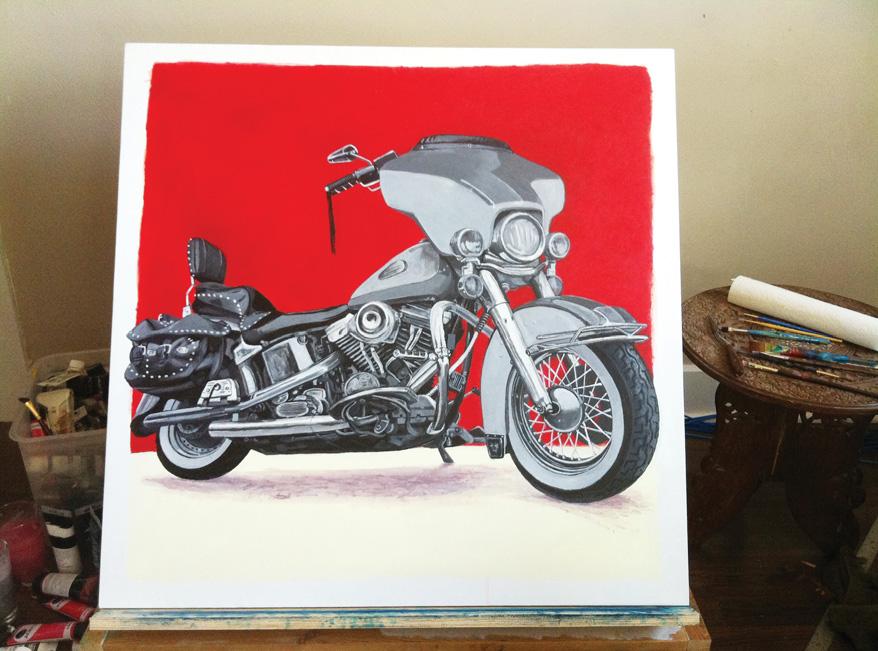
Princeton native and PCHS graduate, Atlee Cook, developed a love for art at a young age, always doodling on his homework papers at school, much to the teacher’s dismay. With his natural abilities in art at the age of six, his mother enrolled him in painting lessons with Brenda Wick, which he continued until the age of seventeen. His time with her helped bring out his true passion to create. He now hopes to one day be like her and bring his passion for art to the next generation.
While attending high school, many of his art pieces were displayed in art shows in Princeton, Evansville, and








 Atlee Cook
Story: Tara Walker, Photos provided
Atlee Cook
Story: Tara Walker, Photos provided
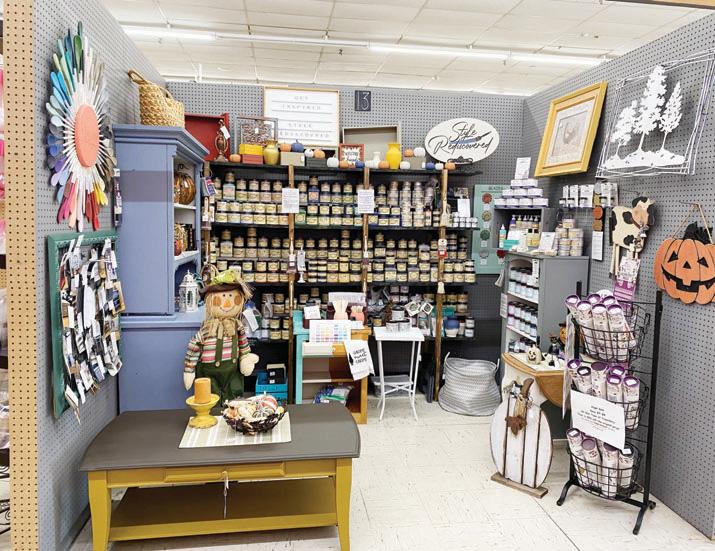
Page 6 October 2022 Small Town Living Located inside Finderskeepers, 1609 W. Broadway St., Princeton, IN Repurpose, Reuse, Rediscover Furniture and Home Décor Official Retailer for Dixie Belle Paint Co. Follow us on Facebook for tips & ideas Susan Bobe’s PizzaSusan Bobe’s Pizza Dine-In~Carryout~Delivery 7” Pizza and Small Drink ONLY $6.08(Plus Tax) Limit One Coupon Per Customer Expires 10/31/2022 Susan Bobe’s Pizza 812-385-2554 Tue-Thur 4-9 • Fri & Sat 4-10 • Sun 4-9 • Closed Mon 101 W. Broadway, Princeton, IN Limit One Coupon Per Customer Expires 10/31/2022 Susan Bobe’s Pizza N o T r i c k s o r T r e a t s J U S T G O O D P I Z Z A N o T r i c k s o r T r e a t sNo Tricks or Treats J U S T G O O D P I Z Z AJUST GOOD PIZZA 14” Pizza (up to 2 toppings) Breadsticks and 2 Liter ONLY $18.69(Plus Tax)
New Harmony, Indiana. After attending PCHS, he went on to study art at Herron School of Art and Design (IUPUI) earning a bachelor’s degree in sculpting as well as ceramics. During this time, he entered a piece into the National Council on Education for the Ceramic Arts (NCECA) art show, where many artists got the chance to show of their best work.


His need to create took him through an apprenticeship with Tommy Gunn to learn the art of tattooing, always learning and trying to expand his art
October 2022 Page 7Small Town Living EAST GI BSON EAST GI BSON for a Proven, Experienced Candidate Dedicated to Serving The People of Gibson County VOTE SOUTH GI BSON SOUTH GI BSON NORTH NORTHGIBSON GIBSON V O T E B u r n s V O T E VOTE B u r n s Burns Gibson County Commissioner District 1 To Find a Brighter Future You Need a New Light Paid for by Committee to Elect Nick Burns Committed to Community Involvement • Dedicated employee with no absences at full time employer in 17 years • Promotes and donates to multiple opportunities for the youth of the community • Successful Small Business Owner for 12 years • Currently Serving as City Council at Large • No Zoning
space, 36 living/working studio lofts for artists, and a theater. It was a tough job to keep the center flowing properly and to get that many artists to work together.
While taking a break from art, he took his need to create into the culinary world. Being a chef and cooking delicious meals is just another form of art, after all. Colors, taste, and even looks play a huge part in making a dish more than just something to eat, but something to experience. He critiques his dishes as he would a sculpture, making sure there everything is balanced to provide the best meal you have eaten.
Today, he does many styles of art. With two potters wheels and a kiln he can create beautiful ceramics. He also has a foundry to melt aluminum and other metals,






which leads to one of the forms of casting he does, which is called lost wax casting. This is a process in which a duplicate metal sculpture is cast from a mold of an original wax sculpture. First, the design is carved into wax, then covered in plaster. Once the plaster dries, the molten metal is then poured into a channel carved into the cast leading down to the original wax sculpture. The heat of the molten metal then melts the original wax sculpture, replacing it entirely with whatever metal you poured in.

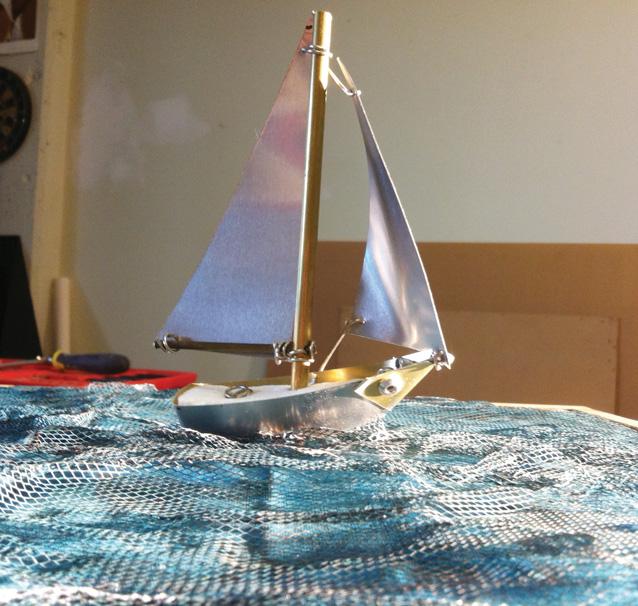
October 2022Page 8 Small Town Living Reliable,Honest,Responsive Vicki Townsend REALTOR® 812-677-2838 F.C.Tucker Emge www.VickiTownsendSells.com A Local Professional in a Complicated Market HOURS: Mon and Wed 7:30a.m.-5:30p.m. Tues and Thur 12-7p.m. Blue Cross/Blue Shield and Medicare participating provider. Most insurance welcome. FAMILY CH ROPRACTIC Alka Family Chiropractic Center Dr. Kay Lynn Alka 618-262-4994 2103 West 9th St., Mt. Carmel, IL The Benefits Of Chiro Practic Improves Health Stress Immunity Mobility Sleep Quality Focus Digestion Decreases Pain Disease Aches Fatigue Anxiety Inflammation Injury continued next page A boat made of aluminum flashing.
After the metal has cooled, the plaster mold is removed, leaving you with a completed metal sculpture. He also has tools for carving stone, wood, and clay. Everything he sees he can turn into an art piece.
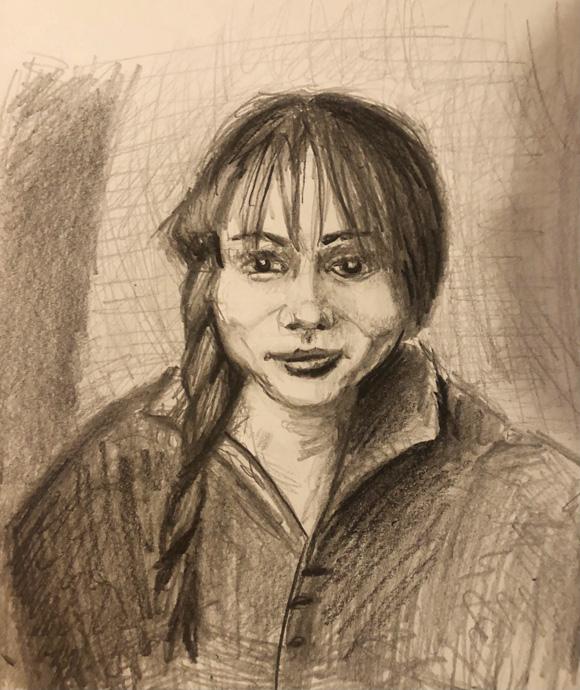
Some of his favorite pieces he has created over the years are portraits of his wife Whitley and sister Brynn. His goals today are to get his name back out there in the art world, hopefully earning him some possible commission jobs, and to expand the small art school he has started in his own home. He would love to take on adults as well as children and teach them a form of art that they are interested in. Atlee said, “Anyone can do it; it just takes practice.”
If you ever thought about learning how to spin a pot on the potting wheel or how to carve a figure out of stone, reach out to Atlee via his email: atleecook@gmail.com. Lessons are $20 for one hour for children and $10 for one hour for adults. To create is oddly satisfying, so if you feel the need to do something out of the normal for yourself, make sure to reach out to Atlee.

Lyles Station Held Farm to Table Event

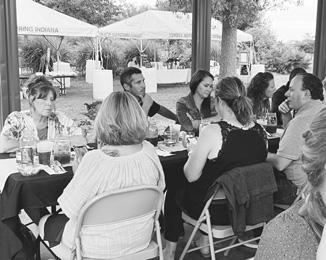
The third annual Farm to Table at Lyles Station was Saturday, September 10th. It was a nice evening for a meal and entertainment in a country setting. There were local vendors, music by Beyond Blu, and students from Oakland City University served dinner. The meal was provided by the Hornet’s Nest and desserts were from PeaFections in Vincennes. It was a taste of Southern
Above: Mary Ann O’Neal, Nathan & Rachel Beloat, and Melissa Walden chat with Tara & Matt Robbins while waiting for dinner.
Right: Joe and Jana Williams were among the diners that supported Lyles Station.
 Photos: Jancey Smith
Small Town Living October 2022 Page 9
ROGERS HOME EXTERIORS Princeton 812-385-3304 Mt Carmel 618-263-4907 Dave 812-760-4419 In business for over 40 years; providing home improvements to southern Indiana and Illinois. LIFETIME WARRANTY REPLACEMENT WINDOWS: REPLACE YOUR WOOD WINDOWS WITH NEW WHITE VINYL, DOUBLE INSULATED WINDOWS; TILT-IN DOUBLE SASHES FOR EASY CLEANING, DOUBLE GLASS, LOCK, AND SCREEN ANY SIZE UP TO 3-FT WIDE X 5-FT TALL FOR ONLY $275.00 Price Includes Materials & Installation Specializing in: VINYL WINDOW • VINYL SIDING • METAL SIDING SEAMLESS GUTTER • ASPHALT ROOFING METAL ROOFING • DOOR INSTALLATION PORCHES & DECKS - BOTH WOOD & COMPOSITE MAKING YOUR HOME ALL YOU WANT IT TO BE rogershome@outlook.com • rogershomeexteriors.com Atlee’s sketch of his wife, Whitley. Artist continued -
Relay for Life Did Laps Around the Park

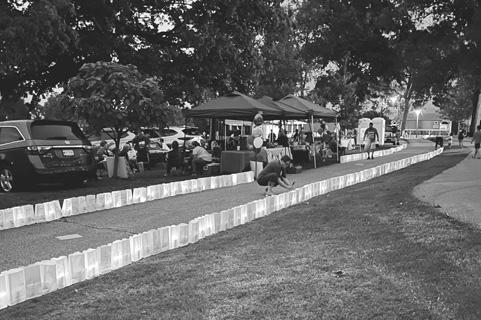

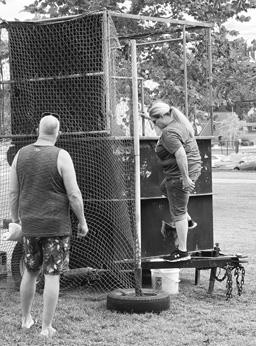
The Gibson County Relay for Life teams held their annual event at Lafayette Park on Saturday, September 10th. There were activities, games, food booths, music and other fundraising activities. Some law enforcement officers volunteered their time to take a splash in the dunk booth to help raise money to fight cancer.
This year’s goal was to raise $35,000 for cancer research and as of now, Gibson County Relay teams have topped $37,000. There’s more chances to help. The Beadle Bunch and Friends will finally be able to do their Thanksgiving dinner at the PCMS cafeteria on Saturday, October 22nd. Be sure to stop and get a great meal for a great cause. There also will be a corn maze behind CVS weekends in October with proceeds going to Relay







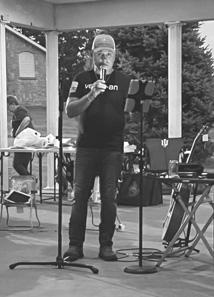
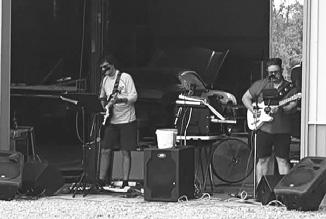
Rodney Watts performed a collection of songs, one in honor of his dad.
by the Relay sign.
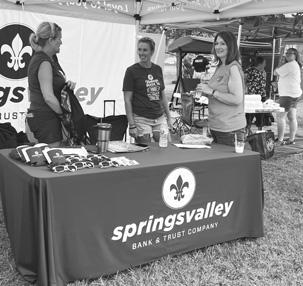
daughter, Bree, represented community Springs Valley Bank. Relay member, Ashley Enlger (right) stopped by to chat.
Left: Tammy Holder helped set up the dunk tank for Tim Speedy and others to
 The luminary ceremony is a special moment at the event. It honors survivors and those lost to cancer.
Small Town LivingOctober 2022Page 10
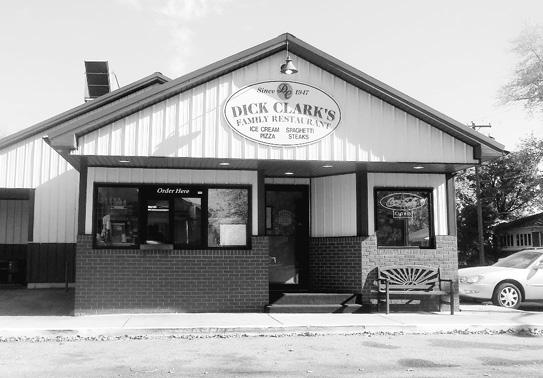
Dick Clark’s Family Restaurant 702 N. Prince St., Princeton, IN • 812-385-3131 Celebr a t e 7 5 YearsCelebr a t e 7 5 Years Enjoy 75 Years of Local Tradition!! W i t h U s !W i t h U s ! Dine In, Delivery or Carry Out Burgers, Pasta, Pizza, Steaks, Shakes & Much, Much More! Broadway & 5th Ave. Princeton • 812-386-7664 I t ’ s Ta i l g a t i n g T i m eI t ’ s Ta i l g a t i n g T i m eIt’s Tailgating Time H O M E T O W HN O M E T O W N HOMETOWN In the DeliSubs, Wings & Ribs In the Meat DeptBrats, Burgers & Hot Dogs Let Us Supply the Goodies
follow.






gSmall Town Living October 2022 • VFW Post #2714 Auxiliary Life Member • Fraternal Order of Police Lodge #115 • National Rifle Association Life Member • Haubstadt Chamber of Commerce/ Sommerfest Inc Past President • Gibson Southern Booster Club Past • Shop with a Cop, started program • Establish a full-time narcotics officer • Personally respond to serious crimes/ • Seek grant money from federal government to assist in equipping and • Regularly visit each area of Gibson County – Not just at election time Thanks for Your Support It’s greatly appreciated
Bokeh Big Band Coming to the Princeton Theatre!
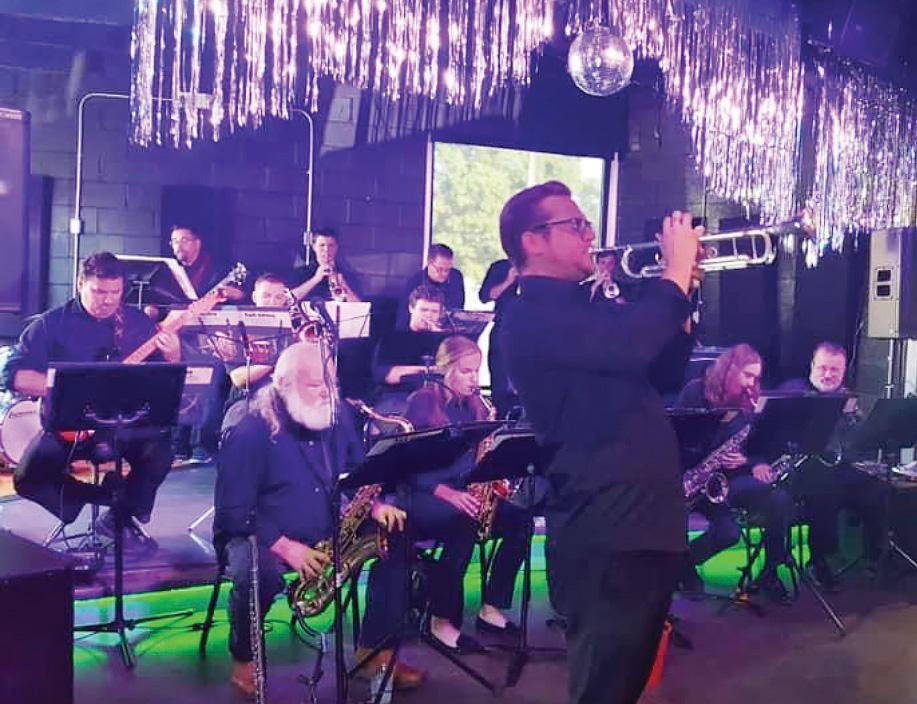


Evansville-based Bokeh Big Band is branching out from their regular venue in Evansville to bring their sound to the Princeton Theatre and the citizens of Gibson County. They will be performing one night only, October 22nd at 7 pm at The Princeton Theatre & Community Center at 301 W Broadway St, Princeton, IN.
The Bokeh Big Band is a seventeen-piece classic jazz, big band formed in 2017. The band’s name comes from the Bokeh Lounge in Evansville, Indiana, which has served as the band’s primary home since its inception. The group performs a variety of vocal and instrumental pieces, bringing new life to memorable songs from the past.
Bokeh Big Band include several of its original members, along with several others who have joined the band since its formation. Band members have included many Evansville-area professional musicians, and a large number of music educators and directors. In 2019, the band added a vocalist and Gibson County native,
Jacob Ross, to the group.
In addition to Bokeh Lounge, the Bokeh Big Band has played at a variety of venues and events in the Southern Indiana area that include: Evansville Jazz and Wine Festival, the Huntingburg Garden Gate Jazz Festival, the Boonville Square Flare, Lamasco Bar, Sauced, and the Wired Coffee Shop and Music Venue. Now they are coming to Gibson County! Come out October 22nd, and experience performances featuring instrumentals written by such jazz notables as Miles Davis, Gordon Goodwin, Herbie Hancock, Oliver Nelson, Joe Zawinul and Irving Berlin. Vocal arrangements include renditions from popular jazz singers such as Frank Sinatra, Dean Martin, Bobby Darin, Nat King Cole, Harry Connick Jr, and Michael Bublé. You can find and follow the Bokeh Big Band on Facebook to stay up to dates on upcoming performances by visiting https://facebook.com/bokehbigband.
Pastor Jeff Bryant in Concert
Clarks Chapel Church, near Somerville, CR550S & CR850E, Saturday, Oct. 16th, 6:00 pm
 Photo provided
Story: Jennifer MacKay
A 17-PIECE CLASSIC JAZZ, BIG BAND PERFORMING FAVORITES FROM MILES DAVIS, HERBIE HANCOCK, FRANK SINATRA, BOBBY DARIN & MICHAEL BUBLE TO NAME A FEW . . .
Photo provided
Story: Jennifer MacKay
A 17-PIECE CLASSIC JAZZ, BIG BAND PERFORMING FAVORITES FROM MILES DAVIS, HERBIE HANCOCK, FRANK SINATRA, BOBBY DARIN & MICHAEL BUBLE TO NAME A FEW . . .
Small Town LivingOctober 2022Page 12
The Center Learned About Emergency Preparedness
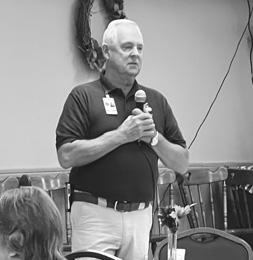
After lunch at The Center on Friday, September 16th, Terry Hedges from the Emergency Preparedness Agency gave some advice and tips. Weather is Gibson County’s biggest threat. Floods have been managed and snow is less of an issue, but tornadoes and earthquakes are possible threats. He recommended having two weeks of supplies in case electricity goes out and roads are impassible.
The Tradition of Hillside Pies Continued
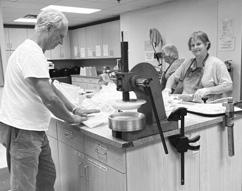
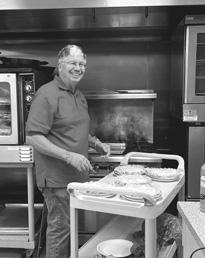
The second week of September was pie week at Hillside United Methodist Church in Princeton.
Animal Services Upcoming Events in October
The animals at Gibson County Animal Services (GCAS) want to thank the community for their support. Here are some upcoming events.
The annual Harley’s Heart Medical Fund Open House on October 22 from 10:00 a.m. to 2:00 p.m. is one of the shelter’s most important fundraisers of the year, with free food, music, and fun (Fido Fetch!) for all who attend. This fund helps provided needed medical care for animals coming to the shelter.
Volunteers worked for days making homemade pies for the annual event.
This year 606 pies were sold.
Don Kayes helped take pies out of the oven.
Making pie dough is a job, just ask: Jack Harrington & Diana Estrada
It was fireworks, music and good food at the second annual firework show and cookout put on by Mike and Brenda Moore on Saturday, September 10th. They and other volunteers/members of the Maple Hill Cemetery group rasied $3000 for the road repaving fund.

Proceeds from Fido Fetch, the silent auctions, and other events fund Harley’s Heart fund, a special fund started in 2018.

Gibson Dog will still be hosting Gibson’s Super Sundays so that we have more hours for the public to visit the shelter and meet the dogs, cats, and other animals available for adoption. Our upcoming Super Sundays include November 13, and December 4, with the shelter open from 1:00 p.m. to 4:00 p.m.
The next Wellness Clinic is scheduled for November 12 at Princeton Veterinary Hospital.
The local Eagles Club is hosting a carryout dinner to benefit the shelter on November 13, from 11:00 a.m. to 2:00 p.m. The community is invited to enjoy a tasty pork loin dinner and help the shelter!
Don’t forget to follow us on Facebook and like the page for Gibson County Animal Services, Indiana Lost and Found Pets. You can help lost dogs and cats find their way home.

October Hours
Sun. Mon.Closed
Terry Hedges 301 E.State Rd.56,Hazleton,IN 812-784-2302
Tue.11AM 5PM CST •Wed.11AM 8PM CST Thur. Fri.11AM 5PM CST •Sat.11AM 7PM CST
Mike Moore spent days setting up for the event.
Story and photo: Claire Junell Owens
Photos provided Moores Held Fundraiser for Maple Hill
Photos: Jancey Smith
Scott Mason& Ricky dropped by to play some music for the event.
Small Town Living October 2022 Page 13
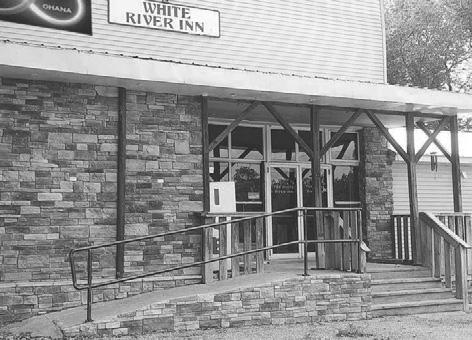
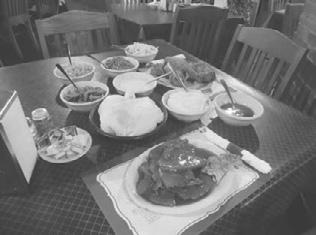
The Ohana White River Inn SERVING sandwiches,appetizers EVERY WEDNESDAY IS SAUCHEESIE NIGHT I S OPEN
VFW #2714
Fort Branch
Kitchen open Thur. & Fri. to the public
**Treasure Hunt is back Mondays at 7pm with kitchen open 4-7 pm
Karaoke Night
Princeton Moose Lodge Saturday, Oct. 22nd, 8 pm Open to the public
What’s Happening!!
Chili Supper
Francisco Lions Club
Saturday, Oct. 15th, 2 - 7 pm, Live music
Gibson Co. Animal Service Open House
behind Toyota, Princeton
Saturday, Oct. 22nd
10 am - 2 pm Free food, music & fun
Halloween Happenings
Fort Branch VFW Family friendly Halloween party & Chili cookoff, Saturday, Oct. 22nd (check Facebook for details)
Deaconess Gibson Trunk or Treat
West Parking Lot, Princeton, Thursday, Oct. 27th, 4 - 6 pm
Haubstadt Main Street Trick or Treat Friday, October 28th, 5-7 pm
Crossroads Baptist Church Trunk or Treat Hwy 57, Oakland City, Saturday, Oct. 29th, 4 -5:30 pm
1st General Baptist Church Trunk of Treats Hwy 64, Princeton, Saturday, Oct. 29th, 6 -8 pm
Collectors Carnival Antique & Flea Mkt
15 detailsfor
Huge Yard Sale
Salvation Army
Gibson County Fairgrounds
Saturday, Oct. 29th
9 am-4 pm $2/person 7-9 am $5/person
Fall Family Concert
Daysprings Church Owensville Saturday,Oct. 29th Dinner 4 pm, Music by Judah First Band at 5 pm
Owensville Clean Up Day
South Library Square
Saturday, Oct. 8th 7 am - 2 pm
Texas Hold Em
Princeton Moose Lodge Saturday, Oct. 15th 6 pm
Owensville Bash on the Square Library, Saturday, Oct. 29th, Chili cook-off, Trunk or Treat & games
Princeton Theatre Karokee & Costume Contest
Princeton, Saturday, Oct. 29th, 7 pm
Relay for Life Believers Team Corn Maze behind CVS, weekends in Oct., Saturdays 6-9 pm, Sundays 5-8 pm
Lyles Station Corn Maze, every weekend in Oct. Fridays 5-8pm, Saturdays 1-8 pm, Sundays 1-5 pm
Zombie 5K Run Fort Branch Park St., 9 am, Saturday, Oct. 29th, Kids race 8:30 am
Sinister Cellar Haunted House, Fort Branch Park St., 6-10 pm, Frid. & Sat., Oct. 28-29th
No scare for young kids 6-7 pm both nights
Gibson St., Princeton Friday, Oct. 28th
8 am - 1 pm
Center for Seniors Yard Sale
Sat., Oct. 8th Center for Seniors Behind Rural King 8am-1pm
St. Joe Annual Chicken Dinner
St. Joe Church, Princeton
Sunday, Nov. 6th 11 am - 1 pm VFW #2714 Fort Branch
POW/MIA Ceremony
Saturday, Oct. 8th 7 pm
Ladies Conference
Enon Church by Tara Powell Ministries Saturday, Oct. 8th, 9 am - 4 pm
~ Class Reunions ~
PHS Class of 1962 is having their 60th reunion Oct. 13-16th.

Thur., Oct. 13th - Log Inn at 5 pm

Fri., Oct. 14th - Brunch at Palace 10:00 am, Decorating Youth Center to follow with supper at 5 pm
Sat. Oct. 15h - Donuts & Coffee at Donut Bank at 9:30 am, Weiner roast 2 pm
Sun. Oct. 16th - Dick Clarks 10 am - 1pm
PHS Multi-Class Lunch Thur., Nov. 17th, 11 am, Dick Clarks. All classes welcome.
Hours: Tue.-Thur. 4-9, Fri. & Sat. 4-10
Page 14 Small Town LivingOctober 2022
pageSee
pageSee 34 detailsfor
Come Visit! 12491 S. 200 E., Haubstadt, IN • 812-867-3216
Closed Sunday & Monday Enjoy the famous food at Indiana’s Oldest Restaurant Book your Christmas parties today!
What’s Happening!!
~ Help with Food in the Community ~ UMC Delivers Dinners
Salvation Army Food Pantry
Gibson St., Princeton Mondays & Wednesdays 9-11:30 am & 1-3 pm
Salvation Army Free Grab & Go Meal
Gibson St., Princeton
Tue. Oct. 4th & 11th
4:30 - 5:30 pm
Haubstadt Food Pantry
New Life House of Prayer 208S. West St, Haubstadt 1st and 3rd Wednesdays 4:30 - 5:30 pm
Salvation Army Free Food Give Away
Gibson St., Princeton
Tuesdays, Oct. 4th, 11th, 18th, 25th 9-10 am Fridays, Oct. 7th & 21st, 2:30 - 3:30 pm
Check Facebook for details
Mackey Salem UMC Community Meal
Tuesday, Oct. 18th 11am - 12:30 pm proceeds go to E. G. food pantry
Hillside Church, Princeton
Monday, Oct. 10th
Call 812-385-2910 by 2:30 pm
Lord’s Pantry
Fort Branch
Every Wednesday 9 am - 11 am
Food Pantry for Seniors
The Senior Center, Princeton, Wed. & Thur. Oct. 12th, 13th, 26th & 27th
1 - 3 pm
East Gibson Food Pantry
Trinity United Methodist Church, 405 S. Mulberry St.
Every Wednesday
9 am - noon
Owensville Food Pantry
303 Church St. Tuesday & Thursday 8-12 & 1-4 pm
Amer. Legion #256
Oakland City
1st Saturday each month. All you can eat breakfast 7 am - 10 am, $10 for biscuits & gravy, eggs, sausage, fried potatoes & pancakes
20th Annual SKILLS USA Car, Truck & Bike show
PCIS parking lot Saturday, Oct. 22nd, 11 - 2 pm
Trunk or Treat Cruise-In at the Square
Princeton Square Sunday, Oct. 30th, 11 - 2

Broadway Players Auditions
for Christmas Bells
Princeton Theater
Thursday, Oct. 27th at 6 pm
Saturday, Oct. 29th at 10 am
Beadle Bunch
Thanksgiving Meal
Proceeds to Relay for Life PCMS Cafeteria Sat., Oct. 22nd 3 - 7 pm
K of C Bingo
Open to Public every Thursday
Princeton K of C, 6 pm
Sausage Grind
K of C, Princeton
Saturday, Oct. 8th, 6 -11 am, pick up after 9:30 Call 812-385-5732 & order by Wed. Oct. 5th
VFW #2714 Breakfast
Fort Branch
2nd Saturday each month Breakfast, 7 am - 10 am Knights of St. John’s sausage, biscuits & gravy, eggs, hash browns & drink Carryout 812-753-4161
Fun at the Gibson County Fairgrounds
Fun at the Gibson County Fairgrounds
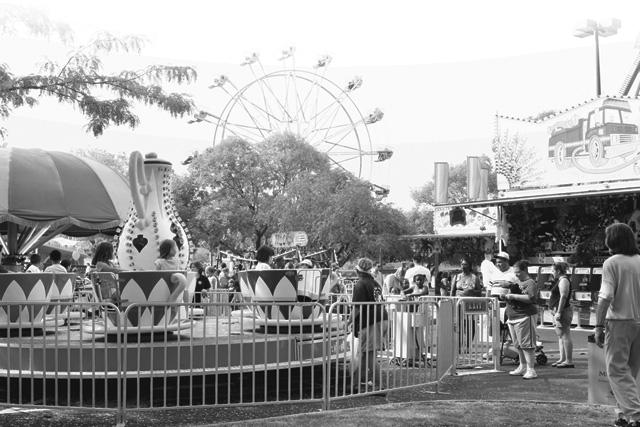
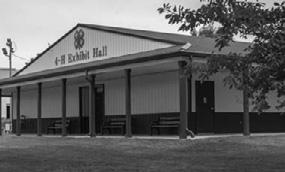
23rd Annual Princeton Nationals Friday - Saturday, October 7th-8th Garden Tractor Pulls at the Pavilion Queens of Scream Sheep Show Saturday, October 15th at the Pavilion Collector’s Carnival Antique & Flea Markets Saturday, October 29th 9-4 pm, Early Bird 7-9 am
October 2022 Page 15Small Town Living
GIBSON CO. FAIRGROUND 709 N. EMBREE ST. PRINCETON, IN www.CollectorsCarnivalShows.co 812-471-9419 COLLECTORS CARNIVAL ANTIQUE & FLEA MARKETS SINCE 1992 Sat 9am-4pm $2 Sat Early Bird 7-9am $5 Fri Setup Shopper 1-4pm $15 Saturday, October 29th 300 Booths in 8 Buildings & Outside30th Year!
Business UpdatesBusiness Updates













































Haubstadt Gets New Pizza Place
Just down from Polka Dots Play Cafe on Hwy. 68 in Haubstadt, will be the new home of DJ’s Una’s Pizza. They are set to open October 1st and plan to be open 3-9 pm.

The Boonville couple plans to support local and buy their meat from Dewigs.
Monument Business Moved

It’s not often one sees a building jacked up like a car and moved in one piece, but that’s what happened to Tristate Monument. They were located on the corner of Main and Brumfield in Princeton, and then literally moved across the street to former location of Standard Printing from past years. MCF House Movers were in charge of the task. It was done early one morning to be less disruptive of traffic.
The building at the original location on Brumfield, lifted off the ground and ready to be moved.
The building after being moved across the street as it was getting settled.
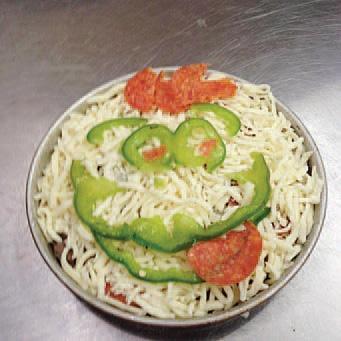
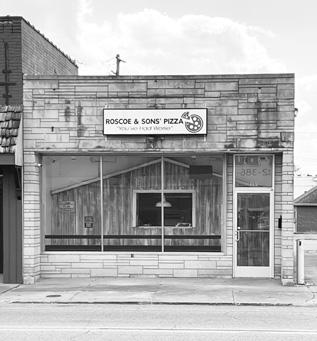
Just off the square in Princeton, a new pizza place is moving into the building that Sandy’s Pizza once occupied. At press time, opening day is unknown, but their sign and slogan is getting lots of notice: Rosco & Sons Pizza, “You’ve Had Worse.”
Spud Hut Has New Neighbor
Tara Powell Ministries has moved into the retail space beside Spud Hut on W. Broadway.
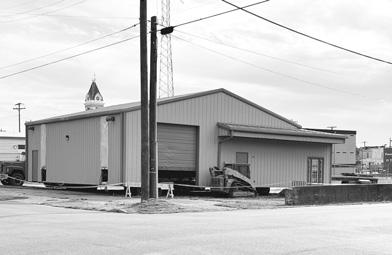
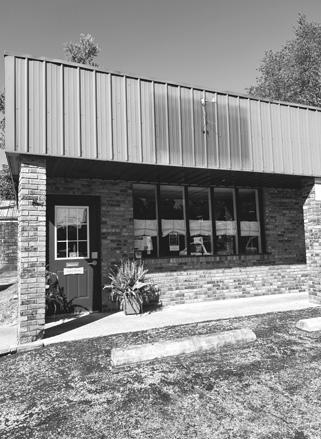
This women’s ministry offers workshops, conferences and counseling. They will be offering a ladies conference at Enon Church on October 8th.
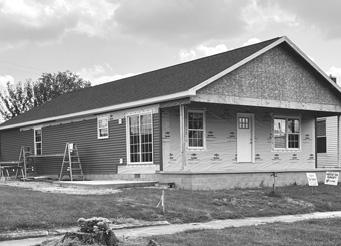
Habitat House is Making Progress
The newest Habitat home on South Prince is coming along with the help of local businesses. The roof is on and siding is going up. Volunteers are welcome.
812-385-3445







709 N. Embree Street, Princeton, IN 47670
















 A New Pizza Shop Coming to Princeton
Photos: Jancey Smith
A New Pizza Shop Coming to Princeton
Photos: Jancey Smith
Page 16 October 2022 Small Town Living
Book Your Holiday Parties With Us! Perfect for company parties, employee appreciation gatherings, family parties and more. RESERVE TODAY!
or email events@gibsoncountyfair.com Check out all of our facility options at www.gibsoncountyfair.com
Mae’s Market Held Anniversary Event

L’Andrea’s Sweet Treats Celebrated 10 Years
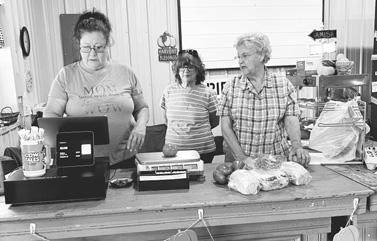
Bush & Joyce Biel were on hand to help shoppers at the market.
To celebrate their first year in business, Mae’s Market in Owensville, hosted a pop-up with Zia’s BBQ and Cheesy Chix Cheeseballs. Specials throughout the shop and there was a good crowd that came to visit. Watch for more pop-ups to come.
Stodghill Celebrated 50 Years of Service
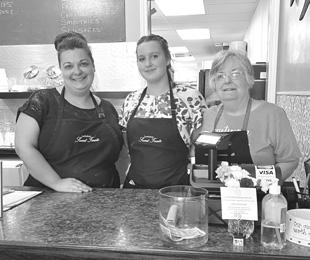

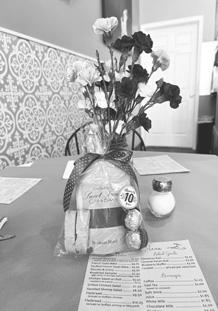
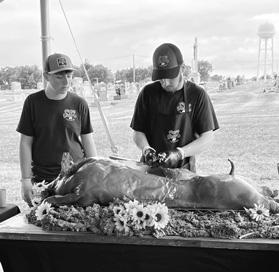
On Saturday, September 3rd, Stodghill Funeral Home in Fort Branch, held a celebration of 50 years in serving the community. The Brian Deer Band performed classic rock music and Pappa Bears Catering provided a light meal. Many members of the community dropped by to
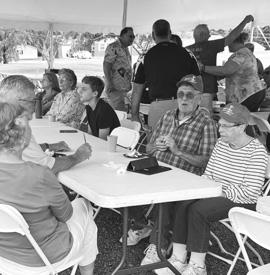
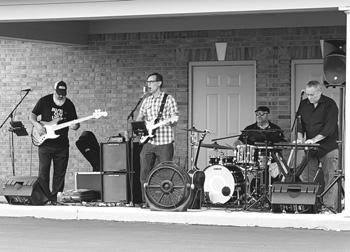
the Brian Deer Band.
During the 2nd Sunday Shopping event in Fort Branch, L’Andreas offered a special brunch. There were gift bags for diners and a chocolate bar was available for dipping fruit and snack sticks. As always, they offered specialty drinks by partnering with their neighbor Harper’s Pub.
Above: Andrea Martin with the help of her daughter and mother have made L’Andrea’s a success in the community.
Right: Gift bags that included a coffee sample, chocolates and biscotti were given to brunch patrons as a thank you for the community support.
Photos: Jancey Smith
Business UpdatesBusiness Updates Page 17October 2022Small Town Living
> edwardjones.com | Member SIPC Market swings making you uneasy? Let's talk.Walter Arnett CPA, PC 102 N. First Ave. - PO Box 7 Princeton, IN 47670 walterarnettcpa.com walter@walterarnettcpa.com Phone: 812-385-4431 Tax Preparation • Payroll • Accounting It was whole hog from Pappa Bears. A reunion of
Many folks stopped by to chat.
Gibson County Chamber Held First Member Expo
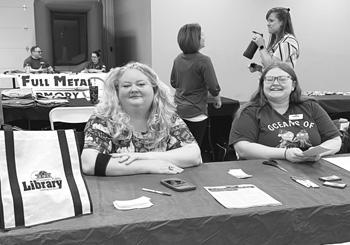
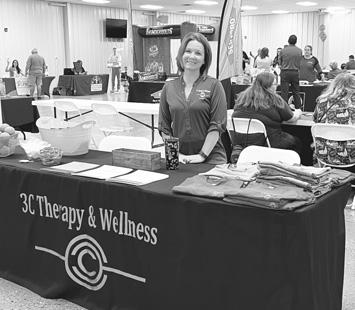
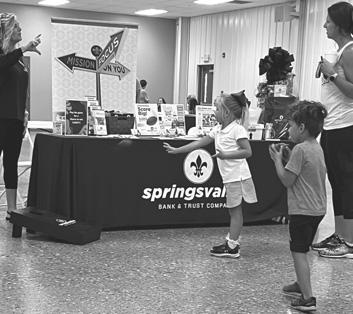
The Gibson County Chamber of Commerce created a new event for its members - an expo. The Toyota Event Center at the Fairgrounds was filled with a variety of local businesses and organizations at the end of August. There was not only information, but a lot of fun things to do and learn as well as friends to chat with.
Lori Martin (left) supervised the cornhole game played by Mila and Cole Walden as their mother, Melissa (right) watched.
Edward Jones office, took a swing at hockey at the Evansville Thurnderbolts display. It wasn’t easy, but it was fun.

Chamber Awards are Coming!

The annual Gibson County Chamber awards presentation
The following businesses have been nominatedSprings Valley Bank & Trust, Princeton Veterinary Hospital, and Youth First RPM Tool, Polka Dots

Gibson County Special Olympics, Maple Hill Cemetery, and Sheep Dog Impact Assistance
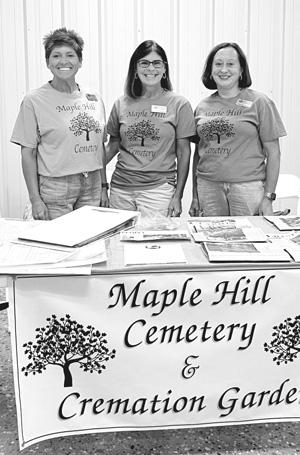 Photos: Jancey Smith
Shannon Linsday and Amanda Alsobrooks from the Princeton Library had examples of all the programs and services that are offered.
Photos: Jancey Smith
Shannon Linsday and Amanda Alsobrooks from the Princeton Library had examples of all the programs and services that are offered.
Small Town LivingOctober 2022Page 18
1286 W. 150 S. Hwy. 41 N. Princeton, IN 47670 Phone: 812-385-2279 Residential ~ Commercial METRO CARPETS Looking For a Job? Need Employees? C a l l To d a y !C a l l To d a y !Call Today! Modern Personnel Services (812)386-5627 104 N. Third Avenue • Princeton, IN
Special Olympics
Banquet
Honored Athletes & Volunteers
It has been a very difficult few years for the athletes in Gibson County Special Olympics. Many games, events and activities were canceled, postponed and/or suspended.
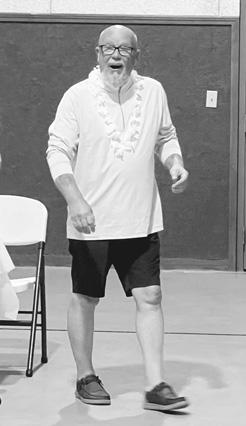
This year they were able to once again have an awards banquet. It was held at the Patoka UMC on Sunday, September 11th.
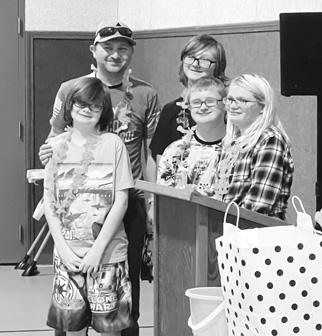
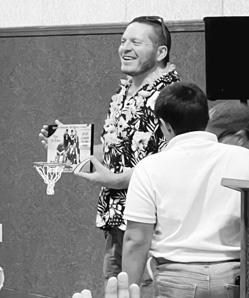
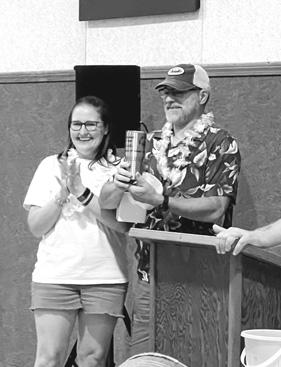
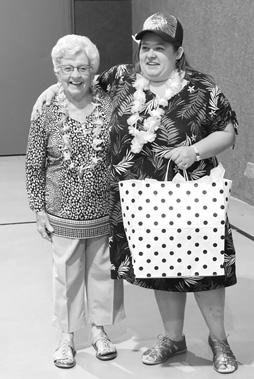
All of those who attended were happy to be back, thankful for the church’s meal and excited to see who got the awards. They are looking forward to a new year of events and appreciate those who volunteer their time.
Above: The winner of the Family of the Year was the family of Josh and Michelle Lewis who joined Special Olympics in 2019.
Left: Coach of the Year was awarded to Ryan McKenzie. He took just five players to state in basketball and won.
St. James is Seeking Inclusive Playground
There is a special fundraiser going on during the month of October in recognition of National Dwarfism Month. St. James PTA has been raising money for new all-inclusive playground equipment for those needing accessibility.
One of their local families has a special interest in the new playground equipment. Their little girl named Macie, was born with a rare form of Dwarfism called Diastrophic Dysp. She’ll soon be a kindergartener at St. James and will want to play, too.

Macie has a Facebook called Mighty Macie Grace and works hard to raise awareness about Dwarfism. She sells t-shirts every October and this year all the proceeds will go towards the new playground equipment at St. James. If anyone is interested in more information, find the Facebook page: Mighty Macie Grace.
Info Call 812-753-3310
 Above: Jeff Smith pictured with Katlin Stough was awarded Volunteer of the Year.
Photos: Jancey Smith
Ike Belcher was completely surprised to receive the JB Prince Award in honor of Jarrod Bock.
Nora Miller is all smiles with Athlete of the Year, Brittany Koberstein.
Above: Jeff Smith pictured with Katlin Stough was awarded Volunteer of the Year.
Photos: Jancey Smith
Ike Belcher was completely surprised to receive the JB Prince Award in honor of Jarrod Bock.
Nora Miller is all smiles with Athlete of the Year, Brittany Koberstein.
Small Town Living October 2022 Page 19
For Vendor
Masons Held Golf Scramble for Fun and Funds
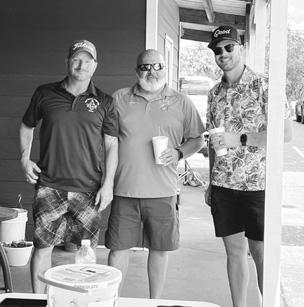
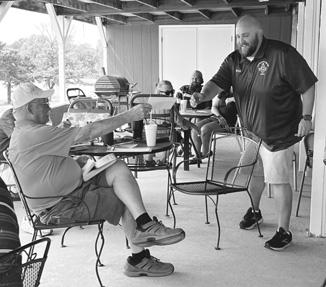

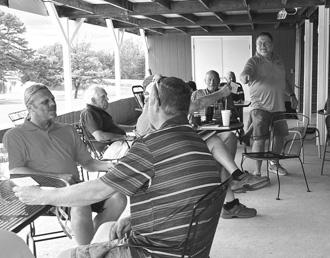
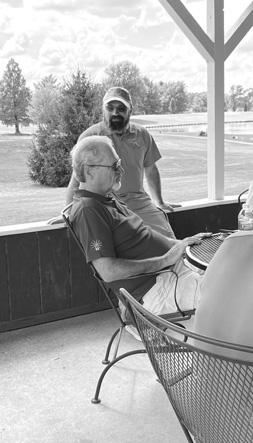
On Saturday, September 10th, the local Masonic Lodges held an annual golf scramble at the Oakland City Country Club. Six teams from the Oakland City, Fort Branch and Princeton lodges and their guests played for prizes amongst 60 hole sponsors. All proceeds from the event went to the building funds for the lodges to go towards expenses like insurance and upkeep.



Randy

read



Pictured: AJ Cooper & Paul Green.

10AM
 Photos: Jancey Smith
Left: Carl Shomate handed a prize to Brick Hutchinson from the Fort Branch lodge
From left: Kenny Taylor, (Junior Deacon), Donnie Moser, (Senior Deacon) and Austin Turner attended the event.
Later in the month, the Princeton Lodge sold coney sauce as a fundraiser
Far right: Larry Sisk won one of the many prizes donated by local merchants for the event.
Photos: Jancey Smith
Left: Carl Shomate handed a prize to Brick Hutchinson from the Fort Branch lodge
From left: Kenny Taylor, (Junior Deacon), Donnie Moser, (Senior Deacon) and Austin Turner attended the event.
Later in the month, the Princeton Lodge sold coney sauce as a fundraiser
Far right: Larry Sisk won one of the many prizes donated by local merchants for the event.
Small Town LivingOctober 2022Page 20
Microwaves • Dining Room Tables • Toaster Ovens • Vacuums • Slow Cookers She’s Price Matching Everybody!! Plan ahead for the holidays and get MONSTROUS SAVINGS! Appliances, Home Furnishings & More! 1607 W. BROADWAY, PRINCETON, IN 812-385-5757 • Owned and Operated Debra Walker HOURS: Monday thru Friday
to 6PM Saturday 9AM-5PM • Sunday CLOSED We are a Dealer 90 Days Same as Cash 12 months no interest with qualifying credit! (see associate for details) BatTy! Oh No! Debbie has gone BatTy! BatTy NEW ITEMS ARRIVING WEEKLY
McClanahan
the prize winners.
the PastStory: Mayor Greg Wright


Photos: courtesy Princeton Public Library
Oliver Morton Hitch was born March 4, 1892, in Patoka. The eventual founder of Hitch Packing Company began working as early as 1907 at the Jacob Shuel Meat Market located in the O’Neill Building at 932 to 934 S. Gibson Street in Princeton. By 1914, Mr. Hitch had purchased the meat market on Gibson Street and opened a second location at 124 North Main. His brother Horace Hitch operated the Hitch Variety Store next-door at 126 North Main. Horace would join his brother to form Hitch Brothers Meat Market.

By 1938, Hitch Packing Company was formed and moved into a new location on outer N. Main St. Morton Hitch and wife
William Hitch
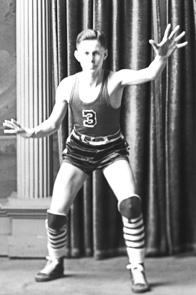
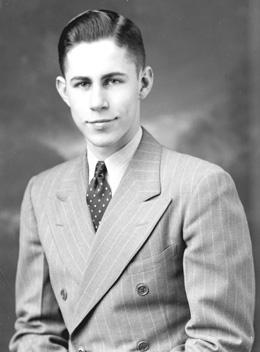
Francis’ oldest son William “Bill” Hitch graduated Princeton high school in 1940. William Hitch who was an Eagle Scout, was also awarded the Silver Beaver award by the scouts in 1965. A 1944 Indiana State University graduate and basketball star, Bill would later become President of the ISU board of trustees in 1972. Bill Hitch was also an associate Director of the Indiana Basketball Hall of Fame and on the Gibson County Bank Board of Directors.

Mr. Hitch as a young man.
Hitch Packing Co. was a leading industry and employer in Princeton and would finally close its doors in the late 1990’s. A former Navy veteran serving in World War II and famous for playing “taps” at veteran’s funerals since the age of 14, community leader Bill Hitch passed away on December 8, 2003.
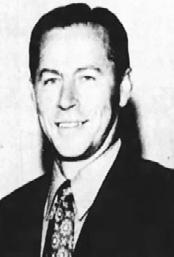 Bill Hitch during his PHS Tiger playing days. William “Bill” Hitch
Picturing
Page 21Small Town Living October 2022
812-386-1250 ext. 107 chase@wrayradio.com COUNTRY 98.1 98.1 94.3
Beyond the Tag - Part 1
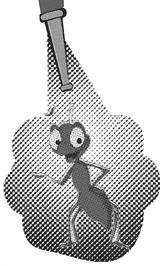
You have been blessed by a loved one who thoughtfully gave you a lovely plant for the holidays or maybe you just couldn’t resist that plant sitting on the shelf screaming to you “buy me, buy me!” but now what? Like many others, myself included, the “tag” just does not give enough information to help you keep your plant thriving for the months or years to come. This article will provide you with information on two of the most popular plants purchased during the holiday seasons, Christmas Cactus and Norfolk Pine. Next month, we will discuss Amaryllis and the Poinsettia.
Christmas Cactus
Christmas Cactus is actually a part of the succulent family, native to Brazil’s humid forest, producing showy flowers during the winter months. It is nontoxic to dogs and cats, and if properly cared for can live for many years. Christmas Cactus requires fifteen consecutive hours of darkness and cooler temperatures to trigger the blooming cycle. The plants that are purchased at the store are forced to bloom at the required time for purchase. You can force it to rebloom by simply starting eight weeks before the desired date by providing the required cycle of darkness and cooler nighttime
temperatures.
After blooming, the plant moves into active growth, continuing to like shorter days and cooler nights. Once it moves into active growth, they like bright indirect sunlight, too much direct sunlight can burn its leaves giving them a light red tint. If this occurs, change the location of the plant.
Common problems arising while taking care of this plant are water requirements. The general rule of thumb when it comes to watering a Christmas Cactus is when the top inch or two of soil is dry. Overwatering can cause several issues discussed later in this article. Since this plant likes humid conditions, to help increase the humidity around your plant, fill a pot saucer with pebbles and add water to just below the tops of the pebbles (the pot should not be sitting directly in water). The air will become more humid as the water evaporates creating a happier environment for your plant. Here are some common troubleshooting answers.
Stems falling off? You have over watered and the roots and/or stems have rotted causing them to break off.
Buds dropping? Remember this plant likes darkness; it needs a minimum of thirteen hours of nighttime darkness. Also, if there is a sudden drop in temperatures this plant either will drop blooms or may not open. It does not like cold temperatures.

Leaves wilt and shrivel up? This can be from either over-watering or under-watering. Over watering can cause root rot and suffocate, making them unable to absorb water. If you see this happening, immediately repot in fresh, slightly moist soil. If any roots are black or mushy, remove them and pour hydrogen peroxide over the roots and rinse. This will kill any remaining bacteria that will spread to the other roots before you place it into fresh soil.
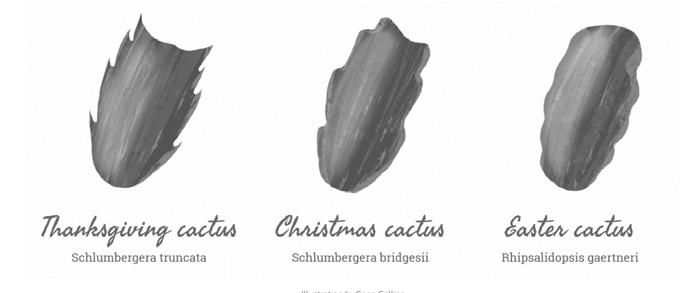
Fun Fact! Did you know there are sereval types of Cacti such as the Thanksgiving Cactus, the Easter Cactus and the Christmas Cactus? The care is the same, only difference is the leaf shape and time of blooming. See the illustration for examples of leaf shapes www.gardeningknowhow.com/ornamental/cactisucculents/christmas-cactus
 Article submitted by the Gibson County Master Gardeners
Small Town LivingOctober 2022Page 22
Is Your House • Termite Control • Household Pests • Rodents • Bedbugs • Mosquitoes & More BUGGED? P e s t s A s i d e P e s t C o n t r o lP e s t s A s i d e P e s t C o n t r o lPests Aside Pest Control Certified in Pest Control in the State of Indiana by Purdue University Call Steve Snodgrass of 812-664-7523•812-640-0630
Beyond the Tag continued
Norfolk Pine
Norfolk Pine’s name fooled you; it is not a true pine tree. It is native to the Norfolk Island that is in a tropical region.
They will not survive outdoors in cold climates, like a pine tree, but it can make a beautiful Christmas tree when you bring inside for the winter months. To care properly for the Norfolk Pine tree, think of them as a gardenia or orchid rather than a pine tree. Being a tropical plant, it requires high humidity. Paying attention to humidity is very important in the winter months when the indoor humidity normally falls significantly in your home. Keeping humidity high can be done by either using a pebble tray with water, using a humidifier in the room, or a weekly misting of the tree.
These trees prefer several hours of direct sunlight to bright light from a south-facing window, but they will also tolerate full indirect, bright light as well.
When watering your Norfolk Pine follow the same general rule as other plants. When the top 1-2 inches of soil feels dry to the touch, you should water. You can fertilize your Norfolk Pine when it is actively growing in the spring and summer months with a water-soluble balanced fertilizer, but you do not need to fertilize in the fall or winter. These are acid loving plants, thriving on a pH of 4.5-5.5 range. It also is recommended not to use softened water.

Troubleshooting your plant when you see first signs of distress will help keep your plant alive for many years to generations to come.
Browning on the bottom branches? This is normal tree behavior; however, if you find browning branches all over the tree, this is a sign that the plant is either overwatered, under-watered or is not getting enough humidity.
Needles turning brown? Though being a tropical plant, we know they cannot tolerate cold, but it also cannot tolerate extreme heat. Wide temperature fluctuations can cause the needles to brown. Overwatered or under-watered also can cause brown needles too.
Needles Turning Yellow? The tree may not be getting enough sunlight, or it could be getting too much sunlight, therefore, the needles are stressing. Extreme changes in temperature may also be the culprit for turning the needles yellow.
Needles Dropping? Needles will drop for two reasons: Your tree is either being overwatered or it is not getting enough light.
With these tid-bits of information, I truly hope this will enable you to enjoy your holiday plant, not only this coming holiday but for many holidays ahead! Good luck! Additional questions? Contact your nearest County Master Gardener – they can assist you!

To be continued in the next edition.
Daughter’s of Isabella Plan for October
The Daughters of Isabella will join the Knights of Columbus for the “Living Rosary” on Monday, October 10th, at 7:30 pm at the K of C parking lot. Seating will be available. Circle #151 will serve hot chocolate and cookies in the K of C Hall following the rosary. Everyone is invited.
Circle #151 will take part in the Town of Haubstadt’s “Trick or Treat on Main Street” on Friday, October 28th. D of I members will hand out candy from 5:00 to 7:00 pm in front of the K of C Hall. It’s a safe way for kids to Trick or Treat!
Regent Kris Lutz was presented with a bouquet by Becky Siewers in honor of her retirement from the Haubstadt Library. Daughters of Isabella’s next meeting is scheduled for October 17th at 7:15 pm at the K of C Hall in Haubstadt. All members and prospective members are invited.
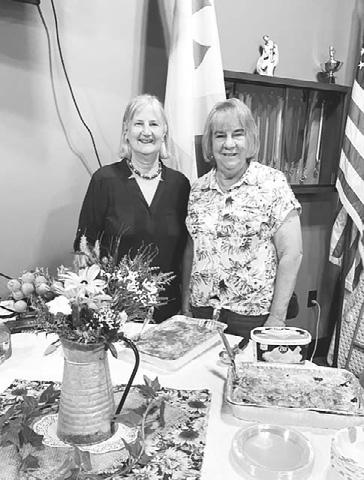 Photo provided
Small Town Living October 2022 Page 23
www.dunnriteasphalt.com • 812-202-3434 Serving the Tri-State Area Locally Owned & Operated from Fort Branch Commercial or Residential AsphaltSealing Coating Patching Chip Seal FREE Estimates Parking lots, Paving, Drive Ways, Patching Cold weather cracks and pot holes are coming. Call Dunn Rite Asphalt today!
S Mon
124 South Hart
Princeton, IN 47670 812-385-4464
www.princetonpl.lib.in.us

SEPTEMBER 2015
Friday
9am-8pm
9am-5pm
3 VU GED Class 1-4pm
Learn to earn your GED! Call 812- 602-4136 to register
Fiber Fanatics 6pm Knitters & other fiber-based crafters
Sewing Classes 6pm
Call the library to register: 812-385-4464
9 10 VU GED Class 1-4pm
Monster Movie 5pm We will be showing Monster’s Inc. Rated PG. Popcorn and water to be served.
Fiber Fanatics 6pm
Sewing Classes 6pm
Call the library to register: 812-385-4464
1 6 17 VU GED Class 1-4pm
Fiber Fanatics 6pm
Sewing Classes 6pm
Call the library to register:
Kids Costume Contest 57pm Costume contest and dance party for those ages 1-12!
2 3 24 Monster Movie
Marathon: ALL DAY!
Just after 9AM, we will be showing classic monster movies: The Invisible Man, The Wolf Man, & Creature from the Black Lagoon!!
VU GED Class 1-4pm
Fiber Fanatics 6pm
p
knitters,
Sewing Class 6pm
Come Trick or Treat at
Library! 9am-8pm
Happy Halloween!
4 Family StoryTime 10am
Geared for toddler/pre-school age children. No registration necessary
Afternoon StoryTime 1pm A second time available for those who missed the morning session
Euchre Card Players 2pm Interested in learning to play? Come on and join us!
11 Family StoryTime 10am
Afternoon StoryTime 1pm
Euchre Card Players 2pm
Chats with Charlie 2pm Learn the mystery and working theories behind Lizzie Borden: Alleged Axe Murderer!
The Mighty Pen 6pm
This writing group gives info on writing skills!
18 Family Story Time 10am
Afternoon StoryTime 1pm
A second time available for those who missed the morning session
Euchre Card Players 2pm
Library Board Meeting 4pm
Open to the public
25 Family Story Time 10am
Geared for toddler/pre-school age children. No registration necessary
Afternoon Story Time 1pm
Euchre Card Players 2pm
5 VU GED Class 1-4pm
Teen Scene 4pm
Teens can enjoy art, games, anime, & more!
Dollar Store Craft Night
6pm
We will be making Halloween Canning Jars tonight! Register at our front desk
6 Games Club 4pm Games, games, and more games! Find out what we are gonna play today!
Recommended for grades 3-6
Fit Club with Amy Bly 6pm Come have a fun and engaging workout with Beachbody coach Amy Bly and friends!
7 Book Sale 9am5pm
8 Book Sale 9am5pm
12 VU GED Class 14pm Call 812- 602-4136 to register
Teen Scene 4pm
Teens can enjoy art, games, anime, & more!
Craft Night 6pm
We will be painting pumpkins for your porch tonight! Register at our front desk
19 VU GED Class 14pm
Teen Scene 4pm
Dollar Store Craft Night 6pm
We will be decorating Wood Pumpkins tonight! Register at our front desk
13 Chats with Charlie 2pm
Which witch is which?! See video and photos on the fascinating history behind the Salem Witch Trials & what Salem, Mass. does now to remember such an odd time in history!
Games Club 4pm
Fit Club 6pm Come have a fun and engaging workout
20 Games Club 4pm
Fit Club 6pm Come have a fun and engaging workout
Chats with Charlie 6pm Encore presentation on Lizzie Borden: Alleged Axe Murderer
14 Teen/Adult Costume or Cosplay Contest 46pm Costume & Cosplay contest for anyone 13+!
People’s Choice will take home the prize!
15 Family LEGO Saturday 2 -4pm
26 VU GED Class 14pm Call 812-602-4136 to register
Teen Scene 4pm
Craft Night 6pm We’re decorating Mini Wood Crates tonight! Register at the front desk!
27 Games Club 4pm Games, games, and more games!
Fit Club 6pm
Come have a fun and engaging workout with Beachbody coach Amy Bly and friends!
Chats with Charlie 6pm Encore presentation of Salem Witches
21 22
Artisan/ Vendor Fair 10am2pm Come buy unique items from local makers!
28 Spooky Bingo 4pm Come play Bingo with us! Free to play and you’ll have mulitiple chances to win!
29 The Mighty Pen & Jill Chapman writing sprints 10amnoon
Page 24 October 2022 Small Town Living
Street
Tue Wed Thu Fri Sat
of
crocheters, & other fiber-based crafters
3 0 31
the
1 Nov 2 3 4 5 Monday-Thursday:
& Saturday:
Sunday: Closed October 2022 Our book sale will start Friday, Oct. 7th! This will continue on Saturday, Oct. 8th with the Princeton Community-wide Yard Sale! Throughout the entire month of October, fill out a survey & get a free reuseable tote bag from Marcy King with State Farm! Ask for your survey at the front desk!

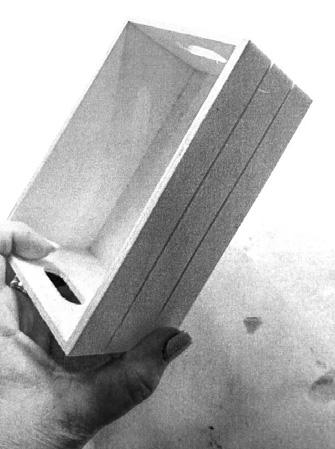
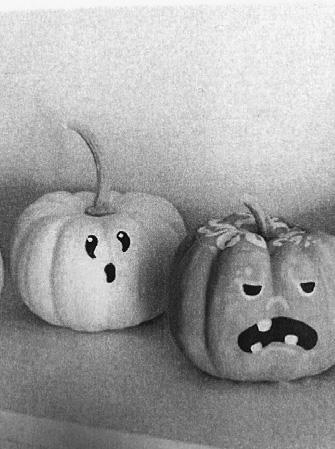


Page 25October 2022Small Town Living October Crafts OCTOBER 26 MINI WOOD CRATE DECORATING OCTOBER 5 HALLOWEEN CANNING JARS OCTOBER 12 PUMPKIN PAINTING OCTOBER 19 WOOD PUMPKIN PAINTING WEDNESDAYS @ 6PM REGISTER AT FRONT DESK
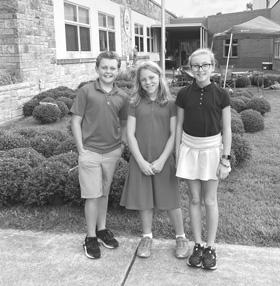
Maverick Brengman,
The St. Joe PTO held their annual mum fundraiser. They were able to sell 1,000 mums to help the school.
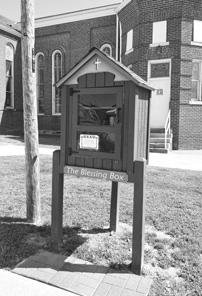
The Blessing Box Has Moved
The Blessing Box at the First Presbyterian Church across from the library was moved to the United Presbyterian Church at State & Prince Streets by Crickets. The church across from the library is in the process of being sold.
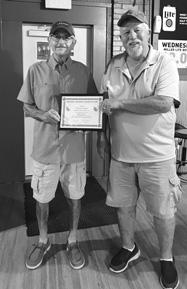
Dennis Abel was awarded the Fellowship Degree at Moose #354. Dennis has been a member 20 years, officer and district officer. He volunteers to help where ever needed.
October 8
107 E Locust St Ft. Branch, IN 47648

Fort Branch,
Haubstadt,

812-649-1084
101 W Gibson St Haubstadt,

OCTOBER EVENTS
October is Read to Me Month! hild 0 5 i it it h l ti

For children ages 0-5, come visit either location of the library to get started on your reading journey to 1000 Books Before Kindergarten! For each sign-up or completed reading log you turn in during this month (including those who have already begun the program), your child will be entered into a prize drawing.
th lib t



Wednesday, October 5: Grab & Go Kids Craft kits will be available at both locations during open hours. Free, while supplies last. This month’s craft is a scarecrow puppet!
Thursday, October 13: Classic Book Club will meet at Haubstadt Town Hall Meeting Room at 6 pm to discuss “Rommel the Desert Fox” by Desmond Young. Sign-up and book copies are available at Haubstadt Library.

Tuesday, October 18: Book Sale at Fort Branch Library from 1 pm - 5 pm in the upper level of the Carnegie building Monetary donations accepted.
Also on Tuesday, October 18: Books & Brews will meet 6 pm to discuss “Sam’s Letters to Jennifer” by James Patterson. Location to be determined (check Facebook for updates). Sign up at either location, and pick up a copy of the book!
November 2022
 by Mikala Sisson, Library Staff Member
Larry McConnell & Dennis Abel
by Mikala Sisson, Library Staff Member
Larry McConnell & Dennis Abel
Photo provided Page 26 October 2022 Small Town Living
f
S
Fort Branch & Haubstadt Public Library Fort Branch Library:
Haubstadt Library:
IN 47639 www.fortbranchlibrary.com Call: 812-753-4212 Text:
Hours Fort Branch Library Haubstadt Library Computer Lab (F.B.) MON 8 - 5 10 - 510 - 5 TUE 1 - 7 8 - 51 - 7 WED 10 - 5 10 - 510 - 5 THU 10 - 5 1 - 710 - 5 FRI 1 - 5 1 - 51 - 5 SAT alternates CLOSED alternates SATURDAY HOURS: October 1 |
8 - 12
|
8 - 12 October 15 | Fort Branch, 8 - 12 October 22 | Haubstadt, 8 - 12 October 29 | CLOSED PLAN AHEAD facebook.com/FBJTPL
SEE THE LIBRARY AT COMMUNITY EVENTS: Saturday, October 1 Vine Street Fall Market Fort Branch Park 9 am - 3 pm Friday, October 28 Haubstadt Town Trick-or-Treat Main Street in Haubstadt 5 pm - 7 pm Saturday, October 29 Fort Branch Halloween Fest Fort Branch, Uptown 3 pm - 6 pm Wednesday, November 2: Grab & Go Kids Craft
St. Joe Held Mum Sale Local Earned Moose Award
Olivia Marceaux and Addi Robbins helped with the annual event.
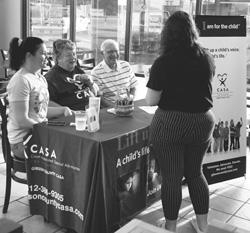
CASA Had Coffee Event
Gibson County CASA promoted awareness of the program by having a coffee event at Donut Bank. They work to establish a safe living environment for abused and neglected children.
Wayman Chapel Held BBQ
On Saturday, September 3rd, Wayman Chapel held their annual BBQ fundraiser at Lyles Station. This year the meal was served carryout only.

Owensville Market
Offered Local Crafts September was the last month of Farmers Markets at the Owensville Square, but it was a good run. It’s a nice niche that should continue to grow.
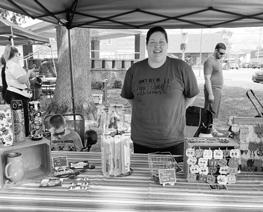
some of her jewelry to sell.
Owensville Carnegie Public Library
110
812-724-3335
Fb.com/owensvillecarnegiepubliclibrary

October 2022 Events and Programs

Movie night (“Hocus Pocus”) will be held on the library lawn at sundown on the 1st of the month.
A variety of Youth Programs are currently being held at the library. These include Story me, STEAM, Novel Ninjas, Anime and Manga Club, and Dungeons & Dragons. Contact Stephanie at the library for more informa on.
Euchre Club will be held every Wednesday at noon.
Geri-Fit Senior Fitness will be held on Tuesdays and Thursdays at 9:30 AM.
A wreath-making class will be held this month—date to be determined. Contact Angie at the library for more informa on.
Two Farmers Food Truck will be at the library lawn on the 4th and 18th of this month from 3 to 7.
The Fall Bash on the Square returns on the 29th at 5 o’clock. There will be a chili cook-off, trunk or treat, cake walk, and more. Contact Owensville Community Planners on Facebook for more informa on.
Hours:
Sunday: Closed Wednesday: 10-6
Monday: 10-6 Thursday/Friday: 10-5
Tuesday: 10-7 Saturday: 10-2
Residents of Owensville and the surrounding area: Please fill out our new survey on Facebook!
Photo provided
From left: Vetty Tichenor, Mamma Burns and Paula Greer helped serve dinners.
Page 27October 2022Small Town Living
S. Main Street
Owensville, IN 47665 www.owensvillelibrary.org
Lizzie Borden and Witches are Coming in October
One of the two programs at the Princeton Library in October will be a review of the Borden Murder Case in which Andrew and Abby Borden were hacked to death with multiple strikes with an axe on August 4, 1892, in Fall River, Massachusettes, a city fifty miles south of Boston. Their daughter Lizzie Borden was accused of the murders, but acquitted. As a result, a dozen or more books have been written with theories as to who did kill Abby and Andrew Borden. There are still internet discussion groups about the case today.
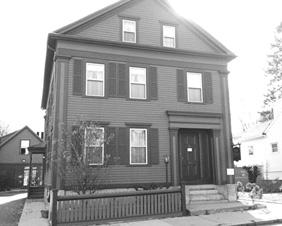
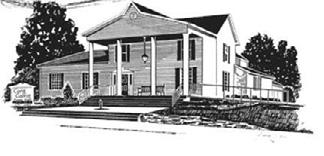
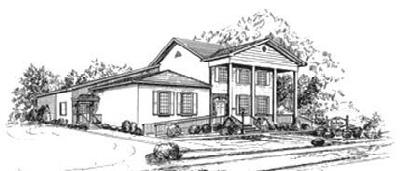
Lizzie Borden spent the rest of her life living in a mansion she named Maplecroft. It was a stylish mansion of its time a 14-room residence with seven bedrooms, twoand-a-half bathrooms, grand entry foyer, seven fireplaces and a garage with a turntable that rotated the parked car so it could simply be driven out of the garage. My wife and I toured both the house where the murders took place, staying there overnight twice, and we also toured the Maplecroft mansion twice. My photos of the tours of both houses will be included in the program.
My wife Jann and I spent several summers in Fall River and met several times with the experts on the case. They are the curators of the Fall River Historical Society. Among items at the Fall River Historical Society and Museum is the supposed axe that was used in the murders. The curators of the Fall River Historical Society wrote a 1200-page, seven-pound book titled “Parallel Lives: A Social History of Lizzie A. Borden and Her Fall River”. It is a collection of remembrances of Lizzie Borden and the history of Fall River. The authors/ curators, Michael Martins and Dennis Binette, don’t believe the case will ever be solved.
In addition, Jann and I collected a dozen books
Story & Photos courtesy Charles Kiesel

about the murder case, including the 1200-page book which Jann read cover to cover. After resourcing those books in our collection, we came to our own conclusion as to who the murder may have been. In my program and after discussion of the many theories of who committed the crime, the most reasonable theory will be presented at October program at the Princeton Library.
The Second of the two programs in October will include a photo/video tour of Salem, Massachussets, during the Halloween Street Festival which takes place during the week of Halloween. The festival culminates with a Witches Ball held in the famous and historic Hawthorne Hotel named after the famous author Nathaniel Hawthorne who was born in Salem, Massachussets.

Also, while in Salem, the Witch Museum can be toured. It features the story of the Salem Witch Trials in life size dioramas. The public is invited to the Witches Circle held at the Salem Commons. The ceremony during Halloween is said to be when the veil between this world and the spirit world is thinnest. The witches gather to honor loved ones who have crossed over to the spirit world. A similar ceremony is held at the end of the Witches Ball at the Hawthorne Hotel. In song the modern Salem witches recall that the blood of their ancestors is flowing in their veins.
In addition, the program will include our video of a walk thorough Proctor’s Ledge, the location where the accused witches of the Salem Witch Trials (16921693) were hung. It is now a park with a memorial.
Hopefully those who attend will study the Borden Murders and encourage others to vacation in New England.
Salem
Page 28 October 2022 Small Town Living
Program Dates & Times: Lizzie Borden - October 11th – 2:00 pm, October 20th –6:00 pm, Salem Witches - October 13th – 2:00 pm, October 27th –6:00 pm
Witch Museum tells the story of the Salem Witch Trials Directors: Richard D. Hickrod and Mark R. Walter Colvin Funeral Home 425 North Main Street Princeton, IN 47670 812-385-5221 Corn-Colvin Funeral Home 323 North Main Street Oakland City, IN 47660 812-749-4021 www.colvinfuneralhome.com www.corncolvinfuneralhome.com The Borden House is now a Bed & Breakfast.




Page 29October 2022Small Town Living W-B Ai r & WaterW-B Ai r & WaterServing Gibson County Since 1996 Heating (installation and service most models) Air Conditioning (installation and service most models) Plumbing Electrical 812-749-9600 Jay Wilkins - Owner ✓ ✓ ✓ ✓ Christian G Burch, CFP®, CRPC® Financial Advisor Lane 403 East Broadway Princeton, IN 47670 812-386-6857 > edwardjones.com | Member SIPC Compare our CD Rates Bank-issued, FDIC-insured Call or visit your local financial advisor today. % % % Minimum deposit Minimum deposit Minimum deposit APY* APY* APY* 3-month 6-month 3.20 3.70 1-year 3.90 $1000 $1000 $1000 FDI-1867K-A © 2022 EDWARD D. JONES & CO., L.P. ALL RIGHTS RESERVED. * Annual Percentage Yield (APY) effective 09/19/2022. CDs offered by Edward Jones are bank-issued and FDIC-insured up to $250,000 (principal and interest accrued but not yet paid) per depositor, per insured depository institution, for each account ownership category. Please visit www.fdic.gov or contact your financial advisor for additional information. Subject to availability and price change. CD values are subject to interest rate risk such that when interest rates rise, the prices of CDs can decrease. If CDs are sold prior to maturity, the investor can lose principal value. FDIC insurance does not cover losses in market value. Early withdrawal may not be permitted. Yields quoted are net of all commissions. CDs require the distribution of interest and do not allow interest to compound. CDs offered through Edward Jones are issued by banks and thrifts nationwide. All CDs sold by Edward Jones are registered with the Depository Trust Corp. (DTC). VOTE Tim Schurmeier forCounty Recorder • Born and raised i n Gibson County. • OwnerofGibson County Abstract & Title Co.for42+ years • Memberofthe Indiana Land Title Assn. • Memberofthe American Land Title Assn. • Has knowledge ofthe job by working i n the Recorder’s offices ofGibson,Vanderburgh,Knox,Pike,Greene, Sullivan,Posey,Daviess,Crawford,Dubois,Perry,Spencer, Vigo,and Warrick counties for47+ years Committed to maintaining the efficiency & integrity ofthe Recorder’s Office and preserving the various records through the continuation ofthe archiving process Pai d forby Tim SchurmeierforCounty RecorderCommittee



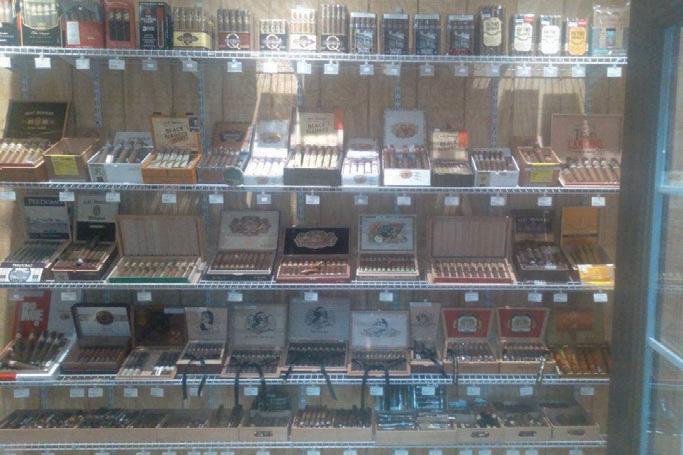

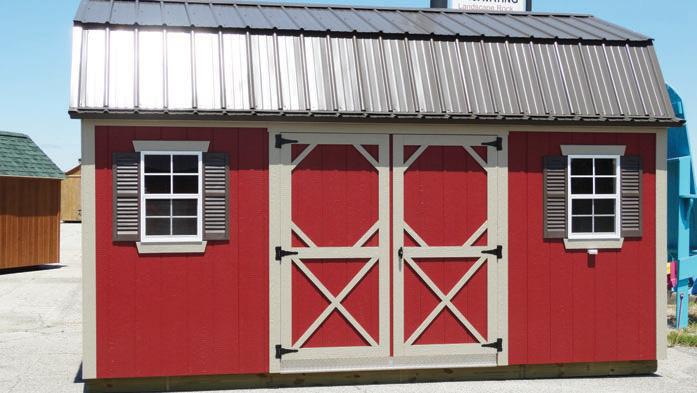
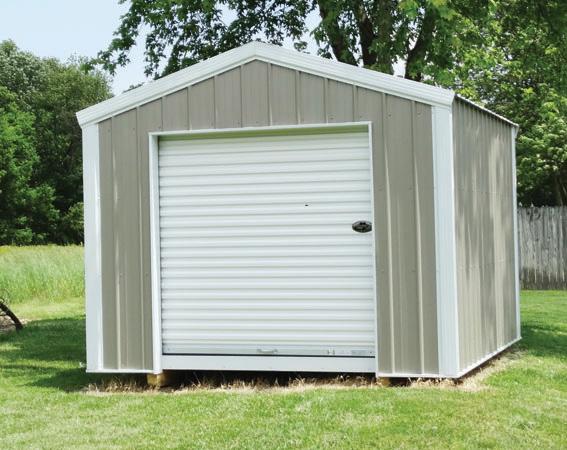
Page 30 Small Town LivingOctober 2022 J o i n t h e S m o k e r s H o s t L o y a l t y p r o g r a m f o r e v e n m o r e d i s c o u n t s ! J o i n t h eJoin the S m o k e r s H o s tSmokers Host L o y a l t y p r o g r a mLoyalty program f o r e v e n m o r efor even more d i s c o u n t s ! discounts! 1109 W Broadway St. Princeton, IN 812-635-0160 (Located Next to Dairy Queen) Store hours: 21 & Older Only Mon. – Sat.: 9 am – 8 pm & Sun.: 11 am – 5 pm Come check out our brand new walk-in humidor stocked full with all of your favorite PREMIUM CIGARS and the BEST PRICES IN TOWN! Come check us out! Haubstadt Location 10905 S. Highway 41 812-490-0407 Display Units Open 24/7 TRI-STATEʼS LEADER IN BACKYARD BUILDINGS Sheds • Lofted Barns • Garages • Cabins • Animal Shelters RENT-TO-OWN• NO CREDIT CHECK! 10X12 CLASSIC SHED $5199 or Rent-To-Own Just $206 per month 10X16 ELITE LOFTED BARN $3099 or Rent-To-Own Just $123 per month PLAY SETS, GAZEBOʼS & FURNITURE AVAILABLE Countrybarnsandmore.com •Rent-to-Own not averrable on All Buildings, Furniture, Horse Barns/Shelters or Build-on-site Buildings
Backyard Birds -

What a Hoot! - Part 1
What if you suddenly lost your ability to look left or right, up or down? What if you had to turn your whole head left and right to look at something. That’s how it is for owls. The only way an owl can look at something is to adjust the angle of its face to get the best view of something it wants to look directly at. Watching an owl trying to see something that has caught its attention may appear at first to be a little comical at first. When you see an owl stretching its neck left and up with eyes staring widely and intently to get its best viewing angle you start to get a sense of their challenges since their eyes cannot look left, right, up or down. Their eyes are constructed very differently than ours. The trade off is that their peepers are made more like binoculars, giving them sight for great distances. Owls such as the Northern Hawk Owl can see a vole up to a half a mile away. This eyesight built for distance however, is not so great in daylight. Their eyes have a feature that allows them to see in very low light conditions. While this is something we cannot do as humans owls can because of their rod and cone design in their eyes.
Many owl species have hearing that is very acute coming from asymmetrical ears. Their ears are located at different heights on the head. This makes them able to pinpoint the location of sounds in multiple dimensions. So they can zero in on their prey.
As fascinating as owls are on their own in looks and appearance, the specific abilities they bring to the table is on a whole other level.
Another unique feature of owls is their ability to turn their heads 270 degrees. While some have said an owl can turn its head 360 degrees that is just not true. It may look as though it can turn that far because of all the fluffiness of its feathers and the extreme difference from us; humans that can only turn our heads about 90 degrees. Of course 90 degrees falls way short of what an owl can do and may be why their 270 degrees looks so extreme. When it comes to an owl turning their heads this far it can become constrictive and cut off blood flow to the brain and eyes. The blow, however, is maintained by a built in pooling system that allows for the blood flow to continue through this activity.
Owls do hunt other owls and the Great Horned Owls can be the top predator of the Barred Owl.
The Elf Owl is the tiniest in the world at 5 to 6 inches tall and weighs about 1 ½ ounces while the largest North American owl is the Great Gray Owl, at 32 inches tall.
Barn Owls swallow their prey whole, eating up to 1,000 mice each year.
Some owls hoot and some don’t. Barn Owls make hissing sounds, the Eastern Screech-Owls make a quivering sound kind of like a horse, while Saw-whet Owls get their name from the saw sharpening sound they make.
By Guest Writer, Shawn Keith
Owls’ feet have two forward-facing toes and two backward-facing toes which is called a zygodactyl foot. Unlike most other zygodactyl birds, however, owls can pivot one of their back toes forward to help them grip and walk.
As we approach Halloween, the owl is often thought of as a haunting eerie creature making its ominous sound in the dead of night. Another feature of the owl is the ability to fly silently in the dead of night and not make a sound. How is that? How can something so large not make a sound in flight? It all comes from the design of the wing and something as simple as the design of the feather. Owls have very large wings giving them great lift for very slow travel speeds as slow as only two miles an hour. The second part to flying in silence is the feather design. It has a leading edge that looks like a flowing comb and a trailing edge to the feather that is rather like a fringe edge instead of a very defined edge. This muffles the sounds so greatly that it doesn’t chop the air but dampens it.
So, an owl is a great hunter with great eyesight in the dark at long distances, a head that rotates a fantastic amount, and hearing like radar while flying in stealth mode all – of which makes the owl a very interesting hunting machine. Now, isn’t that a hoot?

~ Recycle Tips ~
Greetings, Gibson County! Fall is almost here and brings with it warm days, cool nights, football games, pumpkin spice everything, leaf raking, and so many other fun fall activities. This season, instead of throwing out all the leaves you rake, remember that our Trash and Compost Yard (behind Toyota) accepts yard materials to add to the compost pile. Then, when spring is here, you can come pick up compost for your gardens. This service (compost drop-off and pickup) is free to all Gibson county residents.
Pumpkins and gourds are compostable as well, so keep Gibson County clean and bring your leaves, leftover pumpkins, and compostable yard waste and help increase the compost pile for next Spring.
Remember, Reduce…Reuse…Recycle.
For more information on the Solid Waste Department, you can visit our website at www.gibsoncountysolidwaste.com or call the office during office hours Monday-Friday 7:00am to 3:00pm at 812-385-3136. Thanks Gibson County, keep up the great work!
Follow us on Facebook Page: Gibson County Solid Waste OR check out our website: http://www.gibsoncountysolidwaste.com



October 2022 Page 31Small Town Living
As the Vet Says -
How Can I Keep My Pet Active?
National Pet Obesity Awareness Day is October 12th!
Back in the January issue of Small Town Living, we talked

about how to tell if your pet is overweight. An easy way –for both dogs and cats – is to check out their ribs. If you can see your pet’s ribs through their fur, they are too thin. If you can feel the bumps of their rib bones when you pet them, they are probably in good shape. If you have to push and prod to feel ribs, they are overweight.

Of course, your veterinarian can also tell you if your pet is the right weight for their body type, and can give you some ideas on how to help them lose weight. One of the best ways to help your pet lose weight is by keeping them active! Dogs should get at least 30 minutes of exercise a day. Cat owners should aim for three, 5-
care for
animals, LARGE a n d s m a l land small
minute periods of active play a day. But . . . how do you get that done?
It might be a little easier to get your dogs to be active than your cats. Take your dogs for walks, work up to short runs, or toss a ball or a Frisbee. Investing in a good puzzle treat toy can help keep your pups active, and get rewarded for their hard work! (Just make sure you are decreasing their meal volume to make up for the extra treat calories.)

Cats can be a little more challenging to be active. Some engaging toys are feathers on strings (just put them away after playtime so they don’t eat the string), catnip mice, or laser pointers. Some cats may like puzzletype food toys, too. Move the food bowl from place to place so they need to “hunt” to find it, or follow you around your home to get their dinner. Experiment with different toys, and change them out regularly so your cats don’t get bored.
Increasing your pet’s activity is important for their physical health, and can also give you some great mental health benefits! Take a little extra time every day to play and relax with your pets, and you’ll see big changes in both of you.
The Princeton Veterinary Hospital is always here when you need us, even during our construction! Thank you to all of our clients for being so patient with us during our construction phase! We are always accepting new patients. Call us at 812-385-2733 if you have any questions, or bring your animals in for an exam, no appointment needed.
Andy Griffith quiz answers: 1. B, 2. C, 3. D, 4. A

-Dr. Marybeth Feutz, Princeton Veterinary Hospital 725 E. Broadway, Princeton, IN CALL TODAY! 812-385-2733 princetonvet.net/ We are always accepting new patients! C o m p a s s i o n a t e c a r e f o r a l l a n i m a l s , L A R G E a n d s m a l l C o m p a s s i o n a t e c a r e f o rompassionate
a l l a n i m a l s , L A R G Eall
Small Town LivingOctober 2022Page 32
Breakfast - Lunch - Dinner Call In •Take Out • Dine In Hwy. 65 in Union 812-354-2919 S u l l i v a n ’ s G r o c e r y S u l l i v a n ’ s Sullivan’s G r o c e r y Grocery Mon. - Sat. 5 am - 9 pm Sunday 6 am - 8 pm Try our Bacon Cheese Fries!!!




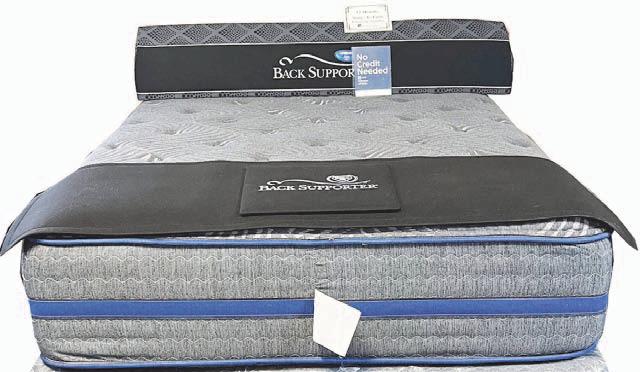
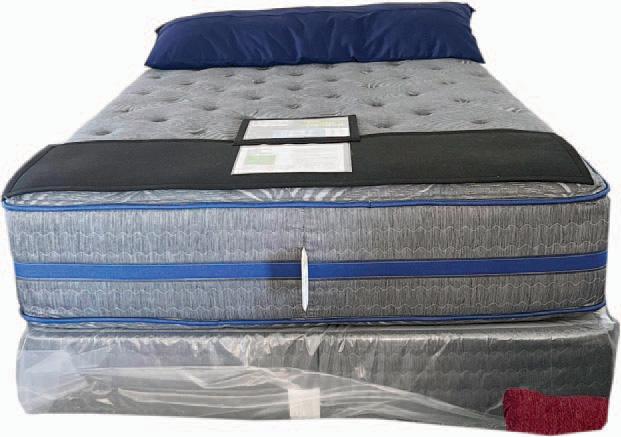






Page 33Small Town Living October 2022 AVERY MARBLE CHOFA reg. price $1149 Factory in stock, guaranteed delivery within 7 days! NO Layaways - immediate pickup or delivery required. NO REASONABLE OFFER REFUSED HUGE DISCOUNTS! Due to Sever Storm Damage we must liquidate as much stock as possible Discounts Off Regular Retail PricesEMERGENCY PRICES to LOW to advertise. Call or stop for details This is not a scam or sale but an EMERGENCY! ALL PRICES DRASTICALLY REDUCED SPRING MATTRESSAIRis a 100 year oldAmerican Company KELLY RECLINER EMERGENCY PRICE $299 limited qty 12 MONTHS INTEREST FREE WAC • NO CREDIT NEEDED Closed Monday Open Tue-Sat 9-5 S T O R E H O U R SSTORE HOURS 521 Grave St., Patoka, IN 812-779-2300 EMERGENCY PRICE $799 TWIN MATTRESS & MATCHING FOUNDATION $199 from warehouse
Car Show Highlights

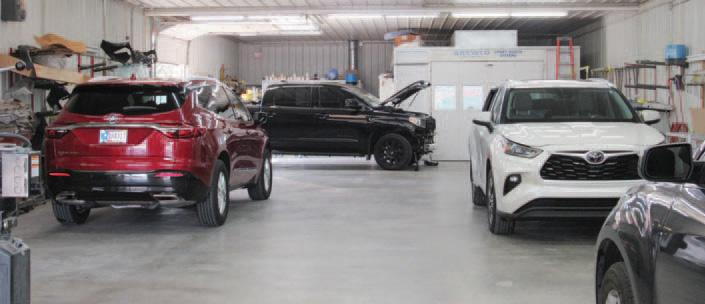

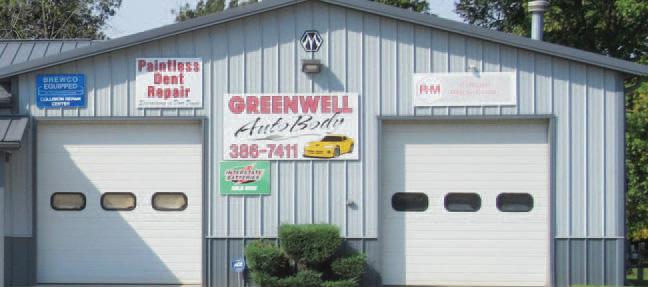
Despite the heat and road construction, the Francisco Lions Club held a car show Saturday, September 17th. Patrons were treated to some cool classics, customized bikes, and food was provided by the Francisco Volunteer Fire Department.
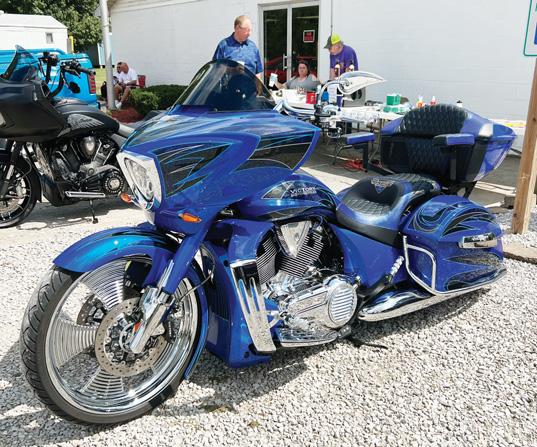
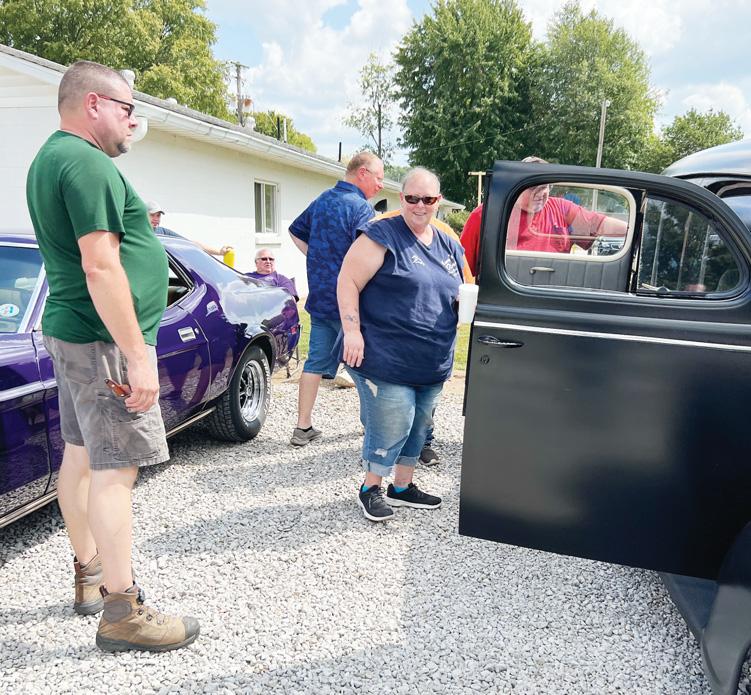
Patrons admired this 1939 Plymouth. It was a new purchase, being recently acquired by the folks at Mom’s Diner in Oakland City.
This Victory cycle looked like it had a few custom features.


The 1939 Plymouth took home the People’s Choice Award.
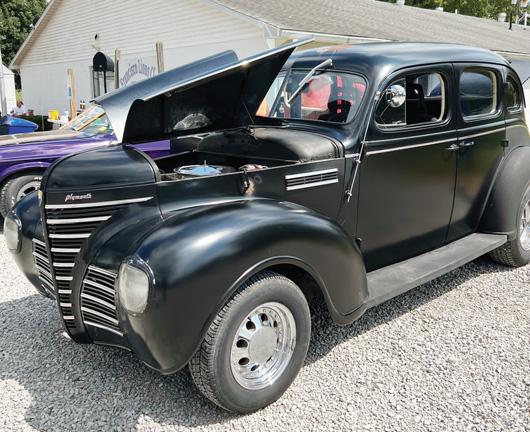 Photos: Jancey Smith
Small Town LivingOctober 2022Page 34
GREENWELL AUTO BODY Our goal is to restore every vehicle to its original condition. Painting is done in an EPA approved ventilated Brewco paint booth, guaranteeing an original factory paint finish. 903 S. Main, Princeton 812-386-7411 • Hours: M-F 8-5 joedy.greenwellautobody@gmail.com Joedy Greenwell Owner • Almost 40 years of experience • Nearly 28 years at this location • Best equipped shop in Gibson County • Down draft baked paint booth • Works with all insurance companies Commitment to Quality Complete professional body repair, frame straightening and factory matched painting. Sinister Cellar Presents: Titans of TerrorTitans of Terror $5 Fort Branch Park FRI, OCT 28 - Sat, OCT 29 6pm-10pm NO SCARE FOR YOUNGER KIDS FROM 6-7pm both nights! Zombie Run 5K Fort Branch Park Sat, OCT 29th • 9am $25 Gets you a Shirt and Ticket to the Haunt Kids Race at 8:30 am







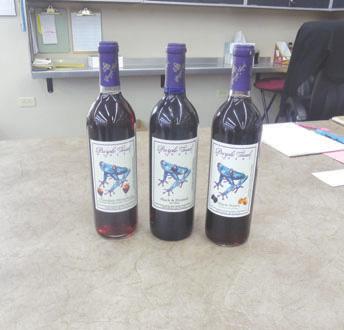
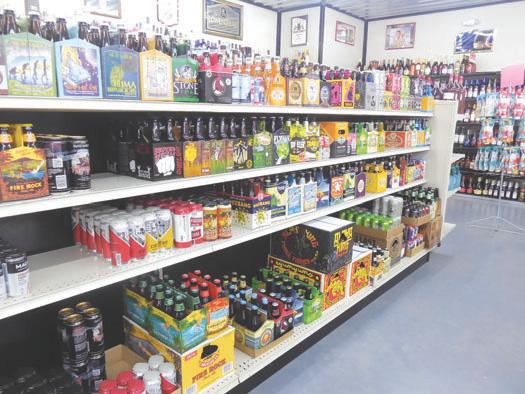



Small Town Living October 2022 Page 35 M a i d l o w sM a i d l o w s Maidlows The DESTINATION For ALL Your Adult Beverages Hours: M-Th 7am-10pm Fri. & Sat 7am-11pm, Sunday-12-6 113 N. 2nd St., Princeton (across from train depot) Oktoberfest Brews are In Purple Toad WinesFlavored Malt Drinks, Beer & Wine Coolers Keg Orders Available Don’t see what you’re looking for? We can get it! Special orders available. The Largest Selection in Gibson County The Largest Selection in Gibson County Fall Beer Flavors 2020 W. Broadway, Princeton 812-635-4001 Hours: 11:00-9:30 Carryout & Curbside Available Happy 2nd Year Anniversary to Lupe’s!!! Music on the Weekends -Oct.14th Acousticratts & Oct.15th JC Stone Taco Tuesdays! Tacos for 99¢ ea. 1/2 Price Margaritas Mon. thruThur. 1/2 Price Beer Sat. & Sun. We Cater - Call to book your event! Celebrate with Us10% Off MealSat. Oct. 15th Checkout our New Items
K
Kenny
LOCAL Gibson County Grai
1/2
lb.
Hours -Mon.-Fri.8 -5:30 •Sat.8 -2 pm 9204 W.State Rd.165,Owensville,IN 812-724-2333
Follow


4058 S. 350 W. - Owensville
Mon. - Fri. 9am-6pm • Sat. 9am-5pm Sun. 1-4pm 812-632-0491
Vote for Joyce Hartley for County Clerk
My name is Joyce Hartley and I am running for the office of Gibson County Clerk. I am asking for your vote and support in the November 8, 2022 election.
As County Clerk, I would be available to any resident who might need to discuss problems with the office. I will take an active role in the daily operation of the office. I do not believe in asking others to do what I myself would not do.
I am treasurer of the Gibson County Presbyterian Church Council. You have the chance to choose what kind of County Clerk you will have in your county government. The decision is yours. When you vote on November 8th, I hope you will choose to vote for dedicated, experienced community leadership.


Vote for a woman who knows the job and will represent your best interests in the Office of Clerk of the Court.

Cast your vote for JOYCE HARTLEY on November 8th.
I have been a member of the Order of the Eastern Star for over 50 years. I am a member of the Patoka Presbyterian Church in Patoka, Indiana. Thanks in advance for your vote and support.
Paid for by Committee to Elect Joyce Hartley
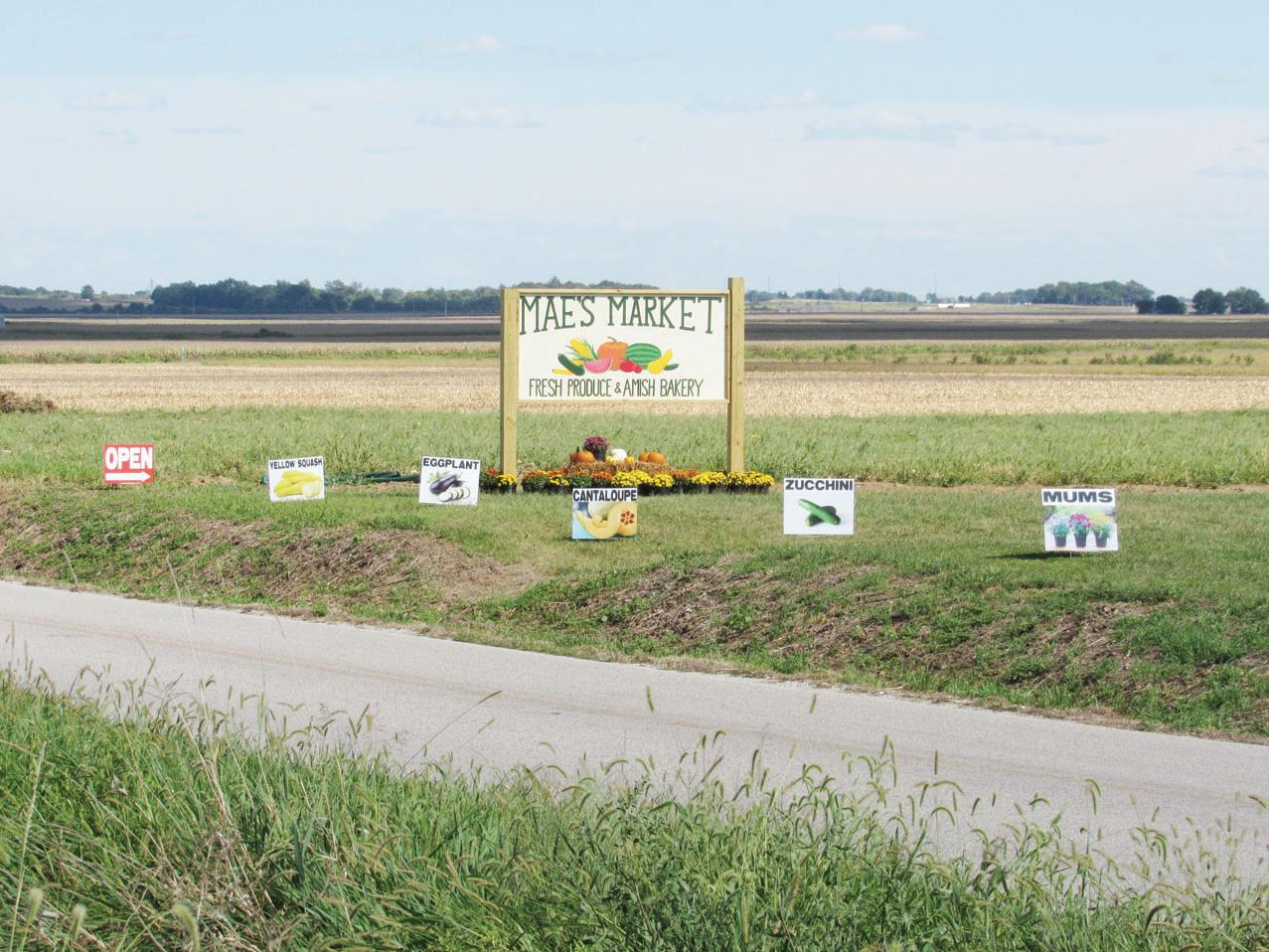
Page 36 Small Town LivingOctober 2022
us on Facebook for updates & specials Stock Your Freezer Wi OCTOBER SPECIAL
e n n y D e M e a t K e n n y D e
Dewig M e a t s Meats
Beef-approx.380
Hind Quarter -approx.190 Front Quarter -approx.190 Cut, Wrapped & Frozen *1 lb.packages*
by Jancey Smith
This is one of my favorite food times of the year. Fall brings football and cooler weather for soups, casseroles, and my favorite finger foods. I love tailgating recipes, especially ones that you can do in your kitchen.
One of my favorite recipes for finger foods or even a fast dinner with little fuss is Baked Cheeseburger Sliders. They’re much like a homemade version of White Castles. There’s no frying, no patties to baby-sit and only one pan to clean. They’re baked in the oven just like brownies. Talk about easy!
Layer onions in the bottom of pan, press burger evenly on top like you do meatloaf and then bake. The cheese (and bacon if you wish) is added the last few minutes. I sprinkled cooked bacon on top the cheese, but the hubby thinks bacon right on the burger is better. Then you just cut to size for the buns you have. The first night we just cut into quarters for regular burgers, but the
Sliders -the Perfect Tailgate Food

next batch I cut them into 9 squares and they fit on silver dollar buns perfectly.
The Cooking Corner Lean ground beef is pressed flat on a bed of onions into an 8x8 brownie pan.
When cooking for a crowd or at game time, slice the burgers into squares, cover the pan with foil, and let sit until folks are ready to come graze. These little hand-held gems will also travel well to games, wrapped in little foil packs.
The Center for Gibson County Seniors October 2022 Calendar
Mon. Tue. Wed. Thur. Fri.
8:45 Breakfast & 9:30 Bingo by River Oaks 12:00 Card Players
8:30 Good Sam Health Screening - FLU SHOTS
9:00 Exercise 11:30 Lunch 12:00 Music by Wayward Musicians 12:00 Crocheting
9:00 Exercise 11:30 Lunch - dessert by River Oaks 12:00 Music by Vince Goedde 12:00 Crocheting
9:00 Free Audible Hearing Screening by appointment
11:00 Quilters
11:00 Quilters
1:00 Food Pantry
8:45 Breakfast & 9:30 Bingo by Good Sam Oakland City 12:00 Card Players
6:00 Master Gardeners
8:45 Breakfast
9:30 Bingo & by Transcendant Health Care Owensville
12:00 Card Players
6:30 Melody Makers
8:45 Breakfast & 9:30 Bingo by Audible Hearing
12:00 Card Players
9:00 Exercise 11:30 Lunch sponsored by Vertical Church 12:00 Music by Silver Picks Dulcimers 12:00 Crocheting
9:00 Exercise 11:30 Lunch 12:00 Music by Connie Bland 12:00 Knitting
9:00 Free Audible Hearing Screening by appointment 11:00 Quilters
8:30 Men’s Breakfast 10:00 Bible Study 1:00 Art & Painting
10:00 Bible Study 1:00 Art & Painting 1:00 Food Pantry
9:00 Tone & Stretch 9:45 Line Dancing 11:30 Lunch 12:00 Get ready for garage sale on Sat. 10/8
9:00 Tone & Stretch 9:45 Line Dancing 11:30 Lunch w/dessert by Angel Care 12:00 Friends & Family Caregivers Bingo
11:00 Quilters
1:00 Food Pantry
10:00 Bible Study 1:00 Art & Painting 10:00 Bible Study 1:00 Art & Painting 1:00 Food Pantry
9:00 Tone & Stretch 9:45 Line Dancing 11:30 Lunch 12:00 Pumpkin Decorating & Cake Walk
9:00 Tone & Stretch 9:45 Line Dancing 11:30 Lunch - Weiner Roast 12:00 Fall Party
2:00
Cheeseburger sliders
Continued next page Page 37Small Town Living October 2022
✂ ✂ 543 6 7 11 1210 13 14 18 1917 20 21 262524 27 28 31
Closed for Columbus Day Call 812-385-8818 for more information Save the Date Garage Sale October 8th 8:00 -
Baked Cheeseburger Sliders

Ingredients:
1/2 small onion, diced fine
a few splashes of Worcestershire sauce
1 lb. ground chuck, 80/20
4 American or Cheddar cheese slices
4 slices of bacon, cooked until almost done (optional)
9 small dinner rolls (silver dollar buns)
sprinkle of Kosher salt
sprinkle of McCormick’s hamburger seasoning (about 1 tsp.)
condiments of choice - pickle, mustard, ketchup
Preparation:
Preheat oven to 400 degrees. Coat 9x9x2 (square) baking pan with cooking spray.
Layer diced onions on bottom of pan. Sprinkle with a couple of dashes of Worcestershire sauce. Spread ground meat over onions to sides of dish. Pat flat like a
Sprinkle with seasonings. Top with bacon slices. Bake for 20 minutes, then drain excess grease. Layer
Veteran’s Voice
 George Pickersgill - Gibson Co. Veterans Service Officer, 812-385-4522
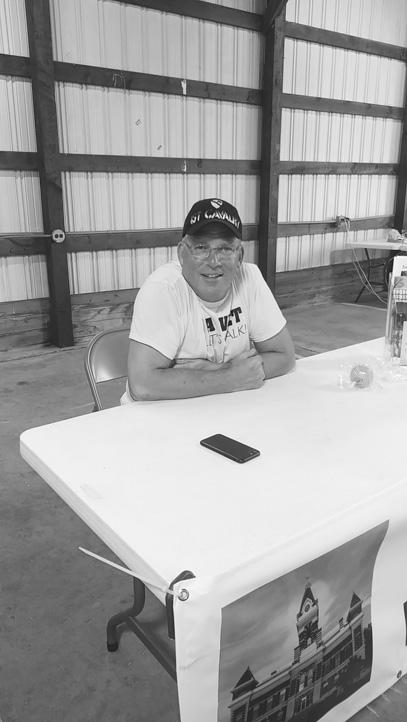

Like me, and every other TVwatching American, I am satisfied that you have recently been bombarded with commercials advertising the Camp Lejeune Contaminated Water Class Action Lawsuit. As you can surely imagine, I have been overwhelmed with questions from veterans seeking advice and guidance. This month I’d like to break from the norm and just share a few thoughts with you relative to this topic.
First let me say that this is a legitimate situation. The government has in fact determined many years ago that the water table at Camp Lejeune, NC and MCAS Little River, NC may have been contaminated. I have heard numerous theories as to the source but I believe much of it is just speculation. The affected timeframe has been narrowed down to 1 August, 1953 through 31 December, 1987. Therefore, any service member who served at either of those locations during this window of time, and suffers from certain medical conditions, may be entitled to monetary compensation from the VA. I have personally helped several vets successfully file these claims.
After many years of research and study, the VA has developed a list of eight (8) presumptive medical conditions that are likely to have been caused by exposure to water table contaminants found on the stated installations. You will remember from numerous

sliced cheese over meat so that edges slightly hang
Remove from oven and cut into 9 squares. Serve on silver dollar buns. If you using dinner rolls, this should make 12.
Note: Recipe easily doubled for 13x9x2 pan. If using dinner rolls, this should make 24 sliders.
~ Kitchen Tip ~
The holidays are coming. Start looking through your spice rack and condiments, ditching the old stuff to make space for the new. It’s inventory time.
discussions here that presumptive conditions are medical ailments for which the government has conceded service connection and as such, proof of exposure is not required. In other words, if a veteran has been diagnosed with one of the following conditions and served at the aforementioned areas for a period of 30 days (cumulative), the government will presume (or assume) that it was caused by the water contamination. Again, no proof of exposure is necessary. The presumptive conditions are:
• Adult Leukemia • Aplastic Anemia • Bladder Cancer • Kidney Cancer • Liver Cancer • Multiple Myeloma • NonHodgkin’s Lymphoma • Parkinson’s Disease
Now, to the issue of the lawsuit. I must tell you that I am not in a good position to give advice or recommend any courses of action and as one might expect, I have made a conscious decision not to do so. One of the questions I continue to receive is why the lawsuit commercials discuss additional medical conditions beyond the list above. I have absolutely no idea but can only repeat that this is the official list currently accepted by congress.
So, the bottom line is that I am happy to talk to you about the situation and how I might be able to help you in the form of a disability claim but, at the risk of being redundant, I would ask you not to ask me for advice or direction concerning the lawsuit. The best I could say is that, if you feel you might be a qualified participant in the suit, call one of the many law firms who are advertising and investigate for yourself. Thanks for your understanding. As always, it is a joy and privilege to serve you.
George Pickersgill
Page 38 Small Town LivingOctober 2022






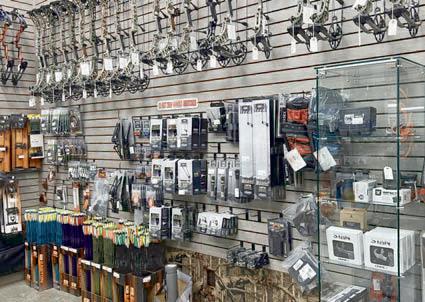


Page 39Small Town Living October 2022 812-385-4741 2178 S. Old Hwy 41, Princeton, IN reddawnarmory@gmail.com • reddawnarmorytactical.com HOURS: Closed Sun. & Mon., Tue.-Fri. 10-6, Sat. 10-4 follow us and watch for updates WE’VE GOT YOUR BACK FOR REPAIR! Bow Technicians & Gun Smithing It’s hunting season! Are you ready?? Get everything you need at Red Dawn Bows, string and all the accessories • Custom built precision rifles • Cerakote your firearm for longer wear and style


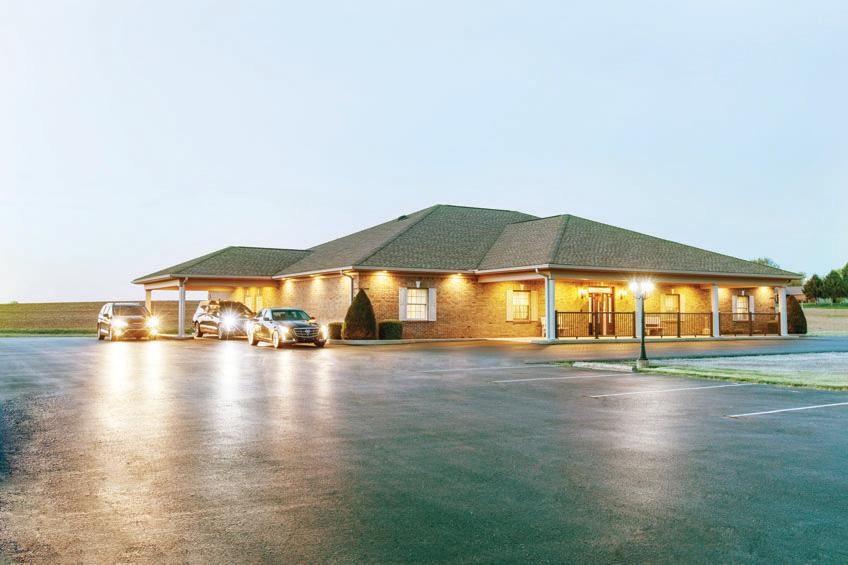



 A. Fehrenbacher. Mark A. Fehrenbacher,
Octpber 2022 Small Town LivingPage 40 ~ The Andy Griffith Quiz ~ For answers see page 32 1. What animal can Gomer make the sound of? A. Cow B. Owl C. Pig D. Snipe 2. Charlene Darling had to bury the divorce proceedings under a/an ______ tree. A. Palm B. Maple C. Oak D. Persimmon 3. Gomer says to the Miracle Salve man that he’s _____________________. A. ‘Andy Taylor Sr.’ B. ‘The Police’ C. ‘Bernard P. Fife’ D. ‘Opie Taylor Sr.’ 4. Fred Plummer worked at the _____________ A. grocery store B. hardware store C. Weavers Department Store D. Court house Visit our website at stodghillfuneralhome.com 812-753-4601 500 E. Park St., Fort Branch, IN Serving Gibson County for 50 Years ASCCare.com Short-Term Rehabilitation • Memory Care Long-Term Care • Respite • Hospice Care Outpatient Therapy (812) 749-4774 Caring People Make the Difference FEHRENBACHER for South Gibson School Board District #2 Paid for and authorized by the Committee to Elect Mark
Treasurer.



fa.svbt.bank | 800.843.4947 | Since 1902 YOUR PARTNERS FINANCIALLY. WE’LL GET YOU THERE. Trust and Investment products are not deposits: Not insured by the FDIC | Not a deposit or other obligation of, or guaranteed by, the depository institution | Not insured by any Federal Government Agency | May lose value - subject to investment risks, including possible loss of the principal amount invested. Terms and conditions may apply. Subject to change without notice. Rest easyknowing your financial health is in the best possible hands. Partner with the Financial Advisors at Springs Valley Bank & Trust Company. The services you want with the local, expert attention you deserve. Through uncertain times and transition periods, the Financial Advisory Group at Springs Valley is here to help. SERVICES OFFERED: • Financial Planning • Retirement Accounts & Employee Benefit Plans Visit any Springs Valley Banking Center or call 800.843.4947 to set an in-person or virtual meeting with a Springs Valley Financial Advisor. Sincerely, • Estate Planning & Administrative Services • Individual Trust • Investment Management • Annuities Springs Valley FinancialAdvisory Group Timothy W. Fisher Financial Advisor Office: 812.634.4867 Cell: 812.499.9127 tfisher@svbt.com Michelle L. Cave Financial Advisory Group Account Administrator Office: 812.634.4852 Cell: 812.309.9610 mcave@svbt.com Martin C. Kaiser CTFA Senior Executive Vice President; Financial Advisory Group Manager Office: 812.634.4841 Cell: 812.719.1541 mkaiser@svbt.com Jason T. Schmitt Vice President; Trust Officer & Financial Advisor Office: 812.634.4827 Cell: 812.639.9663 jschmitt@svbt.com Sandra K. Hemmerlein J.D., CTFA Vice President; Trust Officer & Financial Advisor Office: 812.634.4917 Cell: 812.630.1164 shemmerlein@svbt.com