


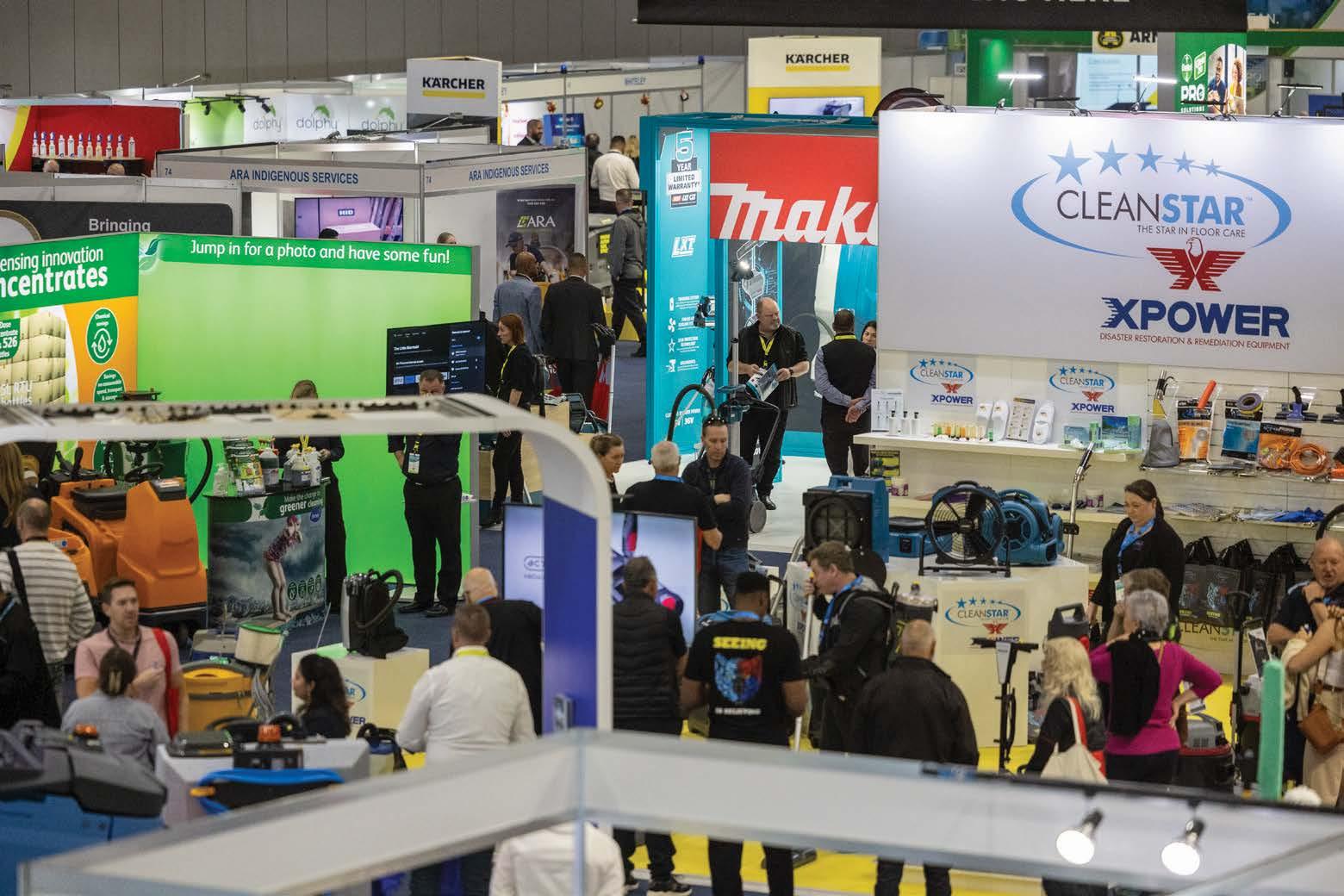
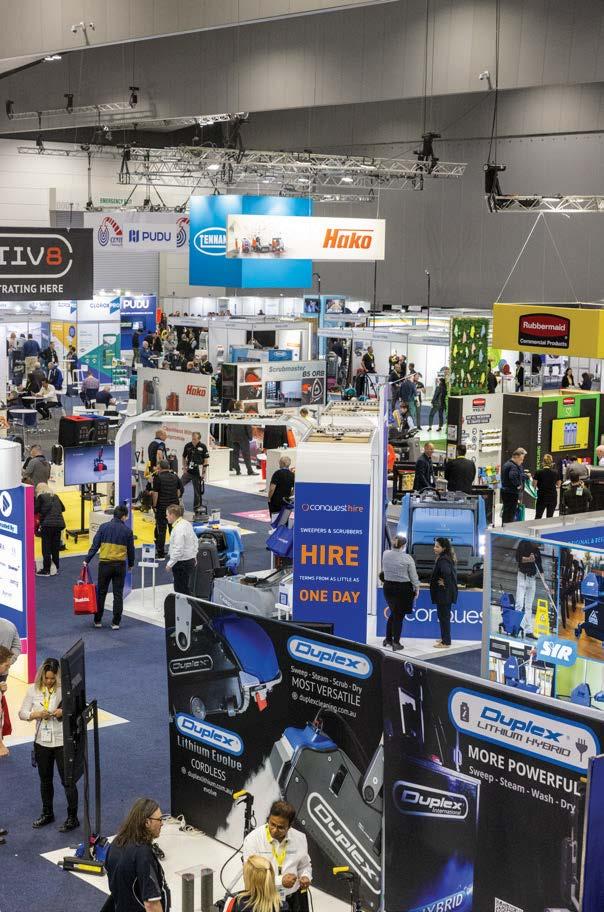
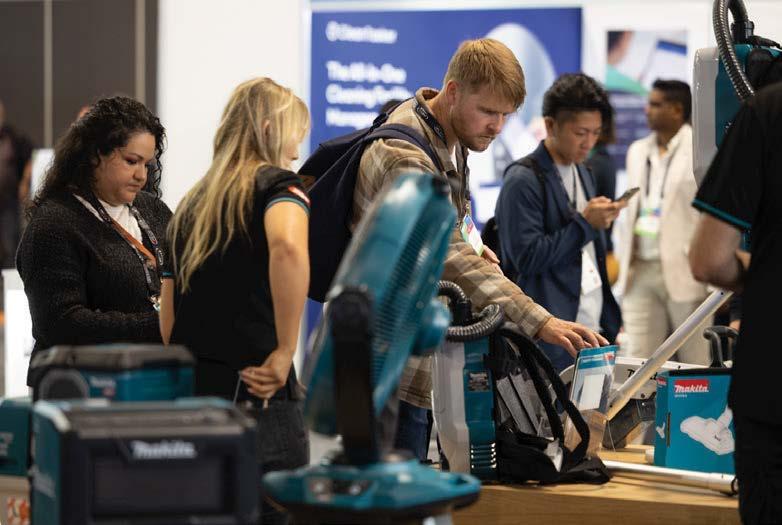
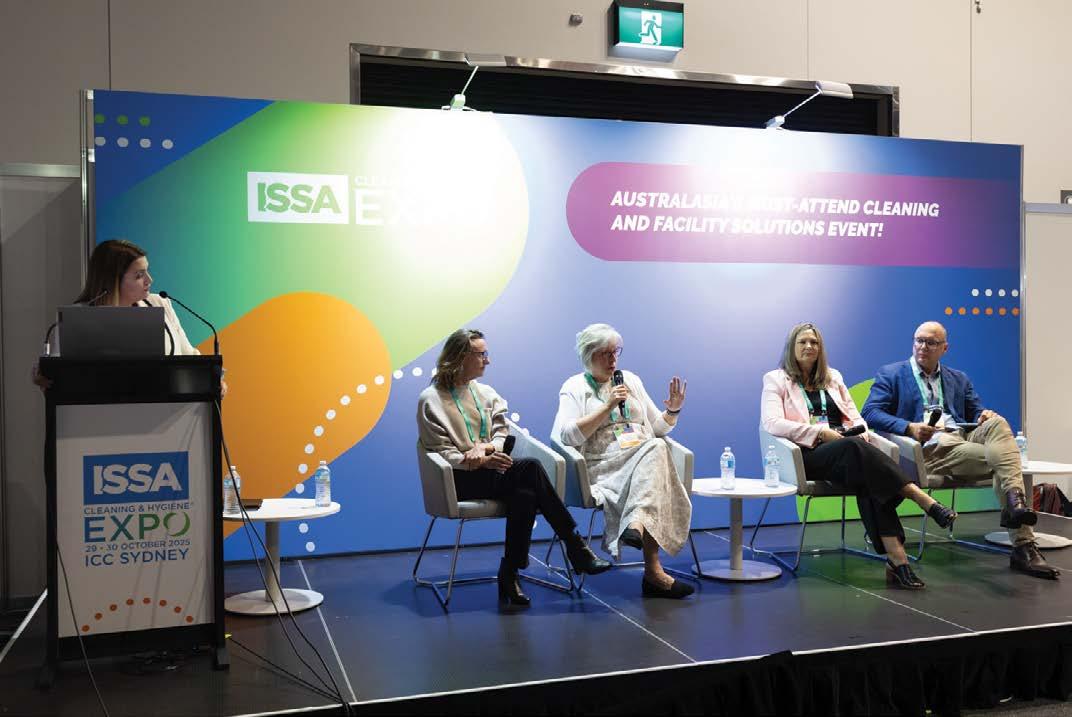

s another year gathers pace and the industry calendar edges toward its biggest gathering, anticipation is building for the upcoming ISSA Cleaning & Hygiene Expo 2026. Our pre-show edition arrives at a moment of momentum for the sector, with innovation moving quickly across cleaning, restoration and facilities management while businesses continue navigating economic pressure, workforce demands and rising expectations around safety and accountability.
This edition also shines a light on the future of the industry through our Emerging Leaders finalists, a group bringing fresh thinking, technical skill and strong leadership into every corner of the profession. Their stories reveal an industry powered by resilience, ambition and a genuine commitment to raising standards.
Across the feature pages, we examine the growing pressure on restoration professionals to deliver rigorous evidence and transparent reporting in Restoration gets serious, where accountability sits firmly at the centre of remediation work. In 'Clean hands, smarter systems', we explore how science, behaviour and frontline cleaning practices are converging to strengthen viral defence across healthcare and public environments.
This issue also arrives alongside NAIDOC Week, providing an important opportunity to spotlight Indigenous enterprise through First Nations cleaning businesses. The feature captures the strength, vision and determination of First Nations operators pushing for greater visibility, stronger partnerships and meaningful economic participation across the sector.
Elsewhere, we explore how smarter chemical choices are reshaping value across facility management, as businesses seek solutions that support operational efficiency while responding to sustainability targets and evolving client expectations.
With the year already passing its halfway mark, there is plenty to recognise and celebrate across the industry. Every day, cleaning and restoration professionals continue delivering essential work with skill, care and persistence in environments that demand precision and trust.
To everyone contributing to the sector’s progress, thank you for the work you do. We look forward to connecting with many of you in the months ahead and, of course, seeing you at the expo.
Tim McDonald

Niche Media takes its corporate and social responsibilities seriously and is committed to reducing its impact on the environment. We continuously strive to improve our environmental performance and to initiate additional CSR-based projects and activities.
As part of our company policy we ensure that the products and services used in the manufacture of this magazine are sourced from environmentally responsible suppliers. This magazine has been printed on paper produced from sustainably sourced wood and pulp fibre and is accredited under PEFC chain of custody.
PEFC certified wood and paper products come from environmentally appropriate, socially beneficial and economically viable management of forests.
INCLEAN is published by Niche Media Pty Ltd on behalf of ISSA-The Association for Cleaning & Facility Solutions
Ground Floor, 15 Paran Place, Glen Iris VIC 3146 Australia
MANAGING DIRECTOR, GROUP PUBLISHER
Paul Lidgerwood
EDITOR
Tim McDonald editor@incleanmag.com.au
SUBEDITOR
Madeleine Swain
ACCOUNT MANAGER - OCEANIA & ASIA PACIFIC
Alicia Morgan sales@incleanmag.com.au
PRODUCTION MANAGER
Alvin Wu
EDITORIAL DESIGNER
Norsham Husaini
Print Post Approved Publication No. PP: 255003/09765
To subscribe, email info@incleanmag.com.au
INCLEAN powered by ISSA ABN: 44 617 407 020 P: +61 2 9890 4951
A: Suite 1, Level 1, 52 O’Connell Street, Parramatta, NSW, 2150 W: issa.com/oceania
of the materials. The mention of a product or service, person or company in this publication does not indicate Publisher endorsement. The views expressed in this publication do not necessarily represent the opinion of the Publisher, its agents, company officers or employees. Any use of the information contained in this publication is at the sole risk of the person using that information. The user should make independent enquiries as to the accuracy of the information before relying on that information. All express or implied terms, conditions, warranties, statements, assurances and representations in relation to the Publisher, its publications and its services are expressly excluded save for those conditions and warranties which must be implied under the laws of any State of Australia or the provisions of Division 2 of Part V of the Trade Practices Act 1974 and any statutory modification or re-enactment thereof. To the extent permitted by law, the Publisher will not be liable for any damages including special, exemplary, punitive or consequential damages (including but not limited to economic loss or loss of profit or revenue or loss of opportunity) or indirect loss or damage of any kind arising in contract, tort or otherwise, even if advised of the possibility of such loss of profits or damages. While we use our best endeavours to ensure accuracy of the materials we create, to the extent permitted by law, the Publisher excludes all liability for loss resulting from any inaccuracies or false or misleading statements that may appear in this publication. Copyright © 2025 - ISSA.
RIA Inc. National Conference and Trade Show
25-27 August 2026
Three inspiring days of learning, connection and industry innovation. Your chance to connect and preview what's ahead.
The Star, Gold Coast
ISSA Show Asia
16-18 September 2026
Where innovation meets clean:
Elevating Facility Solutions across Asia COEX Magok. Seoul, South Korea
ISSA Cleaning and Hygiene Expo
8-9 October 2026
Australasia’s premier event for cleaning and facility solutions
Melbourne Convention and Exhibition Centre (MCEC).
Melbourne VIC
ISSA Show North America
16-19 November 2026
North America’s premier event for the commercial cleaning and maintenance industries.
Mandalay Bay Convention Center Las Vegas, NV
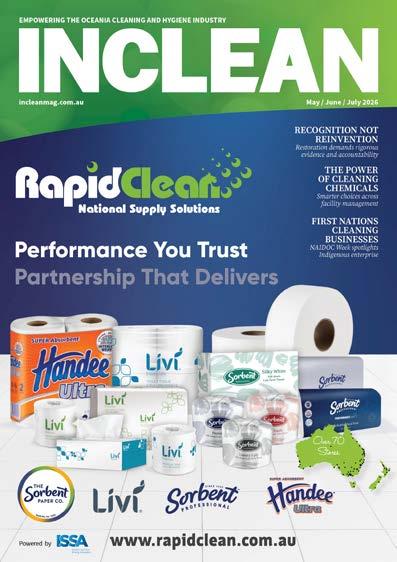

Quayclean expands stadium footprint with major Queensland contract win
A new North Queensland appointment pushed Quayclean Australia Pty Ltd deeper into the national stadium circuit as sustainability sharpened focus.
Nilfisk marks 120 years with Melbourne celebration Nilfisk marked 120 years of innovation in cleaning technology with a milestone event in Melbourne, bringing together customers, partners and staff to reflect on the company’s global legacy.
Tennant Australia scales autonomous cleaning with X6 Tennant Company Australia continues to push the boundaries of commercial cleaning with the introduction of the X6 ROVR, marking a new phase in the evolution of autonomous floor care.
ON THE COVER
Sodexo lands major Rio Tinto Pilbara facilities contract
Sodexo secured a major facilities management contract with Rio Tinto across Western Australia’s Pilbara region, extending a long-running partnership at the centre of remote mining operations.
What the 2026–27 Federal Budget means for your business
Treasurer Jim Chalmers handed down a Budget with several measures cleaning and facilities businesses should act on now. Here's what you need to know.
Freudenberg completes takeover offer of Nilfisk Freudenberg Home and Cleaning Solutions successfully completed its voluntary public takeover of Nilfisk and has become majority shareholder with more than 90 percent of the share capital.
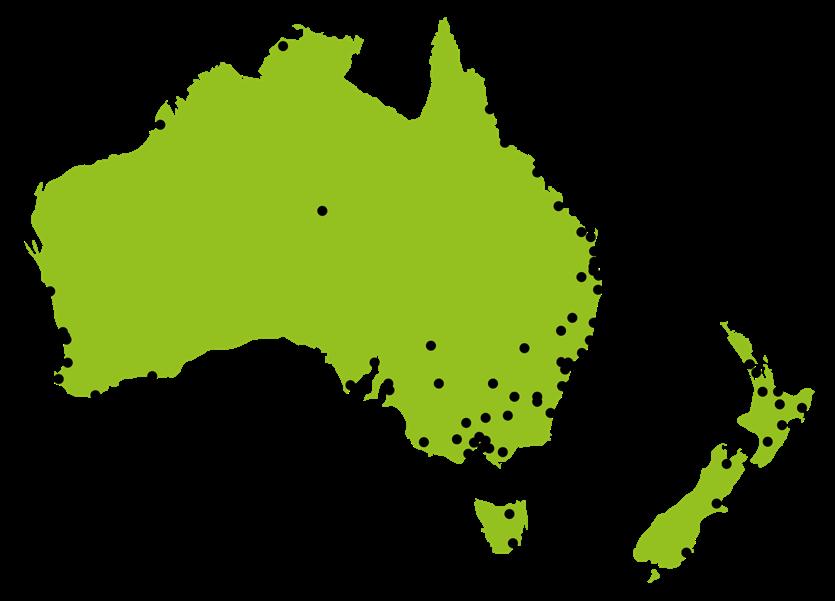
RapidClean is an Australian and New Zealand cooperative with over 70 stores, employing more than 500 dedicated professionals with 150 delivery vehicles on the road. The RapidClean business is made up of cleaning supply experts who manage their own stores and offer customers the support of a national organisation, combined with a local touch and cost-effective, one-stop-shop solutions.
Smarter
Why the ISSA Cleaning & Hygiene
2026 arrives at exactly the right time.
NAIDOC Week asks us to reflect on the history, culture and achievements of Aboriginal and Torres Strait Islander peoples. 42 RIA Inc. National Conference and Trade Show
Three inspiring days of learning, connection and industry innovation. Your chance to connect and preview what's ahead.
44 Aged and healthcare rules of hygiene
Cleaning in aged and healthcare has moved from a support function to a frontline discipline.
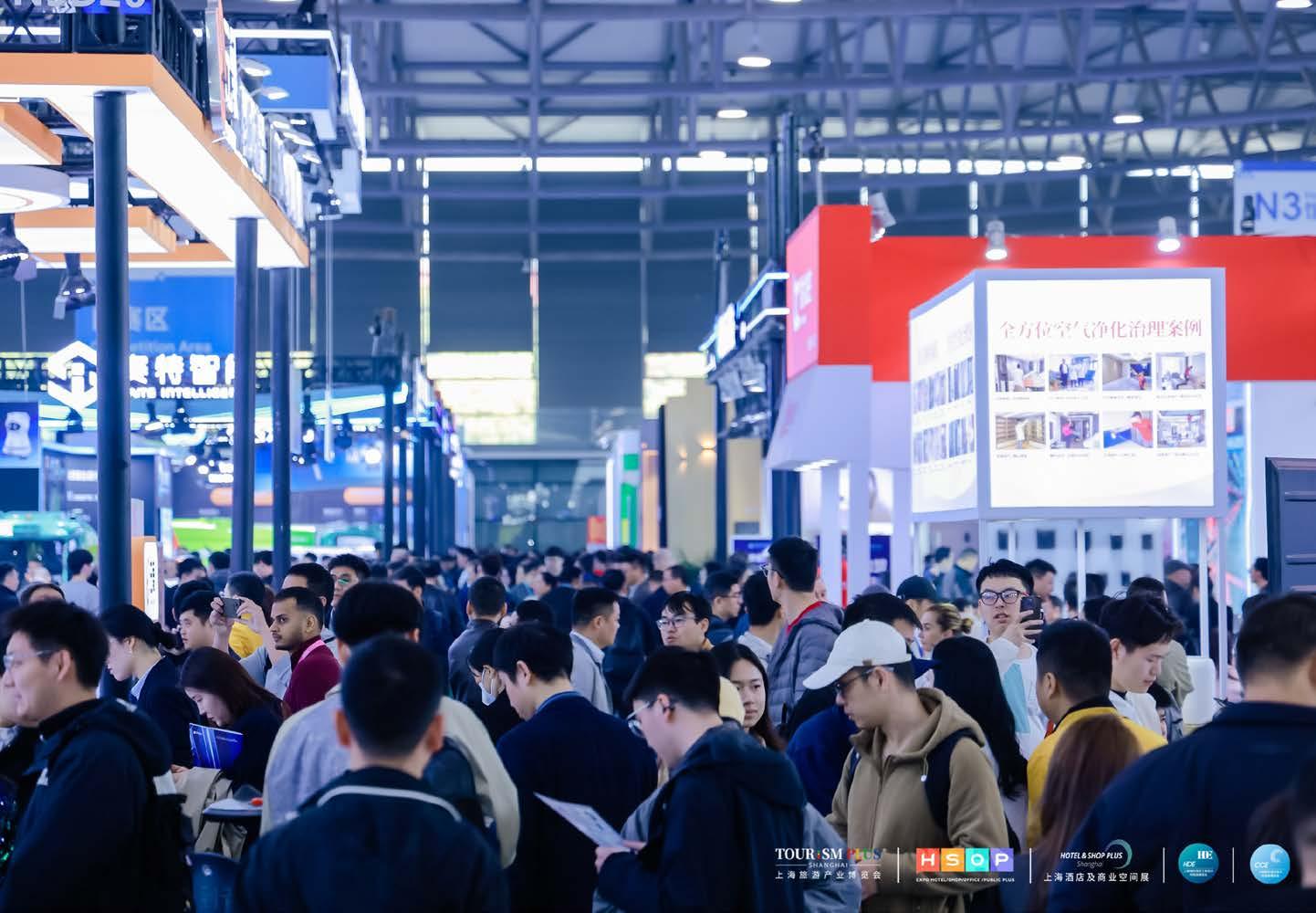
Arecord crowd, a surge of international voices and a sharp turn toward intelligent systems shaped the latest edition of China Clean Expo (CCE) 2026, which closed in early April at the Shanghai New International Expo Centre. The event, delivered by Sinoexpo Informa Markets with backing from ISSA – the worldwide cleaning industry association – drew about 140,000 trade visitors from 176 countries, including a strong Australian contingent, setting a new high-water mark for scale and reach.
More than 500 exhibitors presented across four packed halls, creating a market in motion. Established manufacturers such as Nilfisk, Tennant Company and Rubbermaid Commercial Products shared floor space with fast-moving robotics firms including Gausium and Pudu Robotics. The mix spanned the breadth of equipment design, chemistry and software that converged around performance, data and health outcomes.
A technological highlight was the intelligent cleaning zone, where autonomous machines moved through simulated commercial environments with minimal human input. More than 40 brands demonstrated AI-enabled
units tuned for retail, transport and healthcare settings.
Laundry technology was another focal point, with automated lines and waterefficient chemistry aimed at reducing energy draw and cycle time.
Beyond the stands, a program of more than 90 sessions brought operators, researchers and suppliers into the same conversation. Topics ranged from infection prevention and indoor air quality to property services and restroom design.
A new feature, the Global Xchange Hub, sharpened the commercial edge. Curated meetings, solution pitches and expert briefings created a fast lane for partnerships and cross-border deals.
ISSA senior director Gavin MacgregorSkinner described the event as a benchmark moment, pointing to a sector moving with intent toward science-led practice, stronger hygiene outcomes and clearer sustainability pathways.
With dates already set for March 2027, CCE’s trajectory is inevitable. The industry is building a language that blends robotics, chemistry and data into one discipline and the signals from Shanghai suggest that language will soon shape how cleaning is specified, delivered and valued across Australia. ■
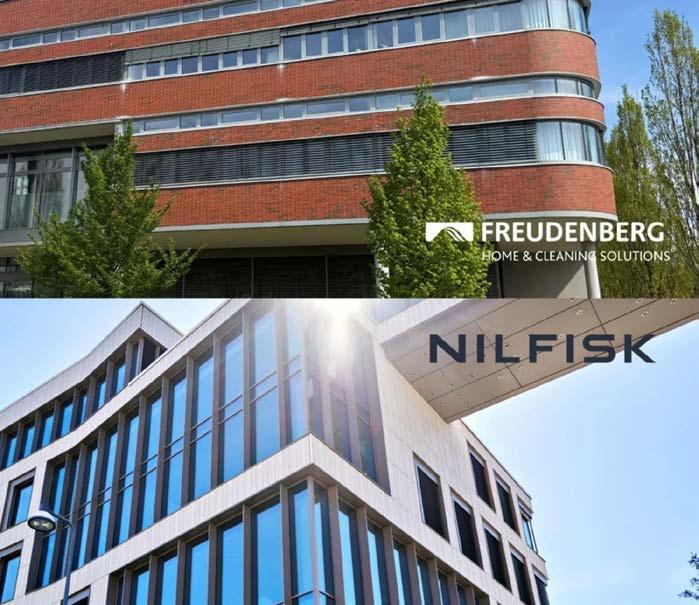
Freudenberg Home and Cleaning Solutions (FHCS) has completed its voluntary public takeover of Nilfisk, securing more than 90 percent of the company’s share capital and voting rights as it moved to acquire the remaining shares and delist the business.
The acquisition brought together two major players in professional cleaning, combining FHCS’s expertise in manual cleaning systems with Nilfisk’s position in professional cleaning machines and technology.
FHCS CEO Karin Overbeck says the deal will strengthen the company’s ability to support customers with broader cleaning solutions across both manual systems and machinebased technologies.
“The intention is to build on the respective strengths of each business,” Overbeck says.
The move reflected growing demand across the professional cleaning sector for technology-driven equipment, digital solutions and innovative cleaning products as customer expectations continued to evolve.
FHCS says ensuring continuity for customers and partners remained the immediate priority, with plans to connect sales capabilities and customer reach across both businesses to support future growth.
Following completion of the compulsory acquisition process, Nilfisk has become part of FHCS and the wider Freudenberg Group, the global family-owned technology company. ■
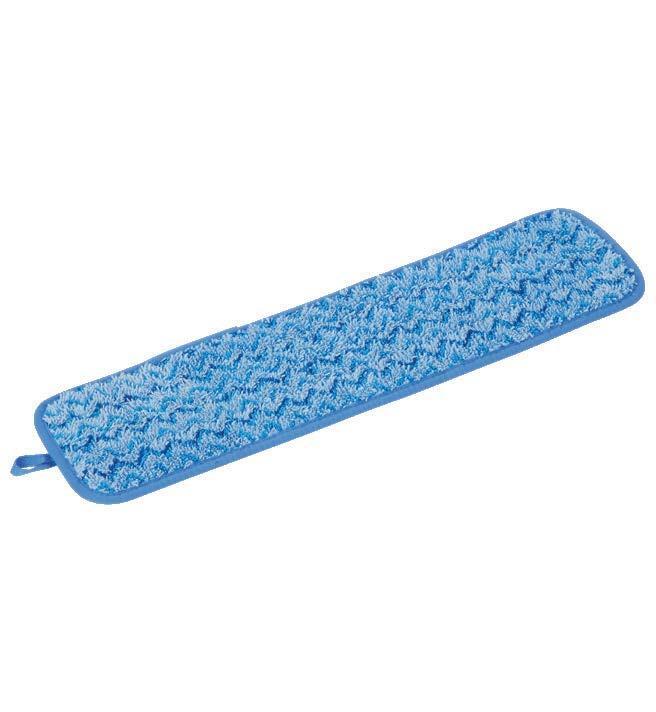



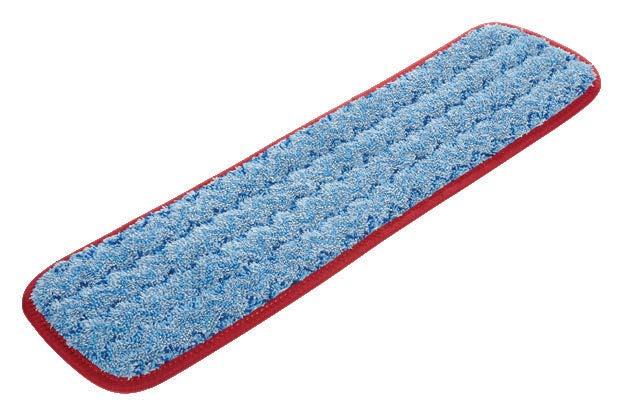
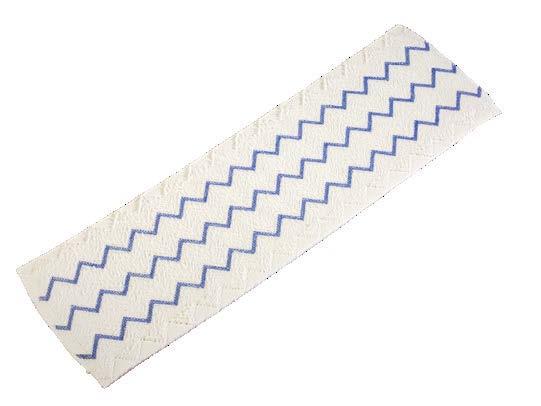

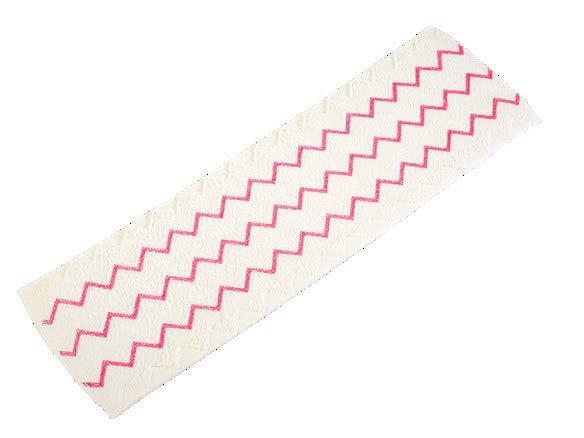
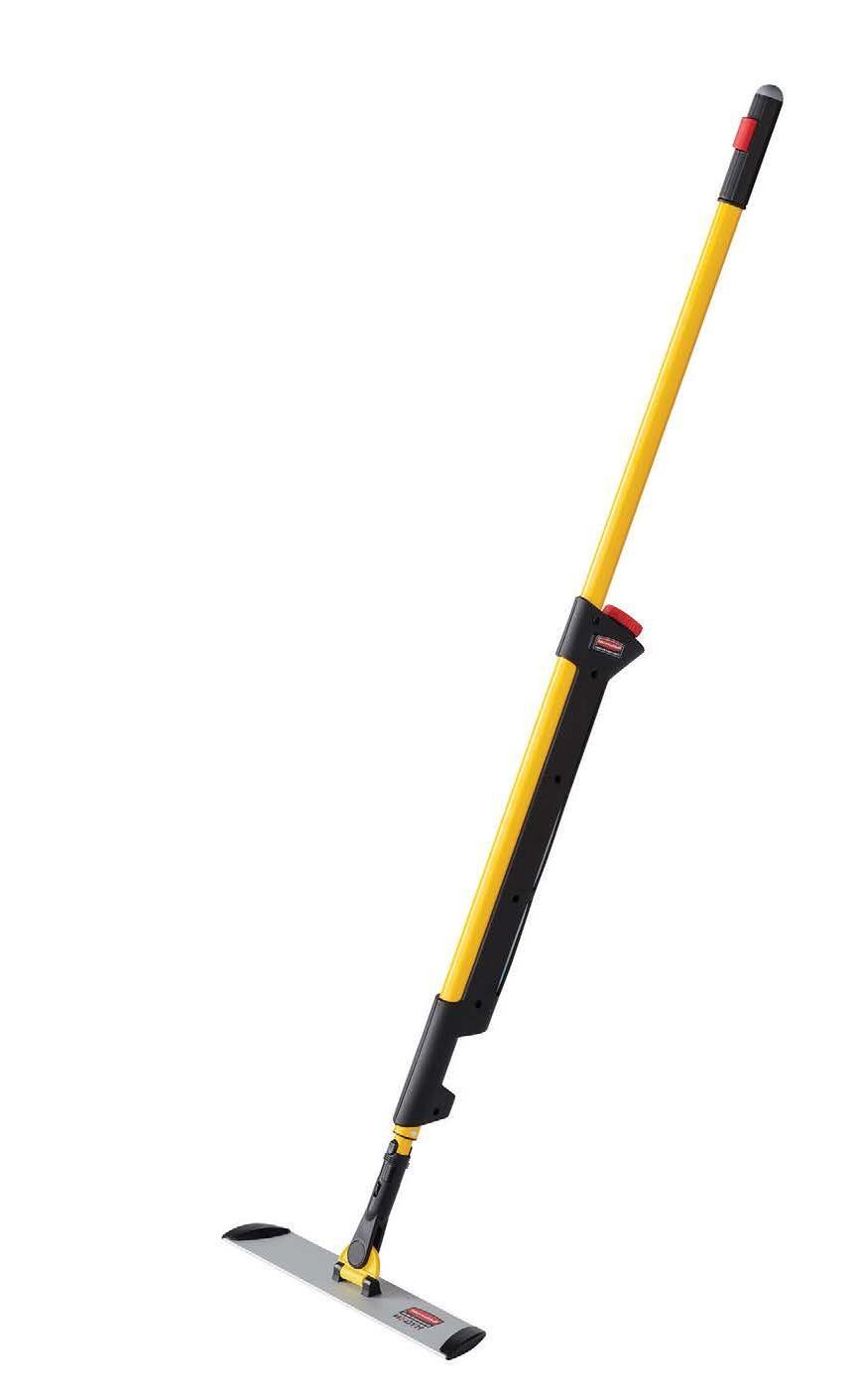

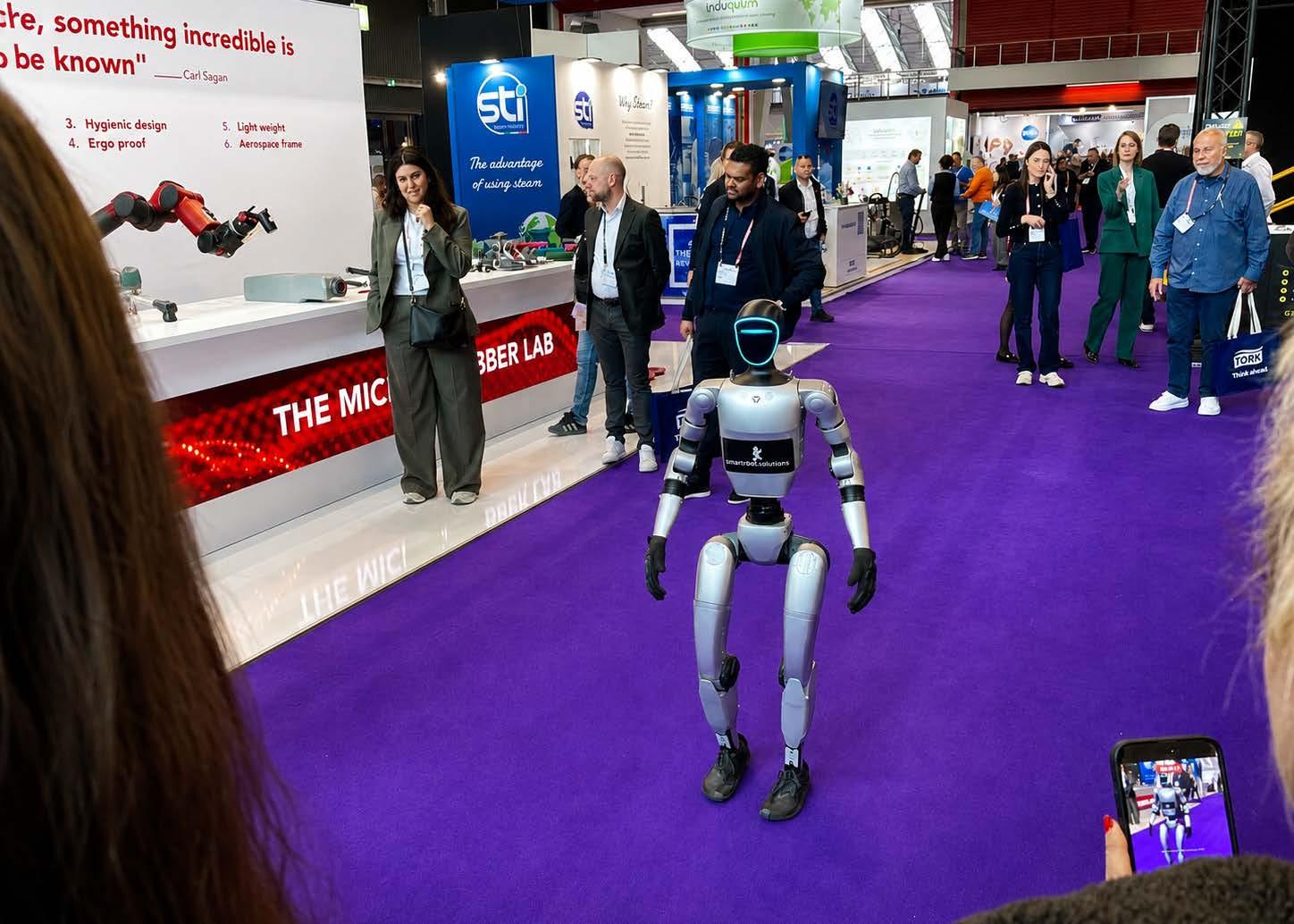
Our man in the field, John Taylor, attended the show this year and here are some of his takeaways. Spanning 12 halls, more than 900 exhibitors and 30,000-plus attendees from over 140 countries, Interclean Amsterdam 2025 confirmed its standing as the world's most significant cleaning industry trade show. The scale alone was impressive, but the real story was in the trends shaping the sector's future.
Sustainability dominated the floor, with dispensers manufactured from recycled drink bottles, compostable waste bins in every shape and colour and window cleaning equipment carrying sustainable certification all signalling that green credentials have shifted from point of difference to baseline expectation.
The innovation award went to the Dryfit scrubber, the same machine recognised at the 2025 Australian show. Its win reflected a broader trend on the floor, that compact upright scrubbers are everywhere, quietly challenging the dominance of the traditional mop and bucket. That said, improved string and Kentucky mops with updated buckets remain in production, suggesting the transition is gradual rather than absolute.
Robotics was another clear theme, as autonomous sweepers and floor scrubbers appeared on virtually every major manufacturer's stand, many looking remarkably similar when lined up on the dedicated test track, a useful area for sideby-side comparison. The crowd favourite, though, was a humanoid robot greeting
visitors and shaking hands: simple gestures underpinned by significant engineering.
Drones also featured prominently, demonstrating cleaning wind turbine blades, applying foam detergent to difficultto-reach rooftops and washing high-level windows using pure water technology.
Australia had a visible presence, with Interclean Australia showcasing its iClean system and Bill Bassett presenting in one of the show's specialist lecture theatres. TerraCycle from New Zealand exhibited in support of its European distributor, while Nilfisk marked 120 years of manufacturing. The overriding impression was of an industry progressing steadily –sustainability now the norm, AI integrated across multiple product categories and labour-saving technology advancing on every front. ■
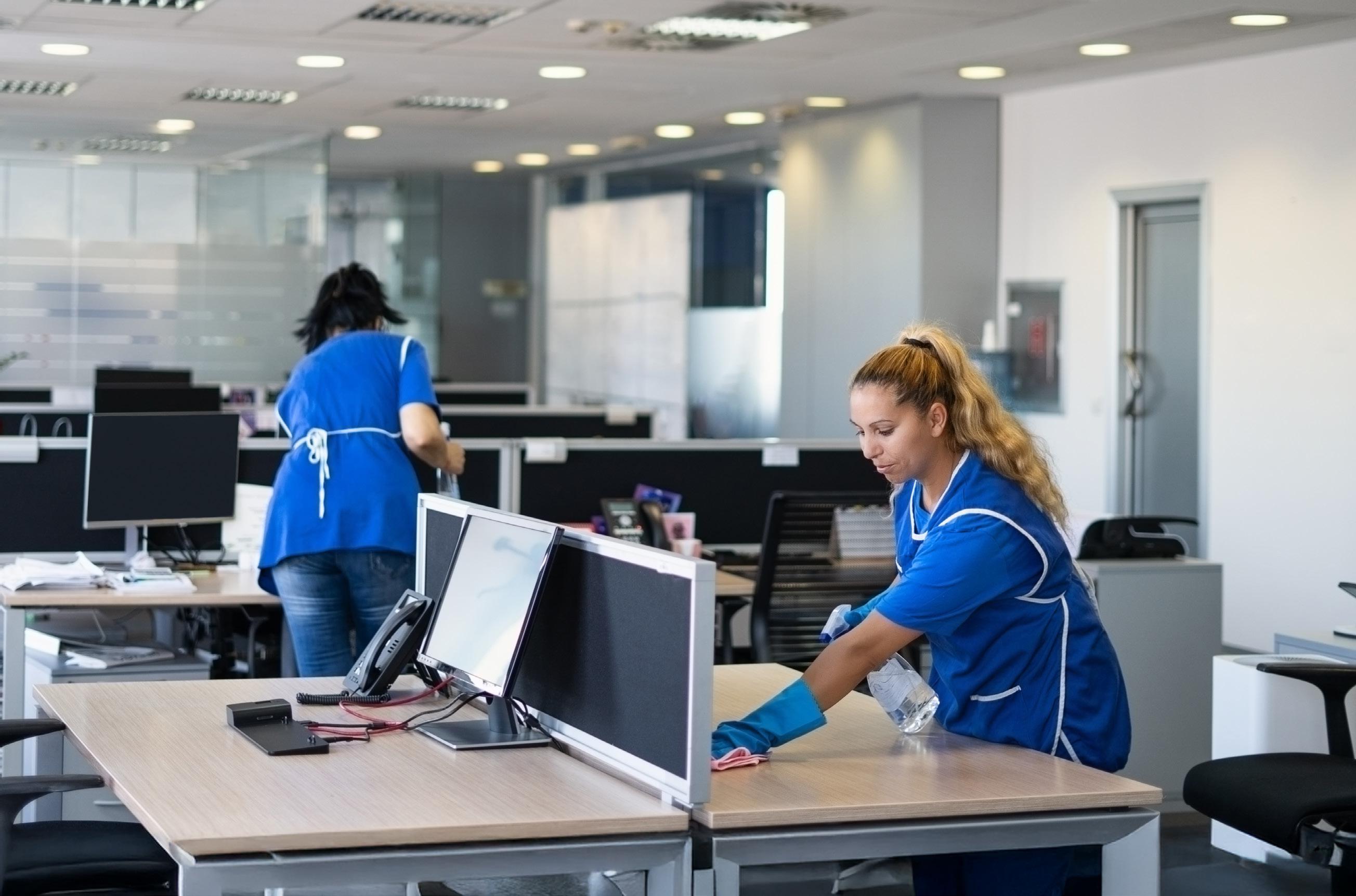
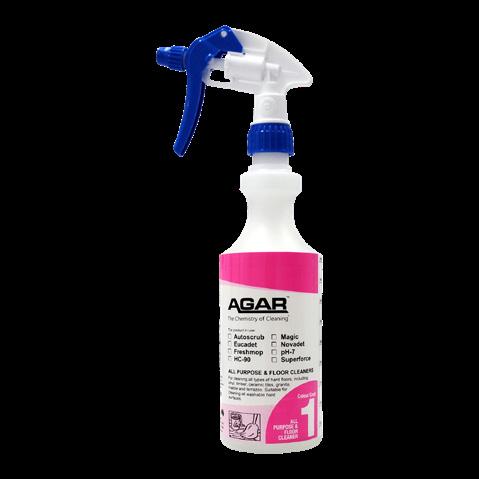
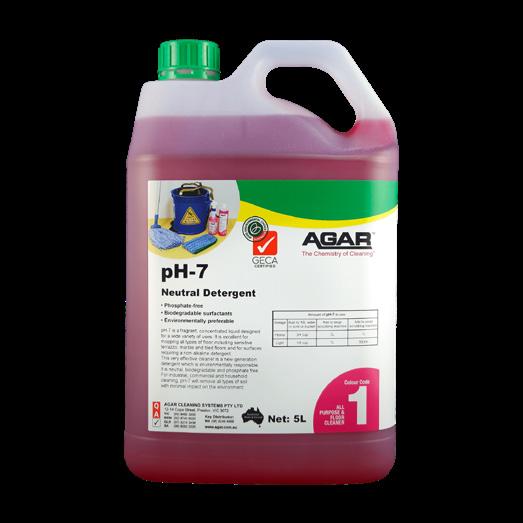
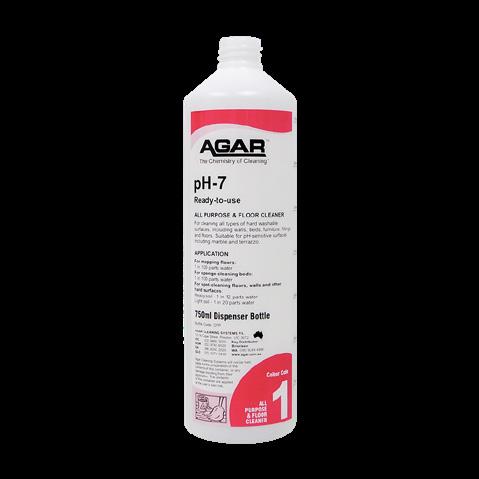
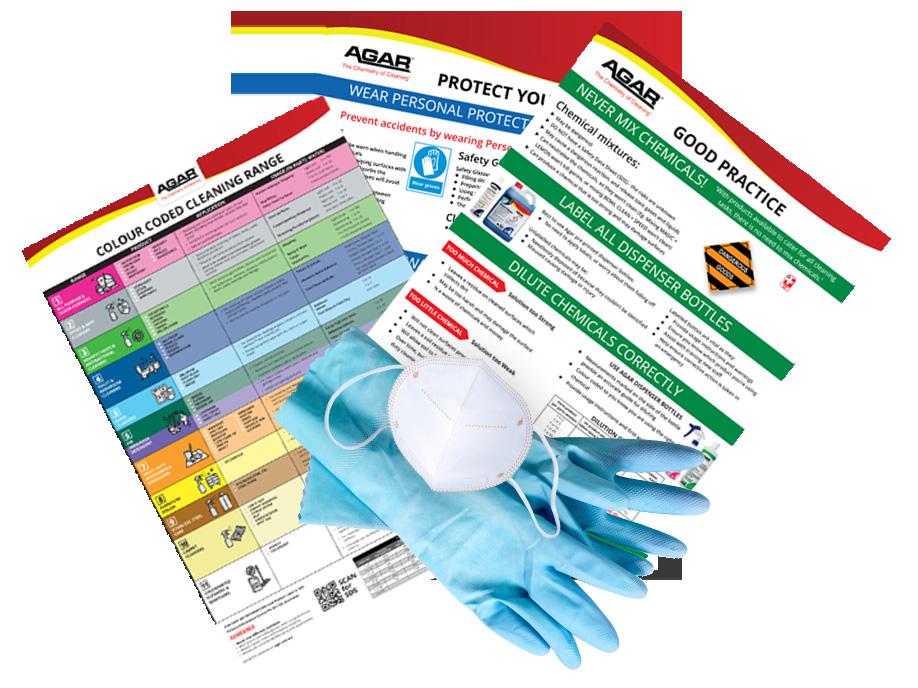
Agar’s commercial-grade products are formulated and labelled to support safe use, clear identification, and simpler product storage and handling across job sites.
With clear colour coding including matching dyes, printed bottles, and numbered categories, staff can quickly identify and use the right product for the right job — reducing mistakes and training time.
Optional onsite or self-paced online training (free) as well as custom site-specific application charts are also available to support teams working across complex or high-turnover environments.
Call us on 1800 301 302 or visit our website below to see how we can support your site’s cleaning program.
As regulation tightens, restoration demands specialist skills, rigorous evidence and accountability.
Words Charlotte Huston
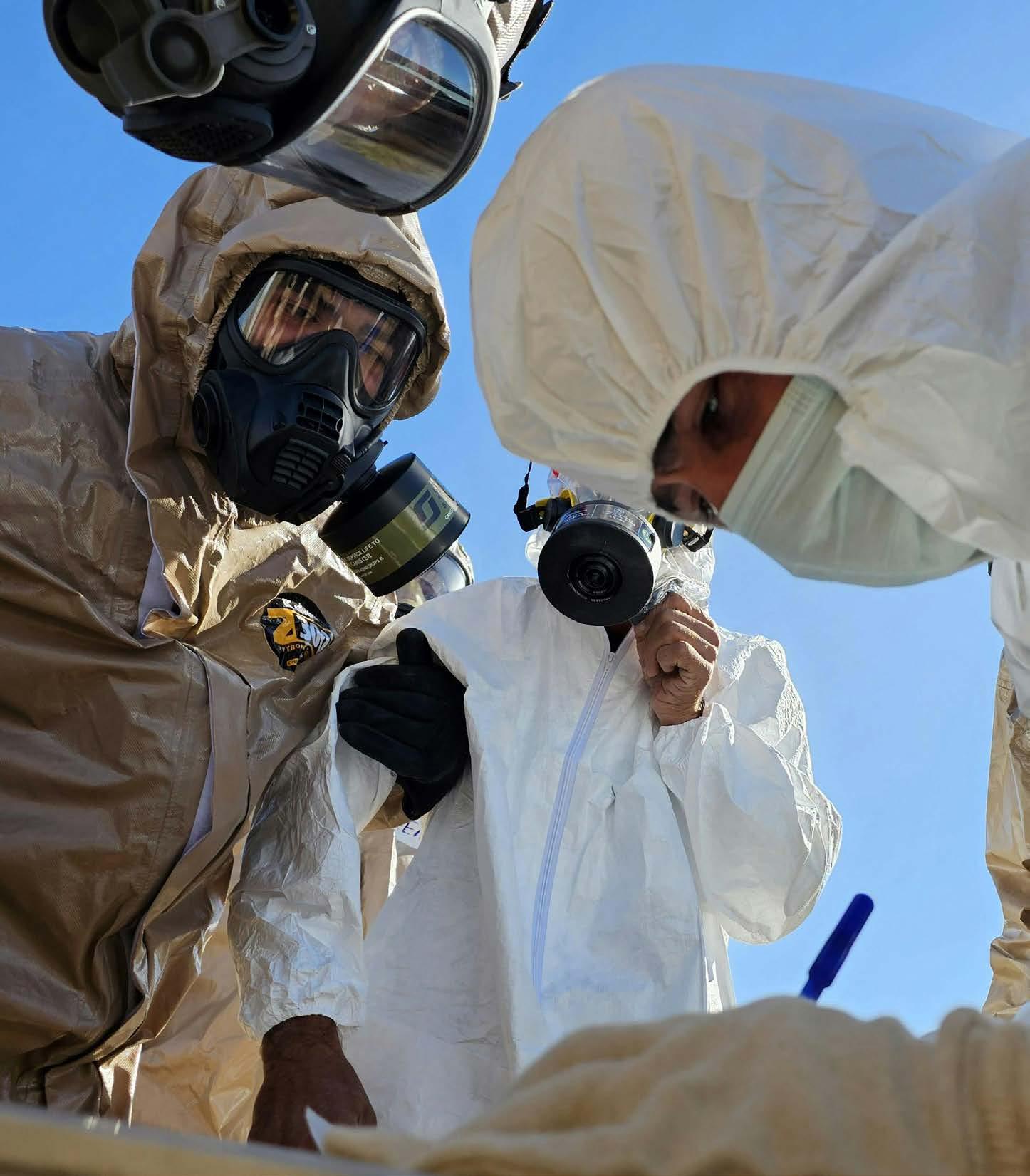
Hazardous material removal has never been a riskfree endeavour. Especially when compounded with restoration, the stakes rise quickly. What was once perhaps framed as a ‘clean-up job’ now demands controlled remediation. It is complex and technical work where missteps carry real consequences, and these expectations are now being rigorously enforced.
Published in March 2026, the Safe Work Australia Model Code of Practice: 'Managing the risks of biological hazards at work’ formally recognises restoration and remediation workers as a higher-risk occupation and directs employers to engage technical specialists for complex contamination. In New South Wales, this will become mandatory from July 2026, with other jurisdictions expected to follow. Under growing scrutiny from regulators, insurers and industry personnel, the sector is entering a new phase defined by proactive risk management.
“Restoration is, at its core, the removal of hazards and hazardous materials, particularly biological hazards,” Managing Director of Cleaning Inspection Restoration and Testing Services (CIRTS) Sam Ruff says. Ruff also chairs the RIA (Restoration Industry Association) Australasia Advocacy and Membership Committee and
has been closely involved in the response to the Safe Work Australia Model Code of Practice on managing biological hazards, as well as the development of the Restoration Industry Code of Practice.
As stated in an RIA bulletin about the code adoption, “These recognitions are not incidental. They reflect the technical complexity and specialist nature of restoration and remediation work, as well as the industry's critical role in returning hazardous environments to safe and habitable conditions, a unique function that sits at the intersection of workplace health and safety, public health and building science.”
What has changed is not the work itself, but who the market expects and qualifies to carry it out and the standard to which it is delivered.
“Instead, the real growth area is recognition,” Ruff explains. “There is a clear and overdue shift toward acknowledging that property damage involving biological, chemical and fire-affected materials must be handled by competent and qualified restoration specialists – not generalist trades, builders or labourers.”
Alongside the Safe Work Code of Practice, AS-IICRC S500:2025 and AS-IICRC S520:2025 address standards for water damage and mould remediation, while the RIA Codes of Practice formalise industry commitments to training, certification and quality outcomes. Together these frameworks signal clear market
demands and requirements that hazardous material work –whether formally regulated or not – should be carried out by those qualified to do it properly.
There are cultural shifts, too, as informed clients raise the bar on service and outcome. “Clients are far less accepting of superficial fixes like painting over affected areas,” Managing Director of Cleopatra Restoration Group, Jesse Mullen, says. “Access to information has people acutely more aware of what proper remediation involves and looks like.”
This growing awareness is pushing contractors toward more transparent and operational approaches in which outcomes are not only delivered, but also clearly evidenced.
While no specialist should approach hazardous materials reactively, the risk remains when processes and oversight fall short. That gap is being addressed through proven methods.
“The industry standards that govern restoration work have never endorsed a reactive ‘clean it and close it’ approach,” says Ruff, as standards covering water damage, mould, fire and smoke have long necessitated a staged and systematic process.
“Categorisation of losses, drying and psychrometric monitoring, containment, engineering controls, post-remediation verification
and documented outcomes are all part of a controlled approach,” he adds. “This has been embedded in professional standards for decades.”
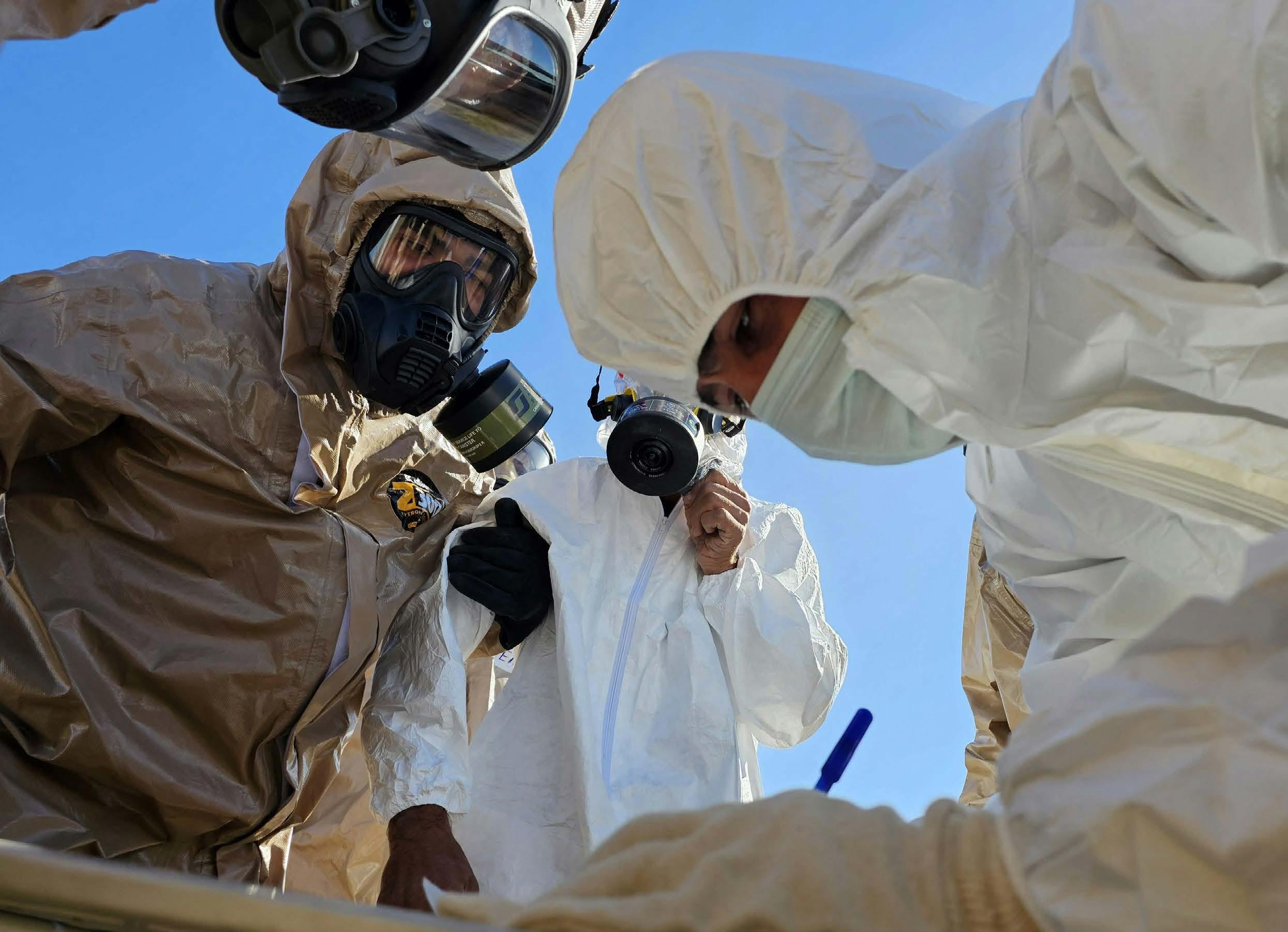
For Mullen, however, controlled remediation reflects the broader shift driven by standards such as the IICRC S520, which sets out procedures and precautions for mould remediation. These guidelines have helped formalise best practice. Effective mould remediation can be achieved, first, by containment to isolate affected areas and prevent cross-contamination. This is supported by controlled demolition, appropriate PPE and technicians trained in hazardous material handling.
“The goal is to remove mould from both surfaces and the air, returning the environment to a safe Condition 1 (normal fungal ecology) standard,” Mullen adds. In Ruff’s work, managing hazardous materials safely follows four core steps: hazard identification, risk assessment, application of controls and review.
“Before and on attendance, we identify physical, chemical, biological and psychosocial risks. In restoration, this includes contamination, mould, asbestos and lead, fire-related residues, illicit substances, bloodborne pathogens, structural and electrical hazards and environmental conditions such as heat, humidity and confined spaces. Testing and sampling are often used to inform this stage.”
There is a clear and overdue shift toward acknowledging that property damage involving biological, chemical and fire-affected materials must be handled by competent and qualified restoration specialists.
- Sam Ruff
Professionals then assess the likelihood and consequences for each hazard, maintaining worker consultation and clear communication. For complex scenarios, independent environmental professionals may be engaged. Control begins with elimination, such as addressing water ingress or removing non-restorable materials. This is followed by containment and engineering controls, including HEPA (High-Efficiency Particulate Air) filtration, negative pressure and decontamination zones. Administrative measures include Safe Work Method Statements, training and fatigue management, with PPE as the final layer.
“Ongoing monitoring, documentation and feedback inform continual improvement of procedures,” adds Ruff. This reflects a rigorous approach to risk management, protecting both the site and the team while ensuring an effective resolution.
What has shifted in the hazardous materials and restoration industry is the level of auditing applied to completed work, particularly within the insurance sector. What now needs to change is how the industry is engaged.
As client understanding has improved significantly, so has it among insurers. “However, the understanding of how and when we are engaged, and how that affects our ability to deliver compliant, standards-based outcomes, is still lagging,” says Ruff. “In the past, restoration was often treated as a quick clean-up. Speed and cost dominated scope discussions, and standards-aligned approaches were less common. The result was under-remediation and rework, not because standards allowed it, but because the commercial framework did not fully support them.”
The introduction of formal standards and increased regulatory oversight now means insurers and third-party advocates are raising expectations and requiring clear evidence that works meet accepted standards.
“Without proper documentation and controls such as containment, contractors risk disputes, liability and difficulty proving the quality of their work,” says Mullen. “Staying out of
trouble is critical,” he adds. “Builders, insurers and policyholders all want to avoid prolonged disputes. As restoration is often one of the first steps, it provides an opportunity to set the claim on the right path from the outset through competent, well-documented make safe work.”
Additional pressure on industry capacity is also driven by Australia’s environmental catastrophe profile, with the skills gap most exposed during major events. Flood, fire, cyclone and storm events are becoming more frequent and severe, and increasingly overlap, with new events arriving before the previous one is fully restored.
“Warmer and wetter conditions across much of the country create the environments in which mould and biological contamination establish more quickly and persist longer, which directly increases the biological hazard profile of the work and the urgency of a competent, science-based response,” says Ruff.
The industry is now shaped not only by insurance pressures, but also by the growing impact of environmental conditions. Mother Nature will always have her say in the matter.
So, what is one of the most effective ways to document risk and prove outcomes? According to Ruff and Mullen, technology sits at the centre of both defensible restoration and verifiable evidence.
At the assessment stage, tools such as moisture meters, hygrometers and thermal imaging identify hidden dampness beyond visible surfaces, while borescopes allow inspection of concealed spaces. Surface and air sampling, including spore traps, ATP (Adenosine Triphosphate) and laboratory-based chemical testing, provide quantified baseline data.
During remediation, containment is verified using pressure monitors, while HEPA filtration and negative air machines create controlled environments. Equipment use is logged for traceability. Continuous psychrometric monitoring tracks temperature and humidity to optimise drying, supported by energy-efficient dehumidifiers and high-velocity air movers.
The goal is to remove mould from both surfaces and the air, returning the environment to a safe Condition 1 (normal fungal ecology) standard.
- Jesse Mullen
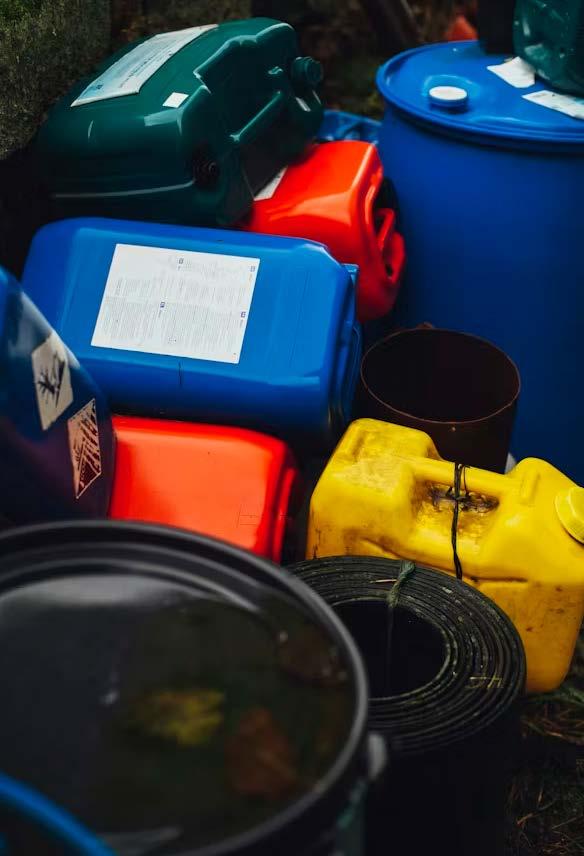
Worker protection has also advanced, with modern powered airpurifying respirators offering more practical and reliable respiratory protection in contaminated environments. Documentation has evolved through digital platforms such as Matterport, which capture site conditions in detail, while mobile testing kits provide rapid on-site results. AI-assisted systems are also emerging, helping reduce administrative workload without compromising quality.
For Mullen, who specialises in structural drying and mould remediation, tools such as Tramex moisture meters with Bluetooth integration enable data to be captured directly into reports and floor plans. “Platforms like Magicplan allow us to complete reports on-site, ensuring accuracy and immediate delivery to clients.
This improves efficiency while strengthening documentation and compliance.”
Ruff, also Managing Director of Restoration Innovations, points to advances in chemical formulation. The company imports Serum products into Australia, including hydrogen peroxide-based mould remediation solutions.
Used in Mullen’s projects, Serum 1000 “draws mould and contaminants to the surface, allowing them to be removed using HEPA vacuuming rather than aggressive sanding”.
“This reduces labour time, improves technician safety and enables large-scale remediation to be completed faster and more costeffectively,” says Mullen.
To stay competitive and compliant, restoration businesses should focus on doing a few things well: investing in certification and aligning with industry standards, engaging with peak bodies to stay ahead of regulation rather than reacting to it, committing to evidence-based delivery and thorough documentation, and developing your people with clear intent.
As Ruff succinctly puts it, “Above all, position restoration as the professional, science-based service it is. That is what the regulatory environment now requires, and what the commercial environment will increasingly reward.” ■

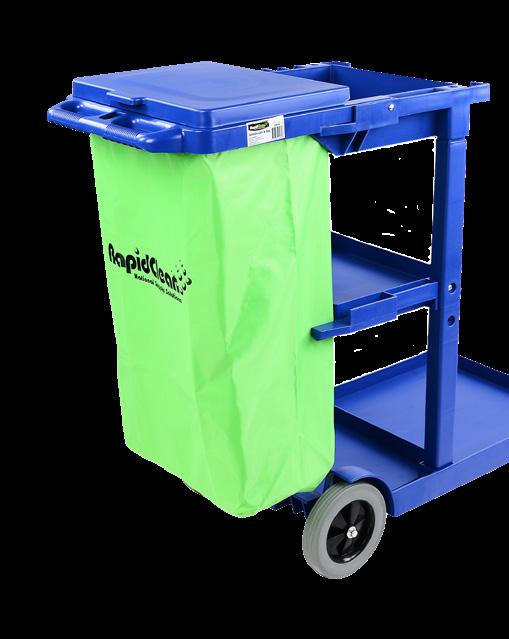
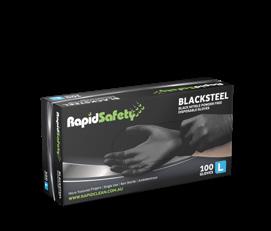
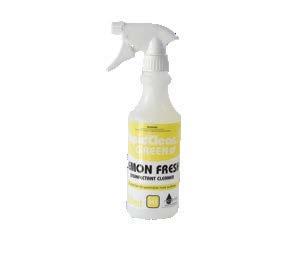
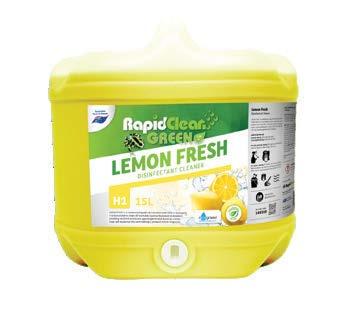
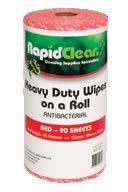
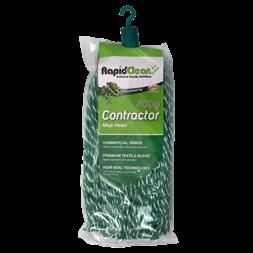
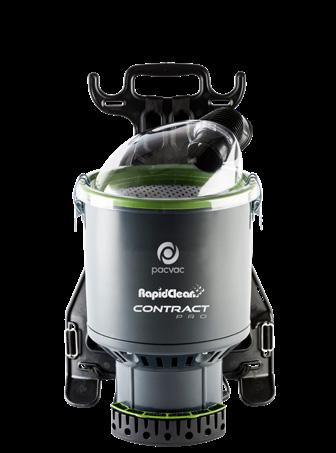
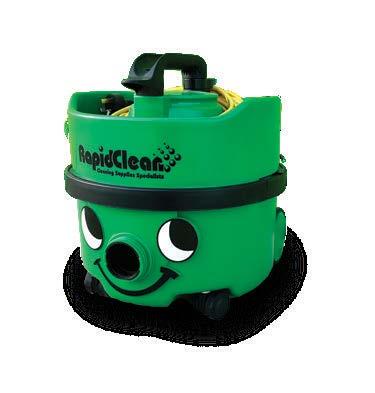
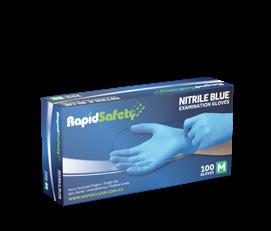
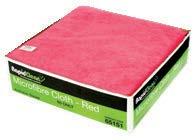
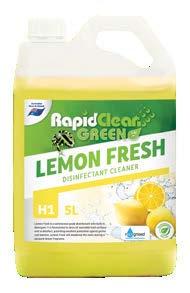
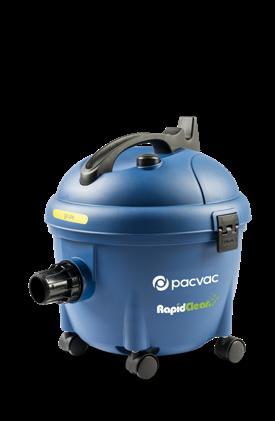
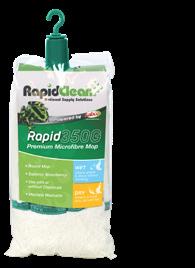
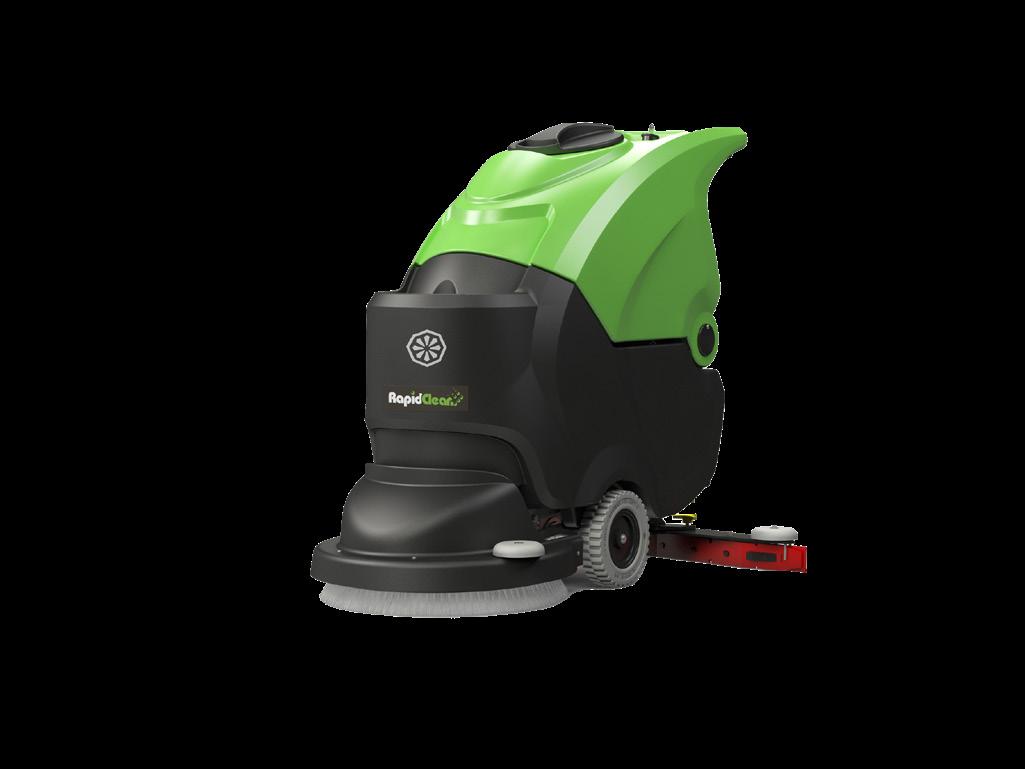
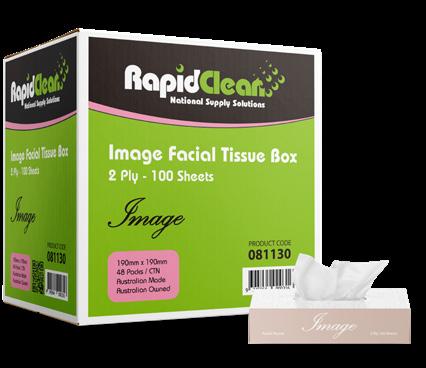
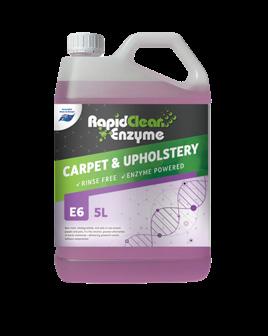
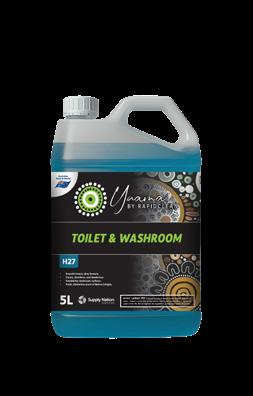

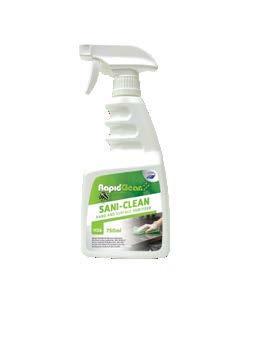
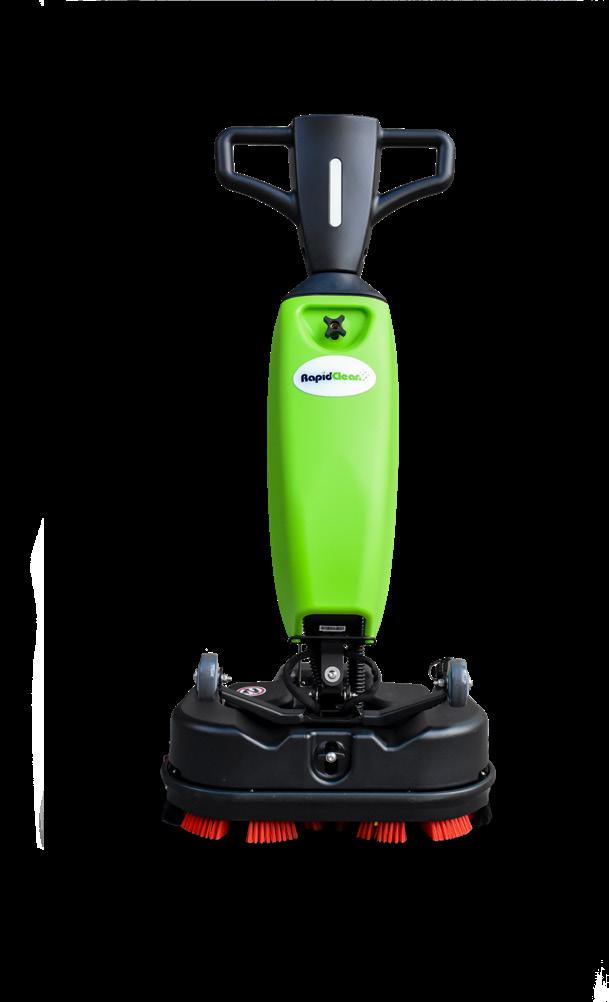
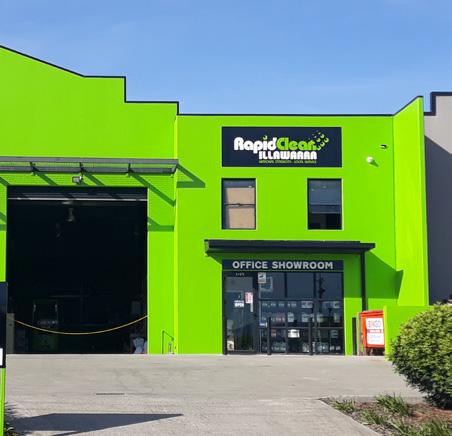
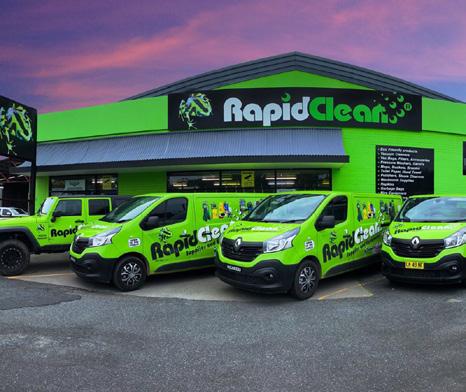
RapidClean have a huge range of cleaning, catering,
RapidClean uses their bulk buying power to secure cost savings for customers
RapidClean offer centralised Key Accounts for large customers
RapidClean have over 70 stores in Australia and New Zealand
RapidClean sell and service major brands of cleaning equipment
RapidClean stock the best products from the best suppliers
RapidClean is Quality Assured
RapidClean has been trading for over 40 years
RapidClean are Australian and New Zealand owned and operated


























Great partnerships don’t just happen; they’re built over time, and we are proud to have done this with RapidClean over many years.
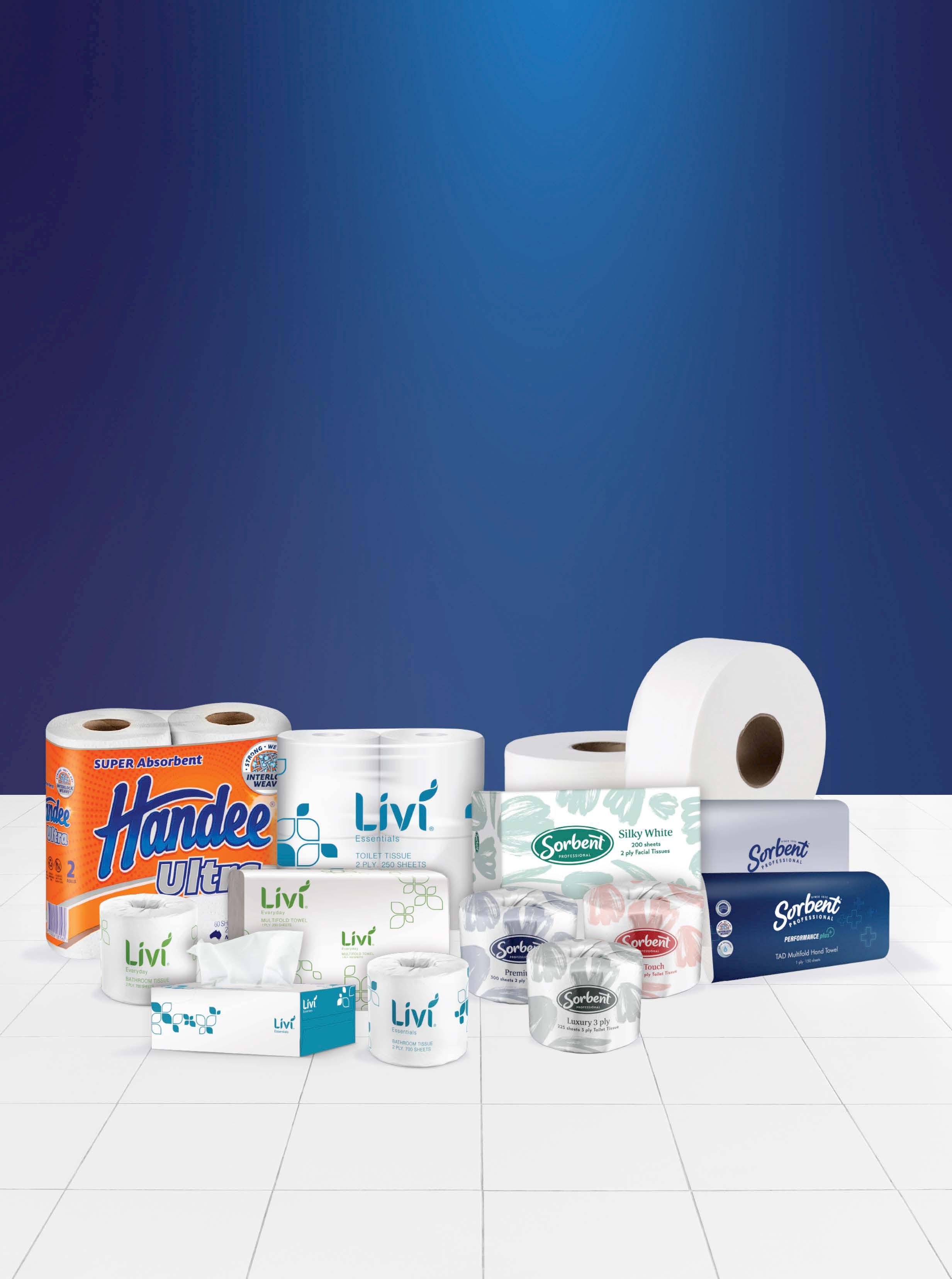
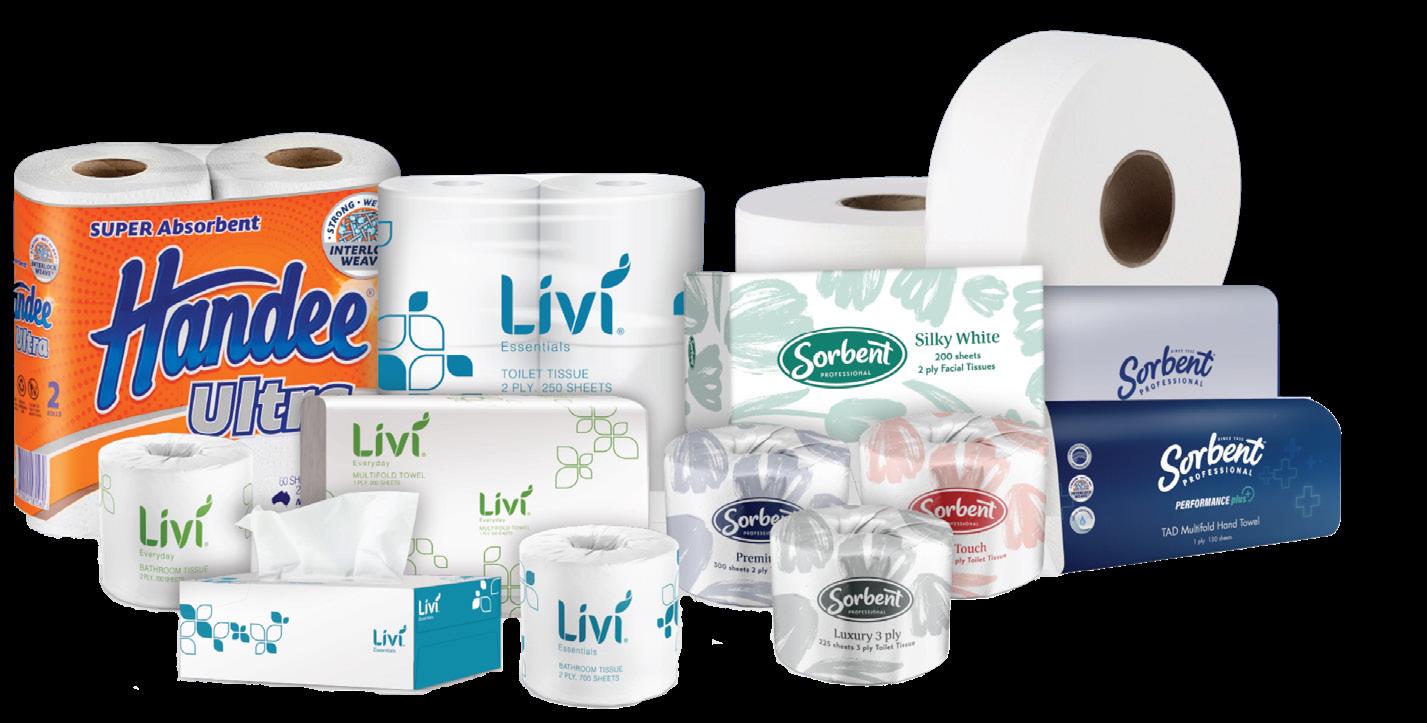
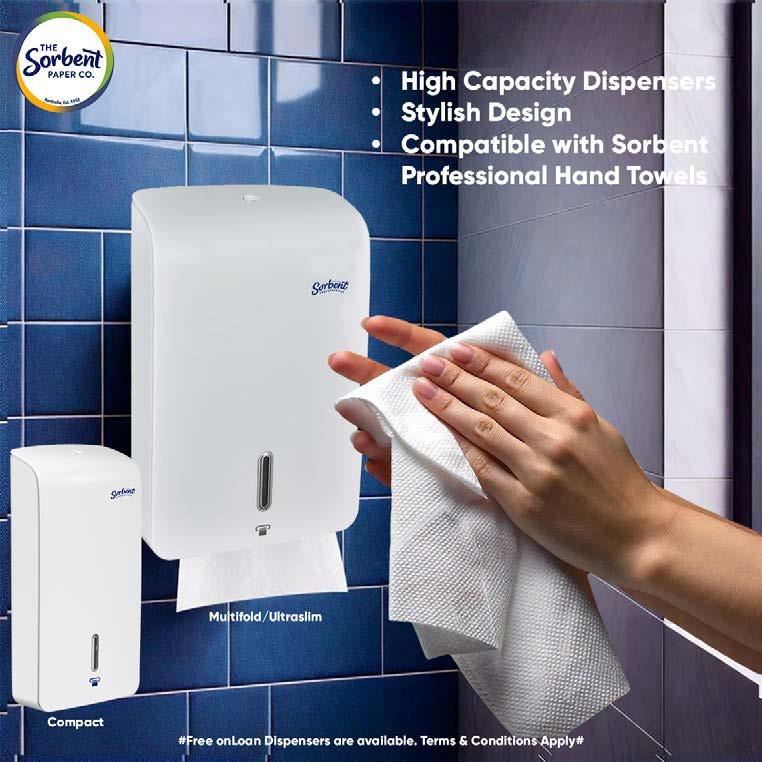
What makes this collaboration so powerful is how naturally our strengths complement each other. With RapidClean’s nationwide distribution network and strong local presence, along with our trusted brands, Sorbent Professional and Livi, we’re able to deliver high-performing washroom and hygiene solutions to businesses right across Australia.
From busy schools and healthcare facilities to commercial offices and hospitality venues, our products are designed to perform where it matters most. Whether it’s the reliability of our toilet tissue and facial tissues, or the strength, softness and absorbency of our hand towel range, or our latest innovations, we focus on delivering quality you can see and feel every day.
But it’s not just about the products, it’s about the experience. RapidClean’s customer-first approach and on-the-ground expertise perfectly
complement our commitment to consistent supply, dependable service, and continuous product improvement. Together, we make it easier for customers to get the right solutions, exactly when they need them.
Sustainability is another area where we’re strongly aligned. Across our Sorbent Professional and Livi ranges, we are committed to responsible sourcing and certified sustainable paper products, along with continuous improvements in packaging and manufacturing. It’s about offering customers choices they can feel confident about, without compromising on performance.
As our partnership continues to grow, so too do our aspirations. By combining our expanding product range with RapidClean’s reach and relationships, we’re in a strong position to support more businesses, in more locations, with solutions that truly deliver.
If you’re part of the RapidClean network, now is the perfect time to explore how The Sorbent Paper Company range can strengthen your offering and drive more value for your customers.
Contact your RapidClean Member for more information.

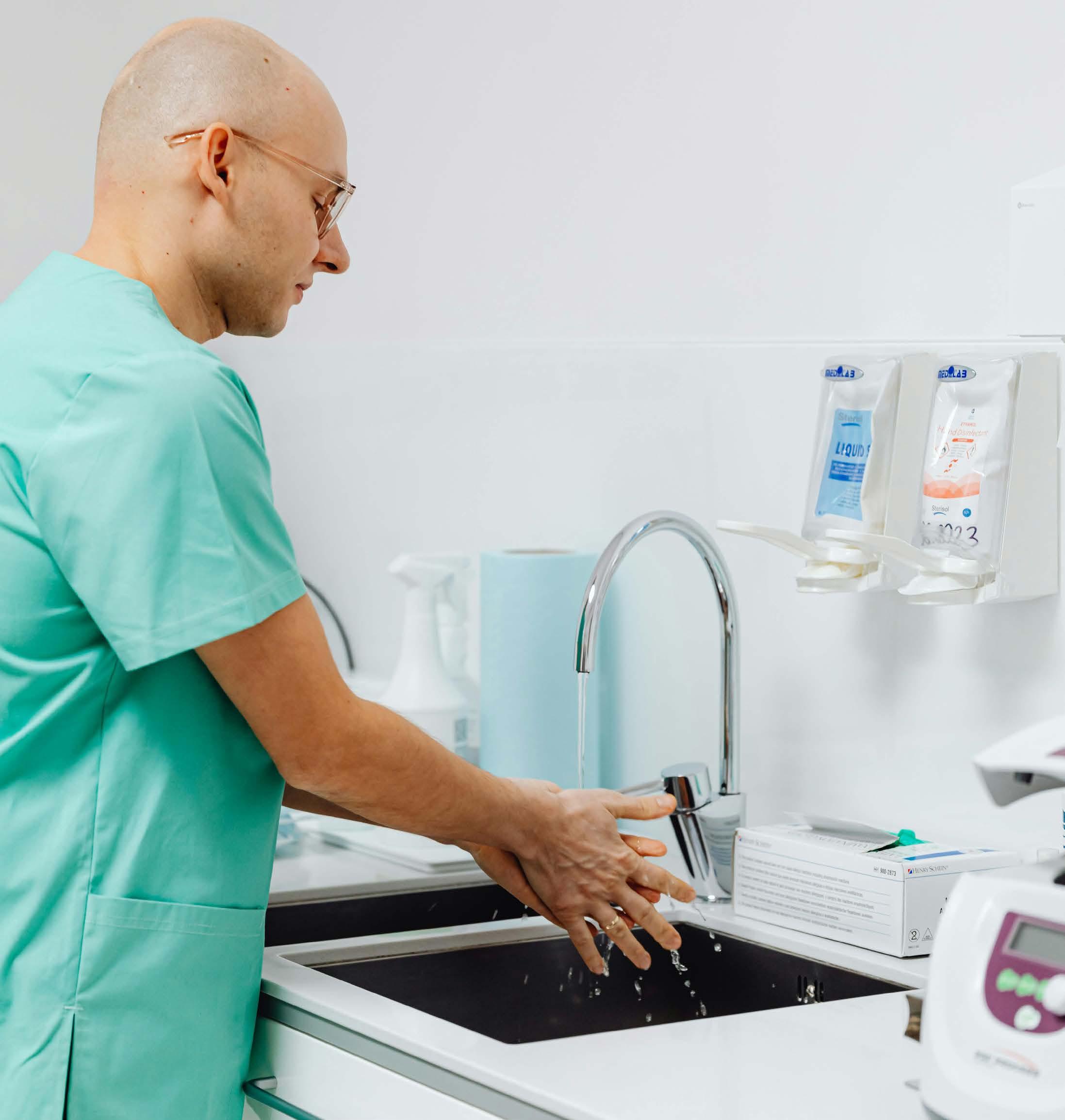
A resurgent flu season is reshaping infection prevention across Australia, where science, behaviour and frontline cleaning now converge as a critical system of defence.
Words Tim McDonald
With the Australian flu season now upon us, bringing with it rising transmission, shifting strain dynamics and softening vaccination uptake, infection risk stretches across a longer horizon that goes beyond reactive hygiene. This breadth of risk calls for a coordinated, system-level response grounded in science, behaviour and execution.
"We've already seen the patterns: influenza arrives earlier, peaks climb higher, overlapping respiratory threats complicate diagnosis and containment," Avondale University professor Brett Mitchell says. "What once followed a predictable seasonal arc now unfolds as a layered and persistent public health challenge that places renewed pressure on healthcare settings, aged care environments and high-traffic commercial spaces."
Across this shifting public health terrain, hygiene and cleaning have assumed a far more consequential purpose, operating as active defences rather than procedural formalities.
"Within this evolving landscape, hand hygiene and environmental cleaning carry a sharper definition," Mitchell says. "These practices move beyond routine expectation, focusing on deliberate interventions that influence reduced transmission outcomes in real time."
As global surveillance data and local health signals begin to align around prolonged flu activity and increased transmissibility, the traditional boundaries of 'flu season' start to dissolve into a broader infection cycle that requires continual vigilance across multiple environments.
Northern hemisphere trends have already pointed toward earlier onset and sustained waves of respiratory illness, and those patterns continue to echo across the Asia-Pacific region. The result is a more volatile risk profile where healthcare systems face compounding pressures and workplaces encounter increased absenteeism and operational disruption.
This shift demands clarity in how infection prevention is understood. Because short-term responses lose effectiveness when risk persists, static protocols struggle to keep pace with changing conditions.
"A more adaptive model becomes necessary," Mitchell says. "One that integrates behavioural science, environmental controls and frontline execution into a cohesive strategy."
Within that model, hygiene becomes a system where every touchpoint matters and every lapse carries consequence.
As scientific understanding of influenza transmission continues to evolve in the wake of the COVID saga, the balance between airborne and surface-mediated spread becomes clearer, prompting a recalibration of how infection prevention strategies are designed and deployed.
Texas State University chair and professor at the College of Health Professions, Dr Rodney E Rohde explains that current evidence points toward a multimodal transmission model where aerosols play a dominant role in many indoor settings.
"The best current evidence indicates that influenza transmission is multimodal but aerosol-dominant in many real-world settings," he says. "Surface-mediated spread, while possible, appears to have a minimal effect on infection risk, whereas inhalation of virus-containing aerosols better explains observed transmission dynamics."
This emphatic shift sharpens the importance of cleaning, positioning environmental hygiene within a broader infection control framework that includes ventilation, air quality and respiratory protection, with each element carrying a defined role while forming a unified layer of defence.
While cleaning does target high-touch surfaces and shared environments, contamination can still occur. Hand hygiene interrupts transfer pathways between people and surfaces while air management addresses inhalation risk. The strength of the system lies in how these elements interconnect.
As disinfectant technologies evolve in response to emerging pathogens and heightened expectations, the industry faces growing pressure to distinguish genuine innovation from incremental improvement and to anchor product claims in meaningful, realworld outcomes.
Laboratory efficacy has long stood as the benchmark, where products prove their ability to eliminate microorganisms under controlled conditions. Yet that standard now comes under scrutiny as real environments introduce variability, human behaviour shapes outcomes and application methods influence performance.
Rohde argues that the evidentiary bar must rise. "The field should move beyond 'does it kill microbes in the lab?' to 'does it reduce transmission in the real world, safely and reproducibly?'" he says.
This reframes how products are evaluated, placing importance on transparent, independent validation, giving durability and safety a sharper focus. The goal extends beyond microbial reduction into measurable impact on infection outcomes.
For cleaning professionals, this demands a deeper level of understanding where product selection carries strategic weight, dwell times shape effectiveness, application techniques drive outcomes and chemistry becomes embedded within capability.
As infection risks intensify and environments grow more complex, the limitations of traditional cleaning training models begin to surface, particularly in high-risk settings where procedural knowledge alone cannot account for the variability and consequence of real-world conditions.
Crest Clean, general manager training, safety and wellbeing, Liezl Foxcroft, sees this first-hand across medical centres, aged care facilities and high-traffic environments where expectations extend far beyond task completion.
"Traditional models tend to focus on task completion, 'clean this surface', 'use this product', 'follow this schedule'," she says. "That approach works in low-risk environments, but it breaks down quickly when the stakes are higher."
The gap lies in judgement. Procedural training teaches the steps but rarely explains the stakes. "In medical and high-risk environments, a missed plug hole or inadequately cleaned basin is not just an aesthetic issue, it can be a direct infection risk," Foxcroft says. "Traditional training rarely communicates that weight of responsibility to the people doing the work. An incorrect sequence introduces exposure. The consequences move beyond appearance and into health outcomes."
Many organisations are getting on the front foot, looking to strengthen infection prevention across diverse environments, from isolating training initiatives to integrating systems that connect people, processes and performance in a continuous loop of improvement.
"Accredited, sector-specific training establishes a baseline of competency," Foxcroft says. "Teaching the reasoning behind tasks builds ownership and accountability while visible oversight ensures standards translate from policy into practice."
Regular site visits and quality assurance audits reinforce expectations while providing real-time feedback supported by communication channels that enable rapid response when issues arise, all grounded in a culture that underpins the entire system.
"Treat cleaning staff as health professionals," Foxcroft says. "When we position our teams as contributors to public health outcomes, the standard of care reflects that."
This perspective shows how cleaning is embedded in the healthcare ecosystem, with the workforce aiming at infection prevention goals, using language that supports that role.
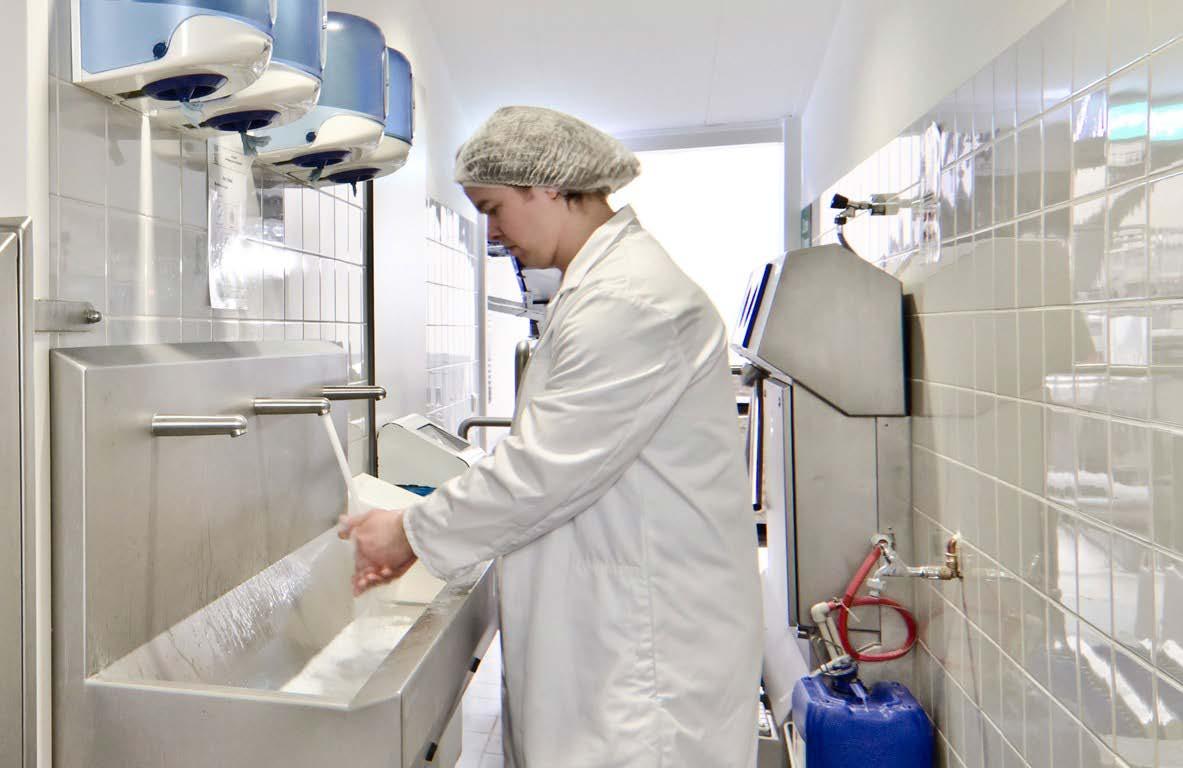
As facility managers and infection prevention teams scrutinise compliance data across healthcare, aged care and high-traffic commercial settings, inconsistent hand hygiene continues to reveal a challenge misaligned with product availability, pointing squarely at system design and organisational culture.
Gojo head of regulatory and science for Australasia, Christine Mikhail, argues that sustainable improvement in this area demands more than targeted product placement or periodic education campaigns. "Sustainable improvements in hand hygiene compliance are rarely achieved through a single intervention," she
says. "The strongest evidence continues to support multimodal strategies that combine accessible product placement, innovative product, workforce education, leadership engagement, behavioural reinforcement and ongoing performance feedback."
From a structural standpoint, the positioning of hand hygiene products within a facility carries measurable consequences. Research consistently demonstrates that when healthcare workers must interrupt care processes or move outside the patient zone to access products, compliance rates decline. Mikhail says this is one of the most actionable and frequently overlooked interventions available to facility operators. "One of the most effective structural interventions is ensuring hand hygiene products are positioned at the point of care and integrated naturally into the workflow," she says. "If healthcare workers need to interrupt care processes or leave the patient zone to access products, compliance rates are consistently impacted."
Behavioural strategies reinforce what structural design enables. Facilities that treat hand hygiene as a core organisational value, evidenced through visible leadership commitment, peer accountability frameworks and regular education rather than an audit-driven compliance exercise, tend to demonstrate sustained improvement over time. The distinction matters because compliance that exists only under observation collapses the moment scrutiny lifts.
The field should move beyond ‘does it kill microbes in the lab?’ to ‘does it reduce transmission in the real world, safely and reproducibly?
- Dr Rodney E Rohde
"Facilities that embed hand hygiene into organisational culture rather than treating it as a stand-alone audit requirement tend to achieve more sustainable outcomes," Mikhail says. "This includes visible leadership support, peer accountability, regular education and creating environments where staff understand not only when hand hygiene is required, but why it remains one of the most critical infection prevention measures available."
The growing accessibility of electronic auditing systems, dispenser usage sensors and digital monitoring platforms has introduced new possibilities for understanding hand hygiene behaviour at scale, and the appetite for these tools across healthcare and aged care environments continues to grow. However, the integration of monitoring technology into compliance programs carries risks that facilities must confront before implementation rather than after.
Mikhail identifies a critical failure point that emerges when technology is positioned as the primary driver of compliance improvement. "Monitoring technologies can provide valuable insights into hand hygiene activity, but there is a significant risk in viewing technology as a standalone solution," she says. "If facilities introduce electronic auditing systems or dispenser sensors without first establishing a strong culture of education, accountability and staff engagement, the technology may be perceived as punitive rather than supportive."
When monitoring is experienced as surveillance rather than support, staff disengagement follows, and the very behaviours technology is intended to reinforce become harder to sustain. The risk compounds when leadership involvement is inconsistent and data generated by monitoring systems fails to translate into meaningful feedback or operational change.
"One of the key risks is focusing too heavily on numerical compliance metrics without understanding the behavioural and operational factors influencing them," Mikhail says. "Staff may become disengaged if monitoring is seen purely as surveillance, particularly if there is limited feedback, inconsistent leadership involvement or inadequate education around the purpose of the system."
The volume of data generated by these platforms presents a further challenge. Facilities can find themselves rich in monitoring outputs yet unable to act on them effectively without the trained personnel and structured processes required to convert insights into practice change. Technology may disclose patterns, but only people, systems and culture can determine the response.
"There is also the risk of generating large amounts of data without meaningful action," Mikhail says. "Technology can identify trends, but facilities still require trained infection prevention teams, engaged leadership and practical workflow improvements to translate that information into safer outcomes."
For the cleaning and hygiene industry, Mikhail's perspective reinforces a broader principle that has emerged consistently across expert opinion: culture precedes capability, and capability precedes technology. "Hand hygiene improvement is driven by culture first and technology second," she says. "Facilities that achieve the best long-term outcomes are those that use monitoring tools as part of a broader infection prevention strategy centred on education, accessibility, transparency and shared accountability across the organisation."

In medical and high-risk environments, a missed plug hole or inadequately cleaned basin is not just an aesthetic issue, it can be a direct infection risk.
- Liezl Foxcroft
As infection prevention matures into a system-level function, the question of measurement is highlighted, prompting a move away from process-driven metrics toward outcomes resulting in actual risk reduction and health impact.
Rohde highlights the importance of integrating environmental hygiene into broader infection prevention and control frameworks. "In complex settings like healthcare and aged care, the next evolution is shifting environmental hygiene from a task-based compliance model to a risk-based, systemintegrated infection prevention function," he says. "The goal is simply to prove that cleaning reduces transmission risk and improves patient and resident outcomes in measurable, reproducible ways."
Achieving this requires a shift in how data is used, where risk stratification identifies high-priority spaces and surfaces through surveillance systems that reveal infection patterns. Cleaning protocols can then be adapted in response and performance assessed against outcomes rather than activity.
This approach elevates the role of environmental services teams, enabling them to operate as partners within infection control systems. Their work connects directly to patient safety and public health outcomes.
As Australia navigates a more complex flu landscape shaped by evolving pathogens, changing behaviours and rising expectations, the role of cleaning professionals continues to expand, placing them at the centre of a system that protects health across every shared environment.
The work carries precision. It demands knowledge. It requires adaptability. Each surface cleaned, each protocol followed, each decision made contributes to a broader defence that extends beyond individual sites and into the fabric of public health.
The message for the industry comes through with clarity. Infection prevention now operates as a system where science, behaviour and execution intersect. Success depends on how well those elements align.
In the months ahead, as flu activity builds and pressure intensifies, the organisations that have invested in capability, embraced evidence and integrated their systems will stand apart, and their outcomes will show it. ■
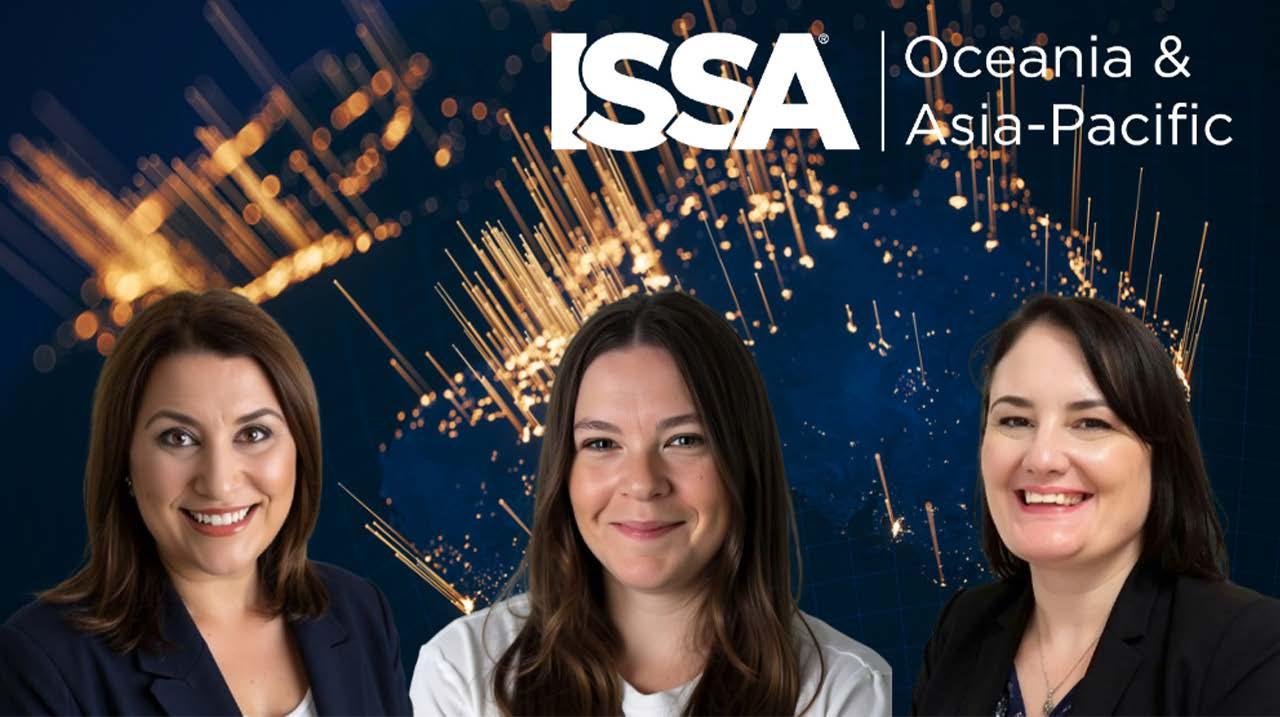
For an industry that spans everything from multinational facility management companies to family-run cleaning businesses, having a local team that understands the landscape matters. ISSA’s Oceania and Asia-Pacific operation is led by three women who bring distinct roles to a shared mission: support members, strengthen the industry, and make the case for cleaning as a profession worth investing in.
Lauren Micallef, the Oceania and AsiaPacific manager, oversees operations and leads education and training for the region while coordinating with ISSA’s global network. Account manager, Alicia Morgan, focuses on membership and the ISSA Cleaning and Hygiene Expo. Nicole Bousfield, administrative and accounts assistant, handles invoicing, payments and the behind-the-scenes coordination that keeps the operation moving.
Together, they serve a member base that cuts across every link in the supply chain – manufacturers, distributors, building service contractors, facility managers and more. That breadth, Morgan says, is both the challenge and the strength.
“The diversity brings an energy, fresh perspectives and a real opportunity for our members to connect and network,” Morgan says. “As an association, our role is to be the connector and facilitator.”
When asked about the biggest challenge facing members in the region, each of the three points to a version of the same underlying issue: the pace of change is outrunning the capacity to adapt.
Micallef frames it in terms of business agility. “It’s harder to forecast. It’s harder to plan,” she says. “Businesses have got to stay on top of things a lot more efficiently and a lot quicker than what they were in the past.”
She points to rapid technology shifts, geopolitical instability, inflation, supply chain pressures and workforce shortages as forces that are reshaping how member companies operate, sometimes simultaneously.
Morgan says the two issues she hears consistently from members are standardisation and staff retention. On the standardisation side, the questions are fundamental: what constitutes a regular clean versus a specialised one, and how do you justify and workload those services?
On retention, the question is how to keep workers engaged long enough to grow into leadership. “How do you get them to be invested in the success of the business, looking at it not just as a job of work but a job of career?” Morgan says.
The team’s marquee event this year is the ISSA Cleaning and Hygiene Expo, returning to Melbourne in early October for the first
time since 2023. Morgan says 80 percent of the floorplan has already been contracted, while education and speaker programming will be announced soon. Beyond the expo, the team is also launching a new Building and Facility Services Committee, open to restoration professionals, facility managers, hospital cleaning officers and BSCs, with an initial meeting planned for mid-year.
On the digital side, the new MyISSA portal gives all member employees access to the Member Resource Centre and Learning Centre, including webinars, online courses and the metric cleaning times tool at no additional cost.
As for what success looks like going forward, Micallef measures it not just in revenue but in relevance. “A strong indicator lies in the value delivered to members and the broader industry,” she says. “I really hope that moving forward the market can see us as that value partner, that partner with their business, that partner with the industry.”
Morgan’s vision is simpler to state yet harder to build: a more open, thriving community. “We don’t exist without our community, without our members,” she says. “I will be thrilled when we get to the end of the year and we have more community involvement.” ■
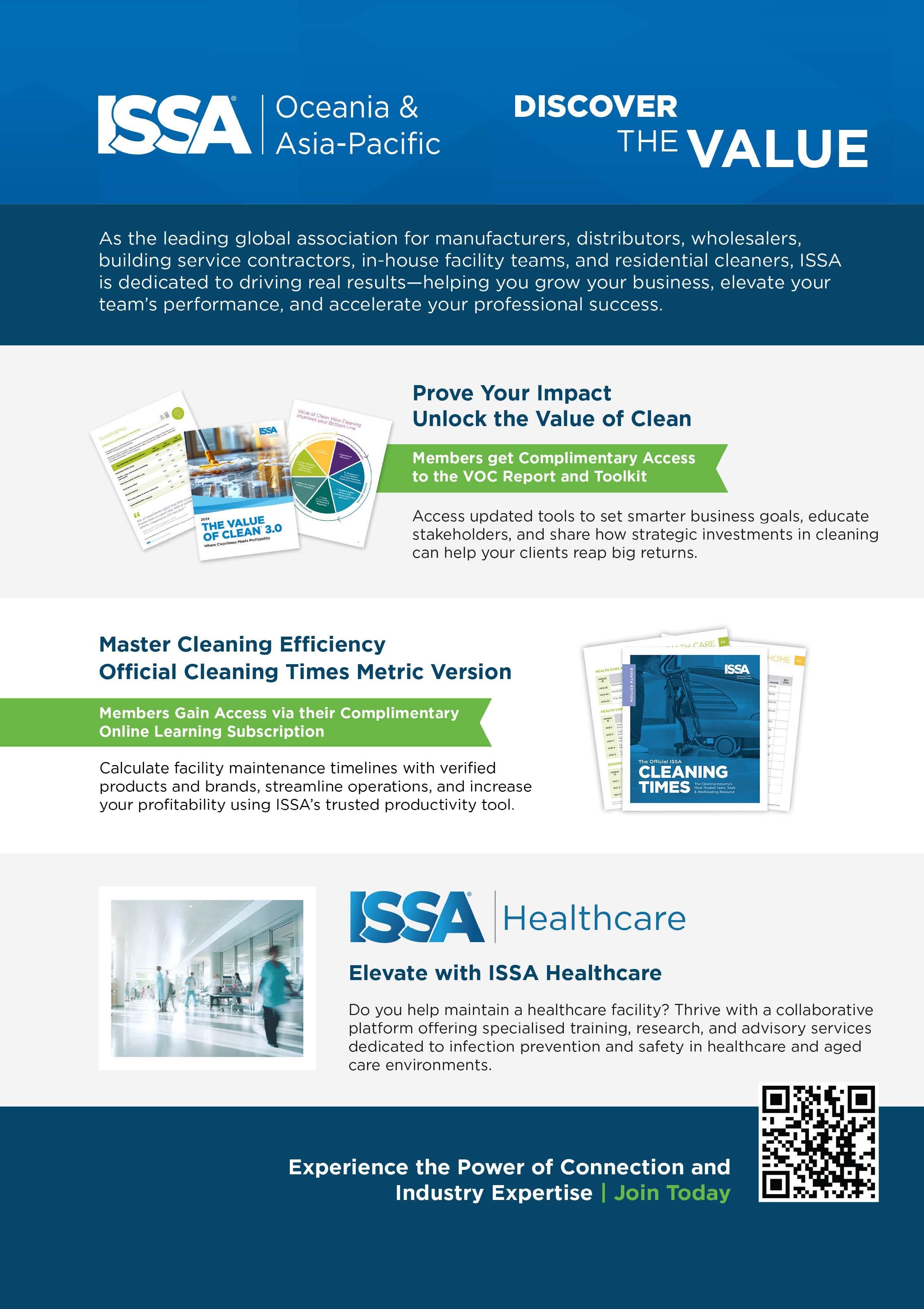
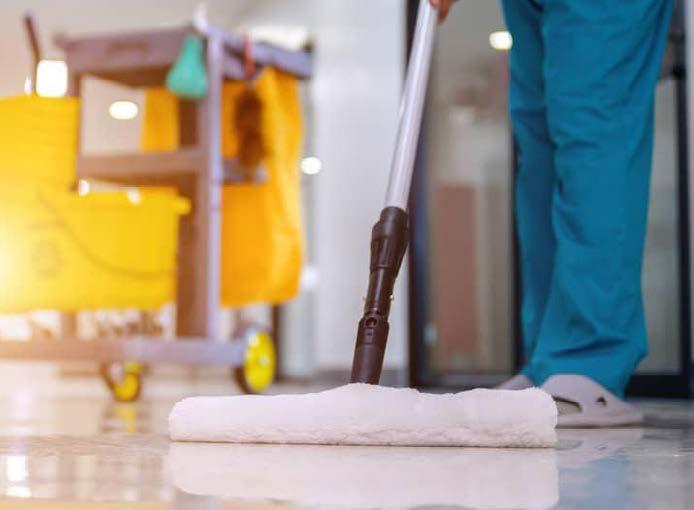
In satisfying an increased appetite in the cleaning and facility management sectors to optimise spend without sacrificing standards, organisations would be remiss to underestimate the value of a traditionally overlooked yet vital asset: cleaning chemicals.
As Bunzl Australia and New Zealand category manager, Cleaning Chemicals and Janitorial Malcolm Barclay explains, the industry is shifting away from transactional purchasing. “Across the FM sector, the conversation is steadily shifting from unit price to total cost of clean,” he says. “Smarter chemical selection is playing a key role in that shift.”
As Nowchem managing director John Lamont observes, the industry shift is now firmly anchored in intent and outcomes. “The focus is shifting from what product we use and how much it will cost per litre or drum, to what problem we are solving and what success actually looks like,” he says.
Agar Cleaning Systems managing director Steve Agar and Accord executive director Damian Mitsch add that ongoing training in dosing systems and prioritising sustainable choices allows organisations to select cleaning chemicals that protect equipment and extend asset durability.
This approach also ensures consideration of soil and surface combinations, while reducing labour time and operational risks. Lamont reinforces this broader reframing of value across chemical selection and application. “In an industry under constant pressure to do more with less, smarter chemical choices are proving to be one of the most effective ways to redefine value, not by spending more, but by cleaning smarter,” he says.
As cleaning chemicals determine asset condition, maintenance cycles, labour efficiency and overall cleaning outcomes, it is imperative for organisations to employ a fit for purpose product selection. “The objective is not just to use fewer chemicals. It is to use the right product, at the right strength, for the right task,” Agar says.
“When product selection is treated as part of an ongoing maintenance strategy, rather than a one off purchasing decision, outcomes become more stable,” Agar adds. “The best decisions are made when product choice is discussed in the context of the asset, the task and the standard expected at the site.”
To thoroughly clean surfaces, cleaning chemicals must align with both the surface and the soil type, subsequently extending the longevity of coatings, finishes and materials and avoiding restoration and ongoing maintenance.
Barclay says one of the industry’s most persistent blind spots remains labour efficiency. “Chemicals that require longer dwell times, multiple applications or frequent rework can significantly erode productivity,” he says. “In a labour-constrained market like Australia, this often becomes the hidden cost that undermines overall efficiency.”
Agar says thoughtful product selection also controls labour efficiency, as an appropriately matched product removes soil in fewer passes. Less rework and fewer corrective steps lends itself to a consistency that elevates overall cleaning outcomes across shifts and sites, exemplified through the use of a neutral and low residue floor cleaner on sealed floors, as Agar discusses.
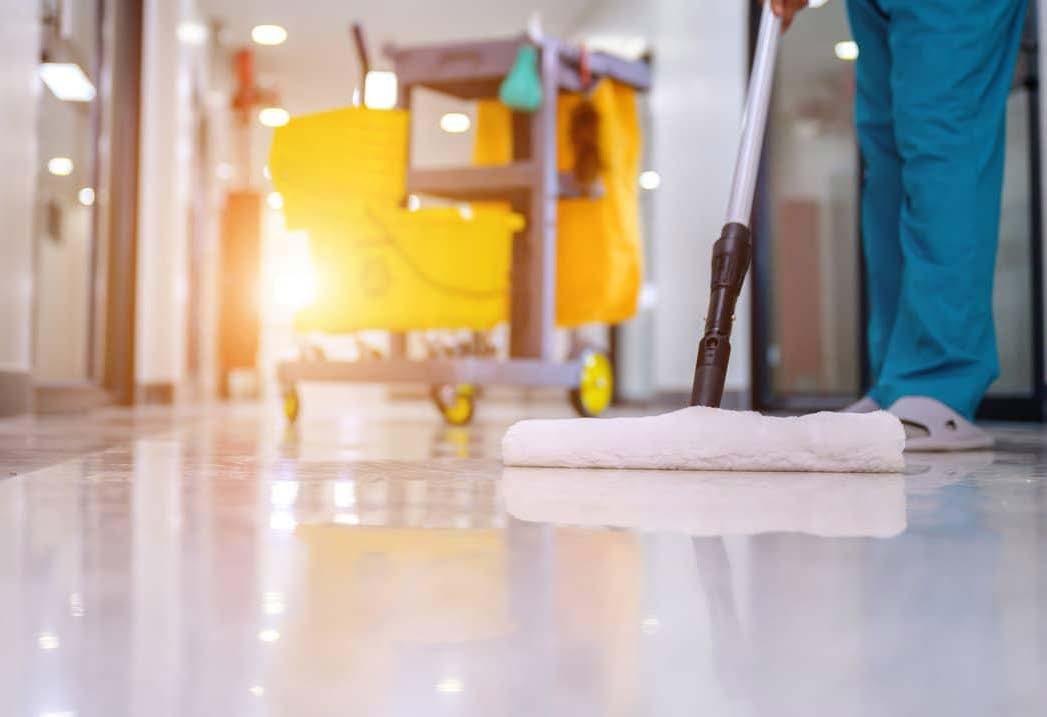
“When the correct product is used, it removes soil without attacking the protective coating,” he says. “This helps maintain gloss levels, reduces the need for frequent recoating and allows teams to clean efficiently without dealing with streaking or residue build up.”
Mitsch outlines the hazards that can come from poor and hasty product selection. Although products can technically perform at incorrect doses, there is a risk of sacrificing efficiency and effectiveness. “The costs of incorrect product selection in some environments can go beyond just the chemical,” he warns. “Residue build-up accelerates equipment wear, drives unplanned maintenance and creates safety risks that are avoidable with the right product selection from the outset.”
Mitsch speaks of his experiences overseeing cleaning businesses within the healthcare industry. A philosophy of prioritising the right product, at the right dose, at the right place and time enabled an efficient, stable and most importantly safe system that avoided residue build-up in equipment and wastage.
“The businesses I ran used chemical systems because they were designed to take product selection and dosing out of the hands of chance,” he explains. “Whether that was computerised dosing in laundries or manual dispensing systems in bathrooms, it paid for itself many times over.”
Mitsch underlines the hazard of allowing price to dictate product selection, rather than aligning chemistry with soil and surface, as an inexpensive product can pose safety risks and equipment
damage. In healthcare, the ramifications of using products anchored by misaligned chemistry are noted in impacted patient outcomes. “A poorly selected product can lead to residue on floors that create slip hazards, incorrect products in food preparation areas leading to contamination risks and ineffective disinfectants allowing pathogens to survive on surfaces,” says Mitsch.
Barclay agrees that poor alignment between chemicals, equipment and surfaces creates costly downstream impacts.
“Using aggressive formulations on sensitive materials can lead to premature wear, corrosion or damage, particularly on high-value assets such as flooring systems, fixtures and specialist equipment,” he says.
Agar corroborates Mitsch’s view that incorrect chemistry leads to surface damage such as staining, corrosion and dulling, as well as rework, excessive labour time and critically unsafe conditions for workers and building users. “From a safety perspective, using unsuitable products can introduce unnecessary risk,” he says. “This includes increased exposure for users, as well as compatibility issues with certain materials or environments.”
Within this context, Lamont adds a systems level perspective that reinforces how chemistry performs beyond isolation. “The real value of a chemical is revealed not in isolation, but in how it functions within the cleaning system as a whole,” he says.
Obstacles can emerge from cleaning chemicals that tick all the boxes, mainly performance optimisation and asset durability, as Agar and Mitsch discuss. Agar maintains, however,

that avoiding the tendency to rely on broad claims and distil decisions down to price can address such challenges and avoid an illusion of efficiency.
“A product that works well in one setting may not deliver the same outcome in another,” he says. “Product selection should be assessed in the context of the full cleaning process, rather than broad claims that can create inefficiencies over time.”
Mitsch highlights the complexities of product selection and the implications that can emerge from generalisation and approximation. “A general product requires more labour to achieve the result and can create problems such as residue or surface damage, which a fit-for-purpose product would avoid,” he says. He also prescribes ongoing collaboration and consultation with manufacturers as an effective way to select an appropriate and specialised product.
“Cleaning is not a single problem,” he says. “Different surfaces and different soils require different chemical approaches to achieve the best outcome. Manufacturers are valuable and underutilised, and can advise on the limits of applicability and avoid the wrong product in the wrong place.”
When discussing the value of dosing systems, Agar emphasises the need for further training and support. “Although automatic dispensing systems are designed to remove discretion from the cleaner, there is still a need for clear training to build confidence
in using a structured system, particularly in areas with high staff turnover,” he says.
Dispensing systems streamline processes and achieve consistency; however, under dosing and over dosing errors resulting from a lack of training impede labour efficiency.
“Over dosing can lead to residue, increased costs and potential surface damage, whereas under dosing may result in poor cleaning outcomes and the need for rework,” Agar says .
Barclay says integrated systems are becoming increasingly essential across large facility portfolios. “Automated dilution and dispensing systems not only ensure accurate chemical use, but also improve safety, reduce waste and standardise outcomes across multiple sites,” he says.
Mitsch highlights the need for cooperation between industry bodies, manufacturers and facility managers when delivering effective training, particularly in light of innovations in dosing technology such as connected dispensing systems.
“We all have a role to play in training,” he says. “Training in dosing systems should address the full picture by combining product knowledge from manufacturers with operational context from the people using the products on the ground.”
Training should communicate the dangers of ignoring surface and soil combination when selecting products, alongside sharing the cost and operational benefits across the full asset life cycle that come from correct dosing and dilution.
“In critical settings, getting training wrong can be expensive and dwarf the original savings on product cost,” says Mitsch. ■


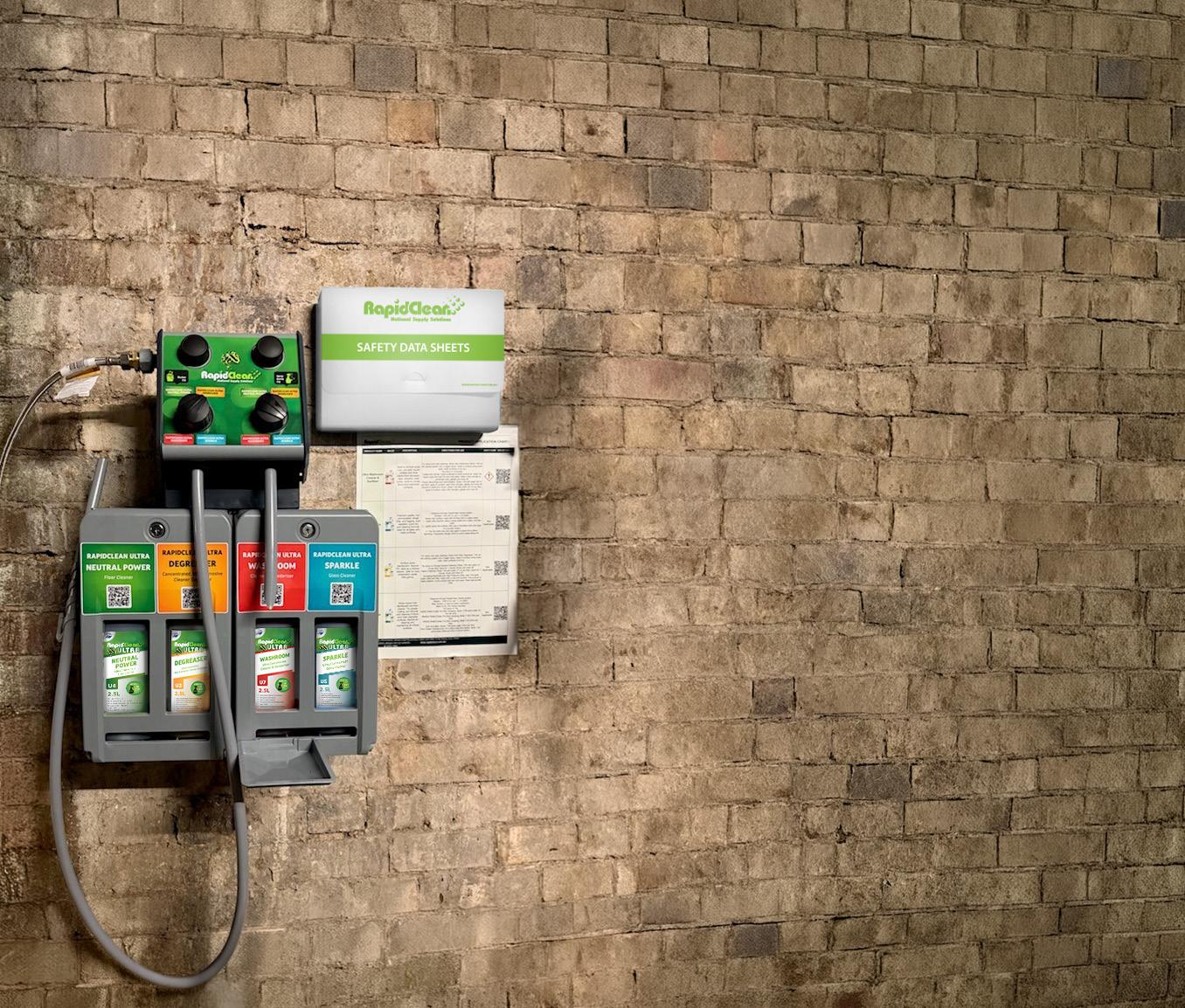
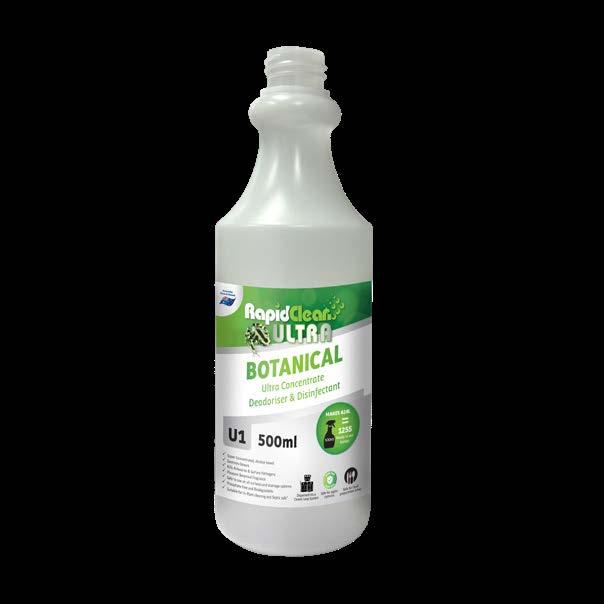
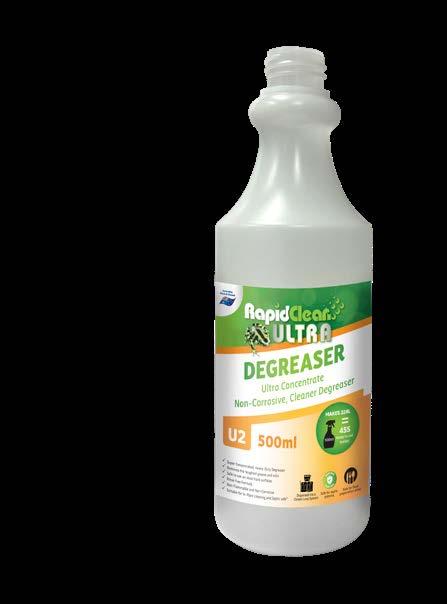
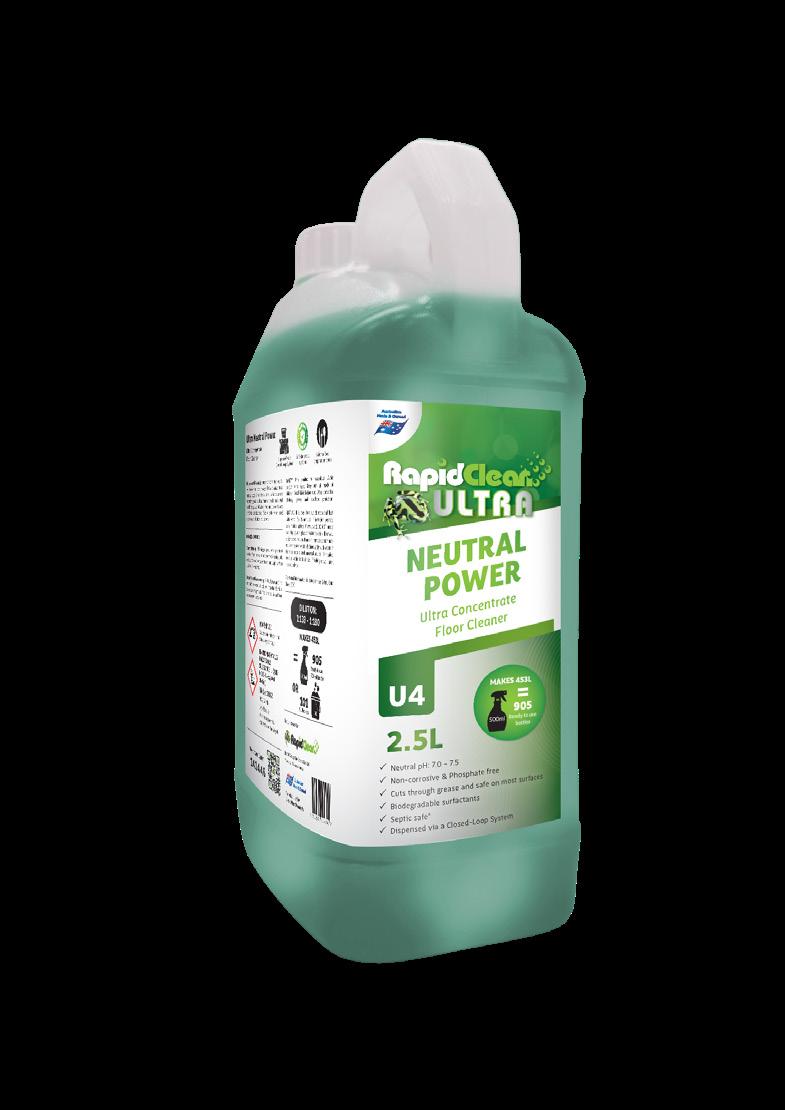
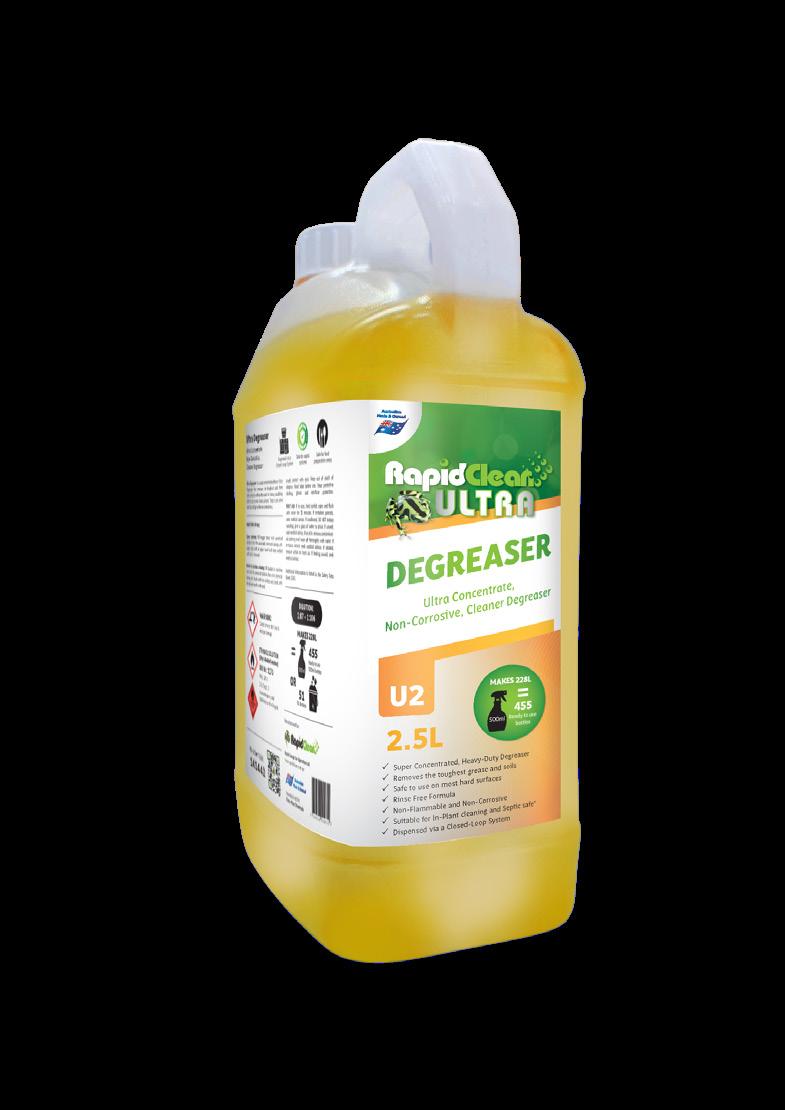
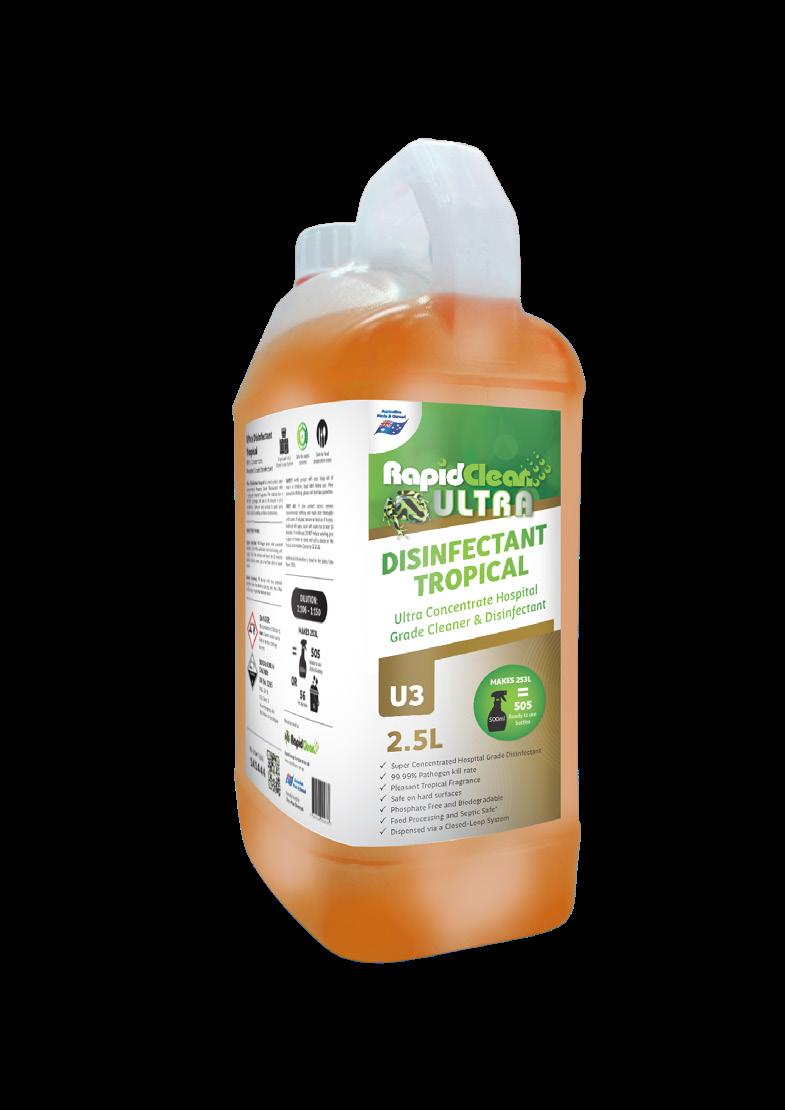
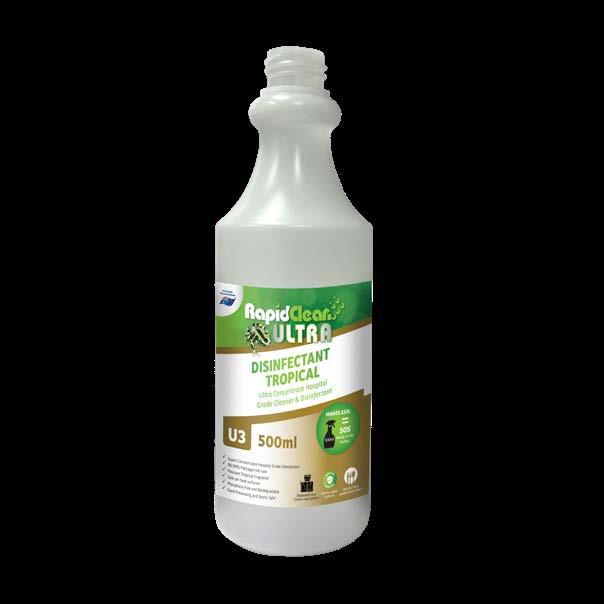
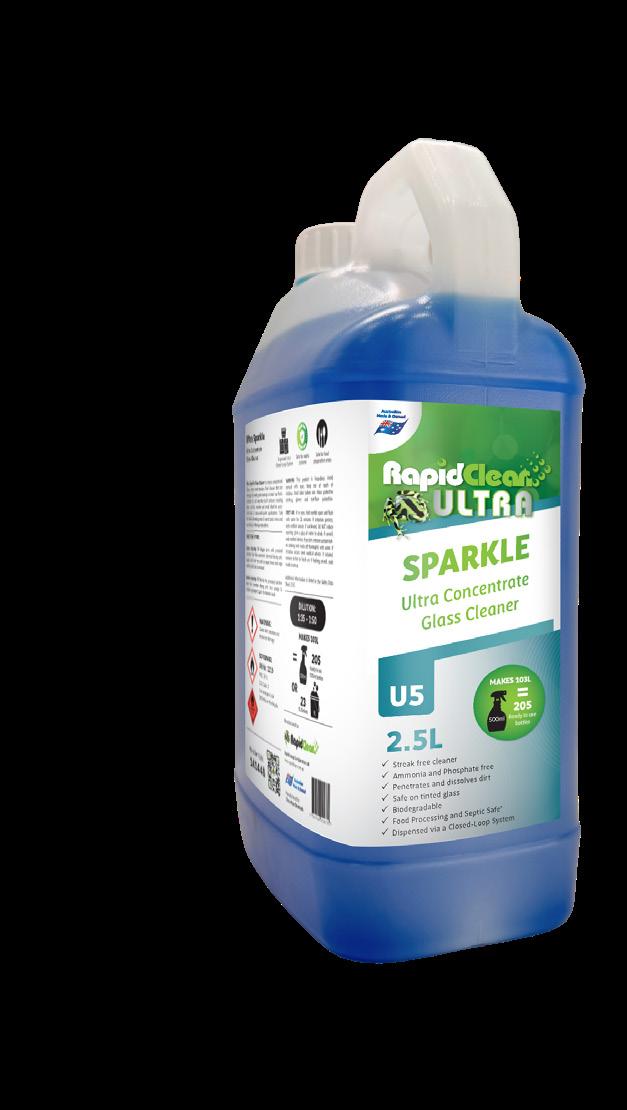
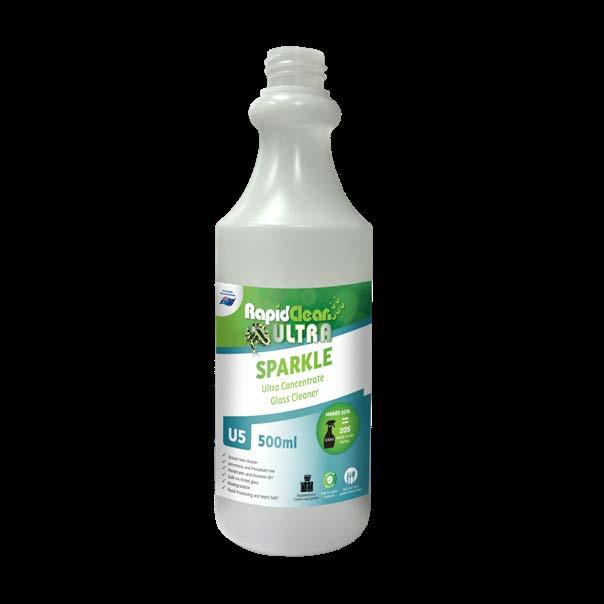
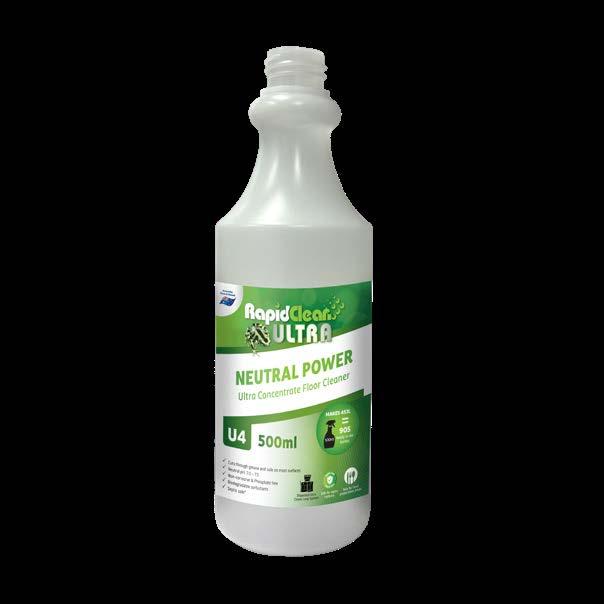
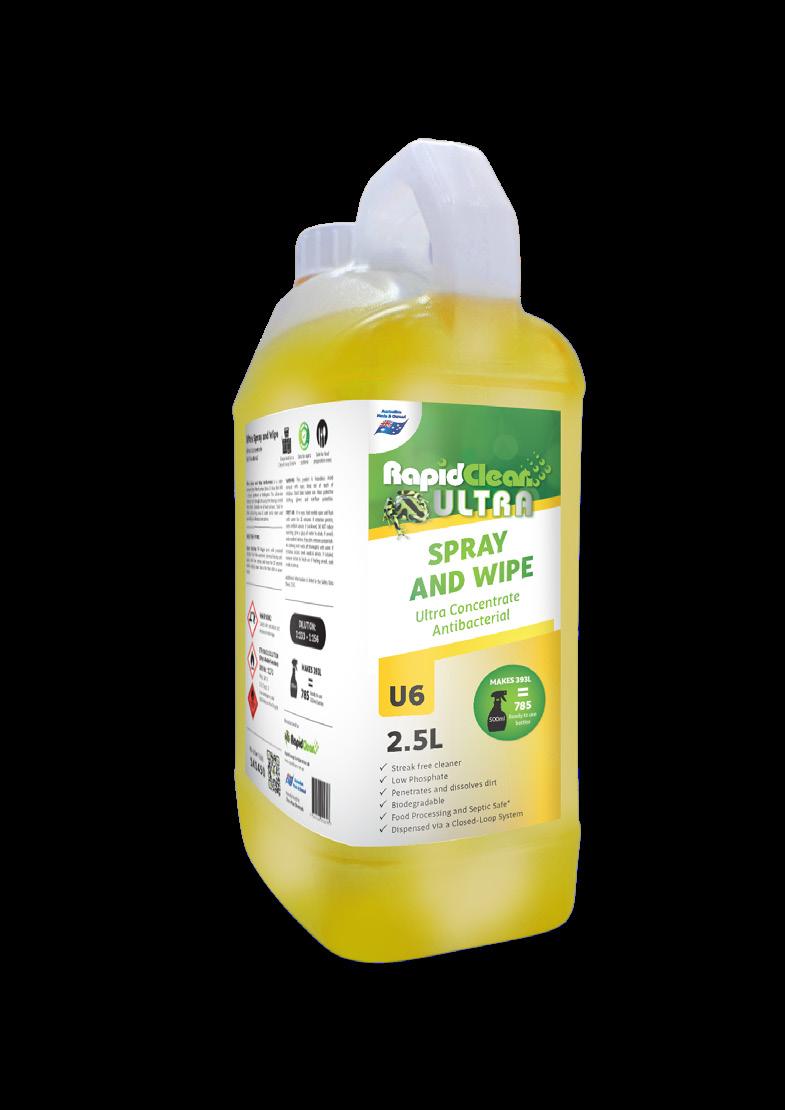
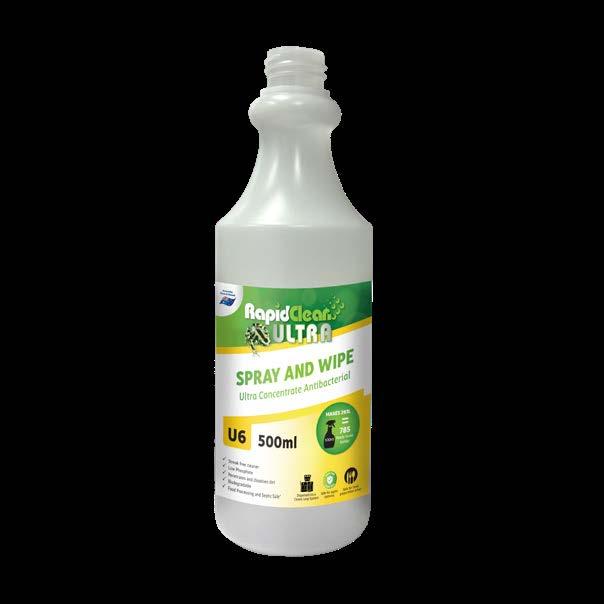
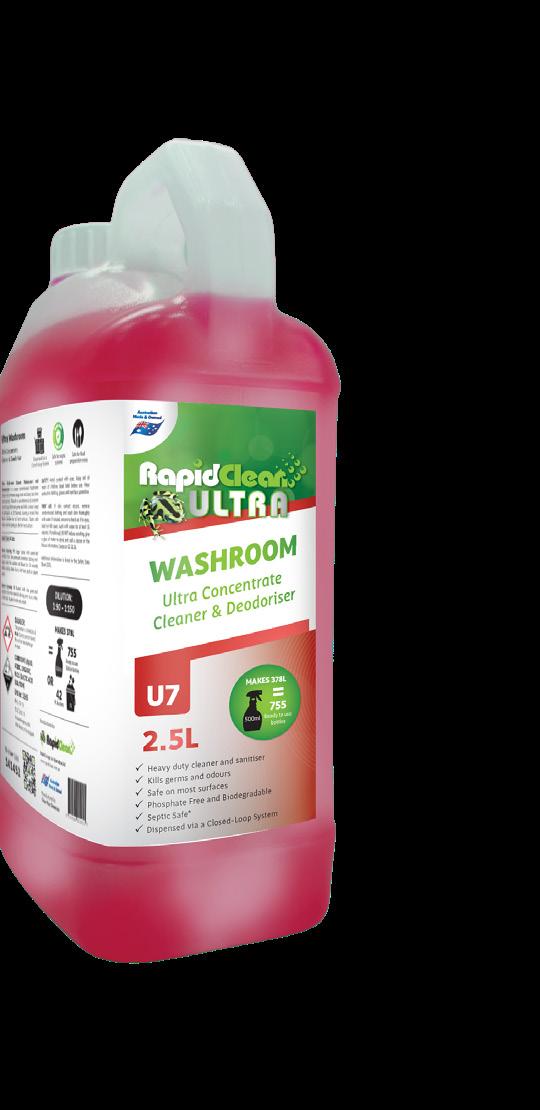
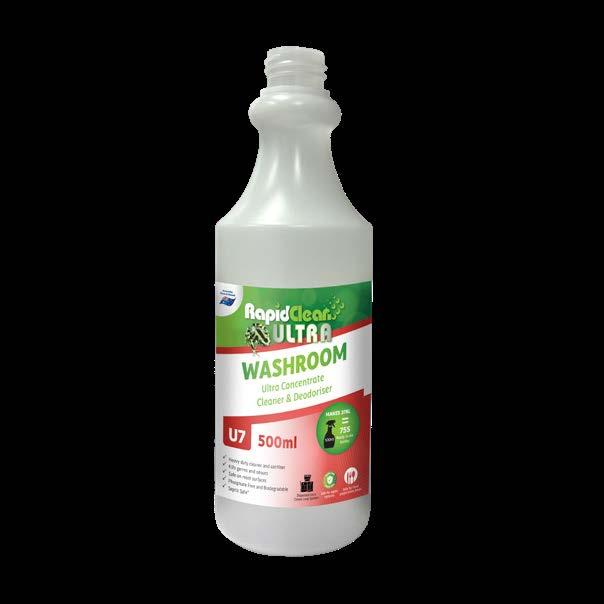
The RapidClean Ultra Range of super-concentrated professional cleaning chemicals are designed for commercial environments. Used with the RapidClean Ultra chemical closed loop dosing system, the range delivers powerful cleaning performance with accurate, fixed-ratio dilution every time.
The result is a smarter cleaning solution that reduces chemical waste, improves safety, and lowers operating costs while maintaining consistent cleaning results.




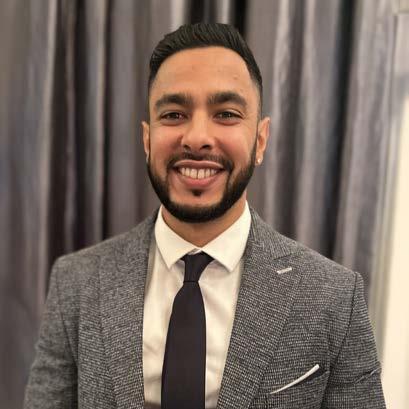
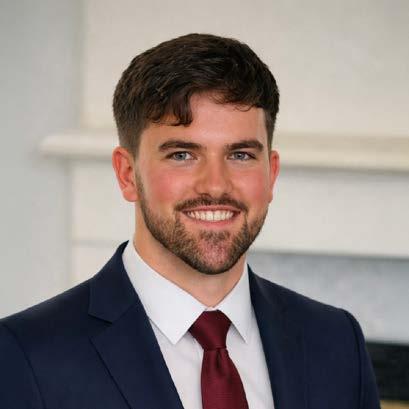


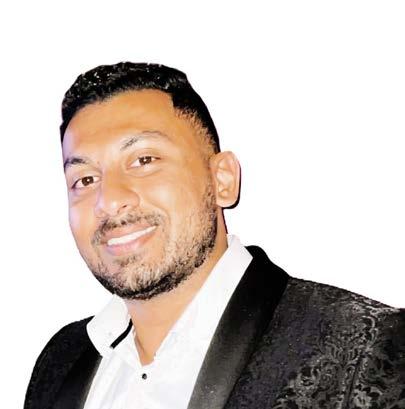

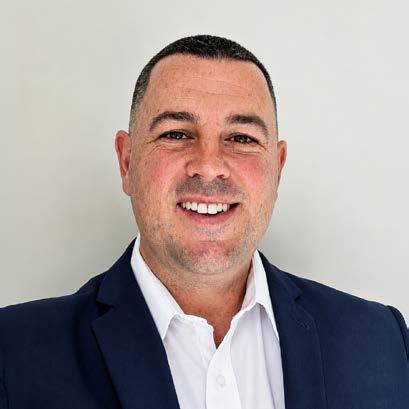
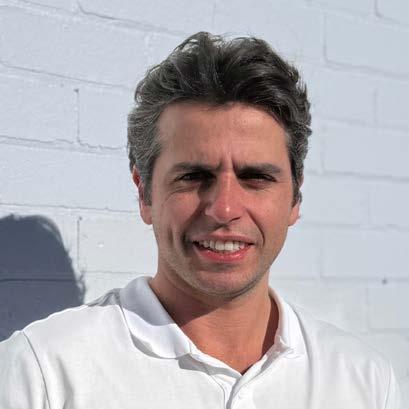
As the cleaning and hygiene industry enters a period of heightened expectation, complexity and change, ISSA Oceania & Asia Pacific is proud to introduce its inaugural Emerging Leaders Class of 2025.
The 2025 ISSA Emerging Leaders represent the first cohort of a program designed to recognise and support professionals whose leadership is not only emerging but already in motion. Drawn from diverse roles, disciplines and countries across Australasia, each one brings a grounded understanding of today’s industry realities, paired with a clear vision for progress.
“To be recognised among such a strong and diverse group of peers is no small achievement,” says Lauren Micallef, ISSA Oceania manager. “It speaks to the impact these leaders are already having on the future of our sector.”
This program plays an important role in elevating the cleaning and facilities sector as a dynamic, purpose-driven industry offering meaningful, long-term career opportunities. By recognising talented professionals early in their leadership journey, ISSA aims to raise the profile of the industry and inspire the next generation to see cleaning and facility solutions as a career of choice – not chance.
Selection into the Emerging Leaders Class reflects the qualities championed by ISSA Oceania & Asia Pacific, demonstrating commitment to excellence, collaboration, innovation and the advancement of our industry and broader business community.
As ISSA account manager Alicia Morgan explains, “Being named an ISSA Emerging Leader is a prestigious milestone, one that recognises impact today and potential for tomorrow. ISSA membership ensures these leaders are supported, connected and positioned to drive the industry forward.”
The individuals featured in this year’s program represent a pipeline of leadership that is already active, already shaping outcomes and already influencing direction. Their impact is visible today, and their trajectory suggests far more to come.
On the following pages, meet the 2025 ISSA Emerging Leaders Class, a group defined by capability, curiosity and a readiness to lead the industry through its next phase.

Drawing on a foundation in microbiology and forensic science, Alissa Shida has built a career that brings scientific rigour into the everyday realities of cleaning, shaping a leadership approach grounded in clarity, education and measurable impact. As regional manager at Kikkoman Biochemifa Company, she works across healthcare, food production and public environments, helping organisations redefine what ‘clean’ means in practical terms.
Her work centres on translating complex hygiene science into tools and systems that frontline teams can actually use. Through hands-on training, workshops and ongoing support, Shida equips cleaning professionals with the knowledge to move beyond visual assessment and toward validated outcomes. By introducing quantifiable hygiene monitoring methods, she enables teams to see the results of their work in real time, strengthening both accountability and confidence.
This focus on bridging science and practice has become a defining element of her leadership. Working across regions and cultures, she adapts her approach to suit local conditions while maintaining a consistent commitment to evidencebased standards. Whether supporting a hospital team, guiding food safety programs, or collaborating with distributors, her goal remains the same – to create a shared understanding of cleanliness that is both achievable and measurable.
Shida’s influence extends beyond individual sites into broader industry conversations around data, standardisation and public health. She advocates for a future where cleaning is recognised as a critical, accountable function, supported by clear benchmarks and reliable data.
Alissa Shida represents a new generation of professionals who are reshaping how the industry defines success, ensuring that cleaning is understood, valued and measured for the essential role it plays in protecting people and environments.
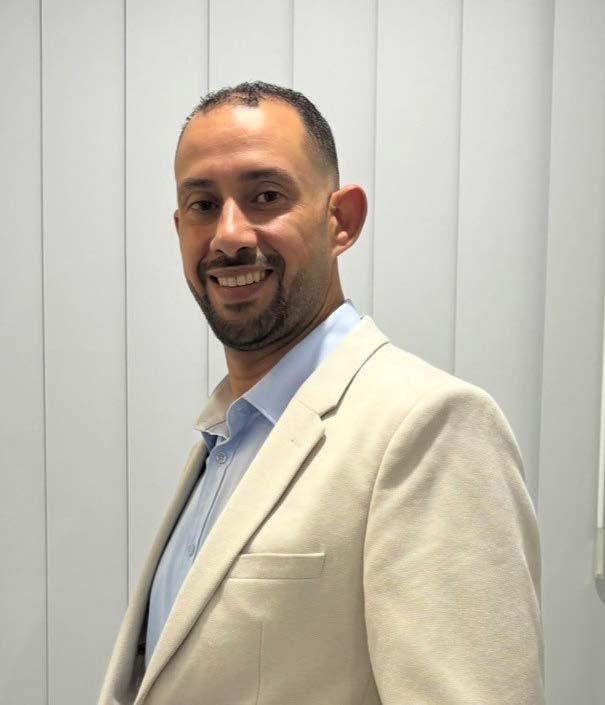
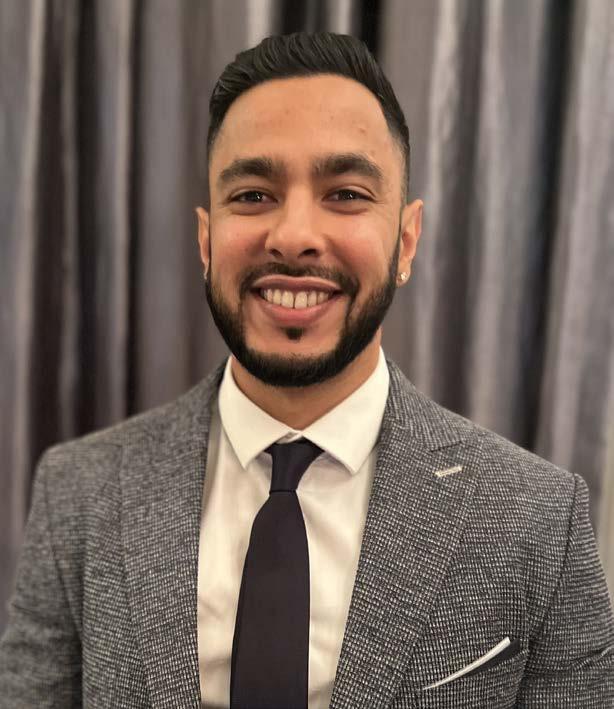
AYMAN GIRGIS
NSW Cleaning Manager, City FM
Shaped by years on the frontline and strengthened through steady progression into leadership, Ayman Girgis brings a grounded and disciplined approach to managing complex cleaning operations across New South Wales. As NSW cleaning manager at City FM, he leads with a clear focus on consistency, accountability and the people who deliver services every day.
His career began in hands-on roles where he developed a deep understanding of service delivery, compliance and the pressures faced by operational teams. That early experience continues to inform his leadership style, ensuring decisions remain practical and connected to the realities of the job. As his responsibilities have grown, Girgis has maintained a strong presence across sites, building trust with teams while driving improvements in safety, performance and efficiency.
A defining strength lies in his ability to create alignment across stakeholders. Through clear communication and collaborative planning, he brings together clients, contractors and frontline staff around shared expectations. This approach has lifted operational standards while strengthening engagement, reflected in improved outcomes and a sustained focus on safety across the workforce.
Colleagues point to his calm, consistent leadership and willingness to take ownership in challenging situations as key factors in his impact. He sets high expectations while remaining approachable, creating an environment where teams feel supported and accountable in equal measure.
With the sector moving toward more technology-enabled and performance-driven models, Girgis continues to build capability in data, systems and strategic planning while staying closely connected to day-to-day operations. Girgis represents a new wave of leadership that balances innovation with a strong commitment to people, helping shape a more resilient and professional cleaning industry.
National Sales Manager, Essity Australasia
Operating at the intersection of commercial strategy and industry change, James Ferdinands is helping shape the direction of professional hygiene across Australia through a leadership style defined by action, adaptability and clear intent. As national sales manager for Essity Australasia’s Tork business, he leads key accounts and national teams while navigating a market shaped by disruption, cost pressure and shifting expectations.
His rise through the organisation reflects both performance and potential, with successive promotions and inclusion in Essity’s leadership development program signalling his trajectory. In his current role, Ferdinands manages complex customer relationships while contributing to broader strategic initiatives, particularly across innovation and sustainability. His work extends beyond delivering results in market, playing a role in developing the next wave of solutions that will influence how cleaning is delivered and measured.
A consistent thread through his leadership is a commitment to leading through action. By embedding values such as honesty, reliability and accountability into daily decisions, he builds credibility with teams, customers and industry partners. This approach creates alignment and momentum, enabling strategies to move from concept to execution with clarity and purpose.
Colleagues describe a leader who brings energy, collaboration and commercial insight into every interaction, while remaining open to learning and growth. That mindset continues to drive his development as he seeks broader strategic challenges and opportunities to influence industry direction.
Ferdinands is focused on how new technologies and smarter systems can help organisations do more with the time and resources available. Ferdinands represents a forward-looking generation committed to translating innovation into practical outcomes that lift performance across the industry.
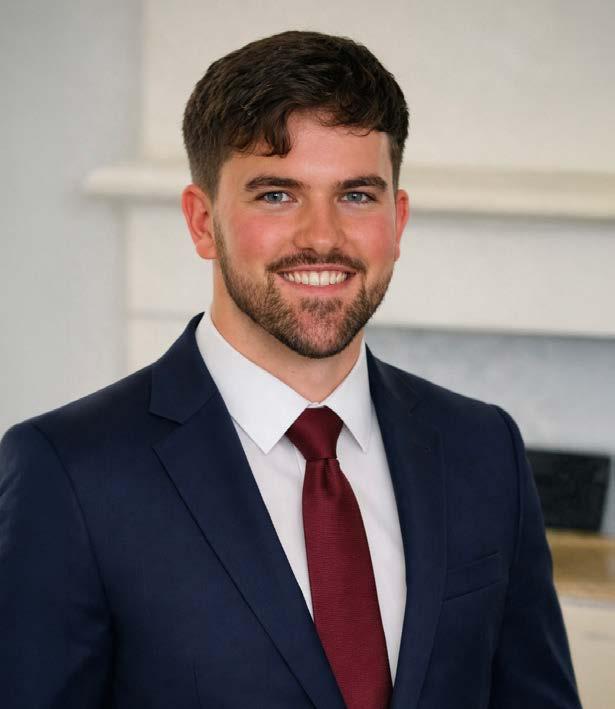
Operating within a complex facilities management environment across Australia, Tunbridge has built a leadership approach grounded in authenticity, adaptability and a clear focus on outcomes, guiding large-scale cleaning operations with consistency and intent. In his role as national cleaning manager ANZ and Suncorp Bank at ISS Facility Services, he manages diverse stakeholder expectations while delivering strong performance across multifaceted contracts.
His career progression reflects a willingness to step forward and take ownership, developing capability through experience and a commitment to continuous learning. Managing major contracts has strengthened his ability to navigate complexity and align competing priorities, delivering results that extend beyond cleaning into broader facilities outcomes. This holistic perspective has helped position cleaning as a valuable contributor to overall organisational performance.
Tunbridge leads from the front, fostering a culture built on integrity, accountability and respect. He invests in people through mentoring and support, creating high-performing teams that are engaged and aligned. His collaborative style enables clients, suppliers and internal teams to identify opportunities that improve service delivery and generate value.
Recognised for his adaptability and solutions-focused mindset, he responds quickly to evolving client needs while maintaining a clear direction. As the sector continues to shift toward a more strategic role, Tunbridge remains focused on strengthening cleaning’s position within the broader facilities landscape, representing a new generation of leadership committed to raising standards and delivering meaningful outcomes.
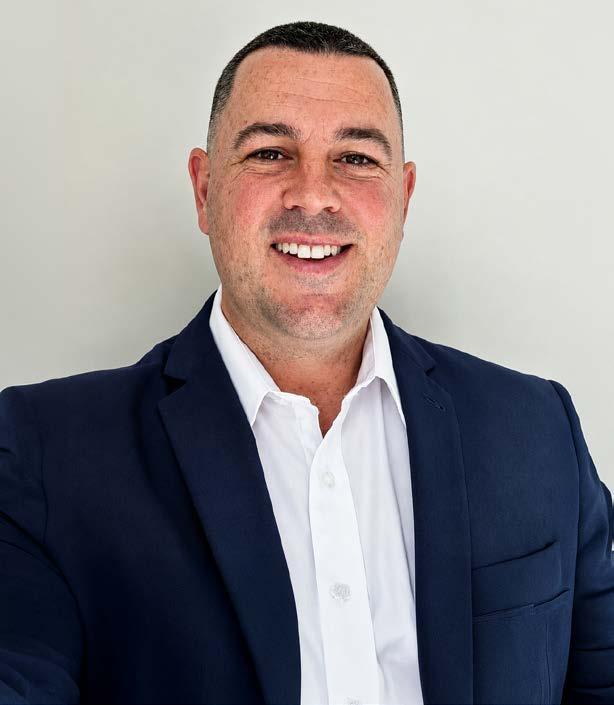
Stepping into the ISSA Emerging Leaders Class of 2025 marks a defining point in Michael Green’s career, reflecting a progression built on consistent performance, strong relationships and a willingness to evolve alongside a rapidly changing industry. As national sales manager at Sabco Professional, he has developed a leadership style shaped by collaboration, curiosity and a steady focus on outcomes.
His career has been influenced by close work with industry peers and customers, drawing insight from a wide network of experienced professionals. That exposure has helped shape a mindset centred on continuous improvement and practical problem solving. Recognition through the Emerging Leaders program reinforces a trajectory defined by effort and engagement, while signalling a broader contribution to the industry’s future direction.
Green’s leadership is anchored in reliability and approachability, supported by a strong work ethic and a clear commitment to learning from others. He places value on building genuine relationships, fostering trust across teams, customers and internal stakeholders. This approach has strengthened collaboration and supported sustained business growth while maintaining a focus on service and quality.
Colleagues highlight his ability to combine commercial awareness with a forward-thinking outlook, particularly in areas of sustainability, innovation and customer education. He plays an active role in guiding teams through change, ensuring new ideas are translated into practical outcomes that deliver value across the supply chain.
As the cleaning and facilities sector continues to shift toward more sustainable and knowledge-driven models, Green remains focused on supporting that evolution through innovation, education and leadership grounded in people. Named to the ISSA Emerging Leaders program, he represents a new wave of professionals committed to strengthening both performance and purpose across the industry.

DANIEL FARHART
Head of Operations, Clean Plus
Carrying forward a family legacy while reshaping its future direction, Daniel Farhart brings intensity and a strong sense of purpose to his role as head of operations at Clean Plus, driving a period of rapid growth and renewed ambition within the Australian manufacturing landscape. His journey through the business has been deeply participatory, spanning formulation, production and commercial strategy, shaping a leadership approach grounded in execution and accountability.
Over the past year, Farhart has led a significant expansion of the company’s capabilities, tripling manufacturing capacity, strengthening infrastructure and building a larger, more specialised team. This investment reflects a clear belief in the strength of local manufacturing and a commitment to delivering high-performance solutions that meet rising expectations across the industry.
At the core of his leadership is a focus on consistency, trust and value creation. Influenced by the foundations laid by his father, he emphasises the importance of reliability and strong relationships, ensuring that product performance and service delivery remain aligned. He pairs this with a focus on culture by building teams that are engaged, empowered and encouraged to contribute ideas that drive better outcomes.
Farhart also brings a broader perspective to industry development, advocating for greater recognition of Australian capability while pushing for higher standards across sustainability, compliance and innovation. Through initiatives that support young talent and community programs focused on education and reforestation, his impact extends beyond the business itself.
Named to the ISSA Emerging Leaders program, Daniel Farhart represents a new generation of operators who combine technical expertise with commercial drive, helping position the industry for long-term growth and relevance.
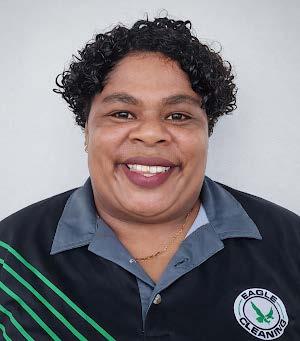
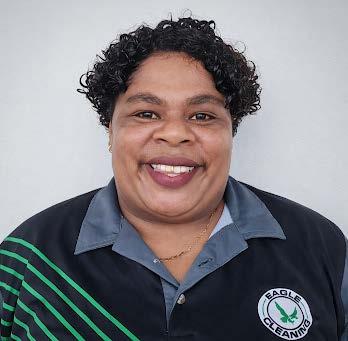
FULORI KAWAU Supervisor, Eagle Cleaning Services
Forged through frontline experience in some of the most demanding environments, Fulori Kawau’s empathetic resilience and unwavering commitment to her role adds to her calm strength that reflects both lived experience and deep respect for the work. Her journey in the industry has been shaped by practical roles across healthcare, commercial and community settings, building pragmatic understanding of service delivery.
A defining chapter came during the COVID-19 pandemic, where Kawau worked as part of the WASH team at Fiji’s second largest hospital, operating in high-pressure conditions that demanded precision, adaptability and courage. Supporting infection control efforts across hospital wards and isolation centres, she played a critical role in maintaining safety during a period of intense uncertainty. That experience sharpened her ability to respond under pressure, while reinforcing the importance of teamwork and trust.
Her leadership is grounded in empathy and awareness, shaped by environments where communication and support were essential. She fosters a culture where team members feel heard and valued, strengthening both morale and performance. Her adaptability allows her to respond quickly to changing priorities, ensuring service standards are maintained even in complex conditions.
Colleagues recognise her as a leader who steps forward when it matters most, consistently supporting both her team and the wider community. Beyond the workplace, she contributes to grassroots initiatives that provide meals to those in need, reflecting a strong sense of responsibility and care.
Fulori Kawau represents a generation of leaders grounded in experience, driven by purpose and committed to elevating the role of cleaning in protecting people and communities.

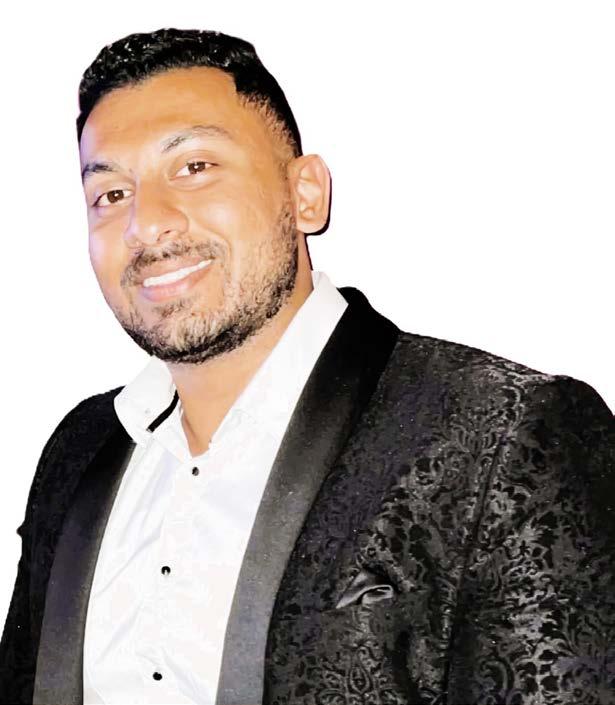
HUGO WIFFEN
Operations Consultant, Re Vera Group
Driven by curiosity and a constant push for improvement, Hugo Wiffen has carved out a distinctive path into leadership, bringing an analytical mindset and a strong sense of ownership to his role as operations consultant at Re Vera Group. His progression reflects an instinct to identify gaps and step forward to address them, shaping both his influence within the business and his broader perspective on the industry.
Raised in an environment that valued long-term thinking and adaptability, Wiffen developed an early appreciation for structure, discipline and the role that well-managed spaces play in decision-making and performance. That foundation continues to inform his approach, where attention to detail and a focus on continual refinement guide his work across operational systems and service delivery.
A defining characteristic of his leadership is an immersive style that combines deep focus with a willingness to challenge existing approaches. This drive has contributed to meaningful improvements within the business, while also prompting a conscious effort to refine how ideas are communicated and implemented. Developing greater balance between conviction and collaboration remains central to his growth as a leader.
Wiffen is particularly attuned to the role of technology in shaping the future of cleaning and facilities management. With rising labour costs and increasing regulatory demands, he sees innovation as essential to maintaining sustainable service models. At the same time, he maintains a clear focus on the human element of the industry, recognising that outcomes ultimately depend on the wellbeing and engagement of frontline teams. Named to this year’s program, Wiffen represents a thoughtful and evolving leader, one who combines curiosity with accountability while working to balance innovation with the realities of service delivery.
MOHAMMED ZAKARIAH
Executive Director, Hygiene & Sanitization Services (Fiji) Ltd
Guided by a disciplined, values-driven approach to leadership, Mohammed Zakariah has built a reputation for consistency, integrity and long-term thinking, shaping both organisational performance and broader industry standards through his role as executive director at Flick Hygiene. His journey reflects a commitment to service, accountability, and the belief that sustainable success is built through people, process, and purpose.
Operating in a highly regulated and people-focused environment, Zakariah has prioritised strong governance, workforce development and operational discipline. His leadership remains closely connected to frontline realities, ensuring decisions are grounded in practical experience while aligned with clear standards. This approach has strengthened performance across safety, quality and customer outcomes, supporting long-term relationships built on trust and reliability.
A defining element of his impact lies in his focus on capability. By investing in structured training, clear systems and leadership development, he has built teams that deliver consistent results while maintaining high professional standards. His emphasis on ethical decision-making and transparency has also shaped a culture where accountability is embedded and reputation is carefully protected.
Colleagues point to his ability to balance innovation with discipline, introducing new technologies and sustainable practices while maintaining operational consistency. His work extends beyond the organisation through community engagement, industry advocacy and initiatives that promote higher standards and awareness of hygiene and public health.
As the sector continues to evolve toward a more strategic and technology-enabled model, Zakariah remains focused on strengthening professionalism and building resilience within the workforce. Named to the ISSA Emerging Leaders program, he represents a generation of leaders committed to elevating the industry through integrity, innovation and sustained impact.
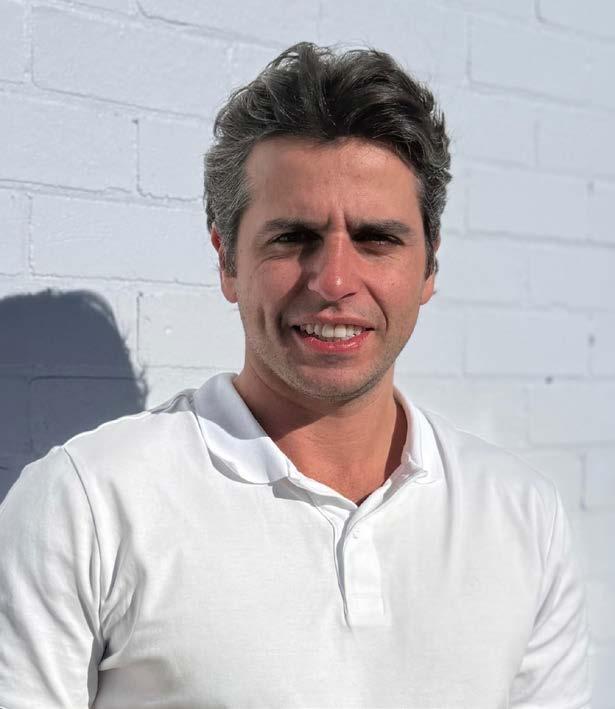
WILLIAM SPIERS Director, Cleantech
Standing at the intersection of tradition and transformation, William Spiers brings a grounded and forward-looking perspective to the cleaning industry, combining operational understanding with a strong belief in accountability, consistency and people-first leadership. As director at Cleantech, he represents a new generation stepping into leadership while carrying forward decades of industry knowledge and experience.
Having grown up around the business, Spiers developed an early understanding of both the technical and commercial realities of the sector. His decision to qualify as an accountant added a deeper financial lens to that foundation, while hands-on involvement in manufacturing and product development sharpened his appreciation for process, detail and innovation. Regular engagement with overseas production facilities has further strengthened his understanding of how quality and efficiency are built from the ground up.
Spiers believes the industry is entering a period of major transition, where technology and automation will increasingly reshape administration and operational systems. At the same time, he maintains that leadership qualities such as empathy, honesty, courage and accountability will become even more important as organisations adapt to rapid change. For him, maintaining humanity alongside technological progress remains essential.
His work has included a strong focus on emerging cleaning technologies, particularly battery-powered equipment and efficiency driven product development. Colleagues describe a leader motivated as much by helping others as commercial success, investing time into training and guidance across the industry.
Beyond business, Spiers contributed to humanitarian relief efforts in Beirut following the 2020 explosion, helping coordinate food, water, and rebuilding support for affected communities.
Named to the ISSA Emerging Leaders program, Spiers represents a thoughtful and values-driven leader focused on balancing innovation with integrity as the industry evolves.
The industry is entering a period of major transition, where technology and automation will reshape administration and operational systems. Leadership qualities such as empathy, honesty, courage and accountability will become even more important as organisations adapt to rapid change.
The winners of the Emerging Leaders Class of 2025 will be announced in the next issue of INCLEAN
Do you know an individual with outstanding potential, a drive for success, and a passion for the industry? Then it’s time to nominate your rising stars for the ISSA Emerging Leaders Program 2026.
Elevate their career and contribute to the industry’s growth by putting forth your brightest talents for consideration. Submit your nomination today and help shape the next generation of industry pioneers! ■
Submissions are due by August 2026. Submissions will be reviewed by our committee, and those selected will be notified by September 2026. The honourees will be highlighted across our media channels and recognised at ISSA Cleaning & Hygiene Expo 2026. Learn more here: issa.com/oceania/emerging-leaders.
Standardised cleaning systems deliver safer outcomes, stronger compliance and consistent performance across every commercial site.
When cleaning results vary, the issue is usually the system, not the people. If cleaning results differ from one site to another, or even between shifts, the cause is not always effort or capability. More often, different brands are used across locations, dilution ratios vary between staff and household products find their way into commercial settings. Products are substituted when stock runs low. Teams inherit systems they did not design. Over time, what should be a controlled and repeatable process becomes inconsistent and difficult to manage.
The impact extends beyond appearance. When product selection and dilution are not standardised, the risk of surface damage, chemical misuse, avoidable rework and compliance gaps increases. Safety Data Sheets (SDS) and Product Data Sheets (PDS) may come from multiple suppliers and be stored in different places. During audits, organisations can struggle to demonstrate that chemicals are being used correctly, consistently and in line with compliance requirements.
For facility managers, contract cleaners and procurement teams, maintaining consistent standards across sites and shifts is a constant challenge. As organisations grow, this complexity increases. Cleaning teams benefit from clear, repeatable processes that remove uncertainty and reduce reliance on individual judgement. A clearly defined chemical system gives teams the same result every time, simplifies training and reduces avoidable errors across every site.
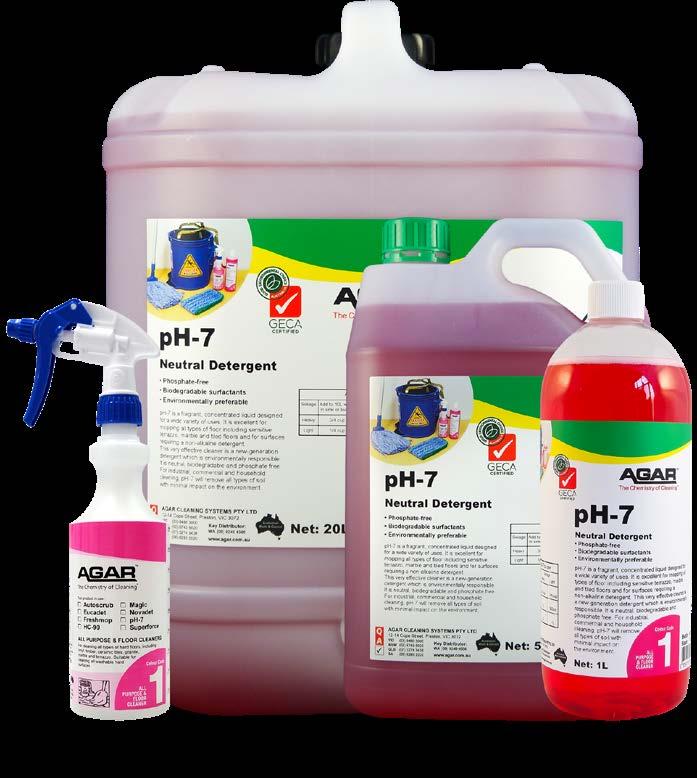
When products are organised within a structured framework, teams spend less time deciding what to use and more time cleaning effectively.
Supervisors can quickly confirm correct product selection and dilution. Compliance documentation, including SDS and PDS information, is standardised and readily accessible. Audit preparation becomes simpler. Safety and regulatory obligations become easier to manage.
Consistency also depends on reliability over time. Changes in product performance or availability disrupt processes, require retraining and increase risk. When products remain stable and reliably supplied, cleaning programs are easier to manage and scale across an organisation.
Working with a single manufacturer further strengthens control. With one accountable supplier, organisations have
a single point of contact for technical guidance, troubleshooting, documentation and product updates. This reduces confusion, improves response times and ensures that all products in use are supported within a single coherent system. Agar has been formulating and manufacturing professional cleaning chemicals in Australia since 1968, helping organisations standardise cleaning with confidence. Supported by a national distributor network and experienced technical specialists, Agar helps teams implement and maintain consistent cleaning practices across every site.
At the core of this approach is Agar’s colour-coded cleaning system. Clear numbering and visual identification simplify product selection, reduce mistakes and streamline training while maintaining consistent standards across sites, shifts and teams.
The system also includes GECA-certified environmentally preferable products, supporting ESG reporting and procurement requirements without compromising performance or consistency.
By standardising chemicals, processes, documentation and support, teams work more efficiently with fewer errors and less waste. Sites remain consistently clean and safe. Assets are better protected. Compliance is easier to demonstrate. Organisations gain clear visibility and control over cleaning performance and total cost. ■
To achieve consistent cleaning across your sites, speak with your local Agar account manager or visit agar.com.au.
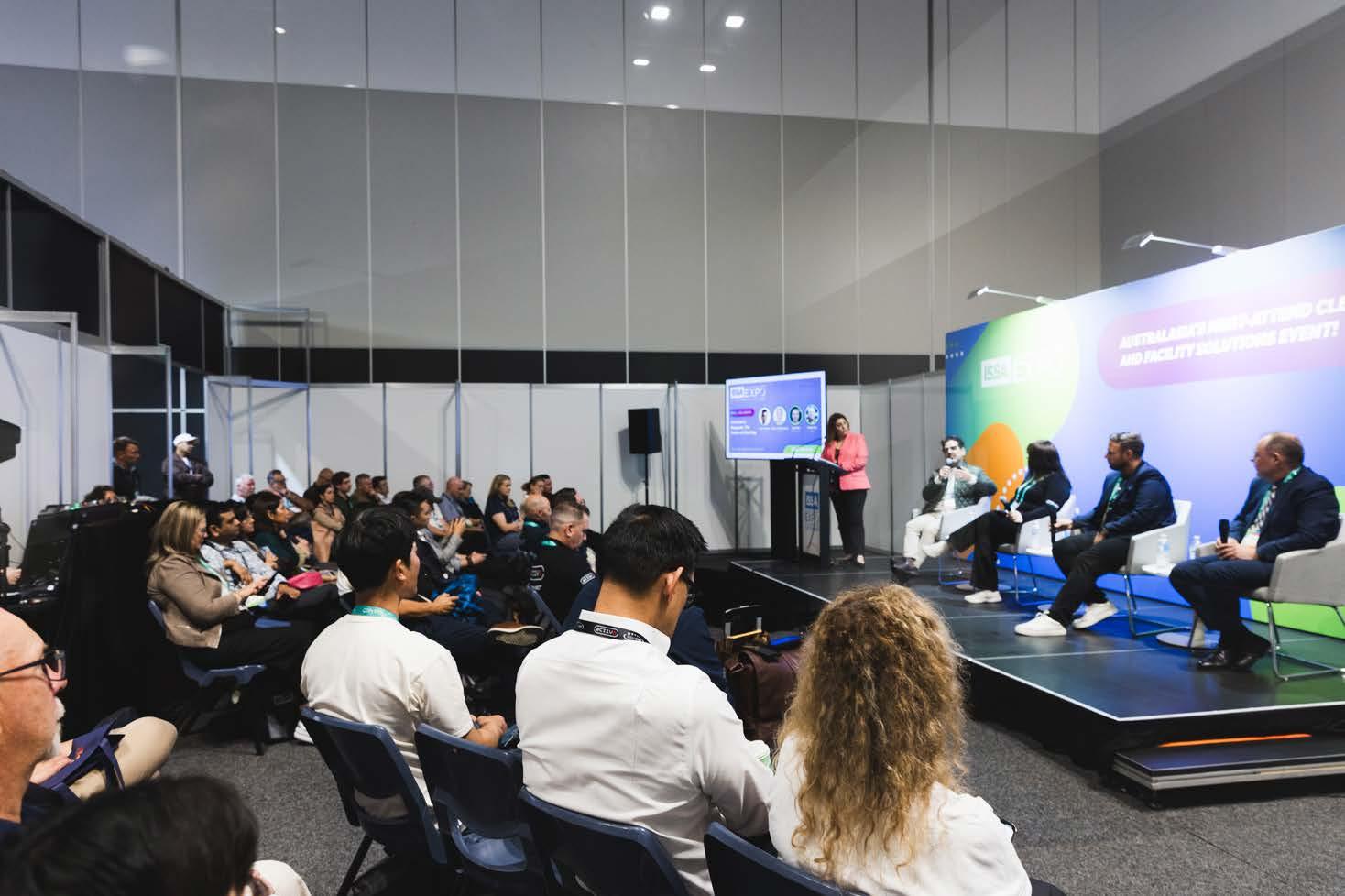
The cleaning and facility solutions industry is evolving faster than ever. For building service contractors and facility managers, this means navigating ongoing labour shortages, cost pressures and complex compliance requirements while meeting higher expectations around hygiene, sustainability and service delivery. With rapid advancements in technology and increasing demands for efficiency and transparency, businesses are being challenged to adapt, innovate and prove their value like never before.
Against this backdrop, the ISSA Cleaning & Hygiene Expo returns to Melbourne on Thursday 8 and Friday 9 October 2026, gathering the industry's leading facility managers, service providers, manufacturers, distributors and decision-makers for two days dedicated to innovation, education and business growth.
Returning to the Melbourne Convention and Exhibition Centre for the first time since 2023, the Expo is expected to attract more than 2500 attendees from across Australia, New Zealand and the Asia-Pacific region. With more than 85 percent of exhibition space already sold, the event is shaping up to be one of the industry’s most significant gatherings, bringing together a connected community of professionals to share insights, build relationships and move the sector forward.
As businesses continue to navigate technological change, workforce pressures and evolving customer expectations, ISSA Oceania Manager Lauren Micallef says the importance of industry collaboration has never been greater.
“The pace of change across the cleaning and facility solutions industry continues to accelerate, creating both challenges and opportunities for businesses,” she says. “That's why events like the ISSA Cleaning & Hygiene Expo are so important. The enthusiasm we're seeing for the 2026 Expo reflects the industry’s desire to come together, learn from each other and explore what’s next. Returning to Melbourne provides the perfect opportunity to showcase the innovation, expertise and resilience that continues to drive the cleaning and facility solutions sector forward.”
While the Expo remains the industry’s premier showcase for innovative products and services, it has evolved into a platform for education, professional development and connection with community. Through expert-led workshops, sessions and practical learning opportunities, the event addresses the critical issues shaping the future of cleaning and facility management. Attendees are equipped with the knowledge, skills and insights needed to navigate a rapidly changing landscape.
Previous visitor research found the leading reasons for attendance included increasing industry knowledge, staying up-todate with emerging trends, networking with new contacts and discovering innovative products and services.
As Alicia Morgan, ISSA Oceania & Asia Pacific Account Manager, explains: “One of the most rewarding parts of the Expo is seeing our community come together to learn and support one another
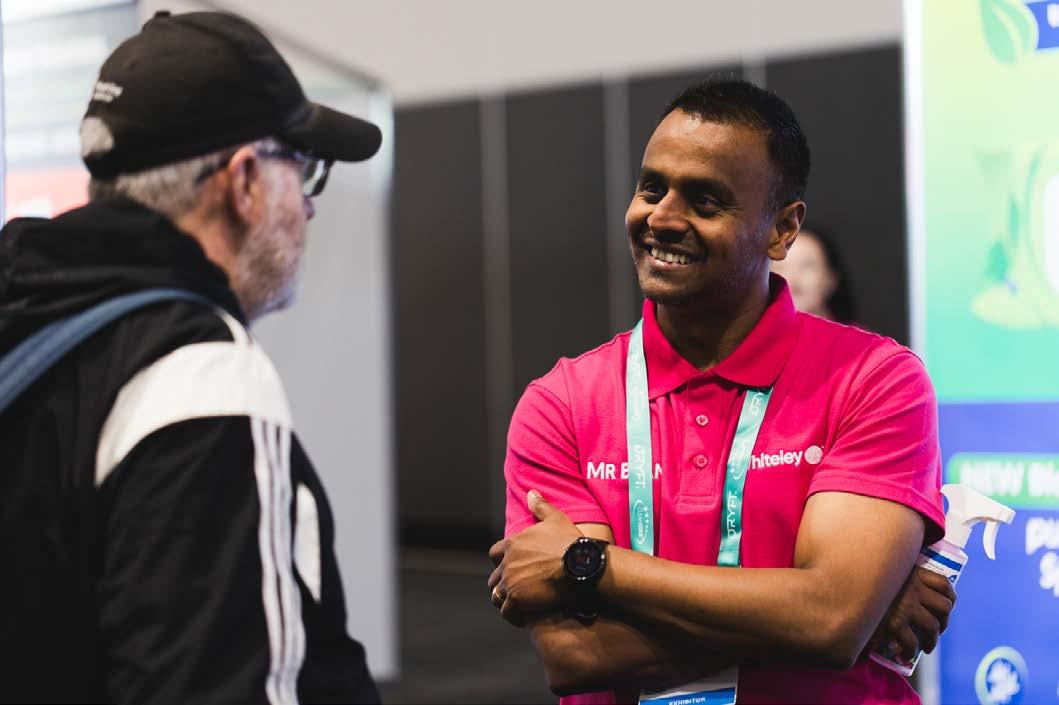
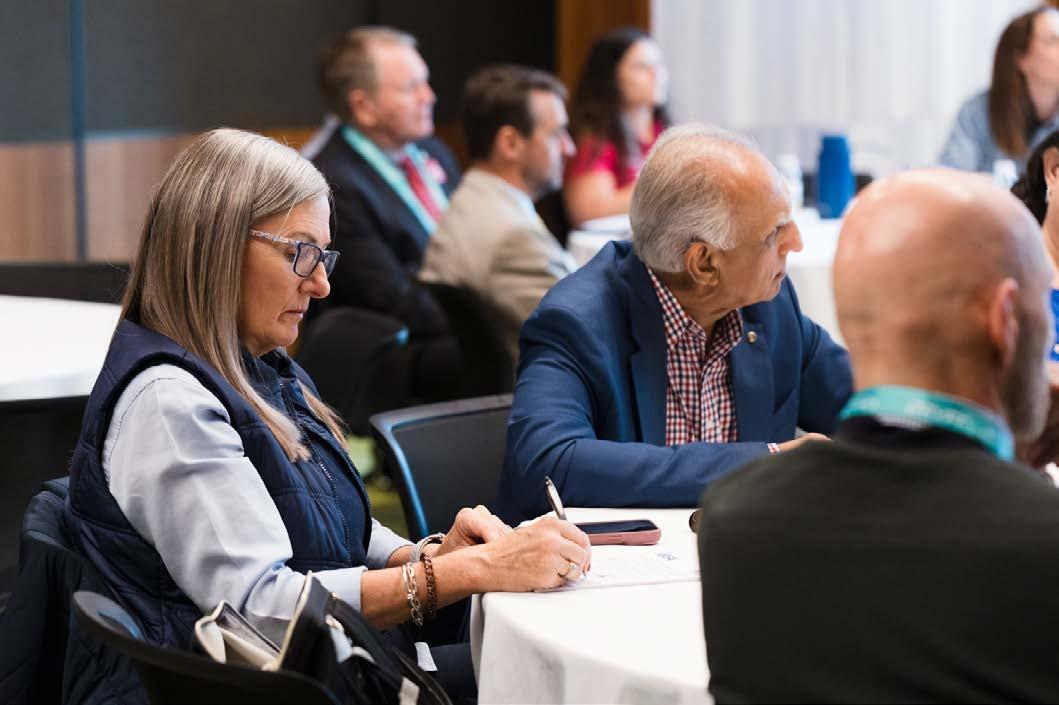
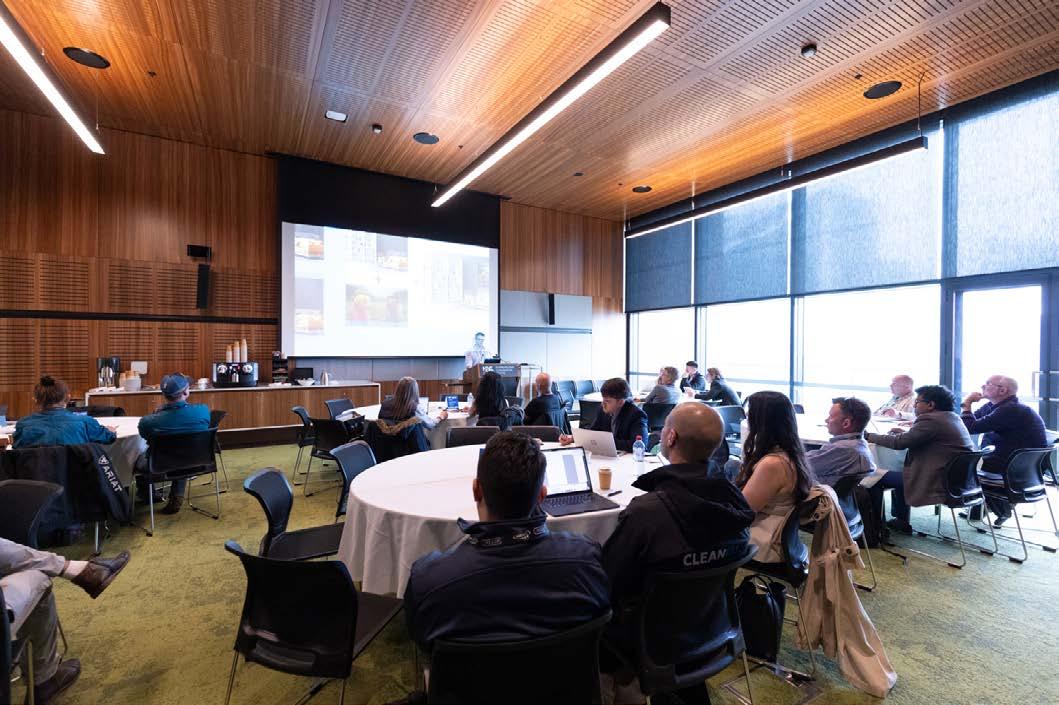
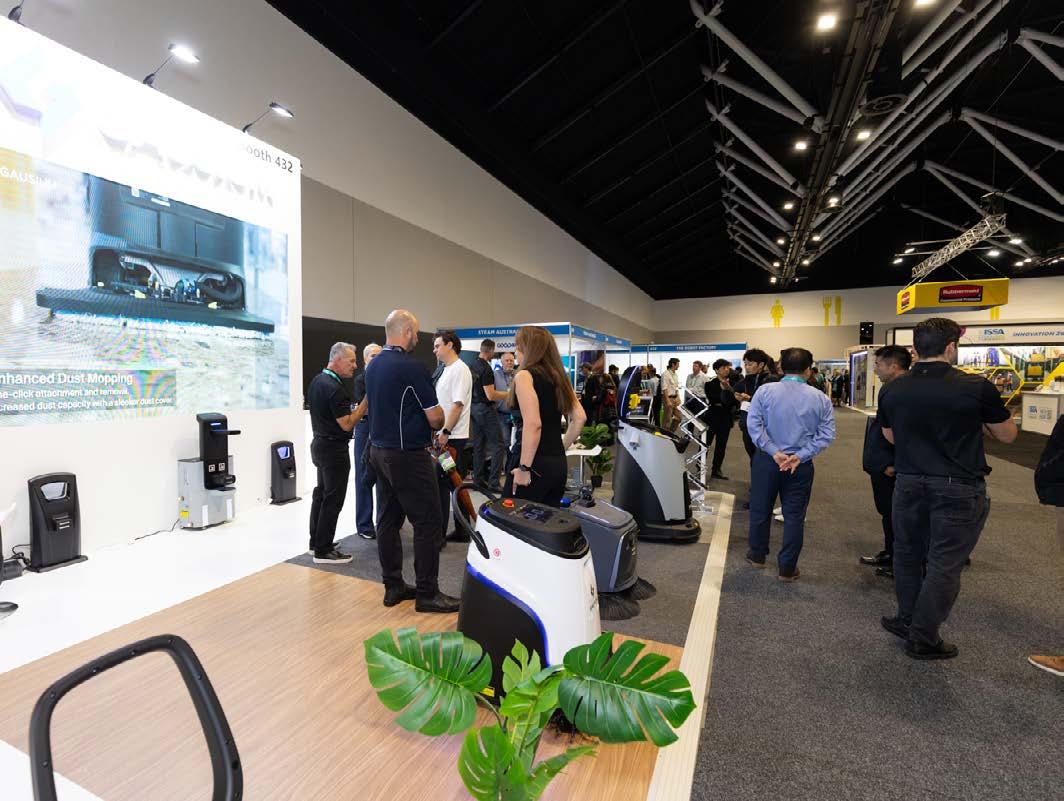
– whether that’s through a hands-on product demonstration, the inaugural ISSA Healthcare Surfaces Forum, estimating, compliance and workloading workshops, the Hygieia Network breakfast supporting women in our industry, the Excellence Awards Celebration or the show floor Education Theatre. The goal of this marquee event is to create welcoming space for meaningful conversations and commercial advantage.”
From autonomous cleaning equipment and smart facility technologies to sustainable cleaning solutions and data-driven management platforms, the Expo offers a critical advantage. It gives attendees the ability to see products first-hand and compare options side by side. They can engage directly with suppliers, ask practical questions and experience live demonstrations. This supports more informed, confident procurement decisions and stronger long-term investment outcomes.
For exhibitors, that face-to-face engagement remains one of the Expo’s greatest strengths, providing a platform to showcase innovation in a live environment while building meaningful connections with both existing customers and new prospects. For workforce management specialist iQCheckPoint, returning as a Gold Sponsor is about engaging directly with those driving change across the industry.
“Returning to the Expo allows us to deepen relationships and connect with decision-makers on the ground,” says Steven Tanusoski, Senior Manager of Strategy and Growth at iQCheckPoint. “The conversations are practical and highly valuable, helping us showcase our platform while staying aligned with what the industry needs next.”
A similar view is shared by Makitia, another returning Gold sponsor: “This annual event provides a great opportunity for us to connect with the industry and demonstrate our support for the market," says Stephen Keighley, Product Manager OPE & Commercial Cleaning, Makitia. "We've seen first-hand the value of engaging directly with attendees and highlighting the advantages of Makita's cordless technology at this important industry event."
While innovation and education continue to attract attendees, the Expo’s true value lies in the connections it fosters and the strong business community it brings together. From suppliers and contractors to facility managers and procurement professionals, it offers a rare opportunity for the entire supply chain to connect in one place.
Supporting the attendee experience this year is the RapidClean cooperative, exclusive sponsor of the Expo Coffee Cart. Located on the show floor, the coffee cart will provide attendees with a convenient meeting point to connect with colleagues, suppliers and industry peers while taking a break from the busy exhibition and education program.
As industry challenges become more complex, education continues to play a critical role in helping organisations stay competitive. The complimentary ISSA Education Theatre attracts professionals eager to gain practical insights they can immediately apply within their businesses. This year's program will feature presentations and panel discussions covering topics including infection control, healthcare cleaning, sustainability, technology and automation, workforce development, business growth and evolving facility hygiene standards.
The importance of ongoing professional development has attracted the support of Kikkoman Biochemifa as exclusive sponsor of the Education Theatre.
“Sponsoring the Education Theatre at the ISSA Cleaning & Hygiene is a natural extension of our mission,” says Alissa Shida, Regional Manager, Kikkoman Biochemifa. “We provide rapid, reliable hygiene and sanitation testing that empowers professionals to make confident, evidence-based decisions. That commitment aligns perfectly with the role education plays in strengthening industry standards.”
The popularity of the theatre continues to grow year after year. As Garry Carroll from Restore Solutions observed following last year's event, “It was standing room only and the seats were packed. There were some great industry speakers in there.”
For professionals looking to go beyond the show floor, the Expo will also feature a series of paid, in-person workshops designed to deliver practical skills and actionable strategies that can be implemented within their organisations.
Covering areas such as business growth, leadership, estimating, work loading, compliance and service delivery, the workshops are tailored to help cleaning and facility solutions professionals strengthen their capabilities, improve business performance and build long-term success.
The workshops will be led by experienced industry practitioners, including ISSA Associate Director of Education, Training and Field Services Derek Oliveira, who believes continuous learning is essential in today's operating environment.
“The pace of change across our industry means that standing still is no longer an option. Businesses are facing increasing pressure from rising costs, workforce challenges and higher customer expectations, making operational excellence more important than ever. The ISSA Cleaning & Hygiene Expo and its workshop program provide a valuable opportunity for professionals to step away from day-to-day operations, learn from industry experts and gain practical strategies they can take back and implement immediately within their organisations.”
Among the highlights of the 2026 program is the Women in Cleaning & Facility Solutions Breakfast presented by ISSA Hygieia Network and proudly sponsored by Tork. Now in its third year, the event returns on Thursday morning ahead of the Expo opening, bringing together professionals for a morning focused on leadership, connection and professional growth.
This year’s keynote speaker, Dr Amy Silver, will present on ‘The Courage to Lead the Future’. Drawing on more than 30 years’ experience as a clinical psychologist, leadership expert and author –alongside her own family background working within the industry –she will explore how leaders can navigate uncertainty, overcome fear and build the courage needed to thrive in a rapidly changing world.
“Tork’s Inclusive Hygiene initiative is focused on developing solutions that meet the diverse needs of all washroom users. Inclusive hygiene means ensuring that as many people as possible can access safe, comfortable and dignified hygiene experiences. Research shows that poor public washroom experiences can negatively impact both business reputation and revenue,” says Jasmine Gribble, Brand and Communications Manager ANZ Professional Hygiene, Tork Australasia.
"Tork's commitment to inclusivity aligns closely with the membership mission of ISSA Hygieia, which supports women and their allies in the cleaning industry to accelerate their careers and reach their full potential through inclusive leadership and professional development opportunities,” Alicia Morgan ISSA Oceania & Asia Pacific Account Manager adds.
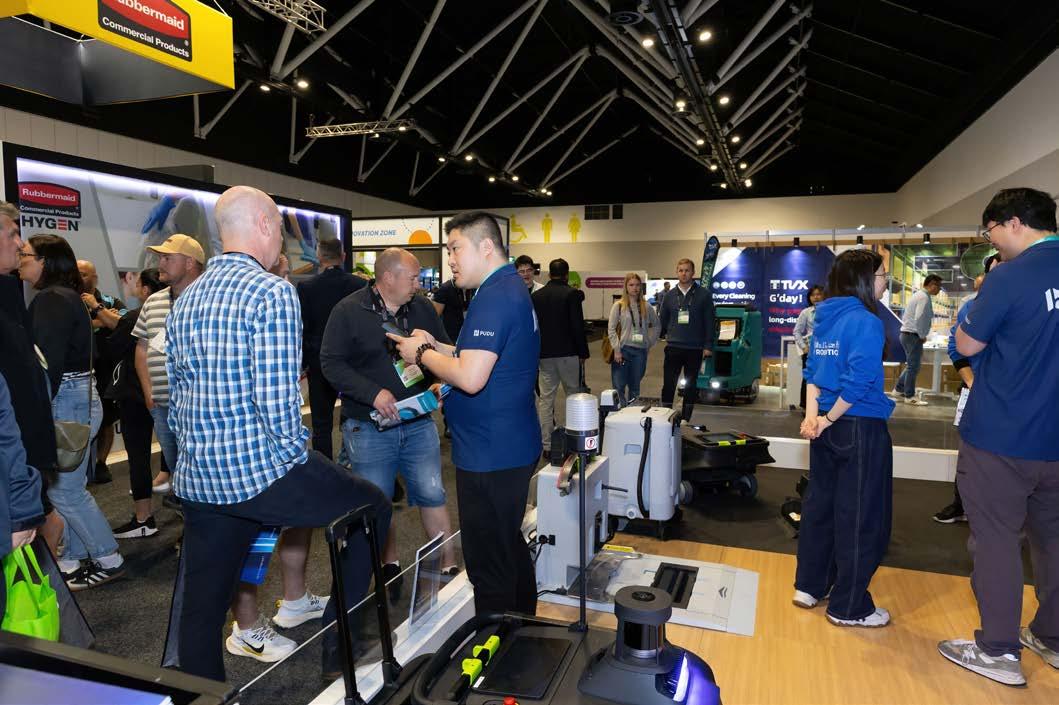
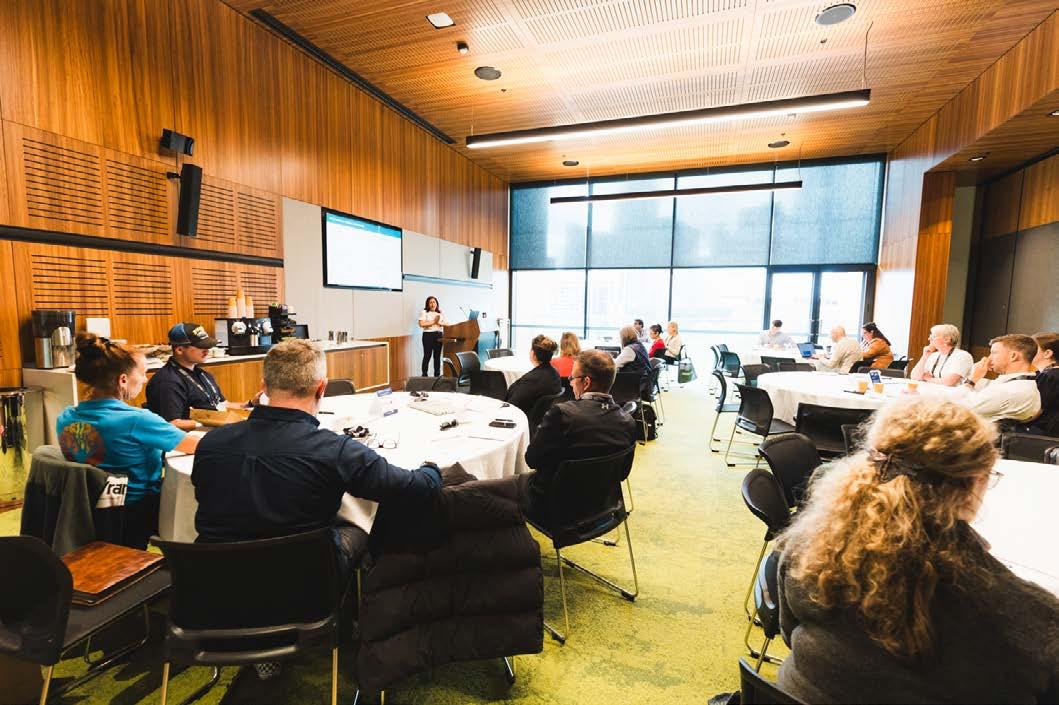
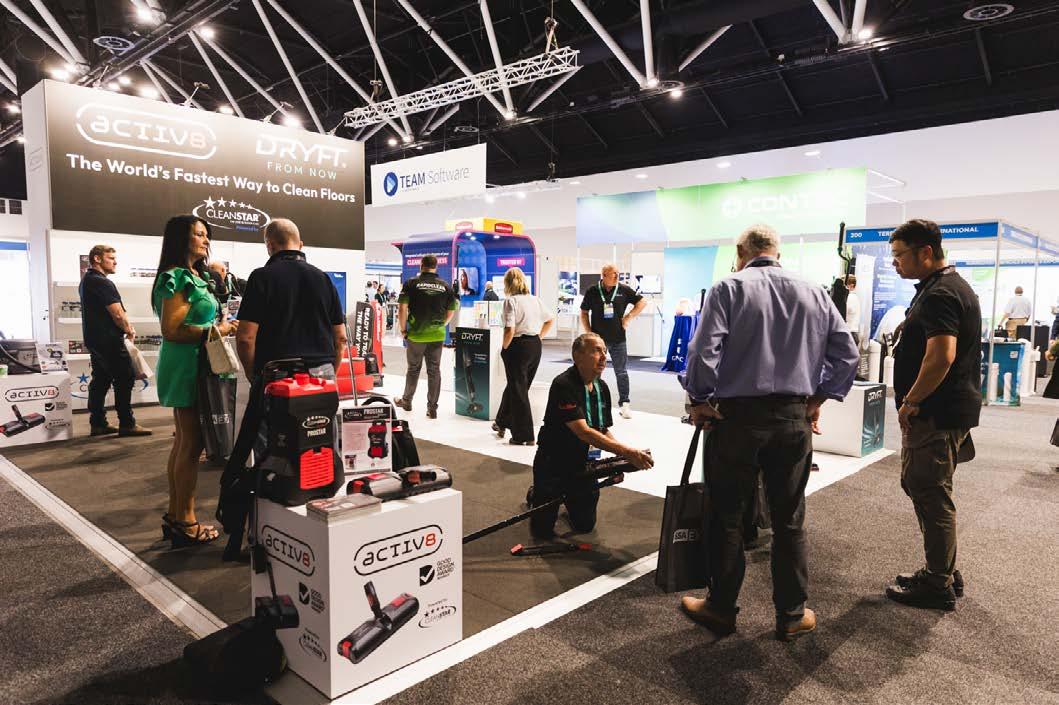
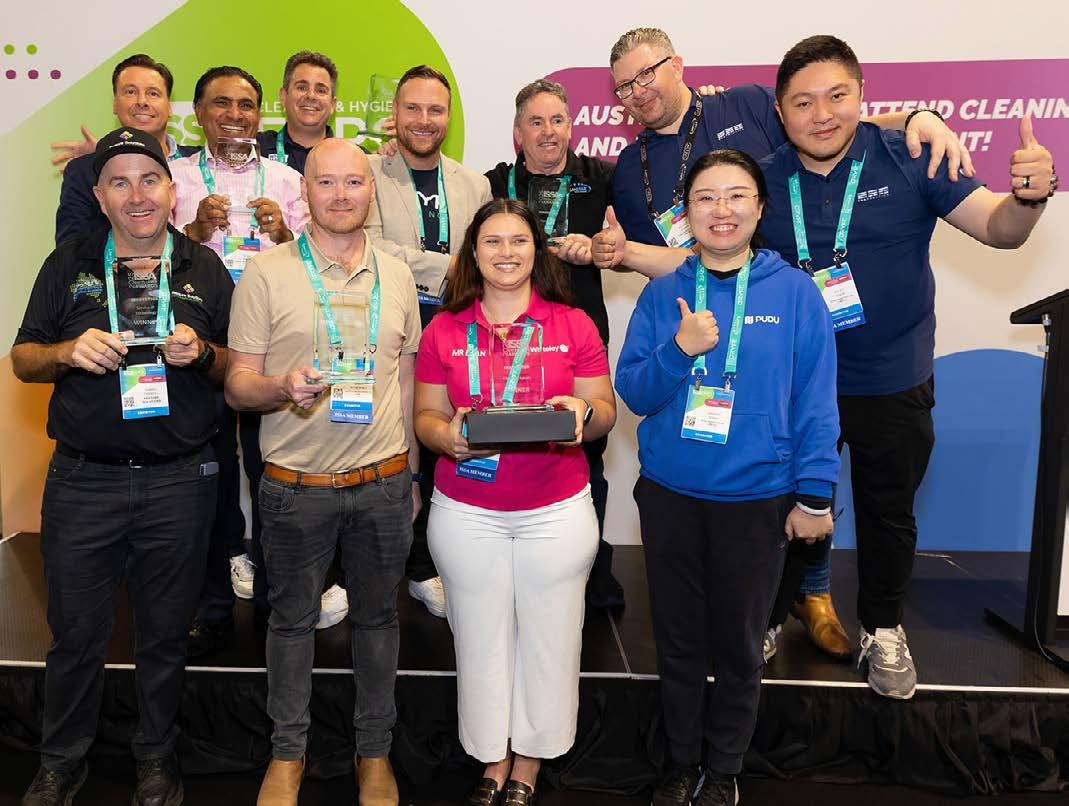
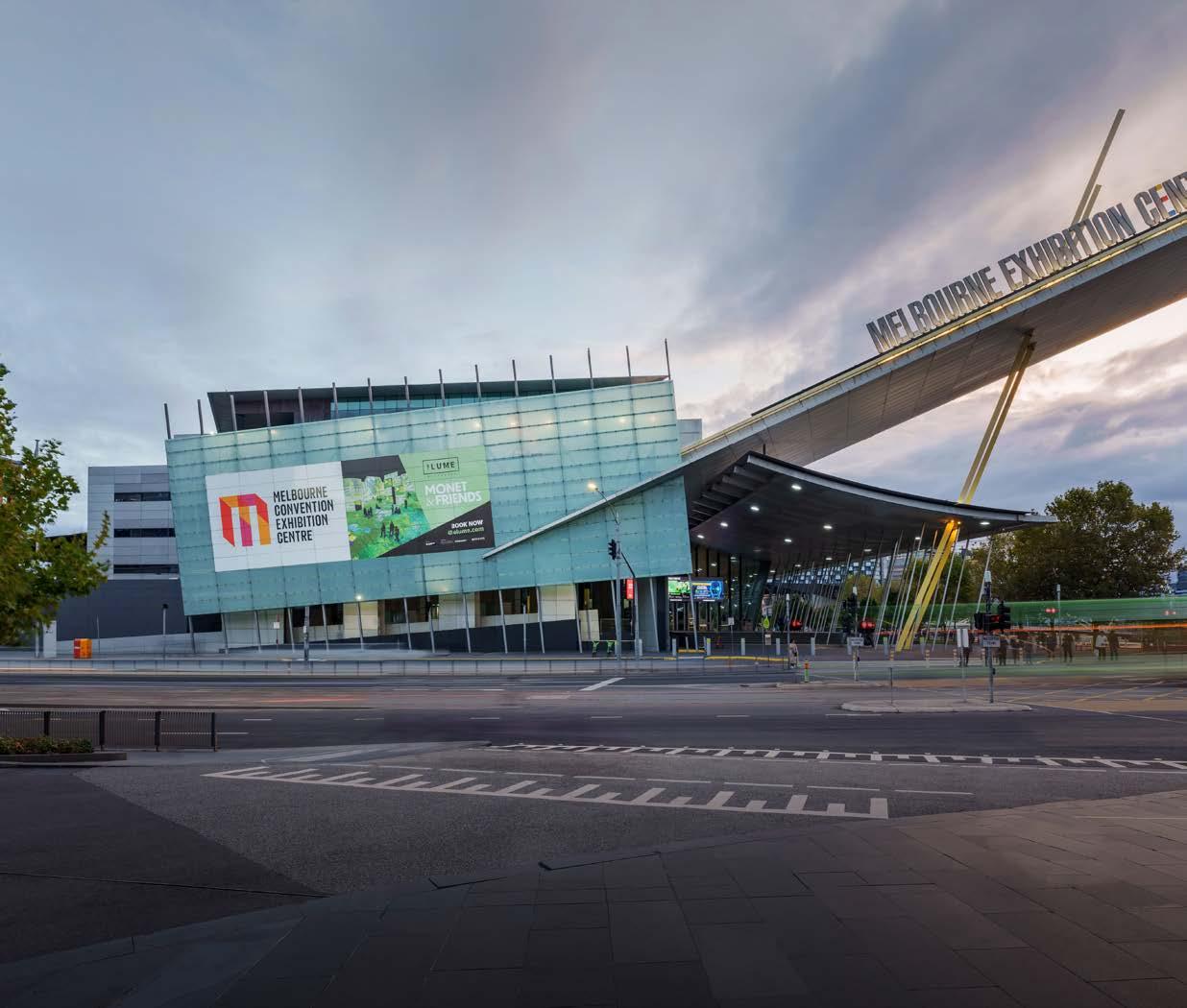
Following Dr Silver’s keynote, a panel of leading women from across the industry will explore topics including leadership, mentorship, workplace culture and the future opportunities shaping the sector. The event continues to attract strong support as both a networking and professional development opportunity.
Further expanding the educational offering, the association will launch the inaugural Healthcare Surfaces Forum, brought to you by ISSA Healthcare, a division of ISSA on Wednesday 7 October 2026, the day before the Expo show floor officially opens.
The Forum brings together healthcare professionals, environmental services teams, building service contractors, manufacturers and scientists to address one of healthcare's most critical challenges – creating safer, smarter healthcare environments through improved surface management and infection prevention.
Unlike traditional offerings, the Healthcare Surfaces Forum is designed as a highly interactive, hands-on event where participants work collaboratively to identify industry challenges and develop practical solutions. Attendees will have the opportunity to engage directly with experts from across the healthcare ecosystem, explore the role environmental surfaces play in preventing healthcareassociated infections (HAIs), and examine current standards, testing methods, protocols and product compatibility requirements.
“The Healthcare Surfaces Forum is designed to bring together people who don’t often have the opportunity to sit around the same table,” says Linda Lybert, Executive Director, ISSA Healthcare. “When healthcare professionals, environmental services teams, manufacturers, contractors and scientists collaborate, we uncover challenges, identify gaps and develop practical solutions that can improve patient safety.”
More than just a one-day event, the Forum is designed to drive lasting change. Participants will contribute ideas, join working groups and help shape initiatives that continue beyond the event itself, making it a valuable opportunity for anyone committed to advancing patient safety, environmental hygiene and healthcare outcomes.
“The most valuable conversations often happen when different disciplines come together to solve a common problem,” Lybert adds. “The Forum creates that environment – bringing healthcare, science and industry together to turn knowledge into action and improve outcomes for patients, staff and healthcare facilities.”
Innovation has always been at the heart of the ISSA Cleaning and Hygiene Expo, and nowhere is that more evident than in the ISSA Excellence Awards. Recognising the products, technologies and services transforming the cleaning industry, the awards highlight solutions that address some of the sector’s most pressing operational challenges while improving performance, efficiency and occupant wellbeing.
The awards also provide a powerful community platform to gain recognition and showcase latest advancements. As Lisa Michalson, Director of CLEANSTAR/XPOWER and ISSA Member reflects, “The benefits and recognition from the industry have been profound. The awards provided a great platform for us to showcase our latest products and innovations. We highly encourage other organisations to participate and, in doing so, continue to raise the recognition of the industry.”
This value is shared across the industry. Reflecting on the broader impact of the Expo, last year’s People’s Choice winner was PUDU MT1. Petros Papas of PUDU Robotics HK Limited, highlights its role in connecting innovation with real-world application. “The ISSA Show is an important event for us. We get to showcase our latest technology and innovation. It is the one place where we can bring together new potential clients and existing customers, giving us the opportunity to educate and demonstrate our solutions.”
Finalists will be showcased throughout the Expo within the dedicated Innovation Zone, giving attendees the opportunity to experience emerging technologies first-hand and vote for the coveted People’s Choice Award, which will be announced on the final day of the event. The Excellence Awards presentation will take place on the Expo floor on Thursday afternoon, providing exhibitors and visitors alike with the opportunity to celebrate achievement, with industry peers and gain insight into the innovations shaping the future of cleaning and facility management.
As the cleaning and facility solutions industry continues to evolve, opportunities to connect, learn and innovate have never been more important.
From cutting-edge technology and industry-leading education to leadership development, healthcare innovation and business networking, the ISSA Cleaning and Hygiene Expo 2026 is set to deliver an experience that reflects both the challenges and opportunities shaping the future of the industry.
For professionals looking to stay ahead of change, discover new ideas and strengthen industry connections, the ISSA expo will once again become the place where the cleaning and facility solutions community comes together. ■
Pre-registration is now open, with industry professionals encouraged to secure their place and join the wait list via cleaninghygieneexpo.issa.com/ To learn more about ISSA Oceania and Asia-Pacific, the association behind the ISSA Cleaning and Hygiene Expo, visit issa.com/oceania
NAIDOC Week puts a spotlight on Indigenous enterprise, but operators say the real work starts long before the contract is signed.
Words Tim McDonald
Each year, NAIDOC Week invites Australia to reflect on the history, culture and achievements of Aboriginal and Torres Strait Islander peoples. For the cleaning and facilities management sector, it also offers a timely opportunity to examine a more uncomfortable question: when procurement policy promises so much, why does the gap between intent and lived experience remain so wide?
The frameworks designed to support Indigenous business, chief among them the Indigenous Procurement Policy (IPP) and Reconciliation Action Plans (RAPs), have undeniably opened doors. But for the operators on the ground, those doors still open into a hallway of obstacles: tight margins, inconsistent jurisdictional standards, capital constraints and a procurement culture that too often reduces genuine partnership to a financial transaction.
Robert Grasso of Supply Nation, the peak body connecting corporate, government and not-for-profit members with verified Indigenous suppliers, points to structural fragmentation as a foundational problem. “There is a growing need to seek alignment between Commonwealth policy frameworks and those operating at state and territory level,” he says. “Standardisation across jurisdictions would provide more clarity and transparency for businesses.”
For small to medium enterprises, which make up the bulk of the Indigenous cleaning sector, that lack of consistency compounds every other challenge they face.
For Joe Wallace, founder and managing director of Multhana, a name drawn from the Kalkadoon language of Far North Queensland, meaning ‘coming together to help each other’, the disconnection is experienced most acutely at the contract stage.
“The gap often comes down to how policy intent works with everyday procurement decisions,” he says. “There's a strong and positive focus on increasing Indigenous participation but, in practice, contracts are still largely influenced by pricing, particularly in sectors like cleaning where margins are already tight.”
Woollahra Group managing director Chris Schmid adds, “The biggest gap is between policy intent and commercial reality,” he says. “While Indigenous procurement policies create access, many Indigenous cleaning businesses still face tight margins, upfront mobilisation costs, short contract terms and payment cycles that don't reflect labour-intensive operations. These pressures are amplified for businesses scaling without large balance sheets.”
His observation points to a system that measures success at the point of contract award rather than tracking whether businesses are genuinely stronger over time, a distinction that matters enormously when the goal is sustainable participation rather than symbolic inclusion.
Wallace's concern runs parallel. Strict site compliance, Indigenous employment targets and razor-thin pricing expectations are three forces pulling in different directions, and Indigenous cleaning operators are left to reconcile them without the financial backing that would make it possible.
“There are also practical realities that aren't always visible at a policy level,” Wallace says. “Delivering services for government and high-compliance sites comes with strict workforce requirements and, while creating employment opportunities is a key goal, there can be challenges in aligning those requirements with workforce availability at times.”
Grasso acknowledges this dynamic, noting that Supply Nation plays an active role in bridging the capability gap. “Many businesses operating in the cleaning and facilities management sector are small- to medium-sized businesses and often struggle to access larger tender opportunities and contracts without supporting services and guidance,” he says.
In 2024, Killara Services, a Supply Nation-verified Indigenous-owned business offering cleaning, maintenance and hygiene services nationally, was recognised as Certified Supplier of the Year at the Supplier Diversity Awards, a recognition that speaks to what is achievable when that support is in place.
Success is commonly measured at contract award, not by whether Indigenous suppliers are stronger, more capable or more sustainable over time.
- Chris Schmid
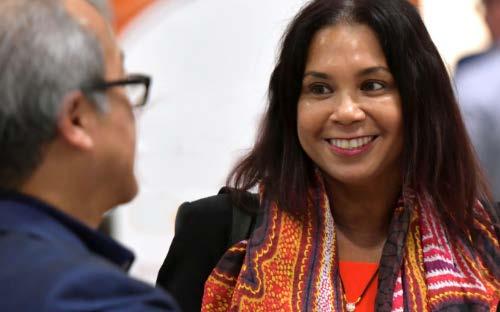
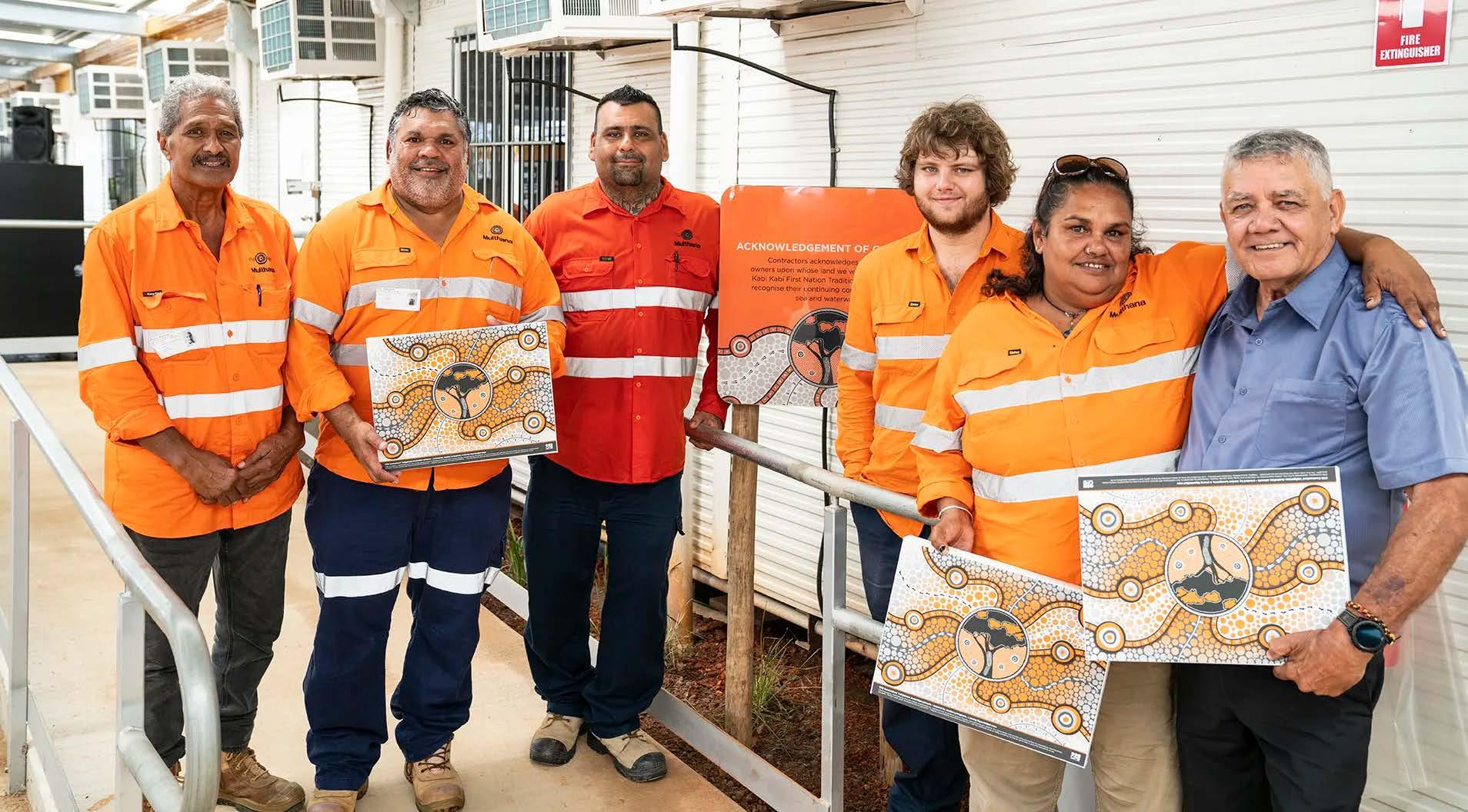
Reconciliation Action Plans, at their best, represent a genuine organisational commitment to engaging with Indigenous businesses and communities. At their worst, they become exactly what Chemrose general manager Geoff Simpson describes so bluntly. “They are only starting points, not the end game. They have become a tick box exercise, as you literally grab what they feed you with limited authenticity and meaning, even beyond the good intent.”
Schmid's assessment from the commercial side reinforces this view. “RAPs and IPP have opened doors and lifted awareness, which is important,” he says. “However, they still struggle to separate genuine capability-building from surface-level compliance. Indigenous businesses are often placed in low-margin subcontracting roles with limited control.”
That placement, he argues, can amount to the very problem the frameworks were designed to prevent. “Success is commonly measured at contract award, not by whether Indigenous suppliers are stronger, more capable or more sustainable over time.”
Simpson's critique lands squarely on the cultural dimension that procurement metrics struggle to capture. Authentic engagement, he argues, demands far more than a line item in a supplier diversity report. “It's got to be participatory rather than transactional,” he says. “We want people sitting around our fire with us rather than us sitting there and they give us the money.”
Grasso affirms that RAPs carry real value when implemented with integrity, stressing the need for internal cultural alignment. “It’s important for RAPs to have buy-in from all parts of the businesses and employees. Everyone should feel a part of achieving successful engagement with Indigenous businesses and shared values.”
Alongside the structural barriers, the sector is grappling with a more insidious threat to Indigenous enterprise: ‘black cladding’, the practice of fronting a non-Indigenous business with an Indigenous identity to access procurement concessions. The harm caused is twofold. It diverts contracts away from genuine First Nations operators and erodes the credibility of the frameworks meant to support them.
Supply Nation has long advocated for reform on this front. The current IPP threshold requires 50 percent or more Indigenous ownership, a definition Grasso argues is insufficient. “Supply Nation has long advocated for changes to the definition of an Indigenous business to access contracts under the IPP from the existing 50 percent or more ownership to 51 percent owned, managed and controlled,” he says, welcoming the Government's proposed reforms to align with that standard. “These changes will assist to mitigate potential fraud and strengthen governance, thereby supporting the growth of the sector.”
Simpson raises a related tension that rarely surfaces in formal policy discussions, the scrutiny Indigenous businesses face around their financial conduct. “The biggest question I get asked from corporations is what do you do with your money?” he says. “We spend it on salary, rent, super, product, just like everyone else. It's a really racist question to ask.”
The implication that Indigenous businesses must justify commercial profitability or conform to a social enterprise model reflects a bias that persists even among organisations with stated procurement commitments.
There's a strong and positive focus on increasing Indigenous participation, but in practice, contracts are still largely influenced by pricing, particularly in sectors like cleaning where margins are already tight.
- Joe Wallace
The path forward, according to all four voices, runs through the same territory: earlier engagement, direct contracting and long-term partnerships built on genuine mutual benefit. Schmid identifies three concrete shifts required to get there.
First, commercially realistic procurement: “fair payment terms, longer contract durations, and sensible mobilisation support that reflect the realities of labour-intensive services”.
Second, partnership over participation: “a stronger focus on capability transfer and shared risk, not just spend targets, so Indigenous businesses are genuinely supported to grow”.
Third, smarter accountability across indirect spend, a dimension the industry has largely overlooked. “Procurement must look beyond Indigenous service providers and actively support Indigenous-owned businesses supplying goods into non-Indigenous contractors and supply chains,” he says. “This approach can have a far broader impact across the industry.”
Wallace describes what earlier engagement looks like in practice: “The most immediate difference would come from earlier engagement, more direct contracting and a stronger focus on longterm partnerships. Bringing Indigenous businesses into procurement discussions at the planning stage allows for more realistic pricing and better service outcomes.”
For Grasso, the principle extends beyond commercial strategy. “Procurement based on long-term sustainable partnerships rather than simple commercial transactions can add significant value to both parties and result in positive social impact, such as improvements to job security, health and education outcomes,” he says.
The cleaning industry, with its embedded presence across government buildings, defence facilities, healthcare environments and infrastructure sites, is in a genuinely powerful position. The sector touches every corner of public life, and the businesses that service those spaces have real potential to be engines of sustained Indigenous economic participation, provided the structures around them match the ambition.
NAIDOC Week will pass, as it does each year, and the flags will come down. What remains is the harder, longer work of translating policy intent into procurement practice, replacing transactional relationships with genuine ones and ensuring businesses built by First Nations operators are supported to win contracts, scale and thrive on their own terms. As Simpson puts it, the goal is simple – people sitting around the same fire. ■
Supply Nation's directory of verified Indigenous suppliers is available at supplynation.org.au.
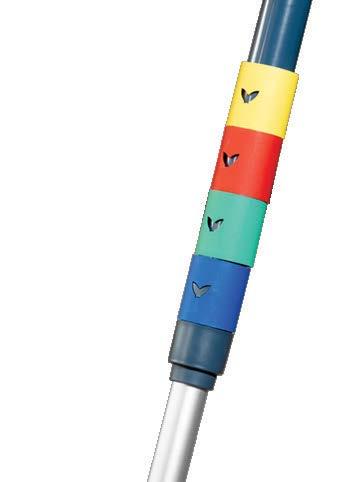
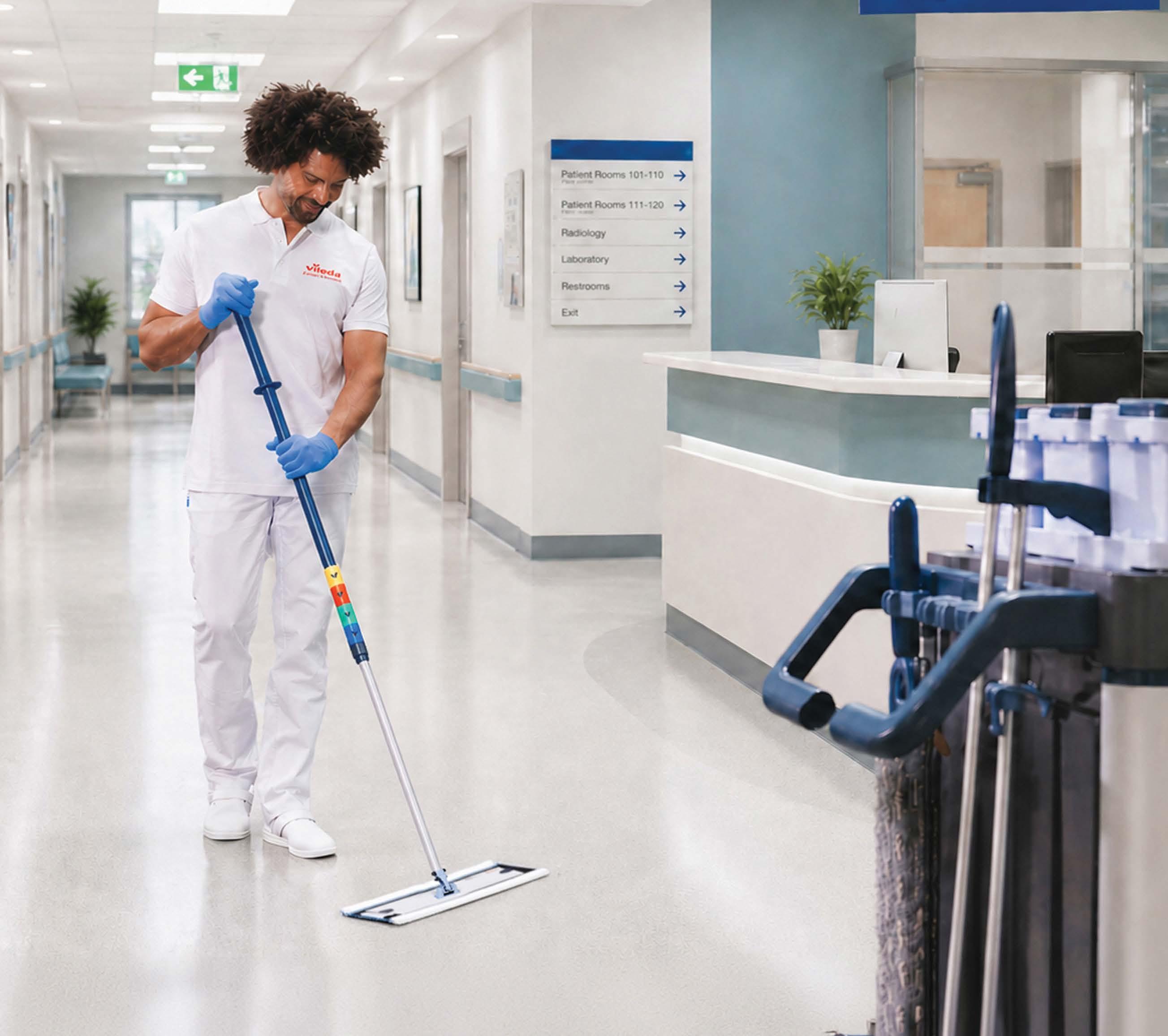
An ergonomic design that features a rotating ball and lightweight material to reduce fatigue and prevent musculoskeletal disorders.
Designed for repetitive cleaning tasks, it supports smoother movement and better control—helping reduce strain on the wrists, shoulders, and arms during extended use.
This allows teams to work more comfortably while maintaining consistent performance across long shifts.
Freudenberg Home and Cleaning Solutions Pty Ltd
Customer Service: Phone 1300 669 686, or email csvic@fhp-ww.com


2026 RIA Inc National Conference and Trade Show
25-27 August 2026
The Star, Gold Coast, Qld
Something significant is happening in the restoration industry and it is gathering momentum. Across Australia, contractors, insurers and industry professionals are moving toward a more unified, standards-driven way of working. The Restoration Industry Association Australasia (RIA Inc) is at the centre of that movement, and the 2026 National Conference and Trade Show is where it all comes together.
Whether you are a restoration business owner, an insurer, a third-party administrator, an indoor environmental professional or a supplier to the industry, this is the event you cannot afford to miss. Three days. One venue. An entire industry pushing forward together.
RIA Inc is Australasia's peak trade association for the restoration industry. With a growing membership of over 210 members and counting, the RIA exists to advocate for restoration professionals, lift industry standards and build a stronger, more credible sector for the benefit of members, insurers and the communities they serve.
Through its affiliation with the IICRC formalised through a signed Memorandum of Understanding, the RIA bridges global best practice with local industry needs. This relationship reinforces the RIA's commitment to recognised standards, certified technicians and a consistent, professional approach to restoration work across the region.
At the heart of the RIA's work is a simple but powerful belief: when the restoration industry operates to a higher standard, everyone benefits – property owners receive better outcomes, insurers have greater confidence in the work being done and restoration professionals are recognised for the skilled and essential service they provide.
One of the RIA's most significant recent developments is the launch of RICOP, the Restoration Industry Code of Practice. Developed to drive greater consistency, accountability and professionalism across the sector, RICOP aligns participating firms and technicians with the Australian AS-IICRC S500 and S520 Standards.
The market is already responding. Insurers are increasingly requesting both RIA membership and RICOP participation as part of their panel, procurement and RFP processes, a clear signal that professional standards are no longer optional in a competitive landscape. The 2026 Conference will be a key opportunity to explore what RICOP means for your business and how to position yourself ahead of the curve.
The 2026 RIA National Conference & Trade Show returns to The Star on the Gold Coast from 25 to 27 August. Building on the energy and success of previous years, this year's programme has been developed with one clear objective: to deliver practical, relevant, and genuinely valuable outcomes for every delegate who walks through the door.
The Education & Events Committee, led entirely by volunteers who are active industry professionals has invested considerable time and effort into crafting a programme that reflects the real challenges and opportunities facing the industry today. From standards and compliance to technology, mental health, and business growth, the agenda has been built to challenge thinking and deliver actionable insights.
Carlita Warren, head of Engagement at Standards Australia, brings over 15 years of experience in policy development, government
relations and stakeholder engagement. Her presence at the conference underscores the direct connection between industry practice and the Australian standards that are reshaping how restoration work is assessed, validated and delivered.
Craig Hamilton returns to the restoration industry with a message that resonates deeply – one of resilience, mental health awareness and the courage to speak openly about personal struggle. As one of Australia's leading mental health advocates, Hamilton’s session is not simply a keynote; it is a conversation the industry needs to have.
Running alongside the conference program is the biggest gathering of restoration industry suppliers and vendors in Australasia. Whether you’re looking to upgrade your equipment, explore new technology or connect with suppliers who understand your business, the trade show floor is where it happens. In one place, over one event, you will access an unrivalled showcase of the products and innovations driving the industry forward.
The RIA Conference is unique because it brings the entire restoration ecosystem into one room. Restoration business owners
and their teams sit alongside insurers, TPAs, insurance builders, indoor environmental professionals and key industry decisionmakers. The conversations that happen in the hallways, across the dinner table and on the trade show floor are just as valuable as the sessions themselves.
For insurers and industry partners, the conference offers an unparalleled opportunity to engage directly with the restoration professionals delivering work on your behalf and to understand the standards, certifications and practices that separate excellent operators from the rest.
Tickets are on sale now. Whether you're a long-time RIA member or attending for the first time, the 2026 National Conference and Trade Show is your opportunity to connect, learn and be part of the industry’s most important annual gathering. ■
Secure your place at: www.restorationindustry.org.au/events/riaconference-trade-show
INCLEAN is a proud media partner of the 2026 RIA Inc Restoration Conference and Trade Show.
Driven by tougher regulation and rising infection risks, cleaning in aged care and healthcare has moved from a support function to a frontline discipline.
Words Yvonne Wang
Australia's aged care and healthcare sectors are entering a new era of accountability, one in which cleaning can no longer be treated as a back-of-house afterthought. The introduction of the 2024 Aged Care Act, which took effect on 1 November 2025, has fundamentally shifted expectations for providers, placing rigorous infection prevention, measurable health outcomes and verifiable documentation at the centre of operational compliance.
For facility managers and cleaning contractors, the implications are profound: the work has changed, the standards have risen and the consequences of falling short have never been more serious.
At the heart of this shift is a growing recognition that a visually clean environment and a microbiologically safe one are two entirely different things. "Everyone thinks that when you come into a space and it looks clean, it is clean, but that's not the case," Master Cleaners Training Institute CEO Liezl Foxcroft said at a recent ISSA Healthcare webinar. "We now know that we need to test."
Foxcroft's point underscores a broader truth that is beginning to take hold across the sector: appearance-based cleaning standards are no longer sufficient in environments where vulnerable, often immunocompromised, residents and patients depend on the cleanliness of every surface they encounter.
The scale of the problem is difficult to overstate. According to World Health Organization data cited at the ISSA webinar, seven out of every 100 patients in high-income countries will acquire a
healthcare-associated infection (HAI) during the course of their care. In some settings that figure rises to one in every 17 people, with approximately 99,000 deaths annually attributed to these infections globally. Antimicrobial resistance compounds the picture further. Globally, an estimated 136 million cases involve infections that can no longer be effectively treated with standard antibiotics.
Linda Lybert, executive director of the Healthcare Surfaces Institute and a recognised expert in infection prevention with 27 years of experience, used the webinar to challenge one of the most persistent assumptions in healthcare cleaning. "I consider floors one of the highest-touch surfaces that should have more attention than they get right now," she told attendees, pointing to the way IV poles, food service trolleys, bed wheels and medical devices are wheeled across floors and through multiple rooms throughout the day. "The patient is walking on those floors with those little slippers. They don't take those slippers off every time they crawl into bed."
Lybert's framework for understanding surface risk – her seven aspects of surface selection – draws attention to the complexity of the healthcare environment itself. A single endoscope tip, she noted, can contain up to nine different surface materials and seven connection points, each requiring a different cleaning approach. Medical device manufacturers, she explained, often design products with no consideration for how they will be cleaned or disinfected, frequently specifying products in their instructions for use that are incompatible with the disinfectants used in the facilities where those devices are deployed.
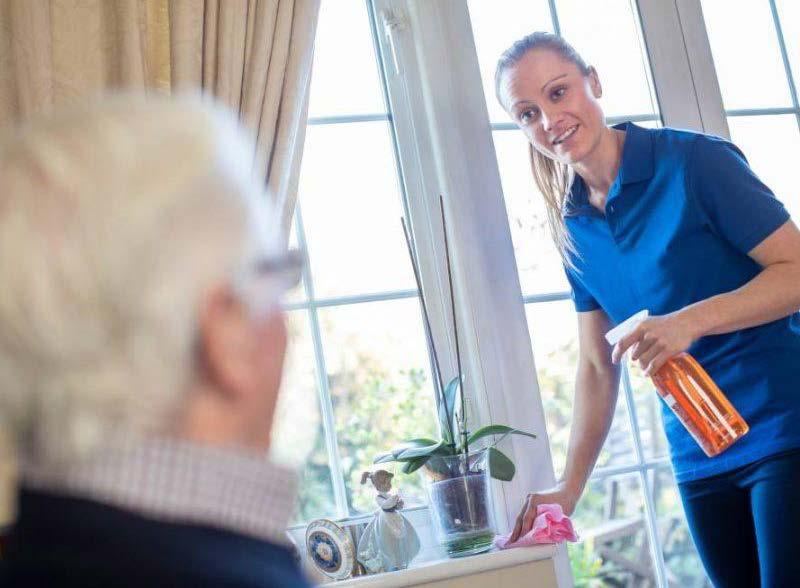
For cleaning contractors operating in medical and aged care settings, this complexity translates into a very practical challenge: knowing exactly what you are responsible for and what you are not.
Troy Stahlhut, executive cleaning manager at Associated Cleaning Services, a company with more than 55 years of experience across a range of sectors, including aged care and healthcare, is unequivocal on this point. "We get very, very specific on the scope," he says, "and it's as much about what is in the scope as about what we're not putting in the scope."
Stahlhut's approach reflects a hard-won understanding of where cleaning contracts come undone. In medical facilities, clinical staff frequently carry responsibility for certain tasks, disinfecting consulting benches, wiping down patient beds and handling equipment after each patient, while contractors are engaged for the broader environmental clean.
The risk, as Stahlhut sees it, lies in the grey areas between those responsibilities. "If we enter a consultancy room to do a clean, but there's evidence that the nurses haven't completed their tasks and there are bodily fluids present, we would inform the client that we can't enter and complete our clean until they do that part." In this context, contractors clean the environment while clinical staff manage the clinical contamination.
This division extends to cross-contamination control. Stahlhut's teams subscribe to a colour-coded system for cleaning cloths and equipment, separating tasks rather than rooms, using one
cloth for surfaces, another for glass and another for high-touch points. Where specific infection control requirements demand it, disposable materials replace microfibre entirely. "On-site training around the colour-coding system and the chemicals we use is critical," he says.
One of the more overlooked risks in healthcare cleaning contracts, Stahlhut argues, is the turnover of the people managing those contracts on the client side. Facilities with a stable, informed point of contact can maintain a well-functioning cleaning relationship for years. When that contact changes, the entire agreement can become unstable.
"We've had a client for 10 years and they've always been happy," Stahlhut says. "Then I find out there’s a new person in the business and they have come from somewhere else with a different view of what the cleaning should be."
His response is proactive rather than reactive. When his operations team identifies a change in client contact, they go back to build a relationship with the new person, educating them on the scope before a complaint arises.
The same discipline applies to his own cleaning teams. Consistency, he emphasises, is where many cleaning companies fall short, not at the start of a contract, but as time passes and staff change. “Anytime we have a changeover of the cleaning team, we've got to make sure they're re-inducted into that scope and they actually follow it."
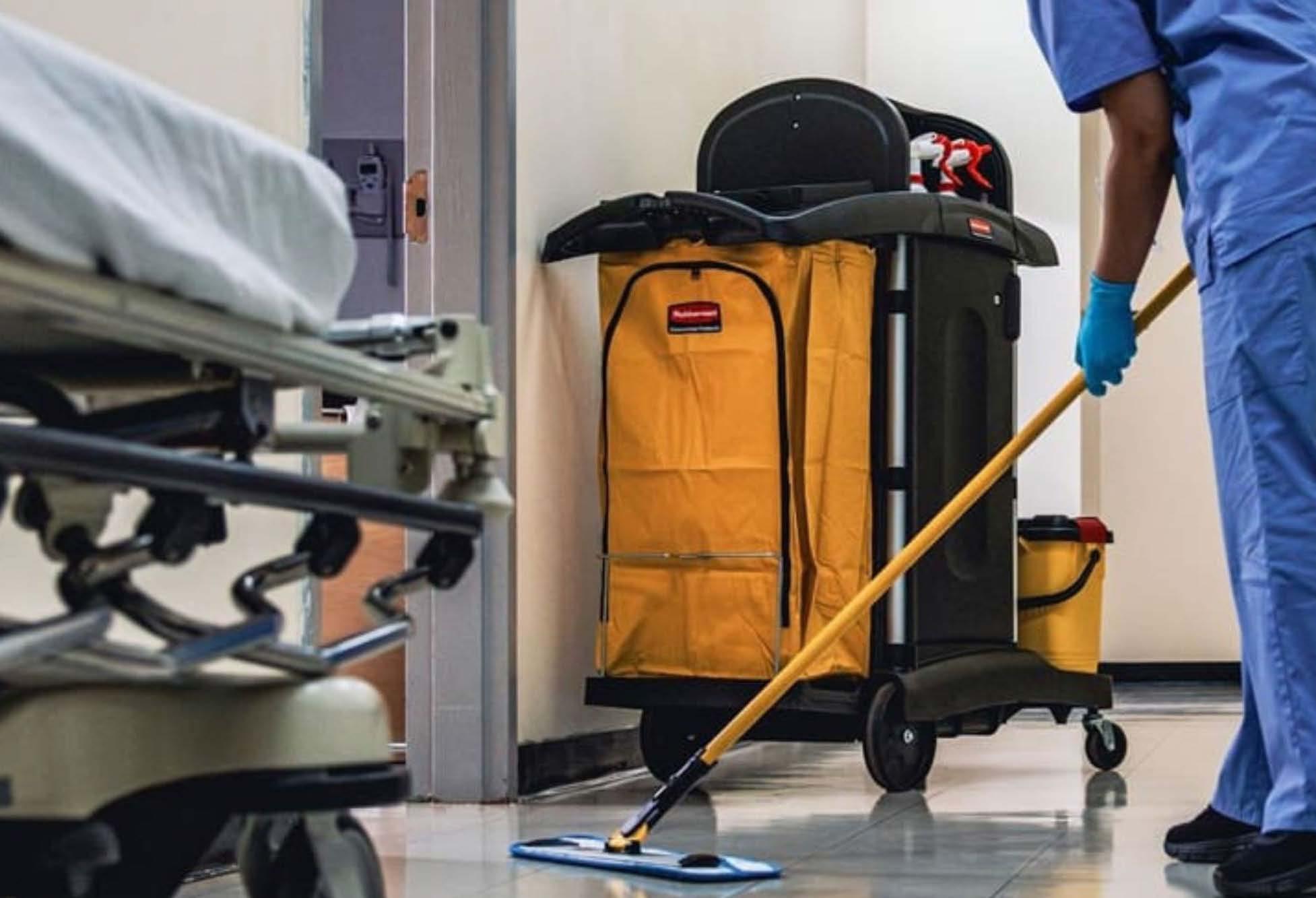
It is an unglamorous but essential truth: the sophistication of the cleaning science matters very little if the person holding the mop has not been trained to the standard the contract demands.
The industry is moving steadily towards a more evidence-based model of cleaning verification. Digital record-keeping systems are replacing paper checklists in many aged care facilities, with real-time monitoring and cloud-based platforms enabling facilities to document not just that a clean occurred, but when, by whom and to what standard. Under the new aged care standards, this kind of documentation is increasingly central to demonstrating compliance, particularly in the event of an infection outbreak or regulatory audit.
ATP (Adenosine Triphosphate) testing, which measures organic residue on a surface to determine whether a clean has been effective, is gaining ground as a practical verification tool. “You have to understand the science behind that data before you start testing,” Foxcroft cautioned at the ISSA webinar, noting that some chemicals can interfere with test swab readings, producing false negatives or inflated results. The point is well-taken, highlighting that technology is only as reliable as the training behind its use.
At the environmental level, UV-C disinfection, electrostatic spray systems and antibacterial surface treatments are becoming more widely adopted across healthcare and aged care settings. Stahlhut has explored UV light options, both robotic and manual, for boarding school medical facilities. His company continues to use fogging as a preventive measure in a high-density commercial call centre environment, a COVID-era practice that has been retained specifically because of its measurable impact on staff absenteeism. In aged care specifically, robotics are increasingly viable in large
open environments, though Stahlhut is pragmatic about scale. “The economics of it just don’t really add up to introduce robotics in smaller sites,” he says.
Beyond technology or regulation, perhaps the most candid observation to emerge from conversations with industry professionals concerns human memory. The COVID-19 pandemic forced a wholesale reckoning with infection control across every cleaning sector. Standards rose, scopes tightened and the community’s understanding of what it meant for a space to be truly safe deepened significantly.
That vigilance, Stahlhut believes, has begun to fade. “I feel like people have forgotten,” he says. “The priority now is not so much the standard we're aiming for; it’s gone back to simple questions of: ‘Have we got our budgets right?’ ‘Have we got the time’? The economic pressures are real, staffing shortages and rising costs are squeezing facilities that simultaneously face stricter compliance requirements. But the consequences of letting standards slip in an aged care or healthcare environment are not abstract. They are measured in infection rates, hospital admissions and lives.
For cleaning companies willing to invest in proper scoping, genuine infection control capability, digital documentation and ongoing staff training, the new regulatory environment represents as much an opportunity as a burden. Those who can demonstrate the effectiveness of their work, not just assert it, will be the ones that aged care and healthcare providers turn to as the stakes continue to rise. In this sector, cleaning has always mattered. Now, it is finally being treated that way. ■
Recent changes to rodenticide regulations are prompting facility managers to look more closely at how rodent control is managed across their sites.
Words Phil Taylor
Rodents have always been a persistent issue in commercial environments. They’re rarely front of mind until there is a problem but, when they appear, they can escalate quickly. For a long time, rodent management has operated quietly in the background. Bait is installed, technicians attend on a schedule, and unless there is a visible issue, the program is assumed to be working.
It is common to find bait stations installed across sites, but limited clarity around whether there is actual rodent activity. In some cases, bait can remain in place for months without meaningful review. Over time, it becomes part of the background rather than an actively managed system. That approach is starting to feel outdated. With tighter controls now in place around certain rodenticides, particularly second-generation anticoagulant products, there is increasing scrutiny on how and why these materials are used. Facilities managers are now expected to demonstrate that programs are controlled, reviewed and appropriate for each site.
This is where digital monitoring is changing the approach. Digital systems use connected devices to detect rodent activity in real time. Instead of waiting for a scheduled inspection, activity is detected immediately and alerts are triggered. You can be sitting at your desk, watching realtime data come in. This allows technicians to respond to actual movement, rather than relying on routine checks or assumptions.
Some advanced platforms now also integrate data across multiple sites, allowing trends to be identified more easily.
Rather than asking whether there is a problem, there is now a clear view of what is happening across a site. Activity patterns can be tracked, hotspots identified and decisions made based on real data rather than guesswork.
This is particularly relevant in environments such as public spaces, schools, healthcare facilities and mixeduse developments, where safety and environmental responsibility are under increased scrutiny. There is also growing awareness of secondary poisoning, where non-target wildlife is affected after feeding on poisoned rodents. This concern has been a key driver behind regulatory changes and increased oversight.
One of the key advantages of digital monitoring is that it supports a more targeted approach. Instead of defaulting to widespread baiting, activity can be confirmed first. Treatment can then be
applied only where it is needed, which often results in a reduction in overall bait use. Another major benefit is reporting.
Facilities managers are increasingly required to demonstrate compliance across large or complex portfolios. Traditional reporting methods often based on periodic visits or manual logs can make this difficult.
Digital systems provide a clear, time stamped record of activity, alerts and responses. This makes reporting easier to access, verify and communicate, particularly when accountability is required. Some advanced platforms now also integrate data across multiple sites, allowing trends to be identified more easily and recurring issues to be addressed at a broader level.
Effective rodent management still relies on fundamentals such as good housekeeping, proofing and targeted treatment where required. The difference is that decisions are now supported by real-time data rather than fixed schedules.
For many facilities managers, this reflects a broader shift already seen across building operations moving away from routine-based servicing toward more responsive, data-led systems.
As expectations continue to evolve, having clear visibility of site conditions is becoming essential. Digital monitoring provides a more practical, accountable, and informed way to manage rodent risk –helping facilities teams stay ahead of issues before they escalate. ■
Words Scott Rawson
They’re the facilities we all need, and yet likely give little consideration to, but portable toilets are playing a growing role in improving workplace sanitation, with new technologies replacing outdated systems and improving hygiene, health and safety standards.
While once considered a facility you would only find tucked away at the back of construction sites, portable toilets are an increasingly viable and accessible option to provide amenities within a variety of sectors, including agriculture, mining and events.
Demand is growing globally, with Australia’s portable toilet market forecast to grow at just under 10 percent a year between 2022 and 2034.
Sitting alongside that growth has been an investment in new technologies, lifting the standard of functionality, design and user experience to the benefit of overall hygiene standards, employee safety and worksite productivity.
In the past, portable sanitation was fairly crude. Facilities often used separate waste tanks, servicing was reactive and relied upon manual checking of waste levels, and emptying usually only took place once facilities were full, or worse, overflowing and no longer usable.
Dated design and poor functionality also had an impact, with facilities having numerous touch points both for users and
servicing operators, creating potential hygiene risks and leaving significant room for human error. It meant that if something went wrong, it often resulted in a spill or hygiene issue that became an on-site health and safety hazard, generating extra admin and costs, reducing access to facilities and having the potential to impact workplace health.
It is a Safe Work Australia requirement that portable facilities are serviced regularly to ensure they remain clean. However, the development and integration of new technology has played a pivotal role in lifting industry standards higher, improving hygiene outcomes and user experience, and minimising the risk of potential spills and hazards.
One of the most significant improvements in recent years has been the introduction of sensor technology offering accurate monitoring of usage.
Facilities can be monitored remotely, providing real-time data around waste generated, water levels, fault conditions such as leaks and ventilation issues, and even individual cubicle use. Combined with automated alerts to replace manual, time-consuming visual checks and flashing lights, the technology has removed the guesswork out of scheduling, servicing and other logistics, such as location and placement of facilities.
The result has been a reduction in overflow events and spills, which reduces potential environmental and hygiene
risks and improves on-site health and safety standards – particularly for those industries that may provide portable facilities for employees.
This is particularly important in close proximity workplace settings, such as construction or remote mine sites for example, where amenities are shared and health hazards have the potential to spread quickly and impact an entire workforce.
Infection prevention isn’t simply a health issue, it’s a productivity issue, with the global pandemic a recent reminder of how quickly workplace operations can be disrupted if high-standard hygiene practices aren’t in place.
Demand is growing globally, with Australia’s portable toilet market forecast to grow at just under 10 percent a year
between 2022 and 2034.
The integration of hand-washing and hand sanitation facilities within cubicles has also been an important design element.
The US Centres for Disease Control and Prevention outlines that a single gram of human faeces can contain one trillion germs, including salmonella, E.coli and norovirus. An outbreak of any of these bacteria can have significant impacts on worksite productivity, with norovirus alone estimated to cost employers around $60 billion a year, globally.
Technology in portable toilets is also playing a key role in this space with advanced design and functionality elements assisting in minimising the risk of infection spread through improved ventilation and reducing the number of touch points not just for users, but also for servicing contractors.
The integration of hand-washing and hand sanitation facilities within cubicles has also been an important design element, allowing hand hygiene to become easy, default behaviour, as opposed to an ‘add-on’ after the fact.
This is particularly important when we consider that hand washing is generally the most effective way of preventing germ transmission, even more so than hand sanitising, with some alcohol-based sanitisers ineffective against certain bacteria.
Poor sanitation is not just an uncomfortable conversation, it’s a genuine health and safety risk.
While there are obvious benefits of improved sanitation through technology –such as the immediate impact to hygiene standards and infection prevention – there are other, broader impacts too:
• Facility reliability: By reducing spills and blockages, facility reliability is improved, creating a seamless experience for users.
• Reduced costs: A reduction in emergency call outs and unnecessary servicing and cleaning has a positive impact on budget – whether on worksites or at events, for examplefreeing up capital for other areas.
• Admin: Spills, blockages and additional servicing or cleaning can all result in extra paperwork, potentially taking staff away from other tasks.
• User satisfaction: Perhaps the most under-considered element of portable toilet facilities is user satisfaction. No one wants to use poorly designed, ill-functioning facilities, regardless of location or whether they’re attending an event or in the workplace.
Community attitudes toward portable toilets are continuing to mature and the stigma around uncomfortable discussions is reducing, with the global pandemic putting a spotlight on personal hygiene, hand washing, sanitation and effective infection prevention.
The same can be said for the workplace, with an increasing understanding that the
provision of toilet facilities can no longer be a bare minimum compliance exercise. There is an expectation among employees that portable facilities will be just as clean and high-quality as those found indoors, regardless of location or job title.
The challenge now though is for industry to ensure technology adoption is more widespread.
While some worksites are embracing it, others are still using outdated toilet facilities and systems simply because that’s the way it’s always been done, or the benefits of advanced technology are not yet completely understood.
However, the benefits to workplace health, safety, hygiene and overall user experience are clear.
The portable ablution industry in the US is already advancing in this area, with contractors there increasingly increasingly viewing sanitation as part of their overall safety system and not a stand-alone hire item. There’s an increased demand for data-driven servicing, tighter environmental controls and a greater focus on user experience with features such as touch-free operation and improved ventilation.
Australia has that opportunity too.
Ultimately improved sanitation doesn’t have to be complex or onerous. It’s about reducing risk, improving user experience, and creating safer, more hygienic worksites. The technology is available, we must now act to ensure it becomes the norm, rather than the exception. ■
Scott Rawson Managing Director – Instant Products Group
Words Denis Boulais
Australia’s aged care sector is evolving. The introduction of the strengthened Aged Care Quality Standards signals a shift in how care is understood, delivered and evaluated. Central to this transformation is a renewed focus on the lived experience of older people, how they feel, how they are treated and – crucially –the environments in which they live. From my experience, aged care providers are asking their cleaning providers about their compliance to the Strengthened Aged Care Quality Standards (particularly Standard 4), hence this article.
Standard 4 (The Environment) – has emerged as a pivotal area of responsibility related to cleaning activity and will be the focus of this article. While historically associated with facilities management and housekeeping, the environment is now recognised as a direct contributor to safety, wellbeing, dignity and independence. For cleaning companies servicing aged care facilities, this represents both a challenge and an opportunity to move beyond taskbased service delivery and become active partners in care quality.
This article explores how cleaning companies can align their policies, procedures and operational models with a Standard 4 focus, and what this alignment looks like in practice across Australian aged care settings.
Cleaning in aged care has traditionally been framed through the lens of hygiene and infection control. Schedules, checklists
and compliance audits have formed the backbone of service delivery. While these elements remain critical, they are no longer sufficient on their own.
The strengthened standards redefine quality in terms of outcomes for residents. This means the question is no longer simply, ‘Was the room cleaned?’ Instead, it becomes:
• Does the environment support the resident’s safety?
• Does it feel comfortable?
• Does it enable independence?
• Does it contribute to wellbeing?
This shift elevates cleaning from a background operational function to a visible and influential component of care delivery. Cleaning staff are now part of the system that shapes daily life for residents.
Standard 4 sets a clear expectation that aged care environments provide a setting that feels safe and consistently clean, with facilities maintained to a high standard, so they remain comfortable and support each person’s independence, daily function and mobility.
Importantly, these elements are interconnected. Cleanliness alone does not satisfy the standard if, for example, the environment feels clinical, impersonal or restrictive. Similarly, a comfortable environment cannot come at the expense of safety or hygiene.
For cleaning companies, this means policies must reflect a holistic understanding of the environment, one that integrates risk management, infection prevention, resident experience and operational efficiency.
A key step in aligning with Standard 4 is the transition from task-based policies to outcome-based frameworks.
Traditional cleaning policies often include:
• defined tasks (for example, mop floors, empty bins)
• frequencies (for example, daily, weekly), and
• areas (for example, bathrooms, corridors).
While necessary, these do not always connect cleaning activities to resident outcomes.
An aligned policy framework should instead articulate how cleaning contributes to factors such as:
• fall prevention
• infection control
• resident comfort, and
• accessibility and mobility.
As an example, a policy may state: ‘Floor cleaning practice must minimise slip and trip risk and ensure unobstructed pathways to support resident mobility.’ This framing ensures that cleaning activities are purposeful, measurable and aligned with the intent of the standard.
Aged care environments present a complex risk landscape. Residents may have reduced mobility, impaired vision, cognitive decline or chronic health conditions, all of which increase vulnerability to hazards. Cleaning companies must embed risk management into their policies and training.
Slip, trip and fall considerations
Wet floors, trailing cords, clutter and uneven surfaces are common contributors to falls. For example, cleaning practices should include:
• use of appropriate signage (in particular, 'slippery when wet' signage)
• leaving signage out until the floor is completely dry
• rapid drying techniques
• scheduling to avoid peak movement times, and
• immediate hazard rectification.
Housekeeping and accessibility
Corridors, rooms and shared spaces must remain clear and unobstructed so movement stays fluid and safe, with cleaning staff trained to recognise and address barriers to mobility, such as misplaced furniture or equipment while still working within the defined cleaning scope and specification.
The selection and use of cleaning chemicals must consider:
• toxicity
• residual effects
• respiratory sensitivities, and
• safe storage and handling.
Policies should prioritise low-toxicity, environmentally-responsible products wherever possible, without compromising effectiveness. An environmental objective may be to increase the use of ecolabeled cleaning chemicals, for example GECA (Good Environmental Choice Australia), with a target of increasing the percentage of sites at which such chemicals are used each year.
Cleaning equipment must be maintained and used in ways that do not introduce risk. For example, cords should not create trip hazards and machinery should not obstruct pathways. Always ensure electrical
Standard 4 sets a clear expectation that aged care environments provide a setting that feels safe and consistently clean.
equipment is well-maintained, and tested and tagged as required. Consider cordless equipment. Through these measures, cleaners become active participants in risk mitigation.
Infection prevention and control (IPC) remains a cornerstone of cleaning in aged care, particularly in the wake of COVID-19 and heightened awareness of outbreak risks. However, Standard 4 requires IPC to be integrated into a broader environmental strategy.
Cleaning companies should ensure:
• alignment with facility IPC protocols
• clear escalation processes during outbreaks
• differentiation between routine and enhanced cleaning
• use of evidence-based methods and products, and
• appropriate hygiene practices (for example, hand hygiene).
Importantly, IPC must be balanced with resident experience. Overuse of harsh chemicals or overly clinical practices can create environments that feel institutional rather than homelike. Achieving this balance requires thoughtful policy design and ongoing collaboration with clinical teams.
Aligning with Standard 4 is not without its challenges:
• Resource constraints: Enhanced training, supervision and staffing may increase costs.
• Workforce stability: High turnover can undermine consistency and quality.
• Cultural change: Shifting from taskbased to outcome-based thinking requires time and leadership.
• Contractual limitations: Existing service agreements may not reflect the expectations of the strengthened standards.
Addressing these challenges requires strategic planning, investment and strong leadership.
Despite these challenges, the strengthened standards present a significant opportunity for cleaning companies.
By aligning with Standard 4, companies can:
• differentiate themselves in a competitive market
• build stronger partnerships with aged care providers
• contribute to improved site outcomes, and
• enhance workforce engagement and improve organisational culture.
This alignment positions cleaning companies not just as service providers, but as significant contributors to quality care. Standard 4 (The Environment), challenges cleaning providers to consider the broader impact of the environment on resident safety, dignity and wellbeing. By embracing outcomebased policies, investing in workforce capability, and working collaboratively with aged care providers, cleaning companies can play a vital role in shaping environments that are not only clean, but safe and comfortable. ■
Dr Denis Boulais ESG Manager – Quad Services.
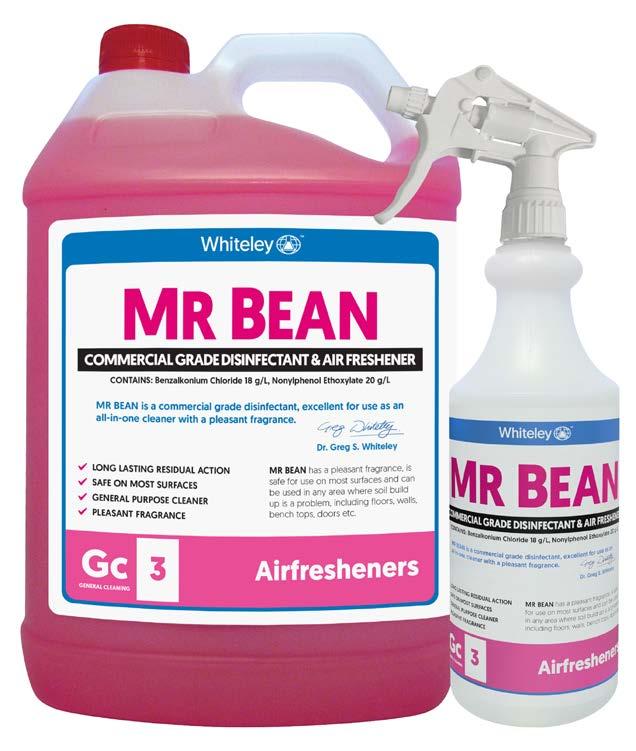
Mr Bean is a commercial grade disinfectant, air freshener and multipurpose cleaner designed for use in commercial facilities. Being pH neutral and solvent free, Mr Bean is safe for use on most surfaces and can be used in any area where soil build up is a problem, including floors, walls, bench tops, doors etc. ` kills 99.99 percent of bacteria ` gentle on surfaces ` multi-purpose cleaner, and ` long lasting tutti frutti fragrance. Whiteley whiteley@whiteley.com.au 1800 833 566 whiteley.com.au
Ultra Concentrate Chemical Range
Powerful Cleaning. Precision Dilution. Professional Results.
The RapidClean Ultra Range of super-concentrated professional cleaning chemicals are designed for commercial environments. Used with the RapidClean Ultra chemical closed-loop dosing system, the range delivers powerful cleaning performance with accurate, fixedratio dilution every time.
The result is a smarter cleaning solution that reduces chemical waste, improves safety and lowers operating costs while maintaining consistent cleaning results.
Explore the new range at RapidClean.com.au or visit your local RapidClean Member. RapidClean sales@rapidclean.com.au rapidclean.com.au
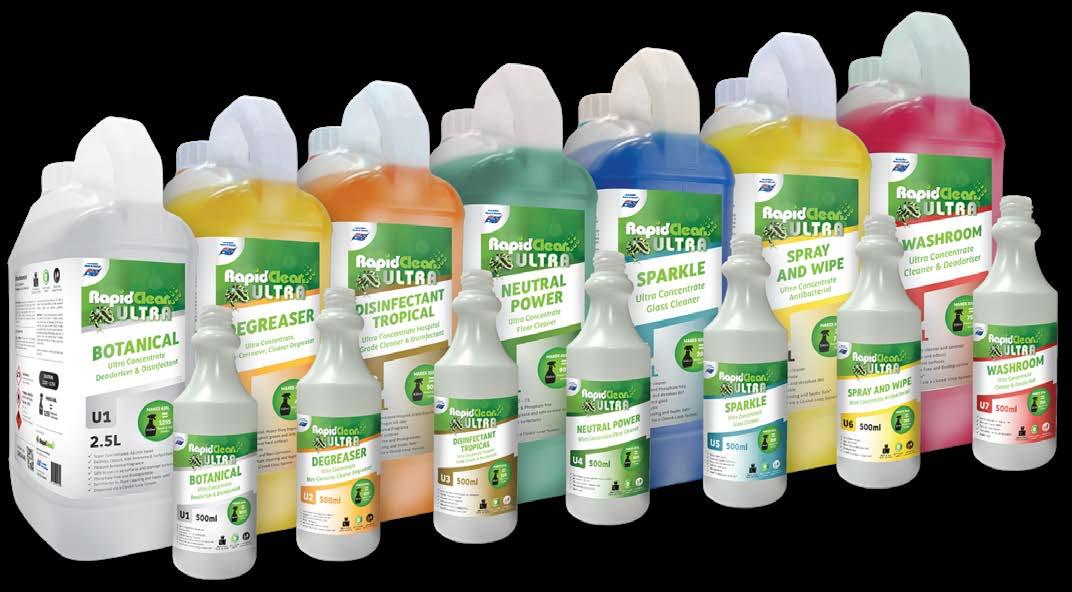
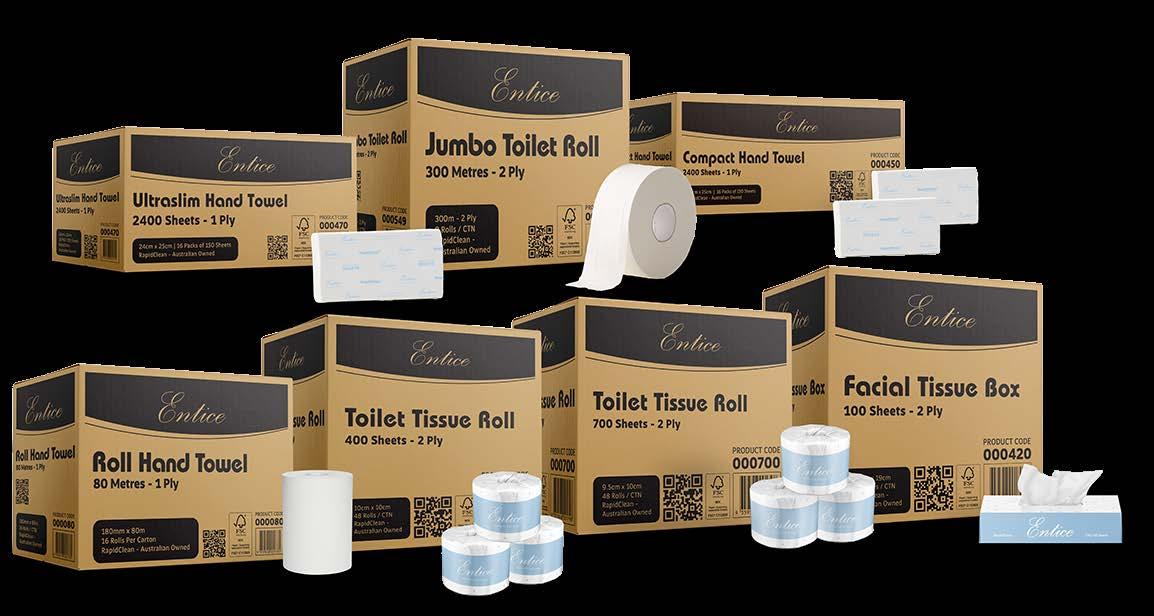
RapidClean Entice paper is the ideal paper solution for high-traffic washrooms, delivering premium quality at a cost-effective price point. Unlike many paper products on the market, the Entice range is designed to maintain softness, strength and reliability without compromising on value. Perfect for commercial environments including shopping centres, public restrooms and restaurants, the RapidClean Entice range is also FSC certified, supporting responsible forest management and sustainable sourcing. Visit the RapidClean website or your local RapidClean member to learn more about this range.
RapidClean sales@rapidclean.com.au rapidclean.com.au
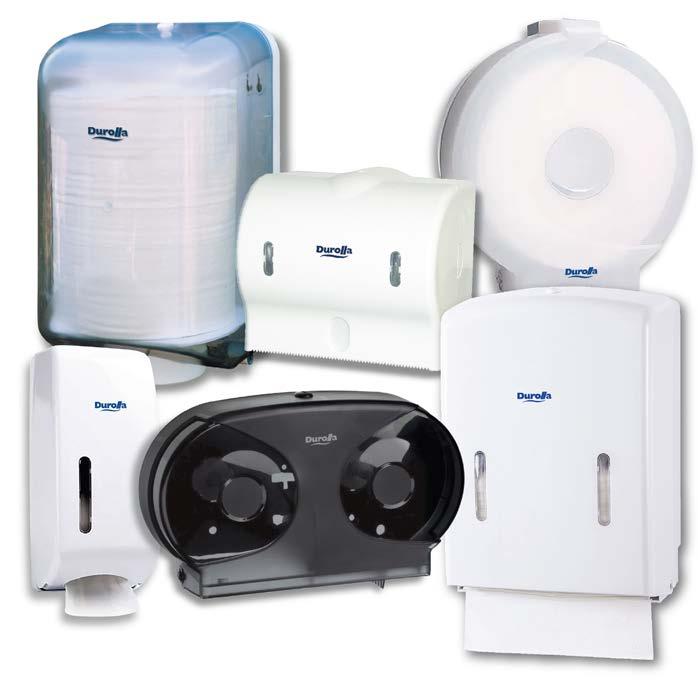
Durolla offers a complete line of stylish highquality tissue and paper towel dispensers. Innovative, practical and durable, with a reputation for excellence in design and reliability, Durolla is able to provide cost effective washroom hygiene dispensing solutions.
Units can be tailored to suit branding, locking needs and paper specifications, with custom design solutions available. Durolla combines export experience with proactive market development to deliver reliable service.
Durolla dispensers@durolla.com durolla.co.nz
r-MicroLife Plus redefines sustainable hygiene. Made with 89 percent recycled post-consumer plastic, this premium microfibre cloth delivers exceptional durability, absorbency and particle pickup. Certified to remove up to 99.99 percent of bacteria and virus, and 99.79 percent of fungi, it delivers superior cleaning performance for high-risk professional environments such as healthcare, HoReCa and commercial buildings.
Oates Professional
csvic@fhp-ww.com 1300 669 686 professional.oates.com.au
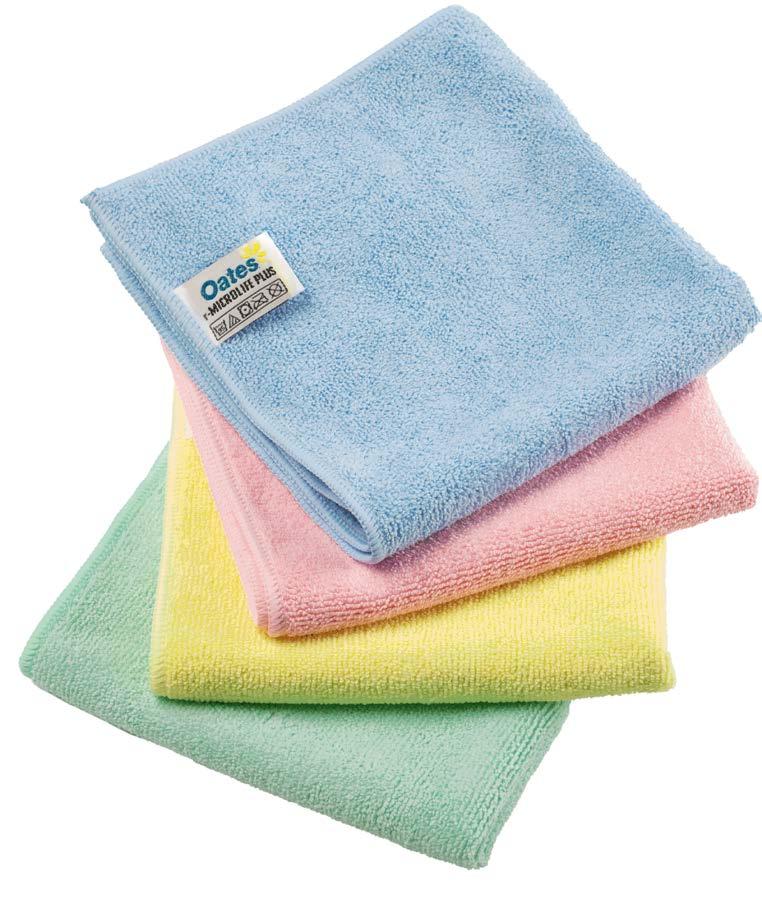
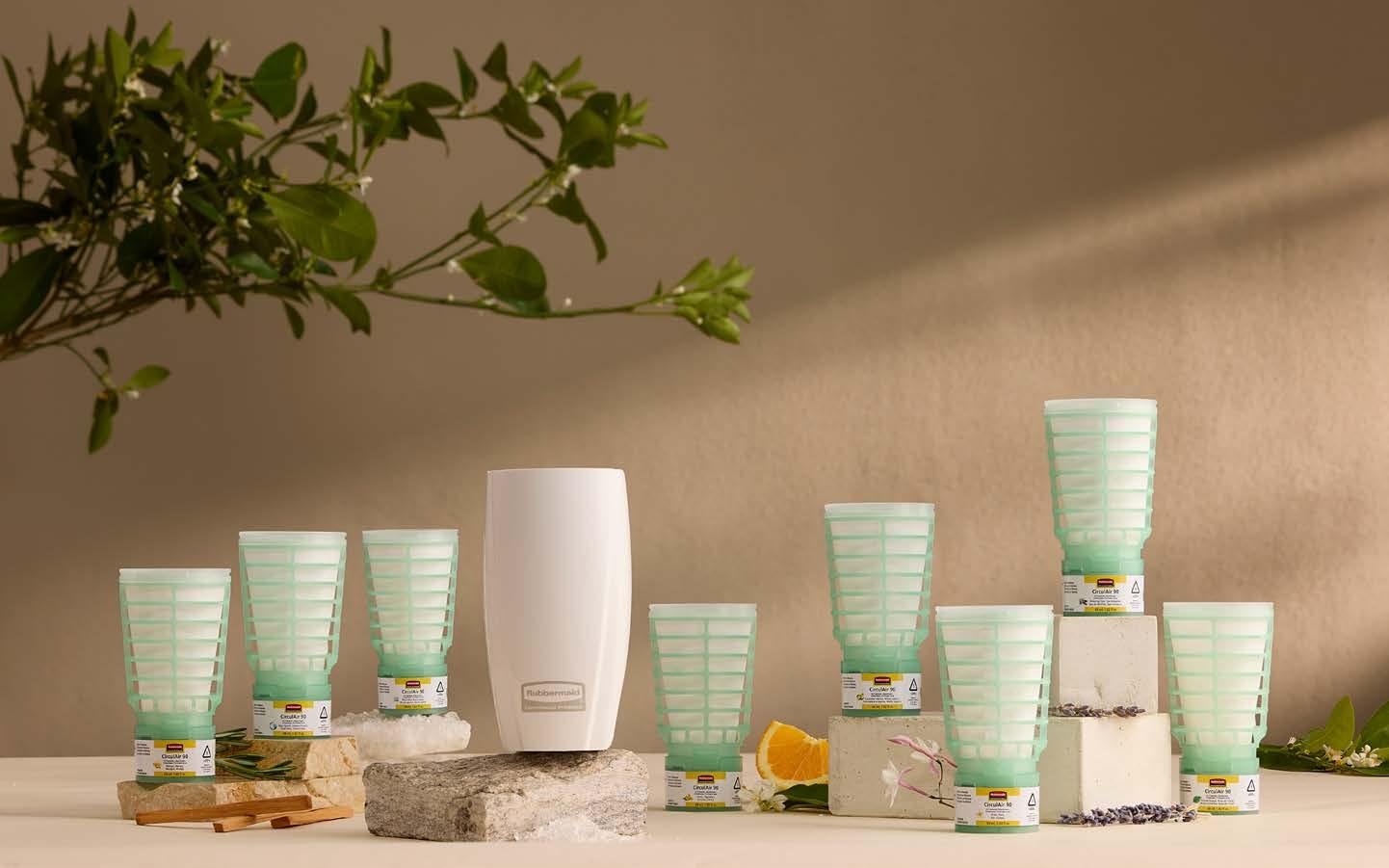
CirculAir90 delivers consistent, high-performance air care for commercial environments.
Designed for recyclability, the refill uses a single-material construction, validated through APCO PREP in Australia and New Zealand.
The system ensures controlled fragrance delivery, reduces waste and supports sustainability goals while maintaining a clean, professional space for end users.
Rubbermaid rubbermaidcommercial.com.au
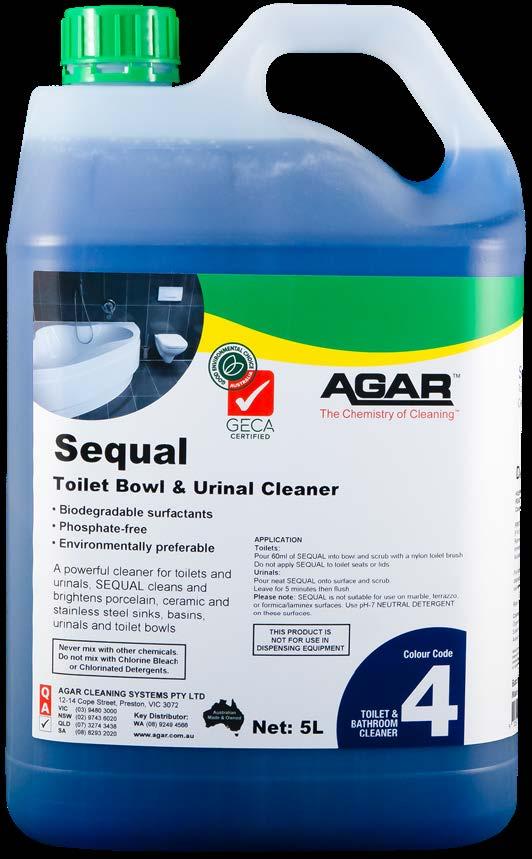
Sequal is a thickened, mildly acidic cleaner designed to cling to vertical surfaces for a longer, more effective clean. Ideal for toilets, urinals, tiled floors, basins and showers, it dissolves scale, rust and stains without damaging stainless steel – and it’s certified by GECA for its environmentally preferable formula.
Key benefits:
` thick formula clings to surfaces
` rxcellent daily toilet cleaner, and
` GECA-certified & phosphate-free.
Agar Cleaning Systems
1800 301 302
sales@agar.com.au agar.com.au/sequal
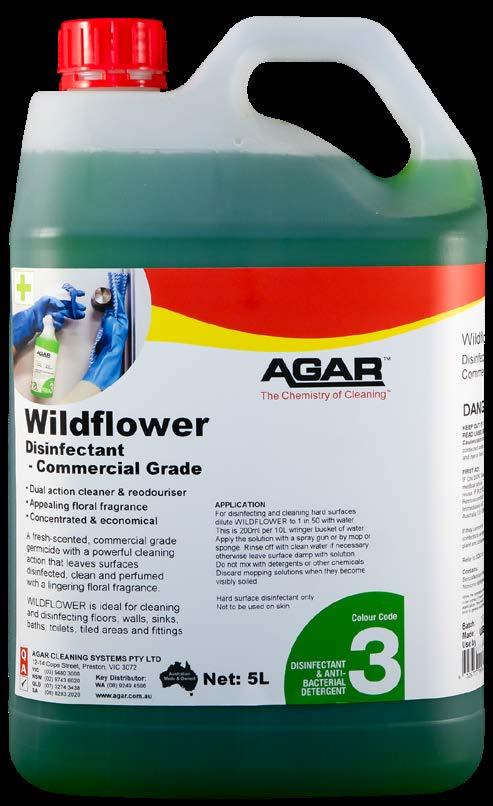
Wildflower is a commercial-grade disinfectant that cleans and deodorises in one step. With a high-foaming formula and a sophisticated floral fragrance, it’s ideal for use on all washable hard surfaces, including floors, walls, bathrooms and tiled areas.
Key benefits:
` cleans and kills odour-causing bacteria
` popular floral fragrance, and
` suitable as a surface cleaner or air freshener.
Agar Cleaning Systems
1800 301 302 sales@agar.com.au agar.com.au/wildflower
r-MicroLife Base delivers reliable, everyday cleaning with sustainability at its core. Crafted from 100 percent recycled post-consumer plastic, this high-performance microfibre cloth offers strong absorbency, effective particle pick-up and is certified to remove up to 99.99 percent virus and 99.49 percent of fungi, making it a smart, responsible choice for professional environments worldwide for daily professional use.
Oates Professional csvic@fhp-ww.com 1300 669 686 professional.oates.com.au
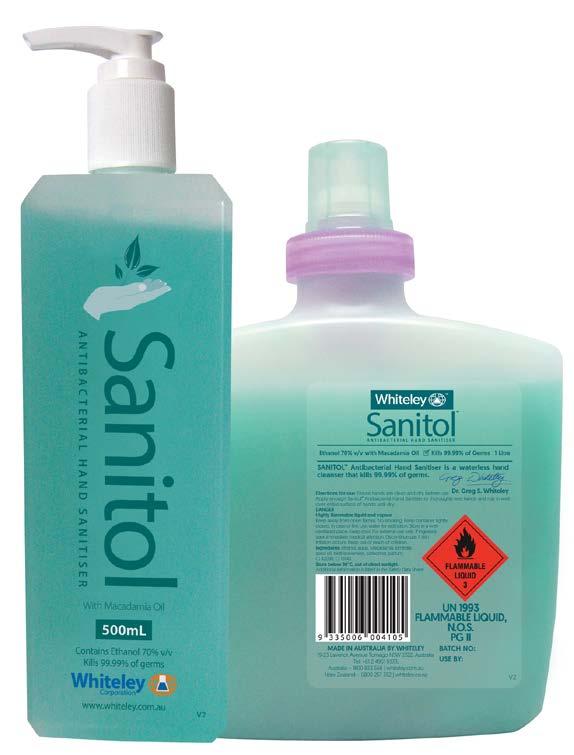
Sanitol™ is an antibacterial hand sanitiser that kills 99.99 percent of germs. It helps protect you from a broad range of bacteria and the scientifically advanced formula is gentle on all skin types.
` contains natural emollients to replenish the skin’s lipids
` includes natural skin conditioners for added softness
` kills germs effectively with the need for water, and
` available in 1L pods and 500mL Whiteley whiteley@whiteley.com.au 1800 833 566
whiteley.com.au
PURmicro Active by Vileda Professional combines high-performance microfibres for excellent liquid absorption and particle pickup, delivering a flawless streak-free and lint-free finish. A polyurethane (PUR) coating enhances rinsability, making PURmicro Active a versatile all-rounder. Whether it’s glass, stainless steel, or high-gloss finishes, you can achieve a superior, hygienic clean with less effort.
Freudenberg Home and Cleaning Solutions Pty Ltd
Customer Service: Phone 1300 669 686, or email csvic@fhp-ww.com