

ISA S UTHERN S UTHERN

Message from the President
by Brian Watkins, Southern Chapter President
There has been a great deal of positive momentum behind the scenes at the ISA Southern Chapter. As many of you may know, Mr. Skip Kincaid will be retiring from his role as Executive Director, with his final day being July 15, 2026. While we are certainly sad to see Skip retire, we are incredibly grateful for his years of dedicated service, steady leadership, and unwavering commitment to the ISA Southern Chapter. His hard work and vision have helped shape our organization, and we are fortunate to build upon the strong foundation he has established. On behalf of the Board of Directors and our members, thank you, Skip, for your many contributions. We wish you all the best in your well-earned retirement!
As Skip begins this exciting new chapter, I am pleased to announce that the ISA Southern Chapter has appointed Dominique Werboff, Ph.D., as our new Executive Director. Dr. Werboff brings extensive experience in nonprofit management, organizational leadership, and working collaboratively with boards of directors and executive committees. I am excited to partner with her as we continue to strengthen the ISA Southern Chapter and enhance the value we provide to our members.
Although our Executive Director is changing, our mission remains the same—to serve our members, advance arboriculture, and provide high-quality educational opportunities throughout the Southern Chapter.
Together, we are working to
n offer ISA Certified Arborist Exam Preparation Courses in every state within the Southern Chapter at least once each year.
n expand our outreach to green industry professionals who play a vital role in the care and preservation of urban and suburban tree populations.
n increase the frequency of the Wildfire Risk Reduction Qualification (WRRQ) program throughout the Southern Chapter.
n expand the availability of Tree Risk Assessment Qualification (TRAQ) courses.
n provide additional hands-on workshops, such as the successful Biomechanics course recently held in Baton Rouge, Louisiana.
n increase opportunities for members to participate in the Prescription Pruning Qualification (PPQ) program across the Southern Chapter.

We are committed to delivering these valuable educational programs and professional development opportunities to our members and communities throughout the Southern Chapter.
If you have suggestions, ideas, or are interested in serving on the Education Committee, I encourage you to reach out to me directly at isasouthern@isasouthern.org. We always welcome member involvement and appreciate your feedback as we continue to grow.
Thank you for your continued support of the ISA Southern Chapter. Have a wonderful summer, stay safe, and don’t forget to enjoy the shade provided by your local trees!
TRUSTED PARTNER ONE
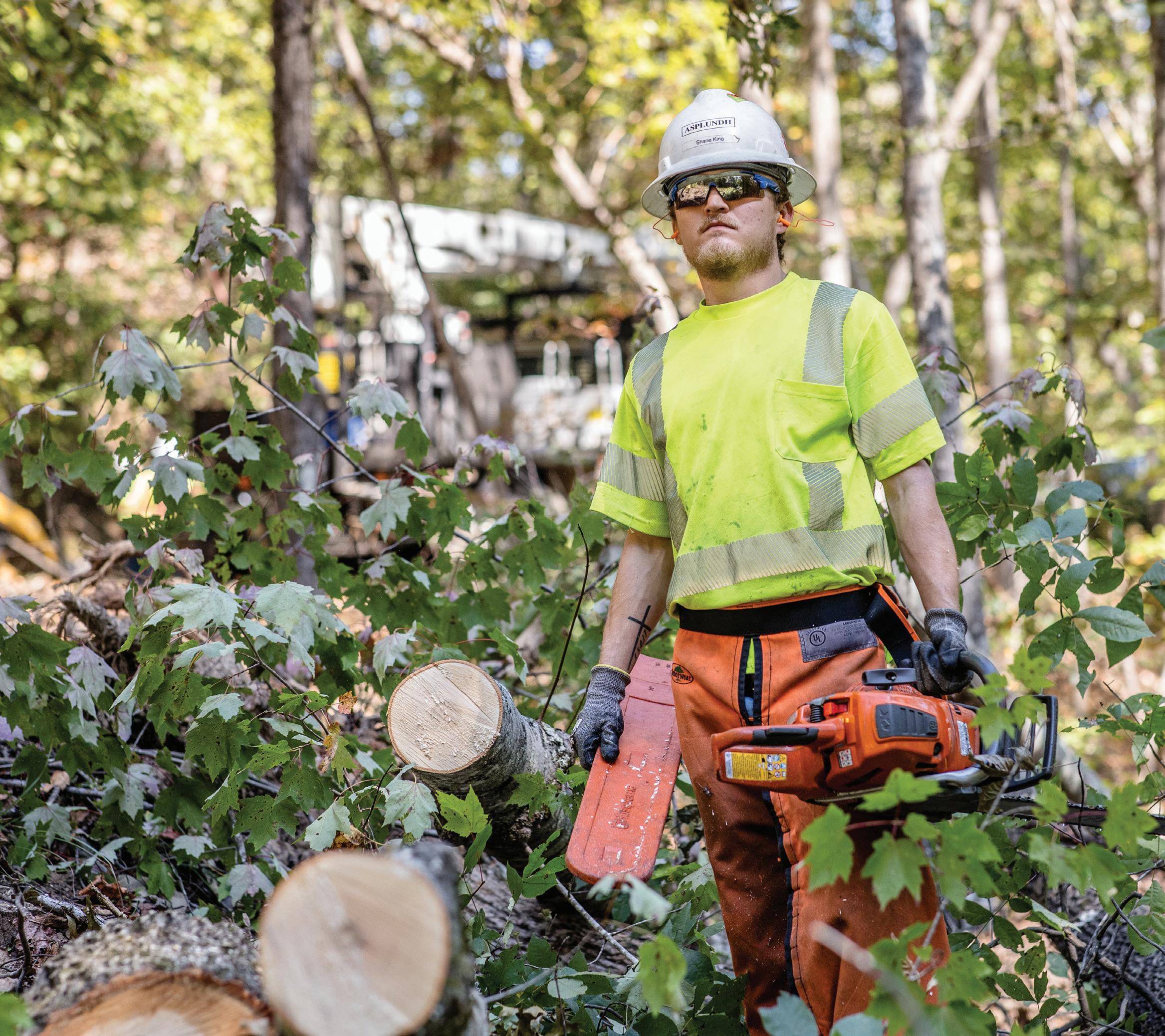
One storm can threaten years of urban forestry stewardship. With our One Asplundh approach, a single point of contact provides municipalities with direct access to a fully integrated team of utility vegetation, infrastructure, engineering and digital solutions professionals ready to respond fast. One call connects you to the right people, equipment and expertise to clear trees, restore roadway access and safeguard essential services. One trusted partner to keep your city and its trees safe and resilient for generations to come.
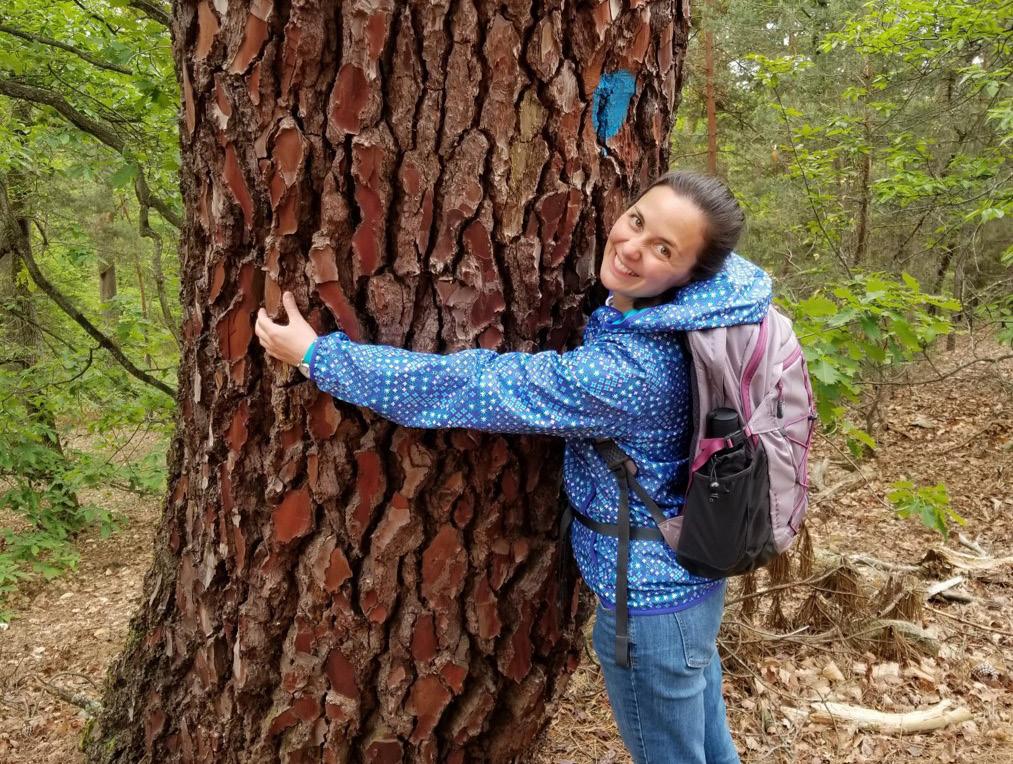
A new season
Dominique Werboff, Ph.D., Southern Chapter Executive Director
My name is Dominique Werboff, and I am so excited to come on board as your new Executive Director. I have been a member of the Chapter for years, and following Skip Kinkaid in this role upon his retirement is truly an honor.
So here is a little bit about me! By training, I am a geographer, specializing in forest and landscape restoration. I began my career teaching in higher education, and then transitioned to the nonprofit world early on as a Senior Associate Scientist in the Philippines office of the World Agroforestry Centre. Since then, my work has been missiondriven (and my mission is always about trees). When I returned to the U.S., it was as a faculty member at Coastal Carolina University (CCU), where I started the CCU Arboretum and became its founding Director.
And I still work with nonprofits. I co-founded and served as Board Vice President of a nonprofit in the Philippines called the Restoration Initiative for Sustainable Ecosystems, and I serve as founding Board President of a Pennsylvaniabased nonprofit called Reforest Our Future. Within the state of South Carolina, I am active in the public garden community and am the founding Board Vice President of the South Carolina Public Gardens Alliance. Working with the Southern Chapter feels like a natural progression of this trajectory, and I could not be more thrilled!
As your Executive Director, I am committed to honoring our mission, delivering meaningful programs and resources, ensuring that what the Chapter offers is of value to you, and continuing to expand our amazing community. In the coming months, my priority is to listen to your feedback and deepen my understanding of how this organization can best support and empower you, and to begin working to expand the resources and opportunities available to you.
I look forward to meeting many of you at our upcoming conference and our Chapter events. Please feel free to reach out to me directly at isasouthern@isasouthern.org to share your thoughts or just to say hello!


When the rain won't come
What arborists across the Southeast should be watching as drought stress begins to reshape our urban forests
by Leslie Moorman, North Carolina Director
If you’re like me, you’ve probably found yourself staring up into tree canopies a little more often this summer. Not because you’re admiring them—but because something just feels off.
A maple that looked perfectly healthy last year suddenly has scattered brown branches. River birches are dropping leaves in June as if they’ve decided autumn came three months early. Pines that survived decades of hurricanes are showing thinning canopies with brown needles. Homeowners are asking if their tree has a disease, and city managers are wondering why mature trees are suddenly declining despite receiving “a lot of rain” over the past few weeks.
The answer is complicated.
Here in Cary, North Carolina, we’re experiencing the cumulative effects of a drought that didn’t begin this summer. It quietly started developing during the summer of 2025, persisted through the winter, and has continued into the current growing season. Across central North Carolina, drought conditions have intensified to the point that portions of the region have reached Exceptional Drought (D4), the highest classification used by the U.S. Drought Monitor and the North Carolina Department of Environmental Quality. Water restrictions have become commonplace, outdoor irrigation has been limited, and the region would require well over 15 inches of widespread rainfall just to eliminate the current precipitation deficit.
Even more frustrating is the fact that we have actually received rain. Thunderstorms have rolled through parts of the region all summer. One area can receive two inches in an afternoon, while another community just a few miles away barely gets enough to settle the dust. Those localized rain events make lawns greener for a week and fill roadside ditches for a day, but they don’t replenish groundwater, recharge deeper soil profiles, or significantly improve reservoir storage. They simply aren’t enough to reverse a long-term moisture deficit.
Trees are survivors before they become victims
reproduction over protection. Then, if resources become severely limited, they shut down growth and reproduction to conserve what they have.
One of the earliest impacts of drought occurs below ground. Fine absorbing roots—the tiny roots responsible for taking up nearly all of a tree’s water and nutrients—begin to die back as soils remain dry. Once those roots are lost, the tree’s ability to capture water decreases precisely when it needs water the most. And the canopy responds accordingly. Leaves begin scorching along the margins. Foliage yellows or browns prematurely. Defoliation often begins near the top of the crown or on the outermost branches where exposure to sun and wind is greatest. What many homeowners interpret as a disease is often the tree making an intentional decision to reduce water loss through transpiration.
It’s not failing. It’s adapting. Unfortunately, adaptation comes with a cost.
Drought Rarely Works Alone
One of the conversations I find myself having most often with residents is explaining that drought doesn’t simply “dry a tree out.” When water becomes limited, trees shift from a growth strategy to a survival strategy. It’s remarkably similar to dormancy. Instead of investing energy into expanding the canopy or producing new roots, they begin conserving every available resource. During a typical growing season, trees split their energy between growth, reproduction, and protection (and a few other functions). When resources are limited, trees follow a shutdown pattern, favoring growth and
One lesson every arborist eventually learns is that trees almost never decline because of a single problem.
Drought is rarely the sole cause of mortality. Instead, drought weakens a tree just enough for something else to finish the job. As carbohydrate reserves decline and water transport becomes increasingly difficult, trees have fewer resources available to compartmentalize decay, produce defensive compounds, or repel opportunistic insects. Secondary pests and diseases begin taking advantage of hosts that only months earlier were perfectly capable of defending themselves.
This is when bark beetles begin finding stressed pines. Spider mites flourish during hot, dry weather. Scale and aphids seem to appear overnight. Hypoxylon canker becomes more common on already stressed hardwoods.
The drought didn’t necessarily kill the tree—it simply opened the door. That distinction matters because clients often focus on treating the insect while overlooking the underlying stress that invited it in.
Urban Trees Have No Margin for Error
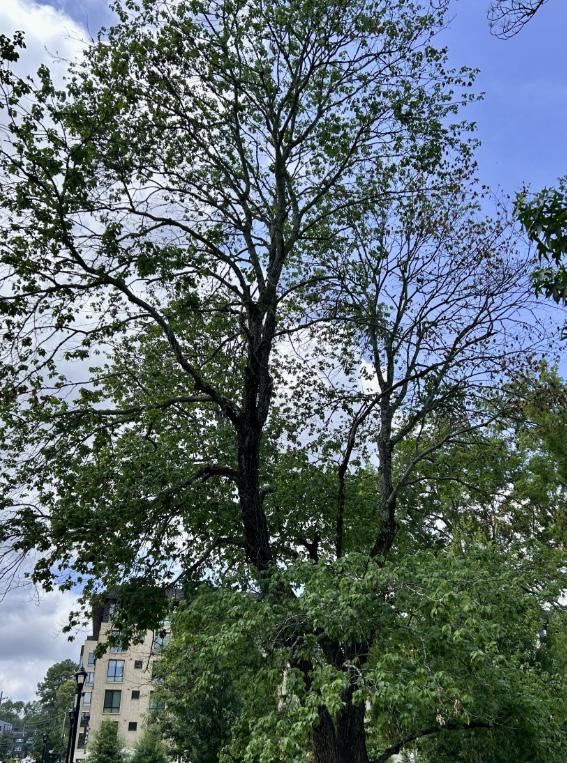
If you manage municipal trees, commercial landscapes, or street trees, you’ve probably noticed something else. Urban trees don’t experience drought in isolation. They’re already operating with one hand tied behind their backs. Many are growing in compacted soils where oxygen is limited, and infiltration rates are poor. Others occupy planting strips only a few feet wide or tree pits surrounded by pavement. Construction may have reduced rooting area years ago. Reflected heat from asphalt and buildings increases evapotranspiration. Now add prolonged drought and weeks

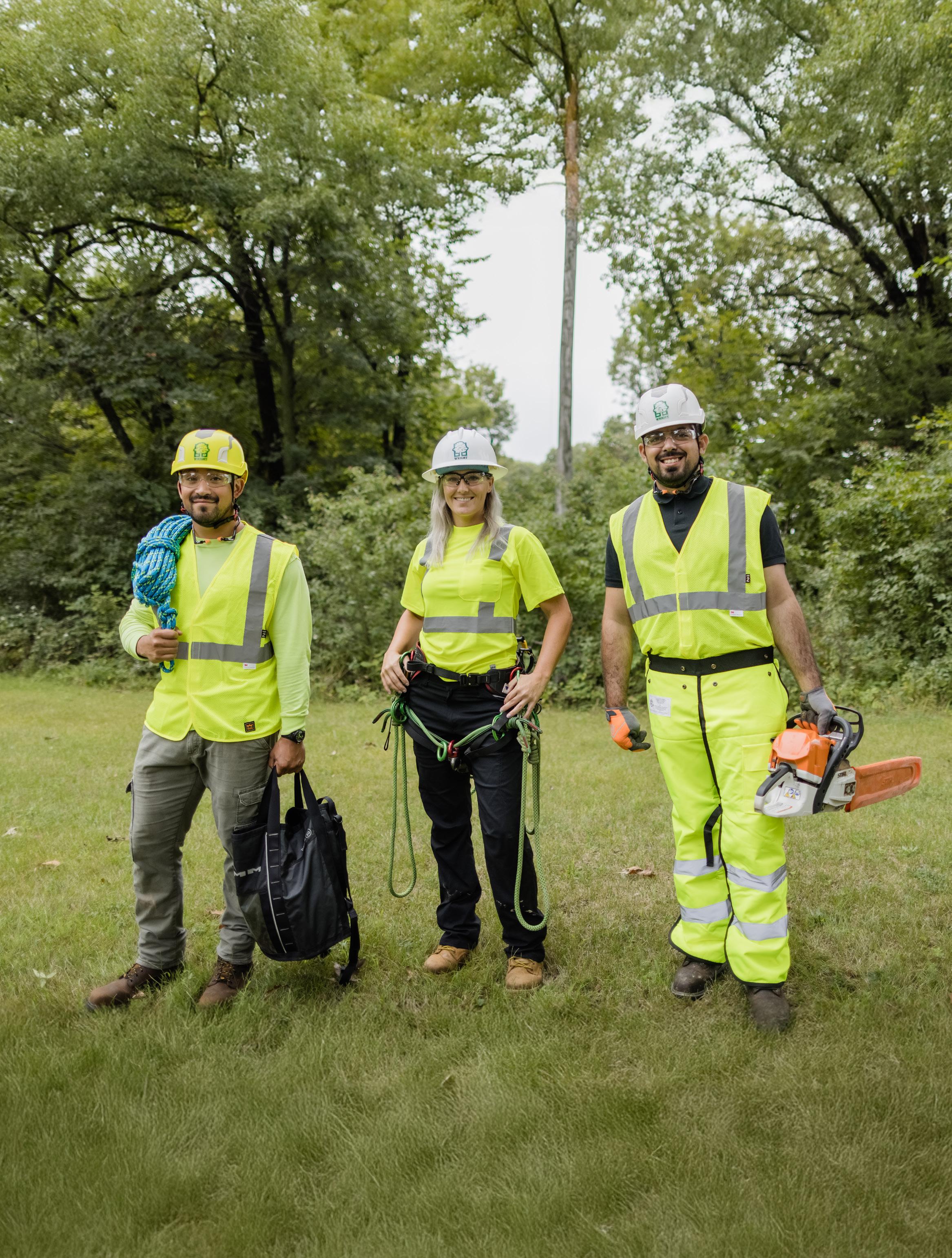

of temperatures climbing well into the 90s. The result is a tree that simply runs out of options.
Heat stress and drought stress frequently occur together. During periods of extreme heat, trees transpire more water in an attempt to cool themselves. When soil moisture cannot keep pace with that demand, leaf scorch, premature defoliation, and canopy thinning accelerate.
Parking lots, downtown streetscapes, and highly developed commercial corridors become some of the harshest growing environments imaginable. It’s remarkable that our urban trees perform as well as they do.
What we’re seeing on the ground
In Cary, we’re beginning to see drought impacts emerge across a variety of species and site conditions.
River birches planted three to four years ago are dropping leaves months ahead of schedule. Maples are exhibiting canopy flagging and scattered dieback. Mature pines are beginning to attract Ips beetles. Aphid populations are increasing on already stressed trees, adding another layer of pressure to hosts with diminished energy reserves.
Interestingly, many of the trees showing symptoms today were likely compromised long before anyone noticed changes in the canopy.
That’s one of the challenges with drought. The visible symptoms lag behind the physiological stress occurring below ground. By the time leaves begin falling prematurely, significant root loss may have already occurred.
Helping clients understand water
One of the most useful conversations we can have with homeowners involves setting realistic expectations about irrigation. Large mature trees can transpire well over 100 gallons of water during a hot summer day. Meanwhile, a single inch of rainfall provides approximately 27,000 gallons of water over an acre.
The objective isn’t to replace rainfall. That’s impossible.
Our job is simply to help the tree bridge the gap until meaningful precipitation returns.
Slow, deep watering remains the gold standard. Soil should ideally become moist to a depth of roughly 12 inches. A soaker hose or slow trickle placed around the root zone for several hours once each week generally produces far better results than frequent shallow irrigation. Whenever practical, watering during the predawn hours minimizes evaporation while allowing moisture to infiltrate before daytime temperatures climb.
Mulch remains equally important. A properly mulched root zone moderates soil temperatures, reduces evaporation, and protects the fine roots working hardest to keep the tree alive. Just remember the familiar reminder we’ve all repeated countless times: mulch should resemble a donut—not a volcano. A thin donut at that. One of the sites I visited recently had what looked to be the correct amount of mulch. I could see the flare at the base of each large tree, but what I didn’t realize, because the whole area was one big mulch bed, was how deep the mulch really was. When I dug around a bit, I realized that even though I could see the flare,
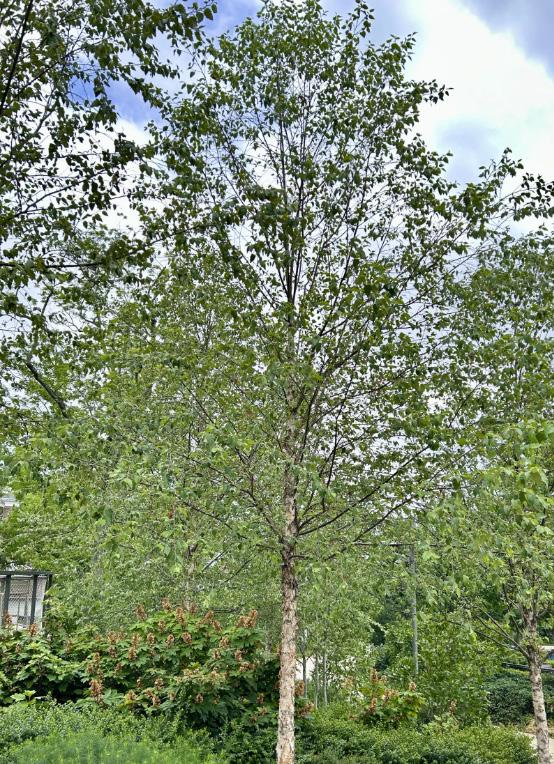
it was only the top of the flare. The mulch was actually 8-10 inches deep, covering the buttress roots and creating incredibly hot soil conditions as the mulch was breaking down. We ended up removing the mulch around the buttress roots and then used a two-inch auger drill bit to break up the mulch, improving air circulation and allowing the heat to release.
The effects will outlast the drought
One concern I have is that we haven’t yet seen the full impact of this event. Even if widespread rainfall returned tomorrow, trees would still require years to rebuild lost fine root systems and replenish depleted carbohydrate reserves.
Reduced annual growth. Epicormic sprouting. Chronic canopy thinning. Increased susceptibility to insects and diseases. Those may become part of our normal workload for several growing seasons.
As arborists, we’ll likely spend more time evaluating trees that appear healthy enough to leaf out next spring but continue declining throughout the summer. We’ll also find ourselves
having more difficult conversations about risk management, expectations, and whether a stressed tree still has enough vigor to recover.
Management strategies may increasingly include root invigoration where site conditions allow, improved mulching practices, careful irrigation planning, and heightened monitoring for bark beetles and other secondary pests.
An opportunity to lead
Every widespread environmental event creates an opportunity for our profession to demonstrate its value. Clients don’t expect us to control the weather. They do expect us to explain what’s happening. Helping homeowners understand why their tree suddenly dropped leaves, why their pine attracted beetles, or why a perfectly healthy-looking maple now has dead branches is one of the most valuable services we provide.
The science matters. Equally important is translating that science into language people can understand. The trees we see struggling today are carrying the cumulative effects of every stress they’ve experienced over the past several years—construction damage, compacted soils, restricted rooting volume, reflected heat, poor planting practices, and now one of the most prolonged droughts our region. Drought simply exposes those weaknesses.
As tree care professionals across the Southeast, we have an opportunity to help communities understand that healthy urban forests are built long before drought arrives. Soil quality, species selection, planting techniques, root protection, and proactive maintenance all determine how well trees weather difficult years.
Rain will eventually return. It always does. The real question is which trees will still be standing when it does.
Those decisions are being made today—in our inspections, our recommendations, our management plans, and our conversations with the people who care for the trees after we leave the site. Years from now, when we look back on this drought, I suspect we won’t remember how many inches of rain we were short. We’ll remember which trees taught us the most about resilience.
ISA Southern Chapter 2026 Tree Climbing Championship Community effort reaches new heights
by Hannah Imagine Shaw, Vice President
The 2026 ISA Southern Chapter Tree Climbing Championship (TCC) is officially in the books, and what an extraordinary event it was.
Held in Nashville, this year’s championship showcased far more than technical climbing skill and competitive excellence. It demonstrated the strength, dedication, and camaraderie of the arboriculture community throughout the Southern Chapter. With less than 90 days to organize the event, an incredible network of volunteers, sponsors, competitors, judges, technicians, and supporters came together to make the championship a resounding success.
Built by Volunteers
At the heart of every successful TCC is a team of committed volunteers, and this year’s event was no exception.
More than 60 volunteers dedicated countless hours from Wednesday through Sunday, working from sunrise to sunset to ensure every aspect of the competition ran smoothly. Their efforts included pruning and preparing competition trees, setting up and operating event stations, scoring, logistics, food and water distribution, equipment management, teardown, and everything in between.
The championship simply could not happen without individuals willing to dedicate their time, expertise, and energy in service to the profession and to one another. Their collective commitment exemplifies the servant leadership that continues to define the Southern Chapter.
Special recognition goes to the Advisory Committee members whose leadership helped bring the event together under an incredibly compressed timeline: Keenan Alex Baird, Joey Douglas, Chad Bryant, Chris Diffley, Brian Pope, Lane Anderson, and Fletcher Harper. Their dedication, knowledge, and commitment to the chapter made this championship possible.
The chapter also extends sincere appreciation to Ashley Kite-Rowland for once again providing and supporting the event site. Her partnership, hospitality, and years of continued support have played a vital role in making Southern Chapter
climbing competitions successful.
Sponsors Step Up
When the decision was made to host the 2026 championship, sponsors and industry partners immediately rallied to support the effort.
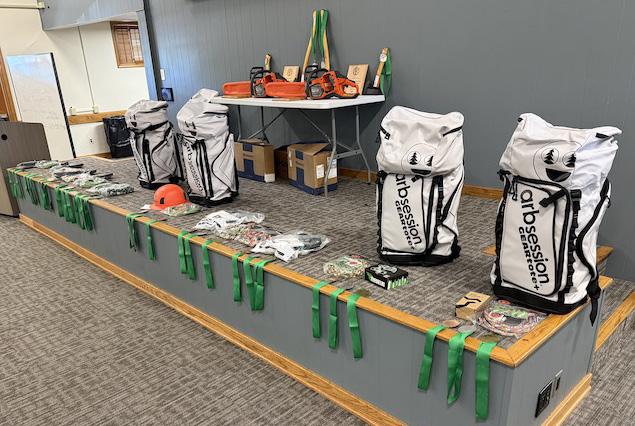
Despite the short planning window, sponsors provided critical funding, equipment, prizes, technical expertise, and volunteer assistance, helping transform a challenging timeline into a successful event.
The ISA Southern Chapter extends heartfelt thanks to our sponsors and partners, including: Xylem, @Height, Yale Cordage, BrightView, Raines Tree Care, Husqvarna, Anderson Arborworks, RBI, Shelter Tree Care Products, and Southern Tree Surgeons.
Along with many others who worked behind the scenes to support the championship and the arboriculture profession.
Celebrating Competition and Community
This year’s competition welcomed 35 climbers from across the Southern Chapter, all demonstrating exceptional professionalism, sportsmanship, and technical ability.
While championships recognize climbing excellence, one of the most meaningful traditions of the Southern Chapter TCC is honoring the people who embody the spirit of the profession.
Scott Winningham Volunteer Spirit Award
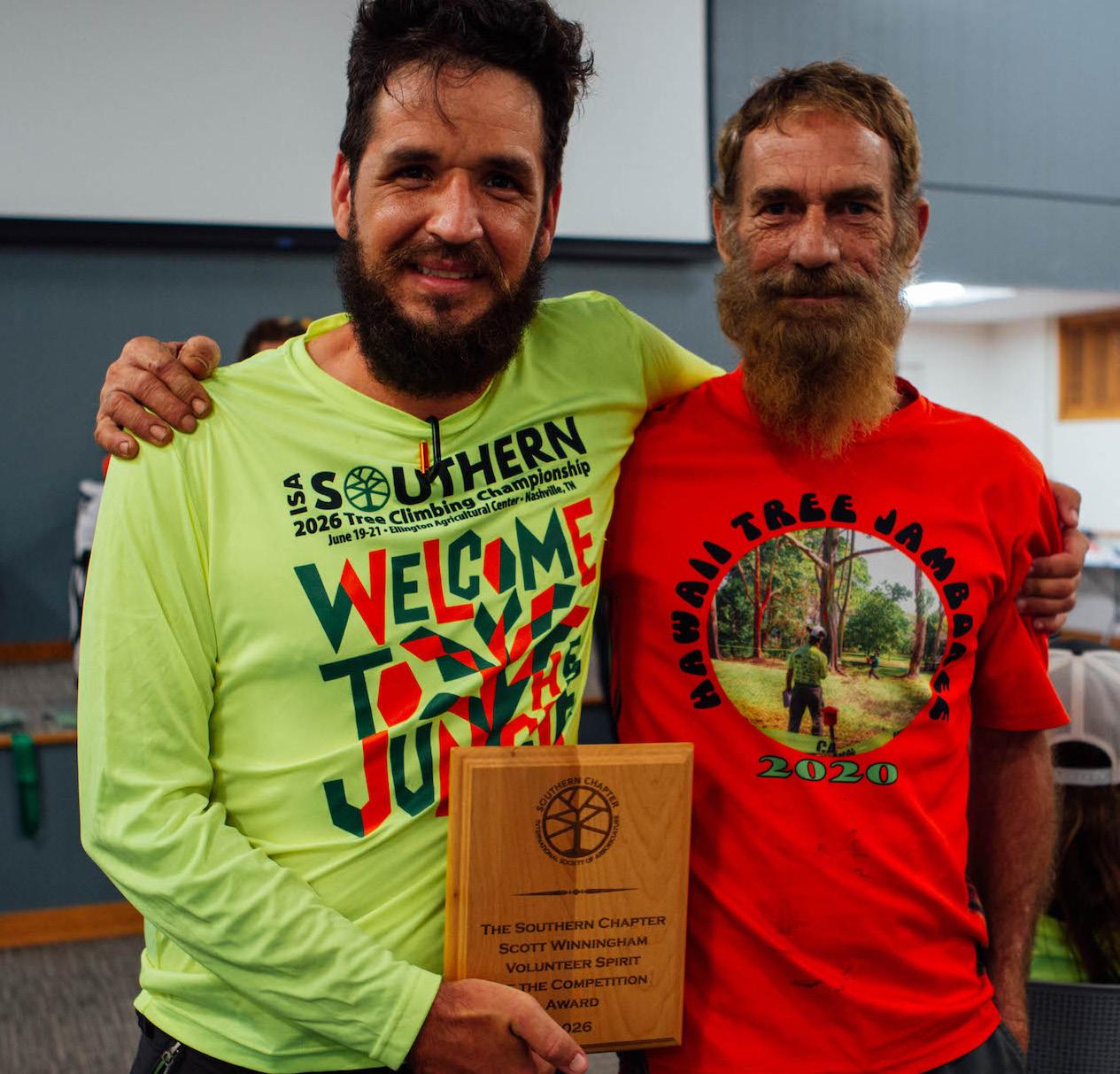
This year also marked the inaugural presentation of the Scott Winningham Volunteer Spirit of the Competition Award, created to recognize volunteers who exemplify selfless service and dedication to the climbing championship community.
More than a dozen volunteers were nominated, but Marty Robinson earned overwhelming support from his peers, including Scott Winningham himself.
In true Marty fashion, he redirected the recognition by requesting that the honor also acknowledge Nathan McMurtry,
his right-hand volunteer throughout the week. The gesture perfectly reflected the humility and servant leadership the award was created to celebrate.
2026 Southern Chapter Champions
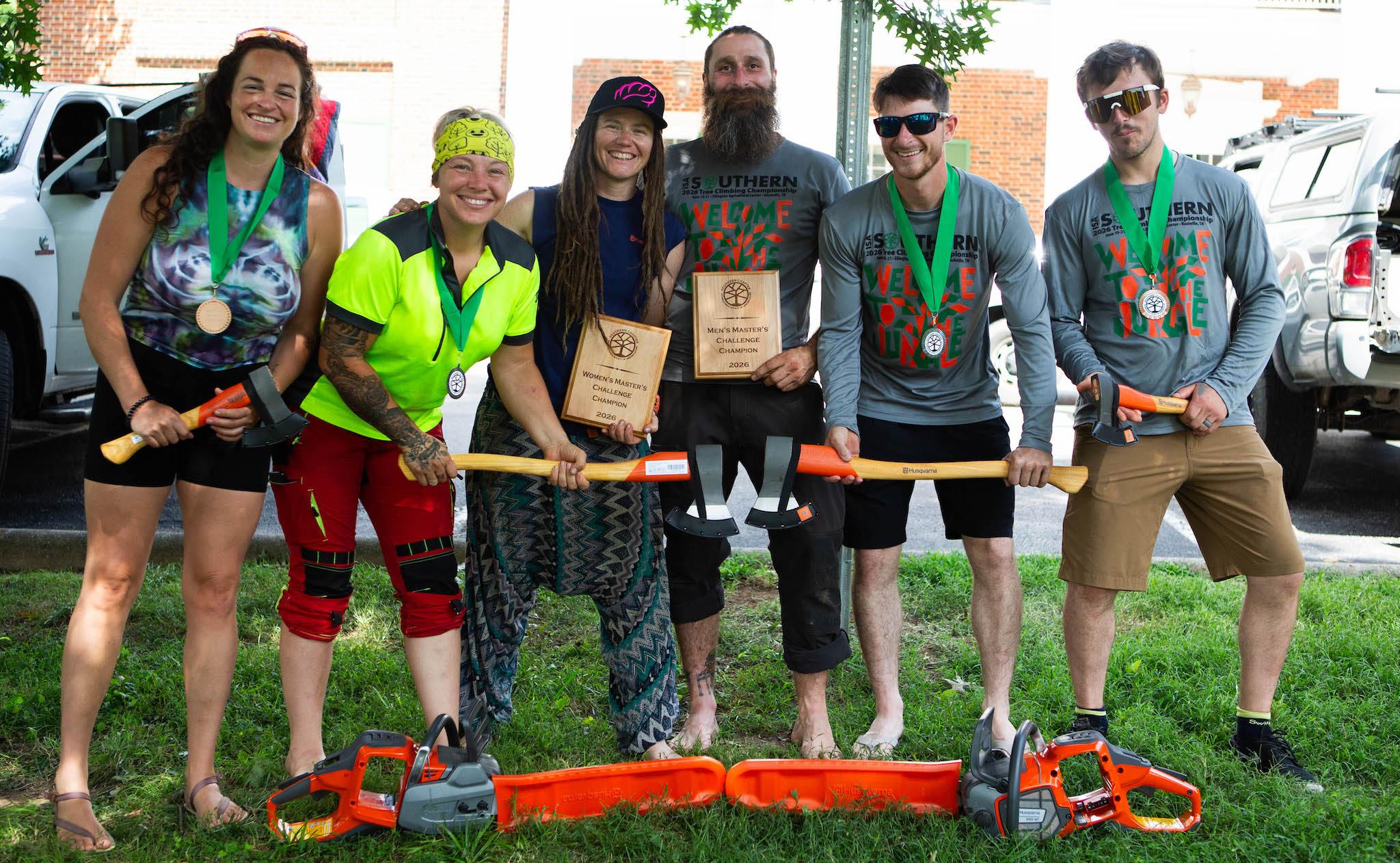
Following an outstanding Masters Challenge, the 2026 ISA Southern Chapter champions were crowned.
Men’s Division
1. Shawn Welch – 264.33
2. Fletcher Harper – 251.00
3. Lane Anderson – 187.66
4. Benjamin Peart – DQ
Women’s Division
1. Nicole “Carni” Benjamin –130.33
2. Becca Haught – 45.67
3. Nikki Cooper – 8.33
Congratulations to all competitors who participated in this year’s championship. Their dedication, professionalism, sportsmanship, and passion for arboriculture were evident throughout the event.
Looking Ahead
The 2026 ISA Southern Chapter TCC was much more than a competition. It was a reminder of what makes the arboriculture community so special: people coming together in service of the profession, supporting one another, sharing knowledge, and celebrating excellence.
To every competitor, volunteer, judge, technician, sponsor, and supporter, thank you. Your contributions made this event possible and demonstrated the very best of the Southern Chapter.
We look forward to climbing together again next year.
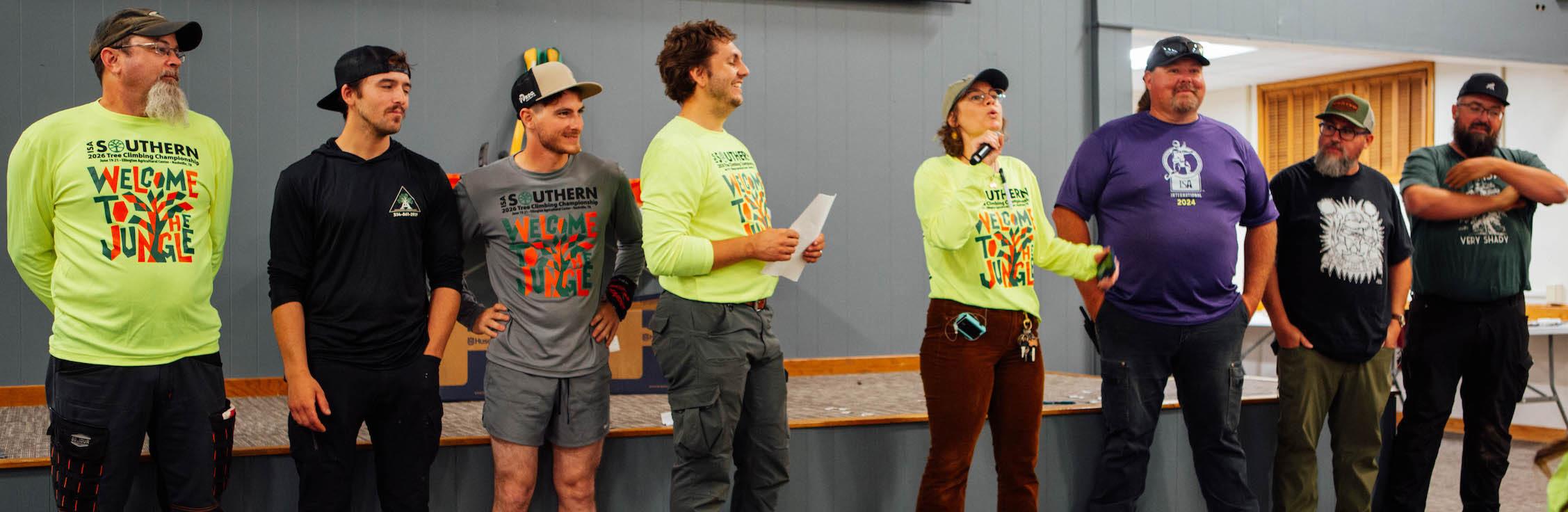
PHOTOS, clockwise from top: Masters Challenge competitors, Volunteer Spirit Award, ISA Southern Chapter TCC Advisory Committee, and prizes from our sponsors.
Climbing Higher Why
by Brian Pope, Arkansas Director
the ISA Tree Climber Specialist™ credential matters
In arboriculture, climbing is more than simply getting into a tree. It is a discipline that demands technical knowledge, sound judgment, efficient work practices, and an unwavering commitment to safety. Every ascent requires countless decisions—from selecting appropriate climbing systems and inspecting equipment to navigating complex canopies and responding to changing conditions.
As our profession continues to advance, so too does the need to recognize those who have demonstrated a high level of competence in these essential skills.
The ISA Tree Climber Specialist™ credential was developed to do just that.
A credential that demonstrates professional excellence
The ISA Tree Climber Specialist™ credential recognizes arborists who have demonstrated advanced knowledge and practical proficiency in modern tree climbing techniques, aerial rescue, work positioning, equipment inspection, and safe climbing practices.
Unlike credentials based solely on written examinations, the Tree Climber Specialist program emphasizes both technical understanding and practical skill. Candidates are expected to demonstrate their abilities while working in realistic scenarios that reflect the demands of professional arboriculture.
The result is a credential that represents not only knowledge, but the ability to apply that knowledge safely and effectively in the field.
Benefits for individual arborists
For climbing arborists, earning the Tree Climber Specialist credential is an opportunity to distinguish themselves within an increasingly competitive profession.
The credential demonstrates a commitment to continuing education and professional development while validating the skills that employers, coworkers, and clients value most.
Preparing for the assessment also encourages climbers to refine their techniques, evaluate their equipment and work habits, and strengthen the decision-making skills that contribute to safe, efficient operations.
Whether an arborist is early in their career or has decades of climbing experience, the preparation process often leads to improved confidence and a renewed focus on best practices.
Strengthening the profession
Every new credential holder contributes to raising the standard of arboriculture.
Professional certifications encourage consistency, reinforce accepted industry practices, and provide meaningful benchmarks for competence. They help
ensure that arborists across our region continue to grow alongside advances in equipment, climbing techniques, safety practices, and industry research.
Southern Chapter has long championed education as one of the most effective ways to strengthen our profession. The Tree Climber Specialist credential is another opportunity for arborists to demonstrate excellence while investing in their own careers.
Preparing for success
To help members prepare, the Southern Chapter is planning to offer Tree Climber Specialist prep classes and practical sessions in the near future. These educational opportunities will provide participants with guidance on the knowledge and practical skills evaluated during the credentialing process. Attendees can expect opportunities to review climbing systems, equipment inspection, work positioning, safety considerations, and other key competencies while receiving valuable feedback from experienced instructors.
Whether your goal is to earn the credential immediately or simply sharpen your climbing skills, participating in a preparation course can be an excellent investment in your professional development.
Check the ISA Southern Chapter website, social media channels, and member communications for announcements regarding upcoming preparation classes, practical sessions, and credentialing opportunities.
Keep climbing
The arboriculture profession continues to evolve, and today’s climbing arborists are expected to possess more knowledge and technical skill than ever before. Credentials like the ISA Tree Climber Specialist™ help recognize that commitment while encouraging continued growth throughout an arborist’s career.
Whether you are an experienced production climber, a municipal arborist, a utility vegetation management professional, or someone looking to take the next step in your career, pursuing this credential is an investment in yourself, your employer, and the future of our profession.
The ISA Southern Chapter looks forward to supporting members on that journey—and celebrating the next generation of Tree Climber Specialists who will continue raising the standard for safe, skilled, and professional climbing throughout the South.
Professional Logger qualification
Tree removal costs keep going up, especially the disposal of debris. Wouldn’t it be nice if you could flip the script, and you could sell tree removals to a local timber processing mill? Many of your fellow arborists and competitors are already doing this and avoiding landfill fees.
Your opportunity to sell tree removals exists once you or your company qualifies as a Professional Logger. This qualification lets you sell and deliver logs and pulpwood to mills certified by the Sustainable Forestry Initiative (SFI). Certified wood processing mills utilize 11 billion cubic feet of wood per year (300 million tons). Access to these mills would be especially valuable following ice, windstorms, and droughts.
by Stephen Dicke, Mississippi Director
in forestry, safety, and business practices. Professional Loggers deliver 94% of the wood utilized by SFI mills.

The Sustainable Forestry Initiative in the US and Canada has grown into the largest single forest certification program in the world. Our own Caitlyn Pollihan, Executive Director of ISA, serves on the SFI Environmental Board. Each state has its own SFI implementation committee that oversees the training and qualification of Professional Loggers. This includes arborists. Qualified professional loggers meet current industry standards
A Professional Logger qualification may benefit you. To evaluate your opportunities to sell tree removals, use the Primary Forest Products Network provided by the Southern Group of State Foresters. This tool will assist you with locating nearby mills and determining the kinds of wood products they produce. Mills will want your tree removals if you can (1) deliver the kinds of wood products they want, (2) in the form they require, like 16-foot-long logs, and (3) you qualify as a professional logging manager. That is how you flip the script. Mississippi’s Professional Logging Manager Program requires completion of a core course and continuing education hours. Mississippi offers additional benefits to PLMs. The MS Department of Transportation offers a Harvesting Permit , which increases the vehicle’s gross weight limit to 88,000 pounds. The MS Department of Revenue offers a Professional Loggers Permit , which reduces the sales tax on logging equipment, including parts and labor, from 7% to 1.5%. Equipment used by arborists can qualify. Your state may offer similar benefits to Professional Loggers.
& Easy Tree Control

Let me start by saying I am and always have been a utility arborist, so although ticks affect all arborists, this article is written through my personal lens. Early this year, I pulled more than 100 ticks from my clothes and body after walking through a utility right-of-way in western Massachusetts.
Thankfully, I suffered no adverse effects from any of the ticks, but it did get me thinking. I have hundreds of teammates out in the rights-of-way every day. Have I given them all the information and protection they need to stay safe? Are they using the information? Are they using the bug spray they’ve been given? Do they know what to do if they find a tick embedded? Have we created a culture where they can report tick exposures? Although we do have annual standdowns, is talking specifically about ticks enough?
After I couldn’t say with 100% confidence that my entire team would say yes, I had to do some research. I used in-house training documents, searched several websites, and asked my doctor a few questions. Please keep in mind that I am not an expert in ticks, and the following may not be an exhaustive list of proven ways to reduce our exposure to tick-borne diseases, but I think that if we start with the following, we are putting ourselves in a good spot.
Ticks on the right-of-way
Managing tick-borne disease risk in vegetation management
by Paul Mitchell, South Carolina Director
For vegetation management crews working in powerline rights-of-way (ROWs), exposure to ticks is not a new hazard. What I have noticed in 2026 that is different from previous years is that crews are encountering ticks earlier in the year and across more project areas. We also have better reporting of tick exposures.
For supervisors, safety managers, and utility arborists across the Southern Chapter footprint, the challenge is not eliminating exposure (an unrealistic goal in ROW work) but managing it effectively through awareness, prevention, proper treatment, and early response.
Why power line ROWs are high-risk environments
Tick exposure on ROWs is predictable—not incidental. The corridors combine nearly every environmental condition ticks prefer: tall grass, brush, wooded edges, leaf litter, and steady wildlife traffic. Working in ROWs increases exposure through repeated contact with low vegetation, kneeling, bending, and extended travel through sometimes unmanaged growth.
Company training and awareness materials consistently identify these environments as prime tick habitat and note that ticks often attach without being noticed, only to be discovered later during clothing changes or post-shift checks.
Awareness vs. actual risk
Many organizations have seen an increase in reported tick bites in recent seasons. This does not necessarily indicate worsening field conditions. It may reflect improved awareness, more consistent tick checks, and a workforce that feels comfortable reporting bites without stigma.
From a safety perspective, this is a positive trend. Internal guidance emphasizes that early identification and reporting of tick bites improve follow-up and reduce the likelihood of serious illness.
Tick-borne diseases relevant to ROW crews
I think it’s common, particularly with new employees, to wonder: “What can ticks actually do to me?” There are several symptoms to watch for. These illnesses often share overlapping, flu-like symptoms and may not appear immediately after a bite, making awareness critical for mobile crews. Early recognition and medical care are critical if symptoms occur after a tick bite.
Lyme Disease
Lyme disease is one of the most widely recognized tick-borne illnesses affecting outdoor workers. Common signs and symptoms may include: fever or chills, fatigue, headache, muscle and joint aches, and rash near the bite site
Anaplasmosis
Anaplasmosis is another tick-borne disease identified in safety awareness materials for outdoor workers. Possible signs and symptoms include: fever, headache, muscle aches, and general feelings of illness.
Rocky Mountain Spotted Fever (RMSF)
Rocky Mountain spotted fever is identified as a potentially serious tickborne disease that requires prompt medical attention. Common signs and symptoms may include: fever, headache, muscle pain, and rash.
Why symptom awareness matters in vegetation management
For ROW crews, symptoms may develop after workers have moved on to different circuits or job sites. This makes it harder to connect illness to a specific exposure unless tick bites are reported and documented. Internal guidance consistently advises employees to:
n Monitor their health for several weeks after a tick bite
n Seek medical care if illness develops
n Report tick bites so exposure can be documented
Early removal of ticks significantly lowers the risk of illness, reinforcing the importance of daily tick checks and prompt response.
Prevention That Fits ROW Work
Effective tick prevention does not require new programs or added complexity. The practical steps easily integrate into daily VM operations:
n Recognize high-risk areas such as tall grass, brush, and wooded edges
n Wear appropriate clothing to reduce skin exposure
n Use approved repellents when conditions warrant
n Perform thorough tick checks after leaving the ROW
These measures can be reinforced through tailgate talks, seasonal refreshers, and supervisor modeling without impacting productivity .
Proper Tick Removal in the Field
When a tick is found attached, proper removal is critical:
n Grasp the tick as close to the skin as possible using tweezers or fingers
n Pull outward slowly and steadily
n Clean the area with soap and water after removal
Removing a tick as soon as possible lowers the risk of getting sick. Symptoms should be monitored for several weeks following a bite.
A Supervisor’s Role on ROW Crews
Supervisors set the tone for how tick exposure is handled. Best practices include:
n Encouraging prompt reporting of tick bites
n Responding calmly and consistently
n Reinforcing prevention without minimizing concerns
Ticks are a routine occupational hazard in vegetation management. Treating them as such—rather than as an emergency or a nuisance— supports both safety and trust.
Conclusion: Managing a Predictable Risk
In 2026, ticks remain a reality of ROW vegetation management work. The organizations best positioned to manage this risk are those that emphasize awareness, reinforce prevention, and support early reporting without alarm.
When crews understand where ticks are found, how to prevent bites, and what symptoms to watch for, tickborne diseases can be managed as the preventable occupational health issue they are—allowing crews to stay focused on safe, productive work.
Member Spotlight
by Thomas Pope, At-Large Director
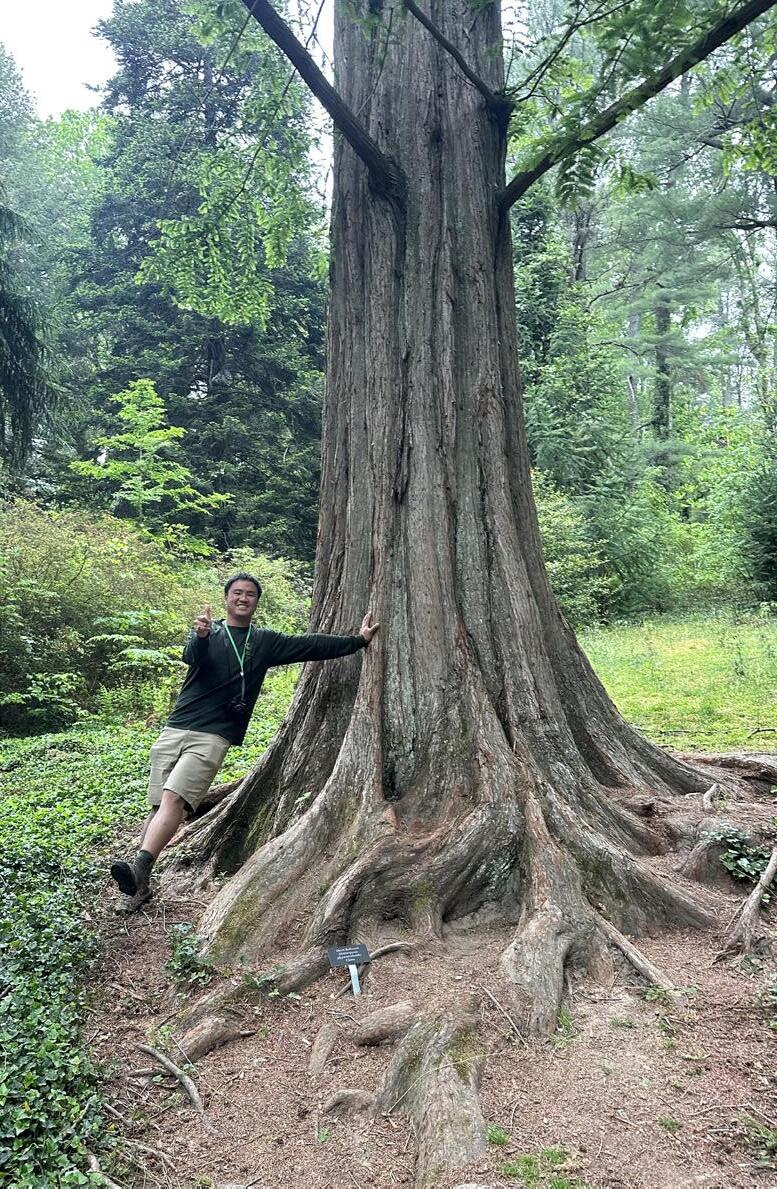
Originally from the subtropical coastal city of Xiamen, in the Fujian province in southeastern China, Kunyu “George” Zhang has been in the United States for about 13 years, originally arriving with the intention of going to law school. But then finding himself drawn instead to the undeniable allure of the green industry, he completed a degree in botany at UCLA before pursuing a variety of work in irrigation, landscaping, and arboriculture. He eventually become an ISA Certified Arborist almost by happenstance, although George now has embraced the craft and the community about as fully as anyone could.
While currently based in the Las Vegas area, and never having lived anywhere within or near the ISA Southern Chapter’s region (at least not thus far…), George has been a Chapter member, and regularly and actively engaged in the Chapter for 3 or 4 years. He finds Southern Chapter’s dues affordable, our event calendar friendlier than some other chapters’, and our educational offerings and presentations strong.
Eagerly volunteering for all manner of industry events and roles, George leads by example and looks for ways to give back, whether pitching-in at climbing comps, proctoring TRAQ exams, or wherever else he can contribute.
An accomplished botanist turned semi-accidental arborist, who, half a world and a dozenodd years from home, George has concluded that a chapter he’s never resided within 1000 miles of is nonetheless, unmistakably, his.
We’re delighted and honored to have you as part of our community, George.
Component Council update
The ISA Board members that are assigned to the Component Council and the Component Council Representatives have been busy under the current ISA Board meeting virtually monthly. There are certainly challenges associated with communicating globally with managing technology, language, and time zone differences but there is much to be gained from this effort. The current Component Council was revised by the ISA Board to improve communication between the Board and the Components to better serve everyone’s needs. Key discussion themes from our June meeting were:
Clarifying meeting goals and outcomes.
Connection and communication among components.
Student and early career engagement.
Membership engagement and growth.
Education and member services.
Regional needs and access to resources.
Stratigic planning and shared support.
There will be several opportunities for the continuation of this process through the last virtual meeting for the current Board and the Component Council Representatives on July 15, a 4 hour in-person meeting in Detroit at the Internation Conference, and Leadership Conference also in Detroit. I hope to see you there.
ISA produced this document following our last meeting, the Southern Chapter contact name has been added. I hope this is helpful to clarify the communication flow.
by David Vandergriff, Component Council Rep



OFFICIAL COMPONENT TOUCHPOINTS/ROLES WITH ISA
Component Board President Official notices, invitations, MOU’s
Component Council Member
ISA Board Council directed by ISA bylaws. Meet regularly with ISA Board on strategic topics, have a TEAMS channel for networking and posting of information.
Component Executive
Official notices, direct connection to ISA staff, meet with ISA staff every other month, financial representative, have TEAMS channel with access to agreements, ads, ISA information. Component Executive is a conduit for ISA information to their Component Board of Directors and their members.
Certification Partner/Certification Liaisons
All credentialing information from ISA flows thru these representatives (selected by the Component), meet with ISA Credentialing staff four times a year (and as requested/needed), have TEAMS channel with access to agreements, announcements, etc. Expectation from ISA is that the information flows thru the Certification Liaisons to the Proctors and Evaluators, and to the Component Board and members as needed.
Component Board President: Brian Watkins
Primary Role Official representative for formal communication
Main Communication Flow
ISA → Component President
Purpose Official notices, invitations, and MOUs
Component Council Member: David Vandergriff
Primary Role Strategic liaison with ISA Board
Main Communication Flow ISA Board ↔ Component Council
Purpose Official notices, invitations, and MOUs
Component Executive: Dominique Werboff
Primary
Certification Partner/ Liaison: Sarah Mitchell









Upcoming Events & CEU Opportunities
in the Southern Chapter Region
Check out all the new CEU opportunities listed in the next few pages of this publication. This list is kept current on the Southern Chapter website as well. Save the site to your “favorites” as an easy access portal for events and registration information. If you know of opportunities we haven’t listed, please share! Email isasouthern@isasouthern.org and we’ll get it posted.
We have worked hard to partner with organizations to be sure you get a wide range of opportunities to stay sharp. This list contains upcoming events that we are aware of. All the courses and conferences listed provide opportunities to earn ISA CEUs that help you maintain your ISA certifications. ISA is also offering no-cost quizzes for articles to give you more opportunities to earn CEUs.
Webinar Developers and Hosts
TREE Fund
Urban Forestry Today
Forestry Webinars
Urban Forest Connections USDA Forest Service
Utility Arborist Association
North Carolina Urban Forest Council
Arborjet Webinars
Professional Arborists Association of MS (PAAM)
Alabama Extension
Rainbow Treecare Scientific Advancements Webinars

Educational Events Most events are approved for ISA CEUs. Check each registration site for details.
July 23, 2026
Green Industry Professional Field Day Monroe, NC
Join the Carolina Green Industry Network, North Carolina Urban Forest Council, and North Carolina State Cooperative Extension for an educational field day at the Union County Cooperative Extension Center. Tracks for turf, landscape, tree care, and a fully Spanish track are available. More information HERE
July 25, 2026
Pesticide Equipment and Calibration Class Madison, AL
Stoney Gray is offering a half-day pesticide class that includes types of liquid application equipment and their effect on calibration, application methods, calibration mat, and outdoor training. Email for more information HERE
July 28-30, 2026
Certified Arborist Prep Course - hosted by MAC-ISA Abingdon, VA
Whether you’re preparing for the ISA Certified Arborist exam or looking to strengthen your arboriculture knowledge, this course is designed to help you succeed. Register to reserve your spot.
July 29, 2026
Carolina Canopy: Tree Pests
Raleigh, NC
Join the NC Urban Forest Council for a one-day event. Tree pest topics include Forest Health, Elm Zigzag Sawfly, Hemlock Woolly Adelgid, Emerald Ash Borer, and Spotted Lanternfly. More information HERE.
July 29-31, 2026
Prescription Pruning Qualification (PPQ) Chattanooga, TN
Join the Tennessee Urban Forestry Council for a two-day event. Day three is an exam. PPQ, developed by the Florida Chapter ISA, is a practical training program focused on planning, specifying, and implementing objective-based pruning. More information HERE
July 31, 2026
ISA Certified Arborist Exam Prep & Tree Care Workshop Fayetteville, Arkansas
Join the Arkansas Urban Forestry Council for an arborist exam prep course. Workshop topics include Safe Work Practices, Tree Biology, Tree ID, Soil Science and Management, Pruning, Diagnosis and Plant Disorders, and Tree Risk Assessment. More information HERE
July 31, 2026
ISA CERTIFIED ARBORIST, UTILITY SPECIALIST, MUNICIPAL SPECIALIST EXAM
Washington County Extension Office 2536 W McConnell Avenue Fayetteville, AR 72701
ISA Certified Arborist, Utility Arborist, and Municipal Specialist written exams are scheduled for Friday, July 31, 2026. Applicants for each exam must register by July 9, 2026, at the ISA website. If you’re new to ISA, you’ll need to create an ISA profile at creating or logging in to your ISA account.
Registering for an exam includes 2 steps First, you must complete an application for your selected credential. On your ISA profile, find the link “Apply for an ISA Certification” Complete the application
for your selected credential. Second, once the application is submitted and approved by ISA, then you can register for an exam. Be sure to submit your application well in advance of registering for an exam as it can take several weeks to get a submitted application approved.
August 4-6, 2026
TRAQ 3-DAY COURSE REGISTRATION IS CLOSED - CLASS IS FULL City of Charlotte - General Services Local host - City of Charlotte 701 Tuckaseegee Road Charlotte NC 28208 ISA has launched TRAQ 3.0!
August 22, 2026
Canopy Class: Pruning - Limbwalking - Delegation Morganton, NC
Ethical arboriculture, body mechanics of limbwalking, and learn the “Divide and Conquer” strategy. More information HERE
August 22, 2026
Canopy Class: Business Management - Gear TalkMaking Decisions Under Stress Morganton, NC
Are you ready for the next level? Whether you’re starting your own outfit or leading a crew, this class gives you the tools to succeed when the pressure is on. More information HERE
September 23, 2026
Invasive Grasses of the Southeast: Ecology and Management WEBINAR
This webinar will be presented by Christopher Evans – Forestry Extension and Research Specialist from the University of Illinois Urbana-Champaign. Discover the biology, impact, and management of some commonly found invasive grass species, including cogongrass, Johnsongrass, Japanese stiltgrass, and miscanthus. More information HERE
October 5-7, 2026
TRAQ 3-DAY COURSE
Local co-hosts - City of Durham and NC Cooperative Extension NC Cooperative Extension - Durham County 721 Foster Street Durham, NC 27701 ISA has launched TRAQ 3.0! This new version of TRAQ will require that you verify your eligibility before you register for a TRAQ course. Please read the “ISA TRAQ Application Guide” to be very clear about the full course prerequisites and details about the credential and the courses. Then, be prepared to follow the steps below….
IMPORTANT STEPS 1) If you hold a current ISA credential (Certified Arborist, etc) you can register directly for this class by using the registration link below. 2) If you are not certain about your eligibility to take a TRAQ courses, you need to compete an application with ISA to be sure you are eligible for the course.
From the ground up, we have you covered.
Utility companies keep their customers connected. Davey keeps them running at peak performance.
With solutions that maximize budgets, ensure compliance and improve reliability, we help utilities operate efficiently while enhancing customer satisfaction. Backed by over a century of vegetation management expertise, we bring hands-on solutions, deep industry knowledge and forward-thinking strategies to every challenge. Consider us an extension of your team—ready to clear the way, protect infrastructure and power the future of your company and the communities you serve.
Explore our solutions through our video series.

Download this guide to get approval to register for this class if you are not an ISA credential holder. Again, if you do not hold an ISA credential, you need to apply with ISA first, then come back to Southern Chapter to register for the class. Be sure that you submit your application to ISA well in advance of the class. 3) Once your application from ISA is approved, you can then register for the class with the link below.
Be sure you are prepared to register at least 30 days prior to the class. Registration will close when class capacity is reached. Register early!! Additional information can be found on the ISA Southern Chapter website at https://www.isasouthern.org/traqevents
REGISTER for Oct 5-7 Durham NC TRAQ Course HERE
October 8, 2026
SC Green Industry Association Fall Field Day
Columbia, SC
Join the SC Green Industry Association for its 23rd Annual Fall Field Day. Featuring educational presentations, hands-on courses, equipment demonstrations, and networking with exhibitors. More information HERE
October 8-9, 2026
17th Annual Great NC Tree Conference
Hickory, NC
Join the NC Urban Forest Council for a two-day conference. This will be an amazing opportunity to learn from experts in tree care and management, network with 200+ members of the NC tree community, and meet with exhibitors and vendors. More information HERE.
October 14, 2026, 1pm EST
WEBINAR: Herbicide Symptomology in Forest Settings
Join Clemson University and Dr. Brady Self, Extension Professor and Extension Forestry Coordinator from Mississippi State University, for a one-hour webinar that will discuss herbicide damage in forest settings, including its impacts and ways to prevent it. More information HERE.
October 15-16, 2026
2026 Alabama Urban Forestry Association Annual Conference Orange Beach, AL
Join AUFA for a two-day conference. Topics include IVM, tree risk, ANSI Z133 updates, OSHA, ethics, consultancy, mature tree care, natives and pollinators, chainsaw protection, and client requests. More information HERE
October 26-28, 2026
TRAQ 3-DAY COURSE
Gulf Coast Research and Extension Center Local co-host - Alabam Cooperative Extension 8300 Hwy 104 Fairhope, AL 36532 ISA has launched TRAQ 3.0! This new version of TRAQ will require that you verify your eligibility before you register for a TRAQ course. Please read the “ISA TRAQ Application Guide” to be very clear about the full course prerequisites and details about the credential and the courses. Then, be prepared to follow the steps below….
IMPORTANT STEPS 1) If you hold a current ISA credential (Certified Arborist, etc) you can register directly for this class by using the registration link below. 2) If you are not certain about your eligibility to take a TRAQ courses, you need to compete an application with ISA to be sure you are eligible for the course. Download this guide to get approval to register for this class if you are not an ISA credential holder. Again, if you do not hold an ISA credential, you need to apply with ISA first, then come back to
Southern Chapter to register for the class. Be sure that you submit your application to ISA well in advance of the class. 3) Once your application from ISA is approved, you can then register for the class with the link below.
Be sure you are prepared to register at least 30 days prior to the class. Registration will close when class capacity is reached. Register early!! Additional information can be found on the ISA Southern Chapter website at https://www.isasouthern.org/traqevents
REGISTER for Oct 26-28 Fairhope AL TRAQ Course HERE
November 4, 2026, 1pm EST
WEBINAR: Phytophthora Diseases on Trees and Shrubs in Urban and Forest Environments
Join Dr. Steve Jeffers, Professor and Extension Specialist from Clemson University, for a one-hour webinar that will cover Phytophthora biology, its impacts, and potential management strategies. More information HERE
November 9-11, 2026 TRAQ 3-DAY COURSE Greenway
Farm Conference Center Local co-host - City of Chattanooga
4960 Gann Store Road Hixson, TN 37343 (Chattanooga) ISA has launched TRAQ 3.0! This new version of TRAQ will require that you verify your eligibility before you register for a TRAQ course. Please read the “ISA TRAQ Application Guide” to be very clear about the full course prerequisites and details about the credential and the courses. Then, be prepared to follow the steps below….
IMPORTANT STEPS 1) If you hold a current ISA credential (Certified Arborist, etc) you can register directly for this class by using the registration link below. 2) If you are not certain about your eligibility to take a TRAQ courses, you need to compete an application with ISA to be sure you are eligible for the course. Download this guide to get approval to register for this class if you are not an ISA credential holder. Again, if you do not hold an ISA credential, you need to apply with ISA first, then come back to Southern Chapter to register for the class. Be sure that you submit your application to ISA well in advance of the class. 3) Once your application from ISA is approved, you can then register for the class with the link below.
Be sure you are prepared to register at least 30 days prior to the class. Registration will close when class capacity is reached. Register early!! Additional information can be found on the ISA Southern Chapter website at https://www.isasouthern.org/traq-events
REGISTER for Nov 9-11 Chattanooga TRAQ Course HERE

February 22-24, 2027
ISA Southern Chapter 84th Annual Conference and Trade Show
Winston-Salem, NC
MONDAY: Workshops, Trade Show, President’s Reception
TUESDAY: Educational Sessions & Trade Show
WEDNESDAY: Educational Sessions & Trade Show
Keep up with all the details HERE.
Aerial imagery in arboriculture
by Zack French, The Wood Farm at Post Oaks
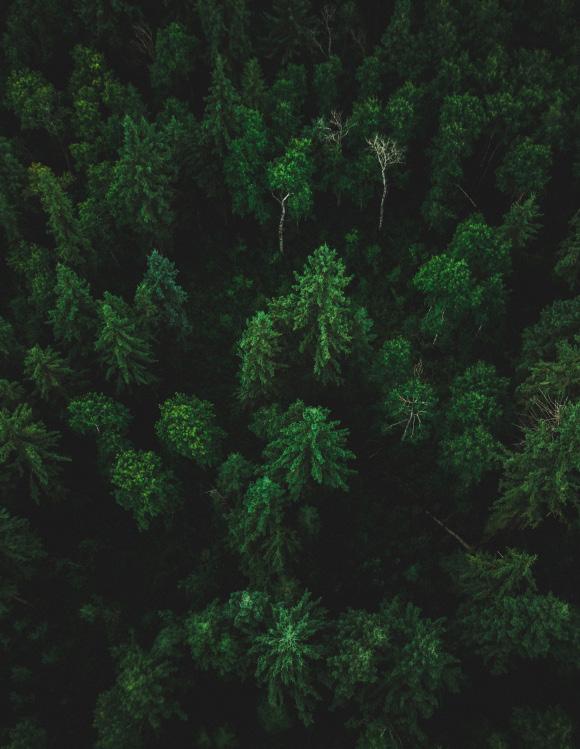
In recent decades, arborists have begun to expand their approach to managing trees. We are incorporating tools from other disciplines to better view the trees under our care as a community with many ecological niches, as well as to effectively manage the tree/human interface. Unsurprisingly, one of the best methods to manage communities of trees is the ability to observe them as a community. Luckily, aerial imagery is a readily accessible and broadly available technology.
Some of the first aerial photography was taken using kites, hot-air balloons, rockets, and even pigeons, but it came into its own during the great wars of the 20th century. It was during this time that it began to be used extensively for mapping.
Mid-century advancements in technology greatly expanded access to imaging techniques due to the development of satellites and global positioning systems. In recent decades, aerial imaging has become increasingly accessible as personal and commercial drone technology has gone mainstream.
Using aerial photography to manage stands of trees is not a novel concept; the forestry service has been using it to manage forests for decades. Early efforts focused on forest classification and topographic mapping, and innovations in technologies have expanded into species identification, disease and pest tracking, vegetation management, and more.
Free platforms like Google Earth are useful resources for gathering historical photography of a group of trees. That platform routinely has 20+ years of historical imagery available for many areas in the U.S. Current imagery can be gathered from private satellite companies or by operating unmanned aerial vehicles. This combination of technologies is an efficient means of answering questions, such as determining where missing trees might have been, finding access to a site, tracking the shadow cover over time, and more.
Of course, the technology continues to advance at a rapid pace. Multispectral imaging can be (and has been) used to evaluate the relative health of stands of trees when observing on the ground proves economically or logistically unreasonable. Thermal imagery is very effective in identifying heat islands for management in urban settings, as well as tracking the health of trees and wildlife for forest ecology. Light detection and ranging (Lidar) technology is currently being used for vegetation management by utilities, and as technology improves and becomes more accessible, its ability to create accurate 3D models will vastly increase the efficiency of measuring trees and identifying risks.
It will be interesting to see how technology improves in the coming decades. Artificial intelligence is already integrated into many of the platforms that support aerial imagery. AI is already being utilized to provide stand counts, measure diameters, and is incorporating species identification. With enough data to train it, it is feasible that AI modeling will eventually be able to assist broad risk assessments, including identifying defects in trees that would traditionally need to be observed by trained personnel.
While these tools are exciting, some are very costly and have limited access currently. The information they provide, however, can be the key to providing the best care possible to the trees and forests we wish to preserve.
A Tree-Care Perspective on Biodiversity and Site Diversity
Alabama: the nation's hidden treasure
When people think about biodiversity hotspots, Alabama is probably not the first place that comes to mind. But beneath the stereotypes, football rivalries, and humidity is one of the richest natural landscapes in the United States.
Our state is one of the most biologically diverse places in North America and consistently ranks among the most species-rich states east of the Mississippi River. More than 6,350 species have been documented in Alabama, supported by an extraordinary range of habitats that includes Appalachian mountains, river valleys, longleaf pine forests, hardwood uplands, and coastal marshes.
Water plays an especially important role in that diversity. Alabama is home to more than 132,000 miles of rivers and streams, along with major watersheds, floodplains, wetlands, and estuaries. The Mobile-Tensaw Delta is part of one of the richest freshwater ecosystems in the world.
Although Alabama’s freshwater diversity often receives much of the attention, trees form the foundation of many of the state’s terrestrial ecosystems. From longleaf pine savannas in the Coastal Plain to mixed hardwood forests in the Appalachian foothills, Alabama’s forests provide habitat for an extraordinary range of birds, mammals, reptiles, amphibians, insects, and other organisms.
That diversity offers an important lesson for managed landscapes: diversity contributes to resilience. A landscape dependent on only a few species is more vulnerable when a serious pest, disease, storm, or environmental stress occurs. A broader mixture of appropriate species spreads that risk. But diversity alone is not enough.
For those of us in arboriculture, urban forestry, and tree care, Alabama’s biodiversity is more than an interesting fact. It should influence how we approach trees and the places where they grow. After all, the same differences in soil, water, climate, topography, and geology that create Alabama’s biological diversity also create very different growing conditions for trees.
A tree growing along a seasonally flooded bottomland faces very different challenges from one growing on a dry sandstone ridge. A tree in Huntsville may experience entirely different stresses from the same species growing in Mobile. In urban areas, soil compaction, limited rooting volume, reflected heat, construction damage, and utility conflicts add another layer of complexity. For tree-care professionals, the lesson behind Alabama’s biodiversity is simple: tree care cannot be one-sizefits-all! Tree species matters, but so do drainage, soil type, rooting space, topography, disturbance, and land-use history. A good arborist does not simply identify a tree and respond to a problem.
by Brian Brown, Alabama Director
A good arborist works to understand the relationship between the tree and its site. Our managed landscapes should follow the same principle. Diversity is valuable, but the right tree still has to be planted in the right place.
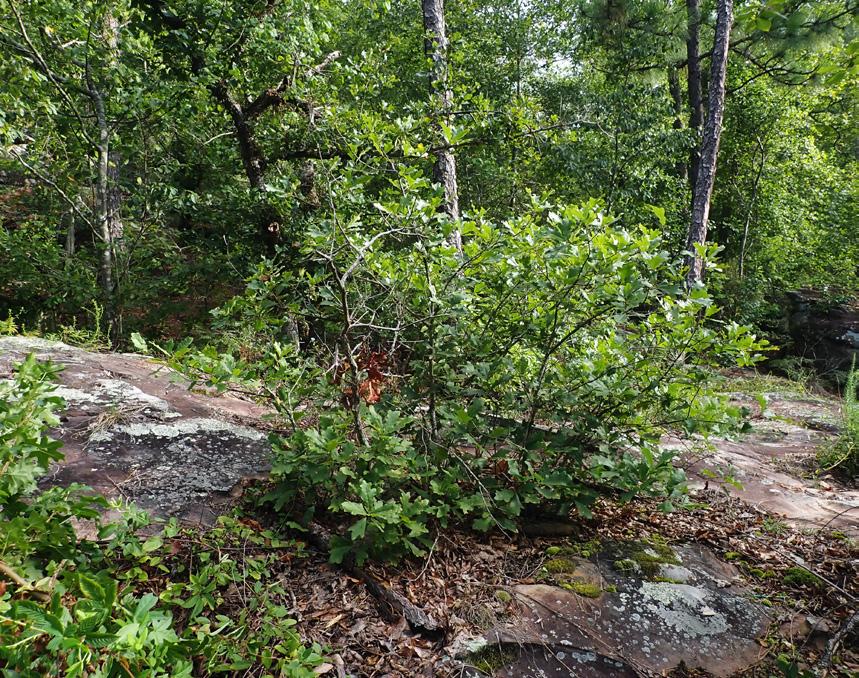
Few groups of trees demonstrate the connection between biodiversity and site diversity better than oaks. Alabama is home to 39 native oak species, placing it among the richest oak regions in North America. That diversity reflects the state itself. Some oaks are adapted to bottomlands and wet flats, while others thrive on dry ridges, sandstone outcrops, prairies, or coastal environments. Familiar species include white oak, swamp chestnut oak, post oak, southern red oak, water oak, and the mighty live oak of the Coastal Plain and Gulf Coast. Alabama is also home to the rare Alabama sandstone oak (Quercus boyntonii) found only in Alabama (I will cover the work being done at Auburn University on the Alabama sandstone oak in a future article). Oaks are also among the most ecologically important trees in our landscapes. Their leaves support insects, particularly caterpillars, which provide food for many birds. Their acorns feed deer, turkeys, squirrels, waterfowl, and other wildlife. A mature oak is not just a tree. It is habitat, food production, shade, stormwater interception, and soil protection. It is part of a living system that may have taken many decades to develop.
Alabama’s biodiversity challenges us to think beyond individual trees. Tree care is often reactive: a limb breaks, a tree declines, roots heave pavement, or a storm causes damage. But arborists also have an important proactive role. We can recommend species based on actual site conditions rather than familiarity alone. We can promote mixed-species landscapes, protect mature trees during construction, identify invasive plants, and help clients understand the oftenoverlooked connections among tree health, soil, water, and habitat.
Alabama may be easy to underestimate, but biologically it is a hidden treasure of the nation. Its mountains, rivers, prairies, forests, wetlands, caves, lakes, and coastlines support an extraordinary range of life. Trees are central to that story, and oaks are one of the clearest examples of how species, soil, water, wildlife, people, and place are connected.
For ISA Southern Chapter members and other tree-care professionals, Alabama’s biodiversity is more than something to admire. It should influence how we identify trees, evaluate sites, recommend species, preserve mature specimens, and plan for the future. When we care for Alabama’s trees well, we are doing more than maintaining landscapes. We are helping steward one of the greatest natural treasures in the nation.



South Carolina update: EAB and ALB
by Dena Whitesides, President-Elect
The spread of invasive insects over the past decade has transformed arboricultural practices throughout South Carolina. Since Emerald Ash Borer (EAB) was first confirmed in the Upstate in 2017 and Asian Longhorned Beetle (ALB) was discovered near Charleston in 2020, these invasive insects have reshaped management priorities across both urban and rural forests.
Today, EAB is no longer an emerging threat—it is established throughout South Carolina. Meanwhile, ALB remains one of the nation’s highest-priority eradication efforts, with South Carolina continuing to be the only state in the southeastern United States with an active infestation.
For practicing arborists, understanding where these pests stand today is critical for risk management, client education, species selection, and protecting South Carolina’s urban forest.
From new detection to statewide reality
As of 2026, the Emerald Ash Borer (EAB) has been confirmed in thirteen South Carolina counties, and its continued spread will result in the ongoing loss of ash trees across the state. Five counties were added to the confirmed infestation map this year: Abbeville, Greenwood, Newberry, Lancaster, and Marlboro. These new detections expand upon infestations first confirmed in 2017 in the Upstate, which include Oconee, Anderson, Greenville, Union, Spartanburg, Cherokee, York, and Chester Counties. With EAB now established across much of South Carolina, arborists should anticipate continued ash decline and mortality and emphasize and encourage proactive management, the treatment of high-value trees, and replacement canopy planning.
Statewide quarantines have been put in place to restrict the movement of ash wood as the primary strategy for limiting ash wood movement as prior national efforts to educate the public on responsible firewood movement have not been as successful due to its widespread status.
Emerald Ash Borer will continue to cause widespread mortality of untreated ash trees in South Carolina and in other states where it has already become established or is expected to spread.
Early, proactive planning has proven to be one of the most effective strategies for managing emerald ash borer impacts. Municipalities that anticipated the impending loss of ash trees and implemented proactive management plans experienced significantly lower long-term costs than communities that delayed action. By identifying and treating high-value ash trees, implementing phased removal programs for declining trees, and planting replacement canopy trees before widespread mortality occurred, these communities were able to spread costs over time, maintain canopy cover, and reduce public safety risks.
In contrast, municipalities that postponed action are
now facing substantially higher removal expenses, increased liability associated with hazardous dead and declining trees, and the rapid loss of their remaining ash populations.
What this means for arborists
Commercial arborists and tree care professionals should now expect to routinely identify Emerald Ash Borer infestations during tree inspections and client consultations.
Consulting arborists should continue incorporating ash inventories into management plans and advising clients regarding preservation versus removal, insecticide treatment, replacement planning, and liability associated with declining ash
Municipal arborists and urban foresters should continue prioritizing tree risk assessments along streets, parks, trails, and around public facilities where declining and dead ash trees present significant public safety risks.
Treatment still has value
Although widespread mortality has occurred, systemic insecticide treatments remain highly effective for valuable landscape ash trees when initiated before severe canopy decline. Treatment decisions should be based on: tree condition, site value, replacement costs, and long-term management objectives.
Not every ash should be removed, and not every ash should be treated. The professional evaluation that ISA Certified Arborists can provide remains essential to property owners, municipal and county government, and golf courses and homeowner associations.
Don’t forget diversity
One of the biggest lessons learned from EAB has been the importance of species diversity. Just like Dutch Elm Disease taught us back in the 1950s when America lost its prized street tree, the need to diversify the urban landscape by threading together a variety of plant families, genera, and species can strengthen resilience and prevent another devastating loss.
Future community tree planting programs should continue to emphasize species diversity, avoid overreliance on any single species or genus, and select trees that are well adapted to regional growing conditions. Some fantastic replacement alternatives to ash trees include: Blackgum (Nyssa sylvatica), Bald cypress (Taxodium distichum), Overcup oak (Quercus lyrata), Shumard oak (Quercus shumardii), Swamp chestnut oak (Quercus michauxii), Swamp white oak (Quercus bicolor), Yellow poplar (Liriodendron tulipifera), and disease-resistant cultivars of American elm, such as New Harmony American elm (Ulmus americana ‘New Harmony’) or Jefferson American elm (Ulmus americana ‘Jefferson’).
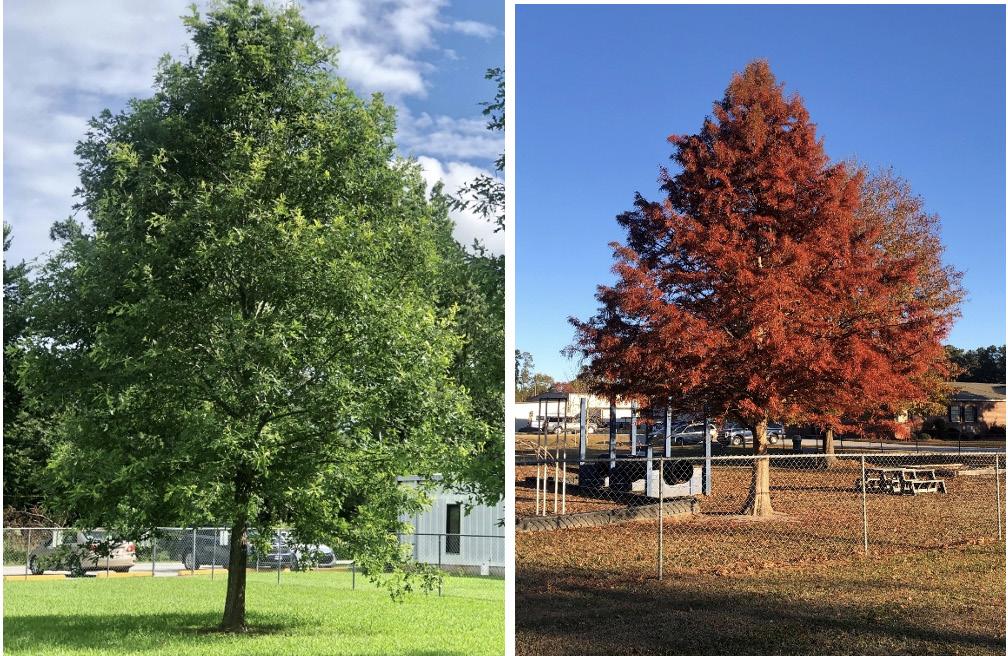
LEFT: Overcup oak
RIGHT: Bald cypress
Photos: Dena Whitesides
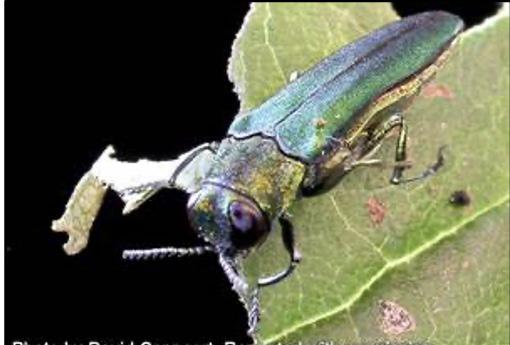
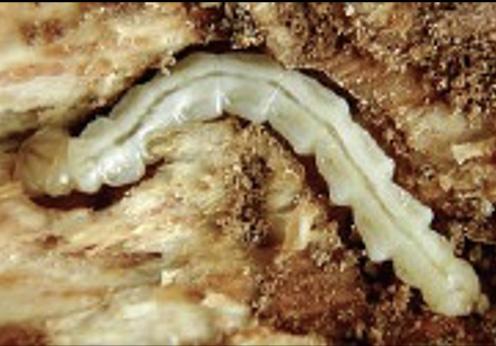
LEFT: Adult Emerald Ash Borer beetle (1/3” L)
RIGHT: EAB larvae (1/2” L)
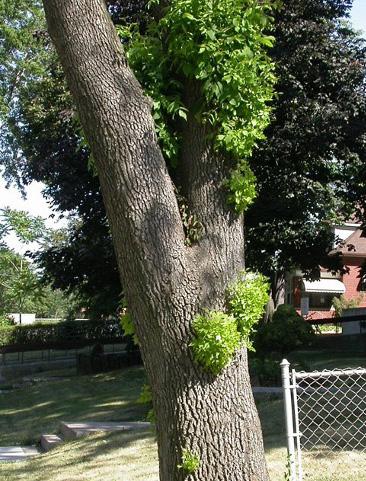
Infested ash tree exhibiting epicormic sprouts along lower trunk.
Photo: Edward Czerwinski, Ontario Ministry of Natural Resources, Bugwood.org
Unlike the Emerald Ash Borer, the Asian Longhorned Beetle (ALB) presents a very different story. South Carolina remains the only state in the Southeast with a known active ALB infestation.
In 2026, the eradication program expanded following the discovery of a second infestation in Charleston County near Mount Pleasant. The original infestation near the Town of Hollywood and the newly detected Mount Pleasant infestation are being managed aggressively through a cooperative effort among USDA APHIS, Clemson University, the South Carolina Forestry Commission, and state and local partners.
Based on South Carolina infestation data collected by Clemson University and the USDA Animal and Plant Health Inspection Service (APHIS), red maple (Acer rubrum) is by far the dominant host species in the state. Willow (Salix spp.) represents the second most frequently observed host group in South Carolina. Although, it is important to note that host preference is influenced by availability and regional abundance. Confirmed South Carolina hosts include:
n Red maple (Acer rubrum) – the overwhelming primary host and the vast majority of infested trees.
n Willows (Salix spp.) – the second most frequently infested host group in the South Carolina infestation.
n Elm (Ulmus spp.)
n Sycamore/London planetree (Platanus spp.)
n Birch (Betula spp.)
n Poplar/Cottonwood (Populus spp.)
It is important to note that yellow poplar (Liriodendron tulipifera) is not a true poplar and is not included within the genus Populus. Although sugar maple (Acer saccharum) is considered a highly preferred host in laboratory studies and northern U.S. infestations, it is relatively uncommon in coastal South Carolina. As a result, red maple dominates the current infestation largely because of its abundance throughout the Lowcountry.
Thousands of host trees have been surveyed, removed, and destroyed as part of an aggressive eradication effort designed to eliminate the beetle before it spreads beyond the current infestation.
Unlike Emerald Ash Borer (EAB), Asian Longhorned Beetle (ALB) remains a pest that can be eradicated. Thanks to early detection, rapid response, strict quarantine measures, and continued cooperation among federal, state, and local partners, South Carolina has a realistic opportunity to stop this destructive insect before it becomes permanently established.
2026 update
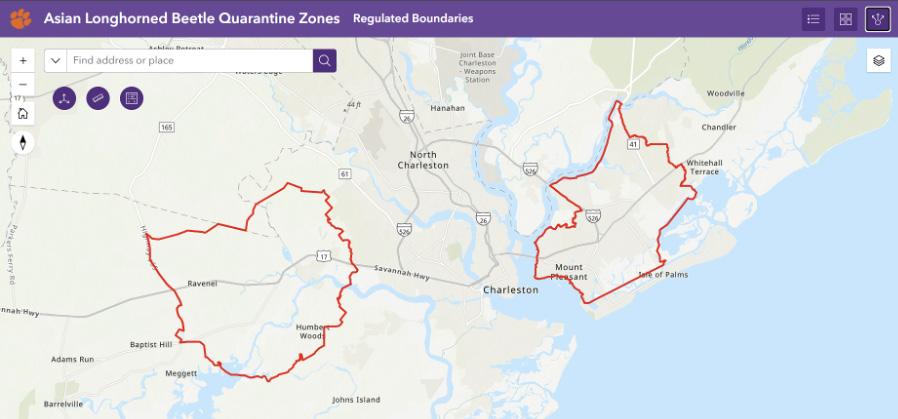
South Carolina's ALB eradication effort expanded in 2026 with the discovery of a second infestation in Charleston County near Mount Pleasant. As a result, USDA APHIS established a new 47-square-mile regulated area in addition to the original 76-squaremile regulated area surrounding the Hollywood infestation. As of 2026, approximately 12,812 infested trees have been identified within the original Hollywood regulated area, while 309 infested trees have been confirmed within the newly established Mount Pleasant regulated area. Although the Mount Pleasant infestation is substantially smaller, its discovery highlights the importance of continued surveillance and rapid reporting by arborists and the public. Early detection remains critical to containing new infestations and supporting South Carolina's ongoing eradication effort.
The important role of arborists
Arborists are often the first—and sometimes only—professionals to spot an Asian Longhorned Beetle infestation before it spreads. Every tree inspection, pruning job, removal, or risk assessment is an opportunity to detect this destructive pest early. When working around maples, willows, elms, sycamores, birches, and poplars, keep your eyes open for these telltale signs:
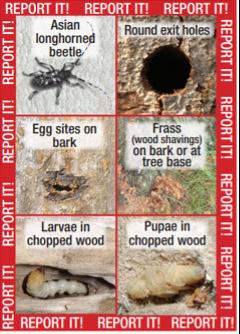
n Perfectly round, pencil-sized exit holes in trunks and branches
n Distinctive egg-laying pits chewed into the bark
n Coarse, sawdust-like frass collecting in branch unions or at the base of the tree
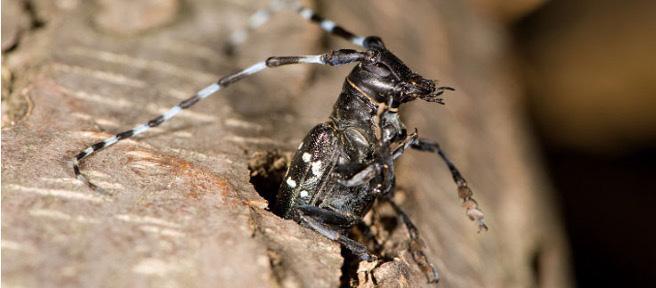
n Large, glossy black beetles with white spots and exceptionally long, banded antennae
n Infestations occurring in susceptible host trees, particularly red maple, South Carolina's primary host
If you suspect ALB—even if you're not completely certain— report it immediately.
When it comes to invasive pests, it's always better to investigate a false alarm than to overlook an early infestation. A single observation by a vigilant arborist could mean the difference between containing a localized infestation and allowing this destructive pest to spread into new communities. Early detection remains our most effective weapon against ALB.
One important lesson
Although Emerald Ash Borer (EAB) and Asian Longhorned Beetle (ALB) differ significantly in their biology and management approach, they underscore the same fundamental lesson: proactive management is always more effective—and far less costly—than reacting after widespread tree mortality has occurred.
Routine tree inventories, regular inspections, diversified species selection, and thoughtful planting decisions remain among the best defenses against invasive pests and the essential components of resilient urban forestry programs.
Looking ahead
South Carolina’s urban forests will inevitably face new invasive insects, diseases, and environmental challenges in the coming decades.
The response to Emerald Ash Borer (EAB) and Asian Longhorned Beetle (ALB) in South Carolina has demonstrated the importance of collaboration among Clemson University, the USDA Animal and Plant Health Inspection Service, the South Carolina Forestry Commission, Trees SC, consulting arborists, municipal forestry programs, commercial tree care companies, universities, local governments, and engaged citizens.
Together, these partnerships strengthened early detection, public outreach, regulatory enforcement, and coordinated management efforts to protect South Carolina's urban and natural forests.
As arborists, our work places us at the forefront of invasive pest detection and urban forest protection. Every tree inspection, pruning operation, risk assessment, or inventory presents another opportunity to detect invasive pests early, educate clients, and help protect South Carolina’s tree canopy for future generations.
the
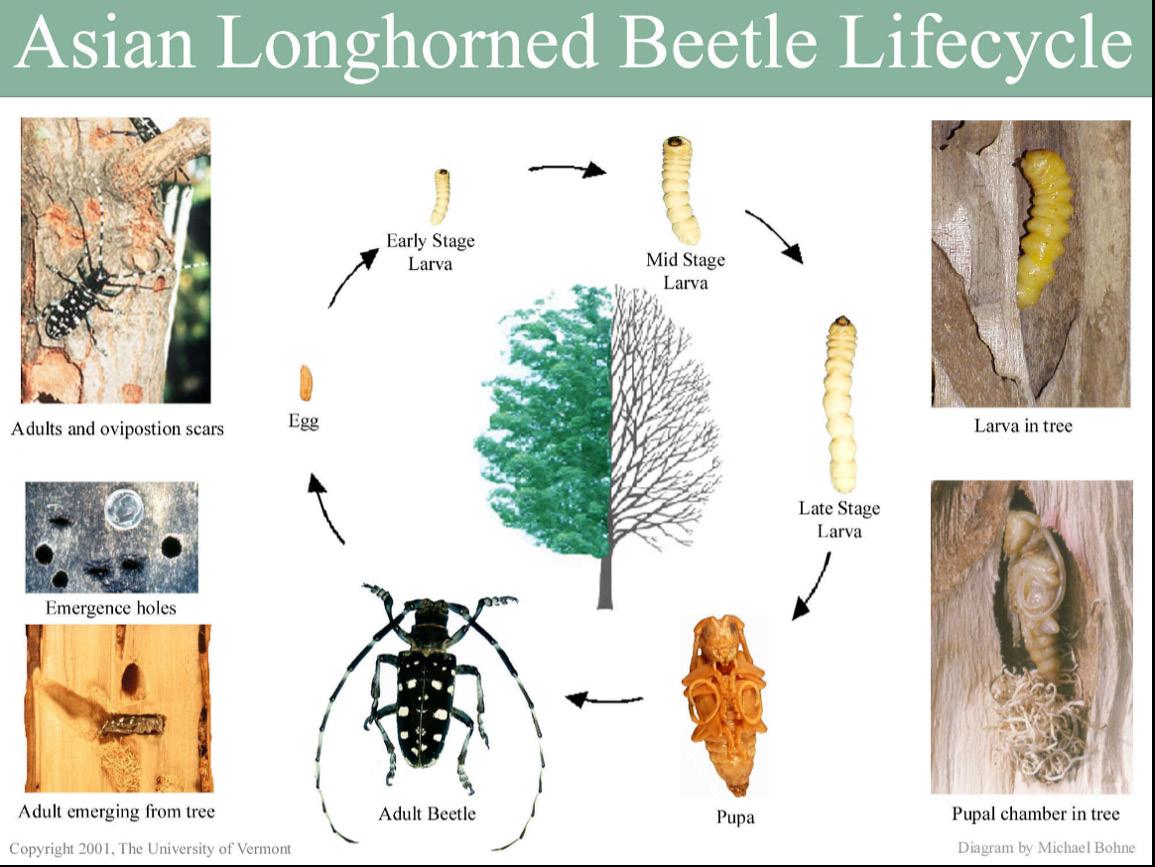
ALB Life Cycle. Photo courtesy of Clemson University (DPI).
A map showing
Asian Longhorned Beetle Quarantine Boundaries in South Carolina’s low country.
Image courtesy of Clemson University.
An adult ALB exit hole and infected tree.
Photo courtesy of Clemson University.
Six important signs of ALB. Photo courtesy of Clemson University.
From our LinkedIn community
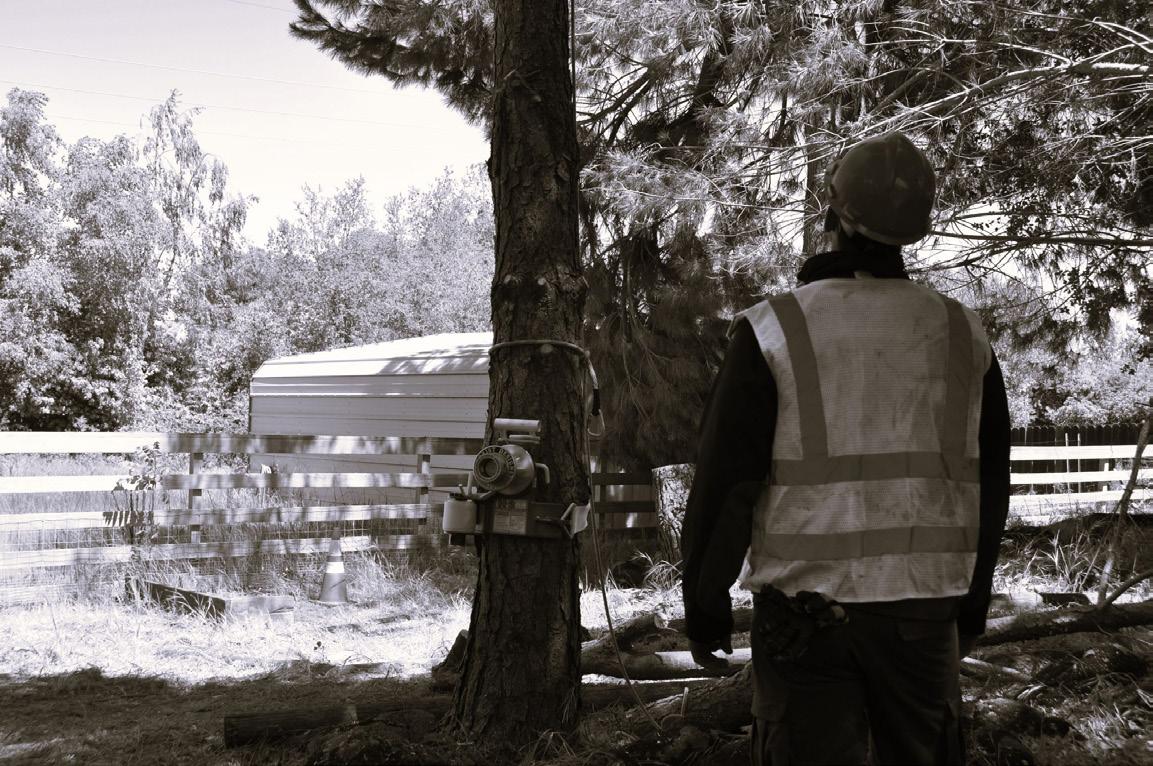

Traditional office perks don’t work. Here’s what actually keeps employees happy "Stay interviews" replace exit interviews. Managers are trained to ask about long-term goals, skill development, and what feels risky, not just what feels broken.
Arboretum Research Partner Directory
Tree Research and Education Endowment Fund (TREE Fund) and ArbNet, a flagship program of the Morton Arboretum, have collaborated on and launched a new directory designed to connect arboreta and botanical gardens to tree researchers looking for space to work on their research projects.
The new Arboretum Research Partner Directory can now be viewed on both the TREE Fund website and the ArbNet website. Researchers looking for arboreta in which to partner on their research are able to view interested organizations by location, space availability, staff availability, flagship species, collaboration, and more.
An arboretum is a living museum of trees and woody plants, grown and cared for by an organization committed to their stewardship. ArbNet, the international community of arboreta, is an organization that shares global standards for arboreta through the ArbNet Arboretum Accreditation Program. With four levels of accreditation, the program meets arboreta where they are while providing a pathway for continual advancement and international recognition. In some cases, the arboreta in the directory are working towards advancing their ArbNet accreditation level, which would be facilitated through involvement with new research and conservation collaborations.
TREE Fund is a non-profit organization that provides research grants for several different arboriculture and urban forestry topics including soil health, worker safety, vegetation management, and root system management.
“The Arboretum Research Partner Directory reflects TREE Fund’s commitment to advancing research that strengthens the health and resilience of our urban forests,” said Dr. Paul Putman, TREE Fund President and CEO. “By connecting researchers with the space and partners they need to conduct long-term studies, we are helping ensure that tree care professionals have access to the science-based knowledge required to care for trees, and the communities that depend on them, for generations to come.”
Connecting researchers with these locations also helps the arboreta to show their local supporters the advancements they are helping to create.
“ArbNet is excited to partner with TREE Fund to launch the Arboretum Research Partner Directory,” said Andrea Brennan, ArbNet Manager at The Morton Arboretum. “In just one month, seventy ArbNet accredited arboreta across the globe signed up for the directory, with the number expected to continue to grow as more arboreta join the ArbNet community. Through participation in this directory, arboreta are indicating their strong desire to collaborate and connect with researchers on projects that support a world where people and trees thrive together.”





E a r l y B i r d D e a d l i n e i s A u g u s t 2 2 !
w w w . n c u fc . o rg


2026-2027 Southern Chapter Officers
President: Brian Watkins, Recreation and Park Commission for the Parish of East Baton Rouge
President Elect / Treasurer: Dena Whitesides, Arbor Insight LLC
Vice President: Hannah Imagine Shaw, Rainbow Ecoscience
Component Council Rep: David Vandergriff, Griff Arbor|Hort
TREE Fund Liaison: Matt Searels, Eocene Environmental Group
Past President: Chris Diffley, Arbor Ki Tree Solutions
Media Director and Editor: Sarah Mitchell
Conference Planner: Connie Hilson
Executive Director: Dominique Werboff
Have you been waiting for a special invitation?
Here it is:

Please join the Southern Chapter online.
Facebook Enjoy daily posts of things to make you think and things to make you laugh.
LinkedIn Find news, articles, and educational information. This is where green-industry professionals gather.
Instagram Just the jokes, please.
Community
Please share, like, and subscribe to our many social media accounts: Facebook, Instagram, and LinkedIn.



Encouragement
Share the word about our scholarship program (application here). Here’s a chance to assist the next generation of green-industry professionals.
Learning
Look for educational opportunities on the Southern Chapter website If you know of opportunities not listed, email us and we’ll post it.
Sharing
What’s happening in your part of the Southern Chapter?
Send in an article for our quarterly newsletter.
2026-2027 Directors
Alabama: Brian Brown Alabama Cooperative Extension
Arkansas: Brian Pope Expert Tree Academy
Louisiana: Fred Fellner
Mississippi: Steve Dicke Shady Arbor PLLC
North Carolina: Leslie Moorman Town of Cary
Puerto Rico and U.S. Virgin Islands: Christian W. Torres Santana Coccoloba AgroEnvironnemental Consulting and Coccoloba Nursery
South Carolina: Paul Mitchell Wright Tree Service
Tennessee: Dana Russell Arbor Ki Tree Solutions
At-Large: Tom Pope Horticultural Asset Management LLC
Southern Chapter ISA Website: www.isasouthern.org Phone: (314) 215-8010 Email: isasouthern@isasouthern.org
Dominique Werboff, Ph.D. Executive. Director
To contact your State Director, a member of the Executive Board, or Dominique Werboff at the Southern Chapter office, please email isasouthern@isasouthern.org.
S UTHERN ISA

Safe and sound
From Vanessa Benson, owner of SNG Tree Service: What we initially thought was a bald eagle turned out to be a Mississippi Kite. The babies look very similar, but the mommy and daddy were found to have a long, narrow wingspan and black tail, which allowed experts at the Mississippi Department of Wildlife, Fisheries, and Parks to make the determination.
Because the Mississippi Kite species is protected, we will not be back in that tree until the baby Kite has moved out of the nest. MDWFP folks will come back at the end of July to check on it.
Resource: Mississippi Kite Identification
Video of parent returning to nest