

z A Tribute to the An-225 z 100 ways to say Air Traffic Controller z Women In Aviation Advisory Board z An interview with the SESAR Deployment Manager ALSO IN THIS ISSUE: THE CONTROLLER 100 YEARS ATC





THANKS THE FOLLOWING PARTNERS FOR THEIR SUPPORT BRUSSELS 18-20 OCTOBER
PUBLISHER
IFATCA,


VISIT THE IFATCA WEB SITES:

EDITORIAL TEAM
CONTRIBUTING EDITORS


THE CONTROLLER In this issue Foreword 4 Obituary Edgerton Green, former IFATCA Executive Secretary 5 Federation News IFATCA 2030+ Task Force update 6 100 Years ATC History Book 7 Swiss Stamp 10 100 Faces 11 Language Speak English Programme 16 Why Aviation English? 18 100 Ways To Say Air Traffic Controller 19 100 Years ATC 100 Area Control Centres? 22 100 Air Traffic Control Towers 23 Human Factors Staying In Control 26 Recruitment Women In Aviation Advisory Board 28 Industry News World ATM Congress '22 - Interview with SESAR Deployment Manager 31 Humanitarian Drones 34 Feature Family Business 36 Antonov 225 - "Inspiration" 40 International Airspace 42 Training A Century of ATC Training And The Next Decade 44 Charlie's Column................................................ 46 EXECUTIVE BOARD OF IFATCA Duncan Auld President and Chief Executive Officer Helena Sjöström Deputy President Mark Taylor Executive Vice-President Finance Peter Van Rooyen Executive Vice-President Professional Ignacio Baca Executive Vice-President Technical Fateh Bekhti Executive Vice-President Africa and Middle East Patricia Gilbert Executive Vice-President Americas Cheryl Yen-Chun Chen Executive Vice-President Asia and Pacific Frédéric Deleau Executive Vice-President Europe Jean-François Lepage ICAO ANC Representative* Philip Marien Communications Coordinator* Tatiana Iavorkaia Office Manager* * ex-officio members DISCLAIMER: The views expressed in this magazine are those of the International Federation of Air Traffic Controllers’ Associations (IFATCA) only when so indicated. Other views will be those of individual members or contributors concerned and will not necessarily be those of IFATCA, except where indicated. Whilst every effort is made to ensure that the information contained in this publication is correct, IFATCA makes no warranty, express or implied, as to the nature or accuracy of the information. Further distribution of this publication is permitted and even encouraged, as long as it is not altered in any way or manner. No part or extracts of this publication may be reproduced, stored or used in any form or by any means, without the specific prior permission of the IFATCA Executive Board or Editor, except where indicated (e.g. a creative commons licence).
www.ifatca.org and www.the-controller.net The editorial team endeavours to include all owner information, or at least source information for the images used in this issue. If you believe that an image was used without permission, please contact the editor via editor@ifatca.org 3
International Federation of Air Traffic Controllers‘ Associations 360, St Jacques · Suite 2002 Montreal, Quebec · H2Y 1P5 · CANADA Phone: +1514 866 7040 Fax: +1514 866 7612 Email: office@ifatca.org OCTOBER 2022 Volume 61 Issue 1 – ISSN 0010-8073 THE CONTROLLER
Philip Marien Nicola Ní Riada Email: editor@ifatca.org
Umi Muthiah Syahirah, Philippe Domogala, Antonio Landi, Joel Holguín, Jaymi Steinberg z contents
THE NEED TO EVOLVE
z
by DUNCAN AULD, IFATCA President & CEO
The world is forever changing, maybe now more than ever. As we shift from one era to another, we reflect on our successes and challenges in the past, and plan for the future ahead of us.
The pace of technological development at the moment is exponential, making planned timelines compress and increasing uncertainty in the long term. We must remain strong on our core principles of the profession, on system design and human interaction, and of the Federation.
To maintain our place on the world stage the Federation must evolve, as any other organisation does, to stay relevant, efficient, and influential. Our 2030+ Task Force has been working tirelessly over the past year to build a roadmap of the Federation for the coming decade. This will be broken down depending on the topic into phases, projects, or action plans, to implement over the coming years. This should result in more tangible deliverables to the Member Associations and build engagement across the regions.
To look back at the past 100 years of air traffic control, we have a dedicated team producing a book summarising the history of the profession based on extensive research, which will be available soon for distribution. What is notable is that for the 100 years of ATC, the Federation has existed for over half
of that, and with our office in Montreal for a quarter of a century. Our place in Montreal is essential at cementing our position in the international aviation community, among the offices of the other international organisations and of course ICAO.
We just passed the first week of the 41st General Assembly of ICAO, and our team has promoted the Federations objectives and policies, while also building the relationships and reputation that maintains the influence we need to make progress. Issues such as climate change have been debated at length, albeit overshadowed by the discussions regarding the complexities of international airspace as a result of the Russian invasion of Ukraine. What have been considered international norms and customary law are no longer as certain as they once were, leaving the general public, aviation, and air traffic controllers left to navigate the actions of the puppet masters. As an international collective body, we expect cooperation, diplomacy and negotiation as the basis for action and change.
Shifting from policy to implementation, we are ramping up the training course programs as we move out of the pandemic. Course development remains focused on key issues that are high on our priority list such as safety culture, English language proficiency, competency based training, critical incident stress management, and so on.
Aside from operational issues we also support the transition to a more diverse profession, in line with the modern workforce. The promotion of women in aviation, among other under-represented groups, enables our profession to utilise the best available resources building capacity and capability for the coming years.
As we happily exit the pandemic we look forward to seeing many of you at the upcoming regional meetings. These meetings are important as they provide a closer relationship with many associations and operational controllers. The meetings will be progressively enhanced to provide more benefits and influence, building the capacity of the regions within the Federation.
As for the annual conference, we finally look certain to hold Conference 2023 in Jamaica, an event we have all been waiting for. I know the team there is doing an outstanding effort to prepare to host you all, and I am sure you will experience an amazing time if you can make it. y
z FOReWORD THE CONTROLLER 4
pcx@ifatca.org
OBITUARY
IFATCA is deeply saddened to learn of the passing of Edgerton "Edge" Green on July 17, 2022, at the age of 92.
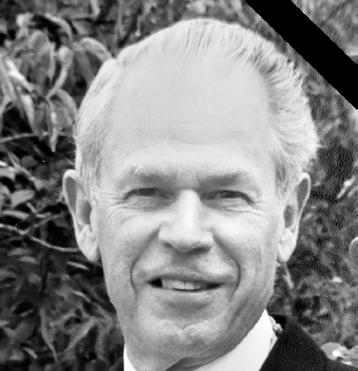
Edge's professional life was connected with aviation throughout. National service introduced him to radar in the United Kingdom's Royal Air Force, after which he became a navigator with a major aerial survey company. He started his ATC career as a GCA controller, seconded to the United States Air Force before joining the civil side at Bournemouth. Subsequent postings took him to Heathrow and eventually London ATCC, where he worked as both sector and chief sector controller. In between these postings, he managed to get in 18 months in Accra, Ghana, where he assisted with training the first radar controllers. He was UK GATCO's IFATCA liaison officer for several years and eventually served as GATCO President for two years from 1985. He was a member of IFATCA's technical and professional committee (SC I) for several years, serving on the IFALPA ATS study group as the IFATCA representative. He also represented the Federation at ICAO on several occasions.
In 1990, Edge joined the IFATCA Executive Board as the Federation's last Executive Secretary. In that role, he was instrumental in establishing the Federation's permanent office in Montreal, Canada, in 1997. In the years before, Edge and his wife Wendy were familiar faces at the Annual Conferences, managing the Conference Secretariat with unseen efficiency and flair. For their hard work, the Federations recognised the Greens at the Conference in Toulouse, 1998: Edge received the Scroll of Honour, while Wendy was made the Federation's first Honorary Member. Three years later, their expertise was needed one final time to assist during the 40th Annual Conference in Geneva, Switzerland.
On behalf of the Executive Board and membership of the Federation, we extend our deepest condolences to Edge's family and loved ones. May he rest in peace. y
FROM THE EDITORIAL TEAM
It is our very great privilege to welcome you to the centenary issue of the Controller Magazine. You may have noticed it has been a while since the last issue of our magazine. Putting together a magazine with a small team of volunteers is challenging. For this issue, we have expanded the editorial and contributory teams significantly and would like to continue to do so!
We would like to thank the MAs who engaged with us for the photos of faces and towers, and ways to say air traffic controller projects. We were blown away by the enthusiasm and pride you all showed in sharing your colleagues and facilities with us.
This issue focuses on the idea of the human as the unchanging element of the air traffic management system and the most important element of IFATCA. It is also the message we will be bringing for the International Day of the Air Traffic Controller on October 20th
Here is to the next 100 years, with controllers and IFATCA being at the forefront.
Philip Marien, EGATS Nicola Ní Riada, IATCA Ireland


Our profession turns 100 years old this year. We take great pride in our long history of cooperation in the field of air navigation. But like most significant birthdays, this one also gives us a chance to consider our progress.
Air Traffic Control became more necessary as the route network grew.
The rise in air travel demand also makes it possible for us to keep looking for ways to assist organizations in running more effectively and safely. So, we change to keep up with technology.
As we celebrate this milestone, I'm humbled to be part of this task force. I've learned a lot from this.
Many thanks,
Umi Muthiah Syahirah, IATCA Indonesia IFATCA Asia/Pacific 100 Years ATC Task Force

z FEDERATION NEWS 5THE CONTROLLER
IFATCA 2030+ TASK FORCE
reflections on the centenary of AIR TRAFFIC CONTROL
zby Julian Ogilvie, Helvetica Swiss Controllers Association and chair of the IFATCA 2030+ Task force
The profession of the air traffic controller is a young one, only 100 years old. Our Federation is even younger. Those who created IFATCA had a vision of being able to influence our industry and to make it safer and fairer. The same vision that we share today.
Over the 100 years of air traffic control; technology, political constraints and social conditions have all changed immeasurably. The way IFATCA works has adapted over the years, although little in the last 20 years. The COVID pandemic brought the limitations of the way we have worked in the past to light. However, it has also given us now a unique opportunity to make it fit for the future.
Almost a year ago, the Executive Board, sought volunteers to come together as a taskforce to address this challenge. At the same time, it was an opportunity to listen to Member Associations’ needs and challenges and see how to incorporate these concerns in a future IFATCA.
Although we work uniquely online only, we meet virtually once a month and have managed to form a great work ethic and friendship.
As you will have seen, we have created an extensive Member Association questionnaire, published in three languages. We were generally very pleased with the results, the number of participants and above all the quality of the comments received. The results have been summarised globally and also, importantly, by region. This analysis, along with our own suggestions, will form the basis of conclusions to the Executive Board and most importantly, the Member Associations. By the time of the 2022 regional meetings, you will have had the chance to read these documents, we strongly suggest that you do!
There are interesting common themes that have been identified in the results, notably around the format and content of conferences, regional priorities and information dissemination.
We talk often in our industry of identifying and mitigating single points of failure. The taskforce’s experience has so far shown us that the IFATCA A55 (contact
list), is indeed such a single point of failure, although being arguably the most important document for the Federation. This is most definitely a subject that must be addressed.
The next package of work for us will be to produce working papers for the annual conference in 2023. Although the formal procedure of modifying byelaws and policies will take some time and some changes will likely have to go through the standing committees of CAC and FIC, the wheel has started turning and the process is gathering pace!

Please contact us if you have a suggestion, an idea or comment. We would love to hear from you.
An advantage of being a young federation and profession, is that we can shape our future easily and above all, we have the enthusiasm and passion with which to do so. y
z FEDERATION NEWS 6 THE CONTROLLER
ifatca2030TF@ifatca.org
credit:
fotogestoeber via Adobe Stock
100 YEARS ATC BOOK
z
by Philippe Domogala, Chairman 100 Years ATC Task FOrce
In 2018, former IFATCA President and SESAR Coordinator Marc Baumgartner suggested celebrating 100 years of air traffic control. A small group of enthusiasts, including myself, began looking into the history of our profession, and we discovered that 1922 appeared to be a pivotal year for our profession. When we pitched the idea to somehow celebrate 100 years of air traffic control in 2022, many immediately embraced it as an excellent opportunity to promote the profession.
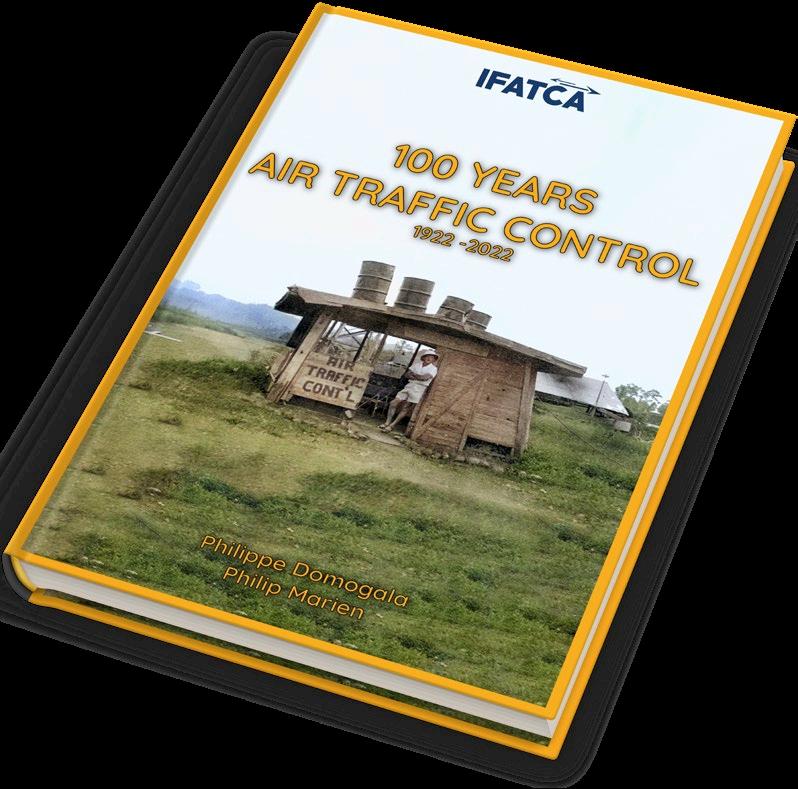
We formed a small task force to come up with ideas. One of the first suggestions was to try and write a book on the history of ATC. As Philip Marien and I had collaborated for decades on The Controller magazine and had written a book on the history of the Eurocontrol Maastricht Centre, we were a logical choice to take on this challenging project. We began researching and collecting information, often helped by colleagues who volunteered information, photos and stories.
It soon became apparent that it could not be an academic-style history book, mostly because we simply did not have the ‘scientific’ background, but also because ATC did not develop linearly. Air traffic control was not invented: necessity drove most developments that shaped it to what it is today, one hundred years later. Unfortunately, many of these developments and improvements followed from an accident or a crisis. Standards, rules and procedures were rarely pro actively developed. With only a few exceptions, they were driven by hindsight and by a need to make things safer. While this more or less confirms the idea that we are a reactive industry, it does not mean controllers themselves are averse to change, as is an often-heard criticism. In many cases, the controllers themselves came up with the necessary changes before these were eventually turned into standards or procedures.
Rather than a dry, chronological account of ATC, we decided to try and write short stories and anecdotes that help illustrate the origins and development of ATC throughout the years and across the world. To help structure things, we looked at five major periods.
1922 - 1940
The Need for ATC
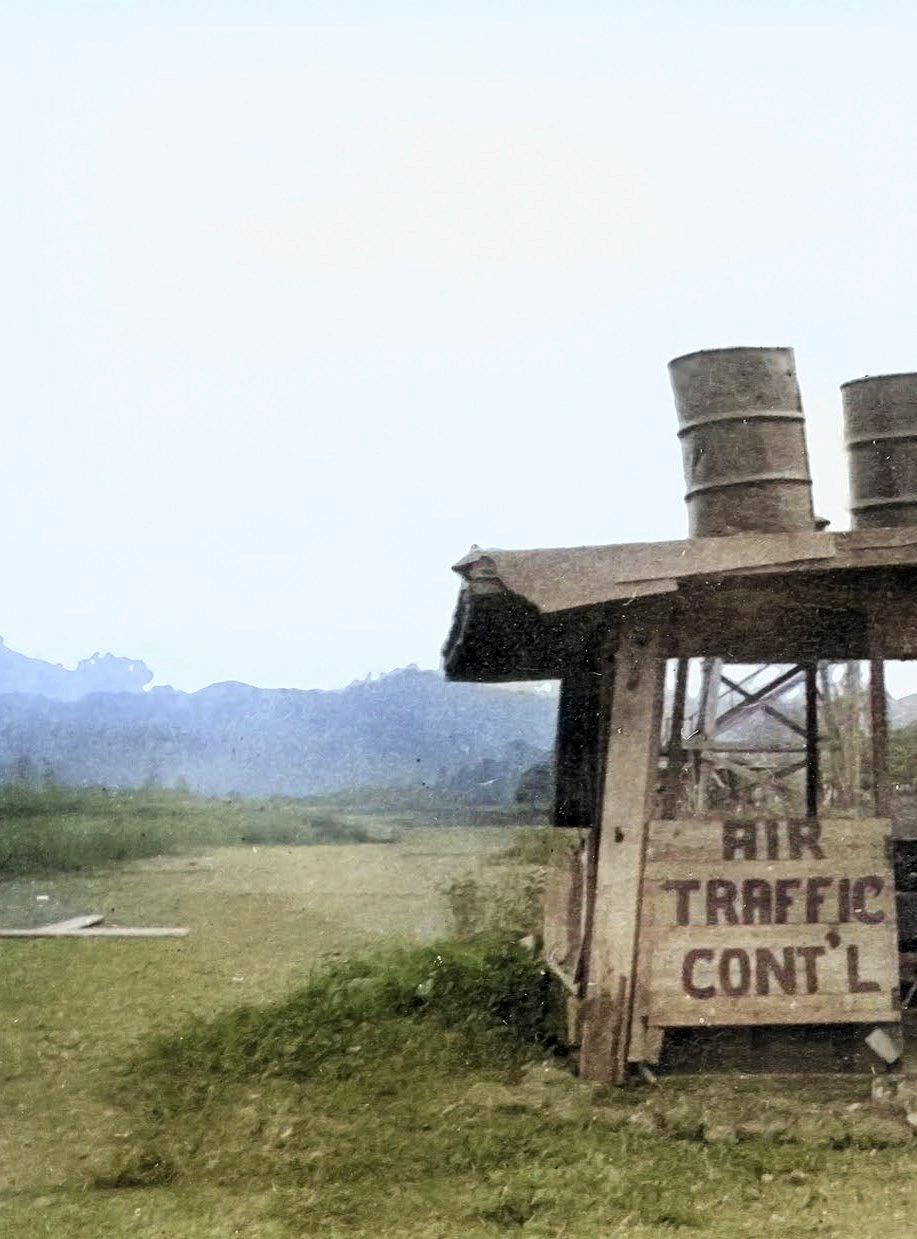
While passenger flights tentatively began in, as early as, 1910, there was no real need for air traffic control. The sky was a big place, and every pilot could fly as he wanted to. That changed dramatically following World War I: Military aircraft were re-purposed and commercial aviation boomed across Europe. A lot of infrastructure, including railroads, had been destroyed and travel by air proved a significant time-saver, especially across stretches of water like the English Channel. Around Europe, having an airfield became a matter of prestige, many towns and cities and hundreds of fields were made into landing strips. Other countries and territories, like Canada, Australia and the Soviet Union were so expansive that ground-based transportation systems were expensive and cumbersome: aviation offered a viable alternative.
Though early attempts to introduce basic rules of the air failed, a number of countries began organising traffic at and around their increasingly busy airports.
The first mid-air collision between commercial aircraft in April 1922 on the London to Paris route convincingly demonstrated the need for tighter rules and regulations, and for better monitoring the existing air routes. The first tower-like structures began appearing at airports around Europe.
Besides controlling what happened at the airfield, staff in these towers also followed flight progress and provided navigation assistance using direction finding. Airfields began coordinating flights between each other, and required pilots to obey take-off and landing authorisations.
z 100 YEARS ATC 7THE CONTROLLER
As aircraft rapidly evolved and could fly further, en-route stations were installed to provide navigation assistance, provide weather and traffic updates. These would eventually evolve into en-route centres.
1940-1960
The Second War Dividend
During the second World War, the UK’s Royal Air Force built 420 airfields worldwide. Other air forces had constructed hundreds more. By the end of the war, many of these airfields had long concrete runways, taxiways, aprons, and control towers. They had approach and runway lighting, and approach aids. Whilst some were decommissioned or remained in military service, many were transferred to civil ownership and operation.
The war also accelerated the development of many technologies. VHF radio was widely available for air ground communications and a new generation of area navigation aids were introduced, including LORAN and VHF omni-directional radio range beacons (VOR). Final approach aids were developed to help pilots break cloud on final approach. And of course, there was radar.
In the immediate aftermath of the war, US and UK military staff introduced their procedures and control methods to many airfields around Europe and the rest of the world. It was not long before they began training local staff, who gradually took over as military operations wound down. Similarly, to the situation at the end of the first World War, there was a massive surplus of aircraft and aircrew.
Recognising that aviation was no longer a regional industry, a new international organisation, ICAO, began harmonising standards and procedures worldwide.
1960-1980
The Jet Age & Social Conflict
The introduction of faster turboprop and jet aircraft in the 1950s brought new challenges. These aircraft were not only faster, but flew higher, above 20,000ft which up to that time had been nearly exclusively used by military jets. Air traffic control expanded above 20,000 ft. En-route ATC began replacing the "see and avoid" principle that was the main form of separation.
The computers were introduced for both flight plan and radar data processing. Increasingly, radar was used to separate en-route traffic, especially in busy airspace and around airports.
In a number of countries, controllers became increasingly unhappy about their working conditions. This led to a number of social conflicts and a dramatic collision over France, were the government had replaced the striking civil controllers with miliary personnel. Three years later, a collision overhead Zagreb again brought the profession in the spotlight. The International Labour Organisation (ILO) was tasked to study the job of air traffic controllers.
1980 -2000 Capacity Limits
As air travel became ever more mainstream, an increasing number of countries encountered capacity constraints. The USA had taken the lead in deregulating the industry, leading to a surge in airline start-ups including the so-called low-cost carriers. It put further strain on the already stretched air traffic control system and brought controller shortages, poor working conditions, safety concerns and capacity problems to light.
Publication of an ILO report in 1979, on the particularities of the job of a controller, did not go unnoticed, but failed to immediately improve the situation for most controllers. Social unrest in many countries continued as a result, until it came to an abrupt and dramatic climax in the USA, when President Reagan fired over 11,000 controllers. While it was a brutal wakeup call for industrial relations, working conditions gradually improved for many
controllers in the years following the PATCO debacle. Capacity and delays became a recurring issue, leading to the implementation of flow control in the USA, Europe and a number of other places. While the responsibility to provide of Air Traffic Control remains with the States, a number of them chose to privatise the service provision. This came with an increased focus on efficiency, financial targets and lowering costs. Many politicians and airline operators were proponents of a full liberalisation of air traffic services, with contracts awarded to the lowest bidder.
2000 - Present Crisis to Crisis
Over the past two decades, periods of rapidly increasing demand alternated periods of dramatic drops in traffic: the attacks of 9/11, the financial crisis in 2008, an Icelandic volcano and of course COVID demonstrated that the aviation industry operates on extremely tight margins. Knee-jerk reactions like stopping recruitment and training made that periods of high demand created immediate capacity crunches. Under pressure from the airline operators, policy makers have turned to try and invest in technology rather than changes to how ATC is financed.
Delay
The plans for the publication of the book had to be realigned several times, mainly due to the pandemic but also because the task was substantially more challenging than foreseen. Similarly to most, if not all, major projects in air traffic control, the book has suffered some unfortunate delays. Publication is currently foreseen somewhere in 2023, if there are no more delays of course.
The book aims to celebrate the achievements of controllers, assistants, support staff, engineers, scientists, all of those in manufacturing industries that have created the tools we have used as well as other organisations and service providers. It is a shared history, every much an achievement of all of us.
For details on availability, cost and how to get your copy, keep an eye on IFATCA’s social media and/or internet pages. y
z 100 YEARS ATC
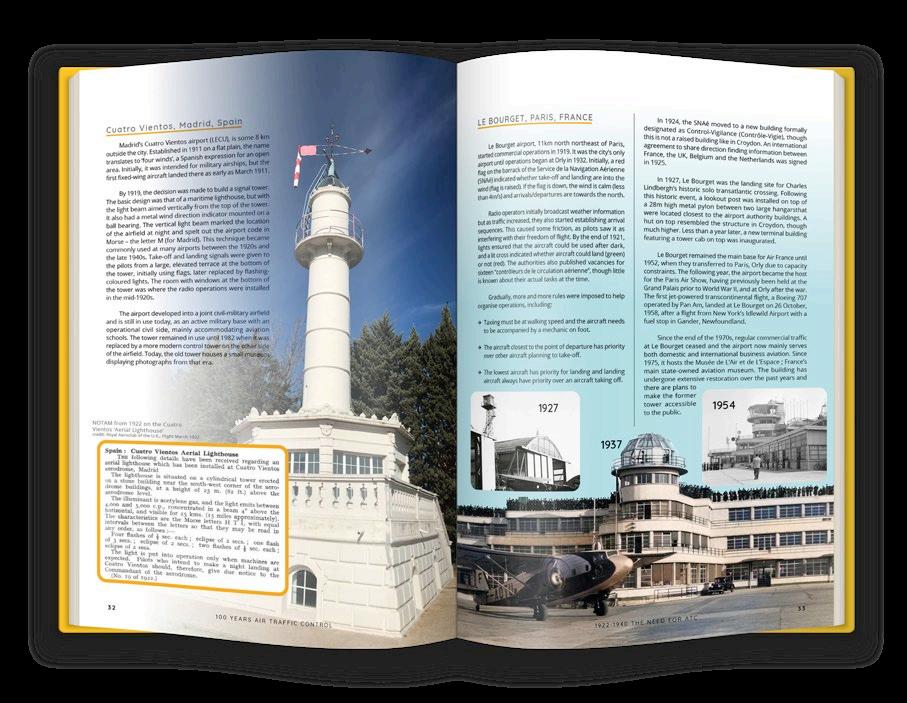
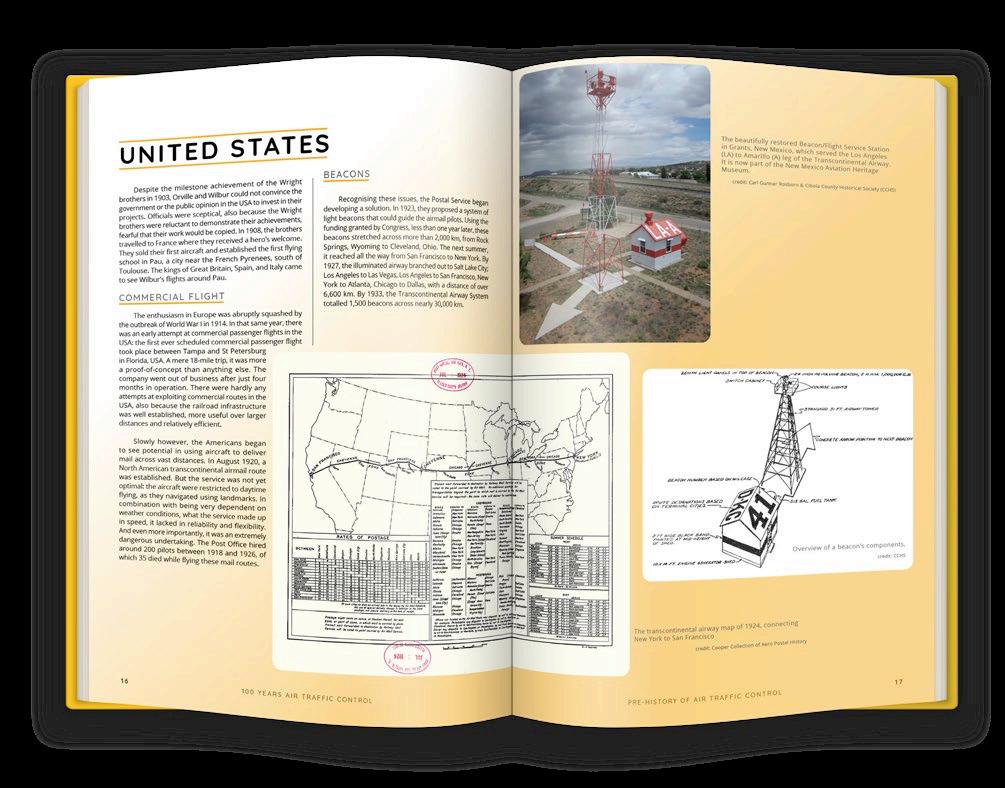
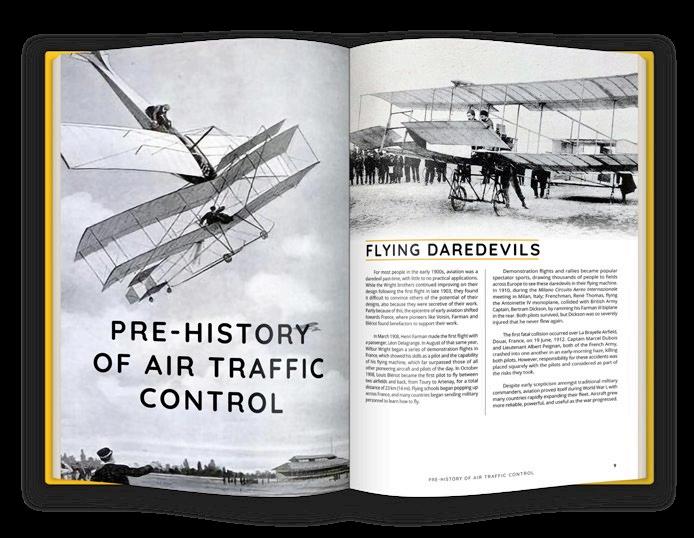
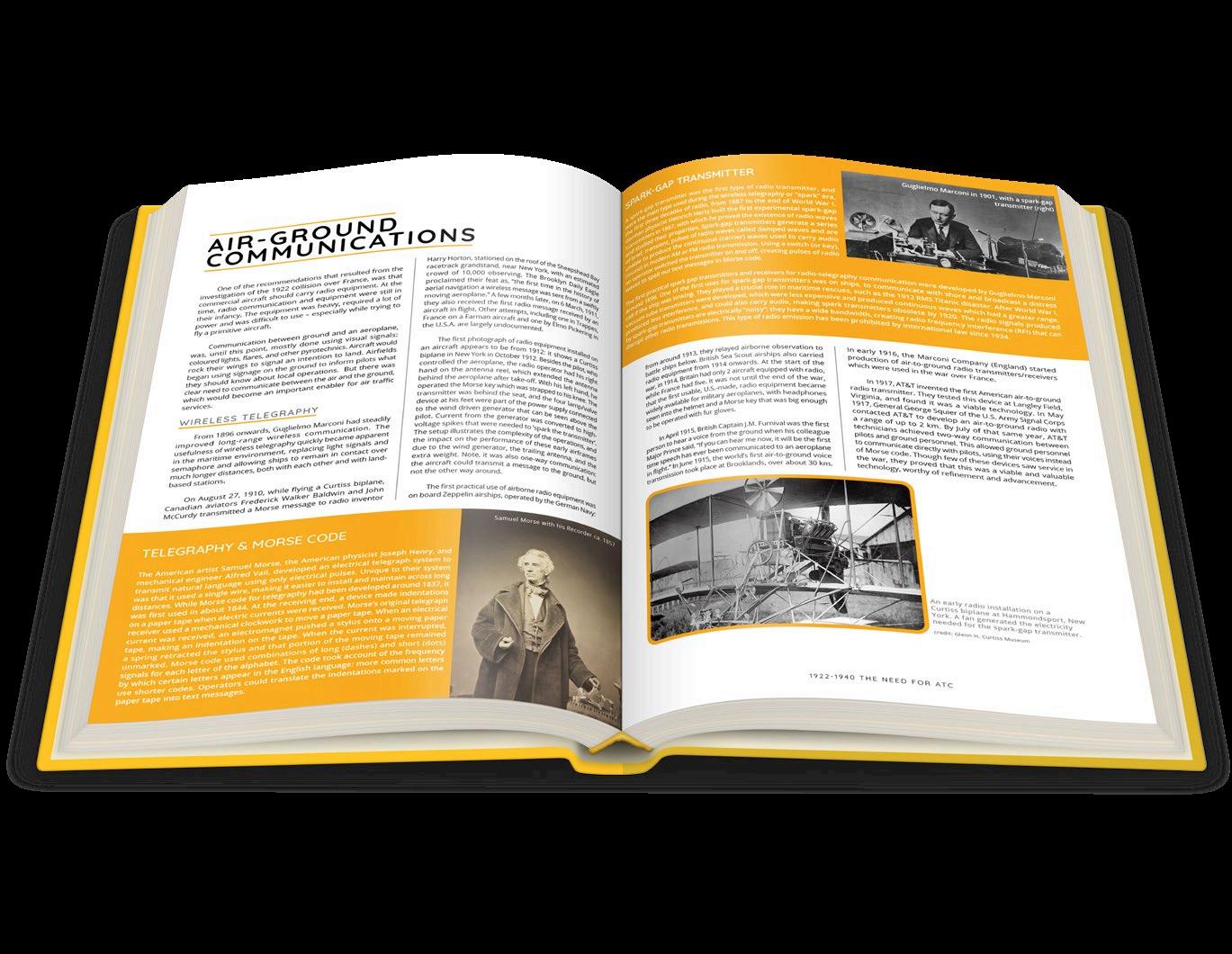
z Mock-ups of

z 100 YEARS ATC 9
the "100 Years Air Traffic Control" book, to be published in 2023 THE CONTROLLER
100 YEARS ATC STAMP
z
by Marc Baumgartner, IFATCA SESAR COORDINATOR

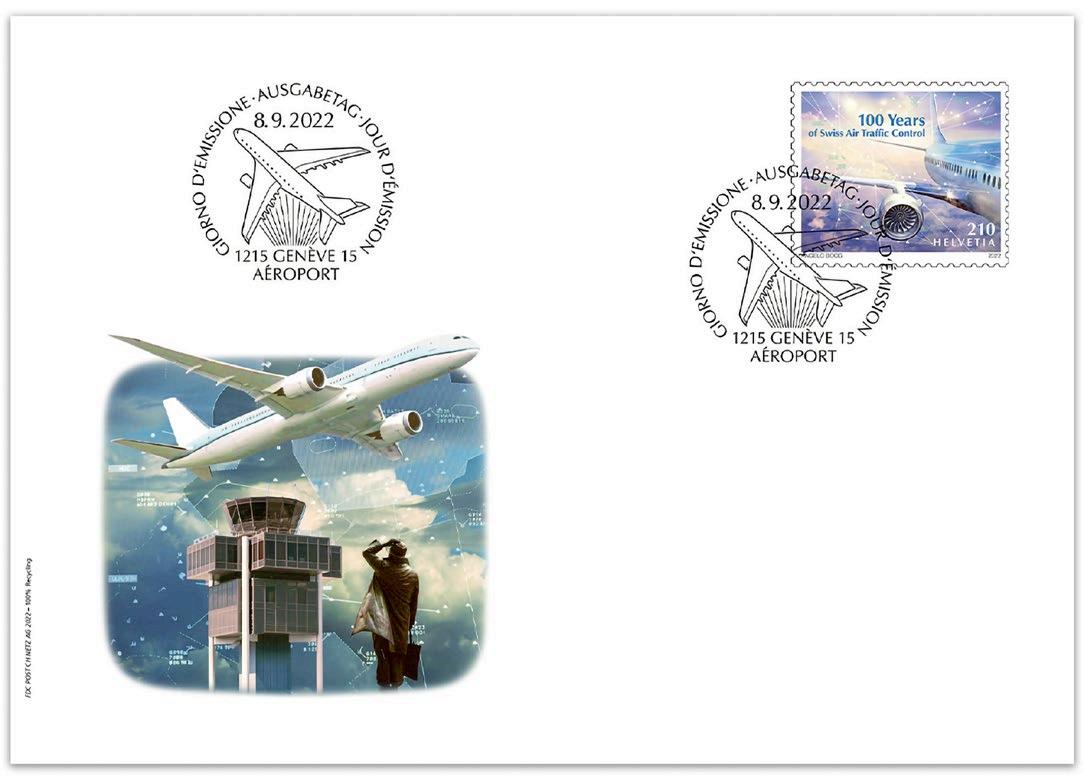
Every stamp tells a story that is not only of interest to a philatelist (stampcollector). Swiss Post issues a colourful palette of these miniature works of art in March, May, September and November each year. These stamps mark historical milestones, major sporting events, rare animal species, or famous comic strip characters. Each of these somehow connects to Switzerland, in line with the Swiss Post Philately's mission. Each stamp is available with or without a postmark, as an individual stamp, on a sheet of stamps or in many other formats. In preparation for the 100 years' celebration of air traffic control in 2022 and of the Swiss Air Navigation Service Provider, the CEO of Skyguide supported the suggestion of IFATCA's 100 Years of ATC task force to try to get a stamp created to mark this event.
This process, from bidding for a stamp to publication, takes over a year and is tightly regulated. Swiss Posts invites three graphic designers to create proposals. The graphic designers visited the tower, approach and en-route centre of Geneva and got a crash course in what air traffic
control does. Based on the proposals, the stamp commission of the Swiss Post elects the best submission and commissions the graphic designer to create a range of products around the stamp. These are then available to buy in post offices throughout Switzerland and via their online shop.
The following text is from the Swiss Post website and explains why they created a stamp on the occasion of the 100 years of Air Traffic Control in Switzerland:
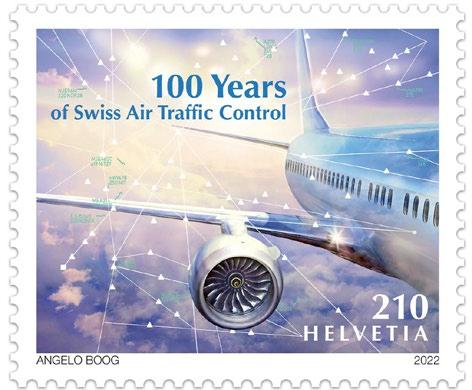
Our world is now hard to imagine without the services provided by a company such as Skyguide. And the history of air traffic control goes back almost as far as the art of flying itself. In Switzerland, it began a little over 100 years ago. The first attempts to transmit ground-toaircraft radiotelegraph messages in this country started as early as 1919. In 1921, the first concession was awarded to British company Marconi's Wireless Telegraph Co. Ltd. The founding of the subsidiary Marconi Radio AG on 23 February 1922 marked the birth of Swiss air traffic control. After various name and
responsibility changes, Skyguide was founded in 2001. With 1,500 employees at 14 locations, the company provides air navigation services for civil and military flights throughout Europe's busiest airspace. Over these past 100 years, aviation has made incredible progress – as has air traffic control, which, along with radio, radar, instrument landing and other systems, now makes flying possible at any time of the day and in almost allweather conditions. The 210-centime dedicated stamp shows a snapshot of aircraft positions, as they would appear on Skyguide monitors, overlaying the motif of a modern passenger aircraft.y
sesar.coord@ifatca.org

z 100 YEARS ATC
10 THE CONTROLLER z scan or click for the Swiss Post website
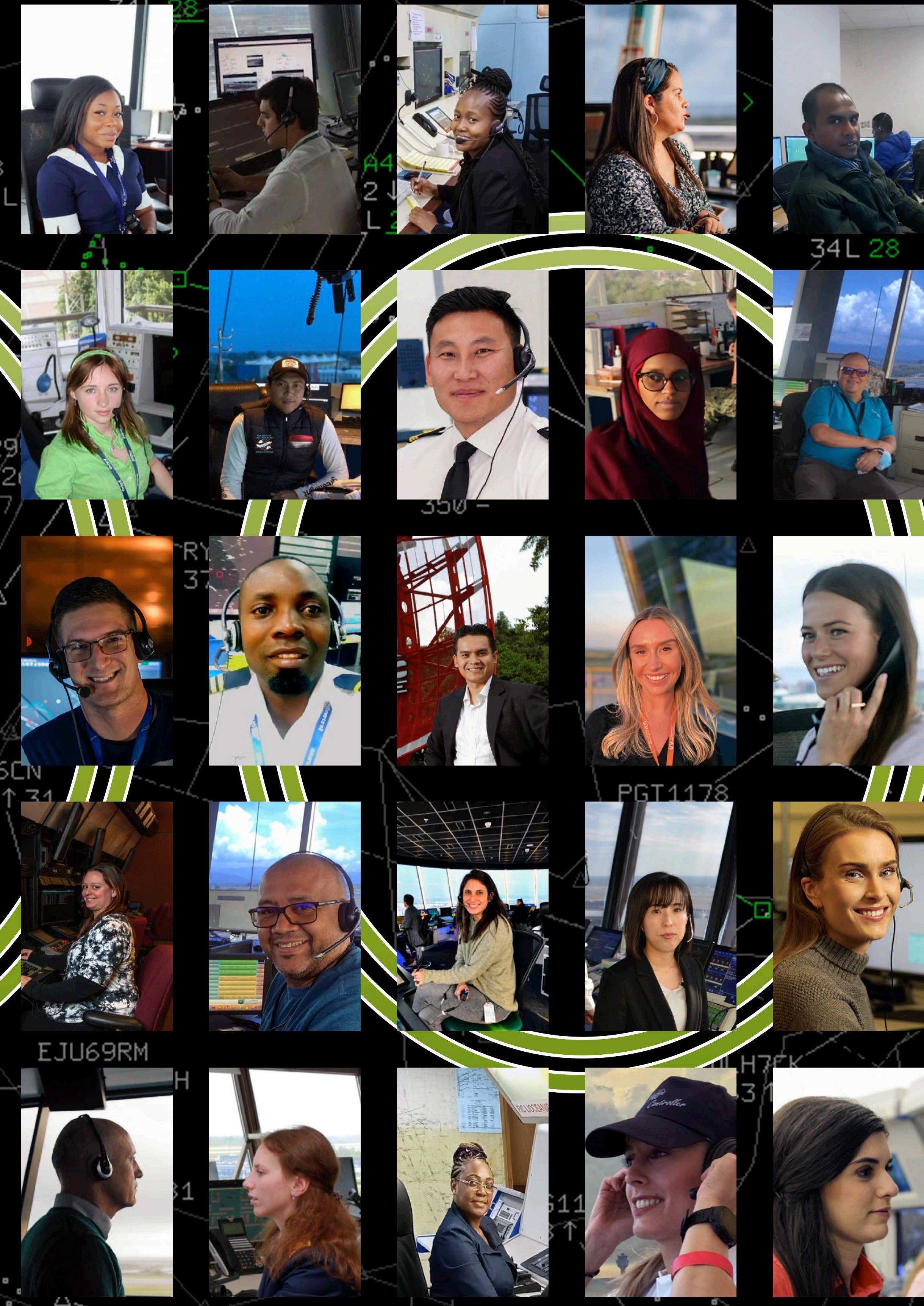
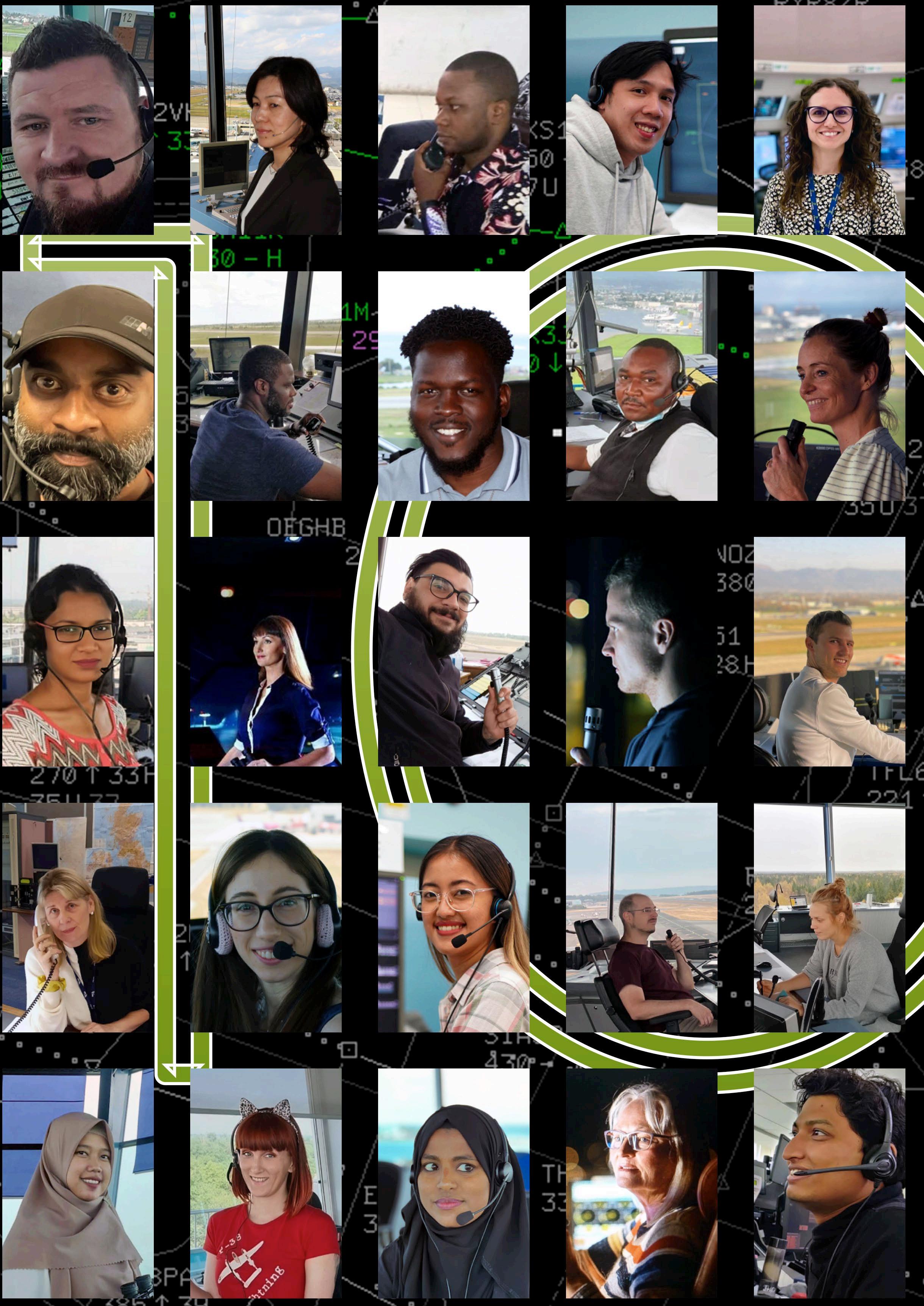
100 FACES OF AIR TRAFFIC CONTROL
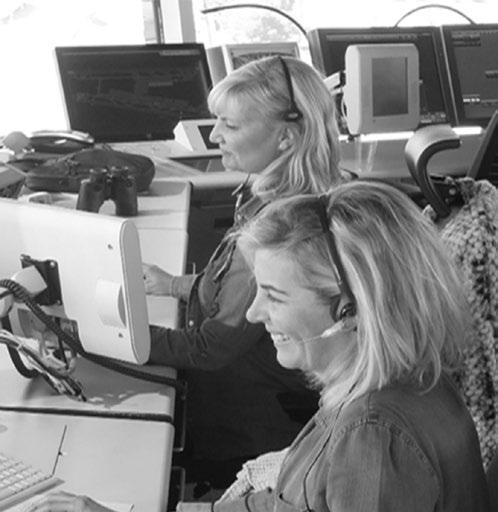
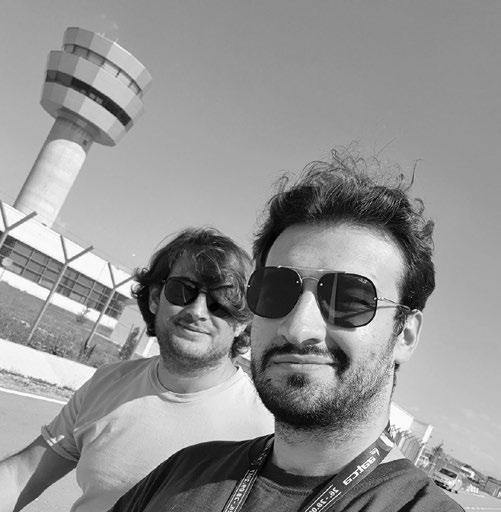
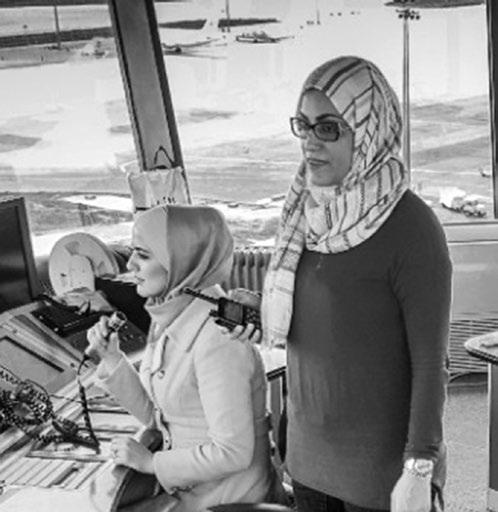
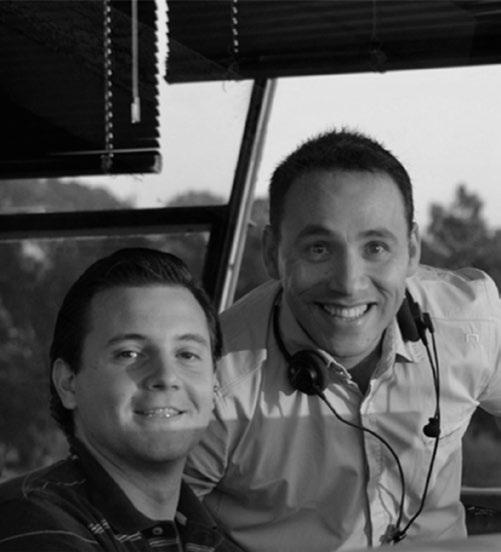
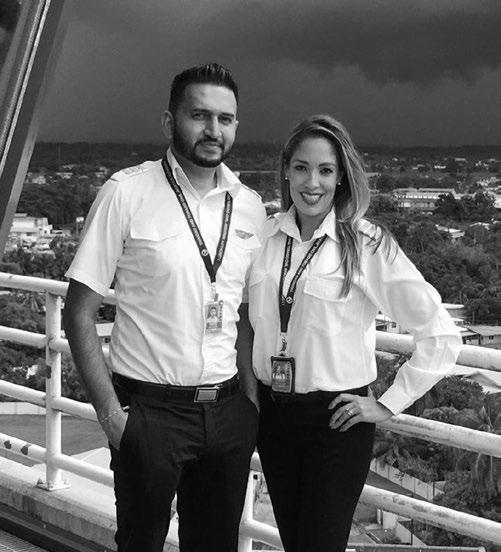
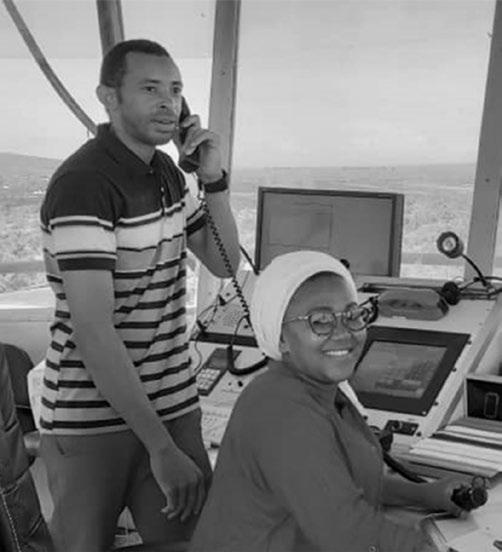
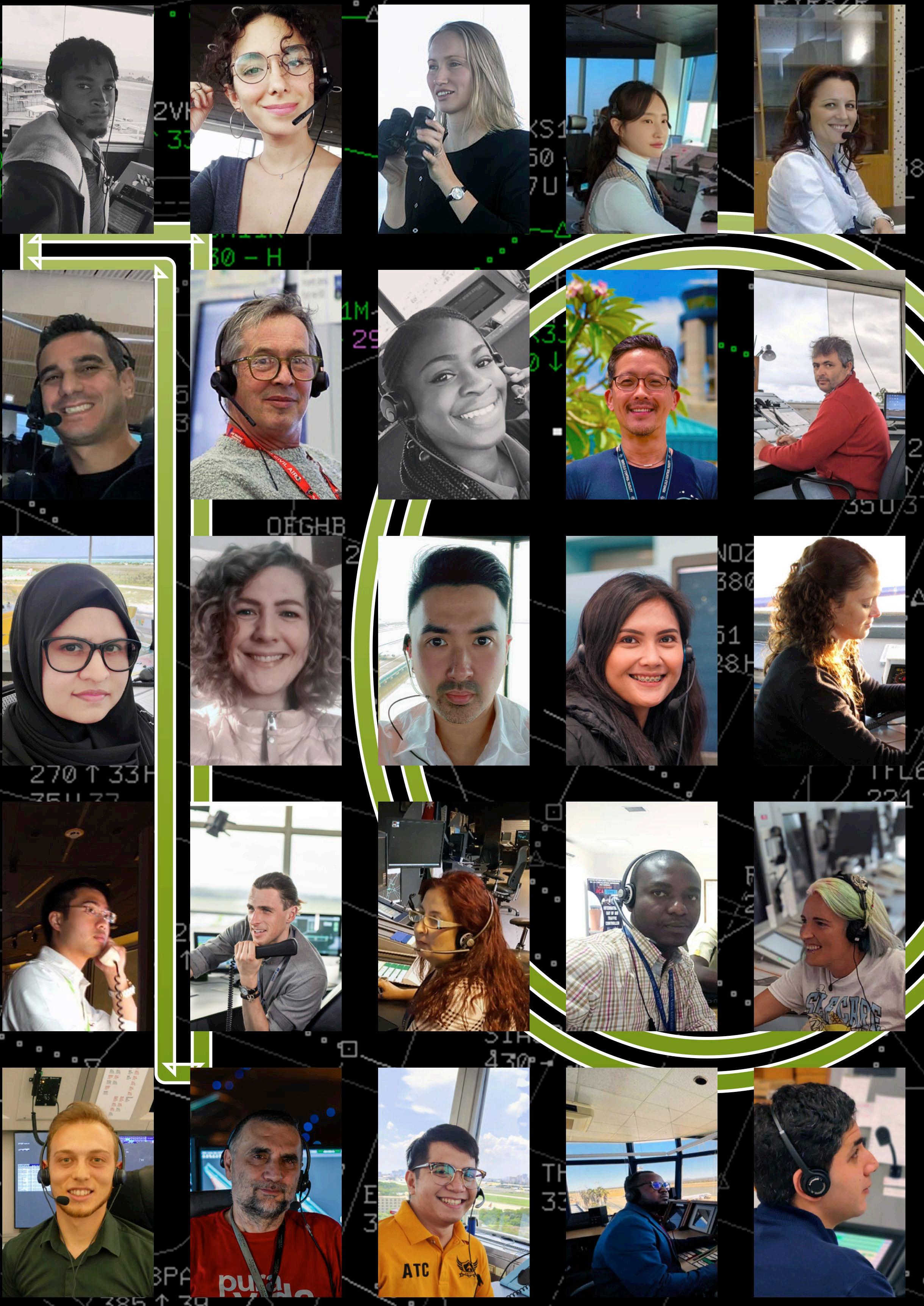
Thiscentenary issue of The Controller magazine presented a unique opportunity to take a snapshot of air traffic controllers at this very moment in time. The 100 faces project’s aim is to celebrate the diversity of controllers around the globe. You can find the result on the following pages.
There is no common trait, no one right face or one typical profile for a controller. We come from a variety of backgrounds, different sections of society and academic backgrounds. However, we share a common passion for our job and for ensuring the safety of the aircraft entrusted to us. This passion and common goals make us more similar than our appearances would suggest.
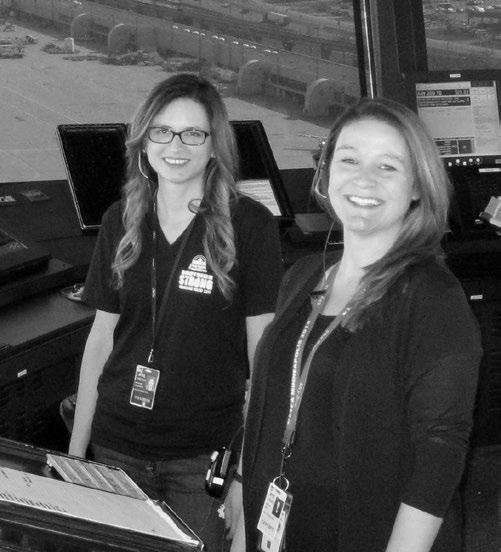
And yet while it is extremely encouraging to see such diversity, there is still a long way to go. In most places, our profession is trailing in gender equality – even if these pictures may suggest differently. Hopefully, long before our profession celebrates its next big milestone – in 50 or 100 years – we will done away with the perception that air traffic controllers are mostly male.
Thanks to the individuals, like Gaute Bruvik from Kodiak Photography, and Member Associations that have contributed to this project. y
z 100 YEARS ATC 11THE CONTROLLER

SPEAK ENGLISH PROGRAMME
z
by Olivia May, Vice president Communications, UK Guild of Air Traffic Control Officers

Communication is arguably the most important aspect of our job as air traffic controller. Using radio telephony, we only have speech to use and the verbal side must be accurate and completely unambiguous. While using standard phraseology help to achieve this in most cases, there are times when we must resort to plain English. When that happens, using clear and accurate English is vital. For native-speaking countries, like the UK, Ireland, and many more, this is less of an issue.
However, many controllers and pilots around the world are expected to use a language that is not their first, or even their second! In many instances, it is not widely spoken by anyone in their lives outside the control room, cockpit or VCR. BUT they still have an obligation to maintain their aviation English to a high standard, in line with ICAO licencing requirements.
Step in the IFATCA Speak English Programme, which started in 2021. The COVID-19 pandemic significantly reduced the opportunity to maintain the required fluency in spoken English. The programme aims to connect controllers and pilots that want to practice their English with facilitators from around the world. The initiative started for controllers in IFATCA’s Asia/Pacific region but quickly grew in popularity. It was not very long before it opened up to controllers in every region and then pilots through a collaboration with IFALPA.
A secretariat of seven ATCOs from the UK, Taiwan, Mongolia, Iran, Algeria and New Zealand manages the There are currently over 40 SEP facilitators from 18 different countries across all four IFATCA regions. They are all controller and pilot volunteers and give as much time as they wish. This can be a couple of times per month or every day – there is no minimum or maximum number. The participants come from even more countries and are matched with facilitators using a shared calendar. Participants can do a maximum of three sessions a month, each session being one facilitator with two or three partakers. Each session is set up for an hour, but given how much we all like to talk, they can often go on for much longer until someone notices the time

and remembers that they have to pick the kids up from school or get ready to head out to a shift!
The focus is very much on general English conversation with an aviation slant, rather than on technical language and phraseology – the programme is not language classes or preparation for official exams. Subject can be shift patterns, training or how to become a controller or pilot in different countries, but also about food, geography, pasttimes and whatever else takes our fancy (as in all areas of life money, politics and religion are best left aside!). Good sessions can feel more like a social meeting than anything else; they not only allow the participants to practice speaking, but also offer a great opportunity to meet people from all over the world and chat to like-minded individuals from very different backgrounds and locations.
Anyone interested in meeting different people and learning about other countries is highly encouraged to join the programme; the more facilitators we can get involved the further the programme can spread around the world and, if nothing else, just maybe you’ll have a local contact working in the tower or control centre of your next exotic holiday or the pilot who flies you there, who can give you all sorts of helpful advice and insider tips on the best restaurants to go to!
For further information or to volunteer contact
sep@ifatca.org
For information on becoming a participant, speak to your Member Association. And if you are not already a member of your country’s association: well, what are you waiting for?
z THEME 16 THE CONTROLLER z LANGUAGE
SPEAK ENGLISH PROGRAMME PARTICIPANT TESTIMONIALS
"Communication is a complicated process even in our day-to-day life, and the potential of being confused, misunderstood, or misinterpreted is really high, especially when it comes to aviation communication where safety is on the line, notably when departing from standardized phraseology to plain English to contend with abnormal situations.
English is the de facto language in the aviation industry. According to safety reports and statistics, poor communication between controllers and pilots was the primary cause or at the very least, a contributing factor in many fatal accidents throughout aviation history. Grounded on that, the ICAO introduced the concept of Language Proficiency Requirements (LPRS) in 2008 in order to improve and promote English language proficiency of all controllers across the globe so that aviation stakeholders would be able to prevent or mitigate the accidents that might stem from miscommunication to the lowest level.
IFATCA, as a prominent organisation in enhancing aviation safety, adhered to this common endeavor by launching an ambitious initiative “ SPEAK ENGLISH PROGRAM”(SEP).
As a non-native speaker participant in this program, let me say I am firmly convinced that the vast majority of nonnative controllers are aware enough of the fact that English language proficiency and aviation safety go hand in hand, and this is the reason why they are struggling on a daily basis to improve themselves. It is self-explanatory that they are not expected to be talented writers or readers while delivering their duties. However, it is recommended to be good, sensitive listeners and speakers by mastering various aeronautical communicative functions and recognizing different English accent variations. Those two targets cannot in any way be achieved by memorizing vocabulary or rehearsing standardized phraseology. The best option is to participate in casual conversations and interact as much as possible to build self-confidence and hone overall communication skills. Based on that, SPEAK ENGLISH PROGRAM is an opportunity that should not be passed up."
Toudji Boubakar ATCO Tamenrasset Tower (DAAT) Algeria
"I enjoy this program because I feel like I'm opening the door to a new world each time by talking with friendly facilitators and fellow participants from all over the world. Discussions are not limited to aviation but widely spread over various areas such as culture, history, society, and so on.
I am sure participating in SEP is the best course of action to improve our English proficiency, and also to broaden our views."
Tomoyuki "Bono" Akebono ANA B767 Captain Japan
z LANGUAGE 17THE CONTROLLER
WHY AVIATION ENGLISH?
zby William Agius, Deputy Head, Centre for Aviation, ZHAW Zurich University of Applied Sciences
The term Lingua Franca gets its name from Emperor Charlemagne, who ruled the Carolingian Empire and the Frankish people from 800 A.D. to 814 A.D. and who is probably best remembered as the man who commissioned the impressive and opulent cathedral in Aachen, Germany. Charlemagne was a visionary who was drawn to the idea of there being one single language to unite in peace the peoples within his realm. In as much, a Lingua Franca is the term that is generally used to refer to a situation in which speakers of different languages communicate with each other using a language that may not necessarily be their first language. Think of a speaker of German interacting in English with a French speaker in the absence of another common language.

With that example, I’ve already pretty much let the cat out of the bag: in today’s globalised world, English has assumed a prominent role as the Lingua Franca of science, commerce, technology – and aviation. One might easily be tempted to assume that the English language emerged as a global Lingua Franca in the wake of Britain’s political ambitions and the expansion of the British Empire starting in the late 16th century. In other words, wherever the British went, they took their language with them. However, at a second glance that seems overly simplistic – because while the British Empire rapidly went into decline and eventually vanished soon after the end of World War II, the English language has continued to spread across the globe, with the number of non-native speakers outstripping that of native speakers by an estimated ratio of three to one.
Several factors favoured the spread of the English language, and its role in the context of aviation is a good example of this. First, there is the fact that English is, in many ways, an easy language to learn. Its grammar is simple compared to that of many other languages. And second, there is the fact that at the end of World War II there were only two countries left whose aviation industry was still more or less intact: Britain and the United States, two of the three nations that would be instrumental in establishing the International Civil Aviation Organisation in 1948. In as much, if other nations wanted to keep up with innovations, trends and developments in the engineering and aviation domains, they really had no other choice but to maintain and improve
their English language skills to be able to participate in scientific discourse on the international stage – and to be able to properly understand the manuals to operate and maintain the new, modern fleets aircraft that were beginning to emerge.
Today, English is firmly established as the Lingua Franca of aviation and aeronautical radiotelephony communication, and that includes its use on the radiotelephony frequency in air traffic controller to pilot interaction. However, while a good basic command of English is necessary to be able to create and understand meaning, the focus of aeronautical
radiotelephony communication is not primarily on linguistic form and the use of grammatically correct sentences. What is at stake is the ability of air traffic controller and pilots to achieve mutual intelligibility and understanding on the radiotelephony frequency in a context where they only have their voice and their language to rely on to make themselves understood. y
z LANGUAGE 18
agiu@zhaw.ch
THE CONTROLLER
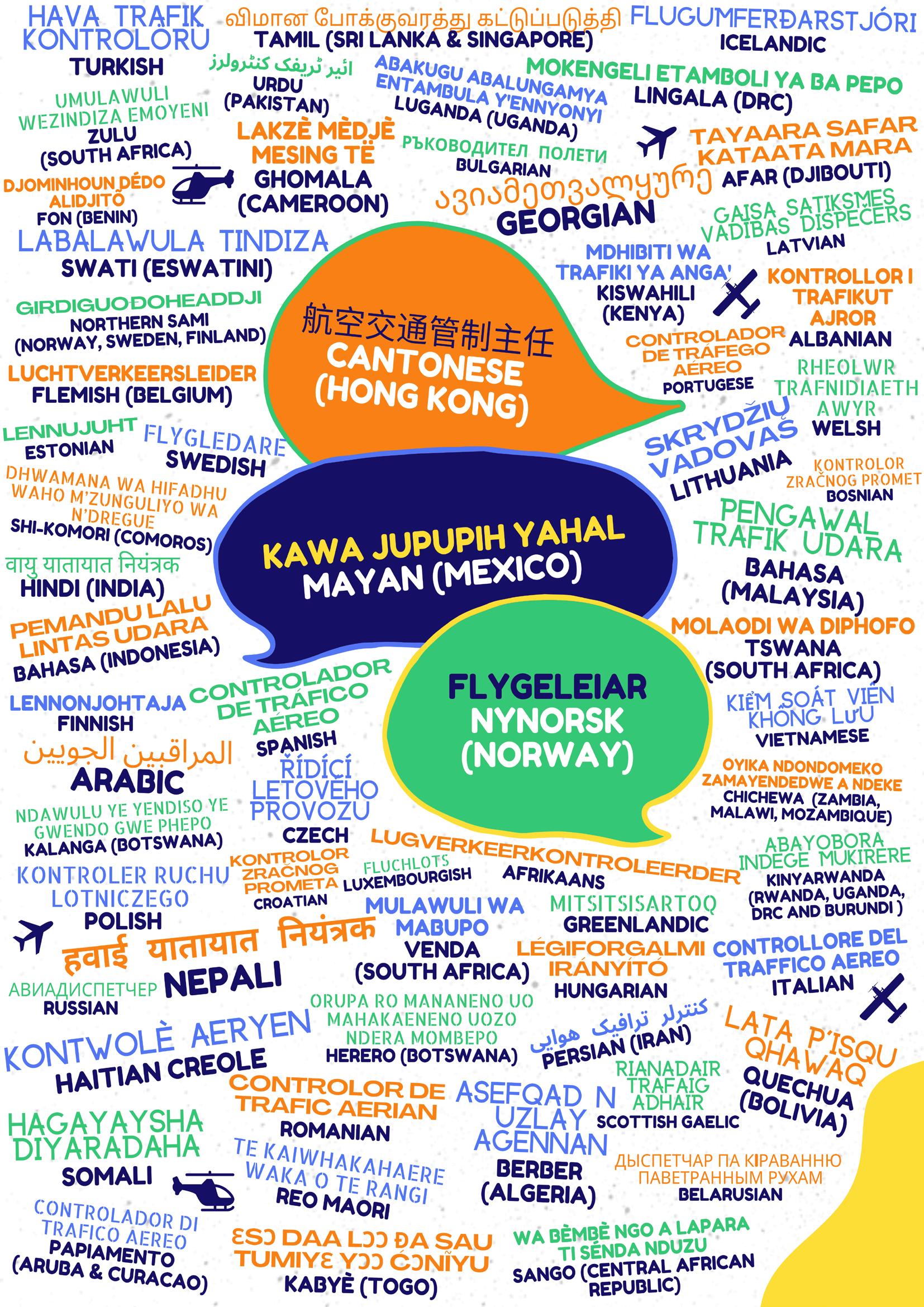
100 WAYS TO SAY AIR TRAFFIC CONTROLLER
z
by NICOLA Nì RIADA, IRISH AIR TRAFFIC CONTROLLERS' ASSOCIATION
Our role with the aviation industry is most commonly known as ‘air traffic controller’, in English, because English is aviation’s official language. In 1951, ICAO Annex 10 (Vol I, 5.2.1.1.2) to the International Chicago Convention recommended that English be universally used for international aeronautical radiotelephony communications. Up to then, aviation mostly used codes or local language to communicate. International agreements, including rules and regulation, were written in French. But as aircraft began covering larger distances, a common spoken language became crucial for the industry.
Aviation English was created to be a language for a very specific purpose, so no matter where it is spoken in the world, it’s understanding remains the same. It is interesting to note that some terms still in use today, like PANPAN and MAYDAY find their origins in French, which had been the working language for telecommunications and aviation until World War II, at least in most of Europe.
Aviation English and its universal application across the industry is widely considered as an important safety benefit and one of the reasons why aviation accidents are so rare.
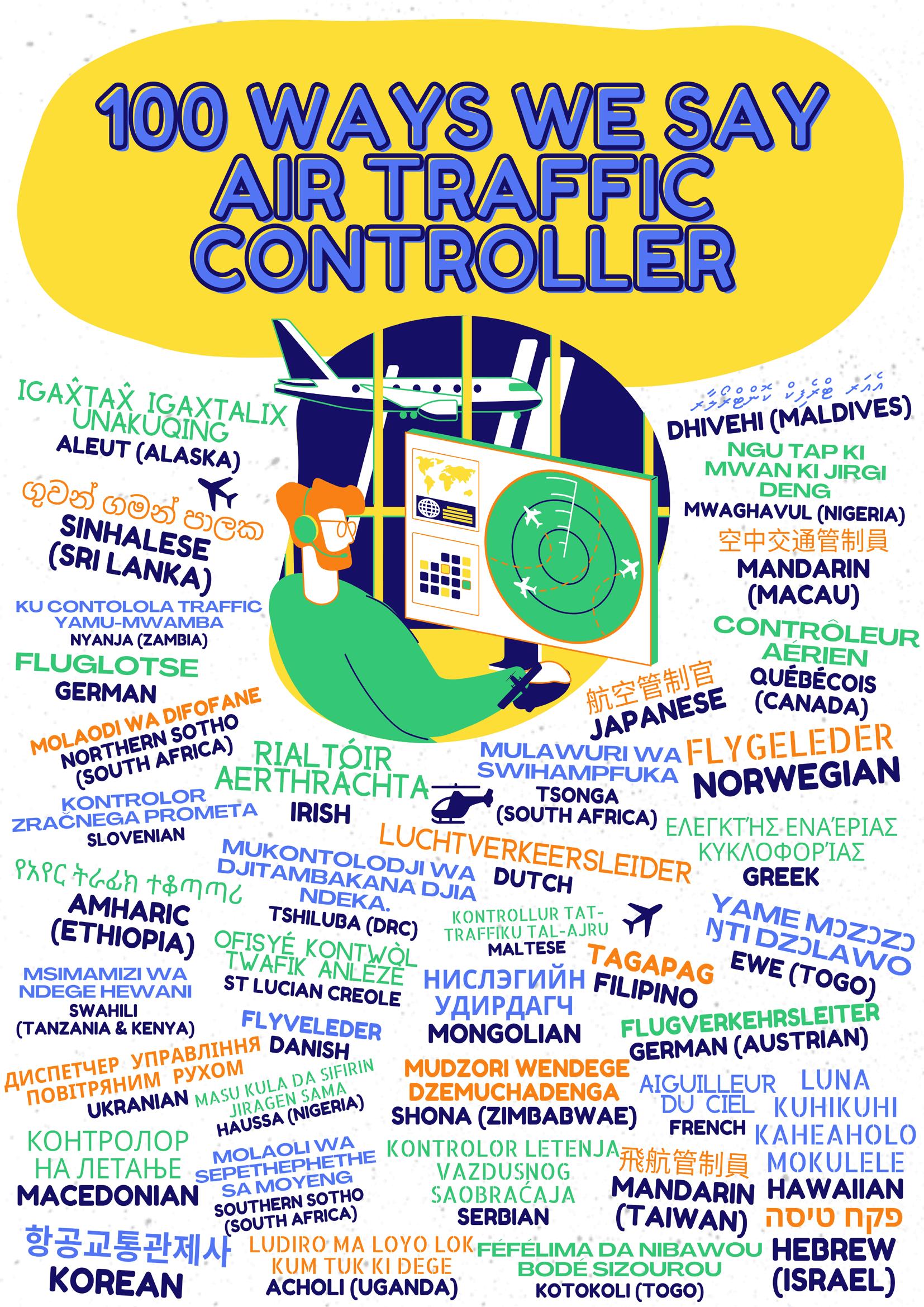
While generally everyone working in the industry know the term air traffic controller, this is not the case for the general public. Each language will have its own translation of the term.

The Irish word for Air Traffic controller is rialtóir aerthráchta. Irish is one of the
oldest written and historical languages in the world, over 2,500 years old. Given that ATC is a mere 100 years old, the terminology for air traffic controller, among other aviation terms, required a new construct in Irish. How does that work? Ireland has full-time terminologists, whose job it is to create hundreds of new Irish words and phrases each month.
Requests are made online for Irish versions of English language words, and 23-member voluntary committee meets once a month debates what terms become official. Around 3,000 new Irish words are created each year. These terms can be accessed on Tearma.ie, a project funded by Foras na Gaeilge, the body responsible for the promotion of the Irish language in Ireland.
This process is the same in other counties, with other languages. Icelandic for example, has the Language Planning Department who integrate new and
foreign concepts into the millennia-old Icelandic language. The unique roles we play in our society is reflected in our languages evolution to name our roles.
The 100 Years of Air Traffic Control project is about celebrating what controllers have in common as well as recognising the difference that make us unique. And our native languages are part of who we are. As part of the project, we thought it would be interesting to collect as many translations of Air Traffic Controller as we could find. On the following page spread, you'll find how to say Air Traffic Controller in one hundred different languages.
The ATC100 Task Force would like to thank all IFATCA Member Associations who contributed and engaged with this project! y
z LANGAGUE
THE CONTROLLER 19
100 AREA CONTROL CENTRES?


z
by Antonio LANDI, Air TRAFFIC CONTROLLER, Maastricht UAC
Some aviation professions are very visible for the travelling public. Security officers, check-in staff, pilots and flight attendants are probably the most recognizable for passengers, as they are at the forefront of the industry. There is a second layer that most people know about, but rarely get in contact with like mechanics, cleaners, luggage handlers, marshallers and the likes. Air traffic controllers working in a tower are probably also in this category. Once they get past calling the apron marshaller a controller, most people associate the job with the people working in the most identifiable building at the airport: the tower. This even extends to journalists: when there is an accident, how often do they mention that the aircraft lost contact with the ‘tower’, when it was clearly nowhere near an airport?

Further down the familiarity ladder are probably approach and flow controllers. The former are known from movies, as the people who, when an aircraft is in trouble, ‘talk them down to a safe landing’. And flow control is known, of course, from the pesky cabin announcements explaining why the aircraft has still not left the gate.
But that is probably as far as the knowledge of the general public goes. Few, if any, realise the vast network of Area Control Centres and the controllers that work in them. Area controllers spend a good portion of their non-professional life explaining that ‘no, we do not have batons to guide aircraft to the gates’, ‘no, we do not sit in the tower’, and, for a good portion of them, ‘no, we are actually nowhere near an airport’. Despite the explanations, it leaves most people bewildered as to why there would be people talking to aircraft that are just flying straight ahead. That bewilderment only increases when having to explain that two aircraft at the same height need more than 9 kilometres between them…
While air traffic control celebrates its centenary this year, not all functions were introduced at the same time. Initial focus was on the airport tower, even if they provided some en-route navigation and information services. Approach control came next, with controllers using direction finding to guide aircraft towards the airport in low visibility
conditions. The last one to develop into a dedicated function was area control, at least to prevent collisions. The service developed from goniometry stations that provided navigational assistance to overflying aircraft, replacing visual reference points and beacons. Over time, these stations began passing traffic information on other aircraft and eventually, began providing separation between aircraft passing through their area of responsibility.
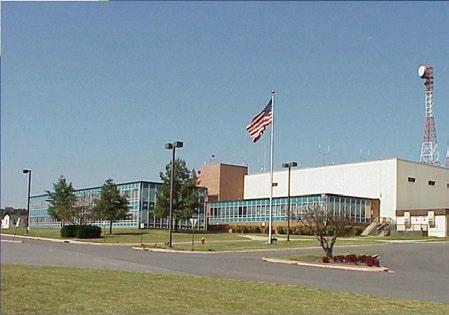
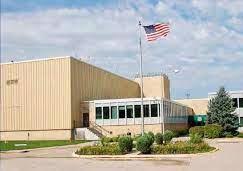
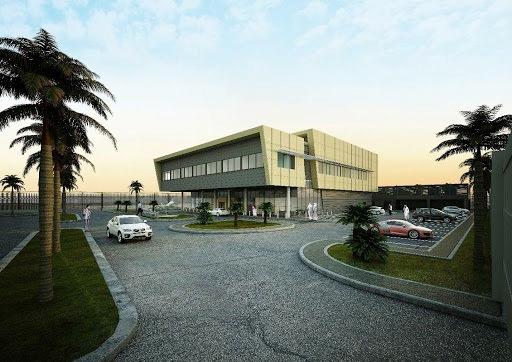
When discussing different projects for this celebratory edition of The Controller, we considered doing a “100 Area Control Centres” feature, similar to the 100 Towers page-spread. We quickly realised however that this was not going to be as iconic or captivating: other than some antenna’s and maybe a logo, the outside of most area control centres looks about as interesting as the average office building or shopping mall. And even though most of the editorial team that put this issue together actually works in an ACC, we all realised that it would probably be pretty boring to look at rows and rows of people staring at screens. y
22 THE CONTROLLER z 100 Years ATC
z Tower West at Kuala Lumpur International Airport, Malaysia
100 TOWERS
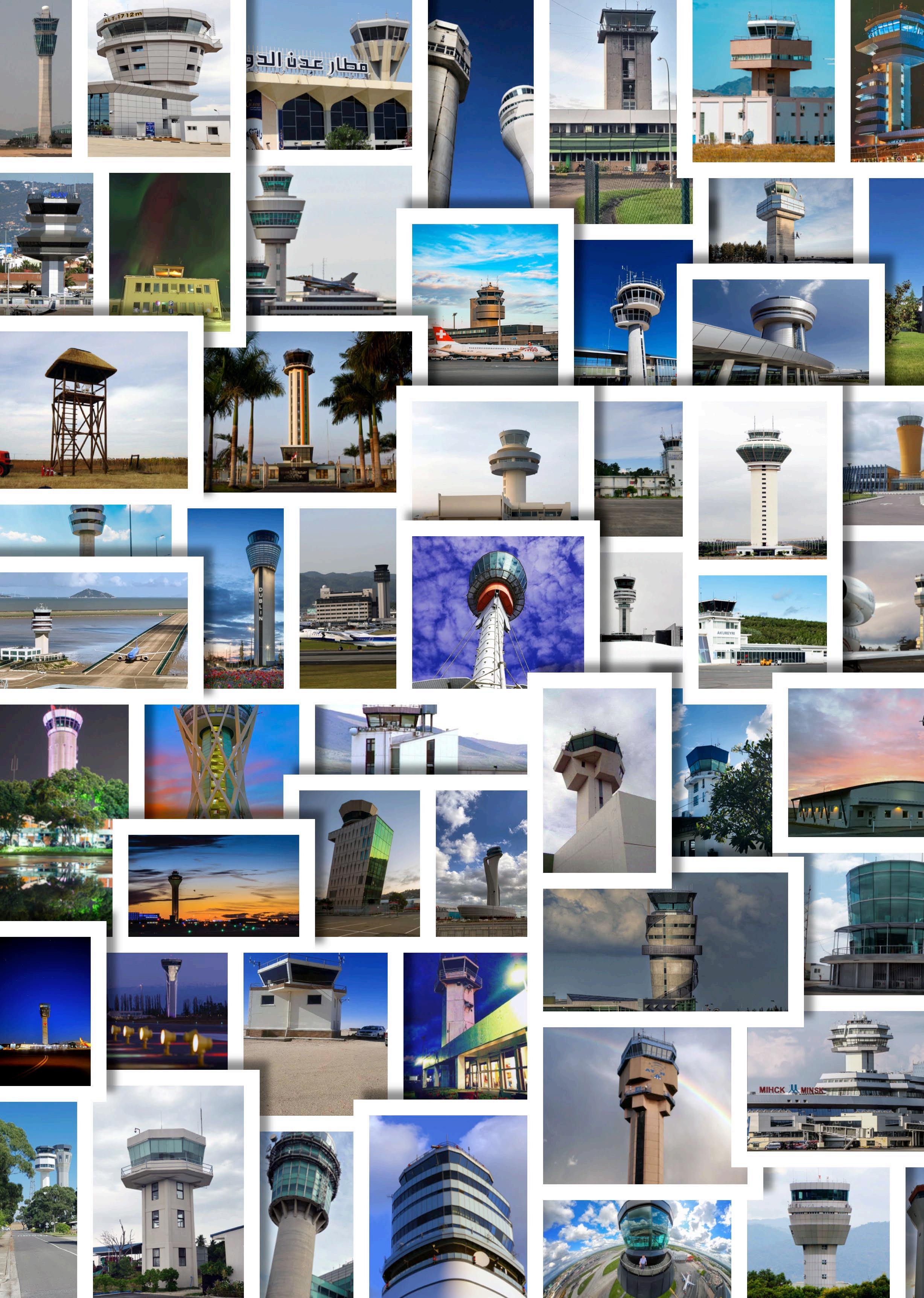
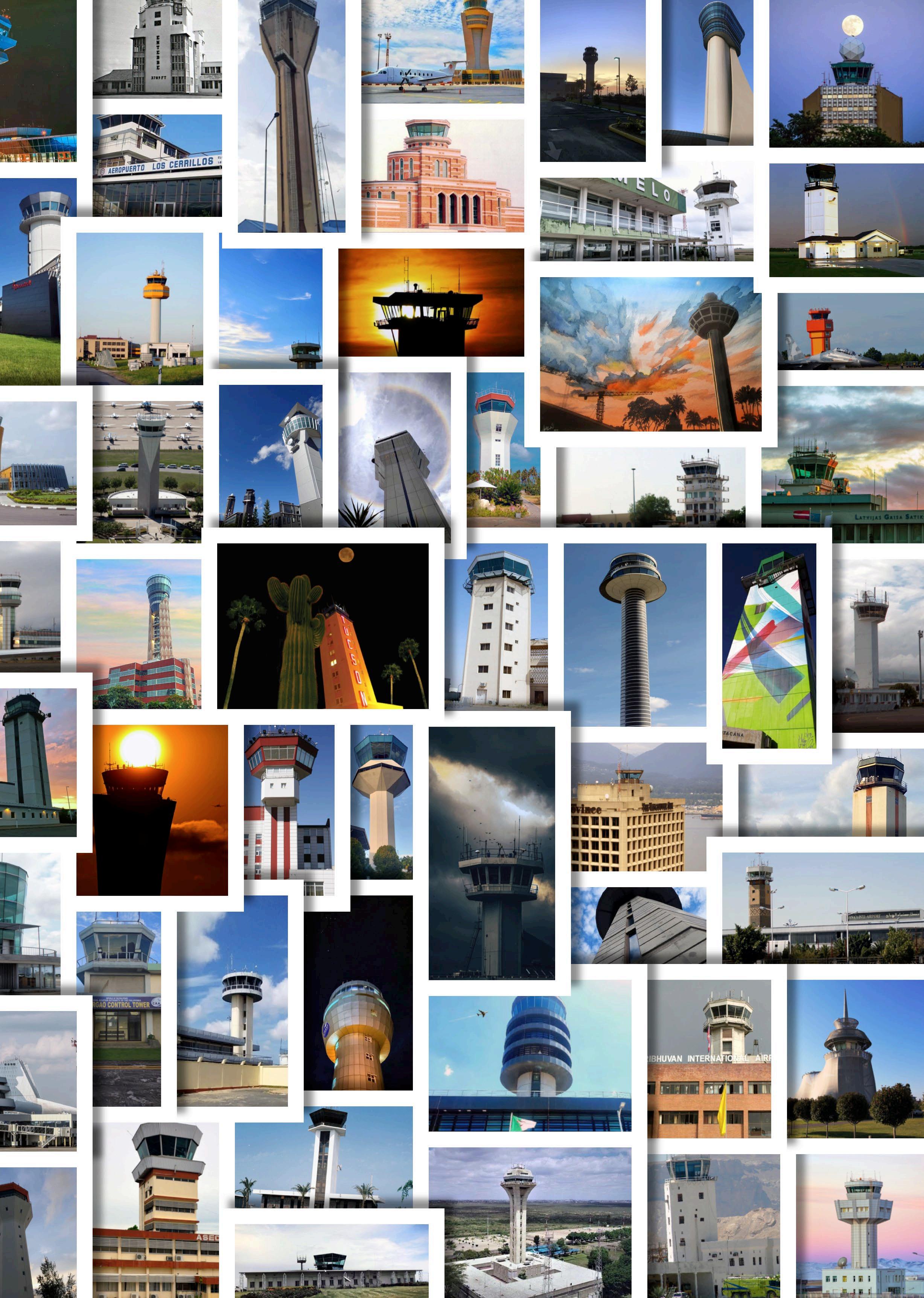
If they are not thinking of a marshaller, the first thing most people associate with air traffic control is the airport tower. Given that it is so iconic and widely associated with our profession, it was an obvious choice to include in our centenary celebrations.
We asked IFATCA Member Associations to send in their favourites and they did. So from the older to the brand new, the towering to the tidy, each tower in the project was nominated by their MA, and is loved by ATCOs. However, by far the most impressive submission we got was the hand-painted tower of Singapore’s Changi Airport, by Dang Chun Kin, from our local association ATCA-S - see below.
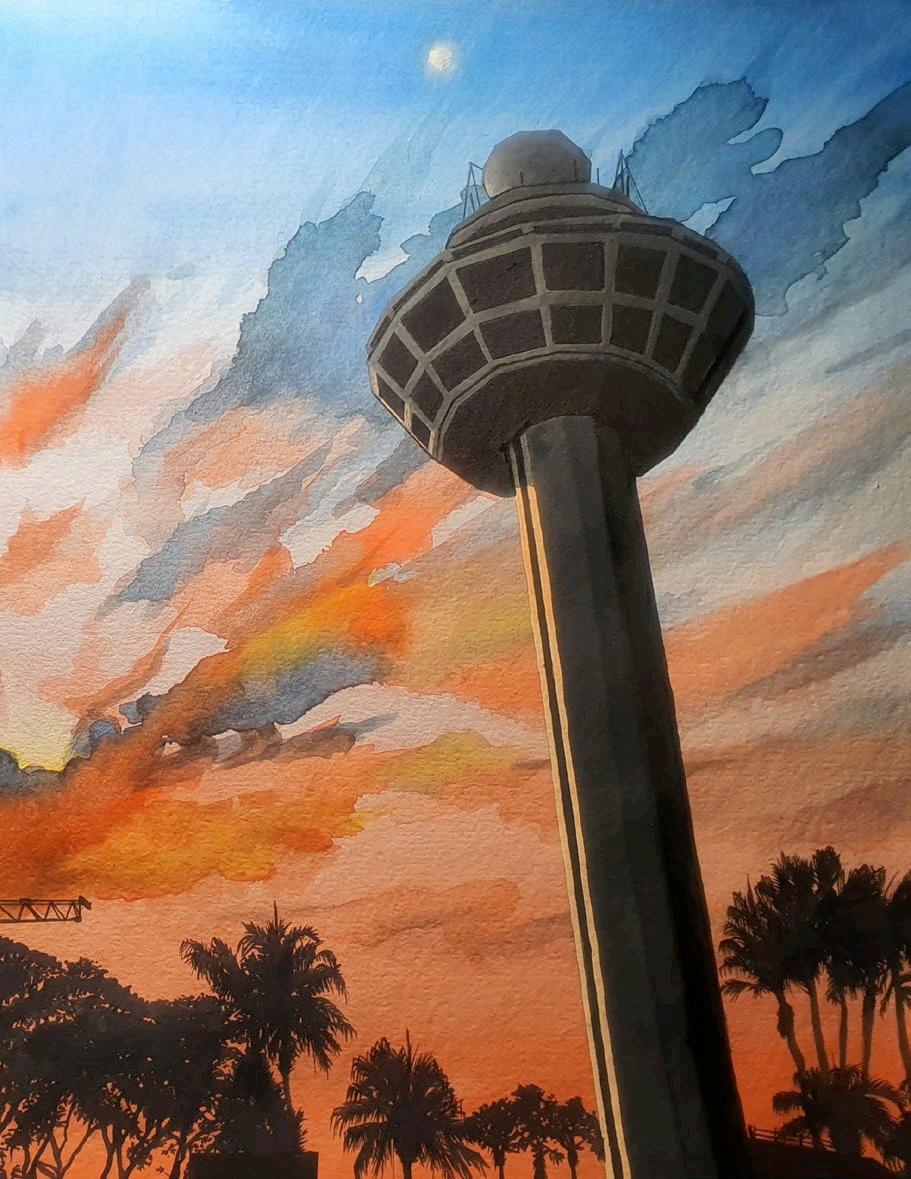
Tallest Tower

According to the Guinness World Records, the tallest airport control tower is still Tower West at Kuala Lumpur International Airport, Malaysia. It is 133.8 m (438 ft 11.71 in) tall and was completed in April 2013. It appears that the tower at Jeddah’s King Abdulaziz International airport in Saudi Arabia is taller at 136m /446ft, but this measurement has yet to be validated by the people at Guinness.
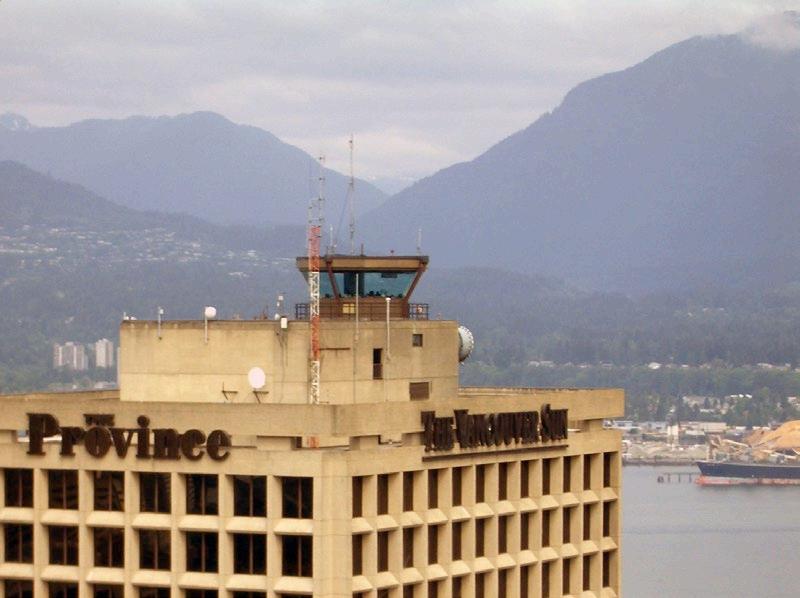
But even that is not quite the end of the story: the Vancouver Harbour Air Control Tower, which serves Vancouver Harbour Water Airport (CYHC), sits on top of a 142 m (466 ft) tall skyscraper, the Granville Square in Vancouver, British Columbia, Canada. Built in 1973, it remains the highest air traffic control tower in the world, where it controls an airport with one of the world's highest levels of seaplane activity.
z The Vancouver Harbour Air Control Tower, on top of the Granville Square skyscraper
z 100 YEARS ATC
credit: © Mohd Hafiez Mohd Razali Dreamstime.com THE CONTROLLER 23
STAYING IN CONTROL
the centenary of AIR TRAFFIC CONTROL
 z by Dr Steven Shorrock, EUROCONTROL
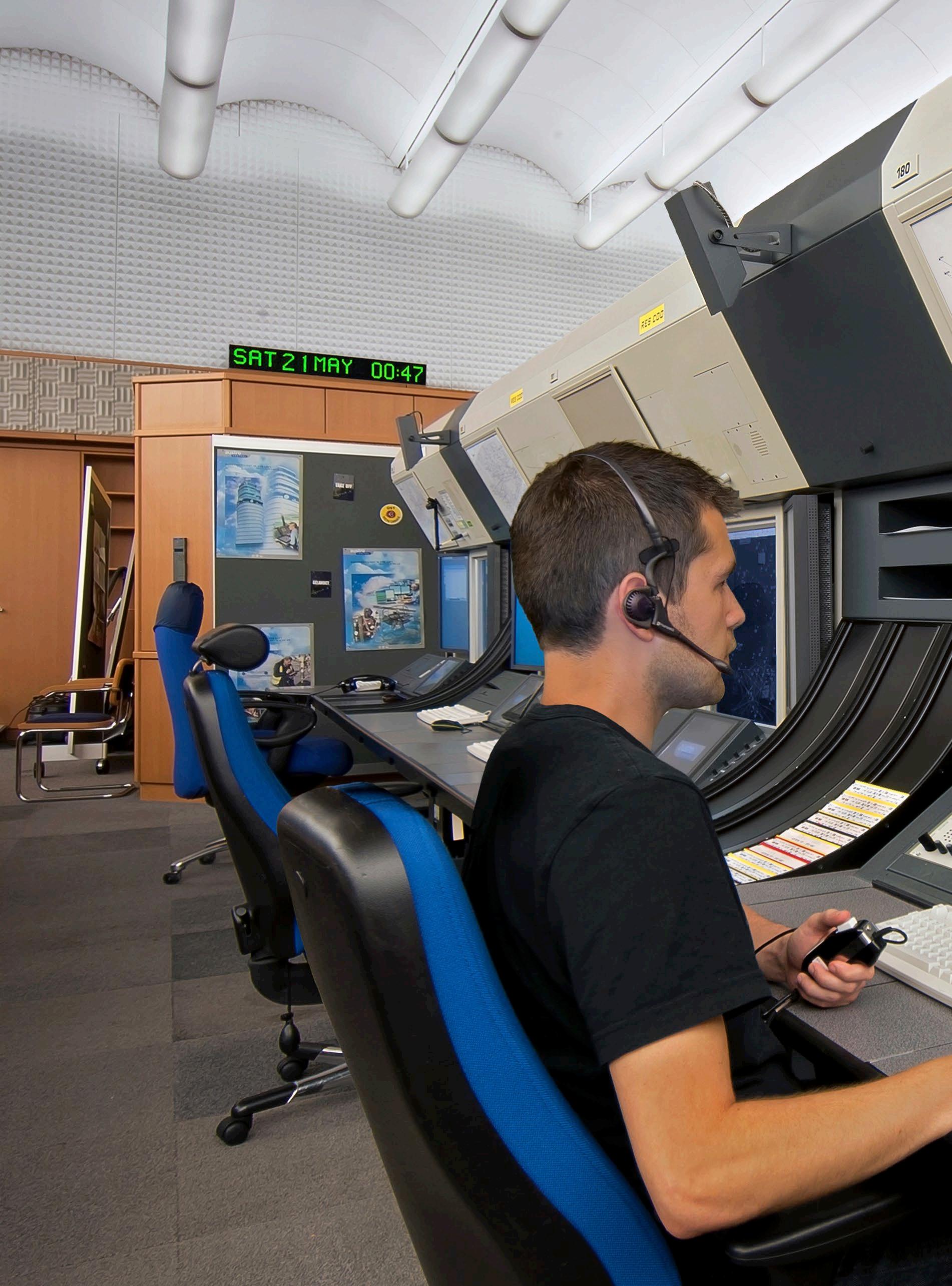
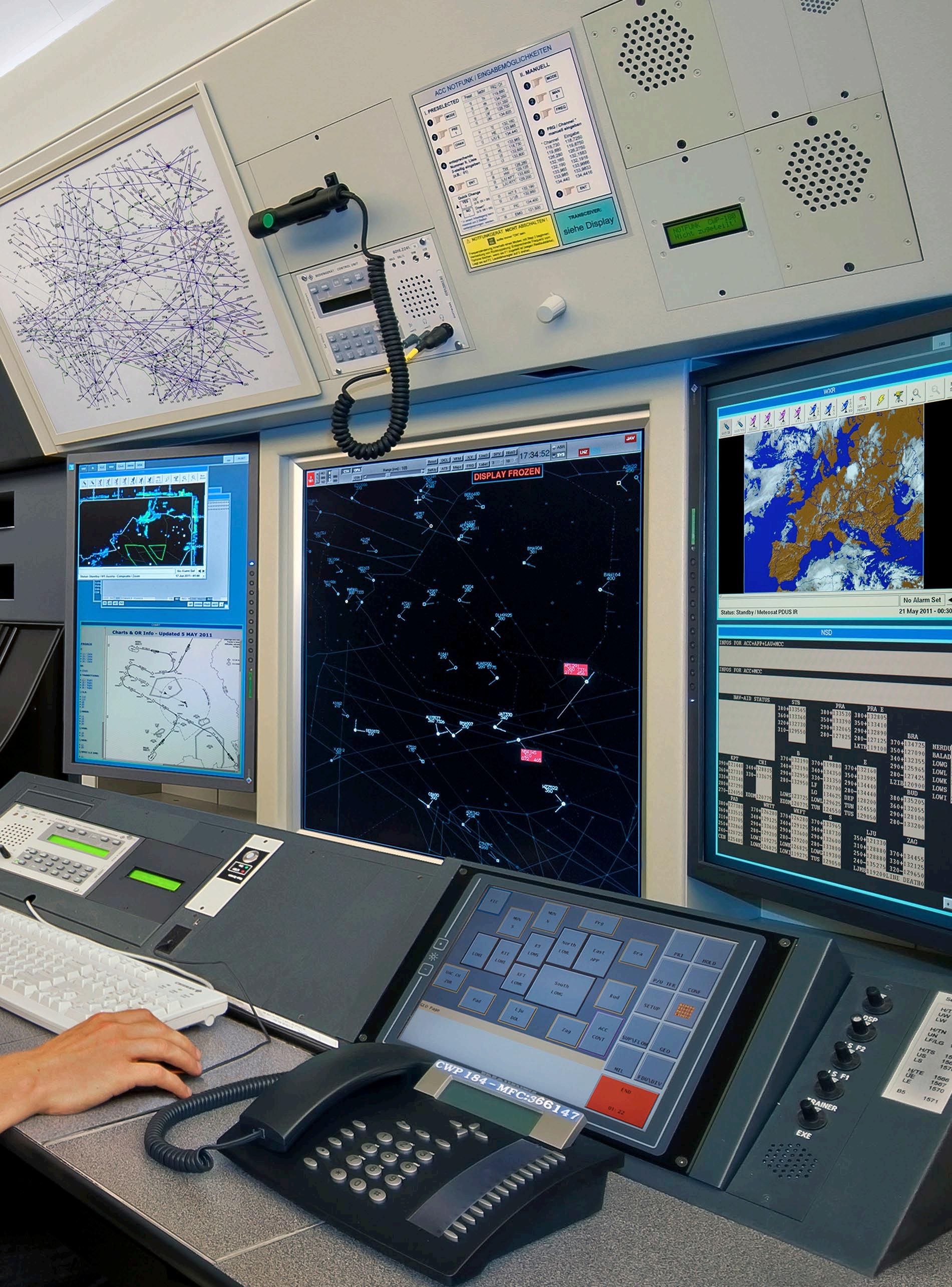
Twenty-five years ago, I got my first job as a human factors specialist involved in research and development for air traffic management. As a young psychologist and ergonomist, I was involved in safety, system design, and airspace projects. During a series of simulations, I first came into contact with a clan of professionals to whom I have somehow devoted most of my career: air traffic controllers. In the quarter century since, working in air navigation service providers, a consultancy, academia, and now an intergovernmental organisation, I have spent thousands of hours with controllers and practically every profession that affects the work of controllers, in live operations, real-time simulations, shadowing operations, classrooms, conferences, and workshops. I even found myself – a non-controller – as the editor of HindSight magazine, read mostly by air traffic controllers. Watching people walk into a typical unit, I could probably tell you which ones are the controllers.
I have come to understand what it means to be an air traffic controller, and the critical role that air traffic controllers play in society. I believe in the role, and would like to see it strengthened and improved. So for this centennial issue of The Controller, I offer five suggestions that have emerged from my experience of working with you.
There is the counter-intuitive lesson from these five suggestions: Staying in control involves temporarily not feeling in control. It involves becoming open to new experiences, becoming an apprentice in unfamiliar areas, accepting uncomfortable feelings about change, facing your blindspots and weaknesses, and being interdependent.

1. Practice openness to experience
Perhaps you know someone who is curious, creative, imaginative, and able to see things differently from different perspectives. They are probably attentive to feelings, enjoy variety, and able to tolerate ambiguity. In psychology, this is known as ‘openness to experience’, and is one of the so-called ‘big five’ personality traits. People high on openness are most likely to adapt and thrive in the face of change. If this personality trait doesn’t seem to describe you, the good news is that personality can be changed, under three conditions. First, you have to want and intend to change your behaviour. Second, you have to believe that you can make the behavioural changes required. Third, you have to persist with the behavioural changes until they become habitual. The key word is ‘behaviour’. Research suggests that openness to experience can be enhanced by cultural activities, reading different books, learning an instrument, taking up a new hobby, developing a more active lifestyle, and paying more attention to the natural and built environment.
Dr Steven Shorrock is a psychologist and human factors specialist and works in the EUROCONTROL Network Manager Safety Unit. He is Editor-inChief of HindSight magazine (bit.ly/ HindSightMagazine) and blogs at humanisticsystems.com
2. Diversify your learning
In specialised professions such as air traffic control, it can be tempting to focus only on what you are already very good at (controlling!). This brings a feeling of competency and satisfaction. The problem arises when the context of work changes and you need a different and more diverse skill set. As Richard Champion de Crespigny, Captain of QF32, remarked in HindSight magazine issue 29, “We must commit to a lifetime of learning. You must never stop learning.” In a rapidly changing world, this means learning and developing knowledge and skills about areas such as change management, safety, wellbeing, or human factors, which can be transferred to different situations and environments, even beyond air traffic management.
z HUMAN FACTORS
FIVE SUGGESTIONS FROM A LONG-DISTANCE PSYCHOLOGIST on
3. Work on acceptance
Those who have been in this sector for a decade or four will have seen major changes to the contexts of ATC work – the legal and regulatory, the technological and the informational, the social and the cultural. Some changes are obvious, such as the change from paper strips to stripless, or from physical to virtual tower. Others have happened over a longer period, like changing attitudes to work, or the relative importance of goals relating safety, the environment, capacity, and efficiency. And more recently we have seen more volatility, uncertainty, and ambiguity. Change will continue at greater pace, and demands a degree of acceptance. Acceptance is a basis for learning and wellbeing. It involves noticing and acknowledging what’s going on, contemplating, feeling, and appreciating. This is an active process, and we have to take time to work out which aspects of our situation are within our power to change for the better, and which aspects are not.
4. Get involved in your future work
This suggestion builds on the previous three. It is important to find and use your power to influence your future work. This may be via associations, projects, committees, or relationships more generally. It may concern anything that results in changes to your work: policies, procedures, hours of work, training, technology, work environment. It means paying attention to what is changing, and what needs to change, and making sure that things are not done to you, or just for you, but rather with you. It can be tempting to stay in a close-knit group of ‘like-minded’ individuals and fellow controllers. But optimising your future work means working across teams with people diverse interests, knowledge, skills, and perspectives, connected by trust, mutual support, and a sense of community. It also means advocating for those who advocate for you. Find allies inside and outside of your organisation.
5. Look after yourself, and each other
Wellbeing has physical, emotional, psychological, intellectual, social, environmental, financial, and spiritual aspects. We each focus on some of these, but we neglect others and tend not to realise how they relate. Personally, in a period of poor mental health due, I discovered to my surprise that physical exercise made a big difference. Some time spent reflecting on your wellbeing blindspots, and searching for ways to meet these needs, will bring great benefits. Thinking more broadly about your circle of family, friends, neighbours and colleagues, who among them can you count on to help you to adjust to new situations, and to grow? They are probably good listeners, encourage you, offer alternative perspectives on a situation, give practical support, or provide a comforting presence. And who would count you in their circle? It’s easy to put off the phone calls, the small notes of thanks and appreciation, the acts of service, the small gatherings. But thoughtfully showing and expressing care and gratitude, and going out of our way to help and support others, strengthens relationships and eases burdens on both sides. More generally, research shows that resilience is social, not just personal.
z HUMAN FACTORS
WOMEN IN AVIATION ADVISORY BOARD
z
by Patricia Gilbert, IFATCA EVP AMERICAS

For the past two years, I had the honour of serving on the Women in Aviation Advisory Board (WIAAB). I was one of 30 women appointed to the Board by the U.S. Secretary of Transportation which was charged with developing and providing independent recommendations and strategies to explore opportunities for encouraging and supporting female students and aviators to pursue a career in aviation.
At most air traffic control facilities and in the associations that represent air traffic controllers the absence of an equal balance of women is obvious. In fact, at any airport; flight deck; maintenance, repair, and overhaul facility; or office in an aviation company, the absence of women is also noticeable. A close look at the data available reveals striking under representation of women in aviation. In most aviation occupations, women make up less than 20% of the workforce and for the last 60 years, the introduction of women into the industry has been largely stagnant. The largest gaps are in senior leadership positions (3.0%), professional pilots (4.6%), and maintenance technicians (2.6%).
Although women in aviation have broken through barriers and made remarkable contributions, the industry has been largely unsuccessful in meaningfully attracting, retaining, and advancing women. This troubling reality and its implications for the future of the aviation industry is one of the many reasons the WIAAB was established when the FAA Reauthorization Act was signed into law in 2018. Many members of Congress and their staff who championed Section 612 of the Act deserve recognition and the industry’s appreciation for providing the foundation for the Board to conduct this vital work albeit the global pandemic added more complexity by requiring virtual forums to conduct most of the work.
Per the statute, the WIAAB was dissolved on March 28, 2022, when Chairperson Dr. Heather Wilson transmitted the Report to the FAA Administrator and Congressional leadership on committees of jurisdiction.
Even though the WIAAB’s work to produce the Report is complete, the important work to ensure the implementation of the 55 recommendations is just beginning.
Why does this work matter?
No other industry connects humanity like aviation; it expands to all corners of the globe and all aspects of our lives. The aviation industry is the safest and most technologically innovative transportation industry in the world. Aviation is not only critical to transportation infrastructure; it is also a key component for each country’s economy. For the aviation industry’s continued success, a massive talent pipeline is required. To meet the challenges of today and tomorrow, aviation must increase its outreach and deepen the talent pool of its workforces. Simply put, the aviation industry needs more women to pursue aviation careers for the industry’s safety, sustainability, profitability, and ability to innovate.
What are the recommendations?
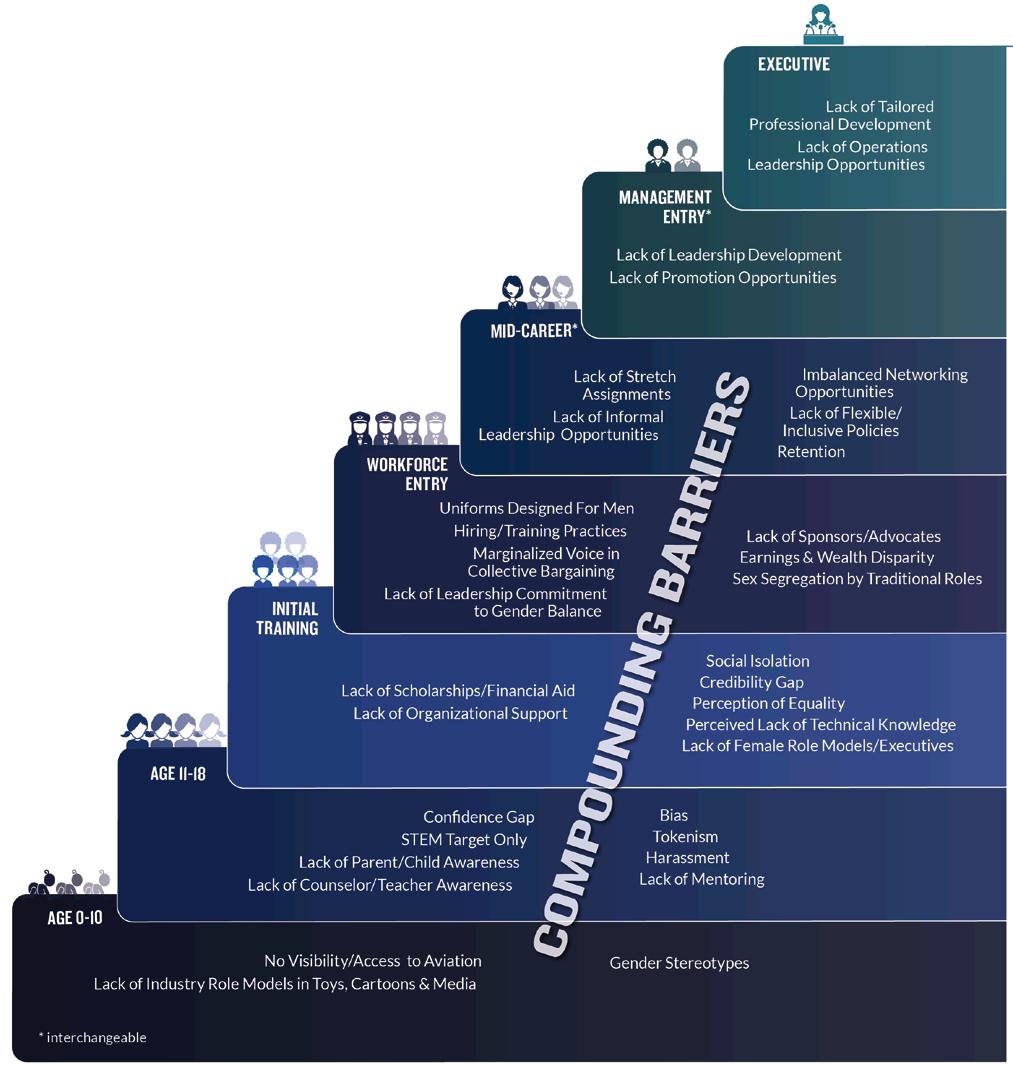
Before making recommendations, the WIAAB undertook an extensive effort to understand the underrepresentation of women in aviation. The WIAAB discovered that there is a complex system of barriers that impedes the recruitment, retention, and advancement for women in aviation. We captured those barriers
z RECRUITMENT THE CONTROLLER 28
This model depicts how, without intervention, barriers compound over time. It also shows opportunities for strategic interventions—leverage points that are the basis of the report recommendations.
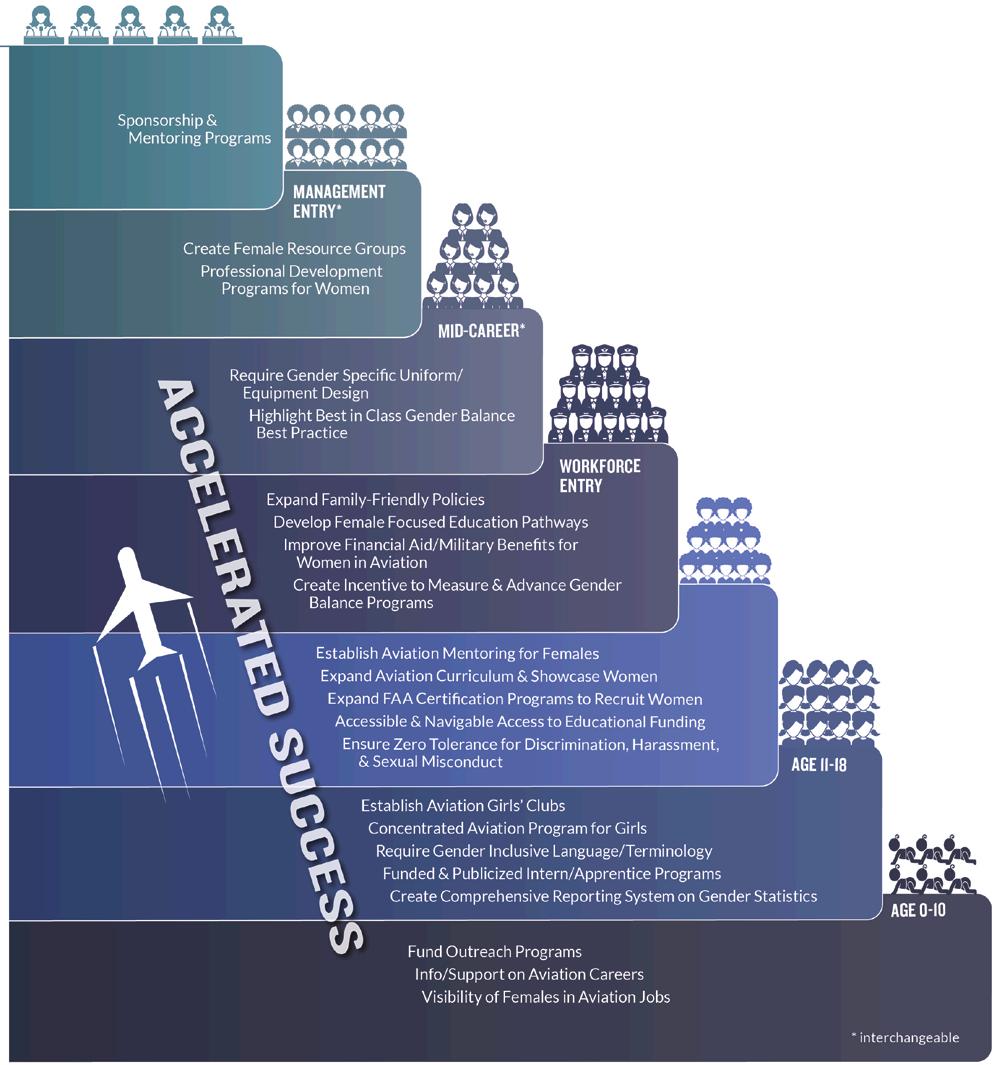
The recommendations are grouped into five general areas:
z Culture — overarching barriers throughout each stage of the journey
z Recruitment— at early phases of a woman’s journey
z Retention — through initial training and workforce entry
z Advancement — into mid-career and leadership/executive opportunities
z Data – identify and address gaps in data, and publish data to track progress
Some of the Culture recommendations include:
z The U.S. establish a permanent advisory committee to ensure sustained focus across current and future administrations, and coordination among many organizations on implementation
z Increased visibility of women in aviation careers
z Industry-wide independent reporting program for incidents of gender bias, discrimination, and sexual harassment
Recommendations for Recruitment include:
z Early exposure to aviation through improved outreach and aviationfocused educational opportunities
z A virtual resource centre—“onestop-shop”—with information about career pathways, educational and scholarship resources, and engagement opportunities to pursue careers in aviation
Retention recommendations include more and improved family and work/ life balance policies, and Advancement focuses on the importance of
How do Mentorship, Sponsorship, and Culture connect to effect positive change?
Mentoring programs are critical for women in the aviation industry. Mentorship is one of the ways in which knowledge is shared and individuals are developed, supported, and encouraged. It can inspire women to consider aviation careers by opening doors women don’t know exist or know how to open. Mentors also can provide essential “navigational support” to women as they face barriers throughout their career journeys. For example, in aviation, women have fewer women role models as examples of success. Men who encounter difficulty may be encouraged to persist, while women and minorities may be more likely to see adversity as proof that they do not belong.
Mentorship also can play a significant role in building and sustaining an inclusive culture within an organization. Culture, in turn, is important to creating an environment in which mentorship is valued and fostered. Effective use and integration of mentors can be a highly beneficial means to drive organisational culture change, including developing and retaining talent, strengthening gender diversity and inclusion, reducing turnover, and improving employee engagement and productivity.
track and improve progress; continuing
Sponsorship is another critical success factor, particularly for advancement. Mentors and sponsors play distinct, but important roles, which are important to consider in understanding how and when they can be used during one’s career planning and progression to lead to optimal success. A sponsor advocates for their protégés — typically junior employees, helping to open doors and providing visibility so that others can recognize their capabilities and potential for advancement. Sponsorship also serves leadership by providing deeper insights into barriers or obstacles in sponsored employees’ career paths. This understanding can foster innovation in problem-solving, especially in the areas of human capital, retention, and advancement.
Culture in aviation and its importance intrinsically links to or underlies most, if not all, of the recommendations. Without broad and deep commitment
29 z RECRUITMENT THE CONTROLLER
to culture change, more tactical initiatives are unlikely to be fully effective. Changing culture is a longterm commitment, and no single individual or entity is responsible for it.
The absence of broad senior leadership commitment and transparent, public effort to achieve real culture change, however, cements the status quo and actively discourages progress.
Safety — Our number one priority. Do we have the culture to support it?
From the FAA to airports, from general aviation and airlines, and from every entity integral to aviation, the industry consistently displays its commitment to safety in articles, policies, data, programs, mission statements, mottos, etc.
Aviation is the safest mode of transportation. This is an accomplishment we should all be proud of regardless of our role. Yet, there is
always room for improvement. Explicit and implicit gender discrimination, exclusive cultural norms, sexual harassment, and gender bias can all directly and negatively impact aviation safety. Bias can impact behaviours and decisions and undermine organisational culture. Well-established aviation safety systems, such as Crew Resource Management/Team Resource Management (team management focused on communication and interactions) and Safety Management Systems (an organisational approach to managing safety and ensuring proper risk controls), are built on assumptions of inclusivity creating a safe environment for free and open communication.
What can you do?
The Report includes many recommendations for industry organizations, the FAA, Department of Transportation and Congress. It is just as important we individually do our part.
Doing your part means:
z Talk about the importance of a more balanced and welcoming industry
z Use your position, role, or influence to address or correct a negative culture
z Hold your leadership accountable
IFATCA's Equity, Diversity and Inclusion Task Force (EDITF) would like to recognise the tremendous job Patricia Gilbert has done both on the Women in Aviation Advisory Board (WIAAB) and on the IFATCA Equity, Diversity and Inclusion Task Force (EDITF).

The EDITF will adopt the key findings from the WIAAB report into our IFATCA Equity, Diversity and Inclusion Plan.
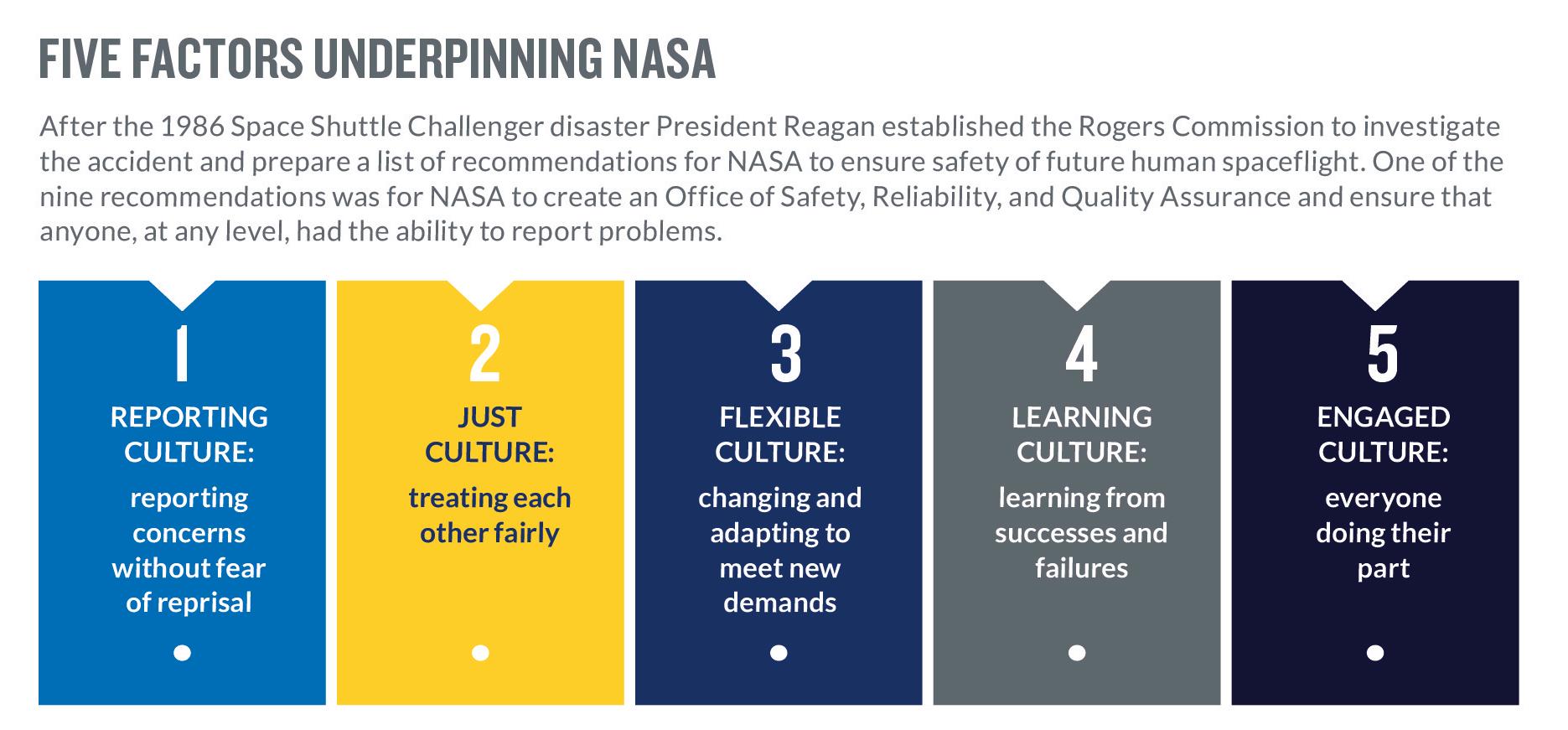
The National Aeronautics and Space Association’s (NASA) research and investigations following the tragedies of Apollo 1 and Space Shuttles Challenger and Columbia reflect the importance of open communication for safety of the industry. Today, NASA applies the five-factor principles to each employee’s decision-making: Decision-making is contingent on an engaged workforce that is included and treated fairly.
Through dedicated, well-planned work, we can make an impact and help improve the culture within aviation. We continue towards greater equality and inclusion, creating a better functioning IFATCA amid a changing culture.
Sverre Ivar Elsbak
z Get active in making a difference Together and individually, we can do more and be better to improve aviation’s culture and continue to advance an industry that puts safety first. The solutions proposed by the report, in no way are exhaustive, but designed to share responsibility for the change. Working together, we can increase the number of women in aviation careers, which in turn, results in an industry on the leading edge of safety, innovation, and profitability. An industry for which we are accountable and hold to the highest of standards. y
z THE CONTROLLER 30
trish.gilbert@ifatca.org
Chairman IFATCA Equity, Diversity and Inclusion Task Force
WORLD ATM CONGRESS 2022
LAST WORLD ATM CONGRESS IN MADRID
z
by Philippe DOMOGALA, IFATCA CORPORATE MEMBER COORDINATOR AND 100 YEARS ATC CHAIRMAN
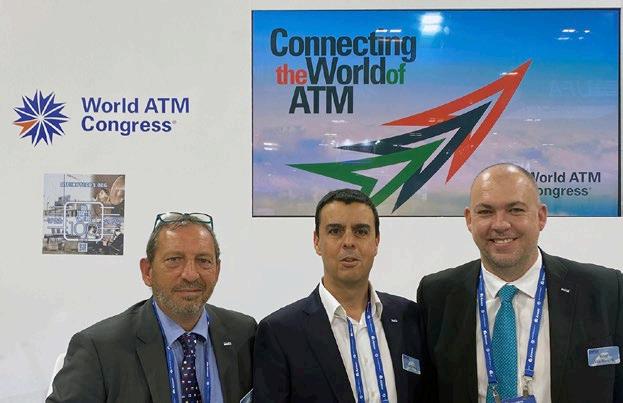
The ninth annual World ATM Congress, was held at the Recinto Ferial IFEMA Madrid, from 21 to 23 June 2022. The event attracted over 7,900 registrants who engaged with over 200 exhibitors from 134 countries and territories. In some places, it was hard to move and wherever there were presentations, people had to stand in the alleys. On days two and three, attendance withered a little with the last day clearly being the calmest.
The general focus for most of the exhibitors was still on everything remote: towers, centres and anything that can be done away from where it is traditionally being done. Besides that , there was a lot of attention for environmental initiatives that claimed to reduce the impact of aviation on CO2 emissions. The industry plans to be carbon neutral by 2050 and everyone seems determined to become greener than theirs neighbour, at least on paper…
Overall, there were very few technological innovations. Frequentis showed their ATRICS Tower pad, a huge touchscreen with endless possibilities. Their demo of Abu Dhabi airport, where it is supposed to be implemented, was extremely impressive. It could revolutionise the way tower controllers work, provided of course that the system delivers when put into operation.
With the cooperation of FABEC, IFATCA held a reception for the occasion of 100 Years of Air Traffic Control, which was well attended. And on behalf of IFATCA, Marc Baumgartner, our SESAR Coordinator, participated in a FABEC panel. IFATCA’s Technical & Operational Committee (TOC) and Professional & Legal Committee (PLC) also held their first post-COVID meetings in Madrid during the event, which was an excellent idea, as the committee members could
see some of the developments firsthand.
Lastly, during the event, it was announced that this was the last World ATM Congress in Madrid. Organisers CANSO and ATCA parted ways and will each organise a separate event in 2023. CANSO will host Airspace World in Geneva from 8 to 10 March 2023, while ATCA will organise its ATCA Global event already this year, from 7 to 9 November 2022, in Washington, D.C. y
SESAR DEPLOYMENT MANAGER
The Single European Sky’s ATM Research project "SESAR" is one of the most ambitious modernisation projects launched by the European Union contributing to the implementation of the Single European Sky. The SESAR Deployment Manager (SDM) is in charge of coordinating and synchronising the innovation of Europe’s ATM infrastructure ensuring the full involvement and responsibility of the ATM industry in the delivery of SESAR. The SDM function is operated by the SESAR Deployment and Infrastructure Partnership (SDIP), a consortium composed by Airlines, Air Navigation Service Providers, Airports and EUROCONTROL.
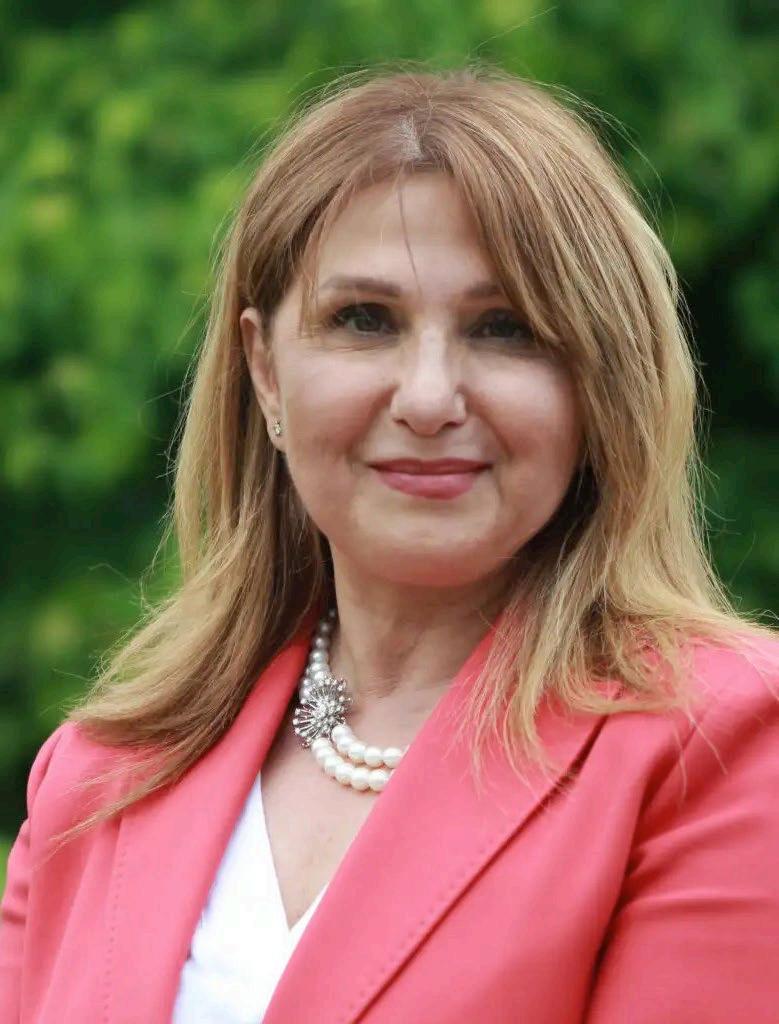
Mariagrazia La Piscopia, the recently appointed Executive Director of the SDM, has more than 20 years of experience in aviation and air traffic management at technical, operational and strategic level, spanning from R&D to Deployment. Before moving to the SDM, she was the Head of International Coordination and ATM Planning at the Italian air navigation service provider, ENAV S.p.A. As Executive Director, she is responsible for the overall strategic vision and management of the activities performed by the SDM.
During the World ATM Congress, The Controller magazine took the opportunity to ask her a few questions. z
31 z INDUSTRY News THE CONTROLLER
z Mariagrazia La Piscopia
SESAR DEPLOYMENT MANAGER INTERVIEW
During the World ATM Conference, you stated that 230 out of 341 SESAR projects are operational and benefit passengers. Do you know how many of them improve things for controllers?
The Implementation Projects under SDM coordination, aimed at fulfilling the SESAR Deployment Programme and the Common Project 1 should not be seen in isolation. Common Project One (CP1) identifies six ATM functionalities that are set to decisively improve the performance of the ATM operations in Europe. The combination of such functionalities is poised to deliver significant benefits to all ATM stakeholders, including Air Traffic Controllers, and to European passengers.
In one way or another, every single Project helps to ensure a more effective, more efficient, better connected, scalable and environmentally sustainable ATM process. By doing so, they bring benefits to everyone directly involved in ATM and even beyond: to European passengers, citizens, economy, and environment. You can check out our latest calculations here.
From those 230 projects, a large proportion is focused on the areas of digitalisation, data integration, cybersecurity, safety nets and automatization, definitely bringing benefits to the daily work of the Controllers. In all the projects, humans remain at the center but can count on technology upgrades to help managing air traffic management complexity.
For instance, European Air Navigation Service Providers are upgrading and enhancing their ATM systems. With this specific goal, DSNA, DFS and LVNL have worked in the last six years to deploy and put into operations, under SDM coordination, new tools, and system upgrades in their Area Control Centers, enabling a smoother and more fluid traffic control.
But specifically to your question: there are many examples that I could mention, such as AMAN, the arrival manager that supports the controller in defining the sequence of arrivals at busy airports, and its integration with DMAN, the Departure Manager; the functions linked to ASMGCS, Advanced Surface Movement Guidance and Control
System, designed to increase safety in the airport environment; the National and cross-border Free Route Airspace and its connectivity with the TMAs, the Terminal Areas; the availability of displaying the EPP- Ehnanced Projected Profile-trajectory downloaded directly from on board system, to which a conformance check shall be associated in the event that the latter differs from the trajectory elaborated from the FDPS, thus again enhancing safety.
We take the chance to inform your community that the constant progress and commitment of the stakeholders has increased the figure of completed Projects from 230 to 232, with many more to be closed before the end of the year.
It is important to highlight that these benefits are being delivered thanks to the stakeholders involved in SESAR deployment. Amongst them, Air Navigation Service Providers (ANSP’s) are clearly one of the most important groups. SESAR Deployment Managers membership include 14 ANSPs controlling around 80% of flights in the European Union (around 8 million flights per year), as well as all major traffic flows operated in Europe.
All experts working at SESAR Deployment Manager also have a background in ATM and we have operational Air Traffic Controllers amongst our staff: that’s what allows us to have a really good view on and a direct connection with the operational reality and what is beneficial for an ATCO.
Will these generally reduce the controller’s workload or just add a new layer of complexity?
The combination of new functionalities coupled with the operational use of specific technologies will bring benefits to all stakeholders whilst keeping the workload for all parties involved within adequate thresholds, if not reducing it. Technology itself is in support to the ATCOs as it has to optimize their workload, avoiding further complexity: the target remains to deliver safe air traffic control, even when traffic grows.
Amongst many, a great example is the implementation of Departure Management in Copenhagen Airport.
Improving the flow of departing aircraft is a critical tool to reduce congestion within the largest and busiest airports. Operations in Copenhagen have gotten significantly smoother, allowing for the most efficient use of the airport resources and infrastructure: departing aircraft are guided from the airport gates to one of the three runways, and their departures are automatically sequenced taking into account any potential constraints but also Airspace Users’ operational preferences.
In addition to the previous example, ENAIRE is, since 2019, able to swiftly apply Short Term ATFCM measures across all its Area Control Centers, enabling the management of traffic flows avoiding bottlenecks and network congestion. Applying short-term flight level caps, rerouting or even ground delays to a limited number of flights leads to the reduction of traffic peaks and ensures smoother operations for the overall network.
Modernisation and digitalisation through SESAR deployment will not make things more complex; on the contrary, projects are aiming at reducing complexity and making ATM more resilient. This is definitely a support to the ATCOs, which can count on new, improved and userfriendly systems.
In your opinion, which major project that will benefit ATC can be operationally implemented on short notice, say in the next 2- 3 years?
Several cases could be listed. Amongst them, the Borealis Free Route Airspace is worth mentioning, Borealis FRA is a wide-range modernisation programme aimed at deploying cross-border Free Route operations within the whole Northern European airspace, thanks to the adoption of new technologies and an increased collaboration between several ANSPs.
Thanks to this programme, flights will follow their preferred route when flying across the skies of Denmark, Estonia, Finland, Iceland, Ireland Latvia, Norway, Sweden, and the United Kingdom (almost 12.5 million square kilometres). Already today, airlines entering the European airspace its Easter border are now allowed to fly all above Scandinavia as if in one single airspace.
z INDUSTRY NEWS 32 THE CONTROLLER
What are your plans to solve the current datalink fiasco? More strict mandate/regulations or will we be going directly into a new more advanced system?
Since 2016, the point where EC requested SDM to take over the Datalink implementation coordination, the SDM has supported the datalink services (DLS) implementation status both as part of the Ground and Airborne domains, even if the action was mainly a critical “recovery plan”.
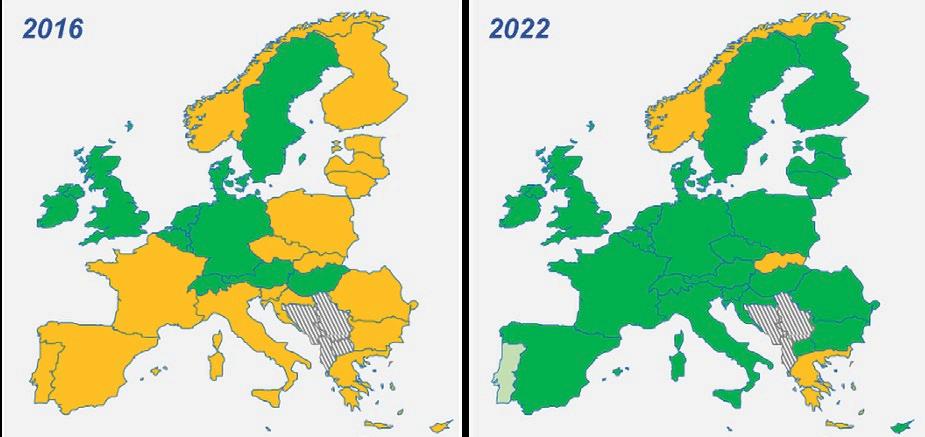
Regarding the Ground domain, good improvements have been recorded from 2016 to 2021, with a significant increase of Countries providing DLS services to Airspace Users in compliance with the mandatory requirements. These Countries are highlighted in dark green in the maps below, presenting an outlook of the 2016-2022 progress. Currently the high air traffic area of Europe is fully covered by DLS and only five Countries are either partially providing DLS (Portugal, offering only the DLIC service) or not providing it at all (orange status).
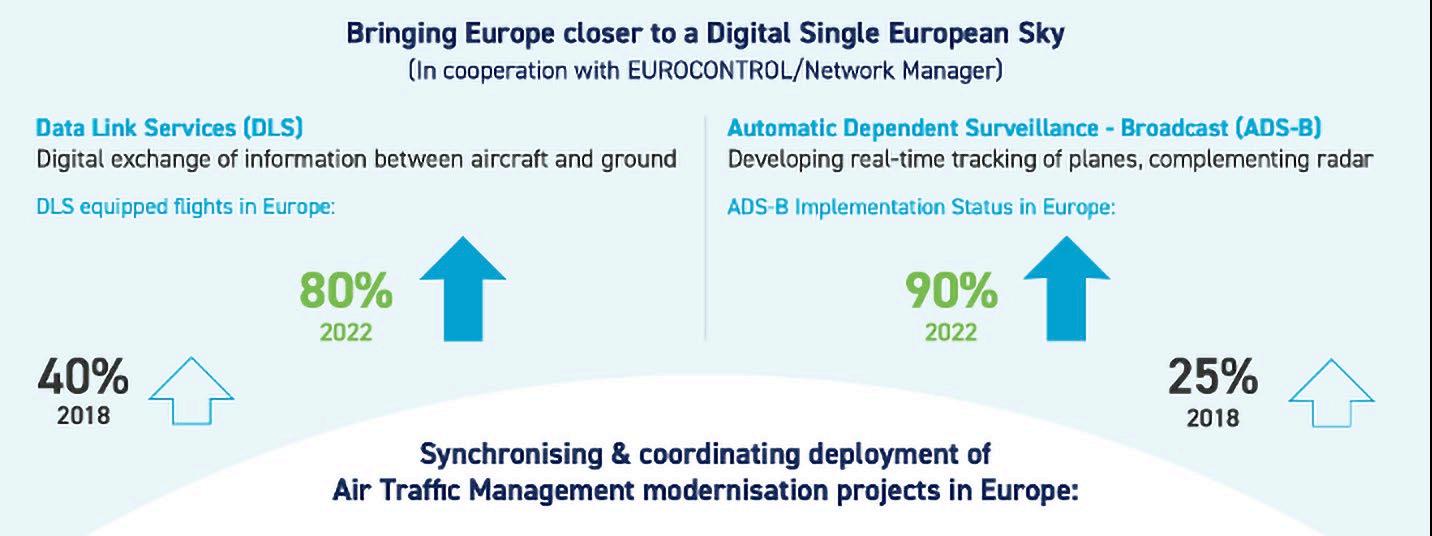
Regarding the Airborne domain, the DLS equipped flights have increased from 40% in 2018 to 80% in 2022.
Besides assisting stakeholders in recovering from a difficult situation, SDM has also worked to develop a longer-term strategy for Datalink to cope with future challenges, learning from the experience of the last years and taking into account the expected VDLm2 lifetime. The identified solution is based on the multilink approach, as well as the timely adoption of complementary technologies;
This solution will improve the workload of ATCOs, and SDM is working closely with ANSPs to create the appropriate DLS governance and the establishment of a Datalink Service Provider (DSP). Thanks to the great cooperation with Network Manager, we are also monitoring the day-by-day operations to make sure we can identify and help solving operational issues.
What ideas and means you foresee to harmonize deployment? A lot of the deployed solutions so far seem to have only augmented the fragmentation of service delivery.
The ultimate goal of SDM in the current ATM scenario is clear to all: we need to make sure ATM modernisation can accelerate as much as possible, via coordinated and synchronized initiatives, while keeping the focus on the impact of deployment on the environment.
To do so, we need to work on at least three major priorities:
4 Bring all operational stakeholders in Europe around common strategies and deployment, starting from
the most urgent priorities listed in Common Project 1
4 Establish a strong programme management approach that would synchronise, optimize and defragment deployment in Europe, built around common roadmaps and objectives
4 Reinforce the full SESAR ATM lifecycle, creating a virtuous cycle that starts from R&D and gets to operations without unnecessary delays or fragmentation
We believe that we can achieve these priorities by reinforcing the stakeholders’ involvement, also ATCOs, in the SDM work. We have established a stronger governance with the Supervisory Board and Annual Conference of Executives where we will make sure that involvement on expert level is optimal.
As mentioned, one of our priorities is to establish a programme management covering all ATM functionalities which will further engage the stakeholders and create a necessary structure that will help in organising our work.
Another important aspect that will contribute to more harmonised deployment is the fact that Network Manager is now fully part of the SDM providing the perspective that was perhaps lacking in the past. Now we do have a network wide view on deployment which will help in achieving a harmonised deployment across the network. In addition to our own Stakeholder Consultation Platform, we will fully integrate into the Network Manager’s working arrangements so to ensure that what is deployed is synchronised and harmonised across the network. y
z INDUSTRY NEWS 33THE CONTROLLER
z Datalink Service Provision: 2016 to 2022 improvements z DLS-equipped flights have increased from 40% in 2018 to 80% in 2022
HUMANITARIAN DRONES
z
by JF Lepage, IFATCA Liaison ICAO ANC
Over the past decade, the use of humanitarian drones has become widespread, and there is no indication that this trend will weaken in the near future1. On the contrary, multiple applications – whether we think of mapping affected areas or delivering materials to hard-to-reach locations4,1 – suggest an increase in the use of these remotely-piloted flying robots.
However, these new technologies often develop outside of any ethical, legal or social framework1. For some, the added value brought by drones is undeniable; they bring with them the promise of faster, more effective, cheaper and closer assistance to those groups targeted by humanitarian aid. For others, they represent a threat to the dignity of those they are nevertheless supposed to serve: reduction of human interactions, absence of direct communication with humanitarian actors and lack of moral and ethical acceptability2
This article will first paint a portrait of the current use of drones in the humanitarian context, then outline the main advantages and disadvantages that the technology can offer, to finally propose a set of recommendations to frame their responsible and ethical use.
Several terms compete in the field of drones: Unmanned Aerial Vehicle (UAV), Unmanned Aircraft System (UAS) and Remotely Piloted Aircraft System (RPAS). For the purposes of this article, we will use the term “drone” without distinction, as many NGOs and the UN have retained it for simplicity. In addition, we will retain the definition of Wynsberghe and Comes (2020): "an aircraft operated without a pilot on board".
Several authors place the first uses of humanitarian drones in 2006, when they were used for the first time in peacekeeping missions in the
1 Wang, N., Christen, M., & Hunt, M. (2021). Ethical Consid erations Associated with “Humanitarian Drones”: A Scop ing Literature Review. Science and Engineering Ethics, 27, 51. https://doi.org/10.1007/s11948-021-00327-4
2 Van Wynsberghe, A., & Comes, T. (2020). Drones in humanitarian contexts, robot ethics, and the human–robot interaction. Ethics and Information Technology, 22, 43–53. https://doi.org/10.1007/s10676-019-09514-1
Democratic Republic of Congo3. In 2010, they were used to map areas where victims had moved, in the wake of the earthquake that affected Haiti4 They subsequently became widely democratized, in particular through various logistics operations during Typhoon Hainan in the Philippines in 2013, for the delivery of medical equipment in West Africa during the Ebola epidemic in 2014 and to carry out topographic mapping of earthquakeaffected areas in Nepal in 20151
Nowadays, several NGOs make use of these aircraft – we can notably cite Médecins Sans Frontières, the International Committee of the Red Cross, the Office for the Coordination of Humanitarian Affairs (OCHA), UNICEF, USAID, the World Food Programme, the World Health Organization and the World Bank1. It should be noted, however, that in addition to these civil organizations, it is mainly military applications that have democratized the use of drones – we are therefore talking about dual use, with both military and peaceful vocations5
The use of humanitarian drones brings its share of advantages. They can be launched with a 12 hour-notice or less, travel distances of several thousand kilometres and remain in flight for more than 30 hours6. Their use presents
3
incredible opportunities that combine technological advances and assistance to the most vulnerable7 . The Secretary General of the United Nations also noted in 2016 that to achieve its objectives, the humanitarian sector shall, in the future, promote innovation in all its diversity8 (United Nations, 2016). For Chow9, this new entrant changes the game by presaging a reduction in corruption, theft and insecurity during logistics operations. Furthermore, Dorn10 argues that on-board technology could potentially be used for peacekeeping missions to detect the movement of armed persons, thus helping to prevent mass atrocities as well as arms and human beings trafficking.
offer certain possibilities that even the best organized NGOs cannot envisage: an unprecedented view of areas affected, thanks to rapid surveys from high above, allowing the collection of quality visual data in real time, facilitating the location of sources of drinking water, hazardous debris areas, displaced populations, damaged buildings and data on the state of transport networks4. Some models are even equipped with ultra-sensitive sensors to detect the heart rate and breathing of a person buried under piles of debris. Others are equipped with receivers to detect cell phone emissions. Finally, some versions are specially designed for the transport of
z INDUSTRY NEWS THE CONTROLLER 34
Karlsrud, J., & Rosén, F. (2013). In the eye of the beholder? UN and the use of drones to protect 4 Evanthia, T., Costas, T., Evika, K., Georgios, B., Andreas, P., Eleni, K., & Emmanuel P. (2019). Reflecting upon the humanitarian use of unmanned aerial vehicles (drones). Swiss Medical Weekly, (13). https://doi.org/10.4414/ smw.2019.20065 5 Sandvik, K.B., & Lohne, K. (2014). The Rise of the Humani tarian Drone: Giving Content to an Emerging Concept. Mil lennium: Journal of International Studies, 43(1), 145–164. DOI: 10.1177/0305829814529470 6 Houstoun, W. (2013). Managing Natural Disasters, Protecting Endangered Species, And Enhancing Our Knowledge: Proof That Drones Can Do Good http://www. tankthoughts.com/
Drones
7 Choi-Fitzpatrick, A. (2014). Drones for good: Technologi cal innovations, social movements, and the State. Journal of International Affairs, 68(1). https://search.proquest. com/openview/468bc87b04291e1f45ff0f60f9edf97b/1? pq-origsite=gscholar&cbl=41938 8 United Nations. (2016). Agenda for Humanity. http://www. un.org/apps/news/story.asp?NewsID=53503#.WjD-sEIVIUk 9 Chow, J. (2012). Predators for peace. Foreign Policy. https://foreignpolicy.com/2012/04/27/predators-forpeace/ 10 Dorn, A.W. (2011). Keeping Watch: Monitoring, Technol ogy and Innovation in UN Peace Operations. Tokyo: UN University Press
defibrillators, blood products, medicines and serological samples, in areas sometimes cut off from the world for several weeks due to extreme weather conditions4
With all these advantages come certain disadvantages. For Lichtman and Nair11 , drones pose a real risk of undermining local efforts to empower communities and present a plethora of dilemmas, particularly with regard to data protection5 and remote management of humanitarian aid. Furthermore, some drones are used simultaneously by military forces during humanitarian assistance operations, raising the question of the relationship between civilian actors and the armed forces present on the field, as was the case in Afghanistan, Iraq, Haiti or Libya5 There is therefore a risk that targeted populations confuses peaceful uses of humanitarian missions, and those associated with military aims, affecting the credibility, security, accessibility and the perception of neutrality of such uses4,1. It can be difficult to tell the difference between a civilian drone and a military one for the neophyte eye. It is therefore normal that some people may see it as a weapon of war with lethal, aggressive, controlling, destructive or even spying potential4
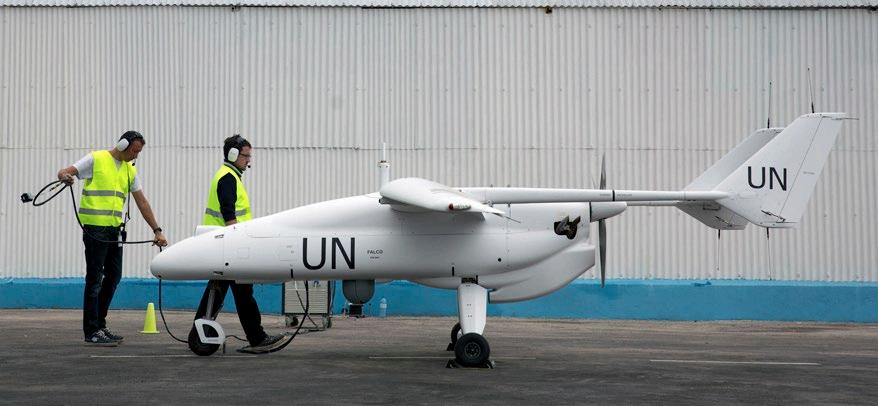
There is also the question of data protection, which must remain secure in order to prevent the collated images from falling into the hands of rebel groups who could use them for retaliatory purposes. Unfortunately, until now, too little attention has been given to issues of individual freedoms, privacy protection and data security5 Several NGOs have also declared that they have witnessed malicious, invasive, unauthorized or dangerous use of drones over residential or private areas,
which only further fuels the mistrust and feeling of insecurity of populations with regard to these operations4
It is also important to keep in mind the human nature of humanitarian action, which must be safeguarded. The highly emotional nature of the work in the field often comes with the experience of human suffering and the innocence of the beholder. This can be undermined by the use of drones, which depersonalise the experience, both from the perspective of the person who assists and the person who receives this assistance4. Finally, let us mention the absence of a regulatory framework for the use of drones, both nationally and internationally. Paradoxically, in certain situations, it is rather an overabundance of regulations which poses a problem, by slowing down the acquisition of the necessary approvals – certain legislations are so demanding that it is nearly impossible to receive the approval of the authorities in due time, in situations that are often time-sensitive4
At present, very few actors have focused on the implementation of an ethical, legal or social framework governing the use of drones in a humanitarian context. However, some resources exist, including an OCHA publication that attempts to delineate the boundaries of these uses. According to the latter, the use of drones should be confined to situations of natural disasters – at least for the moment – and avoid interfering in areas of armed conflict12. At the same time, the UAViators platform of the Humanitarian UAV Network13 has set up a database collecting the best regulatory practices in terms of drones and proposes a code of conduct for users. While the initiative is commendable,
it does not help to delineate the legal responsibilities arising from their use,
does it help to appreciate the value of the regulations collected
Respect for communities is fundamental and should be at the centre of any framework. Privacy and data security considerations should also be taken into account. It is essential to put in place proper airspace regulation that will facilitate the integration of this new entrant with existing airspace users, as well as the need for robust and efficient regulatory processes, in order to avoid layers of bureaucracy that would unnecessarily delay emergency operations1
Evanthia et al4 emphasize the need for clear regulations and a common understanding of where, how and when it is ethically acceptable to use drones in disaster areas. The authors propose to focus initially on their use in prevention and early recovery contexts until a clear legislative framework is implemented. The implementation of a common framework at the international level will allow users to speak a common language and the appropriation of a code of ethics shared by all. These international instruments should govern, inter alia, the operational testing of drones, training and certification of humanitarian personnel as well as minimize political, industrial and commercial lobbyist interference for better efficiency and accountability of the use of drones on the global humanitarian scene. y
z INDUSTRY News
11 Lichtman, A., & Nair, M. (2015). Humanitarian uses of drones and satellite imagery analysis: The promises and perils. AMA Journal of Ethics, 17(10), 931. https://doi. org/10.1001/journalofethics.2015.17.10.stas1-1510
12 Gilman, D., & Easton, M. (2014). Unmanned Aerial Vehicles in Humanitarian Response (Policy Paper No. 010). https://www.unocha.org/sites/unocha/files/Un manned%20 Aerial%20Vehicles%20in%20Humanitarian%20Response%20 OCHA%20July%202014.pdf 13 UAViators. (2022). Humanitarian UAV Network. http:// uaviators.org/docs
nor
2
jf.lepage@ifatca.org 35THE CONTROLLER credit: MONUSCO
FAMILY BUSINESS
z
by Antonio LANDI, Air TRAFFIC CONTROLLER, Maastricht UAC
ATC takes different forms and functions around the world, but one quality rings true globally: ‘a team is more than the sum of its parts’.
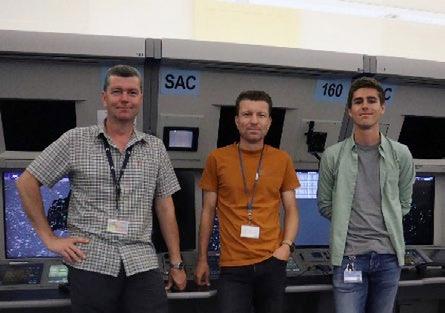
Only in a handful of professions will you find a more closely-knit group. They start from trainees in a classroom to one day handling the most stressful and complex traffic situations in a control tower or ops room. The challenges of the careers lead ATCOs to build intense and unique relationships which are beyond being ‘just colleagues’. To some, colleagues are their family. For many, that is not just a sweet hyperbole but a truth, here are a few of those stories.
Ireland
Nicola's career in ATC started in 1994, when she left university to follow in the footsteps of her father Rory, who was a controller in Dublin. His colleagues warmly welcomed “Rory’s daughter” and would recount stories about seeing her grow up. Nicola quickly realised that she was joining a big family. For a few years, father and daughter worked in the same team at Dublin ACC. Rory tried his best to treat her like any other colleague, but he was never able to hide how proud he was of Nicola. He even had an ATC necklace made for his daughter to commemorate the start of her career.

Throughout Nicola’s training, she always had her dad as her #1 supporter; he helped her with exam preparation and discussed separation and LOAs. Rory passed away in 2017 and Nicola still misses telling him her interesting traffic situations
In the meantime, Nicola moved to Shannon ACC where she works alongside her husband, Finbarr, who is a supervisor there. At work, they like to keep their relationship professional.
And the family ties do not end there: Nicola’s brother, Shane, works as a radio officer in North Atlantic Communication.
Maastricht UAC, Netherlands
and countless aeroplanes together, a fact that their dad would always proudly announce to his friends.
In 2018, Luk introduced his nephew Giel to the profession, just like Bert had done for him almost twenty years earlier. Luk recalls that after listening keenly for just 30 minutes, Giel already showed excellent aptitude. During his training at the ENAC college in Toulouse, France, Bert took a roadtrip on motorcycle to see how his nephew’s training was going.
Giel is currently working towards his 2nd qualification in a different set of sectors than his uncles. Besides regularly coordinating on the phone, Bert and Luk check on him when they occasionally bump into each other.
Dem. Republic of Congo
Bert’s career at MUAC began in 1992. He was eight when he built his first glider model plane; following in his dad footsteps who enjoyed flying gliders and his uncle, who was a commercial pilot.
Bert’s younger brother, Luk, was still in school when Bert started working as a controller. After visiting the operations room with his brother, Luk applied and started his training in 1999. He was assigned to the same sectors as Bert. Luk considered himself lucky to have somebody that close to him with whom to talk about the challenges of the training and receive advice. They have since then worked many shifts
Godard and Danny Wamba are father and son from Kinshasa, Democratic Republic of Congo.

Recently, Godard became the chief of Kisangani Bangoka airport. He started his career in 1983 as a controller in N'Djili International airport, Kinshasa, the biggest airport in DRC, where his son Danny is now training to become a controller.
Danny had always been interested in his father’s profession and applied in 2016, when he was 24 years old. He was one
z FEATURE 36 THE CONTROLLER
z Nicola at her graduation in 1999. flanked by her father Rory and her husband Finbarr
z Bert, Luk, and Giel at Maastricht UAC
z Danny and Godard Wamba
of the 100 trainees that started training in Kinshasa. Danny and his father would sometimes talk together about the training and Godard would give him tips about ATC techniques and encourage him to improve his English.
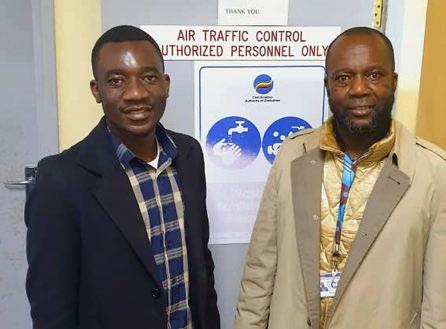
Whilst the COVID-19 pandemic has affected their training, Danny and his group are, at the time of writing, in the OJT stage for tower control.
Danny is looking forward to completing his training and following in his father’s footsteps. He has big ambitions and hopes to, someday, become a supervisor or airport chief in Kinshasa.
Zimbabwe
Godfrey, 48, and Carlos, 28, are brothersin-law who share their workplace at the Robert Gabriel Mugabe International Airport in Harare, Zimbabwe.
Godfrey, a science graduate, began his career in 1998. At the time, training took the new recruits to many places around the world: Godfrey trained at Bailbrook College, in the UK. His first assignment was at Charles Prince International airport where he worked until 2008 when he transferred to Harare. Last year, Godfrey validated in the ACC validation and is currently a senior ATCO.
After Carlos finished school, Godfrey showed him a newspaper ad for a job in ATC. Godfrey helped Carlos to prepare for his interview and in 2013, Carlos started his training. He is a senior ATC assistant, in the process of obtaining his tower and approach ratings. For the past few years, they have been working side by side. Godfrey also volunteers for projects run by ATCAZ (ATC association of Zimbabwe). Carlos was also involved in the association, but has since focussed on his studies to obtain a software engineering degree.
Uganda
In 2007, Annabel was a 26 years-old teacher when she applied to become a controller, joining her father, David, now 68. At the time, David had become supervisor at Entebbe International airport. For a few years they worked together: David was responsible for Annabel and her group’s station validation which represented the last exam before they could take on the duties of ATC.

David always wanted somebody in his family to pursue the same career as him. Annabel’s training process was lengthy: recruits were trained at staggered times. After an introduction to ATC, she was trained in aerodrome control in Tanzania, where they practiced in a simulator with projectors before returning to Uganda for her onthe-job training.
Throughout the 180 hours on-the-job training required for Annabel to obtain her license, David always kept up-todate on her progress. Knowing that he supported her boosted Annabel's confidence and she qualified on approach in 2014, followed by an enroute endorsement 2016.
David retired in 2014, but enjoys talking to his daughter and other colleagues about ATC. He also follows international developments through IFATCA.
In 2007, David received a Distinction of Merit from IFATCA for his contribution in helping to re-instate three controllers who were suspended following a separation minima infringement.
Trinidad and Tobago
Ann-Marie and Asaph are mother and son, ATCOs from Trinidad and Tobago who work at Piarco ACC. The centre
is situated opposite to the Piarco International airport and provides TWR, APP and ACC services. Those services extend to the TMAs of the Eastern Caribbean region and the western part of the Atlantic Ocean inside the Piarco FIR (TTZP).
Asaph began his training with theoretical and tower training before moving to APP and training in procedural control in 2008. Asaph joined his mother Ann-Marie, who had been working there since 1990. In 1999, at a time when only a handful of women worked at Piarco ACC, Ann-Marie became the first female chairperson of TTATCA (Trinidad and Tobago Air Traffic Controllers Association). She remained involved in the association throughout her career and was chairperson again from 2013 until 2015.
Ann-Marie was always interested in Asaph's performance throughout his training and early career. She was proud to hear of her son’s achievements and glad to have somebody in her family who shared her passion for aviation. Having gathered plenty of experience, Asaph is waiting for an opportunity to apply for a supervisor position in the ACC.
Also in Trinidad and Tobago, Gerold, 61, and Kevin, 41, are father and son who have shared many shifts and happy memories in Piarco ACC's operations room. Gerold began his career in 1981, after watching a documentary on the 1976 Zagreb mid-air collision. In 2006, he became a supervisor later chief of the Piarco ACC. He oversaw the introduction of radar in the ACC as well as Kevin’s training.
While Kevin always wanted to be a pilot, after visiting his father's workplace, he realised he liked ATC and began training in 2008. He obtained his full rating in 2012, shortly before radar was
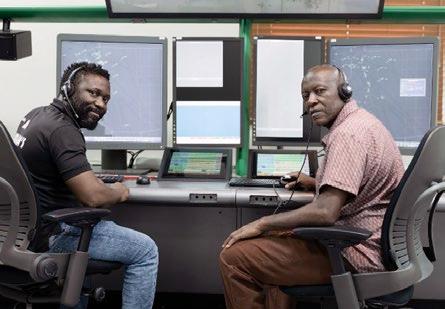
z FEATURE 37THE CONTROLLER
z Kevin & Gerold working side-by-side
z Carlos and Godfrey
z Annabel and David
introduced. He remembers how difficult those years were. He is grateful for his father's encouragement and advice, even if he preferred to do things his own way.
Gerold and Kevin were one of the first families working together at Piarco ACC. Sharing the workplace helped bring the two even closer to each other. Even in his retirement, Gerold keeps up to date with the aviation world and his colleagues at the centre. While Kevin has developed his own style of working and coaching, he carries on his father’s legacy, passing on some of the advice he received, mixed with his own experience, to his trainees.
Dominican Republic
Controladores Aéreos) through which they try to reach as many people as possible, inspiring through their excellence and determination more women to join their craft.
United States
z The Byas Sisters at work
Vanessa and Stefania Byas, better known as the Byas sisters, are controllers from the Dominican Republic. They both applied to be ATCOs in 2009. Vanessa was working at the Dirección General de Aviación Civil (now Instituto Dominicano de Aviación Civil or IDAC), when she learned about the possibility of becoming a controller. She shared her interest with her sister and both successfully applied.
Throughout their career, both have had the opportunity to work as controllers and instructors at different stations in Santo Domingo, at the international airports of Las Americas and La Isabela in Higüero, and at Santo Domingo ACC.
They found great support in each other in both their careers and in their personal lives. The Byas sisters remember the realisation of how special it is to have your sister and best friend working with you as an ATCO, or as instructors for new recruits. Stefania and Vanessa are proud ambassadors of women in ATC and strive to increase the involvement of women in the industry.
The sisters are members of the ADCA (Asociación Dominicana de
z Caitlyn and Nathan Valeri
Nathan and Caitlyn Valeri are father and daughter who worked in Boston ARTCC(ZBW), in Nashua, New Hampshire. Nathan, 65, retired in 2013 just as Caitlyn, now 32, started her training in Oklahoma City, the FAA's main training hub. Caitlyn found her passion early on; she was 10 and her dad would bring her to visit the control tower where he was working.
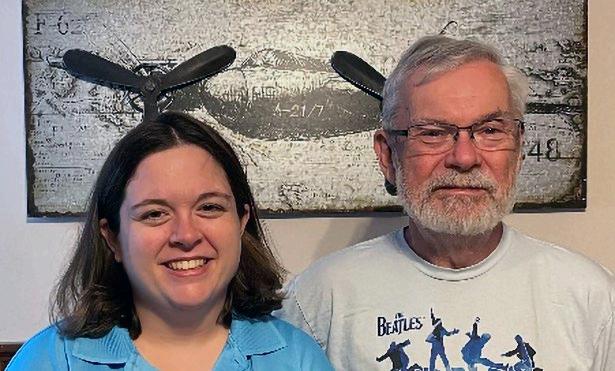
Nathan joined the FAA in 1981. During his career he has worked at Beverly and at Manchester-Boston regional airports before transferring to Boston Centre. Working together has strengthened their relationship. Since his retirement, Nathan has been back to visit his “superstar” and his colleagues. He was one of NATCA's facility representatives and keeps up to date with what is happening in "his" centre and the industry.
Caitlyn also works with the union as a member of the facility election committee and helps organising similar committees in other US regions.
Christine Padgett is an ATCO at Washington ARTCC (ZDC) in Virginia. She began her career in 1999, training at the Atlanta centre while also cultivating a passion for flying and obtaining a PPL. Her father, Victor, worked in the air force when he met Carol, Christine’s mother. Christine’s uncle, John Thornton, and her father worked together in the US Air Force before moving to the FAA. Both were fired during the PATCO strike in 1981. In 1986, her uncle John Thornton was one of the founders of NATCA.
Christine’s dad, her uncle, and her mother, who worked as a secretary for
PATCO, all enjoy the “work talk” and were always ready o lend an ear. Taking inspiration from her uncle, Christine served on various committees and in a number of roles. In 2019, she received the Steve Hansen Safety Advocate Award for her extraordinary achievements working on NATCA’s behalf to improve aviation safety standards. Since 2021 Christine chairs the National Safety Committee as a National Safety Representative. She is NATCA’s ATSEP Analyst for the Eastern Service Area’s Event Review Committee (ERC). Christine’s uncle passed away in 2013 but his legacy and achievements live on through NATCA’s effort to safeguard aviation professionals working rights.
Since 2014, an award has been created in John’s memory to recognise extraordinary contributions that have significantly changed the course of NATCA’s history. The first Thornton award was presented in 2014 to his wife, Ginny.
Mongolia
z Uyangua and her husband, Davaakhuu
Uyangua, 34, is an en-route controller at Ulaanbaatar APP/ACC in Mongolia. She began her career in 2005 when she received a scholarship to train at the “state flight academy” in Kropyvnyckyj, Ukraine, where she received her bachelor’s degree. Ukraine was familiar for Uyangua: she and her family had lived in Kyiv for 8 years while her father studied to become an avionics engineer.
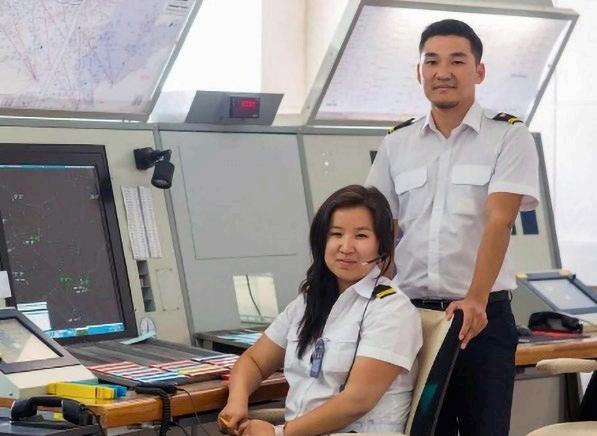
Uyangua and Davaakhuu met at the flight academy, while helping new students, including Davaakhuu, study Russian, the language in which the classes were given.
Today, they are married and have two daughters, and like spending work breaks together to play darts.
z FEATURE 38 THE CONTROLLER
Taiwan
The Liao family initially counted four controllers at their dinner table! Recently, Webber married a colleague from Taipei

Uyangua's brother, Tamir, and her husband, Davaakhuu, were classmates at the same academy in Ukraine. Now 31 years old, Tamir was inspired to become a controller by his sister. He too received a scholarship to study in Ukraine. Today, he works at Ulaanbaatar ACC as an approach controller.

Indonesia
z Umi and Wirawan at her graduation
Umi Muthiah Syahirah is an Indonesian controller. After graduation in 2011, she joined the aviation academy. During her three-year long training, her older brother Wirawan accompanied Umi on a trip to Makassar ATC center, at the Sultan Hasanuddin Int’l airport. Following the visit, Wirawan abandoned his studies to pursue a career in ATC. Fortunately, their family was very supportive of their choices. As Indonesia's air traffic control service is semi-military and Umi being Wirawan’s senior, he always had to salute her when they met at the academy, though they were always relaxed and friendly with each other.
After her graduation, in 2015, Umi was stationed at Sam Ratulangi Int’l Airport in Manado. In 2018, she transferred to Makassar Centre. Following his grauduation in 2015, Wirawan is stationed at Karel Sadsuitubun, Langgur. In 2018, he became the Head of AirNav for the Southeast branch of Maluku, Langgur.

ACC. And Joey is also married to a controller. It means there are now six controllers in their family.
Doris is the eldest sister. She passed the special national exam for civil aviation personnel in ATC. Her training began in 1997 with OJT at Kaohsiung tower and she received her license the next year. She also qualified in other stations and she is currently stationed at Taipei approach where she holds an admin position handling incident investigation. Doris and her husband, Wen-Te (a pilot for EVA Air) make full use of the multi-tasking skills they learned in their careers; the skills help in providing for their 3 daughters for whom Doris tries to be a role model each day.
Doris was the first of her siblings to become an ATCO and eventually Jim, Joey and Webber followed in her footsteps.
Joey is Doris’ younger sister and she passed the national exam for ATC in 1998, when she was 24 years old. The next year she began her training and received her license at Taipei Tower and, later, Taipei approach). Since 2016, she transferred to the Taiwan’s ANSP headquarters as a senior ATC, and later became the chief of Air Traffic Control Section in 2019.
Joey remembers one of the most special times when she was relieved by her younger brother Webber: a typhoon
over Hong-Kong had caused major diversions to Taipei and visibility was poor. The parking bays were limited as so many airplanes were occupying the taxiways. Towards the end of her shift the pressure was starting to mount. Her younger brother Webber was just starting his night shift and he quickly grasped the situation and followed through with the plan his sister’s plan. As Webber took over, he told his sister: “relax, go home and say hi to the kids.”
To have her brother there that night supporting her made all the difference.
Jim is a supervisor at Taipei tower. He is also qualified for Taipei approach. He majored in IT studies and was studying to become an airline pilot when he took the ATC exam. Jim was the last amongst his siblings to take the test and start his ATC journey started his training in 2006 at 30 years old.
During his OJT, he would rarely, if ever be coached by one of his siblings but when working together he always noticed how their familiarity and understanding of one another made the job easier and more relaxed.
Webber is the youngest ATCO in the family and works at Taipei tower as a supervisor. He majored in civil engineering before serving in the army for two years. When that ended, inspired by his sisters, Webber turned to ATC in 2003 when he was 24 years old. The next year he started training and got dispatched to Kaohsiung tower for his OJT. Webber remembers the times when they would all work in the same facility and have some duties together. It felt like he was at home surrounded by his family. Currently, both his sisters have moved to office positions. He rarely sees his brother Jim, who became a supervisor at Taipei tower.
The family chat group is the first stop for all the siblings whenever they need help from each other.
Family is not an important thing-it is everything. By blood or by fate ATCO families are our strongest support and we are grateful for them all! y
z FEATURE 39THE CONTROLLER
z Liao’s family (from left to right): Doris, Jim, Joey, Webber, and their parents.
z Uyangua's brother Tamir
ANTONOV 225: "INSPIRATION"
SENSELESS RUSSIAN INVASION DESTROYS AIRCRAFT THAT BROUGHT HOPE IN TIMES OF DESPAIR
z
by Joel Holguín Fernández, Asociación Dominicana de Controladores Aéreos, DOMINICAN REPUBLIC
Over the past few decades, when life had crumbled into chaos and darkness, the world was lucky to be able to rely on an engineering marvel. One that could quickly transport large shipments as close as possible to people in need, afflicted by wars or by natural disasters. When time was of the essence, or unforgiving terrain would prevent transit to a destination, the super heavy transport aircraft Antonov An-225, aptly nicknamed Mriya (Ukrainian for ‘Dream’ or ‘Inspiration’), heroically ventured around the world, delivering heavy cargo and humanitarian aid quicker than any other vehicle could.
One such travels took place in 2010, after a violent earthquake struck Haiti. As the country’s infrastructure was damaged during the quake, its capacity to receive air cargo was practically nonexistent. Because of that, Mriya was charged with delivering 108 metric tons of large-size construction machinery from Tokyo, Japan to Santo Domingo, Dominican Republic. From Haiti’s neighbouring country, the equipment would continue its journey on land, making it to the hands of those in need. A trip well over 7000 nautical miles that could be thankfully completed in a matter of just hours.
When the six-engine Ukrainian aircraft touched down in Santo Domingo, sporting a wingspan 88 m wide and a maximum takeoff weight of 640
metric tons, it had to be parked on an improvised spot over the main taxiway, as the width and surface strength of the ones leading to the ramp were insufficient to safely manoeuvre the colossus. An enormous angel had graciously landed, bringing with it life-saving equipment that would have
taken many more weeks to be delivered by sea. Developed with the mission of transporting the Soviet Buran-class orbiter, Mriya had its maiden flight on December 1988. At the time of that first 74-minute trip, it broke a total of 106 world records, a number that would continue to grow over time. However, only one aircraft could be completed before the dissolution of the Soviet Union, making it the only one of its kind.
To carry all the spaceship’s accompanying equipment inside its cargo bay and the actual Buran orbiter piggybacking on the aircraft, the Antonov Design Bureau enlarged the existing Antonov An-124 Ruslan and, in response to various design challenges along the way, replaced the vertical stabilizer with a twin tail, increased the engine number
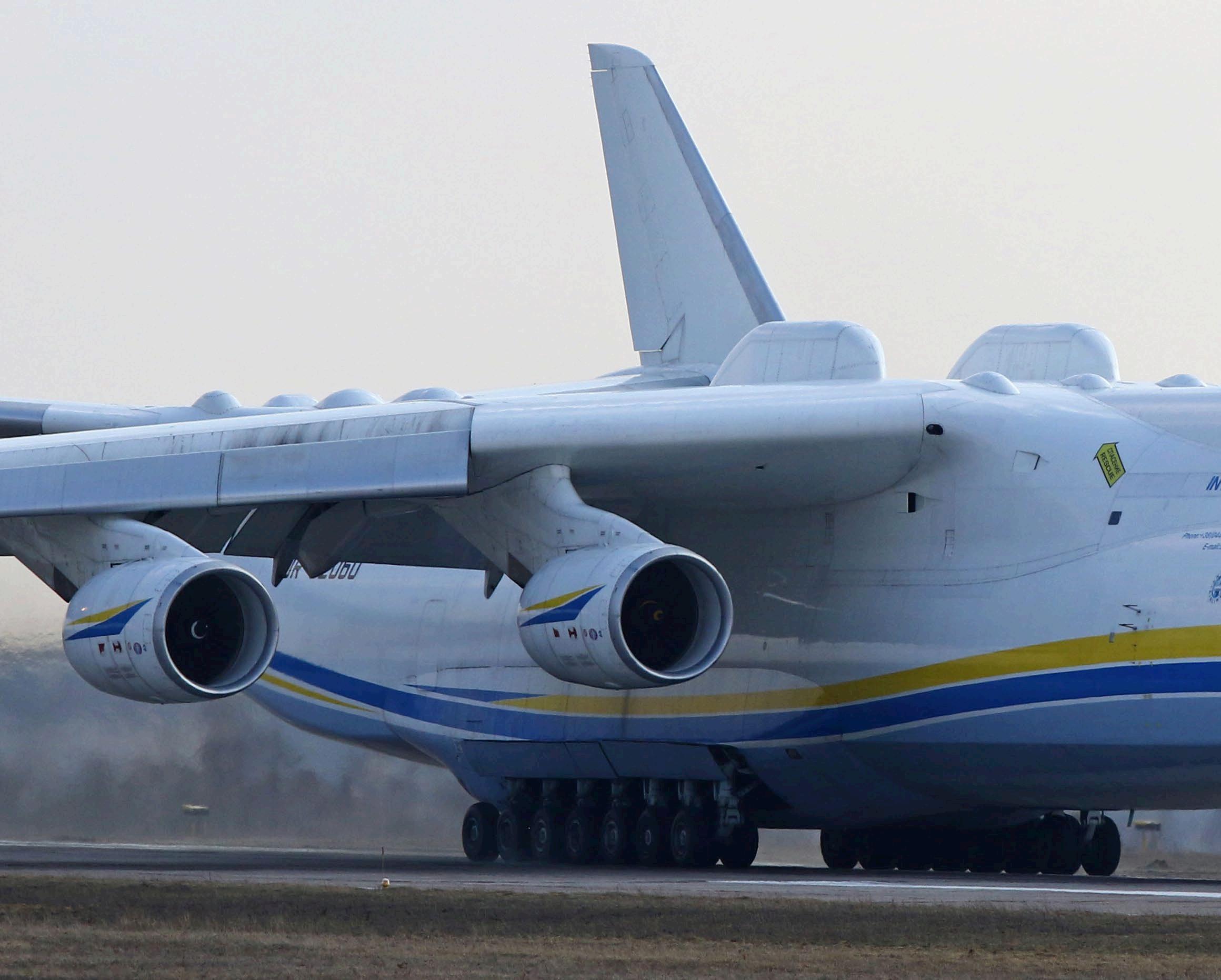
z FEATURE THE CONTROLLER 40
credit: katatonia - stock.adobe.com
to six, enlarged the wings, and increased the wheels on the landing gear to a total of 32. To load Mriya, the nose’s cargo door would raise up, its four-wheel nose landing gear fold down and its built-in cargo ramp stretch out so its two onboard cranes could stack the goods.
But post-Soviet aerospace industry struggled for survival and Mriya had to be stored from 1994 to 2001 while an appropriate mission was found for the unusual plane. Luckily, the aircraft’s cargo capacity turned it into an irreplaceable tool to quickly move large commercial and humanitarian payloads around the world. This made Mriya ideal for exceptional missions and finally helped it find its footing within the cargo industry, making it the iconic plane we all know today.
The aircraft would go on to carry a record-breaking payload of 253 metric tons. For comparison purposes, Boeing’s modified 747-400 Large Cargo Freighter Dreamlifter, designed to carry the oversized parts of the company’s 787 Dreamliner, has a cargo capacity of about 113 metric tons – also, the maximum takeoff weight for an actual Boeing 787-900 Dreamliner is about 253 metric tons.
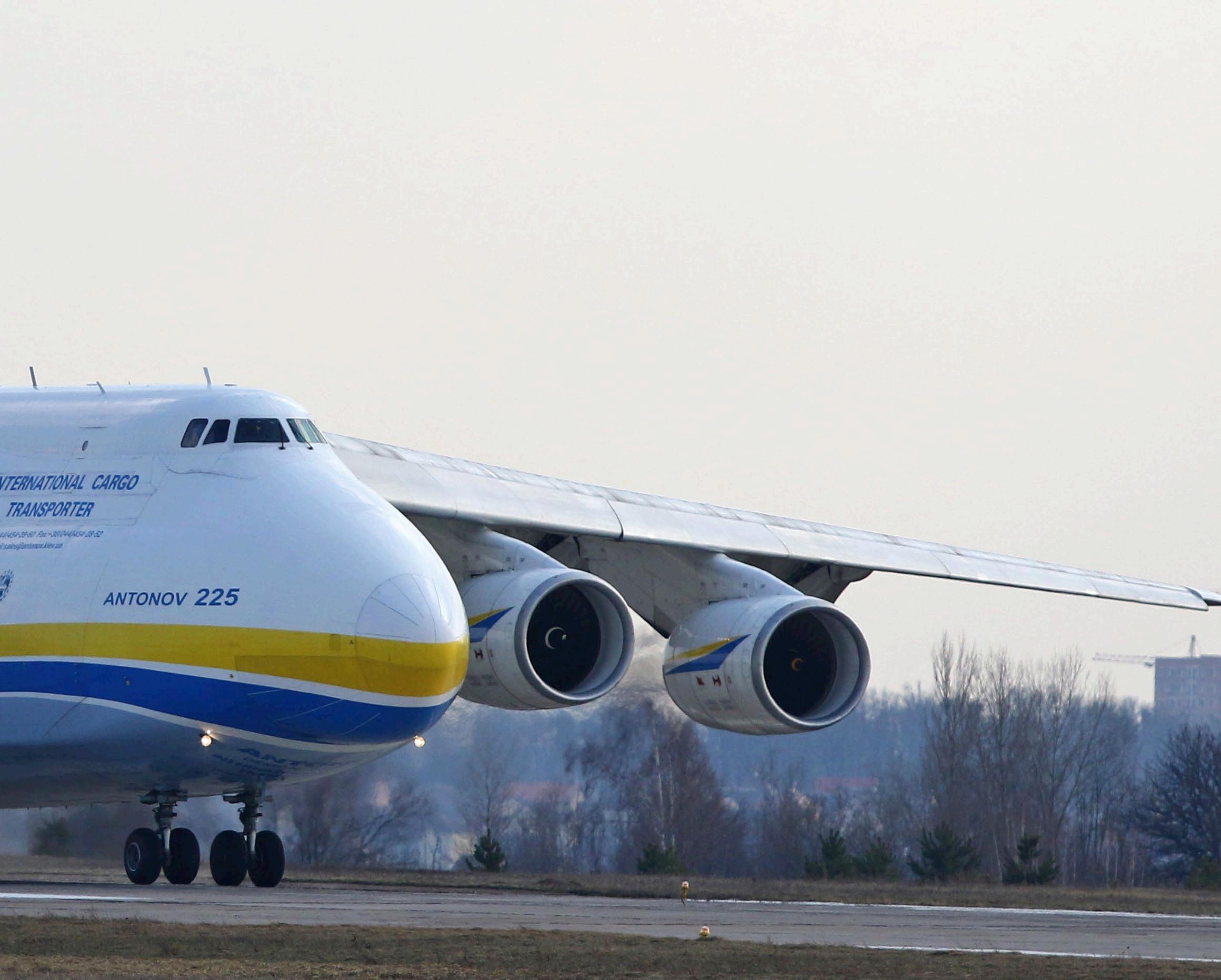
Mriya required a crew of 6 to fly, but the total team on board included up to 20 people. Being the only aircraft of its type and flying since the 80s meant that there was not an abundance of specialized personnel to routinely handle or maintain the plane. Because of that, a group of specialists familiar with
the aircraft travelled with it to perform repairs as the need arose, to keep on flying even if bad luck struck thousands of miles away from home.
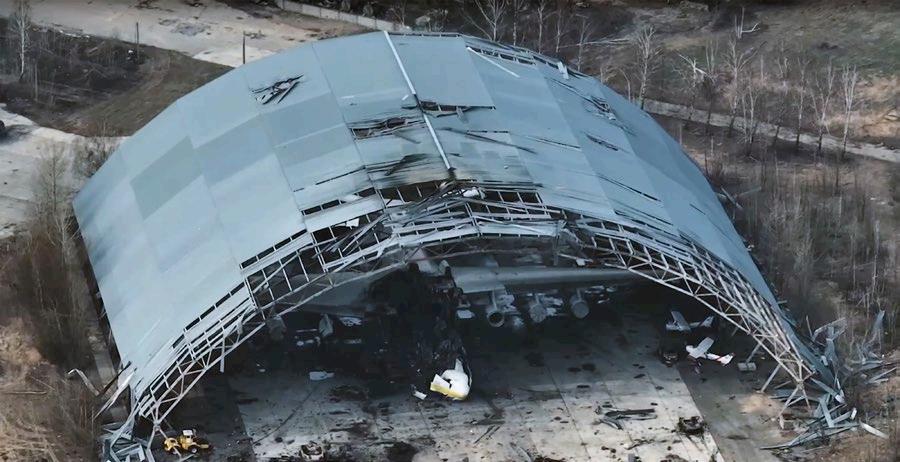
The aircraft’s mission history remains an impressive one, having transported everything from spaceships on its back to locomotives, wind turbine blades, and even a Bombardier Challenger 604 inside its cargo bay. Still, some of its trips stand out, as they provided quick solutions to issues that affected many people, sometimes in distress. In 1991, the aeroplane carried 200 metric tons of medicine and equipment to Kyiv after the 1986 accident at the Chernobyl nuclear power plant; in 2003, it delivered, over the course of a month, more than 800 metric tons of equipment and humanitarian aid to various countries in the Middle East; in 2009, it carried a 188 metric tons generator (the heaviest single piece of cargo ever flown) to Armenia for the construction of a power plant; the same year, it carried 10 generators to American Samoa after a tsunami damaged a generating station; in 2011 it brought relief equipment to Japan after an earthquake and tsunami hit its shores; in 2018 it delivered 12 generators to southern Bolivia for the construction of another power
plant; that same year, it brought 140 metric tons of supplies to the typhoonstricken Guam; and the list goes on.
With its travels, Mriya turned into a symbol of hope and rebirth, an engineering achievement that became a champion for reconstruction and survival. But sadly, in February 2022, during the Russian invasion of Ukraine, Mriya was destroyed during fighting for the strategic control of Antonov Airport in Hostomel, Ukraine. The aircraft felt as if it had gained a soul of its own after transcending its intended mission and becoming synonym with humanitarian aid and recovery, but was lost to war, a pursuit that, throughout all human history, has been the subject of debatable morality, unclear motivations, and dubious gains.
What we are left with now, as this and other conflicts around the world unfold and as we mourn the absurd loss of life, infrastructure, and material goods, is the dream that humanity would someday take a page out of Mriya’s book and become inspired in the aircraft’s journey to transform hostility into peace and international cooperation. y
41 z FEATURE THE CONTROLLER
z The destroyed An-225 in its hangar at Hostomel airport, near Kyiv, Ukraine credit: #BABYLON'13, via YouTube
AIRSPACE CLOSURES
USING AIRSPACE ACCESS AS A PRESSURE TOOL IS NOT AS STRAIGTHFORWARD AS IT MAY SOUND

z
by Philip Marien, IFATCA Communications Coordinator
Following Russia’s invasion of Ukraine, countries of the European Union have prohibited all Russian-owned, -registered, or -controlled aircraft, including private and charter flights, from landing in, taking off from, or transiting any EU nation. Switzerland, the UK, Canada, the US, and several additional countries have imposed similar bans. Reciprocal airspace closures by Russia's Federal Air Transport Agency (Rosaviatsiya) have prompted flight schedule changes and lengthier flight times, as carriers are forced to adjust routes.
It is not the first time that airspace closures have been used in political disputes: in June 2017, Saudi Arabia, the United Arab Emirates, Bahrain and Egypt severed diplomatic relations with Qatar and banned Qatar-registered planes and ships from utilising their airspace and sea routes. The dispute was only resolved in 2021.
While these bans may sound straightforward, things are a little bit more complicated.
Territory
By international law, a state "has complete and exclusive sovereignty over the airspace above its territory". The legal basis that defines what constitutes a territory is the United Nations Convention on the Law of the Sea (UNCLOS), which, contrary to its title,
also affects airspace and the operation of aircraft. UNCLOS aligns a country’s sovereign airspace with the maritime definition of territorial waters as being 12 nautical miles (22.2 km) out from a nation's coastline.
The coastline consists of ‘baselines’ as defined in UNCLOS. These are re generally based on the maritime shoreline, whether the shore is continental in nature or the outermost part of a chain of islands, i.e., an archipelago. To be considered as such, the islands must be no more than 100NM apart, except for 3% of the islands, which may be 125NM apart. The sovereignty of archipelagic airspace is not the same as other territorial airspace, as aircraft have the right of ‘continuous and expeditious’ passage. It means that unlike territorial airspace, aircraft cannot be denied transit through such areas.
Airspace that is not within any country's territorial limit is considered international, analogous to the "high seas" in maritime law. Worth noting IS that the terms ‘national airspace’ and ‘international airspace’ are descriptive in nature, but do not appear in UNCLOS (or in ICAO’s Chicago Convention for that matter).
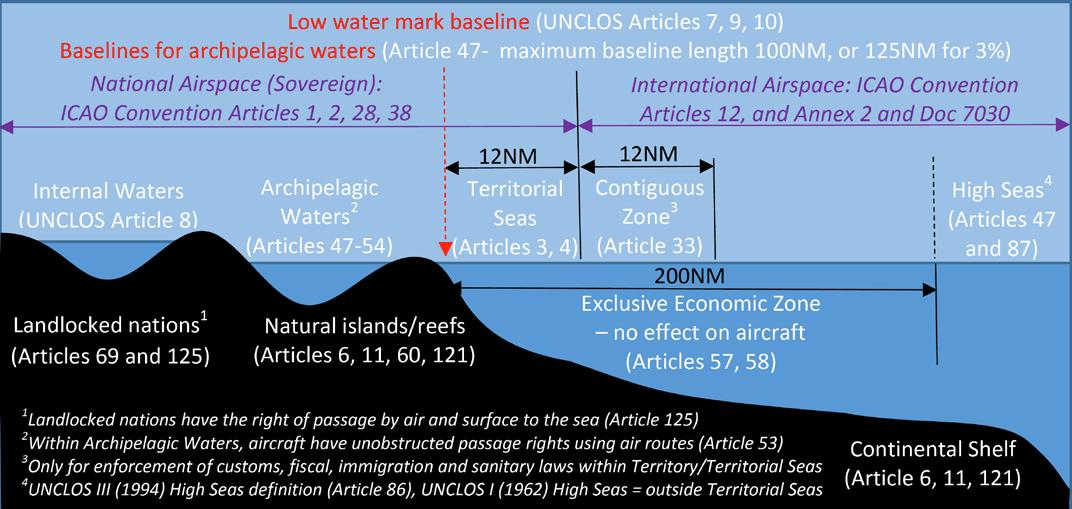
Outside their sovereign airspace, States do not have the jurisdiction to issue rules for foreign aircraft operating in that airspace. They may impose and enact laws/requirements for their own citizens and aircraft registered in their State for operations within international airspace, but they cannot do this for all aircraft.
Air Traffic Services
Outside their sovereign airspace, a country may assume responsibility for providing air traffic control services in parts of international airspace through international agreement. An airspace for which a country is responsible under the International Civil Aviation Organization (ICAO) is called a Flight Information Region (FIR). For a coastal state, the FIR consists of the airspace above its land and sea territory plus any international airspace in respect of which ICAO has assigned responsibility to that state. For instance, the United States provides air
z FEATURE THE CONTROLLER 42
z Maritime and Airspace Volumes as Defined by UNCLOS (white/red = UNCLOS, purple = Chicago Convention) source: ICAO ATM/SG:
traffic control services over a large part of the Pacific Ocean, even though the airspace is international.

Civil aircraft wanting to operate in such an FIR must comply with the Chicago Convention and its Annexes. It means that they cannot operate in a particular flight information region without adhering to ICAO rules: filing a flight plan, obtaining a clearance and adhering to ATC instructions.
While an airspace can be closed for all aircraft – e.g. for flight safety reasons, as was done for the airspace above Ukraine and Moldova at the start of the Russian invasion – the ICAO Convention does not allow a state to deny access to international airspace for specific flights based on the country of registration.
For territorial airspace, the issue a little bit less clear. The ICAO Convention principally guarantees the freedom to overfly as long as the rules and regulations of that country are adhered to, of course. It is not clear how this is compatible with the sanctions issued by the European and other States. Indeed, Pierluigi Di Palma, chairman of Italy’s ANSP ENAC remarked: “...
We see international treaties being violated to some extent with respect to the airspace ban decided by the West against Russia.” According to Di Palma, the airspace ban decided by the European Union bends both bilateral treaties and the ICAO rules. An anonymous spokesperson for the EU refuted this and said that the ban was fully compliant with international law.
State Aircraft

As the convention and its annexes are not applicable to State aircraft, a state aircraft operating on a flight plan in international airspace does not require an ATC clearance to enter the airspace, even if this is controlled. In most cases, such flights comply with civil requirements, but this is voluntarily and cannot be enforced. The convention places some requirements on States regarding the interaction between military and civil aircraft, like requiring regulations to have ‘due regard’ for the safety of navigation of civil aircraft (article 3); and to ensure that military aircraft do not endanger civil aircraft when using weapons or when intercepting (article 3bis).
between Russia and the Kaliningrad enclave can remain in international airspace (yellow), thereby avoiding sovereign territory from which Russian operated aircraft were banned.
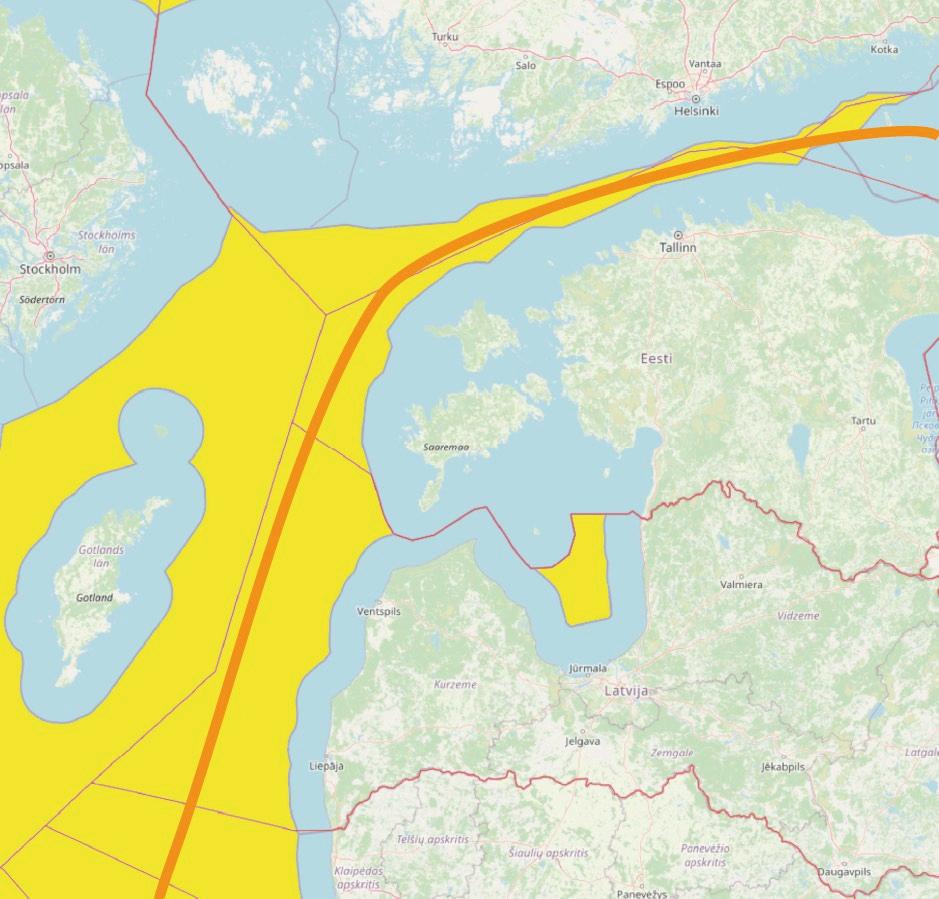
In Practice
Using international airspace, Russian aircraft continue operating in and out of the Kaliningrad enclave, which is surrounded by EU countries that have banned Russian aircraft.
These flights use a corridor of international airspace over the Gulf of Finland, skirting in and out of the Helsinki and Talinn FIR. The civil flights are controlled by Estonian ATC, while the state flights mostly use the ‘due regard’ principle. Interestingly, the civil flights owe route charges that are normally collected through EUROCONTROL’s Central Route Charges Office, but it is not clear whether these are currently collected from Russian operators.
The majority of these flights is performed using aircraft that were leased from international lessors, but that have been re-registered in Russia in a retaliation for the international sanctions. Despite the obvious illegality of using such aircraft, there seems to be little or nothing international law can do to stop these - technically, they are domestic flights using international airspace.
While there seems little doubt that the measures taken against Russia are at least morally justified, it sets a further precedent and present a clear risk that countries will take similar measures to try and settle territorial, economic or other conflicts. The Convention on International Civil Aviation was established to promote cooperation and “create and preserve friendship and understanding among the nations and peoples of the world.” Nearly eighty years since it was drafted, it seems that concepts like “freedom of the air” will be facing tough challenges in the future. y
43 z FEATURE THE CONTROLLER
NOTAM A1941/22 MILITARY INVASION OF UKRAINE BY RUSSIAN FEDERATION - ALL RUSSIAN REGISTERED AIRCRAFT AND AIRCRAFT OWNED, CHARTERED OR OPERATED BY NATURAL OR LEGAL PERSONS FROM THE RUSSIAN FEDERATION OR BY OPERATORS HOLDING AIR OPERATOR CERTIFICATE (AOC) ISSUED BY THE RUSSIAN FEDERATION AUTHORITIES ARE PROHIBITED TO ENTER, EXIT OR OVERFLY THE NETHERLANDS AIRSPACE EXCEPT HUMANITARIAN, SAR AND LEASED AIRCRAFT ONE-WAY RETURN FLIGHTS WITH THE PERMISSION OF THE APPROPRIATE DUTCH AUTHORITIES AND IN CASE OF EMERGENCY LANDING OR EMERGENCY OVERFLIGHT. z Flights
credit: OSM/IFATCA
A CENTURY OF ATC TRAINING AND THE NEXT DECADE
z
by MAX BEZZINA, INGENAV CEO

Looking back at the past 100 years, it is astonishing to see how fast the aviation industry developed. In doing so, a need was created to ensure order and safety in flight, and at airports. Air Traffic Control developed in order to meet the demands of safety standards of the young aviation industry.
The pioneers of this new air traffic control discipline learned from experience. They developed best practices which were gradually turned into rules, procedures and regulations, initially at aerodromes but gradually expanding as aircraft extended their range.
These pioneering air traffic control experts not only wrote the rules they had adopted: they also began to hand down their knowledge and skills to new generations of controllers. In doing so, they became the first instructors. They held the body of knowledge that bidding air traffic controllers needed before they could move on to practice on-the-job, under the supervision of an established controller: principles of flight, navigation, communication, air traffic procedures.
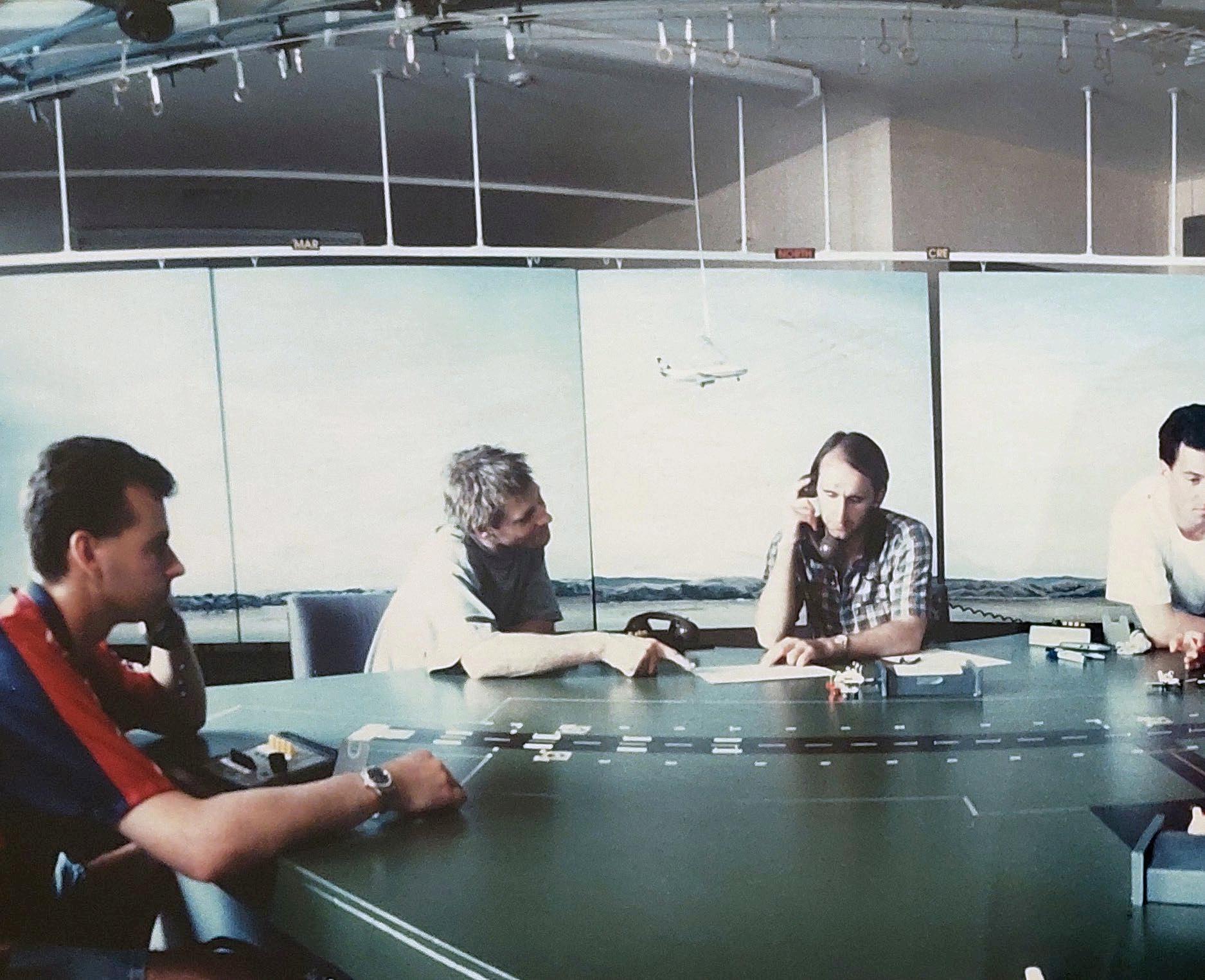
As air traffic grew in volume and complexity, so did the air traffic control system, though almost always slightly lagging behind. As the system matured, so did the realisation that an air traffic controller needed particular skills. Until then, the main criterium for eligibility as a controller was intellect: one needed to have an appropriate educational background. With the realisation that particular skills were also needed, came a new challenge for training: how do we train those skills to the adequate level? The answer was through simulation that could expose new controllers to situations that they would possibly experience one day, but that were far from guaranteed to happen during on-the-job training. It made controller training more efficient and neutralised the higher exigencies borne from the fact that air traffic was becoming so
complex that in certain units the on-thejob training, without of the use of prior simulation was becoming very long.
Over the years, these simulators became increasingly sophisticated. Tower simulators were initially little else than model airports with various ways of moving model aircraft around. More recently, they have benefitted of powerful 3d graphics generation and projection possibilities that can reproduce the most challenging tower situations.
When I joined ATC in 1995, I discovered a particularly mature system in which the body of knowledge, divided into subjects (what all of us mostly know) was taught first, followed by simulation on generic situations, followed by transitional training from the generic to unit specific and finally to on-the-job training.
Almost 30 years have passed since then, and ATC training continued to evolve, growing increasingly sophisticated. Apart from initial training to qualify as a controller, there was an increased need to establish requirements for maintaining the competence and to periodically refresh skills and knowledge. Development training, first for instructors, then for assessors and for other functions developed. Regulation also became with time more sophisticated, and more dominant, with minimum requirements for training to achieve competence, to maintain competence, to train others and to assess competence.
With the continuous development of the science of human performance and growing understanding of its link to safety, training in applied human factors (notably team resources management) passed from being a best practice to (at least in Europe) a regulatory requirement. Teach and instruct has grown to include facilitate and to coach. None of these four “teaching” techniques can be singled out, as they complement each other and should be used as needed. Students are actively encouraged, most of the time not only to “just” learn but also to reach their best performance and potential. Controllers who act as instructors and assessors are better supported. Maintaining and monitoring competence in day-to-day operations have gotten a lot more focus over the past decades. Air traffic control training has definitely matured in these first 100 years!
But there are still areas where we can improve. Unfortunately, with explicit regulation becoming very prominent, we tend to forget best practices and good intentions. Performance is measured against regulatory requirements, often ignoring common sense. In some cases, there is even a trend towards mediocrity and doing the minimum possible, rather than seeking excellence. In more extreme cases, it has created a race to the bottom, even if we do not know where that would be. Our regulations far from perfect. They dictate things from a common agreed minimum and, in many cases, there is the unfortunate assumption that compliance with a regulation is a guarantee to obtain the desired outcome. Organisations feel compelled to comply with regulatory
z TRAINING
THE CONTROLLER 44
requirements, while looking for the cheapest solutions. They are at risk of unlearning essential skills that brought us to where we are and instead. Instead, we explore the lower limits of where training can be rather than to aspire to explore the upper ones.
So where do I think we will go in the next 10 years?
The pessimist in me says that we could keep exploring the race to the bottom until we are confronted with or exposed to serious threats to our safety records. It will then take significant cost and effort to fix the system that we have dismantled.
But the optimist in me says that we have always shown professionalism and that we are part of an industry that has always been concerned, at times to the limits of a healthy obsession, with excellence and safety. If we go this way, I can see us progress in three main areas:
1. We continue in our increased understanding of performance and to advance in our teaching techniques to help student controllers and also our qualified colleagues to reach and maintain
the level of competence needed. This will pass through the further professionalisation of our instructors, both on-the-job and especially in our schools where we will continue to improve our learning to master a broad number of techniques and skills including coaching, skills training, the understanding of the human factor, the human – automation interface and so forth.
2. The continuous improvement of technology that needs to accompany our understanding of how performance is acquired and maintained. That we understand which are the fundamental skills of tomorrow´s controller and have the support, through for example sophisticated modules and simulators, to train them and build on them in a seamless way from the beginning through the achievement and maintenance of competency. To better blend skill with knowledge acquisition rather than seeing them as two distinct parts.
3. The third is the training of how we as controllers and our students learn to reflect on our performance,
how we learn how to analyse our strong and weak points periodically and frequently stop from the action – reaction duo and include the reflection and make it a threesome (a bit like the famous first de-briefing question we all teach in the OJTI course: “How do you think you did today, Max?”). We can then grow into self-directed learners of our own profession, diagnosing our needs and asking for help as we find necessary.
In this way, I believe we can move into full maturity for the next 10 and perhaps 100 years, so that human-centricity in our sector takes its full meaning: that we are not only used because there is no other way without us but that we are the conscious part of an increasingly automated system. y
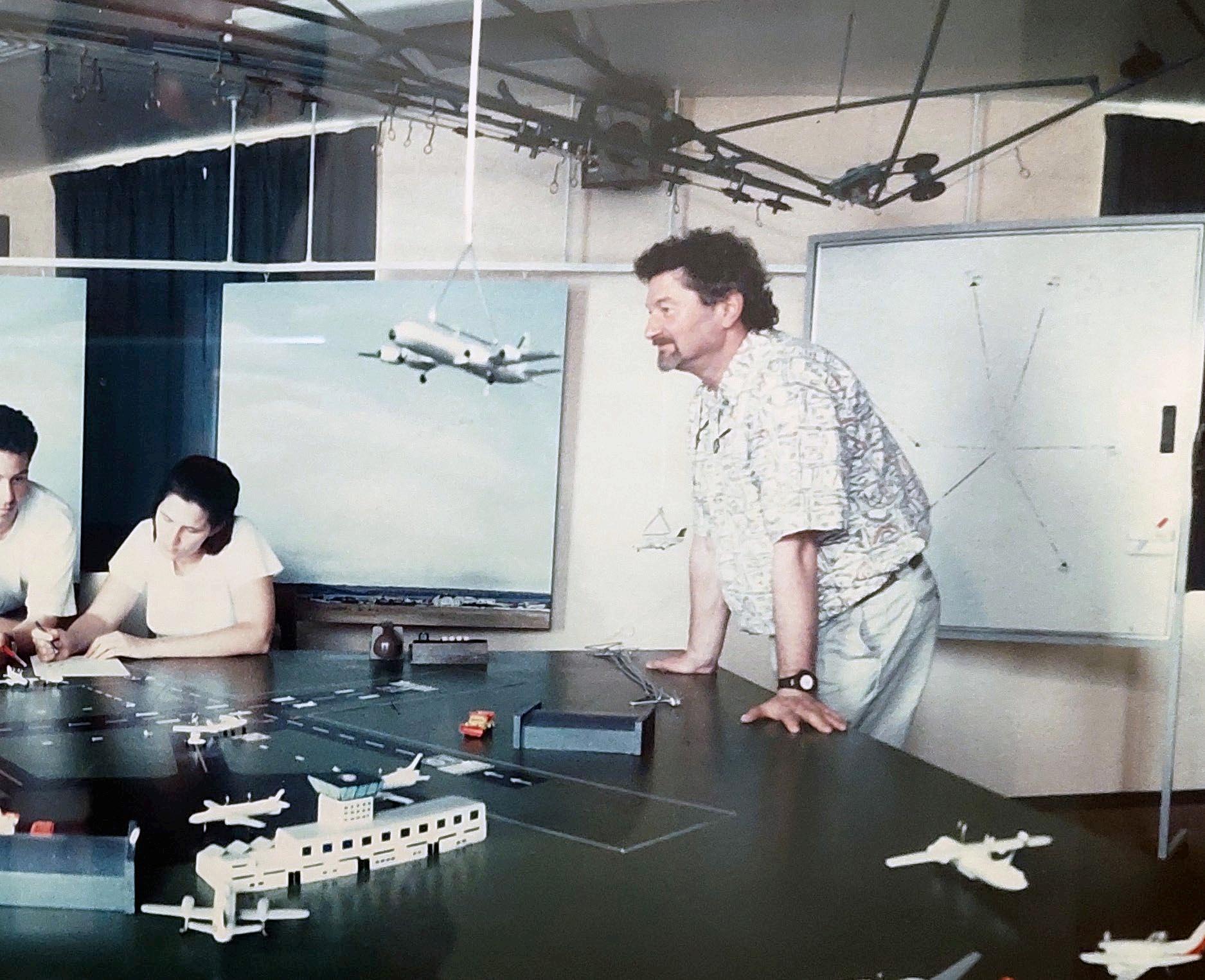
z TRAINING 45
mbezzina@ingenav.com THE CONTROLLER
CHARLIE'S COLUMN
zby CHARLIE@THE-CONTROLLER.NET
Very few images we come across have us stumped. But this is one of them. We have no idea what is going on here. Did the someone forget the code of the cockpit door? Who forget the keys to open the aircraft door? Was the pilot trying to avoid having to say goodbye to the passengers? It is part of some new cost-saving measure to reduce the turnaround time?
We do not know...
Fancy building your own supersonic aircraft but cannot find a suitable powerplant? Look no further than e-bay! For the bargain price of just over 630,000 US$, an authentic RollsRoyce Olympus Turbojet can be yours. It is apparently the only engine British Airways sold which had the afterburner fitted.
The engine and its stand weigh some 5,5 tons and are listed as "collection only" and for static display only. But we're sure those details can be negotiated.

Here at Charlie, we enthusiastically helped research the 100 Years of Air Traffic Control. Rather than finding historic images of important development in air traffic control, we got distracted by weird aircraft…
Two British inventors, Horatio F. Phillips and Samuel Smith were apparently obsessed with having as many wings on their flying machines as possible. Phillips constructed a multiplane in 1904 that had no less than 21 wings. His 1907 model had 200 individual air foils. Four years later, Samuel Smith put his faith in a multiplane aircraft with 110 slats. Though these wings generated significant amounts of lift, it came at the cost of manoeuvrability and structural integrity. Both men appear to have given up eventually and moved on to pursue non-aviation related careers…
z CHARLIE THE CONTROLLER
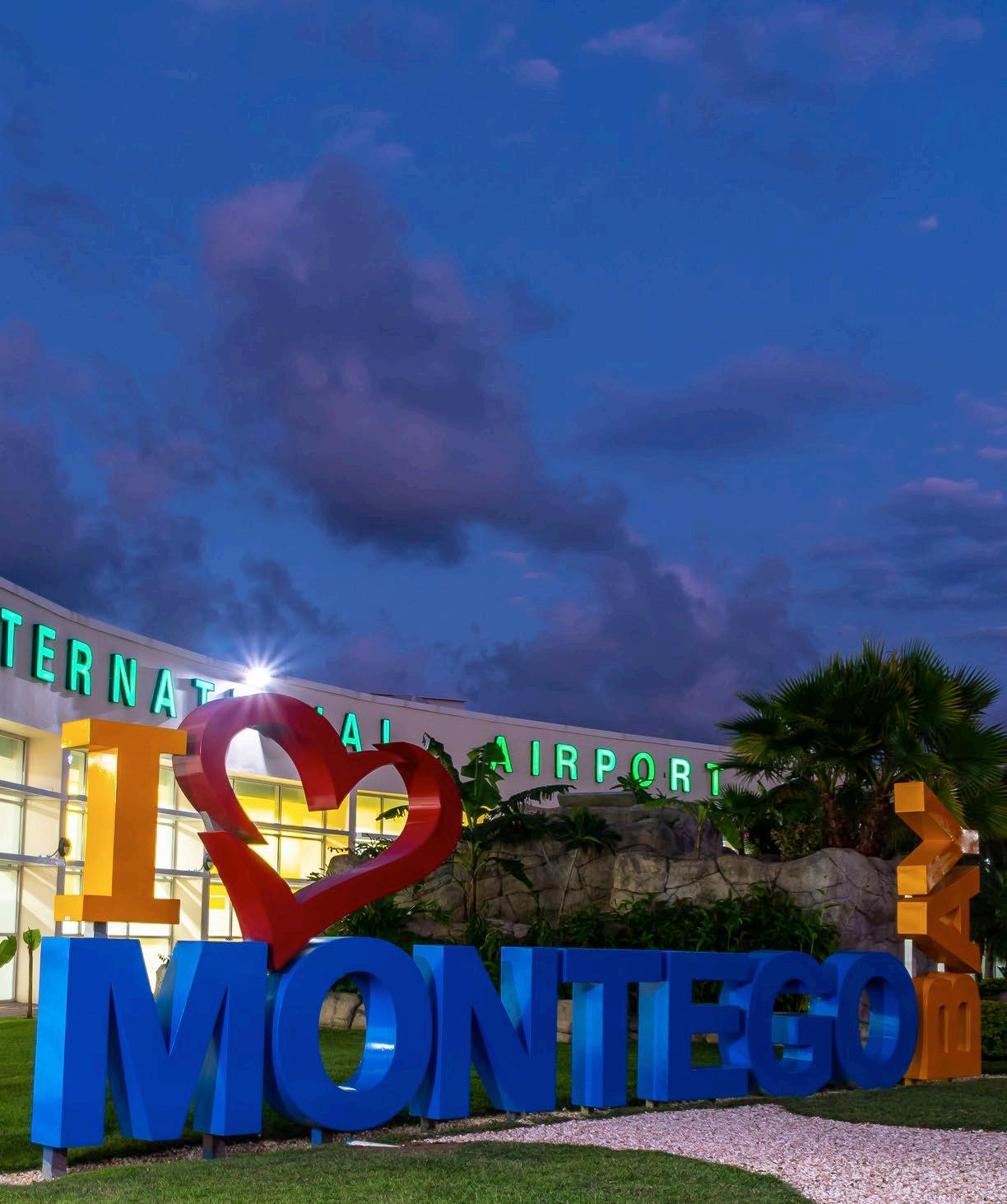


8-12 May 2023 Montego Bay, Jamaica www.ifatca2023.org
ARE THE HEART OF THE SYSTEM

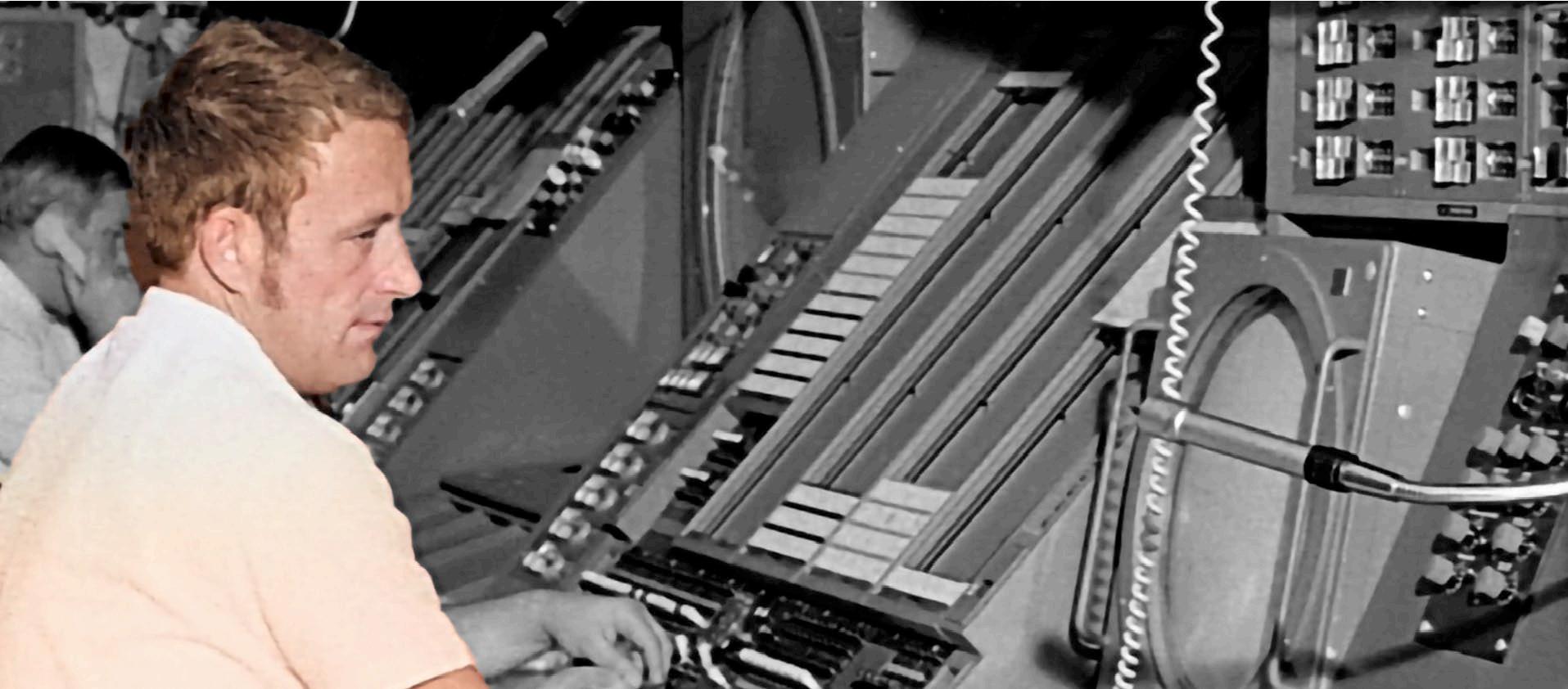
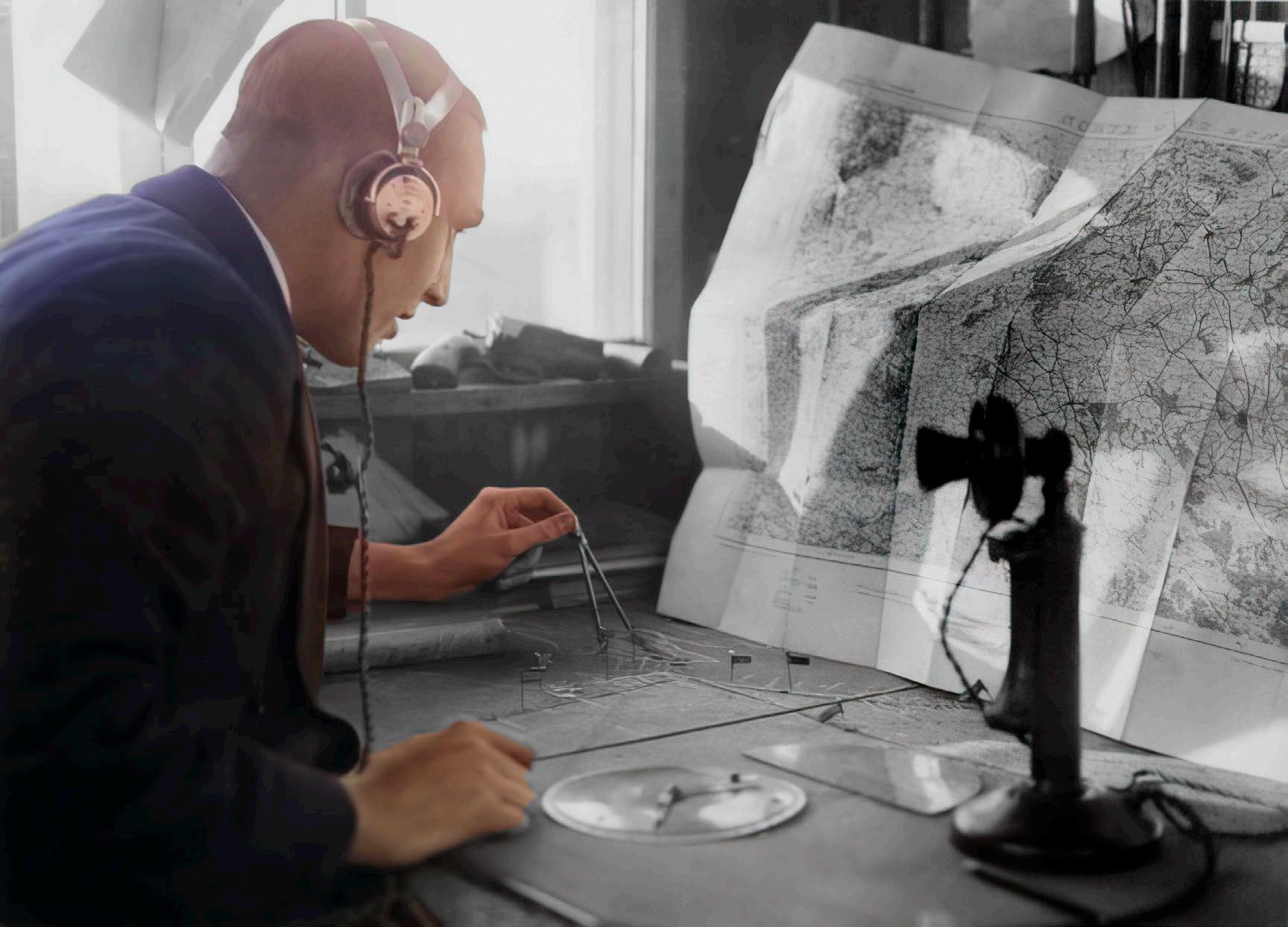
INTERNATIONAL DAY OF THE AIR TRAFFIC CONTROLLER 1922 1972 PEOPLE
2022 i
