An interview with Douglas DiCerbo of Sentry Hill Financial Advisors page 37 Marc Perras 36
American Plumbing & Heating‘s Joseph Clancy Retires, Sara Clancy Named CEO and President
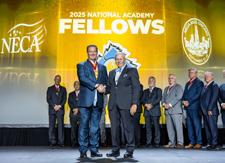
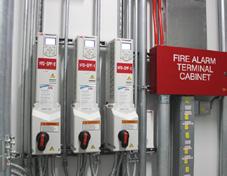
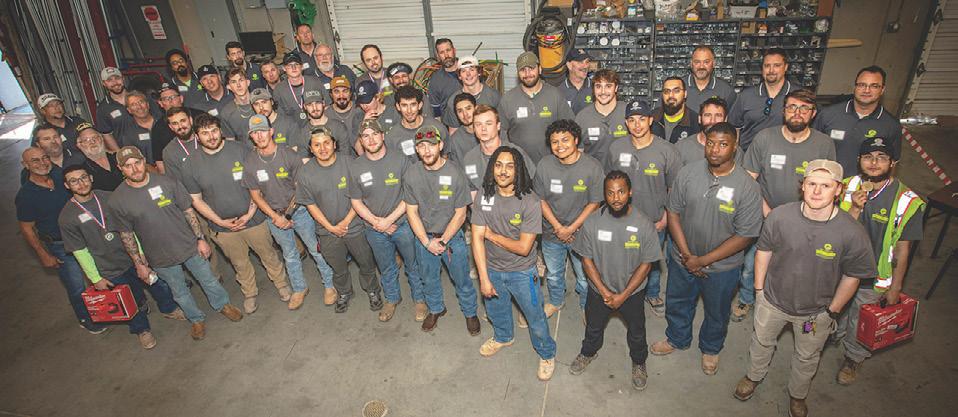
McDonald Electrical Honored with Three Awards at 2025 NECA Convention
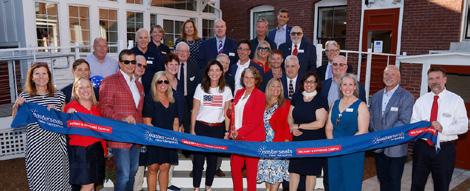
DiPrete Engineering, Building Futures Launch RI’s First Registered Survey Apprenticeship Program Ribbon Cutting Held for Easterseals NH Military & Veterans Campus
DECCO Announces Expansion of Compliance-Driven Services for Highly Regulated Environments
Governor Mills Announces Creation of the Maine Life Sciences Center
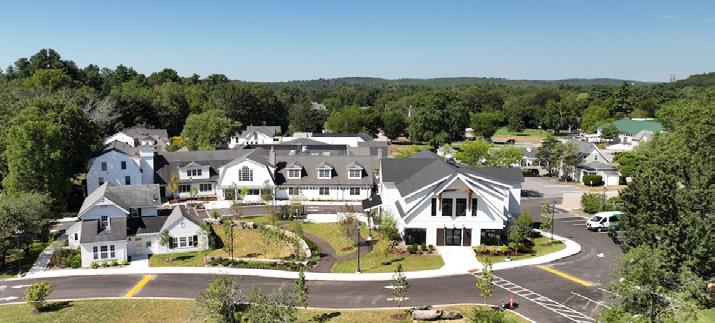
KBE Celebrates Grand Opening of new 91,000sf Senior Living Community Bowdoin Construction, Jones Architecture Deliver new Training Center for NECO
Abigail Cory 35
Alya Staber
Girard R. Visconti
Island
opened the doors to its
State Health Laboratory, an $81.7 million, state-of-the-art facility designed to strengthen public health
while
state’s fast-growing life sciences sector. / Rendering courtesy of HOK
McDonald Electrical Honored
Ribbon Cutting Held for Easterseals NH Military & Veterans Campus
Publisher’s Message
Anastasia Barnes
As winter approaches and sweater weather sets in, there’s nothing better to curl up with than the latest edition of High-Profile. We’re excited to share this month’s Life Sciences issue, where you’ll find the most recent trends, practices, and innovations impacting this ever-evolving industry.
I’d like to take a minute to extend a heartfelt congratulations to Joseph Clancy, founder of American Plumbing and Heating (APH), on his retirement, and to Sara Clancy, who is taking over as CEO and president of the firm. As one of High-Profile’s longest advertisers, it has been a pleasure partnering with them over the years, and we’re excited to continue to follow the firm’s developments as they move forward with this exciting transition. Read the story on page 7.
Our Life Sciences focus includes news on how several states are investing
in life science development. On page 17, read Maine Governor Janet Mills’ recent announcement about the creation of the Maine Life Sciences Center, a new initiative of the (MTI) designed to attract investment and foster innovation in life sciences. Rhode Island also officially opened the doors to its new State Health Laboratory, a $81.7 million state-of-theart facility designed to strengthen public health infrastructure while expanding opportunities for the state’s life sciences sector. Read more about the new facility on page 19.
An article by Neel Shah of SeaDar Construction leads off the Life Sciences section. Shah details how the team navigated a constrained urban site at 30 Hampshire Street in Cambridge’s Kendall Square, creating a space that serves the future of science and innovation. Read his article on page 10.
I recently interviewed Doug DiCerbo of Sentry Hill Advisors about the financial realities AEC owners face in today’s volatile market. He outlines the financial challenges construction owners are facing, and gives his
Promoting the Mechanical Contracting Industry for over
advice for growing and sustaining wealth while managing the demands of running a business. Check out the full interview on page 37.
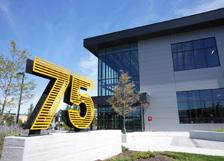
HP account executive, Mark Kelly, and I recently attended the Associated Subcontractors of Massachusetts’ (ASM) 75th anniversary celebration. We had a great time celebrating this incredible milestone with industry colleagues and friends, and we’re excited to witness how the organization continues to represent industry professionals through their important programming and advocacy efforts.
Next month’s issue has a focus on Awards and Year in Review. Send us a recap of your company’s finished projects or industry achievements, or a wrap-up of what your firm has been up to this year. The issue will also feature the Annual Green Supplement. Share your insights on the trends in sustainability and green building practices, or announcements of energyefficient projects you have in the works. The deadline for the Green Supplement is Nov. 12, and the deadline for the December issue is Nov. 14.
Enjoy the read!
30 Hampshire Street
Up-Front APH Announces Leadership Transition
Norwell, MA – American Plumbing & Heating Corporation (APH) announced that Sara Clancy has expanded her role to CEO and president, effective Sept. 17, with the retirement of Founder Joseph Clancy.
“I am fully committed to building on my father’s legacy while leading us into a bright future. I am excited and humbled to be surrounded by such an amazing team at APH, “ said Sara Clancy.
After getting her master’s degree from Boston College, Sara rejoined APH in 2016 as a principal, working closely with all department heads before she was named president in 2024.
Joseph Clancy said, “I couldn’t be more confident in her abilities, or prouder. Intelligent, driven, and deeply committed to our people and our clients, Sara is the perfect person to lead APH into its next chapter.”
VHB Donates to ACEC Research Institute
Washington, DC – The ACEC Research Institute announced that VHB has made another major donation in support of its mission. This contribution marks VHB’s second Founder Circle donation. VHB was one of the institute’s original supporters.
“We can’t tackle the future alone,” said Mike Carragher, president and CEO of VHB. “Progress in our field comes from shared knowledge, collective action, and forward-thinking research. It is our responsibility to continue to elevate the industry. VHB’s support of the ACEC Research Institute is rooted in that belief.”
Carragher served as chair of the ACEC Research Institute from 20232025, and representatives say that, under his forward-thinking, decisive leadership,
the institute was able to identify, fund, and provide industry-wide research, forecasts, and trend analysis.
“At VHB, there’s a clear recognition that meaningful progress requires purposeful collaboration,” said Steve Lefton, chair of the ACEC Research Institute. “We applaud VHB’s commitment to bettering our industry and are grateful for their sustained support.”
In addition to conducting original research, the institute has awarded $678,000 in student scholarships over the last year to help future engineers join the industry. The ACEC Research Institute’s data is often cited by the media and is available on the Bloomberg Terminal, a tool for financial professionals that provides real-time data, news, and analytics.
MASTERING THE SCIENCE OF CAMPUS RENEWAL
For over 27 years, South Coast Improvement Company has brought the science of precision to every project— from life science labs to full-campus masterplans.
From cutting-edge life science labs to complex campus renovations, South Coast Improvement Company delivers environments that inspire innovation.
This planning season, trust a partner who understands that delivering high-quality construction within occupied campuses is as essential as the science itself.
Master the plan. Perfect the process.
Sara Clancy and Joseph Clancy
CATHLEEN BRODERICK PHOTOGRAPHY, LLC
New Zoning Approved for Downtown Boston
Boston – The Boston Zoning Commission recently approved comprehensive zoning updates for Downtown Boston for the first time in more than 30 years. This new zoning is designed to strengthen protections for downtown’s historic and cultural assets, streamline the conversion of old office buildings, and enable a housing and mixed-use density to help make downtown a more inclusive neighborhood.
enabling increased density at the core of Boston’s transit network where it can best be supported. Residential uses are now legal throughout the new zoning districts, whereas large hotel, lab, and office uses will require further zoning approval. Also in support of housing growth, the zoning requires that any new buildings of significant height in the Washington Street corridor (more than 200 feet) must be predominantly residential.
“This updated zoning brings predictability and historic protections to the downtown core, encouraging new housing and investment to continue revitalizing downtown,” said Mayor Michelle Wu. “As post-pandemic challenges impact downtowns across the country, this new zoning will help Boston spur new housing, eliminate zoning hurdles for businesses, support more office-to-residential conversions, and infuse new vitality in this important neighborhood and commercial core.”
“When PLAN: Downtown was relaunched in 2022, it required a renewed vision to respond to our post-pandemic
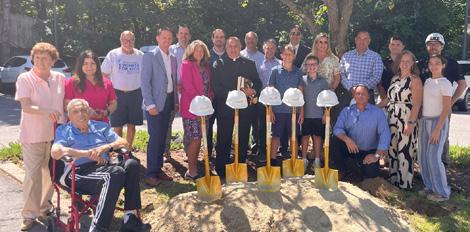
Ground Broken on Neurology Center
Foxborough, MA – The Neurology and Infusion Center of New England has broken ground on its new facility at 18 Washington Street in Foxborough. Timberline Construction Corp. was selected as the construction manager to transform the existing 2-story, 20,000sf building into a new home for the growing practice.
The renovated facility will expand the center’s capacity by doubling their space to accommodate growth while creating an environment tailored to patient care for neurology and infusion services. The first floor will feature the infusion center, physical therapy area, exam rooms and the office of the founder and medical director, Dr. Salvatore Napoli. The second floor will include additional exam rooms and a dedicated research space.
“Breaking ground on this new facility is an exciting step forward for us,” said Napoli. “This space will allow us to transform how we deliver care, bringing our patients an environment that supports advanced treatment, research and compassionate, patient-first service.”
The groundbreaking marks the
beginning of a project that will enable the Neurology and Infusion Center of New England to expand its reach and enhance patient experience. By relocating to a larger facility, the center will be able to serve more patients, deliver more connected and accessible services, and provide comprehensive care in a single setting. The renovation reflects Napoli’s long-standing vision of delivering advanced neurological treatment in an environment built around accessibility, while furthering their research capabilities.
“We knew Timberline was the right partner for this project,” said Owner’s Project Manager Ed Zielinski. “Their expertise and collaborative approach made them the clear choice to lead this effort and I’m confident in their ability to deliver a space that will serve the practice and their patients for years to come.”
Additional project team members include The Colwell Group, architect, and CoreStates Group, engineer. Construction is now underway with completion expected in January 2026.
reality, in which many people began working remotely, and foot traffic had steeply declined,” said Chief of Planning Kairos Shen. “Together with our Office to Residential Conversion program, this new zoning, which builds directly off of our planning work, will maximize our options to reinvest in downtown and create the vitality that is critical to its long-term success. A thriving, reimagined downtown from a financial district, to a mixed-use neighborhood with more residents, and a new mix of businesses, is positive for our entire city and the region at large.”
The zoning meaningfully prioritizes the ability to build new housing and mixeduse development across downtown in response to the ongoing housing shortage,
The new zoning supports historic preservation by eliminating barriers to convert or adapt existing buildings, and also provides extensive design guidelines to ensure sensitivity and preservation of historic areas. The updates also reinforce the need for any new development to comply with State Shadow Regulations, adding formal references to the state laws that protect the Boston Common and Public Garden from new shadow impacts. The zoning also eliminates outdated and prohibitive land-use restrictions to encourage new and diverse businesses like coffee houses, bakeries, fitness studios, and entertainment uses to thrive, fill empty storefronts, and help drive foot traffic and activity downtown.
This new zoning originated through the PLAN: Downtown planning initiative which began in 2018, and continued until 2023, when it was approved by the BPDA board.
GTIS, RISE to Develop RISE Auburn
New York – GTIS Partners LP and RISE announced the expansion of their joint venture to develop RISE Auburn, a premiere student housing community servicing the students of Auburn University.
With sustained enrollment growth at Auburn in recent years, the student housing market has tightened substantially due to a lack of new Class A developments with proximity to campus. GTIS and RISE were able to assemble and entitle the 4.3-acre site which is situated approximately half a mile from campus. The project will feature 718 beds across 240 units in a highly amenitized building, offering students structured parking, a full-scale gym, a resort-style pool, a golf simulator, and study lounges.
“We are excited to expand our partnership with RISE and further strengthen our presence at SEC schools,” said Casey Chayet, vice president of acquisitions at GTIS. “Just as with our Ole Miss development with RISE (Ivy & Elm), RISE Auburn is an opportunity to deliver a best-in-class student housing community in a market we believe will
see sustained enrollment growth for years to come. In the new era of Name, Image, and Likeness (NIL) in college athletics, GTIS and RISE will continue to pursue opportunities at universities that excel both academically and athletically.”
“Partnering with GTIS again allows us to follow through on our shared commitment to providing high-quality, modern housing where it’s needed most,” said Ryan Holmes, CEO of RISE. “With RISE Auburn, our goal is to create thoughtfully designed spaces and amenities that make life both easier and more fulfilling for Auburn students.”
The project is expected to deliver prior to the 2028-2029 academic year.
RISE Auburn
The Neurology Center of New England, Timberline Construction and project partners at the groundbreaking ceremony
Maugel DeStefano Announces 491-Unit Apartment Development in Worcester
Worcester, MA — Maugel DeStefano Architects announced that Grafton Woods, a new 491-unit apartment community in Worcester, has received Zoning and Planning Board approvals from the City of Worcester.
The project, for developer KMG Holdings, is designed to revitalize a longblighted site on Brandt Lane and bring new housing options to the neighborhood. It is located in close proximity to the 77acre Perkins Farm, Roosevelt Elementary School, and the Grafton Street retail corridor.
Grafton Woods reimagines traditional New England architecture through a contemporary lens. The five-building development features 4-story structures composed of classic brick and lap siding paired with modern materials such as smooth metal and fiber cement panels. The upper floors showcase a modern mansard roofline, reducing the scale of the buildings while adding visual interest. Each structure incorporates a mix of balconies, patios, and rooftop decks, breaking down the building massing and activating views and outdoor public spaces to foster a welcoming, residential character throughout the community.
Grafton Woods offers extensive indoor and outdoor amenities, with a strong focus on resident engagement and
wellness. Features include club rooms, function rooms, and game rooms; workfrom-home lounges; pet spas and bike storage; fitness centers and wellness rooms; rooftop decks, cafes, and outdoor Exterior amenity space
social areas; secured package rooms and rentable tenant storage; landscaped courtyards, walking paths, pickleball courts, and dog parks; a pool and lounge, firepits, and grill stations; and commercial space to serve both residents
and the local community.
Each of the five buildings is positioned to enhance pedestrian flow, with a vehicle loop road located on the site perimeter to improve fire access and maintain a safe, walkable environment. Four of the five buildings will include covered basement parking.
Grafton Woods will incorporate Passive House energy-efficient design elements to promote sustainability and resident comfort. The development also includes planned enhancements to the O’Hara Brook Resource Area, contributing to local ecological restoration and increasing access to natural open space.
“Our goal with Grafton Woods is to create more than just housing—we’re building a vibrant, connected community,” said Mark Pelletier, principal at Maugel DeStefano Architects. “This residential development honors Worcester’s history while helping to shape its future.”
Rendering of Grafton Woods
Focus: Life Sciences
Building Innovation: How Sea-Dar Construction Delivered
By Neel Shah
In the heart of Cambridge’s Kendall Square innovation district, Sea-Dar Construction has once again delivered a standout project: 30 Hampshire Street. This high-performance life sciences development stands not just as an architectural statement, but as a case study in precision construction management, innovative problem-solving, and unwavering commitment to quality.
Urban Logistics Redefined
Located at the prominent corner of Portland Street and Hampshire Street, the building’s tight, zero-lot-line site is surrounded by active roadways and adjacent, fully occupied structures leaving virtually no room for staging or laydown space. These intense constraints
made every delivery and material movement a logistical puzzle. Sea-Dar’s preconstruction team coordinated closely with city officials, utility providers, and neighboring property owners to orchestrate a precise flow of work while minimizing disruption to the bustling urban setting.
The importance of logistics was amplified by both the narrow urban
footprint and the building’s below-grade needs. The site’s underground conditions included legacy utilities, poor soil quality, and a high water table, demanding meticulous planning for excavation and foundation phases. Particularly noteworthy was the construction of an underground car parking facility accessed by a street-level car elevator, requiring complex sequencing for shoring, excavation, and waterproofing, all while ensuring safety above and below grade. Bala Engineering provided comprehensive structural and MEP/FP engineering services, playing a vital role in addressing these subsurface and system challenges successfully.
Strategic Traffic Management
To keep the project advancing, Sea-Dar designed a targeted Traffic Management Plan (TMP) in collaboration with the city. This plan required the temporary closure of two lanes along Portland Street during working hours, a move that demanded careful scheduling and communication with city officials and the public. Lanes were kept open to general traffic outside of construction hours and on weekends, striking a balance between project needs and neighborhood access.
Subsurface and Structural Ingenuity
Beneath the surface, the team’s approach combined groundwater dewatering, soil stabilization, and precision secant pile installation to create a secure, watertight
foundation. This enabled not just safe support for the life science facility above but also ensured the operational viability and longevity of the multi-level car park underneath.
Design-Driven Execution
Balance Architects’ design calls for structural silicon glazing paired with large-format, channeling the techforward spirit of Kendall Square. The building’s floors above the iconic ground floor are distinguished by a unique frit pattern applied to the curtainwall glass. This design not only adds an elegant, contemporary character but also enhances performance by reducing glare and solar heat gain while providing expansive views of the neighborhood. For SeaDar, material coordination and quality assurance were critical—every element from curtain walls to tiles was delivered and installed according to rigorous performance and aesthetic standards, despite the demanding site constraints and compressed timelines.
Innovation and Sustainability
From inception, the building was engineered to exceed Cambridge’s energy codes. Sea-Dar integrated high-performance mechanical systems, thermally broken envelope assemblies, and energy-efficient glazing. BIM technologies enabled detailed 3D coordination, illuminating and resolving system conflicts before fieldwork began, saving time and resources throughout construction.
Collaboration Under Pressure Open communication shaped every phase of this project. Weekly meetings, real-time schedule updates, and transparent budgeting enabled a strong partnership among owners, architects, and consultants, critical for overcoming supply chain and labor challenges in the post-pandemic market.
Looking Forward
The construction of 30 Hampshire Street reflects how thoughtful planning, collaboration, and technical precision can transform even the most constrained urban sites into spaces that serve the future of science and innovation. By blending engineering ingenuity with adaptive problem-solving, the project underscores how modern construction can support the evolving needs of life science research while respecting the complexity of dense city environments like Kendall Square. Neel Shah is project manager at SeaDar Construction.
30 Hampshire Street
30 Hampshire Street
Prefabrication Drives Precision and Speed in Life Sciences Facility Construction
By Edward Gould
Construction projects in the life sciences sector demand a meticulous blend of precision, speed, and safety to meet strict compliance standards and demanding construction timelines. Research labs, cleanrooms, and pharmaceutical manufacturing facilities rely on specialized electrical systems that must be installed without error. As the use of ULcertified prefabrication increases, how these facilities are built is fundamentally shifting. The use of prefab advances labor from the jobsite to a controlled manufacturing environment, directly addressing the core challenges of this growing sector by delivering guaranteed installation accuracy and accelerated schedules.
Efficiency via Prefabrication
The driving force behind a streamlined construction schedule in life sciences is the prefab center, where coordinated data is converted into high-quality, preassembled components. Prefabrication
allows production to be done in a controlled environment, running in conjunction with onsite construction. This parallel process reduces the overall project duration by enabling the prebuilding of assemblies that are essential to life sciences projects.
One of the biggest time savers in life sciences is the prefabrication of Ceiling Utility Panels (CUPs). CUPs are built complete with predetermined devices,
circuitry, and labeling, and pre-wired for easy field hookup. Where a crew might spend six to eight hours building a CUP from raw bulk materials while standing on a ladder, prefab units can be installed in as little as 20 minutes.
Similarly, teams prefab surface mounted raceways to exact predetermined lengths. A 20-foot raceway run, which could take an installer three to four days to build and
wire on site, is reduced to an installation time of only a half-hour to an hour when prefabricated. Additionally, prefabricated lighting control systems, including those for vivarium that require specific bus networks to simulate day/ night cycles and integrate specialized red light options for after-hours operation, reduce challenging ladder work in the field.
Accelerating Schedules and Elevating Safety on the Jobsite
The benefits of offsite prefabrication extend directly to the jobsite’s environment, increasing both safety and cleanliness. By prefabricating and staging materials in a controlled setting, this approach eliminates the need for storing raw bulk materials on site, which reduces congestion, trash, and safety hazards, creating a cleaner, safer jobsite essential for pharmaceutical and research facilities. A sophisticated waste management process also increases efficiency. By using prefabrication and optimizing precise logistical processes, electrical contractors are not just meeting tight schedules; they are setting new standards for efficiency and safety in the delivery of next-generation life sciences facilities. Edward Gould is operations center production area manager at Interstate Electrical Services Corporation.
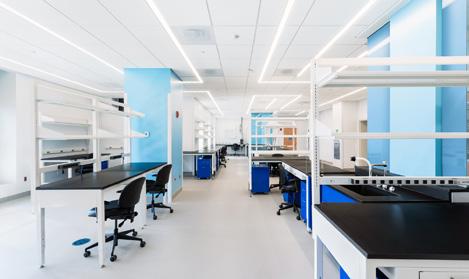
Life sciences laboratory in southern Connecticut dedicated to researching treatments for rare diseases. The critical, specialized electrical systems in this state-of-the-art facility were installed with the guaranteed accuracy of UL-certified prefabrication.
BW Kennedy Completes Biomanufacturing Facility at Pathways Devens
Devens, MA – BW Kennedy & Co. has completed construction at 75 Jackson, a 210,000sf advanced manufacturing facility that marks the latest addition to King Street Properties’ Pathways Devens campus, with design by Vivo Architecture.
When fully built out, the campus will include five manufacturing buildings and an amenities center. With the completion of 75 Jackson, four of the five manufacturing buildings are now finished, along with the amenities center, The Canteen, which currently houses Sterling Street Brewery.
Like the other buildings in the 700,000sf Pathways Devens campus, 75 Jackson was designed for maximum flexibility, accommodating either a single tenant or multiple users. The building offers 170,000sf on the first floor and
40,000sf on the second, featuring high bays and wide column spacing to support a range of advanced manufacturing operations. Clear heights on both levels of up to 38 feet in the high-bay areas are designed to ensure adaptability for evolving equipment and processes.
The exterior combines a precast wall panel system, metal accents panel, and curtainwall/storefront entrances, constructed to maintain the campus’ cohesive design. On-site amenities include a landscaped plaza, six-door loading dock, utility yard with space for future generators
manufacturing, life sciences, and clean energy companies.
Development of the Pathways campus began in 2020 with 45 Jackson and its associated infrastructure. Built on a former military base, the site presented unique challenges, including potential unexploded ordnances (UXO) from its
75 JACKSON JOINS THE PATHWAY DEVENS CAMPUS
BW Kennedy & Co , in collaboration with Vivo Architecture, is proud to announce the completion of 75 Jackson Road a 210,000 SF life-science facility for King Street Properties at the Pathway Devens Campus
Built for flexibility, the facility is ready to accommodate future lab and office fit-outs tailored to life-science tenants
75 Jackson / Photos by @Georgebudri
75 Jackson Electrical room
Core & shell interior
past use. As with all campus projects, BW Kennedy implemented a rigorous safety program, including special UXO training for all workers.
Celebrating Excellence in Precast Concrete: The Inaugural PCI Northeast Showcase Awards
This year marks the inaugural PCI Northeast (PCINE) Showcase Awards, created to recognize outstanding achievements in precast concrete design and construction across our region. These awards honor projects that exemplify innovation, quality, and efficiency, showcasing how precast concrete continues to shape the built environment through speed, durability, and design versatility.
Assembly Innovation Park Garage
Somerville, MA
Project Team: Dailey Precast, LLC; Prime Steel Erecting; Perkins & Will; McNamara Salvia Structural Engineers; John Moriarty & Associates; BioMed Realty
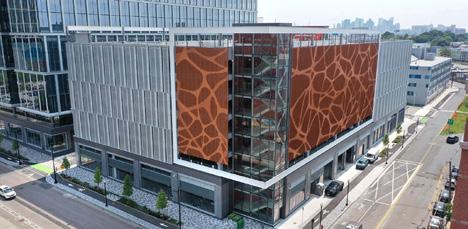
The nine-level, 1,247-space Assembly Innovation Park Garage plays a vital role in Somerville’s fast-growing mixed-use district. Precast concrete was chosen for its cost, schedule, and performance advantages. Manufactured by Dailey Precast, more than 1,180 precast components – including columns, double tees, flat slabs, and shear walls – were fabricated and erected in just 83 days.
The precast system enabled construc-
tion to move efficiently despite tight site constraints and the simultaneous buildout of an adjacent high-rise and municipal fire station. A hybrid precast concrete and steel elevator tower further streamlined labor and logistics. The garage’s exterior features folded and perforated aluminum panels that complement nearby buildings while maintaining open-air ventilation
and concealing the structure’s function.
The project highlights precast concrete’s versatility, delivering speed, durability, and design integration. For its innovation and efficiency, the Assembly Innovation Park Garage received the 2025 PCINE Showcase Award for Best in Precast – Parking Structure.
Precast Concrete Producer: Fort Miller Precast; Owner: State of Vermont Agency of Transportation
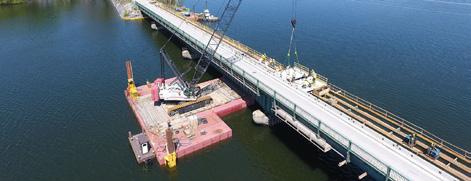
The Vermont Agency of Transportation (VTrans) replaced the aging US Route 2
bridge deck using Fort Miller Precast’s AccelBridge Precast Deck Panel System, a solution selected for speed, precision, and durability. A total of 126 match-cast panels, covering 26,000sf, were fabricated under strict quality control, ensuring precise joints and long-term performance.
The precast system allowed installation in just 14 days over two phases while maintaining alternating traffic flow, completing the replacement within a single construction season. By eliminating the need for post-tensioning and cast-in-place joints, the system enhanced both durability and efficiency. Fort Miller’s experience with prior VTrans projects ensured seamless coordination, minimized public disruption, and delivered a long-lasting, high-quality bridge deck.
For its innovative approach and exceptional performance, the Bridge No. 5 Over Alburgh Passage project received the 2025 PCINE Showcase Award for Best in Precast – Transportation, demonstrating how advanced precast concrete systems accelerate construction and provide enduring infrastructure solutions.
Bridge No. 5 Over Alburgh Passage North Hero, VT
Bridge No. 5 Over Alburgh Passage
Bridge No. 5 Over Alburgh Passage
Assembly Innovation Park Garage
Assembly Innovation Park Garage
Fitzemeyer & Tocci Completes Project at Exosome Diagnostics in Waltham
Waltham, MA – Exosome Diagnostics recently worked with Fitzemeyer & Tocci (F&T) and Timberline Construction to complete a design-build laboratory renovation project in Waltham.
Exosome Diagnostics specializes in molecular diagnostics focused on developing tests that detect disease biomarkers. The 5,600sf, two-phased project transformed existing lab space, storage areas, inspection rooms and support spaces into new laboratories,
quality control, product development and recertification labs spaces.
Fitzemeyer & Tocci provided MEP/ FP engineering design services to support the specialized infrastructure needs of Exosome’s research environment.
The project scope included HVAC system improvements, electrical and fire protection upgrades, and plumbing modifications to accommodate the new lab layout and equipment. Each system was carefully designed to maintain precise
environmental conditions and deliver the reliability required for sensitive testing and operations.
Working in an occupied laboratory required careful planning, coordination, and sequencing. F&T collaborated closely with the Timberline Design/ Build team and Exosome to ensure minimal disruption to ongoing research activities. Strategic phasing, detailed scheduling of shutdowns, and strict safety and contamination control
measures were implemented to maintain continuity of operations while integrating new systems.
The upgraded facility was designed to streamline process flow and enhance operational efficiency. By reconfiguring underutilized spaces, the project team created flexible, high-performing laboratories designed to support Exosome’s expanding research, product development, and quality control functions.
Exosome Diagnostics
MLSC Launches Education and Workforce Development Grant Program
Waltham, MA – To kick off Massachusetts STEM Week 2025, the Massachusetts Life Sciences Center (MLSC) has launched the Education and Workforce Development Grant Program, an initiative which seeks to develop, enhance, and expand life sciences education programs serving learners from elementary school through post-secondary, throughout
Bowdoin Construction, Jones Architecture Deliver new Training Center for NECO
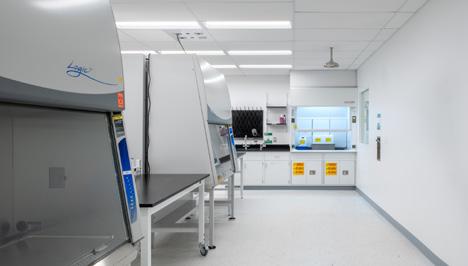
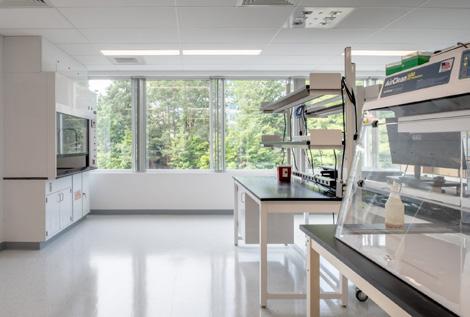
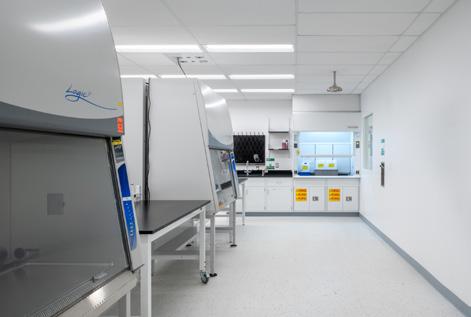
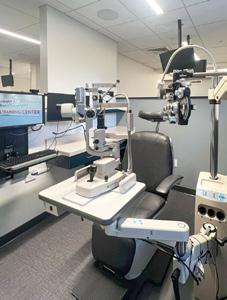
Boston – Bowdoin Construction collaborated with Jones Architecture to deliver a newly renovated, technologically advanced Clinical Training Center for the New England College of Optometry (NECO) in Boston.
The new 4,200sf, cutting-edge facility provides hands-on clinical and preclinical work areas, along with offices, a kitchenette, and storage space.
The new space was designed to reshape how students learn and train,
featuring two state- of-the-art teaching bays connected to a demonstration room, thereby creating a dynamic environment for group instruction.
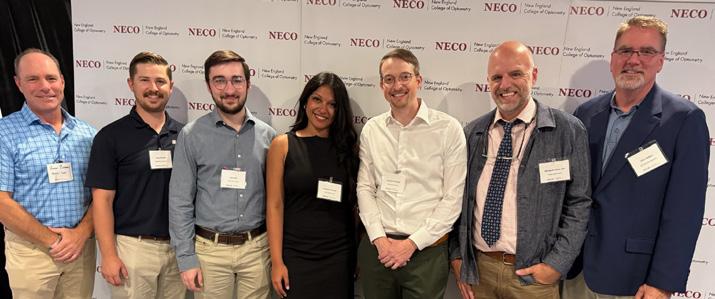
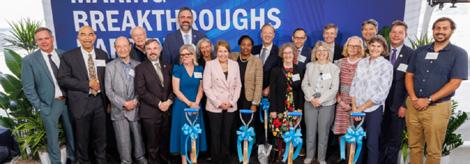
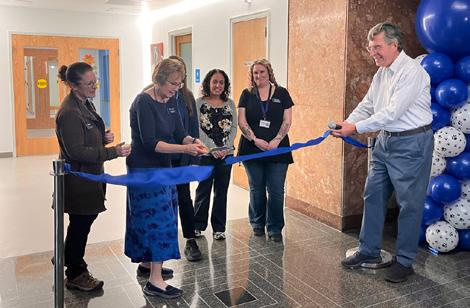
The Bowdoin and Jones project teams recently attended a ribbon-cutting ceremony, marking a new chapter for NECO with the official opening of the new Clinical Training Center designed to reflect the very best of modern clinical education.
Construction Underway at Biogen Facility
Cambridge, MA – The Massachusetts Life Sciences Center (MLSC) team recently joined Massachusetts Governor Maura Healey, Biogen leadership, and members of the life sciences community to celebrate the ceremonial groundbreaking for Biogen’s new state-of-the-art facility in Kendall Square.
MLSC president and CEO, Kirk Taylor, MD, served as emcee for the event, promoting the impact that Biogen has had on the Massachusetts life sciences ecosystem alongside Governor Healey and other speakers.
are building the future of medicine and innovation.”
The approximately 580,000sf facility will serve as Biogen’s headquarters, bringing together the company’s research and development teams with its global and North American commercialization organizations. The building will incorporate advanced conservation, efficiency, and sustainable design elements.
“Massachusetts science saves lives — saves lives here, saves lives around the world,” said Healey. “We celebrate that in Biogen today, we celebrate that in Kendall Common, and we celebrate that in this incredible ecosystem that extends all across our great state. Today, Biogen is not just building a new facility, they
With more than 40 years in Cambridge, Biogen has built a longstanding relationship with the MLSC. This includes participation in the Tax Incentive program, acting as an industry partner on four Bits to Bytes grants, supporting the Neuroscience Consortium with $1.7 million in funding, and hosting two lab training programs supported by the MLSC High School Apprenticeship Challenge.
Clinical training room
The Bowdoin and Jones teams at the ribbon cutting
Clinical training cubicle
Groundbreaking for Biogen’s new facility in Kendall Square
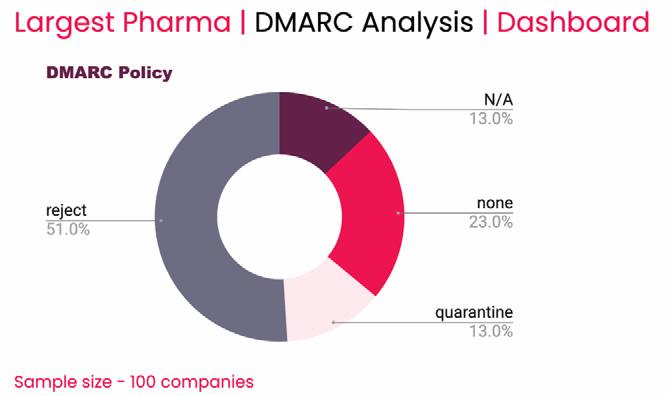
49% of Big Pharma Companies Vulnerable to Email Phishing as Weaponized
Boston – New analysis from the global cybersecurity company Red Sift on the 100 largest pharma companies shows nearly half of the sector is still open to domain spoofing. Only 51% of companies are at DMARC enforcement, the control that stops spoofed email at the door.
According to Red Sift’s research, another 13% sit at p=quarantine, which offers limited filtering but does not equal enforcement. The remainder include 23% at p=none and 13% with no DMARC policy, leaving them fully open to spoofing attempts.
Boston is a major hub for Big Pharma and biotech, home to global giants like Moderna, Vertex Pharmaceuticals, and Takeda, along with a dense ecosystem of smaller biotechs and CROs. This concentration of companies, research institutions, and venture capital creates a thriving environment for drug discovery, development, and innovation, making it a leading global life sciences cluster.
“Anything short of a reject-level DMARC policy leaves organizations exposed to bad actors intent on causing harm. Gartner’s latest email security strategy urges cybersecurity leaders to implement safeguards now to protect domains from increasingly sophisticated external threats. Attackers are already leveraging inexpensive and highly effective tools to bypass traditional defenses and exploit social engineering tactics,” said Rahul Powar, CEO of Red Sift and AI expert. Previously, Powar worked at Thomson Reuters, where he served as the head of advanced products & innovation. He also was part of the
founding team and principal technical architect of Shazam, creating its original iPhone app.
Today, the life science industry is a high-trust, high-stakes target. Patients and HCPs expect legitimate messages about therapies, trials, refills, and safety alerts. Attackers are using AI to produce convincing, brand-matched phishing at scale, from fake trial-schedule updates to invoice and shipment fraud. A single successful spoof can significantly erode patient trust, disrupt supply chains, and invite regulatory scrutiny.
Governor Mills Announces Creation of the Maine Life Sciences Center
Augusta, ME – Maine Governor Janet Mills recently announced the creation of the Maine Life Sciences Center, a new initiative of the Maine Technology Institute (MTI) designed to attract investment and foster innovation in life sciences, one of Maine’s fastest-growing economic sectors. The center was officially established through an executive order signed by Mills on Sept. 19. Mills also announced $2.7 million in grants by MTI for the Maine Life Sciences Incubator, a state-of-the-art laboratory to provide space, equipment, and resources to support emerging companies in the life sciences industry.
“With this executive order, we are laying the groundwork for more Maine businesses to succeed in one of the fastest-growing industries in the world,” said Mills. “This new center and incubator will give entrepreneurs the facilities and resources they need to grow their companies, create good-paying jobs, and keep innovation and investment here in Maine.”
“This is about building an ecosystem where innovation can thrive,” said Mike Duguay, commissioner of the Department of Economic and Community Development. “By supporting entrepreneurs, fostering collaboration, and providing the
right infrastructure, we are positioning Maine to be a leader in life sciences. The incubator and center will help transform research into products, startups into companies, and ideas into jobs.”
“The Maine Technology Institute is proud to operate the new Life Sciences Center and help bring the Governor’s vision to life,” said Brian Whitney, president of MTI. “This initiative will focus on strategy development, stakeholder alignment, investment coordination, and
ecosystem capacity-building to advance the life sciences sector.”
The Maine Life Sciences Center will coordinate the efforts of research institutions, businesses, and workforce programs to align training, recruitment, and investment strategies. The Maine Life Sciences Incubator, to be built in Portland by the end of 2026, is designed to launch and scale the next generation of life sciences startups by bringing together expert science mentors, workforce
development programs, and investors to support entrepreneurs in efficiently growing their companies in Maine.
To build the incubator, MTI awarded $2.3 million to Hatch.Bio Labs of Massachusetts, a biotechnology lab developer, for construction of the facility. The remaining $400,000 was awarded to the Roux Institute of Portland to help grow entrepreneurial support programs for the life sciences sector and the companies housed at the incubator.
Foundational Members Announced for Rhode Island’s First Life Science Incubator
Providence, RI – The Rhode Island Life Science Hub (RILSH), a state-supported organization, together with Rhode Island Governor Dan McKee, recently announced the inaugural members of Ocean State Labs, the state’s first life science incubator designed to support and accelerate the growth of innovative companies in the life sciences sector.
Ocean State Labs will serve as a hub for entrepreneurs, researchers, and investors and will be managed by Portal Innovations, a venture development firm that specializes in incubating early-stage companies. The foundational members of Portal Innovations at Ocean State Labs include:
• MindImmune Therapeutics, a biopharmaceutical company focused on neuroinflammation and Alzheimer’s disease.
• OncoLux Inc., a MedTech company developing advanced optical imaging and AI technology to improve surgical procedures in the field of oncology.
• P53 Therapeutics, pursuing a new class of small molecule therapeutics designed to overcome p53 tumor suppressor mutations in cancer.
• Pax Therapeutics, advancing genedelivery technologies to optimize healing of tendon and ligament injuries.
• XM Therapeutics, developing tissue
repair and regeneration platforms for chronic disorders.
“Our mission is to make Rhode Island a destination for life science innovation. Welcoming these companies as the first members of Ocean State Labs marks an important milestone for building and sustaining Rhode Island’s life sciences ecosystem,” said Dr. Mark A. Turco, president and CEO of RILSH. “By pairing local innovation with Portal’s proven model for nurturing early-stage science, we are creating an environment where founders can build successful companies, bringing novel therapies and technologies to the market with the hopes of improving health and well-being across the globe.”
Portal Innovations at Ocean State
Building New Hampshire’s Business Community
Labs will provide critical infrastructure to support early-stage life science companies in Rhode Island as they grow and advance their technologies. The lab, located in Providence’s Innovation District, is currently being developed by L&G –Asset Management, America, RILSH, and the 195 District, in partnership with Brown University, and will provide more
than 30,000sf of office and lab space and host up to 30 startup companies.
“Portal is proud to partner with Rhode Island to create Ocean State Labs and help catalyze the development of a life sciences ecosystem where ideas flourish and companies grow,” said John Flavin, founder and CEO of Portal Innovations.
“Rhode Island offers a combination of academic strength, buildable space, transformative science, and a right-sized environment where startups can move faster. By combining venture capital, lab infrastructure, and wraparound support under one roof, we are giving founders the resources they need to succeed from day one.”
Portal Innovations at Ocean State Labs is the centerpiece of a broader strategy to expand Rhode Island’s life sciences capacity, with additional space planned in Providence’s 195 District and across the state to accommodate future innovation and industry growth.
SQ Innovation Expands to Woburn
Woburn, MA – Swiss biopharmaceutical developer SQ Innovation has expanded its U.S. operations with a 2,300sf lease at Tower Office Park in Woburn. The new satellite facility, designated for light manufacturing and administrative functions, will complement the firm’s primary American operation in Burlington.
Cummings Properties senior leasing director, Mike Truesdale, worked with Jason Rexinis, of Colliers, on the Woburn lease. “We have a strong history with Jason and the Colliers team,” said Truesdale. “They understand the strength and flexibility of our portfolio, which allows us to deliver specialized, highvalue spaces that align with each client’s unique operational needs.”
Founded in 2019, SQ Innovation develops novel therapies for subcutaneous drug delivery, aiming to support at-home treatment for conditions traditionally managed in hospital settings. The company’s Lasix ONYU, designed to treat fluid overload due to worsening
Main entrance heart failure, received U.S. FDA approval on Oct. 7.
Truesdale said, “Cummings’ diverse portfolio allows us to offer high-value space that’s the right size for the right use. This Tower Office Park location provides private loading, convenient highway access via I-93 and I-95, and close proximity to SQ Innovation’s Burlington facility—all key factors for a growing life sciences firm.”
In addition to its Woburn and Burlington sites, SQ Innovation maintains operations in Switzerland and The Netherlands.
Architect: Lauer Architects, Goffstown, NH
Tower Office Park / Photos courtesy of Loopnet
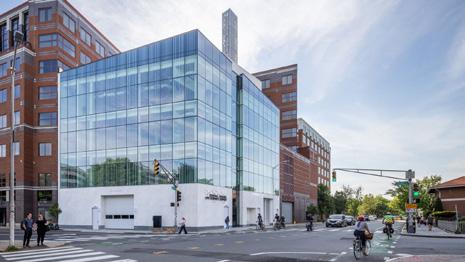
Rhode Island Opens $81M State Health Lab and Life Sciences Hub
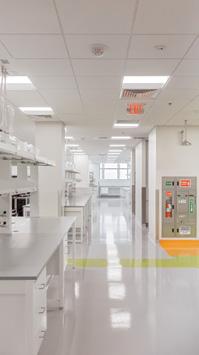
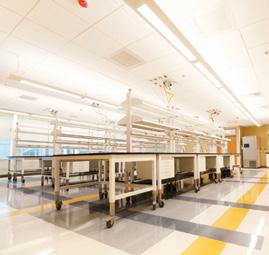
Providence, RI — Rhode Island has officially opened the doors to its new State Health Laboratory at 150 Richmond Street, a $81.7 million state-of-the-art facility designed to strengthen public health infrastructure while expanding opportunities for the state’s fast-growing life sciences sector.
The building’s construction was made possible through an $81.7 million Epidemiology and Laboratory Capacity Grant from the Centers for Disease Control and Prevention (CDC). It represents one of the largest federal investments in Rhode Island’s public health infrastructure in decades. It was developed by Legal & General, designed by HOK, and built by Dimeo Construction.
The 7-story, 212,000sf building was celebrated with a ribbon-cutting ceremony on Oct. 17, marking the eighth major development completed in Providence’s 195 District. Rhode Island Governor Dan McKee was joined by members of the state’s congressional delegation and key local leaders.
“150 Richmond is our latest addition to a thriving 195 District that has put Rhode Island on the map for the life sciences industry,” McKee said. “Not only do the new State Health Laboratories provide the ideal environment for our researchers at the Rhode Island Department of
150 Richmond / Rendering courtesy of HOK
Health, but the life science incubator and available business spaces in the building set the stage for exciting public-private collaborations in the future.”
The facility now serves as the new headquarters for the Rhode Island Department of Health State Laboratories, offering advanced research and testing
capabilities that far surpass those of the former lab. It features Biosafety Level 2 and 3 laboratories, allowing scientists to conduct sensitive chemical, biological, and environmental analyses securely. The lab will support critical functions including infectious disease testing, forensic and environmental monitoring, and public safety assessments for air, water, and food systems. Officials said the design will also give the department greater flexibility to respond to emerging health threats and adopt new technologies such as genome sequencing.
In addition to public health operations, the building will also house Ocean State Labs, Rhode Island’s first life science incubator, powered by Portal Innovations with support from the RI Life Science Hub, the 195 District, and Brown University, set to open in early 2026. Three additional floors have been designated for private research and biotech companies, creating opportunities for direct collaboration between public health agencies, academia, and private industry.
The project was a multi-agency collaboration involving the Rhode Island Commerce Corporation, Department of Administration, Executive Office of Health and Human Services, and Department of Health, in coordination with the 195 District.
Ribbon Cut for MSPCA-Angell Pathology Lab
Boston – MSPCA-Angell recently celebrated the ribbon cutting and official opening of its newly renovated pathology lab in Jamaica Plain. The new state-ofthe-art facility represents a major step forward in the organization’s ability to advance clinical veterinary diagnostics, streamline laboratory operations and enhance patient care.
Timberline Construction Corporation served as the construction manager for the project, which relocated and expanded the pathology lab to better support growing
diagnostic and surgical programs. The upgraded facility provides the medical teams with improved tools and technologies that allow faster and more accurate diagnoses, enabling MSPCAAngell to process more samples and provide care to more animals each day.
“Timberline has delivered a space where our doctors can continue advancing surgical techniques and driving innovation in veterinary medicine,” said Neal Litvack, MSPCA-Angell president. “This new lab strengthens our ability to provide
compassionate, comprehensive care and supports our mission to save and improve the lives of animals every day.”
Previously located in the basement of an aging building, the former pathology lab and associated offices faced space, infrastructure and workflow limitations.
Timberline, alongside Scalora Consulting Group, OPM; Isgenuity LLC, architect; and WSP USA, engineer; closely collaborated to relocate the labs to the first floor, improving accessibility, safety, natural light, and operational efficiencies for both staff and the animals in their care.
The completed project delivered new clinical and lab spaces – including histology, clinical, microbiology and molecular PCR labs – along with upgraded infrastructure such as a rooftop unit, acid waste neutralization system, emergency generator, fire pump, sprinkler system and pneumatic tube system. Executed within an active veterinary hospital, the work required careful coordination, safety planning and flexibility to accommodate MSPCA-Angell’s 24/7 operations.
“Our team is incredibly proud to support the MSPCA-Angell, a nationally recognized leader in veterinary medicine,”
said Steve Wassersug, Timberline’s president. “This project, through strong collaboration from the whole project team and thoughtful planning, will ensure the facility can continue delivering care in a safe and efficient environment for years to come.”
The ribbon-cutting ceremony brought together MSPCA-Angell leadership, staff and project partners to commemorate the opening of the new facility. Attendees had the opportunity to tour the new lab and hear directly from the doctors and staff whose work will benefit from the project.
Timberline, Scalora and Isgenuity project team
MSPCA-Angell pathology lab
MSPCA-Angell pathology lab
MSPCA-Angell ribbon cutting
Lab Building Certified LEED Platinum
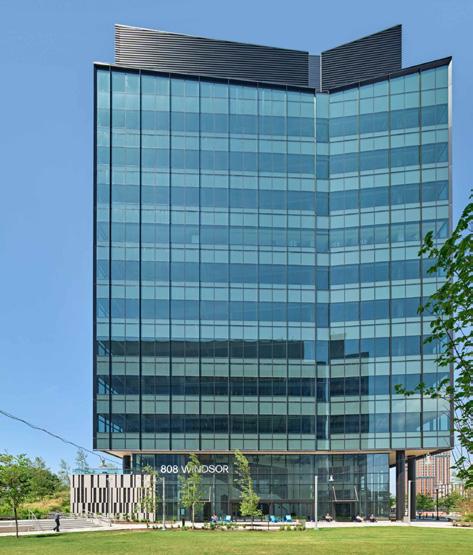
Somerville, MA – A life science research building in Somerville recently achieved LEED Platinum Certification from the U.S. Green Building Council. Developed by Leggat McCall Properties (LMP) and DLJ Real Estate Capital Partners (DLJ), 808 Windsor Street is the second building completed in Somerville’s Boynton Yards district.
The 11-story, 370,000sf building and the adjacent Boynton Yards Park civic and community space were designed by ARC/Architectural Resources Cambridge along with key consultants Atelier Ten, BR+A, and Copley Wolff Design Group with construction management led by Shawmut Design and Construction.
“The development team not only prioritized creating a cutting-edge life science facility in Somerville, but the construction of a building designed with long-term sustainability in mind to serve the entire community,” said Rob Dickey, executive vice president and partner, Leggat McCall Properties.
The building utilizes highperformance construction materials and advanced shading technologies to optimize energy usage and reduce embodied carbon. Water-saving fixtures and efficient lighting further contribute to the building’s sustainability. The heating and cooling systems combine air-source heat pumps, high-efficiency boilers, and
heat recovery chillers enabling energy recapture during periods of simultaneous heating and cooling demand. All these systems working together result in a 46% reduction in annual site energy consumption compared to the ASHRAE baseline.
Additional environmental features contributing to the LEED Platinum certification include native vegetation incorporated throughout the site; stormwater harvesting and water reuse from the building’s chillers; vegetated roof and landscaped public terrace; Low-E, high performance, triple-glazed windows with access to daylight and views; energy-efficient lighting systems; and urban location and site redevelopment with access to multiple mobility/public transit options.
“The project’s environmental objectives were developed through a collaborative process involving the client, the City of Somerville, the Union Square community, and the design team,” said Leslie DelleFave, project leader and principal with ARC. “Attaining this highest level of LEED certification reflects the challenges overcome and the significant effort dedicated to this project. It is a source of great satisfaction for the entire team and represents a new milestone in the City of Somerville’s sustainability initiatives.”
808 Windsor Street
Multi-Residential
Nauset Completes 49-Unit Mixed-Use Apartment Community at Fresh Pond
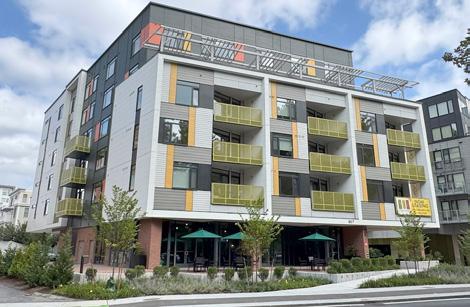
Cambridge, MA – Nauset Construction has completed 605 Concord at Fresh Pond, a mixed-use transit-oriented development comprised of 49 apartment units and 2,500sf of street-level retail space for developer Acorn Holdings LLC.
Designed by Piatt Associates, the 6-story, 69,000sf building offers a mix of studio, one-, two-, and three-bedroom
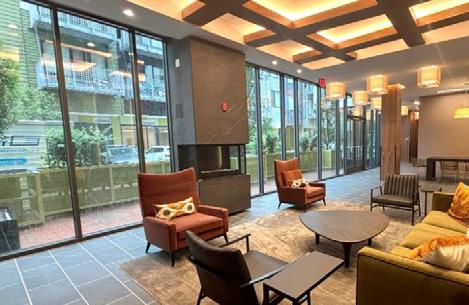
605 Concord at Fresh Pond / Photos courtesy of Nauset Construction
pet-friendly apartments, ranging from 419 to 1,238 sq. ft., with 15% designated as affordable. Many units feature balconies or rooftop terraces with views of Fresh Pond Park and the reservoir. Ground floor amenities include a fireplace lounge, free bicycle storage, and a continuous 12-foot high glass storefront designed to activate the street edge and enhance pedestrian
engagement throughout the day.
Located near Alewife Station, Fresh Pond Park, and Danehy Field, the community offers access to public transit, green space, and retail amenities, including Alewife Brook Parkway Shopping Center and Fresh Pond Mall. The community also offers a free resident shuttle to Alewife Station on the Red Line.
“The Fresh Pond neighborhood has proven to be an ideal solution for those seeking the essential cornerstones of urban living – walkability, proximity to public transit, amenities, and access to ample greenspace – as evidenced by the success of our previous Fresh Pond developments, Park 77, Park 87 and 603 Concord,” said Phil Terzis, vice president of development at Acorn Holdings. “With 605 Concord, we continue to deliver thoughtfully designed, well-located residential communities that meet the evolving needs of today’s renters and add long-term value to the neighborhood.”
The development was constructed with a focus on sustainability. The
building envelope exceeds energy code requirements and integrates highefficiency heating, cooling, and fresh-air intake systems. The roof deck offers city views and green roof plantings and is designed to accommodate solar panels. Plumbing fixtures meet low-use water standards, and all appliances are Energy Star certified.
The completion of 605 Concord continues a long-standing multifamily development partnership between Acorn Holdings and Nauset Construction. Over the past decade and a half, the team has delivered several Cambridge-area projects. “Collaborating with Acorn Holdings and Piatt Associates—teams we know well—and drawing on our deep experience with urban infill construction in Cambridge, allowed us to navigate site constraints and deliver this project efficiently,” said Anthony Papantonis, president of Nauset Construction. “We value these long-standing partnerships and look forward to building more transformative communities together.”
Boston’s Planning Department Advances new Developments
80 Gardner Street
Boston – Boston’s Planning Department recently recommended approval of new flood protection measures and improvements to the Article 80 development review process, and advanced a Citywide Needs Assessment. Staff also recommended approval of two new development projects. All were approved.
Identified for redevelopment in the Citywide Land Audit and PLAN: Charlestown, Austin Street Lots will produce 705 new units of housing in Charlestown. The approved Planned Development Area (PDA) Master Plan includes four mixed-use buildings with housing, arts and culture space, early childhood education space, indoor recreation space, and open space including athletic fields. Mitigation for this publiclyowned site will include new street trees and public realm improvements. In
addition to approving the PDA for the entire site, the board approved the first phase, known as Building B, which will produce 123 income-restricted units.
Located in Allston, the 80 Gardner Street project will consist of 36 new units. Six of these will be income-restricted. The project will maintain the existing 6-story building on site, which has 28 units. This project will be all-electric in support of the city’s carbon neutral goals. As part of the public realm improvements, this project will add new open space, widen the sidewalks, and preserve street trees.
The board also awarded a contract to Karp Strategies to produce a Citywide Needs Assessment. The assessment will be focused on public facilities and essential services to proactively address the city’s growth and help make Boston a home for everyone. The Needs Assessment will focus on growing the
Austin Street Lots
city’s population, including adding more families; increasing housing affordability; increasing access to city services and open space; creating economic opportunities and growth; preparing for climate change; and improving mobility citywide. It will also identify citywide capital and mitigation priorities that can be implemented through short and long term planning.
As part of the City of Boston’s Anti-Displacement Action Plan, A Place To Thrive, planning staff will begin piloting a new policy requesting a Direct Displacement Disclosure from developers. Developers will be asked to notify any current tenants on site of their proposed project 30 days before filing the project with the City, and to notify the City of any possible direct displacement of residential, commercial or cultural tenants that may occur as a result of their
project. Displacement impacts will be reviewed and, in certain cases based on the unique circumstances of each project, the City may suggest mitigation measures as part of the project’s overall mitigation strategy. This will be piloted for the next year as part of the modernized Article 80 development review process.
Additionally, the board awarded Final Designation to NUBA LLC to redevelop Parcel 8 in Roxbury as part of the ongoing work to implement the goals identified by the community in PLAN: Nubian Square, and approved two Invitations for Bids (IFBs) to identify a partner to construct interim deployable flood protection systems in Charlestown and South Boston. One of these deployable systems will address the flood pathway on Main Street in Charlestown, and the other will address the flood pathway at Martin’s Park in Fort Point.
$21M Bond Issued for Worcester Affordable Housing Renovations
Worcester, MA – MassDevelopment has issued a $21,400,000 tax-exempt bond on behalf of WCG Homes LLC, an affiliate of Worcester Common Ground (WCG), which will use proceeds to renovate and preserve 73 units of affordable housing located in 16 buildings in Worcester’s Piedmont neighborhood. Construction is underway and is expected to be completed in spring 2027.
The apartments range in affordability, with 26 units rented to households earning up to 60% of the area median income (AMI), 36 units rented to households earning up to 50% of AMI, and 11 units rented to households earning up to 30% of AMI. Improvements will include the replacement and upgrading of electrical, mechanical, and plumbing systems, renovation of kitchens and bathrooms, roof replacement, and the creation of four fully accessible units.
The tax-exempt bond, purchased by Eastern Bank, helped the borrower achieve a lower cost of capital; Massachusetts Housing Partnership will assume the bond and provide long-term
fixed-rate financing for the project upon construction completion. In addition to the tax-exempt bond, MassDevelopment assisted the Massachusetts Executive Office of Housing and Livable Communities with the approval of federal low-income housing tax credits that will provide approximately $16.5 million in equity for the project.
“Our cities and towns are made stronger and more vibrant when residents have access to high-quality, affordable housing,” said Economic Development Secretary Eric Paley, who serves as chair of MassDevelopment’s board of directors.
“The Healey-Driscoll Administration is pleased to support Worcester Common Ground as it improves and preserves the affordability of homes in Worcester’s Piedmont neighborhood, efforts that will benefit more than 70 households across this community.”
“I first want to thank the Healey Administration, Secretary Ed Augustus, MassDevelopment and Worcester Common Ground for this project,” said Worcester Mayor Joseph Petty. “This $21
million will go a long way in providing affordable housing in Worcester. We have done a great job with market rate housing; this grant helps us with more affordable units in the city.”
“MassDevelopment is proud to help Worcester Common Ground preserve 73 units of housing in the city’s Piedmont
neighborhood,” said MassDevelopment president and CEO, Navjeet Bal. “The project underway will modernize and maintain these apartments as affordable, strengthening our housing stock and providing stability for residents of the community.”
“WCG is deeply grateful for the opportunity to partner with MassDevelopment and Eastern Bank in securing this crucial funding, together with our valued partners at EOHLC, the City of Worcester, MHP, Climate Ready Housing, Mass Lean, and the Department of Energy Resources,” said Worcester Common Ground Executive Director Yvette Dyson. “While the creation of new affordable housing is at an all-time high, the preservation of existing homes—including four buildings undergoing energy retrofits and solar installation—is equally vital to ensuring long-term stability for Worcester residents and strengthening our housing portfolio for the future. Construction is underway, and our families are eagerly looking forward to returning to their renewed, more sustainable homes.”
A building in Worcester’s Piedmont neighborhood that includes housing to be renovated and preserved as affordable by the organization / Photo courtesy of Worcester Common Ground
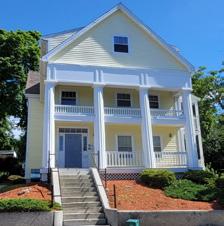
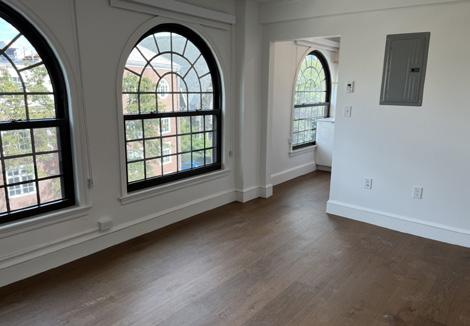
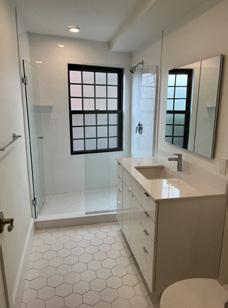
Construction Completed on Longfellow Apartments at 1200 Mass. Ave.
Boston – The Hamilton Company announced that construction on Longfellow Apartments at 1200 Massachusetts Avenue in Cambridge is now complete, with Phase 1 of the 91-unit multifamily residential building fully leased.
The project included the preservation of 1200 Massachusetts Avenue’s historic facade and the reintroduction of the building’s original muntin-patterned windows and other architectural features. The $26 million renovation included
new heat and air conditioning systems along with new electrical service, fire protection and plumbing systems. The property is now fully accessible to people with all abilities. The renovated 1200 Massachusetts Avenue also includes a ground floor retail component with two commercial spaces and a fully restored courtyard.
Located in the heart of Cambridge’s Harvard Square and steps from Harvard Yard, Longfellow Apartments includes
studio, one-, two-, and three-bedroom units ranging from 292sf to 1,132sf. Community and building amenities include MBTA access, 24-hour emergency maintenance, secured package delivery, keyless LATCH App access, bike storage, a pet-friendly policy, and available on-site
personal storage space.
“This historic building in the heart of Harvard Square has been meticulously restored to preserve its architectural beauty and significance,” said Jameson Brown, chairman and CEO of The Hamilton Company. “At the same time, we have created an all-new living experience for Longfellow Apartments residents that features high-quality finishes in every unit and excellent amenities.”
The Hamilton Company acquired 1200 Mass. Ave. in 1999. The design for the renovation and historic preservation of the building was initiated in 2019 and construction commenced in January 2021. The project qualifies for historic preservation tax credits because of The Hamilton Company’s extensive exterior and interior restoration efforts in accordance with both state and federal regulations. Financing for the renovation of 1200 Massachusetts Ave. was provided by SalemFive.
Leasing on Phase 2 of Longfellow Apartments at 1200 Massachusetts Avenue began on Oct. 1.
Living space
Longfellow Apartments at 1200 Massachusetts Avenue
Hallway
Bathroom
Kitchen
Ready to go electric?
As the demand for electric vehicles surges, so does the need for efficient and reliable charging infrastructure. We have the expertise and training to install and maintain the complex electrical system.
By working with our contractors, you’ll benefit from:
Expertise in EV infrastructure
Senior/Assisted Living
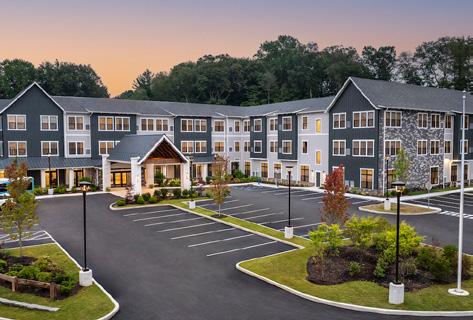
KBE Celebrates Grand Opening of new 91,000sf Senior Living Community
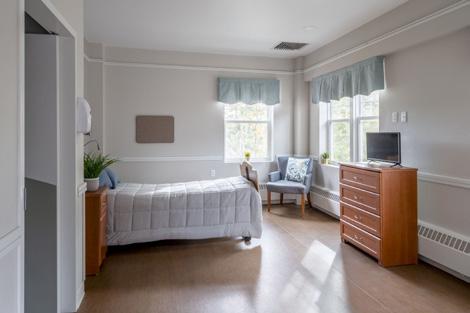
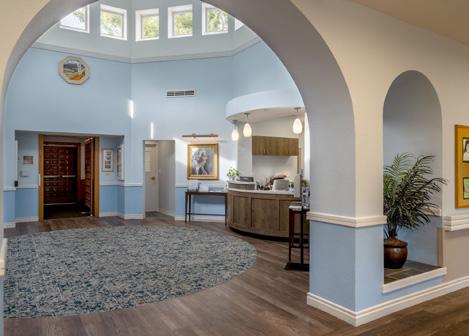
Mount Pleasant, NY – KBE Building Corporation recently announced the grand opening of a new senior living residence, Shelbourne at Mount Pleasant.
The 4-story, 91,000sf community, now welcoming its first residents, has been thoughtfully designed to blend the warmth
of home with the amenities of a modern lifestyle. It includes 100 residential units, including 74 assisted living apartments and 26 memory care suites, each designed to meet the unique needs of older adults. KBE served as construction manager at risk on the project.
With its durable steel structure, light gauge metal framing, and fiber cement siding, the building is designed not only for beauty but for lasting quality. Each aspect, from the architectural design to the surrounding landscape, has been crafted to foster a lively and fulfilling environment for future residents.
A dramatic entryway was made possible through extensive site grading and carefully constructed retaining walls. The development includes fitness areas, an on-site salon, a theatre for hosting movies and performances, and a commercial kitchen serving chef-prepared meals in multiple dining spaces. It also features a secure memory care courtyard and a large central courtyard with a fireplace.
“This community is more than just bricks and mortar. It’s a place where life will be celebrated every day,” said Michael Kolakowski, president and CEO of KBE Building Corporation. “We are honored to have brought this vision to life and to know that the residents here will be surrounded by comfort, beauty, and care.”
Shelbourne at Mount Pleasant
Lounge
Bedroom
Dining space
Education
Erland Completes Multi-Phase Campus Enhancement at Tenacre Country Day School
Wellesley, MA – Erland Construction, in partnership with Olson Lewis + Architects and Scalora Consulting Group, announced the completion of a series of projects at Tenacre Country Day School. This major campus enhancement included the relocation and revitalization of the school’s historic Appledore building; the construction of a new, purpose-built Design Center; and the renovation of interior space into a Learning Hub & Teacher Support Center.
Together, these three projects have delivered more than 17,000sf of innovative, student-focused learning environments designed to support Tenacre’s mission of whole-child education. All construction activities were carefully coordinated to maintain the safety and continuity of day-to-day school operations. This project marks Erland Construction’s first collaboration with Tenacre Country Day School.
Originally constructed in 1880, the 4,120sf Appledore served for decades as the headmaster’s residence. Erland relocated the historic structure to a new location on campus, preserving its architectural integrity while performing a complete renovation. Today, Appledore serves as the school’s new home for Admissions and Development—blending historic charm with modern functionality
and welcoming families, staff, and guests.
In the building’s original location, Erland constructed the new 9,480sf Design Center into a sloped site, maximizing programmatic space while maintaining a modest footprint. The 3-story facility includes bright and airy art studios designed for simultaneous upper and lower school use, a flexible technology classroom and design studio to foster hands-on innovation, and a fully equipped woodshop with adjacent collaborative flex space to support project-based learning, after-school programming, and indoor recess. The Design Center was intentionally designed to inspire creativity and exploration, encouraging students to discover, collaborate, and create.
In addition to Appledore and the Design Center, Erland transformed 3,100sf of former admissions space into a new Learning Hub & Teacher Support
classroom
This revitalized area offers flexible seating and study zones, breakout rooms for small group instruction, a resource library to enrich academic programming, and a modern kitchenette and workspace that supports faculty wellness and collaboration.
“These projects collectively represent a remarkable step forward for Tenacre,” said Will Crissman, head of school at Tenacre Country Day School. “Appledore’s relocation and revitalization honor our history while providing a welcoming new home for Admissions and Development. The Design Center is a bold investment in creativity and innovation, offering students spaces that encourage exploration and hands-on learning. And the new Learning Hub & Teacher Support Center strengthens both academic programming and faculty collaboration. Throughout this entire process, Erland has been a true partner, bringing professionalism, collaboration, and respect for our school community every step of the way. We are thrilled with the results and excited for the opportunities these new spaces create for our students and teachers.”
Ben McConchie, academic group manager at Erland Construction, said, “The opportunity to honor Appledore’s legacy while constructing new spaces that support Tenacre’s future has been incredibly rewarding. We’re proud to have played a role in creating environments that preserve the past, enrich the present, and inspire the next generation of learners.”
Art
in the Design Center
Learning Hub classroom
Main Entrance to the Design Center
Photos by Emma Lula Creative
Appledore office
Main Entrance to Appledore
Tenacre Country Day School campus: Appledore to the left, Design Center to the right, Learning Hub & Teacher Support Center in Main Building at the back / Photo by Mike Moore Drone Photography Center.
$155M Bond Issued for Mount Holyoke College Campus Renewal Plan
South Hadley, MA – MassDevelopment has issued a $154,750,000 tax-exempt bond on behalf of The Trustees of Mount Holyoke College (MHC), which will use bond proceeds to make investments in its campus designed to ensure accessibility for all and sustainability for years to come.
Mount Holyoke’s campus renewal will respond to the existing needs of the MHC community and continue both its transition to geothermal energy and its residence hall renovations. The college’s geothermal exchange project, already in progress, includes the drilling of geothermal exchange wells and the purchase of heat pumps and related energy equipment. The institution will also use bond proceeds to fund other strategic improvement projects on its campus, such as renovations to its residence halls and key academic buildings, as well as refinance previously issued debt. The tax-exempt bond, purchased by TD Bank, helped the borrower achieve a lower cost of capital.
“This is an investment in the future of Mount Holyoke College as a leading academic institution and contributor to the Western Massachusetts economy,” said Economic Development Secretary Eric Paley, who serves as chair of MassDevelopment’s board of directors. “Schools like Mount Holyoke play
a critical role advancing our state’s workforce, and we look forward to seeing how this campus renewal project creates a more modernized, sustainable place for students to live, learn, and discover.”
“The new bond will help fund MHC’s bold, multi-year comprehensive campus plan,” said Carl Ries, vice president of finance and administration at Mount Holyoke College. “We are consistently ranked as one of the most beautiful college campuses in America. The College is building upon that legacy by elevating our instructional and academic halls and classrooms, renovating our residence halls and replacing our 100-year-old fossil fuel heating system with an efficient, scalable and modern infrastructure. This is an investment in our campus, our students and the western Massachusetts community.”
THE BALDWIN SENIOR LIVING LONDONDERRY, NH
Photos by Robert Benson Photography
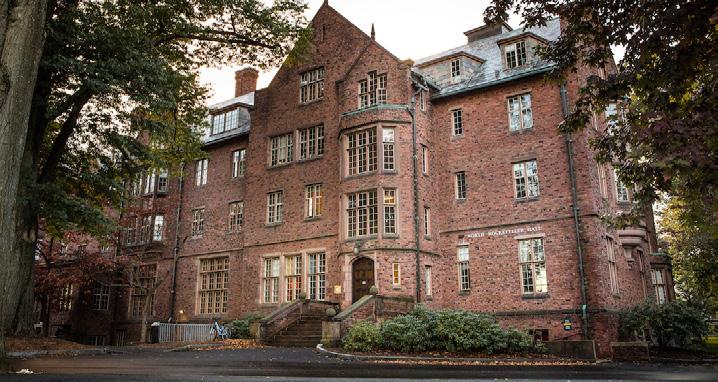
Rockefeller Hall on the Mount Holyoke College campus is undergoing upgrades designed to preserve its history while improving functionality for modern student life. / Photo courtesy of Mount Holyoke College
EMD Serono Erland Construction,
Timberline Completes Renovation of Notre Dame Long Term Care Facility
Worcester, MA – Timberline Construction Corporation has completed an 18-month, 55,000sf renovation of the Notre Dame Long Term Care facility in Worcester.
The project transformed the nursing home into a modern, community-driven and patient-focused environment designed to enhance quality of life for residents in sub-acute, long-term and memory care while setting a new standard for senior living.
“Notre Dame Long Term Care is more than just a facility, it’s home for our residents,” said Philip Hickey, president and chief executive officer at Notre Dame Health Care. “Timberline’s design and construction team understood that from day one. Their thoughtful approach, constant communication and sensitivity to the needs of our residents and staff allowed us to refresh our spaces without ever losing sight of what matters most:
creating an environment that honors dignity and supports the well-being of those we serve.”
The comprehensive building renovation revitalized three residential wings – featuring private rooms, activity and dining areas, nurses’ stations, shower rooms and occupational therapy spaces – while also upgrading the facility’s key community areas. These include the main chapel, library, beauty parlor, dining and activity rooms, memory care courtyard, offices and essential back-of-house operations such as kitchen and laundry facilities. In total, 69 resident rooms were refreshed, primarily two-bed units along with several single specialty care rooms.
To preserve continuity and minimize disruption, Timberline carefully phased the work, completing three rooms at a time on a three-week cycle while simultaneously upgrading common spaces. The
team collaborated closely with Notre Dame staff and a trusted group of trade partners whose expertise was well-suited to the unique requirements of senior care environments.
“As both Timberline’s vice president of design and a proud member of the Notre
Dame Health Care board, this project was especially meaningful to me,” said Kevin Kozak, AIA, MBA, LEED AP. “It reflects what can be achieved when design and construction come together with a shared mission. Every decision was made with residents at the forefront.”
Entryway
Timberline
Courtyard/entryway
Retail/Hospitality
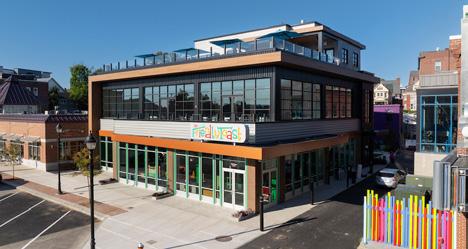
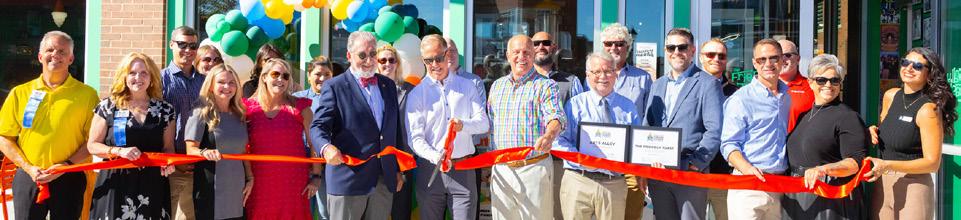
PROCON Celebrates Ribbon Cutting for The Friendly Toast in Concord
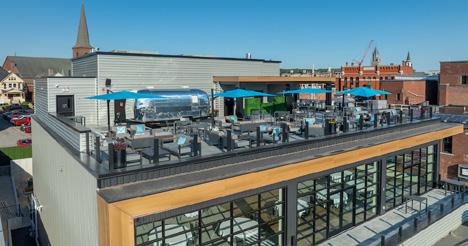
Concord, NH – PROCON recently joined Duprey Companies and The Friendly Toast, an all-day brunch and bar spot, in celebrating the opening of its fifth New Hampshire restaurant. The ribboncutting and egg-cracking ceremony took place on Sept. 29 at 22 South Main Street in Concord.
The restaurant, which accommodates nearly 165 guests, including more than 30 seasonal outdoor seating spaces, is located in the newly opened Arts Alley events and community space. Arts Alley, which opened in August, offers a variety of dining experiences and spaces for private events. The Friendly Toast is located on the first floor of a 3-story building, which also houses The Main Venue and the Rooftop Social. The Friendly Toast’s new location includes a scratch kitchen
that offers gluten-free, vegetarian and vegan options, and rotating food and drink specials featuring locally sourced ingredients and seasonal flavors.
“The Concord community has shaped so much of who I am, both personally and professionally,” said Eric Goodwin, coowner, The Friendly Toast. “My family and I have made so many memories right here in Concord, and I hope this new location becomes a place others can create lasting memories of their own. The opening of this beautiful restaurant would not have been possible without our partners PROCON and Duprey Companies, and we’re grateful for their support as we continue to grow. ”
The new Concord location marks The Friendly Toast’s 15th location across New England. In 2024, The Friendly Toast opened its third and fourth New Hampshire locations in Nashua and Salem. Earlier this year, The Friendly Toast also opened its first Connecticut location in West Hartford.
The Friendly Toast hosted an inviteonly soft opening on Sept. 27 and 28, and offered free appetizers and entrees to guests as part of the celebration. All proceeds from beverage sales during the soft opening benefited the NH Coalition to End Homelessness (NHCEH) and Thrive Survivor Support Center. The
Friendly Toast presented $2500 checks to each of the nonprofits during the grand opening ceremony.
“From the very beginning, our mission at The Friendly Toast has been to create more than just a place to eat— we want to be part of the fabric of the communities we’re located in,” said Scott Pulver, co-owner, The Friendly Toast.
“As we open our doors in Arts Alley, we are honored to support organizations making a difference in Concord and beyond, including the NH Coalition to End Homelessness and Thrive Survivor Support Center.”
“Arts Alley has been 10 years in the
making, and it’s incredibly rewarding to see it come to life,” said Concord developer, Stephen Duprey. “My goal from the very beginning was to create a space where people could come together, celebrate creativity, and strengthen our sense of community. We are so excited that Friendly Toast is a major part of this project. This project had been a discussion with Eric and Scott for almost a decade and we deeply appreciate their support and commitment to this project and to Concord. And working with PROCON’s design, interior design and construction team was outstanding. No other team could have made this project come to life like they did.”
Arts Alley / Photo by Joe St. Pierre JS Photography
Friendly Toast ribbon-cutting and egg-cracking ceremony / Photo by Tiffany Eddy
Arts Alley venue setup
Photo by Joe St. Pierre JS Photography
Arts Alley Rooftop Social / Photo by Joe St. Pierre JS Photography
Egg smashing ceremony / Photo by Tiffany Eddy
Suffolk Downs Celebrates Grand Opening of Twisted Fate Brewery
Revere, MA – The HYM Investment Group and National Real Estate Advisors, LLC recently celebrated Twisted Fate Brewing’s grand opening at Suffolk Downs. Twisted Fate, a family-owned, majority female-owned nanobrewery, is the first retail tenant to officially open at Amaya, the first residential building to deliver at Suffolk Downs, bringing its ground-floor taproom to Revere and Suffolk Downs’ Beachmont Square neighborhood.
This milestone was celebrated with a ribbon cutting and speaking program on Oct. 4, featuring remarks from Madeline Fitzgerald, vice president of HYM; Revere Mayor Patrick Keefe; Revere City Council President Marc Silvestri; State Representative Jessica Giannino; and Twisted Fate Brewing’s ownership team of Dave Pinette, Erica Tritta, Kim McNamara and Bill McNamara.
The owners of Twisted Fate Located at 64 Salt Street, the new Beachmont Square taproom marks Twisted Fate’s second location on the North Shore. Its flagship brewery in
Danvers opened in 2022. The Revere taproom offers a diverse selection of craft beers and food options. A seasonal outdoor patio is scheduled to open in spring 2026, adding nearly 400sf of additional space. The location offers direct access to the MBTA Blue Line and is less than a half-mile from the oldest public beach in the U.S.
“HYM is excited to celebrate the official opening of Twisted Fate Brewing and their taproom at Suffolk Downs,” said Thomas N. O’Brien, managing partner and chief executive officer of HYM. “As the first retail tenant at Suffolk Downs and at Amaya, Twisted Fate will
further enhance the Beachmont Square neighborhood and serve as a welcoming space for residents, visitors, and the broader Revere community to gather and enjoy.”
“We are so excited to have our taproom open in Revere. We have been well-received by so many in this city. We, together with our amazing team, can’t wait to pour you a pint while you relax in our brand-new space. Come check us out,” said Tritta.
“Twisted Fate is Revere’s first brewery, bringing a new atmosphere to our Beachmont neighborhood, and we are excited to see them succeed as they join
our business community,” said Keefe.
BLACKLINE Retail Group serves as the exclusive leasing agent for the first phase of development at Beachmont Square and is bringing nine distinct retail destinations to Amaya. The Point Barre and Yoga is slated to open later this fall. The grand opening of Twisted Fate Brewing at Amaya coincided with the City of Revere’s Fall Festival, also held on Oct. 4 at The Yard@Beachmont Square, right outside of the taproom. The festival featured live music, brews from Twisted Fate, a food truck expo, shopping, and family activities.
Owner of Provincetown Restaurant Seeks New Team, Plans Renovations
Bradford Restaurant
Provincetown, MA – The Lexvest Group is seeking a new operator for the Governor Bradford Restaurant at 312 Commercial Street in Provincetown.
In 2022, the restaurant changed hands for the first time in 50 years, sold by
Donald Edwards II to The Lexvest Group. For the past three years, Lexvest entrusted management to the Nextep team which introduced a unique twist on local cuisine – Japanese Izakaya hospitality paired with sushi and Asian and American dishes, along with the Bradford’s Drag Queen Karaoke and other live entertainment. The Nextep team has decided to separate and move on to new opportunities.
Lexvest has retained John Ciluzzi at Premier Commercial to find a tenant for the space. Interested parties should contact Ciluzzi at 508-962-5033 or jciluzzi@premiercommercial.biz.
Restaurant operators interested in exploring opportunities at the Governor Bradford location are asked to contact Matthew Blackham at 781-862-4400 or mblackham@lexvest.com.
Twisted Fate ribbon cutting / Photos courtesy of The HYM Investment Group
Governor
Corporate
DECCO Announces Expansion of Clean Utilities Service Program
Nashua, NH – DECCO, Inc. announced that its Clean Utilities Service Program (CUSP) group continues to expand, leading to the creation of two focused service areas: Clean Utilities Service Program and High Purity Services. Both operate under the company’s specialized DECCOServ group. Adam Lebel, formerly the CUSP manager, will now serve as High Purity Services manager. Lebel has over 14 years of experience in cGMP maintenance, quality assurance, and high purity operations.
Our clients rely on us not just for specialized maintenance programs, but for lifecycle support of their most critical systems. With High Purity Services and CUSP, we’re helping them stay ahead of regulatory demands while optimizing performance and safety.”
– Cory Canning, vice president of DECCOServ.
For over 90 years, DECCO has delivered expert construction, maintenance, critical equipment handling, and fabrication services. Its High Purity Services team offers a full suite of capabilities including cleaning and passivation, mechanical and electropolishing, clean-for-oxygen service, and OEM maintenance. These services—available both in the field
DECCO provides full cleaning and passivation, pickling and passivation, and mechanical and electropolishing services for vessels of any size, performed both in the field and in its ISO 7 cleanroom at the High Purity Processing Facility. and at DECCO’s dedicated facility—are designed to ensure that critical process systems meet the most rigorous purity standards required in cleanroom and cGMP environments.
To support these services, DECCO offers critical equipment handling for the safe transport of large tanks, vessels, skids, and other high-value components to its High Purity Processing Facility.
This allows for off-site modifications in a controlled environment, reducing project timelines and minimizing disruption to client operations. The facility features an ISO 7 certified cleanroom and adheres to industry standards such as ASTM
G93 Level A, CGA G-4.1, and IESTSTD-CC1246E. DECCO can process components ranging from small fittings to piping up to 24 inches in diameter and 20 feet in length, and vessels up to 8 feet in diameter and 10 feet long—all within a 20,000sf facility equipped for large-scale chemical cleaning and polishing. Located off major highways, the site also includes a secure outdoor laydown area for efficient staging and logistics.
Complementing these services, CUSP is a comprehensive service designed for FDA-regulated facilities and provides equipment installation, inspection, decommissioning, and DECCO
certification, ensuring that the clean utility systems—such as purified water, clean steam, and process gases—operate at peak performance. This program is tailored to reduce downtime, extend equipment life, and maintain regulatory compliance.
“Our clients rely on us not just for specialized maintenance programs, but for lifecycle support of their most critical systems,” said Cory Canning, vice president of DECCOServ. “With High Purity Services and CUSP, we’re helping them stay ahead of regulatory demands while optimizing performance and safety.”
Grizzly MEP Expands into NE Market Through Partnership with Vermont Mechanical
Williston, VT – Grizzly MEP, a commercial mechanical, electrical and plumbing platform, announced the expansion of its platform through a new partnership with Vermont Mechanical Incorporated, a full-service mechanical contractor headquartered in Williston, Vt. with a second office in Lebanon, N.H.
“As a market leader in the highly fragmented New England region, Vermont Mechanical presents a compelling opportunity to drive value by unlocking synergies with the rest of the Grizzly network. The Vermont
Mechanical team’s technical and operational expertise, commitment to excellence and focus on fostering new technician talent exemplifies the kind of management team we look for in our partner brands,” said John Adams, CEO of Grizzly MEP.
Founded in 1988, Vermont Mechanical designs, engineers, fabricates, installs and services mechanical systems for commercial HVAC and plumbing customers in Vermont, New Hampshire and New York. As Grizzly’s fourth partnership since launching in May,
Vermont Mechanical will serve as a key pillar of the platform and a catalyst for expansion in the New England region.
“Joining the Grizzly MEP platform is an exciting milestone for our business, and I’m incredibly proud of our hard-working team who has spent the last 37 years differentiating Vermont Mechanical as a highly reliable service provider for our customers and communities,” said Randall Kimball, president and co-founder of Vermont Mechanical. “The Grizzly team shares our ethos of innovation, integrity and
excellence, and I look forward to working together to deepen our reach within the Northeast while preserving our brand identity and premium, customer-first mechanical solutions.”
In addition, Grizzly has appointed Peter Morgan to the role of senior vice president of M&A, who will support the platform’s expansion by identifying further opportunities for inorganic growth through partnerships with local MEP contractors across the U.S.
KS Partners Completes new Home Office in Woburn
Woburn, MA – Ebbrell Architecture + Design has completed a new home office for KS Partners, a long-standing client and commercial real estate investment firm, at 130 New Boston Street in Woburn.
The process the Ebbrell team employs is space optimization: using space intelligently and strategically. Rachel Molé, LEED AP, interior designer at Ebbrell, said the team uses space usage studies, test fits, and programming that help clients make data-informed decisions.
Highlights of the design included:
• Light-filled, collaborative environment: Ebbrell’s interior design team developed three color schemes, with KS unanimously selecting a slate blue palette accented by warm wood tones.
Trends and Hot Topics
Reception
The design balances brightness with comfort to ensure opportunities for connection and collaboration.
• Inviting amenities: The office features an oversized cafe-style lounge/kitchen that doubles as informal gathering and meeting spaces. A new conference center
serves both KS and its tenants.
• Distinctive design elements: Polished concrete floors, exposed ceilings, wood slat accent ceilings, lighting and carefully chosen art – including pieces by British visual artist Julian Opie and Brazilian graffiti artist OS Gemeos – were selected to reflect the owner’s appreciation for art and creativity.
• Furniture and functionality: Employees were engaged throughout the process, including visits to furniture showrooms to see options that maximize style, comfort and productivity.
Ebbrell and KS Partners have worked together for more than ten years. “This is the first time we’ve made a former home a forever home,” said Jennifer Carrigan, vice president and director of leasing at KS Partners. “Ebbrell guided us through a process that delivered exactly what we needed – functionality, flexibility, and a welcoming design that supports our people.”
Electrical and Building Management Checklist for Daylight Saving Time
By John Henry
Daylight Saving Time (DST) is the perfect opportunity for commercial building owners and managers to be proactive with their electrical and automated systems. A comprehensive review of these systems is necessary to maintain energy efficiency, system reliability, and tenant safety throughout the time transition.
Here is an essential checklist to help prepare your facility for the time change:
1. Adjust All Time-Sensitive Controls The most critical task is to update every timer-driven system on the property. Manually adjust all mechanical time clocks for interior and exterior lighting
(including parking lots and security fixtures), and make sure temporary overrides are cancelled. For modern facilities, check the central Building Management System (BMS) to confirm that lighting sweeps, HVAC schedules, and equipment power-downs have successfully updated. Finally, check and change the times on older fire alarm and card access systems to maintain accurate operational data and security logs.
2. Test and Validate Lighting and Climate Sensors
Optimize for the shift in daylight hours and weather. Inspect photocells and occupancy/vacancy sensors to make sure they are activating/deactivating at the correct ambient light levels. If your building uses daylight harvesting controls, confirm they are working to maximize natural light usage. Also, prepare for colder weather by checking all electric unit heaters and heat trace tape on exposed plumbing to prevent freezing pipes.
3. Prioritize Safety and Reliability Checks
The time change is an easy-to-remember reminder for critical safety maintenance. Conduct full-load testing of emergency generators, uninterruptible power supply (UPS), and emergency lighting systems to ensure they are ready for an unexpected outage. Additionally, change the batteries in all battery-powered fire and smoke detectors throughout the building.
4. Document and Optimize
Keep a detailed log of all manual timer and schedule changes for future reference and troubleshooting. Finally, advise maintenance staff to clean all lamps, reflectors,
and lenses to maximize light output without increasing energy consumption. This is a small but effective step as natural light decreases in the evening.
Take the time now to proactively schedule these maintenance check-ins to prevent
system failures, reduce energy waste, and maintain the continued reliability of your essential building infrastructure. John Henry is project manager at Interstate Electrical Services Corporation.
DiPrete Starts Apprenticeship Program
Cranston, RI – DiPrete Engineering, in partnership with Building Futures, announced the launch of the state of Rhode Island’s first Registered Survey Apprenticeship program. This initiative is designed to establish a reliable, long-term career pathway in land surveying to fill a critical workforce need as the industry faces a growing skills gap.
“Surveying is the foundation of every engineering and construction project,” said Robert Babcock, land survey department manager at DiPrete Engineering. “By creating this apprenticeship, we are investing not only in the future of our firm but in the future of Rhode Island’s workforce.”
The program follows an “earn and learn” model, providing apprentices with wages from day one while combining on-the-job training with structured classroom instruction. Apprentices will complete more than 2,000 hours of supervised fieldwork alongside DiPrete’s veteran surveyors, paired with 280 hours of technical coursework covering boundary law, instrumentation, CAD, and more. Upon completion, apprentices will be prepared to sit for the NSPS/CST Level 1 Certified Survey Technician exam.
“Building Futures is excited to partner
on this pioneering program,” said Andrew Cortes, president and CEO of Building Futures. “Together, we’re creating a clear pipeline into a profession that is essential to Rhode Island’s economy, while giving workers the opportunity to earn wages and advance in their careers.”
Proactive maintenance, including precise adjustments to electrical controls and critical safety systems, is essential for commercial buildings during the Daylight Saving Time transition.
Paul Thalmann, survey technician and first apprentice in the new Registered Survey Apprenticeship Program at DiPrete Engineering with DiPrete
Community
Ribbon Cutting Held for Easterseals NH Military & Veterans Campus
Franklin, NH – On Sept. 18, Easterseals New Hampshire officially opened the state’s first Military & Veterans Campus with a ribbon-cutting ceremony that brought together over 1,000 veterans, service members, dignitaries, community leaders, and families from across New Hampshire.
The event marked the completion of Phase I of the Easterseals NH Military & Veterans Campus that was designed and built by PROCON, which is set on 15 acres located at 27 Holy Cross Road in Franklin. The campus is designed to be a one-of-a-kind hub for service members, veterans, first responders, and their families, offering affordable housing, onsite support services, and access to outdoor recreation. It also serves as a collaborative
space for veteran-serving organizations to work together under one roof.
“This marks a profoundly meaningful day for service members and veterans across our community and the state of New Hampshire,” said Maureen Beauregard, president and CEO of Easterseals NH and VT. “I’m truly moved by what we’ve accomplished together. The dedication and care reflected in this campus inspire great optimism for the next phase of support and innovation in Phase II and what Easterseals New Hampshire can do.”
The ribbon cutting included tours of the newly renovated buildings, a preview of Phase II campus plans also designed by PROCON, and an All-American BBQ with live music from the Adam Ezra
Band. In attendance were New Hampshire Governor Kelly Ayotte and local leaders from across New Hampshire. The ceremony also included the arrival and flyover of an Army National Guard Black Hawk helicopter.
“On behalf of all of us at PROCON, we are truly honored to be Easterseals’ design-build partner on such a meaningful project for New Hampshire and our veterans. Our incredible PROCON team, several of whom are veterans who served on this project, transformed this historic site to something truly extraordinary. The results we see here today are more than just a design or construction project; it is a community and place of healing built to honor and serve those who serve our country. My great- grandfather
and grandfather, the first and second generations of PROCON leadership, were both veterans, and it gives me such a great sense of personal pride to honor their legacy through PROCON’s involvement. Congratulations to our veterans, Easterseals, and the entire community,” said John Stebbins, CEO of PROCON. Phase II of the campus will include the Solinsky Equine & Recreation Center, the Solinsky Empowerment Center, Swim with a Mission Aquatics and Fitness Center, and additional affordable housing. Also on-site, the Bernadine Herron Center offers a flexible event and retreat space with 22 hotel-style rooms, designed for trainings, corporate gatherings, and wellness retreats. Proceeds from bookings directly support the campus’ purpose.
UI, SCG, CNG Award Organizations with Community Partnership
Orange, CT – United Illuminating (UI), Connecticut Natural Gas (CNG), and Southern Connecticut Gas (SCG), subsidiaries of Avangrid, Inc., announced that 12 entities, including nonprofits, municipalities and chambers of commerce, have been selected to participate in the third round of funding available through the Community Partnership Initiative.
Through the partnership, local nonprofits, community groups, and environmental justice municipalities collaborate to increase awareness and participation in key energy programs, including Home Energy Solutions-Income Eligible, heat pump adoption for income eligible customers, Small Business Energy Advantage, and the Multifamily Initiative. The partnership is administered by Energize Connecticut sponsors Eversource and Avangrid subsidiaries. The 12 entities that have been awarded include six from UI and SCG, five from CNG, and one from SCG territories in collaboration with Eversource. To date, 19 funding awards have been made to organizations to promote energy efficiency program participation across UI, CNG, and SCG territories.
“The Energize CT Community
Partnership Initiative allows us to connect with customers across the state, especially in communities that have historically been underserved,” said Frank Reynolds, president and CEO of UI, CNG, and SCG. “We’ve seen firsthand how local outreach results in greater awareness and participation in energy efficiency programs, helping families and businesses lower their energy use and save money throughout the year.”
The awarded participants will receive funding, ranging from $15,000 to $50,000, to implement community outreach plans that promote energy assessments, weatherization and other energy-saving upgrades benefiting small businesses and residential homeowners and renters in cities and towns across the state, including over 14 environmental
justice communities. Round 3 selection was based on the participants’ proposals to connect with their local communities to gain interest and increase participation in energy efficiency programs available in Connecticut. Below are the Community Partnership Initiative Round 3 awardees and the communities that their efforts and campaigns will primarily impact:
CT Community Nonprofit Alliance
Primary communities served: statewide
Asylum Hill Neighborhood Association
Primary communities served: Hartford
City of New Haven
Primary community served: New Haven
CT River Valley Chamber of Commerce
Primary community served: East Hartford
Generation Power CT (formerly Operation Fuel)
Primary community served: East Hartford
Greater Bridgeport Community Enterprises, Inc. and CT Roundtable on Climate and Jobs
Primary community served: Bridgeport
Initiative Funds
Greater New Haven Chamber of Commerce
Primary communities served: East Haven, New Haven, West Haven Hamden Regional Chamber of Commerce
Primary community served: Hamden
Live Green Connecticut
Primary communities served: Bridgeport, Stratford
Lower Connecticut River Valley Council of Governments (RiverCOG)
Primary communities served: Clinton, Deep River, East Hampton, Essex, Portland
Town of Manchester and Town of Manchester Sustainability Commission
Primary community served: Manchester
Town of Windsor
Primary community served: Windsor
For more information on the Community Partnership Initiative, visit EnergizeCT.com/your-town/communitypartnership.
Ribbon cutting for Easterseals NH Military & Veterans Campus
Easterseals Military & Veterans Campus Phase I and II, designed by PROCON
Trends and Hot Topics
Built on Strength: The Hidden Engineering Beneath Boston’s City Hall Plaza
By Abigail Cory
In the heart of Downtown Boston, the newly transformed City Hall Plaza has reemerged as an iconic and visible civic anchor. No longer a stark, brick and concrete expanse, it is now a dynamic “civic front yard” distinguished by lush greenery, universal accessibility, and thoughtful public amenities. Adorned with playscapes, terraces for art, a striking civic pavilion, and generous seating shaded by new trees, the plaza gracefully sustains large-scale gatherings while inviting everyday visitors to linger, explore, and connect.
A critical aspect of these exciting renovations was the need to improve accessibility and provide designated playground and gathering spaces in the plaza. Led by the design firm Sasaki, Weston & Sampson served as the geostructural subconsultant and faced various complex design challenges. These included active 19th and 20th century MBTA Green Line tunnels directly below the plaza and a proposed playground. We devised a below-ground concrete bridging system combined with lightweight fill materials to reduce and
Extensive structural and geotechnical renovations went a long way toward transforming Boston’s City Hall Plaza from a bleak windswept expanse into a safe, welcoming, and resilient public resource.
divert construction – and ultimate project loads – away from the existing tunnel roof beams.
Due to age, unknown current conditions, and limited as-built data, our design needed to reduce additional loads from the proposed aboveground conditions as much as possible to prevent overstressing the existing subsurface structures. Compounding the challenges was that extensive renovations to the existing tunnel structure were not feasible and minimal disruption to MBTA Green Line service was required.
The subway tunnels were inspected to assess existing conditions, and in response to visible deterioration, we implemented localized column repairs and completed
a load rating analysis to determine the structure’s ability to support the anticipated loads. As a result, areas with an inadequate rating for proposed new loads were over-excavated and replaced with a new lightweight fill to reduce dead load.
Due to the age of portions of the existing tunnel structure, we used a bridging system to divert the load to the tunnel walls, regardless of the existing roof beam conditions. This bridging system included precast, prestressed concrete beams spanning over the tunnel with a waterproofed, cast-in-place concrete slab. This slab was built over and wrapped down the outside edges of the precast beams to prevent moisture
A Guide for Maintaining Proper Insurance Coverage
By Girard R. Visconti
The following is a checklist for insurance coverages which we suggest you review with your insurance carrier. They are as follows:
• Workers’ Compensation Insurance
– Coverage complying with the law of the state in which the project is located and Employer’s Liability
insurance with a limit of $500,000 each accident, $500,000 by disease each employee and $500,000 by disease policy limit including: If watercraft is used by contractor in connection with performance of any contractor’s Work,
USL&H and Maritime endorsements, plus an endorsement to treat claims “In Rem” as a claim against the employer will be attached to policy.
• Comprehensive Automobile Liability Insurance – $1,000,000 combined single limit of liability for bodily injuries, death and property damage resulting from any one occurrence, including all owned, hired and non-owned vehicles. If employees use personal vehicles for business related activities and get into an accident, your organization may be held liable. It is critical to have non-owned automobile liability insurance that can provide a number of key benefits.
• Commercial General Liability Insurance with the following limits:
– General Aggregate: $2,000,000
– Products/completed Operations:
$2,000,000
– Personal and Advertising Injury:
$1,000,000
– Each Occurrence: $1,000,000
– Fire Legal Liability (“damage to rented premises”): $100,000
– Medical Expense: $25,000
• Professional Liability with a minimum sum of $1,000,000 (if applicable).
• Pollution Insurance, if applicable, $2,000,000 (if applicable).
• Umbrella (Excess) Liability Insurance
– Umbrella Liability with limits of not less than $5,000,000 to be excess of the applicable provisions noted in Section 8.3. Such occurrence shall be at least as broad as the primary coverages noted
infiltration. At several locations, existing vent structures over the tunnels presented an additional challenge for diverting loads. Precast beams, some post-tensioned, were designed to span over the existing vent structures, supported by deep foundations of micropiles and cast-in-place concrete pile caps. The deep foundations transfer loads directly to the ground, avoiding the existing vent structures altogether.
And finally, we used lightweight fill solutions along with the bridging system to reduce loads under the proposed playground area. Low-density materials, including expanded polystyrene fill (geofoam) and foamed glass aggregate fill, allowed for the same volume of fill required to form the sloped play surface while dramatically reducing the weight compared to traditional fill and concrete materials.
Our design allowed for the seamless integration of new programming and landscape elements while protecting the existing critical below-ground infrastructure to provide a revitalized civic space. These extensive new structural and geotechnical renovations will support the newly renovated plaza for many decades to come. They also went a long way toward transforming Boston’s City Hall Plaza from the bleak windswept expanse it has historically been known as into a safe, welcoming, and resilient public resource.
Abigail Cory, PE, is a senior transportation project engineer in Weston & Sampson’s Boston office.
in Section 8.3, with any excess umbrella layers written on a strict following form basis over the primary umbrella. All such policies shall be endorsed to provide defense coverage obligations.
• With respect to contractor’s operations, contractor shall purchase, maintain and pay for all-risk contractor’s equipment floater on all machinery, tools, equipment and other similar property in an amount at least equal to their fair market value and any deductible shall be for the account of contractor. This insurance coverage shall be the sole and complete means of recovery for any loss covered by such insurance.
Please review all insurance coverage that may be specific to your scope of work on various projects with your insurance agent. You should also check your insurance certificates to make sure that all applicable coverage is maintained. Girard R. Visconti, Esq. is partner at Savage Law Partners, LLP.
Trends and Hot Topics
Navigating BABAA: What Owners Need to Know and How Design Teams Can Help
by Marc Perras and Alya Staber
If you’re exploring federal funding for a new building or renovation, the Buy America Build America Act (BABAA) is no longer a footnote—it’s a governing framework that shapes design, procurement, and documentation from day one. We’ve been living this reality on recent higher-education projects, including Norwich University’s Cyber Fusion Center, and our biggest takeaway is simple: Success with BABAA is as much about process as it is about product. At its core, BABAA requires that iron and steel, construction materials, and many manufactured products used on federally funded projects be domestically produced, with proof. The intent is sound—strengthening U.S. supply chains, supporting jobs, and, by shortening transport distances, reducing environmental impact. The challenge is that compliance isn’t a single box to check: It’s a series of decisions and verifications that extend from schematic design through closeout.
Owners and design teams who wait until submittals to think about BABAA are already behind. On our projects, we’ve learned that compliance must
be embedded in the DNA of the work. Potential high-risk scopes such as exterior cladding, mechanical and electrical systems, and specialty finishes need to be identified early, with supplier research beginning before a basis of design is set. Specifications must be written intentionally—naming manufacturers vetted for compliance rather than those that simply fit aesthetic or performance goals—and documentation has to be gathered along the way. Signed letters of certification from manufacturers should accompany submittals; a “BABAA compliant” icon on a cut sheet isn’t enough.
Federal tools can help. The NIST supplier-scouting database connects design teams with domestic manufacturers, but it requires lead time. Bringing a construction manager on early is equally important; a traditional designbid-build process makes it difficult to verify alternates, validate supply chains, and stay on schedule. In some cases, owners must apply for waivers—whether for non-availability or disproportionate cost—if a compliant product simply doesn’t exist. Those applications demand
evidence, so the paper trail has to start in design, not during construction.
There’s no question that BABAA adds effort and cost. Research time for design teams increases, and domestically sourced materials can be 10–15% more expensive.
But as with the early years of LEED, the industry is learning, manufacturers are responding, and compliant options are growing. In our view, the long-term benefits—to institutions, to American manufacturing, and to the planet—justify the investment.
At Norwich, most architectural materials were straightforward: Drywall, fasteners, and many interior finishes were readily available. The real challenges came in mechanical, electrical, and envelope systems, where global supply chains are deeply entrenched. By committing early to compliant products, verifying with manufacturers rather than relying on reps, and maintaining a live register of every certification and waiver,
ACEC Research Institute Releases 2025 Economic Assessment
San Diego, CA — The ACEC Research Institute released its 2025 Economic Assessment of the Engineering and Design Services Industry at the American Council of Engineering Companies’ Fall Conference in San Diego. The new research conducted by Rockport Analytics reveals that the engineering and design services sector continues to be a cornerstone of the U.S. economy, contributing $685 billion to GDP and supporting 5.7 million jobs nationwide in 2024.
The sixth annual study shows that industry revenue reached $459 billion in 2024, growing 5.3% over the previous year. However, growth is expected to moderate to 2.3% in 2025 as firms navigate a complex economic landscape marked by persistent tariff uncertainty, elevated interest rates, and ongoing labor shortages.
“Engineering and design firms
are continuing to deliver incredible economic impact to the nation by creating jobs, driving innovation, and enabling infrastructure and development in every community,” said Steve Lefton, chair of the ACEC Research Institute. “Even amid challenges such as tariffs, workforce shortages, and inflationary pressures, our industry remains resilient and essential to America’s growth.”
The report also highlights that the industry directly employs 1.6 million Americans, generating $424.7 billion in labor income. Federal, state, and local tax revenues generated by the sector totaled nearly $140 billion, underscoring the profession’s substantial fiscal contribution.
Regional and Sector Highlights
• Texas ($96 billion) and California ($94 billion) led all states in total economic value added, with Florida ($41 billion) ranking third. Together, the three states
represented more than one-third of national output.
• The Mountain Region posted the strongest revenue growth in 2024 at 8.2%, led by Idaho, Arizona, and Montana.
• Arizona saw the fastest wage growth nationwide at 15.2%.
• The average wage in the engineering and design services industry climbed to $114,725, more than 50% above the U.S. average wage.
Despite strong fundamentals, the report warns that labor shortages and an aging workforce continue to constrain growth. More than half of ACEC member firms reported turning down projects due to insufficient staffing. The study also found that degree completions in engineering and architecture have remained flat since 2020, even as demand continues to rise. To address
we delivered a fully compliant project without compromising design integrity. For owners, the message is clear: If federal dollars are part of your funding stack, design your project with BABAA in mind from day one. Ask your architect how compliance will be structured in the specifications, how manufacturers will be verified, and how documentation will be managed through closeout. The learning curve is steep but with an experienced team, it’s manageable.
At Jones Architecture, we see BABAA not as a burden but as an evolution in responsible building—one that supports U.S. industry, advances sustainability, and rewards foresight. Having been through the process, we’re ready to help institutions navigate it confidently and build a future that’s both locally made and nationally beneficial.
Marc Perras, AIA, is associate principal, and Alya Staber, WELL AP, is associate at Jones Architecture.
these constraints, firms are increasingly adopting artificial intelligence tools to enhance productivity, automate drawing reviews, and optimize project delivery though the long-term productivity gains may take time to materialize.
On the policy front, the study notes that Bipartisan Infrastructure Law funding and the extension of key tax provisions under the recent tax bill are expected to provide significant tailwinds, boosting project financing and capital investment into 2026.
“The engineering industry stands at the intersection of infrastructure, innovation, and workforce transformation,” said Joe Bates, senior research consultant with the ACEC Research Institute. “This new research underscores how vital engineering firms are, not just to the built environment, but to America’s overall economic health and competitiveness.”
Construction progress, October 2025
View from the southeast, as seen from Route 12 and the main approach to campus
Trends and Hot Topics
HP Interviews Douglas DiCerbo of Sentry Hill Financial Advisors
Anastasia Barnes, publisher of HighProfile Monthly, recently caught up with Douglas DiCerbo, partner and wealth management advisor at Sentry Hill Financial Advisors, a Northwestern Mutual Private Client Group. DiCerbo works with high-net-worth clients across various industries.
Anastasia Barnes: What are the key financial challenges construction owners face today, and how does your team help them navigate these complexities?
Douglas DiCerbo: Business owners face similar challenges (with some nuances) today as they ever have. Tariffs are an added cost of doing business that could have a potential impact to their bottom line and, eventually, money is left to either transfer to the next generation or take out to use towards retirement. However, the core financial planning needs remain the same. We get various questions from clients, such as:
• How can I mitigate taxes on distribution of assets or transfer of ownership?
• How do I save for retirement outside of the business?
• How can I manage a smooth business succession plan?
• How can I “equalize the estate” if some children are in the business and some aren’t?
• How should I plan for a “black swan” or unexpected event that could impact my business and/or personal life?
AB: What trends are you seeing in wealth management and financial planning that specifically impact business owners in construction and real estate development?
DD: In general, business owners who have done detailed and sophisticated planning will fare better than those who haven’t. Specifically in today’s economic environment, business owners must be able to plan for more unexpected events, more efficiently manage their business and personal assets, and react more quickly and nimbly.
Additionally, construction projects inherently carry risks, from labor shortages to market volatility. That’s why it’s important to have honest conversations to ensure owners protect both their personal wealth and business assets through these cycles.
Our planning conversations with business owners not only include an assessment of where things stand today, but also what the future may hold. We help business owners think through the types of events that could potentially impact their business and their personal lives including, but not limited to: disability, long term health event, premature death, sudden change in cash needs, divorce,
and tax efficient transfer of generational wealth. We are part of Northwestern Mutual’s Private Client Group. As such we have access to additional talent in the forms of CPAs and attorneys who can help construct a detailed, sophisticated and tax efficient financial plan for our clients.
AB: Specifically in the AEC industry, what qualities or mindset do you look for in a client, and how do you partner with them to achieve long-term financial goals?
DD: We are interested in working with clients who not only have a need for our services, but are willing to listen to what we have to offer. We can impact both a business owners’ business and personal life for generations to come. That type of impact requires a commitment of time and effort from the business owner to engage with us in a meaningful manner. Our typical business owner has been in business for at least 5-10 years and has annual revenues of at least $5M-$25M.
AB: You’ve been recognized in Forbes and other outlets for your work. What’s one piece of advice you would give construction business owners about growing and sustaining their wealth while managing the demands of their business?
DD: Find someone you can trust and don’t be afraid to “offload” your financial planning needs to them. It’s not possible for most people to do it all – excel at their job, be a good spouse and a committed parent all at the same time. We have been in practice for 30 years. Our clients appreciate that kind of stability. Northwestern Mutual is one of the few
AAA rated financial services company in the country today. What we have to offer our clients can be extremely impactful to their business, their employees and their families’ lives.
Northwestern Mutual is the marketing name for The Northwestern Mutual Life Insurance Company (NM) and its subsidiaries in Milwaukee, Wis. Members of Sentry Hill Financial Advisors use Sentry Hill Financial Advisors as a marketing name for doing business as representatives of Northwestern Mutual. Northwestern Mutual Private Client Group is a select group of NM advisors and representatives. Sentry Hill Financial Advisors and Northwestern Mutual Private Client Group are not a registered investment adviser, brokerdealer, insurance agency, federal savings bank or other legal entity. To view detailed disclosures regarding individual representatives, view their information at http://sentryhill.nm.com/.
Northwestern Mutual continues to have the highest available financial strength ratings awarded to any U.S. life insurer by all four of the major rating agencies: A.M. Best Company, A++ (highest), 10/24; Fitch Ratings, AAA (highest), 8/25; Moody’s Ratings, Aa1 (second highest), 6/25; S&P Global Ratings, AA+ (second highest), 4/24. Third-party ratings are subject to change and are a measure of the company’s relative financial strength and security but are not a reflection of the performance or stability of funds invested in a company’s separate accounts. Ratings are for The Northwestern Mutual Life Insurance Company and Northwestern Long Term Care Insurance Company.
Study Uncovers AI Maturity Lag in Construction and Engineering Industry
Itasca, IL – IFS, a provider of Industrial AI software, released the results of its global study on the accelerating scale of Industrial AI adoption across assetintensive industries. The study found that while organizations, particularly in the construction & engineering (C&E) industry, are adopting AI today, they are not fully prepared for its full implementation. This has created what IFS calls the “AI Execution Gap.”
The IFS Invisible Revolution Study 2025 surveyed over 1,700 senior decision makers at industrial enterprises globally. The research was conducted by 3Gem in May. The research identifies an “Invisible Revolution”: a rapid but underrecognized shift away from consumer productivity-led AI experimentation and toward embedded, operational AI across
core business processes. But as with all revolutions, significant challenges are emerging.
The Execution Gap occurs when companies move faster into AI adoption than their staff are able to upskill, as is the case in the C&E industry. The study found that 91% of C&E organizations plan to increase AI investment in 2025, positioning the sector for accelerated adoption and scale. The sector also expresses lower levels of strategic concern about perceived barriers, in fact their highest concern is losing market share to faster AI adopters (52%).
Notably, 35% disagree that a lack of employee knowledge will limit AI adoption, the highest response across sectors, suggesting a relatively confident workforce outlook despite reskilling
needs. Still, 71% expect at least half their workforce will require retraining or reskilling.
“AI is a core driver of business performance; it’s time to plug the ‘AI Execution Gap’—bring people, process, and product together to deliver tangible outcomes,” said Kriti Sharma, CEO, IFS Nexus Black. “The pace of adoption is inspiring, but the next big unlock will come from scaling trust, strategy, and talent. Industrial AI is a powerful force for good, and we’re in a moment of opportunity: Those who move fast will lead the next decade of industry.”
More than half (58%) of C&E firms are creating AI implementation departments and the study finds opportunities available to companies that embrace AI. Across the C&E sector, 89% report profitability
gains, and firms outperform the crossindustry average in operational efficiency (44%), supply cost reduction (42%), client targeting (37%), pricing efficiency (36%), and lowering project expenditure (36%).
The study reports that supporting employees to thrive in an AI-First environment will be key to ensuring that industrial companies remain relevant. The industry is poised for a large leap in maturity moving forward; 64% of organizations are projected to become AI-First within a year.
“We’re experiencing one of the most profound and underestimated shifts in global business. Industrial AI is here and already reshaping how entire industries run, compete, and grow. The time is now,” said Sharma.
Douglas DiCerbo
Griffin Electric Proudly Supports Construction Inclusion Week
A leading electrical contractor throughout New England and the Southeast for nearly five decades, Wayne J. Griffin Electric, Inc. (Griffin Electric) has long been committed to promoting opportunities in the trades and providing access to the construction industry as a whole. Griffin Electric recognizes the importance of Construction Inclusion Week, and is proud to promote construction to different audiences, help grow the skilled trade workforce, and enhance the experience of all construction professionals.
The desire to build a strong workforce stretches beyond its own individual recruiting needs, and Griffin Electric works closely with schools and organizations for women, people of color, veterans, and historically disadvantaged communities throughout the year to educate and recruit those who offer unique skills and perspectives. It also partners with other contractors in the industry to help highlight to people of different backgrounds some of the great opportunities that the trades present.
Construction Inclusion Week is an important reminder that the success of the company and the future of the industry rely heavily on the cultivation of highly skilled electrical craft workers, and Griffin Electric understands the importance of having a voice in shaping the vision for the future of the industry.
Construction is for everyone, and the company will continue to do what it can to open the door to opportunities for people from all backgrounds. Change does not and will not happen overnight, but working together is an important first step to making collective strides toward an industry that is more reflective of the world we live in.
Apprenticeship can be a great gateway to a career in the trades, and Griffin Electric is proud to promote its fully accredited in-house Apprenticeship Training Program as a debt- free alternative option to traditional schooling.
Separated into four levels of instruction, the program takes place on-site at the company’s Holliston, Mass. headquarters, as well as at each of the company’s regional offices in Alabama, Georgia, and North Carolina. Griffin apprentices earn excellent compensation and receive full benefits while gaining 8,000 hours
of practical field experience under the supervision of a licensed journeyperson. They are also eligible for wage increases every six months, based on grades and work performance.
At Griffin Electric, learning is emphasized throughout all levels of the company. As part of its commitment to providing opportunities for individuals to continue to learn and grow in their careers, the company offers complimentary classes, seminars, and workshops covering
personal and career development-related topics to help all employees be their best. Griffin Electric upholds an environment where every employee is valued and respected for who they are, and the company will always do whatever it can to support its team members to help them achieve their goals. For more information, visit waynejgriffinelectric. com, call its recruiting hotline at 800421-0151, or email your resume to fieldrecruiting@wjgei.com.
Awards
PROCON Named Among ‘Best Companies to Work For’ in New Hampshire
Hooksett, NH – PROCON announced it has been named among the best places to work in New Hampshire by Business NH Magazine. Business NH Magazine named 27 businesses as the 2025 Best Companies to Work For in NH and inducted seven companies into the competition’s Hall of Fame.
“We are deeply honored to be recognized among the best places to work in New Hampshire. At PROCON, we believe that our people are our greatest strength, and this award reflects the culture of collaboration, innovation, and shared purpose that our team lives every day. Creating an environment where people feel valued, inspired, and empowered to do their best work isn’t just good for our team — it’s essential to delivering the exceptional results our clients expect. This recognition motivates us to keep raising the bar,” said John Stebbins, CEO, PROCON.
PROCON has earned a spot on the Business NH Magazine Best Companies list for all seven years that they have submitted. Here are some of the employee survey results that helped PROCON secure fourth place this year.
PROCON Top Employee Engagement Survey Measures:
• Exceptional Participation: 99% of staff completed the survey (well above the 78% national benchmark).
• Commitment to Stay: 99% would like to be working at PROCON one year from now.
• Trust in Leadership: 99% believe management can be trusted.
• Strong Relationships: 98% feel positive connections exist between employees and management.
• Open Communication: 96% feel comfortable raising concerns with superiors.
• Fun Events that Connect the Team: 98% agree that my firm provides opportunities to socialize and celebrate special events.
• Employer Advocacy: 89% would recommend PROCON as a great place to work.
PROCON employees share in the company’s success through a bonus pool from which they can elect to have a portion contributed directly to their 401(k). The value of their bonus increases based on their length of service. Leaders also surprise team members with extra
Gray, Gray & Gray Recognized
Canton, MA – Gray, Gray & Gray, LLP has been named “Best of the Best” as one of the nation’s best-managed firms by INSIDE Public Accounting magazine. Gray, Gray & Gray is one of only three firms in New England to be selected.
“We are honored to be recognized for the third time among the ‘Best of the Best’ accounting firms in the country,” said James DeLeo, MBA, CPA/MST, the leading partner at Gray, Gray & Gray. “This continued recognition reinforces that our innovative ‘Power of More’ approach is making a real difference for our clients, our firm, and the outstanding team members who drive our success.”
Inside Public Accounting’s annual “Best of the Best” list recognizes the 50 best-managed firms among every
major accounting firm in the U.S. and Canada. The 2025 IPA Best of the Best were chosen based on Inside Public Accounting’s annual survey and analysis of more than 600 firms. Selection is based on the publication’s proprietary practice management scoring formula, which includes more than 35 management and operational metrics, as well as industry KPIs of excellence. Firms making the list display a superior combination of planning, strategy, and execution, as well as long-term consistency and exceptional performance.
In addition to being named “Best of the Best,” Inside Public Accounting has ranked Gray, Gray & Gray as the 135th largest accounting firm in the country in terms of growth.
paychecks or extra paid time off. Team members who reach major milestones at 20 years or more receive personalized gifts or experiences valued from $500 to $1,000, depending on the anniversary. When retiring, team members with 30 years of service or more are gifted a $5,000 trip.
PROCON holds an annual Employee Appreciation Event that includes a softball tournament and cornhole competition, and a catered BBQ lunch, as well as annual Family Fun Day. Every year, PROCON also holds a Core Value Awards ceremony, honoring employees nominated and voted
on by their colleagues for exemplifying the company’s core values.
PROCON’s wellness offerings include an on-site flu clinic for employees and their families, on-site yoga classes, on-site chair massages, and an on-site gym. Among the policies PROCON implemented based on employee feedback are: a work-from- home policy, hiring a training director, summer early-release Fridays, providing $150 prescription safety glasses every other year to field employees, and offering automatic monthly phone reimbursement.
Kaplan Makes Annual List for Fourth Year
Boston – Kaplan Construction announced it has been named to the annual list of the Largest Family-Owned Businesses in Massachusetts published by the Boston Business Journal (BBJ). The list includes Massachusetts-headquartered companies that are owned, 51% or more, by two or more family members or married partners. This is the fourth time Kaplan has been ranked on this list.
Kaplan Construction was founded in 1976. In 2014, the company completed a three-year management transition during which Jane Kaplan Peck became chief operating officer and majority owner, and Nathan Peck assumed the role of president – positions they continue to hold today.
“Nearly five decades after our founding, we’re proud to remain a familyrun business rooted in trust, stability, and longevity,” said Jane Kaplan Peck. “Family ownership is our greatest asset, and we’re honored to be recognized by the BBJ for it.”
Kaplan has been recognized by the Family Business Association and the Northeastern University Center for Family Business for its success in family business leadership, multi-generational involvement, and contributions to the community and industry. The firm has also been named to the BBJ’s list of the 25 Largest Women-Owned Businesses in Massachusetts six times and has appeared on The Commonwealth Institute’s list of Top 100 Women-Led Businesses in Massachusetts eight times.
The PROCON team
PROCON golf tournament
Employee appreciation
Earth Day event
Jane Kaplan Peck and Nathan Peck
Altieri Named a Connecticut Top Workplace
Wilton, CT
– Altieri has been named a Connecticut Top Workplace for the sixth consecutive year in the annual Hearst CT Media and Energage Employee Engagement Survey.
According to Altieri managing director, Philip Steiner, PE, the recognition reflects the firm’s ongoing commitment to fostering a workplace where its core values thrive and employees feel supported, inspired, and empowered. “We are especially honored to receive this accolade because it is based on feedback from our incredible team — their dedication is what make achievements like this possible.”
When Altieri first engaged with the CT Top Workplace recognition program in 2019, Steiner says leadership was unsure
how staff felt about working at the firm and or how the firm stacked up against other Connecticut firms. Although the survey results showed the company fell short that year, the experience marked a pivotal turning point for the team. What followed was a united effort to listen to, understand, and act on the firm’s employees’ priorities. One year later,
McDonald Electrical Honored
Boston – McDonald Electrical Corporation announces that both the company and its president, Michael McDonald, were recognized with three achievements at the National Electrical Contractors Association (NECA) Convention and Trade Show in Chicago.
Michael McDonald was sworn in as District 1 vice president of the NECA Board of Governors. In this role, he will represent contractors across New England, New York, and New Jersey, advocating for the industry and helping shape NECA’s strategy at the national level. He was also inducted into the Academy of Electrical Contracting. His induction recognizes his long-standing contributions to advancing innovation, safety, and excellence within the profession.
In addition, the entire team at McDonald Electrical was recognized with a NECA Project Excellence Award, which recognizes the industry’s top projects for innovation and execution across commercial, industrial, institutional, and infrastructure sectors. McDonald Electrical has been awarded the Project Excellence Award for its work on Northeastern University’s EXP building, a 357,000sf research, engineering, and teaching facility. The team played a pivotal role in delivering the building’s complex electrical infrastructure, incorporating advanced technologies such as BIM, Trimble layout systems, prefabrication, and on-site digital access to real-time models – ensuring precision, efficiency, and safety throughout the project.
“These three honors are not only a reflection of Michael’s leadership, but also of McDonald Electrical’s continued commitment to innovation, craftsmanship, and community impact,” said Kristen Gowin, vice president of the NECA Greater Boston Chapter. “Having
staff voted Altieri a CT Top Workplace, marking the beginning of a journey dedicated to continuous improvement and open communication.
Over the past six years, the firm has introduced initiatives designed to enhance both professional and personal well-being, including:
• Remote and flexible work options promoting a healthy work/life balance.
• Regular “State of the Firm” meetings for transparency and connection.
• A structured mentorship program and expanded professional development opportunities.
• An increased focus on two-way feedback through annual and interim reviews.
• The addition of a dedicated human resources coordinator to support the firm’s growing team.
Employees cite being motivated by challenging, diverse, and creative work; the supportive leadership team; and
Project Excellence Award winnerNortheastern University EXP Building
one of our own achieve such recognition at the national level is a proud moment for the entire Boston chapter.”
“Being entrusted with these honors by NECA is both a privilege and a responsibility,” said Michael McDonald.
“Serving as District 1 vice president and joining the Academy of Electrical Contracting is an opportunity to help guide our industry forward, while the Project Excellence Award celebrates the incredible craftsmanship and collaboration of our team. I am grateful to NECA, to my peers in the Boston chapter, and most importantly to the talented team at McDonald Electrical who make achievements like this possible.”
Altieri’s new office environment. One employee said they “feel empowered to work independently and make an impact at Altieri.”
This year’s results show that Altieri staff rated the firm higher than industry averages in several areas:
• 95% believe Altieri operates by strong values.
• 93% believe new ideas are encouraged.
• 93% have confidence in the firm’s leadership and the direction the company is heading.
• 93% agree that employee well-being is a top priority.
• 93% would highly recommend working at Altieri to others.
Steiner said, “Our people are the biggest reason Altieri continues to lead our industry, transforming bold client visions into reality while upholding our shared values that include quality, innovation, and respect.”
National Development to Receive Award
Boston – The Real Estate Finance Association (REFA) announced that National Development will receive the Swain Distinguished Service Award at the 37th Annual REFA Gala to be held on Monday, Nov. 3 at the Omni Seaport, Boston.
The Annual REFA Gala will honor National Development for more than 40 years of service to the Greater Boston real estate community and for their leadership role in demonstrating that social responsibilities are essential to creating and sustaining a thriving community. The firm takes a holistic approach integrating best practices across its projects and supporting the communities it serves including their unwavering commitment to REFA, the commercial real estate industry, and the greater Boston business community.
REFA 2025 President Jill Sharif, VP –National Business Development for Commonwealth Land Title Insurance Company – National Commercial Services and REFA Gala Co-Chairs Peter Bloomfield, KPMG Partner and real estate practice
leader-New England, and Elizabeth Lowrey, principal of Elkus Manfredi Architects, will present National Development with the Boston Harbor Bowl designed by Shreve, Crump & Low.
Leadership at National Development includes Brian Kavoogian, CEO; Ed Marsteiner, president; Andrew Gallinaro, CIO; Steve Kinsella, CFO; and Charlie Rollins, COO. This leadership marks a new chapter following the retirement of co-founder Ted Tye, which was the final transition from the firm’s founding partners.
“It is a great honor for National Development to be recognized by peers in the Boston real estate community. On behalf of all of our employees, I am incredibly proud of the culture we have built, our role in the community and of our amazingly talented people who take on challenging, complex situations and turn them into outstanding results that make a real impact,” said Kavoogian.
Michael McDonald at his induction into the Academy of Electrical Contractors
Colleagues from National Development at a company gathering
Universal Window and Door Appoints CEO
TFMoran Promotes Blais
Bedford, NH – TFMoran announced the promotion of Daniel Blais, CPESC to senior vice president and construction support services manager.
Blais has over 30 years of experience in project planning, site engineering, permit processing, and construction engineering support services. He oversees TFMoran’s stormwater compliance group. The firm’s representatives say his years of experience working with regulators and contractors ensure projects are constructed efficiently and in full conformance with all necessary stormwater compliance items.
Blais is a Certified Professional in
Erosion and Sediment Control (CPESC) and a Certified Erosion, Sediment, and Stormwater Inspector (CESSWI). He is a former chairman of the New Hampshire Department of Environmental Services (NHDES) Water Quality Standards Advisory Committee and the Environment Committee of the Associated General Contractors of New Hampshire. He is also an active member of the Government & Legislative Affairs Committee of the New Hampshire Home Builders Association and represents them on the USEPA Construction General Permit Rules Advisory Panel.
Metro Walls Promotes Taylor
Manchester, NH – Metro Walls recently announced the promotion of Risa Taylor to chief people officer.
“Risa’s expanded role is a testament to her leadership, strategic impact, and commitment to Metro’s people,” said Bryan Hussey, president of Metro Walls. “From pipeline planning to learning and development, and more, she’s setting our team up for success now and in the future, preparing the next generation of talent.”
a key role in shaping the company’s culture and workforce strategy during a period of growth and transformation. In her new role, she will oversee all People and Culture initiatives, focusing on leadership development, employee engagement and organizational excellence across the company’s locations.
Taylor joined Metro Walls in 2023 as human resources director and has played
“At Metro Walls, our success starts with our people,” Taylor said. “I’m honored to help empower our teams to grow, lead and continue building on the strong foundation that makes Metro who we are.” Taylor
National Development Welcomes Moffatt
Newton, MA – National Development recently announced the appointment of Maura Moffatt as senior vice president and director of asset management.
In her new role, Moffatt will be responsible for driving the performance and maximizing the value of the firm’s diverse portfolio of real estate assets. She will be instrumental in strategic initiatives, strengthening relationships with key operating and institutional partners, and optimizing returns across the firm’s assets – advancing National Development’s long-term vision while
ensuring operational excellence.
Moffatt brings decades of experience across multiple property types, with leadership experience in asset management, portfolio optimization, and strategic operations. She began her career as a commercial real estate lawyer at Goodwin Procter. She then held senior roles in asset and transaction management at both institutional and entrepreneurial organizations, including The Fidelity Real Estate Group and Synergy Investments.
Organizations and Events
Organizations and Events
Marlborough, MA – Universal Window and Door recently announced that Jeff Reilly has been appointed chief executive officer.
PWC CT Welcomes New Board
PWC CT Welcomes New Board
Hartford, CT – The Professional Women in Construction Connecticut Chapter (PWC CT) recently welcomed its new board of directors for the 2021-2022 program year.
Hartford, CT – The Professional Women in Construction Connecticut Chapter (PWC CT) recently welcomed its new board of directors for the 2021-2022 program year.
Reilly brings decades of leadership experience across manufacturing, consumer goods, and advisory services. In his new role at Universal, he will bring a growth-focused mindset to the organization, with an emphasis on strengthening sales and marketing initiatives.
His previous roles include COO at RogersGray (now part of The Baldwin Group) and president of Symmons Industries. Earlier in his career, Reilly held leadership roles at Procter & Gamble (formerly the Gillette Company).
Patricia Bilotto returns as chapter president. She is the manager of marketing and business development for van Zelm Engineers. She has nearly 30 years of experience in marketing, communications, and business development in the AEC industry, and presently serves on the program, membership, and awards committees.
Patricia Bilotto returns as chapter president. She is the manager of marketing and business development for van Zelm Engineers. She has nearly 30 years of experience in marketing, communications, and business development in the AEC industry, and presently serves on the program, membership, and awards committees.
Reilly joins Universal Window from Green Mountain Fire, where he served as CEO and continues to serve on the board.
“I am excited to join the team at Universal and continue to build on the significant progress the organization has made,” said Reilly. “Universal proudly makes 100% of its products in Massachusetts, and our plans are to continue to strengthen our roots here as we expand our presence in the marketplace.” Reilly
Notch Mechanical Appoints new President
Chicopee, MA – Notch Mechanical Constructors announced the retirement of Steven Neveu, who has served as president for the past 28 years, and the appointment of Nick DePalma as the company’s new president, effective Oct. 1. Neveu will continue to serve the company in a limited capacity as director and board chairman.
Laurann Asklof, principal of Shipman & Goodwin, LLP, will serve on the board as vice president. She has approximately 30 years of experience in the area of construction law and litigation. She will continue to participate in the chapter’s programs, mentorship, and scholarship committees.
Laurann Asklof, principal of Shipman & Goodwin, LLP, will serve on the board as vice president. She has approximately 30 years of experience in the area of construction law and litigation. She will continue to participate in the chapter’s programs, mentorship, and scholarship committees.
DePalma brings extensive experience and a deep understanding of Notch’s
Carolyn Kurth, CPA, CFE, of CohnReznick, will return as treasurer. She serves on the scholarship committee.
Carolyn Kurth, CPA, CFE, of CohnReznick, will return as treasurer. She serves on the scholarship committee.
Dawn Meeker, director at Marcum, LLP, is returning for a second year as chapter secretary. She now serves as the membership chair and will continue as a volunteer on the awards committee.
DePalma
Dawn Meeker, director at Marcum, LLP, is returning for a second year as chapter secretary. She now serves as the membership chair and will continue as a volunteer on the awards committee.
her recipient Rising mentorship
Kim Colapietro, partner of EDI Landscape, LLC, returns for her third year on the board. She serves as the awards committee chair.
Kim Colapietro, partner of EDI Landscape, LLC, returns for her third year on the board. She serves as the awards committee chair.
Kyma Ganzer, project manager at
Kyma Ganzer, project manager at
operations, clients, and values. He served as executive vice president for the past three years. Representatives of the company say DePalma has played an integral role in driving strategic growth and maintaining the company’s reputation for excellence in mechanical contracting, and that his leadership ensures that Notch will continue to deliver exceptional results while fostering a culture built on teamwork, integrity, and safety.
board on
year.
board on Companies, year. committee
Blais
Moffatt
The 2021-2022 PWC CT board (l-r): Choity Khan, Kyma Ganzer, and Jennifer
LaRosa
The 2021-2022 PWC CT board (l-r): Choity Khan, Kyma Ganzer, and Jennifer
Next Issue
DECEMBER
2025 Year-in-Review and Awards
JUNE
Once again, High-Profile closes out the year by showcasing a variety of industry awards from AEC organizations across New England.
Send us a recap of your company’s finished projects, industry achievements, or a wrap-up of what your firm has been up to this year.
This is also a time to thank your team, clients, and vendors for their support throughout the year. A simple “thank you“ goes a long way!
DEADLINE: NOVEMBER 14
Annual GREEN Supplement 2025-2026
Designing or building a net-zero or passive house development? Does your company manufacture green building products?
Be a part of High-Profile’s exclusive Annual Green Supplement by submitting news featuring energy-efficient developments or insights on the trends in sustainability and green building practices.
DEADLINE: NOVEMBER 12
Editorial submissions are shared on HP’s daily newsfeed, weekly e-newsletter FastFacts Friday, as well as the High-Profile Monthly print and digital edition. Selected submissions are also posted to HP’s Facebook page, Twitter, and LinkedIn.
To submit content, email editor@high-profile.com. For advertising queries, email ads@high-profile.com.
Construction Institute
November 5 at 4:00 PM
AI in Action: Practical Uses for AEC Professionals
Industry professionals are invited to discover how artificial intelligence (AI) can immediately improve design and construction practices. This four-hour conference delivers practical, hands-on strategies for integrating cutting-edge AI tools into practice. Registration to this event includes a panel discussion followed by a reception. It will be held at TPC River Highlands in Cromwell, Conn.
ABC MA
November 6 at 6:00 PM
Excellence in Construction Awards Dinner
Now in its 33rd year, this Associated Builders and Contractors of Massachusetts (ABC MA) event celebrates the awardwinning contractors and project teams. Tickets to the event include a cocktail reception, formal dinner and networking. The event is open to both members and non-members, and will be held at Four Points by Sheraton Norwood in Norwood, Mass.
IIDA New England
November 13 at 6:00 PM
27th Annual Fashion Show
This event is being held by the New England chapter of the International Interior Design Association. This year’s theme, Off the Record, is all about bold looks, iconic vibes, unforgettable moments, and celebrating the spirit of design. A ticket to this event includes hors d’oeuvres, a DJ, a buffet-style dinner, and an after hours party.
PWC CT
November 18 at 5:00 PM
Discover the Future of Manufacturing at the TRUMPF Smart Factory
This members-only event offers members a behind-the-scenes look at the TRUMPF’s 55,800sf Smart Factory in Farmington, Conn., which expands local production of the high-tech fabricating equipment used by North American manufacturers to produce sheet metal parts. The event will include live demonstrations of smart machines and integrated systems, and opportunities for networking.
AGC MA
November 18 at 5:00 PM
CLC Networking Event
The Associated General Contractors of Massachusetts’ (AGC) Construction Leadership Council is hosting an evening of networking, connection, and craft spirits at Bully Boy Distillers - Boston’s first craft distillery. The event will include a guided tasting and pairing experience with Bully Boy spirits, followed by appetizers, cocktails, and conversation. Emerging professionals (under 40) are encouraged to attend.
NAIOP Boston
November 19 at 5:00 PM
2025 Annual Meeting and Awards Celebration
Tickets to this three-hour event include registration, cocktail hour, annual meeting and an awards presentation, followed by a holiday party. This event will also recognize NAIOP’s 2026 president and board members. It will be held at the brand-new David Rubenstein Treehouse at Harvard University in Boston. Attendees can also explore the brand-new Treehouse Conference Center, the largest mass timber building of its kind in New England.
BOMA Boston
November 20 at 5:30 PM
2026 TOBY and Industry Awards
This event is intended to honor the best and brightest in property management, building operations and service in the commercial real estate industry. It will be held at OMNI Boston Hotel in the Seaport.
To have your calendar event listed, email editor@high-profile.com.
The American Council of Engineering Companies (ACEC) recently named Mike Carragher, chair & CEO of VHB, and Michael Cooper, president and managing principal of HED, as recipients of the 2025 Distinguished Service Award. Read the full story in our December issue.
Interstate delivers exceptional value for complex life sciences facilities. Whether new construction or renovation of life sciences, pharmaceutical, manufacturing, or R&D labs–these projects require special builds. Interstate’s lean construction, UL quality control prefabrication methodology, design-build engineering, and expert installation help deliver the results to meet strict agency regulations for a secure, sterile, and precise facility.