




The Spirit of Minnesota Top Doctors + Pediatric Specalists + What’s New in Breast Cancer Treatment
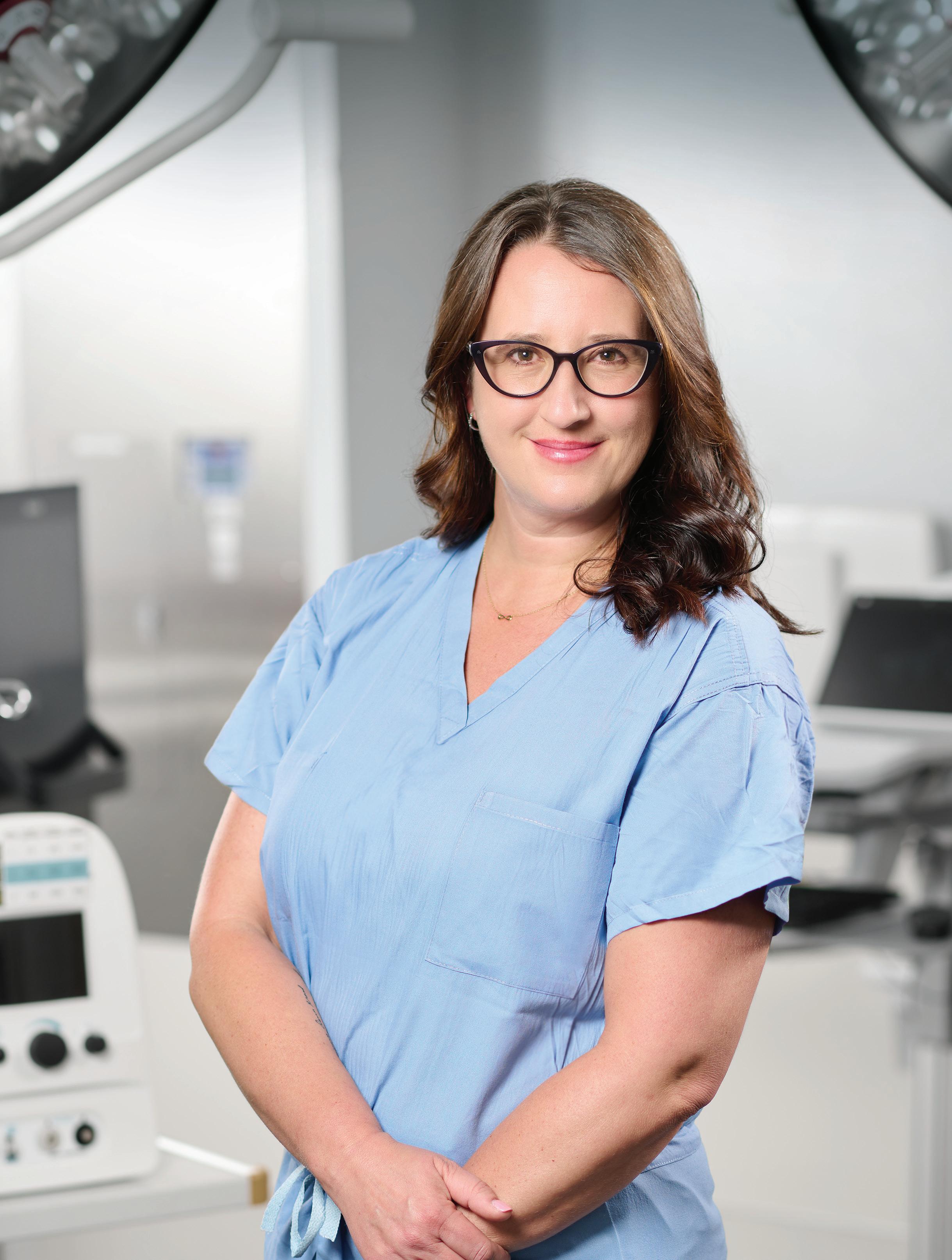
ARTS PREVIEWS 1,150+ Leaders in 99 Categories RESPECTED SURGEON Dr.
Oncologist
Front 3/16” Based on publication thickness 3/16” Based on publication thickness Minnesota Monthly - Bellyband 8” x 4” .1875” Spine (6/32”) .25” Safey .125” Bleed Perfect Binding Mayo Clinic has more No. 1 rankings than any other hospital in the nation. U.S. News & World Report 2023–2024 “Best Hospitals” rankings IN MINNESOTA.
MINNESOTA FASHION MAVEN SARAH EDWARDS
FALL
Natasha Rueth, Surgical
at Allina Health
UNRIVALED RANKINGS
Mayo Clinic is top-ranked in more specialties than any other hospital and has been recognized as an Honor Roll member according to U.S. News & World Report’s 2023-2024 “Best Hospitals” rankings.
Back
mayoclinic.org/top-ranked




PANEL OVERLAP .75” Back Spine.1875” NO COPY GLUE AREA
The
Spirit of Minnesota
1,150+ Leaders in 99 Categories
Top Doctors
+ Pediatric Specalists
+ What’s New in Breast Cancer Treatment
MINNESOTA FASHION MAVEN SARAH EDWARDS
FALL ARTS PREVIEWS
RESPECTED
SURGEON
Dr. Natasha Rueth, Surgical Oncologist at Allina Health
Bee and her daughter Sharon honor their family’s values with a donor advised fund that keeps giving back. And you can too.


See how easy it was at spmcf.org/sharon-and-bee

“A fund is a more lasting way to support the community.”
— Bee, Fundholder
Reconnect with yourself. Changes that affect the appearance of your face have a dramatic impact on daily life. “Our face is how we communicate. It’s our sense of identity. You quickly realize the impact of changes when you can’t do things like smile, or eat normally,” says Dr. Jacob Dey, a Facial Plastic and Reconstructive Surgeon at Mayo Clinic.
Dr. Dey is one of very few surgeons with expertise in both treatment of facial paralysis (facial reanimation) and aesthetic surgery. His complementary skill sets enable him to deliver life-changing results for people whose faces have changed due to facial paralysis or aging. “We’re able to help people look and feel more like themselves so they can get back to doing the things they love,” adds Dr. Dey.
Find new hope after facial paralysis. There are several causes of facial paralysis, including Bell’s palsy, Ramsay Hunt syndrome, parotid or skull-base tumors, stroke, and more. Each of these conditions impact the facial nerve’s ability to function normally, and many people are told little, or nothing can be done. However, Dr. Dey and his team are often able to help. “There’s almost always something we can do to improve the symmetry and function of their face,” says Dr. Dey.
Explore innovative facial reanimation options.
Many of the latest advancements in facial reanimation involve microsurgeries that use precise, minimally invasive incisions. The surgeries help relax muscles or rewire nerves that aren’t functioning properly. Transplanting small pieces of muscle from one area of the body to the face is another technique Dr. Dey and his team are advancing. “I had a patient who had a muscle transplant surgery to reconstruct the muscles of her face. Now she can smile again, and that’s life changing,” says Dr. Dey.
Experience complete care at the parotid tumor care clinic.
People with parotid gland tumors often need experts in cancer care and facial reanimation surgery. Mayo Clinic’s new multidisciplinary complex parotid tumor facial nerve clinic is designed to provide the convenience of world-class cancer care and facial reconstruction all in one place.
Choose your own care path.
Dr. Dey and his team develop strong relationships with patients over time, so people feel empowered to make their own care decisions. “We educate people on the pros and cons of every option so they can make choices that achieve their long-term goals,” explains Dr. Dey.
“I spend a lot of time helping people understand the results that each option is likely to deliver. I want people to know there’s a strong possibility we can make significant improvements. For most of my patients that’s very rewarding news, and they leave my office after their initial consultation feeling a renewed sense of hope,” says Dr. Dey.

mayoclinic.com/visitorguide | 507-923-2566
SPECIAL ADVERTISING SECTION
Life-changing facial surgeries restore human connections.
Dr. Jacob Dey at Mayo Clinic combines his expertise in facial reanimation and aesthetic surgery to deliver inspiring results.
“Understanding how profoundly this work impacts people’s lives motivates me every day.” — Dr. Jacob Dey
Minnesota’s best colonoscopy just got even better. At MNGI Digestive Health, we’re proud to be the first in Minnesota to deploy the new life-saving GI Genius AI technology from Medtronic. It’s an enhanced colonoscopy tool that our highly skilled GI specialists now use as a second pair of eyes to better detect and prevent colon cancer. And another great reason to schedule your MNGI colonoscopy today. SCHEDULE AN APPOINTMENT: 612.871.1145 / mngi.com
What’s helped us build our advocacydriven culture? As a registered investment advisor (RIA) we’re held to a fiduciary standard to act in our clients’ best interest. Combine that with a team who has shared values and is passionate about helping others achieve their goals, and you get the magic of JNBA.
 Cärin Viertel


 Director of Client Services JNBA Financial Advisors






A client-first and conflict-free philosophy: that’s how JNBA Financial Advisors has operated since our founding days over 40 years ago. And since we began tracking 20 years ago, we have been fortunate to maintain a client-retention rate of 97 percent.

To learn more about how advice driven by advocacy® could help you and your family, begin a conversation with our team by calling us or visiting JNBA.com.
Past performance may not be indicative of future results. Different types of investments involve varying degrees of risk. Therefore, it should not be assumed that future performance of any specific investment or investment strategy (including the investments and/or investment strategies recommended and/or undertaken by JNBA Financial Advisors, LLC (“JNBA”)) or any non-investment related services, will be profitable, equal any historical performance level(s), be suitable for your portfolio or individual situation or prove successful. A copy of our current written disclosure brochure discussing our advisory services and fees is available upon request. The scope of the services to be provided depends upon the needs of the client and the terms of the engagement. Please see important disclosure information at jnba.com/disclosure.

MINNEAPOLIS: 952.844.0995 | DULUTH: 218.249.0044 | BONITA SPRINGS, FL: 800.675.4793 | JNBA.COM
Advice driven by advocacy.®
Contents
FEATURES
TOP DOCTORS
51 October is Breast Cancer Awareness Month, and we spoke with medical professionals about what's new in screenings and treatment. Plus, see a lisiting of top doctors in dozens of specialties.
FALL FASHION
98




Sarah Edwards has long been an icon of the local fashion scene. She modeled for our autumn fashion spread and revealed her next moves.

FALL ARTS
122
We sit down with artists who have big debuts this fall, including a play about efforts to open a Native wellness center, a web series about a Hmong nonprofit, an exhibit spanning a seven-decade career, and the first season with the Minnesota Orchestra’s new conductor.
4 | SEPT/OCT 2023 | MINNESOTAMONTHLY.COM LAUREN KRYSTI
SARAH EDWARDS, P. 98

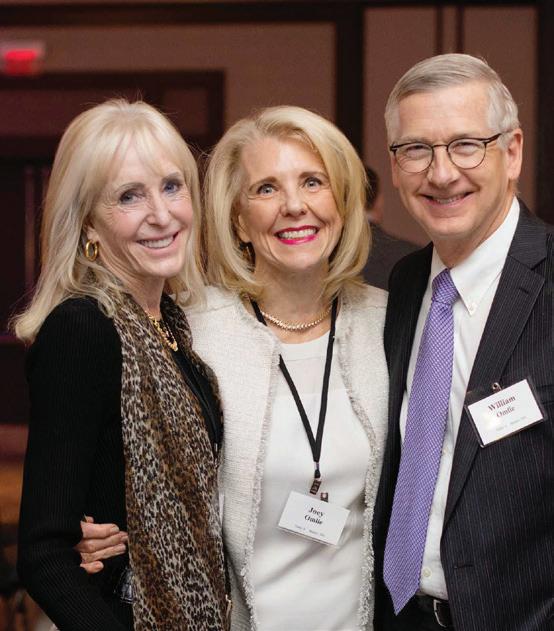
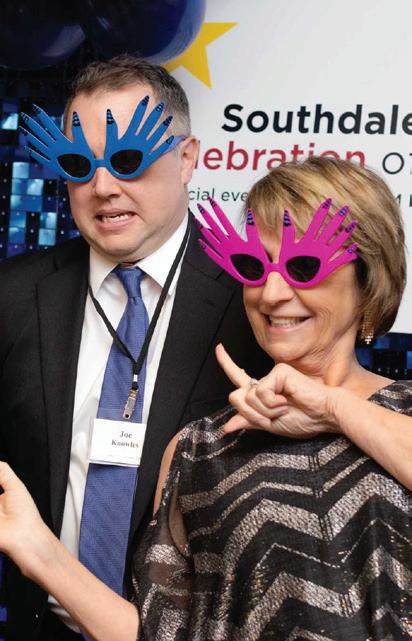
Register at southdalecelebration.umn.edu facebook.com/southdalecoc instagram.com/southdalecoc Friday, September 22, 2023 5:30-9:00 p.m. Hilton Bloomington 3900 American Blvd W. Join us for a fun and celebratory evening supporting exceptional patient care at M Health Fairview Southdale Hospital! Highlights of the evening: y Lively cocktail reception y Exciting silent and live auctions y Program hosted by Jennifer Mayerle, WCCO Saturday Morning y Hospital updates from beloved physicians y Inspiring patient stories Print Media Sponsor 09 • 22 • 2023 PLEASE JOIN US!
13 RIPPLE EFFECT
Belinda Jensen begins her 30th year at KARE, a RenFest actor reflects on his career, and the zoo's Treetop Trail opens
23 TRUE NORTH Canberry harvest in Wisconsin, spooky spots across Minnesota, and volunteers who clear Boundary Waters trails

129 TASTE
Jason’s special supper clubs, Amy Thielen’s new cookbook, and Maison Margaux’s sensational approach to French cuisine

139 OUT & ABOUT
Bob Dylan approves of Broadway’s “Girl From the North Country,” plus fall events

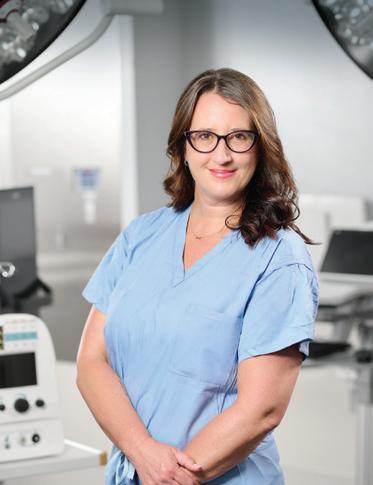
6 | SEPT/OCT 2023 | MINNESOTAMONTHLY.COM PHOTOS (FROM ABOVE) MAY LEE-YANG, KEVIN KRAMER, ADOBE/ZIGZAGMTART ON THE COVER Dr. Natasha Rueth at WestHealth Surgery Center PHOTO BY Bill Bartlett IN EVERY ISSUE 7 READER COMMENTS 8 EDITOR’S NOTE 144 LAST LOOK 134 23 SEPT/OCT 2023 MAY LEE-YANG, P. 124 VOLUME 57, NUMBER 5 Minnesota Monthly (USPS 443580) (ISSN 07398700) is published bimonthly by Greenspring Media LLC, 5750 New King Dr., Suite 100, Troy, MI 48098. Periodicals postage paid at Troy, MI and additional mailing offices. POSTMASTER Send address changes to Minnesota Monthly, 5750 New King Dr., Suite 100, Troy, MI 48098. Printed in the USA. Copyright © Greenspring Media 2023. All rights reserved. No part of this publication may be reprinted or otherwise reproduced without written permission.
DEPARTMENTS
ALSO INSIDE 31 DESTINATIONS: FABULOUS FALL 48 FALL BUCKET LIST 83 TOP PHYSICIAN PROFILES 107 AUTUMN ARTS & ENTERTAINMENT
“Renaissance vaudeville duo” Puke and Snot have been performing at the Minnesota fest near Shakopee for five decades. While the original actor playing Snot has changed a few times, Twin Cities actor, author, producer, and director Mark Sieve has come to perfect Puke. Writer Kathy Berdan profiles Sieve (p. 16) and recounts her family’s personal connections to the actor as well as some of the comedic duo’s favorite jokes in an extended story at MINNESOTAMONTHLY.COM/PUKEPROFILE.
July/Aug’s Where in MN?

THE WINNING RESPONSE
Belgrade, Minnesota. My connection to it is that we were driving past it with my grandparents, and my mom loves roadside statues, and so we got some pictures with it for her. When me and my sister were li le, we used to use crow calls as our “secret language,” so when we took pictures with it, it brought back some good memories and made me feel like we had a connection.

–Evelie Cooley, Ely

Volunteers with the Boundary Waters Advisory Commi ee help clear and maintain hundreds of miles of trails in the BWCAW (p. 28). Martin Kubik started the organization a er moving with his family to the United States from then-Czechoslovakia. Learn more of Kubik’s background and love for nature at MINNESOTAMONTHLY.COM/BWAC
Which Doughnut Is Best?
Every month, food critic Jason DeRusha spotlights new restaurants and shares other news about Twin Cities dining. Follow along at MINNESOTAMONTHLY.COM/JASON
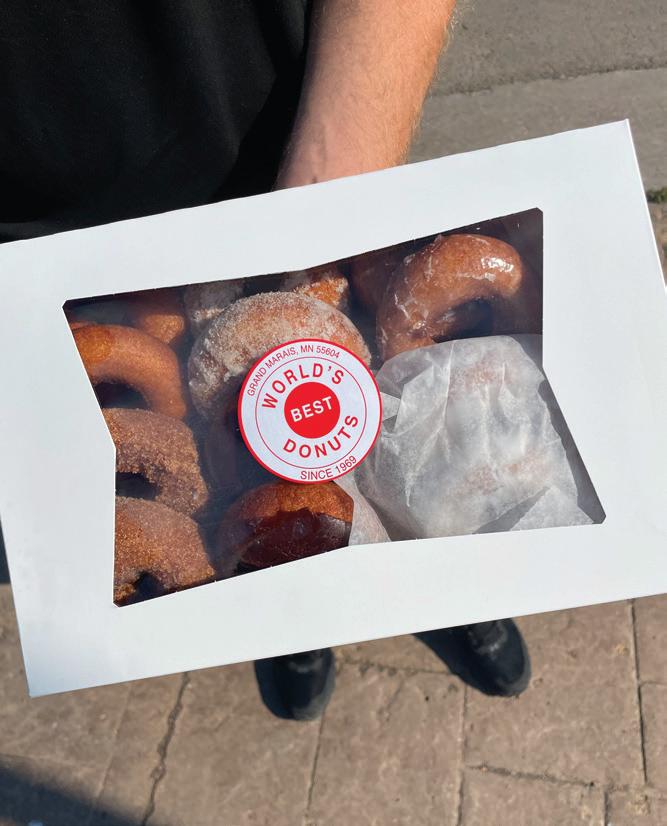
This summer, we tasted and ranked the cake doughnuts at World’s Best Donuts in Grand Marais. This was in response to a national food-and-drink outlet listing the shop’s powdered-sugar doughnut among the best in the country. (To find our full verdict, head to MINNESOTAMONTHLY.COM/WORLDSBESTDONUTS.) We got some feedback on our pick for No. 1:
“You are correct to list plain cake doughnuts higher than the others. My father worked as a baker all his life and had his own shop in Minneapolis before he retired. I helped on the weekend to mix and fry doughnuts. Although not of the highest quality, one thing I learned is that a good cake doughnut can stand on its own merits and does not need adornments to make it good. It should also be eaten warm out of the fryer.” –Gerald Blomgren, near Puget Sound, Washington
MINNESOTAMONTHLY.COM | SEPT/OCT 2023 | 7
PHOTOS (FROM ABOVE) MARK SIEVE, ELIJAH
MINNESOTAMONTHLY.COM
STENMAN, ERIK TORMOEN
/MINNESOTAMONTHLY @ MNMOMAG @ MNMOMAG /MNMOMAG
READER COMMENTS where in mn? See p. 17 for this issue’s Where in MN?
MARK SIEVE ( LEFT ) IS PUKE
Breast Cancer Care
october is breast cancer awareness month. You probably already know this, it’s di cult to miss. You’ll notice pink ribbons popping up on your co ee cups, splashed across professional athletes’ uniforms, mixed among the “Barbie”-themed promotions, and highlighted on products that compete with the autumn-hued pumpkins and fall foliage.
Like those falling leaves, a breast cancer diagnosis can have a cascading e ect. It impacts not just the patient but also family members, colleagues, and the community. I have a personal connection to breast cancer, and you probably do, too. My paternal grandmother died from breast cancer when I was in middle school, and my aunt—her daughter—took preventative measures immediately after that with a double mastectomy. I’ve supported several friends, neighbors, and coworkers through diagnosis and treatment. My family history means I started screening in my 30s, and I continue to be hyperaware of the warning signs as I deal with my “dense tissue” complications that have led to a few worrisome screening results. I don’t share this personal information lightly but as an example of how universal the topic is, and how important it is to support each other in the journey. I have seen the worry and despair a diagnosis can bring but am continually hopeful as research, treatments, and technologies improve.
Breast cancer remains the second-leading cause of cancer death among Minnesota women. More than 5,000 new cases are expected this year in the state. We are very aware breast cancer is an important health issue for many of our readers, both male and female. It’s why we made it our main story in our annual Top Doctors issue, exploring what’s new in the field. We hope you learn something new from the package, consider making healthier choices, donating to a cause, or supporting others who may be dealing with breast cancer or other health concerns year-round— not just in October.
PUBLISHER Tammy Galvin
EDITORIAL
EDITORIAL DIRECTOR Alesha Taylor
EDITOR Amy Nelson
MANAGING EDITOR Erik Tormoen
FOOD EDITOR Jason DeRusha
AESTHETIC EDITOR Jerrod Sumner
CUSTOM PUBLICATIONS SENIOR EDITOR Mary Subialka
CUSTOM PUBLICATIONS MANAGING EDITOR Macy Harder
CUSTOM PUBLICATIONS ASSOCIATE EDITOR Emma Enebak
SPECIAL SECTIONS EDITOR Elizabeth Roubik
PROOFREADER Anna Buchholz Bagiackas
EDITORIAL ASSISTANT Emma Conway
ART
CREATIVE DIRECTOR Tonya Sutfin
ART DIRECTOR Olivia Curti
GRAPHIC DESIGNERS Caitlin Nourse, Caroline Royce
PRODUCTION
PRODUCTION DIRECTOR Deidra Anderson
SENIOR ADVERTISING COORDINATOR Mikayla Snyder
ADVERTISING COORDINATOR Ellianna Radovich
JUNIOR ADVERTISING COORDINATOR Sydney Kell
INTEGRATED MARKETING
ASSOCIATE PUBLISHER + DIRECTOR OF MARKETING, EVENTS + PARTNERSHIPS Arthur Morrissey
EVENT OPERATIONS MANAGER Rick Krueger
MARKETING + EVENTS COORDINATOR Jordyn Tayloe
COMMUNICATIONS + EVENTS COORDINATOR Joseph Schmidt
MARKETING AND EVENTS INTERN Kyle Atkinson
SALES
SALES DIRECTOR Kristin Gantman
ACCOUNT EXECUTIVES Sue Fuller, Lori Miller
JUNIOR ACCOUNT EXECUTIVE Matthew Yanz
EVENT ACCOUNT EXECUTIVE Scott Rorvig
SALES + MARKETING SPECIALISTS
Madeline Braverman, Tausha Martinson
BUSINESS
DIRECTOR OF BUSINESS OPERATIONS Kathie Gorecki
ACCOUNTING ASSOCIATE Austin Schmelzle
CIRCULATION
AUDIENCE DEVELOPMENT DIRECTOR Geri Wilson
CIRCULATION MANAGER Riley Meyers
SENIOR CIRCULATION MARKETING COORDINATOR David Benvenuto
EDITORIAL & BUSINESS OFFICE
GREENSPRING MEDIA 9401 James Ave. S., Suite 152 Bloomington, MN 55431 612-371-5800 FAX 612-371-5801

HOUR MEDIA
CEO Stefan Wanczyk
PRESIDENT John Balardo
SUBSCRIPTIONS & BACK ISSUES
A subscription to Minnesota Monthly is $14.95 per year (U.S. only). For subscriptions, call 866-660-6247. Back issues are $4.99 + shipping, prepaid. Change of address: Enclose address label, send to Hour Media LLC, 5750 New King Drive, Suite 100, Troy, MI 48098, and allow 30 days.
EDITORIAL To contact the editorial department with feedback, freelance submissions, or story suggestions, go to minnesotamonthly.com/contact.
ADVERTISING Information about advertising is available at minnesotamonthly.com/advertise or by calling 612-371-5800.
Amy Nelson, Editor anelson@greenspring.com
8 | SEPT/OCT 2023 | MINNESOTAMONTHLY.COM
PHOTO TONYA SUTFIN EDITOR’S NOTE
The pages between the covers of this magazine (except for any inserted material) are made from wood fiber that was procured from forests that are sustainably managed to remain healthy, productive, and biologically diverse.
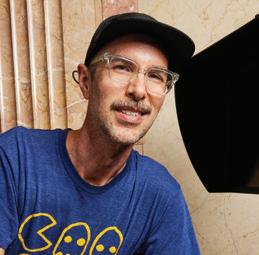
Minneapolis-based freelance on-set digital technician and retoucher David Anderson has been helping photographers’ images look their best for close to 15 years. Part hardware geek and part image scientist, he’s also an invaluable creative partner. He helped photographer Lauren Krysti capture and edit the images for the fall fashion shoot for this issue (p. 98).



Tim Campbell has followed the Minnesota arts scene since his mom took him to “Fiddler on the Roof” at the Orpheum Theatre. A freshman news-writing class at the University of St. Thomas led to a job at the Minneapolis Star Tribune, where he wound up steering entertainment coverage for more than 25 years, winning numerous awards from the national Society for Features Journalism, including three wins for best section. For this issue, he examined Bob Dylan’s role in the making of the musical “Girl From the North Country” (p. 139).


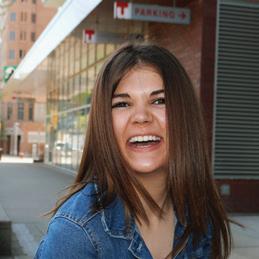
Emma Conway is a writer, communicator, and storyteller from Cannon Falls. Currently a senior in the School of Journalism and Mass Communication at the University of Wisconsin-Madison, Conway was the editorial assistant for Greenspring Media this summer. In this issue, she detailed Minnesota’s spooky spots (p. 26), compiled a calendar of fall events (p. 142), and helped proofread sections.



MINNESOTAMONTHLY.COM | SEPT/OCT 2023 | 9 CONTRIBUTORS
PROUD PRESENTER OF THE PIZZA BRACKET CHALLENGE Find out more minnesotamonthly.com/pizza WHERE THE BEST PIZZA SHOPS GET THE BEST INGREDIENTS! PERFORMANCEFOODSERVICE.COM




















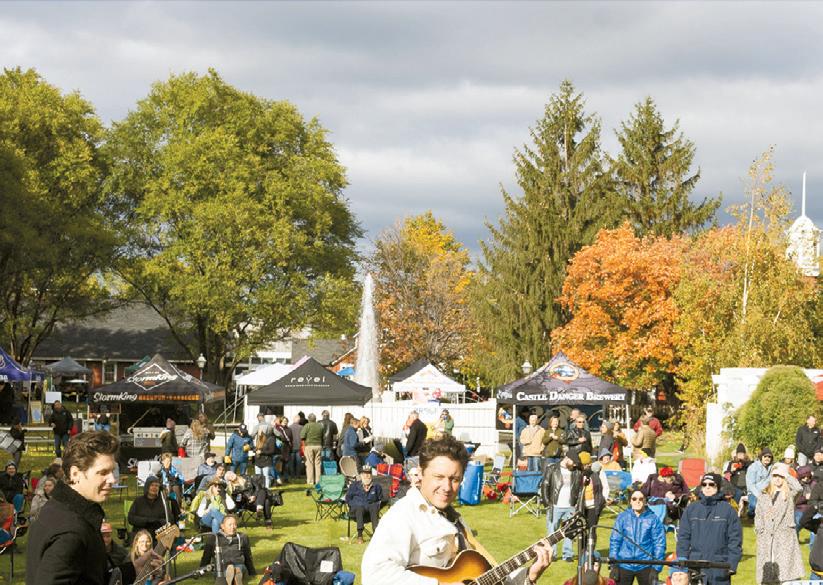
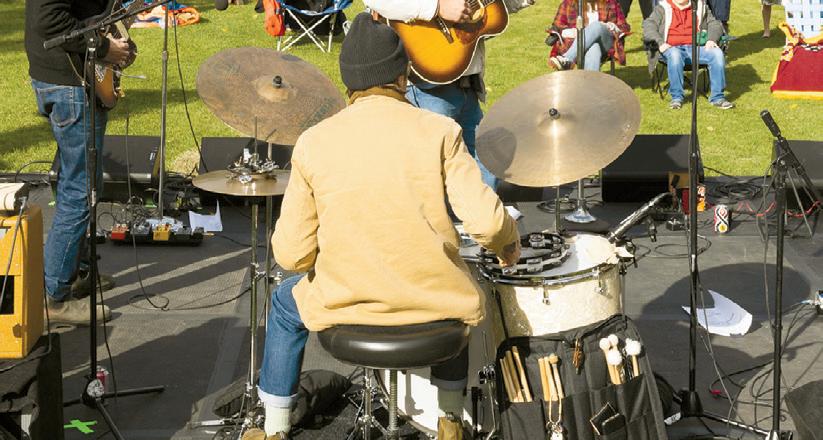





























Outdoor, Live Music E V E N T Celebrate fall and friendship with live music from renowned, local artists while sipping on the latest craft beers, seltzers and ready-to-drink beverages. Tickets on sale at MinnesotaMonthly.com/Brews S ATURDAY, SEPTE M BER 30 • 1 - 5 PM CHS Field–Home of the St. Paul Saints $40 per person (plus taxes and fees) 21+ event
 by AMY NELSON


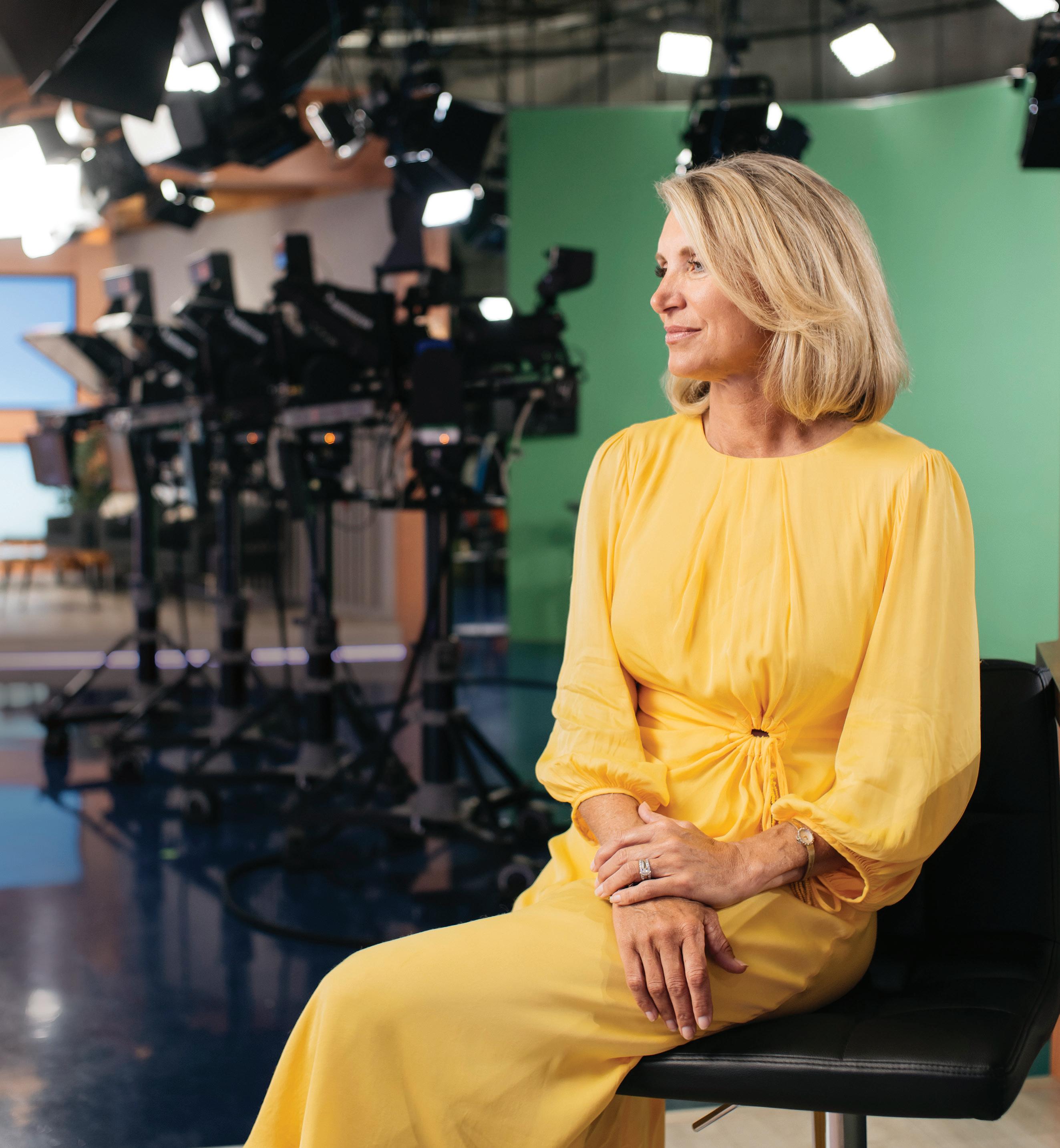
MINNESOTAMONTHLY.COM | SEPT/OCT 2023 | 13 Effect RIPPLE WHERE ARE THEY NOW? 16 WHERE IN MN? 17 TREETOP TRAIL OPENS 18 THE GOODS 19 Sunny Forecast AT THE START OF HER 30TH YEAR WITH KARE 11, METEOROLOGIST BELINDA JENSEN REFLECTS ON HER CAREER AND DESCRIBES PERFECT WEATHER
BELINDA JENSEN ALSO COHOSTS KARE 11’S SATURDAY MORNING PROGRAMMING NATE RYAN
Belinda jensen could probably just read names straight from the phone book and our readers would still click on it,” an editor once told me years ago when I was editing the weather page for the Pioneer Press. I was a copy editor for the St. Paul daily newspaper while Jensen was a meteorologist for KARE 11 and the publication’s featured partner for weather forecasts. (For those of you too young to know, a phone book was a printed listing of people’s names with their addresses and phone numbers, eventually done in by the Internet.) I’ve always remembered that editor’s comment because it was so admiring, not snarky the way it could be misconstrued today. And when a different boss at a different publication (this one) suggested Jensen for a profile, I agreed immediately, knowing it would likely be another popular story. As Jensen starts her 30th year this fall with KARE 11, I reached out for an interview. There were a few topics she didn’t want to discuss: her thoughts on climate change (she has some), her family life (she has one), but she happily discussed her life in Minnesota and her future in television post-phone books.
Tell me a bit about your upbringing and connection to Minnesota nature and weather.
I was born in St. Paul, lived in Apple Valley until I was 6 years old, and then moved onto the beautiful St. Croix River outside of Prescott, Wisconsin. We lived on the riverbanks, on a mile-long driveway with one other family and a farmer that farmed the flat land above the banks.
I attended all 12 years of my schooling in Prescott. I have three brothers and one sister, and I am fourth in the line of kids and spent a ton of my free time outside. I was a tomboy and loved the river and being out playing on the riverbanks and in the woods surrounding our house with my siblings and neighbor kids.
I loved nature and earth science classes and decided to do a term paper on weather and meteorology in 10th grade, and I only knew of one guy that was a meteorologist, Paul Douglas, who we watched every night. I called him, and he answered the phone! I interviewed him for my term paper, got an A, and then eventually interned for him in college, and now I have his job. It’s as simple as that—well, not really.
That does sound like a dream scenario.
I went to Mankato State for my first two years of college and, once I made my final decision to pursue weather, I transferred to the University of Wisconsin-Madison to
get my degree in meteorology. I went to graduate school at the University of Utah but then fell backward into television in December of 1990. And then I did go back to the U of Utah to study education while I was a morning meteorologist at KTVX.
[At KARE 11,] I started out as the weekend meteorologist in September 1993 and also have been the cohost for the KARE 11 Saturday morning show for all 30 years. I became a feature reporter for “Minnesota Bound” with Ron Schara and visited students most weeks during the school year.
“Grow with KARE” has been a franchise for 30 years at KARE as well. I started it with Bobby Jensen, and now my colleague Laura Betker and Bobby have continued it. We have done gardening stories all 52 weeks out of the year and have the most consistent garden content in the market. Our “Grow with KARE” Facebook page has more than 80,000 followers.
What have been some highlights?
I have had many highlights. I did get a chance to go to the Salt Lake City 2002 Olympics with a team of seven other colleagues for a month. That was very challenging and rewarding, covering the Olympics.
14 | SEPT/OCT 2023 | MINNESOTAMONTHLY.COM NATE RYAN
RIPPLE EFFECT first person
“
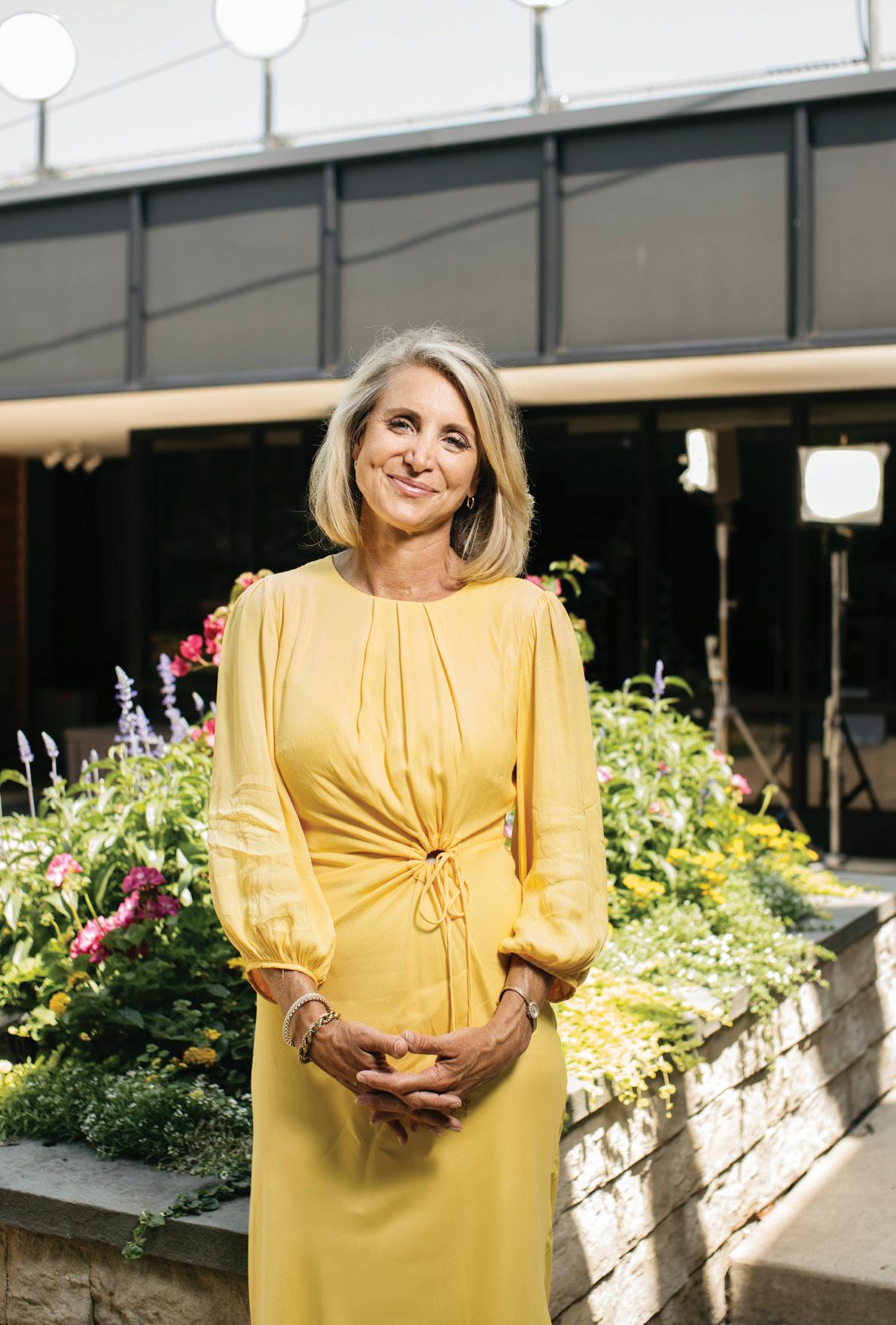
KARE 11’s iconic landscaped backyard is Belinda Jensen’s main studio
I also choose to [continue to] work on Saturday mornings. It is a super fun show where I get to do so much more than just weather. Chefs, fashion shows, authors, and everything in between. It is a fun, fast-moving, challenging show, and I have been doing it for 30 years, so it is just what I do. I am onto my sixth cohost, which is sort of funny. I am the old widow of the show.
When we were doing some research for this interview, one very popular question about you is “How many coats does Belinda Jensen own?” So, how many?
My office is the KARE 11 backyard! People often ask if I am really outside. And, yes, I am during the weather forecasts—it is called full transparency every night. I need a lot of coats, and our winters are long. I have around 30 coats that I have shoved in our entry closet. I buy them on sale usually during the off-season. I try to buy ones that are classic so they last for years. I have had many for over 20 years. I add one or two a year usually. I think I will auction them all off when I retire, for charity, so stay tuned.
What has been the biggest change you’ve seen in yrour career?
The biggest change in my three decades here at KARE is the appetite for immediate information and our mission to fill that need. When I started, we had hours to forecast, create graphics, and then we never released any forecast information anywhere until we did the weather during our newscasts in the morning or evenings at 5 p.m., 6 p.m., and 10 p.m. Of course, there was no place to put the forecast before that time anyway. Now, with a plethora of platforms, we constantly are feeding information at all times, 24/7, and at the same time creating content specifically for newscasts. Another change is the number of newscasts we have. “Sunrise” is now on from 4:30 to 7 a.m., and we have noon, 4 p.m., 5 p.m., 6 and 6:30 p.m. and 10 p.m. newscasts to staff, with probably more coming down the pike.
The information we use—the models, the radar, the observations, the chat rooms—are so readily available, too. When I started here, we were still printing and hanging maps on a wall and using colored pencils. The graphics we create for our shows now are so much better. The computers do not break down all of the time like they used to, and we have much better technology to show and explain the weather each night.
When did you become an author?
I wrote a series of weather books seven years ago titled “Bel the Weather Girl.” The main character, along with her dog, Stormy, and cousin Dylan, bring the reader through six stories that all include lots of different weather: a snowstorm that decides to show off and become a blizzard during school, a tornado warning that has them in the basement, a hurricane watch while they visit
their grandparents. Most kids are curious about the weather, but many are scared and have anxiety about storms and changing weather. These books really help kids understand and resolve their fear. They also are fun for those who love the weather and just want to know more.
The closing line of your children’s books is, “Weather isn’t so scary once you understand it.” But have you ever found yourself in a scary weather situation or had to take cover while reporting or even traveling?
That line is very powerful and lots of kids do connect with that. Lots of meteorologists yearn to go storm chasing, but I am not one of those. I am happy to do countless hours of severe weather coverage and stay indoors. Once, during my studies at Madison, we went storm chasing and ended up in a hailstorm, and the car was nearly destroyed, and it was horrific. It felt like we were the popcorn in a popcorn popper.
You also do appearances for and work with several charities, some happening soon.
Correct. This fall I will emcee the 20th annual “Humor to Fight the Tumor” event on Sept. 9, which garners money for brain tumor research. I have helped them out for 16 of the 20 years, and I am proud to be a part of this amazing organization. The entire committee that puts on the event is either living with a brain tumor, caring for a brain tumor patient, or has a child with a brain tumor. It started out as a grassroots organization that has accomplished so much in 20 years.
I am also emceeing the Intercongregation Communities Association Foodshelf with their fall event on Oct. 12, the Tenth Annual Great Taste. I love helping out this organization. I found out about them when I did a “Grow with KARE” segment at one of their garden plots. The need for food for so many continues to grow, and I think this group brings food to the table but also helps the family out in so many other ways, to try to assist them to become independent again.
Describe the perfect day for you.
My favorite Minnesota weather has evolved over the years. I used to love a sunny, cool autumn day, but as I have gotten older, and it feels like the winters have gotten colder and longer, now I love July. I love warm, sunny, long days when you can be near the water, warm nights when the kids can keep swimming. That is my “new” favorite day.
KARE has been a wonderful home for me for 30 years. This market [and] this state love their weather; it is a great place to work. This is the Super Bowl of weather, and it can be very challenging at times. The loyal viewers are what make it a wonderful job.
MINNESOTAMONTHLY.COM | SEPT/OCT 2023 | 15
WHERE are THEY NOW ?
Renaissance Festival’s Puke and Snot Celebrate 50 Years
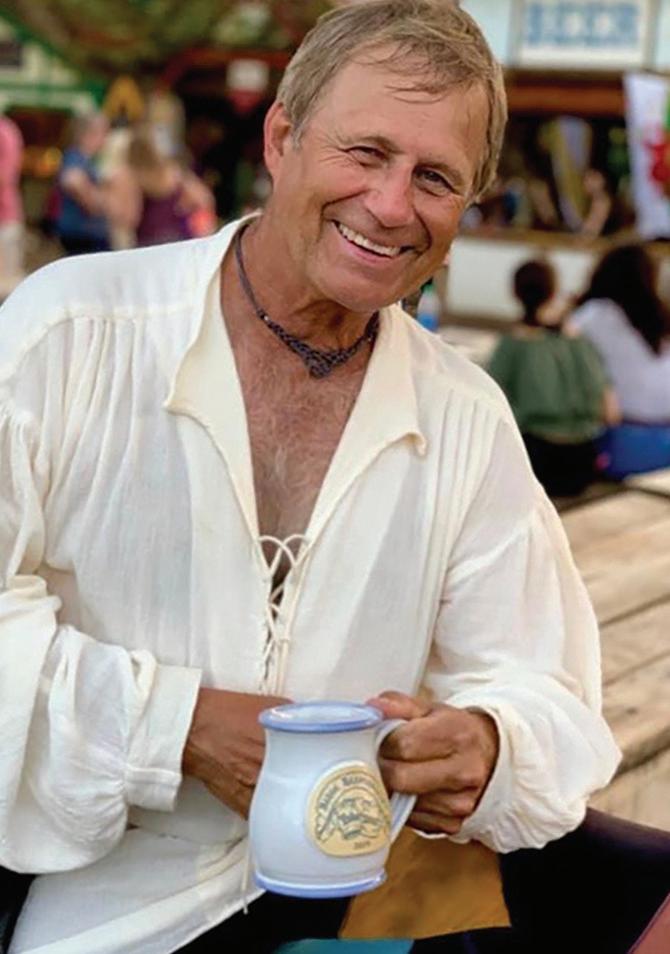
ORIGINAL PUKE ACTOR MARK SIEVE RETURNS FOR ANOTHER SEASON by KATHY
BERDAN
The original Snot, Joe Kudla, died suddenly in 2008. An actor friend of Sieve’s, John Gamoke, joined Puke until 2017. Snot 3.0, Scott Jorgenson, has been slinging swords and sarcasm with Sieve since then. Puke and Snot are the longestrunning comedy duo in North American Renaissance Festival history, Sieve says. The two don tights and pu y shirts for 10 to 15 weeks of performances a year.
They also became friends with a couple of other young RenFest performers in the early years: Penn and Teller. Penn Jillette and the single-name-only Teller performed their fi rst comedy-magic act together at the RenFest on Aug. 19, 1975.
Sieve says Penn and Teller had street smarts from busking on the streets of Philadelphia and taught Minnesota nice guys Puke and Snot the lesson of passing the hat at the back of the crowd—rather than having the audience come to the stage—so no one could escape the plea for tips.
Name in Lights
Sieve spent his first years in the small southwest Minnesota town of Ellsworth (so close to Iowa that he and a childhood buddy would bike across the border, just for the sheer adventure of being in another state, Sieve says in his first book, “Call Me Puke”). He’s the oldest of five children.
his name is puke. Yes, he chooses to go by that.
He’s often seen in the company of a character by the name of Snot (also a chosen moniker). And if you’ve ever been to the Minnesota Renaissance Festival near Shakopee, you’re likely nodding and smiling. This “Renaissance vaudeville duo” has been a must-see act at the RenFest for decades.
In fact, 2023 is Puke’s 50th year spewing carrot bits and witty banter while clashing swords and insults with Snot at the annual late-summer celebration of all things olde and faire.
They call it “high-fashion comedy with deadly weapons,” performed mostly in Minnesota and Maryland, says Puke, who is Twin Cities actor, author, producer, and director Mark Sieve.

“I’ve outlived a dozen kings and queens out there—not to mention avoiding prison and the executioner’s ax,” says Sieve, who is 80 years old. “Remarkable.”
How It Began
Sieve and Kudla (Snot the First) were Twin Cities actors who performed “in the dirt” as solo roaming acts at the RenFest in the festival’s early years.
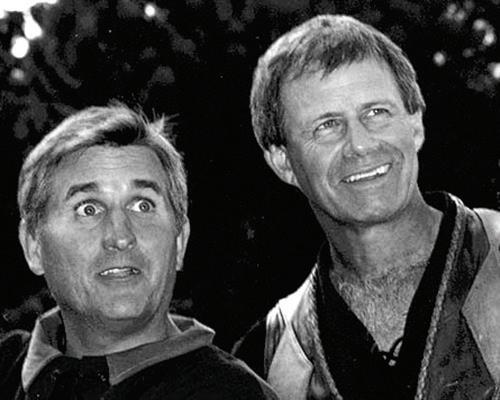
In the winter of 1974, Kudla proposed an act that would feature mock Shakespearean dialogue and swords. The two first called the act “Mouldy and Wart,” but it didn’t seem to catch on. So where did the title of memorable bodily fluids come from? Sieve stumbled upon the names while adapting a sketch from a British comedy revue.
It worked. The crowds grew. They broke a few RenFest rules when they started selling T-shirts and other Puke and Snot swag, and they were the first act to wear microphones, according to Sieve.
In 1948, Sieve’s dad opened a movie theater in Ellsworth. Sieve had his name in lights early, as his dad named the movie house after him: “The Mark.” While it was cool to have name fame, Sieve says he had to put up with plenty of teasing from classmates. The Mark did great business until television arrived and moviegoers stayed home. In the fall of 1956, the Sieve family moved to a farm near Long Prairie, where ninth-grader Sieve went from sweeping up after “Three Stooges” matinees to baling hay and milking cows.
The family operated the farm for fi ve years, then ran Alma’s Cafe in Long Prairie, and, in 1967, bought Traveler’s Inn in Alexandria.
Sieve was a standout high school baseball player in Long Prairie and went on to play baseball for St. John’s University. He was scouted to play for the Minnesota Twins by baseball legend Billy Martin.
But a shoulder injury ended his Major League dreams. So, after graduation from St. John’s in the mid-’60s, Sieve became
Where Are They Now?
Minnesota Monthly catches up with memorable personalities and events. Want an update on someone or something specific? Email your idea to editor Amy Nelson, anelson@greenspring.com.

16 | SEPT/OCT 2023 | MINNESOTAMONTHLY.COM PHOTOS MARK SIEVE
RIPPLE EFFECT where?
Mark Sieve, le , first performed with Joe Kudla as Puke and Snot 50 years ago
a small-town high school English and speech teacher—and baseball coach. He also guided theatrical productions, as he had been in college theater productions.
In 1971, Sieve moved to Minneapolis to chase his stage dreams on evenings and weekends while working as a substitute teacher and coordinating a program for at-risk students.
All for the Stage
Sieve’s 17 years of teaching included the rising popularity of Puke and Snot, who were growing beyond the Minnesota RenFest. The duo was performing at other festivals around the country, as well as at corporate events and comedy clubs.
Starting in the late ’70s and through 1985, Sieve and Kudla worked weekends in October and November at the Texas Renaissance Festival in Houston. Sieve would catch a plane to Texas after teaching on Fridays, do five shows a day on Saturdays and Sundays, and catch the last plane back to Minnesota to be in front of the blackboard on Monday morning. He admits he may not have been at his academic best on more than a few of those Mondays.
One of Sieve’s first acting gigs in Minneapolis was at Theatre in the Round, where he was cast in “Steambath” alongside Jack Reuler, who started Mixed Blood Theatre the following year, in 1976. Sieve went on to work at Mixed Blood as an actor and director. He and Reuler (who retired from Mixed Blood last year) have been friends ever since. “In hard times, we’ve been there for each other,” Reuler says.
Sieve says in 1976, a 10-year-old kid named Pat was hanging around the Puke and Snot show, helping out with tasks like carrying their swords. One day, the boy pointed to a woman in a dark blue dress selling wine and said it was his mom. “Wanna meet her?”
He did. She became his wife, Janis. They have two sons, Pat and Peter.
Pat is a chef and runs the well-regarded food program at Carleton College in Northfi eld. Peter is a musician with the band Rogue Valley and performs with Lissie, Jeremy Messersmith, and others.
Joe Leaves the Stage Too Soon
Sieve and Kudla had waved swords and collected laughs and fans as Puke and Snot for more than 30 years when Kudla died unexpectedly in 2008. Kudla grew up in northeast Minneapolis and was as much at home sitting in a neighborhood bar there as he was on the stage, Sieve says. “He had his feet in two worlds.”
Kudla usually worked behind Sieve on stage, so “I didn’t really see a lot of the stu he was doing,” he says. It wasn’t until watching a video about 15 years ago that Puke saw Snot mugging and reacting. “Joe was the kind of guy people watched and realized something could happen at any time,” Sieve says. “He looked dangerous.”
Kudla wasn’t careful with what he ate and drank, Sieve says, but he was an avid runner and golfer, so he figured he was fine. Kudla had ignored cardiac warning signs, says Sieve, who has had two heart health incidents himself.
Besides, they had a show to do on Saturday. His family found him dead in his apartment on a Monday. He was 57.
Puke was on stage that Saturday with a new Snot. Sieve had convinced actor and
friend John Gamoke to take up the sword and silliness. Gamoke had previously worked as a touring “clone” of Snot and continued with Sieve until retiring in 2017.
Puke 3.0
Scott Jorgenson had done plenty of work on Twin Cities stages (History Theatre, Actors Theater of Minnesota), in voiceovers, and in TV commercials before he became Snot 3.0 in 2018. He jokes that radio listeners got sick of his voice when he read the weekly specials for the Rainbow grocery store for many years. Sieve jokes that Jorgenson’s 1999 “Speedo Guy” TV ad for Arctic Cat watercraft is a must-see that you can’t unsee.
“Each of the Snots brings his own flavor to the act,” says Sieve, adding that it’s the writing that makes the show a success.
Jorgenson brings a bit of improv to Puke and Snot. He acknowledges there’s a lot of “adult innuendo” in the act, “but you can also take the kids.”
“We start with Shakespeare and end with a poop joke—not even the best one,” Sieve says.
“It’s a solid No. 2,” Jorgenson adds.
MINNESOTAMONTHLY.COM | SEPT/OCT 2023 | 17 PHOTO WCCO/CBS NEWS MINNESOTA
WHERE in MN? RECOGNIZE THIS SPOT? IF SO, FILL OUT OUR FORM AT MINNESOTAMONTHLY.COM/WHEREINMN TO TELL US WHERE IT IS AND SHARE YOUR CONNECTION TO IT. WE’LL FEATURE OUR FAVORITE RESPONSES IN AN UPCOMING ISSUE AND SEND THE WINNER A MNMO PRIZE PACKAGE.
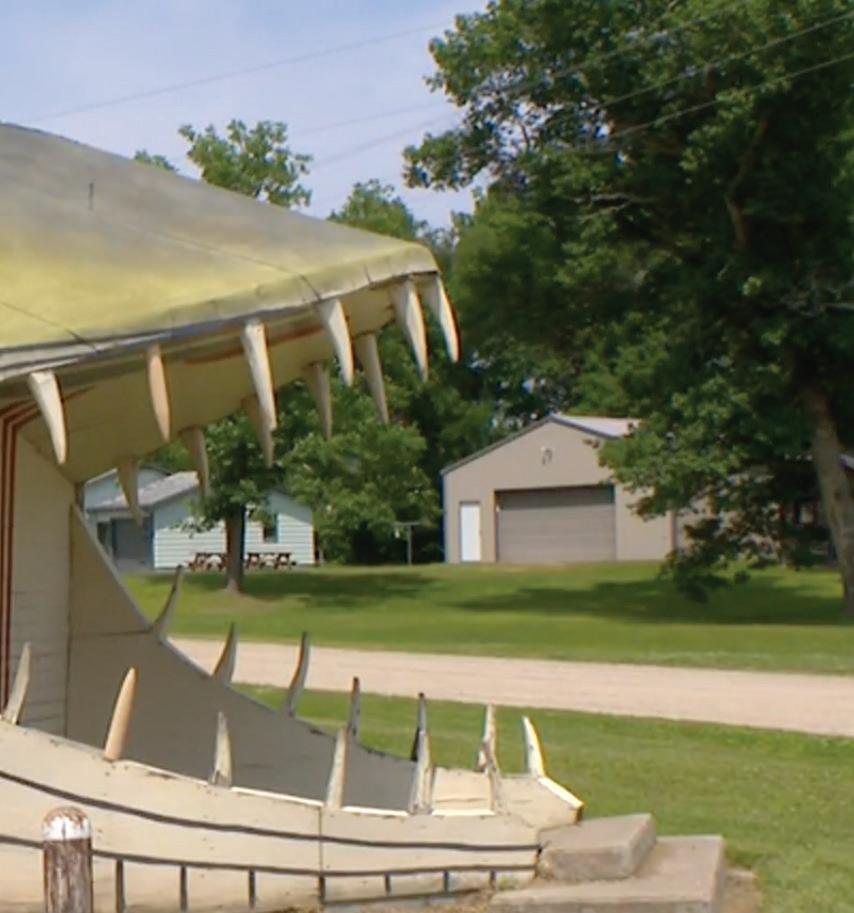
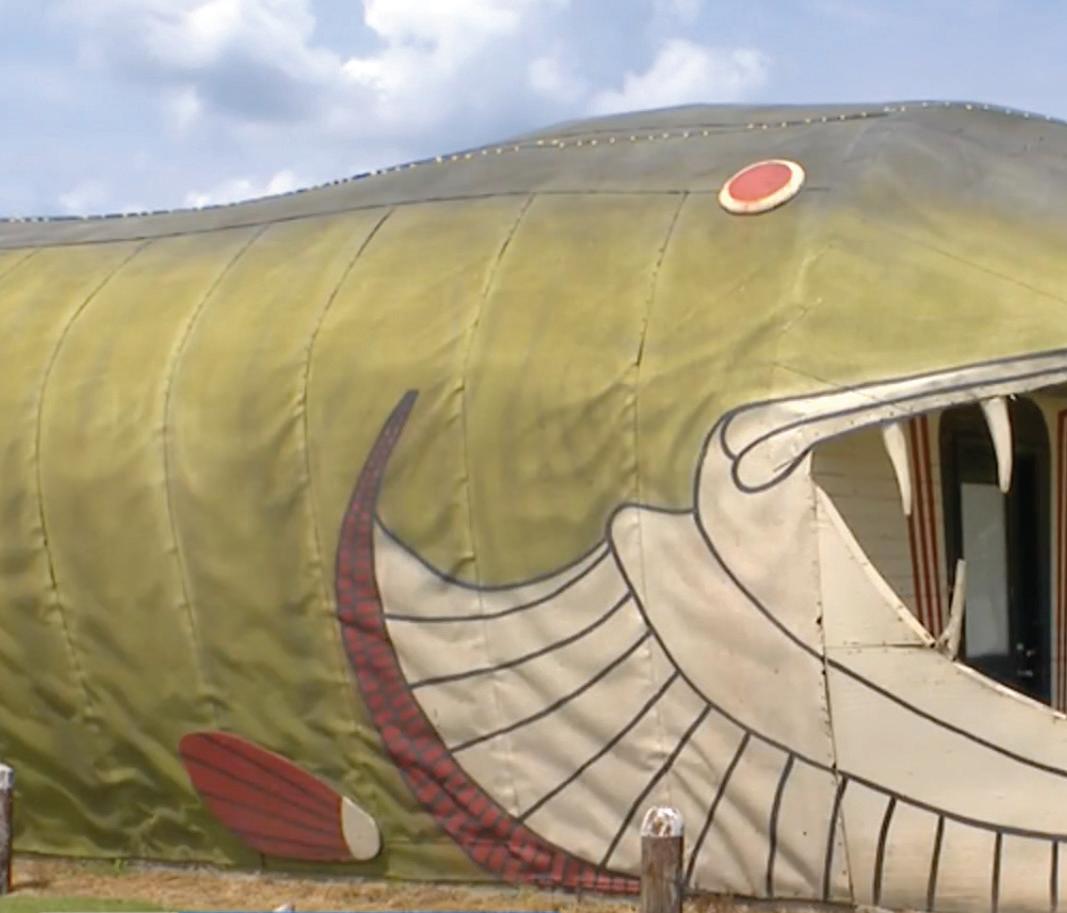
CATCH THIS ROADSIDE ATTRACTION IN CASS COUNTY, WHERE ICE CREAM AND HAMBURGERS WERE ONCE SERVED FROM A WINDOW IN THE BELLY OF THIS BEAST AND WHERE THE SUPPER CLUB NEXT DOOR OFFERS MUSKIES AND MORE. FOR OTHER SUPPER CLUBS TO STOP AT, SEE OUR LISTING ON PAGE 129.
Take the High Road
THE MINNESOTA ZOO’S DEFUNCT MONORAIL REOPENS AS THE “LONGEST ELEVATED PEDESTRIAN LOOP IN THE WORLD” by ERIK
TORMOEN
After much planning, the zoo’s latest blockbuster attraction has finally opened. Six years ago, Minnesota Zoo leadership showed Lt. Gov. Peggy Flanagan and Gov. Tim Walz video of a proposed elevated path by which guests might one day stroll over the zoo’s wetlands and forests. “When is the ribbon cutting?” Flanagan remembers asking. It happened in late July.
The 1.25-mile trail rises three stories, or 32 feet, over the Apple Valley zoo in places. It is advertised as the longest elevated pedestrian loop in the world.
In a speech ahead of the ribbon cutting, Flanagan spoke before journalists, contributors to the project, and other guests experiencing the Treetop Trail’s debut. She recalled how she and her mom used to ride the zoo’s boxy white monorail. The train glided over walkways, treetops, and prairie dogs. It shut down 10 years ago, but the railway infrastructure remained.
Director and CEO John Frawley, who came to the zoo in 2016, said he spoke with state legislators for years about repurposing the winding loop as a pedestrian path. “The project ... perfectly aligns with the middle of our mission, to connect people to the natural world,” he said. “If you love nature, you save nature.”
The Treetop Trail cost over $37 million, with $11 million from the state. At press time, the zoo was considering an entry option for guests who only want to walk the trail. A pilot program for before- or after-hours walking access is expected next spring. (General admission is $21.95 for the zoo’s nonmember adults.)
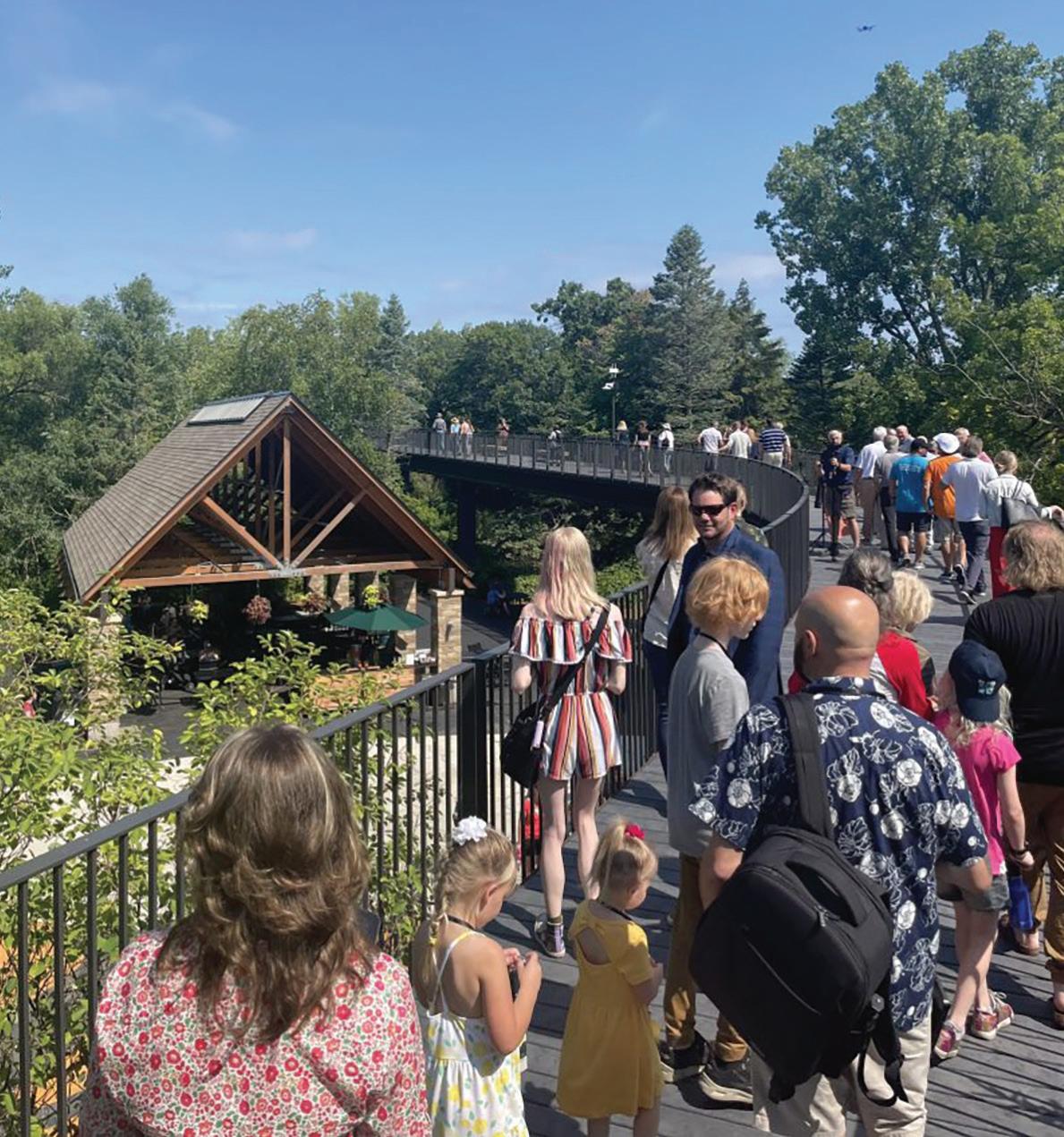
About that “world’s longest” epithet: For reference, New York City’s High Line, which does not loop but is elevated, is 1.45 miles. The Minnesota Zoo’s 1.25-mile path is much more snug than the High Line, at about 8 feet wide—enough for strollers. But persistent references to the High Line should end in relation to the Treetop Trail. It’s not fair to the zoo. At spots, balcony-like bump-outs provide 4 extra feet of space for pausing and admiring. Otherwise, depending on how busy the path gets,
dallying seems likely to hold up tra c. There are four entry and exit points, with ramps or elevators for accessibility.
The path will be open all seasons. When winter comes, vehicles will emerge from the old “monorail barn” to brush snow out of the way and through the slats, says communication and media relations specialist Zach Nugent. Because the trail is made of recycled milk jugs—a nonporous material, according to director of operations Ryan Sweeney—ice shouldn’t stick particularly well. The slats also mean the ice should melt through the gaps. This winter will put all that to the test. Before then, fall colors should up foot tra c. Media relations director Molly Mulvehill Steinke points out a section soaring over a huge pond enclosed by trees and carpeted in lily pads: “It is going to be gorgeous.”
An oft-repeated fact on opening day: Gov. Walz proclaimed July 28 “Minnesota Zoo Treetop Trail Day,” the same as World Nature Conservation Day. Signs along the trail convey its intended purpose—to inspire a love for the wild and an interest in saving it—via basic information about nature preservation, from the benefits (wellness, mindfulness) to the tactics (wildlife tracking, controlled burning).
By the way, if you notice the trail wobbling, Nugent says that’s because it is designed to expand and contract with the changing temperatures.
Overheard while walking the Minnesota Zoo Treetop Trail:
• “I definitely felt that radius that we curved around.”
• “You can watch the bird show on this side—that’s nice!”
• Child: “It’s a turtle!”
Parent/guardian: “They’re swimming, which is what I wish I could do right now.”
18 | SEPT/OCT 2023 | MINNESOTAMONTHLY.COM PHOTO ERIK TORMOEN RIPPLE EFFECT culture
MINNESOTA ZOO, 13000 ZOO BLVD., APPLE VALLEY
The opening day of the Treetop Trail
FULL FALL
AUTUMN REMINDS US TO SLOW DOWN AND SAVOR SHORTENED DAYS AND COOL NIGHTS. THESE GOODS CELEBRATE SUSTAINABILITY, SUSTENANCE, AND STYLE.
by JERROD SUMNER
1. Slow Burn Candles




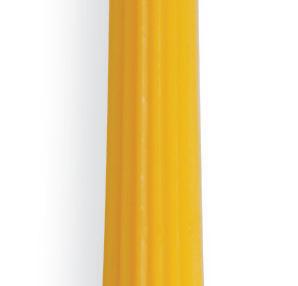

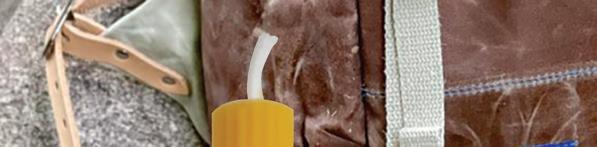

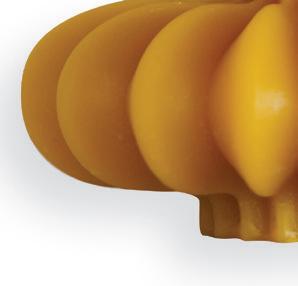
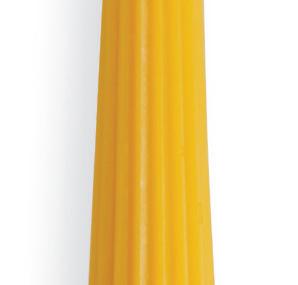
Sara Wait added candle making as a mindfulness practice to her daily routine as a yoga teacher. Using local beeswax, each candle supports beekeepers while promoting pollinators and features co on wicks for a clean burn that is good for the environment. The golden honey-colored wax pairs beautifully with funky and elevated aesthetics. Funky Taper, $30; slowburncandles.com



2. Viska



















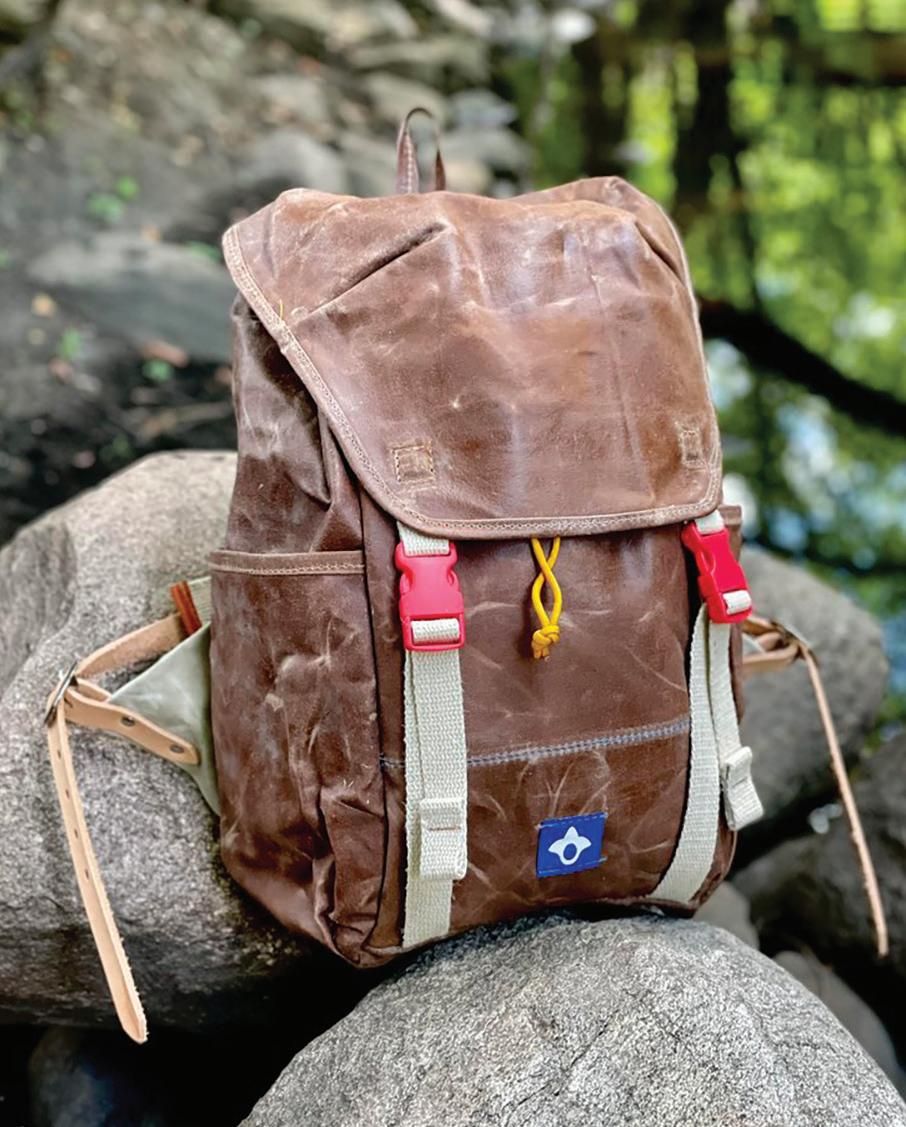
Ashley Duke of Viska makes backpacks for commuting and hiking using sustainable, organic materials that are hand-waxed using local beeswax. The bags feature colorful hardware for a playful sense of practicality. In addition to bag making, Duke is a talented painter whose subject ma er tells a story on each canvas. Milo Backpack in walnut, $295; viska.us
3. Jill Ki ock

Jill Ki ock is an illustrator who works in ink, gouache, and digital paintings. Her wry sense of humor is seen in the details and faces of her subjects; these are people you know or certainly would like to have a drink with. She captures all aspects of cocktail culture in her work, including on tea towels. Cocktail Essentials tea towel, $25; jillki ock.com

4. Sebesta Apothecary
Kim Sebesta launched Sebesta Apothecary as an eco-friendly alternative to commercial body products. Focused on wholesome and sustainable ingredients, the products soothe and clean skin and hair. The Drunken Bee bar soap is a bestseller, made with beer for lather and its natural antibacterial properties. The grains and hops in the beer and the local honey all moisturize. Drunken Bee soap, $7; sebestaapothecary.com

5. Seven Sundays


Hannah and Brady Barnstable of Seven Sundays know a thing or seven about cereals. The company’s muesli made a splash, and now its new oat protein cereal is on trend as an “upcycled” product intended to reduce food waste. Made from rich protein powder reclaimed from the oat milk process, the cereal contains twice the fiber and three times the protein of regular rolled oats. Oat protein cereal, $8 for an 8-ounce bag; sevensundays.com


MINNESOTAMONTHLY.COM | SEPT/OCT 2023 | 19
RIPPLE EFFECT the goods MORE SHOPPING IDEAS AT: MINNESOTAMONTHLY.COM/THEGOODS | FOLLOW JERROD SUMNER ON INSTAGRAM: @ MRJERRODSCOTT 1 5
3 2
4
PHOTOS PROVIDED
GENEROSITY
ACROSS



GENERATIONS
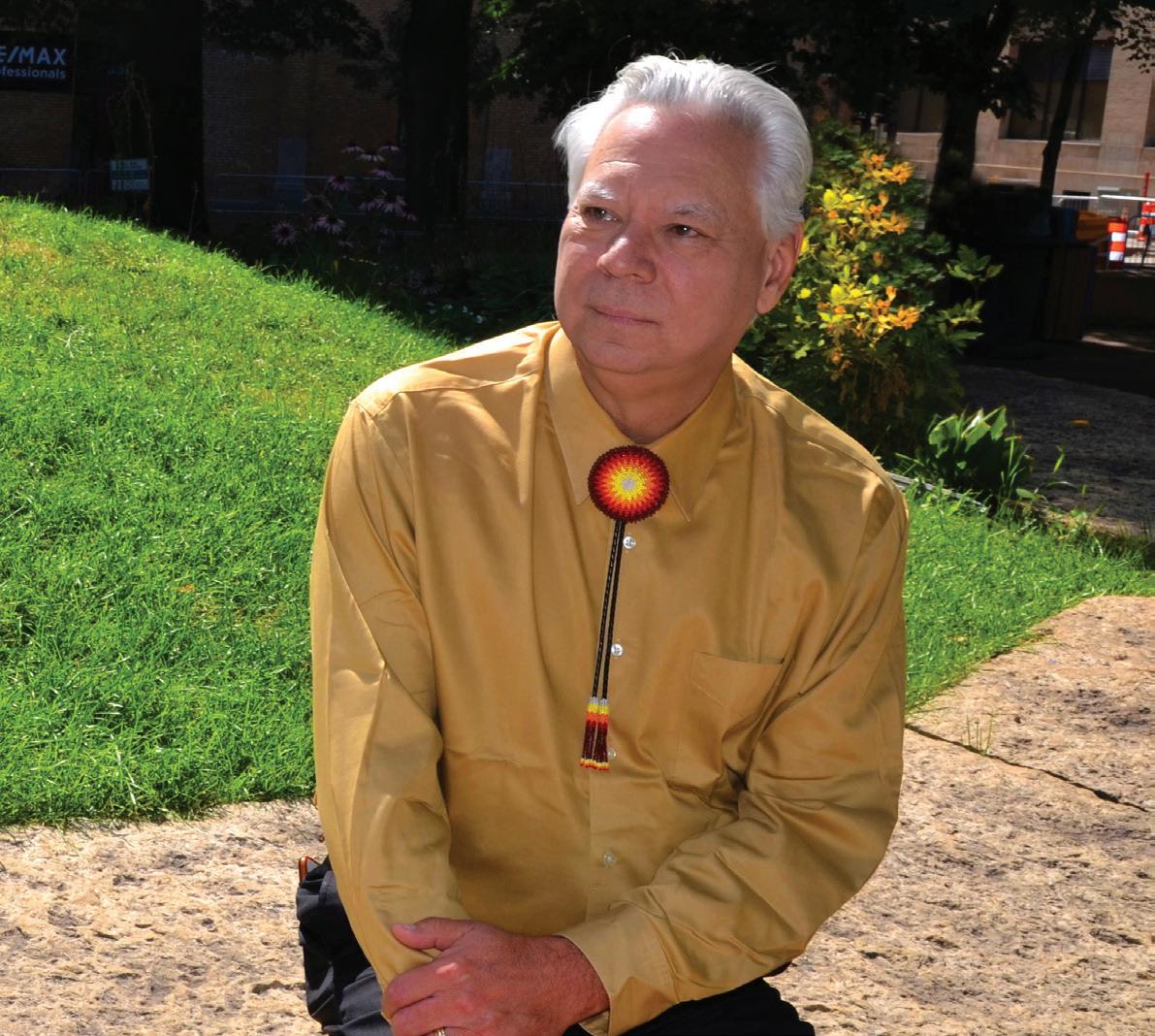
Meet Eric J. Jolly, Ph.D., president and CEO of Minnesota’s
THE GREATEST GIFT THAT ERIC J. JOLLY, PH.D., ever received was a penny. It may come as a surprise that a man who has had his art collected by the Smithsonian Institution, who is proficient in eight languages, has taught at such prestigious institutions as Harvard and UCLA, and who currently serves as president of Minnesota’s largest community foundation, prizes a penny above all else.
But this wasn’t just any penny.
It happened on an ordinary day, back when Dr. Jolly was serving as president of the Science Museum of Minnesota. Amid his busy schedule, he carved out time to bring a pair of young siblings on a tour of the museum, hoping to give their parents a few moments of relief. At the conclusion of the tour, the young girl thanked him and gave him a penny to show her appreciation. Thinking it was a sweet gesture, Dr. Jolly pocketed the gift. But it wasn’t until the girl’s mother approached him that he realized its true significance. As it turned out, the family was in town for her open-heart surgery the following day at Mayo Clinic. The night before, she had found that very penny on the floor of a cathedral and slept with it in her hand all night. It was her lucky penny.
“She gave it to you because she valued what you gave her,” her mother told Dr. Jolly.
Not long after, Dr. Jolly booked the penny as a major charitable gift with the Science Museum of Minnesota, and her name went up on the donor wall. As he recalls this, he begins to choke up. It is clear that he rarely makes it through this story without shedding a tear or two. And understandably so. The penny story is the purest and truest demonstration of the change he is trying to achieve within the community.
As the president of the Saint Paul & Minnesota Foundation, a statewide community foundation that provides support to agents and agencies of change in the nonprofit sector, Dr. Jolly dedicates his life to inspiring the kind of generosity that was shown to him through a simple penny. Leaning on the pillars of generosity, equity, and community-led solutions, the Foundation seeks to support those who are already making a di erence in the community, whether they be an influential nonprofit organization or a generous six-year-old girl.
The largest community foundation in the state, the organization received its humble beginning in 1940, when a woman named Annie
Paper left $5,000 to the community as a fund to support the causes she had cared about through her lifetime. More than 80 years later, the organization stewards $1.7 billion in charitable assets—$90 million of which was given away to more than 3,000 charitable organizations across the state in 2022 alone.


Encompassing the wide and diverse state of Minnesota as a whole, the Saint Paul & Minnesota Foundation reaches people of every age, race, gender, ethnicity, physical capability, and socioeconomic background. Dr. Jolly maintains close connections with these statewide communities through frequent in-person visits, during which he does anything but simply pass through town. In fact, on a visit to Ely, Minnesota, Dr. Jolly went dog sledding for the first time, guided through the new venture by a group of locals. He believes that putting himself in other people’s shoes by living, working, and sometimes even playing alongside them is the best way to fully understand their needs, and help collaboratively initiate changes within the community that are led and maintained by the community members themselves.
“We invest in community-led solutions,” he emphasizes. “We really believe that the people who know and love their community best should be the ones who are given the power to change it.”
largest community foundation
PHOTO
20 | SEPT/OCT 2023 | MINNESOTAMONTHLY.COM SPECIAL ADVERTISING SECTION
DR. ERIC J. JOLLY, PH.D.
CHRIS GARNER
The Saint Paul & Minnesota Foundation promotes these community-led solutions in a number of di erent ways. Whether it be working with donors to help them make the greatest impact possible through their donor-advised funds, supporting thousands of Catchafire memberships, an organization through which nonprofits can find volunteers to provide creative services, or funding the delivery of basic necessities to individuals at a crucial moment in time—like a working AC unit to a nursing home during the peak of COVID-19—through its Community Sharing Fund.
Promoting these kinds of solutions not only empowers the community, but simultaneously engages and connects the community’s members, bridging the gap between di erences and encouraging Minnesotans to support and advocate for one another.

Dr. Jolly, who is himself of Cherokee descent, knows the importance of giving acknowledgment and validity to di ering perspectives. Growing up between Oklahoma and Rhode Island, while also immersing himself in the traditions of his culture, Dr. Jolly’s unique background has helped him to understand and respect the ways in which divergent viewpoints exist in a single community, something that serves him well today as president of the Foundation.
“People talk about a social safety net,” he says, “that comes from weaving together the many di erent interests of a community. When you tie these strands together, that’s when we have security.”
In alignment with their goal of elevating community changemakers, the Foundation has instituted an annual award that recognizes individuals who help build this social security across Minnesota. Each year, their Facing Race Award is granted to community members who have been able to challenge harmful racial narratives. Recipients of the award are not just people who have brought strength to their own communities and interests, but who have built strength across disconnected communities. In its 16 years of existence, it has been given to individuals representing a multitude of backgrounds, ages, races, genders, and sexualities.
This is the kind of work that the Foundation leans into, their vision of a better Minnesota, one that is unified, accepting, and equal—the kind of community where generosity is able to thrive.
Dr. Jolly’s love for Minnesota runs deep, a ectionately referring to it as one of the most giving states in the nation. At the helm of the Foundation, he invests in this unique potential, envisioning a future in which it will one day be fully realized.
There’s a quote that he often repeats to himself—“Children are messengers that we send to a future we will not see.” This is why the Foundation strives to not only improve present realities, but also initiate generational prosperity, by investing in changes that may not be realized until far into the future. Dr. Jolly believes that the first step in being able to achieve this is having faith in the community, and as president of the Founda-
Ways to Give
There are many different lanes through which you might choose to partner with the Saint Paul & Minnesota Foundation. See a few options below.
GIVE TO THE COMMUNITY SHARING FUND
By donating to the Community Sharing Fund, you become a part of the lifeline offered to those who are at a crucial point of need in their lives. In partnership with nonprofits and workers serving residents of the east metro, your gift will be delivered as a grant to individuals and families in crisis across Minnesota.

OPEN A DONOR-ADVISED FUND
Opening a donor-advised fund allows you to give in increments to your desired nonprofits across your chosen period of time, with careful fund management from the Foundation. Together with your attorney, accountant, or financial advisor, the Foundation will help you define your charitable goals, and create an individualized giving plan that will make them a reality.
DONATE NON-CASH ASSETS


The Foundation offers a wide variety of options for those who wish to donate non-cash gifts, and are skilled in converting assets like real estate, stock, life insurance, retirement, and cryptocurrency to support non-profits.
MAKE A PLANNED GIFT
Like Annie Paper, you can set up a gift for the future to support causes you care about long after your lifetime.
tion, he has a whole lot of it. Much like Annie Paper’s faith from generations ago has turned into today’s action, Dr. Jolly’s faith from today will turn into future action, generations from now. So long as the Foundation continues its work, the cycle will prosper on and on.

Of course, there will be setbacks. But when Dr. Jolly feels discouraged, he likes to recall a moment he had with a student during his teaching days, a memory that always motivates him to push forward.
“’Dr. Jolly,’” the student asked, “’what is the meaning of life?’”
Dr. Jolly, who has himself lived many lives, from artist to scientist to educator to philanthropist, wasn’t sure at first how to answer. But with the other students snickering and poking fun at the young boy, he saw an opportunity to make a true impact.
“I don’t know the meaning of life,” he began his answer, “but for me, it’s to make a di erence. I want to know that when I look back at my life, I’ll see that there’s something or somewhere that I made an impact. That it mattered that I was here. That I gave something back for all the joy I have received.”
And although he is far from finished, it is safe to say that Dr. Jolly has already made this hope a reality.
PHOTO
MINNESOTAMONTHLY.COM | SEPT/OCT 2023 | 21 SPECIAL ADVERTISING SECTION
CREATING COMMUNITY SUPPORT FOR SELF-GUIDED CARE
Throughout our 200-year history, the Y has created opportunities for many forms of self-guided care, from nature camps to fitness classes and community outreach. We’re passionate about helping people from all backgrounds and believe systems play a more empowered role in their health and well-being.
What does self-guided care mean?






At its core, self-guided care is about taking charge of our own mental and physical health. Self-guided care might include committing to a gym workout or gentle movement practice, choosing nourishing foods over processed snacks, or sticking to a consistent sleep schedule. Self-guided care also means treating ourselves and others with respect and compassion.

Practicing self-guided care builds resilience that lets us thrive, even in di cult moments. And although the “self” in self-guided care reminds us that nobody else can do the work for us, community connection is a vital part of a well-rounded selfguided care routine. We can practice self-guided care by spending time in communities like the Y that nurture, inspire, and challenge us to be our best.
How can the Y support your self-guided care e orts?

We’re always finding new ways to bring self-guided care into our programs and activities. When you visit your neighborhood Y, you might see flyers for a small group health coaching series or 1-on-1 nutrition consultations. You might notice meditation classes on the schedule or receive an email about community acupuncture or massage therapy sessions.
These approaches to community self-guided care aren’t new. But it’s our mission to make them available to a greater number of people. You don’t have to be a YMCA member to participate, and financial assistance is available.

If you see a class or o ering that sounds interesting but aren’t quite sure what it means, just ask! We’re all learning together, and we’re here to help you on your self-guided care journey to better health and greater happiness.

Learn more at ymcanorth.org/wellbeing.

PHOTO PIXELSTOCK
22 | SEPT/OCT 2023 | MINNESOTAMONTHLY.COM SPONSORED CONTENT

MINNESOTAMONTHLY.COM | SEPT/OCT 2023 | 23 North TRUE WHERE TO EAT IN WISCONSIN’S CRANBERRY COUNTRY 25 SPOOKY SPOTS 26 VOLUNTEERS HELP CLEAR BWCAW 28
CRANBERRY SEASON IN CENTRAL WISCONSIN IS SHORT AND SWEET. HERE’S HOW TO MAKE THE MOST OF IT. by ASHLEA HALPERN and ANDREW PARKS
Berry Country
PHOTO MINNEVANGELIST
CRANBERRY BOGS IN CENTRAL WISCONSIN
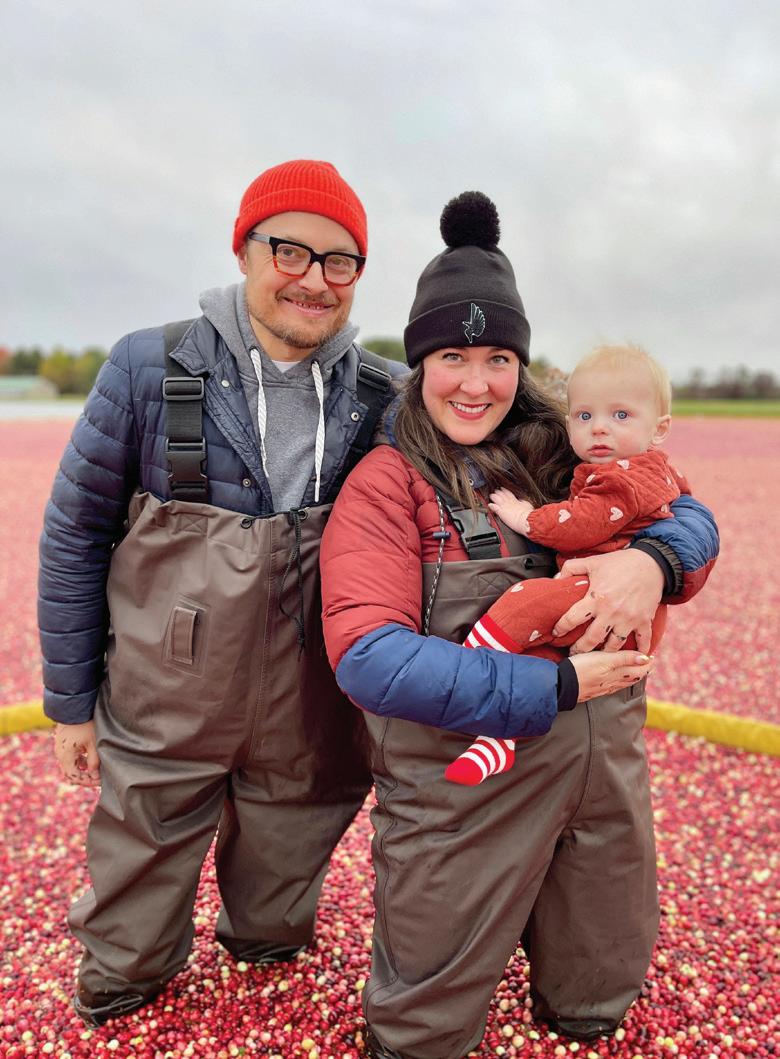
Standing knee-deep in a cranberry marsh is one of those experiences we didn’t realize we needed to have until we were actually having it. Wading through thousands of ruby-red berries, the crisp autumn air stinging our faces, there was a once-in-alifetime thrill in pretending we were the stars of an Ocean Spray commercial. (Considering the actual stars of that famous ad campaign were actors, it’s not that far-fetched.)
No state in America produces more cranberries than Wisconsin, which has been cultivating the crop since the 1850s. Today, our easterly neighbors produce two-thirds of the 500 million pounds of cranberries that Americans consume annually, with about 95% of the crop used for processed products like cranberry juice and Craisins.
Contrary to popular misconception, cranberries do not grow underwater; the vine fields are only flooded when it’s harvest time. New buds can be spotted on the upright shoots in spring. By June, those hooks bloom with baby-pink blossoms. The tart berries begin turning red mid-September and reach their peak color in October. Harvest season moves fast, and growers must be on frost watch anytime the temperature dips near or below 32 degrees Fahrenheit. It’s stressful, and most farmers don’t have the capacity (or patience) to babysit tourists taking selfies in their bogs.
That’s what makes the Harvest Immersion Experience at Rooted in Red so special. Rocky and Jamie Biegel run Dempze Cranberry Co., one of 700 farms in Ocean Spray’s agricultural cooperative, and their connection to farming in the Central Sands Region, in the middle of Wisconsin, spans more than a
century. Rooted in Red is the agritourism-and-retail arm of the operation, leading harvest tours, hosting farm-to-table dinners, and stocking a Pinterest-stylized gift shop with cranberry honey, cranberry soap, and elegant cranberry wreaths.

It was Jamie Biegel and her daughter, Rochelle Biegel Hoffman, who greeted us last October. Rocky was busy harvesting, as the first flurry of snow had all the growers on high alert. Together, we swilled Berry Blossom cocktails—a rummy, cran-centric drink on offer at Rooted in Red’s makeshift bar—and talked at length about Biegel Hoffman’s pollinator research at the University of Wisconsin-Eau Claire. (She is working on her doctorate in sustainability.) Glasses emptied, we climbed into the back of a hay wagon and went bumping out to the bogs, where the corner of a single cranberry bed had been cordoned off for visitors.
We shimmied into chest-high waders and pulled on tall rubber boots before following Biegel Hoffman to the water’s edge. Moving through the beds felt surprisingly bouncy, exaggerated by the fact that we had to lift our knees high to avoid tripping on the cranberry vines. Biegel Hoffman coached us through our whole photo shoot, encouraging us to try different poses—like dipping our hands into the murky blackness of the frigid water and surfacing with handfuls of marbleized pink and deep purple cranberries. Keenly aware that most guests come to Rooted in Red for photos, she takes pains to make sure they “get the shot.” We got at least 300 we loved. “Consider your Christmas card done!” she laughed.
When we weren’t swishing around Rooted in Red’s cranberry beds, we took our 9-month-old son, Julian, for a stroller walk around Stevens Point Sculpture Park, a woodsy half-mile trail
24 | SEPT/OCT 2023 | MINNESOTAMONTHLY.COM
PHOTOS MINNEVANGELIST
TRUE NORTH destination
THE AUTHORS
ROOTED IN RED
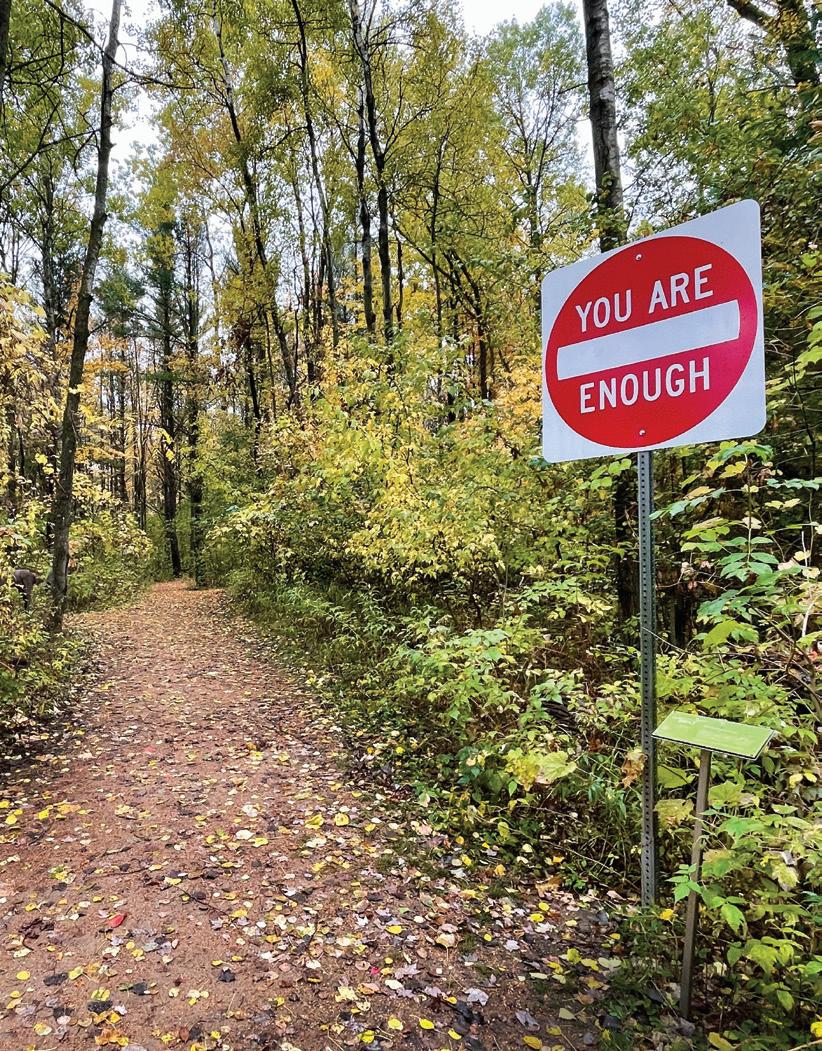
peppered with more than 40 large-scale sculptures, including an outhouse on stilts by Plover, Wisconsin-based artist James Dinkins; a 15-foot-tall reimagining of a Google Maps pin by Chicago-based artist Hannah Sawyer; and an elk centaur standing watch over a glassy lake by French artist François Lelong.

Another day, we ventured out to the Schmeeckle Reserve, a 280-acre conservancy at the University of Wisconsin-Stevens Point, traversing its wood-chipped trails and elevated boardwalks through oak savannah and cattail marshes, eyes peeled for glimpses of white-tailed deer. We also took an early hard-hat tour of the Food + Farm Exploration Center in Plover, which was scheduled to open in August. The educational space, backed by Farming for the Future Foundation, uses interactive exhibitions, a kitchen lab, and a 3D maker space to teach kids and teens about agricultural innovation and sustainability.
Our home base for all this cran-themed action was The Inn at SentryWorld in
Stevens Point, a sprawling golf resort owned by an insurance company and known for hosting weddings and corporate retreats. Each of its 64 guest rooms have Molton Brown toiletries, mini bars with all the makings of a Wisconsin Old Fashioned, and private patios or terraces. Our patio faced thin woods that looked very Grimm’s Fairy Tales when the sun’s rays poked through the treetops. We were grateful for the glasses of New Glarus Spotted Cow handed to us upon check-in, as well as the baby-friendly resort restaurant PJ’s, which served a solid fish fry and giant Bavarian pretzels with beer dip.
On our way back to Minnesota, we drove the 50-mile Cranberry Highway between Wisconsin Rapids and Warrens, passing fi eld after picturesque field of brilliant red berries and corridors of burnt-orange trees. Our fi nal stop was the Wisconsin Cranberry Discovery Center in Warrens. Housed in a historic cranberry warehouse downtown, the museum goes deep into the history of Wisconsin’s precious crop and how local growers have evolved their planting and harvesting methods over the years—an enriching way to bring the whole standing-in-a-bog-for-the-’gram experience full circle.
WHERE TO EAT IN CRANBERRY COUNTRY

The most interesting spots have li le to do with fruit
DOSIRAK
108 Division St., Stevens Point
This casual eatery, founded by Dongjoon Choi, a South Korean exchange student from the University of Wisconsin-Stevens Point, serves delectable bibimbap, steamed and fried kimchi mandu, and peppery Korean-fried chicken with eokbokki (chewy, cylindrical rice cakes).
FELTZ FAMILY FARMS
5796 Porter Drive, Stevens Point
Visitors flock to this multigenerational farm for tours of its robotic dairy, but the gi shop is a bonanza of Wisconsinmade souvenirs—some edible (string cheese, chocolate-covered cranberries), others not (cranberry-apple-marmalade soy wax candles hand-poured in Eau Claire). We resisted the siren call of deep-fried cheese curds and went for a cone scooped high with Feltz’s creamy cow pie ice cream instead.
THE MAIN GRAIN BAKERY & EATERY
1009 First St., Stevens Point
The grilled cheese (Swiss and Gruyere melted on rustic white bread with sweet corn bu er and a pinch of flake salt) is legendary; the chicken wild rice soup with chunky Pioppini mushrooms is a sleeper hit; and the inventive sweets, from sourdough baklava to lavender-lemon shortbread cookies, inspired us to make multiple visits.
MAMA ELDA’S
1828 Plover Road, Plover “Mama” Elda Benitez and her daughter Brigi e Benitez-Vargas opened this Mexican kitchen and panaderia in December 2021 and quickly became known for their generous tortas, colorful conchas, and cheeky cocktail menu inspired by Loteria cards. (To wit: the Gentrifier, which is a can of White Claw dumped into a glass of tequila, rum, and Sprite. Touché.)
ROCK ‘N’ ROLL CAFE
2801 Stanley St., Stevens Point



A cardboard cut-out of young Elvis greets visitors at the door of this Mexican-American diner—a vintage-y throwback done up with Formica tables, gli ery red vinyl booths, and photos of ye olde movie starlets. The menu features diner classics with a Mexican twist; the machaca omelet, made with shredded beef, peppers, onion, and cheese and served with warm corn or flour tortillas, was our favorite.

MINNESOTAMONTHLY.COM | SEPT/OCT 2023 | 25
ASHLEA HALPERN AND ANDREW PARKS ARE THE CO-FOUNDERS OF MINNEVANGELIST, A WEBSITE DEVOTED TO SPREADING THE GOSPEL OF MINNESOTA’S GREATNESS. FOLLOW THEIR ADVENTURES ON INSTAGRAM AT @ MINNEVANGELIST AND VISIT MINNEVANGELIST.COM TO LEARN MORE.
THE MAIN GRAIN BAKERY & EATERY
STEVENS POINT SCULPTURE PARK
FELTZ FAMILY FARMS
Scare Aware
WHERE TO FIND SOME FRIGHTS AROUND THE STATE
by EMMA CONWAY
After watching “the conjuring,” “scream,” and “Halloween” for the 100th time, horror movie junkies may crave a scare that’s up close and personal. Fear not, because Minnesota has loads of locations that are infamous for paranormal activity, where so-called ghosts tease guests by supposedly whispering in their ears, slamming doors in their faces, and moving items from their places. From Duluth to Owatonna and places in between, Minnesotans best beware these haunted sites, some of them with tragic histories.
Enger Tower
DULUTH
Resting on a site once called Grand Mountain, this local landmark on Duluth’s West End has wicked views and a spooky past. Made in the 1930s, the narrow stone tower is five stories tall and said to be haunted
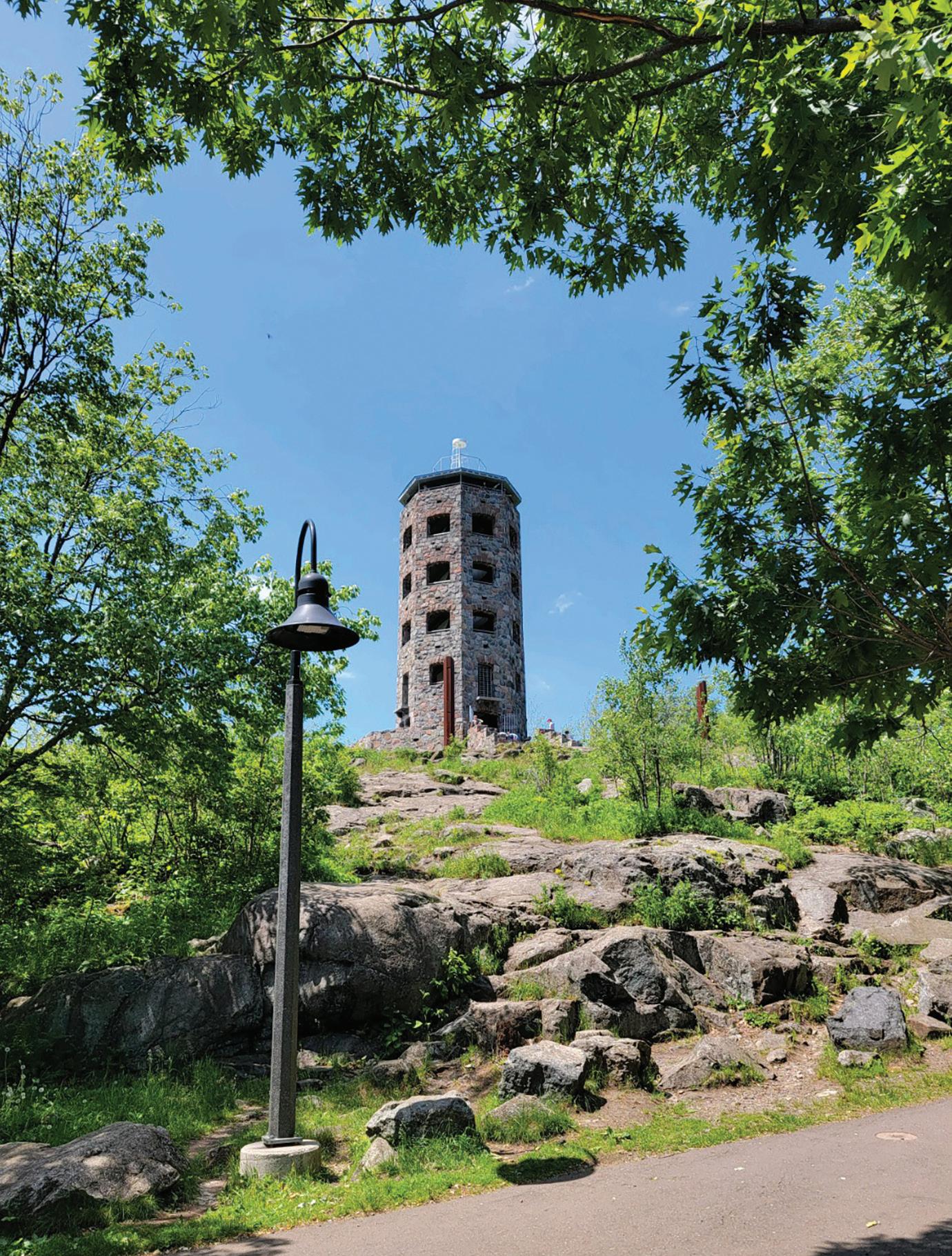
by a man who jumped to his death from the 80-foot tower in 1948. People claim to have seen someone circling the tower through the top floor’s window. Yet, when they go inside to take a closer look, the person has vanished. duluthmn.gov/ parks/parks-listing/enger-park
First Avenue MINNEAPOLIS
While First Avenue today bills itself as the “epicenter of live music and entertainment in Minneapolis,” it used to be a Greyhound bus station. Rumor has it that the venue is haunted by a woman who hung herself in the bathroom after learning her lover, a World War II solider, would not return home from combat. Employees of the establishment have nicknamed the ghost “Slippy” and say they have seen an apparition of the women hanging in the fifth stall—the same stall in which she died. The Record Room upstairs is also known to be a hot spot for paranormal activity. DJs report hearing growls, voices, and screams through their headphones. first-avenue.com
Glensheen Mansion
DULUTH

One of the most visited historic homes in Minnesota, the Glensheen Mansion sits on a beautiful estate overlooking Lake Superior. Originally built by the wealthy Congdon family in 1905, the stunning home has a bit of a dark history in that Elizabeth Congdon and her nurse were murdered here. Congdon’s son-in-law was later convicted, and her adopted daughter was acquitted. Now owned by the University of Minnesota, the mansion hosts flashlight tours for adults, plus trick-or-treating and crafts for kids. glensheen.org
Mounds Theatre
ST. PAUL
Studies conducted by the Minnesota Paranormal Investigative Group, the Minnesota Ghost Hunters Society, and many psychics reveal that this silent movie theater built in 1922 is super haunted. A trio of ghosts reportedly inhabit the building: a cursed old man who lurks in the old projection booth, an usher who paces up and down the aisles in search of his lost love, and a little girl who bounces a ball on stage. Immersive ghost tours
26 | SEPT/OCT 2023 | MINNESOTAMONTHLY.COM PHOTO ENGER TOWER TRUE NORTH seasonal
ENGER TOWER
are hosted here throughout October. Past attendees have encountered flickering lights, strange smells, and cold spots. moundstheatre.org

Northrop MINNEAPOLIS
The performing arts center at the University of Minnesota-Twin Cities, Northrop presents both state-of-the-art shows and thrills for those who work there. Two former stage managers have reported strange occurrences in the auditorium. Justin Burke and Mike Damman told the Minnesota Daily they have seen a man who resembles a former stage manager who passed away standing on stage. They also said they had heard doors being slammed, footsteps in the rafters, and creaky pipes that sound “distinctly human” while working night shifts. northrop.umn.edu
The Palmer House Hotel SAUK CENTRE
This hotel is considered one of the most haunted locations in the United States and has been featured on shows such as “Ghost Adventures” and “Ghost Hunters.” The Palmer House was erected in 1901, one year after the brothel that previously stood there burned to the ground, killing hundreds of people. Guests have claimed to hear strange voices, see doors close, and watch furniture move. Yet the
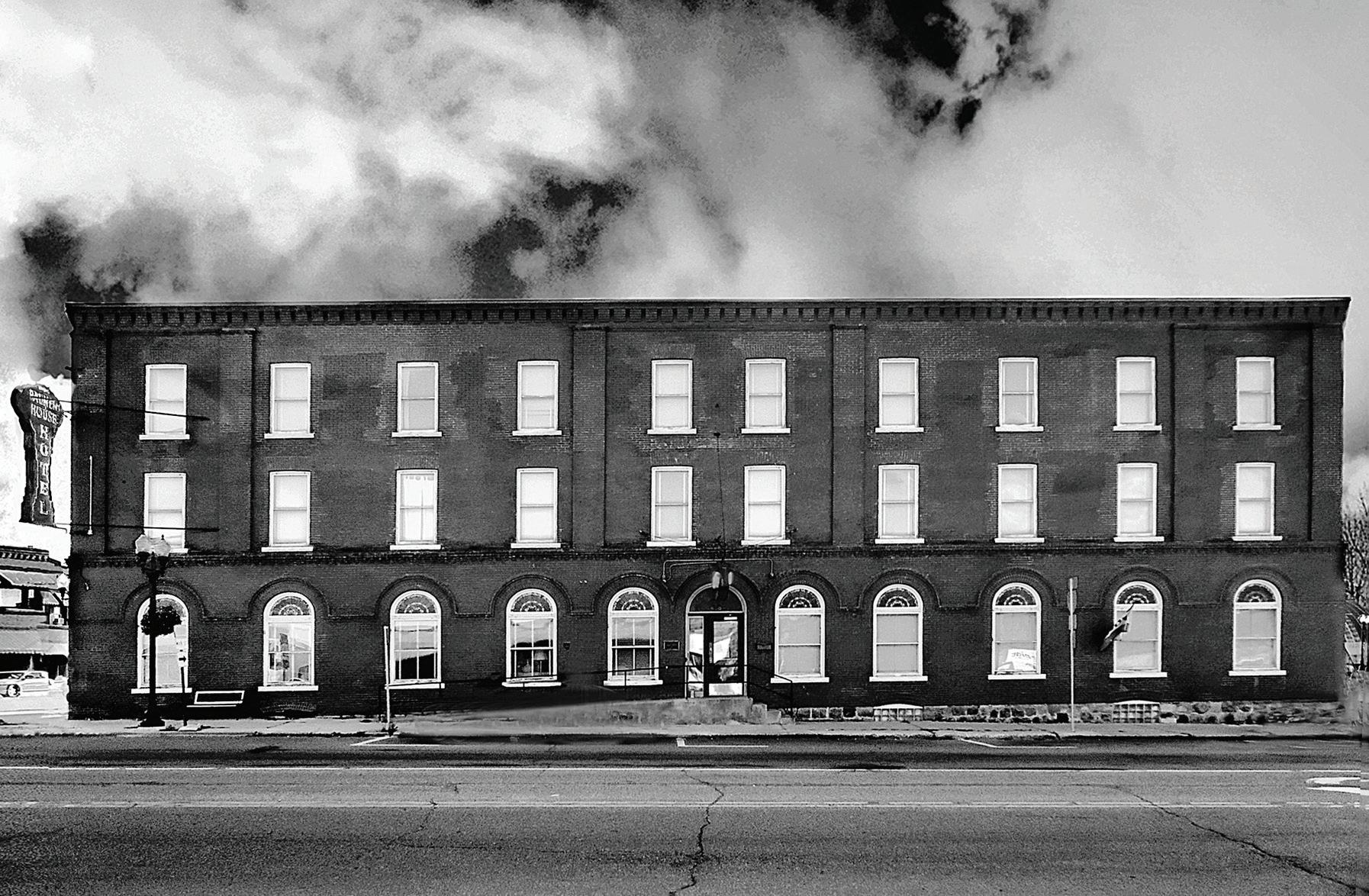
hotel is most notable for scary encounters is Room 17, aka Lucy’s room. Legend has it Lucy was a sex worker who today torments men who enter the hotel. thepalmerhousehotel.com
Wabasha Street Caves
ST. PAUL
While the Wabasha Street Caves in St. Paul today is a lively venue fi lled with swing
dancing and weddings, during the Prohibition era, it was known as a gangsters’ hangout. One night, as the tale goes, several gangsters were playing cards when shots rang out. The waitress on duty said she saw three bodies and called the police, but no blood or bodies were found. Their spirits are said to still haunt the area. wabashacaves.com
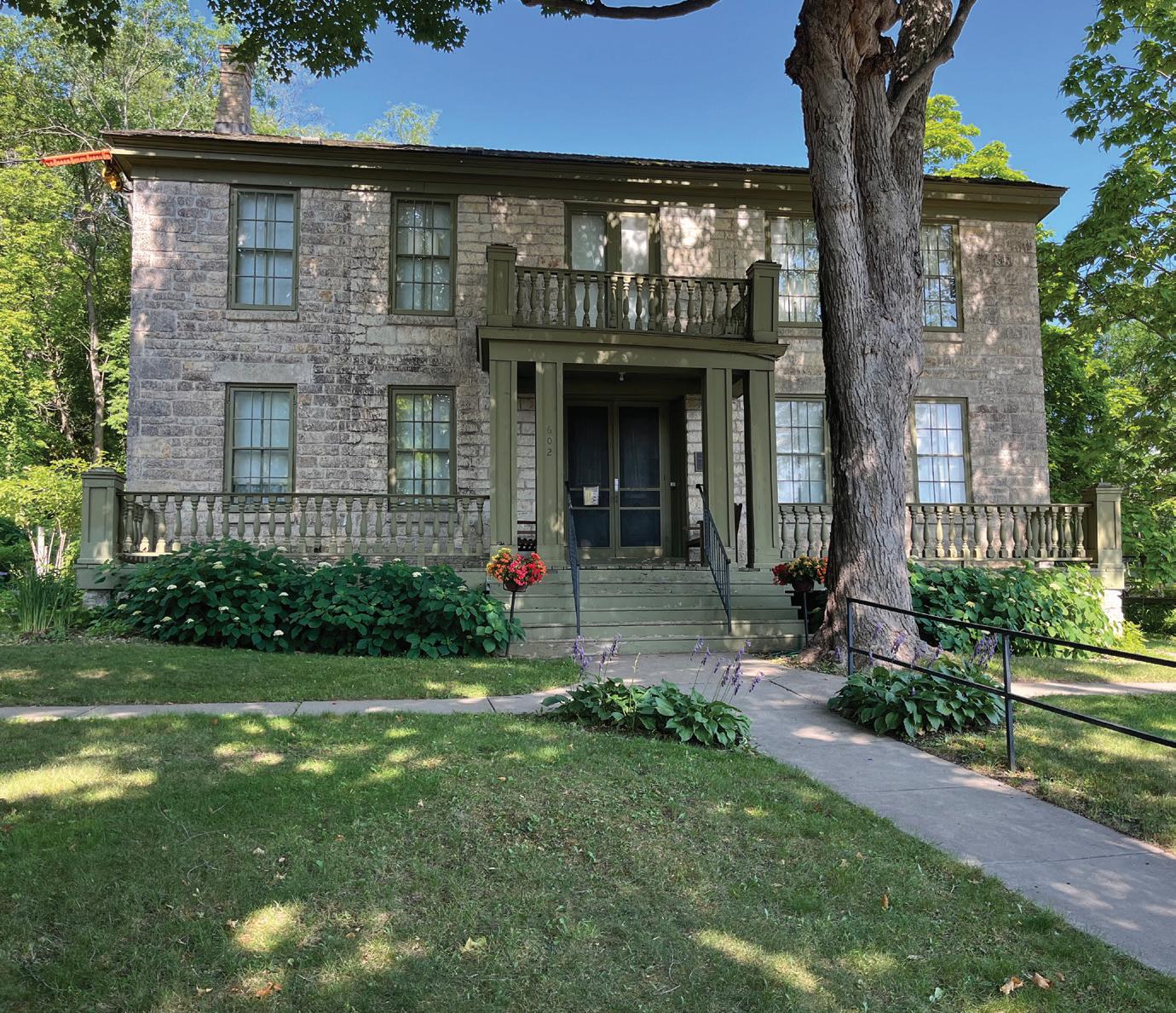
The Warden’s House Museum
STILLWATER

Built in 1853, the Warden’s House was home to 13 different wardens in Stillwater. In 1914, the prison moved seven minutes south to Bayport, ending the home’s moving carousel of owners—yet one guest never seemed to leave. The last warden to live in the house was Henry Wolfer. His daughter, Gertrude, died from appendicitis shortly after giving birth to her son in the house. Today, reports state that Gertrude can be seen still in pain, holding her stomach, wandering the home in search of her son. wchsmn.org
MINNESOTAMONTHLY.COM | SEPT/OCT 2023 | 27
PHOTO THE PALMER HOUSE HOTEL, BRENT PETERSON
THE PALMER HOUSE HOTEL
THE WARDEN’S HOUSE MUSEUM
Keeping Trails Alive
VOLUNTEERS HELP CLEAR THE BOUNDARY WATERS CANOE AREA WILDERNESS TO KEEP ACCESS OPEN by CHRIS PASCONE
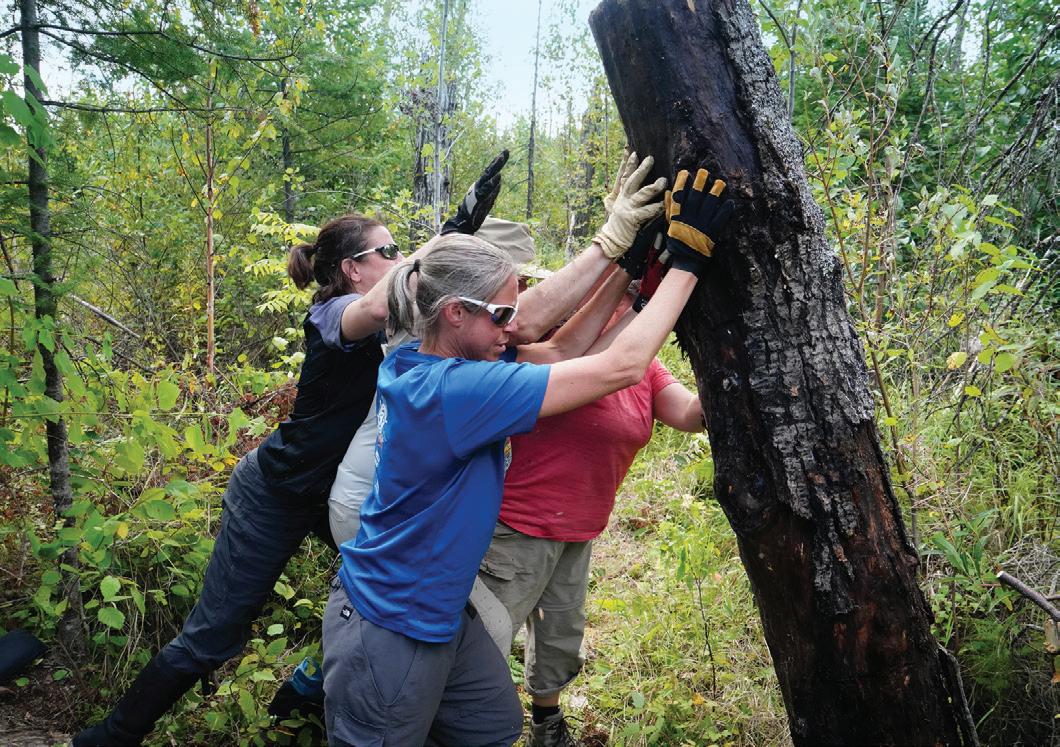
Imagine getting up at 5:30 a.m. to drive from Duluth to a remote Boundary Waters Canoe Area Wilderness (BWCAW) entry point. You hike in with a backpack full of saws and nippers to a remote part of the Powwow Trail—a rugged lollipop trail, so called because the 3-mile out-and-back stem leads to a 25-mile upper loop. You spend all day sawing and removing dead trees from miles of the lonesome trail. Then you struggle back out by 9:00 p.m. and cap it o with a drive back to Duluth.
Does this sound like the rough day of a paid U.S. Forest Service summer intern? It’s actually a day in the life of trail maintenance volunteers from the Boundary Waters Advisory Committee (BWAC). This all-volunteer nonprofit organization has a mission to preserve existing historic and intrinsically beautiful trails in the BWCAW. These volunteers from around Minnesota fulfill what the Forest Service is no longer able to do: keep BWCAW trails open to hikers and backpackers, making this treasured wilderness accessible to more than just canoeists.
BWAC is the brainchild of Martin Kubik, a now-retired 3M consultant who moved to Minneapolis for college after immigrating to New York City with his family from then-communist Czechoslovakia in 1969. The Soviet invasion of their country triggered Kubik’s family to search for freedom abroad, and Kubik found that freedom specifically in the Boundary Waters.
Kubik has built a 33-year legacy of service to the BWCAW, organizing first the Kekekabic Trail Club in 1990 and then BWAC in 2002. BWAC volunteers mix hardcore trail clearing (stewardship) with public presentations (education) and advocacy for BWCAW trails, helping to lobby the U.S. Forest Service and Congress to keep trails maintained and open for hikers. Together, these functions demand a high level of dedication, organization, and passion.
So, how does it work? BWAC goes through a three-step training process with new volunteers. Kubik has heard anecdotally that BWAC is the only hiking trail maintenance organization in the state that trains its volunteers.
First, prospective volunteers are invited to a presentation, where they learn about what BWAC does and why. Then, incoming volunteers attend safety training. According to BWAC member Ti anie Ellis, “There’s been a number of participants who have purposely joined BWAC trips because they’re new to wilderness trail maintenance, but they see the organization’s focus on safety, and they feel comfortable learning and doing trail clearing.”
Kubik concurs. “We don’t compromise safety because of our mission. We can always come back with another trip.” Kubik is proud that, in 33 years, “We have never had any serious injuries other than scratches and bee stings.”
The safety session involves learning how to use the nonpower tools permitted in the BWCAW, such as hand saws, as well as how to give the “heads up” command when volunteers are throwing a log o the trail. Kubik says two things happen when someone yells to command: “Everyone knows to stay away at that moment, and if you hear that all day long, you get this feeling that the group is working together. They are getting their job done and fulfilling the mission. It’s rewarding.”
Following the safety training, a third training step has participants do a pre-trip gear check and hike together. This is a chance to get to know the others in the group, to ask questions, and to do a gear review, followed by a 2- to 4-mile hike with packs.
Ellis, who is now a crew leader, says this meet-and-greet hike is essential, even though no trail maintenance is being done yet. “[It’s] where we, as a group, get to know each other and interact so that, when we’re on our trail maintenance trip, we’ve already crossed those barriers of ‘Who are you?’ We’re working together.”
Finally, when the trail-clearing day arrives, volunteers carpool to the BWCAW trailhead from one or more locations. The trips can be one long day or multi-night. Once together in the woods, working as a team, the BWAC volunteers quickly build camaraderie.
28 | SEPT/OCT 2023 | MINNESOTAMONTHLY.COM PHOTO MARTIN KUBIK TRUE NORTH get outdoors
TIFFANIE ELLIS AND OTHER VOLUNTEERS ON THE POWWOW TRAIL
Ellis explains that knowledge sharing is a great benefit of being part of BWAC. “In the downtime, when we’re eating lunch or taking a water break, we’re sharing camp stories and sharing knowledge of gear. … You just get a bunch of different ideas, and, if you’re new to camping, it’s a double bonus because not only are you getting to experience the trip, you’re also getting tips on things you otherwise may not know.”
BWAC president Rod Markin also cites a double bonus. “As I got deeper into the BWAC organization, two things became the best part of volunteering: establishing new relationships with similar-minded people, and developing my own leadership and wilderness skills—skills I would not have without BWAC.”
What is the ultimate motivation for Kubik, Ellis, and other BWAC volunteers? For Ellis, it’s the reward of seeing the group’s accomplishments. Ellis describes an epiphany on her initial volunteer trip
in 2018: “One of the things that really stuck out on my first trip—a weekend-long one—is that we worked our butts off, and then we came back to camp through the section we had just cleared. While you’re doing it, you know you’re doing work, but it isn’t until you turn around and go back to your campsite that you realize, ‘Wow, this is completely different.’”
“It’s very rewarding,” Kubik agrees. “Even though you work all day long, and the hike back takes only 20 minutes, there’s definitely a ‘wow’ effect. If volunteers didn’t do what they do, 120 miles out of about 200 miles of wilderness trails would be gone. The Forest Service either doesn’t have the resources or chooses not to commit the resources.”
Markin, BWAC’s current president, credits Kubik for building the organization into what it is today. “He has modeled, taught, challenged, and directed the core of our long-time volunteers in
many of the key areas of our operations, including promotion and recruitment of new volunteers, wilderness leadership, team building, and advocacy.”

The Boundary Waters hiking trails, still thriving today thanks to BWAC, represent a distinct opportunity for true solitude in the wilderness and exploration of our state.
Being from Prague, Czechia, Kubik has his own reflection on the importance of preserving the BWCAW. “As somebody who comes from Central Europe, where there’s such a high population density, you actually cannot camp in protected lands. The Boundary Waters is something very unique, something to be cherished.”
Besides the Powwow Trail, BWAC groups have done work on the Sioux Hustler and Eagle Mountain Trails in 2023, all in the BWCAW.
MINNESOTAMONTHLY.COM | SEPT/OCT 2023 | 29
FOR MORE ABOUT THE ORGANIZATION, VISIT BOUNDARYWATERSTRAILS.ORG
NEWEXHIBIT!

Charles
brightened the world for over 50 years with his
his Minnesota roots and the development of each unique
character, you won’t want to miss the Life and Art of Charles
NOW ON VIEW AT THE MINNESOTA HISTORY CENTER
mnhs.info/peanutsmn
Media Partners
345 W. KELLOGG BLVD. ST. PAUL, MN 55102
Monroe Schulz
Peanuts comic strip. Highlighting
Peanuts
M. Schulz exhibit.
Curated by the Charles M. Schulz Museum and Research Center, Santa Rosa, California, U.S.A.
DESTINATIONS































For amazing leaf peeping opportunities and outdoor excursions, check out these exciting autumn destinations



FabulousFall

















MINNESOTAMONTHLY.COM | SEPT/OCT 2023 | 31 PHOTO ADOBE/ZORAN ZEREMSKI SPECIAL ADVERTISING
SECTION
Make Memories with a Stay at Pier B Resort Hotel
DULUTH, MINNESOTA
Pier B Resort Hotel on Lake Superior is the hub for North Shore adventures this fall. Soak up a great piece of heritage while watching ships navigate the Duluth harbor, leave your footprints along golden trails and unforgettable overlooks, and rejuvenate on the tranquil waters. Savor memories and meals at Silos Restaurant & Bar, experience the leaves changing through the windows of beautiful, comfortable suites, and catch one of the many on-site events. Amenities are endless with a breathtaking backdrop, including views of Duluth’s cityscape or the Aerial Lift Bridge from an outdoor hot tub. Spend a day shopping, challenge the family to a pickleball match on the sport court, cruise lakeside on a pedal cart or bike, or enjoy a signature cocktail or craft drink at the bar at Silos. Or do them all and relax at the end of the day at Pier B. pierbresort.com
Book a Stay with MinneSTAY

MINNESOTA
As autumn sets in, Minnesotans love to road trip for leaf peeping, fall festivals, and other outdoor activities. MINNeSTAY offers the ultimate lodging experience that enhances the beauty of the season. The exquisite vacation and short-term rental properties provide a warm and inviting atmosphere to unwind after a day of exploring colorful foliage, apple picking, or enjoying pumpkin patches. MINNeSTAY offers the ultimate fall travel itinerary for visitors seeking an unforgettable seasonal escape in Minnesota. With a handpicked selection of diverse and exclusive properties, guests can choose from charming cabins to luxurious lakeside retreats, immersing themselves in picturesque fall landscapes. minnestay.com
Perham is Perfect for a Fall Getaway










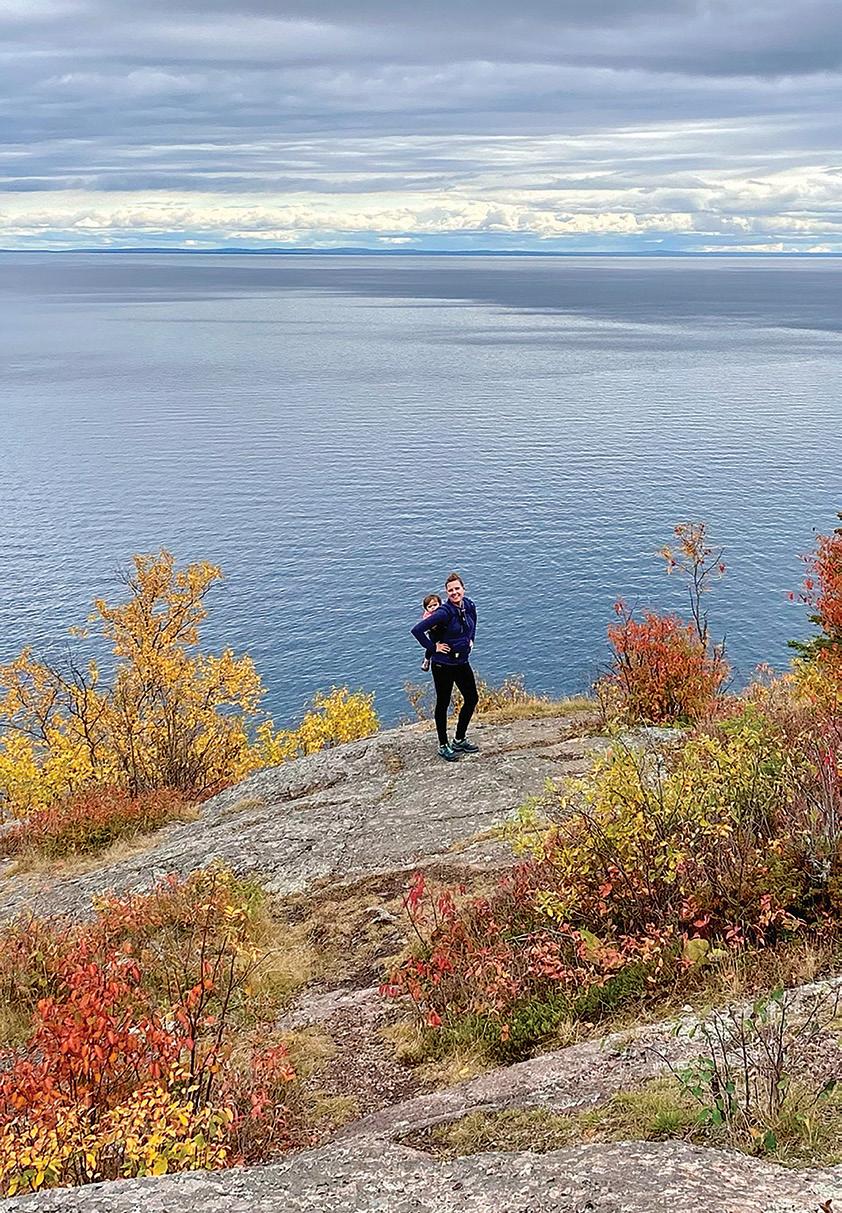
PERHAM, MINNESOTA
Discover Perham in the heart Otter Tail county, all surrounded by changing leaves and beautiful colors. Kayaking, canoeing, boating, and fishing are just some ways to enjoy the area on the water when the air is too brisk to be in the water. Book a rental lake home, find a cabin at one of the resorts, or get all of the amenities of home at one of the area hotels. Hike at Maplewood State Park, just 20 minutes from Perham. Bike more than 45 miles of paved trails, plan a picnic lunch while the kids play on one of the many playgrounds, or pick out your favorite pumpkin or gourd at one of the local pumpkin patches. The Otterberry Farms features a corn maze and other fun fall such as a corn pool, haybale tower, petting zoo, hayrides, and tons of fall photo ops.

The Shops of Perham are gearing up for the busy holiday shopping season, where you can find all of your fall transitional favorites and support small businesses. Restaurants, bakeries, and co ee shops are set with all things fall including pumpkin spice goods and apple cider, yummy soups and warm sandwiches, baked goods, and hot co ee. perham.com


32 | SEPT/OCT 2023 | MINNESOTAMONTHLY.COM
PHOTOS (CLOCKWISE FROM LEFT) PIER B RESORT, MINNESTAY, PERHAM
SPECIAL ADVERTISING SECTION
DON’T IGNORE IT
IT’S TIME TO RELAX
The greatest lake – a great piece of our heritage. Soak up Duluth’s history while watching ships navigate the harbor.








Book Your Fall Getaway at PierBResort.com
Explore the Genius Behind Peanuts Comic Strip

MINNESOTA HISTORY CENTER, ST. PAUL, MINNESOTA














Charles M. Schulz brightened the world for over 50 years with his Peanuts comic strip, which debuted on Oct. 2, 1950. With Snoopy, Charlie Brown, and the rest of the lovable Peanuts Gang, Schulz explored the emotional territory of friendship, disappointment, faith, and tolerance. A new exhibit at the Minnesota History Center, “The Life and Art of Charles M. Schulz,” is now on view, and the exhibit pays tribute to the genius behind the beloved comic strip. See 30 Peanuts comic strips, Schulz quotes, and photographs that illuminate the story behind the creation of this most popular and influential cartoon strip—along with unique objects and photos from collections that reveal how Schulz’s formative experiences in St. Paul stayed with him for the rest of his life. During your visit, enjoy interactive activities for all ages, including a lounge with books, puzzles, and drawing tables to sketch your own version of Peanuts fan favorites. Curated by the Charles M. Schulz Museum and Research Center, Santa Rosa, California, this exhibit is on display until June 2024. mnhs.org/historycenter
Get Away at Giants Ridge
ST. LOUIS COUNTY, MINNESOTA
Giants Ridge is the ultimate destination to experience the beauty and excitement of fall. Nestled in the heart




Embrace Autumn at Crow River Winery







HUTCHINSON, MINNESOTA
Crow River Winery has all your fall fun ready, including a grape stomp, corn maze, and a Pumpkin Fest. Dive feet-first into juicy grapes, live music, and delicious food and drink on Sept. 23 for the daylong grape stomp. There will also be a vendor fair, corn maze, goat snuggling, ax throwing, and more. The corn maze opens that day as well and runs through Oct. 31. Take the easy path or the more challenging maze to climb up the tower and see the maze for an eagle’s eye view.
Bring the family to Crow River Winery for Pumpkin Fest in October. Activities will include bouncy houses, a corn maze, pumpkin bowling, goat snuggling, a corn pit, hay mountain, pumpkin ring toss, food trucks, and pumpkin chucking. Wear a Halloween costume to join the festive spirit. crowriverwinery.com

of the scenic Superior National Forest in Minnesota, this breathtaking recreation area o ers a plethora of activities and attractions that cater to everyone’s interests. As the leaves begin to change, Giants Ridge transforms into a colorful wonderland, making it an idyllic spot for nature lovers and photographers alike. The surrounding landscape boasts a stunning array of vibrant reds, oranges, and yellows, creating picturesque views at every turn. Whether you prefer hiking, biking, or simply taking a leisurely stroll, the trails around Giants Ridge o er unforgettable autumnal experiences.
For adventure seekers, Giants Ridge has a reputation as a top-notch mountain biking destination. The world-class trails cater to all skill levels, from beginners to seasoned riders, ensuring an adrenalinepumping experience. As the temperatures cool down, the crisp air provides the perfect setting for outdoor enthusiasts to explore the rugged terrain. Foodies and beer enthusiasts are in for a treat at Giants Ridge as well. The resort hosts Oktoberfest at the Ridge, featuring the renowned Castle Danger Mountain Top Beer Tour. Attendees can indulge in a variety of craft beers, savor delicious seasonal treats, and partake in Oktoberfeststyle festivities, creating unforgettable memories. giantsridge.com
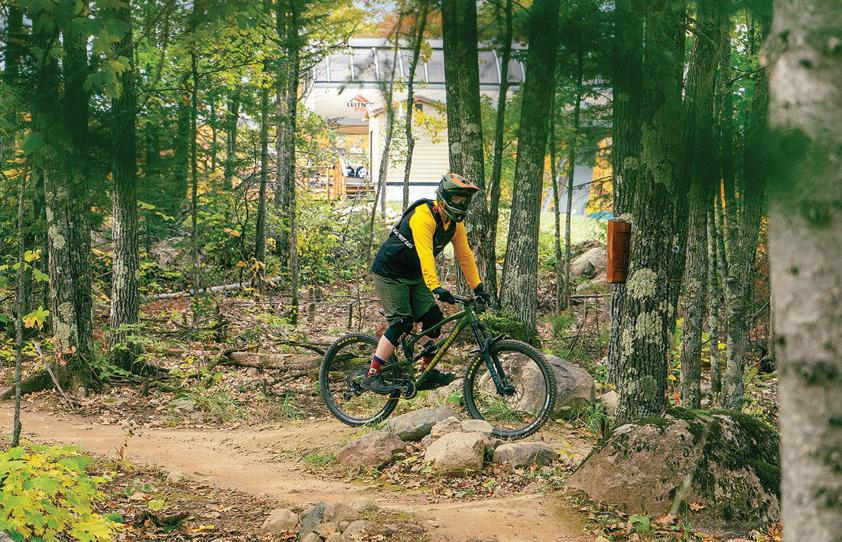
34 | SEPT/OCT 2023 | MINNESOTAMONTHLY.COM
PHOTOS (FROM ABOVE) MINNESOTA
HISTORICAL SOCIETY, CROW RIVER WINERY, GIANTS RIDGE
SPECIAL ADVERTISING SECTION
Dare to Dream in the Detroit Lakes Area




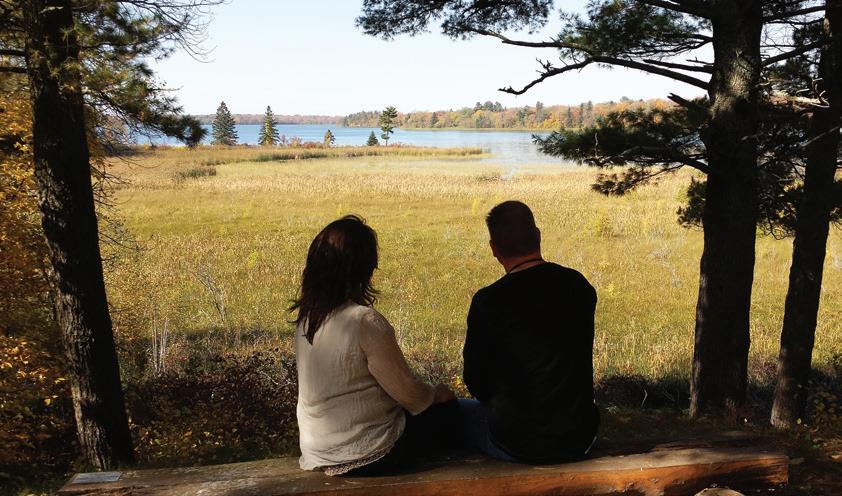
DETROIT LAKES, MINNESOTA
Fabulous foliage colors, woodsy aromas, freedom from most biting insects, quicker checkout lines, and reduced rates are just some reasons you’ll love autumn in the Detroit Lakes area. As cooler temps settle into lake country, hardwood leaves blossom into spectacular yellows, oranges, and reds o set by deep

green spires of pine trees. Brilliant blue lakes entice you to rent a kayak, pontoon, or paddle board for a relaxing outing. Or rev up the fishing boat and (possibly) pull in a trophy muskie. Tee times at area golf courses are also a cinch.
Looking to get into the woods? Several nature areas have walking trails with picturesque views. Popular destinations are Sucker Creek Preserve, Detroit Lakes Wetland’s Prairie Marsh Trail, and Dunton Locks County Park, both within 3 miles of the city. Tamarac National Wildlife Refuge is host to the North Country National Scenic Trail, with a 1,000-foot boardwalk through a tamarack spruce bog. Tamarac’s Discovery Trail is a quarter-mile accessible trail that leads to an overlook of a marsh.
Bird Watch and More at Hawks View


FOUNTAIN CITY, WISCONSIN
These cottages, lodges, and suites look out across the Mississippi River and the Great Upper Mississippi River Valley. The steep rugged blu bordering the winding river valley are covered with dense hardwood forests, as well as the channel shore lands and countless backwater islands, so changing fall colors are spectacular. Boating, hiking, biking, canoeing, fishing, backwater camping, and bird watching are all favorite river adventures. Old Fountain City waits to be discovered and o ers guests a chance to experience an unforgettable place in the privacy and comfort of handcrafted lodging. hawksview.net
Bring your mountain bike to Maplelag Resort, where the challenging terrain offers elevation changes, rocks, roots, and technical features to keep riders challenged on 25 miles of trails. Rent a mountain bike or bring your own to Detroit Mountain Rec Area to experience adventure on 13 miles of cross country singletrack and eight downhill trails with berms, rollers, jumps, drops, and striking custom-made wooden features. Families can ride bike 5 miles east of Detroit Lakes on the paved Heartland State Trail with scenic woods and an up-close view of Acorn Lake. With all this activity, satisfy your thirsty side with a cup of joe and a sweet treat, or a frosty mug of brewery beer in downtown Detroit Lakes. Then, end the day by getting comfy by a hotel fireplace, many with a lake view. visitdetroitlakes.com
Find Fall Fun Among the Foliage
NORTHFIELD, MINNESOTA
Nestled between picturesque landscapes and framed by the prestigious St. Olaf and Carleton colleges, Northfi eld blends history, culture, and natural beauty. Wander the streets of the enchanting downtown, where vintage storefronts beckon with unique shops and delightful eateries. Immerse yourself in the captivating community events like the annual Defeat of Jesse James Days, igniting the spirit of the town’s legendary past. With its warm community, rich heritage, and countless adventures, Northfield promises an unforgettable journey for all who seek its hidden treasures. See for yourself why Northfi eld was included on Countryliving.com’s “50 Most Beautiful Small Towns in America” list and named “Best Place To Retire” by Money Magazine. visitnorth eld.com
36 | SEPT/OCT 2023 | MINNESOTAMONTHLY.COM PHOTOS (FROM ABOVE) VISIT DETROIT LAKES, VISIT NORTHFIELD, HAWKS VIEW
SPECIAL ADVERTISING SECTION



Head Over to Hudson for Fall Fun
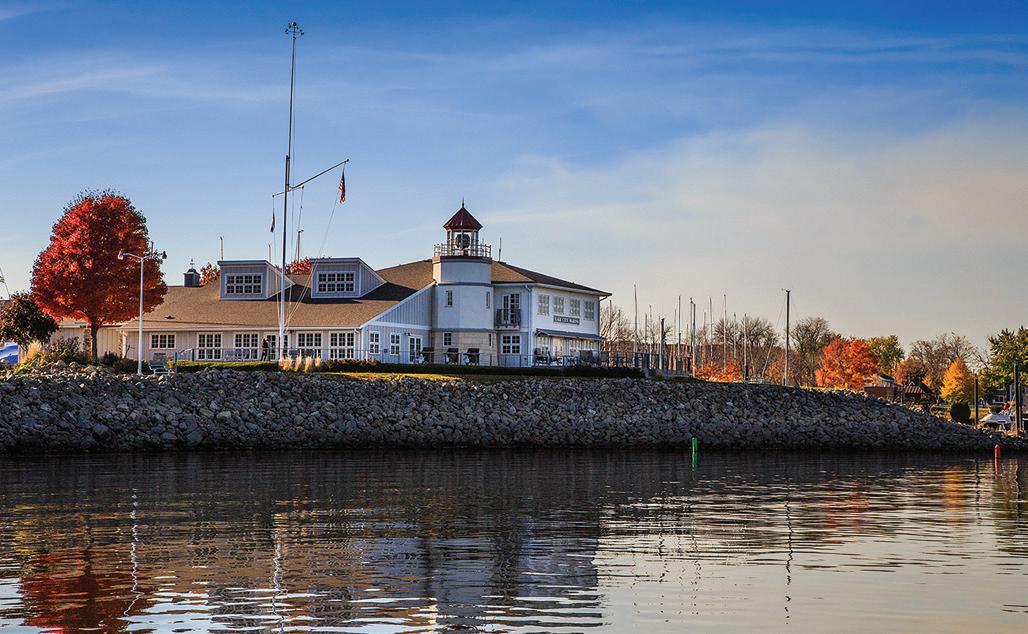


HUDSON, WISCONSIN
Looking for a weekend of unique experiences and fall flavor? Look no further than Hudson, Wisconsin. Inside notable architecture, visitors will find boutiques and specialty shops, galleries, and award-winning dining destinations. If you enjoy the outdoors, explore one of the gorgeous parks or book a seasonal tour. Hudson is packed with places to dine and drink, some with patios open yearround. Grab a bite to eat at one of the
Jump In to Lake Living
LAKE CITY, MINNESOTA
Filled with a full spectrum of colors and activities, there are countless fabulous reasons to visit the area this fall. From Lake City, enjoy beautiful drives perfect for leaf peeping. Whether you enjoy twisting your way through bluffs on county roads or hugging Lake Pepin on Highway 61, you can’t beat Lake City for amazing colors and vistas. Don’t forget to get out of the car dive into the fabulous foliage at one of the area’s incredible natural parks. Both Frontenac State Park and Hok Si La Park and Campground offer miles of trails for hikers from novice to expert to take in the breathtaking colors, massive bird migration, and gorgeous Lake Pepin views. The Pepin Heights Orchard Store is also a must-stop for local gifts, crafts and products, delicious pies and baked goods, apple cider and, of course, locally grown apples. Looking for a little entertainment? Lake City celebrates the colorful season with five weeks of Fall Fest. This citywide
many award-winning restaurants or check out a local confectionery or bakery for ice cream, chocolate, or baked goods. Hudson is home to a variety of wineries, breweries, and a distillery as well. Visitors also may want to schedule a tour. Book one of Hudson Trolley Company’s fun and unique seasonal tours. Or cruise down the wild and scenic St. Croix River with St. Croix River Cruises and take in the fall colors. discoverhudsonwi.org
celebration of all things autumn includes a sprawling block party, a beautifully spooktacular haunted trail, a new beer and cider fest, and all kinds of fun for the kiddos. And make sure to check out the great dining with lake views, world-class golfing and fishing, quaint local shops, boutiques, and galleries, and a great community that’ll make you feel right at home. visitlakecity.org
Find All Kinds of Fun in Little Falls
LITTLE FALLS, MINNESOTA
Just north of the Twin Cities is a historic city waiting to be explored and enjoyed. Little Falls is known for its location along the Mississippi River and the history that happened along its banks. The setting along the river is perfect for taking in the fall colors on a hike at one of the many parks or enjoying a craft beer at the brewery. Little Falls has something for history buffs, nature enthusiasts, adventure seekers, and everyone in between. littlefallsmn.com
38 | SEPT/OCT 2023 | MINNESOTAMONTHLY.COM PHOTOS (FROM ABOVE) DISCOVER HUDSON, VISIT LAKE CITY, LITTLE FALLS
SPECIAL ADVERTISING SECTION






































Just as the leaves change, every season, Just as the leaves change, every season, YOU RE NEW visitlakecity org visitlakecity.org A
GRAND RAPIDS, MN





Have a Grand Old Time in Grand Rapids











GRAND RAPIDS, MINNESOTA







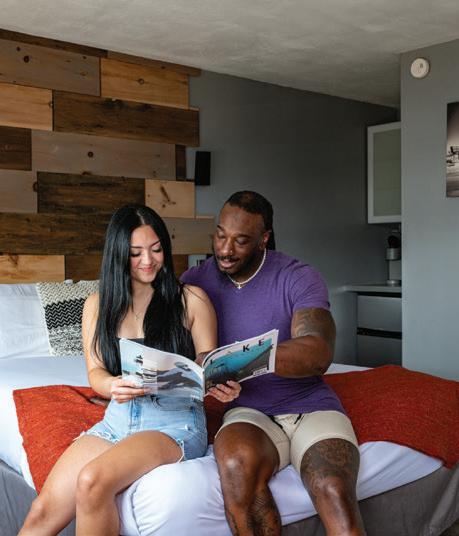
This fall, drive the Great River Road to Grand Rapids where you will experience beautiful scenic byways, amazing art, live entertainment, historic and cultural attractions, and fun places to eat and drink. The mighty Mississippi River runs right through historic downtown where you will find unique boutique style shops, art, history, a coffeehouse, a wine bar, and a craft brewery. Grand Rapids is a small, charming town surrounded by 1,400 lakes, and 2,000 miles of trails that are located within 1 million publicly accessible forest acres. This makes the area an outdoor mecca for ATVing, hiking, biking, and mountain biking. Indoor activities include historic and cultural experiences at area attractions like the Judy Garland and Children’s Discovery Museum, MacRostie Art Center and the Giinawind Gallery, and the Itasca Historical Society. Or be entertained by taking in a live performance at The Reif Center, enjoying live music at one of the craft breweries and local restaurants, or taking a self-guided art and history walk downtown. visitgrandrapids.com








| | SPECIAL ADVERTISING SECTION LittleFallsMN.com PHOTO
GRAND RAPIDS
VISIT
Inspired: Amazing Art and Vibrant Vistas of the Great River Road
Enjoy Unique Events Including Oktoberfest








LA CROSSE, WISCONSIN

From towering bluffs to the iconic Mississippi River big blue bridge, the La Crosse region bursts with epic adventure as unique as each explorer. The area is centrally located from Midwest hubs along the Great River Road and nestled between bluffs alive with fall foliage. While the captivating scenery and endless outdoor recreation claim fame in the La Crosse region, the colorful flavors, arts, and culture abound as well. Discover fine dining or casual bites and savor after-hour cocktails on rooftop terraces or retro martini bars in the historic downtown district. Sample wine with a view, or celebrate the season at Oktoberfest USA. Listen to live music by the local symphony or get your hands dirty immersing yourself in fall fun with a corn maze and petting farms. With festive flavors, charming history, vibrant vistas, and unparalleled outdoor recreation, autumn adventures are calling and are just a road trip away. explorelacrosse.com

MINNESOTAMONTHLY.COM | SEPT/OCT 2023 | 41 SPECIAL ADVERTISING SECTION 218-847-9202 Ext. 236 GET A WHIFF OF NATURE. PHOTO EXPLORE LA CROSSE
Find a Fall Festival for Fun







ALEXANDRIA LAKES AREA, MINNESOTA
Discover the heartwarming hospitality and picturesque beauty of Alexandria, Minnesota, where serene lakes, historic charm, and a welcoming community create an unforgettable destination. The Alexandria Lakes Area has one of the best grape stomps around. The annual celebration takes place at Bold North Cellars Sept. 15-17 with both Carlos Creek Winery and 22 Northman Brewing Company on the grounds. There are over 100 vendors, dozens of di erent foods to try, hundreds of rounds of grape stomp contests, entertainment on a variety of outdoor and indoor stages, and free-flowing libations. During the Grape Stomp Festival, the fall colors are usually just beginning to start turning all throughout the area. For a break away from all of the grape stomp fun, head into downtown Alexandria for some shopping. Start at the corner of Fifth and Broadway streets at the new Creative Touch Boutique and work your way around. And if you can’t attend the Grape Stomp Festival weekend, plan a girls’ weekend or a couple’s retreat at another time. Fall is truly a fabulous time in the Alexandria area with its natural beauty as well as proximity to all of the restaurants and shopping options. explorealex.com

42 | SEPT/OCT 2023 | MINNESOTAMONTHLY.COM SPECIAL ADVERTISING SECTION PHOTO EXPLORE ALEXANDRIA A D V E N T U R E I S W A I T I N G w w w g i a n t s r i d g e c o m G E T O U T S I D E
BOOK ONLINE MINNESTAY.COM OR CALL 612-216-5511
“THE LAKEVIEW” ~ RED WING






















MINNESOTAMONTHLY.COM | SEPT/OCT 2023 | 43 Explore the fall colors WWW .EXPLOREALEX .COM make plans to... 10X AUTUMN FUN! THE Scan to plan your fall Gateway Getaway Anoka • Arden Hills • Blaine • Coon Rapids • Fridley • Ham Lake • Lino Lakes • Mounds View • New Brighton • Shoreview
Fall in Love with the North Shore
LAKE COUNTY, MINNESOTA

Fall may be one of the best times for outdoor adventure on Minnesota’s North Shore. Explore via scenic road trips along the shore and into the wilderness, or get moving and hike through gorgeous state parks or along the Superior Hiking Trail. Many locals enjoy hopping on ATVs and riding through Lake County’s scenic trails.

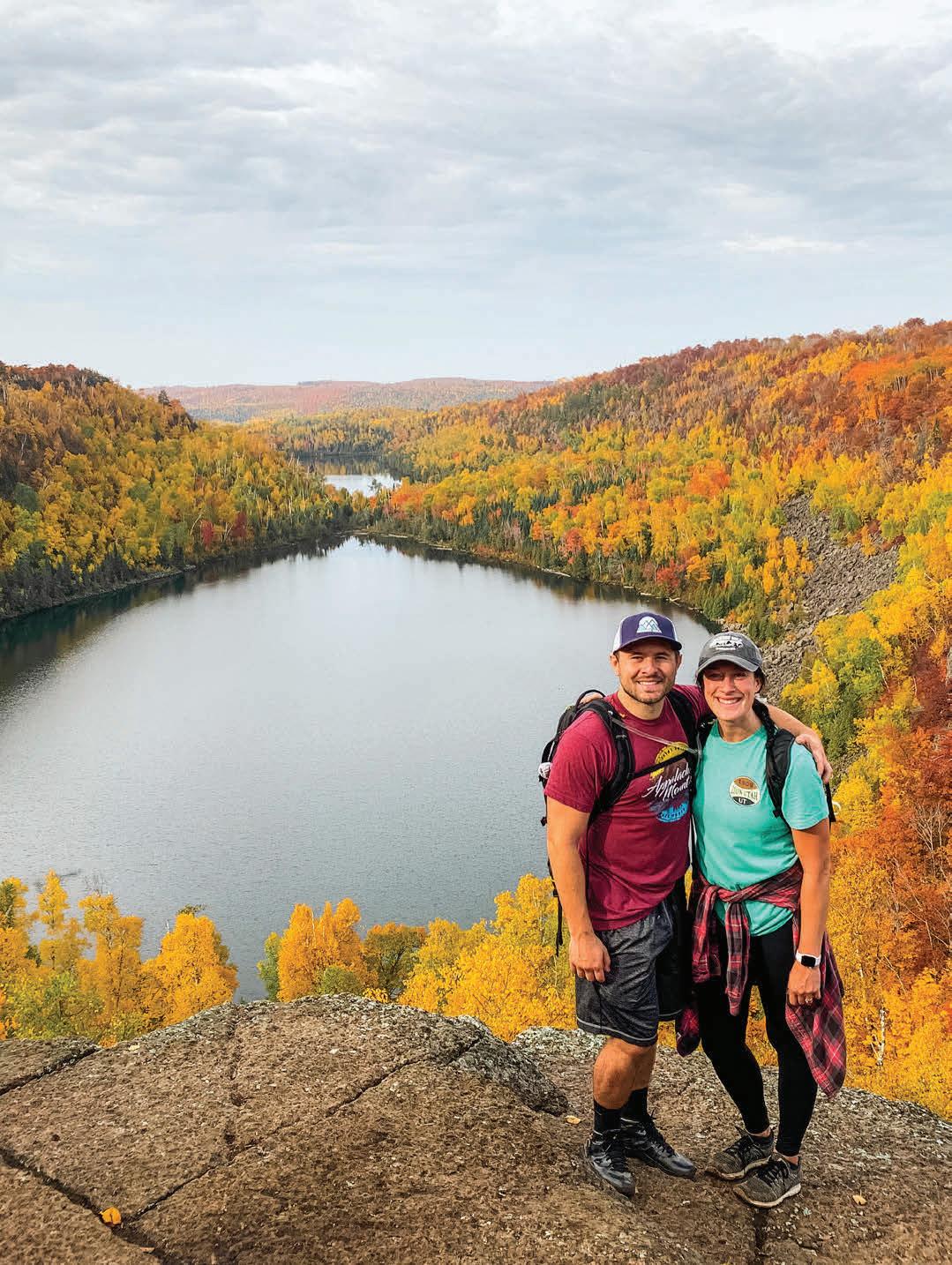
Interestingly, fall colors happen twice on the North Shore, producing some of the best leaf peeping in Minnesota. The first foliage peak of maple trees occurs along the Sawtooth Mountain highlands from mid-September through early October. The second burst of aspen and birch trees happens from late September through mid-October along Lake Superior’s shoreline. For a scenic road
trip, travel up Highway 61 or Highway 1 northbound toward Ely by car or motorcycle for amazing roadside views. Another way to experience the North Shore’s autumn colors is to immerse yourself in nature: Let it all go while hiking or biking through the wilderness. Launch a kayak to soak in the glorious fall foliage from the water’s edge. Breathe in the clean, fresh Lake Superior air, and instantly feel uplifted. Fire up the side-by-side and roll through the trails. Lake County
has many scenery choices: deep, rugged wilderness, rocky Lake Superior shoreline, or river trails. Inland, just a bit north of Silver Bay, the Bean and Bear Loop (also referred to as the Twin Lakes Loop) ranks as a favorite fall hike. Hit the Superior Hiking Trail at Penn Boulevard trailhead and hike north about 3.5 miles to arrive at lovely Bean and Bear lakes. There’s all this and much more to love in Lake County in the fall. lovinlakecounty.com
44 | SEPT/OCT 2023 | MINNESOTAMONTHLY.COM
SHT: BEAN & BEAR LAKES SILVER BAY, MN
PHOTO PAUL VINCENT
SPECIAL ADVERTISING SECTION






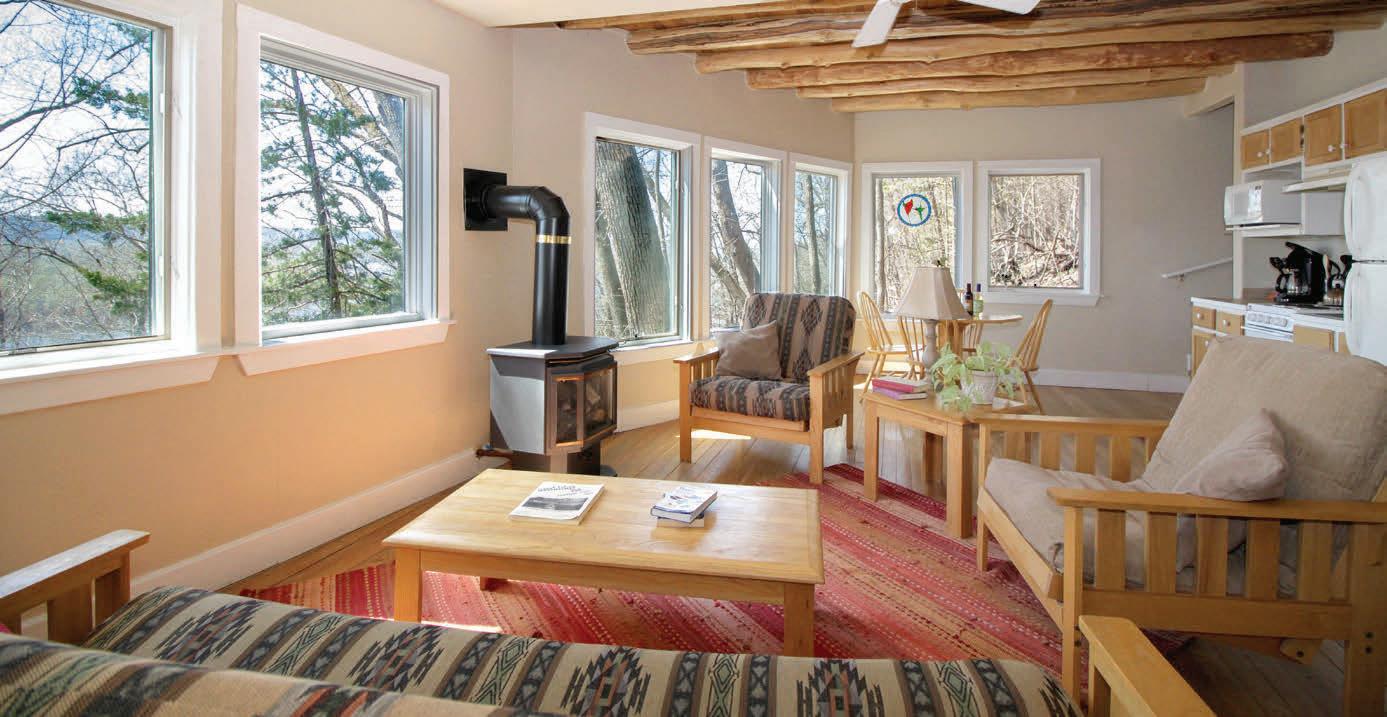


MINNESOTAMONTHLY.COM | SEPT/OCT 2023 | 45 St. Louis Par k Golden Valley St. Louis Park and Golden Valley are loaded with small-town charm, just minutes from Minneapolis! From outdoor adventures to cultural attractions, we’re the perfect spot for experiencing the entire metro region. discoverstlouispark.com Around here, life is SWEET ! Sept 16-17 Oct 19-28 Guests check in at our Seven Hawks Vineyards tasting room, wine shop & wine bar in downtown Fountain City, WI. 651-293-0803 or 866-293-0803 · Hawksview.net · Fountain City, WI Dreamers Welcome Grab your suitcase; it’s always the perfect time to escape to Hawk’s View Cottages! Cozy up and relax in utmost comfort at one of our nine distinct cottages. Our cottages and lodges are crafted high up onto steep wooded bluffs, with hawk’s eye views of the Mississippi River and Old Foutain City, Wisconsin
See It All in this Sweet Spot
ST. LOUIS PARK AND GOLDEN VALLEY, MINNESOTA
Fall in Minnesota is a time for outdoor explorations, celebratory festivals and loads of family fun. Nowhere is this truer than in Minnesota’s Sweet Spot of St. Louis Park and Golden Valley. The festivities start Sept. 9 with St. Louis Park’s annual art fair. Visitors and residents come together to shop from over 70 local artisan booths and dine on the latest food truck cuisine. Then Sept. 16-17, the streets of St. Louis Park’s vibrant West End come to life with the MinnesoThai Street Food Festival. This free, two-day event honors the rich traditions of Minnesotan and Southeast Asian cultures. Dine on authentic Thai street food and desserts, shop for art and souvenirs, and enjoy Thai music and cultural performances. In late October, the city transforms into a mecca for movie lovers as it hosts the 14th annual Twin Cities Film Fest. The festival is a 10-day celebration of independent film, offering over 120 thought-provoking documentaries, award-winning narratives, and a wide array of short films. discoverstlouispark.com
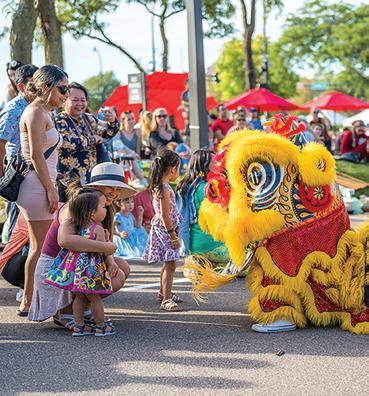
Watch the Migration of Birds
 TWIN CITIES GATEWAY
s fall approaches and many of the migratory birds start to gather for their departure south, some biking and birding hot spots in the Twin Cities Gateway are perfect for watching the migration. An area once inhabited by Dakota and Ojibwe tribes, today the 10 communities in the Gateway offer excellent viewing opportunities in the parks along its lakes and the Mississippi River including the Mississippi River Trail (MRT), the Rice Creek Trail and the Blaine Wetland Sanctuary. All includes some Important Birding Areas (IBA). The Mississippi River, north of Minneapolis, is an important IBA waterfowl area that is adjacent to floodplains areas easily accessible to the MRT bike trails passing through Anoka, Coon Rapids, and Fridley. This IBA also connects to the Rice Creek corridor and its adjacent floodplain on public lands. With the bike trail following the stream, it flows out of the Rice Creek Chain of Lakes, near Lino Lakes. tcgateway.com
Tito’s & Soda. Always Good.
However you like it. Tito’s & Soda. Always Good. However you like it.

APHOTOS ANDREW L XIONG, TWIN CITIES GATEWAY
Tito’s & Soda. Always Good. However you like it.
SPECIAL ADVERTISING SECTION


















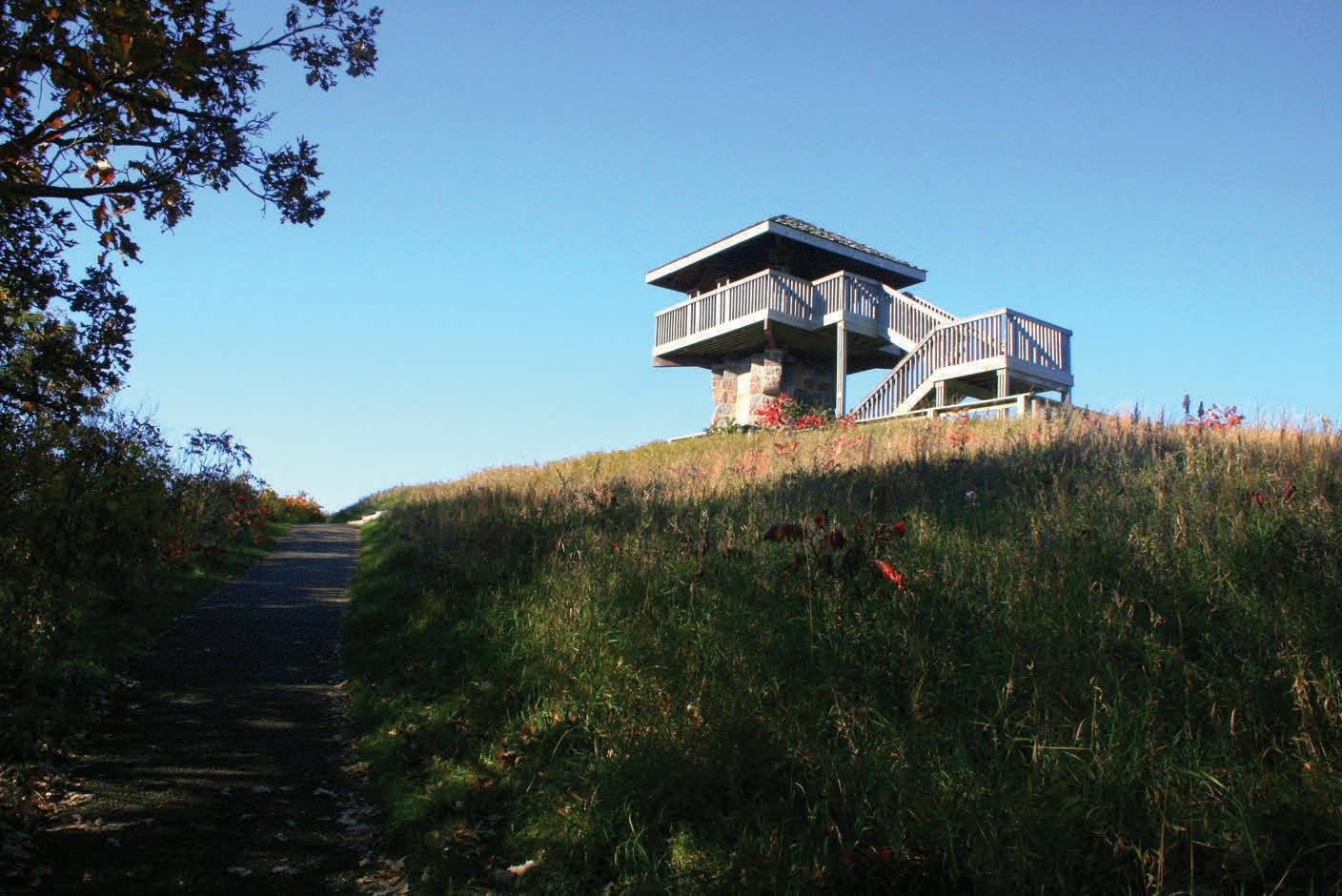

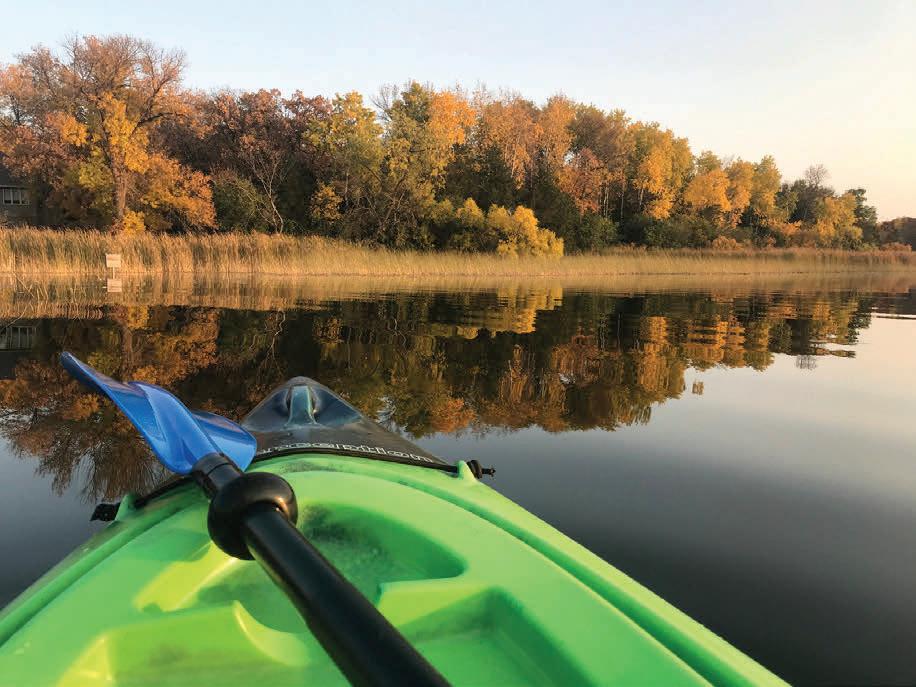



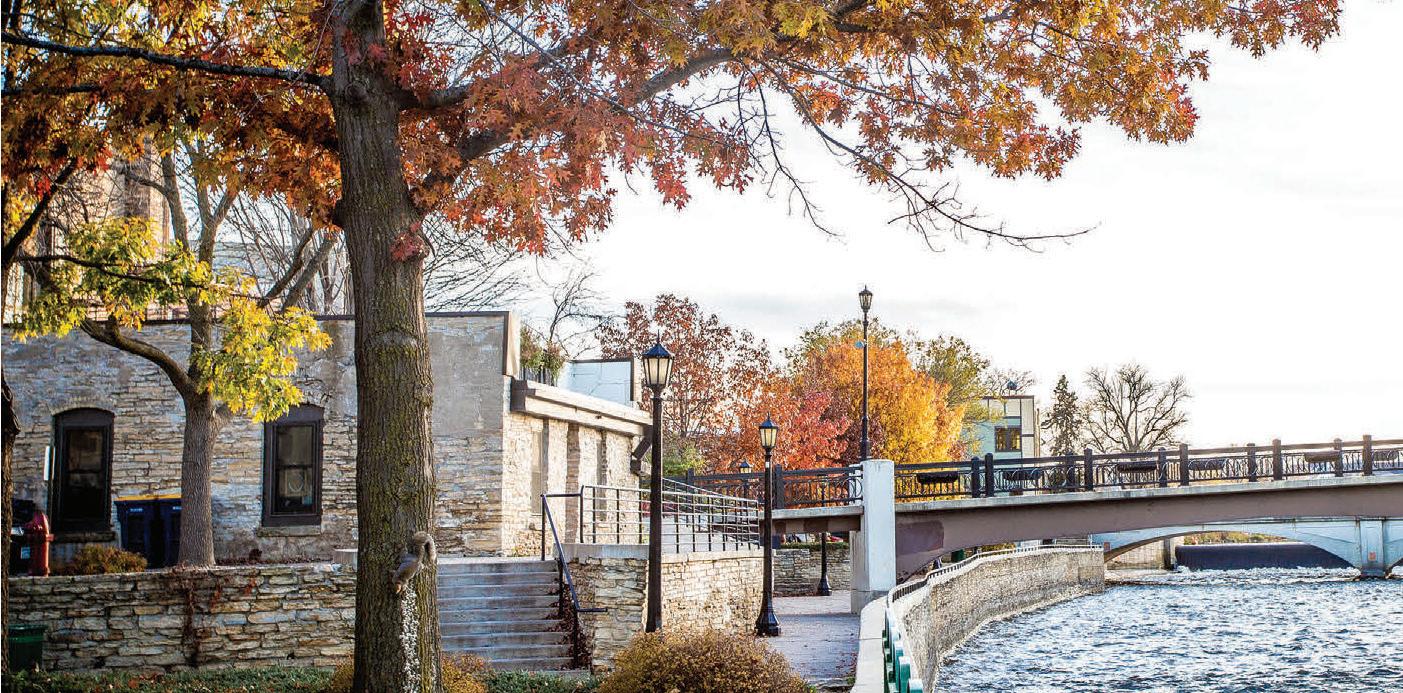










MINNESOTAMONTHLY.COM | SEPT/OCT 2023 | 47 adventure AWAITS WWW.WILLMARLAKESAREA.COM WWW.WILLMARLAKESAREA.COM MINNESOTA MINNESOTA Experience Minnesota at its best! # t h i s i s n o r t h f i e l d
FALL BUCKET LIST
Riverfest
Sept. 9, Grand Rapids Area Library in Grand Rapids
This third annual community festival, at the community amphitheater at the Grand Rapids Area Library, will feature live music by Jason Isbell and the 400 Unit, Amanda Shires, Shemekia Copeland, and Dessa. grandrapidsriverfest.com

Grape Stomp Festival

Sept. 15-17, Carlos Creek Winery in Alexandria Wine. Shopping. Live Music. Food trucks and more—the largest grape stomping festival in the state will include 150 food and craft vendors, 15 musical performances, and a lumberjack show. ccwgrapestomp.comcom
Food Truck Festival
Sept. 16, Kingston Park in Cottage Grove
Treat yourself to street eats, global cuisines, delectable desserts, live entertainment, beer garden brews, kids’ activities, and more at this food truck festival in Kingston Park. discovercottagegrove.com/ cottage-grove-food-truck-festival

MinnesoThai Street Food Festival
Sept. 16-17, St. Louis Park
This free event celebrating the rich traditions of Minnesotan and Southeast Asian cultures will feature authentic Thai street food and food trucks, traditional dance and musical performances, a beer garden, bounce houses, and more. discoverstlouispark.com

Grape Stomp
Sept. 23, Crow River Winery in Hutchinson
Dive feet-first into this daylong grape stomp event, complete with juicy grapes, live music, and delicious food and drink. Other activities will include a vendor fair, goat snuggling, ax throwing, a corn maze, and more. crowriverwinery/grape-stomp
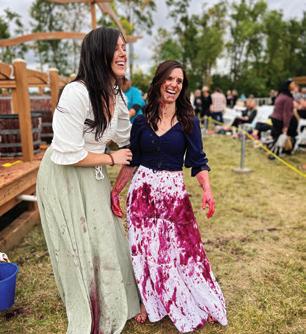
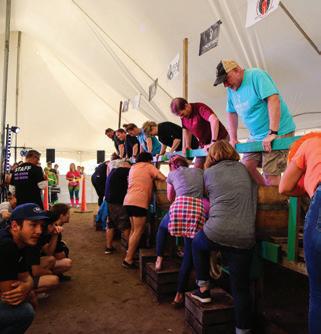
Spirit of the St. Croix Art Festival
Sept. 23-24, Lakefront Park in Hudson, Wisconsin
Get inspired and explore an amazing array of art along the St. Croix River at this free family-friendly festival with original artwork from over 80 artists, live music, hands-on demos, and fall flavors. discoverhudsonwi.org

Fall Fest
Sept. 24-Oct. 31, Lake City
Lake City is filled with a full spectrum of colors and activities during its five weeks of Fall Fest, which includes the Johnny Appleseed Block Party and the spectacularly spooky haunted Hok-Si-La trail. visitlakecity.org/fall-fest

Oktoberfest at the Ridge
Sept. 30, Giants Ridge in Biwabik
Enjoy games, live music, and Oktoberfest-style fun while savoring delicious brews and a vibrant atmosphere that features the Castle Danger Mountain Top Beer tour. Prost! giantsridge.com

Simpson Housing Services Benefit Concert
Oct. 6, The Fillmore Minneapolis Simpson Housing Services presents a benefit concert for its shelter and housing programs that will include music by The Suburbs along with Lady Midnight, Nur-D, and DJ Sophia Eris. onecau.se/music4shelter
Harvestober Fest
Oct. 7, Central Park in Maple Grove
This celebration is a fusion of Harvest Fest’s autumnal charm and Oktoberfest’s lively celebration, featuring live music, food trucks, a local vendor show, and a wide variety of beers. experiencemaplegrove.com
PHOTOS PROVIDED
48 | SEPT/OCT 2023 | MINNESOTAMONTHLY.COM
SPECIAL ADVERTISING SECTION
Brewfest
Oct. 14, Doc’s Sports Bar and Grill in Sturgeon Lake, Minnesota
Sponsored by the Moose Lake Area Chamber of Commerce, this festival will include a fun day o ering craft brews, music, food, and more. mooselakechamber.com

Oktoberfest

Oct. 21, 22 Northmen Brewing Co. in Alexandria
Experience a fun fall day filled with beer sampling, ax throwing, pumpkin catapults, live music, food vendors, giant pretzels, and beer stein-holding and relay competitions.

22northmen.com/oktoberfest
Halloween Events
Throughout October, Anoka
Anoka is believed to be the first city in the United States to put on a Halloween celebration, and it embraces that tradition throughout the month with special shopping and fun events. tcgateway.com/events/ anoka-halloween-2
YMCA seasonal adventures
Throughout Fall, Around Minnesota
YMCA of the North o ers seasonal outings that range from two-hour urban excursions to extended overnight adventures. As northerners, they know outdoor fun doesn’t end when the leaves start to change. ymcanorth.org
Family Fun Excursions
Throughout Fall, Country Blossom Farm in Alexandria
Looking for a place that will tire your kids out and fill you up? Check out this venue with a huge jumping pillow, a corn maze, pedal carts, wagon rides, slides, a bakery, apples, pumpkins, and more. explorealex.com

View Fall Colors
Throughout Fall, La Crosse, Wisconsin Nestled between ancient blu s and along the Mississippi River, the La Crosse region o ers festive flavors, charming history, vibrant views, and unparalleled outdoor recreation. explorelacrosse.com

“The Life & Art of Charles M. Schulz” exhibit

Throughout Fall, Minnesota History Center in St. Paul Charles M. Schulz brightened the world for over 50 years with his “Peanuts” comic strip. This exhibit explores the emotional territory of friendship, disappointment, faith, and tolerance. mnhs.org/historycenter
Stay at the Lakeview Property
Throughout Fall, MINNeSTAY in Red Wing
Set amid stunning fall scenery, the Lakeview property is a three-bedroom, two-bath suite that features a spacious open floor plan and a large outdoor area with a gas fire pit for a perfect autumn retreat. minnestay.com
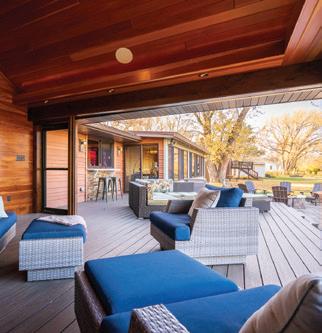
Fall Getaway
Throughout Fall, Pier B Resort Hotel in Duluth Nestled on the Duluth harbor’s edge, this hotel o ers a prime vantage to watch ships navigate while basking in the vibrant fall foliage around Lake Superior. It o ers a bucket-list destination for the ultimate autumn getaway. pierbresort.com

Hike to Bean and Bear Lakes
Throughout Fall, Tettegouche State Park

A top fall-colors spectacle along the North Shore, the challenging trek to Bean and Bear Lakes along the Superior Hiking Trail delivers a stunning panoramic view. The nearly 7-mile loop trail takes a little over three hours to complete. lovinlakecounty.com
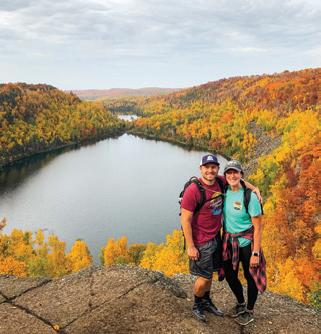
MINNESOTAMONTHLY.COM | SEPT/OCT 2023 | 49
SPECIAL ADVERTISING SECTION
Midwest Spine & Brain Institute
When conservative measures have been exhausted, our surgeons tailor their treatment plan for each patient’s life, goals, and overall well-being.
Arteriovenous Malformations
Brain Aneurysms | Brain Bleed
Cerebral Ischemic Disorders

Skull Base Tumors | Stroke
Herniated Disc | Sciatica
Scoliosis | Spinal Cord Trauma
Spinal Tumor | Spondylosis
Spondylosithesis | Stenosis
Midwest Spine & Bain Institute and its board-certified, fellowshiptrained neurosurgeons and orthopedic spine surgeons are dedicated to restoring lives affected by wide array of spine and brain conditions.

Patient-focused care. Life-changing results.®
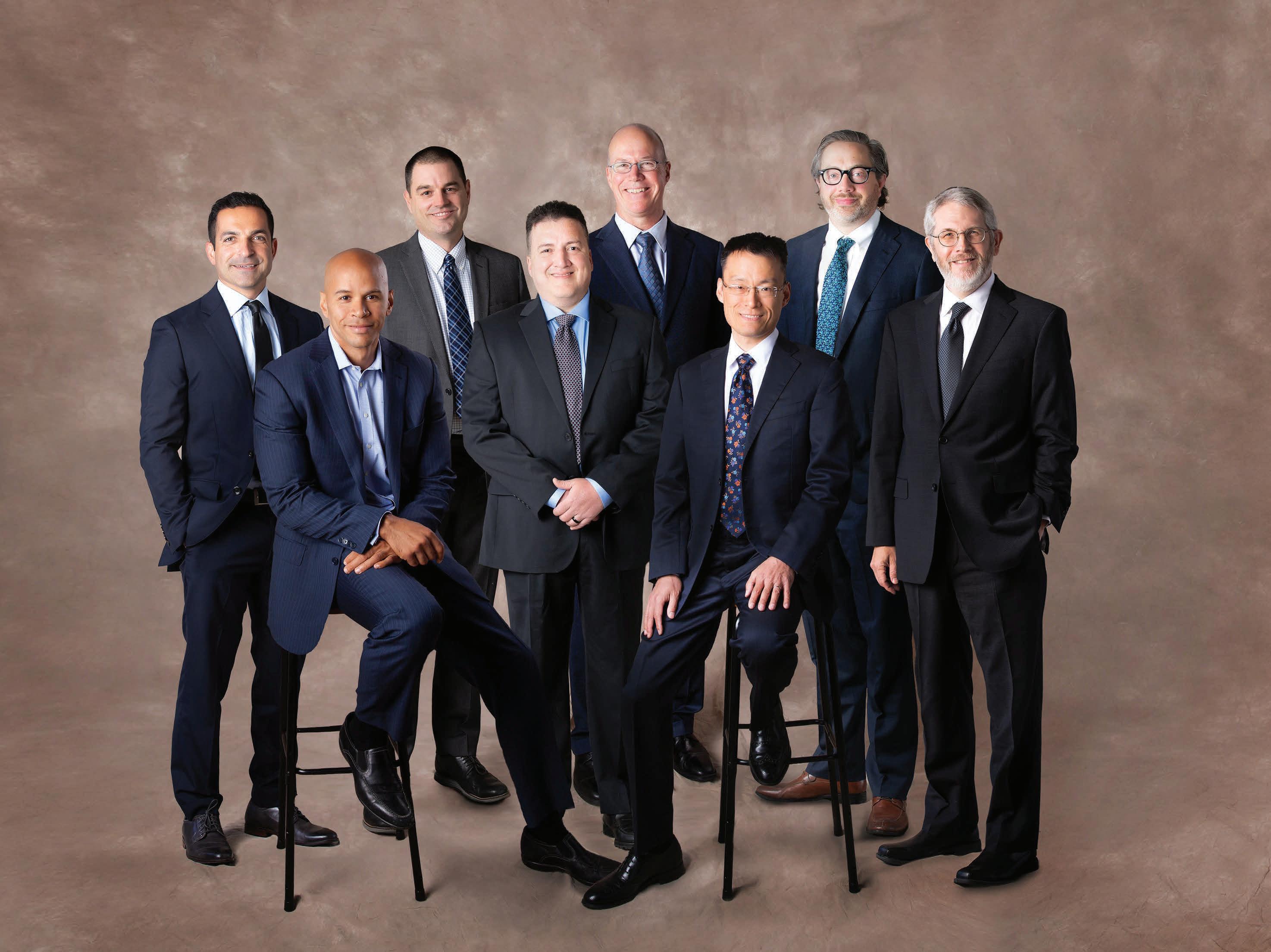
MidwestSpineandBrain.com 651.430.3800
From left to right: Meysam A. Kebriaei, M.D., Stefano M. Sinicropi, M.D., Todd E. Jackman, M.D., Eduardo J. Perez, M.D., Glenn R. Buttermann, M.D., David T. Chang, M.D., Hart P. Garner, M.D., Eric S Nussbaum, M.D.
2023 Top Doctors



Which doctors are considered the best in the state? Minnesota Monthly’s 2023 Top Doctors list features 1,150+ physicians in 99 specialties based on a survey of 10,000 licensed Minnesota doctors who nominated their peers. List begins on p. 58


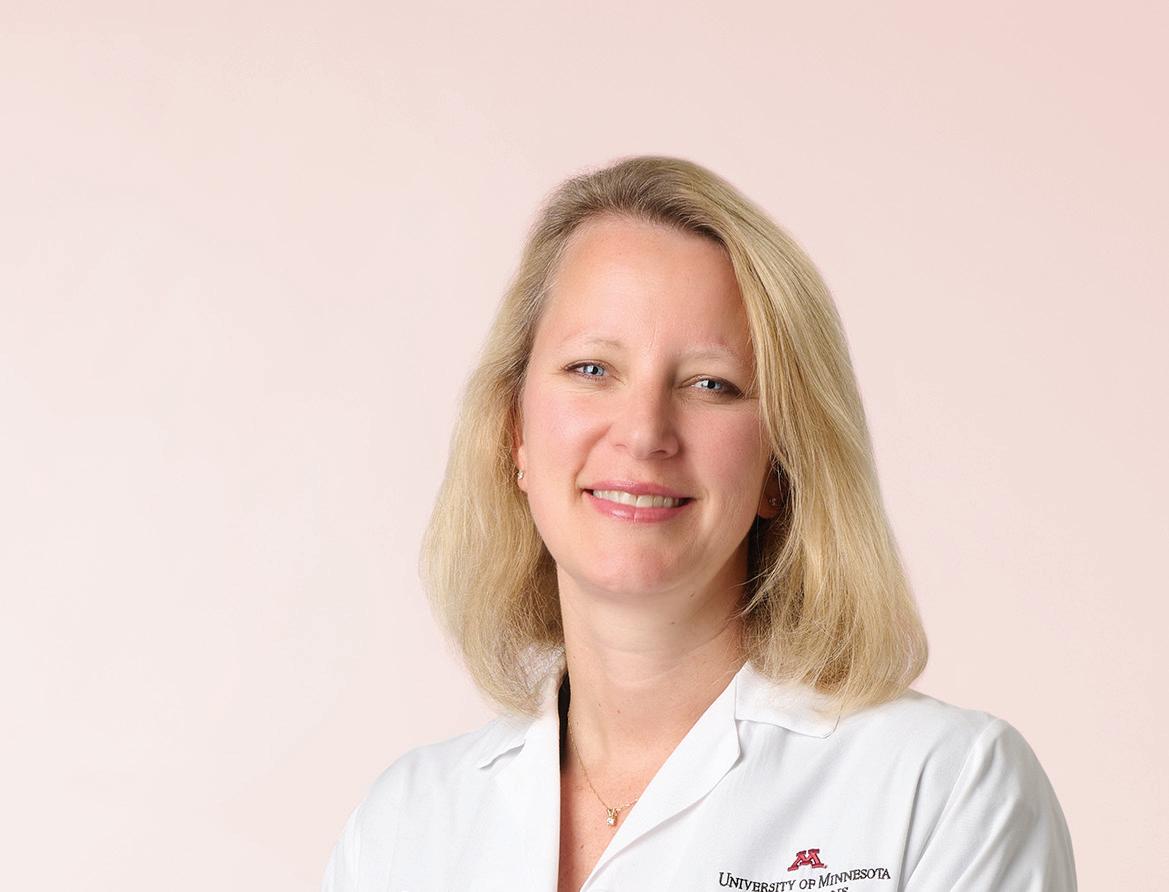
 Portraits by Bill Bartlett
MINNESOTAMONTHLY.COM | SEPT/OCT 2023 | 51
Dr. Anne Blaes, Division of Hematology and Oncology, University of Minnesota
Leading the Fight Against Breast Cancer in Minnesota
Other organizations, including Mayo Clinic and the American Congress of Obstetricians and Gynecologists, recommend annual mammograms for women beginning at age 40, while the American Cancer Society recommends annual screenings starting at 45.
Why the variation among recommendations? “Part of it is how the various organizations weigh risks and benefits, as well as the cost effectiveness of different recommendations,” explains Dr. Anne Blaes, a professor in the Division of Hematology and Oncology at the University of Minnesota. “As an oncologist, I’m happy that the USPSTF has changed their recommendations.”
MO PERRY
Breast cancer is the most common cancer diagnosis in Minnesota, followed by prostate, lung, and colorectal cancer. Each of those three latter diagnoses leads to more total deaths each year than breast cancer. But among Minnesotan women, breast cancer remains the second leading cause of cancer death, behind lung cancer. According to the American Cancer Society, there will be approximately 5,220 new cases of breast cancer diagnosed in the state this year.
“Minnesota is on par with most of the other states with regard to its rates of breast cancer,” says Dr. Sandhya Pruthi, medical director for the Division of Health Education and Content Services at Mayo Clinic. Dr. Pruthi has been the principal investigator for several nationwide multicenter breast cancer chemoprevention trials and engages in cancer education for both patients and health care providers. Mayo Clinic’s Comprehensive Cancer Center has advanced novel treatments, such as CAR-T cell therapy. At the University of Minnesota, the state also boasts some of the nation’s leading cancer researchers, and the institution regularly attracts grants and funding from the federal government for research projects and the development of new drugs, including new immunotherapies that turn a person’s own immune system against tumors.
New screening guidelines encourage earlier mammograms
In May 2023, the United States Preventive Services Task Force (USPSTF) released updated guidelines urging women to start getting screened for breast cancer every other year beginning at age 40. This marked a change from previous guidelines, which suggested biennial mammograms starting at age 50, with individual choice for younger women based on personal risk.
The benefits of earlier and more frequent screenings are intuitive: Identifying cancer earlier leads to a better prognosis. “When cancers are identified through a screening modality [such as a mammogram], they tend to be more localized and at an early stage,” Pruthi notes. Cancers detected because of a lump or other symptoms are referred to as “interval cancers,” as they’re found in the interval between screenings. These tend to be more aggressive and have worse outcomes, and occur more often when there are longer gaps between mammograms.
Studies have shown that regular mammograms help reduce mortality from breast cancer. Both Pruthi and Blaes note that breast cancer diagnoses are increasing in younger women, with one in six breast cancers occurring in women in their 40s. And according to the American College of Radiology, three out of four women diagnosed with breast cancer have no family history of the disease and are not considered high risk.
Younger women tend to have more dense breast tissue, which can mask tumors. “Having young women with dense breast tissue have annual mammograms is helpful because it’s easier to see if something has changed from one year to the next,” Pruthi says. “I say to my patients, ‘If you’re in your 40s and
52 | SEPT/OCT 2023 | MINNESOTAMONTHLY.COM
October is breast cancer awareness month. These Minnesota doctors weigh in on screening guidelines, advances in treatment, and how to reduce your risk.
BY
you have dense breast tissue, I’d rather you be screened every year than every other year.’”
Early, regular screenings may be particularly important for Black women, who face greater breast cancer mortality risk than their white, Asian, and Hispanic counterparts. Research has shown that the rate of breast cancer before age 45 is higher among Black women than white women, and at every age, Black women are more likely to die from breast cancer.
“Black women tend to have more aggressive tumors, even at younger ages,” Pruthi says. “Black women should be screened beginning at age 40, and if they have a family history of breast cancer, they may actually want to start in their 30s.”
However, frequent mammograms also have downsides. They can lead to false positive recalls, in which women are recommended to have additional imaging or biopsies, which reveal no cancer. “That can cause added expense and be really stressful for patients,” Blaes says. Radiation from imaging alone can also lead to increased cancer risk, according to the National Cancer Institute.
Rates of false positive recalls go down as women age, partly because breasts become less dense after menopause (making tumors easier to spot) and partly because previous screening images are often available for comparison.
Screenings can also pick up pre-cancerous lesions. These areas may never turn into invasive cancer but may nonetheless inspire women to pursue aggressive treatments that can affect quality of life. “Many patients will tell you, ‘I’m not comfortable just watching that,’” Blaes says. “Three large national clinical trials are currently assessing surgery versus observation in this subset of women.”
Blaes suggests talking to your primary care doctor about your family history and personal health history to assess your risk and determine the best screening schedule for you.
Managing risk amid rising rates
As breast cancer diagnoses rise in younger women, experts point to several hypotheses for the cause. “Is some of it environmental? Is it related to the fact that we have a more overweight population and weight is associated with breast cancer? There’s ongoing research, but I don’t think it’s one simple thing,” Blaes says.
In September 2021, the University of Minnesota was awarded a grant of approximately $2.1 million from the National Cancer Institute (NCI) to investigate environmental exposures to radon, Perand Polyfluoroalkyl Substances (PFAS), and glyphosate, a widely used herbicide. These chemicals of concern are suspected risk factors for certain cancers.
With additional support from the Masonic Cancer Center, UMN Medical School, and UMN School of Public Health, the NCI grant is funding a study at the University of Minnesota called the 10,000 Families Study. “It’s a collaboration between epidemiologists and cancer prevention researchers looking at exposures and cancer development,” Blaes explains. The study is actively recruiting families across Minnesota, aiming to attract people from a diverse range of ethnicities, ages, races, and geographical locations around the state. Researchers will follow participants over time and track how genetics and environmental exposures affect long-term health outcomes. (Visit 10kfs.umn.edu to learn more about eligibility.)
In the meantime, there are known ways to reduce one’s personal risk. While some risk factors, such as age and genetic mutations, aren’t modifiable, there are plenty of others that are.
“Many of the younger women getting breast cancer don’t even have the hereditary BRCA mutation. They had their babies young and breastfed them, which are common risk-reducing factors. So I wonder about lifestyle,” Pruthi says.
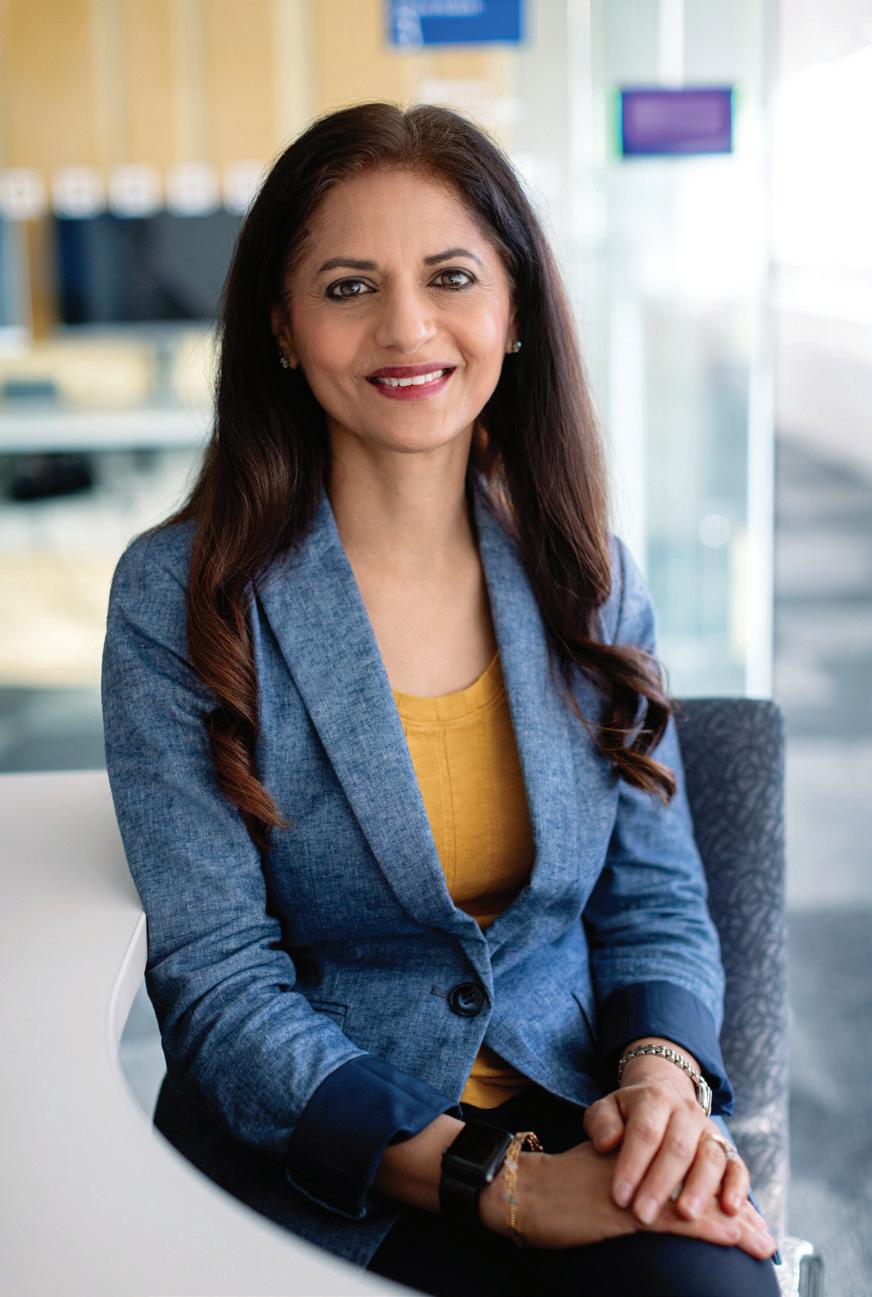
Obesity and alcohol use are established risk factors for breast cancer, as is lack of physical activity. “I counsel my patients about healthy weight and healthy diet. Research shows that the Mediterranean diet does reduce breast cancer risk,” Pruthi says. Regular exercise (at least 150 minutes per week of moderate-intensity activities such as walking or jogging) and limiting alcohol intake to one or fewer drinks per day are also protective.
Pruthi notes that 75% of breast cancers are hormone-dependent tumors, so managing hormones is another important element in reducing risk. The question of how hormone replacement
MINNESOTAMONTHLY.COM | SEPT/OCT 2023 | 53 PHOTO MAYO CLINIC
Dr. Sandhya Pruthi, medical director, Division of Health Education, Mayo Clinic
therapy (HRT) for menopausal women a ects breast cancer risk has been contested in recent years. The Women’s Health Initiative (WHI) observational study suggested HRT was associated with an increased risk of breast cancer, but the average age of diagnosis among women in the study was 60—well after the average age of menopause (51, according to Mayo Clinic).
“I tell women if they are at average risk [for breast cancer] and are experiencing severe quality of life issues during their menopausal transition, then short-term HRT for three to four years is fine to use. As soon as we start getting to age 55 or 56, we need to taper o to avoid contributing to the higherrisk, hormone-dependent type of breast cancer,” Pruthi says.
Blaes agrees: “If you need HRT when you first go into menopause, it’s appropriate, but you want the lowest dose possible and for the shortest period of time.”
Supporting survivors
According to the American Cancer Society, the combined five-year survival rate for all stages of breast cancer is 91% and rising, thanks to constant advances in treatment. Even triple-negative breast cancer, one of the most aggressive types, is becoming more treatable. Clinical trials at the University of Minnesota tripled treatment response rates for this type of breast cancer by using immunotherapy in combination with chemotherapy. “That’s phenomenal in terms of curing a larger number of patients,” Blaes says.
But even after being cured, breast cancer survivors often need ongoing support. “People can be at risk for things like changes in muscle mass and bone health, or neuropathy from chemotherapy drugs,” Blaes says. Some may also experience heart complications, mental health challenges, or menopausal symptoms such as hot flashes, vaginal dryness, and bone and muscle aches..
The University of Minnesota has a cancer survivorship clinic and long-term follow-up clinic that help survivors navigate these challenges. They also offer webinars and individual support to help survivors learn how to improve sleep, manage anxiety and depression, stay physically active, eat a healthy diet, quit smoking, and optimize blood pressure and cholesterol.
Here, too, research promises to unlock new advances in quality of life. Supportive care and survivorship trials at the University of Minnesota are looking at everything from cannabis use among cancer survivors to the cardiovascular impacts of cancer treatments to the cancer experience in underserved and minority populations.
Thanks to the efforts of Minnesota’s leading researchers and clinicians, breast cancer outcomes should continue to improve in our state and beyond.
A focus on the positive
Q&A With Dr. Natasha Rueth of Allina Health
Dr. Natasha Rueth has been in the field of cancer surgery for almost 10 years. At Allina Health, based in Minneapolis, her clinical emphasis is on breast cancer. When the U.S. Preventive Services Task Force recently lowered the recommended age for women to begin annual breast cancer screenings, to 40 from 50, she says it was a long time coming. “I will tell you that those of us in the breast cancer world always supported screening for women starting at the age of 40,” Dr. Rueth says, “because we know that an annual mammogram is the best way to reduce a woman’s risk of dying of breast cancer.” We talked with Dr. Rueth about changes in her field, what she wishes patients knew about breast cancer, and access to care.
On the biggest change in the field since Dr. Rueth started her clinical emphasis on breast cancer:
I think of three main areas where clinical care and breast cancer have really changed or advanced, and all of them have the same theme of more patient-specific or patient-directed appropriate therapies.
The first has been the advent of 3D mammography, or tomosynthesis mammograms. Those really started coming to the forefront right around nine or 10 years ago and are now really the standard, or should be the standard, of care for breast cancer screening. They allow for better visualization. They increase the cancer detection rates and decrease the number of false positives and callbacks.
From a surgical standpoint, our big advances are continued de-escalation of surgery, meaning breast cancer doesn’t have to be something that causes a drastic change to the external visualization—the look or the feel—of a woman’s body. We’ve spent a lot of time studying and showing that minimally invasive surgery—lumpectomies; breast conservation; and, now, deescalation of nodal surgery, so that we’re not performing such destructive procedures on women—are associated with equal long-term cancer outcomes. So, allowing women to preserve their natural body image and shape has been a really important advance, and we continue to find ways to de-escalate surgical interventions in breast cancer.
54 | SEPT/OCT 2023 | MINNESOTAMONTHLY.COM
A lot of that is a result of advances in targeted immunotherapy. So, our systemic therapies continue to get more advanced, more targeted to the specific biology of cells, which allows us to give the right therapy to the right women at the right time, which is associated with increased response rates and longer survival for breast cancer patients.
On what she wishes patients knew about breast cancer:






Early-stage breast cancer, for a lot of women, is associated with really high curability and survival rates. And so, breast health and keeping up on your screening is really important. It is the easiest way to save your breast and save your life. The other thing is … we have spent a lot of time studying how, because breast cancer has become very survivable, we know it’s very safe to save women’s breasts. Oftentimes, women hear that they have breast cancer and their first inclination is, “Oh, my gosh, I have to have my breasts removed,” and their mind immediately goes toward worrying about how they are going to function with extremely body-altering surgery. And I spend a lot of time going through the data and reminding women that in a lot of instances—not all, but for a lot of women—it is very safe to keep your breasts. The thing I would really remind women is that there are a lot of treatment options that are very individualized, targeted, and a lot of them are associated with very good long-term outcomes. And make sure their information is coming from their physician and reputable sources at the time of their surgical consult.
On women worried about false positive results to breast cancer screenings:


It’s not uncommon for women with certain breast tissue composition to have a callback for a second look, and that is really just to be thorough. The last thing anybody wants to do is miss a potentially life-threatening problem. And so, if the tissue is more di cult to visualize, absolutely, we’re going to call you back for an ultrasound and take a look. And that’s not anything to be scared of, or to shy away from. … Callbacks shouldn’t trigger unnecessary angst, because the callback rate, even with 3D mammograms, can be fairly high, especially in younger women. It’s normal, and it’s OK.
On ways Allina is focused on increasing access to all women:
Access is so incredibly important. [It involves] things like mobile mammography, which is something that the Allina breast program focuses on—making sure that we’re getting mammograms to people, particularly populations who might not have the resources, the transportation, the childcare, the time, or even the trust to come into a large breast center or clinic to get a mammogram. [It involves] making sure that cultural sensitivities are approached [for] specific subsets of patients who might have sensitive needs, like transgender patients who perhaps don’t even know it’s important to have breast imaging if they’re taking estrogen supplementation, for example, as part of body confirmation work; or patients who maybe have language and cultural barriers.
When a diagnosis is made, [it’s important] that you have a program like [Allina’s] where there’s access to integrative medicine. Everybody might not want to exclusively focus on traditional Western approaches, and so integrative medicine can focus on whole-body and supplementive care, like acupuncture. Financial navigators can help patients work through the financial toxicity that can come along with, in particular, a cancer diagnosis.
On distrust in medical institutions:
One of the things that we’ve seen since COVID-19, and some of the ways COVID challenged healthcare, is that more and more patients are coming asking for unique treatment options, or perhaps a bit more distrust of the medical system. I really strongly encourage women, if they have any question about their treatment plan, to make sure that they are embracing all available modalities, including some of the more traditional, supported, medically recommended therapies in addition to alternative approaches, if that’s something that is of value to them, but to not rely too heavily on one or the other, particularly if it isn’t a guideline-supported, data-driven recommendation.
–Erik Tormoen
MINNESOTAMONTHLY.COM | SEPT/OCT 2023 | 55
Dr. Natasha Rueth, surgical oncologist, Allina Health
Program creates partnership of Allina oncology patients and advocates
Navigating medical procedures and the health care system can sometimes be confusing, overwhelming, and frustrating. And facing it with a cancer diagnosis adds another level of stress. That’s why Allina Health developed the Oncology Nurse Navigation Program, pairing seasoned and informed health care professionals, called navigators, with patients throughout their treatment and recovery.
It’s a program at Allina that dates back to the 1990s. But it has expanded its focus and care recently, says Jessica Quinlan-Woodward, manager of the program and previously a navigator herself. “It’s sort of like a bike wheel. The patient and navigator are in the center, and the services are the spokes radiating out.” Navigators are trained to know all things cancer-related in the Allina system. She describes the navigators as “sherpas … in service to the patients.”
The navigators also act as advocates, educators, allies, and even as reassuring therapists when needed. “It’s scary when you don’t know what to expect,” Quinlan-Woodward says, but that’s where the navigators can share past experiences and explain complex treatment options. The partnerships can last months or even decades, Quinlan-Woodward says, for patients going through multiple treatments, or if health concerns return.
“Our team is always there and ready to reenage should the patient want to connect,” she says. “They tell them, ‘I’m always here, and you have my number.’”
While several other health care systems have similar patient-focused programs, the process and size di er. For Allina, there are 28 navigators across all areas of cancer care, including eight oncology nurse navigators (ONNs) who work specifically with breast cancer patients. “In the regional settings like Cambridge, Hastings, and New Ulm, our ONNs care for breast patients as well, but they also care for the other cancer types.” For Quinlan-Woodward and her team of oncology nurses, caring for people when they are in need is motivating. “Once you work in oncology, it’s hard to imagine doing anything else,” she says. She is encouraged by the advances she has seen in health care, as well as in the program she supervises. “I am very hopeful, every year that passes, there are new advances in medicine so that people living with cancer now can be optimistic.”
–Amy Nelson
‘A Matter of Time’
Minnesota Breast Cancer Patient Was Part of High-Risk Program
“Breast cancer runs wide and deep in my family. It was just a matter of time,” Beth Erickson says. It may seem like a cavalier sentiment about a life-changing diagnosis, but Erickson knew what she was up against most of her life.
The daughter of a doctor and registered nurse—and herself a medical transcriptionist for decades—Erickson was fully immersed in the medical aspects of cancer. Because Erickson’s maternal grandmother died from breast cancer and her mother had a mastectomy when she was about 60, Erickson, now 63, was participating in a high-risk program through Piper Center at Abbott Northwestern.
As part of that program, she got genetic testing and started mammograms and other examinations every six months nearly 10 years ago. Those semi-annual procedures weren’t pleasant, she admits. And when the cancer diagnosis finally
came in June, the no-fuss Erickson felt more resignation than dread. Always prepared and with a theme song of Matthew Wilder’s “Break My Stride” to support her, she invited friends to a Beth Breast pre-operation party at one of her favorite neighborhood restaurants this spring. She asked guests to design her reconstruction breast tattoos, eat from breastthemed dishes, talk about their ta-tas.
In July, Erickson had a five-hour mastectomy surgery. She says it went well and she was ready to talk a few weeks later. She also has been posting about her journey on her social media channels so friends and family can stay updated. Her background prepared her for the diagnosis. Her pragmatic personality helped her with the pain (yes, there was some) and the preparations. Her main advice: “Get tested.” For more of Beth Erickson’s interview, visit minnesotamonthly.com –Amy Nelson
ILLUSTRATION ADOBE/SURF INK
56 | SEPT/OCT 2023 | MINNESOTAMONTHLY.COM
From research to reality.
Creating breakthroughs in cancer treatment
Exciting treatments for people with lymphoma and other types of cancer are available in clinical trials at Mayo Clinic. These important trials make the biggest advancements in medicine possible, and they’re the result of decades of immunology research. For people who have already explored traditional treatment options, clinical trials are a newfound source of hope.
Deeper understanding drives innovation

The pace of innovation in lymphoma treatments has intensified as more is learned about this complicated disease. “We’ve dramatically improved our comprehension of lymphoma, how it avoids being recognized by the immune system, and how to use our immune

system to target and destroy cancer cells,” says Dr. Grzegorz Nowakowski, a hematologist and Enterprise Deputy Director of Clinical Research at Mayo Clinic Comprehensive Cancer Center.
Molecular profiling offers an individualized approach
There are over 50 known types of lymphoma. Getting the right diagnosis and matching it to the best treatment is critical. Experts at Mayo Clinic are able to be more accurate than ever thanks to a technique called molecular profiling. This process involves taking samples from a tumor biopsy done at diagnosis, which allows doctors to identify that individual’s cancer with extreme precision. “It’s a little bit like a fingerprint. Each of us have different fingerprints, and each tumor is unique,” says Dr. Nowakowski.
More targeted, less toxic treatments
Helping people live longer is always the goal of cancer treatments, however, many new treatments have a secondary goal: fewer side effects. “There’s been a shift from chemotherapy to immunotherapy treatments, which are very well tolerated and can achieve the same or better control of the cancer,” says Dr. Nowakowski.
Expanding access improves lives everywhere
Giving people equal opportunity to benefit from breakthrough treatments is critical. “We have to make sure that all people, no matter where they live or their socioeconomic status, have access to cutting-edge therapy,” says Dr. Nowakowski. “We have a number of initiatives supporting the extension of clinical trials to different communities.”
A major goal of these initiatives is to provide access to clinical trials for people who live outside of Rochester using a hybrid model that includes virtual visits. This allows patients to begin treatments at Mayo Clinic and continue them in their hometowns. “These trials provide therapies that can dramatically improve people’s lives. It’s important for people to understand and have access to these options,” says Dr. Nowakowski.
SPECIAL ADVERTISING SECTION
mayoclinic.com/pediatrics | 855-MAYO-KID (855-629-6543) toll-free
“If you’ve been diagnosed with lymphoma, whatever you find on the internet is probably outdated. The tempo of progress has been amazing.”
— Dr. Grzegorz Nowakowski
Groundbreaking research at Mayo Clinic creates new hope for people with lymphoma and other cancers.
2023 Top Doctors
ADDICTION MEDICINE
Gavin B. Bart
Hennepin Healthcare
730 S. Eighth St., Minneapolis, 612-873-6963
Emily Brunner
Gateway Recovery Center
6775 E. Cahill Ave., Inver Grove Heights, 651-999-3537
Christopher A. Darnell
HealthPartners
Neuroscience Center
295 Phalen Blvd., St. Paul, 651-495-6503
David A. Frenz
David A. Frenz, M.D. 825 Nicollet Mall, Suite 1451, Minneapolis, 612-404-2510
Ashwin George Valley Medical & Wellness
2428 E. 117th St., Burnsville, 612-444-3000
Brian Grahan
Hennepin Healthcare
730 S. Eighth St., Minneapolis, 612-873-6963
Alexander Hubbell
M Health Fairview Pain Clinic - Minneapolis
606 24th Ave. S., Suite 600, Minneapolis, 612-672-2450
Katherine Katzung
Allina Health - Abbo
Northwestern - WestHealth Emergency
2855 Campus Drive, Plymouth, 763-577-7160
Robert Levy
University of Minnesota Physicians - Broadway Family Medicine Clinic
2426 W. Broadway Ave., Minneapolis, 612-302-8200
Cuong Q. Pham University of Minnesota
Community-University Health Care Center
2001 Bloomington Ave. S., Minneapolis, 612-301-3433
Anne Pylkas
Addiction Medicine and Mental Health Care
3805 N. Washington Ave., Minneapolis, 612-887-6282
Charles Rezniko Hennepin Healthcare 730 S. Eighth St., Minneapolis, 612-873-6963
Russell B. Spingarn HealthPartners Clinic White Bear Lake 1430 Hwy. 96 E., White Bear Lake, 952-967-6614
Sreejaya Veluvali M Health Fairview University Of Minnesota Medical Center - West Bank 2312 S. Sixth St., West Building, Minneapolis, 612-672-7000
ADDICTION MEDICINEPEDIATRIC
Sara Polley Hazelden Be y Ford Foundation
11505 36th Ave. N., Plymouth, 877-803-1520
ALLERGY & IMMUNOLOGY
Mollie L. Alpern
HealthPartners Clinic
1500 Curve Crest Blvd. W., Stillwater, 651-439-1234
Gary D. Berman
Allergy & Asthma Specialists, P.A.
825 Nicollet Mall, Medical Arts Building, Suite 1149, Minneapolis, 612-338-3333
Nicole Chase St. Paul Allergy & Asthma
565 Snelling Ave. S., St. Paul, 651-698-0386
Who Decides?
Paul Dahlberg
Allina Health -
Apple Valley Clinic
14655 Galaxie Ave., Apple Valley, 651-241-3779
Joshua M. Dorn
Hennepin Healthcare
730 S. Eighth St., Minneapolis, 612-873-6963
Stephanie Fox
M Health Fairview ClinicWoodbury
1825 Woodwinds Drive, Woodbury, 651-326-1044
Pamela J. Harris
HealthPartners Park
Nicollet Specialty Center St. Louis Park, 3800 Park Nicollet Blvd., St. Louis Park, 952-993-3090
Martha F. Hartz
Mayo Clinic
Children’s Center
200 First St. S.W., Rochester, 855-629-6543
Thomas J. Helm
Allina Health Chaska Clinic
111 Hundertmark Road, Chaska, 952-448-2050
Avni Y. Joshi
Mayo Clinic
Children’s Center
200 First St. S.W., Rochester, 507-284-2511
Pramod Kelkar
Allina Health - Blaine, Clinic
10705 Town Square Drive, N.E., Suite 100, Blaine, 763-236-5400
Alice R. Knoedler
Midwest Ear, Nose & Throat Specialists
217 Radio Drive, Woodbury, 651-702-0750
Douglas McMahon
Allergy and Asthma Center of Minnesota
2480 White Bear Ave., Suite 104, Maplewood, 612-444-3247
Hemalini Mehta Allergy & Asthma Specialists
825 Nicollet Mall, Medical Arts Building, Suite 1149, Minneapolis, 612-338-3333
John C. Moore
M Health Fairview Specialty Clinic - Edina 6525 France Ave. S., Suite 200, Edina, 952-848-8890
Mee Lee C. Nelson Southdale Pediatric Associates Ltd.
501 E. Nicollet Blvd., Suite 200, Burnsville, 952-278-7010
Andrew S. Nickels
HealthPartners Park Nicollet Clinic and Specialty Center Shakopee 1415 Saint Francis Ave., Shakopee, 952-993-3090
Nancy L. O
Allergy & Asthma
Specialists, P.A. 825 Nicollet Mall, Medical Arts Building, Suite 1149, Minneapolis, 612-338-3333
Jason Raasch
Midwest Immunology
15700 N. 37th Ave., Suite 210, Plymouth, 763-557-0008
Anupama Ravi
Mayo Clinic
Children’s Center
200 First St. S.W., Rochester, 855-629-6543
Annely M. Richardson
HealthPartners Hutchinson Health Clinic
3 Century Ave. S.E., Hutchinson, 320-234-3290
Bri a Sundquist
Southdale Pediatric Associates Ltd.
3955 Parklawn Ave., Suite 200, Edina, 952-278-7000
HERE’S WHAT YOU NEED TO KNOW ABOUT MINNESOTA MONTHLY’S TOP DOCTORS SURVEY
WHO PICKS THE DOCTORS?
Their peers. In March, Professional Research Services (PRS) contacted more than 10,000 licensed doctors in the 11-county metro area, as well as Olmsted County, based on a list provided by the Minnesota Board of Medical Practice. Respondents were asked to log on to a secure website and name up to three doctors (other than themselves) in each specialty category. Physicians who received the highest number of votes are reflected by specialty in the Top Doctors list.
HOW WERE THE SPECIALTIES SELECTED?
The American Board of Medical Specialties recognizes 24 member boards that grant certification in specialized areas of medical practices. Some of those member boards grant certification in specialties as well. PRS used those specialties and subspecialties as a starting point for creating physician categories, though board certification was not a requirement for being named.
DOES ADVERTISING AFFECT THE POLL?
No. Doctors are not added to or removed from the list based on their or their employers’ advertising history with the magazine.
John B. Sweet Hennepin Healthcare 730 S. Eighth St., Minneapolis, 612-873-6963
Michael R. Wexler
Advancements in Allergy and Asthma Care Ltd. 12450 Wayzata Blvd., Suite 215, Minnetonka, 952-546-6866
Cherie Y. Zachary Midwest Ear, Nose & Throat Specialists 217 Radio Drive, Woodbury, 651-702-0750
Yuriy Zgherea M Health Fairview ClinicElk River 290 Main St. N.W., Elk River, 763-241-5800
ALLERGY & IMMUNOLOGYPEDIATRIC
Nicole Chase St. Paul Allergy & Asthma 565 Snelling Ave. S., St. Paul, 651-698-0483
Martha F. Hartz
Mayo Clinic
Children’s Center 200 First St. S.W., Rochester, 855-629-6543
Thomas J. Helm Allina Health Chaska Clinic 111 Hundertmark Road, Chaska, 952-448-2050
Avni Y. Joshi Mayo Clinic
Children’s Center 200 First St. S.W., Rochester, 855-629-6543
Mee Lee C. Nelson Southdale Pediatric Associates Ltd. 501 E. Nicollet Blvd., Suite 200, Burnsville, 952-278-7000
Nancy L. O
Allergy & Asthma Specialists, P.A. 825 Nicollet Mall, Medical Arts Building, Suite 1149, Minneapolis, 612-338-3333
Tamara C. Pozos
Children’s MinnesotaInfectious Disease Clinic 2530 Chicago Ave., Suite 410, Minneapolis, 612-813-6777
Anupama Ravi Mayo Clinic
Children’s Center 200 First St. S.W., Rochester, 855-629-6543
Bri a Sundquist Southdale Pediatric Associates Ltd. 3955 Parklawn Ave., Suite 200, Edina, 952-278-7000
Michael Wexler
Advancements in Allergy and Asthma Care Ltd. 12450 Wayzata Blvd., Suite 215 Minnetonka, 952-546-6866
ALZHEIMER’S
William Mantyh
University of Minnesota
Physicians St. Louis ParkMemory Care
5775 Wayzata Blvd., Suite 200, St. Louis Park, 612-884-0600
Michael H. Rosenbloom
HealthPartners
Neuroscience Center 295 Phalen Blvd., St. Paul, 651-495-6300
ANESTHESIOLOGY
Aaron Berg
M Health Fairview
University of Minnesota Medical Center - East Bank 500 Harvard St. S.E, Minneapolis, 612-273-3000
Brandon Davis
Community Anesthesia
Professionals PLLC 3001 Broadway St. N.E., Suite 500, Minneapolis, 612-871-1145
Mark Thomas
Destache Metropolitan Anesthesia Network LLP 14700 28th Ave. N., Suite 20, Plymouth, 763-559-3779
Dawit T. Haile
Mayo Clinic
Children’s Center 200 First St. S.W., Rochester, 855-629-6543
Jacob Lee Hutchins M Health Fairview Clinics and Surgery CenterMinneapolis
909 Fulton St. S.E., Minneapolis, 612-273-8383
Tjorvi Perry M Health Fairview University of Minnesota Medical Center East Bank 500 Harvard St. S.E., Minneapolis, 612-273-3000
Edward Vincent Violante
Metropolitan Anesthesia Network LLP
14700 28th Ave. N., Suite 20, Plymouth, 763-559-3779
Gary H. Zupfer Allina Health - Northwest Anesthesia PA 800 E. 28th St., Abbo Northwestern Medical Building, Minneapolis, 612-871-7639
ANESTHESIOLOGYPEDIATRIC
Elena Ashikhmina
Mayo Clinic
Children’s Center 200 First St. S.W., Rochester, 855-629-6543
Megan A. Clinton
Metropolitan Anesthesia Network LLP
14700 28th Ave. N., Suite 20, Plymouth, 651-697-5804
58 | SEPT/OCT 2023 | MINNESOTAMONTHLY.COM




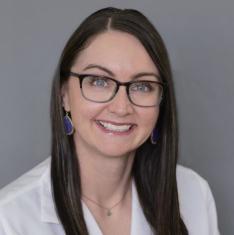

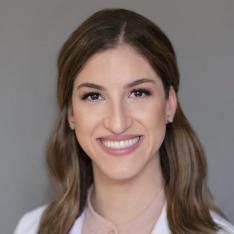
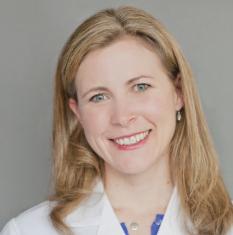
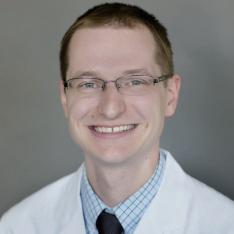
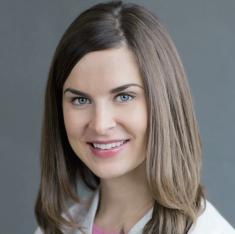



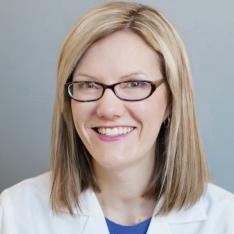
TCO’S 2023 TOP DOCTORS

Orthopedic Surgeon Hand & Upper Extremity Specialist
Orthopedic Surgeon Sports Medicine Specialist
Orthopedic Surgeon Foot & Ankle Specialist
Orthopedic Surgeon Hand & Upper Extremity Specialist
Orthopedic Surgeon Foot & Ankle Specialist
Orthopedic Surgeon Hand & Upper Extremity Specialist
Orthopedic Surgeon Sports Medicine Specialist
Orthopedic Surgeon Hand & Upper Extremity Specialist
Orthopedic Surgeon Hand & Upper Extremity Specialist
Primary Care Physician Sports Medicine Specialist
Orthopedic
Orthopedic Surgeon Hand & Upper Extremity Specialist
Orthopedic
TCOmn.com APPOINTMENTS 952-456-7777
Amy Moeller, MD
Clare McCarthy, MD
Christopher Larson, MD
Owen O’Neill, MD
Surgeon Sports Medicine Specialist
Stephen Olmsted, MD
David Olson, MD
Adam Bakker, MD
Laura Koch, MD
J. Chris Coetzee, MD
David Gesensway, MD
Paul Cammack, MD
D. Charles Eggert, MD
Christie Heikes, MD
Surgeon Sports Medicine Specialist

 Front row (left to right): Dr. Amy Moeller, Dr. Stephen Olmsted, Dr. D. Charles Eggert
2nd row: Dr. David Olson, Dr. Paul Cammack, Dr. Christie Heikes, Dr. Adam Bakker
3rd row: Dr. Laura Koch, Dr. J. Chris Coetzee, Dr. Clare McCarthy
4th row: Dr. Christopher Larson, Dr. Owen O’Neill, Dr. David Gesensway
Front row (left to right): Dr. Amy Moeller, Dr. Stephen Olmsted, Dr. D. Charles Eggert
2nd row: Dr. David Olson, Dr. Paul Cammack, Dr. Christie Heikes, Dr. Adam Bakker
3rd row: Dr. Laura Koch, Dr. J. Chris Coetzee, Dr. Clare McCarthy
4th row: Dr. Christopher Larson, Dr. Owen O’Neill, Dr. David Gesensway
2023 Top Doctors
Stephen J. Gleich
Mayo Clinic
Children’s Center
200 First St. S.W., Rochester, 855-629-6543
Dawit T. Haile
Mayo Clinic
Children’s Center
200 First St. S.W., Rochester, 855-629-6543
Michael E. Nemergut
Mayo Clinic
Children’s Center
200 First St. S.W., Rochester, 855-629-6543
Leal G. Segura
Mayo Clinic
Children’s Center
200 First St. S.W., Rochester, 855-629-6543
Elizabeth Vogel
Mayo Clinic
Children’s Center
200 First St. S.W., Rochester, 855-629-6543
BREAST SURGERY
Ann F. Callahan
Allina Health - Piper Breast Center
913 E. 26th St., Piper Building, Floor 4, Minneapolis, 612-863-3150
Mary Beth Colbert
HealthPartners Park Nicollet Specialty Center
3931 Louisiana Ave. S., St. Louis Park, 952-993-3180
Amy C. Fox
HealthPartners
Park Nicollet Specialty Center
401 Phalen Blvd., St. Paul, 952-967-7977
Lisa Hamilton
Minnesota OncologyMinnesota Breast Specialists
7760 France Ave. S., Suite 1000, Bloomington, 952-208-6005
Tina J Hieken
Mayo Clinic
200 First St. S.W., Rochester, 507-284-2511
Jane Yuet Ching Hui
M Health Fairview Clinics and Surgery CenterMinneapolis
909 Fulton St. S.E., Minneapolis, 612-273-8383
Dawn Johnson
Allina Health - Piper Breast Center
913 E. 26th St., Piper Building, Floor 4, Minneapolis, 612-863-3150
Abigail Madans
Hennepin Healthcare
730 S. Eighth St., Minneapolis, 612-873-6963
Elizabeth O’Leary
Minnesota Oncology - Minnesota Breast Specialists
7760 France Ave. S., Suite 1000, Bloomington, 952-208-6005
Diane Ogren
M Health Fairview Breast Clinic - Maplewood 2945 Hazelwood St., Suite 305, Maplewood, 651-471-9300
Kristin N. Ri er HealthPartners Park Nicollet Jane Bra ain Breast Center 3850 Park Nicollet Blvd., St. Louis Park, 952-993-3700
Natasha Rueth Allina HealthPiper Breast Center 913 E. 26th St., Piper Building, Floor 4, Minneapolis, 612-863-3150
Todd Tu le M Health Fairview
Masonic Cancer Clinic 909 Fulton St. S.E., Floor 2, Minneapolis, 612-676-4200
Sara Wildenberg
M Health Fairview Surgical Clinic - Edina 6405 France Ave. S., Suite W440, Edina, 952-927-7004
Mallory J. Yelenich-Huss Specialists in General Surgery
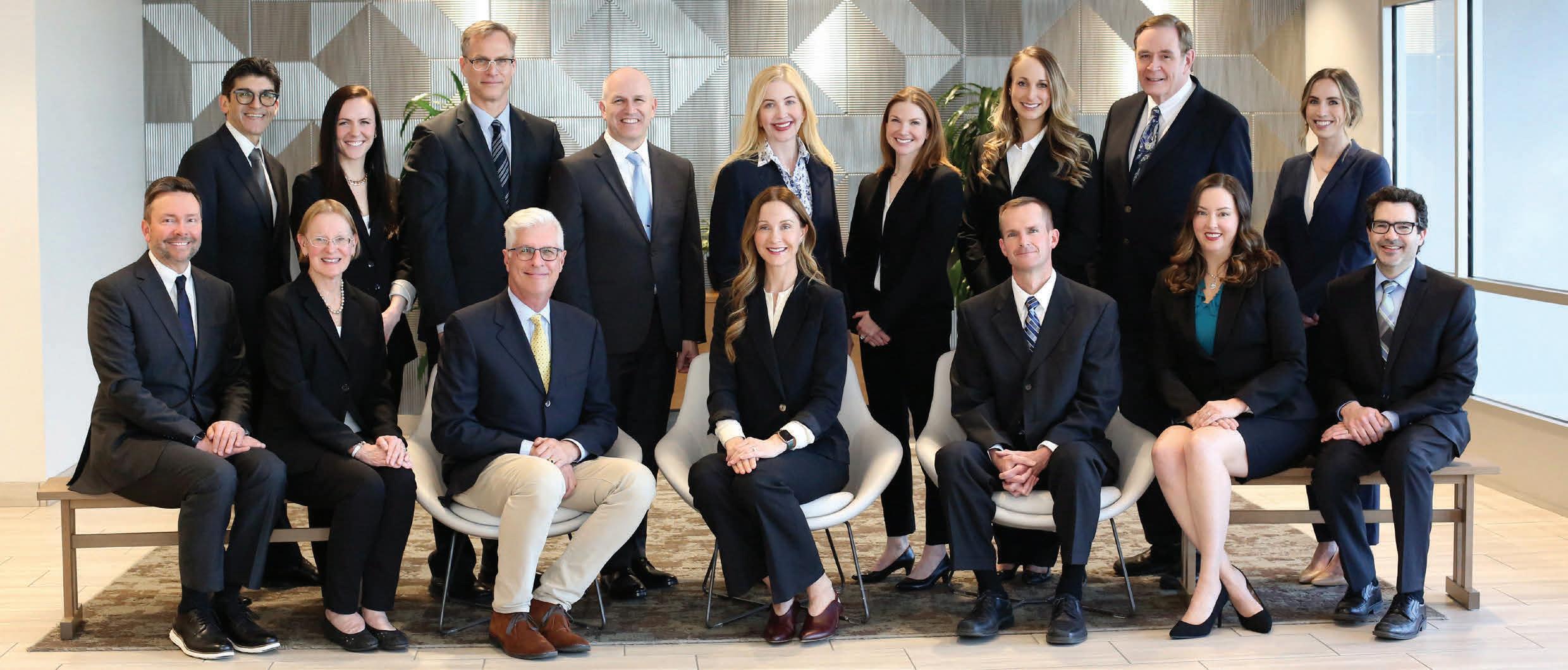
9825 Hospital Drive, Maple Grove, 763-780-6699
Richard T. Zera
Hennepin Healthcare
730 S. Eighth St., Minneapolis, 612-873-6963
Ashley Zilles
M Health Fairview Breast Clinic - Maplewood
2945 Hazelwood St., Suite 305, Maplewood, 651-471-9300
BURN TREATMENT
Frederick Endorf
Hennepin Healthcare 730 S. Eighth St., Minneapolis, 612-873-6963
Ryan M. Fey
Hennepin Healthcare 730 S. Eighth St., Minneapolis, 612-873-6963
Jon Gayken
Hennepin Healthcare
730 S. Eighth St., Minneapolis, 612-873-6963
Kyle R. Schmitz
Hennepin Healthcare
730 S. Eighth St., Minneapolis, 612-873-6963
CARDIOLOGY
Tamas Alexy
M Health Fairview Heart Clinic - Fridley
6401 University Ave., Floor 2, Minneapolis, 612-365-5000
Woubeshet Ayenew
Hennepin Healthcare
730 S. Eighth St., Minneapolis, 612-873-6963
Michelle Carlson
Hennepin Healthcare
730 S. Eighth St., Minneapolis, 612-873-6963
Rebecca J. Cogswell
M Health Fairview Heart Clinic - Fulton
909 Fulton St. S.E., Minneapolis, 612-365-5000
Lucy Esberg
North Memorial Health
Heart & Vascular Clinic
- Blaine
4181 108th Ave. N.E., Blaine, 763-581-5953
Aimee E. Johnson
HealthPartners Hutchinson Health Clinic
3 Century Ave. S.E., Hutchinson, 320-234-3290
Ganesh Raveendran
M Health Fairview Heart Clinic - Fulton 909 Fulton St. S.E., Minneapolis, 612-273-8383
Michael Samara
Minneapolis, Heart Institute
800 E. 28th St., Floor 2, Minneapolis, 612-863-3900
Retu Saxena
Minneapolis Heart Institute
7373 France Ave. S., Suite 300, Minneapolis, 612-863-3833
Soma Sen
HealthPartners Hutchinson Health Clinic
3 Century Ave. S.E., Hutchinson, 320-234-3290
Mengistu A. Simegn Hennepin Healthcare
730 S. Eighth St., Minneapolis, 612-873-6963
Thenappan Thenappan
M Health Fairview
HeartClinic - Woodbury
1875 Woodwinds Drive, Suite 110, Woodbury, 651-326-4327
Elizabeth Tuohy
Allina Health Minneapolis Heart Institute - St. Paul
225 N. Smith Ave., Nasseff Specialty Center, Suite 400, St. Paul, 651-292-0007
CARDIOLOGYPEDIATRIC


Varun Aggarwal
M Health Fairview Pediatric Specialty Clinic - Explorer 2450 Riverside Ave., Floor 12, Minneapolis, 612-365-6777
Ma hew Ambrose
M Health Fairview Pediatric Specialty Clinic - Explorer 2450 Riverside Ave., Floor 12, Minneapolis, 612-365-6777
Rebecca K. Ameduri
Mayo Clinic
Children’s Center
200 First St. S.W., Rochester, 507-284-3994
Jason H. Anderson
Mayo Clinic
Children’s Center 200 First St. S.W., Rochester, 855-629-6543
Allison Cabalka
Mayo Clinic
Children’s Center 200 First St. S.W., Rochester, 855-629-6543
Frank Ce a Mayo Clinic
Children’s Center 200 First St. S.W., Rochester, 855-629-6543
David Bryan Gremmels
Children’s MinnesotaChildren’s Heart Clinic
2530 S. Chicago Ave., Suite 500, Minneapolis, 612-813-8800
Christine Hills
Allina Health - St. Francis Regional Medical Center 1455 St. Francis Ave., Shakopee, 952-428-3000
Gurumurthy Hiremath
Mallikarjun
M Health Fairview Pediatric Specialty Clinic - Explorer 2450 Riverside Ave., Floor 12, Minneapolis, 612-365-6777
Lisa Howley
Children’s MinnesotaChildren’s Heart Clinic 2530 Chicago Ave., Suite 500, Minneapolis, 612-813-8800
Jonathan N. Johnson
Mayo Clinic
Children’s Center 200 First St. S.W., Rochester, 855-629-6543
Stacie Knutson
M Health Fairview Pediatric Specialty Clinic - Explorer 2450 Riverside Ave., Floor 12, Minneapolis, 612-626-2755
Jamie Lohr
M Health Fairview Pediatric Specialty Clinic - Explorer 2450 Riverside Ave., Floor 12, Minneapolis, 612-365-6777
Shanti Narasimhan
M Health Fairview Pediatric Specialty Clinic - Explorer 2450 Riverside Ave., Floor 12, Minneapolis, 612-365-6777
Talha Niaz
Mayo Clinic
Children’s Center 200 First St. S.W., Rochester, 855-629-6543
Nathan Rodgers
M Health Fairview Pediatric Specialty Clinic - Discovery 2512 S. Seventh St., Floor 3 Minneapolis, 612-365-6777
Charles Shepard
Winona Health 855 Mankato Ave., Winona, 507-457-7622
Julia Steinberger
M Health Fairview Pediatric Specialty Clinic - Explorer 2450 Riverside Ave., Floor 12, Minneapolis, 612-365-6777
Nathaniel W. Taggart
Mayo Clinic
Children’s Center 200 First St. S.W., Rochester, 855-629-6543
Marko Vezmar
Children’s MinnesotaChildren’s Heart Clinic 2530 Chicago Ave., Suite 500, Minneapolis, 612-813-8800
CARDIOLOGY - WOMEN
Catherine Pastorius
Benziger Essentia HealthSt. Mary’s Medical Center 407 E. Third St., Duluth, 218-786-4000
Sharonne N. Hayes
Mayo Clinic 200 First St. S.W., Rochester, 507-284-2511
S. Kimara March
M Health Fairview Heart Clinic - Edina 6405 France Ave. S., Suite W200, Edina, 612-365-5000
Retu Saxena Minneapolis Heart Institute 7373 France Ave. S., Suite 300, Minneapolis, 612-863-3833
Norma Thiessen Allina Health Minneapolis Heart Institute - Edina 7373 France Ave. S., Suite 300, Edina, 952-428-0500
Nicole Worden
Essentia Health - St. Mary’s Medical Center 407 E. Third St., Duluth, 218-786-4000
CARDIOTHORACIC SURGERY - PEDIATRIC
Joseph Albert Dearani
Mayo Clinic
Children’s Center 200 First St. S.W., Rochester, 855-629-6543
Robroy MacIver
Children’s Minnesota -
Children’s Heart Clinic 2530 Chicago Ave., Suite 500, Minneapolis, 612-813-8800
David M. Overman
Children’s Minnesota -
Children’s Heart Clinic 2530 Chicago Ave., Suite 500, Minneapolis, 612-813-8800
Elizabeth H. Stephens
Mayo Clinic
Children’s Center 200 First St. S.W., Rochester, 855-629-6543
COLON & RECTAL SURGERY
Kyle Barker Voyage Healthcare 9825 Hospital Drive, Suite 300, Maple Grove, 763-587-7752
George Eric Belzer
HealthPartners Park
Nicollet Specialty Center at Methodist Hospital 3931 S. Louisiana Ave., St. Louis Park, 952-993-3180
Ryan Ma hew Carlson
HealthPartners Specialty Center - Surgery
401 Phalen Blvd., St. Paul, 952-967-7977
Aneel Damle
Colon & Rectal Surgery Associates
1983 Sloan Place, Suite 11, St. Paul, 651-312-1620
Isaac Felemovicius
North Memorial HealthMaple Grove Hospital 9875 Hospital Drive, Maple Grove, 763-581-1000
Wolfgang Gaertner M Health Fairview Colon and Rectal Surgery ClinicMinneapolis 909 Fulton St. S.E., Minneapolis, 612-624-9708
Bre T. Gemlo
Colon & Rectal Surgery Associates
1983 Sloan Place, Suite 11, St. Paul, 651-312-1620
Cyrus Jahansouz M Health Fairview
University of Minnesota Medical Center - East Bank 500 Harvard St. S.E., Minneapolis, 612-672-7000
Christine C. Jensen
Allina Health - Colon & Rectal Surgery Associates 11850 Blackfoot St. N.W., Suite 270, Coon Rapids, 651-312-1717
Janet T. Lee
Colon & Rectal Surgery Associates
1983 Sloan Place, Suite 11, St. Paul, 651-312-1620
Genevieve Melton-Meaux M Health Fairview Colon and Rectal Surgery ClinicMinneapolis 909 Fulton St. S.E., Floor 4, Minneapolis, 612-624-9708
Marc C. Osborne
Colon & Rectal Surgery Associates
1983 Sloan Place, Suite 11, St. Paul, 651-312-1620
Anne Elizabeth Sirany
Colon & Rectal Surgery Associates
1983 Sloan Place, Suite 11, St. Paul, 651-312-1620
Michael P. Spencer
Colon & Rectal Surgery Associates
1983 Sloan Place, Suite 11, St. Paul, 651-312-1620
Amy J. Thorsen
Colon & Rectal Surgery Associates
1983 Sloan Place, Suite 11, St. Paul, 651-312-1620
David J. Willis
HealthPartners Park
Nicollet Specialty Center at Methodist Hospital
3931 S. Louisiana Ave., St. Louis Park, 952-993-3180
62 | SEPT/OCT 2023 | MINNESOTAMONTHLY.COM
TRUST YOUR SKIN TO THE SPECIALISTS
ASSOCIATED SKIN CARE SPECIALISTS. FOUNDED 1973
Your skin is a reflection of your general health and well-being. Our primary goal at Associated Skin Care Specialists is to protect and promote your best skin health. The board certified dermatologists at Associated Skin Care Specialists are committed to providing expert dermatologic care for all ages. We offer compassionate, comprehensive and cutting edge treatments in all areas of dermatology:
- Medical Dermatology
- Cosmetic Dermatology and Aesthetics
- Surgical Dermatology/Mohs Surgery





- Dermatopathology
- Dermatologic Research


Call today to schedule an appointment at one of our seven convenient locations. Same day appointments available, call to inquire. Trust your skin to the Specialists.
Bart Endrizzi, M.D., PhD
Frederick Fish, M.D.
Jeffrey Freed, M.D.
Holly Hanson, M.D.
Jamie Hanson, M.D.
Steven Kempers, M.D.
Bailey Lee, M.D.
Jane Lindholm, M.D.
Jane Lisko, M.D.
Erin Luxenberg, M.D.

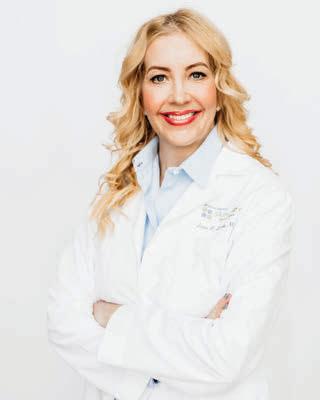

J. Daniel Mischke, M.D.
Anne Nikle, M.D.
Soheil Pakzad, M.D.
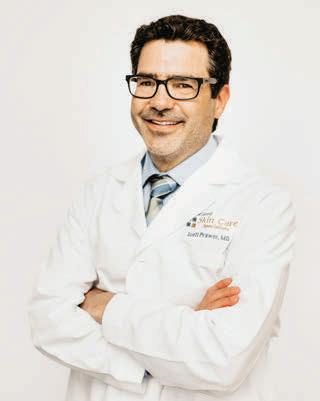
Scott Prawer, M.D., MS
Marki Swick, M.D.
Roger Weenig, M.D.
Blaine, Coon Rapids, Fridley, Eden Prairie, Minneapolis (Linden Hills), Maple Grove and New Brighton 763-571-4000 associatedskincare.com
Scott Prawer, M.D. M.S.
Bailey Lee, M.D.
Holly Hanson, M.D. Jane Lisko, M.D.
2023 Top Doctors
CRITICAL CARE MEDICINE
Melissa Brunsvold
M Health Fairview General Surgery ClinicMinneapolis
909 Fulton St. S.E., Floor 4, Minneapolis, 612-624-5915
Jeffrey Chipman
M Health Fairview General Surgery Clinic - Minneapolis
909 Fulton St. S.E., Floor 4, Minneapolis, 612-624-5915
Hem Hemantbhai Desai
M Health Fairview Center for Lung Science and Health Clinic - Minneapolis 909 Fulton St. S.E., Minneapolis, 612-624-4040
Sara E. Erickson HealthPartnersRegions Specialty Clinics 640 Jackson St., St. Paul, 952-967-7977
Amy Knopke North Memorial HealthMaple Grove Hospital 9875 Hospital Drive, Maple Grove, 763-581-1000
James W. Leatherman
Hennepin Healthcare
730 S. Eighth St., Minneapolis, 612-873-6963
Elizabeth Anne Miller HealthPartners
Park Nicollet Specialty Center at Methodist Hospital 3931 S. Louisiana Ave., St. Louis Park, 952-993-3242
Rita Balvant Patel M Health Fairview St. John’s Hospital 1575 Beam Ave., Maplewood, 651-232-7000
Kathryn Pendleton M Health Fairview Specialty Clinic - Edina 6525 France Ave. S., Suite 200, Edina, 952-848-8890
Ma hew Prekker Hennepin Healthcare 730 S. Eighth St., Minneapolis, 612-873-6963
Ronald Reilkoff M Health Fairview Center for Lung Science and Health Clinic - Minneapolis 909 Fulton St. S.E., Minneapolis, 612-624-4040
Clara Zamorano
Allina Health - Abbo
Northwestern Hospital
800 E. 28th St., Minneapolis, 612-863-4000
CRITICAL CARE
MEDICINE - PEDIATRIC
Ashley Bjorklund
Hennepin Healthcare
730 S. Eighth St., Minneapolis, 612-873-6963
Sheri Crow
Mayo Clinic
Children’s Center, 200 First St. S.W., Rochester, 855-629-6543
Mark Herndon Eikenberry
Children’s Minnesota -
Children’s Respiratory & Critical Care Specialists
2530 S. Chicago Ave., Suite 400, Minneapolis, 612-813-3300
Gwenyth Anne Fischer
M Health Fairview Pediatric Specialty Clinic - Discovery
2512 S. Seventh St., Floor 3, Minneapolis, 612-625-6678
Caroline George M Health Fairview Center for Safe and Healthy Children
2450 Riverside S., Minneapolis, 612-625-6678
Stephen J. Gleich
Mayo Clinic
Children’s Center
200 First St. S.W., Rochester, 855-629-6543
Sameer Gupta
M Health Fairview Masonic
Children’s Hospital
2450 Riverside Ave., Minneapolis, 612-365-6777
Robert J. Kahoud
Mayo Clinic
Children’s Center
200 First St. S.W., Rochester, 855-629-6543
Yu Kawai Mayo Clinic
Children’s Center 200 First St. S.W., Rochester, 855-629-6543
Andrew W. Kiragu
Children’s MinnesotaChildren’s Respiratory & Critical Care Specialists
2530 S. Chicago Ave., Suite 400, Minneapolis, 612-813-3300
Emily R. Levy
Mayo Clinic
Children’s Center 200 First St. S.W., Rochester, 855-629-6543
Ashley Loomis
M Health Fairview Masonic
Children’s Hospital
2450 Riverside Ave. S., Minneapolis, 612-625-6678
Kenneth Kyle Maslonka
Children’s MinnesotaChildren’s Respiratory & Critical Care Specialists
2530 S. Chicago Ave., Suite 400, Minneapolis, 612-813-3300
Didima Mon-Sprehe Gille e Children’s - St. Paul 200 E. University Ave., St. Paul, 651-290-8707
Michael E. Nemergut
Mayo Clinic
Children’s Center 200 First St. S.W., Rochester, 855-629-6543
Jeffrey Nowak
Children’s Respiratory & Critical Care Specialists 2530 Chicago Ave. S., Suite 400, Minneapolis, 612-813-3300
Brenda M. Schiltz
Mayo Clinic
Children’s Center 200 First St. S.W., Rochester, 855-629-6543
Miriam Shapiro
M Health Fairview Masonic
Children’s Hospital
2450 Riverside Ave., Minneapolis, 612-635-1000
Charlo e S. Van Dorn Mayo Clinic
Children’s Center
200 First St. S.W., Rochester, 855-629-6543
Jeffrey R. Weatherhead
Mayo Clinic
Children’s Center 200 First St. S.W., Rochester, 855-629-6543
DERMATOLOGY
Rehana Ahmed-Saucedo Lakes Dermatology
14305 W. Southcross Drive, Suite 110, Burnsville, 651-340-1064
Nora S. Ali Dermatology Consultants 280 Snelling Ave. N., St. Paul, 651-645-3628
PROUD TO HAVE THE MOST TOP DOCS IN MINNESOTA PROUD TO HAVE THE MOST TOP DOCS IN MINNESOTA
Kathryn C. Barlow
Dermatology Consultants
1215 Town Centre Drive, Suite 200, Eagan, 651-251-3300
Sachin S. Bhardwaj
Dermatology Specialists
3316 W. 66th St., Suites 120 & 200, Edina, 952-920-3808
Kimberly Bohjanen
M Health Fairview
Dermatology ClinicMinneapolis
909 Fulton St. S.E., Floor 3, Minneapolis, 612-625-5656
Christina Boull
M Health Fairview Dermatology ClinicMinneapolis
909 Fulton St. S.E., Floor 3, Minneapolis, 612-625-8625
Nikoo Cheraghi
Dermatology Consultants
1215 Town Centre Drive, Suite 200, Eagan, 651-251-3300
Mimi Cho Dermatology Specialists
3316 W. 66th St., Suites 120 & 200, Edina, 952-920-3808
Caleb H. Creswell Dermatology Specialists
3316 W. 66th St., Suites 120 & 200, Edina, 952-920-3808
Julie S. Cronk
Dermatology Consultants
576 Bielenberg Drive, Suite 200, Woodbury, 651-578-2700
Cari Gibbs Dakin
HealthPartners Park
Nicollet Specialty Center St. Louis Park 3800 Park Nicollet Blvd., St. Louis Park, 952-993-3376
Jennifer E. Dick
Dermatology Specialists
3316 W. 66th St., Suites 120 & 200, Edina, 952-920-3808
James Dorrian
Tareen Dermatology 2945 Hazelwood St., Maplewood, 651-633-6883
Ronda Farah
M Health Fairview Clinic - Maple Grove 14500 N. 99th Ave., Maple Grove, 612-625-5656
Elizabeth Farhat
Allina HealthBloomington Clinic
7920 Old Cedar Ave. S., Bloomington, 952-428-1800
Erica W. Grinager
HealthPartners Park
Nicollet Specialty Center St. Louis Park 3800 Park Nicollet Blvd., St. Louis Park, 952-993-3376
Holly Hanson Associated Skin Care Specialists
18315 Cascade Drive, Suite 150, Eden Prairie, 952-934-7336
Ryan Holzwarth Tareen
Dermatology
2720 N. Fairview Ave., Suite 200, Roseville, 651-633-6883
Maria Hordinsky
M Health Fairview Pediatric Specialty Clinic - Discovery 2512 S. Seventh St., Floor 3, Minneapolis, 612-365-6777
Sara Hylwa
HealthPartners Park
Nicollet Contact Dermatitis Clinic
7550 S. Fourth Ave., Minneapolis, 952-993-3260
Lynda S. Kauls
Market Street Dermatology
275 Market St., Suite 215, Minneapolis, 612-746-4144
Jozef Lazar
Dermatology Consultants
1215 Town Centre Drive, Suite 200, Eagan, 651-251-3300
Bailey C. Lee
Bailey C. Lee, M.D., F.A.A.D. 9600 N. Upland Lane, Maple Grove, 763-416-2380
Jennifer M. Lee
Dermatology Specialists
3316 W. 66th St., Suites 120 & 200, Edina, 952-920-3808
Nancy Leitch
Lakes Dermatology
14305 W. Southcross Drive, Suite 110, Burnsville, 651-340-1064
Jane H. Lisko
Associated Skin Care Specialists
18315 Cascade Drive, Suite 150, Eden Prairie, 952-934-7336
Jing Liu
Hennepin Healthcare
730 S. Eighth St., Minneapolis, 612-873-6963
Sherri Long
North Metro Dermatology
400 Village Center Drive, Suite 200, North Oaks, 651-789-9800
Rajneesh Madhok
Dermatology Specialists
3316 W. 66th St., Suites 120 & 200, Edina, 952-920-3808
Ian Maher M Health Fairview
Dermatologic Surgery Clinic - Minneapolis 909 Fulton St. S.E., Floor 3, Minneapolis, 612-626-6963
Adam Ma ox M Health Fairview ClinicMaple Grove 14500 N. 99th Ave., Maple Grove, 612-625-5656
Daniel Miller
M Health Fairview
Dermatology ClinicMinneapolis 909 Fulton St. S.E., Floor 3, Minneapolis, 612-625-5656
Jessica A. Morrell
Dermatology Consultants
1215 Town Centre Drive, Suite 200, Eagan, 651-251-3300
Sco Prawer Associated Skin Care Specialists 9600 N. Upland Lane, Suite 250, Maple Grove, 763-416-2380
Hilary C. Reich Dermatology Duluth 4316 Rice Lake Road, Suite 101, Duluth, 218-740-7400
Tanya A. Sale Dermatology Consultants 280 Snelling Ave. N., St. Paul, 651-645-3628
Julio C. Sartori Valino i Mayo Clinic 200 First St. S.W., Rochester, 507-284-2511
Elyse H. Scheuer Market Street Dermatology 275 Market St., Suite 215, Minneapolis, 612-746-4144
Bri ney Schultz
M Health Fairview
Dermatology ClinicMinneapolis 909 Fulton St. S.E., Floor 3, Minneapolis, 612-625-5656
Joseph J. Shaffer
Dermatology Consultants 1215 Town Centre Drive, Suite 200, Eagan, 651-251-3300
THE BEST OF ACADEMIC MEDICINE CLOSE TO HOME
THE BEST OF ACADEMIC MEDICINE CLOSE TO HOME
THE BEST OF ACADEMIC MEDICINE CLOSE TO HOME
THE BEST OF ACADEMIC MEDICINE CLOSE TO HOME
Year after year, M Health Fairview is recognized as having more top doctors than any other health system in Minnesota. We combine the best of the University of Minnesota and Fairview to give you access to leading clinicians, researchers, teachers, and academic physicians—right in your neighborhood.
Year after year, M Health Fairview is recognized as having more top doctors than any other health system in Minnesota. We combine the best of the University of Minnesota and Fairview to give you access to leading clinicians, researchers, teachers, and academic physicians—right in your neighborhood.
Year after year, M Health Fairview is recognized as having more top doctors than any other health system in Minnesota. We combine the best of the University of Minnesota and Fairview to give you access to leading clinicians, researchers, teachers, and academic physicians—right in your neighborhood.
Year after year, M Health Fairview is recognized as having more top doctors than any other health system in Minnesota. We combine the best of the University of Minnesota and Fairview to give you access to leading clinicians, researchers, teachers, and academic physicians—right in your neighborhood.
Year after year, M Health Fairview is recognized as having more top doctors than any other health system in Minnesota. We combine the best of the University of Minnesota and Fairview to give you access to leading clinicians, researchers, teachers, and academic physicians—right in your neighborhood.
THE BEST OF ACADEMIC MEDICINE CLOSE TO HOME
Year after year, M Health Fairview is recognized as having more top doctors than any other health system in Minnesota. We combine the best of the University of Minnesota and Fairview to give you access to leading clinicians, researchers, teachers, and academic physicians—right in your neighborhood.
Year after year, M Health Fairview is recognized as having more top doctors than any other health system in Minnesota. We combine the best of the University of Minnesota and Fairview to give you access to leading clinicians, researchers, teachers, and academic physicians—right in your neighborhood.
THE BEST OF ACADEMIC MEDICINE CLOSE TO HOME
Year after year, M Health Fairview is recognized as having more top doctors than any other health system in Minnesota. We combine the best of the University of Minnesota and Fairview to give you access to leading clinicians, researchers, teachers, and academic physicians—right in your neighborhood.
Year after year, M Health Fairview is recognized as having more top doctors than any other health system in Minnesota. We combine the best of the University of Minnesota and Fairview to give you access to leading clinicians, researchers, teachers, and academic physicians—right in your neighborhood.
Year after year, M Health Fairview is recognized as having more top doctors than any other health system in Minnesota. We combine the best of the University of Minnesota and Fairview to give you access to leading clinicians, researchers, teachers, and academic physicians—right in your neighborhood.
EASILY ACCESS OUR CARE TODAY
EASILY ACCESS OUR CARE TODAY ONLINE PHONE HOSPITALS/CLINICS MOBILE APP MHEALTHFAIRVIEW.ORG 1-855-FAIRVIEW
EASILY ACCESS OUR CARE TODAY ONLINE PHONE HOSPITALS/CLINICS MOBILE APP MHEALTHFAIRVIEW.ORG 1-855-FAIRVIEW
EASILY ACCESS OUR CARE TODAY ONLINE PHONE HOSPITALS/CLINICS MOBILE APP MHEALTHFAIRVIEW.ORG 1-855-FAIRVIEW
EASILY
ONLINE PHONE HOSPITALS/CLINICS MOBILE APP MHEALTHFAIRVIEW.ORG 1-855-FAIRVIEW
ACCESS OUR CARE TODAY
ONLINE PHONE HOSPITALS/CLINICS MOBILE APP
EASILY ACCESS OUR CARE TODAY ONLINE PHONE HOSPITALS/CLINICS MOBILE APP
EASILY ACCESS OUR CARE TODAY ONLINE PHONE HOSPITALS/CLINICS MOBILE APP MHEALTHFAIRVIEW.ORG
THE BEST OF ACADEMIC MEDICINE
1-855-FAIRVIEW
CLOSE TO HOME
EASILY ACCESS OUR CARE TODAY ONLINE PHONE HOSPITALS/CLINICS MOBILE APP MHEALTHFAIRVIEW.ORG
1-855-FAIRVIEW THE BEST OF ACADEMIC MEDICINE CLOSE TO HOME
EASILY ACCESS OUR CARE TODAY ONLINE PHONE HOSPITALS/CLINICS MOBILE APP MHEALTHFAIRVIEW.ORG
1-855-FAIRVIEW THE BEST OF ACADEMIC MEDICINE CLOSE TO HOME
EASILY ACCESS OUR CARE TODAY ONLINE PHONE HOSPITALS/CLINICS MOBILE APP MHEALTHFAIRVIEW.ORG
ACADEMIC MEDICINE
1-855-FAIRVIEW THE BEST OF
CLOSE TO HOME
2023 Top Doctors
Kristina K. Sha er
Dermatology Consultants
1215 Town Centre Drive, Suite 200, Eagan, 651-251-3300
Larisa S. Speetzen
HealthPartners Park
Nicollet Dermatology
St. Louis Park
3800 Park Nicollet Blvd., St. Louis Park, 952-993-3376
Mohiba Tareen Tareen
Dermatology 2720 N. Fairview Ave., Suite 200, Roseville, 651-633-6883
Amanda J. Tsche er
Dermatology Specialists 3316 W. 66th St., Suites 120 & 200, Edina, 952-920-3808
Lydia I. Turnbull
Dermatology Consultants
587 Bielenberg Drive, Suite 200, Woodbury, 651-578-2700
Brian Zelickson
Zel Skin & Laser Specialists
2 Carlson Parkway N., Suite 100, Plymouth, 952-521-9797
DERMATOLOGYPEDIATRIC
Katelyn R. Anderson Mayo Clinic
Children’s Center
200 First St. S.W., Rochester, 855-629-6543
Sarah Asch
Hometown Pediatric
Dermatology 10 Charles Lake Road, North Oaks, 612-234-2331
Christina Boull
M Health Fairview
Dermatology ClinicMinneapolis 909 Fulton St. S.E., Floor 3, Minneapolis, 612-625-8625
Dawn Marie R. Davis Mayo Clinic
Children’s Center
200 First St. S.W., Rochester, 855-629-6543
Jennifer A. Day
HealthPartners Park
Nicollet Specialty Center St. Louis Park
3800 Park Nicollet Blvd., St. Louis Park, 952-993-3376
Kristen P. Hook
Dermatology Specialists
3316 W. 66th St., Suites 120 & 200, Edina, 952-920-3808
Sheilagh Maguiness
M Health Fairview Pediatric
Specialty Clinic - Discovery
2512 S. Seventh St., Minneapolis, 612-365-6777
Cynthia Nicholson
M Health Fairview Pediatric
Specialty Clinic - Discovery
2512 S. Seventh St., Minneapolis, 612-672-7000
Ingrid Polcari
M Health Fairview Pediatric Specialty Clinic - Woodbury
9680 Tamarack Road, Suite 130, Woodbury, 651-265-7575
Megha M. Tollefson Mayo Clinic

Children’s Center
200 First St. S.W., Rochester, 855-629-6543
Molly J. Youssef
Mayo Clinic
Children’s Center
200 First St. S.W., Rochester, 855-629-6543
DEVELOPMENTALBEHAVIORAL PEDIATRICS
Andrew Barnes
M Health Fairview Clinic -
Masonic Institute for the Developing Brain
2025 E. River Parkway, Minneapolis, 612-301-0115
Flora R. Howie
Mayo Clinic
Children’s Center 200 First St. S.W., Rochester, 855-629-6543
Maja Z. Katusic Mayo Clinic
Children’s Center 200 First St. S.W., Rochester, 855-629-6543
Katherine Murray
M Health Fairview Clinic -
Masonic Institute for the Developing Brain
2025 E. River Parkway, Minneapolis, 612-301-0115
Mollika A. Sajady
Children’s MinnesotaDevelopmental Pediatrics
2530 Chicago Ave., Suite G055, Minneapolis, 612-813-6300
DIAGNOSTIC RADIOLOGY
Tadashi Allen
M Health Fairview
University of Minnesota Medical Center - East Bank
500 Harvard St. S.E., Minneapolis, 612-273-3000
Ju a Ellermann
M Health Fairview
University of Minnesota Medical Center - East Bank
500 Harvard St. S.E., Minneapolis, 612-273-3000
Eric Hoggard
M Health Fairview
University of Minnesota Medical Center - West Bank
2312 S. Sixth St., Minneapolis, 612-672-7000
Nathan C. Hull
Mayo Clinic
Children’s Center 200 First St. S.W., Rochester, 855-629-6543
David Nascene
M Health Fairview Masonic
Children’s Hospital
2450 Riverside Ave., Minneapolis, 612-365-6777
Gopal Punjabi
Hennepin Healthcare
730 S. Eighth St., Minneapolis, 612-873-6963
Anthony Severt
Hennepin Healthcare
730 S. Eighth St., Minneapolis, 612-873-6963
Benjamin Spilseth
M Health Fairview
University of Minnesota
Medical Center - East Bank
500 Harvard St. S.E., Minneapolis, 612-273-3000
EMERGENCY MEDICINE
Marny Benjamin
Methodist Hospital 6500 Excelsior Blvd., St. Louis Park, 952-993-6080
Kristina (Kristi) M. Colbenson
Mayo Clinic
200 First St. S.W., Rochester, 507-266-9100
Daniel Thomas O’Laughlin
Allina Health - Abbo
Northwestern Hospital
800 E. 28th St., Minneapolis, 612-863-4233
Lane Pa en North Memorial HealthMaple Grove Hospital 9875 Hospital Drive, Maple Grove, 763-581-1000
Ma hew Prekker
Hennepin Healthcare
730 S. Eighth St., Minneapolis, 612-873-6963
Laura Lee Schrag
Hennepin Healthcare
730 S. Eighth St., Minneapolis, 612-873-6963
EMERGENCY MEDICINEPEDIATRIC
Jana L. Anderson
Mayo Clinic
Children’s Center
200 First St. S.W., Rochester, 855-629-6543
Meghan R. Cain
Mayo Clinic
Children’s Center
200 First St. S.W., Rochester, 855-629-6543
Marissa Hendrickson
M Health Fairview Masonic
Children’s Hospital
2450 Riverside Ave., Minneapolis, 612-365-6777
James (Jim) L. Homme
Mayo Clinic
Children’s Center
200 First St. S.W., Rochester, 855-629-6543
Rahul Kaila
M Health Fairview Masonic
Children’s Hospital
2450 Riverside Ave., Minneapolis, 612-365-6777
Je rey Louie
M Health Fairview Masonic
Children’s Hospital
2450 Riverside Ave., Minneapolis, 612-625-6678
Manu Madhok
Children’s MinnesotaEmergency Medicine
2525 Chicago Ave., Suite 1488, Minneapolis, 612-813-6117
Robert T. Plou
Children’s MinnesotaEmergency Medicine
2525 Chicago Ave., Suite 1488, Minneapolis, 612-813-6000
Ashley Strobel
Hennepin Healthcare
730 S. Eighth St., Minneapolis, 612-873-6963
Emily Wagner
M Health Fairview Ridges Hospital
201 E. Nicollet Blvd., Burnsville, 952-892-2000
ENDOCRINOLOGY & METABOLISM
Anne Bantle
M Health Fairview
Endocrinology Clinic
909 Fulton St. S.E., Floor 3, Minneapolis, 612-625-8690
Charles Billington
University of Minnesota Medical School
606 24th Ave. S., Suite 500, Minneapolis, 612-624-5965
Lynn Burmeister
M Health Fairview
Endocrinology Clinic
909 Fulton St. S.E., Floor 3, Minneapolis, 612-625-8690
Lisa Chow
M Health Fairview
Endocrinology Clinic
909 Fulton St. S.E., Floor 3, Minneapolis, 612-625-8690
Harold H. Katz
Allina Health - United Medical Specialties Clinic
225 N. Smith Ave., Nasseff Specialty Center, Suite 300, St. Paul, 651-241-5000
Christopher T. Kodl HealthPartners Park
Nicollet Specialty CenterEndocrinology
401 Phalen Blvd., St. Paul, 952-967-7616
Laura LaFave
Hennepin Healthcare
730 S. Eighth St., Minneapolis, 612-873-6963
Amir Moheet
M Health Fairview ClinicMaple Grove 14500 N. 99th Ave., Maple Grove, 763-898-1000
Rebecca M. Moxness
HealthPartners
Park Nicollet Specialty Center - St. Louis Park 3800 Park Nicollet Blvd., St. Louis Park, 952-993-3708
Elizabeth Seaquist
M Health Fairview
Endocrinology Clinic
909 Fulton St. S.E., Floor 3, Minneapolis, 612-625-8690
Mark P. Stesin
Mark P. Stesin, MD, PA
3366 Oakdale Ave. N., Suite 409, Robbinsdale, 763-582-1800
Brian A. Swiglo
Allina Health - Nicollet Mall Clinic
825 Nicollet Mall, Medical Arts Building, Suite 300, Minneapolis, 612-333-8883
ENDOCRINOLOGY & METABOLISMPEDIATRIC
Mary Jennifer Abuzzahab
Children’s MinnesotaDiabetes & Endocrinology 347 Smith Ave. N., Suite 404, St. Paul, 651-220-6624
Alaa Al Nofal
Mayo Clinic
Children’s Center 200 First St. S.W., Rochester, 855-629-6543
Melena Bellin M Health Fairview Pediatric Specialty Clinic - Discovery 2512 S. Seventh St., Minneapolis, 612-365-6777
Asma J. Cha ha
Mayo Clinic
Children’s Center 200 First St. S.W., Rochester, 855-629-6543
Angela Hsu-Yin Chua
Tridgell Children’s Minnesota - Diabetes & Endocrinology
347 N. Smith Ave., Suite 404, St. Paul, 651-220-6624
Ana L. Creo Mayo Clinic
Children’s Center 200 First St. S.W., Rochester, 855-629-6543
Amy B. Criego
HealthPartners Park
Nicollet Specialty Center 3800 Park Nicollet Blvd., St. Louis Park, 952-993-3900
Laura M. Gandrud Picke
HealthPartners Park
Nicollet Specialty Center 3800 Park Nicollet Blvd., St. Louis Park, 952-993-2000
Seema Kumar
Mayo Clinic
Children’s Center 200 First St. S.W., Rochester, 855-629-6543
Jennifer Hunder Kyllo
Children’s MinnesotaDiabetes & Endocrinology 347 N. Smith Ave., Suite 404, St. Paul, 651-220-6624
Aida N. Lteif
Mayo Clinic
Children’s Center 200 First St. S.W., Rochester, 855-629-6543
Bradley Miller
M Health Fairview Pediatric Specialty Clinic - Discovery 2512 S. Seventh St., Minneapolis, 612-365-6777
Antoine e Moran
M Health Fairview Pediatric Specialty Clinic - Discovery
2512 S. Seventh St., Minneapolis, 612-365-6777
Brandon Nathan M Health Fairview Pediatric Specialty Clinic - Burnsville 303 E. Nicollet Blvd., Suite 372, Burnsville, 952-892-2910
Siobhan T. Pi ock
Mayo Clinic
Children’s Center 200 First St. S.W., Rochester, 855-629-6543
Kyriakie Sarafoglou
M Health Fairview Pediatric Specialty Clinic - Discovery 2512 S. Seventh St., Floor 3, Minneapolis, 612-365-6777
Muna S. Sunni M Health Fairview Pediatric Specialty Clinic - Discovery 2512 S. Seventh St., Minneapolis, 612-365-6777
Peter J. Tebben
Mayo Clinic
Children’s Center 200 First St. S.W., Rochester, 855-629-6543
Constantinos
Voulgaropoulos
Children’s MinnesotaDiabetes & Endocrinology 347 N. Smith Ave., Suite 404, St. Paul, 651-220-6624
FAMILY MEDICINE
Patricia Adam M Health Fairview Clinic - Smiley’s 2020 E. 28th St., Suite 104, Minneapolis, 612-333-0770
Jennifer Auge Allina Health - Blaine Clinic 10705 Town Square Drive N.E., Town Square Professional Building, Suite 100, Blaine, 763-236-5400
Nicole Chaisson M Health Fairview Clinic - Smiley’s 2020 E. 28th St., Suite 104, Minneapolis, 612-333-0770 David Leon Councilman Hennepin Healthcare 730 S. Eighth St., Minneapolis, 612-873-6963
Suzanne Davidowitz
Edina Sports + Family Medicine 7701 York Ave. S., Suite 300, Edina, 952-926-6489
Roli Dwivedi University of Minnesota - Community - University Health Care Center 2001 Bloomington Ave. S., Minneapolis, 612-301-3433
Margaret C. Gill Mayo Clinic 200 First St. S.W., Rochester, 507-284-2511
Michelle Haggerty Fourth Trimester Doc 4801 S. 15th Ave. , Minneapolis, 651-243-0132
66 | SEPT/OCT 2023 | MINNESOTAMONTHLY.COM
Delivering Exceptional Care to Women of All Ages
Premier OBGYN of Minnesota is a partnership that brings four independent obstetrics and gynecology practices together to help promote and advance health care for women throughout Minnesota. As Minnesota’s largest independent group practice dedicated exclusively to women’s health, we provide patient-centered care that respects and nourishes the unique relationship between patient and provider.
Premier OBGYN of Minnesota has 12 convenient locations and services 6 hospitals.

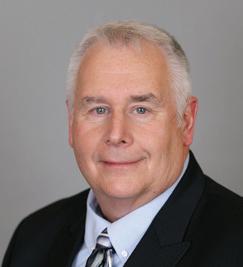
Visit our website at premierobgynmn.com to find a clinic near you.
Congratulations to our 2023 Top Doctors
Premier OBGYN of Minnesota includes these four partnering clinics:
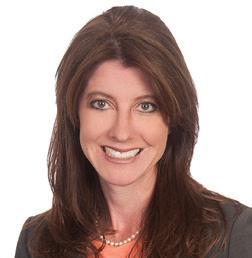
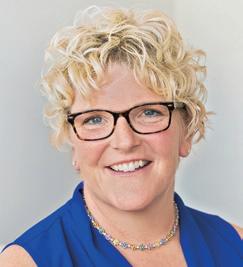
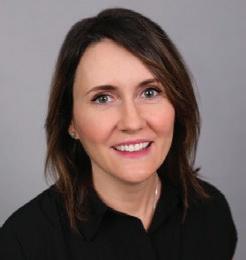
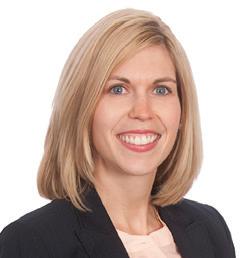
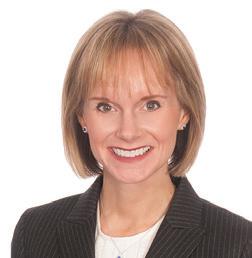
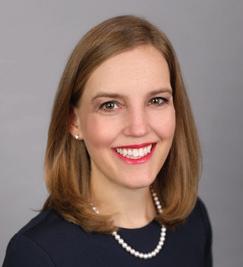
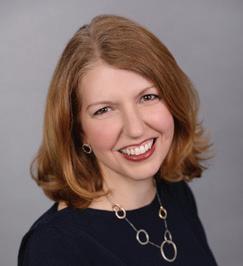
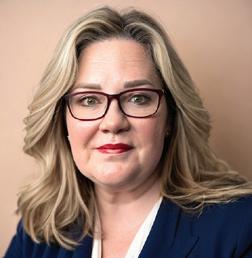
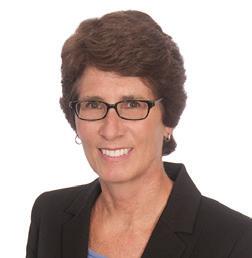
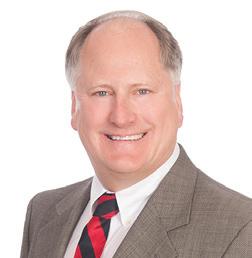
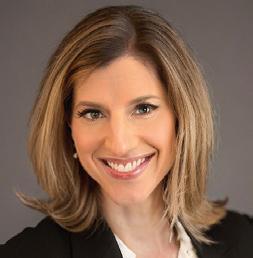 Dr. Stephanie Callanan MetroPartners
Dr. David Curran Southdale ObGyn
Dr. Deborah Davenport (retired) Southdale ObGyn
Dr. Kimberly Fischer MetroPartners
Dr. Jennifer Flynn MetroPartners
Dr. Kathryn Grande MetroPartners
Dr. Kevin Hallman MetroPartners
Dr. Rachel Harris Southdale ObGyn
Dr. Leigh Koidahl Southdale ObGyn
Dr. Megan McEllistremRamirez MetroPartners
Dr. Christine Sarkinen Oakdale ObGyn
Dr. Annelise Swigert Southdale ObGyn
Dr. Stephanie Callanan MetroPartners
Dr. David Curran Southdale ObGyn
Dr. Deborah Davenport (retired) Southdale ObGyn
Dr. Kimberly Fischer MetroPartners
Dr. Jennifer Flynn MetroPartners
Dr. Kathryn Grande MetroPartners
Dr. Kevin Hallman MetroPartners
Dr. Rachel Harris Southdale ObGyn
Dr. Leigh Koidahl Southdale ObGyn
Dr. Megan McEllistremRamirez MetroPartners
Dr. Christine Sarkinen Oakdale ObGyn
Dr. Annelise Swigert Southdale ObGyn
2023 Top Doctors
Jon Hallberg
University of Minnesota
Physicians - Mill City Clinic
902 S. Second St., Suite A, Minneapolis, 612-338-1383
Sara Johnson
M Health Fairview ClinicHighland Park
2270 Ford Parkway, Suite 200, St. Paul, 855-324-7843
Kathryn Justesen
University of Minnesota
Physicians - Broadway
Family Medicine Clinic
2426 W. Broadway Ave., Minneapolis, 612-302-8200
Mumtaz A. Kazim
Edina Family Physicians
5301 S. Vernon Ave., Edina, 952-925-2200
Daniel Larkin
Entira Family Clinics
1540 Randolph Ave., Suite 201, St. Paul, 651-788-4444
Ma hew Monteiro
Entira Family Clinics
404 W. Highway 96, Shoreview, 651-788-4444
James Pacala
M Health Fairview Clinic - Smiley’s
2020 E. 28th St., Minneapolis, 612-333-0770
Kara Pacala
M Health Fairview Clinic - Smiley’s
2020 E. 28th St., Minneapolis, 612-333-0770
Timothy Ramer
M Health Fairview Clinic - Smiley’s
2020 E. 28th St., Minneapolis, 612-333-0770
Laurel Ries
M Health Fairview Clinic - Rice Street 980 Rice St., St. Paul, 651-326-9020
Betsy Schwartz
Essentia HealthLakewalk Clinic
1502 London Road, Duluth, 218-576-0100
Majken Schwartz
Allina HealthShoreview Clinic
4194 N. Lexington Ave., Shoreview, 651-483-5461
Michael N. Sti man
HealthPartners Clinic
Arden Hills
3930 Northwoods Drive, Arden Hills, 952-967-7860
Andrea Westby University of Minnesota Physicians - Broadway Family Medicine Clinic
2426 W. Broadway Ave., Minneapolis, 612-302-8200
Jennifer Woodland
North Memorial Health Clinic - New Hope
8100 N. 42nd Ave., New Hope, 763-581-5700
GASTROENTEROLOGY & HEPATOLOGY
Imad Absah Mayo Clinic
Children’s Center 200 First St. S.W., Rochester, 855-629-6543
Stuart Amateau M Health Fairview
Pancreas and Biliary ClinicMinneapolis
909 Fulton St. S.E., Floor 4, Minneapolis, 612-625-2457
Alyssa M. Anderson
HealthPartners Park Nicollet Specialty Center - Digestive Care 435 Phalen Blvd., St. Paul, 651-254-8680
Yan Bakman
MNGI Digestive Health - Plymouth Endoscopy Center & Clinic
15700 37th Ave. N., Suite 300, Plymouth, 612-871-1145
Ahsan M. Bha i Bha i GI Clinics
1457 White Oak Drive, Chaska, 952-368-3800
Paul Dambowy
MNGI Digestive Health - Woodbury Endoscopy Center & Clinic 237 Radio Drive, Suites 200 & 210, Woodbury, 612-871-1145
Martin Freeman M Health Fairview
Pancreas and Biliary ClinicMinneapolis
909 Fulton St. S.E., Floor 4, Minneapolis, 612-625-2457
Ibrahim Hanouneh
MNGI Digestive HealthEagan Endoscopy Center & Clinic 1185 Town Centre Drive, Suites 200 & 200, Eagan, 612-871-1145
Mohamed Hassan M Health Fairview
Hepatology ClinicMinneapolis
909 Fulton St. S.E., Minneapolis, 612-626-6100
Puanani (Pua) E. Hopson
Mayo Clinic
Children’s Center 200 First St. S.W., Rochester, 855-629-6543
John Lake
M Health Fairview
Hepatology ClinicMinneapolis
909 Fulton St. S.E., Minneapolis, 612-626-6100
Samuel Leon
MNGI Digestive HealthBloomington Endoscopy Center & Clinic
5705 W. Old Shakopee Road, Suite 150, Bloomington, 612-871-1145
Thomas Leventhal
M Health Fairview
Hepatology ClinicMinneapolis
909 Fulton St. S.E., Minneapolis, 612-626-6100
Nicholas Lim
M Health Fairview Hepatology ClinicMinneapolis
909 Fulton St. S.E., Minneapolis, 612-626-6100
Jake Matlock
Hennepin Healthcare
730 S. Eighth St., Minneapolis, 612-873-6963
Thomas J. Maust
HealthPartners Park Nicollet Specialty CenterBurnsville Clinic
14000 Fairview Drive, Burnsville, 952-993-3240
Robert P. McCabe
MNGI Digestive Health
- Plymouth Endoscopy Center & Clinic
15700 37th Ave. N., Suite 300, Plymouth, 612-871-1145
Anupama U. Nookala
HealthPartners Park Nicollet Specialty CenterDigestive Care
435 Phalen Blvd., St. Paul, 651-254-8680
Neil P. Phelan
MNGI Digestive Health
- Woodbury Endoscopy Center & Clinic
237 Radio Drive, Suites 200 & 210, Woodbury, 612-871-1145
Peter L. Pico
MNGI Digestive HealthWoodbury Endoscopy Center & Clinic
237 Radio Drive, Suites 200 & 210, Woodbury, 612-871-1145
Federico T. Rossi
MNGI Digestive Health
- Plymouth Endoscopy Center & Clinic
15700 37th Ave. N., Suite 300, Plymouth, 612-871-1145
Samantha A. Stoven HealthPartners
Park Nicollet Clinic and Specialty Center
14000 Fairview Drive, Burnsville, 952-993-3240
Guru Trikudanathan
M Health Fairview
Pancreas and Biliary ClinicMinneapolis
909 Fulton St. S.E., Floor 4, Minneapolis, 612-625-2457
Byron Vaughn
M Health Fairview
Gastroenterology ClinicMinneapolis
909 Fulton St. S.E., Floor 4, Minneapolis, 612-624-9709
GASTROENTEROLOGY & HEPATOLOGYPEDIATRIC
Imad Absah
Mayo Clinic
Children’s Center 200 First St. S.W., Rochester, 855-629-6543
Sundeep Arora
MNGI Digestive Health - Northeast
Minneapolis Clinic
3001 Broadway St. N.E., Suite 120, Minneapolis, 612-871-1145
Ramalingam Arumugam
MNGI Digestive Health - Northeast
Minneapolis Clinic
3001 Broadway St. N.E., Suite 120, Minneapolis, 612-871-1145
Heli Bha
M Health Fairview Masonic
Children’s Hospital 2450 Riverside Ave., Minneapolis, 612-365-6777
Nissa Ingrid Erickson
MNGI Digestive Health - Northeast
Minneapolis Clinic
3001 Broadway St. N.E., Suite 120, Minneapolis, 612-871-1145
Sara Hassan Mayo Clinic
Children’s Center 200 First St. S.W., Rochester, 855-629-6543
Puanani (Pua) E. Hopson Mayo Clinic
Children’s Center
200 First St. S.W., Rochester, 855-629-6543
Michelle Samaha Kennedy
MNGI Digestive Health - Northeast
Minneapolis Clinic
3001 Broadway St. N.E., Suite 120, Minneapolis, 612-871-1145
Emily N. Kevan
MNGI Digestive Health- Northeast Minneapolis Clinic
3001 Broadway St. N.E., Suite 120, Minneapolis, 612-871-1145
Catherine Larson-Nath
M Health Fairview Pediatric Specialty Clinic - Discovery
2512 S. Seventh St., Floor 3, Minneapolis, 612-365-6777
Pamela Puthoor
MNGI Digestive Health- Northeast
Minneapolis Clinic
3001 Broadway St. N.E., Suite 120, Minneapolis, 612-871-1145
Sarah Schwarzenberg
M Health Fairview Pediatric Specialty Clinic - Discovery 2512 S. Seventh St., Floor 3, Minneapolis, 612-365-6777
GENERAL SURGERY
Tor C. Aasheim
Allina Health Surgical Specialists 920 E. 28th St., Suite 460, Minneapolis, 612-863-7770
Gregory Beilman
M Health Fairview
General Surgery ClinicMinneapolis
909 Fulton St. S.E., Floor 4, Minneapolis, 612-624-5915
Thomas H. Blee
HealthPartners Regions
Specialty Clinics 640 Jackson St., St. Paul, 952-967-7977
Je rey J. Borut M Health Fairview Surgery Clinic and Bariatrics CareMaplewood 2945 Hazelwood St., Suite 200, Maplewood, 651-471-9400
Devon Callahan
Allina Health Surgical Specialists 920 E. 28th St., Suite 460, Minneapolis, 612-863-7770
Bela S. Denes
HealthPartners Park Nicollet Clinic and Specialty Center Burnsville 14050 Fairview Drive, Burnsville, 952-993-6500
Geo rey Fasen M Health Fairview Surgery Clinic and Bariatrics CareMaplewood 2945 Hazelwood St., Suite 200, Maplewood, 651-471-9400
Michael Galle M Health Fairview Southdale Breast Care 6545 France Ave. S., Suite 250, Minneapolis, 952-927-7004
Jorge Granja M Health Fairview
General Surgery ClinicMinneapolis 909 Fulton St. S.E., Floor 4, Minneapolis, 612-624-5915
Brian C. Grubbs
HealthPartners
Park Nicollet Specialty Center at Methodist Hospital
3931 S. Louisiana Ave., St. Louis Park, 952-993-3180
Jennifer A. Haas
HealthPartners Specialty Center - Surgery 401 Phalen Blvd., St. Paul, 952-967-7977
Keith M. Heaton
HealthPartners Park Nicollet Jane Bra ain Breast Center 3850 Park Nicollet Blvd., St. Louis Park, 952-993-3180
Mark Hill
Hennepin Healthcare 730 S. Eighth St., Minneapolis, 612-873-6963
Sayeed Ikramuddin M Health Fairview
General Surgery ClinicMinneapolis 909 Fulton St. S.E., Floor 4, Minneapolis, 612-624-5915
Kamrun Jenabzadeh
Specialists in General Surgery
3366 Oakdale Ave. N., Suite 200, Robbinsdale, 763-780-6699
Eric M. Johnson
Allina Health Cancer Institute
800 E. 28th St., Minneapolis, 612-863-0200
Kourtney L. Kemp
Specialists in General Surgery
9825 Hospital Drive, Maple Grove, 763-780-6699
Steven J. Kern
Specialists in General Surgery
9825 Hospital Drive, Maple Grove, 763-780-6699
Denise B. Klinkner
Mayo Clinic
Children’s Center 200 First St. S.W., Rochester, 855-629-6543
Kevin J. Ose
HealthPartners Park Nicollet Specialty Center at Methodist Hospital 3931 S. Louisiana Ave., St. Louis Park, 952-993-3180
Chad J. Richardson
Hennepin Healthcare 730 S. Eighth St., Minneapolis, 612-873-6963
Paul D. Sco
Allina Health United General Surgery Clinic
280 N. Smith Ave., Suite 700, St. Paul, 651-241-7000
John G. Shearen Hudson Physicians 1997 Sloan Place, Suite 17, St. Paul, 715-531-6800
Mark S. Sneider
Allina Health United General Surgery Clinic 280 N. Smith Ave., Suite 700, St. Paul, 651-241-7000
Dawn Stapleton LakeView Clinics 424 W. State Hwy. 5, Waconia, 952-442-4461 Paul S. Vietzen
HealthPartners Park Nicollet Specialty Center 14050 Fairview Drive, Burnsville, 952-993-6500
Kyle Wahlstrom M Health Fairview Surgery Clinic and Bariatrics CareMaplewood 2945 Hazelwood St., Suite 200, Maplewood, 651-471-9400
Sara Wildenberg M Health Fairview ClinicMaple Grove 14500 N. 99th Ave., Maple Grove, 763-898-1000
GENERAL SURGERYPEDIATRIC
Robert Dean Acton
M Health Fairview Pediatric Specialty Clinic - Discovery 2512 S. Seventh St., Floor 3, Minneapolis, 612-365-6777
Donavon John Hess
M Health Fairview Pediatric Specialty Clinic - Discovery 2512 S. Seventh St. , Floor 3, Minneapolis, 612-626-4214
Denise B. Klinkner
Mayo Clinic
Children’s Center 200 First St. S.W., Rochester, 855-629-6543
68 | SEPT/OCT 2023 | MINNESOTAMONTHLY.COM
Nathaniel Kreykes
Pediatric Surgical Associates
2530 S. Chicago Ave., Suite 550, Minneapolis, 612-813-8000
Stephanie F. Polites
Mayo Clinic
Children’s Center
200 First St. S.W., Rochester, 855-629-6543
D. Dean Po er Mayo Clinic
Children’s Center
200 First St. S.W., Rochester, 855-629-6543
Daniel Saltzman
M Health Fairview Masonic
Children’s Hospital 2450 Riverside Ave., Minneapolis, 612-365-6777
Bradley Segura
M Health Fairview Pediatric Specialty Clinic - Discovery 2512 S. Seventh St., Minneapolis, 612-365-6777
Joshua J. Short Pediatric Surgical Associates
2530 S. Chicago Ave., Suite 550, Minneapolis, 612-813-8000
Patricia Angeline Valusek
Pediatric Surgical Associates
2530 S. Chicago Ave., Suite 550, Minneapolis, 612-813-8000
GENETICS
Charles Billington University of Minnesota Medical School
606 24th Ave. S., Suite 500, Minneapolis, 612-624-5965
David R. Deyle
Mayo Clinic
200 First St. S.W., Rochester, 507-284-2511
Ralitza H. Gavrilova
Mayo Clinic
200 First St. S.W., Rochester, 507-512-7363
Brendan C. Lanpher
Mayo Clinic
200 First St. S.W., Rochester, 507-284-2511
GENETICS - PEDIATRIC
Anjali Aggarwal
M Health Fairview Pediatric Specialty Clinic - Explorer 2450 Riverside Ave., Floor 12, Minneapolis, 612-365-6777
Dusica BabovicVuksanovic
Mayo Clinic
Children’s Center 200 First St. S.W., Rochester, 855-629-6543
Susan Berry
M Health Fairview Pediatric Specialty Clinic - Explorer 2450 Riverside Ave., Floor 12, Minneapolis, 612-365-6777
Vikas Bhambhani
Children’s Minnesota 347 Smith Ave. N., St. Paul, 651-220-6700
Noelle Andrea Children’s Minnesota 347 Smith Ave. N., St. Paul, 651-220-6700
Nishitha Pillai
M Health Fairview Pediatric Specialty Clinic - Explorer 2450 Riverside Ave., Floor 12, Minneapolis, 612-365-6777
Lisa A. Schimmenti
Mayo Clinic
Children’s Center 200 First St. S.W., Rochester, 855-629-6543
Marcelo Paul Vargas
Children’s Minnesota 347 Smith Ave. N., St. Paul, 612-813-7240
GERIATRIC MEDICINE
Mariam Anwar Hennepin Healthcare 730 S. Eighth St., Minneapolis, 612-873-6963
Lissa N.S. Chipeco
HealthPartners Park
Nicollet Clinic St. Paul 2500 Como Ave., St. Paul, 952-967-7955
Abigail Holley Houts Wraparound House Calls 3109 W. 50th St., Suite 317, Minneapolis, 612-808-9222
Lawrence J. Kerzner
Hennepin Healthcare 730 S. Eighth St., Minneapolis, 612-873-6963
Teresa McCarthy M Health Fairview
University of Minnesota Medical Center - East Bank 500 Harvard St. S.E., Minneapolis, 612-273-3000
James Pacala M Health Fairview ClinicSmiley’s 2020 E. 28th St., Minneapolis, 612-333-0770
Hannah Reimen
Twin Cities Physicians 1415 Lilac Drive N., Suite 190, Minneapolis, 763-267-8701
Kerry Sheets
Hennepin Healthcare 730 S. Eighth St., Minneapolis, 612-873-6963
Sandra Turbes
Genevive
3433 Broadway St. N.E., Suite 300, Minneapolis, 763-587-7737
GYNECOLOGIC ONCOLOGY
Peter Argenta M Health Fairview
Masonic Cancer Clinic 909 Fulton St. S.E., Floor 2, Minneapolis, 612-676-4200
Jamie N. Bakkum-Gamez
Mayo Clinic Comprehensive Cancer Center
200 First St. S.W., Rochester, 507-405-2954
Catherine Casey
Minnesota OncologyEdina Clinic
6545 France Ave. S., Suite 210, Edina, 952-928-2900
Levi S. Downs
HealthPartners Park
Nicollet Women’s Center 6500 Excelsior Blvd., Floor 5, St. Louis Park, 952-993-3282
Bri Erickson
M Health Fairview Cancer Center - Edina
6363 France Ave. S., Suite 160, Edina, 952-836-3645
Melissa Geller
M Health Fairview
Masonic Cancer Clinic
909 Fulton St. S.E., Floor 2, Minneapolis, 612-676-4200
Rahel Ghebre
M Health Fairview
Masonic Cancer Clinic
909 Fulton St. S.E., Floor 2, Minneapolis, 612-676-4200
Adrianne R. Mallen
Minnesota Oncology
910 E. 26th St., Suite 200, Minneapolis, 612-884-6300
Amy McNally
Minnesota Oncology St. Paul Cancer Center
310 Smith Ave. N., Suite 100, St. Paul, 651-251-5500
Sally Mullany
M Health Fairview
Masonic Cancer Clinic
909 Fulton St. S.E., Floor 2, Minneapolis, 612-676-4200
Andrea O’Shea
M Health Fairview Cancer Center - Maple Grove
14500 N. 99th Ave., Maple Grove, 763-898-1600
Emily Prendergast
Minnesota Oncology -
Minneapolis Clinic
910 E. 26th St., Suite 200, Minneapolis, 612-884-6300
Annie Tan
Minnesota OncologyCoon Rapids Clinic
11850 Blackfoot St. N.W., Suite 100, Coon Rapids, 763-712-2100
Deanna Teoh
M Health Fairview Cancer Center - Burnsville
14101 Fairview Drive, Suite 200, Minneapolis, 952-460-4074
Jessica Thomes Pepin
Minnesota Oncology -
Maplewood Cancer Center
1580 Beam Ave., Maplewood, 651-779-7978
Lori Weinberg
Minnesota OncologyCoon Rapids Clinic 11850 Blackfoot St. N.W., Suite 100, Coon Rapids, 763-712-2100
GYNECOLOGIC ONCOLOGY - WOMEN
Bri Erickson
M Health Fairview Cancer Center - Edina 6363 France Ave. S., Suite 160, Edina, 952-836-3645
Melissa Ann Geller
M Health Fairview
Masonic Cancer Clinic
909 Fulton St. S.E., Floor 2, Minneapolis, 612-676-4200
Emily Prendergast
Minnesota OncologyMinneapolis Clinic 910 E. 26th St., Suite 200, Minneapolis, 612-884-6300
Annie Tan
Minnesota OncologyCoon Rapids Clinic 11850 Blackfoot St. N.W., Suite 100 Coon Rapids, 763-712-2100
Deanna Teoh
M Health Fairview Cancer Center - Burnsville 14101 Fairview Drive, Suite 200, Minneapolis, 952-460-4074
Jessica Thomes Pepin
Minnesota Oncology
- Maplewood Cancer Center 1580 Beam Ave., Maplewood, 651-779-7978
HAND SURGERY
Adam J. Bakker
Twin Cities Orthopedics 4010 W. 65th St., Edina, 952-456-7000
Deborah C. Bohn
HealthPartners TRIA
Orthopedic Center
Bloomington 8100 Northland Drive, Bloomington, 952-831-8742
John Breen
Allina Health OrthopedicsPlymouth 2805 Campus Drive, Suite 465 Plymouth, 952-946-9777
Michael Forseth
Summit Orthopedics
2620 Eagan Woods Drive, Eagan, 651-968-5201
Erica J. Gauger
HealthPartners TRIA
Orthopedic Center
Woodbury 155 Radio Drive, Woodbury, 952-831-8742
Jacqueline Geissler
Hennepin Healthcare 730 S. Eighth St., Minneapolis, 612-873-6963
David Gesensway
Twin Cities Orthopedics 4010 W. 65th St., Edina, 952-456-7000
Yvonne M. Grierson
HealthPartners TRIA
Orthopedic Center
Bloomington 8100 Northland Drive, Bloomington, 952-831-8742
Mark E. Holm
Summit Orthopedics
10230 Baltimore St. N.E., Suite 300, Blaine, 651-968-5201
Je rey B. Husband
HealthPartners TRIA
Orthopedic Center
Bloomington 8100 Northland Drive, Bloomington, 952-831-8742
Laura D. Koch
Twin Cities Orthopedics
1000 W. 140th St., Suite 201, Burnsville, 952-808-3000
Clare K. McCarthy
Twin Cities Orthopedics
4010 W. 65th St., Edina, 952-456-7000
Amy T. Moeller
Twin Cities Orthopedics
1000 W. 140th St., Suite 201, Burnsville, 952-808-3000
Steven L. Moran
Mayo Clinic
Children’s Center
200 First St. S.W., Rochester, 855-629-6543
Stephen L. Olmsted
Twin Cities Orthopedics
1000 W. 140th St., Suite 201, Burnsville, 952-808-3000
Debra M. Parisi
Summit Orthopedics
2090 Woodwinds Drive, Woodbury, 651-968-5201
Katharine S. A. Pico
HealthPartners TRIA
Orthopedic Center
Woodbury, 155 Radio Drive, Woodbury, 952-831-8742
Alexander Y. Shin
Mayo Clinic
200 First St. S.W., Rochester, 507-284-2511
Patrick H. Smock
Allina Health Orthopedics 310 Smith Ave., Suite 300, St. Paul, 952-946-9777
Edward Tzuen-Chien Su
Summit Orthopedics 2090 Woodwinds Drive, Woodbury, 651-968-5201
Andrew Thomas
Summit Orthopedics 2090 Woodwinds Drive, Woodbury, 651-968-5201
Ann Van Heest
M Health Fairview
Orthopedic ClinicMinneapolis
420 Delaware St. S.E., Minneapolis, 612-273-1177
Thomas F. Varecka
HealthPartners TRIA Orthopedic Bloomington Center 8100 Northland Drive, Bloomington, 952-831-8742
Thomas M. Walsh
HealthPartners TRIA Orthopedic St. Louis Park Center 3931 Louisiana Ave. S., Suite E400, St. Louis Park, 952-831-8742
Christina M. Ward
HealthPartners Park Nicollet Specialty Center - Orthopedics & Sports Medicine 435 Phalen Blvd., St. Paul, 952-831-8742
HEMATOLOGY
Hassan Alkhateeb Mayo Clinic Comprehensive Cancer Center 200 First St. S.W., Rochester, 507-405-2954
Joan Beckman M Health Fairview Center for Bleeding and Clo ing Disorders 2512 S. Seventh St., Suite 105, Minneapolis, 612-273-5005
Alexander Boucher M Health Fairview Masonic Cancer Clinic 909 Fulton St. S.E., Floor 2, Minneapolis, 612-676-4200
Yvonne Da a M Health Fairview Center for Bleeding and Clo ing Disorders
2512 S. Seventh St., Suite 105, Minneapolis, 612-273-5005
Stephanie Ann Fritch Lilla Children’s MinnesotaHematology Oncology 2530 Chicago Ave., CSC 175, Minneapolis, 612-813-5940
Randy Hurley HealthPartners Cancer Center at Regions Hospital 640 Jackson St., St. Paul, 612-341-4800
Balkrishna N. Jahagirdar HealthPartners Cancer Center at Regions Hospital 640 Jackson St., St. Paul, 612-341-4800
Joseph I. Levine North Memorial Health Cancer CenterRobbinsdale 3435 W. Broadway Ave., Robbinsdale, 763-581-2800
Marshall Mazepa M Health Fairview Center for Bleeding and Clo ing Disorders 2512 S. Seventh St., Suite 105, Minneapolis, 612-273-5005
Douglas J. Rausch Hennepin Healthcare 730 S. Eighth St., Minneapolis, 612-873-6963
Mark Reding M Health Fairview Center for Bleeding and Clo ing Disorders
2512 S. Seventh St., Suite 105, Minneapolis, 612-273-5005
Sushma Tatineni Minnesota OncologyMinneapolis Clinic 910 E. 26th St., Suite 200, Minneapolis, 612-884-6300
MINNESOTAMONTHLY.COM | SEPT/OCT 2023 | 69
2023 Top Doctors
Danielle Tippit
Minnesota OncologyMinneapolis Clinic
910 E. 26th St., Suite 200, Minneapolis, 612-884-6300
Gregory Vercello i
M Health Fairview Blood and Marrow Transplant
Program - Minneapolis
909 Fulton St. S.E., Minneapolis, 612-676-4200
HEMATOLOGYPEDIATRIC
Ahmad H. Al-Huniti
Mayo Clinic
Children’s Center
200 First St. S.W., Rochester, 855-629-6543
Anne Elizabeth Bendel
Children’s Minnesota -
Hematology Oncology
2530 Chicago Ave., CSC 175, Minneapolis, 612-813-5940
Alexander Boucher
M Health Fairview
Masonic Cancer Clinic
909 Fulton St. S.E., Floor 2, Minneapolis, 612-676-4200
Asmaa Ferdjallah
Mayo Clinic
Children’s Center
200 First St. S.W., Rochester, 855-629-6543
Stephanie Ann Fritch Lilla
Children’s Minnesota -
Hematology Oncology
2530 Chicago Ave., CSC 175, Minneapolis, 612-813-5940
Paul J. Galardy
Mayo Clinic
Children’s Center
200 First St. S.W., Rochester, 855-629-6543
Susan Kearney
Children’s Minnesota -
Hematology Oncology
2530 Chicago Ave., CSC 175, Minneapolis, 612-813-5940
Mira A. Kohorst
Mayo Clinic
Children’s Center
200 First St. S.W., Rochester, 855-629-6543
Joseph Neglia
M Health Fairview Masonic
Children’s Hospital
2450 S. Riverside Ave., Minneapolis, 612-624-3113
Marie Steiner
M Health Fairview Pediatric
Specialty Clinic - Journey
2450 Riverside Ave., Floor 9, Minneapolis, 612-365-8100
HOSPICE & PALLIATIVE MEDICINE
Lezlie H. Andersen
Mayo Clinic
Children’s Center
200 First St. S.W., Rochester, 855-629-6543
Joel Waclaw Carter
HealthPartners
Frauenshuh Cancer Center
3931 Louisiana Ave. S., St. Louis Park, 612-341-4800
Kristina Eir Catrine
Children’s MinnesotaPain and Palliative Care
2525 S. Chicago Ave., Suite T5, Minneapolis, 612-813-7888
Christopher A. Collura
Mayo Clinic
Children’s Center 200 First St. S.W., Rochester, 855-629-6543
Bre R. Hendel-Paterson
HealthPartners
Frauenshuh Cancer Center 3931 Louisiana Ave. S., St. Louis Park, 952-967-7978
Lisa C. Illig
HealthPartners Frauenshuh Cancer Center 3931 Louisiana Ave. S., St. Louis Park, 612-341-4800
Thomas Klemond
Hennepin Healthcare 730 S. Eighth St., Minneapolis, 612-873-6963
Samuel Maiser
Hennepin Healthcare 730 S. Eighth St., Minneapolis, 612-873-6963
Anne e Nijjar
M Health Fairview Cancer Center - Maple Grove 14500 N. 99th Ave., Maple Grove, 763-898-1600
Anne Pereira
Hennepin Healthcare
730 S. Eighth St., Minneapolis, 612-873-6963
Drew Rosielle
M Health Fairview
Masonic Cancer Clinic 909 Fulton St. S.E., Floor 2, Minneapolis, 612-676-4200
Miguel A. Ruiz Diaz
HealthPartners
Specialty CenterLung & Sleep Health
401 Phalen Blvd., St. Paul, 952-967-7616
Emily Scha auser
Minnesota OncologyFridley Clinic
480 Osborne Road N.E., Suite 220, Fridley, 763-786-1620
Brenda M. Schiltz
Mayo Clinic
Children’s Center 200 First St. S.W., Rochester, 855-629-6543
Megan J. Thorvilson
Mayo Clinic
Children’s Center 200 First St. S.W., Rochester, 855-629-6543
Daniel J. Townsend
HealthPartners Regions
Specialty Clinics
640 Jackson St., St. Paul, 952-967-7977
HOSPITAL MEDICINE
Ryan Kelly
M Health Fairview
University of Minnesota
Medical Center - East Bank
500 Harvard St. S.E., Minneapolis, 612-273-3000
JoAn Laes
Allina HealthMercy Hospital
4050 Coon Rapids Blvd., Coon Rapids, 763-236-6000
Erica Mae Levine
M Health Fairview
University of Minnesota
Medical Center - East Bank
500 Harvard St. S.E., Minneapolis, 612-273-3000
Benji K. Mathews
HealthPartners -
Regions Hospital
640 Jackson St., St. Paul, 651-254-3456
Mary Norris
Allina Health - Abbo
Northwestern Hospital
800 E. 28th St., Minneapolis, 612-863-4000
Andrew Olson
M Health Fairview
University of Minnesota
Medical Center - East Bank
500 Harvard St. S.E., Minneapolis, 612-273-3000
Sarah Prebil
Allina Health - Abbo
Northwestern Hospital
800 E. 28th St., Minneapolis, 612-863-4000
Erik Storlie
Allina Health - Abbo
Northwestern Hospital
800 E. 28th St., Minneapolis, 612-863-4000
Shirlee Xie
Hennepin Healthcare
730 S. Eighth St., Minneapolis, 612-873-6963
HOSPITAL MEDICINEPEDIATRIC
Lezlie H. Andersen
Mayo Clinic
Children’s Center
200 First St. S.W., Rochester, 855-629-6543
David J. (DJ) Hall
Mayo Clinic
Children’s Center
200 First St. S.W., Rochester, 855-629-6543
Courtney Blair Herring
Children’s MinnesotaHospitalist Program
2530 S. Chicago Ave., Suite 1024, Minneapolis, 612-813-7155
Jason (Jay) H. Homme
Mayo Clinic
Children’s Center
200 First St. S.W., Rochester, 855-629-6543
Erin E. Knoebel
Mayo Clinic
Children’s Center 200 First St. S.W., Rochester, 855-629-6543
Jordan Marmet
M Health Fairview Masonic
Children’s Hospital
2450 Riverside Ave. S., Minneapolis, 612-365-6777
Mani Mokalla
Children’s MinnesotaHospitalist Program
2525 Chicago Ave., MDB
110, Minneapolis, 612-813-7155
Maren E. Olson
Children’s MinnesotaEducation
345 N. Smith Ave., Suite 103, St. Paul, 651-220-6000
Michael Pi
M Health Fairview Masonic
Children’s Hospital
2450 Riverside Ave., Minneapolis, 612-635-1000
Frances Prekker
Hennepin Healthcare
730 S. Eighth St., Minneapolis, 612-873-6963
Jane R. Rosenman
Mayo Clinic
Children’s Center 200 First St. S.W., Rochester, 855-629-6543
Megan J. Thorvilson
Mayo Clinic
Children’s Center
200 First St. S.W., Rochester, 855-629-6543
INFECTIOUS DISEASES
Daniel J. Anderson
Allina Health - Abbo
Northwestern General Medicine Associates
2800 Chicago Ave., Suite 250, Minneapolis, 612-863-4096
Jason V. Baker
Hennepin Healthcare
730 S. Eighth St., Minneapolis, 612-873-6963
Alison Bormann
Allina Health - Uptown Clinic
1221 W. Lake St., Uptown Row Building, Suite 201, Minneapolis, 612-824-1772
Peter Bornstein
St. Paul Infectious Disease Associates Ltd.
1973 Sloan Place, Suite 245, St. Paul, 651-772-6235
Steven Di es InterMed Consultants
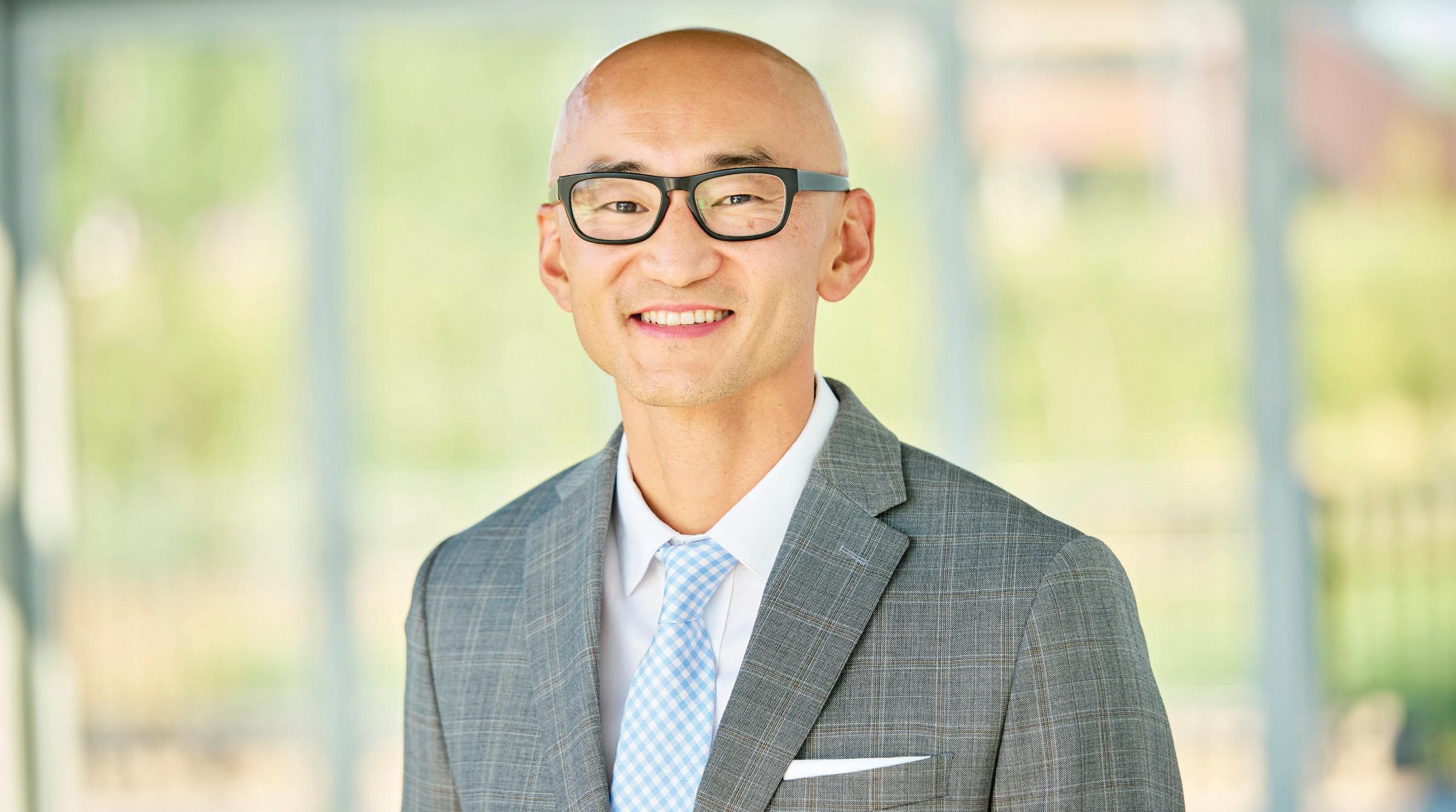
6600 S. France Ave., Suite 162, Edina, 952-920-2070
Caitlin Eccles-Radtke
Hennepin Healthcare
730 S. Eighth St., Minneapolis, 612-873-6963
Alison Galdys
M Health Fairview
Infectious Disease ClinicMinneapolis
909 Fulton St. S.E., Minneapolis, 612-625-4680
Robyn M. Kaiser
HealthPartners Park
Nicollet Specialty CenterInfectious Disease
401 Phalen Blvd., St. Paul, 952-967-7616
Susan Kline
M Health Fairview
Infectious Disease ClinicMinneapolis
909 Fulton St. S.E., Minneapolis, 612-625-4680
Ashley M. Newberry
Allina Health - Coon Rapids Clinic 9055 Springbrook Drive, Coon Rapids, 763-780-9155
Sarah R. Peglow
HealthPartners Park
Nicollet Specialty CenterInfectious Disease 401 Phalen Blvd., St. Paul, 952-967-7616
Jason L. Sanchez
Allina Health - Abbo
Northwestern General Medicine Associates
2800 Chicago Ave., Suite 250, Minneapolis, 612-863-4096
Mark R. Sannes
HealthPartners Park
Nicollet Specialty Center 3800 Park Nicollet Blvd., St. Louis Park, 952-993-3131
Dipi Sharma InterMed Consultants 6600 S. France Ave., Suite 162, Edina, 952-920-2070
Megan Shaughnessy
Hennepin Healthcare
730 S. Eighth St., Minneapolis, 612-873-6963
Steven W. Sonnesyn
Allina Health - Abbo
Northwestern General Medicine Associates
2800 Chicago Ave., Suite 250, Minneapolis, 612-863-4096
Nila Suntharam
HealthPartners Park
Nicollet Specialty Center 3800 Park Nicollet Blvd., St. Louis Park, 952-993-3131
Nicholas S. Vogenthaler Hennepin Healthcare 730 S. Eighth St., Minneapolis, 612-873-6963
Jo-Anne Young M Health Fairview Clinics and Surgery Center 909 Fulton St. S.E., Minneapolis, 612-273-8383
INFECTIOUS DISEASESPEDIATRIC
Kiran Kumar Belani
Children’s MinnesotaInfectious Disease Clinic 2530 Chicago Ave., Suite 410, Minneapolis, 612-813-6777
James T. Gaensbauer
Mayo Clinic
Children’s Center 200 First St. S.W., Rochester, 855-629-6543
W. Charles Huskins
Mayo Clinic
Children’s Center 200 First St. S.W., Rochester, 855-629-6543
Emily R. Levy Mayo Clinic
Children’s Center 200 First St. S.W., Rochester, 855-629-6543
Theresa Madigan
Mayo Clinic
Children’s Center 200 First St. S.W., Rochester, 855-629-6543
Shane McAllister M Health Fairview Pediatric Specialty Clinic - Explorer 2450 Riverside Ave., Floor 12, Minneapolis, 612-365-6777
Laura E. Norton M Health Fairview Pediatric Specialty Clinic - Explorer 2450 Riverside Ave., Floor 12, Minneapolis, 612-365-6777
William Francis Pomputius Children’s MinnesotaInfectious Disease Clinic 2530 Chicago Ave., Suite 410, Minneapolis, 651-220-6444
Elizabeth H. Ristagno Mayo Clinic Children’s Center 200 First St. S.W., Rochester, 855-629-6543
Elizabeth Swanson Children’s MinnesotaInfectious Disease Clinic/ M Health Fairview Masonic Children’s Hospital 2530 Chicago Ave., Suite 410, Minneapolis, 651-220-6444
Beth Thielen M Health Fairview Pediatric Specialty Clinic - Explorer 2450 Riverside Ave. S., Suite AO-103, Minneapolis, 612-626-5637
INTERNAL MEDICINE
Michael John Aylward M Health Fairview Masonic Children’s Hospital 2450 Riverside Ave., Minneapolis, 612-365-6777
Rebecca A. Bartle
HealthPartners Park
Nicollet Clinic and Specialty Center 3850 Park Nicollet Blvd., St. Louis Park, 952-993-2000
Aarti D. Bha M Health Fairview University of Minnesota Medical Center - East Bank 500 Harvard St. S.E., Minneapolis, 612-273-3000
Lawrence D. Callanan
Allina HealthHighland Park Clinic 2120 Ford Parkway, St. Paul, 651-241-9600
Sarah J. D’Heilly
HealthPartners Clinic 205 S. Wabasha St., St. Paul, 952-967-5584
Heather E. Gantzer
HealthPartners Park
Nicollet Clinic and Specialty Center 3850 Park Nicollet Blvd., St. Louis Park, 952-993-2000
Paul Gotlieb
M Health Fairview Clinic - Edina 6545 France Ave. S., Suite 150, Edina, 952-848-5600
70 | SEPT/OCT 2023 | MINNESOTAMONTHLY.COM
• Minnesota Monthly Top Doc (2014, 2016, 2017, 2022, 2023)
• Minnesota Monthly Top Doc (2014, 2016, 2017, 2022, 2023)
• Minnesota Monthly Top Doc (2014, 2016, 2017, 2022, 2023)
• MSP Mag Top Doc Rising Star (2018-2020)
• MSP Mag Top Doc Rising Star (2018-2020)
• MSP Mag Top Doc Rising Star (2018-2020)
• Subspecialty Certification in Surgery of the Hand (CAQ)
• Subspecialty Certification in Surgery of the Hand (CAQ)
• Subspecialty Certification in Surgery of the Hand (CAQ)
• Volunteers annually in Tanzania, operating on severely neglected pediatric burn scar contractures
• Volunteers annually in Tanzania, operating on severely neglected pediatric burn scar contractures
• Volunteers annually in Tanzania, operating on severely neglected pediatric burn scar contractures
• Leads the TCO Medical Mentorship Program for high school students
• Leads the TCO Medical Mentorship Program for high school students
• Leads the TCO Medical Mentorship Program for high school students
• TCO Foundation Board Member
• TCO Foundation Board Member
• TCO Foundation Board Member
• Hand & Upper Extremity Surgeon and Consultant to:
• Hand & Upper Extremity Surgeon and Consultant to:
• Hand & Upper Extremity Surgeon and Consultant to:
• Olympic and Paralympic athletes
• Olympic and Paralympic athletes
• Olympic and Paralympic athletes
• NFL, NHL, MLB, and professional basketball players
• NFL, NHL, MLB, and professional basketball players
• NFL, NHL, MLB, and professional basketball players
• Collegiate and high school athletes
• Collegiate and high school athletes
• Collegiate and high school athletes
APPOINTMENTS 952-456-7000
APPOINTMENTS 952-456-7000
APPOINTMENTS 952-456-7000
ADAM J. BAKKER, MD, is a board certified and Mayo Clinic hand surgery fellowship-trained surgeon who specializes in surgical and nonsurgical treatment of the hand, wrist, elbow, and shoulder. He focuses on conditions of the hand and upper extremities including minimally invasive treatment options for Dupuytren’s contractures and carpal tunnel syndrome, hand and upper extremity fracture care, arthroscopy, tendon and ligament injuries, upper extremity joint replacements, and microsurgery. He also has an active interest in international orthopedic care to underserved regions.
ADAM J. BAKKER, MD, is a board certified and Mayo Clinic hand surgery fellowship-trained surgeon who specializes in surgical and nonsurgical treatment of the hand, wrist, elbow, and shoulder. He focuses on conditions of the hand and upper extremities including minimally invasive treatment options for Dupuytren’s contractures and carpal tunnel syndrome, hand and upper extremity fracture care, arthroscopy, tendon and ligament injuries, upper extremity joint replacements, and microsurgery. He also has an active interest in international orthopedic care to underserved regions.
ADAM J. BAKKER, MD, is a board certified and Mayo Clinic hand surgery fellowship-trained surgeon who specializes in surgical and nonsurgical treatment of the hand, wrist, elbow, and shoulder. He focuses on conditions of the hand and upper extremities including minimally invasive treatment options for Dupuytren’s contractures and carpal tunnel syndrome, hand and upper extremity fracture care, arthroscopy, tendon and ligament injuries, upper extremity joint replacements, and microsurgery. He also has an active interest in international orthopedic care to underserved regions.
When about his care philosophy, Dr. Bakker quotes, “I strongly believe in patient centered care. Components of excellent patient centered care (in addition to being technically proficient) must include clear interpersonal communication, availability, teamwork, and a sustained focus on the wellbeing of the patient is first and foremost.”
When asked about his care philosophy, Dr. Bakker quotes, “I strongly believe in patient centered care. Components of excellent patient centered care (in addition to being technically proficient) must include clear interpersonal communication, availability, teamwork, and a sustained focus on the wellbeing of the patient is first and foremost.”
When asked about his care philosophy, Dr. Bakker quotes, “I strongly believe in patient centered care. Components of excellent patient centered care (in addition to being technically proficient) must include clear interpersonal communication, availability, teamwork, and a sustained focus on the wellbeing of the patient is first and foremost.”
EAGAN –
2700 Vikings Cir, Eagan, MN 55121 EDINA – CROSSTOWN 4010 W 65th St, Edina, MN 55435 PLYMOUTH 16800 37th Pl N, Plymouth, MN 55446 TCOmn.com
VIKING LAKES
EAGAN – VIKING LAKES 2700 Vikings Cir, Eagan, MN 55121 EDINA – CROSSTOWN 4010 W 65th St, Edina, MN 55435 PLYMOUTH 16800 37th Pl N, Plymouth, MN 55446 TCOmn.com
EAGAN – VIKING LAKES 2700 Vikings Cir, Eagan, MN 55121 EDINA – CROSSTOWN 4010 W 65th St, Edina, MN 55435 PLYMOUTH 16800 37th Pl N, Plymouth, MN 55446 TCOmn.com
DR. ADAM BAKKER Hand & Upper Extremity Specialist
2023 Top Doctors
Thomas Hauth
M Health Fairview Clinic - St. Paul
1390 W. University Ave., St. Paul, 651-232-4800
David Hilden
Hennepin Healthcare
730 S. Eighth St., Minneapolis, 612-873-6963
Bhavjot Kaur
M Health Fairview Clinic
6545 France Ave. S., Suite 150, Edina, 952-848-5600
Mary Logeais
M Health Fairview Clinic
Internal Medicine -
Minneapolis
909 Fulton St. S.E., Floor 4, Minneapolis, 612-624-9499
David Macomber
M Health Fairview Clinic
Internal MedicineMinneapolis
909 Fulton St. S.E., Floor 4, Minneapolis, 612-624-9499
Mary Z. Miley
HealthPartners Park
Nicollet Clinic Plymouth, 4155 N. County Road 101, Plymouth, 952-993-8900
Paul P. Phillips
Allina Health - Abbo
Northwestern General Medicine Associates
8100 W. 78th St., Suite 100, Edina, 952-914-8100
Mark Prebonich
North Memorial HealthMaple Grove Medical Center 9855 Hospital Drive, Suite 104, Maple Grove, 763-581-5900
Sandhya Pruthi
Mayo Clinic
200 First St. S.W., Rochester, 507-284-2511
Leslie Surbeck
Evergreen Primary Care
570 N. Asbury St., Suite 208, St. Paul, 651-376-3484
Heather A. Thompson
M Health Fairview Clinic
Internal MedicineMinneapolis
909 Fulton St. S.E., Floor 4, Minneapolis, 612-624-9499
Allison S. Wert
Hennepin Healthcare
730 S. Eighth St., Minneapolis, 612-873-6963
Tod Worner
Allina Health - Abbo
Northwestern General Medicine Associates
8100 W. 78th St., Suite 100, Edina, 952-914-8100
MATERNAL & FETAL MEDICINE
Marijo N. Aguilera
HealthPartners Clinic
St. Paul Wabasha
205 S. Wabasha St., St. Paul, 952-967-5584
Elizabeth Ann Baldwin
HealthPartners Clinic St. Paul Wabasha
205 S. Wabasha St., St. Paul, 952-967-5584
Catherine Bigelow
Allina Health - Minnesota
Perinatal Physicians
902 E. 26th St., Minneapolis, 612-863-4502
Laura Colicchia
Allina Health - Minnesota
Perinatal Physicians
3960 Coon Rapids Blvd., Suite 220, Coon Rapids, 612-863-4502
Katherine Jacobs
M Health Fairview
Maternal-Fetal Medicine Center - Minneapolis
606 24th Ave. S., Minneapolis, 612-273-2223
Cresta Wedel Jones
M Health Fairview Maternal
Fetal Medicine CenterMaplewood 1655 Beam Ave., Suite 302, St. Paul, 651-326-7199
Daniel V. Landers
M Health Fairview Maternal
Fetal Medicine CenterMaplewood 1655 Beam Ave., Suite 302, St. Paul, 651-326-7199
Ma hew Loichinger
Allina Health - Minnesota
Perinatal Physicians
902 E. 26th St., Mother Baby Center, Suite 1700, Minneapolis, 612-863-4502
Tracy Prosen
Hennepin Healthcare 730 S. Eighth St., Minneapolis, 612-873-6963
Carl H. Rose
Mayo Clinic
Children’s Center 200 First St. S.W., Rochester, 855-629-6543
Mauro H. Schenone
Mayo Clinic
Children’s Center 200 First St. S.W., Rochester, 855-629-6543
Saul Snowise
Allina Health - Minnesota
Perinatal Physicians
902 E. 26th St., Suite 1700, Minneapolis, 612-863-4502
Heidi Thorson
Allina Health - Minnesota
Perinatal Physicians
3960 Coon Rapids Blvd., Suite 220, Coon Rapids, 612-863-4502
Donald D. Wothe
Allina Health - Minnesota
Perinatal Physicians 3960 Coon Rapids Blvd., Suite 220, Coon Rapids, 612-863-4502
Yasuko Yamamura
M Health Fairview Maternal
Fetal Medicine CenterBurnsville
303 E. Nicollet Blvd., Suite 363, Burnsville, 952-892-2270
NEONATAL & PERINATAL MEDICINE
Catherine Bendel
M Health Fairview Masonic
Children’s Hospital
2450 S. Riverside Ave., Minneapolis, 612-626-0644
Ellen M. Bendel-Stenzel
Mayo Clinic
Children’s Center
200 First St. S.W., Rochester, 855-629-6543
Jane E. Brumbaugh
Mayo Clinic
Children’s Center
200 First St. S.W., Rochester, 855-629-6543
William A. Carey
Mayo Clinic
Children’s Center
200 First St. S.W., Rochester, 855-629-6543
Christopher E. Colby
Mayo Clinic
Children’s Center
200 First St. S.W., Rochester, 855-629-6543
Christopher A. Collura
Mayo Clinic
Children’s Center
200 First St. S.W., Rochester, 855-629-6543
Jennifer L. Fang
Mayo Clinic
Children’s Center
200 First St. S.W., Rochester, 855-629-6543
Thomas Neithalloor
George
Children’s MinnesotaNeonatal Medicine
2525 Chicago Ave., Suite 104, Minneapolis, 612-813-6000
Kunal Gupta
Hennepin Healthcare
730 S. Eighth St., Minneapolis, 612-873-6963
Heidi Jean Kamrath
Children’s Minnesota -
Neonatal Medicine
345 Smith Ave. N., Suite 505, St. Paul, 651-220-6210
Andrea L. Lampland
Children’s Minnesota -
Neonatal Medicine
2525 Chicago Ave., Suite 104, Minneapolis, 651-220-6260
Stephanie C. Mavis
Mayo Clinic
Children’s Center
200 First St. S.W., Rochester, 855-629-6543
Cristina Maria Miller
Children’s Minnesota -
Neonatal Medicine
345 Smith Ave. N., Suite 505, St. Paul, 651-220-6210
Erin Osterholm
M Health Fairview Masonic
Children’s Hospital
2450 Riverside Ave., Minneapolis, 612-626-0644
Sara Ramel
M Health Fairview Masonic
Children’s Hospital
2450 Riverside Ave., Minneapolis, 612-365-6777
Vinay Sharma
Hennepin Healthcare
730 S. Eighth St., Minneapolis, 612-873-6963
Raymond C. Stetson
Mayo Clinic
Children’s Center 200 First St. S.W., Rochester, 855-629-6543
Tara Gail Zamora
Children’s MinnesotaNICU Minneapolis
2525 S. Chicago Ave., Suite 2516, Minneapolis, 612-813-6295
NEPHROLOGY
Mirna Boumitri
M Health Fairview Clinic
- Fridley
6341 University Ave. N.E., Fridley, 612-884-0940
Adam Philip Bregman
M Health Fairview
Nephrology ClinicMinneapolis
500 Harvard St. S.E., Minneapolis, 612-672-7000
Carl Dean
Kidney Specialists of Minnesota
6200 Shingle Creek Parkway, Suite 250, Brooklyn Center, 763-544-0696
Sarah Elfering
M Health Fairview
Nephrology ClinicMinneapolis
909 Fulton St. S.E., Floor 4, Minneapolis, 612-625-6401
James Gi er
Kidney Specialists of Minnesota
6601 Lyndale Ave. S., Suite 220, Richfield, 612-823-8001
John R. Gray
Kidney Specialists of Minnesota
6200 Shingle Creek Parkway, Suite 250, Brooklyn Center, 763-544-0696
Sandeep Gupta
Kidney Specialists of Minnesota
6200 Shingle Creek Parkway, Suite 250, Brooklyn Center, 763-544-0696
Christian Hanna
Mayo Clinic
Children’s Center 200 First St. S.W., Rochester, 855-629-6543
Allyson Hart
Hennepin Healthcare
730 S. Eighth St., Minneapolis, 612-873-6963
Maxwell Leither
Allina Health - Abbo
Northwestern Hospital
800 E. 28th St., Minneapolis, 612-863-4000
Patrick Nachman
M Health Fairview
Nephrology ClinicMinneapolis
909 Fulton St. S.E., Minneapolis, 612-626-6688
Alec O eman
Associated Nephrology
Consultants
1997 Sloan Place, Suite 17, St. Paul, 651-772-6251
Kimberlee Thielen
Allina Health - Abbo
Northwestern Hospital 800 E. 28th St., Minneapolis, 612-863-4000
Cheryl L. Tran Mayo Clinic
Children’s Center 200 First St. S.W., Rochester, 855-629-6543
Orvin Visaya
Kidney Specialists of Minnesota
6200 Shingle Creek Parkway, Suite 250, Brooklyn Center, 763-544-0696
Jennifer Wu
Hennepin Healthcare
730 S. Eighth St., Minneapolis, 612-873-6963
NEPHROLOGYPEDIATRIC
Carl H. Cramer Mayo Clinic
Children’s Center 200 First St. S.W., Rochester, 855-629-6543
Christian Hanna Mayo Clinic
Children’s Center 200 First St. S.W., Rochester, 855-629-6543
Sco T. McEwen
Children’s MinnesotaMinneapolis / M Health
Fairview Ridges Hospital
2530 Chicago Ave., Minneapolis, 612-813-6089
Michelle N. Rheault
M Health Fairview Pediatric Specialty Clinic - Discovery 2512 S. Seventh St., Floor 3, Minneapolis, 612-365-6777
David Jules Sas Mayo Clinic
Children’s Center 200 First St. S.W., Rochester, 855-629-6543
Cheryl L. Tran Mayo Clinic
Children’s Center 200 First St. S.W., Rochester, 855-629-6543
NEUROLOGY
Ganesh Asaithambi
Allina Health - John Nasseff Neuroscience
Specialty Clinic
310 N. Smith Ave., Ritchie Medical Plaza, Suite 440, St. Paul, 651-241-6550
Sarah Benish M Health Fairview
Neurology ClinicMinneapolis 909 Fulton St. S.E., Floor 3, Minneapolis, 612-626-6688
Katherine Esse
Allina Health - John Nasseff Neuroscience Specialty Clinic 310 N. Smith Ave., Ritchie Medical Plaza, Suite 440, St. Paul, 651-241-6550
Thomas Jacques M Health Fairview Neurology ClinicMaplewood 1650 Beam Ave., Suite 200, Maplewood, 612-626-6688
Samuel Maiser Hennepin Healthcare 730 S. Eighth St., Minneapolis, 612-873-6963
Abby Metzler M Health Fairview Neurology ClinicMinneapolis 909 Fulton St. S.E., Minneapolis, 612-626-6688
David Walk M Health Fairview
Neurology ClinicMinneapolis 909 Fulton St. S.E., Floor 3, Minneapolis, 612-626-6680
Je rey P. Willging HealthPartners Park Nicollet Specialty CenterBurnsville 14000 Fairview Drive, Burnsville, 952-993-2000
NEUROLOGY - PEDIATRIC
Steven T. Janousek
Noran Neurological Clinic 2828 Chicago Ave., Suite 200, Minneapolis, 612-879-1500
Peter Karachunski
M Health Fairview Pediatric Specialty Clinic - Discovery 2512 S. Seventh St. , Floor 3, Minneapolis, 612-365-6777
Gesina F. Keating Mayo Clinic
Children’s Center 200 First St. S.W., Rochester, 855-629-6543
Amanda Moen M Health Fairview Pediatric Specialty Clinic - Explorer 2450 Riverside Ave., Floor 12, Minneapolis, 612-365-6777
Marc C. Pa erson Mayo Clinic
Children’s Center 200 First St. S.W., Rochester, 855-629-6543
Erika L. Wexler
Noran Neurological Clinic 2828 Chicago Ave., Suite 200, Minneapolis, 612-879-1500
Paul E. Youssef
Mayo Clinic
Children’s Center 200 First St. S.W., Rochester, 855-629-6543
72 | SEPT/OCT 2023 | MINNESOTAMONTHLY.COM
Love your skin. See the experts.
Dermatology Specialists

Our physicians treat men, women, and children of all ages in our two convenient locations in Edina and Eden Prairie.
All of our patients are seen by Board Certified Dermatologists who have expertise in medical, surgical, cosmetic, and academic areas of dermatology.

Sachin S. Bhardwaj, MD
Michelle A. Bussmann, MD
Cally L. Chermak, MD
Mimi Cho, MD, PhD
Caleb H. Creswell, MD
Jennifer E. Dick, MD
Gregory R. Hannon, MD, JD
Jessica A. Healy, MD
Allison A. Hoffman, MD
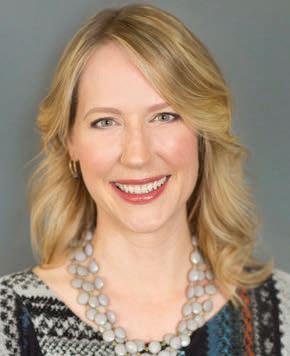
Kristen P. Hook, MD
Jennifer M. Lee, MD
Rajneesh Madhok, MD
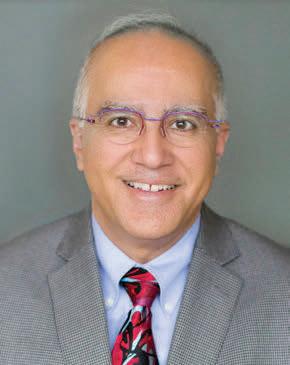
Erika E. Reid, MD
Amanda J. Tschetter, MD
Accessible and convenient appointment scheduling 952-920-3808 • www.dermspecpa.com Congratulations to
our 2023 Top Doctors!
Sachin S. Bhardwaj, MD Mimi Cho, MD, PhD
Jennifer M. Lee, MD
Caleb H. Creswell, MD
Kristen P. Hook, MD
Eden Prairie 775 Prairie Center Drive, Suite 370 Eden Prairie, Minnesota 55344 Edina 3316 West 66th Street, Suite 200 Edina, Minnesota 55435 Rajneesh Madhok, MD Congratulations on retirement Dr. Schultz
Jennifer E. Dick, MD
2023 Top Doctors
NEUROSURGERY
Thomas A. Bergman
Hennepin Healthcare
730 S. Eighth St., Minneapolis, 612-873-6963
David T. Chang
Midwest Spine & Brain Institute
1835 W. County Road C, Suite 150, Roseville, 651-430-3800
David J. Daniels
Mayo Clinic
Children’s Center
200 First St. S.W., Rochester, 855-629-6543
Walter E. Galicich
Hennepin Healthcare
730 S. Eighth St., Minneapolis, 612-873-6963
Andrew Grande
M Health Fairview
Neurosurgery ClinicMinneapolis
909 Fulton St. S.E., Minneapolis, 612-626-5900
Daniel Guillaume
M Health Fairview Pediatric
Specialty Clinic - Explorer 2450 Riverside Ave., Floor 12, Minneapolis, 612-365-6777
Kyle Gregory Halvorson
Children’s Minnesota -
Neurosurgery
347 Smith Ave. N., Suite 301, St. Paul, 651-220-5230
Ma hew Hunt
M Health Fairview
Neurology Clinics - Edina
6545 France Ave. S., Suite 450, Minneapolis, 952-836-3695
Meysam Ali Kebriaei
Children’s Minnesota -
Pediatric Neurosurgery
345 Smith Ave. N., Suite 302, St. Paul, 651-220-5230
Michael J. Link
Mayo Clinic
200 First St. S.W., Rochester, 507-923-2634
Mahmoud Nagib
Neurosurgical Associates, Ltd.
913 E. 26th St., Suite 305, Minneapolis, 612-871-7278
Ramachandra Tummala
M Health Fairview
Ear Nose and Throat Clinic - Minneapolis
909 Fulton St. S.E., Floor 4, Minneapolis, 612-626-5900
Kyle M. Ui enbogaard
Metropolitan Neurosurgery
11850 Blackfoot St. N.W., Suite 490, Coon Rapids, 763-427-1137
Andrew Venteicher
M Health Fairview
Ear Nose and Throat Clinic - Minneapolis
909 Fulton St. S.E., Floor 4, Minneapolis, 612-626-5900
NEUROSURGERYPEDIATRIC
David J. Daniels
Mayo Clinic
Children’s Center
200 First St. S.W., Rochester, 855-629-6543
Daniel Guillaume
M Health Fairview Pediatric
Specialty Clinic - Explorer
2450 Riverside Ave., Floor 12, Minneapolis, 612-365-6777
Meysam Ali Kebriaei
Children’s MinnesotaPediatric Neurosurgery
345 N. Smith Ave., Suite 302 St. Paul, 651-220-5230
Carolina Sandoval Garcia
M Health Fairview Pediatric
Specialty Clinic - Explorer 2450 Riverside Ave., Floor 12, Minneapolis, 612-624-6666
NUCLEAR MEDICINE
Zuzan Cayci
M Health Fairview
University of Minnesota Medical Center - East Bank
500 Harvard St. S.E., Minneapolis, 612-273-3000
Jerry Froelich
M Health Fairview
University of Minnesota Medical Center - East Bank
500 Harvard St. S.E., Minneapolis, 612-273-3000
Geo rey B. Johnson Mayo Clinic
Comprehensive Cancer Center
200 First St. S.W., Rochester, 507-284-2511
OBSTETRICS & GYNECOLOGY
Christy Boraas Alsleben
M Health Fairview Women’s Clinic - Minneapolis 606 24th Ave. S., Suite 300, Minneapolis, 612-273-7111
Stephanie Callanan
Allina Health - Woodbury Clinic
8675 Valley Creek Road, Woodbury, 651-241-3000
Regina Cho
ObGyn Specialists
6565 France Ave. S., Suite 200, Edina, 952-920-2200
David L. Curran Southdale ObGyn 3625 W. 65th, Suite 100, Edina, 952-920-7001
Suzanne Darnell
M Health Fairview Women’s Clinic - Minneapolis 606 24th Ave. S., Suite 300, Minneapolis, 612-273-7111
Deborah A. Davenport Southdale ObGyn 3626 W. 65th, Suite 100, Edina, 952-920-7001
Kimberly Fischer
Allina HealthShoreview Clinic
4194 Lexington Ave. N., Shoreview, 651-483-5461
Jennifer A. Flynn
MetroPartners OBGYN
1875 Woodwinds Drive, Suite 100, Woodbury, 651-770-3320
Rebecca French
M Health Fairview Women’s Clinic - Minneapolis 606 24th Ave. S., Suite 300, Minneapolis, 612-273-7111
Lynne Gibeau Women’s Health Consultants
121 S. Eighth St., Suite 600, Deluxe Plaza, Minneapolis, 612-775-7880
Kathryn B. Grande
MetroPartners OBGYN
2945 Hazelwood St., Suite 210, Maplewood, 651-770-3320
Kevin Alexander Hallman MetroPartners OBGYN
2945 Hazelwood St., Suite 210, Maplewood, 651-770-3320
Rachel A. Harris Southdale ObGyn
3625 W. 65th, Suite 100, Edina, 952-920-7001
Samantha Ho man
M Health Fairview Women’s Clinic - Minneapolis 606 24th Ave. S., Suite 300, Minneapolis, 612-273-7111
Sarah L. Hu o M Health Fairview Women’s Clinic - Minneapolis 606 24th Ave. S., Suite 300, Minneapolis, 612-273-7111
Leigh B. Koidahl Southdale ObGyn
3628 W. 65th St., Suite 100, Edina, 952-920-7001
Katie J. Krumwiede
HealthPartners Park Nicollet Center for Women 2635 W. University Ave., Suite 160, St. Paul, 952-967-7960
Sarah B. Mainguy Women’s Health Consultants
121 S. Eighth St., Suite 600, Deluxe Plaza, Minneapolis, 612-775-7880
Megan McEllistremRamirez
MetroPartners OBGYN 2945 Hazelwood St., Suite 210, Maplewood, 651-770-3320
Jennifer M. McKeand
Women’s Health Consultants
121 S. Eighth St., Suite 600, Deluxe Plaza, Minneapolis, 612-775-7880
Laura M. Nezworski
Hennepin Healthcare
730 S. Eighth St., Minneapolis, 612-873-6963
Krista J. Olsen Ridges Surgery Center
14101 Fairview Drive, Suite 400, Burnsville, 952-658-8000
Samantha Pace Hennepin Healthcare
730 S. Eighth St., Minneapolis, 612-873-6963
Christine Sarkinen
Oakdale Obstetrics & Gynecology
9825 Hospital Drive, Suite 205, Maple Grove, 763-587-7000
Annelise S. Swigert Southdale ObGyn 3625 W. 65th, Suite 100, Edina, 952-920-7001
Carrie A. Terrell M Health Fairview Women’s Clinic - Minneapolis 606 24th Ave. S., Suite 300, Minneapolis, 612-273-7111
Barbara C. Toppin
Adefris & Toppin Women’s Specialists 215 Radio Drive, Suite 200, Woodbury, 651-686-6400
Sari W. Witzke HealthPartners Park Nicollet Women’s Center 6500 Excelsior Blvd., HVC Floor 5, St. Louis Park, 952-993-3282
OBSTETRICS & GYNECOLOGYPEDIATRIC
Kylie Glen Fowler
Children’s MinnesotaPediatric Adolescent Gynecology 2530 S. Chicago Ave., Suite 390, Minneapolis, 651-220-5999
Rachel Justine Miller
Children’s MinnesotaPediatric Adolescent Gynecology 2530 S. Chicago Ave., Suite 390, Minneapolis, 651-220-5999
OCCUPATIONAL MEDICINE
Emily Bannister Bannister Occupational Medicine Consulting 7034 Brooklyn Blvd., Brooklyn Center, 952-247-4210
Christina L. Cusic HealthPartners TRIA Orthopedic Center Bloomington 8100 Northland Drive, Bloomington, 952-831-8742
John Tyler Steubs
University of Minnesota
Physicians
720 Washington Ave. S.E., Suite 200, Minneapolis, 612-672-7000
ONCOLOGY
Steven R. Alberts Mayo Clinic
Comprehensive Cancer Center 200 First St. S.W., Rochester, 507-284-2511
Thomas T. Amatruda
Minnesota OncologyFridley Clinic 480 Osborne Road N.E., Suite 220, Fridley, 763-786-1620
Heather Beckwith
M Health Fairview
Masonic Cancer Clinic 909 Fulton St. S.E., Floor 2, Minneapolis, 612-676-4200
Anne Blaes
M Health Fairview Masonic Cancer Clinic
909 Fulton St. S.E., Floor 2, Minneapolis, 612-676-4200
Stuart Bloom M Health Fairview
Masonic Cancer Clinic 909 Fulton St. S.E., Floor 2, Minneapolis, 612-676-4200
Puneet S. Cheema M Health Fairview Cancer Center - Maplewood 1575 Beam Ave., Floor 2, Maplewood 651-232-7970
Naomi Fujioka
M Health Fairview
Masonic Cancer Clinic 909 Fulton St. S.E., Floor 2, Minneapolis, 612-676-4200
Edward Greeno
M Health Fairview
Masonic Cancer Clinic 909 Fulton St. S.E., Floor 2, Minneapolis, 612-676-4200
Vladimir Hugec
Minnesota OncologyMaplewood Cancer Center 1580 Beam Ave., Maplewood, 651-779-7978
Balkrishna N. Jahagirdar
HealthPartners Cancer Center at Regions Hospital 640 Jackson St., St. Paul, 612-341-4800
Joseph I. Levine North Memorial Health - Cancer Center - Robbinsdale 3435 W. Broadway Ave., Robbinsdale, 763-581-2800
Yang Liu
Minnesota OncologyMaplewood Cancer Center 1580 Beam Ave., Maplewood, 651-779-7978
Steven E. McCormack
HealthPartners Cancer Center at Regions Hospital 640 Jackson St., St. Paul, 612-341-4800
Mark R. Menge
HealthPartners Frauenshuh Cancer Center 3931 S. Louisiana Ave., St. Louis Park, 952-993-3248
Manish Patel
M Health Fairview
Masonic Cancer Clinic 909 Fulton St. S.E., Floor 2, Minneapolis, 612-676-4200
Douglas J. Rausch
Hennepin Healthcare 730 S. Eighth St., Minneapolis, 612-873-6963
John E. Seng
Minnesota OncologyMinneapolis Clinic
910 E. 26th St., Suite 200, Minneapolis, 612-884-6300
Avina Singh
Minnesota OncologyBurnsville Clinic 675 E. Nicollet Blvd., Suite 100, Burnsville, 952-892-7190
Sushma Tatineni
Minnesota OncologyMinneapolis Clinic
910 E. 26th St., Suite 200, Minneapolis, 612-884-6300
Danielle Tippit
Minnesota OncologyMinneapolis Clinic
910 E. 26th St., Suite 200, Minneapolis, 612-884-6300
Mark A. Wilkowske
HealthPartners Park
Nicollet Frauenshuh Cancer Center 3931 S. Louisiana Ave., St. Louis Park, 612-341-4800
Douglas Yee
M Health Fairview
Masonic Cancer Clinic 909 Fulton St. S.E., Floor 2, Minneapolis, 612-676-4200
ONCOLOGY - PEDIATRIC
Wendy A. Allen-Rhoades
Mayo Clinic
Children’s Center 200 First St. S.W., Rochester, 855-629-6543
Carola A. S. Arndt
Mayo Clinic
Children’s Center 200 First St. S.W., Rochester, 855-629-6543
Anne Elizabeth Bendel
Children’s MinnesotaHematology Oncology 2530 Chicago Ave., CSC 175, Minneapolis, 612-813-5940
Christen Ebens
M Health Fairview Center for Pediatric Bone Marrow and Transplantation
2450 Riverside Ave., Minneapolis, 612-365-8100
Asmaa Ferdjallah
Mayo Clinic
Children’s Center 200 First St. S.W., Rochester, 855-629-6543
Paul J. Galardy
Mayo Clinic
Children’s Center 200 First St. S.W., Rochester, 855-629-6543
Nathan Paul Gossai
Children’s MinnesotaHematology Oncology 2530 Chicago Ave., CSC 175, Minneapolis, 612-813-5940
Emily Greengard
M Health Fairview
Katie Hageboech
Children’s Cancer Research Fund Clinic 2450 Riverside Ave., Floor 9, Minneapolis, 612-365-8100
Ashish Gupta
M Health Fairview Center for Pediatric Bone Marrow and Transplantation
2450 Riverside Ave., Minneapolis, 612-365-8100
74 | SEPT/OCT 2023 | MINNESOTAMONTHLY.COM
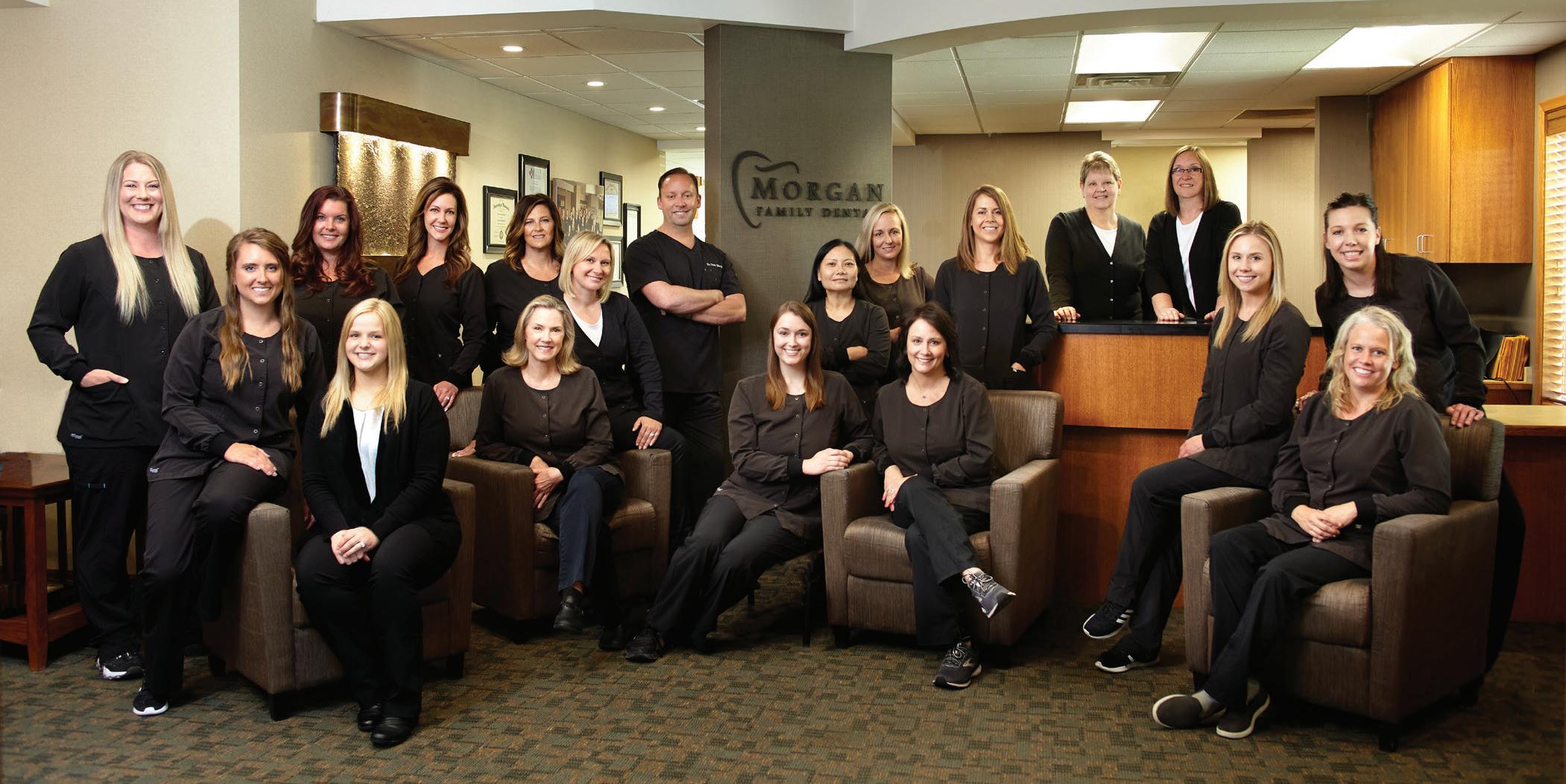


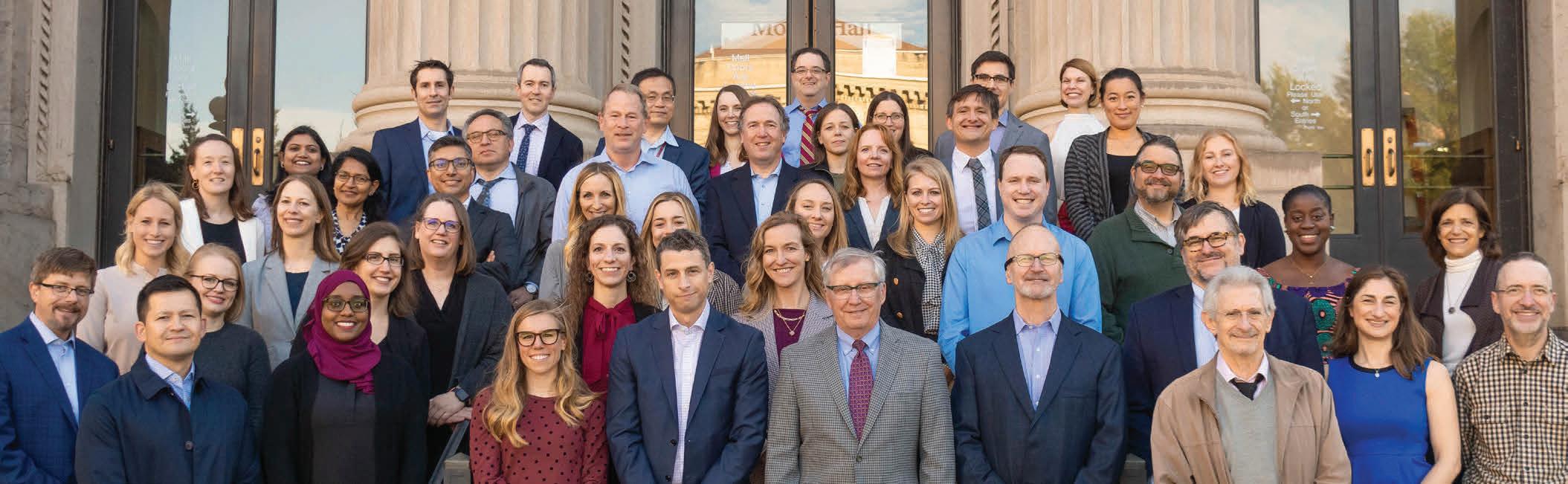

MINNESOTAMONTHLY.COM | SEPT/OCT 2023 | 75
Call today for a free cosmetic smile evaluation 952-447-4611 mypriorlakedentist.com From the benchtop to the bedside, our team of regional and national leaders is developing innovative discoveries and delivering compassionate care throughout Minnesota and beyond. CHANGING LIVES THROUGH INNOVATIVE AND COMPASSIONATE CARE VISIT US: Z.UMN.EDU/GIDIVISION
16670 Franklin Trail, Prior Lake, MN 55372
2023 Top Doctors
Yoav Haim Messinger
Children’s Minnesota -
Hematology Oncology 2530
Chicago Ave., CSC 175, Minneapolis, 612-813-5940
Lane H. Miller
Children’s Minnesota -
Hematology Oncology 2530
Chicago Ave., CSC 175, Minneapolis, 612-813-5940
Christopher Moertel
M Health Fairview
Katie Hageboech
Children’s Cancer Research Fund Clinic
2450 Riverside Ave., Floor 9, Minneapolis, 612-365-8100
Joseph Neglia
M Health Fairview Masonic
Children’s Hospital
2450 Riverside Ave., Minneapolis, 612-624-3113
Michael Kerr Richards
Children’s Minnesota -
Hematology Oncology 2530
Chicago Ave., CSC 175, Minneapolis, 612-813-5940
Karim Sadak
M Health Fairview Masonic
Children’s Hospital
2450 Riverside Ave., Minneapolis, 612-365-6777
Kris Ann Pinekenstein
Schultz Children’s Minnesota - Hematology
Oncology
2530 Chicago Ave., CSC 175, Minneapolis, 612-813-5940
Jonathan D. Schwartz
Mayo Clinic
Children’s Center
200 First St. S.W., Rochester, 855-629-6543
Mary Margaret Skrypek Children’s Minnesota - Hematology
Oncology
2530 Chicago Ave., CSC 175, Minneapolis, 612-813-5940
Lucie Turco e
M Health Fairview
Katie Hageboech
Children’s Cancer Research Fund Clinic
2450 Riverside Ave., Floor 9, Minneapolis, 612-365-8100
Brenda Weigel
M Health Fairview
Katie Hageboech
Children’s Cancer Research Fund Clinic
2450 Riverside Ave., Floor 9, Minneapolis, 612-365-8100
OPHTHALMOLOGY
Anne S. Abel
Hennepin Healthcare
730 S. Eighth St., Minneapolis, 612-873-6963
Sophie J. Bakri
Mayo Clinic
200 First St. S.W., Rochester, 507-284-2511
Erick D. Bothun
Mayo Clinic
Children’s Center
200 First St. S.W., Rochester, 855-629-6543
Timothy J. Ehlen
Northwest Eye 8501 Golden Valley Road, Suite 100, Golden Valley, 763-416-7600
Geo rey G. Emerson Retina Consultants of Minnesota
2485 Maplewood Drive W., Suite 213, Maplewood, 800-233-8504
Kevin C. Engel Hennepin Healthcare
730 S. Eighth St., Minneapolis, 612-873-6963
Marshall H. Everson Twin Cities Eye Consultants 7450 S. France Ave., Suite 100, Edina, 952-832-8100
David V. Folden
Twin Cities Eye Consultants 11855 N.E. Ulysses St., Suite 140, Blaine, 763-421-7420
Andrew R. Harrison Minnesota Ophthalmic Plastic Surgery Specialists 6405 S. France Ave., Suite W460, Edina, 952-925-4161
Jafar Hasan Insight Vision Care 7731 Flying Cloud Drive, Eden Prairie, 952-486-7858
Laura Johnson Heinmiller HealthPartners Park Nicollet Eye Care and Optical StoreSt. Louis Park 3900 Park Nicollet Blvd., St. Louis Park, 952-993-3150
Alla Kelly St. Paul Eye Clinic P.A. 1675 Beam Ave., Suite 100, Maplewood, 651-770-1371
Michael Lee
M Health Fairview Pediatric Eye Clinic - Minneapolis 701 25th Ave. S., Suite 300, Minneapolis, 612-365-6777
Mark Lobano OVO LASIK + LENS 6099 Wayzata Blvd., Suites 100 & 120, St. Louis Park, 952-204-5060
Collin McClelland
M Health Fairview Pediatric Eye Clinic - Minneapolis 701 25th Ave. S., Suite 300, Minneapolis, 612-365-6777
Jill Melicher Larson
Minnesota Eye Consultants 10709 Wayzata Blvd., Minnetonka, 763-553-1142
Ali Mokhtarzadeh
M Health Fairview ClinicMaple Grove 14500 N. 99th Ave., Maple Grove, 763-898-1808
Joshua Olson
M Health Fairview Clinic
Eye Clinic - Delaware
516 Delaware St. S.E., Minneapolis, 612-625-4400
Sco Peterson Twin Cities Eye Consultants
3777 Coon Rapids Blvd. N.W., Suite 100, Coon Rapids, 763-421-7420
Susan J. Quick St. Paul Eye Clinic P.A.
1215 Town Centre Drive, Suite 100, Eagan, 651-454-2526
Sco T. Schaefer
Twin Cities Eye Consultants
7450 S. France Ave., Suite 100, Edina, 952-832-8100
Susan Schlo
Associated Eye Care
237 Radio Drive, Suite 100, Woodbury, 651-275-3000
Sco U ley St. Paul Eye Clinic P.A. 1215 Town Centre Drive, Suite 100, Eagan, 651-454-2526
George Wandling
Twin Cities Eye Consultants 3777 Coon Rapids Blvd. N.W., Suite 100, Coon Rapids, 763-421-7420
OPHTHALMOLOGYPEDIATRIC
Raymond Areaux
M Health Fairview Pediatric Eye Clinic - Minneapolis
701 25th Ave. S., Suite 300, Minneapolis, 612-365-6777
Erick D. Bothun
Mayo Clinic
Children’s Center
200 First St. S.W., Rochester, 855-629-6543
Alejandra Decanini
Northwest Eye
12000 Elm Creek Blvd. N., Suite 100, Maple Grove, 763-416-7600
Saiyid Jafar Hasan
Insight Vision Care 7731 Flying Cloud Drive, Eden Prairie, 952-486-7858
Laura Johnson Heinmiller
HealthPartners Park
Nicollet Eye Care and Optical Store Maple Grove
9555 N. Upland Lane, Maple Grove, 952-993-1440
Brian G. Mohney
Mayo Clinic
Children’s Center
200 First St. S.W., Rochester, 855-629-6543
Jonathan T. Pribila
HealthPartners Park
Nicollet Eye Care and Optical Store Burnsville
14000 Fairview Drive, Burnsville, 952-993-3150
Susan Schlo
Associated Eye Care
237 Radio Drive, Suite 100, Woodbury, 651-275-3000
Sasha Strul
M Health Fairview Pediatric Eye Clinic - Minneapolis
701 25th Ave. S., Suite 300, Minneapolis, 612-365-6777
Todd M. Watanabe
St. Paul Eye Clinic P.A.
1215 Town Centre Drive, Suite 100, Eagan, 651-454-2526
OPTOMETRY
Bridget C. Axelson
Twin Cities Eye Consultants
3777 Coon Rapids Blvd. N.W., Suite 100, Coon Rapids, 763-421-7420
Erik Brendtro
Walmart Vision & Glasses
850 E. County Road E, Vadnais Heights, 651-486-7303
Afira Hasan
Insight Vision Care
7731 Flying Cloud Drive, Eden Prairie, 952-486-7858
Ann M. Hickson
Associated Eye Care 237 Radio Drive, Suite 100, Woodbury, 651-275-3000
Stacy Hinkemeyer
PineCone Vision Center
3274 No ingham Road S., St. Cloud, 866-615-6822
Chad D. Kalil
Twin Cities Eye Consultants 3777 Coon Rapids Blvd. N.W., Suite 100, Coon Rapids, 763-421-7420
Jacob R. Lang
Associated Eye Care 2950 Curve Crest Blvd. W., Stillwater, 651-275-3000
Christian Larson
M Health Fairview ClinicMaple Grove 14500 N. 99th Ave., Maple Grove, 763-898-1000
Troy Loomis
OVO LASIK + LENS 6099 Wayzata Blvd., Suites 100 & 120, St. Louis Park, 952-204-5060
Andrew Ri er
M Health Fairview Pediatric Eye Clinic - Minneapolis 701 25th Ave. S., Riverside Park Plaza, Floor 3, Minneapolis, 612-365-6777
Cheryl Zabrowski Flogel
M Health Fairview Eye Clinic - Fulton 909 Fulton Ave. S.E., Floor 4, Minneapolis, 612-625-4400
ORAL & MAXILLOFACIAL SURGERY
Deepak Kademani
Minnesota Oral & Facial Surgery
2380 Troop Drive, Suite 202, Sartell, 320-257-9555
ORGAN TRANSPLANT
Andrew Adams
M Health Fairview Pediatric Specialty Clinic - Discovery 2512 S. Seventh St., Floor 3, Minneapolis, 612-625-5115
Srinath Chinnakotla
M Health Fairview Pediatric Specialty Clinic - Discovery 2512 S. Seventh St., Floor 3, Minneapolis, 612-625-5115
Julie K. Heimbach
Mayo Clinic
200 First St. S.W., Rochester, 507-284-2511
Mark J. Hill
Allina Health - Abbo
Northwestern Hospital 800 E. 28th St., Minneapolis, 612-863-5638
Raja Kandaswamy
M Health Fairview
Transplant ClinicMinneapolis 909 Fulton St. S.E., Minneapolis, 612-625-5115
Mikel Prieto
Mayo Clinic 200 First St. S.W., Rochester, 507-284-2511
ORGAN TRANSPLANTPEDIATRIC
Srinath Chinnakotla
M Health Fairview Pediatric Specialty Clinic - Discovery 2512 S. Seventh St., Floor 3, Minneapolis, 612-625-5115
ORTHOPEDIC SURGERY
Jonathan P. Braman M Health Fairview Clinics and Surgery CenterMinneapolis 909 Fulton St. S.E., Minneapolis, 612-273-8383
Kristo er Breien Summit Orthopedics 3580 Arcade St. S., Vadnais Heights, 651-968-5201
Daniel D. Buss
Allina Health
Orthopedics - Edina 8100 W. 78th St., Suite 230, Edina, 952-946-9777
Glenn R. Bu ermann
Midwest Spine & Brain Institute
1835 W. County Road C, Suite 150, Roseville, 651-430-3800
Paul M. Cammack
Twin Cities Orthopedics 9630 Grove Circle N., Maple Grove, 763-520-7870
Edward Cheng
M Health Fairview
Orthopedic ClinicMinneapolis 909 Fulton St. S.E., Floor 4, Minneapolis, 612-672-7100
Denis Clohisy
M Health Fairview
Orthopedic ClinicMinneapolis 909 Fulton St. S.E., Floor 4, Minneapolis, 612-672-7100
J. Chris Coetzee
Twin Cities Orthopedics 2700 Vikings Circle, Eagan, 952-456-7600
D. Charles Eggert
Twin Cities Orthopedics 560 S. Maple St., Suite 200, Waconia, 952-442-2613
Alicia Harrison M Health Fairview Clinics and Surgery Center - Maple Grove 14500 99th Ave. N., Maple Grove, 612-672-7100
Christie S. Heikes
Twin Cities Orthopedics 4010 W. 65th St., Edina, 952-456-7000
Aimee S. Klapach
Allina Health
Orthopedics - Edina 8100 W. 78th St., Suite 230, Edina, 952-946-9777
A. Noelle Larson
Mayo Clinic
Children’s Center 200 First St. S.W., Rochester, 855-629-6543
Christopher M. Larson
Twin Cities Orthopedics 4010 W. 65th St., Edina, 952-456-7058
Je rey Macalena M Health Fairview Clinic - Maple Grove 14500 N. 99th Ave., Maple Grove, 612-672-7100
L. Pearce McCarty
Allina Health Orthopedics - Plymouth 2805 Campus Drive, Suite 465, Plymouth, 952-946-9777
Bradley James Nelson M Health Fairview Clinics and Surgery CenterMinneapolis 909 Fulton St. S.E., Floor 4, Minneapolis, 612-672-7100
Owen R. O’Neill
Twin Cities Orthopedics 1000 W. 140th St., Suite 201, Burnsville, 952-808-3000
Christine M. Pui HealthPartners
TRIA Orthopedic Center
Bloomington 8100 Northland Drive, Bloomington, 952-831-8742
Peter S. Rose
Mayo Clinic
Comprehensive Cancer Center 200 First St. S.W., Rochester, 507-284-2511
Andrew H. Schmidt
Hennepin Healthcare 730 S. Eighth St., Minneapolis, 612-873-6963
Lance Silverman
Silverman Ankle & Foot 6600 France Ave. S., Suite 605, Edina, 952-224-8500
Stefano M. Sinicropi Midwest Spine & Brain Institute
1835 W. County Road C, Suite 150, Roseville, 651-430-3800
Anthony A. Stans
Mayo Clinic
Children’s Center 200 First St. S.W., Rochester, 855-629-6543
76 | SEPT/OCT 2023 | MINNESOTAMONTHLY.COM
ORTHOPEDIC SURGERYPEDIATRIC
Jennifer Laine
Gille e Children’s - St. Paul
Campus
200 E. University Ave., St. Paul, 651-290-8707
A. Noelle Larson
Mayo Clinic
Children’s Center
200 First St. S.W., Rochester, 855-629-6543
Todd A. Milbrandt
Mayo Clinic
Children’s Center 200 First St. S.W., Rochester, 855-629-6543
William J. Shaughnessy
Mayo Clinic
Children’s Center
200 First St. S.W., Rochester, 855-629-6543
Anthony A. Stans
Mayo Clinic
Children’s Center
200 First St. S.W., Rochester, 855-629-6543
OTOLARYNGOLOGY
Meredith Adams
M Health Fairview
Ear Nose and Throat Clinic
- Minneapolis
909 Fulton St. S.E., Floor 4, Minneapolis, 612-626-5900
Holly Boyer
M Health Fairview
Ear Nose and Throat Clinic
- Minneapolis
909 Fulton St. S.E., Floor 4, Minneapolis, 612-626-5900
Karin E. Evan
ENT Specialty Care
3960 Coon Rapids Blvd.
N.W., Suite 104, Coon Rapids, 763-421-8443
Kristin B. Gendron
Midwest Ear, Nose & Throat Specialists
217 Radio Drive, Woodbury, 651-702-0750
Geo rey Getnick
Renew ENT & Hearing Center
7300 S. France Ave., Suite 420, Edina, 952-832-5252
Raluca Gray
M Health Fairview
Ear Nose and Throat Clinic
- Minneapolis 909 Fulton St. S.E., Floor 4, Minneapolis, 612-626-5900
Seth C. Janus
HealthPartners Park
Nicollet Specialty CenterOtolaryngology/ENT
401 Phalen Blvd., St. Paul, 952-967-7977
Ashok Jethwa
M Health Fairview
Ear Nose and Throat Clinic
- Minneapolis 909 Fulton St. S.E., Floor 4, Minneapolis, 612-626-5900
Nissim Khabie
ENT Specialty Care 6099 Wayzata Blvd., St. Louis Park, 612-871-1144
Sobia Khaja
M Health Fairview
Ear Nose and Throat Clinic
- Minneapolis
909 Fulton St. S.E., Floor 4, Minneapolis, 612-626-5900
Samir Khariwala
M Health Fairview
Ear Nose and Throat Clinic
- Minneapolis
909 Fulton St. S.E., Floor 4, Minneapolis, 612-626-5900
Sofia Lyford-Pike
University of Minnesota Physicians Hilger Face Center
5050 S. France Ave., Suite 150, Edina, 952-844-0404
Stephanie Misono
M Health Fairview
Ear Nose and Throat Clinic
- Minneapolis
909 Fulton St. S.E., Floor 4, Minneapolis, 612-626-5900
Eric J. Moore
Mayo Clinic
Comprehensive Cancer Center 200 First St. S.W., Rochester, 507-284-5129
Daniel L. Price
Mayo Clinic
Comprehensive Cancer Center
200 First St. S.W., Rochester, 507-284-5129
Derek J.J. Schmidt
HealthPartners Specialty Center - Otolaryngology/
ENT
401 Phalen Blvd., St. Paul, 952-967-7977
Ma hew Tyler
M Health Fairview
Ear Nose and Throat Clinic
- Minneapolis 909 Fulton St. S.E., Floor 4, Minneapolis, 612-626-5900
Justin Wudel
Renew ENT & Hearing Center
7300 S. France Ave., Suite 420, Edina, 952-832-5252
Bevan Yueh
M Health Fairview
Ear Nose and Throat Clinic
- Minneapolis
909 Fulton St. S.E., Floor 4, Minneapolis, 612-626-5900
OTOLARYNGOLOGYPEDIATRIC
Sivakumar Chinnadurai
Children’s MinnesotaENT Facial Plastic Clinic 2530 S. Chicago Ave., Suite 450, Minneapolis, 612-874-1292
Shelagh A. Cofer Mayo Clinic
Children’s Center 200 First St. S.W., Rochester, 855-629-6543
Luke Allen Jakubowski
Children’s MinnesotaENT Facial Plastic Clinic 2530 S. Chicago Ave., Suite 450, Minneapolis, 612-874-1292
Asitha D. Jayawardena
Lions Children’s Hearing and Ear, Nose and Throat Clinic 701 25th Ave. S., Minneapolis, 612-365-8300
Timothy Alan Lander
Children’s MinnesotaENT Facial Plastic Clinic 2530 S. Chicago Ave., Suite 450, Minneapolis, 612-874-1292
Abby Christine Meyer
Children’s MinnesotaENT Facial Plastic Clinic
2530 S. Chicago Ave., Suite 450, Minneapolis, 612-874-1292
Laura J. Orvidas Mayo Clinic
Children’s Center 200 First St. S.W., Rochester, 855-629-6543
Andrew J. Redmann
Children’s MinnesotaENT Facial Plastic Clinic 347 Smith Ave. N., Suite 601, St. Paul, 612-874-1292
Brianne Barne Roby
Children’s MinnesotaENT Facial Plastic Clinic 347 Smith Ave. N., Suite 600, St. Paul, 612-874-1292
Benhoor Soumekh
Ear, Nose & Throat Specialty Care
6099 Wayzata Blvd., The Xchange Medical Building, St. Louis Park, 612-871-1144
Robert James Tibesar
Children’s MinnesotaENT Facial Plastic Clinic 2530 S. Chicago Ave., Suite 450, Minneapolis, 612-874-1292
PAIN MANAGEMENT
Isaac Thomas Marsolek HealthPartners Park Nicollet Neuroscience Center 295 Phalen Blvd., St. Paul, 651-495-6403
Susan M. Moeschler Mayo Clinic
200 First St. S.W., Rochester, 507-284-2511
David M. Schultz
Nura Precision Pain Management
7400 France Ave. S., Suite 100, Edina
Clarence Shannon M Health Fairview Clinic for Comprehensive Pain Management - Minneapolis
909 Fulton St. S.E., Floor 5, Minneapolis, 612-301-1425
Daniel P. Sipple Minnesota Institute for Pain Management 2780 Snelling Ave. N., Suite 304, Roseville, 651-815-8155
Peter A. Stiles
HealthPartners
TRIA Orthopedic Center Bloomington
8100 Northland Drive, Bloomington, 952-831-8742
PAIN MANAGEMENTPEDIATRIC
Kristina Eir Catrine
Children’s MinnesotaPain and Palliative Care
2525 S. Chicago Ave., Suite T5, Minneapolis, 612-813-7888
Tracy E. Harrison
Mayo Clinic
Children’s Center
200 First St. S.W., Rochester, 855-629-6543
Sco A. Schwantes
Children’s MinnesotaPain and Palliative Care
2525 S. Chicago Ave., Suite T5, Minneapolis, 612-813-7888
Robert T. Wilder
Mayo Clinic
Children’s Center
200 First St. S.W., Rochester, 855-629-6543
PALLIATIVE CAREPEDIATRIC
Kristina Eir Catrine
Children’s MinnesotaPain and Palliative Care
2525 Chicago Ave., Suite T5, Minneapolis, 612-813-7888
Christopher A. Collura
Mayo Clinic
Children’s Center 200 First St. S.W., Rochester, 855-629-6543
Brenda M. Schiltz
Mayo Clinic
Children’s Center 200 First St. S.W., Rochester, 855-629-6543
Megan J. Thorvilson
Mayo Clinic
Children’s Center 200 First St. S.W., Rochester, 855-629-6543
PATHOLOGY
Oyedele Adeyi
M Health Fairview
University of Minnesota
Medical Center - East Bank
500 Harvard St. S.E., Minneapolis, 612-273-3000
Khalid Amin
M Health Fairview
University of Minnesota
Medical Center - East Bank
500 Harvard St. S.E., Minneapolis, 612-273-3000
Kenneth P. Ba s
Hospital Pathology Associates P.A. 2800 S. 10th Ave., Suite 2200, Minneapolis, 612-767-8370
Aastha Chauhan
M Health Fairview
University of Minnesota
Medical Center - East Bank
500 Harvard St. S.E., Minneapolis, 612-273-3000
Mahmoud Khalifa
M Health Fairview
University of Minnesota
Medical Center - East Bank
500 Harvard St. S.E., Minneapolis, 612-273-3000
Molly Klein
M Health Fairview
University of Minnesota
Medical Center - East Bank
500 Harvard St. S.E., Minneapolis, 612-273-3000
Michael A. Linden
M Health Fairview
University of Minnesota
Medical Center - East Bank
500 Harvard St. S.E., Minneapolis, 612-273-3000
Paari Murugan
M Health Fairview
University of Minnesota
Medical Center - East Bank
500 Harvard St. S.E., Minneapolis, 612-273-3000
Emilian Racila M Health Fairview
University of Minnesota
Medical Center - East Bank
500 Harvard St. S.E., Minneapolis, 612-273-3000
Ross W. Simpson
HealthPartners Park
Nicollet Specialty Center St. Louis Park
3800 Park Nicollet Blvd., St. Louis Park, 952-993-2000
PEDIATRICS
Marcie L. Billings
Mayo Clinic
Children’s Center
200 First St. S.W., Rochester, 855-629-6543
Emily Borman-Shoap
M Health Fairview
Children’s Clinic - University
2535 University Ave. S.E., Minneapolis, 612-672-2350
Razaan Nadiya Byrne
Children’s MinnesotaMinneapolis, Primary Care Clinic
2530 Chicago Ave., Suite 390, Minneapolis, 612-813-6107
Diana B. Cu s
Hennepin Healthcare
730 S. Eighth St., Minneapolis, 612-873-6963
Jason (Jay) H. Homme
Mayo Clinic
Children’s Center
200 First St. S.W., Rochester, 855-629-6543
Amie E. Jones
Mayo Clinic
Children’s Center 200 First St. S.W., Rochester, 855-629-6543
Kelsey M. Klaas
Mayo Clinic
Children’s Center 200 First St. S.W., Rochester, 855-629-6543
Angela C. Ma ke
Mayo Clinic
Children’s Center 200 First St. S.W., Rochester, 855-629-6543
Jason R. Maxwell-Wiggins HealthPartners Park Nicollet Clinic
St. Paul Como 2500 Como Ave., St. Paul, 651-641-6200
Paul Melchert Central + Priority Pediatrics 9680 Tamarack Road, Suite 100, Woodbury, 651-738-0470
Vicki Oster Southdale Pediatric Associates Ltd. 3955 Parklawn Ave., Suite 200, Edina, 952-278-7000
Frances Prekker Hennepin Healthcare 730 S. Eighth St., Minneapolis, 612-873-6963
Natalie E. RigelmanHedberg Metropolitan PediatricsBurnsville 14050 Nicollet Ave., Suite 300, Burnsville, 952-435-2450
Roopa Sharma HealthPartners Park Nicollet Clinic White Bear Lake 1430 Hwy. 96 E., White Bear Lake, 952-967-6614
Lori Skallerud Southdale Pediatric Associates Ltd. 3955 Parklawn Ave., Suite 200, Edina, 952-278-7000
David (Dave) B. Soma Mayo Clinic
Children’s Center 200 First St. S.W., Rochester, 507-266-9100
PHYSICAL MEDICINE & REHABILITATION
Joline E. Brandenburg Mayo Clinic
Children’s Center 200 First St. S.W., Rochester, 855-629-6543
Sherilyn W. Driscoll
Mayo Clinic
Children’s Center 200 First St. S.W., Rochester, 855-629-6543
Mahmood Gharib M Health Fairview Clinic - Edina 6545 France Ave. S., Suite 450, Minneapolis, 952-836-3695
Min Jeong P. Graf
Hennepin Healthcare 730 S. Eighth St., Minneapolis, 612-873-6963
Leslie J. Hillman
HealthPartners TRIA Orthopedic Center Woodbury 155 Radio Drive, Woodbury, 952-831-8742
MINNESOTAMONTHLY.COM | SEPT/OCT 2023 | 77
2023 Top Doctors
Jason D. Holgers
M Health Fairview Spine and Neurosurgery
1747 Beam Ave., Suite 100, Maplewood, 651-326-5444
Farha Ikramuddin
M Health Fairview
Physical Medicine and Rehabilitation ClinicMinneapolis
909 Fulton St. S.E., Floor 3, Minneapolis, 612-626-6688
Steven D. Jackson
HealthPartners Park
Nicollet Neuroscience Center
295 Phalen Blvd., St. Paul, 651-495-6403
Florence John
M Health Fairview Cancer Center - Edina
6363 France Ave. S., Suite 610, Edina, 952-836-3645
Murali Krishnamurthy
M Health Fairview
Physical Medicine and Rehabilitation ClinicMinneapolis
909 Fulton St. S.E., Floor 3, Minneapolis, 612-626-6688
Marie Christine Leisz
Allina Health - Courage
Kenny Rehabilitation Associates
280 N. Smith Ave., Doctors Professional Building, Suite 220, St. Paul, 651-241-8295
Anne N.F. Maurer
HealthPartners TRIA
Orthopedic Center
Bloomington
8100 Northland Drive, Bloomington, 952-831-8742
Amy E. Rabatin
Mayo Clinic
Children’s Center
200 First St. S.W., Rochester, 855-629-6543
Parisa Salehi
M Health Fairview
Physical Medicine and Rehabilitation Clinic -
Minneapolis
909 Fulton St. S.E., Floor 3, Minneapolis, 612-626-6680
Kristin Stoner
Allina Health - Courage
Kenny Rehabilitation Associates
800 E. 28th St., Suite 1750, Minneapolis, 612-863-4495
Jennifer Kendall Thomas
Rayus Radiology
232 Wentworth Ave. E., West St. Paul, 651-209-0219
Brionn K. Tonkin
Hennepin Healthcare
730 S. Eighth St., Minneapolis, 612-873-6963
PHYSICAL MEDICINE & REHABILITATIONPEDIATRIC
Joline E. Brandenburg
Mayo Clinic
Children’s Center
200 First St. S.W., Rochester, 855-629-6543
Sherilyn W. Driscoll
Mayo Clinic
Children’s Center 200 First St. S.W., Rochester, 855-629-6543
John Fox
M Health Fairview Pediatric Specialty Clinic - Discovery
2512 Seventh St. N.E., Floor 3, Minneapolis, 612-365-6777
Mark Edward Gormley
Gille e Children’s Rehabilitation, Medicine
200 E. University Ave., St. Paul, 651-290-8707
Amy E. Rabatin
Mayo Clinic
Children’s Center
200 First St. S.W., Rochester, 855-629-6543
Marshall Taniguchi
Gille e Children’sSt. Paul Campus 200 E. University Ave., St. Paul, 651-290-8707
PLASTIC & RECONSTRUCTIVE SURGERY - PEDIATRIC
Ruth J. Barta
HealthPartners Plastic Surgery and Dermatology
1000 Radio Drive, Suite 120, Woodbury, 651-495-6865
Waleed Gibreel
Mayo Clinic
Children’s Center
200 First St. S.W., Rochester, 855-629-6543
Steven L. Moran Mayo Clinic
Children’s Center 200 First St. S.W., Rochester, 855-629-6543
PLASTIC & RECONSTRUCTIVE SURGERY (COSMETIC)
Marie-Claire Buckley
M Health Fairview Plastic and Reconstructive Surgery
Clinic - Minneapolis 909 Fulton St. S.E., Floor 4, Minneapolis, 612-624-9707
Jason L. Buseman
HealthPartners Park
Nicollet Plastic Surgery St. Louis Park
5400 Excelsior Blvd., St. Louis Park, 952-993-3504
Karan Chopra
Gryskiewicz & Chopra Twin Cities Cosmetic Surgery
7373 France Ave. S., Suite 408, Minneapolis, 952-295-3987
Umar Choudry
M Health Fairview ClinicMaple Grove
14500 99th Ave. N., Maple Grove, 763-898-1000
Anthony J. DeAngelis HealthPartners Park
Nicollet Plastic Surgery St. Louis Park
5400 Excelsior Blvd., St. Louis Park, 952-993-3504
Harley Seth Dresner
HealthPartners Plastic Surgery and Dermatology
1000 Radio Drive, Suite 120, Woodbury, 651-495-6865
Sam Economou Minnesota OncologyPlastic Surgery Consultants
7760 France Ave. S., Suite 1000, Bloomington 952-746-6767
Garre R. Gri n Midwest Ear, Nose & Throat Specialists 217 Radio Drive, Woodbury, 651-702-0750
Joe Gryskiewicz Gryskiewicz Twin Cities Cosmetic Surgery
7373 France Ave. S., Suite 408, Minneapolis, 952-842-1000
Jennifer Harrington
Harrington + Associates Plastic Surgery
2805 Campus Drive, East Building, Suite 485, Plymouth, 651-413-9146
Cherrie A. Heinrich
HealthPartners Park
Nicollet Plastic Surgery St. Louis Park
5400 Excelsior Blvd., St. Louis Park, 952-993-3504
Peter Hilger
University of Minnesota Physicians Hilger Face Center
5050 S. France Ave., Suite 150, Edina, 952-844-0404
Steven R. Jacobson
Jacobson Plastic Surgery
2518 Superior Drive N.W., Suite 104, Rochester, 507-398-1900
Craig Johnson
Allina Health - United Plastic Surgery Clinic
310 N. Smith Ave., Suite 330, St. Paul, 651-241-6800
Tracy Kayan
Kayan Plastic Surgery
15450 Hwy. 7, Suite 225, Minnetonka, 612-756-8008
George H. Landis
George H. Landis, M.D. 2805 Campus Drive, Suite 335, Plymouth, 952-562-5940
Nathan Leigh Edina Plastic Surgery Ltd.
6525 France Ave. S., Suite 300, Edina, 612-688-3221
Valerie Lemaine
Minnesota OncologyPlastic Surgery Consultants
7760 France Ave. S., Suite 1000, Bloomington, 952-746-6767
Jacqueline Luong
Luong Plastic Surgery
7550 France Ave. S,, Suite 210, Edina, 952-838-0602
Sofia Lyford-Pike
University of Minnesota
Physicians Hilger Face Center
5050 France Ave. S., Suite 150, Edina, 952-844-0404
Jonathan Dean McCue
McCue Plastic Surgery
2805 Campus Drive, Suite 335, Plymouth, 952-830-0089
Gregory T. Mesna
Mesna Plastic Surgery & Aesthetic Center 7407 Wayzata Blvd., Minneapolis, 952-522-9351
Mark R. Migliori
MMK Plastic Surgery
7450 S. France Ave., Suite 220, Edina, 952-925-1111
Jane A. Nemecek
HealthPartners Park
Nicollet Plastic Surgery
St. Louis Park 5400 Excelsior Blvd., St. Louis Park, 952-993-3504
John A. Ness
Omni Cosmetic 935 E. Wayzata Blvd., Suite 200, Wayzata 763-878-8598
Michael Philbin
Edina Plastic Surgery Ltd.
6525 S. France Ave. S., Suite 300, Edina, 612-688-3177
Jess Prischmann
Jess Prischmann, M.D. 701 S. Xenia Ave., Suite 450, Golden Valley, 952-567-7151
David F. Ruebeck
Midwest Plastic Surgery
6545 France Ave. S., Suite 350, Edina, 952-920-2600
Timothy G. Schaefer
Midwest Plastic Surgery
6545 France Ave. S., Suite 350, Edina, 952-920-2600
Basel A. Sharaf
Mayo Clinic 200 First St. S.W., Rochester, 507-284-2511
Pawel Stachowicz
Authentic Plastic Surgery 1563 Como Ave., Suite 101 St. Paul, 612-770-1995
Edward Szachowicz
Edward Szachowicz, M.D. 4999 S. France Ave., Suite 210, Minneapolis, 952-835-5665
Richard H. Tholen
Minneapolis, Plastic Surgery 4825 Olson Memorial Hwy., Suite 200, Minneapolis, 763-324-9464
Christopher J. Tolan
Midwest Ear, Nose & Throat Specialists 217 Radio Drive, Woodbury, 651-702-0750
Sue-Mi Tu le
HealthPartners Plastic Surgery 401 Phalen Blvd., St. Paul, 651-254-8290
Robert Wilke
Edina, Plastic Surgery, Ltd. 6525 France Ave. S., Suite 300, Edina, 612-688-3221
Jonathan Witzke
Hennepin Healthcare 730 S. Eighth St., Minneapolis, 612-873-6963
Justin M. Wudel
Renew Facial Plastic Surgery
7300 S. France Ave., Suite 410, Edina, 952-227-3639
PLASTIC & RECONSTRUCTIVE SURGERY (NOT COSMETIC)
Marie-Claire Buckley
M Health Fairview Plastic and Reconstructive Surgery Clinic - Minneapolis 909 Fulton St. S.E., Floor 4, Minneapolis, 612-624-9707
Jason L. Buseman
HealthPartners Park
Nicollet Plastic Surgery St. Louis Park 5400 Excelsior Blvd., St. Louis Park, 952-993-3504
Umar Choudry
M Health Fairview ClinicMaple Grove
14500 99th Ave. N., Maple Grove, 763-898-1000
Harley Seth Dresner
HealthPartners Plastic Surgery and Dermatology
1000 Radio Drive, Suite 120, Woodbury, 651-495-6865
Sam Economou
Minnesota OncologyPlastic Surgery Consultants 7760 France Ave. S., Suite 1000, Bloomington, 952-746-6767
Christin A. Harless Mayo Clinic 200 First St. S.W., Rochester, 507-284-2511
George H. Landis George H. Landis, MD 2805 Campus Drive, Suite 335, Plymouth, 952-562-5940
Valerie Lemaine Minnesota OncologyPlastic Surgery Consultants 7760 France Ave. S., Suite 1000, Bloomington, 952-746-6767
Sofia Lyford-Pike University of Minnesota Physicians Hilger Face Center 5050 France Ave. S., Suite 150, Edina, 952-844-0404
Ashish Y. Mahajan
HealthPartners Specialty Center - Plastic and Hand Surgery 401 Phalen Blvd., St. Paul, 952-967-7977
Mark R. Migliori
MMK Plastic Surgery
7450 S. France Ave., Suite 220, Edina, 952-925-1111
Steven L. Moran Mayo Clinic
Children’s Center 200 First St. S.W., Rochester, 855-629-6543
David F. Ruebeck
Midwest Plastic Surgery 6545 France Ave. S., Suite 350, Edina, 952-920-2600
Timothy G. Schaefer Midwest Plastic Surgery 6545 France Ave. S., Suite 350, Edina, 952-920-2600
Christopher Tolan Midwest Facial Plastic Surgery 217 Radio Drive, Woodbury, 651-632-9700
Jonathan Witzke
Hennepin Healthcare
730 S. Eighth St., Minneapolis, 612-873-6963
PODIATRY
Aaron Corfield M Health Fairview
Orthopedic ClinicMinneapolis 909 Fulton St. S.E., Floor 4, Minneapolis, 612-672-7100
Ryan R. Pfannenstein HealthPartners Park Nicollet Specialty CenterFoot & Ankle Surgery/ Podiatry 435 Phalen Blvd., St. Paul, 952-967-7977
Joseph Schuster M Health Fairview Orthopedic ClinicMinneapolis
909 Fulton St. S.E., Floor 3, Minneapolis, 612-625-8690
PSYCHIATRY
Deanna Bass
M Health Fairview Mental Health and Addiction Clinic - Minneapolis 909 Fulton St. S.E., Suite 200, Minneapolis, 612-273-8383
Eduardo Colón Navarro Hennepin Healthcare, 730 S. Eighth St., Minneapolis, 612-873-6963
Suzanne Jasberg Ellie Mental Health 7767 N. Elm Creek Blvd., Suite 220, Maple Grove, 651-313-8080
78 | SEPT/OCT 2023 | MINNESOTAMONTHLY.COM
Helen Kim Hennepin Healthcare
730 S. Eighth St., Minneapolis, 612-873-6963
Sarah J. Ko ke United HospitalAllina Health
333 N. Smith Ave., St. Paul, 651-241-8860
Erica Mitchell Hennepin Healthcare
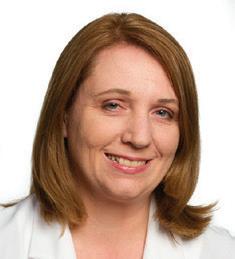
730 S. Eighth St., Minneapolis, 612-873-6963
Megan Press Minneapolis, VA Medical Center 1 Veterans Drive, Minneapolis, 612-467-1921
Christine R. Stanson HealthPartnersRegions Hospital
640 Jackson St., St. Paul, 651-254-3456
Katie Thorsness
Hennepin Healthcare











730 S. Eighth St., Minneapolis, 612-873-6963
PSYCHIATRYPEDIATRIC

Afshan Anjum
M Health Fairview Clinic - Masonic Institute for the Developing Brain
2025 E. River Parkway, Minneapolis, 612-301-0115
Aditi Garg
Allina HealthMental Health 2855 Campus Drive, Suite 660, Plymouth, 763-577-7900
Sogand Ghasemi
PrairieCare 9400 N. Zane Ave., Brooklyn Park, 952-826-8475
Sandra J. Rackley
Mayo Clinic
Children’s Center
200 First St. S.W., Rochester, 855-629-6543
Joshua Stein PrairieCare
5500 N. 94th Ave., Brooklyn Park, 763-762-6800
Jennifer L. Vande Voort
Mayo Clinic
Children’s Center
200 First St. S.W., Rochester, 855-629-6543
RADIATION ONCOLOGY
Ellen Bellairs
Minnesota OncologySt. Paul Cancer Center
310 Smith Ave. N., Suite 100, St. Paul, 651-251-5500
Chinsoo Cho

University of Minnesota
Physicians - East Bank Hospital
500 Harvard St. S.E., Minneapolis, 612-273-6700
Kathryn E. Dusenbery
M Health Fairview
University of Minnesota
Medical Center -
East Bank
500 Harvard St. S.E., Minneapolis, 612-273-6700
Ryan Funk
Minnesota
Oncology - Maplewood
Cancer Center
1580 Beam Ave., Maplewood, 651-779-7978
Michael M. Haley
Minneapolis
Radiation Oncology 6500 Excelsior Blvd., St. Louis Park, 952-993-6032

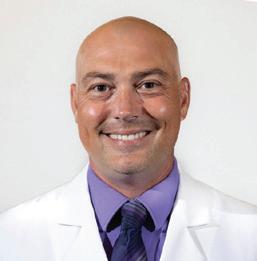
Nadia N. Laack
Mayo Clinic
Comprehensive Cancer Center 200 First St. S.W., Rochester, 507-293-0703
Anita Mahajan Mayo Clinic
Comprehensive Cancer Center 200 First St. S.W., Rochester, 507-293-0703
Kurt Nisi
Minneapolis
Radiation Oncology
3435 W. Broadway, Robbinsdale, 763-521-1426
Margaret Reynolds
M Health Fairview
University of Minnesota Medical CenterEast Bank 500 Harvard St. S.E., Minneapolis, 612-884-0600
Patsa Sullivan
Allina Health Cancer Institute 800 E. 28th St., Minneapolis, 612-863-4060
Somu Suppiah
Minneapolis
Radiation Oncology
6500 Excelsior Blvd., St. Louis Park, 952-993-6032
Stephanie Terezakis
M Health Fairview

University of Minnesota Medical Center - East Bank 500 Harvard St. S.E., Floor 1, Minneapolis, 612-273-6700
Laura E. Willson
Allina Health Cancer Institute 800 E. 28th St., Minneapolis, 612-863-4060
MINNESOTAMONTHLY.COM | SEPT/OCT 2023 | 79 Visit our website or call to make an appointment. www.associatedeyecare.com | 651.275.3000 Glaucoma | Pediatrics | Retina Dry Eye Disease | LASIK | Corneal Disorders Advanced Cataract Surgery | Eye Alignment Eye Lid Surgery | Well Vision Ann Hickson, OD Jacob Lang, OD, FAAO Susan Schloff, MD Congratulations for being named top doctor! Stillwater Woodbury Lino Lakes Hudson New Richmond Baldwin Affiliate Clinic: Visit our website or call to make an appointment. www.associatedeyecare.com | 651.275.3000 Glaucoma | Pediatrics | Retina Dry Eye Disease | LASIK | Corneal Disorders Advanced Cataract Surgery | Eye Alignment Eye Lid Surgery | Well Vision Ann Hickson, OD Jacob Lang, OD, FAAO Susan Schloff, MD Congratulations for being named top doctor! Stillwater Woodbury Lino Lakes Hudson New Richmond Baldwin Affiliate Clinic: Visit our website or call to make an appointment. www.associatedeyecare.com | 651.275.3000 Glaucoma | Pediatrics | Retina Dry Eye Disease | LASIK | Corneal Disorders Advanced Cataract Surgery | Eye Alignment Eye Lid Surgery | Well Vision Hickson, OD Jacob Lang, OD, FAAO Susan Schloff, MD Congratulations for being named top doctor! Stillwater Woodbury Lino Lakes Hudson New Richmond Baldwin Affiliate Clinic: Visit our website or call to make an appointment. www.associatedeyecare.com | 651.275.3000 Glaucoma | Pediatrics | Retina Dry Eye Disease | LASIK | Corneal Disorders Advanced Cataract Surgery | Eye Alignment Eye Lid Surgery | Well Vision Ann Hickson, OD Jacob Lang, OD, FAAO Susan Schloff, MD Congratulations for being named top doctor! Stillwater Woodbury Lino Lakes Hudson New Richmond Baldwin Affiliate Clinic: Visit our website or call to make an appointment. www.associatedeyecare.com | 651.275.3000 Glaucoma | Pediatrics | Retina Dry Eye Disease | LASIK | Corneal Disorders Advanced Cataract Surgery | Eye Alignment Eye Lid Surgery | Well Vision Ann Hickson, OD Jacob Lang, OD, FAAO Susan Schloff, MD Congratulations for being named top doctor! Stillwater Woodbury Lino Lakes Hudson New Richmond Baldwin Affiliate Clinic: Over the past three decades, Nura has helped thousands of people reduce their chronic pain and improve their quality of life. The key to our approach centers around identifying the precise nature of your pain and building a plan of care–personalized just for you. If you’re tired of visiting specialist after specialist and looking for someone who can manage your pain, Nura can help. 763-537-6000 | nuraclinics.com Next-day new patient appointments available Coon Rapids & Edina Clinics ©2023 Nura PA. All rights reserved. We understand your pain.
2023 Top Doctors
Ryan Youland
Minnesota OncologyMaplewood Cancer Center
1580 Beam Ave., Maplewood, 651-779-7978
Jianling Yuan
M Health Fairview
University of Minnesota Medical CenterEast Bank
500 Harvard St. S.E., Minneapolis, 612-273-6700
RADIOLOGY
Martin J. Asis
Midwest Radiology
250 Thompson St., St. Paul, 651-602-7200
Brent Bullis
Mayo Clinic - Hospital and Clinic
1025 Marsh St., Mankato, 507-625-4031
Siobhan Flanagan
M Health Fairview Pediatric
Specialty Clinic - Discovery
2512 S. Seventh St., Floor 3, Minneapolis, 612-626-5566
Gopal Punjabi
Hennepin Healthcare
730 S. Eighth St., Minneapolis, 612-873-6963
Je rey Rykken
M Health Fairview
University of Minnesota Medical Center - East Bank
500 Harvard St. S.E., Minneapolis, 612-273-3000
Anthony Severt
Hennepin Healthcare
730 S. Eighth St., Minneapolis, 612-873-6963
Benjamin Spilseth
M Health Fairview
University of Minnesota Medical Center - East Bank
500 Harvard St. S.E., Minneapolis, 612-273-3000
Takashi Takahashi
M Health Fairview
University of Minnesota
Medical Center - East Bank
500 Harvard St. S.E., Minneapolis, 612-273-3000
Mark W. Veldman
Midwest Radiology
250 Thompson St., St. Paul, 651-602-7200
RADIOLOGY - PEDIATRIC
Je rey Ames
M Health Fairview Masonic
Children’s Hospital
2450 Riverside Ave., Minneapolis, 612-626-0644
Kelly Dietz
M Health Fairview Masonic
Children’s Hospital
2450 Riverside Ave., Maple Grove, 612-365-6777
Eric Hoggard
M Health Fairview
University of Minnesota Medical Center - West Bank
2312 S. Sixth St., Minneapolis, 612-672-7000
Tara Holm
M Health Fairview
University of Minnesota Medical Center - West Bank
2312 S. Sixth St., Minneapolis, 612-672-7000
Nathan C. Hull Mayo Clinic
Children’s Center 200 First St. S.W., Rochester, 855-629-6543
William A. Mize
Children’s MinnesotaRadiology 2525 Chicago Ave., Suite 1403, Minneapolis, 612-813-6248
Michael Murati
M Health Fairview Masonic
Children’s Hospital 2450 Riverside Ave., Minneapolis, 612-635-1000
REPRODUCTIVE ENDOCRINOLOGY/ INFERTILITY
April Batcheller
Fertility of Minneapolis
6565 France Ave., Suite 400, Edina, 952-225-1630
Colleen L. Casey Center for Reproductive Medicine
2828 Chicago Ave. S., Midtown Medical Building, Suite 400, Minneapolis, 612-863-5390
Mark A. Damario Center for Reproductive Medicine
2828 Chicago Ave. S., Midtown Medical Building, Suite 400, Minneapolis, 612-863-5390
Zaraq Khan Mayo Clinic
200 First St. S.W., Rochester, 507-284-9792
Tana Kim
Reproductive Medicine & Infertility Associates
2101 Woodwinds Drive, Woodbury, 651-360-1936
Phoebe H. Leonard
Reproductive Medicine & Infertility Associates
2101 Woodwinds Drive, Woodbury, 651-360-1936
REPRODUCTIVE ENDOCRINOLOGY/ INFERTILITY - WOMEN
April Batcheller
Fertility of Minneapolis
6565 France Ave., Suite 400, Edina, 952-225-1630
Phoebe H. Leonard
Reproductive Medicine & Infertility Associates
2101 Woodwinds Drive, Woodbury, 651-360-1936
RESPIRATORY/ PULMONARY CARE
Joanne Billings
M Health Fairview Center for Lung Science and Health Clinic - Minneapolis
909 Fulton St. S.E., Minneapolis, 612-624-4040
Sco F. Davies
Hennepin Healthcare
730 S. Eighth St., Minneapolis, 612-873-6963
Hem Hemantbhai Desai
M Health Fairview Center for Lung Science and Health Clinic - Minneapolis
909 Fulton St. S.E., Minneapolis, 612-624-4040
Erhan H. Dincer
M Health Fairview
Masonic Cancer Clinic
909 Fulton St. S.E., Floor 2, Minneapolis, 612-676-4200
Jordan Dunitz
M Health Fairview Center for Lung Science and Health Clinic - Minneapolis
909 Fulton St. S.E., Minneapolis, 612-624-4040
Nathaniel Gaeckle
M Health Fairview Center for Lung Science and Health Clinic - Minneapolis
909 Fulton St. S.E., Minneapolis, 612-624-4040
Anne Gregerson
Griffiths Children’s Minnesota - Children’s Respiratory & Critical Care Specialists
2530 S. Chicago Ave., Suite 400, Minneapolis, 612-813-3300
Jonathan Hovda Minnesota Lung Center
7450 France Ave. S., Suite 210, Edina, 952-567-7400
Mitchell G. Kaye Minnesota Lung Center 920 E. 28th St., Suite 700, Minneapolis, 952-567-7400
Hyun Joo Kim
M Health Fairview Center for Lung Science and Health Clinic - Minneapolis
909 Fulton St. S.E., Minneapolis, 612-624-4040
James W. Leatherman Hennepin Healthcare
730 S. Eighth St., Minneapolis, 612-873-6963
Nicole e Myers HealthPartners Park
Nicollet Sleep Disorder Center
3931 S. Louisiana Ave., Suite E302, St. Louis Park, 952-993-3242
RESPIRATORY/ PULMONARY CAREPEDIATRIC
Richard Paul Boesch
Mayo Clinic
Children’s Center 200 First St. S.W., Rochester, 855-629-6543
Gail M. Bro man
Hennepin Healthcare/M Health Fairview Pediatric Specialty Clinic - Discovery
730 S. Eighth St., Minneapolis, 612-873-6963
Nadir Demirel
Mayo Clinic
Children’s Center 200 First St. S.W., Rochester, 855-629-6543
Samuel Goldfarb
M Health Fairview Pediatric Specialty Clinic - Discovery
2512 S. Seventh St., Floor 3, Minneapolis, 612-365-6777
Anne Gri ths
Children’s Respiratory & Critical Care Specialists
2530 Chicago Ave. S., Suite 400, Minneapolis, 612-813-3300
Christina Mikesell
Children’s Respiratory & Critical Care Specialists 310 N. Smith Ave., Suite 460, St. Paul, 612-813-3300
Brooke Moore
Children’s Respiratory & Critical Care Specialists 2530 Chicago Ave. S., Suite 400, Minneapolis, 612-813-3300
Sophia M. Pillai
Mayo Clinic
Children’s Center 200 First St. S.W., Rochester, 855-629-6543
Michael Shreve
Children’s Respiratory & Critical Care Specialists
310 N. Smith Ave., Suite 460, St. Paul, 612-813-3300
RHEUMATOLOGY
Ma hew L. Basiaga
Mayo Clinic
Children’s Center 200 First St. S.W., Rochester, 855-629-6543
Angela M. Dahle
Arthritis and Rheumatology Consultants P.A. 7600 France Ave. S., Suite 5100, Edina, 952-893-1959
Parastoo Fazeli
M Health Fairview
Rheumatology ClinicMinneapolis 909 Fulton St. S.E., Minneapolis, 651-326-7990
Maren E. Hilton
Arthritis and Rheumatology Consultants P.A.
7600 France Ave. S., Suite 5100, Edina, 952-893-1959
Asim S. Khan Voyage
Healthcare
5109 36th Ave. N., Crystal, 763-587-7900
Sahar Lotfi-Emran
M Health Fairview
Rheumatology ClinicMinneapolis 909 Fulton St. S.E., Minneapolis, 651-326-7990
Thomas G. Mason
Mayo Clinic
Children’s Center 200 First St. S.W., Rochester, 855-629-6543
Rawad Nasr
Hennepin Healthcare
730 S. Eighth St., Minneapolis, 612-873-6963
Linh Q. Ngo
Hennepin Healthcare 730 S. Eighth St., Minneapolis, 612-873-6963
Amir B. Orandi Mayo Clinic
Children’s Center 200 First St. S.W., Rochester, 855-629-6543
Tawatchai Paisansinsup HealthPartners Park Nicollet Clinic and Specialty Center Burnsville 14000 Fairview Drive, Burnsville, 952-993-3280
Ellen R. Shammash
HealthPartners Park Nicollet Specialty CenterRheumatology 401 Phalen Blvd., St. Paul, 952-967-7616
Archibald A. Skemp
Arthritis and Rheumatology Consultants P.A. 7600 France Ave. S., Suite 5100, Edina, 952-893-1959
Je ery L. Wilson
Arthritis and Rheumatology Consultants P.A. 7600 France Ave. S., Suite 5100, Edina, 952-893-1959
RHEUMATOLOGYPEDIATRIC
Ma hew L. Basiaga
Mayo Clinic
Children’s Center 200 First St. S.W., Rochester, 855-629-6543
Bryce Binstadt
M Health Fairview Pediatric Specialty Clinic - Explorer 2450 Riverside Ave., Minneapolis, 612-365-6777
Danielle R. Bullock
M Health Fairview Pediatric Specialty Clinic - Explorer 2450 Riverside Ave., Floor 12, Minneapolis, 612-365-6777
Colleen Correll
M Health Fairview Pediatric Specialty Clinic - Explorer 2450 Riverside Ave., Floor 12, Minneapolis, 612-365-6777
Patricia Hobday
M Health Fairview Pediatric Specialty Clinic - Explorer 2450 Riverside Ave., Floor 12, Minneapolis, 612-365-6777
Thomas G. Mason Mayo Clinic
Children’s Center, 200 First St. S.W., Rochester, 855-629-6543
Amir B. Orandi
Mayo Clinic
Children’s Center, 200 First St. S.W., Rochester, 855-629-6543
Mona Riskalla
M Health Fairview Pediatric Eye Clinic - Minneapolis 701 25th Ave. S., Riverside Park Plaza, Minneapolis, 612-365-6777
SLEEP DISORDERS
Bimaje Akpa
M Health Fairview ClinicMaple Grove 14500 N. 99th Ave., Maple Grove, 763-898-1080
Michael D. Alter HealthPartners Regions Specialty Clinics 640 Jackson St., St. Paul, 952-967-7977
Tereza Cervenka M Health Fairview Sleep Center - Minneapolis 606 24th Ave. S., Minneapolis, 612-273-5000
Alfred Chiang M Health Fairview Sleep Clinic - Brooklyn Park 10000 Zane Ave. N., Suite 202, Brooklyn Park, 612-273-5000
John A. Damergis Noran Neurological Clinic 2828 Chicago Ave., Suite 200, Minneapolis, 612-879-1000
Joan M. K. Fox Minnesota Lung Center 7450 France Ave. S., Suite 210, Edina, 952-567-7400
Erin Golden Hennepin Healthcare 730 S. Eighth St., Minneapolis, 612-873-6963
Kevin R. Grullon Minnesota Lung Center 7450 France Ave. S., Suite 210, Edina, 952-567-7400
Michael Howell M Health Fairview Sleep Centers - Edina 6363 France Ave. S., Suite 103, Edina, 612-273-5000
Conrad Iber M Health Fairview Sleep Center - Minneapolis 606 24th Ave. S., Suite 106, Minneapolis, 612-273-5000
Patrick J. Wright Minnesota Lung Center 8380 City Centre Drive, Suite 160, Woodbury, 952-567-7400
SLEEP MEDICINEPEDIATRIC
Julie M. Baughn Mayo Clinic Children’s Center, 200 First St. S.W., Rochester, 855-629-6543
80 | SEPT/OCT 2023 | MINNESOTAMONTHLY.COM
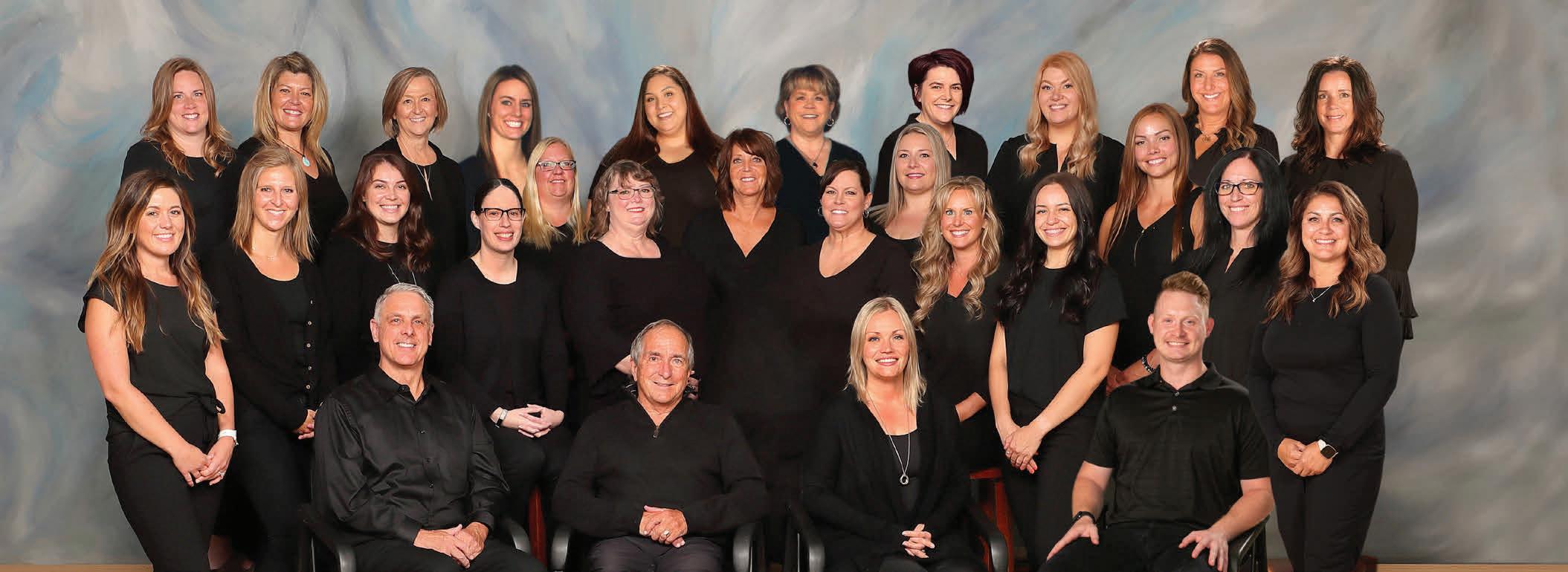




MINNESOTAMONTHLY.COM | SEPT/OCT 2023 | 81 We Cater to Dental ‘Cowards’. No matter how long it’s been since your last visit—we’ll help you take the first step back to a healthy smile. dentistryfortheentirefamily.com | Fridley, MN
Dr. Thyra Jagger
Dr. John Cretzmeyer
Locally sourced advocacy and advice from lawyers you know. 612.339.7121 www.bestlaw.com THE NEWSLETTER YOU’VE BEEN MISSING DAILY MINNESOTAMONTHLY.COM/ NEWSLETTER-SIGNUP
Dr. William Bauman
2023 Top Doctors
John Garcia
Gille e Children’sDuluth, Clinic, 1420 London Road, Suite 210, Duluth, 651-290-8707
Robin M. Lloyd
Mayo Clinic
Children’s Center, 200 First St. S.W., Rochester, 855-629-6543
Christine A. Matarese
Mayo Clinic
Children’s Center, 200 First St. S.W., Rochester, 855-629-6543
SPORTS MEDICINE
Amy Beacom
Summit Orthopedics
2620 Eagan Woods Drive, Suite 200, Eagan, 651-968-5201
Heather L. Bergeson
HealthPartners TRIA
Orthopedic Center
Bloomington
8100 Northland Drive, Bloomington, 952-831-8742
Robby Bershow
Allina Health
Greenway Clinic
3270 W. Lake St., Greenway Lakes Commons Minneapolis, 952-946-9777
Trent Christensen
Allina Health OrthopedicsPlymouth
2805 Campus Drive, Suite 465, Plymouth, 952-946-9777
Kristina (Kristi) M. Colbenson
Mayo Clinic
200 First St. S.W., Rochester, 507-266-9100
Suzanne Hecht
M Health Fairview
Sports Medicine ClinicMinneapolis
909 Fulton St. S.E., Floor 4, Minneapolis, 612-672-7100
David Jewison
M Health Fairview
Sports Medicine ClinicMaple Grove
14500 N. 99th Ave., Maple Grove, 612-672-7100
Rahul Kapur
M Health Fairview
Sports Medicine ClinicMinneapolis 909 Fulton St. S.E., Floor 4, St. Paul, 651-772-7100
Anne-Marie Ford Moore
HealthPartners TRIA Orthopedic Center Bloomington 8100 Northland Drive, Bloomington, 952-831-8742
David E. Olson
Twin Cities Orthopedics
2700 Vikings Circle, Eagan, 952-456-7600
William O. Roberts
M Health Fairview Clinic -
Phalen Village
1414 E. Maryland Ave., St. Paul, 651-772-3461
Jacob L. Sellon
Mayo Clinic
200 First St. S.W., Rochester, 507-266-9100
Dave Smith M Health Fairview
Sports Medicine ClinicMaple Grove 14500 N. 99th Ave., Maple Grove, 612-672-7100
Steven Stovitz
M Health Fairview Clinics and Surgery CenterMinneapolis 909 Fulton St. S.E., Minnneapolis, 612-273-8383
David Supik
M Health Fairview Sports Medicine Clinic - Edina
6545 France Ave. S., Suite 150, Edina, 612-672-7100
Ashley M. TeKippe
HealthPartners TRIA Orthopedic Center Woodbury 155 Radio Drive, Woodbury, 952-831-8742
SPORTS MEDICINEPEDIATRIC
Heather L. Bergeson
HealthPartners TRIA Orthopedic Center Bloomington 8100 Northland Drive, Bloomington, 952-831-8742
Amy E. Rabatin
Mayo Clinic
Children’s Center 200 First St. S.W., Rochester, 855-629-6543
Luke C. Radel
Mayo Clinic
Children’s Center 200 First St. S.W., Rochester, 855-629-6543
David (Dave) B. Soma
Mayo Clinic
Children’s Center 200 First St. S.W., Rochester, 507-266-9100
THORACIC SURGERY
Rafael Andrade
M Health Fairview
Masonic Cancer Clinic 909 Fulton St. S.E., Floor 2, Minneapolis, 612-676-4200
Douglas R. Baldwin HealthPartners Regions
Hospital - Cardiovascular & Thoracic Surgery
640 Jackson St., St. Paul, 651-254-4130
Amit Bhargava
M Health Fairview Cancer Center - Burnsville
14101 Fairview Drive, Suite 200, Minneapolis, 952-460-4074
Shanda H. Blackmon
Mayo Clinic
Comprehensive Cancer Center 200 First St. S.W., Rochester, 507-284-2511
Ilitch Diaz Gutierrez
M Health Fairview
Masonic Cancer Clinic
909 Fulton St. S.E., Floor 2, Minneapolis, 612-676-4200
Ma hew Graczyk
Allina Health Cancer Institute
800 E. 28th St., Minneapolis, 612-863-0200
Bernard S. Harrison
HealthPartners Park
Nicollet Heart and Vascular Center at Methodist Hospital
6500 Excelsior Blvd., Suite 820, St. Louis Park, 952-993-3246
Stephen Huddleston
M Health Fairview Heart Clinic - Fulton 909 Fulton St. S.E., Minneapolis, 612-365-5000
Louis F. Jacques
Minnesota OncologyEdina Clinic
6545 France Ave. S., Suite 210, Edina, 952-928-2900
Ranjit John Hennepin Healthcare/ M Health Fairview Heart Clinic - Edina
730 S. Eighth St., Minneapolis, 612-873-6963
Rosemary F. Kelly
M Health Fairview
University of Minnesota Medical Center - East Bank
500 Harvard St. S.E., Minneapolis, 612-273-3000
Madhuri Rao
M Health Fairview
Masonic Cancer Clinic
909 Fulton St. S.E., Floor 2, Minneapolis, 612-676-4200
Mark Lowell Solfelt North Memorial Health - Cancer Center - Robbinsdale
3435 W. Broadway Ave., Robbinsdale, 763-581-2800
Ted H. Spooner
HealthPartners Park Nicollet Heart and Vascular Center at Methodist Hospital
6500 Excelsior Blvd., Suite 820, St. Louis Park, 952-993-3246
UROGYNECOLOGY
John Fischer
M Health Fairview Center for Women - Edina
6525 France Ave. S., Suite 100, Edina, 952-285-6140
Anna R. McNanley
HealthPartners Park Nicollet Women’s Clinic and OBGYN - Maple Grove 9855 Hospital Drive, Suite 275, Maple Grove, 952-993-3282
Nissrine Nakib
M Health Fairview ClinicMaple Grove
14500 N. 99th Ave., Maple Grove, 763-898-1440
Rahel Nardos
M Health Fairview Urology Clinic - Minneapolis
909 Fulton St. S.E., Minneapolis, 612-625-6401
UROLOGY
Stephen A. Boorjian
Mayo Clinic
Comprehensive Cancer Center
200 First St. S.W., Rochester, 507-266-3425
Michael Borofsky M Health Fairview Urology Clinic - Minneapolis
720 Washington Ave. S.E., Suite 200, Minneapolis, 612-884-0600
Sean Ellio
M Health Fairview Urology Clinic - Minneapolis
909 Fulton St. S.E., Floor 4, Minneapolis, 612-625-6401
Mark Fallen
Minnesota Urology
7500 S. France Ave., Edina, 952-927-6501
Kendall Feia
Hennepin Healthcare
730 S. Eighth St., Minneapolis, 612-873-6963
Bradley C. Leibovich
Mayo Clinic
Comprehensive Cancer Center
200 First St. S.W., Rochester, 507-266-3425
Aaron Milbank
Minnesota Urology
6025 Lake Road, Suite 200, Woodbury, 651-999-6800
Nissrine Nakib
M Health Fairview ClinicMaple Grove 14500 N. 99th Ave., Maple Grove, 763-898-1440
Travis Pagliara
Hennepin Healthcare
730 S. Eighth St., Minneapolis, 612-873-6963
Joseph Pariser
M Health Fairview Urology Clinic - Minneapolis
909 Fulton St. S.E., Floor 4, Minneapolis, 612-625-6401
Anthony Polcari
Minnesota Urology
6025 Lake Road, Suite 200, Woodbury, 651-999-6800
Ian Schwartz
Hennepin Healthcare
730 S. Eighth St., Minneapolis, 612-873-6963
Basir Tareen
Minnesota Urology 6025 Lake Road, Suite 200, Woodbury, 651-999-6800
Ma hew K. Tollefson
Mayo Clinic
Comprehensive Cancer Center 200 First St. S.W., Rochester, 507-266-3425
Christopher Warlick
M Health Fairview Clinic- Wyoming 5200 Fairview Blvd., Wyoming, 612-625-6401
Joseph Zabell M Health Fairview Urology Clinic - Edina
6363 France Ave. S., Suite 500, Edina, 952-920-7660
UROLOGY - PEDIATRIC
Patricio C. Gargollo
Mayo Clinic
Children’s Center 200 First St. S.W., Rochester, 507-229-4120
Candace F. Granberg
Mayo Clinic
Children’s Center 200 First St. S.W., Rochester, 507-405-2438
Amy Hou
Pediatric Surgical Associates, Ltd. 2530 S. Chicago Ave., Suite 550, Minneapolis, 612-813-8000
Yuri E. Reinberg
Pediatric Surgical Associates, Ltd.
2530 S. Chicago Ave., Suite 550, Minneapolis, 612-813-8000
David Richard Vandersteen
Children’s MinnesotaPediatric Surgical Associates
2530 Chicago Ave., Suite 550, Minneapolis, 612-813-8000
Katie Willihnganz-Lawson
Pediatric Surgical Associates, Ltd. 2530 S. Chicago Ave., Suite 550, Minneapolis, 612-813-8000
UROLOGY - WOMEN
Katherine (Katie) T. Anderson
Mayo Clinic 200 First St. S.W., Rochester, 855-629-6543
Cynthia Fok
M Health Fairview Urology Clinic - Edina
6363 France Ave. S., Suite 500, Edina, 952-920-7660
Sevann Helo Mayo Clinic
200 First St. S.W., Rochester, 855-629-6543
Brian J. Linder Mayo Clinic
200 First St. S.W., Rochester, 507-923-2258
Nissrine Nakib
M Health Fairview ClinicMaple Grove 14500 N. 99th Ave., Maple Grove, 763-898-1440
VASCULAR & INTERVENTIONAL RADIOLOGY
Emily C. Bendel
Mayo Clinic
200 First St. S.W., Rochester, 507-284-2511
Haraldur Bjarnason
Mayo Clinic 200 First St. S.W., Rochester, 507-284-2511
Brent R. Chamberlain HealthPartners Park Nicollet Clinic and Specialty Center Burnsville 14050 Fairview Drive, Burnsville 952-993-9800
Bjorn Engstrom Consulting Radiologists, Ltd. 7595 Anagram Drive, Eden Prairie, 612-573-2200
Siobhan Flanagan
M Health Fairview Pediatric Specialty Clinic - Discovery 2512 S. Seventh St., Floor 3, Minneapolis, 612-626-5566
Jafar Golzarian M Health Fairview
Vascular Clinic - Fulton 909 Fulton St. S.E., Floor 3, Minneapolis, 612-626-6752
In Memoriam
DR. CHARLES E. CRUTCHFIELD III
Dr. Charles E. Crutchfield III of Eagan died in June from complications of cancer at age 62. He was an award-winning dermatologist who was one of the first in his field to tailor skin treatments for people of color. He annually was a Top Doctors award recipient, including again in 2023. His dedication to patient well-being and groundbreaking contributions to dermatology will be missed. His legacy resonates through generations of medical practitioners and the many patients and staff he worked with.
82 | SEPT/OCT 2023 | MINNESOTAMONTHLY.COM



MINNESOTAMONTHLY.COM | SEPT/OCT 2023 | 83 PHOTO ADOBE/KHUNATORN Featured Physicians From pioneering medical breakthroughs to providing unparalleled patient care, these esteemed professionals have earned their rightful place at the forefront of the state’s medical community. Join us as we delve into the remarkable journeys, expertise, and unwavering dedication of these exceptional physicians, each contributing their invaluable expertise to the be erment of health and well-being in Minnesota and beyond. SPECIAL ADVERTISING SECTION




Your care. Your way. Stay living in your home. Home Care For All Ages We offer PCA (Personal Care Assistant), FMS and 245D Services in all 87 Minnesota counties. bestcaremn.com Whether you provide care or are in need of care in your home – Call 651.330.2550
651-330-2550 | bestcaremn.com

Best Care is a home care agency that o ers personal care assistant (PCA), financial management (FMS), and 245D services for in-home care. These services are for older adults and individuals living with a disability that would like to remain at home and in their community. With a strongly built reputation, Best Care is known for being the most trusted and respected home care agency in Minnesota.
Established in 2005, Best Care has sought to provide individuals with the resources they need to find the best home care services possible. The goal of PCA services is to allow individuals the option of living independently, as opposed to a clinic or facility. When choosing these services for home care, you receive help with daily tasks and activities, assistance with performing health-related functions, and aid in performing redirection and intervention for behavior.
In the state of Minnesota, individuals have the option of choosing their own PCA, which could be a niece, granddaughter,

son, or neighbor—getting paid to be the caregiver of the individual needing services. Clients can choose a personal care assistant and then work with an agency, like Best Care, that hires, trains, and pays the hours for care.
Knowing how hard it can be to discuss living independently with help or home care services with older individuals, Leann Lindahl, chief strategy officer at Best Care, explains, “A key piece to note about these services is that it allows loved ones to live more independently in their own home. It provides them with personalized, nonmedical care for their daily needs, so they can continue to perform everyday tasks and live life to its fullest potential.”
With an extensive staff of experts and numerous other resources, Best Care can provide answers to questions about how PCA, 245D, and financial management services are used, plus the steps required to obtain them.
MINNESOTAMONTHLY.COM | SEPT/OCT 2023 | 85 PHOTO BEST CARE/ISTOCK
SPONSORED CONTENT
Bhatti GI Consultants, P.A.

Clinic locations in Chaska, Shakopee, and Edina Surgery center locations in Chaska and Edina (opening Fall 2023)
952-368-3800 | bhattigi.com
DR. AHSAN M. BHATTI, M.D., F.A.C.P., opened Bhatti Gastroenterology (GI) in 2015 to provide first-class GI care without the wait and to support the mission of delivering care that achieves the highest quality, safety, patient satisfaction, and affordability levels. He expanded and opened Bhatti Surgery Center in 2018. Today, Bhatti GI is one of the country’s top 10 accredited surgery centers for GI and weight-loss programs under his leadership.
During all these years, Dr. Bhatti developed his team of GI doctors, PAs, and surgeons to keep his one-week promise for a full scope of GI and weight-loss procedures. Dr. Bhatti is managing an in-house anesthesia team supervised by the anesthesiologist to provide the best outpatient experience for patients. As a visionary and passionate doctor commit-
ted to the mission, he is increasing the outreach by opening another state-ofthe-art GI and weight-loss surgery center in Edina in Fall 2023.
Dr. Bhatti’s team specializes in the diagnosis and treatment of GI disorders. He partnered with two board-certified gastroenterologists, and they all have expertise in all types of digestive conditions, such as acid reflux disease, heartburn, swallowing disorders, Crohn’s disease and ulcerative colitis, hepatitis and liver disease, infusion therapy, celiac disease, and pancreatic disorders, as well as chest and abdomen cancer diagnosis and staging.
Dr. Bhatti performs a full scope of GI procedures throughout the week at Bhatti Surgery Center, including endoscopy, colonoscopy (with GI Genius technology), bravo reflux testing, sigmoidos -
copy, ERCP (Endoscopic Retrograde Cholangiopancreatography), EUS (Endoscopic Ultrasound), GI cancer staging, liver biopsy, pancreatic biopsy, and more. While the usual wait time is four to eight weeks—if not more— to see a GI specialist, Dr. Bhatti provides first-class GI care without the wait.
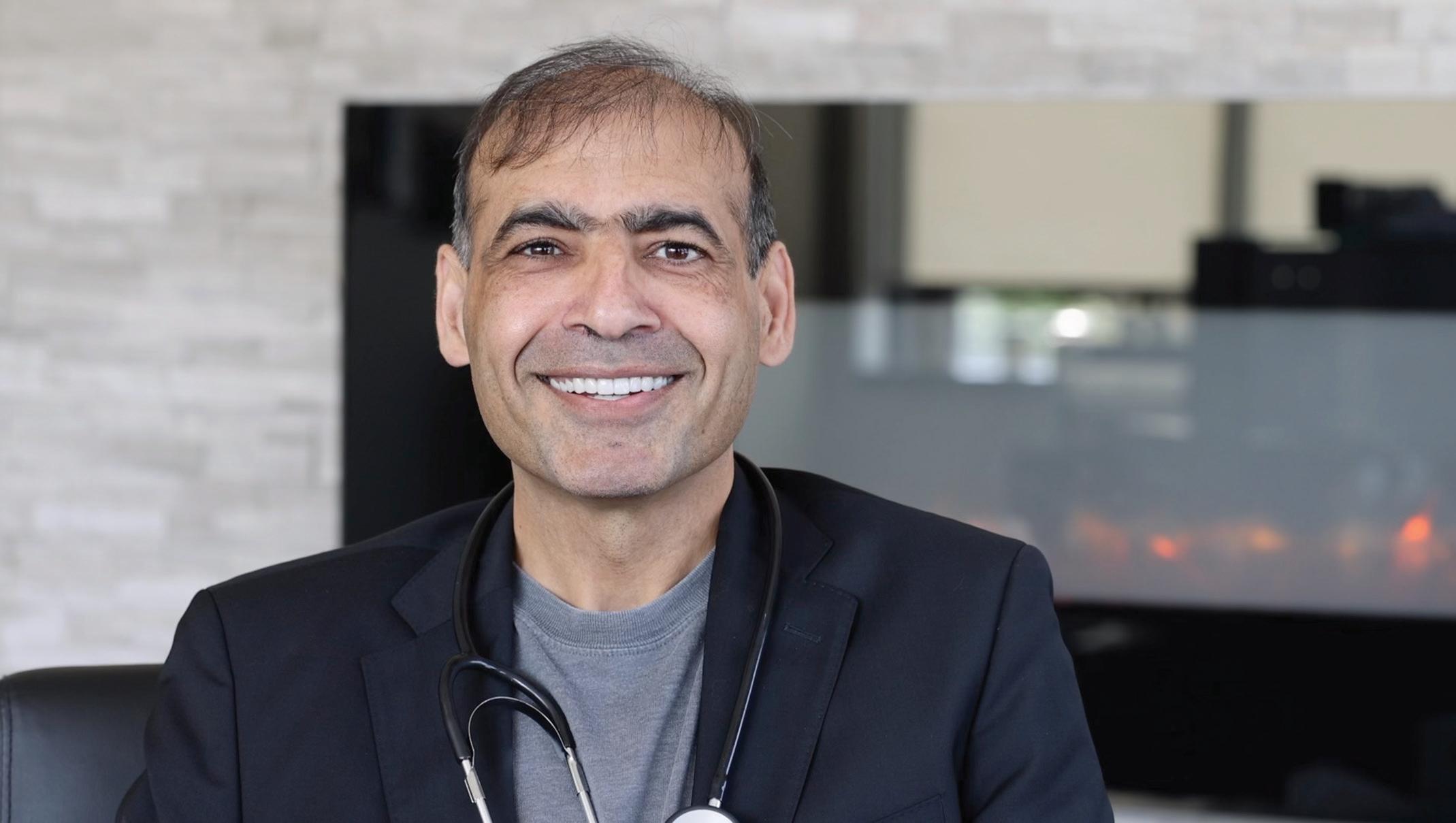
86 | SEPT/OCT 2023 | MINNESOTAMONTHLY.COM PHOTO BHATTI GI CONSULTANTS
Dr. Ahsan M. Bhatti, M.D., F.A.C.P., is one of Minnesota’s most experienced gastroenterologists, with 20-plus years of experience in advanced endoscopic procedures.
SPECIAL ADVERTISING SECTION
Twin Cities Eye Consultants

Locations across the Twin Cities
612-999-2020 | tcecmn.com
TWIN CITIES EYE CONSULTANTS ( TCEC ) (formerly Edina Eye Physicians & Surgeons and North Suburban Eye Specialists) is a market leader with 25 eye physicians and significant geographic coverage at 11 clinic locations and 10 surgery sites across the metro. Its new name is a reflection of TCEC’s shared mission to provide the highest level of care to our patients across the Twin Cities. Providing a patient-centric approach with over 60 years of service, TCEC provides eye care for almost 90,000 patients and performs 11,000 eye surgeries each year. By embracing integrity, respect, compassion, teamwork, stewardship, innovation, and quality, TCEC delivers exceptional care that goes beyond the conventional, leaving a lasting impact on the lives they touch.
Through teamwork, TCEC’s dedicated professionals collaborate to provide comprehensive care tailored to each patient’s needs. Its commitment to innovation drives sta to explore cutting-edge technologies, ensuring state-of-the-art diagnostic tools and treatment options. TCEC’s subspecialties range across the continuum of eye care, including cataracts, LASIK, retina, glaucoma, cornea, pediatrics, oculoplastics, dry eye, macular degeneration, and myopia management,
as well as full comprehensive annual eye exams and screenings. With clinics across the Twin Cities—from Waconia and Burnsville to Coon Rapids, Edina, and White Bear Lake—patients have access to convenient locations and exceptional eye care, no matter where they live.
20 Goals to 20/20
Twin Cities Eye Consultants is the proud eye care partner of MNUFC. Every time MNUFC scores 20 goals throughout the season, one lucky fan will win free LASIK! Visit tcecmn.com to learn more.



“The day a er my le eye surgery I was overjoyed. I can see up close and far away without glasses, yippee!! I love it, love it, love it and all involved were great to deal with. Happiness is seeing without glasses. Thank you!” —ROBERTA E.

MINNESOTAMONTHLY.COM | SEPT/OCT 2023 | 87 PHOTO TWIN CITIES EYE CONSULTANTS
SPECIAL ADVERTISING SECTION
OVO LASIK + LENS
6099 Wayzata Blvd., Suites 100 & 120, St. Louis Park, MN 55416 952-204-5060 | ovoeye.com
’s name says it all! OVO LASIK + LENS is the leading surgical eye clinic in the Twin Cities area, offering the highest quality LASIK and lens implantation procedures. At OVO, we specialize in refractive surgery, helping patients achieve their best vision without glasses or contact lenses. OVO offers LASIK, PRK, Restorative Lens Exchange (RLE), EVO Implantable Contact Lenses (ICLs), cataract surgery, and more. With a team of highly skilled and experienced eye surgeons, Dr. Lobano and Dr. Whiting provide personalized care and cuttingedge technology to ensure the best possible outcomes to their patients.
OVO
On the LASIK side, OVO specializes in the most advanced form of Laser Vision Correction, ContouraTM TopographyGuided LASIK. OVO’s Dr. Mark Lobano invented the software, known as Phorcides, that perfects the results and is used by surgeons across the globe.
In OVO’s LENS clinic, intraocular lens implant (IOLs) procedures are performed with a strong emphasis on advanced
technology lenses. When removing the eye’s natural lens, an intraocular lens can be implanted. Depending on the lens used, OVO can restore far vision, intermediate and near vision by performing cataract surgery or Restorative Lens Exchange (RLE)—that could mean no more reading glasses for our aging patients! Not only do these advanced lens procedures reduce or eliminate the need for glasses and readers, Dr. Lobano and Whiting are recommending RLE for patients in their 50s and 60s due to the benefit of preventing cataracts later in life! With over 20 years of experience and being named a 2023 Top Doctor of Minnesota once again, Dr. Lobanoff chose to specialize in ophthalmology, and in particular refractive surgery, because he loves the fact that he can make an immediate, immense improvement in a patient’s life. “We use our vision every moment of every day and it is hard to think of something more precious to a person than their vision,” he says. “If I can make a patient see better, I have improved their life in a significant way.”
Mark Lobanoff, M.D. 2020-2023 Top Doctor
Cutting-edge cataract surgery, ICL, RLE, and cataract surgery can be done in the comfort of Minnesota’s first and only O ce-Based Surgery Suites (OBSS) with OVO’s specialized and caring sta . No more traveling to an ASC or hospital for surgery under general anesthesia. At OVO, you’ll be able to relax with an oral sedative in a familiar o ce setting to maximize your time, comfort, and safety.
88 | SEPT/OCT 2023 | MINNESOTAMONTHLY.COM PHOTO MARK LOBANOFF
OVO ANNOUNCES THE FIRST AND ONLY OFFICE-BASED SURGERY SUITES IN MINNESOTA!
“At OVO, we want to help every patient see their very best. That may involve LASIK. That may be exchanging their lens (RLE) to restore their total vision, near and far, and prevent cataracts later in life. Whatever it takes, we want our patients to be happy and see beautifully.”
—MARK LOBANOFF, M.D.
SPONSORED CONTENT
Minnesota Oral and Facial Surgery
Locations in Sartell, Minneapolis, and Willmar 877-719-8041 | mnofs.com
DR. DEEPAK KADEMANI, D.M.D., M.D., F.A.C.S., is an internationally recognized surgeon and educator. His team at Minnesota Oral and Facial Surgery is highly trained and led by board-certified and fellowshiptrained surgeons, providing world-class surgical care for all aspects of oral and facial surgery. Minnesota Oral and Facial Surgery’s mission is to provide an exceptional patient experience. Each patient in its practice receives a personalized approach to their treatment with compassion and integrity.
Minnesota Oral and Facial Surgery surgeons have years of experience with dentoalveolar surgery, dental implants, pathology, facial trauma, and reconstructive surgery. Its state-of-the-art o ces o er a broad range of services, from dental extractions and implant placement, to facial cosmetic surgery and skin care. In addition, Minnesota Oral and Facial Surgery utilizes the latest technologies in hair transplantation, 3D navigation, and all-on-four immediate dentures. Its comprehensive facial cosmetic practice includes blepharoplasty, rhinoplasty, face lifts, and nonsurgical treatments such as filler and toxin to achieve beautiful and natural aesthetic outcomes.
Dr. Kademani has 20 years of experience and has performed over 20,000 surgical procedures in his career. In addition, he has authored over 100 peerreviewed publications and two textbooks used worldwide to educate surgeons, and given over 300 invited lectures. He sees patients from all over the state and is known for treatment of some of the most complex cancers, jaw tumors, traumatic injuries, and other surgical pathologies requiring reconstructive head and neck surgery. Dr Kademani is committed to his community and profession through
education, research, and philanthropy. Together, Dr. Kademani and the highly trained Minnesota Oral and Facial Surgery team are here to exceed your expectations. At Minnesota Oral and Facial Surgery, its mission is to provide expert surgical care and treat patients like their own family.
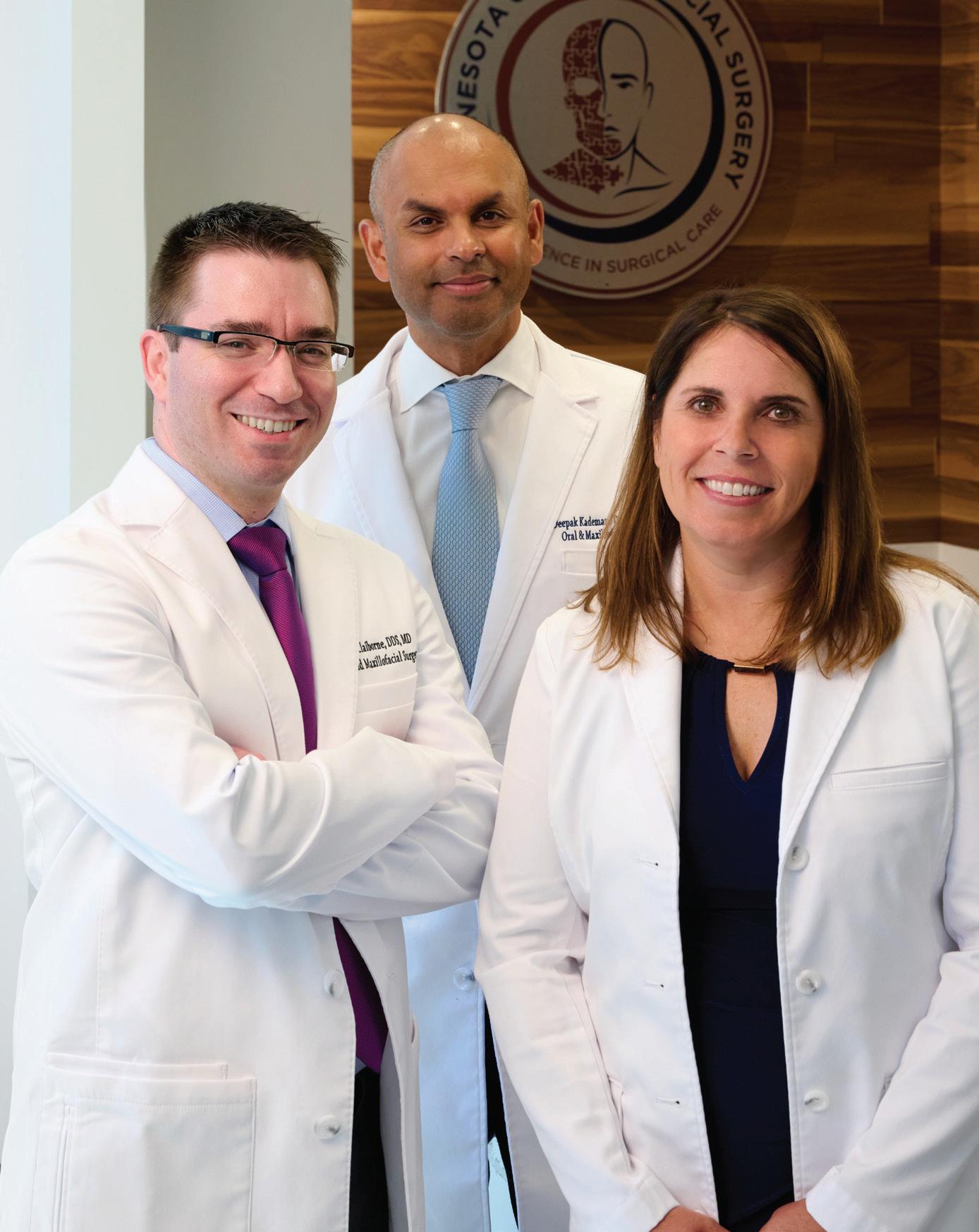
MINNESOTAMONTHLY.COM | SEPT/OCT 2023 | 89 PHOTO RYAN SIEMERS
From le : Sco Claiborne, D.D.S., M.D.; Deepak Kademani, D.M.D., M.D., F.A.C.S.; and Julie Kline, D.N.P.
SPECIAL ADVERTISING SECTION
2012-2023 TOP DOCTORS
MINNESOTA ONCOLOGY

AS THE TWIN CITIES’ LARGEST and most experienced cancer and blood disorder treatment provider, we know that treating patients calls for more than compassion. It means giving our patients access to more than 100 cancer care experts, evidence-based treatment paths, 14 close-to-home locations, and comprehensive services to support the whole person.
For more than 25 years, Minnesota Oncology has defined a new standard of cancer reatment in the Twin Cities. Our team includes medical oncologists and hematologists, radiation oncologists, gynecologic oncologists, thoracic surgeons, breast surgeons, and plastics surgeons that focus on melanoma. Minnesota Oncology also has palliative care providers, genetic counselors, pharmacists, and nurse navigators. Minnesota Oncology specializes in medical oncology and hematology, and we perform radiation oncology treatments and chemotherapy in community-based clinics, close to home. We also perform gynecologic oncology surgery, thoracic surgery, and breast surgery. Our mission is to combine the strength of hope with the power of science, one patient at a time.
14 community locations throughout the Twin Cities and Hudson, Wisconsin 844-317-4673 | mnoncology.com

A PAW ABOVE THE REST
“There is so much chaos with cancer. Just hearing the word is life-altering,” says Adrianne Mallen, M.D., a gynecologic oncologist with Minnesota Oncology and a 2023 Minnesota Monthly Top Doctor. “The person and their family will be forever changed by a cancer diagnosis.” Thankfully, there are resources that can support patients on this journey. Pet therapy—or animal-assisted therapy—has become more common and has shown significant health benefits, including decreasing stress and pain levels, boosting endorphins, and providing a sense of emotional connection.
Enter Hugo—a 7-year-old lab who has a special gift and loves connecting with patients. He began working with oncology patients in Florida, when his mother was a gynecologic oncology fellow physician. However, due to the pandemic, he experienced
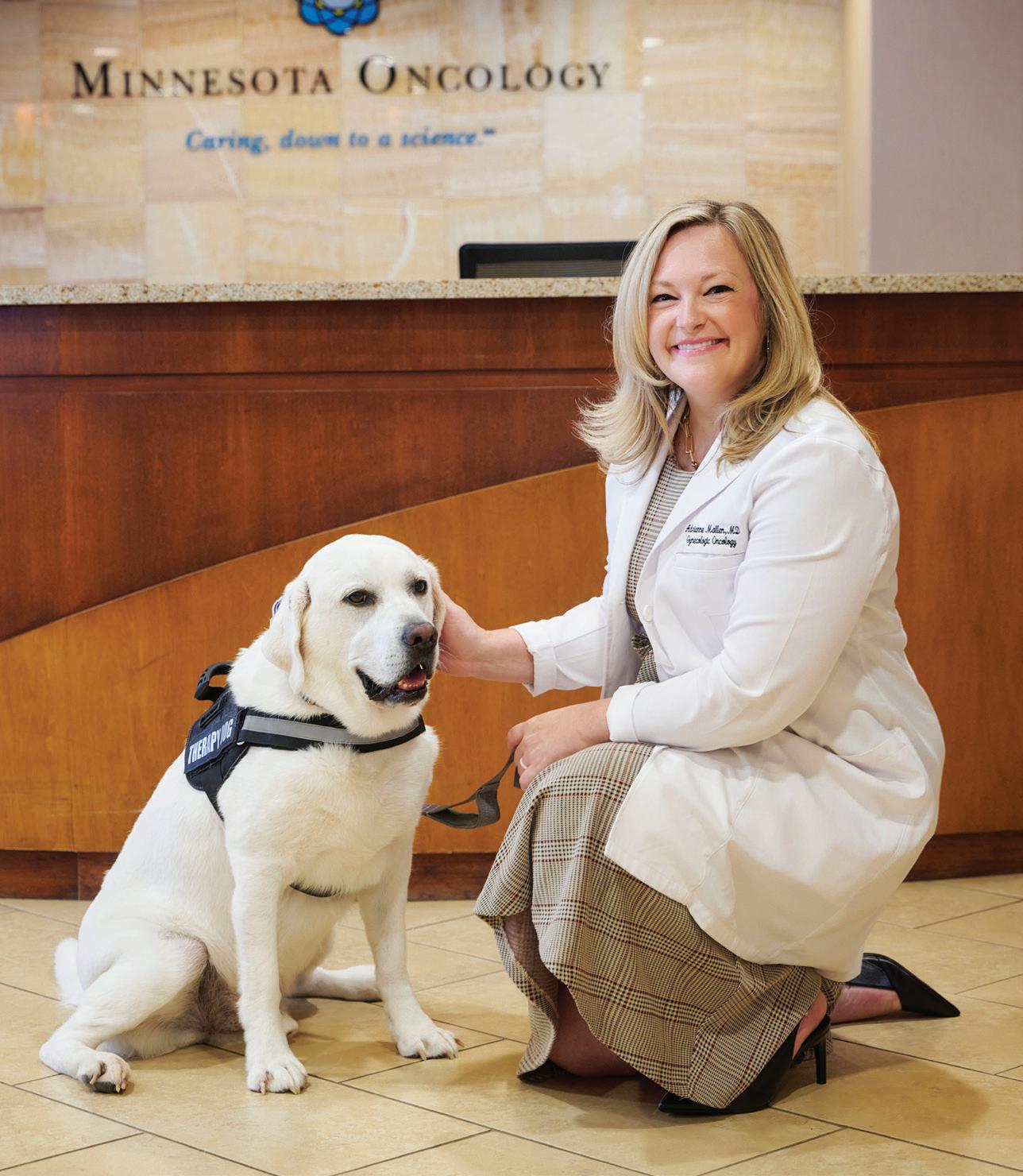
a long break from the hospital. He is excited to be back to work in Minnesota. The work is mutually beneficial, as he is genuinely excited to meet new patients, their families and spread his love. Patients love his soft ears, wagging tail, and calm demeanor. He can help simplify the chaos of cancer.
Hugo’s mother (and biggest fan), Dr. Mallen, loves sharing her special pup with her exceptional patients. Gynecologic oncology is a unique field where surgeons also get to administer their own chemotherapy. The patient continuity is truly a gift, and that is not lost on Hugo either. Dr. Mallen and Hugo hope to spread some joy and help provide a pleasant distraction from the hardships of their cancer journey. Hugo loves the privilege of joining their care team.
90 | SEPT/OCT 2023 | MINNESOTAMONTHLY.COM PHOTO TONY NELSON ILLUSTRATION ADOBE/COMAUTHOR
SPONSORED CONTENT
Dr. Adrianne Mallen, gynecologic oncologist, Minnesota Oncology (and Hugo)
PrairieCare
Nine (9) locations including the Minneapolis/St. Paul metro, Rochester, and Mankato 952-826-8475 | prairie-care.com
SINCE 2005, PRAIRIECARE HAS BEEN providing a full continuum of psychiatric care for all ages in Minnesota. Dr. Sogand Ghassemi, M.D., is PrairieCare’s chief of medical staff and provides psychiatric care at its Brooklyn Park Medical Office building. This includes youth in PrairieCare’s partial hospitalization program and mothers in the perinatal intensive outpatient program. Using evidence-based medication and collaborative physician care, Dr. Ghassemi utilizes a full-body
approach to promote healing and empowerment to her patients and families.
Dr. Joshua Stein, M.D., is a child and adolescent psychiatrist at PrairieCare’s Brooklyn Park Medical Office building. He is the attending clinician for the youth partial hospitalization program and operates a clinic for patients to transition to outpatient care. Dr. Stein focuses on patient-centered care to increase functioning and sustainable outcomes for youth in their daily life.
St. Paul Eye Clinic
Six (6) locations including Woodbury, Eagan, and St. Paul 651-738-6500 | stpauleye.com
ST. PAUL EYE CLINIC HAS BEEN PRIVILEGED to serve the Twin Cities community since 1969. From comprehensive eye exams to state-of-the-art cataract and LASIK surgery to other complex treatments, St. Paul Eye Clinic provides leading-edge vision solutions for patients of all ages, from infants to age 100. Procedures and services include cataracts, LASIK, corneal conditions, glaucoma, retina, eyelid surgery, pediatric eye care, and optical. St. Paul Eye Clinic also features an in-house retina center that specializes in diagnosing and treating a wide variety of retinal conditions. The clinic is now offering CONTOURA Vision LASIK, which is a custom, all-laser LASIK treatment.
St. Paul Eye Clinic has been voted Minnesota’s best LASIK, Eye Doctor, and Eye Surgery in 2023 by StarTribune’s Min -
nesota’s Best. St. Paul Eye Clinic features 15 board-certified ophthalmologists and four board-certified optometrists—all supported by a staff of over 100. Dr. Todd Watanabe, M.D., specializes in pediatric eye care; Dr. Scott Uttley, M.D., specializes
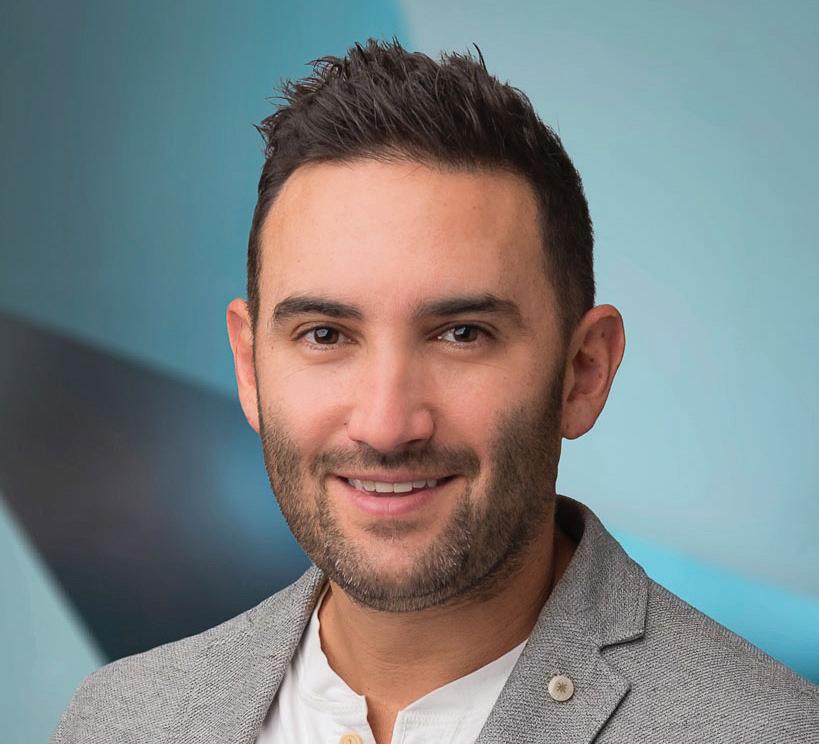
in comprehensive eye care, corneal conditions, and cataracts; Dr. Susan Quick, M.D., specializes in comprehensive eye care and cataracts; and Dr. Alla Kelly, M.D., specializes in comprehensive eye care, corneal conditions, and cataracts.
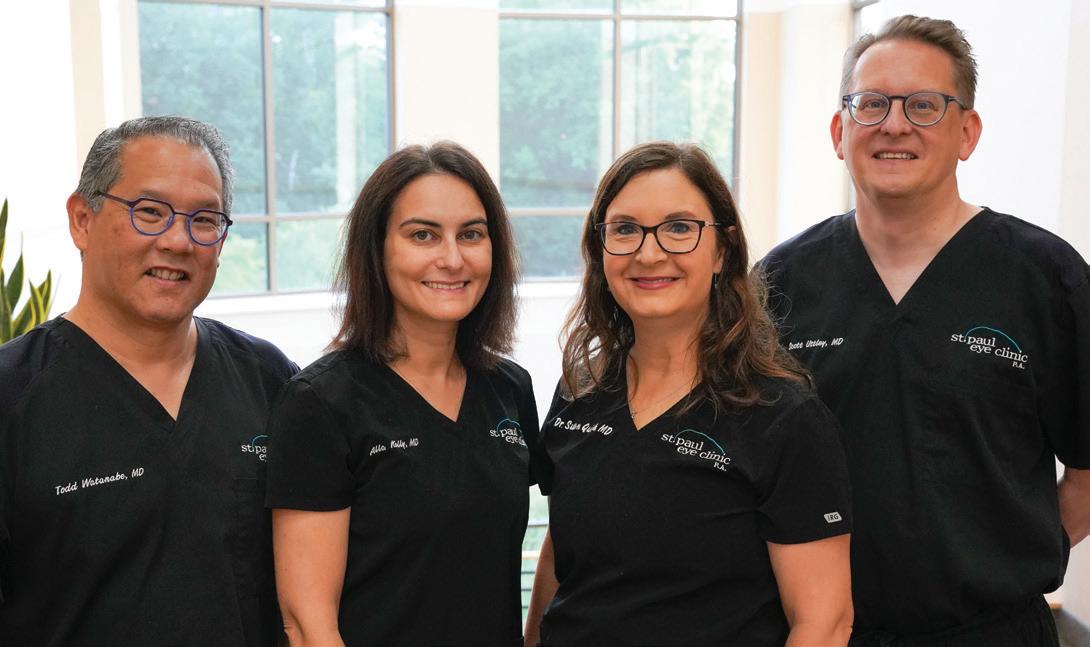
MINNESOTAMONTHLY.COM | SEPT/OCT 2023 | 91 PHOTOS PRAIRIECARE, ST. PAUL EYE CLINIC
From left: Todd Watanabe, M.D.; Alla Kelly, M.D.; Susan Quick, M.D.; and Scott Uttley, M.D.
SPECIAL ADVERTISING SECTION
Dr. Joshua Stein and Dr. Sogand Ghassemi are clinical leaders at PrairieCare. The team is focused on patientcentered mental health care and safety for children, adolescents, and adults.
Midwest Spine & Brain Institute
1835 West County Road C, Suite 150, Roseville, MN 55113 651-430-3800 | midwestspineandbrain.com
DR. DAVID CHANG, M.D., PH.D., D.A.B.N.S., specializes in minimally invasive techniques, complex spine surgery, and numerous other innovative techniques and procedures that provide the greatest opportunity for his patients to quickly return to fulfilling lives.
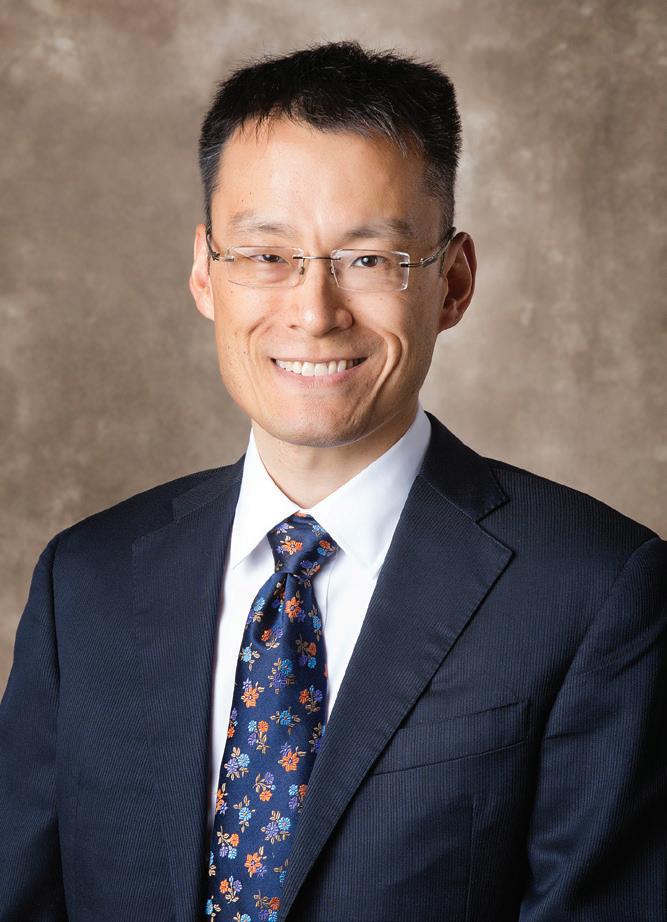
When recommending surgery, Dr. Chang takes time to ensure that his patients understand how the surgery will improve their condition, so that they are fully informed before they decide to move forward with surgery.
Midwest Spine & Brain Institute is dedicated to improving lives affected by a wide variety of spine and brain conditions. Its board-certified, fellowship-trained spine surgeons and neurosurgeons offer services including spinal fusion, disc replacement, complex spine surgery, complex brain surgery, skull base surgery, and neurovascular surgery.
Midwest Spine & Brain Institute

1835 West County Road C, Suite 150, Roseville, MN 55113 651-430-3800 | midwestspineandbrain.com


“THERE ARE MANY FACTORS that go into how patients manage their conditions,” Dr. Stefano Sinicropi, M.D., F.A.A.O.S., says. With over 9,000 surgeries completed, Dr. Sinicropi consistently incorporates new advancements in motion-sparing and minimally invasive techniques, resulting in enhanced patient outcomes while improving patient recovery, reducing pain, and increasing mobility for spinal procedures, including disc replacements, spinal decompressions, and spinal fusions.
Midwest Spine & Brain Institute is dedicated to improving lives affected by a wide variety of spine and brain conditions. Its board-certified, fellowship-trained spine surgeons and neurosurgeons offer services including spinal fusion, disc replacement, complex spine surgery, complex brain surgery, skull base surgery, and neurovascular surgery.
Minnesota Monthly 2023 Top Doctors
Dr. David Chang, M.D., Ph.D., Neurosurgeon
Minnesota Monthly 2023 Top Doctors
Dr. Stefano M. Sinicropi, M.D., Orthopedic Spine Surgeon
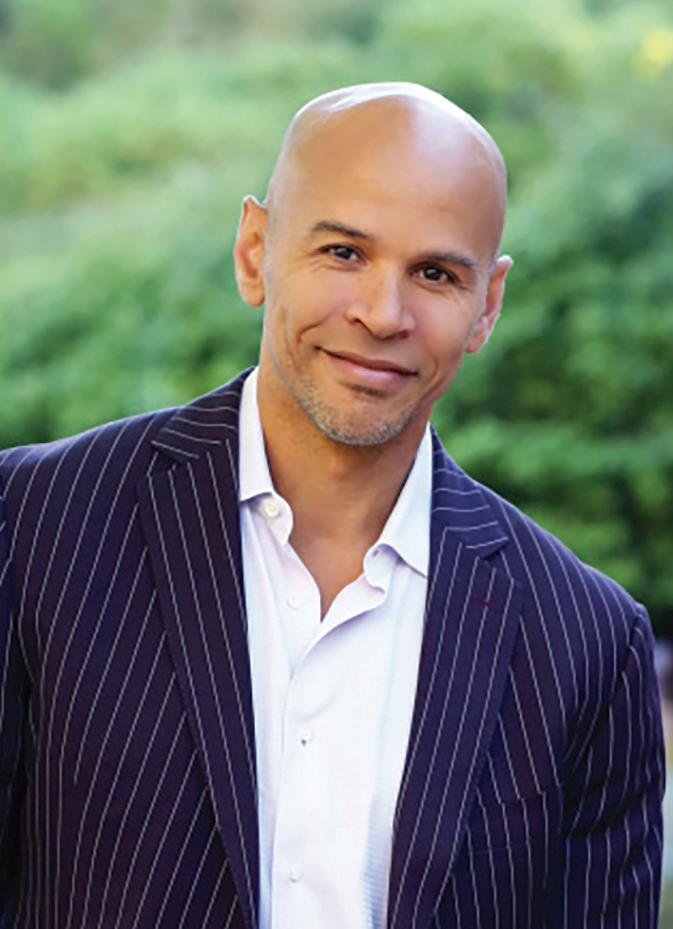
92 | SEPT/OCT 2023 | MINNESOTAMONTHLY.COM PHOTOS MIDWEST SPINE & BRAIN INSTITUTE
SPECIAL ADVERTISING SECTION
Renew ENT & Hearing Center

7300 France Ave. S., Suite 420, Edina, MN 55435 952-832-5252 | renewent.com
GEOFFREY GETNICK, M.D.
For patients of all ages, Renew ENT & Hearing Center provides ear, nose, and throat services ranging from ear tube placement and tonsillectomy to rhinoplasty and vocal cord injections. Dr. Geo rey Getnick, M.D., has practiced at Renew ENT & Hearing Center (formerly known as The Ear, Nose, and Throat Clinic & Hearing Center) for more than 15 years, with a focus on general ear, nose, and throat medical and surgical care for both children and adults. Dr. Getnick also has a demonstrated special interest in nasal and sinus surgery and thyroid and parathyroid surgery. These procedures not only relieve symptoms, but also prevent disease progression or other consequences of untreated medical diseases.
“The ultimate goal is to improve quality
of life for my patients in a way that minimizes risk and invasiveness,” he says. “My primary goal when seeing a patient is to develop a strong doctor-patient relationship, and I feel that in order to ensure a strong doctor-patient relationship, a doctor has to earn a patient’s trust,” Getnick goes on to say. At Renew, providers focus on delivering the highest quality individualized patient care. The key to accomplishing this? “Taking time to truly listen to patients and putting their needs and their goals of care first,” he says. “Compassion, caring, kindness, and thoroughness are words that I strive to have patients use when they describe their experience at Renew ENT & Hearing Center.”
Renew Plastic Surgery

7300 France Ave. S., Suite 410, Edina, MN 55435 952-227-3639 | renewplasticsurgery.com

JUSTIN WUDEL, M.D.
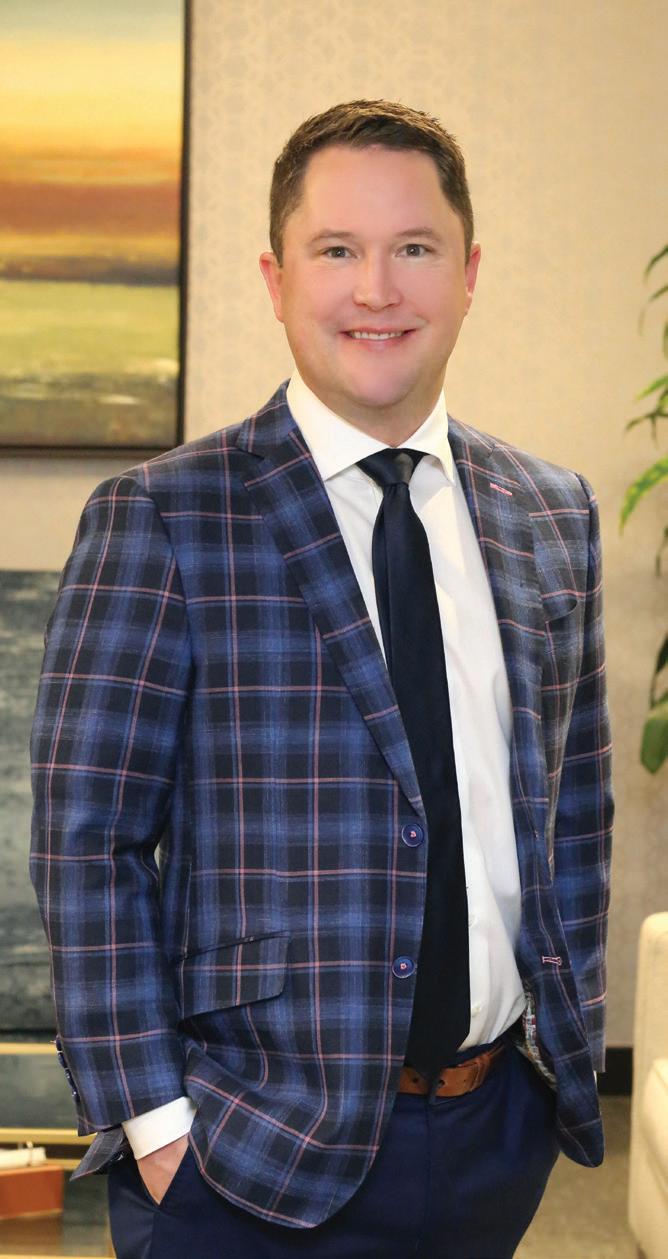
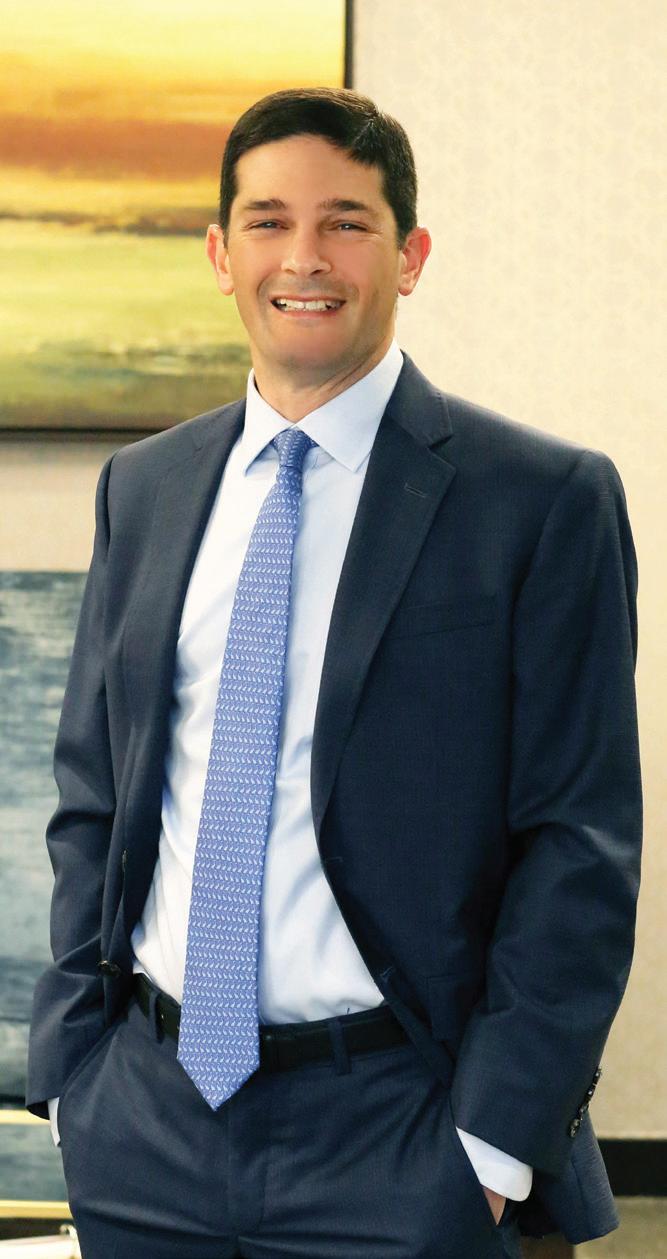
Renew Plastic Surgery aims to enrich patients’ lives by forming lifelong relationships and providing expert medical and surgical care—all while helping you look and feel your best. “We want to help you achieve your own personal fulfillment—whether that is through aesthetic enhancement, reconstruction, or medical care,” says Dr. Justin Wudel, M.D. “Surgery of any kind can be stressful and scary, [but] we want you to be comfortable from the initial consultation all the way through your post-operative course.”
The latest techniques, technology, and training are used for a wide variety of procedures, ranging from reconstructive, eyelid, and facial plastic surgery, to rhinoplasty, face and neck lifts, and hair transplants. Renew has the latest in laser






technology in the form of HALO, which is dedicated to improving skin texture and clarity, restoring a youthful glow, and even eliminating the need for surgical procedures. When asked why he chose this field, Dr. Wudel explains, “I was always drawn to the intricacies of the facial anatomy and the challenges the face presents surgically. The face is so important to the way we express emotion, communicate, breathe, talk, and function in our lives each day. It is a privilege and joy to get to help our patients with the work we do in this highly specialized area.”

MINNESOTAMONTHLY.COM | SEPT/OCT 2023 | 93 PHOTOS RENEW ENT & HEARING CENTER, RENEW PLASTIC SURGERY
SPECIAL ADVERTISING SECTION
North Metro Dermatology
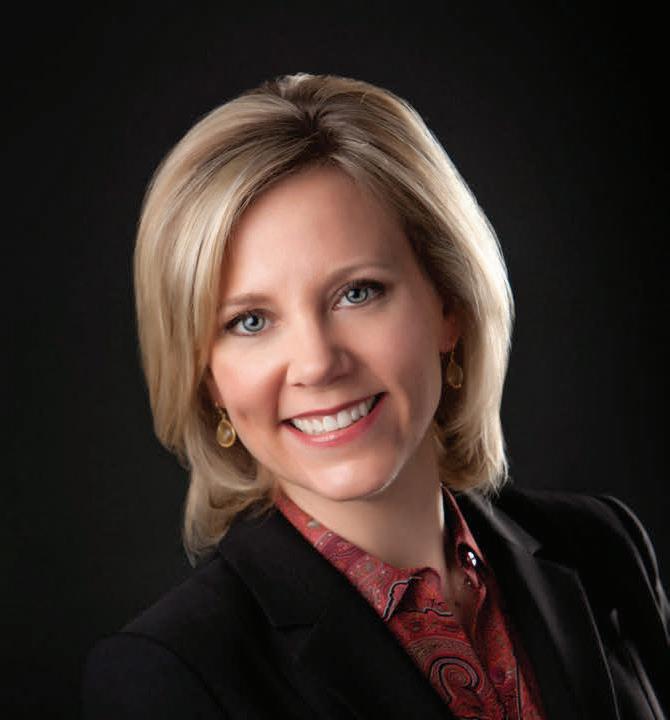
400 Village Center Drive, Suite 200, North Oaks, MN 55127 651-789-9800 | northmetroderm.com




DR. ANUDEEP RAHIL, M.D., AND DR. SHERRI LONG, M.D., have over 50 years of dermatology experience between them. They are joined by certified physician assistants, Devi Chettiar and Erin Manoles, and AP licensed esthetician, Natalie Germar, to provide an array of medical and cosmetic services. Common conditions treated include acne, rosacea, eczema, psoriasis, skin cancers, lipomas, and cysts, as well as hair and nail problems.
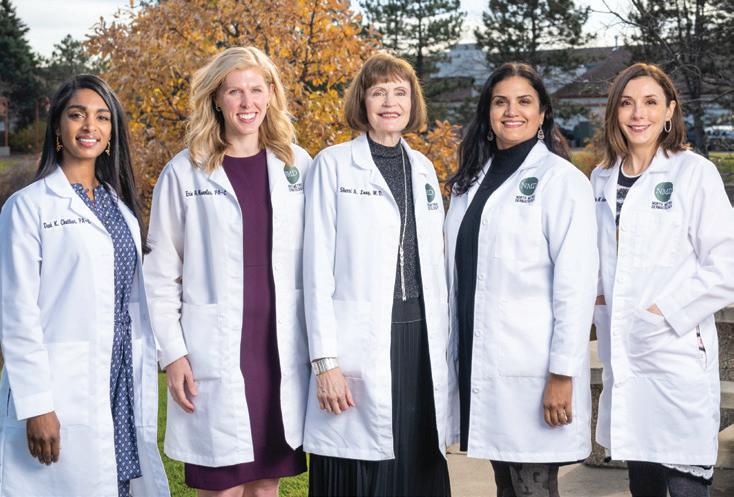
Natural-looking aesthetic results are achieved through nonsurgical methods including fillers, Botox Cosmetic®, Dysport®, Kybella®, Sciton® laser, and the latest o ering, Ellacor®, the first FDA-approved microcoring treatment. Cosmetic consultations are available with AP licensed esthetician, Natalie Germar, who o ers expertise in chemical peels, laser hair removal, HydraFacial®, SkinPen®, Ultherapy®, and treatment of age spots and facial redness. Whether you have a medical or cosmetic dermatology concern, the sta at North Metro Dermatology will provide the best care for you and your family.

Silverman Ankle & Foot

6600 France Ave. S., Suite 605, Edina, MN 55435 952-224-8500 | anklefootmd.com



WHEN IT COMES TO YOUR HEALTH, experience matters—and that is why you should turn to Dr. Lance Silverman and the team at Silverman Ankle & Foot. Dr. Silverman has been a mainstay in the greater Twin Cities area for almost 20 years, making him one of the most skilled and experienced orthopedic surgeons available. His ability to provide one-on-one care and give every patient the attention they deserve sets him apart from the rest.
If you have a new foot or ankle injury or nagging ongoing discomfort, trust Dr. Silverman to get you back on your feet without pain. His understanding of foot and ankle anatomy—coupled with the most up-to-date diagnostic techniques—makes him your one-stop shop for a comprehensive diagnosis and most state-of-the-art e ective treatment. Let Dr. Silverman and the team at Silverman Ankle & Foot help you put an end to your foot pain.

94 | SEPT/OCT 2023 | MINNESOTAMONTHLY.COM PHOTOS DARIN KAMNETZ, SILVERMAN ANKLE & FOOT Best 2018 Dentists Best 2018 Dentists Best 2018 Dentists Stacy Roszkowski DDS THE BEST IN DENTISTRY
NEW LOCATION
Upper 55th St. E, Ste 210, Inver Grove Heights, 55077
651 - 457 - 4888
2125
Dr. Lance Silverman, M.D.
Subscribe to our Preferred Reader’s Club to get exclusive deals, ticket offers & giveaways! Subscribe online at MinnesotaMonthly.com/PRC SPECIAL ADVERTISING SECTION
Premier Hospitals




Minnesota is renowned for its robust and comprehensive health care and hospital systems , exemplifying a commitment to the well-being of its residents. The state boasts a high-quality health care infrastructure with a plethora of top-tier medical facilities , including the prestigious Mayo Clinic, renowned for its cutting-edge research and patient care. Minnesota consistently ranks among the top states in health care access and quality, with an impressive 94% of its population having health insurance coverage, ensuring that a vast majority of its residents have access to essential medical services. Furthermore, Minnesota’s health care systems prioritize addressing health disparities and achieving equitable health care outcomes, contributing to its standing as a national leader in health care excellence.
Minnesota’s hospitals and health systems diligently work to ensure that Minnesotans are healthy and have access to the right care at the right time in the right place.












PHOTO ADOBE/JAKKAPAN MINNESOTAMONTHLY.COM | SEPT/OCT 2023 | 95 SPECIAL ADVERTISING SECTION








They’re by your side for some of life’s most exciting moments, and for the hardest ones. Here’s to our great doctors — they make us proud to be your partner for good SM A great doctor can change your life We’ve got a lot of them Find your Top Doc at healthpartners.com/MNTopDocs
Top-Ranked Premier Hospitals in Minnesota
Minnesota proudly boasts premier hospitals that stand as beacons of exceptional health care. Renowned for their cutting-edge facilities, topnotch medical teams, and unwavering commitment to patient care, these institutions continue to set the standard for excellence. With the Mayo Clinic in Rochester at the forefront, o ering world-class expertise across various specialties and an impressive patient satisfaction rate of 95%, Minnesota cements its reputation as a hub for medical innovation.
The University of Minnesota Medical Center in Minneapolis follows suit, consistently achieving high rankings in national health care assessments and showcasing a remarkable 92% patient satisfaction rate. As health care continues to evolve, Minnesota’s premier hospitals remain steadfast in their dedication to delivering state-of-the-art treatments, fostering groundbreaking research, and providing compassionate care to their communities.
Top-Ranked Hospitals in the Twin Cities
♦ Allina Health Abbott Northwestern Hospital, Minneapolis
♦ Park Nicollet Methodist Hospital, St. Louis Park
♦ M Health Fairview University of Minnesota Medical Center, Minneapolis
♦ M Health Fairview Southdale Hospital, Edina

♦ Allina Health United Hospital, St. Paul
♦ Allina Health Mercy Hospital, Coon Rapids
♦ HealthPartners Park Nicollet Regions Hospital, St. Paul
♦ M Health Fairview Ridges Hospital, Burnsville
Top-Ranked Hospitals in Greater Minnesota
♦ Mayo Clinic, Rochester
♦ CentraCare, St. Cloud
Mayo Clinic ranks No. 1 in both state and national rankings
♦ Essentia Health-St. Mary’s Medical Center, Duluth
♦ Mayo Clinic Health System Mankato, Mankato
♦ Allina Health Faribault Medical Center, Faribault
♦ Alomere Health-Alexandria, Alexandria
♦ Allina Health Bu alo Hospital, Bu alo
Source: U.S. News & World Report, 2023
MINNESOTAMONTHLY.COM | SEPT/OCT 2023 |
SPECIAL ADVERTISING SECTION
Redefining Sarah
SARAH
EDWARDS IS RARELY LATE.
This much I’ve gathered from the few times I’ve met the hyper-organized entrepreneur at local runway shows. But when she is, it is fashionably so. She slides into Un Dito, the piazza-style bar attached to Italian Eatery, at a quarter past 5 p.m., her chic blonde bob peeking out from beneath a sun hat and a pair of dark shades commanding her face. Edwards, who once described fashion as a “theatrical form of escapism,” has donned a breezy off-the-shoulder sundress that flows behind her in a casually glamorous manner. It’s no wonder we are meeting today to discuss Edwards as the subject of the magazine’s annual fall fashion shoot.
A few heads turn upon Edwards’ arrival, either because her effortless style and shock of whiteblonde hair (it was pink the last time I saw her) are hard to ignore or because they feel they know her from somewhere. Edwards’ face is a recognizable one in the area, regardless of which hair color she is sporting that season. If the Minneapolis fashion scene were a kingdom, she might be its queen. And one who
has built her kingdom brick by brick—with the kind of perseverance it takes to create three successful businesses.

Raised in the northern Minnesota town of Grand Rapids, about three hours from the Cities, Edwards was a relative outsider when she first made her way to Minneapolis in her early 20s. Back then doubling as a full-time receptionist at Pixel Farm and as a waitress at Glueck’s, she didn’t necessarily have any crazy dreams. “With a 401k and health insurance” was about as successful as she dared to imagine herself. But she did possess a deep longing for culture—to be around artists and creatives and marvel at the weird and interesting ways they see the world.
By Emma Enebak
PHOTOGRAPHE R Lauren Krysti
STYLIST Claire Neviaser ART DIRECTOR Tonya Sutfin
MAKEUP Angelia Guthrie
HAIR Kati Giles & Ashlee Ola SHOT ON LOCATION AT W Minneapolis – The Foshay
Despite having little money, Edwards began tossing around the idea of hosting events that would bring these fascinating people together. With a loan from her mom of about $250, she barely pulled off the solo organization of her first fashion show in 2010, titled “I Am MPLS.” Edwards may not have had resources on her side, but she did have people.
98 | SEPT/OCT 2023 | MINNESOTAMONTHLY.COM
Minneapolis-based artist, influencer, and entrepreneur Sarah Edwards is ready for her next chapter—one where creativity and connection come first
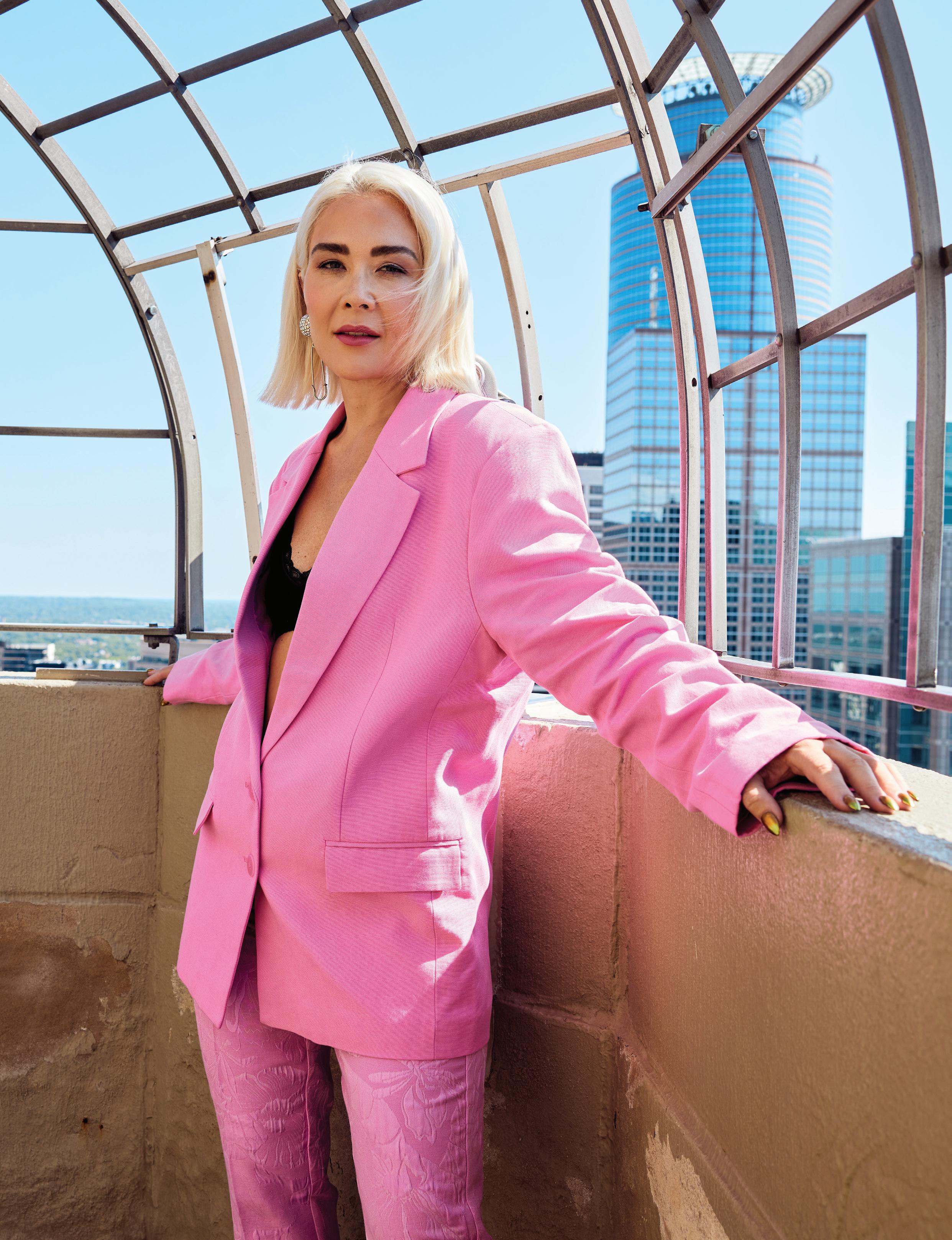 Farm Rio blazer, $210, Scotch & Soda trousers, $188, Lisa C earrings, $77, Serge & Jane
Out From Under bralette, $25, Urban Outfitters
Farm Rio blazer, $210, Scotch & Soda trousers, $188, Lisa C earrings, $77, Serge & Jane
Out From Under bralette, $25, Urban Outfitters
Her idea of making the fashion scene more approachable by replacing runway models with the fascinating creatives she had come to know turned out to be what the city was craving. She waited anxiously the night the doors opened at Fine Line, wondering if anyone would show up to an event put on by a “nobody waitress-receptionist.”
The event sold out.
Fast forward to today and Edwards is CEO of three style and branding organizations in the Twin Cities: Fashion Week Minnesota, the state’s biannual showcase for local designers; the creative marketing agency Some Great People; and her personal brand, I Am Sarah Edwards. Edwards has become the kind of person known for knowing everyone.
This much I knew of Sarah Edwards before we sat down to chat. I knew she was an influencer and an entrepreneur. I knew she was a well-regarded local celebrity. I knew how the community saw her. But I didn’t know how Sarah Edwards saw herself.
When I raise this question, her answer is strikingly simple: “I am an artist.”

She tells me that she used to say this with a shaky and unsure voice, but she says it today with finality. She is learning how to be unapologetic—one of the many lessons born out of the tumultuous past year of her life.
Sonder Seeker
Last year, Edwards finally started to run out of steam. Two of her businesses began growing faster than she could keep up with or afford. She knew she needed help. But Edwards was busy doing her own helping. Her habit of saying “yes” to everything had her stuck in an incessantly draining cycle of people-pleasing. The more she said “yes,” the more people asked, and the more she felt inclined to follow through. The adage is you can’t pour from an empty cup, but Edwards had been doing it for years. It was almost second nature.
Rhinestone earrings, $88, Serge & Jane Caftan dress, by Sarah Edwards Veronica Beard heels, $395, Nordstrom

MINNESOTAMONTHLY.COM | SEPT/OCT 2023 | 101
Silver link necklace, $150, Bumbershute One Teaspoon dress, $314, Serge & Jane Green pants, $54, The Golden Pearl Vintage
Out From Under bralette, $25, Urban Outfitters Steve Madden shoes, $90, Nordstrom
“It felt like I was on this train I had built for myself,” she says, “and the train just kept going faster and faster, until eventually I didn’t have control of it anymore. All I wanted was a break.” But if she didn’t show up, the train would stop moving, and she would lose everything she had worked for.
On top of feeling her professional life spiral out of control, Edwards was also amid personal turmoil—a fresh divorce from her husband of a little over a year. The pair had been together for over seven years. Little time was afforded for her to mourn privately, as she continued aboard her entrepreneurial train, taking phone calls with caterers and booking out venues even as her personal life unraveled. Through social media, it may have looked like she was living the high life—attending runway shows in her glamorous ensembles—but in reality, Edwards was deeply lacking one of the only things she ever truly craved: stability.
If you saw her out and about during this past year, you likely had no idea that she was at one of the lowest points of her life.
your own.” She felt sonder at full force that night among a crowd that contained both multi-millionaires and broke millennials, CEOs in business suits and aspiring designers in hand-stitched ensembles. Each person was strikingly different yet tied together by a common appreciation for the arts. That night, Edwards realized that this was what she needed most in her life: more sonder.
Renewal
With sonder at the epicenter, Edwards began reimagining her business ventures. She wondered what it might look like to bring more people aboard the coursing train with her. To have a means of support for her three businesses, other than her own blood, sweat, and tears.
She started talking to investors, something she had little knowledge of prior. She met and connected with her own mentors, intelligent and inspiring women who poured into her woefully empty cup. She finally began, against her nature, to welcome the idea of asking for help. And it turned out lots of people were willing to provide it.
Hair stylist and long-time friend Kati Giles never fails to be amazed by this positive demeanor. “She is always so calm and collected,” she says. “You will never be able to tell if she’s stressed. She puts a smile on her face no matter what.” Edwards tells me that when she hosts events, she knows people are reading her energy. As a byproduct, she has mastered the art of the spirited hostess. But what does this performance cost?
Eventually, she started to feel a bit like a robot. Showing up places without really being there. Performing tasks with little fulfillment or inspiration. Playing the part even on her worst days, because she felt she had no other option. Although it was the identity that mattered to her most, she felt a thousand worlds away from being an artist.
There was one bright spot in this dark and difficult year. It was at an event she put on called “Sonder,” which brought 800 creatives together in the dead of Minnesota winter to celebrate art. For one night, at the Chambers Hotel in Minneapolis, artists of many mediums showcased their talents. Ballerinas elegantly balanced cocktail trays en pointe. Opera singers bellowed from the intimacy of a ballroom. Painters, including Edwards herself, displayed their talents across the walls.
Edwards had learned the term “sonder” from John Koenig’s “Dictionary of Obscure Sorrows.” The book about hard-todefine emotions describes the word as “the realization that each random passerby is living a life as vivid and complex as
A woman named Stephanie Dillon entered her life at seemingly the perfect time. Dillon, an artist and a current culture writer for Rolling Stone, is a wellestablished creative in her own right, and began offering Edwards the kind of “big sister” mentorship she had felt deficient of.
“There is no one I have more confidence or faith in,” Dillon says of Edwards. “She is a great example of the resilience of the human spirit, how to continually get up and make an impact.”
Dillon guided Edwards gracefully into her next chapter when she introduced her to Tracy Call, founder and CEO of Media Bridge, the second largest ad agency in Minnesota. “Tracy is an innovator,” says Dillon, “and Sarah is innovative.” It was a natural fit from the start.
Media Bridge is now set to form an official partnership with all three of Edwards’ entrepreneurial entities, which she has united under one umbrella, titled Haus of Sonder. In partnership with Call, Edwards will maintain her equity and act as president, from her office in Media Bridge’s North Loop location. Instead of having to be everything all at once, she will have a team of her own. She will have the time and capacity to be creative again, to finally execute visions she has put on the back burner for years.
“It is going to be a game-changing, revolutionary approach to community building,” says Call, who has been blown away by Edwards’ trailblazing spirit. “We are just the machine providing support. Sarah is the true visionary.”
As Edwards tells me this news, she is two days away from signing the papers that will finalize the arrangement. Something in her voice makes it clear she’s not quite daring to believe it yet.
102 | SEPT/OCT 2023 | MINNESOTAMONTHLY.COM
It felt like I was on this train I had built for myself, and the train just kept going faster and faster, until eventually I didn’t have control of it anymore.
Rosetta Getty dress, $1,395, MartinPatrick3

Gold link bracelet, $20, The Golden Pearl Vintage Marséll boots, $1,255, Nordstrom
(On couch)

Utzon leather jacket, $1,265, D.NOLO
Ulla Johnson dress, $890, MartinPatrick3
Blouse, $50, and pants, $88, Express Franco Sarto loafers, $110, Nordstrom

Sunglasses, $25, Free People
Nude shirt , $485, D.NOLO Leopard skirt, $148, Anthropologie
Gloves, $32, The Golden Pearl Vintage Steve Madden shoes, $89.95, Nordstrom
104 | SEPT/OCT 2023 | MINNESOTAMONTHLY.COM
Gabriela Hearst blazer, $1,990, MartinPatrick3
(From p. 4)
“It just feels too good to be true,” she says. Still, she feels she has only just begun. Under Haus of Sonder, she imagines taking things to new heights. She says she envisions it as “one of the largest communities in the world for creatives to connect.”
Coexisting with this fiery ambition, her next chapter will also be about freedom and restoration—about relinquishing people-pleasing tendencies and cultivating authenticity in all aspects of her life. Edwards may not know exactly what the future holds, but for now, she can breathe. She can paint and walk her dogs and spend time with her real friends. She can do the things that make her not an entrepreneur, or an influencer, or a mentor, but just Sarah.
A few weeks later at this fashion shoot, I watch Edwards pose in a fl oorlength dress of her own design, bearing a resplendent pattern that is one of her own paintings. I am reminded of the pride she exuded when she told me she is an artist, and how it seemed like one of the first times she was saying it with conviction. As I watched her wear her art that day, I could tell that I was seeing a new Sarah Edwards. One who wasn’t defined by her work or her public image, but instead by her complex and vivid life behind the scenes—her sonder.
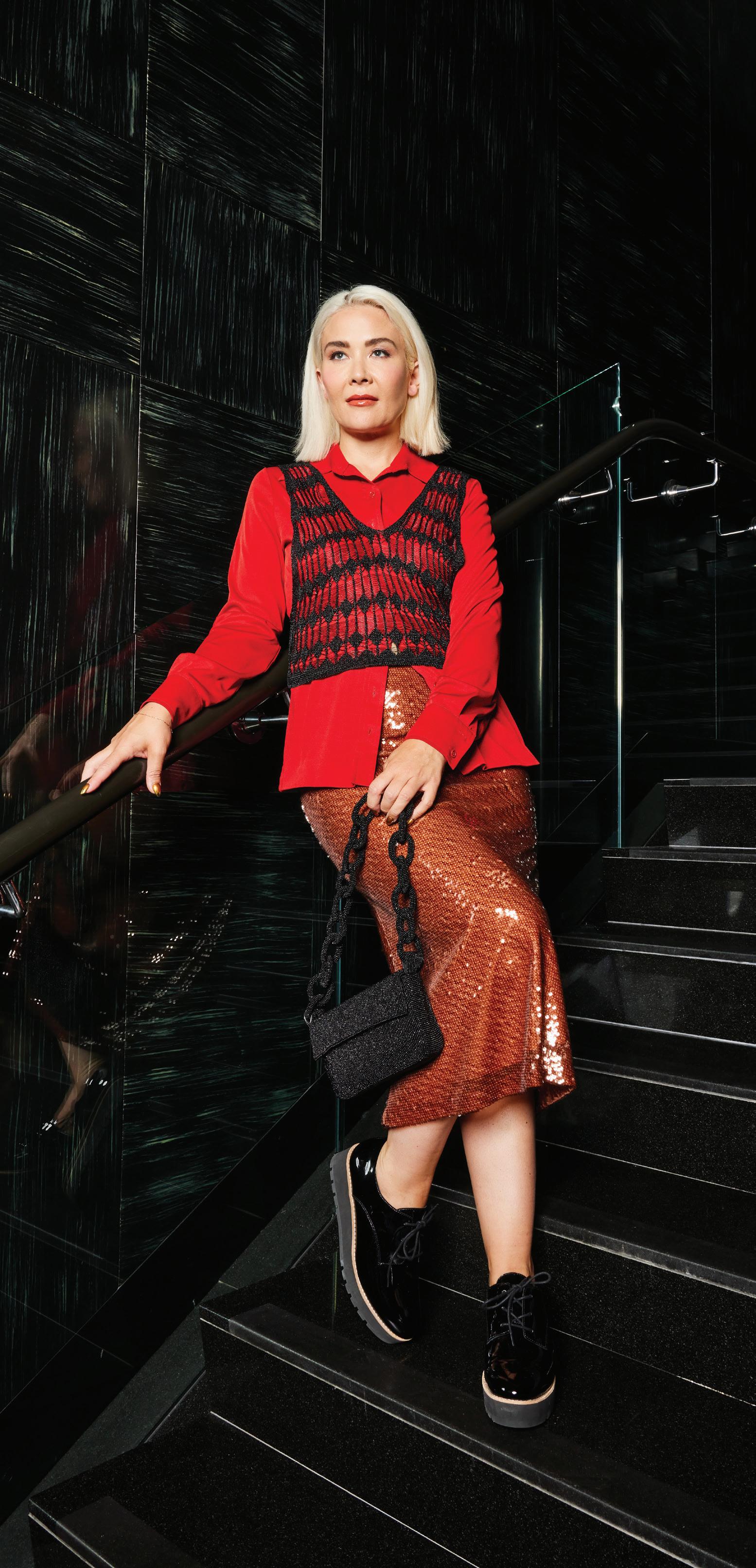
Her repetition of “I am” statements are what sparked nearly everything. The first community event she ever held: I Am MPLS. Her first brand and introduction to the creative scene of the Twin Cities: I am Sarah Edwards. “It’s like an invitation,” she says, “like extending out your hand to the world and saying, ‘This is who I am.’”
But something she has learned since then is that identity is never final. It is dynamic, duplicitous, and ever-changing. Her whole life could flip upside down again in three years, but she is not afraid of that anymore. She has learned to welcome redefinition.
So, I suppose the only real answer to the question Who is Sarah Edwards ? would be this: She is still evolving.
 Isabel Benenato woven top, $355, D.NOLO Red shirt, $36, The Golden Pearl Vintage A.L.C. skirt, $150, Eileen Fisher oxfords, $140, Nordstrom Rack Beaded bag, $110, Anthropologie


IN ROSEVILLE & PLYMOUTH COMING SOON TO WOODBURY Scan to follow along, on Instagram, as we build our new showroom and count down to our Grand Opening. A family-owned, custom countertop company. We specializing in American Made products and offer a one stop shopping experience for countertop remodels. WWW.SELECTSURFACES.COM




































































ADMIT ONE 10/20/23 Seat Seat ARTS & ENTERTAINMENT **EVENT** **VENUES & SHOWS** Row 09 Aisle J Fall 23 Seat12 The arts and entertainment scene of the Twin Cities offers edge-of-your-seat experiences with performances and exhibits for every genre and budget SPECIAL ADVERTISING SECTION
Minnesota Orchestra
minnesotaorchestra.org
612-371-5656
2023 PROGRAM HIGHLIGHTS


Søndergård Conducts Alpine Symphony
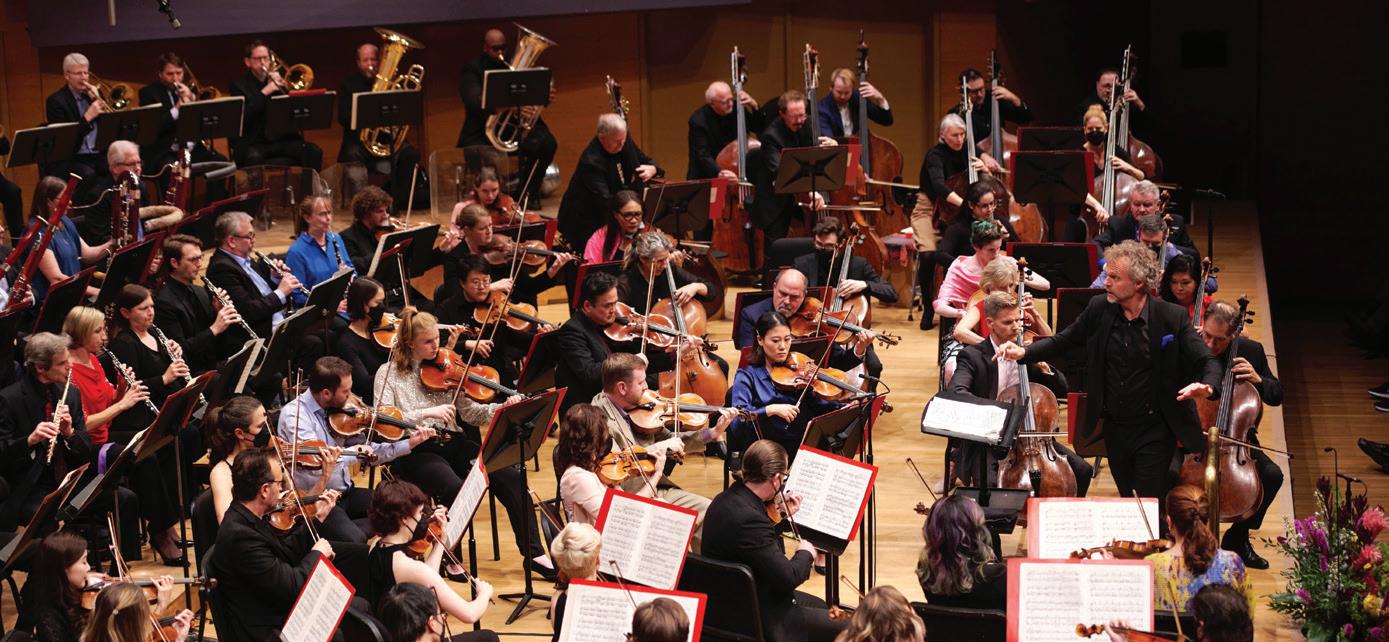
SEPT. 21-23
Søndergård, Debussy and Ravel
SEPT. 28-30
Led by Music Director Thomas Søndergård, the Minnesota Orchestra is a Grammy Award-winning ensemble known for its acclaimed performances. The Orchestra performed its first concert in 1903 and has been actively recording music since the 1920s. Although Orchestra Hall is located in downtown Minneapolis, the group represents the entire state, as shown through its commitment to touring across Minnesota. The ensemble has also traveled to over 600 cities in 20 countries, including recent trips to Europe, Cuba, and South Africa.
With every program and project it undertakes, the Orchestra aims to enrich, inspire, and serve its community. With each new season, it strives to bring new ideas and unique voices to the Orchestra Hall stage, making orchestral music meaningful and relevant to a broader audience. By offering thrilling performances by some of the world’s greatest artists, it touches listeners across the state and the world—all while educating and connecting people of all ages.
Running from September 2023 to June 2024, the season ahead will be the first directed by Søndergård, and includes programs designed for concertgoers of all ages and interests. This fall, the Orchestra will add a multitude of new works to its repertoire, including those by Lera Auerbach, Betsy Jolas, and Gabriela Ortiz. Also new to audiences will be “Choose Your Price” tickets for select seating during Saturday classical concerts, in which attendees are invited to choose a ticket price that reflects what the Orchestra means to them. Additionally, all Saturday evening concerts are slated to start at 7 p.m., and Saturday matinees will feature post-concert conversations with Søndergård.
Renowned classical guest artists will also play with the Orchestra this fall, including trombonist Jörgen van Rijen (Oct. 13-14); violinist Valeriy Sokolov (Oct. 20-21); and pianists Bertrand Chamayou (Nov. 16-18) and Sir Stephen Hough (Dec. 31-Jan. 1). In December, the Minnesota Orchestra’s holiday o erings will feature performances of the “Messiah” with the Minnesota Chorale; the annual Merry & Bright program with trumpeter Charles Lazarus and special guests; and Emmy and Tony Award-winning Kristin Chenoweth will make her much-anticipated return on Dec. 18. The schedule of December concerts will culminate in a New Year’s celebration with Søndergård that will feature selections from Prokofi ev, Rachmanino , and a suite from Tchaikovsky’s beloved, “The Nutcracker.”
Fall Sensory-Friendly Concert
OCT. 14
Get Out in Concert
OCT. 27-28
More to Hear: The Listening Project NOV. 3
Audra McDonald NOV. 4
Orchestra Spotlight NOV. 9-10
Home Alone in Concert NOV. 25-26 **********************
For a full list of performances, please visit minnesotaorchestra.org .
*Tickets available for purchase at minnesotaorchestra.org/ tickets.
108 | SEPT/OCT 2023 | MINNESOTAMONTHLY.COM PHOTO TONY NELSON SPECIAL ADVERTISING SECTION
ADDITI NAL C NCERTS


The powerful chemistry of the Orchestra and incoming Music Director, Thomas Søndergård will take center stage, winding you on a journey exploring Strauss, Mozart, Ravel and scintillating stories during the first two weeks of the season.
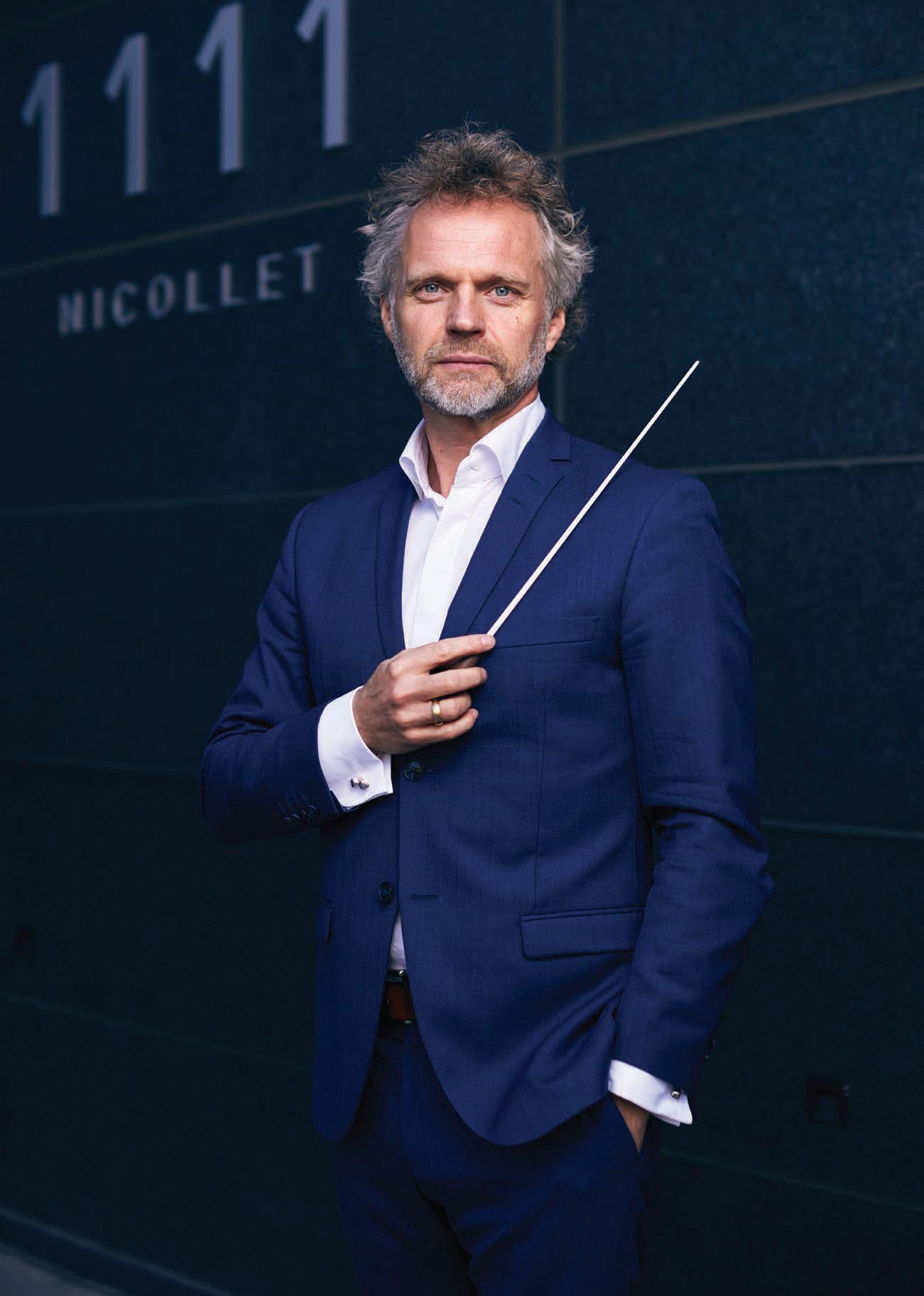
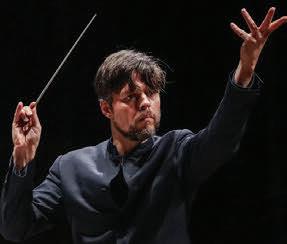
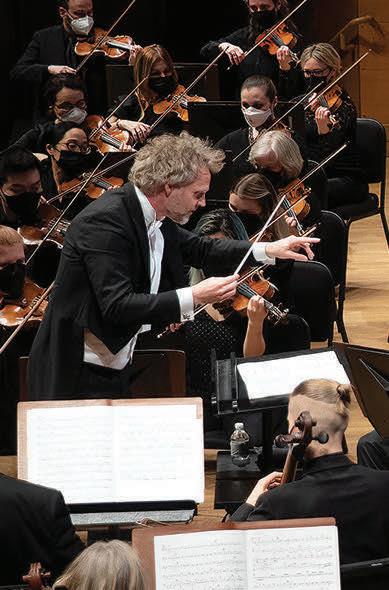
All artists, programs, dates and prices subject to change.
Alysse Gafkjen; Get Out: © 2017 UNIVERSAL STUDIOS, additional photo credits available online. OCT 4 WEREWOLF BY NIGHT FILM IN CONCERT OCT 6-7 WHAT MATTERS MOST TOUR BEN FOLDS OCT 13-14 VALČUHA CONDUCTS SHOSTAKOVICH SYMPHONY NO. 5 OCT 28-29 GET OUT FILM IN CONCERT SEP 21-23 SØNDERGÅRD CONDUCTS ALPINE SYMPHONY SEP 28-30 SØNDERGÅRD, DEBUSSY AND RAVEL MINNESOTAORCHESTRA.ORG | 612-371-5656 | #MINNORCH WITH NEW MUSIC DIRECTOR, THOMAS SØNDERGÅRD Get your tickets now!
PHOTOS: Søndergård: Chris McDuffie, Folds:
Northrop, University of Minnesota
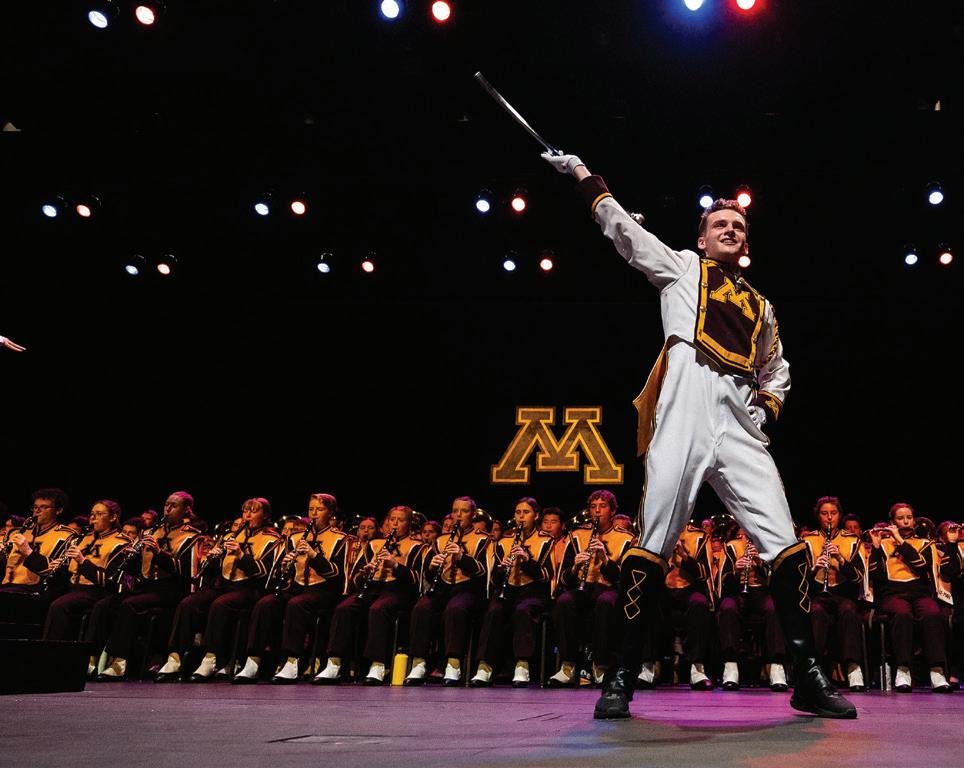
612-625-2345 northrop.umn.edu **********************



Situated in the heart of the University of Minnesota Twin Cities (UMN) campus, Northrop has served as the university’s primary gathering place for the performing arts, world-renowned dance performances, concerts, academic ceremonies, and major civic events for nearly 100 years. From touring international and favorite local dance companies, musicians, and fi lm screenings to the hottest comedy acts, renowned speakers, celebrated authors, and prestigious UMN lecturers, Northrop o ers opportunities for all ages to explore, learn, and engage. Special events, student matinees for grades K-12, Q&As with artists, and community gatherings provide patrons with unmatched experiences to suit and expand their interests—all while deepening their engagement with artists.
Northrop connects world-class artists, innovative academic learning tools, engaged partners, and community leaders for making art and sharing experiences across the region. With the belief that the arts are essential to the human experience, Northrop creates opportunities that bring art into communities while actively commissioning artists to extend legacies and provide windows into the creative process.
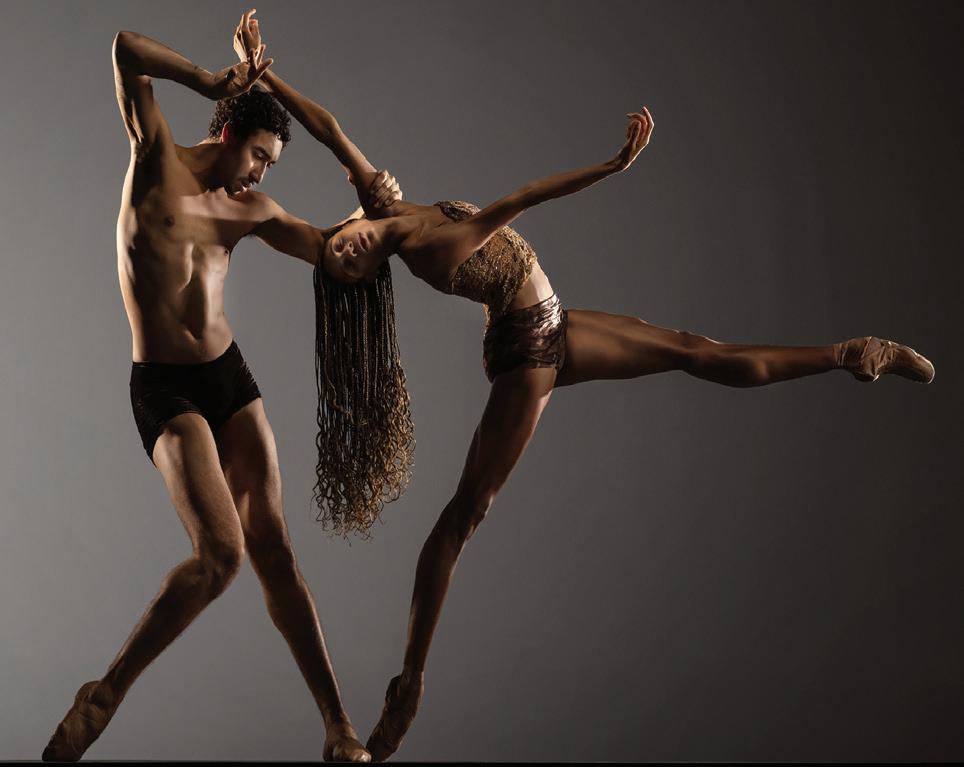
This fall’s lineup begins with “Amplifying Solidarity,” a series of free outdoor concerts that aim to lift the voices of people who have been marginalized, and “Let Freedom Ring,” a procession and concert by VocalEssence and others—copresented by UMN College of Liberal Arts—to commemorate the 60th anniversary of the March on Washington. Premier dance performances coming to the stage include Step Africa!’s “Drumfolk,” a stunning celebration of the human spirit, and language-based work from DIANNE McINTYRE Group—copresented and co-commissioned with the Walker Art Center.
Music series fall performances showcase Northrop’s famed Aeolian-Skinner Opus 892 pipe organ, and include a recital by Alcée Chriss III, one of the leading young organists of our time; the 62nd Annual UMN Marching Band Indoor Concert; silent films accompanied by live organ music; and “VocalEssence: Welcome Christmas” to lead into the holiday season.
Northrop will also host “Ted Lasso” actor, writer, director, podcaster, and comedian, Brett Goldstein, and internationally beloved “Cirque de Soleil” will dazzle patrons in “‘Twas the Night Before…”—a holiday show with thrilling acrobatics, lovable characters, and a soundtrack including holiday classics reinvented—presented by Hennepin Theatre Trust. Additional holiday magic (of the adult-themed type) arrives with the acclaimed variety act of BenDeLaCreme & Jinkx Monsoon in “The Jinkx & DeLa Holiday Show.”
Follow @NorthropUMN on social media to stay updated on new events and special offers.

110 | SEPT/OCT 2023 | MINNESOTAMONTHLY.COM SPECIAL ADVERTISING SECTION
PHOTOS (FROM ABOVE) RJ MUNA, GOPHER PHOTO, KYLE FLUBACKER/MSG ENTERTAINMENT









































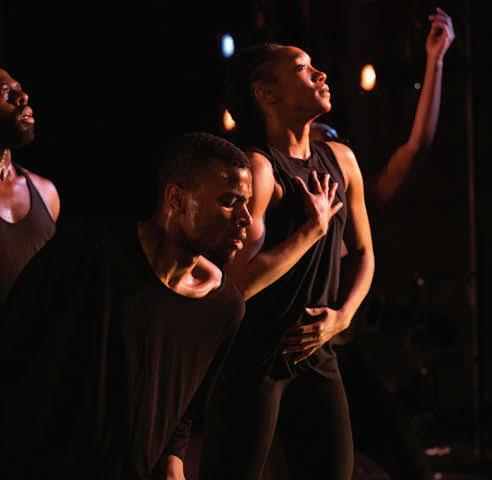


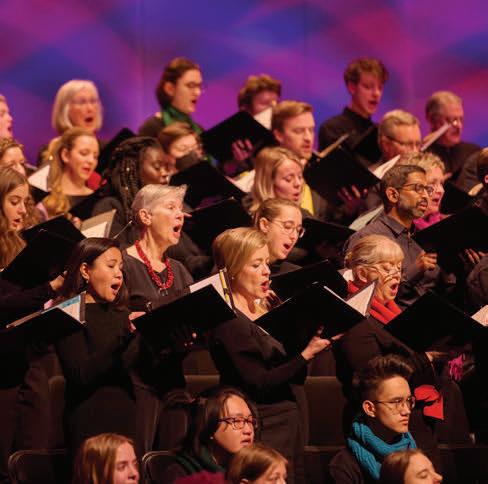

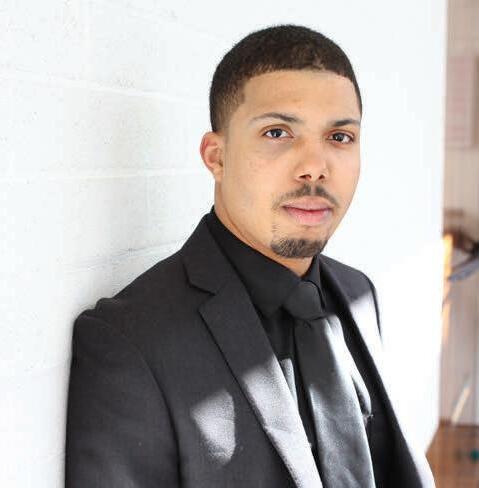



Fall Events at Northrop Explore. Learn. Engage. Reserve Your Spot Today! Subscriptions and single tickets on sale now! northrop.umn.edu 612-624-2345 Ayodele Casel Rooted Sep 27-29 Walker Art Center and Northrop Present DIANNE McINTYRE Group: In the Same Tongue Oct 5-7, Walker Art Center Step Afrika! Drumfolk Oct 13 Alcée Chriss III, Organ Recital In-person Oct 24 / Online Oct 24-29 Alonzo King LINES Ballet: Deep River Nov 2 62nd Annual Marching Band Indoor Concert Nov 11-12 All Hands on Deck with live music by Dreamland Faces In-person Nov 14 / Online Nov 14-26 VocalEssence: Welcome Christmas Dec 9-10 PHOTOS: Ayodele Casel. Photo © Matthew Murphey. DIANNE McINTYRE Group in In the Same Tongue. Photo © Paula Lobo. StepAfrika!. Photo © Jim
Alcée Chriss. Photo © Carina
Alonzo
LINES Ballet. Photo © RJ Muna. UMN Marching Band. Photo © Gopher Photo. Photo
of Archives on Screen,
VocalEssence.
Saah.
Wu.
King
courtesy
Twin Cities.
Photo © Tony Nelson.
Art EscapeBayfield Chamber & Visitor Bureau




bayfield.org

715-779-3335
This fall, Bayfield is hosting the second annual Art Escape, a celebration of all things art across Bayfield County and Madeline Island, Wisconsin. Taking place Sept. 9-17, this nine-day event allows visitors to get creative through art classes, artist demonstrations, and open houses—the perfect opportunity to experience the arts in a welcoming environment. Experienced artists will show visitors how they have perfected their craft and provide learning opportunities for those interested in tapping into their creative side.
Kicking o Art Escape will be the 60th annual Bayfield Festival of Arts on Sept. 9 and 10 at Memorial Park in the heart of downtown Bayfield. This art show will have a collection of local and regional artists’ artwork on display along the shores of Lake Superior. Bayfield Art Escape and the Festival of Arts provide visitors with an opportunity to experience the arts during September when mother nature starts to show her colors. Start planning your Art Escape by requesting a free guide at bayfield.org
112 | SEPT/OCT 2023 | MINNESOTAMONTHLY.COM
PHOTO BAYFIELD CHAMBER & VISITOR BUREAU
SPECIAL ADVERTISING SECTION
History Theatre






























































































































































History Theatre has bravely explored Minnesota’s past and the diverse American experience for over 40 years. Located in downtown St. Paul, History Theatre tells stories that celebrate the joy, triumph, and resilience of people and our shared experience. Critics call the theater “a banquet of entertainment with a side order of history.”
A new and exciting season begins this fall, featuring five world premieres that encompass entertainment, politics, and the contributions of individuals in their communities. Running from Oct. 7-29, “The Boy Wonder” tells the story of Minnesota’s youngest governor, Harold Stassen. Examining a unique time in our history and reflecting on where we are today, it is a musical about perseverance, unity, and love for his family and country. Then, from Nov. 25-Dec. 23, “I Am Betty” will have you humming the world premiere’s soundtrack while getting inspired to bake something new. Current season subscriptions and group tickets for all shows are available now.

















































MINNESOTAMONTHLY.COM | SEPT/OCT 2023 | 113 He stood up for democracy will you? BOY WONDER THE $55PERTICKET (Reg. $69-74) THE BOY WONDER Tier 1 only Use discount MNMO23code: Book, music and lyrics by Keith Hovis Directed by Laura Leffler October 7-29 | historytheatre.com *Offer valid up to 4 tickets. Not valid on previously purchased tickets.
PHOTO RICK SPAULDING
historytheatre.com
********************** For more information, visit historytheatre.com or call 651-292-4323 . SPECIAL ADVERTISING SECTION
651-292-4323
MacPhail Center for Music
macphail.org
612-321-0100
MacPhail Center for Music is the nation’s largest center for music learning and performance, as well as one of Minnesota’s top 10 arts organizations. Since its founding in 1907, MacPhail has been providing meaningful opportunities for students, transforming lives, and strengthening communities through music learning experiences that inspire. The center’s mission is to push the boundaries of music education—from classical and jazz to electronica and beyond. By caring about each student’s unique musical goals, MacPhail creates an inclusive community where people of all abilities and music styles are welcome.
Each year, MacPhail offers programming to 15,000 students of all ages, backgrounds, and abilities at locations in Minneapolis, White Bear Lake, Chanhassen, Apple Valley, and Austin, as well as Madeline Island, Wisconsin. The center o ers individual lessons on 35 instruments, voice, composition, song writing, electronic music, and recording arts. Signature programs include Individual Instruction, Group Ensembles, Sing Play Learn with MacPhail® early childhood programming, MacPhail Music for Life 55+, Suzuki Talent Education, Music Therapy, and EMRA (Electronic Music and Recording Arts).
Sing Play Learn with MacPhail® Free Family Music Series: Featuring The Bazillions
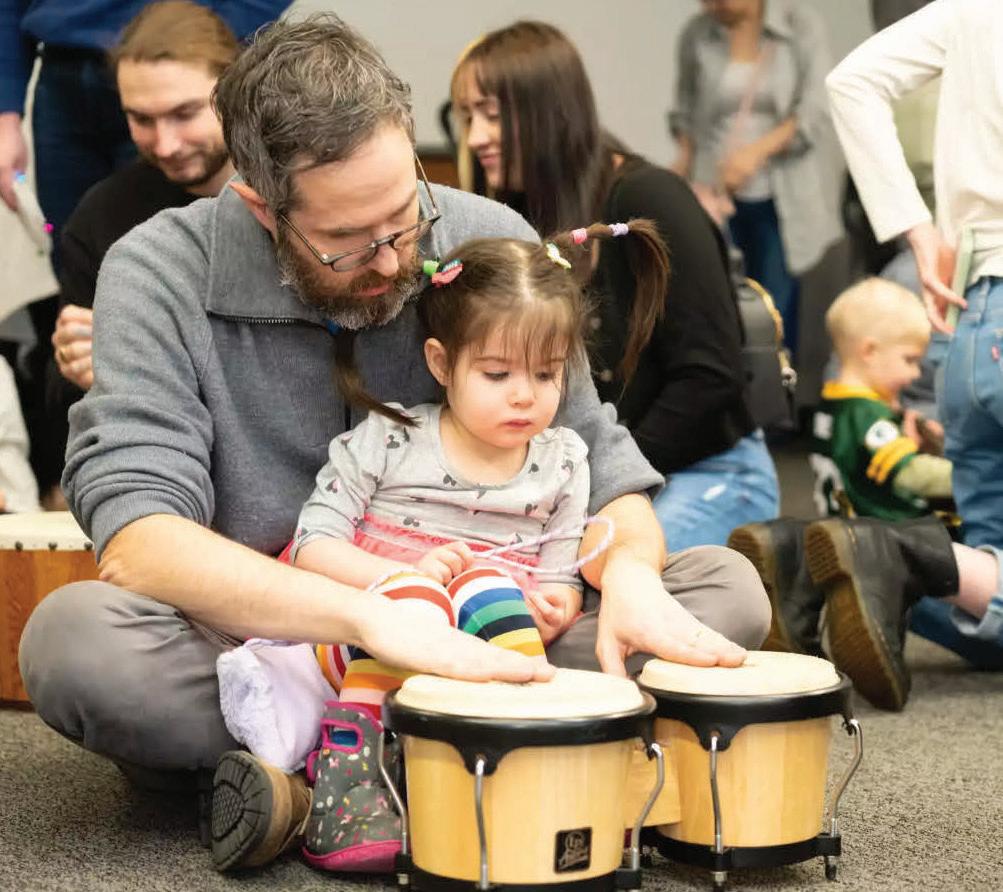
FREE Event
September 9 at 10:00 a.m. – 12:00 p.m.
Location: MacPhail Minneapolis
Madeline Island Chamber Music (a program of MacPhail) Emerging Artist in Residence: Lírios Quartet
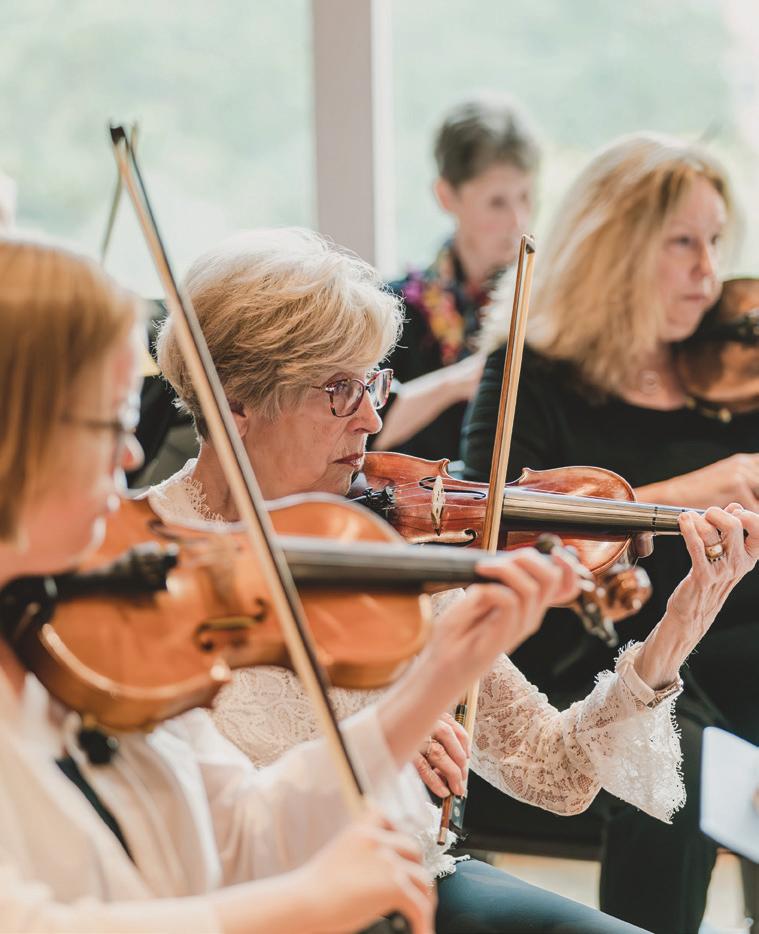


Tickets at MacPhail.org
November 11 at 7:00 p.m.
Location: MacPhail Minneapolis in Antonello Hall
Faculty Spotlight
FREE Event
December 2 at 7:30 p.m.
Location: MacPhail Minneapolis in Antonello Hall Learn
114 | SEPT/OCT 2023 | MINNESOTAMONTHLY.COM
more and register for classes at MACPHAIL.ORG PHOTO
A LENS
JEN WITH
SPECIAL ADVERTISING SECTION
612-333-6669







Minnesota Opera is perfect for both lifelong opera lovers and first timers. Either way, it presents an unparalleled experience of risk-taking music, theater, and storytelling. From hilarious comedy and passionate romance to heart-wrenching drama, Minnesota Opera has it all. Minnesota Opera endeavors to inspire a passion for exploring, ideating, and learning through equitable, person-centered programs for youth and adults alike. It o ers guides for newer operagoers and myriad opportunities for lifelong opera lovers, first timers, and everyone in between to further their engagement with this rich art form.
Minnesota Opera’s 2023-2024 season will be one of its most vibrant seasons yet, featuring exciting new works alongside beloved inherited ones that take risks and explore community and belonging. This season features the world’s first mariachi opera, “Cruzar la Cara de la Luna”; Donizetti’s heartwarming classic, “The Elixir of Love”; Bernstein’s “Trouble in Tahiti” with Christopher Weiss and John de los Santos’ “Service Provider”; and “La bohème,” Puccini’s timeless tale of love, loss, and belonging. With performances at both the Ordway Center for the Performing Arts and The Luminary Arts Center in Minneapolis, you won’t want to miss this exciting season.
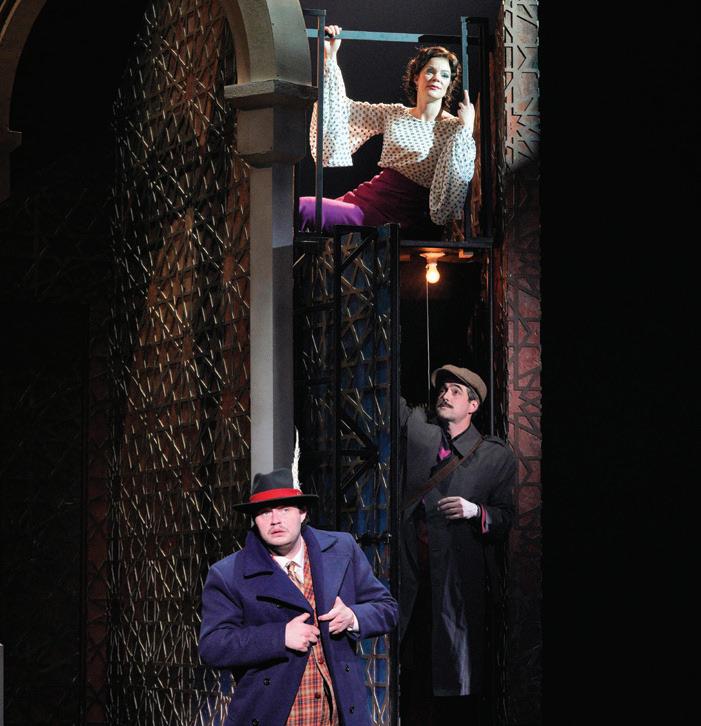
MINNESOTAMONTHLY.COM | SEPT/OCT 2023 | 115 November 4–12, 2023 CRUZAR LA CARA DE LA LUNA 2023–2024 SEASON INDIVIDUAL TICKETS ON SALE NOW! mnopera.org 612-333-6669 The Elixir of L ve January 27–February 4, 2024 TROUBLE IN TAHITI & SERVICE PROVIDER March 9–23, 2024 ORDWAY MUSIC THEATER ORDWAY MUSIC THEATER LUMINARY ARTS CENTER May 4–12, 2024 ORDWAY MUSIC THEATER PHOTO
MINNESOTA OPERA
mnopera.org
Minnesota Opera
********************** For more information and to purchase tickets, visit mnopera.org or call 612-333-6669 . SPECIAL ADVERTISING SECTION
Music 4 ShelterSimpson Housing Services
music4shelter.org

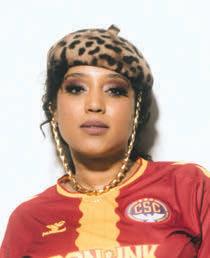

612-874-8683



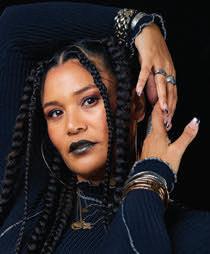
Music 4 Shelter returns to The Fillmore in Minneapolis for its third year. This year’s fantastic lineup features The Suburbs along with Lady Midnight, Nur-D, and DJ Sophia Eris. An annual benefit concert, Music 4 Shelter is an extraordinary night of live music, dancing, prizes, and an online auction—with 100% of the proceeds benefiting Simpson Housing Services’ shelter and housing programs. Throughout the night, there will be opportunities to support Simpson in ways big and small, all while rocking out and having a blast.
For over 40 years, Simpson Housing Services has been working with people experiencing and transitioning out of homelessness. Simpson’s key programs include emergency shelter; supportive housing programs for youth, single adults, and families; and developmental and educational services for children. Simpson annually supports 2,000 people, including 300 families with 650 children.

116 | SEPT/OCT 2023 | MINNESOTAMONTHLY.COM the SUBURBS LADY MIDNIGHT • NUR-D • DJ SOPHIA ERIS SIMPSON HOUSING SERVICES PRESENTS OCT. 6, 2023 | THE FILLMORE MPLS ROCK OUT. GIVE SHELTER. TICKETS $35–$125 music4shelter.org PHOTO TOM BAKER
********************** Music 4 Shelter at The Fillmore Minneapolis OCT. 6 | Tickets at music4shelter.org SPECIAL ADVERTISING SECTION
Theater Latté Da
latteda.org


651-339-3003
Theater Latté Da is the only nonprofit professional theater in the Twin Cities that exclusively produces musical theater. Since its inception in 1998, Theater Latté Da has presented 86 mainstage productions, including 16 world premieres and 14 area premieres. By creating new and impactful connections between story, music, artist, and audience, Theater Latté Da explores and expands the art of musical theater. Its values are based around being bold, inclusive, and collaborative, allowing for an equal and diverse environment in which everyone is welcome.
This fall, the theater will o er a variety of options for visiting patrons. Kicking o Theater Latté Da’s 26th season is a hilarious, heartbreaking, and unique musical titled “Falsettos,” a theater piece that highlights themes of family, relationships, baseball, and AIDS. When Marvin leaves his wife, Trina, and son, Jason, to be with his lover, Whizzer, confusion is unleashed, but so is the power and possibility of chosen family and choosing to love. “Falsettos” runs from Sept. 20-Nov. 5. Then, “Christmas at the Local,” a tale of locals who gather to raise a glass and play a tune, appears on stage from Nov. 21-Dec. 31. This musical brings the spirit of the holidays alive through story and song.
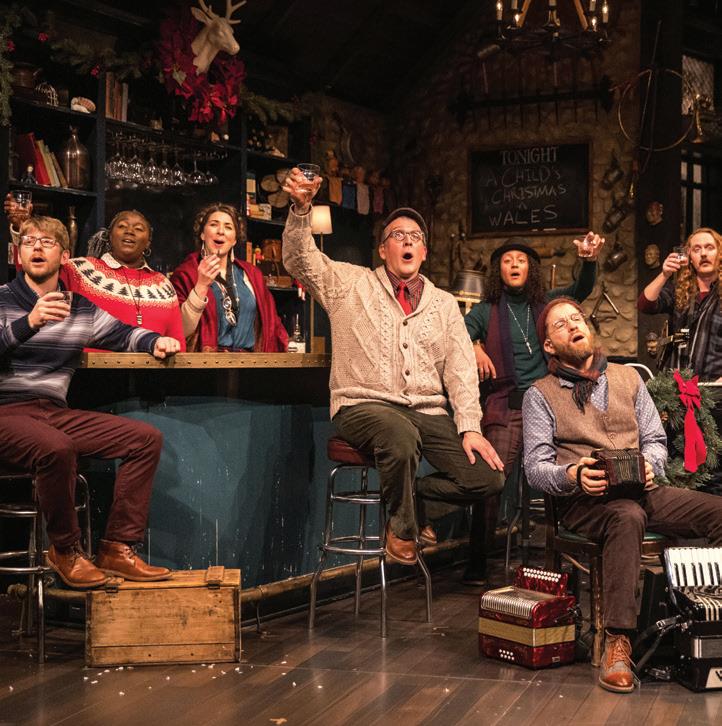





For more information on season highlights, subscription packages, and tickets, visit latteda.org .



MINNESOTAMONTHLY.COM | SEPT/OCT 2023 | 117 A NEW SEASON OF MUSICAL THEATER AWAITS AT THEATER LATTÉ DA! 4-SHOW SEASON SUBSCRIPTIONS NOW AVAILABLE! •Packages starting at $129! •NEW Preview & Thursday Matinee Package options •An exciting season of Guest Directors! FALSETTOS CHRISTMAS AT THE LOCAL STONES IN HIS POCKETS Sep 20 - Nov 5 SEASON ADD ON Nov 21 - Dec 31 Jan 24 - Feb 25 THE COLOR PURPLE JOHNNY SKEEKY; NEXT Festival Mar 20 - May 5 OR, THE REMEDY FOR EVERYTHING WORLD PREMIERE May 29 - Jul 7 SEASON ADD ON Summer 2024 CALL OUR BOX OFFICE OR VISIT US ONLINE! 612-339-3003 | LATTEDA.ORG 345 13TH AVENUE NORTHEAST, MINNEAPOLIS, MN 55413 PHOTO DAN NORMAN
**********************
SPECIAL ADVERTISING SECTION
Twin Cities Ballet
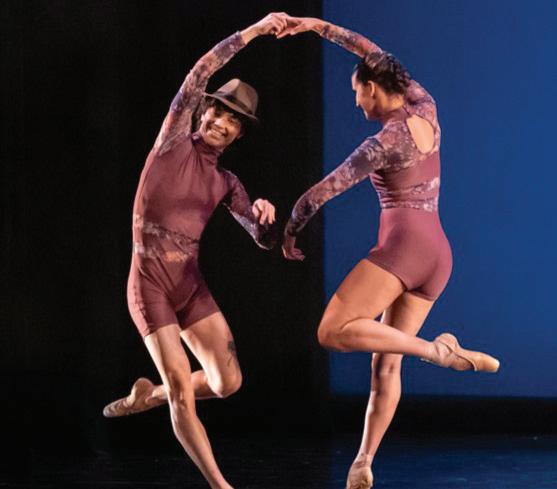

twincitiesballet.org
952-452-3163
Twin Cities Ballet (TCB) connects and enriches communities by making ballet approachable, relatable, and fun through professional and original productions and educational outreach. A nonprofi t, professional ballet company, TCB is a leader in making dance accessible and inclusive for both dancers and audiences and is reigniting the passion for ballet in Minnesota.
In addition to its mainstage offerings, TCB continues its original sensory-relaxed performance series—the first of its kind in Minnesota—and offers educational outreach programming that includes “FunQuest: Little Red Riding Hood” (Oct. 7-8); “Dance
With Me,” a series of interactive mini-performances; and family-friendly “mini” versions of its mainstage productions. Both new and longtime fans of ballet will enjoy TCB’s spectacular dancing, poignant storytelling, and stunning original performances.


Joinusforour 2023/24Season

118 | SEPT/OCT 2023 | MINNESOTAMONTHLY.COM
T w i n C i t i e s B a l l e t . o r g PHOTO
This activity is made possible by the voters of Minnesota through a grant from the Minnesota State Arts Board, thanks to a legislative appropriation from the arts and cultural heritage fund.
TWIN CITIES BALLET
SPECIAL ADVERTISING SECTION
Rochester Art Center
rochesterartcenter.org
507-722-2552
Featuring exhibitions, programs, and a wide array of contemporary art, the Rochester Art Center presents a welcoming experience of diversity, critical thinking, and creativity. Since 1946, the museum has offered visitors the opportunity to connect with art created by local, regional, and nationally working artists. Visit compelling exhibitions this fall, including “Chronicles of the Chronic” and the Minnesota Mosaic Guild’s annual exhibition, “Piece by Piece.” Then, spark your creativity at the center’s weekly Open Studio program.
Stages Theatre Company





stagestheatre.org









952-979-1111


Since 1984, Stages Theatre Company has put the well-being and growth of youth at the center of its mission. As a space that welcomes all, Stages Theatre Company is dedicated to the enrichment and education of children in a professional theater environment that stimulates artistic excellence and personal growth. This fall, the theater will celebrate 40 years with family-friendly productions including “The Day You Begin” (Sept. 29-Oct. 22), “Spookley the Square Pumpkin” (Oct. 6-29), and “Disney’s Beauty and the Beast JR.” (Nov. 17-Dec. 27)—as well as theater education programs for youth ages 2-17.
Find Your Center

Exhibitions of local, regional and nationally acclaimed artists, as well as classes and workshops of all ages and abilities. Follow us and subscribe to stay up to date on all of our offerings and Free Family Days.


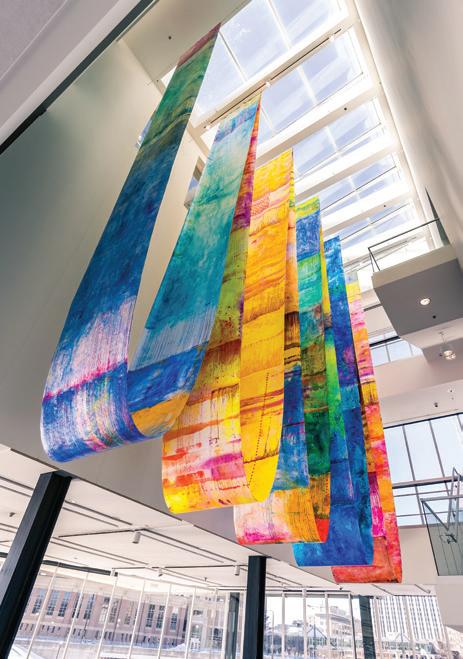
Galleries Are Open Wednesday - Sunday




11am - 4pm

30 Civic Center Drive SE RochesterArtCenter.org
thru
MINNESOTAMONTHLY.COM | SEPT/OCT 2023 | 119
PHOTOS (FROM ABOVE) ANNE LABOVITZ, FISCHEYE FILMS
STAGESTHEATRE.ORG A Season to Celebrate! SEPT 29 thru OCT 22, 2023 OCT 6
OCT 29, 2023
SPECIAL ADVERTISING SECTION
The O’Shaughnessy
oshag.stkate.edu
651-690-6700
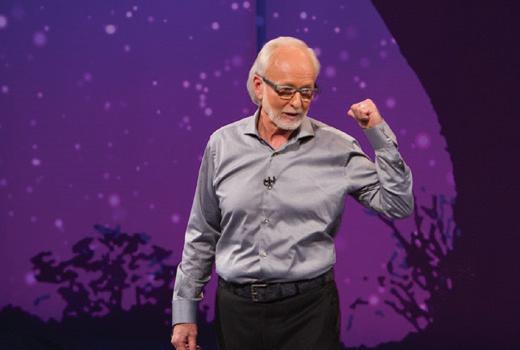
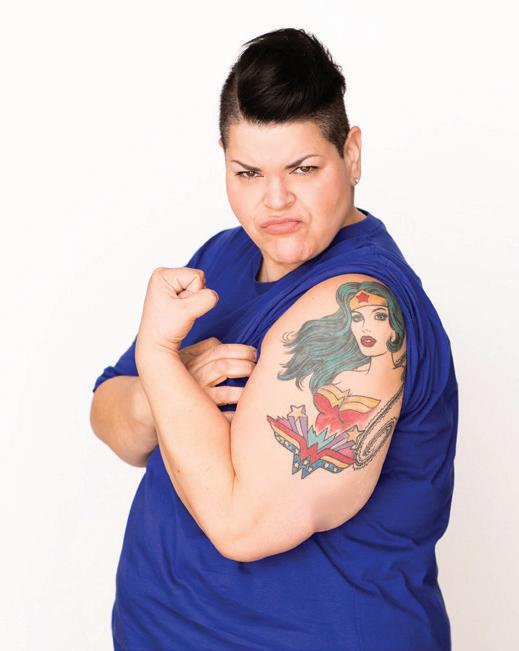
Located on the gorgeous St. Kate’s campus in Highland Park, St. Paul, The O’Shaughnessy acts as a meeting place between the campus community and the larger region. Led by Executive Director Irene Green, the performance lineup is curated to highlight themes of women’s leadership and BIPOC voices. On Sept. 30, “Classical Uprising: The [uncertain] Four Seasons”—a recomposition of Vivaldi’s “The Four Seasons”—uses geospatial climate modeling from 2050 to depict the impact of climate change in St. Paul.


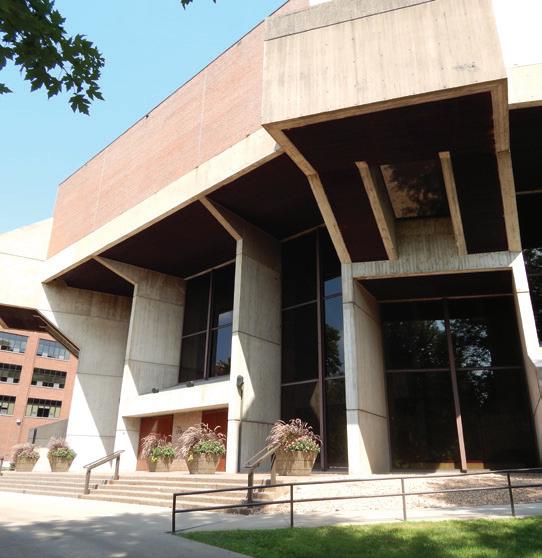
MUSICIANS YOU LOVE MUSICIANS YOU’LL LOVE TO DISCOVER COMING









120 | SEPT/OCT 2023 | MINNESOTAMONTHLY.COM
TPT.ORG/STAGE PHOTO THE O’SHAUGHNESSY SPECIAL ADVERTISING SECTION
IN OCTOBER
ENHANCE YOUR DIGITAL PRESENCE


Programmatic targeting, social media, search engine optimization (SEO), mobile, and website marketing can be costly and confusing to businesses who struggle with how to secure a successful online presence. Our marketing specialists work collaboratively with customers to assess their business needs and offer the best, most cost-effective marketing solutions.
PROVIDING COMPLETE NEWS AND ADVERTISING PRODUCTS TO THE COMMUNITIES WE SERVE.

adamspg.com

MINNESOTAMONTHLY.COM | SEPT/OCT 2023 | 121
B i g debuts
This fall brings major outputs from major talents. There’s a play about one woman’s attempt to open a Native wellness center; an “O ice”-style mockumentary about a Hmong nonprofit; an exhibit covering a visual artist’s seven-decade career; and the first season of the Minnesota Orchestra’s new conductor. Meet the minds and hearts behind the arts.
BY ERIK TORMOEN
omas Søndergård Needs Just Five Minutes to Meditate
The Minnesota Orchestra’s new conductor leads with a philosophy of love
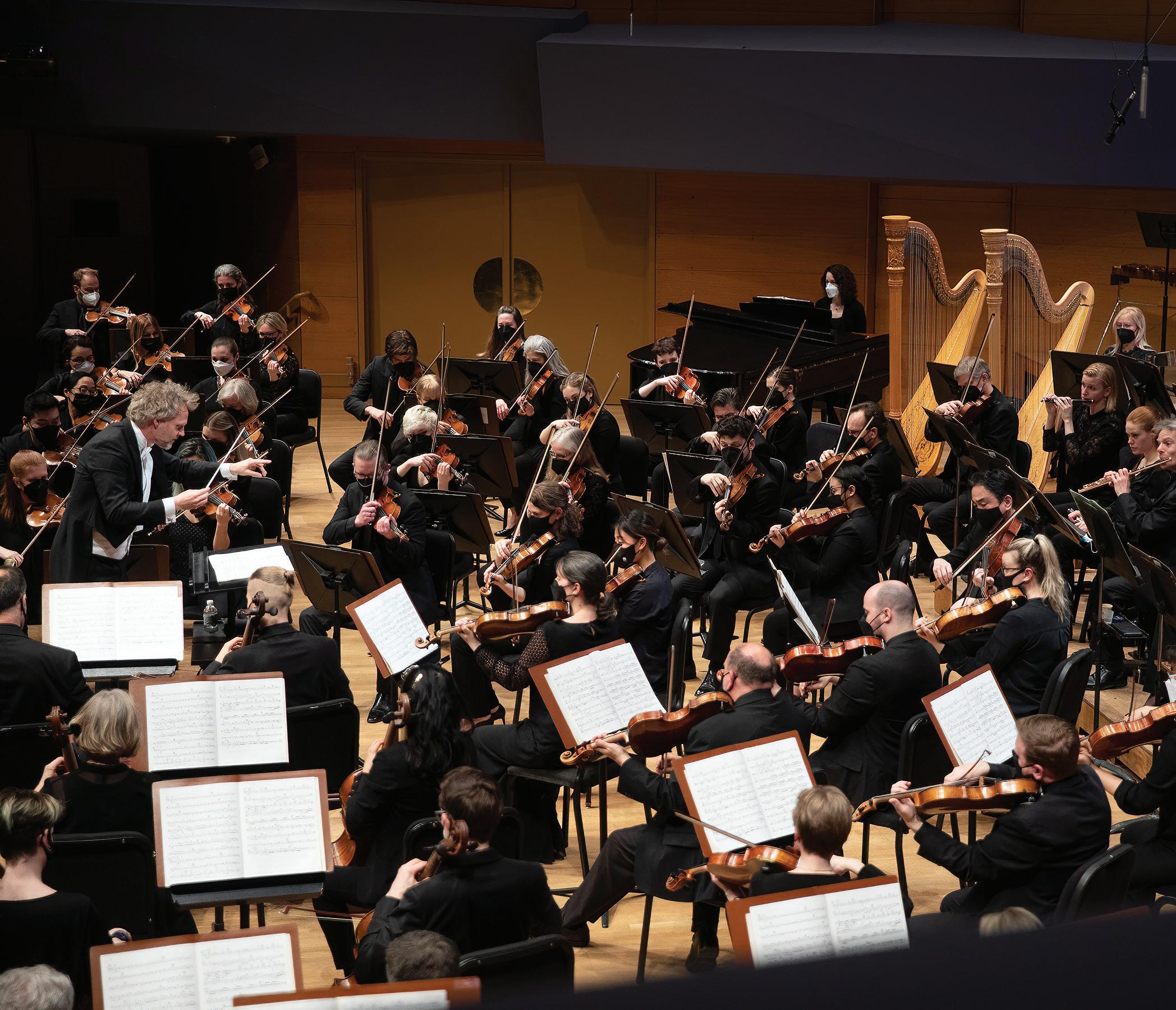
“Do you want the white or the black?”
On the conference table before us is a little plastic tub of strawberries. Next to them are plastic forks, one white and one black. I mishear Thomas Søndergård, the Minnesota Orchestra’s new conductor—catching only, “Do you want…?” and replying, “Sure!” As patient and humoring as you might be with a child, he glances up, laughs politely, and says in a soft, lightly pebbled Danish accent, “I’ll take the black.”
122 | SEPT/OCT 2023 | MINNESOTAMONTHLY.COM
PHOTO GREG HELGESON
//music//
Thomas Søndergård with the Minnesota Orchestra
This is, on a micro level, the reason Søndergård is here today. He is expected to bring quiet intimacy and practically mystical chemistry to the orchestra, taking over as its 11th music director in the fall. His first season begins in September, and when we meet on a sunny June morning, he is hungry and ready to praise Lake Harriet, which he visited the day before. “I loved that,” he says. “Maybe I’ll have a bike after some years and then I’ll just go and sit there.”
In a room ordinarily used for hobnobbing, hidden away in downtown Minneapolis’ Orchestra Hall, floor-to-ceiling windows overlook Peavey Plaza’s sun-dazed pool. The view clouds his eyes, blue-white, when he turns to think about music. Going about his life, if Søndergård gets five minutes, he has a practice of shutting his eyes and turning inward: “All thoughts, out.”
While in Minneapolis, the maestro is booked. He will live in Minnesota for 12 weeks each orchestral season; otherwise, Copenhagen, where he lives with his husband, singer Andreas Landin, remains home. He also stays on as music director of the Royal Scottish National Orchestra.
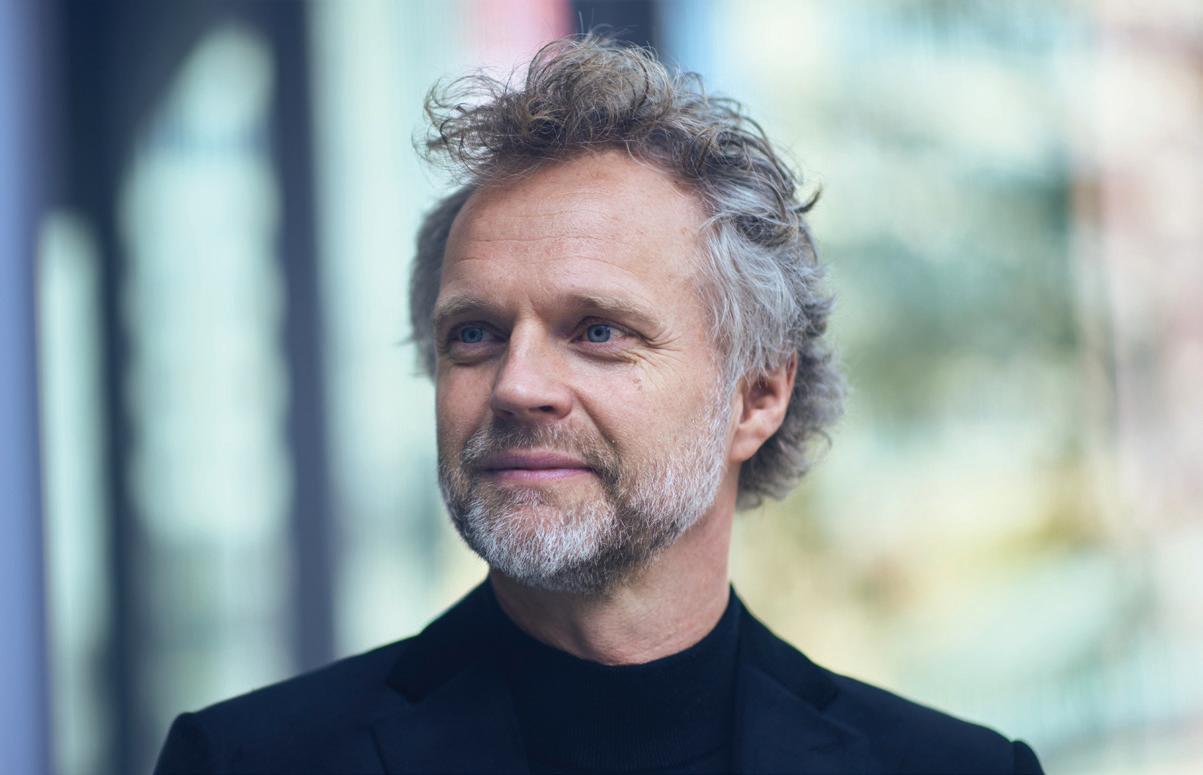
The Minnesota Orchestra’s previous director, Osmo Vanska, led for 19 years. Clad in iron respect, Vanska became known for workhorse rigor—for drilling and drilling—as well as for standing with his musicians amid a decade-old labor conflict. Søndergård, in contrast, likes to use soft words like “love” and “collaboration.” He has said that “since God is love, music is also love.” The New York Times once described his style as “anti-authoritarian” (a description that makes him smile), and his first season includes breakout programming of self-directed ensembles. “It’s pretty rare that we’d o er a concert without a conductor or soloist,” says Gwen Pappas, communications director. In January, Søndergård also plans to conduct a family program. “Music directors primarily stick to conducting classical concerts for the grown-ups,” Pappas notes, “but he was adamant that he wants ‘to be the music director for all generations.’”
Søndergård happens to fi t the child’s image of a conductor. That is, he has the hair. Grizzled and wild, it makes him look less like a lion than a hobbit while still implying the untamable and complicating the conductor’s human-metronome stereotype. He says he is much more stylish now, at 53, than he was at 20. Today, he wears a navy blazer (“a Paul Smith thing”), white sneakers, and, after checking the tag, a Filippa K shirt. “I was far more a nerd when it comes to music,” he says, of his less fashionable early years. “‘Nothing else matters.’”
Søndergård grew up in the arts-friendly Danish town of Holstebro. One day, as a kid, he heard and tracked down a marching band. A sense of clarity struck him: “This is my language.” Marchingband music did not stick, but early loves included Brahms, still a favorite, and Stevie Wonder, with whom he has since performed. “Maybe I just knew that, ‘It’s not football, as all the other ones are talking about.’ That’s not me. It’s not, ‘Who is fastest?’ Or, ‘Who finishes quickest at mathematics?’ This was me.”
His uncle gifted him drumsticks, he says, which he would rattle on a cutting board. Later, he started his percussion career with the Royal Danish Orchestra. Now, he is international. Saunas and 20-minute yoga breaks clear his head—the latter, to his frustration, only when a transatlantic flight lends him extra hours. “It’s the brain that you use the most in rehearsals … and the biggest job happens in rehearsals.”
That’s also where his reputation shines. His relationship to music is as indescribably personal, he says, as his Christian faith, which grew after he met his now-husband about 20 years ago. Composers “want to describe things that are impossible, maybe, to say in words at the speed of how music comes along.” As a conductor, “in the middle of that, I cannot be the opposite of love.” Thinking about his open, reciprocal approach to conducting, he says he is grateful for Denmark, where homosexuality is relatively accepted. His mother and the rest of his family are “very loving,” too. “Early on, I realized that, actually, it’s much more fun to be around people if you listen and observe.”
Imposing one’s will, conversely, reveals “more life interest in going down the power path.” He can identify those conductors. “But it’s not black and white.” Musicians need structure, and structure does not come naturally to him, necessarily.
But then, when Søndergård was 10, his father drowned in a boating accident. It left him, his mother, and his sister “in a shock for many, many years.” He thought, “What do I actually need? What do I actually want?” Shouldering adult responsibilities as a teen, he found a tool—discipline—and kept it close. It made music a good career fit. So did his natural talent. And has that gift ever vanished? Leaning in for a strawberry, he answers cleanly, immediately: “No. It’s always been there.” If he begins to compose, he says, he may answer di erently.
Before his next meeting, to talk about the Minnesota Orchestra’s social media plan, an employee comes in and jokes about visiting Patagonia to buy Søndergård some Minnesota-ready outerwear. An air of busyness trickles into the room. There is more to get to know, but the intimacy is lifting. Søndergård sounds earnest, eager, trailing o : “Would you like to…? I mean, I’m sure there will be some tickets.” Pappas says I should be able to receive tickets to the season’s debut. “I’ll see you in September.”
MINNESOTAMONTHLY.COM | SEPT/OCT 2023 | 123 PHOTO CHRIS MCDUFFIE
Thomas Søndergård
May Lee-Yang Is Actually Really Loud





The St. Paul writer oversees a mockumentary web series about a Hmong social services nonprofit

May Lee-Yang regards a potato pancake. She sits at a sunbeamed bistro table on the second floor of the charmingly rickety Swede Hollow Cafe, 15 minutes from where she lives on St. Paul’s East Side, and teases the pancake with her fork for another hour while responding—at a tight, distracted clip—to questions about “The Legend of Zelda,” Comic Con, and the time her director of photography built a makeshift dolly to get a shot she wanted. The dolly plays into her current realization of filmmaking dreams on the set of “Hmong Organization,” the mockumentary-style web series debuting this fall that she co-writes and co-produces with her husband, Peter Yang. Today, she wears a floppy, gray, Billie Eilish-big shirt from Target. “It’s very on brand with me that I’m ‘the lazy Hmong woman’ and I came to an interview wearing the top of pajamas,” she says, referring to “Confessions of a Lazy Hmong Woman,” a name-making piece that she wrote and performed in 2010. A playwright, poet, and actorwho-always-plays-some-version-of-herself, Lee-Yang is known in the Twin Cities for her easy way with fraught topics. She has presented at Fringe Festivals and with local companies like Theater Mu and Illusion Theater. Her titles sound provocative, but she is nonchalant: “The Korean Drama Addict’s Guide to Losing Your Virginity” (a play), “Lao Papaya Salad Is Like Anal Sex” (a poem), “Ten Reasons I’d Be a Bad Porn Star” (a PowerPoint-assisted performance). The last delved into sex and the porn industry and Asian identity, pulling from her time as a sexual health educator and bringing sex toys onstage. Funny but serious.
“I remember doing a talk with some elementary speech students at a Hmong charter school, and one of the boys was like … ‘You seem really hardworking to me,’” she says, explaining her claim to the word “lazy.” “I’m like, thank you! But, yeah, it’s completely related to housework.”

The trope of a “bad Hmong woman” appears in a YouTubereleased beta episode of “Hmong Organization.” With cast-andcrew talents donated by the local Hmong community, Lee-Yang self-funded a few episodes in 2018. They are formatted like “The O ce” and set in the Twin Cities at a fi ctional Hmong social






services nonprofit, drawing from her own experience working in that world. In one scene, teen girls chat in an empowerment group about unexpected pregnancy and the appeal of Korean guys. The boss describes them to a non-Hmong employee as “bad girls.” One of them eyeballs the camera, a la Jim Halpert.
When Lee-Yang was growing up in St. Paul, she says her parents had a “very real fear” of gang influences. “There were some girls who didn’t come home very often. They went to go play, they didn’t listen to their parents, whatever. They wanted to live the American lifestyle.” So, she and her siblings stayed inside a lot. She took AP classes. Her friends convinced her to consider college (English degree, University of Minnesota) even though she wasn’t in the school’s “minority encouragement” program. “The kind of bad girl I was, was one who was very mouthy.”


Lee-Yang had moved from a Thai refugee camp to the United States as a baby with her family, like many other first-generation Hmong Americans. She talks about “The Legend of Zelda: A Link to the Past”—specifi cally, the part in the 1992 video game where the player rescues a maiden who turns out to be an enemy in disguise (“I hate rules, but … I like those moments when rules get subverted”)—because, born in ’79, she came of age in a self-made den of ’90s culture. She loved Christopher Pike novels. Nintendo games. “Anything and everything” on TV. She saw herself in tomboyish writer Jo Marsh, of “Little Women.” Writing, as she describes it, is the low-resource way for kids to tell stories. “If money had not been an issue, I think I would have become a filmmaker.”
Bizarrely, she was voted “Most Quiet” in high school. “I’m actually really loud,” she says—but this was to plan. In fifth grade, she noticed a teacher ignoring her. “I still remember thinking, ‘I’m going to stop raising my hand. I don’t think they want to call on me.’ So, whatever that might be—because I’m a girl, because I’m a person of color, because I was raising my hand way too much….” Before senior year, after reading o -the-mark feedback in her yearbook—“so quiet, so nice”—she canned that strategy. Today, Lee-Yang is co-founder of a group called FAWK, or the Funny Asian Women Kollective. The five friends convened
124 | SEPT/OCT 2023 | MINNESOTAMONTHLY.COM PHOTOS MAY LEE-YANG //fi lm//
“Hmong Organization” debuts on YouTube
after one of them gave a start-and-stop poetry reading, to mind an event’s family-friendly stipulations. It’s not an uncommon concern, Lee-Yang says: What will the elders think? “We talked about how this was always happening to us, as Asian women— that we’re always being asked to censor ourselves.”
With FAWK, formed in 2014, anything is game. They might discuss violence against Asian American women, reports of which spiked during the pandemic, and, in the same show, dish on sexy Asian men. The group went to the White House last spring, repping comedy’s “power to subvert,” Lee-Yang says, in a forum with other Asian American, Native Hawaiian, and Pacific Islander creators. For a few years, she and the rest of FAWK (who are Naomi Ko, Kazua Melissa Vang, Saymoukda Duangphouxay Vongsay, and Tsuab Yang) have also worked with state legislators to secure bonding money for an East Side performing arts center. “I think it’s been getting momentum,” she says.
Until then, “Hmong Organization” starts anew this fall. It debuts on the Center for Hmong Arts & Talent (CHAT)’s YouTube channel. This time, there is funding from CHAT and a grant from the Minnesota Humanities Center. “So, more than the $500 from my vacation fund.” Directing for the first time has inspired Lee-Yang. She and her husband have imagined this show since the mid-2010s. “If we can get more funding, there are so many more episodes I want to shoot.”
First, she is o to Hedgebrook, the Pacific Northwest hermitage for women writers. She had intended to polish off short stories there but woke this morning thinking she should turn her idea for a murder-mystery play—set at a diversity training camp— into a novel. “I’ll be living in the woods,” she says. “Maybe it’ll be worth a shot to imagine this in prose form, because then it’ll have more life than a play, right? I love theater, but the problem has always been you need people to show up at a specific time.”
Ty Defoe and Larissa FastHorse Are Blending Worlds
At the Guthrie this fall, their comedic play taps Native American voices and connects to Minneapolis’ Dakota and Ojibwe heritages
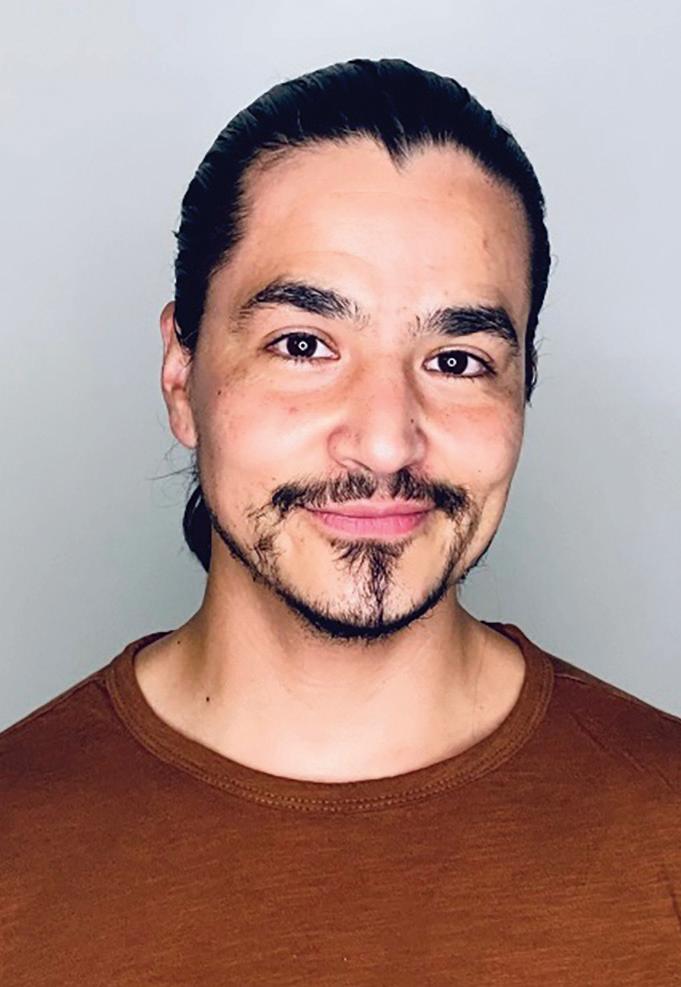
In 2019, “Stories From the Drum” entered production at Minneapolis’ Guthrie Theater. Lead creators Ty Defoe and Larissa FastHorse were building on their initial Guthrie collaboration, 2017’s “Water Is Sacred,” a blend of dance, music, ceremony, and text. The work emerged from Native community workshops.
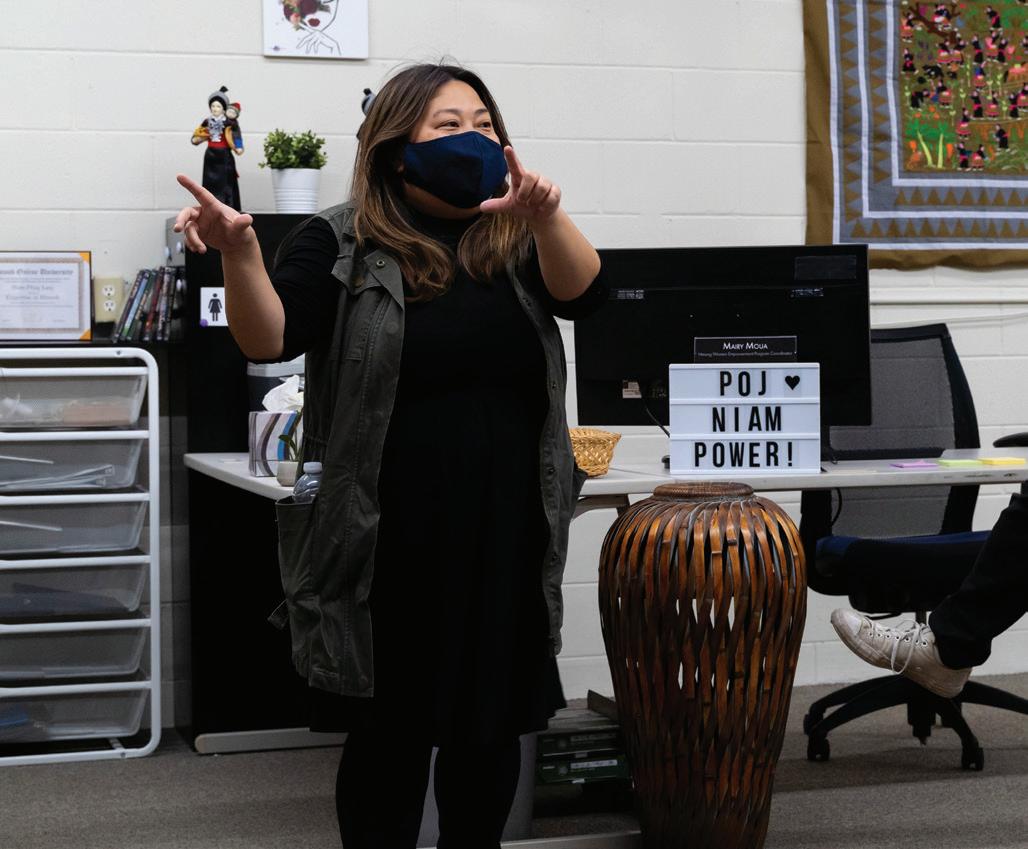
Their Guthrie partnership would continue. So, what should come next? Community feedback was clear, FastHorse says: a full stage production. An award from the Joyce Foundation, a big arts funder in the Great Lakes region, made it happen.
The result is “For the People,” a play debuting Oct. 7 about a woman who returns home to open a Minneapolis wellness center for Indigenous people—before facing rejection and deceit. A Guthrie commission, it is unique as a performing arts piece because, in this case, the traditionally Western, white form of a play merges with Native community engagement. “I don’t think either of us has ever done anything that isn’t, in some way, in conversation with the community,” FastHorse says.
She and Defoe met years ago through Native Voices at the Autry, a theater company committed to Indigenous talents. “All I remember is going for an epic walk and just talking forever,” Defoe says. “When your ribs hurt when you laugh, it’s a deal.”
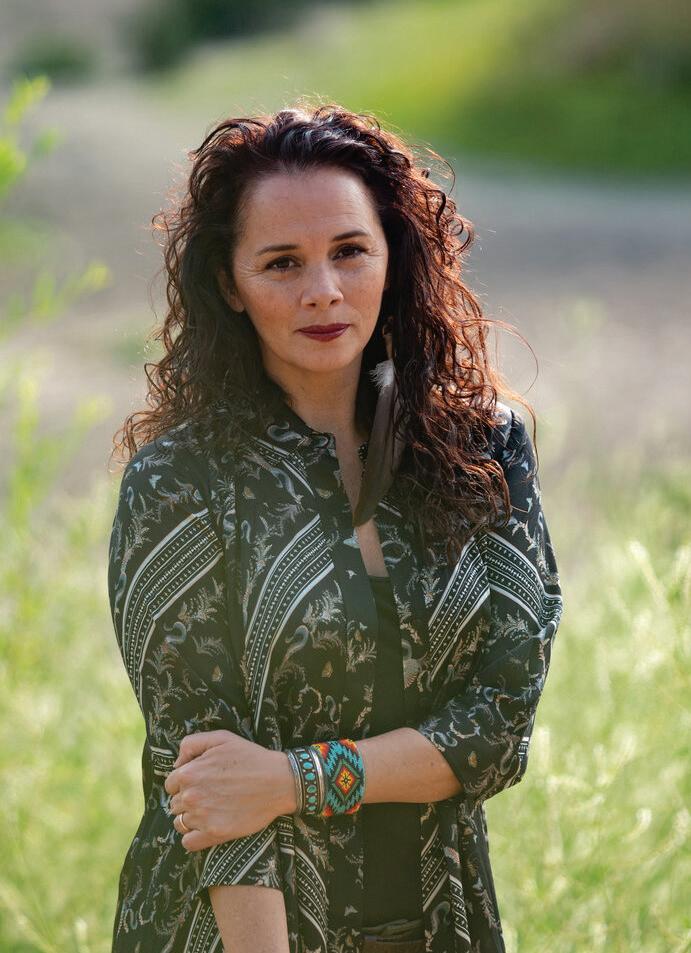
MINNESOTAMONTHLY.COM | SEPT/OCT 2023 | 125 PHOTOS MAY LEE-YANG, TY DEFOE, JOHN D. & CATHERINE T. MACARTHUR FOUNDATION //theater//
May Lee-Yang directs for the first time
Ty Defoe Larissa FastHorse
Defoe (Ojibwe Nation and Oneida Nation) is a Two-Spirit artist, writer, and cultural worker based in New York. His art, from dance to music to theater, seeks to upend oppressive ideas about what this type of work should be. FastHorse (Sicangu Lakota Nation) is a Santa Monica-based playwright and choreographer. With “The Thanksgiving Play”—her recently staged, heartpumping satire about white folks attempting to neatly package the holiday’s damning history—she reportedly became the first Native woman to debut a show on Broadway.
A few months from the Guthrie premiere, the meeting place today is Zoom. Defoe sits before a digital backdrop of the Earth as seen from space. FastHorse sits in a hotel room. The visual split, as though they speak from di erent dimensions, echoes Defoe’s description of how it feels to keep both a Native audience and a white audience in mind: It’s like 2022’s cosmic multitasking film “Everything, Everywhere, All at Once,” where realities meld without compromising integrity, like songs overlapping.
In practice, that means the two have done Guthrie workshops while also bringing a reading to the Indigenous cultural corridor on Franklin Avenue in south Minneapolis. “And that, for us, was very revolutionary,” Defoe says, “in terms of ‘Will these jokes land here? Will our people think these are funny?’”
Together, their e orts have orbitted community response. In 2015, they formed Indigenous Direction, a consulting firm that assists artists and companies wanting to appropriately create works about Indigenous peoples. “[‘For the People’] is a continuation of all the other work we do together,” FastHorse says.
Community outreach started as soon as they teamed up with the Guthrie, in 2017. It has taken whatever form, including online gatherings during COVID-19, although some communities lacked WiFi access. “That was literally the pivot for us,” Defoe says, “to get more voices to the table.” He recalls randomly chatting with an elder on a bicycle. “We are trying to leave, and Larissa stood there for literally, like, 45 minutes to an hour, listening to an individual tell stories and being in conversation and being in right relation with the community.”
As FastHorse puts it, “We have to be able to go home to these people, right? Like, these are our people. The Guthrie can walk away, never talk to a Native person again, never do another Native play. They made it the first 50 years without doing one; they can continue. That’s fine for them. But we have to go home.”
Community feedback was clear about another aspect of the play: It has to be funny. The base of Native culture is “always humor and always teasing and always joking,” FastHorse explains. During press for “The Thanksgiving Play,” she talked about comedy as a Native means of survival. “And this Native grandma came to me and was just like, ‘Larissa, stop it! You’re giving them credit.’” She says she frames it di erently now. “We happen to use [humor] to deal with the colonizers and to deal with such tragedy, but it’s just who we are.”
Hazel Belvo Has Been inking About the Unconscious Lately
The artist receives her first career retrospective, spanning seven decades of epic scale and “mammoth” projects
Hazel Belvo, 88, has only once questioned the point of making art. She had driven 15 minutes home from the hospital. Years before, she and her then-husband had moved from the East Coast to Minnesota for several reasons, but the sole reason for Belvo was the Masonic Children’s Hospital and its renown for treating leukemia. Back home, she showered. These were the last three weeks of her 18-year-old son’s life, and this was her only return home. Sitting in the hospital room, she would draw while he slept. She had cut paper into squares small enough to stow in her bag. “They were not a conscious act at all,” she says of the drawings. “They were the most unconscious work I’ve done.” She sketched shapes like germinating seeds and drifting cells. The 34 drawings became her “Manifesto in 21 Days.”
On an overcast afternoon, Belvo, dressed in black, tells this story from a squat armchair in her tall, gray, shoreside Grand Marais home. Suddenly, her partner, the artist and philosopher Marcia Cushmore, sidles up to Belvo and smacks her arm. A fly had landed there. “Sorry, honey,” she says. Belvo cracks open the split-second freeze with a big laugh.
In St. Paul, the artist has her fi rst career retrospective this fall. She contains a quiet yet approachable intensity, matched by one of her paintings hanging near the kitchen. It is part of a series depicting the nearby Spirit Tree, a sinuous white cedar considered sacred by the Ojibwe. She has been painting, drawing, and photographing it since her first tobacco o ering in 1961. The series is like Monet’s “Haystacks” in that her hundreds of renderings vary wildly. This one is flush with rosy hues.
The story resumes, and her eyes well. “I never left the room except once, toward the end.” At home, she thought, “Why? What is the point of drawing?”
Belvo became an artist on Ohio farmland. She grew up helping at the meat-processing business owned by her divorced, independent, and civic-minded mother. Bones, muscles, tissues—the work would inform her anatomical drawings. As a kid, she once scrawled crayon over fresh wallpaper. “My mother said that, when I turned around, I had the most elated look on my face, that she could never reprimand me.” Eighteen months old, an
126 | SEPT/OCT 2023 | MINNESOTAMONTHLY.COM //visual arts//
early walker who ranged over southern Ohio’s rolling beauty, she once watched a cloud reveal a sunset and was never the same.
A grandmother also raised her. She taught Belvo about “obsession” with one’s work—canning, gardening, making dresses from feed sacks, crafting beautiful quilts. One of those quilts will appear in the retrospective. At the Minnesota Museum of American Art, it opens Nov. 3 and spans seven decades of her work.
“Manifesto in 21 Days” will appear, as well. Driving back to the hospital, Belvo found her purpose again while considering all the women who came before: “Some women crochet. Some women do tacking. And I make marks.”
Belvo would make her name among East Coast artists. First, she met George Morrison at art school in Ohio. He became an abstract artist as well as her husband. The two moved to New York City, where a man at a job agency told Belvo to lift her shirt because, despite her butchery experience, she had no other qualifications. Enraged, humiliated, she stormed out and found work finishing sculpture stands for the Museum of Modern Art.
Hunger for justice, her mother said, made Belvo a feminist from the start. She recalls her father’s temper flaring into violence—at her brother for wetting the bed, or at Belvo when she, a child, went nude after using the outhouse, unable to pull her swimsuit over a leg brace. Childhood shame fledged into adult righteousness.
Moving to Minnesota, Belvo would join the Women’s Art Registry (WARM), which she calls the largest feminist cooperative in the country at the time. She helped open the WARM Gallery, which showcased women artists from 1976 to ’87.
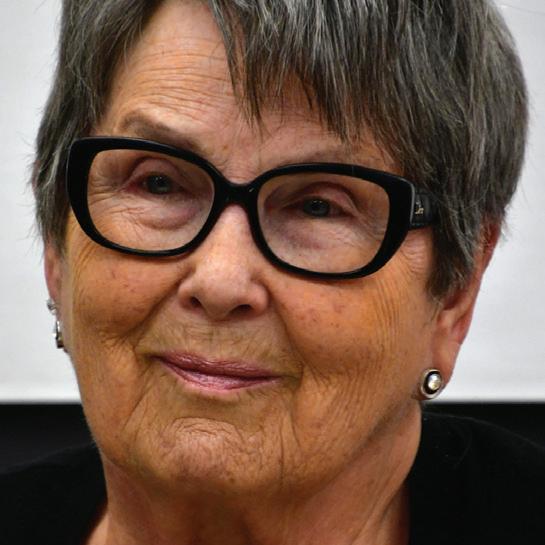
Art teachers told Belvo she was “all over the board,” aesthetically. It should be instant, they said: That’s a Monet. That’s a Rembrandt. “My work, my whole spirit, isn’t able to be organized that way,” she says. A Smithsonian retrospective of Edvard Munch clarified this for her. The Norwegian artist seemed to follow her thinking. “You have such a wide range of interests,” Cushmore tells Belvo, “and see beauty in so many di erent ways.” She spent all day at that show.
The word “mammoth” comes close to unifying her oeuvre. “I’ve never done one of anything,” she says. “One never seems enough, if you want to really explore something.” She was born on the day of “mammoth projects,” as per an astrological encyclopedia she once flipped through. “Mammoth” recalls a mural she made as a teen, encircling her capacious high school cafeteria and based on the ancient tale of Aeneas—sprawling, epic.
Her “Spirit Tree Meditations” cover decades. Her “Love Drawings” span 15 years. The exhibit is called “For Love,” and Belvo told the museum the latter are her “life’s contribution to humanity.”
The “Love Drawings” are upstairs, in a barebones studio she splits with Cushmore. Because Belvo has neuropathy from the knees down, she climbs the stairs carefully. A window above her
desk overlooks Lake Superior’s gray expanse, no horizon.
She approaches a stack of light pencil drawings. Suddenly, she seems vulnerable, hushed, aware of potential hurt. These drawings have attracted ire. She has received disapproving letters, some from talents she admired. She once turned down a New York gallerist when she sensed his prurient interest in showing them.
The lines are fine as feathers. Viewers must lean in. The form is soft, based on ancient Japanese pillow books. The content reflects the late-’60s sexual revolution, when Belvo started the project. Depicted are her friends and other real-life models—artists, musicians, scholars, in one case a famous astronomer, she says—in sexual poses. There are men with women and women with women. The couples are both young and old. Some lines delineate two bodies at once, an economy that establishes equality, too. In one, a woman smiles faintly, eyeing her partner. There is play rather than power.

Belvo was reacting to the sterile depictions of human anatomy in a sex-education pamphlet her oldest son had brought home from school. But also, that inner sense of justice inspired her. Patterns from her grandmother’s quilts serve as backdrops.
These drawings surfaced, unconsciously, in her “Manifesto of 21 Days,” too—in the aesthetics of regeneration, reproduction, death. Ahead of the exhibit, she has observed, “I am almost 90; most of my ‘love couples’ are gone.” By the time we finish looking at them, a thin horizon has etched itself into the view out the window.
MINNESOTAMONTHLY.COM | SEPT/OCT 2023 | 127
FOR MORE FALL ARTS EVENTS, SHOWS, AND OPENINGS, HEAD TO MINNESOTAMONTHLY.COM/FALLARTS2023 PHOTO AND ARTWORK
BELVO
“Polly and Anne,” a 1972 “Love Drawing”
HAZEL

1.800.581.8942 booking code #1154036 https://gateway.gocollette.com/link/1154036 DISCOVER SWITZERLAND, AUSTRIA & BAVARIA featuring Oktoberfest in Munich Book Now & SAVE $200 per person Highlights Include: Bern, Alphorn Maker, Yodeling Demonstration, Fondue Lunch, Lucerne, Austrian Alps, Cultural City Walking Tour or Architectural Walking Tour, Innsbruck, Salzburg, Mirabell Gardens, St. Peter’s Restaurant, Bavaria, Linderhof Palace, Tyrolean Folklore Show, Munich Oktoberfest Travel with Pioneer Press Food Writer Jess Fleming September 18-27, 2024
by JASON DeRUSHA




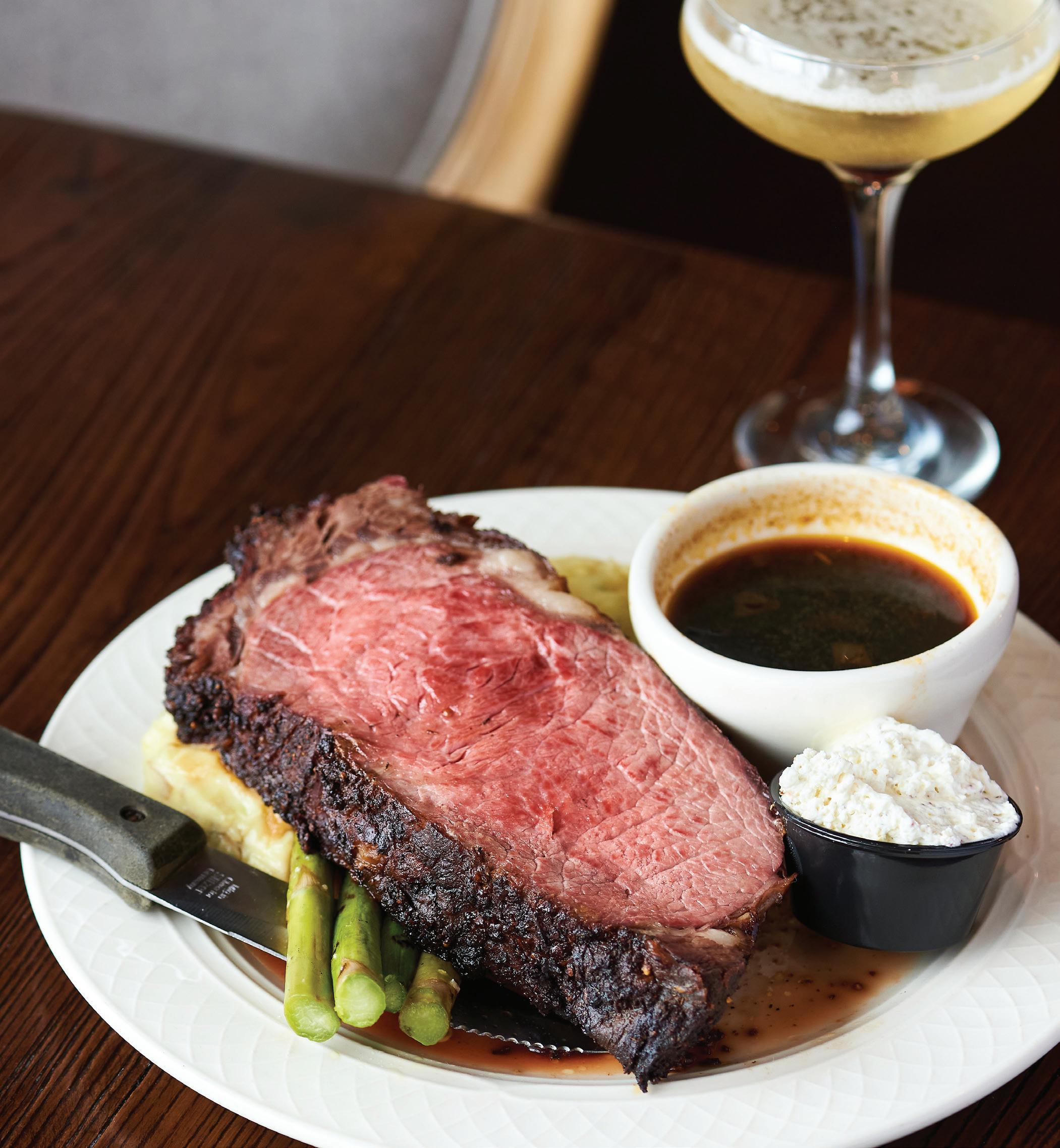
MINNESOTAMONTHLY.COM | SEPT/OCT 2023 | 129
THE RETRO RESTAURANT CLASSIC IS ALL THE BUZZ
THE SHAKOPEE HOUSE Taste AMY THIELEN’S NEW COOKBOOK OFFERS MENUS 132 DAVID FHIMA’S LATEST RESTAURANT IS FRENCH-INSPIRED 134 KEVIN KRAMER
Superb Supper Clubs
Take one part nostalgia, two parts comfort foods, and then a heavy dose of sassy service, and it makes perfect sense that we are in the midst of a supper club renaissance. How to define the Midwest supper club?
It’s more a vibe than a menu makeup, but we expect a relish tray, probably some popovers, a serviceable steak dish, and almost certainly walleye in one form or another. We want at least one server over age 60. A bartender who can make a frozen alcoholic drink. And pie for dessert. Supper clubs endure because they remind us of home—a place to escape and the warm embrace of something very, very familiar.
Legit Old School Metro
• CROONERS SUPPER CLUB, 6161 Highway 65 NE, Minneapolis, 763-760-0062; croonersloungemn.com
• JENSEN’S, 3840 Rahn Road, Eagan; 651-688-7969; jensensfoodandcocktails.com
• LINDEY’S PRIME STEAK HOUSE, 3600 Snelling Ave. N., Arden Hills; 651-633-9813; theplaceforsteak.com
• PHIL’S TARA HIDEAWAY, 15021 60th St. N., Stillwater; 651-439-9850; tarahideaway.com
MY CHOICE:
J.D. Hoyt’s
301 N. Washington Ave., Minneapolis; 612-338-1560; jdhoyts.com
Enter Hoyt’s, and it’s hard to shake the feeling that something nefarious might be going down in one of the side booths. I adore the Cajun twist on supper club classics—that pork chop, the fried catfish on dirty rice, and the “world-famous” and impossibly delicious buddy bowl with layers of red beans, dirty rice, and creole sauce with andouille sausage and chicken, topped with cheese and baked to a golden-brown perfection.

130 | SEPT/OCT 2023 | MINNESOTAMONTHLY.COM TASTE review
APOSTLE SUPPER CLUB
PHOTO KEVIN KRAMER
Western Wisconsin
• INDIANHEAD SUPPER CLUB, 107 Indianhead Shores Drive, Balsam Lake, Wisconsin; 715-485-3359; indianheadsupperclub.com
• LAUREL SUPPER CLUB, 1905 Highway 64, New Richmond, Wisconsin; 715-246-5121
• LEHMAN’S SUPPER CLUB,
2911 S. Main St., Rice Lake, Wisconsin; 715-234-9911; lehmanssupperclub.net
MY CHOICE:
Dalles House
Restaurant & Lounge
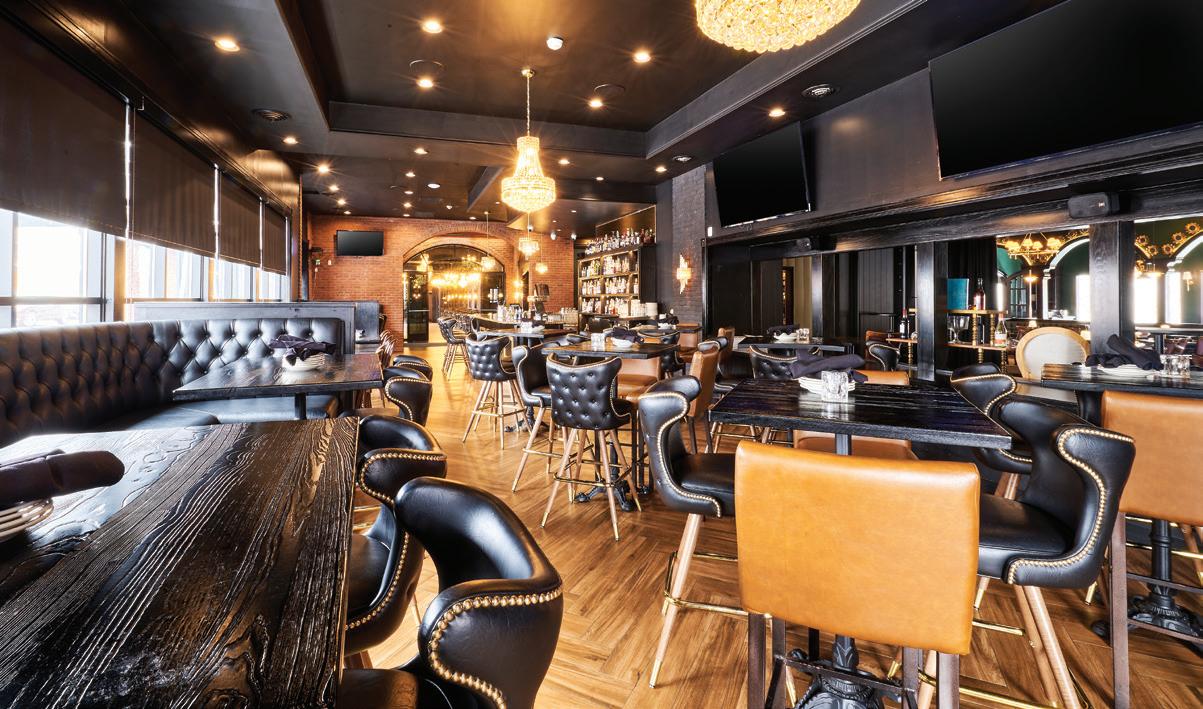
720 S. Vincent St., St. Croix Falls, Wisconsin; 715-483-3246; dalleshouse.com
I love the Dalles House. The service is great, and the room with the giant windows looking toward an interior courtyard always makes me smile. Frog legs make me nostalgic for my grandparents, and they’re so meaty! Everything is made from scratch, and the dedication to quality and craft and tradition shines in every bite.
Legit Old School
Outstate Minnesota
• BAR HARBOR SUPPER CLUB, 8164 Interlachen Road, Lake Shore; 218-963-2568; barharborsupperclub.com
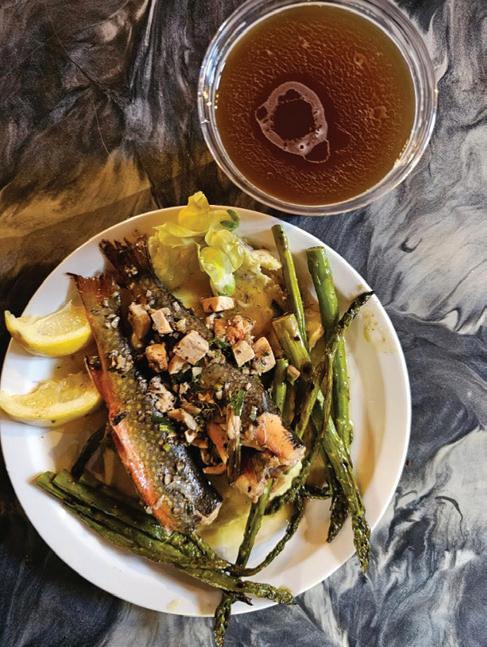
• ETTLIN’S RANCHERO SUPPER CLUB, 4452 40th St. W., Webster; 952-652-2700; rancherosupperclub.com
• JORDAN SUPPER CLUB, 20201 Johnson Memorial Drive, Jordan; 952-492-6700; jordansupperclub.com
MY CHOICE: Wiederholt’s Supper Club
14535 240th St. E., Hastings; 651-437-3528; wiederholtssupperclub.com
Four generations of Wiederholts have been behind the iconic bar of this Hastings classic. Today, they serve a fillet for $31, and it comes with relish tray, hot rolls, salad or cottage cheese, and your choice of a potato. For $31. Seriously. Steaks, ribs, burgers, and a kids’ menu—this is classic supper club. For an ice cream dessert drink, Save room for a Pink Squirrel or Brandy Alexander. It’s time to move to Hastings.
New School
• APOSTLE SUPPER CLUB, 253 Kellogg Blvd. W., St. Paul; 651-340-8987; apostlesupperclub.com
• CREEKSIDE SUPPER CLUB, 4820 Chicago Ave., Minneapolis; 612-354-3675; creeksidemn.com

• THE SHAKOPEE HOUSE, 1583 First Ave. E., Shakopee; 952-445-2245; shakopeehouse.com
MY CHOICE:
Mr. Paul’s Supper Club
3917 B Market St., Edina; 612-2598614; mrpaulssupperclub.com
Mr. Paul’s just makes me happy: the seating is all designed to face inward so you experience the communal buzz and energy of a traditional supper club. The varied menu feels like a supper club, but the strip and ribeye compete with our top steakhouses, the short rib stroganoff will stick to your insides, and the relish tray with pimento cheese and popovers is a must. You’ll also find New Orleans inspiration here, from the Hurricane on the cocktail menu to the terrific chicken-and-andouille gumbo.
MINNESOTAMONTHLY.COM | SEPT/OCT 2023 | 131
PHOTO DALLES HOUSE, THE RESTAURANT PROJECT, KEVIN KRAMER
MR. PAUL’S SUPPER CLUB
DALLES HOUSE RESTAURANT & LOUNGE
THE SHAKOPEE HOUSE
In Good Company
AMY THIELEN CONTINUES TO EMBRACE MIDWEST COOKING AND TRADITIONS IN HER THIRD BOOK
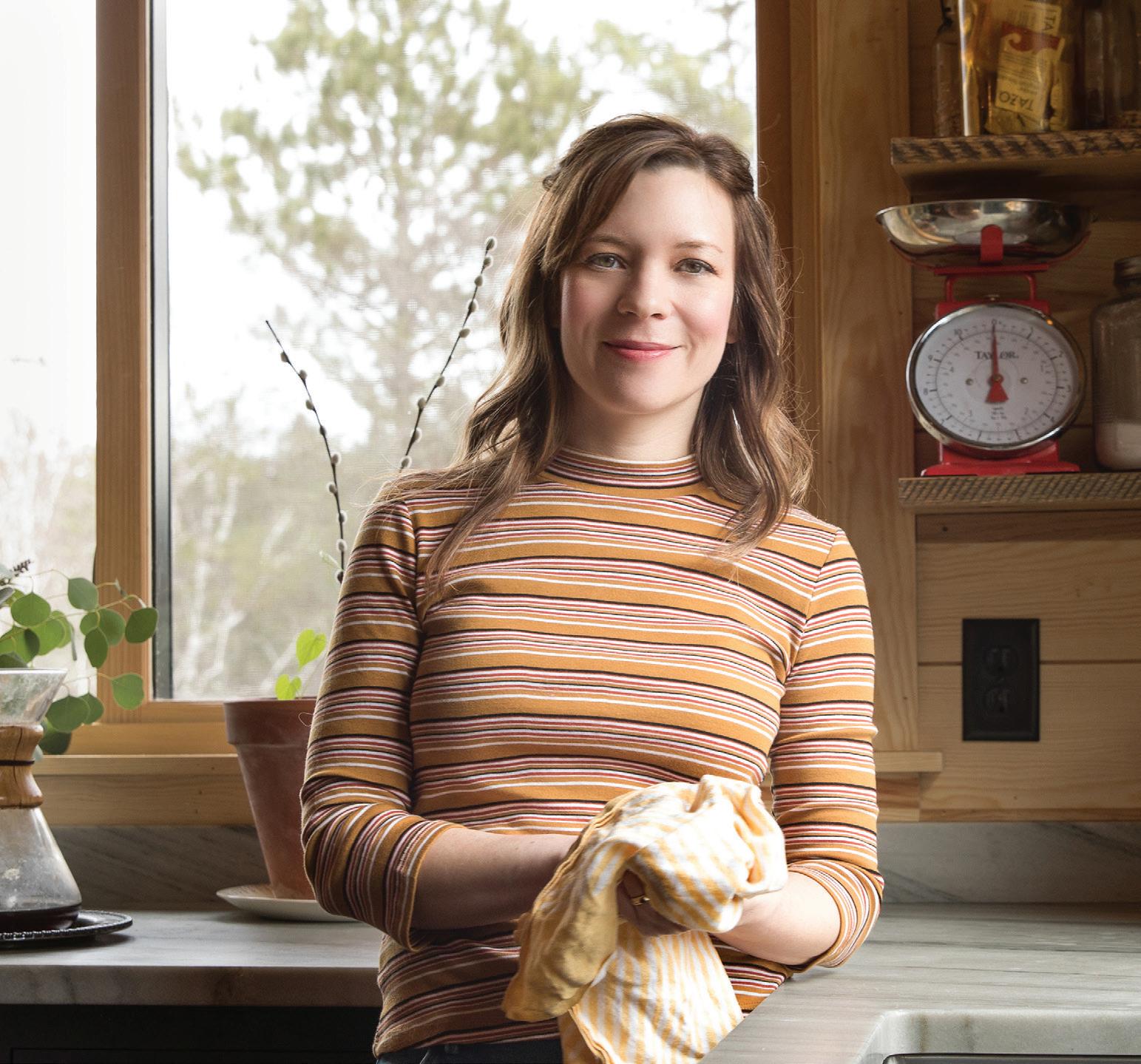 by JERROD SUMNER
chef, author, and television host Amy Thielen released a new book at the end of August titled, “Company: The Radically Casual Art of Cooking for Others.” We talked to Thielen from her home in Park Rapids about the new publication, her third, and her philosophy that anyone can be a cook.
Your first book, “The New Midwestern Table,” elevated what many thought of Midwest cuisine as a celebration of the land and as a melting pot. Do you think Midwest cooking is having its moment, finally? Yeah, I think in the last 10 years it’s really grown up and grown into itself. Midwest cooking is a lot of things, and the answer to “What is it?” or “How do I talk about it?” doesn’t get easier. Talking about restaurants in the Twin Cities: phenomenal. At home, people are just still doing their family traditions. And there are so many di erent types of families. You don’t have to cook with just this small repertoire of ingredients. Farmers markets have changed cooking so much. My last book was 10 years ago, and farmers markets are now so popular. They are teaching environments where farmers can tell people what to do with these things, and they are so diverse.
You put so much of yourself, your routine, and your home into your work. Your second book was a memoir, but we still want to ask,
were you born to be a chef or are taste and instinct learned?
In the words of Remy [from Pixar’s “Ratatouille”], “Anyone can cook.” I think anybody can be a chef. You don’t have to grow up at your mother’s hip doing everything in the kitchen. Although I didn’t really grow up learning to cook from my mom, she is a fantastic cook. I grew up watching her cook, and there’s a big di erence. People are always asking, “Do you cook with your son? Are you side by side teaching him how to cut?” No, he’s just watching. I didn’t pick up a knife for a long time, but I watched and shopped with her. She dragged us everywhere. There is so much to being a creative person who likes to cook, and it doesn’t mean you have to be a chef. It’s that you enjoy shopping and know what you’re looking for. I teach my son, “These are the good garlics, theses are the bad garlics. You can tell.” And he’s like, “OK, great.” And [for] teaching taste, we go around the table and say, “Do you like this?” We’re not complaining; we’re saying it could be a little better. That is steeped in how I grew up. My dad had the meat market, and the details are in the potatoes and pork. Nothing fancy. It’s about appreciating what you cook, starting with the ingredients.
Tell me about the new book.

I’m really excited about this book. It’s been six years in the making. Now is the perfect time for it. It’s about cooking for other people, [and] it’s a menu cookbook. That is an interesting thing and made it kind of hard. I see why people don’t do more of them. I’m super happy about the book visually as well as what’s in it. The recipes are the recipes I have been making over and over again for more than 20 years, some of which I have never shared. A lot of these things that I really, really like will be repertoire builders, and you don’t have to follow the menus. I get asked a lot, “How do you make a menu? How do you make an experience?” This book sets out to answer that. How you pull together a plate. How you compose that whole experience.
Is this cookbook for people who know how to cook, don’t know how to cook, or somewhere in between?
Both. It has plenty of instructions and visual cues to teach those who don’t cook that much to make something that really turns out well. At the same time, there are some more advanced recipes in there for people who want a challenge. I assume those people don’t measure their salt. I know my people.
132 | SEPT/OCT 2023 | MINNESOTAMONTHLY.COM PHOTO CLACEY CRISWELL
TASTE personalities
AMY THIELEN
When you think about cooking versus entertaining, is it more about the pleasure or technique for you?
Both. There’s the sharing what you make, but you gotta get there. The best way to learn technique is to just start cooking. You can learn more from a really good recipe than you can from a class or school. It’s the equivalent of learning to play piano by scales or memorizing a difficult song. It’s the touch; it’s how people handle things. I can always tell when I am with someone who is a good cook by how they touch the ingredients. There is a lightness and
If you get to know someone through their cooking, how much of their entertaining is about putting their own personality out there?
A lot of personality goes into cooking for others. Especially the way I do it. It’s all about the feeling of family and feeling welcome, even if it’s new acquaintances. I keep it casual here. This is the northwoods. I have a way of making people feel welcome. I think I do. I hope I do. Part of it is being a relaxed host and not stressing. Keeping one sauce to make in front of people. Letting them join in if
Round about dinner time, 30 minutes after the meat is done.
If you could change one perception on cooking or entertaining for others, what would it be?
assuredness to how they touch and move. They have a feeling in their fingers. These recipes in the book will get you there. I am at a place in my own cooking where I don’t want to measure, scale, and take temperatures. That makes me question my intuition. I do it for the book when people need a backup, but I really want to encourage people to know when it’s done. It’s done when it’s done. When you’ve made the dish enough times, you know it and you’re just cooking rather than cooking and reading a recipe. Ideally you do it a number of times, and then it’s just about cooking while talking and drinking a glass of wine.
What are you doing today that pushes your limits in the kitchen? What’s getting you excited?
I am trying to make and develop something really simple that I am going to call our daily bread. I want to make a focaccia that fits into my day. You wake up in the morning and make it and don’t have to think about it before you’ve had your coffee. I then bake it at 5 o’clock in the evening for my family, and we use it for sandwich bread and don’t have to buy fake bread with preservatives. I just made hard boiled egg and spicy sardines on focaccia for breakfast.
they want to help, but I don’t put people to work. It’s about being real, with eccentricities and all.
Finish the sentence: I can’t live without my… I can’t live without my herb garden right now.
We talked a little bit at the beginning about the meat market and watching your mom cook. What memories influence your entertaining the most?
It’s two things, it’s not just one. It’s the casual vibe that I grew up with, where we had parties in the garage for the whole block, the whole town. Literally, parties in garages where people feel comfortable in rural settings. My time in New York kitchens taught me a different level of hospitality. I aim for predicting what my guest is going to want. I know they want spreads, a real drink, and homemade lemonade in the veins of the kid melting down. Letting people sit back and say thank you. They feel relaxed and good. I don’t serve right away. I grew up knowing that dinner was ready when the meat is done. And still today, that’s when we eat. Meat is done, and we take 30 minutes to assemble the salad. So, I can’t tell you when to come.
I want people to be fearless. These recipes work, so you can rely on that. While making these recipes, I failed so many times, and I failed publicly. I don’t always go with my tried and true. I will experiment for people. If I cook for people, I think about what they are hungry for [and about] what I am hungry for. When you think of others, it changes your creativity. Cooking for others puts you in new territory, and its OK when things don’t all work out. It’s OK if you have a few spectacular things and an “Oops—I burned the nuts because we were talking.” We all burn nuts, right? Totally relatable. You have more nuts, and you redo them, or you don’t have nuts.
So much talk of nuts. What’s your go-to nut recipe?
There’s something I do a lot. It’s butterroasted walnuts in a cast iron pan on the stovetop, not in the oven to toast; that’s where they go to die and burn. This one is at the stovetop with butter, herbs, garlic, rosemary sprigs that you don’t cut up but fish out later. You just baste them in butter and oil very, very slowly. And that’s your dressing for salad, and you save some nuts for morning oats. It’s delicious.
What’s your best piece of advice for someone who wants to cook more and entertain more?
Just say yes. Don’t worry about the house. Just worry about two rooms, and close all the other doors. I wrote in the introduction that, after the pandemic, we realized how much we need people, and “Company” is a play on the Midwestern thing of having people over. It’s about having company and people keeping you company. Just relax, and no one will care as much about the food as you, my fellow cook. Remember, everything tastes better at someone else’s home.
MINNESOTAMONTHLY.COM | SEPT/OCT 2023 | 133
“The best way to learn techniques is to just start cooking. You can learn more from a really good recipe than you can from a class or school.”

 INSPIRED BY CLASSIC FRENCH CUISINE AND THE FAMOUS MOULIN ROUGE, MAISON MARGAUX SPARKLES IN THE NORTH LOOP
THE
RIBS
THE 1789
AKA
LA REVOLUTION
TASTE dish KEVIN KRAMER 134 | SEPT/OCT 2023 | MINNESOTAMONTHLY.COM
High Kicks FROM LEFT: FROG LEGS PROVENCAL ( BACKGROUND ) ;
SHORT
BOURGUIGNON; AND
(
VIVE
) COCKTAIL
What’s Up
David Fhima and his team are turning frog legs into princely, must-order apps and toiling for three days over saucy duck confit. Thus, the celebrated chef has returned to his original focus: classic French cuisine. A family trip to France, Fhima says, inspired the finishing touches to Maison Margaux, which opened in the North Loop this spring. His kids had asked, “Why don’t you cook like this?” He used to, in West Hollywood. Around 1983 or ’84, he recalls, classic French cooking took off, and he did that for 10 years. He moved to Minnesota in ’94, embraced the flavors of his melting-pot backstory, and only now returns to “technique, technique, technique, technique”—more important to French cooking, he says, than style, although there’s plenty of that. Here, Fhima also applies post-2020 dining concepts, such as profit sharing, living wages for staff, and a “food justice platform” planned to “showcase the cultural talents that exist in Minneapolis,” per the website, with women-owned small businesses and the BIPOC community in mind.

Side Dish

The format is that of an appetite-sating brasserie. To start, duck-and-veal sauce puddles in the sinews of that labor-intensive duck confit. The demi-glace, reduced with red wine and finished with chocolate sauce to temper acidity, complements the pairings: bone marrow and a crusty cube of 130-year-old sourdough toast with apricot marmalade. At risk of sounding Midwestern, it is the highest-end deconstructed sandwich. Elsewhere, the fall-off-the-bone frog legs—which give “the taste of chicken with the texture of lump crab,” my friend noted—get a sweetheat ba er: bu ermilk and French chili powder. It felt wrong but right to dunk bread from the basket in the cauliflower, gruyere, and chevre souffle. Dessert was also souffle, at Fhima’s insistence. The pillowy chocolate concoction needs 18 minutes, so order ahead. Fairly soupy, it is best eaten from the dish. Fhima prefers a souffle that isn’t “cake in a cup,” and this one conjured gooey brownie memories. Lastly, the wine list, deeply French, impresses.
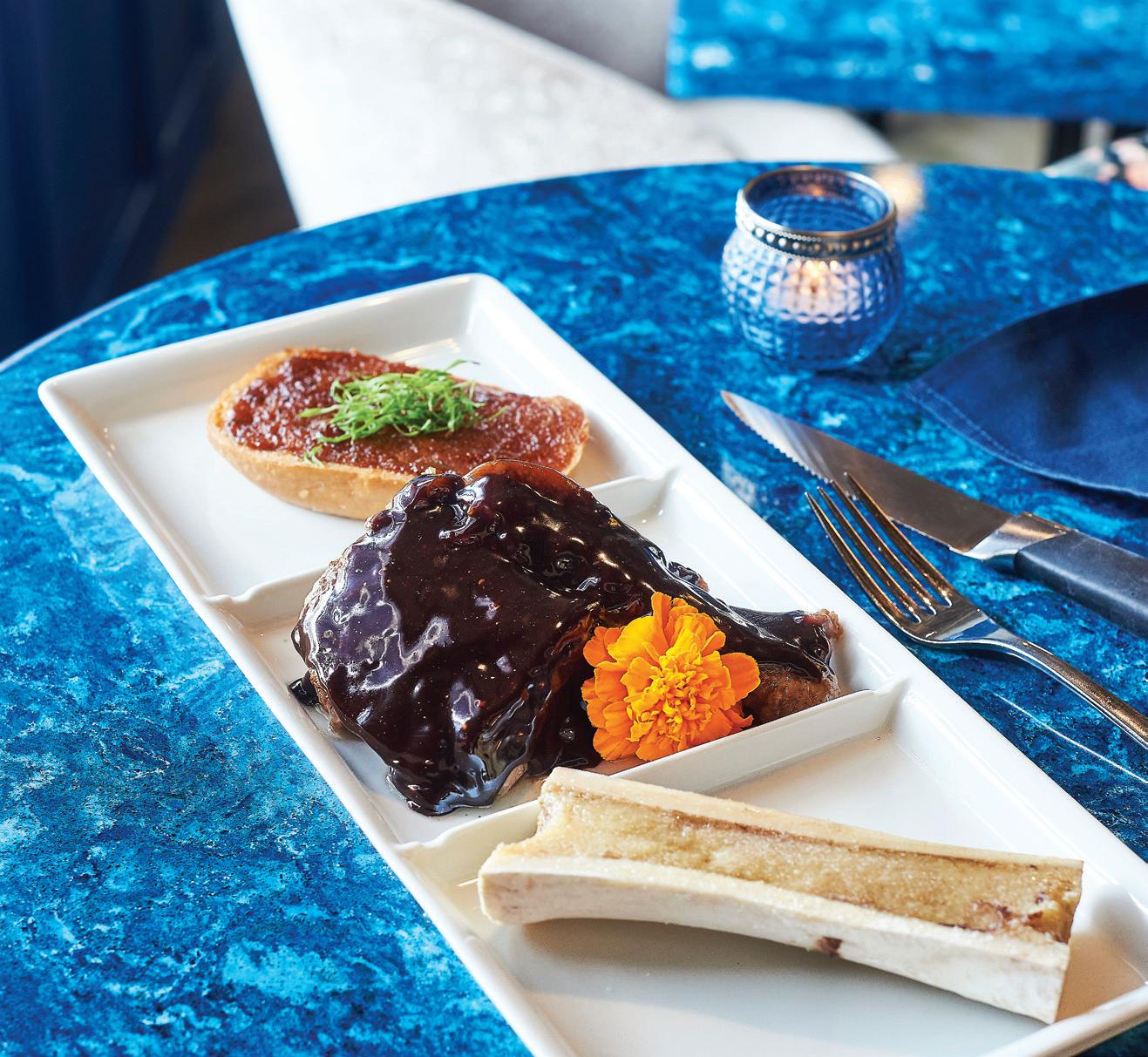

Where It’s At
Fhima had his eye on the historic Ribnick Furs building. He wanted a restaurant inspired by the joie de vivre of the Moulin Rouge era. When some original Moulin Rouge posters turned up amid building renovations, it sealed the deal for the property owner, he says. That’s kismet. The posters now hang on the walls, and they accent the glossy, blue, nearly nautical, bricks-and-mod-chandeliers aesthetic. The basement bar, with a smaller menu that boasts a burger, is worth checking out for the lounge-meets-cabaret dazzle. With an event center upstairs from the brasserie, the whole thing is a family endeavor. The time I went, Fhima stood just inside the open kitchen, in aviators and a bandana and the open stance of someone pleased and excited and embracing the moment. 224 N. First St., Minneapolis; maisonmargauxmpls.com –Erik
Tormoen

MINNESOTAMONTHLY.COM | SEPT/OCT 2023 | 135
CAULIFLOWER, GRUYERE AND CHEVRE SOUFFLE
BONE MARROW AND DUCK CONFIT
A Summ to Rememb !









A weekend of mouthwatering food, delicious beverages, outdoor games, and insider knowledge on grilling, mixology, and entertainment







On a picture-perfect and exceptionally warm Saturday and Sunday in early June, Minnesota Monthly’s GrillFest, presented by Kurvball BBQ Whiskey, once again transformed CHS Field—home of the St. Paul Saints—into the o cial kicko to summer. Drawing in crowds for the past 11 years, GrillFest connected people over their love of the outdoors and entertaining, refreshing beverages, and mouthwatering food hot off the grill. The all-inclusive sampling event gave guests the unique opportunity to speak with the creators and
2023 BATTLE WINNERS
founders of outdoor products and learn all about the latest grilling and mixology trends.







Set against the backdrop of picturesque downtown St. Paul, GrillFest welcomed more than 5,000 people to taste, sample, and engage with 105 participating exhibitors and sponsors. With over 45 local and national beer, seltzer, and spirit brands and the latest in THC beverages, GrillFest o ered guests an unparalleled opportunity to sip on the latest in Bloody Mary mixes and ready-to-drink cocktails in between savory, right-off-the-grill bites of

136 | SEPT/OCT 2023 | MINNESOTAMONTHLY.COM
PHOTOS DARIN KAMNETZ
BURGER BATTLE presented by Leinenkugel’s
MARGARITA BATTLE presented by Milagro Tequila
BLOODY MARY BATTLE presented by Smirnoff Vodka PEOPLE’S CHOICE
JUDGES’ CHOICE
Twin Cities 400 Tavern
Kowalski’s
Kickeled Mary Lovejoy’s
P.S. Steak P.S. Steak
SPECIAL ADVERTISING SECTION
chicken, burgers, pork, and more from national brands, local grocers and restaurants, and up-and-coming boutiques.








And as if there was not enough to experience at GrillFest, there were 11 award-winning beers, seltzers, RTD, and THC beverages to sample. The award winners were decided prior to GrillFest at a blind tasting by a panel of experts. Leinenkugel’s Juicy Peach earned the prestigious Best of Show award by having the highest average score from all judges across all categories.
The trio of annual battles—the Margarita Mania Battle, presented by Milagro Tequila; the Burger Battle, presented by Leinenkugel’s; and the Bloody Mary Battle, presented by Smirnoff Vodka—pitted 15 local culinarians and restaurants against one another for the ultimate bragging rights. A panel of local celebrity judges, featuring Amy Nelson ( Minnesota Monthly Editor), Jason DeRusha ( Minnesota Monthly Food Editor), Gabe Henderson (Minnesota Vikings), Brandi Powell (KSTP-TV), and Erin Good (social media influencer), selected Judges’ winners, while attendees voted on the People’s Choice awards in each battle.

To create an even playing field, Traeger Wood Fired Grills were used to smoke all the burgers and added the unmatched flavor only their grills can provide. Gertens re-created a patio and garden shopping experience with the latest grills and patio entertainment accessories on the market.

One of the most popular experiences was the Monaco Sundeck, a new lounge location featuring the latest in RTD cocktails and a local DJ spinning top hits. In addition to sipping and sampling, guests shopped from local artisans, enjoyed lounging and playing games in the Patron Game Zone, perused the latest and greatest vehicles from Je Belzer’s, gnawed on chicken from Bell & Evans, and visited the Kowalski’s Joy of Good Food Truck. Guests also had the chance to enter a number of ra es—including the ever popular 99 Bottles of Beer on the Wall, with ticket proceeds benefiting the M Health Fairview Masonic Children’s Hospital.
Does your stomach grumble at the thought of unlimited burger tastings curated by grillmasters? Are you eager to try top-tier beers, seltzers, and RTD cocktails? Join us for the 2024 Grillfest celebration! Check out our website later this year to stay up to date for next year’s event.




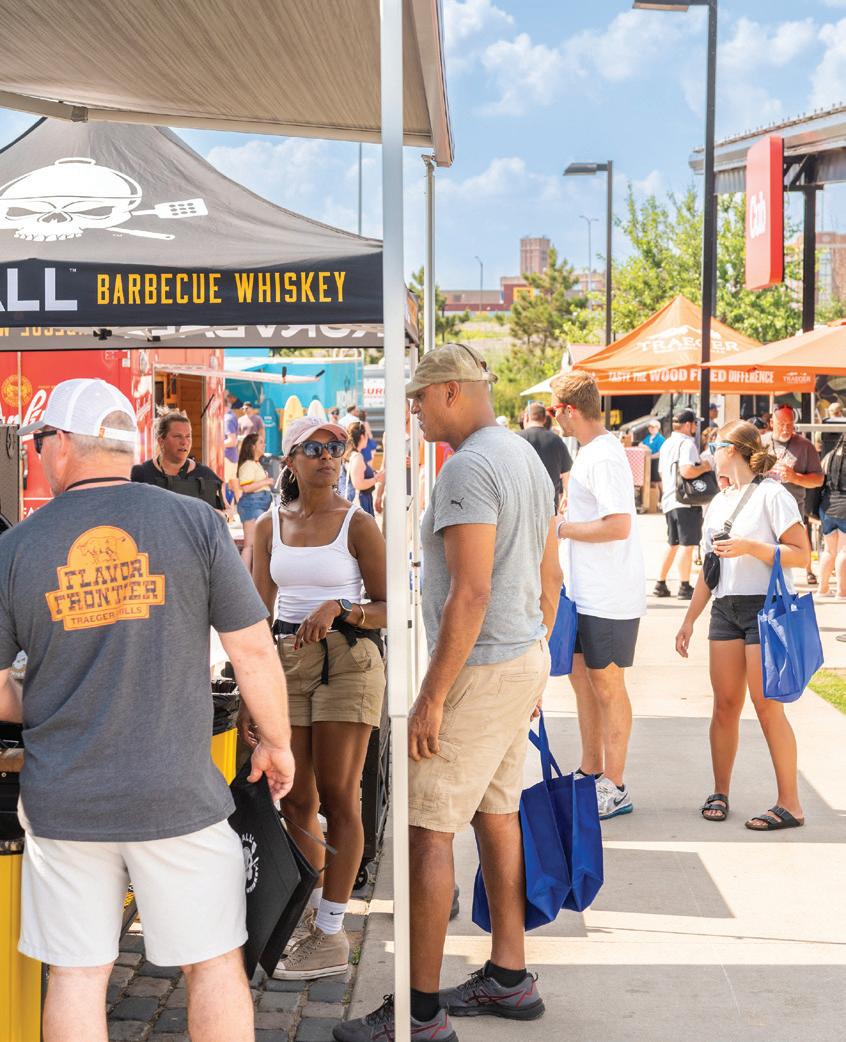
BEST OF SHOW WINNER

With the highest score across all categories, Leinenkugel’s – Juicy Peach



THANK YOU TO GRILLFEST’S 2023 SPONSORS!






MINNESOTAMONTHLY.COM | SEPT/OCT 2023 | 137
SPECIAL ADVERTISING SECTION Find more photos and learn about next year’s event at grillfestival.com
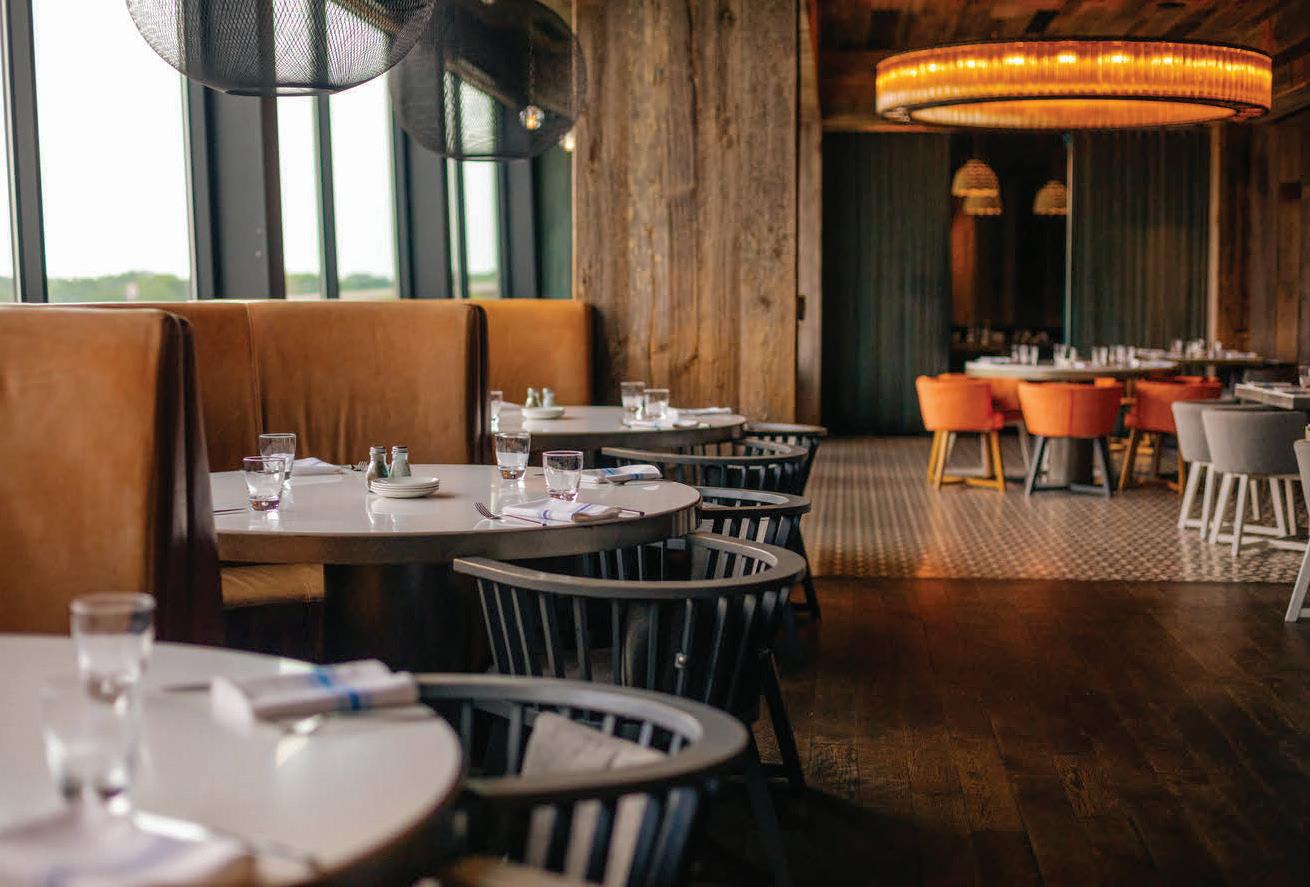


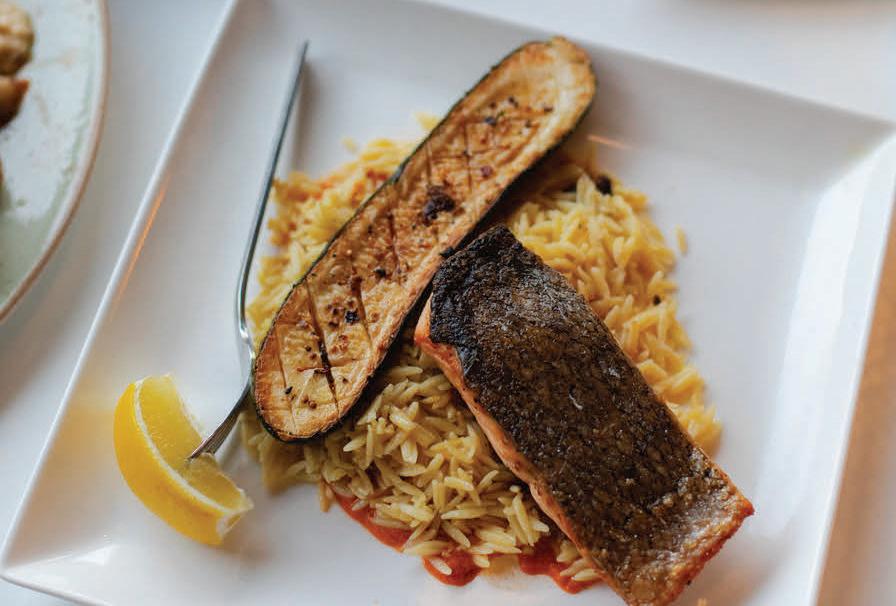



138 | SEPT/OCT 2023 | MINNESOTAMONTHLY.COM 2100 Killebrew Drive, Bloomington, MN 55425 www.firelakerestaurant.com/
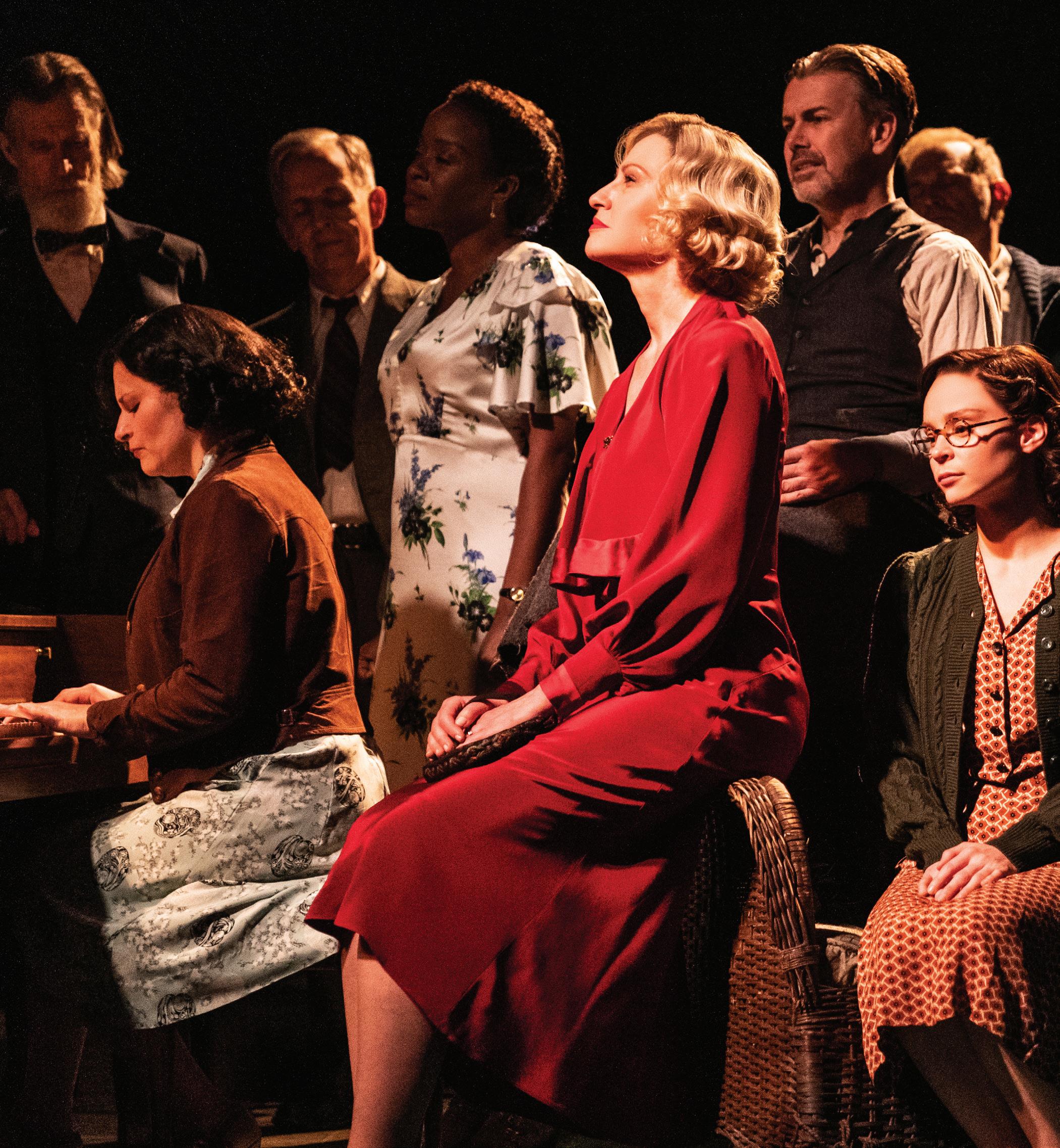





MINNESOTAMONTHLY.COM | SEPT/OCT 2023 | 139 “GIRL FROM THE NORTH COUNTRY” FEATURES SONGS BY BOB DYLAN About OUT + A FEW OF PLAYWRIGHT CONOR MCPHERSON’S FAVORITE MINNESOTA MUSICIANS 141 CALENDAR OF EVENTS 142
ONCE AGAIN, THE ORPHEUM THEATRE WILL ECHO WITH THE SONGS OF MINNESOTA ICON AND FORMER OWNER BOB DYLAN by
PHOTO MATTHEW MURPHY
Back to Bob
TIM CAMPBELL
His graying curls shrouded in a hoodie, the Minnesotan slipped into the darkness of a Greenwich Village playhouse, watching from a rear seat as an audience fell under the spell of his music. But when the crowd leapt to its feet at show’s end, the ghostlike figure was gone, back to the New York streets where he literally made his name—where Duluth-born, Hibbing-raised Bobby Zimmerman became Bob Dylan, the ever-elusive “voice of his generation.”
“He didn’t want anyone to know he was there,” says Irish playwright and director Conor McPherson, who drew upon 60 years of Dylan songs to create “Girl From the North Country,” the Tony-winning musical that will launch its long-delayed U.S. tour in Minneapolis in October.
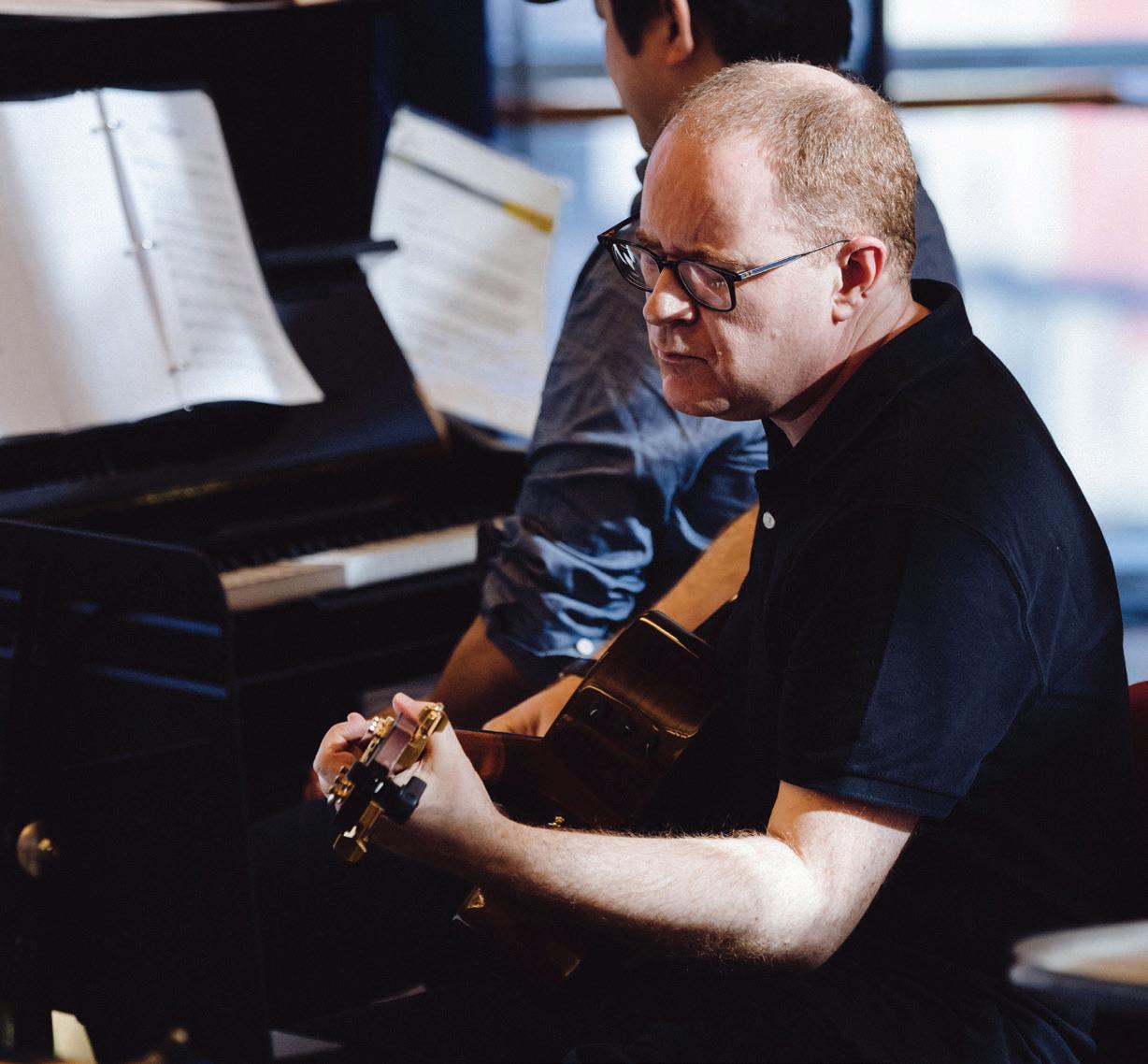
McPherson didn’t learn about Dylan’s undercover visit until a couple years later, when Dylan praised the show in an interview with the New York Times: “I saw it as an anonymous spectator,” the Nobel laureate recalled. “I just let it happen. The play had me crying at the end.”
“It was amazing that he was moved by it,” McPherson relates via Zoom from his Dublin home. “It was a little bit like—well, even if everybody else in the world hated the show, to get his imprimatur was ‘job done.’”
Far from hating the show, audiences and critics have showered plaudits on “Girl From the North Country” since its 2017 premiere in London. It arrived on Broadway just before COVID19 shuttered stages nationwide but returned to the stage in 2021 and again last year.
Will Dylan be in Minneapolis when the musical runs Oct. 8-14 at the Orpheum Theatre—the downtown landmark he once owned? Unlikely, given his relentless touring schedule. But it was Dylan who helped rescue the Orpheum from the wrecking ball in 1979, sparking the rebirth of Hennepin Avenue’s theater district.
“Without Bob’s involvement, the downtown theater scene would be quite different than it is now,” according to legendary Twin Cities promoter Fred Krohn.
Krohn had helped market Dylan’s bewildering 1978 movie “Renaldo and Clara”—a hard sell, to say the least. His ambition, though, was to bring the smash musical “A Chorus Line” to town, a deal contingent on the Orpheum getting a much-needed makeover. So Krohn persuaded Dylan to purchase the timeworn theater as an investment.
In the decade before Dylan sold the Orpheum to the city of Minneapolis (for a modest profit), his kids became regular theater rats, answering the phones and hanging out backstage. But the singer was mainly an absentee landlord.
“We were trying desperately to find a show he would come to,” Krohn says. “He came to Tom Waits, but the one I thought was kind of clever was Andraé Crouch, probably the finest gospel show touring at that point. Bob was in his Christian period
then, so he was very excited. He said, ‘I want to see what kind of audience is coming to Andraé Crouch.’”
That night, Dylan stationed himself in the ticket booth as the crowd streamed in. “He was kind of hiding out,” Krohn says. “Then he cracked open the box office door. All of a sudden he said, ‘I’m going to open the door and see if anybody recognizes me.’ Once the word got out, it was kind of like Prince time— everyone was crowding around. I think he really wanted to be recognized. He just didn’t want to let people know that he wanted to be recognized.”
Although McPherson has been labeled “the finest playwright of his generation,” he had never created a musical until Dylan’s manager asked him to give it a try.
“Bob’s never going to do anything the straightforward way,” McPherson noted in a brogue softened by years of working on stages across the English-speaking world. “It’s always going to be a crooked, crooked journey.”
Minnesota had made an indelible impression on the playwright when the Guthrie Theater staged his adaptation of “The Birds” a decade ago. “People were warm, friendly, curious,” he says. “And the winter. I had never experienced cold quite like that, cold that can get into your bones.”
Walking along the Dublin seacoast as he pondered Dylan, an image flashed in his mind—a Duluth boardinghouse in the depths of the Great Depression. That became the setting for “North Country,” a place where lives converge and songs
140 | SEPT/OCT 2023 | MINNESOTAMONTHLY.COM PHOTO EMILIO MADRID
OUT + ABOUT theater
emerge, expressing the characters’ internal dramas.

“When I was first asked, ‘Hey, what would you think about using Bob Dylan’s music in a show?’ I just said, ‘Well, that’s a terrible idea,’” McPherson recalls. “Fans of musical theater know what they want, and it’s not Bob Dylan songs. And Bob Dylan’s fans are not looking for musical theater, probably.
“The only way that I could see it working was to have a very instinctive response to Bob’s songs … and just allow them to be what they are, because everyone in the audience is going to see a different little movie in their head.”
So don’t expect a chorus singing “Like a Rolling Stone,” jazz hands in the air. This show aims for intimate, visceral moments.
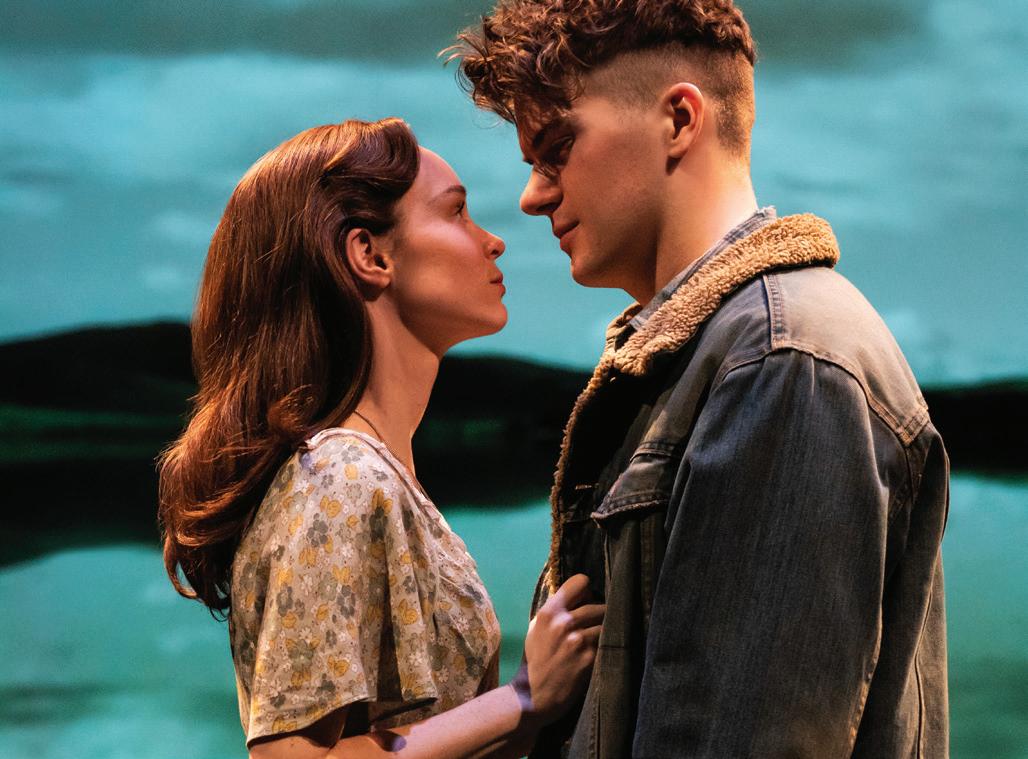

McPherson’s own musical tastes took shape as a preteen when he saw the Beatles’ movies on TV. “I got a guitar and then one of those little songbooks that has chords in them. I remember the first one in it was ‘Mr. Tambourine Man.’ The lyrics were just so crazy. So that was my introduction to Bob Dylan.
“I was in a few bands when I was in my teens. Post-post-punk. One of the bands we really loved was [St. Paul’s] Hüsker Dü. The idea that something could be rocky but melodic. Another great Minnesota band I’ve always loved are the Jayhawks. Amazing songwriting craft.”
McPherson will return to Minneapolis this fall when “North Country” begins rehearsals. While he actually hasn’t visited Dylan’s birthplace, he says, “I did meet people from Duluth at the opening night. That was frightening, but they’ve been really complimentary.”
He hasn’t met Dylan either but saw him perform in Dublin last November. “He’s still at the peak of his powers. You know you’re in the presence of something very, very, very rare.
“When I started listening to his music with a view to doing the show, I hadn’t realized the depth of that born-againChristian period he had, though he’s been singing about this stuff all along—you know, ‘God said to Abraham, kill me a son.’ It’s a spiritual journey he’s been on, and he sounds much more at peace now.”
MINNESOTAMONTHLY.COM | SEPT/OCT 2023 | 141
PHOTOS MATTHEW MURPHY
Clockwise, from far left: Conor McPherson, writer and director of “Girl From the North Country” sits in with the show’s band; scenes from the Broadway staging
SEPT/OCT Events
9/2-3
BIG MUDDY BREW ’N QUE
Head to LEVEE PARK in WINONA for a free two-day event over Labor Day weekend featuring live music, food, beer and wine tasting, food competitions, kids activities, and more.
9/5-9
BURNSVILLE FESTIVAL FIRE MUSTER
At this new BURNSVILLE festival, find live stage performances, carnival rides, diverse foods, a community parade, a block party, and a car show.
9/6-10
DEFEAT OF JESSE JAMES DAYS
Thousands of visitors attend this annual re-enactment of the robbery outside of NORTHFIELD’s First National Bank. Other activities during the festival include a rodeo, carnival, car show, parade, horseshoe hunt, arts and crafts expositions, and musical performances.

9/9
FREE STATE PARK DAY
Enjoy one or all of Minnesota’s 66 STATE PARKS for free the Saturday after Labor Day. Explore someplace new or visit an old favorite.
9/15-16
60-MILE GARAGE SALE
All 10 towns along the
ROOT RIVER and HARMONYPETERSON VALLEY STATE BIKE TRAILS are teaming up to put on a garage sale that is over 60 miles long. There will be multiple garage and sidewalk sales along the route.
9/15-17
GRAPE STOMP FESTIVAL
The three-day festival at CARLOS CREEK WINERY in ALEXANDRIA is packed with excitement including 12 bands on four stages, over 100 vendors, a beer garden, and, of course, grape stomping.
9/16-17
LAKEVILLE ART FESTIVAL
A premium art fair in historic DOWNTOWN LAKEVILLE, this event includes a featured artist exhibit, artist demonstrations, a youth art tent, performing and literary artists, food, and camaraderie.
9/21-24
BOATS AND BLUEGRASS FESTIVAL
This family-friendly music and camping festival on the shore of the Mississippi River in WINONA has camping, music, and boat rentals.
9/22-24
HACKENSACK CHAINSAW EVENT
The sound of chainsaws will reverberate through HACKENSACK during this three-day event, which features chainsaw carvers from
across the country who make sculptures from logs.
9/22-10/1
ART ALONG THE LAKE: FALL STUDIO TOUR
Fall in COOK COUNTY is a time of bewitching beauty, so take some time to explore the colors and meet artists. Stops include home studios as well as galleries with guest artists.
9/22-23
ROLLER DISCO
ROCHESTER’s roller disco celebrates all things funky, sparkly, and fun on wheels. For two days, downtown becomes an outdoor roller rink, with a DJ, skate rentals, and a disco ball.
9/30
MINNESOTA MONTHLY ’S
RHYTHM & BREWS
Returning for a second year, our Rhythm & Brews festival is an outdoor live music event celebrating fall. Sample beverages while enjoying performances by emerging stars at CHS FIELD in ST. PAUL
10/7-8
RIVERTOWN FALL ART FESTIVAL
Located along the St. Croix River in historic DOWNTOWN STILLWATER, the Rivertown Fall Art Festival, now in its 46th year, attracts more than 10,000 people annually.
Visitors can enjoy art displays, a beer-and-wine tent, food selections, live music, and other entertainment.
10/14
HISTORY FEST
Entertainers and activities channel the “olden days.” Expect belly dancing, catapult launchings, cider making, cannon shooting, historical interpretations of 17thcentury Scotland and the Old West, and more in MANKATO
10/20-21
MOOSE MADNESS FAMILY FESTIVAL
Families in GRAND MARAIS enjoy the outdoors and learn a few facts about the city’s celebrated mascot through activities, scavenger hunts, quizzes, and dance challenges.
10/21
OKTOBERFEST BEER AND DINNER CRUISE
Listen to live music while enjoying German cuisine and drinks during a ST. CROIX RIVER CRUISE in AFTON.
10/28
BOO BLAST AND BOO BASH DASH
WAYZATA celebrates Halloween in style with various events, from the Boo Bash trick-or-treat activities to the Boo Dash 1-mile, 5K, and 10K runs. Costumes are encouraged.
–Compiled by Emma Conway
142 | SEPT/OCT 2023 | MINNESOTAMONTHLY.COM PHOTO BRIDGETTE HALLCOCK PHOTOGRAPHY
OUT + ABOUT calendar
DEFEAT OF JESSE JAMES DAYS




























MINNESOTAMONTHLY.COM | SEPT/OCT 2023 | 143 755 PRIOR AVE N • ST. PAUL, MINNESOTA • CANCANWONDERLAND.COM ARTI S T-DE S IGNED MINI-GOLF CEREAL-MALT- S HOP IT’S THE WORLD’S GR E AT ES T WAREHOU SE TURN E D COCKTAIL BAR WITH- S ECRET-PACHYDERM- S PEA K EA S Y IN THE HI S TORY OF MAN K IND. VARIETY S HOW ART-GALLERY AMU S EMENT-PARK MU S IC VENUE VINTAGE ARCADE @MNMOMAG /MINNESOTAMONTHLY @MNMOMAG /MNMOMAG
The Spirit of MN
COLOR CHANGE


DURING A RECENT WALK IN LEBANON HILLS REGIONAL PARK IN EAGAN, MINNESOTA-BASED TRAVEL WRITER, PHOTOGRAPHER, AND FREQUENT MINNESOTA MONTHLY CONTRIBUTOR ASHLEA HALPERN SNAPPED A PHOTO OF THESE LEAVES AS THE FIRST SIGNS OF FALL EMERGED.
ASHLEA HALPERN

144 | SEPT/OCT 2023 | MINNESOTAMONTHLY.COM
Thank you to our sponsors...


Coming December 1, 2023








On this incredible evening, Midwest Home magazine will unveil the 2023 Design Awards winners in a formal gala that includes a cocktail reception, elegant dinner, awards ceremony, and entertainment.





























TICKETS AVAILABLE NOW: MidwestHome.com/DesignAwards


Single Ticket: $100 • Table of 10: $1,000 Limited seating. Does not include processing fees.
RADISSON BLU MALL OF AMERICA
Reception: 5:00pm Plated Dinner and Entertainment: 6:30pm
Awards Ceremony: 7:30pm



Guest rooms starting at $160 when you use promo code ‘DAGALA’ and book your reservation by November 8. Reservations: 952-314-5116

A
doctor can change your life
by your side for some of life’s most exciting moments, and for the hardest ones. Here’s to our great doctors — they make us proud to be your partner for good SM
got a lot of them Find your Top Doc at healthpartners.com/MNTopDocs
great
They’re
We’ve