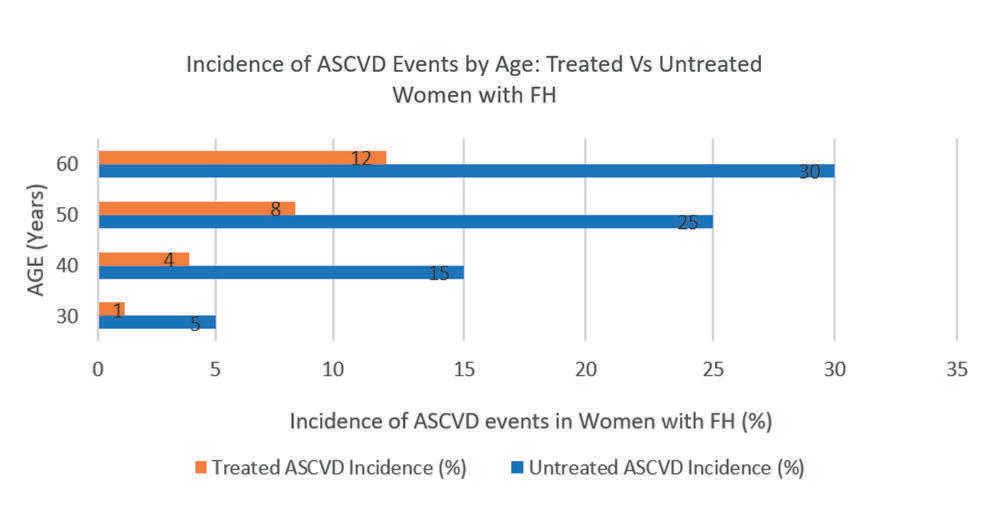
The impact of LLTs on CVD incidence among women with familial hypercholesterolaemia
CONFERENCES
Wegovy® delivers quality weight loss1,2,5 and provides cardiovascular risk reduction1,3ɬ
~21%
mean weight loss1,2*Ŧ
~25%
weight loss in 1 in 31,2*¥
Wegovy® is recommended in the ESC CCS guidelines for cardiovascular risk reduction4
Safety and tolerability profile comparable to the GLP-1 RA class in general1
tThis product is subject to additional monitoring. ESC = European Society of Cardiology. CCS = Chronic Coronary Syndrome. GLP-1 RA = Glucagon Like Peptide 1 Receptor Agonist.
Wegovy®t(semaglutide) Please refer to the full Summary of Product Characteristics (SmPC) before prescribing. Wegovy® 0.25 mg FlexTouch® solution for injection in pre-filled pen. Wegovy® 0.5 mg FlexTouch® solution for injection in pre-filled pen. Wegovy® 1 mg FlexTouch® solution for injection in pre-filled pen. Wegovy® 1.7 mg FlexTouch® solution for injection in pre-filled pen. Wegovy® 2.4 mg FlexTouch® solution for injection in pre-filled pen. Indication(s): Adults: Wegovy® is indicated as an adjunct to a reduced-calorie diet and increased physical activity for weight management, including weight loss and weight maintenance, in adults with an initial Body Mass Index (BMI) of ≥30 kg/m2 (Obesity) or ≥27 kg/m2 to <30 kg/m2 (overweight) in the presence of at least one weight-related comorbidity e.g. dysglycaemia (prediabetes or type 2 diabetes mellitus), hypertension, dyslipidaemia, obstructive sleep apnoea or cardiovascular disease. For trial results with respect to cardiovascular risk reduction, obesity-related heart failure, and populations studied, see section 5.1. of the Wegovy® SmPC. Adolescents: Wegovy® is indicated as an adjunct to a reduced-calorie diet and increased physical activity for weight management in adolescents ages 12 years and above with obesity* and body weight above 60 kg. Treatment with Wegovy® should be discontinued and re-evaluated if adolescent patients have not reduced their BMI by at least 5% after 12 weeks on the 2.4 mg or maximum tolerated dose. *See table 1 in the Wegovy® SmPC for BMI cut-off points for obesity by sex and age. Posology and administration: Administered once weekly at any time of the day, with or without meals. Injected subcutaneously in the abdomen, in the thigh or in the upper arm. The injection site can be changed. It should not be administered intravenously or intramuscularly. For the 7.2 mg dose, inject three doses of 2.4 mg one after each other. The injections can be administered in the same body area but should be at least 5 cm apart. Injection sites should always be rotated to reduce the risk of injection site amyloid deposits. The day of weekly administration can be changed if necessary, as long as the time between doses is at least 3 days (>72 hours). After selecting a new dosing day, once-weekly dosing should be continued. Adults: The maintenance dose of semaglutide 2.4 mg once-weekly is reached by starting with a dose of 0.25 mg. To reduce the likelihood of gastrointestinal symptoms, the dose should be escalated over a 16-week period to the maintenance dose. If needed, the dose can be increased to 7.2 mg once weekly after a minimum of 4 weeks on the 2.4 mg dose in adults with BMI ≥ 30 kg/m2 at treatment initiation. If no additional clinical improvement in body weight is observed with 7.2 mg, lower the dose to 2.4 mg once weekly. In case of significant gastrointestinal symptoms, consider delaying dose escalation or lowering to the previous dose until symptoms have improved. Adolescents: For adolescents ages 12 years and above, the same dose escalation schedule as for adults should be applied. The dose should be increased until 2.4 mg (maintenance dose) or maximum tolerated dose has been reached. Weekly doses higher than 2.4 mg are not recommended in the adolescent population. Patients with type 2 diabetes: When initiating Wegovy®, consider reducing the dose of concomitantly administered insulin or insulin secretagogues (such as sulfonylureas) to reduce the risk of hypoglycaemia. Missed dose: If a dose is missed, it should be administered as soon as possible and within 5 days after the missed dose. If more than 5 days have passed, the missed dose should be skipped, and the next dose should be administered on the regularly scheduled day. If more doses are missed, reducing the starting dose for re-initiation should be considered. Elderly: No dose adjustment is required based on age. Renal impairment: No dose adjustment is required for patients with mild or moderate renal impairment. Experience in patients with severe renal impairment is limited. Semaglutide is not recommended for use in patients with severe renal impairment (eGFR <30 mL/min/1.73m2) including patients with endstage renal disease. Hepatic impairment: No dose adjustment is required for patients with mild or moderate hepatic impairment. Experience in patients with severe hepatic impairment is limited. Semaglutide is not recommended for use in patients with severe hepatic impairment and should be used cautiously in patients with mild or moderate hepatic impairment. Paediatrics: The safety and efficacy of semaglutide in children below 12 years of age have not been established. Contraindications: Hypersensitivity to the active substance or to any of the excipients. Special warnings and precautions for use: Cases of pulmonary aspiration have been reported in patients receiving GLP-1 receptor agonists undergoing general anaesthesia or deep sedation. Therefore, the increased risk of residual gastric content due to delayed gastric emptying should be considered prior to performing procedures with general anaesthesia or deep sedation. Use of GLP-1 receptor agonists may be associated with gastrointestinal adverse reactions. This should be considered when treating patients with impaired renal function, as nausea, vomiting, and diarrhoea may cause dehydration, which in rare cases can lead to a deterioration of renal function. Patients treated with semaglutide should be advised of the potential risk of dehydration in relation to gastrointestinal side effects and take precautions to avoid fluid depletion. Acute pancreatitis has been observed with the use of GLP-1 receptor agonists. Patients should be informed of the characteristic symptoms of acute pancreatitis. If
pancreatitis is suspected, Wegovy® should be discontinued; if confirmed, Wegovy® should not be restarted. Caution should be exercised in patients with a history of pancreatitis. In the absence of other signs and symptoms of acute pancreatitis, elevations in pancreatic enzymes alone are not predictive of acute pancreatitis. Data from epidemiological studies indicates an increased risk for non-arteritic anterior ischaemic optic neuropathy (NAION) during treatment with semaglutide. There is no identified time interval for when NAION may develop following treatment start. A sudden loss of vision should lead to ophthalmological examination and treatment with semaglutide should be discontinued if NAION is confirmed. Wegovy® should not be used as a substitute for insulin in patients with type 2 diabetes. Wegovy® should not be used in combination with other GLP-1 receptor agonist products. Patients treated with Wegovy® in combination with a sulfonylurea or insulin may have an increased risk of hypoglycaemia. The risk of hypoglycaemia can be lowered by reducing the dose of sulfonylurea or insulin when initiating treatment with a GLP-1 receptor agonist. In patients with diabetic retinopathy treated with semaglutide, an increased risk of developing diabetic retinopathy complications has been observed. Patients with diabetic retinopathy using semaglutide should be monitored closely and treated according to clinical guidelines. There is no experience with Wegovy® in patients with type 2 diabetes with uncontrolled or potentially unstable diabetic retinopathy. In these patients, treatment with Wegovy® is not recommended. Semaglutide treated patients with gastroparesis may experience more serious or severe gastrointestinal adverse events. Semaglutide should be used with caution in these patients, and semaglutide is not recommended if gastroparesis is severe. The safety and efficacy of Wegovy® has not been investigated in patients treated with other products for weight management, with type 1 diabetes, with severe renal or hepatic impairment or with congestive heart failure New York Heart Association (NYHA) class IV. Use in these patients is not recommended. There is limited experience with Wegovy® in patients aged 85 years or more, with mild or moderate hepatic impairment, with inflammatory bowel disease. Use with caution in these patients. If semaglutide is used in combination with a sulfonylurea or insulin, patients should be advised to take precautions to avoid hypoglycaemia while driving and using machines. Fertility, pregnancy and lactation: Women of childbearing potential are recommended to use contraception when treated with semaglutide. There are limited data from the use of semaglutide in pregnant women. Therefore, semaglutide should not be used during pregnancy. If a patient wishes to become pregnant, or pregnancy occurs, semaglutide should be discontinued. Semaglutide should be discontinued at least 2 months before a planned pregnancy due to the long half-life. In lactating rats, semaglutide was excreted in milk. A risk to a breast-fed child cannot be excluded. Semaglutide should not be used during breast-feeding. Effect on fertility unknown. Undesirable effects: Very common (≥1/10): Headache, vomiting, diarrhoea, constipation, nausea, abdominal pain, fatigue. Common (≥1/100 to <1/10): Hypoglycaemia in patients with type 2 diabetes, dizziness, dysgeusia, dysaesthesia, diabetic retinopathy in patients with type 2 diabetes, gastritis, gastrooesophageal reflux disease, dyspepsia, eructation, flatulence, abdominal distension, cholelithiasis, hair loss, injection site reactions. Uncommon (≥1/1,000 to <1/100): Hypotension, orthostatic hypotension, increased heart rate, acute pancreatitis, delayed gastric emptying, increased amylase, increased lipase. Rare (≥1/10,000 to <1/1,000): Anaphylactic reaction, angioedema. Very rare (<1/10 000): Non-arteritic anterior ischaemic optic neuropathy (NAION). Not known (cannot be estimated from the available data): Intestinal obstruction. The SmPC should be consulted for a full list of side effects. MA number(s): Wegovy® 0.25 mg FlexTouch® EU/1/21/1608/006. Wegovy® 0.5 mg FlexTouch® (1.5 ml cartridge) EU/1/21/1608/007. Wegovy® 0.5 mg FlexTouch® (3 ml cartridge) EU/1/21/1608/012. Wegovy® 1 mg FlexTouch® EU/1/21/1608/008. Wegovy® 1.7 mg FlexTouch® EU/1/21/1608/009. Wegovy® 2.4 mg FlexTouch® EU/1/21/1608/010. Legal category: Product subject to prescription which may not be renewed. For complete prescribing information please refer to the SmPC which is available on www.medicines.ie or by email from infoireland@novonordisk.com or from the Clinical, Medical and Regulatory Department, Novo Nordisk Limited, 1st Floor, Block A, The Crescent Building, Northwood Business Park, Santry, Dublin 9, Ireland. Date last revised: February 2026. IE26SEMO00055.
tThis medicinal product is subject to additional monitoring. This will allow quick identification of new safety information. Adverse events should be reported to the Health Products Regulatory Authority. Information about adverse event reporting is available at www.hpra.ie. Adverse events should also be reported to Novo Nordisk on Tel: 01 8629700 or complaintireland@novonordisk.com.
*From baseline to week 72. Data presented here from the STEP UP trial are based on the trial product estimand, which describes the treatment effect if all people adhered to treatment, whereas the primary treatment policy estimand describes the treatment effect regardless of treatment adherence. When applying the treatment policy estimand, people treated with Wegovy® 7.2 mg achieved a superior weight loss of 18.7% vs placebo of 3.9%. The proportion of patients with a body weight reduction of ≥25% was greater with Wegovy® 7.2 mg (31.2%), vs placebo (0%).1
ɬ People living with overweight or obesity and established cardiovascular disease without diabetes.
Ŧ The co-primary endpoints were percentage change in body weight and the proportion of patients with a body weight reduction of 5% or greater for Wegovy® 7.2 mg vs placebo.1 Applying the trial product estimand, the proportion of patients with a body weight reduction of ≥5% was greater with Wegovy® 7.2 mg (93.2%), vs placebo (35.7%).1
¥Confirmatory secondary endpoint.
References: 1. Wegovy® Summary of Product Characteristics www.medicines.ie 2. Wharton S, Freitas P, Hjelmesæth J, et al. Once-weekly semaglutide 7.2 mg in adults with obesity (STEP UP): a randomised, controlled, phase 3b trial. Lancet Diabetes Endocrinol. 2025; S2213-8587(25)00226-8. 3. Lincoff AM, Brown-Frandsen K, Colhoun HM, et al. Semaglutide and cardiovascular outcomes in obesity without diabetes. N Engl J Med. 2023;389(24):2221-2232 4. Vrints C, Andreotti F, Koskinas KC, et al. 2024 ESC Guidelines for the management of chronic coronary syndromes. Eur Heart J. 2024;45(36):3415-3537. 5. Hjelmesæth J, Bhat S, Garvey WT, et al. strength: the STEP UP trial. Presented at: The 61st European Association for the Study of Diabetes (EASD) Annual Meeting; September 15-19, 2025; Vienna, Austria. Wegovy® and FlexTouch® are registered trademarks of Novo Nordisk A/S. Live LighterTM is a trademark owned by Novo Nordisk A/S. March 2026; IE26SEMO00057. Novo Nordisk Limited, First Floor, Block A, The Crescent Building, Northwood Business Park, Santry, Dublin 9. D09 X8W3, Ireland. Tel: 01 8629 700, infoireland@novonordisk.com www.novonordisk.ie
Women are from the left ventricle and men are from the right
Welcome to the latest annual edition of Update Cardiology
The past year has brought significant developments across the specialty, both internationally and in Ireland, driven by new therapies, technological advances, and stronger public health strategies. Innovations range from AI-enabled stethoscopes capable of analysing heart sounds and identifying conditions like heart failure, valve disease, and arrhythmias, to wearable technology, personalised digital medicine, and emerging gene therapies. Despite these advances, cardiovascular disease remains the leading cause of death in Europe, affecting approximately 62 million people, with more than five million new diagnoses each year.
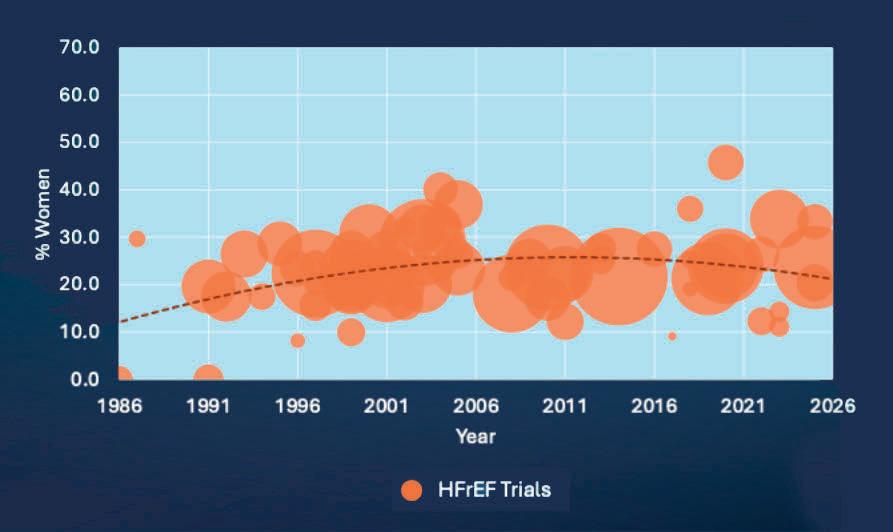
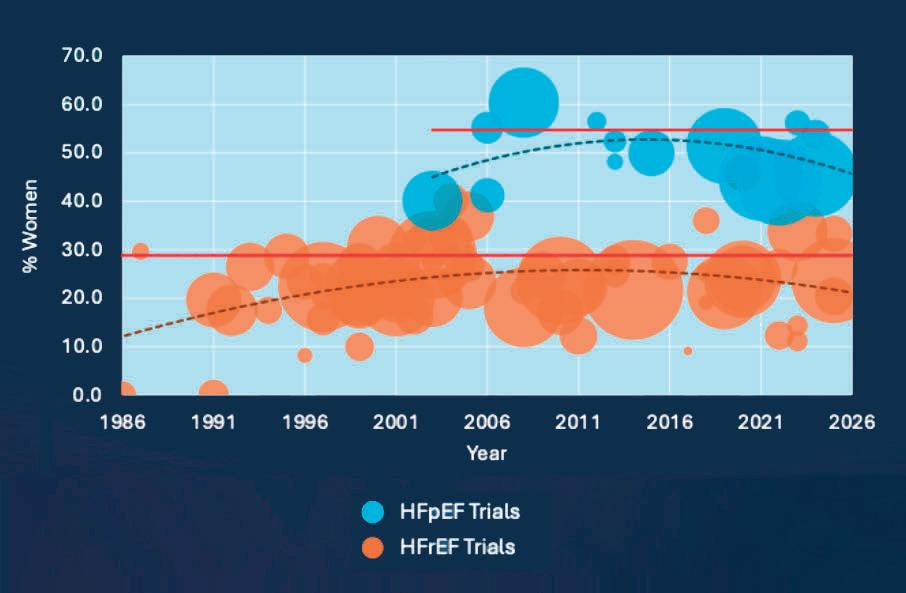
Sex-based variations in cardiology have become an increasingly important focus of research. Studies show that men and women often experience cardiovascular disease in different ways. Evidence also indicates that women have historically been underrepresented in clinical trials, which has contributed to delays in diagnosis and treatment. Furthermore, around 68 per cent of pregnancyrelated deaths linked to cardiovascular disease are considered preventable.
Gender differences in cardiology are a central theme of this year’s journal. Ms Catherine Hennessy and colleagues from RCSI examine the impact of lipid-lowering therapies on cardiovascular disease incidence
among women with familial hypercholesterolaemia in a detailed and informative systematic review. Their findings suggest that women with this condition face a significantly elevated cardiovascular risk, but that appropriate lipid-lowering treatment can effectively improve outcomes.
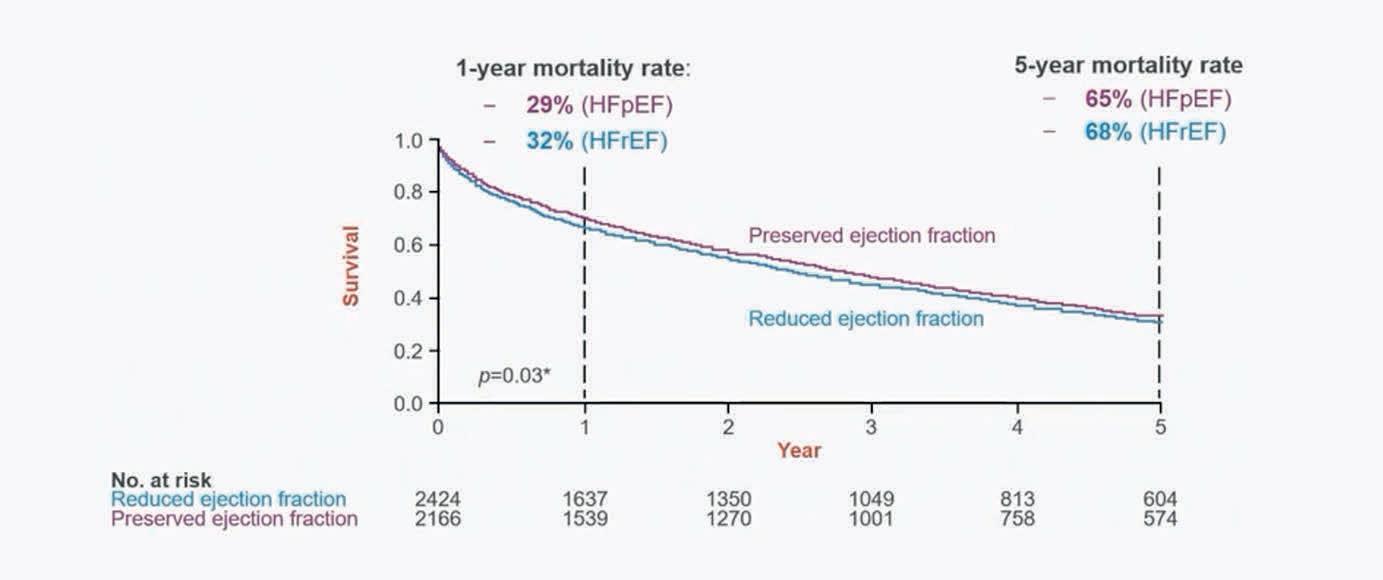
In a separate article based on his recent presentation at the inaugural Women’s Heart Summit in January 2026 at the Westbury Hotel, Dublin, Prof Mark Dayer explores disparities between men and women with heart failure. Prof Dayer outlines the differing epidemiological patterns, clinical presentations, responses to treatment, and outcomes seen in male and female patients with the condition.
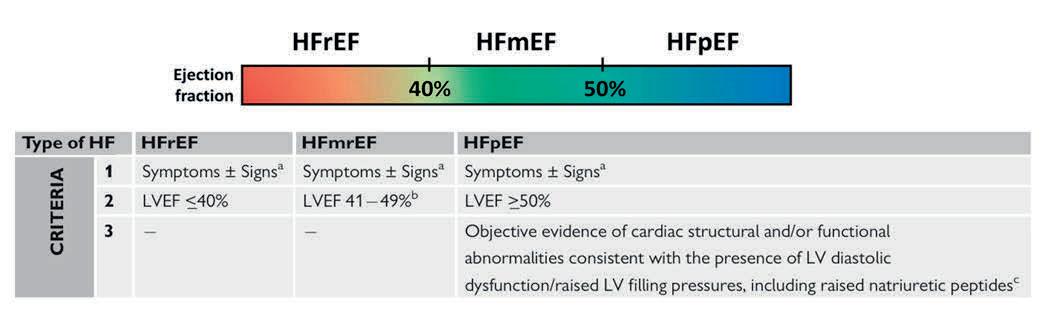
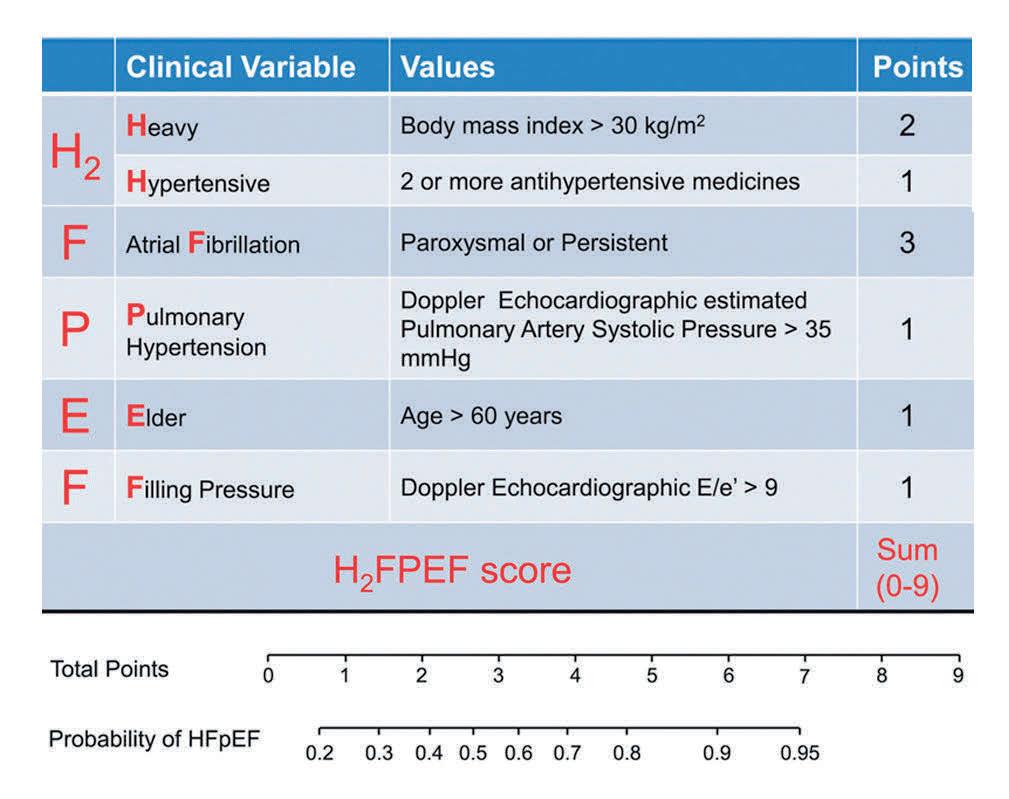
Also focusing on heart failure, Consultant Interventional Cardiologist Prof Ali Aldujeli provides a comprehensive overview of the latest evidence-based guidance on the management of HFpEF – a condition he describes as “one of the most significant clinical challenges in contemporary cardiovascular medicine”. The article describes significantly improved outcomes in recent trials with SGLT2 inhibitors, non-steroidal MRAs, and incretin-based therapy multi-pillar management.
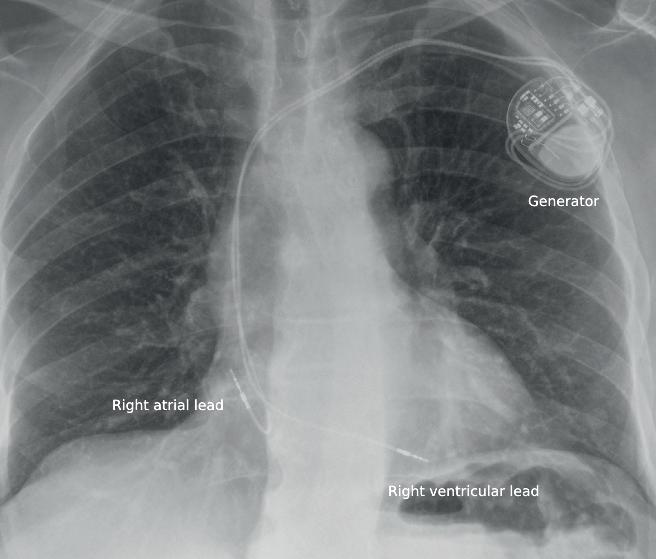
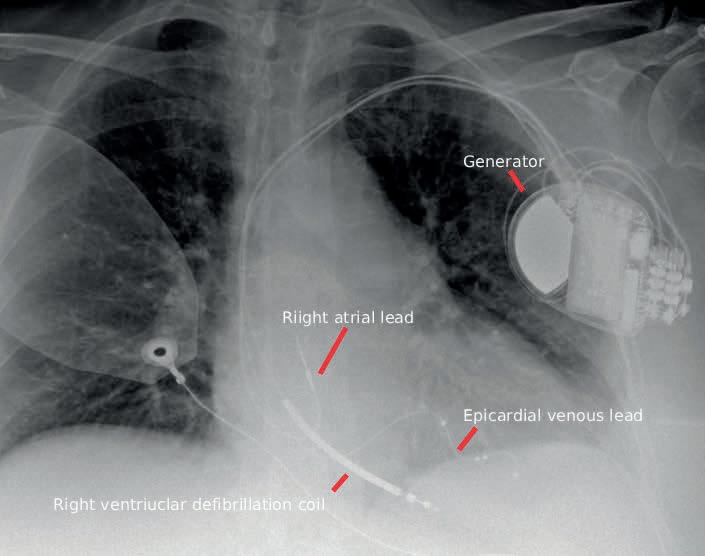
Also in this edition, Dr Conor McCaughey, Specialist Registrar in Cardiology, and Dr Una Buckley, Consultant Cardiologist, discuss cardiac implantable electronic devices, exploring current therapy types, indications, potential complications, and recent updates relevant to clinical
practice, while Theresa Lowry Lehnen discusses lifestyle as a cardiovascular treatment.
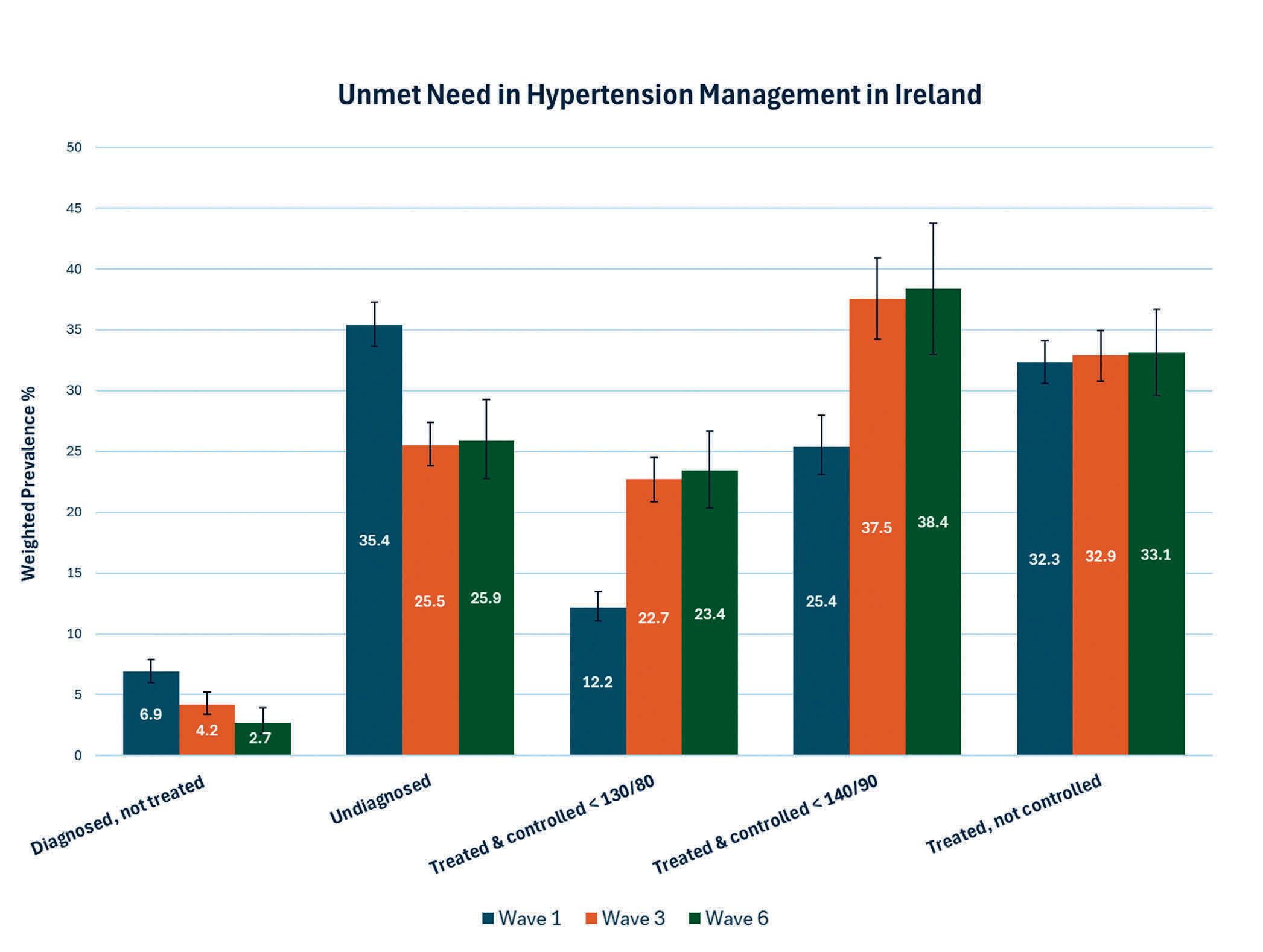
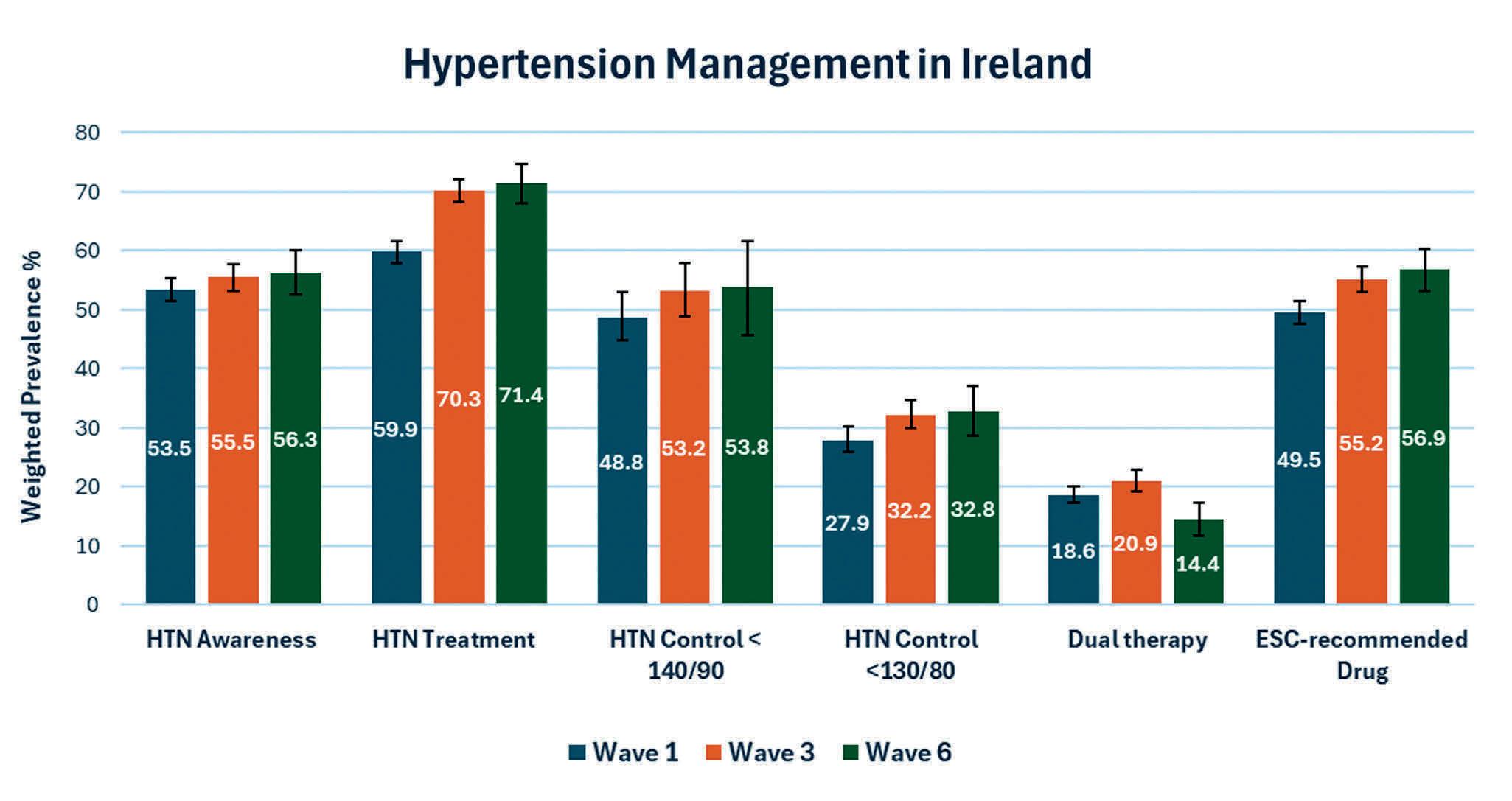
Among research updates, Dr Caoimhe McGarvey, Research Fellow at TILDA and Specialist Registrar in Geriatric Medicine, presents new findings from TILDA showing substantial and persistent gaps in the diagnosis and management of high blood pressure among adults aged 50 and over in Ireland, despite clear clinical guidelines and effective treatments. The data indicate that more than three-quarters of people with hypertension are not appropriately managed.
This issue also includes findings from the latest Irish Heart Attack Audit National Report by the National Office of Clinical Audit, which presents data on 1,615 patients who experienced a major STEMI and suggests that substantial gaps in care continue to exist.
Finally, conference coverage in this edition is from the European Society of Cardiology Congress and the Irish Cardiac Society Annual Scientific Meeting and AGM.
We hope you enjoy another packed edition of Update Cardiology. A sincere thank you to all our contributors for sharing their knowledge and expertise to support clinical excellence, evidence-based practice, and improved patient outcomes. As always, we welcome feedback, suggestions, and new contributors. If you would like to comment or write an article for Update, please contact denise@greenx.ie.
4 European Society of Cardiology Congress 2025
10 Irish Cardiac Society Annual Scientific Meeting and AGM
16
TILDA highlights persistent unmet need in hypertension management in Ireland
22
What is the impact of lipid-lowering therapies on cardiovascular disease incidence among women with familial hypercholesterolaemia? A systematic review
34
HFpEF in 2026: From therapeutic wasteland to multi-pillar management
42 Lifestyle as cardiovascular treatment
46 Gender disparities in heart failure
Editor Denise Doherty denise@greenx.ie
Sub-editors
Emer Keogh emer@greenx.ie
Elaine Walsh elaine@greenx.ie
Creative Director
Laura Kenny laura@greenx.ie
Managing Director Graham Cooke graham@greenx.ie
Administration
Daiva Maciunaite daiva@greenx.ie
54
ESC: Nicotine in all forms is toxic to heart and blood vessels
55
Need for renewed focus in STEMI care: The latest NOCA report
56
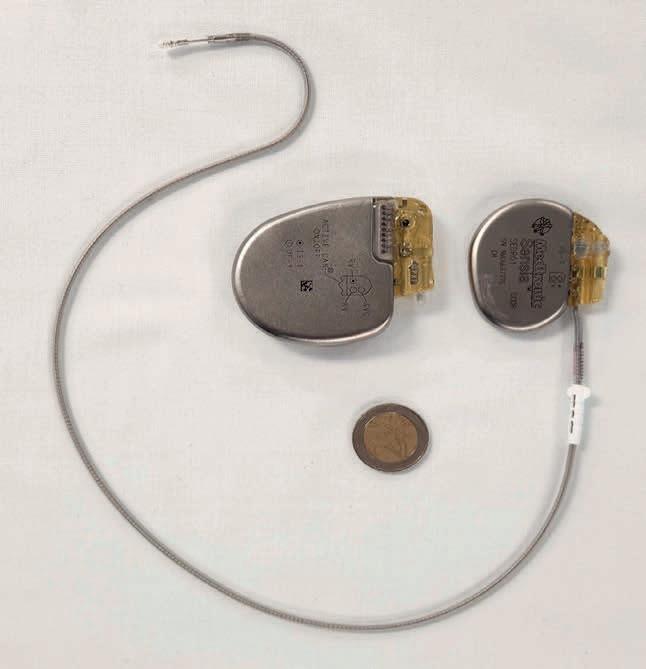
Cardiac implantable electronic devices: Contemporary practice and emerging technologies
Update is published by GreenCross Publishing Ltd, Unit 1, The Village Mill Enterprise Park, Rathnew, Co Wicklow, A67V186, Ireland. www.greencrosspublishing.ie
Front cover design: Laura Kenny Additional imagery: iStock.com
The contents of Update are protected by copyright. No part of this publication may be reproduced, stored in a retrieval system, or transmitted in any form by any means – electronic, mechanical or photocopy recording or otherwise –whole or in part, in any form whatsoever for advertising or promotional purposes without the prior written permission of the editor or publisher.
Disclaimer
The views expressed in Update are not necessarily those of the publishers, editor or editorial advisory board. While the publishers, editor, and editorial advisory board have taken every care with regard to accuracy of editorial and advertisement contributions, they cannot be held responsible for any errors or omissions contained.
GreenCross Publishing is owned by Graham Cooke.
IMMUNE SYSTEM
OXIDATIVE STRESS METABOLISM
HAIR NAILS
SelenoPrecise is one of the most rigorously tested selenium supplements on the market. In the last 35 years it has changed the lives of millions of people in more than 45 countries worldwide.
Selenium contributes to:
Normal function of the immune system, thyroid function, normal spermatogenesis, maintenance of normal hair and nails and the protection of cells from oxidative stress.
SPERM CELLS
Contains the patented SelenoPrecise yeast (organic selenium), which is widely known for its superior bioavailability (89% absorption) and safety records. Pioneers in Nutritional Healthcare
Visit: www.pharmanord.ie to find out more about BioActive SelenoPrecise and our full range of high-quality supplements.
You can also sign up for our newsletters and stay informed on the latest health headlines.
ESC Congress 2025
Authors: Priscilla Lynch
Updated dyslipidaemia guidance recommends new risk assessment and treatment goals
A new focused update to the 2019 European Society of Cardiology (ESC)/ European Atherosclerosis Society (EAS) guidelines on managing lipid levels in patients to reduce cardiovascular risk was published at the ESC Congress 2025.
The 2025 focused update provides new and revised recommendations, including the use of new cardiovascular risk predication algorithms, following new data from several randomised controlled trials (RCTs) that might change patient management ahead of the next scheduled full dyslipidaemia guidelines review.
The focused update was produced by an international panel of experts that included co-Chairpersons, Prof François Mach, Professor of Cardiology, Geneva University Hospital, Switzerland; Prof Jeanine Roeters van Lennep, Professor of Cardiovascular Prevention, Erasmus MC University Medical Centre, Rotterdam, Netherlands; and Dr Konstantinos Koskina, Bern University Hospital, Switzerland.
“Combining our increased medical knowledge about treatments with the improved risk prediction model, we hope that more patients who will benefit from these treatments will get them earlier. This approach could save many lives across Europe and beyond,” Prof Mach said.
The newly-recommended algorithms, SCORE2 and SCORE2-OP, predict 10-year risk of fatal and non-fatal cardiovascular events, and are already recommended in the ESC prevention guidelines. SCORE2-OP provides a risk prediction tool tailored to risk in people between 70 and 89 years old.
The guidance also recommends the use of statins to prevent cardiovascular disease in patients with human immunodeficiency virus (HIV) aged 40 years and older, irrespective of their cardiovascular risk. This follows a large multicentre, randomised, double-blind trial called REPRIEVE which showed significant reduction in cardiovascular disease of patients who were randomised to a statin after five years. People with HIV have a two-fold increase in atherosclerotic cardiovascular disease (ASCVD) compared to the general population.
The new ESC/EAS guidance also recommends considering statin therapy for patients with cancer at high chemotherapy-related cardiovascular toxicity risk. The use of anthracyclinebased chemotherapy is associated with the development of heart failure in up to 20 per cent of patients within five years. The guidance cites data from four RCTs that suggest statins would be beneficial for patients at a high or very high risk of developing cardiovascular complications as a result of their cancer treatment.
The focused update also reviewed available evidence since 2019 on the use of supplements and vitamins to reduce low density lipoprotein (LDL) cholesterol. No evidence of a supplement or vitamin that is both safe and effective was found, so the focused update does not support the use of dietary supplements or vitamins to lower LDL cholesterol levels with the aim of
reducing cardiovascular risk. “We know that some patients worry about taking statins, often due to misinformation that they have read online. This causes some people to seek out alternative remedies such as supplements and vitamins,” Prof Roeters van Lennep said.
“We searched the available evidence and did not find any supplements or vitamins that are both safe and effective with a significant beneficial effect on cardiovascular prognosis. In fact, one of the supplements, red rice yeast, has been banned by the European Union at dosages that could potentially have an effect on LDL cholesterol after it was linked to deaths. We urge anyone concerned about their cholesterol levels to speak to a medical professional for advice rather than taking any chances with their health,” Prof Roeters van Lennep concluded.
The focused update endorses previous guidance that healthy dietary habits, such as consuming low levels of saturated fat, wholegrain products, vegetables, fruit, and fish, can lower LDL cholesterol levels. The document also gives guidance on:
The use of new LDL -lowering drugs such as bempedoic acid, which may be helpful for patients who are not able to take statins.
The use of lipid-lowering therapies to improve outcomes for patients with acute coronary syndromes.
The ‘2025 Focused Update of the 2019 ESC/EAS Guidelines for the Management of Dyslipidaemias’ is published in the European Heart Journal and available at: https://doi.org/10.1093/eurheartj/ehaf190
Shingles vaccination associated with lower risk of heart attack and stroke
A new global systematic literature review and meta-analysis has shown that herpes zoster vaccination, used to prevent shingles, is associated with a statistically-significant lower risk of heart attack and stroke.
The study, presented at the 2025 European Society of Cardiology Congress, is the first major research to comprehensively assess the evidence regarding an association between herpes zoster vaccination and cardiovascular events.
Study author, Dr Charles Williams, Global Associate Medical Director, Global Medical Affairs – Vaccines, GSK, said: “We looked at the currently available evidence and found that, in this analysis, vaccination against herpes zoster was associated with a lower risk of cardiovascular events, such as heart attacks or strokes. Further research studies are now needed to find out whether this association can be attributed to an effect of herpes zoster vaccination.”
The study found that herpes zoster vaccination, with either the recombinant herpes zoster vaccine (RZV) or the live attenuated zoster vaccine (ZVL), was associated with a statistically significant lower risk of stroke and heart attack compared to no herpes zoster vaccination, in both adults ≥18 years, and adults ≥50 years. The research found that vaccination against shingles, with either RZV or ZVL, was associated with an 18 and 16 per cent reduction in risk of cardiovascular events in adults 18 and 50 years or older, respectively. In studies that reported on cardiovascular event absolute risk, the absolute rate difference ranged from 1.2 to 2.2 fewer events per 1,000 person-years.
The global systematic literature review was conducted using three scientific literature databases, and a meta-analysis was conducted of phase 3 randomised controlled trials and observational studies assessing the effect of RZV on cardiovascular events. Across all nine
Targeting high-normal potassium levels reduced the risk of arrhythmias, hospitalisation for heart failure or arrhythmia, and death compared with no intervention, according to research on the POTCAST trial presented at European Society of Cardiology Congress 2025.
“There is some evidence from observational studies to suggest that low plasma potassium levels are associated with increased risk of dangerous alterations in heart rhythms and that potassium levels in the upper normal level have protective effects. We
conducted the POTCAST trial to assess the benefits and risks of targeting highnormal potassium levels in patients at high risk of ventricular arrhythmias with an implantable cardioverter defibrillator (ICD),” Dr Christian Jons, Rigshospitalet, Copenhagen University Hospital, Denmark, explained.
The open label, randomised controlled trial was conducted at three sites in Denmark. Eligible participants had an ICD or cardiac resynchronisation therapy defibrillator and had a baseline plasma potassium ≤4.3mmol/L. Exclusion criteria included renal
studies that met the meta-analysis inclusion criteria, 53.3 per cent of participants were male. Seven studies reported mean ages from 53.6 years to 74.0 years.
“While our findings are encouraging, there are some limitations to the available data that we studied,” Dr Williams acknowledged. “Almost all the evidence came from observational studies, which are prone to bias and shouldn’t be used to infer causality. All the studies used in the metaanalysis aimed primarily to investigate the use of RZV to prevent shingles in the general population, which may limit the ability to generalise this research to people with a higher risk of cardiovascular events. This demonstrates the need for more research in this area.”
Previous research has shown a transient increased risk of stroke and heart attack following shingles, but it is not confirmed whether vaccination against the disease could reduce cardiovascular risk. This latest research was industry funded by GSK.
impairment (eGFR <30mL per minute per 1.73m2) and pregnancy. Participants were randomised 1:1 to a treatment regimen aiming at increasing plasma potassium levels to 4.5-5.0mmol/L, using dietary guidance, potassium supplements, and/or mineralocorticoid receptor antagonist (MRA) therapy, or to standard care. The primary endpoint was a composite of sustained ventricular tachycardia >125bpm lasting >30 seconds, any appropriate ICD therapy, unplanned hospitalisation (>24 hours) due to arrhythmia or heart failure, and all-cause
mortality. Among 1,200 participants who had undergone randomisation, median follow-up was 39.6 months. The mean age of the participants was 62.7 years and 19.8 per cent were women. From mean baseline levels of 4.01mmol/L, plasma potassium levels reached a mean of 4.36mmol/L in the high-normal potassium group compared with 4.05mmol/L in the control group after six months.
The primary endpoint was significantly lower in the high-normal potassium group (22.7%) than in the control group (29.2%; hazard ratio [HR] 0.76; 95% CI 0.61 to 0.95; p=0.015). The effect was consistent across prespecified subgroups, including ischaemic heart disease and heart failure.
Any appropriate ICD therapy (shock therapy or anti-tachycardia pacing) was the main driver of the difference,
occurring in 15.3 per cent of participants in the high-normal potassium group and 20.3 per cent in the control group (HR 0.75; 95% CI 0.57 to 0.80). Unplanned hospitalisations for cardiac arrhythmias occurred in 6.7 per cent of participants in the high-normal group and 10.7 per cent in the control group (HR 0.63; 95% CI 0.28 to 0.64). Unplanned hospitalisations for heart failure occurred in 3.5 and 5.5 per cent participants, respectively (HR 0.62; 95% CI 0.37 to 1.11). A total of 5.7 per cent in the high-normal potassium group and 6.8 per cent in the control group died (HR 0.85; 95% CI 0.54 to 1.34).
Regarding safety outcomes, hospitalisation due to very high (hyperkalaemia) or very low (hypokalaemia) potassium levels occurred in 1 per cent of participants in both groups. An unplanned
New ESC/EACTS guidelines for valvular heart disease
Updated European Society of Cardiology and European Association for Cardio-Thoracic Surgery (ESC/ EACTS) guidelines, published at the ESC Congress 2025, aim to improve the way that patients with valvular heart disease are diagnosed and treated, responding to robust new evidence that suggests some newer and less invasive treatments could be offered more widely and consistently to patients.
The new ‘2025 ESC/EACTS Guidelines for the Management of Valvular Heart Disease’ update the previous 2021 guidelines, and were produced by an international panel of experts that include co-Chairpersons Prof Fabien Praz, Interventional Cardiologist, Bern University Hospital; and Prof Michael Borger, Director of Cardiac Surgery, University of Leipzig, Germany.
The guidelines give updated
recommendations about when less invasive techniques, such as transcatheter aortic valve implantation or minimal invasive mitral valve surgery, should be used to treat heart valve disease. The updated guidance draws on recently published research findings from large randomised controlled trials.
The updated ESC/EACTS guidelines also stress the importance of shared and patient-centred decision-making by multidisciplinary expert heart teams. They recommend that patients with complex conditions, or requiring complex procedures, should be referred to high-volume medical centres where they can access specialist medical knowledge.
“We know that a lot of patients with valvular heart disease aren’t getting the right treatment when they need it. A major aim of this new guidance is to
hospitalisation lasting more than 24 hours and death from all causes occurred in 29.5 per cent of participants in the high-normal potassium group and 33.2 per cent in the control group (HR 0.88; 95% CI 0.72 to 1.08).
Summing up, Prof Henning Bundgaard, senior author, said: “The findings of POTCAST lead us to speculate that increased potassium levels may, at least partially, be responsible for MRAs’ positive outcomes, rather than merely being a side-effect.
“We believe the time is right to consider increasing potassium levels to the mid to high normal range as an inexpensive and widely available treatment strategy in patients with a broad spectrum of cardiovascular diseases associated with a high risk of ventricular arrhythmia.”
reduce under treatment, especially in the elderly, because this contributes to unnecessary healthcare resource use and shortened lifespan,” explained Prof Praz.
The new ESC/EACTS guidelines also:
Expand guidance on sex-specific considerations for treating patients;
Stress that assessing the cause(s) and mechanism(s) of all valve diseases is central for appropriate treatment;
Outline the correct diagnostic steps and management of patients with multiple and combined valvular heart disease;
Acknowledge the increasingly important role that advanced imaging techniques, such as 3D echocardiography, cardiac CT, and cardiac magnetic resonance imaging, have in screening and evaluating patients with valvular heart disease.
Remote AF screening demonstrates modest benefits in AMALFI trial
Key findings from the AMALFI trial, which was designed to assess the longterm efficacy of remote screening for asymptomatic atrial fibrillation (AF) in older individuals at increased risk of stroke using a 14-day continuous electrocardiogram (ECG) monitoring patch, were presented at the European Society of Cardiology Congress 2025. Data showed that the mail-based screening programme led to a modest long-term increase in AF diagnosis and anticoagulation exposure in older patients at moderate to high stroke risk. Half of the AF detected with the patch was low-burden and the rate of AF detection unrelated to the patch was higher than anticipated, together suggesting that AF screening in this setting may have limited impact.
Explaining the rationale, AMALFI Chief Investigator, Prof Louise Bowman, Oxford Population Health, United Kingdom, said: “AF is associated with an increased risk of stroke, but AF can be difficult to detect as it often occurs without symptoms and/ or infrequently. Screening for AF has been proposed as a way to prevent strokes, but many short or infrequent asymptomatic AF episodes may be missed. The advent of new monitoring technology has enabled longer-duration screening.”
In the investigator-initiated, parallel-arm unblinded randomised controlled AMALFI trial, eligible individuals were identified from 27 primary care practices in the UK via automated electronic health record searches. Participants were aged ≥65 years with a CHA2DS2VASc stroke risk score ≥3 for men or ≥4 for women. The key exclusion criterion was a previous diagnosis of AF or atrial flutter.
Participants were randomised 1:1 either to receive and return by postal mail an ECG patch monitor or to usual care. The primary outcome was the proportion of participants with the presence of AF in primary care records within 2.5 years after
randomisation, which was analysed using an intention-to-treat approach.
A total of 5,040 individuals were randomised. At baseline, participants had a mean age of 78 years, 47 per cent were female, and 19 per cent had a prior stroke or transient ischaemic attack.
There was a modest increase in AF diagnosis at 2.5 years with the ECG patch.
A post-randomisation primary care record of AF was present in 6.8 per cent of individuals in the intervention arm and 5.4 per cent in the control arm (ratio of proportions 1.26; 95 per cent confidence interval [CI] 1.02 to 1.57; p=0.03). Patchdetected AF burden was bimodally distributed, with 33 per cent of cases having 100 per cent burden (the entire monitoring period was spent in AF), while 55 per cent had an AF burden <10 per cent.
At 2.5 years, mean exposure to oral anticoagulation was 1.63 months in the intervention arm and 1.14 months in the
control arm (difference 0.50 months; 95% CI 0.24 to 0.75; p<0.0001). Stroke occurred in 2.7 per cent of participants in the intervention arm and 2.5 per cent in the control arm (event rate ratio 1.08; 95% CI 0.76 to 1.53).
AMALFI Investigator, Doctor Rohan Wijesurendra, Oxford Population Health, UK, concluded: “Our trial shows that remote AF screening with an ECG patch monitor in older patients at moderate to high stroke risk leads to a modest increase in AF diagnosis and anticoagulation exposure. However, AF diagnosis unrelated to the patch occurred more commonly than anticipated and over half of the patch-detected AF burden was low burden (below 10%). This suggests that AF screening in this setting may have limited impact on stroke events. Longer-term and cost-effectiveness analyses of AMALFI are planned and will provide more insight in due course.”
Image: iStock.com/Unaihuiziphotography
New guidelines for myocarditis and pericarditis aim to improve diagnosis and treatment
Novel joint guidelines on myocarditis and pericarditis were unveiled at the European Society of Cardiology (ESC) 2025 Congress, offering updated recommendations to improve the diagnosis, management, and treatment of these conditions. This marks the first occasion that the ESC has issued dedicated guidance on myocarditis, and the first time clinical recommendations for myocarditis and pericarditis have been released together. The new guidelines have been endorsed by the Association for European Paediatric and Congenital Cardiology and the European Association for Cardio-Thoracic Surgery.
The document includes practical algorithms and user-friendly flowcharts to help clinicians better identify, diagnose, and treat myocarditis and pericarditis, with the ultimate goal of improving patient outcomes. It also provides tailored advice on when patients can safely resume work and physical activity.
Recognising the frequent overlap between the two conditions, the guidelines introduce the umbrella term “inflammatory myopericardial syndrome” to be used until a more specific diagnosis is confirmed. This unified terminology is intended to raise awareness of the disease spectrum, promote earlier diagnosis, and support more effective management.
The new ESC recommendations were developed by an international expert panel co-chaired by Prof Jeanette Schulz-Menger of Charité, Universitätsmedizin Berlin and affiliated institutions in Germany; and Prof Massimo Imazio, Head of the Cardiothoracic Department and Cardiology at the University Hospital Santa Maria della Misericordia in Udine, Italy.
“Myocarditis and pericarditis can be challenging to detect because their presentation varies considerably between patients. As a result, they are sometimes missed, with potentially serious consequences,” said Prof Schulz-
Menger. “By introducing the term inflammatory myopericardial syndrome and updating our diagnostic and treatment recommendations, we aim to improve recognition and care.”
Myocarditis and pericarditis –inflammatory disorders of the heart muscle and surrounding sac – have diverse causes, including genetic predisposition and infections. While many individuals recover fully, others require long-term follow-up and therapy. Myocarditis is also believed to contribute to certain cases of sudden cardiac death.
The guidelines emphasise the importance of multimodality imaging, particularly advanced cardiac magnetic resonance techniques, as well as the selective use of endomyocardial biopsy, to support diagnosis and guide management. Following diagnosis, patients are often advised to limit routine activities. The new guidance outlines when additional testing, such as cardiac magnetic resonance imaging, can help determine whether it is safe to return to exercise and work, supporting both physical recovery and mental wellbeing.
The new ESC guidelines also:
Give a list of red flags for clinicians, including clinical signs and/or biomarkers that may be clues for the detection of myocarditis and pericarditis – improving
Causes of
myocarditis
and pericarditis include genetic predispositions and infections
the time to diagnosis.
Recommend that a complete clinical evaluation, including medical history, physical examination, chest x-ray, biomarker tests, electrocardiogram, and echocardiograph, for the initial diagnostic assessment for all patients suspected of having myocarditis and/or pericarditis.
Ask that a genetic cause and genetic testing is considered for patients with recurrent inflammatory myopericardial syndrome.
Recommend that complicated patients with inflammatory myopericardial syndrome are managed by a multidisciplinary team. The team should be composed of different clinicians, all with expertise in cardiovascular diseases, such as clinicians, imaging experts, infectious disease experts, surgeons, intensive care specialists, and geneticists.
Although advances have been made in understanding inflammatory myopericardial syndrome, the document highlights important gaps in evidence. It calls for large, prospective, multicentre trials with clearly defined outcomes. Further research is especially needed to determine optimal treatment strategies for chronic disease and for specific populations, including children, women of childbearing age, pregnant or breastfeeding women, and older adults.
“We hope these recommendations will drive a paradigm shift in patient care by fostering integrated expertise in the diagnosis and treatment of myocarditis and pericarditis, and by encouraging a multidisciplinary approach in complex cases,” said Prof Imazio.
He added: “We also anticipate that this guidance will help patients return more quickly to normal life – including exercise and employment – improving quality of life, potentially accelerating recovery, and reducing time away from work. Addressing the identified evidence gaps should now be a priority for researchers and funding bodies.”
Irish Cardiac Society, Annual Scientific Meeting and AGM
All reports: Niamh Cahill
Latest developments in heart failure
The Irish Cardiac Society Annual Scientific Meeting and AGM took place in the Great Southern Hotel, Killarney, Co Kerry, on 16–18 October 2025.
The well-attended meeting provided delegates with a wealth of information on the latest developments and best practice in cardiac care.
During the heart failure subgroup meeting, Prof Mark Petrie delivered an insightful talk on “what’s hot in heart failure”.
The Professor of Cardiology, School of Cardiovascular and Metabolic Health, University of Glasgow, Scotland, is considered by his peers to be a world leader in heart failure and has leadership roles in several clinical trials.
Prof Petrie provided an overview on advancements in treating heart failure, along with an update on clinical trials.
He began his talk by discussing inflammation in heart failure with preserved ejection fraction (HFpEF).
He highlighted Walter Paulus’ paradigm that comorbidity-driven inflammation drives HFpEF.
“Inflammation was thought to be responsible for driving the development of heart failure and fuelling it when it happens,” he said.
“With increased imaging, we’ve started to understand how the volume of fat or adipose tissue around the body and things like epicardial adipose tissue and visceral fat [contributes to heart failure]. We could talk for hours about this, but suffice to say this is an extremely ‘hot’ area.”
Prof Petrie spoke about how the NLRP3 inflammasome is activated by comorbidities and, when activated, produces various pro-inflammatory cytokines such as interleukin (IL)-1β
He noted the HERMES trial, which has enrolled 5,600 patients with HFpEF and HFmrEF (mildly reduced ejection fraction), will be completed in 2027.
It is examining whether or not the anti-inflammatory therapy ziltivekimab, an anti-IL-6 antibody, can reduce cardiovascular events.
The large and influential CANTOS trial, which gave rise to more trials and analyses, he said, found targeting inflammation with the IL-1β inhibitor canakinumab reduced cardiovascular events in patients with high inflammation after a myocardial infarction.
“This made people think maybe there is mileage in trying to use antiinflammatory therapies to improve outcomes and reduce heart failure hospitalisations,” he told the meeting.
“People in CANTOS who achieved a lower CRP [C-reactive protein] did better and had an even larger reduction in heart failure hospitalisation.”
He said that IL-6 has now become a better predictive measure of “bad things happening from a heart failure perspective” in terms of hospitalisations and death.
Ziltivekimab is a subcutaneous drug given once a month. Data for the therapy has shown a big reduction in CRP, by as
much as 90 per cent, Prof Petrie stated.
Another hot topic in relation to heart failure, he said, is weight-loss drugs. He explained that for several years, until recently, there was major concern that both glucagon-like peptide-1 receptor agonists and weight loss were “bad for heart failure”.
“This has been a really difficult area over the years. Seven or eight years ago... groups of us around the world went to some companies and said people with heart failure who are obese have higher bed rates and losing weight on weight-loss drugs will be a good thing. We were told ‘you are [wrong]’, and that people who are heavier have better outcomes and people who are lighter do worse. This thing called the ‘obesity paradox’ was prevalent at the time,” Prof Petrie said.
“Sensible, newer data looking at outcomes in people with heart failure and obesity showed that people who were heavier actually do worse.”
Three trials in this area have now been completed, namely: STEP-HFpEF, STEP-HFpEF DM, and SUMMIT, and have demonstrated positive impacts from weight-loss medication (semaglutide and tirzepatide).
The STEP-HFpEF trial found that obesity is not just a comorbidity in patients with HFpEF, but a root cause and a target for therapeutic intervention.
“In HFpEF we know that patients on these drugs improve quality of life and lose weight,” Prof Petrie explained.
Another ongoing trial he is involved in –the MARITIME-HF trial – is investigating the investigational weight-loss drug Maridebart cafraglutide in people with heart failure and obesity, and will be completed in 2030. There are now 400 obesity drugs in development, he added.
Subcutaneous furosemide in heart
failure is another emerging area of interest, with trials ongoing.
“We did a phase 1 trial in Glasgow and we showed that the diuretic effect was greater with subcutaneous furosemide…. This opens up a lot of potential opportunities in heart failure,” he said.
Early diagnosis of heart failure is
another area garnering a lot of attention, he said, and trials are ongoing, including the SYMPHONY trial, which aims to improve early detection of heart failure in at-risk individuals.
Coronary artery disease in heart failure was another area highlighted by Prof Petrie during his talk.
Stokes Lecture describes ‘the ageing chronobiome’
The Irish Cardiac Society (ICS) annual Stokes Lecture – titled ‘Time’s arrow: The ageing chronobiome’ – was delivered by Dr Garret Fitzgerald, McNeil Professor in Translational Medicine and Therapeutics, University of Pennsylvania, US.
Originally from Greystones, Co Wicklow, Dr Fitzgerald has produced more than 650 original papers and has won several awards. In his introduction to the Lecture, ICS President Prof Brendan McAdam said that Dr Fitzgerald’s research has been characterised by an “integrative approach to elucidating the mechanisms of drug action, drawing on work in cells, model organisms, and humans”.
“His work contributed fundamentally to the development of low-dose aspirin for cardioprotection. His group was the first to predict and then mechanistically explain the cardiovascular hazard from NSAIDS (non-steroidal anti-inflammatory drugs),” Prof McAdam told delegates.
“His laboratory was the first to discover a molecular clock in the cardiovascular system and has studied the importance of peripheral clocks in ageing and in the regulation of cardiovascular and metabolic function.”
Dr Fitzgerald said ‘time’s arrow’ is a concept that suggests the movement from the past to the future. He stated it has been used to explain the second law of thermodynamics, which states “that in isolated systems as we move across time we accumulate entropy or disorder and
Dr Garret Fitzgerald
I’m going to talk today about how that can apply to us in our bodies”.
He spoke about the molecular clock and how there is a master clock in the suprachiasmatic nucleus (SCN), which drives coordinated activity across a 24-hour cycle or daily circadian cycle.
“We have come to learn that we have molecular clocks in all of our tissues and the SCN is the master clock and it communicates with clocks in other tissues in a variety of different ways, through hormones, through physical factors, through proteins and lipids of various sorts. It orchestrates through them the circadian oscillation of a variety of hormones and
proteins of functional relevance in terms of all our biological systems.”
Dr Fitzgerald said a way to think about the system was like “an orchestra keeping time”.
“The SCN is like [someone] with the baton on a dais and the SCN instructs the periphery how to behave. But like performance in an orchestra, the peripheral clocks have the capacity for autonomous behaviour. And just like in an orchestra, while signals from the centre instruct the periphery, the reaction of the periphery through hormonal signals and so on can feed back to instruct the behaviour of the centre. It’s a simple concept for a very complex biological system.”
Cardiovascular disease in ‘tumultuous times’
Former US Food and Drug Administration
Commissioner and Cardiologist, Dr Robert Califf, addressed the Irish Cardiac Society Annual Scientific Meeting on the topic of “tackling the tsunami of cardiovascular disease in tumultuous times”.
An Instructor in Medicine at Duke University, US, Dr Califf talked about how life expectancy in the US has been declining in recent years and how there is now increased obesity, blood pressure, and glucose intolerance in younger people.
He also noted how highly educated and urban populations have superior health statistics compared with poor, poorly educated, and rural populations.
Dr Califf argued that while “traditional disparities” in sex, gender, race, and ethnicity are important, they are “overwhelmed by the two big social determinants: Aggregate wealth and education. And those two are linked to where you live.”
He outlined how the “death gap is widening between rich and poor” and said wealth disparity today is where it was in the 1920s and is continuing to widen. Low access to primary care in the US is another
Dr Robert Califf
...the “death gap is widening between rich and poor” and wealth disparity today is where it was in the 1920s and is continuing to widen
factor impacting health outcomes.
Dr Califf highlighted the worrying forecast that by 2034 “diaper” or incontinence pads/wear in the US for older people will exceed sales for infants.
Finances, he said, were taking precedence over improved health outcomes for patients in the US. He warned that cardiovascular disease would continue to rise in the future and said a deficit in the cardiology workforce already existed.
Dr Califf argued that the clinical trial system in the US was not moving fast enough to keep up with the pace of technological advances and maintained that electronic health records would be essential in the future.
“The traditional medical establishment changes very slowly… but if you want to generate evidence quickly, you need digital information,” he said.
Dr Califf also highlighted the “huge problem” of misinformation in medicine and noted that while debunking untruths can take hours, misinformation, on the other hand, takes mere seconds. He argued that medical professionals needed to “do better” in tackling misinformation.
EU cardiovascular health strategy imminent
Prof Cecilia Linde, Professor of Cardiology at Karolinska University Hospital and the Karolinska Institute, Stockholm, Sweden, and President-Elect of the European Society of Cardiology, provided an update to the Irish Cardiac Society Annual Scientific Meeting on the European Union (EU) cardiovascular health strategy and the impact of cardiovascular disease in Europe.
Prof Linde told delegates that cardiovascular disease is the leading cause of death in the EU and worldwide.
In Europe, 62 million people live with cardiovascular disease and more than five million new cases are diagnosed annually.
She highlighted data showing how rates of cardiovascular disease differ across the EU, with citizens in the east faring worse than those in the west of Europe.
The annual cost of cardiovascular disease in the EU is €282 billion, Prof Linde said. Greater investment in the prevention and early detection of heart disease is needed, she added.
“Primary prevention can reduce
premature mortality and morbidity at [a] population level,” she noted.
A document, A European Cardiovascular Health Plan: The Roadmap, was presented to the EU Parliament in April 2025, Prof Linde noted. The roadmap detailed plans to reduce premature and preventable deaths from cardiovascular disease by one-third by 2030.
The official plan is due to be published by the European Commission before the end of the year.
Mater Private Network | Dublin
Heart Summit
Saturday,
April 18th
Welcome & Opening 8:45am – 9am
Introduction – Prof. Robert Byrne, Director of Cardiology at Mater Private Network, Dublin and Director of the Cardiovascular Research Institute (CVRI) Dublin
Keynote Presentation
2026
· RCSI University of Medicine & Health Sciences, Dublin, Ireland
In association with the Dublin Cardiovascular Research Forum and supported by the Irish Cardiac Society. Approved for 5 CPD credits and 1 day GMS Study Leave.
Session 1 9am – 10am
Angina with Non-Obstructive Coronary Arteries: A Success Story
Prof. Filippo Crea, Editor in Chief of European Heart Journal. Director of the Department of Cardiovascular Sciences, Gemilli Hospital, Rome
Session 2 10am – 11am
What’s New in Advanced Cardiac Imaging – Prof. Chiara Bucciarelli-Ducci, Associate Prof. in Cardiology / Non-Invasive Imaging, Bristol Heart Institute
Hypertrophic Cardiomyopathy: Incorporating the Latest Guidelines and Myosin Inhibitors into Practice – Dr. Timothy Barry, Consultant Cardiologist, Mater Private Network
Cardiovascular Health in Women: Update from the Inaugural Women’s Heart Summit
Dr. Róisín Colleran, Consultant Cardiologist, Mater Private Network
Coffee Break 11am – 11:30am
Session 3 11:30am – 12:30pm
Lipid-lowering Therapies: Where are We Now & What is on the Horizon?
Prof. Wolfgang Koenig, Head of Cardiometabolic Unit, German Heart Centre, Munich
TAVI or Cardiac Surgery for Aortic Valve Disease: Latest Guideline Recommendations
Prof. Mark Spence, Head of Structural Heart, Mater Private Network
Discontinuation of Long-Term Medications: Challenges in Clinical Practice
Dr. Louise Boyd, General Practitioner, Boyd Medical Occupational Health Ireland
Lunch 12:30pm – 1:30pm
Session 4 1:30pm – 2:45pm
Beta-blockers after Acute Myocardial Infarction: The Picture is Finally Clear
Prof. Borja Ibáñez, Director of Clinical Research, National Centre for Cardiovascular Research. Interventional Cardiologist, University Hospital Fundación Jiménez Díaz, Madrid
Dr. Jim O’Brien, Consultant Cardiologist, Mater Private Network
Primer on Behavioural Science of Sustainable Lifestyle Change: From Good Advice to Lasting Change – Dr. Heather McKee, PhD, Lifestyle Behaviour Change Specialist & Health Psychologist
Conclusion & Close 2:45pm – 3pm
Registration
For in-person attendees, register via QR code. For online attendees, register via www.medcafe.ie
Prof. Borja Ibáñez Course Director & Speaker
Prof. Robert Byrne Course Director
Prof. Filippo Crea Keynote Speaker
Prof. Chiara Bucciarelli-Ducci Dr. Timothy Barry Dr. Róisín Colleran
Prof. Wolfgang Koenig
Prof. Mark Spence Dr. Louise Boyd
Dr. Jim O’Brien
Dr. Heather McKee
Update on the management of HCM
Dr Carolyn Ho, Medical Director at the Cardiovascular Genetics Centre at Brigham and Women’s Hospital, Boston, US, provided updates to the Irish Cardiac Society Annual Scientific Meeting on the management of heart muscle disease hypertrophic cardiomyopathy (HCM).
Dr Ho began her talk by outlining how mechanistic insights had changed practice and how “getting good data has driven updates to our management guidelines and the future direction we want to go in this field”.
She said HCM is clinically diagnosed as having unexplained left ventricular hypertrophy (LVH) and outlined how the natural history of HCM has been extremely variable, which has been “both fascinating and challenging” for study.
The prevalence of HCM in the adult population is approximately one in 500, Dr Ho added.
“But we know in HCM that LVH is not always unexplained or rather oftentimes can be explained by underlying genetic changes. So genetic testing is required in about 30 per cent of all-comers with a clinical diagnosis of HCM,” she said.
“Variants and sarcomere genes are most definitively and frequently associated with HCM.”
In recent times, much has been learned about the underlying mechanics and mechanisms of HCM and the development of new and effective therapies have reignited the field, she said.
“The leading theory about HCM pathophysiology is that the myosin is super activated, so that there are too many myosin heads interacting at any given point with actin filaments,” Dr Ho stated.
Clinical trials of cardiac myosin inhibitors (CMIs) have been highly successful for obstructive HCM and are transforming the management of symptomatic, obstructive HCM, Dr Ho stated.
She quoted a number of trials involving CMIs, including EXPLORER-
HCM (mavacamten), VALOR-HCM (mavacamten), and SEQUOIA-HCM (aficamten), which demonstrated improved cardiac function.
“They [CMIs] provide robust evidence from randomised control trials [RCTs] to guide management and this is the first time we’ve had RCT evidence to guide our management of HCM. They’ve been successful in improving feel and function.”
She pointed out that drugs in this class were approved by the Food and Drug Administration in the US in 2022 and the European Medicines Agency in 2023.
The findings have been highlighted in the European Society of Cardiology management guidelines update of HCM in 2023.
Mavacamten has yet to be approved f or reimbursement in Ireland by the National Centre for Pharmacoeconomics and is not widely available here, however.
The recent MAPLE-HCM trial was another landmark moment in the treatment of HCM, Dr Ho noted. The trial concluded that aficamten
monotherapy was superior to metoprolol monotherapy for HCM.
Dr Ho said the trial “led us to challenge the status quo and question how good traditional first-line therapies really are in treating obstructive HCM”.
“Beta-blockers may not provide meaningful benefit in obstructive HCM… and may not be as well tolerated as believed.
“Evidence is now available to consider using cardiac myosin inhibitors as firstline therapy.”
Moving to the treatment of nonobstructive HCM (nHCM), Dr Ho said the future of CMIs was “more complex and heterogeneous”, based on data available from trials to date.
Exercise for patients with HCM and recommendations in this area have changed in recent years, Dr Ho told the meeting.
In 2024, US guidelines were updated to state that “universal restriction from vigorous physical activity or competitive sports is not indicated”. Dr Ho also highlighted developments in targeting early stage HCM and gene therapy.
Dr Carolyn Ho
The journey to triple protection in type 2 diabetes mellitus1*
For patients with type 2 diabetes: ACT EARLY. THINK LONG TERM.(1,2,3,4)
patients with type 2 diabetes: ACT EARLY. THINK LONG TERM.(1,2,3,4)
Invokana® is indicated for the treatment of adults and children aged 10 years and older with insufficiently controlled type 2 diabetes mellitus as an adjunct to diet and exercise:
Invokana® is indicated for the treatment of adults and children aged 10 years and older with insufficiently controlled type 2 diabetes mellitus as an adjunct to diet and exercise:
◆ as monotherapy when metformin is considered inappropriate due to intolerance or contraindications
◆ as monotherapy when metformin is considered inappropriate due to intolerance or contraindications
◆ in addition to other medicinal products for the treatment of diabetes
◆ in addition to other medicinal products for the treatment of diabetes
For study results with respect to combination of therapies, effects on glycaemic control, cardiovascular and renal events, and the populations studied, see sections 4.4, 4.5 and 5.1 of the Summary of Product Characteristics (SmPC).
For study results with respect to combination of therapies, effects on glycaemic control, cardiovascular and renal events, and the populations studied, see sections 4.4, 4.5 and 5.1 of the Summary of Product Characteristics (SmPC).
Abbreviated Prescribing Information: Please consult the Summary of Product Characteristics (SmPC) for full prescribing information. Presentation: Canagliflozin 100mg and canagliflozin 300mg, film-coated tablets. Use: Adults and children aged 10 years and older with insufficiently controlled type 2 diabetes mellitus as an adjunct to diet and exercise: (1) as monotherapy when metformin is considered inappropriate due to intolerance or contraindications, or (2) in addition to other medicinal products for the treatment of diabetes. Dosage and administration: Oral administration. Recommended starting dose is 100mg once daily, preferably taken before the first meal of the day. Tablets should be swallowed whole. In patients needing tighter glycaemic control and tolerating canagliflozin 100mg once daily, dose can be increased to 300mg once daily if eGFR ≥ 60 mL/min/1.73 m2. [Refer to SmPC for dose adjustment according to eGFR]. Care when increasing dose in patients ≥ 75 years of age, patients with known cardiovascular disease (CVD), other patients for whom the initial canagliflozin-induced diuresis poses risk. Correcting volume depletion prior to initiation of canagliflozin is recommended. Consideration of a lower dose(s) of insulin/insulin secretagogue if using canagliflozin as an add-on therapy is recommended. Elderly: Renal function and risk of volume depletion should be taken into account. Paediatric population: The safety and efficacy of canagliflozin in children under 10 years of age have not yet been established. Contraindications: Hypersensitivity to the active substance or any of the excipients. Warnings and Precautions: [Refer to SmPC for more detail] Renal impairment: Limit dose to 100mg once daily in adult patients with eGFR < 60 mL/min/1.73 m2. Regardless of pre-treatment eGFR, adult patients on canagliflozin may experience an initial fall in eGFR that attenuates over time. Monitor renal function prior to and after initiating canagliflozin. Also monitor after initiating concomitant products that may reduce renal function. Canagliflozin should not be used in patients with type 1 diabetes mellitus. Patients at risk of volume depletion: Canagliflozin induces osmotic diuresis which may reduce intravascular volume and decrease blood pressure (BP). Caution should be exercised in patients for whom a canagliflozin-induced drop in BP could pose a risk. In children weighing < 50 kg, caution is advised when up-titrating to the 300 mg dose, since safety data are limited. Advise patients to report symptoms of volume depletion. Canagliflozin is not recommended for use in patients receiving loop diuretics or who are volume depleted. Diabetic ketoacidosis (DKA): Rare cases of DKA, including life-threatening and fatal cases, have been reported in patients treated with SGLT2 inhibitors including in children less than 50 kg body weight. Presentation of DKA may be atypical. Risk of DKA appears to be higher in patients with moderately to severely decreased renal function who require insulin. Assess patients immediately if symptoms occur, regardless of blood glucose level. Where DKA is suspected/diagnosed, discontinue canagliflozin immediately. Treatment should be interrupted in patients who are hospitalised for acute serious medical illnesses and withheld for an appropriate period of days prior to major surgical procedures or acute serious medical illnesses associated with prolonged fasting. Monitoring of serum ketones is recommended in these patients. Consider alternative anti-hyperglycaemic therapy, including insulin. Before initiating canagliflozin, consider factors in patient history that may predispose to DKA. DKA may be prolonged after discontinuation. Canagliflozin should not be used for treatment of patients with type 1 diabetes. Lower limb amputations: Before initiating canagliflozin, consider factors in patient history that may increase risk for amputation. Consider careful monitoring of patients with a higher risk for amputation, and counsel patients. Consider stopping canagliflozin in patients who develop events which may precede amputation. Necrotising fasciitis of the perineum: (Fournier’s gangrene): This rare but serious and potentially life-threatening event requires urgent surgical intervention and antibiotic treatment. Advise patients to seek medical attention if they experience a combination of pain, tenderness, erythema, or swelling in the genital or perineal area, with fever or malaise. Urogenital infection or
Abbreviated Prescribing Information: Please consult the Summary of Product Characteristics (SmPC) for full prescribing information. Presentation: Canagliflozin 100mg and canagliflozin 300mg, film-coated tablets. Use: Adults and children aged 10 years and older with insufficiently controlled type 2 diabetes mellitus as an adjunct to diet and exercise: (1) as monotherapy when metformin is considered inappropriate due to intolerance or contraindications, or (2) in addition to other medicinal products for the treatment of diabetes. Dosage and administration: Oral administration. Recommended starting dose is 100mg once daily, preferably taken before the first meal of the day. Tablets should be swallowed whole. In patients needing tighter glycaemic control and tolerating canagliflozin 100mg once daily, dose can be increased to 300mg once daily if eGFR ≥ 60 mL/min/1.73 m2 [Refer to SmPC for dose adjustment according to eGFR]. Care when increasing dose in patients ≥ 75 years of age, patients with known cardiovascular disease (CVD), other patients for whom the initial canagliflozin-induced diuresis poses risk. Correcting volume depletion prior to initiation of canagliflozin is recommended. Consideration of a lower dose(s) of insulin/insulin secretagogue if using canagliflozin as an add-on therapy is recommended. Elderly: Renal function and risk of volume depletion should be taken into account. Paediatric population: The safety and efficacy of canagliflozin in children under 10 years of age have not yet been established. Contraindications: Hypersensitivity to the active substance or any of the excipients. Warnings and Precautions: [Refer to SmPC for more detail] Renal impairment: Limit dose to 100mg once daily in adult patients with eGFR < 60 mL/min/1.73 m2 Regardless of pre-treatment eGFR, adult patients on canagliflozin may experience an initial fall in eGFR that attenuates over time. Monitor renal function prior to and after initiating canagliflozin. Also monitor after initiating concomitant products that may reduce renal function. Canagliflozin should not be used in patients with type 1 diabetes mellitus. Patients at risk of volume depletion: Canagliflozin induces osmotic diuresis which may reduce intravascular volume and decrease blood pressure (BP). Caution should be exercised in patients for whom a canagliflozin-induced drop in BP could pose a risk. In children weighing < 50 kg, caution is advised when up-titrating to the 300 mg dose, since safety data are limited. Advise patients to report symptoms of volume depletion. Canagliflozin is not recommended for use in patients receiving loop diuretics or who are volume depleted. Diabetic ketoacidosis (DKA): Rare cases of DKA, including life-threatening and fatal cases, have been reported in patients treated with SGLT2 inhibitors including in children less than 50 kg body weight. Presentation of DKA may be atypical. Risk of DKA appears to be higher in patients with moderately to severely decreased renal function who require insulin. Assess patients immediately if symptoms occur, regardless of blood glucose level. Where DKA is suspected/diagnosed, discontinue canagliflozin immediately. Treatment should be interrupted in patients who are hospitalised for acute serious medical illnesses and withheld for an appropriate period of days prior to major surgical procedures or acute serious medical illnesses associated with prolonged fasting. Monitoring of serum ketones is recommended in these patients. Consider alternative anti-hyperglycaemic therapy, including insulin. Before initiating canagliflozin, consider factors in patient history that may predispose to DKA. DKA may be prolonged after discontinuation. Canagliflozin should not be used for treatment of patients with type 1 diabetes. Lower limb amputations: Before initiating canagliflozin, consider factors in patient history that may
glycaemic control is needed, the addition of other anti-hyperglycaemic agents should be considered.
§ Continue dosing until dialysis or renal transplantation.
* If further glycaemic control is needed, the addition of other anti-hyperglycaemic agents should be considered.
§ Continue dosing until dialysis or renal transplantation.
perineal abscess may precede necrotising fasciitis. If Fournier’s gangrene is suspected, discontinue canagliflozin and institute prompt treatment. Elevated haematocrit: Monitor haematocrit levels in patients with an already elevated haematocrit. Elderly: Elderly patients may be at a greater risk for volume depletion, are more likely to be treated with diuretics, and to have impaired renal function. Genital mycotic infections: Vulvovaginal candidiasis, and balanitis/ balanoposthitis were reported in clinical studies. Urinary tract infections (UTIs): Complicated UTIs including pyelonephritis and urosepsis have been reported. Temporary interruption of canagliflozin should be considered. Cardiac failure: Experience in New York Heart Association (NYHA) class III is limited, with no experience in clinical studies with canagliflozin in NYHA class IV. Urine laboratory assessments: Patients taking canagliflozin will test positive for glucose in their urine. Lactose intolerance: Patients with galactose intolerance, total lactase deficiency, or glucose-galactose malabsorption should not take this product. Interactions: Diuretics: may increase risk of dehydration and hypotension. Insulin and insulin secretagogues: risk of hypoglycaemia; consider lower dose of insulin or insulin secretagogue. Effects of other medicines on Invokana: Enzyme inducers (e.g. St. John’s wort, rifampicin, barbiturates, phenytoin, carbamazepine, ritonavir, efavirenz) may decrease exposure of canagliflozin; monitor glycaemic control. Consider dose increase to 300 mg if administered with UGT enzyme inducer. Cholestyramine may reduce canagliflozin exposure; take canagliflozin at least 1 hour before or 4-6 hours after a bile acid sequestrant. Effects of Invokana on other medicines: Monitor patients on digoxin, lithium, other cardiac glycosides, dabigatran. Inhibition of Breast Cancer Resistance Protein cannot be excluded; possible increased exposure of drugs transported by BCRP (e.g. rosuvastatin and some anti-cancer agents). Pregnancy and lactation: Do not use canagliflozin during pregnancy or when breast-feeding. Discontinue canagliflozin when pregnancy is detected. Effect on fertility unknown. Effects on ability to drive and use machines: Canagliflozin has no or negligible influence on ability to drive and use machines. However, patients should be alerted to the risk of hypoglycaemia when canagliflozin is used as add-on therapy with insulin/insulin secretagogue, and to the elevated risk of adverse reactions related to volume depletion. Side Effects (SEs): Adverse reactions are based on the pooled analysis of placebo-controlled, clinical studies. Very Common (≥ 1/10): vulvovaginal candidiasis, hypoglycaemia in combination with insulin or sulphonylurea. Common (≥ 1/100, <1/10): balanitis or balanoposthitis, urinary tract infection (pyelonephritis and urosepsis have been reported post-marketing), constipation, thirst, nausea, polyuria or pollakiuria, dyslipidaemia, haematocrit increased. Uncommon (≥ 1/1,000 to < 1/100): dehydration, dizziness postural, syncope, hypotension, orthostatic hypotension, photosensitivity, rash, urticaria, bone fracture, renal failure (mainly in the context of volume depletion), blood creatinine increased, blood urea increased, blood potassium increased, blood phosphate increased, lower limb amputations (mainly of the toe and midfoot) especially in patients at high risk for heart disease. For less frequent side effects see SmPC. Pack sizes: 30 x 1 film-coated tablets. Legal category: POM. Marketing Authorisation number: EU/1/13/884/001-004 (100mg) and EU/1/13/884/005-008 (300mg). Marketing Authorisation holder: Janssen-Cilag International NV, Turnhoutseweg 30, B-2340, Beerse, Belgium. Marketed by: A. Menarini Pharmaceuticals Ireland Ltd. Further information is available on request from A. Menarini Pharmaceuticals Ireland Ltd., Castlecourt, Monkstown Farm, Monkstown, Glenageary, Co. Dublin A96 T924 or may be found in the SmPC. Date of preparation: August 2025.
perineal abscess may precede necrotising fasciitis. If Fournier’s gangrene is suspected, discontinue canagliflozin and institute prompt treatment. Elevated haematocrit: Monitor haematocrit levels in patients with an already elevated haematocrit. Elderly: Elderly patients may be at a greater risk for volume depletion, are more likely to be treated with diuretics, and to have impaired renal function. Genital mycotic infections: Vulvovaginal candidiasis, and balanitis/ balanoposthitis were reported in clinical studies. Urinary tract infections (UTIs): Complicated UTIs including pyelonephritis and urosepsis have been reported. Temporary interruption of canagliflozin should be considered. Cardiac failure: Experience in New York Heart Association (NYHA) class III is limited, with no experience in clinical studies with canagliflozin in NYHA class IV. Urine laboratory assessments: Patients taking canagliflozin will test positive for glucose in their urine. Lactose intolerance: Patients with galactose intolerance, total lactase deficiency, or glucose-galactose malabsorption should not take this product. Interactions: Diuretics: may increase risk of dehydration and hypotension. Insulin and insulin secretagogues: risk of hypoglycaemia; consider lower dose of insulin or insulin secretagogue. Effects of other medicines on Invokana: Enzyme inducers (e.g. St. John’s wort, rifampicin, barbiturates, phenytoin, carbamazepine, ritonavir, efavirenz) may decrease exposure of canagliflozin; monitor glycaemic control. Consider dose increase to 300 mg if administered with UGT enzyme inducer. Cholestyramine may reduce canagliflozin exposure; take canagliflozin at least 1 hour before or 4-6 hours after a bile acid sequestrant. Effects of Invokana on other medicines: Monitor patients on digoxin, lithium, other cardiac glycosides, dabigatran. Inhibition of Breast Cancer Resistance Protein cannot be excluded; possible increased exposure of drugs transported by BCRP (e.g. rosuvastatin and some anti-cancer agents). Pregnancy and lactation: Do not use canagliflozin during pregnancy or when breast-feeding. Discontinue canagliflozin when pregnancy is detected. Effect on fertility unknown. Effects on ability to drive and use machines: Canagliflozin has no or negligible influence on ability to drive and use machines. However, patients should be alerted to the risk of hypoglycaemia when canagliflozin is used as add-on therapy with insulin/insulin secretagogue, and to the elevated risk of adverse reactions related to volume depletion. Side Effects (SEs): Adverse reactions are based on the pooled analysis of placebo-controlled, clinical studies. Very Common (≥ 1/10): vulvovaginal candidiasis, hypoglycaemia in combination with insulin or sulphonylurea. Common (≥ 1/100, <1/10): balanitis or balanoposthitis, urinary tract infection (pyelonephritis and urosepsis have been reported post-marketing), constipation, thirst, nausea, polyuria or pollakiuria, dyslipidaemia, haematocrit increased. Uncommon (≥ 1/1,000 to < 1/100): dehydration, dizziness postural, syncope, hypotension, orthostatic hypotension, photosensitivity, rash, urticaria, bone fracture, renal failure (mainly in the context of volume depletion), blood creatinine increased, blood urea increased, blood potassium increased, blood phosphate increased, lower limb amputations (mainly of the toe and midfoot) especially in patients at high risk for heart disease. For less frequent side effects see SmPC. Pack sizes: 30 x 1 film-coated tablets. Legal category: POM. Marketing Authorisation number: EU/1/13/884/001-004 (100mg) and EU/1/13/884/005-008 (300mg). Marketing Authorisation holder: Janssen-Cilag
Adverse events should be reported. Healthcare professionals are asked to report any suspected adverse events via: HPRA Pharmacovigilance Website: www.hpra.ie Adverse events should also be reported to A. Menarini Pharmaceuticals Ireland Ltd. Phone no: 01 284 6744
Continue 100 mg for patients already taking Invokana. § Invokana should not be initiated.
TILDA highlights persistent unmet need in hypertension management in Ireland
Author: Dr Caoimhe McGarvey, Research Fellow at TILDA, Specialist Registrar in Geriatric Medicine, St James’s Hospital, Dublin
Hypertension is common and remains one of the most modifiable risk factors encountered in clinical practice. A World Health Organisation report published in 2023 revealed that the number of individuals with hypertension doubled from 650 million in 1990 to 1.3 billion in 2019. 1 Although high blood pressure (BP) can be effectively controlled with medications, undertreated hypertension remains a major cause of premature death, accounting for an estimated 10.8 million avoidable deaths annually. 1
Furthermore, hypertension is an important risk factor for cardiovascular disease (CVD), cerebrovascular disease, chronic kidney disease (CKD), and dementia. 2 For clinicians, this represents a major opportunity for prevention.
Significantly, a 2023 meta-analysis demonstrated that untreated hypertension was associated with a greater risk of dementia, whereas treated hypertension conferred no greater dementia risk compared to healthy controls. 3 This reinforces the importance of timely diagnosis and sustained BP control, particularly in mid-life and older adults, the benefits of which are also replicated in the management of CKD, stroke, and CVD.
Guidelines on the management of hypertension are available, and updates are released regularly. From a European perspective, the European Society of Cardiology (ESC) published updated evidence-based guidelines for Image: iStock.com/Antonio_Diaz
the management of elevated BP and hypertension in August 2024, while the European Society of Hypertension (ESH) released guidelines for the management of hypertension in December 2023. Both guidelines define hypertension as an office systolic BP (SBP) ≥140mmHg and/or diastolic BP (DBP) ≥90mmHg. One point of differential is that the 2024 ESC guidelines define ‘elevated BP’ as an SBP value of 120139 or a DBP value of 70-89, whereas the ESH do not define this category. Another significant difference
between the two guidelines is that the ESC guidelines advise a target BP of <130/80mmHg for those with hypertension on treatment, while the ESH guidelines focus on the target BP of <140/90mmHg. These differences in target thresholds have important implications for estimating populationlevel control rates and for day-to-day clinical decision-making.
Our research team at The Irish Longitudinal Study on Ageing (TILDA) in Trinity College Dublin recently investigated the prevalence, awareness,
treatment, and control of hypertension, as well as adherence to the ESC hypertension guidelines, over 12 years of follow-up in the Irish context. TILDA is a population-based prospective cohort study, representative of community-dwelling adults, aged 50 years or older living in Ireland. The initial study sample involved over 8,500 participants and each member of the population in Ireland aged 50 years and older had an equal probability of being invited to participate. Data collection is
conducted in biennial waves, including a computer-assisted personal interview, a self-complete postal questionnaire, and a health assessment every four to six years. 4
Our study, ‘Adherence to the ESC hypertension guidelines over 12 years of follow-up in the Irish population’ which was published in Open Heart , defined hypertension as a mean SBP ≥140mmHg and/or mean DBP ≥90mmHg or currently taking any anti-hypertensive medication. 5 BP was
measured by a healthcare practitioner at the health assessment using a digital automated oscillometric BP monitor. It was recorded twice while seated with a timed interval of one minute between readings. The mean systolic and diastolic readings were obtained from these two measurements. This study focused on data collected at Wave 1 (2009-2011), Wave 3 (2014-2015) and Wave 6 (2021-2023) due to the availability of health assessment data at these waves.
FIGURE 1: This bar chart illustrates the distribution of the Irish population aged 50 years and older across five hypertension management groups. Data was collected at three timepoints: Wave 1 (2009-2011) represented by the blue bars, Wave 3 (2014-2015) represented by the orange bars, and Wave 6 (2022-2023) represented by the green bars. The five groups are: 1. Diagnosed, not treated: Individuals with a diagnosis of hypertension but not prescribed any anti-hypertensive treatment. 2. Undiagnosed: Individuals with hypertension who have not been diagnosed. 3. Treated, not controlled: Individuals receiving treatment for hypertension but without achieving adequate blood pressure control. 4. Treated and controlled to BP <140/90: Individuals receiving treatment and achieving adequate blood pressure control (BP <140/90). 5. Treated and controlled to BP <130/80: Individuals receiving treatment and achieving adequate blood pressure control (BP <130/80).
FIGURE 2: This bar chart depicts various aspects of hypertension management over three time points: Wave 1 (2009-2011) represented by the blue bars, Wave 3 (2014-2015) represented by the orange bars, and Wave 6 (2022-2023) represented by the green bars. The chart includes six groups; 1. Hypertension awareness: The proportion of individuals who are aware of their diagnosis of hypertension. 2. Hypertension treatment: The proportion of individuals with hypertension receiving any form of anti-hypertensive treatment. 3. Hypertension control <140/90: The proportion of individuals on treatment whose BP is below 140/90. 4. Hypertension Control <130/80: The proportion of individuals on treatment whose BP is below 130/80. 5. Dual therapy: The proportion of individuals prescribed a dual anti-hypertensive therapy recommended by the 2024 ESC hypertension guidelines. 6. ESC-recommended drug: The proportion of individuals prescribed any anti-hypertensive agent recommended by the guidelines.
Study findings
Results of the study have clear implications for routine clinical practice in both primary and secondary care settings. Key findings include:
Hypertension prevalence remained consistently high, increasing from 63 to 71 per cent over 12 years of follow-up.
Only 56 per cent of those with hypertension were aware they had it, highlighting substantial ongoing under-diagnosis.
71 per cent of those with hypertension were taking a medication. Treatment intensity was often suboptimal: Only 14 per cent were prescribed a guidelinerecommended dual therapy and only 57 per cent were prescribed a guidelinerecommended monotherapy, suggesting
potential therapeutic inertia or underescalation of treatment.
Among those receiving treatment, just 33 per cent achieved the 2024 guideline-recommended blood pressure target of <130/80mmHg, while 54 per cent were controlled to <140/90mmHg.
Overall, using the higher BP target of <140/90, 62 per cent of those with hypertension in Ireland (445,000 people) were not appropriately managed, consistent with previous TILDA evidence showing poor long-term control of modifiable cardiovascular risk factors.
When the lower BP target of <130/80mmHg, as advised by the 2024 ESC guidelines, is applied, this figure
rises to 77 per cent, meaning more than three out of every four older adults with hypertension in Ireland were not optimally managed.
Forty per cent of the population were in the ‘elevated BP’ category identified by the ESC (SBP 120139mmHg or DBP 70-89mmHg).
Notably, 71 per cent of this group had evidence of high cardiovascular risk. This represents a large cohort in whom earlier intervention may alter long-term outcomes.
People aged 85 + years and those with moderate to severe frailty were less likely to have undiagnosed hypertension and were more likely to be taking guideline-recommended medications – similar rates of blood
pressure control when compared to the wider population.
People with CKD were more likely to receive guideline-recommended treatment and achieve blood pressure control to a target of <140/90mmHg, suggesting targeted care can be effective in high-risk groups.
Unmet need
Based on data collected between 2021 and 2023 at Wave 6, 61.7 per cent of people with hypertension in Ireland were not appropriately managed, according to the 2018 guidelines which recommend a BP target of <140/90. This group either had undiagnosed hypertension, were diagnosed but not on treatment, or were on treatment but not controlled to a target BP of <140/90. This figure was 74.6 per cent in Wave 1 and 62.3 per cent at Wave 3, as demonstrated in Figure 1 . Using the lower BP target of <130/80, as advised by the 2024 ESC guidelines, 87.8 per cent, 77.1 per cent, and 76.7 per cent of those with hypertension at Waves 1, 3, and 6, respectively, were not appropriately managed.
Figure 1 demonstrates a detailed breakdown of the unmet need in hypertension management in Ireland at three time points over 12 years of follow-up. Figure 2 demonstrates changes in hypertension awareness, treatment, and control at three time points over 12 years of followup. Findings demonstrate modest increases in each category across the follow-up period except in the case of dual therapy prescription.
Discussion
This study demonstrates a high prevalence of hypertension (71%) in community-dwelling adults aged 50 years and older in Ireland. This corresponds to an estimated hypertension burden of over 700,000 people at each wave in this population group. For context, at the time of Wave 6, Ireland’s population of communitydwelling adults over 50 years old was estimated to be 1.1 million people based on 2022 Census data. For clinicians practicing in Ireland, this equates to hundreds of thousands of patients at elevated cardiovascular risk, many of whom are potentially modifiable through improved detection and optimisation of therapy.
According to the most recent data, 76.7 per cent of those with hypertension were not appropriately managed. This means that they were either diagnosed with hypertension but not on treatment, on treatment for hypertension but not controlled to a BP target of 130/80, or that they had undiagnosed hypertension. Applying a BP target of 140/90, 61.7 per cent of those with hypertension were not appropriately managed. As seen in Figure 2 there is significant room for improvement in terms of the prescription of dual therapy and guideline-recommended anti-hypertensive agents.
The 2024 ESC guidelines place increased emphasis on the category of elevated BP, not meeting the criteria for hypertension. In this study, those with elevated BP ranged from 37.3-40.7 per cent of the population, amounting
According to the most recent data, 76.7 per cent of those with hypertension were not appropriately managed
to approximately 450,000 people aged 50 years and older at each. Most of this group at Wave 3, 71.0 per cent or 346,209 people, had evidence of high cardiovascular risk. As advised by the guidelines, individuals with elevated BP and high cardiovascular risk may warrant treatment to similar targets as for those with documented hypertension. This raises important questions for clinicians working in Ireland regarding earlier pharmacological intervention.
The subgroup analyses of this study focused on those aged 85 years or older, those with moderate to severe frailty, and those with CKD. All groups demonstrated a high prevalence of hypertension. Individuals aged ≥85 years and those with moderate to severe frailty were less likely to have undiagnosed hypertension. Those with higher frailty scores were more likely to be taking antihypertensive medications, including those recommended by the ESC guidelines, and had similar rates of BP control <130/80mmHg to the overall population. This contrasted with those aged ≥85 years who had lower rates of anti-hypertensive use compared to those with frailty, perhaps reflecting a tendency to deprescribe in older age rather than in frailty. Interestingly, those with greater frailty or CKD were more likely to receive guidelinerecommended therapy, suggesting that increased healthcare contact may improve adherence to best practice.
Prevalence and rates of hypertension awareness, treatment, and control found in this study are very much in keeping with previous studies undertaken in the Irish context. These studies have been based on data from SLÁN, STEPwise approach to NCD risk factor surveillance (STEPS), and TILDA. 6,7,8 However, this is not a uniquely Irish problem. An international study published in The Lancet in 2019 examined trends in hypertension among individuals aged 40
and older up to 2017; it noted significant improvements in awareness, treatment, and control during the 1990s and 2000s, with a concerning plateau thereafter.9
In a study published recently in NEJM , Kishore et al offered the explanation that hypertension control remains poor in the United States due to systemic failures, including misaligned incentives, fragmented data systems, and persistent therapeutic inertia, rather than any scientific limitations. 10
The authors argue that meaningful improvement will require aligning payment and quality measurement structures – integrating realtime BP data, expanding protocolised teambased care, and creating policies that make long-term prevention financially sustainable. 10
In the Irish context, at present, primary care employs the Opportunity Case Finding Programme to identify those with elevated BP and other
cardiovascular risk factors. Individuals diagnosed with hypertension are then registered on the Chronic Disease Management Programme for annual review. However, this system is exclusive to medical card or GP visit card holders and hypertension is not included in the structured programme. In addition, CKD is not yet included in this scheme, despite being a major risk factor for both hypertension and CVD.
However, the Health Minister recently announced the inclusion of CKD in the programme “over the coming months” during a recent Dáil Éireann debate. From a systems perspective, the current structure may unintentionally contribute to gaps in detection and continuity of care.
Conclusion
Hypertension remains highly prevalent and often suboptimally managed in Ireland
In summary, hypertension remains highly prevalent and often suboptimally managed in Ireland. Despite clear guidelines and effective treatments, substantial proportions of patients remain undiagnosed, undertreated, or uncontrolled. Improving hypertension care will require greater public awareness, clearer national guidance on guideline adoption, systematic medication optimisation, and strengthened primary care supports. The potential gains in reduced CVD, stroke, CKD, and dementia are considerable. ●
References
1. World Health Organisation. Global report on hypertension: The race against a silent killer. Geneva: WHO; 2023. Available at: www.who.int/ publications/i/item/9789240081062
2. Fuchs FD, Whelton PK. High blood pressure and cardiovascular disease. Hypertension 2020;75(2):285-292. doi:10.1161/ HYPERTENSIONAHA.119.14240.
3. Lennon MJ, Lam BCP, Lipnicki DM, et al. Use of antihypertensives, blood pressure, and estimated risk of dementia in late life: An individual participant data metaanalysis. JAMA Netw Open 2023;6(9):e2333353. doi:10.1001/ jamanetworkopen.2023.33353.
4. Whelan BJ, Savva GM. Design and methodology of the Irish Longitudinal Study on Ageing. J Am Geriatr Soc . 2013;61 Suppl 2:S265-S268. doi:10.1111/jgs.12199.
5. McGarvey C, Scarlett S, Briggs R, et al. Adherence to the European Society of Cardiology hypertension guidelines over 12 years of follow-up in the Irish population. Open Heart 2025;12(2):e003744. doi:10.1136/ openhrt-2025-003744.
6. Barron S, Balanda K, Hughes J, Fahy L. National and subnational hypertension prevalence estimates for the Republic of Ireland: Better outcome and risk factor data are needed to produce better prevalence estimates. BMC Public Health. 2014;14:24. doi:10.1186/1471-2458-14-24.
7. World Health Organisation. Hypertension Ireland 2023 country profile. Geneva: WHO; 2023. Available at: www.who.int/ publications/m/item/hypertensionirl-2023-country-profile
8. Murphy CM, Kearney PM, Shelley EB, et al. Hypertension prevalence, awareness, treatment, and control
in the over 50s in Ireland: Evidence from The Irish Longitudinal Study on Ageing. J Public Health (Oxf) 2016;38(3):450-458. doi:10.1093/ pubmed/fdv057.
9. NCD Risk Factor Collaboration (NCD-RisC). Long-term and recent trends in hypertension awareness, treatment, and control in 12 highincome countries: An analysis of 123 nationally representative surveys. Lancet . 2019;394(10199):639-651. doi:10.1016/S0140-6736(19)31145-6.
10. Kishore SP, Kocher R. The hypertension control paradox – why is America stuck? N Engl J Med 2026;394(5):417-420. doi:10.1056/ NEJMp2515023.
11. Dail Eireann (2025) Disease Management, Dáil Éireann Debate. Available at: www.oireachtas.ie/en/ debates/question/2025-03-06/142/ [accessed 11 February 2026].
What is the impact of lipid-lowering therapies on cardiovascular disease incidence among women with familial hypercholesterolaemia? A systematic review
Authors: Catherine Hennessy, MSc, PGPC, DipHE Nur, RGN, RCSI, School of Nursing and Midwifery; Prof Declan Patton, PhD, MSc, PGCRM, PG Dip Ed, BNS (Hons), RNT, RPN, Professor and Director of Nursing and Midwifery Research, Royal College of Surgeons in Ireland (RCSI), School of Nursing and Midwifery; Prof Tom O’Connor, RGN, RNT Dip Nur, BSc, MSc, Ad Nursing, PG Dip Ed, EdD, Professor and Deputy Head of School, RCSI, School of Nursing and Midwifery; Prof Chanel Watson RGN, MSc, FFNMRCSI, PGDip Health Professions Education, EdD, Associate Professor and Deputy Director of Academic Affairs, RCSI, School of Nursing and Midwifery; Prof Zena Moore, PhD, MSc (Leadership in Health Professionals Education), MSc (Wound Healing & Tissue Repair), FFNMRCSI, PG Dip, Dip First Line Management, RGN, Professor and Head of School, RCSI, School of Nursing and Midwifery ; and Linda Nugent, PhD, MSc Advancing Nursing Practice, FFNMRCSI, PG Dip Ed, RGN, BSc, Senior Lecturer and Deputy Director of Nursing and Midwifery Research, RCSI, School of Nursing and Midwifery
Cardiovascular diseases (CVDs) are the leading global killer, causing about 17.9 million deaths in 2019. 1 In Europe, CVD remains the top cause of death, accounting for over three million deaths annually. 2 The economic burden is also substantial, with costs attributed to health and long-term care, representing 11 per cent of the EU’s total healthcare spending. 3
Familial hypercholesterolaemia
Familial hypercholesterolaemia (FH) is a hereditary disorder marked by elevated low-density lipoprotein cholesterol (LDL-C) levels, significantly increasing the risk of CVD. 4 Recent estimates suggest that FH affects approximately one in 311 individuals worldwide, making it one of the most common genetic disorders. 5 This prevalence suggests that more than 25 million people globally have FH. In Ireland, it is estimated that around 20,000 people have FH, yet only a small percentage have received a diagnosis. 6 Despite its prevalence, FH remains
widely underdiagnosed, highlighting the critical need for comprehensive screening programmes to facilitate early detection and treatment.7 Since FH is an irreversible risk factor, prompt detection is essential for initiating appropriate treatment. Although lipid-lowering therapies (LLTs) such as statins and PCSK9 inhibitors are available, studies indicate that many patients with FH fail to achieve optimal LDL-C reduction. 8
This systematic review (SR) examines the effectiveness of LLT in lowering LDL-C levels in women with FH. It also evaluates whether current treatment strategies adequately reduce CVD risk in this population. Women with FH tend to develop atherosclerotic CVD (ASCVD) about seven to 20 years later than men with FH.9 If FH is left untreated, an estimated 30 per cent of women will experience a heart attack by the age of 60 years (versus 8 per cent in the general population), compared to men by the age of 50. 10 CVDs remain the leading cause of death among women, particularly due to FH, which increases this risk. 11,12 However,
there is a significant gap in knowledge regarding the management of CVD risk in women with FH.
Primary care practitioners play a crucial role in educating patients about the risk factors for CVD by promoting adherence to LLTs and overseeing their overall cardiovascular health. 13 Monitoring LDL-C levels is essential for diagnosing FH, evaluating treatment effectiveness, and maintaining target levels to lower cardiovascular risk. Women with FH should strive for an LDL-C level below 2.6mmol/L or a minimum reduction of 50 per cent from their baseline levels. 14 Women with FH and high LDL-C levels often experience delays in diagnosis, limited access to LLTs, and treatment gaps during pregnancy and breastfeeding. 15 Research indicates that FH remains significantly underdiagnosed in many countries, with disparities in healthcare infrastructure affecting access to screening and treatment. 4,16 While some countries, such as the Netherlands and the United Kingdom, have well-established FH
screening programmes, others struggle with insufficient resources and awareness, leading to missed diagnoses and suboptimal treatment.
In Ireland, the management of FH in primary care settings needs to be improved, with limited access to genetic screening in some regions.17 A lack of resources can hinder general practitioners’ ability to identify at-risk patients, resulting in inadequate care for those with FH.12,18 The above issues are important to explore, particularly for women who face the dual burden of managing both FH and elevated CVD risk.19
Despite the established link between FH and CVD, research on the effectiveness of LLT, specifically in women with FH, remains limited. A preliminary search was completed across significant databases, including PubMed, CINAHL, EMBASE, Scopus, and Cochrane, which did not identify a completed SR addressing this question. Given the existing knowledge gap, this review is essential to evaluating whether current lipid therapies adequately reduce LDL-C levels and prevent CVD in this high-risk population. This SR aims to inform clinical practice and guide future research on optimising FH management in women by synthesising available evidence.
Methods
Design: The SR includes various studies, including randomised controlled trials (RCTs), cohort studies, and observational studies. These different designs contribute to variability in the quality and reliability of evidence. These studies were searched using the Cochrane Handbook for Systematic Reviews. 20
Aim and research question: This SR examined the impact of LLT on the incidence of CVD among women with FH. The PICO framework assisted in developing the research question and formulating the inclusion and exclusion criteria.
PICO framework
Population: FH in women
Intervention: LLTs
Comparison: No LLT, placebo, or other therapies (lifestyle changes)
Outcome: Incidence of CVD.
Outcomes measured
Primary outcome: To assess the impact of LLT on the incidence of CVD in women with FH
Secondary outcomes:
Compare the development of CVD with and without therapy
Comparison of the effectiveness of different LLTs
Sex-specific differences in LLT outcomes
Adherence to LLT and its influence on CVD risk
Delayed diagnosis and sex difference in FH prevalence.
Search strategy
The SR included studies that met the following criteria.
Inclusion criteria:
Studies that include both men and women may be considered if data for women can be extracted separately
Studies evaluating the effects of LLT by LDL-C measurements and CVD outcomes
Study design: RCTs, retrospective analyses, observational studies, cohort studies, or case-control studies
Studies published in English.
Exclusion criteria:
Research involving children
Investigations lacking LDL-C reduction and cardiovascular outcome measurements
Study types including case reports, series, editorials, and animal studies.
Search methods
The following electronic databases were searched: Web of Science (2015 to January 2025); CINAHL (2015 to January 2025); PubMed (2015 to January 2025); EMBASE (2015 to January 2025).
A database search was conducted to identify relevant articles, assess their eligibility, and select those that met the predefined inclusion criteria.21 This search was conducted across four electronic databases: EMBASE, CINAHL, PubMed, and Web of Science, all of which are accessible via the Royal College of Surgeons in Ireland (RCSI) library. These databases were chosen for their extensive coverage of medical and health literature, ensuring a broad selection of relevant studies.22,23
A lack of resources can hinder GPs’ ability to identify at-risk patients, resulting in inadequate care for FH
The search employed keywords following the PICO framework and MeSH terms to refine and clarify the search: Familial hypercholesterolaemia; Lipid-lowering therapies; women; cardiovascular disease; female; cardiovascular mortality; arteriolosclerosis; cardiovascular disease; incidence; statins; low-density lipoprotein; high cholesterol; coronary heart disease; reducing cholesterol. Boolean operators (‘OR’ and ‘AND’) were used to combine keywords effectively. Filters were applied to refine the search in line with the inclusion criteria. 24 To ensure thoroughness, additional relevant terms were explored using ‘OR’. The most pertinent results were reviewed to identify potential synonyms that could enhance the search. 22 Grey literature was also considered, including government reports, health service documents, theses, dissertations, conference papers, and clinical trial registers. Sources such as GreyNet International and OpenGrey were utilised to identify unpublished or non-peer-reviewed studies that might offer supplementary insights. 25,26 In addition to database searches, reference lists from studies identified during the initial search were reviewed, which
Alonso et al (2021) Spain 433 (47% female)
Duell et al (2019) US 1,900 patients (60% female)
Humphries et al (2019) UK 2929 study participants (51% female)
Raai et al (2024)
Multicentred study in eight countries 56 study subjects (60.7% women) Statin (inclisiran) treating FH
Toell et al (2018) Austria 1,054 patients (46.6% female)
PCSK9 reduction, fewer CVD cases
Prevalence of FH FH in premature stroke/TIA Statin treatment
Zamora et al (2023) Spain 2,554,644 (52.6% female) Women with FH LLT intensity and adherence
TABLE 1: Characteristics of included studies
yielded relevant information and data. 27 DynaMed was also consulted to obtain the latest guidelines for managing FH.
Data extraction
A data extraction template was used to input key data relevant to the question. A table was constructed to outline the characteristics of each study ( Table 1). No data transformations were performed. Where datasets were incomplete, values were excluded from synthesis and the issue was noted.
Data analysis and synthesis
This SR employed a narrative synthesis to interpret findings across studies with heterogeneous designs and outcomes. While quantitative data on LDL-C reduction and cardiovascular event rates were reviewed, the variability in study methods and populations limited the feasibility of a purely statistical synthesis. The narrative approach proved valuable in capturing essential insights that might otherwise be overlooked through quantitative analysis alone. It explored gender-specific themes that are particularly relevant to women with FH. In addition, subgroup patterns were considered to investigate potential
modifiers of treatment effects based on age, type of therapy, and adherence levels.
Quality appraisal
Quality appraisal of included studies was conducted using the Evidence-Based Librarianship (EBL) tool, which assessed search results and identified relevant studies to mitigate publication bias. 33 The EBL tool employs a structured scoring system that evaluates studies across four key domains: Population, data collection, study design, and results analysis. 34 Each domain was assigned a score based on predefined criteria, allowing for an objective assessment of study rigour. The total EBL score was calculated by summing the domain scores. The higher the score, the stronger the quality. Studies above the set threshold were deemed suitable or included, while those with lower scores were excluded. This approach minimised bias, ensuring that only well-conducted studies contributed to the SR, thereby enhancing validity. 33
Results
The SR analysed a total of 743 articles based on the inclusion criteria. A date range of the past 10 years was applied to focus on recent studies. The
FH
(valid)
(valid)
initial database searches identified 743 articles, which were reduced to 564 after eliminating 179 duplicates. Screening of abstracts led to the exclusion of 311 articles, while a full-text review eliminated 157 for insufficient data on women with FH and 81 that failed to meet the inclusion criteria. Ultimately, 13 studies were adequate and aligned with the inclusion criteria. After using the EBL tool to assess the validity of the studies, six articles were identified as of high quality.
Study designs
Each of the studies used different methodologies to explore various aspects of LLT and CVD outcomes, providing a comprehensive understanding of the topic from different research perspectives. These studies generally followed quantitative methods, focusing on clinical outcomes like LDL-C reduction, CVD risk, and treatment adherence. For example, three studies utilised observational designs, 14,32,36 while two conducted longitudinal cohort studies to evaluate treatment effectiveness over time. 3,29 One study utilised an RCT design, offering experimental evidence on the efficacy of LLT. 31 No qualitative methods were used in the included studies.
Geographical location
Six studies met the inclusion criteria for various countries worldwide. The studies were conducted in the United States, 29 Spain, 14,18 United Kingdom, 30 Austria, 32 and multiple countries. 31 This global diversity offers valuable insights into the varying approaches to managing FH across different healthcare systems and populations.
Participants and sample size
Study participants were adults diagnosed with FH. Many studies included sub-data on women with FH and their response to LLT. The focus on assessing CVD risk and the impact of specific treatments is a common theme in most studies. The review analysed data from six highquality studies, encompassing a total of 2,561,016 participants, and providing a broad representation of FH populations. The smallest study 31 included 56 participants, whereas the largest 18 analysed 2,554,644 individuals. Table 2 provides insights into female participants included in each study.
TABLE 2: Female study participants
As illustrated in Table 3 , high-intensity statins and PCSK9 inhibitors were the most commonly used LLTs, with reported LDL-C reductions ranging from 50 per cent to over 60 per cent in several studies. 14,29 Despite therapeutic efficacy, LDL-C target achievement remained suboptimal in some studies, particularly among women with homozygous FH (HoFH). 31 Treatment duration and follow-up varied considerably, which may have contributed to the heterogeneity of outcomes. Notably, three studies14,29,30 reported a clear association between LLT use and reduced CVD mortality among female FH patients.
Alonso et al (2021) 204 (47%) HeFH
Duell et al (2019) 1140 (60%)
Humphries et al (2019) 1494 (51%)
Raai et al (2024) 31 (60.7%)
Toell et al (2018) 491 (46.6%)
Mixed HeFH/HoFH
Primary outcomes
Women with FH derive substantial CVD risk reductions from LLT. Statins-based treatment dramatically lowers coronary risk in women with FH compared to historical outcomes without therapy. Untreated FH carries a very high lifetime risk, with approximately 30 per cent of women with FH experiencing a coronary event by the age of 60. 18 The included studies indicate that women
Atorvastatin, Evolocumab
Rosuvastatin+ Ezetimibe Alirocumab
High dose statin and PCSK9i
Max Statin +/- ezetimibe/PCSK9i
Simvastatin, Atorvastatin Long-term standard statin
Inclisiran 284mg biannually
HeFH Simvastatin Standard dose statins
Zamora et al (2023) 1,256,800 (49.2%) HeFH Various statins incl PCSK9i Varied regimens
>5 years 6 years 58-60% Decrease in total-C and ApoB 67% Yes >3 Years
TABLE 3: Summary of study characteristics, treatment regimens, and outcomes in women with FH
Alonso et al (2021)
Duell et al (2019)
Humphries et al (2019)
Raai et al (2024) ✔
Toell et al (2018) ✔
Zamora et al (2023) ✔ N/M
TABLE 4: Outcomes measured
TABLE 5: Comparison of LDL-C and CVD event reductions by the LLTs
initiating LLT before CVD onset achieved a 76 per cent relative risk reduction in coronary events. The types of outcomes reported across these studies, such as CVD incidence, mortality, and LLT effectiveness, are summarised in Table 4 .
Data from the SAFEHEART registry demonstrated that PCSK9 inhibitors significantly reduced LDL-C levels by approximately 58-60 per cent, with about 67 per cent of patients achieving LDL-C targets, correlating with a significant reduction in the incidence of cardiovascular events. 14 Combination therapies involving statins and PCSK9 inhibitors are highly effective in modifying long-term risk. Conversely, the efficacy of inclisiran appeared limited in individuals with HoFH, showing minimal LDL-C reduction and limited improvement in CVD risk. 31
The Simon Broome registry, summarised by Humphries et al, 30 reported decreased coronary heart disease mortality among women receiving LLT, especially long-term statin therapy; however, increased mortality persisted
in patients with severe FH despite treatment. The CASCADE FH registry data revealed that high-intensity statins and combination therapy regimens led to more significant LDL-C reductions and fewer cardiovascular events. 12 A sexspecific disparity was identified in one study, with women being 32 per cent less likely to achieve LDL-C targets compared to men, primarily due to lower adherence and delayed diagnosis. 18 Additionally, untreated women with FH experienced ASCVD events around 20 years earlier than untreated men with FH. 32
Secondary outcomes
A consistent pattern emerged across
the included studies, which showed that women who received LLT, particularly highintensity statins and PCSK9 inhibitors, experienced substantially lower rates of adverse cardiovascular outcomes than those who remained untreated or undertreated. Patients receiving LLT, particularly those on a PCSK9 inhibitor, showed a significant reduction in LDL-C levels, with a median drop of 58 mg /dL.14,29 In contrast, untreated women with FH faced a nearly six-fold increase in major adverse cardiovascular events, especially among those with pre-existing ASCVD.18,29,30
Several studies included in this review indicated that women who initiated treatment early and achieved sustained LDL-C reduction experienced a lower incidence of coronary events compared to their untreated counterparts. 18,29,30 These findings are consistent with the outcomes reported across the studies, as detailed in Table 3
Comparison of the effectiveness of different LLTs
Statins remain the first-line treatment for women with FH, reducing LDL-C by approximately 50 per cent. Highintensity statin therapy alone was associated with 40-80 per cent relative risk reduction in CV events. 29,30 Where statins were insufficient, adjunct therapies such as ezetimibe and PCSK9 inhibitors contributed to additional LDL-C reductions. Duell et al 29 observed a 15-25 per cent LDL-C reduction with ezetimibe, especially in secondary prevention contexts. PCSK9 inhibitors achieved 54-61 per cent LDL-C reduction, mainly when used in conjunction with maximised statin and ezetimibe
Statins remain the first-line treatment for women with familial hypercholesterolaemia, reducing
Internal high-resolution A4 thermal printer
Sealed alphanumeric keyboard, easy to clean and highly hygienic
FEATURES:
• 12 Lead ECG with internal high-resolution A4 thermal printer.
• High resolution 8” colour display.
• Wi-Fi and LAN connectivity as standard.
Touch function keys
Ranked on the HSE Dynamic Purchasing System for Non-Invasive Cardiology Equipment
• Smart battery technology guarantees over 8 hours of ECG recording.
• Product training, continuous remote and on-site tech and maintenance support.
• Trolley available as option.
EXCLUSIVE IRISH DISTRIBUTION PARTNER WITH SCHILLER
2: Incidence of ASCVD events by age: Treated versus untreated women with FH therapy. 14 SAFEHEART registry data showed that 67 per cent of patients on PCSK9 inhibitors reached LDL-C targets. In contrast, inclisiran showed minimal LDL-C reduction in patients with HoFH. However, the SR also revealed limitations in therapeutic response, particularly in patients with HoFH, likely due to impaired LDL receptor function. 31 A summary of the comparative effectiveness of these therapies in terms of LDL-C and CVD event reduction is provided in Table 5
Sex-specific differences in LLT outcomes
Real-world data show that women often
receive lower treatment intensities, experience delayed therapy initiation, and have a lower likelihood of attaining recommended LDL-C targets. 29,18 Women are approximately 32 per cent less likely than men to reach LDL-C targets. 18 Factors such as provider decisionmaking, pregnancy-related concerns, and healthcare access differences have been identified as contributing to the underutilisation of optimal therapy in female FH patients, as seen in Figure 1 .
Adherence to LLT and its influence on CVD risk
Studies consistently reported lower medication adherence rates in women
compared to men, with a direct impact on LDL-C reduction and CVD event prevention. 18 Barriers included socioeconomic factors, psychological concerns, and adverse effects such as myalgias and statin intolerance.
Delayed
diagnosis and sex difference in FH prevalence
Women with FH were often diagnosed later than men, particularly following stroke or transient ischaemic attack (TIA) events. 32 This delay resulted in a more prolonged exposure to elevated LDL-C levels and a higher incidence of premature ASCVD, 18 as shown in Figure 2
Data presented in Figure 2 illustrate that untreated women with FH had an ASCVD incidence of approximately 30 per cent by the age of 60. In contrast, those receiving LLT had substantially lower event rates (12%) by the same age. 14,30,32 This represents a 60 per cent relative risk reduction, emphasising the life-prolonging potential of early and intensive LLT in women.
Results of quality appraisal
The EBL scores for these studies ranged from 76-93 per cent, indicating methodological rigour. The majority of the studies achieved high EBL scores (above 75%), demonstrating methodological rigour and the inclusion of relevant and reliable data. The studies had a variety of designs, including longterm prospective studies, longitudinal observational studies, randomised control trials (RCTs), cohort studies, and retrospective analyses. Each study provided valuable insight into the impact of LLT in reducing CVD risk in individuals with FH, as shown in Table 6
Discussion
This SR shows that LLT, especially statins and PCSK9 inhibitors, significantly lower CVD incidence among women with FH. The reviewed studies consistently reported notable decreases in LDL-C, achieving about a 50 per cent reduction, with PCSK9
FIGURE 1: Sex-specific differences in LDL-C target achievement among FH patients
FIGURE
Alonso et al (2021)
Duell et al (2019)
Humphries et al (2019)
Raai et al (2024)
Toell et al (2018)
Zamora et al (2023)
inhibitors providing an additional 60 per cent reduction when used with other treatments. 30,37 Observational evidence indicates that women who receive early and ongoing LLT can experience up to an 80 per cent relative risk reduction in CVD events compared to those who remain untreated. 10,14,37,38 The review also highlighted gender differences in treatment practices and outcomes. Research by Duell et al 29 and Zamora et al 18 indicates that women with FH receive less intensive LLTs and are less likely to meet LDL-C targets than men. Later diagnoses and lower adherence rates among women further intensify this disparity. The studies highlight obstacles including worries about fertility and pregnancy, restricted healthcare access, and socio-cultural influences such as caregiving roles. 22,39 Statins were shown to decrease major vascular events by approximately 20 per cent per millimoles per litre LDL-C reduction in men and about 16 per cent in women. 12,37,40,41 Likewise, PCSK9 inhibitor trials included in this review demonstrated consistent risk reductions for both men and women, reinforcing their value as monotherapy and adjunctive therapy in high-risk groups. 11,14
THE VALIDITY OF INCLUDED STUDIES
New treatments, such as inclisiran, show potential for effective long-term LDL-C management, particularly due to their biannual administration, which could enhance patient adherence.
Nonetheless, those with HoFH showed limited effectiveness, indicating a need for personalised treatment strategies. 31 This SR highlights that women with FH who receive proper treatment experience relative reductions in CVD similar to those of men. However, treatment disparities in the real world continue to obstruct optimal outcomes. These disparities stem from factors like clinical decision-making, the absence of sex-specific guidelines, and practical challenges, including medication costs and limited access to specialised care. 39,42,43 However, despite the established efficacy of these treatments, evidence reveals that women with FH frequently do not fully benefit from available therapies due to systematic undertreatment and unique barriers. Studies from Europe and the United States consistently report that women are prescribed less intensive LLT and are significantly less likely to achieve lipid targets than men. 36,38,44 Reasons cited included outdated beliefs about
female CVD risk, safety concerns related to reproductive health, and clinical misperception of risk urgency. 18 The result is prolonged cumulative LDL-C exposure and increased atherosclerotic burden, often becoming clinically apparent in later life. 30
Importantly, the included studies affirm that adequately treated women with FH derive comparable lifetime benefits from LLT. Although risk reduction appears less pronounced in premenopausal women, the shift of risk following menopause underscores the necessity for early initiation and longterm therapy maintenance. 29
The review and supporting literature suggest that sex-based differences in adherence, access, and risk perception contribute more to outcome discrepancies than pharmacologic efficacy. Barriers such as the expense of advanced treatments like PCSK9 inhibitors and inclisiran, as well as gaps in insurance coverage in various countries and interruptions in care, disproportionately affect women. This is due to life-course factors, such as pregnancy and limited access to specialists in this field. 11
Recent real-world data further support
TABLE 6: Study validity
the efficacy of LLTs in women with FH. A study by Bosco et al,45 which included 49 per cent female participants, demonstrated that inclisiran effectively reduces LDL-C in hypercholesterolaemic individuals in routine clinical practice. This strengthens the generalisability of LLT effectiveness to real-world female populations.
Despite the benefits, treatment disparities persist. Statin intolerance, which disproportionately affects women, may partly explain lower adherence and intensity of LLT in this group. Casula et al 24 highlighted a higher prevalence of statin intolerance among hypercholesterolaemic women compared to men, suggesting a need for better-tailored therapeutic strategies. Moreover, emerging evidence suggests that biological differences may influence pharmacogenetic responses. A study by Bosco et al 46 investigated sex-specific genetic variants associated with poor statin adherence, particularly among women. These findings underscore the importance of considering genetic and sex-specific factors in optimising longterm LLT adherence and CVD outcomes in women with FH.
The review emphasises the urgent need to close the women’s FH care gap. Clinicians are advised to initiate high-intensity statin therapy as early as possible in female patients, reflecting current guidelines that emphasise the importance of early lipid control to prevent vascular damage. 29,30,42 PCSK9 inhibitors also provide an effective alternative or adjunctive treatment for women who cannot reach LDL targets or experience statin intolerance. 14,42,44
Limitations
This review identified several limitations. Due to considerable heterogeneity in study design, participant populations, interventions, measured outcomes, and reporting standards, a metasynthesis was not feasible. As such, a narrative synthesis was used to integrate findings. The included studies varied in sample size, treatment types, follow-up
durations, and population subgroups, making direct statistical pooling inappropriate. These studies highlight the transformative impact of LLTs on reducing the burden of cardiovascular procedures and events, providing clear guidance for future clinical practice. Key messages include the timely initiation of therapy, optimal use of combination therapies, and the implementation of sustained long-term prevention strategies, ultimately improving patient outcomes and reducing healthcare system burdens. 38,44
A notable limitation of this review is the reliance on predominantly observational data, given the scarcity of explicit RCTs focused on women with FH. Although the consistency of evidence strongly supports LDL-C reduction benefits, the precise magnitude of risk reduction in women with FH depends heavily on observational estimates, which could be influenced by biases such as healthy adherence effects of residual confounders. Nevertheless, consistent findings across multiple observational cohorts, including the Simon Broome Register, CASCADE-FH, and the Spanish registry, provide substantial credibility to these conclusions. 14,29,30 This review did not formally assess reporting bias or certainty of evidence using tools such as the GRADE framework, which may limit the strength of inferences drawn from observational data.
Future research and implications for practice
Future research should focus on conducting high-quality, sex-specific RCTs to evaluate the efficacy and safety of LLTs in women with FH. These trials should explore the impact of hormonal status (eg, menopause, pregnancy), adherence challenges, and pharmacodynamic differences in treatment response. More granular, sex-disaggregated data are needed across all phases of research to support precision medicine approaches to FH management.
There is also a need to develop and test target interventions that address adherence barriers unique to women, such as effective management, reproductive considerations, and caregiver burden. Health services research should investigate models of care that integrate CVD risk screening into routine reproductive and primary care settings. For clinical practice, these findings reinforce the urgency of initiating LLT early in women and sustaining treatment throughout the life course. Clinicians should adopt a proactive approach to address treatment hesitance, provide education about CVD risk in women, and ensure equitable access to advanced therapies. Enhanced guidelines implementation and multidisciplinary management models involving lipid specialists, primary care providers, and women’s health practitioners will likely improve outcomes for this high-risk population.
Conclusion
This SR highlights that women with FH face a significantly elevated risk of CVD, effectively mitigated by appropriate LLT such as statins, ezetimibe, PCSK9 inhibitors, and inclisiran. These therapies significantly reduce LDL-C and dramatically lower the incidence of cardiovascular events when optimally applied. However, persistent underdiagnosis, undertreatment, and adherence challenges influenced by misconceptions, pregnancy concerns, and healthcare biases create a substantial gender gap in outcomes. Addressing these barriers through early FH identification in women, aggressive guideline-driven therapy initiation, effective pregnancy management, and equitable access to advanced treatments is essential. Prioritising these areas enables healthcare providers to maximise the therapeutic potential of LLTs, significantly lowering CVD risk in women with FH and ultimately aligning their cardiovascular outcomes. ●
References
1. World Health Organisation. Cardiovascular diseases. Available at: www.who.int/news-room/factsheets/detail/cardiovasculardiseases-(cvds)
2. Timmis A, Aboyans V, Vardas P, et al. European Society of Cardiology: The 2023 Atlas of Cardiovascular Disease Statistics. Eur Heart J . 2024;45(38):4019-4062. doi:10.1093/eurheartj/ehae466.
3. Luengo-Fernandez R, WalliAttaei M, Gray A, et al. Economic burden of cardiovascular diseases in the European Union: A population-based cost study. Eur Heart J . 2023;44(45):4752-4767. doi:10.1093/eurheartj/ehad583.
4. Nordestgaard BG, Chapman MJ, Humphries SE, et al. Familial hypercholesterolaemia is underdiagnosed and undertreated in the general population: Guidance for clinicians to prevent coronary heart disease – consensus statement of the European Atherosclerosis Society. Eur Heart J . 2013;34(45):3478-90a. doi:10.1093/eurheartj/eht273.
5. Hu P, Dharmayat KI, Stevens CAT, et al. Prevalence of familial hypercholesterolemia among the general population and patients with atherosclerotic cardiovascular disease: A systematic review and meta-analysis. Circulation 2020;141(22):1742-1759. doi:10.1161/ CIRCULATIONAHA.119.044795.
6. Morris T, Harding E, Handcock M. Advancing a prevention agenda for cardiovascular care in Ireland: Position paper. The Health Policy Partnership; 2023.
7. Banda JM, Sarraju A, Abbasi F, et al. Finding missed cases of familial hypercholesterolemia in health systems using machine learning. NPJ Digit Med . 2019;2:23. doi:10.1038/ s41746-019-0101-5.
8. Vallejo-Vaz AJ, Kondapally Seshasai SR, Cole D, et al. Familial hypercholesterolaemia: A global call to arms. Atherosclerosis
9. Klevmoen M, Mulder JWCM, Roeters van Lennep JE, Holven KB. Sex differences in familial hypercholesterolemia. Curr Atheroscler Rep . 2023;25(11):861868. doi:10.1007/s11883-02301155-6.
10. Centres for Disease Control and Prevention (CDC). About familial hypercholesterolemia. Available at: www.cdc.gov/heart-diseasefamily-history/about/about-familialhypercholesterolemia.html
11.Agarwala A, Deych E, Jones LK, et al. Sex-related differences in premature cardiovascular disease in familial hypercholesterolaemia. J Clin Lipidol . 2023;17(1):150-156. doi:10.1016/j.jacl.2022.11.009.
12. Durand A, Morgan CL, Tinsley S, et al. Familial hypercholesterolaemia in UK primary care: A Clinical Practice Research Datalink study of an under-recognised condition. Br J Gen Pract . 2024;74(740):e174-e182. doi:10.3399/BJGP.2023.0010.
13. Lizcano-Álvarez Á, CarreteroJulián L, Talavera-Saez A, et al. Intensive nurse-led follow-up in primary care to improve selfmanagement and compliance behaviour after myocardial infarction. Nurs Open . 2023;10(8):5211-5224. doi:10.1002/nop2.1758.
14. Alonso R, Pérez de Isla L, Muñiz-Grijalvo O, et al. Familial hypercholesterolaemia diagnosis and management. Eur Cardiol Rev 2018; 13(1): 14-20.
15. Roeters van Lennep JE, Tokgözoğlu LS, Badimon L, et al. Women, lipids, and atherosclerotic cardiovascular disease: A call to action from the European Atherosclerosis Society. Eur Heart J 2023;44(39):4157-4173. doi:10.1093/ eurheartj/ehad472.
16. Beheshti SO, Madsen CM, Varbo A, Nordestgaard BG. Worldwide prevalence of familial
hypercholesterolaemia: Metaanalyses of 11 million subjects. J Am Coll Cardiol . 2020;75(20):25532566. doi:10.1016/j. jacc.2020.03.057.
17. Agar R, Prendergast M, Maher V. Evaluation of lipid services in the Republic of Ireland. Ir J Med Sci 2020;189(3):925-931. doi:10.1007/ s11845-020-02187-6.
18.Zamora A, Ramos R, ComasCufi M, et al. Women with familial hypercholesterolaemia phenotype are undertreated and poorly controlled compared to men. Sci Rep . 2023;13(1):1492. doi:10.1038/ s41598-023-27963-z.
19. Gonçalves C, Moreira H, Santos R. Systematic review of mediterranean diet interventions in menopausal women. AIMS Public Health 2024;11(1):110-129. doi:10.3934/ publichealth.2024005.
20. Higgins JP, Altman DG, Gøtzsche PC, et al. The Cochrane Collaboration’s tool for assessing risk of bias in randomised trials. BMJ 2011;343:d5928. doi:10.1136/bmj. d5928.
21. Moher D, Liberati A, Tetzlaff J, et al. Preferred reporting items for systematic reviews and metaanalyses: The PRISMA statement. PLoS Med. 2009; 6(7): e1000097.
22. Bramer WM, de Jonge GB, Rethlefsen ML, Mast F, Kleijnen J. A systematic approach to searching: An efficient and complete method to develop literature searches. J Med Libr Assoc. 2018;106(4):531-541. doi:10.5195/jmla.2018.283.
23. Hartling L, Featherstone R, Nuspl M, et al. The contribution of databases to the results of systematic reviews: A crosssectional study. BMC Med Res Methodol . 2016;16(1):127. doi:10.1186/ s12874-016-0232-1.
24. Casula M, Gazzotti M, Bonaiti F, et al. Reported muscle symptoms during statin treatment amongst Italian dyslipidaemic patients in the
real-life setting: The PROSISA Study. J Intern Med . 2021;290(1):116-128. doi:10.1111/joim.13219.
25. GreyNet International. Grey literature sources for systematic reviews: Reports, theses, and clinical trials registers. 2024. Available at: www.greynet.org
26. OpenGrey. OpenGrey: A database for grey literature. 2024. Available at: www.opengrey.eu
27. Cooke A, Smith D, Booth A. Beyond PICO: The SPIDER tool for qualitative evidence synthesis. Qual Health Res . 2012;22(10):1435-1443. doi:10.1177/1049732312452938.
28. Alonso R, Muñiz-Grijalvo O, Díaz-Díaz JL, et al. Efficacy of PCSK9 inhibitors in the treatment of heterozygous familial hypercholesterolaemia: A clinical practice experience. J Clin Lipidol 2021;15(4):584-592. doi:10.1016/j. jacl.2021.04.011.
29. Duell PB, Gidding SS, Andersen RL, et al. Longitudinal low density lipoprotein cholesterol goal achievement and cardiovascular outcomes among adult patients with familial hypercholesterolaemia: The CASCADE FH registry. Atherosclerosis 2019;289:85-93. doi:10.1016/j. atherosclerosis.2019.08.007.
30. Humphries SE, Cooper JA, Capps N, et al. Coronary heart disease mortality in severe vs non-severe familial hypercholesterolaemia in the Simon Broome Register. Atherosclerosis 2019;281:207-212. doi:10.1016/j. atherosclerosis.2018.11.014.
31. Raal F, Durst R, Bi R, et al. Efficacy, safety, and tolerability of inclisiran in patients with homozygous familial hypercholesterolemia: Results from the ORION-5 randomised clinical trial. Circulation 2024;149(5):354-362. doi:10.1161/ CIRCULATIONAHA.122.063460.
32. Toell T, Mayer L, Pechlaner R, et
al. Familial hypercholesterolaemia in patients with ischaemic stroke or transient ischaemic attack. Eur J Neurol . 2018;25(2):260-267. doi:10.1111/ene.13485.
33. Glynn L. A critical appraisal tool for library and information research. Libr Hi Tech 2006; 24(3): 387-399. Available at: www.researchgate.net/ publication/235262791_A_critical_ appraisal_tool_for_library_and_ information_research
34. Eldredge JD. Evidence-based librarianship: An overview. Bull Med Libr Assoc . 2000;88(4):289-302. Available at: https://pubmed.ncbi. nlm.nih.gov/11055296/
35. Page MJ, McKenzie JE, Bossuyt PM, et al. The PRISMA 2020 statement: An updated guideline for reporting systematic reviews. BMJ 2021; 372: n71.
36. Zamora A, Mata P, Alonso R, et al. Disparities in treatment and lipid goal attainment in women with familial hypercholesterolemia: A call for equity. Eur Heart J 2020; 6(4): 312-318.
37. Zhang X. Outcomes of PCSK9 inhibitors: Does sex matter? JACC Adv. 2023;2(9):100667. doi:10.1016/j. jacadv.2023.100667.
38. Balla S, Ekpo EP, Wilemon KA, et al. Women living with familial hypercholesterolaemia: Challenges and considerations surrounding their care. Curr Atheroscler Rep 2020;22(10):60. doi:10.1007/s11883020-00881-5.
39. Paquette M, Faubert S, SaintPierre N, et al. Sex differences in LDL-C response to PCSK9 inhibitors: A real world experience. J Clin Lipidol . 2023;17(1):142-149. doi:10.1016/j.jacl.2022.12.002.
40. Cholesterol Treatment Trialists’ (CTT) Collaboration, Fulcher J, O’Connell R, et al. Efficacy and safety of LDL-lowering therapy among men and women: Metaanalysis of individual data from 174,000 participants in
41. Schreuder MM, Hamkour S, Siegers KE, et al. LDL cholesterol targets rarely achieved in familial hypercholesterolaemia patients: A sex and genderspecific analysis. Atherosclerosis 2023;384:117117. doi:10.1016/j. atherosclerosis.2023.03.022.
42. European Society of Cardiology (ESC) and European Atherosclerosis Society (EAS). ESC/EAS Guideline for the management of dyslipidaemias: Lipid modification to reduce cardiovascular risk. Eur Heart J 2019; 41(1): 111–188. Available at: https://academic.oup.com/eurheartj/ article/41/1/111/5556353
43. Chella Krishnan K, Mehrabian M, Lusis AJ. Sex differences in metabolism and cardiometabolic disorders. Curr Opin Lipidol 2018;29(5):404-410. doi:10.1097/ MOL.0000000000000536.
44. Goldberg AC, Banach M, Catapano AL, et al. Evaluation of the efficacy and safety of bempedoic acid in women and men: Pooled analyses from phase 3 trials. Atherosclerosis 2023;384:117192. doi:10.1016/j. atherosclerosis.2023.117192.
45. Bosco G, Di Giacomo Barbagallo F, Di Marco M, et al. The impact of SLCO1B1 rs4149056 on LDL-C target achievement after lipidlowering therapy optimisation in men and women with familial hypercholesterolaemia. Front Endocrinol (Lausanne) 2024;15:1346152. doi:10.3389/ fendo.2024.1346152.
46. Bosco G, Di Giacomo Barbagallo F, Di Marco M, et al. Effect of inclisiran on lipid and mechanical vascular profiles in familial hypercholesterolaemia subjects: Results from a single lipid centre real-world experience. Prog Cardiovasc Dis . 2025;92:108-117. doi:10.1016/j.pcad.2025.05.008.
HFpEF in 2026: From therapeutic wasteland to multi-pillar management
Author: Prof Dr Ali Aldujeli, MD, MSc PhD, MHEM, FESC, FHFA, FSCAI, Consultant Interventional Cardiologist, Bon Secours Hospital Limerick, University Hospital Limerick, Lithuanian University of Health Sciences
Heart failure with preserved ejection fraction (HFpEF) has emerged as one of the most significant clinical challenges in contemporary cardiovascular medicine. Once considered a benign condition relative to heart failure with reduced ejection fraction (HFrEF), HFpEF now accounts for more than half of all heart failure cases worldwide, with its proportion continuing to rise year on year. Epidemiological data demonstrated a clear temporal increase in the proportion of heart failure patients classified as HFpEF, reflecting an ageing population burdened by hypertension, obesity, diabetes mellitus, and sedentary lifestyles.1
Perhaps most importantly, and contrary to earlier assumptions, mortality in HFpEF is comparable to that observed in HFrEF. Landmark studies revealed similar mortality trends across the ejection fraction spectrum, firmly establishing HFpEF as a condition demanding equal clinical attention and therapeutic innovation (Figure 1). 2 Despite this, for decades, clinicians had no evidence-based pharmacological therapy that convincingly improved outcomes in HFpEF. That landscape has changed dramatically in recent years, and this article provides a comprehensive overview of the current state of diagnosis, management, and the rapidly evolving trial evidence base for HFpEF.
Classification of heart failure by ejection fraction
The 2021 European Society of Cardiology (ESC) guidelines formally categorise heart failure into three groups based on left ventricular ejection fraction (LVEF) (Figure 2). 3 Heart failure with reduced ejection fraction (HFrEF) is defined by an LVEF of 40 per cent or below, with the presence of symptoms and/or signs. Heart failure with mildly reduced ejection fraction (HFmrEF) encompasses patients with an LVEF of 41 to 49 per cent. HFpEF is defined by an LVEF of 50 per cent or above, together with symptoms and/or signs and objective evidence of cardiac structural and/or functional abnormalities consistent with left
FIGURE 1: Similar mortality trends in patients with HFpEF and HFrEF
ventricular diastolic dysfunction or raised filling pressures, including elevated natriuretic peptides.
This tripartite classification is clinically important because each phenotype carries distinct pathophysiological underpinnings, prognostic implications, and, increasingly, distinct treatment strategies.
Pathophysiology of HFpEF
Unlike HFrEF, where the heart muscle weakens and dilates, in HFpEF the heart contracts normally but struggles to relax and fill properly. A normal ejection fraction can therefore be misleading –patients often have a thickened, stiff ventricle, an enlarged left atrium, and elevated filling pressures that cause breathlessness on exertion. The driving force behind this is now understood to be chronic systemic inflammation fuelled by common comorbidities such as obesity, diabetes, hypertension, and chronic kidney disease. This inflammation damages the coronary microvasculature, stiffens the heart muscle, and promotes fibrosis – a concept known as the microvascular inflammatory hypothesis – and it explains why therapies targeting inflammation, metabolism, and obesity are now showing such promise in HFpEF. 4
Current diagnostic algorithms
Diagnosing HFpEF in clinical practice remains challenging, as many patients present with non-specific symptoms such as exertional dyspnoea, fatigue, and
exercise intolerance in the setting of a preserved LVEF. Two validated diagnostic scoring systems have been developed to assist clinicians – the H2FPEF score and the HFA-PEFF algorithm.
The H2FPEF score
The H2FPEF score is a clinical prediction tool derived from invasive haemodynamic data (Figure 3). 5 It incorporates six variables – body mass index (heavy), use of two or more antihypertensives (2 hypertensive), atrial fibrillation (AF),
pulmonary artery systolic pressure (pulmonary hypertension), and E/e’ ratio (filling pressure) – generating a composite score from zero to nine. A score of six or above is highly suggestive of HFpEF, while a score of two or below makes the diagnosis unlikely.
The HFA-PEFF algorithm
The HFA-PEFF algorithm, developed by the Heart Failure Association of the ESC, provides a structured stepwise approach to diagnosing
FIGURE 2: Ejection fraction-based categorisation of heart failure classes
FIGURE 3: H2FPEF score
HFpEF (Figure 4). 6 Beginning with a clinical pre-test assessment (Step P), it progresses to echocardiographic and natriuretic peptide scoring (Step E), where major criteria score two points and minor criteria one point across functional, morphological, and biomarker domains ( Figure 5). A score of five or above confirms HFpEF; one or below makes it unlikely; and intermediate scores (twofour) require diastolic stress testing (Step F1). Once confirmed, Step F2 investigates for specific aetiologies such as cardiac amyloidosis or hypertrophic cardiomyopathy.
Evolution of treatment: From frustration to evidence The treatment landscape for HFpEF has undergone a remarkable transformation over the past two decades. A review of successive ESC heart failure guidelines illustrates this evolution vividly.
ESC Guidelines: A 20-year journey
The 2001 ESC heart failure guidelines made virtually no specific therapeutic recommendations for patients with preserved ejection fraction.7 By 2012, guidelines acknowledged HFpEF as a distinct clinical entity, but conceded that no treatment had been convincingly shown to reduce morbidity or mortality, with management limited to treating underlying comorbidities. 8 The 2021 guidelines advanced further, recommending diuretics for congestion, weight reduction in obese patients, and exercise training to improve symptoms, but disease-modifying pharmacological options remained absent. 3
The pivotal shift came with the 2023 ESC Focused Update, which incorporated the results of landmark sodium-glucose co-transporter-2 inhibitor (SGLT2i) trials and provided, for the first time, a Class I recommendation for a specific pharmacological therapy in HFpEF.9 This update marked a watershed moment in the field and has been followed by further practice-changing trial results.
SGLT2i: The first pillar of HFpEF therapy
EMPEROR-Preserved
The EMPEROR-Preserved trial was the first large-scale randomised controlled trial to demonstrate a significant reduction in the primary composite endpoint of cardiovascular death or heart failure hospitalisation in patients with HFmrEF and HFpEF. 10 The trial enrolled 5,988 patients with chronic heart failure, NYHA class II-IV, and an LVEF above 40 per cent. Empagliflozin 10mg daily reduced the primary endpoint with a hazard ratio of 0.79 (95% CI
0.69–0.90, p<0.001). The benefit was driven predominantly by a reduction in heart failure hospitalisations, with no significant effect on cardiovascular mortality as an individual endpoint.
DELIVER
The DELIVER trial evaluated dapagliflozin 10mg daily in 6,263 patients with symptomatic heart failure and an LVEF above 40 per cent.11 The primary composite endpoint of worsening heart failure or cardiovascular death was significantly reduced, with a hazard ratio of 0.82 (95% CI 0.73–0.92, p<0.001). DELIVER strengthened
FIGURE 4: HFA-PEFF stepwise diagnostic algorithm for HFpEF
If you suspect ATTR-CM, consider VYNDAQEL ▼ (tafamidis) 61 mg
– the first and only treatment proven to reduce all-cause mortality and frequency of CV-related hospitalisations in patients with wild-type or hereditary ATTR-CM. 1,2
ATTR-CM is an underdiagnosed, overlooked cause of heart failure.3
Once diagnosed, untreated patients have a median survival of ~2–3.5 years 4
You can change that. Timely diagnosis and treatment of ATTR-CM has been predicted to extend mean life expectancy by 5.46 years (wild-type) and 7.76 years (hereditary) compared with delayed diagnosis.5
Help your patients add meaningful new steps to their journey, with proven efficacy, while retaining their quality of life – with VYNDAQEL2,6
Visit www.vyndaqel.ie for more information.
This medicinal product is subject to additional monitoring. This will allow quick identification of new safety information. Healthcare professionals are asked to report any suspected adverse reactions. Refer to section 4.8 of the SPC for how to report adverse reactions.
Vyndaqel 61 mg soft capsules (tafamidis) Prescribing Information: Before prescribing Vyndaqel please refer to the full Summary of Product Characteristics. Presentation: Vyndaqel 61 mg soft capsules. Each soft capsule contains 61 mg tafamidis. Uses: Vyndaqel is indicated for the treatment of wild-type or hereditary transthyretin amyloidosis in adult patients with cardiomyopathy (ATTR-CM). Dosage: Treatment should be initiated under the supervision of a physician knowledgeable in the management of patients with amyloidosis or cardiomyopathy. When there is a suspicion in patients presenting with specific medical history or signs of heart failure or cardiomyopathy, etiologic diagnosis must be done by a physician knowledgeable in the management of amyloidosis or cardiomyopathy to confirm ATTR-CM and exclude AL amyloidosis before starting Vyndaqel, using appropriate assessment tools such as: bone scintigraphy and blood/urine assessment, and/or histological assessment by biopsy, and transthyretin (TTR) genotyping to characterise as wild-type or hereditary. The recommended dose is one capsule of Vyndaqel 61 mg (tafamidis) orally once daily. Vyndaqel 61 mg (tafamidis) corresponds to 80 mg tafamidis meglumine, tafamidis and tafamidis meglumine are not interchangeable on a per mg basis. Vyndaqel should be started as early as possible in the disease course when the clinical benefit on disease progression could be more evident. Conversely, when amyloid-related cardiac damage is more advanced, such as in NYHA Class III, the decision to start or maintain treatment should be taken at the discretion of a physician knowledgeable in the management of patients with amyloidosis or cardiomyopathy. There are limited clinical data in patients with NYHA Class IV. If vomiting occurs after dosing, and the intact Vyndaqel capsule is identified, then an additional dose of Vyndaqel should be administered if possible. If no capsule is identified, then no additional dose is necessary, with resumption of dosing the next day as usual. There are no recommended dosage adjustments for elderly patients or patients with renal or mild and moderate hepatic impairment. Limited data are available in patients with severe renal impairment (creatinine clearance less than or equal to 30 mL/min). Tafamidis has not been studied in patients with severe hepatic impairment and caution is recommended. There is no relevant use of tafamidis in the paediatric population. Method of Administration: The soft capsules should be swallowed whole and not crushed or cut. Vyndaqel may be taken with or without food. Contra-indications: Hypersensitivity to the active substance or to any of the excipients as listed in section 6.1 of SPC. Warnings and Precautions: Contraceptive measures should be used by women of childbearing potential during treatment with tafamidis and for one month after stopping treatment. Tafamidis should be added to the standard of care for the treatment of patients with transthyretin amyloidosis. Physicians should monitor patients and continue to assess the need for other therapy, including the need for organ transplantation, as part of this standard of care. As there are no data available regarding the use of tafamidis in organ transplantation, tafamidis should be discontinued in patients who undergo organ transplantation. Increase in liver function tests and decrease in thyroxine may occur. This medicinal product contains no more than 44 mg sorbitol in each capsule. Sorbitol is a source of fructose. The additive effect of concomitantly administered products containing sorbitol (or fructose) and dietary intake of sorbitol (or fructose) should be taken into account. The content of sorbitol in medicinal products for oral use may affect the bioavailability of other medicinal products for oral use administered concomitantly. Pregnancy and Lactation:
Tafamidis is not recommended during pregnancy and in women of childbearing potential not using contraception. Available data in animals have shown excretion of tafamidis in milk. A risk to the newborns/infants cannot be excluded. Vyndaqel should not be used during breastfeeding. Interactions: In a clinical study in healthy volunteers, 20 mg tafamidis meglumine did not induce or inhibit the cytochrome P450 enzyme CYP3A4. In vitro tafamidis inhibits the efflux transporter BCRP (breast cancer resistant protein) at the 61 mg/day tafamidis dose with IC50=1.16 μM and may cause drug-drug interactions at clinically relevant concentrations with substrates of this transporter (e.g. methotrexate, rosuvastatin, imatinib). In a clinical study in healthy participants, the exposure of the BCRP substrate rosuvastatin increased approximately 2-fold following multiple doses of 61 mg tafamidis daily dosing. Likewise, tafamidis inhibits the uptake transporters OAT1 and OAT3 (organic anion transporters) with IC50=2.9 μM and IC50=2.36 μM, respectively, and may cause drug-drug interactions at clinically relevant concentrations with substrates of these transporters (e.g. non-steroidal anti-inflammatory drugs, bumetanide, furosemide, lamivudine, methotrexate, oseltamivir, tenofovir, ganciclovir, adefovir, cidofovir, zidovudine, zalcitabine). Based on in vitro data, the maximal predicted changes in AUC of OAT1 and OAT3 substrates were determined to be less than 1.25 for the tafamidis 61 mg dose, therefore, inhibition of OAT1 or OAT3 transporters by tafamidis is not expected to result in clinically significant interactions. No interaction studies have been performed evaluating the effect of other medicinal products on tafamidis. Undesirable Effects: The following adverse events were reported more often in 176 ATTR-CM patients treated with tafamidis meglumine 80 mg compared to placebo: flatulence [8 patients (4.5%) versus 3 patients (1.7%)] and liver function test increased [6 patients (3.4%) versus 2 patients (1.1%)]. A causal relationship has not been established. Safety data for tafamidis 61 mg are available from its open-label long-term extension study. Adverse reactions from cumulative clinical data in ATTR-CM participants: Common (≥ 1/100 to < 1/10) Diarrhoea, rash, pruritus. Legal category: S1A. Marketing Authorisation Numbers: EU/1/11/717/003–61mg (30 capsules). Marketing Authorisation Holder: Pfizer Europe MA EEIG, Boulevard de la Plaine 17, 1050 Bruxelles, Belgium. For further information on this medicine please contact: Pfizer Medical Information on 1800 633 363 or at medical.information@pfizer.com. For queries regarding product availability please contact: Pfizer Healthcare Ireland, Pfizer Building 9, Riverwalk, National Digital Park, Citywest Business Campus, Dublin 24 + 353 1 4676500.
Last revised: 02/2023
ATTR-CM, transthyretin amyloid cardiomyopathy; CV, cardiovascular 1. VYNDAQEL 61 mg (tafamidis) Summary of Product Characteristics, 2023. 2. Maurer MS et al. ATTR-ACT study investigators. Tafamidis treatment for patients with transthyretin amyloid cardiomyopathy. N Engl J Med. 2018; 379:1007–1016. 3. Witteles RM et al. Screening for transthyretin amyloid cardiomyopathy in everyday practice. JACC Heart Fail. 2019; 7:709–716. 4.
et al. Addressing common questions encountered in the diagnosis and management of cardiac amyloidosis. Circulation. 2017; 135:1357–1377. 5. Rozenbaum MH et al. Estimating the health benefits of timely diagnosis and treatment of transthyretin amyloid cardiomyopathy. J Comp Eff Res. 2021; 10:927–938. 6. Rapezzi C. Efficacy and safety of tafamidis in transthyretin amyloid cardiomyopathy: results of the ATTR-ACT trial. European Society of Cardiology Congress 25–29 August, 2018. Ref: VY 61MG 3_0
PP-VYN-IRL-0236. May 2024.
Maurer MS
the evidence base by demonstrating consistent benefit across the HFmrEF and HFpEF spectrum, irrespective of diabetes status, and established SGLT2i as a foundational therapy across the heart failure continuum.
On the basis of these two pivotal trials, the 2023 ESC Focused Update recommended SGLT2i (empagliflozin or dapagliflozin) with a Class I, Level A recommendation for patients with HFmrEF, and a Class I recommendation for symptomatic HFpEF patients.9 This represented the first Class I pharmacological recommendation in HFpEF and has transformed clinical practice globally.
MRAs: Steroidal versus non-steroidal Mineralocorticoid receptor antagonists (MRAs) have long been a cornerstone of HFrEF management. However, the steroidal MRAs (spironolactone and eplerenone) have shown inconsistent results in HFpEF. The TOPCAT trial,
which evaluated spironolactone in HFpEF, was complicated by significant regional heterogeneity in patient recruitment, and while post-hoc analyses of the Americas cohort suggested benefit, the overall trial result was neutral for the primary endpoint. 12
The advent of non-steroidal MRAs represents a major pharmacological advance. Finerenone, a non-steroidal MRA, differs from traditional agents in several important ways. It exhibits higher mineralocorticoid receptor selectivity and potency than spironolactone and eplerenone. As an inverse agonist rather than a partial agonist, finerenone demonstrates more complete receptor blockade. Its tissue distribution is balanced between the heart and kidneys (in contrast to the renal-predominant distribution of steroidal MRAs), it has no central nervous system penetration or sexual side effects, and it exerts a modest effect on blood pressure and a lower risk of hyperkalaemia.
The FINEARTS-HF trial
The FINEARTS-HF trial was a pivotal randomised, double-blind, placebocontrolled trial evaluating finerenone in 6,016 patients with HFmrEF or HFpEF (NYHA class II–IV, LVEF ≥40%). Over a median follow-up of 32 months, finerenone significantly reduced the primary composite endpoint of cardiovascular death or total heart failure events, with a rate ratio of 0.84 (95% CI 0.74–0.95, p=0.007). 13 This translated to an absolute rate reduction of 2.8 events per 100 patient-years. The FINEARTS-HF results represent the second major pharmacological breakthrough in HFpEF, establishing finerenone as a potent addition to the therapeutic armamentarium.
The clinical impact of FINEARTS-HF has been swift. The JCS/JHFS (Japanese Circulation Society/Japanese Heart Failure Society) 2025 guidelines have already incorporated finerenone with a Class IIa, Level B-R recommendation for HFpEF, stating that in symptomatic
FIGURE 5: HFA-PEFF scoring criteria: Major and minor criteria across functional, morphological, and biomarker domains
HFpEF patients, an MRA (finerenone) can be considered to reduce the risk of cardiovascular death or heart failure exacerbation events. 14 Steroidal MRAs (spironolactone, eplerenone) received a Class IIb recommendation in the same guidelines. A European guideline update incorporating FINEARTS-HF is anticipated in the near future.
The PARAGON-HF trial evaluated sacubitril-valsartan versus valsartan in 4,822 patients with HFpEF (NYHA class II–IV, LVEF ≥45%). While the primary composite endpoint of heart failure hospitalisation and cardiovascular death narrowly missed statistical significance, subgroup analyses suggested benefit in women and in patients with an LVEF closer to the lower boundary (45-57%).
Based on this evidence, current guidelines assign sacubitril-valsartan a Class IIb recommendation in HFpEF patients with LVEF below normal, positioning it as a potential option in selected patients.
GLP-1 RAs: A new frontier in obesity-related HFpEF
The emergence of glucagon-like peptide-1 receptor agonists (GLP-1 RAs) as a potential treatment for HFpEF represents one of the most exciting developments in the field. GLP-1 is an incretin hormone with pleiotropic effects extending far beyond glycaemic control. In the cardiovascular system, GLP-1 RAs promote cardioprotection, increase cardiac output, enhance vasodilation, reduce fatty acid metabolism, and decrease systemic inflammation. Additional effects include weight loss through appetite suppression and delayed gastric emptying, improved
renal function through natriuresis and diuresis, and reduced hepatic steatosis.
STEP-HFpEF and STEP-HFpEF DM
The STEP-HFpEF trial evaluated semaglutide 2.4mg weekly in 529 patients with obesity and HFpEF (NYHA class II–IV, LVEF ≥45%) without diabetes. 15 At 52 weeks, semaglutide produced a clinically meaningful improvement in KCCQ-CSS (treatment difference 7.8 points, p<0.001) and a striking 13.3 per cent reduction in body weight versus 2.6 per cent with placebo (p<0.001) (Figure 6). The companion STEP-HFpEF DM trial showed similar benefits in patients with type 2 diabetes. A pooled analysis by Kosiborod et al incorporating data from SELECT, FLOW, and both STEP-HFpEF trials, demonstrated that semaglutide reduced the composite of cardiovascular
FIGURE 6: STEP-HFpEF trial co-primary endpoints: change in KCCQ-CSS (A) and body weight (B) at 52 weeks
FIGURE 7: SUMMIT trial co-primary outcome: Cumulative incidence of worsening heart failure or cardiovascular death, tirzepatide versus placebo
CONFIRMATION-HF Finerenone + SGLT2i vs SoC in hospitalised HF patients 1,500 nsMRA + SGLT2i
REDEFINE-HF Early finerenone vs placebo in hospitalised HF (LVEF >40%)
BalanceD-HF Balcinrenone + dapagliflozin vs dapagliflozin in chronic HF 4,800 nsMRA + SGLT2i
SPIRRIT Spironolactone vs placebo in stable HFmrEF/HFpEF
MARITIME HF Maridebart cafraglutide vs placebo in obese HFpEF Eventdriven GLP-1 RA+
EASi-HF BI 690517 + empagliflozin vs empagliflozin in chronic HF
TABLE 1: The CURRENT HFpEF clinical trial landscape
death or worsening heart failure (HR 0.69, 95% CI 0.53–0.89, p=0.0045). 16
The SUMMIT Trial: Tirzepatide in HFpEF
The SUMMIT trial evaluated tirzepatide, a dual GIP/GLP-1 RA, in 731 patients with obesity and stable HFpEF (NYHA class II–IV, LVEF ≥50%). 17 Tirzepatide significantly reduced the co-primary endpoint of worsening heart failure or cardiovascular death (HR 0.62, 95% CI 0.41–0.95, p=0.026) ( Figure 7). Notably, while there were numerically more cardiovascular deaths in the tirzepatide arm (8 vs 5), this was more than offset by a substantial reduction in worsening heart failure events (28 vs 51), underscoring that the benefit is driven
by heart failure event reduction rather than mortality.
Together with the STEP-HFpEF and STEP-HFpEF DM trials, SUMMIT establishes incretin-based therapies as a transformative strategy for the obese HFpEF phenotype, addressing the root cardiometabolic pathology and producing meaningful improvements in symptoms, weight, and clinical outcomes.
Targeting inflammation:
The next frontier Systemic inflammation plays a central role in the pathogenesis of HFpEF. Pro-inflammatory cytokines, including tumour necrosis factor-alpha (TNF- α), interleukin (IL)-6, IL-1, and IL-18, drive endothelial dysfunction, myocardial
fibrosis, cardiomyocyte hypertrophy, and renal injury. The recognition that many HFpEF patients exhibit persistently elevated high-sensitivity C-reactive protein (hsCRP) has led to interest in targeted anti-inflammatory strategies.
The HERMES Trial
The HERMES trial is an ongoing cardiovascular outcomes trial evaluating ziltivekimab, a monoclonal antibody targeting IL-6, in patients with heart failure (HFpEF or HFmrEF) and systemic inflammation. 18 The trial is enrolling approximately 5,600 patients with elevated hsCRP (≥2mg/L), NYHA class II–IV, LVEF above 40 per cent, elevated NT-proBNP, and echocardiographic signs of HFpEF or HFmrEF. Patients are randomised 1:1 to ziltivekimab 15mg subcutaneously once monthly versus placebo, with the primary endpoint being the first occurrence of cardiovascular death, hospitalisation for heart failure, or urgent heart failure visit. The trial is event-driven, targeting 845 first primary events over a follow-up period of up to four years. If positive, HERMES would validate the inflammatory hypothesis of HFpEF and open a wholly new therapeutic pathway.
Ongoing and upcoming HFpEF trials
The HFpEF clinical trial landscape has never been more active. Several major trials are currently underway, exploring novel therapeutic strategies and combinations across the disease spectrum ( Table 1).
Of particular note is the SPIRITHF trial (spironolactone in HFmrEF/ HFpEF), which was recently terminated, highlighting the challenges faced by steroidal MRAs in this population and further underscoring the rationale for non-steroidal agents such as finerenone. The ongoing CONFIRMATION-HF and BalanceD-HF trials are investigating combination strategies with finerenone and SGLT2i, which may define the next standard of care.
Conclusion
HFpEF has transitioned from a therapeutic wasteland to a field of extraordinary innovation. The convergence of SGLT2i, non-steroidal MRAs, and incretin-based therapies has created a multi-pillar treatment paradigm for
References
1. Vasan RS, Xanthakis V, Lyass A, et al. Epidemiology of left ventricular systolic dysfunction and heart failure in the Framingham Study: An echocardiographic study over three decades. JACC Cardiovasc Imaging. 2018;11(1):1-11. doi:10.1016/j.jcmg.2017.08.007.
2. Owan TE, Hodge DO, Herges RM, et al. Trends in prevalence and outcome of heart failure with preserved ejection fraction. N Engl J Med. 2006;355(3):251259. doi:10.1056/NEJMoa052256.
3. McDonagh TA, Metra M, Adamo M, et al. 2021 ESC Guidelines for the diagnosis and treatment of acute and chronic heart failure. Eur Heart J. 2021;42(36):35993726. doi:10.1093/eurheartj/ehab368.
4. Paulus WJ, Tschöpe C. A novel paradigm for heart failure with preserved ejection fraction: Comorbidities drive myocardial dysfunction and remodelling through coronary microvascular endothelial inflammation. J Am Coll Cardiol. 2013;62(4):263-271. doi:10.1016/j.jacc.2013.02.092.
5. Reddy YNV, Carter RE, Obokata M, et. A simple, evidence-based approach to help guide diagnosis of heart failure with preserved ejection fraction. Circulation 2018;138(9):861-870. doi:10.1161/ CIRCULATIONAHA.118.034646.
6. Pieske B, Tschöpe C, de Boer RA, et al. How to diagnose heart failure with preserved ejection fraction: The HFAPEFF diagnostic algorithm: A consensus recommendation from the Heart Failure Association (HFA) of the European Society of Cardiology (ESC). Eur Heart J. 2019;40(40):3297-3317. doi:10.1093/ eurheartj/ehz641.
7. Remme WJ, Swedberg K. Task force for the diagnosis and treatment of
HFpEF that was unimaginable even five years ago. Ongoing trials targeting inflammation, combination therapies, and novel metabolic pathways promise to further refine and expand therapeutic options. For clinicians, the imperative is clear – diagnose HFpEF early, initiate
chronic heart failure, European Society of Cardiology. Guidelines for the diagnosis and treatment of chronic heart failure. Eur Heart J. 2001;22(17):1527-1560. doi:10.1053/euhj.2001.2783.
8. McMurray JJ, Adamopoulos S, Anker SD, et al. ESC Guidelines for the diagnosis and treatment of acute and chronic heart failure 2012: The task force for the diagnosis and treatment of acute and chronic heart failure 2012 of the European Society of Cardiology. Developed in collaboration with the Heart Failure Association (HFA) of the ESC. Eur Heart J. 2012;33(14):1787-1847. doi:10.1093/eurheartj/ehs104.
9. Authors/Task Force Members, McDonagh TA, Metra M, et al. 2023 Focused update of the 2021 ESC Guidelines for the diagnosis and treatment of acute and chronic heart failure: Developed by the task force for the diagnosis and treatment of acute and chronic heart failure of the European Society of Cardiology (ESC) With the special contribution of the Heart Failure Association (HFA) of the ESC. Eur J Heart Fail. 2024;26(1):5-17. doi:10.1002/ ejhf.3024.
10. Anker SD, Butler J, Filippatos G, et al. Empagliflozin in heart failure with a preserved ejection fraction. N Engl J Med 2021;385(16):1451-1461. doi:10.1056/ NEJMoa2107038.
11. Solomon SD, McMurray JJV, Claggett B, et al. Dapagliflozin in heart failure with mildly reduced or preserved ejection fraction. N Engl J Med 2022;387(12):1089-1098. doi:10.1056/ NEJMoa2206286.
12. Pitt B, Pfeffer MA, Assmann SF, et al. Spironolactone for heart failure with preserved ejection fraction. N Engl J Med
evidence-based therapy promptly, and remain attuned to the rapidly evolving evidence base that continues to reshape our approach to this common and consequential condition. ●
13. Solomon SD, McMurray JJV, Vaduganathan M, et al. Finerenone in heart failure with mildly reduced or preserved ejection fraction. N Engl J Med 2024;391(16):1475-1485. doi:10.1056/ NEJMoa2407107.
14. Kitai T, Kohsaka S, Kato T, et al. JCS/JHFS 2025 Guideline on diagnosis and treatment of heart failure. Circ J 2025;89(8):1278-1444. doi:10.1253/circj. CJ-25-0002.
15. Kosiborod MN, Abildstrøm SZ, Borlaug BA, et al. Semaglutide in patients with heart failure with preserved ejection fraction and obesity. N Engl J Med 2023;389(12):1069-1084. doi:10.1056/ NEJMoa2306963.
16. Kosiborod MN, Deanfield J, Pratley R, et al. Semaglutide versus placebo in patients with heart failure and mildly reduced or preserved ejection fraction: A pooled analysis of the SELECT, FLOW, STEP-HFpEF, and STEPHFpEF DM randomised trials. Lancet 2024;404(10456):949-961. doi:10.1016/ S0140-6736(24)01643-X.
17. Packer M, Zile MR, Kramer CM, et al. Tirzepatide for heart failure with preserved ejection fraction and obesity. N Engl J Med. 2025;392(5):427-437. doi:10.1056/NEJMoa2410027.
18. Petrie M, Borlaug B, Buchholtz K, et al. HERMES: Effects of ziltivekimab versus placebo on morbidity and mortality in patients with heart failure with mildly reduced or preserved ejection fraction and systemic inflammation. J Card Fail. 2024;30(1):126. doi:10.1016/j. cardfail.2023.10.024.
Lifestyle as cardiovascular treatment
Author: Theresa Lowry Lehnen, RGN PG Dip Coronary Care, RNP, BSc MSc PG Dip Ed (QTS), M Ed, PhD FFNMRCSI Advanced Nurse Practitioner General Practice
Cardiovascular disease (CVD) remains the leading cause of morbidity and mortality worldwide, placing a substantial burden on individuals, healthcare systems, and societies. CVD accounted for an estimated 19.8 million deaths worldwide in 2022, corresponding to approximately 32 per cent of global mortality, with heart attack and stroke responsible for the vast majority of these fatalities. 1 While pharmacological therapies and interventional procedures are essential components of modern cardiovascular care, lifestyle modification constitutes a cornerstone of both primary and secondary management. Lifestyle factors including diet, physical activity, tobacco use, alcohol consumption, weight management, sleep quality, and psychosocial health interact with traditional clinical risk factors such as hypertension, dyslipidaemia, and diabetes mellitus, and can markedly influence disease progression and outcomes.1,2
Dietary patterns and cardiovascular risk
High-quality dietary patterns are consistently linked to lower cardiovascular risk and are a cornerstone of evidence-based CVD prevention and management.¹ Nutritional strategies such as the Mediterranean diet and the Dietary Approaches to Stop Hypertension (DASH) diet have been shown to improve blood pressure, lipid profiles, insulin sensitivity, and systemic inflammation – all pathophysiological processes central to atherosclerotic
progression and cardiovascular events. Large prospective cohort meta-analyses show that adherence to healthy lifestyle behaviours, including higher diet quality, is associated with lower CVD incidence and mortality, with incremental adoption of these behaviours providing added benefits for recurrence and survival in individuals with established CVD. Healthy dietary patterns have been associated with a 60-67 per cent reduction in cardiovascular events in pooled cohort analyses.² These benefits are mediated through improved lowdensity lipoprotein (LDL) cholesterol and blood pressure control, particularly
in diets emphasising fruits, vegetables, whole grains, lean protein sources, and unsaturated fats, alongside reduced consumption of ultra-processed foods and added sugars. 2,3
European and UK clinical guidelines emphasise the role of structured dietary counselling in CVD prevention, recommending a predominantly plant-based diet with reduced intake of sodium, saturated fat, and free sugars. When delivered as part of a comprehensive lifestyle intervention, such dietary approaches result in modest but clinically meaningful improvements in intermediate
Image: iStock.com/Mohammed Haneefa Nizamudeen
cardiovascular risk markers, including blood pressure and lipid profiles.³
Physical activity, sedentary behaviour, and cardiac outcomes
Regular physical activity provides wellestablished cardioprotective benefits and is recognised as a fundamental component of CVD prevention and management in European and UK clinical guidelines. Aerobic physical activity improves endothelial function, optimises myocardial oxygen supplydemand balance, and positively influences blood pressure, lipid profiles, and glycaemic control, mechanisms central to the prevention and progression of atherosclerotic CVD. 3 European and Irish clinical guidance highlights the importance of regular physical activity and reduced sedentary behaviour for cardiovascular health. 3,4 According to the ‘Every Move Counts: National Physical Activity and Sedentary Behaviour Guidelines for Ireland’, adults aged 18 years and older should aim for at least two hours and 30 minutes to five hours of moderate intensity aerobic physical activity per week, or one hour and 15 minutes to two hours and 30 minutes of vigorous intensity aerobic physical activity accumulated across the week, with additional muscle strengthening activities recommended on two or more days. 4 These guidelines also highlight that replacing sedentary time with any intensity of movement provides health benefits, and that higher levels of physical activity are associated with improved cardiovascular and overall
health outcomes, including reductions in CVD incidence and mortality. 3,4 Excessive sedentary behaviour is associated with adverse outcomes such as increased CVD mortality and incidence, emphasising that movement beyond structured exercise is important for risk reduction. 4 Strategies to limit prolonged sitting and integrate regular daily activity, even at low intensity, are advised to mitigate cardiovascular risk across populations. 3, 4
Smoking
cessation and alcohol moderation
Tobacco use remains a key modifiable risk factor for CVD. Smoking cessation reduces cardiovascular risk at all stages of disease, with rapid reductions in risk of myocardial infarction and stroke observed within years of quitting. Behavioural and pharmacotherapy support significantly increase cessation success and are cost-effective components of comprehensive CVD care. Alcohol intake has a complex relationship with cardiovascular health. While earlier studies suggested benefits with moderate consumption, current guidelines advise limiting alcohol due to its links with hypertension, atrial fibrillation, and cardiomyopathy. 2,3
Stopping smoking is a key preventive strategy. The 2021 European Society of Cardiology (ESC) Guidelines on Cardiovascular Disease Prevention state that smoking cessation markedly reduces the risk of recurrent cardiovascular events and death, providing significant gains in CVD-free years, even for older adults and heavy smokers. Quitting must be encouraged
Current guidelines advise limiting alcohol due to its links with hypertension, atrial fibrillation, and cardiomyopathy
in all smokers, and passive smoking should be minimised to reduce CVD risk. 3 European evidence also shows that smoking contributes markedly to cardiovascular morbidity and mortality, with smokers facing roughly double the 10-year fatal CVD risk compared with nonsmokers, and continued smoking after myocardial infarction is associated with substantially higher mortality rates. 5
The 2021 ESC guidelines also address alcohol consumption, noting that higher levels of use are associated with increased risk of stroke, heart failure, and other cardiovascular outcomes, and that Mendelian randomisation and epidemiological data challenge the notion of protective effects of moderate alcohol intake, suggesting that the lowest CVD risks occur in abstainers. 6 European public health organisations, including the European Heart Network and World Heart Federation, emphasise that alcohol is a major contributor to cardiovascular harm and that there is no conclusive evidence of heart health benefits from low or moderate consumption.7
Weight management and metabolic health
Adiposity is a central modifiable determinant of CVD, influencing risk through multiple interrelated mechanisms including elevated blood pressure, impaired glucose metabolism, dyslipidaemia, systemic inflammation, and endothelial dysfunction. 8 Excess adipose tissue, particularly visceral fat, promotes insulin resistance and atherogenic lipid profiles, contributing to the development and progression of coronary artery disease and heart failure. Lifestyle interventions that combine dietary modification and structured physical activity have been shown to produce clinically meaningful reductions in body weight and adiposity, which in turn improve hypertension, glycaemic control, and lipid profiles. These improvements lead to lower long-term cardiovascular risk, including
lower incidence of myocardial infarction, stroke, and other major adverse cardiovascular events.
In populations at high risk, such as individuals with prediabetes, targeted lifestyle interventions emphasising weight loss and increased physical activity have demonstrated significant decreases in cardiovascular risk markers and adverse events, highlighting the importance of early and sustained behavioural modification.9
European and UK guidelines recommend integrating structured weight management programmes into cardiovascular prevention strategies, combining nutritional counselling, aerobic and resistance exercise, and behavioural support to optimise adherence and achieve sustained cardiovascular benefit. 4,8
Sleep, stress, and psychosocial factors
Evidence from European cohort studies and clinical consensus statements highlights the importance of sleep quality, stress management, and broader psychosocial wellbeing in cardiovascular health. Large community-based prospective studies from France and Switzerland found that healthy sleep patterns, including optimal duration, minimal insomnia symptoms, and low daytime sleepiness, were linked to substantially lower cardiovascular risk. Each one-unit increase in a composite healthy sleep score was associated with an approximately 16-18 per cent reduction in coronary heart disease and stroke risk over nearly 10 years of follow-up. 10
Similarly, UK Biobank analyses demonstrate that healthier sleep behaviours, including adequate duration and fewer disturbances, are associated with reduced incident of CVD, coronary heart disease, and stroke, independent of traditional risk factors. 11 These data reinforce that sleep characteristics such as duration and quality are not merely correlating but likely independent
markers of cardiovascular risk, and interventions to improve sleep may have population level impact.
Psychosocial stress and mental health conditions, including chronic stress, anxiety, and depressive symptoms, have also been recognised in European practice guidance as significant contributors to cardiovascular risk and outcomes. The ESC 2025 Clinical Consensus Statement on Mental Health and CVD highlights the bidirectional relationship between mental health conditions and CVD, noting that chronic stress, depression, and anxiety disorders can increase cardiovascular risk up to twofold, and that individuals with established CVD often experience poorer outcomes when psychosocial factors are unaddressed. 12
Analyses from UK Biobank show that higher frequency of depressive symptoms is associated with increased CVD risk across outcomes such as coronary artery disease, stroke, and heart failure, with lifestyle factors like physical activity and sleep partially mediating these associations. 13 European evidence supports the inclusion of a psychosocial risk assessment, including screening for depressive symptoms and chronic stress, in routine cardiovascular prevention and care pathways, as well as integrated management strategies, to address these factors alongside traditional lifestyle modifications. 12
Evidence and clinical trials
Randomised controlled trials and meta-analyses predominantly support the benefits of lifestyle modification for intermediate cardiovascular risk factors and composite risk scores. Comprehensive lifestyle programmes that integrate dietary improvements, increased physical activity, smoking cessation efforts, and behavioural counselling improve physical activity levels, diet quality, and medication adherence. However, evidence regarding direct impacts on hard outcomes such as CVD mortality and major adverse cardiovascular events is more variable in trials that combine lifestyle and medical management, suggesting complexity in translating behavioural changes into measurable event reductions in heterogeneous clinical populations. 14 Nevertheless, population-level studies and prospective cohorts consistently indicate that individuals who adopt multiple healthy lifestyle behaviours have significantly lower incidence of CVD, less recurrent events, and reduced all-cause mortality compared with those who do not.
These findings indicate that lifestyle interventions should be viewed as essential, evidence-based treatments in CVD management plans, alongside pharmacotherapy and procedural interventions. 2
Clinical implementation and challenges
Lifestyle interventions are essential evidence-based treatments in CVD management plans
In clinical practice, incorporating lifestyle counselling into busy cardiovascular care pathways can be challenging. Barriers include limited clinician time, patient adherence difficulties, socioeconomic and cultural determinants of health, and insufficient structured support for behaviour change. Successful implementation often relies on a multidisciplinary approach involving dietitians, physiotherapists,
behavioural psychologists, and digital health tools to provide personalised counselling and monitoring. Emerging eHealth and telehealth modalities show promise in improving lifestyle behaviours, although further research is needed to optimise these interventions and evaluate long-term effects on clinical outcomes. 15
References
1. World Health Organisation. Cardiovascular diseases (CVDs). Geneva: WHO; 2025. Available at: www. who.int/news-room/fact-sheets/detail/ cardiovascular-diseases-(cvds)
2. Wu J, Feng Y, Zhao Y, et al. Lifestyle behaviours and risk of cardiovascular disease and prognosis among individuals with cardiovascular disease: A systematic review and meta-analysis of 71 prospective cohort studies. Int J Behav Nutr Phys Act. 2024; 21:42. doi:10.1186/s12966-024-01586-7. Available at: https://link.springer.com/ article/10.1186/s12966-024-01586-7.
3. Visseren FLJ, Mach F, Smulders YM, et al. 2021 ESC guidelines on cardiovascular disease prevention in clinical practice. Eur Heart J 2021;42(34):3227–3337. doi:10.1093/ eurheartj/ehab484.
4. Department of Health, Health Service Executive. Every move counts: national physical activity and sedentary behaviour Guidelines for Ireland. Dublin: Government of Ireland; 2024. Available at: www.gov. ie/en/healthy-ireland/publications/ every-move-counts-national-physicalactivity-and-sedentary-behaviourguidelines-for-ireland/
5. Piepoli MF, Hoes AW, Agewall S, et al. 2016 European Guidelines on cardiovascular disease prevention in clinical practice: The Sixth Joint Task Force of the European Society of Cardiology and Other Societies on Cardiovascular Disease Prevention in Clinical Practice (constituted by representatives of 10 societies and by invited experts). Developed with the
Conclusion
Lifestyle modification is a key evidence-based approach in the treatment and management of CVD. High-quality dietary patterns, regular physical activity, smoking cessation, weight management, alcohol reduction, sleep optimisation, and psychosocial support collectively influence the
special contribution of the European Association for Cardiovascular Prevention and Rehabilitation (EACPR). Eur Heart J. 2016;37(29):2315-2381. doi:10.1093/eurheartj/ehw106.
6. Visseren FLJ, Mach F, Smulders YM, et al. 2021 ESC Guidelines on cardiovascular disease prevention in clinical practice. Eur Heart J 2021;42(34):3227-3337. doi:10.1093/ eurheartj/ehab484.
7. European Heart Network. The Impact of Alcohol Consumption on Cardiovascular Disease position paper. Brussels: EHN; 2025. Available at: ehnheart.org/news-events/news/ press-releases/ehn-launches-newposition-paper-on-the-impactof-alcohol-consumption-oncardiovascular-disease/
8. Demissie GD, Birungi J, Shrestha A, et al. The effectiveness of lifestyle interventions in reducing cardiovascular risk and risk factors in people with prediabetes: A systematic review and meta-analysis. Nutr Metab Cardiovasc Dis. 2025;35(10):104130. doi:10.1016/j. numecd.2025.104130International
9. Diabetes Federation. IDF Clinical Practice Recommendations for Managing Prediabetes and Preventing Type 2 Diabetes. Brussels: IDF; 2023. Available at: idf.org/what-we-do/ education/idf-clinical-practicerecommendations-for-type-2diabetes-2025/.
10. Nambiema A, Lisan Q, Vaucher J, et al. Healthy sleep score changes and incident cardiovascular disease in European prospective communitybased cohorts. Eur Heart J.
pathophysiology of CVD and improve both intermediate risk factors and long-term outcomes. Lifestyle interventions are supported by current evidence as first-line therapy in primary and secondary cardiovascular care, while research continues to refine their implementation and underlying mechanisms. ●
11. Fan M, Sun D, Zhou T, et al. Sleep patterns, genetic susceptibility, and incident cardiovascular disease: A prospective study of 385 292 UK Biobank participants. Eur Heart J. 2020 Mar 14;41(11):1182–1189. doi:10.1093/ eurheartj/ehz849.
12. European Society of Cardiology. 2025 ESC Clinical Consensus Statement on Mental Health and Cardiovascular Disease. ESC; 2025. Available at: www.escardio.org/ guidelines/clinical-practice-guidelines/ all-esc-practice-guidelines/mentalhealth-and-cvd/
13. Nakada S, Ho FK, Celis-Morales C, et al. Individual and joint associations of anxiety disorder and depression with cardiovascular disease: A UK Biobank prospective cohort study. Eur Psychiatry. 2023;66(1):e54. Published 2023 Jul 5. doi:10.1192/j. eurpsy.2023.2425.
14. Abate SM, Thanigaimani S, Sinha M, et al. A systematic review and meta-analysis testing the effect of lifestyle modification and medication optimisation programmes on cholesterol and blood pressure in patients with cardiovascular disease. Systematic Reviews. 2025;14(1):153. doi.org/10.1186/s13643-025-02857-5.
15. Jin Y, Qiu Y, Zhang Q, et al. The effectiveness of eHealthbased cardiovascular disease risk communication: A systematic review and meta-analysis. NPJ Digit Med 2025;9(1):33. Published 2025 Dec 4. doi:10.1038/s41746-025-02205-w.
Gender disparities in heart failure
Author: Prof Mark Dayer, Mater Private Network, Honorary Associate Professor, RCSI, and Plymouth University, UK
Heart failure impacts men and women differently, exhibiting distinct epidemiological patterns, clinical presentations, responses to treatment, and outcomes. This article, based on a presentation at the inaugural Women’s Heart Summit in January, 2026, at the Westbury Hotel in Dublin, explores these gender disparities. Although women have traditionally been viewed as underrepresented in heart failure trials, closer analysis shows that trial enrolment may more closely mirror disease prevalence. Women are less likely to develop heart failure with reduced ejection fraction (HFrEF) due to lower rates of ischaemic heart disease and dilated cardiomyopathy, but are more prone to develop heart failure with preserved ejection fraction (HFpEF). Despite concerns regarding guideline relevance, women consistently show better survival rates than men, with approximately 20 per cent lower annual mortality. Finally, this article examines sexspecific differences in pharmacological therapy, device therapy, and emerging treatments, while warning against over-interpreting subgroup analyses.
Introduction
When examining gender disparities in heart failure research, one quickly encounters statements suggesting that women are underenrolled in clinical trials, 1 are less likely to receive treatments
such as implantable cardioverterdefibrillators (ICDs), 2 and that current guidelines are based on studies that have enrolled predominantly middleaged Caucasian men. 3 I looked at female participation in 66 landmark trials of medications and devices in patients with HFrEF, and women accounted for only 23.2 per cent of all participants (Figure 1). Superficially, the stereotypes appear accurate.
Furthermore, an analysis of authorship in key heart failure trials reveals a significant gender imbalance: Among the papers examined by Au et al, 1 194 had male first authors, while only 30 had female first authors. Similarly, 193 men held senior author positions, compared to just 31 women.
This article will look at the changing
demographic trends, including mortality and mode of death, and how treatments might affect men and women differently, before returning to look at female participation in heart failure trials and discussing some of the limitations of the literature.
Epidemiology of heart failure
Some experts have warned of a growing heart failure epidemic. However, data from the UK and the EU suggests that heart failure admissions are, if anything, falling slightly in the UK 4 and by approximately 25-30 per cent across Europe. 5 Data from Conrad et al showed an increase in the number of heart failure cases in the UK between 2002 and 2014, from just over 750,000 to almost 921,000. 6 The latest data from the CVD Prevent database 4 derived from general
FIGURE 1: Female participation in landmark trials
practice systems and combined with UK population estimates 7 indicate there are currently around 907,600 cases (1.31% of 69,281,400) in the UK, suggesting little growth over the past decade.
Patient characteristics by ejection fraction phenotype
The typical characteristics of patients with HFrEF and HFpEF differ substantially. Patients with HFrEF are typically younger, predominantly male, have fewer comorbidities, and commonly present with ischaemic heart disease or dilated cardiomyopathy as the underlying aetiology. Ischaemic heart disease mortality data from the Office for National Statistics (2019) demonstrate that men outnumber women by 2:1. 8 However, in later years, women begin to approach male rates without ever surpassing them. Epidemiological studies from the US and the UK examining dilated cardiomyopathy incidence similarly show men outnumbering women by just over 2:1.9,10
In contrast, patients with HFpEF are typically older, predominantly female, with women outnumbering men by approximately 2:1, frequently have multiple comorbidities, and commonly present with hypertension, valvular heart disease, atrial fibrillation, and obesity as contributory factors. 3,8,11 Some studies have estimated that four in five patients with HFpEF are overweight or obese. 12 The impact of obesity is probably more than just an ‘engine-chassis mismatch’, 13 and a comprehensive analysis of the impact of obesity on the heart and the development of heart failure has recently been published by Milton Packer. 14
Demographic trends
Data from the National Institute of Cardiovascular Outcomes Research (NICOR) shows that the underlying causes of heart failure are evolving. There has been a gradual decrease
in patients with HFrEF and a corresponding increase in those with HFpEF. 4 This trend has been observed across Europe and the USA. 15 NICOR data indicate that at younger ages, men significantly outnumber women in heart failure cases, but as age increases, women catch up and eventually exceed men numerically by age 85. Overall, the latest data reveals that approximately 44 per cent of patients discharged from hospital with a diagnosis of heart failure are female, while 56 per cent are male.
The shift towards HFpEF and away from HFrEF will continue. The population is ageing: In the European Union, three in 10 people will be over 65 by 2050. 5 Concurrently, the population is becoming increasingly obese. 16
Outcomes in heart failure
Heart failure remains a lethal condition. In the UK, among patients discharged with a primary diagnosis of heart failure, about 10 per cent die during the initial hospital stay, and 12 per cent will have died within 30 days of discharge. 4
Modern therapies have made a substantial difference. The contemporary ‘four pillars’ of heart failure therapy include angiotensinconverting enzyme (ACE) inhibitors, angiotensin II receptor antagonists (ARBs) or angiotensin receptorneprilysin inhibitors (ARNIs), betablockers, mineralocorticoid receptor antagonists (MRAs), and sodium-glucose
co-transporter 2 (SGLT2) inhibitors. This therapeutic approach has reduced twoyear mortality from approximately 35 per cent to around 10 per cent. 17
Importantly, when outcomes are examined by sex, women consistently fare better than men. A woman with heart failure is approximately 20 per cent less likely to die in any given year compared with a man. 18,19 The reasons underlying this mortality difference are beyond the scope of this article.
Pharmacological treatment
This section explores sexspecific differences in the main pharmacological therapies.
ACE Inhibitors and ARBs: Many early ACE inhibitor trials did not report sex-specific outcomes. 20,21,22 Those that did suggested no significant interaction with sex, with men and women deriving similar benefits. 23,24 There have been suggestions that women might experience more adverse drug reactions, although these findings have not been consistent. 25,26,27,28,29
Likewise, ARB trials showed no significant differences in effect between men and women. 30,31,32
Santema et al 33 made an interesting observation in a post hoc analysis of the BIOSTAT-CHF 34 and ASIAN-HF 35 studies. They noted that in men, the lowest risks of death and heart failure hospitalisation occurred at 100 per cent of guideline-recommended doses of ACE inhibitors and ARBs. In contrast, in women, the maximum benefit was achieved at 50 per cent of these doses.
Importantly, when outcomes are examined by sex, women consistently fare better than men
ARNIs: Sex-specific responses to sacubitril/valsartan vary depending on ejection fraction phenotype. The PARADIGM-HF study 36 examined patients with HFrEF and found no significant difference in the effects of sacubitril/valsartan between men and women. However, the PARAGON-HF 37 study in patients with HFpEF suggested that women may gain considerably more benefit than men.
Beta-blockers: Many early betablocker trials did not report outcomes by sex in the main trial papers. 38,39,40,41,42 Of those that did, most indicated no difference between men and women. 43,44,45 Some studies suggested greater mortality reduction in men, 46,47 while another found significant mortality reduction in women but not in men. 48 Overall, there appears to be no clinically meaningful difference between the two groups.
However, there may be differences in the doses needed for men and women. Pharmacological studies have shown that plasma concentrations of betablockers can be up to 2.5 times higher at the same dose in women compared to men. 49,50,51 The Santema study 33 also indicated that women attain maximum benefit at just 50 per cent of the doses needed by men.
MRAs and SGLT2 inhibitors: For MRAs, no sex-specific differences in response have been observed in either HFrEF or HFpEF. 52 The same seems to apply to SGLT2 inhibitors. 53
Cardiac glycosides: Digoxin and digitoxin present more complex sex-specific considerations. The DIG study (1997) 54 and the DIGIT-HF study (2025) 55 both investigated patients with HFrEF. Interestingly, mortality rates were similar between studies despite the DIGIT-HF cohort being sicker, with a higher proportion of patients in NYHA Class III.
Post-hoc analysis of the DIG study by Rathore et al 56 suggested a significant excess of deaths in women, but no adverse impact in men. However, it should be noted that digoxin doses in the DIG study were high (approximately 250 micrograms daily, with permitted doses up to 500 micrograms) – doses not commonly used today.
Analysis by Adams et al 57 examining hazard ratios for mortality by serum digoxin concentration found little difference between men and women, but higher concentrations were
associated with increased risk. Since women achieve higher digoxin levels for equivalent doses, this may explain the apparent sex difference.
In the DIGIT-HF study, no increase in mortality was observed, and the effect of digitoxin was similar in men and women. The critical difference was that serum digitoxin levels were monitored and doses adjusted to avoid toxic concentrations.
Glucagon-like peptide-1 receptor agonists: Analysis of the STEPHFpEF58 and SUMMIT59 trials, which examined semaglutide and tirzepatide in patients with HfpEF and obesity, suggests that the benefits are consistent between women and men. However, women tend to achieve greater weight loss than men.
Device and other therapies Implantable cardioverterdefibrillators (ICDs)
Women are less likely to die suddenly than men, which may affect the impact of ICDs on survival in women. A study by Rho et al examined differences in modes of death between men and women with heart failure who were eligible for primary prevention ICDs, analysing data from three trials and two registries. For any given Seattle Heart Failure Score, women had a 30 per cent lower risk of sudden cardiac death but a 54 per cent higher risk of dying from pump failure compared with men.
Overall, women had better survival than men. 60
A similar pattern is seen in HFpEF. Dewan et al found that women generally have lower mortality rates compared with men, mainly due to a significantly reduced risk of sudden cardiac death. 61 The causes become clearer when considering the reasons for sudden death; the most common cause is coronary artery disease, which, as described above, is much more common in men.
When ICDs are implanted, women have a much lower risk of first appropriate shock – approximately 1.1–1.2 per cent per year compared to 2.5–3 per cent per year for men. 62 However, device therapy poses a greater risk for women. Russo et al demonstrated that women experience significantly higher rates of pneumothorax, haematoma, tamponade, and complications requiring system revision at the time of implant. 63 Lead extraction risks are also considerably higher in women. 64 Ghanbari et al conducted a metaanalysis of sex-specific outcomes in primary prevention ICD trials and found no significant mortality benefit for women, whereas men demonstrated a substantial reduction in mortality. 65 It remains unclear whether women derive benefit from primary prevention ICDs, and further research is needed. 66
Cardiac resynchronisation therapy (CRT)
Since women achieve higher digoxin levels for equivalent doses, this may explain the apparent sex difference
The situation is reversed for CRT. Data from MADIT-CRT demonstrated a clear benefit of CRT-D over ICD in women, but no clear benefit in men. 67 Furthermore, a meta-analysis of three CRT-D versus ICD trials (REVERSE, MADIT-CRT, and RAFT) showed substantially greater benefits for women than for men. 68 This may be explained by physical size: A QRS duration of 150 milliseconds in a smaller heart is likely to cause greater desynchrony than the same QRS duration in a larger heart. 69
Atrial fibrillation ablation
Atrial fibrillation frequently cooccurs with heart failure,70 including both HFpEF and HFrEF. Often, the dysfunction and symptoms are merely a result of atrial fibrillation, and ablation can be curative, restoring normal ventricular function.71,72,73 As a heart failure doctor, I treat heart failure. Electrophysiologists can cure heart failure. Atrial fibrillation ablation, which is arguably underused in the heart failure population, appears to be equally effective in both women and men with heart failure in clinical trials.74,75
Are women truly underrepresented?
Although data suggest that women are under-represented in HFrEF trials, examination of HFpEF trials shows female participation closer to 50 per cent. Comparison with prevalence data from the SwedeHF registry suggests that the apparent under-representation of women in HFrEF trials may be because women less commonly present with this phenotype – the trials reflect the populations being studied (Figure 2) There is no systematic bias towards
recruiting men. The remaining gap is likely explained by trials’ tendency to recruit patients without comorbidities, and who are not of childbearing age, which makes studies more practical and facilitates more precise conclusions. This approach further skews enrolment toward male patients, since women only begin to outnumber men when they are very elderly. The disease pattern being studied is simply more common in men. However, some women may not choose to participate due to caring responsibilities, and there are data to suggest that when women lead trials, a higher proportion of women tend to be recruited.76
The limitations of subgroup analysis
Clinicians are accustomed to seeing extensive tables with multiple subgroup analyses, which can produce contradictory results. For example, in the VICTORIA trial (Vericiguat in patients with heart failure), patients with NYHA Class III or IV heart failure appeared to benefit from vericiguat. In contrast, patients with very high BNP (B-type natriuretic peptide) levels (which typically correlate with NYHA class)
seemed to do worse.77 Such apparent contradictions reflect the random play of chance and the statistical consequences of multiple comparisons in progressively smaller subgroups.
Richard Peto vividly illustrated the folly of subgroup analysis in the ISIS-2 trial,78 which proved aspirin and streptokinase to be superior treatments for myocardial infarction. Reportedly compelled to discuss subgroup analysis, Peto maliciously complied, and tested outcomes by astrological sign. Patients born under Gemini and Libra performed slightly worse with aspirin, while those under all other signs gained notable benefit. The results can still be found in the manuscript published in The Lancet . Similar cautionary tales exist within heart failure research – one does not have to look far. The PRAISE trial (1996) examined amlodipine in heart failure and, in a subgroup analysis, found that patients with dilated cardiomyopathy did substantially better with amlodipine than with placebo.79 This hypothesis was tested properly in PRAISE-2 (2013), which showed no difference in outcomes between amlodipine and placebo in dilated cardiomyopathy.
80 The ELITE trial suggested that losartan was superior to captopril in heart failure, but the original trial was small and was not powered for mortality; 81 the subsequent, much larger, ELITE-2 trial demonstrated no mortality difference between the two agents. 30
If we really wish to understand actual differences in outcomes between men and women, trials must be specifically designed and powered to detect such differences. Until then, conclusions from subgroup analyses, and thus many of my conclusions above, must be interpreted with great caution.
Conclusions
Women have lower rates of ischaemic heart disease and dilated cardiomyopathy than men and are therefore less likely to develop HFrEF. Conversely, they are more likely to
FIGURE 2: Under-representation of women in HFrEF trials may be because women less commonly present with this phenotype
develop HFpEF. As the population ages and obesity rates increase, the number of women with HFpEF will continue to rise. At the same time, advances in the early treatment of ischaemic heart disease and improved detection and treatment of left ventricular systolic dysfunction should decrease the prevalence of HFrEF.
Although guidelines are mainly based on male-derived data, women are hospitalised with heart failure less often and have better survival rates. Women are more likely to die from pump failure and less likely to die suddenly.
Regarding pharmacological therapy, women may require lower doses of ACE inhibitors, ARBs, and beta-blockers. Women with HFpEF may gain greater benefit from sacubitril/valsartan. When using digoxin or digitoxin, careful monitoring of serum levels is essential, recognising that women reach higher concentrations than men
for any given dose.
With device therapy, ICDs may be less beneficial for women, while CRT seems more advantageous. The benefit of ICDs in women still needs to be conclusively proven. Clinicians should be cautious with dosing and tailor medication doses to each patient rather than blindly follow guidelinetarget doses. Although identifying sexspecific differences remains difficult, the growing use of electronic medical records could allow larger pragmatic trials to better understand these differences at lower cost.
While we must be cautious about over-interpreting subgroup analyses, the findings across multiple trials suggest genuine biological differences that warrant further investigation through appropriately designed and powered clinical trials.
Women are under-enrolled in clinical trials compared with men, but
the differences are perhaps not as great as people think, and the populations enrolled reflect the sex distribution of the diseases under study. Nonetheless, there is room for improvement. Understanding these issues exist, amending trial design, and increasing the number of women designing and leading trials should improve the situation, and help all patients with heart failure. ●
The full recording of the Women’s Heart Summit is available at: Via MedCafe.ie: https:// player.vimeo.com/video/1159395273?h=6a06aa7de0
On Mater Private website: https://www.materprivate.ie /for-healthcare-professionals/ webinar-recordings
References
1. Au M, Whitelaw S, Khan MS, et al. A systematic review of sex-specific reporting in heart failure clinical trials: Trial flow and results. JACC Adv. 2022;1(4):100079. doi:10.1016/j. jacadv.2022.100079.
2. Hsich EM. Sex differences in advanced heart failure therapies. Circulation. 2019;139(8):1080–1093. doi:10.1161/ CIRCULATIONAHA.118.037369.
3. Ciutac AM, Pana T, Dawson D, Myint PK. Sex-related differences in heart failure patients: Physiological mechanisms of cardiovascular ageing and evidence-based sex-specific medical therapies. Ther Adv Cardiovasc Dis. 2025;19:17539447241309673. doi:10.1177/17539447241309673.
4. National Institute for Cardiovascular Outcomes Research. National Heart Failure Audit 2024 Summary Report. 2025. Available at: www.nicor.org.uk/ national-cardiac-audit-programme/
heart-failure-audit-nhfa
5. OECD. The State of Cardiovascular health in the European Union. OECD Publishing; 2025. doi:10.1787/ ea7a15f4-en.
6. Conrad N, Judge A, Tran J et al. Temporal trends and patterns in heart failure incidence: A population-based study of 4 million individuals. Lancet 2018;391:572–580.
7. Office for National Statistics. UK Population estimates. Available at: www.ons.gov.uk/ peoplepopulationandcommunity/ populationandmigration/ populationestimates
8. Escobar C, Palacios B, Varela L, et al. Prevalence, characteristics, management, and outcomes of patients with heart failure with preserved, mildly reduced, and reduced ejection fraction in Spain. J Clin Med. 2022;11(17):5199. doi:10.3390/jcm11175199.
9. Ababio Y, Kelly SP, Angeli FS, et
al. Prevalence and clinical burden of idiopathic dilated cardiomyopathy in the US. Am J Med Open. 2023;10:100038. Published 2023 Feb 25. doi:10.1016/j. ajmo.2023.100038/.
10. Myers MC, Berge A, Zhong Y, et al. Prevalence and incidence of dilated cardiomyopathy in the US and Western Europe: A systematic review. Cardiol Res. 2025;16(4):295–305. Published 2025 Jul 8. doi:10.14740/cr2071.
11. Lee DS, Gona P, Vasan RS, et al. Relation of disease pathogenesis and risk factors to heart failure with preserved or reduced ejection fraction: Insights from the Framingham heart study of the national heart, lung, and blood institute. Circulation. 2009;119(24):3070-3077. doi:10.1161/ CIRCULATIONAHA.108.815944.
12. Kitzman DW, Lam CSP. Obese heart failure with preserved ejection fraction phenotype: From pariah to central player. Circulation. 2017;136(1):20-23. doi:10.1161/
CIRCULATIONAHA.117.028365.
13. Foulkes SJ, Moura-Ferreira S, Milani M, et al. Mechanisms of exercise limitation in heart failure with preserved ejection fraction and obesity: A case of engine-chassis mismatch. Am J Physiol Heart Circ Physiol 2025;329(5):H1126-H1136. doi:10.1152/ ajpheart.00587.2025.
14. Packer M. The adipokine hypothesis of heart failure with a preserved ejection fraction: A novel framework to explain pathogenesis and guide treatment. J Am Coll Cardiol. 2025;86(16):1269–1373. doi:10.1016/j.jacc.2025.06.055.
15. Shahim B, Kapelios CJ, Savarese G, Lund LH. Global public health burden of heart failure: An updated review. Card Fail Rev. 2023;9:e11. Published 2023 Jul 27. doi:10.15420/cfr.2023.05.
16. NHS England. Health Survey for England 2024: Data Tables. Published 2024. Available at: https:// digital.nhs.uk/data-and-information/ publications/statistical/health-surveyfor-england/2024/health-survey-forengland-2024-data-tables
17. Bassi NS, Ziaeian B, Yancy CW, Fonarow GC. Association of optimal implementation of sodium-glucose cotransporter 2 inhibitor therapy with outcome for patients with heart failure. JAMA Cardiol. 2020;5(8):948–951. doi:10.1001/jamacardio.2020.0898.
18. Qiu W, Wang W, Wu S, et al. Sex differences in long-term heart failure prognosis: A comprehensive meta-analysis. Eur J Prev Cardiol. 2024;31(17):2013–2023. doi:10.1093/ eurjpc/zwae256.
19. Walli-Attaei M, Joseph P, Johansson I, et al. Characteristics, management, and outcomes in women and men with congestive heart failure in 40 countries at different economic levels: An analysis from the Global Congestive Heart Failure (G-CHF) registry. Lancet Glob Health. 2024;12(3):e396–e405. doi:10.1016/ S2214-109X(23)00557-0.
20. CONSENSUS Trial Study Group. Effects of enalapril on mortality in severe congestive heart failure.
Results of the Cooperative North Scandinavian Enalapril Survival Study (CONSENSUS). N Engl J Med 1987;316(23):1429–1435. doi:10.1056/ NEJM198706043162301.
21. SOLVD Investigators, Yusuf S, Pitt B, Davis CE, Hood WB, Cohn JN. Effect of enalapril on survival in patients with reduced left ventricular ejection fractions and congestive heart failure. N Engl J Med. 1991;325(5):293–302. doi:10.1056/NEJM199108013250501.
22. Packer M, Poole-Wilson PA, Armstrong PW, et al. Comparative effects of low and high doses of the angiotensin-converting enzyme inhibitor, lisinopril, on morbidity and mortality in chronic heart failure. ATLAS Study Group. Circulation. 1999;100(23):2312–2318. doi:10.1161/01.cir.100.23.2312.
23. Effect of ramipril on mortality and morbidity of survivors of acute myocardial infarction with clinical evidence of heart failure. The Acute Infarction Ramipril Efficacy (AIRE) Study Investigators. Lancet. 1993;342(8875):821–828.
24. Swedberg K, Held P, Kjekshus J, et al. Effects of the early administration of enalapril on mortality in patients with acute myocardial infarction. Results of the Cooperative New Scandinavian Enalapril Survival Study II (CONSENSUS II). N Engl J Med. 1992;327(10):678–684. doi:10.1056/ NEJM199209033271002.
25. Kostis JB, Shelton B, Gosselin G, et al. Adverse effects of enalapril in the studies of left ventricular dysfunction (SOLVD). SOLVD investigators. Am Heart J. 1996;131(2):350–355. doi:10.1016/s0002-8703(96)90365-8.
26. Kostis JB, Kim HJ, Rusnak J, et al. Incidence and characteristics of angioedema associated with enalapril. Arch Intern Med. 2005;165(14):1637–1642. doi:10.1001/ archinte.165.14.1637.
27. Ishani A, Weinhandl E, Zhao Z, et al. Angiotensin-converting enzyme inhibitor as a risk factor for the development of anaemia, and the impact of incident anaemia on mortality in patients with
left ventricular dysfunction. J Am Coll Cardiol. 2005;45(3):391–399. doi:10.1016/j.jacc.2004.10.038.
28. Sadanaga T, Yoshimura M, Sakamoto T, Sumida H, Ogawa H. Enalaprilinduced cough is associated with non-severe heart failure. Int J Cardiol. 2009;135(2):275-276. doi:10.1016/j. ijcard.2008.03.063.
29. Do TP, Seetasith A, Belleli R, et al. A Database cohort study to assess the risk of angioedema among patients with heart failure initiating angiotensin-converting enzyme inhibitors in the US. Am J Cardiovasc Drugs. 2018;18(3):205–211. doi:10.1007/ s40256-017-0256-x.
30. Pitt B, Poole-Wilson PA, Segal R, et al. Effect of losartan compared with captopril on mortality in patients with symptomatic heart failure: Randomised trial – the Losartan Heart Failure Survival Study ELITE II. Lancet. 2000;355(9215):1582–1587. doi:10.1016/ s0140-6736(00)02213-3.
31. Cohn JN, Tognoni G; Valsartan Heart Failure Trial Investigators. A randomised trial of the angiotensin-receptor blocker valsartan in chronic heart failure. N Engl J Med. 2001;345(23):1667–1675. doi:10.1056/NEJMoa010713.
32. Granger CB, McMurray JJ, Yusuf S, et al. Effects of candesartan in patients with chronic heart failure and reduced left-ventricular systolic function intolerant to angiotensinconverting-enzyme inhibitors: the CHARM-Alternative trial. Lancet. 2003;362(9386):772–776. doi:10.1016/ S0140-6736(03)14284-5.
33. Santema BT, Ouwerkerk W, Tromp J et al. Identifying optimal doses of heart failure medications in men compared with women: A prospective, observational, cohort study. Lancet 2019;394:1254–1263.
34. Ouwerkerk W, Voors AA, Anker SD, et al. Determinants and clinical outcome of uptitration of ACE-inhibitors and betablockers in patients with heart failure: A prospective European study. Eur Heart J. 2017;38(24):1883–1890. doi:10.1093/ eurheartj/ehx026.
35. Lam CS, Anand I, Zhang S, et al. Asian sudden cardiac death in heart failure (ASIAN-HF) registry. Eur J Heart Fail. 2013;15(8):928–936. doi:10.1093/ eurjhf/hft045.
36. McMurray JJ, Packer M, Desai AS, et al. Angiotensin-neprilysin inhibition versus enalapril in heart failure. N Engl J Med. 2014;371(11):993–1004. doi:10.1056/NEJMoa1409077.
37. Solomon SD, McMurray JJV, Anand IS, et al. Angiotensin-neprilysin inhibition in heart failure with preserved ejection fraction. N Engl J Med. 2019;381(17):1609–1620. doi:10.1056/ NEJMoa1908655.
38. Waagstein F, Bristow MR, Swedberg K, et al. Beneficial effects of metoprolol in idiopathic dilated cardiomyopathy. Metoprolol in Dilated Cardiomyopathy (MDC) Trial Study Group. Lancet. 1993;342(8885):1441–1446. doi:10.1016/0140-6736(93)92930-r.
39. A randomised trial of betablockade in heart failure. The Cardiac Insufficiency Bisoprolol Study (CIBIS). CIBIS investigators and committees. Circulation. 1994;90(4):1765–1773. doi:10.1161/01. cir.90.4.1765.
40. Randomised, placebo-controlled trial of carvedilol in patients with congestive heart failure due to ischaemic heart disease. Australia/ New Zealand Heart Failure Research Collaborative Group. Lancet. 1997;349(9049):375–380.
41. The Cardiac Insufficiency Bisoprolol Study II (CIBIS-II): A randomised trial. Lancet. 1999;353(9146):9–13. Available at: https://pubmed.ncbi.nlm. nih.gov/10023943/
42. Dargie HJ. Effect of carvedilol on outcome after myocardial infarction in patients with leftventricular dysfunction: The CAPRICORN randomised trial. Lancet. 2001;357(9266):1385–1390. doi:10.1016/s0140-6736(00)04560-8.
43. Packer M, Bristow MR, Cohn JN, et al. The effect of carvedilol on morbidity and mortality in patients with chronic
heart failure. US Carvedilol Heart Failure Study Group. N Engl J Med. 1996;334(21):1349–1355. doi:10.1056/ NEJM199605233342101.
44. Beta-Blocker Evaluation of Survival Trial Investigators, Eichhorn EJ, Domanski MJ, Krause-Steinrauf H, Bristow MR, Lavori PW. A trial of the beta-blocker bucindolol in patients with advanced chronic heart failure. N Engl J Med. 2001;344(22):1659–1667. doi:10.1056/NEJM200105313442202.
45. Packer M, Coats AJ, Fowler MB, et al. Effect of carvedilol on survival in severe chronic heart failure. N Engl J Med. 2001;344(22):1651-1658. doi:10.1056/NEJM200105313442201.
46. Effect of metoprolol CR/XL in chronic heart failure: Metoprolol CR/ XL Randomised Intervention Trial in Congestive Heart Failure (MERIT-HF). Lancet. 1999;353(9169):2001–2007.
47. Poole-Wilson PA, Swedberg K, Cleland JG, et al. Comparison of carvedilol and metoprolol on clinical outcomes in patients with chronic heart failure in the Carvedilol Or Metoprolol European Trial (COMET): Randomised controlled trial. Lancet 2003;362(9377):7–13. doi:10.1016/ S0140-6736(03)13800-7.
48. Flather MD, Shibata MC, Coats AJ, et al. Randomised trial to determine the effect of nebivolol on mortality and cardiovascular hospital admission in elderly patients with heart failure (SENIORS). Eur Heart J. 2005;26(3):215–225. doi:10.1093/ eurheartj/ehi115.
49. Eugene AR. Metoprolol dose equivalence in adult men and women based on gender differences: Pharmacokinetic modelling and simulations. Med Sci (Basel) 2016;4(4):18. doi:10.3390/ medsci4040018.
50. Eugene AR. Gender based dosing of metoprolol in the elderly using population pharmacokinetic modeling and simulations. Int J Clin Pharmacol Toxicol. 2016;5(3):209–215.
51. Soldin OP, Mattison DR. Sex
differences in pharmacokinetics and pharmacodynamics. Clin Pharmacokinet . 2009;48(3):143–157. doi:10.2165/00003088-20094803000001.
52. Rossello X, Ferreira JP, Pocock SJ, et al. Sex differences in mineralocorticoid receptor antagonist trials: A pooled analysis of three large clinical trials. Eur J Heart Fail 2020;22(5):834–844. doi:10.1002/ ejhf.1740.
53. Shah AJ, Vorla M, Jafri SH, Kalra D. SGLT2 inhibitors in women and cardiovascular outcomes – metaanalysis of sex differences in 11 randomised controlled clinical trials. J Am Coll Cardiol. 2024;83(4):321. doi:10.1016/j.cardfail.2023.10.320.
54. Digitalis Investigation Group. The effect of digoxin on mortality and morbidity in patients with heart failure. N Engl J Med. 1997;336(8):525–533. doi:10.1056/ NEJM199702203360801.
55. Bavendiek U, Großhennig A, Schwab J, et al. Digitoxin in patients with heart failure and reduced ejection fraction. N Engl J Med. 2025;393(12):1155–1165. doi:10.1056/NEJMoa2415471.
56. Rathore SS, Wang Y, Krumholz HM. Sex-based differences in the effect of digoxin for the treatment of heart failure. N Engl J Med 2002;347(18):1403–1411. doi:10.1056/ NEJMoa021266.
57. Adams KF Jr, Patterson JH, Gattis WA, et al. Relationship of serum digoxin concentration to mortality and morbidity in women in the digitalis investigation group trial: A retrospective analysis. J Am Coll Cardiol. 2005;46(3):497–504. doi:10.1016/j.jacc.2005.02.091.
58. Kosiborod MN, Abildstrøm SZ, Borlaug BA, et al. Semaglutide in patients with heart failure with preserved ejection fraction and obesity. N Engl J Med. 2023;389(12):1069–1084. doi:10.1056/ NEJMoa2306963.
59. Packer M, Zile MR, Kramer CM, et al. Tirzepatide for heart
failure with preserved ejection fraction and obesity. N Engl J Med 2025;392(5):427–437. doi:10.1056/ NEJMoa2410027.
60. Rho RW, Patton KK, Poole JE, et al. Important differences in mode of death between men and women with heart failure who would qualify for a primary prevention implantable cardioverter-defibrillator. Circulation 2012;126(20):2402–2407. doi:10.1161/ CIRCULATIONAHA.111.069245.
61. Dewan P, Rørth R, Raparelli V, et al. Sex-related differences in heart failure with preserved ejection fraction. Circ Heart Fail. 2019;12(12):e006539. doi:10.1161/ CIRCHEARTFAILURE.119.006539.
62. Sticherling C, Arendacka B, Svendsen JH, et al. Sex differences in outcomes of primary prevention implantable cardioverter-defibrillator therapy: Combined registry data from eleven European countries. Europace. 2018;20(6):963–970. doi:10.1093/ europace/eux176.
63. Russo AM, Daugherty SL, Masoudi FA, Wang Y, Curtis J, Lampert R. Gender and outcomes after primary prevention implantable cardioverterdefibrillator implantation: Findings from the National Cardiovascular Data Registry (NCDR). Am Heart J. 2015;170(2):330–338. doi:10.1016/j. ahj.2015.02.025.
64. Borkowski P, Schiavone M, Zou FJ, et al. Sex differences in periprocedural safety outcomes and mortality following cardiac implantable electronic device transvenous lead extraction. J Cardiovasc Electrophysiol 2026;37(1):17–25. doi:10.1111/jce.70170.
65. Ghanbari H, Dalloul G, Hasan R, et al. Effectiveness of implantable cardioverter-defibrillators for the primary prevention of sudden cardiac death in women with advanced heart failure: A meta-analysis of randomised controlled trials. Arch Intern Med 2009;169(16):1500–1506. doi:10.1001/ archinternmed.2009.255.
66. Ghanbari H, Machado C. ICD therapy in women: Are men from Mars
and women from Venus? Heart Rhythm 2010;7(7):883–884. doi:10.1016/j. hrthm.2010.04.024.
67. Arshad A, Moss AJ, Foster E, et al. Cardiac resynchronisation therapy is more effective in women than in men: The MADIT-CRT (Multicenter Automatic Defibrillator Implantation Trial with Cardiac Resynchronisation Therapy) trial. J Am Coll Cardiol. 2011;57(7):813–820. doi:10.1016/j.jacc.2010.06.061.
68. Zusterzeel R, Selzman KA, Sanders WE, et al. Cardiac resynchronisation therapy in women: US Food and Drug Administration meta-analysis of patient-level data. JAMA Intern Med 2014;174(8):1340–1348. doi:10.1001/ jamainternmed.2014.2717.
69. Zusterzeel R, Selzman KA, Sanders WE, et al. Toward sex-specific guidelines for cardiac resynchronisation therapy? J Cardiovasc Transl Res 2016;9(1):12–22. doi:10.1007/s12265015-9663-z.
70. Yoshimura H, Paliwal N, GonzalezIzquierdo A, et al. Atrial fibrillation development in the heart failure population from nationwide British linked electronic health records. ESC Heart Fail. 2025;12(4):2507–2517. doi:10.1002/ehf2.15264.
71. Segan L, Kistler PM, Nanayakkara S, et al. Withdrawal of heart failure therapy after atrial fibrillation rhythm control with ejection fraction normalisation: The WITHDRAW-AF trial. Eur Heart J. 2026;47(2):250–262. doi:10.1093/ eurheartj/ehaf563.
72. Al-Aidarous S, Rajappan S, Ahluwalia N, et al. Left ventricular ejection fraction response after atrial fibrillation ablation: Clinical predictors and development of the PACED score. Heart Rhythm 2026;23(3):e392–e402. doi:10.1016/j. hrthm.2025.11.039.
73. Al-Aidarous S, Rajappan S, Ahluwalia N, et al. Withdrawing guideline-directed medical therapy after left ventricular ejection fraction recovery following atrial fibrillation ablation: A multicentre cohort study. Open Heart 2025;12(2):e003733. doi:10.1136/ openhrt-2025-003733.
74. Fink T, Moersdorf M, CostardJaeckle A, et al. Sex and treatment outcomes of atrial fibrillation ablation in end-stage heart failure: Insights from CASTLE-HTx. JACC Heart Fail 2025;13(10):102608. doi:10.1016/j. jchf.2025.102608.
75. Marrouche NF, Brachmann J, Andresen D, et al. Catheter ablation for atrial fibrillation with heart failure. N Engl J Med. 2018;378(5):417–427. doi:10.1056/NEJMoa1707855.
76. Chhaya VY, Binion CC, Mulles SM, et al. Gender bias in clinical trial rnrollment: Female authorship matters. Ann Vasc Surg. 2023;95:233–243. doi:10.1016/j. avsg.2023.03.008.
77. Armstrong PW, Pieske B, Anstrom KJ, et al. Vericiguat in patients with heart failure and reduced ejection fraction. N Engl J Med. 2020;382(20):1883–1893. doi:10.1056/NEJMoa1915928.
78. Randomised trial of intravenous streptokinase, oral aspirin, both, or neither among 17,187 cases of suspected acute myocardial infarction: ISIS-2.ISIS2 (Second International Study of Infarct Survival) Collaborative Group. J Am Coll Cardiol. 1988;12(6 Suppl A):3A-13A. doi:10.1016/0735-1097(88)92635-6.
79. Packer M, O’Connor CM, Ghali JK, et al. Effect of amlodipine on morbidity and mortality in severe chronic heart failure. Prospective Randomised Amlodipine Survival Evaluation Study Group. N Engl J Med. 1996;335(15):1107–1114. doi:10.1056/NEJM199610103351504.
80. Packer M, Carson P, Elkayam U, et al. Effect of amlodipine on the survival of patients with severe chronic heart failure due to a nonischemic cardiomyopathy: Results of the PRAISE-2 study (prospective randomised amlodipine survival evaluation 2). JACC Heart Fail. 2013;1(4):308–314. doi:10.1016/j. jchf.2013.04.004.
81. Pitt B, Segal R, Martinez FA, et al. Randomised trial of losartan versus captopril in patients over 65 with heart failure (Evaluation of Losartan in the Elderly Study, ELITE). Lancet 1997;349(9054):747–752. doi:10.1016/ s0140-6736(97)01187-2.
Nicotine in all forms is toxic to heart and blood vessels – ESC
Author: Priscilla Lynch
Nicotine is toxic to the heart and blood vessels, regardless of whether it is consumed v ia a vape, a pouch, a shisha, or a cigarette, according to a new expert consensus report published in the European Heart Journal. The report brings together the results of the entire literature in the field and is the first to consider the harms of all nicotine products, rather than smoking only.
The report highlights a dramatic rise in the use of vapes, heated tobacco, and nicotine pouches, particularly among adolescents and young adults, with evidence that three-quarters of young adult vapers have never smoked before.
The authors of the report are calling for urgent action to curb the growing number of adolescents and young people becoming addicted to nicotine, particularly a ban on flavours and social media and influencer advertising, and effective taxation and regulation across all nicotine products.
The report was written by Prof Thomas Münzel, University Medical Centre, Mainz, Germany; Prof Filippo Crea, Catholic University of the Sacred Heart, Rome, Italy; Prof Sanjay Rajagopalan, Case Western Reserve School of Medicine, Cleveland, US; and Prof Thomas F Lüscher, Royal Brompton and Harefield Hospitals, London, UK, and President of the European Society of Cardiology (ESC).
The paper comes at a critical regulatory turning point, said the ESC, following the European Commission’s revised Tobacco Taxation Directive, which for the first time introduces a minimum tax on e-liquids, heated tobacco, and nicotine pouches.
Key findings of the expert consensus report include:
Nicotine is a potent cardiovascular toxin,
causing damage to the heart and blood vessels, regardless of the delivery system.
No nicotine-containing product is safe for blood vessels or the heart.
This includes e-cigarettes, heated tobacco, waterpipes, cigars, and oral nicotine pouches.
Youth addiction is rising rapidly, fuelled by flavours, social media marketing, and regulatory loopholes.
Passive exposure to smoke, vape, and heated tobacco emissions also causes vascular harm.
Vapes and pouches are not effective cessation tools, but rather are an entry point to smoking and often lead to dual use (alongside cigarettes).
Nicotine-related illnesses cost hundreds of billions of euros in healthcare and productivity losses every year.
Policy gaps persist across Europe, enabling new nicotine products to avoid taxation, packaging rules, and publicuse restrictions.
However, the researchers caution that the longer-term effects of newer tobacco products are not yet known, so more research is needed to fully understand their impacts.
They also acknowledge that many people use cigarettes alongside other nicotine products, making it harder to pinpoint the effects of the individual nicotine products.
The report’s authors called for:
Flavour bans for all nicotine products
Taxation on all nicotine products that is proportional to nicotine content
Plain packaging for all nicotine products
Comprehensive indoor and outdoor smoke- and aerosol-free laws
Strict online sales controls and social media advertising bans
Integration of nicotine prevention into cardiovascular care
National cardiovascular prevention plans that explicitly address nicotine.
Prof Münzel said: “Nicotine is not a harmless stimulant; it is a direct cardiovascular toxin.”
He maintained that the narrative of ‘safer nicotine’ must end. “Europe urgently needs unified regulation that covers all nicotine products, especially to protect adolescents, who are now the primary targets of aggressive marketing. Otherwise, we risk losing an entire generation to nicotine addiction.
Prof Crea added: “Our knowledge of cardiovascular risk keeps evolving. Obviously, we must abate the wellknown traditional risk factors including hypertension, diabetes, obesity, and smoking. Traditional risk factors are only responsible for around half of cardiovascular disease. The remaining half is explained by emerging risk factors including pollution, depression, and infections. “Use of nicotine, in any form, also contributes to this cardiovascular risk. Cardiovascular disease remains the number one killer, so a strong, comprehensive call to action is needed.”
Prof Lüscher said this paper is a wake-up call for regulators. “The shift from cigarettes to e-cigarettes and flavoured pouches is no effective harm reduction; it is rather a transformation of addiction strategies.
“We need political action. Flavour bans, effective taxation, comprehensive advertising restrictions, and the inclusion of vaping and heated tobacco in all smoke-free laws are no longer optional – these are essential measures to prevent cardiovascular disease.” ●
‘Need for renewed focus’
in STEMI care,
according
to latest NOCA report
Author: Denise Doherty
The National Office of Clinical Audit (NOCA) has recently published the Irish Heart Attack Audit National Report 2024, which presents data on 1,615 patients who experienced a major ST-elevation myocardial infarction (STEMI). The report was launched by Prof Ronan Margey, National Clinical Lead for the Irish Heart Attack Audit, at the NOCA Annual Conference 2026, which was held in February at the Royal College of Surgeons in Ireland (RCSI) as part of its Charter Week programme. The conference was formally opened by Jennifer Murnane O’Connor TD, Minister of State for Public Health, Wellbeing, and the National Drugs Strategy. The report offers an updated national overview of care for patients experiencing a STEMI. It highlights areas where care processes are performing well while also identifying opportunities to further strengthen the pathway. Primary percutaneous coronary intervention (PCI) remains the international goldstandard treatment for STEMI. The audit shows that once patients arrive at a PCI centre, outcomes continue to align with international standards. It also emphasises that early recognition of symptoms, prompt diagnosis, and efficient transfer pathways are key factors in delivering timely care.
Key findings
Early symptom recognition and appropriate action identified as key to faster treatment.
A total of 45 per cent of patients called for help within an hour of symptom onset, a decrease from 49 per cent in 2023.
Primary PCI was delivered to 77 per cent of eligible patients, a declining trend from 86 per cent in 2017.
Only 61 per cent of patients received primary PCI within the recommended two hours after a STEMI is diagnosed.
In patients who first present to a non-PCI capable hospital, only 3 per cent achieved the 30-minute door-in door-out (DIDO) target for transfer to a PCI centre.
Around 55 per cent of those arriving directly by ambulance to a PCI centre achieved the 30-minute door-to-balloon target.
Smoking remains a major risk factor and causes heart attack at much younger ages: 36 per cent of patients presenting with a heart attack were current smokers, and smokers experienced a heart attack on average 11 years earlier than non-smokers.
90 per cent of patients had at least one cardiovascular risk factor. The most prevalent risk factors were hypertension (53%) and hypercholesterolaemia (44%).
91 per cent of patients had an appropriate secondary prevention medication bundle
prescribed, an increase from 86 per cent in 2023 and achieving the target of 90 per cent.
The audit makes four national recommendations, including optimising the use and timeliness of primary PCI by supporting hospitals to review local processes that influence early diagnosis and faster transfer times, and shortening door to balloon times.
Prof Margey said: “This year’s report highlights the need for a renewed focus on public awareness, system-level process improvement, and targeted risk factor management to reduce the incidence and improve the treatment of STEMI in Ireland. The system is most effective when every step – from recognising symptoms to calling for help, diagnosis, transfer, and treatment – happens without delay. The findings support hospitals, the National Heart Programme, the National Ambulance Service, and the wider system to target improvements where they will have the greatest impact.”
The report also highlights the vital role of patient and public engagement in shaping improvement. Paula Connor, a cardiac patient and member of the Irish Heart Attack Audit Governance Committee, shared her personal experience to raise awareness of how symptoms can present differently, particularly in women.
Smoking remains a major risk factor and causes heart attack at much younger ages
“I was only 44 when I had my heart attack, and I didn’t realise what was happening. I just felt faint and had pressure in my arms. I was lucky to get help quickly and receive life-saving treatment. My message is simple, don’t ignore unusual symptoms and call 112 or 999 straight away. Acting fast can save your life.” ●
Cardiac implantable electronic devices: Contemporary practice and emerging technologies
Authors: Dr Conor McCaughey, Specialist Registrar in Cardiology, St Vincent’s University Hospital, Dublin; and Dr Una Buckley, Consultant Cardiologist, St Vincent’s University Hospital
Cardiac implantable electronic devices (CIEDs) have transformed the management of bradyarrhythmias, malignant ventricular arrhythmias, and selected forms of heart failure. Their origins can be traced to 1958 in Stockholm, when a 42-year-old Swedish patient, Arne Larsson, underwent implantation of the first fully implantable pacemaker for recurrent Stokes-Adams attacks due to complete atrioventricular (AV) block. At the time, management of severe bradyarrhythmias was limited to bed rest, short-acting pharmacological therapy, and externally powered pacing systems that were temporary, unreliable, and associated with significant morbidity. As such, syncope-related injuries, progression to heart failure, and sudden cardiac death were common. The innovation introduced by surgeon Åke Senning and physician Rune Elmqvist consisted of a simple pulse generator implanted subcutaneously and connected to epicardial leads. Although the first device functioned only a few hours, the concept itself proved durable, and marked the transition from externally powered rescue therapy to continuous internal rhythm support. Arne went on to receive over 25 devices in his lifetime, outliving both his pioneering surgeon and physician.
Subsequent decades saw the development of implantable cardioverter-defibrillators (ICDs), cardiac resynchronisation therapy (CRT) systems, and implantable cardiac monitors, expanding the role of CIEDs
beyond bradyarrhythmia management to include sudden cardiac death prevention, heart failure therapy, and long-term rhythm surveillance. Globally, millions of people now live with a CIED.1 In Ireland, the National Cardiac Device Implant Registry has recorded more than 100,000 cardiac device implants to date.2 Rising implantation rates and improved survival mean that CIED recipients are increasingly encountered across primary care, acute medicine, and peri-operative practice.
For the general clinician, familiarity with device indications, follow-up principles, and recent technological developments is therefore essential. This review outlines contemporary CIED therapy types, indications, potential complications, and highlights recent updates relevant to everyday clinical care.
Overview of CIED types
Permanent pacemakers
Permanent pacing is the definitive therapy for symptomatic bradycardia due to intrinsic conduction disease, most commonly sinus node dysfunction and high-grade AV block (Table 1). Both conditions largely reflect age-related degeneration of the cardiac conduction system, and pacemaker implantation is therefore predominantly a therapy of older adults, with more than 80 per cent of devices implanted in patients over 65 years.
Asymptomatic bradycardia, such as that seen in athletes with high vagal tone, does not require treatment. Nocturnal bradycardia alone is not an indication for pacing, and reversible causes such
as drug toxicity, metabolic disturbance or electrolyte imbalance should be excluded before device implantation. 3
Indications: Sinus node dysfunction
Sinus node dysfunction (sick sinus syndrome) encompasses disorders of sinoatrial node function including sinus bradycardia, sinoatrial block, sinus arrest, chronotropic incompetence, and bradycardiatachycardia syndrome. Symptoms typically include fatigue, presyncope, syncope, and exercise intolerance.
The tachycardia-bradycardia variant is most common and reflects fibrosis of the sinus node and surrounding atrial myocardium. Episodes of atrial tachyarrhythmia, usually atrial fibrillation, alternate with sinus pauses due to overdrive suppression of the diseased sinus node, which is unable to promptly resume normal pacemaker activity at arrhythmia termination. Pharmacological rate control of the tachyarrhythmia, such as beta-blockers, may worsen the periods of bradycardia, and therefore, pacemaker implantation can permit safe administration of ratecontrolling medications. Unlike high-grade AV block, pacemaker implantation in sinus node dysfunction has not been shown to confer a mortality benefit, and pacing is therefore recommended only when symptoms are clearly attributable to bradycardia. 3
Indications: AV Block
Management of AV block, meanwhile, aims to relieve symptoms and prevent
CLINICAL CATEGORY
Sinus node dysfunction
Atrioventricular block
Syncope with conduction disease
Atrial fibrillation with bradycardia
Postprocedure conduction disease
Reversible causes
General considerations
PACEMAKER RECOMMENDED
Symptomatic sinus bradycardia, sinus arrest, or sinoatrial block
Third-degree AV block; seconddegree Mobitz II or high-grade AV block
Syncope with documented pause-related bradycardia or AV block
Symptomatic slow ventricular response or prolonged pauses
Persistent high-grade AV block after cardiac surgery or transcatheter valve implantation
PACEMAKER MAY BE CONSIDERED
Symptomatic firstdegree AV block with marked PR prolongation
Unexplained syncope with bifascicular block and evidence of conduction disease
Transient AV block with high-risk of recurrence
PACEMAKER NOT INDICATED
Asymptomatic sinus bradycardia
First-degree AV block without symptoms; asymptomatic Wenckebach
Syncope without evidence of bradyarrhythmia
Asymptomatic slow ventricular rate
Transient AV block that resolves
Bradycardia due to medications, electrolyte disturbance, or acute illness
Limited life expectancy (<1 year) or severe competing comorbidity
TABLE 1: Indications for permanent pacemaker implantation, stratified by clinical scenario and recommendation strength
AV = Atrioventricular; AF = Atrial fibrillation.
Adapted from: 2021 ESC Guidelines on cardiac pacing and cardiac resynchronisation therapy
progression to heart failure or sudden cardiac death. First-degree and Mobitz I (Wenckebach) AV block rarely progress and usually do not require pacing in asymptomatic patients. In contrast, Mobitz II, or third-degree AV block, carries a high risk of syncope and progression to complete block, and pacing is generally recommended once reversible causes are excluded. 3
Rate-response therapy
Chronotropic incompetence describes failure to appropriately increase heart rate with metabolic demand. Although recognised as a subtype of sinus node dysfunction, it is not an independent indication for pacing and more commonly occurs in broader conduction disease, heart failure, or following an ablate-andpace strategy.3,4 Rate-responsive pacing attempts to reproduce physiological heart-rate increases during exertion using accelerometers or minute-ventilation sensors. While this may modestly improve exercise capacity, consistent improvements in quality of life are less clear,5 and benefits in heart failure populations appear limited.6 Inappropriate
programming may cause symptoms, with excessive rate augmentation producing palpitations (eg, when passive motion while on a vehicle is interpreted as activity), whereas inadequate augmentation may result in persistent exertional intolerance. Patients presenting with such symptoms should therefore be referred for device reprogramming. 3
Types of pacing system –
Transvenous
Most pacemakers are transvenous systems comprising a titanium pulse generator implanted in a subcutaneous chest wall pocket and connected to the myocardium via insulated leads introduced through the venous system (Figure 1). Leads are typically secured to the endocardium using active screw fixation. Devices are usually implanted on the left side due to more straightforward venous access and avoidance of the dominant arm, although right-sided placement may be required in patients with venous access issues or prior infection.
Contemporary pacemakers use bipolar leads with closely spaced tip and ring
electrodes, confining the pacing circuit to a small region of myocardium. This requires only a limited tissue volume for sensing and capture, creating pacing artefacts (‘spikes’) that are often too small to be readily visible on surface electrocardiogram (ECG). Hence, one of several reasons why the absence of a visible pacing spike does not imply device malfunction, and the surface ECG alone cannot reliably distinguish between a functioning and a nonfunctioning pacemaker.
Pacemaker classification
Pacemaker systems are traditionally classified according to lead number and location. Dual-chamber devices with right atrial and right ventricular leads account for approximately two-thirds of implants, while the remainder are predominantly single-chamber ventricular systems.7
Devices are described using a standardised three- to five-letter code indicating which chambers are paced and sensed and the device response to intrinsic activity. For example, VVI denotes ventricular pacing and sensing with inhibition when intrinsic activity
is detected, while DDD denotes dualchamber pacing and sensing with coordinated atrioventricular timing (Table 2). Additional letters indicate features such as rateresponsive pacing (R).
Dual-chamber systems are commonly used in sinus node dysfunction and AV block in patients in sinus rhythm. Historically, atrial-only pacing was used in selected sinus node disease, where AV conduction was intact. However, given that approximately 10 per cent of patients later develop AV conduction disease requiring ventricular pacing,⁸ dual-chamber devices are now generally preferred.
Single-chamber ventricular pacing may not be appropriate for younger patients without atrial fibrillation, as loss of AV synchrony allows for atrial contraction against a closed mitral valve, leading to a ‘pacemaker syndrome’, characterised by fatigue, breathlessness, hypotension, and cannon A waves. It is therefore primarily used in patients with permanent atrial fibrillation and slow ventricular response. Alternatively, in patients with refractory rapid atrial fibrillation, AV node ablation may be performed, rendering them pacemaker dependent while permitting reliable control of ventricular rate, the socalled ‘ablate and pace strategy’.
Pacemaker-induced cardiomyopathy
Right ventricular apical pacing activates the ventricle outside the His-Purkinje system, producing slow myocardial conduction and electrical dyssynchrony resembling left bundle branch block. In susceptible individuals, this may lead to adverse ventricular remodelling, progressive systolic dysfunction, and increased atrial fibrillation risk, 8 a condition termed ‘pacemakerinduced cardiomyopathy’.
Risk increases with greater right ventricular pacing burden, particularly when pacing exceeds 20-40 per cent over one to two years.8 Patients with impaired left ventricular function or baseline QRS
FIGURE 1: Post-procedural chest x-ray following dual lead pacemaker implantation. The subcutaneous generator is seen in the left pectoral region, with two leads connecting to the right atrium and the apex of the right ventricle, via the axillary vein and superior vena cava
FIGURE 2: Post procedural chest x-ray following CRT-D insertion. Subcutaneous generator connected to a right atrial pacing lead, a right ventriuclar shock coil, and a pacing lead capturing the left ventricle. Incidental external defibrillation pad
POSITION MEANING OPTIONS
1st Chamber paced O = none, A = atrium, V = ventricle, D = dual
2nd Chamber sensed O, A, V, D
3rd Response to sensing O = none, I = inhibited, T = triggered, D = dual (triggered + inhibited)
4th Rate modulation O = none, R = rate responsive
5th Multisite pacing O = none, A = atrial, V = ventricular, D = dual
TABLE 2: Standard pacemaker mode nomenclature (NBG code) describing chamber pacing, chamber sensing, and response to sensing, with optional rate modulation and multisite pacing designations
Adapted from: 2021 ESC Guidelines on cardiac pacing and cardiac resynchronisation therapy
prolongation are particularly vulnerable. Devices are therefore programmed to promote intrinsic AV conduction where safely possible, with pacing burden reviewed during follow-up. Higherrisk patients should undergo periodic echocardiographic surveillance, with reprogramming or upgrade to physiologic pacing considered if ventricular dysfunction develops.3
Cardiac physiological pacing- pacing – CRT
In contrast to conventional right ventricular apical pacing, cardiac physiologic pacing aims to preserve or restore ventricular synchrony. The first widely adopted approach was CRT. Emerging in the late 1990s and gaining broad acceptance in the early 2000s, CRT added a left ventricular lead to a conventional right atrial and right ventricular system. This lead is advanced via the coronary sinus and positioned in a lateral or posterolateral epicardial vein, enabling coordinated biventricular stimulation (Figure 2).
The concept was initially mechanical – if heart failure involved delayed contraction of opposing ventricular walls, pacing both ventricles together might restore coordinated pump function. This was supported by recognition that QRS prolongation and electromechanical dyssynchrony, particularly in left bundle branch block, contribute to systolic dysfunction.8 Early haemodynamic
studies showed acute improvements in stroke volume, cardiac output, and mitral regurgitation.9 Subsequent randomised trials demonstrated improvements in symptoms, reverse remodelling, reduced heart failure hospitalisation, and reduced mortality. Multiple landmark randomised control trials9,10,11 established CRT as disease-modifying therapy in patients with symptomatic heart failure, left ventricular ejection fraction (LVEF) ≤35 per cent, sinus rhythm, left bundle branch block, and QRS ≥150ms despite guideline-directed medical therapy. Emerging data suggest some subgroups, including women, may benefit at QRS durations of 120-149ms.8
CRT systems are more costly and complex than standard dual-chamber devices, and left ventricular lead implantation may be technically challenging due to variable coronary venous anatomy, with risks including lead instability, phrenic nerve stimulation, and greater procedural complexity.
Physiological pacing:
Conduction system pacing
If CRT represented a mechanical solution to dyssynchrony, conduction system pacing aims to recruit the native His-Purkinje network directly. Early approaches focused on right ventricular septal pacing, but have evolved to direct His bundle pacing and, more recently, left bundle branch area pacing – restoring near-normal ventricular activation through the heart’s specialised conduction tissue.
Although the evidence base has not yet matured to that of CRT, observational studies and emerging randomised data support its use in patients requiring substantial ventricular pacing, particularly those at risk of pacinginduced cardiomyopathy, such as patients undergoing an ablate-and-pace strategy for refractory atrial fibrillation. The ability to physiologically pace the heart has begun to change the risk/benefit ratio for such patients, in whom the risks of pacemaker induced cardiomyopathy may have outweighed potential benefits. Current guidelines endorse conduction system pacing or CRT in patients with reduced left ventricular function or anticipated high ventricular pacing burden, including those undergoing AV node ablation.
Leadless pacemakers
Leadless pacemakers represent another innovation in pacing. These miniaturised devices (~2.5cm long, <2g) are implanted entirely within the right ventricle and avoid transvenous leads and subcutaneous pockets, reducing infection, and lead-related complications. Registry data show high procedural success and low infection rates, with serious adverse events in approximately 2-3 per cent of patients. 12
Most systems provide ventricular pacing only and are therefore mainly used in patients with atrial fibrillation or infrequent pacing requirements, although newer devices can achieve AV synchrony by sensing atrial contraction via accelerometers. They are particularly useful in patients with limited venous access, prior device infection, or high infection risk, such as those on haemodialysis.
However, limited long-term randomised data and uncertainties regarding retrieval and device longevity mean they are currently implanted mainly in older patients with atrial fibrillation.13 New modular systems allow wireless pairing with subcutaneous ICDs to permit antitachycardia pacing, and experimental
devices capable of harvesting myocardial mechanical energy for self-charging are under development.14
Overview of ICDs
ICDs prevent sudden cardiac death by detecting and terminating malignant ventricular arrhythmias. The first human ICD implantation was performed in 1980 by Mirowski and colleagues.15 Early systems required thoracotomy with epicardial patch electrodes and abdominal pulse generators. Modern devices are now available in transvenous, subcutaneous, and extravascular configurations, although transvenous systems remain most common.16,17 These resemble pacemakers, consisting of a pectoral pulse generator connected to the right ventricle via a transvenous lead inserted through the cephalic or subclavian vein (Figure 3). On chest radiography, they may be identified by a thickened ‘shock coil’ on the right ventricular lead, which enables high-energy defibrillation. Contemporary transvenous ICD leads also provide bradycardia pacing, and many devices incorporate cardiac resynchronisation capability in combined ‘CRT-D’ systems (Figure 2)
When a malignant ventricular arrhythmia is detected, therapy is delivered after a programmed detection interval. Initial treatment often consists of anti-tachycardia pacing (ATP), which delivers rapid pacing impulses to interrupt re-entrant ventricular tachycardia. If ATP fails, or if the arrhythmia is sufficiently rapid, the device charges its capacitors and delivers a high-energy defibrillation shock. Modern ICDs use sophisticated algorithms to distinguish ventricular arrhythmias from supraventricular rhythms and electrical noise, although detection thresholds and therapies remain programmable. Programming is therefore a critical determinant of outcomes,18 as inappropriate shocks are associated with increased morbidity and mortality.19
Approximately 20-35 per cent of patients experience at least one ICD shock during device lifetime, 18 of which
10-20 per cent are inappropriate, most commonly due to atrial arrhythmias, sinus tachycardia, lead malfunction, or oversensing. 19 Patients typically perceive shocks as a sudden forceful jolt lasting milliseconds. Beyond discomfort, inappropriate shocks are associated with anxiety, reduced quality of life, depression, increased hospitalisation, and higher mortality. 19,20 Repeated shocks also accelerate battery depletion, shortening generator longevity, and increasing the need for earlier replacement.
ICD indications: Approximately 70-80 per cent of ICDs are implanted for primary prevention in patients without prior ventricular arrhythmia but at high-risk of sudden cardiac death, most commonly due to left ventricular systolic dysfunction.16 The remainder are implanted for secondary prevention in survivors of sustained ventricular tachycardia, ventricular fibrillation, or aborted cardiac arrest (Table 3).
Primary prevention: Patients with symptomatic heart failure and reduced ejection fraction (typically LVEF) ≤35%) are at increased risk of sudden cardiac death, and ICD therapy reduces arrhythmic death and, in selected populations, all-cause mortality. Evidence is strongest in ischaemic cardiomyopathy,
where multiple randomised controlled trials (RCTs) demonstrate mortality benefit,21,22 although implantation should be deferred until ≥40 days after myocardial infarction (MI),23 following neutral early post-MI trials.24,25
In non-ischaemic cardiomyopathy, ICD therapy consistently reduces sudden cardiac death, although effects on all-cause mortality have been less consistent,26 likely reflecting competing non-arrhythmic mortality, widespread use of CRT, and improvements in contemporary heart failure therapy. European Society of Cardiology (ESC) guidelines therefore frame recommendations more cautiously in this group.23
Regardless of aetiology, patients should receive at least three months of maximally tolerated guidelinedirected medical therapy before ICD consideration, as reverse remodelling may improve LVEF and obviate the need for device therapy. 23 It should be noted that most RCTs supporting ICD therapy were conducted before the widespread use of many contemporary heart failure treatments. As such, several trials are currently underway to reassess the benefit of ICDs in the context of modern guideline-directed heart failure therapy. 27 In the existing trials, survival curves typically diverge only after the first year, so candidates should have a reasonable life expectancy beyond one year. 23 The same principle applies at the time of generator replacement. An ICD that was appropriately indicated earlier in a patient’s disease trajectory may confer diminishing benefit with advancing age, increasing comorbidity, or competing non-arrhythmic mortality. As generator change is not without procedural risk, it is recommended that a shared decisionmaking discussion take place with the patient and their next of kin regarding reassessment of ongoing indication and replacement take place, rather than automatic device renewal.
Outside heart failure populations, evidence guiding ICD implantation is more limited, particularly in inherited
FIGURE 3: Pacemaker (right of image) generator connected to a single pacing lead. ICD generator (left) with no connected leads
cardiomyopathies and channelopathies where sudden cardiac death risk may be substantial, but LVEF is less informative. In hypertrophic cardiomyopathy, ICD implantation is considered when estimated five-year sudden cardiac death risk exceeds 6 per cent, with 4-6 per cent representing intermediate-risk requiring shared decision-making.23 In inherited channelopathies such as long QT syndrome, Brugada syndrome, and catecholaminergic polymorphic ventricular tachycardia, ICD therapy is primarily indicated for secondary prevention, although selected high-risk patients with recurrent syncope or ventricular arrhythmias despite therapy may be considered. In cardiac sarcoidosis, ICD implantation is recommended for sustained ventricular arrhythmias or LVEF ≤35 per cent, and considered with high-grade AV block, unexplained syncope, or inducible ventricular tachycardia.23 In myocarditis, implantation is usually deferred during the acute phase. Myocardial scar on cardiac MRI may further refine risk stratification.23,28
Secondary prevention: ESC guidelines recommend ICD implantation for secondary prevention in survivors of ventricular fibrillation or haemodynamically significant sustained ventricular tachycardia when no reversible cause is identified and life expectancy exceeds one year. Reversible triggers, including acute myocardial ischaemia, electrolyte disturbance, drug toxicity, or acute myocarditis, should first be corrected, with reassessment of arrhythmic risk once the acute condition has resolved.23
Complications of CIED implantation
Complications may occur during implantation or accumulate over the lifetime of the device. Major complications of transvenous CIED implantation occur in approximately 3-8 per cent of cases, depending on device type and population.29 These include access-related complications such as pneumothorax or haemothorax, pocket haematoma, and lead-related problems including dislodgement or failure of capture. Less commonly, myocardial perforation with pericardial effusion or tamponade may occur. Women have a 30-50 per cent higher risk of device-related complications, likely reflecting smaller vascular and cardiac anatomy, thinner myocardial walls, and lower body mass.30 Early device infection may also occur, although less common. Most complications are manageable when recognised promptly.31
Risk does not end after implantation and increases over time due to lead failure, infection, and generator replacement procedures.30,32 Device infection is particularly serious and occurs most commonly following generator changes or secondary to bacteraemia. Confirmed infection generally requires complete system explant, as antibiotics alone rarely achieve eradication.3 Extraction of longstanding transvenous systems can carry a small, but real, mortality risk because leads become fibrotically integrated within venous and cardiac structures.33 This is particularly relevant in younger patients who may require multiple generator replacements during their lifetime.
Patients receiving haemodialysis require special consideration, as CIED implantation carries higher risks of infection and vascular access complications
Patients receiving haemodialysis require special consideration, as CIED implantation carries higher risks of infection and vascular access complications. Preservation of central venous access is therefore important. Routine primary prevention ICD implantation in dialysis patients has not consistently demonstrated survival benefit, and decisions should be individualised, although secondaryprevention indications remain stronger. 34
Subcutaneous ICD (S-ICD)
To avoid complications related to intravascular leads, the S-ICD was introduced in 2010. The generator is implanted in a lateral thoracic pocket and connected to a subcutaneous lead tunnelled parallel to the sternum containing the defibrillation coil. Clinical trials and registry data demonstrate similar efficacy to transvenous ICDs for terminating ventricular arrhythmias, although higher energy requirements make the device larger. Unlike transvenous systems, S-ICDs cannot provide chronic bradycardia pacing or anti-tachycardia pacing. Emerging strategies combine S-ICDs with leadless pacemakers, allowing limited pacing capability while maintaining a completely extravascular defibrillation system.
Extravascular ICD
More recently, extravascular ICD systems have been developed to combine the advantages of entirely extravascular defibrillation with the ability to deliver ATP. In these systems, the generator is implanted in the left lateral thoracic region, similar to a S-ICD, while a single lead is positioned within the substernal space, anterior to the heart, but outside the vasculature. This location allows more effective sensing and pacing than purely subcutaneous systems while avoiding the long-term complications associated with transvenous leads. Early clinical studies have demonstrated effective defibrillation and the ability to deliver anti-tachycardia pacing for ventricular tachycardia, with high procedural success
rates.35 Although longer-term outcome data are still emerging, extravascular ICDs may represent an important intermediate strategy between transvenous and subcutaneous systems, particularly in younger patients or those at higher risk of lead-related complications. Concerns remain around how these leads could be extracted if needed.
Implanted cardiac monitoring devices (ICMDs)
ICMDs are small devices (6-7mm; approximate weight of 2g) inserted subcutaneously in the left pectoral region that provide continuous rhythm monitoring for the lifetime of the device, typically two to three years.¹⁹ Using the same remote monitoring infrastructure as ICDs and some pacemakers, they enable detection of infrequent, but clinically important, arrhythmias such as sinus pauses, intermittent AV block, atrial fibrillation, and ventricular arrhythmias. Implantable loop recorders are most commonly used in the evaluation of recurrent unexplained syncope when
a cardiac cause is suspected, where prolonged monitoring substantially increases diagnostic yield.19 However, they are relatively expensive and, unlike other implantable rhythm devices, cannot deliver therapy, which may be a limitation when malignant ventricular arrhythmia is strongly suspected.
For patients with intermittent, but symptomatic palpitations, wearable ECGcapable devices, such as smartwatch-based monitors, may be more appropriate as they allow patient-triggered recordings during symptoms and facilitate symptom-rhythm correlation without an invasive implant.
Remote monitoring
Most modern ICDs, implantable cardiac monitors, and many pacemakers support remote monitoring using a home transmitter, typically kept beside the patient’s bed. These systems communicate automatically with the device at scheduled intervals or after clinically important events, such as ICD therapy or detection of significant arrhythmia. Remote monitoring allows
clinicians to assess device function and arrhythmia episodes without routine in-person visits and has been shown to facilitate earlier detection of device malfunction, lead failure, and clinically significant arrhythmias, while reducing hospital attendance. 3
MRI compatibility
As both CIED implantation and MRI utilisation increase, 36,37 device safety during MRI has become increasingly important. Historically, MRI was avoided due to concerns regarding lead heating, device movement, and electromagnetic interference, which could lead to device malfunction, reset of programming settings, inappropriate pacing inhibition, or shocks. 37
Modern systems are therefore designed to be MRI-conditional, meaning scanning can be performed safely under specific conditions including device interrogation and reprogramming, temporary suspension of ICD therapies, physiological monitoring during scanning, and postCLINICAL
Secondary prevention
Ischaemic cardiomyopathy
Non-ischaemic cardiomyopathy
Inherited cardiomyopathies (HCM, ARVC)
Channelopathies (LQTS, Brugada, CPVT)
General considerations
Survivors of cardiac arrest due to VT/VF without reversible cause
LVEF ≤35% despite ≥3 months optimal medical therapy
LVEF ≤35% despite optimal medical therapy
Survivors of cardiac arrest
LVEF ≤40% with NSVT and inducible VT on electrophysiology study
LVEF <50% with additional high-risk features (eg, syncope, LGE on CMR, pathogenic mutations)
High estimated sudden death risk or sustained VT
High-risk patients despite optimal medical therapy
TABLE 3: Indications for ICD implantation, stratified by clinical scenario, and recommendation strength
Arrhythmia due to reversible causes (eg, acute ischaemia, electrolyte disturbance, drug toxicity)
Early after MI (<40 days)
Transient cardiomyopathy expected to recover
Low-risk phenotype without risk markers
Asymptomatic low-risk genotype
Life expectancy <1 year or severe competing comorbidity
Adapted from: 2022 ESC Guidelines for the management of patients with ventricular arrhythmias and the prevention of sudden cardiac death
scan device reassessment. The term ‘MRI-conditional’ is preferred, rather than ‘MRI-compatible’ or ‘MRI-safe’, emphasising that safety depends on adherence to structured protocols, rather than just the physical properties of the device.
CIEDs also contain magnetic sensors that respond to strong external magnetic fields. In pacemakers, magnet application typically results in asynchronous pacing, preventing inappropriate inhibition, while in ICDs it suspends tachyarrhythmia detection and shock therapy without altering pacing. This feature is commonly used as an emergency measure to temporarily prevent inappropriate or repetitive ICD shocks.
Increasing evidence suggests however that even non-MRI-conditional systems,
including legacy devices or mixedmanufacturer systems, 37,38,39 can often be scanned safely when clinically necessary and under appropriate protocols. 23 However, abandoned, damaged, or epicardial leads may be more prone to heating and require greater caution. 39
Peri-operative management of ICDs
Electromagnetic interference during surgery, most commonly from electrocautery, can theoretically inhibit pacemaker output or trigger inappropriate ICD therapies. The risk is low with bipolar cautery or procedures below the umbilicus. 40 When unipolar cautery is required, the dispersive pad should be positioned as far from the device as possible. Current guidelines recommend pre-operative device assessment,
temporary asynchronous pacing in pacing-dependent patients, suspension of ICD therapies during procedures with significant electromagnetic interference, continuous monitoring, and postoperative device reassessment. 40
Conclusion
CIEDs have become integral to contemporary cardiovascular care, providing effective therapy for bradyarrhythmias, prevention of sudden cardiac death, and treatment of selected heart failure populations. As implantation rates continue to rise and device technologies evolve, familiarity with device indications, complications, and practical management considerations is increasingly important for clinicians across a wide range of specialties. ●
References
1. Schechter DC. Background of clinical electrostimulation. VII. Modern era of artificial cardiac pacemakers. N Y State J Med. 1972;72(10):1166-1191.
2. Kelly R. Heart Rhythm International –AI enabled cardiac rhythm management system. Available at: https://heartrhythmireland.com/.
3. Glikson M, Nielsen JC, Kronborg MB, et al. 2021 ESC Guidelines on cardiac pacing and cardiac resynchronisation therapy. Europace. 2022;24(1):71-164. doi:10.1093/ europace/euab232.
5. Kuroda S, Kawamura I, Sahashi Y, et al. Effectiveness of rate-adaptive pacing on patients with chronotropic incompetence: Systematic review and meta-analysis of randomised controlled trials. Int J Cardiol. 2025;423:133022. doi:10.1016/j. ijcard.2025.133022.
6. Reddy YNV, Koepp KE, Carter R, et
al. Rate-adaptive atrial pacing for heart failure with preserved ejection fraction: The RAPID-HF randomised clinical trial. JAMA. 2023;329(10):801-809. doi:10.1001/jama.2023.0675.
7. Shah Syed AR, Akram A, Azam MS, et al. Dual-chamber versus single chamber pacemakers, a systemic review and meta-analysis on sick sinus syndrome and atrioventricular block patients. Heliyon. 2023;10(1):e23877. doi:10.1016/j.heliyon.2023.e23877.
8. Sweeney MO, Prinzen FW. A new paradigm for physiologic ventricular pacing. J Am Coll Cardiol. 2006;47(2):282-288. doi:10.1016/j.jacc.2005.09.029.
9. Cleland JG, Daubert JC, Erdmann E, et al. The effect of cardiac resynchronisation on morbidity and mortality in heart failure. N Engl J Med. 2005;352(15):1539-1549. doi:10.1056/NEJMoa050496.
10. Young JB, Abraham WT, Smith AL, et al. Combined cardiac resynchronization and implantable cardioversion defibrillation in advanced chronic heart failure: The MIRACLE ICD Trial. JAMA 2003;289(20):2685-2694. doi:10.1001/ jama.289.20.2685.
11. Bristow MR, Saxon LA, Boehmer J, et al. Cardiac-resynchronisation therapy with or without an implantable defibrillator in advanced chronic heart failure. N Engl J Med. 2004;350(21):2140-2150. doi:10.1056/NEJMoa032423.
12. El-Chami MF, Garweg C, Clementy N, et al. Leadless pacemakers at five-year follow-up: The Micra transcatheter pacing system post-approval registry. Eur Heart J. 2024;45(14):1241-1251. doi:10.1093/eurheartj/ehae101.
13. Roberts PR, Clémenty N, Mondoly P, et al. A leadless pacemaker in the real-world setting: Patient profile and performance over time. J Arrhythm. 2023;39(1):1-9. doi:10.1002/joa3.12811.
14. Liu Z, Hu Y, Qu X, et al. A self-powered intracardiac pacemaker in swine model. Nat Commun. 2024;15(1):507. doi:10.1038/s41467-023-44510-6.
15. Ammannaya GKK. Implantable cardioverter defibrillators – the past, present and future. Arch Med Sci Atheroscler Dis. 2020;5:e163-e170. doi:10.5114/amsad.2020.97103.
16. Yousuf OK, Kennedy K, Russo A, et al.
Appropriateness of implantable cardioverter-defibrillator device implants in the US. Heart Rhythm. 2024;21(4):397-407. doi:10.1016/j.hrthm.2023.12.005.
17. Knops RE, Olde Nordkamp LRA, Delnoy PHM, et al. Subcutaneous or transvenous defibrillator therapy. N Engl J Med. 2020;383(6):526-536. doi:10.1056/ NEJMoa1915932.
18. Moss AJ, Schuger C, Beck CA, et al. Reduction in inappropriate therapy and mortality through ICD programming. N Engl J Med. 2012;367(24):2275-2283. doi:10.1056/NEJMoa1211107.
19. Daubert JP, Zareba W, Cannom DS, et al. Inappropriate implantable cardioverter-defibrillator shocks in MADIT II: Frequency, mechanisms, predictors, and survival impact. J Am Coll Cardiol 2008;51(14):1357-1365. doi:10.1016/j. jacc.2007.09.073.
20. Poole JE, Johnson GW, Hellkamp AS, et al. Prognostic importance of defibrillator shocks in patients with heart failure. N Engl J Med. 2008;359(10):1009-1017. doi:10.1056/NEJMoa071098.
21. Moss AJ, Zareba W, Hall WJ, et al. Prophylactic implantation of a defibrillator in patients with myocardial infarction and reduced ejection fraction. N Engl J Med. 2002;346(12):877-883. doi:10.1056/NEJMoa013474.
22. Bardy GH, Lee KL, Mark DB, et al. Amiodarone or an implantable cardioverter-defibrillator for congestive heart failure. N Engl J Med. 2005;352(3):225-237. doi:10.1056/NEJMoa043399.
23. Zeppenfeld K, Tfelt-Hansen J, de Riva M, et al. 2022 ESC Guidelines for the management of patients with ventricular arrhythmias and the prevention of sudden cardiac death. Eur Heart J. 2022;43(40):3997-4126. doi:10.1093/eurheartj/ehac262.
24. Hohnloser SH, Kuck KH, Dorian P, et al. Prophylactic use of an implantable cardioverter-defibrillator after acute myocardial infarction. N Engl J Med. 2004;351(24):2481-2488. doi:10.1056/ NEJMoa041489.
25. Steinbeck G, Andresen D, Seidl K, et
al. Defibrillator implantation early after myocardial infarction. N Engl J Med 2009;361(15):1427-1436. doi:10.1056/NEJMoa0901889.
26. Køber L, Thune JJ, Nielsen JC, et al. Defibrillator implantation in patients with nonischemic systolic heart failure. N Engl J Med. 2016;375(13):1221-1230. doi:10.1056/NEJMoa1608029.
27. Dagres N, Merkely B, Hindricks G. An update on the PROFID Project 2025. Eur Heart J. 2026;47(6):660-661. doi:10.1093/eurheartj/ehaf845.
28. Śpiewak M, Kłopotowski M, Ojrzyńska N, et al. Impact of cardiac magnetic resonance on the diagnosis of hypertrophic cardiomyopathy – a 10-year experience with over 1,000 patients. Eur Radiol. 2021;31(3):1194-1205. doi:10.1007/ s00330-020-07207-8.
29. Poole JE, Gleva MJ, Mela T, et al. Complication rates associated with pacemaker or implantable cardioverter-defibrillator generator replacements and upgrade procedures: Results from the REPLACE registry. Circulation. 2010;122(16):15531561. doi:10.1161/CIRCULATIONAHA.110.976076.
30. Uslan DZ, Gleva MJ, Warren DK, et al. Cardiovascular implantable electronic device replacement infections and prevention: Results from the REPLACE Registry. Pacing Clin Electrophysiol. 2012;35(1):8187. doi:10.1111/j.1540-8159.2011.03257.x.
31. Burri H, Starck C, Auricchio A, et al. EHRA expert consensus statement and practical guide on optimal implantation technique for conventional pacemakers and implantable cardioverter-defibrillators: Endorsed by the Heart Rhythm Society (HRS), the Asia Pacific Heart Rhythm Society (APHRS), and the Latin-American Heart Rhythm Society (LAHRS). Europace. 2021;23(7):9831008. doi:10.1093/europace/euaa367.
32. Kirkfeldt RE, Johansen JB, Nohr EA, Nohr EA, et al. Complications after cardiac implantable electronic device implantations: An analysis of a complete, nationwide cohort in Denmark. Eur Heart J. 2014;35(18):1186-1194. doi:10.1093/eurheartj/eht511.
33. Kusumoto FM, Schoenfeld MH, Wilkoff BL, et al. 2017 HRS expert consensus statement on cardiovascular implantable electronic device lead management and extraction. Heart Rhythm 2017;14(12):e503-e551. doi:10.1016/j. hrthm.2017.09.001.
34. Wright DJ, Trucco ME, Zhou J, et al. Chronic kidney disease and transvenous cardiac implantable electronic device infection – is there an impact on healthcare utilisation, costs, disease progression, and mortality? Europace. 2024;26(7):euae169. doi:10.1093/europace/euae169.
35. Friedman P, Murgatroyd F, Boersma LVA, et al. Performance and safety of the extravascular implantable cardioverter defibrillator through long-term follow-up: Final results from the pivotal study. Circulation. 2025;151(4):322-332. doi:10.1161/ CIRCULATIONAHA.124.071795.
36. OECD. Diagnostic technologies: Health at a glance 2023. Available at: www.oecd.org/en/publications/health-ata-glance-2023_7a7afb35-en/full-report/ diagnostic-technologies_23088ad0.html.
37. Lanz H, Strauß K, Höpler J, et al. Safety of magnetic resonance imaging in patients with cardiac implantable electronic devices. J Cardiovasc Dev Dis. 2024;11(10):313. doi:10.3390/ jcdd11100313.
38. Russo RJ, Costa HS, Silva PD, et al. Assessing the risks associated with MRI in patients with a pacemaker or defibrillator. N Engl J Med. 2017;376(8):755-764. doi:10.1056/NEJMoa1603265.
39. Bhuva AN, Moralee R, Brunker T, et al. Evidence to support magnetic resonance conditional labelling of all pacemaker and defibrillator leads in patients with cardiac implantable electronic devices. Eur Heart J. 2022;43(26):2469-2478. doi:10.1093/ eurheartj/ehab350.
40. Thomas H, Plummer C, Wright IJ, Foley P, Turley AJ. Guidelines for the peri-operative management of people with cardiac implantable electronic devices: Guidelines from the British Heart Rhythm Society. Anaesthesia. 2022;77(7):808817. doi:10.1111/anae.15728.
Clinical Podcast
EPISODE SIX TOPIC:
Presented by Dawn O’Shea with Prof Ken McDonald Heart Failure