IN FOCUS
Vaccine hesitancy
Osteoporosis
Eczema and food allergy
Clostridioides difficile



IN FOCUS
Vaccine hesitancy
Osteoporosis
Eczema and food allergy
Clostridioides difficile

In today’s fast-paced world, we need our minds to stay sharp and our muscles to function well to support us in our achievements. Magnesium is an essential mineral contributing to normal psychological functions and normal muscle function.
• BioActive Magnesium is a complex with three different magnesium salts in a matrix, making it fast-soluble.
• BioActive Magnesium has a documented high absorption in the body.
• Pharma Nord’s products are manufactured in Denmark to pharmaceutical standards.

Visit: www.pharmanord.ie to find out more about BioActive Magnesium and our full range of high quality supplements.
You can also sign up to our newsletters and stay informed on the latest health headlines
Welcome to the latest edition of Nursing in Practice Ireland (NiPI) We are bringing you yet another bumper edition of your favourite journal for practice nurses, advanced practitioners, and extended members of the nursing community. The World Health Organisation recently described the profession as the “backbone” of healthcare services in Europe, and indeed that is evident in real-time across the country, and reflected in this edition of NiPI
Professional Development Coordinators, Marie Courtney and Kathy Taaffe, explore the foundations supporting that backbone of healthcare in the second of their two-part series looking at the scope of practice and record-keeping in general practice. The article covers core clinical areas including chronic disease management, immunisation, cervical screening, and nurse prescribing.
Showcasing the impacts of the ANP model, Niamh Orla Finan discusses its notable impacts on intellectual disability services in her article. Niamh demonstrates how advanced practitioners embedded within community services can achieve significant improvements in waiting times, quality and continuity of care, staff education, and other areas. ANPs and practice nurses also have a major impact on the country’s immunisation programmes and are
frontline in dealing with vaccine hesitancy, which has emerged as a significant challenge, despite the documented benefits and safety of immunisation programmes. In her article, Theresa Lowry Lehnen presents a range of evidencebased strategies like motivational interviewing, empathetic dialogue, tailored education, and more.
Another issue that sits squarely within nurses’ sphere of influence is antibiotic misuse. Antimicrobial resistance is no longer a distant threat, but rather a daily clinical reality with catastrophic consequences. In this edition of NiPI , Dr Jayanta Sarma presents genomic evidence from a rural Irish hospital conveying that Clostridioides difficile is ‘an antibiotic problem’. The burdensome disease is not caused by a failure in infection prevention and control, but by predictable ecological damage to the microbiome, Dr Sarma writes.
Based on his presentation at the recent annual Primary Care Dermatology Society of Ireland meeting, Dr Cathal O’Connor describes convincing evidence that contests widespread beliefs regarding links between food and eczema. In his article, titled: ‘Chicken or eggzema? The not so complex relationship between food allergies and atopic dermatitis’, Dr O’Connor delivers what he calls a ‘simple message’ ‒ eczema is never related to food allergies – and highlights the risks of food elimination.
In a separate article, pharmacist Eamonn Brady delivers an in-depth overview of osteoporosis. He describes interpreting a DEXA scan, criteria for assessing fracture risk, osteoporosis in men, as well as pharmacological and non-pharmacological management approaches.
The CPD module in this edition is authored by urology expert, ANP Lynn Casey. Lynn provides a deep dive into male urinary tract symptoms, focusing on assessment, diagnosis, and management strategies.
Finally, Pat Kelly looks at the rise in teenage anxiety disorders in Ireland and beyond. He also outlines the role of the nurse in ‘stemming the tide’ of these markedly increasing mental health conditions.
We hope you enjoy another nurseled, diverse, and packed edition of NiPI . Thank you to the IAANMP for being a valued part of our publication and to all our contributors for sharing their knowledge and expertise to promote clinical excellence and optimal patient outcomes. As always, we welcome feedback, suggestions, and new contributors.
New authors and contributors are very welcome to get in touch
If you would like to write an article for NiPI, contact denise@greenx.ie
To contribute to the IAANMP supplement, contact iaanmp@gmail.com
10
All the latest healthcare and nursing news from around Ireland
NMBI NEWS
Updates from the Nursing and Midwifery Board of Ireland
12 A message from your PDCS
Scope of practice and recordkeeping in general practice nursing in Ireland
19 CPD module
Male LUTS: Assessment and management
26
28
C diff is not an outbreak problem – it is an antibiotic problem
Genomic evidence from a rural Irish hospital
IAANMP OFFICIAL SUPPLEMENT
Updates from the Irish Association of Nurse Midwife Practitioners
39 The rising tide of teenage anxiety disorders
Adolescents face specific issues when trying to maintain good mental health
43 In focus: Osteoporosis
A deep dive into the common bone disorder
52 Chicken or eggzema?
The not so complex relationship between food allergies and atopic dermatitis
Compelling evidence that challenges long-held assumptions about diet and eczema
57 ANP model: Enhancing care for adults with intellectual disabilities
Showcasing the transformative impact of the ANP role in intellectual disability services
60 Vaccine hesitancy in primary care
Strategies for nurses and ANPs to promote high immunisation uptake in Ireland
64 PRODUCTS
The latest in pharmaceutical innovations, research, and products
65 CROSSWORD
Test your knowledge on your tea-break
EDITOR
Denise Doherty denise@greenx.ie
SUB-EDITORS
Emer Keogh emer@greenx.ie
Elaine Walsh elaine@greenx.ie
CREATIVE DIRECTOR
Laura Kenny laura@greenx.ie
ADVERTISEMENTS
Graham Cooke graham@greenx.ie
ADMINISTRATION
Daiva Maciunaite daiva@greenx.ie
Please email editorial enquiries to Denise Doherty denise@greenx.ie
Nursing in Practice Ireland is produced by GreenCross Publishing Ltd (est. 2007).
© Copyright GreenCross Publishing Ltd. 2026
Front cover design: Barbara Vasic Additional imagery: iStock.com
Please email publishing enquiries to Publisher and Director, Graham Cooke graham@greenx.ie
The contents of Nursing in Practice Ireland are protected by copyright. No part of this publication may be reproduced, stored in a retrieval system, or transmitted in any form by any means – electronic, mechanical or photocopy recording or otherwise – whole or in part, in any form whatsoever for advertising or promotional purposes without the prior written permission of the editor or publishers.
DISCLAIMER
The views expressed in Nursing in Practice Ireland are not necessarily those of the publishers, editor or editorial advisory board. While the publishers, editor, and editorial advisory board have taken every care with regard to accuracy of editorial and advertisement contributions, they cannot be held responsible for any errors or omissions contained. 04 NEWS

In response to escalating pressure due to a shortage of nurses, rising care demands, and increasing burnout across the continent, the World Health Organisation Regional Office for Europe (WHO/Europe) has issued the region’s first-ever policy brief to tackle the current nursing crisis. Central to the brief is the definition of safe nurse staffing as having the right number and skillmix of appropriately educated and supported nurses to deliver safe care. Evidence consistently shows that when there are too few nurses without the right skill sets, risks to patients rise, and so do stress, injury, and mental ill-health among staff.
In 2022, WHO/Europe warned that healthcare workforce shortages were a “ticking timebomb”, with region-wide estimates pointing to an expected shortage of nearly one million health workers by 2030. Further evidence from several European Union (EU) Member States highlights how worsening working conditions and increasing mental health pressures are contributing to rising levels of nurse burnout, staff attrition, and workforce shortages, with clear and direct implications for patient safety.
The brief comes as part of the Nursing Action project – a threeyear initiative launched in 2024, led by WHO/Europe and funded by the European Commission under the EU4Health programme. Working with 21 EU Member States, the project supports the development and implementation of evidencebased strategies to recruit and retain nurses, improve working conditions, and strengthen the nursing workforce across the European region.
“Nurses account for more than half –
56 per cent – of the health workforce, the majority of whom are women. Safe nurse staffing is therefore not a luxury or administrative detail,” said Dr Hans Henri P Kluge, WHO Regional Director for Europe. “It is a safetycritical investment – for patients and for the entire health system. If we are serious about patient safety in our health systems, we need to take concrete steps to adequately staff and support our workforce. The EU already faces a serious shortage of nurses; we simply cannot afford to drive them out of the profession.”
Drawing on global evidence and concrete examples from the participating countries in the EUfunded Nursing Action project, the brief sets out how investing in safe nurse staffing delivers measurable gains, including lower patient mortality, improved quality of care, stronger workforce wellbeing, and better overall health system performance. It stresses that safe nurse staffing spans everything from national-level workforce planning to day to day decisions in hospitals and community care settings.
“Nurses are the backbone of our health systems, yet they are among those most affected by workforce shortages and high job strain,” said Dr Sandra Gallina, Director-General for Health and Food Safety, European Commission. “Across the EU, we are facing a shortage of health professionals and nurses, who suffer from heavy workloads and mental health pressures, and the interest in nursing careers is declining. The Commission supports Member States in addressing this challenge through EU4Health initiatives such as Nursing Action, Joint Action HEROES, training projects, and support to address
mental health issues.”
The brief identifies eight priority policy actions to support effective implementation across Member States:
✽ Treat nursing as safety-critical: Safe staffing is inseparable from patient safety and staff wellbeing. Health systems must protect nurses from harm – including burnout and poor mental health – if they want patients to be safe.
✽ Manage system complexity: Staffing is shaped by multiple factors including funding, digital technology, teamwork, and increasingly complex patient needs. There is no single quick fix.
✽ Build shared, long-term commitment: Lasting reform requires governments, employers, regulators, unions, and educators to work together – and stay the course.
✽ Use smarter data systems: Countries need reliable, interoperable staffing and workload data that support decisions without overburdening staff. Stronger national data also strengthens regionwide evidence.
✽ Strengthen monitoring and accountability: Clear standards, relevant regulation, and transparent reporting are essential to ensure safe staffing.
✽ Invest wisely: Funding matters – but so do the rules and incentives that ensure safe staffing becomes a standard and widespread practice.
✽ Ensure high-quality education and training: Responsive education and continuous professional development enable nurses to meet real-world clinical demands and actively contribute to staffing decisions.
✽ Empower nurse leadership: Strong, supported nurse leadership, with real professional autonomy, is critical to translating evidence into safe, contextspecific staffing decisions.
ALONE, the national organisation supporting older people to age well at home, is calling on the Government to prioritise those most in need by placing older individuals living alone at the centre of measures to address rising fuel costs. The organisation says new data indicates this group is already experiencing increased financial strain.
Recent findings from the Central Statistics Office Survey on Income and Living Conditions show that older people living alone were the only household group whose financial situation deteriorated. ALONE warns
that further increases in living expenses will deepen this trend unless targeted supports are introduced.
Older people are particularly vulnerable to rising energy prices. Many rely on fixed incomes, limiting their ability to absorb higher heating costs. According to ALONE, nearly half depend on oil for home heating, making them especially exposed to price fluctuations, while 40 per cent are already cutting back on heating to save money.
CEO Seán Moynihan said older people living alone must not be overlooked. He noted that the CSO data clearly
RCSI University of Medicine and Health Sciences has partnered with Vhi to examine the impact of studentled community health clinics. The research will explore outcomes for patients, students, and the wider community. The initiative, known as the StEP (Student Engagement and Partnership) Health Research Partnership, will centre on RCSI’s interprofessional, student-run community health clinic – the first of its kind in Europe.
Students from disciplines including dentistry, medicine, pharmacy, and physiotherapy will collaborate to deliver health checks and clinics across Dublin city. Working alongside qualified healthcare professionals and in partnership with RCSI Engage, local residents, and community organisations, they will provide free and accessible services while gaining practical experience in person-centred
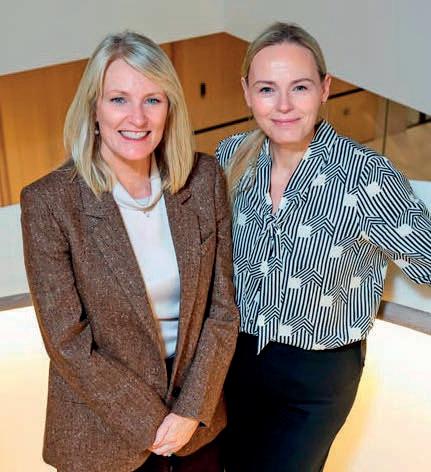
Prof Tracy Robson, Deputy Vice-Chancellor for Academic Affairs at RCSI; and Dr Lynda Keaveney, Group Healthcare Officer at Vhi
care. As the industry partner, Vhi will support the research evaluation. The study will analyse anonymised clinic data to measure outcomes and help
shows this group is falling further into poverty, even before the full effects of rising fuel costs are felt. He added that those on fixed incomes are hit hardest when energy prices rise, as many cannot absorb additional costs.
Without targeted intervention, ALONE warns that more older people will be forced to ration heating, live in cold homes, and cut back on essentials – posing serious risks to their health and wellbeing. Nurses can advise older people seeking support to contact ALONE’s National Support and Referral Line on 0818 222 024, open daily from 8am to 8pm.
shape future approaches to healthcare delivery and education.
Preventative healthcare remains unevenly distributed, particularly among low-income and marginalised groups. These clinics aim to address that gap by offering community-based services such as monitoring blood pressure, cholesterol, and blood glucose. Through interdisciplinary teamwork and clinical supervision, students gain valuable hands-on experience, while communities benefit from coordinated and accessible health support.
Prof Tracy Robson, Deputy Vice Chancellor for Academic Affairs at RCSI, said: “RCSI is proud to partner with Vhi on this important study. As Ireland’s only university entirely dedicated to medicine and health sciences, we believe in pioneering innovative community wellbeing collaboration opportunities that also give our students the best possible education.”
Responding to the launch of the Artificial Intelligence (AI) for Care Strategy – which was launched by Health Minister Jennifer Carroll MacNeill in March, 2026 – the Irish Congress of Trade Unions has stated that any integration of AI into the public health service must be done in consultation with the human “backbone” of the health service, its workers. Healthcare unions have expressed disappointment that Ireland’s first national strategy dedicated to the application of AI in health and social care was published without any real engagement with worker representatives.
“Unions who represent the vast majority of healthcare workers in the State are rightly concerned that the HSE has ploughed ahead with publishing a document outlining how AI will be used in the public health service without proper consultation with workers,” said Edward Mathews, Acting Chair of the Staff Panel of Healthcare Unions and Irish Nurses and Midwives Organisation Deputy General Secretary.
“AI has the potential to contribute to healthcare services but ultimately
healthcare is a human profession, and AI carries with it both potential benefits but also great risks. The HSE and the current and future Health Ministers should not be completely transfixed by AI alone. It must enhance personal care provided to patients, not replace it, and be delivered alongside continued investment in growing the public health service workforce, ensuring safe staffing in all services.”
According to the Government, the strategy sets out how AI will improve care across four key areas: Clinical care, operations, research and innovation, and public health. Patients and staff will benefit from:
✽ Faster diagnosis: Certified AI solutions that enable radiologists to read images faster and diagnose issues like strokes, cancers, and fractures earlier.
✽ Better patient flow: AI-supported discharge planning for patients, helping reduce delays.
✽ Less paperwork for clinicians: AI scribe tools cutting documentation time by up to 40 per cent, freeing clinicians to spend more time with patients.
✽ Earlier detection of disease: AI tools for screening services to boost capacity and reduce turnaround times for people waiting for test results.
✽ More consistent care nationwide: More accurate processing of evidence and data to enable better planning and reduce variation in care delivery.
✽ Greater efficiency: AI improving forecasting, reducing waste and automating high-volume administrative tasks.
Mr Mathews added: “For the potential benefits of AI to be seen in our public health system, or for the significant risks to be appropriately mitigated, the members we represent must be involved in development and implementation, with co-design at the heart of all steps. This must be coupled with appropriate safeguards, and time and resources provided to facilitate staff involvement and to train staff up on new systems, alongside clear lines of accountability and safety measures in place to protect patients. Starting off with no real consultation with workforce representatives is a poor beginning to a complex journey.”
The Health Information and Quality Authority (HIQA) has released a protocol outlining its plan to conduct a health technology assessment (HTA) on adding congenital adrenal hyperplasia (CAH) to the National Newborn Bloodspot Screening Programme. This assessment was commissioned by the National Screening Advisory Committee (NSAC) and will guide its decision on whether to extend the programme to include CAH. CAH refers to a group of inherited
autosomal recessive disorders that affect the adrenal glands. The condition can vary in severity. Since current newborn screening methods are designed to detect only the more serious presentations – known as classic CAH – HIQA’s assessment will focus specifically on these forms. In its most severe form, classic CAH results in insufficient production of aldosterone and cortisol. Without prompt diagnosis and treatment, infants can develop a life-threatening adrenal crisis
due to severe salt and fluid imbalance. Symptoms can present differently depending on sex, with females often diagnosed earlier due to visible physical signs that may not be present in males.
The HTA will evaluate the overall balance of benefits and risks associated with adding CAH to the screening programme. The newly published protocol details the methods HIQA will use to review available evidence and formulate its recommendations to NSAC.
Wegovy® delivers quality weight loss1,2,5 and provides cardiovascular risk reduction1,3ɬ
~21% mean weight loss1,2*Ŧ

~25%
weight loss in 1 in 31,2*¥
Safety and tolerability profile comparable to the GLP-1 RA class in general1
tThis product is subject to additional monitoring. ESC = European Society of Cardiology. CCS = Chronic Coronary Syndrome. GLP-1 RA = Glucagon Like Peptide 1 Receptor Agonist.
Wegovy®t(semaglutide) Please refer to the full Summary of Product Characteristics (SmPC) before prescribing. Wegovy® 0.25 mg FlexTouch® solution for injection in pre-filled pen. Wegovy® 0.5 mg FlexTouch® solution for injection in pre-filled pen. Wegovy® 1 mg FlexTouch® solution for injection in pre-filled pen. Wegovy® 1.7 mg FlexTouch® solution for injection in pre-filled pen. Wegovy® 2.4 mg FlexTouch® solution for injection in pre-filled pen. Indication(s): Adults: Wegovy® is indicated as an adjunct to a reduced-calorie diet and increased physical activity for weight management, including weight loss and weight maintenance, in adults with an initial Body Mass Index (BMI) of ≥30 kg/m2 (Obesity) or ≥27 kg/m2 to <30 kg/m2 (overweight) in the presence of at least one weight-related comorbidity e.g. dysglycaemia (prediabetes or type 2 diabetes mellitus), hypertension, dyslipidaemia, obstructive sleep apnoea or cardiovascular disease. For trial results with respect to cardiovascular risk reduction, obesity-related heart failure, and populations studied, see section 5.1. of the Wegovy® SmPC. Adolescents: Wegovy® is indicated as an adjunct to a reduced-calorie diet and increased physical activity for weight management in adolescents ages 12 years and above with obesity* and body weight above 60 kg. Treatment with Wegovy® should be discontinued and re-evaluated if adolescent patients have not reduced their BMI by at least 5% after 12 weeks on the 2.4 mg or maximum tolerated dose. *See table 1 in the Wegovy® SmPC for BMI cut-off points for obesity by sex and age. Posology and administration: Administered once weekly at any time of the day, with or without meals. Injected subcutaneously in the abdomen, in the thigh or in the upper arm. The injection site can be changed. It should not be administered intravenously or intramuscularly. For the 7.2 mg dose, inject three doses of 2.4 mg one after each other. The injections can be administered in the same body area but should be at least 5 cm apart. Injection sites should always be rotated to reduce the risk of injection site amyloid deposits. The day of weekly administration can be changed if necessary, as long as the time between doses is at least 3 days (>72 hours). After selecting a new dosing day, once-weekly dosing should be continued. Adults: The maintenance dose of semaglutide 2.4 mg once-weekly is reached by starting with a dose of 0.25 mg. To reduce the likelihood of gastrointestinal symptoms, the dose should be escalated over a 16-week period to the maintenance dose. If needed, the dose can be increased to 7.2 mg once weekly after a minimum of 4 weeks on the 2.4 mg dose in adults with BMI ≥ 30 kg/m2 at treatment initiation. If no additional clinical improvement in body weight is observed with 7.2 mg, lower the dose to 2.4 mg once weekly. In case of significant gastrointestinal symptoms, consider delaying dose escalation or lowering to the previous dose until symptoms have improved. Adolescents: For adolescents ages 12 years and above, the same dose escalation schedule as for adults should be applied. The dose should be increased until 2.4 mg (maintenance dose) or maximum tolerated dose has been reached. Weekly doses higher than 2.4 mg are not recommended in the adolescent population. Patients with type 2 diabetes: When initiating Wegovy®, consider reducing the dose of concomitantly administered insulin or insulin secretagogues (such as sulfonylureas) to reduce the risk of hypoglycaemia. Missed dose: If a dose is missed, it should be administered as soon as possible and within 5 days after the missed dose. If more than 5 days have passed, the missed dose should be skipped, and the next dose should be administered on the regularly scheduled day. If more doses are missed, reducing the starting dose for re-initiation should be considered. Elderly: No dose adjustment is required based on age. Renal impairment: No dose adjustment is required for patients with mild or moderate renal impairment. Experience in patients with severe renal impairment is limited. Semaglutide is not recommended for use in patients with severe renal impairment (eGFR <30 mL/min/1.73m2) including patients with endstage renal disease. Hepatic impairment: No dose adjustment is required for patients with mild or moderate hepatic impairment. Experience in patients with severe hepatic impairment is limited. Semaglutide is not recommended for use in patients with severe hepatic impairment and should be used cautiously in patients with mild or moderate hepatic impairment. Paediatrics: The safety and efficacy of semaglutide in children below 12 years of age have not been established. Contraindications: Hypersensitivity to the active substance or to any of the excipients. Special warnings and precautions for use: Cases of pulmonary aspiration have been reported in patients receiving GLP-1 receptor agonists undergoing general anaesthesia or deep sedation. Therefore, the increased risk of residual gastric content due to delayed gastric emptying should be considered prior to performing procedures with general anaesthesia or deep sedation. Use of GLP-1 receptor agonists may be associated with gastrointestinal adverse reactions. This should be considered when treating patients with impaired renal function, as nausea, vomiting, and diarrhoea may cause dehydration, which in rare cases can lead to a deterioration of renal function. Patients treated with semaglutide should be advised of the potential risk of dehydration in relation to gastrointestinal side effects and take precautions to avoid fluid depletion. Acute pancreatitis has been observed with the use of GLP-1 receptor agonists. Patients should be informed of the characteristic symptoms of acute pancreatitis. If
tThis medicinal product is subject to additional monitoring. This will allow quick identification of new safety information. Adverse events should be reported to the Health Products Regulatory Authority. Information about adverse event reporting is available at www.hpra.ie. Adverse events should also be reported to Novo Nordisk on Tel: 01 8629700 or complaintireland@novonordisk.com. Wegovy® is recommended in the ESC CCS guidelines for cardiovascular risk reduction4
pancreatitis is suspected, Wegovy® should be discontinued; if confirmed, Wegovy® should not be restarted. Caution should be exercised in patients with a history of pancreatitis. In the absence of other signs and symptoms of acute pancreatitis, elevations in pancreatic enzymes alone are not predictive of acute pancreatitis. Data from epidemiological studies indicates an increased risk for non-arteritic anterior ischaemic optic neuropathy (NAION) during treatment with semaglutide. There is no identified time interval for when NAION may develop following treatment start. A sudden loss of vision should lead to ophthalmological examination and treatment with semaglutide should be discontinued if NAION is confirmed. Wegovy® should not be used as a substitute for insulin in patients with type 2 diabetes. Wegovy® should not be used in combination with other GLP-1 receptor agonist products. Patients treated with Wegovy® in combination with a sulfonylurea or insulin may have an increased risk of hypoglycaemia. The risk of hypoglycaemia can be lowered by reducing the dose of sulfonylurea or insulin when initiating treatment with a GLP-1 receptor agonist. In patients with diabetic retinopathy treated with semaglutide, an increased risk of developing diabetic retinopathy complications has been observed. Patients with diabetic retinopathy using semaglutide should be monitored closely and treated according to clinical guidelines. There is no experience with Wegovy® in patients with type 2 diabetes with uncontrolled or potentially unstable diabetic retinopathy. In these patients, treatment with Wegovy® is not recommended. Semaglutide treated patients with gastroparesis may experience more serious or severe gastrointestinal adverse events. Semaglutide should be used with caution in these patients, and semaglutide is not recommended if gastroparesis is severe. The safety and efficacy of Wegovy® has not been investigated in patients treated with other products for weight management, with type 1 diabetes, with severe renal or hepatic impairment or with congestive heart failure New York Heart Association (NYHA) class IV. Use in these patients is not recommended. There is limited experience with Wegovy® in patients aged 85 years or more, with mild or moderate hepatic impairment, with inflammatory bowel disease. Use with caution in these patients. If semaglutide is used in combination with a sulfonylurea or insulin, patients should be advised to take precautions to avoid hypoglycaemia while driving and using machines. Fertility, pregnancy and lactation: Women of childbearing potential are recommended to use contraception when treated with semaglutide. There are limited data from the use of semaglutide in pregnant women. Therefore, semaglutide should not be used during pregnancy. If a patient wishes to become pregnant, or pregnancy occurs, semaglutide should be discontinued. Semaglutide should be discontinued at least 2 months before a planned pregnancy due to the long half-life. In lactating rats, semaglutide was excreted in milk. A risk to a breast-fed child cannot be excluded. Semaglutide should not be used during breast-feeding. Effect on fertility unknown. Undesirable effects: Very common (≥1/10): Headache, vomiting, diarrhoea, constipation, nausea, abdominal pain, fatigue. Common (≥1/100 to <1/10): Hypoglycaemia in patients with type 2 diabetes, dizziness, dysgeusia, dysaesthesia, diabetic retinopathy in patients with type 2 diabetes, gastritis, gastrooesophageal reflux disease, dyspepsia, eructation, flatulence, abdominal distension, cholelithiasis, hair loss, injection site reactions. Uncommon (≥1/1,000 to <1/100): Hypotension, orthostatic hypotension, increased heart rate, acute pancreatitis, delayed gastric emptying, increased amylase, increased lipase. Rare (≥1/10,000 to <1/1,000): Anaphylactic reaction, angioedema. Very rare (<1/10 000): Non-arteritic anterior ischaemic optic neuropathy (NAION). Not known (cannot be estimated from the available data): Intestinal obstruction. The SmPC should be consulted for a full list of side effects. MA number(s): Wegovy® 0.25 mg FlexTouch® EU/1/21/1608/006. Wegovy® 0.5 mg FlexTouch® (1.5 ml cartridge) EU/1/21/1608/007. Wegovy® 0.5 mg FlexTouch® (3 ml cartridge) EU/1/21/1608/012. Wegovy® 1 mg FlexTouch® EU/1/21/1608/008. Wegovy® 1.7 mg FlexTouch® EU/1/21/1608/009. Wegovy® 2.4 mg FlexTouch® EU/1/21/1608/010. Legal category: Product subject to prescription which may not be renewed. For complete prescribing information please refer to the SmPC which is available on www.medicines.ie or by email from infoireland@novonordisk.com or from the Clinical, Medical and Regulatory Department, Novo Nordisk Limited, 1st Floor, Block A, The Crescent Building, Northwood Business Park, Santry, Dublin 9, Ireland. Date last revised: February 2026. IE26SEMO00055.
*From baseline to week 72. Data presented here from the STEP UP trial are based on the trial product estimand, which describes the treatment effect if all people adhered to treatment, whereas the primary treatment policy estimand describes the treatment effect regardless of treatment adherence. When applying the treatment policy estimand, people treated with Wegovy® 7.2 mg achieved a superior weight loss of 18.7% vs placebo of 3.9%. The proportion of patients with a body weight reduction of ≥25% was greater with Wegovy® 7.2 mg (31.2%), vs placebo (0%).1
ɬ People living with overweight or obesity and established cardiovascular disease without diabetes.
Ŧ The co-primary endpoints were percentage change in body weight and the proportion of patients with a body weight reduction of 5% or greater for Wegovy® 7.2 mg vs placebo.1 Applying the trial product estimand, the proportion of patients with a body weight reduction of ≥5% was greater with Wegovy® 7.2 mg (93.2%), vs placebo (35.7%).1
¥Confirmatory secondary endpoint.
References: 1. Wegovy® Summary of Product Characteristics www.medicines.ie 2. Wharton S, Freitas P, Hjelmesæth J, et al. Once-weekly semaglutide 7.2 mg in adults with obesity (STEP UP): a randomised, controlled, phase 3b trial. Lancet Diabetes Endocrinol. 2025; S2213-8587(25)00226-8. 3. Lincoff AM, Brown-Frandsen K, Colhoun HM, et al. Semaglutide and cardiovascular outcomes in obesity without diabetes. N Engl J Med. 2023;389(24):2221-2232 4. Vrints C, Andreotti F, Koskinas KC, et al. 2024 ESC Guidelines for the management of chronic coronary syndromes. Eur Heart J. 2024;45(36):3415-3537. 5. Hjelmesæth J, Bhat S, Garvey WT, et al. strength: the STEP UP trial. Presented at: The 61st European Association for the Study of Diabetes (EASD) Annual Meeting; September 15-19, 2025; Vienna, Austria. Wegovy® and FlexTouch® are registered trademarks of Novo Nordisk A/S. Live LighterTM is a trademark owned by Novo Nordisk A/S. March 2026; IE26SEMO00057. Novo Nordisk Limited, First Floor, Block A, The Crescent Building, Northwood Business Park, Santry, Dublin 9. D09 X8W3, Ireland. Tel: 01 8629 700, infoireland@novonordisk.com www.novonordisk.ie
Currently, the National Newborn Bloodspot Screening Programme tests for nine rare but serious conditions and achieves a participation rate of 99.9 per cent. Each year, it identifies more than 120 infants affected by one of the conditions
included in the screening panel.
Commenting on the protocol, HIQA’s Deputy CEO and Director of Health Technology Assessment, Dr Máirín Ryan, said: “As part of our assessment, we will review international guidelines on
newborn screening for CAH, and evaluate its clinical effectiveness and safety alongside the budgetary and organisational considerations associated with its addition. This will help to inform a recommendation by the NSAC to the Health Minister.”
A team from Trinity College Dublin (TCD), Dublin City University, and University College Dublin (UCD) has secured €670,000 in funding from Enterprise Ireland’s Commercialisation Fund to develop an innovative bloodbased screening test for colorectal cancer (CRC). Collaborating with clinicians at St Vincent’s University Hospital, the researchers aim to improve cancer outcomes by replacing invasive or uncomfortable screening methods with a simple, accurate blood test called CASPDx CRC.
The CASPDx team has begun formal validation of the test. Patients are currently being recruited across all bowel screening centres in the HSE Dublin and South East region for clinical validation studies, supported by the UCD Clinical Research Centre. Although the CASPDx CRC test is still in the clinical validation and immunoassay development stages, the team plans to launch the test and establish a spin-out company by the end of 2027.
Dr Emma Creagh, Associate Professor in Biochemistry at TCD and Scientific Lead, CASPDx, said: “Inflammation is a process essential for immunity, tissue maintenance, and repair – however, it can also contribute to cancer growth, progression, and metastasis. Our research has identified specific inflammation markers that become increased during CRC development and progression. The blood test we are developing will identify
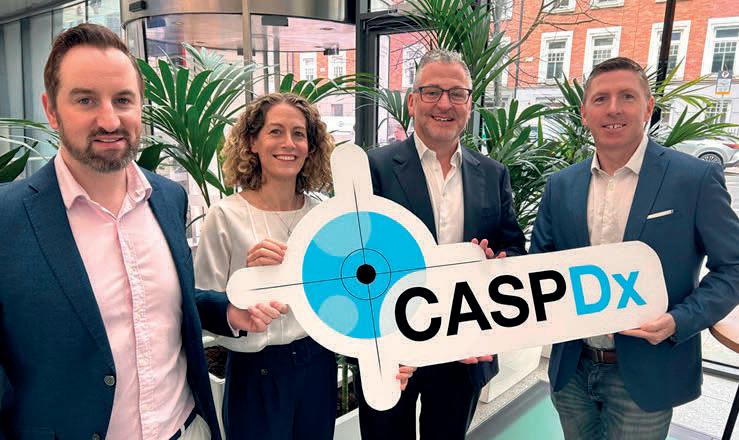
possible CRC patients by detecting these inflammatory markers directly from their blood sample.”
Current screening methods present additional challenges and over onethird of eligible individuals do not take part. Procedures such as colonoscopies are invasive, while stool-based tests are often unpopular, leading to low participation rates. Existing options can also lack the sensitivity needed to reliably detect early-stage disease or are often too expensive for widespread use in national screening programmes.
Prof Glen Doherty, Consultant Gastroenterologist at St Vincent’s
University Hospital, added: “The current waiting lists for colonoscopy require us to find more efficient ways to prioritise patients. The potential for a reliable blood-based screening test is a significant step forward. Beyond simply detecting bowel cancer at an earlier, more treatable stage, these tests could help us identify which patients truly require a colonoscopy following a positive stool test. By improving our diagnostic accuracy through a simple blood draw, we could reduce the number of unnecessary colonoscopies, ensuring that hospital resources are focused on the patients who need them most.”
Eating unhealthy foods early in life can have lasting effects on the brain and eating behaviour, but gut bacteria may help restore healthier habits, according to a new study from University College Cork (UCC). Researchers at APC Microbiome, a leading institute at UCC, found that consuming a high-fat, high-sugar diet during early life can cause enduring changes in how the brain controls eating. These effects can persist even after the unhealthy diet stops and body weight returns to normal.
Published in Nature Communications, the research also shows that interventions targeting gut microbiota may help counteract these effects. These include a beneficial bacterial strain (Bifidobacterium longum APC1472) and prebiotic fibres such as fructooligosaccharides and galacto-oligosaccharides, which are naturally found in foods like onions, garlic, leeks, asparagus, and bananas. They are also commonly added to fortified foods and supplements.
The UCC-led research involved collaboration with the University of Seville, Spain; the University of Gothenburg, Sweden; and Teagasc Food Research Centre, Fermoy. It was funded by Research Ireland,

a Government of Ireland Postgraduate Scholarship, and a research award from the Biostime Institute for Nutrition and Care.
Using a preclinical mouse model, the researchers observed that early-life exposure to a high-fat, high-sugar diet resulted in lasting changes in feeding behaviour into adulthood. These behavioural shifts were linked to disruptions in the hypothalamus, a key brain region responsible for regulating appetite and energy balance.
“Our findings show that what we eat early in life really matters," said Dr Cristina Cuesta-Martí, first author of the study. “Early dietary exposure may leave hidden, long-term effects on feeding behaviour that are not immediately visible through weight alone.”
Importantly, modifying the gut microbiota helped reduce these long-term impacts. The probiotic strain Bifidobacterium longum APC1472 significantly improved feeding behaviour while only slightly altering
the overall microbiome, suggesting a targeted effect. In contrast, the combination of prebiotics (FOS+GOS) led to broader changes in gut bacteria.
Dr Harriet Schellekens, the study’s lead investigator, added: “Crucially, our findings show that targeting the gut microbiota can mitigate the long-term effects of an unhealthy early-life diet on later feeding behaviour. Supporting the gut microbiota from birth helps maintain healthier
food-related behaviours into later life.”
Prof John F Cryan, Vice President for Research and Innovation at UCC, and a collaborator on the project, added: “Studies like this exemplify how fundamental research can lead to potential innovative solutions for major societal challenges. By revealing how early-life diet shapes brain pathways involved in the regulation of feeding, this work opens new opportunities for microbiotabased interventions.”

The Nursing and Midwifery Board of Ireland (NMBI) recently welcomed undergraduate and postgraduate midwifery students from across the country to a dedicated engagement event aimed at strengthening the relationship between the regulator and the next generation of midwives. The Midwifery Student Ambassador Forum provided midwifery students with a unique opportunity to connect with NMBI, learn more about the role of the regulator, and understand how the regulator will support them throughout their professional journey as midwives. Midwifery students from the six higher education institutions that deliver midwifery education programmes heard from NMBI President, Áine Lynch; NMBI Chief Executive Officer, Carolyn Donohoe; NMBI Director of Professional Standards – Midwifery, Dr Karn Cliffe; and other members of NMBI’s senior management team, who encouraged them to embrace their role within the wider student community.
Speaking at the event, NMBI President Áine Lynch said: “We are delighted that you will partner with NMBI in promoting the midwifery profession

and in participating with us at events throughout the year. Your involvement will make a real and lasting difference. You are the voice of our student community. Your input, insight, and engagement will continue to raise the profile of midwifery. Your commitment will inspire others who may be considering a career in midwifery to take that first step. I encourage you to get involved and use your influence to help shape the future of your profession.”
The event highlighted the importance of direct engagement between NMBI and
Tstudents, ensuring that the regulator remains connected to the experiences, concerns, and priorities of those entering the profession.
NMBI Chief Executive Officer, Carolyn Donohoe, said it is “essential” for NMBI to meet with undergraduate and postgraduate midwifery students and to “hear directly about the issues that matter most” to them. “Your perspectives are invaluable, and we look forward to hearing your contributions throughout today’s discussions,” she said.
he Nursing and Midwifery Board of Ireland (NMBI) has formally unveiled its Statement of Strategy for 2026-2029, setting out a clear roadmap to enhance
public safety while supporting and strengthening the professions it regulates. Speakers at the launch event included Chief Nursing Officer Rachel Kenna, NMBI President Áine
Lynch, NMBI Chief Executive Officer Carolyn Donohoe, and NMBI Head of Operations Kathyann Barrett.
Key objectives of the strategy are public protection through right-touch
regulation; nursing and midwifery support and empowerment; and organisational agility. It will be rolled out over four years, from 2026 to 2029. Throughout this period, NMBI will continuously monitor progress and report outcomes to the Board and through its annual reports.
Speaking at the launch, Rachel Kenna, Chief Nursing Officer, Department of Health, welcomed the strategy, and commended the “wide range of stakeholders” NMBI engaged while developing the document. “The outcome is a robust strategy with public protection at is core,” she said.
“I extend my sincere thanks to NMBI on their collaborative approach throughout the development of the Strategy, and I look forward to seeing its core objectives put into action over the next four years.”
NMBI President, Áine Lynch, added: “Our new strategy charts a clear path for the years ahead, ensuring NMBI continues to protect the public while supporting the professions to deliver safe, high-quality care. Shaped by extensive consultation, it reflects diverse insights on priorities such as upstream regulation, professional competence, and digital transformation.”
Also commenting, NMBI Chief Executive Officer, Carolyn Donohoe,
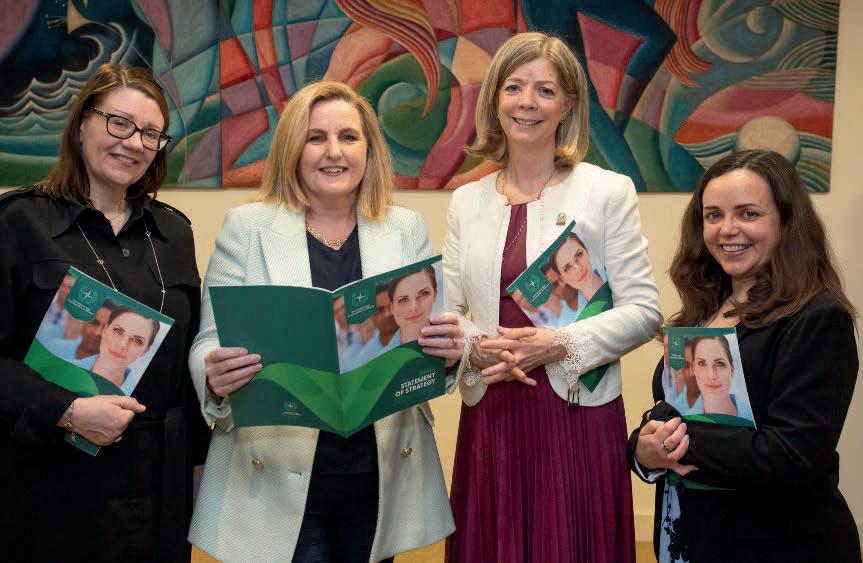
(L-R): Rachel Kenna, Chief Nursing Officer, Department of Health; Carolyn
NMBI Chief Executive Officer; Áine Lynch, NMBI President; and Kathyann Barrett, NMBI Head of Operations
said: “NMBI as an agile regulator is ready to support more than 93,000 nurses and midwives in providing trusted, compassionate care. Over the next four years with this strategy, we are committed to creating a proactive regulatory environment that protects patients by enabling nurses and midwives to deliver high-quality, person-centred care.
“Guided by legislation, our focus
remains on maintaining a robust Register, setting strong education standards, offering clear guidance, and handling complaints with fairness and efficiency. At the heart of this strategy is our dedication to collaboration, integrity, and compassion – values that guide every action we take.”
The Statement of Strategy 20262029 is available on the NMBI website.
On Monday, 30 March, the Nursing and Midwifery Board of Ireland (NMBI) hosted a webinar to launch the revised National Competence Assessment Document (NCAD). The session outlined how the updated
document aligns with the new Registered Nurse Programme Standards.
The NCAD is used by undergraduate students across all programmes and stages to record their achievement of practice-based competencies. It provides a structured approach to documenting
initial, midpoint, and final interviews between students and their preceptors. Following the introduction of the new Registered Nurse Programme Standards in 2025, the NCAD has been updated to reflect these changes. A recording of the session is available on the NMBI website.
✽
AUTHOR : Marie Courtney, PDC for General Practice Nursing, Cork, and Kerry; and Kathy Taaffe, PDC for General Practice Nursing, Cavan, Donegal, Leitrim, Monaghan, and Sligo
The recently published NMBI Code integrates scope of practice and record-keeping within a broader ethical and accountability context
General practice nursing is a cornerstone of primary care delivery in Ireland, with general practice nurses (GPNs) playing an increasingly autonomous and collaborative role in chronic disease management, immunisation, cervical screening, health promotion, and preventative care. The publication of the Nursing and Midwifery Board of Ireland (NMBI) Code of Professional Conduct and Ethics for Registered Nurses and Registered Midwives (2025) provides an updated professional framework that integrates scope of practice and recordkeeping within a broader ethical and accountability context.
This second article in our series examining the practical application of the 2025 Code in general practice focuses on scope of practice, professional accountability, multidisciplinary collaboration, and robust clinical documentation. Scope of practice is not a restriction, but a professional framework that supports us as GPNs in delivering safe, evidence-based, person-centred care while safeguarding our professional registration.
General practice nursing is an integral component of primary care delivery. GPNs work in a dynamic environment shaped by national policy, multidisciplinary teams, and collaborative models of service delivery. The GPN role is broad, autonomous, and continuously evolving. Sláintecare’s
emphasis on reducing unnecessary hospital admissions and increasing community-based, integrated care1 has contributed to the continued development of roles in primary care, particularly the GPN role.
The Irish College of GPs estimates that GPNs conduct approximately 7.75 million consultations annually in Ireland,2 demonstrating the substantial contribution of GPNs to primary care delivery and supporting the objectives of Sláintecare. GPNs play a key role in delivering complex, autonomous care across chronic disease management, preventative health, women’s health, immunisation, wound management, and health promotion. This expanded remit, which aligns closely with Sláintecare’s objectives, raises important questions regarding our professional boundaries, education, competence, accountability, delegation, inter-professional dynamics, and governance. In other words, our scope of practice.
“Scope of practice is the range of roles, functions, responsibilities, and activities which a registered nurse or registered midwife is educated, competent, and has authority to perform. Your scope of practice is fully linked to the Code, which are the overarching principles that guide you in your professional practice.”
– NMBI (2025)3
The 2025 Code of Professional Conduct and Ethics from NMBI embeds scope of practice directly into professional
standards. Therefore, we are required, as nurses, to actively determine whether our education, competence, experience, collaborative practice, and practice context support the activities we undertake. Our scope of practice is not determined by our job title, convenience, our employer’s expectations, or service pressure. Our overarching priority as registered nurses and midwives is safe, effective, and person-centred care, with clear personal accountability for our professional actions at all times. We must also protect our NMBI registration as it is our passport to work, and we worked hard to gain it.
NMBI present several factors that they deem to influence our individual scope of practice: 3
✽ Education preparation, professional practice, and competence
Your initial education sets the foundation for your scope of practice. Additional education and practice experience further develop your knowledge and skills that may broaden the range of activities you are competent to undertake.
✽ Guidelines, policies, and evidence-based research
Local, national, and international practice policies, procedures, protocols and guidelines, and evidence-based research inform and guide your practice. Adhering to these helps align with legal and ethical requirements and reflects current best practices in healthcare.
✽ Practice setting
Your workplace environment – whether in the acute, community, or other practice settings – affects your scope of practice. Each setting may require distinct skills, knowledge, and influence the specific competencies required.
✽ Collaborative practice
This involves shared responsibilities, interprofessional learning, and a holistic approach to care. It involves practitioners working with other professionals to provide comprehensive, person-centred care.
These factors underpin the scope of practice framework, which serves as our guide for delivering safe, high quality, patient-centred care. It supports clinical decision-making, helps identify continuing professional development (CPD) needs, clarifies professional roles, and promotes reflective practice to enhance learning and maintain safe, effective care. Our scope of practice is not passive. It demands reflective professional judgement, supported by recognised education, demonstrable competence, appropriate governance, ongoing continuing professional development, clinical audit, and accurate documentation. In general practice, where, as nurses, we often work autonomously, this framework safeguards patients, strengthens our practice, and advances the GPN discipline.
We must be accountable for our professional decisions and actions in delivering patient care. Accountability extends beyond completing tasks;
it includes clinical, rational, and ethical decision-making. As a GPN, interpreting HbA1c results, for example, we must not only understand the numerical value, but also consider the result in the context of the patient’s overall health profile. Failure to recognise deteriorating glycaemic control could result in delayed intervention and adverse outcomes. Thus, accountability in this context is fundamentally linked to clinical competence and reflective practice.
Recognising and practising within our professional scope requires us to continually reflect on our daily roles as GPNs and on the care we are asked to provide. This must be evidence-based care. Our clinical practice should be guided by authoritative national and international guidelines, such as those issued by the National Immunisation Advisory Committee (NIAC) and the Professional Development Coordinator (PDC) written guidelines to support the National Immunisation Office (NIO) programmes. Others include the Global Initiative for Asthma, 6 the European Society of Cardiology, 7 and the relevant contractual frameworks, including GP Chronic Disease Management (CDM) and CervicalCheck programmes. 8 We must never rely on a ‘see one, do one’ approach to care delivery. No nurse should undertake any task or provide care for which they have not received the appropriate education or training, or demonstrated competence.
Recognising and practising within our professional scope requires us to continually reflect on our daily roles as GPNs
In general practice, CDM is a central and well-established component of the GPN role. CDM significantly expands patients’ access to care and directly supports Sláintecare’s shift toward care closer to home. GPNs frequently lead structured care for patients with long-term conditions, involving regular reviews, monitoring, and education, supporting GPs in delivering evidencebased preventive care. This GPN-led CDM activity enhances service efficiency and patient outcomes while reducing demand on GP appointments.
Structured reviews for patients with long-term conditions include:
✽ Adults with type 2 diabetes
✽ Hypertension
✽ Chronic obstructive pulmonary disease (COPD)/ asthma
✽ Cardiovascular disease
✽ Chronic kidney disease
✽ Obesity management.
Within the NMBI 2025 framework, this area reflects autonomous yet collaborative nursing practice. Examples of activities within scope of practice include:
✽ Blood pressure review
✽ HbA1c and blood glucose monitoring
✽ Spirometry (if trained by IARS or similar and competent)
✽ Diabetic foot assessments
✽ Medication reviews
✽ Immunisation
✽ Lifestyle counselling
✽ Risk factor screening
✽ Call, recall, and follow-up systems.
Crucially, the CDM role sits within the GPN’s scope of practice when the necessary training, competence in clinical assessment, interpretation of findings, and escalation pathways are in place. From a scope of practice perspective, as GPNs, we must be capable not only of performing technical tasks such as those listed above, but also of applying clinical
judgement and awareness of the boundaries of independent decisionmaking. This applies, for example, in abnormal findings, deterioration or deviation from expected treatment outcomes that require GP review or onward referral, resulting in collaborative engagement with the GP or specialist colleagues.
For example, identifying:
✽ Worsening glycaemic control
✽ Uncontrolled hypertension
✽ Acute exacerbation of COPD
✽ Non-adherence risks
✽ Red flag symptoms requiring GP or specialist review.
This approach to care aligns strongly with NMBI’s emphasis on safe, personcentred, evidence-based care and accountability for decision-making.
Immunisation is a core area of GPN practice and must be grounded in formal, evidence-based guidance from NIAC and the NIO.4,5 Using non-authoritative sources could place you as a GPN outside safe professional practice and potentially outside defensible scope if an adverse event occurred. From a scope of practice perspective, social media is not an acceptable source for clinical decision-making and could result in errors in practice or data protection risks.
Maintaining competence in immunisation technique, vaccine ordering, receipt, storage and handling, emergency preparedness, and updated schedules through formal CPD is mandatory.
Immunisation is only within the NMBI scope of practice framework when supported by:
✽ Education/formal training
✽ Current competence
✽ Local policy for administering, documenting, ordering, and storage
✽ Emergency preparedness.
This is particularly important in a general practice setting, where the nurse may
independently run vaccine clinics, such as:
✽ National Childhood Immunisations Programme
✽ Seasonal Immunisation Programme:
Influenza, pneumococcal
✽ Covid-19 boosters
✽ Travel vaccines.
The NMBI 2025 competence requirements place strong emphasis on maintaining up-to-date knowledge and safe decision-making.
3
This means that as GPNs we must work in accordance with:
✽ NIAC guidance
✽ NIO schedules and guidance
✽ GP practice policy and protocols
(your PDCGPN will assist with policies, procedures, protocols, and guidelines
✽ Anaphylaxis and emergency response procedures.
Key scope requirements in immunisation include competence in:
✽ Cold chain management
✽ Consent processes
✽ Contraindications screening
✽ Documentation
✽ Batch number recording
✽ Adverse event management
✽ Anaphylaxis response
✽ Advising vaccine-hesitant parents and adults.
These competencies align with NMBI’s 2025 standards on professional competence, accountability, and record integrity.
Cervical screening via the national CervicalCheck Programme is a good
example of expanded scope of practice for GPNs. The programme has transitioned to human papillomavirus (HPV)-based primary testing in 2020, and clinical practice must be under the governance framework of the general practice CervicalCheck contract and the national screening programme requirements. Cervical screening is not part of pre-registration or undergraduate training and must not be allocated or undertaken as a routine task or in the absence of training. The NMBI scope of practice framework would classify this as requiring role expansion through additional education and competence achievement.
As a GPN undertaking CervicalCheck sampling you must be able to demonstrate:
✽ Formal accredited training
✽ Programme-specific competence
✽ Supervised practice
✽ Ongoing audit participation
✽ Familiarity with CervicalCheck standards
✽ Understanding of HPV primary screening pathways.
The transition to HPV primary testing means competence must include:
✽ Understanding the rationale for HPVbased screening
✽ Age-based eligibility
✽ Recall intervals
✽ Result interpretation pathways
✽ Referral processes.
Failure to maintain CPD or programme audit involvement as GPNs could place this practice outside of defensible scope of practice.
Immunisation is a core area of GPN practice and must be grounded in formal, evidence-based guidance from NIAC and the NIO


This information is intended for healthcare professionals only
intended for healthcare professionals only
This information is intended for healthcare professionals only
This information is
EAACI 2022 recognises that medications are often inappropriately used in the treatment of GER and GERD in infants1
2022 recognises that medications inappropriately used in the of GER and GERD in infants1
is a unique formulation for the dietary management of reflux and regurgitation in formula-fed infants
is a unique formulation for the dietary management of reflux and regurgitation in formula-fed infants
formulation for the dietary management of regurgitation in formula-fed
is a unique formulation reflux and regurgitation









EAACI 2022 recognises that medications are often inappropriately used in the treatment of GER and GERD in infants1 Greater viscosity in the stomach compared to starch-based feeds4
Greater viscosity in the stomach compared to starch-based feeds4
GER: Gastroesophageal Re ux; GERD: Gastroesophageal R ux Disease
GER: Gastroesophageal Re ux; GERD: Gastroesophageal R ux Disease
References:1. Meyer R et al., Pediatr Allergy Immunol. 2022 Oct;33(10):e13856. doi: 10.1111/pai.13856. PMID: 36282131. 2. Wenzl et al. J Pediatr 2003;111:e355–9. 3. Vandenplas Y et al. Eur J Pediatr 1994;153:419–23. 4. Nutricia Research. Arti cial digestion model. Data on e.
GER: Gastroesophageal Re ux; GERD: Gastroesophageal R ux Disease Immunol. 2022 Oct;33(10):e13856. doi: 10.1111/pai.13856. PMID: 36282131. 2. Wenzl et al. J Pediatr 1994;153:419–23. 4. Nutricia Research. Arti cial digestion model. Data on e.
References:1. Meyer R et al., Pediatr Allergy Immunol. 2022 Oct;33(10):e13856. doi: 10.1111/pai.13856. PMID: 36282131. 2. Wenzl et al. J Pediatr 2003;111:e355–9. 3. Vandenplas Y et al. Eur J Pediatr 1994;153:419–23. 4. Nutricia Research. Arti cial digestion model. Data on e.
References:1. Meyer R et al., Pediatr Allergy Immunol. 2003;111:e355–9. 3. Vandenplas Y et al. Eur J Pediatr
IMPMPORT OR ANT T NOTICE: Breastfeedingi
IMPORTANT NOTICE: Breastfeeding is best. Aptamil Anti-Reflux is a food for special medical purposes for the dietary management of frequent reflux and regurgitation. It should only be used under medical supervision, after full consideration of the feeding options available including breastfeeding. Suitable for use as the sole source of nutrition for infants from birth and as part of a weaning diet from 6-12 months. This product should not be used in combination with antacids or other thickeners and is not suitable for premature infants. Refer to label for details.
IMPMPORT OR ANT T NOTICE: Breastfeedingi g isb s besest. A Aptamimil il A Annti-RReflux x is a f foood man m age aggemenento t of freqquent r fl eflux and regurgititatioon. n. It shoould onnly ly b be usesed d un the feedieding option io sa s available includiing breastfeedidingng. Suitatabblble for usse a as a par p to t ofa f a we w aning die f t from 66 12 months T . Thihis should not and d is not s t uitabl l f e for or premature i inffants. Refer t to l label foord r detai
A il A Annti-RReflux x is a f foood tioon. n. It shoould onnly ly b be usesed d un tfeedidingng. Suitatabblble for usse a hi his should not fer t to l label foord r detai
IMPORTANT NOTICE: Breastfeeding is best. Aptamil Anti-Reflux is a food for special medical purposes for the dietary management of frequent reflux and regurgitation. It should only be used under medical supervision, after full consideration of the feeding options available including breastfeeding. Suitable for use as the sole source of nutrition for infants from birth and as part of a weaning diet from 6-12 months. This product should not be used in combination with antacids or other thickeners and is not suitable for premature infants. Refer to label for details.
Aptamil Anti-Reflux is a food for special medical purposes for the dietary regurgitation. It should only be used under medical supervision, after full consideration of breastfeeding. Suitable for use as the sole source of nutrition for infants from birth and This product should not be used in combination with antacids or other thickeners Refer to label for details.
IMPORTANT NOTICE: Breastfeeding is best. management of frequent reflux and regurgitation. the feeding options available including breastfeeding. as part of a weaning diet from 6-12 months. This and is not suitable for premature infants. Refer
IMPMPORT OR ANT T NOTICE: Breastfeedingi g isb s besest. man m age aggemenento t of freqquent r fl eflux and regurgititatio the feedieding option io sa s available includiing breastfe as a par p to t ofa f a we w aning die f t from 66 12 months T . Thihis and d is not s t uitabl l f e for or premature i inffants. Refer
How the GPN adds value
GPNs contribute value across the multidisciplinary team, supporting the GP workload, improving access to care, enhancing chronic disease outcomes, and delivering national programmes. These contributions are central to achieving national health goals and realising Sláintecare’s vision.
Collaborative practice is highly relevant in general practice, and the GPN role is fundamentally collaborative, working closely with:
✽ GPs
✽ Practice managers
✽ Community/public health nurses
✽ Physiotherapists
✽ Dietitians
✽ Occupational therapists
✽ Pharmacists
✽ CDM hub and hospital specialists.
NMBI scope of practice principles support shared but clearly defined professional responsibilities, and the GPN must understand: 3
✽ What is within the autonomous nursing scope
✽ What requires GP review
✽ When referral is necessary
✽ How to escalate concerns safely.
This includes safe boundaries around advice-giving, triage, and independent decision-making.
The added value of the GPN is often seen in:
✽ Reduced GP workload
✽ Improved and timely patient access
✽ Continuity of care
✽ Proactive prevention
✽ Patient education and health promotion
✽ Referral to support and selfmanagement services such as the Living Well Programme.
Thus, directly supporting Sláintecare’s integrated community care model.
Nurse medicinal product and radiological prescribing are clear examples of extended scope of practice. The number of GPNs who are registered nurse prescribers is increasing. This prescriptive authority requires recognised education, current competence, clear governance structures, prescribing-related CPD, clinical audit participation, and accurate record-keeping. Prescribing activity is auditable and may be subject to regulatory review, which underscores the need for meticulous documentation.
NMBI explicitly identifies prescribing as an expansion of scope beyond initial registration competence.
For a GPN, nurse prescribing can significantly enhance autonomous practice in many areas:
✽ Chronic disease medications
✽ Wound care products
✽ Vaccinations
✽ Antibiotics within protocol
✽ Contraceptive prescribing.
However, this is prescribing practice is only within scope when the GPN:
✽ Has completed recognised education
✽ Is registered with NMBI on the RNP division
✽ Practises under agreed collaborative local governance
✽ Maintains competence
✽ Participates in audit.
The NMBI 2025 Code strongly emphasises clinical accountability and auditability and every prescribing decision must be supported by clear documentation of: 3
✽ Assessment findings
✽ Rationale for prescribing
✽ Medication choice
✽ Dose
✽ Safety checks
✽ Patient education
✽ Follow-up plan.
This is particularly important in general practice, where prescribing decisions may be reviewed medico-
legally. Meticulous documentation is, therefore, not optional – it is a core scope of practice requirement.
Professional development enhances the GPN’s individual competence and strengthens the GPN discipline. Our scope of practice is dynamic, not static. Scope of practice evolves as competence evolves. This is especially important under the NMBI 2025 (p27) professional competence framework. NMBI places clear responsibility on the nurse to identify competence gaps and address them through CPD. This means professional growth is not optional; it is part of maintaining safe practice. This is especially relevant in general practice, where the GPN role continues to expand in response to service demands and national policy developments. Role development not only enhances individual competence, but also contributes to the growth and recognition of the GPN discipline. Many activities demonstrate expanded scope, and these help to build and strengthen professional leadership and advanced professional development. Examples include:
✽ Specialist diplomas/higher education
✽ Conference presentation
✽ Teaching students
✽ Quality improvement audits
✽ Publication
✽ Policy development
✽ Leadership roles.
GPNs should ensure their NMBI registration states general practice as the workplace to enable an accurate count of GPNs, supporting workforce intelligence and national planning. Support from GPs is critical for the professional development of GPNs, as effective teamwork enhances governance, clinical outcomes, and working within our scope of practice.
The NMBI 2025 framework makes clear that competence is continually evolving and must be supported through structured CPD. 3 Securing time away from clinical practice for CPD and clinical updates can be difficult –however, these are necessary, and such time must be negotiated when required.
The PDCGPNs, appointed by the HSE, provide monthly webinars, expanded practice guidance, CPD planning support, and representation at educational and policy fora. Proactive engagement strengthens individual practice and multidisciplinary team development. We are here to support you. Please never hesitate to contact us.
Accurate, contemporaneous record keeping is not simply an administrative task – it is an essential element of our scope 3 and our professional practice. The updated NMBI Code significantly strengthens professional expectations around record keeping by embedding it within the broader ethical and legal framework of nursing and midwifery practice. The 2025 Code replaces the former standalone Recording Clinical Practice (2015) guidance and integrates record-keeping standards directly into the Code itself. This integration highlights the importance of documentation as a core professional, ethical, and patient-safety obligation.
Documentation is evidence of our clinical care and consultations, capturing collaborative decision-making, informed consent, continuity of care, and audit readiness. There is no substitute for clear, accurate, and timely recording of care. The Code places strong emphasis on records as legal documents that may be used in complaints, investigations, or fitness-to-practise proceedings. This is a particularly significant aspect because it reinforces that documentation is evidence of the care we deliver and of the GPNs clinical reasoning. We know
the message: ‘If it’s not recorded, it can be presumed not to have happened.’ If care or consultations are not documented, it may be very difficult to defend professionally.
Documentation must be written to a high standard. The Code expects records to be:
✽ Accurate
✽ Clear and contemporaneous
✽ Objective and factual
✽ Timely
✽ Confidential and secure.
These standards reflect best practice documentation principles, aligning with legal standards around professional negligence and data governance. The Code discourages vague, judgmental, or emotive language and instead prioritises evidence-based entries that clearly distinguish observation from interpretation.
A notable development in the 2025 Code is its recognition of care delivered virtually and through digital platforms. This modernisation is especially relevant given the expansion of electronic health records, telehealth, and digital communication. General practice has been ahead of this trend for decades now. GPNs therefore have the advantage of robustly designed IT and record management systems that can enable timely, accurate, and clear recording of clinical practice. Consultation templates should be considered for use to support best practice in recording clinical practice, especially in a pressured environment. GPN consultations are finite, and
many of you report a requirement to reduce appointment times to meet the ever-growing demand. Good practice in clinical record-keeping is the responsibility of every member of your team. Yes, general practice is busy and time pressures exist – however always make, and take, the time to ensure accurate and comprehensive recording of your clinical care.
As general practice nursing continues to grow in response to the strategic direction of Irish healthcare, clarity around scope of practice has never been more important. The growing autonomy and complexity of the GPN role bring significant opportunities for leadership, innovation, and enhanced patient outcomes, but also demand a dedicated commitment to professional accountability, competence, and evidence-based care.
Understanding and actively applying our scope of practice as GPNs is fundamental to safeguarding patients, protecting professional standards, and strengthening confidence in the role within primary care. It is through reflective practice, ongoing education, robust governance, and collaborative working that we can continue to develop the discipline and fully realise the ambitions of Sláintecare.
There is no substitute for clear, accurate, and timely recording of care
Scope of Practice is not a restriction; it is a professional foundation and a professional framework that enables safe, autonomous, and progressive nursing care, while also safeguarding our own NMBI registration. When applied with reflective judgement, evidence, education, governance, and collaboration, it enables us as GPNs to deliver safe, effective care and contribute strategically to the evolution of primary care in Ireland. As the GPN role continues to evolve, it will remain central to the delivery of high-quality, person-centred care in communities across Ireland. ✽
Decision making starts here
Have you the necessary competence to carry out this activity?
Is the activity supported in your practice setting? (Eg. legislation/ evidence PPPGs)
Consider what you must do
YOU MUST make sure that the individual’s needs are met, this may be through collaboration, delegation or referral to another HCP
YOU MUST discuss with your line manager/ supervisor what you need to do to develop and maintain your co mpetence
D perform the activity
D document the decision actions and
D evaluate outcome
References
1. Department of Health. Sláintecare report. Dublin: Department of Health; 2017. Available at: www.gov.ie/en/department-of-health/publications/sl%C3%A1intecare-publications/.
2. Collins C, Homeniuk R. How many general practice consultations occur in Ireland annually? Cross-sectional data from a survey of general practices. BMC Fam Pract. 2021;22(1):40. Published 2021 Feb 20. doi:10.1186/s12875-02101377-0.
3. Nursing and Midwifery Board of Ireland. Code of professional conduct and ethics for regis-
Di sc us s with your lin e manager
I f appropriate, pla n to enable practice ch anges by d eve lo ping and impleme nt ing po l icies, pro ced u res, protoco l s and gui delines ( PPPGs) as ap pro priate
tered nurses and registered midwives. Dublin: NMBI; 2025. Available at: www.nmbi.ie/Standards-Guidance/Code.
4. National Immunisation Advisory Committee. Immunisation guidelines for Ireland. Dublin: Royal College of Physicians of Ireland; 2025. Available at: www.rcpi.ie/Healthcare-Leadership/NIAC/Immunisation-Guidelines-for-Ireland.

CONTACT DETAILS FOR PDC s
Marie Courtney marie.courtney@hse.ie 086 787 2408
Integrated Health Areas of Cork and Kerry
Marie Cantwell marie.cantwell@hse.ie 087 607 8925
Integrated Health Areas of Dublin North County and Dublin North City and West
Kathy Taaffe kathy.taaffe@hse.ie 087 132 1424
Integrated Health Areas of HSE West and Northwest
Elizabeth Carroll elizabeth.carroll2@hse.ie 087 491 2159
Integrated Health Areas of Carlow, Kilkenny, South Tipperary, and Wexford/ Waterford
Mairead Murphy mairead.murphy11@hse.ie 087 120 6184
Integrated Health Areas of HSE West and Northwest
5. National Immunisation Office. National immunisation schedule and programme guidance. Dublin: Health Service Executive; 2025. Available at: www.hse.ie/eng/health/ immunisation/.
6. Global Initiative for Asthma. Global strategy for asthma management and prevention. Available at: https://ginasthma.org.
7. CervicalCheck. Cervical screening programme clinical guidance and standards. Dublin: Health Service Executive; 2025. Available at: www2. hse.ie/conditions/cervical-screening/.
8. European Society of Cardiology (ESC). ESC clinical practice guidelines. Sophia Antipolis: European Society of Cardiology; 2025. Available at: www.escardio.org/Guidelines
✽ AUTHOR : Lynn Casey, Registered Advanced Nurse
Practitioner in Urology, Tallaght University Hospita l
This module outlines the causes and symptoms, assessment, and pharmacological and surgical management of bothersome male symptoms
To earn free CPD points, go to www.nurseCPD.ie and complete the quizzes based on this article.

Lower urinary tract symptoms (LUTS) are a common complaint in adult men. They often have a major impact on quality of life (QoL) and carry a substantial economic burden. The understanding of the lower urinary tract as a functional unit, and the multifactorial aetiology of associated symptoms, means that LUTS now constitute the main focus, rather than the former emphasis on benign prostatic hyperplasia (BPH).1 The term BPH is now regarded as inappropriate as it is benign prostatic obstruction (BPO) which is treated if the obstruction is a significant cause of a man’s LUTS.1
In this module, you will receive best practice guidance on:
✽ Causes and symptoms of LUTS
✽ Clinical assessment
✽ Diagnostic evaluation
✽ Disease management.
Symptoms and causes
LUTS can be divided into storage, voiding, and post-micturition symptoms (Table 1), and are prevalent, cause bother, and impair QoL. LUTS are strongly associated with ageing. Associated costs and burden
STORAGE SYMPTOMS
Urgency
Frequency
Urgency incontinence
Nocturia
VOIDING SYMPTOMS
Weak urinary stream
Intermittent urinary stream
Straining
Hesitancy
Terminal dribbling
Incomplete emptying
are therefore likely to increase with future demographic changes.2
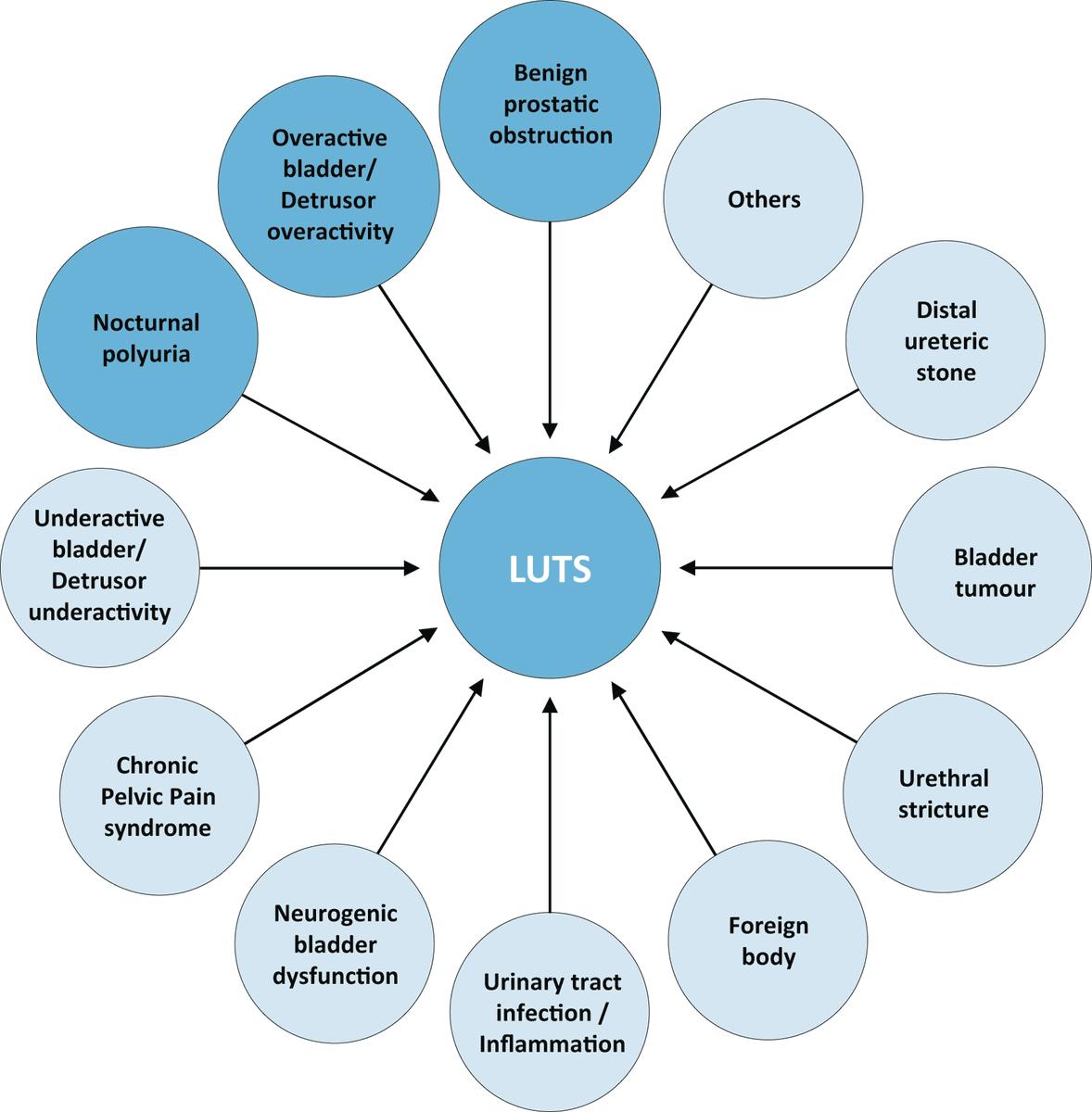
Figure 1 illustrates the potential causes of LUTS. It is common for more than one of these factors to be present.1 Some of the more common conditions related to male LUTS include:
✽ Acute retention of urine is defined as a painful, palpable, or percussible bladder when the patient is unable to pass any urine. 2,3
✽ Chronic retention of urine is defined as a non-painful bladder which remains palpable or percussible after the patient has passed urine. Such patients may be incontinent. 2,3
✽ Bladder outlet obstruction (BOO) is the generic term for obstruction during voiding and is characterised by increasing detrusor pressure and reduced urine flow rate. It is usually diagnosed by invasive urodynamic or pressure/flow studies.2,3
✽ Benign prostatic obstruction is a form of BOO and may be diagnosed when the cause of outlet obstruction is known to be benign prostatic enlargement.2,3
✽ BPH is a term used (and reserved) for the typical histological pattern which defines the disease.
LUTS can progress dynamically – for some they persist and progress, for others they remit. Given the many potential causes, an individual assessment is paramount. No one solution fits all.
Clinical assessment has two main objectives:
1. Identify differential diagnosis, noting the origin of LUTS is often multifactorial.
2. To define the clinical profile of men with LUTS in order to decide on appropriate care.
A thorough medical history aims to identify potential causes and relevant co-morbidities and must include current medications, lifestyle habits, emotional, and psychological factors. Physical examination focusing in particular on the suprapubic area, the external genitalia, the perineum, and lower limbs should be performed. Urethral discharge, meatal stenosis, phimosis, and penile cancer must be excluded.1
Digital rectal examination (DRE) is the simplest way to assess prostate volume, but the relationship to prostate volume is poor. It may help to differentiate BPO from prostate cancer, prostatitis, or other conditions. It is relatively subjective and examiner dependant – despite this, it is a strong recommendation in the European Association of Urology guidelines that a DRE is performed as part of the physical examination in the assessment of male LUTS.
Urinalysis must be included in the primary evaluation of any patient presenting with LUTS to identify conditions such as urinary tract infections (UTI), microhaematuria, and diabetes mellitus. In most guidelines, urinalysis is recommended in the primary management of patients with LUTS. 4 Limited evidence is available, but general expert consensus suggests that the benefits outweigh the costs. 5
All published guidelines recommend
Given the many potential causes of lower urinary tract symptoms, an individual assessment is paramount. No one solution fits all
using a validated symptom score questionnaire1 and there are many available: The International Prostate Symptom Score (IPSS), the International Consultation on Incontinence Questionnaire for Male Luts, and Danish Prostate Symptom Score. The IPSS is probably the most widely used questionnaire ( Figure 2).
The IPSS is an eight-item questionnaire consisting of seven symptom questions and one QoL question. 6 The score is categorised as ‘asymptomatic’ (0 points), ‘mildly symptomatic’ (1-7 points), ‘moderately symptomatic’ (8-19 points), and ‘severely symptomatic’ (20-35 points). Limitations include lack of assessment of incontinence, post-micturition symptoms, and bother caused by each separate symptom.
Bladder diaries/ frequency volume charts are also useful tools to aid assessment, and there are many available on the internet for use. Volumes in, out, and urine leakage (+/activity) can be recorded. The recording duration needs to be long enough to avoid sampling error, but short enough to avoid non-compliance; most literature recommends three days.7
The European guidelines also suggest a prostate-specific antigen (PSA) blood test, but only after the patient is counselled, as well as a renal profile if renal impairment is suspected based on history and clinical exam. Radiological imaging is not suggested in the initial phase of assessment.1
Urinary flow rate assessment is a widely used non-invasive urodynamic test. Key parameters are Qmax, voided volume, and flow pattern. Uroflowmetry parameters should preferably be evaluated with voided volume >150mL. It is also an excellent baseline test to assess treatment effect. It should always be followed by a post void residual bladder scan.


Safety profile comparable across all doses1,2
Abbreviated Prescribing Information Ozempic® (semaglutide). Please refer to the Summary of Product Characteristics (SmPC) before prescribing. Ozempic® 0.25 mg solution for injection in pre-filled pen, Ozempic® 1 mg solution for injection in pre-filled pen: One ml of solution contains 1.34 mg of semaglutide (human glucagon-like peptide-1 (GLP-1) analogue). Ozempic® 0.5 mg solution for injection in pre-filled pen: One ml of solution contains 0.68 mg of semaglutide. Ozempic® 2 mg solution for injection in pre-filled pen: One ml of solution contains 2.68 mg of semaglutide. Indication: Ozempic® is indicated for the treatment of adults with insufficiently controlled type 2 diabetes mellitus as an adjunct to diet and exercise • as monotherapy when metformin is considered inappropriate due to intolerance or contraindications • in addition to other medicinal products for the treatment of diabetes. For trial results with respect to combinations, effects on glycaemic control, cardiovascular disease and kidney events and the populations studied, see sections 4.4, 4.5 and 5.1 of the Ozempic® SmPC. Posology and administration: Administered once weekly at any time of the day, with or without meals. Injected subcutaneously in the abdomen, thigh or upper arm. Starting dose: 0.25 mg once weekly. After 4 weeks the dose should be increased to 0.5 mg once weekly. After at least 4 weeks with a dose of 0.5 mg once weekly, the dose can be increased to 1 mg once weekly to further improve glycaemic control. After at least 4 weeks with a dose of 1 mg once weekly, the dose can be increased to 2 mg once weekly to further improve glycaemic control. If a dose is missed: administer as soon as possible and within 5 days after the missed dose. If more than 5 days have passed, the missed dose should be skipped, and the next dose should be administered on the regularly scheduled day. In each case, patients can then resume their regular once weekly dosing schedule. The day of weekly administration can be changed, as long as the time between two doses is at least 3 days. After selecting a new dosing day, once-weekly dosing should be continued. When Ozempic® is added to existing metformin and/ or thiazolidinedione therapy or to a sodium-glucose co-transporter-2 inhibitor (SGLT2) inhibitor, the current dose of metformin and/or thiazolidinedione or SGLT2 inhibitor can be continued unchanged. When Ozempic® is added to a sulfonylurea (SU) or insulin, a reduction in dose of SU or insulin should be considered to reduce the risk of hypoglycaemia. Blood glucose self-monitoring is necessary to adjust the dose of SU and insulin, particularly when Ozempic® is started and insulin is reduced. A stepwise approach to insulin reduction is recommended. Children: No data available. Elderly: No dose adjustment required. Renal impairment: No dose adjustment is required for patients with mild, moderate or severe renal impairment. Experience in patients with end-stage kidney disease is limited. Hepatic impairment: No dose adjustment is required for patients with hepatic impairment. Experience with severe hepatic impairment is limited. Caution should be exercised when treating these patients with semaglutide. Contraindications: Hypersensitivity to the active substance or to any of the excipients. Special warnings and precautions for use: Should not be used in patients with type 1 diabetes mellitus or for the treatment of diabetic ketoacidosis (DKA). Not a substitute for insulin. DKA has been reported in insulin-dependent patients whom had rapid discontinuation or dose reduction of insulin. There is no experience in patients with congestive heart failure NYHA class IV and is therefore not recommended in these patients. Pulmonary aspiration has been reported in patients receiving GLP-1 receptor agonists undergoing general anaesthesia or deep sedation. Therefore, the increased risk of residual gastric content due to delayed gastric emptying should be considered prior to performing procedures with general anaesthesia or deep sedation. Use of GLP-1 receptor agonists (RAs) may be associated with gastrointestinal adverse reactions. This should be considered when treating patients with impaired renal function as nausea, vomiting, and diarrhoea may cause dehydration which in rare cases can lead to a deterioration of renal function. Patients treated with
semaglutide should be advise of the potential risk of dehydration in relation to gastrointestinal side effects and take precautions to avoid fluid depletion. Acute pancreatitis has been observed with the use of GLP-1 RAs. Patients should be informed of the characteristic symptoms of acute pancreatitis. If pancreatitis is suspected, semaglutide should be discontinued; if confirmed, semaglutide should not be restarted. Exercise caution in patients with a history of pancreatitis. Use of semaglutide in combination with a SU or insulin may have an increased risk of hypoglycaemia; consider reducing the dose of SU or insulin when initiating treatment with Ozempic®. In patients with diabetic retinopathy treated with insulin and semaglutide, an increased risk of developing diabetic retinopathy complications has been observed. Exercise caution when using semaglutide in patients with diabetic retinopathy treated with insulin, monitor such patients closely and treat according to clinical guidelines. Rapid improvement in glucose control has been associated with a temporary worsening of diabetic retinopathy, but other mechanisms cannot be excluded. Ozempic® 2 mg is not recommended in patients with type 2 diabetes with uncontrolled or potentially unstable diabetic retinopathy. Data from epidemiological studies indicates an increased risk for non-arteritic anterior ischaemic optic neuropathy (NAION) during treatment with semaglutide. There is no identified time interval for when NAION may develop following treatment start. A sudden loss of vision should lead to ophthalmological examination and treatment with semaglutide should be discontinued if NAION is confirmed. Semaglutide treated patients with gastroparesis may experience more serious or severe gastrointestinal adverse events. Semaglutide should be used with caution in these patients, and semaglutide is not recommended if gastroparesis is severe. When semaglutide is used in combination with a SU or insulin, patients should be advised to take precautions to avoid hypoglycaemia while driving and using machines. Fertility, pregnancy and lactation: Women of childbearing potential are recommended to use contraception when treated with semaglutide. Should not be used during pregnancy or breast-feeding. Discontinue at least 2 months before a planned pregnancy. Effect on fertility unknown. Undesirable effects: Very common (≥1/10): Hypoglycaemia when used with insulin or sulfonylurea, nausea, diarrhoea. Common (≥1/100 to <1/10): Hypoglycaemia when used with other oral antidiabetic medications, decreased appetite, dizziness, headache, diabetic retinopathy complications, vomiting, abdominal pain, abdominal distension, constipation, dyspepsia, gastritis, gastro-oesophageal reflux disease, eructation, flatulence, cholelithiasis, fatigue, increased lipase, increased amylase, weight decreased. Uncommon (≥1/1 000 to <1/100): Hypersensitivity, dysgeusia, increased heart rate, acute pancreatitis, delayed gastric emptying, injection site reactions. Rare (≥1/10 000 to <1/1 000): Anaphylactic reaction. Very rare (<1/10 000): Non-arteritic anterior ischaemic optic neuropathy (NAION). Not known (cannot be estimated from available data): Angioedema, intestinal obstruction, dysaesthesia. The SmPC should be consulted for a full list of side effects. MA numbers: Ozempic® 0.25 mg pre-filled pen
EU/1/17/1251/002. Ozempic® 0.5 mg pre-filled pen
EU/1/17/1251/012. Ozempic® 1 mg pre-filled pen
EU/1/17/1251/005. Ozempic® 2 mg pre-filled pen
EU/1/17/1251/010. Each pre-filled pen delivers 4 doses and includes 4 disposable NovoFine® Plus needles. Legal Category: POM. For complete prescribing information, please refer to the SmPC which is available on www.medicines.ie or by email from infoireland@novonordisk.com or from the Clinical, Medical and Regulatory Department, Novo Nordisk Limited, 1st Floor, Block A, The Crescent Building, Northwood Business Park, Santry, Dublin 9. Date last revised: March 2026
Adverse events should be reported to the Health Products Regulatory Authority. Information about adverse event reporting is available at www hpra.ie. Adverse events should also be reported to Novo Nordisk on Tel: 01 8629 700 or complaintireland@novonordisk.com
References 1. Ozempic® Summary of Product Characteristics www.medicines.ie 2. Frías JP, et al. Efficacy and safety of once-weekly semaglutide 2.0 mg versus 1.0 mg in patients with type 2 diabetes (SUSTAIN FORTE): a doubleblind, randomised, phase 3B trial. Lancet Diabetes Endocrinol. 2021;9(9):563–574.
Ozempic® is a prescription only medication. Ozempic® and the Apis bull logo are registered trademarks owned by Novo Nordisk A/S. April 2026. IE26SEMO00117
Novo Nordisk Limited, First Floor, Block A, The Crescent Building Northwood Business Park, Santry, Dublin 9, D09 X8W3, Ireland Tel: 01 862 9700 Fax: 01 862 9725
Email: infoireland@novonordisk.com Web: www.novonordisk.ie
Patient Name:
In the past month:
1. Incomplete emptying. How often have you had the sensation of not emptying your bladder?
2. Frequency. How often have you had to urinate less than every two hours?
3. Intermittency. How often have you found you stopped and started again several times when you urinated?
4. Urgency. How often have you found it difficult to postpone urination?
5. Weak stream. How often have you had a weak urinary stream?
6. Straining. How often have you had to strain to start urination?
7. Nocturia. How many times did you typically get up at night to urinate?
Total I-PSS Score
Score: 1-7: Mild, 8-19: Moderate, 20-35: Severe
If you were to spend the rest of your life with your urinary condition just the way it is now, how would you feel about that?
A post-void residual (PVR) scan uses ultrasound to measure how much urine is left in the bladder post void. It is a quick, painless, non-invasive test. High PVRs signal incomplete emptying, pointing to issues like obstruction, nerve damage, or weak bladder muscles, and can lead to UTIs if untreated. Monitoring of changes in PVR over time may allow for identification of patients at risk of acute urinary retention (AUR) and in
both the MTOPS and ALTESS studies, a high baseline PVR (PVR of ≥350mL) was associated with an increased risk of symptom progression.8,9
The European guidelines also suggest a PSA blood test, but only after the patient is counselled and a renal profile, if renal impairment is suspected based on history and clinical exam. Radiological imaging is not suggested in the initial phase of assessment.1
Management of male LUTS is stepwise and generally depends on symptom severity, bother, and complications. A sufficient clinical and diagnostic assessment (as described) prior to any allocation of treatment to establish symptom severity and potential risks is essential. The three types of management are conservative management, pharmacological management, and
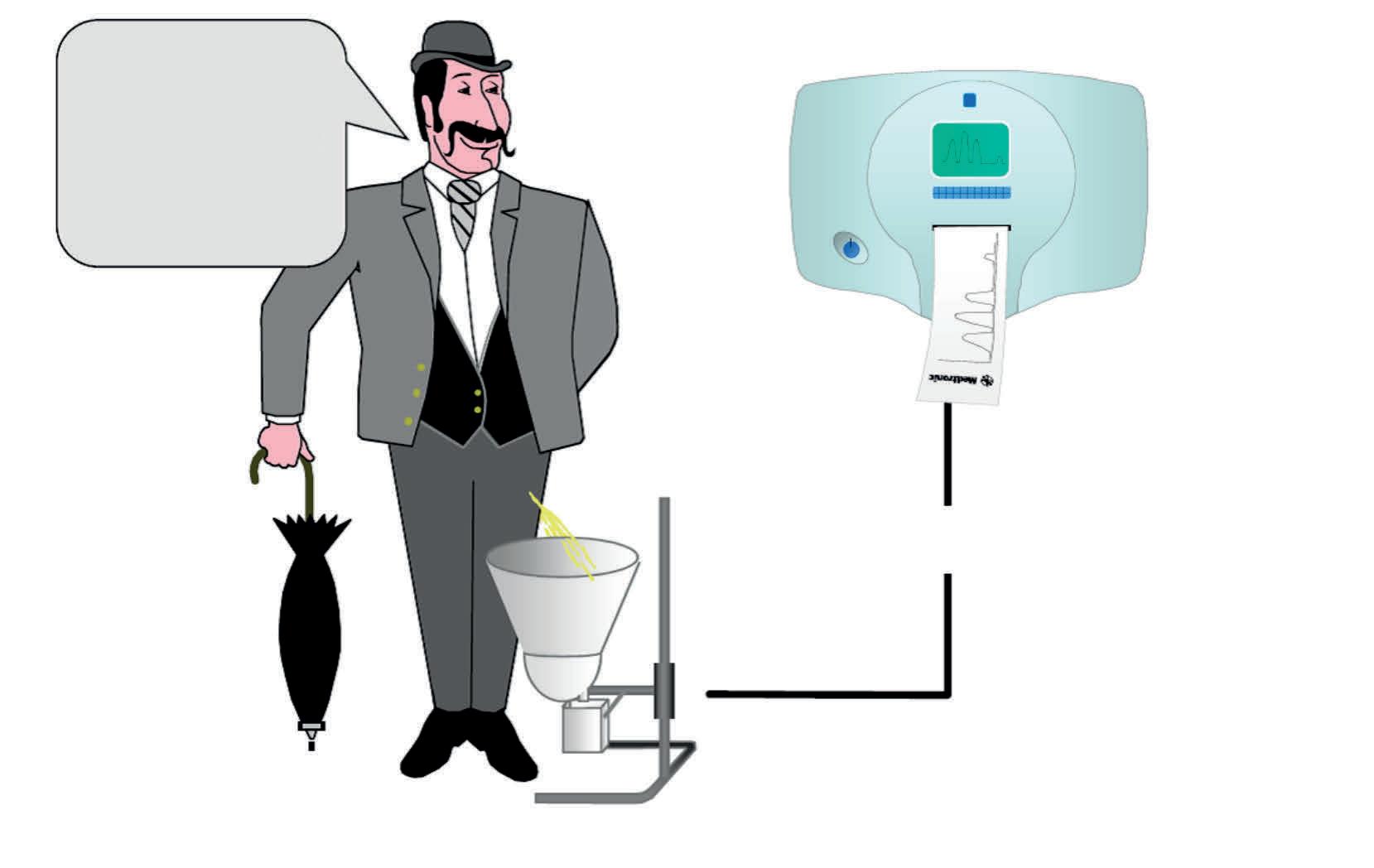
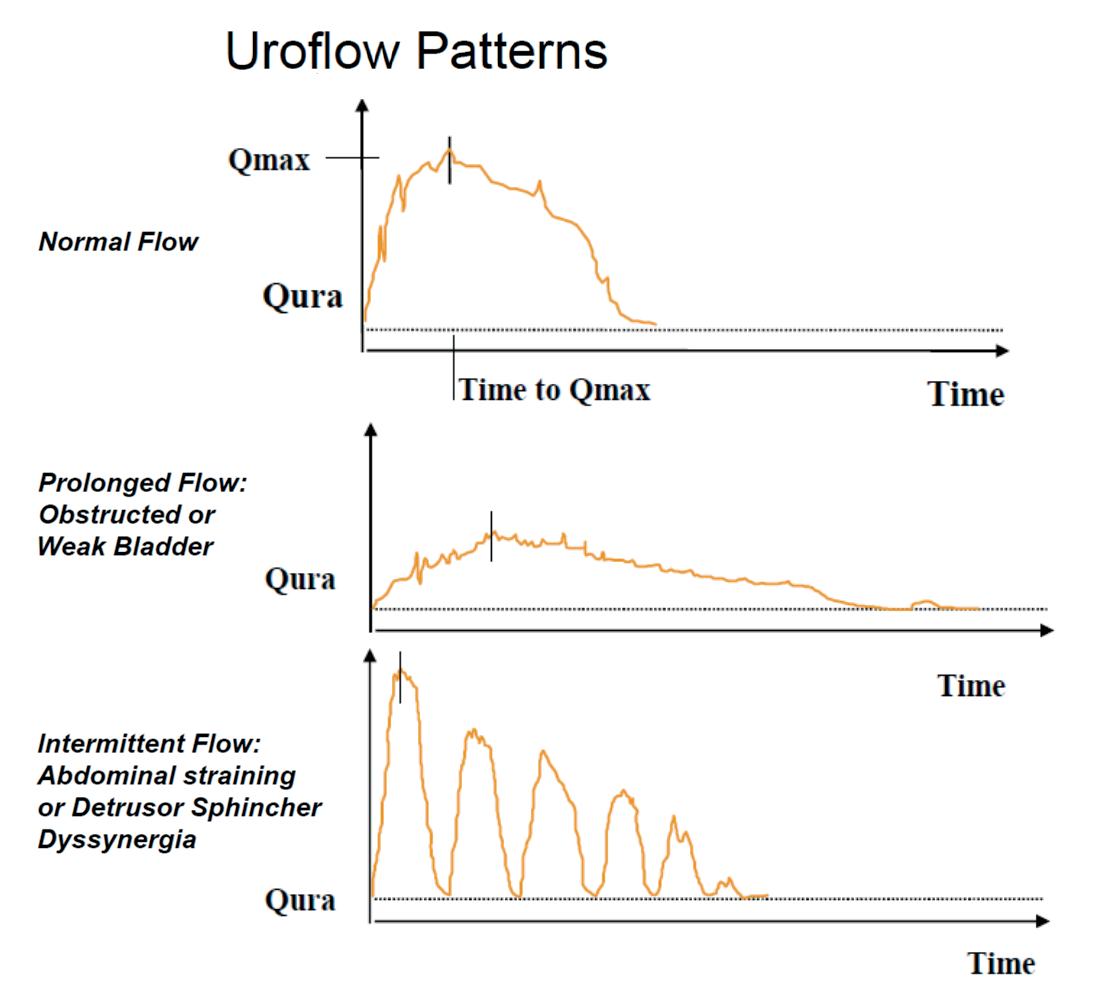
surgical management.
Conservation management can be split into two categories:
1. Watchful waiting: Many men with LUTS are not troubled enough by their symptoms to require drug treatment or
surgical intervention. Watchful waiting is a viable option for many men with non-bothersome LUTS, as few will progress to AUR and complications (eg, renal insufficiency or stones)1 whilst others can remain stable for years. In one study, approximately 85 per cent
RECOMMENDATIONS
Offer watchful waiting to men with mild/moderate LUTS who are minimally bothered by their symptoms.
Offer men with LUTS lifestyle advice and selfcare information prior to, or concurrent with, treatment.
STRENGTH RATING
Strong
Strong
TABLE 2: Recommendations from the European guidelines1
of men with mild LUTS were stable on watchful waiting at one year.10 Increasing symptom bother and PVR volumes are the strongest predictors of watchful waiting failure.
2. Behavioural and dietary modifications: From a nursing perspective, it is essential for this type of management to include education, reassurance, and periodic management. Lifestyle advice is essential on concerning topics such as:1,11
✽ Reduction of fluid intake at specific times aimed at reducing urinary frequency when most inconvenient (eg, at night or when going out in public).
✽ Avoidance/moderation of intake of caffeine or alcohol, which may have a diuretic and bladder irritant effect, thereby increasing fluid output and enhancing frequency, urgency, and nocturia.
✽ Use of relaxed and double-voiding techniques
✽ Urethral milking to prevent postmicturition dribble.
✽ Distraction techniques, like penile squeeze, breathing exercises, perineal pressure, and mental tricks to take the mind off the bladder and toilet and help control overactive bladder symptoms.
✽ Bladder retraining that encourages men to hold on when they have urgency to increase their bladder
capacity and the time between voids.
✽ Reviewing the medication and optimising the time of administration or substituting drugs for others that have fewer urinary effects (these recommendations apply in particular to diuretics).
✽ Providing necessary assistance when there is impairment of dexterity, mobility or mental state.
✽ Treatment of constipation.
Pharmacological management is wide ranging and can be somewhat complex. What follows is a summarised version of available medications, all of which is based on European guidelines.1
Alpha 1-adrenoceptor antagonists (apha-blocker) –moderate to severe LUTS:
✽ Tamsulosin, silodosin, alfuzosin.
✽ Inhibit the effect of noradrenaline on smooth muscle cells in the prostate, reducing prostate tone and BOO.
✽ Typically reduce IPSS by 30-40 per cent, can reduce both storage and voiding LUTS.
✽ Most common side effects include weakness, dizziness, and orthostatic hypotension.
✽ ‘Floppy iris’ – higher risk with tamsulosin.
✽ Do not affect erectile function or libido.
✽ Decreased or absence of seminal fluid during ejaculation.
5-alpha reductase inhibitors –moderate to severe LUTS with an increased risk of progression:
✽ Dutasteride, finasteride.
✽ By preventing the intraprostatic conversion of testosterone to the more potent androgen dihydrotestosterone, these medications reduce prostate volume and relieve urinary outflow obstruction.
✽ Apoptosis of prostate cells leading to prostate size reduction.
✽ Reduce long-term risk of acute urinary retention.
✽ Most common side effects include reduced libido, erectile dysfunction, and less commonly gynaecomastia.
Muscarinic receptor antagonists –moderate to severe LUTS, mostly bladder storage symptoms:
✽ Solifenacin, tolterodine, oxybutynin
✽ Stimulates muscarinic receptors on the smooth muscle cells – bladder urothelial cell, epithelial cells of the salivary gland
✽ Do not use in PVR >150mls
✽ Most common side effects include dry mouth, constipation, and micturition difficulties.
Beta-3 agonist:
✽ Mirabegron
✽ Thought to induce detrusor relaxation through stimulation of smooth muscle cells, mode of action is not fully elucidated
✽ Most common side effects include hypertension, UTI, and headache.
Phosphodiesterase 5 inhibitors:
✽ Tadalafil is only licensed for the treatment of male LUTS
✽ Reduce muscle tone of the detrusor, prostate, and urethra. Longer treatment seems to increase blood perfusion and oxygenation in the lower urinary tract
✽ Contraindicated in patients using nitrates, severe cardiac disease, and/ or recent myocardial infarction.
Combination therapies:
✽ Alpha blocker + 5 alpha reductase inhibitors
✽ Alpha blocker + muscarinic receptor antagonists
✽ Alpha blocker + beta 3 agonist.
Surgical treatment is one of the cornerstones of LUTS management and is usually considered when symptoms are moderate to severe, persistent, and do not respond to lifestyle modifications or pharmacological management.1 There are various surgical options and the treatment decision may depend on prostate size, symptom severity, patient’s age and health, and desired preservation of ejaculation/sexual function. Options may also depend on the hospital or urologist the patient attends. Below is a summary of the more common surgical options (not exhaustive).1
Transurethral resection of the prostate:
✽ Prostate gland of 30-80ml
✽ Endoscopically removes tissue from the transition zone of the gland in various degrees resulting in a volume and PSA reduction of 25-58 per cent. 1
✽ Possible post-operative complications can include urethral stricture, bladder neck contracture, retrograde ejaculation.
Open prostatectomy:
✽ Is the oldest surgical treatment, used mostly for substantially enlarged glands (>80ml).
✽ Adenomas are enucleated,
Surgical options are usually considered when symptoms are moderate to severe, persistent, and do not respond to other treatment strategies
approaching from within the bladder (Freyer procedure) or through the anterior prostatic capsule (Millin procedure).
Bipolar transurethral enucleation of the prostate:
✽ Following the principles of bipolar technology, the obstructive adenoma is enucleated endoscopically by the transurethral approach.
Holium laser enucleation:
✽ Is a pulsed solid-state laser that is absorbed by water and watercontaining tissues. Tissue coagulation and necrosis are limited to 3-4mm which obtains adequate haemostasis.
Prostatic urethral lift: The UroLift device delivers tiny stainless-steel implants that lift or hold the enlarged prostate tissue out of the way so that it no longer blocks the urethra.
Intra-prostatic injections: These compounds are injected deep into the prostate to elicit either a chemical irritant response or initiate cellular apoptotic pathways that result in ablation of prostatic tissue. Transurethral ethanol ablation of the prostate is one such method involving injection of pure ethanol.
Watchful waiting/ behavioural modifications: Review at six months and then annually.
Medical treatment: Review four to six weeks after drug initiation, then at six months, and then annually. For 5-alpha reductase inhibitors, review at 12 weeks, then six months. Monitor PSA.
Surgical treatment: Review at four
to six weeks and then discharge if appropriate.
In conclusion, management of male LUTS follows a stepwise approach based on symptom severity and patient impact. Conservative measures are appropriate for mild symptoms, while pharmacological therapies may be required for moderate cases. Surgical intervention remains an important option for severe or refractory symptoms, ensuring symptom relief and prevention of complications. Nurses play key roles like assessing symptoms, aiding diagnosis, and monitoring treatment response. They provide patient education on lifestyle changes and medication management and also support patients postintervention, identifying complications early, and promoting recovery. ✽
References
1. European Association of Urology. EAU Guidelines on the Management of Non-neurogenic Male Lower Urinary Tract Symptoms (LUTS), incl. Benign Prostatic Obstruction (BPO). Arnhem, The Netherlands: EAU Guidelines Office; 2024. Available at: https://uroweb.org/guidelines/ management-of-non-neurogenic-male-luts
2. Abrams P, Cardozo L, Fall M, et al. The standardisation of terminology of lower urinary tract function: report from the Standardisation Sub-committee of the International Continence Society. Neurourol Urodyn. 2002;21(2):167-178. doi:10.1002/ nau.10052.
3. Roehrborn CG. Male lower urinary tract symptoms (LUTS) and benign prostatic hyperplasia (BPH). Med Clin North Am. 2011;95(1):87-100. doi:10.1016/j. mcna.2010.08.013.
4. Abrams P, Chapple C, Khoury S, et al. International Consultation on New Developments in Prostate Cancer and Prostate Diseases. Evaluation and treatment
of lower urinary tract symptoms in older men. J Urol. 2013;189(1 Suppl):S93-S101. doi:10.1016/j.juro.2012.11.021.
5. European Confederation of Laboratory Medicine. European urinalysis guidelines. Scand J Clin Lab Invest Suppl. 2000;231:186. Available at: www.ncbi.nlm.nih.gov/ pubmed/12647764
6. Barry MJ, Fowler FJ Jr, O ’ Leary MP, et al. The American Urological Association symptom index for benign prostatic hyperplasia. The Measurement Committee of the American Urological Association. J Urol. 1992;148(5):1549-1564. doi:10.1016/ s0022-5347(17)36966-5.
7. Yap TL, Cromwell DC, Emberton M. A systematic review of the reliability of frequency-volume charts in urological research and its implications for the optimum chart duration. BJU Int 2007;99(1):9-16. doi:10.1111/j.1464410X.2006.06499.x.
8. McConnell JD, Roehrborn CG, Bautista OM, et al. The long-term effect of
doxazosin, finasteride, and combination therapy on the clinical progression of benign prostatic hyperplasia. N Engl J Med 2003;349(25):2387-2398. doi:10.1056/ NEJMoa030656.
9. Roehrborn CG. Alfuzosin 10mg once daily prevents overall clinical progression of benign prostatic hyperplasia but not acute urinary retention: Results of a twoyear placebo-controlled study. BJU Int 2006;97(4):734-741. doi:10.1111/j.1464410X.2006.06110.x.
10. Netto NR Jr, de Lima ML, Netto MR, D'Ancona CA. Evaluation of patients with bladder outlet obstruction and mild international prostate symptom score followed up by watchful waiting. Urology 1999;53(2):314-316. doi:10.1016/s00904295(98)00475-0.
11. Yap TL, Brown C, Cromwell DA, et al. The impact of self-management of lower urinary tract symptoms on frequencyvolume chart measures. BJU Int 2009;104(8):1104-1108. doi:10.1111/j.1464410X.2009.08497.x.
✽ AUTHOR : Dr Jayanta B Sarma, Consultant Microbiologist, Letterkenny University Hospital
Genomic evidence from a rural Irish hospital reveals that most Clostridioides difficile infections are not caused by hospital transmission, but by predictable ecological damage to the microbiome
For years, Clostridioides difficile infection (CDI) has been considered a failure of infection control – a hospitalacquired complication best addressed through isolation, enhanced cleaning, and outbreak management. But highresolution genomic sequencing is forcing a more uncomfortable conclusion ‒ most Clostridioides difficile (C. diff ) infection is not caused by hospital spread at all.
The two-year genomic epidemiology study at Letterkenny University Hospital (LUH), serving a predominantly rural population, found that true patient to patient transmission was exceptionally rare. Instead, CDI was driven overwhelmingly by antibiotic exposure, leading to endogenous activation of colonising strains. Recurrent disease was almost always relapse with the same strain, sometimes persisting for years – a pattern increasingly recognised internationally when whole-genome sequencing is applied.1,2
While these findings arise from a single hospital, they are unlikely to be unique. In many ways, LUH functions as a sentinel site for Ireland ‒ a health system serving a largely rural population, embedded in agricultural landscapes, and characterised by high antimicrobial consumption.
Using whole-genome sequencing and core-genome multilocus sequence typing, more than 2,100 genetic loci were compared across CDI isolates. This level of resolution allows clinicians to distinguish coincidence from causality in
order to determine whether cases are truly linked or merely appear so.1
Over two years, only one confirmed episode of genuine hospital transmission was identified. Several apparent ‘clusters' – patients on the same ward with the same sequence type – were shown genomically to be unrelated. Without sequencing, these would almost certainly have been labelled outbreaks.
This matters because misdiagnosing endemic disease as transmission leads to the wrong solutions. It directs attention towards beds and wards, when the real driver lies upstream.
The most common strain identified was ST11 (ribotype 078), a lineage strongly associated across Europe with livestock, food chains, and agricultural environments. 2,3 Its repeated detection in unrelated patients,
without epidemiological linkage, strongly suggests frequent community acquisition followed by activation during hospitalisation.
Ireland’s population structure makes this especially relevant. Large rural communities, close human-animal contact, and environmental persistence of spores create continuous opportunities for colonisation. Hospitals do not create these strains, they unmask them.
Seen in this light, CDI in Ireland is not primarily a hospital problem. It is a system problem, sitting at the intersection of agriculture, prescribing behaviour, and human biology.
The invisible organ at the centre of it all
At the heart of CDI lies a structure that medicine still struggles to treat with seriousness ‒ the human gut microbiota. Often described as a body ‘organ’ or the ‘second brain’, the gut microbiome
MICROBIOME FACTS: WHY IT
The human microbiome:
✽ Weighs 1-2kg –similar to the brain
✽ Contains ~100 trillion organisms
✽ Encodes >3 million genes (vs ~20,000 human genes)
✽ Produces vitamins, short-chain fatty acids, and immunemodulating molecules
✽ Provides colonisation resistance against pathogens like C. difficile
Antibiotics:
✽ Can disrupt gut microbial diversity within days
✽ May cause changes lasting months or longer
✽ Are the strongest
known risk factor for CDI
✽ Can negate advanced therapies such as faecal microbiota transplantation
Bottom line:
✽ CDI is not just an infection, it is a warning that the microbiome has failed
weighs 1-2kg ‒ roughly the same as the brain – and contains around 100 trillion microorganisms.4 It encodes millions of genes, produces essential metabolites, regulates immune responses, and provides colonisation resistance against pathogens such as C. diff 5
From a One Health perspective – a coordinated, holistic strategy designed to sustainably balance and enhance the health of humans, animals, and ecosystems6 – the microbiome is where human medicine, veterinary antibiotic use, food systems, and environmental exposure converge biologically. It is also where antimicrobial harm first manifests.
Broad-spectrum antibiotics can collapse microbial diversity within days, eliminating protective species and creating ecological niches that allow dormant C. diff spores to proliferate.5 CDI is therefore not an accident, nor a mystery, but rather a predictable ecological failure.
Recovery is slow and often incomplete. Even short antibiotic courses can disrupt the microbiome for months while repeated exposure may cause long-term damage.2 This explains why recurrent CDI is usually relapse rather than reinfection ‒the ecosystem never truly recovers.
CDI should therefore be understood as a sentinel condition and an early warning sign of deeper microbiome
injury. The same dysbiosis also facilitates antimicrobial resistance, immune dysfunction, metabolic disease, and vulnerability to other infections.
Every CDI case in the LUH cohort had prior antimicrobial exposure. Benchmarking against national data showed persistently high use of CDI-associated antibiotics, including clindamycin, co-amoxiclav, fluoroquinolones, and broad-spectrum penicillins – several in the highest national deciles.
This is not a local aberration. Ireland’s overall antimicrobial consumption remains high by European standards, particularly in acute care.7 The lesson is unavoidable ‒ we are prescribing the ecological conditions for CDI into existence.
Ireland’s National Action Plan on Antimicrobial Resistance explicitly endorses a One Health approach, recognising the interconnected roles of human health, animal health, and the environment.8 Yet in practice, CDI prevention remains framed almost exclusively within hospital walls.
Genomic evidence exposes this mismatch. Reducing CDI will not be
References
1. Griffiths D, Fawley W, Kachrimanidou M, et al. Multilocus sequence typing of Clostridium difficile J Clin Microbiol. 2010;48(3): 770-778. doi:10.1128/JCM.01796-09.
2. Janezic S, Rupnik M. Genomic diversity of Clostridium difficile strains. Res Microbiol. 2015;166(4):353-360. doi:10.1016/j. resmic.2015.02.002.
3. European Centre for Disease Prevention and Control. Clostridioides difficile infections. Available at: www.ecdc.europa.eu/en/ clostridioides-difficile-infections
4. Sender R, Fuchs S, Milo R. Revised estimates for the number of human and bacteria cells in the body. PLoS Biol. 2016;14(8):e1002533. doi:10.1371/journal.pbio.1002533.
5. Khanna S, Pardi DS. The growing incidence and severity of Clostridium difficile infection in inpatient and outpatient settings. Expert Rev Gastroenterol Hepatol. 2010;4(4):409-416. doi:10.1586/egh.10.48.
achieved through isolation rooms alone. It requires:
✽ Sustained reductions in high-risk antimicrobial use
✽ Stewardship programmes with real authority and accountability
✽ Integration of microbiome preservation into prescribing decisions
✽ Recognition that agricultural, environmental, and human antibiotic pressures act on the same biological system.
Without this shift, CDI will continue to recur, not because hospitals are failing to clean properly, but because the system is repeatedly injuring an organ we rarely acknowledge.
Whole-genome sequencing brings clarity. It tells us when outbreaks are real and when they are not. But sequencing cannot prevent disease. Prevention lies upstream, in restraint rather than reaction.
In a country with deep rural roots and close human-environmental ties, Ireland’s CDI burden should prompt a reframing. This is not an infection control failure, but a stewardship failure. Until we treat the microbiome as an organ worth protecting, CDI will remain an entirely predictable consequence of how we practise medicine. ✽
6. One Health high-level expert panel (OHHLEP), Adisasmito WB, Almuhairi S, et al. One Health: A new definition for a sustainable and healthy future. PLoS Pathog 2022;18(6):e1010537. doi:10.1371/journal. ppat.1010537.
7. Health Protection Surveillance Centre. Enhanced surveillance of Clostridioides difficile infection in Ireland. Dublin: HPSC; 2022. Available at: www.hpsc.ie/az/microbiologyantimicrobialresistance/clostridioidesdifficile/ cdifficiledataandreports/
8. Department of Health. Ireland’s Second One Health National Action Plan on Antimicrobial Resistance 2021-2025 (iNAP2). Published November 18, 2021. Available at: www.gov.ie/en/department-of-health/publications/irelands-national-action-plan-onantimicrobial-resistance/

✽ EDITORIAL DIRECTOR: Theresa Lowry Lehnen
Committee news ✽ Association news ✽ Showcasing excellence in research and innovation ✽ Meet the members











As Chair of the Irish Association of Advanced Nurse and Midwife
Practitioners (IAANMP), I am delighted to introduce the latest edition of our Advanced Practice Supplement, which reflects the continued growth, influence, and impact of advanced practice across Ireland.
This edition highlights the strength of our community, welcoming new leadership to the committee, celebrating the achievements of our members, and recognising the collective contribution of over 600 ANMPs who are shaping the future of healthcare delivery. From national award shortlistings to innovative service developments such as NurseHub, and from bursarysupported professional advancement to impactful research and audit work,
the breadth and depth of activity across our membership is both inspiring and significant.
Our inclusion as finalists in two categories at the Irish Healthcare Centre Awards 2026 is a testament to the leadership, expertise, and dedication of our members. It reflects not only the quality of care being delivered every day, but also the growing recognition of advanced practice as a key driver of healthcare transformation within an increasingly complex system.
Equally important are the insights from our recent educational pathways survey, which highlight both the strengths of our highly educated workforce and the clear need for continued investment in leadership development, doctoral pathways, and organisational support. These
findings will help inform our ongoing engagement with key stakeholders as we advocate for the future of advanced practice in Ireland.
At the heart of everything we do is a shared commitment to excellence in patient care, professional integrity, and continuous advancement. This newsletter showcases the innovation, resilience, and leadership that define our profession and reinforces the vital role of IAANMP in supporting and representing advanced practitioners nationally.
I would like to thank our editorial team for their work in producing this edition and maintaining the consistently high quality of all our publications, and to acknowledge our members, whose ongoing contributions continue to strengthen our profession and improve outcomes for patients across Ireland.
✽ Author: Theresa
Lowry Lehnen, IAANMP Editorial Officer
Welcome to Marcella Gavin, Registered Advanced Midwife Practitioner (RAMP), who has recently joined the IAANMP committee. Marcella is a RAMP at Mayo University Hospital, Castlebar, with extensive experience in maternity care and advanced midwifery practice. She holds a Higher Diploma in Midwifery from University College Cork, a Master of Health Sciences in Midwifery Practice from Trinity College Dublin and a Master of Health

Sciences in Advanced Practice in Midwifery, and a Certificate in Nurse/
Midwife Prescribing from the University of Galway.
Marcella is an Adjunct Lecturer in Midwifery at the University of Galway and is actively involved in midwifery education and professional development. Her research interests include maternal decision-making and midwiferyled care, and she has published research on women’s decisions regarding vaginal birth after caesarean section in Sexual and Reproductive Healthcare (2025). She also contributes to clinical training and education programmes at Mayo University Hospital.
Thank you and best wishes to Luke Sheehan
The IAANMP committee extends its sincere thanks to Luke Sheehan for his dedication and valuable contribution during his time as Committee Officer. His support, professionalism, and involvement have been greatly appreciated throughout his time with the committee. We wish Luke every success as he returns to work in the UK, and in all his future endeavours.
Not one, but two! IAANMP shortlisted for ‘Clinical Team of the Year’ and ‘Healthcare Team of the Year’ at the Irish Healthcare Centre Awards 2026
✽ Author: Theresa Lowry Lehnen, IAANMP Editorial Officer
The IAANMP has been shortlisted for both Clinical Team of the Year (Public) and Healthcare Team of the Year (Community, Primary, and Integrated Care Services) at the Irish Healthcare Centre Awards 2026. This dual recognition reflects
the Association’s growing national leadership, its significant impact on healthcare delivery, and its sustained commitment to advancing excellence, innovation, and professional standards in advanced nursing and midwifery practice across Ireland.
The IAANMP is a national professional organisation and clinical healthcare team driving the transformation of patient care
across Ireland through the expertise, leadership, and impact of 600 ANMPs. Our highly skilled members are autonomous clinicians who deliver complete episodes of care across primary, secondary, and tertiary settings, providing expert assessment, diagnosis, prescribing, treatment, and follow-up, and collectively delivering tens of thousands of patient consultations annually.
As senior autonomous clinicians and clinical leaders, IAANMP members are delivering measurable improvements across acute, community, and specialist care settings. Our members’ impact is demonstrated through improved access to timely, expert-led care, reduced pressure on overstretched services, and strengthened clinical outcomes across multiple specialties. IAANMP members play a major role in reducing waiting times, avoiding hospital admissions, enhancing continuity of care for patients nationwide, and improving health outcomes. Through advanced clinical reasoning, leadership, education, and research, IAANMP
ANPs, and AMPs are helping to future-proof healthcare delivery while maintaining the highest standards of safety, quality, and compassion. Through strategic collaboration with the Department of Health, the HSE, the Nursing and Midwifery Board of Ireland (NMBI), academic institutions, and national stakeholders, IAANMP has driven the expansion, recognition, and integration of advanced practice roles as a key solution to healthcare system demands. This has directly supported workforce development,
service efficiency, and patient-centred innovation at a national level.
Over its 22-year history, the IAANMP has demonstrated resilience, strategic vision, and a strong collective identity. Its ability to unify a diverse and highly skilled advanced practice membership has enabled it to influence meaningful healthcare reform and respond effectively to evolving system demands.
Being shortlisted for both Healthcare Team of the Year and Clinical Team of the Year highlights the strength of the IAANMP’s collaborative ethos and the dedication of its committee and membership. It reflects an organisation driven by shared purpose, professional integrity, and a clear vision for the continued development of advanced nursing and midwifery practice within a modern, responsive health service.
These shortlistings celebrate not only the achievements of the Association and its 600-strong membership, but also the continuing evolution of advanced nursing and midwifery practice as a cornerstone of highquality, person-centred healthcare in Ireland, now and into the future.
✽ Author: Theresa Lowry Lehnen, IAANMP Editorial Officer
The IAANMP Educational Pathways Survey provides a national snapshot of ANMPs’ educational attainment, leadership confidence, and perspectives on doctoral-level progression. A total
of 205 respondents participated, the majority of whom were registered ANMPs working in patient-facing roles. Respondents demonstrated a high level of academic achievement, with most holding a Master’s degree and a small, but notable, cohort having completed doctoral-level education. Despite this strong educational
foundation, intention to pursue QQI Level 10 education was mixed. While a proportion expressed interest in doctoral study, almost half were uncertain, reflecting ambivalence rather than clear opposition to further academic progression.
Self-assessment of the six domains of advanced practice revealed strong
confidence in clinical decision-making, professional values, communication, and knowledge-based competencies. In contrast, leadership and professional scholarship emerged as comparatively weaker domains, echoing qualitative comments that highlighted limited preparation, opportunity, and organisational recognition for leadership development within current roles.
Encouragingly, most respondents felt qualified to support the progression of nurses from graduate to advanced practice level. However, many identified a lack of organisational support, protected time, and structured leadership development pathways as barriers to fully realising this role. These findings underline the informal nature of leadership expectations placed on ANPs and AMPs, often without corresponding
educational or institutional scaffolding. Barriers to doctoral education were multifactorial. Time constraints, lack of funding, insufficient employer support, and the absence of tangible career or financial incentives were the most frequently cited challenges. Many respondents questioned the return on investment of doctoral study, particularly in the context of unchanged remuneration, limited role expansion, and ongoing restrictions on autonomous practice, such as access to radiological investigations.
Preferences for QQI Level 10 pathways were diverse. While some favoured traditional PhD routes, a larger proportion expressed interest in clinically focused or professional doctorate models. A substantial number also reported uncertainty
regarding available options, signalling a need for clearer national guidance on doctoral pathways aligned to advanced clinical and leadership practice.
Overall, the survey highlights a highly educated and clinically confident advanced practice workforce that is motivated to lead but constrained by systemic, organisational, and structural barriers. The findings strongly support the need for nationally coordinated leadership development, clearer doctoral pathways, and meaningful recognition of advanced and doctoral-level practice within Irish healthcare structures.
The full survey is available on the IAANMP website at: https://iaanmp. com/iaanmp-members-surveyanalysis-educational-pathways-andsenior-leadership-development
✽ Author: Theresa Lowry Lehnen, IAANMP Editorial Officer
The IAANMP is proud to announce the recipients of the 2026 IAANMP Bursary Awards, recognising excellence, leadership, and commitment to the advancement of practice across Ireland. This year’s Bernie Carpenter Perpetual Bursary is awarded to Tracy Finnegan, Candidate ANP (CIT, Louth), to support her completion of a Royal College of Physicians of Ireland Diploma in Infectious Diseases. Established in honour of Bernie Carpenter’s legacy to advanced nursing practice in Ireland, this bursary supports innovative practitioners committed to advancing patient care. It promotes professional development through conference




attendance or further education, enabling members to engage with current research, access national and international expertise, and strengthen professional networks within advanced practice.
The Trisha McKeown Bursary is awarded to Felicity McFadden, Registered ANP Respiratory Integrated Care, for her project titled: ‘Evaluation of a nurse practitioner-led sleep clinic within
a community setting, Ireland’. This award commemorates Trisha’s outstanding contribution to advanced practice, recognising her enduring commitment to strategic networking, professional education, mentorship, and the advancement of evidencebased standards of care. The Trisha McKeown Bursary provides the opportunity to pursue professional development in line with the values and mission of the IAANMP, fostering
leadership, growth, and excellence within the advanced practice community.
In addition, this year, the IAANMP is delighted to award not one, but two dedicated bursaries to support attendance at the upcoming International Council of Nurses (ICN) Nurse Practitioner/ Advanced Practice Nursing Network Conference in September in Nashville, USA. This prestigious international forum brings together advanced practice leaders,
researchers, and policymakers from across the globe to share innovation, influence policy, and strengthen the global advanced practice voice. The recipients will represent the IAANMP at this important event, contributing to, and learning from, international developments in advanced practice.
The winners are Aoife Feeney, Registered ANP and Adjunct Lecturer, Emergency Department, St James’s Hospital and Trinity College Dublin, who has been accepted for an oral
✽ Author: Theresa Lowry Lehnen, IAANMP Editorial Officer
Innovative, accessible, and nurse-led, NurseHub – based in Newtown, Greystones, Co Wicklow – represents a progressive step forward in community healthcare delivery.
Founded by Melissa Hammond, RANP and Chair of the IAANMP, this nurse-led health hub brings specialist nursing expertise together under one roof in a collaborative, patient-centred environment.
NurseHub expands community access to advanced nursing care, providing specialist assessments, prescribing, minor illness management, blood tests, blood pressure monitoring, lipid management advice, joint injections, medical weight management, aesthetic services, and preventive healthcare. It stands as a strong example of how nurse-led enterprise can complement existing services, reduce system pressures, and expand patient choice while maintaining the highest standards of

professional practice.
This initiative reflects the evolving scope of advanced practice in Ireland, where ANPs and AMPs are not only delivering expert care, but also leading service design, innovation, and strategic healthcare development.
IAANMP congratulates Melissa on this outstanding achievement and wishes her every success as NurseHub continues to grow and strengthen community healthcare delivery.
podium presentation titled: ‘Ask why, then change it: Definition of research activity by Irish registered advanced nurse/midwifery practitioners’; and Aidan Foley, Registered ANP, whose ‘Strategies to enhance nurse practitioner research capacity and evidence-based practice: A scoping review’, supports his ongoing PhD work at University College Dublin on building research capacity among ANPs.
Congratulations to all our 2026 bursary winners.
IAANMP members are encouraged to join our dedicated IAANMP Doctolib Connect (Siilo) network, a secure messaging platform tailored for healthcare professionals. This private group allows IAANMP members to collaborate on patient care, share knowledge, and discuss complex cases in a fully compliant and confidential environment. The app is free to download on both iOS and Android devices, making it easy to stay connected with IAANMP colleagues and support best practice wherever you are.
How to join:
1. Download the Doctolib Connect app from the App Store (iOS) or Google Play (Android).
2. Register using your professional email and verify your account.
3. Request access to the IAANMP group via the invite link sent to members https://app.siilo.com/ gr/8da509d2
✽ Author: Theresa Lowry Lehnen, IAANMP Editorial Officer
In this edition, we showcase a selection of poster abstracts from IAANMP members, highlighting the exceptional work, research, and innovation led by ANMPs across Ireland. These abstracts reflect the strength, depth, and diversity of advanced
practice, demonstrating clinical excellence, research innovation, service development, and leadership in action. Each submission reflects the ongoing commitment of IAANMP members to evidence-based practice, professional advancement, and improved patient outcomes. By highlighting this exceptional body of work, we aim not only to recognise the achievements
of individual practitioners, but also to promote shared learning, collaboration, and the dissemination of best practice throughout the ANP/AMP community. This platform offers an opportunity to showcase the real impact of advanced practice on healthcare delivery and to inspire continued innovation, scholarship, and excellence in every area of advanced nursing and midwifery.
Author: Caroline Lardner IBD cANP, Beaumont Hospital, Dublin
Background/rationale: Inflammatory bowel disease (IBD) activity should be closely monitored throughout pregnancy by a suitably experienced member of the IBD team. The IBD ANP is well placed to do this in an ANP-led pregnancy clinic. The initiative is supported by the gastroenterology consultants. The IBD ANP has established relationships with maternal medicine AMP to adopt a multidisciplinary approach.
Aims/objectives: To provide regular close monitoring for pregnant IBD patients in an ANP-led clinic – allowing for more equitable access to the main outpatient clinic. This allows for early identification of problems, avoiding the need for hospital admission. It also provides integrated, person-centred care and promotes self-management; in keeping with the Slaintecare ethos.
Methodology: Patient-centred care can be achieved with the IBD ANP-led pregnancy clinic. Traditionally pregnant patients with IBD received separate care from IBD and obstetric services,
but it has been found that co-ordinated care between the services leads to more streamlined care, so, the IBD ANP will liaise with maternal medicine AMP. Selfmanagement is promoted at the ANPled clinic, and patients are educated regarding symptoms to observe for and when to initiate contact with the ANP.
Results: The IBD ANP is in an ideal position to facilitate ANP-led followup clinics. This relieves the burden on the outpatient clinic service and averts the need for hospital admission. This is particularly applicable to the cohort of pregnant women with IBD. The nature of IBD and its potential effects on pregnancy are wellknown and, therefore, the pregnant IBD patient requires timelier, regular follow-up. The development of an easily accessible IBD ANP to provide clinic follow-up for particular patient cohorts, such as pregnancy, would ensure that the patient receives the ‘right care, at the right time, in the right place’ and avoids hospital admissions. This ensures equitable access to the general gastroenterology clinics and reduces waiting lists.
Discussion: Pregnant IBD patients require close monitoring, and therefore
need increased outpatient clinic appointments. This places a significant burden on an already stretched system and waiting lists. Previous practice was separate obstetric and gastroenterology care. Clinic space may be an issue and negotiation skills are required. There is currently no IBD ANP-led pregnancy clinic, representing an opportunity to develop this role. The IBD ANP aims to liaise with the local AMP in maternal medicine to allow for a combined multi-disciplinary approach, ensuring person-centred care. The ANP-led clinic will allow greater access for other patients to the outpatient service as the ANP clinic will remove these patients from the main outpatient service.
Conclusions/implications for practice: Improve patient outcomes by providing regular IBD ANP review in the IBD ANP-led pregnancy clinics. Alleviate strain on the main gastroenterology outpatient clinic by removing this cohort of patients. Increase patient satisfaction by providing easy access to the IBD ANP clinic. Encourages patient empowerment by teaching self-management/self-care techniques.
Author: Olivia McCabe, ANP Diabetes at Our Lady's Hospital in Navan
Background: Individuals with Down syndrome are at an increased risk of developing type 1 diabetes and often face complex challenges in managing the condition due to communication difficulties, cognitive limitations, and co-existing autoimmune conditions. Traditional capillary blood glucose monitoring can be distressing and less effective in this population, necessitating more user-friendly, responsive technologies.
Objective: To explore the benefits of continuous glucose monitoring (CGM)
systems in enhancing diabetes care for individuals with Down syndrome and type 1 diabetes, from the perspective of an advanced nurse practitioner in diabetes.
Methods: This practice-based reflection outlines key CGM features – real-time monitoring, reduced need for finger-prick tests, trend alerts, and remote monitoring – and their impact on both patients and caregivers. Attention is given to how CGMs promote independence, improve safety, and enable more personalised, data-informed care.
Results: CGMs improve glucose control, reduce hypoglycaemia risk, and increase comfort for individuals with
sensory sensitivities. Family-sharing features offer real-time oversight, reduce caregiver burden, and support collaborative care. These benefits are especially meaningful for individuals with Down syndrome, who may have difficulty recognising or communicating glucose fluctuations.
Conclusion: Integrating CGM technology into the care of individuals with Down syndrome and type 1 diabetes enhances quality of life, empowers caregivers, and supports safer, more consistent diabetes management. Wider access and awareness of CGM in this population should be encouraged as part of personcentred, inclusive care planning.
Authors: Donna McGahern and Shelley Kennedy, ANPs Critical Care Outreach, Cavan General Hospital
Background: The audit performed by the critical care outreach service at Cavan General Hospital was undertaken to evaluate compliance with national guidelines for the escalation and response for patients with an INEWS (Irish National Early Warning System) score of seven or above, to enhance outcomes for deteriorating patients.
Aim/objective:
✽ To assess compliance with national guidelines regarding the escalation and response protocols for patients exhibiting an INEWS score of seven or above at Cavan General Hospital.
✽ To identify opportunities for
enhancement in the existing escalation and response protocols to improve patient outcomes.
✽ To offer recommendations derived from audit results to enhance compliance with national criteria and enhance patient care.
Methods/approach: This audit encompassed a random sample of 10 patients who satisfied the requirements of possessing an INEWS score of seven or above. The data was gathered applying KEWS (the digital INEWS system), along with patients’ medical records and nursing documentation. The data were gathered retrospectively.
Results/outcomes: Principal findings indicate that, while adherence to the
criteria is considerable, specific areas require improvement to provide optimal patient outcomes. Key characteristics assessed include the duration required to escalate treatment, the efficacy of the interventions, and the outcomes attained by the patients.
Implications for practice: The proposals encompassed educating nursing and medical personnel on the care of deteriorating patients through the implementation of simulated training study days. These training sessions will improve the skills and knowledge necessary for prompt and effective escalation and response by promoting collaboration among various healthcare areas to create a unified approach to patient care and escalation protocols.
Authors: Byrne L,¹ ² Diaz J,¹ Manahan A,¹ Pauziene D,¹ Tatel E,¹ De Silva L,¹ Betamor M,¹ Pongol M,¹ Flores R,¹ Mathew J.¹ Omboa S,¹ Leitao L,¹ Eisherif T,¹ Tiernan C,¹ Cogan L¹
¹ The Royal Hospital Donnybrook, Dublin
² Trinity College Dublin
Submitted by Lisa Byrne, candidate ANP for Older People, The Royal Hospital Donnybrook, Dublin
Background/objectives: Population ageing poses a global health challenge, with falls the second leading cause of unintentional injury-related death. In response, Ireland’s National Framework for Integrated Care for Older People has funded ANP roles to facilitate early discharge, reduce readmission, and
enhance patient experience. This audit evaluates the initial impact of introducing a candidate ANP to assess falls in a specialist rehabilitation hospital during the first month of implementation.
Methods/approach: During the first month of a candidate ANP-led specialist falls review, all 30 patients admitted to an inpatient rehabilitation ward were included in this service evaluation. Of these, 66 per cent (n=20) met criteria for review due to low or fluctuating blood pressure. Most were admitted post-hip fracture, all were over 70 years old, with 75 per cent over 80. The intervention group comprised three times more women than men, reflecting typical demographic trends.
Key results/findings: All patients in the intervention group received both verbal and written education on conservative strategies for managing low or fluctuating blood pressure, including guidance on bolus hydration. Medication review led to de-prescribing of fall risk increasing drugs (FRIDs) in 60 per cent (n=12) of cases. In 15 per cent (n=3), pharmacological intervention with fludrocortisone and/ or midodrine was initiated alongside de-prescribing. Two patients were provided with non-pharmacological support using abdominal compression garments to support upright blood pressure. Notably only four patients were not prescribed FRIDs at the time of review, highlighting the prevalence of medication-related falls risk.
Authors: Laura McCarthy, RANP, Emergency Department, University Hospital Kerry; Dr Patrick Cotter, Lecturer, University College Cork
Background and objectives: Effective pain management in the emergency department (ED) is a fundamental care issue. The published literature suggests that there may be concerns regarding emergency nurses’ knowledge and attitudes towards pain management and its impact on care delivery. This study aimed to assess emergency nurses’ knowledge and attitudes towards pain management in ED.
Methods: A survey design was employed to collect data from nurses working in a single ED in the south of Ireland. Data were collected electronically using a
modified version of the KARSP scale for knowledge and attitudes towards pain management via Qualtrix. Demographic data were also collected from participants to enable the identification of potential influences on knowledge and attitudes. Ethical approval was granted to conduct the study by Cork Teaching Hospitals Research Ethics Committee. The survey link was sent to n=85 nurses working in the ED with n=63 responses, of which n=38 (45%) provided usable data.
Findings/results: Knowledge and attitude scores ranged from 42.9 per cent to 88.1 per cent, with a mean score of 67.4 per cent. Only 10.5 per cent of respondents scored ≥80 per cent, indicating nearly nine in 10 participants had suboptimal knowledge and attitudes towards pain. Key gaps identified
included misconceptions about opioids and dosage, pain assessment and perceptions of patient behaviour – for example, only 45 per cent of nurses correctly identified that patients may sleep despite severe pain. Specialist emergency nursing education improved performance, with 30 per cent scoring ≥80 per cent versus 0 per cent among those without. Two thirds (66%) reported no formal pain management training.
Conclusion: Despite recognising pain management’s importance, emergency nurses showed notable knowledge and attitude gaps, particularly regarding pain assessment and the use of opioid medication. Specialist training improved performance. Comprehensive, ongoing pain management education is essential to enhance emergency nursing practice.
For me, working within the paediatric emergency department (ED) is a tremendous privilege. Caring for children and young people at some of their most vulnerable moments in their lives is a role that carries immense responsibility, but is also profoundly rewarding.
My journey
I qualified as a registered general nurse in 2007 but always knew my passion lay in paediatrics, gaining my children’s nursing registration in 2010. After a year of travelling in Australia, I returned to Ireland and worked between the children’s ward and ED in OLOL, Drogheda, before moving to London to join the paediatric ED at the Royal Free. Here, I completed a postgraduate qualification in paediatric emergency nursing at King’s College. I moved from London to the UAE, where I worked again in ED, in a trauma centre in Al Ain. I returned home in 2015 and worked in Temple Street ED before taking up a permanent post in OLOL’s paediatric ED, where I have remained since. In 2023, I was delighted to have been successful for the position of Candidate ANP (cANP) in Paediatric Medicine at OLOL. I was especially

grateful to follow in the footsteps of Priya Ponnurangam, whose dedication and vision laid the foundations for what has become a growing and valued service. I formally registered as a RANP earlier this year and, between us, we now provide ANP cover six days per week, working complementary 12-hour shifts to ensure continuity and consistency of care.
Although still in its early stages, the ANP service is already demonstrating meaningful impact. In my role within the paediatric ED, I manage complete episodes of care within agreed inclusion criteria. These currently include children presenting with asthma, croup,
upper (including tonsillitis and otitis media) and lower respiratory tract infections, urinary tract infections, and constipation. Expansion of the role to include suspected appendicitis is under active consideration, with engagement of key stakeholders to ensure appropriate governance structures, pathways, and protocols are in place. We have established both in-person and virtual review clinics to support safe follow-up and continuity of care. While a small proportion of patients require admission under medical or surgical teams, and rarely, transfer to tertiary services, the majority are discharged. Providing education to caregivers as well as robust safety netting are both vital steps in our episodes of care. Audit data from a sixmonth period in 2025 demonstrated a 96 per cent discharge rate, reflecting both appropriate patient selection and effective autonomous practice.
Caring for children at their most vulnerable moments is a role that carries immense responsibility, but is also profoundly rewarding
As part of my recent dissertation, I undertook a primary research study exploring nurses’ knowledge and attitudes towards fever in children. The findings identified persistent gaps in understanding, particularly regarding the physiological benefits of fever, risks of febrile seizures, dehydration risk, as well as adherence to NICE (National Institute for Health and Care Excellence) guidelines. These deficits reflect those previously identified in the Irish study by Greensmith (2012), highlighting an ongoing need for focused educational intervention. I am currently working on publishing this work and hope to
use the findings to inform structured teaching initiatives aimed at improving knowledge, confidence, and evidencebased practice in fever management.
Alongside this, I completed an audit on fever management within the department. The quality improvement outcome from this work has been the development of an enhanced vital signs record for our ED, designed to better support clinical assessment and guideline adherence. This document is currently in its final draft stage and represents a practical step towards strengthening patient safety and standardising care.
Beyond my clinical responsibilities and recognising education as a vital part of my role, I am also keen to dedicate time to developing and progressing wider service improvement initiatives. I have several ideas I would like to explore, particularly around enhancing the patient and
family experience within the ED. A key starting point would be the waiting room environment, where first impressions are formed and anxiety is often heightened. I am motivated to contribute to meaningful, sustainable improvements that positively influence patient experience, flow, and overall quality of care.
As an ANP, I am increasingly aware of the responsibility that comes with providing clinical leadership within the department. While I continue to learn every day, I recognise the importance of being a steady, supportive presence on shift, particularly for junior colleagues navigating complex clinical situations. Now that the academic component of my training is complete, I feel more confident in dedicating time to
teaching, role modelling, and guiding others in their practice.
Paediatric emergency medicine is both highly rewarding and inherently challenging. The work can be unpredictable, fast-paced, emotionally and physically demanding. It requires resilience, calm under pressure, and excellent teamwork. It also demands clear, effective communication within a uniquely dynamic environment, where no two days are ever the same. I feel privileged to be part of this dedicated multidisciplinary team, committed to delivering safe, high-quality care. I also recognise that, given the intensity of the ED environment, self-care and regular reflection are essential, not just for nurses or doctors, but for all disciplines working in a caring environment. To care properly for others, we must first care for ourselves.

Unscramble the following words commonly used in advanced practice. 1.
Answers to ‘Spot the Difference’ in the previous edition: 1. Clock times are different in both images 2. Stethoscope is different in both images 3. Practitioner in image one is wearing a name badge 4. Plant and stand are missing in the second image 5. Notepad is missing in image two 6. IAANMP poster in image one, replaced with RN poster in second image 7. HSE poster in image one is replaced with a different poster in second image 8. Position and shape of laptop is different in both images 9. Patients left hand is missing in image one, and right arm positioned differently in image two 10. Patient’s jumper is green in image one and burgundy in image two 11. Colour of the wall has two different shades in image two 12. Window view is different in both images 13. Patients chair position is different in both images 14. Practitioner’s hair is different in second image
Presented by Priscilla Lynch

SCAN HERE TO LISTEN





EPISODE 2
An interview with Prof Derek O’Keeffe

EPISODE 4
An interview with Prof Doug Veale*

EPISODE 6
An interview with Prof Dominic A. Hegarty

EPISODE 3
An interview with Prof Orla Hardiman

EPISODE 5
An interview with Prof Mary Horgan


EPISODE 7
An interview with Prof Mark Lawler & Prof William Gallagher
*Prof Doug Veale passed away in May 2024
✽ AUTHOR : Pat Kelly
Adolescents face specific issues when dealing with anxiety and trying to maintain good mental health
Over recent years, researchers have noted a steep rise in anxiety disorders among teenagers and the devastating impact of Covid-19 – including the effects of lockdowns and social isolation – are still emerging. However, one fact remains undisputed: Anxiety is an increasing problem for a greater number of children and adolescents than ever before.
The World Health Organisation (WHO) states that anxiety disorders are the most frequent psychiatric disorders among children and adolescents, affecting as many as 15-20 per cent of young people. Furthermore, longitudinal data show that young people with anxiety disorders are three times more likely to develop anxiety or depression in adult life. They are also at greater risk of substance misuse, and youth anxiety disorders are linked with poorer longterm general health and functioning, interpersonal difficulties, and financial and educational problems.
Even before Covid-19, adolescent mental health was on the decline. The My World Survey 2 – undertaken by the University College Dublin School of Psychology and the mental health charity Jigsaw – painted a stark picture of youth mental health in Ireland.
Released in 2019, the research involved more than 19,000 teenagers and young adults aged between 12 and 15 years old. Some 10,459 of these were in secondary school, and 22 per cent of these young people reported difficulties with extreme anxiety.

There was a marked rise in levels of anxiety and depression compared to the My World 1 survey from 2012. Other key findings are that females, in particular, showed increased levels of anxiety and lower self-esteem, body esteem, and fewer mental health protective factors. In addition, poor sleep quality, lower physical activity, social media,
and pornography use were strongly correlated with depression and anxiety, and those from seldom-heard groups were vulnerable to problematic anxiety and suicide attempts compared to agematched peers.
St Patrick’s Mental Health Services breaks down the diagnostic classification for anxiety disorders as follows:
✽ Generalised anxiety disorder (GAD):
Characterised by chronic, excessive worry in a number of areas such as schoolwork, social interactions, family, health/safety, world events. Children with GAD have trouble controlling their worries, they are often perfectionistic, show high reassurance-seeking, and may struggle with more internal distress than is evident to others.
✽ Social phobia is characterised by feeling scared or uncomfortable in one or more social settings or performance situations. The discomfort is associated with social scrutiny and the fear of doing something embarrassing. These individuals may have difficulty eating in public, answering questions in class, reading aloud, initiating conversations, talking with unfamiliar people, and attending parties or social events.
✽ Agoraphobia describes an interrelated and often overlapping cluster of phobias embracing fears of leaving home, where there is difficulty of immediate escape to a safe place.
✽ Panic disorder includes essential features of recurrent attacks of severe anxiety/panic which are not restricted to any particular set of circumstances and are unpredictable.
However, despite the struggles with anxiety that many teenagers and young people have to face, there are aspects of the phenomenon that provide reasons for hope and positivity. In recent years, there has been greater awareness of the seriousness of anxiety among teenagers. The My World Survey 2 showed that the number of young people seeking help from supportive adults has increased,
while the number of young people affected by bullying, financial worries, and alcohol abuse has decreased.
While much is made of young people using social media as their only form of interaction with friends, the survey showed that young people are increasingly using social media to enhance and continue relationships that are made offline.
Increasingly, researchers are looking at potential clinical, educational, and community‐based interventions to stem the tide of adolescent anxiety.
“Adolescent anxiety is influenced by a multitude of factors that encompass biological, environmental, and social domains,” wrote the authors of a 2024 study and review of literature published in the Journal of Child and Adolescent Psychiatric Nursing “Understanding these factors can aid in identifying at‐risk youth and developing effective interventions and treatment strategies, thereby facilitating the care provided by psychiatric nurses.”
The WHO is developing and testing scalable psychological interventions to address emotional disorders of adolescents, and guidance on mental health services for adolescents, and is spearheading a number of initiatives, including mental health training packages for educators.
The WHO also advocates promotion and prevention awareness and to provide youths with alternatives to risk-taking behaviours, early detection
and treatment, and reducing the risks for teenagers to fall prey to suicidal ideation. Suicide is the third-leading cause of death in older adolescents and young adults aged 15-29 years.
“It is crucial to address the needs of adolescents with mental health conditions,” states the WHO. “Avoiding institutionalisation and over-medicalisation, prioritising nonpharmacological approaches, and respecting the rights of children in line with the United Nations Convention on the Rights of the Child and other human rights instruments are key for adolescents’ mental health.”
Nurses play a vital role in identifying and managing anxiety in adolescents. Through careful assessment, they can observe emotional, behavioural, and physical symptoms like restlessness, low mood, avoidance, or sleep disturbances. Therapeutic communication is essential to build trust and allow teenagers to express their concerns in a safe and supportive environment. Education provision to both adolescents and their families is also an important strategy to help them understand anxiety, its triggers, and the importance of healthy coping strategies like relaxation techniques, proper sleep, and regular exercise.
Nurses play a vital role in identifying and managing anxiety in adolescents... observing emotional, behavioural, and physical symptoms
In addition to emotional support, nurses implement interventions and monitor treatment plans to improve outcomes for teenagers with anxiety. They may support therapeutic approaches like cognitive behavioural therapy or counselling, and often oversee the use of medications, ensuring adherence and monitoring for side effects. By advocating for appropriate care, providing crisis intervention when necessary, and ensuring ongoing follow-up, nurses can help teenagers develop resilience and long-term skills to manage anxiety effectively. ✽
Bifidobacterium longum 1714™
with Bifidobacterium longum 1714™
For mental wellbeing and emotional balance. SAFFRON EXTRACT* SUPPORTS EMOTIONAL BALANCE AND RELAXATION 1
VITAMIN B6** SUPPORTS NORMAL PSYCHOLOGICAL FUNCTION
with Bifidobacterium longum 1714™
Bifidobacterium longum 1714™
Targeted support for teenagers looking for a calm mind and emotional balance.
ZENFLORE ® TEEN with Bifidobacterium longum 1714™
Targeted support for teenagers looking for a calm mind and emotional balance.
Targeted support for teenagers looking for a calm mind and emotional balance.
Targeted support for teenagers looking for a calm mind and emotional balance.
SUPPORT MENTAL PERFORMANCE***
Targeted support for teenagers looking for a calm mind and emotional balance.
SUPPORT MENTAL PERFORMANCE***
SUPPORT MENTAL PERFORMANCE***
VITAMIN B6** SUPPORTS NORMAL PSYCHOLOGICAL FUNCTION SUPPORT NORMAL PSYCHOLOGICAL FUNCTION***
SUPPORT NORMAL PSYCHOLOGICAL FUNCTION*** ZENFLORE


SUPPORT NORMAL PSYCHOLOGICAL FUNCTION***
HELP REDUCE TIREDNESS AND FATIQUE***
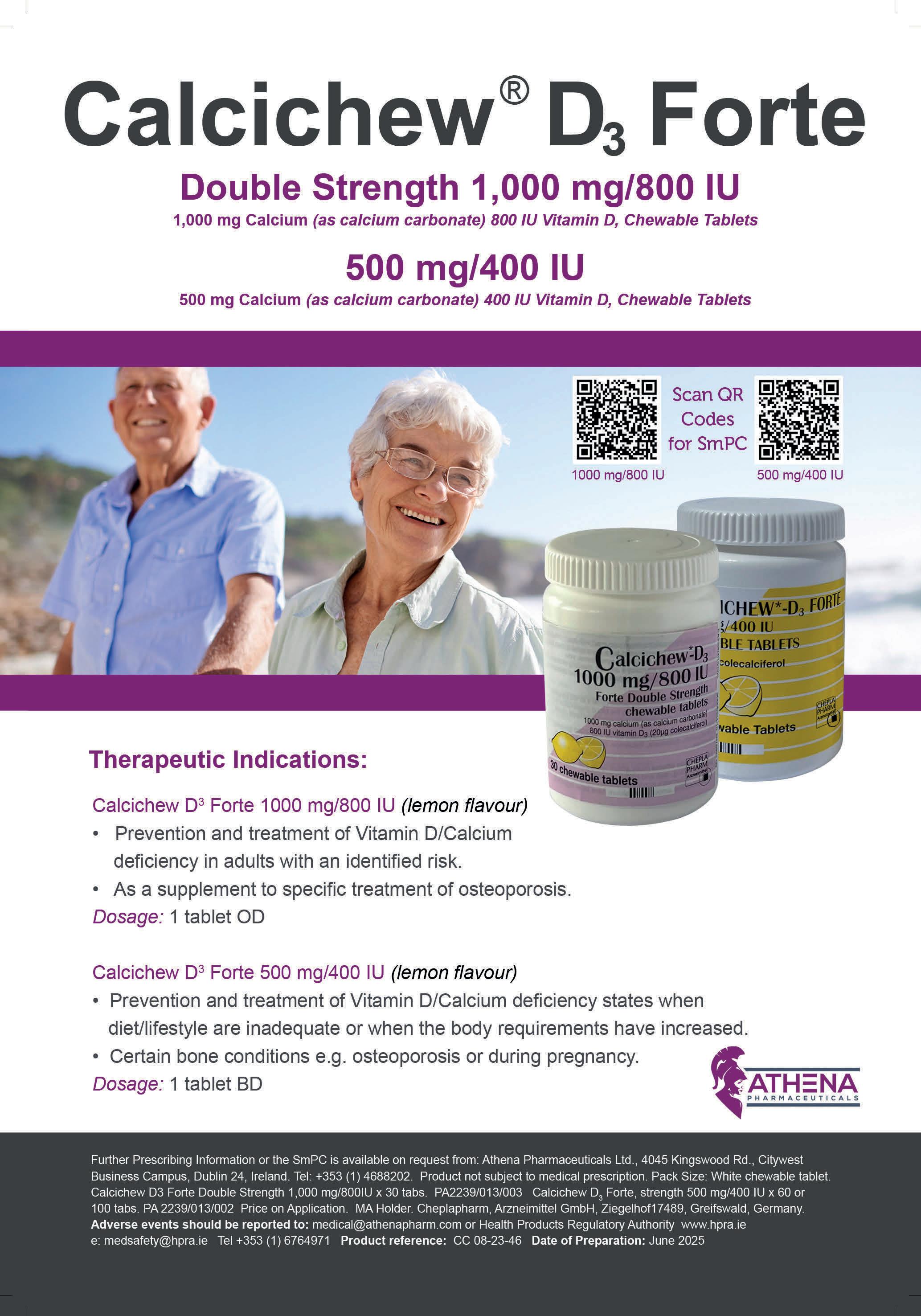
✽ AUTHOR : Eamonn Brady, MPSI, Whelehans Pharmacies, 38 Pearse St and Clonmore, Mullingar
Osteoporosis is a major cause of disability but prevention and targeted treatment can reduce the risk of falls and fractures
Osteoporosis is a condition where bones lose density, in turn making fractures more likely. Approximately 50 per cent of women and 20 per cent of men aged over 50 will experience a fracture due to osteoporosis. Osteoporosis can affect all age groups, but it is most common in postmenopausal women. Osteoporosis does not automatically mean bones will fracture ‒ it just means fractures are more likely. Osteoporosis is a bigger cause of disability than common noncommunicable diseases such as Parkinson’s disease, rheumatoid arthritis, and breast cancer.
The Irish Osteoporosis Society (IOS) estimates that around 300,000 people in Ireland are living with osteoporosis. Recent HSE and international data suggest that this number may now be rising gradually, driven by Ireland’s ageing population, longer life expectancy, and low diagnosis rates.
The IOS continues to highlight that up to 70 per cent of cases remain undiagnosed until a fracture occurs, underscoring the need for better screening and early intervention.
Osteoporosis may have no symptoms initially, and patients may be unaware of any problems until they fracture a bone or start to lose height.
The most common fractures associated with osteoporosis are broken wrists, hips, and spinal bones but fractures can occur in any bone. This leads to pain, disability, loss of independence, and influences self-
esteem. Symptoms can include:
✽ Upper, middle, or lower back pain that can be severe
✽ Loss of height (greater than 2cm)
✽ Development of a hump on the back or a change in body shape, for example, the rib cage may rest on pelvic rim, or a pot belly develops.
Diagnosis often only occurs after a fall or a bone fracture. Bone density is measured using a dual-energy x-ray absorptiometry (DEXA) scanner. A DEXA scan uses low energy x-rays to
determine the density profile of x-rays that pass through the bone and from this information the average density of bone is determined. Osteoporosis is diagnosed when bone density is found to be significantly lower than average.
DEXA scans are painless, take 1020 minutes, and are the gold standard for the diagnosis of osteoporosis. The results of the scan are available immediately or very soon after, depending on where it is done. Scan results are in the form of a T-score. A T-score value greater than -1 shows that bone density level is normal
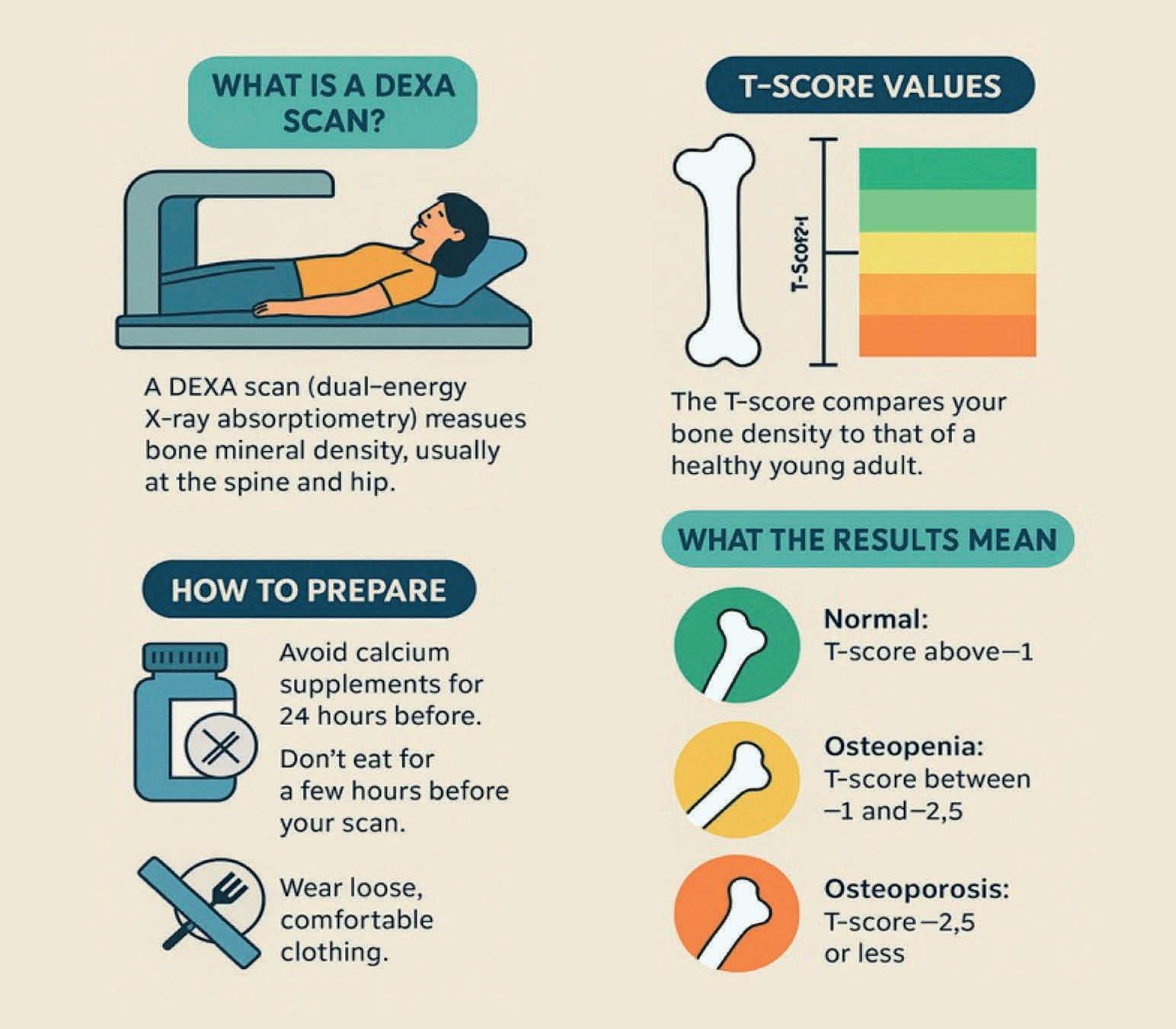
and there is no osteoporosis. A T-score value of between -1 and -2.5 indicates osteopenia. Osteopenia indicates early stages of osteoporosis and is an opportunity for early interventions like modification of risk factors including diet, smoking, and excessive alcohol intake to prevent osteoporosis developing. A T-score of below -2.5, meanwhile, indicates osteoporosis ( Figure 1 ).
Ireland still does not have a national osteoporosis screening programme, meaning that DEXA scans remain largely dependent on GP referral. While access has improved in recent years, waiting times for public patients remain variable across regions. Private DEXA services are still readily available and listed by county on the IOS website, which remains the most complete public directory of scanning facilities. Since the HSE’s 2021 direct access initiative, GPs have been able to refer public patients for a range of diagnostic tests – including DEXA scans, x-rays, CT, and MRI – in participating private hospitals, with costs covered by the HSE. The goal was to ensure urgent referrals are completed within one month, and routine cases within three months. According to HSE updates through 2024-2025, the scheme has expanded, with more than 140,000 diagnostic slots now available annually. However, reports
from primary care suggest regional disparities persist, with DEXA scan delays still notable in some areas.
Strong healthy bones comprise of a mix of protein and minerals, including calcium and phosphorous. Bone is living tissue that is maintained and renewed by two types of cells.
Osteoblast cells build up new bone and osteoclast cells break down old bone. Up to the mid-20s, the skeleton strengthens, but from the 40s onwards, bones gradually lose their density as a natural part of ageing.
There is a genetic influence with osteoporosis, so women who have family members with the condition are more at risk. However, other factors increase the risk of osteoporosis. Oestrogen protects women from osteoporosis from puberty until the menopause. After menopause, the breakdown of bone is quicker as the protective effect of oestrogen on the bones is gone.
Primary issues that increase the likelihood of osteoporosis include early menopause; total hysterectomy with bilateral salpingooophorectomy before 45 years; and excessive exercise. Other risk factors include age; race (Caucasian or Asian patients are at increased risk compared to African-Caribbean patients); gender, as smaller bones and less muscle mass put women at more risk; family history of osteoporosis, particularly a history of hip fracture in a parent; previous
fragility fracture; long-term immobility; very low body mass index (BMI) (less than 18.5kg/m2); and excessive alcohol consumption or smoking.
Low dietary intake of vitamin D and calcium is also a notable risk.
Diet-related factors include:
✽ Being vegan: A vegan diet limits the amount of calcium and vitamin D consumed.
✽ Excess fibre: While fibre is healthy in the diet, more than 30g of fibre a day can reduce calcium absorption. However, the association between fibre and osteoporosis is not strong, and high-fibre foods like fruit and vegetables are good for overall health, while green leafy vegetables are a good source of calcium.
✽ Caffeine: Excess caffeine can increase calcium excretion, thus increasing osteoporosis risk.
Medication and disorders can increase risk including:
✽ Long-term use of corticosteroids. Patients require preventive treatment for osteoporosis if they are starting oral corticosteroids and are likely to be on these for at least three months.
✽ Long-term use of heparin
✽ Aromatase inhibitors (for breast cancer treatment)
✽ Overactive thyroid disorders
✽ Rheumatoid arthritis
✽ Digestive disorders that affect nutrient absorption such as Crohn’s disease, chronic liver disease, or coeliac disease.
Primary issues that increase the likelihood of osteoporosis include early menopause; total hysterectomy before 45; and excessive exercise
Causes in pre-menopausal women: Oestrogen prevents osteoporosis in pre-menopausal women. However, there are certain medical conditions and medications that reduce oestrogen levels, causing early-onset osteoporosis. Examples include:
✽ Hypogonadotropic hypogonadism caused by low body weight, eating disorders, excessive exercise,
hyperprolactinemia, and hypopituitarism.
✽ Hypergonadotropic hypogonadism (premature ovarian failure) is associated with bone loss if oestrogen is not replaced. Women with Turner syndrome (a condition which occurs in less than one in 2,500 due to abnormal X chromosome) may have an additional selective reduction in bone mineral density that is independent of oestrogen exposure.
✽ In premenopausal women with breast cancer, chemotherapy often results in premature ovarian failure, and as a result, oestrogen deficiency and bone loss.
Drugs associated with bone loss in premenopausal women include glucocorticoids, anticonvulsants, antidepressants, and anticoagulants.
The National Institute for Health and Care Excellence (NICE) recommends validated fracture risk assessment tools, such as FRAX or QFracture, to estimate a patient’s 10-year probability of a major osteoporotic fracture or hip fracture. The most recent guidance (NICE NG226, updated 2023) refines some risk criteria and reinforces the importance of early assessment in both men and women.
Fracture risk assessment should be considered for:
✽ Women aged ≥65 years and men aged ≥75 years, regardless of additional risk factors.
✽ Younger adults (women <65, men <75) if one or more risk factors are present:
● Previous fragility fracture
● History of falls
● Parental hip fracture
● Low BMI (<18.5kg/m²)
● Current or frequent glucocorticoid use (oral or systemic)
● High alcohol intake (>14 units/week for women; >21 units/week for men)
● Smoking
● Conditions causing secondary osteoporosis (ie, rheumatoid arthritis, malabsorption, untreated hypogonadism).
Fracture risk assessment is not routinely indicated in people under 50 years unless they have major secondary risk factors like premature menopause, previous fragility fracture, or chronic/repeated corticosteroid use.
Non-pharmacological management includes prevention of falls and modification of risk factors like diet, smoking, and excessive alcohol intake. Important measures aimed at preventing falls include attention to modifiable factors, such as checking eyesight, exercise, reduced consumption of medication that alters alertness and balance, and improvement of the home environment. There is debate regarding the use of hip protectors to prevent hip fractures, with evidence casting doubt on this preventive measure.
Nutritional intake: Attention to diet is important, because there is a high prevalence of calcium and vitamin D insufficiency, particularly among the elderly and multimorbid populations. A diet with adequate calcium (>1,200mg daily) and vitamin D (800IU daily) is recommended for those with risk factors ‒ however, supplementation and fortified foods are often required to achieve requirements. The benefits of calcium and vitamin D supplements to maintain optimum bone density in healthy adults with normal dietary intake remains limited.
Exercise: Osteoporosis patients need to be careful of vigorous, high-impact exercise, although being active improves balance and co-ordination, increases
muscle strength, and reduces falls and fractures. Beneficial exercise includes swimming, gardening, walking, and golf.
Physiotherapy falls prevention programmes: Most HSE physiotherapy departments across Ireland continue to offer falls prevention programmes for patients referred by GPs or hospital consultants. Referral criteria typically include reduced mobility, a history of falls, or a fear of falling – all key risk factors for both fracture and functional decline in older adults.
These programmes are still largely modelled on the Otago Exercise Programme, which combines progressive strength, balance, and gait training. Since 2023, several community specialist teams for older people and enhanced community care networks have integrated such programmes into primary care settings, making access easier for older adults without requiring hospital attendance.
Some regions have also adopted group-based and home-based exercise models supported by chartered physiotherapists, public health nurses, and occupational therapists, often supplemented with digital or telehealth followup introduced during and after the Covid-19 pandemic.
Evidence from Irish pilot sites (2023-2025) indicates that these multidisciplinary fall prevention initiatives can significantly reduce falls recurrence and hospital admissions, while improving confidence and independence among participants.
HSE falls prevention policy: The core principles of the HSE’s 2008 Strategy to Prevent Falls and Fractures in Ireland’s Ageing Population remain in place, and recent initiatives have strengthened implementation and integrated

Desunin® Vitamin D3 is now available in a 25 000 IU soft

Presentation: soft capsules
Contraindications:
-Hypersensitivity to cholecalciferol or to any of the excipients
vitamin D have not been investigated.
Desunin® Vitamin D3 25 000 IU soft capsules offer flexible weekly* or monthly# dosing1
-Diseases/conditions associated hypercalcaemia and/or hypercalciuria.
-Calcium nephrolithiasis, nephrocalcinosis
-Hypervitaminosis D.
-Severe renal impairment
*Treatment of vitamin D deficiency in adults: 1 capsule weekly for up to 4-12 weeks. After first month, a lower maintenance dose should be considered, dependent upon desirable serum levels of 25hydroxycolecalciferol (25(OH)D), the severity of the disease and the patient's response to treatment1
Warnings and precautions:
Monitoring
Desunin® Vitamin D3 25 000 IU soft capsules offer flexible
*Treatment of vitamin D deficiency in adults: 1 capsule weekly lower maintenance dose should be considered, dependent hydroxycolecalciferol (25(OH)D), the severity of the disease
In case of long-term administration at high doses, it is advised to monitor serum levels of 25–hydroxyl cholecalciferol. Intake of Desunin® soft capsules should be stopped when serum levels of 25–hydroxyl cholecalciferol exceed 100 ng/ml (corresponding to 250 nmol/l).
In patients already receiving cardiac glycosides or diuretics it is important to monitor calcaemia and calciuria. In case of hypercalciuria or renal insufficiency, the dose should be reduced or the treatment discontinued.
#Prevention of vitamin D deficiency in adults with an identified risk when therapeutic adherence (or compliance) is not achieved by daily administration of low cholecalciferol doses: 1 capsule monthly1
#Prevention of vitamin D deficiency in adults with an identified compliance) is not achieved by daily administration of low
Concomitant use of multivitamin products
To avoid overdose, the total dose of vitamin D must be taken into consideration in case of combination with treatments containing vitamin D, food added with vitamin D, or in case milk enriched with vitamin D is used.
Dose adjustment
A dosage increase compared to those indicated may be required in the following cases:
• Obese subjects
• Digestive disorders (intestinal malabsorption, mucoviscidosis, or cystic fibrosis);
• Hepatic insufficiency.
Sarcoidosis
The product should be prescribed with caution in patients suffering from sarcoidosis, due to the possible increased metabolism of active vitamin D. Plasma and urinary calcium levels should be monitored in these patients.
Fertility, pregnancy and lactation: Pregnancy: Desunin® 25000 IU soft capsules are not indicated during pregnancy due to the lack of clinical data. High doses of vitamin D have been shown to have teratogenic effects in animal experiments. Overdose in the first 6 months of pregnancy may have toxic effects on the foetus: there is a correlation between excessive intake of or extremely maternal sensitiveness to vitamin D during pregnancy and physical and mental retardation, supravalvular aortic stenosis and retinopathy of the child. Maternal hypercalcaemia can also lead to the suppression of parathyroid function in infants with consequent hypocalcaemia, tetany and convulsions. However, during pregnancy and breast-feeding adequate vitamin D intake is necessary and lower dosed products should be used, when needed. Where there is a vitamin D deficiency the recommended dose is dependent on national guidelines. Breast-feeding: Vitamin D3 and metabolites pass into the breast-milk. This should, however, be borne in mind when administering additional vitamin D to the child. Treatment with high-dose vitamin D in breast-feeding women is not recommended. Fertility: Normal endogenous levels of vitamin D are not expected to have any adverse effects on fertility.
Undesirable effects:
For details of uncommon, rare and very rarely reported adverse events and those of unknown frequency, see SmPC.
Contraindications: Desunin 25 000 IU soft capsules: Hypersensitivity to cholecalciferol or to any of the excipients listed in section 6.1 of the Summary of Product Characteristics; Diseases/conditions associated hypercalcaemia and/or hypercalciuria; Calcium nephrolithiasis; nephrocalcinosis; Hypervitaminosis D; Severe renal impairment. S Special warnings and precautions for use: Desunin 25 000 IU soft capsules: Monitoring of serum levels, calcaemia and calciuria; Concomitant use of multivitamin products; Dose adjustment; Sarcoidosis; Renal impairment; Calcium supplements; Pseudohypoparathyroidism. U Undesirable effects: Desunin 25 000 IU soft capsules: Uncommon – Hypersensitivity reactions; Hypercalciuria; hypercalcaemia; weakness; anorexia; thirst in case of prolonged administration. Rare – Drowsiness; confusion; constipation; flatulence; abdominal pain; nausea; vomiting; diarrhoea; metal taste; dry mouth; rash; pruritus; urticarial.
Contraindications: Desunin 25 000 IU soft capsules: Hypersensitivity to cholecalciferol the Summary of Product Characteristics; Diseases/conditions associated hypercalcaemia nephrolithiasis; nephrocalcinosis; Hypervitaminosis D; Severe renal impairment. 25 000 IU soft capsules: Monitoring of serum levels, calcaemia and calciuria; adjustment; Sarcoidosis; Renal impairment; Calcium supplements; Pseudohypoparathyroidism. IU soft capsules: Uncommon – Hypersensitivity reactions; Hypercalciuria; hypercalcaemia; prolonged administration. Rare – Drowsiness; confusion; constipation; flatulence; metal taste; dry mouth; rash; pruritus; urticarial.
Renal impairment
Reporting of adverse reactions:
Reporting suspected adverse reactions after authorisation of the medicinal product is important. It allows continued monitoring of the benefit/risk balance of the medicinal product. Healthcare professionals are asked to report any suspected adverse reactions via HPRA Pharmacovigilance, Website: www.hpra.ie. Adverse reactions/events should also be reported to the marketing autorisation holder at the email address: pv.ireland@viatris.com or phone 0044(0)8001218267.
Legal Category: Product subject to prescription which may be renewed (B).
Marketing Authorisation Number: PA23266/005/002
Marketing Authorisation Holder: Viatris Limited, Damastown Industrial Park, Mulhuddart, Dublin 15, DUBLIN, Ireland.
Full prescribing information available on request from: Viatris, Dublin 17. Email :info.ie@viatris.com
Date of Revision of Abbreviated Prescribing Information: 03 July 2025
Please refer to the Summary of Product Characteristics (SmPC) for full prescribing information
Reference Number: IE-AbPI-Desunin® soft gel-v002
Please refer r to the Summary of Product Characteristics (SmPC) for full p
Reference:
Vitamin D should be used with caution in patients with renal impairment and the effect on calcium and phosphate levels should be monitored. The risk of soft tissue calcification should be taken into account. In patients with severe renal impairment, vitamin D in the form of cholecalciferol is not metabolised normally and other forms of vitamin D should be used.
Viatris, Newenham Court, Northern Cross, Malahide Road, Dublin 17, DUBLIN, Ireland
Reference:
www.viatris.ie
1. Desunin® 25 000 IU soft capsules Summary of Product Characteristics (SmPC) available at: https://assets.hpra.ie/products/Human/41092/Licence_PA23266-005-002_08072025151809.pdf.
Last accessed: 6th August 2025
IE-DES-2025-00005 and DOP: August 2025
1. Desunin® 25 000 IU soft capsules Summary of Product Characteristics https://assets.hpra.ie/products/Human/41092/Licence_PA23266-005-002_08072025151809.pdf. Last accessed: 6th August 2025 IE-DES-2025-00005 and DOP: August 2025
falls prevention into community and residential care programmes.
In 2023, the HSE and Department of Health reaffirmed falls prevention as a key element of Healthy Ageing and Sláintecare Integration projects, supporting early intervention and bone health assessment in primary care. Updated training resources now promote multifactorial assessment and fracture prevention, particularly for individuals at risk of a major osteoporotic fracture.
Current guidance for communitydwelling older adults includes annual screening questions like:
✽ “Have you fallen in the past year?”
✽ “Do you feel unsteady or have balance problems?”
✽ “Are you worried about falling?”
Those with recurrent or unexplained falls, gait or balance issues, or a fear of falling, should undergo a comprehensive assessment covering: Medication review, postural hypotension, vision, foot health, and home environment. The role of vitamin D supplementation continues to be emphasised, with HSE and the Health Information and Quality Authority (HIQA) both recommending regular assessment and treatment for deficiency in long-term care residents. Exercise programmes incorporating strength, balance, and co-ordination remain the most evidence-based intervention.
In residential and nursing care settings, HIQA inspections now routinely assess:
✽ Existence and implementation of a falls prevention policy
✽ Annual falls risk assessments (and reassessment following health changes)
✽ Recording and review of each fall, including corrective action. Since 2022, HIQA reports have
Oral bisphosphonates are advised for patients with osteoporosis only if the 10-year risk of a fracture is at least 1 per cent
noted improvements but also highlighted variation in fall prevention practice between facilities. Some community health networks have also begun piloting falls and fracture liaison services to ensure that residents who experience a fracture receive post-fall osteoporosis assessment and treatment, helping close a longstanding care gap.
Bisphosphonates slow the activity of osteoclasts. Examples include alendronic acid, risedronate sodium, and ibandronic acid. Oral bisphosphonates are taken once weekly, apart from ibandronic acid, which is once a month. Oral bisphosphonates are advised for patients with osteoporosis only if the 10-year risk of a fracture is at least 1 per cent.
An intravenous (IV) bisphosphonate available in Ireland is zoledronic acid. It is advised when the 10-year risk of fracture is at least 10 per cent, or when it is at least 1 per cent and oral bisphosphonates are contraindicated or poorly tolerated.
Zoledronic acid (Aclasta 5mg/100ml) is administered once a year by an intravenous (IV) infusion over 15 minutes. IV infusion ibandronic acid is licensed in UK and other countries but not available in Ireland.
The oral bioavailability of bisphosphonates is low and impaired by food. Oral formulations must be taken when fasting and sitting upright
with a full glass of water, followed by no food for up to one hour. Patients are asked to sit upright to reduce the gastrointestinal effects such as oesophageal irritation. Compliance with treatment is a problem, particularly in view of these requirements.
Common side effects (over one in 100) of bisphosphonates are:
✽ Gastrointestinal side effects including non-ulcer dyspepsia
✽ Muscle, joint, or back pain and stiffness
✽ Headache
✽ Tiredness.
Less common side effects of bisphosphonates include:
✽ Oesophagitis
✽ Oesophageal strictures (narrowing of oesophagus)
✽ Gastric and duodenal ulcers
✽ An unusual fracture of the thigh bone (very rare)
✽ Osteonecrosis of the jaw (ONJ).
Bisphosphonates are contraindicated in the presence of abnormalities of the oesophagus and hypocalcaemia. Alendronates in tablet form should not be crushed, as this increases risk of oesophageal irritation. For patients with slow or poor swallow, alendronic acid 70mg/100ml liquid form does not cause oesophageal irritation; however, the same precautions such as sitting upright after taking and not eating for an hour after taking still hold true for the liquid version.
Risk of ONJ: There have been reports of ONJ, particularly with IV formulations
given in high doses for metastatic bone disease. The prevalence of ONJ with bisphosphonates is about one in 100,000 patient-years, which is similar to the prevalence in the overall population. Patients who develop sudden pain in the jaw while on bisphosphonates, especially IV versions, should report to their doctor as this can be a sign of ONJ. Patients prescribed the IV infusion forms of bisphosphonates can experience flu-like symptoms for a few days after the infusion, especially after their first infusion.
Denosumab (ie, Prolia and new biosimilar entrants) is an alternative option if the patient is intolerant of oral bisphosphonates or unsuitable. It is given by six-monthly subcutaneous injections. Denosumab is a monoclonal antibody that works by inhibiting the cytokine RANKL (receptor activator of NF κ B ligand). RANKL is an essential factor promoting bone turnover.
Denosumab inhibition of RANKL blocks osteoclast maturation, function, and survival, thus reducing bone resorption so increasing bone density. Patients should take adequate calcium and vitamin D while on denosumab as it can lower calcium levels significantly.
Side effects include:
✽ Skin infections
✽ Hypocalcaemia which can lead to:
● Numbness or tingling in extremities including fingers, toes, and around the mouth
● Muscle cramps, spasms, and twitches.
Denosumab is a treatment option for the primary prevention of fractures in postmenopausal women (diagnosed with osteoporosis) at increased risk of fractures who:
✽ Find difficulty complying with the specific instructions for administering
N/R: Treatment with denosumab is not recommended
TABLE 1: T-scores at (or below) which denosumab is recommended when oral bisphosphonates are unsuitable
oral bisphosphonates (hour before food, sit or stand for period after taking) or oral bisphosphonates are contraindicated or not tolerated; and ✽ Have a combination of T-score, age, and number of independent clinical risk factors for fracture as indicated in Table 1
Independent clinical risk factors for fracture include:
✽ Parental history of hip fracture
✽ Alcohol intake of more than four units per day
✽ Rheumatoid arthritis.
Xgeva is a higher-strength Denosumab preparation (ie, Denosumab 120mg) that is licensed for the prevention of skeletal-related events (pathological fracture, radiation to bone, spinal cord compression, or surgery to bone) in adults with advanced cancers involving the bone. The dose is 120mg by subcutaneous injection every four weeks but there may be additional doses over the first four weeks for some bone cancers ‒ ie, giant cell tumour of bone. Unlike Prolia, Xgeva is available via the Hi-Tech scheme.
N/R: Treatment with raloxifene is not recommended
TABLE 2: T-scores at (or below) which raloxifene is recommended when oral bisphosphonates are unsuitable
Teriparatide is the only osteoporosis drug in this class, and brands include Forsteo, Movymia, and Sondelbay. They are available via the Hi-Tech scheme. Teriparatide is delivered as a 20mcg subcutaneous injection once daily. It should be used for a maximum of two years ‒ the full two-year course should be completed to obtain best clinical outcome, and it should not be prescribed again over the patient’s lifetime. After stopping, an alternative osteoporosis treatment may be considered.
Teriparatide is a treatment option for the primary prevention of fractures only in postmenopausal women (diagnosed with osteoporosis) at increased risk of fractures who: ✽ Find difficulty complying with the
specific instructions for administering oral bisphosphonates (hour before food, sit or stand for period after taking) or if oral bisphosphonates are contraindicated or not tolerated
✽ Are over 65 years with a T-score of -4.0 or below, or a T-score of -3.5 or below plus two or more fractures, or who are aged 55 to 64 years with a T-score of -4 or less plus two or fractures.
This is a synthetic hormone that mimics the effect of oestrogen on the bones. The dose (ie, raloxifene) is 60mg daily. According to NICE guidelines, raloxifene is an alternative treatment option for the primary prevention of fractures only in postmenopausal women (diagnosed with osteoporosis) at increased risk of fractures who fulfill the criteria below and in Table 2
Independent clinical risk factors for fracture include:
✽ Find difficulty complying with the specific instructions for administering oral bisphosphonates (hour before food, sit, or stand for period after taking) or oral bisphosphonates are contraindicated or not tolerated (ie, persistent upper gastrointestinal disturbance)
✽ Have a combination of T-score, age, and number of independent clinical risk factors for fracture as indicated in Table 2
Raloxifene has been associated with an increased risk of venous thrombosis similar to that linked to hormone
replacement therapy (HRT), and with exacerbation of hot flushes. An increased risk of death due to stroke has been reported with raloxifene, and it should be used with caution in women with a history of, or risk factors for, stroke. It is contraindicated in women with child-bearing potential, history of venous thromboembolism, or unexplained uterine bleeding, hepatic impairment, and severe renal impairment.
The use of HRT for osteoporosis prevention is restricted to short-term use for younger post-menopausal women with menopausal symptoms at high risk of fracture.
Romosozumab
Romosozumab (Evenity 105mg subcutaneous injection) is a new monoclonal antibody treatment option for severe osteoporosis and is the first new osteoporosis drug to come to market in over 10 years. It works by inhibiting sclerostin, ultimately increasing bone formation and decreasing bone resorption. It is reserved for use in postmenopausal women with severe osteoporosis, patients who are intolerant to other treatments, or when other treatments have failed.
While not directly compared to denosumab yet, it appears to be as effective in preventing fractures
The use of HRT for osteoporosis prevention is restricted to short-term use for youngerpost-menopausal women at high risk of fracture
– and there are early indications it may be more effective than denosumab in preventing non-spinal fractures, including hip fractures. In postmenopausal women, criteria for selecting romosozumab over bisphosphonates is one severe or two moderate low-trauma fractures, ie, same criteria as teriparatide. The recommended dose of romosozumab is 210mg (administered as two subcutaneous injections of 105mg) once monthly for 12 months. After 12 months, it can be followed with alternative osteoporosis treatment such as denosumab or a bisphosphonate to allow continued protection, as its benefits wear off quickly after stopping.
Contraindications of romosozumab:
✽ History of stroke or heart attack
✽ Hypocalcaemia: Adequate intake of calcium and vitamin D before commencing romosozumab is advised ✽ Pregnancy or breast feeding: While it is only licensed for women postmenopause, it may be prescribed by specialists for women pre-menopause.
Oral bisphosphonates alendronic acid and risedronate sodium are recommended first-line treatments for osteoporosis in men. Zoledronic acid or denosumab are alternatives in men intolerant of oral bisphosphonates or are otherwise unsuitable. Teriparatide is an additional alternative option for men.
Men undergoing androgen-blocking therapy for prostate cancer have increased risk of fracture, and a bisphosphonate can be offered to these male patients with confirmed osteoporosis and where fracture risk is present. Denosumab may be considered as an alternative for these patients where bisphosphonates are unsuitable or not tolerated. ✽
References available on request
✽ AUTHOR : Dr Cathal O’Connor, Consultant Dermatologist, Cork University Hospital
Based on his presentation at the recent annual Primary Care Dermatology Society of Ireland (PCDSI) meeting in Naas, Co Kildare, Dr Cathal O’Connor provides compelling evidence that challenges long-held assumptions about diet and eczema management
For decades, the relationship between food allergies and atopic dermatitis (AD) (eczema) has been one of the most contentious topics in paediatric dermatology and allergy medicine. Parents desperately seeking answers for their child’s inflamed, itchy skin often turn to baseless dietary modifications, while healthcare providers grapple with nonsensical advice about allergy testing and food elimination diets.
The simple message is ‒ AD is never caused by food allergies. This assertion, supported by research and clinical experience, has profound implications for how we approach the management of childhood eczema.
AD affects up to 30 per cent of Irish children, with approximately 3 per cent experiencing severe disease (O’Connor, C Pediatr Dermatol. 2022). Rather than being a simple allergic reaction to foods, AD represents a complex interplay of three primary pathophysiological mechanisms ( Figure 1).
1. Epidermal barrier dysfunction : The skin barrier in AD patients is fundamentally compromised, often due to genetic variants such as filaggrin mutations. These defects result in increased transepidermal water loss and enhanced penetration of allergens, irritants, and pathogens. The barrier
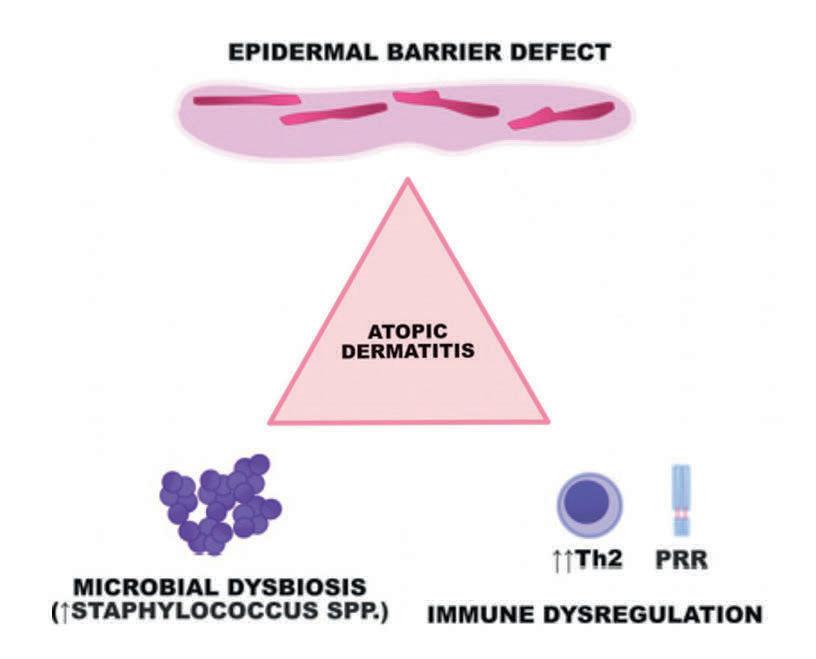
FIGURE 1: A multifactorial disease
Source: Blicharz L. Int J Mol Sci. 2021
dysfunction is primary, not secondary, to food exposure.
2. Immune dysregulation: AD is characterised by a predominantly Th2-mediated immune response, with elevated levels of cytokines including interleukin (IL)-4, IL-13, IL-31, and increased immunoglobulin (Ig) E production. This immune skewing creates a state of chronic inflammation that is self-perpetuating and independent of dietary triggers.
3. Microbial dysbiosis: Patients with AD demonstrate altered skin microbiomes, with increased colonisation by
Staphylococcus aureus and decreased microbial diversity. This dysbiosis contributes to inflammation and barrier dysfunction through the production of bacterial toxins and proteases.
The food allergy development pathway
Contrary to popular belief, food allergies do not cause AD. Instead, the relationship is inverted ‒ AD predisposes to food allergy development through cutaneous sensitisation ( Figure 2). The ‘dual allergen exposure hypothesis’ explains that:
✽ Cutaneous exposure through defective skin barrier leads to Th2-mediated
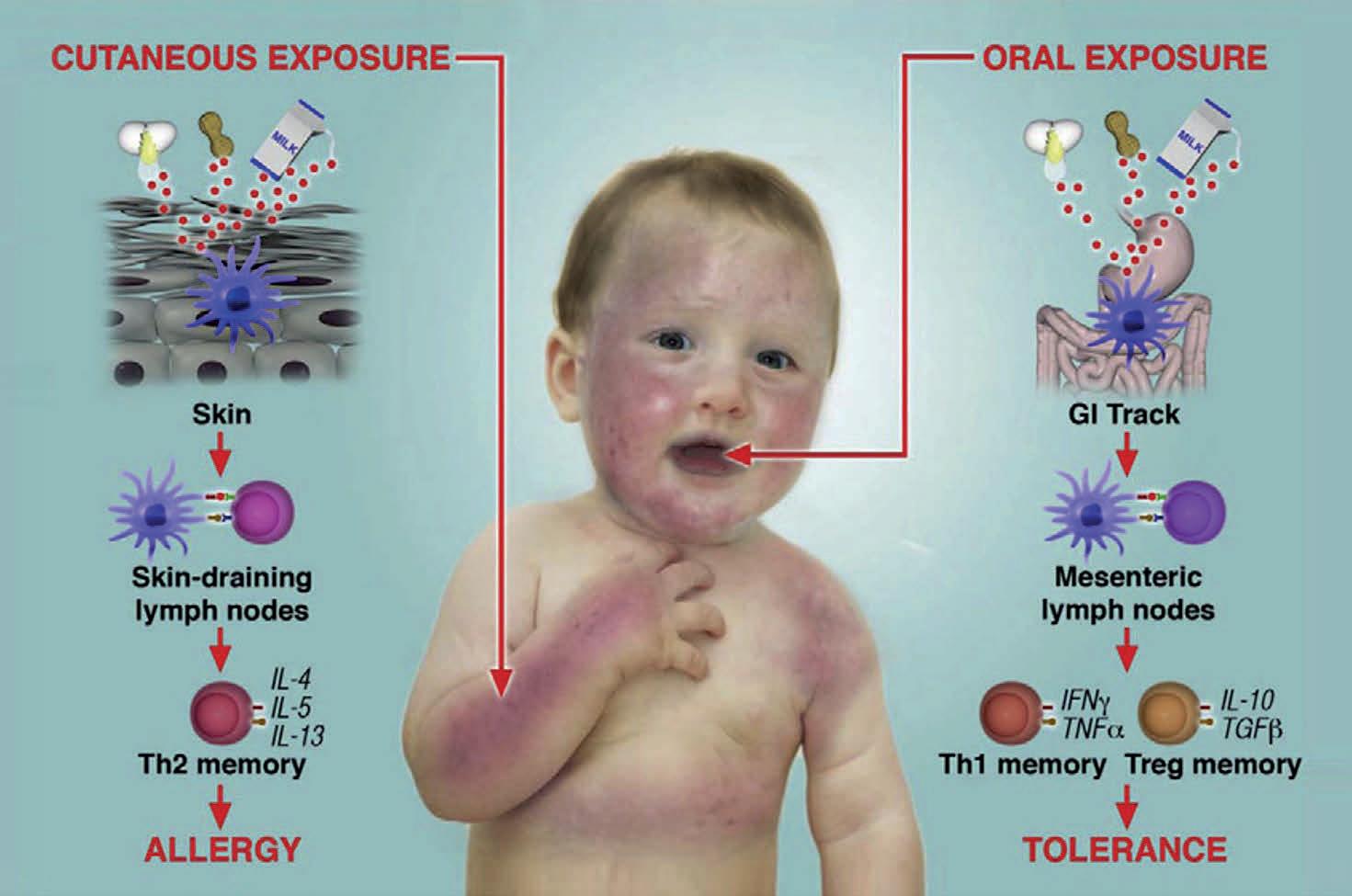
sensitisation and allergy development.
✽ Oral exposure during the critical window of immune development (first months of life) promotes tolerance through regulatory T-cell responses. This explains why filaggrin mutations, which cause severe barrier dysfunction, increase the odds ratio for peanut allergy by 5.3-fold while only increasing AD risk by 3.1-fold.
Clinical differentiation: Eczema vs food allergic reactions
One of the most critical skills for parents and healthcare providers is distinguishing between AD flares and genuine food allergic reactions. True food allergic reactions are never subtle.
AD characteristics:
✽ No temporal relationship to food ingestion
✽ Chronic or subacute course (not hyperacute)
✽ Gradual onset and resolution
✽ Eczematous morphology (not urticarial)
✽ Absence of systemic symptoms.
Perhaps the most concerning finding is that food elimination can actually cause food allergies
Food allergic reaction features:
✽ Hyperacute onset within minutes of allergen exposure
✽ Clear temporal relationship to allergen exposure
✽ Urticarial/erythematous appearance (not eczematous)
✽ Potential angioedema (lips, eyes, face)
✽ Systemic symptoms may include respiratory distress, cardiovascular changes, or gastrointestinal symptoms
✽ Parents typically recognise these as allergic reactions without prompting. If parents ask whether their children need food allergy testing, then they probably do not. Genuine food allergic
reactions are dramatic events that families readily identify as such.
Current allergy testing practices present significant challenges in the context of AD:
✽ 70 per cent of AD patients are sensitised to one or more foods on specific IgE (SpIgE) testing
✽ Less than 10 per cent are genuinely allergic to those foods
✽ This creates a massive potential for misdiagnosis and inappropriate dietary restrictions.
The term ‘RAST testing’ has been considered obsolete since the year 2005, having been replaced by SpIgE testing using newer generation methods. However, even modern SpIgE testing has limitations:
✽ Results are not binary (positive/ negative) but exist on a continuum
✽ Predictive values vary significantly by allergen and patient age
✽ Component-resolved diagnostics and skin prick testing may offer better specificity.
During my presentation at the PCDSI conference I was particularly critical of total IgE measurements – I only order them when suspecting the ultra-rare hyper-IgE syndrome or considering dupilumab therapy for alopecia areata.
Total IgE levels do not aid in the diagnosis or management of AD and should be abandoned in routine practice.
Perhaps the most concerning finding is that food elimination can actually cause food allergies. Research
demonstrates that:
✽ 20 per cent of children with AD develop food allergies when previously tolerated foods are removed from their diet
✽ 30 per cent of these newly-developed allergies present as anaphylaxis
✽ Fatal allergic reactions have been reported as consequences of unnecessary food elimination.
This phenomenon occurs because continuous oral exposure is necessary to maintain immune tolerance in early childhood.
When foods are withdrawn in infancy, the oral tolerance pathway is disrupted, potentially leading to sensitisation upon re-exposure.
A particular area of concern is the advice given to breastfeeding mothers to eliminate dairy from their diets to ‘treat’ their baby’s eczema.
Compelling evidence against this practice includes that:
✽ Human breast milk contains one millionth the β -lactoglobulin concentration of cow’s milk
✽ This level is too low to trigger reactions, even in most infants with confirmed cow’s milk protein allergy
✽ Maternal dairy elimination can lead to maternal nutritional deficiency and psychological distress
✽ It provides no benefit for infant eczema and any observed response is a placebo response.
The prevention paradigm
The LEAP trial revolution
The Learning Early About Peanut Allergy (LEAP) trial fundamentally changed our understanding of food allergy prevention. In children with severe eczema and/or egg allergy:
✽ Early peanut introduction (four-11 months) reduced peanut allergy by 81 per cent.
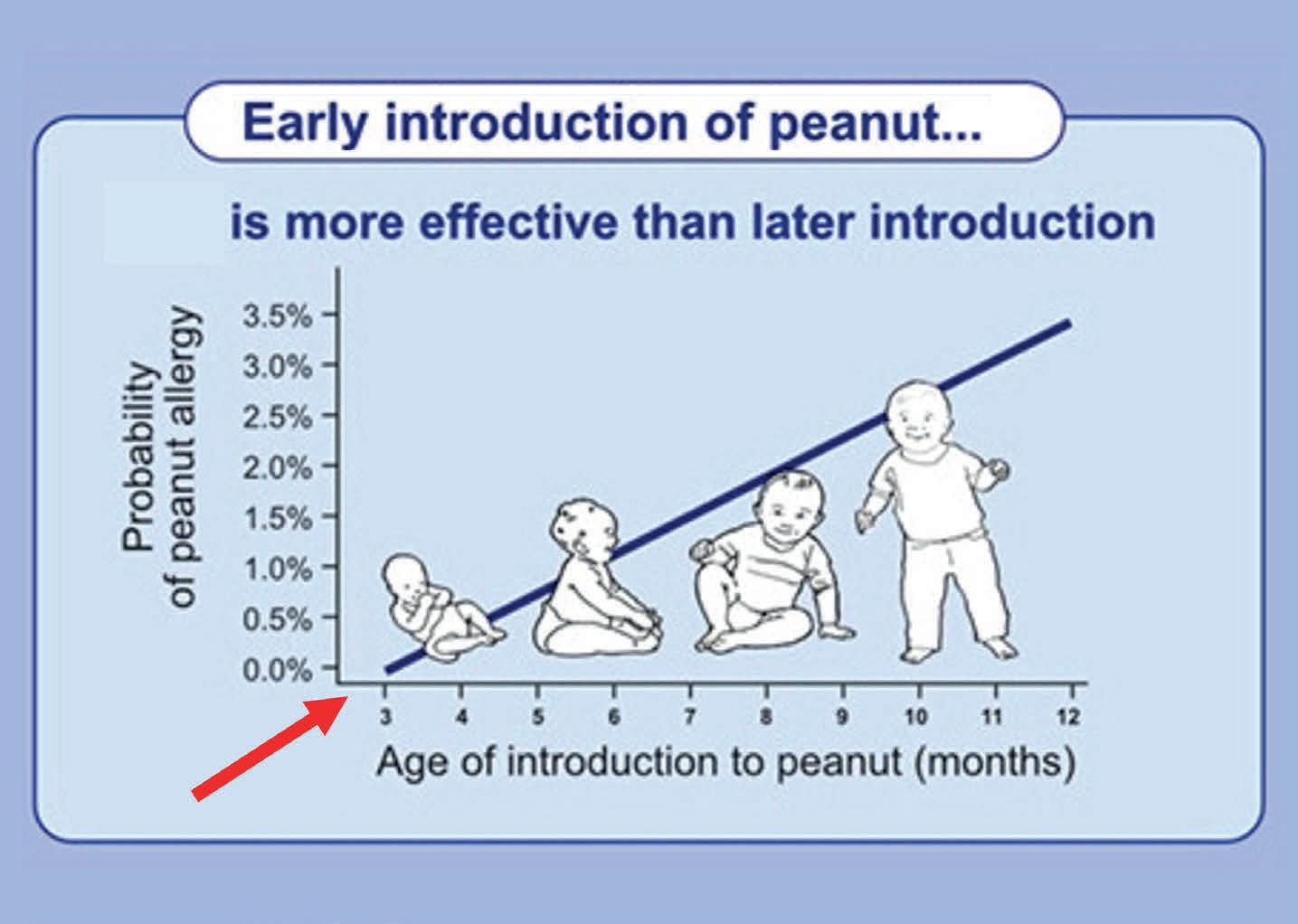
✽ Peanut allergy prevalence was 17.3 per cent in the avoidance group versus 0.3 per cent in the consumption group.
✽ Earlier introduction was more effective than later introduction.
Based on this evidence, I recommend:
✽ Introduce smooth peanut butter at 12 weeks of age ( Figure 3 )
✽ Continue regular consumption to maintain tolerance
✽ Do not delay introduction of other allergenic foods
✽ Use structured introduction protocols (milk ladders, egg ladders) when reintroducing previously inappropriately avoided foods.
Evidence-based treatment of AD
I advocate for a targeted approach addressing the three pathophysiological mechanisms:
1. Topical anti-inflammatory therapy
✽ Topical corticosteroids are the foundation of treatment of eczema/ dermatitis
✽ Ointment formulations preferred over creams
✽ Liberal application (not ‘sparingly’) with sufficient potency, volume, frequency, and duration
✽ Induction therapy (once daily) for at least two weeks
✽ Weaning periods (Tuesday/ Thursday/Saturday/Sunday) for two weeks
✽ Maintenance therapy (Saturday/ Sunday weekend therapy) to prevent flares for four to six months of clear skin to ensure immune reconstitution
✽ Topical steroid concerns are unfounded
– topical steroids are safe and effective for mild-moderate eczema.
2. Barrier repair
✽ Emollients treat xerosis (dry skin) rather than active inflammation – they are not the mainstay of therapy for eczema/dermatitis
✽ Applied downwards to prevent folliculitis
✽ Pump dispensers preferred to prevent contamination
✽ Wet wraps are discouraged
due to burden, infection risk, and limited efficacy.
3. Antimicrobial therapy
✽ Antiseptic baths (sodium hypochlorite/Milton solution) twice weekly
✽ Reduces S. aureus colonisation without promoting antibiotic resistance
✽ Adjunctive therapy, not monotherapy.
Three persistent ‘nonsenses’ in eczema management:
1. Detergents cause eczema
Modern washing machines leave negligible detergent residues. Unless patients wash laundry by hand or apply detergent directly to skin, clothing detergents do not cause eczema. Advising non-biological detergents is unnecessary and potentially anxiety-provoking.
2. Topical steroids are unsafe
Topical corticosteroids represent elegant, targeted therapy that avoids systemic exposure. Twiceweekly maintenance therapy does not cause skin thinning. The major issue is nocebo effect and steroid concerns perpetuated by social media misinformation.
3. Food allergies cause eczema
As extensively discussed, this fundamental misconception leads to inappropriate testing, unnecessary dietary restrictions, and potential harm through induced food allergies.
Social media misinformation is causing a significant negative impact on eczema management. Some posters on platforms like TikTok and Instagram promote dangerous advice including:
✽ Topical steroid concerns
✽ Extreme dietary restrictions
✽ Unproven ‘natural’ treatments
✽ Fear-mongering about established therapies.
Healthcare providers must actively counter this misinformation with evidencebased education and clear communication.
For primary care providers:
✽ Avoid routine allergy testing in AD patients
✽ Focus on proper topical therapy education
✽ Encourage early food introduction in all infants
✽ Refer appropriately for moderate to severe AD requiring systemic therapy.
For specialists:
✽ Patient education remains crucial for treatment adherence
✽ Biologics and newer systemic therapies offer hope for severe cases.
✽ Improved biomarkers for distinguishing sensitisation from clinically relevant allergy
✽ Better understanding of the skin microbiome’s role in disease pathogenesis
AD creates the conditions for food allergy development through barrier dysfunction and cutaneous sensitisation
✽ Development of barrier repair therapies targeting specific genetic defects.
The directionality of the relationship between food allergies and AD is very different to what many healthcare professionals were taught in training. Rather than foods causing eczema, AD creates the conditions for food allergy development through barrier dysfunction and cutaneous sensitisation. This paradigm shift has profound implications:
1. Routine allergy testing in AD is unnecessary and potentially harmful
2. Early food introduction prevents rather than causes allergies
3. Dietary restrictions may cause more harm than benefit
4. Topical anti-inflammatory therapy should be the treatment focus.
This approach provides a roadmap for evidence-based management that prioritises effective treatments while avoiding interventions that may inadvertently worsen outcomes. The chicken (genetic predisposition and barrier dysfunction) comes before the egg (food sensitisation), and understanding this sequence is crucial for optimal patient care. The takeaway for healthcare providers is clear: Focus on treating the underlying disease mechanisms of AD rather than chasing dietary ghosts.
We must resist the pressure to order ‘just in case’ allergy tests and instead provide families with the evidencebased education they need to make informed decisions about their child’s care. This approach offers the best hope for improving outcomes while avoiding the pitfalls of unnecessary restrictions and interventions that may ultimately harm rather than help our patients. Utilising this evidence-based knowledge, and provide truly effective management for children suffering from the misery of AD. ✽
References on request
✽ AUTHOR : Niamh Orla Finan, Advanced Nurse Practitioner in Chronic Disease and Condition Management for Adults with an Intellectual Disability, Corlann West (formally Brothers of Charity Services Ireland – West Region), PG Dip (Advanced Practice), PG Cert (Nurse prescribing), MSc (Advanced Leadership), BSc Hons (Nursing-RNID)
Showcasing the transformative impact of the ANP role in intellectual disability services
Adults with intellectual disabilities (ID) experience a broad range of physical and mental health challenges that can significantly affect their quality of life and life expectancy. Compared with the general population, this group is disproportionately affected by chronic conditions such as obesity, epilepsy, diabetes, and cardiovascular disease, as well as mental health comorbidities.
The intersection of complex health needs and communication barriers often leads to delayed diagnoses, fragmented care, and frequent hospitalisations. These repeated admissions place additional strain on families, healthcare professionals, and the wider health system.
In Ireland, evidence highlights ongoing disparities in access to healthcare for adults with ID. Factors such as diagnostic overshadowing, limited specialist knowledge among frontline staff, and systemic barriers to care exacerbate inequities and contribute to preventable morbidity and mortality.1,2
Addressing these issues requires innovative, person-centred solutions that promote continuity of care and empower staff to deliver high-quality, evidencebased interventions.
The advanced nurse practitioner (ANP) model represents a transformative approach to improving health outcomes for adults with ID. Within Corlann West, the introduction of an ANP in chronic disease and condition management has created a bridge between community support services and acute healthcare. The ANP model embodies the principles

Image: iStock.com/Courtney Hale
of Sláintecare by prioritising integrated, community-based, person-centred care that is both accessible and sustainable.3
This article explores the implementation and impact of the ANP role within Corlann West, focusing on the ways in which it has improved healthcare access, enhanced staff competence, reduced unnecessary hospitalisations, and increased satisfaction among service users and families.
The establishment of the ANP role within Corlann West represents a shift from reactive to proactive healthcare provision. Traditionally, adults with ID often accessed care only after a condition
had deteriorated, frequently resulting in emergency department attendance or hospital admission. The ANP model addresses this by embedding advanced clinical expertise directly within the community – enabling earlier assessment, intervention, and follow-up. The ANP in chronic disease and condition management for adults with ID functions autonomously within a collaborative multidisciplinary framework. The role integrates advanced clinical decision-making, leadership, research, and education – each aligned with the four domains of ANP practice established by the Nursing and Midwifery Board of Ireland. By operating at this advanced level, the ANP ensures continuity of care, promotes early
intervention, and supports both service users and staff in managing complex health conditions.
A cornerstone of the ANP model is its emphasis on person-centred care. Adults with ID often experience anxiety in clinical environments, particularly where communication and sensory needs are not adequately understood. The ANP approach mitigates these challenges by fostering familiarity, trust, and inclusion. Consultations take place within comfortable, familiar community settings, ensuring that service users feel safe and supported.
Feedback gathered from individuals and families within Corlann West indicates increased confidence in accessing healthcare and greater understanding of chronic disease management. Families have reported reduced anxiety during health appointments and a stronger sense of partnership in the care process. These findings reflect international evidence demonstrating that nurse-led, personcentred interventions improve both health literacy and patient satisfaction.1
A key aspect of the ANP role is the development and delivery of targeted education programmes for frontline staff. Many healthcare support workers and nurses within ID services have limited exposure to chronic disease and condition management.
To address this, the ANP has implemented structured training sessions focusing on evidencebased assessment, monitoring, and management of conditions such as diabetes, epilepsy, constipation, and enhancing basic clinical skills training.
During 2024, 26 formal training sessions were delivered to 322 staff members across Corlann West, alongside additional workshops for Centres of Nursing and Midwifery Education. Building on this foundation, 2025 saw a significant expansion in both reach and impact, with 46 training sessions delivered to 611 staff. This increase reflects a growing demand for clinical education, as well as the scalability and effectiveness of the ANP-led training model. Collectively, these initiatives have enhanced staff competence and confidence, equipping them to identify early signs of deterioration, apply clinical guidelines, and escalate appropriately.
Empowerment through education has a ripple effect: As frontline staff grow in knowledge and capability, service users receive more responsive, informed, and consistent care. Moreover, fostering professional development contributes to staff retention and morale, which are critical challenges in the healthcare sector.
The ANP role also strengthens interdisciplinary collaboration across healthcare systems. Adults with ID frequently interact with multiple
Families have reported reduced anxiety during health appointments and a stronger sense of partnership in the health process
professionals – including GPs, psychiatrists, physiotherapists, and social care staff – often resulting in fragmented care. The ANP acts as a central coordinator, facilitating communication and ensuring that care plans are shared, cohesive, and responsive to individual needs.
Partnerships have been developed between the ANP service, community healthcare networks, and acute hospital teams. This collaborative model aligns closely with the Sláintecare vision of integrated, communitybased healthcare delivery. 3 The ANP’s leadership in case management reduces duplication of effort and ensures that individuals receive the right care, in the right place, at the right time.
The evaluation of the ANP service across its initial two years provides compelling evidence of its impact across multiple domains.
A total of 276 clinical interventions were conducted for 82 individuals in 2024. This expanded further in 2025, with 367 clinical interventions delivered to 123 individuals, demonstrating increased reach and service utilisation. These interventions included chronic disease assessments, medication reviews, health promotion sessions, and follow-up monitoring. Prior to the ANP’s introduction, many of these interventions would have required external referrals or hospital visits. The ANP’s direct involvement has enabled more timely, person centred management within community settings, reducing unnecessary hospital attendance and improving overall access to care. These included chronic disease assessments, medication reviews, health promotion sessions, and follow-up monitoring. Prior to the ANP’s introduction, many of these interventions would have required external referrals or hospital
visits. The ANP’s direct involvement allowed for timely management within community settings, reducing unnecessary hospital attendance.
Quantitative analysis revealed a 30 per cent reduction in external healthcare usage, particularly in relation to GP consultations and unscheduled hospital visits. This reduction not only alleviates pressure on primary and secondary healthcare services but also enhances continuity of care for adults with ID. Importantly, by managing non-urgent and chronic care needs within the community, the ANP model frees up valuable GP appointments for individuals requiring urgent or acute medical attention, contributing to more efficient use of healthcare resources and improved access for the wider population.
The average waiting time for accessing care reduced to 9.7 days, compared to a previous average of over 14 days when relying solely on GP services. This improvement demonstrates the efficiency of the ANP model in responding to emerging health needs and preventing escalation of conditions.
The introduction of the ANP role resulted in an 85 per cent increase in service capacity, meaning more individuals could access timely, comprehensive care. This improvement reflects the scalability of the ANP model and its potential to address the growing demand for specialist ID healthcare services in Ireland.
Staff training has had a measurable impact on both knowledge and confidence. Post-training evaluations
The average waiting time for accessing care reduced to 9.7 days compared to 14 days previously
showed a marked improvement in staff’s ability to manage chronic conditions and recognise signs of clinical deterioration. Anecdotal feedback highlighted greater clarity in care planning and improved communication across teams.
Feedback from individuals supported and their families revealed consistently positive experiences. Service users reported reduced anxiety during consultations, better understanding of their health conditions, and greater involvement in decision-making. Families expressed appreciation for the accessibility and empathy demonstrated by the ANP, describing the service as “reassuring”, “efficient”, and “person-centred”.
The introduction of the ANP model within Corlann West marks a significant advancement in healthcare delivery for
adults with ID. The model demonstrates how expert nursing leadership, embedded within community services, can achieve tangible improvements in access, quality, and continuity of care. By integrating clinical expertise, education, and leadership, the ANP role directly addresses systemic barriers that have historically hindered equitable healthcare for people with ID. The outcomes observed during the first year of implementation – including reduced hospital utilisation, improved waiting times, enhanced staff capacity, and increased user satisfaction –underscore the model’s effectiveness and sustainability.
Looking ahead, the continued evolution of the ANP service offers opportunities to expand interdisciplinary collaboration, enhance chronic disease prevention, and strengthen health promotion initiatives. Future developments may include establishing formal partnerships with general practice networks and acute hospital services, creating shared care pathways that extend beyond organisational boundaries.
The ANP model exemplifies the principles of Sláintecare – integrated, person-centred, and communitybased care – and offers a blueprint for replication across Ireland’s ID services. Ultimately, it reflects a compassionate, evidence-driven approach that empowers individuals, supports families, and elevates the standard of nursing practice nationwide. ✽
References:
1. Doody O, McMahon J, Lyons R, et al. Presenting problem/conditions which result in people with an intellectual disability being admitted to acute hospitals in the Republic of Ireland: An analysis of NQAIS clinical data from 2016-2020. Ireland: University of Limerick, Office of the Nursing and Midwifery Service Director, Health Service Executive; 2021.
2. Department of Health. Sláintecare Action
Plan 2023. Dublin: Department of Health; 2023. Available at: www.gov.ie/en/department-ofhealth/publications/sl%C3%A1intecare-actionplan-2023/
3. Grunwald M, Nadolny S, Groendahl A, et al. Advanced nursing practice as a preventive approach for adults with intellectual disabilities. Eur J Public Health. 2024;34(Suppl 3):ckae144.1613. doi:10.1093/eurpub/ ckae144.1613.
✽ AUTHOR : Theresa Lowry Lehnen, RGN, PG Dip Coronary Care, BSc (Hons), RNP, MSc, RANP, PG Dip Ed (QTS), M Ed, PhD FFNMRCSI, Advanced Nurse Practitioner General Practice
Vaccine hesitancy is a major challenge to maintaining high immunisation coverage and protecting public health in Ireland
Vaccination remains one of the most effective public health interventions for preventing infectious disease, reducing morbidity and mortality, and improving population health outcomes.
Despite the proven benefits of immunisation programmes, vaccine hesitancy has emerged as a significant challenge for healthcare systems worldwide.
The concept of vaccine hesitancy refers to the delay in acceptance or refusal of vaccines despite the availability of vaccination services. It is recognised as a complex and context-specific phenomenon that varies across time, geographic settings, and specific vaccines.1
Several frameworks have been proposed to explain the determinants of vaccine hesitancy. The World Health Organisation Strategic Advisory Group of Experts developed the widely used 3Cs model, identifying three key drivers: Confidence, complacency, and convenience.1,2 Confidence relates to trust in vaccines, healthcare providers, and public health systems. Complacency occurs when individuals perceive the risk of vaccine-preventable diseases as low, reducing perceived need for vaccination. Convenience refers to structural or logistical barriers such as access, cost, or service availability. 2, 3
More recent research has expanded this model. Studies exploring Covid-19 vaccine hesitancy in Ireland suggested a 4Cs framework that includes communication as an additional factor influencing public attitudes. 4
Communication includes the influence of media narratives, misinformation, and public health messaging on vaccination decisions.
Understanding these drivers is important because different forms of hesitancy require different responses. Concerns about safety, mistrust in institutions, and practical barriers to access require tailored interventions rather than a single universal strategy.4
In Ireland, vaccination uptake remains generally high, particularly within childhood immunisation programmes. Childhood immunisations protect children from serious diseases such as measles, mumps, rubella, diphtheria, tetanus, pertussis, polio, Hib (Haemophilus influenzae type b), hepatitis B, meningococcal B and C, pneumococcal disease, rotavirus, and human papilloma virus (HPV). Decades of research and real-world experience have consistently demonstrated the safety and effectiveness of these vaccines. In addition to extensive research demonstrating vaccine safety and efficacy, government agencies regulate vaccines to ensure their safety. However, episodes of declining uptake associated with misinformation or safety concerns have occurred.1
Ireland is not immune to the influence of vaccine hesitancy. The decline in uptake of the HPV vaccine across the country between 2015 and 2017 highlighted the impact that misinformation and loss of public trust
can have on vaccination programmes. Recovery of HPV vaccination rates required sustained public health campaigns and engagement with healthcare professionals, including nurses and general practitioners.5
Despite historically strong immunisation uptake, recent observations suggest declining coverage for routine childhood vaccines, prompting public health concern. Measles, which had been effectively eliminated in Ireland in 2015, has seen resurgence, with notified cases rising markedly in recent years.6
The national uptake of the measles, mumps, and rubella (MMR) vaccine for junior infants dropped from 91.2 per cent in 2018/2019 to 87.5 per cent in 2021/2022, with only a partial recovery to 89.8 per cent in 2022/2023 – figures that remain below the 95 per cent threshold required for herd immunity.6 Another report found that Ireland had one of the lowest childhood vaccination coverage rates in western Europe in 2023, with 91 per cent of children fully vaccinated and nearly 5,000 receiving no vaccines at all.7 These trends signify not only missed protection for susceptible individuals but also a broader vulnerability to outbreaks of vaccine-preventable diseases.
The pandemic highlighted the influence of hesitancy in real time. National surveys revealed that large proportions of the Irish adult population were initially uncertain or resistant towards Covid-19 vaccination. In one study, 26 per cent of Irish respondents were hesitant and 9 per cent were resistant to the Covid-19 vaccine, figures that mirror international hesitancy patterns.8 Research also suggests
that the public often underestimates vaccine effectiveness and may not fully appreciate dynamics such as waning immunity, complicating public confidence in vaccination programmes. 9 These observations reinforce the need for effective primary care engagement strategies tailored to the populations that nurses serve.
Primary care clinicians, particularly practice nurses and advanced nurse practitioners (ANPs), play a central role in vaccination delivery and patient education, and have an important role in shaping patients’ perceptions and decisions about vaccination. As trusted healthcare professionals who frequently interact with patients and families, nurses are uniquely positioned to address vaccine hesitancy through effective communication, education, and evidence-based counselling.10
Understanding the prevalence and determinants of vaccine hesitancy is important for designing interventions that resonate with communities. In Ireland, vaccine hesitancy has been documented across population groups, including adults and parents of young children. A nationally representative study of the general adult population found that approximately 26 per cent were hesitant and 9 per cent were resistant toward Covid-19 vaccination, with similar patterns noted in pooled research.8
Internationally, systematic reviews have identified a constellation of factors consistently associated with hesitancy, including demographic characteristics, perceptions of vaccine safety, trust in health authorities, misinformation exposure, and previous experiences with healthcare systems.11
Sociodemographic correlates such as age, gender, and socioeconomic status have been linked to vaccine hesitancy. Younger adults and women have
demonstrated higher rates of vaccine uncertainty in some studies, while individuals from lower socioeconomic backgrounds may harbour greater mistrust or face informational barriers.12 Psychological and behavioural correlates also play significant roles. Those who exhibit hesitancy often rely more heavily on nonauthoritative information sources such as social media, where vaccine misinformation proliferates, and are less likely to seek information from conventional public health channels.8 Perceived risk of disease, civic attitudes, peer influence, and perceived vaccine benefits have emerged as strong predictors of vaccine intentions.12
Barriers to vaccine uptake are not evenly distributed. In certain subpopulations, such as people with chronic neurological conditions such as multiple sclerosis, vaccine hesitancy stems from specific concerns regarding safety and interactions with diseasemodifying treatments, alongside gaps in clinician-delivered vaccine promotion.13
Among healthcare workers themselves, hesitancy can be influenced by similar factors, with younger age, female sex, and nonclinical roles associated with lower uptake, highlighting that hesitancy is not confined to the general public but affects the healthcare workforce as well. 14 For nurses, metaanalytical evidence suggests that safety
concerns, complacency, and logistic barriers contribute to hesitancy, indicating the need for targeted professional support to enhance vaccine uptake among providers. 15
Together, these findings illustrate that vaccine hesitancy is a multifactorial challenge shaped by information, social context, individual beliefs, and prior experiences. Addressing these determinants requires multifaceted approaches that extend beyond simple education to include communication, trustbuilding, and system-level interventions.
The decline in vaccination coverage has palpable implications for public health in Ireland. The resurgence of measles serves as a stark reminder of the consequences of sub-optimal immunisation. After achieving elimination, Ireland witnessed only a handful of measles cases for several years.
However, last year notified cases soared to 208 from just four in 2023, while pertussis notifications climbed dramatically from 18 confirmed cases in 2023 to 713, highlighting a deteriorating immunisation environment. 7 Such increases highlight the fragile nature of herd immunity and the ease with which vaccine-preventable diseases can reemerge when uptake falters.
After only a handful of cases for several years, last year notified cases of measles soared to 208 from just four in 2023
Globally, stalled progress in childhood immunisation coverage has placed millions of children at risk of preventable illness and death, with declines reported in both low- and high-income settings. A Lancet analysis found that while vaccination coverage doubled globally between 1980 and 2019, progress has stagnated or reversed in many countries since 2010, partly due to vaccine hesitancy and disruptions from the Covid-19 pandemic.16 In Ireland and across Europe, sustained or rising levels of hesitancy threaten to
undermine population health, increase healthcare costs, and erode public trust in health systems.
These epidemiological trends highlight the urgency with which primary care practitioners must act to prevent further erosion of immunisation coverage. Nurses and ANPs in primary care are ideally positioned to influence vaccine decision-making through trusted relationships, routine care encounters, and ongoing patient education.
Addressing vaccine hesitancy in primary care requires a nuanced blend of communication skills, clinical knowledge, cultural awareness, and system support. Practical, evidencebased strategies pivot on four overlapping domains: Communication and counselling, education and training, building trust and partnerships, and system-level interventions.
Effective communication is central to addressing vaccine hesitancy. Nurses and ANPs should use patient-centred dialogue that explores concerns without judgement and promotes trust. Open-ended questions and reflective listening allow patients to express fears and beliefs while helping clinicians build rapport. A presumptive communication style presenting vaccination as a routine part of care has been shown to increase uptake compared with more tentative approaches.10,15
Motivational interviewing is also valuable in vaccine discussions. This approach helps patients explore their own motivations and resolve ambivalence by emphasising autonomy, empathy, and collaboration rather than persuasion.17 Clinicians trained in motivational interviewing may be more effective at addressing concerns without alienating patients. Clinicians should answer questions clearly and honestly. Admitting uncertainty when
evidence changes can build trust, while dismissing concerns may increase hesitancy. Presenting information fairly, with risks and benefits explained, helps patients make informed decisions.
Patient education is central to addressing vaccine hesitancy, particularly where misconceptions about safety or effectiveness exist. Nurses can use clear, accessible information to address common myths, explain vaccine safety monitoring, and outline the established risk profiles of vaccines. Providing context on the potential complications and community impact of vaccine-preventable diseases also supports informed decision-making.
Professional education is important. Many nurses and other clinicians report feeling underprepared for conversations about vaccine hesitancy due to limited training in communication and behavioural strategies.18 Incorporating vaccine communication training into continuing professional development, including guidance on misinformation, motivational interviewing, and patient engagement, can improve clinicians’ confidence and effectiveness.
Trust strongly influences vaccine acceptance. Patients who trust healthcare providers and public health institutions are more likely to follow vaccination recommendations. Building this trust requires consistent messaging, transparency about risks and benefits, and cultural sensitivity. In diverse or marginalised communities, collaboration with community leaders and local organisations can help ensure messages are relevant and credible.
Nurses and ANPs should also recognise the role of social influences in vaccine decisions. Peer influence, civic responsibility, and perceived social norms can shape vaccine intentions.12 Highlighting strong community uptake and framing vaccination as a contribution to collective health may help encourage acceptance.
System-level strategies can strengthen vaccination efforts beyond individual consultations. Reminder and recall systems, such as automated messages for due vaccines, improve timely uptake. Integrating prompts into routine reviews or key consultations also ensures vaccination discussions occur regularly. Recording patient concerns in electronic records supports continuity and follow-up.19 Interprofessional collaboration is important. Consistent messaging from GPs, nurses, ANPs, pharmacists, and public health professionals helps prevent confusion. Practice audits of vaccination rates can identify gaps and guide targeted quality improvement initiatives.19
Notwithstanding the availability of effective strategies, nurses and ANPs face barriers in implementing them. Time pressures in primary care can limit the depth of conversations about vaccination. They may also encounter resistance rooted in deep-seated beliefs that are resistant to brief educational efforts.
Structural issues such as limited access to culturally appropriate resources and language barriers further complicate engagement. Recognition of these challenges highlights the need for organisational support, protected consultation time for vaccine discussions, and access to multidisciplinary resources for complex cases.20
Ongoing research is needed to improve strategies for addressing vaccinehesitancy in different populations. Longterm studies can identify the main factors behind hesitancy beyond short-term crises like Covid-19. Digital health tools that counter online misinformation offer new ways to influence vaccine beliefs widely. Evaluating educational programmes for nurses and ANPs can help determine the
most effective training and support. At policy level, using behavioural science in national immunisation plans can better address community concerns.21
Conclusion
Vaccine hesitancy is a major challenge to maintaining high immunisation
coverage and protecting public health. Nurses and ANPs play a key role in addressing this through clear communication, patient education, trust-building, and engagement in primary care. Evidence-based strategies such as motivational interviewing, empathetic dialogue,
tailored education, and systemlevel supports can improve vaccine acceptance. By using these approaches in routine practice and supporting organisational frameworks, nurses and ANPs help strengthen immunisation programmes and protect communities from vaccine-preventable diseases. ✽
References
1. Brumbaugh KQ, Gellert F, Mokdad AH. Understanding vaccine hesitancy: Insights and improvement strategies drawn from a multi-study review. Vaccines (Basel). 2025;13(10):1003. doi:10.3390/ vaccines13101003.
2. MacDonald NE; SAGE Working Group on Vaccine Hesitancy. Vaccine hesitancy: Definition, scope, and determinants. Vaccine 2015;33(34):4161-4164. doi:10.1016/j. vaccine.2015.04.036.
3. World Health Organisation. Ten threats to global health in 2019. Geneva: WHO; 2019. Available at: www.who.int/news-room/ spotlight/ten-threats-to-global-health-in-2019
4. Ingram C, Roe M, Downey V, et al. Exploring key informants’ perceptions of Covid-19 vaccine hesitancy in a disadvantaged urban community in Ireland: Emergence of a ‘4Cs’ model. Vaccine. 2023;41(2):519-531. doi:10.1016/j.vaccine.2022.11.072.
5. Deane A, White C, Morrissey Y, et al. The impact of HPV vaccine disinformation and misinformation in disadvantaged educational settings in Ireland: A multi-year analysis of a school immunisation system. Vaccine. 2025;51:126868. doi:10.1016/j. vaccine.2025.126868.
6. Wayman S. ‘This is a disaster waiting to happen, and it will happen’: Ireland’s falling child vaccine rates. The Irish Times. 2025 Feb 22. Available at: www.irishtimes.com/health/ your-family/2025/02/22/child-vaccines-whyhave-immunisation-rates-fallen-in-ireland/
7. Mc Hale M. Ireland has second lowest childhood vaccination rate in western Europe. Irish Medical Times. 2025 Jun 25. Available at: www.imt.ie/news/ireland-has-second-lowestchildhood-vaccination-rate-in-western-
europe-25-06-2025/
8. Murphy J, Vallières F, Bentall RP, et al. Psychological characteristics associated with Covid-19 vaccine hesitancy and resistance in Ireland and the United Kingdom. Nat Commun 2021;12(1):29.
9. Lunn PD, Timmons S. Public misperceptions of Covid-19 vaccine effectiveness and waning: Experimental evidence from Ireland. Public Health. 2023;214:81-84. doi:10.1016/j. puhe.2022.11.002.
10. Schoenfisch C, Kauter K, East L. The nurse practitioner’s immuniser role in primary healthcare: A scoping review. J Clin Nurs. 2025;34(8):3072-3084. doi:10.1111/ jocn.17716.
11. Pires C. Global predictors of Covid-19 vaccine hesitancy: A systematic review. Vaccines (Basel). 2022;10(8):1349. doi:10.3390/vaccines10081349.
12. Walsh JC, Comar M, Folan J, et al. The psychological and behavioural correlates of Covid-19 vaccine hesitancy and resistance in Ireland and the UK. Acta Psychol (Amst). 2022;225:103550. doi:10.1016/j. actpsy.2022.103550.
13. Yap SM, Al Hinai M, Gaughan M, et al. Vaccine hesitancy among people with multiple sclerosis. Mult Scler Relat Disord. 2021; 56:103236. doi: 10.1016/j.msard.2021.
14. Townsend L, Kelly G, Kenny C, et al. Healthcare worker characteristics associated with SARS-CoV-2 vaccine uptake in Ireland: A multicentre cross-sectional study. Vaccines (Basel). 2023;11(10):1529. doi:10.3390/ vaccines11101529.
15. Kafadar AH, Tekeli GG, Jones KA, et al. Determinants for Covid-19 vaccine hesitancy in the general population: A systematic review
of reviews. Z Gesundh Wiss. Published online September 19, 2022. doi:10.1007/s10389022-01753-9 GBD 2020.
16. Vaccine coverage collaborators. Measuring routine childhood vaccination coverage in 204 countries and territories, 19802019: A systematic analysis for the Global Burden of Disease Study 2020. Lancet 2021;398(10299):503-521. doi:10.1016/ S0140-6736(21)00984-3.
17. Mendonça J, Hilário AP, Gouveia L. Motivational interviewing to address vaccine hesitancy: Insights from an intervention in Portugal. Port J Public Health. 2024;42(3):195205. doi:10.1159/000539600.
18. Locatelli G, Luciani M, Fabrizi D, et al. Determinants and motivations of vaccination hesitancy and uptake in nurses: A systematic review and meta-analysis. J Clin Nurs 2025;34(10):4005-4037. doi:10.1111/ jocn.17852.
19. Wheeler SG, Beste LA, Overland MK, Wander PL. Interventions in primary care to increase uptake of adult vaccines: A systematic review. J Public Health (Oxf) 2025;47(2):222-231. doi: 10.1093/pubmed/ fdaf008.
20. Holford D, Anderson EC, Biswas A, et al. Healthcare professionals’ perceptions of challenges in vaccine communication and training needs: A qualitative study. BMC Prim Care. 2024;25(1):264. doi:10.1186/s12875024-02509-y.
21. Taubert F, Meyer-Hoeven G, Schmid P, et al. Conspiracy narratives and vaccine hesitancy: A scoping review of prevalence, impact, and interventions. BMC Public Health. 2024;24(1):3325. doi:10.1186/ s12889-024-20797-y.

Version 5.0 of the HSE Health App is now available and contains new features. The launch marks a total of 285,000 downloads and 450,000 appointments accessed through the platform so far. This latest update includes the introduction of the Get Active Programme, which was created by the HSE Healthy Eating Active Living Programme to help adults increase their physical activity levels.
Sarah O’Brien, HSE National Lead, Healthy Eating Active Living Programme, said; “This is an important milestone for HSE Health and Wellbeing. The health benefits of regular physical activity are immense, from improved sleep and mood, stronger muscles and bones, to living longer. But we all need a little help and motivation to fit it into our busy lives. The Get Active Programme has lots of helpful hints and tips and it’s free and accessible to everyone through the HSE Health app.”
The Get Active Programme runs for 10 weeks and is delivered via an interactive in-app dashboard. It offers a structured walking plan that gradually builds in intensity, alongside strength-based exercise sessions and additional supports aimed at promoting long-term behaviour change. Participants who sign up will also receive a free ‘Get Active’ pack, which includes a step counter, resistance bands, and a programme guide to help them stay on track.

HSE Chief Technology and Transformation Officer, Damien McCallion, said: “As well as being able to see hospital and BreastCheck appointments, waiting lists, GP referrals, QUIT smoking supports, and pregnancy milestones to name but a few, the addition of the Get Active Programme is yet another enhancement to the app. Research tells us that most people in Ireland would like to be more active than they currently are and the Get Active latest update in the HSE Health app will support them to do that.”
“The feedback we are getting from users is really positive, people find it very beneficial to have all their appointments, medication lists, EHIC, DPS and Medical Cards as well as flu and Covid-19 vaccination records all in the app.”
This latest app release continues to expand access to personal
health information and services within the app:
✽ Expanded visibility of day case and inpatient waiting lists at the National Orthopaedic Hospital Cappagh.
✽ GP specialist referrals, building on earlier GP referral functionality.
✽ Additional health data for users on chronic disease management, preventative, and opportunistic case findings programmes.
✽ Enhancements to deliver personalised messaging and control of preferred communication channels.
✽ Foundational development, which will provide access to HSE accounts via the web in addition to the downloadable app in the next release to broaden access to digital health services.
Also commenting, Minister for Health, Jennifer Carroll MacNeill, said: “The HSE Health app has been downloaded over a quarter of a million times since it was launched this time last year, and is already providing benefits for thousands of people using our health services.
More than 450,000 appointments have been displayed in the app to date, and over one-third of app users currently have upcoming appointments visible. With this latest update and the roll-out of the Get Active Programme, we’re continuing to deliver on our promise to harness digital tools to enhance and improve access to healthcare services for everyone in Ireland.”
ACROSS
1 - Difficult and intricate (11)
9 - Essential (5)
1 Difficult and intricate (11)
9 Essential (5)
2 Policeman or policewoman (7)
10 - Small numbered cube (3)
10 Small numbered cube (3)
11 Take hold of (5)
11 - Take hold of (5)
12 Functions correctly (5)
13 Individuality (8)
3 State of being very poor (7)
4 Purpose (6)
5 Permit (5)
6 Senior figure in a tribe (5)
12 - Functions correctly (5)
16 Wrapper for a letter (8)
18 Bronze medal position (5)
13 - Individuality (8)
21 Picture border (5)
22 Not new (3)
23 Verbalise (5)
7 Differentiation (11)
8 Quantification (11)
14 Without flaws (7)
15 Cigarette constituent (7)
16 - Wrapper for a letter (8)
17 Country (6)
18 - Bronze medal position (5)
24 Reason given for doing something (11)
19 Alphabetical list in a book (5)
20 Lived (anag) (5)
21 - Picture border (5)
22 - Not new (3)
23 - Verbalise (5)
24 - Reason given for doing something (11)
2 - Policeman or policewoman (7)
3 - State of being very poor (7)
4 - Purpose (6)
5 - Permit (5)
6 - Senior figure in a tribe (5)
7 - Differentiation (11)
8 - Quantification (11)
14 - Without flaws (7)
15 - Cigarette constituent (7)
17 - Country (6)
19 - Alphabetical list in a book (5)
20 - Lived (anag) (5)