Powering People and Planet Impact
Report

Earlier results from interventions that create incentives and conditions for broader transformation. Can also be understood as binding constraints that have been addressed or reversed
Flexible, risk-bearing funding intended to unlock larger pools of finance
Financing offered on terms more generous than market rates
Framework used in the report to assess role of the Global Energy Alliance (pivotal, enabling, supportive, none)
Targeted actions — such as alliance-building, market shaping, government enablement and catalytic finance — designed to address stakeholders’ binding constraints to energy transitions
Decentralized DC-based electrification model linking small pods
Local renewable-powered grids serving rural or peri-urban areas
Training workers to transition from fossil-fuel industries to green jobs
The observable shifts in the performance and competitiveness of energy systems once catalytic changes have occurred. These include improved access and reliability and decreased costs
The overall transformation that integrates catalytic change, systems change, and the resulting impact on people and planet
This report is produced by the Global Energy Alliance for People and Planet.
Direction and contributions were led by the Impact team — Tulika Narayan, Boaz Liesdek, Andrea Arenas and Tabitha Olang. Essential support was provided by the Communications team, including Eric Gay, Maria Creamer, Tasha Kosviner, Laurie Demoulin, Benson Kibiti and Vaishali Mishra. Key contributions and support also came from the Regional and Solutions teams, with special thanks to Isabel Beltran, Saurabh Kumar, Anthony Wu, Carol Koech, Ziyad Cassim, Lyza Shodu, Enas Abdulmalik, Kitty Bu, Makena Ireri, Umang Maheshwari, Hali McKinley Lester, Roberto Estevez, Edward Borgstein, Muhammad Wakil, Lucky Nurrahmat and Samit Mitra. We are grateful for the invaluable contributions of our CEO and Management team — Woochong Um, Agnes Dasewicz, Elizabeth Small, Marina Shmoukler, Renee Cutting and Michelle Hammer.
We also benefited from valuable comments from our partners at The Rockefeller Foundation, including Ashvin Dayal, Shawna Hoffman, Abhisvara Sinha, Katherine Tan, Jill Hamilton and Cassady Walters; at the IKEA Foundation, including Antony Underwood, Patrick Obonyo, Mansi Shah and Amanda Coady; and at the Bezos Earth Fund, including Catherine Zuckerman, Nicole Iseppi and Rees Warne.
Our board also provided essential guidance, with special thanks to Alan Jope, Andrew Steer, Jasandra Nyker, Keryn James, Lourdes Melgar, Marilia Bezerra, Rajiv Shah, Ravi Venkatesan and Yibing Wu.
Crucial editorial support was provided by Reena Shah. Case studies were developed by Mathematica, with contributions from Randall Blair, Nicholas Bader, Delia Welsh, Beryl Seiler, Faraz Usmani, Kristine Bos and Veronica Barger. Niras provided additional case study and data analysis support, particularly Charlie Michaelis, Rebecca Adler, Farhiya Mohamud and Elshaday Berhanu. Data modeling was undertaken by Catalyst, with contributions from Ian Muir and Xan Garcia. Proofreading was carried out by Emily Mathieson and additional design support was provided by Jamie Roberts.
Finally, none of the progress outlined in this impact report would have been possible without the extraordinary work of the partnerships that make up Global Energy Alliance. Together we are redefining what is possible, shaping a future powered by energy access, job creation and carbon reduction at scale.














































































I write this letter as I travel back from India, after visiting a newly commissioned battery energy storage system in New Delhi. The project, the largest of its kind in South Asia, is transforming lives in India and serving as a model for renewable energy storage across the world.
In this moment of geopolitical unrest, economic uncertainty and climate change, I take immense pride in the progress our Alliance is driving. Projects like the one in New Delhi prove that when we unite the right players from the public, private and philanthropic sectors, we can weather the headwinds and drive lasting, systemic impact.
A year into my role at Global Energy Alliance for People and Planet, I have witnessed the power of clean energy to unlock opportunity and change lives in every corner of our four regions — Africa, India, Southeast Asia and Latin America and the Caribbean.
I have met farmers irrigating crops using solar pumps, entrepreneurs expanding their businesses, innovators pioneering new technologies, utilities newly emboldened to integrate renewables, and world leaders committed to ambitious national energy transition plans. This is what systemic impact looks like. When every part of the value chain is working in concert, it powers investments, upskills workforces, overcomes regulatory and financial bottlenecks, and reshapes entire energy systems.
This rigorously constructed report analyzes where this systems-wide approach has worked best. From mini grids empowering rural entrepreneurs in Nigeria, to innovative mesh grids in hard-to-reach communities in Haiti, to a

renewable energy training project in South Africa that is helping accelerate the country's just energy transition, the best projects are ones that embed reform and spark further change.
It also takes a clear-eyed view of what we can do differently. Four years into our mission, we are more focused than ever about the path ahead. Our work convening multi-sectoral partners, mobilizing finance and strengthening institutions works best when anchored in real projects and deep community engagement.
The numbers speak for themselves: Together, we are improving energy access for 91 million people, supporting 3.1 million jobs and livelihoods and helping avoid nearly 300 million tons of carbon emissions. These are not abstract numbers. They represent lives transformed, livelihoods secured and futures protected. And we are just getting started.
I am hugely proud of both our staff and our Alliance partners, whose labor is behind every breakthrough illuminated in this report. It is complicated, meticulous work, involving quiet perseverance across time zones, language barriers and borders.
We are navigating a difficult landscape. But our foundation is strong. Thank you for your passion, your commitment, your collaboration and your belief in this shared mission. Together we are powerful. Together we are changing energy and changing lives.
With gratitude and resolve, Woochong
Um
Since joining Global Energy Alliance this April, I have been struck by the scale of our ambition, and the complexity of work and partnerships required to achieve it. This report assesses how our efforts are translating into meaningful outcomes using reliable evidence.
Evidence is not just important for reporting. It guides decisions, improves outcomes and ultimately drives meaningful change. As chief impact officer, I hope to nurture a culture where we generate and use evidence to drive impact, moving beyond traditional monitoring toward a dynamic process of assessment, learning and adaptation.
My priority has been to develop a framework for measuring the complex ways in which we bring about systems change and apply it to estimate the impact of our work. This document reflects both a retrospective assessment and the foundation for how we will measure impact going forward.
To capture the full scope of our influence, we looked beyond individual projects to understand how our Alliance addresses systemic barriers and co-creates project pipelines to drive lasting impact. We quantified the systemic impact by estimating the carbon, access and job outcomes associated with these projects. We also gathered evidence about our contributions along with the roles our partners played. To ensure impartiality, I engaged an external evaluator to seek stakeholder perspectives.
This was an ambitious task on an accelerated timeline. We got a lot done, but the task is far from complete. Working in collaboration with our stakeholders, we will continue to refine our models for measuring final impacts.


I hope to improve our data capture of progress achieved, strengthen data quality assurance processes and begin gathering data on intermediate impacts.
Importantly, we want to capture the full scope of how people’s lives change when they utilize affordable, reliable, clean energy and when we work directly with communities to convert energy into opportunity.
Our headline impact is measured in reduced carbon emissions, the number of people reached by access and the number of enhanced jobs and livelihoods. Not all access or jobs are equal. Marginally reducing electricity tariffs is markedly different from expanding daytime electricity access. A woman farming in remote Ethiopia experiences impact differently than a technician assembling panels in peri-urban India. In future reports, I hope to present evidence to help us understand these differences, so we can better understand not just the number of people reached, but how we reach them.
Finally, we must remain vigilant to unintended consequences. Solar power’s near-zero marginal costs could encourage overuse of resources, such as pumping more water for resource-intensive crops. Yet it could also lower extraction, because pumps no longer need to run through the night when daytime power is unavailable. By understanding these countervailing pathways of impact, we can secure lasting gains for both people and planet.
I’m excited about the work ahead. Meanwhile, I hope you find this report transparent, insightful and actionable as we continue to build evidence to shape impact.
Tulika Narayan
This year marked a period of reflection, renewal and resolve for Global Energy Alliance. This report offers the most comprehensive and evidence-based account of our work to date — capturing not only what we have achieved collectively but also the lessons shaping how we meet this moment with shared action and purpose.
Over the last four years, we have learned that driving collective action through alliances is not only impactful, but is our core strength. When we shape solutions together, we accelerate large-scale transformation beyond what one single actor could achieve alone. Informed by evidence, we are shifting from primarily disbursing blended capital to building alliances that drive systemic impact.
Moving forward, we are focused on uniting governments, philanthropies, investors, innovators and communities to change mindsets and coordinate our work toward common goals, namely accelerating the transition to clean, affordable and inclusive energy systems at scale. Our engagement is flexible — we create, contribute to or support alliances based on need. We also tailor our work to regional contexts by including communities and end users.
To achieve our objectives, we follow a theory of change that guides all our work. At the core of this framework is alliance-building. Together, we test and prove scalable solutions, strengthen institutions, build political will and tackle market barriers. The impact of these efforts leads to more ambitious collective goals, unlocks financing for larger project pipelines and improves overall energy system performance that drives systemic impact to improve lives.
Our approach is changing but our ambition remains steadfast:
1 billion people with clean energy access
150 million people with improved jobs and sustainable livelihoods
4 billion metric tons of reduced carbon emissions
We have pursued these goals through three global objectives:
We work closely with communities and governments to ensure people have what they need to use energy to create jobs and live better lives.
We harness the latest clean energy and digital technologies to deliver resilient, modern grids that are ready for renewable integration through battery energy storage systems (BESS) and digitization of utilities.
As climate change advances, we support countries to decarbonize away from coal and diesel while creating good, green jobs.
To date, we have awarded $503 million (including $41 million legacy) and, working closely with out partners, we are on track to unlock $7.8 billion in financing, and co-create projects to deliver impact that are deployed, ready for deployment and under design.
We estimate that the projects deployed will contribute to delivering new and improved energy access for 10 million people, supporting jobs and livelihoods for an additional 2 million people, and cutting 18 million tons of carbon emissions over the life of the renewable assets (see Exhibit ES-2).
If we include projects ready for deployment, Global Energy Alliance will contribute, in total, to improving access for 91 million people, supporting jobs and livelihoods for 3 million additional people and reducing an estimated 296 million tons in carbon emissions over the life of the assets. If we include projects under design, in total we are poised to achieve more: provide new and improved access for nearly 240 million people, support nearly 5 million people with improved jobs and livelihoods, and reduce carbon emissions by 952 million tons (see Exhibit ES-2).
Exhibit ES-1: Our awards co-created a pipeline of projects that we categorize as follows:
Projects that are either complete or currently operating
Projects that are technically, financially or policy-wise feasible because of our interventions that require development or commitment before they can be deployed and therefore are less certain. 1 2 3
Confirmed projects that are tendered, issued or signed for approval but not yet deployed
We are achieving these results by forging targeted coalitions of governments, utilities, financiers and communities that accelerate action around concrete propositions — from feasibility studies that unlocked billion-dollar investments to the BESS Consortium launched with high-level champions at COP28. We did this through leadership convenings that unlocked political will, engine rooms that troubleshooted and advanced pipelines of projects and hybrid coalitions where we moved between leading, convening or supporting depending on context. We had the most significant impact when we combined political visibility, technical expertise and collaborative frameworks into a cohesive approach that turned partnerships into action.
We have also learned important lessons about how to form and engage with alliances effectively. Our role as a provider of catalytic capital was validated as crucial in early-stage, high-risk environments where proof points are needed to unlock financing from bilateral donors, multilateral development banks and private investors. Government enablement emerged as a key driver, creating the policy and regulatory conditions necessary for scaling clean energy solutions.
Exhibit ES-2: Estimated impact on access, jobs and livelihoods and carbon reductions to date, across
(values are cumulative)
[Global Energy Alliance] is unique — they don’t just fund, they’re thinking partners deeply engaged in problemsolving� Not many philanthropies are prepared to provide that kind of core operational support�”
— Stakeholder from South Africa
Projects deployed
Projects under design
Projects ready for deployment
Notes
1. Our realized impact to date from projects deployed is 4.4 million people receiving new and improved access, 2.2 million jobs and livelihoods and 10.8 million tons of carbon emissions reduced. These are underestimates to the extent we have missing data on actuals.
2. Carbon access and jobs impacts are estimated for projects where grantee reports only provided renewable energy capacity estimates.
3. Access estimates include people benefiting from improved reliability or affordability because of grid integrated BESS.
4. Job estimates include direct, indirect and induced jobs from supply of energy. Jobs resulting from consumption of energy are only included for our demand-side projects where project-specific data are available, either from Results Monitoring Sheets (RMSs) or external project sources.
5. Carbon reduction will accrue over life of the asset.
Our theory of change articulates that systemic impact happens when we address root causes, not just when we deliver isolated projects.
For Global Energy Alliance, this means ensuring that partnerships exist with the shared goal of helping countries to build the rules, markets and institutions that make clean energy reliable, affordable and fair. When energy systems become more competitive, benefits multiply — unlocking more investment, expanding project pipelines, creating better jobs and cutting emissions at a scale no single project can achieve.
For the first time, we asked an external evaluator to assess our systemic impact. It drew on more than 200 project documents, 35 in-depth interviews, a stakeholder survey, secondary data, partner analyses and other sources. The evaluator examined whether our theory of change held true, if our interventions catalyzed broader shifts in markets, institutions and policies and improved final outcomes. It rated our contribution to outcomes as pivotal (high), enabling (medium) or supportive (low) across solutions and countries.
We estimate our impact on access, jobs, livelihoods and carbon emissions by tracking the larger project pipeline co-created with partners, adjusting, where possible, for impacts that would have occurred without collective action. We categorize projects based on stages of implementation as described in Exhibit ES-1. Throughout this report we refer to these categories when presenting our impact.

We quantified the carbon, access and jobs impacts of the pipeline of projects that we co-created using partner reported data. Where partner data was missing, we modeled these impacts using the Global Solutions Model. This tool applies literature- and data-based multipliers, varying by project type (e.g., solar home systems, mini grids) and asset lifetimes. Estimates carry uncertainty because they are modeled (see technical appendix).
Carbon impact is realized over an asset’s lifetime, while jobs and livelihoods are undercounted since indirect benefits are excluded unless we directly supported demand-side activities. We are refining this model with partners, especially to better capture impacts in our emerging energy-and-opportunity work.
Our work spans 30+ countries across four key regions — Africa, India, Latin America and the Caribbean (LAC), and Southeast Asia (SEA) — each at different stages of energy systems change.
These stages reflect variations in energy access, governance, performance (including utilization) and renewable energy adoption.
We tailor strategies to advance systems change and achieve impact, delivering catalytic finance, policy support, and market-shaping interventions that are already contributing to measurable impact in each region.

Belize (1)
El
Sierra Leone (6)
Nigeria (12)
Ethiopia (7)
Kenya (2)
Latin America region (9)
Africa still has 600 million people without electricity, and is held back by weak infrastructure, high costs and fragmented planning.
(values are cumulative)
Projects deployed
Projects
Projects
DRC (6)
Africa multicountry (46)
Uganda (2)
Malawi (5)
South Africa (9)
In partnerships with organizations like the African Development Bank (AfDB), the World Bank Group (WBG), Rockefeller Foundation and Sustainable Energy for All (SEforALL) under the ambitious Mission 300 (M300) program — a continent-wide initiative targeting 300 million new electricity connections by 2030 — we are addressing barriers to scaling distributed renewables and advancing productive use that powers jobs and livelihoods. Additionally in South Africa, we are supporting coal-to-clean transition by establishing just energy transition bodies for green jobs and advancing policy reforms. To date we have awarded $254 million, unlocked nearly $4.2 billion in finance towards projects deployed and projects ready for deployment. We estimate that these projects will improve access for 31 million people, support jobs and livelihoods of an additional 727,000 people, reduce 88 million tons of carbon emissions, and enable 2,753MW in renewable energy capacity.
The high award-to-unlocked-financing ratio reflects the higher cost of reaching underserved populations in Africa compared to other regions, highlighting greater need for blended finance in Africa. By 2030, we aim to support efforts to bring power to 300 million additional people in sub-Saharan Africa, ensuring energy access fuels inclusive, equitable growth.
Belize (1)
El Salvador (1)
Panama (1)
Haiti (6)
Jamaica (1)
Puerto Rico (1)
Suriname (2)
Latin America region (9)
India has near-universal electricity access but still faces challenges with grid reliability, renewable integration and distribution company financing, alongside low productive energy use and underutilized solar subsidy programs.
Peru (1)
Brazil (1)
Bolivia (1)
(values are cumulative)
Projects deployed
Complete or operating projects
Projects ready for deployment
Tendered, issued or projects signed for approval
Projects under design
Feasible projects that require further development or commitment
and
India (20)
Global Energy Alliance, alongside Niti Aayog — India’s apex government policy advisory group — the Gates Foundation and others, has built deep partnerships with governments, developers, and local communities to address key implementation bottlenecks to scaling the deployment of distributed renewables in the agriculture sector, small and medium industries (MSME) and women-led enterprises.
Alongside the Government of India and distribution companies, we have also spearheaded battery storage and grid modernization advancement in key Indian states. To date we have awarded $46 million and contributed to unlocking $1 billion in finance towards projects deployed and projects ready for deployment. We estimate that these projects will improve access for 49 million people, support jobs and livelihoods for an additional 2�2 million people and reduce 166 million tons of carbon emissions. The large federal solar subsidy programs that fund capital expenditure explain the low award-to-unlocked-financing ratio in India. High population density also results in lower transaction costs in aggregating demand and reaching more people. By 2030, we aim to improve energy reliability for 300 million people and accelerate India’s clean energy transition.
Southeast Asia (SEA) has high electricity access, yet coal dependency, limited grid upgrades and financing barriers are slowing the transition.
Vietnam (11)
Philippines (2)
Southeast Asia multicountry (4)
Projects deployed
Complete or operating projects
Projects ready for deployment
Tendered, issued or projects signed for approval
Projects under design
Feasible projects that require further development or commitment
State-controlled networks, fossil fuel subsidies and regulatory uncertainty hinder renewable integration, while rural communities still face energy poverty. Together with partners like Asian Development Bank (ADB) and the WBG, Global Energy Alliance is supporting reforms in Indonesia and Vietnam, piloting decentralized renewables and mobilizing finance through platforms such as Financing Asia’s Transition Partnership. We are advancing grid modernization with battery energy storage systems (BESS) pilots — including Indonesia’s first gridconnected system and Vietnam’s pioneering 50MW project — while promoting just transition roadmaps for coal phase-out. In SEA, we have awarded $76 million and contributed to unlocking $1.7 billion in finance towards projects deployed and projects ready for deployment. We estimate that these projects will improve access for 4 million people and cut 18 million tons of carbon emissions. By 2030, together with our partners, we aim to scale decentralized renewables, expand BESS and accelerate fair, inclusive transitions across the region.
Latin America and the Caribbean (LAC) also has near-universal electricity access and strong renewable generation, but 17 million people remain unserved and 60 million people face unreliable supply.
Projects deployed
Complete or operating projects
Projects ready for deployment
Tendered, issued or projects signed for approval
Projects under design
Feasible projects that require further development or commitment
Weak grids, climate risks and financial barriers slow progress, particularly in islands and remote areas. Alongside partners like the Inter-American Development Bank (IDB), the Latin American Energy Association (OLADE), the governments of Brazil, Barbados and RELP, we are advancing innovative models like mesh grids, ensuring last-mile green energy and opportunity access, while also leading 8.5GW of battery storage deployment to strengthen resilience.
In LAC, we have awarded $37 million and contributed to unlocking $599 million in finance toward projects deployed and projects ready for deployment. We estimate that these projects will improve access for seven million people and reduce 24 million tons of CO2. By 2030, we aim to mobilize $1 billion and expand inclusive clean energy solutions that deliver resilience, access and equitable growth across the region.
The case studies that follow exemplify the fuller story behind the numbers, showing how energy systems change happens in practice and the degree of our contribution. Exhibit ES-6: Estimated outcomes
20 funding requests
Pakistan (1)
Myanmar (6)
Ethiopia (7)
Kenya (2)
Uganda (2)
Vietnam (11)
India (20)
Global Energy Alliance is advancing battery storage alongside digital solutions to stabilize grids, cut costs and accelerate renewable integration.
Malawi (5)
We are using alliance-building, catalytic finance, market shaping and government partnerships to demonstrate that BESS can make clean energy more viable and affordable for utilities. Through the BESS Consortium, launched at COP28, Global Energy Alliance is scaling up its work globally with a 2GW project pipeline.
South Africa (9)
Percentage of surveyed stakeholders who credit Global Energy Alliance as enabling or pivotal in:
Improving the regulatory and policy environment for BESS integration – 85%
Improving policymaker, regulator and utility understanding of how to integrate effectively and profitably – 77%
In India, Global Energy Alliance spearheaded the launch of the country’s first utility-scale pilot demonstrating its technical and financial viability for distribution companies� In partnership with utilities such as BSES Rajdhani Power Limited (BRPL), regulators and suppliers of technology, we provided critical design and technical support for the BESS pilot at Kilokari, New Delhi. Through our staff and funding, we provided technical assistance for site selection, use-case modeling, financial viability assessments and regulatory filings to establish commercially viable tariff models under a cost-recovery framework. The linchpin, according to stakeholders, was deploying concessional capital, which broke down institutional reluctance and proved the business case. It secured regulatory approval and set precedents for replication across multiple states.
[Global Energy Alliance] helped remove the last stone blocking the project, re-engaged BRPL leadership at a critical moment, and built trust between the utility and private developers�”
— Stakeholder from India
The Kilokari pilot has since become a national reference point, inspiring projects that created over 8,000MW of BESS projects, shifting perceptions of storage from niche technology to essential grid asset. With concessional finance no longer strictly required because of lower battery costs, the private sector is driving expansion and we are sharing these lessons globally to accelerate adoption.
In Barbados, Global Energy Alliance, alongside the IDB, Global Renewable Energy Mass Adoption Program, Regulatory Assistance Project, National Renewable Energy Laboratories and WBG, played a pivotal role in designing and coordinating the island’s first competitive tender for 60MW grid-scale BESS, advancing the government’s goal of reaching 100 percent renewable energy by 2030. We financed technical advisors, convened regulatory working groups and helped establish the Clean Energy Transition Rider (CETR) — a new cost-recovery mechanism that enables investor confidence under a build-own-operate model. Stakeholders credited Global Energy Alliance as “the glue that held the process together,” underscoring our role as convener and strategic coordinator. While the tender process is still ongoing, this initiative marks a major milestone for small island developing states, demonstrating that transparent, competitive procurement and regulatory frameworks for utility-scale storage are feasible, affordable and replicable across the Caribbean. As one key partner put it:
Energy access is a bridge to improving jobs and livelihoods when barriers to productive use — such as weak demand, costly appliances and regulatory gaps — are lifted, enabling the full scale and impact of distributed renewable energy (DRE).
Global Energy Alliance coordinates with partners to target these barriers by de-risking early-stage projects, expanding appliance adoption and strengthening the capacity of utilities, developers and financiers to build sustainable markets.
Having [Global Energy Alliance] as a partner — it brings you regulators� It brings everyone to the table� That’s a powerful thing to do … they are like the powerful glue�”
— Stakeholder from Barbados
For example, by pairing performance-based procurement subsidies with targeted capacity-building and robust impact measurement, Global Energy Alliance in partnership with CLASP and Nithio created the first multi-country platform in sub-Saharan Africa to address the cash-flow hurdles facing early-stage productive use appliance distributors. It also tracks verified customer outcomes in real time. The Productive Use Financing Facility (PUFF) facilitated the sale of nearly 16,000 appliances with income-generating potential (e.g., refrigerators, solar water pumps, electric pressure cookers) between 2022 and 2024, achieving a 35–57 percent reduction in appliance prices and an average monthly revenue increase of $229.
In Northwest Haiti, our catalytic funding to Okra Solar and local energy company Alina Enèji led to a demonstration project for mesh grids — a network of households sharing a decentralized solar system. The pilot provided the proof points to unlock $3.5 million in follow-on financing from institutional investors. These concessional funds will support the mesh grids operator to create an additional 20,000 connections, moving closer to commercial viability.
These grids deliver reliable electricity at one-third the cost of traditional mini grids, enabling individuals and entrepreneurs to engage in income-generating activities when paired with affordable appliances. Stakeholder interviews confirmed that Global Energy Alliance played a pivotal role in scaling mesh grids, increasing off-grid electrification by ~4,700 new connections and providing about 21,000 people and 56 MSMEs with electricity. As one key stakeholder in Haiti noted:
Percentage of surveyed stakeholders who credit Global Energy Alliance as enabling or pivotal in:
Strengthening policymaker support for solutions that increase productive use of energy – 80%
Establishing pilot projects that demonstrate viable productive-use energy models – 75%
[The jobs and livelihoods potential of clean energy] was completely off the government’s radar until [Global Energy Alliance] stepped in�”
— Stakeholder from Haiti
In India, Global Energy Alliance provided technical advisory support to state officials and utilities in Rajasthan to overcome key barriers in rolling out the federal solarization of agriculture scheme (KUSUM). Of note, Global Energy Alliance advisors identified that land aggregation was the main bottleneck stalling KUSUM’s progress, leading to the creation of a farmer land-registration portal.
This seemingly simple tool had a large impact. Without knowing what land was available, suppliers found it too costly to set up small solar units across many plots. Once farmers reported their available land, suppliers could build larger plants in single sites. Advisors also co-developed a digital monitoring system that allowed utilities to track nearly 900 projects in real time.
Our external evaluator’s rigorous analysis of historical government data shows that, in partnership with local distribution companies and farmers, Global Energy Alliance helped Rajasthan add over 183MW of solar capacity beyond expected trends between 2023 and 2025 (see Exhibit ES-7). Farmers reported lower cultivation costs and major quality-of-life improvements from no longer having to irrigate at night when grid electricity was available.
Our work across this portfolio has shown the need to focus more broadly on energy and economic opportunity, which is now central to our growth strategy.
Global Energy Alliance support begins in September 2023
Notes
1. Estimated impact on acceleration of PM-KUSUM in Rajasthan (June 2021–Feb 2025) as a result of our Alliance using interrupted time series analysis. Predicted values (solid lines) are compared with counterfactual trends (dashed lines); data compiled from data.gov.in, Press Information Bureau and Parliamentary annexes
2. Data source: Open government data platform India (2021), press information bureau and Parliamentary Question annexes (for 2023-2025)
Just Energy Transition (JETs) are political and financial commitments to accelerate equitable clean energy shifts in coal-dependent emerging economies, but they face major hurdles — from weak precedents and financing gaps to infrastructure limits, institutional constraints and reliance on fossil fuel value chains.
For example, in South Africa, Global Energy Alliance has played an enabling role — helping to establish the Just Energy Transition Project Management Unit and helping build the capacity of the National Energy Crisis Committee (NECOM), two institutions central to the country’s transition efforts. Notably, Global Energy Alliance’s early funding support for NECOM catalyzed an additional $3.5 million from the private sector, helping unlock over 100 renewable energy projects.
We have also supported critical policy reforms, coordinated donor engagement and provided operational support to the public utility Eskom’s just energy transition strategy in South Africa. This includes financing feasibility studies to repurpose the Komati coal plant — one of the country’s largest — which helped unlock a $497 million loan from the World Bank. We are also providing a grant that will foster nascent workforce reskilling efforts by establishing a flagship training hub to diversify livelihoods in surrounding communities. In addition, the Just Technical Working Group (JTWG), jointly managed by Global Energy Alliance, has streamlined donor efforts by building a shared agenda and driving funding to support municipalities in their JET planning. These efforts are helping create replicable coal-to-renewables models for South Africa and other countries undergoing JETs — ensuring the transition is faster and fairer for affected workers and communities.
Percentage of surveyed stakeholders who credit Global Energy Alliance as enabling or pivotal in:
Strengthening government and policymaker commitment to a just transition – 100%
Improving policy and regulatory environments to protect affected communities and scale renewable energy – 100%
Progress would have been much slower and more frustrating without [Global Energy Alliance]� [It was] critical in enabling donors to have a platform to make broader planning work�”
— Stakeholder from South Africa
Our work in Nigeria shows how our comprehensive approach drives countrylevel energy transitions. We tackled both supply- and demand-side challenges in decentralized renewable energy (DRE):
On the supply side, we demonstrated the commercial viability of interconnected mini grids (IMGs), overcoming scepticism from electricity distribution companies (DISCOs), that had seen them as costly and risky. IMGs offer a unique ‘win-win-win’ model by integrating on-site renewables with the main grid. Consumers gain more reliable and affordable electricity given the cost is less than half that of using diesel generators; distribution companies boost energy sales and reduce losses; and developers secure commercially viable opportunities to expand access. In Nigeria, through catalytic funding and collaboration with the Rocky Mountain Institute (RMI), Global Energy Alliance helped DISCOs integrate solar mini grids into their systems — shaping regulatory changes by National Electricity Regulatory Commission and unlocking over $127 million in WBG investment via the Distributed Access through Renewable Energy Scale-up (DARES) program.
On the demand side, we recognized that rural electrification alone would not deliver impact without productive uses. In partnership with the Nigerian Rural Electrification Agency and RMI, we launched the Energizing Agriculture Program (EAP) to link energy access with agricultural productivity. By working with mini grid developers and agricultural communities, the program enabled deployment of electric equipment such as cassava graters and rice threshers. This approach doubled electricity consumption in targeted communities while improving livelihoods.
Our strategic focus in Nigeria has generated substantial market confidence and concrete achievements, paving the way for Nigeria to develop its Energy Compact under M300. Through its interconnected mini grid (IMG) pilot projects, Global Energy Alliance helped convince the Nigerian Electricity Regulatory Commission (NERC) to mandate that distribution companies procure a portion of their energy from embedded renewable generation. Simultaneously, the Energizing Agriculture Program (EAP), backed by our $5 million grant, demonstrated how productive uses of energy could stimulate demand. It subsequently informed a $50 million subcomponent in the World Bank’s DARES program and scalable approaches for M300.
Over the past three years, our experience has clarified which work does lead to systemic impact — and what does not deliver impact.
We have not always gotten it right. At times we were too rigid, provided funding without structure to guide it, tried to lead when we should have supported others, or treated data as an afterthought. By being explicit about these missteps, we aim to hold ourselves accountable and share insights that can help others avoid similar pitfalls. We hope these lessons are not just internal course corrections. They are shared assets for the sector, offering insights into how funders, governments and practitioners can accelerate just, inclusive energy transitions.
Rigid delivery models that prioritize speed over adaptability limit effectiveness. Success in these contexts requires realism about risks, extended timelines, contingency budgets, flexible scopes and deep local partnerships. Funders must be willing to stay engaged, share risks and provide flexible capital if these markets are not to be left behind.
Projects without clear milestones, tranche-based disbursements and robust deal structures
Capital must be tied to measurable outcomes and released in tranches. Overly front-loaded or inflexible funding reduces leverage and responsiveness. This is especially true with large institutions, where long gestation periods mean early disbursements often sit idle. Catalytic finance is not just about how money moves, but about how deals are structured: governance, legal frameworks, reporting and trust matter as much as the capital itself.
Data collection and sharing must be embedded from the start — not just to track project outputs, but to generate the information needed to assess systemic impact: the catalytic and system changes we are aiming to achieve. This requires robust, two-way data sharing agreements between us and partners that supply the information needed to monitor and evaluate systemic impact, so that evidence drives adaptive learning, attracts further finance and measures progress toward transformation.
Pairing capital with technical engagement for systemic impact
Combining catalytic funding with technical expertise and problem-solving is needed to overcome barriers, build pipelines of projects and unlock additional finance.
We’ve learned that finance only achieved systemic impact when we embedded technical engagement that addresses bottlenecks and builds institutional capability.
Context-first, country-led market-based design
Imported “best practices” rarely survive first contact with political, institutional or community realities. They are most valuable when used as proof points or design inputs, then customized to fit local priorities and conditions. We’ve learned that when we grounded interventions in rigorous diagnostics and close collaboration with partners and country priorities, our solutions added value, were technically robust, socially embedded and politically aligned — without displacing others.
Alliance-building for systemic impact — powered by trust, expertise and humility
Alliances succeed when they are grounded in shared vision and clear roles, and are sustained by humility, dedicated staff time and relationship-building. They falter when goals are fragmented or convening is superficial. For us, this means knowing when to lead and when to support; for the sector, the lesson is that trust- and humility-based alliances deliver far greater impact than any actor can achieve alone.
The lessons are clear. Systemic impact is possible, but only when approached with flexibility, rigor and collaboration.
The initiatives on our horizon — from digitization of utilities in India to integrating energy livelihoods in the Amazon — embody this vision. They are not isolated projects but stepping stones toward the global transformation we seek: grids that are modern and resilient, economies that are inclusive and communities that thrive with clean, affordable energy.
This is the future Global Energy Alliance is building with our partners�




Global Energy Alliance was launched with ambitious goals: to reduce 4 billion metric tons of future carbon emissions, expand clean energy access to 1 billion people and create or improve 150 million new jobs.
These goals were audacious by design — reflecting both the urgency of the challenge and our belief that only collective action at scale could deliver transformation that is fast, fair and inclusive.
Our partnerships take different forms across regions and countries. They are tailored to local needs and challenges and often address critical gaps in finance, technical assistance, policy, project management and delivery capacity. To this end, we operate in three main ways:
As a pivotal alliance creator, we spearhead initiatives that need a critical mass of coordinated players, accelerating interventions and establishing a shared ambition and theory of change. For example, Global Energy Alliance launched the global BESS Consortium, a multi-stakeholder partnership with over 30 partners, aiming to unlock 90GW of battery energy storage system (BESS) capacity by 2030 in emerging markets by providing technical assistance, catalytic capital, market intelligence and global advocacy.

1 billion people with clean energy access
150 million people with improved jobs and sustainable livelihoods
4 billion metric tons of reduced carbon emissions
As an enabling contributor, we support alliances by filling critical gaps with specific tools that others cannot, such as flexible philanthropic capital, implementation expertise or connections to adjacent industries. In Nigeria, for instance, we played a key role in shaping the World Bank Group’s (WBG’s) $750 million Distributed Access through Renewable Energy Scale-up (DARES) program, providing data for project design, influencing the inclusion of mini grid and productive-use components and building the capacity of distribution companies and developers.
As a supporter, we remain engaged with established alliances to quickly mobilize resources or expertise if gaps emerge, leveraging our position to influence broader efforts. In the International Solar Alliance’s Multi-Donor Trust Fund, for example, we take a supportive role as the Trust Fund Management Agency, which positions the fund to scale transition planning and digitalization efforts to at least three more geographies by 2030.
In this chapter, we introduce our theory of change, which serves as our shared vision for how we will achieve our ambitious goals. We also discuss the solutions we deploy, how we categorize our projects and how we measure systemic impact. Chapter 2 is an overview of our impact in the four regions where we work — Africa, India, Latin America and the Caribbean, and Southeast Asia In Chapter 3 we feature specific cases that demonstrate our alliance in action related to our core objectives. And lastly, in Chapter 4, we synthesize what we have learned and how this learning informs our future work.
Our theory of change (see Exhibit 1) articulates how we steward alliances of diverse partners around common goals and a common theory of change that deliver systemic impact through a sequence of interrelated steps:
Global Energy Alliance focuses on four interconnected interventions designed to address stakeholders’ binding constraints to investment and deployment at scale:
Alliance-building convenes governments, private sector actors, financiers and communities around shared goals to promote certain issues, keep momentum on track, and change the way partners engage and coordinate with each other.
Market shaping brings ecosystem actors together to share evidence, identify technical and market constraints and align strategies that leverage each partner’s strengths.
Government enablement provides technical assistance to strengthen long-term institutional capacity and improve the regulatory environment.
Catalytic finance deploys blended, risk-tolerant capital to generate proof-points and unlock larger flows of public and private investment for scale-up.
These are early shifts that clear barriers, shift incentives and create conditions for system-wide transformation. Our interventions directly or indirectly generate stronger alignment and political will, enhanced government capacity and regulation, validated business models and more robust project pipelines. When these changes address stakeholders’ binding constraints, they unlock large-scale financing and accelerate project deployment at scale.
These are the observable shifts in performance and competitiveness of energy systems once catalytic changes accumulate and projects mature. Policies and infrastructure improve, markets become more competitive and energy is used more reliably and affordably. We track these changes through key “vital signs”: energy access, utilization, reliability, cost and the strength of policy and regulatory frameworks.
These are the direct and final benefits that emerge from transformed energy systems. This includes environmental sustainability (emissions reduction) and socioeconomic benefits (job creation and improved livelihoods), which emerge when energy systems operate effectively and transition to renewable sources.
Market shaping to stimulate private sector capacity and consumer demand
Government enablement to strengthen capacity and develop pipelines
Enhanced capacity and policy
Stronger capacity of utilities and private sector actors
Improved public sector capacity, policies and regulations
Stronger workforce capacity for transitions
Improved governance and regulatory environment

External assumption
Legend
Interventions
Catalytic change
Energy systems change
Impact on people and planet
Catalytic finance to incentivize investment
Increased political will and alignment on problems and solutions
Proof-points established on project viability
Finance unlocked for pipeline deployment and project scale-up
Higher utilization of energy for healthy and productive activities
Enhanced performance, including reliability and costs Alliance building and strengthening
access to new and
Pipeline of viable projects developed
Evidence shared to inform pipelines and policy
Stable macroeconomic and security conditions support the flow of capital into energy access and productive use solutions
Internal assumptions
Sustained political will and public support for the energy transition Partnerships and alliances remain cohesive and motivated
Depicted with arrows moving from bottom to top, feedback loops are critical to our theory of change. Widespread systems change depends on a positive feedback loop between (1) evidence of project or model viability at increasing scale and (2) investment in further scaling and replicating viable projects, models and policies.
The theory of change also articulates assumptions that must hold for Global Energy Alliance to fulfill its access, emissions reduction and livelihoods goals. This includes factors largely outside our control, such as macroeconomic conditions and political stability, as well as factors that are partially within our control, such as the quality and relevance of its alliance-building efforts.
Global Energy Alliance addresses its core objectives through three priority areas:
Energy and opportunity
Within each of these areas it implements clean energy solutions where we have expertise and which have the greatest potential to reach more people, reduce more carbon emissions and enable more jobs.
We go into more detail on regional typologies and the different solutions deployed based on these typologies in Chapter 2.
Shaping scalable and sustainable pipelines and strengthening policies to expand future-ready grids
Binding constraints
Many households — especially in sub-Saharan Africa — face major energy access and reliability gaps, with frequent outages and insufficient grid coverage.
Our work
We invest in distributed renewable energy (DRE) — such as mini grids and standalone solar — to deliver clean, reliable power, enable productive use and stimulate economic growth in underserved regions.
Our vision
By 2026, unlock 1GW of investable DRE across Africa, Asia and Latin America, advancing toward a 2030 goal of mobilizing $30 billion, reaching 180 million people, supporting 40 million jobs and avoiding 0.3 Gt of CO₂.
Binding constraints
Even where electricity exists — especially in rural mini grid areas — usage stays low due to limited productive applications, reducing livelihood gains and project sustainability.
Our work
We integrate demand-side strategies alongside energy access, scaling affordable technologies for smallholders and MSMEs, backing local entrepreneurs, and improving energy quality, reliability and application.
Our vision
Mobilize $1 billion in public, private and development finance to improve livelihoods and create 1 million jobs through productive use of energy interventions.
Binding constraints
Many low- and middle-income countries face regulatory gaps, limited institutional capacity and unproven business models for battery energy storage systems (BESS), despite BESS being essential for grid stability and renewable integration.
Our work
We provide technical assistance and catalytic capital to prove BESS viability, inform policy, build capacity and scale deployment, enabling greater renewable energy integration and grid stability.
Our goals
Unlock 90GW of BESS to enable 400GW of renewables in emerging markets by 2030 and modernize grids by advancing digitization of utilities.

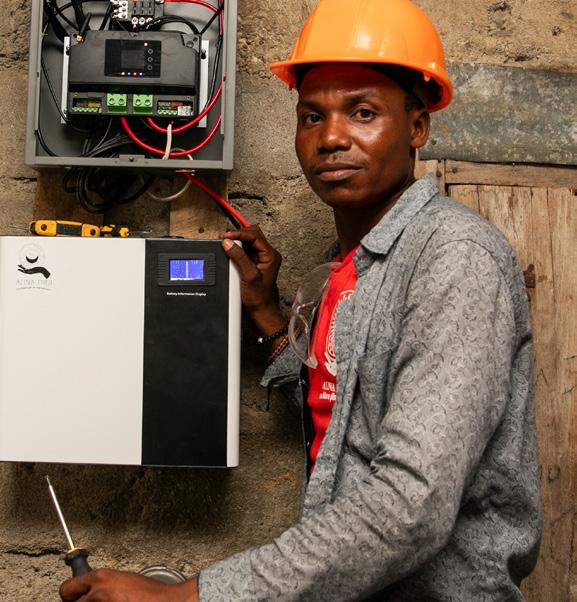
Binding constraints
Partner countries must decarbonize coal-dependent power systems while sustaining economic growth, creating jobs and ensuring fairness for affected communities.
Our work
We support governments to develop transition roadmaps, attract investment and form alliances that phase out coal, and replace it with renewables, creating green jobs.
Our goals
A $20 million investment under design in the Cirebon 660MW coal plant in West Java could unlock $275 million and avoid 28 million tons of CO₂.
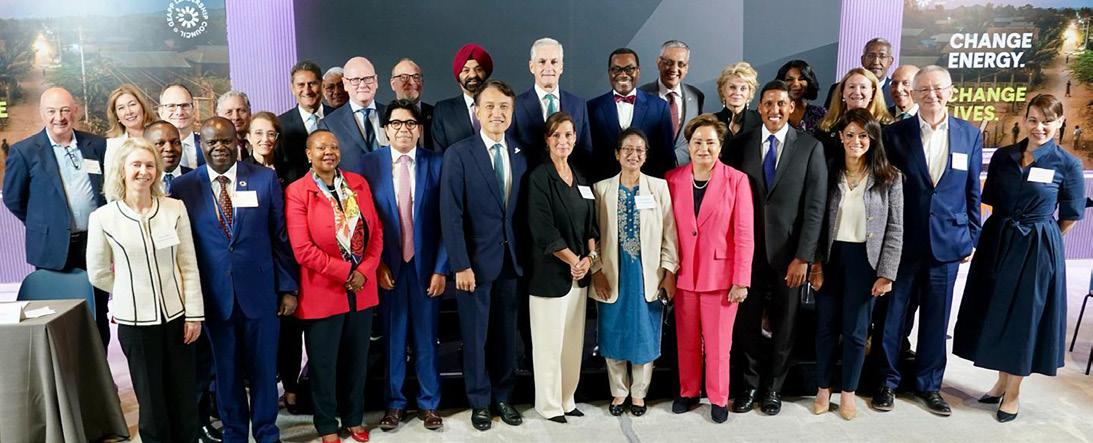
We convened the Global Leadership Council (GLC) to bring together heads of state, multilateral leaders and philanthropic partners to accelerate energy transitions in low- and middle-income countries. Meeting twice a year, with deputies and technical staff engaging more frequently, the GLC provides the high-level political will and alignment of national players needed to unblock major energy challenges. It was at a GLC convening during the UN General Assembly in 2023 that leaders endorsed and committed to the idea of a global BESS consortium, which was then launched at COP28.
The BESS Consortium has quickly become a flagship initiative, integrating technical, financial, strategic and communications expertise to speed storage deployment. Its “engine room” model unites Global Energy Alliance staff, development banks and country partners to resolve barriers, align policy and regulation, and mobilize blended capital.
In under two years, the consortium has delivered major results. In India, it accelerated approval of South Asia’s first large-scale storage project, setting cost benchmarks that spurred a $300 million
commitment from British International Investment (BII) and Norfund investment. In Barbados, it paired Prime Minister Mottley’s leadership with technical support to pass new energy legislation and design a national-scale project, inspiring regional momentum (see Chapter 3 for in-depth case studies). In Malawi, the Consortium facilitated the country’s first storage project, including ministerial exchanges with India. Together, these efforts are shifting perceptions of storage viability, turning political commitments into real project pipelines and driving regional spillovers.
The BESS Consortium brings together partners to improve access to technology, finance, research and innovation, creating the ecosystem necessary for the energy transition�”
— Prime Minister of Barbados, Honorable Mia Mottley
Assessing systemic impact requires looking beyond our individual financial disbursements or awards to capture the broader shifts in markets, institutions and policies that drive systemic transformation.
To do so, we assess progress based on our theory of change — the chain from intervention to final impact — using both qualitative and quantitative evidence. Our methods are flexible — focusing measurement where our efforts are concentrated while expanding when influence extends nationally — and we ensure objectivity through independent evaluations (see Technical Appendix for details). We refine our theory of change as we learn and adapt.
We measure final impact as the carbon, access and jobs and livelihoods outcomes that result from the larger pipeline of projects that we collectively scale with our partners through our awards. We categorize projects based on stages of implementation to shed light on the arc of systemic impact we expect:
Projects deployed — projects enabled that are either complete or currently operating.
Projects ready for deployment — confirmed projects that are tendered, issued, or signed for approval
Projects under design — projects that are technically, financially and/or policy-wise feasible with Global Energy Alliance’s contribution but that require further development or commitment before they can be deployed and therefore are less certain.
Throughout this report we refer to these categories when presenting our impact.
We used monitoring data to gather impacts on carbon, energy access and jobs for these projects, which is gathered quarterly from our awardees. Our monitoring system was not designed to capture information on all projects resulting from our awards, and their achieved and planned impacts. Over the summer we gathered these data from our partners, although gaps remain. For projects where partner data was not available, we modeled the impact using the Global Solutions Model, which uses data-informed and literature-vetted multipliers to translate renewable energy capacity into carbon, access and jobs and livelihoods impacts. These modeled results have inherent uncertainty. We also estimated financial mobilization using partner reported data.
For the first time, we asked an external evaluator to validate our impact. From June to September 2025, the evaluation team conducted 35 stakeholder interviews, 47 surveys, reviews of over 200 documents and analysis of monitoring and secondary data. These activities captured evidence on our collective impact across geographies and solutions and estimated our role in outcomes. For the Rajasthan case study, the evaluator used secondary data to assess how deployment would have progressed without our involvement versus what occurred. Exhibit 2 presents a summary of data collection and analysis for this report.
Data
Stakeholder interviews and online surveys
Strategy documents and grant reports
Partner-reported financial data
Administrative data on capacity and connections for Rajasthan, India
Partner-reported data, including renewable energy and productiveuse appliance capacity
Methods
Mixed-methods contribution analysis
Desk review and qualitative thematic analysis
Pre-post approach
Output
Contribution ratings (pivotal, enabling, supportive, none)
Implementation assessment and revised theory of change
Estimated finance unlocked
Interrupted time-series design
Impact on installed capacity and connections
Global Solutions Model with quality assurance protocols
We categorized our contribution as pivotal, enabling, supportive or none, reflecting the varied roles we play in alliances (see full definitions below). In some contexts, we are pivotal in catalyzing change by creating ideas that unlock broader action; in others, we enable or support ecosystems already in motion.
Impact on carbon reduction, energy access, and jobs
We are intentional about engaging at the level that is most effective — whether as creator, contributor or supporter — so that our collective efforts with Alliance members can achieve the systems change needed for lasting impact. Our external evaluator also assessed our contributions to project pipelines using a standard rubric.

Pivotal
Global Energy Alliance’s contribution was necessary for the project pipeline development and broader finance unlocked to occur. While Global Energy Alliance could not have achieved observed outcomes alone, the changes would not have happened without its intervention — particularly in creating the initial idea or vision that catalyzed broader action.
Global Energy Alliance played a necessary, non-redundant role that no other actor was playing — unlocking or accelerating pipeline development and broader ecosystem engagement and enabling other actors to provide scaled support.
Global Energy Alliance support was present and contributed to observed changes in pipeline development, finance and other desired outcomes — but played a similar role as other actors.
No contribution
Global Energy Alliance made no contribution to observed changes. Other actors and factors likely drove changes in targeted outcomes.
Since its inception, Global Energy Alliance has awarded $503 million (including $41 million legacy) via 191 individual awards (see Appendix A for full detail), of which $495 million has been disbursed.
Catalytic work of these awards has resulted in 188 projects: 58 projects deployed, 79 ready for deployment and 51 under design.
Awarded amount by region
Number of projects by stage
$503 million
awarded, $495 million disbursed (including $41 million legacy)
191 awards that co-created 188 projects
$7.8 billion
financing unlocked for 137 projects deployed and ready for deployment.
We estimate that the projects deployed will contribute to delivering new and improved access for 10 million people, supporting jobs and livelihoods for an additional 2.4 million people and cutting 18 million tons of carbon emissions over the life of the assets.
If we include projects ready for deployment, Global Energy Alliance will contribute to improving access for 91 million people, supporting jobs and livelihoods for 3.1 million additional people and reducing an estimated 296 million tons in carbon emissions, in total, over the life of the assets. If we included projects under design, we are poised to achieve even greater impact: enabling access for nearly 240 million people, supporting around 4.6 million people with improved jobs and livelihoods, and reducing carbon emissions by 952 million tons (see Exhibit 3).
+ ready to be deployed + under design
1. Carbon, access and jobs impacts are estimated for projects where grantee reports only provided renewable energy capacity estimates.
2. Finance unlocked and renewable energy capacity are not comparable because all the financing unlocked may not have been translated into pipeline.
3. BESS capacity was translated to renewable energy capacity enabled, assuming a factor of four increase, consistent with IRENA averages.
4. Includes people benefiting from improved reliability or affordability because of grid integrated BESS.
5. Job estimates include direct, indirect and induced jobs from supply of energy. Jobs resulting from consumption of energy are only included for our demand-side projects where projectspecific data are available.
6. Carbon reduction will accrue over life of the renewable energy asset.
7. Our realized impact to date from these projects is 4.4 million in new and improved access, 2.2 million jobs and livelihoods and 10.8 MT of carbon emissions reduced. These are underestimates to the extent we have missing data on actuals.
We assess that Global Energy Alliance’s contribution to the pipeline of deployed and ready-for-deployment projects was largely pivotal (52 percent) or enabling (31 percent), and supportive for the remaining 17 percent (see Exhibit 4).1,2
An independent online survey of public, private and civil society representatives assessed our role as more enabling than pivotal and only a few rated us as playing a supportive role. Among 47 respondents who completed the survey module, around 59 percent rated Global Energy Alliance’s contribution as enabling, 37 percent rated it as pivotal and four percent as supportive.
Exhibit 4: Assessment of our role by us and by our evaluator
Contribution rating based on third-party survey
As this chapter has shown, lasting systemic impact depends not only on isolated interventions but also on building the conditions that allow them to scale — political will, institutional capacity, scalable and sustainable pipelines and trusted alliances.
Our progress to date underscores that our greatest value lies not only in catalytic capital but in the partnerships and evidence that make energy transitions viable and inclusive. In the chapters that follow, we turn from this foundation of “how” we create systemic impact to “where” it is happening — tracing our impact across Africa, India, Latin America and the Caribbean, and Southeast Asia.
1 The analysis of Global Energy Alliance’s contribution to the pipeline is limited to stage 1 (projects deployed) and stage 2 (projects ready for deployment), as it is not possible to assign contribution scores to activities still under design. Contribution for stage 3 projects will be determined once they materialize and are deployed, which is why the total number of projects covered in this analysis is 137.
2 The contribution assessments for these projects, as scored by Global Energy Alliance's teams, have been independently reviewed and validated by the external evaluator.
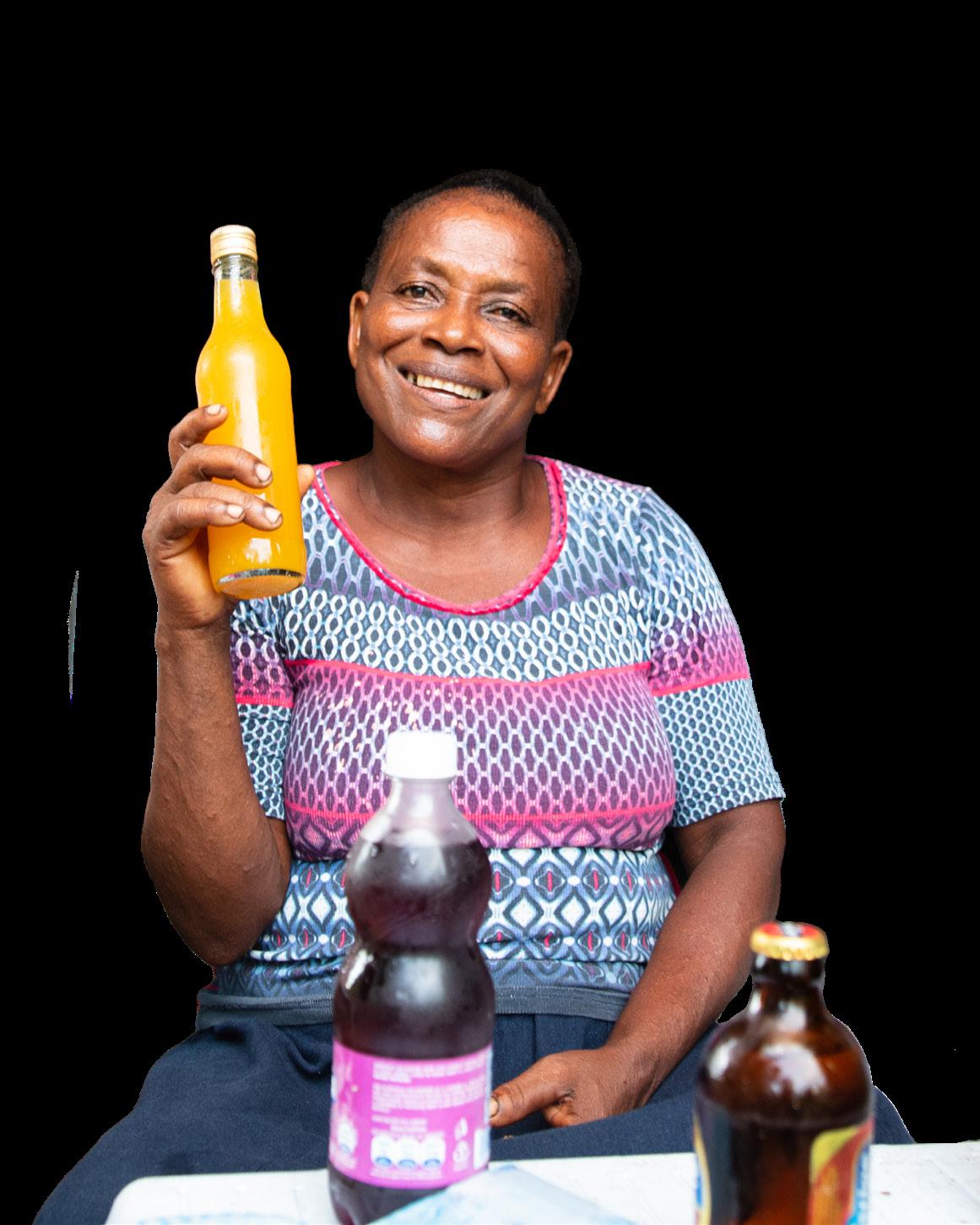
Rose-Marie was able to start selling cold drinks, and quadruple her income, when electricity was delivered to her community in Northern Haiti. She also received a freezer from the Haitian nonprofit, Fonkoze Foundation, in partnership with Global Energy Alliance to support her business.

This chapter presents our work — developed and delivered together with our partners — across four key regions: Africa, India, Latin America and the Caribbean (LAC), and Southeast Asia (SEA).
Each region’s profile varies when measured against the ‘vital signs’ of energy systems functioning — governance, utilization, access and system performance — as defined in our theory of change. Regions are distinct in their challenges and opportunities, and these distinctions shape our strategies and partnerships with the ultimate objective of improving these energy systems.
In sub-Saharan Africa, where electricity access remains limited, our efforts focus on expanding availability and productive use to support early-stage development. In contrast, India, LAC and SEA have achieved higher access but face challenges related to utilization, reliability, renewable integration and governance. India aims to close gaps in energy reliability and reduce diesel reliance; LAC leverages its renewable leadership to boost last mile utilization and development impact; and SEA prioritizes enhancing sector performance and governance amid rapid demand growth.
On the following pages we outline each region’s energy systems context, constraints to systems change, our work to address these constraints and the tangible progress we have made since 2023.
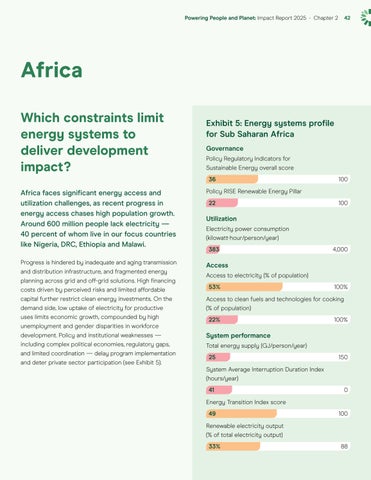
Africa faces significant energy access and utilization challenges, as recent progress in energy access chases high population growth. Around 600 million people lack electricity — 40 percent of whom live in our focus countries like Nigeria, DRC, Ethiopia and Malawi.
Progress is hindered by inadequate and aging transmission and distribution infrastructure, and fragmented energy planning across grid and off-grid solutions. High financing costs driven by perceived risks and limited affordable capital further restrict clean energy investments. On the demand side, low uptake of electricity for productive uses limits economic growth, compounded by high unemployment and gender disparities in workforce development. Policy and institutional weaknesses — including complex political economies, regulatory gaps, and limited coordination — delay program implementation and deter private sector participation (see Exhibit 5).
Exhibit 5: Energy systems profile for Sub Saharan Africa
Governance
Africa’s energy challenges underscore the need for distributed renewable energy (DRE) expansion, productive use stimulation, battery storage integration, and fair transition planning. These priorities form the core of Global Energy Alliance’s approach in Africa to date.
In partnerships with organizations like AfDB, WBG, and SE4ALL, we reduced financing costs through demand aggregation platforms and blended finance mechanisms. This addresses the chicken and egg problem of low returns from limited energy use dampening the financial viability of delivering clean energy access.
By pairing clean energy access with initiatives that spur productive use, we drive both supply and demand, creating jobs and strengthening local economies.
We gave a $10 million returnable grant to the Demand Aggregation for Renewable Technologies (DART) platform, which has lowered prices for solar panels, batteries and smart meters (ranging from 4 to 30 percent savings), enabling 49 mini grid projects that now serve about 50,000 people. This attracted financing to scale this program further. Our $9 million concessional investment in IFC’s SIMA C&I Solar Bond unlocked $150 million to finance 220MW of renewable energy and storage.
On the demand side, as detailed in the case study below, we funded PUFF which has sold 16,000 energy-efficient appliances, while the programs we have co-funded like Nigeria’s Energizing Agriculture Program and Malawi’s appliance financing are integrating renewables into rural economies.
Together with our partners, we are advancing grid modernization by developing a pipeline of storage projects through the BESS Consortium, enhancing grid stability and enabling higher renewable integration across multiple countries. In Malawi — a country with a fragile 560MW power system serving just 26 percent of the population — Global Energy Alliance contributed a $20 million grant for Malawi’s 20MW first utility-scale BESS project — nearing commissioning in early 2026 — while also embedding skills transfer to strengthen the supplier ESCOM’s capacity for long-term integration and operation.
Inclusive planning and stakeholder engagement underpin our efforts to phase out coal and support vulnerable communities. For example, the Alliance supports Nigeria’s Energy Transition Office and South Africa’s coal decommissioning programs, which balance decarbonization with social equity and job creation.
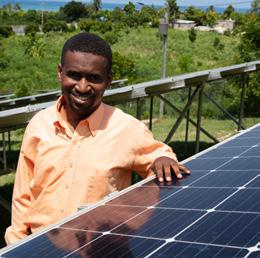
In Africa to date, in partnerships with organizations like the African Development Bank (AfDB), the World Bank Group (WBG), and Sustainable Energy for All (SEforALL), we have contributed to unlocking nearly $4.2 billion in finance towards 28 projects deployed and 21 projects ready for deployment.
Belize (1)
El Salvador (1)
Panama (1)
Latin America region (9)
Peru (1)
Exhibit 6: Estimated outcomes – Africa (values are cumulative)
Projects deployed
Sierra Leone (6)
Nigeria (12)
DRC (6)
Africa multicountry (46)
95 awards
Ethiopia (7)
Kenya (2)
Uganda (2)
Malawi (5)
South Africa (9)
We estimate that these projects will improve access for 31 million people, impacting jobs and livelihoods of an additional 727,000 people, reducing 88 million tons of carbon emissions, and enabling 2,753MW in renewable energy capacity (see Exhibit 6).
Progress would have been much slower and more frustrating without [Global Energy Alliance]� [It was] critical in enabling donors to have a platform to make broader planning work�”
— Public sector representative in sub-Saharan Africa
Our ambition is to help connect 300 million people in sub-Saharan Africa to electricity by 2030 and ensure that access leads to better jobs and livelihoods.
Mission 300 (M300) is an ambitious initiative led by the World Bank Group and the African Development Bank, and supported by Global Energy Alliance, The Rockefeller Foundation and SEforALL. Backed by $50 billion in catalytic capital, it brings together governments, development partners, the private sector and philanthropies to close Africa’s energy access gap. We will continue to bring others into the alliance to provide advocacy, community engagement, capital and resources needed to drive M300 forward and help countries meet their ambitious targets.
Under the newly launched Energy & Opportunity Coalition, we will collaborate with World Bank to ensure that connections translate into economic growth, better livelihoods, and increased electricity use — particularly for women. We will unlock finance for distributed renewables, storage and productive use applications. Drawing on our experience supporting 59 African DRE developers, we are designing a Developer Support Platform to work across M300 countries and help the private sector scale up rapidly to meet the opportunity. We will continue our work in South Africa developing vital proof points for the just transition in the global south — avoiding 20 million tons of carbon emissions per year creating jobs.
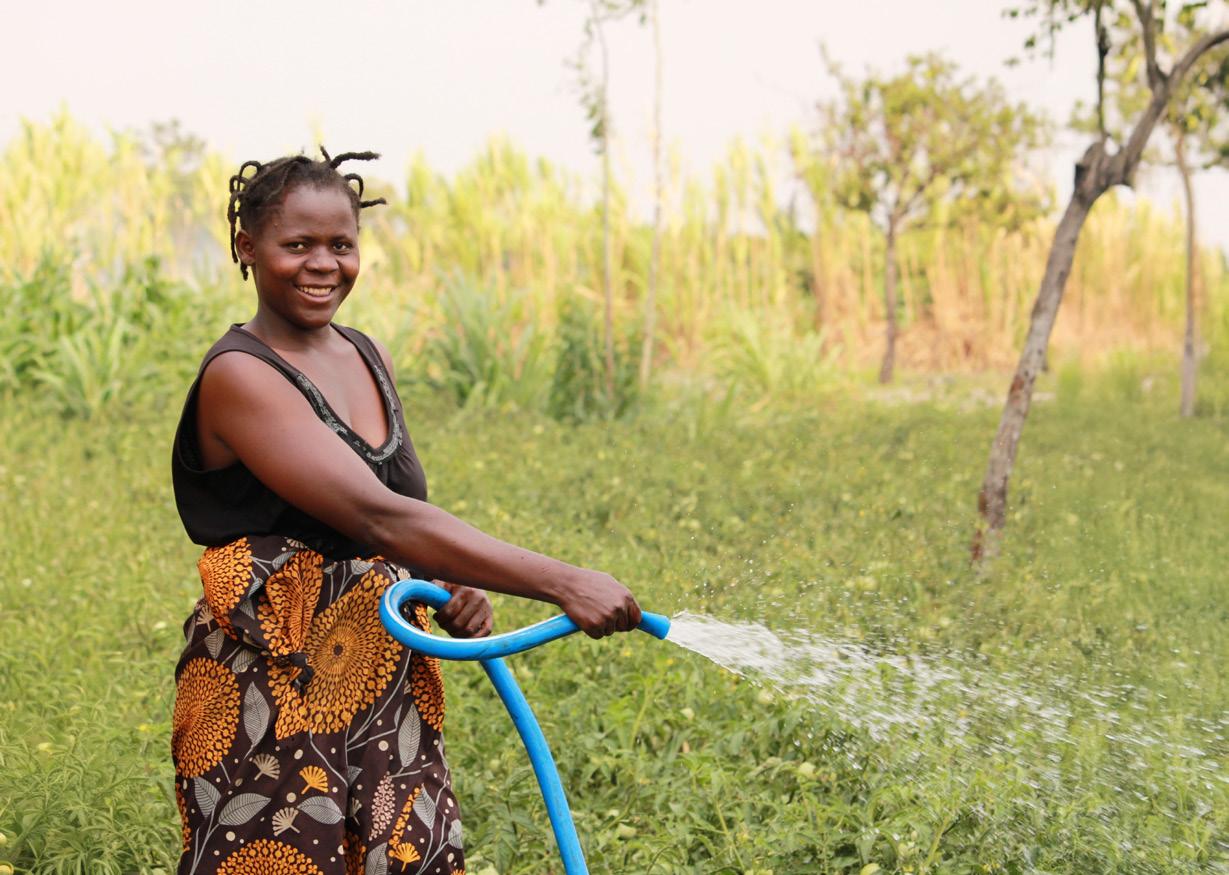

In Malawi, solar-powered water pumps are helping local chilli farmers irrigate their fields more efficiently, boosting harvests, incomes, and climate resilience.
Despite near-universal electricity access, India faces significant challenges in ensuring reliable, high-quality supply and accelerating renewable integration (see Exhibit 7).
Grid infrastructure and planning remain suboptimal, limiting the ability to manage variable renewable energy and requiring an estimated 47GW of additional energy storage by 2030 — far beyond current capacity. Financing clean energy projects is hindered by the poor financial health and inefficiencies of distribution companies (DISCOs), which are reluctant to integrate new renewable capacity due to low daytime demand and lack of grid digitization. On the demand side, outdated equipment and unreliable supply reduce productive use potential. Agricultural solarization programs also face coordination and knowledge gaps, leaving substantial government subsidies underutilized.
Exhibit 7: Energy systems profile for India
Global Energy Alliance partners with government agencies and financial institutions to improve grid reliability, accelerate renewable integration and expand energy use for economic growth.
We link distributed renewable energy deployment to power agriculture and enterprises (especially womenled ones), to drive inclusive economic growth. To address bottlenecks in national solar subsidy programs, we provide technical assistance, demand aggregation and demonstration pilots that show clear returns for consumers and financiers such as we have done for PM-KUSUM. Using the same approach, the Decentralized Energy for Women’s Economic Empowerment initiative works with over 5,000 women entrepreneurs to bring them reliable clean power to expand their businesses.
To meet India’s projected 47GW energy storage requirement by 2030, we and our partners advance battery energy storage system deployment and grid modernization. Pilots such as the Delhi BESS project have created scalable templates, while Maharashtra’s BESS pilot demonstrated a 40 percent reduction in outages across rural feeders, improving service for 1.2 million people. Through the BESS Consortium, we support a growing pipeline of projects that enhance grid flexibility and enable higher renewable penetration. Chapter 3 offers a more detailed narrative of this work.
We collaborate with NITI Aayog, a government advisory think tank, and with state governments to develop scalable energy transition roadmaps, mobilize investments, and embed community priorities — including gender equity — into planning processes. These efforts strengthen institutional capacity and align local actions with national goals. Through its Energy Transition Planning (ETP) work, Global Energy Alliance is helping state governments and utilities enhance grid management. In 2024, we partnered with the Government of Maharashtra to develop a comprehensive energy transition plan that identified over 100 renewable energy projects requiring an estimated $30 billion in investment; 16GW of new projects have been tendered.
The biggest problem that BESS faces [in India] is how to design a project … there is a need for significant capacity building for utilities to understand use cases and for bankers to understand financing.”
– Nonprofit sector representative in India
Haiti (6)
Jamaica (1)
Belize (1)
El Salvador (1)
Panama (1)
Latin America region (9)
To date (including legacy awards), working with NITI Aayog, the Gates Foundation, state governments, developers and local communities, we have unlocked $1 billion in financing and co-created 15 projects deployed and 11 projects ready for deployment in India.
Peru (1)
Puerto Rico (1)
Suriname (2)
Brazil (1)
Bolivia (1)
Exhibit 8: Estimated outcomes – India (values are cumulative)
India (20)
Projects deployed
Complete or operating projects
Projects ready for deployment
Tendered, issued or projects signed for approval
Projects under design
Feasible projects that require further development or commitment
We estimate that these projects will improve access for 49 million people, impact the jobs and livelihoods of an additional 2.2 million people, reduce 166 million tons of carbon emissions, and enable 8,388MW in renewable energy capacity (see Exhibit 8).
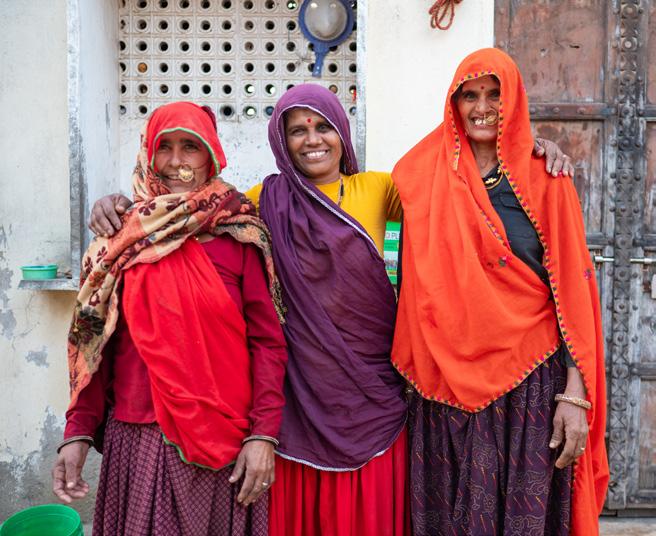
Looking ahead, we will continue to support India’s ambitious renewable energy targets by advancing grid modernization through expanded BESS deployment and digital utility initiatives.
A flagship effort is Digital Utilities for Energy Transition (DUET), the first comprehensive digital mapping of a distribution company network. By assigning unique digital identities to nearly 5 million assets and applying load flow analysis, DUET will enable greater renewable energy integration, identify priority locations for BESS deployment and support demand flexibility programs at scale.
We will continue to scale DRE for powering agriculture and enterprises while strengthening policy and planning at subnational levels to unlock finance and ensure inclusive transitions. Continued collaboration with government and private sector partners aims to improve energy reliability for over 300 million people, enable 10GW of distributed renewable energy, 10GW of new renewable energy generation, and build 5GW of BESS pipeline, accelerating progress toward India’s clean energy and climate goals.
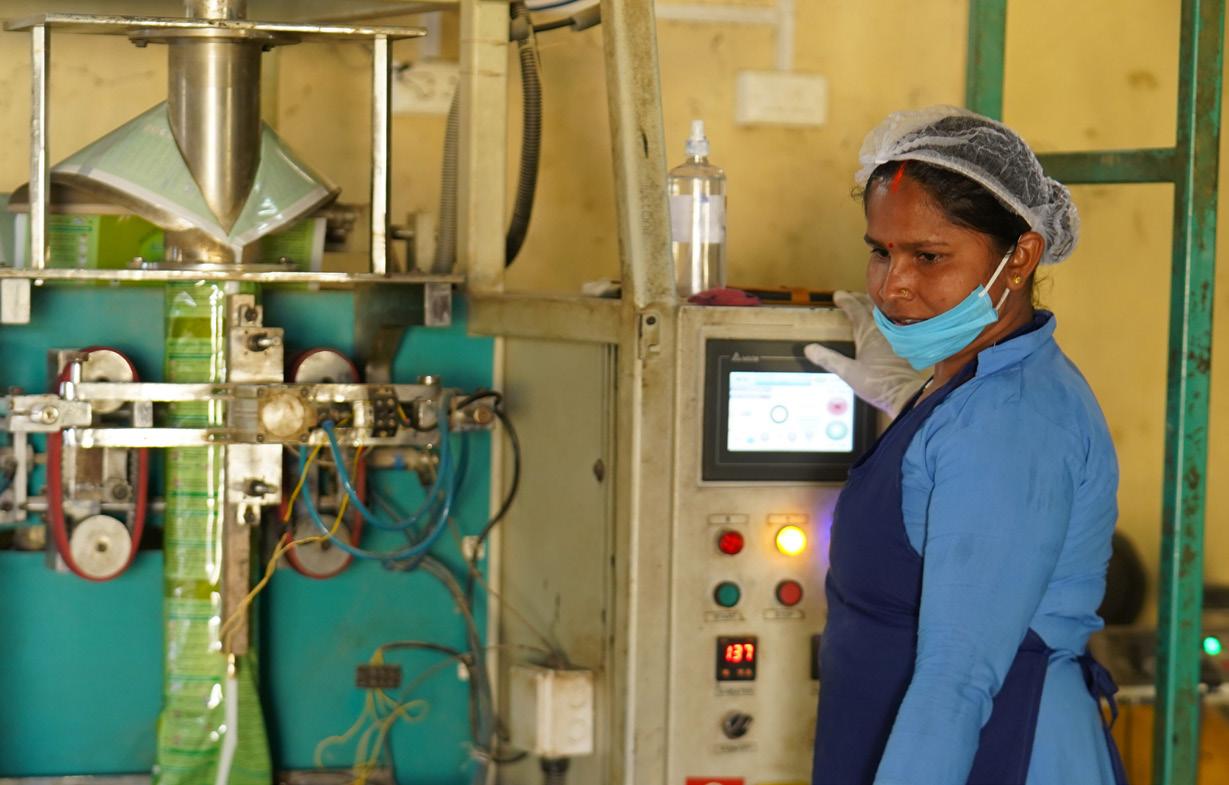
While LAC has achieved high electricity access rates (98 percent) and a relatively strong renewable electricity share (55 percent) approximately 17 million people still lack access, and an additional 60 million experience unreliable supply (see Exhibit 9).
Improved reliability, affordability and quality of supply holds potential to improve outcomes for those that have access. Structural barriers — such as small, isolated communities, vulnerability to climate events like hurricanes, limited land for building utility-scale renewables and stressed utilities — make diesel replacement difficult, especially in island nations and remote areas. Overreliance on hydropower exposes the region to climate risks like droughts and aging infrastructure risks backsliding into fossil fuels. Financing challenges persist due to high upfront costs, low tariffs and fragmented funding, while policy and regulatory gaps, institutional weaknesses and poor coordination hinder large-scale electrification and renewable energy integration.
We support Latin America and the Caribbean’s energy transition by coordinating governments, utilities, community organizations, development institutions, and private sector partners to overcome financial, technical, and regulatory barriers.
As a neutral convener, we align stakeholders and strengthen institutional capacity, policy implementation and crossborder cooperation through partnerships with organizations such as OLADE and the IDB.
To build momentum towards universal access, we launched and coordinated Universal Access Coalition (UAC). It is the first in the region to unite over 15 global actors, including the IDB, WBG, and IEA. The coalition supports community-led electrification projects and the integration of income-generating electricity use to improve livelihoods for over 75 million people. In Bolivia, a Global Energy Alliance grant of $2 million unlocked $200 million for rural electrification, serving 56,000 households. We are doing the same in Brazil and aiming to integrate these models into national policy frameworks to inform long-term energy planning. Chapter 3 goes into more detail about these initiatives.
[Global Energy Alliance] as a partner brings everyone to the table, including regulators, which is a powerful thing to do�”
— Stakeholder from Barbados
Together with our partners, we lead efforts to enable 8.5GW of battery energy storage systems across the region to enhance grid resilience and enable higher renewable integration. Successes include supporting the public procurement of 60MW of BESS capacity in Barbados and laying the groundwork for at least 300MW in the Caribbean in the medium term. Ongoing engagement in Jamaica, Belize, Honduras, the Dominican Republic, Uruguay and Brazil aim to embed BESS into national plans and build climate-resilient energy systems
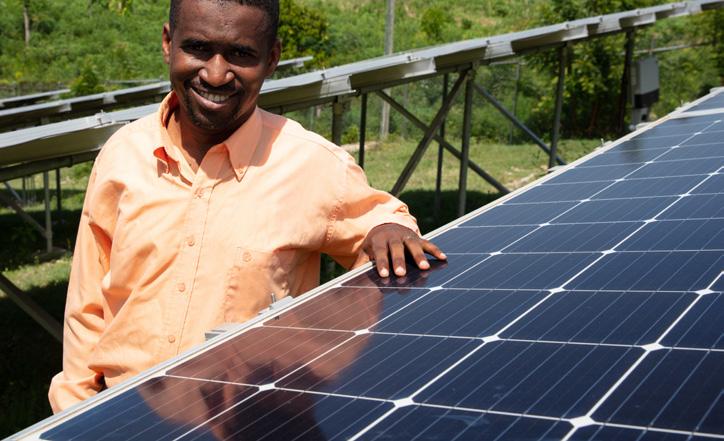

To date, along with IDB, OLADE, the government of Brazil, Barbados, and RELPs, we have contributed to unlocking $599 million in finance, resulting in four projects deployed and 18 projects ready for deployment.
We estimate that these projects will improve energy access for 7 million people, impact jobs and livelihoods of additional 111,000 people, reduce carbon emissions by 24 million tons and enable 1,590MW of renewable energy capacity (see Exhibit 10).
Exhibit 10: Estimated outcomes – Latin America and the Caribbean (values are cumulative)
Looking ahead, we will continue to lead, codevelop and support key partnerships — such as the Universal Access Coalition (UAC) and the BESS Consortium — to mobilize at least $1 billion for energy access projects across LAC.
Projects deployed
Complete or operating projects
Projects ready for deployment
Tendered, issued or projects signed for approval
Projects under design
Feasible
Priorities include scaling productive uses of energy and strengthening regional grid resilience through expanded battery energy storage in the Caribbean. This includes a BESS aggregation approach designed to maximize impact and reduce costs, reaching 15 million people. In Brazil we will deepen collaboration with the government and local partners to improve livelihoods in Amazon communities by advancing renewable energy access and productiveuse equipment as drivers of conservation and economic development. This model will be scaled within Brazil and can be replicated across the region. Global Energy Alliance will strengthen partnerships to accelerate political ambition, build institutional capacity and enhance crossborder cooperation, ensuring that a just, resilient and inclusive clean energy transition benefits millions.
Despite high electricity access (97 percent) and strong clean cooking fuel access (73 percent), Southeast Asia continues to face challenges including heavy coal dependency, underinvestment in generation capacity and limited grid infrastructure upgrades.
Fossil fuel subsidies and ongoing coal plant construction lock in high-carbon infrastructure. Transmission and distribution networks remain state-controlled with capacity limitations, hindering renewable integration. While first-time access is no longer the primary issue, persistent energy poverty remains in rural and remote communities, compounded by affordability issues and reliance on traditional fuels. Financing gaps, unattractive power purchase agreements, regulatory uncertainty and fragmented governance further slow clean energy deployment and transition planning (see Exhibit 11).
Exhibit 11: Energy systems profile for Southeast Asia
Together with our partners, we support Indonesia and Vietnam by advising on regulatory reforms, procurement improvements and energy transition planning to create investor-friendly environments that unlock finance and align policies with climate goals.
This foundation enables accelerated deployment of clean energy solutions and just transitions.
Distributed renewable energy and utilization of energy
We provide design support and catalytic funding to decentralized renewable solutions linked to inclusive economic growth, particularly in remote and underserved areas. Together with our alliance partners we design and implement programs while providing catalytic financing to unlock impact at scale. For example, in Indonesia, the Renewable Energy Access for Last-Mile (REAL) program replaces diesel mini grids with solar PV, mini-hydro and biomass systems across 50 sites, improving livelihoods and creating jobs.
Notable projects include Indonesia’s first grid-connected BESS paired with a 72.6MW wind farm benefiting 4.3 million people, and Vietnam’s 50MW/50MWh BESS pilot developed with Vietnam Electricity Group and ADB. National BESS roadmaps supported by us improve coordination among governments, utilities, and private sector actors, while regional initiatives like the ASEAN Power Grid enhance market connectivity and grid resilience.
Our work has supported coal plant retirement roadmaps and financing mechanisms like Indonesia’s PT Sarana Multi Infrastruktur’s Energy Transition Mechanism (ETM). We help structure blended finance solutions to attract capital and develop transition plans that balance emissions reduction with social equity, ensuring stable prices and job protection during coal phase-out.
Vietnam will run into an energy crisis soon due to extreme growth� We won’t have enough electricity, so batteries will be a focus from the private sector�”
— Stakeholder from Vietnam

funding requests
Haiti (6)
Jamaica (1)
Belize (1)
Salvador (1)
Panama (1)
To date, along with Asian Development Bank (ADB), WBG, governments and communities, we have contributed to unlocking $1.7 billion in finance resulting in 10 projects deployed and 27 projects ready for deployment.
America region (9)
Peru (1)
Puerto Rico (1)
Suriname (2)
Brazil (1)
Bolivia (1)
Exhibit 12: Estimated outcomes
– Southeast Asia (values are cumulative)
New and improved access (million people)
Jobs and livelihoods (million people)
Projects deployed
Complete or operating projects
Projects ready for deployment
Tendered, issued or projects signed for approval
Projects under design
Feasible projects that require further development or commitment
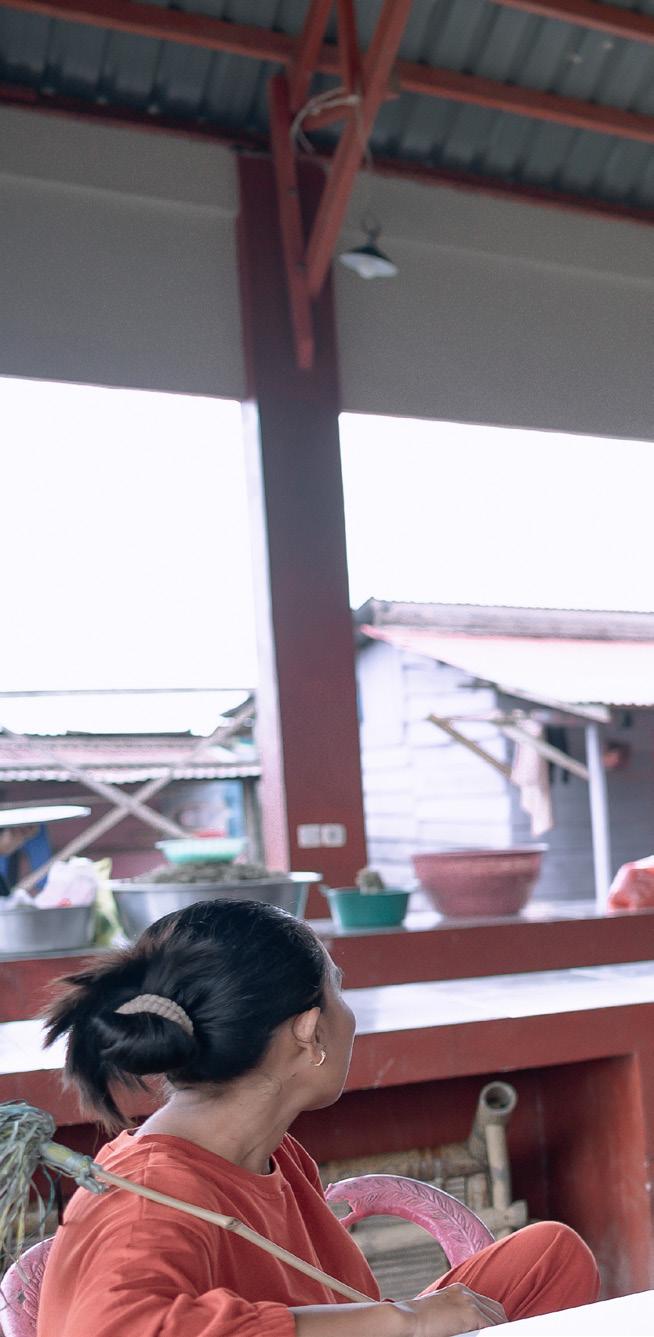
Pakistan (1)
Myanmar (6)
Vietnam (11)
Philippines (2)
Southeast Asia multicountry (4)
Indonesia (15)
39 awards
We estimate these projects will improve access for 4 million people, improve jobs and livelihoods for an additional 77,000 people, reduce carbon emissions by an estimated 18 million tons and enable 819MW in renewable energy capacity (see Exhibit 12).
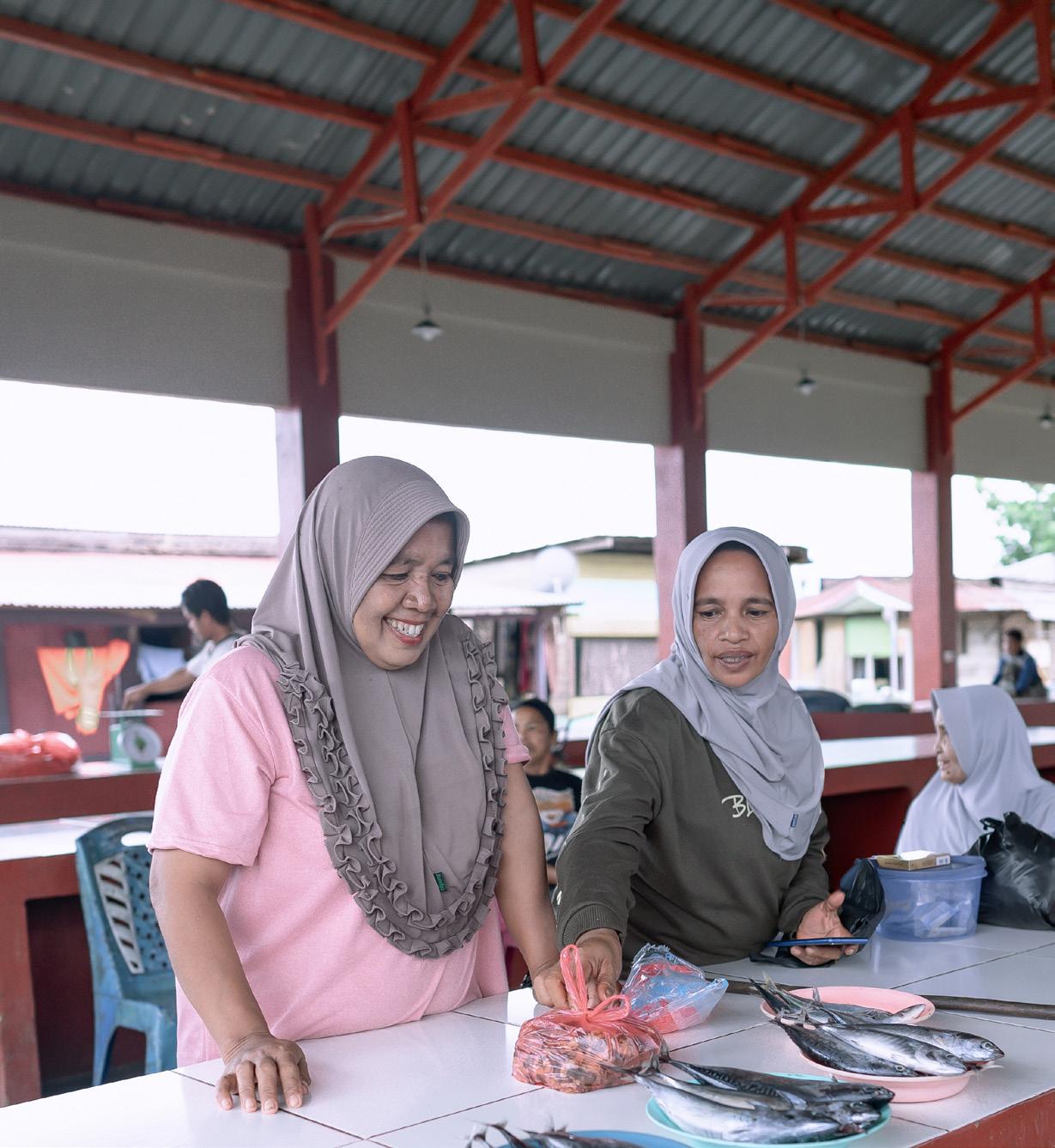
Looking ahead, we will work to address constraints limiting private sector engagement and fund projects to demonstrate technical and financial viability.
Existing partnerships will expand to include greater private sector participation. Seeing the potential of the ASEAN Power Grid alliance, led by the ASEAN Secretariat with support from ADB and the WBG, we are actively playing a catalyzing role to support Southeast Asian governments in the energy transition. These efforts could reduce an additional 100 million tons of carbon emissions and add over 13GW of new renewable power generation.
In the next chapter, we deep dive into specific initiatives across our four regions, highlighting collective solutions and the potential for country-level impact.

This chapter presents six case studies of Global Energy Alliance’s work across three areas: energy grids for the future, improving jobs and livelihoods and supporting a fast and fair energy transition� A seventh case study explores the impact of our work across these areas to bring about national-level systems change�
Drawing on qualitative and quantitative evidence from 35 interviews and 47 surveys, independent evaluators found Global Energy Alliance’s role across all three solutions to range from enabling to pivotal. These ratings mean we provided a necessary, non-redundant contribution across countries and regions that unlocked broader ecosystem engagement and scaled support.


The BESS Consortium demonstrates how Global Energy Alliance has taken the lead in initiating and orchestrating international partnerships to drive system-level change. Recognizing that countries such as Barbados, India and Vietnam faced underdeveloped storage sectors, the Alliance convened leaders, donors and technical experts to launch a dedicated consortium. At the heart of this effort is Global Energy Alliance’s engine room — a blended team of technical specialists, policy strategists, finance experts and partnership managers — that monitors project pipelines, troubleshoots barriers and brings the right mix of skills to accelerate delivery. By driving the consortium forward through this integrated engine room, Global Energy Alliance has established itself not just as a convener and supporter, but as the system catalyst that enables countries to move further and faster on clean energy transitions.
Grids for the future: impact*
1,700MW renewable energy capacity enabled 12 million people with improved access
26 million metric tons of reduced carbon emissions
*From projects deployed and projects ready for deployment
Battery energy storage systems (BESS) are crucial for integrating variable renewable energy sources like solar and wind, ensuring grid stability and providing reliable, affordable clean power.
They complement solutions such as Digital Utilities for Energy Transition (DUET) and broader digitization efforts, which equip utilities with advanced planning and AI tools to improve grid efficiency, cut costs and enable greater uptake of distributed energy.
To expand the use of BESS, Global Energy Alliance is deploying a mix of alliancebuilding, catalytic finance, market shaping and government enablement.
Global Energy Alliance helped launch the global BESS Consortium in 2023 with over 30 partners to scale battery storage in 20 emerging markets. This includes regional coordination, such as the BESS Consortium in Latin America and the Caribbean, active in countries like Barbados, with partners like RELP, IDB and the National Renewable Energy Laboratories (NREL). The Consortium also works across Africa, supporting BESS deployment in at least five countries, with Global Energy Alliancefinanced Malawi project nearing commissioning in the first quarter of 2026. In Southeast Asia, Global Energy Alliance and the Asian Development Bank (ADB) launched the ENABLE platform to provide upstream market development technical assistance in nascent BESS markets to create market conditions to accelerate first wave BESS deployment.
Global Energy Alliance provides catalytic capital to de-risk BESS projects. Overall, the global BESS Consortium has committed approximately $50 million in technical assistance and concessional capital, primarily from Global Energy Alliance alongside Multilateral Development Bank (MDB) partners.
Global Energy Alliance is demonstrating viable business models for BESS and scaling deployment. We also assist governments and utilities with feasibility studies and auction design, as described in our case studies below.
Global Energy Alliance actively supports governments in developing enabling policies and regulations for BESS integration. In India, the Delhi pilot is creating a technical playbook to inform new regulations. In partnership with local think tanks, Global Energy Alliance is rolling out capacity building for utilities looking to develop BESS projects. The work leverages learnings and tailwinds from the sharp reduction in the cost of batteries. In Malawi, Global Energy Alliance’s interventions include a comprehensive skills transfer component aimed at boosting institutional capacity for BESS integration and operations within the Electricity Supply Corporation of Malawi (ESCOM). The case studies on Delhi and Barbados in the following pages describe our work in depth.
Global Energy Alliance’s theory of change for BESS rests on the premise that targeted alliance-building, market shaping, government support and catalytic finance can build political will, stimulate operational and regulatory capacity for BESS and generate proof-points of BESS viability.
These proof-points can then unlock finance, influence pipeline development and generate widespread access to BESS. Ultimately, increased access to scalable BESS is expected to enhance renewable energy integration, increase access and reliability, cut carbon emissions and contribute to jobs and sustainable livelihoods. Our external evaluator assessed evidence to test this theory of change.
Global Energy Alliance’s BESS projects are expected to boost renewable energy capacity and energy access across target geographies by 2030� Collaborating closely with alliance partners, by May 2025, Global Energy Alliance had deployed two projects, with seven ready for deployment across Africa, LAC, India and SEA. According to our calculations, these projects are on track to enable an estimated 1,700MW of renewable energy capacity, improve access for 12 million people and reduce carbon
Stakeholders highlighted Global Energy Alliance’s outsized contribution to the enabling environment for BESS in several countries� Thirteen alliance partners representing public, private and philanthropic sectors in India, Malawi, Barbados and Vietnam shared their perspectives on BESS outcomes in their regions and Global Energy Alliance’s contribution to those outcomes. Stakeholders overwhelmingly credited Global Energy Alliance with driving key policy and institutional advances for BESS in their countries. Nearly all partners reported that Global Energy Alliance helped strengthen the regulatory and policy environment for BESS integration, linking us to increased support from policymakers, regulators and utilities for reforms that encourage BESS investment. A majority also agreed that Global Energy Alliance helped improve understanding among these actors about how to integrate BESS effectively and profitably into energy systems. They also agreed that the Alliance had fostered collaboration between key sector actors to plan, finance and deploy BESS solutions at scale.
Global Energy Alliance’s BESS Consortium is rapidly scaling storage in emerging markets� The Consortium is tackling the toughest barriers to storage scale-up by combining technical assistance, concessional finance and peer learning. In its first year, it mobilized $50 million in technical support and $300 million in de-risking capital, built a ~2GW pipeline across 18 countries and advanced flagship projects in India, Vietnam, Malawi and Barbados, while supporting early deployment in countries such as Belize, Burkina Faso, Mauritania, Nigeria and Togo.
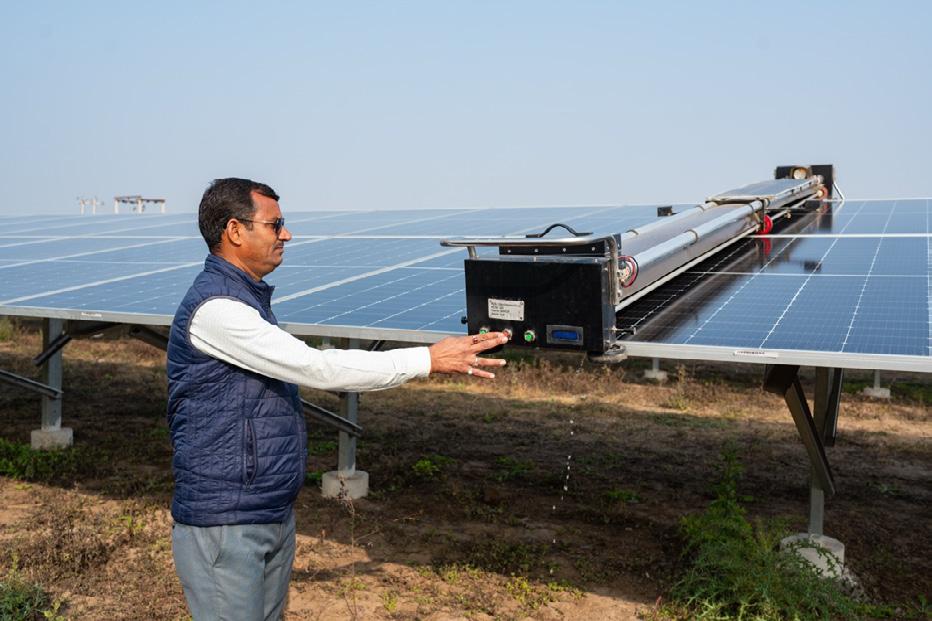
The external evaluators reviewed Global Energy Alliance’s support for BESS in two diverse contexts — India and Barbados — each with distinct barriers and opportunities. These are discussed on the following pages.
Global Energy Alliance’s contribution to India’s BESS cluster:
Global Energy Alliance provided a $9.7 million concessional loan that covered 70 percent of the debt for the Kilokari battery energy storage system (BESS) — India’s first standalone storage project — making it financially viable. In addition to financing, we delivered advisory support that helped secure regulatory approval and re-engage senior leaders at BSES Rajdhani Power Limited (BRPL), the Delhi distribution utility responsible for implementing the project. Stakeholders explained that Global Energy Alliance removed the last stone blocking progress by building trust between BRPL and private developers and by bringing in technical experts to refine design and delivery. These combined efforts both propelled the Kilokari BESS project forward and generated India’s first real-world evidence on storage costs, tariffs and performance. Those results shifted incentives for utilities, regulators and investors, establishing battery storage as a credible and scalable solution for expanding renewable energy in India.
India’s rapid growth in solar and wind has created mounting challenges for grid stability, with distribution companies (DISCOs) often forced to curtail renewables or rely on costly peaking plants during evening demand ramps.
Despite the urgent need, storage remained largely absent from the power system with few viable projects, limited regulatory experience and little confidence among utilities. To address this gap, Global Energy Alliance partnered with BSES Rajdhani Power Limited (BRPL), IndiGrid and Ampere Hour to develop the country’s first standalone utility-scale BESS pilot at the Kilokari substation in New Delhi. Commissioned in April 2025, the 20MW/40MWh system aimed to prove the technical and commercial viability of storage within a regulated framework, while building utility capacity and establishing cost benchmarks for replication.
Global Energy Alliance helped break India’s storage deadlock by financing and de-risking the country’s first standalone utility-scale BESS� For the Kilokari substation in New Delhi, Global Energy Alliance provided a $9.7 million concessional loan covering 70 percent of project debt, plus grants for implementation and regulatory support. Without this support, the project’s tariff (cost to customer) would likely have been too expensive to secure regulatory approval and attract private investment.
As a result, the project tariff was discovered via a bidding process, with Global Energy Alliance providing concessional debt to the winning bidder, supporting the utility to ensure the bidding process was efficient. The pilot proved that storage could operate viably in a regulated framework while training utility staff and embedding monitoring systems.
The pilot delivered India’s first credible proof points for storage and seeded replication� Kilokari set cost benchmarks that were 50 percent lower than the previous benchmarks in India. It also generated operational data and gave regulators confidence to treat BESS as a viable grid asset. Stakeholders called it the “first domino” in building a national pipeline now exceeding 8,000MW. Global Energy Alliance’s role went well beyond finance. The Alliance bridged BRPL and developers, brought in trusted technical partners, and launched peer learning with The Energy and Resources Institute (TERI).
It also funded pre-feasibility studies and regulatory filings for projects with Tata Power in Mumbai and Indian Power Corporation Ltd (IPCL) in West Bengal and did knowledge sessions with several sub-national regulators including in Karnataka, Maharashtra and Odisha which now cite Kilokari as a regulatory precedent for them to approve future projects.
[Global Energy Alliance] wasn’t central to every aspect, but their concessional finance gave the project a risk cushion that made the regulators take it seriously�”
— Stakeholder from India
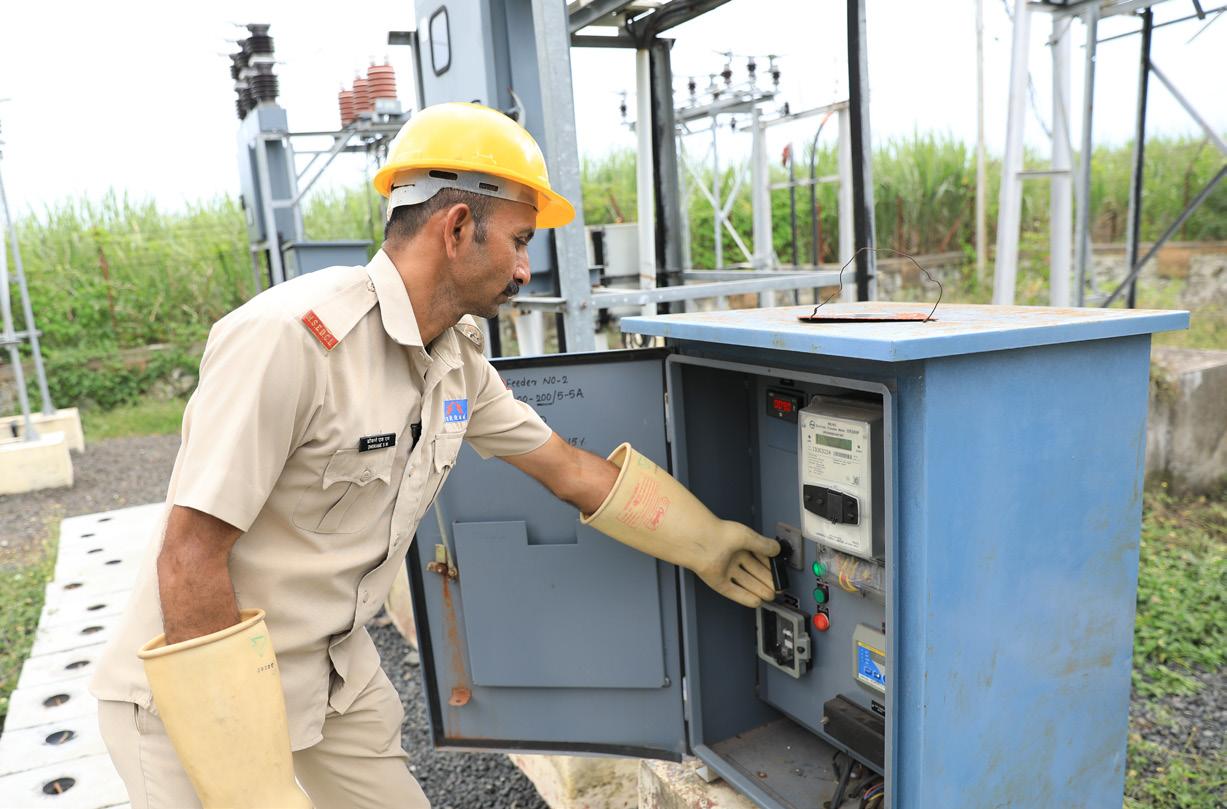

Global Energy Alliance helped prepare the system for wider adoption, but progress is still fragile� The pilot set India’s first cost-recovery framework for standalone BESS and created a playbook for utilities preparing new tenders. Stakeholders credit Global Energy Alliance with shifting storage from a risky experiment to viable infrastructure, with a large pipeline of projects that have been tendered, though not yet commissioned.
Without continued coordination and catalytic investment, progress could stall but Kilokari has already demonstrated storage’s role in peak demand management, renewable integration and India’s path toward its 500GW renewable and 50GW BESS target by 2030 (see Exhibit 13 for a summary of Alliance contributions to BESS in India).
Contributing alliance partners
Regulators, distribution companies, IndiGrid, Ministry of Power, Ministry of New and Renewable Energy, NITI Aayog, India Energy Storage Alliance, IIT Bombay, The Energy and Resources Institute (TERI)
Enabling
Increased political will: DERC approval of India’s first cost-recovery framework for standalone BESS influenced state-level regulator engagement by providing a working model for them to build from.
Enabling
Enhanced capacity: State regulators gained familiarity with BESS cost structures, operational benefits and service valuation. Utility staff trained on BESS operations and feasibility studies prepared for DISCOMs
Enhanced policy: Kilokari established precedent for BESS cost-recovery in regulated utility model
Proof-points established: Kilokari provided operational data and proof of commercial viability
Enabling
Evidence shared: Kilokari evidence influenced pipeline of >8,000MW BESS projects
Barbados faces energy challenges common to small island developing countries (SIDS): an isolated grid and full dependence on imported fossil fuels.
To secure its energy future, Barbados is pursuing an ambitious goal to reach 100 percent renewable energy by 2030. With the rapid expansion of solar capacity, the national grid has struggled to manage fluctuations in generation. Without storage, variable solar energy has led to curtailment and system instability. BESS offers a means to improve grid stability, absorb more renewable energy and reduce reliance on fossil fuel generation. Barbados officials needed support to launch the country’s first grid-scale BESS tender, including new regulatory tools, commercial models and convening support to design a competitive procurement process in a context where experience with utility-scale storage had not existed. Global Energy Alliance played a pivotal role in enabling Barbados to design and launch its first competitive procurement for battery storage� Working with RELP, a key partner and the transaction advisor, Global Energy Alliance stepped in as a convener and technical funder, aligning the Ministry of Energy, the regulator (FTC), the utility (BLPC) and other partners including RAP, NREL, IDB and WBG. We financed advisors, coordinated regulatory working groups and supported the creation of the Clean Energy Transition Rider (CETR), a new cost recovery mechanism. Together, these efforts laid the foundation for a 60MW competitive tender launched in late 2024, expandable to 150MW by 2026.
In Barbados, while other actors contributed technical studies or financial modelling, the Alliance was the only institution that supported the project end-toend — as a trusted convener, strategic coordinator and technical funder. The Alliance funded key advisors (RAP and NREL), aligned support from multilateral institutions (IDB and IFC) and coordinated the regulatory and policy engagement needed to build momentum. These actions helped Barbados shift the BESS project from early stage planning to a fully operational procurement framework. Public officials credited Global Energy Alliance with accelerating the process and bridging institutional gaps, making it possible to develop a viable storage pipeline and to launch the country’s first competitive battery storage tender.
The tender gave Barbados its first practical framework for storage investment and showed that the model can work� The process was unprecedented for the island. It introduced a build-own-operate (BOO) model, tariff clarity through CETR and transparent procurement documents. Stakeholders described Global Energy Alliance as the “glue” that kept ministries, regulators and financiers aligned.
While financial close has not yet been reached, the tender structure created a clear commercial pathway, attracted international developer interest and positioned Barbados as a test case for small island states pursuing renewable integration.
Early outcomes have already influenced regulation and regional dialogue� The regulator’s adoption of CETR marked a departure from reliance on feed-in tariffs, creating a replicable framework for future procurements and strengthening coordination between the regulator, government, and utility. The tender process also improved technical literacy on storage economics and officials are now advocating for replication across Caribbean countries. Though private and concessional capital remain to be committed, Barbados now has a transparent and operational template for storage deployment – a shift
made possible by Global Energy Alliance’s enabling role in bridging global expertise with local needs (see Exhibit 14 for a summary of Alliance contributions to the Barbados BESS cluster).
Having [Global Energy Alliance] as a partner — it brings you regulators� It brings everyone to the table� That’s a powerful thing to do … they are like a powerful glue�”
— Stakeholder from Barbados
Contributing alliance partners
Ministry of Energy and Business Development, Fair Trading Commission, Barbados Light & Power Company, RELP, Regulatory Assistance Project, National Renewable Energy Laboratories, Inter-American Development Bank, International Finance Corporation
Increased political will:
Strong political commitment to 100% renewable energy by 2030; government actively backing first competitive BESS tender
Increased alignment: Launch of BESS Consortium at COP28 aligned MDBs, DFIs, governments, and private sector actors around a shared goal
Enhanced capacity: BLPC engaged in competitive tendering process and technical dialogues on storage procurement
Enhanced policy: New regulations replaced traditional reliance on feed-in tariffs
Proof-points established: Launch of 60MW BOO-model tender demonstrated a viable commercial pathway underpinned by regulatory clarity
Pipeline developed: First tranche designed for 60MW with up to 150MW by 2026; cost recovery and liquidity support structures in place
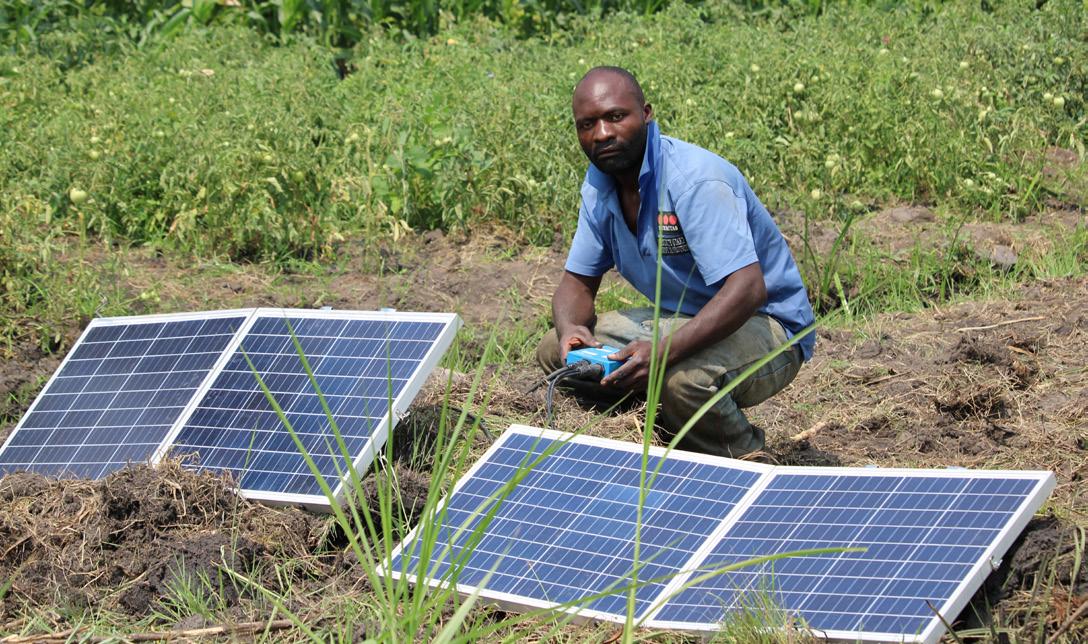
Global Energy Alliance’s support for battery storage in Vietnam and Malawi illustrates two complementary impact pathways: building policy foundations and delivering infrastructure.
In Vietnam, the Alliance partnered with the Ministry of Industry and Trade’s Institute of Energy to establish the technical and regulatory groundwork for storage. Catalytic grants supported a frequency regulation study, technical assistance for a BESS pilot, design of a pricing mechanism and development of a national roadmap. We also convened partners including ADB, UNDP and RMI to launch a government-led BESS task force, aligning donor priorities and placing storage firmly on the national agenda. Although financing and regulatory hurdles have delayed deployment, this groundwork has shaped Vietnam’s long-term storage strategy.
In Malawi, Global Energy Alliance is financing the country’s first grid-scale BESS to prove the value of storage in a fragile system. A $20 million grant, paired with $2.4 million in co-financing from ESCOM, is covering the system and its first two years of operation with commissioning expected in mid-2025. We have also committed $850,000 to NREL’s BESS Center of Excellence, providing technical advice and sharing lessons across the region. This flagship investment aims to stabilize Malawi’s grid, expand the use of renewables and generate insights to guide future procurement of storage across sub-Saharan Africa.
Rodney Amos, a Malawian farmer, is discovering how solar power can transform his fields creating a more sustainable and profitable path for agriculture.
Removing barriers to productive use transforms energy access into an opportunity, allowing distributed renewable energy (DRE) to reach its full potential in driving jobs and livelihoods.
Weak demand for electricity undermines the financial viability of DRE, while low availability and adoption of productive use appliances dampen demand further, creating a vicious cycle. These challenges are compounded by fragmented stakeholder coordination, thin pipelines of viable projects and underdeveloped regulatory frameworks that lack clear rules for market entry, infrastructure standards and appliance certification.
Our interventions target these persistent barriers that have long constrained DRE scale-up and productive energy utilization in emerging markets. High upfront costs and limited local currency finance make earlystage DRE projects difficult to launch. Weak demand stems from low appliance adoption and limited technical, business and planning capacity hampers utilities, developers, and distributors alike.
Grids of the future: impact*
1,700MW renewable energy capacity enabled
12 million people with improved access
2�8 million people with new or improved jobs and livelihoods
*From projects deployed and projects ready for deployment 26 million metric tons of reduced carbon emissions
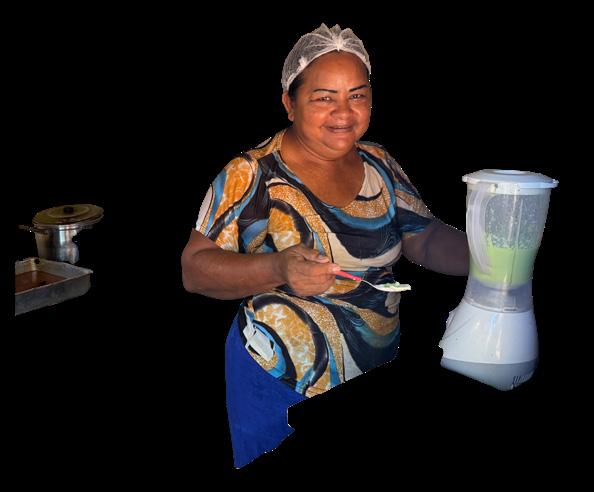
Our approach activates four core levers:
Using platforms like the Global Leadership Council (GLC) and Alliance Partner Forum, Global Energy Alliance convenes and co-creates joint priorities and learning agendas with valued partners. Going forward, portfolio-wide initiatives such as Mission 300 and the Energy and Opportunity Coalition translate this alignment into coordinated country programs. Global Energy Alliance also works closely with trusted local organizations that bring strong community relationships to the table.
Global Energy Alliance offers targeted technical assistance, staffing support and advisory services to government agencies and DISCOs to address practical bottlenecks for example, land aggregation, procurement, permitting and implementation monitoring). We also help form cross-ministry working groups, so that policies, regulations and grid operations move in step.
Global Energy Alliance deploys grants and concessional capital to generate evidence on the viability of innovative DRE and productive use models and to reduce early risk for other investors.
Global Energy Alliance strengthens the technical, financial and operational capacity of distributed renewable energy developers, appliance suppliers, DISCOs and other utilities so DRE and appliance businesses can operate viably and at scale.
The theory of change for our DRE and demand-side interventions posits that addressing implementation barriers and constraints will unlock financing for a large pipeline of projects at the scale and pace needed to drive systemic impact.
Our strategic interventions remove the practical barriers that stall these projects, enabling projects ready for deployment to move from planning and procurement to construction and commissioning.
When those bottlenecks ease, three types of catalytic change follow: stronger capacity, policies and processes; clear incentives and evidence; and capital investment unlocked through larger, viable pipelines. These shifts drive systems change – that is, better governance, broader and more reliable access aligned with efforts to increase utilization of electricity for income generation and economic development. Over time, these systemlevel changes translate into economy-wide impacts including reduced emissions, more and better jobs and sustainable livelihoods.
The findings from the external evaluation presented below focus on our upstream role in triggering catalytic changes that enable broader energy systems change and ultimately Global Energy Alliance’s actual and projected impacts on people and the planet.
Collectively, Global Energy Alliance’s DRE and productive use projects are expected to boost renewable energy capacity and energy access across target geographies by 2030� Collaborating closely with partners, Global Energy Alliance has contributed to cocreating 44 deployed projects and 53 projects ready for deployment across Africa, LAC, India and SEA by May 2025 (see Exhibit 15). These projects are on track to unlock or accelerate an estimated 9,724MW of renewable energy capacity, enable access for 64 million people, support an additional 2.8 million people with jobs and livelihoods and reduce carbon emissions by 229 million tons.
Stakeholders surveyed by our external evaluators highlighted Global Energy Alliance’s outsized contribution to initiating DRE pilots� Twenty-eight alliance partners across Africa, India, SEA, and LAC reported broad progress in the DRE landscape, citing increases in project deployment, a growing pipeline of projects and stronger policymaker recognition of DRE’s value. A majority attributed these advances at least in part to Global Energy Alliance crediting its role in supporting deployment, expanding pilots and improving consumer access to affordable electricity.
Unlike traditional mini grids, mesh grids link small solar and battery units house-to-house, cutting costs and avoiding single points of failure. Global Energy Alliance provided concessional funding to move the technology from prototype to demonstration, embedded experts to fast track regulatory approvals and generated evidence that satisfied investor due diligence. With this support, the local developer Alina Enèji expanded from about 1,000 to nearly 5,000 household connections in just 18 months, at roughly onethird the cost of standard mini grids and with 98 percent reliability. This strong track record unlocked follow-on capital from the World Bank and IDB Lab and laid the foundation for scaling mesh grids to 25,000 households while also shaping future national electrification and productive use energy programs.
Global Energy Alliance’s work in Haiti is part of a broader strategy to link lessons from country-level demonstrations to regional and national frameworks.
By helping to prove the viability of a novel technology in one of the Global South’s most challenging operating environments, we built credibility as a leader of the Universal Access Coalition across Latin America and the Caribbean. This fed into emerging efforts in Brazil to advance decarbonization and energy utilization for productive purposes. More broadly, Global Energy Alliance’s role in LAC has meant connecting early-stage innovations such as the mesh grid demonstration in Haiti into policy frameworks and coalition platforms that can scale impact across countries.
Mesh grids, developed by Okra Solar and implemented in Haiti by the local energy company Alina Enèji, offered a practical, lower-cost pathway to rural electrification and Global Energy Alliance helped prove the model at scale by de-risking early-stage investment� Okra Solar’s mesh grids link small DC generation-and-storage pods house-to-house, avoiding the single point of failure and higher costs typical of AC mini grids. Before Global Energy Alliance’s engagement with Alina Enèji, the company had self-financed a small pilot project in the rural commune of Marchand-Dessalines. With two small Off-Grid Electrification Fund (OGEF) tranches it reached roughly 1,000 connections by April 2023. Global Energy Alliance then paired concessional finance with hands-on support enabling Alina Enèji to expand to nearly 5,000 live connections in 18 months and to generate the operational record that larger funders had requested for further investment.

Independent analyses from the pilot period found capital expenditure per new connection near $545, roughly one-third of the $1,627 mini grid benchmark. Reliability was around 98 percent even in remote regions – evidence that the model can deliver grid quality service at meaningfully lower costs.
[Without Global Energy Alliance’s
support],
Alina
Enèji
may not
have survived
… [Global Energy Alliance] support enabled [Alina Enèji] to survive and create thousands more connections [on a path toward commercial viability]�”
— Stakeholder from Haiti
Global Energy Alliance’s support directly responded to the policy and regulatory needs of the government of Haiti, which had requested technical assistance to help analyze and formalize regulations for emerging technologies� Through an $800,000 grant, we embedded specialists inside Haiti’s National Energy Sector Regulatory Authority (ANARSE) and the Ministry of Public Works, Transport and Communications (MTPTC) Energy Cell. These specialists had the mandates to strengthen regulatory capacity, expedite mini grid concession reviews under the government’s Program for Access to Solar Energy for Rural Communities (PHARES), and develop long-term licensing and tariff frameworks for emerging off-grid models such as DC mesh grids. Alina Enèji had already received a temporary authorization from ANARSE to pilot mesh grids prior to this support. Our contribution was not to fast track that approval, but to respond to the regulator’s request for technical assistance in analyzing and formalizing regulatory solutions for novel technologies. One government representative confirmed that this support alleviated policy constraints by helping national institutions develop clearer, long-term regulations to support rollout of decentralized electrification projects.
A credible operating record increased investors’ confidence in the model and unlocked follow-on finance. Once performance data from the demonstration project were packaged into public-facing briefs and investor decks — covering capital expenditure per connection, uptime and payment performance — funders moved from interest to action. IDB Lab approved $1.8 million and the WBG’s OGEF window released an additional loan of $1.7 million, together anchoring the first $3.5 million for Alina Enèji’s next growth stage toward 25,000 connections. Private investors and Development Finance Institutions (DFIs) indicate stronger interest as the customer base approaches 10,000, the point at which Alina Eneji's internal models suggest break-even operations.
Demand-side pilots clarified what it will take to build commercially viable DRE systems� Global Energy Alliance coupled the demonstration with a small, productive use appliance pilot (including refrigeration, milling and charging) to test whether higher value loads could strengthen revenues. Field data showed that just 6-7 percent of customers (productive users) generated over half of monthly revenue, confirming the importance of anchoring loads. Yet appliance uptake lagged behind the 600-unit target (about 40 financed) due to credit constraints and import delays. This highlighted the need for fit-for-context consumer finance and after-sales support as mesh grids scale. These lessons have informed the Universal Access Coalition’s strategic focus on productive use of energy as a lever to strengthen uptake, support financial sustainability and ensure that access interventions improve beneficiaries’ quality of life.
The data convinced a lot of people in the World Bank that this model makes sense�”
— Stakeholder from Haiti
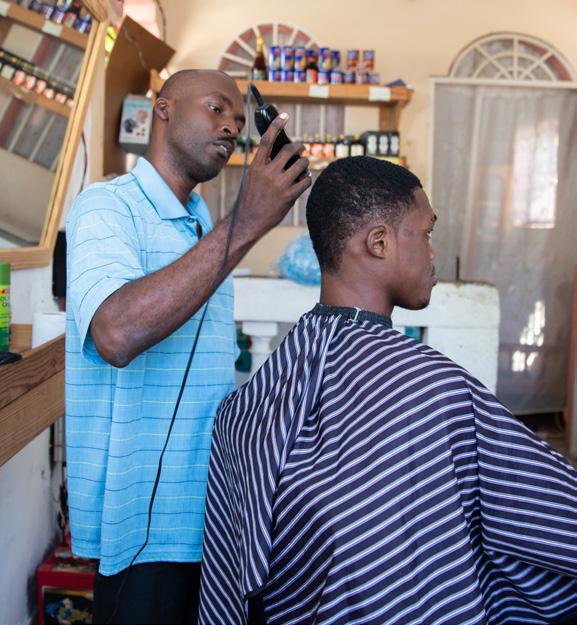
[Productive use of energy] was completely off the government’s radar until [Global Energy Alliance] stepped in�”
— Stakeholder
from Haiti
Although Haiti faces strong headwinds to commercial investment, the country’s lessons are already influencing global initiatives. Haiti’s deteriorating security situation and inflation make near-term, large-scale commercial investment unlikely. Concessional capital is filling the immediate gap while the operator builds toward scale and continues to navigate a complex operating environment.
With clean, affordable, and reliable energy, businesses like the Coteaux Barber + Copy Shop in Haiti can stay open, meet growing demand, and create steady livelihoods for their community.
Photo: Nadia Tores
Importantly, Global Energy Alliance’s continued efforts to actively support projects in Haiti underscore its commitment to making an impact under the most challenging conditions even as other funders scale back commitments in high-risk environments.
Moreover, evidence from the demonstration project in Haiti is influencing larger markets. The WBG’s $750 million DARES program in Nigeria explicitly allocates funding for mesh grid development, demonstrating how results from one geography can steer policy and investment choices elsewhere (See Exhibit 16 for a full accounting of our contributions to mesh grids in Haiti).
Contributing alliance partners
MTPTC Energy Cell, ANARSE, Alina Enèji, Okra Solar, OGEF, CrossBoundary, World Bank, IDB, Fonkoze Foundation
Catalytic change
Enhanced capacity and policy: National institutions developed clearer, long-term regulations to support decentralized electrification projects
Proof-points established: Mesh grid project demonstrated lower CAPEX, high reliability and viable business model
Increased access: 4,700 new mesh grid connections established
Finance unlocked: Demonstration results unlocked $3.5M in follow-on donor financing
Evidence shared: Evidence from demonstration project influenced MDBs to commit funds in Haiti and shaped Nigeria’s $750M DARES program
Systems change
Higher utilization: PUE pilot enabled some customers to start or improve income-generating activities
Enhanced performance: Mesh grids sustained ~98% reliability, halving CAPEX per connection
Global Energy Alliance's contribution to India's PM-KUSUM scheme:
Enabling
India’s PM-KUSUM program helps farmers replace diesel irrigation with solar power while adding clean energy to the grid. The program's implementation in Rajasthan state stalled because land was too fragmented and utilities lacked monitoring tools to track hundreds of small projects. To address these constraints, Global Energy Alliance created an online portal where farmers could register land at fair lease rates. In parallel, the Alliance co-developed a digital monitoring tool that gave utilities real-time visibility on nearly 900 projects. With these tools, solar rollout accelerated adding about 0.36MW of capacity and 29 pumps per day. External evaluators used rigorous analysis to determine that by early 2025, this translated to 183MW of new solar power and 12,700 more pumps than had been expected without the Global Energy Alliance's involvement which brought farmers cheaper irrigation, reliable daytime power and higher yields.
PM-KUSUM is India’s flagship program to help farmers irrigate using solar power instead of diesel, while also adding clean electricity to the grid.
Global Energy Alliance supported two key components of the KUSUM program. KUSUM-A which enables the installation of small, grid-connected solar power plants (0.5–2MW) on farmland near rural substations, with utilities purchasing the power; and KUSUM-C focuses on solarizing existing agricultural pumps either by converting individual diesel pumps or by installing feeder-level solar plants that power many pumps at once. In Rajasthan, implementation of the KUSUM had stalled because of two main bottlenecks:
Land bottlenecks: Farmers’ plots were too fragmented to assemble the five to 10-acre sites needed to construct PV infrastructure near substations;
Execution bottlenecks: Utilities lacked a way to monitor progress across nearly 900 commissioned projects.
Global Energy Alliance advised the Rajasthan Energy Department to address implementation bottlenecks by creating a land registration portal paired with community outreach� Through its technical support, Global Energy Alliance advised state officials and Jaipur DISCO (JVVNL) to treat land as the binding constraint to KUSUM rollout in Rajasthan. We promoted the digital portal and outreach approach, and directly engaged with landowners to support registration of parcels and meetings with DISCOs. The Saur Krishi Aajeevika Yojna (SKAY) portal, launched in late 2023, allowed farmers to register land at a pre-determined lease rate. DISCOs now use the portal to verify land titles and bundle contiguous plots before tendering, so developers bid only on pre-cleared sites. Within months, one DISCO reported parcels covering an estimated 3.5GW of prospective capacity already registered on the portal.
I used the SKAY portal [to register my land]� [Global Energy Alliance] is the one who explained the KUSUM-C program to me very carefully and patiently� If they didn’t exist, I probably would not have participated [or] had this plant�”
—
Stakeholder from Rajasthan
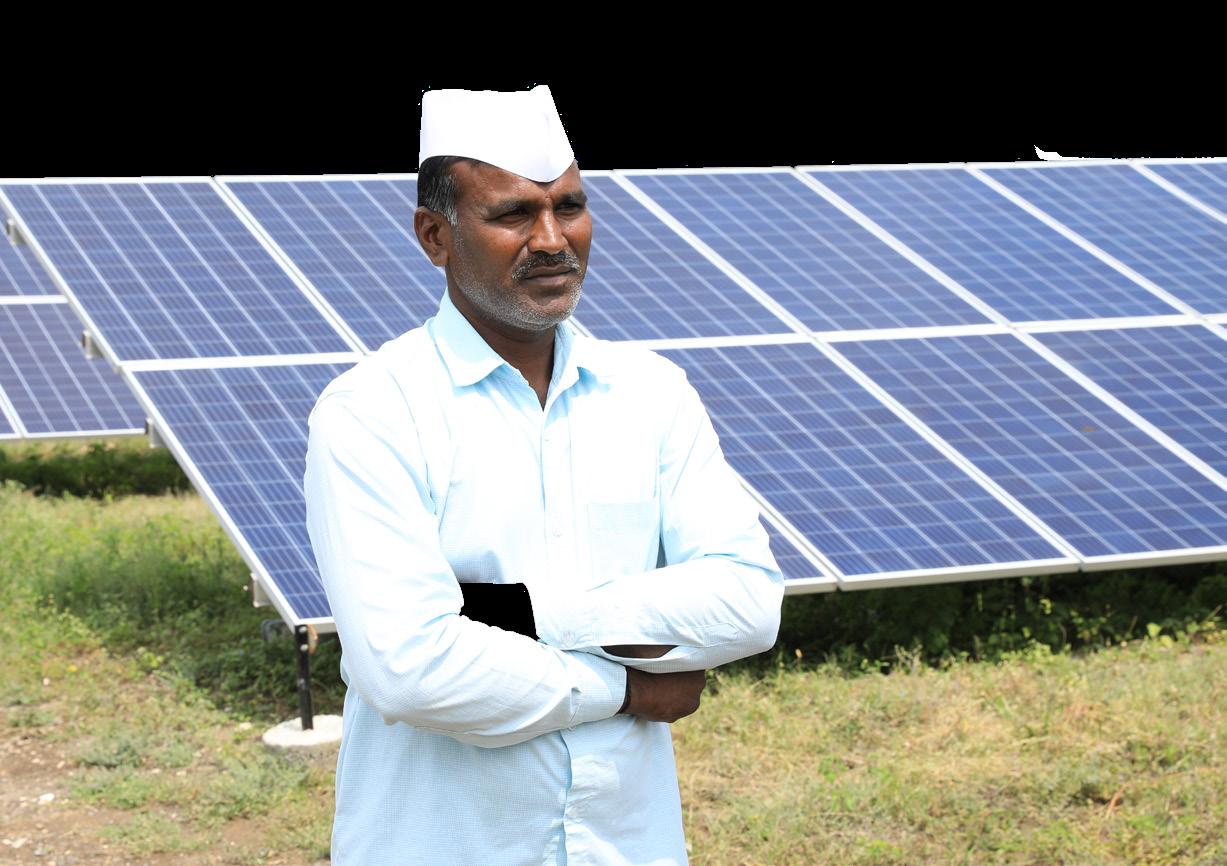
To overcome execution delays, Global Energy Alliance co-developed a digital monitoring tool that enables utilities to track an ambitious, 900-site pipeline in real time� Before 2023, Rajasthan’s utilities had limited ability to see how individual projects were progressing once tenders went out. The Contract Monitoring System (CMS), co-developed by Global Energy Alliance and JVVNL and used across all three DISCOs in Rajasthan, tracks each project from tender to commissioning, aggregating data on capacity, timelines, vendor assignments and milestones. Engineers and managers use it to see where each project stands, forecast capacity and flag risks early; Global Energy Alliance trained staff and sat in regular review meetings to ensure it became part of daily operations.
The CMS gives us each and every step where the project is, even the time� It tells us whether we are meeting our deadlines and that helps us plan ahead accordingly� We would never be able to take these projects forward [without the CMS]�”
—
Stakeholder from Rajasthan
Exhibit 17: Global Energy Alliance’s estimated impact on installed capacity and installations in Rajasthan
Global Energy Alliance support begins in September 2023
Rigorous methods confirm that Global Energy Alliance’s support has significantly accelerated solar capacity and pump solarization in Rajasthan� Using government data on the subsidy implementation, our external evaluator estimated that Rajasthan added roughly 183MW more installed capacity and about 12,700 more solarized pumps than expected without Global Energy Alliance’s involvement (see Exhibits 17 and 18). This boost reflects faster progress in both decentralized solar power plants and solarization of agricultural pumps through individual and feeder-level installations. The data suggest our support helped drive sustained momentum in expanding clean energy for farmers well beyond prior trends.
Household and farm benefits have already begun to materialize as feeders come online� As commissioning accelerated, villages connected to KUSUM feeders began receiving more reliable daytime power. Households and farms reported early welfare benefits, including lower cultivation costs and better working hours, improved yields and study time and greater perceived safety). By addressing land-related bottlenecks and project execution, our support shortened time to commissioning of new grid-connected PV sites and thus accelerated these benefits for energy consumers.
Global Energy Alliance support begins in September 2023
Notes
1. Estimated impact on acceleration of PM-KUSUM in Rajasthan (June 2021–Feb. 2025) as a result of our Alliance using interrupted time series analysis. Predicted values (solid lines) are compared with counterfactual trends (dashed lines);
2. Data source: Open government data platform India (2021), Press Information bureau and Parliamentary Question annexes (for 2023-2025)
Contributing alliance partners
Government of India, Rajasthan Energy Department, DISCOMs, private DRE developers, engineering, procurement and construction contractors, local landowners and farmers, agricultural cooperatives
Enhanced capacity and policy: Launch of land registration portal removed land aggregation bottlenecks
Catalytic change
Pipeline developed:
900 feeder-level solar plants (~5–6GW) in active pipeline with March 2026 deadline
Systems change
Enabling
Increased access: Feeder-level solarization users received ~5 extra hours/day of reliable power, enabling irrigation and enterprise in daylight
Improved livelihoods: Improved power access enabled income gains and better time use, particularly for women. Around half (51%) of farmers reported higher yields.
Finance unlocked: Land portal unlocked ~3.5GW of prospective capacity, reflecting accelerated and expanded capital deployment
Enabling
Higher utilization: Users reported lower costs (64% decrease) and more time for other activities
Impact
Reduced emissions: Acceleration in solar capacity (+0.36MW/day) and pump installations (+28.6/day) sped up carbon impacts; Rajasthan added roughly 183MW more installed capacity and 12,700 more solarized pumps than projected without Global Energy Alliance involvement.
In collaboration with CLASP and Nithio, Global Energy Alliance funded an innovative results-based financing model to reduce the biggest cash flow hurdle for early-stage appliance distributors in Africa.
PUFF’s reverse auction model awards bulk procurement subsidies to suppliers and distributors, paid in two tranches — 40 percent on approval and 60 percent after verified sales. This model ensures that limited grant funding goes to companies that truly need it to close sales or expand into new markets. By placing the subsidy upstream at the point of bulk purchase, the program removes the largest capital barrier for distributors that want to offer installment payment plans but lack working capital. This approach is unique in the region and, paired with Nithio’s Consumer Financing Fund, aligns incentives between grants and debt.
Robust evidence generated through the PUFF pilot strengthened market credibility and informed future investment in use of energy appliances� CLASP created a publicly accessible customer impact dashboard using third-party monitoring, evaluation and learning systems. The dashboard incorporates data from over 6,300 surveys, verified sales records and more than 100 impact indicators. Results show that appliance prices fell 35 to 57 percent while 95 percent of customers reported improved well-being within two months. Users saw an average monthly revenue increase of $229 and 18 percent of business owners hired additional staff, 43 percent of them women. These independently verified results have been shared with donors and DFIs to demonstrate the market’s potential.
By combining performance-based procurement subsidies with capacity building and monitoring, Global Energy Alliance and partners created the Productive Use Finance Facility (PUFF). PUFF is the first multi-country platform in sub-Saharan Africa to ease cash flow barriers for distributors of productive use appliances such as solar water pumps and refrigeration. In its 2022-24 pilot, PUFF financed nearly 16,000 appliances across six markets proving that results-based grants can unlock demand even in fragile contexts.
The pilot also catalyzed significant new investment. Participating firms raised $59 million in follow-on equity and debt, while the program mobilized an additional $49.5 million in donor funding. Verified results from CLASP showed meaningful impacts, including increases in household income, job creation, and women’s economic participation. These outcomes strengthen the case for scaling appliance finance as a powerful tool for advancing inclusive economic growth alongside energy access.
The pilot helped early stage firms prove their business models and attract follow-on capital� Most participating companies were small, early stage distributors with annual revenues under $2.5 million. Through subsidies, targeted technical assistance and capacity-building grants of up to $30,000, PUFF enabled them to cut unit costs, improve operations and demonstrate demand – leading to $59 million in additional private investment.
The capacity building grant significantly contributed to our ability to attract funding and forge partnerships … As a result, we successfully secured $400,000 in private investment capital�”
— PUFF stakeholder in sub-Saharan Africa
PUFF mobilized significant donor and MDB commitments, but commercial debt financing remains uncertain� The pilot helped attract major new funders to clean energy finance initiatives, including a $25 million commitment from the Mastercard Foundation. Several donors cited the program's transparency and early results as a motivating factor in their grant. Nithio has secured $21 million in provisional senior DFI debt commitments, with finalization linked to mobilizing a $5 million junior capital tranche and continuing to build on their strong repayment performance. Without these loans, the extensive working capital loan pipeline may remain largely unrealized, underscoring the need for concessional capital and credit benchmarks to unlock private lending at scale.
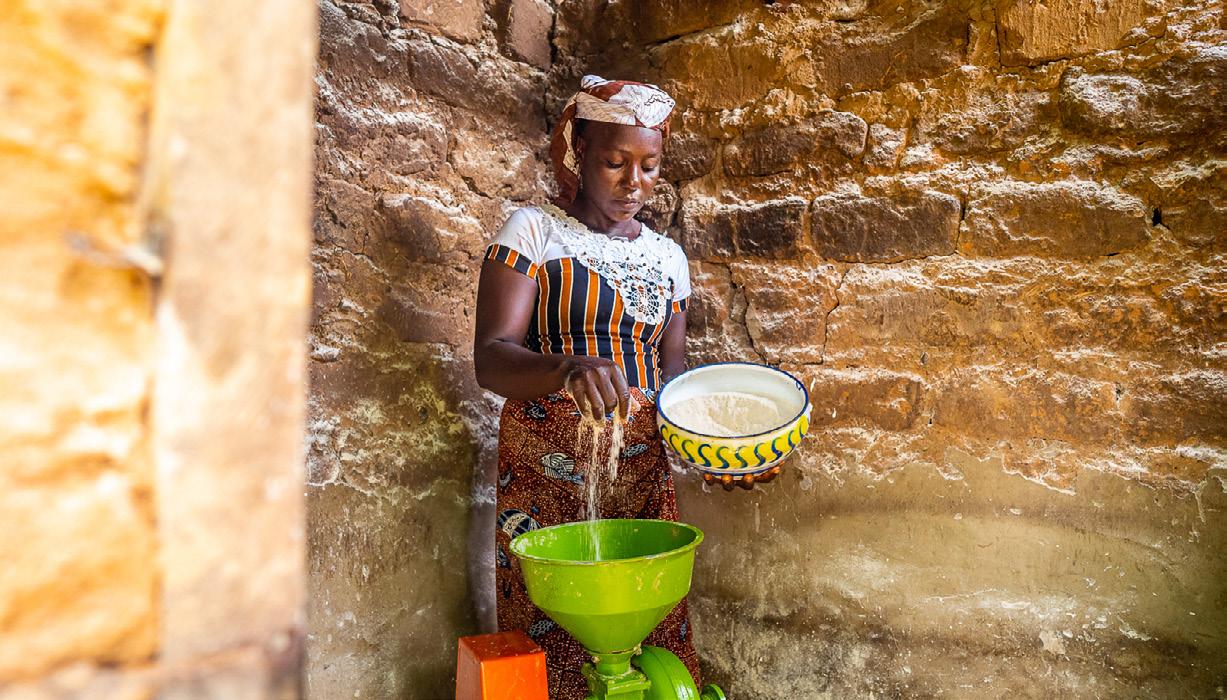
The PUFF pilot’s lessons are informing Global Energy Alliance’s next generation of energy utilization scaleup initiatives: notably, the Energy and Opportunity Coalition� In June 2025, Global Energy Alliance and CLASP announced PUFF 2.0, backed by $6.1 million from the IKEA Foundation, The Rockefeller Foundation and Bezos Earth Fund, to deploy at least 10,000 more appliances in Kenya, Nigeria and Ethiopia with refined protocols for subsidy allocation, verification and learning. PUFF’s architecture is also shaping our Energy and Opportunity Coalition, which will unlock $100 million in catalytic capital and $1 billion in total investment through national alliances, replicating the pilot’s blended finance and embedded data approach to drive scale across multiple countries. (See Exhibit 19 for a full accounting of our contributions to catalytic change through PUFF).
Without the grant, we could not have made these changes … The grant has been fundamental to the sustainability of future fridge sales and improving the operating model of the company�”
— PUFF stakeholder in sub-Saharan Africa
Contributing alliance partners
CLASP, Nithio, C4ED, appliance manufacturers and distributors, local banks and investors, FDCO, IKEA Foundation, Good Energies Foundation, Sida, Mastercard Foundation, Shell Foundation, FMO, IFU, World Bank
Proof-points established: PUFF demonstrated viability of RBF model; sales verification and MEL architecture yielded socioeconomic proof points
Catalytic change
Enabling
Finance unlocked: PUFF mobilized ~$49.5M in donor investment; PUFF participants raised ~$59M follow-on private investment
Evidence shared: PUFF informed Global Energy Alliance's global productive use strategy; was used to design PUFF 2.0
Enabling
Just Energy Transitions (JETs) are political and financial commitments aimed at accelerating equitable, long-term clean energy transitions in economies historically reliant on fossil fuels.
Emerging countries participating in these JETs face a range of barriers as they work to implement equitable energy transitions. A major challenge is the lack of global precedents for what a just transition looks like in coal-dependent emerging markets. This lack of clarity contributes to fragmented strategies, limited stakeholder alignment and slow development of investable project pipelines. Financing is another major hurdle, as traditional funding instruments often don’t reflect the risks and needs of transitioning energy systems in these contexts. Countries also contend with infrastructure limitations for renewable energy integration, institutional capacity and coordination gaps, as well as socioeconomic dependence on fossil fuel value chains.
Our strategy to address these challenges revolves around three mutually reinforcing levers.
Strengthening institutional capacity and leadership within key national bodies, utilities, and transition offices. This includes supporting funding secondees, technical staff and advisors to plan, coordinate and generate evidence for the execution of just energy transitions.
Convening and brokering alignment among philanthropic partners through structured platforms, working groups and inter- and/or intra-country learning exchanges to inform just transition policy and investment decisions.
Providing flexible, early-stage capital to de-risk high-impact projects, fund feasibility studies and technical design, and leverage additional donor and private investment to accelerate project pipeline development.
These interventions are designed to contribute to our broader theory of change. By removing implementation barriers, aligning stakeholders and testing scalable models, we aim to support the implementation of robust, government-endorsed pipelines of JET projects. This in turn unlocks donor and DFI financing, which delivers longterm economic, social and environmental transformation. The case study below presents the outcomes of Global Energy Alliance’s work in South Africa and Indonesia, as assessed by the external evaluator.
Global Energy Alliance’s support for just energy transitions in South Africa and Indonesia addresses each country’s unique challenges while advancing shared goals of decarbonization, energy security and equitable growth� In South Africa, where the priority is retiring aging coal infrastructure and shifting coal-related employment to green industries, Global Energy Alliance has helped establish and staff key transition bodies and supported policy reforms such as lifting licensing thresholds for private generation. We also partnered on flagship projects like the Komati coal plant repowering and reskilling facility, providing early stage preparation and blended finance. In Indonesia, where coal still dominates the power mix and energy pricing is politically sensitive, we have seconded staff to transition offices, supported the Comprehensive Investment and Policy Plan, funded a coal decommissioning roadmap that informed national regulation and mobilized blended finance to de-risk solar PV projects. Together, these efforts demonstrate Global Energy Alliance’s role in building institutional foundations, shaping policy and catalyzing finance for just energy transitions.
In an independent, online survey, partners deemed that Global Energy Alliance's contribution to fast and fair transition efforts was enabling-to-pivotal in South Africa and Indonesia� The evaluator found that we played a necessary, non-redundant role, which accelerated broader ecosystem engagement on fast and fair transitions. We received high marks in both countries for boosting policymaker commitment to JET efforts, improving the JET policy and regulatory environment, and strengthening coordination between financiers and governments on just transition priorities.
Looking ahead, Global Energy Alliance plans to deepen its role by investing in projects that advance JET portfolios focused on transmission and municipalities, support workforce reskilling and promote coal phaseout roadmaps� Two projects ready for deployment, one in each country, are valued at more than $25 million. Together they are expected to reduce approximately 35 million tons of carbon emissions, enable 880MW of renewable energy capacity and create around 300 jobs. Major Global Energy Alliance-supported efforts on the horizon will likely add to these totals, including the Indonesia BRIGHT program, the ETM Country Platform, and the Komati training center. Initial calculations suggest these initiatives could collectively reduce 36 million tons of carbon emissions and create over 1,300 jobs.
In the next section, we explore our work with partners and our unique contributions to South Africa’s just energy transition in more depth.
Global Energy Alliance’s contribution to South Africa's JET: Enabling
In South Africa, Global Energy Alliance played an enabling role in the early rollout of the JET by focusing on areas many traditional donors could not support. These included establishing foundational institutions, conducting feasibility studies, and reskilling workers. Global Energy Alliance has helped establish the JET Project Management Unit and build the capacity of the National Energy Crisis Committee, where early Alliance funding generated an additional $3.5 million from the private sector. In addition, we have financed feasibility studies for the repurposing of the Komati coal plant, helping unlock a $497 million World Bank loan, and are funding a flagship traininghub to reskill impacted workers. We are also bringing together donors through the JET Technical Working Group, which aligns support for municipalities' JET strategies. These actions have created the conditions for South Africa’s JET to move from high-level ambition toward practical, finance-ready action.
Launched at COP26 in 2021 with an $8.5 billion pledge from the International Partners Group, South Africa’s JET partnership sets out a pathway to net-zero emissions by 2050, structured around six focus areas: transforming the electricity sector, developing green hydrogen, expanding electric vehicles, enabling a just transition in coal regions like Mpumalanga, workforce reskilling and strengthening municipal capacity.
Since 2022, Global Energy Alliance has supported JET implementation by providing technical assistance and funding for staffing within key JET institutions, refining Eskom’s JET strategy, financing pilots for coal plant repurposing and workforce training and convening stakeholders to align efforts. These actions are unlocking finance, advancing reforms, supporting communities and informing JET partnership design in other countries, despite the complex political and policy environment.
Global Energy Alliance played a pivotal role in standing up South Africa’s JET Project Management Unit (PMU), transforming it into a central hub for planning, coordination and funding alignment� The PMU, housed within the Presidency, drafted the JET Implementation Plan and, in late 2024, launched a funding platform to connect project proposals with donor support. The plan received hundreds of applications and several project were matched with funders in its first six months.
Global Energy Alliance’s grant to the African Climate Foundation funded key staff and portfolio leadership, improving capacity and strategic visibility, and positioned the PMU to drive long-term project pipeline development and donor engagement for South Africa’s just energy transition.
[Global Energy Alliance] is unique� They don’t just fund, they’re thinking partners deeply engaged in problemsolving� Not many philanthropies are prepared to provide that kind of core operational support�”
— Stakeholder from South Africa
Global Energy Alliance-funded technical assistance was instrumental in refining Eskom’s JET strategy, supporting skills development and economic diversification in Mpumalanga and unlocking finance for repowering and repurposing the Komati Power Station� Since the launch of South Africa’s JET journey, Eskom has advanced its agenda through a dedicated JET office, company-wide strategy alignment and detailed decommissioning plans. Komati, one of the first pilot sites for repurposing retired coal assets, has faced delays and criticism due to limited early consultation with local communities. Against this backdrop, Global Energy Alliance funding helped refine Eskom’s JET strategy by developing business cases for repurposing, a crisisaligned power model and a blended finance strategy to attract private capital. Complementing this, our $7 million contribution to ESMAP for owner’s engineer services unlocked a $497 million WBG loan by funding feasibility studies, engineering design and technical support.
In parallel, our funding has supported economic diversification strategies and reskilling. A Global Energy Alliance grant has strengthened the Presidential Climate Commission’s (PCC) capacity to lead community consultations, conduct labor market analyses and identify practical employment diversification opportunities in Mpumalanga aimed at shifting livelihoods beyond the coal value chain. Global Energy Alliance has also supported just transition work through a grant that will establish the Komati Renewable Energy Training Facility as a flagship model for reskilling and diversifying livelihoods in Mpumalanga. Despite infrastructure delays, the facility is already recognized as a proof point by other donors like Kreditanstalt für Wiederaufbau (KfW) for replication at other decommissioning sites. Taken together, these interventions demonstrate Global Energy Alliance’s support in transforming Komati’s repowering, repurposing and reskilling into a replicable pathway for coal-torenewables transitions in other municipalities.
With Global Energy Alliance’s support, South Africa’s JET is building durable platforms for donor alignment on municipal-level planning and economic diversification. The JET Technical Working Group (JTWG), co-designed and jointly managed by Global Energy Alliance, the Presidency and AFD, now convenes more than 30 bilateral, multilateral, and local and international philanthropic donors. JTWG aligns funding with national transition priorities and acts as a neutral broker to channel resources toward critical initiatives. By streamlining donor efforts and creating a shared agenda focused on job creation, skills development and community inclusion, the JTWG has already shaped funding flows and influenced key decisions like the support for implementation capacity at Komati. Global Energy Alliance is also driving capital activation through the municipal Special Delivery Vehicle (SDV), which addresses fragmented donor funding by encouraging joint planning, pooling resources and accelerating project execution for municipality work. The SDV will apply a partnering model that will assign specific roles to different funders, ensuring that even donors unable to provide direct funding for projects can still participate through other means.
I really do think the unsung work of [Global Energy Alliance] in South Africa was this really great intermediary role that they
played
in
facilitating and coordinating
and convening to align the donors with the South African government�”
— Stakeholder from South Africa
Global Energy Alliance’s early awards in South Africa’s National Energy Crisis Committee (NECOM) helped unlock policy reforms and private capital critical for accelerating renewable energy deployment� To address persistent load-shedding and speed the energy transition, the government partnered with the private sector through Business for South Africa (B4SA). This partnership established the Resource Mobilisation Fund (RMF), which funded and staffed NECOM with highlevel expertise. Global Energy Alliance contributed roughly $2.5 million of the RMF’s initial commitments, enabling the rapid recruitment of multiple experts and three consulting firms whose work underpinned major reforms. These reforms included removing licensing thresholds for private generation, establishing a one-stop shop for renewable energy approvals and advancing the Electricity Regulation Amendment Act. This early support also catalyzed an additional $3.5 million from the private sector, boosting NECOM’s capacity to deliver the Energy Action Plan and driving a surge in private sector participation. To date, over 100 renewable energy projects have been announced, leading to over 100GW of renewable energy in the pipeline. See Exhibit 20 for a full account of our contributions to catalytic change through South Africa’s JET.
Global Energy Alliance is helping to advance Indonesia’s JET by funding project preparation, supporting coal retirement planning and providing blended finance to de-risk early stage investments.
We strengthened the JET Secretariat and later the Indonesia Energy Transition Joint Office (IET), helping to institutionalize the JET process and align it with national priorities. Its funding seconded staff to the Secretariat’s financing team and supported the publication of Indonesia’s Comprehensive Investment and Policy Plan (CIPP). It also contributed to a donor–project matchmaking platform.
We funded the Institute of Essential Services Reform (IESR) to design an accelerated coal decommissioning roadmap. This work influenced regulation from the Ministry of Energy and Mineral Resources (MEMR) and initiated planning for the retirement of over 600MW coal capacity.
We enabled early-stage project structuring with blended finance, notably de-risking the 46MW Tembesi Floating Solar project, which in turn attracted additional private financing.
Overall, Global Energy Alliance’s neutral positioning and flexible role allowed it to fill critical gaps in coordination and implementation, accelerate progress, and mobilize public and private investment. Looking ahead, Global Energy Alliance is positioned to play an enabling role in future coal decommissioning and clean energy scale-up in collaboration with the Asian Development Bank.
Contributing alliance partners
Presidency, Eskom, JET implementation bodies (PCFTT, PMU, NECOM, PCC), Resource Mobilisation Fund, African Climate Foundation, World Bank, ESMAP, AfDB, AFD, FDCO, DBSA, KfW, GIZ, Ford Foundation, Bezos Earth Fund, Bloomberg Philanthropies, ClimateWorks
Increased political will: Creation of JET implementation bodies (PMU and NECOM), with government endorsement. Cabinet approved JET Investment and Implementation Plans
Increased alignment: Just Technical Working Group (JTWG) convenes over 30 donors to align on funding priorities for just transition and municipal portfolios
Learning exchanges between countries implementing JET partnerships (South Africa, Indonesia, and Vietnam)
Enhanced capacity: PMU staffed; NECOM capacitated via the Resource Mobilisation Fund, allowing for the rapid recruitment of technical experts and delivery of key reforms under the Energy Action Plan
Enhanced policy: Key reforms advanced, including removal of licensing thresholds and progress on the Electricity Regulation Amendment Act
Enabling
Proof-points established: Eskom’s JET Strategy revised; PCC identified employment diversification opportunities in Mpumalanga; Komati skilling project expected to be flagship model for community transition
Pipeline developed: PMU Funding Platform matched projects to funding; licensing reforms led to more than 100 private sector renewable energy projects that will generate 100+GW Finance unlocked: A $500M World Bank loan for Komati was mobilized following feasibility work
With Africa's largest number of unelectrified households, Nigeria can be characterized as an energy access-deficit country. Supply and utilization are low and stagnant at the national level, reflecting mutually reinforcing challenges of low supply due to weak demand and low demand given current supply.
At the same time, the grid remains heavily dependent on natural gas, with renewables accounting for less than a quarter of generation. What’s more, governance indicators suggest significant room for policy strengthening (see Exhibit 21).
To tackle these interrelated challenges of access, policy and fossil fuel dependence, Global Energy Alliance made 13 awards in Nigeria since mid-2021 focused on the following three areas:
We provided catalytic capital to pilot innovative interconnected mini grid (IMG) business models with RMI. As noted in Chapter 2, Global Energy Alliance also invested over $20 million with All On and Odyssey Energy Solutions in the DART and SEforALL programs.
In collaboration with RMI and the Rural Electrification Agency (REA), Global Energy Alliance helped implement the Energizing Agriculture Program (EAP).
3
Global Energy Alliance provided pivotal support for the establishment and funding of the Energy Transition Office (ETO) from 2022 to 2024, which was charged with updating and coordinating the implementation of Nigeria’s national Energy Transition Plan (ETP).
Global Energy Alliance also plays a key role in supporting Mission 300 through the Nigeria DARES program which we have supported directly via ESMAP. Below we present more detail on how Global Energy Alliance mobilized large-scale finance in Nigeria by establishing proof points and capacity for DRE and energy for productive use.
Global Energy Alliance has shown how supply-side investments like interconnected mini grids (IMGs) and demand-side programs such as the Energizing Agriculture Program (EAP) can reinforce each other to drive system change as detailed in the case study on the next page. By backing these pilots, Global Energy Alliance generated evidence that shifted national policy, attracted major World Bank and private investment, and created a pipeline of new renewable projects. The results include more reliable electricity for households, stronger rural livelihoods and a foundation for large-scale programs like Mission 300 and the DARES project, which together aim to mobilize over $750 million in clean energy investment in Nigeria by 2030. 1 2
Global Energy Alliance’s contribution to catalytic change through IMGs and the Energy Agriculture Programme in Nigeria:
Global Energy Alliance saw potential in IMGs that were previously dismissed by DISCOs.
In Nigeria, one option to address costly and unreliable electricity is an IMG where a small solar plant is built to serve a specific community using existing grid infrastructure, while outsourcing operations to a mini grid operator. DISCOs largely dismissed IMGs as unviable, citing high costs, unproven returns and stalled projects that underscored the risks. By 2023, approximately 20 proposed IMGs had failed to advance due to financing and contractual barriers.
Global Energy Alliance partnered with RMI and DISCOs to demonstrate the viability of IMGs� With $3.2 million in catalytic capital, Global Energy Alliance funded a pilot program to de-risk early IMG projects, accelerate implementation and strengthen their commercial viability. Together with RMI, we embedded dedicated personnel within DISCOs, developed tools to support tendering and project deployment, and provided viability-gap funding for four IMG pilots. These projects were designed to generate proof points that could shift entrenched perceptions of IMGs as risky and unviable. Partners including the Nigerian Electricity Regulatory Commission (NERC), the WBG, along with the DISCOs and IMG developers engaged directly with these pilots, reviewing operational results and assessing their potential to improve electricity supply and business outcomes.
The pilots repositioned IMGs from a niche experiment to a core element of Nigeria’s electrification strategy. The pilots generated critical data and proof points that significantly shifted stakeholder perceptions, demonstrating the technical and commercial viability of IMGs and revealing the opportunity to meet demand with clean energy.
As a direct result, DISCOs, once skeptical, established dedicated IMG units with allocated staff and financial resources to drive implementation. Convinced by the evidence, NERC issued new regulatory requirements mandating that all grids secure at least 10 percent of their total energy from embedded generation, with half of that from renewables. This regulatory shift has paved the way for roughly 200MW of additional renewable energy capacity.
By generating credible evidence, the pilots catalyzed WBG and private sector investment that positioned IMGs for national scale-up� At the same time, WBG, persuaded by the early evidence and improved developer capacity, allocated $127 million to scale IMG deployment under the Nigeria Distributed Access through DARES, with expectations of mobilizing substantial additional funding, including $190 million in private capital. These shifts addressed previous perceptions of IMGs as too costly or complex, replacing them with regulatory clarity, commercial incentives and financial commitments that unlocked a long-stalled pipeline of projects.
Looking ahead, IMGs are poised to expand reliable renewable energy access to households, reduce dependence on polluting diesel generators and ease the burden on Nigeria’s national grid Funders observed that the pilots revealed significant suppressed demand in underserved areas, demonstrating the scalability of IMGs as a pathway to both energy access and economic growth. As these pilots scale into national programs, their impact will be seen not just in megawatts installed, but in livelihoods improved, emissions avoided and resilience strengthened across Nigeria’s energy system.
Mini grids in rural Nigeria have struggled to deliver their full potential, with low household demand and limited access to productiveuse appliances undermining both community livelihoods and developer sustainability.
Farmers and households often lack equipment like cassava graters or rice threshers that can utilise clean electricity from the mini grids, leaving electricity underutilized and mini grid revenues weak. To address this chronic demand gap, we partnered with REA and RMI on the EAP, investing $5 million to integrate productive use into rural electrification and lay the foundation for stronger economic and energy outcomes.
With our support, REA developed a pipeline of 120+ rural communities engaged in agriculture that could benefit from DRE� The organization deployed quick-win projects in 23 communities leveraging external funding sources such as the Africa Mini grids Program (AMP). Global Energy Alliance also provided REA with staff and expertise to establish a Demand Unit capable of assessing opportunities for productive uses in mini grid site selection. Reflecting on the partnership, stakeholders praised Global Energy Alliance's unique blend of local knowledge and global expertise as well as its flexible, nimble style that targets obstacles and accelerates change.
Concurrently, RMI led the Agriculture-Energy Innovation Accelerator component of the EAP� This demandfocused component sought to debug and scale profitable uses of mini grid electricity in agriculture. Through these workstreams, RMI tested 11 different agriculture-energy business models and directly supported the deployment of 271 units of productive use equipment across 40 mini grid communities.
EAP significantly catalyzed shifts in Nigeria’s energy market by stimulating demand and mobilizing finance for productive uses of energy� Based on robust demand and utilization in pilot communities, participating companies developed scale-up plans to reach 250 communities with over 2,300 productive use appliances and successfully secured over $8 million in additional private-sector funding to support this expansion.
The program also played a pivotal role in embedding productive use into Nigeria’s energy policy and national investment strategies� The evidence and learnings from EAP led to the REA systematically integrating opportunities for productive uses into its site selection for new mini grids. Critically, this work informed national investment strategies, leading to a $50 million subcomponent within WBG’s Distributed Access through the DARES program dedicated to mainstreaming solar technologies that increase productive use of energy. EAP’s pilots also showcased integrated business models that linked electricity access with productive uses, making mini grids more viable and attractive for investment, aligning with the electrification goals of Mission 300.
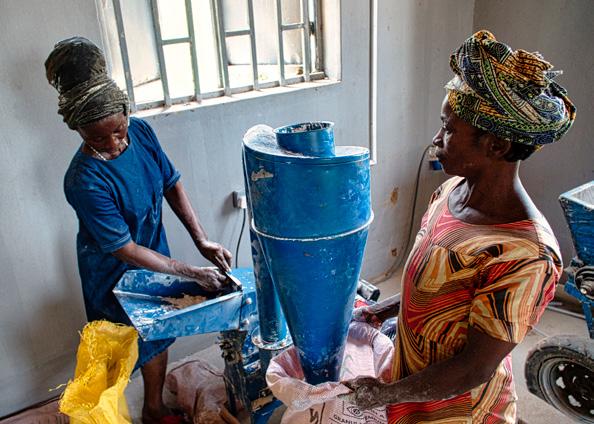
Early successes in Nigeria and Malawi — enabled by Global Energy Alliance-supported delivery teams embedded within government — are being scaled through new Compact Delivery and Monitoring Units (CDMUs), which align ministries, track progress and convene partners. The Global Energy Alliance is preparing to fund 15 CDMUs across Mission 300 countries, ensuring governments can deliver on their Energy Compacts.
Exhibit 22 summarizes the Global Energy Alliance’s contribution to catalytic and systems change in Nigeria through integrated investments in energy supply (IMGs) and energy demand (EAP). It also highlights the projected carbon emission reductions and improved livelihoods resulting from these investments.
In Nigeria, solar mini grids are powering more than homes. They’re fueling small businesses, such as enabling cold storage for shop owners.
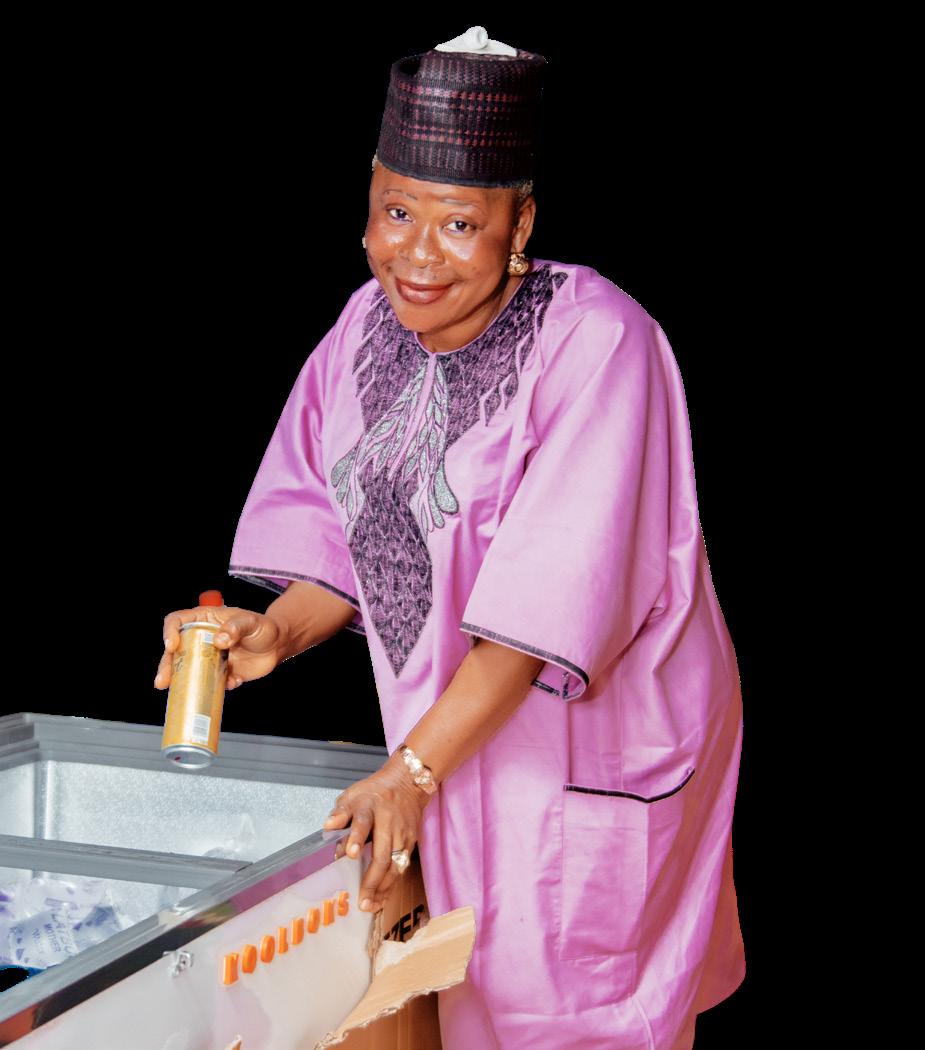
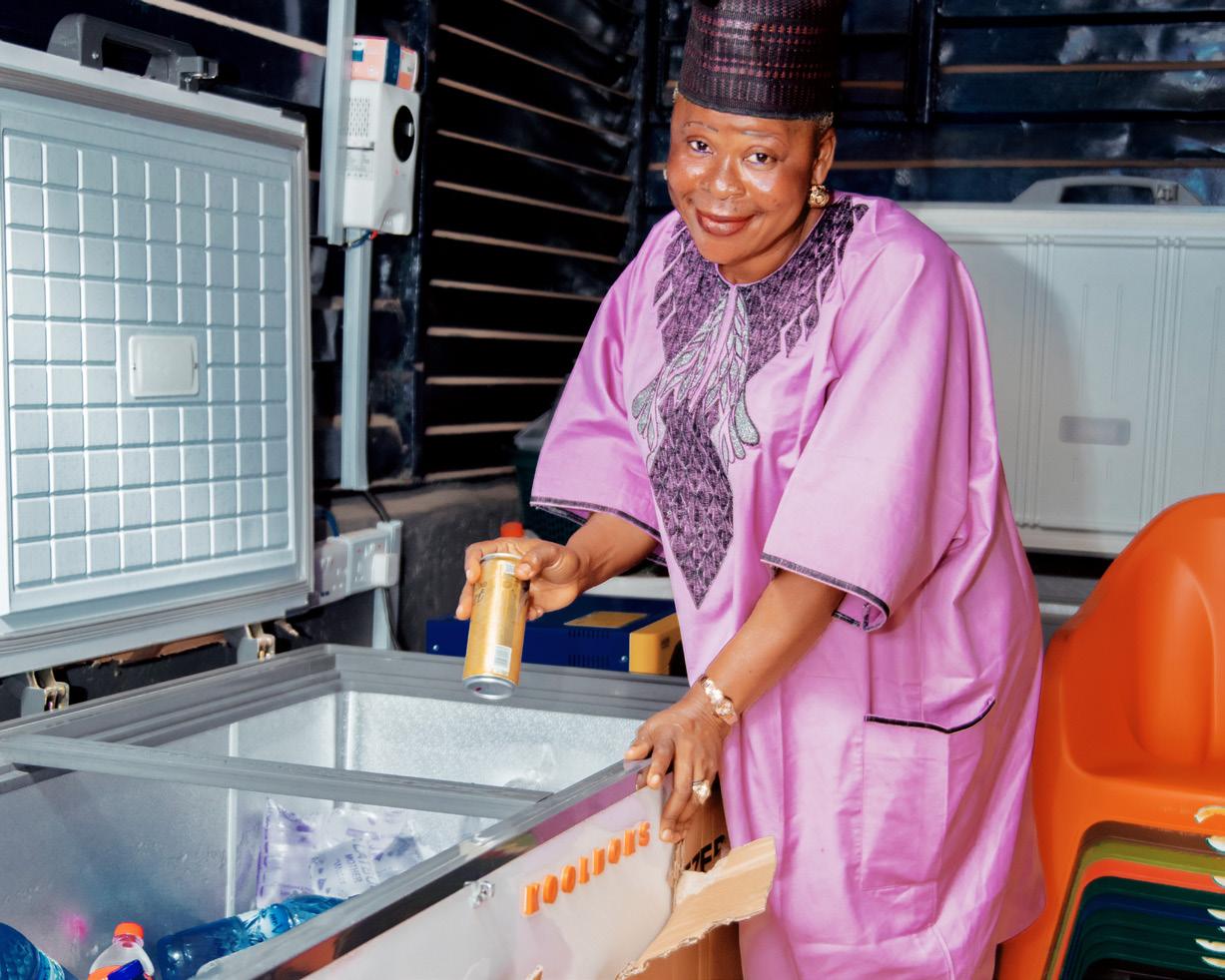
Contributing alliance partners
Government of India, Rajasthan Energy Department, DISCOMs, private DRE developers, Engineering, Procurement, and Construction contractors, local landowners and farmers, agricultural cooperatives
Catalytic change: supply (IMG)
Enhanced capacity: DISCOs developed skills and built systems to deliver IMGs
Proof-point established: Four integrated mini grid pilots delivered reliable power
Finance unlocked: Distributed Access through Renewable Energy Scale-up (DARES) policy initiative allocated $127 million for IMGs
Catalytic change: demand (productive use of energy)
Enhanced capacity: REA established a dedicated demand unit to integrate productive use of energy into mini grid sites
Proof-point established: Innovation Accelerator piloted in 20 sites
Systems change
unlocked: $50 million for stand-alone solar productive use of energy under DARES and $8 million in private investment
Enhanced performance: 200MW projected increase in renewable energy capacity, increased reliability, improved DISCO revenues linked to IMGs.
Improved livelihoods: Nigeria portfolio projects expected to generate over 274,000 jobs
Reduced emissions: Expected reduction of 11 MtCO₂e as a result of distributed renewable energy and productive use projects
The Energizing Women and Youth in Agri-Food Systems (EWAS) seeks to improve access to clean energy, promote the productive use of energy technologies, and provide training to help young women increase their income. Photo taken in Ethiopia.

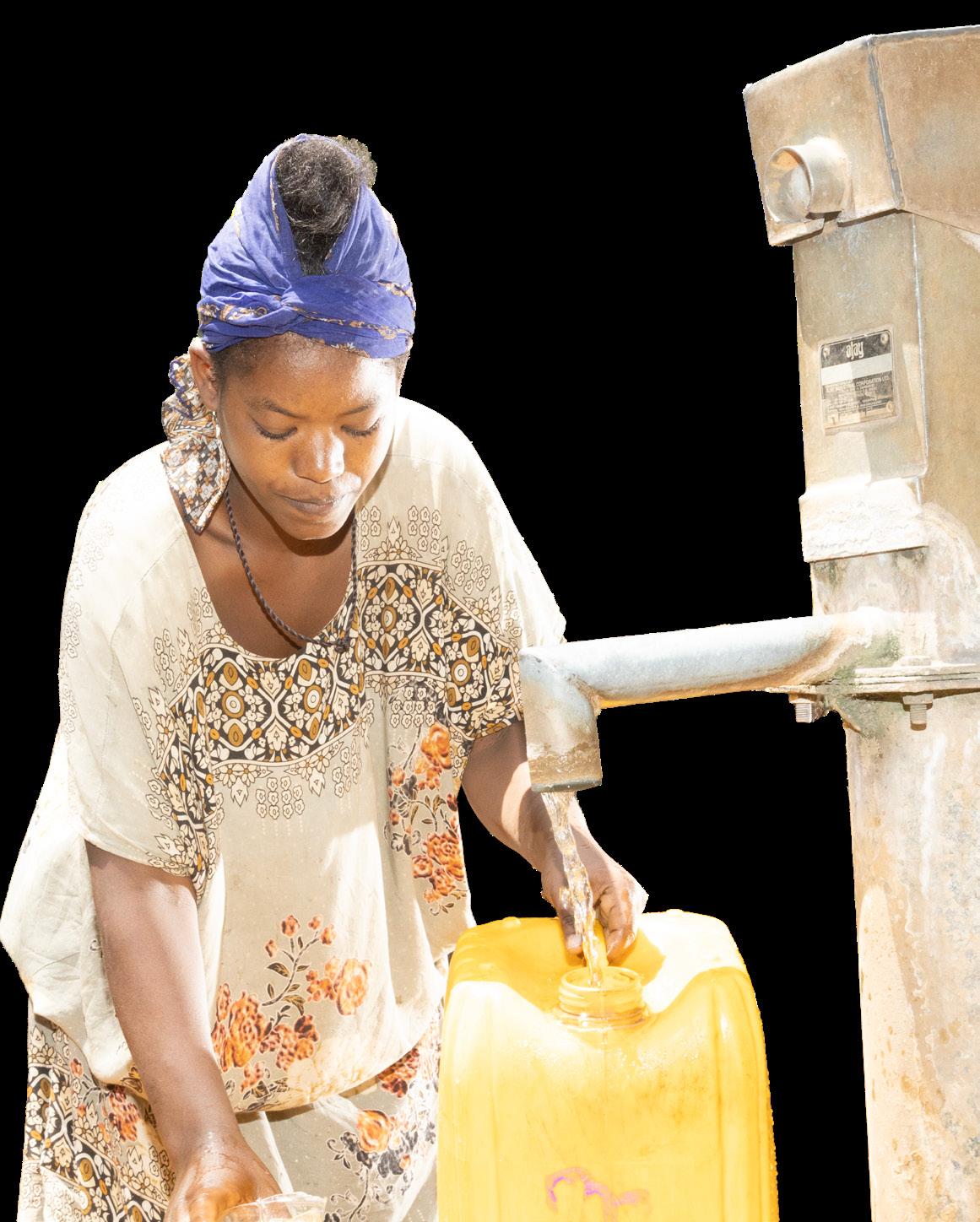
Over the past three years, we have gathered invaluable lessons through our work spanning multiple regions and different operational mechanisms. We have not always gotten it right.
Through careful reflection, active engagement with our teams on the ground and the evaluation we commissioned to prepare this report, we have distilled key insights to inform our work going forward. We share them with humility — not as definitive answers, but as lessons so that others can benefit from our experience and we can incorporate these lessons moving forward. By being explicit about our missteps as well as our successes, we aim to hold ourselves accountable and provide insights that others can build on. This chapter presents those lessons as a foundation for more adaptive, effective and systemic programming.
In summary, our early experience underscores that accelerating energy transitions is less about implementing isolated projects and more about shaping the systemic conditions that enable them to succeed. Four cross-cutting lessons stand out:
Design must start from context, not concepts� Imported models rarely survive first contact with political, institutional or community realities, whereas grounded, country-led approaches open durable pathways.
Capital alone does not move systems Even large commitments stall without embedded technical engagement and strong deal structures that unlock additional finance.
Data cannot be an afterthought� Without early agreements and two-way sharing, measurement linked to a systemic impact measurement framework, neither course-correction nor credible proof points for market influence are possible.
Alliances are the real accelerant� The most durable shifts occur when we work from a shared playbook, with clarity on when to lead, when to support and how to complement rather than displace existing partners.
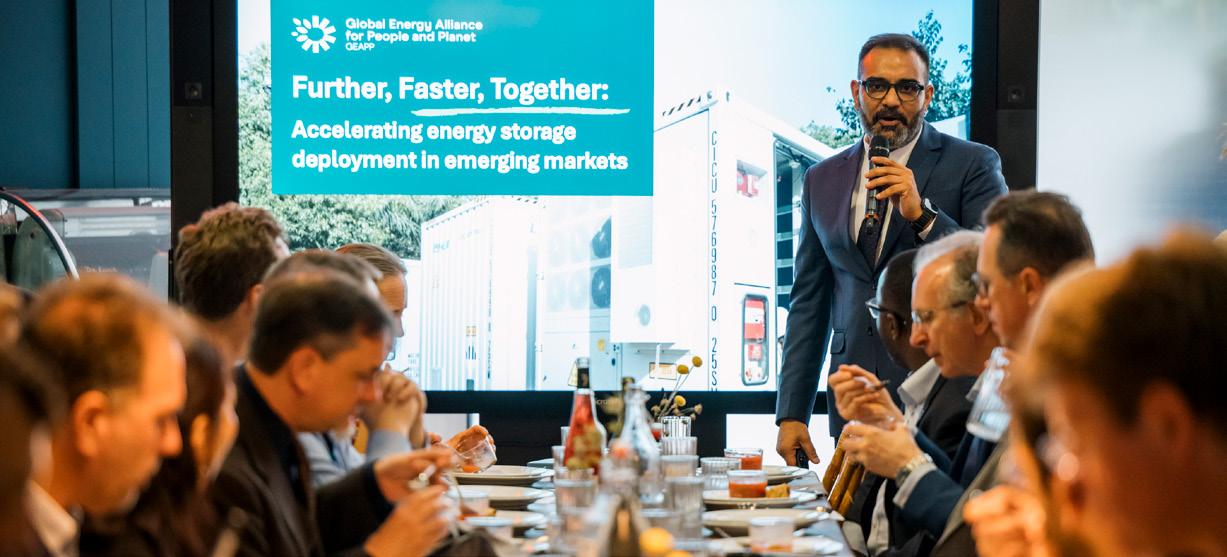
We have learned that in volatile operating contexts — whether politically unstable, logistically remote or economically fragile — rigid delivery models that prioritize speed over adaptability have repeatedly limited our effectiveness.
Much of our access work takes place in precisely these settings, where infrastructure is sparse, markets are thin and conditions can shift rapidly. Even promising projects have been slowed or stalled as political and market conditions shifted unexpectedly.
In Ethiopia, we worked with a Multilateral Development Bank (MDB) and a local implementer on a project that aims to support the deployment of solar-powered mini grids alongside critical irrigation infrastructure to benefit farmers. One of the challenges the project faced was the country’s instability, which triggered a series of disruptions, including acute security crises. These conditions underscored that working in difficult markets requires more than technical expertise. It demands elongated implementation timelines, deep partnerships with local actors who can adapt to evolving realities and the ability to keep part of the support in-house. Retaining certain functions internally can help maintain continuity, safeguard institutional knowledge and ensure sustainability when local conditions become unpredictable.

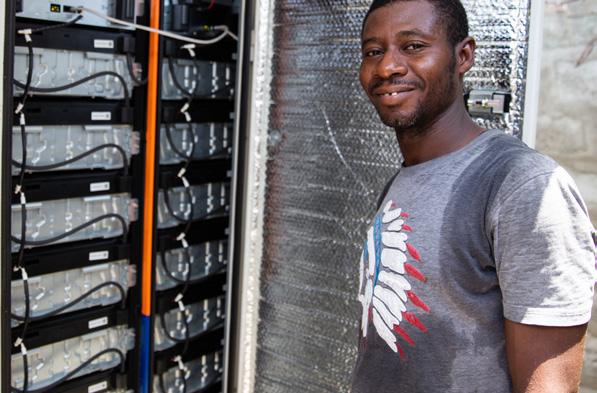
The same holds true in the Democratic Republic of Congo (DRC). Through our investment in a developer that builds and operates hybrid metro grids with battery storage in urban and peri-urban areas, we have learned that financing capital expenditure (CAPEX) is only part of the sustainability equation. In fragile markets, financing for operational expenditure (OPEX) is often equally critical — and more costly — than in more stable contexts. Ensuring that ongoing costs are covered is essential to keeping critical energy infrastructure operational. Technical assistance projects also play a crucial role in navigating political instability, bureaucratic hurdles and governance challenges, helping to keep efforts resilient and responsive over time.
Haiti offers another stark example. Persistent conflict and ongoing security issues have created an unpredictable environment, complicating both planning and execution. Worsening insecurity and gang control in transport corridors have disrupted logistics and deterred private investment, while inflation and macroeconomic contraction have eroded consumer purchasing power and investor confidence. In this context, it was not just our technical support that set us apart, but also our ability to respond with agility, and deploy flexible capital where other funders could not. This responsiveness helped unlock and accelerate financing from several MDBs, keeping critical energy transition efforts moving forward despite a highly constrained environment.
Similarly, in the Amazon region, extreme weather conditions, remote geographies and high transportation costs add layers of logistical complexity. In such environments, strong partnerships with local organizations
In fragile or complex environments, Global Energy Alliance will design projects with a realistic assessment of the context. We will embed adaptive management principles from the outset. These include extended timelines that reflect on-theground realities, contingency budgets deployable in response to shocks and flexible scopes that allow redirection of funds and activities as contexts change. If one thing is certain in these markets, it is that challenges and delays will occur. Our role is to plan for them, adapt to them and ensure that the resources and flexibility to respond are built in as a core component of resilience. We also need to work alongside partners so that risks are shared, responses are coordinated and collective efforts remain effective even in the toughest contexts. The
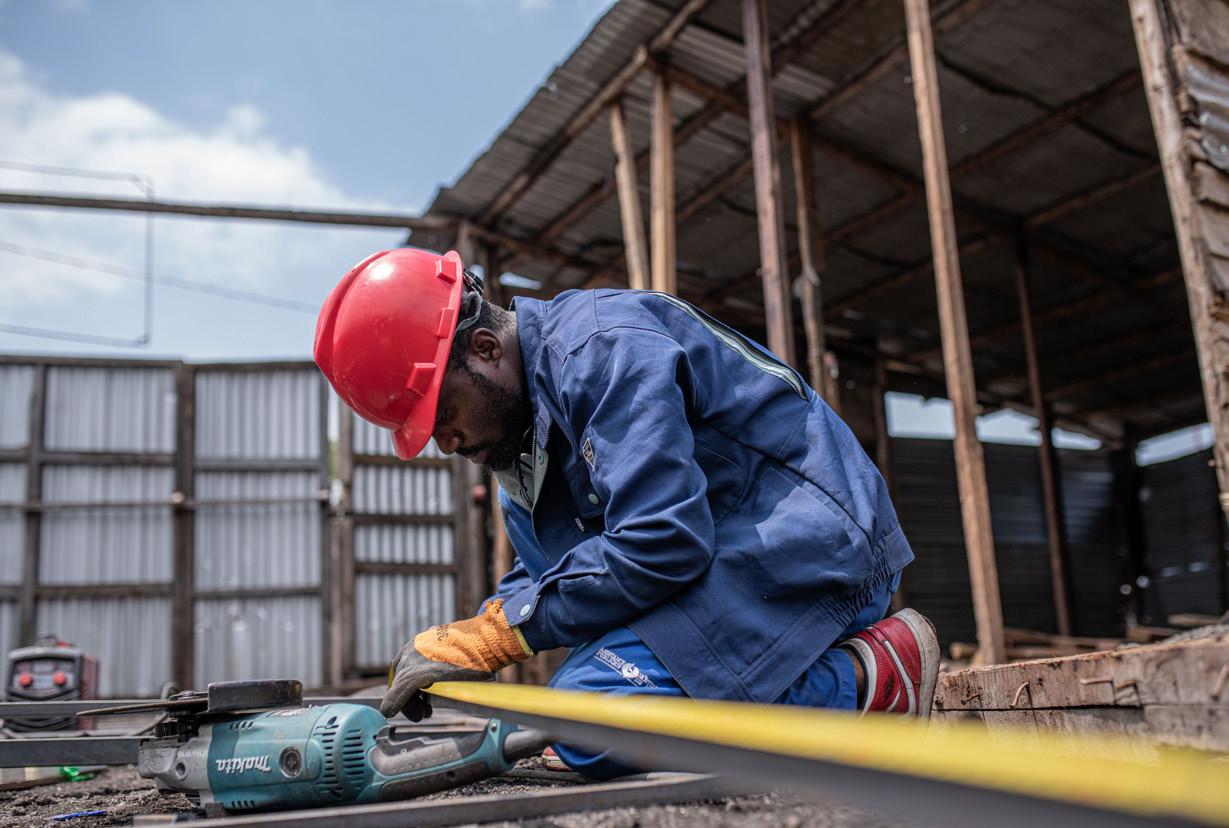

Capital is most catalytic when it is tied to measurable outcomes and released in step with demonstrated progress.
Yet in some of our earlier agreements, this link was weak or absent, undermining our ability to engage technically, steer implementation and adapt to shifting realities.
Part of our current portfolio originated from large, centralized agreements such as Memorandums of Understanding (MoUs) with major development finance institutions. These partnerships were invaluable early steps, allowing us to deploy capital at scale, build credibility and align with institutions whose reach, expertise and resources are essential for long-term impact. MDBs are indispensable partners in scaling energy transitions. They bring rigorous due diligence, risk management and the ability to mobilize large-scale financing and ready pipelines across global markets.
At the same time, our early experience underscored the importance of how we structure these collaborations. By transferring large portions of funds upfront — often without sufficiently detailed, measurable deliverables — we reduced our ability to shape subproject design and later struggled to establish accountability. Implementation also moved more slowly than anticipated, in part because MDBs’ necessary diligence processes take time. Where MoUs have proved particularly impactful, it was because we invested significant staff time upfront — through repeated conversations and co-design — showing that sustained engagement and trust-building are as critical as the capital itself.
Some projects in India and Southeast Asia also encountered delivery challenges due to insufficiently defined milestones and deliverables.
When used well — as in several of our grants in Indonesia or our NREL BESS work for example — milestone-based disbursement has proven to be one of the most effective accountability tools across our portfolio. It aligns capital release with real progress, allows for timely course correction and gives our partners a clear roadmap for delivery. But it is not without risks. In contexts where grantees are capital constrained, as in one of our projects in Ethiopia, rigid tranche-based disbursement can stall delivery entirely, as partners struggle to complete early stages without the resources needed to unlock subsequent payments.
Several of our financial platforms — particularly in Nigeria — would have benefited from tranche-based disbursements tied to projects ready to receive capital, enabling us to pivot more easily when local conditions shifted. Our platform in Nigeria to catalyze local financing for DRE, illustrates the cost of inflexibility. The platform's $10 million guarantee was built on a set of assumptions that became obsolete when market needs shifted from local currency to dollarbased financing. With no mechanism to reallocate in real time, the capital sat idle despite persistent needs.
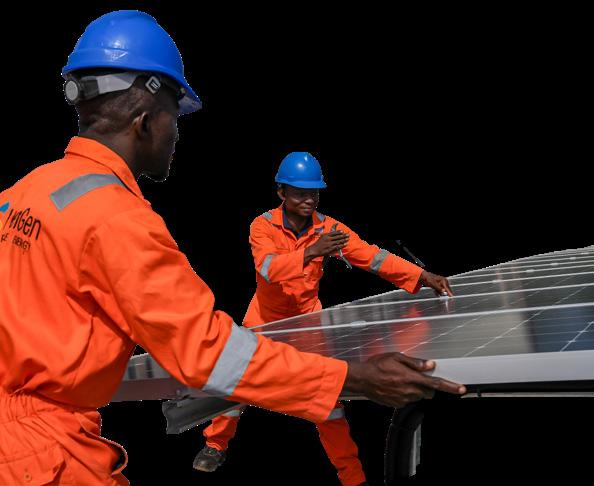
Similarly, in Ethiopia where we worked with an MDB and a local implementor, and where progress has been significantly delayed, we have learned the importance of structuring funding so that resources are committed only when projects are ready to commence. This ensures smoother and timelier implementation. The mismatch between Global Energy Alliance’s fast-deploying catalytic capital and the bank’s extended gestation periods meant funds sat idle, delaying impact. In hindsight, a more effective sequencing would have been for Global Energy Alliance to deploy financing directly to test the model and build proof points, before bringing in an MDB for scaleup capital. The lesson is clear: structuring collaborations requires not only the right partners but also the right timing to ensure that disbursement schedules and institutional processes are fit for purpose.
We also need to acknowledge our own organizational learning curve. In the early stages of building Global Energy Alliance, we struggled to establish efficient systems for grant and contract management.
We positioned ourselves as faster and more flexible than traditional funders, but our internal processes did not always reflect that ambition. The mismatch between our appetite for risk and the realities of our systems was a significant pain point. It slowed disbursements, frustrated partners and limited our ability to act quickly in dynamic environments.
The broader lesson is that catalytic finance is not just about how money moves, but about how deals and collaborations are structured. Governance arrangements, legal frameworks, reporting systems and trust are as critical to complex, multi-stakeholder collaborations as the capital itself. Without strong deal architecture, even well-designed financing can stall or become irrelevant as conditions evolve.
The key is balance. Milestones and outcomes must be grounded in a robust theory of change, with explicit assumptions and risk pathways that allow for mid-course adjustment. They must also be realistic about a partner’s financial capacity, the maturity of the market and the level of risk both sides are prepared to take on.
Going forward, we will link funding to clearly defined, measurable outcomes, released in milestone-based tranches wherever possible. These milestones will be designed to evolve over time, enabling step-bystep deployment of capital where it is most needed, at the right moment. This ensures accountability, adaptability and the highest possible return in terms of systemic impact. Just as importantly, in large, multi-actor collaborations we will invest from the outset in the active management of both capital and partnerships: shaping governance arrangements, guiding implementation and ensuring the work stays aligned with the outcomes the capital is meant to deliver. This lesson extends beyond us. Funders and practitioners alike must invest as much in the relationships and processes that shape a partnership as in the capital itself. Clear incentives and flexible structures must work together to keep projects on track, adaptable to shifting conditions and impactful.
The deployment of solar mini grids can support the 700 million people who lack any access to energy, and the 1.6 billion people who lack access that is reliable and affordable.
Data is not a byproduct of implementation — it is the foundation of effective, adaptive programming and the bedrock on which viable proof points for scalable interventions are built.
In our early work, data was often treated as a compliance requirement rather than as a strategic design choice. The result was predictable. In several initiatives, we struggled to measure impact or generate compelling proof points. This was not because the work was ineffective, but because robust data systems had not been built into the project from the start.
Across regions, data-sharing clauses were missing from initial agreements and governance arrangements — especially when working through intermediaries — restricting access to information. This wasn’t just a reporting inconvenience. Without formal data agreements and clear protocols in place from day one, we and our partners were unable to adapt approaches in real time. In some cases, teams spent significant time and resources negotiating access to basic performance data — time that could have been spent using information to coursecorrect, share results, scale success and influence the wider market.
We also learned that data gaps limited our ability to consolidate detailed proof points for sector-level influence. By contrast, in markets like Nigeria and Haiti, early data agreements allowed us to track progress closely and amplify lessons learned. More broadly, effective energy planning at national and subnational levels depends on accurate, accessible data. We have already seen the transformative potential of such systems. In Indonesia, geospatial electrification mapping is helping identify unserved communities and optimize network expansion; in Vietnam, battery storage data integrated into Power Development Plan 8 is enabling regulators to model grid stability and guide optimal deployment.
Over the past year and as we’ve shown throughout this report, we have refined our own thinking about data and impact measurement. Narrow project-level reporting, while necessary, is insufficient to assess whether broader energy systems are shifting in the ways we intend. We have now built a theory of change framework that connects project-level data to indicators of market transformation and contribution. This allows us to move beyond counting outputs to testing whether we are addressing binding constraints and moving markets toward catalytic and systems changes and to adjust strategies accordingly.
Going forward, we will embed data-sharing agreements into our awards. We will adequately resource monitoring, learning and evaluation plans. We will include early agreement on systemic indicators. This will be guided by the principle of minimizing the data collection burden while making full use of existing information. These agreements will ensure that information generated during implementation is analyzed and fed back into program design to improve impact. These will be two-way arrangements. Partners providing data will benefit from the analysis and results; and findings will be shared with the communities impacted. More importantly, data will no longer serve only to measure project outcomes. It will provide the proof points and feedback loops that enable adaptive learning, influence catalytic and systems change, and track whether we are on course to deliver systemwide transformation.
Our experience has shown that siloed projects, no matter how large, rarely produce systemic transformation on their own.
Capital can fund or de-risk assets, but it cannot ensure they are viable, well-integrated or scalable. For system change, funding must be paired with technical engagement, proactive pipeline development and active problem-solving from concept through delivery. This is as true for utility-scale grid projects as it is for demand-side energy projects.
India’s first commercial standalone BESS is a case in point. Our role extended far beyond providing capital. We helped shape the procurement design and draft the technical specifications. We also collaborated with regulators to recognize and monetize multiple revenue streams for storage. This was a complex task requiring both market and engineering expertise. Similarly, the PM-KUSUM project demonstrates the power of targeted technical problem-solving to unlock existing commitments. Early on, we identified critical gaps, such as a lack of available land, that was stalling implementation of the subsidy scheme. By conducting thorough analysis and collaborating closely with local communities, we were able to design a workable approach that overcame the constraint.
In the heart of Rajasthan, India, at a solar site in Badwali Dhani, Sawarda, this project generates 6000kWh of clean energy daily, powering over 200 farmers, 1200 households and 30 local enterprises.


The same principle proved decisive in Malawi. Here, the Global Energy Alliance, working alongside academia and development partners, supported the government’s Presidential Delivery Unit by financing and coordinating the update of the Integrated Resource Plan (IRP). This included generation, transmission and distribution master plans. Our role went well beyond funding. We convened regular technical working groups, delivered training in advanced planning tools and built in-country capacity to sustain the work. This technical engagement removed barriers that had stalled investment and it created a clear pipeline of viable scalable projects. It has also already helped unlock $250 million in WBG funding — capital that would likely have remained on the sidelines without the preparatory work the Global Energy Alliance helped to lead.
This approach is also well illustrated by our Cross Boundary Tariff Buy-Down support for mini grid electricity installation in Sierra Leone. The pilot tested how temporary tariff reduction mechanisms can make electricity more affordable, stimulate productive use, and generate the data needed to design pathways toward long-term tariff sustainability. Here, the technical detail, models and tools developed through the project created substantial potential for wider dissemination across the sector.
Similarly, in Bolivia, in partnership with IDB, a blend of catalytic finance, regulatory support and technical engagement for productive use stimulation, influenced both national policy and donor engagement. This unlocked necessary financing to increase electricity service coverage, providing new and improved access to 56,000 vulnerable households.
In each of these cases, the lesson is clear: capital achieves its full potential only when paired with embedded technical expertise. This combination turns funding from isolated asset creation into a catalyst for adoption, additional investment and system-wide change.
Going forward, Global Energy Alliance will pay special attention to ensuring projects are designed and delivered with the required technical assistance, sectoral expertise and delivery support that plugs binding constraints. This approach ensures that capital becomes a lever for systemic impact, reducing market constraints and building institutional capacity.
There is no one-size-fits-all approach to the renewable energy transition.
Success depends on designing solutions around the specific realities of markets, institutions and communities — replicating best practices only after understanding local conditions and countries' priorities. Grounded diagnostics, deep listening and country-led design are essential to building interventions that last.
Global Energy Alliance’s most effective contributions have often come not from pursuing what we initially thought should be done, but from carefully assessing projects and partners to identify the precise missing piece in a market — whether a policy gap, a technical bottleneck or a financing constraint — and working with country stakeholders to address it. Early on, we sometimes focused on building new initiatives from scratch, driven by what we believed was most important. We have since learned that lasting impact comes from starting with the landscape that already exists and not competing for funding or displacing capable local implementers.
This shift has proven critical across diverse contexts, from Southeast Asia to Africa to Latin America and the Caribbean, where targeted interventions have unlocked stalled projects, attracted new finance and strengthened local ecosystems. In South Africa, following the government’s Just Energy Transition announcement, we focused on what the context required —strengthening the institutional capacity needed to deliver on this national priority — rather than pursuing a pre-set program.
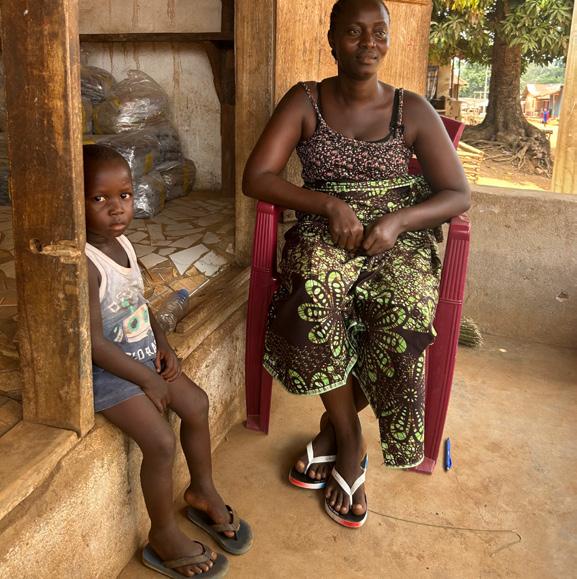

These experiences share a common thread. They began not with a pre-packaged solution, but with a deep engagement process to understand constraints and opportunities from the ground up. In markets such as India, Brazil, Barbados, Malawi, South Africa, this market-led approach has built trust with governments, communities and private partners alike. That trust is tangible. Partners are more willing to share data, align priorities and collaborate openly when they see their needs reflected in the design.
Moreover, our work in delivery units across emerging and developing markets — including South Africa, India, Vietnam, Nigeria, and Malawi — has shown that strong government capacity is a critical enabler of success. When delivery units, ministries and other public institutions are equipped with the skills, systems and political alignment to drive change, progress accelerates. This capacity enables the creation of delivery infrastructure and coalitions, fosters political alignment and turns government enablement into real investment.
We designed a holistic JET investment and implementation plan to guide financiers to the most critical project areas. We also facilitated inclusive stakeholder engagement through the Presidential Climate Commission and mobilized partners to support the National Energy Crisis Committee in accelerating legislation to unlock renewables.
Partnerships with governments are indispensable for achieving scale and sustainability. In Brazil, Global Energy Alliance earned trusted-advisor status by listening first, spending time to understand government priorities before proposing solutions. This alignment has led to more durable, coordinated and impactful programs and is now informing our global approach.
Best practices from other markets can and should inform our work, but only as proof points or design inputs that are then adapted to local realities. We will continue ensuring that our projects and initiatives begin with rigorous, on-the-ground diagnostics — covering market structure, institutional readiness, and community priorities — before solution design starts. Just as importantly, we will avoid building in isolation. Instead, we will work with existing partners and systems to understand the landscape, identify what is genuinely needed and determine how we can best support. This approach helps ensure that interventions add value and are technically robust, socially embedded, politically aligned and tailored to the real constraints and opportunities of the markets we serve.
Global Energy Alliance’s convening power has consistently acted as a multiplier of impact, especially when we deliberately invest the human capital needed to sustain it.
Alliances succeed when they are forged around a shared vision, with clear roles and mutual accountability. They fail when positioning is unclear, goals are fragmented, or convening is treated as a one-off event rather than an ongoing commitment.
Initiatives such as the BESS Consortium, the ENABLE platform in Southeast Asia, the Universal Access Coalition in Latin America, the Just Technical Working Group in South Africa and many others demonstrate that strategic alliance-building can unlock scale. We have seen that it requires a few principles. Each partner must have a clearly defined role and bring distinctive value; there must be a deliberate effort to avoid strategic drift; and activities should connect into a coherent portfolio capable of delivering systemic impact. It also demands humility and, at times, sacrifice. Partners, starting with us, need to focus on where they can make the greatest contribution.
We have also learned the importance of knowing when to lead and when to support. In some contexts, our convening power positions us to drive alignment. In others, our greatest value comes from stepping back, supporting and amplifying the leadership of local actors. Moreover, alliance-building requires long term engagement. As one colleague observed: “We are not a seagull organization. We stay, we work hard to see projects through together with our partners, and we meet the needs of the community.”
Building trust takes time, often through slow, thoughtful processes of alignment, compromise and co-design. But this investment is essential. Systemic impact requires people who can navigate political and market dynamics, connect fragmented actors and turn convening into collective strategies.
The lesson has been reinforced by our early agreements with MDBs. The most successful of these were not the ones with the largest capital commitments, but those where our staff invested the time to build trust, ensure shared understanding, align priorities and jointly shape robust project designs. In these cases, our role extended beyond bringing actors into the same room. We acted as honest brokers, translating between perspectives, holding partners to commitments and ensuring followthrough on agreed actions.
Global Energy Alliance will continue to fulfil its mandate through building and nurturing alliances as a central pillar of our strategy, deliberately connecting the dots between actors, sectors and interventions to achieve systemic impact. And we will ensure these alliances are backed by the dedicated staff time, relationship-building and coordination effort needed to turn convening into lasting transformation. Going forward, we will deepen this approach by leaning into alliance-based goal setting, aligning capital, technical assistance and sector support around clear, measurable objectives. Our experience shows that when alliances are treated as long-term commitments, they can unlock far greater impact than any organization could deliver alone.
Our alliance-building approach has already shown the power of targeted coalitions to accelerate clean energy transitions.
By anchoring partnerships in concrete propositions — such as feasibility studies that unlocked billion-dollar investments, or the BESS Consortium launched with high-level champions at COP28 — we have proven that convening unusual partners around specific opportunities generates real impact. Looking ahead, our task is not just to replicate what works, but to double down on our strengths while adapting to new challenges.
Convene leaders with purpose
We will sustain high level convenings that unlock political will and visibility for clean energy solutions.
Anchor alliances in concrete propositions
We will ensure every coalition has a tangible project or policy goal at its center so partners see a clear path to results.
Blend technical and strategic expertise
We will maintain hybrid teams that can troubleshoot barriers, advance pipelines, and translate plans into action.
Foster cross-regional learning
We will keep creating pathways for countries to learn from each other, ensuring that lessons travel quickly and effectively.
Scale financing alongside technical support
We will expand our role beyond technical assistance to mobilize larger flows of capital, especially in underfunded regions.
Value the full spectrum of contributions
We will strive to track and acknowledge non-financial inputs — such as in-kind support, convening power and knowledge sharing — that are vital to collective action.
Build durable coalitions around new frontiers
We will extend our alliance-building approach to emerging areas such as energy and opportunity and grid modernization.
In short, we will continue to lean into our unique strength as both a funder and convener, while evolving how we partner to ensure alliances remain ambitious, adaptive and impactful.
The lessons in this chapter point to key learnings. Lasting transformation happens when we design for context, pair capital with technical engagement and expertise, build strong and trusted partnerships and embed flexibility — tempered with rigor — into our delivery models. These are more than good intentions. They are operating principles we are embedding into how we plan, invest and measure impact across our portfolio.
Going forward, our impact measurement will reflect these shifts. We will track not only outputs and direct beneficiaries from individual projects, but also how strategic interventions influence enabling environments and unlock scaled finance in the wider ecosystem. We will also monitor systemic signals that markets are maturing, governments are strengthening and interventions are catalyzing systemic impact.
Several initiatives on the horizon already embody this strategic direction. In India, DUET will help municipal governments make faster, more inclusive energy decisions by integrating diverse datasets into an open-source planning platform. Across Africa, as a founding partner of Mission300, we will work with partner governments to design Country Delivery and Management Units tailored to national needs, strengthening institutional capacity.
The new Productive use of Energy Center of Excellence will serve as a regional hub for research, training and market development, unlocking models that can transform rural economies. And in Brazil, our ongoing collaboration with the government is building towards COP30. Together we are aligning national programs with global just energy transition goals and positioning the country as a climate leader through concrete policy, financing and delivery commitments. We are particularly excited about the potential of creating a groundbreaking alliance of philanthropy, civil society, business and government linking clean energy to local economic development and conservation in the Amazon. This will draw on insights from the productive use pilots we are supporting in the region to inform scalable solutions.
Our commitment remains the same: to keep learning, adapting and applying these operating principles alongside our partners to deliver clean energy transitions that are both ambitious and achievable. We will measure our progress in ways that capture the depth and durability of the change we seek. These lessons are not ours alone — they are shared assets for the sector. By making our experience transparent, we hope to contribute to the collective learning needed to accelerate just, inclusive and durable energy transitions everywhere.
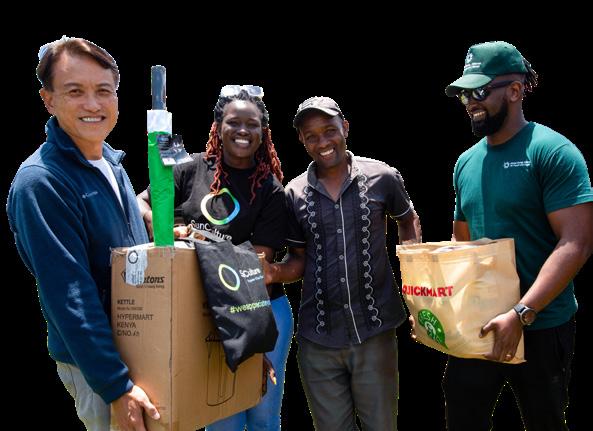
ADB Asian Development Bank
AfDB African Development Bank
ANARSE Autorité Nationale de Régulation du Secteur de l’Énergie (Haiti’s National Energy Sector Regulatory Authority)
BESS battery energy storage system
BII British International Investment
BLPC Barbados Light & Power Company
BOO build-own-operate (project model)
BRPL BSES Rajdhani Power Limited (Delhi utility)
CAPEX capital expenditure
CDMU country delivery and management unit
CETR clean energy transition rider (Barbados cost-recovery mechanism)
CMS contract monitoring system (India’s solarization monitoring tool)
CO₂ carbon dioxide
DC direct current
DFI Development Finance Institution
DISCO distribution company
DOE/DUET Digital Utilities for Energy Transition
DRC Democratic Republic of Congo
DRE distributed renewable energy
EAP Energizing Agriculture Program (Nigeria)
EET/ETM Energy Transition Mechanism (Indonesia financing platform)
ESCOM Electricity Supply Corporation of Malawi
ETO Energy Transition Office (Nigeria)
GB/GT gigabyte / gigaton
GHG greenhouse gases
GLC Global Leadership Council
GW/GWh gigawatt/gigawatt-hour
IDB Inter-American Development Bank
IMG interconnected mini grid
IPCL Indian Power Corporation Limited
IRENA International Renewable Energy Agency
JET Just Energy Transition
JTWG Just Technical Working Group (South Africa)
kV kilovolt
PM KUSUM Pradhan Mantri Kisan Urja Suraksha evam Utthaan Mahabhiyan (India’s solar agriculture scheme)
LAC Latin America and the Caribbean
MDB Multilateral Development Bank
MSME micro, small and medium enterprises
Mt/MtCO₂e million tons of CO₂ equivalent
MW/MWh megawatt/megawatt-hour
NERC Nigerian Electricity Regulatory Commission
NECOM National Energy Crisis Committee (South Africa)
NITI Aayog India’s apex government policy advisory body
NREL National Renewable Energy Laboratory (US)
OPEX operating expenditure
OLADE Organización Latinoamericana de Energía (Latin American Energy Organization)
PMU Project Management Unit (South Africa JET)
PUFF Productive Use Finance Facility
PV photovoltaic
REA Rural Electrification Agency (Nigeria)
RELP/s Renewable Energy and Efficiency Partnerships (Caribbean partners)
RMF Resource Mobilization Fund (South Africa)
RMI Rocky Mountain Institute
SDV special delivery vehicle (South Africa municipalities)
SEA Southeast Asia
SEforALL Sustainable Energy for All (SE4ALL)
SIDS small island developing states
SKAY Saur Krishi Aajeevika Yojna (India land-lease portal)
WBG World Bank Group
FR-00088 Ethiopia NDO DREAM Cap-ex subsidy Stichting SNV Nederlandse Ontwikkelingsorganisatie
Ethiopia KBE DRE Irrigation Services
Battery energy storage system (BESS)
LAC Region LAC BESS Consortium (Honduras, Uruguay, Dominican Republic, Brazil)
FR-00512 Haiti FDI / OGEF Meshgrids Fonds de Developpement Industriel (FDI)
Haiti FDI / OGEF Meshgrids Fonds de Developpement
(FDI)
FR-00535 Haiti MEF Government Capacity MINISTRY OF ECONOMY AND FINANCE OF THE GOVERNMENT OF HAITI
FR-00068 Haiti FKZ Demand Stimulation Fondasyon Kole Zepòl
FR-IFI-02455 SPM: Mini grid optimization
SPM: Legacy Grant
SPM: Data Grant
SPM: C&I pilot
SPM: Micro-Finance Institution loan package
INO: Cirebon Coal-fired Power Plant Retirement (ET
INO: TA 10049 REG: Enabling a Just Transition to L
Tanah Laut Indonesia 70MW Wind+10MWh BESS
FR-IFI-02875 PLN Smart Grid Roadmap and Implementation Support
RE-Enabling Grid Studies & Advisory (linked to WB’
PAK: TA 10195 Preparing Investment Program for Cle
* Certain awards are not included in this list, as they were not yet active by the cut-off date applied for this analysis. These awards are either under development or in the process of approval/contracting and will be reflected in future updates once active.
** The table lists the full set of 191 awards, accounting for a total awarded amount of USD 503 million, linked to 188 projects across the categories of projects deployed, projects ready for deployment and projects under design. The total projects sum into deployed (58) plus ready for deployment (79) = 137, plus projects under design (51), bringing the overall total to 188.
*** The “Child Award Amount” column reflects Indirectly Funded Investments through our MOU awards with partners such as WBG, IDB, ADB, AfDB and SEforAll — this provides a breakdown of projects within these MOUs. For consistency, the “Awarded Amount” column should be used as the reference for the total USD 503 million awarded amount.
This appendix provides additional detail on the methods, data sources and analyses that underpin the findings presented in the main report. It is designed to offer transparency on how evidence was generated, describe the evaluation methods used, and clarify any limitations.
The appendix is organized into five components:
1 Overarching approach to measuring systemic impact – The guiding principles and overarching methods we used to reach conclusions on whether desired catalytic and energy systems changes occurred and our contribution to those changes.
2 Methodology to estimate access, carbon and jobs and livelihoods impacts – A standardized framework using partner-reported data, external sources and the Global Solutions Model (GSM) to estimate access, jobs and livelihoods and carbon impacts.
3 Key stakeholder interviews and related findings –A set of 35 semi-structured interviews with public, private and civil society actors across Global Energy Alliance for People and Planet’s priority regions. This section describes selection, data collection, limitations and synthesized findings from the interviews.
4 Online stakeholder survey and related findings –An online survey of 47 ecosystem actors who provided structured feedback on Global Energy Alliance’s role across four solution areas. This section details the survey instrument, contribution scoring system, limitations and aggregated findings by solution and geography.
5 Rajasthan interrupted time series (ITS) impact analysis – A statistical assessment of Global Energy Alliance’s impact on the PM-KUSUM program in Rajasthan, measuring changes in installed capacity and pump solarization after Global Energy Alliance support began in 2023.
Assessing systemic impact means looking beyond individual project outcomes to capture the interconnected shifts that drive broader transformation.
We measure systemic impact because our interventions aim to catalyze systems change and address barriers — rather than simply fund infrastructure projects. We use a rigorous and right-sized approach to understand how our initiatives — together with Alliance members — contribute to changes in markets, institutions and policies that enable large-scale progress. Below we outline the four guiding principles for our measurement efforts:
Theory-driven� We construct theories of change that capture the interrelated dynamics of complex systems — and we test and amend these theories of change to continually refine our approach to impact. This is critical given our goals to catalyze systems change through strategic interventions.
Mixed methods� We combine qualitative and quantitative data to triangulate evidence of impact along the theory of change — from intervention, catalytic change, systems change and final impact — highlighting particularly the shifts in intermediate outcomes. To capture complex processes of systems, change and partnership roles, we construct qualitative change narratives that are supported by rigorous quantitative analysis.
Right sized� Applying a flexible approach, we assess our contribution at the level of our interventions and intended influence. For example, if a national program spans an entire country but Global Energy Alliance’s efforts are concentrated in one state, we first focus our measurement on that state. However, if we find evidence that our state-level efforts have influenced national policy or investment, we pivot to track our impact more broadly.
Objective� In June 2025, we engaged an external evaluator to validate our impact. The evaluator interviewed 35 stakeholders for in-depth case studies, surveyed 47 stakeholders to estimate our contribution to pipelines, reviewed our project and partner documents, and analyzed secondary data to support this impact report.
Below we outline key data collection and analysis activities researchers employed in producing all results found in this report.
To serve the analyses and findings for this report, external evaluators conducted the following from June to August 2025:
35 interviews with representatives of multilateral development banks (MDBs), public authorities, the private sector and civil society to better understand our contribution to systems change and impact through case studies spanning representative geographies and solutions.
47 online surveys with representatives of MDBs, public authorities, the private sector and civil society to document progress along our theory of change and estimate our contribution to any outcomes that have matured since 2023. To ensure objectivity, researchers targeted a representative sample of stakeholders and projects for these surveys.
A thorough review of over 200 strategy documents and grant reports.
Our evaluator conducted a detailed review of strategy documents and grant reports, as well as Global Energy Alliance’s monitoring data. This desk review focused on documenting Global Energy Alliance’s evolving theory of change and assessing implementation using qualitative thematic coding. In addition, we and our evaluator used the following data and methods to conduct deep-dive counterfactual analyses and characterize our project pipeline:
To estimate final impacts on carbon reduction, energy access and jobs — particularly where partner data was unavailable — we developed the Global Solutions Model. This model, benchmarked against existing literature and adopted by several partners, projects outcomes based on reported renewable energy and productive-use appliance capacity. While these modeled results carry some uncertainty, especially given that carbon benefits accrue over the lifetime of assets, we continue to refine the model and our overall measurement approach in collaboration with partners.
To estimate financing unlocked, we used partner and project reported financial data. Using a modified prepost approach, we included new financing mobilized through our work as well as committed but delayed finance that our work unlocked.
To estimate Global Energy Alliance’s impact on energy capacity, connections and fossil fuel generation in Rajasthan, the external evaluator used official data from the government of India on data.gov. in and a rigorous interrupted time-series approach.
To assess Global Energy Alliance’s contribution to project pipelines, we applied a rubric-based framework aligned with our intention to engage flexibly at the level needed — as a creator, contributor, or supporter. We characterized our contribution within the Alliance using the categories of pivotal, enabling, supportive, or no contribution (see full definitions below).
Pivotal
Global Energy Alliance’s contribution was necessary for the project pipeline development and broader finance unlocked to occur. While Global Energy Alliance could not have achieved observed outcomes alone, the changes would not have happened without Global Energy Alliance’s intervention — particularly in creating the initial idea or vision that catalyzed broader action.
Global Energy Alliance played a necessary, nonredundant role that no other actor was playing, unlocking or accelerating pipeline development and broader ecosystem engagement — and enabling other actors to provide scaled support.
Global Energy Alliance support was present and contributed to observed changes in pipeline development, finance and other desired outcomes, but played a similar role as other actors.
Global Energy Alliance made no contribution to observed changes. Other actors and factors likely drove changes in targeted outcomes.
At all times, we are thoughtful about our role in various alliances. Just as we engage in alliances at different capacities — as a creator, contributor or supporter — the impact from our engagement varies. We do not expect to play a pivotal role in every situation. We engage at the level that is most effective for specific contexts and move nimbly as situations demand.
The Global Solutions Model (GSM) estimates the expected outcomes of Global Energy Alliance’s activities across a range of outcomes.
Specifically, it estimates:
1 Cumulative greenhouse gas (GHG) emissions reduced or avoided
2 New and improved household connections
3 People benefiting from new and improved household access
4 Businesses and institutions benefiting from new and improved access
5 Direct, indirect, induced and improved downstream jobs, as well as improved livelihoods1
GSM results are used to estimate impact when partnerreported data or their documentation is unavailable or incomplete. The model uses multipliers that are consistent with benchmarks from comparable projects in the region, but explicitly tagged as modeled to distinguish them from Results Monitoring Sheets (RMSs)2 or externally verified data.
The GSM uses project archetypes for eight common types of energy interventions3. Each archetype has been rigorously calibrated based on benchmark data from existing projects and literature reviews, ensuring the models are built on a robust foundation.
To generate initial estimates, GSM needs three inputs:
1 The project archetype (e.g., isolated grid, battery energy storage system)
2 The country where the project is located
3 The project’s scale (e.g., megawatts [MW] of power or the number of units deployed
With this information, the GSM automatically calculates outcomes data. It does this by first estimating the afterproject scenario such as megawatt hours (MWh) of clean power and comparing it to the status quo scenario.
The model’s calculations rely on a mix of benchmark data that vary by archetype and are standardized, which can be replaced with country-dependent data if available:
Standardized multipliers: the amount of energy enabled per MW of battery storage and the number of worker full-time-equivalents needed per MW of solar PV deployed.
Country-dependent data multipliers: MWh per MW of solar PV deployed from SolarGIS4 PVOUT, CO₂ avoided per MWh of power deployed on a national grid from the International Financial Institutions (IFI) Technical Working Group, and average number of people benefiting from a new household connection from UN DESA.5
1 The GSM was developed in collaboration with Catalyst Energy Advisors and has been continuously improved through systematic literature reviews, technical support from NIRAS, and learnings drawn from our portfolio
2 Results Monitoring Sheets are standardized reporting templates completed by implementing partners to capture project outputs and outcomes.
3 The model is structured to cover a range of intervention types across the energy access and transition spectrum, including: 1) Battery Energy Storage Systems (BESS); three Distributed Renewable Energy (DRE) archetypes, 2) isolated grids, 3) commercial and industrial (C&I) solar, 4) grid-connected solar, 5) grid-connected wind, 6) E-mobility, 7) Standalone Productive Use of Energy (PUE) and 8) coal phase-out.
4 SolarGIS. Global Photovoltaic Power Potential by Country 2020, https://datacatalog.worldbank.org/search/dataset/0038379
5 International Financial Institutions Technical Working Group on Greenhouse Gas Accounting (IFI TWG), Harmonized IFI Default Grid Factors 2021 v3.2, https://unfccc.int/documents/461676
To improve accuracy, the GSM’s initial estimates can be further refined using project-specific data. This allows users to override the model’s default assumptions to better reflect on-the-ground reality. For example, if a project’s target population has a different household size than the national average, this number can be adjusted to provide a more precise calculation of energy access per connection. Similarly, the solar yield for a utility-scale solar farm can be manually increased if it is located in a region known for exceptionally high sunshine.
For new projects that differ significantly from a standard model, users can create a “variant archetype.” This feature allows for any combination of assumptions to be tweaked, essentially creating a custom-built model that captures the unique characteristics of that specific intervention.
This structure allows for Global Energy Alliance to generate defensible access, carbon and job estimates for projects by drawing on global and regional benchmarks for different technology and intervention types while enabling bespoke adjustments where project type, location or evidence justifies refinement. For instance, a Nigerian metro grid project may call for higher connection numbers and household consumption thresholds than a rural Malawian mini grid.
As such, the GSM represents a work in progress, subject to periodic review and refinement to reflect practical experience and the evolving evidence base on clean energy transitions.
GSM-derived estimates are intended as interim placeholders. As pipeline projects mature and generate project-specific documentation, monitoring data and third-party evaluations, those estimates will replace GSM results in our reporting. This iterative process ensures that GSM serves as a credible, transparent bridge until stronger evidence is available.
The GSM’s core approach is documented in our Impact Estimation Methodology (version 2.0, February 2025). It applies a standardized set of assumptions across access, carbon, and jobs and livelihoods to ensure consistency, transparency and comparability of estimates. These assumptions cover technology-specific parameters (e.g., system size, output and lifetime), capital costs, carbon baselines and access factors, while job impacts are derived from standardized multipliers that are applied uniformly across all technologies. Assumptions are applied conservatively and are subject to periodic review and refinement as project-specific data, methodological advances and sectoral evidence continue to evolve. In summer 2025, we conducted a literature review to benchmark our assumptions and identified areas for improvement, some of which we have already incorporated in this report.
Carbon impacts are estimated by assuming partial or full displacement of status quo energy sources (e.g., diesel generator, national grid, or a specific coal plant), using IFI Default Grid Factors and leveraging CDM methodologies where relevant6. For simplicity and comparability, the GSM applies a constant grid emissions intensity over the assumed lifetime of the asset, generally taken as 20 years7. No endogenous decarbonization pathway is modeled, although alternative trajectories may be explored through scenario analysis.
6 Most GSM archetypes are consistent with established CDM methodologies: grid-connected solar and wind (Tool 07, AM0019, ACM002), C&I solar (AMS-I.F), isolated grids (AM0103, AMS-I.A, AMS-III.BL) and e-mobility (AMS-III.C, AMS-III.S).
7 Asset lifetimes are defined at the archetype level (e.g., 20 years for solar PV, 15 years for BESS) and applied consistently within the GSM for systemic impact estimation. These lifetimes are used as standardized reporting conventions and may not fully reflect the technical or economic lifespan of individual projects.
Estimates cover Scope 1 and Scope 2 emissions only (i.e., direct combustion emissions and emissions from purchased electricity, heat, or steam). Scope 3 emissions — such as those associated with supply chains, upstream manufacturing, or end-of-life disposal — are excluded given the high uncertainty and lack of standardized reporting in project contexts. These assumptions are deliberately conservative and intended to produce comparable, directional estimates across countries and technologies, rather than full project lifecycle assessments.
For certain archetypes — specifically BESS, standalone PUE and coal phase-out — the CDM provides limited methodological precedent. In these cases, the GSM draws on supplementary evidence sources, as presented below.
Battery energy storage systems (BESS)
Verra has recently published a draft methodology that quantifies emission reductions by comparing marginal grid emissions at charging and discharging8. The GSM takes an aligned but simplified and conservative approach, assuming that each MW of BESS enables 4MW of renewables deployment. This assumption reflects the stabilizing and firming role of storage in integrating variable renewables into the grid and is below IRENA’s recommended range of 5-10MW of renewable energy per MW of BESS (based on 1–2MW BESS per 10MW of renewable energy)9
While storage needs vary by context and increase nonlinearly with higher VRE penetration, this proxy provides a pragmatic baseline, ensuring that our estimates account for system flexibility needs across diverse geographies and project archetypes.
The GSM includes a range of productive use of energy (PUE) technologies — fans, refrigerators/freezers, solar water pumps (SWPs), walk-in cold storage, electric pressure cookers/induction stoves and mills. Estimates for several technologies are benchmarked to sources like the Off- and Weak-Grid Appliances Impact Assessment Framework10, while other technologies rely on CLASP modeling11 and complementary literature12
Coal phase-out is modeled as the retirement of eligible coal plants, replaced by cleaner generation — by default zero-emission sources (e.g., solar, wind, other renewables). Emissions are calculated using unit-specific annual data from the GEM Global Coal Plant Tracker database13 rather than generic factors. While there are no CDM methodologies for coal decommissioning, VERRA and the Gold Standard have been the relevant benchmarks consulted14,15
8 Verra (2025). Methodology for Grid-Connected Energy Storage Systems
9 IRENA (2024). World Energy Transitions Outlook 2024: 1.5°C Pathway (WETO 2024), International Renewable Energy Agency, Abu Dhabi.
10 Efficiency for Access. https://efficiencyforaccess.org/publications/impact-assessment-framework/
11 CLASP. Efficient Appliances for People and the Planet. https://www.clasp.ngo/
12 Sources include, but are not limited to: Friedman-Heiman and Miller (2024), The impact of refrigeration on food losses and associated greenhouse gas emissions throughout the supply chain; Gill-Wiehl et al (2024), Pervasive over-crediting from cookstove offset methodologies; Begaw (2018), Design of solar powered grain mill for rural off-grid areas of Ethiopia.
13 Global Energy Monitor. Global Coal Plant Tracker. https://globalenergymonitor.org/projects/global-coal-plant-tracker/
14 VERRA (2025). VM0052 Accelerated Retirement of Coal-Fired Power Plants Using a Just Transition, v1.0. https://verra.org/methodologies/vm0052accelerated-retirement-of-coal-fired-power-plants-using-a-just-transition-v1-0/
15 The Gold Standard (2024). Facilitating a Just Transition Through The Early Phase-out of Coal Fired Power Plants. https://www.goldstandard.org/ consultations/coal-phaseout-just-transition
The approaches applied for carbon emission reduction modeling reflect current best practices, drawing on authoritative data sources and emerging standards in the energy transition field. The methods are designed to be transparent, conservative and adaptable, ensuring credible estimates across diverse contexts. That said, results remain sensitive to the quality of underlying data, evolving technological baselines and assumptions about replacement generation mixes and system lifetimes. As global methodologies continue to mature, our modeling will be updated to incorporate new evidence and guidance.
Access impacts are differentiated between new connections (first-time household or institutional electrification) and improved access (enhancements in affordability, reliability or service quality). To ensure comparability across geographies and technologies, consumption thresholds are aligned with the Multi-Tier Framework (MTF)16. The GSM enables independent assumptions on parameters such as the share of power flowing to household connections, the share of households with first-time access, average household size, the share of non-households with first-time access, the average number of connections per system and average annual consumption per connection. Recognizing that factors like grid reliability, complementary investments in connections, settlement patterns and household consumption vary widely by context, the GSM incorporates bespoke project variants to capture some of this diversity. Nevertheless, not all contextual factors can be fully represented, and results should therefore be interpreted as indicative rather than definitive.
For BESS, grid-connected solar and grid-connected wind projects, no new access is ever attributed in the GSM. Greened access is reflected as improved access in cases where this is assumed in line with the project’s impact thesis.
Improved access is also included only where it is assumed that reliability enhancements or affordability gains will materialize. For example, a BESS installed on a feeder serving underserved peri-urban households may be assumed to improve reliability and thereby deliver access benefits. These assumptions are applied in a deliberately conservative manner, while acknowledging that access outcomes are highly context-dependent and may diverge from modeled estimates in practice.
In the GSM, jobs are categorized as direct, indirect and induced, while downstream jobs and livelihoods improved indicators are recognized but excluded from reporting at this stage.
Direct jobs are defined as the employment generated directly through construction, installation, operation and maintenance of project assets targeted by the intervention. As such, for power generation interventions, direct jobs are those associated with the deployment and ongoing use of the generation systems. For interventions where the goal is to use energy productively through an appliance (e.g., an electric mill, cold storage unit or electric vehicle), direct jobs are those related to the deployment and use of the appliance. These direct jobs include both permanent jobs (e.g., long-term operations and maintenance staff) and temporary jobs (e.g., construction workers), which are normalized to full-time equivalents (FTEs) to allow for comparability across projects and archetypes.
One job-year of employment is defined as one person employed full-time for one year — or, for example, two people employed for half a year — and can apply to both temporary and permanent roles. For consistency, one job is standardized as equivalent to 20 job-years, ensuring that short-term and part-time employment is aggregated into a comparable measure of long-term, fulltime positions. This harmonization avoids inconsistencies across technologies with differing operational lifetimes and removes dependence on arbitrary reporting horizons.
Indirect jobs are generated through manufacturing activities and upstream supply chains that support energy assets and productive use appliances.
Induced jobs result from increased household income and spending by workers employed directly or indirectly. To estimate indirect and induced jobs, the GSM applies multipliers consistent with the Clean Technology Fund17 and the African Development Bank18. A Type I multiplier of 1.6 assumes that each direct job generates 0.6 additional indirect jobs, while a Type II multiplier of 2.2 adds a further 0.6 induced jobs from consumption effects. For indirect jobs, the GSM applies a slightly more conservative multiplier, though it remains broadly aligned with these benchmarks. This approach provides a transparent and credible basis, recognizing that actual outcomes may vary by project type, phase, or country context, and will be refined as more evidence becomes available.
Downstream jobs are created when a project’s direct output or service enables new or expanded economic activity. These roles are not part of the project’s construction or supply chain; rather, they emerge because other businesses can now use what the project produces. For example, a new mini grid’s output is reliable electricity. This electricity allows a local farm to use modern irrigation equipment. The new jobs for farmhands that result directly from this new power access are downstream jobs. Note that if the intervention is a step further down the energy value chain, i.e., procuring electric pumps for the local farm, those farmhand jobs are no longer considered downstream.
While downstream impacts are recognized as significant, the estimates for downstream jobs from GSM are not included in our estimates because global estimates are not appropriate, given the high degree of context specificity at this level of job creation. Global Energy Alliance is actively investigating this area as part of its methodological development. The livelihoods improved indicator, which was initially designed to capture household-level spillover effects of job impacts, is also excluded for now, pending the development of clear thresholds to define such improvements credibly. For projects that work directly to improve utilization of energy, the jobs and livelihoods impact of those projects come from RMSs19
Global Energy Alliance’s first source of impacts is partnerreported Results Monitoring Sheets (RMS). We also use data reported by MDBs, DFIs, utilities, regulators or developers in their own documents or reporting platforms (external sources), if their reporting meets our data quality assurance standards and subject to triangulation and conservative interpretation. The Global Solutions Model (GSM) is applied when neither RMS nor external data are available. We also use it to fill specific gaps, relying on conservative archetype-based assumptions and MW capacity inputs to maintain consistency and comparability while minimizing risks of over- or under-estimation.
Exhibit 1 presents the distribution of projects by methods used to estimate the final impact in this report. Notably, the indicators Finance Unlocked and Renewable Energy Capacity Enabled are derived exclusively from RMS or external sources and are never modeled within the GSM.
17 CIF (2025). Jobs and Economic Value Added via the Clean Technology Fund (CTF).
18 AfDB (2025). Annual Development Effectiveness Review 2025
19 Downstream jobs and livelihoods impact figures are included in the analysis when reported through RMS or documented in credible external sources, but they are never derived from GSM modeling. It can therefore be assumed that reported jobs and livelihoods impacts are conservative and likely understated.
1
Note: Pipeline activities recorded as “n/a” under source have no associated CAJ impact data or lack the MW input required to calculate impacts. This typically applies to interventions such as feasibility studies, just transition initiatives, coordination platforms or projects where impacts are already accounted for under another related intervention.
Unsurprisingly, for projects that are deployed and ready for deployment, the impact estimates come primarily from RMS and external sources. Where estimates depend on modeling, they necessarily incorporate uncertainty bounds. Moreover, reporting of actual results remains incomplete, as not all projects are currently captured within the RMS system. Given our focus on driving systemic impact, we are updating our processes to capture impact data from the pipeline of projects our work generates.
Wherever possible, these data will be sourced from project-specific contexts, with targeted data collection exercises used to refine assumptions underpinning the GSM. In addition, efforts are being made to enhance the capture of realized impacts for projects already within the system, but for which comprehensive results data are not yet available.
Our evaluation approach centered on gathering perspectives from a diverse set of stakeholders with direct knowledge of Global Energy Alliance’s work.
By systematically interviewing representatives across geographies and sectors, we generated evidence-rich insights that, when triangulated with surveys and secondary data, informed our assessment of Global Energy Alliance’s contributions to systemic energy transitions.
Sampling and data collection
In July 2025, our external evaluator identified a representative set of 50 individuals that (1) had firsthand knowledge of Global Energy Alliance’s work and (2) represented Global Energy Alliance’s full set of target regions. Researchers invited all these individuals to complete virtual interviews with the research team, and 35 individuals accepted and completed interviews (70 percent response rate). The full group of 35 individuals included public, private and civil society representatives — including 11 Global Energy Alliance staff — who had direct knowledge of our alliance-building and work on distributed renewable energy (DRE), productive use of energy (PUE), battery energy storage systems (BESS) and just and fair transitions (JFT) investments.
Interviewed stakeholders spanned a diverse set of sectors, geographies and ecosystem actors. They included delivery and implementing partners working directly on clean energy initiatives in Africa, India, Southeast Asia and Latin America and the Caribbean, such as solarization of agriculture, battery storage systems and DRE projects (see Exhibits 2 and 3). Also represented were research institutions,
engaged
MDBs and representatives of the broader donor ecosystem contributed perspectives through a financing and investment lens. Collectively, these stakeholders reflected a cross-section of technical implementers, government-linked utilities, policy advisors, financiers and development actors operating across the regions where Global Energy Alliance invests, each bringing complementary expertise about renewable energy systems and systems change.
Our external evaluator conducted semi-structured interviews guided by a master protocol tailored to respondent type and geography. Interviews covered:
Respondents’ backgrounds and their organizations’ engagement with Global Energy Alliance
Changes in renewable energy systems over the past several years, with focus on governance and policy, supply and demand dynamics, utilization and system performance and barriers and enablers of change
Roles of different actors (governments, utilities, private developers, donors and Alliance partners) in pipeline development, stakeholder mobilization, investment and other catalytic changes
Global Energy Alliance’s contributions relative to other stakeholders
Researchers recorded and produced detailed notes for each interview and identified key themes by solution and stakeholder type. They then identified salient themes across interviews, compared findings across stakeholder groups, and synthesized perspectives by solution area. They triangulated these insights with the ecosystemactor survey and documentary evidence to develop contribution narratives and assign contribution ratings for three solution-focused case studies. As described in Chapter 1, there were four possible rating categories: no contribution, a supportive contribution, an enabling contribution and a pivotal contribution.
In developing these ratings, the researchers weighed the strength of evidence against rival explanations to judge Global Energy Alliance’s plausible contribution and whether that contribution was both necessary and sufficient for change to occur. This integration of interview evidence with secondary sources supported robust, evidence-based claims regarding Global Energy Alliance’s role in pipeline creation, mobilization of subsequent investment and early systems-level shifts presented in the main body of the P3 impact report.
While the methodology provided rich insights from a diverse group of stakeholders, it also had limitations. Most notably, the research was conducted under a compressed timeframe of just 2–3 months for design, data collection and analysis, which constrained the depth of engagement and limited opportunities for iterative follow-up with respondents. In addition, findings reflect the perspectives of 35 individuals who, although carefully selected for their knowledge and regional representation, cannot fully capture the breadth of views across all ecosystem actors. Finally, reliance on self-reported data introduces the potential for recall bias or emphasis on particular dimensions of Global Energy Alliance’s work, which researchers sought to mitigate through triangulation with surveys and documentary evidence.
Global Energy Alliance’s contributions to energy systems
Across contexts, Global Energy Alliance is recognized for its ability to catalyze systems change in energy transitions. Its most salient contributions include fostering alliance-building models that bring together governments, utilities, multilateral finance institutions and private sector developers in new ways. This convening power has enabled progress on policy reform, blended finance design and the demonstration of innovative technologies such as battery storage and distributed renewables. Stakeholders emphasize that these contributions are not only technical but also institutional: we strengthen local capacity, improve regulatory readiness and create enabling environments that outlast single projects.
On the people and planet side, Global Energy Alliance’s work is seen as opening pathways for just, inclusive and climate-positive transitions. By embedding community engagement into pilots (for example, agricultural solarization initiatives) and linking clean energy with livelihoods, we have supported both emissions reductions and tangible improvements in energy access, affordability and resilience. Interviewees highlight that the combination of global climate objectives with local development outcomes — jobs, incomes and equitable service delivery — sets Global Energy Alliance apart from more narrowly technocratic initiatives.
Stakeholder perceptions of Global Energy Alliance’s value proposition
According to interviewed stakeholders, Global Energy Alliance adds the most value in complex, high-stakes transition contexts where fragmented actors, weak policy environments and underdeveloped markets would otherwise stall progress. In these circumstances, its alliance-building approach provides a critical advantage by convening governments, financiers and implementers around shared strategies that reduce duplication and build trust. Global Energy Alliance also brings the ability to blend concessional and private capital, lowering risk profiles in markets typically overlooked by mainstream investors. Equally important are its investments in policy design and institutional capacity, which help utilities and ministries absorb new technologies and sustain reforms. Together, these advantages position Global Energy Alliance not merely as a project funder but as a system enabler — aligning global finance, local capacity and technological innovation to accelerate just and inclusive energy transitions.
Below is more detail on Global Energy Alliance’s top three value propositions according to interviewed stakeholders: Convening power and alliance-building� Global Energy Alliance’s strongest differentiator is its ability to bring diverse and sometimes competing actors — governments, multilaterals, financiers and private developers — into a shared platform for strategy and action. This helps reduce duplication, align incentives and build trust in markets where fragmentation is a major barrier.
Stakeholders repeatedly cite Global Energy Alliance’s role in structuring de-risked financial instruments that can attract private capital into high-risk markets. By bridging concessional and commercial finance, Global Energy Alliance creates pathways for investments that would not otherwise materialize at scale.
Policy and institutional strengthening� Global Energy Alliance’s targeted support to ministries, regulators and utilities is seen as crucial for building credible, stable frameworks. This not only helps unlock capital but also strengthens local institutions, ensuring reforms and transitions are locally owned and sustained.
In addition to these top three, stakeholders also highlight Global Energy Alliance’s technology enablement, equity orientation and institutional deepening as important complements. By catalyzing context-appropriate innovations such as battery storage, distributed renewables and agricultural solarization, Global Energy Alliance demonstrates viable models that can then be scaled through policy and finance reforms. Its emphasis on equity and community impact — linking energy access to livelihoods, affordability and social inclusion — helps ensure that transitions deliver not just climate benefits but also tangible improvements in everyday lives. Finally, Global Energy Alliance’s focus on long-term institutional capacity building — from utility modernization to leadership development — reinforces the durability of reforms, making clean energy transitions both more resilient and more locally anchored.
Together, these additional value propositions round out Global Energy Alliance’s role as not only a financial and convening actor but also a system enabler committed to just, inclusive and lasting energy transitions.
Several interviewees explicitly pointed out that Global Energy Alliance is most effective when it applies its strengths in combination rather than in isolation. They noted that pilots or demonstration projects on their own, while useful, are far more impactful when paired with Global Energy Alliance’s ability to mobilize political champions and push for enabling reforms. Similarly, convening diverse skillsets — finance experts, technical advisors and policy advocates — creates traction only when anchored to concrete projects and political momentum. Stakeholders described this as Global Energy Alliance’s “sweet spot”: validating new models through cutting-edge initiatives, leveraging those successes to generate political will, and ensuring scale-up through multidisciplinary alliances. In other words, our value does not lie in being a financier, policy advisor or technical partner alone, but in our unique capacity to integrate all three roles simultaneously to catalyze system-level change.
Despite these contributions, stakeholders consistently flag finance, policy uncertainty and institutional capacity gaps as binding constraints in the regions in which Global Energy Alliance works. Affordable, de-risked capital remains scarce, especially in contexts where utilities are financially weak and sovereign borrowing space is limited. Even with concessional windows, transaction costs and risk perceptions limit the scale of private capital mobilization. On the policy side, entrenched fossil fuel subsidies and inconsistent regulatory frameworks create headwinds for renewable integration and long-term investment planning.
Institutional capacity emerges as a particularly persistent challenge. Ministries and utilities often lack the technical skills, data systems and staffing required to operationalize reforms and manage large-scale clean energy transitions. Without deliberate investment in local leadership, accountability mechanisms and system-level modernization, progress risks stalling.
Stakeholders express appreciation for Global Energy Alliance’s convening role and technical leadership but also offer critical feedback on areas where it could sharpen its approach. Several note that while Global Energy Alliance is strong at launching pilots and framing high-level strategies, it sometimes lacks a clear pathway from demonstration to scale. Without explicit follow-through plans and deeper coordination with national governments or financiers, successful pilots risk remaining isolated examples rather than becoming systemic solutions. Others emphasize the need for greater transparency and communication around decision-making processes — both in terms of which projects are prioritized and how resources are allocated. This would help partners better align their own efforts and reduce perceptions of top-down agenda setting.
A second cluster of feedback centers on the depth of local engagement and ownership. Stakeholders caution that Global Energy Alliance’s convening power, while impressive, can inadvertently replicate power imbalances if local actors — especially utilities, regulators and community representatives — are not meaningfully included in shaping priorities. They encourage Global Energy Alliance to invest more consistently in longterm institutional partnerships, leadership pipelines and community-facing dialogue to ensure transitions are locally anchored. Finally, partners suggest that Global Energy Alliance could add more value by focusing on implementation discipline: setting clearer milestones, measuring impact more rigorously and being candid about lessons from failure. These shifts would not only build trust with governments and financiers but also reinforce Global Energy Alliance’s role as a pragmatic, learning-oriented system enabler.
Mathematica researchers conducted an online survey of ecosystem actors to systematically capture perspectives on Global Energy Alliance’s role and contributions.
The survey provided confidential feedback from a diverse set of stakeholders across sectors and regions, enabling triangulation of findings and assessment of Global Energy Alliance’s contributions to energy transitions.
Sampling and data collection
In July 2025, Mathematica researchers identified a representative set of nearly 213 individuals that (1) did not complete stakeholder interviews, (2) had firsthand knowledge of Global Energy Alliance’s work, (3) represented Global Energy Alliance’s full set of target regions, and (4) were not employed by Global Energy Alliance. Researchers invited these individuals to complete an online survey on Global Energy Alliance’s work and contribution to its headline goals.
In July 2025, 47 individuals completed the online survey for a response rate of 22 percent. These individuals represented a range of public, private and civil society sectors and reported direct knowledge of Global Energy Alliance’s work on distributed renewable energy (DRE), productive use of energy (PUE), battery energy storage systems (BESS) and jobs from the transition (JFT) in Global Energy Alliance’s targeted regions (see Exhibits 4 and 5). Around 40 percent of respondents reported receiving Global Energy Alliance funding.
The online survey gathered confidential feedback from stakeholders on the following topics:
Respondents’ organizational background, relationship to Global Energy Alliance, and familiarity with its work
Global Energy Alliance’s role in driving energy transitions across four focus areas: DRE, PUE, BESS and just transition/coal decommissioning
Perceptions of changes in the energy sector over the prior four years and Global Energy Alliance’s contribution to those changes
Contributions of other actors, and identification of key barriers and enabling factors
Views on Global Energy Alliance’s overall strategy, scale and approach to advancing a just and inclusive clean energy transition
Open-ended reflections, including recommendations of other knowledgeable stakeholders
Synthesis and analysis
To assess Global Energy Alliance’s contribution to outcomes across different solution areas, researchers combined survey respondent accounts of (1) whether they agreed Global Energy Alliance-targeted outcomes occurred and (2) Global Energy Alliance’s contribution to those outcomes.
The scoring system was designed to reflect both the strength of observed outcomes and the reported level of Global Energy Alliance’s contribution. Contribution scores ranged from 0 to 5, as shown in Exhibit 6 below. Blank or “don’t know” responses were excluded from scoring. Some examples of scoring:
If a respondent agreed that “The number of DRE projects deployed has increased” and rated Global Energy Alliance’s contribution to DRE projects deployed as significant, researchers assigned Global Energy Alliance a contribution score of 5 out of 5 for that outcome.
If a respondent agreed that “The number of DRE projects deployed has increased” but reported no Global Energy Alliance contribution to DRE projects deployed, researchers assigned Global Energy Alliance a contribution score of 0 out of 5 for that outcome.
Contribution scores were coded as blank if respondents did not agree that positive outcomes had occurred. This was done to avoid penalizing Global Energy Alliance solution areas for failing to catalyze medium- and longerterm outcomes that were not expected at the time of the survey.
Researchers also coded free-text responses to questions on Global Energy Alliance’s best practices and any lessons learned and summarized key themes on these topics by respondent sector and geography. They also identified outcomes in which most survey respondents recognized that Global Energy Alliance played a meaningful role.
Across all observations, researchers averaged the contribution scores across all available outcomecontribution pairs for each respondent. This produced solution-level contribution scores for each respondent. Of the 47 respondents, 45 completed a module for only one solution and 2 completed modules for two solutions, yielding a total of 49 total solution-level contribution scores.
These averages were then categorized into four levels of contribution:
No contribution (0–0.49)
Supportive contribution (0.5–1.99)
Enabling contribution (2.0–3.49)
Pivotal contribution (3.5–5.0)
Our external evaluator calculated the average contribution score for each solution overall and tabulated the distribution of contribution scores overall, by solution and by geography.
Although the online survey provided systematic and confidential feedback from a diverse set of stakeholders, three limitations should be noted. First, the response rate of 22 percent, while reasonable for surveys of this kind, means that the perspectives captured may not fully represent the broader population of ecosystem actors. Second, the reliance on self-reported data brings risks of recall error and subjective interpretation, particularly regarding attribution of outcomes to Global Energy Alliance. Finally, the compressed 3-month research window limited opportunities for deeper follow-up or iterative validation of findings, constraining the scope of triangulation with other data sources.
Among the 49 solution-level contribution scores generated, 37 percent rated Global Energy Alliance’s contribution as pivotal and 59 percent as enabling. Importantly, only 4 percent viewed Global Energy Alliance’s contribution as merely supportive — or redundant with other ecosystem actors — and no survey respondents reported that Global Energy Alliance made no contribution to projects in their country (see Exhibit 7). Using a slightly different methodology and individual projects as the unit of analysis, Global Energy Alliance determined that its contribution to the pipeline of 150 projects was primarily pivotal (48 percent) or enabling (36 percent). While the survey results presented here are not directly comparable to Global Energy Alliance’s internal pipeline assessment (since respondents evaluated only 49 of the 150 projects), they nonetheless corroborate that Global Energy Alliance’s role has been predominantly pivotal (meaning pipelines simply would not have occurred without Global Energy Alliance) or enabling (meaning Global Energy Alliance was a first mover that helped accelerate pipeline progress and grow the size of pipelines). There were no statistically significant differences in scores reported by Global Energy Alliance grantees and non-Global Energy Alliance grantees.
Exhibit 7: Overall survey-based contribution scores
Across solution areas, Global Energy Alliance’s contribution was rated as enabling or pivotal for battery energy storage systems (BESS), with nearly half of respondents placing it in that category and an overall average of 3.5 out of 5.0 (see Exhibit 8). Productive use of energy (PUE) also performed strongly, with an even split between enabling and pivotal ratings and a mean of 3.1 out of 5.0. Distributed renewable energy (DRE) showed broad evidence of contribution — nearly two-thirds rated Global Energy Alliance as enabling and one-third as pivotal — though its average score (3.0) was slightly lower, suggesting somewhat more modest perceived impact relative to PUE and BESS. Jobs from the transition (JFT) had the lowest ratings overall, with only a quarter of respondents describing Global Energy Alliance’s role as pivotal and a higher share classifying it as merely supportive (13 percent). The average contribution score for JFT was 2.9, indicating Global Energy Alliance’s role was perceived as more limited in this solution area compared to others. This may reflect the fact that JFT pipelines were less mature than pipelines in other solution areas at the time of data collection in mid-2025.
Exhibit 8: survey-based contribution scores by solution
Contribution scores and ratings by geography
Contribution ratings varied widely across geographies. Respondents in Barbados, Bolivia, Nigeria and those working across multiple countries consistently viewed Global Energy Alliance’s role as pivotal, assigning very high average scores (between 4.1 and 5.0). By contrast, countries such as Brazil (2.2), Haiti (2.4) and South Africa (2.6) reflected more modest perceptions, with little to no pivotal recognition and higher shares of enabling or supportive ratings. India, Indonesia and Vietnam fell in the mid-range (2.7–3.2) linked to an enabling contribution. Notably, Malawi and Myanmar had relatively high average scores (3.6 and 3.8), with respondents in these contexts recognizing Global Energy Alliance as playing an important, if not always pivotal, role in driving outcomes. These variations underscore how Global Energy Alliance’s contribution is seen as somewhat variable across geographies and contexts (see Exhibit 9).
This section describes the data sources, analytic approach and key limitations of the study assessing Global Energy Alliance’s impact on PM-KUSUM implementation in Rajasthan. It explains how official program data were analyzed using an interrupted time series design to estimate Global Energy Alliance’s contribution to scaling solar capacity and pump solarization.
Data
This analysis draws on state-level “as-on” progress data for PM-KUSUM in Rajasthan covering June 2021 to February 2025. PM-KUSUM is a flagship national program to expand solar energy in agriculture, and the Rajasthan analysis focuses on two of its key subprograms. Component A supports the installation of decentralized, grid-connected renewable energy power plants (up to 2MW) at the farm level, often on barren or fallow land. Component C solarizes existing agricultural pumps and comprises two subcomponents: Individual Pump Solarization (IPS), which converts grid-connected pumps on individual farms into solar-powered pumps, and Feeder Level Solarization (FLS), which installs centralized solar plants to power entire agricultural feeders serving multiple pumps. For this study, installed capacity under Component A (measured in megawatts) and the cumulative number of solarized pumps under Component C were compiled from data. gov.in snapshots (for 2021) and Press Information Bureau and Parliamentary Question annexes (for 2023–2025). Consistency checks were applied to reconcile definitional changes and prevent implausible decreases in cumulative totals across reporting periods.
To understand Global Energy Alliance’s impact on PMKUSUM in Rajasthan, the external evaluator combined official progress data with a statistical method known as interrupted time series (ITS) analysis. The dataset covered program performance from mid-2021 through early 2025 and included two key indicators: the installed solar capacity under Component A and the number of solarized irrigation pumps under Component C. Researchers marked September 2023 — the point when Global Energy Alliance began providing support — as the intervention date and compared trends before and after that point. This allowed us to estimate not only whether there was a sudden change when support began, but also whether the pace of installations accelerated afterward. To strengthen accuracy, the analysis controlled for seasonal patterns and reconciled shifts in government reporting systems over time.
This analysis relies on 11 time points, which restricts the ability to fully capture seasonality or explore alternative model specifications. Data consistency issues required reconciliation across sources and reporting formats, introducing potential measurement error. The ITS design also assumes that pre-intervention trends would have continued unchanged absent Global Energy Alliance support, an assumption that may not hold if other policy, market or contextual factors shifted around the same time.
Since September 2023, when Global Energy Alliance began supporting the PM-KUSUM program in Rajasthan, there has been a notable acceleration in renewable energy adoption. Prior to Global Energy Alliance’s involvement, progress under Component A (farm-level solar plants) and Component C (solarized irrigation pumps) was relatively slow. The data and analysis show that after Global Energy Alliance’s support began, the pace of installations increased significantly. On average, Rajasthan added about 0.36MW of solar capacity per day under Component A and nearly 29 solarized pumps per day under Component C. By February 2025, this translated into an additional 183MW of solar capacity and about 12,700 more solarized pumps compared to what would have been expected without Global Energy Alliance’s involvement. These findings suggest that Global Energy Alliance’s support was closely associated with scaling up PM-KUSUM in Rajasthan, both in terms of new capacity and the number of farmers reached.
Detailed regression findings
Exhibit 10 reports results from an interrupted time series (ITS) analysis estimating the impact of support from Global Energy Alliance on the scale-up of PM-KUSUM implementation in Rajasthan. Column (1) reports results for installed capacity under Component A, measured in megawatts (MW), and Column (2) reports results for the total number of installed solar pumps under Component C, combining Individual Pump Solarization (IPS) and Feeder Level Solarization (FLS) installations. The “Baseline trend” coefficient measures the average daily change in the dependent variable prior to Global Energy Alliance support, with time measured in days and coded as zero on September 15, 2023. “Post-Global Energy Alliance support: Level change” measures the discrete shift in the outcome at the start of Global Energy Alliance support, while “Post-Global Energy Alliance support: Slope change” measures the change in the daily trend after that date relative to the baseline trend.
All specifications absorb half-year fixed effects to partially control for seasonality; month fixed effects were not feasible given the limited number of observations (N = 11). Standard errors, reported in parentheses, are heteroskedasticity-robust. The estimates imply that following Global Energy Alliance support, the average daily rate of installed capacity growth under Component A increased by roughly 0.36MW/day, while the daily growth rate of total installations under Component C increased by roughly 28.6 pumps/day. * < 0.10, ** < 0.05, *** < 0.01.
Exhibit 10: Impact of Global Energy Alliance support on PM-KUSUM progress in Rajasthan (ITS results)