Building Capacity

Diversity,Equity&Construction: ADonaldMoorePerspective
ALeadershipStory:OneGBCA
Member's Lessons Learned from TransitiontoPerpetuity



Diversity,Equity&Construction: ADonaldMoorePerspective
ALeadershipStory:OneGBCA
Member's Lessons Learned from TransitiontoPerpetuity
Whether you are walking in the city or driving around the suburbs, we continue to see cranes, commercial projects, and construction workers everywhere. New construction or renovations, we can see the region’s potential for new opportunities and change. It’s a beautiful thing.
Tapping into our potential requires having the right resources – most importantly, human capital. As such, the theme of this issue of Construction Today is Building Capacity.
Developing a robust, diverse, and highly skilled construction workforce is a priority for GBCA and our members. This means that we, as an industry, need to first ensure that careers in commercial construction are accessible.
Union construction careers are sought after because the industry supports its workforce through equal pay and benefits. We recognize more can be done to help make these careers a reality for more Philadelphians. The Carpenters’ Apprentice Ready Program is just one example of how GBCA and our members are introducing careers in carpentry to individuals who previously thought these opportunities were out of reach.
Once in the door, we also need to make sure that individuals who are new to the industry have the resources necessary to navigate the work, in terms of both technical skill and professional acumen. That’s why we are offering more online training resources designed to build a well-rounded workforce.
Driving positive change is what GBCA is all about, and we are moving in the right direction.
Benjamin J. Connors, Esq., CAE President & CEO General Building Contractors Association

At GBCA, when our members have the resources they need to succeed, we know we are making good on our mission. That’s why we continue to provide leading tools and insights that span all aspects of business, from people to profits.
In this issue, you will see a specific focus on Building Capacity, with a focus on diversity, equity, and inclusion (DEI). These are all elements that we know can drive firms—and our industry—forward in a powerful way. We stand strongly behind DEI initiatives across the construction landscape, and we will continue to shine a light on stories and resources that will help all of us ‘walk the walk’ when it comes to DEI.
You will also see educational pieces that address the challenges facing businesses throughout our industry. This includes articles for small businesses (such as “Striking Out on Your Own: Planning
is Paramount,” on page 30), as well as thoughtful perspectives on issues related to organizational longevity, such as succession planning and project management tools for contractors’ longterm success. We have also harnessed the expertise of our members and industry leaders for our online training offerings (see our ad on page 5).
If there are topics that you would like to see in future issues of Construction Today, or if you are interested in sharing your own knowledge or experience in a contributed article, I would love to hear from you.
Let’s continue to invest in each other. Our industry can build a stronger Philadelphia when we build it—and our future— together.
Byron Lee, Ph.D. Senior Manager, Marketing & Communications
General Building Contractors Association
PUBLISHER/EDITOR Byron Lee
ADVERTISING/SALES Byron Lee
CONTRIBUTING WRITERS
Neil Dierolf, CPA, CCIFP / Byron Lee, PhD / Marty McCarthy, CPA, CCIFP / Donald Moore / Adrienne Straccione, CPA / Amanda Gibney Weko
DESIGN Punch Garage
ACCOUNTING Kristin DeFrancisco
EDITORIAL OFFICE
General Building Contractors Assn., Inc. 36 South 18th Street Philadelphia, PA 19103 P: 215-568-7015 F: 215-568-3115
© Copyright CONSTRUCTION TODAY® registered in U.S. Patent and Trademark Office Copyright ©2004 by the General Building Contractors Association. All rights reserved. Submissions for editorial review should be sent to the editorial office address. Neither the publisher nor any individual associated with any branch of production, nor the advertisers will be liable for misprints or misinformation contained herein.


Building capacity means ensuring that our workforce has pathways to success – and to become leaders if they choose. One of my goals as GBCA’s Chairman of the Board is to build up and support our younger and emerging construction professionals. These are the individuals who will become the next generation of leaders in our industry.
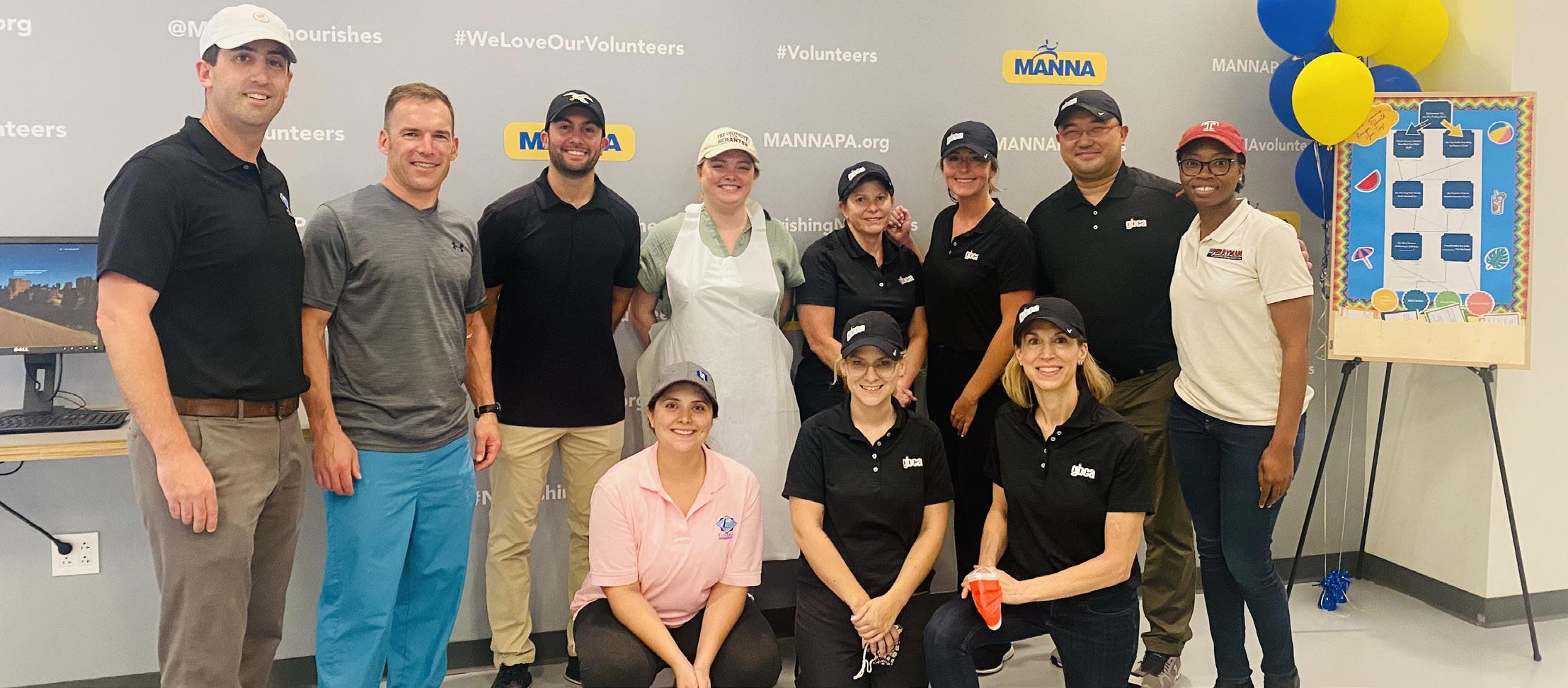
At GBCA, we are proud to have a robust and active Construction Leadership Council (CLC) and a full slate of leadership development opportunities for young and emerging employees of member companies. This year, the CLC has held many events, including virtual coffee chats with notable industry leaders, networking events, and our annual CLC Day of Service.
It’s exciting to see so many of our younger and emerging construction professionals getting involved and seeking connections with their peers through GBCA. Our events allow them to form and maintain strong relationships. These relationships will help them lead and build community in the industry for years to come, as well as contribute to this great city that we call home.
Giving back, in particular, is one of the most important causes that we can champion not only as an industry, but as a community of people who are invested in the region and want to see it thrive. We are more than our jobs. We are part of the fabric of Philadelphia, and we are committed to supporting our neighbors and our young leaders as they shape the future of construction.
Sincerely,
Michael K. Armento Chairman of the Board, GBCA Senior Vice President, Torcon, Inc.


20 CONSTRUCTION LEADERS HELP MORE PHILADELPHIANS INTO STABLE, FAMILYSUSTAINING CAREERS
DIVERSITY, EQUITY & CONSTRUCTION: A DONALD MOORE PERSPECTIVE 24 PROJECT MANAGEMENT SOFTWARE CAN SAVE TIME AND MONEY WHILE PRODUCING BETTER RESULTS
26 A LEADERSHIP STORY INTECH’S LESSONS LEARNED FROM TRANSITION TO PERPETUITY
ON

Philadelphia’s construction industry is better when we all build smarter and safer.
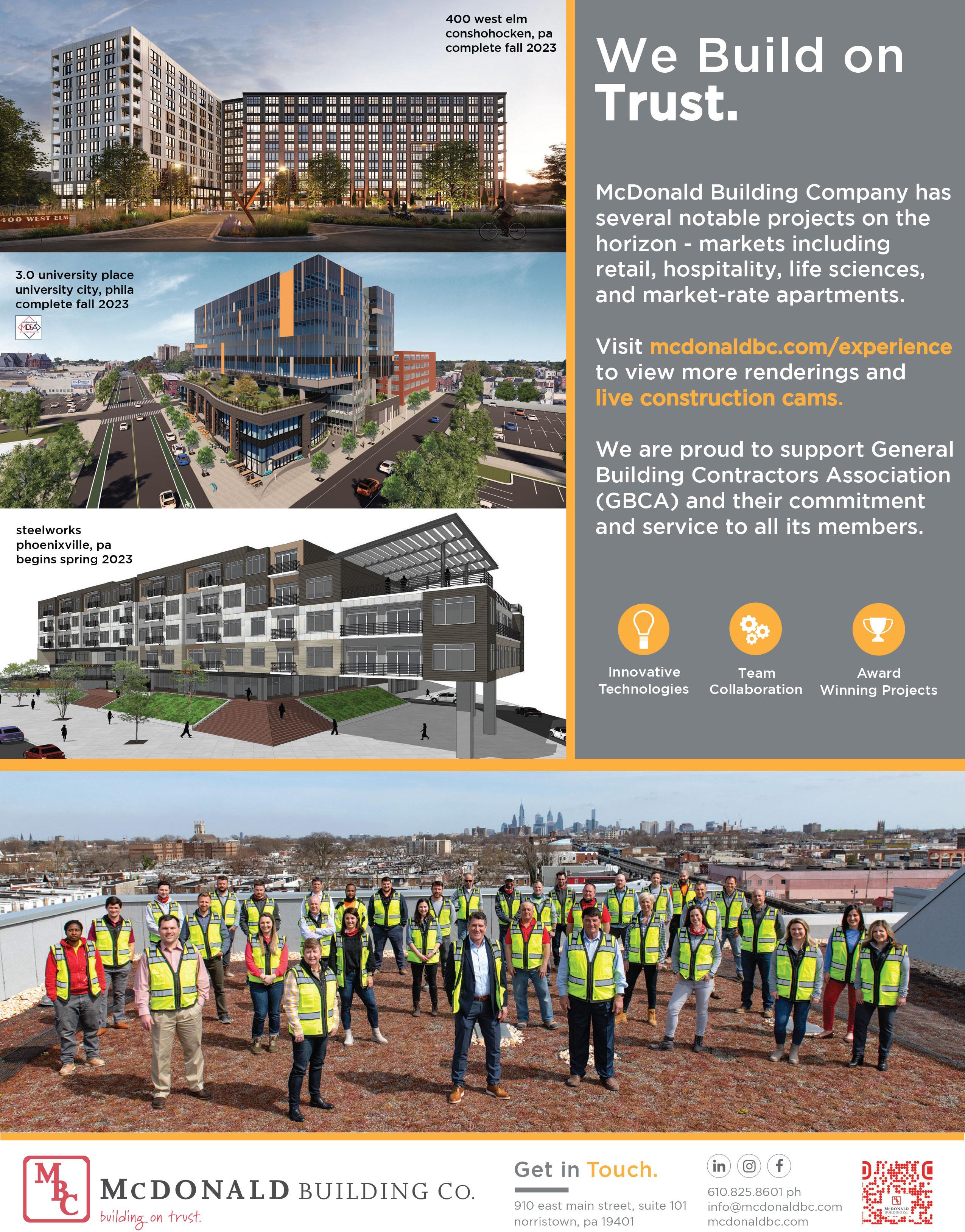
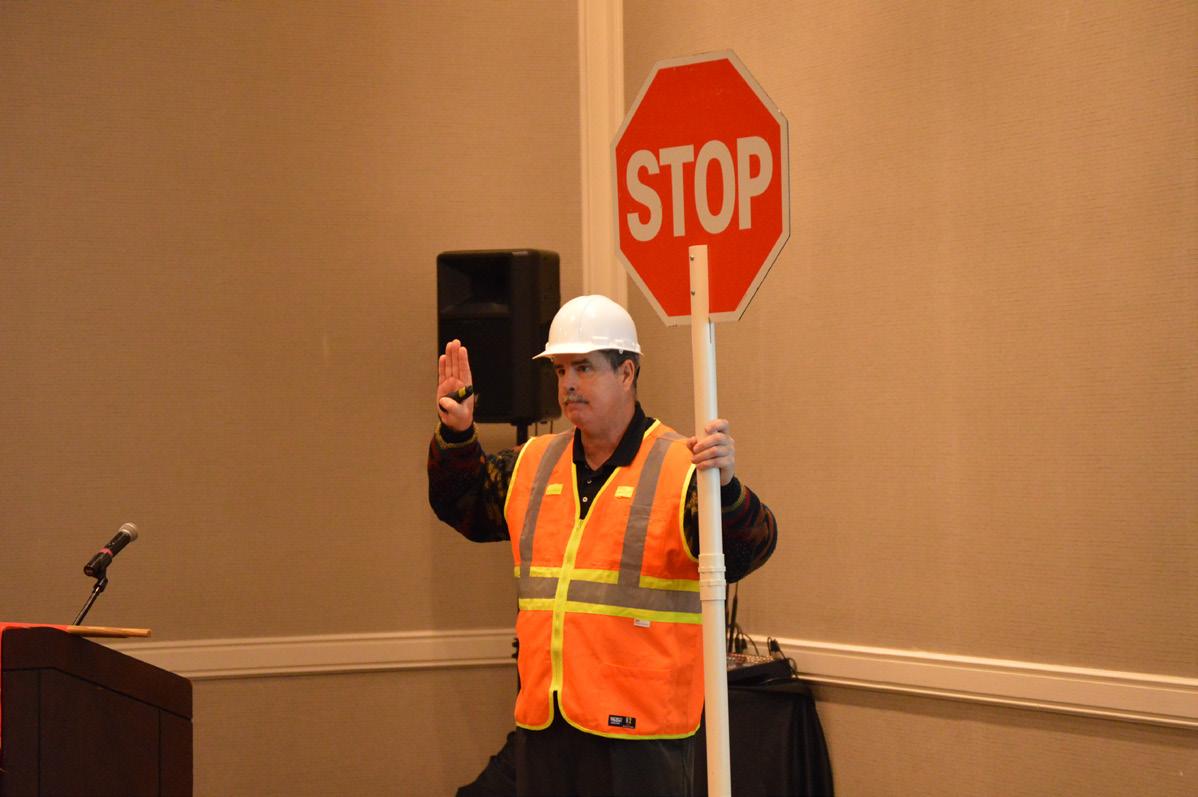
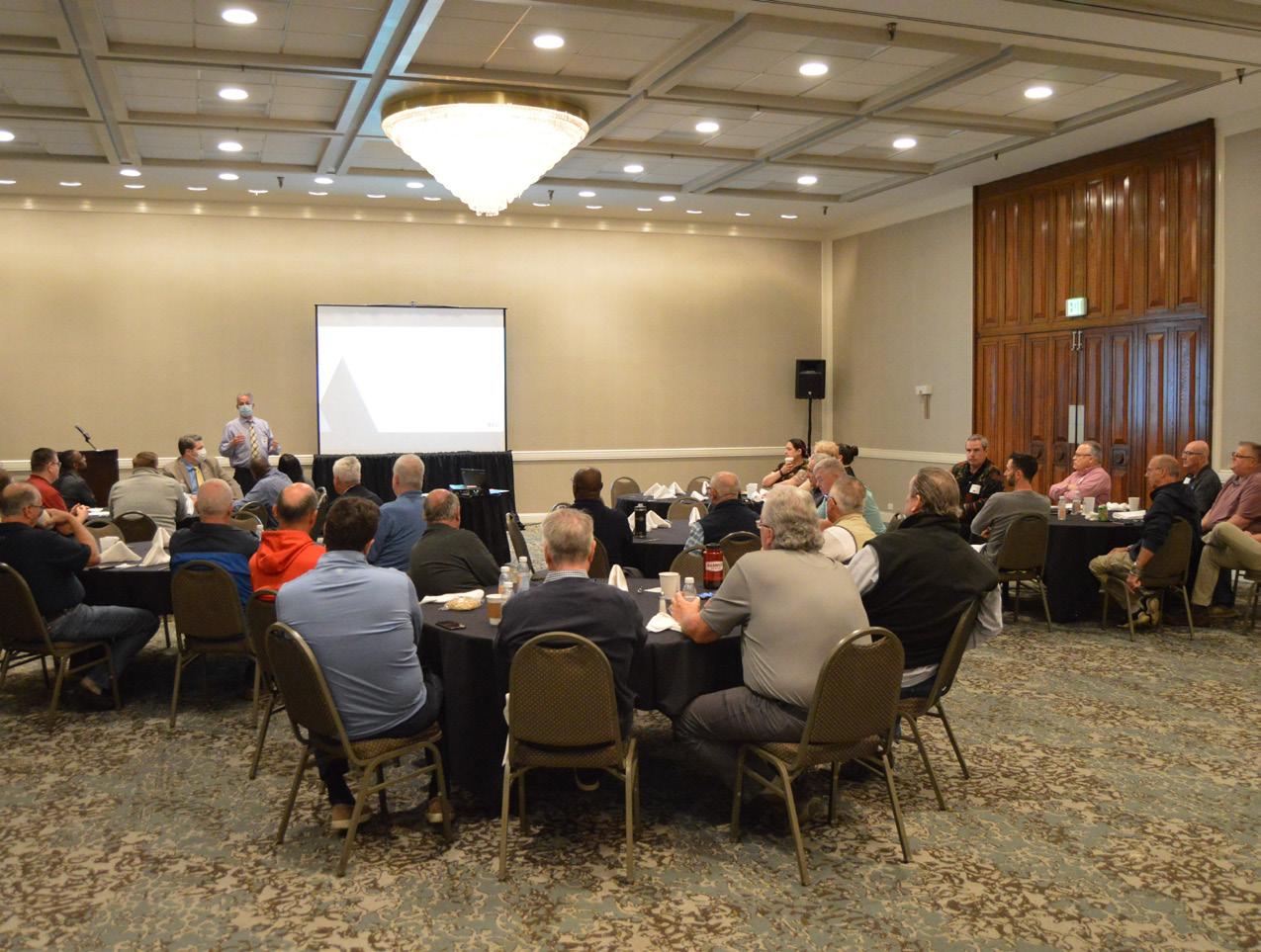
GBCA’s online education resources let construction professionals and workers get training when and where they need it.
LEARN WITH GBCA
Check out GBCA’s online learning offerings for courses and classes led by construction experts:
• Core Construction Fundamentals
• BIM
• Lean Construction
• Construction Supervision and Project Management
• Safety Trainings
• Professional Development and Leadership Training







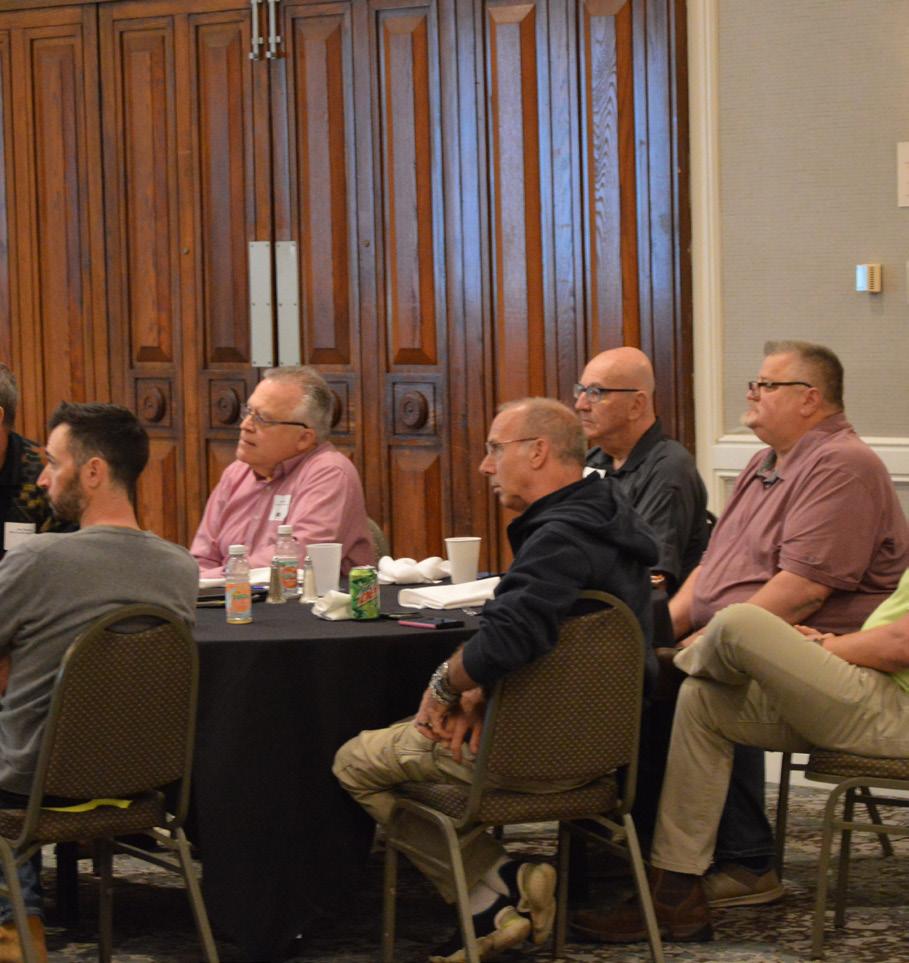
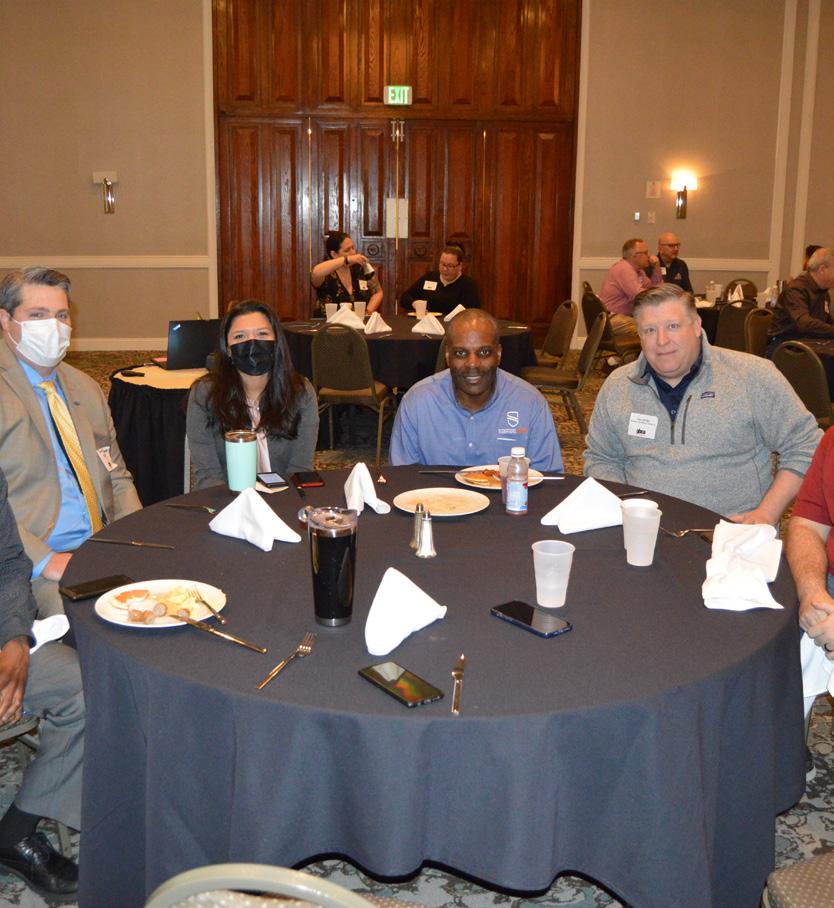
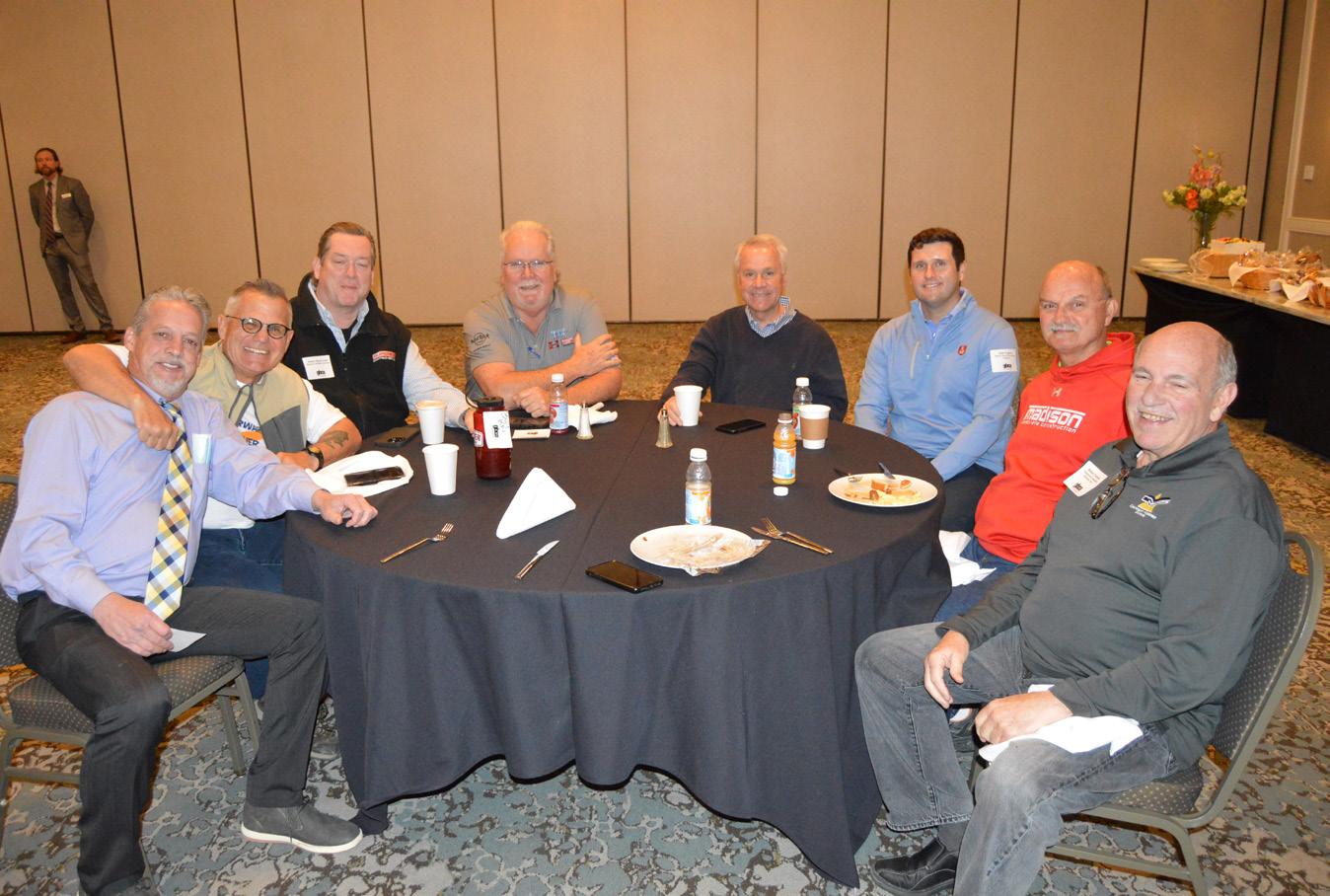










Thank you to all of our sponsors and supporters. Our members’ commitment keeps our industry strong.
BUILDING OUR FUTURE

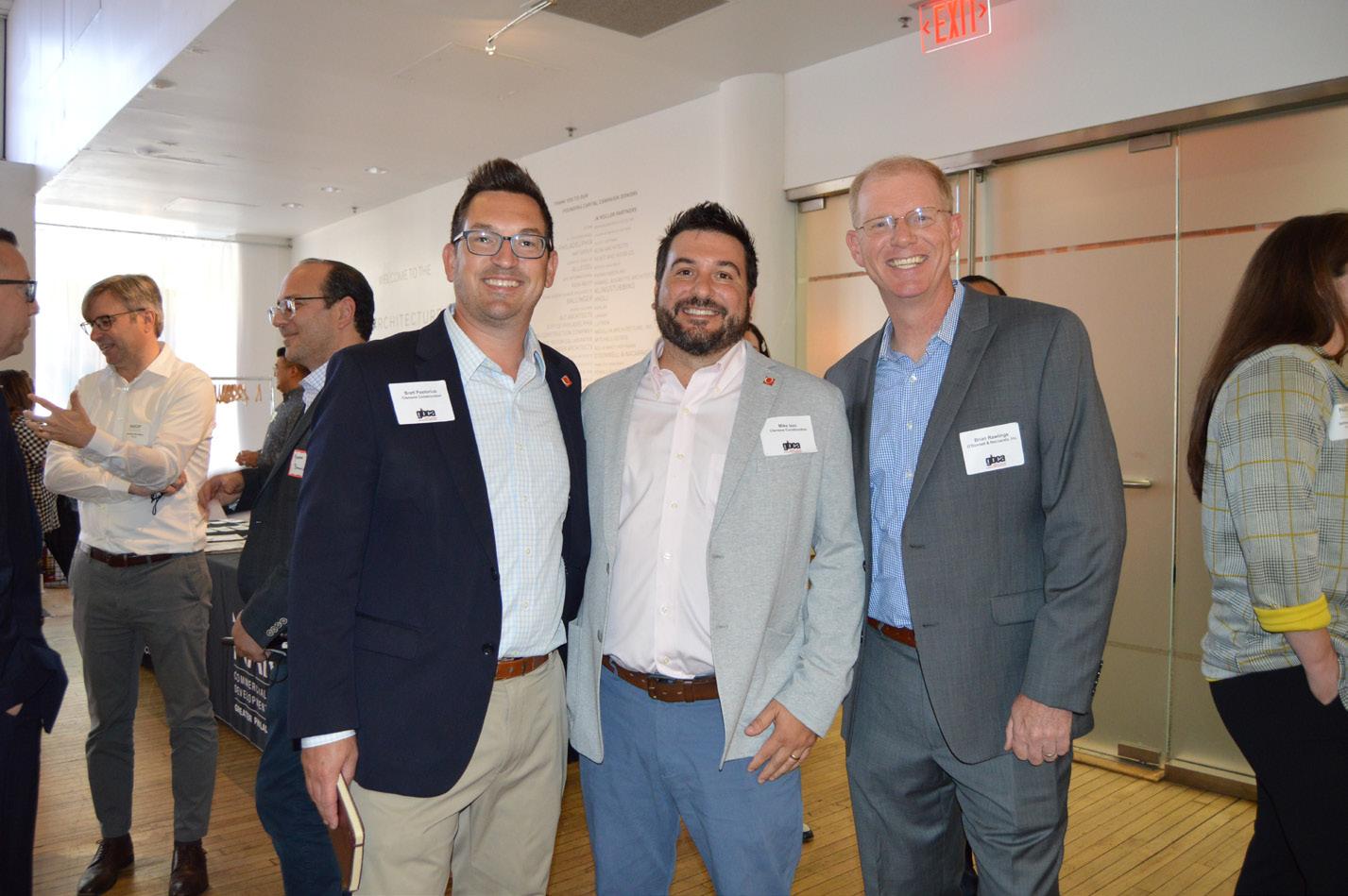
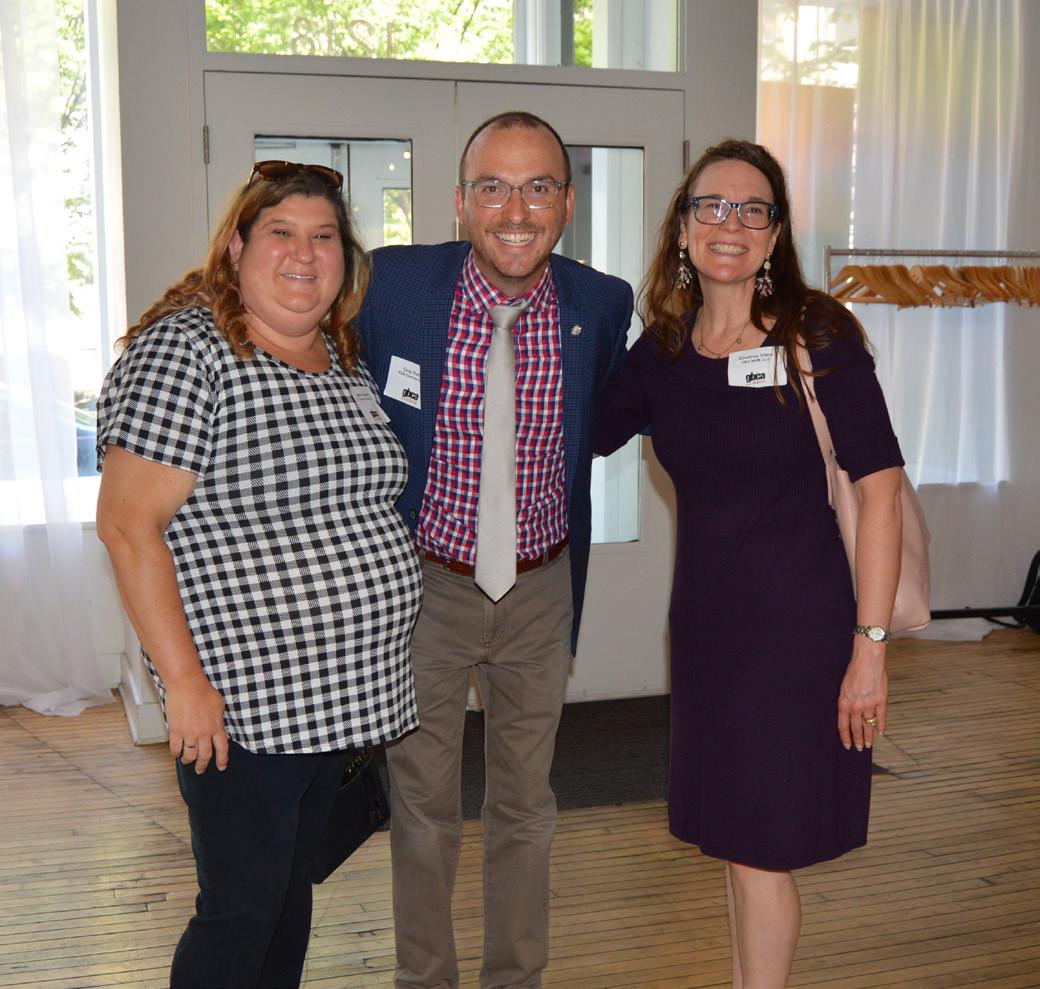

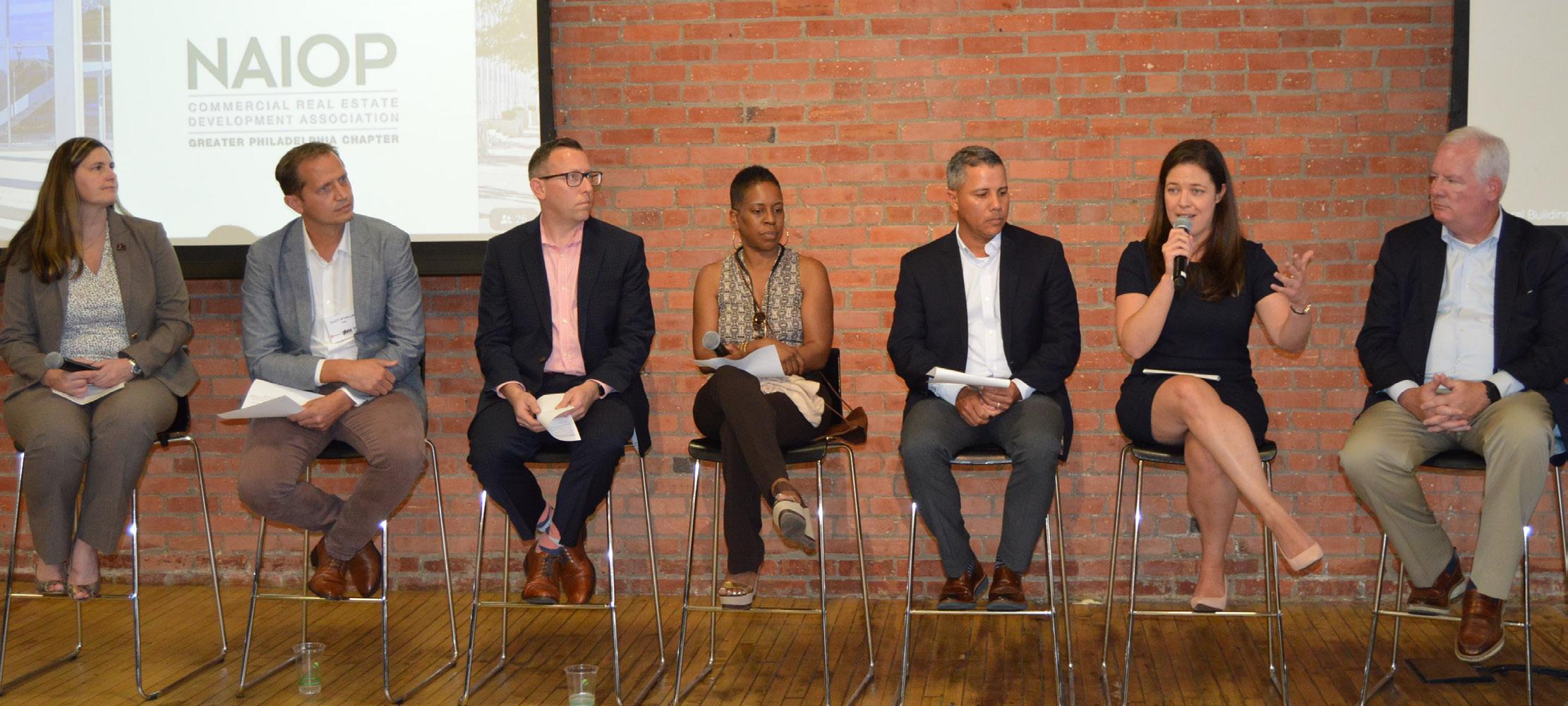
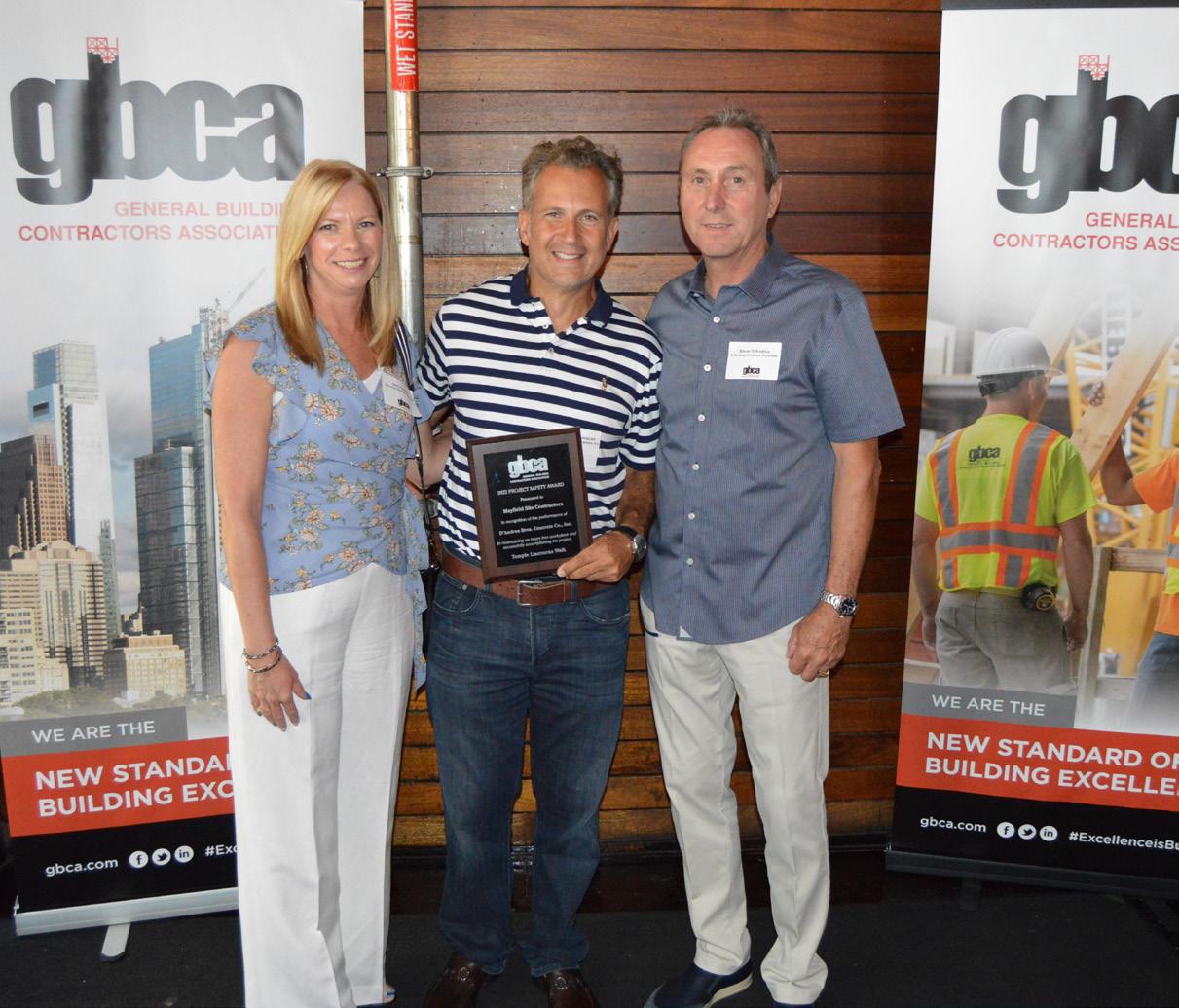








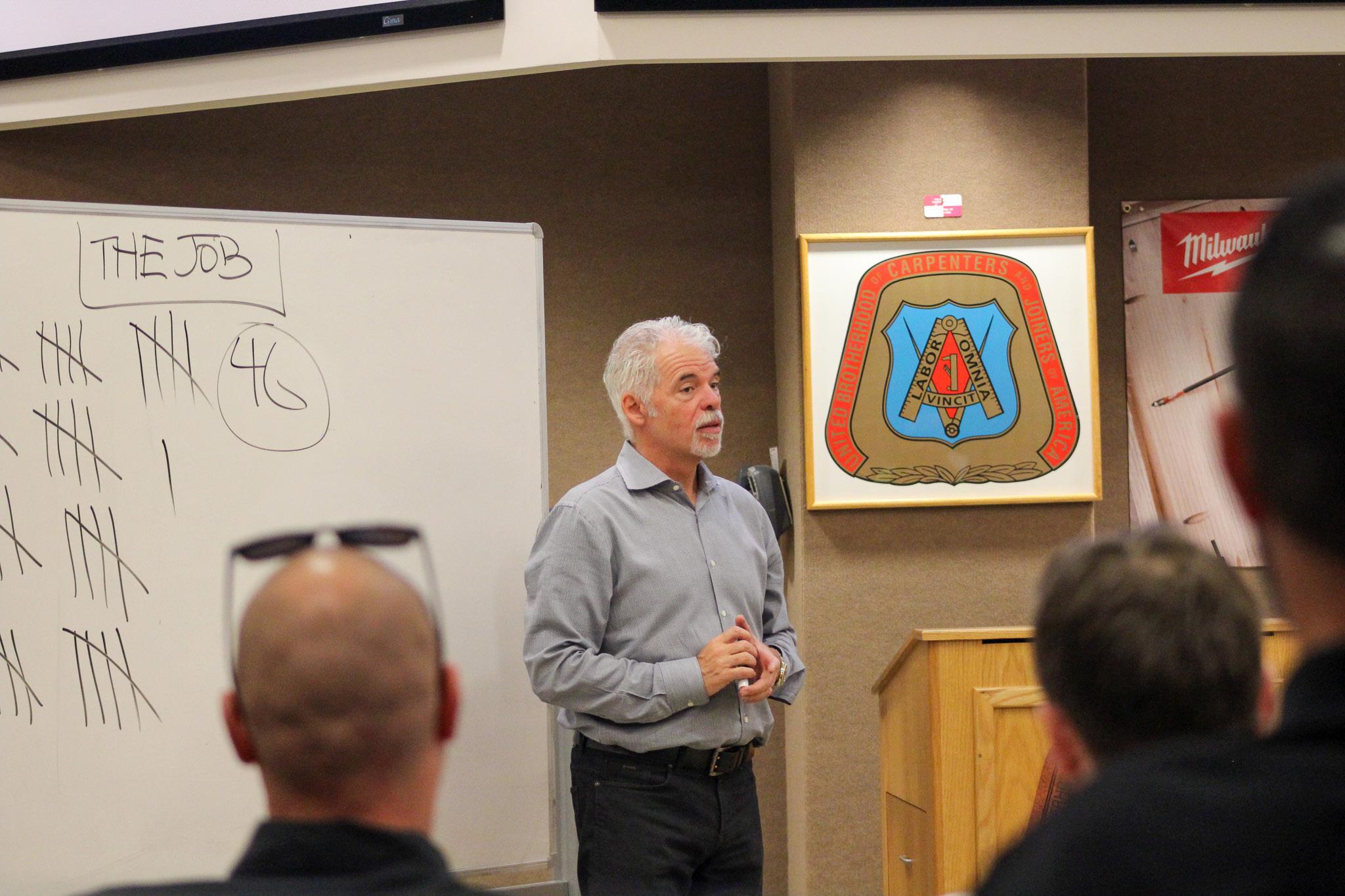
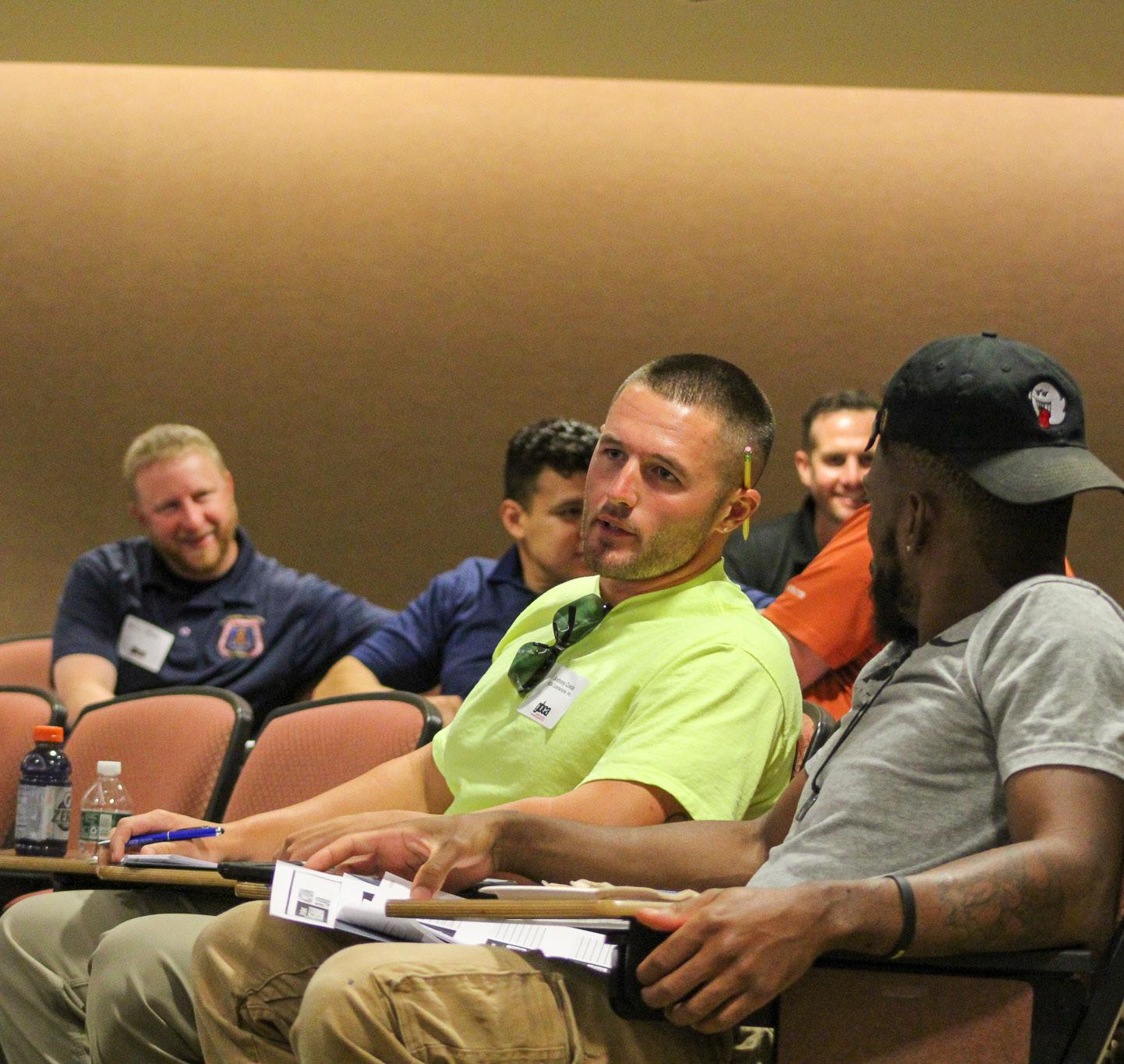
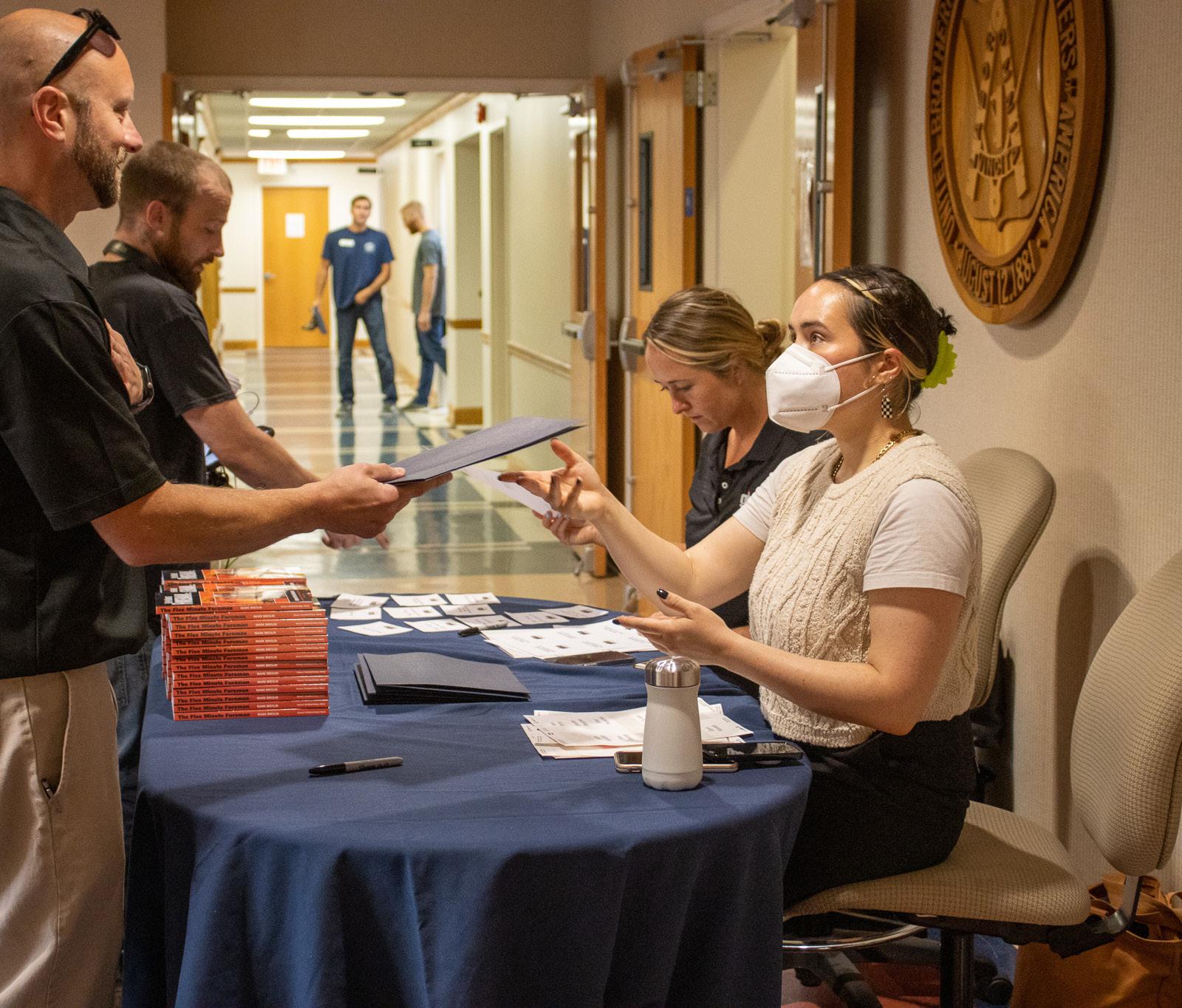
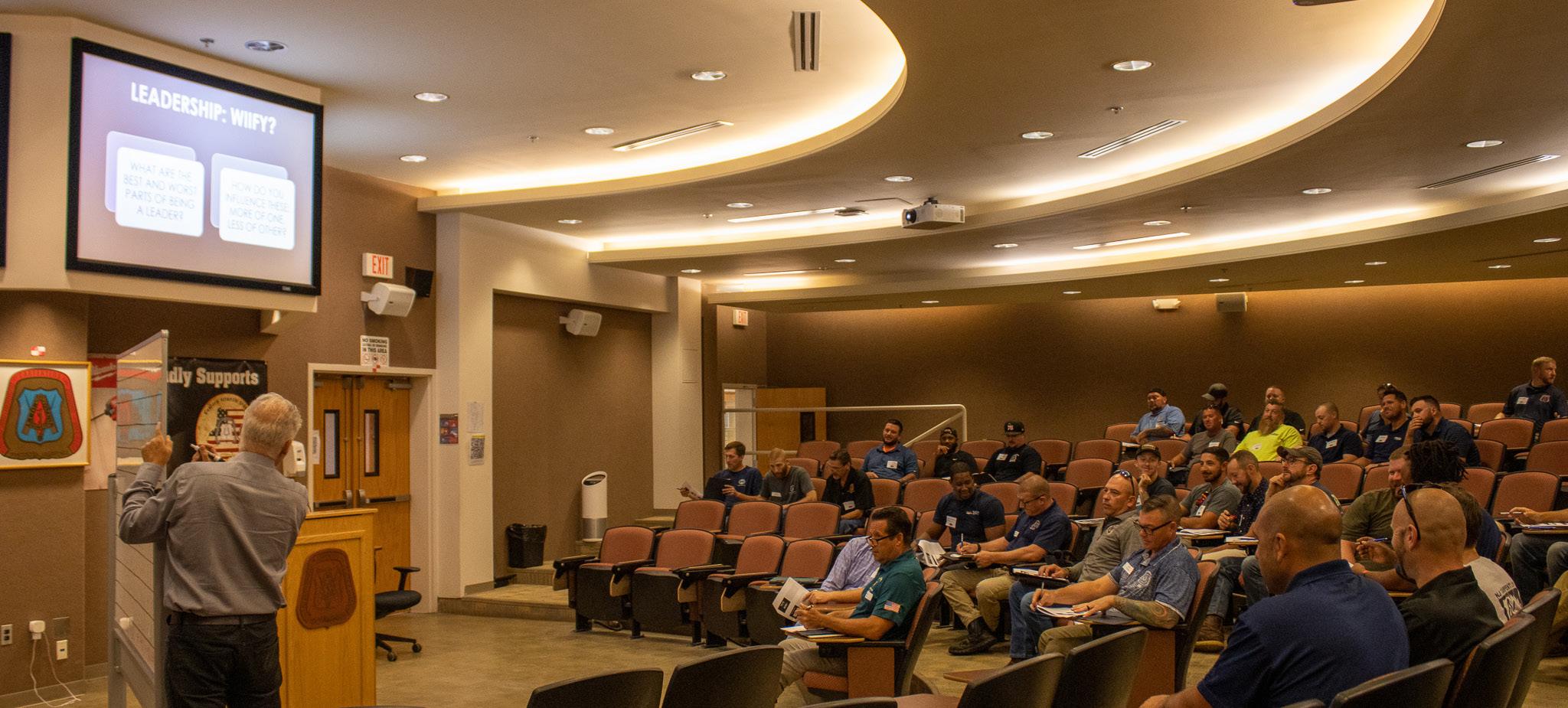
FIVE MINUTE FOREMAN WORKSHOP

Name: Angelina Perryman
Title: Vice President of Administration
Company, City: Perryman Construction, Philadelphia, PA
Years in field: 18 Years
Education: Temple University
City of Residence: Philadelphia, PA
Q A
What is your business motto?
“A quality job performed by quality people always counts.”
- Jimmie Lee Perryman, Sr.
When did you first become interested in your career path?
I’ve learned to love my career path. Starting very young and walking job sites is where it all began. As my career evolved, I learned to embrace the challenges, be innovative, and advocate for more responsibility for myself and our team.
What is the most rewarding part of your job? Least rewarding?
The most rewarding part of my job is when our team can stand proud of their work, and we have the opportunity to do it again. The least rewarding is that certain parts of the industry take a long time to evolve. To implement change, you have to be intentional.
What is your biggest daily challenge?
Maintaining the highest standards for our team.
How do you inspire your colleagues?
Showing up and leading by example. Letting our team know that their hard work has not gone unnoticed and by showing up to connect with them directly on site.
What goal are you currently striving to achieve?
I am striving to create a legacy that lasts generations, continue to think out of the box, and most importantly, build a team that believes in our vision.
What project are you currently working on?
I am working across all of our projects in some capacity, from project executive oversight to operations management.
What’s the most important lesson you’ve learned in your career?
You build upon your reputation daily. Think about the end in the beginning.
What is/was your favorite CLC event?
My favorite CLC event was a workshop on networking, led by Dale Carnegie. These workshops always challenge you to think differently. It was fun and very interactive. We could apply what we learned instantly.
How do you find that participating in CLC activities benefits you?
The CLC network is one of the best! These are peers you can grow with as you grow and advance in your professional career.
Do you have any advice for other CLC members/ young professionals who are looking to advance their career?
Start where you are and be a student of the industry. Learn all aspects of it, not just the segment you are in.
What is your favorite thing about being a member of GBCA?
GBCA is an excellent resource. A resource for talent, best practices in the industry, and a community that believes in the future of the construction industry.
BY BYRON LEE, SENIOR MANAGER, MARKETING & COMMUNICATIONS | GBCA
At 43, Mike Favors — born and raised in North Philadelphia — has taken charge at notable construction projects throughout the region. As a superintendent with TN Ward Company, he plays a vital role in shaping the city, but he never thought he would be where he is today.
“I ran into some trouble when I was younger and was kicked out of high school. I thought a career like this wasn’t realistic for an African American man like me,” he says. “When I realized I needed to turn my life around, carpentry enabled me to do a complete 180.”
After enrolling in Philadelphia Job Corps, where he earned his GED and specialized in carpentry, Favors was doing small construction jobs around the neighborhood. While he was at a job hanging sheetrock, he was introduced to the union.
“A few union carpenters happened to come in and told me I could be earning about six times what I was making for similar work,” says Favors. They encouraged him to take the Carpenters’ Apprenticeship entrance exam.
Driven by the opportunity to better support his family, he learned more about the union, going as far as hiring a math tutor to help him pass the test. He then found a contractor to sponsor his apprenticeship.
“I learned everything I possibly could, applied myself, and the rest is history,” he notes. “Now I’m living an honest life, am constantly putting my brain to work, and cannot believe the life I’ve built for my wife and kids.”
While Favors’ story illustrates the many rewarding career opportunities in commercial construction, the General Building Contractors Association (GBCA) — representing the leading contractors, subcontractors, suppliers, and construction services firms in the region — and its partners are working to ensure these success stories aren’t left up to chance.
Diversity, equity, and inclusion (DEI), a key priority for GBCA, is steering these industry efforts.
“When it comes to equity and workforce development, we’re focused on three things: ensuring a level playing field for all Philadelphians who are interested in commercial construction; providing support that will help them build lasting careers; and connecting our members with the highly skilled, diverse talent they need,” says GBCA President & CEO Benjamin J. Connors, Esq. CAE.
That’s where programs like the Carpenters’ Apprentice Ready Program (CARP) come in. CARP, a joint initiative between GBCA and the Carpenters Joint Apprentice Committee (JAC), reaches Philadelphians who don’t have a direct connection to the Carpenters’ Union, who once considered union commercial construction careers exclusive or closed off, and who don’t have any pre-existing trade skills. This pre-apprenticeship program provides exposure to all aspects of the trade, hands-on skills training, classroom education — namely in math, and networking opportunities. All of this prepares CARP graduates to take the apprenticeship exam, join the union, and get connected with a sponsor.
“It’s not about getting people onto individual projects and then wishing them well once those jobs are done. Union construction apprenticeships are about building careers and building a community that lasts for generations,” says Robert Landy, Director of the JAC.
Twenty-four students from 2022’s first CARP cohort passed the apprenticeship exam, with another cohort finishing the program in July.
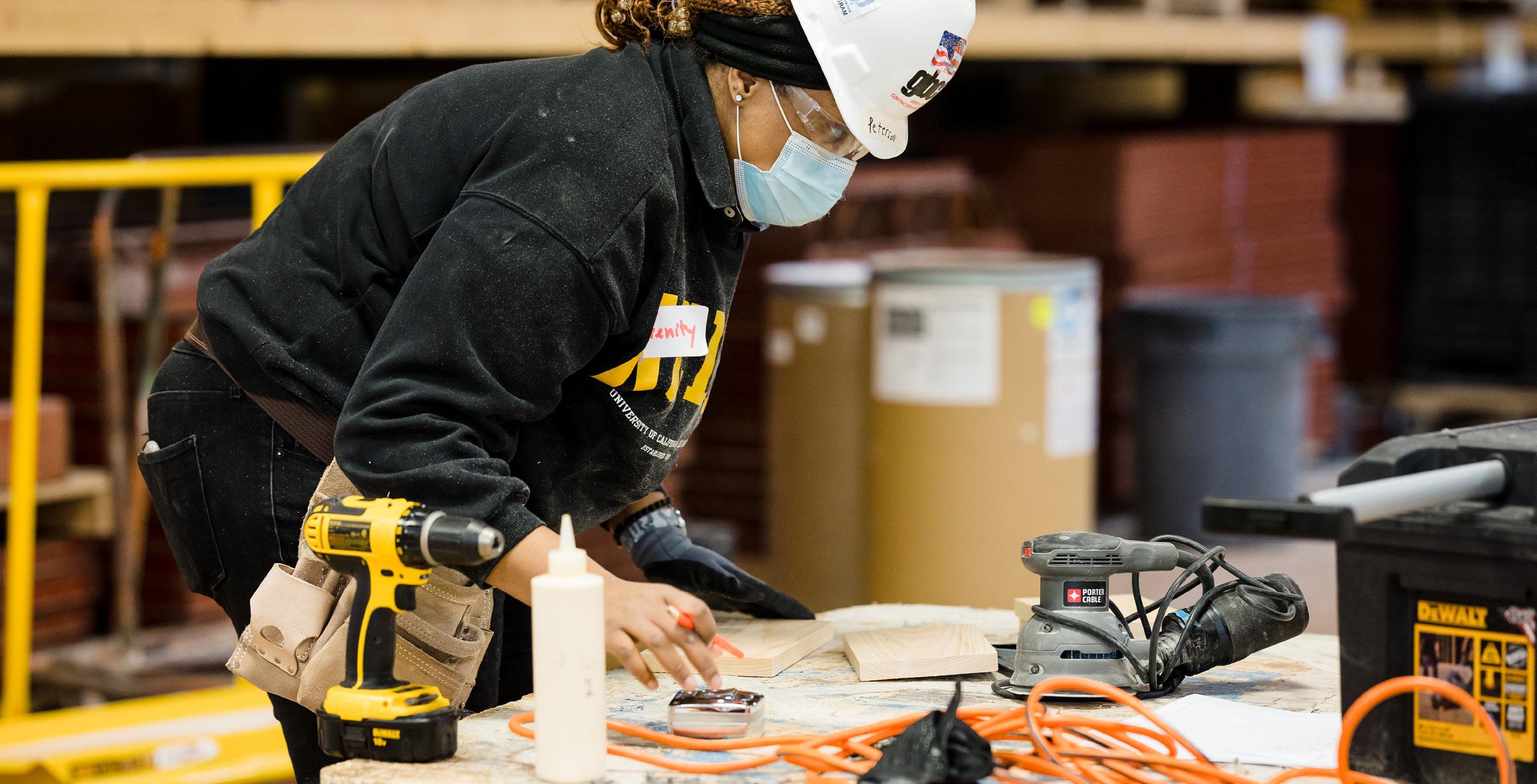
One of those graduates is 20-year-old Serenity Peterson from Southwest Philadelphia, who is two months into her apprenticeship with Madison Concrete Construction. Before CARP, she didn’t know how to use a hammer or cut a 2x4. Now, with a foundation of skills and knowledge, she’s helping to build a new 19-story building at 31st and Walnut Streets.

“Participating in CARP has been a once-in-a-lifetime opportunity,” says Peterson. “After graduating high school, I wanted to invest in myself and give myself financial freedom. Thanks to CARP and everyone who has helped me, I know I’ll be able to do that and really be someone. Contrary to popular belief, African American women do have a place in union construction.”
Isaiah Labell, a graduate of the inaugural CARP class in 2017 and a carpenter for B. Pietrini & Sons, recalls hearing similar misconceptions while growing up in North Philadelphia.
“People made it seem like it was impossible for a young African American to join the union,” Labell says. “I never thought in a million years I would get there, but CARP and a lot of hard work provided me that opportunity.”
Labell initially took a pay cut from his job in the home services industry to join the union as an apprentice. However, he saw the bigger picture: more long-term earning power, a fully paid benefits package, a pension, and a uniquely gratifying career.
“Being part of the union is a dream job for construction,” adds Labell, who continues to hone his craft and seize opportunities for growth. “People — especially minorities — need to know it’s attainable and that there are endless possibilities once you have your foot in the door.”
Visit gbca.com for more information.


BY DONALD MOORE, SENIOR VICE PRESIDENT OF REAL ESTATE, FACILITIES & OPERATIONS | THE CHILDREN'S HOSPITAL OF PHILADELPHIA
As the Philadelphia region construction industry and organizations like the General Building Contractors Association (GBCA) continues its efforts to increase and mold the pipeline and diversity of construction professionals, there is a unique and pivotal opportunity to reshape the foundation to which this industry has become accustomed. The Children’s Hospital of Philadelphia (CHOP) is committed to attracting top talent from diverse enterprises, both small and large, who are committed and have an interest in and track record of navigating the challenging waters of our construction industry.
In February of 2021, Donald Moore was appointed as the Senior Vice President of Real Estate, Facilities & Operations at CHOP, after serving as Vice President of Real Estate and Facilities at Drexel University. Originally from Chicago, Moore has had building construction experiences that span heavy & highway, residential, commercial high-rise, K-12 education and higher ed academic, and research and healthcare; geographically from Illinois, DC, New York, New Jersey and Pennsylvania.
Diversity, equity, and inclusion are at the top of Donald’s priority list. He first recognizes that historically, it has been challenging for Minority, Women-Owned Business Enterprises (MWBE’s) to break through and be successful in the construction and real
Traditionally, minority-owned business owners have not had seats at the table of major development projects – very few true or honest opportunities to work and partner with large non-diverse organizations. However, The Children’s Hospital of Philadelphia is actively and with intention taking steps to aggressively change the narrative, and with our community investments with buildings projects and related job opportunities we’re expecting to continue to be a prominent leader in making Philadelphia a more equitable city.
– Donald Moore, SVP Real Estate, Facilities & Operations, The Children’s Hospital of Philadelphia.
estate industry. Moore is aligned with CHOP’s commitment to diversity and community development, a critical driver for creating the ideal experience for every patient, family, employee, and member of the surrounding communities.
It’s no secret that CHOP is growing, and that its major buildings development program will serve as a vehicle for true change as it relates to diversity, equity, and inclusion in the construction industry. In a majority-minority city that is 44% Black, 15% Latino, and 8% Asian according to census data, MWBE’s should have a larger role participating in economic growth driven by development projects that have been and are now underway. When sole proprietors are taken into account, the total estimated number of MBEs in Philadelphia is just over 16%, according to the latest census data.
“The same way that my neighborhood library on the South Side of Chicago was at times a refuge for me from the negatives of the streets throughout high school and college, my constant desire is to provide similar spaces that positively impact people through housing, health care, research, and education, all so they each can become their best selves in the world. This motivation is also why today I’m a dedicated board member of Habitat for Humanity Philadelphia.”
– Donald Moore, SVP Real Estate, Facilities & Operations, The Children’s Hospital of Philadelphia.
Moore’s efforts are driven by a desire to make significant social impacts in his projects. During his tenure at Drexel, he spearheaded a partnership with uCity Square and Wexford Science & Technology that sparked redevelopment activity at the western-most end of Drexel’s campus, advancing the development of a half-million square foot home for the College of Nursing and Health Professions and Drexel University College of Medicine. The partnership also enabled the construction of the Powell/Science Leadership Academy School.
Moore sees development within the design and construction industry as a means to uplift and transform communities. His clear understanding of the role and importance of the building trades unions in cities has afforded him a unique perspective and ability to bring diverse audiences to the table to advance development and improve social-economic relations.
For Moore, intentionally opening the doors to welcome in greater diversity is foundational to ensuring the future stability of our industry. It’s a must.


BY MARTY MCCARTHY, CPA, CCIFP | MCCARTHY & COMPANY, PC

Large contractors must be highly organized to run multiple projects simultaneously, working with numerous crews on various job sites at different stages of construction. In doing so, they often use project management software to streamline operations. Managing all aspects of construction, from land acquisition to financing, permitting, building, marketing, and eventually renting or selling units, is an enormous task. Contractors who automate the process achieve greater efficiencies, improved margins, and higher profits.
Small to mid-size construction companies often use Excel or paper files to manage the details of every job. Investing in project management software would help manage tasks and outcomes.
Project management software is a collaborative tool that provides everyone on the job with the information needed to complete tasks according to the contract. Change orders, material availability and delivery schedules, talent management, billing, accounts receivable, job costs, and other critical tasks can all be managed from one system, preferably in real-time.
Construction managers can use project management software to organize teams, predict costs, and track projects down to the task level, which is key to controlling and managing costs.
Project management systems may come with a variety of modules that offer various solutions. Sean Peek explained the four areas supported by most project management systems in his article, Project Management Software Use Cases: Contractors and Construction (Business News Daily, June 29, 2022):
Project scheduling: The scheduling feature allows managers to assign employees, resources, and equipment to a project. This is especially important for companies with back-to-back deadlines or multiple contractors to manage.
Project tracking: Construction management software allows businesses to keep track of task lists, time, and progress throughout a project’s life cycle. Many programs have automated features to streamline communication, such as automatic notifications when tasks are assigned, updated, or completed. They can also send out alerts if projects are approaching budget or timeline constraints.
Document management: All project documentation – including blueprints, contracts, and photos – are archived in a centralized, easily accessible repository. This helps teams stay organized and makes collaboration significantly easier. Document management provides a virtual paper trail.
Job costing and project finances: Project management software allows team members to compare initial estimates with actual project costs, as well as to create and send purchase and exchange orders. Many programs also integrate with accounting software, allowing contractors to manage payments, invoices, and timesheets in one place.
Peek also importantly notes since most construction management software is online, team members can easily access and collaborate on projects in real-time from any location.
Researchers found that being able to accurately estimate a project timeline is the number one benefit of using a project management tool. (Capterra. Project Management Software Market Research Report. Olivia Montgomery, May 25, 2021).
Considering how margins are shrinking due to escalating labor and material costs, inflation, and the cost of borrowing money, it is important to manage expenses, inventory, and other job costs. This is especially true when renting a building. The time, money, and resources that go into customer relationship management, work orders, and rent collection can be substantial.
Scheduling, budgeting, time management, job estimates and costs, monitoring deadlines, and tracking costs are all improved with project management software. More timely and accurate numbers will be available to compare actual costs to estimates, year-over-year actuals to projections, project costs, and other key metrics.
Project management software can give contractors a competitive advantage by providing more accurate job estimates, documentation, and other key data to influence the purchase decision. It can also help improve internal and external communications.
While there are many benefits to using project management software, there are disadvantages. One perceived drawback is the cost. Contractors might consider it prohibitive if they do not look at both sides of the cost vs. benefit equation.
“Good project management directly translates to less money wasted. Organizations that invest in proven project management practices waste 28x less money because more of their strategic initiatives are completed successfully.” (Hive. 15 Fascinating Project Management Statistics. Ray Lim, July 15, 2020)
Other perceived or actual disadvantages include:
• The challenge of adoption, given that most people resist change.
• The time investment required for designing, customizing, implementing, and training employees to use the system.
• The need to document and implement new policies and procedures throughout the organization.
• Integration hurdles, as the project management system might not fully sync with other programs (job costing, inventory management, financial management, customer relationship management, etc.).
• The investment that would need to be made in devices (laptops, tablets, mobile phones, portable printers, etc.).
Most people will agree that the advantages of using project management software outweigh the disadvantages. Although an investment in time, resources, and money will have to be made, the increase in productivity, efficiencies, and collaboration, as well as the decreases in change orders, repeat work, and other waste, should improve margins and profits.
Disclaimer: This article is for informational purposes only and doesn’t constitute professional advice.



BY AMANDA GIBNEY WEKO, PRINCIPAL | AGW COMMUNICATIONS
In late 2021, general contracting and construction management firm INTECH Construction announced a key ownership transition. Phil Moses accepted the President helm from co-founder Craig “Sab” Sabatino, who stepped into a chairman role. General Counsel Blaise Lutz was promoted to Chief Financial Officer. The promotions were the latest step in a decade-long strategic planning effort spearheaded by Sabatino and co-founder Will Schwartz, who retired from INTECH in 2017. Their goal: That smart growth and the stewardship of INTECH’s values, company culture, and drive toward innovation will continue with future generations of ownership. The INTECH story demonstrates that success comes through careful planning, thoughtful execution, and the support and trust of colleagues.
Founded in 1986, INTECH has been dedicated to building trust and delivering construction excellence to clients for over 36 years, constructing many prominent regional projects in the multifamily residential, healthcare, life sciences, education, cultural, hospitality, and institutional markets. INTECH has remained humble, eschewing most publicity and instead letting its three decades of successful projects attest to the company’s quality and values.
Early on, Schwartz and Sabatino wanted INTECH to last into the future with private owners who shared their values. While building the company, they emphasized a service-oriented, personal approach to construction, honoring the principles of craftsmanship, quality, and integrity. A principal leads every project, communication and collaboration are prioritized, and delivering unparalleled service and a job well done are ultimate goals.
These values continue to guide INTECH’s philosophy, and the idea of integrity became the cornerstone for developing a strategic evolution plan. Started 10 years ago when INTECH introduced its first four principals to join Schwartz and Sabatino
in leadership, the plan evolved. As the portfolio and company grew, INTECH scaled its leaders’ involvement by catering their strengths to projects’ needs. Time, careful promotions, and affordable ownership opportunities were the key elements that enabled growth, not only for individuals, but also for INTECH as a whole.
The promotions of Moses and Lutz served as a major leadership shift and ensured a second generation of ownership integrity and maintains INTECH as one of Philadelphia’s largest locally owned construction firms.
INTECH’s leaders believe their evolution and strength in the market is unique and rooted in their independence. This belief in individuals and their collective power to shape the company for the better forms the crux of the plan’s execution. Leadership positions were not ensured because of family relation, nor was INTECH absorbed by a larger national firm. Instead, the company’s success resulted from planning, mentorship, and stewardship of values from one successful year to the next.
Leadership talent was groomed from within from a pool of highly skilled individuals. INTECH hired, coached, mentored, and developed the skills of internal teammates who have helped to shape the company. Individuals learned not only how to be effective construction managers, but also how to abide by and cultivate the INTECH values of integrity, personal commitment, and honesty.
INTECH built its reputation as a service-oriented company that thrives on collaboration and ensuring the success of every project. Any departure from that approach would have been a radical change from the company’s values. Although INTECH
was approached by companies wanting to acquire them, an acquisition wouldn’t have maintained that critical INTECH culture. Company leaders knew that to affect their strategy of building a personally committed company, they needed to remain true to their founding values, and nurture individuals – both those who made it all possible and the next generation to keep those possibilities open.
Individuals at INTECH share a personal commitment that started with Schwartz and Sabatino: live the business. This means both demonstrating the company’s values every day and committing to a high degree of daily personal service in every aspect of business. Going above and beyond for customers and colleagues isn’t an occasional requirement, but an everyday practice. INTECH employees at every level leave arrogance at the door and remain mindful to regularly demonstrate humility and gratitude.
INTECH has since announced additional promotions and a new healthcare division in early 2022. Guided by the solid understanding of the efforts and planning it takes to move into the future, the INTECH team can rely on the perpetuity groundwork laid by its founders. The story doesn’t end because the strategy worked; in fact, INTECH is now poised for greater growth. Evolution and development are now based on lessons learned, with limitless opportunities.
Longevity and perpetuity come from the heart. Foster core beliefs and live them daily. INTECH staff shared their values, and as a result, a genuine nurturing happened through everyday interactions, responsibilities, and mentorship. Heartfelt mentoring offers support, motivation, and training to help individuals succeed.
Staff empowerment builds individuals and the company Giving additional responsibility with increased ability or in recognition of effort encourages people to live and work to their fullest potential. It offers personal and professional growth while building a stronger business and brand. In turn, those confident, capable employees generate new business and client relationships.
Seek out, groom, and recognize young talent. Let them live and learn your company culture while developing their professional skills and networks.
Surround yourself with great people. Being in the presence of experienced and talented individuals helps build strong teams. Pull others up and make them successful. Recognize exceptional efforts.
Prioritize good communication. Speak openly, honestly, and often with employees to understand every perspective. Be good listeners and react accordingly.
Be humble. The construction business requires a team effort, collaboration, and cooperation. Learn from your mistakes, take and encourage ownership of issues, and foster a culture of accountability. Always remember to express appreciation.
Be visionary. Be confident in your plan for the future. Recognize that all good things take time, commitment, and hard work.




BY ADRIENNE STRACCIONE, CPA, PARTNER AND NEIL DIEROLF, CPA, CCIFP, MANAGER | WOUCH, MALONEY & CO., LLP
All AEC professionals understand the necessity of dedicating the time and effort to appropriately plan for a new project. Obtaining permits and approvals, understanding regulations, and assembling a team of available and trusted laborers and subcontractors are all crucial parts of the pre-building process. The same level of planning is required when starting a new AEC business.
Although the process may seem overwhelming, working with qualified professionals and advisors, such as accountants, lawyers, bankers, insurance and bonding companies, employment firms, and payroll providers who have experience working with union-based construction companies will give your new AEC business the strong foundation it needs to succeed.
When union trades are hired for projects, the hiring party has an expectation that the company has specific expertise, training, and skills for the project for which they were hired. Those in the AEC industry should have the same expectation when hiring professional service providers for their business.
Assembling a team of advisors who have worked with union contractors is important as you can benefit from the insights they have gained working in the industry and apply them to your situation. An AEC business has significantly different needs than a retail store or restaurant. Referrals or a search of trusted trade organization lists, such as the General Building Contractors Association’s (GBCA) Membership Directory, are great ways to find service providers with industry expertise.
The added value of hiring a service provider with industry knowledge can be seen in the relationship between your accountant and your bonding company. Depending upon your business, you may need surety bonds. Most sureties will require AEC businesses to provide them with financial statements (balance sheet, profit and loss, etc.). In addition, Work-in-Process (WIP) or Construction-in-Process (CIP) schedules are often required to accompany the financial statements. Some AEC businesses do not have the means to produce these schedules internally and will rely on their CPA firm to assist them. Working with a qualified CPA who understands how to prepare construction-specific financial statements for bonding companies will reduce or eliminate unnecessary delays or additional costs.
Planning is paramount when starting a new business. Here are some items that you should consider:
• Business name
• Territory for work and licensing requirements
◊ City of Philadelphia, specific counties, state(s)
• Capital requirements - How much will you need? Where will it be sourced from?
◊ E.g. Loans, Small Business Administration (SBA), investors, family, friends
• Entity selection
◊ Choosing the right entity is critical for asset protection, income taxes, and succession planning.
Your accountant and attorney should work together with you to ensure that your personal and professional goals and objectives are met when choosing an entity and creating a business plan. Once these key decisions have been made, it’s crucial that they be formalized in an operating agreement, drafted with the input of your trusted advisors. Your agreement should outline how the company will operate and document certain rights and obligations of the owner(s). Oftentimes this document is overlooked, and without this document, key decisions could be impacted due to disagreements among owners.
Decisions made during the planning process will have a major impact on the success of your business.
As Ben Franklin wrote, “Nothing is certain except death and taxes.” Understanding the impact of taxes on your business is imperative. Most owners understand that there will be an individual income tax but may overlook the myriad of state and local business taxes that may be assessed based upon the location of the business or the job. For example, many municipalities have business privilege taxes based upon gross receipts payable, whether or not the job is profitable. When putting a bid together, estimators should always think of the possible taxes applicable to the specific job (business privilege taxes, sales tax, payroll taxes, etc.). Overlooking tax implications during the bidding process can result in unexpected costs and lost profits.
Once you create the business plan and select the entity type, it’s time to start running your business. When it comes to your business operations, remember to do the following:
• Invest in reliable accounting systems (software) that can handle construction projects.
• Consider bidding and estimating software that integrates with your accounting system.
• Open a business bank account. Do not mix personal funds with business funds.
• Create business processes and manuals. Keep in mind the importance of segregation of duties.
• Create job costing procedures (direct costs vs. indirect costs, allocate overhead, etc.).
• Evaluate security needs – cyber, on the jobsite and at the business.
• Interview and hire reputable vendors.
• Obtain proper insurance coverages.
• Select a reliable payroll provider.
• Speak with a human resources professional to ensure you have all the necessary paperwork for new hires.
• Consider hiring a controller to maintain accurate and up-todate books and records.
Running your own business requires skills in various areas. No one is expected to remember or learn everything on their own. Earlier this year, GBCA launched its Online Learning page to help members learn new skills. In the Learning Management System (LMS), take online classes in Core Construction or Construction Business for more information that will help you start your new construction business. Visit gbca.com/onlinelearning to explore the class offerings.

Hunter Roberts Construction Group, LLC
ASSOCIATE MEMBERS
Wilmer R. Schultz, Inc.

Shore Supply
See our ad on page 15.
Tague Lumber
See our ad on the back cover.
FINANCIAL
Rosenberg & Parker Surety
See our ad on page 29.
GENERAL CONTRACTORS
Clemens Construction Company
See our ad on page 25.
EP Guidi
See our ad on page 28.
Frank V. Radomski
See our ad on page 21.
HSC Builders & Construction Managers
See our ad on page 15.
LF Driscoll
See our ad on the inside front cover.
Bell Supply LLC
CBRE, Inc.
Clark Hill PLC
Floodproofing.com
IMAGINiT Technologies
Modern Fasteners Inc.
Phillywide Disposal
McDonald Building Company
See our ad on page 07.
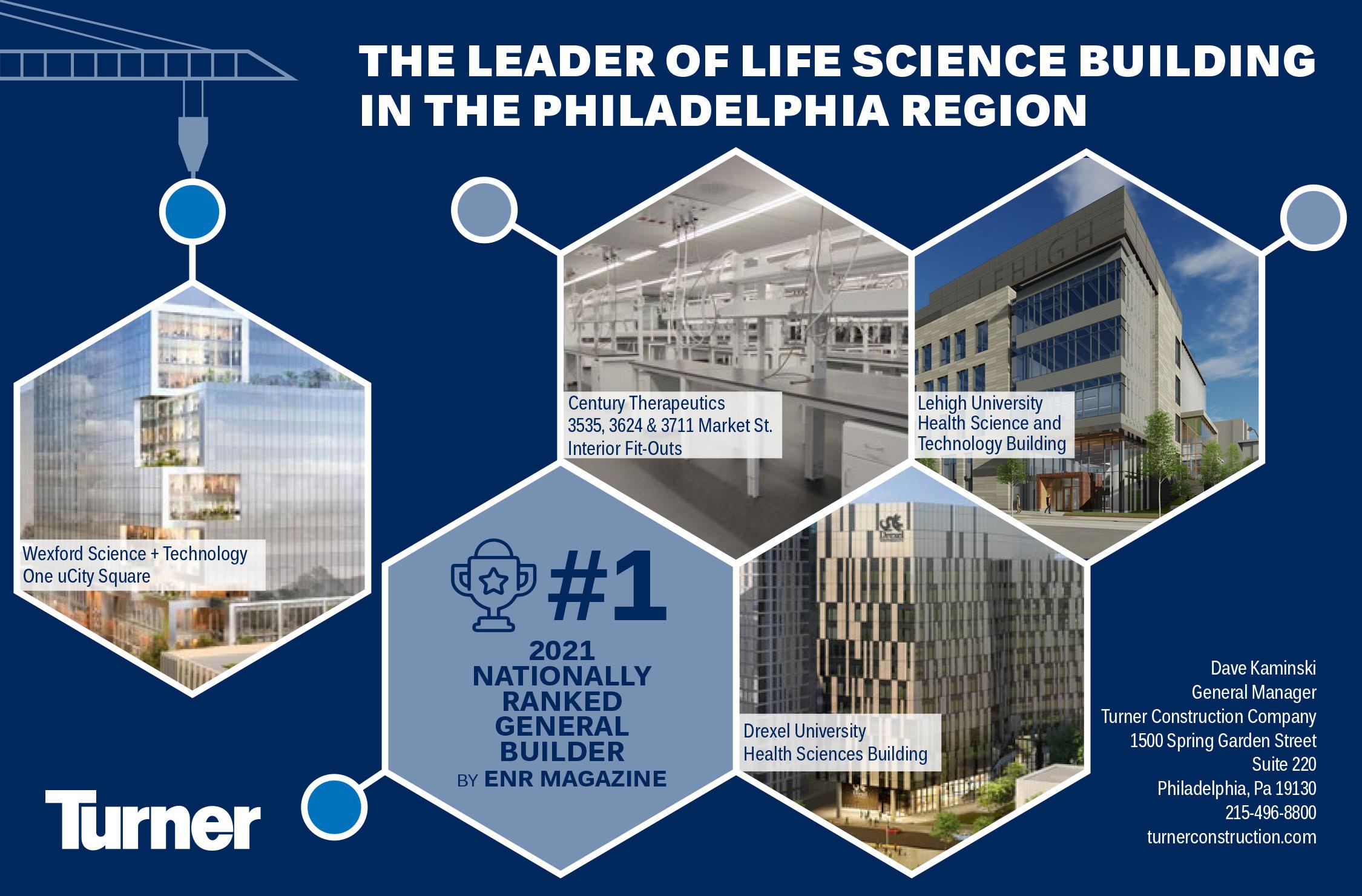
Turner Construction Company
See our ad on page 11.
Construction Risk Partners
See our ad on page 25.
Cohen Seglias
See our ad on page 11.
SAFETY CONSULTANTS
HazTek Inc.
See our ads on page 35.
Burns Mechanical, Inc.
See our ad on page 31.
Chesco Coring & Cutting , Inc
See our ad on page 28.
E.C. Fence & Iron Works, Inc.
See our ad on page 15.
Guthrie Glass & Metal
See our ad on page 23.
Herman Goldner Company, Inc
See our ad on page 27.
PDM Constructors
See our ad on page 21.
TECHNOLOGY
Microsol Resources
See our ads on page 29.
Milwaukee Electric Tool Corp
See our ads on page 15.