Case studies: Circular food delivery systems in institutional catering
Read all case studies here:
Change(K)now! case studies
CIRCULAR ECONOMY
Change(K)now!
Read all case studies here:
Change(K)now! case studies
CIRCULAR ECONOMY
Change(K)now!
Two vocational schools piloted reusable deposit containers to reduce single-use takeaway packaging.
Hamburg tested reusable deposit systems in two vocational school canteens. The pilots introduced reusable bowls and cups for takeaway food and drinks, combined with a deposit-return model. The aim was to reduce disposable packaging in school catering while encouraging behavioural change among students and staff.
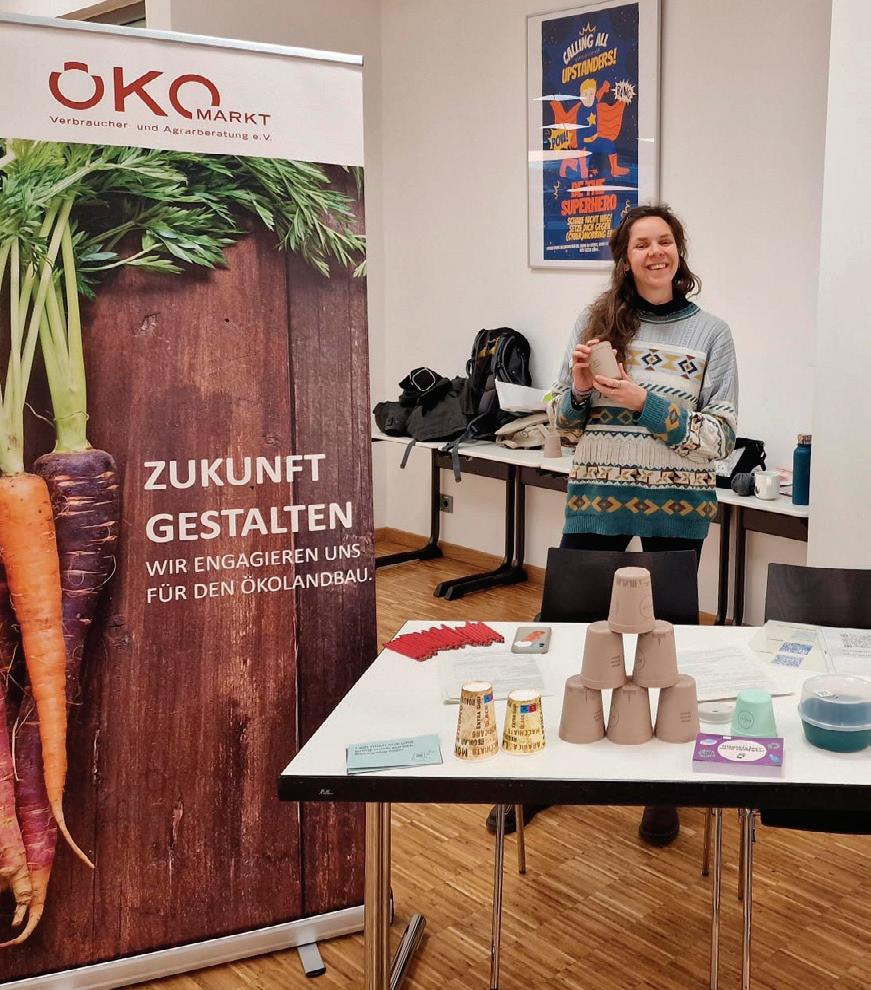
Single-use takeaway containers replaced with reusable deposit cups and bowls
2 school pilots implemented in 2025
Reusable system integrated into daily canteen operations
Investment
Reusable RECUP / REBOWL containers
Communication materials and awareness activities
Category
Public institutional catering (schools)
Theme
Reusable packaging systems & circular catering
Climate technology
Reusable deposit cups and bowls (RECUP / REBOWL system)
Organisations
Ökomarkt Hamburg, vocational schools, catering companies, Kiel University
Pilot coordination and surveys
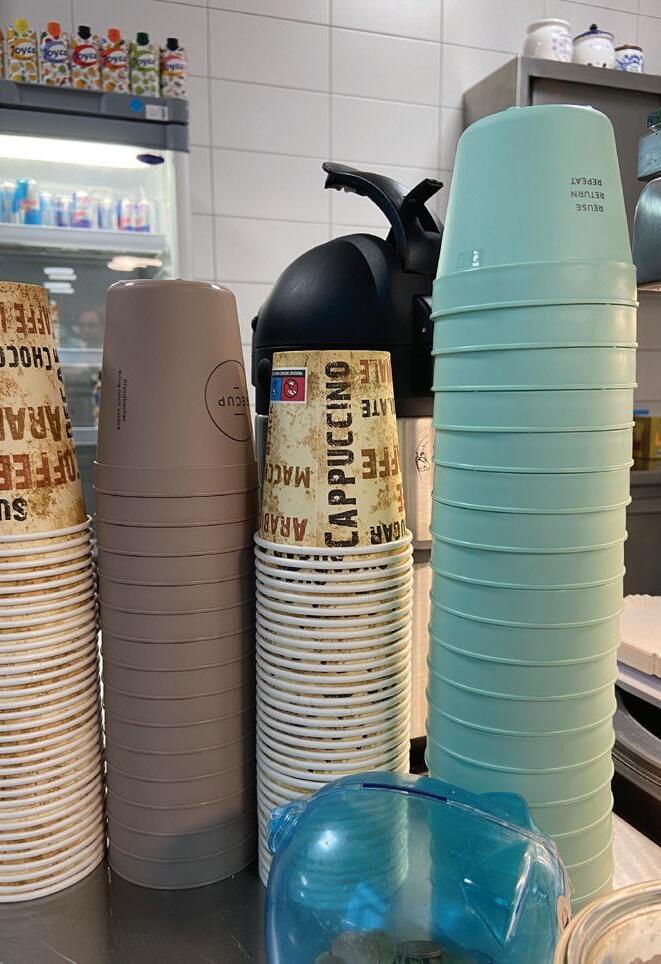
The pilots demonstrate that reusable deposit systems can significantly reduce disposable packaging when integrated into everyday school catering. By replacing single-use takeaway containers with reusable cups and bowls, the system creates a circular flow of packaging materials.
The climate benefit depends on consistent return rates and user participation. When reusable systems are clearly explained and embedded in daily routines, students adapt quickly and packaging waste can be reduced without major operational disruption.
User convenience is critical. Some students perceived deposits or carrying containers as inconvenient.
Return infrastructure and clear communication strongly influence participation and return rates.
Scaling potential
High relevance for schools and public catering environments where takeaway meals are common.
Reusable deposit systems can be scaled across school networks if supported by clear communication, staff engagement and accessible return infrastructure.
Technical:
Reusable container systems (e.g. RECUP / REBOWL) and return logistics.
Economic:
Initial support for start-up costs and deposits.
Organisational:
Coordination between schools, caterers and system providers.
Competence:
Communication and awareness activities for students and staff.
Provide accessible return points
Ensure containers can easily be returned during school hours.
Tools & templates on Change(K)now’s website.
Testing RFID-enabled reusable containers in Copenhagen’s EAT programme
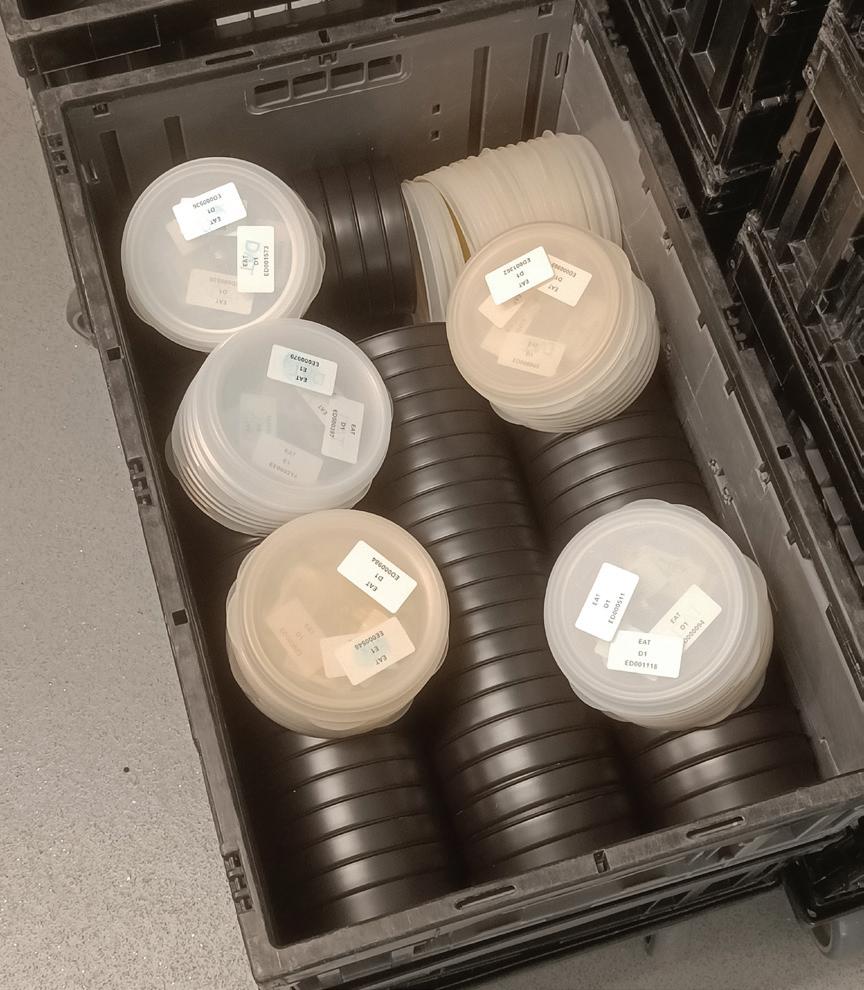
The City of Copenhagen tested reusable food containers within its EAT school food programme. By introducing containers equipped with RFID technology, the pilot combined circular packaging with data collection to better understand usage patterns, return rates and operational performance.
Reductions
Single-use takeaway packaging reduced in school food services
Gains
RFID-enabled containers introduced in EAT programme
Investment
Reusable containers and RFID technology
Category
Public institutional catering
Theme
Reusable food containers in school food services
Climate technology
Reusable containers with RFID tracking
Organisations
City of Copenhagen, EAT programme, technology providers and knowledge partners
Data collected on usage and return rates
Operational insights used for system optimisation
Staff training and system implementation
Data collection and analysis

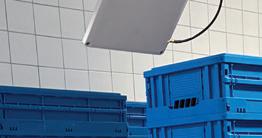



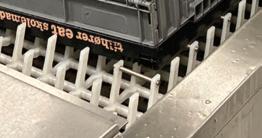



The pilot demonstrated that reusable food containers can be implemented in institutional catering when supported by data and strong stakeholder collaboration. RFID tracking enabled improved decision-making and system optimisation over time.
Operational complexity and staff workload can increase during early implementation. Return systems must be simple and clearly communicated to ensure user participation.
Scaling potential
Data-driven reusable systems can support scaling in institutional catering.
Technical:
RFID-enabled containers and tracking systems.
Organisational:
Coordination between kitchens and partners.
The approach is particularly relevant for schools and large-scale public food services.
Economic:
Investment in containers, technology and logistics.
Competence:
Staff training and user communication.
Train staff and inform users
Ensure clear understanding of system use.
Adapt and optimise
Continuously improve based on operational data.
Lahti tested sustainable procurement criteria to reduce food packaging impacts through upstream public purchasing decisions.
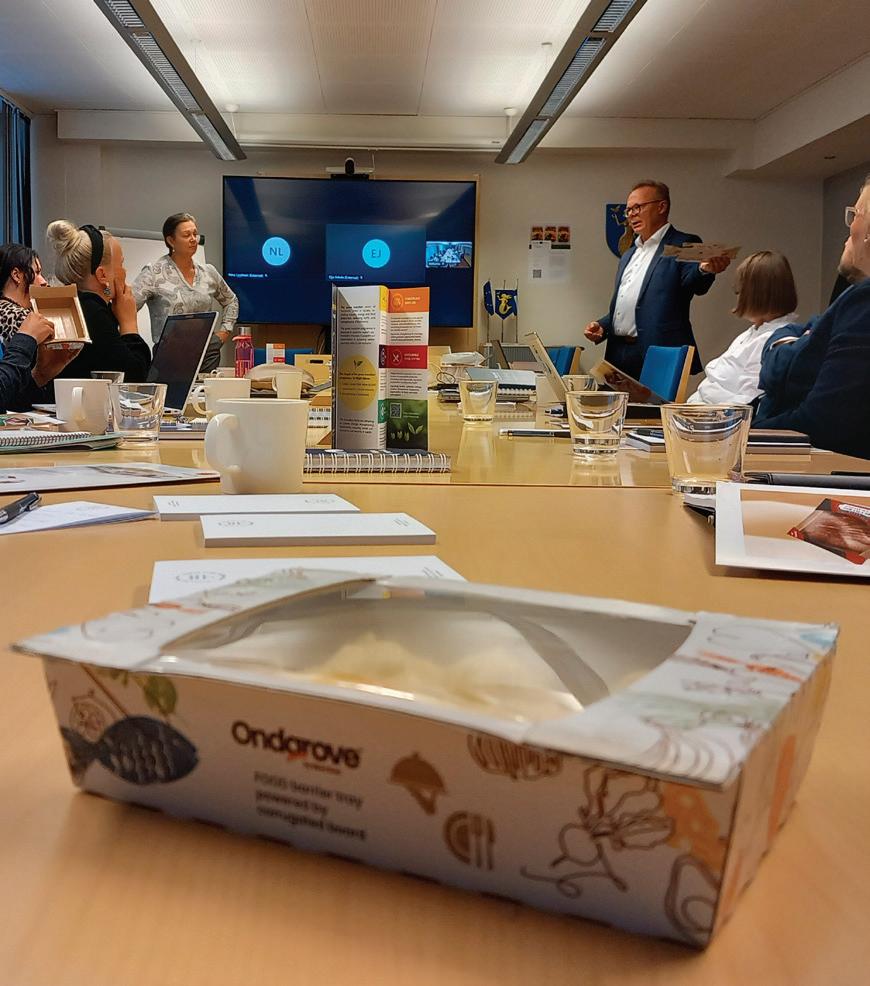
The City of Lahti piloted the integration of nine sustainability-related packaging criteria into public procurement processes for institutional catering during 2025. Rather than testing a single technical solution, the pilot embedded circularity require-
ments directly into tender documents and supplier contracts. The aim was to reduce fossil-based plastics, increase recyclability and reuse, and stimulate innovation in packaging materials while maintaining cost neutrality.
Reduction of fossil-based plastics through procurement criteria
Cost-neutral sustainability integration in procurement
Staff time for criteria development and market dialogue
Category
Public institutional catering (procurement level)
Theme
Circular procurement & sustainable packaging criteria
Climate technology
Bio-based materials, reusable systems, recyclable and reduced packaging
Organisations
City of Lahti & institutional catering suppliers
Minimisation of unnecessary packaging (≤50% empty space requirement)
Improved supplier dialogue and transparency
Contract drafting and monitoring adjustments
Promotion of reusable transport packaging systems
Alignment with EU packaging regulation
Capacity building for procurement units
The pilot demonstrates that packaging reduction can be achieved through systemic procurement leverage rather than individual product substitution. By integrating sustainability criteria into contracts, Lahti influenced suppliers to reduce fossil-based plastics, optimise packaging weight, improve recyclability and promote reusable transport systems.
The main climate return lies in structural impact: procurement criteria affect entire product categories and supplier practices across large volumes. Most criteria were assessed as cost-neutral, meaning environmental gains can be achieved without increasing municipal expenditure.
Market readiness varies. While reusable transport boxes and recyclable packaging are widely available, fully renewable GN containers and certain bio-based solutions are not yet mature. Implementation depends on supplier dialogue, verification mechanisms and policy literacy. Clear contract drafting and monitoring are essential, and cost neutrality remains a key political condition.
potential
High relevance for municipalities and public authorities using Green Public Procurement.
Technical:
Availability of bio-based, recyclable and reusable packaging solutions; verification through recognised standards.
Because criteria are integrated at procurement level, replication does not require new infrastructure at canteen level. The approach can be transferred to other cities, regions and national authorities with similar procurement structures.
Economic:
Cost neutrality or political willingness to allocate sustainability budgets.
Organisational:
Integration into procurement workflows; supplier dialogue and contract monitoring.
Competence:
Procurement officers trained in sustainability criteria and regulatory frameworks.
Secure political backing
Ensure alignment with municipal sustainability targets and budgets.
Tools & templates on Change(K)now’s website.
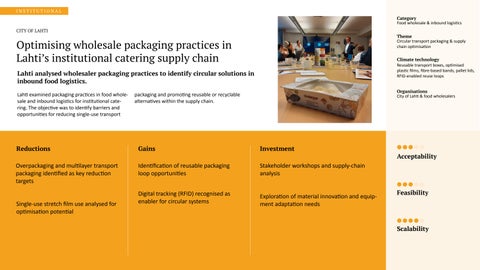
Lahti analysed wholesaler packaging practices to identify circular solutions in inbound food logistics.
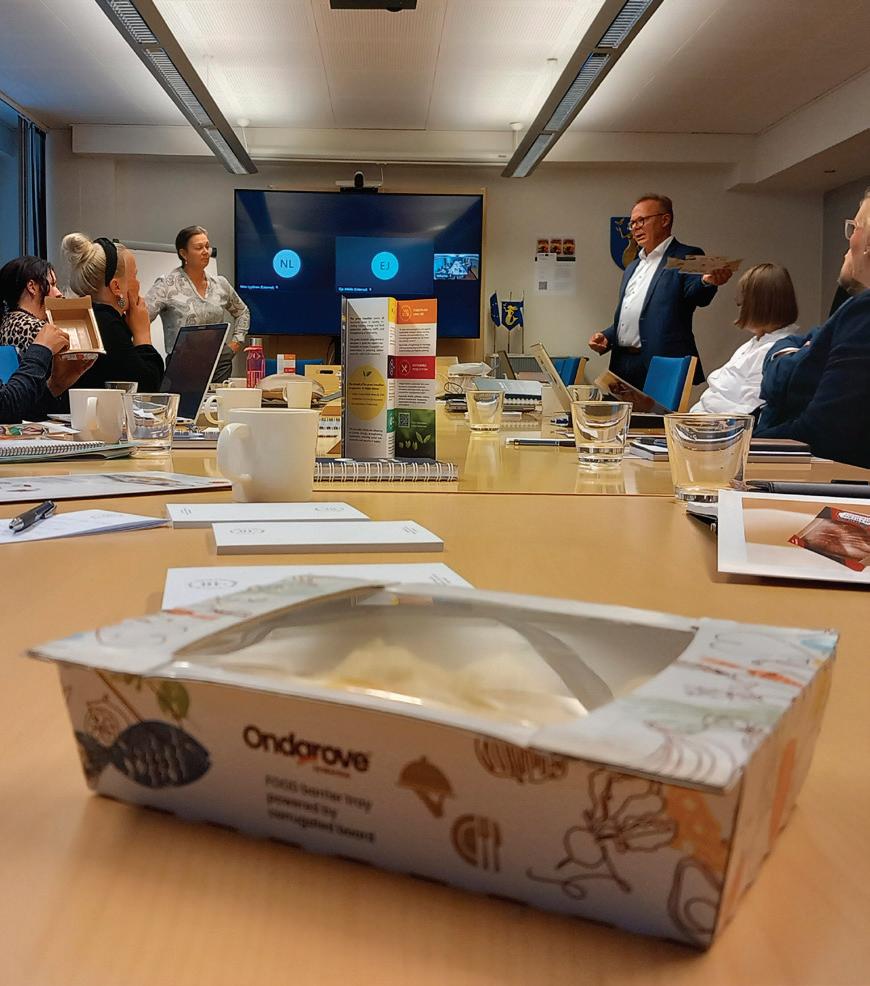
Lahti examined packaging practices in food wholesale and inbound logistics for institutional catering. The objective was to identify barriers and opportunities for reducing single-use transport packaging and promoting reusable or recyclable alternatives within the supply chain.
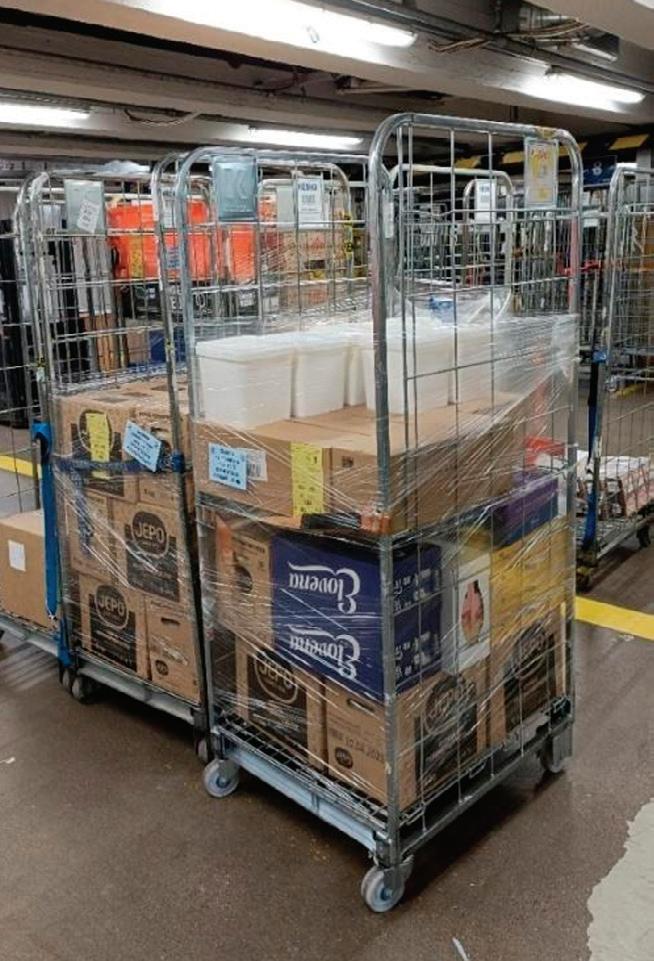
Overpackaging and multilayer transport packaging identified as key reduction targets
Single-use stretch film use analysed for optimisation potential
Identification of reusable packaging loop opportunities
Investment
Stakeholder workshops and supply-chain analysis
Category
Food wholesale & inbound logistics
Theme
Circular transport packaging & supply chain optimisation
Climate technology
Reusable transport boxes, optimised plastic films, fibre-based bands, pallet lids, RFID-enabled reuse loops Organisations
Lahti & food wholesalers
Digital tracking (RFID) recognised as enabler for circular systems
Exploration of material innovation and equipment adaptation needs
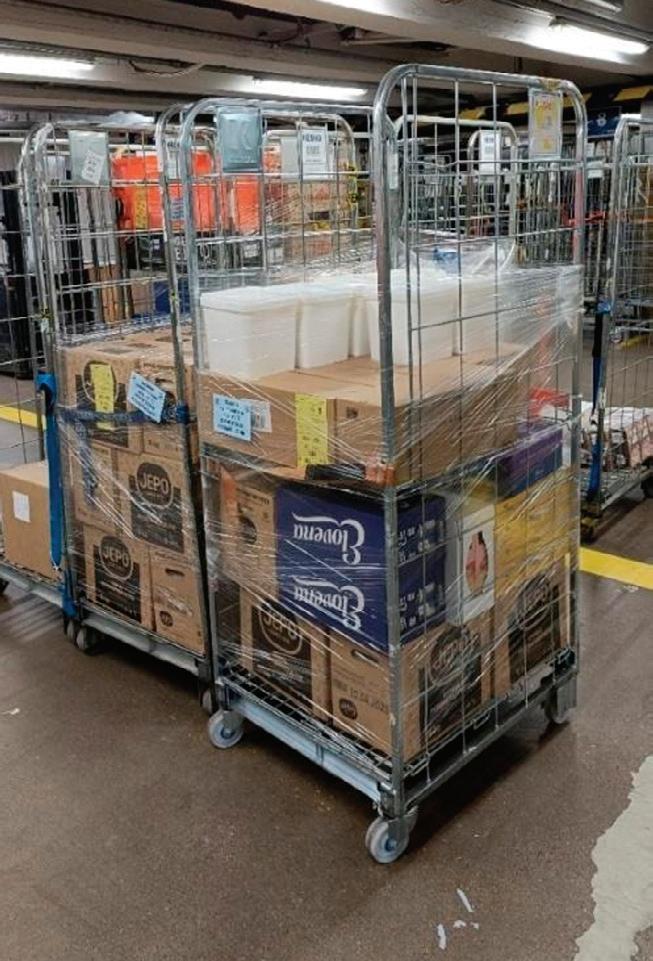
The analysis demonstrates that transport-level packaging offers significant reduction potential when optimised across large food volumes. Reusable boxes, thinner plastic films, and improved pallet systems can reduce material intensity without altering food products.
However, transformation depends on system-level coordination between wholesalers, producers and municipal actors. The climate return is therefore linked to supply-chain collaboration rather than isolated operational measures.
Hygiene requirements and regulatory restrictions limit the use of recycled materials in food contexts.
Cost, equipment compatibility and operational efficiency remain key barriers to large-scale transition.
Scaling potential
High relevance for municipalities with centralised catering systems relying on wholesale supply chains.
Reusable packaging loops supported by digital tracking (e.g. RFID) show strong long-term potential but require cross-sector cooperation and aligned incentives.
Technical:
Reusable containers, optimised transport films, fibre-based alternatives, tracking systems.
Economic:
Cost-competitive solutions and investment capacity within wholesale logistics.
Organisational:
Collaboration between producers, wholesalers and municipal buyers.
Competence:
Knowledge of regulatory constraints and packaging innovation.
Test incremental changes
Start with material reduction (thinner films, pallet lids).
Tools & templates on Change(K)now’s website.
Reusable Gastronorm (GN) trays were piloted in two hospitals to eliminate hundreds of disposable food containers per day.
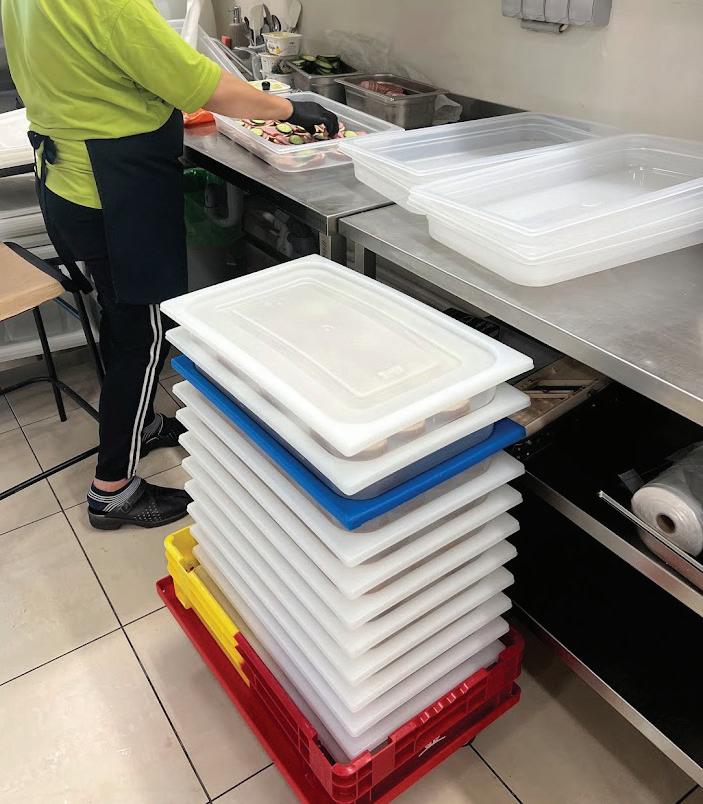
Baltic Restaurants Estonia as caterer of two large hospitals in Tallinn with support from Tallinn municipality tested reusable transport packaging to replace single-use plastic food containers in daily patient catering. The pilot introduced reusable Gastronorm (GN) trays for transport of sandwiches. Instead of packing each sandwich in a disposable plastic box, they were trans-
ported to hospitals in large reusable GN trays with lids. In hospitals, the sandwiches were served on reusable plates (washed on-site at the hospital). GN trays were returned to the caterer for washing . The aim was to significantly reduce packaging waste while maintaining hygiene standards and operational efficiency in hospital food services.
≈600 disposable plastic sandwich boxes eliminated per day
Reusable system implemented in 2 hospitals across 8 buildings
Investment
Reusable GN trays
Reduced transport volume for catering deliveries
Additional dishwashing capacity
Cost savings for the caterer due to less packaging needed and for hospitals due to reduced waste generation
Staff training and operational adjustments
Category
Healthcare institutional catering (hospitals)
Theme
Reusable food service systems & packaging reduction
Climate technology
Reusable GN trays and centralised washing loops
Organisations
Baltic Restaurants Estonia AS, Tallinn hospitals, Tallinn City
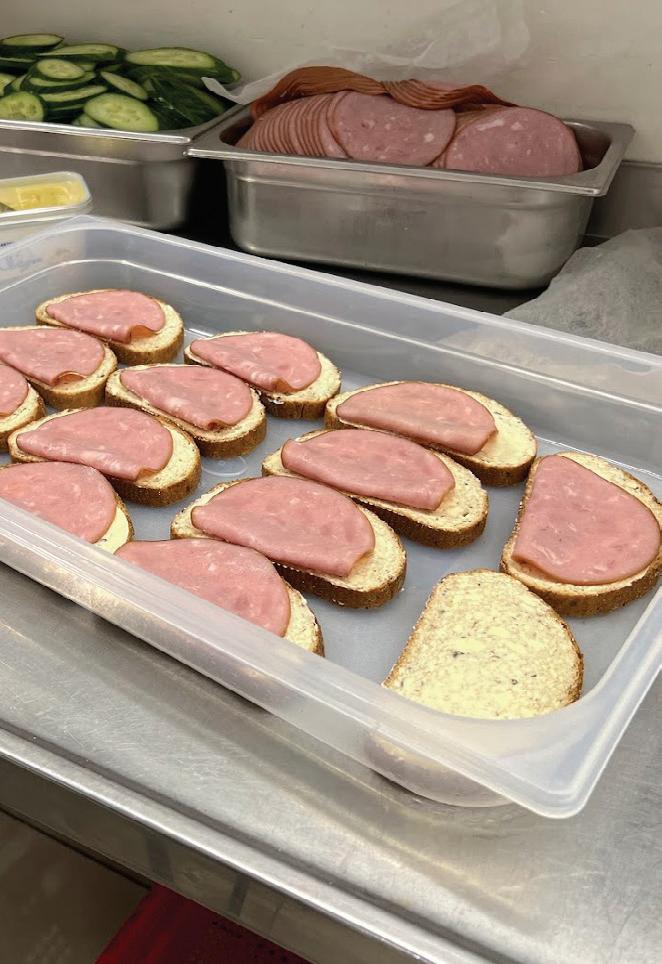
The pilot demonstrates that reusable transport packaging can eliminate large volumes of disposable packaging in institutional catering. Previously, each sandwich prepared for hospital patients was individually packed in plastic containers, generating around 600 disposable boxes per day.
By introducing reusable GN trays, the need for individual packaging was removed while also reducing transport volume. The new system allowed smaller delivery vehicles to be used and reduced recurring procurement costs for disposable packaging.
Staff routines must change when shifting from disposable packaging to reusable systems. Placing of sandwiches on plates and washing of plates increases daily workload of the hospital kitchen
Strong management support is essential to overcome resistance during the transition period.
Map packaging flows
Identify high-volume items currently packed individually.
Highly relevant for hospitals, care homes and other large-scale catering environments.
Technical:
Reusable GN trays and dishwashing infrastructure.
Reusable tray systems can be scaled across institutional kitchens when supported by centralised washing capacity and standardised food service routines.
Economic:
Initial investment in trays and washing capacity.
Organisational:
Coordination between production kitchens and service kitchens.
Competence:
Staff training and operational guidelines for reusable systems.
Introduce reusable packaging for transport
Introduce larger reusable transport packaging instead of disposable individual containers.
Scaling potential Download
Ensure washing capacity
Integrate collection and washing routines into kitchen workflows.
Tools & templates on Change(K)now’s website.
Two schools tested paper wrapping, reusable dishes and packaging-free solutions in everyday operations of the school cafeteria.
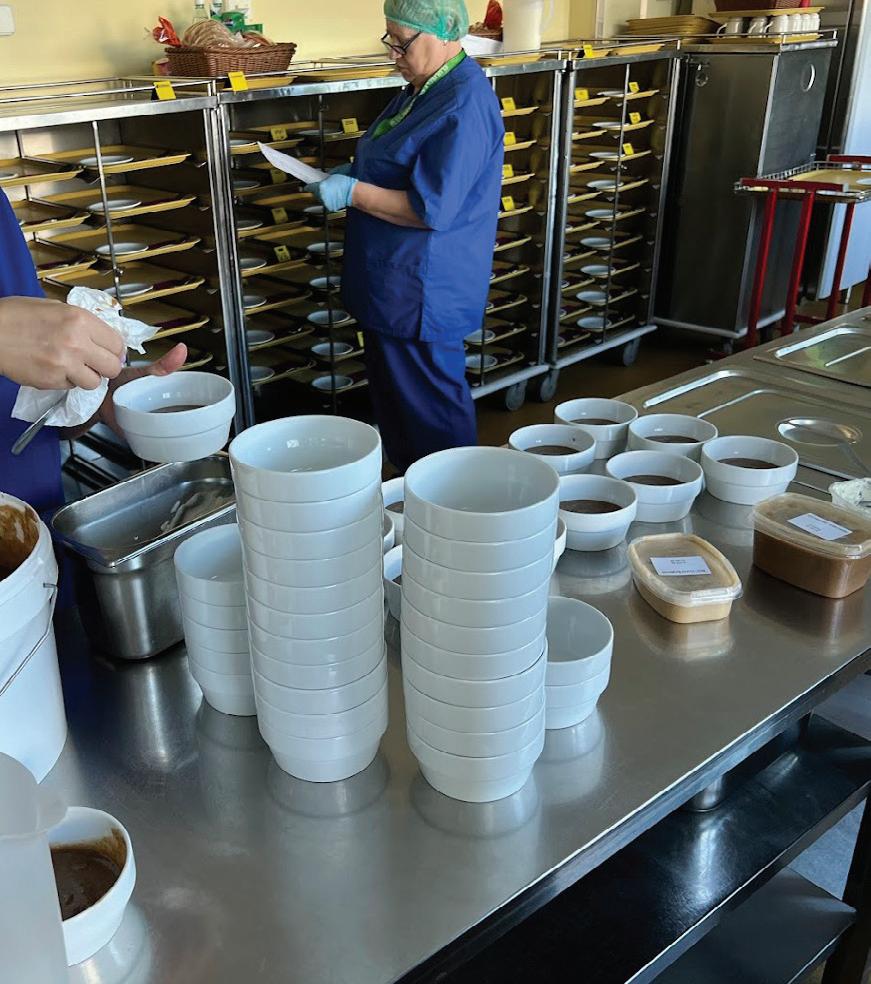
Tallinn piloted circular food packaging solutions in two schools during November 2024. The pilot replaced plastic sandwich packaging with paper wrapping, introduced reusable glass bowls for selected meals, and shifted some products to no-packaging formats. The aim was to reduce disposable plastic while assessing operational feasibility and sales impact.
Reductions
Single-use plastic sandwich boxes replaced (tested)
Gains
Practice continued for multiple product categories
Investment
Reusable glass bowls purchased
Large glass jars for bulk serving
Disposable dishes replaced with reusable glass bowls (selected products)
Operational insight on product suitability for paper wrapping
Packaging-free serving introduced for cookies and rice waffles
Increased awareness among pupils on packaging reduction
Campaign materials and communication
Category
Public institutional catering (schools)
Theme
Circular food packaging & reuse systems
Climate technology
Biodegradable wrapping, reusable glass dishes, packaging-free serving
Organisations
Tallinn schools, Baltic Restaurants Estonia, Tallinn City
Staff training and workflow adaptation
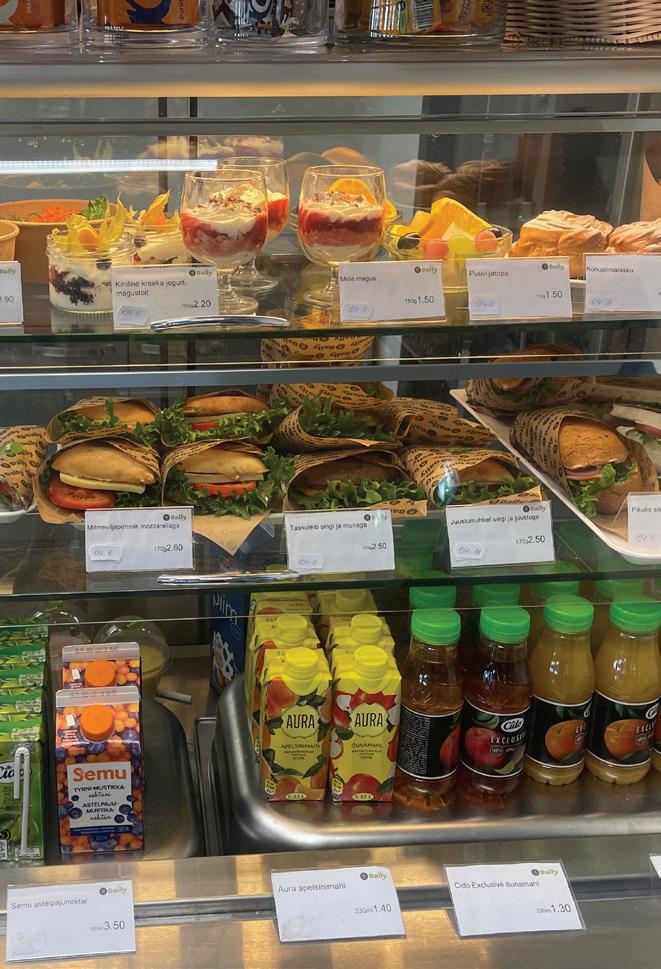
The pilot demonstrates that disposable packaging can be reduced through a combination of biodegradable materials, reusable dishes and packaging-free serving formats. Simple measures - such as selling cookies and rice waffles without packaging - were well received and required minimal adjustment.
However, product characteristics and cafeteria layout significantly influenced feasibility. For triangle sandwiches and poke bowls, operational challenges and reduced sales in one school limited continuation. The main return from the pilot is practical knowledge about which circular solutions are scalable and under what conditions.
Paper-wrapped triangle sandwiches dried quickly and were discontinued. Reusable dishes increased washing workload and limited takeaway options, which affected sales in one school. Space constraints in cafeterias can be a decisive barrier.
Behaviour change requires more than a one-month pilot period.
High relevance for municipalities and caterers operating school cafeterias.
Technical:
Biodegradable wrapping, reusable dishes (glass bowls), bulk storage jars.
Low-complexity measures (no-packaging cookies, bulk rice waffles, paper-wrapped standard sandwiches) showed strong continuation potential. Reusable dishes are scalable where cafeteria infrastructure supports dine-in consumption and washing capacity.
Economic:
Slightly lower material cost for paper vs plastic; investment in reusable dishes and washing capacity may be required.
Organisational:
Workflow adjustments; coordination with school management.
Competence:
Staff training; pupil awareness activities on waste reduction.
Start simple
Introduce packaging-free products (e.g. cookies in jars) before shifting complex meal formats.
2
Match solution to setting
Assess cafeteria space and takeaway behaviour before introducing reusable dishes. 1
Scaling potential Download
Train and communicate
Provide clear staff guidance and visible campaign materials to explain the purpose.
Tools & templates on Change(K)now! project website.
The publications of Circular food delivery systems were produced under the Change(K)now! project. The Change(K)now! project is co-funded by Interreg Baltic Sea Region. The project´s main objective is a mindset change from single-use to circular or multiple-use of food delivery systems in cities and residents of the Baltic Sea Region. The responsibility for the content lies with the author(-s) and don´t necessarily reflect the funder position on these topics.
CIRCULAR ECONOMY