Cultivate

Empowering San Antonio’s Changemakers:
Inside the H.E.Butt Family Foundation’s Capacity Building Program and the Triumphs of Cohort Six AWARD-WINNING GARDENERS
How to Grow in the Cold
WINTER 2023
URBAN AGRICULTURE MAGAZINE
Mental Health


See our gardening directory at cultivatesa.com/directory Cultivate SA pg. 2 Contents Local Seasons Tips and
Tricks
Gardopia Gardens 3rd Annual Garden Awards Gala ....................................................................................4 Nurturing Dreams and Community Growth.......................................................................................................8 Stephen Lucke: Empowering Healthy Communities as an Aspen Institute Fellow.................11 Crop Focus..............................................................................................................................................................................15 Winter Gardening in South Central Texas ..........................................................................................................19 Winter Planting Guide.....................................................................................................................................................22 Turning Trash into Treasure: The Art of Vermicomposting .....................................................................24 Building a Raised Garden Bed: Exploring Material Options....................................................................26 Cultivating Well-Being....................................................................................................................................................30


2024 FOOD & NATURE EDUCATION CONFERENCE
& Nature Education Conference is an event focusing on the actions being taken by local organizations in San Antonio, Texas to address food insecurity and climate change.
The conference's goal is to raise awareness of those goals and demonstrate simple solutions that can be implemented right now to ensure that future generations are able to lead happy and healthy lives
EVENT DETAILS
When: May 17th & 18th
Where: In-Person and Virtual (Zoom) Attendance
Speaker & Event Registration: www.GardopiaGardens.org
Sponsorship Opportunities are available for the conference and ranges from $500 - $10,000 Each tier entails various sponsorship benefits A sponsorship grid can be found on www.gardopiagardens.org/foodnatureconference for more details. For future processing, please email info@gardopiagardens.org.
Growing healthy communities through garden-based learning. E D U C A T I O N | H E A L T H | E N V I R O N M E N T
Cultivate SA pg. 3
Gardopia Gardens 3rd Annual Garden Awards Gala:
Celebrating the Champions of Urban Agriculture
By Stephen Lucke, MA, COF

In the heart of San Antonio, Texas, a movement is flourishing, one that seeks to transform the way we think about our cities and the role they can play in ensuring food security, public health, and climate resilience. Gardopia Gardens, a non-profit organization, has been at the forefront of this movement, championing urban agriculture and community gardening as a means to cultivate healthy communities. They believe that the urban agriculture sector is underestimated, and to boost its growth and impact, the individuals and organizations contributing to it need to be celebrated and recognized.
Gardopia Gardens, founded with a mission to grow healthy communities, has not only established community gardens but also runs educational programs to empower individuals with the knowledge and skills needed to grow their own food. Their commitment to sustainable urban agriculture has made them a pioneer in the field, addressing critical issues such as food security, public health, and climate change adaptation.
The stark reality is that many major cities around the world lack the necessary food supply to survive beyond a mere three days in the event of a natural or man-made disaster. As we face escalating public health and climate crises, the urgency of reevaluating the
way we consume and produce food becomes increasingly evident. Gardopia Gardens recognizes the significance of urban agriculture in addressing these colossal challenges and believes that now is the opportune moment to implement strategies that can help solve the two most pressing issues of the 21st century.
The Gardopia Gardens 3rd Annual Garden Awards Gala is an event that exemplifies this vision. It serves as a platform for acknowledging and honoring those who have played a pivotal role in the urban agriculture renaissance. The gala is a celebration of the remarkable individuals, organizations, and businesses who are contributing to the growth of urban agriculture in San Antonio and beyond.
Local
Cultivate SA pg. 4
This year, nine amazing honorees were recognized for their dedication, innovation, and passion for urban agriculture:


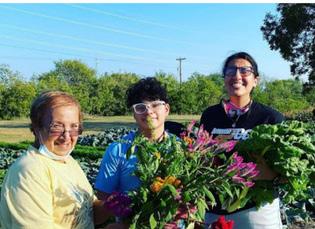
 Garden Education Organization of the Year Heavenly Gardens
Grow-A-Thon Winner Jim Groff and Ruthie Weaver’s Backyard Garden
Farmers Market of the Year Garcia Street Urban Farm
School Garden of the Year Frank Madla Elementary School
Community Garden of the Year Eastside Sprouts Community Garden
Local Farm of the Year Green Bexar Farm
Garden Education Organization of the Year Heavenly Gardens
Grow-A-Thon Winner Jim Groff and Ruthie Weaver’s Backyard Garden
Farmers Market of the Year Garcia Street Urban Farm
School Garden of the Year Frank Madla Elementary School
Community Garden of the Year Eastside Sprouts Community Garden
Local Farm of the Year Green Bexar Farm
Cultivate SA pg. 5


The Gardopia Gardens 3rd Annual Garden Awards Gala is not just a glamorous event, but a reminder of the potential within our urban spaces to make a profound difference in the world. By highlighting and celebrating these urban agriculture champions, Gardopia Gardens is encouraging us all to take a step towards a more sustainable and resilient future.
As we face the challenges of food security and climate change, it is through the dedication and innovation of individuals and organizations like

those honored at this gala that we can find solutions. They are not just growing vegetables; they are cultivating hope, resilience, and a sense of community, showing us that urban agriculture is indeed a powerful tool to combat the two biggest challenges of the 21st century. Gardopia Gardens’ mission is clear: let’s grow healthy communities, one garden at a time.
Pollinator Garden of the Year Young Women’s Leadership Academy Primary
Volunteer of the Year Sarah Suhood
Urban Ag Business of the Year Rainbow Gardens
Cultivate SA pg. 6


Serving communities. Changing lives. What matters to you matters to us. At EY, we’re proud to support Gardopia Gardens. It’s one of the ways we’re helping to make our community a better place to work and live. A better and brighter future starts with all of us. Visit ey.com/us/cr © 2023 EYGM Limited. All Rights Reserved. 2310-4370524 ED None.
Nurturing Dreams and Community Growth:
H.E. Butt Family Foundation’s Capacity Building Program
By Dominic Dominguez, MA, LEED Green Associate

In the heart of San Antonio, a remarkable initiative is quietly but steadfastly changing the lives of local organizations and their communities. The H.E. Butt Family Foundation’s Capacity Building Program has been a beacon of hope and support for non-profits in the area. Now in its sixth cohort, this program continues to empower organizations to amplify their impact. In this article, we will take a closer look at the H.E. Butt Family Foundation’s Capacity Building Program and the transformative journey of the sixth cohort, which includes Gardopia Gardens, Culturlingua, Boys and Girls Club, YWCA, and the San Antonio Education Partnership.
A Legacy of Community Support
The H.E. Butt Family Foundation, or “HEBFF,” has been a cornerstone of philanthropy in San Antonio for decades. Founded in 1933 by Howard E. Butt, a visionary entrepreneur, and philanthropist, the foundation has tirelessly worked to
strengthen the social fabric of the city. Its mission is to promote the well-being of the people of Texas by fostering the growth of health, education, and community service. The Capacity Building Program is a testament to this commitment.
The Capacity Building Program
The H.E. Butt Family Foundation’s Capacity Building Program is a multi-year initiative designed to empower non-profit organizations through financial support, training, and networking opportunities. By participating in this program, nonprofits can develop and enhance their operational capacities, ultimately increasing their ability to serve their communities more effectively.

Cultivate SA pg. 8

4. YWCA
3. Limestone
The YWCA of San Antonio is committed to empowering women and eliminating racism. They offer a range of services, from early childhood education to domestic violence support, aimed at helping women and their families thrive.
5. San Antonio Education Partnership
This organization works to increase access to higher education for San Antonio’s youth. Their programs provide guidance and resources for students to navigate the path to college.
A Transformative Journey
The sixth cohort of the Capacity Building Program is a diverse group of organizations with unique missions and a shared commitment to San Antonio. Let’s meet the cohort members:
1. Gardopia Gardens
Gardopia Gardens is an education nonprofit whose mission is to grow healthy communities through gardenbased learning. Gardopia Gardens operates community gardens and offers educational opportunities in urban agriculture.
2. Culturlingua
Culturlingua is dedicated to fostering cross-cultural communication through language education and cultural experiences. Their work strengthens understanding and collaboration among diverse communities in San Antonio.
3. Boys and Girls
Club
The Boys and Girls Club of San Antonio has been a trusted resource for local youth for years, providing a safe and supportive environment for academic and personal development.
Each of these organizations is at a unique stage of growth and development. Through the Capacity Building Program, they have access to customized support that meets their specific needs. This support includes financial grants, professional coaching, board development, strategic planning, and capacity building workshops. The program equips these organizations to better serve their communities and multiply their impact.

Cultivate SA pg. 9
The Sixth Cohort
“These changes have a profound impact on the local community, making it a better place for all.”
Community Impact
The ripple effects of the Capacity Building Program are being felt throughout San Antonio. By strengthening these organizations, the H.E. Butt Family Foundation is not only helping them achieve their goals but also enhancing the overall well-being of the city. Gardopia Gardens is providing garden-based learning to more individuals, Boys and Girls Club is providing more after-school programs, and YWCA is supporting more women and children in need.
Culturlingua and the San Antonio Education Partnership are fostering cross-cultural understanding and
expanding access to higher education. These changes have a profound impact on the local community, making it a better place for all.
The H.E. Butt Family Foundation’s Capacity Building Program is more than just a philanthropic initiative; it’s a lifeline for these organizations and the communities they serve. As the sixth cohort continues its journey of growth and transformation, we can only anticipate a brighter future for San Antonio, thanks to the foundation’s unwavering commitment to the well-being of the people of Texas.

Cultivate SA pg. 10

Healthy Fellow
Local urban farmer builds healthy communities as an Aspen Institute Fellow
By Stephen Lucke, MA, COF
The Aspen Institute, renowned for its commitment to fostering leadership and addressing some of the world’s most pressing issues, has selected Stephen Lucke as an Aspen Institute Healthy Communities Fellow. This prestigious fellowship program aims to connect visionary leaders with the tools, resources, and support needed to drive meaningful change in communities across the United States. Stephen Lucke’s appointment to this fellowship is a testament to his dedication to improving community health and well-being.
affect the health and well-being of communities. Fellows are carefully selected based on their demonstrated commitment to community health and their potential to drive change. The fellowship provides them with a platform to collaborate with like-minded individuals, learn from experts, and access resources that enable them to create innovative solutions.
Past Fellows and Their Impact
The Aspen Institute’s Healthy Communities Fellowship is a unique and transformative program designed to empower leaders like Stephen Lucke to tackle the complex and interconnected challenges that
The Aspen Institute Healthy Communities Fellowship has seen a remarkable group of past fellows who have made significant contributions to their communities and beyond. These leaders have addressed a wide range of healthrelated issues, from improving access to healthcare to tackling food insecurity, mental health challenges,
Cultivate SA pg. 11
The Healthy Communities Fellowship
and more.
One notable example is Dr. Mona Hanna-Attisha, a pediatrician who played a pivotal role in uncovering the Flint water crisis. Through her work, she raised awareness of the lead contamination issue in Flint’s water supply, leading to a public health emergency declaration and catalyzing much-needed action to rectify the situation.
Another standout fellow is Kirsten Lodal, who co-founded LIFT, an organization that empowers families to break the cycle of poverty. LIFT has helped thousands of families across the country access critical resources and support systems to improve their economic stability and overall well-being.
Sponsors of the San Antonio Cohort
The Aspen Institute Healthy Communities Fellowship in San Antonio is fortunate to have the support of two prominent organizations, the


H-E-B Foundation and Methodist Healthcare Ministries. Their sponsorship plays a vital role in ensuring that this program can continue to identify, nurture, and support leaders like Stephen Lucke who are committed to the betterment of their communities.
The H-E-B Foundation, the philanthropic arm of H-E-B, one of Texas’ leading grocery store chains, has a long history of community investment and a strong commitment to improving the lives of Texans. By partnering with the Aspen Institute, the H-E-B Foundation helps create opportunities for local leaders to drive positive change.
Methodist Healthcare Ministries, one of the largest private, faithbased health care organizations in South Texas, is deeply dedicated
Cultivate SA pg. 12
to providing access to healthcare and social services to underserved communities. Their sponsorship of the Aspen Institute Healthy Communities Fellowship reinforces their commitment to improving the overall well-being of the region.
A Beacon of Hope
Stephen Lucke’s inclusion as an Aspen Institute Healthy Communities Fellow is a testament to his dedication and the remarkable work he has done in San Antonio. As an advocate for community health, he has worked tirelessly to improve access to healthcare and address the social determinants of health that impact his community.
With the support of the Aspen Institute, the H-E-B Foundation, and Methodist Healthcare Ministries, Stephen Lucke is poised to make an even greater impact on the health and well-being of San Antonio. By collaborating with a network of passionate and driven leaders, he will have the tools and resources needed to drive transformative change and continue the legacy of past fellows who have made a significant difference in their communities.
The Aspen Institute Healthy Communities Fellowship, with the support of sponsors like the H-E-B Foundation and Methodist Healthcare Ministries, continues to identify and empower leaders like Stephen Lucke who are committed to making a positive impact on community health.

As Stephen Lucke embarks on his fellowship journey, we can look forward to seeing how his work will contribute to the betterment of San Antonio and inspire others to address the pressing health-related issues facing their own communities.
Cultivate SA pg. 13

Cultivate SA pg. 14
Crop Focus

Arugula
History
Arugula, known for its peppery taste, has a Mediterranean origin dating to ancient Greece and Rome. It spread across Europe, reaching Spain by the 13th century. Beyond culinary use, arugula served medicinal purposes during the Bubonic Plague. Its rich history has transformed it from a Mediterranean green to a global culinary delight, cherished for its distinct flavor.
Health Benefits
Arugula is rich in vitamins A and K, promoting eye health and bone strength, while its antioxidants contribute to overall well-being.
Growing Tip
Choose well-drained soil and avoid overwatering to prevent root rot.
Arugula Lemon Salad
Ingredients Preparation
Fresh arugula
Cherry tomatoes, halved Parmesan cheese, shaved Olive oil
Lemon juice
In a bowl, combine arugula, cherry tomatoes, and Parmesan cheese.
Drizzle with olive oil and squeeze fresh lemon juice over.
Toss gently and serve for a refreshing arugula lemon salad.

Fun Fact
Arugula’s tangy flavor earned it the nickname “rocket salad” in Italy.
Cultivate SA pg. 15
Seasons
Carrots
History
Carrots have a history rooted in Central Asia. Originating in regions near Afghanistan, carrots gradually spread through trade routes to the Mediterranean. By the 10th century, purple and yellow varieties appeared in Persia. Carrots reached Europe in the 14th century, gaining popularity for their sweetness. Over time, this root vegetable became a staple in diverse cuisines around the globe.
Health Benefits
Carrots, packed with beta-carotene, support vision and immune health, while their high fiber content aids digestion and promotes a healthy heart.
Growing Tip
Plant seeds 2-3 feet apart for carrots, keeping soil moist and enhancing with compost.
Honey Glazed Carrots
Ingredients
Carrots, sliced into rounds
Honey
Butter
Salt
Fresh parsley (optional)
Preparation
Boil carrots until tender, then drain. In a pan, melt butter, add honey, and stir until combined.
Toss carrots in the honey-butter glaze, sprinkle with salt, and garnish with parsley if desired. Enjoy!
Fun Fact
Carrots were first cultivated for medicinal purposes, not culinary use.

Cultivate SA pg. 16

Fun Fact
Americans consume over 5 pounds of broccoli per person annually on average.
Broccoli
History
Broccoli’s roots in the Mediterranean date back to the 6th century BCE, gaining favor among Ancient Romans. Introduced to England in the 18th century, broccoli’s culinary prominence soared in the 20th century, driven by Italian immigrants in America. Their influence transformed broccoli into a cherished ingredient, enriching American cuisine and contributing to its widespread popularity as a versatile and nutritious vegetable.
Health Benefits
Broccoli is a nutritional powerhouse, providing vitamins C and K, fiber, and antioxidants, supporting immunity, bone health, and overall wellness.
Growing Tip
To ensure successful cultivation of broccoli, it’s essential to provide optimal growing conditions. Begin by selecting a well-drained, nutrient-rich soil that is slightly acidic to neutral.
Broccoli Garlic Stir
Fry
Ingredients
Broccoli florets
Garlic cloves, minced
Olive oil
Salt Red pepper flakes (optional)
Preparation
Heat olive oil in a pan, add minced garlic, and sauté until fragrant.
Add broccoli florets, stir-fry until tender-crisp.
Season with salt, and if desired, sprinkle red pepper flakes for a kick. Serve!
Cultivate SA pg. 17
Sugar Snap Peas
History
Sugar snap peas, originating in ancient China around the 2nd century, traversed the Silk Road to Europe by the 18th century. Introduced to colonial America, they flourished and adapted to diverse climates. Calvin Lamborn’s crossbreeding efforts in the late 20th century produced the modern, edible-podded variety. They can be enjoyed raw, steamed, stir-fried, or incorporated into various dishes, making them a staple in many cuisines.
Health Benefits
Sugar snap peas offer vitamins C and A, promoting skin health and immune function, with their fiber content aiding digestion and contributing to a balanced diet.
Growing Tip
Plant sugar snap peas after the last frost in well-drained soil. Use supports like trellises. Regular harvesting promotes continuous production. Water consistently, avoiding overwatering to prevent root diseases.
Sugar Snap Pea
Salad
Ingredients
Sugar snap beans, ends trimmed
Cherry tomatoes, halved
Feta cheese, crumbled
Olive oil
Balsamic vinegar
Preparation
Blanch sugar snap beans in boiling water for 2 minutes; cool.
Toss beans with cherry tomatoes and feta.
Drizzle with olive oil and balsamic vinegar. Mix and enjoy!

Fun Fact
Sugar snap beans are technically fruits, as they contain seeds inside.
Cultivate SA pg. 18
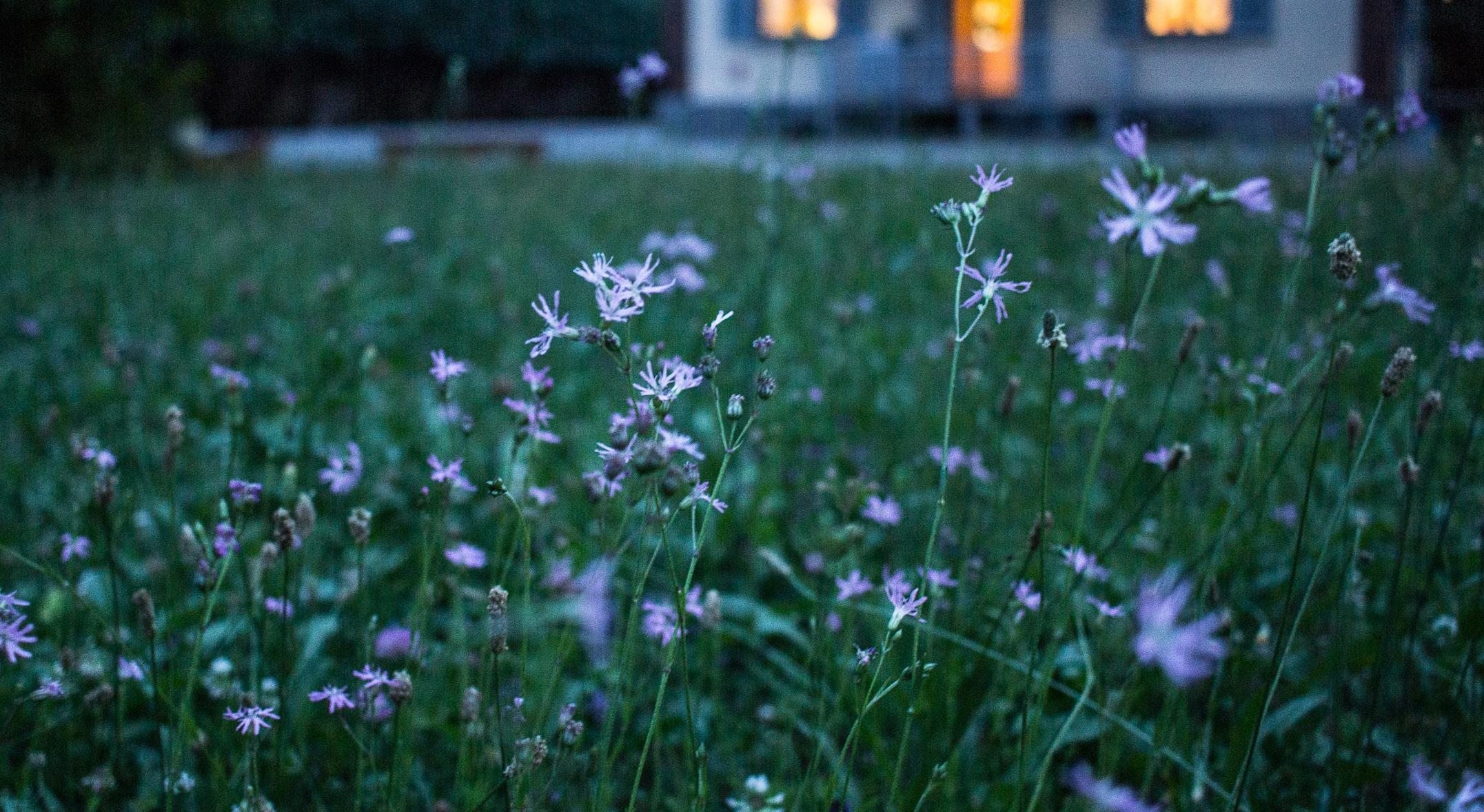
Winter Gardening in South Central Texas:
Navigating USDA Zones 8b and 9a
By Andrew Millar
Start with good quality seeds Understanding Frost Dates
South-Central Texas, encompassing USDA Zones 8b and 9a, offers a unique set of challenges and opportunities for gardeners during the winter months. While the region is known for its hot and dry climate, the winters can be surprisingly mild. However, gardeners must navigate various microclimates and temperature variations, especially between the hill country and South San Antonio. This article will explore the intricacies of winter gardening in this region, including tips for coping with the occasional frost, managing microclimates, and keeping your garden thriving throughout the colder months. The timing of the first frost is a crucial factor in planning your winter garden in South-Central Texas. The USDA Hardiness Zones 8b and 9a experience different first frost dates. In general, the hill country may experience its first frost earlier than South San Antonio. Typically, the hill country sees its first frost between late November and early December, while South San Antonio
may not experience a frost until late December or early January. This variation means gardeners should be mindful of their specific location and microclimate when planning and planting their winter crops.
Microclimates and Their Impact
Microclimates are localized climate variations within a broader region. In South-Central Texas, these microclimates can have a significant impact on your garden’s success during the winter. Factors such as elevation, proximity to bodies of water, and topography can all create microclimates that differ from the surrounding area. To make the most of your garden, it’s essential to understand your microclimate and how it affects your plants’ exposure to cold temperatures.
Southern Exposure: To Protect or Not?
One common misconception in winter gardening is the notion that southern exposure is always beneficial. While south-facing gardens may receive more sunlight during the day, they
Cultivate SA pg. 19
can also experience more extreme temperature fluctuations. In SouthCentral Texas, where cold snaps are still a possibility, this can be detrimental to tender plants. It’s crucial to find a balance between sun exposure and protection from extreme cold. Using shade cloth or row covers during the coldest nights can help insulate your plants.
Mulching for Winter Protection
Mulching is an essential technique for maintaining soil temperature and moisture levels during the winter. A layer of organic mulch, such as straw, leaves, or wood chips, helps insulate the soil and reduces temperature fluctuations, providing a stable environment for your plants’ roots. Mulch also helps retain moisture, which can be especially beneficial during the drier winter months.


Keeping Chickens in Cold Weather
Many gardeners in South-Central Texas also raise backyard chickens. Chickens are generally hardy birds, but they do have their limits when it comes to cold weather. In USDA Zones 8b and 9a, winters are relatively mild, and chickens can often tolerate temperatures above freezing. However, it’s essential to provide them with shelter from the wind and rain and ensure they have access to fresh water, as it can freeze in the winter. Supplemental heating is not typically necessary, but monitoring your chickens and providing extra protection during extreme cold snaps is a good practice.
Conclusion
Winter gardening in South-Central Texas can be a rewarding endeavor, but it requires careful planning and an understanding of the region’s unique climate and microclimates. By taking into account your specific location, the timing of the first frost, and the need for cold protection measures like mulching and row covers, you can enjoy fresh produce and a thriving garden throughout the winter. Additionally, if you’re raising chickens, providing them with suitable shelter and care will ensure their well-being in the occasionally chilly Texas winters. Whether you’re a seasoned gardener or just starting, SouthCentral Texas offers ample opportunities for year-round cultivation.
Cultivate SA pg. 20


Cultivate SA pg. 22

Cultivate SA pg. 23
Tips & Tricks

Turning Trash into Treasure: The Art of Vermicomposting
A Sustainable Solution for Waste Reduction and Nutrient-Rich Soil
By Sherry Lim, M.Ed.
In a world increasingly focused on sustainability and environmental responsibility, vermicomposting has emerged as a powerful solution for reducing organic waste and enriching soil. This eco-friendly practice harnesses the power of earthworms to transform kitchen scraps and other organic materials into nutrient-rich compost. In this article, we’ll explore the ins and outs of vermicomposting and the numerous benefits it offers for both the environment and garden enthusiasts.
The Basics of Vermicomposting
Vermicomposting is a process that involves the use of specific earthworms, such as red wigglers (Eisenia fetida) and redworms (Lumbricus rubellus), to break down organic materials into a valuable and highly fertile soil amendment known as vermicompost or worm castings. Unlike traditional composting, vermicomposting takes place in a controlled environment, usually in a worm or vermicompost bin.
Starting a Vermicompost
Starting a vermicomposting system is relatively simple and can be done in a small space, making it accessible to urban and suburban residents. Here’s a basic overview of how to set up your own vermicompost system:
1. Choose a Container
2. Create Bedding
3. Add Worms
A suitable container, such as a plastic or wooden bin, is essential. Ensure that it has a lid to keep the environment dark and moist, which is ideal for the worms. Bedding material serves as the worms’ living environment and food source. Shredded newspaper, cardboard, and coconut coir are commonly used for bedding. Red wigglers are the preferred species for vermicomposting. You’ll need to introduce a population of worms to start the process. The number of worms you need depends on the amount of waste you generate.
Cultivate SA pg. 24
4. Create Bedding
Feed your worms: Worms thrive on a diet of kitchen scraps, such as fruit and vegetable peels, coffee grounds, and eggshells. Avoid feeding them dairy, meat, or citrus peels.
5. Maintain Moisture and Temp.
Keep the bedding moist, like a wrungout sponge, and maintain temperatures between 55-77°F (13-25°C).
6. Harvest Vermicompost
Harvest vermicompost: Once the bedding has been processed by the worms and is dark and crumbly, you can harvest the vermicompost. This usually takes a few months.
Benefits of Vermicomposting
Reduced waste: Vermicomposting diverts organic waste from landfills, reducing greenhouse gas emissions and decreasing the burden on municipal waste management systems.
High-quality compost: Vermicompost is rich in essential nutrients, micronutrients, and beneficial microorganisms, making it an excellent organic fertilizer for your garden.
Enhanced soil health: The use of vermicompost can improve soil structure, aeration, water retention, and microbial activity, promoting healthier plants and increased crop yields.
Sustainable gardening: m Vermicomposting aligns with sustainable and eco-friendly gardening practices, promoting soil conservation and responsible waste management.

Closing Thoughts
Disease and pest resistance: Vermicompost can boost plant resistance to diseases and pests, reducing the need for chemical pesticides.
Vermicomposting is a sustainable and accessible way to recycle organic waste and create nutrient-rich soil amendments for gardening. Whether you’re a seasoned gardener or a novice, vermicomposting can be an enriching and fulfilling practice that benefits both your garden and the environment. By harnessing the power of earthworms, you can turn trash into treasure and contribute to a greener, more sustainable future. Start your vermicompost system today and watch your garden flourish like never before.
Cultivate SA pg. 25
Building a Raised Garden Bed: Exploring Material Options
By Fred Fluckers

Raised garden beds are a popular choice among gardeners for several reasons. They provide better drainage, improved soil quality, and make gardening more accessible. When it comes to building a raised garden bed, you have a range of material options to consider. Each material has its own unique advantages and disadvantages. In this article, we’ll explore building raised garden beds using different materials, including untreated pine, cedar, limestone, and even reusable materials like pallets and hugelkultur mounds.
Untreated Pine
Untreated pine is a budget-friendly option for building a raised garden bed. Pine is readily available and easy to work with. It’s a suitable choice for those who are just starting with gardening and want an affordable option. However, it’s important to note that untreated pine is susceptible to rot over time due to moisture and exposure to the elements.

Advantages
Cost-effective: Untreated pine is one of the most affordable options for building a raised bed.
Easy to work with: Pine is easy to cut and assemble, making it a great choice for DIY enthusiasts.
Natural look: The natural, light color of pine complements garden aesthetics.
Disadvantages
Limited durability: Pine is susceptible to decay and may require more frequent replacement or maintenance.
Vulnerable to pests: Insect infestations can be an issue with untreated wood. Shorter lifespan: Expect to replace untreated pine garden beds every 5-7 years on average.
Cultivate SA pg. 26

Cedar is a popular choice for raised garden beds due to its durability and natural resistance to decay. While it is more expensive than untreated pine, it can be a worthwhile investment for serious gardeners.
Advantages
Excellent durability: Cedar is naturally resistant to decay and can last for many years.
Attractive appearance: Cedar has a beautiful reddish-brown color that adds a touch of elegance to your garden.
Low maintenance: Cedar requires minimal maintenance compared to other materials.
Disadvantages
Higher cost: Cedar is more expensive than untreated pine, making it less budget-friendly.
Limited availability: It may not be as readily available as other materials.
Environmental concerns: Some gardeners may have reservations about using cedar due to sustainability concerns.
Limestone is a premium and long-lasting material for raised garden beds. While it is one of the most expensive options, its durability and aesthetic appeal make it a valuable choice for serious gardeners and landscape enthusiasts.
Advantages
Lifetime longevity: Limestone can last a lifetime with minimal maintenance.
Unique aesthetic: Limestone provides a distinctive, classic appearance to your garden.
Retains heat: Limestone can absorb and radiate heat, extending the growing season in cooler climates.
Disadvantages
High cost: Limestone is one of the most expensive materials for raised garden beds.
Heavy and difficult to work with: Building with limestone requires specialized equipment and skills.
Limited availability: Limestone may not be readily accessible in all regions.

Cultivate SA pg. 27
Limestone
Cedar
4. Reusable Materials
For those looking to repurpose materials or promote sustainability, pallets and hugelkultur mounds offer unique alternatives.
Advantages
Eco-friendly: Repurposing materials like pallets or creating hugelkultur mounds promotes sustainability.
Low cost or free: Pallets are often readily available and can be repurposed for free or at minimal cost.
Natural soil improvement: Hgelkultur mounds use decaying wood to enhance soil fertility over time.
Disadvantages
Limited lifespan: Pallets may not last as long as other materials, and hugelkultur mounds require ongoing maintenance.
Aesthetic considerations: These materials may not offer the same polished appearance as wood or limestone.
Skill required: Building and maintaining hugelkultur mounds can be more labor-intensive.


Constructing wood raised beds
The basic box: when using wood we like to use a 2x10 x8 cut of wood. This is large in width but small enough to handle. Also it gives a good amount of depth to your raised beds for good growth circles. You want to make sure that you cut every board to the exact size. You will need…
2 - 8 ft long 2x10
2 - 4 ft long 2x10
4 - 8” 4x4
A box of 3” screws
Tape measure
Angle square
Pencil
miter saw
drill
Gloves
Safety glasses
Cultivate SA pg. 28
Your 8 ft boards will run parallel to each other, the same with the 4 ft boards. The 4 ft boards should sit inside your 8 ft boards at each end. From the side screw your 8 ft boards to the 4 ft boards with a screw at the top 1 ½ inches from the top and bottom. Put a screw in the middle of the board and repeat this on all sides where the 4 ft board meets the 8 ft board. Use your 4x4x8” blocks by installing them into the inside corners where the 4 ft board and the 8 ft board meet. Screw the 4x4x8” block from outside of the bed into the 4x4x8” block. Make sure your blocks are in the corner tightly when screwing them in. You should have 2 screws on each side of your block. This bed could last you 10-15 years if installation is done correctly.
Conclusion
Choosing the right material for your raised garden bed ultimately depends on your budget, preferences, and the level of
commitment you have for your gardening project. While untreated pine offers affordability and ease of use, cedar and limestone provide longevity and aesthetic appeal. Reusable materials like pallets and hugelkultur mounds promote sustainability but may require more ongoing effort. Consider your goals and priorities as a gardener when selecting the material that best suits your needs. Below are some local companies that can assist you!
2 hoes gardening
The landscape cooperative
Ford landscaping
Burnin bush materials
Rainbow gardens
Compost queens

Cultivate SA pg. 29
Mental Health
Cultivating Well-Being: The Profound Connection Between Gardening and Mental Health
By Kendalle Wexler, LMFT

Gardening is more than just a hobby or a means to enhance the aesthetic appeal of your surroundings; it is a therapeutic and deeply satisfying experience that offers a plethora of mental health benefits. For centuries, people have turned to the soil to nurture not only their plants but also their well-being. Recent scientific studies have shed light on the fascinating relationship between gardening and mental health, underscoring the positive impact of the bacteria in soil on the release of mood-boosting hormones and the transformative effects of being surrounded by lush, green environments on conditions like depression. In this article, we explore the incredible mental health benefits of gardening and the role of soil bacteria in enhancing our overall well-being.
The Microbial Magic
When you dig your hands into the earth, you’re not just interacting with dirt; you’re immersing yourself in a world teeming with life. Soil is a thriving ecosystem, and its microorganisms play a vital role in our physical and mental well-being. Recent research has shown that the bacteria in soil can profoundly affect our mood, primarily through the release of serotonin, a neurotransmitter commonly associated with feelings of happiness and well-being.
1. Mycobacterium Vaccae
This soil bacterium, often found in garden soil, has been linked to the release of serotonin in the brain.
Exposure to Mycobacterium vaccae
through activities like planting, weeding, or simply walking barefoot in the garden can stimulate the production of serotonin, which can elevate mood and reduce stress levels. This natural antidepressant effect of gardening can be particularly beneficial for individuals struggling with mood disorders or anxiety.

Cultivate SA pg. 30
2. Enhanced Immune System
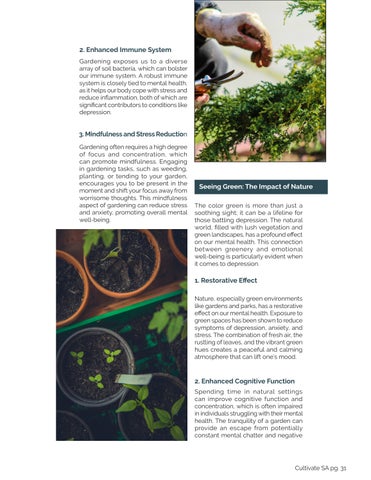
Gardening exposes us to a diverse array of soil bacteria, which can bolster our immune system. A robust immune system is closely tied to mental health, as it helps our body cope with stress and reduce inflammation, both of which are significant contributors to conditions like depression. Gardening often requires a high degree of focus and concentration, which can promote mindfulness. Engaging in gardening tasks, such as weeding, planting, or tending to your garden, encourages you to be present in the moment and shift your focus away from worrisome thoughts. This mindfulness aspect of gardening can reduce stress and anxiety, promoting overall mental well-being.
3. Mindfulness and Stress Reduction

Seeing Green: The Impact of Nature

The color green is more than just a soothing sight; it can be a lifeline for those battling depression. The natural world, filled with lush vegetation and green landscapes, has a profound effect on our mental health. This connection between greenery and emotional well-being is particularly evident when it comes to depression.
1. Restorative Effect
Nature, especially green environments like gardens and parks, has a restorative effect on our mental health. Exposure to green spaces has been shown to reduce symptoms of depression, anxiety, and stress. The combination of fresh air, the rustling of leaves, and the vibrant green hues creates a peaceful and calming atmosphere that can lift one’s mood.
2. Enhanced Cognitive Function
Spending time in natural settings can improve cognitive function and concentration, which is often impaired in individuals struggling with their mental health. The tranquility of a garden can provide an escape from potentially constant mental chatter and negative
Cultivate SA pg. 31
thought patterns, allowing individuals to experience mental clarity and an improved sense of well-being.
3. Connection to Nature
Gardening, in particular, fosters a sense of connection to the natural world. This connection can combat feelings of isolation and loneliness that often accompany depression. Cultivating plants, nurturing them, and witnessing their growth can instill a sense of purpose and accomplishment, which is essential for maintaining good mental health.


The connection between gardening and mental health is a profound and scientifically supported one. The bacteria in soil contribute to the release of mood-enhancing hormones, while the soothing effects of being surrounded by greenery can alleviate depression and improve overall mental well-being. Whether you have a sprawling garden or a small balcony with potted plants, gardening provides an accessible and therapeutic way to boost your mental health. So, get your hands dirty, soak in the beauty of green landscapes, and let the healing power of nature rejuvenate your mind and soul. Your mental health will thank you for it.
Cultivate SA pg. 32


Cultivate SA pg. 34