4 minute read
Diversity and Togetherness Celebrating Culture in Literature

Australia: ‘My Brilliant Career’ by Miles Franklin
‘My Brilliant Career’ is Miles Franklin’s 1901 debut novel, exploring class, gender, and youth in late 19th to early 20th century rural Australia. Purporting to be an autobiography, the book tracks the journey of Sybylla, a headstrong, free-spirited girl growing up in the Australian bush, reflecting Franklin’s adolescence in the mountain-guarded valleys of the Alps in New South Wales.
Advertisement
An intelligent girl with a literary gift, Sybylla struggles to confine her potential whilst slaving away at the rough yet beautiful family-owned farm, Possum Gully.
The 1890s were, in the words of Carmen Callil who wrote the introduction to the book, ‘a period of political and artistic ferment’ in Australia – the six colonies federated to form the independent Commonwealth and there was an emergence of fervent nationalism in literature. Franklin contributes to this patriotic literary tradition, celebrating nationalism and socialism in the immensely detailed pages of ‘My Brilliant Career’.

Franklin writes fondly of her homeland, yet she is conflicted about the classist, misogynist social structures within it. This oxymoronic relationship is captured in the metaphor: “the cruel dazzling brilliance of the metal sky”.
Published worldwide and adapted into a film, ‘My Brilliant Career’ illuminates the lush Oceanic landscape while teaching readers about the nation’s complex history.
words by: Eve Davies
South Asia, India: ‘Life Of Pi’ by Yann Martel
Yann Martel’s ‘Life Of Pi’ celebrates South Asian culture through a man’s childhood in his hometown, to his adulthood in Canada, wherein between such, he becomes stranded in the ocean with zoo animals. Whilst only the first section is based in Pondicherry, a French colonial part of South India, its culture lingers throughout the novel and affects the way Pi philosophises life. Growing up in a zoo, he understands much of life through eternal nature; a notion the culture is renowned for. From violence and hierarchy to beauty and freedom, he grasps a sense of its rhythm. What’s more, the novel serves as fuel for some postcolonial thought; with some historical background, we learn about French colonial influence, from architecture to school and street names. Pi’s name itself, is the shortened version of his first name: Piscine. Other than distaste towards his name, the narrator embraces the mashed cultures. It’s only when he moves to Canada that he experiences the negative effects of colonialism and globalisation: when he uses his hands to eat traditionally in an Indian restaurant, he is condemned in a way that makes him feel inferior- a subtle but memorable introduction to racism for both the protagonist and the reader.
words by: Anushka Kar
America and LGBTQ+: ‘Paul Takes the Form of a Mortal Girl’ by Andrea Lawlor

Recent years have brought us forward in leaps and bounds when it comes to celebrating culture through literature. Yet, I feel, none are as powerful as Lawlor’s depiction of the LGBTQ+ community, gender and the vibrant culture of the clubbing and festival scenes of the US in the early 90s. The beauty and fluidity with which Paul discovers their identity of Polly reflect euphoric experiences of queer culture that are often difficult to articulate. The author uses their own identity to help shape the characters, yet the story reflects common issues surrounding the anxiety of being nonconformist, navigating youth culture and, most importantly, love. The novel is a dynamic and honest bildungsroman, allowing readers (particularly those under LGBTQ+ cultural umbrella themselves) to develop an intense connection and relatability to the characters. As a result, the unique exploration of culture, as a means of bringing together a community, in juxtaposition to individuals’ internal struggles, is felt beautifully throughout. It is a fantastic patchwork of alternative, queer and youth culture, set in an era where the adults of today were only just beginning to find themselves.
words by: Charlotte Crispin
North Africa: ‘No One Sleeps in Alexandria’ by Ibrahim Abdel Meguid
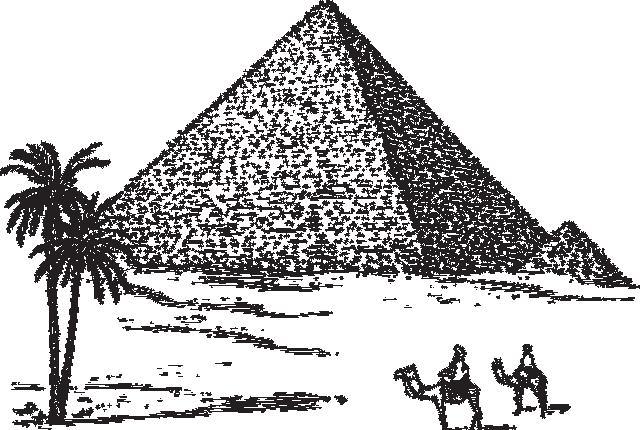
To visit the beauty that is North Africa is to be blessed. Being one of the several countries located in Northern Africa, Egypt can be considered one of the most historical nations of the world. An expression regularly used by Arabs is ‘مصر .. أم الدنيا’ which roughly translates to ‘Egypt, Mother of the World.’ The adoration and devotion Arabs worldwide have for Egypt are second to none, and they express this fondness with pride. A novel that perfectly encapsulates modern-day Egyptian complexities, culture, and bliss is ‘No One Sleeps in Alexandria,’ initially written in Arabic by Ibrahim Abdel Meguid. The novel follows the friendship between a devout Muslim and a Copt Christian that undergo the fulfilling experiences of self-discovery and struggle throughout the length of the book. This novel enables readers to experience life in the city of Alexandria and all the history, might, and delicacies it has to offer. From touching on the topics of differences in religion to the ramifications of the Second World War, this novel seamlessly introduces readers to everyday life in several parts of Egypt. This novel is recognized to be a treasure by millions of Middle Easterns and North Africans worldwide, and for a great reason at that.
words by: Haya Asali
South Asia, Afghanistan and Islamic Culture: ‘A Thousand Splendid Suns’ by Khaled Hussaini
The secularity of religion translates into our readership for Middle Eastern poetry and literature as the 21st century rise in interest finally recognises the significance, not only for the cultural setting of a text’s surroundings but additionally relating the reader to an urban shared experience of Islam. Hussaini’s ‘A Thousand Splendid Suns’ shares the experience of two women navigating girlhood and marriage under Taliban rule of 1990’s Afghanistan. Separated by a generational age gap, the novel divides Mariam’s rural upbringing with Laila’s city modernism into two images of female resilience that overcome comparative hurdles and combine efforts against their common enemy: their husband.

Mariam and Laila meet officially as wives to Rasheed— a widower who marries 15-year-old Mariam, and later, Laila at the same age. Aggressively conservative, Rasheed’s idea of a wife is clear: obedient and fertile. Mariam’s failure at pregnancy unleashes a world of violent abuse unbeknownst to neighbour Laila until she herself enters the household, seeking safety. In the most complex of triangles, the love that manifests is between kindred women. Hussaini’s rejection of Western stereotypes promotes non-Western women as not only protagonists but heroines against a patriarchal regime that liberates Muslim women from white-saviour images of helplessness. Sheltered from war-torn Kabul, the domestic irony argues a broad cultural sense of female experience. With nearly 4 million UK Muslims, Khaled Hussaini’s novels are comforting and inspiringly relevant.
words by: Tahira Saira Ali design by: Ananya Ranjit
