Welcome to the June 5th, 2024 issue of Radio World







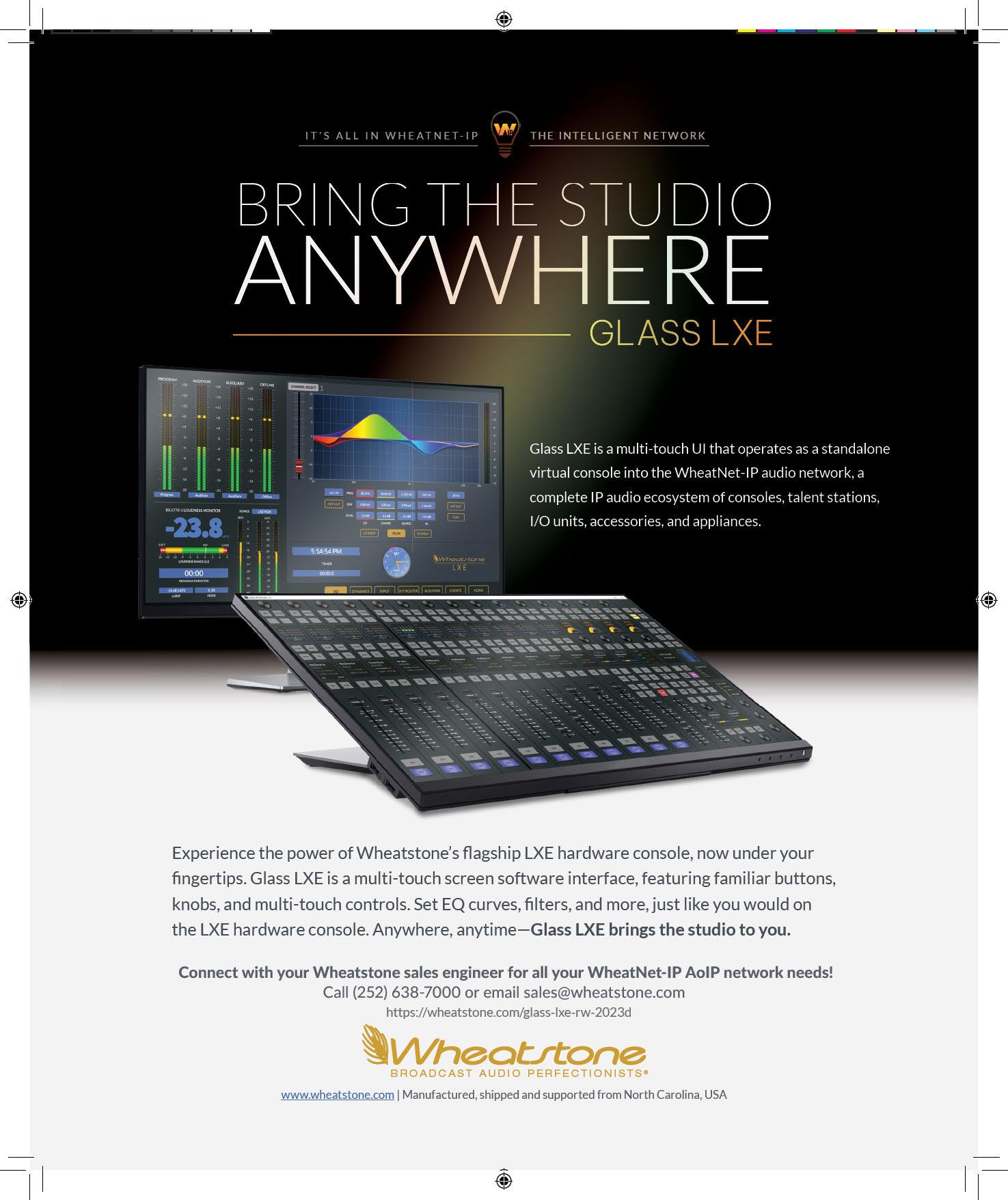
GLASS LXE

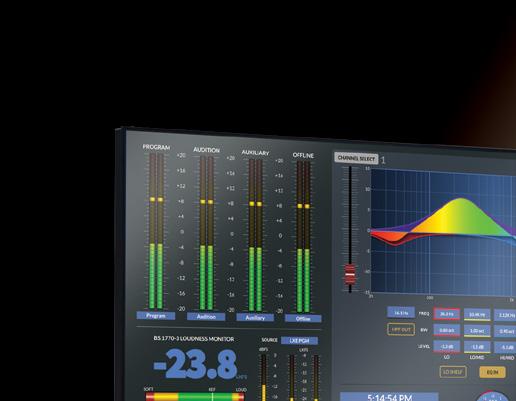
Glass LXE is a multi-touch UI that operates as a standalone virtual console into the WheatNet-IP audio network, a complete IP audio ecosystem of consoles, talent stations, I/O units, accessories, and appliances.


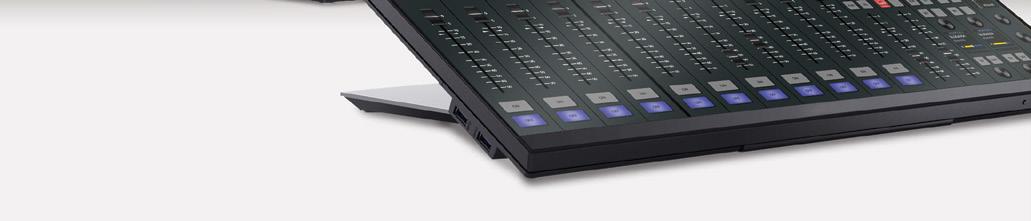


Experience the power of Wheatstone’s flagship LXE hardware console, now under your fingertips. Glass LXE is a multi-touch screen software interface, featuring familiar buttons, knobs, and multi-touch controls. Set EQ curves, filters, and more, just like you would on the LXE hardware console. Anywhere, anytime—Glass LXE brings the studio to you.
Connect with your Wheatstone sales engineer for all your WheatNet-IP AoIP network needs! Call (252) 638-7000 or email sales@wheatstone.com
https://wheatstone.com/glass-lxe-rw-2023d

BRING THE STUDIO ANYWHERE
BROADCAST AUDIO PERFECTIONISTS ® www.wheatstone.com | Manufactured, shipped and supported from North Carolina, USA THE INTELLIGENT NETWORK IT’S ALL IN WHEATNET-IP
Cloud Products & Services
Buyer’s Guide has offerings from a dozen leading radio technology suppliers.


radioworld.com | June 5 2024 | $5.00
& news for radio decision makers Where did I
that
key? With this Workbench tip, you’ll never ask that question again. Thwarted at every turn Ken Deutsch asks, “Why is radio so hard to listen to?” Best of Show Find out who took home the honors from the NAB Show.
Technology
put
spare
Vol. 48 No. 12 | June 5 2024 www.radioworld.com
FOLLOW US
www.twitter.com/radioworld_news
www.facebook.com/RadioWorldMagazine www.linkedin.com/company/radio-world-futureplc
CONTENT
Managing Director, Content & Editor in Chief Paul J. McLane, paul.mclane@futurenet.com, 845-414-6105
Assistant Editor & SmartBrief Editor Elle Kehres, elle.kehres@futurenet.com
Technical Advisors W.C. “Cris” Alexander, Thomas R. McGinley, Doug Irwin
Contributors: David Bialik, John Bisset, Edwin Bukont, James Careless, Ken Deutsch, Mark Durenberger, Charles Fitch, Donna Halper, Alan Jurison, Paul Kaminski, John Kean, Nick Langan, Larry Langford, Mark Lapidus, Michael LeClair, Frank McCoy, Jim Peck, Mark Persons, Stephen M. Poole, James O’Neal, T. Carter Ross, John Schneider, Gregg Skall, Dan Slentz, Dennis Sloatman, Randy Stine, Tom Vernon, Jennifer Waits, Steve Walker, Chris Wygal
Production Manager Nicole Schilling
Senior Design Director Lisa McIntosh
Senior Art Editor Will Shum
ADVERTISING SALES
Senior Business Director & Publisher, Radio World John Casey, john.casey@futurenet.com, 845-678-3839 Publisher, Radio World International Raffaella Calabrese, raffaella.calabrese@futurenet.com, +39-320-891-1938
SUBSCRIBER CUSTOMER SERVICE
To subscribe, change your address, or check on your current account status, go to www.radioworld.com and click on Subscribe, email futureplc@computerfulfillment.com, call 888-266-5828, or write P.O. Box 1051, Lowell, MA 01853.
LICENSING/REPRINTS/PERMISSIONS
Radio World is available for licensing. Contact the Licensing team to discuss partnership opportunities. Head of Print Licensing Rachel Shaw licensing@futurenet.com
MANAGEMENT
SVP, MD, B2B Amanda Darman-Allen VP, Global Head of Content, B2B Carmel King MD, Content, Broadcast Tech Paul J. McLane VP, Global Head of Sales, B2B John Sellazzo Managing VP of Sales, B2B Tech Adam Goldstein VP, Global Head of Strategy & Ops, B2B Allison Markert, VP, Product & Marketing, B2B Scott Lowe Head of Production US & UK Mark Constance Head of Design, B2B Nicole Cobban FUTURE US, INC.
Future US LLC, 130 West 42nd Street, 7th Floor, New York, NY 10036

All contents ©Future US, Inc. or published under licence. All rights reserved. No part of this magazine may be used, stored, transmitted or reproduced in any way without the prior written permission of the publisher. Future Publishing Limited (company number 02008885) is registered in England and Wales. Registered office: Quay House, The Ambury, Bath BA1 1UA. All information contained in this publication is for information only and is, as far as we are aware, correct at the time of going to press. Future cannot accept any responsibility for errors or inaccuracies in such information. You are advised to contact manufacturers and retailers directly with regard to the price of products/services referred to in this publication. Apps and websites mentioned in this publication are not under our control. We are not responsible for their contents or any other changes or updates to them. This magazine is fully independent and not affiliated in any way with the companies mentioned herein.
If you submit material to us, you warrant that you own the material and/ or have the necessary rights/permissions to supply the material and you automatically grant Future and its licensees a licence to publish your submission in whole or in part in any/all issues and/or editions of publications, in any format published worldwide and on associated websites, social media channels and associated products. Any material you submit is sent at your own risk and, although every care is taken, neither Future n or its employees, agents, subcontractors or licensees shall be liable for loss or damage. We assume all unsolicited material is for publication unless otherwise stated, and reserve the right to edit, amend, adapt all submissions.
Radio World (ISSN: 0274-8541) is published bi-weekly by Future US, Inc., 130 West 42nd Street, 7th Floor, New York, NY 10036. Phone: (978) 667-0352. Periodicals postage rates are paid at New York, NY and additional mailing offices. POSTMASTER: Send address changes to Radio World, PO Box 1051, Lowell, MA 01853.
Please recycle. We are committed to only using magazine paper which is derived from responsibly managed, certified forestry and chlorine-free manufacture. The paper in this magazine was sourced and produced from sustainable managed forests, conforming to strict environmental and socioeconomic standards. The manufacturing paper mill and printer hold full FSC and PEFC certification and accreditation.
EAS at the Edge
Three companies explore a concept in hybrid virtualization
 Paul McLane
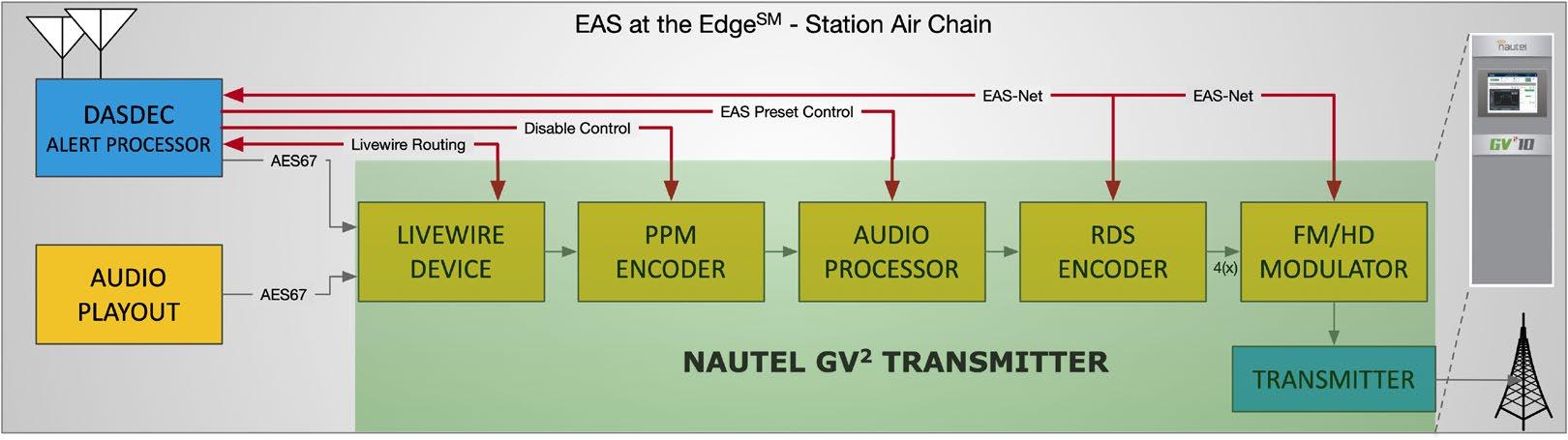
Apartnership of three companies demonstrated a concept at the NAB Show called “EAS at the Edge,” describing it as a fresh approach that simplifies broadcasters’ EAS implementations via software standards and AoIP-based techniques. They are Digital Alert Systems, Nautel and Telos Alliance. We mentioned this last issue but I wanted to call particular attention to it as an interesting development. They point out that traditional EAS deployments require cascading layers of hardware and multiple boxes, possibly one per transmitter, even if they’re in the same market.
They’re promoting a hybrid “network edge” approach to EAS, placing key hardware at the edges of your air chain. They say this provides practical benefits while preserving public safety functions and adhering to FCC regulations. Similar approaches, they say, have been use in video environments for years.
The process begins with capturing, decoding and filtering EAS inputs at the nearest point of alert reception. Subsequently, any forwarded messages’ audio, control and alert metadata are encapsulated using IP-based content distribution and control. This allows for the seamless insertion of emergency messages via Livewire into a software-based air chain, with EAS information transmitted directly through a station’s IP network to target devices on the network.
Using this approach, a broadcaster can geotarget alerts to ensure they’re routed correctly. A single edge input “node” can be shared across multiple streams in a one-to-many configuration. Also, alert metadata is conveyed using Digital Alert Systems’ EAS-Net protocol enables RDS alert text display and other details.
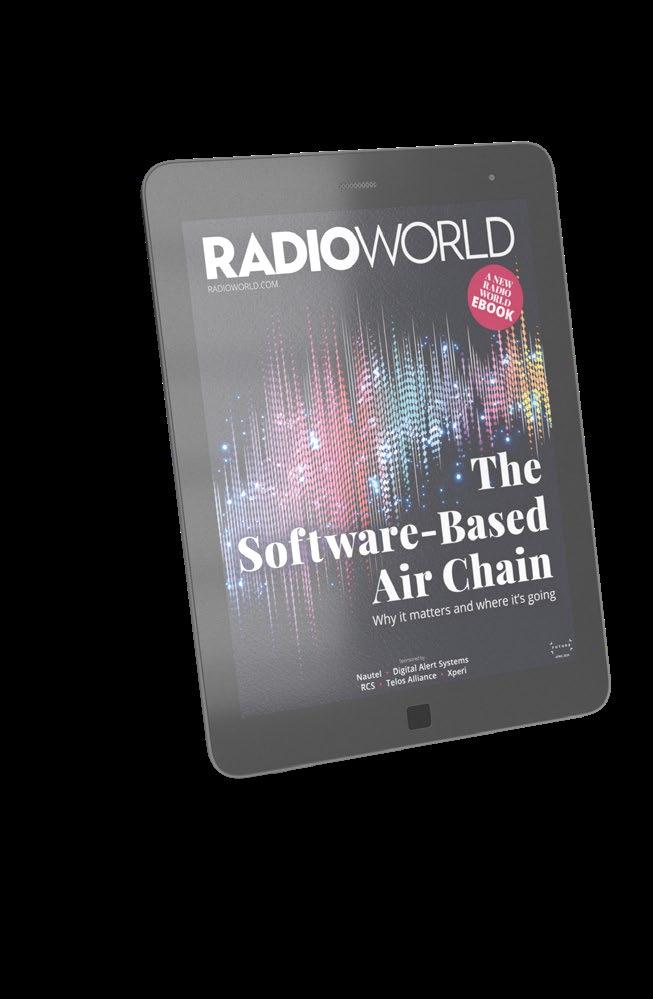
You can read a white paper about this, written by Bill Robertson and Ed Czarnecki of Digital Alert Systems, in the Radio World ebook “The Software-Based Air Chain.” Find it at http://radioworld.com/ebooks
From the Editor
FCC grants CP to use HEBA at night
Best of Show Award recipients
Now, where did I put that spare key?
GUIDE
Cloud Products & Services
Why is radio so hard to listen to?
THIS ISSUE NEWS 3
4
5
FEATURES 10
BUYER’S
20
OPINION 29
In this example, a Nautel GV2 transmitter contains many air chain elements in a single device. 3
Editor in Chief
FCC Grants CP to Use HEBA at Night
The FCC in March granted a CP to WQVR(AM) 940 in Webster, Mass., for licensed nighttime operation. This is noteworthy because WQVR already is licensed to operate by day with a High-Efficiency Broadband Antenna.
The HEBA is a dual-feed antenna designed to have a much smaller footprint than a standard guyed tower and ground system for medium-wave. WorldWide Antenna Systems partnered with WQVR, previously WGFP, to prototype designs under experimental daytime
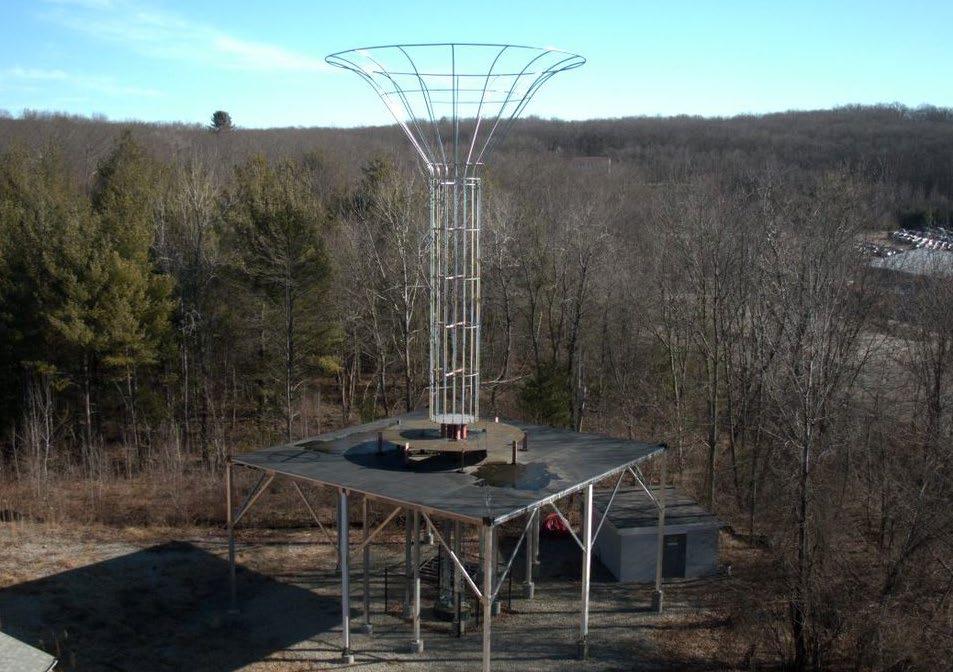
operation; the station began those daytime broadcasts at 1 kW in 2016 and received a license for them in 2018.
“The nighttime grant is the culmination of six years of research and we are thrilled to have the authorization of the FCC to validate this remarkable technology,” WorldWide Antenna Systems Managing Partner Tom Poulos said.
Using NEC-5 modeling software, WQVR’s engineering team — which includes the HEBA’s architect Kurt Gorman, Isotrope’s David Maxson, Soundcart’s John Garrett and Loud & Clean Broadcast Science’s Grady Moates — ran nighttime interference analysis to confirm whether its interference contour was within FCC limits and submitted findings to the Media Bureau in February.
WQVR’s HEBA is 75 feet above the ground and on 2,500 square feet of land. Poulos believes that with its reduced height and no need for a large, buried ground system, the HEBA can help AMs monetize their land. “There is also no longer a need to tune the station in the spring and fall because of the change in the weather,” he said. With just one tee-joint welding, Poulos said the antenna has held up through multiple instances of severe weather.
The CP is for 4 watts on the nighttime pattern. As of mid-May the station was hoping shortly to receive the license to cover for transmitting after sunset.
— Nick Langan
4 AM Radio
Best of Show 2024
Here are the products that took home the awards
Radio World announced the recipients of the Radio World “Best of Show” Award at the 2024 NAB Show in Las Vegas.
Recipients are chosen by a panel of engineers and editors. Companies pay a fee to enter. Not all are winners. The awards celebrate companies leading the way in media and technology, as exhibited at the convention. Information about how the program works can be found in an FAQ at https://future.swoogo.com/nabbestofshow24.
25-Seven PDMX Audio Program Delay
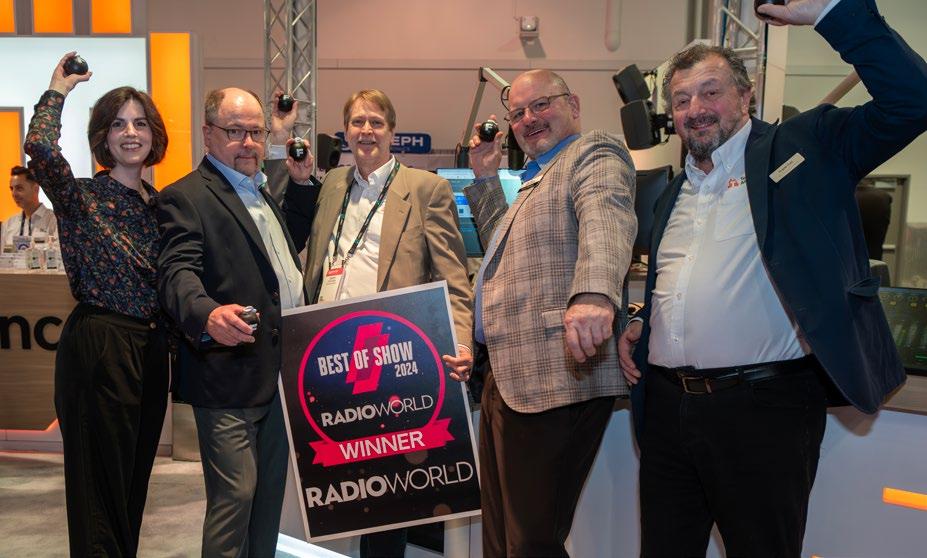
25-Seven PDM products from Telos Alliance remove objectionable content from live programming. The new PDMX Program Delay Software brings this functionality into the virtual realm.
It is a software implementation of the PDM II Program Delay Manager, optimized for AoIP and virtualized production environments. It can be hosted on-premises using a COTS server, on cloud-based platforms like AWS, or on the new Telos Alliance AP-3000 hardware platform.
Shown ready to toss a few foam F-bombs are Elle Kehres and Paul McLane of Radio World with Geoff Steadman, Derek Pilkington and Frank Foti of Telos Alliance.
Info: www.telosalliance.com/audio-delays/25-seven-pdmx
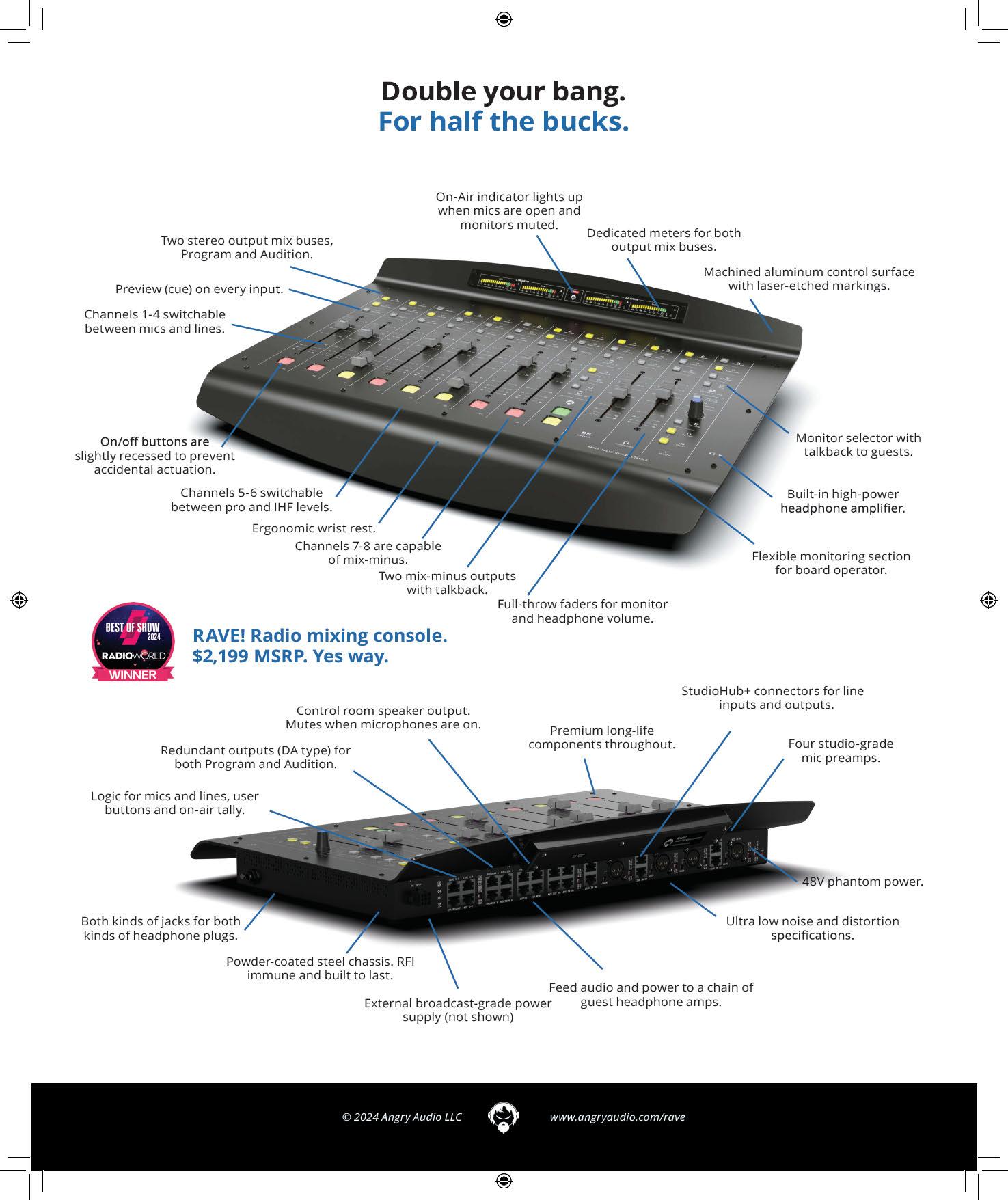
Angry Audio Rave! Console
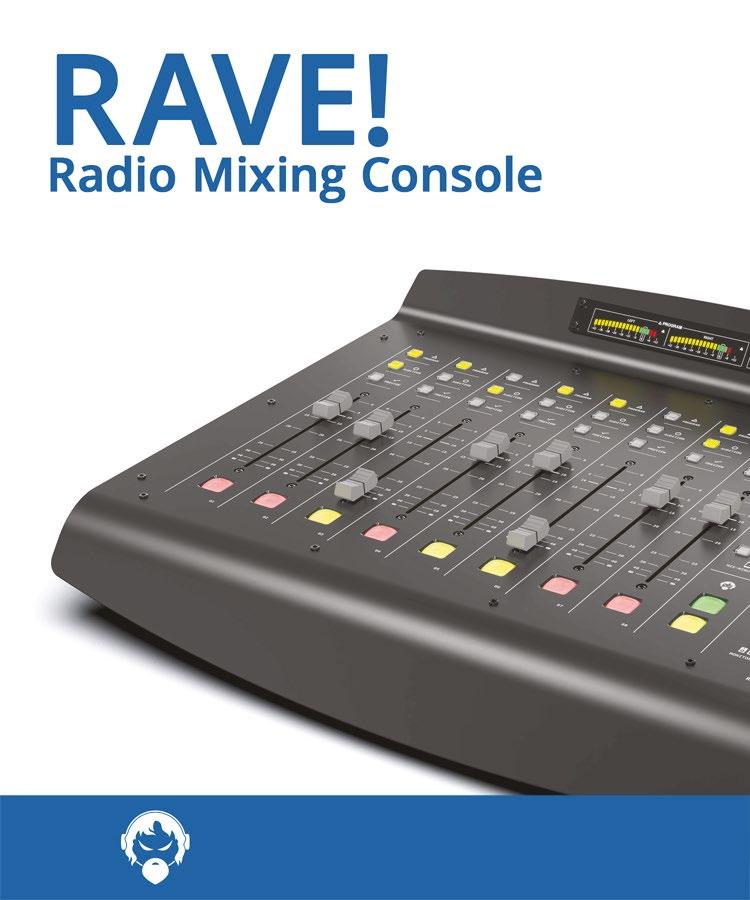
Angry Audio, now part of Triple Helix Technologies, recently introduced this new, affordable analog radio mixing console.
Features include up to eight stereo line inputs, up to four mic inputs, two output mix busses, two mix-minus outs with talkback, monitor feed to studio guests with talkback, and automatic monitor muting when mics are open. It provides easy installation with StudioHub+ RJ45 connectors for line inputs and outputs, XLR inputs for mics, a built-in power supply (no wall wart), mic and line remote logic, warning and user tally outputs for air signs and annunciators, preview (cue) on every channel and avionics-style switches with LED illumination.
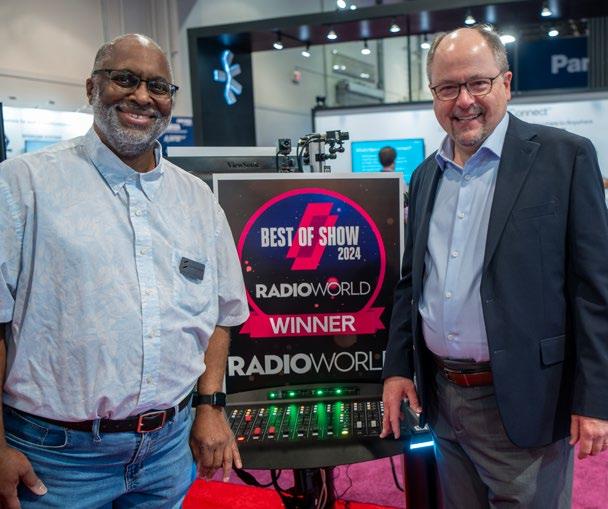

Cornelius Gould is with Paul. Info: https://angryaudio.com/rave/
Aiir Scheduler
The company calls this the first fully cloudnative music scheduling software for radio stations.
It replaces outdated and frustrating scheduling software with a product accessible through any browser, with no desktop app installation needed. You can log in from anywhere, including an iPad, to adjust your upcoming music logs and deliver them to your stations.
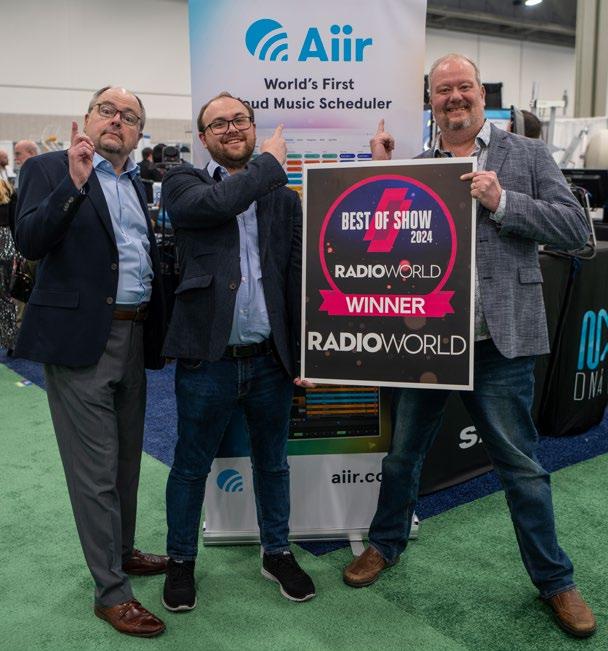
David Smedley and Scott Clements join Paul in “celebrating the AiiR.”
Info: https://aiir.com/scheduler/
Aqua Broadcast Cobalt FM Transmitter Series
The snazzy-looking Cobalt provides a Linux-based system controller and DDS modulator, ensuring audio quality with minimal distortion. It has an RGB screen with haptic feedback joystick control for swift setup, and its unique headphone jack lets you monitor output and inputs.
Cobalt includes a four-band processor with 21 factory presets as well as RDS encoder with dynamic capabilities. Available options include Dante or µMPX decoding, 48V DC power input and dual redundant power suppliers in some models. The transmitters, from 10 watts to 1 kW, are certified for FCC Part 73 and Industry Canada.
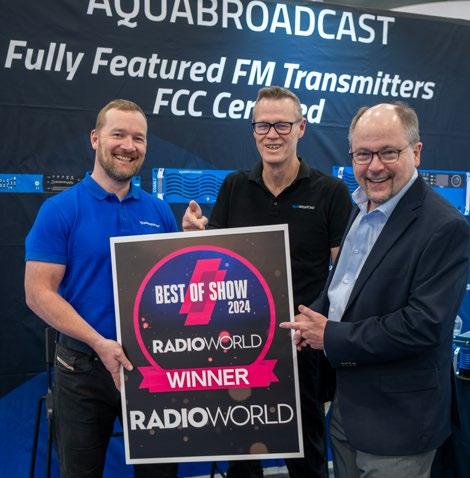
Pavel Valousek and Brendan Lofty are with Paul. Info: www.aquabroadcast.co.uk
Credit: Jim Peck Credit: Jim Peck Credit: Jim Peck 5 radioworld.com | June 5 2024 NAB Show
Credit: Jim Peck
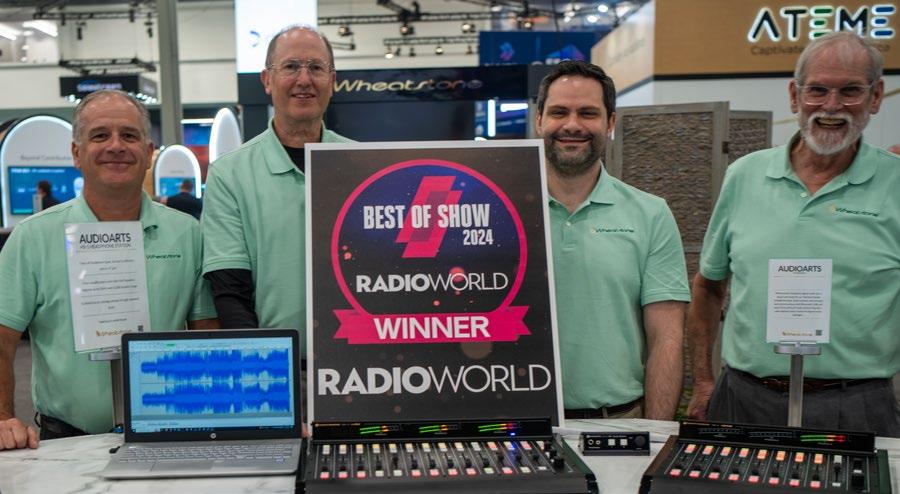
Audioarts Plug-in Ready Digital Consoles
The Lyric DML 12 and Verse DML 8 are made for Audioarts budgets but built to Wheatstone console standards. These are digital boards in a sleek, very thin tabletop profile. Included are USB direct-to-fader input(s), plus Bluetooth in the DML 12, for PCs, phones, players and other external devices. A WheatNet IP app is optional for digital output to a WheatNet IP audio network.
Features include three stereo program busses, AES3 inputs via RJ45, mic preamp(s) and built-in cue speaker. The consoles are plug-in ready and add to the Audioarts studio line of headphone amps, talent stations, consoles and control surfaces. Shown: Jay Tyler, Dave Breithaupt, Dominic Giambo and Andy Calvanese.
Info: www.wheatstone.com
EAS at the Edge
As decribed on page 3 of this issue, Digital Alert Systems, Telos Alliance and Nautel are promoting a way to simplify EAS implementations using software and AoIP.
They call it a hybrid network edge strategy that takes advantage of current technologies while complying with current FCC regulations.
NAB Show
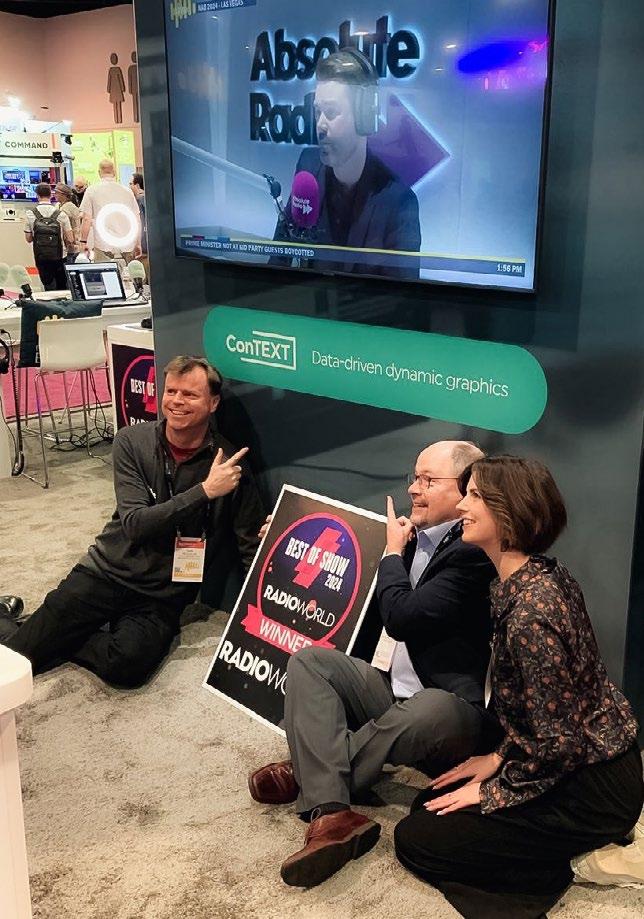
Broadcast Bionics ConTEXT
This is a dynamic graphics tool that allows broadcasters to add dynamic TV news-style graphics to live streams without additional TV production skills or staff.
Operation is automatic, presenting live callers, remote guests in-vision and dynamic RSS feeds on screen. But users also can take manual control, to edit text, add videos or images and switch on screen graphics in real time.
It integrates with BionicStudio Director and vMix to enhance visualization workflows.
Bionics says one national broadcaster in the U.K. uses this to create a daily radio news program that looks more akin to something you would expect to see from a national TV service.
Dan McQuillen, Paul and Elle put new meaning to the term “working the show floor.”
Info: www.bionics.co.uk/ConTEXT
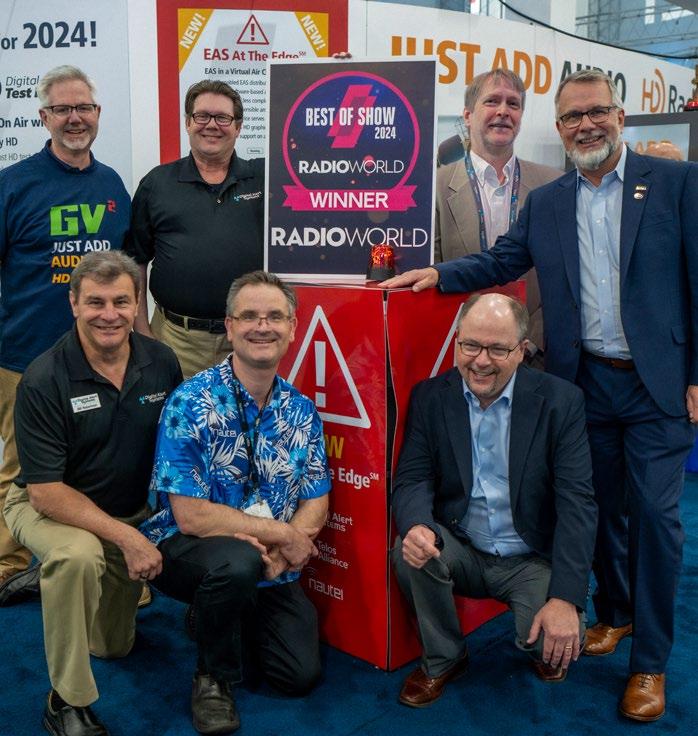
“Unlike legacy approaches that have remained unchanged since the 1990s, EAS at the Edge places key and critical hardware at the ‘edges’ of an air chain and brings the emergency alert process into the modern AoIP world by leveraging IP-based content distribution and control.” (The Radio World ebook “The Software-Based Air Chain” features a white paper explaining the concept.)

SAVE up to $60,000/yr*
With a new Nautel NX & Orban XPN-AM
Learn about AM savings at nautel.com/mdcl-savings
Shown in rear are John Whyte, Ed Czarnecki, Geoff Steadman and Kevin Rodgers. In front are Bill Robertson, Philipp Schmid and Paul McLane.
Info: www.digitalalertsystems.com
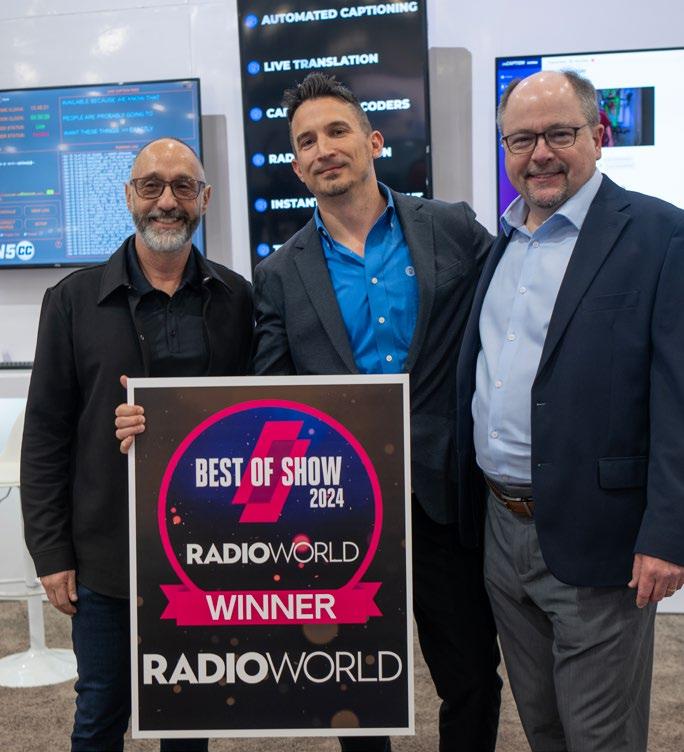
ENCO SPECai Spec Ad Creation
SPECai is an ad creation platform that allows a broadcast sales team to create compelling, localized spec ads on demand within seconds while sitting with clients. The platform delivers multiple script options and provides account managers with creative tools to build professional-sounding spec ads, including male and female voice options, voice tones and a music bed library. It was shown in an early version last year. The fully formed SPECai became available in October thanks in part to contributions from ENCO partners Benztown and Compass Media Networks.
Dave “Chachi” Denes and Ken Frommert are with Paul. Info: www.enco.com/products/specai

*Conditions Apply
Courtesy Broadcast Bionics
Credit: Jim Peck
Credit: Jim Peck
6 radioworld.com | June 5 2024
Credit: Jim Peck

NAB Show
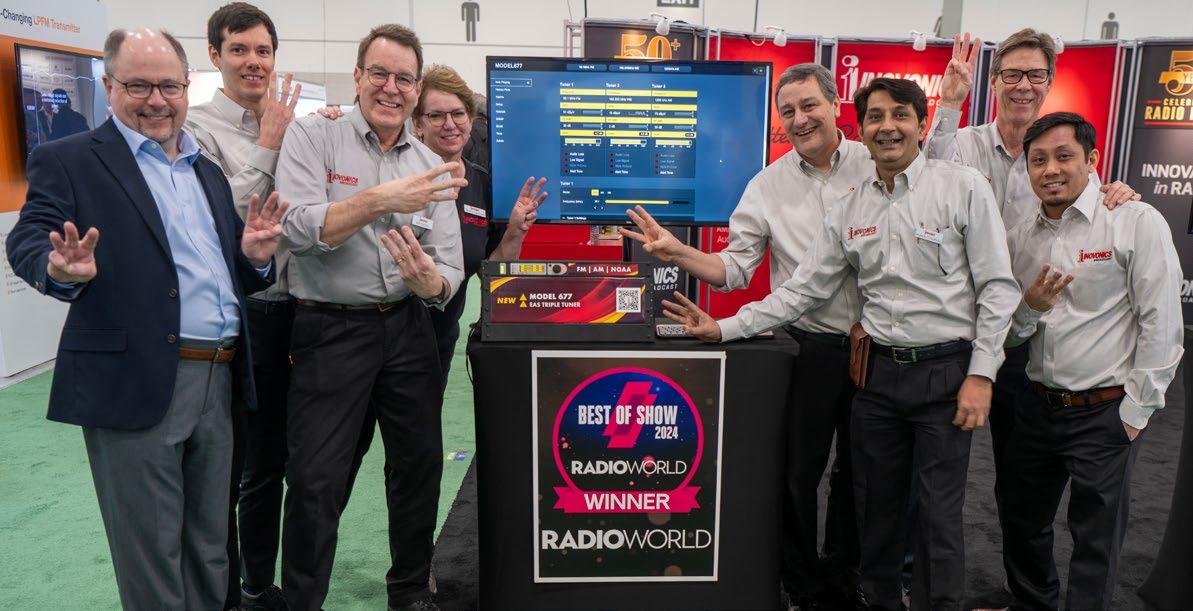
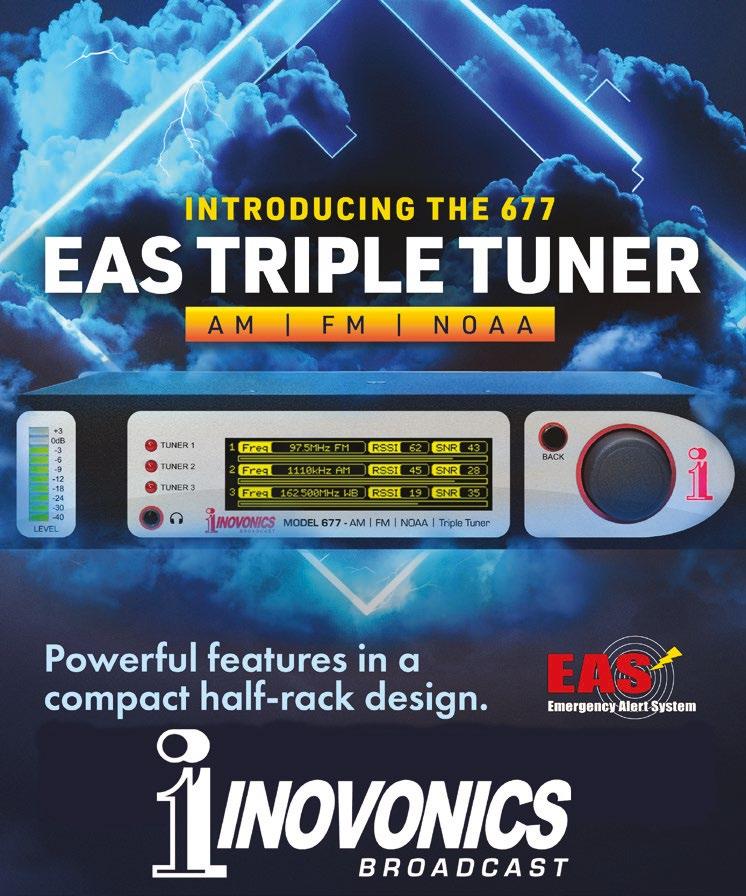
Inovonics 677 EAS Triple Tuner
This EAS Monitor Receiver occupies only half of a standard-width rack unit, yet it has three built-in discrete, frequency agile receivers, each one programmable for AM, FM or NOAA reception.
Each receiver has a balanced monoaural XLR audio output to serve as EAS monitor, or an off-air monitor throughout your facility. Setup is easy with jogwheel menu. On the back, six GPOs may be user-assigned to alarm functions.
The dynamic Web interface provides control and monitoring remotely via any Web-enabled device. A remote listening stream is selectable for each receiver.
Celebrating “the power of three” with Paul, from left, are Josh McAtee, Ben Barber, Sharon Barber, Zach Calden, Mukesh Chaudhary, Gary Luhrman and Andrew Cardema.
Info: www.inovonicsbroadcast.com/product/677
Nautel Digital Radio Test Drive
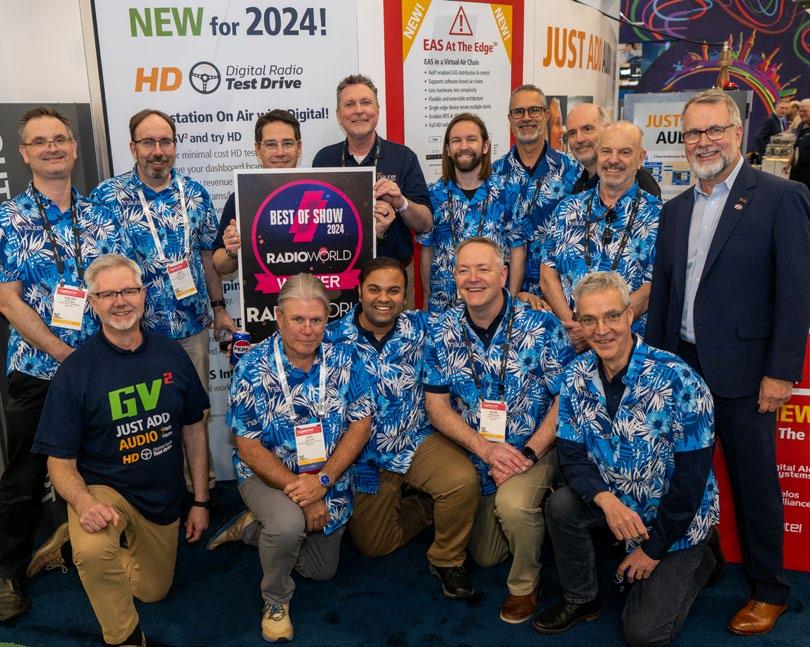
Hoping to lower barriers to trying HD Radio, Nautel allows broadcasters to trial HD Radio transmission for up to six months without needing to install and purchase $40,000 to $50,000 of HD gear.
The initiative takes advantage of Nautel’s software-based air chain. The company can provide Omnia for Nautel audio processing, importer, exporter and Exgine as a software load. The customer would lease or purchase a GV2 or upgrade a GV transmitter to a GV2, and they’d need an Xperi license and content for up to four channels delivered via Livewire or AES67.
Nautel says the program lets stations test revenue-generating opportunities, experiment with formats or try pop-up stations, and assess the impact of album art and graphics on listener engagement.
Marketron NXT
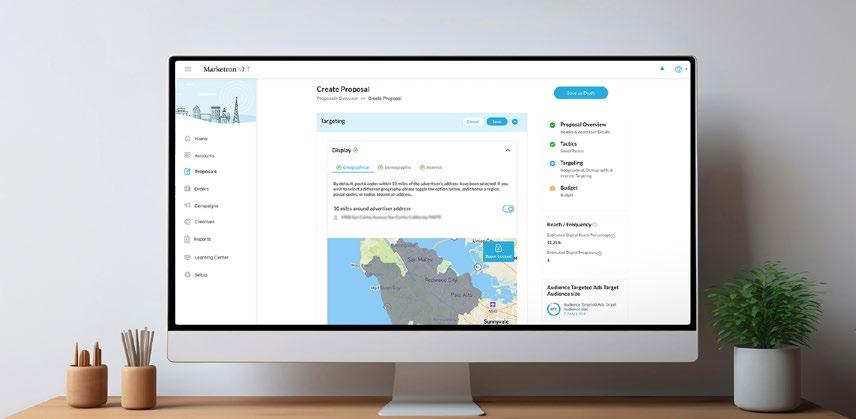
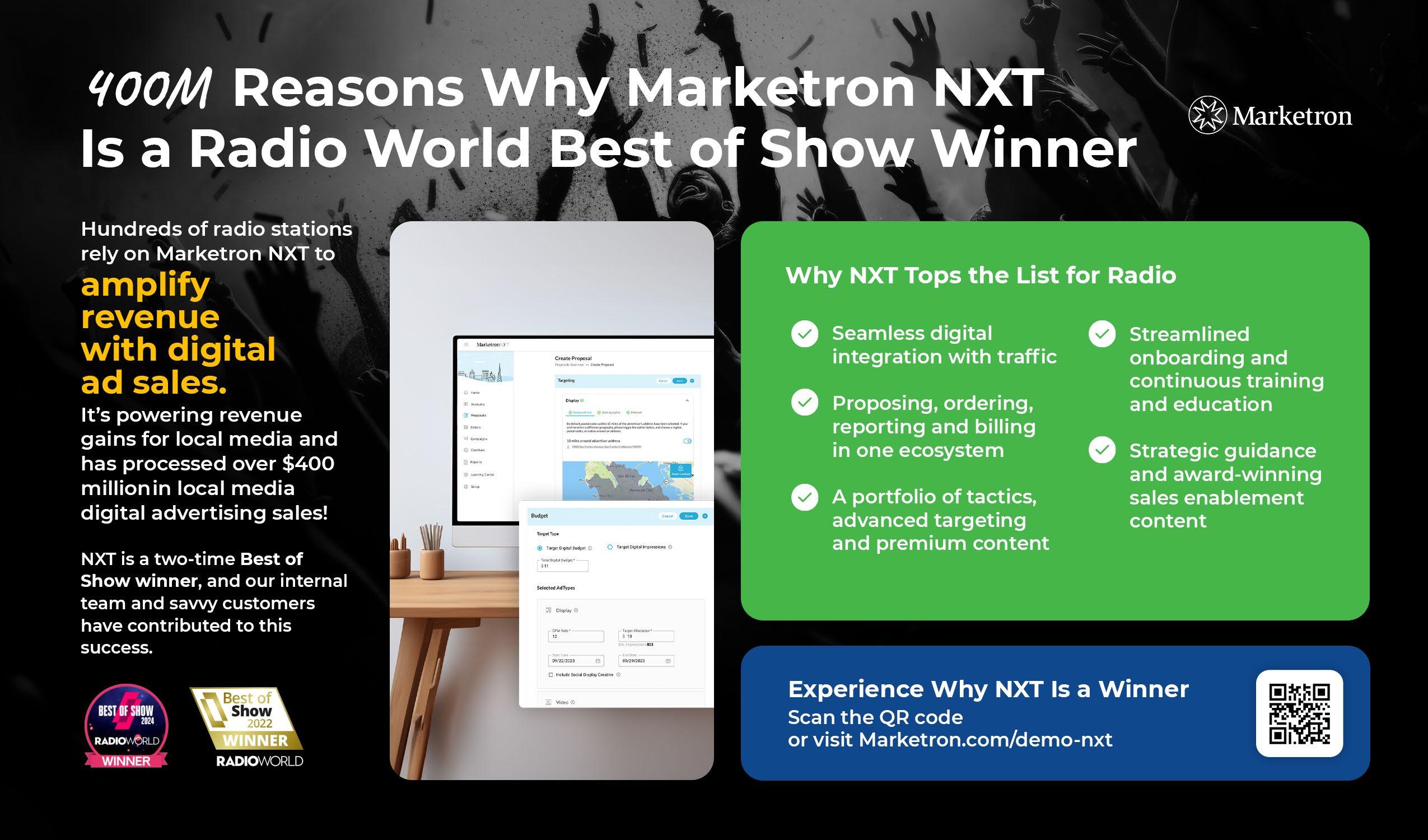
Marketron has invested considerable effort to enhance its platforms for amplifying revenue with digital ad sales.
NXT is unusual among third-party digital ad solutions in that it integrates radio and digital proposals, orders, reporting and invoicing from one login. Now the platform has been improved with new tactics including streaming audio, connected TV and updates for social media advertising and social display.
Media sellers also get new targeting capabilities, including location-based retargeting, Spanish-language options and polygon targeting for geofencing and video geofencing. More precise targeting in display and video is now available, along with multiple campaigns per tactic in one proposal.
Info: www.marketron.com/marketronnxt/
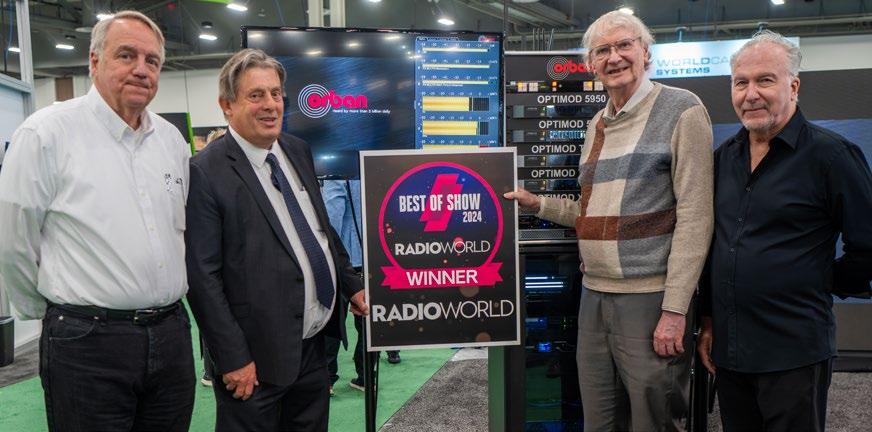
Orban Optimod 5950: Super Hi-Fi Edition
It combines Orban processing with Super Hi-Fi AI-based programming and HLS+. “This first-ever, all-in-one appliance is designed to replace racks of playout equipment, audio processing, PPM encoding and metadata servers in a single 1U rackspace,” the companies said.

Front, from left: John Whyte, Jeff Wilson, Harish Prabhakara, Blair Donovan, Hermann Zensen. Back: Philipp Schmid, Jeff Welton, John Wilton, Ed Sylvester, Kyle Dibbin, Carlos A. Avila Pereira, Gary Manteuffel, Wendell Lonergan, Kevin Rodgers.
Info: www.nautel.com
With HLS+ stations can deliver broadcasts with metadata while offering interactive and personalized versions through apps, smart speakers and web clients. Users can program, image, voice track and broadcast from a browser using Super Hi-Fi Program Director, then deliver it to the transmitter via HLS+ streaming, and play it out at the transmitter, including PPM encoding and metadata output, using this appliance. Shown are Mike Pappas, Peter Lee, Bob Orban and David Day.
Info: www.superhifi.com/products/optimod-5950-shf-edition
Credit: Jim Peck
Credit: Jim Peck
8 radioworld.com | June 5 2024
Credit: Jim Peck
 John Bisset
CPBE
The author is in his 33rd year of writing Workbench. He handles western U.S. radio sales for the Telos Alliance and is a past recipient of the SBE’s Educator of the Year Award.
Now, where did I put that spare key?
With this hanging file you’ll never have to ask yourself that question
Ithink the terms “keys” and “broadcast engineer” are synonymous.
Workbench contributor William Harrison, who works at FM station
WETA in the nation’s capital, attended one of my SBE tips webinars, in which I spoke about managing engineering keys.
Rather than search through a ring for the right one, William uses a 40-key organizing panel that hangs in a locked file cabinet. It has a spot for every key.
Your tips are key! Workbench submissions are encouraged and qualify for SBE re certification credit. johnpbisset@ gmail.com.
Even if you still prefer to carry a ring, it’s good practice to store duplicate keys for each lock in an organizer like this. Head to www.craftmasterhardware. com and search for “HPC hanging key file.” It costs about $64 and comes with numbered key tags, out tags and control chart. The company also sells a Lund steel wall cabinet that holds 400 keys and costs around $1,300.
If you’re a contract engineer I’d like to hear how you manage your client’s keys. When I practiced, each engineer had a set of client keys, kept in a box originally designed to hold a microphone. Email your thoughts to me at johnpbisset@ gmail.com
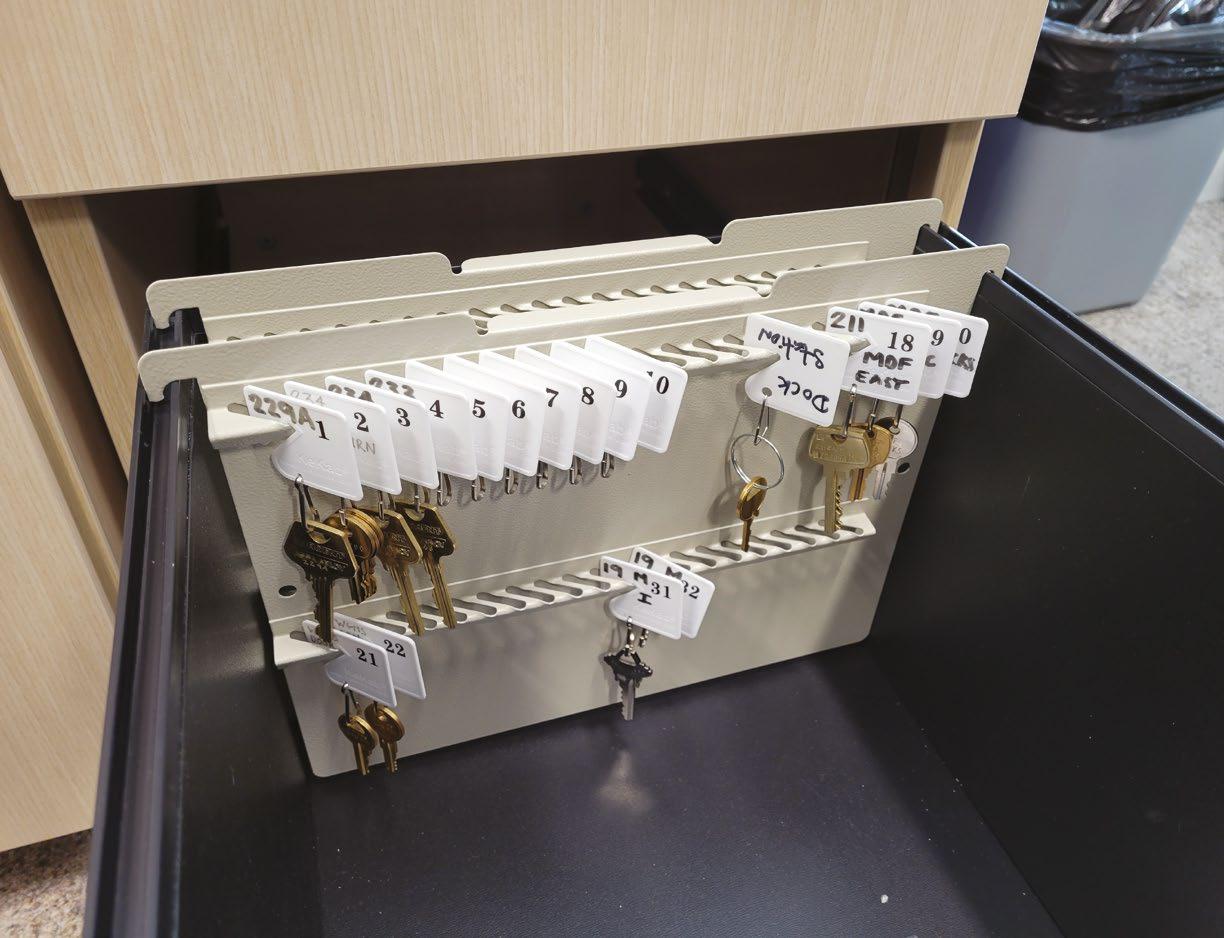
Top An efficient key organizing solution.
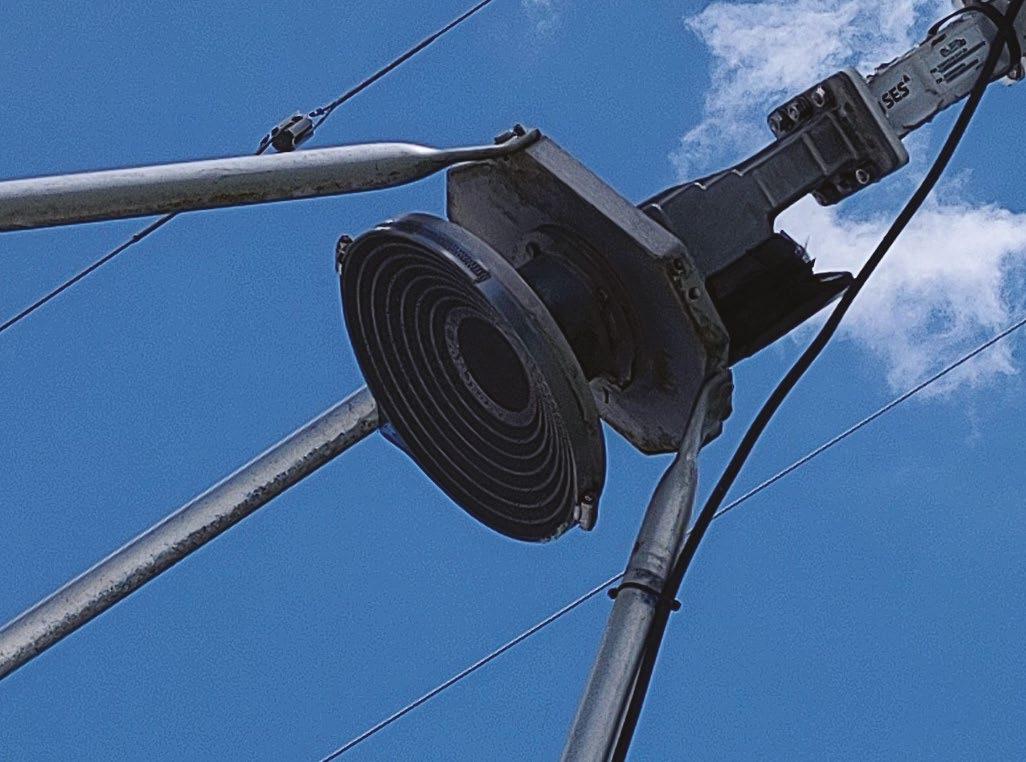
Above A hose clamp holds a piece of non-metallic screen over the throat of the feed horn. The screen is hard to see in this photo but you can see the clamp.
In that SBE presentation we also discussed using green LED “ropes” above the front of each transmitter, to indicate which transmitter is on the air. William has seen this idea taken a little further by tying the LED strip to an alarm output, so under normal circumstances, the strip is green, but when an alarm is present, it turns red. Add a security camera to the site, and the visual warning will help you diagnose the problem before you arrive.
Some stinging remarks
Steve Tuzeneu, CBT, is chief engineer for Hall Communications’ cluster in Lakeland, Fla. He sends a picture of a variation on a feed horn protector.
Summer weather brings nesting insects and birds. The photo shows a piece of non-metallic screen that is held in place with a large hose clamp to cover the throat of the feed horn. Big box stores and auto supply outlets have the large hose clamps.
If you don’t protect your feed horn, wasps may take up residence. In addition to being annoying and dangerous, they can interfere with your satellite signal.
10 radioworld.com | June 5 2024 Workbench
Workbench
A dry suggestion
Fellow RW contributor Michael Baldauf writes that one of the most important aspects of managing transmitter sites is monitoring and controlling critical equipment from other locations. Connecting all that gear into the remote control system can be challenging.
Often overlooked is the hardware that dehydrates and pressurizes your coaxial cables. The little unit may have a manual gauge but no real method of interfacing to the remote control. These devices protect everything from the transmitter to the antenna. It may be time to invest in a better system.
At the recent NAB Show, Michael came across Altecair (www.altecair.com), which was showing its P210WLP-V Dehydrator. Parameters accessible on the front or via SNMP server include runtime information, temperature and humidity readings, alarms, remote monitoring as well as control and reset capability.
Dehydrators are also available from Kintronic Labs. At www.kintronic.com, go to Products, then Towers & Transmission Line, and select Dehydrators. Models are available for various types and lengths of transmission line.
Take a look at this class of products, especially if you manage a site that is virtually inaccessible for months.
Cutting comments
Continuing our discussion of trusty tools to keep at hand, New England contract engineer Stephanie Donnell has
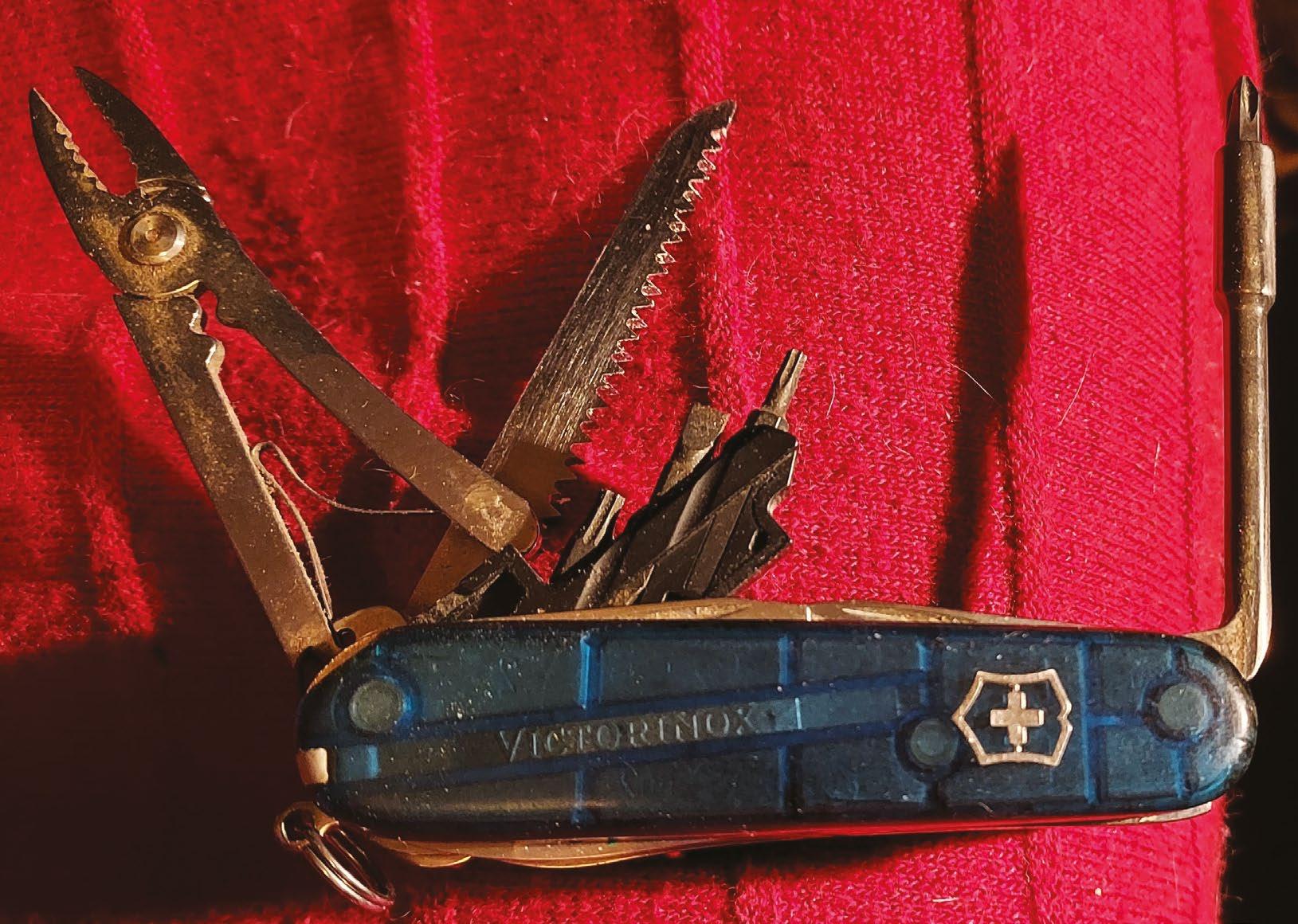
Above An “oldie but goodie” Swiss Army knife.
Below
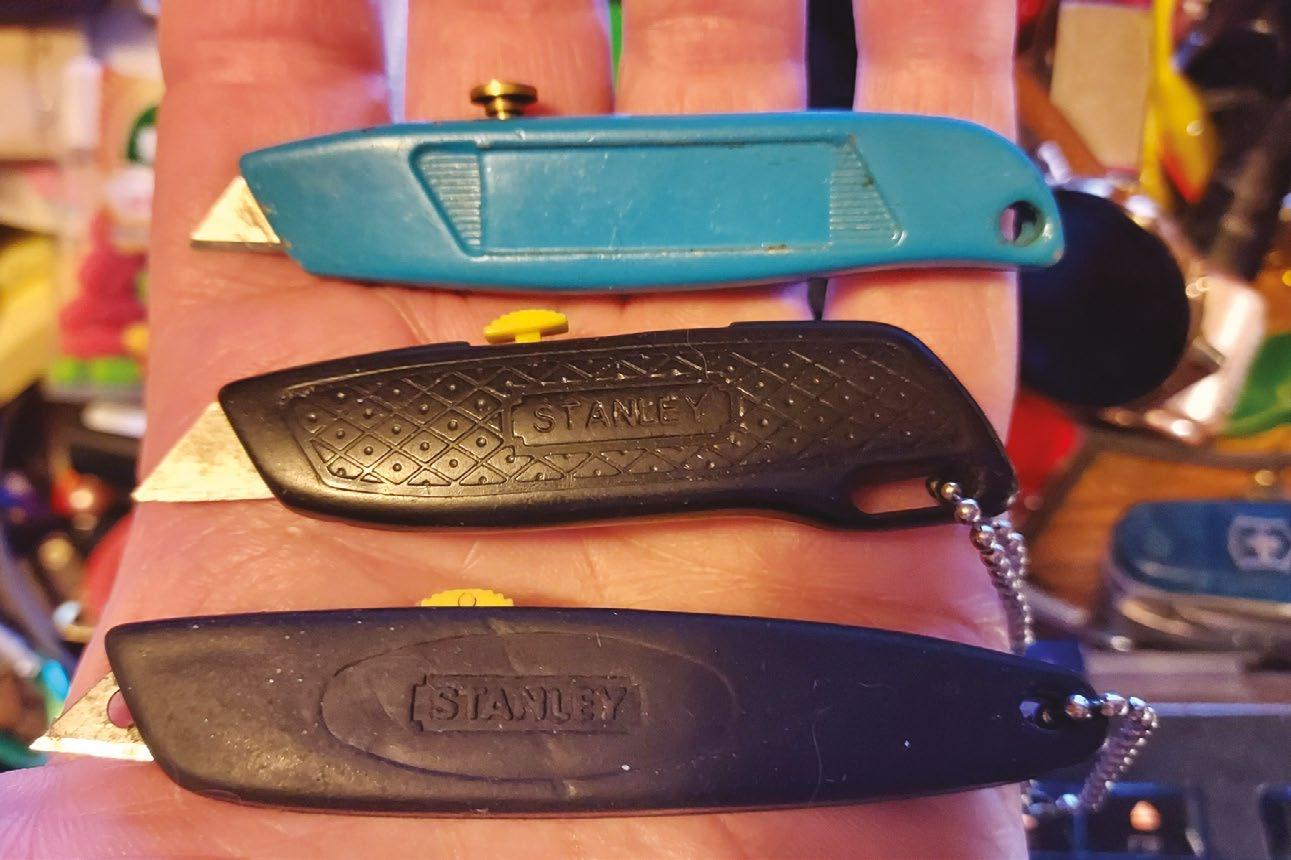
Compact mini box cutters are handy additions to your key ring.
learned to appreciate pocket knives, specifically the Victorinox Swiss Army knives she discovered in a cutlery store more than 40 years ago.
She liked the Super Tinker model because it had a blade for Phillips screws. Later she carried the CyberTool 41, recently renamed the CyberTool L. Stephanie can’t count the number of times this tool has saved her bacon.
For example, in addition to a 3/16inch bit holder and several straight and Phillips bits, the knife has a couple of Torx bits. When she went to tweak settings on a Broadcast Tools silence sensor, the knife allowed her to open the cover, which used a Torx screw. And the 3/16-inch bit holder has been a lifesaver for turning jack screws on sub-miniature DB connectors. Its saw blade will also cut a 2x4 or even a small tree.
You can see a five-minute YouTube video demonstrating the tools of the CyberTool L at tinyurl.com/rw-knife
You may remember another type of useful knife being sold in Radio Shack years ago: mini box cutters. These are handy for general use like opening packages or stripping wire. But don’t forget to remove them from your key ring before you head to the airport.
Stephanie lives near Concord, N.H., and likes to visit the New Hampshire state surplus store where, among other things, you can buy items confiscated by the TSA. It has bins and bins of Swiss Army, Leatherman and SOG knives as well as assorted hand tools, most of which cost just a few dollars.
12 radioworld.com | June 5 2024

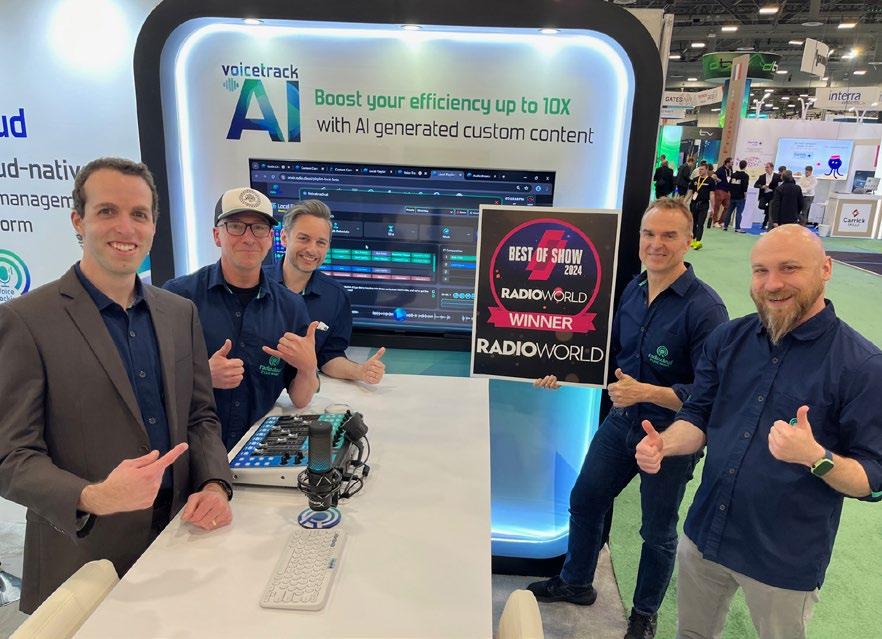
Radio.Cloud Voicetrack.ai
With this tool, stations can fill previously unhosted dayparts by using applied AI-driven voice tracking. “In nights and overnights, hosts and program directors can work ahead and turn what some see as a lost daypart into appointment listening with custom local content,” the company says.
With each voice track, stations select an AI-generated or cloned human voice, with a duration for the talk break and a tone or mood. Hosts can customize topics for their AI talk breaks. A web interface makes it easy to build presets and schedule them in broadcast clocks using content topics, local content and branding elements. Voicetrack.ai automatically creates a script and, when logs are generated, an audio file. The large language model generates a voice track for the station, but you can edit or adjust the script and preview with the chosen voice.
In the booth are Andrew Scaglione, Jott Lischka, Martin Glashauser, Christian Brenner and Shawn Gilbert.
Info: www.radio.cloud/vt-ai-english/
Super HiFi HLS+
HLS+ is a streaming technology that delivers voice tracks, imaging, ads and production but also offers interactivity and personalization without losing radio’s production values.

RCS AudioDisplay
AudioDisplay helps your organization develop new revenue streams by allowing granular management of text and image advertising content delivered in sync with your audio.
RDS and HD Radio ad campaigns run whenever an ad break is on air. Each campaign supports technology-specific content, so for instance you can use a short punchy message for RDS receivers and something more detailed for HD Radio, with an image. An account executive in the field can create or change a campaign while with a client and see the impact when next ad break plays.
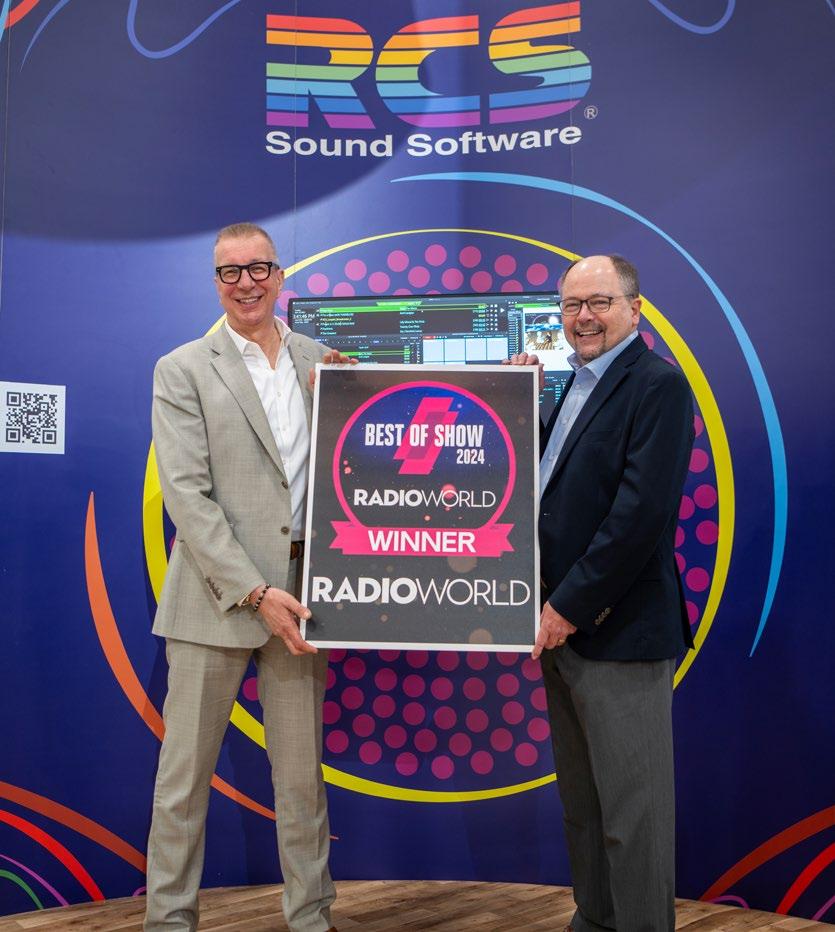
Sophisticated features including targeting multiple stations across time zones; priority settings; and flexibility to allow segment sponsorships to take place alongside, or independently of, on-air activity.
Philippe Generali and Paul McLane practice good display habits.
Info: https://audiodisplay.com

It combines streaming technology that is supported by billions of devices with a cloud layer of intelligence that can produce and orchestrate elements in real time. The streams are “active and aware” of the listener’s location, preferences and context.
HLS+ encodes stations into a new streaming format, then connects those streams to audio players. Each listener accesses their station of choice, but the streams themselves have intelligence that opens new experiences from the stream. Listeners experience linear radio yet they can skip to the beginning of the next song without any production overhangs. Super Hi-Fi says almost any content can be personalized within the same stream.
Zack Zalon is shown.
Info: www.superhifi.com/products/hls-plus
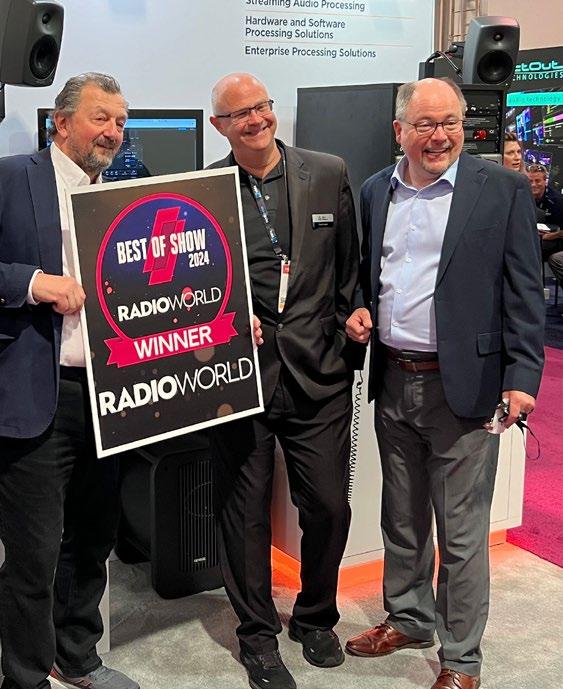
Telos Alliance Omnia Forza FM
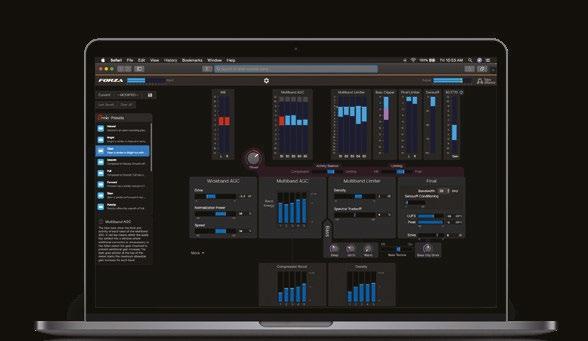
The latest member of the Forza family of software processors is a five-band processor for FM stations. It is delivered as a software container that can run on an on-premises COTS server or on a cloud-hosted platform such as AWS. Its wideband and multiband AGCs and limiters are optimized for FM, while the Silvio clipper from Omnia.11 and integrated stereo generator ensure a clean dominant sound. Nielsen and Kantar options provide integrated audio measurement watermarking. Forza FM is offered with subscription and buyout options.
Frank Foti and Paul Kriegler pose with Paul in the Telos booth.
Info: www.telosalliance.com
 Credit: Jim Peck
Credit:
via X
Credit: John Casey
Telos Alliance
14 radioworld.com | June 5 2024
Courtesy Super Hi-Fi
NAB Show

Tieline Bridge-IT II
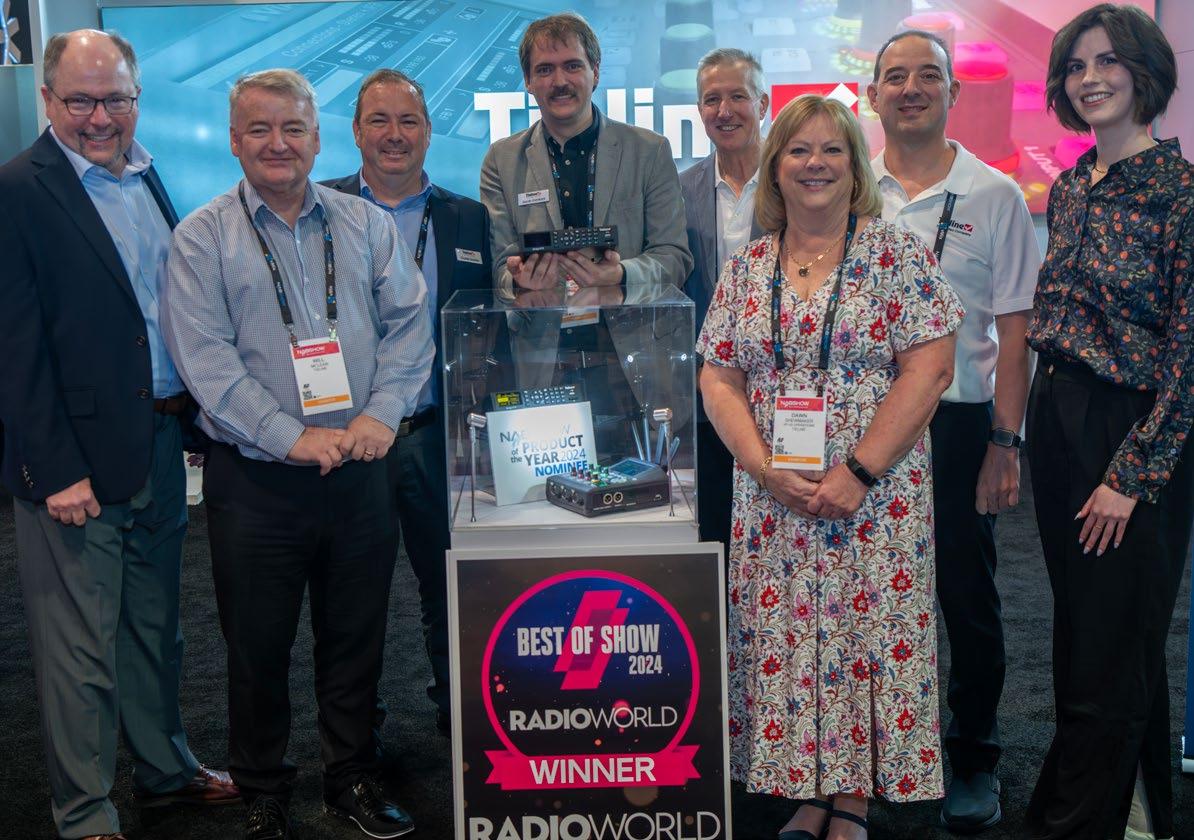
These IP audio codecs are designed to deliver affordable, reliable solutions for home studios, remotes, STLs, SSLs and other applications.
The new iterations include features from the first generation of Bridge-IT including front-panel screen and keypad for menu navigation, XLR analog and digital AES inputs, a range of encoding options, and support for multi-unicast and multicast connections.
New features include native support for AES67, ST2110-30, ST2022-7, Livewire, Ravenna and AMWA NMOS IS-04 and IS-05; two full-duplex mono connections, or full duplex stereo; multiple Ethernet and AoIP ports; failover to another connection, HTTP stream or audio file playback; and support for wireless cellular modems.
In the booth are Paul McLane, Will McLean, Charlie Gawley, Jacob Daniluck, Glenn Davies, Dawn Shewmaker, Anthony Sizer and Elle Kehres.
Info: www.tieline.com
WorldCast Systems’ APT IP Silver MPX
The APTmpX compressed format brings pristine signal quality, minimal encoding delay and IP transmission stability to a codec that offers drastically reduced bandwidth requirements.
Networking features include VLAN tagging, NAT traversal and SureStream Technology to ensure IP redundancy. The devices are suitable for individual MPX-FM feeds and multi-frequency transmission, and they support various MPX bandwidths and formats.
NTP-based Time Alignment function enhances flexibility, allowing precise adjustment of latency for seamless program switching between transmitter frequencies. ScriptEasy software allows the user to control and monitor devices remotely.
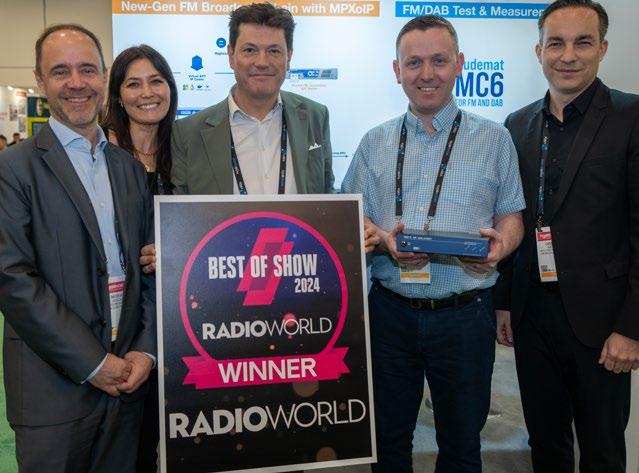
Nicolas Boulay, Chantal Fourgeaud, Christophe Poulain, Ken Kearney and Gregory Mercier are shown. Info: www.worldcastsystems.com/en/c203p263/
Wheatstone Infinite Studio
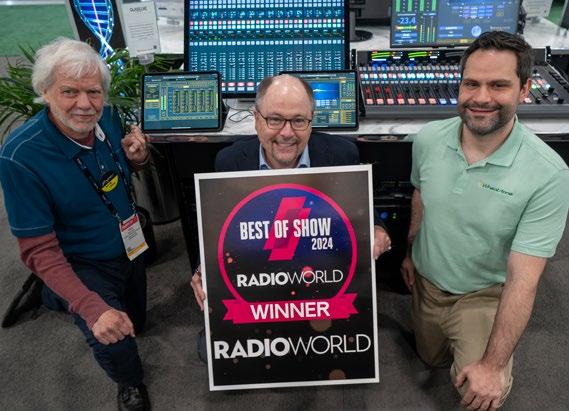
Wheatstone combines intelligent AoIP with cloud, robust connectivity and its FM MPX over IP transporter to create a studio capable of sharing media, workflows and resources across distances.
The WheatNet IP audio network had already extended into the cloud and server realm with its Layers Software Suite, which includes mixing, streaming and FM software hosted on a local server or running on cloud data centers.
At the spring show, Wheatstone ran its Layers software on Amazon Web Services Global Accelerator and added Reliable Internet Stream Transport protocol to its AoIP technology and its SystemLink MPX over IP transporter to complete the cloud-based or local server FM air chain.
AWS Global Accelerator is Amazon’s private network for media, with high availability and security features. RIST connectivity provides error correction for real-time media delivery across any IP link.
Rick Bidlack and Dominic Giambo flank Paul.
Info: www.wheatstone.com/layers
Xperi AIM Player
AIM Player is an audio platform product for radio stations from All in Media, part of Xperi, and is available on a licensed or partnership basis.
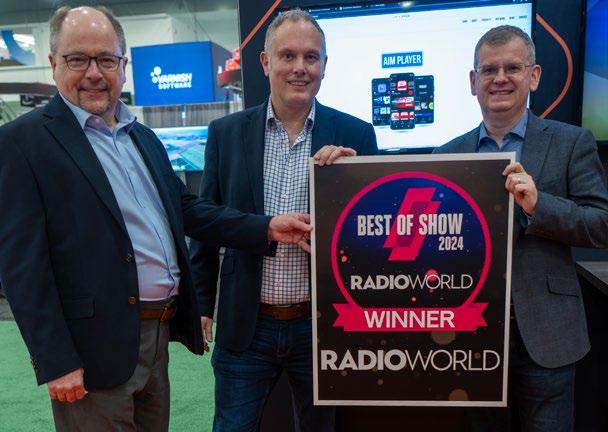
It supports mobile apps on iOS and Android, CarPlay and Android for in-car mirroring, TV platforms such as Android TV and Apple TV, an Android Automotive app and smart speaker integrations. It also supports integration with DTS AutoStage, the company’s connected car hybrid radio and media platform.
It launched with Nation Radio, which introduced the Nation Player app, a free-to-access radio and audio app offering live radio stations and podcasts.
AIM Player includes a series of components that can be arranged and customized to construct a premium audio product. This allows audio brands to save time and resources usually required to launch a digital product.
With Paul are Jason Malaure and Chris Gould. Info: www.thisisaim.com/aim-player
Credit: Jim Peck
Credit: Jim Peck
Credit: Jim Peck
18 radioworld.com | June 5 2024
Credit: Jim Peck
NAB Show
About Buyer’s Guide
This section appears in every other issue, focusing on a particular category of equipment and services.
It is intended to help buyers know what’s on the market and gain insight into how their peers are using such products.
Tech Update
Tieline TieServer & Cloud Codec Controller
Tieline describes TieServer as a key cloud management tool that facilitates adding codecs to a customer’s cloud-based domain and securely configuring Report-IT Enterprise user accounts for smartphone remote broadcasts.
“One of the most significant ways in which cloud-based technologies have changed broadcast engineering is the ability to remotely configure and control equipment in real time,” the company says.
“Today, complete remote control of a station’s broadcast equipment is at our fingertips every minute of every day over IP.”
Tieline’s Cloud Codec Controller software integrates with TieServer as a network management tool for Tieline codecs and individual Report-IT Enterprise users.
Cloud-based servers automatically detect the presence of devices when they connect to the internet. This is automated by devices “reaching out” to TieServer to identify themselves as soon as they are connected to the internet.
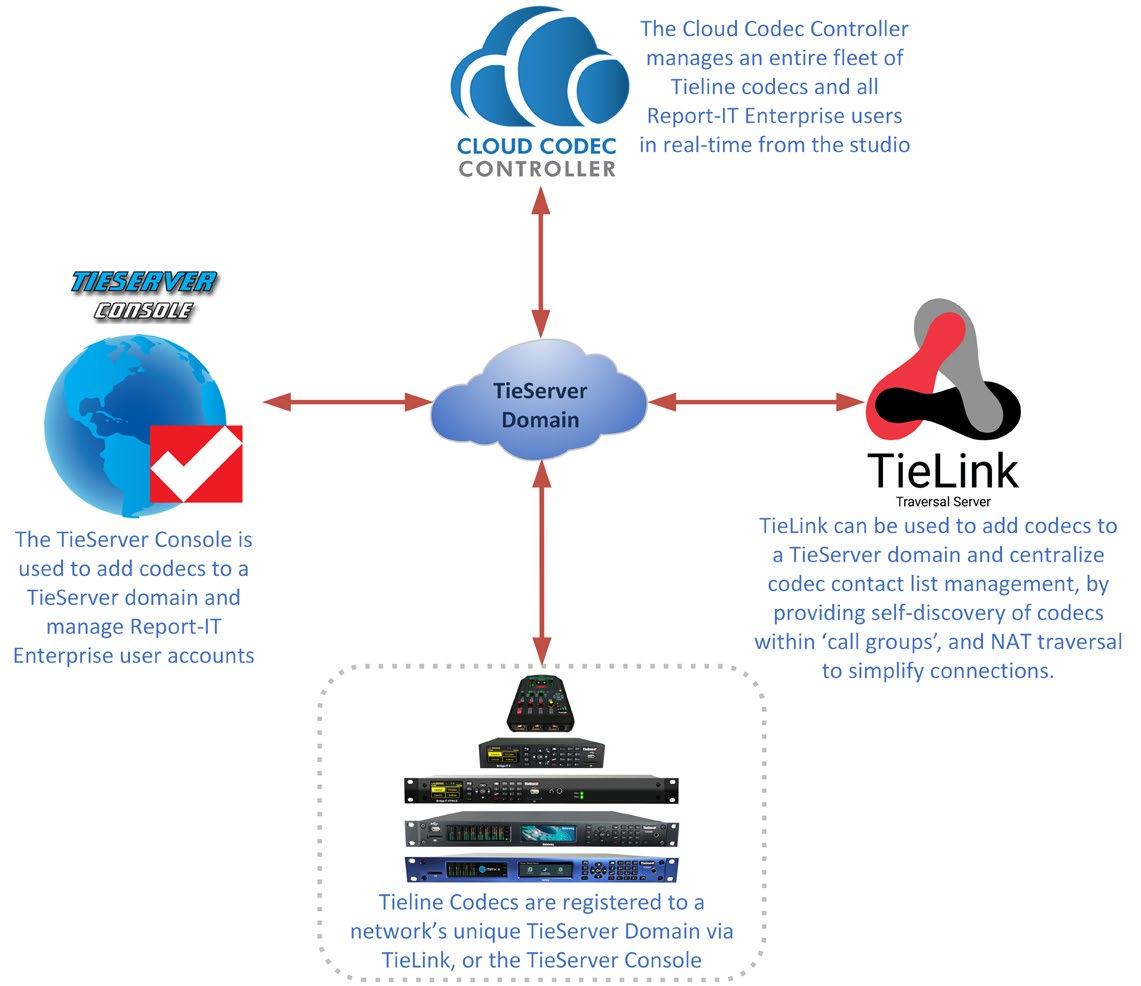
“Devices don’t need to be connected, just present and available to allow secure, real-time monitoring and remote control, even over cellular and Wi-Fi networks. This simplifies the process of remotely accessing, controlling and monitoring codecs and Report-IT Enterprise app users using minimal bandwidth.”
Tech Update
Engineers and technical support staff can look after multiple sites and monitor the connection status of large numbers of network devices anywhere in the world. This affordable solution can be deployed simply from the studio or anywhere with internet access.
Info: https://tieline.com
Comrex Expands Its Gagl Offerings
Comrex introduced a new feature for Gagl, its cloud-based remote audio contribution service. Gagl enables users to send and receive audio through web browsers to Comrex hardware codecs. With a computer or smartphone plus a headset, high-quality audio can be transmitted bidirectionally from up to five remote participants with minimal latency. Gagl is available for $35 per month. The new feature, Hotline, improves the quality of a standard cell phone call for on-air use. Gagl + Hotline provides a phone number with each subscription. A guest or reporter can call it using an AT&T, T-Mobile or Verizon cell phone; they don’t need an app or special equipment. Hotline circumvents traditional phone networks, so caller audio is delivered in full-fidelity, HD Voice quality.
Info: www.comrex.com

20 radioworld.com | June 5 2024
Cloud Products & Services
Tech Update
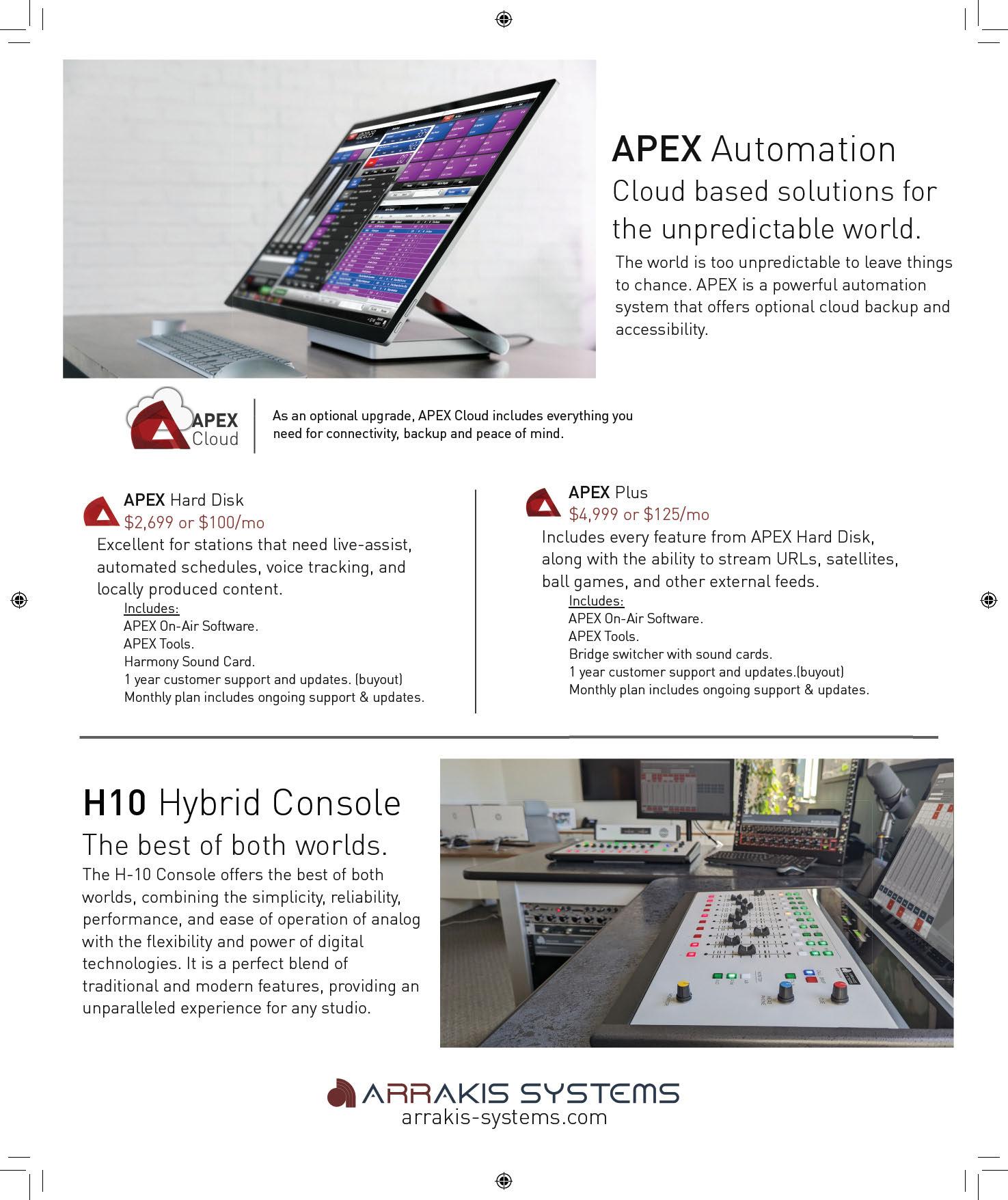
Arrakis Automation
Offers
Cloud Option
“Over the past few years, the importance of accessing automation and station hardware from anywhere in the world has become increasingly evident,” Arrakis says.
“With the rise in internet speeds and the availability of better cloud-based products, transitioning to a cloudbased model is becoming easier.”
The company recently introduced the HSeries console, calling it the first analog console accessible via the cloud.
“In addition to our HSeries console, our Apex automation system offers the Apex Cloud option, allowing remote access and control from anywhere.”
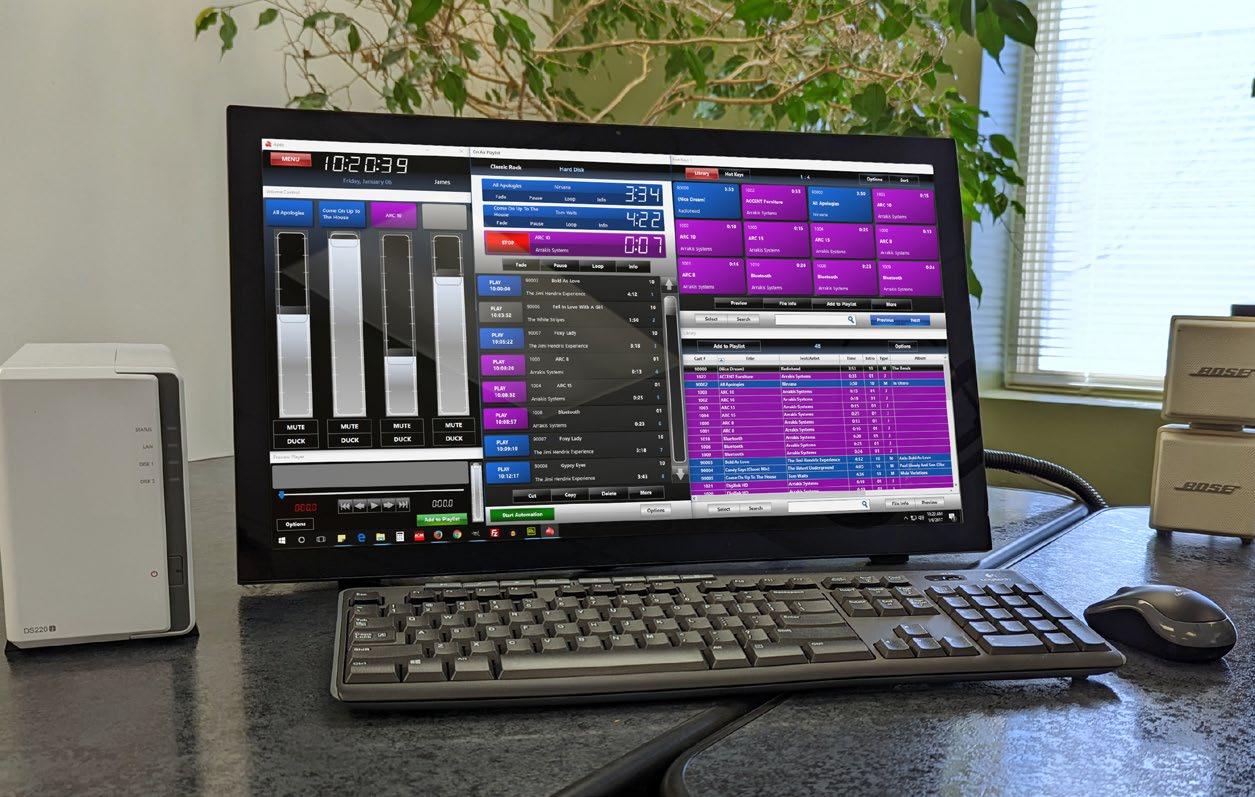
Users can perform tasks such as voice tracking, schedule updates and log checks for convenience and flexibility.
The Apex Cloud option also offers peace of mind by automatically backing up essential files in case of a main system PC failure. Users can easily migrate backup files to a new PC to resume operations.
“Apex Failsafe operates in parallel with Apex automation, serving as a backup solution in emergencies to ensure uninterrupted broadcasting.”
Typically located remotely such as at the transmitter site, Apex Failsafe detects issues with the main studio feed using silence sense technology. If a storm disrupts the connection between the main studio and the transmitter site, Apex Failsafe switches to a scheduled backup program, ensuring seamless broadcasting. Similarly, it provides backup streaming capabilities for internet streams.
Info: www.arrakis-systems.com
21 Buyer ’s Guide
Tech Update
Zetta Cloud Provides Resilient Full-Time Playout
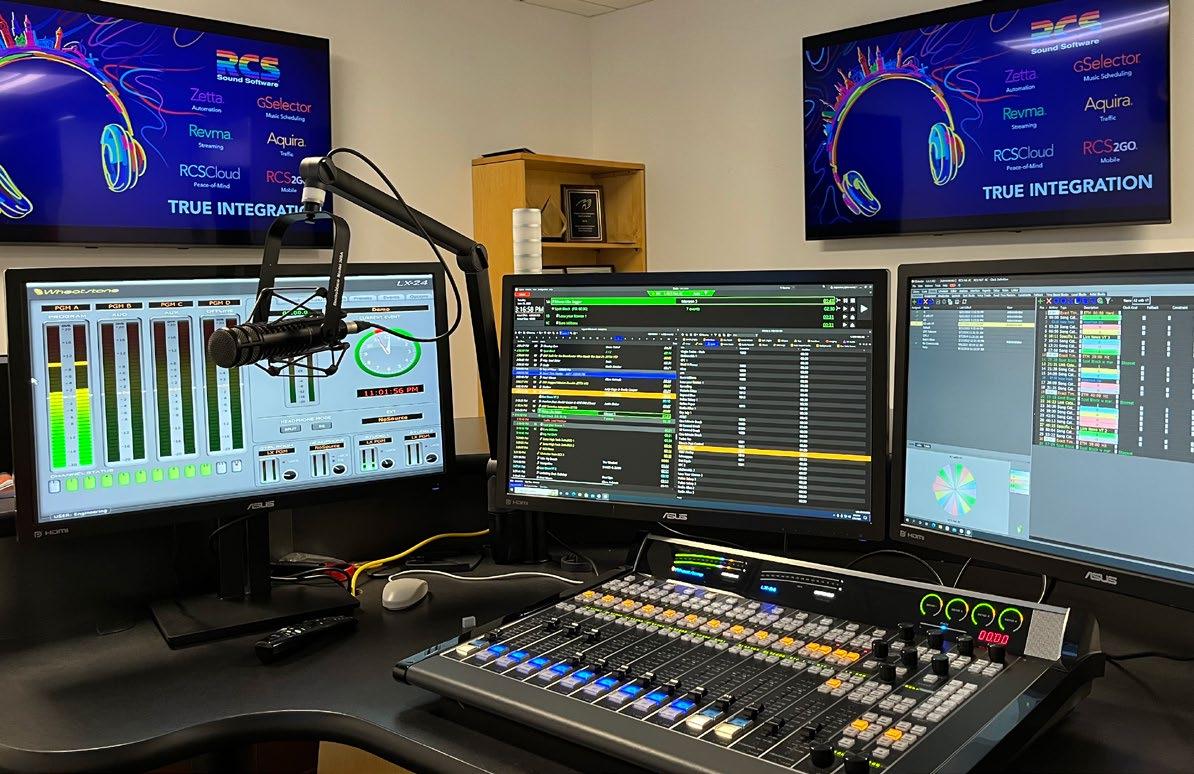
According to RCS, Zetta Cloud bridges its traditional on-premises Zetta playout system and the future-looking cloud-based iteration of Zetta.
“It provides secure, redundant, resilient full-time playout in the cloud,” the company states.
“It syncs logs and content from GSelector and the rest of the RCS ecosystem and is ready to deliver your content direct to your
transmitter or streams at any time. RCS best-in-class security solutions expand to our cloud offerings.”
RCS supports two-factor authentication, domain-level management and logins, integration with Active Directory and granular user rights administration, across all components of the RCS ecosystem. The cloud offerings thus area ready to provide disaster recovery at a moment’s notice.
Tech Update
“Our AudioDisplay platform enables your organization to deliver a top-notch dashboard experience across FM, HD and hybrid radio and explore new revenue streams. It offers granular management of text and image advertising content delivered in-sync with your audio. By leveraging the power of RCS Cloud Connect, they are all able to integrate these graphical components with the sales, insertion and billing processes.”
RCS says its ecosystem helps clients meet the challenges of multi-platform audio delivery, whether they are a smallto-mid sized broadcaster trying to work more efficiently in order to free up staff time to focus on podcasting or outside events, or a larger broadcaster looking to apply researchdriven best music practices or enable talent to work nationally and still connect with local audiences in the most compelling way possible.
Info: www.rcsworks.com
Wheatstone: Studio, Server or Cloud
Virtualization was already a significant part of Wheatstone’s WheatNet IP audio network even before the company introduced its Layers cloud/server software suite.
“Of the 200+ interconnected AoIP elements that make up Wheatstone’s WheatNet IP audio network, many are software apps that at one time had occupied space in the studio or the rack room,” the company says.
Over time, it added virtual mixers, remote applications and virtual development tools for scripting and creating virtual interfaces for a variety of useful purposes.
More recently, Wheatstone extended into the cloud and server realm with its Layers Software Suite, which includes mixing, streaming and FM software hosted on a local server or running on a cloud such as AWS.
To this, Wheatstone recently added its SystemLink MPX over IP transporter.
“Completing the cloud-based or local server FM air chain, SystemLink transports the FM MPX + HD/DAB signal across IP links
of any capacity, whether as uncompressed or via optional audio codec such as μMPX,” it said.
It passes the MPX and all subcarriers as well as HD or DAB audio aligned with stereo FM from an audio processor or from Wheatstone’s Layers FM software running in the cloud or on a local server.
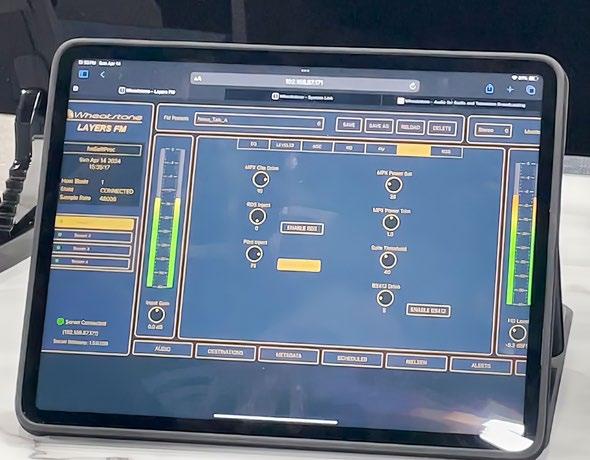
The Layers Software Suite includes software for running instances of FM audio processing, including RDS and multipath mitigation. It also includes software for stream provisioning, audio processing and metadata support as well as software for running multiple mix engines on a server.
“Virtualization throughout makes it possible to centralize resources, create effective failover redundancies, and replace racks of hardware.”
Info: www.wheatstone.com
22 radioworld.com | June 5 2024 Buyer ’s Guide
Tech Update
Cloud-Based Remote Control From Burk
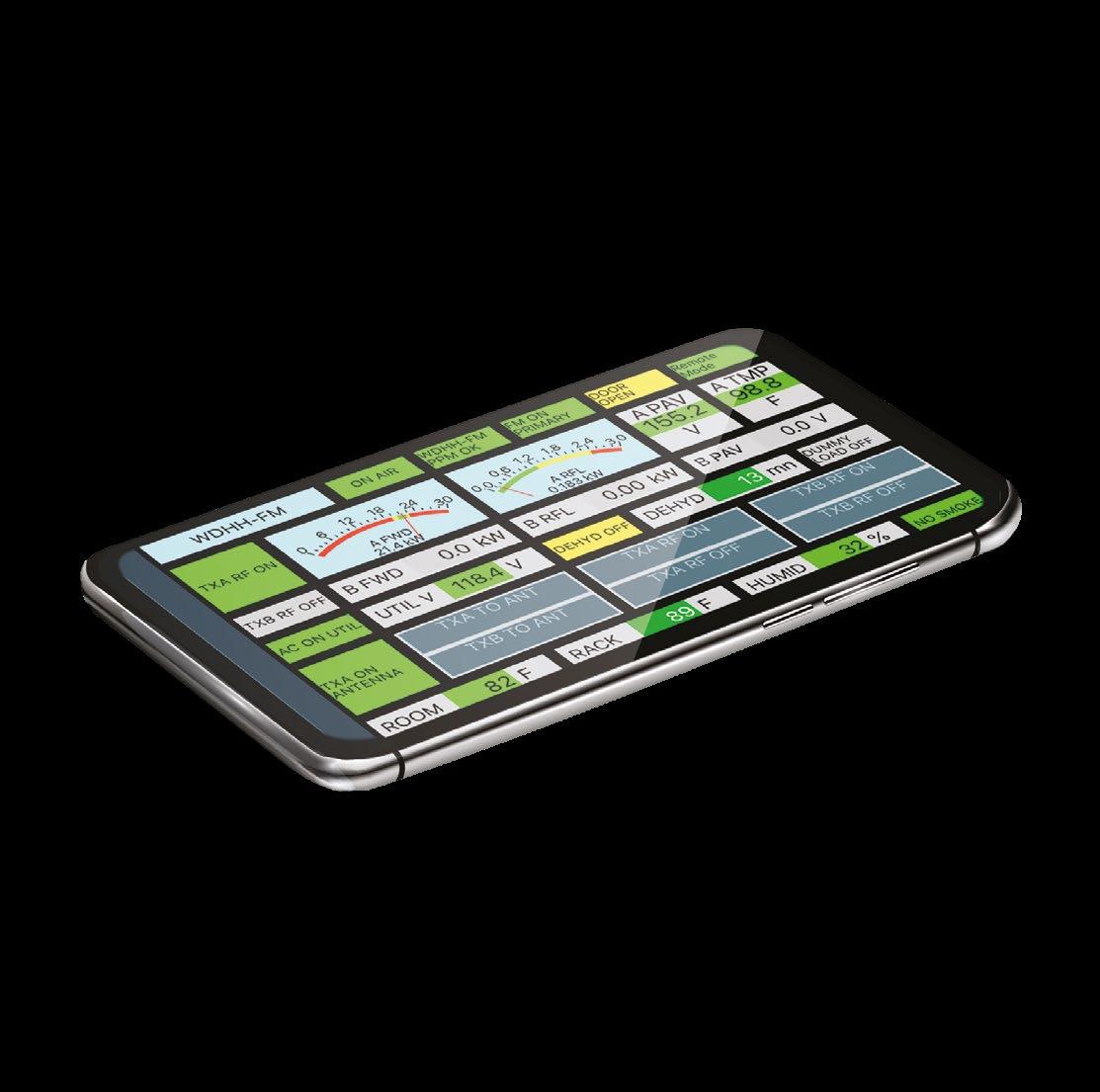
Arcadia from Burk Technology delivers monitoring and control of up to hundreds of broadcast sites over a single secure web link for engineers and managers in the field, in the office and at the NOC.
“The easy-to-use customizable interface provides summary data at national, regional or market levels, with the ability to drill down for detailed status and control of individual sites,” Burk states.
“Arcadia’s responsive user interface adapts to fit each browser’s screen size, enabling easy viewing on smartphones, tablets or PCs.
Arcadia web links are encrypted and secured using Transport Layer Security (TLS). User authentication limits each user’s access to specifically authorized sites and channels.”
Arcadia can be hosted on a customer
dependence on user-owned data centers and infrastructure, allowing critical engineering resources to focus on core broadcast technologies rather than IT support.
“Cloud computing can also offer enhanced reliability through built-in redundancy and geographic diversity.”
Shifting from the fixed costs of data center ownership to the variable costs associated with cloud resources is attractive to some organizations, as is the ability to scale computing capacity as requirements grow.
“The use of cloud resources makes it unnecessary to predict the growth of processing requirements or to invest in hardware to support future growth. System capacity and associated costs can be increased incrementally over time to support the organization’s evolving needs.”
The emergence of virtual, geographically dispersed engineering teams is another factor in the growth of cloud computing for broadcast applications. Cloud-based resources enable these groups to operate without centralized operations centers or engineering facilities.
Arcadia provides remote site access whether deployed in the cloud, on customer premises or in hybrid installations.
Info: www.burk.com



Software processing for FM, HD, DAB, and Streaming. Omnia® Forza 352-622-7700 | www.BGS.cc TelosAlliance.com/Forza
Buyer ’s Guide
Tech Update
Telos Expands Its Cloud-Ready Offerings
Telos Alliance says that when it realized the implications of virtualization for broadcasters, it began reimagining many of its products to provide software-based solutions that could be hosted on-premises or on cloud-based platforms, should customers desire.
“Today, our portfolio of container-delivered products deployable in the cloud continues to expand with premiere products such as Omnia Forza FM and Forza HDS audio processing, Telos VXs broadcast VoIP phone systems, Axia Altus virtual mixing console, 25-Seven PDMX program delay manager, Axia Pathfinder Core Pro broadcast controller, and Telos Infinity VIP, the first fully featured cloud-based intercom system,” it states.
The company notes that broadcasting is not a “one size fits all” business, making the flexible nature of cloud-based workflows appealing.
“For some, it’s a cost-effective way to supplement traditional onpremises solutions during periods of higher demand. For others, it alleviates the expenses associated with buying, housing, maintaining and securing dedicated hardware or local servers.
“And, in a time where both live and recorded productions often include a geographically diverse workforce, having the mixing
Tech Update Marketron Radio Traffic Systems Are Cloud-Based
All Marketron traffic systems are cloud-based. These SaaS platforms support radio stations in managing traffic advertising and revenue operations.
“Our cloud-based solutions always have the most up-to-date features and versions. Layered security keeps data safe, and applications in the cloud enable easier integrations with Marketron’s digital advertising platform, Marketron NXT, and electronic payments solution, PayNow, as well as other third-party systems.”
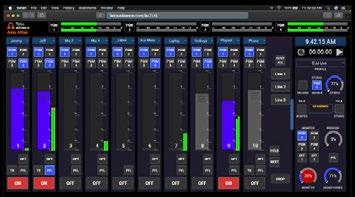
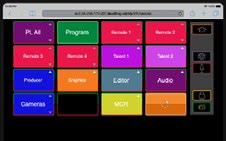
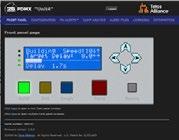
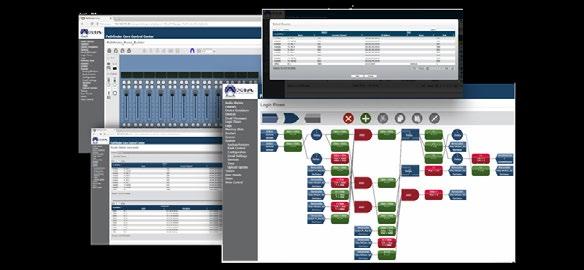
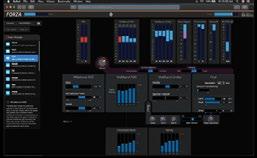
console, telephone system, program delay, intercom, processing and signal routing in a centralized cloud-based location and available to everyone by way of their computer, smartphone or tablet makes more sense than ever.”
For those not ready to make the leap, many of its cloud-deployable solutions are available installed on a Telos Alliance AP-3000 hardware platform.
Info: https://success.telosalliance.com/virtual-radio-studio-products
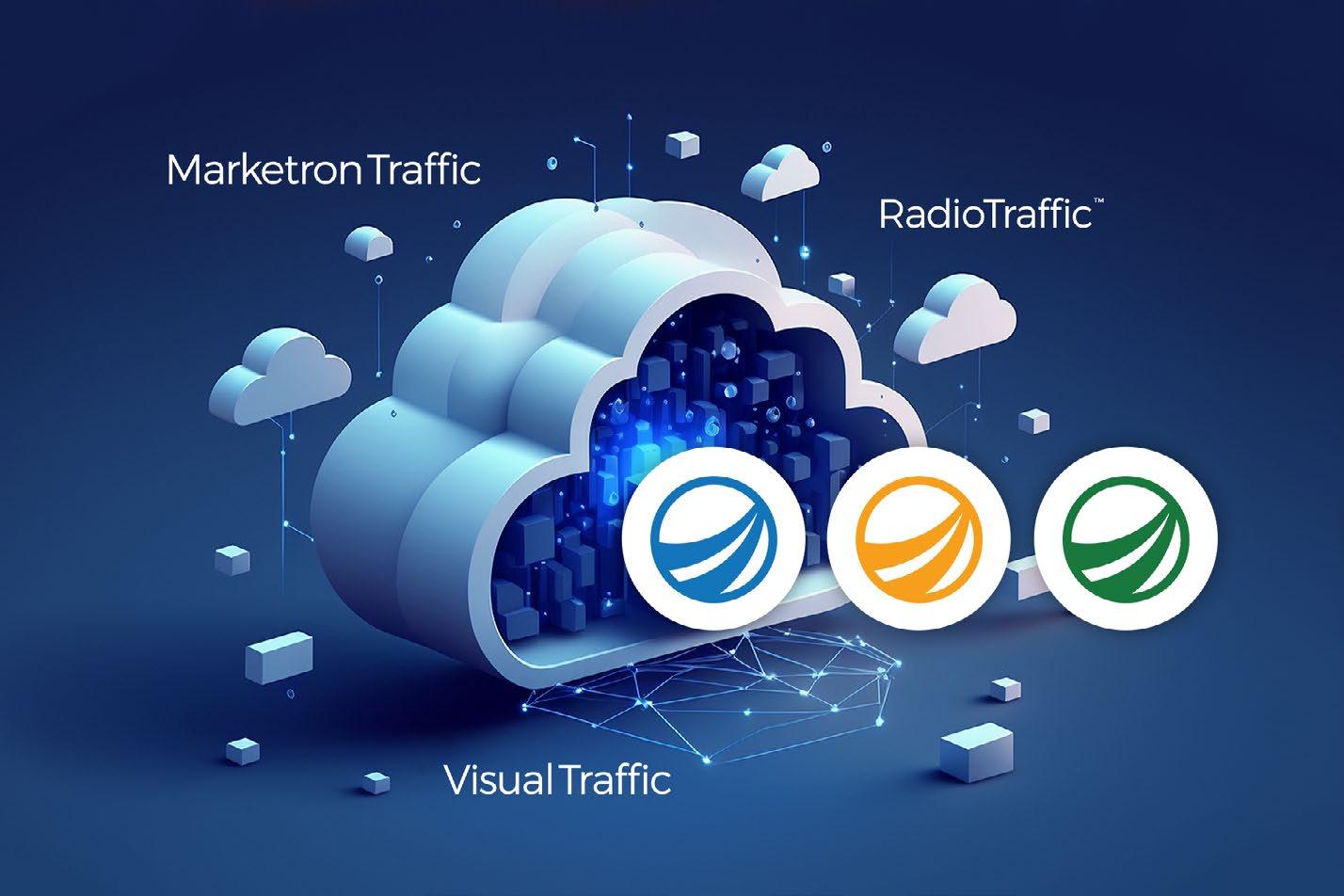
Marketron said using the cloud for traffic management
user experience and access from anywhere.
Info: marketron.com/traffic
Stream Transmitter
Axia® Altus
Telos VXs
Omnia® Forza FM
Omnia®
Forza HDS
Network 24 radioworld.com | June 5 2024 Buyer ’s Guide
Telos Infinity® VIP 25-Seven® PDMX Axia® Pathfinder Core PRO
Buyer ’s
Tech Update
ENCO Extends the DAD
Universe
ENCO’s DAD radio automation system now has built-in WebDAD functionality. The company says this extends the DAD universe in a more streamlined manner to manage and control studio-based DAD systems from anywhere.
“Offering remote access for everything from uploading content and modifying playlists to voice tracking, WebDAD enables flexible remote working models for broadcasters by letting users efficiently manage their on-air operations even when personnel isn’t physically in the station’s facilities,” it says.
The revamped architecture of WebDAD promises an improved user experience, including layout changes that enable intuitive operation and streamline workflows for key features.


“WebDAD has also added the DAD Presenter on-air interface, giving WebDAD users the same functionality they are used to in the studio where DAD resides.”
Other features include more granular control over user permissions, and added support for third-party accessibility that simplifies usability.
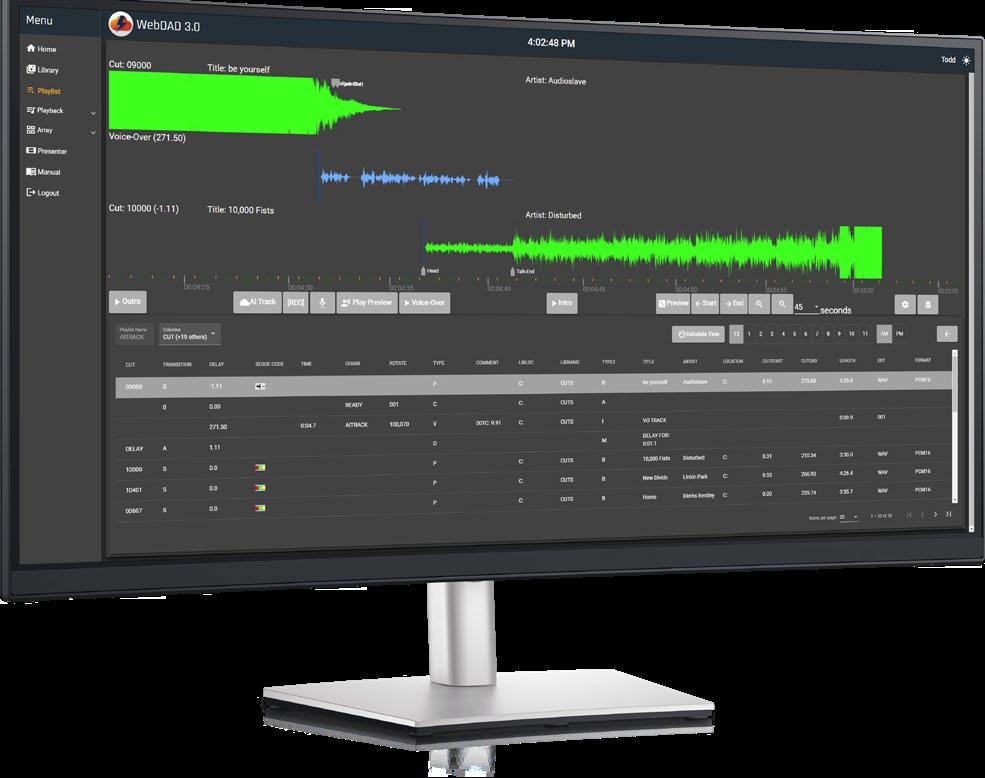
“DAD and WebDAD also now feature ENCO’s AITrack solution, which generates and inserts voice tracks between songs. Users can adjust the length of each automated voice track (song intros, stations IDs, localized news and weather), and use AITrack’s synthetic voice engines to produce natural-sounding, engaging content between songs.”
Info: www.enco.com






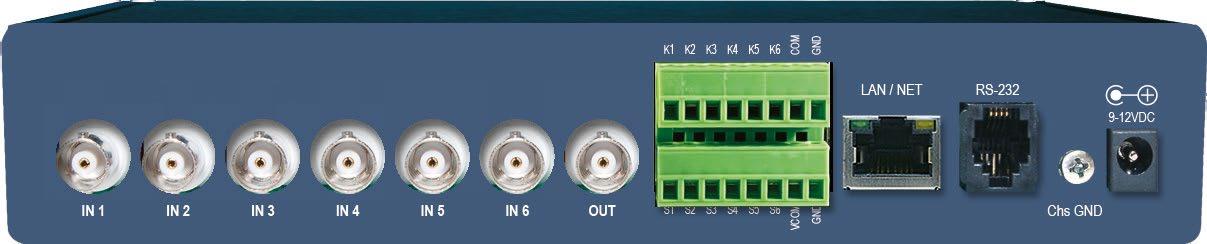








































25
Guide
Tech Update
Iqoya Connect Makes Remotes Easier
Iqoya Connect is the Digigram cloud live remote suite of online tools for radio and TV broadcasters, live program distributors and live production companies.
“Digigram’s audio over IP cloud infrastructure provides reliable, high-quality audio, secure communications between codecs and interoperability between Digigram codecs and third-party codecs,” the company states.
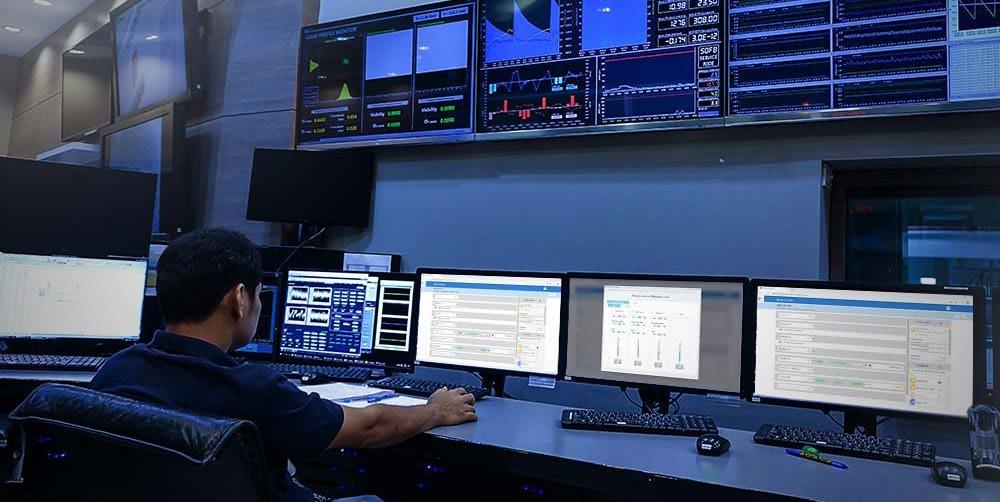
Iqoya Connect is a connection service responsible for establishing broadcast-quality communications between IP codecs through the internet and Digigram’s audio over IP infrastructure.
It is also a web platform to manage users and assign roles; create contacts; provision Digigram field codec configurations for journalists; and configure studio codecs. The platform provides fleet management, monitoring and metrics as well.
A technical team can prepare settings of remote live sessions in advance, so there’s no need to pre-configure Iqoya Talk units and
Tech Update
assign them to journalists. The team can also monitor comm status in real time and act from anywhere via a web GUI.
For the journalist, there’s no codec configuration required. Journalists can request remote assistance, and technicians can configure audio settings remotely.
The platform lets journalists share Iqoya Talk units and provides a broadcaster authenticated audio stream sources.
Info: https://iqoya-connect.digigram.com
Radio.Cloud Hyper-Localizes Content
Radio.Cloud says that its entire platform is cloud-native, built from the outset in a cloud environment. “This alone allows much more flexibility, scalability, security and reliability than a simple ‘lift and shift’ approach to moving an existing piece of software into the cloud.”
As an example of the power of this approach, the company says Content Controller provides seamless localization of syndicated or network content to affiliate stations. It said users see the benefit of up to 400% more local brand awareness per hour during national programming.
“In a browser-based interface, affiliates of shows produced with Content Controller upload their own local imaging and control the level of local branding inside that national program. Station personnel such
as program directors or operations managers can also request local reads from the national host, set distribution time and method (direct ingestion, FTP, Dropbox, etc.) and choose cart numbers.”
Simultaneously, the syndicator or content creator can track distribution status of their program segments. Using Amazon Web Services the segments are distributed in seconds, no matter how many stations are receiving content. Content Controller also gives syndicators the ability to make updates to segments and re-distribute content much closer to on-air time than before.
“We believe this platform is the future of syndication,” the company says, because stations can continue to air national content available while making it feel local to their specific station and market, while syndicators can clear top markets where the main objection was that a station didn’t want to give up control of its local brand for several hours. It said this type of scalable platform with real-time updates isn’t possible without cloud technology.
Info: www.radio.cloud
26 Buyer ’s Guide
Tech Update
WorldCast Highlights the Virtual APT IP Codec
WorldCast Systems introduced the Virtual APT IP Codec, saying it transforms its hardware codec solution into a versatile software platform. Designed for 24/7 operation, it is compliant with a High Availability (HA) architecture.
Using AES67, the codec integrates into virtualized studios, eliminating the need for additional hardware. Broadcasters can centralize and transport program signals, with the flexibility to adjust network size. With high-density encoding/decoding capabilities from a single server, they can achieve maximum efficiency without compromising on quality.
The codec is compatible with its hardware counterpart. It supports APT technologies such as APTmpX for MPX compression and SureStream for robust, low-cost and low-latency IP transport.
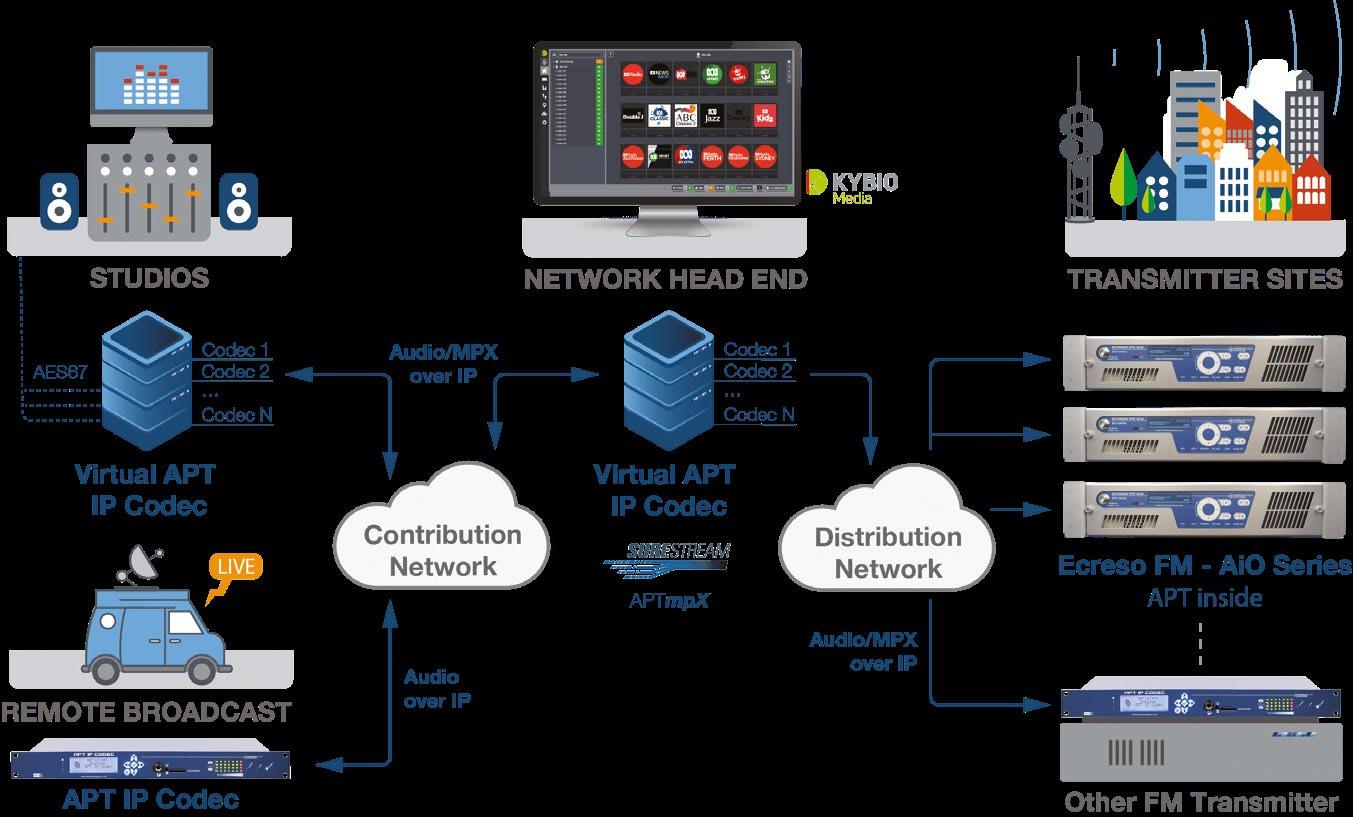
It fits into what WorldCast calls the Next-gen Broadcast Chain, where transport from the studio can be virtualized through a software processor feeding the audio or MPX signal to a Virtual APT IP Codec platform.


































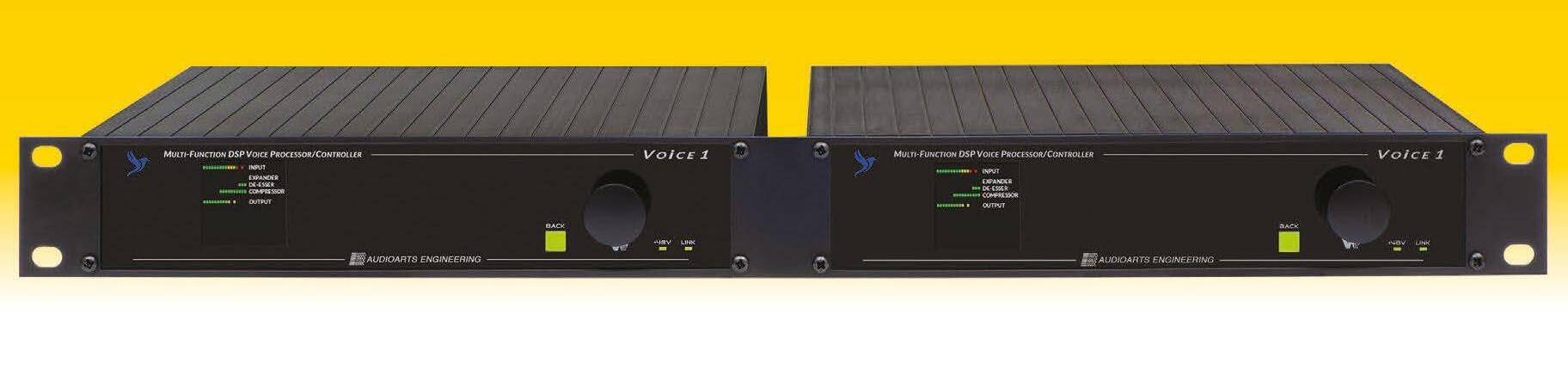









is a virtualized FM network application. Info: www.worldcastsystems.com/en/ 27 Buyer ’s Guide
Shown



28 radioworld.com | June 5 2024
Radio Programming
 Writer Ken Deutsch Retired broadcaster and former jingle producer

Why is radio so hard to listen to?
Good God, is there no one in the building actually listening to the station?
want to enjoy radio, I really do.
IBut when did it become acceptable for an FM music station to run seven minutes of commercials in a row? Now that some ads are just 15 seconds long the spot sets seem even more cluttered.
Of course this practice is now quite common so that a station can brag about its upcoming 30-minute music sweep or 10-in-a-row! But dropping this many commercials into one break is unfair to the advertiser who put up good money only to end up as the eighth spot out of 10. It doesn’t do much for the listener either.
This idea of cramming a dozen commercials into a spot set is one reason that more people are turning to online stations with low or zero spot loads, according to a program director friend of mine who requested anonymity.
“I attribute a lot of the long spot sets to corporate owners who, even though they have reduced operating costs by eliminating bodies, must still service their debt and satisfy stockholders,” he said.
And let us turn now to those horrendous digitally sped-up disclaimers, especially at the end of car dealer or payday loan spots. They sound like gibberish and become almost unbearable when heard multiple times an hour.
Our nameless but knowledgeable PD told me that most of these “disclaimers on speed” originate at ad agencies and are simply delivered to radio stations.
“When I hear one (at the front of a commercial) it signals that whatever I will hear in the next 55 seconds is going to be garbage,” our source said.
“The ones I really hate are those recorded at about 10 percent of the normal volume so it sounds like dead air before main part of the spot starts.”
I know that automation and voice-tracking are often necessary because of the economics of our industry, but there is no excuse for two audio elements running concurrently. The corollary to this is dead air, which seems to happen most often at network rejoins.
29 radioworld.com | June 5 2024
Olena Miroshnichenko/Getty Images
Radio Programming
There are many safeguards program directors can employ to make sure these don’t happen, yet happen they do, far too often. Good God, is there no one in the building actually listening to the station?
List of laments
Then there are those annoyances that are outside of the control of local stations.
On FM the biggest crime is over-the-top compression of songs, usually done at the mastering stage by the artist’s producer and recording studio. Yes, everyone wants to be loud, but when I put a typical album of today into my editing software, the waveform looks like a straight line, with all the audio pinned up against the ceiling.
We need some dynamic range because that is part of what brings emotion to the music. With rap it doesn’t make any difference, but for other musical genres, heavy compression ruins the songs. It’s very hard on the ears over time.
Our program director source added that even if a song is mixed with a little bit of dynamic range, the station’s own compression will probably bring the audio right back up. He sees no end in sight to the loudness wars on the radio dial.
of its stations, but our station did not follow along. I have a wideband Superadio in my office at work and we sound great there, but I also have two cars. One is a 2010 and the other is a 2019 model. The AM radio in the former is okay, but the 2019 AM radio is horrible. This car manufacturer must have spent about 39 cents on it, even though the stereo sounds great on FM, especially Sirius XM.”
But wait, there’s more, as it says in the infomercials. This program director said that radio, and in particular AM stations, have even more problems, as Radio World readers know well.
“AM radio is in a sorry state,” he said. “Besides lackluster receivers there’s so much interference from fluorescent lights and other electrical sources. I pass an all-electric city bus on my way to work and if I’m listening to an AM radio all I hear is static. The saving graces for many AM stations are FM translators and audio streams.”
“Dropping this many commercials into one break is unfair to the advertiser who put up good money only to end up as the eighth spot out of 10.
On AM the biggest turn-off is selfinflicted. By rolling off all frequencies in the air signal over 5 kHz and also many of the lower frequencies, audio now sounds like it’s coming over a phone. This is bad enough on talk programming but with music it is a real deal killer.
I know that not many stations play music on AM, but they all play some in the form of commercials and bumpers into and out of news. Apparently this is not a problem for young people who listen to music and even watch TV shows on their cell phones.
High fidelity is something audio engineers strove mightily to maximize beginning in the 1950s prior to the advent of stereo, but apparently audio quality is no longer a priority for many people. And don’t even get me started on stations that air MP3s instead of WAV files!
A disappointed radio fan
As I’m an audiophile and definitely in the minority, I’m probably out of line here. But over the last few years my radio listening time has dwindled to almost nothing as radio continues to disappoint me.
“Blame any AM receiver produced in the last 10 or 15 years,” said our anonymous PD. “One of the major group owners decided years ago to limit the frequency response
”Readers’ Forum
Pleasing polka
He pointed out that streaming radio sounds much better than many terrestrial AMs, with excellent music quality and processing, good song selection, tight segues, and often no commercials.
“There are thousands of them out there that put the local broadcast stations to shame, and many of them are run out of some guy’s spare bedroom!”
I want to enjoy radio, especially in my car, but I’m thwarted at every turn.
I liked Ken Deutsch’s article about Larry Walk (shown) and his 60 years of playing polka music!
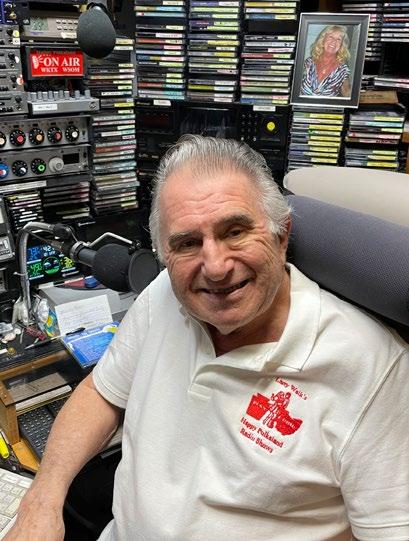
It reminds me of my early radio days as a DJ (a lousy one!) at KMAX-FM in Arcadia, Calif. It was a true mom-and-pop Class A station. Max and his wife Mary Ellen had a weekly “Polka Party” show every Saturday evening. They had zillions of listeners, being the only Los Angeles metro station that played polka music. I still have an aircheck of “The Last Polka Party” broadcast in 1975, just before Max sold his station. Nice article. It’s what local radio should be.
Hank Landsberg Henry Engineering and Sine Control Technology Seal Beach, Calif.
30 radioworld.com | June 5 2024
9000