Artists Are Business Owners Too gener8tor's Most Recent gbeta Cohort WellTold: Where Mission Meets Story
Partner Content: Get Clarity. Gain Control. Grow Confidently
Partner Content: A Century of Hospitality
Partner Content: Construction Experts Built for Every Project
Beyond the 9 to 5
Mike Warner Offers a Lifetime of Knowledge in New Book
WellTold: Where Mission Meets Story
The Biggest Wastes of Money for Business Owners
gener8tor's Most Recent gBETA Cohort Artists Are Business Owners Too
Goodbye Geneva!
fargoinc@spotlightmediafargo.com
Brady Drake, Fargo INC! Editor
Mike Dragosavich
Brady Drake Brady@SpotlightMediaFargo.com
Geneva Nodland
Kim Cowles
Ty Betts
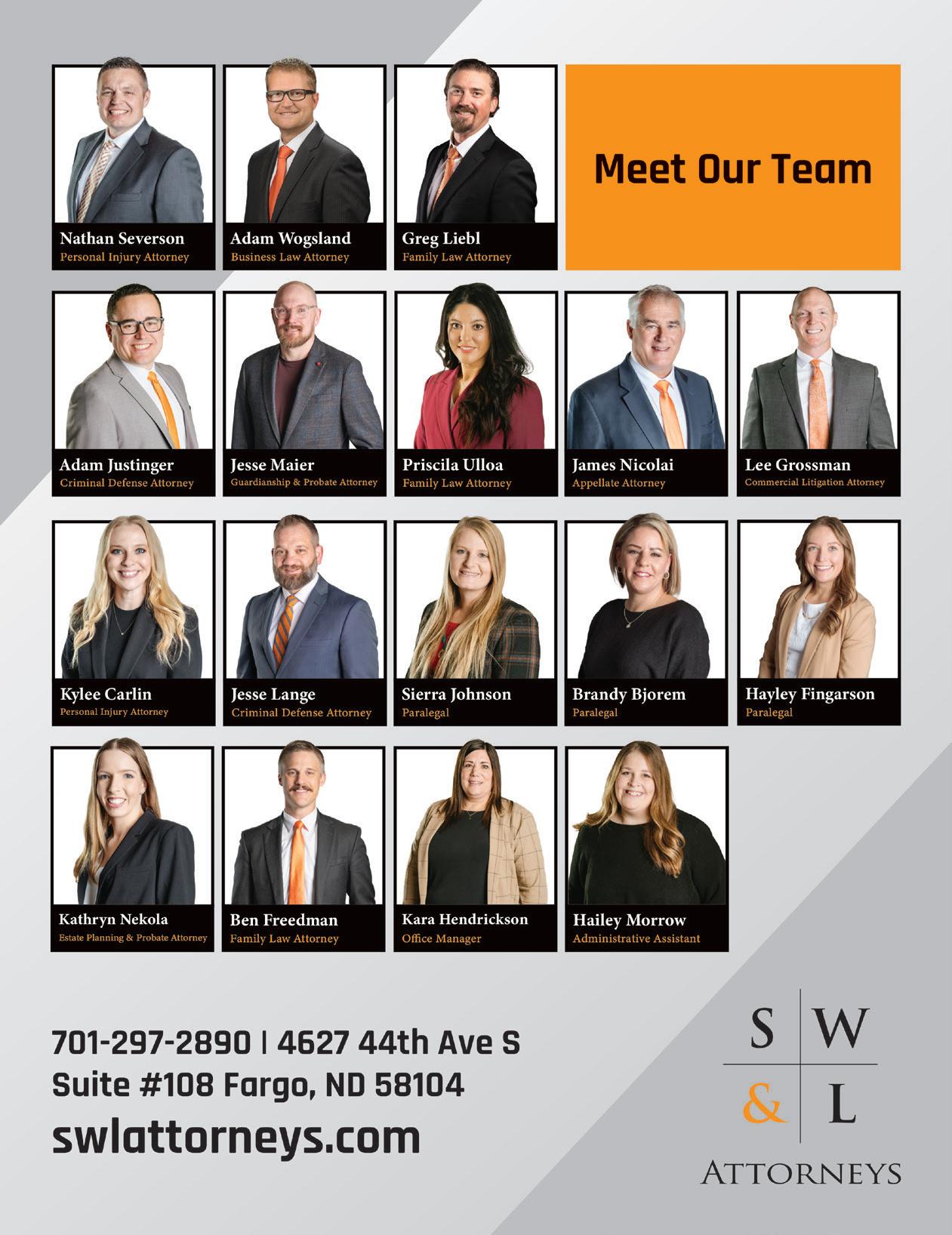
John Machacek, Jordan Woods (Ladyboss Lifestyle), Doug Sanzone (VBOC), Del Carver (SCORE), Jesse Maier (SW&L)
Kellen Feeney Megan Suedbeck Sara Jentink
Dustin Gire Tammy Fogle
Paul Hoefer
Paul@SpotlightMediaFargo.com
Al Anderson Al@SpotlightMediaFargo.com
Austin Cuka
AustinCuka@SpotlightMediaFargo.com
Matt Purpur Matt@SpotlightMediaFargo.com
ClientRelations@SpotlightMediaFargo.com
Jessica Ventzke
Tyler Duclos
Jasmine Joy
Missy Roberts
John Stuber
By Cooper Windahl
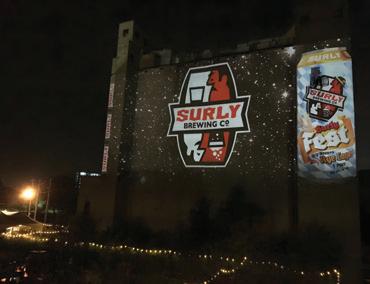
PROJECTION VS. VIDEO WALL FOR YOUR EVENT
hoosing the right way to show off digital content for your event is important for impact and engagement. Let’s talk about some of the differences in digital display tech that we’re proud to show off every day here at Livewire.
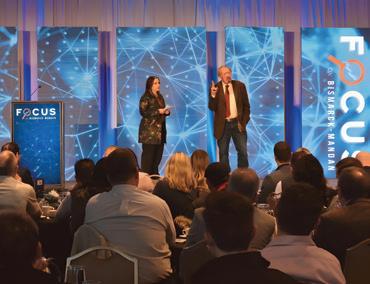
Projection and projection mapping offers cost-effective large-scale visuals, easily adjustable screen sizes, and portability. This, combined with typically requiring less power, makes it a go-to solution for many styles of events. Some standout situations for projection include:
• Conferences and galas in small to large format ballroom spaces
• Outdoor movie night in a park
• Small theater production or school play
• Interactive art installation in a gallery
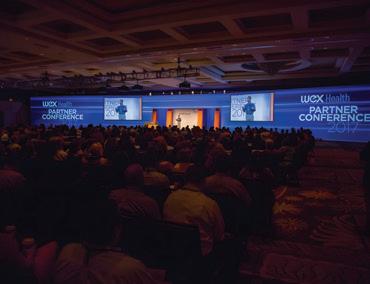
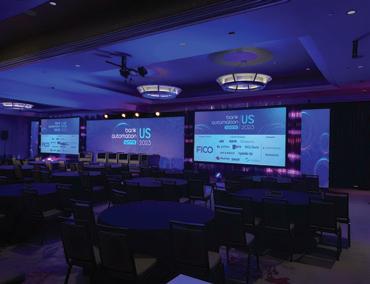
Conversely, LED video walls shine with superior brightness and contrast, ensuring visibility even in broad daylight. Their seamless, modular design allows for impactful, custom displays ideal for high-stakes corporate conferences demanding professional clarity and tradeshow booths needing to capture attention. The exceptional image quality and high refresh rates of LED walls guarantee smooth, engaging content delivery.
Some standout situations for projection include:
• Daytime outdoor music festival stage backdrop
• Corporate conference general session in a large ballroom
• Tradeshow booth or pop-up centerpiece
Understanding these core differences allows for informed decisions tailored to your event's specific needs, budget, and environment. It's important to remember that the most impactful visual experiences can often be achieved by strategically combining the strengths of both technologies. As innovations happen within each sector, it is inspiring to see the advancements that lead to new, complementary designs and integrations for events.
Envision a large-scale immersive art exhibition where a central LED video wall showcases high-definition video art, while surrounding architectural elements come alive with dynamic projection mapping, enveloping visitors in a truly captivating and multi-sensory environment. That’s just one great example of the power and impact of the latest LED video walls and high-resolution video projection at Livewire.
Contact Livewire today to elevate your event experience!
Projection Mapping at Surly Brewing, Minneapolis, MN
WEX Health Partner Conference 2017, 2018, Livewire in partnership with Spider & Co.
Focus on Bismarck-Mandan, Bismarck.
Industry Conference, Charlotte, NC.
CHECK OUT
SPOTLIGHT MEDIA'S OTHER PUBLICATIONS
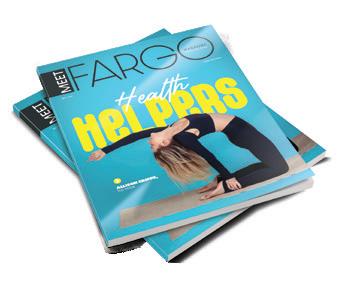
We always hear that the people are what make the Fargo-Moorhead community great. So, why not meet them? Each month we cover a different topic led by local voices. We meet advocates, experts, and people just like you!
meetfargo.com /meetfargo @meetfargo @meetfargo
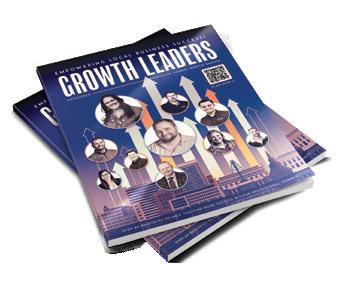
Growth Leaders is one of Spotlight's annual publications dedicated to showcasing our local companies and the services they bring to the Fargo-Moorhead area.
Bison Illustrated is your number one source for all of the behind-the-scenes action inside the North Dakota State University Athletic Department.
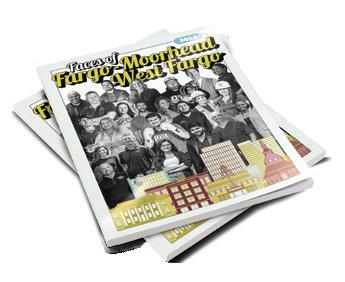
You may already be familiar with our Faces of Fargo-Moorhead-West Fargo publication which we publish once per year in order to highlight the faces behind all of the great businesses in the community.
Future Farmer is our farming publication which brings great tech-focused content to readers across North Dakota and Minnesota.
futurefarmermag.com /FutureFarmerMag
Are you in need of a new career? The Great Places to Work Fargo-MoorheadWest Fargo Annual Career Guide highlights amazing businesses in the area that provide great growth opportunities, benefits, and more!
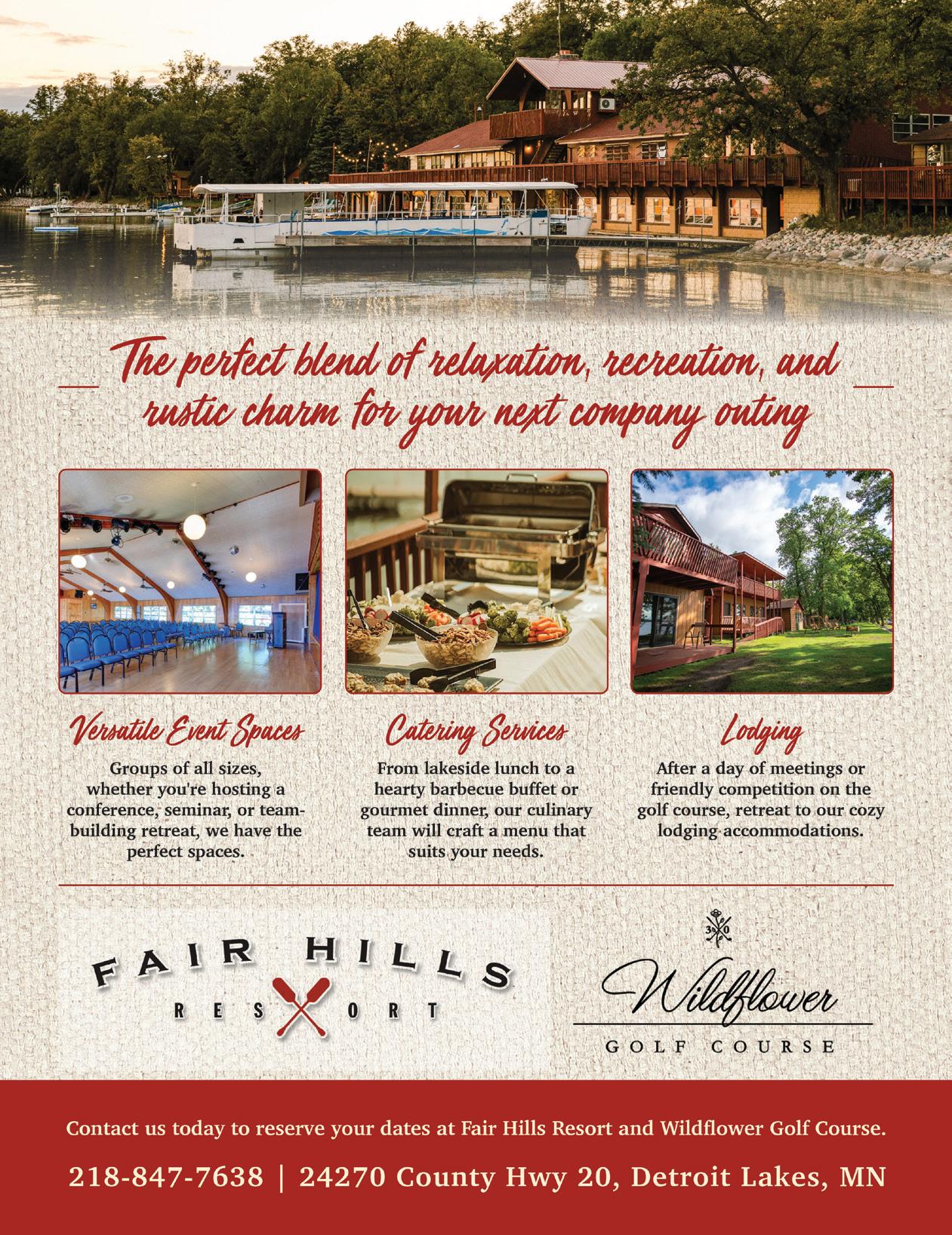
Fair Hills Resort for Families & Businesses
By Geneva Nodland
Hospitality A Century of
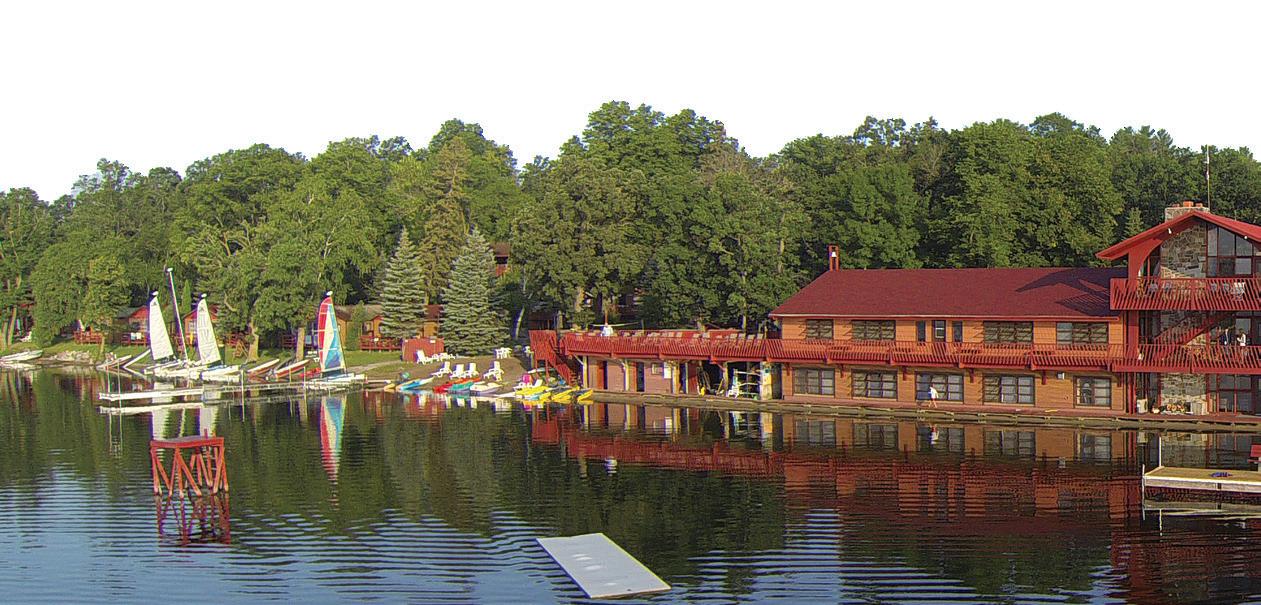
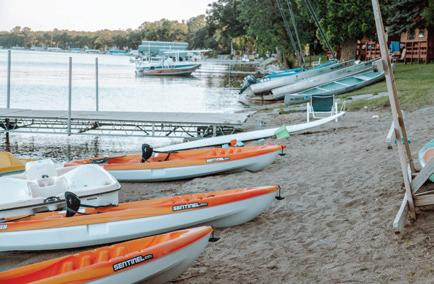
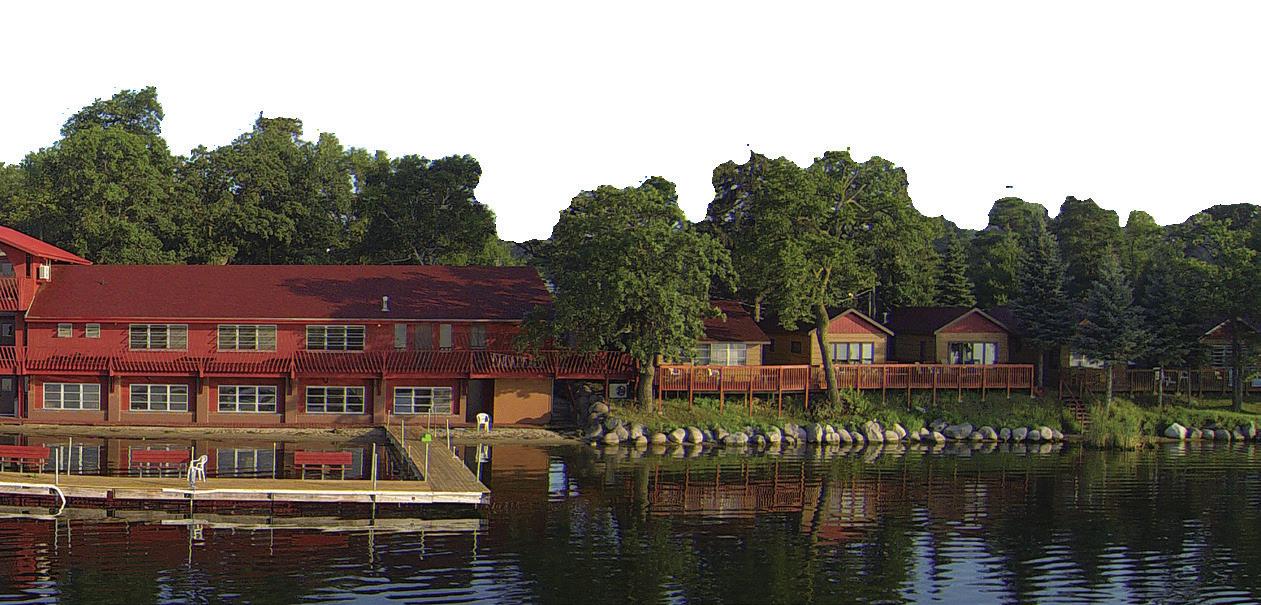
the shores of Pelican Lake in Detroit Lakes, MN, Fair Hills Resort has been a cherished destination for families and organizations alike for over a century. This all-inclusive resort seamlessly blends traditional charm with modern amenities, making it a great spot for both memorable family vacations and unforgettable corporate events.
A Premier Family Destination
Fair Hills Resort is designed to provide an engaging and relaxing experience for guests of all ages. With over 100 comfortable cabins and three hearty meals served daily, families can tailor their stay to be as action-packed or leisurely as they desire. The resort offers activities including staff-led programs for guests aged 4 to 94, fitness classes, athletic lessons, live music, and sing-along cocktail hours—every family member can find
A Legacy of Excellence
Operating in its 99th year of business under a sole family ownership, Fair Hills Resort has built a legacy of excellence, with 87% of guests returning year after year, generation after generation. This remarkable loyalty is telling to the resort's commitment to providing exceptional experiences.
An Ideal Venue for Corporate Events
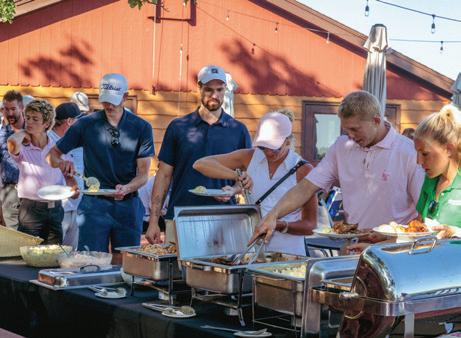
hosting corporate meetings, retreats, and conventions. The resort provides versatile meeting spaces equipped with modern technology, accommodating groups ranging from intimate teams to larger assemblies. Organizations can benefit from tailored resources for training sessions, group activities, and various types of meetings. Additionally, Fair Hills offers comprehensive teambuilding activities on site, including pontoon cruises (complete with food and drink), golf tournaments hosted at Wildfower Golf Course, and even activities like scavenger hunts or icebreakers led by the Fair Hills staff.
Plan Your Next Corporate Gathering at The Barn at Five Lakes
Reintroducing The Barn at Five Lakes, a premier event venue under the umbrella of Fair Hills Resort, conveniently located between Vergas and Frazee, MN. Recently reopened and refreshed, The Barn blends rustic elegance with modern functionality, marking itself as a toptier destination for corporate retreats, team-building events, and executive offsites.
Whether you're organizing a strategic planning session, a leadership summit, or a company-wide celebration, The Barn’s spacious,
Lakeside Cabins
Ten cabins provide on-site lodging for your team or guests, eliminating commute concerns and creating a retreat-like atmosphere.
Natural Setting
Set against a serene lake backdrop, The Barn offers a calming, picturesque environment that elevates the tone of any gathering— business or personal.
More Than Just Meetings
Take advantage of Stay & Play Packages that combine business with leisure. After a productive day, your team can unwind with water sports, guided hikes, golf, or simply take in the serene surroundings.
Also Perfect For
Wallwork Truck Center's Testimonial
Our staff has shared with me that this was, without a doubt, the most organized event we’ve ever had, and I couldn’t agree more. Even with the numerous lastminute changes, the event still went smooth.
Packages at Fair Hills
Fair Hills offers a variety of allinclusive packages designed to cater to families and groups of all sizes. With meals, activities, and accommodations bundled into one easy price, parents can focus on enjoying their time without worrying about logistics. Check them out!
Stay & Play Getaways:
Perfect for weekend retreats with
Registration has always been a bit of a challenge for our group, but this year, the challenge didn’t feel as heavy as years past. Your dedication and meticulous planning truly shone through, and it made a world of difference... I’m genuinely looking forward to working together on future events and continuing this fantastic partnership. Thank you once again for making this event a standout success.
- Allison Brocht, Wallwork Truck Center
Wildflower Golf Course
Tucked in the hills around Fair Hills Resort, Wildflower Golf Course has top-notch greens for golfers of all levels!
Features:
• 18 challenging holes with strategically placed hazards and rolling greens, complete with six sets of tees, allow players of all skill levels to enjoy a round.
• Driving range and practice facilities to perfect your swing.
• Golf lessons for all skill levels.
• Stay and play packages, combining great golf with accommodations at Fair Hills Resort and Five Lakes Resort.
• A fully stocked pro shop and the Wildflower Grill, perfect for a post-round meal or drink.
• Whether you’re looking for a peaceful round of golf or a competitive challenge, Wildflower Golf Course is a top-tier destination in Minnesota’s lake country!
Wildflower Golf Course
Fair Hills' Wildflower Golf Course offers more than just exceptional golf—it’s a destination where business and leisure blend! Located near Pelican Lake and part of the Fair Hills Resort family, this 18-hole, par-72 course is a favorite among avid golfers, weekend players, and business professionals alike.
Designed by acclaimed course architect Joel Goldstrand, Wildflower combines natural prairie beauty with a layout that’s both challenging and rewarding. With immaculate greens, strategic bunkers, and expansive views, it’s no surprise that many of its regulars are prominent business owners, executives, and entrepreneurs who appreciate the game as much as the connections it inspires.
Why Golf Wildflower?
Championship-Caliber Course
Consistently ranked among Minnesota’s top public courses, Wildflower features 7,000 yards of diverse play, appealing to golfers at every skill level.
Scenic & Serene Setting
Surrounded by native prairie grasses, oak groves, and lakeside views, the course delivers a peaceful escape— perfect for clearing your head or closing a deal.
Full-Service Experience
Enjoy a welcome clubhouse with a Pro Shop, cart rentals, snacks and beverages to keep you going all 18 holes, as well as excellent practice facilities including a putting green, chipping green, and the best driving range around. They also offer club rentals for out-of-town guests or clients. The staff will go above and beyond to make your experience at the course one to remember!
A Smart Choice for Corporate Golf & Retreats
Looking to strengthen team dynamics or impress clients? Wildflower offers customizable group golf packages and is just minutes from The Barn at Five Lakes and Fair Hills Resort, making it ideal for:
• Corporate golf outings & tournaments
• Executive team-building retreats
• Client entertainment with overnight accommodations
Did You Know?
Perfect For
• Golfers seeking a top-tier public course in a naturally stunning location
• Business professionals and company leaders looking to network or unwind
• Groups wanting a seamless golf + lodging + event space package
Whether you're aiming for par or planning your next team getaway, Wildflower Golf Course offers the perfect fairway to relax, connect, and play your best round yet.
Add a catered lunch, networking social, or post-round dinner for a complete business-meetspleasure itinerary.
Fair Hills is proud to have been recognized by Forbes, Travel + Leisure, and National Geographic Traveler as one of America’s Best All-Inclusive Resorts. The Kaldahl Schupp family, who have owned and operated the resort since 1926, is excited to celebrate the resort’s 100th anniversary of their family's ownership next year!
Learn more about Fair Hills Resort, Five Lakes Resort, and Wildflower Golf Course and plan your next team event, family vacation, or personal adventure! /fairhillsresort @fairhillsresort @FairHillsResort @fairhillsresort @fair.hills.resort
Branding Beyond Boundaries
Unlocking the Power of Vinyl Graphics for Windows, Walls & Floors
Custom Graphics, we offer the perfect vinyl solution for any surface you can imagine! Whether you're looking to block harsh sun glare or create a personalized mural that reflects your company's values, we bring your vision to life with precision and quality.
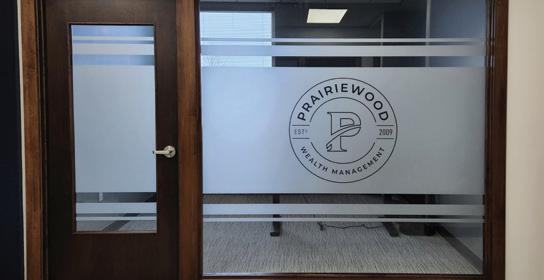
Privacy/Frosted Film
Transparent vinyl that creates the appearance of etched or sandblasted glass.
Eliminates Glare: This film scatters sunlight, minimizing eye strain and improving visibility without blocking natural light. This makes it an effective solution for reducing glare in offices, homes, and commercial spaces while maintaining privacy and aesthetics.
Ideal For:
Office Windows
Conference Windows
Adding Decorative Touches to Windows (logos, phrases, designs, etc.)
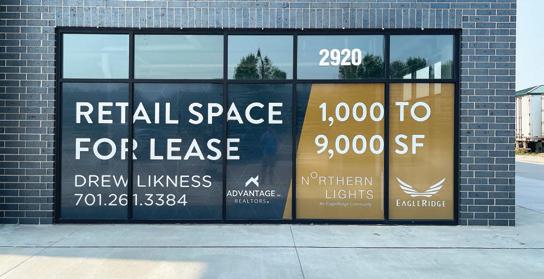
Perforated
Perforated window vinyl works by using tiny, evenly spaced holes to create a one-way visibility effect. The printed design on the outside appears solid, while the perforations allow light to pass through, maintaining visibility from the inside.
Ideal For:
Vehicle Windows
Storefronts
Office Windows
Glass Doors
Opaque Graphics
These are non-see-through and completely block visibility.
Ideal For:
Concealing
Vinyl lettering
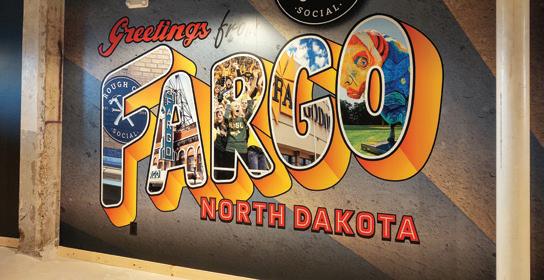
Wall Wraps
A large vinyl graphic applied to walls to transform spaces with branding, advertising, or decorative designs.
Wall Graphics
Smaller, individual decals applied to specific areas of a wall.
Ideal For:
Interior Office Spaces
Large-Scale Advertising
Exterior Walls
Murals
Vinyl for any surface
It's crucial to purchase your vinyl from a reputable company and have it installed by trusted professionals. With varying wall materials and finishes, selecting the right vinyl is essential. Using the wrong type can lead to costly and frustrating issues.
Example:
When wrapping a brick wall with its porous and rough texture, it's essential to use vinyl with strong adhesive.
However, for a sheetrock wall, using the same vinyl could damage the surface, as it might pull the wall's layer off when removed.
Floor Graphics
Vinyl floor graphics are custom-designed decals or images applied to floors to create impactful visuals, signage, or branding. Made from durable, slip-resistant vinyl, these graphics can be used in high-traffic areas such as retail stores, offices, event spaces, and even warehouses.
Ideal For:
Guiding Foot Traffic
Promoting Brands or Events
Adding Decorative Elements
A: Yes, there are a handful of important safety standards for floor and wall graphics to either prevent slipping or combat the potential for hazardous events like fires. There are specific materials/laminates that are appropriate for the safe use of floor graphics. Only buy materials classified by UL Solutions for slip-resistance of floor surface materials.
Slip resistance is essential for graphics adhered to a floor whether it’s wood, tile, or concrete—indoors or outdoors.
A: This is a loaded question… it depends on a few factors if your wall wrap will be removable or not.
High-quality vinyl wall wraps are designed to be taken off without causing damage to the surface underneath, especially if they were applied correctly
However, the ease of removal depends on factors such as the type of vinyl, the quality of vinyl, the wall’s finish and how long the wrap has been in place.
A: The correct vinyl material depends on your specific goals and the surface you plan to apply to. We highly recommend working with trusted professionals to ensure you have the best possible outcomes.
Wall wraps
Floor Graphics
Construction Experts Built for Every Project
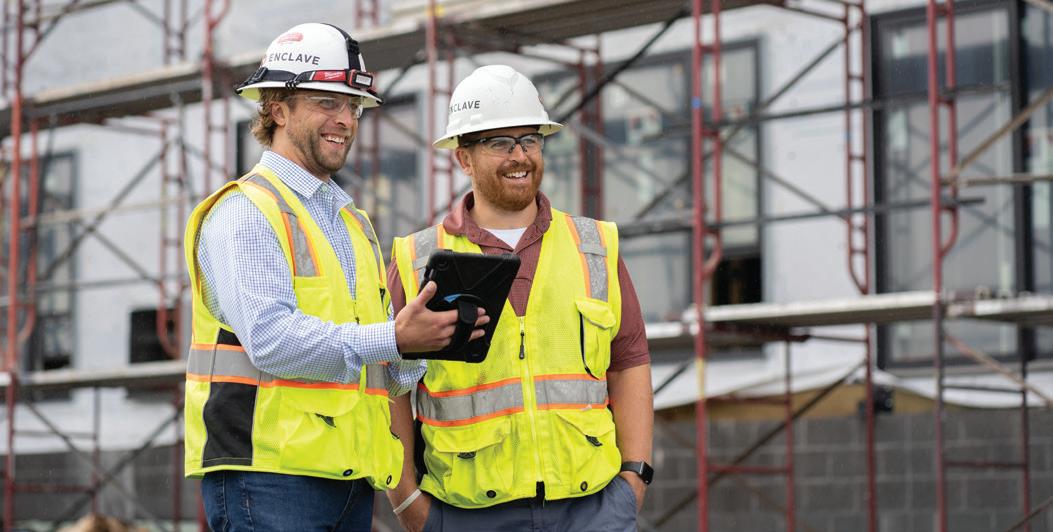
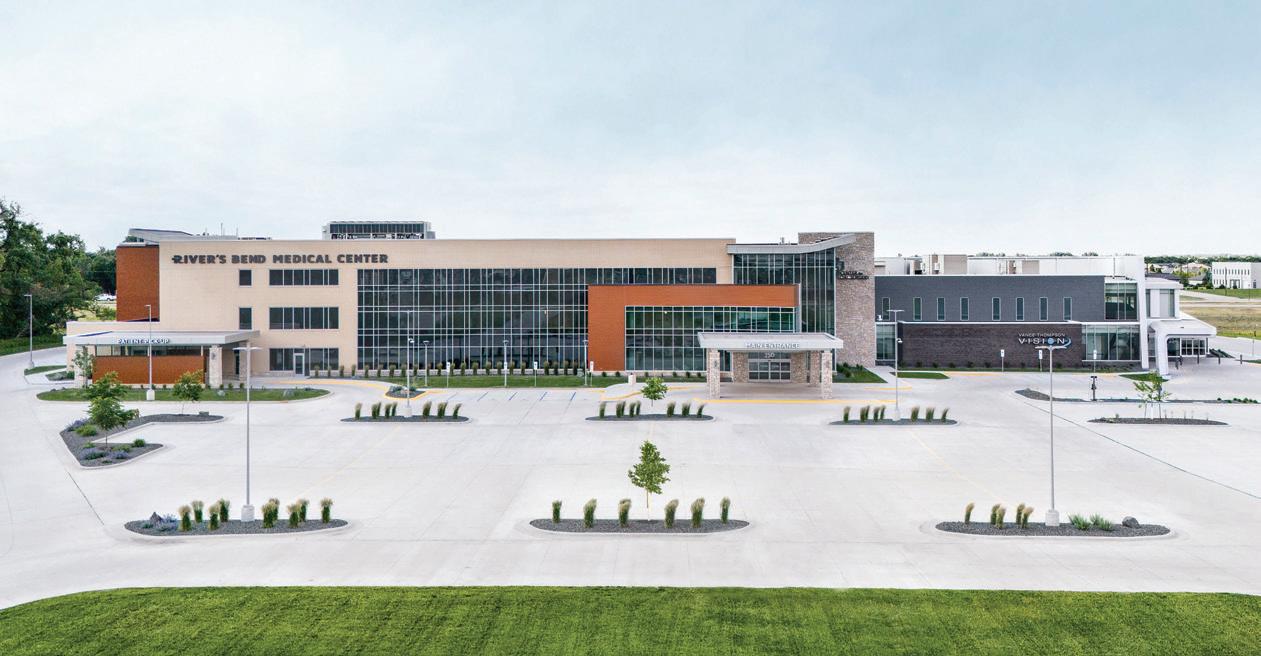
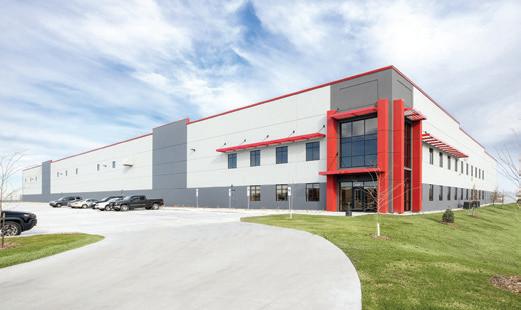
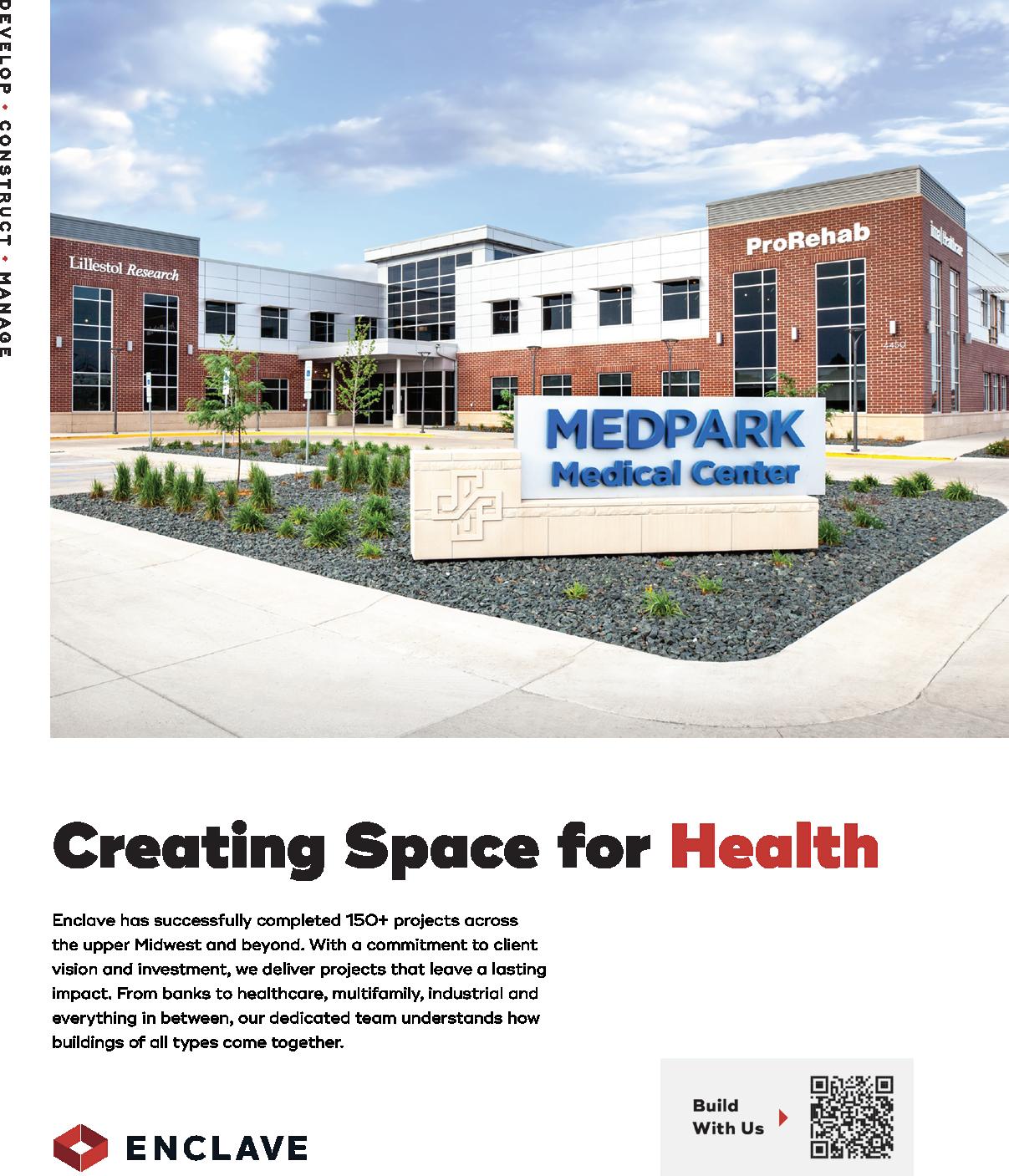
Enclave is a full-service real estate firm that creates spaces where people thrive. Using their unique perspective as a co-investor, owner and long-term holder of real estate assets, Enclave builds healthcare, industrial and commercial spaces that prioritize client vision, budget and schedule.
Since 2011, their unified in-house development, construction and management team has helped shape the community they call home and is leaving a lasting impact on communities across the Midwest and Mountain West.
What Sets Enclave Apart
We view client and partner success as our success, and our team executes in pursuit of total client satisfaction through proactive communication, planning and attention to detail.
Jeremy Cossitt Director of Construction, Enclave
When clients choose to build with Enclave, they benefit from more than just their expertise and assurance as a general contractor. Enclave leverages their experience as building owners and operators, tapping into the collective knowledge across teams to provide valuable insights on site selection, operating efficiency and cost-effective solutions.
Enclave’s dedication to quality and customer satisfaction was evident in every interaction, and their ability to deliver on-time and under budget exceeded our expectations.
Dr. Michael Greenwood Vance Thompson Vision
Recognized for Quality, Safety and Innovation
With 150+ projects built, spanning over 9 million square feet, Enclave’s team approaches each project with a commitment to align with a client’s vision and provide frequent and transparent communication. Whether building from the ground up or upgrading a current space, Enclave acts as a steward of your investment by listening, exploring all options, advising and executing according to plan.
By Geneva Nodland
Geneva Nodland
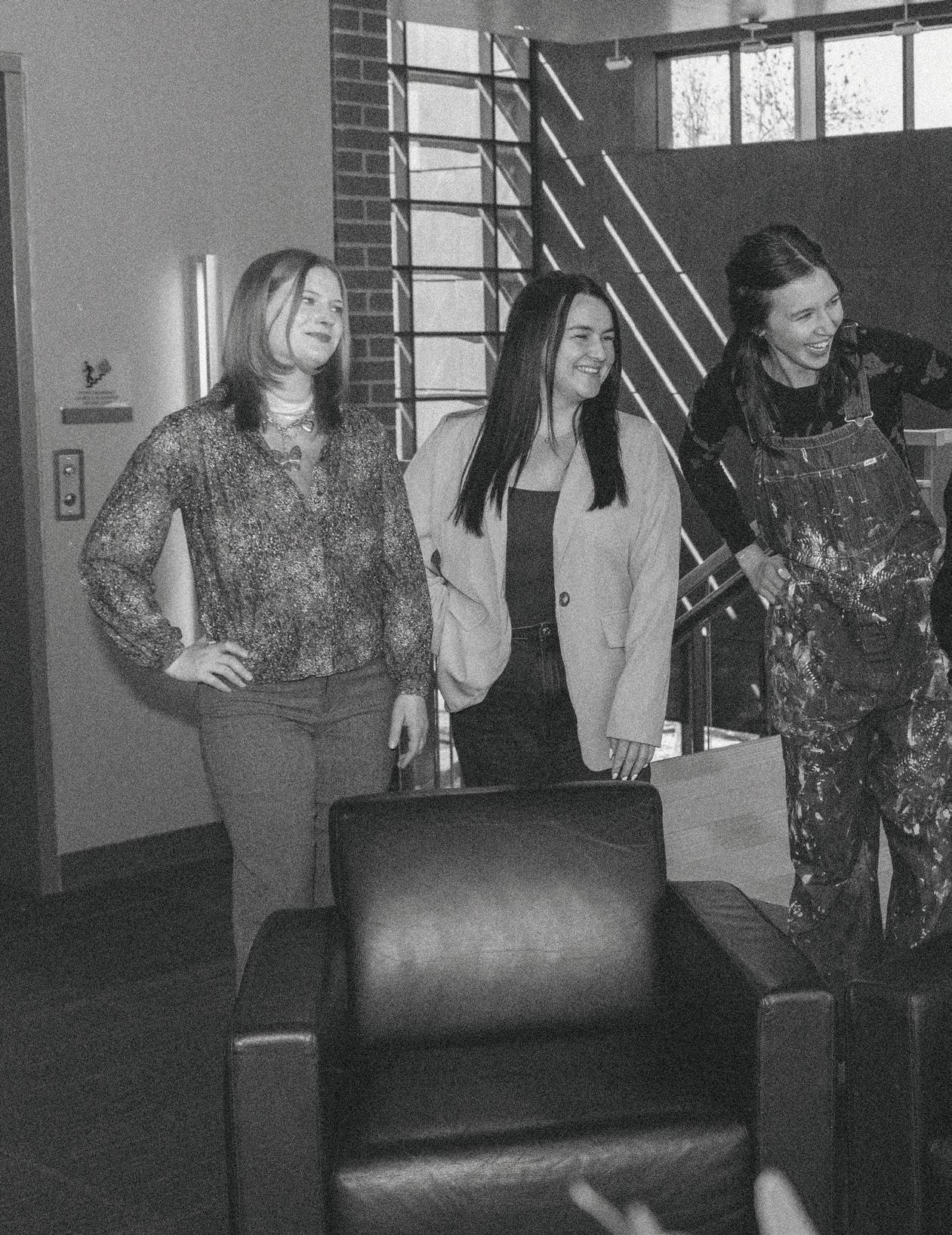
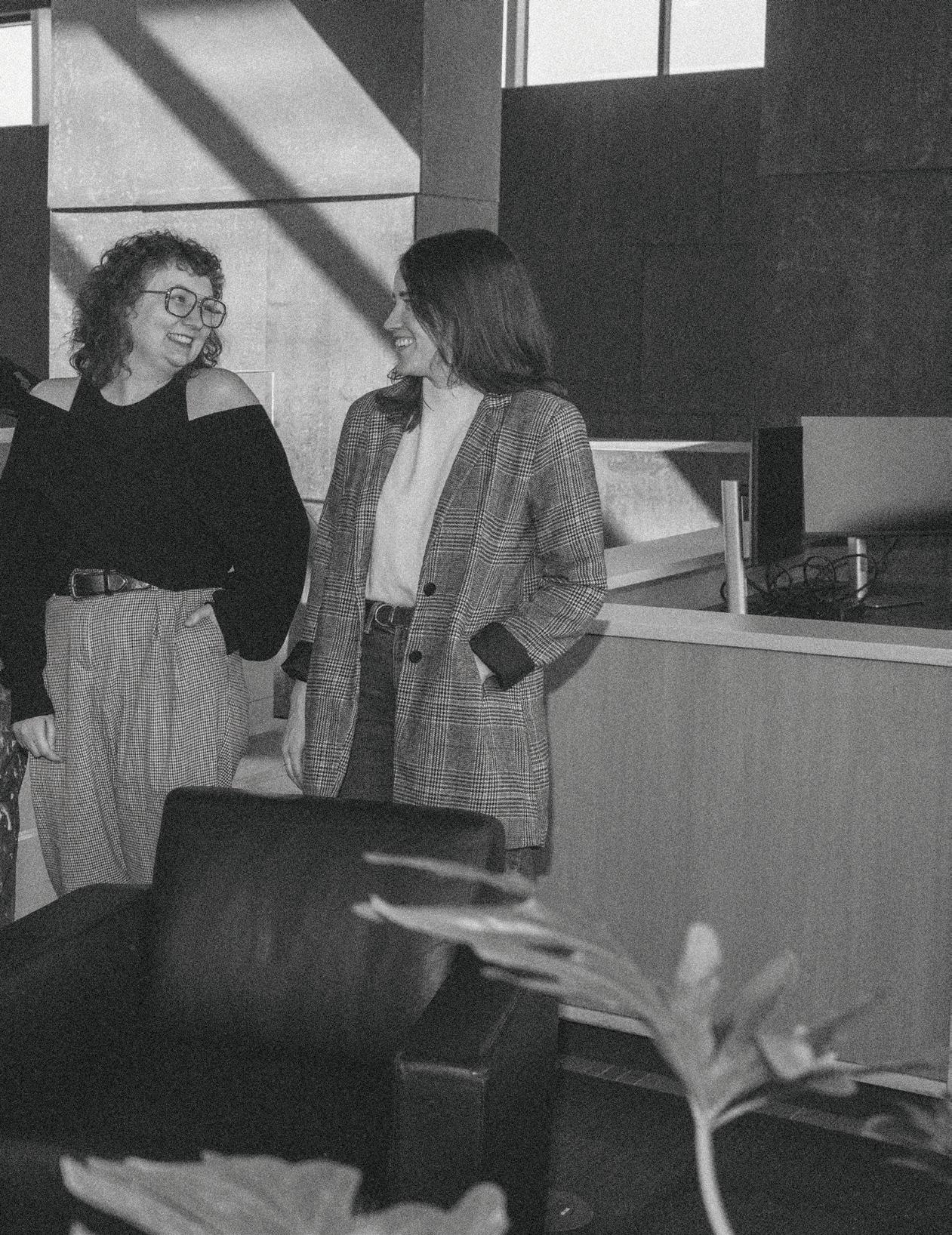
Folkways, building community isn’t just part of the job—it’s the job. From curating immersive events like the Red River Market to fostering creative entrepreneurship through local partnerships, the team at Folkways is devoted to helping Fargo-Moorhead thrive.
But what makes this group even more inspiring is what they do when the workday ends. Many of the people behind your favorite seasonal events, art installations, and public programs are also running their own small
businesses and programs—side hustles that are just as thoughtful, creative, and community-focused as their roles at Folkways.
In this feature, we spotlight five team members who embody the entrepreneurial spirit they champion. Their stories are a reminder that building a vibrant community isn’t just a nine-to-five—it’s something they live, breathe, and continue to build long after the workday ends!
Manager
of Development at Folkways AND Community Collaborator with CreativeMornings Fargo & Great Plains Food Bank
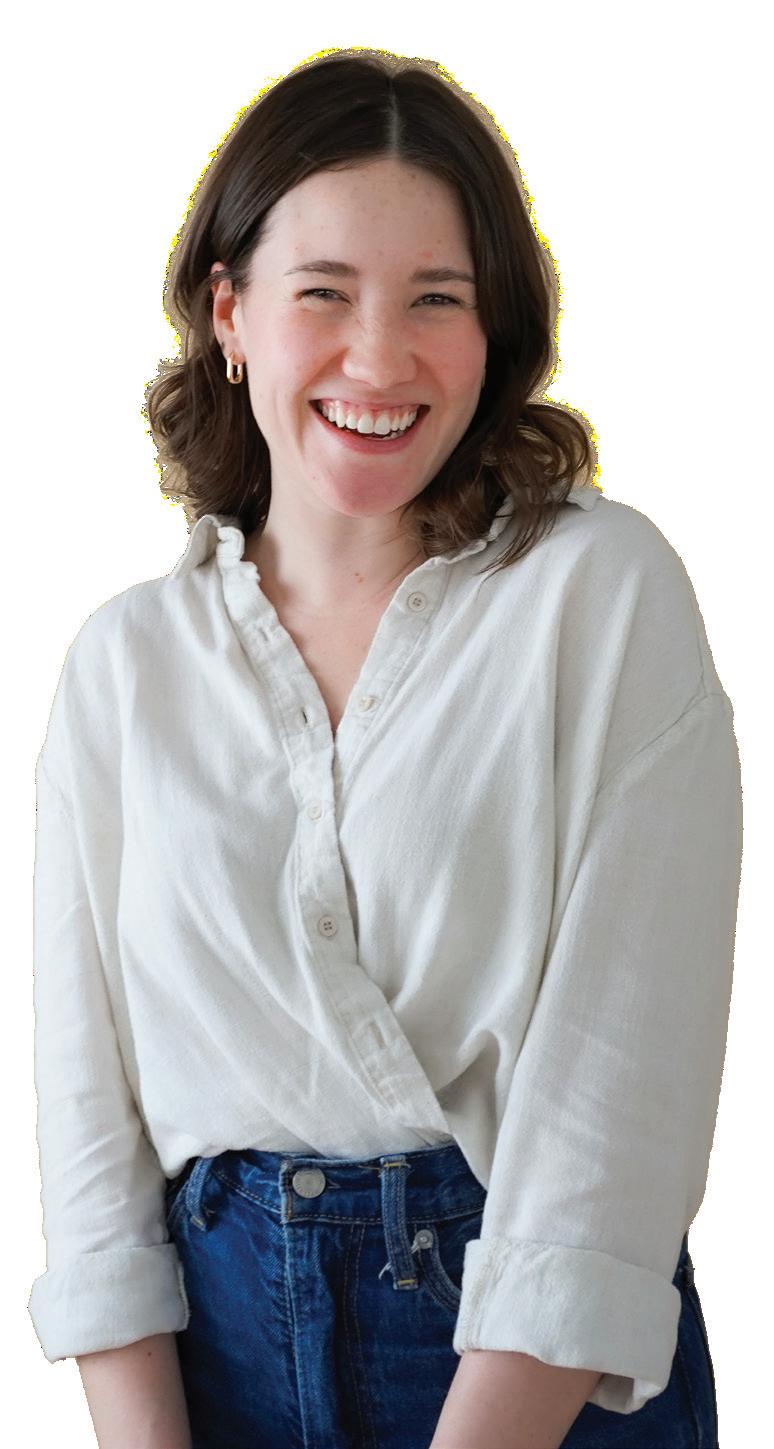
Emma’s heart beats for Fargo—and for creating spaces where others feel they belong. After leaving for college in Colorado, she returned with a reinvigorated appreciation for the power of community connection. Now, as Development Manager at
Emma joined Folkways in June 2023, drawn to the very mission that had inspired her years before. She once admired co-founders Simone and Joe from afar—now, she’s part of the team building the city’s most beloved events.
“I’ve looked up to Simone and Joe," Emma said. "It’s surreal (and really special) to now be part of the very work I once watched from the sidelines.”
While she doesn’t run a formal side business, Emma is deeply involved in two community-centered initiatives that definitely require a hustle: CreativeMornings Fargo, a global breakfast lecture series celebrating creativity, and the Great Plains Food Bank, where she contributes to outreach efforts that increase access to food security in the region.
Rather than simply coexist, her roles meaningfully complement each
Emma’s Community Web
Folkways, she helps bring to life programs like the Red River Market and Christkindlmarkt while also contributing to local causes outside of work.
other. Though her job at Folkways isn’t traditionally labeled as “creative,” Emma sees it as closely aligned with the mission of CreativeMornings: to create intentional spaces where people can gather, share ideas, and feel a sense of belonging. Her work in both areas fuels her passion for connection and storytelling.
She also sees significant overlap with her work at the Great Plains Food Bank. In fact, Folkways partnered with their SNAP Application Support Team last year to help expand access at the Red River Market through the Double Bucks program. For Emma, it was a powerful moment—proof that her different roles could converge in ways that make access easier and more inclusive for the community.
“Not surprisingly, these roles complement each other in really meaningful ways… Across all of these
• Hosts and curates CreativeMornings Fargo
• Collaborates with Great Plains Food Bank SNAP programs
• Leads development efforts at Folkways
roles, the common thread is building systems and spaces that care for people and foster connection," she said.
Emma's various roles blend seamlessly—what she does outside the office mirrors her work within it. She’s mindful, though, of the challenges that come with doing meaningful work across multiple spaces. It takes intentionality, boundaries, and rest to sustain this kind of impact.
“I see myself as a megaphone for the work I care about, so I have to be intentional about how I show up—and what I say yes to.”
Through it all, Emma continues to shape the community she's long called home, but once observed from the outside. Now, she’s right in the middle of it—building systems that offer care, connection, and a sense of belonging.
• Regular at Brewhalla board game Sundays
• Passionate about civic engagement, equity, and storytelling
Q: What does success look like to you—in either or both of your professional paths?
A: Success looks like creating spaces—both professionally and personally—where people feel welcome, connected, and empowered... Whether it’s through an event that sparks new relationships, a program that increases access, or simply showing up with consistency and care, I measure success by the ripple effect it has on others. If the work I do helps someone feel a deeper sense of belonging or possibility, that’s a win. Longterm, I hope success also means building systems that last—so the impact continues even when I’m not in the room.
Q: What have you learned about yourself through managing both roles?
A: I’m most fulfilled when I’m rooted in purpose, but I also need rhythm and rest to stay grounded. Balancing both roles has shown me how much I thrive in community-facing work, but also how easily I can overextend myself when I let passion override practicality. I’ve gotten better at honoring my limits, being intentional with my time, and recognizing that slowing down doesn’t mean stepping back—it means sustaining what I care about for the long haul.
Q: What advice would you give to someone thinking about launching a side business while working fulltime?
A: Your no is someone else’s yes—and that’s a good thing. Don’t be afraid to say no to things, even ones you're asked to do, in order to stay focused and protect the balance you're working hard to build.
At Folkways since: June 2023
Side Hustle Launched: Ongoing community work Business: Not a formal business, but active collaborations with CreativeMornings Fargo and the Great Plains Food Bank
Marketing Manager at Folkways AND Founder of Kale Social Co
A lifelong Fargoan with a passion for storytelling and small business support, Erica Kale has been helping local entrepreneurs shape their digital presence for nearly a
decade. Through her boutique marketing consultancy, Kale Social Co, she brings calm to the chaos of content strategy.
Erica started Kale Social Co in 2019 after recognizing her natural ability to translate business goals into relatable, creative online content. Over the years, she’s offered everything from full-scale brand support to photography, but today, she focuses on 1-on-1 consulting for small business owners seeking clarity in their marketing approach.
"I’ve always had a knack for breaking down a business into the parts that make it compelling to the public—and then packaging that story in a way that’s engaging and easy to digest on social media," Erica said. "Starting this side hustle was the perfect way to combine all my interests while using my skills to support the small business community."
Erica’s Marketing Flow
• Strategy at Folkways
• 1-on-1 consulting at Kale Social Co
• Monthly marketing tips newsletter
In 2022, Erica joined Folkways as Marketing Manager, where she now leads media relations, strategy alignment, and programs like CampusFM. With both hats on, she flexes different creative muscles.
"At Kale Social Co, I work with a wide variety of businesses… My work at Folkways has pushed me to think more holistically about marketing strategy, while Kale Social keeps me grounded in the fundamentals."
Her week is a strategic juggle. She prioritizes flexibility, timing her consulting sessions around Folkways’ busiest seasons—like launching the Red River Market in June or gearing up for Christkindlmarkt in November.
Time isn’t the only challenge. Pricing creative services, staying energized, and keeping the “fun” in functional are all part of the balance Erica has had to fine-tune over the years.
"One of the most rewarding parts is when I can tell that working with me has taken the weight off small business owners’ shoulders. Marketing can feel overwhelming, and it’s so rewarding to see that sense of relief when things start to click," she said. "That mix of clarity and real results is why I love doing it."
• Collaborates with Studio Freshly
• Balances client work around seasonal events
Q: What does success look like to you—in either or both of your professional paths?
A: Success is knowing that what I’m doing truly matters, whether it’s to one individual, my community, or the world at large. Small actions can have a big impact, and I’m passionate about working in areas like fostering belonging and supporting small businesses, both of which I wholeheartedly believe in!
Q: What have you learned about yourself through managing both roles?
A: I’ve learned that managing creative energy is all about balance. I thrive on being creative with content and strategy, but I also enjoy diving into the details— like working through marketing checklists and researching new tools.
Q: What advice would you give to someone thinking about launching a side business while working fulltime?
A: Starting your own business can definitely be a lot of work, but if it’s something you’re passionate about, don’t forget to have fun along the way! Always stay connected to your “why” for creating the business, and recognize when things start to feel overwhelming. The beauty of being the boss is that you get to call the shots and set the pace, so take the time to prioritize your well-being and enjoy the journey.
At Folkways since: 2022
Side Hustle Launched: 2019
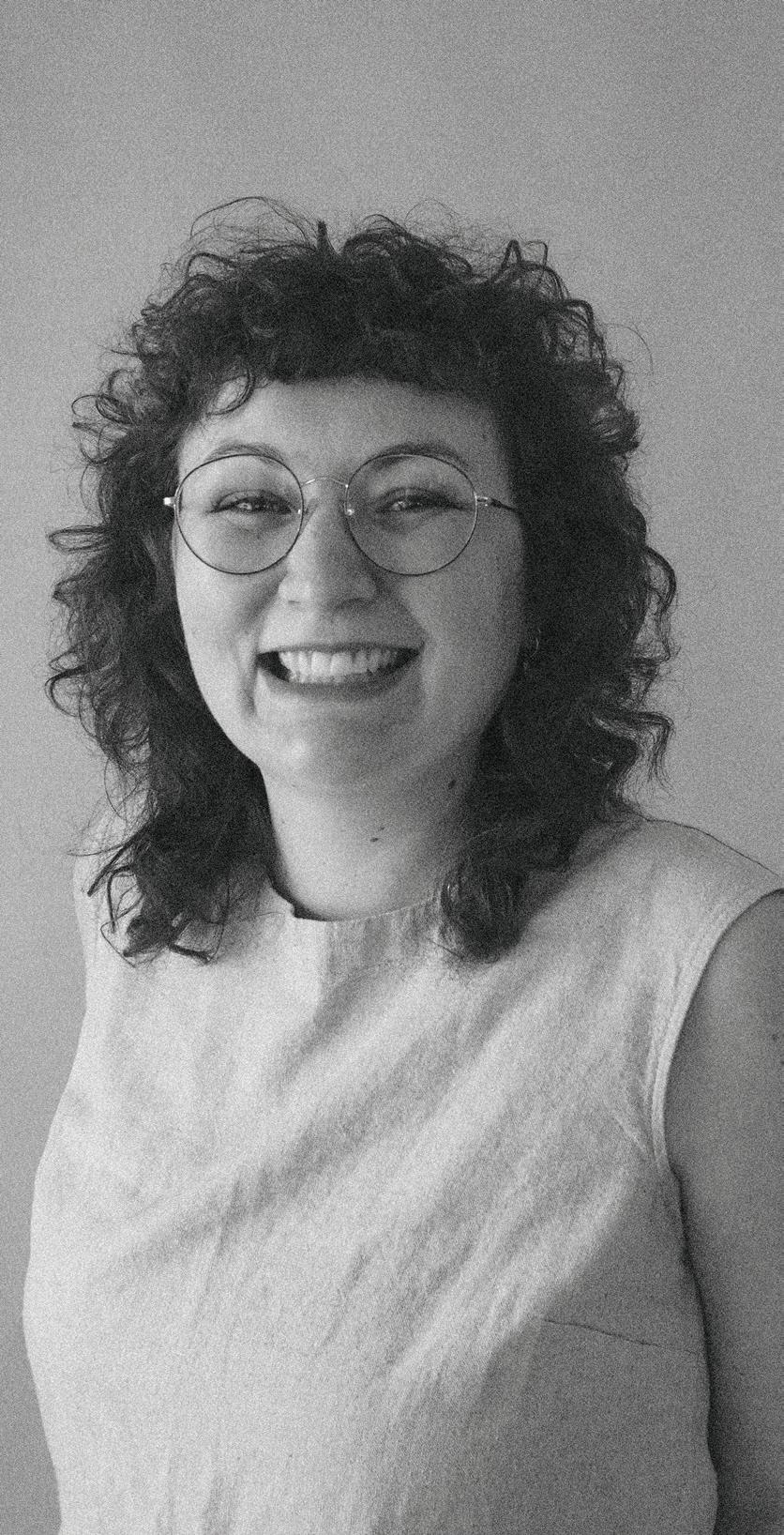
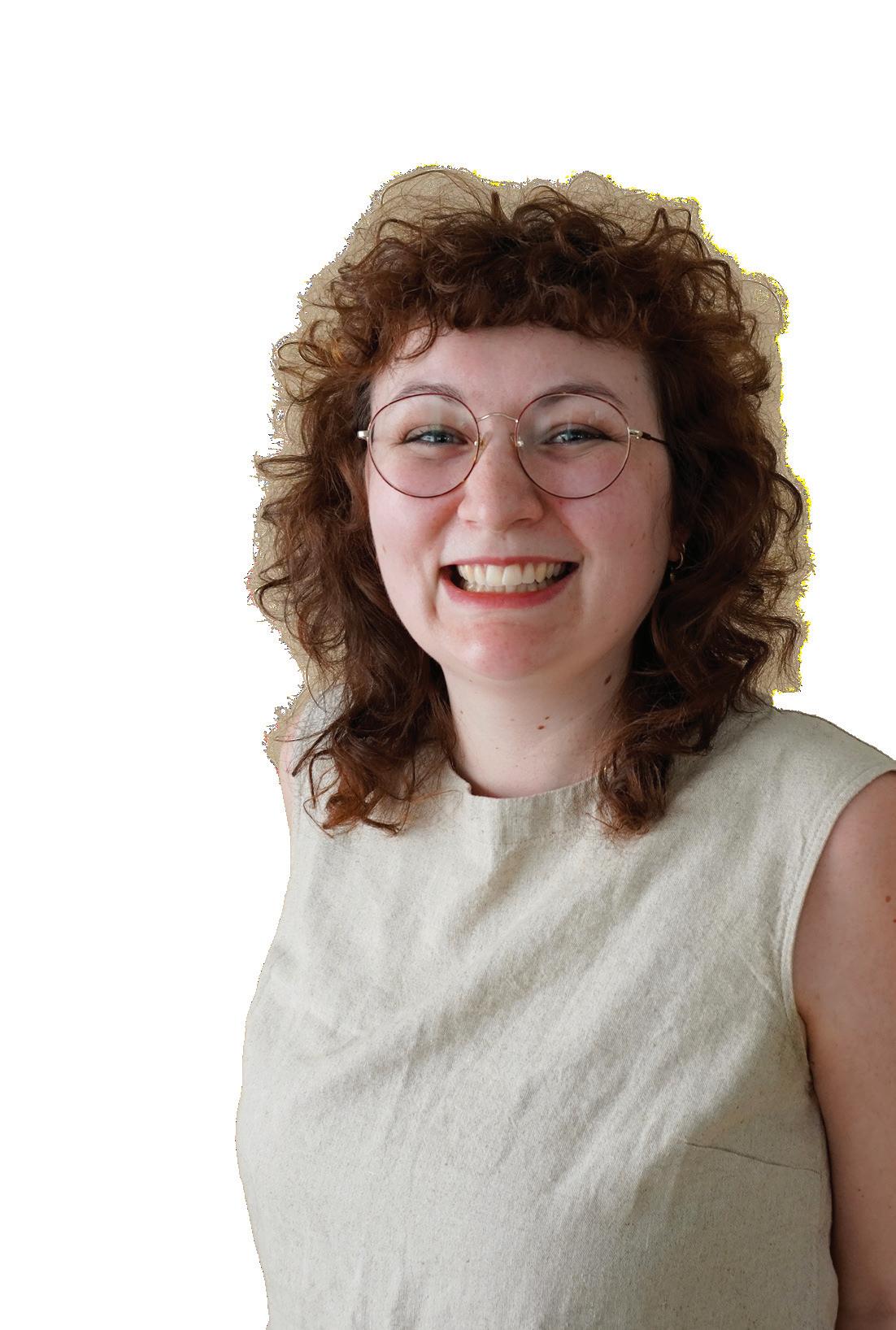
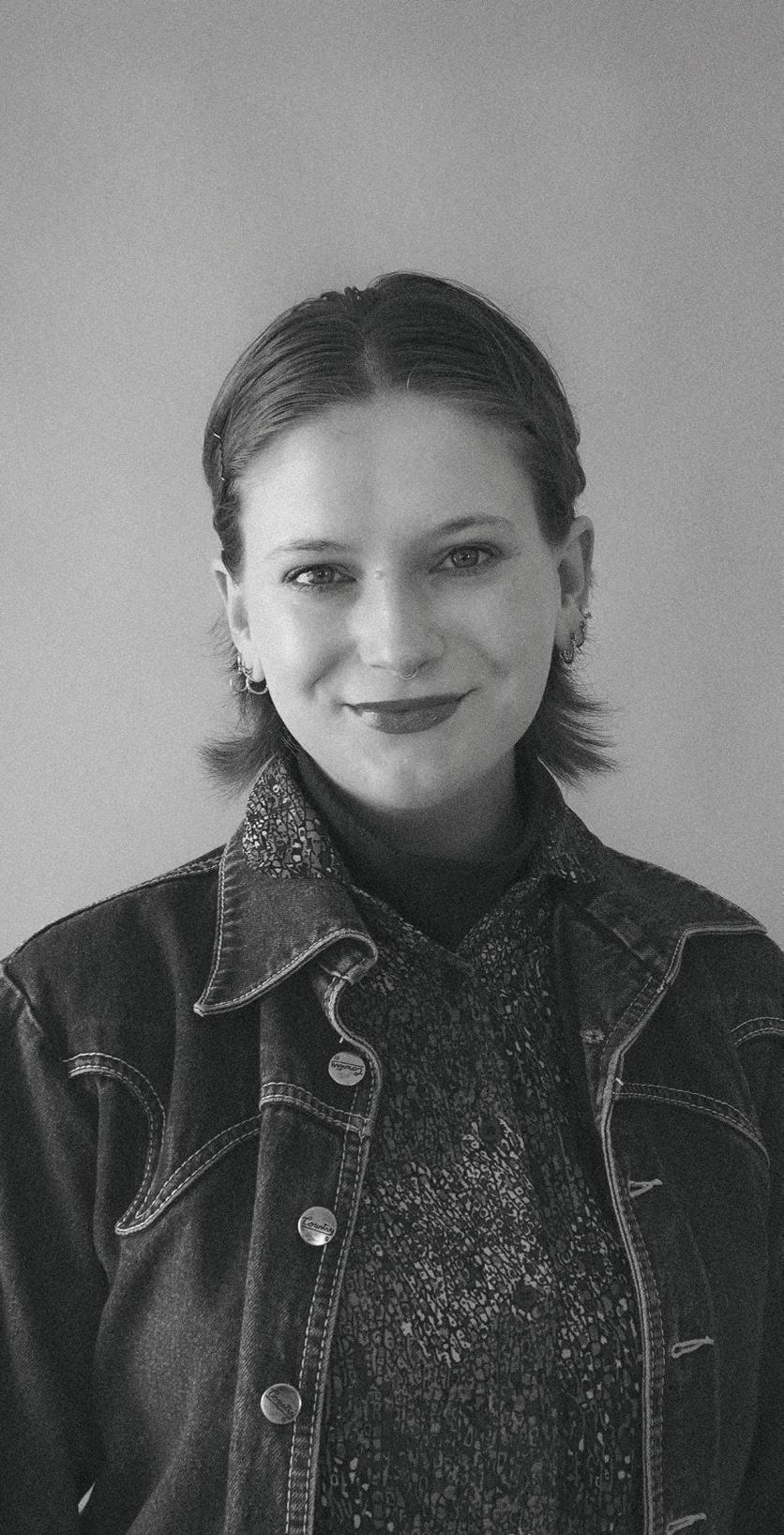
Marketing Coordinator at Folkways AND Artist & Co-Founder of Amanda Frost Creations / Curbside Vintage
From inside Fargo-Moorhead’s indie and arts scene, Amanda Frost’s creativity has always found a way to connect with community. What began with snapping band photos and
Amanda joined Folkways 2.5 years ago and quickly found a meaningful blend of marketing, mentorship, and creative storytelling. Her passion project Amanda Frost Creations began during the early days of the pandemic, when she began painting portraits of homes as a way to document people’s most personal spaces.
To date, she’s painted over 100 homes, each rich with memory—some marking first-time buyers, others symbolizing loss, rebuilding, or transformation.
“Each house tells a story—some mark joyful milestones like buying a first home, while others are tied to difficult transitions such as loss, fire, or moving on after decades.”
designing show posters evolved into a multifaceted artistic practice—one that now spans watercolor painting, jewelry design, and upcycled fashion.
At the same time, Amanda and her partner Frank run Curbside Vintage, a sustainability-driven fashion venture focused on restoring discarded clothing and creating one-of-a-kind handmade pieces. Their inspiration—hence the name— is childhood curb-shopping memories and a shared love for preservation.
Amanda’s creative worlds constantly intersect. She often designs and sells her work at local markets, incorporates printmaking into Folkways programming, and even leads community art workshops.
"The biggest influence between my two roles is my passion for contributing to the vibrancy of the community and
Amanda’s Creative Lineup
• House portrait commissions
• Pop-up markets + art exhibitions
• Fashion + jewelry design
helping our neighborhoods thrive," she said.
Still, managing creative energy is a challenge. After relying on art as her main income for over a year, Amanda recognized the toll that monetization can take on passion. Today, she carves out time to create for fun again, set boundaries, and say “yes” only to projects that spark joy.
“When your side hustle becomes your main hustle, it’s easy to lose the joy in it. Keeping a playful, low-stakes creative practice on the side helps you stay connected to why you started in the first place.”
• Community art events and workshops
• Screen printing and printmaking integration
Q: What does success look like to you—in either or both of your professional paths?
A: I think success is simply about consistently showing up, being a supportive friend, and staying curious. It’s allowing myself to be open to new perspectives and always willing to learn. Success, to me, also means holding onto a playful spirit. Friends have told me they look to me to help ignite their inner child—and I think that ability to bring lightness, imagination, and joy into everyday life is a form of success in itself.
Q: What have you learned about yourself through managing both roles?
A: Managing both roles has taught me a lot about balance, boundaries, and what truly fuels me creatively. I’ve learned that I thrive when my work has variety and purpose, but I also need space to play, rest, and make art just for me... I’ve realized I don’t need to do it all to feel fulfilled. What matters most is staying connected to curiosity and allowing myself to grow in ways that don’t always have to be public or productive.
Q: What advice would you give to someone thinking about launching a side business while working fulltime?
A: Start small and stay curious. Set boundaries early on so your passion doesn’t burn you out. Give yourself permission to create without pressure. And remember, success doesn’t have to look like constant hustle.
I’ve learned that I’m a lot more capable than I give myself credit for. Balancing both roles has taught me to honor my limits, protect my time, and stay connected to what brings me joy."
Events
Manager at Folkways AND Owner of The Event Company
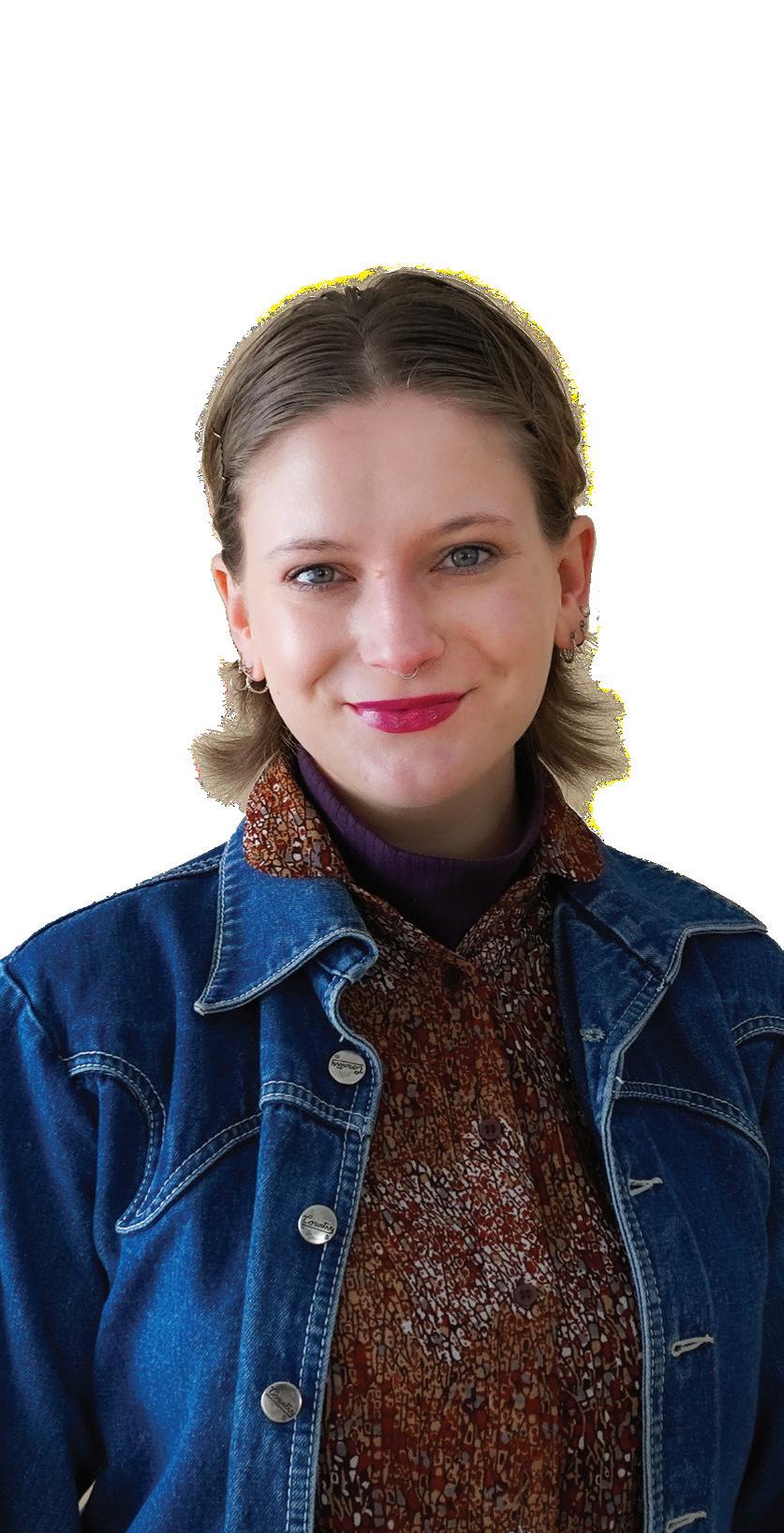
Harwood native and seasoned event planner, Tori Schmidt, wears many hats—and maybe a few flower crowns. She’s spent her life rooted in the Fargo area and now raises her
daughter here, surrounded by the same creative spirit that fueled her career in event production.
Tori joined Folkways in 2022 and has spent the past few years dreaming up large-scale immersive experiences like Christkindlmarkt. Her business, The Event Company, began in 2017 and evolved from design and rental services into the full-service planning powerhouse it is today. From weddings and fundraising galas to brand activations, Tori’s events blend intentional design with effortless celebration.
She traces her experience back to cleaning limos at her grandpa’s company as a teen, later working in bridal retail and nonprofit events before
starting her own business. These days, she’s scaled back to take on only 3–5 clients a year, allowing her to give each project the attention it deserves.
"Folkways has made me stronger with storytelling and big-picture thinking, while my business keeps me sharp on the often overlooked details and client experience," Tori said. "Both sides feed into each other in such a cool way."
Her typical week is a blend of event prep, toddler pickups, and lastminute Zooms—powered by caffeine and Google Calendar. She credits the Folkways team for fostering an
environment that supports creative balance and personal passions.
Of course, the hustle has its challenges. Balancing two creative roles requires intentional time management and prioritization. But the reward? Helping others celebrate life’s biggest moments.
Tori’s Balancing Act
• Red River Market & Christkindlmarkt planning
• Full-service client calls and events
• Toddler time and school pickups
• Google Calendar = MVP
Q: What does success look like to you—in either or both of your professional paths?
A: Doing meaningful work with good people. It’s about being proud of what I’m building, having fun while I’m doing it, and still making time for life outside of work.
Q: What have you learned about yourself through managing both roles?
A: I’ve learned that I’m a lot more capable than I give myself credit for. Balancing both roles has taught me to honor my limits, protect my time, and stay connected to what brings me joy.
Q: What advice would you give to someone thinking about launching a side business while working fulltime?
A: Start small, protect your peace, and don’t be afraid to ask for help. You don’t have to do everything at once. Slow growth is still growth. Surround yourself with people who get it, whether that’s mentors in your space or people you really admire. Give yourself permission to learn as you go. Always celebrate the little wins.
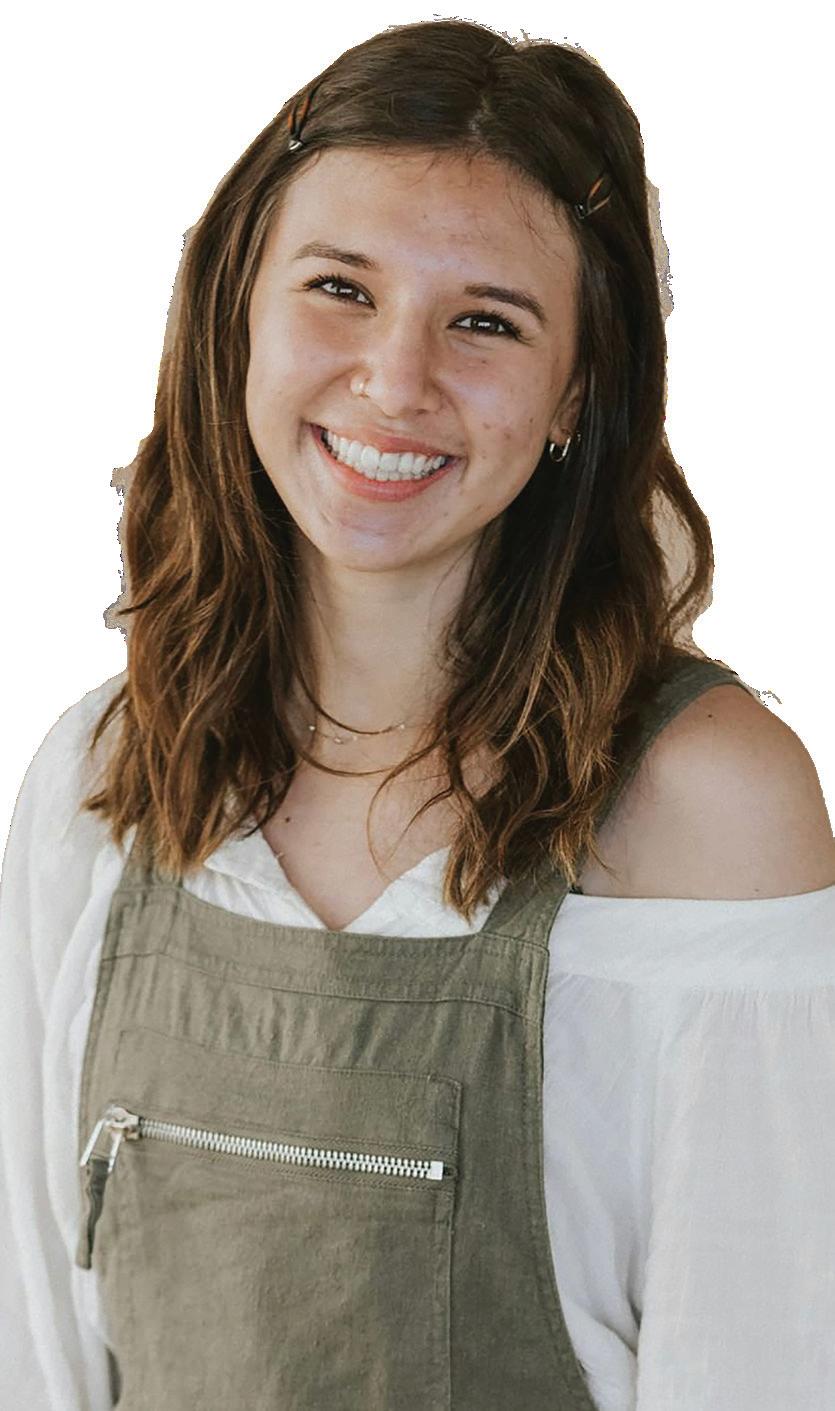
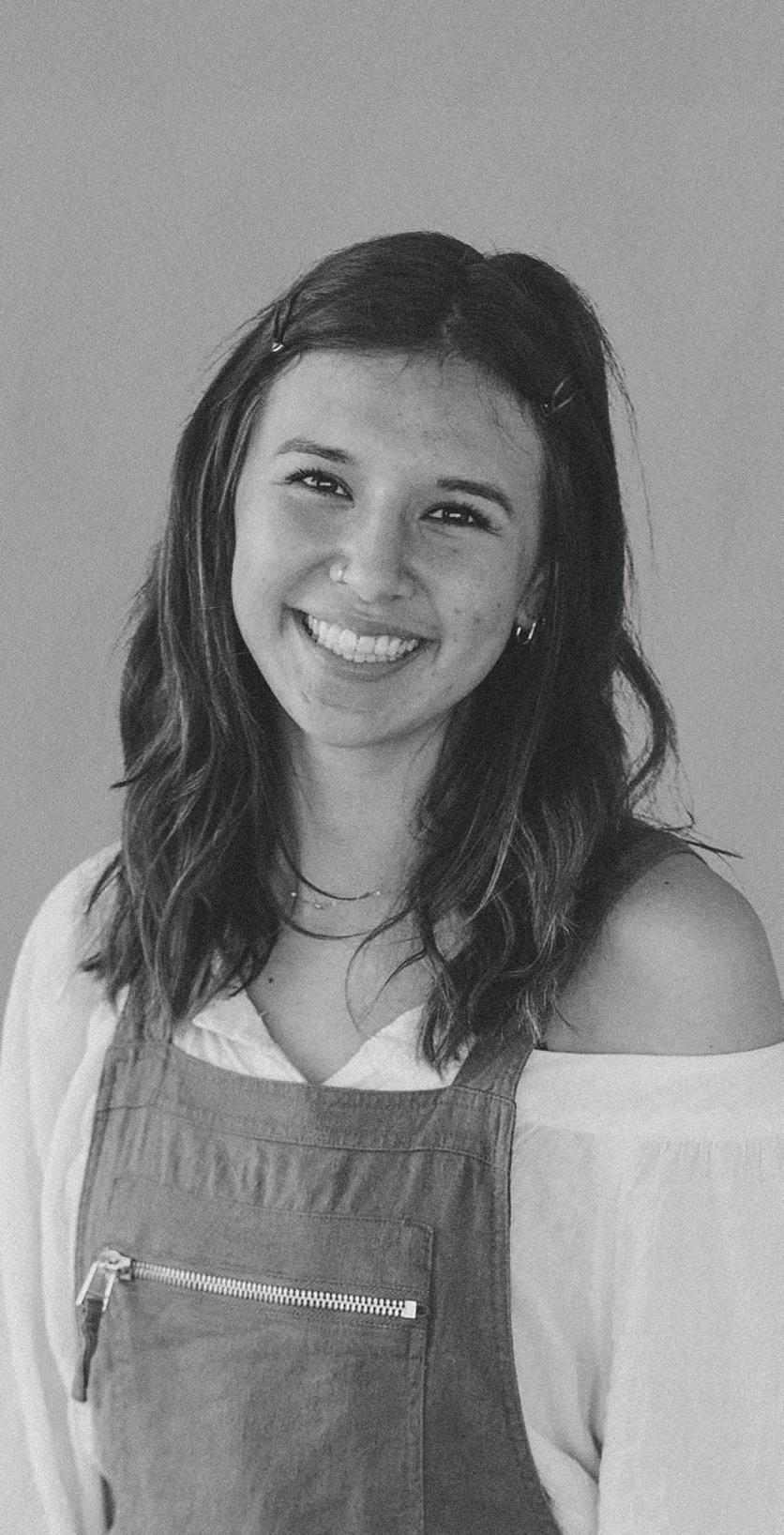
Programming Curator at Folkways AND Muralist & Founder of LESLEYDIDTHAT
Raised in Moorhead, Lesleyanne Buegel’s career has been shaped by both the local landscape and the wide world beyond. After earning her degree in media, film, and
communications in New Zealand, she returned home to Fargo and immediately began leaving her creative mark— quite literally—on the city’s walls.
Lesleyanne started as a seasonal intern with Folkways in 2020 and painted her first mural on the Red River Market’s shipping container that same year. Now an established visual artist with more than 25 murals and a mosaic pillar to her name, Lesleyanne splits her time between producing immersive community events with Folkways and crafting bold, meaningful artwork under her business LESLEYDIDTHAT.
"I like to think of nearly everything I do as applied creativity in some way, shape, or form!"
She believes being a visual artist and being an experiential curator are two sides of the same coin. Both roles rely on intuition, intention, and the ability to fine-tune a creative concept until it resonates with others. Whether
she’s designing an event experience or transforming a blank wall, her goal is the same: to bring people joy, connection, and wonder.
There’s even logistical crossover—skills like scoping sites, problem-solving for unique locations, and getting comfortable with scaffolding and lifts. The parallels help Lesleyanne move fluidly between both worlds, using each as a training ground for the other.
"Being a part of other people’s stories, how each project is uniquely difficult and satisfying in its own way to complete, and leaving each place better than when I first entered it."
But with that creative passion comes challenge. In 2023, she completed eight murals and launched her first
Lesleyanne's Creative Routine
• Mondays & Wednesdays: Studio days
• Tuesdays & Thursdays: Folkways office
• Fridays: Flex days
solo show, while still working fulltime at Folkways. It was an incredible milestone, but also an emotionally and creatively draining one. “Time management has been tough,” she said. “I love helping people and find it hard to say no to projects.”
In 2024, she transitioned to parttime at Folkways to give herself more time to travel and paint. It’s part of an intentional shift to better protect her creative energy.
Today, she balances her art business with part-time programming at Folkways, a role that she says mirrors her work as a visual artist in surprising ways. The blend of event production and mural-making? Logistically similar, creatively charged, and constantly evolving.
• Weekends: Yoga, painting, and camping
Q: What does success look like to you—in either or both of your professional paths?
A: LESLEYDIDTHAT - To keep producing art, and for the art to continue to find homes in the world.
Folkways - To put Fargo on the map as the unique town on the plains with the friendliest people and vendors, unique event experiences, and a home for the arts!
Q: What have you learned about yourself through managing both roles?
A: I like to work on multiple things at once (both in paintings and projects) instead of one at a time. I like a mix of working with a team and working independently, too much of one will make me crave the other. I’m impatient and often want to skip the prep so I can just start throwing paint.
Q: What advice would you give to someone thinking about launching a side business while working fulltime?
A: If it’s a creativity-based practice: Don’t tell everyone about it at first—they will hand you external pressure and expectations, and opinions that you didn’t ask for, and can twist it into something you didn’t intend before you even get started. Make sure you’re in a place where you feel grounded and secure before you open it up to the world.
Also, make a different bank account for it when you start making money!
At Folkways since: 2020 (started as a seasonal intern) Side Hustle Launched: Art account in 2016, LLC in 2022 Business: LESLEYDIDTHAT – Mural and public artist, creative curator
• Offers a Lifetime of Knowledge In New Book
BY BRADY DRAKE
GENEVA NODLAND
the lore of American agriculture, there are stories so unlikely they border on folklore. Mike Warner’s rise to his first board seat at age 24 is one of them.
It all started with The Red River Valley Cooperative, a startup beet sugar processing plant in Hillsboro, ND, which was hemorrhaging value. While most sugar factories extract over 90% of the sugar from beets, they were barely getting 60%. The rest was lost—literal sweetness sunk in ponds.
In the chaos that surrounded the co-op's near collapse, 70% of the board of directors resigned. The farmers, caught between ruin and uncertainty, turned to someone they trusted. Warner was nominated by a peer who loathed another candidate. “I nominate Mike,” the man said, not out of endorsement, but opposition. Warner laughed. Then he was appointed, just like that. “Talk about a yellow dog candidate.”
With no formal experience, Warner was suddenly helping to steer a $35 million business into a merger with American Crystal Sugar—a move that would ultimately be worth hundreds of millions in today’s dollars. What followed was an education no business school could offer.
BAPTISM BY BEET
That early board experience was rough-edged and raw. Warner and his peers faced everything from rotten beet inventory to infrastructure failures. When Jack Tanner, American Crystal’s CEO, proposed buying overpriced land adjacent to the plant, Warner balked—until he saw the bigger picture. “Sometimes you have to choose practicality over principle,” he said.
They were rebuilding a sinking ship in real-time. Warner and the board made rapid-fire decisions
about equipment upgrades, capital expenditures, and governance policies they were still learning to write. Through it all, Warner gained an early and intimate understanding of what board service actually means.
"It is not about prestige. It is about responsibility," Warner said.
THE FARMER LOBBYIST
By 28, Warner was president of the Red River Valley Sugarbeet Growers Association, which put him on the
national board and into the halls of Congress. He transformed into a grassroots lobbyist, spending weeks each year in D.C., advocating for a commodity under attack by international dumping and domestic apathy.
“The world sugar market is fake,” Warner said. “It’s manipulated by governments and flooded with subsidized product. We weren’t asking for handouts. We just wanted a fair shot. It was my job to make sure we got that."
With a pharmacy degree and a farmer’s grit, as National Legislative Chairman Warner helped lead
the charge to get sugar included in their first Farm Bill and two more after that. This provides the critical stability which maintains the entire U.S. sugar industry, even today. In the process, he helped build the largest PAC in production agriculture, eventually totaling over $1 Million. Warner doesn’t romanticize lobbying. He tells it like it is.
“PAC money buys you a meeting—not a vote. But if you don’t have the meeting, you don’t get to tell your story," he said.
Mike Warner has almost 50 years uninterrupted service on Boards of Directors of companies, which at time of service totaled over $2 Billion in sales and $2 Billion in assets which today significantly exceed these totals. His experience as board member and often founder includes processing, import, export, technology, regulatory policies, award winning software as a service company ranked in the top three nationally, the largest healthcare network of the region and the direction of several charitable organizations from small to among the largest of the region.
His stories from Washington include cold strategy and warm-blooded humanity: farmers bunking in budget hotels, walking the halls of power in worn boots, shaking hands with senators whose campaigns they’d helped fund.
“One guy told us: ‘You’re the only group that walks in and says exactly what it wants—and leaves a folder to prove it.’ That’s the game," Warner said. "That’s preparation.”
BOARDS ARE NOT BOOK CLUBS
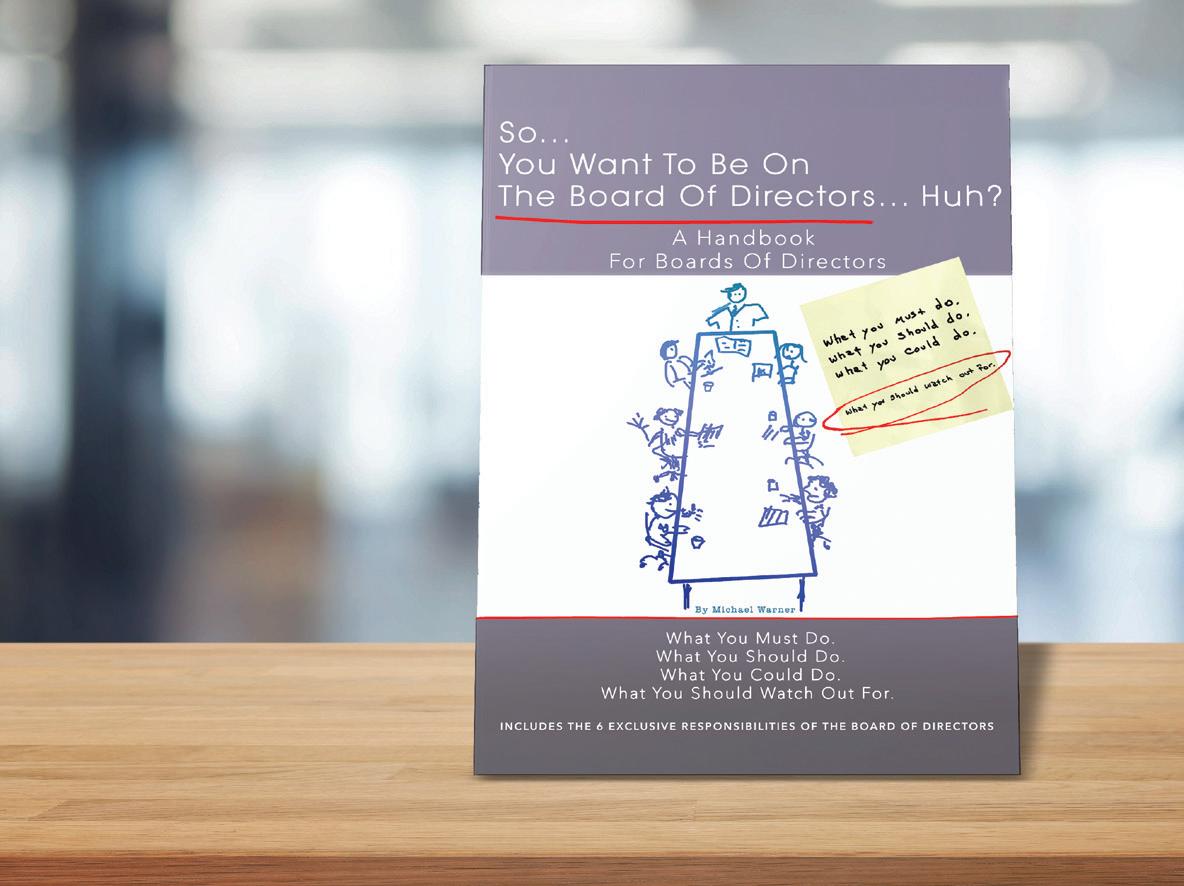
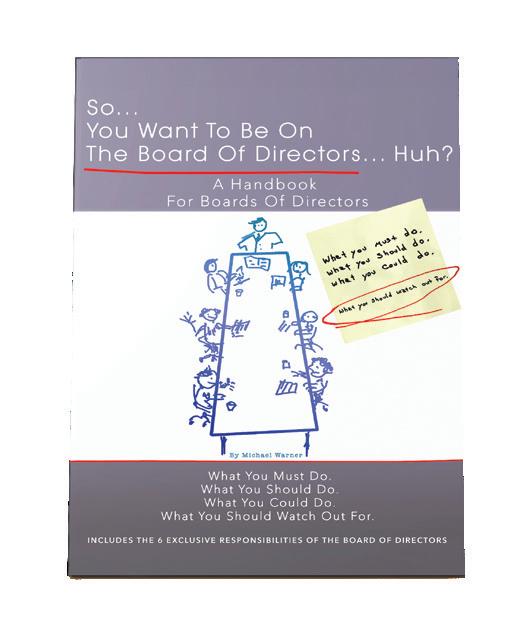
Warner’s book, "So...... You Want To Be on the Board of Directors.... Huh?", was born from a realization: Too many people misunderstand what boards actually do. Worse, many don’t understand what they should want to do.
“If you think your job is to read the profit and loss statement and show up to quarterly meetings, stay home,” he said. “That’s 10% of the job.”
The book outlines six foundational responsibilities for any board:
1) HIRE - Hire top management.
2) DEVELOP - Work with management to develop a business plan for the company.
3) CAPATALIZE - Provide the capital to fund the business plan.
4) MEASURE - Develop the means of measuring success.
5) INCENTIVIZE - Provide effective incentives for top management to execute a successful business plan.
6) GOVERN - Establish key company policies required by the legal fiduciary responsibilities or that are key elements in a successful business plan.
OPEX VS. ICV DIVIDE
It also offers a section giving advice for three specific board of director activities:
1) WHO - Who belongs on the board of directors?
2) COMPENSATE - How do you compensate members of the board of directors?
3) GOVERN - Governing the board of directors.
Each of those nine categories gives advice on:
WHAT YOU MUST DO. WHAT YOU SHOULD DO. WHAT YOU COULD DO. WHAT TO WATCH OUT FOR.
A central theme in Warner’s book is the tension between two types of board philosophies: Operational Excellence (OpEx) and Increasing Company Value (ICV).
“In mature industries,” Warner said, “OpEx matters. Your edge is doing it better, cheaper, faster. But in tech and emerging markets you might not make money for years. You’re chasing valuation through growth. If you earn $10 million more in revenue, your company might be worth $70 million more overnight.”
Whatever the case, boards must understand the business they govern. Misaligned philosophies can sink a company faster than bad products.
But Warner goes further. He warns against “marquee board members”—the kind of namebrand executives who look good on investor decks but add little insight. “Sometimes management just has to suffer them because they bring in capital,” Warner said.
Warner also doesn’t shy away from the complexities of board
compensation. He’s seen both ends of the spectrum—from unpaid cooperative boards to public company directors earning hundreds of thousands per year.
“The money’s not the issue,” Warner said. “The question is, does the compensation reflect the risk, the responsibility, and the work?”
He strongly cautions against having personal friendships with upperlevel management.
“Because one day, you might need to be the person who says, 'you are wrong or even terminated.' Done by a friend, it is betrayal. Done by an arms-length board member, it is simply your job. Worse, you might not do it, when it must be done."
That clarity—uncompromised by loyalty or social pressure—is what he calls fiduciary backbone.
“It’s easy to praise the CEO when things are going well. But when things go south? If you’re too close, your judgment clouds," Warner said. "That’s when companies get into real trouble.”
His stance may sound cold, but it’s grounded in a deep respect for leadership done right. According to him, boards, he says, should be professional—not personal.
Despite all of his due diligence and precautions taken, not all of the ventures Warner was involved with thrived. There was a wheat-based bread business he helped build
WHAT MAKES A GREAT BOARD CHAIR?
Warner holds a deep respect for the role of a board chair— the person tasked with keeping balance in the room.
“It’s not about having the best ideas. It’s about listening to everyone else’s. Great chairs are part conductor, part referee, and part therapist. They steer the conversation without dominating it. They hold people accountable without embarrassing them. They protect the agenda—and the mission."
-Mike Warner
that launched just as the Atkins diet exploded.
"Suddenly overnight carbohydrates were poison and we struggled and failed.” he said. But he wears the scar with pride. “If you’re honest about risk, people trust you more. I always told investors in person and from the podium, 'Don’t put in more than you’re willing to lose.'”
Going through hard times like this allowed Warner to weather other storms—like when the market crashed during his tenure on a medical foundation board. Some members panicked. Warner stayed calm. “I told them a zebra that leaves the herd to find more hay gets eaten by lions,” he said. “You may get less food with the group, but you survive.”
THE FINAL BOARDROOM
Today, Warner remains active but reflective. His book is not a victory lap. It’s a roadmap. A record. A warning.
He writes for his grandchildren as much as his peers. For the next generation of leaders who think board service is status. For the idealists and the cynics. For anyone bold enough to sit at the table and do the work.
"You’re not there to be liked. You’re there to lead," Warner said.
"So......You Want To Be on the Board of Directors.... Huh?" is both a memoir and a masterclass. And like its author, it pulls no punches.
Pick it up, because we need the great board members of tomorrow!
"So...... You Want To Be on the Board of Directors.... Huh?" is available now on Amazon.
By Annie Wood Chief of Staff,
WHERE MEETS MISSION STORY
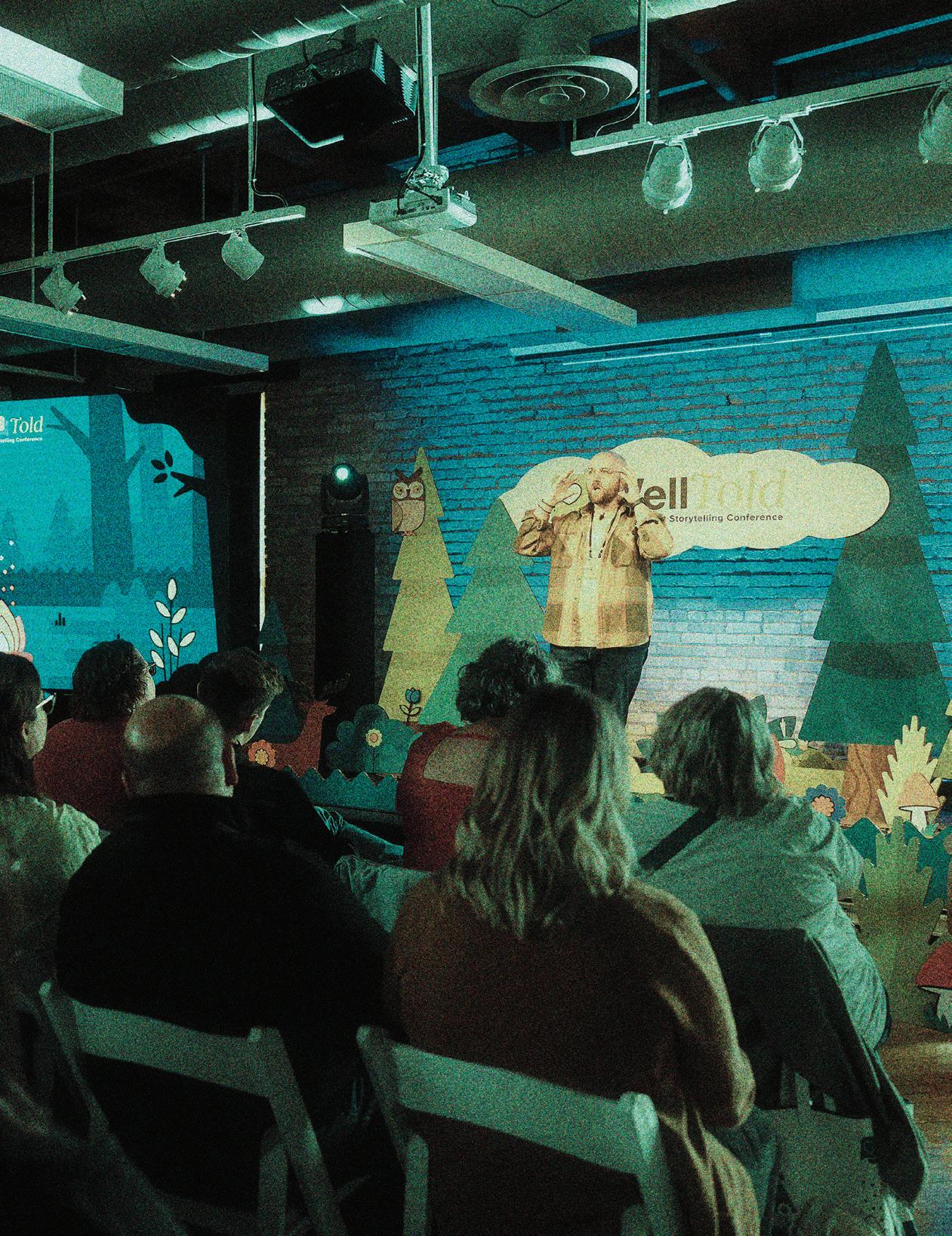
oo many conferences are filled with great speakers who inspire and motivate in the moment, and yet the inspiration evaporates quickly as attendees return to their everyday lives and endless to-do lists. So Tellwell and DonorDock set out to create a different kind of event.
WellTold: A Nonprofit Storytelling Conference is focused on equipping nonprofit leaders with tools to share compelling stories.
Practitioners and adult learners need learning opportunities that are practical and readily applicable. We curated expert speakers who bring decades of experience with storytelling frameworks and donor engagement strategies that keep humans at the center. At WellTold, we invited nonprofit leaders to engage in deep learning and elevate the art of storytelling, ensuring every narrative contributes to a legacy of transformative change.
During the conference, each attendee created a storytelling roadmap in
real-time so that they can put the ideas into action. When narratives are skillfully crafted and authentically shared, they unlock the power to create sustainable, far-reaching impact.
Through WellTold, Tellwell and DonorDock are cultivating a legacy of storytelling that transforms missions into movements. Because when every story is well told, it holds the unstoppable potential to foster change and elevate communities.
Tellwell Story Co
Lisa Nelson-Hayes
Janese Evans
Patrick Kirby
John Lepp
Bridgette Bitzegaio
Jon McCoy
John Lepp
Creative
Director and Partner, Agents of Good
Q: What message do you plan to share with the attendees of WellTold?
A: That our sector needs more creatives. This means, don't come to your work to check a box and go home. We need a sector flooded with people who have the space and desire to express themselves through their craft and through their storytelling. And when you do that, you not only feel better about yourself, you feel a deeper connection to your work and to the donors you serve.
Q: What is the most common mistake mission-driven organizations make when trying to tell their stories, and how can they avoid it?
A: That so much of the 'marketing' is about 'what we do' and 'look how
About Agents of Good
Agents of Good is a fundraising and marketing agency that specializes in donor-centric strategies and storytelling to help charities in enhancing donor engagement and increase fundraising outcomes. Founded by John Lepp and Jen Love, the agency emphasizes creating emotional connections between donors and the causes they support,
amazing we are.' You can avoid it by changing it to a 'conversation' about 'what you make possible' and 'you truly are an amazing human.'
Q: Do you have tips for technology or software that can help businesses share their stories more effectively?
A: Your heart and head connected together is the best place to start.
Q: How can organizations effectively measure the success of their storytelling efforts?
A: By the love a donor shares back to them. This is a slightly convoluted answer but that's the nutshell.
Q: What are the best strategies to identify the stories that an organization should share?
A: Charities that are built on a structure of empathy, vulnerability, and active listening have no problems finding great stories to share with donors.
Q: Is there anything else you'd like to say to the readers?
A: It's time for change. Our sector has barely progressed in a generation. The more human you can be to these other amazing humans, we call donors, the more money you will raise for your mission.
employing innovative campaigns that include personalized direct mail, compelling storytelling, and distinctive fundraising across all channels.
The agency collaborates with nonprofits globally to improve donor communication through their "donor-love" approach. Their portfolio features a diverse range of projects, such as newsletters, direct mail appeals, campaign
case statements, and legacy giving programs for various clients.
Agents of Good has earned recognition in the nonprofit sector for their commitment to producing high-quality, impactful campaigns tailored to each client's unique donor base. Their approach is designed to ensure that fundraising efforts are not only effective but also foster lasting relationships between donors and organizations.
Patrick Kirby
Founder, Do Good Better Consulting About Do Good Better Consulting
Do Good Better Consulting is a consulting firm that helps nonprofits suck less at fundraising! As a 20+ year veteran of the nonprofit/development realm, Patrick Kirby helps organizations create doable fundraising programs, campaigns, events and navigate the fun world of getting board members to make connections and open doors.
Q: What message do you plan to share with the attendees of WellTold?
A: My job during the event is to help solve the seemingly impossible or unsolvable fundraising problems that may be roadblocks in the attendees' organizations. We go to these incredible conferences and are inspired by amazing speakers with awesome ideas, but get back to our desks, open our emails and everything in our inbox has nothing to do with what we just learned because of some ticking time bomb of an issue we need to deal with before we can implement these great ideas. So, over lunch, I'm going to act like their own personal fundraising therapist and help navigate those fundraising, board member, or donor roadblocks with an "Ask Me Anything" Lunch & Learn session to make sure that the inspiration they get from the day can be worked on immediately.
Q: What is the most common mistake mission-driven organizations make when trying to tell their stories, and how can they avoid it?
A: Nonprofits think that they need to complicate and overexaggerate their
mission and impact. In fact, simplicity is key. You have to make what you do understandable, approachable, and transparent. The more authentic you are, the more attractive you are to potential funders, supporters, and cheerleaders.
Q: Do you have tips for technology or software that can help businesses share their stories more effectively?
A: The telephone. Funny, that supercomputer in your pocket you use to watch TikToks in the bathroom can also be used to connect with, talk with, laugh with, and storytell with your donors! And it's becoming a lost art. The simple act of picking up a phone and calling your supporters to say thank you and update them on what their gifts have done for the organization is probably the best single strategy to interact with your donors outside of sitting down across from them while sipping on a coffee.
Q: How can organizations effectively measure the success of their storytelling efforts?
A: When listening to your donors in
conversation, do they mention the cool or awesome stories that you tell consistently? If so? It's working!
Send a survey out to your supporters and ask which story that you tell to your community is the most impactful! If they note one of your favorites...Hooray! It's working!
Now, if they DON'T know your stories... keep telling them. Consistency is KEY! And acquisition takes a long time. And because there is so much competition to hold your attention—you'll need to mentally play the long game.
Q: What are the best strategies to identify the stories that an organization should share?
A: Ask your volunteers, ask those you serve, and ask your closest supporters for those who love your nonprofit what they love most about your organization, and what you do to make your community better. If they love that story? The rest of the world will too. Sometimes your best and most powerful stories are the ones that you are already telling... and magnifying that story is the easiest and most effective tool in your belt.
Janese Evans
Principal,
Strategic Toolbox
Q: What message do you plan to share with the attendees of WellTold?
A: I find that teams feel stuck using traditional problem-solving methods that don't yield fresh insights. My approach—called Brain Noodling—is a structured, repeatable framework that helps them think expansively, challenge assumptions, and facilitate better decision-making.
I’m a firm believer that better thinking comes from asking better questions. My presentation encourages participants to better define their goals and challenge their assumptions. Actually, beyond just encouraging a new approach, my session focuses on specific tools and techniques that get results. I’m breaking down these bigger, esoteric thinking concepts into distinct, achievable components. The ideas
About Strategic Toolbox
"Strategic Toolbox offers a mix of tools to help clients make better, more strategic decisions. We are great at facilitating creativity and planning meetings, conducting marketing research, and providing insightful, actionable results. So, in non-marketing speak, it means I help teams get unstuck! The approach is always custom-designed and
I’m presenting are suitable for more than organizational planning…they are life skills, as well. So, participants should anticipate professional development as well as personal skillbuilding.
I’ll provide some great tips, tools, and practical approaches to help participants think differently and make more insightful, strategic decisions. They will leave with ideas that can be implemented immediately.
Q: What is the most common mistake mission-driven organizations make when trying to tell their stories, and how can they avoid it?
A: Many organizations fail to identify a meaningful point of difference that resonates with new audiences. In my work in higher education, we called it
“three and a tree.” The idea is that the typical college brochure has a cover picture of three diverse students in logo wear sitting under a tree.
In a stack of brochures, the college brochures look remarkably alike. Nonprofits have the same challenge: identifying and communicating a meaningful point of difference. That’s why this WellTold Conference is so very important. We need to find ways to better tell our stories. I think one part of the solution is to look at a story from multiple perspectives.
We’re looking for the intersection between what matters to our stakeholders and what differentiates us from their other choices. Listening to constituents—including those who are loyal, some newly acquired and those who have left us—is essential to understanding messages that motivate or discourage affiliation.
leverages tried and true practices. I started Strategic Toolbox 25 years ago; since then I’ve done work in 63 countries and 26 languages. I’ve had the privilege of working across multiple industries including higher education, consumer packaged goods, heavy industrial, high tech, and health and wellness. It has been wonderful to see issues from their multiple perspectives and help teams align and move forward!
Beyond the custom client work, we offer the Brain Noodling™ tools. Brain Noodling is a facilitation framework that helps brand strategists, creative agencies, and innovation-driven teams sharpen their thinking, challenge assumptions, and make better strategic decisions. The tools and techniques featured in these decks foster insight-readiness practices that coach teams to shift from reactive problem-solving to intentional, expansive thinking."
Lisa Nelson-Haynes
Executive Director, StoryCorps
Q: What message do you plan to share with the attendees of WellTold?
A: The importance of ethical storytelling and asset-framing.
Q: What is the most common mistake mission-driven organizations make when trying to tell their stories, and how can they avoid it?
A: One of the most common missteps is telling stories from an institutional perspective rather than through the lens and voice of the communities they serve. While this approach requires more time—building trust and, at times, letting go of control— the outcomes often far exceed expectations.
Q: Do you have tips for technology or software that can help businesses share their stories more effectively?
A: Marketing and communications teams are often stretched thin managing major institutional initiatives. To help address this limited capacity, it can be incredibly
effective to train other staff in the basics of content creation using accessible tools like Canva and WeVideo. With guidance and preapproved templates, team members can contribute social media content tailored to various platforms. This not only expands capacity, but also supports staff skill-building and brings more diverse voices and perspectives into the organization’s messaging.
Q: How can organizations effectively measure the success of their storytelling efforts?
A: Effective measurement starts with alignment—your storytelling goals should tie directly to your mission. Are you trying to shift perception, elevate unheard voices, or mobilize action? Use both quantitative data (reach, engagement, conversions) and qualitative insights (sentiment analysis, narrative feedback, behavior change). A hybrid approach captures both reach and resonance.
Q: What are the best strategies to identify the stories that an organization should share?
A: The best strategies for identifying stories start with clarity on your goals: What are you trying to shift— perceptions, behaviors, engagement, or something else? Once your objectives are clear, a powerful tool is to create a story selection rubric. This rubric can help evaluate potential stories based on criteria like alignment with mission, relevance to key audiences, emotional resonance, representation of core values, and potential for impact.
It’s also helpful to gather stories from across your organization—not just from leadership, but from staff, community members, and partners. Then use the rubric to ensure you're not just telling the easiest or most polished stories, but the ones that truly reflect the diversity, depth, and direction of your work.
This intentional process not only improves the quality of storytelling but ensures your narratives are strategic, inclusive, and missiondriven.
"StoryCorps is a social justice organization grounded in narrative change."
Jon McCoy
Co-Founder
+ CEO,
We Are For Good
Q: What message do you plan to share with the attendees of WellTold?
A: I want to shift how we think about storytelling. It’s not just a way to communicate—it's a way to build belief. And belief is where movements begin.
It’s also the heart of the Impact Arc, our framework built around four key steps:
• Stage. Set the foundation by identifying the belief you want to spark.
• Storytell. Craft and share stories that are human, honest, and full of purpose.
• Syndicate. Share your stories in multiple ways and across platforms so they ripple.
• Stoke. Engage your community to carry the story forward and build momentum together.
We’ve used this framework to launch and scale campaigns, chart a number 1 podcast, and grow a global movement through ImpactUp. And we’ve seen these same patterns show up in movements all over the world.
About We Are For Good
In this workshop, we’re making it hyper-practical.
Q: How do you use story to build believers and grow the ripple of your movement?
A: We’ll dig in together with a worksheet to help you start mobilizing today.
And of course, we can’t do this without highlighting the stories of incredible changemakers who are using this same playbook to grow and scale their impact too.
Get ready for some bingeable podcast playlists and real humans to follow online who are putting it into action.
My hope? That you walk away with belief in what’s possible, and the framework and fire to build something far bigger than any of us could do alone.
Q: What is the most common mistake mission-driven organizations make when trying to tell their stories, and how can they avoid it?
A: One of the biggest mistakes is
focusing all our energy on creating content, but we don’t spend nearly enough time getting leverage out of it.
We pour hours into writing a blog post, editing a video, crafting the perfect email, or writing a script for the next gala. Then we share it once and move on.
We need to flip the script. Spend less time constantly creating, and more time syndicating that content by bringing pieces of it into many conversations—multiplying your opportunity for connection, engagement, and growing the ripple.
A great story shouldn’t live in just one place. Your best original content can be repurposed into so many impactful touchpoints if you do that by looking at it through a syndication lens. How do I get more leverage and engagement by turning it into micro content?
We've found that by creating more moments for engagement and connection is how belief spreads. And in growing belief, movements grow.
Leverage isn’t about doing more. It’s about making what you already have go further.
"We Are For Good is a movement to revolutionize the nonprofit and social impact sector by cultivating an impact uprising. At our core, we’re a global community of changemakers showing up for open convos, meaningful connection, and bold activation. We gather and grow together through the top-ranked We Are For Good Podcast, our thriving community membership, and quarterly ImpactUp gatherings—now hosted in more than 50 cities around the world."
Bridgette Bitzegaio Account Management,
DonorDock
Q: What message do you plan to share with the attendees of WellTold?
A: In an environment where missiondriven organizations are stretched thin, the most powerful thing you can give a team isn’t another tool—it’s the ability to act with confidence. Messaging isn’t just about sounding good. It’s about helping overwhelmed leaders know what matters most today and giving them the emotional permission to believe their work is moving the mission forward. We are sharing our Smart Steward Method to help nonprofits have an actionable plan they can implement today!
Q: What is the most common mistake mission-driven organizations make when trying to tell their stories, and how can they avoid it?
A: The biggest mistake is telling the story of the organization instead of the person. Too often, nonprofits focus on their history, structure, or general mission. But what resonates are the specific, human-scale stories—the volunteer who shows
up every week, the donor who made their first gift, the life that was changed. To avoid this, flip the lens.
Ask: If I were in my audience’s shoes, would this make me feel something? Would I see myself in this story? Start with the people your mission touches, not the mechanics of your work.
Q: Do you have tips for technology or software that can help businesses share their stories more effectively?
A: The best tools are the ones that simplify storytelling, not complicate it. There are tools to help make your content creation lightweight and authentic, even with a tiny team.
Look for CRMs or fundraising platforms—like DonorDock—that turn your donor data into actionable steps. If you’re spending all your time hunting down what to do next, you’re missing the moments that matter. Tools that surface who to thank, who to re-engage, and when to follow up make it easier to tell your stories, grounded in actual relationships.
Q: How can organizations effectively measure the success of their storytelling efforts?
A: You measure storytelling by what it moves. Did a story lead to a donation? Did it spark a reply? Did someone forward your newsletter to a friend? Metrics like engagement rates, email replies, and donation page conversions tied to specific campaigns are your indicators. But also measure internal impact—if a story helped your team feel more connected to the mission or gave a board member language they didn’t have before, that’s success too.
If someone says, “That story made me act,” you’ve won.
Q: Is there anything else you'd like to say to the readers?
A: We are excited to host WellTold and help nonprofits move their mission forward.
About DonorDock
DonorDock is an all-in-one donor management and fundraising platform. It combines CRM, online giving, marketing, and automation in a streamlined, easy-to-use system. Their Smart Steward Method helps your team take action with timely, suggested touchpoints. The system nudges you toward better donor care with our Journeys, Automations, and ActionBoard features.
Overspending on Office Space and Amenities
One of the most substantial fixed costs for many businesses is real estate. The prestige of a prime location or the allure of high-end office amenities can be tempting, but often represents a significant financial drain with limited return on investment.
The Real Cost
$ Commercial real estate typically demands long-term leases (3-5 years) with annual cost increases.
$ Furnishings, utilities, maintenance, and insurance compound the base expense.
$ Research shows the average office space sits empty 40-60% of the time, even pre-pandemic.
Financial efficiency can make the difference between thriving and merely surviving. Yet many business owners, from startup founders to seasoned entrepreneurs, consistently allocate resources to expenditures that deliver minimal or negative returns. Here are some of those biggest mistakes.
By Brady Drake
Smarter Alternatives
$ Right-size your space: Critically assess your actual space needs rather than aspirational wants
$ Consider hybrid models: Implement flexible work arrangements to reduce square footage requirements
$ Explore co-working spaces: Scale space costs with your actual usage patterns
$ Bundle trips when possible: Consolidate meetings in the same region.
$ Set virtual-first meeting culture: Make in-person meetings the exception rather than the default.
Misguided Technology Investments
Technology investments often begin with promise but end with disappointment when approached without proper planning..
Technology Investment Pitfalls
$ Chasing trends: Implementing new technologies without clear business cases.
$ Over-customization: Extensive modifications to off-the-shelf solutions.
$ Inadequate training: Failing to ensure adoption after implementation.
$ Premature scaling: Investing in enterprise-level solutions before reaching appropriate scale.
Strategic Technology Implementation
$ Start with business problems: Identify specific operational challenges before seeking technological solutions.
$ Prioritize integration capabilities: Ensure new systems connect with existing infrastructure.
$ Implement phased approaches: Test with minimum viable deployments before full-scale rollouts.
$ Invest in change management: Allocate resources for training and adoption.
Neglecting Customer Retention for Acquisition
Many businesses focus disproportionately on attracting new customers while underinvesting in keeping existing ones.
The Acquisition-Retention Imbalance
$ New customer acquisition costs 5-25x more than retention, depending on industry.
$ Existing customers typically spend 67% more than new customers.
$ Even small improvements in retention rates can dramatically increase profitability.
$ Word-of-mouth from satisfied customers represents the lowestcost acquisition channel.
Customer-Centric Investment Strategies
$ Implement customer success programs: Proactively ensure customers achieve their goals with your product/service.
$ Develop loyalty initiatives: Create compelling reasons for customers to continue and expand relationships.
$ Establish systematic feedback loops: Gather and act on customer input consistently.
$ Analyze churn patterns: Identify early warning signs and intervention opportunities.
Maintaining Outdated Operational Processes
Legacy processes often persist long after they've outlived their usefulness, creating ongoing inefficiencies.
Process Inefficiency Costs
$ Manual data handling: Staff hours spent on tasks that could be automated.
$ Paper-based workflows: Physical document management, storage, and retrieval expenses.
$ Redundant approvals: Multiple sign-offs adding time without appropriate risk reduction.
$ Departmental silos: Duplicate efforts and communication breakdowns.
Process Optimization Approaches
$ Process mapping: Document
current workflows to identify bottlenecks and redundancies.
$ Automation opportunities: Implement digital tools for repetitive, rule-based tasks.
$ Cross-functional collaboration: Break down silos to eliminate duplicate efforts.
$ Regular process reviews: Schedule periodic evaluations of established procedures.
Excessive Inventory and Poor Supply Chain Management
For product-based businesses, inventory represents both a significant asset and a potential financial drain when managed poorly.
Inventory-Related Financial Drains
$ Carrying costs: Storage, insurance, taxes, and obsolescence (typically 20-30% of inventory value annually).
$ Stockouts: Lost sales and emergency replenishment expenses.
$ Quality issues: Returns, rework, and warranty claims from poor supplier management.
$ Cash flow constraints: Capital tied up in unsold products.
Inventory Optimization Strategies
$ Implement just-in-time approaches: Reduce stock levels through better forecasting and vendor relationships.
$ Adopt inventory classification systems: Apply different management approaches based on item value and turnover.
$ Negotiate vendormanaged inventory: Shift carrying costs to suppliers where appropriate.
$ Utilize inventory management software: Gain visibility and control through technology.
Ignoring Energy and Resource Efficiency
Utility costs, supplies, and other operational resources often represent "invisible" waste that accumulates over time.
Resource Inefficiency Examples
$ Energy consumption: Outdated equipment, poor insulation, inefficient lighting.
$ Consumable supplies: Excess ordering, waste, and theft.
Resource Optimization Approaches
$ Conduct energy audits: Identify opportunities for efficiency improvements.
$ Implement sustainable practices: Reduce consumption through behavioral and system changes.
Remember, every dollar saved through efficiency is worth more than a dollar earned through sales, as saved dollars flow directly to the bottom line without associated cost of goods or operational expenses.
ener8tor, a nationally ranked venture capital firm and accelerator, in partnership with the North Dakota Growth Fund and 50 South Capital, has been working in our state to assist startups in our area and attract more businesses to North Dakota.
Their gBETA program runs multiple times every year in cities across the United States. Up to five companies from a range of verticals are selected from a competitive applicant pool to participate in the free seven-week program.
Q&A
Q:WHAT IS YOUR COMPANY'S ELEVATOR PITCH?
A: Local businesses are a staple of American communities, but finding consistent labor for their weekly tasks can be a nightmare. That’s where ProntoChore comes in. We’re a platform that connects businesses and communities with pre-vetted, local independent contractors for one-time jobs—all while providing builtin protections to ensure safe, seamless transactions. Whether it's last-minute staffing, property maintenance, or basic labor, ProntoChore makes getting help fast, flexible, and risk-free. We handle the logistics, so you can focus on what matters most—running your business.
CEO, PRONTOCHORE
Q: HOW DID YOU GET THE IDEA TO START YOUR COMPANY?
A: In 2021, I was in Eden Prairie, MN, driving for Instacart to make money during the summer. At the time, the COVID-19 pandemic was at its height so in-person jobs were more difficult to find. It wasn't a great fit for me because I'm not a good shopper. I would grow impatient going down countless aisles. However, in the past, I had mowed lawns and shoveled driveways for money. The problem was I was only doing that for one or two neighbors. I needed more of these jobs to make the amount of money I was looking to earn. I knew these types of tasks were common for both businesses and homeowners so I began formulating the first ideas for ProntoChore.
Q: WHAT DOES IT MEAN TO BE A PART OF GENER8TOR'S COHORT?
A: ProntoChore has been incredibly fortunate and lucky to have received a lot of support. Being selected as one of five companies to be part of gener8tor's cohort is something we're extremely grateful for and proud of. There are so many great innovative companies in North Dakota so being a company selected was more validation that ProntoChore's mission speaks to the communities we're working with, and the challenges we're solving are worthwhile.
Then, after actually experiencing the cohort, the impact was obvious. I could write an essay about all the ways gener8tor helped accelerate ProntoChore but I think the results speak for themselves:
• Based on the expertise of their team and the data we gathered,
we pivoted our model in just the first few weeks.
• We met and pitched to over 20 investors.
• We developed the connections, strategies, and pitch decks needed to launch successfully.
Q: IF YOUR PRODUCT/ SERVICE WAS ALREADY BEING USED BY EVERYONE GLOBALLY, WHAT IMPACT WOULD THAT HAVE?
A: If ProntoChore were fully embraced worldwide, it could spark an economic and social revolution, transforming the way communities function, businesses grow, and young people thrive. Imagine a world where local businesses never struggle to find quality labor and where young people everywhere have the power to earn, learn, and build their futures on their own terms. Communities would be stronger, more connected, and more resilient—neighbors helping neighbors, small businesses thriving with seamless support, and local economies flourishing as every job, chore, and opportunity fuels a cycle of productivity and empowerment.
For young people, ProntoChore could be the ultimate launchpad—turning idle time into income, financial uncertainty into independence, and small one-time jobs into stepping stones for bigger ambitions. Millions of students, aspiring entrepreneurs, and hard-working individuals would gain access to flexible, meaningful work, breaking the cycle of youth unemployment and giving them realworld experience that opens doors to greater opportunities. This isn’t just an app; it’s a movement—reshaping how work is found, how communities support one another, and how the
next generation rises, one person, business, and task at a time.
Q: WHERE DO YOU SEE YOUR COMPANY IN 10 YEARS?
A: In 10 years, ProntoChore could be a global force in the gig and staffing economy, seamlessly connecting millions of people across cities, suburbs, and rural areas with a new approach to helping local businesses and communities find consistent, quality labor and provide new work opportunities for young people. It would evolve into a household name, embedded in everyday life like Uber or DoorDash, but for consistent, small tasks local businesses and communities need help with—powering local economies, reducing youth unemployment, and enabling businesses to scale effortlessly. AI-driven matching, trust-based networks, and localized job marketplaces would make it the go-to platform for anyone looking to earn, hire, or contribute to their community. With expansion into international markets, strategic partnerships with governments and businesses, and potential integration with smart home and city infrastructure, ProntoChore wouldn’t just be an app—it would be a pillar of economic opportunity, reshaping how work is distributed and valued worldwide.
Q: IS THERE ANYTHING ELSE YOU'D LIKE TO SAY TO OUR READERS?
ProntoChore is launching on the app store this spring! Our email is info@ prontochore.com and you can follow our socials at @prontochore We're proud to be a North Dakota startup and are excited to begin working with our communities! Let's do this!
Q&A
Q:WHAT IS YOUR COMPANY'S ELEVATOR PITCH?
A: We are a one-stop corporate training shop, offering a learning management system (LMS) that has a 1,000 course library, course authoring tools, and AI assistants for learners and LMS administrators.
FOUNDER & CEO, LEARN OR TEACH
Q: HOW DID YOU GET THE IDEA TO START YOUR COMPANY?
A: From my college dorm at Concordia College, I realized that training services were fragmented, which made it a challenge to start or maintain a training program. We became the single throat to choke so to speak, or in friendlier terms, the one-stop shop. We create courses from scratch or any existing material, provide pre-made courses if needed, and an LMS platform to deliver the material and track user engagement.
Q: WHAT DOES IT MEAN TO BE A PART OF GENER8TOR'S COHORT?
A: It’s been a privilege to get such personalized support and feedback, it has expanded our horizons and network far beyond what we imagined. We also gained more clarity on what our focus should be. This is hands down the best startup mentorship program there is!
Q: IF YOUR PRODUCT/SERVICE WAS ALREADY BEING USED
BY EVERYONE GLOBALLY, WHAT IMPACT WOULD THAT HAVE?
A: First, it would amplify employee productivity through training. Next, it would simplify compliance and reduce liabilities introduced by inadequate or ineffective training. More importantly, HR and compliance teams would sleep soundly at night!
Q: WHERE DO YOU SEE YOUR COMPANY IN 10 YEARS?
A: Providing a wide array of training services across several industries such as manufacturing, information technology, retail, food and beverage, to name a few.
Q:IS THERE ANYTHING ELSE YOU'D LIKE TO SAY TO OUR READERS?
A: We are proud to be a Fargo-based training company, dedicated to serving the needs of our local community first. The night won’t get too dark, the rain won’t fall too hard, for us to be right there when you need us.
Q&A
Q:WHAT IS YOUR COMPANY'S ELEVATOR PITCH?
A: Zegacy is a marketplace that connects renters and investors to simplify rent-to-own home transactions. Through a tech-driven underwriting and matchmaking system, we eliminate the inefficiencies and risks that have long made rent-to-own fragmented and unreliable. In just the past 90 days, we’ve onboarded 60 renters and 20 investors, resulting in 3 successful matches and a $12,000 contract.
CEO/FOUNDER, ZEGACY
Q: HOW DID YOU GET THE IDEA TO START YOUR COMPANY?
A: It always seemed weird to me that when you go on Zillow, you can either click "for rent" or "for sale", there is no middle ground. Black and white. As a former engineer, I ended up meeting people who couldn't quite get a bank loan but didn't want to rent—so I essentially co-signed for them on the bank loan. Then noticed there are millions of Americans who want homeownership but for one reason or another can't quite get or afford it. That is when I started my first company called Home Equity Partner, which we operate to this day as a very relational 20-30 transactions per year. I then participated in the Goldman Sachs 10,000 small businesses program for the state of North Dakota and came up with the idea of not helping 20 to 30 people per year but how could we help 20,000 to 30,000 per year. To do that Zegacy was born which enables technology and matchmaking to connect tenants with retail investors and fill the "gap" between renting and owning.
Q: WHAT DOES IT MEAN TO BE A PART OF GENER8TOR'S COHORT?
A: It has been a blessing. The tools. The people. The resources. The connections. They have been
absolutely wonderful in challenging our mindset, giving us every opportunity to succeed, and cheering us on.
Q: IF YOUR PRODUCT/ SERVICE WAS ALREADY BEING USED BY EVERYONE GLOBALLY, WHAT IMPACT WOULD THAT HAVE?
A: If Zegacy’s rent-to-own platform were adopted worldwide, we’d see a massive increase in stable homeownership—especially for people who traditionally fall through the cracks of conventional financing. Owning a home often leads to stronger family wealth, tighter-knit communities, and more civic engagement. It also improves neighborhoods by encouraging long-term investment in property maintenance and local infrastructure. Ultimately, empowering more households to become homeowners would create more resilient communities and healthier local economies on a global scale.
Q: WHERE DO YOU SEE YOUR COMPANY IN 10 YEARS?
A: In ten years, we see Zegacy as the global standard for bridging the gap between renting and owning—essentially giving people a ‘third option’ that’s safe, reliable,
and trusted. It won’t feel like a fringe product or complicated deal anymore. Instead, it’ll be a mainstream solution empowering millions of families to build wealth and security through rent-to-own without the usual risks or scams.
We’ll have partnered with a wide range of investors, from small momand-pop landlords to institutional funds, facilitating billions in transactions annually. Whether we achieve that by going public, merging with a larger real estate platform, or continuing to scale independently, our goal is to transform rent-to-own from an overlooked concept into a go-to path for homeownership— benefiting both communities and the global housing market.
Q: IS THERE ANYTHING ELSE YOU'D LIKE TO SAY TO OUR READERS?
A: We’d love to hear from anyone curious about our mission—whether you’re a renter ready to become an owner, an investor seeking stable returns, or simply someone who believes homeownership can change lives. Zegacy is still at the beginning of this journey, and we value every bit of support, insight, and feedback. Together, we can reshape what it means to ‘rent-to-own’ and create more stable, thriving communities.
Q&A
Q:WHAT IS YOUR COMPANY'S ELEVATOR PITCH?
A: Many surgeries today require large incisions and bone dissection, which often lead to extended hospital stays and lengthy recovery periods. However, a growing trend in healthcare is the shift toward minimally invasive procedures. These surgeries are performed through small incisions, guided by advanced imaging technologies like X-rays. This approach significantly reduces hospital stays, complications, and recovery times. It also enables more surgeries to be performed in outpatient settings, allowing patients to go home the same day. At Sharp Biomedical, we are pioneering the development of small, innovative medical devices specifically designed to support minimally invasive surgeries.
CEO, SHARP BIOMEDICAL
Q: HOW DID YOU GET THE IDEA TO START YOUR COMPANY?
A: The industry is trending towards less invasive, outpatient surgeries for obvious reasons. Within interventional pain, there still is a gap between the demand from patients/ physicians wanting more options and device companies focused specifically on the interventional pain physician's skillset.
Q: WHAT DOES IT MEAN TO BE A PART OF GENER8TOR'S COHORT?
A: It expedited the development of the company for three main reasons: guidance, connections, and practice. These three things were intense every week and were exactly what I needed at my stage. I left the program unrecognizable (in a good way) from how I entered.
Q: IF YOUR PRODUCT/SERVICE WAS ALREADY BEING USED BY EVERYONE GLOBALLY, WHAT IMPACT WOULD THAT HAVE?
A: Recovery times and complication rates of the surgeries we are targeting would be a fraction of what they are today. This would allow patients to get back to normal lives faster.
Q: WHERE DO YOU SEE YOUR COMPANY IN 10 YEARS?
A: Multiple product lines (devices) that help patients and surgery centers internationally.
Q:IS THERE ANYTHING ELSE YOU'D LIKE TO SAY TO OUR READERS?
A: If anything I said sounds interesting or you know someone who wants to know more, feel free to reach out directly to me: Dan.Newman@ sharpbiomedical.com
Q&A
Q:WHAT IS YOUR COMPANY'S ELEVATOR PITCH?
A: PetroND Energy Solutions is developing customized chemical solutions and a datadriven digital screening system to optimize oil and gas production while minimizing corrosion, delivering significant value for operators, specifically during extreme winter conditions.
CEO, PETROND ENERGY SOLUTIONS
WANT TO LEARN MORE?
Head to gener8tor's website for more info and stay up-to-date with the latest news!
Q: HOW DID YOU GET THE IDEA TO START YOUR COMPANY?
A: I have 10 yrs experience in the oil and gas industry and gBETA and my partners helped me.
Q: WHAT DOES IT MEAN TO BE A PART OF GENER8TOR'S COHORT?
A: To understand the business feasibility, connect with valuable recourses and move forward to achieve specific and timely goals.
Q: WHERE DO YOU SEE YOUR COMPANY IN 10 YEARS?
A: Providing cost effective solutions to maintain oil production in winter adding significant values for operators while becoming more than $ billion company.
Q:IS THERE ANYTHING ELSE YOU'D LIKE TO SAY TO OUR READERS?
A: We are actively looking for funding to start our project. We have lab, experts and samples ready.
Artists Are Business Owners Too
Meet Crystal Thorson
By Brandi Malarkey
Owner, It's All Malarkey
Geneva Nodland
like treasure, you know. There's so many little bits and pieces to play with and it’s an excuse to hoard all kinds of weird stuff,” Crystal Thorson laughs cheerfully while restocking her earring display at Gallery 4 in downtown Fargo where she sells hand-crafted jewelry made from repurposed materials.
Earrings of her own making swing at her ears and a necklace she calls a “statement piece” graces the front of her sweater.
“I wear my own pieces when I go out and I get a lot of comments, especially with
crazy or funky stuff. People are all, ‘Oh, where'd you get that?’ and I am like, ‘Well, actually….’”
Crystal has had a lot of conversations about art over the years. She began making jewelry and doing the craft fair circuit in the 80s when her children were small and she was a member of Gallery 4 at that time, as well. An art teacher, she moved away from the Fargo area until just recently, returning after her retirement to settle in Barnesville and rejoining Gallery 4 as one of their newest premier members to sell her signature mixedmedia wearable art under the name Metal Shop Rogue.
“I grew up in a family that just made stuff. My grandmother made things out of nothing. All three of our daughters are artists. It’s in our blood. Then when you’re teaching art, you’re teaching many different art techniques and your budget is limited so you are always looking for things to use and reuse. I have huge stashes of things I’ve been saving since my art teaching days. And, really, I like the idea of not creating more objects from new materials to put out into the environment,” Crystal said.
Crystal’s husband Rob, her biggest supporter, enjoys finding interesting materials to work with at thrift stores and auctions. With an eclectic store of supplies available and a host of random little skills built up over years of teaching art, Crystal takes the term “mixed-media” to an elevated level. Her pieces may feature watercolor
enamel, shapes cut and formed from vintage tins, cast pewter or pewter melted and worked with rubber stamps, decals, leather, and a host of other materials, often in combination.
“I have the need to create things in mass quantity. It’s an obsession, A really fun one, because they just seem to make themselves,” Crystal said. “I'm kind of at a phase where I'm trying to figure out what is going to be next. I am considering a line of jewelry pins, but also collage and monoprints, because I taught all that but never really explored it as an artist myself. There’s an incubation period, I think, where things you’ve done years ago come back to you in a new form and you have to ask yourself, ‘Where is this going to take me?’”
Check Out More From Crystal
No matter what direction Crystal’s art takes next, one thing is clear. Whether bright and quirky or classically elegant, the end destination for her eyecatching pieces will be one-of-a-kind works of art.
The Importance of Using E-commerce for Small Businesses: A Path to Growth and Sustainability
By Michael Danielson, Veterans Business Outreach Specialist
About the VBOC
The Veterans Business Outreach Center (VBOC) program is designed to provide entrepreneurial development services such as business training, counseling, and resource partner referrals to transitioning service members, veterans, National Guard and Reserve members, and military spouses interested in starting or growing a small business. U.S. Small Business Administration (SBA) has 22 organizations participating in this cooperative agreement and serving as VBOCs.
INtoday's fast-paced, digitally driven world, small businesses face numerous challenges from competing with larger corporations to adapting to changing consumer behaviors. Among the most significant opportunities available to small business owners today is the use of e-commerce. E-commerce, or electronic commerce, involves buying and selling goods or services over the internet and has rapidly become a cornerstone of business strategies worldwide. With more consumers shopping
Photo Courtesy of VBOC of the Dakotas
online than ever before, leveraging ecommerce has become crucial for small businesses aiming to thrive in an increasingly competitive marketplace.
Historically, small businesses were often limited by geography. A local bakery could only serve its community, or a small clothing boutique could only attract customers within a certain radius. However, the rise of ecommerce has transformed this model. The internet has provided small businesses with access to a global marketplace that was once reserved for large corporations with significant resources.
Today, small businesses can reach consumers anywhere in the world with just a few clicks. Whether it’s a handcrafted jewelry maker in a small town or a local startup selling organic skincare products, ecommerce platforms allow them to promote their products to an expansive audience. As a result, small businesses can diversify their customer base, increase sales opportunities, and mitigate the risk of relying on a local market alone.
Ecommerce also offers significant cost advantages compared to traditional brick and mortar businesses. Opening and maintaining a physical store involves numerous expenses that include rent, utilities, employee wages, inventory management, and more. For many small businesses, these costs can be overwhelming, especially when they are just starting out or operating with limited capital.
An online store eliminates many of these overhead expenses. Ecommerce platforms such as Shopify, WooCommerce, and Etsy provide cost-effective solutions for small businesses to set up and manage their online stores. These platforms often come with built-in features such as payment gateways, inventory management, and marketing tools, reducing the need for expensive infrastructure or specialized technical knowledge.
Moreover, running an online store can streamline operations. Automation tools for inventory, customer service (such as chatbots), and order processing help business owners save time and focus on more strategic aspects of growth. As a result, small businesses can operate more efficiently, pass on cost savings to customers, and reinvest in their growth.
Consumer behavior has dramatically shifted in recent years. The digital age has transformed how people shop, with many preferring the convenience and ease of purchasing products online. According to a 2021 report by the U.S. Census Bureau, ecommerce sales in the United States grew by over 30% from 2020 to 2021 and are expected to grow by another 35% by 2027, illustrating the increasing preference for online shopping.
For small businesses, not embracing ecommerce means missing out on this substantial consumer base. Today’s tech-savvy consumers expect seamless online shopping experiences, easy payment options, and fast
delivery services. In fact, research has shown that nearly 80% of shoppers research products online before making a purchase, even if they ultimately buy in-store. This means that a strong ecommerce presence is no longer a luxury but a necessity for small businesses to remain competitive.
Small businesses that choose not to use ecommerce may also be perceived as outdated or lacking credibility in the eyes of potential customers. A professional-looking online store, active social media presence, and positive online reviews can significantly enhance a business's reputation and increase trust with consumers. These digital touchpoints help small businesses appear more credible and accessible, which is particularly important in a world where trust and convenience are paramount.
One of the most powerful aspects of ecommerce is the ability to build strong customer relationships through personalization.
Ecommerce platforms provide businesses with valuable data on customer preferences, browsing habits, and purchase history. By analyzing this data, small businesses can create tailored marketing strategies and personalized shopping experiences that increase customer loyalty.
For example, many ecommerce platforms enable businesses to send personalized email campaigns, recommend products based on past purchases, and offer discounts or promotions to repeat customers. These targeted efforts not only increase the likelihood of repeat sales but also foster a sense of connection between the business and its customers.
Additionally, ecommerce allows for easy customer interaction. Small businesses can use social media channels, live chat functions, and customer reviews to engage with their audience directly. This twoway communication strengthens customer relationships and enhances brand loyalty, which is particularly important for small businesses that rely on word-ofmouth and repeat business to grow.
While having a strong ecommerce presence is essential, small businesses can further enhance their reach by expanding to multiple sales channels. Multichannel selling involves using various platforms, both online and offline, to market and sell products. For instance, a small business might sell products through its own website, as well as through third-party platforms like Amazon, eBay, or social media networks like Instagram and Facebook.
By diversifying sales channels, small businesses can tap into different customer segments and reach buyers who may not visit their website directly. This strategy also helps mitigate risks associated with relying on a single platform, such as changes in policies or algorithms that could impact visibility and sales.
Social media platforms have become powerful sales tools. With social commerce, small businesses can sell products directly through platforms like Instagram and Facebook, using features such as “Buy Now” buttons, shoppable posts, and live shopping events. This level of integration provides a seamless shopping experience, where customers can learn about products and make purchases without ever leaving the social media platform.
In the world of ecommerce, simply having an online store is not enough. Driving traffic to the website and ensuring that potential customers can easily find the business online is essential for success. Search Engine Optimization (SEO) and digital marketing strategies are crucial for increasing visibility and attracting new customers.
SEO involves optimizing the content and structure of a website so that it ranks higher in search engine results, making it more likely that
customers will find the site when searching for relevant products or services. For small businesses, SEO is a cost-effective way to boost website traffic without relying on expensive paid advertising. By focusing on keywords related to their products, optimizing product descriptions, and publishing engaging content, small businesses can improve their online visibility and drive more organic traffic to their site.
Additionally, digital marketing channels such as email marketing, pay-per-click (PPC) advertising, and social media campaigns can help businesses reach new audiences, promote special offers, and encourage repeat sales. The ability to track the effectiveness of digital marketing efforts in real-time allows small businesses to make datadriven decisions and adjust their strategies for maximum impact.
As technology continues to evolve, so too does the e-commerce landscape. Mobile commerce (m-commerce) is rapidly becoming the preferred shopping method for many consumers. According to a 2021 report by Statista, more than half of all ecommerce sales worldwide were made via mobile devices. Small businesses must ensure that their websites are mobile optimized to accommodate this growing trend and provide
customers with seamless shopping experiences on smartphones and tablets.
Moreover, advancements in artificial intelligence (AI) are revolutionizing ecommerce by enabling personalized recommendations, chatbots for customer service, and even virtual try-on experiences. Small businesses can leverage AI-powered tools to enhance customer interactions, improve sales conversions, and streamline operations.
The rise of ecommerce has leveled the playing field for small businesses, allowing them to compete with larger corporations, reach global markets, and operate more efficiently. In an increasingly digital world, ecommerce is not just a passing trend but a vital tool for survival and growth. Small businesses that embrace ecommerce can build stronger customer relationships, reduce costs, and stay relevant in a competitive marketplace.
While the challenges of starting and maintaining an online store are not insignificant, the benefits far outweigh the risks. From access to a global customer base to cost savings, improved customer engagement, and the ability to adapt to changing market trends, ecommerce presents countless
opportunities for small businesses to thrive. In short, the future of small business is digital, and those who embrace ecommerce will be better positioned to succeed in the years to come.
Small businesses that embrace ecommerce will not only survive but flourish in an era of digital transformation, turning what may seem like a daunting challenge into a stepping stone toward success.
VBOC of the Dakotas
701-738-4850
und.edu/dakotasvboc /dakotasvboc
@DakotasVBOC
4200 James Ray Dr Grand Forks, ND
PROTECTING OUR LOVED ONES:
Recognizing the Warning Signs of Financial Exploitation in Vulnerable Adults
ith all of the news lately surrounding allegations of financial exploitation involving vulnerable adults, it’s more important than ever to be on the lookout for this type of abuse among our loved ones. Often subtle and difficult to detect, financial exploitation can happen to anyone—but older adults and individuals with cognitive or physical challenges are being targeted at an alarming rate.
Whether it’s a distant relative, an overly helpful “new friend,” a stranger on the internet, or even a trusted caregiver, financial abusers often target those who are isolated, dependent on others, or less familiar with managing finances. As North Dakota’s population continues to age, raising awareness about these warning signs becomes not just a legal concern, but a moral one.
BY JESSE MAIER Attorney, SW&L Attorneys
WHAT IS FINANCIAL EXPLOITATION?
Financial exploitation occurs when someone misuses or takes the assets of a vulnerable adult for their own benefit. This might include unauthorized use of checks or credit cards, coercing someone into signing financial documents, or outright theft of money or property, in more advanced cases.
COMMON WARNING SIGNS
Financial exploitation often goes unnoticed until significant damage has been done. Here are some red flags to be aware of:
• Sudden changes in banking behavior: Large withdrawals, new joint accounts, or an unexplained lack of funds.
• Unpaid bills or shut-off notices: Despite adequate income or savings.
• New or unusual relationships: A caregiver, friend, or family member showing excessive interest in the person's finances.
• Missing possessions or valuables: Jewelry, credit cards, or cash disappearing without explanation.
• Isolation from friends or family: The exploiter may try to limit access to the vulnerable adult.
• Changes in wills, titles, or powers of attorney: Especially if they seem out of character or were made under suspicious circumstances.
WHO IS AT RISK?
While anyone can fall victim to financial abuse, certain factors increase the likelihood:
• Cognitive decline: (e.g., Alzheimer’s or dementia)
• Physical disabilities that require help managing day-to-day activities.
• Social isolation (this can be caused by the alleged exploiter or due to the practical realities of the situation with the vulnerable adult).
• Grief following the loss of a spouse or major life change.
• Lack of financial literacy
Recognizing these risk factors can help families and professionals intervene early.
WHAT YOU CAN DO: PREVENTION AND PROTECTION
Being proactive is key. Here are some steps you can take to help safeguard your loved ones:
• Stay involved: Regular check-ins, both in person and by phone, can deter would-be abusers.
• Encourage transparency: Help manage finances through joint access or oversight (without removing autonomy). Money is a hard thing to discuss with loved ones. But frequent discussions are one of the best ways to catch financial exploitation early. Please note the financial exploitation cases that make the news have likely been going on for years, and the vulnerable adult almost never gets all (or sometimes any) of their money back.
• Educate: Talk about common scams and manipulation tactics, especially those targeting older adults.
• Set up safeguards: Use automatic bill pay, monitor accounts, and work with a trusted financial advisor or attorney.
• Keep records: Clear and accessible documentation of financial transactions helps spot irregularities early.
IF YOU SUSPECT FINANCIAL EXPLOITATION
It’s important to trust your instincts. If something feels “off,” take action—even if it’s just starting a conversation. Also, if you think the vulnerable adult is in danger or is under threat of violence, call 911.
In North Dakota, you can report suspected financial exploitation of a vulnerable adult to: North Dakota Vulnerable Adult Protective Services (VAPS)
• Phone: 1-855-462-5465 (Press 2)
This statewide program investigates reports and helps protect adults from abuse, neglect, and exploitation.
North Dakota Aging and Disability Resource (ADRL)
• Phone: 1-855-462-5465
This statewide program investigates reports and helps protect adults from abuse, neglect, and exploitation.
NORTH DAKOTA
GUARDIANSHIPS AND CONSERVATORSHIPS
Sometimes, with suspected financial exploitation, it is important to remedy the situation from multiple fronts. Just as important as remedying the current situation is ensuring that it does not happen again. In the context of scams or multiple financial exploitations of one person, this can mean helping the vulnerable adult to secure any of their remaining property. This can be achieved through a guardianship/ conservatorship. A guardian/ conservator can help make sure any assets remain safe by ensuring they are appropriately protected by changing accounts, tracking down old payments and having more supervision over the vulnerable adult’s day-to-day finances.
CONCLUSION
Financial exploitation is a growing issue that affects some of the most trusting and vulnerable among us. By staying informed, involved, and proactive, families and communities can take steps to prevent abuse and protect those who may not be
able to protect themselves. Whether you’re a caregiver, relative, friend, or concerned neighbor, if you suspect abuse, speak up.
As a guardianship/conservatorship attorney, I am dedicated to advocating for individuals in need of help to ensure their safety and stability. Call me today at SW&L Attorneys if you suspect a loved one is being exploited.
If you've ever wandered Fargo with a desire for something fashionforward but approachable, odds are you've passed through the doors of Proper, Teresa O'Day's thoughtfully curated clothing boutique. More than a store, it’s a style haven built from scratch by someone who didn’t just dream of opening a boutique— she transformed it into a thriving reality.
"Growing up here, there weren't many clothing stores outside the mall or Target," O'Day said. "My sister and I always loved clothes, and we were just itching to have something like this in Fargo."
To South Korea and Back
After graduating college and feeling uninspired by the idea of a nine-tofive office job, Teresa packed her bags and took a giant leap: moving to South Korea to teach English. Though she loved the experience of living abroad, a family loss brought her back to Fargo, and with her savings and a hunch, she launched Proper in October 2010.
"It started very bare bones," she said. "I thought, let me try this for three years and see how it goes. That was fifteen years ago this fall."
The boutique has been evolving ever since. What started as a tiny shop has grown into a larger downtown storefront, an online platform, and a core part of Fargo’s small business community. And while she didn't necessarily plan on running a boutique for over a decade, Teresa also never set a limit on Proper’s potential.
"I didn’t have expectations. I just wanted to try something different and fun," Teresa said.
Growing Pains and Grit
Building Proper hasn’t been without its challenges. Running a boutique solo
By Jordan Woods | Photo provided
means being the buyer, the marketer, the social media strategist, and the HR department—sometimes wearing all the hats before noon.
"It’s nonstop. I was just editing a reel before this interview," she said. "You always have to learn the next thing, keep up with social media, while also doing all the back-end business stuff."
Early on, she handled everything herself. Now, she outsources some tasks and relies on a strong, creative team to keep the shop running and the Instagram stories flowing.
"I do like getting to touch all parts of the business," she said. "I have a scatterbrain in the best way. I like bouncing between ideas. It keeps things fresh."
When Style Meets Sisterhood
In 2014, Teresa's sister joined the business, and together they opened a second Proper location in Minneapolis. It was a big leap, and for ten years, the sisters ran both shops as co-owners. But in 2024, her sister stepped back to focus on family, and the Minneapolis location closed.
"It was a lot of change all at once," Teresa said. "Closing the Minneapolis shop, running Fargo on my own again, and moving our store one door down into a much bigger space caused a bit of stress."
Despite the whirlwind, she’s found a rhythm again. The new space gives the team more room to create, and many of their Minneapolis customers still shop online, helping Proper maintain a strong customer base beyond state lines.
Threads of Advice
To others looking to break into the business world, she encourages seeking support. "Reach out to people
who can advise you. I was lucky to have family in business—my mom, my dad, my aunt. I learned a lot from them. And be open to bumps in the road. Things change; you have to be willing to go with the flow."
That kind of flexibility, she says, is one of the keys to her success. The retail world has changed dramatically in the last decade, and Teresa has adapted every step of the way.
"Every few years, there’s a new challenge," she said. "But I still love it. It doesn’t feel like work, it’s fun."
A Life Beyond the Boutique
For all the time she devotes to Proper, Teresa makes space for other passions. Each week, she volunteers at Cat’s Cradle, a local cat shelter.
"I really love spending time there. I love to travel and enjoy the outdoors when it's nice."
Though she jokes about how far back 2010 now feels, Teresa shows no signs of slowing down. Her boutique continues to evolve alongside her, always fresh, always authentic.
"It’s been a fun ride," she said. "And I’m still having fun. That’s what matters."
In a world where trends can change in the time it takes to refresh your feed, Teresa O'Day has built something that lasts. Proper is more than a boutique— it's a reflection of grit, grace, and the pursuit of dreams.
by Jordan Woods
10 Questions Questions
10
ohn Machacek, Chief Innovation Officer for the Greater Fargo Moorhead Economic Development Corporation, has worked with countless startups throughout our community over the years. He knows their ups, and their downs, but most of all, he knows the questions to ask them. Here are John Machacek’s 10 questions for Peter Chamberlain, Founder & CEO, WalkWise, Inc.
By John Machacek
Nodland
Photo by Geneva
01
Will you please tell me your WalkWise elevator pitch?
WalkWise is a digital health company focused on helping older adults by empowering their caregivers and healthcare providers with actionable data to prevent falls, encourage mobility, and detect health issues sooner. We do this with our patented Smart Mobility Aid Attachment system for walkers, wheelchairs, and canes, ensuring that patients do not need to have a smartphone, use a wearable, or remember a daily task.
02
What are the sales channels for your products and services?
Right now, we have two main strategies. First, we work directly with hospital systems, home health providers, and senior living communities to provide the devices to their patients and residents at no additional cost. In general, these are healthcare organizations that are trying to reduce the overall cost of healthcare spending by helping avoid hospitalizations and skilled nursing utilization. The senior living communities we work with want to avoid falls, which is a huge burden on staff
and a big reason why people need to move out of their communities.
Second, we work with in-house and contract therapy groups that provide physical therapy and occupational therapy to senior living and skilled nursing communities. This channel is a bit different as these customers have identified WalkWise as the ideal way to obtain data on their patients to qualify for remote therapeutic monitoring insurance reimbursement. So, while the therapists and the patients receive the benefit of the devices from a clinical standpoint, there is also a small financial advantage for these groups to utilize our technology.
We are able to provide most of our customers with the hardware for free, or at least a $0 lease, and they pay monthly for the application, data, reporting, and service. Avoiding any capital expenses has been crucial to helping organizations get up and running with the system and mitigating their risk.
03
With the insurance reimbursement ability, that must really make the ROI good for your customers to provide WalkWise to their clients. Is that a correct assumption?
While the path of reimbursement for remote therapeutic
10 Questions
monitoring, or RTM, was in the works before COVID-19, the pandemic really changed the tactics in the market. Medicare came out with reimbursement codes to specifically encourage therapists to monitor their patients outside of the therapy gym, and the market is still wrapping their minds around that. Many RTM solutions on the market rely on smartphones and apps, which require the patient to log in, manually enter information, or respond to messages every day. That doesn’t work well for the demographics that our customers serve, especially as some are dealing with cognitive impairment. The WalkWise system has always been a remote monitoring solution and is ideal in that it automatically captures data for the therapists while having unmatched ease of use for the patients. The provider gets reimbursed for the device, time spent reviewing the data, and time spent communicating the results to the patient. First and foremost the WalkWise product is about improving patient outcomes, but the reimbursement allows it to fit into the fee-for-service healthcare business model.
04
Once the organizations or contract therapists, for example, sign up with WalkWise, do you have some type of onboarding or training?
Yes, and we’ve gotten it down to a bit of a science over the years. After we ship the first batch of equipment, our amazing head of customer success will hold a virtual training session for
45-90 minutes, depending on the type of customer and the scale of the deployment. Then, we typically meet every two weeks for the first couple of months to make sure there is progress on the device setup, but also to train the clinical teams on how to interpret the data they’re getting from the system. After all, this is data that no one has ever had before, so there’s a little bit of a learning curve. But it’s always fun in those first couple of meetings when there’s a “surprise” in the data that leads to an adjustment in the plan of care, or even just an awareness that patients are more active than they had realized! Once the team gets the hang of the system and has operationalized the use of the data, we back off on meeting frequency.
05
With that ROI and the personal nature of your product helping health outcomes, it must be rewarding to be doing what you do. Do you have any particular examples of feelgoods or warm fuzzies you encounter?
There are so many. There have been some instances where the mobility aids have tipped over in an unsupervised setting, so if the caregiver wasn’t notified on their phone by the WalkWise app, those people may have remained on the floor overnight or all weekend.
More commonly, we’ll hear of instances when the provider gets notified about a change in the data,
and they uncover issues or learn of things faster before it becomes a larger problem. For example, one home health customer had a high-risk patient who had numerous hospitalizations due to recurring urinary tract infections. As they started using WalkWise, the system notified the provider one morning that her nighttime activity had suddenly had a significant increase. Knowing of her UTI history, the provider got the patient to the clinic and treated the issue early, thus keeping her out of the hospital. This scenario has happened several times with this patient and has essentially eliminated her trips to the hospital.
This shows that WalkWise isn’t a “one trick pony” of just being a fitness tracker, as some may think of it on a surface level. It’s so much more when you learn to interpret the data, such as for patients with a history of hospitalizations, those experiencing cognitive changes, or even those experiencing a mental health crisis.
06
I want to ask a question or two about raising private equity funds, since you have experience in that, and you’ve also been a good ear to bend for other entrepreneurs looking to raise funds. For some fundraising lessons learned, what are some of the things you’ve learned and/ or have shared with other entrepreneurs?
There aren’t too many startups here that have raised in the millions, so with relatively few of us in this community, it can be a little tougher to learn. But when you read stories or talk to other founders about their fundraising journeys, you should realize that these are not truths but simply data points. Every company and founder are different… some have an easy time raising capital because they’re in a hot sector, but then of course they might have more competition in the market. Some may have a tough time raising, but perhaps they then end up with a more streamlined and efficient company that can weather market fluctuations a bit better. And of course, some founders have an amazing pedigree or know many high-networth individuals, and thus a founder just out of college may not have much to learn from that experience.
However, there are some absolute truths that I try to point people toward when they are considering a startup or starting a raise. For example, if you ever want to raise from VCs or professional funds, you’ve got to be a Delaware C-corp. It’s a no-brainer. Yet, if you aren’t getting good advice or just haven’t had a chance to talk to founders who have raised, you might be tempted to go for a cheap LLC. This will really come back to bite you, but more than that, it will show serious investors that you don’t know what you’re doing and perhaps don’t understand startups. Investors have a ton of options for where to put their cash, including just holding onto it, and so giving them an easy, quick way to say “no” is really shooting yourself in the foot.
Thankfully, the addition of gener8tor to our community has been great for teaching and advising founders about the process of raising private equity. They also bring a wide network of startup-specific help, for example,
helping to find a lawyer who has done incorporation and funding rounds for actual VC-backed startups, not just local businesses.
Another thing I’ve really internalized is that investing is all about minimizing risk. Sure, you need to show a great upside, but no one wants to be the fool that invests in a company that goes bankrupt in a year or has a founder that leaves immediately after the raise. On the early side, the founders are the greatest risk, so do whatever you can do to show yourself to be someone who is capable, honest, determined, and just a little bit crazy.
07
With WalkWise having both hardware and software components, how does that resonate with your investor pitches?
It’s a tough line to straddle, as many investors don’t want to touch hardware, but our primary value is in the data and software. I understand why investors are skittish about hardware—it does create additional costs and global supply chains can be tricky at the best of times. However, I try to focus on the positives that the hardware enables us to do on the software side. First, we have a patent on the system, which is difficult to do with only software. Second, the hardware creates stickiness with our contracts, as it is more difficult to remove a physical system than pressing a “cancel subscription” button. And third, it
helps demonstrate value to customers because they are receiving something physical and tangible.
I also explain that the hardware is more-or-less figured out, meaning that there aren’t a huge number of changes or innovations to be made, and thus less risk on that side of the product. On the other hand, we continue to iterate often on the software and analytics based on customer feedback and needs, making us more similar to a traditional SaaS product.
08
From knowing you these past six or seven years, I’m aware of your roots in Oregon to grad school at MIT in Massachusetts to following your wife to North Dakota for her medical education. What perspective can you share about the journey to now living and working in Fargo Moorhead?
I never thought I’d find myself living in North Dakota of all places, but I am super happy with how things have turned out. My wife received a great education at UND, we loved living in downtown Fargo for many years, and now we own one of the oldest homes in the city in a neighborhood we absolutely love. Our first child was born recently and will now be a Fargoan for life!
Founders who want to do ambitious things in North Dakota can absolutely do it here, but you do need to leave town every once in a while
10 Questions
and learn from people outside our bubble. For example, the first entrepreneurship course I took was at MIT, and I participated in Techstars in Minneapolis for three months. I jump on calls with other founders from across the country to make sure I’m staying up to date on what’s going on outside our ecosystem. And much of the early-stage capital for WalkWise has come from outside the state, though mostly from South Dakota and Minnesota.
With that said, if you are in North Dakota, you have some first-rate resources that founders in other states would be jealous of. If you aren’t attending startup events, going to the gener8tor and gBETA showcases, StartupBREW, Cultivate, etc., then you are potentially missing out on your next customer, partner, or investor. I met one of our very best customers in the middle of a field at Grand Farm. I met one of our earliest investors at a cocktail party in the Prairie Den. I met our largest investor at a startup event at Drekker. You don’t know what you’re missing if you don’t show up!.
09
If you could go back in time to Peter from the past, what kind of hindsight advice would you give yourself?
That’s a hard question. It sounds super cliché, but every mistake, bad hire, or failed contract has helped me grow as an entrepreneur. I simply try not to make the same mistake twice! But to give you an actual answer, I’d say that I would tell myself to have more confidence. Those who know me likely don’t think I lack in that area, but it’s easy to get self-conscious in
your head when you’re asking people for time and money or asking customers for a longer or larger contract. Rejection never feels good, but potentially missing out because you never asked for something is worse.
10
The last
question for you
Peter is what I often refer to as my StartupBREW question. What can we do as a community to help you and WalkWise succeed?
Continue to support and encourage the organizations and programs that help entrepreneurs. Emerging Prairie, gener8tor, the North Dakota Development Fund, the North Dakota Growth Fund, Innovate ND, the ND Bioscience Innovation Grant Program, the UND Center for Entrepreneurship, and the South Dakota Enterprise Institute, just to name a few. These are the folks that help us to compete nationally, and so supporting them will support us!.