
WE WALK THE TALK.
CAMICO knows CPAs, because we are CPAs.

Created by CPAs, for CPAs, CAMICO’s guiding principle since 1986 has been to protect our policyholders through thick and thin. We are the program of choice for more than 8,000 accounting firms nationwide. Why?

CAMICO’s Professional Liability Insurance policy addresses the scope of services that CPAs provide.

Includes unlimited, no-cost access to specialists and risk management resources to help address the concerns and issues that you face as a CPA.

Provides potential claim counseling and expert claim assistance from internal specialists who will help you navigate the situation with tact, knowledge and expertise.
Does your insurance program go the extra mile? Visit www.camico.com to learn more.
PRESIDENT & CEO
Shelly Weir
EDITORIAL COMMITTEE
Lynda M. Dennis, CPA, Chair
Joel M. DiCicco, CPA
Christina Durta, CPA
David J. Hochsprung, CPA
Jonathan S. Ingber, CPA
Keith Johnson, CPA
Douglas B. Keith, CPA
Michael S. Kridel, CPA
Matthew Leto, CPA
Ryan A. Myers, CPA
Will Quilliam, CPA
FICPA STAFF
Nick Menta
Communications Manager and FCT Editor
Lindsay Cannizzaro
Graphic Designer
All articles submitted to Florida CPA Today are subject to technical review, Editorial Committee review, space availability, and editing requirements and restrictions.
Statements expressed herein are those of the identified authors and not necessarily those of the Florida Institute of Certified Public Accountants, Inc. (FICPA), nor should statements be considered endorsements of products, procedures or otherwise.
The FICPA reserves the right to reject any editorial material or paid advertising that does not meet Florida CPA Today criteria or detracts from its ethical and professional standards.
Florida CPA Today is published quarterly by the Florida Institute of Certified Public Accountants, Inc., 250 S. Orange Ave., Suite 300P, Orlando, Fla., 32801. Telephone: (850) 224-2727 or (800) 3423197. Visit our website at ficpa.org . This magazine is provided to members of the FICPA. No specific amount of your dues, either expressed or implied, is for this publication. This magazine is not available for purchase by either FICPA members or nonmembers.
For display advertising information , contact FICPA Strategic Partnership Manager Marjorie Stone at 850-521-5950 or MarjorieS@ficpa.org
© 2024 by the Florida Institute of Certified Public Accountants, Inc. All rights reserved. Reproduction in whole or part is prohibited without the express written consent of the FICPA.

FEATURES

DEPARTMENTS
Photo and cover image by Brittany Echemendia / Two Stories Media.
FICPA working with partners to safeguard mobility

SHELLY WEIR president & ceo
For months, FICPA members have heard me discuss oncoming changes to practice mobility, the framework that allows CPAs to practice across state lines.
At MEGA 2024, I offered a look into what will happen as individual states change their requirements for licensure and AICPA and NASBA consider amendments to the model rules of the Uniform Accountancy Act. Those of you who joined us at Sapphire Falls will remember my color-coded map. For those who couldn’t be at MEGA, here’s the big-picture takeaway: It’s complicated.
safeguards for both current and future CPAs.
In July, the FICPA Board of Directors agreed in concept to introducing legislation that would add a safeguard for inbound mobility, covering CPAs from other states with clients in Florida; we are likewise engaged in dialogue with partners about safeguarding outbound mobility for Florida CPAs working with their own out-of-state clients; and we remain in constant dialogue with the Board of Accountancy about this and other concepts.
“We are actively working with our national partners and other state societies to limit the disruption.”
Every state has different laws governing licensure, which is why it took more than three decades to achieve full mobility. That’s the same reason why – when it breaks and licenses are no longer substantially equivalent – it’s going to take time to put us all back together. While each state is different in how it governs mobility, we’re broadly talking about regulatory issues that are going to require legislative solutions, state by state. As our Government Affairs Team will attest, getting a bill approved by a state legislature is neither quick nor easy. Multiply that dynamic by 50, and you can understand the scope of the situation.
We are actively working with our national partners and other state societies to limit the disruption. While there are multiple options being considered, our shared goal is to protect mobility through the potential introduction of new
Fortunately, Florida is now the fastest growing state for both domestic migration and new business formations in the country. This puts the Florida CPA community in a unique position to lead discussions on the future of the profession.
While this is a fluid situation, evolving by the minute, I want to reassure you that protecting your license and mobility in the midst of changes to licensure requirements is our top priority.
Bottom line: With some states already moving to change their requirements, and an increasing number of legislatures looking to deregulate occupational licensing to varying degrees in their states, we’re headed for an evolution in the profession.
At the FICPA, we’re working to ensure certified public accountants are in the strongest possible position to thrive now and in the future.

Pipeline Promise
Focusing on the

Our comprehensive commitment to securing the future of the CPA profession in Florida.
Reaching K-12 Students
Providing Scholarships and Supporting Through the
Expanding Access to Licensure

Pairing Employers With Talent
Cultivating Tomorrow’s Leaders
Together, we can close the talent gap and open the door to the future of accounting.
Scan to learn more or visit ficpa.org/pipeline-promise.
FLORIDA CPA/PAC: Revitalized and ready to win

JASON HARRELL chief external affairs officer
The Florida CPA/PAC has a long history of success strongly supporting proCPA legislators and acting as the voice of the profession in Tallahassee. But the systems and resources required to continue this success are quickly changing. Like in business, we must always adapt to succeed.
For nearly a year, our team has been conducting a full, top-to-bottom review of the CPA/ PAC, looking to improve how we serve our members. We asked for input from our membership, industry leaders, and our PAC Boards.
After much thought and consideration, we are extremely excited to begin rolling out the first steps of a refreshed, modernized Florida CPA/PAC.
As part of our revitalization effort, you’ll see:
New branding with a fresh look and feel to our communications.
“The 2024 election cycle will be one of the most important in recent memory for the profession.”
Revised contribution levels that are easier to understand with enhanced member benefits.
Easier, more convenient payment options.
Smoother, more efficient interaction with our systems.
New PAC-branded items and donor benefits.
We’re also proud to introduce our new CPA/PAC Firm Champions program. This program, formally known as the Top 250, is a revamped and enhanced way for Florida’s CPA firms to show their combined strength, be leaders in the process, and make a substantial impact in the political world.
Despite our history of success, new and emerging threats to the profession are very real. The 2024 election cycle will be one of the most important in recent memory for the profession. Now more than ever, we need CPAs, firms and businesses around the state to champion our efforts to protect the license and promote the profession.
Rest assured, if you have already contributed to the PAC for the 2024 calendar year, you will not lose any benefits. But if you have not done so already, please consider contributing today so we can build momentum for a strong 2024 election cycle.
You can scan the QR code on the next page to find information on new donor levels and instructions on how to donate to the CPA/ PAC.
We strongly believe that this revitalization of the PAC will put us in the best position possible to continue to vet and elect pro-CPA, pro-business candidates to office. Make no mistake: We are going to continue to win on behalf of the profession.


Please
Notice of Regular Council Meeting
FICPA OFFICIAL NOTICE
In compliance with Article XI, Section 6 of the FICPA Bylaws, be it known that a regular meeting of the FICPA Council will be held on:
SEPT. 25, 2024
9:00 a.m. Virtual
JANUARY 2025
CPA Day at the Capitol, Tallahassee
Date/Time TBA
JUNE 12, 2025
9:00 a.m.
Loews Sapphire Falls Resort, Orlando
@FloridaInstituteofCPAs FOLLOW US ON SOCIAL


@FloridaInstituteofCPAs
@FICPA
@FICPA

@FICPA
FICPA presents new advocacy awards to CPA Lawmakers, Strum
The FICPA is proud to unveil its new legislative awards program. These are annual awards after each Legislative Session that will recognize legislators who are champions for the profession and connect them with FICPA and its members. This year our three CPA Lawmakers – Sen. Joe Gruters, Rep. Cyndi Stevenson and Rep. Mike Caruso – are the inaugural recipients.
Sen. Gruters and Rep. Caruso received the FICPA 2024 Legislative Champions Award. Their work on the Retired CPA Status legislation this session, along with their continued partnership and defense of the profession, has been invaluable to our success.
Rep. Stevenson received the Lifetime Champion of the CPA Profession Award. This award acknowledges Rep. Stevenson’s distinguished time as a lawmaker and her constant advocacy for the CPA profession.
All three CPA Lawmakers have been invaluable allies to the FICPA in Tallahassee. Whether they’re introducing a bill that advances the profession or shielding us from legislative

proposals with significant consequences, Sen. Gruters, Rep. Caruso and Rep. Stevenson have used their political capital to stand up for CPAs.
We were pleased to be able to present Sen. Gruters with his award during MEGA 2024, and we look forward to doing the same for Reps. Caruso and Stevenson in the weeks ahead.
Likewise, during our State Legislative Policy Committee meeting in July, the Governmental Affairs Team presented committee chair Guy Strum with the inaugural FICPA Legislative and Advocacy Resource Award.
Strum, a partner with Gladstone Strum & Company, chairs the legislative subcommittee of the FICPA's Common Interest

Realty Committee and serves as a member of the FICPA Council. This award recognizes his professional knowledge and dedication to the profession.
A true advocacy program thrives on the support of its members, and we look forward to recognizing even more of these contributors in the future.

Florida DBPR Secretary Melanie Griffin, Cristina Hale, Carmen Velasquez and FICPA 2023-24 Chair Key O'Keefe. (Randy Coleman)
2024 Women to Watch: Cristina Hale and Carmen Velasquez
As part of our Women’s Leadership Summit at MEGA 2024, the FICPA presented its annual Women to Watch Awards, honoring Experienced Leader Cristina Hale and Emerging Leader Carmen Velasquez.
Florida Department of Business and Professional Regulation Secretary Melanie Griffin was on hand at Universal Orlando’s Loews Sapphire Falls Resort to congratulate all 22 Women to Watch nominees and serve as the Women’s Leadership Summit’s keynote speaker.
Hale is the Tax Practice Leader at BDO USA’s Tampa and Orlando offices, where she oversees compliance and quality control. She developed her knowledge and technical skills over a 20-year career that’s taken her from Miami to Washington D.C., Boston, Abu Dhabi and Tampa. She is a regular volunteer with Habitat for Humanity and Feeding Tampa Bay and sits on the
Board of Big Brothers Big Sisters Tampa Bay.
Velasquez is a partner and owner at Tapia, Rojas & Associates and has distinguished herself early in her career through her experience in the Common Interest Realty Associations industry. She is a member of the FICPA, AICPA and Community Association Institute and serves on the FICPA’s CIRA Committee, Young CPAs Committee and Women in Leadership Committee.
The Experienced Leader Award is reserved for women who have risen to leadership positions after more than 10 years in the profession. The list of 2024 nominees included:
JoAnn Ackerman (Nova Southeastern University), Sharon Bradley (CohnReznick), Kathleen Braica (Anchin Private Client), Laura Chirichigno (Ellenton CPA), Ashlie Forum (Marcum), Vivian Gant (De La Hoz, Perez & Barbeito), Katie
Gilden (Fiske & Company), Marena Loeffler (Allure Interational Tax Consulting), Barbara Nooney (Flavin, Nooney & Person), Leslie Welsh (Leslie Welsh, CPA).
The Emerging Leader Award recognizes women who have made significant contributions to the profession in the early stages of their careers. Those nominees included:
Katie Carabeo (RSM US), Neemie Chery (PYA, P.C.), Karol Haugan (Withum), Tyler Heckman (Flavin, Nooney & Person), Dana Landress (RSM US), Leah Lewis (Blue Heron CPAs), Emily Ray (RSM US), Savannah Snow (Berkowitz Pollack Brant), Alex Welsh (A-LIGN) and Katelyn Wonsock (Carr, Riggs & Ingram).
Nominations for the 2025 awards will be open from Dec. 1, 2024, through Jan. 15, 2025, with winners to be announced at MEGA 2025.
IRS Release: Hurricane Debby victims qualify for tax relief
Deadlines extended to Feb. 3, 2025 for 61 counties
WASHINGTON — The Internal Revenue Service announced Aug. 9 tax relief for individuals and businesses in Florida that were affected by severe storms and flooding that began on Aug. 1, 2024. These taxpayers now have until Feb. 3, 2025, to file various federal individual and business tax returns and make tax payments.
Following the disaster declaration issued by the Federal Emergency Management Agency (FEMA), individuals and households that reside or have a business in Alachua, Baker, Bay, Bradford, Brevard, Calhoun, Charlotte, Citrus, Clay, Collier, Columbia, DeSoto, Dixie, Duval, Escambia, Flagler, Franklin, Gadsden, Gilchrist, Glades, Gulf, Hamilton, Hardee, Hendry, Hernando, Highlands, Hillsborough, Holmes, Jackson, Jefferson, Lafayette, Lake, Lee, Leon, Levy, Liberty, Madison, Manatee, Marion, Monroe, Nassau, Okaloosa, Okeechobee, Orange, Osceola, Pasco, Pinellas, Polk, Putnam, Santa Rosa, Sarasota, Seminole, St. Johns, Sumter, Suwannee, Taylor, Union, Volusia, Walton, Wakulla and Washington counties qualify for tax relief.
The declaration permits the IRS to postpone certain tax-filing and taxpayment deadlines for taxpayers
who reside or have a business in the disaster area. For instance, certain deadlines falling on or after Aug. 1, 2024, and before Feb. 3, 2025, are granted additional time to file through Feb. 3, 2025. As a result, affected individuals and businesses will have until Feb. 3, 2025, to file returns and pay any taxes that were originally due during this period.
The Feb. 3, 2025, filing deadline applies to:
Individuals who had a valid extension to file their 2023 return due to run out on Oct. 15, 2024. The IRS noted, however, that because tax payments related to these 2023 returns were due on April 15, 2024, those payments are not eligible for this relief.
Businesses with an original or extended due date including, among others, calendar-year partnerships and S corporations whose 2023 extensions run out on Sept. 16, 2024, and calendaryear corporations whose 2023 extensions run out on Oct. 15, 2024.
The Feb. 3, 2025, deadline also applies to any payment normally due during this period, including the quarterly estimated tax payments due on Sept. 16, 2024,
and Jan. 5, 2025, and the quarterly payroll and excise tax returns normally due on Oct. 31, 2024, and Jan. 15, 2025. In addition, penalties on payroll and excise tax deposits due on or after Aug. 1, 2024, and before Aug. 16, 2024, will be abated as long as the tax deposits are made by Aug. 16, 2024.
If an affected taxpayer receives a late filing or late payment penalty notice from the IRS that has an original filing, payment or deposit due date that falls within the postponement period, the taxpayer should call the telephone number on the notice to have the IRS abate the penalty.
The IRS automatically identifies taxpayers located in the covered disaster area and applies filing and payment relief. But affected taxpayers who reside or have a business located outside the covered disaster area should call the IRS disaster hotline at 866562-5227 to request this tax relief. Disaster area tax preparers with clients located outside the disaster area can choose to use the Bulk requests from practitioners for disaster relief option, described on IRS.gov

Earn up to 16 CPE while “Embracing the Future,” during relevant sessions in tracks on the following:
Honing Your Technical Acumen
Enhancing Your Role as a Trusted Advisor
Technology and Innovation in Accounting and Auditing
Our exhibitors and knowledgeable speakers will help you navigate the complexities of business, industry and client services.
Add on our FREE career-inspiring 15-minute Learning Labs on Nov. 4 to earn up to an additional 4 CPE. SAVE $150 when you register by Oct. 5. Save $150 when you register by Oct. 5. Reserve your room by Oct. 4 for the FICPA's reduced room rate. Scan the QR code to register today or visit ficpa.org/2024SFAC Save even more - attend with your team. Contact MSC@ficpa.org or chat with us at ficpa.org to learn more.


A MEGA good time in Orlando
On June 11-13, the FICPA welcomed more than 400 members, speakers, sponsors/exhibitors, and special guests to Universal Orlando’s Loews Sapphire Falls Resort for our premier event, MEGA 2024.


This year’s event featured four exciting days of continuing professional education, networking and socializing.
We were honored to be joined this year by our keynote speaker, Florida Chief Financial Officer Jimmy Patronis; CPA Lawmaker and FICPA 2024 Legislative Champion Award winner, Sen. Joe Gruters (see Page 6); and valued legislative partner and longtime supporter of the FICPA, Sen. Ed Hooper.
In addition to the main event, we welcomed attendees to our Accounting Scholars Leadership Symposium, Personal Financial Planning Boot Camp, and Women’s Leadership Summit. The FICPA also held its 2024 Women to Watch Awards ceremony, recognizing 22 nominees and honoring this year’s Experienced Leader, Cristina Hale, and Emerging Leader, Carmen Velasquez (see Page 7).
On Wednesday evening, Florida Department of Business and Professional Regulation Secretary Melanie Griffin, Board of Accountancy Chair Brent Sparkman and BOA Executive Director Roger Scarborough welcomed 27 CPAs to the profession during our annual Newly Certified Ceremony. The remainder of the evening was devoted to our Chairs’ Reception, during which Key O’Keefe passed the gavel to the FICPA’s 97th Chair, Ed Duarte.
We can’t wait to see you back at Loews Sapphire Falls Resort, June 10-12, for MEGA 2025.
Enjoy a look back at MEGA 2024 by visiting ficpa.org/MEGA or scanning this QR code to access pictures and video.

Passion, Compassion Are in Ed Duarte’s DNA
NICK MENTA FICPA Communications Manager
In a word, Ed Duarte cares.
He cares for his family. For his friends. For his profession. For the people he’s only just met. And for the people he may never meet.
“I was able to realize quickly that Ed is brilliant,” says Raymond Rodriguez-Torres. “But more than that, Ed is compassionate.
“Tears don’t lie.”
Rodriguez-Torres is the chairman of the board of the Live Like Bella Childhood Cancer Foundation. His daughter, Bella, was diagnosed with Stage 4 Alveolar Rhabdomyosarcoma when she was just four years old, and she soon became paralyzed. Doctors told her family that she would never walk again and that she had just weeks remaining.
But Bella battled. She not only regained her ability to walk, she lived – for another six years – before passing away on May 28, 2013, at the age of 10.
Along her journey, she amassed a significant social media following via the hashtag #LiveLikeBella, “which for her, meant to serve others,”

Rodriguez-Torres explains.
“Because of her mental handicap, which she was born with, she was never able to comprehend the severity of her illness. Because of that, she was innocent, she was joyful, and she was never fearful of what she had to endure, which was horrendous.”
The day Bella passed away, her story gained an even larger life when LeBron James and Dwyane Wade, then of the Miami Heat, wrote #LiveLikeBella on their sneakers during Game 4 of the NBA’s Eastern Conference Finals.
The story could have ended there, with a thoughtful tribute from two international superstars and a hashtag that stretched around the world, but that wouldn’t have been fitting. That wouldn’t have been Bella.
Today, the Live Like Bella Childhood Cancer Foundation provides assistance to families in 37 countries around the world and has raised more than $37 million for pediatric cancer research. The foundation has earned GuideStar’s “Platinum Transparency” designation and a four-star rating from Charity Navigator.

“I attribute that, all of that,” adds Rodriguez-Torres, “to the extraordinary work and counsel of Ed Duarte.”
The 97th Chair of the Florida Institute of Certified Public Accountants, Duarte has an internal drive that has shaped his life and career.
His friend and mentor, Tony Argiz, recently referred to it as “the eye of the tiger.”
Whatever it is, “It’s just in me,” Duarte says. “It’s in my DNA. When I go for something, whatever it is, I go full force.”
Take his first job. Ahead of his last semester at Florida Inter-
national University, Duarte wanted to go to work on Wall Street. His cousin, who had just started at the brokerage firm Joseph Gunnar, helped secure a summer internship.
“He picked me up from the airport on a Monday afternoon,” Duarte recalls, “and he asked me when I wanted to start. You know, ‘In a couple days or maybe next week?’ And I said, ‘Tomorrow. I’m up every day at five in the morning. Let’s go.’”
Within days, Duarte was on the phone to his wife, Miriam. The couple had wed the year prior. “I was like, ‘You’ve got to come up here. I want you to see what we’re doing here. I want to start our life here.’ She loved the idea.”
Ed Duarte at MEGA 2024. (Brittany Echemendia / Two Stories Media)
Ed Duarte inside the Foreign Parts Distributors warehouse.
“Ed is the bridge from yesterday’s CPAs to today’s. ”
Jason Chorlins
FICPA Scholarship Foundation Trustee
“Ed has a unique ability to bridge gaps."
Shelly Weir President & CEO FICPA
Interning as a stock analyst in the late 1990s, Duarte was fully focused on finance. “The market was going crazy,” he remembers, “and I wanted to forget about accounting.” But it was the CFO of the firm, Herb Cyrlin, who set him on his future path. “Ed, finance is always going to be here for you,” Cyrlin said. “My advice to you is stick to accounting, graduate, get your CPA license. After two years, you can do anything you want.”
And that was the plan – to work for two years in public accounting and to go back to finance. Following his graduation from FIU in December 1998, he and Miriam headed straight to New York. “Mind you, I’m going up there without a job,” Duarte laughs. “That’s how confident I was.”
On a tip from Cyrlin, Duarte was able to land an interview with Weinick Sanders Leventhal. “They offered me

on the spot, and I just took it,” he says, still smiling. “I won’t say what I was making, but it was dirt cheap. My wife asked, ‘Why didn’t you give any other firms a chance?’ But I just wanted to work. I saw the opportunity and decided I would do whatever I had to do.”
And his two-year plan? That became a 15-year journey through public accounting, one that took Duarte’s growing family back to Miami and led him to tenures at Berkowitz Pollack Brant (2004-2006), BDO USA (2006-2010) and Mallah Furman (2011-2015).
In late 2014, he wasn’t plotting a move to finance – the opportunity came for him. One of his very first clients at Mallah Furman was Foreign Parts Distributors (FPD), an aftermarket auto parts company based in Miami. For multiple years, Duarte led their audit and worked closely with their long-time chief financial officer, Argelio Chavez, who had been with FPD for decades and was now in his 80s. Year after year, Duarte would ask: “What’s the plan here? Chavez is the motor behind the operation. There’s no one in line to pick this up and take over.”
With Chavez finally set to retire, Duarte was in the office of the company’s owner, Steve Feig, and the conversation turned to creating a succession plan. “I told Steve: ‘I’ll put together a job description, a list of responsibilities, I’m happy to help out in the interview process,’ – and he stops me.
“He goes, ‘No, no, no, you don’t understand, Ed. I want to hire you.”
Ed Duarte, Shelly Weir and Jason Chorlins at the 2024 Annual Retreat.

And for the last 10 years, he has proudly served as the CFO of FPD.
“When it comes Ed,” Feig explains, “his actions speak louder than words. Yes, he’s going to handle the finance side, but it’s more than that. He takes an extra step to help people.
“It’s in his DNA.”
Now Chair, Duarte’s volunteer leadership with the FICPA started in 2005, shortly after his return to Miami. In the last 19 years, he has served as President of the Miami Downtown Chapter, Regional Representative on the FICPA Council (2008-2015), and as Chair of the Chapter Operations, Corporate Finance and Finance Office Advisory committees, amongst other positions. He rejoined the FICPA Council in 2017, became a member of the Board of Directors in 2022, and served as Chairelect during the 2023-24 year. When he officially took the
gavel on July 1, he became FICPA’s first Chair from business and industry in the last decade.
“Whether he’s talking to someone from public accounting or private practice, a longtime member or an accounting student, Ed has a unique ability to bridge gaps,” says FICPA President & CEO Shelly Weir. “No matter who he’s with at any given moment, he has this innate sense of how to relate.”
It’s a sentiment shared by friends and colleagues across generations.
“He’s a very determined person, and he has the internal fortitude to get things done,” says Jose Valiente, a Past President of the FICPA. “Part of it is that he’s a good communicator. When he sets a goal, when he sees where he wants to go, he gets there – and he brings other people along with him.”
“The FICPA has really wrapped its arms around the future of the profession,”
“Ed, along with his wife and children, are the first ones volunteering at our events. He is an extraordinary professional, and I would say that would only be overshadowed by the size of his heart.”
Raymond Rodriguez-Torres
Chairman of the Board
Live Like Bella Childhood Cancer Foundation
adds Argiz, the South Florida managing principal at BDO. “There’s an amazing history of leadership in the organization, and I value the Institute like very few groups. That’s why I’m so happy to see Ed add to that legacy. I have such love and respect for him.”
Ed Duarte and FICPA volunteers during the 2024 CPA Day of Service.

Jason Chorlins, who chairs the FICPA’s Scholarship Foundation’s Ocean Reef Annual Retreat, put it all together.
“Ed is the bridge from yesterday’s CPAs to today’s. He can take those longstanding values and translate them. Even going back to our chapter days, Ed always made it easier for us to go out and recruit members. When it comes to the Foundation, from raising funds, to securing sponsorships and having his whole family be a part of the retreat –I remember lifting up his son, Eddie Jr., when he was maybe one or two years old. The kid has literally grown up at the retreat. Ed is a true family man. He doesn’t go anywhere without his wife and kids.”
That is literally true. Tributes to Miriam, his daughters, Francesca and Dalilah, and his son, Eddie, are all tattooed on Duarte’s forearm.

“I’ve seen those little kids grow up,” echoes Valiente. “He has three outstanding children who are now young women and a young man. He has a love for his family, for his community, for the FICPA.”
Duarte himself attributes the family’s charitable work in part to Miriam’s “huge heart.” The pair feed off each other. That’s how, in addition to his responsibilities at FPD and the FICPA, Duarte is a board member of both Live Like Bella and Centro Campesino.
It was Miriam who first came across Bella’s story online. With the Duartes having children of roughly the same age, they felt compelled to reach out to the Rodriguez-Torres family. While Ed was serving as President of the CubanAmerican CPAs Association, he invited Raymond to speak at the organization’s annual gala.
It was that initial outreach that soon led to Ed’s involvement on the board of what was a fledgling foundation. A decade later, Live Like Bella continues on in the spirit of the little girl who continues to inspire so many.
“Ed is a role model on our board of directors,” says Rodriguez-Torres. “In addition to handling all the auditing and financial work that’s required of us, Ed, along with his wife and children, are the first ones volunteering at our events. He is an extraordinary professional, and I would say that would only be overshadowed by the size of his heart.
“I am enterally grateful not only as the board chair but as Bella’s daddy – for the way he represents the memory of my daughter, and for the benefit of children and families that will never meet him.”
Top: Miriam and Ed Duarte.
Left: Francesca, Ed, Miriam, Dalilah and Eddie Duarte

Best-in-Class Learning at Member-Exclusive Pricing
As an FICPA member you can save as much as $400 when combining your FICPA member pricing with early registration savings on in-person and virtual conferences. Group discounts are also available.
Earn from 8 to 20 hours of CPE when attending these upcoming 2024 events!

We value your continued FICPA membership and look forward to welcoming you at one of our upcoming conferences!
QR
or visit ficpa.org/Conferences for details.
BOARD OF DIRECTORS
FICPA Leadership consists of the Board of Directors, Council, and Chapter leaders.
The Board of Directors includes the FICPA Chair, Chair-Elect, Immediate Past Chair, eight Membersat-Large, the Chair of the FICPA's Young CPAs Committee (non-voting) and the FICPA's President & CEO, who serves as the Secretary-Treasurer (also, non-voting).
Together, the Board implements the Council’s policies and oversees the Institute’s activities.

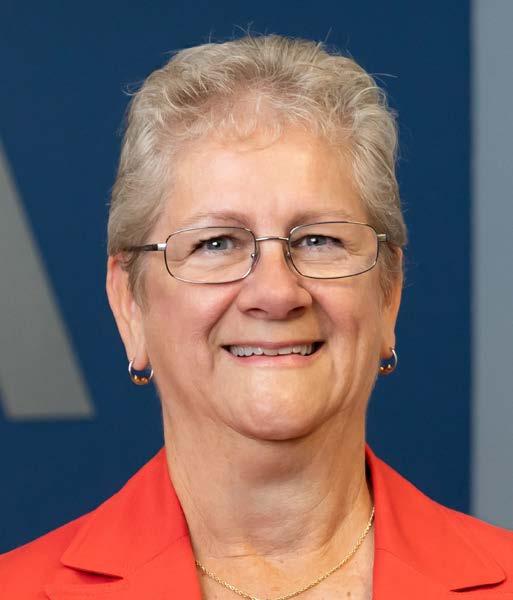

Karen Lake, CPA | Chair-elect Director of Tax Services | Berkowitz Pollack Brant Advisors + CPAs
The leader of BPB's SALT (State and Local Tax) practice, Karen previously served on the FICPA Board of Directors from 2018-19 and has chaired the Institute’s State Tax, Corporate Finance and South Florida Accounting Conference Committees. In 2020, she was presented with the FICPA’s Women to Watch – Experienced Leader Award for her contributions to the CPA profession. Outside the FICPA, Lake was previously Chair of Florida TaxWatch’s COVID-19 Task Force and its Tax Advisory Council.
Key O'Keefe, CPA | Immediate Past Chair Managing Partner | O'Keefe Somerville and Associates
An FICPA member since 1984, O'Keefe started her volunteer leadership as a member of the Brevard Chapter. She was named to the FICPA Council in 2017, its Board of Directors in 2019 and served as the FICPA's Chair in 2023-24. In addition to her service to the FICPA, O’Keefe has also spent the last 20 years working with Junior Achievement (JA), a nonprofit focused on providing financial literacy, career education and entrepreneurship education to students. She has been named JA’s Volunteer of the Year in the San Francisco Bay Area, Greater Hampton Roads/Tidewater area and Melbourne.
Kathryn Horton, CPA, CMA, CIDA, CFE
President | Kathryn K. Horton, CPA PA
Kathryn is a five-time National 40 Under 40 honoree by CPA Practice Advisor and has served on the FICPA Board of Directors since 2020. She was recipient of the 2023 AICPA Outstanding Young CPA Award and serves on the AICPA Governing Council. She is the past chair of the Young CPAs Committee and a graduate of the FICPA Emerging Leaders Program, the Florida TaxWatch Citizenship Institute and the AICPA Leadership Academy. She is also a past recipient of the FICPA’s Women to Watch – Emerging Leader Award and a frequent speaker at FICPA conferences.


Jennifer Keller, CPA Senior Tax Manager | Crowe
Jennifer is a leader in Crowe’s National Retail Dealer services group. As an active member of the FICPA, she is a graduate of the Emerging Leaders Program, a past member of the Women in Leadership Committee and a Past Chair of the West Coast Chapter and Young CPAs Committee. She is a recipient of the FICPA Horizon Award and in 2024 was named a recipient of the AICPA's Outstanding Young CPAs Award. In addition to her role on the Board of Directors, she is a member of the FICPA Scholarship Foundation’s Board of Trustees and its Chair-elect for the 2025-26 year.
Amy Kistka, CPA Jacksonville Managing Director | Deloitte
In addition to serving as a national audit facilitator for Deloitte, Amy also leads the learning initiatives and strategy for all the firm’s Florida practices. She is an active member of the FICPA's Finance & Office Advisory, State Legislative Policy, and Women in Leadership Committees. She was named by the Jacksonville Business Journal as one of its 2018 Women of Influence.
Robert Maya, CPA Senior Manager, Assurance & Advisory Services | Kaufman Rossin
Robbie joined Kaufman Rossin in 2013 in consulting, audit engagements, due diligence projects, and 401(k) audits for clients ranging from start-ups to large international companies in the health care, manufacturing and distribution industries. serves on the Miami Chamber of Commerce HYPE Committee, and the Incubator Grant Committee for the Greater Miami Jewish Federation. He is a member of the FICPA, the AICPA, and the Institute of Management Accountants. He has previously served on the FICPA Council and its Audit Committee.
Chris Oatis, CPA Partner, State & Local Tax | Grant Thornton, LLP
Chris joined the FICPA Council in 2021 and was previously Chair and Vice Chair of the Institute’s State Tax Committee and a member of its State Legislative Policy Committee. He has also served on the Florida Board of Pilot Commissioners, as Vice Chair of its Pilotage Rate Review and Legislative committees. He is a member of the AICPA and received both his bachelor’s in finance and his master’s in accounting from the University of Florida.
2024-25 FICPA
KRISTIN BIVONA, CPA
PAST CHAIR
GellerRagans
JESSICA BORMEY, CPA, MAcc Nicklaus Children’s Health System
YVONNE CLAYBORNE, CPA, CITP, CAM Carr, Riggs & Ingram
ADAM DANIELS, CPA, MAcc SBF Advisors
ASHLEY FAGAN, CPA KPMG
CARLOS GROSMANN, CPA, MAcc Kaufman, Rossin & Co.
GENEVIEVE HANCOCK, CPA
Germfree Laboratories
ANNE MARIE HICKS, CGMA,CPA
Capital Edge Consulting
TARSHA JACOBS, CPA, MBA Jacobs & Associates
GRAEME MELLET, CPA RSM US
EVARISTO PALMER, CPA Cherry Bekaert
HEBER ROJAS, CPA
TRCPA
CHRISTOPHER STEMLEY, CPA Disney Financial Services
GUY STRUM, CPA Gladstone, Strum & Company
CHERI SWAIN, CPA, CITP Carr, Riggs & Ingram
ALEX WELSH, CPA, CISA, CITP A-LIGN
AHARON YOKI, DBA, CPA
University of South Florida
DANA ZUKIERSKI, CPA
EY


Mindy Rankin, CPA, CCD Member | Warren Averett, LLC
Mindy was appointed by Gov. Rick Scott to the Florida Board of Accountancy (2016-20). She has served on the FICPA Board of Directors, Council, Young CPAs Committee and Membership Committee and is an active member of the AICPA Council. She previously served on the Board of Directors of Girls, Inc. of Bay County for six years, is currently Treasurer of the Panama City Chapter of Troy Alumni and recently completed a 12-year term on the Board of Directors of Tyndall Federal Credit Union.
Brion Sharpe, CPA Assurance Director | PricewaterhouseCoopers LLP
Brion is a past chair and active member of the FICPA’s Accounting Principles & Auditing Standards Committee. He has been the lead and co-lead on multiple FICPA exposure draft responses. He is also an active member of the State Legislative Policy Committee and has previously contributed to an award-winning Florida CPA Today article. He is a previous member of the Young CPAs Committee and was recognized as one of the FICPA’s 26 Under 36 honorees. He is serving his third term as a member of the FICPA Board of Directors.
Alex Sueiro, CPA Founding Partner | PAAST
Alex has more than 25 years' experience providing assurance, business consulting, and forensic accounting and litigation support services. Specializing in internal and external audits and reviews of financial institutions, he has managed a variety of engagements, including loan portfolio reviews, bank-wide risk assessments, Bank Secrecy Act/AntiMoney Laundering audits, FDIC Improvement Act audits, and more. He is an adjunct accounting professor at Florida International University and has lectured at the FICPA Miami Dade Chapter, the Association of Cuban Accountants in Exile, and the University of Miami.
Kyle Gosiewski, CPA Tax Manager | Crowe
Kyle Gosiewski is part of Crowe's national dealership group. He also is involved with the company’s new hire trainings and recruiting. He is a regular attendee of the FICPA Scholarship Foundation and Chapter events, a graduate of the FICPA leadership Academy, and an active participant during volunteer opportunities, most notable the CPA Day of Service. As the current Chair of the FICPA’s Young CPAs Committee for members 35 and under, he will serve a one-year term as a nonvoting participant on the Board.
Legislative changes to Florida corporate income/franchise tax credits

“The Legislature amended the Strong Families tax credit to increase the program credit cap from $20 million to $40 million per state fiscal year.”
JENNIFER ENSLEY
Florida Department of Revenue
Each year, the Florida Legislature contemplates many changes to the Florida corporate income/franchise tax. Highlighted here are some key changes made to corporate income/ franchise tax credits during the 2024 legislative session.
INDIVIDUALS WITH UNIQUE ABILITIES TAX CREDIT
The Individuals with Unique Abilities tax credit applies to taxable years beginning on or after Jan. 1, 2024. A taxpayer who employs an individual who has a disability, as defined in section 413.801, Florida Statutes, is eligible for a credit of up to $1,000 per qualified employee per taxable year. The tax credit requires the qualified employee to have worked for the taxpayer for at least six months.
The credit is equal to $1 per hour that the qualified employee worked during the taxable year, up to 1,000 hours. The maximum credit per taxpayer is $10,000 per taxable year. The program credit cap is $5 million in each of state fiscal years 2024-25, 2025-26, and 2026-27. Taxpayers may carry forward unused credits up to five taxable years.
CHILD CARE TAX CREDIT
This new credit is for:
Establishing an eligible child care facility for employees;
Operating a child care facility for employees; and/or
Paying an eligible child care facility in the name of, and for the benefit of, an employee.
The Child Care credit is also available against several other Florida taxes. Beginning Oct. 1, 2024, taxpayers may
apply to the Department of Revenue to determine their qualification to apply the credit to a taxable year beginning on or after Jan. 1, 2024. The Department will approve tax credit applications on a first-come, first-served basis.
The Department must approve the application before the taxpayer may claim the credit on a tax return. The program credit cap is $5 million in each of state fiscal years 2024-25, 2025-26, and 2026-27. Taxpayers may carry forward unused credits up to five years.
STRONG FAMILIES TAX CREDIT
The Legislature amended the Strong Families tax credit to increase the program credit cap from $20 million to $40 million per state fiscal year. On July 1, 2024, the credit application reopened in order for taxpayers to apply for an allocation of the additional $20 million in credit available for state fiscal year 2024-25.
RESIDENTIAL GRAYWATER
SYSTEM TAX CREDIT
Legislation in 2023 created a Graywater System tax credit for taxable years beginning on or after Jan. 1, 2024, and before Jan. 1, 2027. Developers and homebuilders are eligible for a tax credit of up to 50 percent of the cost of each NSF/ANSI 350 Class R certified noncommercial, residential graywater system they purchase. Credit may not exceed $4,200 per system, with a cap of $2 million per developer/homebuilder per taxable year. Taxpayers may carry forward unused credits up to two taxable years.
To learn more, visit floridarevenue. com/taxes/CITincentives. Information will become available as the Department implements new credits and changes to existing credits.
YOUR CHAPTER CONTACTS

IVEY ROSE SMITH
VP of Membership & Corporate Relations
Central Florida & Brevard County
Ivey@ficpa.org I 850-521-5918

KAREN DOW
Regional Director of Membership
Broward & Palm Beach Counties
KarenD@ficpa.org I 850-251-5921

KATHRYN HERNANDEZ
Regional Director of Membership
Miami & The Keys
KatH@ficpa.org I 850-521-5951

ALINA PENJIYEVA
Regional Director of Membership
North Florida
AlinaP@ficpa.org I 850-521-5930

IVELISSE SANTIAGO
Chapter Connections Manager
Ivelisse@ficpa.org I 850-521-5919
Tampa & Southwest Florida
Regional Director
Position currently being filled. Details to follow!
Hear from your peers: Membership is a movement
IVEY ROSE SMITH VP of Membership & Corporate Relations
Being an active member of the FICPA means more than just attending events.
Networking is a strategic move to maximize your professional development and expand your career opportunities.
FICPA membership makes it possible to create the kind of meaningful connections that can open doors.
MEGA 2024 put the vibrancy of our professional community in the spotlight across three spectacular days at Loews Sapphire Falls Resort.
The positive feedback we received from members about the quality of our education, the value of our networking, and the excitement of our Chairs’ Reception dance party is our motivation to keep making MEGA even bigger and better.
But don’t just take our word for it.
We want you to hear directly from our members who have experienced the transformative power of being engaged and connected within our FICPA community.
Their testimonials showcase the profound impact that involvement can have, inspiring you
22 LOCAL CHAPTERS
North Florida and Panhandle
Central Florida
Tampa and Southwest
Broward and Palm Beach
Miami and the Keys
FICPA Advocacy
FICPA Headquarters
to take full advantage of what the FICPA has to offer.
Once you’ve read these testimonials, I encourage you to turn the page and find even more from Anglin Reichmann Armstrong partner Meg Hampton on how FICPA membership was an immediate asset in her recent move to Florida.
We’ve planned an active slate of FICPA events around the state this fall. Be on the lookout for opportunities to engage in your area, and we’ll see you soon!


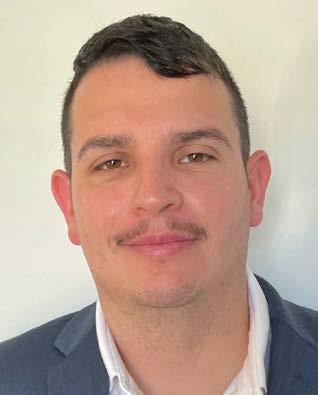
Thanks to [Regional Directors of Membership] Kat Hernandez and Karen Dow, I've had opportunities to form meaningful connections with like-minded professionals. What I admire most is their dedication to nurturing the next generation of CPAs. Hosting Kat and Karen at firm events was great, and attending the Women's Leadership Summit was incredibly inspiring. The speakers’ insights left a lasting impact on me. The FICPA has become a vibrant community where ideas are shared, mentorship is encouraged, and career aspirations are supported.
Pamela Hoyos, CPA
Talent Acquisition and Client Services Manager | KSDT
Now more than ever, it's crucial for the FICPA to protect and, in my opinion, even more importantly, promote the invaluable work that CPAs perform daily for our communities and society. Given this, the FICPA and its leadership team are the best advocates for our profession. Shelly and her team are passionate about the mission, and together, I know that we will have a stronger profession for years to come.
David G. Barbeito, CPA
CEO/Managing Partner | De La Hoz, Perez & Barbeito, PLLC
I would like to thank the FICPA for their partnership over the years. As an organization, relationships with accountants in our community are important to our work. The FICPA provides opportunities for valuable and meaningful engagement with the leading accounting professionals in our area. We appreciate the introductions the FICPA has made for us!
Mary Snow
President & CEO | Coral Gables Community Foundation FICPA Professional Affiliate
I moved to Florida in December 2020 when most social and professional events were disrupted. Having been a 25-year member of AICPA and Virginia Society of CPAs, I knew the power associations have when getting you plugged into a professional community. Soon after joining FICPA, I was running into acquaintances around town and giving back through mentoring, committee involvement and speaking engagements. I encourage everyone to find a place within the FICPA where they fit in.
Peter Stratos, CPA, MST
Principal, International Tax & Transactions | Kaufman | Rossin
Becoming more involved with the FICPA at the local level has profoundly impacted my practice and professional growth. FICPA resources enhance my team’s skills, broaden my network, keep me well-informed and prepared to navigate the evolving landscape of accounting and allow me to focus on delivering exceptional service to our clients. My FICPA involvement has been an incredibly rewarding experience, enriching both my career and my capacity to contribute meaningfully to the profession.
Joshua M. Hanover, CPA, EA
Managing Director, Florida Office Lead | CBIZ Marks Paneth
FICPA networking and CPE sessions have boosted my professional growth and enriched my personal life. Meeting like-minded individuals and forming connections with fellow CPAs has allowed me to foster a sense of belonging within our community. The support system that comes from these relationships is invaluable and offers worthwhile insight that will help propel you to success. The FICPA provides you with ample avenues to meet and learn from other experts and leaders in the accounting industry.
Julian Alejandro Mejia, CPA, MST.
Senior Associate | PwC US Finance/Partnership Tax
Relocating? Start networking –inside and out
MEG HAMPTON CPA, MAcc
A year ago, I moved to Pensacola. Like many Alabama families, mine had vacationed often on the Gulf Coast, so I felt like I was moving to paradise. I couldn’t wait to take advantage of Florida resident discounts on my season pass to Disney World.
More than that, I was a new partner at a CPA and advisory firm and looked forward to supporting my clients and the team who brought me here. I was ready for the next chapter in life, which started with getting to know my colleagues and the local business community.
Networking is not an easy process, especially after moving to a new city or state. You are navigating the personal transition as well as professional challenges. It might feel like you are starting from zero, but there is more support available than you would anticipate. As someone who loves mentoring and believes in giving back, I offer this guidance for networking and making the most of your professional relocation.
UNDERSTAND YOUR PERSONAL BRAND
If you asked me a few years ago if I enjoyed networking, I would tell you, “No.” It felt weird, too assertive for my personality, and I didn’t believe I could do it. I was wrong.
5 NETWORKING ESSENTIALS
Prepare for a networking event with these essentials:
1. An introduction about why you are there and what you do.
2. A plan for who you want to meet.
3. Two or three questions to ask others.
4. Business cards and a pen to jot down notes.
5. A positive attitude!
Meg Hampton with FICPA
Regional Directors Jay Propst and Alina Penjiyeva.


Networking requires mental positivity as much as physical effort. If you believe that everyone is interested in networking and that you have something valuable to offer them, then you are already halfway to building new relationships.
When networking, I don’t introduce myself as an auditor or a peer reviewer. I tell people that I love helping clients understand the story that their financial results are telling them. This is the value that I bring, and it opens the conversation to more than just my title.
Before you attend a networking function, think about your personal brand. What do you deliver better or differently than anyone else? Then
learned that many people appreciate being asked questions and enjoy talking about themselves. Practice listening and reading between the lines, and they may become a friend or a future client. If they’re just there for the food, that’s ok, too!
JOIN A GROUP OR BECOME A VOLUNTEER
When relocating, the easiest way to meet other professionals is through your state CPA society’s chapter events. I see too many professionals join their trade association just to attend educational events. As a member of the FICPA, I can attest that the more you get involved on a social basis, the stronger your chapter, network and profession become. In addition to joining an FICPA Chapter, Committee or Working Group – seek out similar business groups that align with your client base.

NETWORKING DO'S AND DON'TS DO
DON'T
And don’t be afraid to go right to the source. When I kept hearing the same names come up in conversation – the movers and shakers of the business community – I found out who had a connection and asked for an introduction. When you are introduced to a local leader, ask about causes or charities they support and their vision for the city or region. You will become known as someone invested in community growth, not just a new public accountant in town. Who knows? You may find a cause or volunteer activity that you love and meet even more people!
If your firm offers paid volunteer time as a benefit, meeting people through charitable work becomes even easier. It’s an amazing way to seek connections and find new friendships while doing good. Through my firm’s volunteering activities, I have already gotten to know several great charities and not-for-profit leaders in Pensacola.
Be patient. Building business relationships in a new community takes time.
Bring a colleague for support.
Try free events or guest passes before committting to a group.
Follow up with an email, a connection on LinkedIn or a proposal if requested.
Make networking part of your regular non-billable work. Put it on your calendar. Plan ahead for those hours and budget for memberships.
MANAGE YOUR TIME AND ENERGY
When you relocate for your career, you have a lot going on in the first six to 12 months. You are settling into a new residence, as you sort out new service providers and search for places to shop for groceries. Your workload may also be higher while you figure out new systems, team dynamics and clients’ expectations.
If you’re more introverted, it’s easy for networking to fall off your radar. On the other hand, if you are a bit
Monopolize one person at an event. Practice politely excusing yourself to move on to other people.
Hang by the food too long.
Don't drink too much.
Stick to your colleague like glue. Sit at different tables to make new connections.
more extroverted, then random networking can become distracting, with no return on investment. There must be a balance between billable work and non-billable relationship building.
Ask about your utilization and billable goals. This will help you calculate how much time is available for networking and the required follow-up. After I attended a government contracting conference earlier this year, my colleagues and I had more than 100 business cards to sort through. After qualifying a
Meg Hampton with firm partner Jason Miller at MEGA 2024.

“It’s good to divide and conquer. If you pair up with a colleague, you can cover more events and opportunities.”
percentage of those as leads, I had at least a dozen good prospects. Each prospect required a personal email, about eight or nine phone calls, follow-up emails and some proposals.
At the end of that experience, I calculated that for every new client I obtained, I invested an average of four hours in data management and prospect follow-up. That does not count my travel and networking time at the conference.
I learned that it’s good to divide and conquer. If you pair up with a colleague, you can cover more events and opportunities. Plus, you’re building rapport with your internal team members.
I use my calendar for organizing my time each week, planning ahead for client work as well as non-billable
LEAN ON THE LOCALS
1. If you are relocating to a new city, create your introduction from there: "I'm new here, and I'm looking for professional connections and the best pizza in town."
2. Start networking inside the firm first. Rely on the connections of your native or local colleagues even more to pave the way, professionally and personally.
work, like networking and mentoring. While some partners in the office are attending a golf outing, I will attend a law firm luncheon. (A passable golf swing is absolutely not a skill I possess.) You can find your own niche that appeals to your skills or career goals. If a colleague asks you to take their place at an event, be willing to try something new, but don’t make a commitment to the organization unless it aligns with your schedule, skills and professional plan.
As you explore various networking groups, you’ll find that some events
Meg Hampton at the FICPA's Office Managing Partner Roundtable during MEGA 2024.
are held in the morning for early risers, like me, while others are set up as lunches, happy hours or latenight galas. By choosing the opportunities that fit your interests and lifestyle you can more easily mingle while avoiding burnout.
Depending on the size of the city or region where you relocate, you may also need to build in travel time and expenses. In Pensacola I have to drive farther than I was used to for certain errands and networking opportunities, prompting me to be more selective in my choices.
As I’ve settled in, I’ve found the best opportunities to build relationships, both inside my firm and outside in the community have been through colleagues, clients and my professional associations. By making a commitment to “put yourself out there,” you can quickly acclimate and advance your career wherever you live and practice.
Happy networking, and I can’t wait to see you at a future FICPA event!
Meg Hampton, CPA, MAcc, is a Partner at Anglin Reichmann Armstrong, with offices in Pensacola and Winter Haven as well as Huntsville, Alabama. She focuses on audits and leads peer review teams. Email her at mhampton@anglincpa.com.

ON THE Move Members


Anglin Reichmann Armstrong is pleased to welcome Heidi Alles, CPA, MST, as a new partner in Central Florida. Heidi will join the Winter Haven office to focus on government contracting as well as efficient tax planning and wealth accumulation for closely held business owners and individuals with complex needs.
“We feel fortunate adding Heidi to our executive team at this time; our strategy is to grow the tax, business and wealth planning solutions that serve government contractors and the larger business community in Central Florida,” said Eric Adamson, Winter Haven’s partner-incharge. “Heidi understands the multi-state tax issues that many of our clients face, whether they are transferring wealth or building their businesses. She can guide clients and our team in those ongoing conversations.”

Fiske & Company announced that Adam J. Lang, CPA, CFF, CFE, CVA, has joined as its new director of forensic and valuation services.
He brings more than 20 years of experience to the firm, specializing in all types forensic accounting, analysis of economic damages, and the investigation of fraud, shareholder disputes and employee misappropriations.
“We are pleased to welcome Adam to our team,” said managing partner Sheri Fiske Schultz, CPA, ABV, CFF. “His extensive experience and proven leadership skills will be invaluable as we continue to grow our forensics and valuation practice. Adam's understanding of the industry and commitment to client services is a definite asset.”
Are you a member on the move?
Email your good news to communications@ficpa.org and you could be included in the next issue of Florida CPA Today!
Hancock Askew was proud to announce the promotion of four FICPA members to partner. Bill Becker, CPA, is a tax partner in the Tampa office; Rachel Connor, CPA, is an audit and advisory partner in the Tampa office; Lisette Rodriguez, CPA, is an assurance partner in the Miami office; and Mark Fenaughty, CPA, is a tax partner in the Miami office.

Mari Huff is proud to announce that Daniel Ranchurejee, CPA, CFE, has been admitted as a shareholder in 2024. Daniel has been with the firm since 2017 and is the audit manager in charge of all attest engagements performed by the firm.
Mari Huff also announced that Jackson Abbott has been promoted to the position of staff accountant following his graduation from Indian River State College with a Bachelor of Science in Accounting in May of this year.
Congratulations to Elizabeth Jackson, CPA, who has been promoted to International Tax, Transfer Pricing Senior Manager at RSM US.

Jackson, who has been with RSM since 2017, is a past Chair of the FICPA’s Young CPAs Committees and was a recipient of the Institute’s 2023 Women to Watch: Emerging Leader Award.

Thomas Howell Ferguson (THF) announced that Megan Chen was promoted to Manager within Assurance Services. Chen has been with THF since 2020 and has provided assurance services to government, not-for-profit, insurance, and for-profit organizations.
“Megan Chen has effectively and successfully performed manager-level duties within the insurance industry group,” said Managing Shareholder Jeff Barbacci. “She has exhibited the technical proficiency and ability to supervise multiple complex engagements and has been recognized as a leader and technical resource within the department and industry group.”
Pre-immigration planning and the foreign trust
GARY FORSTER J.D., LL.M.

For U.S. income tax purposes, foreign trusts are treated as non-residents/ non-citizens (NRNC), subject to U.S. income tax only on U.S. source income. An effective strategy for a foreign individual with family in the U.S. is to fund a foreign trust with offshore assets and U.S. intangibles. Funding the trust triggers no U.S. gift tax and the trust shelters all income earned on foreign assets and U.S. capital gains. The foreign trust may also allow for tax free distributions to the foreign grantor’s family in the U.S.
Many offshore grantors intend to move to the U.S. to be close to loved ones. This article discusses how to move to the U.S. without sacrificing the income and transfer tax benefits of fund-

ing a foreign trust for U.S. beneficiaries.
INCOME TAX AND THE U.S. GRANTOR
Internal Revenue Code (IRC) §679 (deemed grantor status) and §684 (deemed sales provisions) prevent U.S. grantors from sheltering foreign offshore income in foreign trusts (taxable as an NRNC). Section 684 taxes the gratuitous transfer of property by a U.S. person to a foreign trust (with no U.S. beneficiary). The transfer is treated as a deemed sale or exchange of the assets placed in trust. Section 684 triggers taxable gain (but not loss) on the excess of fair market value over tax basis.
A deemed sale of assets contributed to a foreign trust is deferred during the grantor status of the foreign trust.
Grantor trusts are disregarded for U.S. income tax purposes. Trust assets are therefore treated as owned by the grantor for tax purposes. The foreign trust may be taxed as grantor pursuant to either §676 (power to revoke) and §672(f) (based on retained control of trust assets by the grantor) or §679. Thus, the funding of a foreign trust by a U.S. citizen or permanent resident, for the benefit of any U.S. beneficiary (including the grantor) has no immediate U.S. income tax implications.
Deemed grantor status of foreign trusts (under §679) funded by U.S. settlors (avoiding a §684 deemed sale) does not apply to foreign trusts with no U.S. beneficiary. If a U.S. beneficiary is added, deemed sale may be avoided. If a foreign
trust is amended to add a U.S. beneficiary, trust assets will be deemed recontributed upon the U.S. residency of the beneficiary.
If a foreign trust ceases to have a U.S. beneficiary, the U.S. grantor is treated as having made a taxable transfer to the foreign trust. Capital gains tax is triggered on the first day of the first taxable year following the last taxable year the trust had a U.S. beneficiary. The gain triggered by a deemed sale of trust assets (under §684) includes appreciation since contribution to the trust.
DEATH OF U.S. GRANTOR
During the life of the U.S. grantor, grantor trust assets generate taxable U.S. income, including income from foreign situs assets, to the U.S. grantor. A deemed
sale of trust assets is triggered upon the death of the grantor. Grantor status of the foreign trust ends upon the earlier of the foreign trust no longer having a U.S. beneficiary or the death of the grantor. Technically, a deemed sale of trust assets is triggered upon loss of grantor status.
Interestingly, the application of the mark-to-market deemed sale provisions (income tax) of §684, triggered upon the death of a U.S. grantor, hinges on the inclusion of trust assets in the grantor’s U.S. taxable estate. If the foreign trust is domesticated to the U.S. before either event, §684 becomes inapplicable, as the mark-to-market deemed sale is not imposed on the then-domestic trust.
The application of U.S. estate tax, upon the death of the grantor, triggers two potential income tax outcomes under §684. If trust assets are not includable in the gross estate of the U.S. grantor, they are deemed sold immediately prior to the U.S. grantor’s death. Following the deemed sale, trust assets receive a basis step-up for the gain (but not loss).
Foreign trust assets includable in the U.S. grantor’s gross estate are not subject to deemed sale under §684 (upon the grantor’s death) and no gain is recognized. Trust assets are subject to the estate tax and receive a fair market value step-up in basis on the grantor’s death. Thus, estate tax exposure eliminates income tax otherwise arising from the deemed sale at death of a U.S. grantor. After trust assets are deemed sold, or subject to U.S. estate tax, the foreign trust is treated as an independent foreign
non-grantor trust for federal income tax purposes.
INCOME TAX AND THE NRNC GRANTOR
Foreign trusts (not treated as grantor trusts) generally incur taxable income like NRNC individuals, with certain limitations on credits and deductions unique to trusts. Neither §684 nor §679 apply to transfers by an NRNC to a foreign trust. Only U.S. source income earned by U.S.-based trust assets is taxed by the U.S.
U.S. gross income of a foreign non-grantor trust consists only of income derived from sources within the U.S. not effectively connected with the conduct of a U.S. business and income effectively connected with the conduct of a U.S. business. As a foreign taxpayer, the foreign trust incurs no capital gains tax unrelated to real estate.
Foreign non-grantor trusts are subject to U.S. income tax only on the following types of income: income effectively connected with a U.S. trade or business; disposition of U.S. real property interests; and fixed or determinable annual or periodic income from U.S. sources (i.e., interest, dividends, rents, annuities, etc.).
U.S. BENEFICIARIES
Foreign trusts funded by an NRNC avoid U.S. income tax on foreign income and U.S. capital gains (sheltering gifts to U.S. beneficiaries). If an NRNC funds a foreign trust for the benefit of a U.S. person, the trust will be treated as either a foreign grantor trust (deemed owned by the settlor) or a foreign non-grantor trust for U.S. income tax purposes.
NRNC grantors do not recognize U.S. income tax
on foreign-source income or U.S. capital gains on sales unrelated to real estate. The IRS cannot reach foreign-source income and U.S. capital gains as long as the grantor remains an NRNC. Trust income distributed to U.S. beneficiaries may therefore be sheltered from U.S. tax if the foreign trust is classified as grantor for federal income tax purposes. U.S. beneficiaries therefore recognize no tax on distributions, as trust assets of a grantor trust are deemed owned for income tax purposes by the foreign grantor.
NRNCs may establish grantor trust status (for a foreign trust) by satisfying one of three exceptions to non-grantor status:
1. The grantor may revoke the trust without the consent of any person.
2. The grantor or the grantor’s spouse is the sole beneficiary of the trust during the life of the grantor.
3. The trust was created before Sept. 19, 1995 (regarding assets in trust as of such date), if the trust qualifies as a grantor trust, pursuant to §676 or §677.
Upon the death of the NRNC grantor, the offshore grantor trust loses its grantor trust status. Trust income from U.S. sources, to the extent taxable, is then recognized by the trust, an independent taxpayer. Thereafter, U.S. beneficiaries will be taxed on distributions from the foreign trust.
If the trust is not a grantor trust, it is regarded as an independent taxpayer. U.S.

beneficiaries are taxed on distributions of both U.S. and foreign-source trust income. U.S. beneficiaries, however, recognize no income tax until trust distributions (limited to distributable net income) are made.
A U.S. beneficiary in receipt of a distribution from a foreign trust is taxed on his or her share of distributable net income (DNI). If the distribution exceeds DNI in the year of receipt, an accumulation distribution has occurred, triggering additional accumulation tax under §667. This paradigm ensures that prior years’ foreign trust income does not escape U.S. income tax.
A note on tangible U.S. gifts to trust
Gifts of U.S. tangible property by an NRNC are subject to U.S. gift tax. Transfers by an NRNC of foreign situs property and U.S. intangibles, including publicly traded stock, are not subject to U.S. gift tax. Acquiring U.S. tangible assets in a foreign corporation converts U.S.-based tangible assets to an intangible entity. The foreign corporation (owner) may be gifted free of gift tax. The strategy avoids gift tax (otherwise applicable to the direct transfer of U.S. tangible assets).
IMMIGRATION BY NRNC GRANTOR
NRNC grantors often contemplate a move to the U.S. to be with family, (i.e., the U.S. based trust beneficiaries). Planning for the grantor’s death as a potential U.S. resident or citizen is therefore required.
An NRNC who intends to move to the U.S. raises a number of issues. If the
NRNC grantor establishes U.S. residency within five years of funding the foreign trust, trust assets may be exposed to U.S. income tax under §684 and §679. Sections 684 and 679 therefore apply to an NRNC grantor who becomes a U.S. resident within five years of funding a foreign trust.
The immigrant grantor who becomes a U.S. (income tax) resident within five years of funding a foreign trust is treated as having re-transferred property to the foreign trust on the date of establishing U.S. residency. The deemed re-transfer triggers either the deemed sale rules of §684 if the trust has no U.S. beneficiary or grantor status under §679 if the foreign trust has a U.S. beneficiary. In the event of grantor status, either a deemed sale of trust assets under §684 or, if no prior estate tax planning took place, exposure to U.S. estate tax will be triggered upon the death of the immigrating grantor. There are two strategies the proposed immigrating grantor may implement to avoid deemed sale of trust assets under §684.
The first strategy is for the foreign grantor to wait five years to establish U.S. domicile. If an NRNC funds a foreign trust more than five years prior to establishing U.S. residency, no deemed re-transfer (or associated gain) is triggered. After five years of funding, the trust will continue to earn foreign-source income on a tax-free basis assuming the trust avoids grantor status. If trust beneficiaries are U.S. residents, no U.S. income tax is imposed on such beneficiaries until the trust makes
"With proper planning, a foreign trust may benefit a U.S. family by sheltering foreign-source income and avoiding U.S. estate tax."
distributions. Any NRNC trust beneficiaries avoid U.S. tax on distributions of foreign-source income.
As NRNCs typically fail to wait five years to obtain U.S. residency, the NRNC must deal with the deemed re-transfer of trust assets to the foreign trust, as of establishing U.S. residency. If the foreign trust has U.S. beneficiaries, §684 does not immediately trigger a deemed sale. Instead, §679(a)(1) makes the foreign trust grantor during the lifetime of the NRNC grantor, who is now a U.S. person for federal income taxes. As long as the foreign trust has U.S. beneficiaries, the imposition of the §684 deemed sale is delayed until the death of the grantor.
The second strategy for the grantor who cannot delay immigration is to domesticate the foreign trust before death of the grantor. In such an event, trust assets will avoid the imposition of §684, as the deemed sale rule only applies to foreign trusts. Unlike a foreign
trust, the domesticated trust will recognize U.S. income on all its assets, wherever located.
If the income tax exposure to foreign-source earnings is intolerable, the grantor may instead opt to abandon U.S. domicile. Abandonment will preserve the trust’s foreign status and avoid tax on foreign-source income and U.S. capital gains (until distributed to a U.S. beneficiary).
Five-year lookback does not apply to transfer taxes
In any case, trust assets avoid U.S. estate and gift tax for assets irrevocably transferred by an NRNC to the foreign trust, outside the net of federal transfer taxes. Deemed sale, grantor status and domestication do not alter the immigrant’s avoidance of U.S. estate or gift tax. Estate tax may be avoided even if the trust requires domestication (to avoid exposure of trust assets to the mark-to-market deemed sale).
CONCLUSION
NRNCs and foreign trusts pay no U.S. tax on foreign-source income or capital gains (unrelated to real estate). With proper planning, a foreign trust may benefit a U.S. family by sheltering foreign-source income and avoiding U.S. estate tax. Offshore NRNC beneficiaries pay no tax on foreign-source trust income and U.S. beneficiaries defer U.S. income tax until trust distributions.
Gary Forster is the Managing Partner of ForsterBoughman – practicing domestic and international asset protection, business, tax and estate planning law – and a frequent presenter at FICPA events.

Make the most of your membership
Continuing Education
Member-Exclusive Content
Community, Connections and Leadership Opportunities And more within!


JOHN DOHN
JOHN DOHN
National
Sales Manager
National Sales Manager
Management
Management Services International
Services International
Most business owners hate insurance companies until they own one. An insurance company owned by a business owner to insure some of their own risk is known as a captive insurance company which is a licensed, and highly regulated, insurance company. In turn, a business can pay insurance premiums to their own licensed business insurance company in exchange for insurance policies while retaining profits on said policies.
Most business owners hate insurance companies until they own one. An insurance company owned by a business owner to insure some of their own risk is known as a captive insurance company which is a licensed, and highly regulated, insurance company. In turn, a business can pay insurance premiums to their own licensed business insurance company in exchange for insurance policies while retaining profits on said policies.
Captive insurance policies can be customized, whereas policies from big insurance companies cannot. Finally, both insurance policies from third party insurance companies and captives are tax deductible, subject to guidelines. There are commonly believed myths and misconceptions about captives, this article will address, and debunk, the most common ones.
Captive insurance policies can be customized, whereas policies from big insurance companies cannot. Finally, both insurance policies from third party insurance companies and captives are tax deductible, subject to guidelines. There are commonly believed myths and misconceptions about captives, this article will address, and debunk, the most common ones.
Myth 1: The IRS is winning case after case in tax court against captives.
Myth 1: The IRS is winning case after case in tax court against captives.
False: In a small number of Captive audits, the IRS determined that some “so-called captives” did not operate as insurance companies and lost in tax court. These cases include Avrahami, Caylor Land & Development, Syzygy, and Reserve Mechanical. The facts, and circumstances, in these cases clearly demonstrated that the “socalled captives” disregarded requirements
False: In a small number of Captive audits, the IRS determined that some “so-called captives” did not operate as insurance companies and lost in tax court. These cases include Avrahami, Caylor Land & Development, Syzygy, and Reserve Mechanical. The facts, and circumstances, in these cases clearly demonstrated that the “socalled captives” disregarded requirements
that insurance companies are required to follow. Captive professionals agree with tax court findings on these “so-called captives” cases.
that insurance companies are required to follow. Captive professionals agree with tax court findings on these “so-called captives” cases.
These bad actor cases should not overshadow the thousands of captives that are properly operated as insurance companies that protect thousands of businesses who need them.
These bad actor cases should not overshadow the thousands of captives that are properly operated as insurance companies that protect thousands of businesses who need them.
Puglisi Egg Farms v. IRS commissioner is a tax court case that indiscriminately targeted a captive that was following the rules as it was formed to provide insurance policies for risk which was no longer insurable in the commercial insurance marketplace. The facts, and circumstances, were so strong for Puglisi that the IRS conceded in Tax Court.
Puglisi Egg Farms v. IRS commissioner is a tax court case that indiscriminately targeted a captive that was following the rules as it was formed to provide insurance policies for risk which was no longer insurable in the commercial insurance marketplace. The facts, and circumstances, were so strong for Puglisi that the IRS conceded in Tax Court.
The best, most effective IRS captive audit defense is creating a captive for the right business reasons and engaging with a turnkey Captive Insurance Company Manager with years of experience and hundreds of clients.
Myth 2: Captives only make sense for Fortune 500 companies and publicly traded companies.
The best, most effective IRS captive audit defense is creating a captive for the right business reasons and engaging with a turnkey Captive Insurance Company Manager with years of experience and hundreds of clients.
Myth 2: Captives only make sense for Fortune 500 companies and publicly traded companies.
False: While it is true that more than 90 percent of Fortune 500 companies own their own captive insurance companies, there are more than 5,000 captives in the United States. In fact, businesses with as little as $1,000,000 gross revenue can potentially qualify for a captive if properly structured.
Captives are industry agnostic.
False: While it is true that more than 90 percent of Fortune 500 companies own their own captive insurance companies, there are more than 5,000 captives in the United States. In fact, businesses with as little as $1,000,000 gross revenue can potentially qualify for a captive if properly structured.
Captives are industry agnostic.
Characteristics of businesses who could benefit from a captive include: consistent profitability, history of low insurance losses, the realization that a business is already funding certain losses from their balance sheets and that insurance company assets are creditor protected. Also, a business needs to have enough time for the benefits of a captive to exceed the costs. There are various captive structures available to suit many businesses on a case-by-case basis.
Sometimes it does not make sense for a business to own a captive. Reasons could include consistently high insurance claims history on policies over a period of years, plans for a business to sell or be acquired in under three years or when a business is seeking a short-term insurance solution.
Insurance portfolios for businesses who own captives typically include some commercial insurance policies, as it would be very difficult, or not make sense, to insure every type of risk in a captive. All businesses should carefully review their insurance portfolios at least once a year, or more frequently when a business undergoes significant changes or fast revenue growth.
Myth
3: The IRS drives insurance laws, compliance and has the authority to eliminate captive insurance companies .
False: Insurance companies are regulated by individual states. Each state maintains their own Department of Insurance which follows the specific insurance laws passed by the legislature in their respective state. State to state insurance laws can, and do, vary significantly.
Many business owners can benefit or suffer when an insurance company decides to enter a new state or decides to exit a state based on said state’s insurance laws and/or claims experience. This explains some reasons why so many insurance companies are fleeing FL,
CA, TX, states located on the gulf coast and others. Fortunately, captive ownership can provide desperately needed relief for businesses in these states.
On Dec. 6, 2023, members of the U.S. House of Representative Ways and Means committee wrote a letter to IRS Commissioner Daniel Werfel in support of 831(b) captives. An important paragraph in this letter was the following “Congress has long supported, and continues to support, the policy of providing a tax benefit to small businesses that incentivizes the formation of small captive insurance companies to manage risk. The IRS may not eliminate laws that it finds inconvenient to administer, or somehow troublesome, nor may it legislate via regulation.” The reason why this letter is so important is that the IRS has unsuccessfully tried to regulate captives in the past via notices, when state departments of insurance regulate insurance companies.
Management Services International (MSI) is an award-winning turn-key captive insurance company manager lead by Jeremy Colombik, CPA, that has served hundreds of Clients across the United States for nearly 20 years.
National Sales Manager, John Dohn partners with CPAs in public accounting when it makes sense for their clients who own businesses to also own a captive insurance company. Contact John at 847-254-3028 or John@themsicorp.com to schedule a call.


Congratulations to our Class of 2024!
We are pleased to introduce our FICPA Scholarship Foundation Class of 2024! We’ve distributed more than $185,000 in funds to 67 scholarship recipients at 21 different Florida colleges and universities. We are excited to welcome these future CPAs into our Foundation family.
Please note: The window to apply for a 2025 FICPA Scholarship will open on Jan. 1, 2025.
Azalea Grace + George Gulisano Scholarship
Kristi Bruner University of Central Florida
Burrows Scholarship
Christian Pineda
Miami Dade College
Douglas James Davis Scholarship
Hannah Rickenberg Southeastern University
Douglas James Davis + Beatric Cohen Scholarship
Anusha Sikand University of Central Florida
FICPA Scholarship
Brianna Alvarez University of Florida
Cassandra Arguelles University of West Florida
Maryam Arif
Florida Atlantic University
Blake Baase University of Tampa
Benjamin Baker
Florida State University
Daniel Baroz
Florida Atlantic University
William Benton
Southeastern University
Maximilian Beyers University of Florida
Karla Marie Colon Ortiz University of Florida
Morghan Copeland University of Florida
Christina Coulter University of West Florida
Elizabeth DeJong University of South Florida
Rebecca Doss
Florida State University
Melissa Fonseca Morales Saint Leo University
Robert Foster
Florida Southern College
Nicholas Gamotis University of West Florida
Ian Good University of North Florida
Giselle Guzman
Florida Atlantic University
Darron Irving
Indian River State College
Francis Felix Javier University of North Florida
Cyler Lambert
Florida State University
Ashley Landreth University of Florida
2024 CLASS BY THE NUMBERS
22 First-Generation College Students
Multi-Ethnic Prefer Not to Answer
Tatyana Lyenov
Florida Gulf Coast University
Jimmy Marzouka University of Miami
William McLaughlin
Florida Southern College
Conor Morris
Keiser University
Kayla Mulford
Saint Leo University
Stephen Murnane
Florida State University
Jazlyn Olivera
Florida State University
Jennifer Powell Photography
Kevin Prata
University of North Florida
Meghan Quirantes University of Central Florida
Ana Raphaela Gomes
Florida Atlantic University
Shannon Reid University of Central Florida
Ivette Sanchez
Florida State University
Perrin Smith University of Florida
Kirsten Spano NOVA Southeastern University
Emily Stoughton
Florida State University
Shidong Wang
Florida State University
Frederick Carroll III + Cavanaugh Scholarship
Rachel Waldhelm
Florida State University
George Shierling Scholarship
Samantha Kmetz
Stetson University
George Shierling + JP Thomas Scholarship
Matthew Pinder
Stetson University
George Shierling + Martin Prague Scholarship
Sadie Jensen
Stetson University
George Shierling + Michael Pender Scholarship
Michael Martinez
Stetson University
George Shierling + Robert Harris Scholarship
Silke Nicole Flynn
Stetson University
Georgia Nedlisky Scholarship
Abigail Witt
Florida State University
Gerald J. Cavanaugh Scholarship
Jamie Botel
Florida State University
James Wilcox Scholarship
Cherlande Cheribin
University of Central Florida
Sabrina Dory
Florida Atlantic University
Aron Fields
University of Tampa
Jordan Price
Florida A&M University
De'Ja Smith
Stetson University
Anabelle Standish
Stetson University
Kathy B. Anderson Scholarship
Nicholas Bennett
University of South Florida
Lewis Davis Scholarship
Ashley Etienne
St. Thomas University
Maya Melendez
St. Thomas University
Oscar Valdes
Miami Dade College
Lloyd A. Buddy Turnman + James M. Lane Scholarship
Emily Lu
University of Florida
Mia A. Thomas + Cavanaugh Scholarship
Stephanie Vitoria Silva
University of Central Florida
North Dade/South Broward Scholarship
David Muina
University of Miami

To celebrate the Class of 2024, please join us for one of our upcoming Scholars' Achievement Receptions this fall.
JACKSONVILLE
Sept. 18
MIAMI
Sept. 19
TAMPA
Sept. 24
Visit ficpascholarshipfoundation.org/ events to register to attend or inquire about sponsorship opportunities!
North Dade/South Broward & Ben A.
Stevens Scholarship
Barjon Kadi
Florida Golf Coast University
Orvis Kemp Scholarship
Shane Calvary
Florida Southern College
Walter A. Friedly Scholarship
Kevin Cardenas
Florida Atlantic University
Withum + FICPA Scholarship
Alexandra Abreu
University of Central Florida
Foundation welcomes new Chair, Silvana Capaldi
The FICPA Scholarship Foundation was proud to welcome Silvana Capaldi as its 2024-25 Chair on July 1, 2024.
Capaldi is the Founder of the Ispirare Group LLC and Principal Consultant with SM Business Advisors. She has an extensive business background advising CPAs, entrepreneurs and other professionals on growth, strategy and scalability. Her career has included work in M&A, sales, marketing, business development, training and coaching in a career and tenures at both RSM and PwC.
A member of the Foundation’s Board of Trustees since 2018 and last year’s Chair-Elect, Capaldi previously played a role in organizing multiple Foundation fundraisers in the Tampa Bay area.
She will now work alongside Foundation Director Jennifer Allen to expand the Foundation’s reach within the broader Florida business community and help execute the Foun-
“I am thrilled to collaborate with our Foundation Board of Trustees and Director Jennifer Allen to refine our comprehensive strategic plan and reach a wider audience of prospective CPAs."

dation’s mission to support accounting students, CPA candidates and newly licensed entrants to the profession as they navigate the career pathway.
“I am thrilled to collaborate with our Foundation Board of Trustees and Director Jennifer Allen to refine our comprehensive strategic plan and reach a wider audience of prospective CPAs in need of our support and resources,”
Capaldi said. “At the same time, I am excited to establish new partnerships within our business communities, cultivating connections that will both provide students with valuable opportunities and raise awareness of the Foundation.”
“Silvana’s diverse business background and longtime experience with the CPA profession make her an ideal candidate to help the Foundation continue to expand its reach,” Allen added. “I am grateful to both Silvana and the Board of Trustees for their volunteer leadership and steadfast commitment to securing the future of the CPA profession.”
Thank you to our 2024-25 Foundation Board of Trustees
FOUNDATION CHAIR
Silvana Capaldi
SM Business Advisors, Principal Consultant
FUNDRAISING CHAIR & CHAIR-ELECT
Jennifer Keller, CPA Crowe, Senior Tax Manager
PROGRAMS COMMITTEE
CHAIR & 2026-27 CHAIR
Binita Mehta, CPA PwC, Partner
TRUSTEES
Rummesa Abrar, CPA EY, Senior Manager
Carshena Allison, CPA BCA Watson Rice, Managing Partner
Chris Bagwell KPMG, Partner
Jason Chorlins, CPA
Kaufman, Rossin & Co., Principal, Banking Practice Leader
Ana Del Cerro-Fals BDO, Tax Practice Leader
Lorie Gleim Gleim Publications, CEO
Celina Jozsi, CPA, MAcc
Florida Southern College, Retired Accounting Faculty
Nancy Juron, CPA Deloitte, Partner
Steve Kennedy
Silures Partners, CEO
Jason Klein, CPA
Jason H. Klein, Owner
GOVERNANCE & NOMINATIONS COMMITTEE CHAIR
Steven Morrison, CPA, CFF, CFE CohnReznick, Partner, National Director of Audit
FINANCE COMMITTEE CHAIR
Paul Hays, CPA
Cheesology, CEO & Co-Founder
Richard Lavina Taxfyle, CEO & Co-Founder
Claudia Munoz, CPA, CFF, CFE, MAcc
McCain Samons & Fiorini, Forensic Account Manager
Amanda Porupski, CPA LCG Advisors, Managing Director
Amy Santos
Florida Southern College, Visiting Professor, Accounting
Paola Suarez, MBA
Chase, Executive Director, Area Manager for the Southeast | Government & Not for Profit
Ashlyn VanDenDriessche, CPA, MAcc
CLA, Manager Tax
Alan West, CPA, DBA
Coastal Carolina University
Vice President for Finance and Administration, CFO


WELC ME TO THE
The FICPA is proud to welcome these new members who joined from April-June 2024.
Welcome to our FICPA family and thank you for supporting the CPA profession!
A NEW START FINANCIAL & SOCIAL
Jeffrey Willard
AAFCPAS
Erica Lage
ADVANCED PROFESSIONAL ACCOUNTING
Rebecca Santiago
ADVENTHEALTH
Joshua White
AE PINNACLE ACCOUNTING
Antonette El Baz
AFFORDABLE CLIENT WRITE UP
Julie Crowder
AHEARN, JASCO & COMPANY
Christian Pinks
ALL YOUR FINANCIAL NEEDS
Denise Calderon
ALVAREZ & MARSAL TAX
Frank Damas
ALVES CONSULTING
Catherine Alves
ANDREW LANGUS, CPA
Andrew Langus
ANESTHESIA ASSOCIATES OF KANSAS CITY
Kirk Hintz
ANTHONY HEARN, CPA
Anthony Hearn
APPELT & ASSOCIATES, CPAS
Aaron Ater
ASSURANCE DIMENSIONS
Nicolas Arango
ATLANTIC TECHNICAL COLLEGE
Schleiden St. Fort
AVE MARIA UNIVERSITY
James Majeski
AXIOM BANK
Kristie Nordman
BAKER, DONELSON, BEARMAN, CALDWELL
Perry Sofferman
BANK OF AMERICA
Widline Norde
BDO USA
Lauren DiRenzo
LaShaun King
Kelly Moran
Eric Norden
Leif Novie
Ram Singh
Beth Spinda
Brett Steinman
Nan Wu
Agetina Zoto
BEC CFO AND CPA
Philip King
BENCHMARK FINANCIAL
Thomas Jedrej
BERKELEY COLLEGE
Shathary Argueta
BERKOWITZ POLLACK BRANT
Leeland Bien
Ashley Krawczyk
BLUE OCEAN PARTNERS
Christopher Sandvik
BRADENTON CHRISTIAN SCHOOL
Michelle Balais
BRANDON ACCOUNTING AND TAX SERVICES
James Brandon
BRENNAN MANNA & DIAMOND
Bao Le
BRIDGEWATER TAX AND FINANCIAL
John Adams
BROWARD COLLEGE
Anthony Arguello
Brianna Barthelemy
Natalia Carlesso
Kevin Gonzales
William King
Marbella Martinez
Sammitriya Odewumi
Lissett Santana Garciga
Wendell Stervil
CAL DAVIS & ASSOCIATES
Cal Davis
CAPITAL ACCOUNTING GROUP
Russ Panks
CAPITAL HEALTH PLAN
Jeffrey Bedenbaugh
CAPRI BOOKKEEPING SOLUTIONS
Ethan Capri
CAPSTAN TAX STRATEGIES
Bruce Johnson
CAREY & COMPANY
Aryeh Greenberg
CARR, RIGGS & INGRAM
Tatiana Carvajalino
Kyle Ericson
Karen Lay
Paul Martin
Rebekah Merrill
Charissa Putnam
Daniel Rodriguez
William Russell
Sarah Seitz
Daniel Swift
Marie Wallace
CBIZ MHM
Barry Berkowitz
CBRE
Kimberly Norton
CECILIA M. ZACHARY, CPA, PA
Cecilia Zachary
CHASE BANK
Dan Nelson
CHEN MED
Jami Franklin-Savitt
CHERRY BEKAERT
Stephanie Rosensky
CITY OF BOCA RATON
Sharon McGuire
CITY OF HAINES CITY
Juan DeJesus
Jordan Ortiz
CITY OF SUNNY ISLES BEACH
Natalie Obando
CITY OF WINTER GARDEN
Ariel Kenon
CLARK DIETZ
Seth Swartz
CLEARVIEW GROUP
Aaron Kerr
COGENT BANK
Jacquelyn McIntosh
COHNREZNICK
Karen Schwartz
COMMERCIAL DESIGN SERVICES
Haley Dowding
COMMONWEALTH OF MASSACHUSETTS
Stephen Tapis
COULTER, AVILES & JACKSON
Dennis Wild
CPA SOLUTIONS
Anthony Portelli
Troy Woodall
CPA TAX SOLUTIONS
Sandra Torres
CREATIVE FUNDING GROUP
Bruce Haber
CROWE
David Caceres
Tony Campbell
Brandon Chappoten
Thomas Christiana
Arielle Domenech
Kevin Elwell
Michael Perry
DARDEN RESTAURANTS
John Madonna
DAVID ZIEGLER & ASSOCIATES, CPA
David Ziegler
DE LA HOZ, PEREZ & BARBEITO
Grethell Anasagasti
Iris Borges
Javier Casabona
Alejandra Gomez
Bernardo Miranda
Yvana Rodriguez
Savyon Szwed
DEDICATED CPA
Ruben Fernandez
DELOITTE
Brock Drogosch
Landon Peterson
DIGITAL MEDIA SOLUTIONS
Vanessa Guzman-Clark
DIRECTED CAPITAL RESOURCES
Deeann Kronenwetter
DIRECTOR OF PAPERWORK
Michelle Miele
DIRUZZO & COMPANY
Joseph DiRuzzo
DISNEY FINANCIAL SERVICES
Brian Aboud
Andrew Howlett
Gavin Miller
Taeko Ozawa
Cynthia Richardson
Mariam Triolo
DIVINE, BLALOCK, MARTIN & SELLARI
Hendry Moise
DJH ACCOUNTING SOLUTIONS
Daniel Hayes
DOBBS EQUIPMENT
Christopher Norton
EAST MANAGEMENT SERVICES
Peter Nayman
EASTERN FLORIDA STATE COLLEGE
Leah Drobniewski
ECF ENGINEERING CONSULTANTS
Juaniesha Gonzalez
EISNERAMPER
Christopher Carrella
ELLRICH, NEAL, SMITH & STOHLMAN
Steve Jimenez
ENNIS, PELLUM & ASSOCIATES
Owen Berry
Gary Pearce
ENVISION HEALTHCARE
Maria Arroyave-Rivera
ERICKSON & CO.
Elizabeth Erickson
ERNEST RESTINA, CPA, PA
Ernest Restina
FABRICANT, WEISSMAN & DARBY
Michelle Lovely
FIDELITY NATIONAL INSURANCE CO
Laura Wiese
FINANCIAL SOLUTION ADVISORS
Emily Puglisi
FINEXIO
Cinthia Ganchozo
FIRST CITIZENS BANK
Jenevieve Kart
Daniela Quinn
FISKE & COMPANY
Jett Greenfield
FLAGLER COLLEGE
Kenneth Powell
FLAVIN NOONEY & PERSON, CPA WEALTH ADVISORS
Ryan Lewis
FLORIDA ATLANTIC UNIVERSITY
Danielle Cover
Paola De La Cruz
Luis Dominguez
Sohle Henry
Alisson Penafiel
FLORIDA DEPARTMENT OF HIGHWAY SAFETY
Bethany Vickerman
FLORIDA GULF COAST UNIVERSITY
Stephanie Cascallar
Rocio Ibanez
Addrian Knights-Browne
Marian Rueda Casiano
Elizabeth Sowinska
Natalya Vasko
FLORIDA INTERNATIONAL UNIVERSITY
Gabriel Perez Hernandez
FLORIDA PREPAID COLLEGE BOARD
Candace Staverosky
FLORIDA SHERIFFS' RISK MANAGEMENT
Melissa Brittle
FLORIDA SOUTHERN COLLEGE
Connor Brooks
Robert Foster
Moshe Lazaros
Jesse Rutkowski
Santiago Zuniga
FLORIDA STATE UNIVERSITY
Erica Anderson
Hannah Harring
FORVIS MAZARS
Tracy Pollaccia
Paul Thompson
FRANKLIN UNIVERSITY
Celeste McKivergan
FRAZIER & DEETER CPAS & ADVISORS
Jeffrey James
GALLAGHER INSURANCE, RISK MANAGEMENT & CONSULTING
Dorothea Lynch
GARCIA, KATHERINE, CPA
Katherine Garcia
GELLERRAGANS
Jennifer Wiant
GEMRT CPAS & ADVISORS
Michael Wood
GEORGE S. CHAGARIS, CPA, PA
George Chagaris
GERSON, PRESTON, KLEIN, LIPS, EISENBERG & GELBER
Nevin Jose
Aileen McLemore
Javier Milo Garcia
Sacha Ramon
Gary Stark
GLOBALSAT GROUP
Arturo Blanco
GRANT THORNTON ADVISORS
Euclides Jimenez

GREATER ORLANDO
AVIATION AUTHORITY
Gary Chiou
GREENER PATH RETIREMENT
PLANNING
Moshe Aronov
GULF AIR GROUP
Cynthia Phillips
GVJ ICON
Veronica Magallanes
H&CO
Qi Han
Logan Hearsey
HALIFAX HEALTH
Tyna Rodrigues
HANCOCK ASKEW & CO
Brantley Bice
Patricia Mendoza
Adam Weaver
HANDY
Alexa Heywood
HBK CPAS & CONSULTANTS
Philip Boyd
Artur Krawczyk
Cade Nickerson
Ofek Peer
Samantha Stack
Sofia Wallach
HENDERSON HUTCHERSON & MCCULLOUGH
Nicholas Williamson
HHM CERTIFIED PUBLIC ACCOUNTANTS
Paula Mashburn
HILLEL G. SCHWARTZ, CPA
Hillel Schwartz
HOLYFIELD & THOMAS
Jeffrey Albaladejo
HOROWITZ & WILLIAMS
Sandra Williams
HUDSON HEADWATERS 340B
Renata Mulligan
HUDSON ROBILLARD & COMPANY
Hudson Robillard
HUMAN INTEREST
Aaron Wilson
HUNTER WARFIELD
Roberto Rios
INDELIBLE SOLUTIONS
Janice Beahn
INDIAN RIVER
STATE COLLEGE
Sophia Frey
Caleb Hilliard
Tyler Scott
INTEGRATED SERVICE NETWORK
Jacob Sistrunk
INTERNAL REVENUE SERVICE
Arlesha Battle
IRONCLAD ACCOUNTING + FINANCE
Daniel Bender
IVENTURE SOLUTIONS
Chris Bueno
JACKSONVILLE
TRANSPORTATION AUTHORITY
Shalyndell Mckenzie
JD GILBERT & COMPANY
Whitney Mortimer
JEANNINE L SOMBERG, CPA
Jeannine Somberg
JM FAMILY ENTERPRISES
Lee Aken
JULIAN J. RODRIGUEZ, PA
Georgina Herrera
JUSTWORKS
Greg Kramer
KAHN, LITWIN, RENZA & CO.
Michael Tousignantl
KAPILAMUKAMAL
Joel Pathiyil
KAUFMAN, ROSSIN & CO
Audrey Campos
Colleen Galloway
KEISER UNIVERSITY
Aylen Caballero
KEISER UNIVERSITY
STUDENTS
Elijah Givon
Nasir Gomez
Danielle Harris
Crystal Heise
Joshua McKinney
Deadric McMiller
Dezirree Portee
Samary Rodriguez Hernandez
Jakob Schnitzler
Joshua Schubert
Donna Sinclair
Manabe Victor
Jeb White
Savannah Wilson Valdez
KMETZ, ELWELL, GRAHAM & ASSOCIATES
Pierre Cote
KOCH INDUSTRIES
Matthew Lemons
KSDT CPA
Kevin Fine
LAMINAR ADVISORS
Joseph Wiendl
LAURIE R. SANDOVAL, CPA
Laurie Sandoval
LBW CPAS AND ASSOCIATES
Rebekah Galyean
LERROSARBEY
Deborah MacDonald
LOUISIANA STATE
UNIVERSITY ALEXANDRIA
Kimberley Seitz
MARCUM
Tracy Guice
Lawrence Meril
Nicholas Scher
MARGARET S. SEDANI, CPA
Margaret Sedani
MARIA E LORENZO, CPA
Maria Lorenzo
MARINER WEALTH ADVISORS
Michelle Grillone
Yago Samperio
MAULDIN & JENKINS
Colby Green
MCDIRMIT DAVIS
Evan Gregory
Darshan Patel
Joselyn Pinto
MERCHANT ADVOCATE
Michael Dringus
MGO
John Apuzzo
MIAMI DADE COLLEGE
Alejandra Anias
Patricia Garcia
Humberto Granja
Elizabeth Lopez
Grace Munoz
Camila Muse Torlaschi
MIAMI DADE COUNTY-WASD
Miriam Aguiar
Sharon Davila
MICHAEL S STOUGHTON, CPA
Michael Stoughton
MIRASOL CLUB & ASSOCIATION
Paul Estevez
MKA CPAS & ADVISORS
Veronica Sant'ana
MOJA & COMPANY
David Moja
MSL, P.A.
Jack Perkins
Eric Walton
Kathryn Zawistowski
NAMCOA
Alfred DiNicola
NEW HORIZON MC
Angel Torres
NEWFOLD DIGITAL
Derek Tengler
NNN REIT
Erika Quinonez
NOVA SOUTHEASTERN UNIVERSITY
Oleksandr Melchanov
Kirsten Spano
Mario Torres
Alisa Van Deijck
NXTSTEP CPA
Gregory Gresham
OCEAN OPTICS
Stacy Bright
ODOM, MOSES & COMPANY
Alana McClendon
PAAST
Larissa Guerrero Chapman
Luis Sanchez
PALADIN GLOBAL PARTNERS
Jinah Shockley
PALM BEACH STATE COLLEGE
James Duffie
PALM BEACH TRANSPORTATION AGENCY
Caroline Chavarria
PASCO-HERNANDO STATE COLLEGE
Sarah Felty
Brandon Mowatt
Chadwick Rutter
Hannah Stewart
PATRICK & RAINES CPAS
Nicole Cluck
PAYLOCITY
Logan Desort
PAYROLL DYNAMICS
Taylor Brooke
PDR CPAS + ADVISORS
Paul Costantino
Daria Ivantsova
PEDIATRIX MEDICAL GROUP
Adrian Vinas
PEN AIR CREDIT UNION
Laura Sauls
PENN MEDICINE
David Alexander
PHILLIPS PRIVATE WEALTH
Dean Phillips
PLANTE & MORAN
Ali Hijazi
POMPANO BEACH
ACCOUNTING & TAX
Sanford Weinstein
PRICEWATERHOUSECOOPERS
Andrew Flick
Regan Owen
Safiya Syed
PRIDA GUIDA & PEREZ
Steven Fullenwider
Jason Gabor
Alyssa Gonzalez
Gail Kooser
Alexandra Louden
PRINCE CPA GROUP
Ronald Yelland
PROTIVITI
Robert Stuart
RAPOSA PERRY YOUNG
Casey Babin
REA & ASSOCIATES
Christopher Roush
REED SMITH
James Metzger
REGIONS BANK
Lisa Shuryn
REHMANN ROBSON
Marharyta Pekarek
RIVERO, GORDIMER & CO
Janelle Edgar
ROBERT F. DIMARCO, CPA
Megan Dreith
ROGERS WOOD HILL
STARMAN & GUSTASON
Julian Lieberman
Mundt Sarah
RONALD S FRIEDMAN CPA
David Friedman
ROSEN, WEISSMAN, GERARDO & COBERLY, CPA SERVICES
Martina Woerner
RSM US
Claire Blanton
Dorette Murray
Carolyn Sierra
SAEZ BRUNNER
CAPITAL GROUP
Orlando Saez
SAINT ANDREW'S SCHOOL OF BOCA RATON
Holly Pratt
SALTMARSH, CLEAVELAND & GUND
Jeannette Bolesta
Marc-Antoine Meyer de Stadelhofen
SBF ADVISORS
Jamie Burge
Dominique Langford
SHOEBACCA
Susan Rikoff
SHORSTEIN & SHORSTEIN
Daila DeVries
Danielle Gogan
SIKICH
Laura Culp
SMALL BUSINESS
ACCOUNTING OF PINELLAS
Heather Rousseau
SMOLIN, LUPIN & CO
Alexander Krasnomowitz
SOLDAVINI & CALDWELL
Cathy Caldwell
STEVEN E. STEIN, CPA
Steven Stein
STORM SMART
Tiffani Jerrell
SUNCOAST CREDIT UNION
Brian Kopakin
SUPPORTING STRATEGIES
Richard Abedon
Jeff Orchard
SWINDELL, BOHN, DURDEN & PHILLIPS
Thomas Moore
Julie Press
TALLAHASSEE COMMUNITY COLLEGE
Tara Fracaro
TAMPA GENERAL HOSPITAL
Craig Cackovic
Lindsey Post
Tyler Schmidt
TAYLOR & LOCKARD
Errol Bannister
TEMPLETON & COMPANY
Victoria Luneva
Miles Summa
THE NEMOURS FOUNDATION
Ingrid Perez
THE PENSION SOURCE
Barbara LaBounty
THE SIEGFRIED GROUP
Peter Drohan
THE WOMEN'S GROUP
Deborah Stearns
TREASURY OFFICE OF INSPECTOR GENERAL
Wendy Skinner
UBER TECHNOLOGIES
Rodrigo Rincon
UNITED PARKS & RESORTS
Jeremy Amron
UNIVERSITY OF CENTRAL FLORIDA
Ricardo Cortes
Alan Diaz
Corina Dimopoulos
Bryce Everett
Ryan Gleicher
Michael Gosnell
Bailey Jablonski
Megan Jackson
Alec Johnson
Karina Juarez
Estefania Londono Rivas
Dana Lugo
Mckayla Maclin
Evelina Nedossekina
Madison Norman
Nicholas Pasquarello
Nandan Patel
Meghan Quirantes
Aspen Richter
Stephanie Silva
Bruce Smith
Beaney Solis Alarcon
Jeremiah Vargas
Lazaro Torres
UNIVERSITY OF FLORIDA
Juan Acosta
Nathan Andrews
Genesis Epstein
Sophia Michalowski
Sofia Necuze
UNIVERSITY OF MEMPHIS
Kimberley Rice
UNIVERSITY OF NORTH FLORIDA
Nic Fakhar
UNIVERSITY OF SOUTH FLORIDA
Sanjar Akramov
Ian Chee
Ni Nguyen
Yuki Shao
UNIVERSITY OF WEST FLORIDA
Cassandra Arguelles
Melissa Baldwin
Hallie Goward
US 1031 EXCHANGE
SERVICES
Ryan Stulman
VACO, LLC
Bradley Hewett
VBCPA
Vimal Bava
VI AT BENTLEY VILLAGE
Jessica Orlando
WALT DISNEY PARKS & RESORTS
Bethany Leslie
WALTERS & ASSOCIATES
Sean Huddleston
WARREN AVERETT
Christian Capps
Kallie Phillips
WATSON & ASSOCIATES
Michele Lorch
WEST POINT UNDERWRITERS
Maria Crater
WESTERN GOVERNORS UNIVERSITY
Marie Gibbs
WILLIAMS ADLEY
Nathia Brooks
WLD ENTERPRISES
Yiying Kim
WOLFE ACCOUNTING AND CONSULTING
Lawrence Wolfe
WORKPLACE HCM
Les Vail
WROBEL ACCOUNTING
McKenzie Camilus
Grace Doussard
Migdlia Velasquez Abreu
Michelle Wrobel
X-ACCOUNTING
Kate Numa
ZOMMA GROUP CPAS AND CONSULTANTS
Thomas Girone
ZOOK DINON
Evan Gregory
Darshan Patel
Joselyn Pinto
UNAFFILIATED
Ashish Acharya
Myrtle Arceneaux
Paul Bassaline
Caroline Bloodworth
John Book
Seth Broussard
Robert Calamunci
Gary Choolfaian
Carmen Cuneo
Robert Damon
Louis DeNovellis
Robert Edinger
Shenae Fennell
Danielle Gabay
Maria Ghawi
Armando Gonzalez-Vinas
Michael Gott
Kara Hamilton
Jason Hamm
James Heatherington
Brian Heckler
Bradley Hopson
Jennifer Hume
Morris Hutcheson
Robin Ireland
Robere Istatia
Shelley Jackson
Sherry Kerslake
Isaac Lichtenstein
Ralph Marcus
Benjamin Mathews
Steven Merdinger
Chakkin Mok
Richard Myer
Erik Nenortas
Ciclali Olivares
Michael Pineiro
Daniel Rahill
Christina Rampone
Nischay Rawal
Ekaterina Sankova
Maurice Schaefer
Karen Sharp
Brandon Siew
Mariana Thielen
Emily Wylie
William Zeidenberg


Connect. Communicate. Collaborate.
FICPA Connect is an exclusive online community for connecting, communicating and collaborating with other FICPA members


MARKETPLACE
PRACTICES WANTED FOR PURCHASE OR MERGER
INTERESTED IN PARTNERSHIP BUY-IN OPPORTUNITY?
Small, local, Dade/Broward-based, full-service CPA firm looking for an experienced CPA to buy out the firm’s senior partner, who is seeking semi-retirement and to join forces with a younger, highly talented partner. Fabulous opportunity to run and help grow an already-established, thriving practice with a diverse, loyal client base. If interested, reach out to flcpafirmforsale@gmail.com.

READY
TO MERGE OR SELL YOUR FIRM?
Are you a retirement-minded CPA but don’t have a clear plan of what to do? Give us a call. KSDT CPA is one of South Florida’s fastest-growing firms. Contact Jeff Taraboulos at info@ksdt-cpa.com or (305) 670-3370 to learn about favorable purchase terms.

See your ad here!
Reach your audience where they already are looking for you - here!
For information on rates and FICPA classified ad policies, visit ficpa.org/ classified
Talent Accelerator ’s Culture Enhancement Program
With talent challenges repeatedly highlighted as key concerns throughout our firm visits, we knew we needed to think differently about how we support our member firms in building high-performing talent-centric cultures.

The FICPA is pleased to announce our new partnership with Jeremy Wortman, Ph.D., and HRD Initiatives to provide talent-centric culture solutions for our member firms.
FICPA On-Site Solutions include:
• Firm Culture and Employee Engagement Assessment
• Effective Communication and Group Dynamics Team Building
• Doer-to-Reviewer Workshop
• Strategic Planning
• Leadership Development Program (18 months)
• Executive Coaching (various packages available)
• And other customized solutions to meet your firm’s specific needs.


To learn more and schedule a needs analysis, scan the QR code, visit ficpa.org/Talent, or contact onsite@ficpa.org.


Honor your legacy by exiting with the right buyer. As the industry’s leading team of accounting firm intermediaries, Poe Group Advisors has the resources to help you at every stage of your career. Buy, build and sell your practice with knowledge and guidance you can trust.