WordWorks is provided three times per year to FBCW members and to selected markets. It is available on our website at bcwriters.ca and in libraries and schools across BC and the Yukon.
Cindi Jackson, Christina Myers, Meaghan Hackinen, Jacqueline Massey, and Genevieve Wynand, Copy Editors Cindi Jackson, Proofreader
WRITE FOR WORDWORKS:
Visit our submissions page at bcwriters.ca/submit.
ADVERTISING:
WordWorks advertises services and products of interest to writers. Contact jacqueline@bcwriters.ca.
ACKNOWLEDGEMENTS:
The Federation of British Columbia Writers functions on the unceded and ancestral territories of many Indigenous Peoples and cultures. As champions of language, we cherish the oral and written traditions of the Indigenous Peoples of this land. We commit to uplift the voices and stories of marginalized peoples and communities wherever we work.
We celebrate submissions from underrepresented communities and are actively seeking contributions from writers of all races, genders, sexualities, abilities, neurodiversities, religions, socioeconomic statuses, or immigration statuses. We encourage submissions from both published and emerging writers. We believe our strength as a community is in the breadth of our stories.
The FBCW gratefully acknowledges the support of the BC Arts Council, the Province of BC, Creative BC, the Canada Council for the Arts, and the Magazine Association of BC.
We acknowledge and are grateful for the generous support of our sponsor, Hemlock Printers.
Letter from the editor Letter from the president
I saw my work in print for the first time nearly thirty years ago, when a local newspaper published my first column. “Pennywise” was an exploration of all things frugal—and the instant I saw my byline I wanted to get back in bed and hide under the covers. Getting published should have been a celebration; instead I felt a crushing wave of vulnerability. I got through it, thankfully.
Much has changed in the intervening years, but there are some constants. It still takes discipline, determination, and courage to get our writing out into the public sphere, but reaching the next level inevitably brings a new set of insecurities and challenges. The contributors in our spring issue have faced many of these challenges headon and offer what they’ve learned along the way. Sometimes our craft can be advanced by practical steps, like travelling to a distant country to research a historical novel, as J.C. Corry did, or training our loved ones to respect our writing time, as described by Diane Reid Stevens. For Kevin Spenst, levelling up meant planning his own twenty-venue poetry reading tour.
For many writers, getting to the next level is aided by coursework or a formal writing program. You’ll find some unusual ideas for craft development in this issue, including a DIY MFA and the blueprints for a creative reset project. But the right mindset is equally important, and a number of articles in this issue take on that subject as well.
Finally, it’s important to acknowledge that the playing field isn’t level for everyone—as J.E. Barnard describes in her thoughtful article about the additional challenges that authors with disabilities face. Whatever level you’re reaching for next, I hope you’ll find this issue inspiring.
Rachel Dunstan Muller Managing Editor and FBCW Press Director
The theme of this issue is particularly apropos because I’ve recently levelled up, as it were, to the role of president of the FBCW board of directors.
I’m a little bit scared and a whole lot excited, but most of all I’m happy to be here. Because video games have always been part of my life, my lexicon contains quite a few video game references. When I’m tired or sick, I often describe my energy in terms of hearts I have left. (Thank you, Legend of Zelda.) When there’s something difficult I have to face, I tell myself I’ll gain an N-rank when I complete it. (Thank you, Mass Effect.)
In real life, we don’t get a sudden gong or beam of light to alert us to changes within. We certainly don’t see our health and energy numbers rise—in fact, I’m pretty sure those just keep going down as we gain levels of age.
In video games, players who don’t give up eventually get to the next level. Their characters get smarter, stronger, more skilled.
As writers, perhaps the levels aren’t quite as well defined, but we definitely have them. We must be careful, then, not to compare our Level 1 to another’s Level 25. Instead, I offer a lesson I’ve learned from many, many years of playing video games: if something seems impossible, you’re probably not yet at the right level to beat it. But if you go back to basics and keep on grinding, eventually your skills will catch up. Our characters get smarter, stronger, and more skilled, too.
And then, of course, the music will change and you’ll realize there’s always a new challenge to face— only it’s a new book to write or poem to compose or essay to craft instead of the princess being in another castle. (Thank you, Super Mario Bros.)
Tara Avery President, FBCW Board of Directors
Launching a bouquet: Lessons from a BC book tour
BY KEVIN SPENST
The launch of my third book in April 2020 was confounded by the pandemic, and my 2023 chapbook tour of the country was a string of ups and downs—with too much of the latter due to the pandemic’s shockwaves still being felt. For A Bouquet Brought Back from Space’s tour in 2024, I was determined to do whatever I could to ensure success for my fourth book of poetry. I focused my energies on BC and started planning early. In the summer on Facebook, I asked who else had a book coming out in the spring of 2024. Then I reached out to Marc Perez, Onjana Yawnghwe, Rob Taylor, and others. Like poetry itself, planning is never straightforward. I contacted Sheri-D Wilson because I’d run into the Montreal-based author Tawhida Tanya Evanson who was in Vancouver for three days. She was sitting on a bench on the Seawall as I was cycling by. We talked for an hour, and at the end Tanya told me to reach out to Sheri-D. Sometimes, in the midst of our rational planning, happenstance helps out along the way.
Be open to chance.
Having found other authors, the next step was to figure out where we were going to read. Since Marc Perez was a cyclist, I suggested we bike to Victoria. Rob Taylor had grown up in various parts of the province, so we planned a road trip through the Interior and the Kootenays, and other writers and I agreed to read in and around Vancouver. The most important element of this stage was finding venues. Everyone operates on different timelines: reading series can be booked six months to a year ahead, bookstores a couple of months, and less conventional venues like small art galleries or coffee shops might only need
a heads-up of a month. Marc and I emailed Planet Earth Poetry in Victoria on October 30. In making the Island leg of the tour pedal-powered, I was hoping to add some adventure to the spring readings.
After over a decade of organizing chapbook and book tours across Canada, it seems that if I can offer anything extra to a reading proposal, my query will stand out. And if I have something I’m excited about (a book tour by bike!) other people might get excited too.
The question to ask: of all the things I love, what can I bring to my reading? Planet Earth was keen about our proposal—which also involved a poetry crawl through galleries in Victoria—and they shifted things around to accommodate our request to read on May 31.
While it’s important to plan in advance and collaborate with others (shared Google Docs help tremendously), there’s no way around the fact that proposals will be rejected. I made sure to recommend the other poets I was reading with. At the very least, I could spread the word that there was a fantastic diversity of books in BC: Marc Perez’s Dayo, Onjana Yawnghwe’s We Follow the River, Rob Taylor’s Weather, and Sheri-D Wilson’s The Oneironaut (to name only a few). Thanks to the organizers at Word Vancouver, I read with Jess Housty, whose Crushed Wild Mint was another book I got to know well enough to be able to share with people—this time in Seattle, where I handed lines of Housty’s poetry to strangers (an adventure which I turned into a personal essay that can be read online at rob mclennan’s journal periodicities).
Another way around rejection is to work with what’s in your control. I’m a huge fan of Jane’s Walks, an international movement of free, volunteer-led strolls
through neighbourhoods with a focus on urban planning, public art, or some other civic dimension to public spaces. No reasonable proposal is rejected, so one of the “stops” on my reading tour was a Jane’s Walk in Vancouver’s West End that I organized to include Fiona Tinwei Lam, Betsy Warland, Jaeyun Yoo, and Onjana Yawnghwe. I acted as host to a group of about twenty people, who I led into Stanley Park. There Fiona read a poem about some of the cherry blossom trees gifted by the Uyeda family to the city in the 30s, seven years before their internment. The last stop was back in the West End next to the parklet beside the Stanley Park Manor, where I read sonnets from my book in honour of my friend Jeff, who once lived in the Manor. In fact, it was in the Manor where Jeff and his wife met, and it was also in the Manor where I moved and one evening received a text of his death. Reading these poems for his loved ones—and members of the public—was one of the most meaningful moments of a tour that morphed its way through book stores, reading series, art galleries (one of the biggest was at the Cardiff Miller Art Warehouse in Enderby), home readings (the Tiny House series where I was accompanied by musician Julian La Brooy), libraries, and coffee shops. In total, I read to about three hundred people. Margaret Gallagher’s interest in the Jane’s Walk got me onto CBC’s North by Northwest, where we talked about the walk, the tour, and A Bouquet
I acknowledge that I’m an able-bodied straight white male with other layers of privilege, one of which is affordable rent and employment that allowed me to save up money as backup in case I didn’t sell any books. I received funding from the League of Canadian Poets to pay for transportation costs. Whenever I
could, I stayed with friends or friends of friends. Ultimately, the tour was conceived as a celebration of poetry, an adventure that would pay for itself.
Planning a tour yourself? Cast the net as wide as you can and be ready to pencil in specifics. Send out media releases as polished copy so journalists only need to do minor edits. Make your own promotional materials; I made posters through Canva, and several videopoems on YouTube for myself and the poets with whom I was reading. Redefine success on your own terms. Why did you write your book? How can you craft a tour or launch out of the spirit in which your book was created? Of all the things you love, what can you share with the many people who will be part of your book’s journey through the world? With the creativity and energy you poured into your book, consider the many creative ways you can extend your book’s spirit into the world.
Kevin Spenst has authored four full-length books of poetry and seventeen chapbooks. Kevin teaches poetry through The Writer’s Studio at Simon Fraser University in Vancouver on unceded xmməθkməyməm, Skwxwú7mesh and səlmilwmətiterritory, where he cohabitates with the one and only Cheryl Rossi.
David Lam Park, Vancouver, BC.
Reflection as a transformative tool for writers
BY CHELENE KNIGHT
Earlier this year I finished leading an inspirational series of writing sessions, and one question that split the room was this: Is the writer separate from the writing?
During my first workshop experiences in my early writing days, I was like a sponge—open, eager, and grateful for feedback. I couldn’t wait to revise, often jumping into edits immediately without pausing to assess, reflect, or ask deeper questions. Slowing down wasn’t part of my process then; I was fueled by urgency, excitement, and the desire to get to that next draft. Looking back, I can place that desire to hurry up alongside the image of the writer that I had seen everywhere. Why slow down when there was so much reward attached to the idea of completion? It wasn’t until one of my first mentors introduced me to the power of tucking a piece of writing away—of stepping back from the work and paying attention to my own reactions to feedback—that I began to understand the importance of reflection. This is also due to a quality that many mentors possess: they can often sense or intuitively understand what our next steps should be. That early mentor
encouraged me to take some breathing space and investigate my responses: Why does this feedback make me feel this way? What does that say about my intentions for the work? Although I was resistant at first, I learned to value the stillness between feedback and action. Snuffing out my impulse to hurry up became a narrative thread running through my creative life, shaping how I approached both my writing and my career.
Years later, I felt the pull to do more with my creative life. I knew I wanted to support writers, but I wasn’t yet clear how. I tried many roles—sometimes without reflection—which led me to industry positions that were fulfilling but not quite the right fit. If I’d taken the time to reflect, what might have been different? What might have stayed the same? Eventually I found my own way to mentor writers by utilizing my desire to show them what was possible through their own self-discovery. Reflection became a powerful lens, not just for my writing process but for my career. I asked myself: Where else in my life could reflection be a powerful tool? Working with my first mentor opened that window, and through it, I began to understand how vital self-awareness is to creativity and also life.
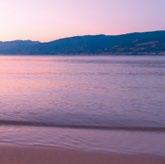
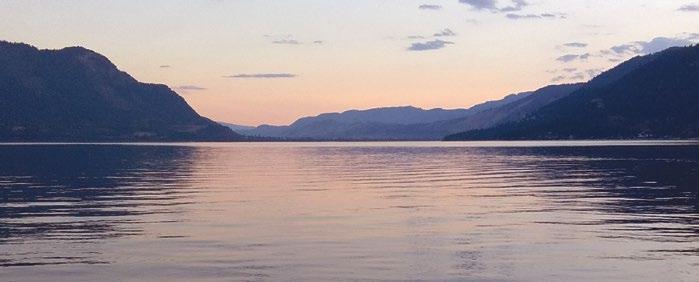
Okanagan Lake, BC.
This brings me back to that original question: Is the writer separate from the writing?
The publishing industry—perhaps more often than it intends to—encourages writers to distance themselves from their work. It’s an unspoken expectation that reflection and self-discovery—the very things that fuel our writing—should take a back seat to productivity or external validation. But books aren’t written in isolation from the self. Why are we so afraid to embrace the connection between who we are and what we create?
I’ve faced my own challenges with this tension. At times, I’ve felt pressure to change parts of my story that I knew didn’t align with my purpose for writing them. I’ve dealt with doubt from others when I made intentional choices, like shifting genres from book to book. These moments reinforced for me how essential it is to explore every facet of myself in my work—something that isn’t possible when writing under someone else’s microscope.
writer is not a shallow place but a rich place to write from. It doesn’t limit my imagination; it expands it.”
No one can argue that our lived experiences, reactions, and choices directly influence what we create.
For most of us, voice is precious. It needs to be protected and nourished. The writer is the vessel for this voice before it appears in the writing. What we consume, absorb, and release informs everything we create.
Why are we so afraid to embrace the connection between who we are and what we create?
One of the most transformative lessons I’ve learned is that reflection doesn’t come naturally to many of us. It’s a skill that requires intention. And while reflection may not add directly to a word count, it informs the words we write. Mentors can play a pivotal role in helping writers figure out how reflection fits into their process. This was true for me, and it continues to shape how I approach my work today. Our voice doesn’t emerge from nowhere. It’s shaped by how we live, see, and experience the world. Reflection is the bridge that connects those experiences to the page. As Maya Angelou once said, “We delight in the beauty of the butterfly, but rarely admit the changes it has gone through to achieve that beauty.” The writer’s journey is just as transformative as the writing itself. Over my twelve years in writing and publishing, I’ve noticed how often we’re encouraged to separate ourselves from our work, as if books magically appear. I can’t help but feel this mindset comes from a place of privilege—a place where there’s no need to dig deep or confront the self. One of our most prolific writers, Toni Morrison, for example, believed not only in the richness of her own lived experiences as a Black woman, but also in the boundless possibility within her community. In a New Yorker profile1, she said “I can accept the labels because being a black woman
Through reflection, I’ve learned to confront the difficult truths—rejection, doubt, and even fear. I’ve gained clarity around my goals and learned how to articulate my needs, though I’m still evolving. Mentorship has shown me that reflection isn’t just a tool; it’s a way of being. It’s deepened my connection to my work—and, ultimately, to myself. For some, attempting to separate the self from the writing is a choice, a necessity, a way to silence the noise and get the work done. Part of me is curious about what it must feel like to put yourself in a room void of selfreflection and close the door. But I also know that to do so is to temporarily shut out possibility. All the mentors I’ve worked with over the last decade have taught me how to call myself into the room—and ask the right questions. Writing, like life, can be textured, complex, colourful, and sometimes blindingly bright. It’s all about what we choose to see.
Chelene Knight is the author of five books, including the awardwinning novel, Junie She is the founder of her own writer’s studio, Breathing Space Creative. Find her at breathingspacecreative. com
Verisimilitude (and a publishing deal): A result of on-location research
BY J.C. CORRY
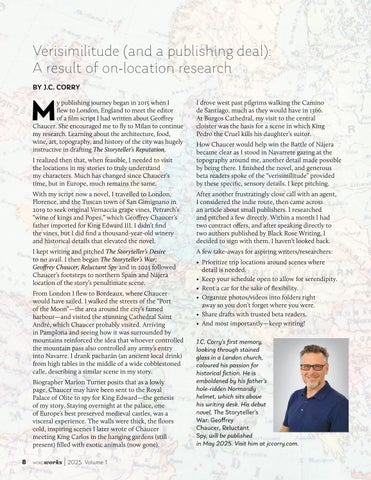
My publishing journey began in 2015 when I flew to London, England to meet the editor of a film script I had written about Geoffrey Chaucer. She encouraged me to fly to Milan to continue my research. Learning about the architecture, food, wine, art, topography, and history of the city was hugely instructive in drafting The Storyteller’s Reputation.
I realized then that, when feasible, I needed to visit the locations in my stories to truly understand my characters. Much has changed since Chaucer’s time, but in Europe, much remains the same.
With my script now a novel, I travelled to London, Florence, and the Tuscan town of San Gimignano in 2019 to seek original Vernaccia grape vines, Petrarch’s “wine of kings and Popes,” which Geoffrey Chaucer’s father imported for King Edward III. I didn’t find the vines, but I did find a thousand-year-old winery and historical details that elevated the novel.
I kept writing and pitched The Storyteller’s Desire to no avail. I then began The Storyteller’s War: Geoffrey Chaucer, Reluctant Spy and in 2023 followed Chaucer’s footsteps to northern Spain and Nájera location of the story’s penultimate scene.
From London I flew to Bordeaux, where Chaucer would have sailed. I walked the streets of the “Port of the Moon”—the area around the city’s famed harbour—and visited the stunning Cathedral Saint André, which Chaucer probably visited. Arriving in Pamplona and seeing how it was surrounded by mountains reinforced the idea that whoever controlled the mountain pass also controlled any army’s entry into Navarre. I drank pacharán (an ancient local drink) from high tables in the middle of a wide cobblestoned calle, describing a similar scene in my story.
Biographer Marion Turner posits that as a lowly page, Chaucer may have been sent to the Royal Palace of Olite to spy for King Edward—the genesis of my story. Staying overnight at the palace, one of Europe’s best preserved medieval castles, was a visceral experience. The walls were thick, the floors cold, inspiring scenes I later wrote of Chaucer meeting King Carlos in the hanging gardens (still present) filled with exotic animals (now gone).
I drove west past pilgrims walking the Camino de Santiago, much as they would have in 1366. At Burgos Cathedral, my visit to the central cloister was the basis for a scene in which King Pedro the Cruel kills his daughter’s suitor.
How Chaucer would help win the Battle of Nájera became clear as I stood in Navarrete gazing at the topography around me, another detail made possible by being there. I finished the novel, and generous beta readers spoke of the “verisimilitude” provided by these specific, sensory details. I kept pitching.
After another frustratingly close call with an agent, I considered the indie route, then came across an article about small publishers. I researched and pitched a few directly. Within a month I had two contract offers, and after speaking directly to two authors published by Black Rose Writing, I decided to sign with them. I haven’t looked back.
A few take-aways for aspiring writers/researchers:
• Prioritize trip locations around scenes where detail is needed.
• Keep your schedule open to allow for serendipity.
• Rent a car for the sake of flexibility.
• Organize photos/videos into folders right away so you don’t forget where you were.
• Share drafts with trusted beta readers.
• And most importantly—keep writing!
J.C. Corry’s first memory, looking through stained glass in a London church, coloured his passion for historical fiction. He is emboldened by his father’s hole-ridden Normandy helmet, which sits above his writing desk. His debut novel, The Storyteller’s War: Geoffrey Chaucer, Reluctant Spy, will be published in May 2025. Visit him at jccorry.com.
Pitching the big leagues: How a professional setback helped me break into major markets
BY AINSLEY HAWTHORN
Going into 2024, I promised myself I’d make an effort to publish in a top-tier market, but it wasn’t until I lost my most reliable client that I was forced to leave my comfort zone and discover the true potential of my writing.
When I started freelancing in 2019, I was an ambitious pitcher and quickly placed pieces with CBC, The Globe and Mail, The National Post, and Newfoundland Quarterly. Out of those early publications grew relationships with a few editors who regularly commissioned my articles.
While that repeat clientele provided me with a steady readership, some financial security, and— perhaps just as important for a creator—some assurance of the value of my work, it also made me complacent. As January turned into February and tasks piled up, pursuing new markets quickly dropped to the bottom of my priority list.
Why invest time in writing a thoughtful pitch for a new publication where the editors weren’t familiar with my style, I had to guess at editorial priorities, and competition for bylines was fierce, when I could dash off a short paragraph to an editor who was consistently interested in what I had to offer?
Then my largest client lost most of its budget for freelancers. Where they had been previously commissioning ten to twenty articles a year from me, my editor apologetically informed me that this year they might only be able to afford two or three. Between disappointment over losing my audience and anxiety over losing my income, I thought back to my erstwhile New Year’s resolution and realized the universe might have handed me the motivation I needed.
I started combing through calls for pitches and checking submission guidelines. I dusted off my ideas file and revived my neglected pitch tracking spreadsheet. Then I got to work.
By June, I had been published by The Washington Post; by August, National Geographic. After marvelling for
years at writers whose bios boasted these prestigious credits and wondering how I could join their ranks, I was surprised to be at this stage in my career.
More surprising still, I might never have known I was at this stage in my career if I hadn’t been obliged by circumstance to seek new markets.
As a freelance writer, it’s easy to settle into established relationships with editors and stop trying to break into new outlets, but if the publications you’re targeting are accepting everything you throw at them, it’s time to aim higher. Shoot for the possible, instead of settling for the certain. The only way to uncover the extent of your abilities is to constantly push at their limits. When you’re challenging yourself, you’re going to fail more frequently. Alongside my acceptances to The Washington Post and National Geographic, I received a dozen rejections in 2024. In fact, I had previously submitted my Washington Post pitch to another, smaller outlet, and they hadn’t even answered my email.
We use the phrase “setting yourself up to fail” to mean taking on a task that’s doomed from the outset, but sometimes putting yourself in a position to fail more frequently—and more productively—is the only way to grow.
Ainsley Hawthorn, PhD, is a cultural historian who writes about forgotten events and the surprising connections between past and present. Her work has appeared in National Geographic, The Washington Post, CBC, and Psychology Today, and she edited the anthology Land of Many Shores: Perspectives from a Diverse Newfoundland and Labrador
Last in line, first in luck
BY L.C. BELL
My career breakthrough struck at the end of a pitch line, three people short of the last available agent.
Like most attendees, I’d dragged myself out of bed to get to the writers’ conference early in the hope of snagging another pitch. By the time I got to the front of the line, however, the only spot left was for an acquiring editor. She was filling in for an agent who couldn’t make it. People peeled out of line around me, muttering their disappointment.
“You want the last pitch?” the volunteer behind the booking table asked, brow raised. “It’s in ten minutes.”
As an aspiring author with a polished manuscript but no agent, I wasn’t sure the editor would want to talk to me. I wanted to talk to her, though. I’d read her profile, and we shared a commitment to YA books that inspire hope. She was someone I would love to work with.
I took a deep breath and said yes.
Five minutes later I was waiting in the wings of the conference ballroom, wondering if I’d made a huge mistake. I didn’t even have a list of questions prepared. I was folding and unfolding the creased index card with my pitch, when a raised voice caught my attention.
room had changed. For a moment, we weren’t aspiring author and editor, we were people reacting to a shared experience, united by good manners.
The knot of anxiety I’d been carrying began to unravel. I knew what I was going to say.
“Anyway,” the editor clapped, as if dispelling the bad energy, “it’s your time.”
I relaxed into my chair. “To be honest, I’m here because I read your profile and thought you sounded awesome. I’d love to know a little more about your work and your favourite books.” It was the truth—I am always on the hunt for additions to my TBR pile.
The editor nodded thoughtfully, then frowned at the folded index card in my hand. “Do you have a pitch?”
In anticipation of the conference, I’d spent the last two months practicing on my way to work. I could recite my pitch while navigating rush hour across the city on a rain-slick night.
Looking back, I think there are three key things that helped me climb out of the trenches...
“If you’re not an agent, then why are you taking pitches?” an older woman, face red and pinched, said sharply. She was at the editor’s table. “You’re wasting everyone’s time!” She grabbed her bag and stormed off, leaving us in bewildered silence.
The editor sighed, turned to me with a wry smile, and said, “I guess you’re up.”
I took the seat across from her and returned the smile. “That was wild. I’m sorry it happened.”
“Me too.” She threw her palms up and we both laughed. I can’t pinpoint it exactly, but somewhere between the outburst and the laughter, the alchemy of the
“Yes, ma’am.”
“Let’s hear it.” The editor waved a hand, giving me the floor.
The words came easily, just like they had as I weaved my way through traffic. I even remembered to slow down and breathe a little. When I was done, the editor held up a hand.
“Let me break the tension.” Her tone was light but firm. Then, like a golden ticket pressed into my palm, she said, “I want it. Find an agent and come back to me.”
Reader, I had no idea this outcome was even possible.
My loftiest ambition for the pitch was to leave with a few book recommendations and the faint hope that, someday, the editor might recognize my name when my manuscript crossed her desk.
Instead, I’d been offered a rare, fleeting way forward through the query trenches.
For the rest of the five-minute pitch, the editor asked questions about my manuscript.
The talking points I’d prepared came in handy, and my responses were somewhat coherent.
Internally, I was a bundle of fireworks. I thanked her when my time was up and immediately went to my car to call my mom.
A week later, I had to follow up.
Anyone who’s wrestled with the personalization paragraph in a query knows how tricky they are to write. After a dozen scrapped attempts, I decided to do what writers do best: I told the story.
For the partial and full requests from my other pitches at the conference, I personalized my query letters with the editor’s exact words: “I want it. Find an agent and come back to me.”
I believed in the strength of my manuscript, but I’m ninety-nine percent certain it was these words that prompted the first offer of representation. When I nudged with the same personalization, two more agents came back with offers.
Now, a year later, I’m with my dream agent, and I’m about to submit my manuscript to the editor that started the ball rolling. Looking back, I think there are three key things that helped me climb out of the trenches:
I was prepared. I came armed with a polished manuscript, talking points, and a memorized pitch.
I wanted to make a real connection–which changed the energy of the conversation.
I took a chance. Saying yes opened a door I didn’t even know was there.
My journey is far from over. I know publishing is fraught with ups and downs, and my manuscript might not make it to book form. I’ve been given an invitation, not a guarantee. But after almost a decade of querying, I’ve learned one truth: even the smallest victories are worth celebrating.
So, if you’re out there in the query trenches, don’t give up. All it takes is a five-minute conversation to change the course of your career. Your job is to be ready—and to say yes when opportunity knocks.
L.C. Bell writes YA Fantasy and uses Dungeons & Dragons to teach literacy and social skills in the classroom. She lives in Vancouver, BC.
Authors with disabilities in action
BY J.E. BARNARD
Alanguage note—some individuals prefer person-first language (i.e. person with hearing loss) and others, disability-first (i.e. deaf person). Both are used here.
Older readers may recall the dancer Ginger Rogers, who performed the same complex routines as Fred Astaire, but backwards, in heels. That image indirectly applies to disabled authors: not dancing, but working harder and differently for our successes. Authors consulted for this article have traditionally and independently published books, stories, and poems. We’ve taught classes, given readings, and presented at conferences. Yet disability forces us to individually redefine success. One’s victory is a book tour or award. Another’s, meeting a mentor online. For some, it’s finding the energy to write at all. With National AccessAbility Week running May 25–31, Western Canadian authors with disabilities share our navigation of accessibility and ableism in the writing community.
Common accessibility hurdles writers face while learning our craft and promoting our works include:
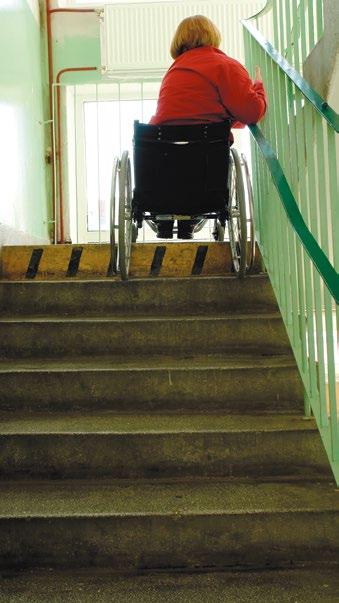
• Venues with stairs, curbs, snowbanks, or gravel paths (challenges for wheelchair users and visually impaired individuals).
• Noise. High ambient noise makes hearing aids less efficient and can overwhelm those with neurological noise sensitivity. A lack of microphones adds energy cost for both deaf audience members and disabled presenters.
• Lighting too dim for those with partial blindness and too bright for those with neurological light sensitivity.
• Finances! In Canada, according to the 2024 Disability Poverty Report Card1, “Poverty rates for people with disabilities are twice as high as for those without disabilities. People with disabilities would need an average of 30% more income to reach the poverty line (to cover medical needs, care aides, and assistive devices).” The Writers Union of Canada recently found that 85% of writers’ earnings from their craft are below the poverty line.
1 Released on December 3, 2024 by Disability Without Poverty and Campaign 2000
It’s unsurprising that most respondents cited money as an accessibility issue. Writing classes, conference attendance, contest submissions, memberships, and self-publishing all cost money beyond that average 30% more in cost of daily-life expenses.
Computer equipment and internet access are further hurdles. The poet Jada Jennings wrote about her decade-old, increasingly unreliable equipment, “It’s laughable how dependent I am on my electronics to write, when literary classics were essentially written by candlelight, with a quill.”
Then there’s ableism from fellow writers, organizations, and publishing industry professionals. Examples include overt discrimination, like speaking to a writer’s care aide while ignoring the writer or mocking a tremor, or, as poet Bruce Hunter wrote, “I was not allowed to read at early events in Calgary because of my speech impediment.”
A more common ableism is prioritizing abled writers over disabled ones by:
• Choosing an inaccessible venue for a meeting or event (including bathrooms).
• Not enabling audio description and closed captioning and/or not providing microphones.
• Designing a residency or conference guest slot with a workload only a fullyabled writer could hope to fulfill.
• Assuming a writer who doesn’t “look disabled” must not be (many disabilities are invisible to the casual observer), questioning their need for a requested accommodation, and demanding they provide personal medical information.
• Framing disability as either tragic or inspirational, both in their own writing and when introducing disabled writers. In much popular media, the disabled character’s function is to burnish the main character as a self-sacrificing caregiver or saviour of the lessabled. Or the disabled character is written as a noble example of suffering, to inspire abled characters to be thankful and try harder. These portrayals give the writer and reader warm fuzzy feelings, but seldom accurately represent characters with disabilities.
There’s also internalized ableism. Disabled authors report being less likely to apply for grants, panel seats, and residencies, fearing our professional credits won’t measure up to those of abled creators. Because many disabilities fluctuate in severity and often without warning, we fear being labeled unreliable if we sign a contract and then must cancel an appearance or seek deadline extensions. Kathryn Larouche Imler, author of Burning Rubber: A Memoir of Travelling Wheelchairs in Asia, wrote, “I’d have a difficult time if I had a contract for a manuscript with deadlines. I often don’t know how I will feel day-to-day.” When on novel deadlines myself, spending months writing and editing, I had to hire assistants to manage my daily care. The costs exceeded the advances. Ableism leaves authors questioning whether to disclose disabilities or ask for accommodations. Calgary author Bruce Hunter initially withheld his own deafness from his bio in his book In the Bear’s House and still doesn’t disclose until a publisher shows interest. Times have changed, he told me, and now he, like many disabled authors, educates about his disability while discussing his book. Barbara Joyce-Hawryluk wrote of her visual and hearing impairments, “I want to go back to Bouchercon, Left Coast Crime and ThrillerFest, but I like blending in and in order to navigate, I’m going to have to come out.” I was more fortunate; for my debut mystery, two conferences rented powered mobility aids for me in addition to covering the usual expenses.
How do we wish the writing world accommodated authors with disabilities?
We wish for more virtual invitations as conference guests, readers, and speakers. We’d like writing organizations and publishers to normalize offering disability accommodations. Make it possible for our books to be seen and sold at in-person events we can’t attend.
How do we move our writing careers forward?
We embrace available technology such as voiceto-text software, cochlear implants and hearing aids, and screen readers and magnifiers. We rely on microphones to hear and be heard. We hunt disability discounts. We buddy up to navigate events, organize virtual panels, and recommend each other for suitable opportunities. Middle grade/YA author Rae Knightly wrote, “Chronically ill people can’t go out to market their books, so I posted something on X/Bluesky/TikTok where spoonie authors can post about their books.”
Above all, we celebrate each other. Finding companions helps any author’s journey. Finding other disabled authors? Priceless.
Comox Valley author J.E. (Jayne) Barnard won the 2016 Crime Writers of Canada Award for When the Flood Falls, the first Canadian novel to feature a character with ME/CFS, a neuroimmune illness that disables 75% of those stricken. Writing mostly from bed, she’s been a disability advocate for over a decade while seeing two more in the Falls Mystery series published, along with three Maddie Hatter Steampunk Adventures (one of them a BPAA Alberta Book of the Year) and multiple short stories. Find her at jaynebarnard.ca
The Prestige Harbourfront Resort Salmon Arm, BC
Sessions
Presenters:
Eileen Cook
Tracy
Norma
Sarah
Miranda
Royden
Jenny
Natasha
Brandon
John
How writing with others helped me discover community
BY KRISTI WONG
On orientation day last year, in the biggest rectangle of chairs I’ve ever seen, we looked at each other with the nervous excitement of strangers. There we were: the latest cohort of the Writer’s Studio at SFU. Sitting in a stiff plastic chair, cheeks still tender-red from January’s gnawing chill— and anxiety—I had no idea how important community would become to my writing practice over the next year, and to my growth and well-being overall.
The obvious benefit of a workshopping group is that other people read your work, but the true gift is the diversity of material you get to read in turn. From regular exposure to other people’s writing, I learned how elements of craft can successfully weave together. I saw projects in various draft and revision stages, in different themes and forms. Our process involved discussing elements that were strong or worked well, while all other feedback needed to be phrased as questions to clarify confusion, probe further concerning theme or technical execution, or to help guide future rewrites. Formatting feedback into questions created an environment that allowed space for uncertainty and doubt. The focus of our discussions was always on working through those feelings within the craft and seeking a way forward, encouraging experimentation to close in on a piece’s ultimate intention. Is firstperson narration getting us closer to the heart of the story in the way the author wants? What does terror feel like in the character’s body? And the question that became our rallying cry: What are the stakes?
So, how do you get the most out of a workshopping group? And how do you find or create community if you don’t already have one? Here’s what worked for me: Practice vulnerability. You don’t have to bare your whole soul or your darkest thoughts, but it follows that you get back what you give. In the right space, vulnerability helps build trust, confidence, and deeper connection.
Lean into curiosity. Giving and receiving feedback is a skill set requiring practice. Sharing creative work is deeply personal and the feedback you receive takes time to process. You can decide what you’re going to apply to your work, but all of it needs to be considered—and positive or negative, it can stir up feelings you don’t expect. Approach with openness, as insight others have might not seem relevant or make sense right away.
You don’t have to bare your whole soul or your darkest thoughts, but it follows that you get back what you give.
Be proactive. Social media can be an excellent path to finding community, providing information about online or in-person events. The FBCW has writing circles members can join. And if what’s out there isn’t clicking for you, consider creating your own opportunities! Chances are, your interests or goals will align with other people you just haven’t met yet.
Being in community takes work, but it rewards with joy and support. If you go for it, I wish you luck!
Critical feedback in this context meant thoughtfully examining each other’s writing, while considering complexity and nuance with reasonable objectivity. Whether something is good or bad is a matter of taste; whether something does the thing you want it to do is a matter of intentional craft.
Kristi Wong is a genderfluid-y Canadian-born writer of Chinese-Malay descent, which is too many hyphenated descriptors from someone plagued by hyphens their entire life. Their work is informed by a stubborn fascination with complexity and nuance, their intersectional identity, and the retroactive grief, joy, and discovery of latediagnosed ADHD.
Literary cross-training: A creative reset
BY HANNAH BEL DAVIS
This article is interactive. Every line in italics is an invitation to participate. Prepare yourself with a writing implement and paper.
This year, I have supported myself working more jobs than I have fingers. The Creative Reset Project (CaRP) was born out of twelve months of exhausting shift work, irregular paycheques, and little control over my schedule. I fought in equal parts for time to write and for rest. I am certain that many other creatives find themselves in the same rocky boat. We might all be a little seasick. What barriers have appeared in your writing practice? Which barriers reappear?
When burn-out inevitably found me, I had to ask how I could make time for the work that means most to me: my writing and my illustrations. The feat felt impossible in the face of an unpredictable schedule and lack of routine. I recognized that I needed to build creative and daily writing habits, but I knew that survival mode was a less-thanideal baseline. I accepted that I had to be patient with myself, genuinely curious about my process, and aware that progress happens slowly. I would not finish my novel in my sleep. The clouds would not part in the morning and reveal to me, with the sunrise as its backdrop, my daily breakthrough.
I would, however, find solace in the knowledge that the creative and writing habits I developed would be my lanterns when life felt dark and overwhelming. What work or project is currently most important to you? What are you most eager to continue exploring or start exploring?
I started with a simple spreadsheet, making a list of anything and everything I could explore in the upcoming twelve months under the umbrella of the “Creative Reset Project.”
The resulting spreadsheet is varied, with concrete goals and project deadlines typed up alongside
vague ideas for projects or mediums I want to try. With the right contextualizing, almost anything belongs on the CaRP spreadsheet.
My own entries include the following: get one hundred rejections by October 2025, read at an open mic night, finish third draft of novel by March 31, 2025, take a ceramics class, learn to linocut, explore poetry, build a routine that lets me write every day, and even such lofty DIY ideas as “sew a dress like Michelle Pfeiffer’s in A Midsummer Night’s Dream.”
What belongs on your spreadsheet? Think big and small. Think inside and outside of your box. Start your list and avoid self-censoring.
The aim of the spreadsheet was to put all my creative and writing aspirations in one place, regardless of their relevance to my biggest writing goals.
As I intentionally embrace creativity, I let go of restrictive frameworks that compartmentalize my creative practice into the categories of “My Important Writing Work” and “Everything Else.” This former outlook was both reductive and aggrandizing. I became paralyzed by my own expectations, frightened as the deer in the truck’s headlights. Instead, CaRP helps me frame each creative act as an equal part of the overarching ecosystem that helps me develop as a writer and an artist. What restrictive outlook(s) might you be holding onto?
In exercise, cross-training involves training in additional areas or disciplines to improve an athlete’s ability and fitness in their chosen skill or sport. A runner could lift weights to improve their power output, a lacrosse player might do yoga to improve their mobility, and a rock climber might do Pilates to strengthen the stabilizer muscles needed for scaling mountains.
But what of the writer’s mountain? Your sonnets? Your spy novel? Your memoir? What does crosstraining look like in this context? If a dancer
can benefit from trail running, a writer can benefit from figure drawing, ceramics, or going to the beach and organizing rocks by colour.
Which other (creative) acts might enrich your writing? The idea of literary cross-training emphasizes for me that curiosity is at the heart of this project. Curiosity is inherently non-judgemental. It celebrates exploration. By (re)opening our definition of our writing practice, we create opportunities for further growth as writers. What if I start my morning writing ritual by reading a randomly selected poem? What if I prefer writing at night? How can I tell this story using one piece of construction paper and an oil pastel? Are beads literary? How do I represent this character in acrylic paint? Will a dance class help me through writer’s block? Forget “shoulds.” Reconsider your habits. Determine not only what works, but what could work better. What is the heart of your creative reset? Flexibility? Determination? Vulnerability? Experimentation?...
Now in the third month of this project, I have submitted to a handful of magazines, taken a continuing education class at Emily Carr, restarted my newsletter, taught myself linocut printing, participated in ceramics and figure drawing classes, been accepted into my first writer’s residency, and sold my illustrations at two artisan markets. I have even
obtained a new, fulfilling job at my local library, one that will help support my writing without the constant, looming threat of burn-out. Most importantly, I am learning about my creative and writing practices. I am listening to myself. I am writing more and finding joy in the process, which is what I wanted all along.
Upon publication of this article, I will be six months into my twelve-month project. While I have set a year as my deadline, I welcome the notion of the “creative reset” as an ongoing journey. I am in flux. I am resetting, revisiting, reconsidering, and learning to embrace my creative process as much as my creations.
Hannah Bel Davis is a writer and visual artist trying to befriend the crows on the traditional and unceded land of the Halkomelem-speaking peoples, known colloquially as New Westminster. She has an MA in Creative Writing from Concordia University and a BFA in Film and English from Simon Fraser University.
DIY MFA: How AI can help you study the craft
BY DAVE FLAWSE
Many writers dream of taking a master’s of fine arts (MFA) in creative writing, but life often wags its pointer finger at us: Not right now. We all have responsibilities. For me, it’s two little beans under five who sprint away down the aisle in the grocery store. They’ve cornered the marshmallows. Can we get these?!
Maybe you’ve heard of the university alternative: a DIY MFA. The do-it-yourself version has no framed degree at the end nor the same networking opportunities. The upside? We can squeak in some studying where it fits into our daily routine. But how to begin?
One night, after goodnight kisses and ever so carefully nudging my children’s bedroom doors closed, I opened my laptop. In ChatGPT, I typed out a prompt: Create a DIY MFA plan for a creative nonfiction writer. Artificial intelligence (AI) can seem like a monster lurking under the bed, especially to writers. Yet, there’s no doubt it’s a powerful tool. I find AI useful as an interactive thesaurus and dictionary. Other times I feed it a story title that I’m working on and ask, What do you think this story is about? The number of prompts you can input is infinite. My hands are still on the keys, and the chatbot has already scanned the whole internet. Here’s how you can design your DIY MFA program, it answers, followed by a list of ten items. At the top is something called “Set Your Intentions,” followed by various reading suggestions and writing exercises.
One trick with chatbots is to, well, continue chatting to hone in on a more specific answer. For example, after some back and forth I came out of the exercise with a task called “Analyzing the Masters.” This is where you take a writing sample, say the introductory paragraph of Jon Krakauer’s Into the Wild, and ask yourself, What makes this piece of writing effective? Once you have your own ideas written down, pose the same question to the chatbot. Now compare your answers.
Further down the bot’s list of ten items is “Join a Community.” Fundamental in a formal MFA program, the workshop component featuring sweaty, breathing humans is something you’ll have to seek out. If you rely on AI for feedback, proceed with caution.
You can feed your draft into a chatbot, and it will suggest ways to improve your work, but there’s a line, somewhere in that process, where an AI helper becomes a co-author. Copy and pasting sentences or paragraphs from ChatGPT into your manuscript is clearly problematic. More nuanced collaboration beyond these parameters, and the line can become fuzzy. Say, for example, you ask AI for a suggestion and the answer sparks a new idea in your meaty brain which takes you in a new direction—something you wouldn’t have thought of otherwise. Do you get credit, or does the bot?
This is new technology and we haven’t figured it all out yet. One thing is sure: this technology is damn useful, especially for linear thinking like compiling data or making lists. I say let the robots have that. We can spend our precious time in this world on human tasks—eating marshmallows with our kids, juggling responsibilities, and, maybe, mastering a fine art.
Dave Flawse is a freelance writer and publisher of VancouverIslandHistory.com. His writing appears in various publications, including CV Collective, Watershed Sentinel, and A Place Called Cumberland. A firm believer in literary citizenship, he promotes and furthers literary arts in BC with the goal of impacting as many readers as possible.
Confessions of a recovering perfectionist: The importance of failure
BY TARA AVERY
Hi, I’m Tara, and I’m a perfectionist. Not the cute kind, where perfectionism stands in for great work ethic or dedication or commitment to quality. Certainly not the kind used so frequently as a cliché answer to What’s your biggest weakness? in a job interview. No, my brand of perfectionism overthinks everything, sets impossibly high standards, and equates anything short of perfection with failure. My inner critic says things like: “Second place is first loser,” and “So much wasted potential!”
According to my therapist, this isn’t—please contain your surprise!—a healthy mindset. It’s especially unhelpful for anyone whose livelihood involves regular infusions of failure. Say, for example, writers. Because writers fail. A lot. There are little fails, like not making a daily word count goal or a minor deadline. There are giant fails: applying for a grant, MFA, or mentorship and not getting it; abandoning a project that’s not working; or publishing a book that doesn’t sell. Writers run a veritable gauntlet of pitching, querying, creating, and selling; any and all stages can involve not one but many failures. To add insult to injury, even a successful project doesn’t guarantee that a writer won’t face the same challenges again and again throughout their career. Every successful chapter of a writer’s life is padded by the many, many chapters of failure preceding it—and often following it, as well. I’ve failed in little things and in giant ones, and I’m still here, working with words for a living.
I’m also a storyteller. While I maintain that “I’m a perfectionist” is a cliché answer to a dull interview question, what is perfectionism but one of the many possible traits one might give a character? And what is failure but an element of plot, necessary to drive the story forward, raise the stakes, show what works and what doesn’t? If everyone’s going to fail sometimes, and we are, I want my failures to be plot-relevant. Moving. Entertaining.
Which means, as every good writer knows, that sometimes a little revision is in order. Perfectionist? Boring. Recovering perfectionist willing to fall down, make a joke about falling down, and give it another shot? Now we’re getting somewhere!
Writers run a veritable gauntlet of pitching, querying, creating, and selling; any and all stages can involve not one but many failures.
So, let’s start this one again, shall we?
Hi, I’m Tara. I’m a recovering perfectionist. I’m the main character in my own story. When my inner critic gets nasty, I repeat Ray Bradbury’s words “You only fail if you stop writing” like a mantra. Some days are harder than others, but at least I can always fall back on my greatest strength: the indefatigable willingness to keep learning, keep failing, and keep trying again.
According to my therapist, this means I’m making progress.
I still dread the blank page, the blinking cursor, the voice in the back of my head telling me I’ll never be good enough. I still flush with shame when I imagine rejection or derision. I’m human.
Tara Avery is a writer, editor, and coach. She believes words have the power to unite, entertain, and teach us. Mostly, she’s just thrilled she’s achieved her childhood dream of working with them for a living.
A mindset shift made me a writer
BY CHRISTINE TAYLOR
“Iwrite” is easier to say than “I’m a writer,” because we writing folks imagine that there is a moment (always in the future) when we will become “real writers.” In January 2023, tired of waiting for the magic invitation that I knew would never arrive, I decided to spend the year pretending to be a writer. When it came to the business of writing, I had been an observer. Pretending was my shortcut to the kind of participation required to build a career.
In Mindset, Dr. Carol S. Dweck writes that the way you view your life “profoundly affects the way you lead your life.” Pretending to be a writer was my way to play at being a writer the way kids play at being pirates—only instead of eye-patches and “Aaargh!” I embraced writing goals and hitting the submit button. As opposed to a “fake it ‘til you make it” mentality, pretending was authentic. I didn’t feel like a writer, whatever that meant, but I could pretend to be one. In his essay “On Habit,” Michel de Montaigne describes children’s games as “the most serious thing they do.” I, too, planned to engage in some very serious play. And my game worked. Pretending for a year turned me into a grant-winning writer who gets paid to write.
Play is rule-bound
Children at play discuss rules and adjust as the circumstances change, defining and redefining roles and expectations of the game as they go. Ask them when they are going to start playing, and they are confused—because making rules is part of the game.
Pretending to be a writer meant, first and foremost, making writerly choices. In my case, that meant no more dismissing lists of pitch calls and grant opportunities because “only a real writer would make use of those resources.” Oddly, it also meant exercising, because it turns out a number of writers I admire take their physical health as seriously as their craft.
Play is about process rather than purpose
Building a sandcastle is fun; a finished sandcastle is a bit of a letdown. In writing, the same ethos
makes morning pages work. As described in Julia Cameron’s book The Artist’s Way, the goal of morning pages is to fill three pages. What gets written is less important than the act of writing. As Austin Kleon puts it in Keep Going, making for the sake of making is a crucial component of maintaining a creative practice. He suggests that writers and artists “type or draw out a page and throw it away” to embrace doing. Play offers a detachment from results that makes it easier to try and fail over and over again.
I saw a call for pitches from the Writers' Guild of Alberta and asked myself, What would a writer do? A writer would send in a pitch. So, I did. The editor’s initial rejection included an invitation to submit topics related to my story consultant and diversity specialist work. Seven months after declaring I would pretend to be a writer, I had my first byline for “My Year of Reading Asian Writers” in the July –September issue of WestWord.
I applied for an Edmonton Arts Council grant and was rejected, but the rejection was part of a game I expected to lose. I missed the target, but I was still in the game. My second application was approved and I levelled up to grant-winning author.
Fear of failure is not so scary when failure is just a pretend monster in the game. Dr. Dweck suggests that fear of failing is an adult problem. Observing children working on progressively harder puzzles and relishing the challenge, she observed that “they didn’t even think they were failing. They thought they were learning.” I neither failed to pitch well nor failed to get a grant. Instead, I learned how to work on a pitch with an editor and how to write a better proposal.
Play silences the ‘shitbird’
Writer’s Studio founder Philip Schultz called the writer’s inner critic the shitbird, describing it in an essay as “a black bird that perches on our shoulders, whispering perverse, ugly things designed to stop us from finding the truth.” The shitbird is the enemy of all good writing.
Playing at being a writer meant pretending to be the kind of writer who successfully ignores their inner critic to hit their writing goals. In some ways I beat imposter syndrome by embracing my role as the imposter. If an imposter gives someone else control of their identity, the pretender claims an identity and worries about the consequences later. That mindset shift gave me the freedom to write in relative mental peace.
Play is fun
When we engage in deep play, time fades away. This is only one of the ways in which play sounds a lot like flow. The flow state happens when an individual finds a balance of challenge, skill, presence, and joy that erases their sense of time. Working at the edge of their abilities and deeply involved in the process, they disappear into their project as if entering another world.
Writing is a craft that demands extraordinary commitment to developing skills. Writers need to enjoy the work if they’re going to survive the process from idea to byline. The writer who is in love with seeing their name in print but hates ‘shitty first drafts’ has a long road to travel. In his book The Craftsman, Richard Sennett describes play as a path towards the kind of repetition and modulation required to develop any craft. If the hours spent practicing a craft aren’t fun, then it’s very challenging to put enough hours in.
Pretending is participating
My year of pretending to be a writer gave my mind a break from worrying about being an imposter. Pretending meant I could call myself a writer and then play at being a writer while keeping the fear of failure (and the shitbird) at bay. In that context, my collection of rejections put me in the game with big kids like Stephen King, who impaled his rejections on a spike on the wall above his desk. It takes a lot to be a “real” writer: hard work, connections, time, a room. Plenty of folks have all of that at their disposal and still can’t imagine themselves as writers. For one year, instead of worrying about being tall enough to ride the roller coaster, I simply imagined a right-sized roller coaster and got on for the ride!
Christine Tsai Taylor is a Dutch American Taiwanese writer and storytelling consultant who moved from The Netherlands to Edmonton in 2021. Awarded a 2024 Individual Exploration & Experimentation Grant from the Edmonton Arts Council, she serves on the LitFest board. Her work has appeared on HuffPost. Find her Substack newsletter Wonderings at storycraft.substack.com.
Train your loved ones
BY DIANE REID STEVENS
It’s 7:45 am I’m writing at the computer beside the dining nook. My fictional character waits for her two sisters in the hallway of the palliative care ward at Vancouver General Hospital. She hears the squeak of a nurse’s rubber-soled shoes on buffed linoleum and—
“Mom! I need a ride!”
I jerk in my chair as if stabbed. “Can’t you take the bus?”
I keep typing. Will my teenage son take the hint?
“It’s raining.”
“Ty!” his sister shouts from behind him. “Take the bus. Mom’s writing.”
I beam at her. She gets it!
And it’s only taken fifteen years.
I’m an introverted word nerd born third in a lineup of loud, confident girls. I scribbled under the radar, my writing talent noticed by my teachers in grade school and university. My parents didn’t believe writing assured a good income, so I became an English teacher with a constant stack of student assignments I nicknamed Mount Never Rest. School paperwork buried my writing dream.
Then five babies—not literary accolades—consumed my life. I stifled my frustration at the endless meals and loads of laundry. No time for me and my imagination.
One rage-filled afternoon I threw a saucepan across the kitchen that dented the wall then cried to a friend.
She said, “You used to write, didn’t you?” and I pictured the former me who created worlds with words. I was galvanized. From then on, I set the alarm five minutes earlier each day until I rose at 4:30 a.m. to put fingers to keyboard. Hitting ‘save’ saved my sanity—and my walls.
I savour the quiet of early morning. Some writers prefer evenings. One writer puts on a tiara as her ‘writer at work’ signal. Others don headphones to discourage idle chat and write in coffee shops. Another taps out his mystery novel in his car on his lunch break. It doesn’t matter how or where. Begin with ten minutes. Persist.
I bought time by opting out. I’d purchase a gift but not attend the baby shower. When the book club turned into a wine-drinking club, I dropped it. The Girls’ Black Friday Shopping Event was an easy miss. The trade-off to not joining was one novella, a novel, and several in-progress manuscripts—unpublished, but at least produced.
I would have told the twenty-year-old me to take creative writing along with her English and education courses, which might have helped me to gain confidence and claim my writer’s life earlier. Maybe I wouldn’t have needed those dawn sessions which led me to doze in 4 pm staff meetings. (But I would have missed some pretty sunrises.)
After attending the Surrey International Writers’ Conference in 2010, I embraced my writing identity and words spilled onto the page without regard for the clock. I’d write a paragraph while the bread baked or add a sentence while the pasta boiled. Because my manuscript was open amidst the family ruckus, I often found “Hi Mom!” scribbled in my draft. If I lost my temper, I’d hear: “Mom. You’re cranky! Go write.” They worked it out: a writing mom is a happy mom. The Writer was seen at last.
And once the writing’s done, I’ll drive anyone to the bus.
Diane Reid Stevens wrote in the early morning while homeschooling her five children, and later while teaching secondary school English in the Delta School District, BC. She completed Humber College’s Creative Writing certificate and earned her MA in Creative and Critical Writing through the University of Gloucestershire, UK, in 2024.
member MILESTONES
The cover of Joan Boxall’s book DrawBridge: Drawing Alongside My Brother’s Schizophrenia is featured in the Canadian Authors Jigsaw Puzzle, available for purchase on the CAA website.
Jillian Grant Shoichet’s short story “Good Reason” won first place in the 2024 Writer’s Digest Annual Writing Competition’s genre category. It can be read on www.writersdigest.com.
Lynda Earley recently travelled from British Columbia to her hometown of Melita, Manitoba, for a reading of her book The Secret Journal of Nell Clarke at the local library. The reading was well received and attended by a large crowd.
With the great hopes all authors carry within, Bernice Ramsdin-Firth has sent her book Philomena and the Witch’s Revenge to a publisher in Britain. It is the fifth book in her series, The Other Side of Magic She is ninety years young and in love with books.
Fiona Tinwei Lam has wrapped up her three-year term as Vancouver’s Poet Laureate with the publication of the City Poems Project, which includes award-winning site-based poems, poetry video links, poetry teaching resources, and more. Find Fiona at fionalam.net.
November was a big month for Glenna Turnbull. She was a featured reader in the Valley Voices Fall Fiction Festival, and her award-winning short story “Because We Buy Oat Milk” is part of the Best Canadian Stories 2025 anthology.
Amandine Bidgood was selected as a mentee for the 2024 Write Team Mentorship Program and received career and revision guidance for her WIP. Her mentor said, “Amandine’s story had me in the first few pages with its gorgeous, atmospheric prose.”
Cathy Burrell has published a memoir called Why Are You So- with FriesenPress. It is available for sale now. Cathy grew up in Calgary and currently lives and writes in Kelowna, BC.
W. Ruth Kozak’s historical novel Dragons in the Sky has been published and is available on Amazon and Kindle. The story is set in Greece and on the Salisbury Plain of England. It is suitable for adult and YA readers.
Angela Douglas’s debut thriller, Every Fall, has been turned into an audiobook with Dreamscape Media and the fantastic narrators Andi Arndt and George Newbern.
Yukon Story Laureate John Firth is the winner of the International Ski History Association’s Ullr Book Award for North Star: The Legacy of Jean-Marie Mouchet. The title was also a finalist in the nonfiction/education category of the 2024 Canadian Book Club Awards.
Frank Talaber published sixteen short stories, several blog posts, and three novels in 2024, including a novel published by The Wild Rose Press.
Japanese Garden, Hatley Park, Victoria, BC.
LAUNCHED! new titles from cw members
Are you a member of the FBCW with a newly published book? Visit bcwriters.ca/launched to submit your book to an upcoming issue of WordWorks.
My Life’s Journey
Lauren Seaton | July 2024 | 9798327830332 | $14.00
A collection of little stories, tidbits, and memories along life’s journey. The sad times, the glad times, the hard times, and the joyful times— they are simply my memories.
Devil by the Tail
Caroline Lavoie | Deep Hearts YA | October 2024 | 9781998055616 |
$22.99
In this YA paranormal novel set in northern BC, a trickster curses seventeen-year-old Alex to lose someone she loves. But what if her fear of loss is a curse of its own?
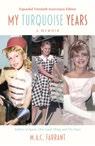
My Turquoise Years—20th Anniversary Edition
M.A.C. Farrant | Talon Books | October 2024 | 978177201636 | $21.95 (soft cover)
This new edition of Farrant’s beloved memoir of her fourteenth summer includes five companion stories, an introduction by Lynne Van Luven, and a preface by the author.
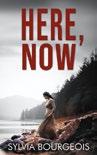
In the rugged wilderness of 1920s British Columbia, one woman’s quest for independence collides with love, loss, and the unyielding forces of nature.
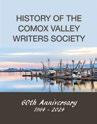
History of the Comox Valley Writers Society
Terrance N. James | June 2024 | 9798881445546 | $20.00
This history celebrates the 60th anniversary of the Comox Valley Writers Society (1964-2024), one of the oldest writers’ groups in BC, in the context of emerging cultural arts in Canada.
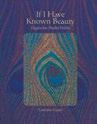
“Lorraine Gane’s If I Have Known Beauty is a deeply moving tribute to her friend, the poet Phyllis Webb.” —Stephen Collis, A History of the Theories of Rain
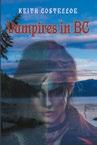
Vampires in BC
Keith Costelloe | FriesenPress | September 2024 | 9781038309556 |
$14.99
In a hospital, Dr. D’Ath recruits vampires to destroy humanity. Jude can morph into male or female forms to seduce his victims but struggles between empathy and his vampire instincts.
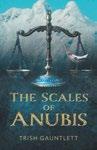
The Scales of Anubis is a cozy mystery. A rare edition of The Tomb of Tut Ankh Amen is left at the Past Life thrift store. Hidden inside is an old letter containing a strange and dangerous secret.
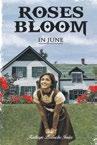
“With every fragrant petal, whispers of stories float in the air.” Roses Bloom in June is a poignant historical novel spanning two World Wars.
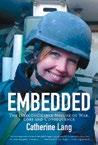
Embedded: The Irreconcilable Nature of War, Loss and Consequence
Catherine Lang | Caitlin Press | September 2024 | 9781773861517 |
$26.00
Catherine Lang wrestles with the consequences of war in the aftermath of the death of her niece. Calgary Herald reporter Michelle Lang was killed while embedded with Canadian troops in Afghanistan.
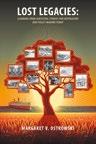
Lost Legacies: Learning from Ancestral Stories for Inspiration and Policy-Making Today
Margaret V. Ostrowski | DC Books Canada | August 2024 | 9781927599624 | $21.95
This thought-provoking book sets out the immigration stories of many groups, detailing
Ostrowski’s paternal Polish history, immigration, and new life in Canada, and concluding with an analysis of the many legacies of ancestral stories.
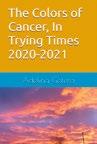
The Colors of Cancer: In Trying Times 2020–2021
Adelina Gotera | September 2024 | 9798357805171 |
$9.95 (Kindle edition)
$59.95 (paperback)
Join the movement and share the story! This book is a call to action. Partnering with the BC Cancer Foundation, The Colors of Cancer is a memoir that fosters community, awareness, and hope.
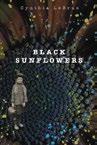
Based on true events, Black Sunflowers illuminates one of the darkest times in Ukrainian history. A haunting, yet uplifting testimony to the strength and humanity of the people of Ukraine.
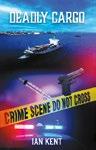
Deadly Cargo
Ian Kent | October 2024 | 9781069070302 | $9.99
A brief look into the work of law enforcement officers trying to control the huge amounts of drugs entering the container ports of Delta and Vancouver.
Word Games
Valerie Lorraine | May 2024 | 9798323125722 | $21.81
Twelve versatile poets come together in this much anticipated, extraordinary anthology of prolific wordplay. Each poet offers their own perspective, delivering quick-witted, hard-hitting, impactful pieces.
Maid of Gold
Edeana Malcolm | October 2024 | 9781069053602| $25.00
A round-the-world tour in 1852. James and Jane leave their home in Quebec City and travel by sailing ship to Melbourne, Australia in search of gold. Instead, they marry and then return home again.
Gathered here is a collection of “sticks and bones” from moments in the poet’s life. A perfect gift for those who love haiku and nature.
Trapped at Birth: With Only One Way Out
Raymond Maher | Tellwell | October 2024 | 9781779622846 | $17.00 (paperback)
A man-on-the-run story. Can Max outwit and outlast the determination of two deadly enemies to kill him? In trying to escape he finds himself in an epic battle for survival.
Under a Copper Sun
Kim Bannerman | Fox and Bee Studio | October 2024 | 9781998567027 | $20.00
When the circus arrives in the mining town of Anyox, Rose the Tattooed Lady finds a community haunted by the disappearance of three children. Can she solve the crime before another child vanishes?
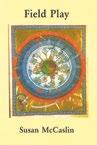
Field Play
Susan McCaslin | Ekstasis Editions | November 2024 | 9781771715706 | $26.95
Susan McCaslin’s Field Play unfolds in four sections: Kith & Kin Fields, Gaia Fields, War Fields, and Cosmic Fields, offering readers glimpses into the mysteries of their ecological interconnections.
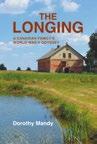
The Longing
Dorothy Mandy | March 2024 | 9781738167821 | $29.95
The story of a Canadian family caught behind enemy lines in WWII, and a mother’s longing to bring her family home.
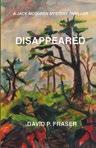
Disappeared: A Jack McQueen
Mystery Thriller
David P. Fraser | Ascent Aspirations Publishing | Spring 2024 | 9781738240142| $16.95
A rogue PI is hired to find two missing teens. Then paid not to. He’s going to find them anyway—come hell, high water, drug lords or Russian mob …
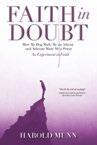
Faith in Doubt: How My Dog
Made Me an Atheist and Atheism Made Me a Priest
Harold Munn | FriesenPress | May 2024 | 9781039196032 | $25.00
What happens when religion finds itself in a culture of science and secularism? Could they hold hands and fall in love? True life anecdotes and a romance between a believer and an atheist explore how.
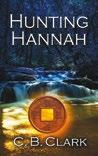
Hunting Hannah
C.B. Clark | Wild Rose Press | September 2024 | 9781509256204 | $8.15
Indigenous archaeologist Roman Patrick’s career is riding on his new excavation in northern BC, but when a woman with a past shows up, he must decide what’s more important—his reputation or her.
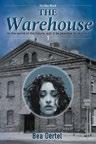
This young adult sci-fi fantasy novel revolves around Kim, a 17-year-old girl who grew up in a detention centre of a totalitarian government. She escapes the camp and seeks refuge with Sharon.
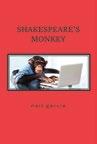
SHAKESPEARE’S MONKEY
Neil Garvie | POD Creative | December 2024 | 9798331023379 | $12.00 (paperback) e-book free
In SHAKESPEARE’S MONKEY, the author presents a collection of some of his best work to date.
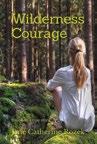
Wilderness Courage
Jane Catherine Rozek | November 2024
9780991991778 | $19.42
How much will a woman do for the man she loves? Dark hardships play out against the brilliant purity of nature in this achingly poignant novel of survival, love, and loyalty.
Death is a Highway
Alan W. Lehmann | December 2024 | 9781304288875 | $36.95
A killing in a deserted campground on BC’s “Highway of Tears” initially thwarts investigators’ efforts, but justice has a way of being realized.
One Thousand Days
Karen E. Poirier | December 2023 | 9798341431331 | $25.00
On August 19, 1942, Lloyd and his fellow Camerons find themselves swept into a devastating and bloody battle on the beaches of Dieppe in northern France. We follow his struggles in the prison camps.
Broken Water
Nick Perry | Chicken House Press | February 2025 | 9781990336836 | $19.99
A novel about an atheist who tries to become a priest.
Coping with climate change and dissent within their group, four young adults and two children escape to the BC interior. They must fight the environment and their own fears.
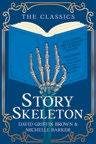
Story Skeleton: The Classics
David Griffin Brown and Michelle Barker | Darling Axe Publishing | February 2025 | 9798307180952 | $20.00
In Story Skeleton: The Classics, we unlock the secrets of 21 novels, revealing the genius that makes them masterpieces. Discover the method behind the magic, and learn how to apply it to your own writing.
Feedback: the secret to becoming a better writer
BY DAVID BROWN AND MICHELLE BARKER
One of the best ways to improve your writing skills is by getting feedback. When we’re too close to our stories, it’s impossible to see what’s working—and what isn’t. We all need the benefit of fresh eyes. Let’s compare a few different types of feedback.
Alpha readers
The ink on your novel is barely dry, but you need someone to read it and tell you if you’re on the right track. Alpha readers are the first people to look at your work. Choose these people wisely. You’ll want readers who can give you informed feedback, but this is not the time for trampling the fresh flowers. You’re looking for a big-picture assessment here—with a bit of gentleness.
Beta readers
These readers might be people you know, but ideally they are strangers with no investment in your success. At this stage you need honest opinions about how your work is landing.
Prepare yourself. Honest won’t necessarily feel good. That said, if you want to improve, now is the time to grow a thicker skin. You need to be able to process objective feedback without turning into a pool of tears.
It’s important to note that definitions of beta readers can vary. Many people think of them as the final round of assessment, reviewing the book right before publication. However, to keep things simple, beta readers are those who come after alpha readers.
Professional critiques
Alpha and beta readers offer their personal experience of your manuscript, whereas editors ideally provide feedback based on a range of possible reader experiences of the text.
A professional editor should be able to tell you not only that something is (or isn’t) working, but they should also be able to explain why. It’s
easy to have a kneejerk reaction when someone says they don’t like something; it’s much harder when a person can explain on a craft level why your approach is likely to break reader immersion, or why it won’t create the necessary emotional draw to make a reader care about your story.
Keeping an open mind
In our experience, the willingness to revise (sometimes from the ground up) is the number one indicator of whether an author will get published. This doesn’t mean you have to follow every recommendation you receive without question—far from it. But it’s crucial to entertain all feedback and consider how you might approach your manuscript from a different angle. If there is a secret to getting published, it’s feedback, feedback, and more feedback. But how much is enough? That depends on who’s giving it to you and how much experience they have. If the readers you’re using don’t have much expertise or are only giving you feel-good feedback, you won’t improve.
This is not about feeling good. It’s about learning how to write. Do the hard thing. Get objective feedback from a variety of sources. Swallow your pride—and revise.
Michelle Barker and David Brown are award-winning writers and senior editors at the Darling Axe, which offers narrative development, editing, and coaching. Their latest book is Story Skeleton: The Classics Learn more at darlingaxe.com.