EU Rivers peril: from carbon sink to carbon source
Disseminating the latest research from around Europe and Horizon 2020
Follow EU Research on www.twitter.com/EU_RESEARCH
Editor’s Note
As a seasoned editor and journalist, Richard Forsyth has been reporting on numerous aspects of European scientific research for over 10 years. He has written for many titles including ERCIM’s publication, CSP Today, Sustainable Development magazine, eStrategies magazine and remains a prevalent contributor to the UK business press. He also works in Public Relations for businesses to help them communicate their services effectively to industry and consumers.
In a time when borders are appearing and getting harder, countries are waging wars and politics is becoming unhealthily polarised, scientific collaboration is one bright light that still, resiliently cuts through the noise.
Science works best when teams around the continent and beyond, decide to fixate on a shared research goal, whether that’s fusion energy, climate change mitigating technologies or new food stuffs. Researchers are adept at making consistent advances often by nurturing intricate networks to learn and discover together in a sense of true collaboration, and it’s fair to say European scholars are well-practised at this. It’s a lesson and direction of travel that we all could benefit from learning.
Europe today is never shy of investing in university projects that change the world for everyone. It’s no wonder that European universities are getting noticed for the right reasons and achieving more with the work they embrace. Indeed, Europe has a rapidly growing and impressive list of prestigious universities. The 2024 Quacquarelli Symonds (QS) World University Rankings organisation, which conducts independent evaluations of these institutions around the world, featured 106 European universities that have not been listed before. It shows how Europe is still evolving as a place to be for academia and research. Such is the weight research carries for economies, that you can view it as a benchmark for future prosperity, for leading the way in innovation, knowledge and progress – and ultimately for transformation that can benefit us all.
Scientific research, as a norm, relies on collaborative expertise, networked intelligence and the concept that what counts is ideas, above everything else, above nationality, religion or personality. Ideas breed ideas, as questions lead to more questions. Ideas are the fuel for experiments to enable us all to explore new horizons and new ways of living as a result. It’s not glib to say Europe’s ultimate strength and its very foundation is scientific research, and long let that be the case.
Hope you enjoy the issue.
Richard Forsyth Editor
Contents
26 FishPath
4 Research News
EU Research takes a closer look at the latest news and technical breakthroughs from across the European research landscape.
10 SmartMed
The SmartMed project aims to develop solutions that will allow scientists to use data from healthcare registeries while also maintaining security, as Roman Vitenberg , Jan Nygård and Dusica Marijan explain.
12 BUILDING HEALTH
The design of a neighbourhood influences the health of people living there. Stine Hellum Braathen and Hege Hidle Aaser are investigating how environments can be designed to promote the health of local residents.
15 DOCTIS
The DocTIS project aims to improve the prognosis of immune-mediated inflammatory diseases by identifying effective combinatorial therapies and patient groups that show optimal response to treatments, as Dr. Sara Marsal explains.
18 HeatNMof
Researchers in the HeatNMof project are developing innovative new materials for cancer therapies, offering the potential to enhance therapeutic effectiveness while mitigating treatment-associated adverse effects, writes Patricia Horcajada
20 FunMagResBeacons
We spoke to Professor Malcolm Levitt , Bonifac Legrady and Mohamed Sabba about how they generated hyperpolarised nuclear states which provide a very strong NMR signal, which holds important implications for MRI scans.
22 TerrACE
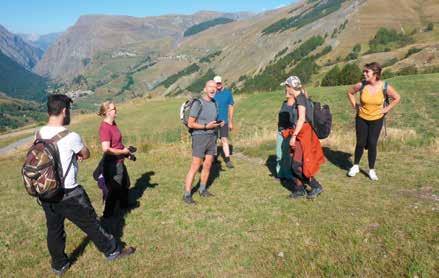
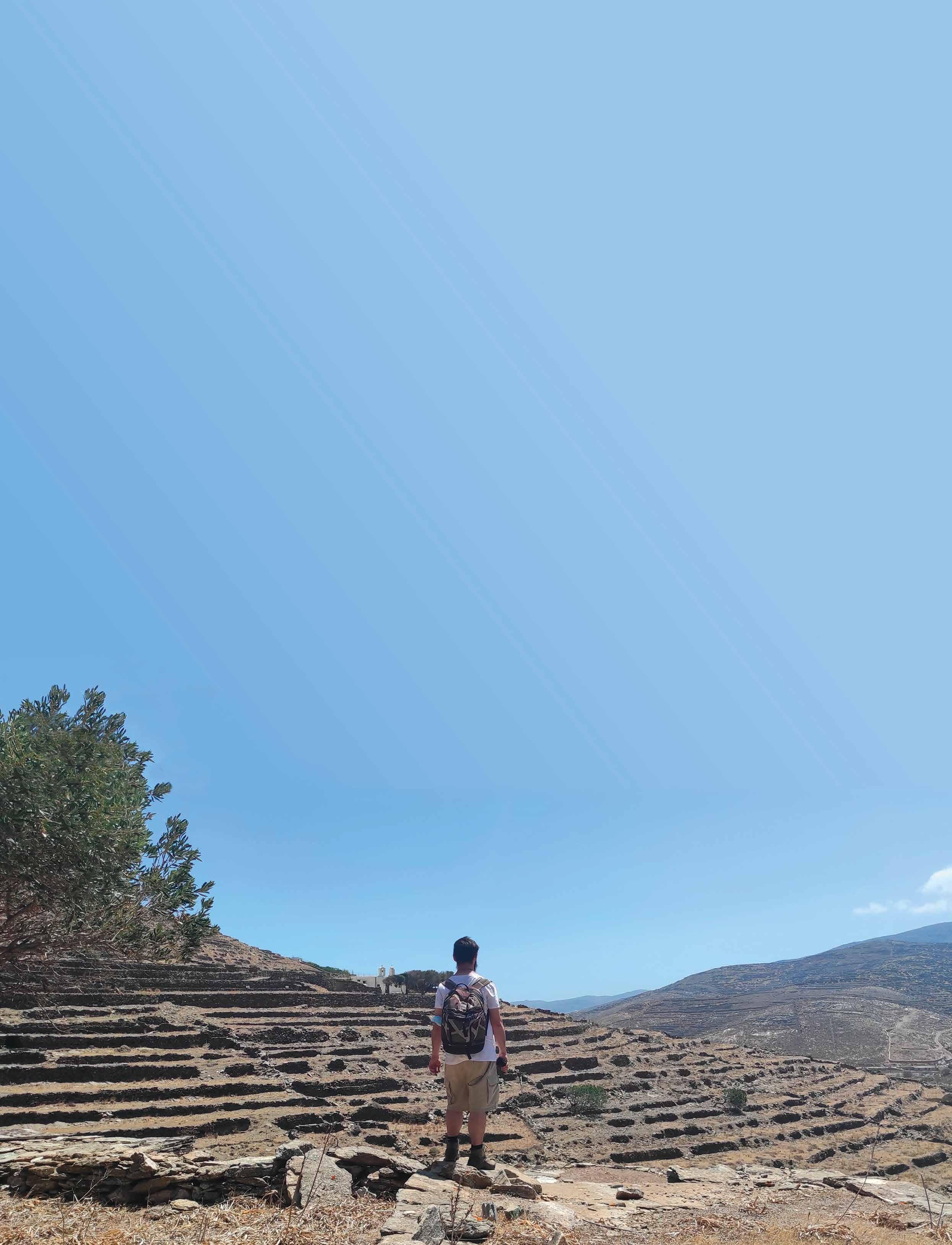
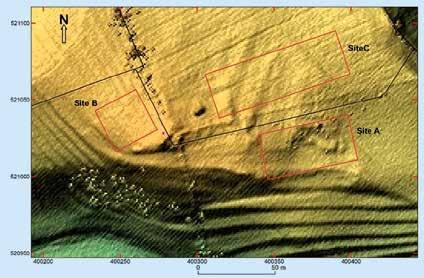
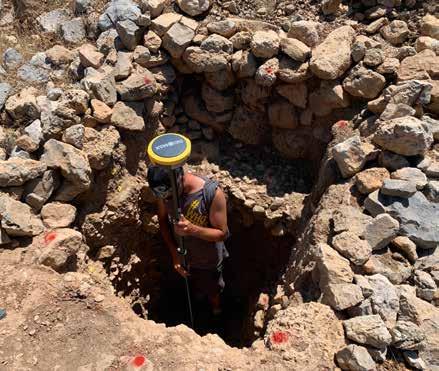
Researchers in the TerrACE project are looking at agricultural terraces across Europe, aiming to build a deeper picture of why they were initially created, as Professor Antony Brown and Dr Daniel Fallu explain.
24 RePress
We spoke to Marius Kambestad and Dr Rose Keller about their work in investigating the nature of the human-otter conflict, which could then lead to more effective strategies to manage otter populations.
Dams are a major threat to migrating fish. The FishPath project team are developing an innovative system to guide fish away from turbines, as Dr Ana T. Silva and Dr Torbjørn Forseth explain.
28 IMPROVE
The Improve project team aims to take advantage of a 2009 encounter with buried magma in Iceland to develop the next generation of imaging systems at volcanoes, as Dr Paolo Papale explains.
30 SEATRACK
Researchers in the SEATRACK programme are working to map the non-breeding distribution of seabirds across the North Atlantic Ocean, aiming to understand their distribution at sea all year round, as Hallvard Strøm explains.
33 The dynamics of indexical information in speech and its role in speech communication and speaker recognition
It is commonly assumed that we recognise speakers on the basis of static features in their voice, now Professor Volker Dellwo and his colleagues are exploring a different hypothesis.
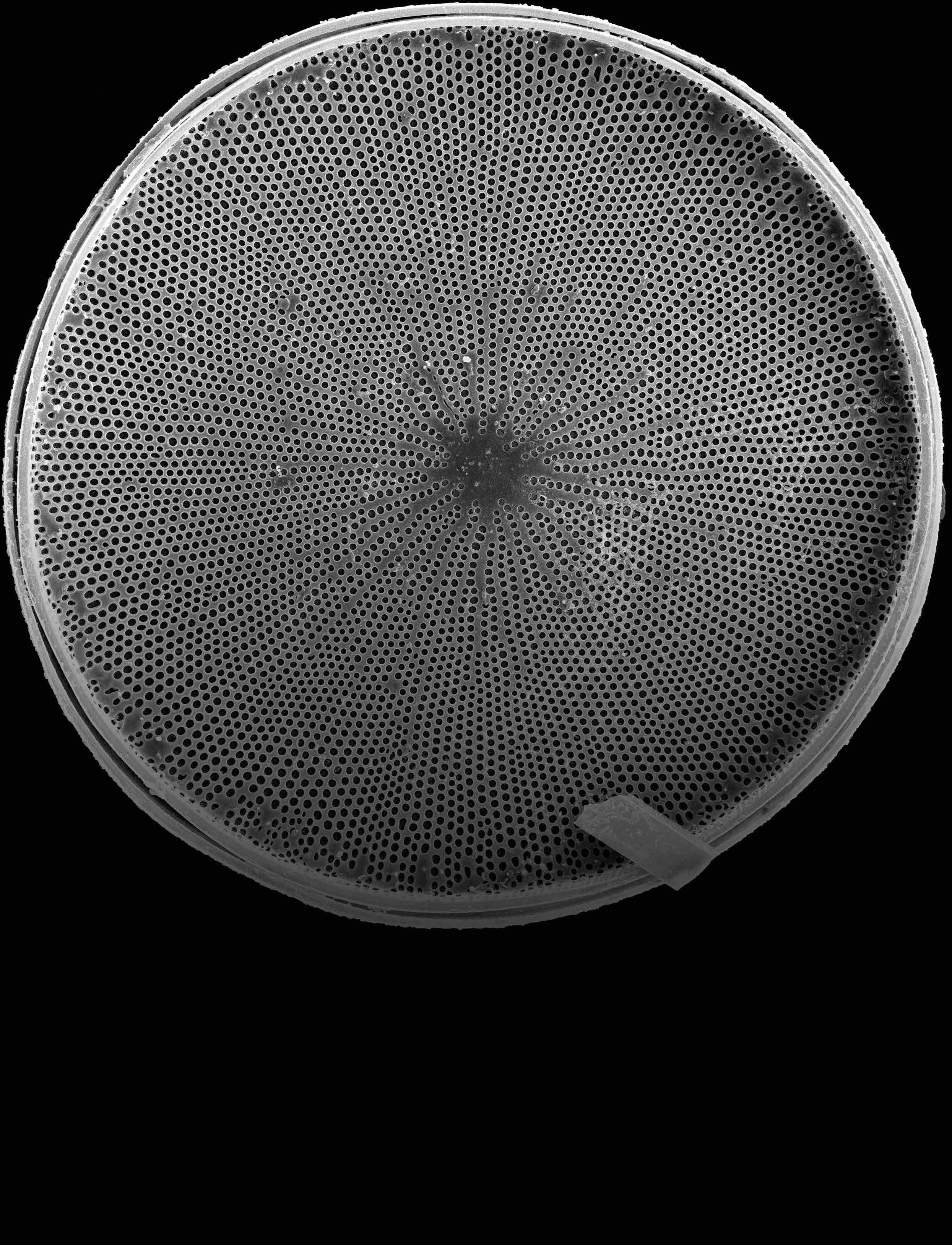
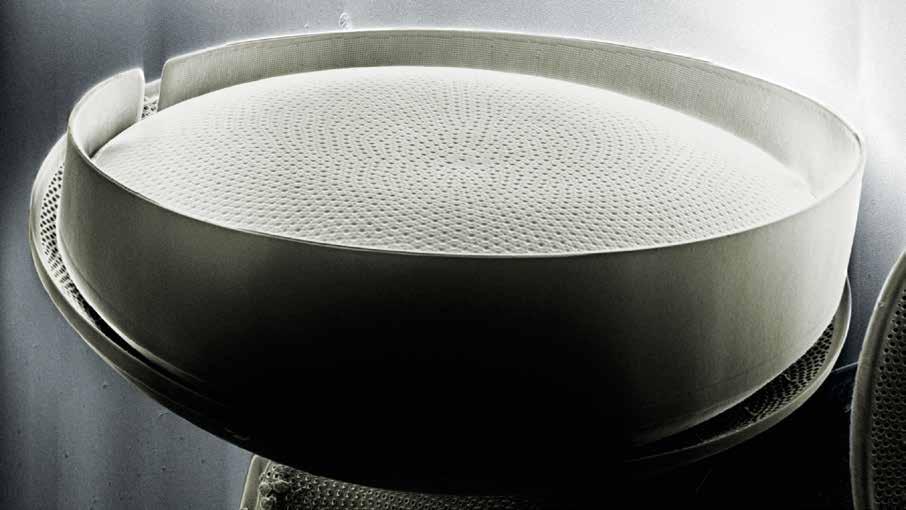
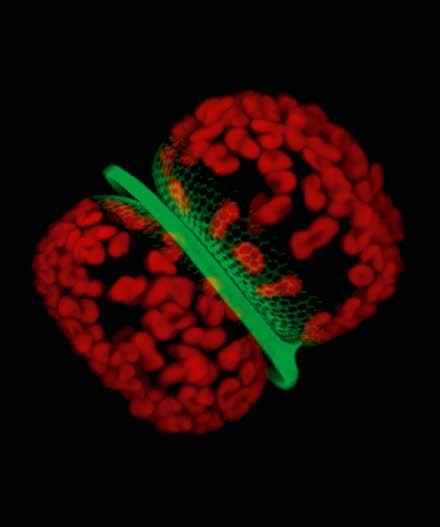
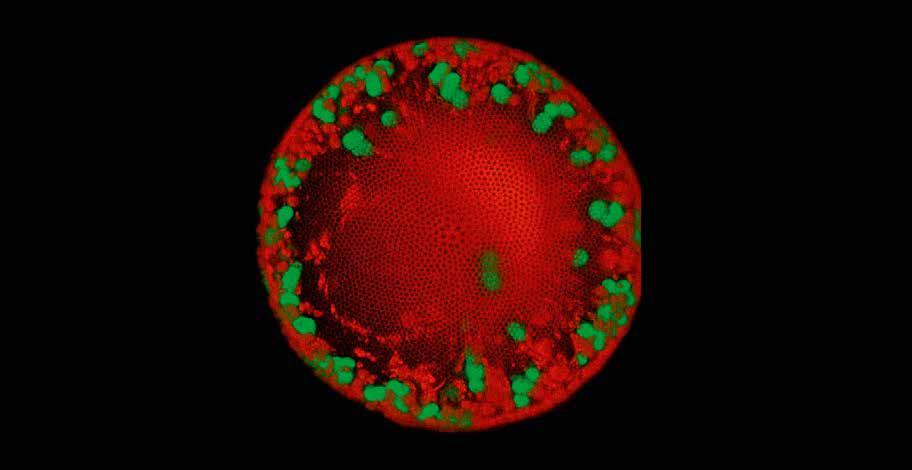
36 ENIGMA
We spoke to Dr Tore Brembu and Dr Martin Garcia-Lopez about their innovative work in genetically engineering diatoms, which could provide a natural alternative to existing methods of producing photonic crystals.
38 SYMPHONY
Researchers in the SYMPHONY project are developing new materials to harvest energy from the environment, providing power to sensors and enabling energy savings elsewhere, as Dr Jonas Groten and Elena Turco explain.
40 EU-QUALIFY
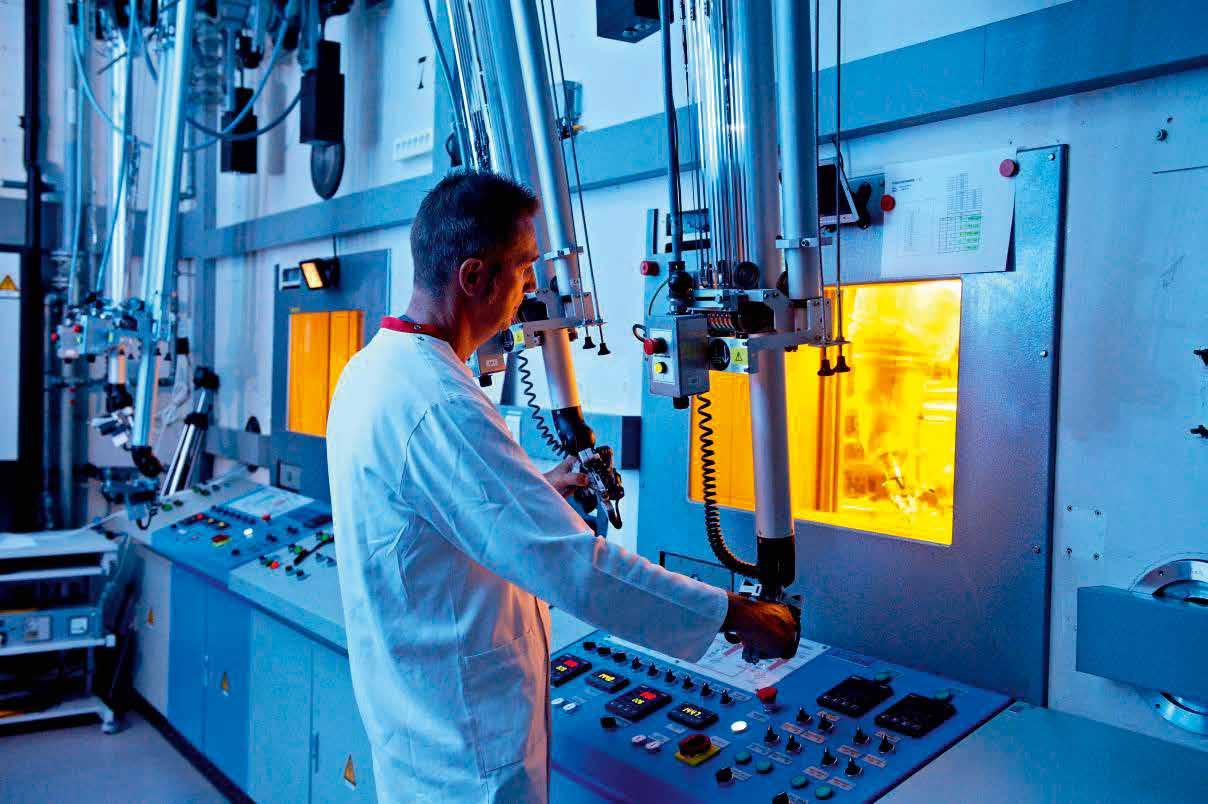
Researchers in the EU-QUALIFY project are working to qualify lowenriched uranium nuclear fuels for use in research reactors, helping maintain Europe’s capability to produce medical radioisotopes , as Jared Wight explains.
43 Early intervention for children at risk of reading disorders in Northern Norway: A cluster randomised trial
The UiT-ReadWell intervention has been designed to improve reading comprehension, now Professor Trude Nergård Nilssen is looking to assess its effectiveness through a multi-site randomised trial.
46 Understanding the resilience pathways of adolescent students with experience of physical family violence
We spoke to Prof. Dr. Wassilis Kassis about his project, ‘Understanding the Resilience Pathways of Adolescent Students with Experience of Physical Family Violence’, looking at how exposure to physical abuse affects adolescents’ resilience.
48 TranCit
The TranCit project team are investigating how history is taught in four different countries, looking at how teaching can be changed to reflect today’s globalised world, as Professor Ellen Vea Rosnes explains.
50 MAU
Researchers in the Making Africa Urban project are looking into the different transnational processes that are shaping the future of African cities, as Professor Jennifer Robinson explains.
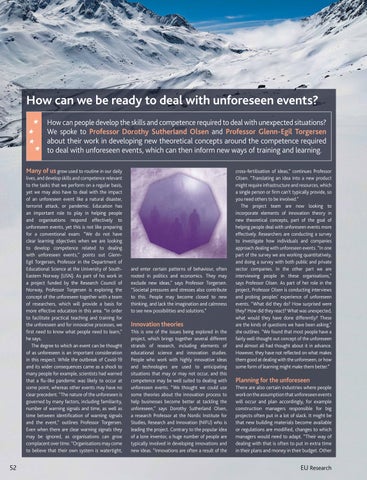
52 EDUCATING FOR THE UNFORESEEN (DU-INN)
We spoke to Professor Dorothy Sutherland Olsen and Professor Glenn-Egil Torgersen about their work in developing new theoretical concepts around the competence required to deal with unforeseen events.
54 EUROTECHPOSTDOC2
The EuroTechPostdoc2 programme offers fellowships at leading European universities to talented researchers, giving them the opportunity to explore their interests and develop their skills, as Ingrid Vliegen explains.
56 HyMe
Reliable and accurate metering technologies are central to ensure correct and fair custody transfer of hydrogen in hydrogen supply chains, a topic central to Dr Kjetil Folgerø’s work in the HyMe project.
57
SERSing
The ability to rapidly detect and identify chemical hazards would be enormously valuable for first responders, a topic central to Dr Damir Asoli’s work in the SERSing project.
60 SARLEM
The Sarlem project aims to create a new form of artificial intelligence that combines the ability to learn from experience with more transparency over how decisions are reached, as Dr Sebastien Gros explains.
62 GULAGECHOES
Researchers in the GULAGECHOES project are looking at how penal systems have evolved across the former Soviet Union and the extent of ethnic discrimination in them, as Professor Judith Pallot explains.
EDITORIAL
Managing Editor Richard Forsyth info@euresearcher.com
Deputy Editor Patrick Truss patrick@euresearcher.com
The EU Research team take a look at current events in the scientific news
€159 Billion more needed to fund all Horizon 2020 proposals
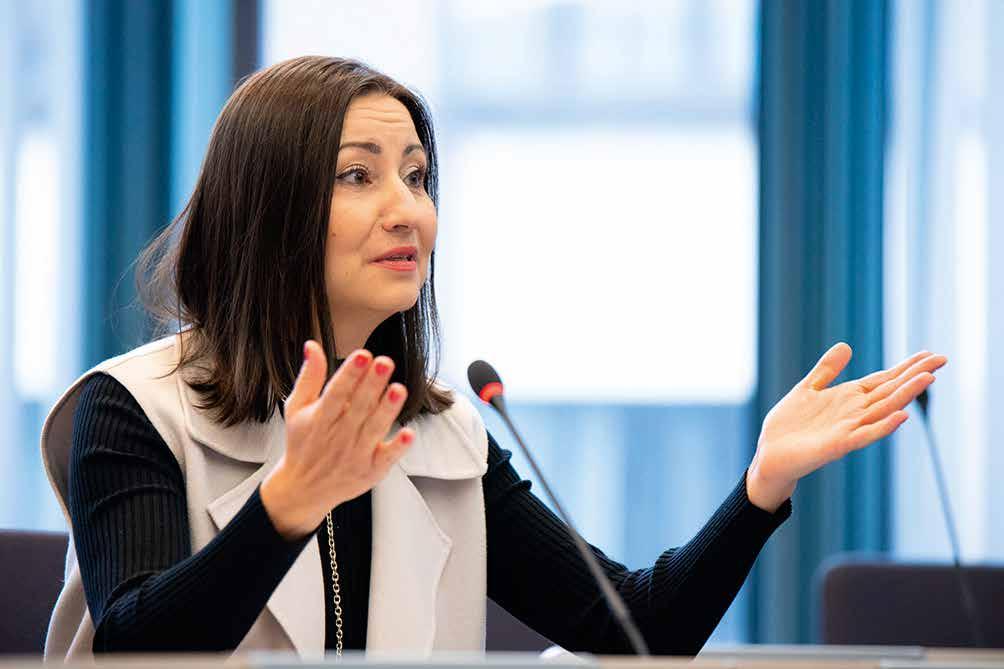
Research Commissioner Iiliana Ivanova told MEPs “there is a long way to go to fill the funding gap”.
Horizon 2020 would have needed an additional €159 billion to fund all high quality proposals, the European Commissioner for research and innovation, Iliana Ivanova, told the European Parliament. The figure comes from the evaluation of the 2014 – 2020 research framework programme, which Ivanova said is due to be “literally published in the coming days.” She lauded the programme’s impact but said that challenges still remain. “We still have a long way to go to fill that [funding] gap,” she told the Parliament’s ITRE research committee.
Horizon 2020 may have ended nearly four years ago, but budget woes for Horizon Europe are ongoing and are likely to be central to discussions on the next iteration of the EU research programme, Framework Programme 10 (FP10). Maria Leptin, president of the programme’s main basic research funding agency, the European Research Council (ERC), said it will need at least double the budget to fund all excellent proposals. “It really depends on what Europe wants,” Leptin told Science|Business. “We keep saying that we are leaders in science and innovation. Are we?” When the ERC was established in 2007, its ideal budget was calculated at €2 billion annually, but only now has it reached that level. “It should have gone up,” Leptin said. In its position paper on FP10 published Wednesday, the ERC is calling for €5 billion per year. “The ERC has funded over 13,000 projects but has not been able to fund many equally outstanding proposals due to a continuing lack of appropriate budget,” it said.
There have been several calls from research and innovation stakeholders, industry associations and MEPs for FP10 to have a budget of €200 billion, just over double that of Horizon Europe. This sum currently appears unrealistic. EU member states are still locked in negotiations over the bloc’s budget for 2025 – 2027, and the deal currently on the table would mean €2.1 billion in cuts for the €95.5 billion Horizon Europe research programme, as well as cuts in other programmes. A meeting of the EU Council next week will seek to finalise the deal that is currently being held up by Hungarian prime minister Viktor Orbán over objections to a €50 billion support package for Ukraine.
The second strategic plan for Horizon Europe, covering the years 2025 - 2027, will be adopted in March, Ivanova said. She promised it would be simpler and aligned to the Commission’s three priorities: the green transition, the digital transition and creating a more resilient, competitive, inclusive and democratic Europe.
The concept of open strategic autonomy and developing and deploying critical technologies will now sit as an overarching principle in the plan. It will also identify the second batch of European partnerships. The Commission has also committed to allocating 10% of the Horizon Europe budget for the final three years to topics related to biodiversity, up from 7.5%. Separately, the interim evaluation of Horizon Europe looking at the programme’s performance at the half-way point is to be published in early 2025.
Ivanova said that challenges related to Horizon Europe’s Widening scheme, designed to close the R&I gap between top performing and lagging countries, “still persist”. These include limited capacity in Widening countries to manage international R&I projects, brain drain, weak national support systems and a lack of easily available funding alternatives, the commissioner said. While there has been some progress between Horizon 2020 and Horizon Europe, much of the success is limited to just a few countries. National reforms are necessary to help close the EU’s R&I gap, but they are not the only factor, and European level initiatives such as the Widening are still important. “We need to build on the wide European talent base and this includes engaging new players across sectors, scientific disciplines and countries.”
The Commission is planning for 19 new countries to be associated to Horizon Europe in 2024 as part of the goal of securing international partnerships. The final signature on the Canada association deal is expected by mid-2024, but the country can already apply for calls in pillar 2 of Horizon Europe as the deal will be retroactively applied to begin at the start of this year.
Ivanova welcomed the association deal with the UK, which came into force at the beginning of this year. She will travel to the UK in February to meet the UK’s secretary of state for science, Michelle Donelan. Ivanova said that she held positive talks last week with Swiss representatives and the next round of association talks with the country are scheduled for the end of this month. It is hoped negotiations will begin this spring, with association finalised by the end of this year or early 2025. Finally, she expects South Korea’s association agreement, which will allow it to participate in pillar 2 projects, to become effective in 2025.
Academic boycotts as EU universities start cutting ties with Israel
European universities are cutting ties and ending cooperation, raising questions over Israel’s future in Horizon Europe.
An increasing number of European universities have committed to severing or reviewing ties with Israeli universities, after student protests supporting Palestine and calling for a boycott spread across Europe last month. The Université Libre de Bruxelles (ULB), Brussels’ French-speaking university, has been the latest to join the list. Issuing a statement on Monday (26 May) the ULB said that it would suspend ties with both Israeli and Palestinian universities until “their respective university authorities make a clear commitment to the demands made by the International Court of Justice ... and the unconditional release of the Israeli hostages”.
In Spain, the response has been the strongest, with the Conference of Rectors of Spanish Universities (CRUE) collectively committing to review collaborations with Israeli academic institutions earlier this month. Since then, universities in Granada and Ovideo have suspended ties, followed last Wednesday (22 May) by the University of Barcelona. The latter has gone as far as calling upon the EU to exclude Israel from Horizon Europe – the EU-funded research programme that makes cutting ties with Israel universities particularly difficult. The ICJ ruling in particular helped propel the academic boycott, which is a campaign launched by the Boycott Divestment and Sanctions (BDS) Movement. Several university administrations referred to South Africa’s pending genocide case to justify their decision.
Other examples of European countries where academic ties were suspended or reviewed include Ireland, where in early May Trinity College Dublin was the first European university to respond
to its students’ demands, and Norway, where several universities cut ties as early as February. A geographical pattern has thus emerged, closely corresponding to Europe’s political divisions - with governments in Belgium, Spain, Ireland and Norway among Israel’s most vocal critics, the latter three moving to recognise Palestinian statehood earlier this week.
László Molnárfi, President of the Trinity College Dublin Students’ Union and one of the organisers of a student encampment, emphasised the role of Irish public opinion, which is squarely in support of Palestine. “The public support that we had, the student support, the staff support, all this put so much pressure on the college,”.In a statement on the encampment, Trinity College was also keen to set itself apart from universities elsewhere, referring to “the disproportionate response we have seen at some institutions overseas.”
Still the protests in Europe had been “transformative” everywhere, argued Maya Wind, an Israeli anthropologist specialising in militarisation, and vocal supporter of the academic boycott. “What we’re seeing now is also a response to the enforced silence across western academia on the question of Palestine.” For its part, the Israeli government has also responded to rise in calls for a boycott, amid reports that Israeli academics have started to feel its consequences. Gila Gam, the Israeli minister of innovation, science and technology, said on X (formerly Twitter) that she would commit €22m to combat the boycott, and “continue the fight against antisemitism.”
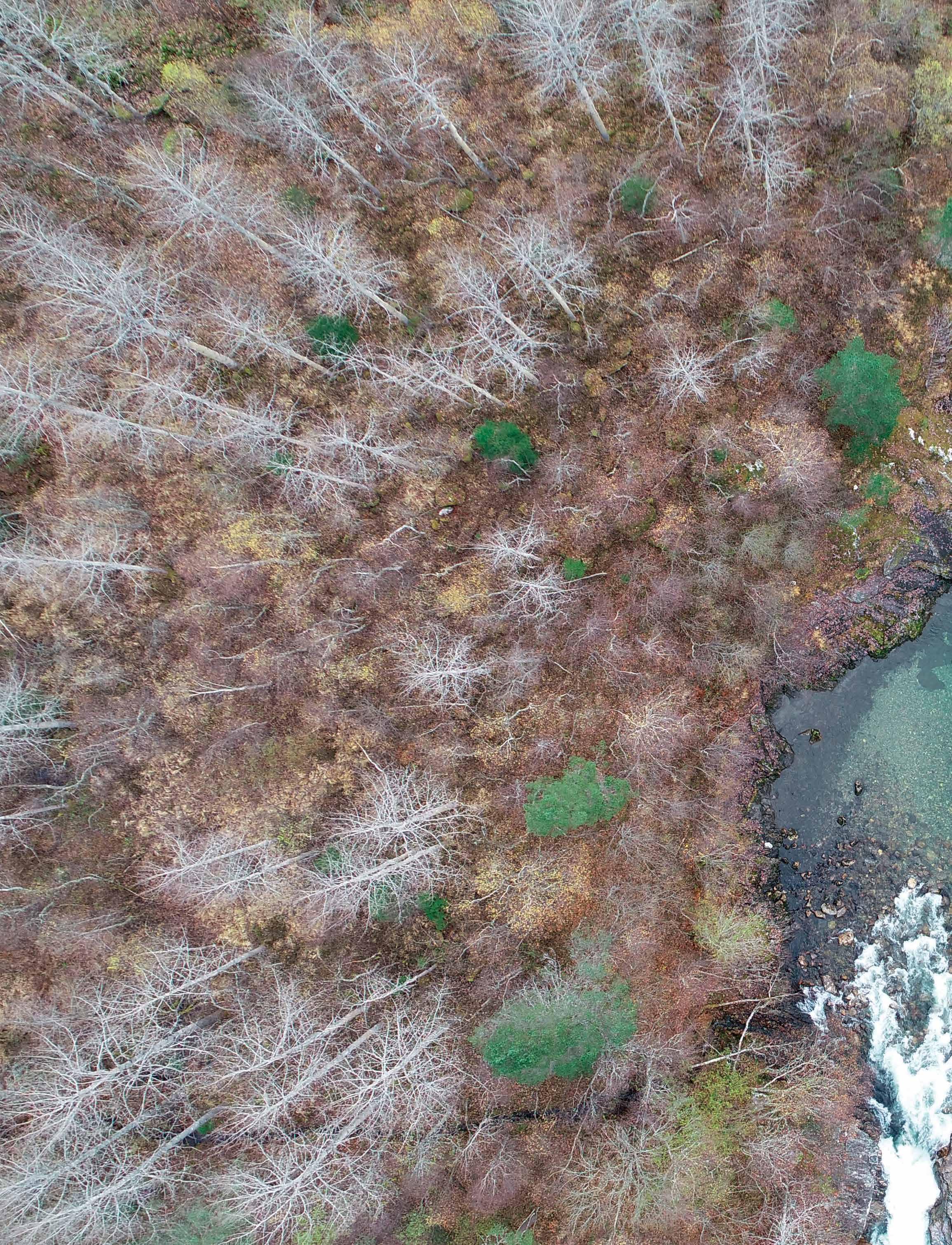
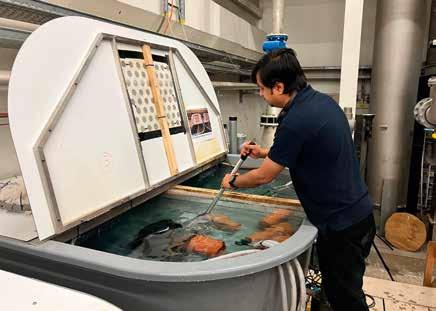
Human interference is turning rivers from carbon sinks into carbon sources
A
new study has found global warming and pollution can speed up decomposition in rivers, sending more carbon dioxide into the atmosphere.
Rivers and streams provide far more than scenery or an opportunity for a summertime cool-off. They make up an important component of a global system that determines how much carbon is stored in soil or sent into the atmosphere. New research shows that human activities are directly disrupting this system and increasing the amount of carbon sent into the atmosphere. When tree litter falls into a waterway, it becomes fuel for an entire ecosystem. Microorganisms feast on the detritus, fish consume it or it falls into the river bed where the carbon becomes trapped. But human activity can speed up the decomposition of leaves and other litter, sending more carbon dioxide up into the atmosphere. One key element is a warmer climate, which makes microbes more active. Chemicals from fertilizer, like phosphorus and nitrogen, also nourish microbes and lead to faster litter decomposition.
Accurately modelling these changing dynamics is key to fighting climate change, so a team of researchers led by Scott Tiegs at Oakland University in Michigan organized a global initiative to take stock. Over 150 scientists in 40 countries, were sent standardized cotton strips — instead of tree leaves, which are typically used — to measure the rate of organic decomposition at local sites.
Now, researchers have combined these field samples with globespanning data sets to create a machine learning algorithm that estimates rates of decomposition around the world. “What was shocking about our data was that even though we were selecting these relatively minimally impacted sites, we could still see hotspots where humans have really had an impact, either through urbanization, or agriculture or a combination,” said Krista Capps,
an aquatic ecosystem ecologist at the University of Georgia who co-authored the work. As part of the work done to model the decomposition rates of natural litter compared to the cotton strip, the researchers found that pine litter decomposes more slowly than oak litter. As the climate warms, oak-heavy deciduous forests may spread further north, which would mean a higher potential for faster decomposition rates and more carbon being released into the atmosphere.
How quickly leaves decompose in waterways might seem like a niche concern, but it has major significance for the climate. “The implication is we can’t count on water bodies, including the rivers, streams and lakes, to continue to hold on to carbon like we have,” said Paul Frost, a professor of aquatic science at Trent University in Peterborough, Ontario, Canada, who participated in the field study. “We may be switching them from carbon sinks to carbon sources.” Frost emphasized that researchers have studied decomposition and its links to the climate in the past, but he said that “it was a big step forward for them to be able to standardize” field testing with cotton strips.
In the meantime, the clear indication that human factors such as added nutrients from agriculture or urbanization are having an impact is information that can be used to aid efforts to mitigate the damage. “We really do need to be more careful with nutrients in the environment,” he said. “Anything we can do to more carefully use and manage nutrients in agricultural and urban landscapes would help slow down decomposition and help these systems be better carbon storage sites.” The research was published in May 2024 in Science.
Radio Astronomers raise concerns over SpaceX’s Cellular Starlink tech
Researchers fear cellular satellites from SpaceX and AST SpaceMobile will interfere with and even damage their radio astronomy equipment.
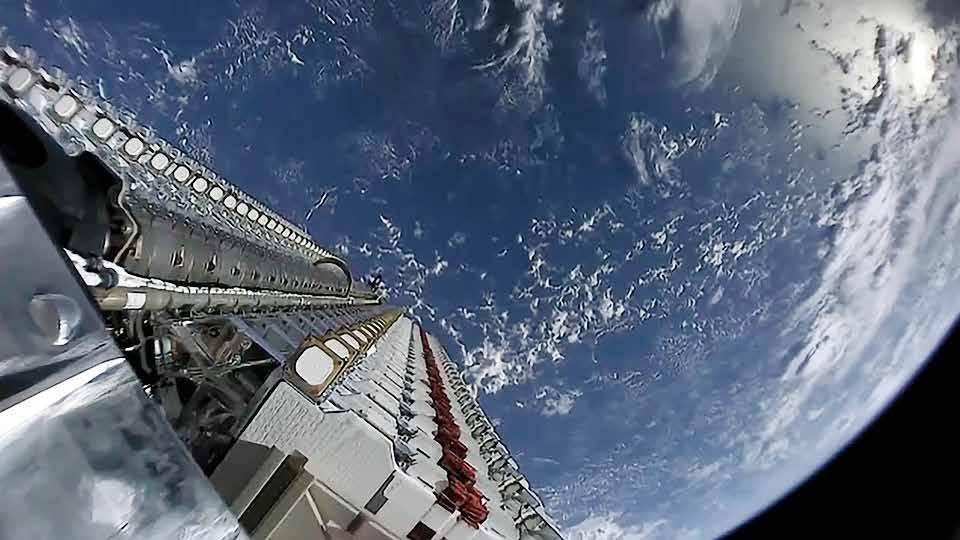
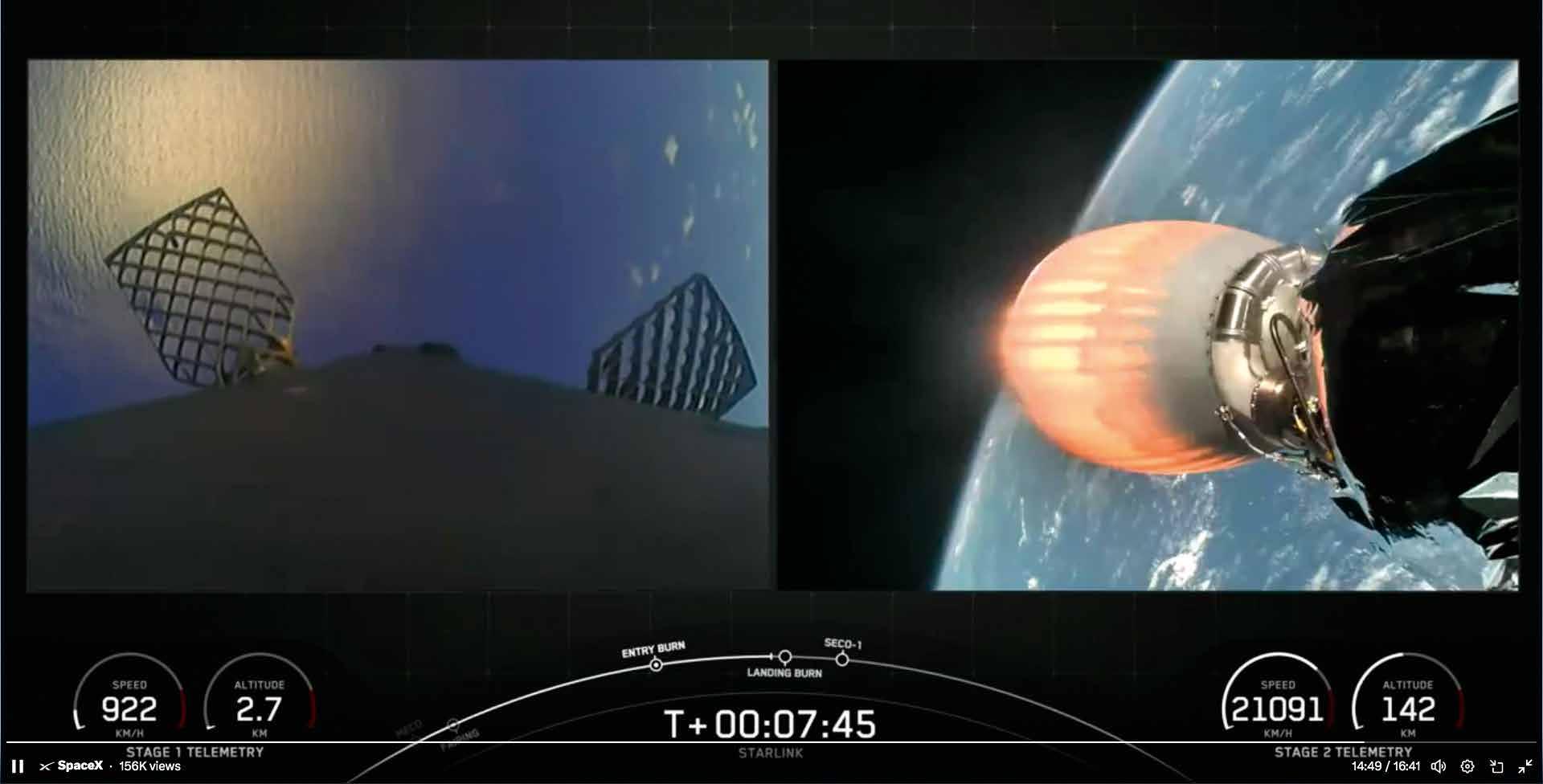
SpaceX and optical astronomers have already quarreled over the high reflectivity of Starlink internet satellites, and now radio astronomers have their own beef with Elon Musk’s aerospace firm. Scientists fear that high-power cellular signals beamed toward Earth for smartphone connectivity could interfere with radio observations and possibly even cause damage to radio telescopes.
Both SpaceX and AST SpaceMobile plan to have hundreds of satellites with direct-to-cell capabilities to fill in dead spots on the ground. AST SpaceMobile has launched the BlueWalker satellite (above), which has an antenna so large that it’s one of the brightest objects in the night sky. SpaceX, meanwhile, has been adding cellular transmitters to its compact Starlink V2 satellites in advance of the larger versions launching aboard the in-development Starship rocket. SpaceX and T-Mobile have already
partnered for satellite cell coverage, which could begin rolling out to customers later this year.
Several research institutions and universities have now sent letters to the Federal Communications Commission (FCC) to call attention to the radio interference from these new satellites. “The proposed direct-to-cell satellites would effectively eliminate the existence of radio quiet zones, greatly reducing the effectiveness of existing radio telescopes,” according to Mount Allison University physicist Catherine Lovekin. Meanwhile, the American Astronomical Society says radio astronomers will be much more limited in the spectrum they can observe.
In March, the FCC announced new rules to allow satellite operators to beam cellular signals to the ground, but only on a trial basis to test the technology. It noted then that some systems, including radio astronomy, could be impacted. A separate report from the National Science Foundation has suggested that the harm goes beyond simply ruining observations. The agency’s white paper notes that sensitive radio astronomy hardware could be damaged if a cellular-equipped satellite were to pass in front of its receiver.
Researchers are hoping to push the FCC to do more research on the impact of direct-to-cell satellite communication. It’s possible that final approval of these systems could be delayed while the operators prove that direct-to-cell won’t negatively impact radio astronomy. SpaceX and AST SpaceMobile have worked with the astronomy community on the brightness issue without any regulatory requirement, although the fixes haven’t been perfect. They could similarly accommodate radio astronomy, which is better than nothing.
Young researchers declare gender equality campaign
European Council of Doctoral Candidates and Junior Researchers is celebrating the diverse people and careers in science and engineering!
The European Council of Doctoral Candidates and Junior Researchers is planning a campaign to promote greater gender equality in academia. Eurodoc’s initiative, timed to coincide with International Women’s Day on 8 March, aims to promote the belief that “everyone, men included, should be encouraged to stand up to create greater gender equality in their research environment”. The group, an international federation of organisations representing PhD candidates and junior researchers across the EU, is asking researchers who want a more inclusive academia to contribute through social media or by filling out an online form.
Participants are being asked to answer four questions, including about why they went into research and why gender equality is important to them. The initiative expands on the group’s Women in Research campaign, which launched in 2023 with the aim of challenging stereotype. Announcing its plans on 17 February 2024, Eurodoc highlighted various forms of gender discrimination, including against women and against people with a gender identity or sexual orientation that differs from “the one expected on the basis of culturally established rules”.
“This is why we want to gather and share the stories to showcase how [everyone] contributes in a significant way to research both as a profession and as a common human quest for knowledge,” it said. “The role models we will showcase in the next weeks are common people who care about research, who have experienced the difficulties of being an early career researcher, who met abuses and injustices and [who are still] committed to improving the research system to ensure a more inclusive academia.”
“There are many challenges to advancing a career in science or driving technological breakthroughs –for both men and women. But for many women, it is a real obstacle course. Despite the EU’s longstanding commitment to gender equality in Research and Innovation, inequalities persist, and large gender gaps can still be found in so-called STEM fields (science, technology, engineering and mathematics).
It is also clear women remain underrepresented at the highest level of academia and in decision-making positions, and lag behind their male colleagues in terms of R&I output (such as publications, citations, patents and industry collaborations). Through its funding programmes, the EU has stated it is working to address gender inequality and foster inclusiveness to ensure equal opportunities for everyone.”
IOC transgender policy goes against
science, say academics
A group of 26 academics have challenged the International Olympic Committee’s framework on the inclusion of transgender athletes in sport.
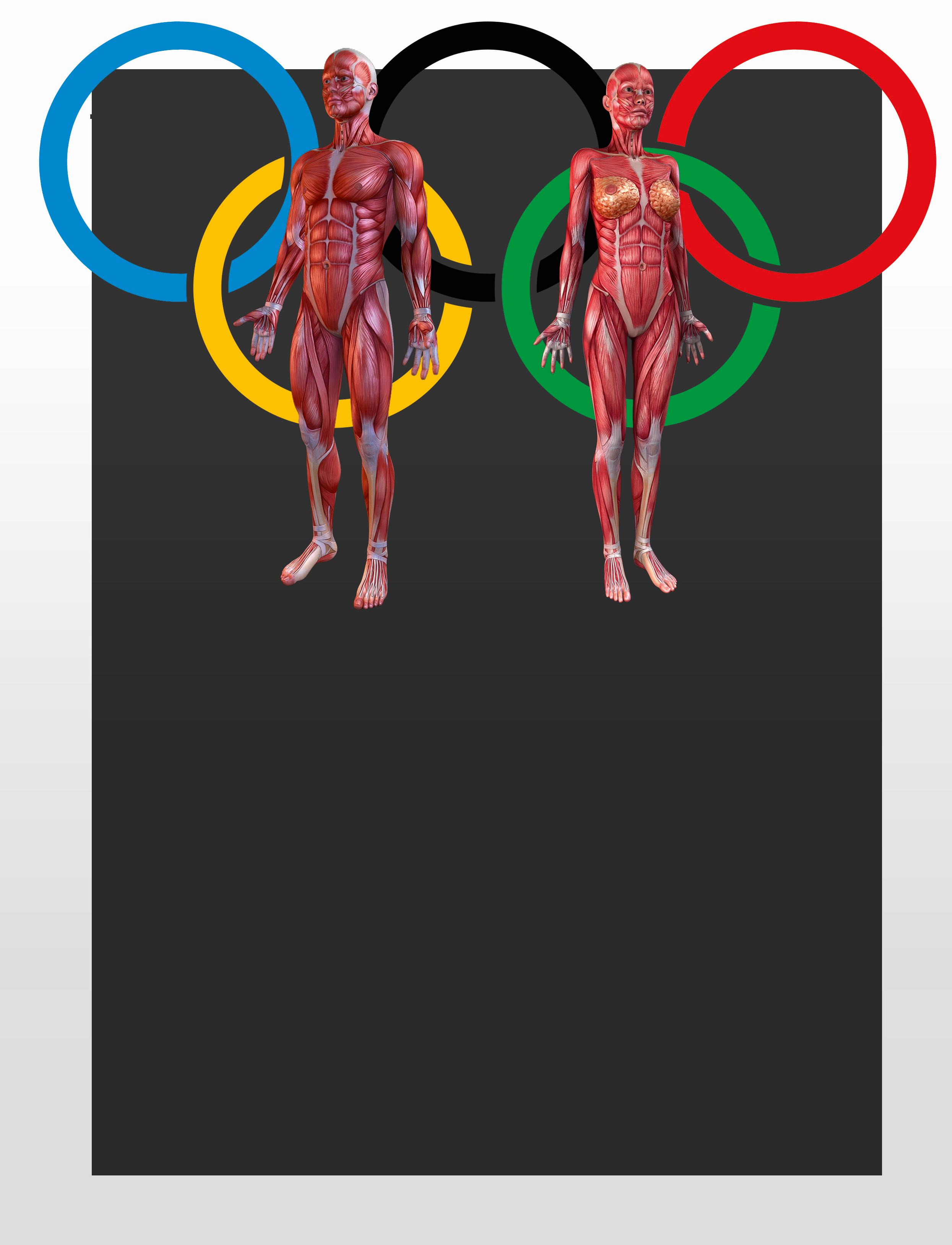
A group of 26 academics have challenged the International Olympic Committee’s framework on the inclusion of transgender athletes in sport, saying it does not protect fairness for women nor align with scientific or medical evidence. The paper, opens new tab, published this week in the Scandinavian Journal of Medicine and Science in Sports, said decisions on eligibility for female competition must consider male development rather than testosterone levels.
“We urge the IOC to re-evaluate the recommendations of their framework to include a comprehensive understanding of the biological advantages of male development to ensure fairness and safety in female sports,” the paper said. “Sports face the uncomfortable reality that the inclusion of transgender women in female sports categories cannot be reconciled with fairness, and in some instances safety, for females in athletic sports.”
The IOC Framework on Fairness, Inclusion and NonDiscrimination on the Basis of Gender Identity and Sex Variations, opens new tab is a document produced to guide international sports federations when establishing their own rules. “We point you towards the ‘Position statement: IOC framework on fairness, inclusion and non-discrimination on the basis of gender identity
and sex variations’ published within the British Journal of Sports Medicine,” an IOC spokesperson said.
“Within this statement, there is an explanation of the principle of “no presumption of advantage” as well as more details about an “evidence-based approach”. Global governing bodies for cricket, cycling, athletics, swimming and chess have tightened their eligibility for elite women’s competitions over the last couple of years. Other sports, at international and national level, allow transgender athletes to compete in women’s sport if they can show reduced levels of testosterone. American Lia Thomas is challenging the exclusion of transgender swimmers from women’s events by taking World Aquatics to the Court of Arbitration for Sport, alleging that the rules introduced in 2022 amount to discrimination.
The academics, who include sports scientists and biologists from around the world, also called for women to be recognised as key stakeholders in the decision-making process on inclusion in sport.
The IOC framework mentions only consultations with athletes directly impacted. “The IOC must consider the rights and opinions of all stakeholders, explicitly including female athletes as primary stakeholders,” the paper said.
Secure management of health data
Healthcare registries hold vast amounts of data on the population, and while this data is enormously valuable to medical researchers, it must also be managed in a secure way. Researchers in the SmartMed project are using smart contracts and blockchain technology to provide effective solutions to this challenge, as Roman Vitenberg, Jan Nygård and Dusica Marijan explain.
An enormous amount of data is held in health registries, and data-sharing initiatives between them open up new opportunities in medical research, giving scientists access to a rich source of information. However, it’s also important to ensure that patient confidentiality is respected and privacy standards maintained, an issue central to the work of the SmartMed project. “For example the Cancer Registry of Norway takes care of huge amounts of valuable healthcare data, which is essential to the development
of new, more effective treatments. At the same time they need to comply with privacy regulations,” points out Roman Vitenberg, Professor of Informatics at the University of Oslo, leader of the project.
SmartMed project
The project brings together three partners with the aim of helping health registries share information efficiently while still complying with the relevant regulations on the use of data, such as the EUs General Data Protection
Regulation (GDPR). One of the partners is the Cancer Registry of Norway (CRN), which holds data on nearly three million cancer patients and citizens participating in cancer screening.
“We have national screening programmes in Norway against three different types of cancer (Breast, Cervical and Colorectal) – and all the data is recorded,” outlines Jan F Nygård, Head of the Informatics Department at the registry. Everyone has the right to opt out however, in which case their data must be removed. “We have to make sure that this data is not present in our databases,” says Nygård.
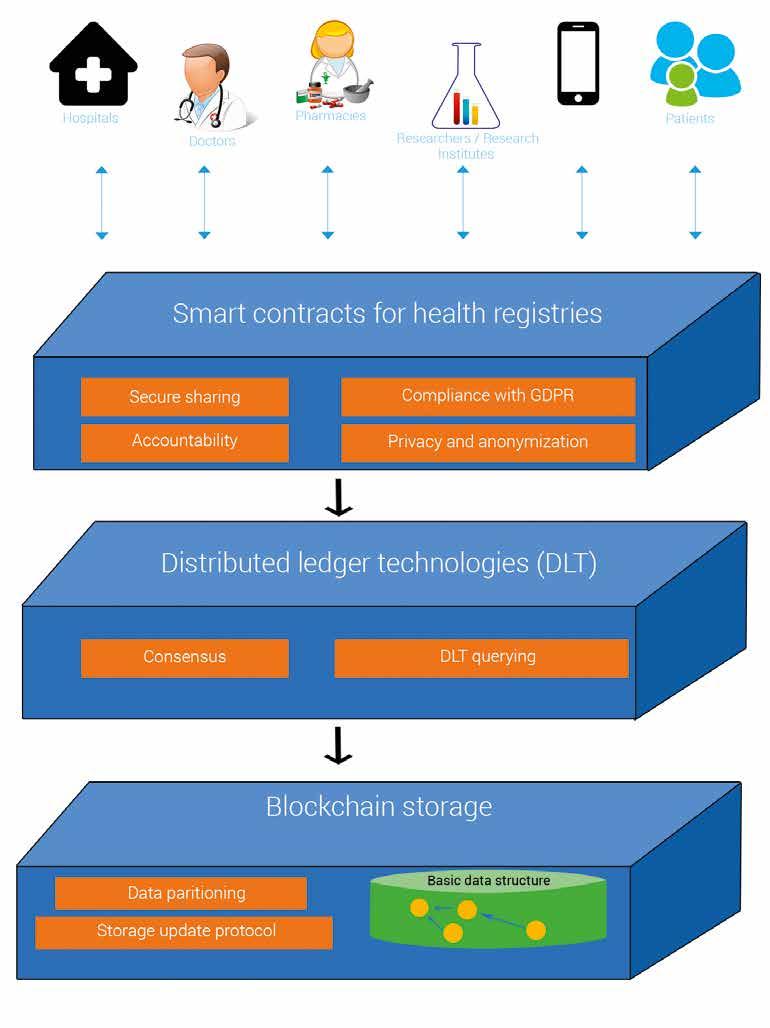
Researchers in the project are working to provide transparency and verifiability on how data is used to those individuals who do consent. The challenge is to provide an overview without revealing anything of a personal nature. “We are developing a system to make sure that data which is identifiable to patients is handled in a correct manner that maintains privacy,” continues Nygård. Blockchain, a type of distributed ledger, is a key enabling technology towards providing improved accountability for patients. “Blockchain improves - or facilitatesauditability, transparency and verifiability,” stresses Professor Vitenberg. “A patient should ideally be able to see who has access to their data, at what point in time, how it was used, and what the goal was.”
The pursued technological approach
A patient should also be able to consider whether they consent to their data being used at every stage of a medical research project. A medical research project typically has multiple stages, from initial proposal and approval through to maintenance as the project progresses. “These stages are not necessarily sequential, they can happen in parallel. It’s non-trivial to make sure that the correct policy is upheld at every stage,” says Professor Vitenberg. The correct policy may vary at these different stages, while there are also multiple, distributed roles within a project to consider. “There is a data controller, a data processor, and also an auditor. Different verifications are performed by different actors, which all adds to the overall complexity,” continues Professor Vitenberg.
possible to essentially re-run the contract and check that it’s been executed correctly, which is an important aspect of the project.
An independent third party could then assess whether the cancer registry had complied with all the legislation, demonstrating a commitment to maintaining privacy standards. This is central to public trust in the CRN, which will then allow medical researchers to make effective use of the data it holds. “The data held by the CRN has traditionally been used more for etiological research, but increasingly it’s being used to evaluate new treatments. We also monitor the quality of cancer care at the hospital level,” says Nygård. There is a lot of interest in this technology from health registries covering other diseases, but there is still more to do
“The Norwegian cancer registry takes care of huge amounts of valuable healthcare data, which is essential to the development of new, more effective treatments. At the same time they need to comply with privacy regulations.”
Researchers are now using blockchain technology and smart contracts to provide solutions for healthcare registries. Blockchain technology itself consists of a few well-defined layers, which determine how data is stored. “One essential contribution of blockchain technology is to create a decentralised trust. Any single change needs to be agreed across different nodes in a system running the blockchain technology. If different nodes represent different organisations, then all those organisations need to agree upon every single change to the data. That is essentially the consensus layer,” explains Professor Vitenberg. “On top of the consensus layer there is a business logic and the smart contract layer, which is essentially a piece of code implemented in software.”
Smart contracts
The smart contract uses the data stored on blockchain to execute the same procedure on every node in the system, in accordance with the commonly accepted rules. A copy of blockchain is executed everywhere, and therefore the execution of the contract can be easily verified, which Professor Vitenberg says is one of the main advantages of this approach. “Everyone who has rightful access to the data can run the smart contract later on, and verify that the ending state of the blockchain is correct,” he outlines. It’s also
before it can be widely applied. “We need to prove the practicality and safety of our approach,” continues Nygård.
The primary focus in SmartMed at this stage is more exploratory research however, with the project team investigating the benefits of applying blockchain technology and smart contracts in the storage of healthcare data. Researchers at Simula Research Laboratory, one of the partners in the project, have also investigated software engineering aspects of blockchain-based solutions. “We looked to ensure the quality, performance, reliability and other properties of blockchain-based solutions. We ran a survey paper on this, and then followed it up with experimental studies,” says Dusica Marijan, Senior Research Scientist at Simula.
This work represents an important contribution to the goal of facilitating information sharing amongst health registries while at the same time maintaining privacy standards. “It’s very important to us to be transparent in what we’re doing with the data, to give each patient the ability to audit us, and to do that without compromising information security and privacy,” says Nygård. “There is still quite a high level of trust in governments and organisations like the CRN in the Nordic countries, but that’s because we take part in these sorts of initiatives and provide citizens with reassurance that we are transparent.”
SmartMed
Secure and accountable sharing of medical records using smart contracts and blockchain Project Objectives
The primary objective of SmartMed has been to facilitate solutions to the challenges of secure data sharing that healthcare registries are facing today. The project has contributed to this objective by leveraging on the rapidly developing technology of blockchain and smart contracts. The results have the potential to impact many millions of cancer patients and people participating in cancer screening programs and the way their data is shared.
Project Funding
This work was supported by the Research Council of Norway through IKTPLUSS Program under Grant 288106.
Project Partners
https://www.smartmed.no/partners.html
Contact Details
Project Coordinator, Professor Roman Vitenberg Department of Informatics University of Oslo. Gaustadalléen 23B 0373 Oslo
T: +47 22 85 04 93
E: romanvi@ifi.uio.no
W: https://www.smartmed.no/
Prof. Roman Vitenberg
Jan Nygård Dusica Marijan
Dr. Roman Vitenberg is a professor at Department of Informatics, University of Oslo, and director of the Blockchain Lab operating the Norwegian EBSI node. His research interests are broadly in the area of distributed systems and algorithms.
Dr. Jan Nygård heads the Registry Informatics Department at the Cancer Registry of Norway at the National Public Health Institute and is an adjunct associate professor in Machine Learning at the Arctic University of Norway.
Dusica Marijan is a senior research scientist at Simula Research Laboratory. Her research interests include verification and validation of complex data-driven systems using artificial intelligence techniques, ensuring multiple trustworthiness properties, such as robustness, security, and explainability.
Building towards a healthier future
The design of a neighbourhood has a major influence on the health of the people living there. Researchers in the Building Health project are investigating how environments can be designed to promote the health of local residents, which could then reduce the strain on health and care services, as Stine Hellum Braathen and Hege Hidle Aaser explain.
There is growing demand for health and care services across Europe, with more and more of us living well into old age, and this demand is only set to intensify further over the coming years. This is likely to put great strain on already stretched health services, leading researchers to investigate new ways of promoting health and helping people maintain their independence for longer. “There is a need to design a society that helps people take care of their own health and the health of those around them in a more communal way, and in their own home environment,” says Stine Hellum Braathen, a research manager in the Department of Health Research at SINTEF, one of Europe`s largest independent research institutes. This issue is central to the Building Health project, an initiative funded by the Norwegian Research Council, which brings together the leading Norwegian real estate company, Linstow, and SINTEF to study and test how changes in the local built environment can facilitate health-promoting behaviour.
Local environments
The nature of the local environment is an important factor in this respect, as the design of a neighbourhood can encourage physical activity and social engagement, both important factors in individual health. As part of the project, researchers are looking at several developments designed to promote health, including a village specifically for people living with dementia, located in the municipality of Baerum near Oslo. “Both the buildings and the external environment in the village have been built in particular ways in order to promote health,” outlines Braathen. The project team are looking both at the design of the village and also how it is being used by residents, with the aim of gaining deeper insights into the factors which affect people’s health, which can then inform future real estate projects. “What exactly has been done to promote people’s health in this village? What was the intention when it was built? Are people using the environment and buildings in the way which was originally
envisaged?” continues Braathen.
This is just one of the case studies within the project, with researchers also gathering data from several other locations designed to facilitate health-promoting behaviour, including a cancer rehabilitation centre in Denmark. From this work, Braathen and her colleagues in the project hope to identify the underlying factors that make a location enjoyable and stimulating for people, which could then have a positive impact on their health. “How can we create places where people want to go? Where people want to move around and be active? For example, we want as many people as possible to take the stairs within a building. What exactly is it that makes people take the stairs rather than the lifts?” she says. A wide variety of factors may be involved here, such as the placement of stairs, lighting on the stairs or the amount of space in the lift, with researchers in the project looking to understand which features can promote health in an urban environment, and which don’t. “A lot of different things
“We are looking at how local environments can be designed to enable people to live at home for longer, and to care for their own health and the health of those around them in a more communal way.”
can affect how people experience a place, depending on their needs,” explains Braathen.
The age of the residents is an important consideration in this respect, with the project looking primarily at two groups, namely families with children and young people, as well as elderly people with and without reduced cognitive abilities. While these groups have different needs, there are some commonalities, in particular they both need space to meet and the opportunity to exercise and enjoy the natural world. “There are a lot of changes that can be made in the environment which can potentially promote health, but we still need to better understand what it takes for people to change their behaviour in a way that promotes their health in practice,” stresses Braathen. This research holds wider relevance to Linstow, a company with experience of developing and operating health centres, which provided part of the impetus for the project. “We learned a lot from healthcare service providers, and we saw the challenges they were facing,” says Hege Hidle Aaser, Director of Health at Linstow. “We saw the potential for us as a business - and also for wider society - to learn how to combine real estate development and health knowledge, from the people who were providing the services.”
Real estate development
Linstow Health`s aim is to contribute to enhanced public health and improved quality of life. Linstow works to enhance
health promoting behaviours throughout the lifespan. The innovation focuses on how the built environment can be designed to support physical activity and social inclusion, and how work processes for creating new spaces must change to achieve this in practice.
As a real estate company, Linstow ultimately hope to apply the insights and new knowledge gained in the project across different types of development, in particular urban developments. Cost is of course an important factor here, and while some features can be added to a project without adding significantly to the cost, others will be more expensive. “Some things will certainly cost more, and that then raises question around cooperation between stakeholders. How can we do things in a smarter way?”
says Aaser. This is a topic of great interest in the project, with researchers looking at new ways of cooperating with local stakeholders, which could then lead to the inclusion of health-promoting features in a wider range of developments. “We have to be creative and bring together the right people and build new models of cooperation,” continues Aaser. “This is a long process, and we don’t expect to find a solution in one single project. As part of the current project, we’re looking at Linstow’s work processes and investigating potential new partnerships.”
This could be with volunteer organisations and other local bodies for example, who could then play a role in shaping real estate and urban developments in their area. Researchers in the project are also studying
BUILDING HEALTH
Building Health – health-promoting urban development
Project Objectives
We need more knowledge about what makes places and buildings contribute to better health for people who live, work and meet there. It is not only about what is inside the buildings, but also the area and life between them. Through the research and innovation project Building Health, we develop and systematize knowledge about what promotes health in practice. We are also looking at the need for new collaboration models to realize such places.
Project Funding
The project is financed by the Research Council of Norway under the innovation program Innovation in Business (IPN) and will run until 2026.
Project Partners
• Linstow (Project Owner)
• SINTEF (Research Partner)
Contact Details
Hege Hidle Aaser
Director Linstow Health
T: +47 23 11 96 22
E: hege.aaser@linstow.no
W: www.linstow.no
Stine Hellum Braathen
Unit: SINTEF Digital Department: Health Research
Office: Oslo
T: +47 98 23 04 72
E: stine.h.braathen@sintef.no
W: www.sintef.no
Hege Hidle Aaser is Director at real estate company, Linstow`s Health Division. She holds an MBA (Norwegian School of Economics and Business Administration) and has honed her expertise through academic exchanges at renowned institutions such as the University of Saint-Louis in Senegal, the FIT in USA and the Bocconi Business University in Italy. With more than 20 years of diverse experience spanning various industries, her expertise ranging from strategic investments to business development, and management.
Stine Hellum Braathen is research manager at SINTEF Digital, Department of Health Research. She holds a BA in Anthropology (University of Western Australia), a Master of Philosophy in International Community Health (University of Oslo, Norway) and a PhD in Psychology (Stellenbosch University, South Africa). Her research experience revolves around health promotion, participation, and inclusion of vulnerable groups.
Linstow’s current working processes, as the company looks to make health promotion a core part of their working operations. “We’re looking at how Linstow can work in a different way, in order to incorporate health promotion in their projects,” explains Braathen. The next step will then be to take the project’s research and develop it into something that can be useful for Linstow in their operations, which Braathen says is a challenging task. “It’s often difficult to translate research insights into practical benefits,” she acknowledges. “We are in the process of collecting data from several different locations, and we hope that by the end of the project we will deliver results that will be useful for Linstow, in terms of increasing their ability to work with healthpromoting practices.”
These practices should ideally be invisible to residents, a natural or relatively unobtrusive part of the design of a development, which will then facilitate health promoting behaviour and help people to maintain their independence for longer. This is a goal that we all share, and Aaser believes well-designed
neighbourhoods can be an important step towards achieving it. “As a company, we want to work in that direction,” she stresses. The wider context here is the goal of promoting health across the population and in the process reducing the strain on health and care services, a goal in which all sectors of society have a role to play. “We need all sectors to participate in health promotion and in caring for health. The health- and care sector is under great strain at the moment, and the issue is growing more acute over time,” says Braathen. “This is not just an issue for health and care systems, we need to look at this from a broader perspective, and many different actors from across society need to be involved.”
Hence, the objective is to raise the knowledge of all stakeholders involved in urban planning an ddevelopment to ensure that designs genuinely inspire everyone to embrace a more active and socially engaged lifestyle. This approach has the potential to generate substantial societal savings and elevate the quality of life for all.
Stine Hellum Braathen Hege Hidle Aaser
Revolutionizing Treatment for Immune-Mediated Inflammatory Diseases
We spoke to Dr Sara Marsal, MD PhD, coordinator of the DocTIS project, which aims to drastically improve the prognosis of immune-mediated inflammatory diseases (IMIDs) by identifying highly effective combinatorial therapies for these patients.
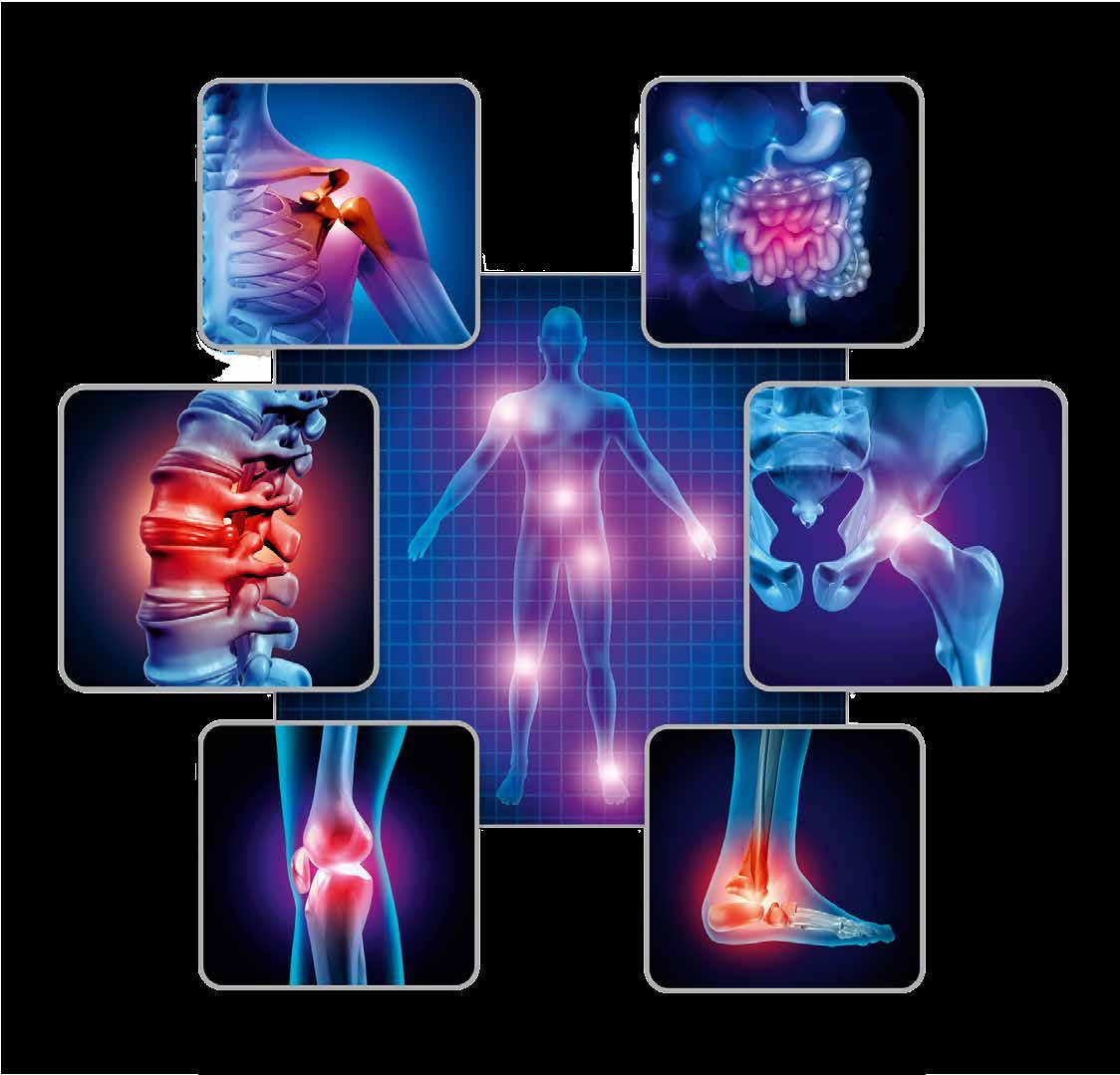
The DOCTIS project (Development of Combinatorial Therapies for ImmuneMediated Inflammatory Diseases) represents a pioneering research initiative aimed at revolutionizing the treatment landscape for immune-mediated inflammatory diseases (IMIDs), such as rheumatoid arthritis, psoriasis, ulcerative colitis, systemic lupus erythematosus, psoriatic arthritis, and Crohn’s disease. These conditions, which result from the chronic, inappropriate activation of the immune system, significantly diminish the quality of life for millions and pose a heavy burden on healthcare systems. Despite advances in therapy over the last two decades, many patients continue to see poor results or eventual loss of response, leading to the discontinuation of treatments.
Led by a consortium of international experts across clinical, biological, computational, and epidemiological domains, DOCTIS aims to transform treatment approaches in IMIDs by identifying synergistic combinations of existing drugs. By strategically combining
current approved treatments, the project seeks not only to suppress disease activity to the point of remission but also to decrease the necessary dosages, thereby reducing potential toxicity and the likelihood of therapeutic resistance. This strategy intends to enhance the efficacy of treatments, reduce side effects, and prevent resistance.
“Our goal is to employ advanced data analysis and systems biology to identify drug combinations that can effectively bring patients into remission,” explains Dr. Sara Marsal, MD PhD, coordinator of the DOCTIS project.
The DOCTIS project not only promises to extend the effective lifespan of current therapies but also represents a costeffective strategy that could alleviate the financial strain on healthcare providers.
“Our approach could fundamentally alter how we treat IMIDs by shifting the paradigm from single-drug treatments to tailored combinatorial therapies that are precisely matched to a patient’s specific condition,”
Dr. Marsal adds, highlighting the project’s potential to set new standards in personalized
medicine. With a robust framework for clinical trials and collaborations across various European and North American institutions, the DOCTIS project is poised to make substantial contributions to the field of immunology and patient care.
Central to the DOCTIS project is its use of high-quality human samples from both IMID patients and healthy controls, combined with curated real-world clinical data and diverse sources of high-quality omics data. This comprehensive approach enables the project to employ advanced computational and systems biology methods to discover synergistic drug pairings. These pairings will subsequently be tested in clinical trials, beginning with detailed patient and sample selection processes as outlined in Work Package 3 (WP3). The clinical data gathered is of granular quality, and the samples are stored in the IMID-Biobank at the Vall d’Hebron Research Institute, which has collected samples from over 17,000 IMID patients.
The DOCTIS project is a collaborative effort involving ten leading partners from
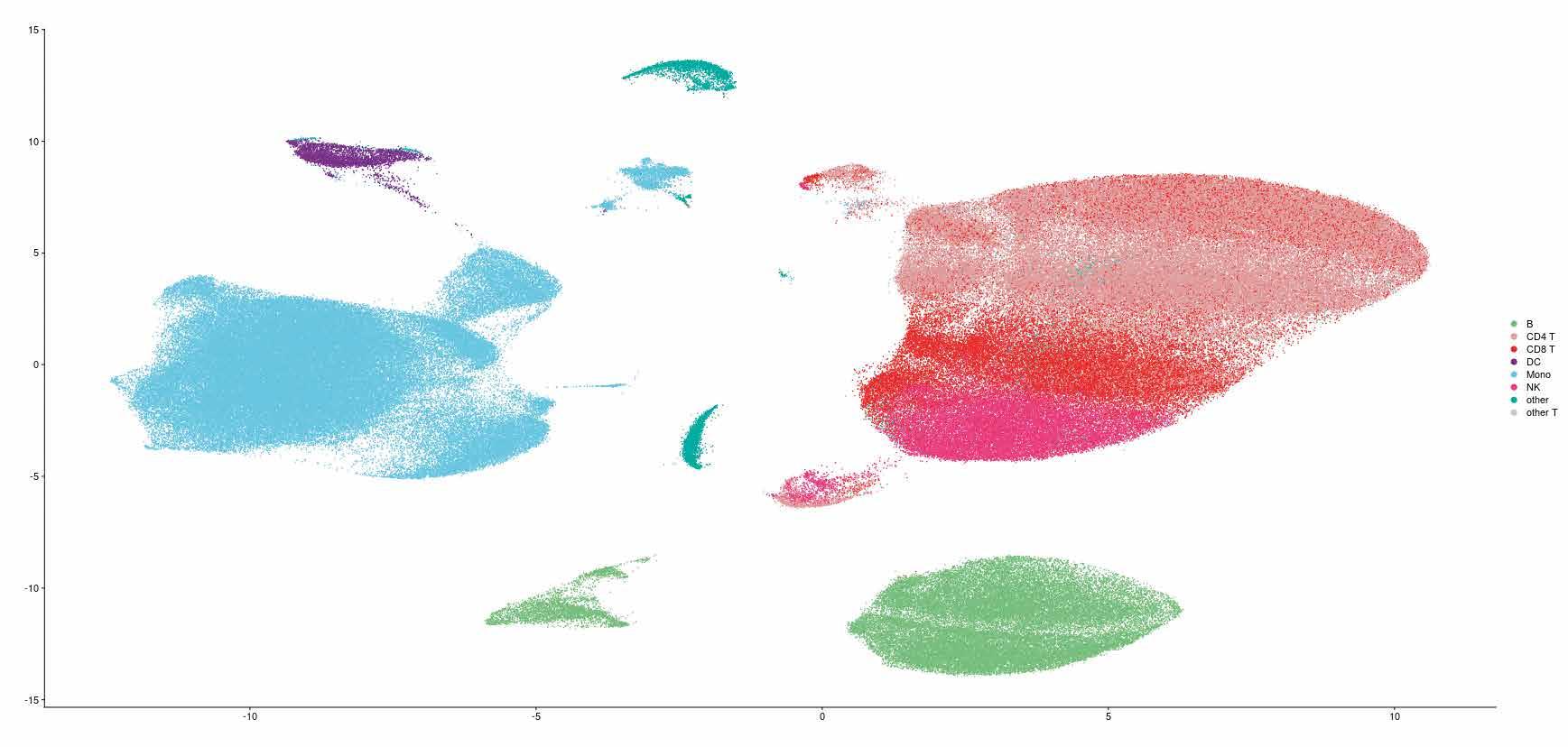
Map of millions of blood cells analyzed using single cell sequencing technology in DoCTIS. Each dot represents a cell and they are colored according to the main cell lineages (legend). ScRNAseq allows to analyze the expression of all the 20,000 human genes in each cell type.
public, private, and non-profit sectors, each bringing unique expertise to tackle immunemediated inflammatory diseases (IMIDs). Among these, the Vall d’Hebron Research Institute (VHIR) in Catalonia stands out for its expansive research from basic science to clinical trials. The National Center for Genomic Analysis (CNAG-CRG) in Spain is also included in this project. It is known for its leading-edge genomic sequencing capabilities. Cardiff University contributes with its advanced medical education and research programs, enhancing the health and wealth of populations globally. The Consorci Institut D’Investigacions Biomediques August Pi i Sunyer (IDIBAPs, Spain) integrates basic and clinical research, aiming for groundbreaking advancements in biomedicine. The University of Verona (Italy) brings its extensive expertise in dermatology and Charité – Universitätsmedizin Berlin (Germany) is a top-tier medical research center in gastroenterology. Across the Atlantic, the non-profit organization HudsonAlpha Institute furthers the project with its commitment to genomic medicine and scientific discoveries in health. The biotechnology company IMIDomics specialized in drug discovery and precision
medicine for IMIDs, is a key factor that is fostering the translation of the findings of the project into the healthcare sector. Finally, Zabala enhances the project with specialized consultancy in R&D and innovation management, ensuring efficient technology transfer and project execution. Together, these partners form a powerful consortium equipped to make significant advancements in the treatment of IMIDs.
where systems biology methods are used to integrate this detailed data to identify the most complementary pairs of drugs for single-cell analysis, which are revolutionary in biotechnology. These methods allow us to examine each cell individually, providing a deeper understanding of biology and enabling us to tailor treatments more effectively,” explains Antonio Julià, Chief Data Scientist at IMIDomics.
“Our goal is to employ advanced data analysis and systems biology to identify drug combinations that can effectively bring patients into remission”
Advancing Genomic and Single-Cell Technologies
Among other advanced methods, the researchers in DoCTIS are using established bulk transcriptomes omic as well as cutting-edge single-cell technologies to analyze vast datasets from IMID patients. These methods allow an unprecedented characterization of the biological processes and cellular dynamics occurring in inflammatory diseases. This dual approach is critical in Work Package 5,
Transitioning into The Critical Phase of Preclinical Validation and Clinical Trials
Building on the technological and clinical advancements, the DOCTIS project is now transitioning into the critical phase of preclinical validation and clinical trials as part of Work Package 8 (WP8). This stage is essential to provide a proof of concept of the strategy used to identify combination therapies is powerful but, mostly, to provide a new and better way to treat IMID patients.
The clinical trial is designed to validate the effectiveness of the drug combinations in achieving remission. Also, while the drugs that are being combined are secure and have been used safely in many millions of patients, it is important to evaluate the presence of side effects. The outcomes of these trials have the potential to significantly alter treatment protocols for IMIDs, shifting from a one-size-fits-all approach to a more individualized approach.
Impact on Healthcare, Policies, and Regulatory Changes
The introduction of DOCTIS’s combinatorial therapies is projected to significantly lower healthcare costs. This therapeutic strategy is designed to be more effective, have fewer side effects, and reduce treatment failures, thereby alleviating the financial strain on healthcare systems.
The results of the DOCTIS project may also lead to changes in healthcare policies. This would ensure that new and effective treatments reach patients faster and without bureaucratic delays.
The techniques developed through the DOCTIS project hold promise for application to other chronic conditions. By applying the project’s methodologies to other common diseases, there’s potential to spark a wave of new research and innovative treatments across various medical fields.
DOCTIS also emphasizes the importance of a multidisciplinary approach in medical education. Future training programs might integrate genetics, systems biology, and personalized medicine more deeply, equipping new healthcare professionals with the skills needed to implement these advanced treatment strategies.
Over the next two years, DOCTIS plans to expand its research and forge new partnerships, aiming to reinforce its impact on medical research and patient care. This long-term vision underscores the project’s commitment to pioneering new standards in healthcare, redefining how diseases are treated and managed globally. DOCTIS is not only transforming the treatment landscape for IMIDs, but also demonstrating what’s possible in modern medicine.
DocTIS
Decision on optimal combinatorial Therapies in IMIDS using Systems Approaches
Project Objectives
DOCTIS utilizes good-quality human samples from IMID patients and healthy controls, curated real-world clinical data, different sources of high-quality omics data, state of the art animal model testing, and advanced computational and systems biology to discover synergistic drug pairings to be tested in an innovative clinical trial.
Project Funding
The DoCTIS project has received funding from the European Union’s H2020 research and innovation program under grant agreement 848028.
Project Consortium
Coordinator:
• Vall d’Hebron Institut de Recerca (VHIR)
Partners:
• Centro Nacional de Análisis Genómico (CNAG-CRG) • Cardiff University • Consorci Institut D’Investigacions Biomediques August Pi i Sunyer (IDIBAPS) • Karolinska Institutiet • University of Verona • Charité –Universitätsmedizin Berlin • HudsonAlpha Institute for Biotechnology • IMIDomics • Zabala Innovation https://doctis.eu/project/consortium/
Dr. Sara Marsal, MD PhD, is the Head of the Rheumatology Service at Vall Hebron University Hospital, founder and director of the Rheumatology Research Group and the IMID-Biobank at Vall Hebron Research Institute, and professor of Rheumatology at the Autonomous University of Barcelona. She is Co-Founder and Chief Medical Officer of IMIDomics, Inc.
Antonio Julià, PhD, is the Head of the Rheumatology Group at Vall d’Hebron Research Institute and Chief Data Scientist at IMIDomics. He is an expert in using genomic approaches to characterize the basis of IMIDs. He has coordinated bioinformatics and clinical data analysis for several largescale public-private partnership projects focused on translational research in IMIDs, utilizing high-throughput technologies and nationwide patient collections.
Dr. Sara Marsal Antonio Julià
Precise drug delivery to enhance therapeutic effectiveness
Researchers in the HeatNMof project are developing innovative new materials to deliver drugs precisely to anatomical locations within the human body. These novel materials are designed primarily for cancer therapies, offering the potential to enhance therapeutic effectiveness while mitigating treatment-associated adverse effects, writes Patricia Horcajada
The nanomedicine sector is experiencing rapid expansion, and research into new materials and technologies designed to improve cancer treatment and aid drug delivery continues apace. Metal-Organic Frameworks (MOFs), a class of ordered porous multifunctional materials, hold great potential in drug delivery, in large part due to their porosity and structural versatility. This adaptability, driven by the tunable structural and chemical properties of MOFs, allows for their application across a broad spectrum of domains, including therapeutics delivery to treat different types of cancer.
HeatNMof project
This topic constitutes the focal point of the HeatNMof project, an EU innovative training network that amalgamated partners from the academic and industrial sectors to develop new materials for application in nanomedicine. Within this context, a consortium of researchers endeavoured to create novel materials tailored for the treatment of diverse cancer types, including pancreatic, breast, and glioblastoma.
The project notably underscored the synthesis and characterization of MOFs, materials well-suited for the targeted delivery
of pharmaceutical agents to a specific site in the body. The high surface area of these MOFs means they can be loaded with substantial amounts of drugs, while their adjustable porosity facilitates controlled release kinetics, a pivotal feature for delivering drugs precisely to the intended site of action. Precise drug delivery helps maximise therapeutic effectiveness by enhancing the efficacy of the payload and reducing potential side effects.
researchers have engaged in the synthesis of nanoscaled-MOFs (nanoMOFs) and MOF nanocomposites to achieve this objective. In particular, the development of nanocomposites involved the incorporation of inorganic particles, such as plasmonic or magnetic nanoparticles, to confer specific capabilities upon the MOFs.
Indeed, the integration of inorganic nanoparticles facilitates the trigger release
“Metal-Organic Frameworks, a class of ordered porous multifunctional materials, hold great potential in drug delivery, in large part due to their porosity and structural versatility.”
The consortium worked to both develop new MOFs and modify existing ones, as well as to enhance their functionalities. A major priority in the project was engineering MOFs for targeted drug delivery, which involved tailoring the pore size, surface functionality, and structural integrity of the different MOFs to align with the physicochemical properties of certain drugs.
Moreover, the project’s agenda also encompassed an exploration of material interactions at the nanoscale. Consequently,
mechanism. Notably, two primary stimulilight and magnetic fields - have been explored in terms of their potential to precisely trigger drug release from the nanocomposites at targeted sites within the body, such as tumours. These stimuli could produce a thermal or mechanical effect conducive to the controlled release of encapsulated drugs precisely at sites where they exert maximal therapeutic benefits, thus limiting their impact on healthy cells.
Part of the project team working in the lab.
Materials testing
The materials developed within the project have been meticulously tested with respect to their efficacy as drug delivery systems, with researchers striving for precision in treatment delivery and effectiveness. A variety of pharmaceutical agents, including doxorubicin, 5-fluorouracil, oxaliplatin, cisplatin, and gemcitabine, have been employed, either individually or in combination with each other (two drugs within the same carrier). Such research endeavours hold the promise of broadening the therapeutic repertoire available for various medical conditions.
The pursuit of a more refined approach to drug delivery, enabling precise localization within the body, holds the potential to facilitate the utilization of more potent pharmaceuticals against specific conditions, while minimizing collateral damage to surrounding healthy tissue. Moreover, the ability to administer multiple drugs utilizing a single carrier could also lead to synergistic effects, wherein the combined therapeutic efficacy is greater than the effects of individual drug entities. This opens up new avenues for addressing diseases that are currently difficult to manage with single-drug therapies.
The implications of the project’s research extend beyond the realm of the drugs and conditions that have been directly investigated. By demonstrating the feasibility and benefits of targeted and combination drug delivery using MOF composites, the project has inspired further research in this area, paving the way for the development of new treatments for a wide range of diseases. Further collaborations are planned and followup projects have been proposed, illustrating the promise of this field of research and its potential impact on medical treatment. This is further underlined by broader interest in the project’s endeavours, with commercial partners having played a pivotal role in shaping and guiding the research. While the pathway towards commercialization and eventual clinical implementation of these materials is multifaceted, the HeatNMOF project has laid crucial groundwork for advancing them to higher Technology
Readiness Levels (TRLs). The consortium has identified several interesting potential avenues of investigation, including the refinement of advanced MOF composites and combination therapies.
The Early Stage Researchers (ESRs) themselves hold potential significance in this ongoing research, whether they opt to pursue careers within academia or transition into the commercial sector. The project provided a comprehensive training program, designed to equip the ESRs with a variety of skills tailored to the highly competitive job landscape. Through secondments at partner institutions within the commercial sector, ESRs gained invaluable hands-on experience and insights into industrial practices.
This bridging of the gap between theoretical insights and practical applications is crucial for translating innovative research into tangible advancements in treatment modalities. ESRs gained a broader perspective, which encouraged innovative thinking and the development of problemsolving skills applicable across both academic and commercial domains. The opportunity to collaborate across disciplinary boundaries and the establishment of professional networks among researchers are highly advantageous for the ESRs, regardless of their career trajectory.
These skills are in high demand, particularly within the rapidly expanding nanomedicine field, so there is a clear need for advanced, multidisciplinary training to support its ongoing development. This strategic investment in training is pivotal for surmounting existing and emerging health challenges, as researchers endeavour to devise innovative solutions transcending the limitations of conventional drug delivery systems and herald a new era of treatment strategies.
HeatNMof
Heating triggered drug release from nanometric inorganic – metal-organic framework composites
Project Objectives
The HeatNMof project aims to develop intelligent multifunctional nanocarriers for challenging anticancer drugs. It utilizes biocompatible, highly porous nano-sized Metal-Organic Frameworks (nanoMOFs), integrated with plasmonic and magnetic inorganic nanoparticles. This approach enables specific control of reactions within living entities, like heat-activated drug release, and offers additional properties for imaging and/or hyperthermia therapy.
Project Funding
HeatNMof | 2023® This Project receives funding from the European Union’s Horizon 2020 research and innovation programme under grant agreement No 860942
Project Partners
https://heatnmof.eu/about-us/
Contact Details
Project Coordinator, Eduardo Mota
Espacio de Negocios LOOM Tapices
Calle de Vandergoten, 1 28014 Madrid (Spain) T: +34 91 548 54 59 E: eduardomota@rtdi.eu W: https://heatnmof.eu
1. Ceballos, M., Cedrún-Morales, M., et al. (2022). Highyield halide-assisted synthesis of metal–organic framework UiO-based nanocarriers. Nanoscale, 14(6789-6801). https://doi.org/10.1039/D1NR08305H
2. Lelouche, S. N. K., & Albentosa-González, L., et al. (2023). Antibacterial Cu or Zn-MOFs Based on the 1,3,5-Tris-(styryl)benzene Tricarboxylate. Nanomaterials, 13(16), 2294. https://doi.org/10.3390/nano13162294
3. Gedikoglu, N., Ostolaza-Paraiso, J., et al. (2024). Isoreticularity in a gallate- based metal–organic framework: Impact of the extension of the ligand on the porosity, stability and adsorption of CO2. Microporous and Mesoporous Materials, 367, 112968. https://doi. org/10.1016/j.micromeso.2023.112968
4. Ceballos, M., Funes-Hernando, S., et al. (2024). SeededGrowth of PCN-224 onto Plasmonic Nanoparticles: Photoactive Microporous Nanocarriers. Small Structures. https://doi.org/10.1002/sstr.202300464
5. Craig, T. M., Ajinkya, A., et al. (2023). Real-time tilt undersampling optimization during electron tomography of beam sensitive samples using golden ratio scanning and RECAST3D. Nanoscale, 15(5391-5402). https://doi. org/10.1039/D2NR07198C
6. Liu, Z., Zimpel, A., et al. (2023). Uptake and intracellular fate of fluorophore labelled metal-organic-framework (MOF) particles. Environment & Health, 1(270–277). https://doi.org/10.1021/envhealth.3c00075
7. Graván, P., Rojas, S., Picchi, D. F., Galisteo-González, F., Horcajada, P., & Marchal, J. A. (2024). Towards a More Efficient Breast Cancer Therapy Using Active Human Cell Membrane-Coated Metal–Organic Frameworks. Nanomaterials, 14(9), 784. https://doi.org/10.3390/nano14090784
Patricia Horcajada is Head of the Advanced Porous Materials Unit at IMDEA Energía. E: patricia.horcajada@imdea.org
Patricia Horcajada
Annual project meeting 2022.
New methods to strengthen NMR signals
Stronger alignment of atomic nuclei in Nuclear Magnetic Resonance (NMR) would enable significantly more detailed MRI scans. We spoke to Professor Malcolm Levitt, Bonifac Legrady and Mohamed Sabba about how they generated hyperpolarised nuclear states which provide a very strong NMR signal, how they plan to maintain the hyperpolarised states for a long time under ambient conditions, and the wider implications of their research.
The properties of atomic nuclei are the basis of nuclear magnetic resonance (NMR) and magnetic resonance imaging (MRI), which is an important tool in diagnosis and in monitoring the effectiveness of medical treatment. Atomic nuclei have a property called spin which causes them to be slightly magnetic. The magnetic nuclei align very weakly when placed in the strong magnetic field of an MRI scanner, which then detects changes in those nuclei when a radiofrequency field is turned on and off. “Around 1 in 100,000 atomic nuclei are aligned properly. Although that alignment is very small, it is still enough to perform NMR experiments and MRI,” outlines Malcolm Levitt, Professor of Chemistry at the University of Southampton in the UK. Stronger alignment of these atomic nuclei would lead to correspondingly stronger NMR signals, which would provide more information about internal structures within the body. “Currently MRI only detects how many hydrogen nuclei – protons – there are in a particular pixel. It can’t tell you which chemical substances are there,” explains Professor Levitt. “If the NMR signal was stronger, and lasted longer, then we would be able to get signals from individual chemicals.” Furthermore, if the strong nuclear alignment could be maintained for long enough, it would allow us to follow chemical reactions and metabolism, happening within the body.
Hyperpolarisation techniques
A number of hyperpolarisation techniques are available which lead to much stronger polarisation of atomic nuclei, essentially
increasing the number which are properly aligned. These hyperpolarised NMR signals have been used in MRI, yet the effect only lasts for a relatively short time, an issue that Professor Levitt and his colleagues in the FunMagResBeacons research project are addressing. “We are working with some phenomena we’ve discovered, in which the polarisation lasts for much longer,” he says. Several candidate molecules have been identified, one of which is a tworing structure called naphthalene, which has been modified for the project. “Our colleagues have produced this molecule with two 13C nuclei. We’re interested in this system because the techniques that we’ve been using are capable of aligning the two nuclear spins of the 13C nuclei such that they are opposite to each other,” continues Professor Levitt. “We’ve been able to show that this type of polarisation, which we call singlet order, can last for up to an hour, as
SINGLET
opposed to just a few seconds. Researchers in the project have taken this system to our collaborators in Lyon and performed some hyperpolarisation experiments.”
This research involves using a technique called dynamic nuclear polarisation (DNP) to generate hyperpolarised nuclear states, providing a very strong NMR signal. “We can follow how these quantum states evolve over time,” says Bonifac Legrady, a researcher also working on the FunMagResBeacons project. Whereas traditional triplet spin states decay in just a few seconds, these special singlet states produced by DNP last around 25 times longer, opening up the possibility of eventually using similar molecules as beacons in the body and enabling clinicians to follow processes over sustained periods of time. “We could hyperpolarise a substance, store a state, and then introduce that into the human body. Then with a switch we could switch these small magnetic resonance beacons on.
TRIPLET
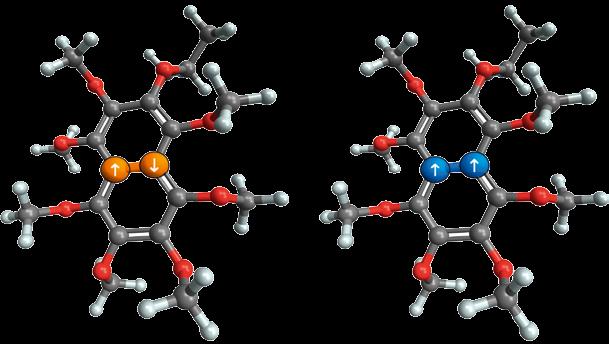
Molecular structure of the compound studied. At the junction of the aromatic rings, two 13C isotopes were synthetically introduced. These nuclei form a spin system that can support various spin states, such as those associated with singlet and triplet polarisation.
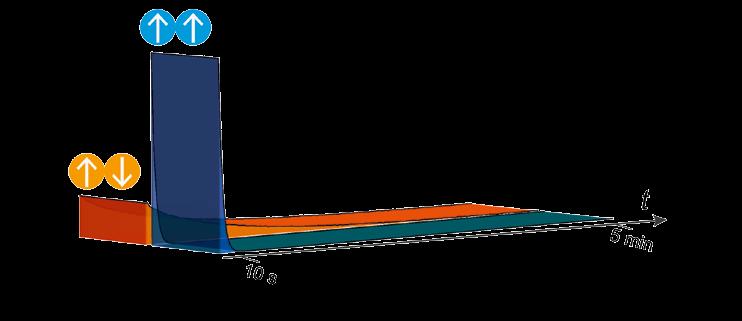
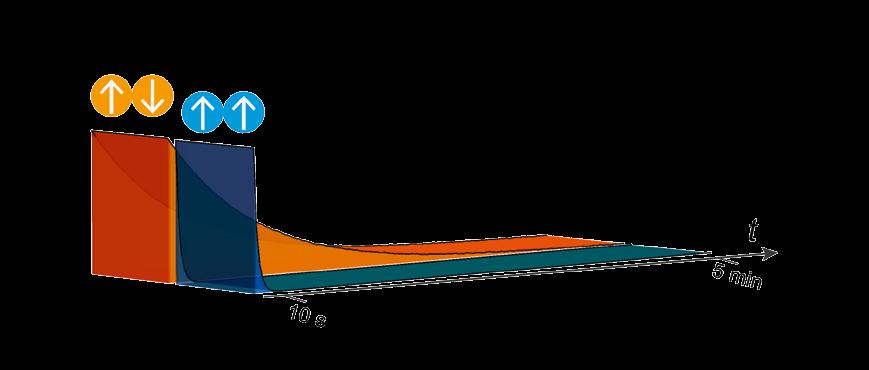
Experimentally determined decay of the singlet and triplet polarisation components following d-DNP. The singlet polarisation is long-lived, and decays orders of magnitudes slower than triplet polarisation, in favourable cases.
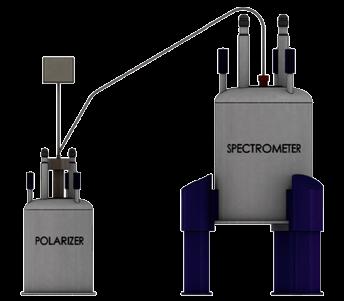
Experimental dissolution DNP setup
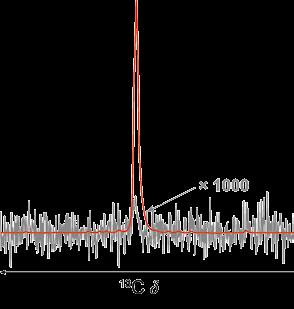
NMR signals with and without hyperpolarisation. The signal enhancement is ~10 000 fold.
We get a big flash, and we can track them in space,” explains Legrady. “We’ve been working on a switch, activated by a special sequence of radiofrequency magnetic fields, to convert the traditional triplet states into the special singlet state, exchanging the bright beacons and the dim beacons, and are also investigating other functionalities.”
A specific sequence of magnetic fields is used to effectively get at the stored polarisation. The molecule itself is designed in such a way that in order to put the polarisation in - and take it out again - a particular radiofrequency pulse sequence with certain timings has to be applied, which Professor Levitt says acts a bit like a key. “You need everything in just the right place to open the lock and get at the polarisation,” he says. The focus in this work is still on developing the underlying methodology, with more still to be done before these molecules can be applied
future and develop the technology further. A lot of progress has been made over the course of the project in developing the methodology and theory around the switch, providing sound foundations for continued development. “An analogy can be drawn here with paramagnetic relaxation, a phenomenon which has been known about in NMR since the ‘40s. There had been decades of research developing the theory of paramagnetic relaxation,” says Mohamed Sabba, a researcher working on the project. This work led on to the development of new contrast agents, which are used today in hospitals across the world, now researchers aim to develop the theory and methodology around these innovative molecular agents. “Although we’re developing the underpinning methodology around this, we’re a long way from actually using these agents in MRI,” stresses Professor Levitt.
“Currently MRI only detects how many hydrogen nuclei there are in a particular pixel, it can’t tell you which chemical substances are there. If the NMR signal was stronger, and lasted longer, then we would be able to get signals from individual chemicals, and image the progress of their chemical reactions.”
in MRI, while the project’s research also holds relevance to other fields. “We’re manipulating quantum objects called spins, and generating particular states, which are coupled together. This is a topic of interest not just in NMR and MRI, but also in other fields. For example, these types of manipulations are also used in quantum information processing and quantum computing,” continues Professor Levitt. “There is interest in using these long-lived singlet states as a sort of register in quantum computing. So our research holds relevance to the general area of quantum technologies.”
The FunMagResBeacons project itself is set to conclude later this year, yet Professor Levitt plans to continue his research in this area in
FunMagResBeacons
Functionalised Magnetic Resonance Beacons for Enhanced Spectroscopy and Imaging
Project Objectives
The FunMagResBeacons project designs molecules which can sustain a high degree of nuclear magnetic order for an extended time interval, prepares these molecules in a low-entropy hyperpolarised state, and uses sequences of magnetic fields to release the nuclear spin order in the form of strong and informative radio signals.
Project Funding
This project has received funding from the European Union’s Horizon 2020 research and innovation programme under Grant agreement ID: 786707.
Researchers are currently working to bring together and publish the results that have been obtained so far, which can then provide a strong basis for further grant applications. This research is also having a wider impact, with the project’s findings filtering into the work of other groups. “Some of the research that has been conducted as part of this project has spun offin some cases by other groups - into other areas which we didn’t really anticipate at the outset, and which are not directly related to what we have done,” continues Professor Levitt. “This is part of how the scientific dissemination process works. You develop a new type of tool, then somebody else comes along and sees that it is very useful for what they want to do.”
Malcolm Levitt has been a Professor in Physical Chemistry at the University of Southampton, UK, since 2001. His main interests are the theory and methodology of nuclear magnetic resonance (NMR), as well as spectroscopic and theoretical investigations of molecules conned to small cavities. His main research themes within NMR include the use of symmetry to control dissipation, and hyperpolarization techniques for the enhancement of NMR signals.
Sami Jannin has been a Professor at the Claude Bernard Lyon 1 University, France, since 2016. He is currently the leader of the Hyperpolarized Magnetic Resonance team at the High Field NMR Center in Lyon. His main research interests are the development of breakthrough instrumentation, methods, and applications in hyperpolarized magnetic resonance.
Singlet and triplet polarisation can be interconverted using specially designed radiofrequency pulses. Conversion of triplet to singlet polarisation allows storage of the overall polarisation in the spin system for much longer.
Malcolm Levitt Sami Jannin
Modern techniques to analyse ancient terraces
Researchers in the TerrACE project are using a variety of modern techniques to look at agricultural terraces in different locations across Europe, aiming to build a deeper picture of why they were initially created and what crops have been grown there at different periods, as Professor Antony Brown and Dr Daniel Fallu explain.
The history of agricultural terraces goes back thousands of years, and they have long been used as a means of improving productivity. One of the major theories behind why agricultural terraces were initially created is in response to population growth, as a way of meeting increased demand for food, yet Antony Brown, Professor of Geoarchaeology at the University of Tromsø Museum, believes this is not an entirely satisfactory explanation. “There’s not always a clear correlation between the construction of terraces and population increase,” he says. This is a topic Professor Brown is investigating as Principal Investigator of the TerrACE project, in which he and his team are investigating agricultural terraces from different periods at locations across Europe, including some which may have been created for reasons other than population growth. “Some of the more recent terraces we’re looking at date back to the 18th century. We think that these terraces were probably created to try and provide better food for the existing population,” he continues.
TerrACE project
These agricultural terraces have been relatively neglected in research, yet now the emergence of new techniques is opening up new possibilities. In particular a method called Lidar (Light Detection and Ranging) is revolutionising archaeology. “This involves the creation of a laser scan, which produces a high-resolution surface digital elevation model,” explains Professor Brown. The
project team is using Lidar and several other new techniques to build a deeper picture of why agricultural terraces were created, what was grown on them, and of why they may have been neglected at certain times before being re-used. “In the past we used pollen to look at what crops were grown on terraces, but now we use phytoliths, which are plant silica cells. We are also analysing ancient soil DNA (aDNA) from these agricultural terraces, which is the most risky and novel part of the project, as we didn’t really know whether any would be preserved,” outlines Professor Brown. “These new aDNA techniques haven’t really been applied yet on what you would call ancient soil sequences.”
This was one of the main drivers behind the wide geographic scope of the project, which spans a North-South transect, from terraces in Northern Europe right down to locations around the Mediterranean. This allowed
researchers to look at whether these new techniques would work better in some places than others, and to investigate the influence of the climate. “The received wisdom is that DNA is better preserved in areas with a mean annual temperature below 10ºC. That line roughly passes East-West through the Alps, so we wanted to look at sites both above and below that line across Europe,” says Dr Daniel Fallu, a postdoctoral researcher at the University of Tromsø Museum who is working on the project. Evidence from the project suggests received wisdom is not entirely accurate in this case, and that other factors are also involved. “Some of our best preserved sites were south of that North-South line. The mineralogical content of the soils seemed to be more important in the preservation of DNA than had perhaps been expected,” continues Dr Fallu.
Researchers have found that DNA is fairly well preserved at several sites in Southern
Drone use at Sint Martens Voeren, Belgium.
Lidar digital model of the terraces at Gueswick, northern England.
Part of the Terrace Team at Villar d’Arêne, France.
Europe, which will allow scientists to date agricultural terraces more accurately. Some of these terraces have been designated as Globally Important Agricultural Heritage Systems (GIAHS) by UNESCO, yet it has been difficult to establish how old they are, which Professor Brown says was a major motivating factor behind the project. “UNESCO want to preserve some of these terraces, as historic agricultural systems, because they have a high level of biodiversity,” he outlines. However, many terraces in southern Europe have been destroyed or damaged recently by heavy equipment, prompting a greater focus on these sites. “It’s possible to cultivate even quite steep slopes now using caterpillar tracks, which wasn’t feasible in the past with tractors. It’s becoming more practical to remove terraces,” continues Professor Brown. “That leads to the creation of very big fields, with a very high erosion risk. The evidence suggests that smaller fields don’t produce anywhere near as much erosion as large fields”
Soave wine reputedly the favourite of Emperor Augustus, Dr Fallu says evidence suggests they have also been used for different purposes at other periods. “The terraces date from around the turn of the 16th century. Analysis of DNA from the base of some of the terraces shows evidence of cannabis (hemp) cultivation. At the time Venice, in order to secure its fleet, had declared a monopoly on hemp production,” he
“Some of the more recent terraces we’re looking at date back to the 18th century. We think that these terraces were probably created to try and provide better food for the existing population and in some cases control soil erosion.”
Preserving terraces
The project’s work will prove highly valuable in dating these terraces and providing more historical information about how they have been used and re-used over time, so strengthening the case for their preservation. While agricultural terraces are part of the tourist industry in some locations, and can be used to grow a wide variety of crops, they can’t support large volume agriculture. “This is why they’ve been left behind in a lot of regions,” explains Dr Fallu. Researchers have been able to produce plant lists for some of the terraces studied, showing which crops have been grown there, and Professor Brown says they are highly versatile. “Terraces are normally irrigated, therefore you can grow crops with higher water requirements. Terraces can be thought of in a way as allotments on slopes, you can grow almost anything on them,” he outlines. “A lot of terraces were used for what we would describe as horticulture. In Sicily, tomatoes have been grown pretty successfully on terraces, as well as peppers and aubergines.”
Researchers have also uncovered some interesting historical details in the project, such as the crops cultivated in the region of Soave in north-eastern Italy, which is famous for its agricultural terraces. While it is commonly assumed that these terraces were built to cultivate grapes for wine production, with
outlines. This illustrates the flexibility of terraces, which opens up the possibility of using them to meet demand for certain crops – although maybe not cannabis – as opposed to importing them from far-flung locations. “If terraces are maintained properly, and there is an adequate water supply, they can be used to cultivate a variety of crops, and increase what we today call ecosystem services,” says Professor Brown.
The project itself is nearing its conclusion, with Professor Brown and his colleagues writing up a number of papers, including several on the methodologies used in TerrACE. Alongside the dating methods, phytoliths and DNA analysis, the project team have also used a number of other innovative techniques, which will help guide future research into agricultural terraces. “For example we have used luminescence dating in the project to look at how terraces are filled or re-worked over time. If soils have been mixed, we’ll get mixed luminescence signals between older and younger soils. Terraces are tricky to work with, but there are ways to make them less tricky,” says Dr Fallu. These novel methods could eventually be applied more widely in archaeology, while the project also has an applied dimension, related to heritage management and protection. “For example, the authorities in Soave can now add a bit more historical information about the terraces in their region,” explains Professor Brown.
TerrACE
Terrace Archaeology and Culture in Europe
Project Objectives
The project seeks to apply modern geoarchaeological and botanical techniques to the investigation of agricultural terraces across Europe. TerrACE aims to uncover how and when these landscapes were created, as well as what crops were cultivated in these engineered landscapes.
Project Funding
This is a five-year European Research Council grant funded archaeological research project under the direction of Tony Brown of the Tromsø University Museum.
Project Partners https://www.terrace.no/the-team
Contact Details
Tony Brown
Principal Investigator, Geoarchaeology Professor, University of Tromsø Museum Kvaløyvegen 30, Tromsø 9013, Norway E: antony.g.brown@uit.no W: https://www.terrace.no
Zhao, P., Fallu, D.J., Pears, B.R., Allonsius, C., Lembrechts, J., Van de Vondel, S., Meysman, F., van Wesemael, B., Six, J., Brown, A.G., Van Oost, K. 2023. Quantifying the soil properties relevant to SOC biogeochemical cycles by combining infrared spectroscopy with compositional data analysis. Soil & Tillage Research 231, 1055718 doi. org/10.1016/j.still.2023.105718
Brown, A.G., Fallu, D., Cucchiaro, S., Alonso, M., Albert, R.M., Walsh, K., Pears, B.R., Scaife, R., Langdon, C., Tarolli, P., Snape, L., Lang, A., Ascough, P., Zhao, P., Oost, K., Waddington, C. (2023) Early Bronze Age Agricultural Terraces in NE England: morphology, dating, and cultural implications. Antiquity 97, 348-366.
Tony Brown has 40 years of experience in geoarchaeology. A trained geomorphologist and palynologist he is now pioneering the application of sedimentary ancient DNA to archaeology. Daniel Fallu is an archaeologist with a focus in ancient land use practices and microscopic soil analysis. His research emphasizes the wealth of “invisible” evidence contained within the soils of archaeological sites and how this evidence is impacted by the passage of time.
Differential GPS survey of excavations at Choiromandres, eastern Crete.
Tony Brown Daniel Fallu
Return of the Otter
Native populations of Eurasian otters compete with humans for resources, in particular Atlantic salmon, which is now on Norway’s red list of threatened species. We spoke to Dr Marius Kambestad and Dr Rose Keller about their work in investigating the nature of the humanotter conflict, which could then lead to more effective strategies to manage otter populations.
The Eurasian otter was hunted quite extensively in Norway for much of the twentieth century, to a point where it was almost entirely extirpated from the whole country, before it became a nationally protected species in 1982. The otter population has since recovered to an extent in some coastal regions of Norway, but this has also led to conflicts with local people where humans and otters compete for the same resources, in particular wild Atlantic salmon.
“The biggest source of conflict between humans and otters in Norway is competition for wild salmon,” says Marius Kambestad, a researcher in the Climate and Environment division at the Norwegian Research Institute (NORCE).
Wild salmon is now on Norway’s red list of threatened species, entering it in the same year that otters went off it. “Otters are now of least concern, we think they are mostly doing fine, but salmon aren’t,” continues Kambestad.
RePress project
This has led to calls from local stakeholders to control the otter population and prevent them from preying on salmon. As part of his work in the RePress project, an initiative funded by the Research Council of Norway, Kambestad is seeking to build a deeper picture of how otters prey on salmon in the Sunnmøre region of Western Norway, which could then inform
future, non-lethal management strategies. “We tag salmon with radio tags, so we can track them with antennae along a river and gather data,” he outlines. “For example, if we tag 50 salmon in a river we can see where they are and determine their fate; did they survive long enough to spawn? Does sex and size matter in terms of survival prospects? Did the time of year matter, the water level? We can investigate these types of questions by tagging the fish.”
The project’s agenda also includes tagging otters, with the aim of understanding their hunting behaviour. A GPS tag fitted with an accelerometer will be attached to a number of otters, from which the research team hopes to pinpoint the locations in rivers where they choose to hunt salmon. “We want to find the hot-spots, and we will test various otter deterrents there,” says Kambestad. Salmon are
at great risk of being eaten at almost all stages of their lives, but as adults it’s when they enter rivers to spawn that predation really picks up. “Salmon need to spend a few months in a river to find their spawning habitat, compete for it, then lay their eggs. But this is a very vulnerable time with otters back, especially in smaller rivers,” continues Kambestad. “This is the natural situation, but over the last few decades Norwegian salmon have not really faced many predators in this stage of their lives.”
This may mean that some of the fish lack effective evasion strategies, a topic that Kambestad plans to look into in the project. Inter-breeding between wild and farmed salmon is one of the major reasons why salmon is now an endangered species in Norway, says Kambestad. “Farmed fish escape and inter-breed with local fish, while they also proliferate salmon lice,” he outlines. Genetic studies show significant inter-breeding in salmon populations in a high proportion of Norwegian rivers, and these fish tend to behave differently. “Farmed salmon are bred to be risk-takers. They are bred to grow fast and get food as quickly as possible,” says Kambestad. “Juveniles with these genes in nature are more liable to get eaten by predators, now our data from otter predation studies will allow us to test whether this is true for adults as well.”
An otter eating a salmon in the river Valldøla in Western Norway. Photographer: Vegard Lødøen.
Evidence of an unsuccessful otter attack: a salmon with a telltale bite mark. Photo by Marius Kambestad.
Managing otters
The wider context here is the goal of helping the Atlantic salmon recover, without resorting to culling their predators. Management measures must command public support if they are to be fully effective, and in general the Norwegian population is willing to take an active role in managing the natural world, as shown by recent international research on wildlife value orientations. “Norway’s samples stood out, with people more strongly oriented towards seeing themselves as taking an active role in nature, so determining what species belong where,” says Rose Keller, a researcher at the Norwegian Institute for Nature Research (NINA) who is also working on RePress. As part of her work in the project, Dr Keller is looking to assess public attitudes towards otters. “We launched a national survey to look at people’s perspectives,” she outlines.
The aim is to understand people’s relationship with their local environment and gauge their views on the extent to which humans should try to manage or control the natural world. These attitudes are underpinned by different values and belief structures, with research showing that age is an important factor. “We found that older people were more likely to support otter management measures than younger people,” explains Dr Keller. Understanding these attitudes is central to building support for management strategies, with some people in the region very dissatisfied with what they perceive as current non-management of otters, to a point where they have started illegally trapping them themselves. “There are strong calls for a management strategy. Many people don’t see letting nature take its course as a viable strategy,” says Kambestad.
“Salmon need to spend a few months in a river to find their spawning habitat, compete for it, then lay their eggs. But this is a very vulnerable time with otters back.”
This survey was conducted on both the national and regional level, and while there was broad agreement that otters attacking wild salmon could be a problem, differences emerged in terms of what action should be taken. The population of Sunnmøre generally supported otter control, compared to more diverse attitudes about otters (re)inhabiting rivers in Norway, but Dr Keller still expects that opinions on otters will vary widely in the region. “We expect that certain local stakeholders will probably be quite pro-otter (e.g., less active management and anti-private culling), others very much less so (pro-management and private/legal culling), and there will be a range of opinions inbetween (promanagement, not culling),” she says.
A fieldwork campaign will be conducted to gain deeper insights, in which local people will be asked to walk along a river then answer a series of questions. “We will be asking individuals to describe what seems to be a natural functioning system about their local area, and what it would be like with - or without - otters,” continues Dr Keller. Management options for otters include invasive acoustic or visual features in the local landscape, now Dr Keller aims to assess public opinion on these different nonlethal management strategies. “Local voluntary participants will answer questions and we will track their physiological response to the same management measures as the otters,” she outlines. “We want to see how they respond and if these management measures actually could result in unintended consequences related to social acceptance of otter management.”
Researchers in the project plan to hold interviews with local managers to gather more data, while regular group meetings are being held to provide updates on the project’s findings and guide its ongoing development. This active engagement with local communities will help build support for the otter management strategies under development. “We’re going to test deterrents in the river, three or four different ways of affecting otters so that they don’t kill as many salmon in these hot spots, where the populations are quite vulnerable,” outlines Kambestad. “If we find one or two that work, that could really make a difference.”
RePress
Return of the otter: Aggravation of humanwildlife conflict and potential for mitigation strategies for coastal areas under pressure
Project Objectives
The project investigates the human-wildlife conflict arising as the once extirpated Eurasian otter returns to salmon rivers along the Norwegian coast. We will quantify effects of otter predation on vulnerable salmon stocks and investigate otter behavior around predation hot spots. We will also evaluate stakeholder perspectives, reveal preferences for management strategies, and test non-lethal control measures.
Project Funding
Fully funded by The Norwegian Research Council. Industry partner Hofseth Aqua AS has also made a small in-kind contribution.
Project Partners
Project Leader: Norwegian Research Centre (NORCE), Norwegian Institute for Nature Research, University of South-Eastern Norway, Cornell University (US), UK Centre for Ecology & Hydrology, Hofseth Aqua AS (industry partner), Lakseelvene på Sunnmøre, Bergen Aquarium
Contact Details
Project Coordinator,
Dr Marius Kambestad, Researcher
Nygårdsgaten 112, 5008 Bergen, Norway
NORCE
T: +47 452 06 875
E: maka@norceresearch.no
W: www.norceresearch.no
Dr Marius Kambestad is an ecologist mainly focusing on freshwater ecology and conservation of salmonids. His work revolves around river restoration, predator-prey dynamics, population monitoring, and the effects of human interventions such as habitat alterations, aquaculture, and harvesting. Methods commonly used in his projects include fish telemetry, electric fishing, snorkeling surveys, and habitat mapping.
Dr Rose Keller is a research scientist for the Norwegian Institute for Nature Research: Nature, Society and Areal Department. She focuses on nature-based tourism in protected areas and has a background in research in academia and as a social scientist in the U.S National Park Service (Alaska).
Dr Rose Keller
An illegal otter trap found by a river in Western Norway. Photo by Marius Kambestad.
Using turbulence to guide salmon and eels away from turbines
Hydropower is an important source of renewable energy, yet dams and other facilities can represent a real threat to migrating fish like salmon and eels, with millions killed in turbines every year. Researchers in the FishPath project aim to exploit the innate response of fish to turbulence to develop an innovative system to guide fish away from turbines, as Dr Ana T. Silva and Dr Torbjørn Forseth explain.
A large number of dams and other hydropower facilities have been built on European rivers, and while they are a valuable source of renewable energy, they also represent a significant threat to migrating fish like salmon and eels. Bar-racks have been installed at smaller hydropower stations to prevent fish from entering turbines, however it has proved more difficult to find effective solutions for larger facilities, now researchers in the FishPath project are investigating a new option. “We are looking to exploit the innate behaviour of fish, their response to turbulent Eddies, to keep them away from turbines,” explain Dr. Ana T. Silva and Dr Torbjørn Forseth, the project’s leaders, and Senior Research Scientists at the Norwegian Institute for Nature Research (NINA). Turbulence itself is a very complex phenomenon, and researchers are looking to understand how fish respond to it.
“Fish have several sensory organs that are able to track things like water velocity,direction of the flow and turbulence,” continues Dr Forseth. “Our expertise lies in looking at how fish respond to these very different properties of the velocity and turbulence.”
Understanding turbulence
A fish might look to exploit a turbulent Eddy in some circumstances, while in others they might avoid it, a topic that researchers are investigating in the project. The goal is to identify the specifications of turbulence that will either repel or attract fish and use that information to developed a new guidance system for fish, with a focus on European eel ( Anguilla anguilla), and Atlantic salmon (Salmo salar). In particular researchers are looking at salmon smolts, the stage in their lives when they prepare to head out to sea. “It’s very interesting to try and find out how fish respond to turbulence. Changes in one parameter lead to different behavioural response,” Dr. Silva outlines. A number of campaigns and experiments have been conducted with fish
under laboratory conditions at the Hydraulic Engineering and Water Resources Management at ETH Zurich, helping the project team build a fuller picture. “We follow a very detailed approach in the lab, where we test the fish for different structures that we know go into producing certain types of Eddies, and explore how the fish respond to them,” says Dr. Silva
-ADV) and an optical technology, (Particle image velocimeter - PIV), generating a lot of information about the hydraulic characteristics of these Eddies. The next step is then to understand how turbulence influences the path of fish, from which researchers can then look to develop structures which create the right kinds of Eddies to guide them away from the turbines. “Most of the water flowing in a river close to a hydropower dam goes into the turbines, and you need to establish a bypass outside that. The main challenge is to guide the fish across that flow to the safe channel,” explains Dr Forseth. The structure is likely to be placed quite a large distance away from the main intake to a hydropower station ( where the velocities are very high). “The typical water velocity in an intake channel is more than a metre per second, which is too strong for most of the species so we need to work at slightly lower velocities,” continues Dr Forseth.
“We are looking to exploit the innate behaviour of fish, their response to turbulent eddies, to keep them away from turbines.”
“We ran some experiments with salmon smolts, and eels, looking at different types of Eddies. We characterised the hydraulics and analysed data on the response of the fish.”
The project team has also conducted computational fluid dynamics (CFD) modelling and physical measurements using an acoustic technology (Acoustic doppler velocimeters
This structure will be rigorously tested under laboratorial conditions, at different scales, from small scale at the Hydraulic Engineering and Water Resources Management at ETH Zurich in Switzerland, to medium scale in the Laxelerator, flume at R&D Vattenfall, in Sweden, with the goal of conducting a full-scale test in the Mandal river in southern Norway in 2026. The Mandal
Kamal P. Pandey, PhD student of FishPath, VAW at ETH Zurich
Visualization of eddies created by tested elements. VAW at ETH Zurich.
River did not attract salmon for a long time due to acidification, but the population has since recovered, now the aim is to provide safe passage past the intake to the Laudal power plant. “This is an example of the type of large hydropower station for which we need alternative solutions. We are targeting these larger facilities,” says Dr Forseth. The major focus of attention in the project is salmon and eels, but other migratory fish are also at risk, and Dr Silva is keen to look at whether this turbulence-based approach could prevent other species from entering turbines. “Hopefully we will have the opportunity to test this structure later on some cyprinids, a large family of carp-like fish that are common in Europe,” she says. “It is certainly possible that such structures could be used with other species. It will require certain adjustments and a deeper understanding of how these fish react to turbulence, but it’s something that we would like to look at in future.”
Protecting fish
The main target species at this stage is salmon however, with researchers working to achieve a high bypass rate. The initial results are very promising, and Dr Silva believes this structure holds a lot of potential in terms of reducing the numbers of salmon smolts killed in hydropower stations before they get out to sea. “Our findings so far suggest that this structure can lead to a very high rate of passage for salmon smolts past hydropower facilities,” she stresses. Eels
are proving more challenging, partly because less is known about them. “The general level of knowledge on the behaviour of eels is much poorer than it is for the Atlantic salmon, which is among the most well-studied fish species in the world,” says Dr Forseth. “We are still at a stage where we are trying to understand the fundamental response of the fish to the different turbulent Eddies. We know that specific types of turbulent Eddy influence fish, but the nature of that influence varies across different species, depending on their morphometrics.”
Other related projects are also ongoing, that will contribute to the wider goal of reducing the numbers of fish killed in hydropower facilities.“ For example we are working on using Artificial Intelligence (AI) to predict the paths of eels, which will then help us design more effective structures,” says Dr Silva. Researchers are also considering the characteristics of the fish at different life stages, with another project focused on kelts, large salmon. “A few salmon are able to return after spawning and prepare to spawn for a second or even third time. During this period of their lives salmon are called kelt,” explains Dr Forseth. “We are taking a similar approach to that followed in FishPath to understand how kelts react to hydraulics and how they can be guided away from the intake to a hydropower station. We are working on several projects in parallel, that we hope will open up some fresh insights.” says Dr Silva.
Observation of Vortices in Fluid Motion
Eddies in water were observed and first reported close to 500 years ago by none other than Leonardo Da Vinci. By describing the swirling water motion behind a bluff body, da Vinci provided the earliest known reference of the importance of vortices in fluid motion:
“Observe the motion of the surface of the water, which resembles that of hair, which has two motions, of which one is caused by the weight of the hair, the other by the direction of the curls; thus the water has eddying motions, one part of which is due to the principal current, the other to the random and reverse motion.”
“So moving water strives to maintain the course pursuant to the power which occasions it and, if it finds an obstacle in its path, completes the span of the course it has commenced by a circular and revolving movement.”
“... The small eddies are almost numberless, and large things are rotated
only by large eddies and not by small ones, and small things are turned by both small eddies and large” presage Richardson’s cascade, coherent structures, and largeeddy simulations, at least…”
Leonardo da Vinci was the first to sketch the water vortices that are now being used in the FishPath project. He was a pioneer in flow study and visualization with his sketches and observations.
FishPath
Turbulent eddies to create paths for safe downstream migration for salmonids and eel past hydropower intakes
Project Objectives
FishPath develops innovative eddy-based guidance structure to aid migration challenges, focusing on eddy-fish interactions. Using live-fish experiments and computational fluid dynamics models, we analyze eddies generated by specific structures to create guiding systems for salmon and eel. Flume experiments and live-fish trials refine designs, leading to full- scale tests in rivers.
Project Funding
This project was funded by the Norwegian Research Council (programme/activity ENERGIX; Project No.: 320700), with support from hydropower industry and the Norwegian Environment Agency.
Project Partners
Main Partners: • NINA • ETH Zürich • NTNU • NORCE • SINTEF Energy
International Partners: • University of Michigan • Technical University of Denmark, DTU • Karlstad University
Industry Partners: • Eviny, Fornybar Norge, Hafslund Eco, Sira-Kvina, Skagerak Energi, TrønderEnergi/ANEO, Å Energi, Vattenfall R&D, FishConsulting GmbH, Miljødirektoratet, Norges Vassdrags- og Energidirektorat (NVE)
Contact Details
Project Coordinator, Ana T. Silva Norwegian Institute for Nature Research – NINA Høgskoleringen 9, 7034 Trondheim, Norway
T: +47 455 03 711
E: ana.silva@nina.no
W: https://www.nina.no/FishPath
Ana T. Silva is a senior researcher at the Norwegian Institute for Nature Research (NINA). With nearly two decades of experience, she has dedicated her work to developing innovative solutions aimed at ensuring the safe migration of fish within regulated river systems. Her efforts are geared towards minimizing the adverse effects of human-induced alterations on aquatic biodiversity.
Torbjørn Forseth is also a senior researcher at NINA with more than 30 years of research on salmonid fish ecology and management. He has been working extensively with solutions to environmental challenges in hydropower regulated rivers and during the last 15 years with innovative solutions for two way fish migration.
Mecánica de los fluidos. Leonardo da Vinci. https://creativecommons.org/licenses/by-nc/4.0/
Ana T. Silva Torbjørn Forseth
Beneath the surface for new volcano imaging systems
Researchers found magma at an unexpectedly shallow depth in Iceland during a drilling experiment in 2009, underlining how much remains to be learned about the underground of volcanic systems. The Improve project team aims to take advantage of this encounter with buried magma to develop the next generation of imaging systems at volcanoes, as Dr Paolo Papale explains.
The Krafla caldera in northern Iceland is one of the most intensively studied volcanoes in the world, with sophisticated instruments and monitoring equipment providing large amounts of data about magmatic processes below the earth’s surface. Krafla holds particular interest to volcano scientists, as researchers know exactly where magma is located. “Magma was touched at Krafla during drilling operations in a 2009 experiment, which was part of the International Continental Drilling Programme,” explains Dr Paolo Papale, Research Director of the Italian National Institute of Geophysics and Volcanology (INGV). This 2009 experiment found magma at an unexpectedly shallow depth, just 2.1 kilometres below the earth’s surface, showing how much remains to be learned in this area. “We are still to an extent blind with respect to buried magma,” acknowledges Dr Papale. “This could have major consequences, as there are many places around the world where active volcanoes are close to highly urbanised areas.”
Improve project
This is where the Improve project, a European training network bringing together partners and beneficiaries from across Europe, comes in. The project team aims to build on this serendipitous 2009 encounter with magma at Krafla to develop improved geophysical and geochemical imaging systems. “We want to understand why existing systems still fail, and to develop new ones,” says Dr Papale, the coordinator of the project. There are nine PhD students conducting research at Krafla in the project, investigating different aspects of the underground parts of the volcanic system, which Dr Papale describes as the frontier
of volcano science. “We don’t have any direct observations of what happens underground, we only have models and inversions. We can do a lot with models, but the underground of volcanoes is still largely hidden to us, with the exception of this encounter at Krafla,” he continues. “Krafla is a unique case in terms of the potential it offers to improve our geophysical and geochemical imaging techniques.”
The project team are also working to
geothermal energy - then it rises up before cooling down and releasing energy.”
This is then extracted at geothermal power plants, providing a sustainable and renewable source of energy. However, current power plants are only scratching the surface in terms of the potential to produce geothermal energy. “Today we’re only using this very shallow geothermal energy, produced by circulating water from maybe hundreds of
“We want to reveal, image and characterise magma bodies at a higher level of detail than is currently possible, so contributing to reducing volcanic risks worldwide.”
characterise the magmatic body, alongside imaging it, building on data gathered from Krafla. This work involves several different strands of investigation. “We are studying stress distribution in the rocks around the volcano, simulating the thermo-fluid dynamics of the magmatic body, as well as looking at the thermal regime of the rocks around the magma,” outlines Dr Papale. This will help researchers understand what the magma looks like and the surrounding geothermal system, as well as how they are coupled, which Dr Papale says holds wider relevance to geothermal energy generation. “It’s that coupling which provides energy to the geothermal system,” he explains. “Geothermal systems work by using the energy associated with circulating fluids, rainwater which falls on the earth’s surface and which then goes down to a certain level. This shallow water is heated by magma - which is always the ultimate source of
metres or a km down into the earth’s crust, before then coming up,” says Dr Papale. In future, the hope is to go directly to the ultimate source of geothermal energy, which is magma; research at Krafla will contribute to this long-term goal. “The Krafla Magma Testbed (KTM) has been established with the aim of being the world’s first magma observatory,” continues Dr Papale. “From the scientific point of view, we want to really gain a deeper understanding of magmatic systems. From an engineering point of view, we want to investigate the possibility of producing energy directly from magma. This would be much more efficient than the conventional ways we have of producing geothermal energy today.”
Magma observatory
A series of wells will be drilled around and inside the buried magma body at Krafla, with a number of instruments directly monitoring it. Researchers will also be able to directly sample
The IMPROVE researchers exploring the Krafla volcano in northern Iceland.
The desolated landscape at Krafla during the Icelandic Summer.
magma, and to conduct innovative experiments that will lead to deeper insights into magma dynamics. “For example, we’ll be able to perturb the magmatic body a little bit. We will know what’s happening below the surface, because we will induce and control it, and then we can take measurements. We aim to gain fresh insights into how to interpret signals from active volcanoes” outlines Dr Papale. This will help researchers understand where magma is, what it does, and to anticipate what it will do in the future, which is of course a major concern for those living in the vicinity of active volcanoes. “We want to use our work at Krafla to understand volcanoes in general. The Krafla Caldera is similar in many respects to Campi Flegrei for example, a calderic system in southern Italy,” says Dr Papale.
This system is located very close to the city of Naples, and around 500,000 people live inside the caldera, with many more in the surrounding area. An eruption would have serious consequences, underlining the wider importance of the project’s work. “Campi Flegrei has one of the highest levels of volcanic risk in the world, some of the largest eruptions in European history have come from this volcano. It’s an active volcano and it’s been under unrest for the last 70 years, which means that it gives out signals. We know that Campi Flegrei will erupt, but we don’t know when,” stresses Dr Papale. The project’s work will help scientists
build a fuller picture of magma bodies, research which holds relevance to Campi Flegrei and several other locations across the world, not just Krafla. “For example, the city of Auckland in New Zealand sits within a large volcanic area, so that’s another area with a high volcanic risk. There are many other places close to active volcanoes,” continues Dr Papale.
The project’s research will help scientists understand the volcanic risk at these different locations, with nine PhD students working at Krafla in Improve. Each is focusing on a particular theme in their research, but also gaining a deep background knowledge which will help them to collaborate with scientists across disciplinary boundaries. “We want the students to be able to talk with experts from the different fields which contribute to our understanding of volcanoes,” says Dr Papale. The aim is to equip students with a broad range of skills, so that they are ready to then take the next step in their careers. “We want the new generation of researchers to be able to take a multi-disciplinary approach,” outlines Dr Papale. “We have different levels of training. During their PhD students get high level training in their specific discipline. We also organise network schools, which are more broad training events. We want to train the students to be the main actors in their research, and to grow into the leaders of the future.”
IMPROVE Research Insight
We spoke to two PhD students in Improve, Regina Maaß and Roberto Davoli, to get an insight into their research at the Krafla Caldera.
EU Researcher: What data have you been gathering from Krafla?
Regina Maaß: IMPROVE has collected a lot of different data. For example, we deployed several seismometers in order to record tiny ground vibrations induced by earthquakes.
Roberto Davoli: In my group we’re working on subsoils and rocks in the area. We study the permeability of rocks and look at how fluid flows in the upper part of the geothermal system, which is used for geothermal energy production.
EUR: What topics are you addressing in your research?
RM: My project aims to improve imaging in heterogenous media in general using seismic waves. We recorded more than 300 earthquakes in six weeks. These are really tiny,
local earthquakes with very low magnitudes.
RD: We mainly focus on lab experiments. We sample rocks from Krafla, then take them to Munich where we simulate conditions at different depths. We look at how petrophysical properties like strength and permeability are affected by pressure and temperature. We are looking at these changes in order to see how the fluid flow changes.
EUR: Could your research be applied in other areas beyond volcano monitoring?
RM: If we can develop techniques that facilitate imaging in heterogenous media, this could have implications for a diverse set of fields, as there are many applications where we want to know what the ground beneath our feet looks like. For example in installing wind turbines and monitoring groundwater.
IMPROVE
Innovative Multi-disciplinary European Research training network on VolcanoEs
Project Objectives
IMPROVE is a highly cooperative multidisciplinary network of European Research Institutes and Small-Medium Enterprises. In IMPROVE, 15 Early Stage Researchers are trained to innovative research in volcano science from monitoring and prospecting to advanced lab experiments, High Performance Computing, and Artificial Intelligence. Two volcanic target areas are Mount Etna in Sicily and the Krafla caldera in Iceland.
Project Funding
IMPROVE is a Marie Sklodowska-Curie European Training Network, with full title: “Innovative Multi-disciplinary European Research training network on VolcanoEs”. This project has received funding from the European Union’s Horizon 2020 research and innovation programme under grant agreement No 858092.
Project Partners
There are 9 academic partners + 3 industrial partners in the project.
https://www.improve-etn.eu/index.php/partners/
Contact Details
Paolo Papale, Research Director
Chair, Class of Exact Sciences, Academia Europaea Istituto Nazionale di Geofisica e Vulcanologia
Sezione di Pisa, Via Cesare Battisti, 53 56125 Pisa, Italy
T: +39 050 8311931
E: paolo.papale@ingv.it
W: https://www.improve-etn.eu/
Regina Maaß
E: maass@cp.dias.ie
Roberto Davoli
E: roberto.davoli@min.uni-muenchen.de
Roberto Davoli obtained two MSc titles from the University of Granada, the first one in Geophysics and Meteorology and the second in Geology Applied to Mineral and Energy Resources. Currently he is a PhD candidate in experimental volcanology at the LudwigMaximilians-Universität München (LMU), Munich, Germany, studying the evolution of permeability in Krafla’s geothermal field and associated seismo-acoustic patterns.
Regina Maaß earned her Master’s in Geophysics from the University of Hamburg in 2022. Currently she is pursuing a PhD in Seismology at the Dublin Institute for Advanced Studies, Ireland, specialising in passive seismic imaging in heterogeneous media.
Paolo Papale is Research Director at the National Institute of Geophysics and Volcanology (INGV) of Italy. He was previously coordinator of the Italian National Program in Volcanic Hazards (2005 – 2010), and Director of the INGV Volcanoes Division (2013 – 2016).
Roberto Davoli Regina Maaß Paolo Papale
On track to map seabird populations
Recent developments in tracking technology allow scientists to monitor seabird populations in greater depth than ever before. Researchers in the SEATRACK programme are working to map the non-breeding distribution of seabirds across the North Atlantic Ocean, with the aim of understanding their distribution at sea all year round, as Hallvard Strøm explains.
A wide variety of seabirds can be found across the North Atlantic, including gannets, puffins and guillemots. While long-term studies have been conducted on these birds while they are breeding in colonies, less is known about what happens after the breeding season when they leave their colonies. “We lack knowledge about what they do after they leave the breeding colonies – usually in late Summer – until they return in the following Spring or early Summer. So we lack knowledge about most of their life-cycle,” outlines former project leader (2014-2024) Hallvard Strøm and member of the SEATRACK project group. This is an issue researchers in SEATRACK aim to address. “We are working to map the nonbreeding distribution of seabirds on the North Atlantic scale,” explains Strøm. “We want to understand how these seabird populations move, so we need to monitor many colonies and species, over many years.”
Tracking seabirds
The development of new technologies like Global Location Sensors (GLS) and the Global Positioning System (GPS) has opened up new possibilities in this respect, making it significantly easier to track seabirds and gather data on their behaviour. The GLS logger is not particularly precise in terms
“We are working to map the non-breeding distribution of seabirds on the North Atlantic
scale. We want to understand how seabirds are distributed at sea all year round and how their distribution may change through time, so we need to monitor many colonies and species, over many years”
of pinpointing the location of seabirds, but Strøm says it has other attributes that make it suitable for large-scale studies on species migrating over longer distances. “It is very light – some models weigh less than a gram. They are relatively affordable and they have very little – if any – effect on the birds. They can also carry other sensors that can be used to understand other aspects of the birds’ behaviour,” he says. “These loggers are now
being used to track 16 of the most common species of seabirds in the North Atlantic.”
Alongside looking for species representative of different ecological groups (e.g. those feeding exclusively at the surface or those diving deep), Strøm and his colleagues also needed to take account of practical concerns. “We needed to find birds which are suitable for these kinds of tracking studies. We needed to be able to catch them, and re-catch them, and
Razorbills and Atlantic puffins
Credit: Svenja Neumann
Logger deployment Credit: Paul Thompson
Northern fulmar
Credit: Sébastien Descamps, Norwegian Polar Institute
Seabird field work
Credit: Sébastien Descamps, Norwegian Polar Institute
to make sure that they can carry a logger and so on,” he points out. It is also important that the selected species have a wide distribution and don’t breed in just one place. “We started out by selecting colonies of seabirds in the North-East Atlantic, then we expanded to include Greenland and Canada,” says Strøm. “Now we have moved on to include Swedish, Danish and German colonies and others in the West Atlantic, as well as colonies in France, Finland, Iceland, Norway and the UK.”
This is a large-scale international collaboration between more than 40 institutions from 14 countries. The project covers a vast area, from the North American coastline right across to the Barents sea, with Strøm and his colleagues looking at data on migrating seabirds from more than 80 sites. There are different hypotheses about why seabirds migrate; in the case of Arctic species, one of the main reasons is to maintain their food base. “They have to migrate out of the Arctic, to get out of the Winter darkness and away from the sea ice, which moves South during Autumn and Winter. Daylight is also an important factor,” explains Strøm. The different species migrate over varying distances, and Strøm says other variations in their migratory strategies have been
The Seabird population in the North Atlantic is under significant threat, with commercial fisheries, pollution, the presence of alien invasive predators and habitat degradation all contributing to increased vulnerability.
There are thought to be over 350 species of seabirds, some 31 percent of which are classified as threatened by the International Union for the Conservation of Nature, while others are not far off the same classification.
The picture in the North Atlantic is stark, with a dramatic decline in the population of several different species, including gannets and puffins, while breeding sites are also under threat, underlining the importance of monitoring and preservation.
observed. “We’re looking at a very diverse group of species. Some migrate over large distances before they stop and feed, while others stop regularly on their journey. Some migrate alone or in small groups, while others move in larger groups,” he outlines.
The project team is also looking into whether birds change their migration strategies over time, which to some extent seems to depend on their age. Younger birds seem to migrate over longer distances, then when they establish themselves as adult breeding birds more stable patterns tend to emerge. “Then they tend to go to the same area repeatedly,” says Strøm. However, climate change is leading to shifts in fish distribution, which may then affect seabirds, an issue Strøm plans to look into in greater depth in future. “As the food base essentially starts to move, it may be that seabirds need to move as well. That may be possible for some species, but not others,” he outlines. “That’s something we would like to look into, to see if we can see changes in seabird distribution over time.”
Industrial development
This research holds wider importance in the context of industrial development in certain
SEATRACK field sites throughout the North Atlantic. Russian colonies are not included in phase III (2023-2026) of the program (white dots).
SEATRACK
Seabird Tracking
Project Objectives
SEATRACK aims to map the non-breeding distribution of seabird breeding in the North Atlantic and understand how changes in environmental conditions affect demography and population trajectories. This includes colonies in Canada, Greenland, Norway incl. Svalbard and Jan Mayen, Iceland, the Faroe Islands, Ireland, the Netherlands, France, Germany, Finland, Sweden, Denmark, and the United Kingdom.
Project Funding
Funding is currently provided by the Norwegian Ministry of Climate and Environment, the Norwegian Environmental Agency, the Norwegian Ministry of Energy, the Norwegian Coastal Administration, and Offshore Norge along with 16 energy companies (Equinor, WintershallDea, AkerBP, Total, Shell, OKEA, Sval, Neptune, Vår, ConocoPhillips, Vårgrønn, Fred. Olsen Seawind, Hafslund Vekst, Ørsted Norge, NorSea Group and Statkraft).
Project Partners
SEATRACK is led by a project-group with representatives from the Norwegian Polar Institute (NPI) and Norwegian Institute for Nature Research (NINA). • Benjamin Merkel – PI, Project group (NPI) • Hallvard Strøm – former PI, Project group (NPI) • Sébastien Descamps – Project group (NPI) • Børge Moe – Project group (NINA) • Per Fauchald – Project group (NINA) • Arnaud Tarroux – Project group (NINA) • Svenja Neumann – Project coordinator (NPI) • Vegard Sandøy Bråthen – Project engineer (NINA) • Caitlin Frankish – Postdoc (NPI).
Contact Details
Principal Investigator (2014 - 2024)
Hallvard Strøm, Section Leader, Principal Investigator (2024 onwards) Benjamin Merkel, PhD, Researcher, Norwegian Polar Institute, Fram Centre, Tromsø, Norway
T: +47 93245868
E: hallvard.strom@npolar.no
E: benjamin.merkel@npolar.no
W: https://seapop.no/en/seatrack
Hallvard Strøm is Head of Section of the Terrestrial Ecosystem and Seabird Section in the Norwegian Polar Institute. His research is focusing on seabird population dynamics, movements, and ecotoxicology. He has been the PI of SEATRACK since the start in 2014.
Dr Benjamin Merkel is a Research Scientist at the Norwegian Polar Institute. His research interests include the study of animal movement, in particular migration, and its significances for ecosystem dynamics. He took over the lead of the SEATRACK project in 2024.
parts of the oceans, part of the blue growth agenda, with the Norwegian government keen to encourage growth in the maritime sector. One aspect of this is the development of offshore wind farms, which represent an important potential source of renewable energy, yet it’s also important to consider the impact of these facilities on seabird populations. “One major impact of wind farms is an increased risk of collisions. They may also effectively force seabirds away from their feeding areas,” explains Strøm. The SEATRACK project plays an important role in this respect by providing more detailed information on seabird distribution at sea, which is a major step forward. “We can now tell what species are using certain areas and during which period of the year. Before we had this tracking data we would have to go out by boat to see what species were there,” says Strøm.
This data is being made available through web applications, enabling stakeholders to look at which populations and species use certain areas of the oceans, which can then be taken into consideration in marine spatial planning. Seabird feeding areas and migration corridors are likely to change further over time, so Strøm and his colleagues plan to continue this work in the future and build a deeper picture. “We want to monitor these long-term changes,” he says. The hope is to replace GLS loggers with GPS ones in future, which will provide a higher level of accuracy.. “It’s also possible to include a number of sensors in the logger. We would like to include an accelerometer for example,” continues Strøm. “We will also be able to fill gaps in the record with the GPS logger, it would take the birds’ position regularly, throughout the year.”
The availability of detailed tracking data means researchers can now tell which seabird populations actually use an area, at what time of year, and where they come from. While it might be assumed that the main users of Norwegian waters are Norwegian seabird populations, Strøm says the data from just off the coast shows a different picture. “We see that many populations from all our neighbouring countries use this area for most of the year,” he outlines. In general, seabirds have been found to use much larger areas than had previously been thought, which needs to be taken into account in marine spatial planning as industries develop. “A number of new industries are developing, like offshore wind and mineral extraction from the sea bottom,” continues Strøm. “It’s really important to have detailed knowledge about how seabirds use the marine areas in this respect, and how this is changing in the context of the changing climate.”
Dr Benjamin Merkel
Black-legged kittiwake with GLS logger Credit: Morten Ekker
Bjørnøya Credit: Benjamin Merkel, Norwegian Polar Institute
Speaking the language of voice recognition
Voice recognition processes are fundamental to human social interaction, enabling us to rapidly identify a speaker and participate in discourse with other people. While previously a common assumption was that we recognise speakers on the basis of static features in their voice, Professor Volker Dellwo and his colleagues in an SNSF-funded project are now exploring a different hypothesis.
Indexical properties
Voices are made up of individual acoustics, the voice timbre, by which speakers can be identified, a phenomenon common across all languages. While there are many other ways to identify people, voice recognition is fundamental to human social interaction. “If you are in a social situation with six or seven people, where multiple people are talking at once, then you are entirely lost in the discourse if you can’t attribute voices to the individuals. There’s no way you can participate in the dialogue,” stresses Volker Dellwo, Professor in the Phonetics and Speech Sciences Group at the University of Zurich. As the Principal Investigator of an SNSF-funded research project based at the University, Professor Dellwo and his group are now investigating the importance of voice recognition in communication. “How do speakers construct their voice to help individuals recognise them?” he outlines.
Professor Dellwo and his team in the project are exploring a novel viewpoint. “Our argument is that voice specific properties are not static. Rather humans control them, deliberately, to fulfil certain communicative needs,” he says. “There
This recognisability does not happen by chance, rather the speakers adapt their voice to ensure they can be easily identified. There are also circumstances where a speaker may want to adopt a style which makes them less easily recognisable, maybe if they are trying to deceive their audience. “Our contention is that
“Our argument is that speaker-specific properties in voice are not static . Rather, humans control them deliberately to fulfil certain communicative needs.”
are certain situations where speakers want to make sure they are recognisable. For example, politicians need to be iconic, thus their voice - amongst other properties - is part of their identity that stands for a certain political programme or view that they hold.”
these speaking styles are not more – or less – recognisable by chance. There is a strategy behind them,” says Professor Dellwo. Two PhD candidates, Valeriia Perepelytsia and Leah Bradshaw, are now looking to gain fresh insights in this area by using AI, machine learning and behavioural as well as
Part of the project team in the speech & voice laboratory of the Linguistic Research Infrastructure (LiRI) at Zurich University.
neuroscientific methods on a large sample of people who were asked to speak in different styles during highly controlled voice recording sessions. “We gave them different speaking tasks, and the study participants were asked to speak in a style that we thought would make them highly recognisable. We also asked them to speak in a way that would make their speech easily intelligible, a speaking style that is referred to as clear speech,” continues Professor Dellwo. “When you are trying to be easily intelligible, you want to produce signals that carry canonical linguistic markers and you want to remove all speaker specific information.” Machine learning models by Dr. Thayabaran Kathiresan delivered the first strong evidence for this assumption.
A further topic of interest in the project is infant-directed speech (IDS), a speaking style that adults tend to adopt when speaking to young children. While IDS has been thought of as supporting language acquisition processes, Professor Dellwo investigates a novel hypothesis according to which IDS is applied to make caregivers more easily recognisable to their infant, which he says is particularly important when an infant starts walking and moving away on their own. “At that point it’s crucial to be able to recognise the key people around you, and voice plays a central role,” he stresses. One of the speaking tasks carried out by Dr. Elisa Pellegrino involves mothers communicating with their child. “The mothers sit in the lab and are asked to communicate with their infant child, who is in an adjacent booth. They are able to see and hear each others while they communicate and the mothers naturally fall into IDS,” explains Dr. Pellegrino. “With similar methods we also retrieve non-native directed speech, where a person struggles to understand and you often have to repeat yourself. People tend to fall into clear speech in this situation and focus on their intelligibility.”
Computational modelling of voices using UMAP. The clusters in colour show different utterances by the same speaker. Distances between clusters indicate the acoustic similarity between voices (closer distance = higher similarity).
Computational modelling
Researchers in the project are analysing the data gathered from this work, then conducting computational modelling and human perception experiments to find out which forms of speech are more intelligible, and also which are more recognisable in terms of identity recognition through voice and across the visual and auditory modalities. Speech is highly multi-dimensional, and a wide variety of factors are involved in making it recognisable. “Pitch plays a role, as do resonances in the vocal tract and individual voice quality, for example whether you speak in a creaky or breathy way. These are just a couple of a seemingly endless number of dimensions,” says Professor Dellwo. The question then is how to deal with this vast number of dimensions; Alessandro De Luca, a PhD candidate in the project, uses computational models to identify those that describe differences between speakers. “You essentially throw different dimensions into a model, then the model can identify which are dominant,” Professor Dellwo explains. “That can be done with quite complex methods, including deep-learning neural networks for
example. The crux is that different speakers might adopt different dimensions.”
The fundamental hypothesis underlying this research is the idea that humans can control their voice timbre properties. This idea then leads into several sub-hypotheses, for example that voices in IDS are better for acquiring speaker identity than in adult-directed speech, or that voices are less identifiable in deceptive speech or in communicative situations wherein signalling cooperation, through vocal convergence, have priority over individualization. “It’s entirely possible that some of these sub-hypotheses are correct and others aren’t. That then affects the way we will understand the overall picture of how speakers can control their recognisability,” outlines Professor Dellwo. This work holds relevance not only to understanding the role of voice timbre information in communication between humans, but also between humans and machines and so to the development of voice recognition and synthesis software, with Professor Dellwo and his research group developing systems in this area. “We build these systems from state-of-the-art procedures that are widely known about,” he says.
Voice recognition is a highly inter-disciplinary area of investigation, bringing together elements of phonetics, engineering, neuroscience and physics to name just four disciplines, so it’s important for researchers to be exposed to ideas and techniques from different areas. Concrete initiatives promoting the cross-fertilization between scholars and disciplines have been taken at the research and educational level since 2022: a new conference series on voice identity was launched at the University of Zurich in 2022 (www.voice-id.org; this year at University of Marburg in Germany). In 2023, the University of Zurich hosted the first interdisciplinary Summer School on Voice Identity open to
A unique recording system in the laboratory allows speakers to be recorded in isolation while they interact with each other audiovisually via headphones and cameras.
young researchers working in the multi-faceted domain of voice identity and recognition. As a result of these actions, a consortium of more than 20 European academic and industrial partners – including Professor Dellwo’s group at the University of Zurich – was established, and were successful in receiving funding for a Marie Curie Doctoral Network to train the next generation of researchers in the domain of Voice Communication Sciences (www.vocs. eu.com). “The idea is really to bring people from different disciplines together to work on voice communication,” says Professor Dellwo. This will also open up new opportunities to collaborate, with Professor Dellwo planning to conduct
by the time they have uttered half a syllable, you probably don’t even need an entire syllable. Then you use the rest of the signal to process what the person is saying,” he outlines. This then affects our understanding of the brain’s workload with respect to some processes.
“One question is whether voice recognition is a different mechanism from speech recognition? What precisely happens there?” continues Professor Dellwo. “We’re also interested in the attribution of resources. Voice recognition costs the brain resources – so how much attention does the brain pay to recognising a speaker, during the time that they are speaking? These are potential questions for follow-up projects.”
“A further topic of interest in the project is infant-directed speech (IDS), a speaking style that adults tend to adopt when speaking to young children.”
further research in this area. “The next step is to look more closely into how voice recognition interacts with the linguistic processing of speech in human listeners,” he says. “In situations where you are conversing with more than two people you need to identify the speakers to process the messages that speakers convey. As such, voice recognition is integrated with speech recognition and not a separate process as it has often been viewed in the past.”
Speaker identification must happen very quickly during speech communication, believes Professor Dellwo, which has implications for the time-course of the voice recognition mechanism in the brain. The next step then is to study when voice recognition during dialogue actually happens; Professor Dellwo’s hypothesis is that it must happen near the onset of an utterance. “We probably settle on the identity of a speaker
The knowledge obtained from the project feeds into forensic phonetic applications in which phonetic experts compare two voice samples, typically one from a criminal scene of which the identity is disputed and one from a known suspect, to decide whether they stem from one and the same or two different speakers. Together with his colleague Professor Peter French, Professor Dellwo and his group founded the Centre for Forensic Phonetics and Acoustics (CFPA) at the Universtity of Zurich, which provides forensic expertise for courts, including prosecution and defence lawyers. Both Professors Dellwo and French appear at court regularly to provide evidence. Recently the casework branch of the CFPA merged with the company JP French to form JP French International, a company supporting law enforcement agencies worldwide.
THE DYNAMICS OF INDEXICAL INFORMATION IN SPEECH AND ITS ROLE IN SPEECH COMMUNICATION AND SPEAKER RECOGNITION
Project Objectives
Recognizing individuals by their voice is an important trait in human social interaction. To interact successfully in social situations, it is essential for humans to safely attribute vocal utterances to individuals. In his project, Professor Dellwo researches how humans model their voice to be utmost identifieable when voice identity is at stake.
Project Funding
This project is funded by the Swiss National Science Foundation SNSF (896,518 CHF). https://data.snf.ch/grants/grant/185399
Project Partners
• Linguistic Research Infrastructure (LiRI): https://www.liri.uzh.ch
• Evolving Language network: https://evolvinglanguage.ch/
Contact Details
Project Coordinator, Prof. Dr. Volker Dellwo Phonetics & Speech Sciences Group Department of Computational Linguistics Universität Zürich Andreasstrasse 15, 8050 Zurich, Switzerland T: +41(0)78 807 75 50 E: volker.dellwo@uzh.ch W: https://www.cl.uzh.ch
Prof. Dr. Dellwo’s studied Phonetics at the University of Trier and has a PhD in Phonetics from the University of Bonn. He worked at Univesity College London before he came to Zurich and was guest professor at UIMP Madrid, London City University, Greenwich University and the University of Chiang Mai.
PD Dr. Elisa Pellegrino is a senior research associate in the Phonetics & Speech Sciences Group and collaborates with Professor Dellwo on the Indexical Dynamics project amongst others. Alessandro De Luca is a PhD candidate with expertise in machine learning and computational modelling of voice data.
Leah Bradshaw is a PhD candidate with a particular focus on forensic applications of voice analysis.
Valeriia Perepelytsia is a PhD candidate working on neuro-cognitive processing of voice identities. Dr. Thayabaran Kathiresan was a Post-doc researcher for automatic voice analysis in the project for two years.
Right to Left: Ms Perepelytsia, Prof. Dr. Dellwo, Dr Pellegrino, Ms Bradshaw, and Mr De Luca
An example of the centralised control computer, monitoring the recording sessions and presenting stimuli to the study subjects during multi-player game-based experiments.
Natural means of producing photonic crystals
Current methods of producing photonic crystals are extremely energy-intensive and environmentally harmful. We spoke to Dr Tore Brembu and Dr Martin Lopez-Garcia about their innovative work in genetically engineering diatoms, which could potentially provide a natural alternative to existing methods of producing photonic crystals.
A lot of energy is typically required to fabricate photonic crystals, while the process also involves the use of highly toxic and contaminating solvents. As part of their work on a project funded by the Research Council of Norway, Dr Tore Brembu and Dr Martin Lopez-Garcia are investigating the possibility of using diatoms, or microalgae, to help produce photonic crystals (PhCs) in a more environmentally friendly way. “The structure we have found in these diatoms is actually very similar to those that we see in the PhCs currently fabricated in clean rooms. As the structure is similar, we believe that we can remove at least some of the steps required to produce PhCs in a clean room environment, simply by using natural bioproducts from diatoms,” explains Dr Lopez-Garcia. The project’s research focuses largely on two diatom species – Coscinodiscus granii and Coscinodiscus wailesii – both of which have PhC properties in part of their cell wall. “C. granii has a square lattice, while C. wailesii has a hexagonal lattice. They provide quite different properties with respect to PhCs, but both of them are very interesting,” says Dr Brembu.
Diatom properties
The three most important diatom properties with respect to their potential in producing PhCs are their patterning, periodicity and pore size, which are regulated by genetic factors. It is the frustule, a unique, silica-based part of the cell wall in these diatoms, that has properties of interest in terms of producing PhCs. “The frustule is silica-based, and that’s what gives it certain quite specific properties. Each diatom has a very intricate shape and pattern of pores, reaching from the micrometer down to the nanometer level,” explains Dr Brembu. The regularity of the pore pattern is critical to the optical properties of the diatom, and Dr LopezGarcia says it’s also important that this pattern is well preserved over a relatively large area,
meaning tens of microns. “The pore pattern is very regular and well-preserved in these species, so we know that we are always going to obtain the same pattern, and it is only going to vary by a few nanometres between different cells,” he outlines. “These two species of diatom are very periodic, in mathematical terms. We can define that lattice and that periodicity mathematically, and we will always obtain the same result.”
Researchers in the project are now working on engineering the genetic composition of both the two diatom species, with a view to using them to produce natural PhCs. This research is highly multi-disciplinary in scope, bringing together scientists from a variety of fields, which Dr Lopez-Garcia says is a real strength of the project. “We are mixing physics, materials sciences and biology,” he says. On the biology side, Dr Brembu plans to use the CRISPR-Cas system and other methods as part of his work in genetically editing and transforming the diatoms. “A number of methods are available to genetically transform diatoms. We are going to use micro-injection techniques, similar to those used in IVF, to inject genetic material into a cell,” he outlines. “We generate single guide RNAs (sgRNAs) specific for the genes that we will want to target. We aim to identify promising target genes experimentally, with interesting enzymatic properties that will make them promising targets, that affect the patterning, size or periodicity of the frustule.”
The goal in this work is to generate different mutants and propagate them, then Dr
SEM image is of a valve of the diatom Coscinodiscus wailesii, image taken by Linh Hoang.
Confocal microscopy image of two recently divided cells of Coscinodiscus sp., stained with a dye that visualizes newly synthesized silica (shown in green).
The girdle band, which has photonic crystal properties, is seen as a brightly stained ring. Chloroplasts are shown in red. Image taken by Felicity Ashcroft, who also works on the project.
Scanning electron microscopy image of a diatom frustule showing several sections of the exoeskeleton. The girdle band is the belt shaped thin membrane that surrounds the inner nanometric patterned shape known as valve.
Brembu and his colleagues in the project will look to investigate the structure of the cell walls. “We purify the cell walls and observe them, usually using electron microscopy, which is a very commonly-used method with diatoms. With an electron microscope, we can take images, make measurements, and look for any changes,” he says. Researchers hope to identify specific genetic factors that can be manipulated, through which the photonic properties of the diatoms can then be modified, opening up further possibilities. “Biosilica has huge technological potential, and it’s already being used for
paramount consideration in this respect, particularly given wider concerns around the use of genetically modified organisms (GMOs). “In many countries these engineered diatoms might be considered as genetically modified organisms (GMOs),” acknowledges Dr Brembu. “This opens up certain ethical and societal questions, and we will hold several workshops with different stakeholders to look into these issues, and to get feedback on how society, industry, NGOs and governments view them. We aim to encourage communication with and between different stakeholders.”
“The structure we have found in these diatoms is actually very similar to those that we see in the photonic crystals currently fabricated in clean rooms. As the structure is similar, we believe we can remove at least some of the steps required to produce PhCs in a clean room.”
certain applications. If we can control the nanostructuring, then that opens a up whole new realm of possibilities,” says Dr LopezGarcia. “If we reach our objectives by the end of this project, many other applications will open up beyond the photonics field. We could potentially see direct applications in fields like energy generation for example, through photocatalytic processes.”
Early stage research
This research is still at a fairly stage however, with Dr Brembu looking to address several interesting basic research questions around how the frustule and the biosilica are genetically organised in diatoms over the course of the project. This could then provide solid foundations for researchers to explore potential applications in future. “We are working at a fairly low technology readiness level (TRL) in this project, but in future we hope to move in a more applied direction,” outlines Dr Brembu. Safety is a
The diatoms will not be used in foodstuffs, so will not be regulated in the same way, yet other safety considerations may need to be considered. This is the focus of a great deal of attention in the project, with researchers examining different safety considerations around the genetic manipulation of diatoms. “Our partners at NORCE are looking at issues around responsible research and innovation (RRI). Stringent regulations are in place in Norway, which are currently in the process of being updated,” says Dr Brembu. Close communication with stakeholders will help guide the future direction of research and ensure it is widely accepted, with the project team looking to develop a viable alternative to the current means of fabricating PhCs. “Currently PhCs are being fabricated with some toxic materials in an environmentally harmful way. We are trying to use natural systems instead,” explains Dr Lopez-Garcia.
ENIGMA
Enabling natural photonics through genetic manipulation of diatoms
Project Objectives
The ENIGMA project aims to tailor the photonic properties of the silica-based cell walls of diatoms by gene editing techniques, achieving spectrally tuneable photonic platforms for specific applications. If successful, this project will enable the substitution of current environmentally unfriendly photonic crystal production with bio-sourced nanomaterials.
Project Funding
The ENIGMA project is funded by the Research Council of Norway (NRC) (Grant no. 342255).
Project Partners
• Norwegian University of Science and Technology (Norway
Martin Lopez-Garcia is a researcher at the Institute of Optics of the Spanish National Research Council in Madrid. His investigations focus on discovering and understanding the role of photonic nanostructures in nature. He is also interested in the applications of these biotic photonic systems in energy harvesting technologies.
Tore Brembu is a researcher at Department of Biology at Norwegian University of Science and Technology. His work focuses on molecular biology of diatoms, lately focusing on the molecular mechanisms underlying diatom cell wall biomineralization.
Martin Lopez-Garcia Tore Brembu
Confocal microscopy image of two recently divided cells of Coscinodiscus sp., stained with a dye that visualizes newly synthesized silica (shown in green).
The power behind sensors
Sensors are an increasingly ubiquitous feature of everyday life, and they need a reliable source of power to operate effectively. Researchers in the SYMPHONY project are developing new materials to harvest energy from the surrounding environment, providing power to sensors and enabling energy savings elsewhere, as Dr Jonas Groten and Elena Turco explain.
There are vast number of sensors all around us in electronic systems, smart objects and other devices, and the number is set to grow further over the coming years as more devices are connected to the Internet of Things (IoT). These sensors depend on a reliable source of power; one possibility in more remote or challenging locations may be harvesting energy from the surrounding environment, a topic central to the work of the EU-backed SYMPJONY project. “We are looking to harvest movement energy, from vibrations or from people walking around for example, which is often available in the local environment. We are looking to harvest this energy to power small sensors,” explains Dr Jonas Groten, the project coordinator. Researchers in the project are exploring the potential of piezoelectric materials to generate electricity. “We used a piezoelectric polymer called P(VDF-TrFE), which we printed and fabricated in order to replace the toxic PZT currently used in energy harvesting,” continues Dr Groten.
Spontaneous polarisation
This material has a dipole moment in the unit cell of the polymer chain, and in certain circumstances all these dipoles are aligned in the bulk material. This leads to a so-called spontaneous polarisation inside the bulk material, which Dr Groten and the project team are seeking to exploit. “When we then deform the material, we change the density of these dipoles, and this creates an electric current,” he explains. A lot of attention in the project has been devoted to working on the material and optimising it, while in parallel researchers have also been optimising printing technologies, which are used to print different components of the overall SYMPHONY system. “We’re looking at how to print components like the silicon-based rectifier and the supercaps in a low energy, environmentally-friendly way,” says project manager Elena Turco. “We’re also working on several other components in the project.”
The overall aim is to develop a flexible, printable and scaleable system, capable of providing energy to sensors in different
By stepping on the floorboard mini cantilevers are bended, generating a high deformation in the piezoelectric layer.
circumstances. The project is focused on three specific applications where alternative sources of energy like solar are not ideal, one of which is on wind turbines. “There are already solar panels on many wind turbines. However, there are long winters in Scandinavia, and long periods of darkness when you still want to power your electronics,” points out Dr Groten. The project team has developed an integrated sensor skin, which could allow continuous transmission of data from sensors on wind turbines, helping companies operate them more efficiently and reduce downtime.
Self-powered sensor patch attached to the rotor-blade of a wind turbine
“The idea with the sensors is to monitor the condition of the wind turbine, for example by detecting ice. With the SYMPHONY system it won’t be necessary to activate the sensors, as they will continuously receive energy,” explains Dr Turco.
Condition monitoring
A continuous stream of data on the condition of wind turbines will also help companies identify and detect any problems at an earlier stage, avoiding longer shutdowns and increasing their lifetime. Wind farms are often in quite remote, inaccessible locations, so the ability to plan ahead based on clear data is extremely valuable. “If you can detect that something in a wind turbine will need to be replaced at a relatively early stage then you can reduce the downtime. Also, if you can show the authorities that nothing serious has happened over the lifetime of a wind turbine, then it may be possible to run it for longer,” says Dr Groten. The project team are also looking into using the system on other applications, such as monitoring tyre pressure on electric bikes, which Dr Groten says could greatly improve efficiency. “It may be that the tyre pressure on an e-bike is not correct, even if it seems easy to ride,” he explains.
The ability to remotely monitor the bikes via sensors will allow operators to identify which bikes need to have their tyre pressures changed, ensuring that they run effectively and reducing overall electricity consumption.
The project’s aim to here is not to develop a large-scale source of power, but rather provide power for sensors in specific circumstances where other sources are not a realistic option. “There are other techniques which are much more efficient at generating energy, such as solar panels. What we can do is provide power to sensors, and enable condition monitoring,” stresses Dr Groten. This is an important topic with respect to smart floors, the third application in the project, which could help reduce energy consumption in residential and commercial buildings. “For the smart floor we can achieve effective integration and
The project’s results are also informing the direction and development of research in energy harvesting, with several other initiatives building on findings from SYMPHONY. Some projects are focused for example on injection moulding techniques for wind turbines, and Dr Turco is keen to explore the possibility of further collaborations. “We are considering potential collaborations with many other projects and research groups. This might involve working on different targets with different projects, but still using some of the results that have been gained in the SYMPHONY project,” she says.
“We are looking to harvest movement energy, from vibrations or from people walking around for example, which is often available in the local environment We are looking to harvest this energy to power small sensors.”
flexibility of the system in the floor. This is not primarily about generating energy, but rather activating sensors for motion tracking and presence detection,” says Dr Turco.
A number of demonstrators have been developed in the project for these different applications, and the team are now looking to validate the performance of the system. Researchers are looking to finalise lifecycle and sustainability assessments, as well as test the durability of the system. “Rigorous standards need to be met before a system like this can be applied,” says Dr Groten. While the project itself is nearing its conclusion, there is clear interest in the solutions from the commercial sector, which could stimulate further research. “There is a lot of interest in our research from a bike company in particular. So we are currently looking at what steps need to be taken to get it closer to practical application from TRL (technology readiness level) 5, where it is currently,” continues Dr Groten. “We are looking for investors, and companies with relevant expertise that could really help us in the upscaling and optimisation of the demonstrators.”
SYMPHONY
Smart Hybrid Multimodal Printed Harvesting of Energy
Project Objectives
The SYMPHONY project aims to develop an innovative, autonomous sensor system. The energy supply in this system will be completely made of printed, recyclable, and non-toxic materials including a ferroelectric polymer P(VDF-TrFE), as well as printable silicon-based rectifiers, redox polymer batteries and cellulose based supercaps.
Project Funding
This project has received funding from the European Union’s Horizon 2020 research and innovation programme under grant agreement No 862095.
Project Consortium
https://www.symphony-energy.eu/consortium/
Contact Details
Project Coordinator, Dr. Jonas Groten
JOANNEUM RESEARCH Forschungsgesellschaft mbH MATERIALS
Hybrid Electronics and Patterning. Franz-Pichler-Strasse 30 8160 Weiz, Austria
T: +43 316 876-3109
E: symphony@joanneum.at W: www.symphony-energy.eu
Dr. Jonas Groten has been working at JOANNEUM RESEARCH since 2016 in the field of printed electronics on flexible and stretchable substrates. His research interests include the development of stretchable conductive materials, printable piezoelectric sensors and piezoelectric energy harvesting, as well as the integration of electronics into smart and 3D shaped surfaces.
Elena Turco has been EU Project Manager at JOANNEUM RESEARCH – MATERIALS since May 2020. Her background is in Industrial Chemistry. She has had experience in high-tech materials and their integration in textile applications. Since 2006, Elena Turco has also developed expertise in EU R&D funded projects.
Dr. Jonas Groten Elena Turco
Durability Testing of smart bicycle tube
Fuelling the future of medical radioisotope production
Radioisotopes are typically produced in research reactors, which require a regular supply of nuclear fuel. Researchers in the EU-QUALIFY project are working to qualify low-enriched uranium nuclear fuels for use in European research reactors, helping maintain Europe’s capability to produce medical radioisotopes for both diagnostic and imaging purposes, as Jared Wight explains.
A large proportion of the medical radioisotopes used around the world are produced in European facilities, including about 80 percent of molybdenum-99 (Mo99), which is widely used to identify and locate tumours. This particular radioisotope can only be produced at commercial scale in research reactors, the operation of which requires a regular supply of nuclear fuel, now Jared Wight and his colleagues in the EU-QUALIFY project aim to help keep these high performance research reactors (HPRRs) operating. “We need to sustain our capability to produce these radioisotopes – particularly Mo-99 – and also some upcoming drugs, like lutetium-177 PSMA. To achieve this, we need to ensure that these reactors can continue to run,” he outlines. This involves converting the reactors from using highly-enriched uranium-based fuels to low-enriched uranium (LEU), which has a concentration of below 20 percent of the 235U isotope. “This is an internationally agreed upon level that ensures the material is proliferation resistant,” says Wight.
EU-QUALIFY project
This research builds on two previous projects, HERACLES-CP and LEU-FOREvER, that were
focused on developing and demonstrating novel, LEU-based fuels with a higher density of uranium. Three types of LEU-based fuels have now been identified; dispersed Uranium Molybdenum (U-Mo), monolithic U-Mo and Uranium Silicide (U3Si2) dispersion fuels. “In the EU-QUALIFY project we’re looking to qualify these fuels further. We are gathering data to be able to qualify these fuels in a
systems to a higher density in fabrication and higher power under irradiation than before,” he continues. “For example, the U3Si2 fuel is a metal-based powder, homogeneously dispersed in an aluminium-metal matrix. This fuel ‘meat’ is being optimized to increase the fuel to matrix loading ratio to increase the resulting fuel plate to a higher density, thus enabling LEU conversion of HPRRs which
“A further project has been granted by the European Commission, EU-CONVERSION, building on the work in the earlier EUQUALIFY, LEU-FOREvER, and HERACLES-CP initiatives.”
generic sense, so that they can then be used in different reactors,” explains Wight. Each of these fuels have been rigorously analysed, with Wight and his colleagues looking to ensure that they are acceptable, safe and affordable. “In previous research, dispersion U-Mo was found to be the best candidate to substantially increase the fuel loading, but now, monolithic U-Mo and high density uranium silicide fuels have also been identified to meet the requirements for some reactors. We’re now pushing the candidate fuel
are the backbone of producing medical radioisotopes.”
The project team now aims to take these three fuels through a generic fuel qualification process, which is crucial to understanding how they will behave in a variety of different conditions. First there is a fabrication and development stage, followed by a numerical neutronics analysis stage verifying that the irradiation targets can be met. Then the fuel is irradiated and tested, after which post-
irradiation examinations (PIE) are conducted.
“We take the data from all the different design and assessment steps into account for the fuel qualification and further process the results to improve fuel performance models. We want to be able to predict what might occur in certain scenarios,” outlines Wight. Safety is a paramount consideration in this respect, says Wight. “Whenever a new reactor enters operation, or a reactor is changed in some way, this is accompanied by a very significant amount of safety analysis,” he stresses.
“We have to consider a variety of different scenarios, including some seemingly unlikely ones. We need to be able to demonstrate that there will not be a significant release of radioactivity to the workers, the public, or the environment under even these very unlikely scenarios.”
This research is continuing apace, and significant progress has been made over the course of the project. There are four experiments within EU-QUALIFY, two of which have been successfully performed.
“We’ve made some great progress on the tests for U3Si2, although we still need to finalize the PIE work. There have been some delays with the U-Mo dispersion and the U-Mo monolithic, but we’re making some progress now,” says Wight. The backdrop to this research is severe constraints on the supply of HEU on which Europe’s HPRRs previously depended. “There are really only two sources of HEU in the world, the US government and Russia. It is nearly impossible for reactors in Europe to get fuel from Russia with the sanctions that are currently in place, while the US government will only provide it if you can demonstrate that there is a real need,” explains Wight. “Under the Schumer amendment, they will also only continue to export HEU if that reactor is actively pursuing LEU conversion.”
Refuelling reactors
The partners in the EU-QUALIFY consortium are now working towards this goal, so that these reactors can be essentially refuelled on an ongoing basis, and continue producing valuable medical radioisotopes. There are three main HPRRs currently in operation in Europe that need to be converted to LEU.
“These are the BR2 reactor, which is located at SCK CEN in Belgium. Then there’s the RHF reactor, which is in Grenoble, and the FRM II reactor, which is at the technical university in Munich,” outlines Wight. The intended purpose of these reactors at the time they were built was to test new materials and conduct basic research, but over time their usage has evolved to increasingly focus on
the production of radioisotopes, so they have very different fuel performance requirements. “These reactors are all very different, with their own particular engine specifications,” says Wight.
There are also other facilities which can produce Mo-99, notably the HFR reactor in Holland which has been converted to LEU, while new facilities are at different stages of
development. The Jules Horowitz reactor in France is currently under construction, while the proposed replacement of the HFR reactor – PALLAS – will use the same fuel as HFR, further underlining the wider importance of the project’s work . “The authorities in the Netherlands are looking to increase their ability to produce Mo-99, or at least reduce their fuel costs by using these upgraded fuels
Irradiated silicide fuel plate from HiPROSIT experiment.
Above right image: Irradiated uranium-silicide mixed fuel assembly.
JHR fuel assembly design (CEA).
SCK CEN hot cell operation.
EU-QUALIFY
EUropean QUalification Approach for Low EnrIched Fuel sYstems for secure production supply of medical isotopes
Project Objectives
European research reactors supply the majority of the global supply of medical radioisotopes. The European high performance research reactors need to convert from high-enriched to lowenriched uranium fuels to secure future operation and isotope production. The project targets the qualification of suitable fuel systems for conversion.
Project Funding
This project has received funding from the European Union’s Horizon 2020 research and innovation programme under Grant agreement ID: 945009
Project Partners
• Bruno Baumeister, Technical University of Munich (TUM)
• Yoann Calzavara, Institut Laue-Langevin (ILL)
• Stéphane Valance, French Alternative Energies and Atomic Energy Commission (CEA)
• Bertrand Stepnik, Framatome CERCA
Contact Details
Jared Wight
Project Leader
Belgian Nuclear Research Centre
Boeretang 200 - 2400 Mol – Belgium
T: +32 14 33 24 27
E: jared.wight@sckcen.be
W: www.sckcen.be
that we’re developing,” says Wight. An enduser group has been established to represent the organisations which run these reactors, while Wight says the project’s findings hold wider importance for the research reactor community as a whole. “The data that we’re generating is highly valuable to other research reactors looking to convert to LEU for producing a variety of medical radioisotopes, not just Mo-99,” he stresses.
there are some technological and engineering issues around getting U-Mo monolithic qualified at the power level required for the Jules Horowitz reactor, an issue Wight and his colleagues plan to address in the future. “They have some very unique and challenging performance requirements. So the fourth project intends to demonstrate that these fuels are capable of being qualified at the power conditions necessary for Jules Horowitz,” he outlines.
“We need to sustain Europe’s capability to produce medical radioisotopes like Mo-99, and also some upcoming drugs, like lutetium-177 PSMA. To achieve this, we need to ensure that high performance research reactors can continue to have a reliable fuel supply while meeting global nonproliferation efforts.”
Jared Wight is a Project Leader and Program Manager at the Belgian Nuclear Research Centre (SCK CEN). He has long experience of working in the nuclear research industry, and holds deep knowledge of manufacturing, nuclear fuel fabrication and nuclear research (MTR) reactors.
A further project has been granted by the European Commission, EU-CONVERSION, building on the work in the earlier EU-QUALIFY, HERACLES-CP and LEU-FOREvER initiatives, in which researchers intend to take these generic fuels and push them to even higher performance conditions. There will be a particularly strong focus on U3Si2 dispersion and U-Mo monolithic fuel in this fourth project. “We will be looking to complete the necessary testing for FRM II, and even potentially for Jules Horowitz. This is a new reactor being built by CEA in France, which is targeting the U-Mo monolithic fuel as their reference LEU fuel,” continues Wight. However,
This work represents an important contribution to the goal of ensuring that research reactors can continue operating, and so maintaining Europe’s capability to produce medical radioisotopes. Much like a car, research reactors need to be refuelled, which is why the partners in the EU-QUALIFY consortium have come together to work towards LEU conversion. “We aim to make sure that we can refuel our reactors. while meeting our commitments for global nuclear security, and ensuring we can maintain Europe’s ability to supply medical radioisotopes, now and into the future,” says Wight.
Jared Wight
Final quality acceptance of the BR2 Mixed Element experiment at Framatome CERCA.
Effective intervention to improve reading skills
Children who fall below the expected reading level in the early years of their education often struggle to catch up. The UiT-ReadWell intervention has been designed to improve reading comprehension, now researchers are looking to assess its effectiveness through a multi-site randomised trial, as Professor Trude Nergård-Nilssen explains.
A child who falls below the expected reading level in the early years of their schooling may struggle to catch up later on, which is likely to then hamper their education and limit their prospects. The early years of formal schooling are a correspondingly important time in addressing any issues, and the UiT-ReadWell intervention has been developed to try and improve skills in those children identified as poor readers by national tests in Norway. “The intervention has been digitized, with all sessions administered through a laptop or tablet. Voiceover instructions are incorporated to ensure a standardized delivery of the programme. The UiT-ReadWell intervention involves carefully structured 45-minute sessions, emphasising both decoding and language comprehension,” explains Trude Nergård-Nilssen, Professor of Educational Psychology at the Arctic University of Norway.
As part of her research, Professor NergårdNilssen is now looking to assess the effectiveness of this intervention through a multi-site randomised trial on children between the ages of 7-9 in northern Norway, a region with a higher proportion of poor readers than the national average. “We invited children who fell below the expected standard to participate in the study. We
also assessed their language and reading skills to identify those who had performed below their usual standard in the test,” she outlines.
UiT-ReadWell intervention
The majority of those children identified as poor readers by the national test were invited to participate in the study. The volunteering children were then randomly assigned to either the control group, which continued with the usual classroom instruction, or to the intervention group that underwent the UiT-ReadWell intervention four times a week.
“The trial was conducted across multiple schools. This approach allowed us to gather data from a diverse range of settings, including different school sizes, geographic locations, socio-economic environments, and student demographics,” outlines Professor NergårdNilssen. The study was carefully controlled for specific variables, in order to reduce bias and ensure that the results of the two groups were directly comparable. “For example, there is a similar number of second language learners in the intervention and in the control group, while we also took the location of the school into account, as that is often a proxy for the parents’
education level,” says Professor NergårdNilssen. Children from more affluent areas may receive more support and encouragement from their parents for example, which may then influence their results, factors which Professor Nergård-Nilssen and her colleagues in the study have taken into account. “The two groups contain a similar number of children from each of the 25 schools involved in the study,” she continues.
These children all performed relatively poorly in the national reading test, yet the underlying reasons behind their results could be very different. There are two main reading disorders – dyslexia and reading comprehension disorder – but it wasn’t clear to researchers at the outset of the study which children had these conditions. “We invited these children to participate on the basis that they performed poorly in the national reading test. We didn’t know if they had either of these disorders, both, or even none,” says Professor Nergård-Nilssen. Learning to read involves both decoding printed words and translating them into speech, as well as comprehending the meaning of that speech, skills which Professor Nergård-Nilssen says are interconnected. “Without decoding, comprehension
UiT The Arctic University of Norway, Tromsø Campus
Photo credit: Stig Brøndbo
is impossible. If you don’t decode well you will have problems with understanding what you are reading,” she continues. “In order to improve decoding skills in these children we have to work with their language skills, such as phoneme awareness, morpheme awareness and grammar.”
A variety of cognitive and language skills need to be in place for a child to become a good, fluent reader. One important aspect of this is grammar, which Professor Nergård-Nilssen says is central to reading comprehension. “If you’re not sensitive to the differences between various plural endings and different types of morphemes, for example, you will miss out a lot of information from a text,” she explains. While many children pick up these kinds
of rules simply through exposure to language, a lot of those who suffer from reading problems do not have these things in place, one of the issues that the UiT-ReadWell intervention is designed to address. “The decoding part of the intervention reinforces letter-sound correspondence as well as awareness of phonemes, while the language comprehension covers grammar, semantics and narratives. This includes both what words mean and also how words are built,” outlines Professor Nergård-Nilssen. “We have a lot of compound words in Norwegian, and we want to encourage children to reflect upon the structure of these words. What is a word composed of? Are there two or three words within it?”
The look or overall composition of a word is a fairly reliable guide to its pronunciation in Norwegian, contrasting sharply with English, which has a large number of phoneme-grapheme correspondences. There are many different ways of spelling the ‘u’ sound in English for example, whereas in Norwegian there’s really only one way of spelling it. “Norwegian orthography is fairly transparent. When you’ve learnt one letter or grapheme you essentially know how to pronounce it,” says Professor NergårdNilssen. Norwegian is very similar to Swedish and Danish, which are also Germanic languages, so Professor Nergård-Nilssen says the UiTReadWell intervention could be applied more widely, although some modifications would be necessary. “We work with oral language skills, so the same approach could be used across different languages, but of course you’d have to replace the texts and words,” she continues. “The teachers involved in this study have asked us if they can try this UiT-ReadWell intervention with older children, because they believe they would benefit from it as well. We want to focus on this very young age group in this study however.”
Preliminary findings
Researchers plan to compare the control group and the intervention group in their analysis of the results, which will provide a clearer picture of the impact of the intervention. The early signs are promising, with preliminary findings suggesting that the UiT-ReadWell intervention has a positive impact. “Evidence suggests the children become better readers after participating in
Photo Credit: Ingun Alette Maehlum
this programme,” says Professor NergårdNilssen. There is also the potential for follow-up studies, looking at the longer term impact of this intervention as children progress through the education system. “We want to see if, by doing this intervention at a very early stage, we can reduce the need for reading programmes later on in a child’s education. In Norway, children attend primary school between the ages of 6 and 13, and go to lower secondary school when they turn 13,” outlines Professor Nergård-Nilssen. “There is typically less time to work in this way as children get older, as they start using more digital tools
reading comprehension disorders,” says Professor Nergård-Nilssen. This could then lead to the development of more tailored approaches to addressing reading disorders, that better meet the needs of individual children. “Currently it’s more of a “one size fits all approach. There is a general lack of awareness of the difference between dyslexia and reading comprehension disorder,” explains Professor Nergård-Nilssen. “When we have finished collecting the data, we can then look back to investigate whether children with a particular language profile would benefit by working in a certain way.”
“The UiT-ReadWell intervention involves carefully structured 45-minute sessions, emphasising both decoding and language comprehension.”
to gather information and pursue their interests. I also believe that it’s easier to work on reading with children under the age of 9, as their readingrelated language skills is more malleable.”
The pre-registered study is currently in progress, with teachers using the UiT-ReadWell intervention during the ongoing academic year, and the eventual results will be of great interest to researchers. The overall aim for Professor NergårdNilssen and her colleagues is to assess the impact of the intervention on childrens’ reading abilities and language comprehension, while analysis of the data could also lead to some further insights. “After we have finished the programme, we can dig deeper into the data and see if children with dyslexia have better outcomes than those with
A child’s family background may be an important factor, with a recent study finding that a child with a dyslexic parent have an up to 50 percent chance of being dyslexic themselves. Some of these parents may have felt a sense of shame at their own difficulties with reading, and learnt to mask their dyslexia, but there is a much greater openness about the issue today. “It’s much easier to talk about dyslexia nowadays,” acknowledges Professor NergårdNilssen. Children are born with a vulnerability to dyslexia, but an effective intervention can lead to significant improvements, believes Professor Nergård-Nilssen. “We believe that this intervention has a positive impact on decoding and language comprehension,” she stresses.
EARLY INTERVENTION FOR CHILDREN AT RISK OF READING DISORDERS IN NORTHERN NORWAY: A MULTI-SITE RANDOMISED TRIAL
Project Objectives
The study’s objective is to design and execute a research-informed intervention that boosts decoding and reading comprehension in students prone to literacy disorders. This will be accomplished by targeting the enhancement of readingrelated language and cognitive abilities.
Project Funding
This research project was supported by a grant from The Norwegian Research Council (grant 298981).
The Scientific Team
• Professor Trude Nergård-Nilssen (project manager/Principal Investigator), UiT the Arctic University of Norway
• Professor Oddgeir Friborg, UiT the Arctic University of Norway
• Professor Monica Melby-Lervåg, UiT the Arctic University of Norway/University of Oslo
• Associate Professor Bjarte Furnes, UiT the Arctic University of Norway/University of Bergen
• Research fellow/PhD candidate Line Walquist Sørli, UiT the Arctic University of Norway
• Research assistant Sølvi Grønning Riise, UiT the Arctic University of Norway
• Associate Professor Ømur Caglar-Ryeng, UiT the Arctic University of Norway
Contact Details
Project Coordinator /Principal Investigator, Trude Nergård-Nilssen, Professor i spesialpedagogikk UiT Norges arktiske universitet, Hansine Hansens veg 18, 9019 Tromsø
Dr Trude Nergård-Nilssen is Professor at the UiT the Arctic University, Tromsø, Norway. Her research focuses on developmental dyslexia, developmental language disorders (DLD), reading comprehension, and reading and language intervention. She has developed the Dyslexia Marker Test (acronym: Dysmate), which is currently being standardised and validated for use in German and Swedish, and has been culturally translated and adapted for use in English.
Beyond Survival: Understanding Resilience in Adolescents Facing Family Violence
We spoke to Prof. Dr. Wassilis Kassis about his pioneering research project, “Understanding the Resilience Pathways of Adolescent Students with Experience of Physical Family Violence.” This study examines how exposure to physical abuse affects adolescents’ resilience, focusing on the interplay of individual, family, and school factors.
Parental physical abuse remains a disturbingly pervasive issue with deepseated repercussions on mental health. Internationally, one in five adolescents experiences physical family violence. Despite experiencing such adversity, some adolescents do not exhibit expected behavioral problems or display internalizing symptoms such as depression or dissociation, which traditionally would classify them as “resilient”. Prof. Dr. Wassilis Kassis is the principal investigator of the project “Understanding the Resilience Pathways of Adolescent Students with Experience of Physical Family Violence.” This SNF-funded project aims to explore how exposure to physical family violence affects adolescent resilience over time, focusing on the interplay of individual, family, and school class risk and protective factors. The project defines resilience as the ability to maintain well-being despite adverse experiences.
The main questions this project is researching are: How stable is resilience over time? How do different risks and protective and protective factors interact and affect resilience over time? How do these factors operate across different groups of adolescents who show resilience?
Behavioral Outcomes of Parental Physical Abuse In Adolescents
In his research, Dr. Kassis and his team, Dr. Dilan Aksoy and Dr. Céline Anne Favre identified two primary types of behavioral responses in adolescents who have experienced parental physical abuse: interalizing and externalizing symptoms. Internalizing symptoms refer to behaviors and emotional responses that are directed inward. They include depression, anxiety, and dissociation. Adolescents displaying internalizing symptoms might suffer from feelings of sadness, fear, excessive worries, feelings of worthlessness, or detachment from reality. Despite being a source of psychological distress, these symptoms might not be immediately apparent to others. Internalizing symptoms can significantly affect and adolescent’s emotional and psychological well-being.
Externalizing symptoms, on the other hand, are outward-directed behaviors that are usually more observable. These include aggressive behaviors, acting out, and difficulties in controlling impulses. In this study, aggression toward peers is specifically highlighted as an externalizing symptom. Externalizing behaviors are typically disruptive and can be a call for help as the adolescent struggles to cope with emotional pain through outward expression.
Exploring Family Violence Resilience Through The DualFactor Model of Mental Health
Understanding the resilience of adolescents who have faced physical family abuse is a challenging task. Resilience isn’t just about bouncing back from adversity; it’s about thriving despite it. This complexity in defining and measuring resilience is partly because it involves a variety of factors at individual, family, and school levels, requiring a comprehensive approach. One innovative way researchers are tackling this issue is by using what’s known as the “dualfactor model” of mental health. Traditionally, mental health was often defined merely by the absence of mental illnesses like depression or anxiety. However, the dualfactor model expands this definition by considering not just the absence of negative mental health symptoms but also the presence of positive well-being indicators. This model helps in understanding resilience by showing that being resilient isn’t just about not feeling bad—it’s also about
feeling good and functioning well in daily life. For adolescents, this means not only dealing with the scars of abuse but also developing a sense of well-being that includes happiness, a purpose in life, and effective functioning in their environments like school. As Dr. Kassis explains, resilience involves a dual aspect of feeling good and doing well, which includes both hedonic (emotional well-being) and eudaimonic (functional well-being) components. Hedonic resilience is characterized by high self-esteem and low levels of depression and anxiety, reflecting the adolescent’s ability to maintain positive emotions. This emotional resilience is crucial as it supports the adolescent’s overall sense of worth and helps buffer against the psychological impact of abuse. On the eudaimonic side, resilience involves positive functioning in social and academic settings. This includes strong self-efficacy, fulfilling relationships, and effective academic performance, which are essential for adolescents to feel competent and autonomous. The ability to navigate school demands and build positive relationships are seen as key indicators of an adolescent’s capacity to adapt and thrive despite their challenging experiences. “We believe that just as the absence of war isn’t peace, the absence of negative symptoms doesn’t mean well-being. It’s about more than just surviving; it’s about thriving,” says Dr. Kassis.
The researchers conducted a longitudinal study in two waves that involved seventhgrade grade students. This study sought
The longitudinal design of our design.
Made with Infogram
to determine whether the resilience observed initially in students who experienced parental abuse remains stable over time or changes. The researchers used sophisticated statistical methods, including latent class and latent transition analysis, to identify different patterns of resilience and predict how these patterns might evolve. They analyzed how factors such as socio-economic status, migration background, and gender might influence these resilience patterns.
students feel safe to express their family problems and personal struggles. These factors, according to Dr. Kassis, are critical in creating a supportive school environment that can help mitigate the negative impacts of family violence on children and help them develop resilience.
In their most recent study, the research time investigated the interplay between psychological and biological markersspecifically, resilience, cortisol level, and their impact on brain function and morphology in
“We believe that just as the absence of war isn’t peace, the absence of negative symptoms doesn’t mean well-being. It’s about more than just surviving; it’s about thriving.”
Dr. Kassis highlights that family violence is a widespread issue affecting all levels of society, not just marginalized or less affluent groups. He argues that societal perceptions often incorrectly attribute family violence to low socioeconomic status, poor education, or specific demographic factors such as migration background. However, his research findings challenge these assumptions, showing that family violence crosses all socioeconomic and educational boundaries. Factors like being wealthy or having a higher education do not prevent occurrences of family violence. “We have published multiple papers conducted internationally and we keep getting results that show that family abuse is not connected to education, socioeconomic status, or having a migration background. This is not a minority problem, but a main issue in our society” he emphasizes.
Additionally, Dr. Kassis discusses protective factors in the context of school environments and their influence on students who have experienced family violence. Personal connections between teachers and students have a significant role. Academic support coupled with personal relationships can have a profound impact on the resilience of students. In his research, Dr. Kassis has identified three main pillars as protective factors. The first protective factor is personal acceptance and teacher support. When teachers are able to integrate academic support with personal connections, it greatly aids students in coping with their experiences of violence. Inclusivity in the school environment is another essential protective factor. Making schools more inclusive can help integrate students who might otherwise be isolated due to their experiences or symptoms related to abuse. And lastly, encouraging students to openly discuss their problems and seek help is crucial. This involves creating an environment where
adolescents exposed to physical abuse. The study focuses on the relationship between enduring stress, indicated by elevated cortisol levels (a stress hormone), and its physical effects on the brain. The researchers measured cortisol levels through hair samples, which reflect long-term cortisol exposure rather than immediate stress reactions. This method allows for an assessment of chronic stress impacts, which are more indicative of the ongoing stress experienced by physically abused adolescents. Elevated cortisol levels are associated with significant changes in brain function and structure. These biological changes have broad implications. Affected adolescents show altered brain functions that could impact their ability to handle stress and emotional regulation. This alteration necessitates different approaches in interventions and support systems, as traditional methods may not be as effective due to these underlying physiological changes. “Adolescents who are experiencing physical abuse have far higher cortisol levels. We thought we could run a general prevention program and just ask these adolescents to learn how to deal differently with their emotions. However, if you already have skyrocketing cortisol levels, you can’t do that. Just imagine having a short-sighted adolescent student but instead of giving them glasses or offering them a seat at the front of the classroom, we demand they push themselves to just read the content of the board. We would never do that. But in terms of brain changes, this is exactly what is happening with this adolescent. They are always so high in terms of stress that they can’t behave, relate, and develop emotionally and academically in the expected way. We have to develop new intervention programs that will target specifically abused adolescents” he concludes.
UNDERSTANDING THE RESILIENCE
PATHWAYS OF ADOLESCENT
STUDENTS WITH EXPERIENCE OF PHYSICAL FAMILY VIOLENCE
Understanding the resilience pathways of adolescent students with experience of physical family violence: The interplay of individual, family and school class risk and protective factors.
Project Objectives
The SNSF-funded project examines how repeated physical domestic violence affects the resilience development of over 2,000 Swiss adolescent students. Despite prevalent parental abuse, some show unexpected resilience without typical behavioral issues. The study redefines resilience as maintaining well-being rather than just being symptom-free. It explores resilience stability, the interplay of risk and protective factors, and variations among resilient adolescent groups.
Project Funding
This project is funded by the Swiss National Science Foundation SNSF Grant number: 185481.
Project Partners
Prof. Dr. Doug Magnuson, Educational Psychology and Leadership Studies, University of Victoria, Canada
E: dougm@uvic.ca
Contact Details
Project Coordinator,
Prof. Dr. Wassilis Kassis
Head Research and Development Department School of Education
University of Applied Sciences and Arts Northwestern Switzerland T: +41 56 202 86 74
Wassilis Kassis is a trained educational psychologist and full professor at the FHNW School of Education, where he heads the Research and Development department. His research focuses on social and academic resilience and examines the individual, social and societal risk and support factors that promote the positive development of children and young people.
Prof. Dr. Wassilis Kassis
History teaching for a mobile world
The global population is highly mobile, and the children of migrants may have a complex set of shifting loyalties. Researchers in the TranCit project are investigating how history is taught in four different countries, looking at how teaching can be made more inclusive to reflect the nature of today’s globalised world, as Professor Ellen Vea Rosnes explains.
The global population is highly mobile, and many European nations have experienced a significant influx of migrants over recent years. The children of migrants may have more complex and mixed loyalties than those who have lived in the same place all their lives, an issue central to the work of the TranCit project. “We are looking at the concept of transloyalties, where people have multiple loyalties,” explains Ellen Vea Rosnes, Professor in the Faculty of Theology and Social Sciences at VID specialized university in Norway. The point is well illustrated by a recent classroom exercise conducted by a primary school teacher in Norway, who asked pupils to draw an identity map, stressing that they were allowed to draw more than one flag. “Out of the class of 25 pupils, nine came from families where either one or both parents had emigrated to Norway. Four of these pupils drew two flags, while others did not draw a Norwegian flag at all,” says Professor Vea Rosnes.
Transloyalties
This is an important finding in terms of understanding the wider picture around
Norway
(Study : Before and after unions and Nazi occupation)
• Independence from unions with Denmark 1814 and Sweden 1905
• Occupied by Germany during WWII (1940-1945)
• Indegenous populations (Sami population in the North)
• Assimilationist policies fostering national identity
• Maturing multicultural society
• Ranked 2 according to HDI
• Member of UNESCO since 1946
South Africa
(study : before and after Apartheid)
• British colony, Union of South Africa (1910-1949)
• Apartheid (1948-1994)
• Colonial legacies
• Identity politics historically impacted by race and local and region levels
• «Rainbow Nation»
• Ranked 110 according to HDI
• Member of SADC
• Readmitted as member of UNESCO in 1994
social inclusion and citizenship in modern societies. If teachers are not aware of these transloyalties and fail to reflect them in their teaching, Professor Vea Rosnes says there is a risk that the children of migrants will feel excluded from national discourse and debate. “If you don’t feel included as a citizen then there is a risk that you will distance yourself and feel that there is no room for you in society, that you don’t fit in,” she outlines. History is an important subject in this respect, as it can help shape how people see their nation and themselves, a topic that Professor Vea Rosnes and her team in the project are now exploring. “We will focus on history teaching in four countries, looking at
how it has been taught at different times. We will do this through archival material, looking at textbooks used in the past, and we will also enter modern classrooms,” she explains.
The project team are looking at history teaching in four different countries in this work, namely Norway, Mauritius, South Africa and finally Madagascar, an island nation colonised by France in the late 19 th century. Madagascar gained independence in 1960, but traces of the colonisers’ influence and language still remain in the education system. “For a long time the local language of Malagasy was not used in schools. French is not a language that most people mastered, so this had a huge impact on the educational system,” outlines Professor Vea Rosnes. By reflecting on the way that history has been taught in Madagascar’s schools, Professor Vea Rosnes hopes to encourage debate about the way it should be taught in future. “How can the material in the history curricula be presented in a more inclusive way? How can we reflect the fact that many pupils today have multiple loyalties?” she continues.
This research is both historical and contemporary in scope, with the project
Madagascar (study : before and after French colonisation)
• French colony (1896-1960)
• Colonial legacies
• Historically impacted by identity politics fostering ethnic and regional identity
• Ranked 177 according to HDI
• Receives considerable bi- and multilateral, technical and financial support in education
• Member of the Southern African Development Community (SADC)
• Member of UNESCO since independence in 1960
Mauritius
(Study : Before and after British colonisation)
• French colony (1715-1810)
• British colony (1810-1968)
• Colonial legacies marked by multiculturalism
• Ranked 72 according to HDI
• Member of SADC
• Member of UNESCO since independence in 1968
Workshop on inclusive history in Madagascar.
team looking at how history has been taught in each of the four countries, including at periods of great national upheaval such as following conflict or independence. The dissolution of the union with Sweden in 1905 is a major event in Norwegian history for example. “There was an eagerness to ‘create’ the nation at this time, and to build a sense of loyalty to the newly independent nation,” says Professor Vea Rosnes. She explains that the project will also look into the way in which history was taught in Norwegian schools following the Second World War. The process of nation building involved some quite harsh treatment of certain sections of the population, in particular indigenous peoples in the north of Norway. “Some people were put in dormitories as children, and they could not speak their language in school. This failure to value a language in school is a practice which is quite similar to what we have seen, and still see, in Madagascar,” continues Professor Vea Rosnes.
back in order to understand the underlying conceptualisations and experiences,” says Professor Vea Rosnes. In apartheid South Africa great emphasis was placed in history teaching on the role of the settlers, while the story of indigenous populations and their perspectives were neglected. There are some relatively simple measures that teachers and schools could take to guard against failed citizenship (ref: James. A. Banks), “when you don’t feel included as a citizen in your community or nation,” Professor Vea Rosnes explains. This could be such as including a wider range of material and perspectives in lessons. The central aim in the project is to make history teaching more inclusive, and researchers plan to develop new tools with this goal firmly in mind. “We are looking to develop tools that teachers can use in their lessons. For instance, we plan to make a toolbox of pedagogical activities about postindependence Madagascar that we will share with teachers,” outlines Professor Vea Rosnes.
“Out of the class of 25 pupils, nine came from families where either one or both parents had emigrated to Norway. Four of these pupils drew two flags, while others did not draw a Norwegian flag at all.”
Mauritius gained its independence in 1968 and became a republic in 1992, which meant that the Queen of England would no longer be the head of state. PhD fellow Marie-Sophie Caroline Lafleur-Yallappa will focus on the interaction between loyalties and practices of citizenship education today. She will focus on how loyalties were constructed at a time when the island was preparing for its independence and the British were reinforcing their values through education in their colonies. Moreover, in order to understand the evolution of the educational system, and the nexus between loyalties and citizenship education in the post-independence period, Lafleur-Yallappa will also conduct action research in different secondary schools and analyse a range of textbooks.
South Africa under Apartheid
The project’s agenda also includes research into how history was taught in South African schools following the end of apartheid in 1994, a social policy under which the indigenous population were denied political and citizenship rights. PhD fellow Cliff Chinyama will focus on the period after 1994 in his work on the project, while researchers will also look back at the way history was taught under apartheid. “We need to look
Researchers are working on a number of articles related to history teaching in the four countries, while there is also a comparative element to the project’s work. “We would like to compare the different contexts,” continues Professor Vea Rosnes.
The four countries are at very different levels of development, with Norway towards the top of the Human Development Index (HDI), while Madagascar is at a much lower level. This affects the ability of the local population to act as global citizens, another major consideration in the project. “We often think that young people should go on exchange programmes and travel the world to become global citizens, with an awareness of common issues and challenges. Yet we also need to be aware that young people in Norway have the opportunity to do so to a much greater extent than their peers in Mauritius or Madagascar,” acknowledges Professor Vea Rosnes. This will inform the way transloyalties are viewed in the different countries, with Professor Vea Rosnes and the team making plans for the project, which still has two years to run. “We have held workshops to discuss the concepts, theories and methodologies, now we’re focusing on doing the action research, archival work and writing,” she says.
TranCit
Transloyalties in Citizenship Education
Project Objectives
TranCit aims at analysing how education policies integrate citizenship education into History curricula and texbooks, and how teachers include citizenship education in history teaching through 4 case countries : Norway, Mauritius, Madagascar and South Africa. We aim to explore how historical conceptualizations influence contemporary education policies, urging teachers to engage with transloyalties, using diverse perspectives and pedagogical approaches.
Project Funding
Founded by the Research Council of Norway (RCN) (project number : 334 299)
Project Partners
• VID Specialized University (Norway) –project host
• University of Stavanger (UiS, Norway)
• University of Antananarivo, Madagascar
• University of Mauritius, Mauritius
• University of KwaZulu-Natal, South Africa
Contact Details
Ellen Vea Rosnes, Professor and Vice Dean for Research Faculty of Theology and Social Sciences VID Campus Stavanger T: +47 411 44 476 E: ellen.rosnes@vid.no Agathe Desort (Assistant) E: agathe.desort@vid.no W: https://www.vid.no/en/research/ forskningsprosjekter/tranciteng/ : https://www.linkedin.com/ company/100026270/admin/feed/posts/ : https://www.facebook.com/profile. php?id=61551617080428
Work Package – Madagascar: Dr. Helihanta Rajaonarison Work Package – South Africa: Prof. Kalpana Hiralal Work Package - Mauritius: Lecturer and PhD candidate Sheetal Sheena Sookrajowa Work Package - Norway: Associate Prof. Brit Marie Hovland
Ellen Vea Rosnes leads the project at VID, where she is Professor. The bulk of Rosnes’ research is about literacy, education, mission, colonial and postcolonial history, and teachers’ intercultural competence in diverse educational settings.
Professor Ellen Vea Rosnes
Understanding the forces shaping African urbanisation
Many calls have been made for international investment in Africa to be directed towards urban development projects. Researchers in the Making Africa Urban project are looking into the different transnational processes that are shaping the future of African cities, and the wide range of actors who are involved, as Professor Jennifer Robinson explains.
Many African cities have grown rapidly over recent years as the population has increased and more people have relocated to urban centres, leading to heightened demand for housing and services. At the same time a number of trans-national actors are investing in large-scale developments that have attracted criticism. “Many urbanists argue that ambitious projects like new satellite cities, roads and bridges are not what African cities need, rather they need improved sewerage, reliable supplies of clean water, and shelter,” says Jennifer Robinson, Professor of Human Geography at University College London (UCL). As Principal Investigator of the Making Africa Urban project, Prof Robinson is looking at the different relationships that are shaping investment in African cities. “Who decides why a large-scale development can come forward? How are powerful international actors interacting with national governments and local communities?” she asks. “We’re trying to understand those relationships, and to question the common critique of large-scale developments, as it can be argued that African cities also need roads and infrastructure to function and support economic growth.”
Making Africa Urban
This research is centred on three African cities, Accra, Lilongwe and Dar es Salaam, all of which have attracted investment, from foreign (sovereign) governments, international development organisations and private companies. China has been actively investing in African cities for a long time, but other international governments are also involved. “In our project, Prof Phil Harrison and Prof Wilbard Kombe are exploring how multiple sovereign actors are active within Dar es Salaam, with large scale infrastructure projects funded and built by China, Korea and Japan, as well as the World Bank,” notes Professor Robinson. African actors are also playing a major role, with national government ambitions helping to shape development. “For example, in the 1960s Kwame Nkrumah planned the development of a new harbour at Tema near Accra, and it’s continuing to expand today. Kofi Amedzro, one of our PhD students, is looking at this case study,” continues Prof Robinson. “Major roads
have been upgraded in Dar es Salaam and a bus rapid transit system has been implemented, helping people from poorer areas get into the city. Another PhD student in the project, Mariam Genes, is looking at the effect of those road upgrades on investment by different actors.
accessible for people to settle and build their own housing, but it also leads to difficulties around development and governance, an issue researchers are exploring. “Prof George Owusu is looking at West Hills Mall in Accra, which is linked to a housing development. It attracted investment from the Ghanaian Social Security and National Insurance Trust (a pension fund) and also international investors, from South Africa and Israel,” says Prof Robinson. “The idea is that this development returns value and income streams to the pension fund investor, and that then generates opportunities in the surrounding area. The problem is that the complex landholdings in the vicinity of the mall are very contested, with different claims to control. A kinds of haphazard residential and commercial developments have resulted, undermining the profitability of the shopping mall.”
Another example in Accra is a World Bank investment in flood defences, intended to enhance the city’s resilience against climate change. The aim is to canalise the river, to control the way that certain poor communities are affected in the lowlands, yet this is unlikely
“Who decides why a large-scale urban development can come forward? How are the goals of powerful international actors shaped by their interactions with governments and local communities? ”
This includes some larger-scale international investors, and a lot of very small-scale Tanzanian businesses have implemented upgrades and investments. But the major investor is the Tanzanian National Housing Corporation whose decisions are fundamentally reshaping the city around these new roads.”
The political backdrop of urban development in some African contexts can be complicated, with many places operating a dual land authority system, notably Accra. A lot of land is owned by families, and traditional leaders play a major role in allocating it. This means that the claims to land can be murky. “A family member might sell off land to a developer, then another member of the family might come along and contest it,” explains Prof Robinson. This has had some positive effects, as it means land can be
to be effective if it isn’t accompanied by wider interventions. “The main reason why there are floods in the city is arguably because of haphazard development as the city has expanded into high-lying areas. The absence of urban planning there causes a heavy runoff from tropical rains which then leads to floods in poorer areas close to the river downstream,” outlines Prof Robinson. Rosina Essien is researching this development, and she highlights the role of national government actors in initiating the project, but also in undermining its success: “The lands ministry has allowed a lot of encroachment on areas designated for retention ponds to be set aside to help with flood control, but between 33-50 percent of that land has been encroached upon by powerful interests, and the government seems to be unable to do anything about it.”
Dar es Salaam: The Tanzanite Bridge was funded through a soft loan secured through the Korea Exim Bank (KEXIM) and was constructed by the South Korean firm, GS Engineering and Construction Corporation (GS E&C).
Photo Credit: Phil Harrison
Role of national governments
This is just one example of the powerful role that national governments play in urban development, one of the project’s main findings. While many policy makers argue that local government should be given greater control over urban development, Prof Robinson says that in reality national actors are not likely to give up their influence. “The focus on cities in global development policy has ironically led to a concentration of power in national government, and we see that across each of the three cities,” she says. This points towards another topic of interest, the power relationships that government actors are enmeshed in. “It may be that some see projects as opportunities for maintaining patronage or sustaining electoral success,” continues Prof Robinson. National government actors affect developments in all the international circuits they have studied –diplomatic relations with foreign governments and development organisations strongly shape decisions about those investments, but they are also important in relation to private investments. “How does a businessman proposing a development get access to land in a system where the allocation process is extremely murky? How do they convince decision makers to support them?” says Prof Robinson. “The political process associated with making an investment happen is very complicated and can rely on personal contacts, or even support from your country’s embassy. Private investors have to navigate this governmental system.”
The wider context here is the hope that largescale urban developments might bring benefits to the general public, an issue at the heart of Prof Robinson’s research. The project team will meet up later this year to work through the collected materials, look at the different cases and write up a number of research papers.
“For example, we’re writing a paper about how the national treasury and roads fund agency in Malawi worked together with the relatively new (2017) national Planning Commission to mobilise domestic finance, pension funds and national banks, to invest in urban road infrastructure,” outlines Prof Robinson. Matthew Lane and Evance Mwathunga, with support from PhD student Wilfred Jana, have learnt that urban roads have been relatively neglected by donors, who have shown more interest in building regional infrastructure for mineral extraction and trade. But now domestic funds are being used in urban development, giving more autonomy to Malawian actors.
“The pension funds are being used in urban road development, to be repaid by toll income from regional roads. This approach ring-fences a certain fiscal stream, to be able to invest in domestic priorities,” continues Prof Robinson.
“This is a good indicator of the diversity of the sources of finance which are ‘Making Africa Urban’ and the range of motivations that shape developments there.”
MAU
Making Africa Urban: The transcalar politics of large-scale urban development
Project Objectives
This project investigates how the future of African cities is being shaped by transnational processes based on sovereign, developmental and private investment in large-scale urban developments in Accra (Ghana), Dar es Salaam (Tanzania) and Lilongwe (Malawi).
Project Funding
This research project has received funding from the European Research Council (ERC) under the European Union’s Horizon 2020 research and innovation programme (Grant agreement No. 834999).
Project Partners
The project is based in the UCL Department of Geography and supported by the UCL Urban Laboratory. The partner organisations are the University of the Witwatersrand, Johannesburg, University of Ghana and University of Malawi.
Contact Details
Project Coordinator, Professor Jennifer Robinson, Department of Geography, University College London
Reframing Urban Development Politics: Transcalarity in Sovereign, Developmental and Private circuits, by: Jennifer Robinson, Phil Harrison, Sylvia Croese, Rosina Sheburah Essien, Wilbard Kombe, Matthew Lane, Evance Mwathunga, George Owusu, and Yan Yang. Forthcoming, Urban Studies (2024).
Professor Jennifer Robinson
Dr Jennifer Robinson is Professor of Human Geography at University College, London (UCL). She has authored numerous papers and her books, include Comparative Urbanism: Tactics for Global Urban Studies (2022) and Ordinary Cities (2006). Her research interests are rooted in a postcolonial critique of urban studies and the politics of urban development.
Dar es Salaam: New developments at Manzese, Morogoro Road. (Picture Credit: Mariam Genes: PhD Student, MAU)
How can we be ready to deal with unforeseen events?
How can people develop the skills and competence required to deal with unexpected situations?
We spoke to Professor Dorothy Sutherland Olsen and Professor Glenn-Egil Torgersen about their work in developing new theoretical concepts around the competence required to deal with unforeseen events, which can then inform new ways of training and learning.
Many of us grow used to routine in our daily lives, and develop skills and competence relevant to the tasks that we perform on a regular basis, yet we may also have to deal with the impact of an unforeseen event like a natural disaster, terrorist attack, or pandemic. Education has an important role to play in helping people and organisations respond effectively to unforeseen events, yet this is not like preparing for a conventional exam. “We do not have clear learning objectives when we are looking to develop competence related to dealing with unforeseen events,” points out GlennEgil Torgersen, Professor in the Department of Educational Science at the University of SouthEastern Norway (USN). As part of his work in a project funded by the Research Council of Norway, Professor Torgersen is exploring the concept of the unforeseen together with a team of researchers, which will provide a basis for more effective education in this area. “In order to facilitate practical teaching and training for the unforeseen and for innovative processes, we first need to know what people need to learn,” he says.
The degree to which an event can be thought of as unforeseen is an important consideration in this respect. While the outbreak of Covid-19 and its wider consequences came as a shock to many people for example, scientists had warned that a flu-like pandemic was likely to occur at some point, whereas other events may have no clear precedent. “The nature of the unforeseen is governed by many factors, including familiarity, number of warning signals and time, as well as time between identification of warning signals and the event,” outlines Professor Torgersen. Even when there are clear warning signals they may be ignored, as organisations can grow complacent over time. “Organisations may come to believe that their own system is watertight,
and enter certain patterns of behaviour, often rooted in politics and economics. They may exclude new ideas,” says Professor Torgersen. “Societal pressures and stresses also contribute to this. People may become closed to new thinking, and lack the imagination and calmness to see new possibilities and solutions.”
Innovation theories
This is one of the issues being explored in the project, which brings together several different strands of research, including elements of educational science and innovation studies. People who work with highly innovative ideas and technologies are used to anticipating situations that may or may not occur, and this competence may be well suited to dealing with unforeseen events. “We thought we could use some theories about the innovation process to help businesses become better at tackling the unforeseen,” says Dorothy Sutherland Olsen, a research Professor at the Nordic Institute for Studies, Research and Innovation (NIFU) who is leading the project. Contrary to the popular idea of a lone inventor, a huge number of people are typically involved in developing innovations and new ideas. “Innovations are often a result of the
cross-fertilisation of ideas,” continues Professor Olsen. “Translating an idea into a new product might require infrastructure and resources, which a single person or firm can’t typically provide, so you need others to be involved.”
The project team are now looking to incorporate elements of innovation theory in new theoretical concepts, part of the goal of helping people deal with unforeseen events more effectively. Researchers are conducting a survey to investigate how individuals and companies approach dealing with unforeseen events. “In one part of the survey we are working quantitatively, and doing a survey with both public and private sector companies. In the other part we are interviewing people in these organisations,” says Professor Olsen. As part of her role in the project, Professor Olsen is conducting interviews and probing peoples’ experience of unforeseen events. “What did they do? How surprised were they? How did they react? What was unexpected, what would they have done differently? These are the kinds of questions we have been asking,” she outlines. “We found that most people have a fairly well-thought out concept of the unforeseen and almost all had thought about it in advance. However, they have not reflected on what makes them good at dealing with the unforeseen, or how some form of learning might make them better.”
Planning for the unforeseen
There are also certain industries where people work on the assumption that unforeseen events will occur and plan accordingly, for example construction managers responsible for big projects often put in a lot of slack. It might be that new building materials become available or regulations are modified, changes to which managers would need to adapt. “Their way of dealing with that is often to put in extra time in their plans and money in their budget. Other
organisations put more emphasis on having people available on call to react quickly to an unforeseen event,” says Professor Olsen. The project team is using a concept called Futures Literacy, championed by Unesco, to encourage companies to think about alternative futures, envision what they may look like, and develop scenarios. “We aim to put a more educational science perspective on the Futures Literacy method, and to try it out in some of the firms that we’ve been talking to,” explains Professor Olsen. “We’ve run workshops with this future literacy method, to help them build visions of the future.”
involving composite (hybrid) attacks. Blindfolds and other sensory-reducing measures are also used, to practice the skills of observing details during situations (concurrent learning). They’re looking to develop skills, emotional awareness and learning strategies that will make them better able to cope with unforeseen events. It can contribute to new practical learning methods in other areas as well and be a tool for seeing new opportunities in everyday life and in developing competence for an uncertain future.”
This type of approach to unforeseen events is not always part of the established culture within major organisations, and change costs
“The nature of the unforeseen is governed by many factors, including familiarity, number of warning signals and time, as well as time between identification of warning signals and the event.”
The wider aim of this research is to put organisations in a better position to tackle unforeseen events through improved training. New teaching and working methods are being developed in the project which differ significantly from conventional approaches, as Professor Olsen explains. “It is important to free yourself from established thoughts, systems and rules. However, it is also important to practice improvisation, see opportunities, and think outside the box,” she stresses. At USN, Professor Torgersen runs courses on the unforeseen, which includes lectures from former Olympic skier Hedda Berntsen. “She talks about how, as a sportsperson, you have to anticipate the snow conditions and react appropriately within a very short time. The students have been encouraged to think about how she takes these decisions,” says Professor Torgersen.
“They’ve also simulated mountain climbing expeditions and have done surprise exercises
both money and time. However, developing competence around the unforeseen can bring significant benefits to companies, believes Professor Olsen. “Our research and our papers show that there are good opportunities to improve. However, it is also important that the companies themselves are convinced and see the opportunities that a greater focus on the unforeseen will bring,” she says. For his part, Professor Torgersen intends to continue his research in this area, with plans in train for a further project. “A lot of empirical data has been gathered in the project, which we can use in future research and we are looking at new opportunities with potential partners,” he continues. “We hope to collaborate with partners from beyond our established network, which consists of over 50 researchers from Norway and beyond. We want to attract PhD students from outside Scandinavia, who will bring new ideas and perspectives.”
EDUCATING FOR THE UNFORESEEN (DU-INN)
Using educational science and innovation to prepare managers and employees to work with unforeseen events
Project Objectives
Many events contain unseen elements. These can have consequences for you and I, for those dealing with the event and for society in general (eg. Pandemics, terror, financial crises, and natural catastrophes). Our main question is therefore: How can we best prepare ourselves for the unforeseen?
Project Funding
Funded by the Research Council of Norway NFR (2021-2024). Project number 325870/H20
Project Participants
https://www.theunforeseen.no/ prosjektdeltagere/
Contact Details
Project Coordinator,
Professor Dorothy Sutherland Olsen, PhD NIFU Nordic institute for studies of innovation, research and education Økernveien 9, 0653 Oslo, Norway
Dorothy Sutherland Olsen is a Senior Research Professor at the Nordic Institute for studies of innovation, research & education (NIFU) and has a PhD from the faculty of Educational Science at the University of Oslo. She worked in business for many years where she managed technology development projects.
Glenn-Egil Torgersen is Professor Dr. of Education at University of South-Eastern Norway. He is leader and editor of several basic research projects and publications on the Unforeseen, social interaction and educational theory development, including aesthetic forms of expressions.
Project meeting with participants in Italy and Norway.
EuroTech Alliance to support excellence in research
The EuroTech Universities Alliance brings together six leading European universities, all centres of excellence in science and technology. The EuroTechPostdoc2 programme offers fellowships at these universities to talented researchers, giving them the opportunity to explore their research interests and develop their skills, as Ingrid Vliegen explains.
The academic sector plays a central role in technological progress, with researchers both investigating fundamental questions and also developing the ideas and concepts that could lead to innovative new products. The EuroTechPostdoc2 programme was designed to give talented young scientists the opportunity to explore their interests, and the 70 fellows have been pursuing research projects across a range of topics. “We didn’t impose any limitations on topics in EuroTechPostdoc2 as long as they fitted within the research done within the Alliance. Some researchers are working in chemical or biomedical engineering, while others are working in industrial design,” outlines Ingrid Vliegen, Manager of the Programme. Over the course of the programme 70 fellowships have been awarded in two calls following a rigorous application process, with evaluators looking to balance scientific novelty with technological feasibility. “We’re always looking for new ideas, but it also had to be realistically achievable within the 24-month timeframe of the fellowship,” stresses Vliegen.
Research projects
This spans research across a variety of areas, including artificial intelligence, one-dimensional materials and antibiotic susceptibility. The fellows developed their own research projects, yet Vliegen says they also had the opportunity to explore related topics. “The fellows can take up new, exciting opportunities, as long as they are related to the primary area of interest. So the fellows have really been able to shape their own research project,” she says. While the fellows enjoy a high degree of academic freedom, they are also offered support by supervisors. “The fellows have a supervisor at their host institution, as well as a co-supervisor at a cohost institution, often in a different discipline. Most of the fellows have spent a few months at their co-host institutions, and they value the opportunity to broaden their knowledge,” continues Vliegen. “It can be very beneficial to ask for support and discuss ideas with other
researchers, as that helps the fellows refine and improve them.”
The fellows can also deepen their scientific knowledge by attending workshops and conferences dedicated to their specific field, which is central to a scientific career. But within the programme, training is also offered in more generic ‘soft’ skills, which hold wider relevance to researchers across different disciplines. “We provided training in skills we think are relevant for almost all the fellows over two intensive weeks of workshops,” she explains. One aspect of this is training in developing poster presentations, while other
and progress towards scientific leadership positions. Some of the current fellows may find permanent positions at their host institutions, providing strong foundations for further collaborations. “We have some people staying with us, while others are moving to other institutes, universities or industry, where they still collaborate with researchers at EuroTech universities,” continues Vliegen. “The EuroTechPostdoc2 programme has brought a lot of positive attention to the universities in the EuroTech alliance, but also trained 70 ambassadors for the years to come.”
“We didn’t impose any limitations on topics in EuroTechPostdoc2 as long as they fitted within the research done within the Alliance. Some researchers are working in chemical or biomedical engineering, while others are working in industrial design.”
communication skills were also covered in the workshops. “The fellows received training in how to make videos using cell phones, which can be very useful for outreach activities,” says Vliegen. “Training was also provided on for example grant writing, entrepreneurship and supervision. During the programme, we provided training in these skills that we believe are essential for the new generation of researchers.”
This will ultimately help the fellows take the next step in their careers, whether that’s in academia or outside,
EuroTech Universities Alliance
The EuroTechPostdoc2 programme itself is set to conclude by the end of 2025, yet the EuroTech alliance is here to stay. Researchers at the six universities involved have already collaborated on a variety of projects for over a decade, and will continue doing so. Alongside the networking and collaborative opportunities it provides, Vliegen says the alliance also helps strengthen the voice of the participating universities. “With a group of engineering universities working together we can influence decision-making at European level,” she explains.
EuroTechPostdoc2 fellows during a bootcamp – an intensive workshop weekat the Technical University of Denmark (DTU).
EuroTechPostdoc2 programme fellowships
EuroTechPostdoc2 provided 70 fellowships to talented researchers over two calls. Three of the current fellows, Dr Eva Judy, Dr Alessandra Cappati and Dr Roman Pfugfelder, give us an insight into their research.
EU Researcher: What is the nature of your research in EuroTechPostdoc2?
Dr Alessandra Cappati (l’X): I work in the CMS collaboration at CERN studying the Higgs boson. My project is focused on the four-lepton final state that I previously investigated, now I’m tackling new measurements. The fellowship gave me the possibility to conduct new analyses to investigate the scalar sector in depth.
EUR: What progress has been made in learning about the properties of the Higgs boson?
AC: With further runs of the Large Hadron Collider we have collected more data on the Higgs Boson at higher energies, giving us access to rarer processes. We have found very good agreement with the properties predicted by the standard model, but we are also searching for possible signs of new physics relying on the growing precision of our measurements.
EUR: How has being part of the programme helped you in conducting this research?
AC: Many common activities have been organised, like the bootcamps and courses on soft skills. The programme has helped bring together people from different fields, giving us the opportunity to share our experiences and develop a sense of community.
EUR: Does your project in EuroTechPostdoc2 build on your previous research into drug delivery?
Dr Eva Judy (TU/e): Yes, during my PhD I worked with more surfactant-based drug delivery systems. I realised that if I could develop a more biocompatible system, a more targeted drug delivery method, it would increase the efficiency and applicability of the product.
EUR: How are you developing a more biocompatible drug delivery system?
EJ: We are making particles of human serum albumin (HSA), a constituent part of blood. There is a higher acceptance rate of such biologicallymade nanoparticles. We create nanoparticles, and on the surface we conjugate them using specific peptide sequences we are synthesising. We have synthesized specific peptide sequences which recognize a protein overexpressed in particular cancerous cells – for example, breast cancer cells over-express a protein known as neuropilin-1. We also synthesize more general pH based peptide sequences. Because of rapid division in cancer cells, they have a slightly lower pH than normal cells – the more general peptide sequences recognise these acidic tumour environments and change their conformation. Thus creating a target oriented delivery system.
EUR: Do you plan to continue pursuing this research? What are your plans for the future?
EJ: I plan to continue working in the same area. Currently I’m working more on the physico-chemical levels, and I would like to shift to the in vivo level.
EUR: How important is being part of a network in this respect? Does that help you learn about related areas?
EJ: My co-supervisor in Munich is a physicist, while my expertise lies more on the chemical synthesis part. With the support of my supervisors I have extended my network and gained access to different facilities where I can analyse biomaterials.
EUR: What is the main focus of your research within EuroTechPostdoc2?
Dr Roman Pfugfelder (TUM): I’ve been looking at a special type of occlusion in computer vision, called fragmented occlusion, which occurs especially in natural environments like forests. When you look through foliage there are lots of gaps between leaves, and it can be very hard to develop algorithms capable of recognising objects behind a bush or tree. I considered this problem from a machine point of view in my fellowship.
EUR: How have you been approaching this work?
RP: The assumption is that it is possible to gather information on all parts of an object’s surface by considering multiple images of it while it’s moving. At certain points different parts of an image are occluded, then when the object moves and we acquire further images, they become un-occluded. The idea is that through the whole sequence of images all the information is present.
The question is how to combine those images, to infer information from this sequence, to perform this recognition task. I’m taking a video and applying an algorithm which generates a single image, where the object becomes recognisable. Then I can apply standard computer vision methods in the area of object recognition.
EUR: How would you reflect on your EuroTech fellowship? Has it been a positive experience?
RP: I was very thankful to receive this fellowship, as it has allowed me to return to academia after a career in the applied research sector. I’m a computer vision scientist, and over the two years of the fellowship I’ve been able to study the topic in more depth and develop some new solutions and approaches.
The EuroTechPostdoc2 programme
Project Objectives
Within the EuroTechPostdoc2 programme, the universities of the EuroTech Universities Alliance offer seventy Marie Skłodowska-Curie fellowships to experienced high-potential researchers. Besides giving the fellows the freedom to establish their own research lines, the programme provides exceptional training opportunities to prepare the fellows for a future as part of the new generation of scientific leaders, within and outside of academia.
Project Funding
This project has received funding from the European Union’s Horizon 2020 research and innovation programme under the Marie Skłodowska-Curie grant agreement no. 899987.
Project Partners
Four universities within the EuroTech Universities Alliance act as Host Institution:
• Technical University of Denmark (DTU),
• École Polytechnique in Paris (l’X),
• Eindhoven University of Technology (TU/e)
• Technical University of Munich (TUM).
All six universities within the EuroTech Universities Alliance act as Co-host Institution.
The four universities listed above, but also;
• École Polytechnique Fédérale de Lausanne (EPFL)
• Technion Israel Institute of Technology (the Technion)
Contact Details
Dr.ir. Ingrid Vliegen
Programme Manager EuroTechPostdoc2
Team lead RSO Project Management Office
P.O. Box 513, 5600 MB Eindhoven, The Netherlands
T: +31(0)40 247 4332
E: i.m.h.vliegen@tue.nl
W: https://postdoc2.eurotech-universities.eu/
Ingrid Vliegen obtained her Ph.D degree in 2009 from Eindhoven University of Technology (TU/e). Afterwards she joined Twente University as an Assistant Professor.
In 2016, Ingrid concluded that she enjoyed research management more than doing research herself and returned to TU/e as a support professional. Since 2020, Ingrid is the Program Manager of EuroTechPostdoc2. Starting 2023, Ingrid is also leading the TU/e Project Management Office.
Ingrid Vliegen
How to measure hydrogen?
Hydrogen can be transported in various ways, with transportation through pipelines expected to play a greater role in the future. Reliable and accurate metering technologies are central to ensure correct and fair custody transfer of hydrogen in hydrogen supply chains, a topic researchers are addressing in the HyMe project, as Dr Kjetil Folgerø explains.
The development of the hydrogen energy sector is an important part of efforts to meet emissions reduction targets, as countries seek to reduce their dependence on conventional fossil fuels. Today hydrogen is typically transported by trailers and tankers over relatively short distances, but this is set to change. “In the future more hydrogen will be transported via both new and repurposed pipelines. There will be several import corridors to the European continent, with dedicated pipelines,” outlines Dr Kjetil Folgerø, Chief Scientist in Measurement Science at the research institute NORCE. Reliable and accurate metering technologies are required for hydrogen supply chains, a topic that Dr Folgerø and his colleagues in the HyMe project are addressing.
“We are looking at the challenges and needs for adaption involved when transferring metering technologies from the natural gas industry into hydrogen, as well as evaluating the expected
HyMe
Reliable metering for the hydrogen supply chain
Funded by the Research Council of Norway, and research partners Norske Shell, TotalEnergies EP Norge, Equinor, Gassco, Justervesenet and University of Bergen.
Kjetil Folgerø Chief scientist, NORCE Energy and Technology NO-5838 Bergen, Norway
Kjetil Folgerø is chief scientist in measurement science at NORCE. His focus area is flow measurement, sensor development, uncertainty analysis and modelling/simulation. He holds a PhD in physics from the University of Bergen.
uncertainties, operating ranges, technical readiness and potential risk for various metering technologies,” he says.
Metering technologies
A variety of different metering technologies are available for measuring natural gas, with researchers now looking into their suitability for measuring hydrogen. Properties that are important for the meters’ performance - such as density, speed of sound, viscosity - differ significantly between hydrogen and natural gas. Therefore, the metering technologies developed
are getting what they purchased, in terms of both the quality and quantity of hydrogen, and that the producer receives the correct payment. This represents an important contribution to the wider goal of shifting towards a more sustainable means of supplying energy. “The Norwegian government aims to supply Europe with clean, low-carbon hydrogen, which the EU needs in order to encourage the shift towards renewables,” explains Dr Folgerø. A pipeline to transport hydrogen from Norwegian production sites to Germany is under consideration, and Dr Folgerø says several of the organisations involved in the project are also participating in HyMe. “There are several production sites in Norway that would produce the hydrogen for this pipeline” he says. “We have used this as one of our study cases.”
Researchers are currently talking to vendors and gathering information about their technology development, with Dr Folgerø keen to speak to as many stakeholders as possible. This reflects a commitment to considering the perspective of industry, which will then feed
“How do different meters respond to hydrogen? How can meters be combined in the best way at stations along the supply chain? How to calibrate or prove the meters? How to detect losses and quality degradation along a supply chain?”
for natural gas may give erroneous answers for hydrogen. Alongside their accuracy in measuring the quantity and quality of hydrogen, there are also other factors to consider. “How do different meters respond to hydrogen? How can meters be combined in the best way at measurement stations along the supply chain? How can we calibrate and prove the meters? How can we detect losses and quality degradation along a supply chain?” says Dr Folgerø.
The HyMe project is focusing on these questions from the end-users’ industrial perspective, but also collaborates with the Met4H2 project (funded by the European Partnership on Metrology), which is assessing more fundamental metrology aspects related to hydrogen.
The aim of custody transfer measurement is to ensure that a buyer can be confident they
into the development of a tool for the design and analysis of metering stations. “This will be a tool for uncertainty analysis, as well as for considering operating ranges and technological risk issues,” outlines Dr Folgerø. The team at NORCE have long experience in this area, having conducted a lot of uncertainty analysis on metering technologies used in the oil and gas industry. “The challenges are related - there are the same kinds of meters and approach to analysis,” says Dr Folgerø. “We are developing methodologies for finding technologies relevant to specific measurement challenges, and for evaluating which technologies can be used under different circumstances.” HyMe also share information with industry through other collaborative forums, such as the Norwegian Centre for Environmental-friendly Energy Research HyValue.
Detecting chemical hazards
The ability to rapidly detect and identify chemical hazards would be enormously valuable for first responders dealing with the aftermath of accidents and industrial leaks. We spoke to Dr Damir Asoli about the work of the SERSing project in developing a low-weight, handheld device to identify chemical hazards at low concentrations.
An industrial accident or terrorist attack can lead to the leak of hazardous chemical substances into public places, which may represent a significant threat to the health of first responders and people in the surrounding area. The ability to rapidly identify the nature of a threat would help first responders deal with it effectively, an issue central to the EU-funded SERSing project. “First responders have to come to the scene of an industrial accident or terrorist attack and find out what the threat is,” says Dr Damir Asoli, a member of the project management group. The project brings together nine partners from across Europe to develop devices to detect and identify chemical hazards, focusing on five nerve agents in particular. “In the project we are mainly looking at A-234 (Novichok), Tabun, VX, hydrogen cyanide, hydrogen sulfide and sarin,” outlines Dr Asoli. “Some of these chemical hazards are in the liquid phase, while others are in the gas phase.”
SERSing project
The project team is working to develop portable, low-weight handheld SERS-based (Surface Enhanced Raman Spectroscopy) devices to detect and identify these chemical hazards, which would be much easier to use than the often cumbersome detectors used today. The device itself is a little bigger than a human hand, with a washer and a nanostructured silver or gold substrate in the middle, which is the active part. “The washer is there solely for handling purposes. A first responder at the scene of an accident would collect an extremely small amount of liquid in a bottle – typically we use 2 microlitres – then put it over the active area of the device, which is the substrate,” explains Dr Asoli. An optical phenomenon called localized surface plasmon resonance (LSPR) is used to amplify the Raman scattering signal from molecules, which in practice involves (1) depositing analyte on the substrate, (2) sending light from the device to the substrate, (3)
collecting and analysing the Raman scattered light “We typically use a 785 nanometre laser wavelength to detect and identify relevant compounds,” continues Dr Asoli.
Under the right conditions, a strong SERS signal can be generated, which allows even trace detection of analytes, i.e. detection at an extremely low analyte concentration level. In addition, each compound displays a specific Raman ‘fingerprint’ spectrum, which means that sample identification can be performed within minutes. Typical SERS substrates are nanostructured silver or gold, which display favourable optical properties in the visible and near-infrared spectral regions. One key requirement is that analyte molecules need to be located very close to the nanostructured metal surface, or preferably adsorbed on the metal surface. Dr Asoli says that the SERS substrates can also be functionalised to get a better response in cases where molecules don’t stick to the metal surface. “You can
Field trials with end-users at SUJCHBO.
functionalise the surface of gold with some add-ons, so that it picks up certain molecules,” he outlines. Several add-ons have been developed in the project for gas sensing, which Dr Asoli says is a major technical challenge.
“It’s very difficult to make SERS measurements of hazards in gas phase. You have to attract gas to the substrate before you can measure it, which is the tricky part,” he acknowledges.
“We have developed an add-on gas cell which can attract molecules to the device, then we can use established principles in detection.”
The project team have demonstrated the ability to detect hydrogen cyanide in the gas phase, based on the same SERS principles, one of the two research paths that is being followed in the project alongside liquid sensing. Researchers are now working to improve and refine the device further, with Dr Asoli and his colleagues at Silmeco focusing on the substrate, while other partners are contributing in different ways.
“We are developing different elements in the project, including highly innovative chips and AI algorithms, and then combining it in a handheld device,” he says. The project team are also looking to assess the effectiveness of the device, and field tests have recently been
conducted in the Czech Republic. “We spent a full day on liquid sensing, and one full day on gas sensing,” continues Dr Asoli. “For liquid testing, for example, we were able to detect A-234 (Novichok) at lower concentrations than with conventional Raman spectroscopy.”
Helping first responders
This ability to rapidly identify chemical hazards would be enormously valuable to
typically take a sample, which is then sent on for further analysis; Dr Asoli says the SERSing device would work much quicker. “The first responders will have their own hand-held device. They would be able to take a sample of the liquid chemical hazard, and then do the testing immediately,” he stresses. “The handheld gas cell is also extremely easy to use. You can do the sampling, and take measurements within minutes.”
“We spent a full day on liquid sensing, and one full day on gas sensing For liquid testing, for example, we were able to detect A-234 (Novichok) at lower concentrations than with conventional Raman spectroscopy.”
first responders such as firefighters, who may be exposed to dangerous substances when dealing with the aftermath of an accident or industrial leak. “First responders may have to deal with different types of chemical and biological agents. If there is a leak of hazardous substances at the site of an accident, it can be difficult to identify what it is,” says Dr Asoli. Currently first responders arriving at the scene of an industrial leak
The device also offers several other benefits in comparison to existing technologies. It is more sensitive and provides results much quicker than other technologies, while it is also relatively cost-effective, which is always an important consideration. “The other technologies commonly in use in this area are highly expensive, whereas the SERSing device is relatively cheap.” says Dr Asoli. The next step is to develop the devices further and
Field trials with end-users at SUJCHBO.
AI Sense
The SERSING project brings together partners from across Europe to pursue several different strands of research, with the shared goal of developing a new device capable of detecting chemical hazards, even at low concentrations.
One important part of the project centres around developing new AI techniques to analyse SERS spectra. We spoke to Tommy Sonne Alstrøm, Associate Professor in the Department of Applied Mathematics and Computer Science at the Technical University of Denmark (DTU) about his work in using the power of AI to detect, identify and monitor chemical hazards.
EU Researcher: What is your role in the SERSING project?
Professor Tommy Sonne Alstrøm: We have been tackling the identification of the SERS spectra in a new way. We started off by looking for open data sets similar to those that we expected to get from hazardous environments.
Then we worked to develop an artificial neural network that could do what we call spectrum matching. When we detect an analyte, we then match it to a library using a neural network to determine what it is. The neural network then computes a similarity score, relating what we are measuring to what we have in our library.
EUR: These are surface enhanced raman spectroscopy measurements?
TA: Yes, and with SERS you don’t measure one spectrum, rather you measure an array of spectra. For a specific substrate we may get 1,000 spectra, and we then need to figure out what they are. As the substrate has been exposed to the same environment, it needs to be analysed as a whole. We have developed a new technique, based on a vision
make them more user-friendly, with a view to their future application by first responders.
“The concept and the devices are sound, we know that they work. Now it’s about making an attractive product,” continues Dr Asoli. “We are exploring other possible sources of funding to look into commercialising the gas cell, as we see there is a lot of interest in this area. When we attend conferences we often speak to first responders who tell us they are keen to see an effective gas cell.”
transformer, that takes a complete Raman map from a SERS substrate, then looks at all the spectra simultaneously. We can then look to identify what we are measuring. We have tuned the technology in different ways, depending on the user requirements, using a method called conformal prediction to provide a probability score.
EUR: Could these techniques also be applied in other areas?
TA: Yes, a lot of these detection techniques can be used in many different areas. I have previously used these techniques for example on detecting narcotics and measuring water quality. These may seem very different applications to checking whether or not a substance is a nerve gas, but from a data processing perspective, they’re actually quite similar.
EUR: : Is data security a bigger concern however when it comes to the techniques used to detect chemical hazards?
TA: Yes, as a lot of the users of this technology will be law enforcement agencies who don’t want to share data. We have looked at how we can actually train these algorithms in a way that avoids sharing data via the cloud.
It’s possible to measure one compound at one site, and have spectrometers in other locations measuring something else. We are able to learn how SERS substrates will respond in both situations, which is very valuable from an AI perspective, even though we don’t share data.
This work is still in progress, while researchers are also considering other chemical hazards beyond the five which are the focus of attention in SERSing. While Dr Asoli and his colleagues in the project have not been able to get access to a comprehensive set of nerve agents, the devices could in principle be used to detect different hazards. “If you have access to these gases or liquids then you can build a library, and then you can detect them,” he says.
SERSing
Surface Enhanced Raman Spectroscopy
Project Objectives
The ability to rapidly detect and identify chemical hazards is enormously valuable to first responders, who may be exposed to dangerous substances during their work. The EU-funded SERSing project aims to meet this need by developing a reliable, ultrasensitive lab-on-chip technology capable of identifying different chemical hazards even at low concentrations.
Project Funding
This project has received funding from the European Union’s Horizon 2020 research and innovation programme under grant agreement No 883390.
Project Partners
https://sersing.eu/Team/
Contact Details
Damir Asoli
Project Manager
Silmeco ApS
T: +46 736 79 36 19
E: damir.asoli@silmeco.com
E: sersing@catalyze-group.com
W: https://sersing.eu/
Damir Asoli is one of Silmeco’s central pillars in the Project Management Group for SERSing and is primarily responsible for the R&D development and fabrication of SERS substrates.
Christopher Kruger is a Science Communication Advisor at Catalyze and focuses on maximizing the engagement of SERSing’s stakeholders to ensure that technological developments result in real-world application.
Tommy Sonne Alstrøm’s research focus is on new AI models with application to two application areas: spectroscopy and time series. In SERSing, we are developing deep-learning methods for the detection of hazardous materials.
Damir Asoli
Christopher Kruger
Tommy Sonne Alstrøm
Making AI more transparent
The Sarlem project aims to create a new form of artificial intelligence that brings together reinforcement learning and model predictive control. This new form of Artificial Intelligence will combine the ability to learn from experience with a greater degree of transparency over how decisions are reached, as Dr Sebastien Gros explains.
The challenge of how to maximise rewards while also respecting the safety boundaries of a system is common across many areas of modern society, from the management of logistics chains to individuals playing computer games. Reinforcement learning (RL), a form of artificial intelligence (AI) that originated in academic computer science research, can help guide people and businesses towards the optimal decision in a variety of different circumstances. “The goal with reinforcement learning (RL) is to discover how you should operate a given system in order to maximise rewards,” outlines Dr Sebastien Gros, Head of the Engineering Cybernetics Department at the Norwegian University of Science and Technology (NTNU). If this learning process is successful then RL-based AI can provide recommendations on the best course of action in certain situations, but the underlying reasons may not be entirely clear, which Dr Gros says is a significant problem. “You have no idea if it’s even safe to follow the recommendation. The technology may tell you that you need to turn left; ok, why should I turn left? What’s going to happen? What will be the consequences? You simply don’t know,” he stresses.
Sarlem project
This is an issue Dr Gros is investigating in the Sarlem research project, an initiative backed by the Research Council of Norway. One of the key aims in the project is to add the element of explainability to RL methods, so enhancing transparency and safety. “When a system returns a decision that you should do x, we try to attach the reasons why it wants you to do that,” explains Dr Gros. The absence of explainability is one of the main reasons why RL is not yet widely used in practical applications, believes Dr Gros. “Industry in general has very cold feet about using these RL methods. They like to know why they are being advised to take a certain course of action. Why is this decision being recommended? What does the future look like?” he says. “This is missing from pure RL currently, which I would argue is one reason
why RL is not actually much used in practice at the moment – it’s mainly limited to lab experiments and academic demonstrations. Industry will not take up methods that they don’t understand.”
As part of his work in Sarlem, Dr Gros is now looking to combine RL with model predictive control (MPC) methods, which he describes as a very traditional decision-
a new form of AI, where MPC effectively takes the place of the more commonly used artificial neural networks (ANN).
“An ANN would receive data from your system and then make a recommendation, but you don’t know what happened in that machinery. The MPC model would perform the same operation as an ANN but, alongside providing a recommendation, it
“Industry in general has very cold feet on using these reinforcement learning methods. They like to know why they are being advised to take a certain course of action. Why is this decision being recommended?”
making tool. An MPC model can look at a system as it stands, and it will imagine a sequence of actions to take on it over a given time horizon. “The MPC will then predict how the system will respond to that. It uses a model, and it will try to optimise this sequence of actions against a reward that you want to maximise,” says Dr Gros. The project team is now looking to bring together MPC methods with RL to create
would give you a complete explanation of what’s going on,” explains Dr Gros.
This research was initially largely theoretical in nature, but now Dr Gros and his colleagues in the project are starting to look towards the potential applications of this technology. The main areas of interest in these terms are those where what we need to optimize is very clear, says Dr Gros. “It could be money, it could be reducing CO2
Illustration of the a condition for a Digital Twin to enable optimal decisions. This Figure is frequently used in lectures and seminars on AI for decision by S. Gros.
emissions, it could be energy minimisation,” he outlines. Energy management is one area in which this technology could be applied. “We are typically very interested in applications where you have a lot of uncertainty, so you cannot be sure what’s going to happen in the system, in the environment. The energy system is full of uncertainties, as there are lots of things that cannot really be predicted,” continues Dr Gros. “We have worked on energy building management, smart homes, and energy communities – a further interesting application is the offshore wind industry. These are some of the applications that we’ve looked at in the project.”
FATE in AI
The backdrop to this research is the increasing pervasiveness of AI in everyday life, with a huge number of new tools entering the market. These are mainly generative AI tools however, for example those which produce text, sound and images, whereas AI-based decision-making tools have not yet taken off to the same extent. “This is largely because of these outstanding questions around safety and explainability,” says Dr Gros. As part of his work Dr Gros is promoting the acronym FATE (Fairness, Accountability, Transparency and Explainability), four topics which he believes need to be addressed before AI can be used
more intensively across society. “We cannot work with mysterious, alchemic tools that simply produce results that we don’t understand,” he says. “This doesn’t mean that neural networks cannot be used in AI, but there is a lot of work to do to explain and prove how FATE can be achieved with neural networks, and I plan to conduct further research around the FATE question in the future.”
This work holds particular relevance to the energy transition, and the possibility of using AI to manage the limited supply generated by renewable sources. Achieving FATE is essential if AI tools are to be used in sharing out or allocating critical resources like energy, believes Dr Gros. “We need to achieve FATE, otherwise we won’t know if decisions made by AI make any sense, and if they are fair to us or not,” he points out.
A greater degree of transparency is also essential to the operation of digital twins, in silico machinery designed to mimic reality, another topic that Dr Gros plans to address. “Digital twins are typically developed to help people take good and safe decisions in the real world, they allow you to assess the impact of decisions on a computer before you implement them in reality,” he explains. “We want to explain how digital twins should be built for decisionmaking, which is not well understood at the moment.”
SARLEM
Safe Reinforcement Learning using Model Predictive Control
Project Objectives
Reinforcement learning is a potentially powerful tool in the artificial intelligence field, helping people and businesses operate systems in line with their own priorities, yet industry is wary of applying it. as the reasoning behind RL-based recommendations is not clear.
The aim in the SARLEM project is to add the element of explainability to RL methods, developing a new form of AI which is both more transparent and safer. This could lead to AI being used more widely to address major contemporary issues, such as managing the energy transition.
Project Funding
This project is funded by The Research Council of Norway (RCN-NFR), Grant number 300172. 1 Million euros.
Project Partners
The company DNV is partner in the project. It is a huge company which cares about trust and safety in AI as part of its business. https://www.dnv.no
Contact Details
Prof. Sebastien Gros
Head of Department Dept. of Eng. Cybernetic Faculty of Information Technology NTNU, Gløshaugen NO-7491 Trondheim, Norway
T: +47 459 17 969
E: sebastien.gros@ntnu.no
W: https://www.ntnu.edu/employees/ sebastien.gros
Sebastien Gros has obtained his PhD from EPFL in 2008. After a bike trip from Switzerland to the Everest base camp, and a brief industrial experience, he has joined KU Leuven as a postdoc. He became assistant Prof. at Chalmers in 2013. He is currently full Prof. and Head of Department of Cybernetics at NTNU.
Sebastien Gros
foto: m.c.herzog / visualis-images
Looking at the legacy of the gulag
The gulag was formally closed in 1960, yet some of its features still persist in the Russian penal system today, while other countries in the former Soviet Union have followed a different path. Researchers in the GULAGECHOES project are looking at these trajectories and the extent of ethnic discrimination in different penal systems, as Professor Judith Pallot explains.
The gulag was an important part of the system of political repression in the Soviet Union during the Stalinist era, a network of labour camps in often very remote areas where dissidents and criminals were imprisoned. While the gulag itself was formally closed in 1960, elements of the system persisted to the end of the Soviet era, and in the case of Russia itself right up to the present day, whereas many of the former Soviet republics have followed a different approach. “Georgia, Armenia, Estonia, and the former communist countries in Eastern Europe have transformed their prison systems away from the Soviet model,” outlines Professor Judith Pallot, from the Aleksanteri Institute at the University of Helsinki. The prison system in Russia still has echoes of the gulag, for example in the way that prisoners are accommodated and managed. “Once they’ve been convicted and sentenced, prisoners are sent to what are referred to as correctional colonies, where they are accommodated in dormitories of up to 120 people, sleeping in bunk beds. The dormitory, or ‘detachment’, is a whole social system, and it is handed over to what’s known as prisoner self-government,” explains Professor Pallot.
This collectivism is one of the features of the prison system that has been carried over from the Soviet era to the modern day. Convicted prisoners in Russia may also be sent long distances to serve their sentences, a practice common in the Stalinist era, when Professor Pallot says labour camps were widely distributed across the entire Soviet Union.
“There were camps way up in the Arctic, in the Far East, Siberia, northern Kazakhstan, and penal labour camps and colonies were scattered through the rest of the country,” she says. The penal estate contracted inwards after 1960, in large part because of releases and the expense of transporting prisoners to remote areas, yet it remains extensive today.
“What the Russia has now is what I call the penal heartland, a big arc that runs from the north of European Russia, all the way down through the Volga/Urals region and into Siberia,” continues Professor Pallot. “There are still some correctional colonies in the Arctic, but the vast majority are in this sort of penal heartland area of the Russian Federation.”
Gulag Echoes project
As the Principal Investigator of the ERCfunded Horizon 2020 GULAGECHOES project, Professor Pallot is now investigating the history of the gulag and its legacy across the former Soviet Union, including research into the treatment and experiences of prisoners from different ethnic backgrounds.
This research covers the period from the 1930s up to the present day, with Professor Pallot and her team looking at different sources of material to build a deeper picture.
“We’re using archival data on prison policy to look at how prisons were run from the ‘30s onwards. We also look at the thousands of memoirs written by victims of the gulag,” she outlines. Researchers have also been able to conduct interviews with people who served prison sentences in later periods, although this work was disrupted by the pandemic.
“We have been interviewing former prisoners from the late ‘70s onwards in Russia, Georgia and Estonia, and prisoners still serving sentences in Romania,” says Professor Pallot.
“We’re looking at the different paths that have been followed over the last 30 years or so by the different countries that were part of the Soviet Union.”
These paths have diverged significantly. For example, Estonia closed down all its labour camps within a few years of the fall of the Soviet Union, and replaced them with just three cellular, western-type prisons. “Estonia is at the opposite, milder end of the spectrum from Russia, which has a prison system that is still based on collectivism, labour and prisoner self-government,” says Professor Pallot. One of the consequences of this prisoner selfgovernment is that a very strong gang culture
Visit of Professor Pallot in early 2022 to Lepoglava, a model panoptic-style prison in Croatia.
The core research team of Mikhail Nakonechnyi, Olga Zeveleva and Costanza Curro, who have been with the project for five years. They have brought the insights of historian, sociologist and anthropologist to the project.
developed in the dormitories where inmates were housed, a major topic of interest in the project. “There’s a particular traditional prison sub-culture known as the thieves-inlaw, the vory-v-zakone,” continues Professor Pallot. “This is a highly institutionalised, welldeveloped prison sub-culture, which enforces a hierarchy of statuses. The sub-culture rules the barracks in many correctional colonies, rather than the prison administration. When a new prisoner arrives, they are assigned a status. The lowest status is the outcasts, who
are shunned and given the worst, dirtiest jobs, in the barrack.”
The project team are also looking at ethnicity of those imprisoned in the gulag and the successor prison systems, an issue which has been neglected, partly due to the emphasis historically placed on class over other social differences.
The Russian Federation is one of the most ethnically diverse states in the world, yet the authorities have long insisted that there is no discrimination in the prison
system. “The Russian authorities argue that the system was – and is – ethnically neutral,” says Professor Pallot. This is a topic researchers are investigating in the project, and Professor Pallot says evidence shows that, in fact, certain groups have been subject to discrimination at different periods. “In the late Stalin era, there was a drive against Jews for example, who were disproportionately likely to be imprisoned, and they had a particularly bad time in the camps,” she outlines. “Then towards the
Post-doctoral researcher, Rustam Urinboyev, during field work in Uzbekistan where he interviewed former prisoners who had served sentences in Russian correctional colonies for offences committed while migrant workers.
Watch Towers, walls or fences and metal gates are typical for correctional colonies in Russia.
Abandoned mining settlement of Svernyi Kopashskiy in the Urals coalfield that was worked by gulag prisoners and German prisoners of war. The coalfield went into decline from the 1960s and was finally closed after the USSR’s collapse.
GULAGECHOES
Gulag Echoes in the “multicultural prison”: historical and geographical influences on the identity and politics of ethnic minority prisoners in the communist successor states of Russia and Europe
Project Objectives
The project’s aim is to examine the impact of the system of penality developed in the Soviet gulag on the ethnic identification, social relationships and political association of prisoners in the Soviet Union and the communist successor states. The proposition underpinning the research is that prisons are sites of ethnic and racial identity construction, but that the processes involved vary within and between states, and through time.
Project Funding
Gulag Echoes is a 5 year project, plus an additional 10-month Covid 19 extension, funded by the European Research Council under Grant Agreement No. 788448.
Project Partners
https://blogs.helsinki.fi/gulagechoes/team/
Contact Details
Principal Investigator,
Professor Judith Pallot
PI ERC project Horizon 2020 GULAGECHOES No. 788448, and PI Academy of Finland project No. 343039
Pallot, J and Katz, E., (2016) Waiting at the Prison Gate: Women and Prisoners in Russia, IB Tauris
Pallot, J., and Piacentini, L.,(2012) Gender, Geography and Punishment: Women’s Experiences of Carceral Russia, OUP
Professor Judith Pallot
Judith Pallot is a senior researcher in the Aleksanteri Institute, Helsinki University and professor emeritus of the University of Oxford. She has been researching in Russian Area Studies for four decades. In 2018, she was awarded an ERC Horizon 2020 Advanced grant GULAGECHOES to examine ethnicity in prisons in the former communist countries of Europe and Soviet Union. She has published extensively and is a frequent contributor to broadcast and print media on her research.
The project film in Georgia is about the work of prison officers in late Soviet Gulag: https://www.youtube.com/watch?app=desktop&v=QbyypWdr9lk
end of the Soviet era nationalists fighting for independence of their nation from the Soviet Union were imprisoned, including many Ukrainians.”
Researchers have also found that prison administrations exploited these ethnic differences among prisoners to maintain order in correctional colonies, particularly during times of stress, like in WW2 or political
prison. The prison officers, amongst whom there were many war veterans, treated them harshly. The Russian prison service is militarised, so officers have military rank, and they tend to view prisoners as the enemy. Some of the worst treatment of prisoners is rooted in this mindset of prison officers,” explains Professor Pallot. Today, they see the principal challenge to suppress radicalisation
“We’re using archival data on prison policy to look at how prisons were run from the ‘30s onwards. We also look at the thousands of memoirs written by victims of the gulag.”
upheaval. The treatment of prisoners tended to reflect what was going on in wider society; for example, Russia fought two wars with Chechnya in the ‘90s and early 2000s, and many of those who fought for Chechen independence were subsequently imprisoned. “The Chechen terrorists – as they were called – had a very hard time in
In March 2024, the project held its final workshop at Christ Church college, University of Oxford.
of ethno-religious minority groups in prisons. Part of the research has focused on transnational prisoners, following the waves of migration that occurred after the dissolution of the Soviet Union. “One member of the project team took interviews in Uzbekistan with former migrant workers who had served prison sentences in Russia. They had committed crimes, ended up in prison, then when they had served their terms, they went back to Uzbekistan,” continues Professor Pallot. “We have been looking at these trans-national prisoners, and that has been a very interesting part of the project.”
Already the team has published a number of articles, maintains a website with a blog commenting on current developments and produced a film, while monographs and an edited collection of papers from a workshop that was held recently in Oxford are in the pipeline. This work will shed new light on the evolution of prison systems and populations not just in Russia, but in countries right across the former Soviet Union. “We are interested in looking at the different trajectories that countries have followed in developing their prison systems, away from the Soviet model that they inherited,” stresses Professor Pallot.