SEASON OF GIVING
Equestrian Gifts for Horses and Humans
Equestrian Gifts for Horses and Humans
Dressage and Eventing Champions Crowned
Official Magazine of the United States Equestrian Federation
US EQUESTRIAN MAGAZINE
Volume LXXXIX, Winter 2025
PUBLISHED BY
The United States Equestrian Federation, Inc.
CHIEF MARKETING & CONTENT OFFICER
Vicki Lowell | vlowell@usef.org
EDITOR-IN-CHIEF
Debbie Elliot | delliot@usef.org
CREATIVE DIRECTOR
Candice McCown | cmccown@usef.org
ADVERTISING DIRECTOR
Kim Russell | 859 225 6938 | krussell@usef.org
DIRECTOR OF SPONSORSHIP & SALES Layson Griffin | lgriffin@usef.org
ASSISTANT DESIGNERS
Kenzie Phillips, Kendall Neubeiser, Kate Strom
EDITORIAL STAFF
Kim Russell
CONTRIBUTING WRITERS
Justin Mahoney, Allyson Mattingly, Natalie Voss
Equestrian Magazine (ISSN 1548-873X) is published five times a year: Horse of the Year Special Edition, Spring, Summer, Fall, and Winter, by the United States Equestrian Federation®, 4001 Wing Commander Way, Lexington, KY 40511; Phone: (859) 258-2472; Fax: (859) 231-6662. (ISSN:1548-873X). NOTE: Effective Spring issue of 2018, Equestrian magazine will be published and provided electronically and only four editions will have printed copies and be provided by U.S. Mail. The Winter issue will only be provided electronically. The Horse of the Year issue will be mailed only to competing members as of the date of publication and the year immediately prior to the date of publication. USEF is not responsible for the opinions and statements expressed in signed articles and paid advertisements. These opinions are not necessarily the opinions of USEF and its staff. While the Federation makes every effort to avoid errors, we assume no liability to anyone for mistakes or omissions. It is the policy of the Federation to report factually and accurately in Equestrian and to encourage and to publish corrections whenever warranted. Kindly direct any comments or inquiries regarding corrections to Debbie Elliot delliot@usef.org or by direct dial 859-225-6941. POSTMASTER: Send address changes to US Equestrian, 4001 Wing Commander Way, Lexington, KY 40511. Canadian Publications Agreement No. 40845627. For Canadian returns, mail to Canada Express, 7686 #21 Kimble Street Mississauga, Ontario, Canada, L5S1E9. (905) 672-8100. Reproduction of any article, in whole or part, by written permission only of the Editor. Equestrian: Publisher, United States Equestrian Federation®, Chief Executive Officer, William J. Moroney (859) 225-6912. Director of Advertising, Kim Russell (859) 225-6938. Copyright © 2025 Equestrian is the official publication of the United States Equestrian Federation, the National Governing Body for Equestrian Sport in the USA, and is an official publication of USEF.
Published at 4001 Wing Commander Way, Lexington, Ky 40511 USequestrian.org


The magazine staff is pleased to share these notable accomplishemnts it has received at the American Horse Publication Media Awards.
2024
First Place: Advertisement
Second Place: Editorial Design Honorable Mention: Editorial Design
2022
Third Place: Cover Design Honorable Mention: Feature Article
2021 Honorable Mention: Editorial Design
2020
First Place: Advertisement
Third Place: Editorial Design Honorable Mention: Editorial Design
2019
Third Place: Cover Design
2018
Overall Publication Winner
First Place: General Excellence
First Place: Editorial Design
Second Place: Feature Article
2017
Second Place: Digtial Publishing
















The only FDA-approved PSGAG for the treatment of equine arthritis proven to:1,2
• Reduce inflammation
• Restore synovial joint lubrication
• Repair joint cartilage
• Reverse the disease process
Adequan® i.m. (polysulfated glycosaminoglycan) is recommended for the intramuscular treatment of non-infectious degenerative and/or traumatic joint dysfunction and associated lameness of the carpal and hock joints in horses. WARNING: Not for use in humans. CAUTION: Federal law restricts this drug to use by or on the order of a of a licensed veterinarian.
BRIEF SUMMARY: Prior to use please consult the product insert, a summary of which follows: CAUTION: Federal law restricts this drug to use by or on the order of a licensed veterinarian. INDICATIONS: Adequan® i.m. is recommended for the intramuscular treatment of non-infectious degenerative and/or traumatic joint dysfunction and associated lameness of the carpal and hock joints in horses. CONTRAINDICATIONS: There are no known contraindications to the use of intramuscular Polysulfated Glycosaminoglycan. WARNINGS: Do not use in horses intended for human consumption. Not for use in humans. Keep this and all medications out of the reach of children. PRECAUTIONS: The safe use of Adequan® i.m. in horses used for breeding purposes, during pregnancy, or in lactating mares has not been evaluated. For customer care, or to obtain product information, visit www.adequan.com. To report an adverse event please contact American Regent, Inc. at 1-888-354-4857 or email pv@americanregent.com.

Scan to see why
adequan.com/horse-owners/talk-to-your-veterinarian
1. Kim DY, Taylor HW, Moore RM, Paulsen DB, Cho DY. Articular chondrocyte apoptosis in equine osteoarthritis. The Veterinary Journal 2003; 166: 52-57. 2. Burba DJ, Collier MA, DeBault LE, Hanson-Painton O, Thompson HC, Holder CL: In vivo kinetic study on uptake and distribution of intramuscular tritium-labeled polysulfated glycosaminoglycan in equine body fluid compartments and articular cartilage in an osteochondral defect model. J Equine Vet Sci 1993; 13: 696-703.
All trademarks are the property of American Regent, Inc. © 2024, American Regent, Inc. PP-AI-US-1078













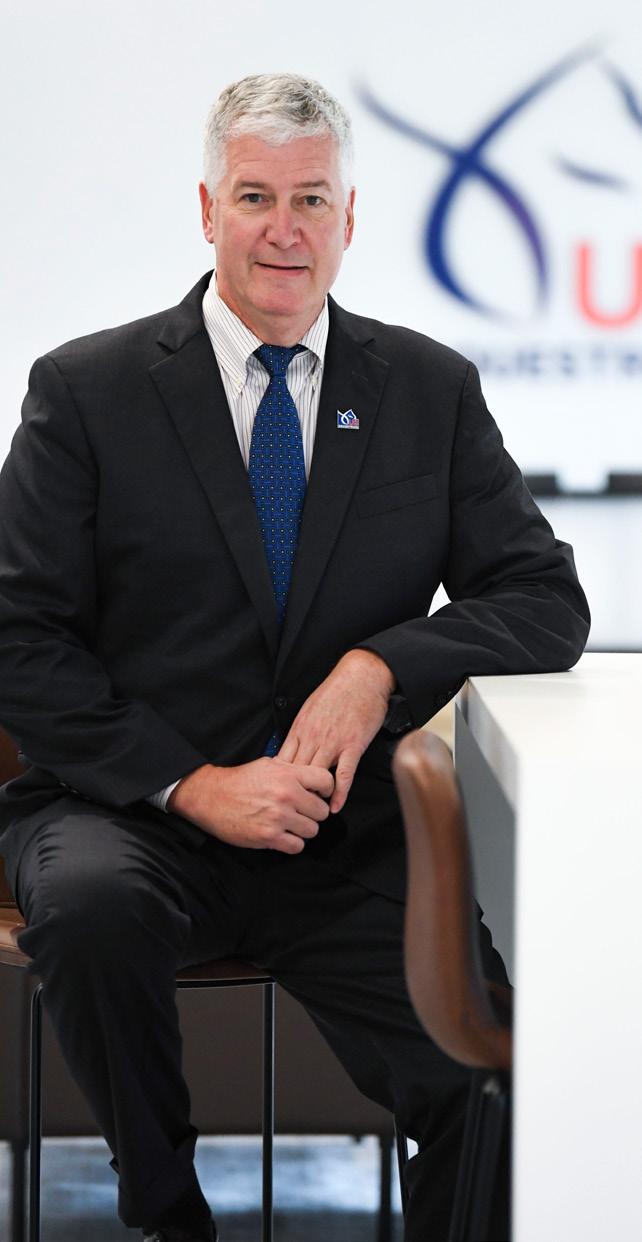
Dear USEF Members:
What a year it has been! We were so excited to launch the US Equestrian Open Series in 2025, and the results were beyond our expectations. After March’s thrilling Jumping final at Wellington International in Fla., fall brought us the Eventing final at Morven Park, Va., and the Dressage final at the Desert International Horse Park in Thermal, Calif. Be sure to read our special feature on the US Equestrian Open Finals in this issue to catch up on the highlights! Congratulations to all the winners and competitors, and our sincerest thanks to the spectators and members who have been engaged in the US Equestrian Open this year. We can’t wait to see what 2026 brings for this historic series.
Throughout 2025, US Equestrian hosted a series of horse welfare town halls, gathering feedback from riders, trainers, officials, and parents about possible rule changes to improve the well-being of our equine partners. We took feedback at these discussions incredibly seriously — the most impactful of which will inspire new USEF rules. To learn the process of how an idea becomes an official rule, read the How It Works article on USEF rule changes. As always here at US Equestrian, our goal is to maintain the highest standards of horse welfare and to create a fair playing field for all our equestrian competitors.
US Equestrian members come from all walks of life, from all across America. This issue’s feature, Riding in the City: The Realities of Urban Equestrian Life, spotlights members who live in busy urban areas far away from open fields but still manage to keep their equestrian dreams alive and kicking. It proves that no matter where you call home, there is always room for horses in your life.
As we head into the giving season, our Holiday Gift Guide has ideas for everyone on your holiday list, whatever your budget. Check out our equestrian-themed shopping suggestions for your family, friends, barn mates, trainer, support team — or yourself!
Along with the joys of the holiday season, another thing that this time of year unfortunately brings more of is colic. While it is a year-round fear for all horse owners, colic is particularly prevalent in winter especially if
your horses are in stalls more and not as active as usual. The latest Vet’s Corner details the telltale signs of colic and how to treat it, and offers advice on deciding if surgery is the best option for your horse. No one wants to experience a colic episode, but with education and pre-planning, you can give your horse the best chance of a full recovery.
There is no doubt that we live in a digital age, even for those who spend most of their time at the barn around horses instead of people. The Safe Sport article in this issue tackles the difficult challenge of cyberbullying, with tips on how to recognize if your child is a victim, and ways to make all online platforms more safe and secure.
As we close out 2025 and look ahead to the new year, I am excited for what the future holds. In January, we will host our Annual Meeting in Louisville, Ky., and I encourage you to attend and take part in essential conversations about the future of our sport and other impactful topics. It is important that you, as members, continue to stay engaged and share your voices so that everyone’s point of view can be heard. There promises to be many engaging and educational panels and sessions, plus our annual awards galas where we honor the successes of horses (HOTY Awards) and riders (Pegasus Awards) from across all of our breeds and disciplines under the USEF. I hope to see you there!
In the meantime, I wish you and your loved ones — both human and equine — a joyous holiday season and best wishes for a successful new year ahead.
Tom O’Mara President
Incredibly light. Endlessly warm.
One of the goals of the USEF town hall events was to hear from members on the horse welfare issues that concerned them most.
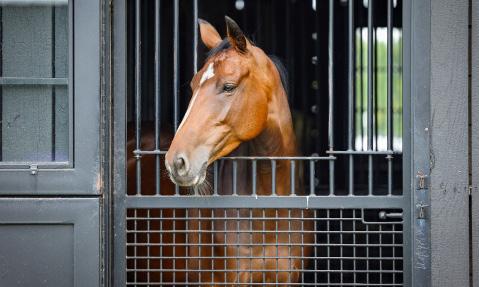
US Equestrian continued its program of town hall events through late summer and fall, with in-person events at hunter/ jumper, dressage, and multiple breed affiliate events around the country, and the first virtual town hall in October.
The goal of the events remains three-fold: to shed light on existing programs and recent changes, to hear from members on the welfare issues that concern them most, and to get their viewpoint on potential rule changes under consideration.
Members brought productive ideas and concerns of their own and provided introspective feedback on the potential rule changes presented by USEF staff.
Points for consideration presented by US Equestrian included:
• The possibility of creating a chief steward pool in which a lead steward would be hired by USEF, rather than competition management.
• Possible changes to suspensions that could allow a 60-day provisional suspension for horse, owner, rider, and trainer in the event of positive tests for the most serious prohibited substances. This could be in effect immediately after a notification for a positive, prior to the completion of the investigation and would give the horse time to clear out the substance from their system.
• A minimum eligibility requirement for certain heights of hunter and jumper classes to ensure participants are prepared for the level they are jumping.
• Clarifying the rules surrounding stewards and technical delegates, better defining their responsibilities at horse shows, and providing better education and support for licensed officials, including reminding them of their existing liability insurance that protects them at competitions.
• USEF’s policy on equine overuse, and why the Federation opted to design a policy around the appearance of overuse for an individual, rather than trying to define how many class entries would constitute overuse across all breeds and disciplines.
• The overuse of dietary supplements for horses outside the scope of veterinary advice.
Members voiced their opinions on these ideas, plus:
• Education for parents who are new to the sport.
• The necessity and challenge of implementing limits on whip use.
• The needs and challenges in changing judging philosophies, particularly those that may discourage expressiveness in the hunter discipline.
• Examining whether the existing blood rule in dressage is effective for horse welfare, is fair, and is realistic in competition.
• Challenges with the financial disadvantages of lastminute competition scratches, which often happen due to acute injury.
• The need for stewards who have some proficiency in Spanish.
Additional virtual and in-person events are planned in the coming months. Please visit usef.org/forms-pubs/pqhOtcLkQSU for the most up-to-date schedule as event details are confirmed. A new round of proposed rule changes — some of which relate to horse welfare — is available for members to comment on as the rules work their way through the consideration process. To view the list and to leave your comments, please visit usef.org/rulechange




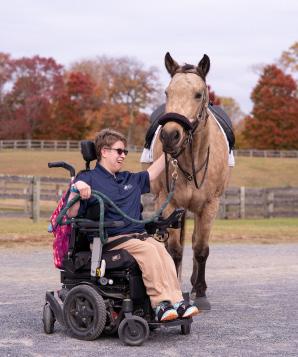
The 2025 USEF Heart Horse Award has been awarded to Kiss Me Blue (“Chrissy”) from Maryland Therapeutic Riding in Crownsville, Md. The 2001 AQHA Quarter Horse mare was selected as the winner following voting by USEF membership and will be honored during the USEF Pegasus Awards Dinner at the Annual Meeting in Louisville, Ky., on Jan. 15, 2026.
“We are so pleased to name Chrissy the 2025 Heart Horse Award winner,” said Vicki Lowell, US Equestrian Chief Marketing and Content Officer. “All of the 2025 USEF Heart Horse Award nominees were outstanding. The stories of Chrissy’s impact on the community make her more than deserving of this honor.”
Chrissy follows in the hoof steps of Kilcarna French Fancy (“Arnie”), the 2008 Irish Sport Horse gelding from Great Oak Equine Assisted Programs in Aiken, S.C., who was the inaugural winner of the Heart Horse Award in 2024.
For 17 years, Chrissy has been the heart of Maryland Therapeutic Riding, serving thousands of people through equine-assisted services. Her intuition, versatility, and loving heart have created life-changing bonds defining what it means to be a “heart horse.”
She was briefly shown in Western pleasure, but her owners quickly recognized that while Chrissy had a true heart of gold, the Western pleasure world wasn’t the best fit for her. Believing she could make a greater impact in a different role, they sought out a place where she could truly shine. Chrissy arrived at Maryland Therapeutic Riding in December 2008, beginning her journey of service and impact in equine-assisted programs. Chrissy is an important member of the center’s “Reinbow Ride” program, which gives individuals who have received a terminal diagnosis the opportunity to ride or spend time with horses.
“We could easily fill a book with the meaningful stories of Chrissy’s work at MTR — one that would surely make the bestseller list,” said Kelly Rodgers, Executive Director at Maryland Therapeutic Riding.
The USEF Heart Horse Award was developed to bring recognition to the work horses are doing in the organizations that are a part of the USEF Community Outreach Program. These organizations share in US Equestrian’s goals of increasing access to horses, horse sports, and equine-based learning opportunities.
“The Community Outreach Program’s horses are well deserving of recognition,” said Tom O’Mara, US Equestrian President. “What better way to highlight our Community Outreach
horses’ community impact than to celebrate on the same stage as our national and international award winners?”
The following horses were named 2025 USEF Heart Horse Award finalists:
Cinder from Cloverleaf Equine Center in Clifton, Va.
Cinder, a 28-year-old Fjord Cross pony, celebrated 20 years of service at Cloverleaf Equine Center in 2025. Beloved for her sweet and sassy spirit, she supports clients of all ages and abilities with patience and heart. A true unicorn, Cinder is the ultimate partner — and the heart of the Cloverleaf barn. Cinder is an incredible therapy partner: steadfast, intuitive, and endlessly patient. Whether supporting a client during physical therapy, responding to subtle cues from an independent equestrian, or teaching a new volunteer the ropes, she brings unwavering heart and grace to every session.
Valentino F from Gleneayre Equestrian Program in Lumberton Township, N.J.
Valentino F (“Tino”) enjoyed a distinguished show career from July 2010 through 2019, competing successfully at every major venue across the country in the jumper, hunter, and equitation divisions. In 2019, Valentino F transitioned to the Gleneayre Equestrian Program in Lumberton Township, N.J. During his time there, Tino has taught countless children invaluable lessons both on and off his back. His gentle spirit has transformed challenges into breakthroughs, leaving a profound impact on all who love him.
Fearless Kitten from Lucky Orphans Horse Rescue in Dover Plains, N.Y.
Rescued with her foal in 2024, Fearless Kitten is a Thoroughbred who found a forever home at Lucky Orphans. Gentle and forgiving, she now uplifts clients on the autism spectrum by showing the breed’s gift of healing connection. She is patient, kind, caring, gentle, and forgiving.
On Sept. 21, 2025, the United States Department of Agriculture announced the confirmation of a New World Screwworm (NWS) case in Nuevo Leon, Mexico, less than 70 miles from the U.S.-Mexico border. The case was located near a major highway from Monterrey, Mexico, to Laredo, Texas, one of the most heavily-trafficked commercial thoroughfares in the world. Screwworm was once eradicated from the U.S. and potential incursion threatens the equine industry.
This pest can infest any warmblooded animal, so wildlife, domestic animals, and humans are all at risk. Infestation with screwworm is life-threatening if left untreated.
Here are facts about the NWS life cycle:
1. Any opening in the skin the size of a tick bite or larger is susceptible to screwworm.
2. Female screwworms can lay 200-300 eggs.
3. Larvae (maggots) burrow into live tissue to feed for up to seven days.
4. Larvae fall to ground to pupate and adult flies emerge and mate.
5. Females only mate once, but males mate multiple times.
6. The screwworm’s life cycle is 21 days.
The adult female fly is attracted to the smell of an open wound. Activities such as castration increase a horse’s susceptibility to a screwworm infestation. Examining wounds and keeping them clean and treated is critical to protecting horse health.
The maggots burrowing into the live flesh is painful and causes the following clinical signs:
• Nonhealing wound
• Foul-smelling discharge
• Visible larvae (maggots) in the wound
• Swelling, tissue discoloration, or necrosis around the wound
• Depression, loss of appetite, or lethargy
• Headshaking or general irritation
If you see any of these signs, consult your veterinarian immediately and ask them to evaluate your horse and coordinate with state or federal animal health officials on the proper testing and treatment.
Screwworm flies and larvae have characteristic traits that can distinguish them from more common maggots. The adult fly is slightly larger than common housefly with orange eyes, metallic blue or green body with three dark stripes along its back. The screwworm larvae have distinctive cylindrical shape that tapers toward a pointed head and widens to a blunt rear end. The larvae have rings of dark spines around their bodies that protrude backwards. These spines help them burrow into living tissue.
A key feature for expert identification is the presence of darkly-pigmented internal tracheal tubes which extend from spiracular plates at the posterior end and allows larvae to breathe while feeding inside a wound.
View images of the NWS in all its life stages at aphis. usda.gov/livestock-poultry-disease/cattle/ticks/screwworm/ new-world-screwworm-photo-gallery.
USEF works closely with state and federal authorities to develop plans to ensure safe continuation of equestrian competitions. Be aware of the threat of screwworm incursion and protect your horse by conducting daily examinations and immediately notifying your veterinarian of any maggots in wounds.
US Equestrian has launched an updated mobile app that allows members to have all the USEF information they need at their fingertips.
New features include a centralized, digital home for horses’ health forms — including Coggins, Certificate of Veterinary Inspection, Health Declaration, and vaccine records — along with a temperature log to help track health status. A section called My Rankings displays national rankings and horses’ rankings, as well as an up-to-date count on points.
The latest version of the app also makes it easy for members to get the latest news about rule changes, horse care and welfare articles, and more.
Go to usef.org/mobile/us-equestrian-app for a video outlining all the features of the updated app.
The app continues to offer a one-stop link to USEF Network streaming video from shows around the country and an easy, centralized way to browse the rulebook. The new rules page will have special sections allowing members to easily browse presidential modifications and drugs and medications rules. The app also contains membership cards and horses’ cards.
The app (previously called USEF Wallet and now named US Equestrian) is available in the Apple App Store and the Android Play Store. Existing users can update their app in their mobile settings.


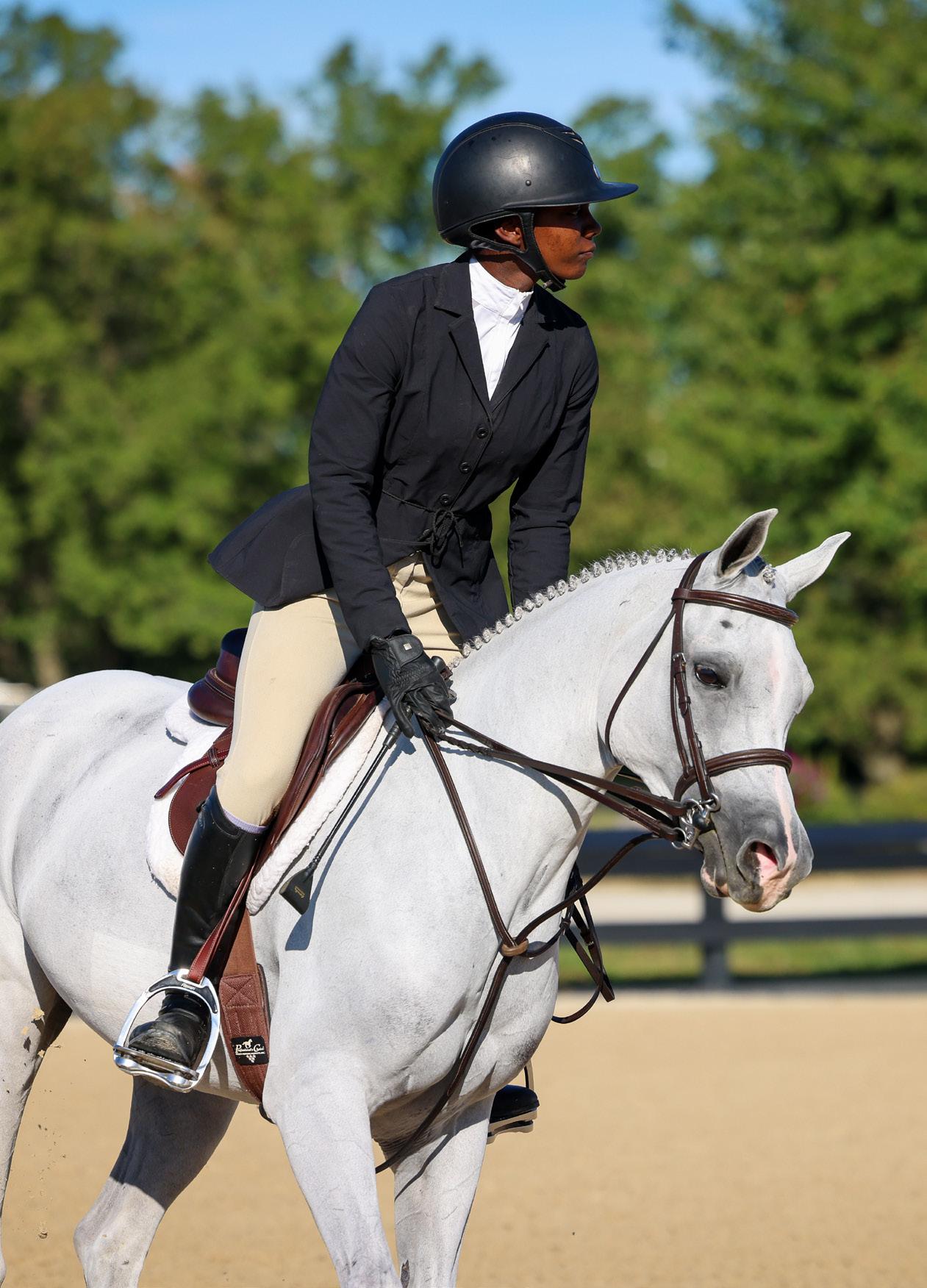
Top: Koweta Fairly Famous and Kiah Nail compete in the Arabian Regular Working Hunter at the 2025 Arabian Sport Horse Nationals.
Right: Riders competed in the Biltmore Fall Endurance ride in Asheville, N.C., one year after the region was hit by Hurricane Helene.
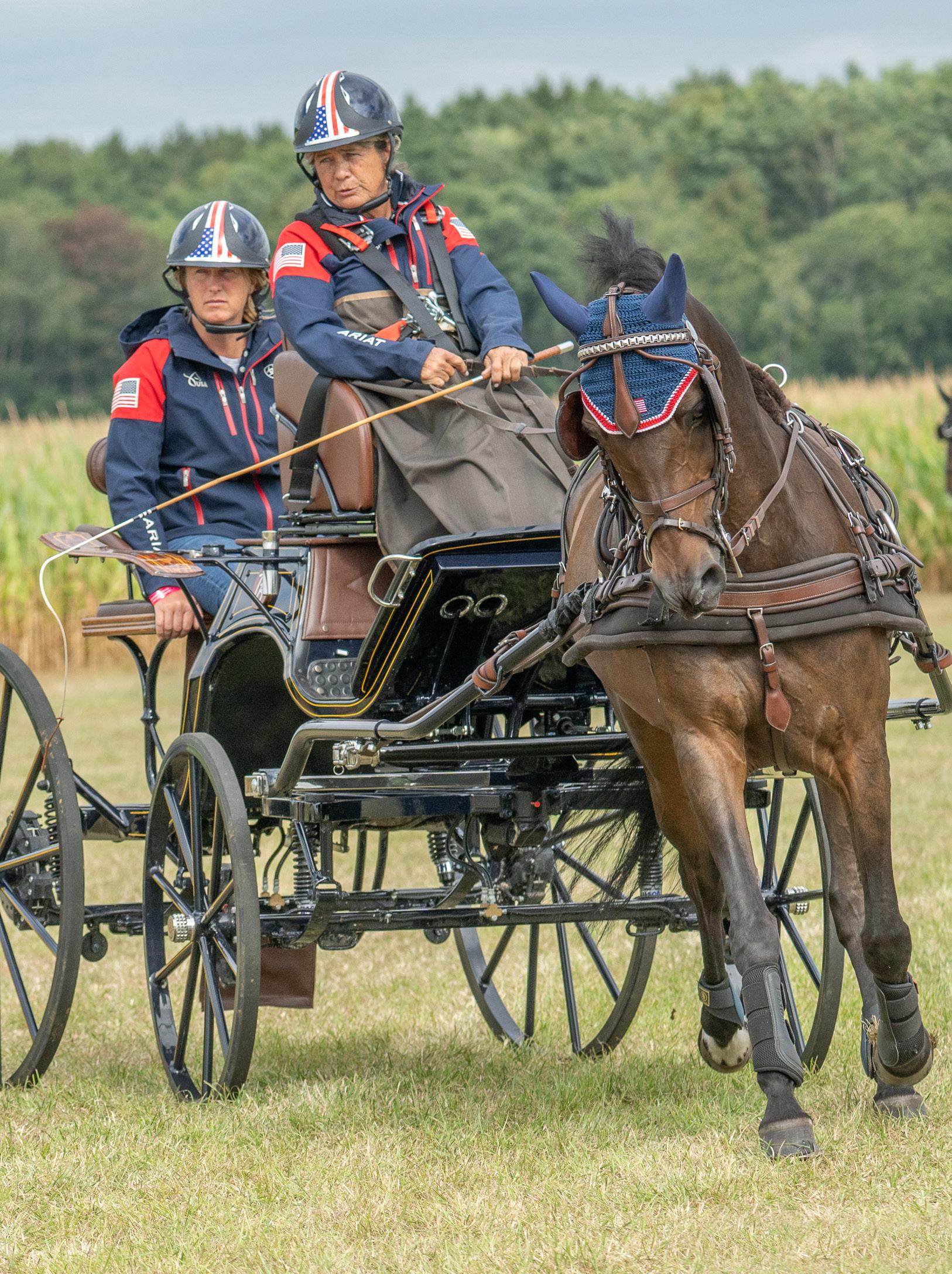
Top Right: Tracy Bowman and Albrecht’s Hoeve’s Lars competing in the Para Driving World Championships in Lähden, Germany. The pair won individual silver in Grade I, while the U.S. Para Driving Team finished in fourth place in the team competition.
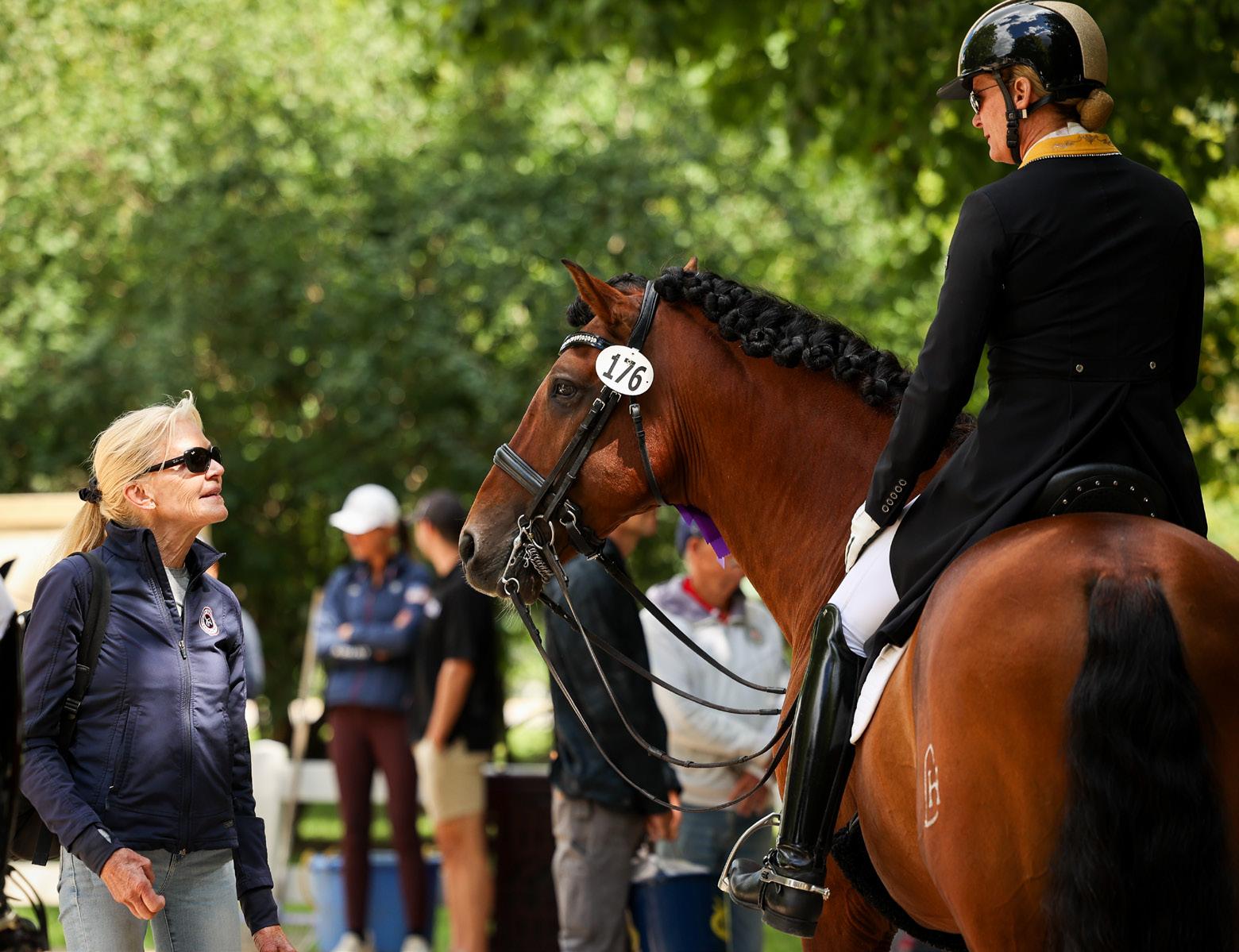
Bottom Right: Stacey Hastings, on Estatan LHE, talks with Christine Traurig, Chef d’Equipe of the U.S. Dressage Team, during the Developing Grand Prix National Championship at the U.S. Dressage Festival of Champions.
“H e has a lot of pizzazz and attitude. He knows he’s handsome, he knows he’s cute, and he absolutely owns it.”
- Samantha MacDonald, while comparing her Welsh Pony Cross gelding, Candy Crush, to Beyoncé at the U.S. Dressage Festival of Champions.
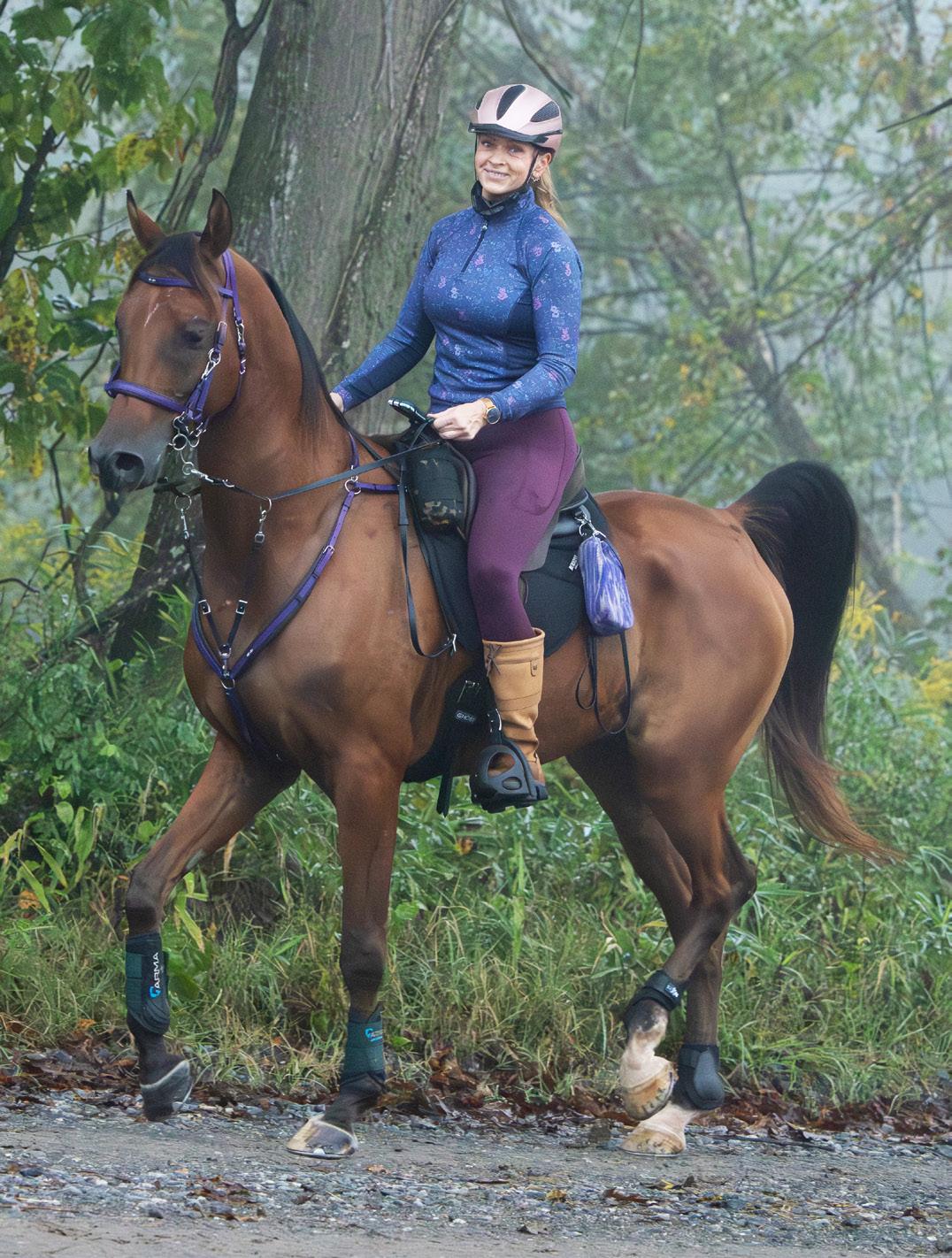
“W
hen
he knows
it’s
crosscountry day, he starts kicking out his back legs. He’s like, ‘Let me at them!’ He’s just like a Jack Russell with a ball. He’s full of energy, and ready to go.”
- Caroline Pamukcu talking about HSH Double Sixteen ahead of the US Equestrian Open Eventing Final at Morven Park.
“S he taught me about things that went beyond just knowing how to ride.”
- Brooks Moore, remembering Linda Andrisani, a longtime horse show judge and a member of USEF’s Licensed Officials Committee, who passed away in August.
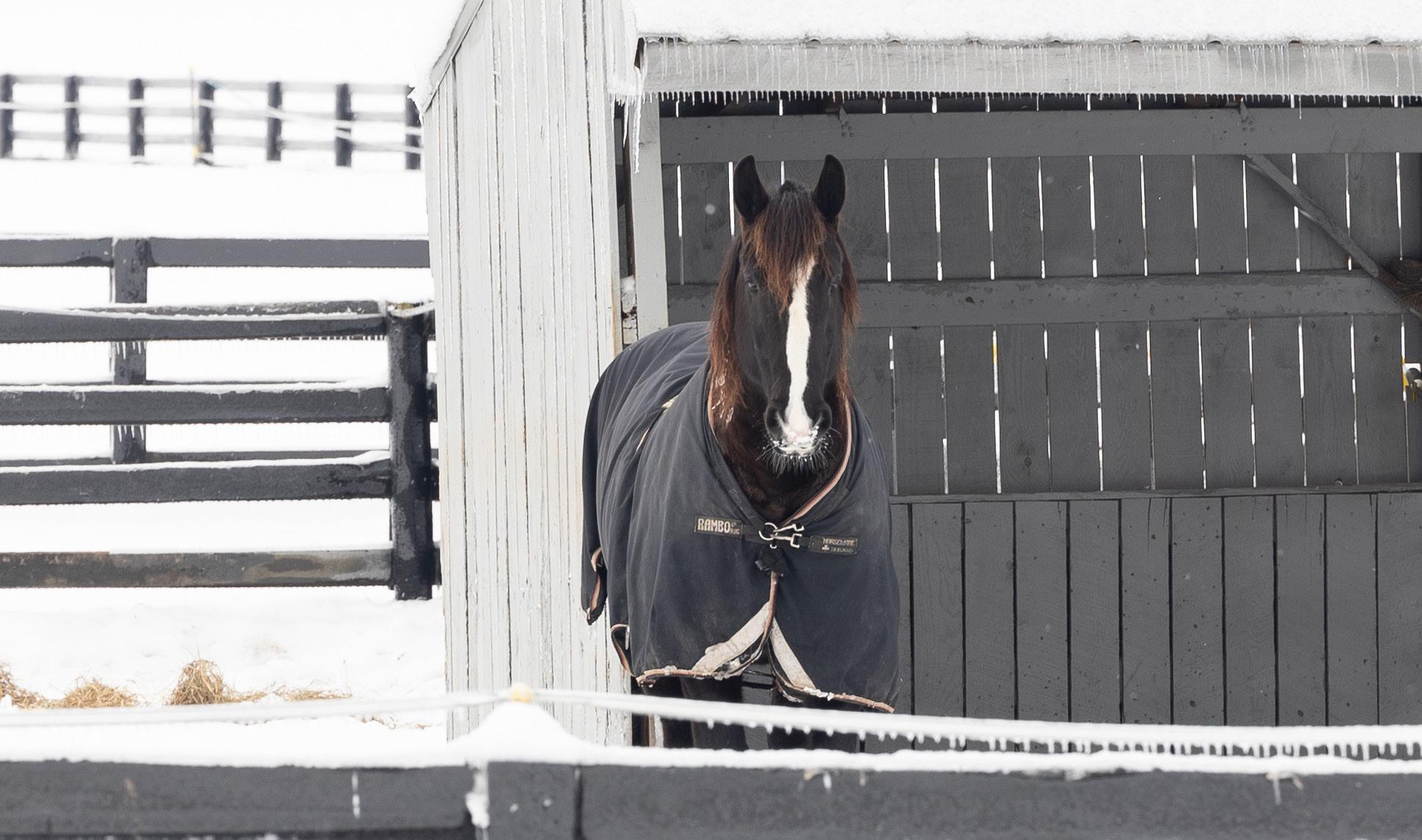
Colic can be more common in winter, when horses are fed increased grain and hay, are exercised less, and prone to dehydration.
by Debbie Elliot
It is important for horses to get turned out in the winter, even in cold weather, as regular exercise is essential for gastrointestinal health and gut motility.

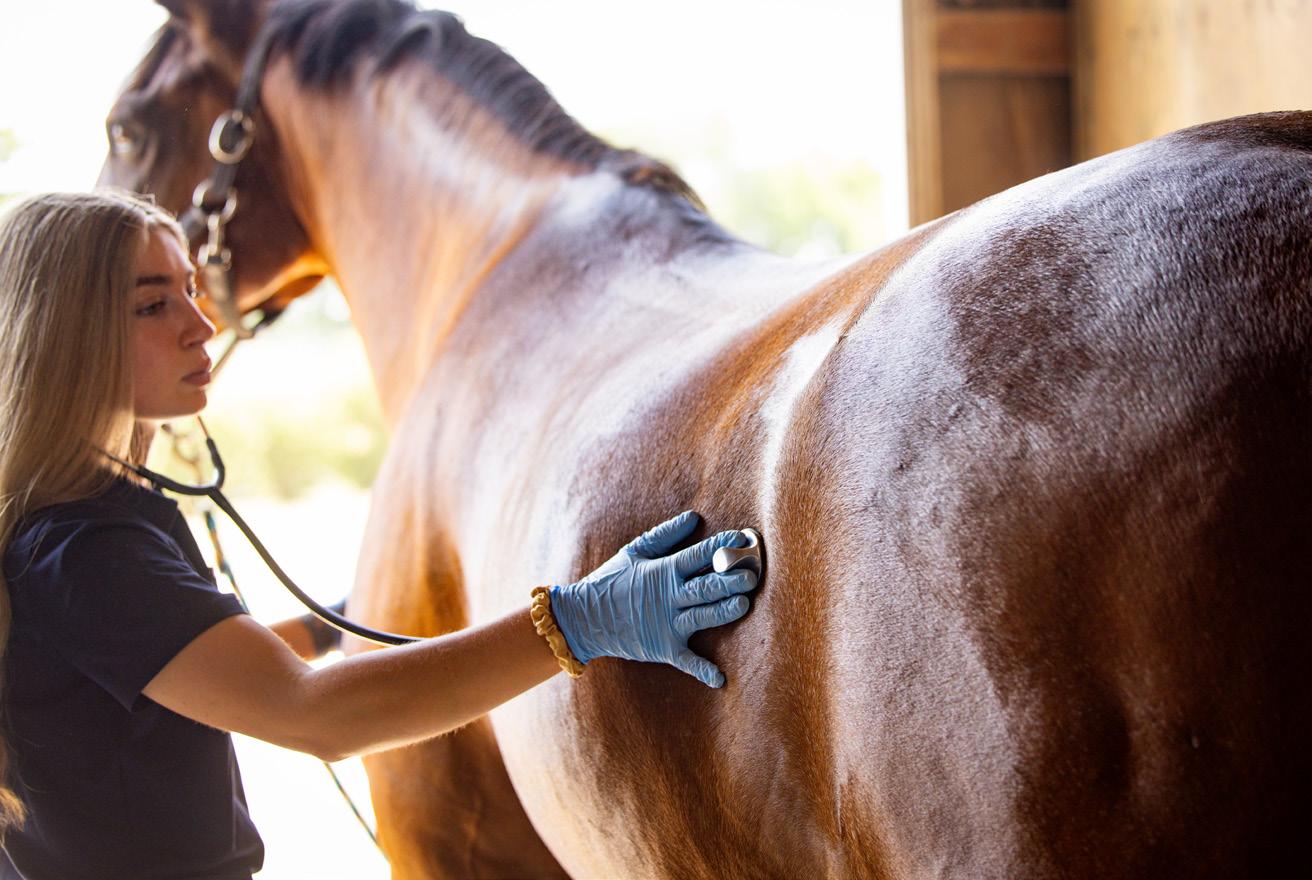
A vet will use a stethoscope to listen to a horse’s gut, as decreased or absent sounds may indicate impaction or a twist.
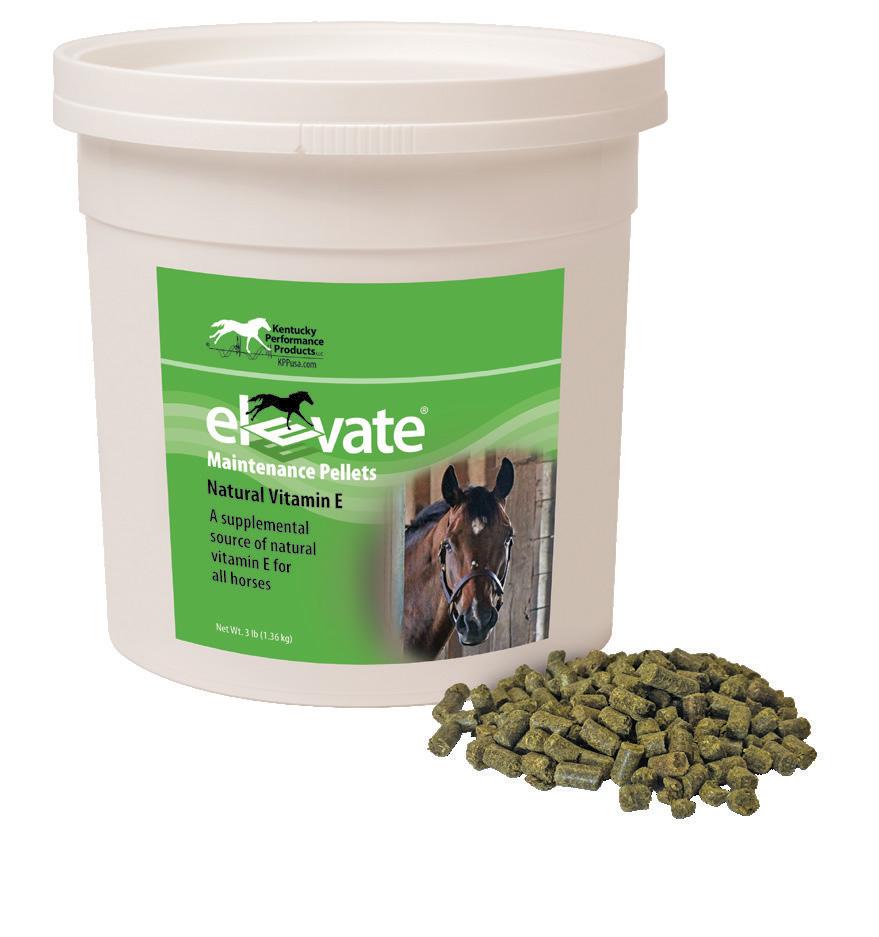
All four wellness formulas provide omega-3 fatty acids, antioxidants, vitamins, trace minerals, amino acids and more to transform horse health at the cellular level — head to hoof, coat to gut. Now, with 1,100 IUs of vitamin E.
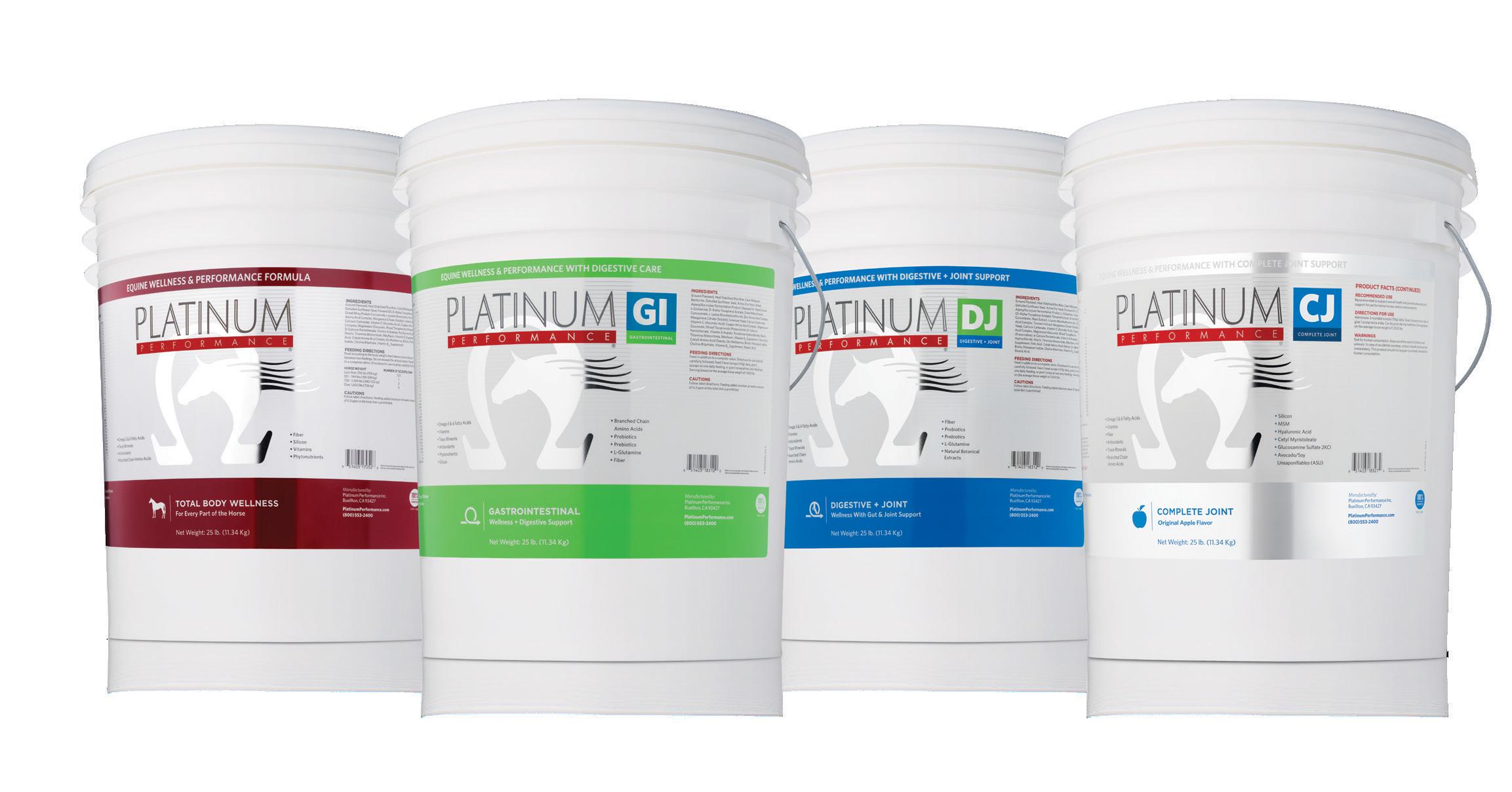
WELLNESS & PERFORMANCE FORMULA
Platinum Performance® Equine, because of the comprehensive nature, ingredients work synergistically at the cellular level to support every aspect of health and performance.
Recommended for:
• Young horses
• Performance horses
• Senior horses
• All activity levels
WELLNESS & PERFORMANCE + DIGESTIVE CARE
Platinum Performance® GI provides probiotics, prebiotics and additional glutamine for gastrointestinal and immune health in addition to comprehensive wellness support.
Recommended for:
• Digestive health concerns
• Occasional loose stool
• Difficulty maintaining weight
• Travel, training or competition
WELLNESS & PERFORMANCE + DIGESTIVE & JOINT SUPPORT
Platinum Performance® DJ is an innovative one bucket solution, combining advanced support for healthy digestion and joint function with premium wellness ingredients.
Recommended for:
• Performance & senior horses
• Seasonal allergies & respiratory care
• Advanced digestive & joint needs
• Gastric & hindgut maintenance

WELLNESS & PERFORMANCE + COMPLETE JOINT SUPPORT
Platinum Performance® CJ, the only supplement of its kind, combines ASU in addition to other joint supporting ingredients with a whole-horse wellness formula.
Recommended for:
• Advanced joint care needs
• An injury or discomfort
• Intense training or competition
• Adv. tendon & ligament support
When a horse arrives at an equine hospital, the surgical team will perform full diagnostics such as blood work, a rectal exam, examine perfusion and hydration parameters (to see how well the blood is circulating), and perform an abdominal ultrasound.
Dr. Jackie Hill, DVM, DACVS-LA, a Veterinary Surgeon at Littleton Equine Medical Center in Colorado, said a key indicator as to whether a horse needs surgery is their pain level.
“We ascertain that by looking at vital parameters such as heart rate, and also how they respond to sedation,” said Dr. Hill.
How much sedation they need and how long it lasts can show how much pain a horse is in. Another sign is if they are dropping to the ground and trying to roll, versus standing and simply looking at their side.
“There really isn’t one test that will show if a horse needs to go for surgery,” Dr. Hill explained. “It is about all the pieces fitting together.”
If surgery is determined to be the best treatment option, the horse will be anesthetized and laid on their back while an incision is made in their belly.
“We always explore the abdomen first to determine what the problem is, and which section of the bowel is affected,” said Dr. Hill. “Based on that, we can decide what needs to be done to correct the issue, such as untwist the colon and put it back in place or remove a section of the small intestine and reconnect the healthy ends.”
Many owners are concerned about putting their horse under anesthesia in case they fatally injure themself waking up, however Dr. Hill said that only happens in 1% of cases. “We have them in head and tail ropes, and on a padded mattress in a stall with padded walls to ensure their safety as they wake,” she explained.
However, in cases where the horse is very severely bloated and their blood is circulating poorly, the risks of anesthesia are significant. Sadly, in those circumstances their chances of survival are also slim if surgery isn’t performed, and euthanasia may be the most humane option.
The horse’s age, overall health, temperament (as some horses do not tolerate stall rest), and cost all factor into whether to perform surgery or not. Decision-making is influenced not only by clinical factors but also by the owner’s apprehensions, priorities, and expectations.
“If someone has had a bad experience with colic previously or if their friend at the barn had a bad experience, they may be tainted by that and reluctant to opt for surgery,” Dr. Hill said, stressing that every case of colic is different and every horse is unique.
“We can fix a lot of horses with surgery nowadays and there are great success stories,” she said. “Colic surgery doesn’t have to be a death sentence, and many horses go back to the same level of performance afterwards.”
Following successful surgery, the horse will stay at the hospital for five to seven days, receiving fluids, antibiotics, and pain medication. Once home, it is a three-month recovery plan: a month of stall rest and hand walking, access to a small turnout for a month, followed by pasture turnout and walking under saddle for a month. Dr. Hill recommends waiting until the four-month mark before jumping or major exertion, while always conferring with your vet throughout the rehab period.
Owners are understandably stressed and panicked when faced with a colic emergency, but the situation can be eased by research and pre-planning.
• Know which hospital to go to in an emergency, and the best routes to get there.
• Have access to a trailer and ensure your horse will load.
• Find out what your insurance coverage limits are, plus any exclusions.
• Delegate an emergency contact in case you are not available.
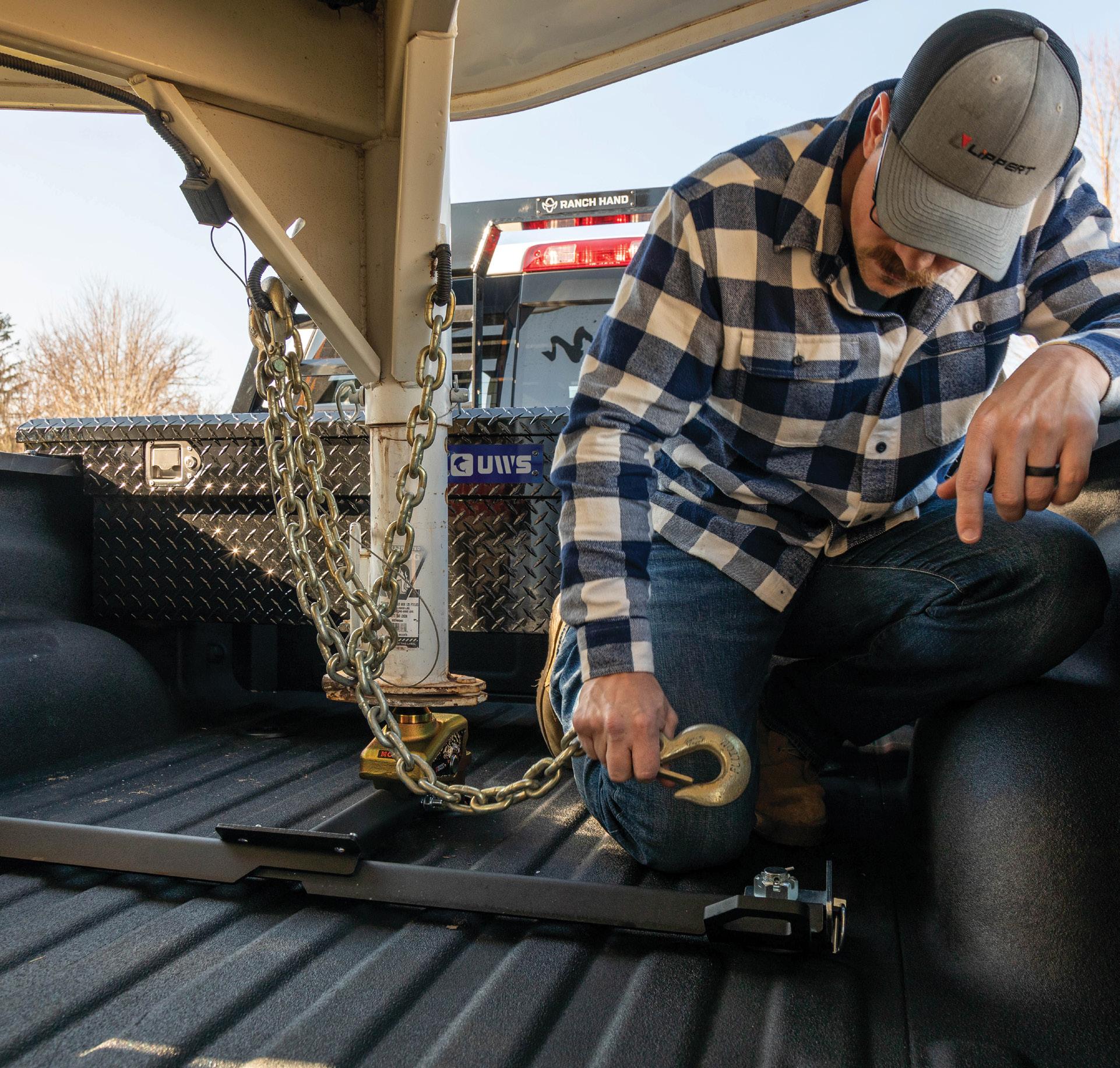

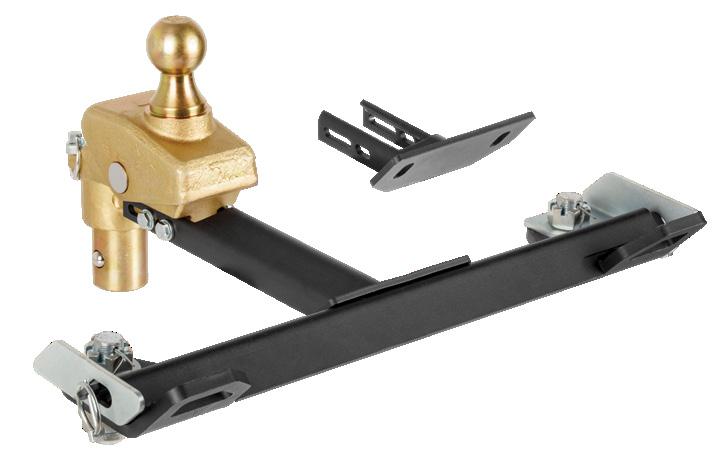
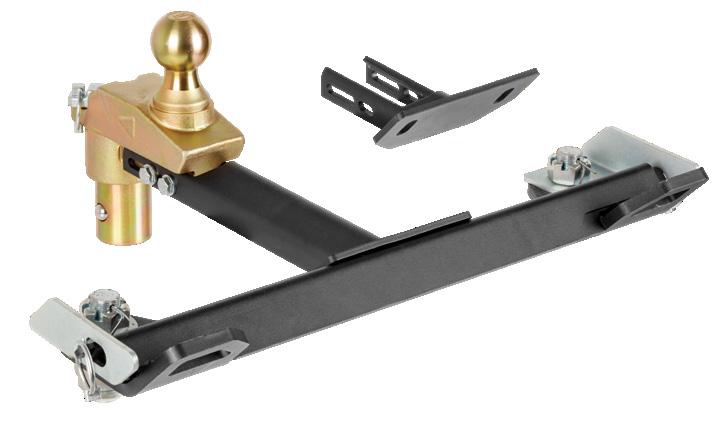
The next generation of gooseneck towing. This innovative hitch not only provides extra turning clearance with its 4" rearward offset, but it features a multi-fit design that fits the Chevrolet, Ford, GMC, Nissan and Ram OEM puck system.
Just drop it in, engage the quarter-turn anchors, and you’re ready to hitch up.
Available with a shock-absorbing upgrade for increased towing comfort, these hitches are fully tested to J2638 for 30,000 lbs.
by Justin Mahoney
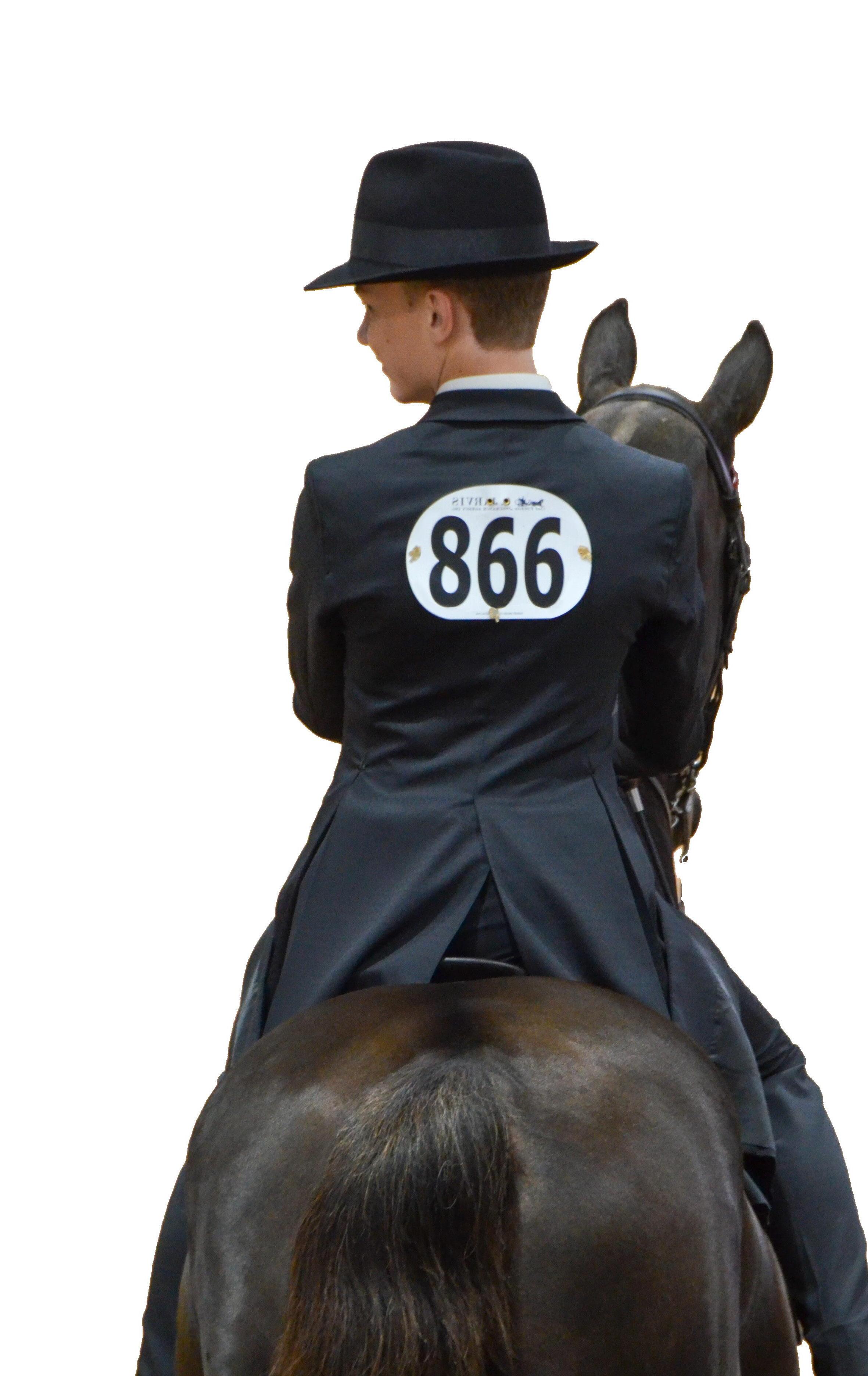
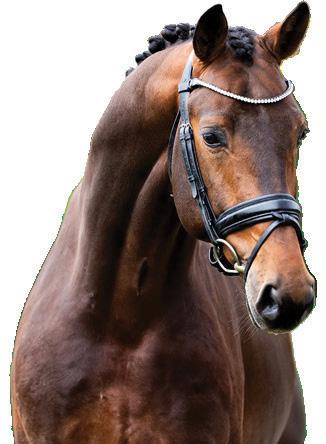
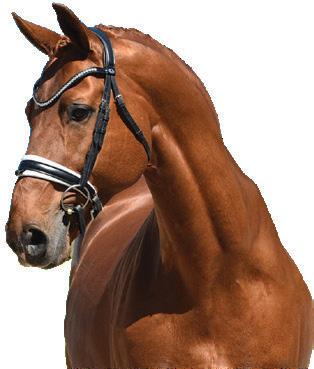
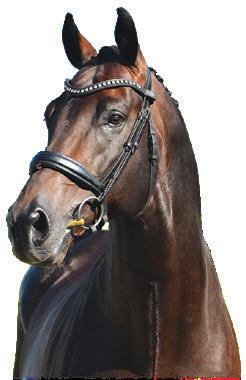
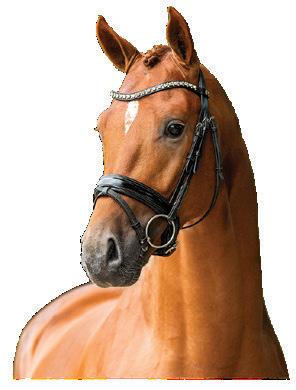
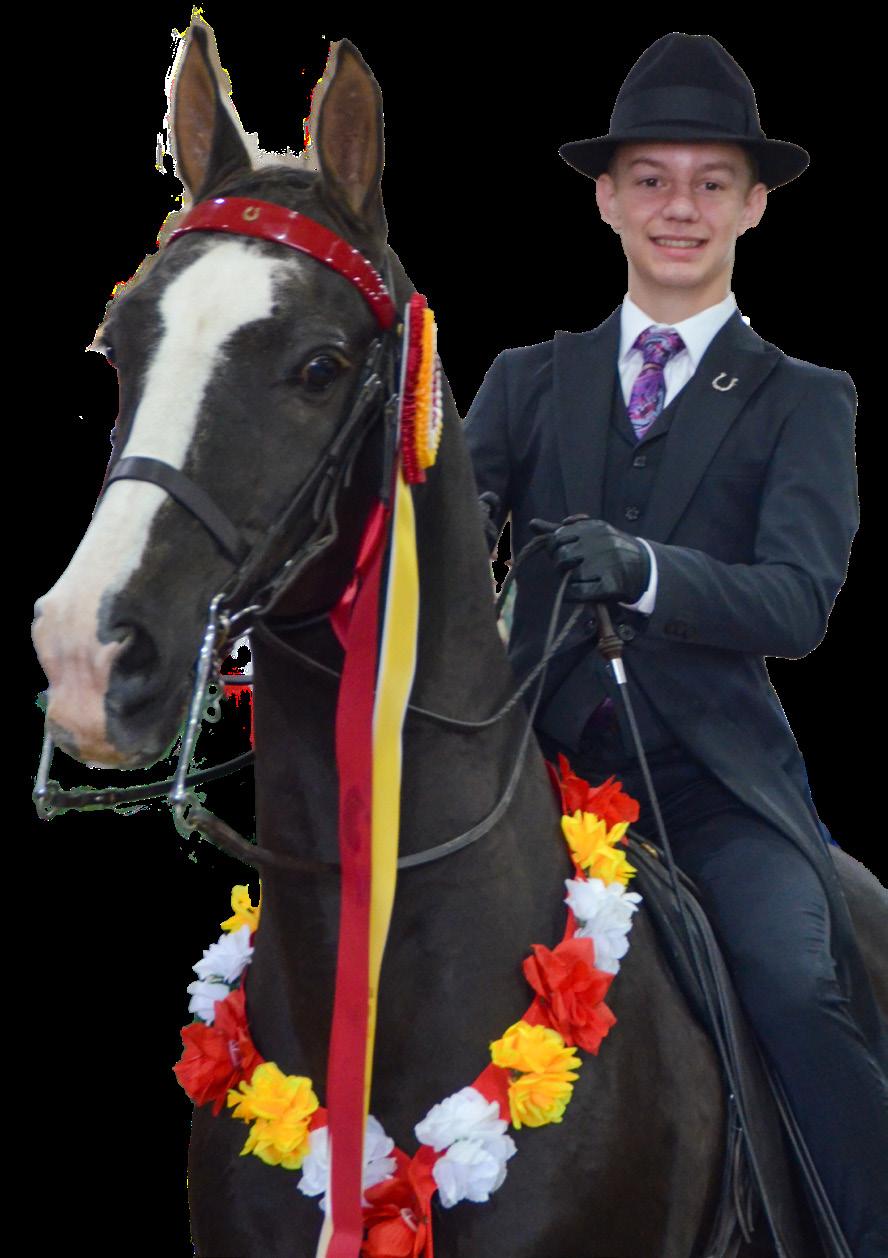
Deaf saddle seat equitation rider, Justin Mahoney, age 14, reflects on his “once-in-alifetime connection” with Dragonsmeade Onegin.
My first time riding was in seventh grade when we were in Michigan visiting my grandparents. My mom, Donna, was a rider back in the day, and my sister had ridden, but I personally didn’t have any experience until then. When I rode, it was so much fun — the thrill, the wind in your face, the energy, the animals and how they respond. I just really, really enjoyed it! Later that year, my parents bought me a package of riding lessons with Morgan horse trainer Katie Mair’s Sterling Training Center in Howell, Mich., as a Christmas gift. There was a family connection to the barn as my uncle was once a trainer and had given Katie lessons when she was younger. I rode every day over that Christ mas break even though it was really cold. I quickly had a desire to show as I thought it could be fun. Katie was game so she signed me up for an academy class for beginners in the spring show












“I DON’T SPEAK BECAUSE I AM DEAF SO I’VE TRIED TO FIGURE OUT WHAT NOISES I CAN MAKE TO COMMUNICATE WITH ONEGIN.”
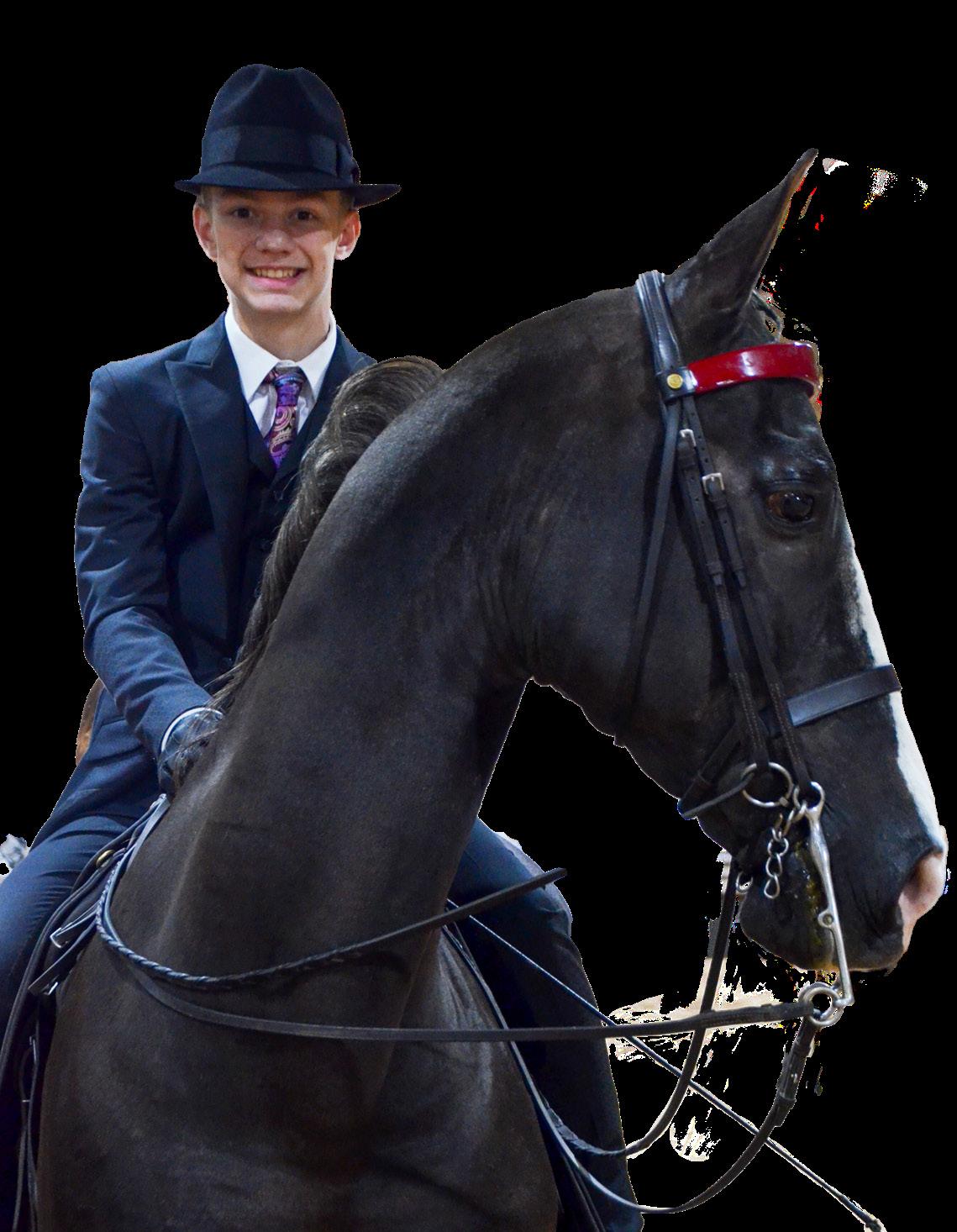
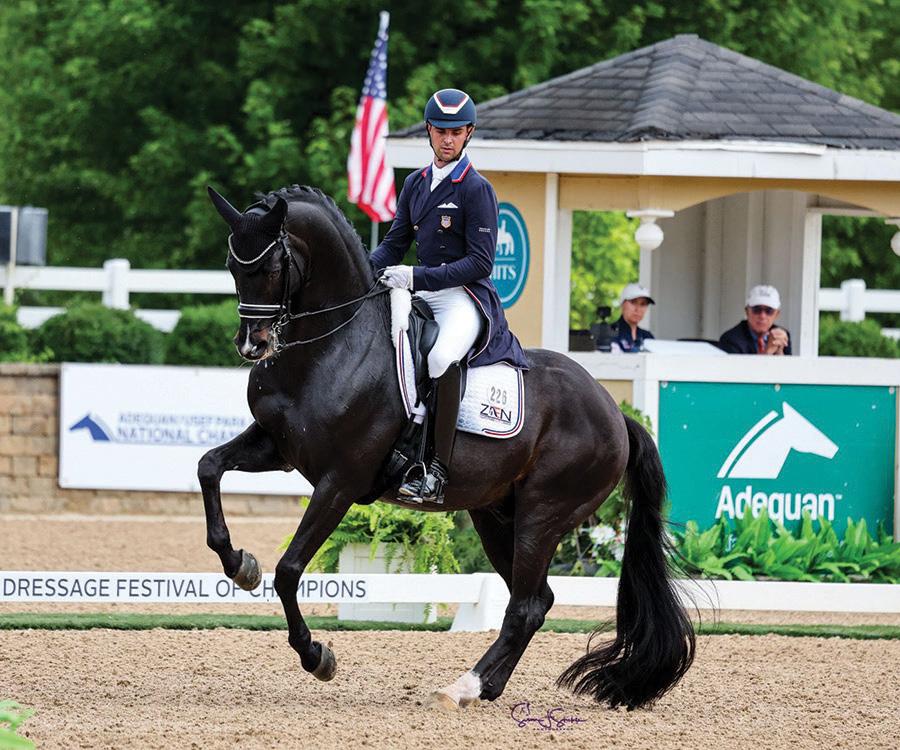
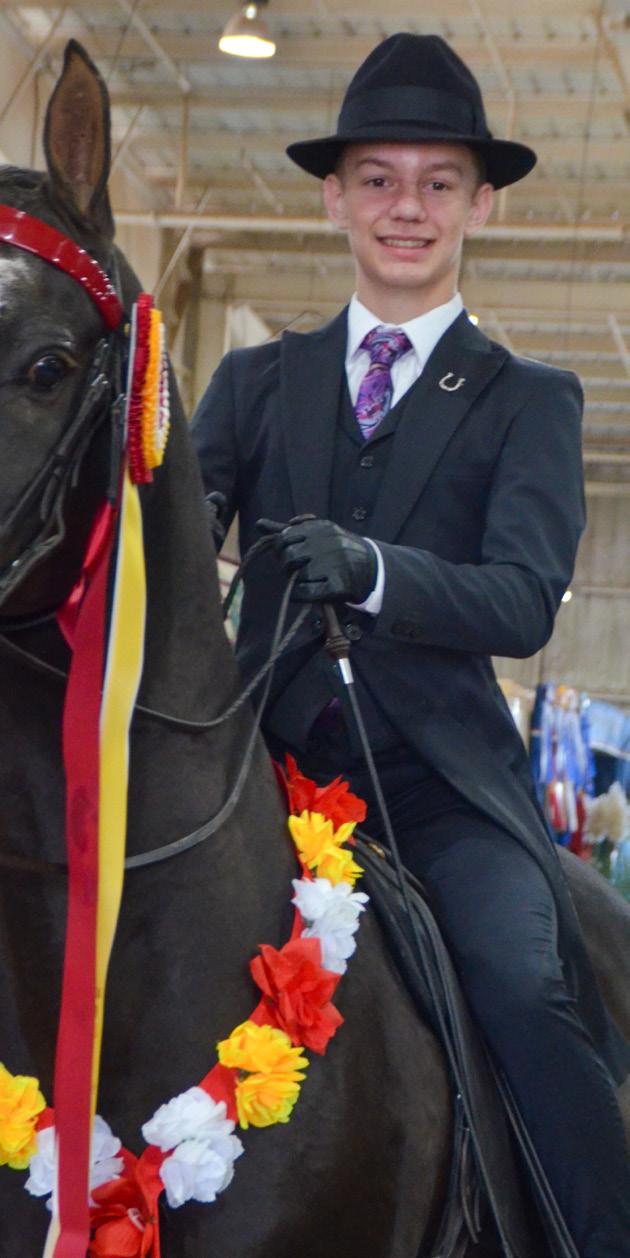
Justin Mahoney and Dragonsmeade Onegin (“Onegin”) show saddle seat together.
and partnered me with a lesson horse from the barn. That December, I rode for two weeks and then didn’t ride again until the horse show in April, so I only had three weeks of riding experience going into it. In my first class, I got fourth and I thought “that’s awesome!” Then in my second class, which was the championship, I got second. That’s where it all started. A few tidbits from Katie in between my classes made all the difference, and I felt like I picked things up quickly.
At that time, a lot of students in my school in Washington D.C., were still opting to be educated at home because of COVID, so my class was quite small. I was doing well in my academics, so I requested permission to miss the last month of seventh grade. I did some online check-ins and made sure I was still finishing all the work that was necessary, but I didn’t need to attend in person and that allowed me to keep showing. Katie let me ride every day during that month off school and I moved up to a show horse named Luke, and competed in more advanced shows. I loved riding saddle seat from the beginning. I like the rules of saddle seat, the fast speed, the movement of the horses, the glamour. I’ve never really thought about trying another discipline because I am so dedicated to what I am learning.
Going into the eighth grade, we decided that I’d be home schooled so that I could spend more time riding and working at the barn, as I was doing well academically. My mom would drop me off at the barn and I’d be there all day, helping with vet visits, riding different horses, doing lunging and turnouts — whatever needed to be done. I was very grateful for that opportunity, and it gave me intense exposure around horses.
I also progressed to my most challenging horse to date, Skeeter, a park horse who was very upheaded with high knee and hock action. He was an incredible horse even though he was getting older at the time. He knew how to take care of me but also when to push me, as it was time for me to step up to the next level. I competed with Skeeter at the Grand National & World Championship Morgan Horse Show in Oklahoma City, Okla., which is one of the biggest highlights of my life. He then retired, and I continued working at the barn while looking for a new horse.
The following March, we went to Ohio and tried out two horses: a park horse similar to Skeeter, and an equitation horse named Dragonsmeade Onegin. Katie thought I’d like the park horse as they are fiery and fast, but as soon as I got on Onegin, there was an instant bond. I felt like I had to ride my best and that I was auditioning, so I was nervous and used the wrong leg to give the canter cue — I was so embarrassed! But it was still so much fun, and he was very unique to ride. He fed off my energy and matched who I am. We just liked each other right away. Onegin’s owner, Alayna LoCascio, saw the connection between us and she said she wouldn’t let anyone in the world lease her horse except me, so we took him home and quickly formed a magical relationship. It feels like a once-in-a-lifetime connection.
STEEPED


Justin’s ultimate goal is to win the saddle seat triple crown for Morgan riders.

By Debbie Elliot
Learn about the fun activations and learning experiences that took place during the 2025 USEF Pony Finals presented by Marshall + Sterling.
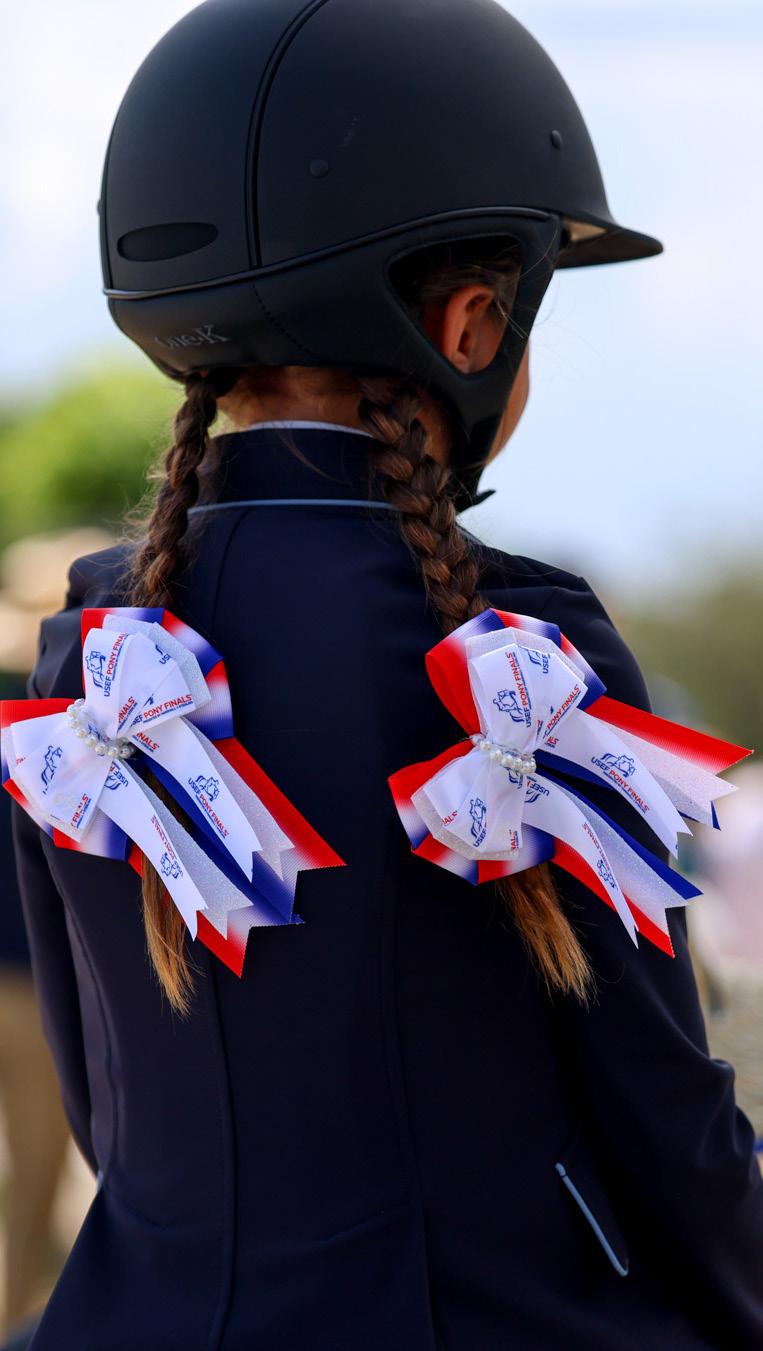
The 2025 USEF Pony Finals presented by Marshall + Sterling is the most exciting weekend of the year for young riders, their ponies, and their parents. The nation’s top ponies competed at the Kentucky Horse Park in Lexington, Ky., from Aug. 4-10, 2025, to celebrate accomplished pony hunters, jumpers, and equitation riders. While the main action took place in the highly-competitive arenas such as the Alltech Arena and the Rolex Arena, there was plenty of fun to be had around the horse park for everyone who attended.
The concept of Pony Finals was first born in 1959, when the British National Pony Society and the British Show Pony Society challenged American pony riders to an international Pony Hunter Competition, which was held at the National Horse Show in New York City. The competition was judged on conformation and performance under saddle and over two fences. It was repeated two years later when the British National Pony Society hosted the challenge in the U.K. Pony Finals became a national event in the U.S. in 1967 when the American Horse Shows Association hosted a show for members who met qualifying criteria. It has since evolved into the USEF Pony Finals presented by Marshall + Sterling, the most prestigious and celebrated event of its kind in the U.S.
While Pony Finals is centered around young riders and their talented ponies, it’s an event aimed at the whole family.

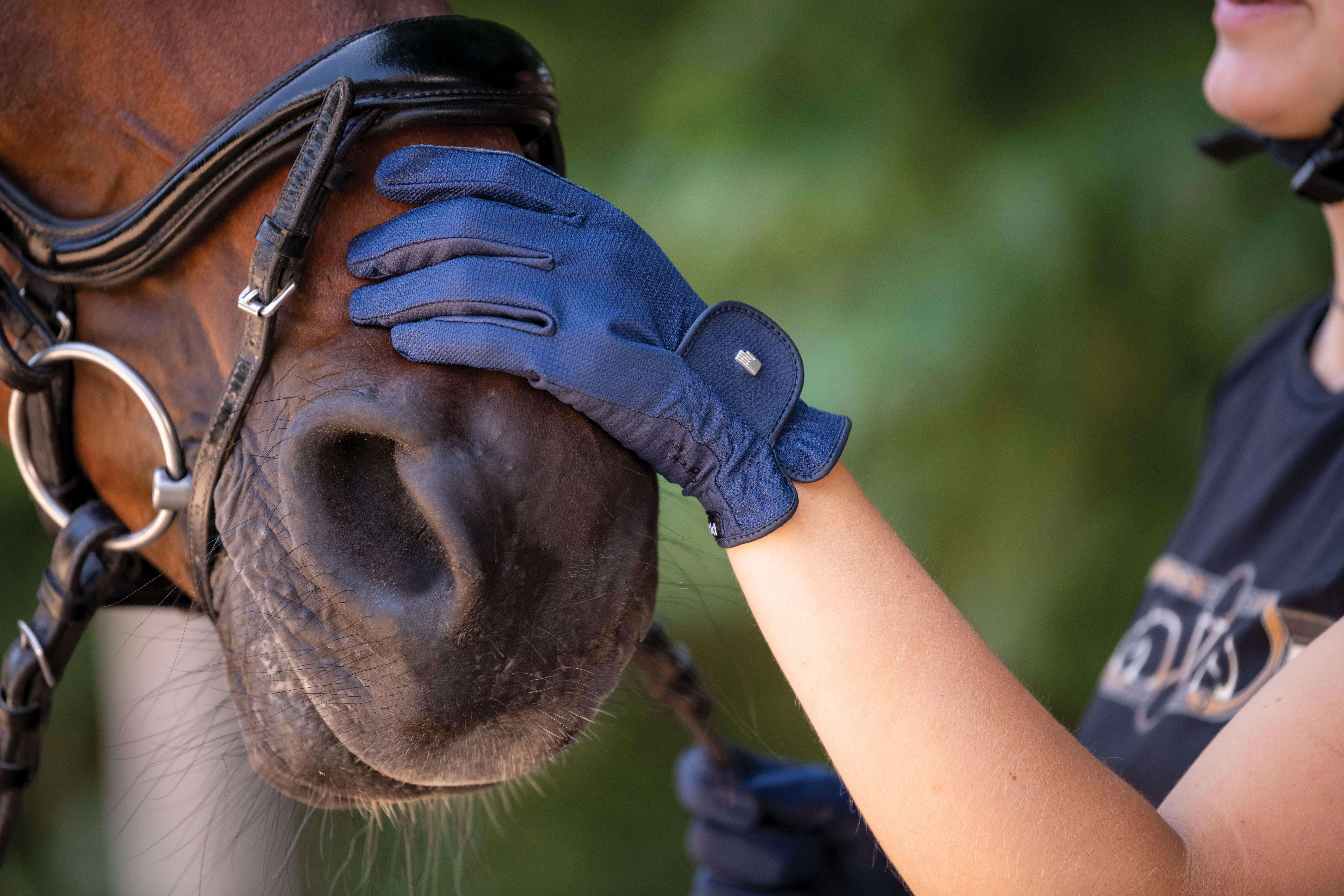
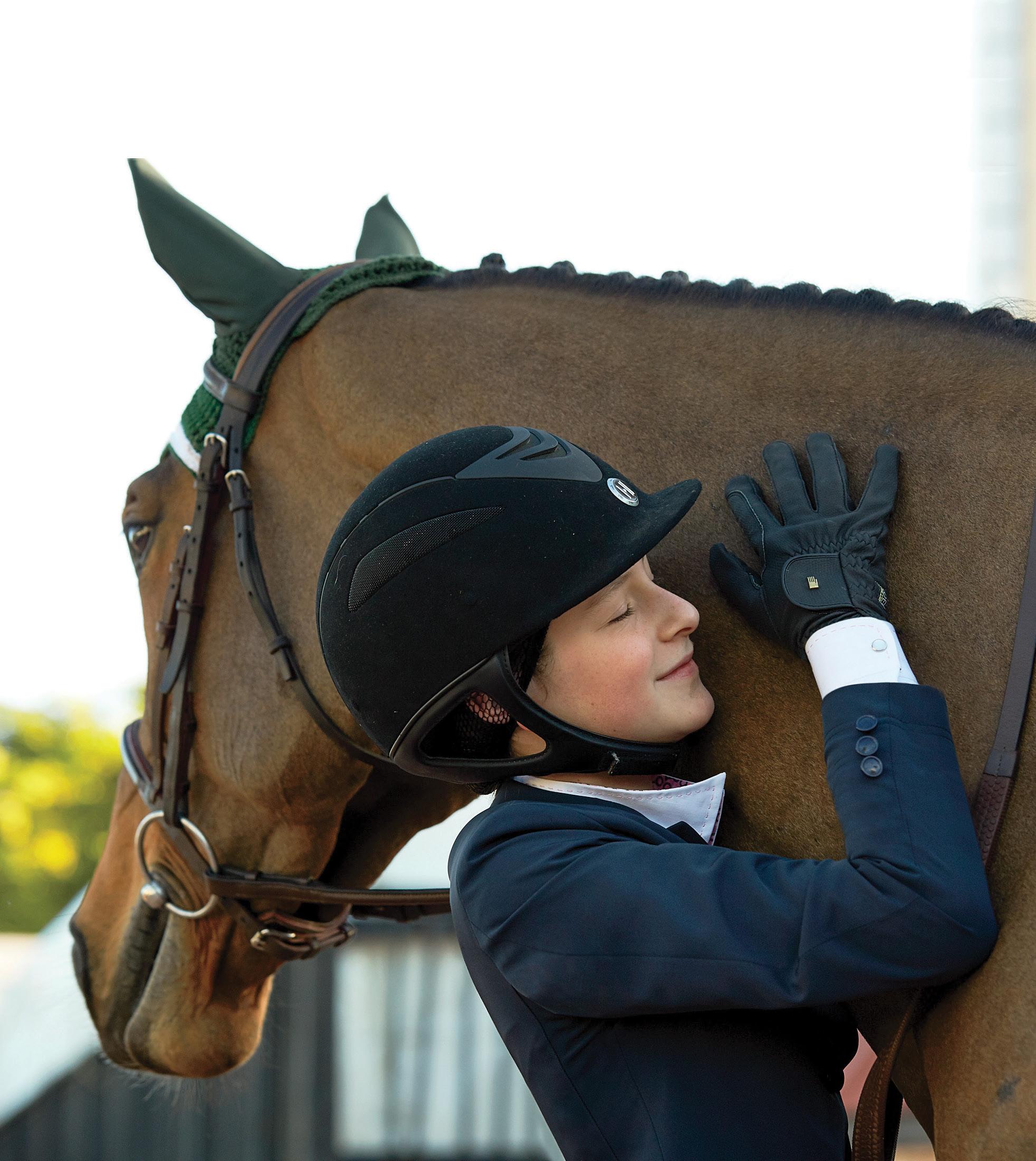
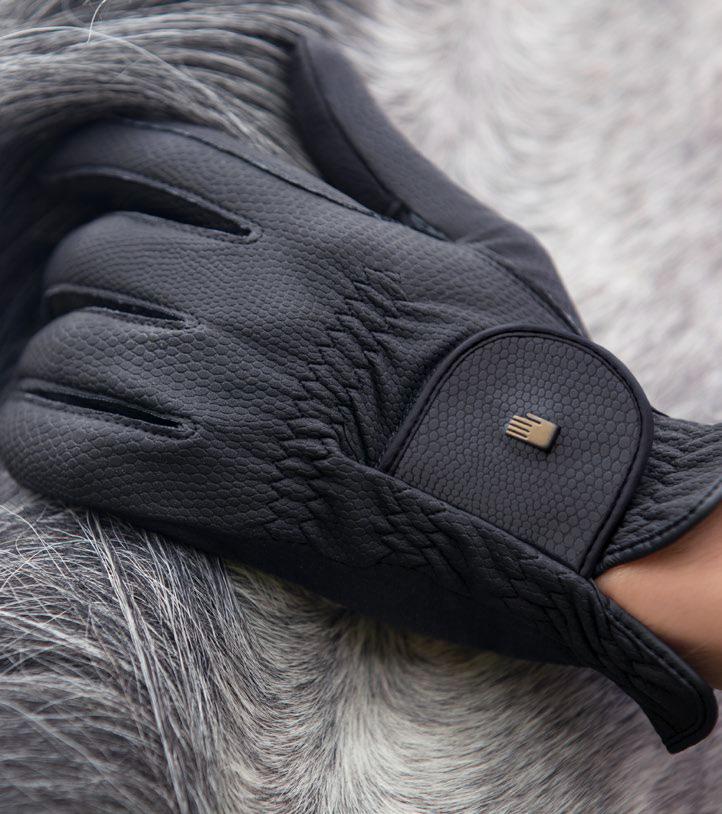
Roeck-Grip® Lite gloves are made with Roeckl's exclusive Roeck-Grip® material that provides soft, breathable comfort on hot summer days! Like Roeck-Grip and Roeck-Grip Winter, the Roeck-Grip Lite fits like a second skin, giving the rider a close contact feel, and is even touchscreen compatible! Roeck Grip Lite gloves are available in Black, White, and the new Naval Blue!
“It is a huge accomplishment for the kids to qualify, and for many, it is a once-in-a-lifetime opportunity, so a lot of families rally together and come to offer their support,” said Olivia Woodruff, Marketing Events Manager at USEF. “We often find that siblings, parents, and grandparents all attend, and we want to find ways to entertain everyone for the week.”
Even the children who are competing have spare time on their hands as they usually only have three show ring appearances throughout the week, so it’s important to keep everyone entertained in between classes.
“It’s all about keeping them busy and making sure there are activities outside of the competition for everyone,” Woodruff explained. “There’s a lot of extra time to fill. It is also a great opportunity for our sponsors as they have a direct connection to the members and their families who are on site.”
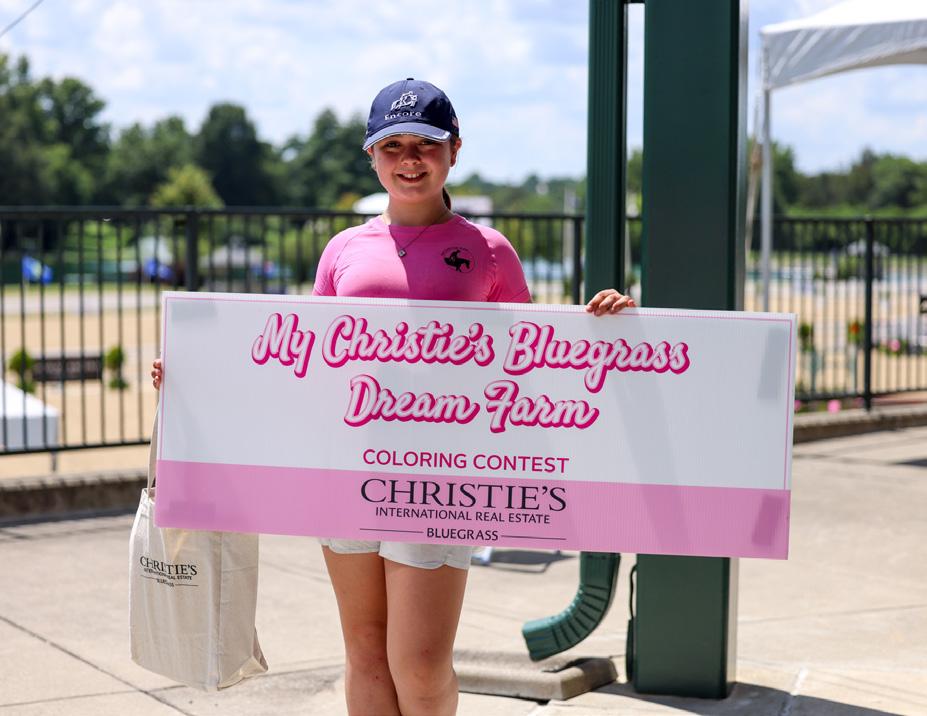
part in coloring, crafts, and other activities, such as making friendship bracelets, horseshoe ornaments, and wind chimes. Kids could also compete in the “My Christie’s Bluegrass Farm Coloring Contest” to show off their artistic skills,
Pony Finals always kicks off at ShopUSEF, where competitors and their parents rush to buy the latest speciallydesigned apparel and accessories. On opening day, people lined up outside the tent for an hour to purchase over 100 new styles of 2025 Pony Finals merchandise to commemorate their show week.
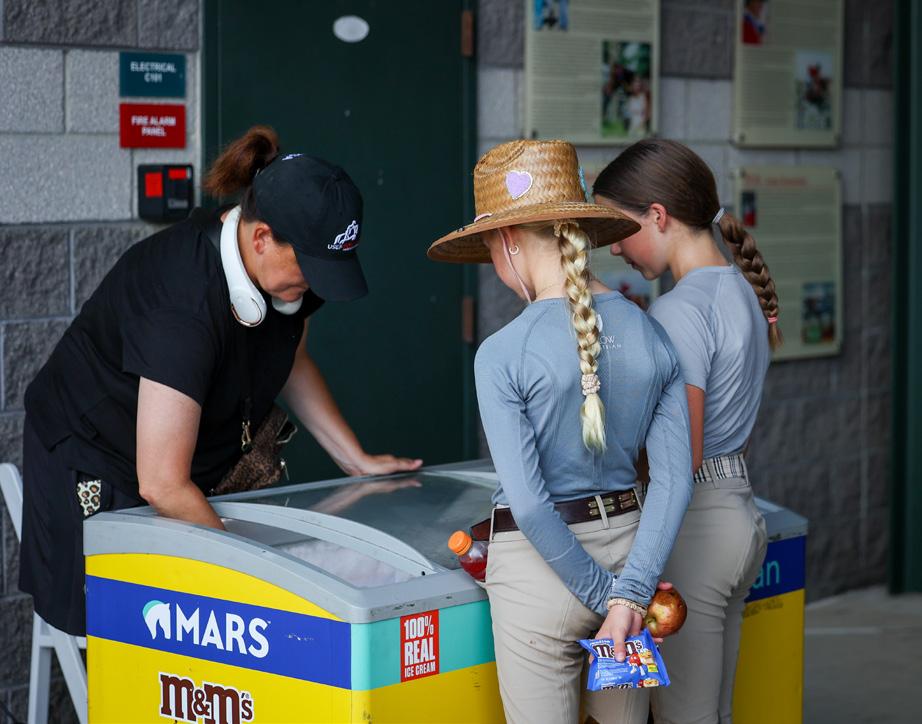
After the initial shopping frenzy to buy gear has subsided, Pony Finals attendees can then begin exploring all the activities the event has to offer. A daily occurrence that is especially welcome on hot, humid days is the MARS Ice Cream Cart, which dishes up free ice cream at 1 p.m. each day. Families, competitors, and trainers all gather to get a cold treat or take a handful of ice cream cones back to their barn mates. In addition, there are also Yeti coolers scattered around the horse park, so everyone has access to complimentary water — along with water bowls for canine guests.
The 2025 Pony Finals saw the launch of a brand-new activity zone sponsored by the USEF Kids Club. The USEF Stable Stars Activity Tent was a designated space for kids to take
along with having the opportunity to build their own dream farm.
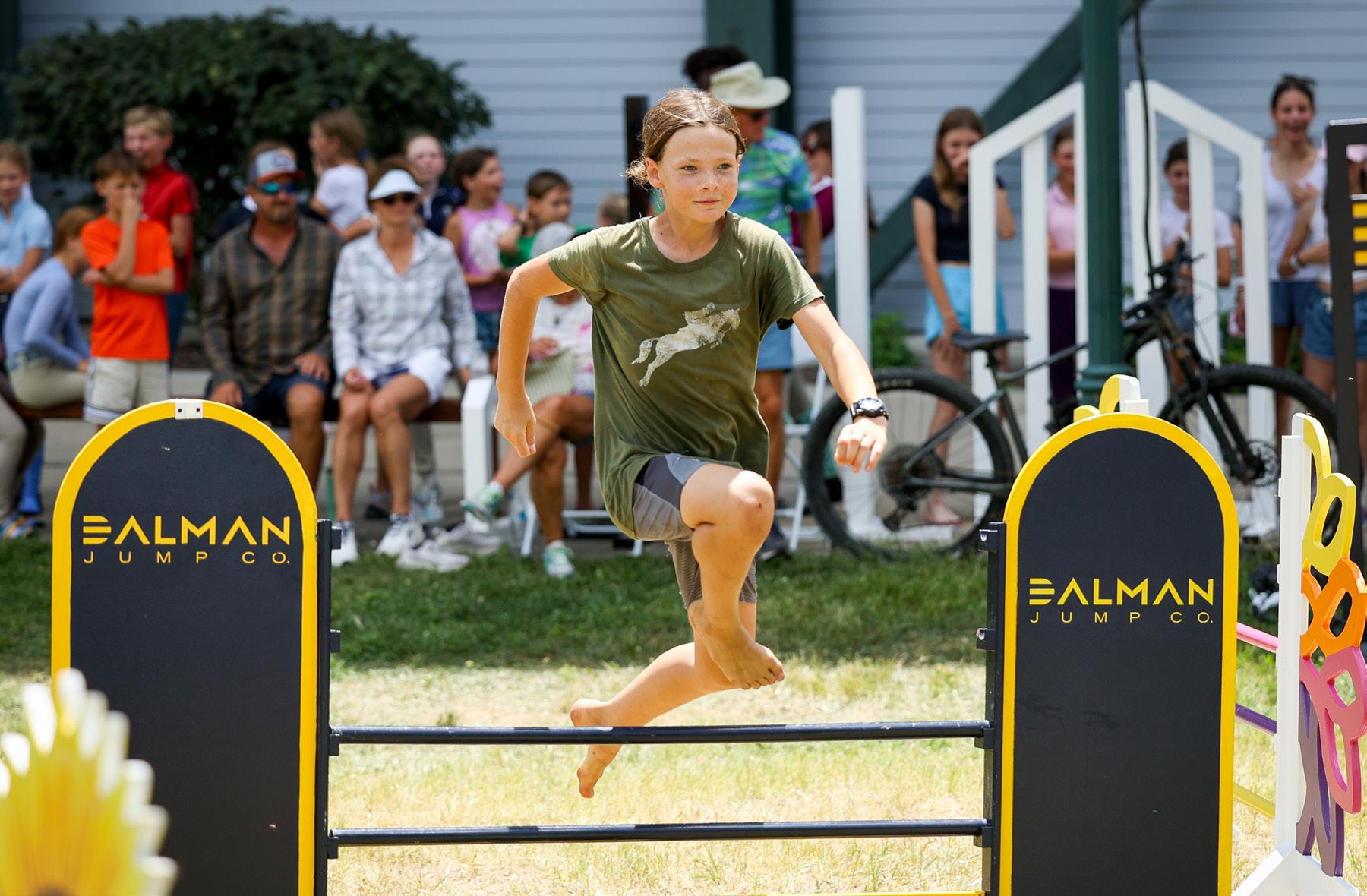
Another fan favorite is the Dalman Jump Co. Kid Grand Prix, where Dalman Jump Co. hosts a special area with shrunken-down versions of their horse jumps (including a US Equestrian Open jump) for kids to leap over.
“There are constantly crowds of kids there jumping and running around on foot — they run that area into the ground,” Woodruff said.
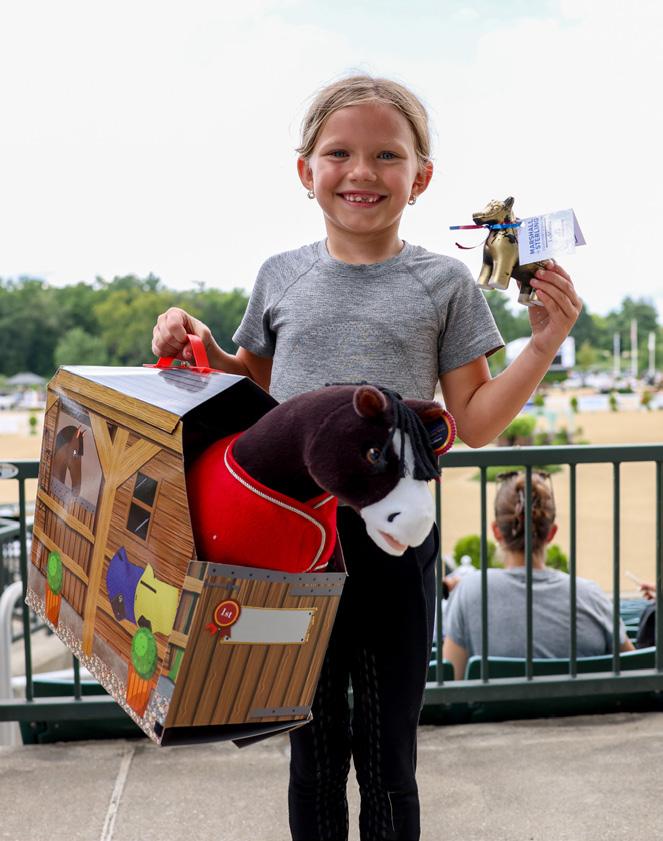
The week culminates in the Kid Grand Prix, where the lucky winner goes home with a Dalman Jump Co. kids’ jump. New this year, the family-owned company also had a jump design drawing contest, and they taught kids how to draw and design jumps.
“Another huge hit every year is the Marshall + Sterling Golden Pony Scavenger Hunt,” said Woodruff, where US Equestrian staff hide a gold squish pony somewhere on the property each day. Clues are shared on social media,
Shorthand, and at the concierge, and the winner each day takes home a LeMieux plush pony. “The kids go crazy looking for clues! This year, we had a little girl compete who was so young, we had to read out the clues for her.”
New height categories for the 2025 USEF Pony Jumper National Championships led to a huge increase in the number of pony jumpers competing this year. The Youth Show Jumping Foundation contributed funding to the Pony Jumpers classes, and also hosted an activity zone with team-focused events like polo wrapping, putting a bridle together, and naming horse parts.
“Pony Jumpers is many young riders’ first introduction to being on a team, where they have to think about being a team player versus it just being about them,” Woodruff explained. These out-of-the-ring activities helped them get into the mindset of working in a team environment, with their scores and performances impacting their teammates.
Pony Finals competitors and their families shared their stories and experiences from the week through the Pivo Question of the Day, hosted by USEF’s Official Technology Training Partner. They had the opportunity to answer
questions while being filmed by a Pivo camera, and the responses were edited into short video compilations for social media and the USEF Network.
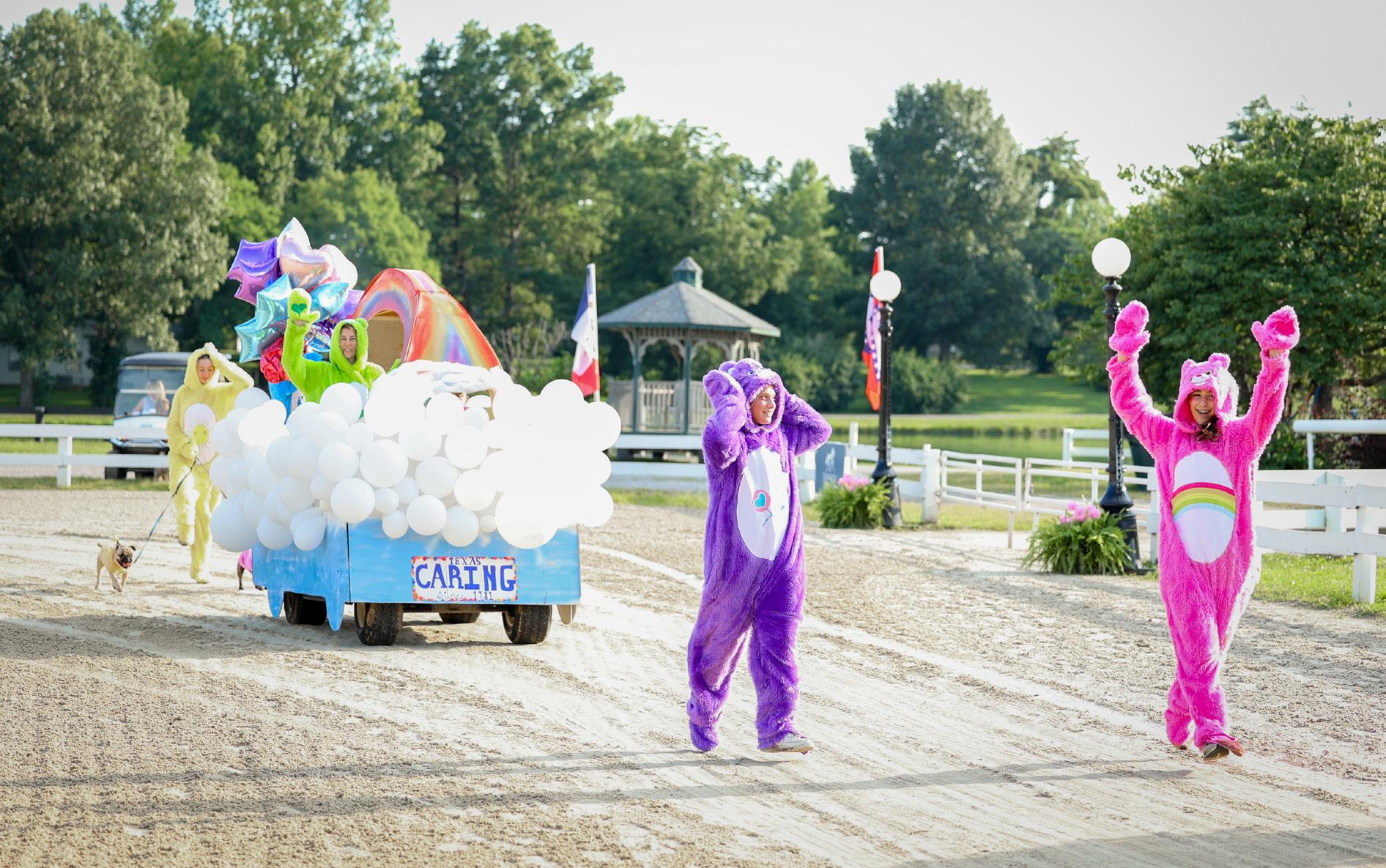
Undoubtedly, the most beloved event during Pony Finals is the Golf Cart Parade sponsored by MagnaWave. Attendees make a great effort to decorate golf carts for the annual Thursday night procession, which was judged by decorated Olympian and US Equestrian Chief of Sport David O’Connor. Among the highlights for 2025 were golf carts decorated as the Budweiser Clydesdales — complete with a real Dalmatian dog! — a Kentucky Derby-themed cart, Chappell Roan’s “Pink Pony Club,” and a “Breakfast at Tiffany’s” homage.
“People look forward to the parade every year. The parents get involved, the kids get involved, the trainers get involved ... they start planning far in advance and put a lot of effort into their creations,” said Woodruff.
Whether you attend Pony Finals as a competitor, a parent, or to cheer on a friend, there is always plenty to do in and out of the ring! Be sure to join in the fun at the 2026 USEF Pony Finals presented by Marshall + Sterling, which will take place at the Kentucky Horse Park Aug. 4-9, 2026.
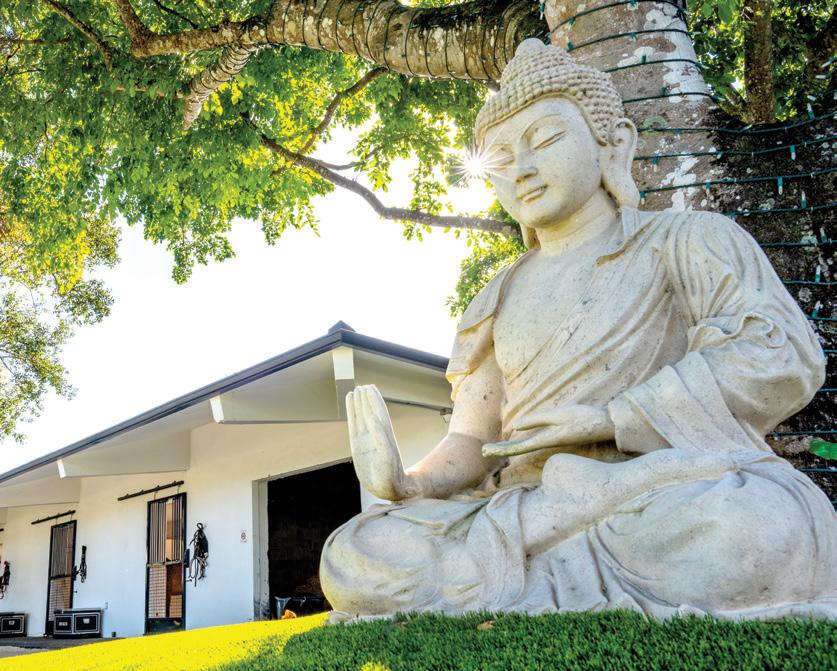
Zen Elite Equestrian Center, located in Southwest Ranches, Florida is everything the name suggests and much more.
The state-of-the-art facility hosts a spacious covered arena, two huge outdoor arenas and a full rehab/spa.
From the cascading waterfalls in the rider’s lounge, to its peaceful statues and inviting gardens, Zen Elite Equestrian Center envelops visitors in a spa-like relaxed atmosphere.
But Zen Elite is more than just soothing to the soul. The facility is unique in its scope, hosting grassroots dressage and jumping lesson programs in the same arenas where international trainers are preparing for national and world competitions.
Owner, Heidi Humphries’ vision is legendary, in that it supports the future of horse sport in the spa-like serene atmosphere that is Zen Elite Equestrian Center.


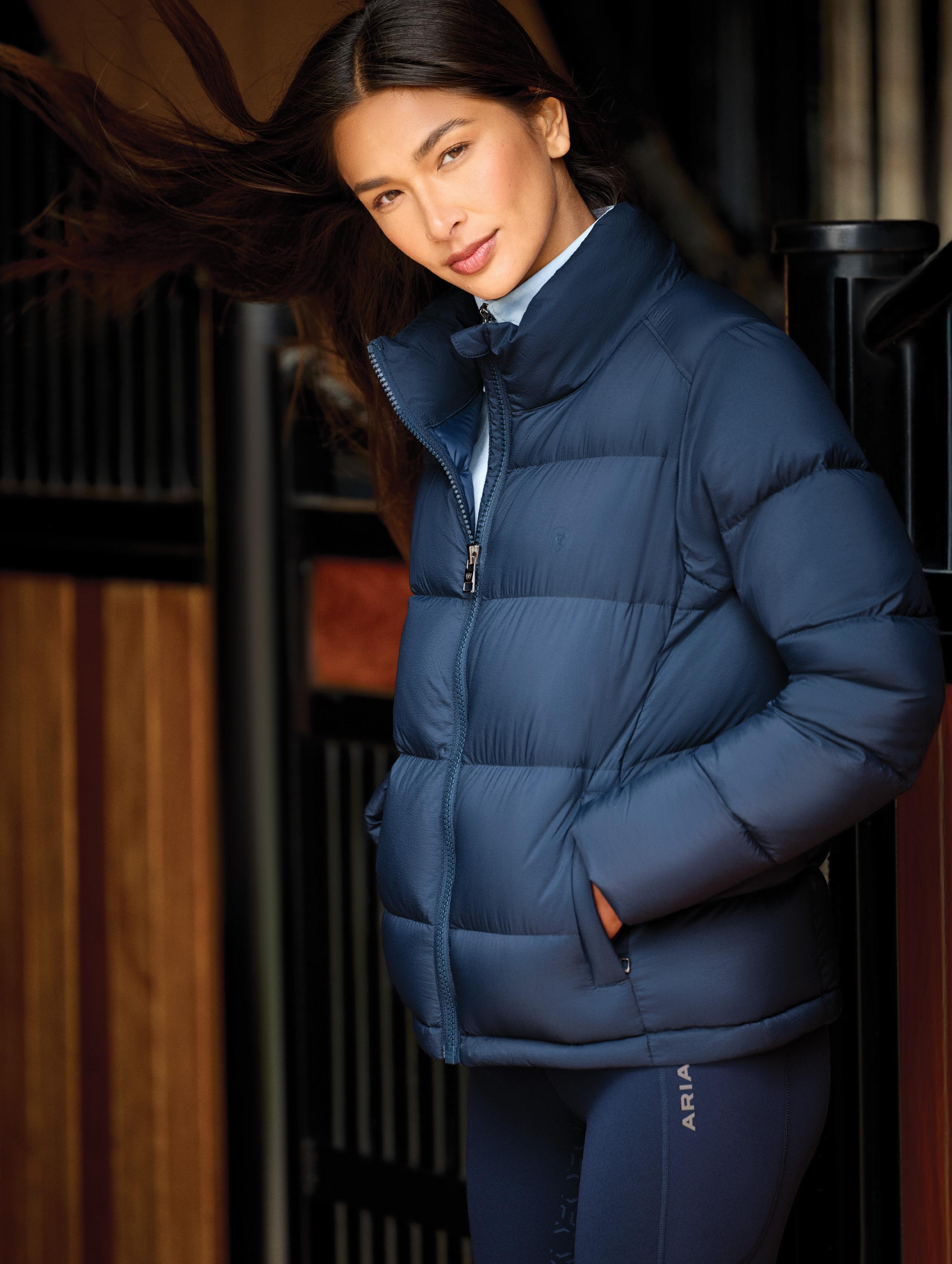
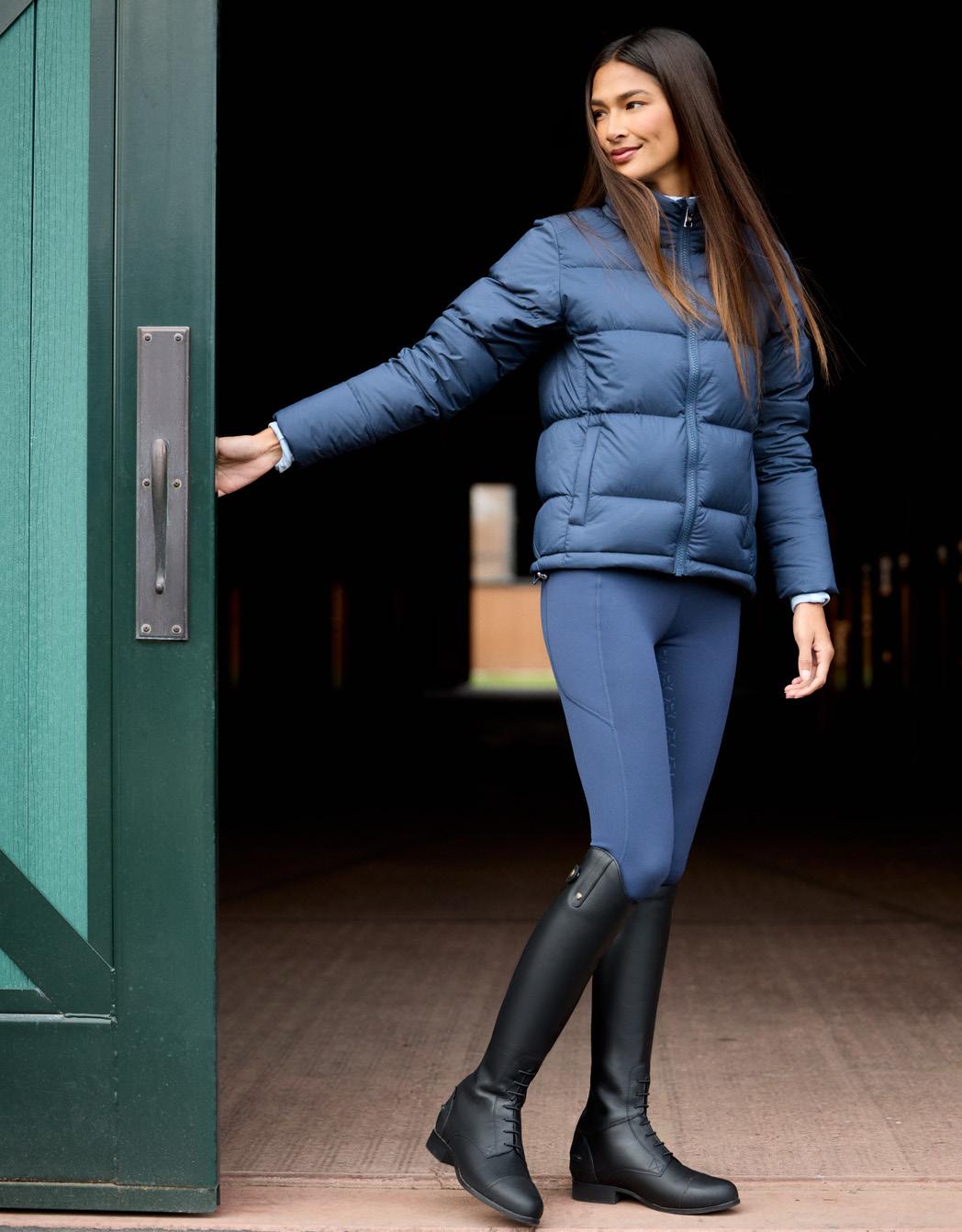
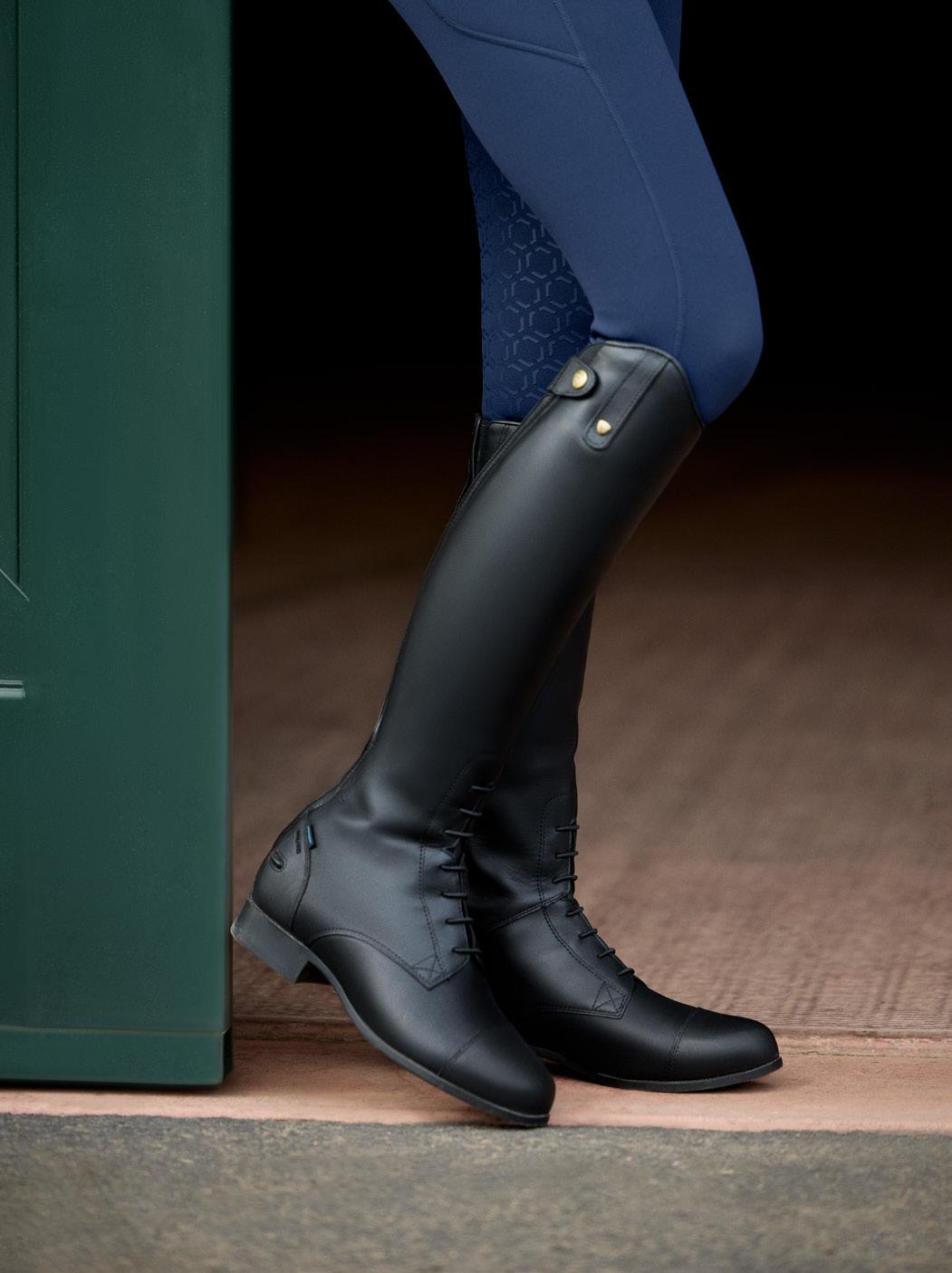
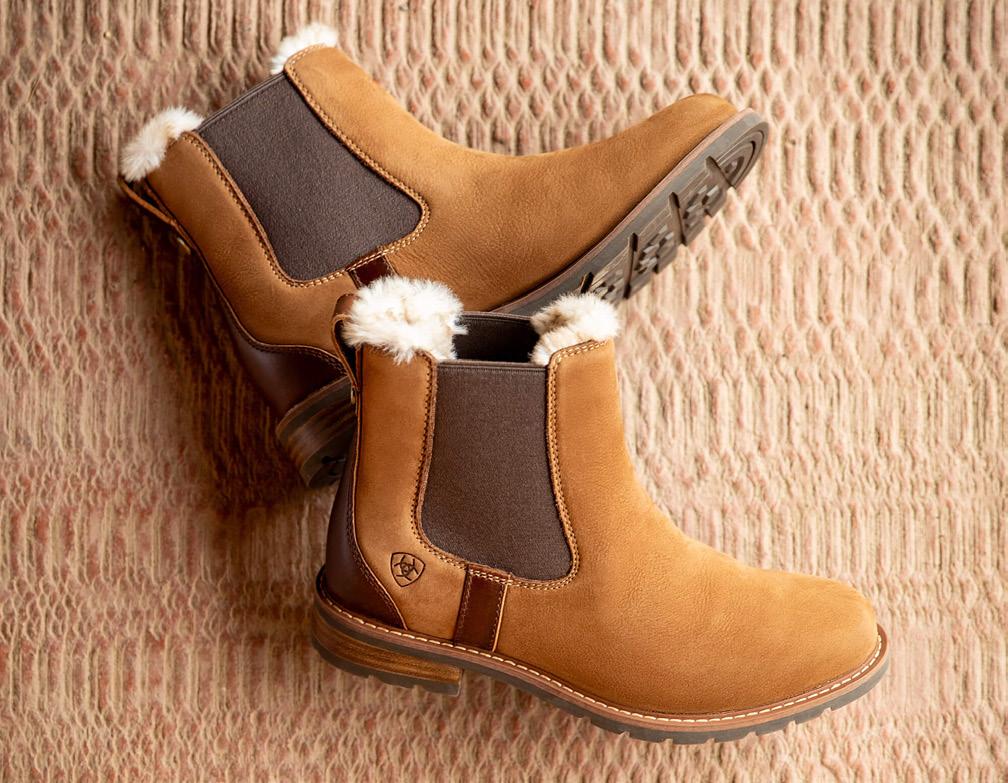
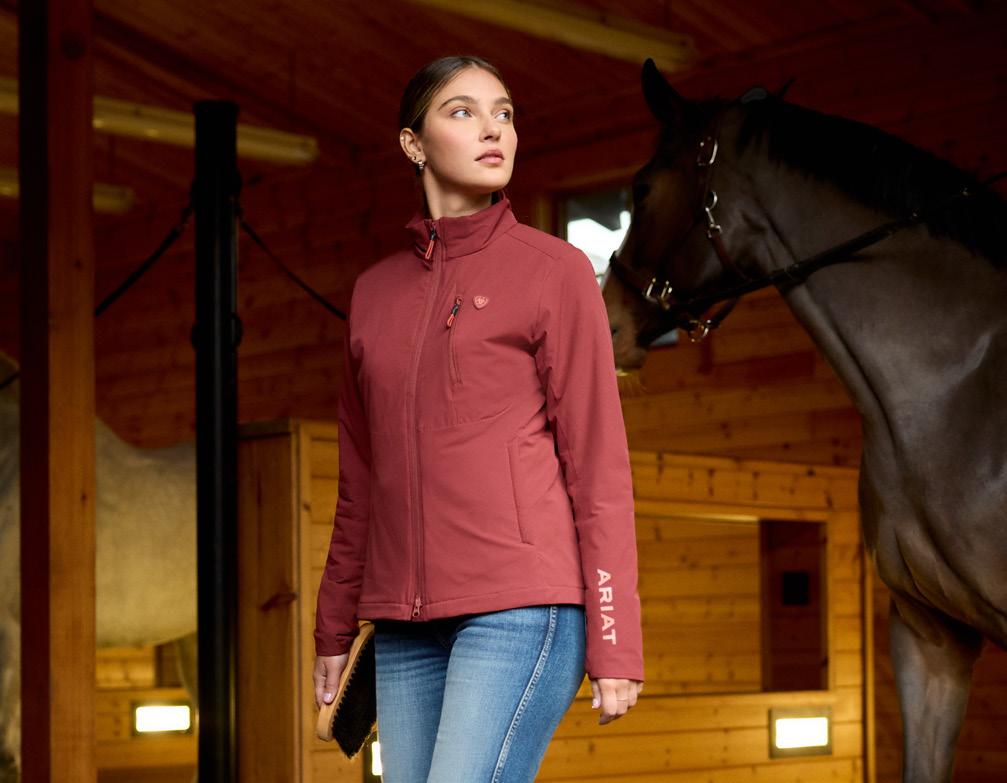
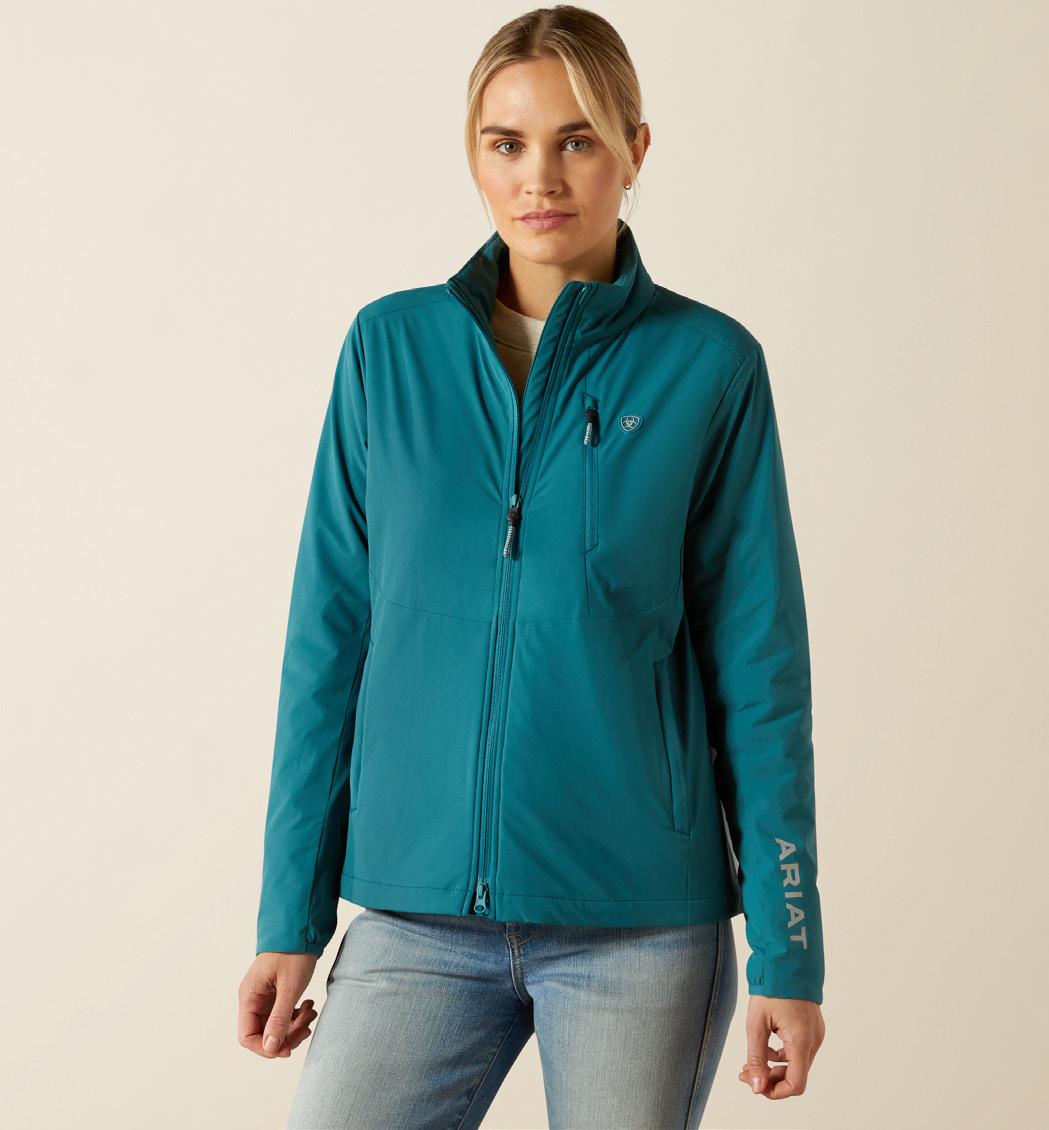
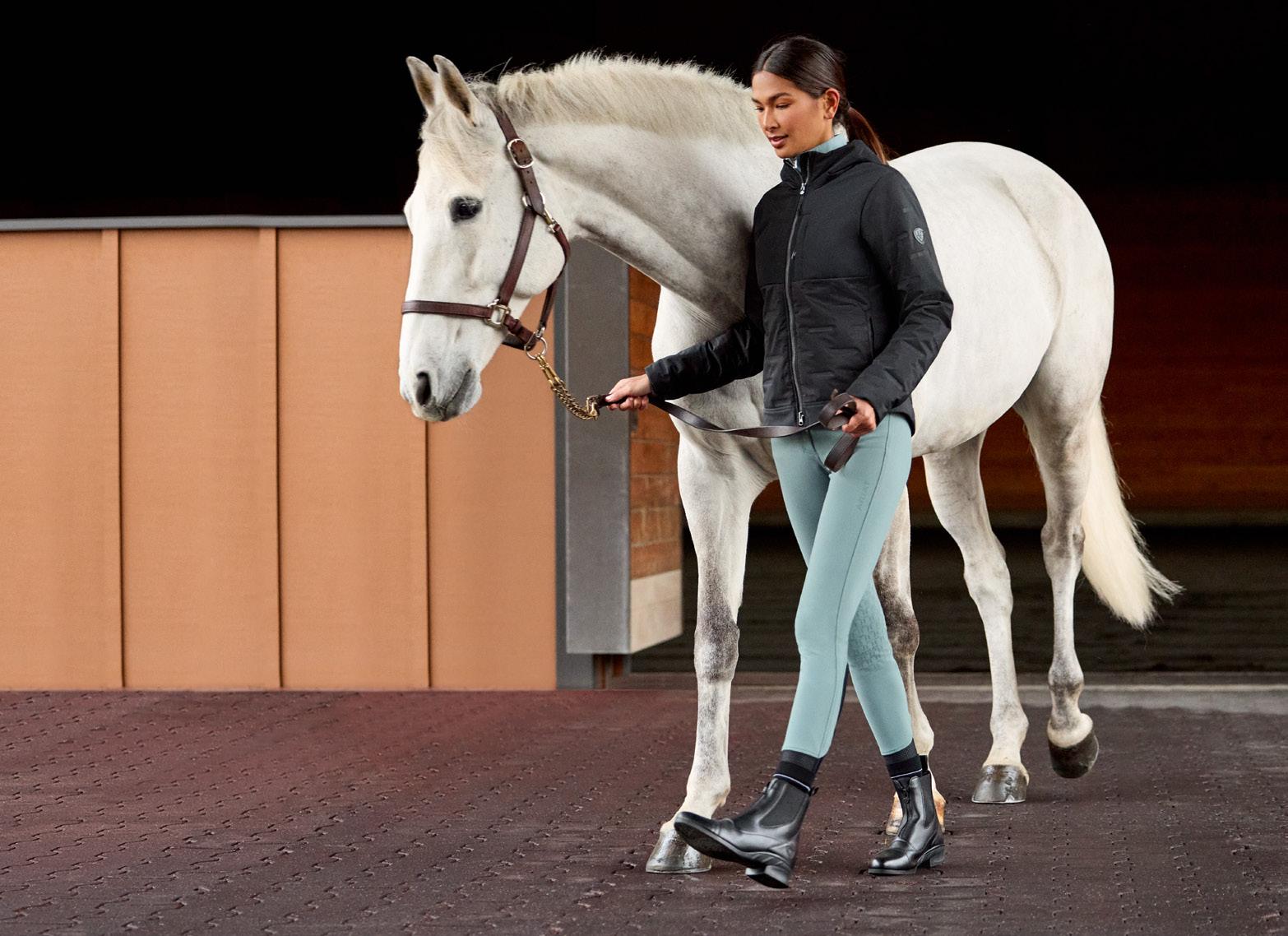
Discover winter wear that keeps you warm without hindering your range of motion in or out of the saddle.
Warmth, freedom of movement, and durability are essential components of winter clothing, especially for equestrian apparel. Ariat’s new winter collection is guaranteed to keep you snug and dry thanks to materials such as ethically sourced down and performance stretch fleece, while still allowing you to move freely when you ride and do barn chores. To learn more about Ariat’s sustainability efforts using bluesign approved materials and responsibly sourced leather, visit ariat.com/sustainability.


Rule changes can be proposed by USEF senior staff, committee members, Recognized Affiliate Associations, or USEF members who have been members for at least five consecutive years.
by Natalie Voss
In the summer and autumn of 2025, US Equestrian staff traveled to horse shows around the country for a series of horse welfare town halls, soliciting feedback from riders, trainers, officials, and parents about possible rule changes to improve the well-being of our equine partners. If you attended one of these in-person or virtual events, you may have wondered — how and when do these ideas hit the rulebook?
The USEF rulebook is lengthy, and the reason the Federation has so many rules is that it is the umbrella organization for 29 breeds and disciplines, all with unique needs and considerations. US Equestrian maintains both general rule chapters and a series of discipline- and breed-specific chapters in its rulebook. The former deals with definitions and regulations that apply across all disciplines and breeds, while the latter are specific to their breed or sport. Each chapter has its own two-letter abbreviation, which is the code at the front of each rule to designate whether it’s a general rule (GR) or comes from a breed or discipline chapter. Rule changes can be proposed by USEF senior staff, committee members, Recognized Affiliate Associations, or USEF members who have been members for at least five consecutive years.
There are a few different types of rule changes that USEF processes. Most rule changes are standard rule changes, whose approval process is described in this article. Other types of rule changes you may see mentioned include:
• FEI rule change proposals for international discipline rules, which are handled separately from standard rule changes and may be expedited to coordinate timing with the international group.
• Extraordinary rule changes, which are those that deal with safety, fairness, or welfare and which will cause severe hardship or unfairness to USEF, members, horses, competitions, or Recognized Affiliate Associations if not passed on an expedited basis.
• Rule clarifications, which are used in situations where rule language isn’t changing meaning, but the existing rule has confusing language or incorrect phrasing that needs to be updated. These are approved by the legislative committee and the USEF General Counsel.
The process a proposed standard rule change undergoes from the first time it’s filed to entering the rulebook can take about 10 months.


Changes were made to green pony reinstatement rules in December 2024.
“The journey a rule change takes is not a short one, but at its conclusion, we can feel it has been thoroughly vetted by USEF stakeholders,” said Amelia Prevost, Senior Counsel at US Equestrian.
The first stop for any proposed rule change is a review by the US Equestrian legal team. The team cleans up submissions before sending them out for feedback, making sure the proposed language fits into the existing rule in the book, the proposal makes logical sense, and it says what the proponent means it to say. Language clean-ups may include adjustments in phrasing to be as accurate as possible. For example, a particular piece of equipment isn’t made “illegal” per USEF rules because USEF is not a law enforcement agency; rather, that piece of equipment is “prohibited” in sanctioned
before a rule change goes to the full USEF Board of Directors.
Following approximately four months of being out for comment, the proposed rule change is placed in what’s called a “blackout period” where it’s pulled from the Rule Change page on the USEF website while staff and proponents work to process feedback received during the comment period, and consider whether any changes need to be made to the draft. A second draft goes out for another comment period to members and committees, and goes through another blackout period for any further changes. Finally, the rule change’s last stop will be the councils, who review and submit any comments on the rule change.
Council comments on standard rule changes are collated and then sent to the
competition. The legal team also works with the rule change proponent to create a summary explaining the intent of the change, which follows the rule change proposal through its review process.
After that review, rule changes are posted online and are open for comment by US Equestrian members and committees. Committees and councils are an integral part of the rule change process. Councils and committees are comprised of USEF and affiliate appointees and athlete representatives. There are currently 39 committees and three councils. Committees are the first line of review for rules, while councils are the final review group
USEF Board of Directors, where a rule change may be approved or disapproved. Most standard rule changes are considered by the Board at its mid-year meeting, which is typically held in June. Standard rule changes typically have an implementation date of Dec. 1 in the same calendar year, so they can be enacted for the next competition season. (There are certain exceptions to this. Rules that impact mileage, for example, must have an additional year tacked on to implementation date so everyone has plenty of lead time to change their competition calendar.)
Standard rule change submissions closed Sept. 1 for consideration at the 2026


Mid-Year meeting in mid-June. You can see the current slate of rule changes working their way through the system by visiting usef.org/rulechange. USEF encourages members to submit any feedback they have on these proposed rule changes.
Although they are not technically rule changes, you may have become aware of presidential modifications in the 2025 cycle of rule approvals, when the presidential modification to the hunter/jumper collapse rule was announced. Most presidential modifications are designed to apply to individuals, such as someone requesting a temporary exemption from equipment rules to allow their horse to wear goggles at a show for a few months while the horse recovers from an eye injury. These presidential modifications impacting one person or horse are intended to be temporary. At times, presidential modifications, such as the collapse rule, will be issued that impact a wider swath of riders and horses. The intent behind a presidential modification in this type of situation is that an official rule change will follow to make the changes permanent.
US Equestrian members who have been members in good standing for at least five years are permitted to submit rule changes, and are encouraged to do so. If you’re interested in submitting a rule change in the future, follow these guidelines:
• Start by speaking with your Affiliate. The best starting point is background research. Your Affiliate, by their nature, is steeped in the breed or discipline and has an understanding of how your proposed change will impact members. They may have suggestions to the rule change you hadn’t thought of, or can give you perspective on how it’s likely to
US Equestrian has both general rule chapters and a series of discipline- and breed-specific chapters in the rule book.
be received. This may change the way you think about a proposed change and the approach you take when writing it. It also gives the Affiliate a chance to understand your viewpoint, so when they’re reviewing the proposal, they have helpful context. Recognized Affiliates have representation on the committees providing feedback on rule change proposals. If an Affiliate advocates for a rule change, that confidence can sometimes help advance a rule change proposal.
• Make sure you’re in the right chapter. Check both the General Rules (GRs) and any breed or discipline-specific chapters to make sure you’ve correctly identified the most logical home for your desired rule change, and to make sure you understand the existing rules that relate to the subject of your rule change.
• Consider the implications. Rule change submissions that are designed to benefit the proponent and no one else are less likely to get support compared to those that are desired by a larger group of stakeholders and have a broad impact.
“Rule changes are one of the most valuable ways we interface with members,” said Prevost. “They give us an opportunity to understand what our membership cares most about, and it gives members a chance to use their voice to change their sport.”
Want to submit a rule change? You can do that by visiting prc.usef.org/drafts (please note, you must be logged into your USEF Member Dashboard).
Want to view and comment on potential rule changes? They will be listed at usef.org/compete/resources-forms/rules-regulations/rule-changes when they are open for member comment.











by Natalie Voss
Find out how parents and trainers can help recognize and address cyberbullying among young athletes.
A 2018 study by the Pew Research Center found that 59% of American teens had reported experiencing some form of cyberbullying.
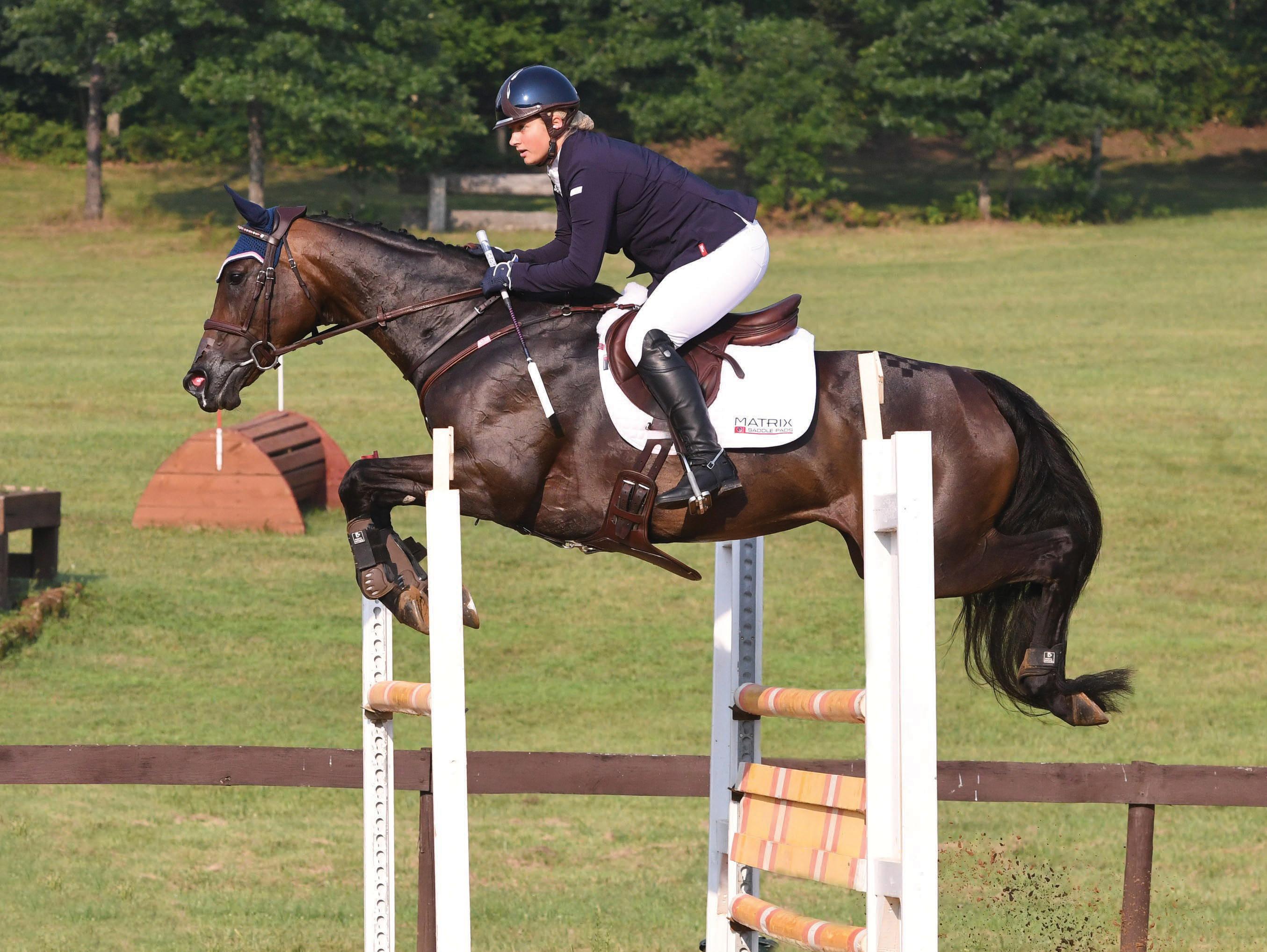
Utilize the latest technology with T3 Matrix Saddle Pads for maximum comfort and freedom of moment
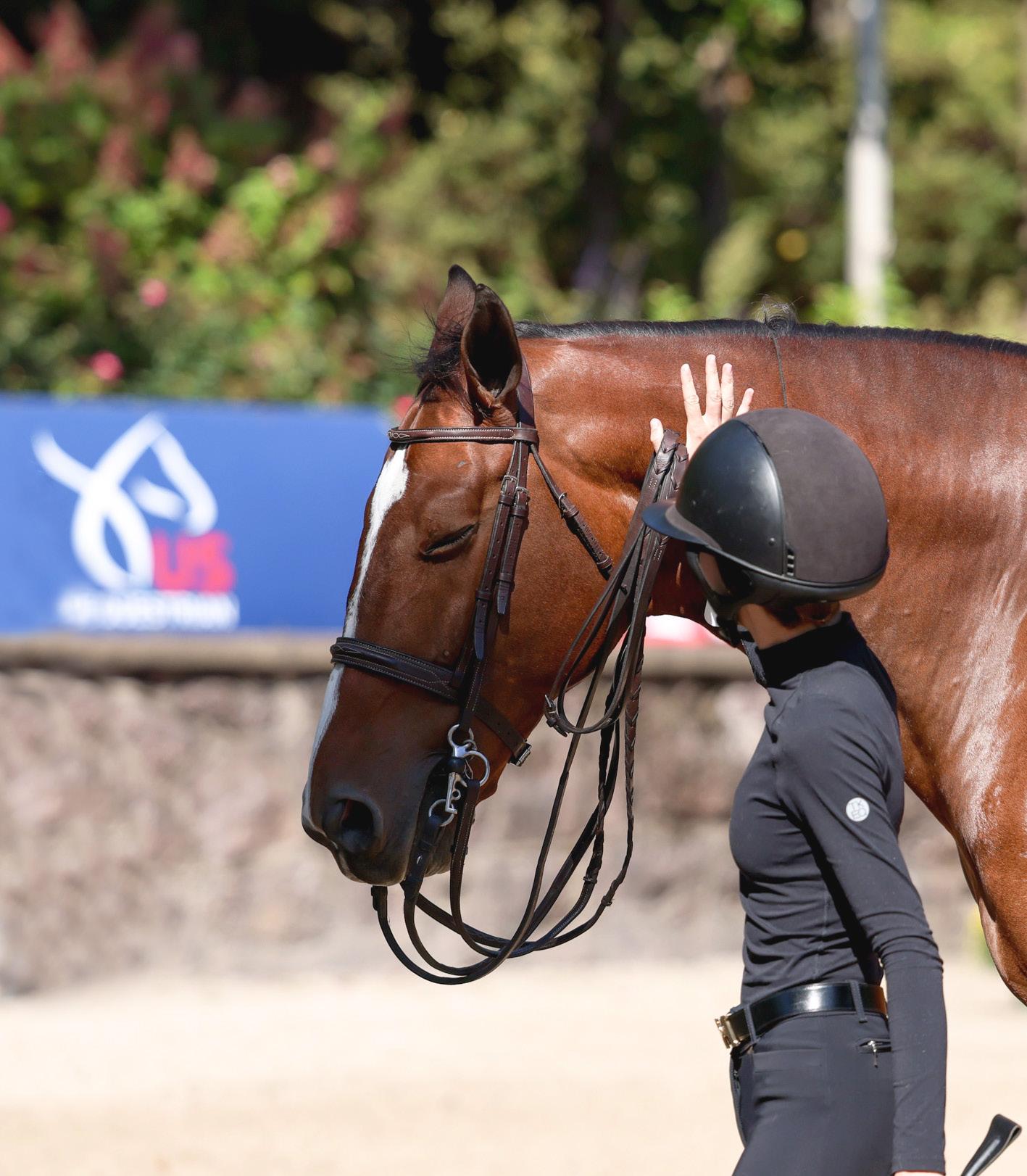
In an effort to make equestrian sports a welcoming place for our youngest participants, US Equestrian’s Safe Sport policies address cyberbullying against junior athletes.

Rodrigo
and
finished the jump-off on a speedy 41.58 with 8 faults.
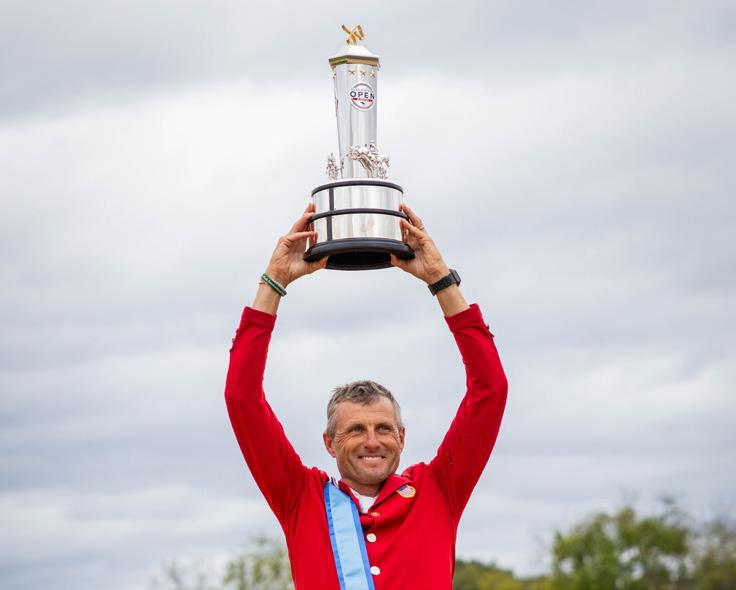
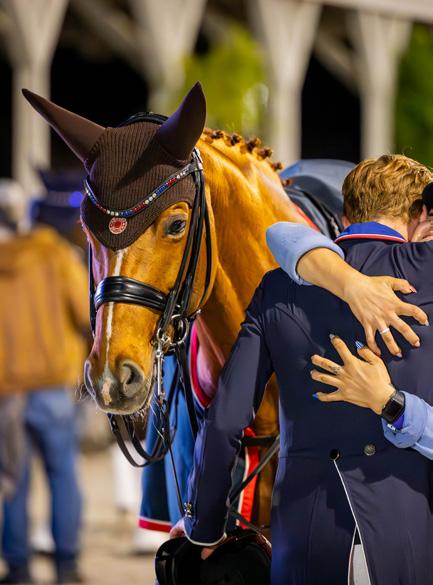
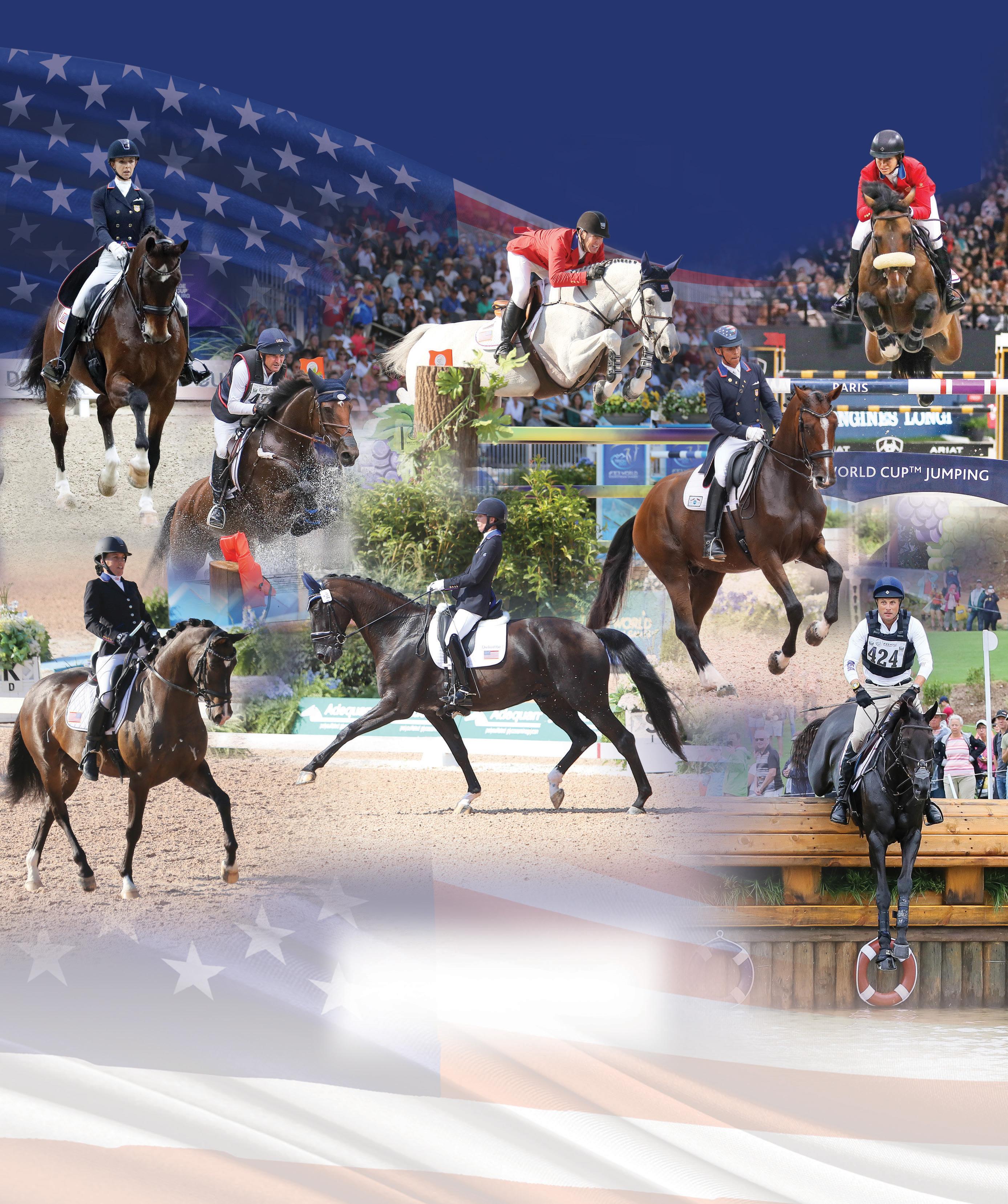
In 2025, US Equestrian launched the US Equestrian Open series with the goal of bringing together the best horse and rider combinations in jumping, eventing, and dressage. The series delivered world-class competition and global recognition to the three Olympic disciplines, while also offering substantial prize money and the winners’ names etched on the bespoke US Equestrian Open trophy. The US Equestrian Open series also highlighted three iconic venues: Wellington International, Fla. (jumping), Morven Park International Equestrian Center, Va. (eventing), and Desert International Horse Park, Calif. (dressage).
BY DEBBIE ELLIOT
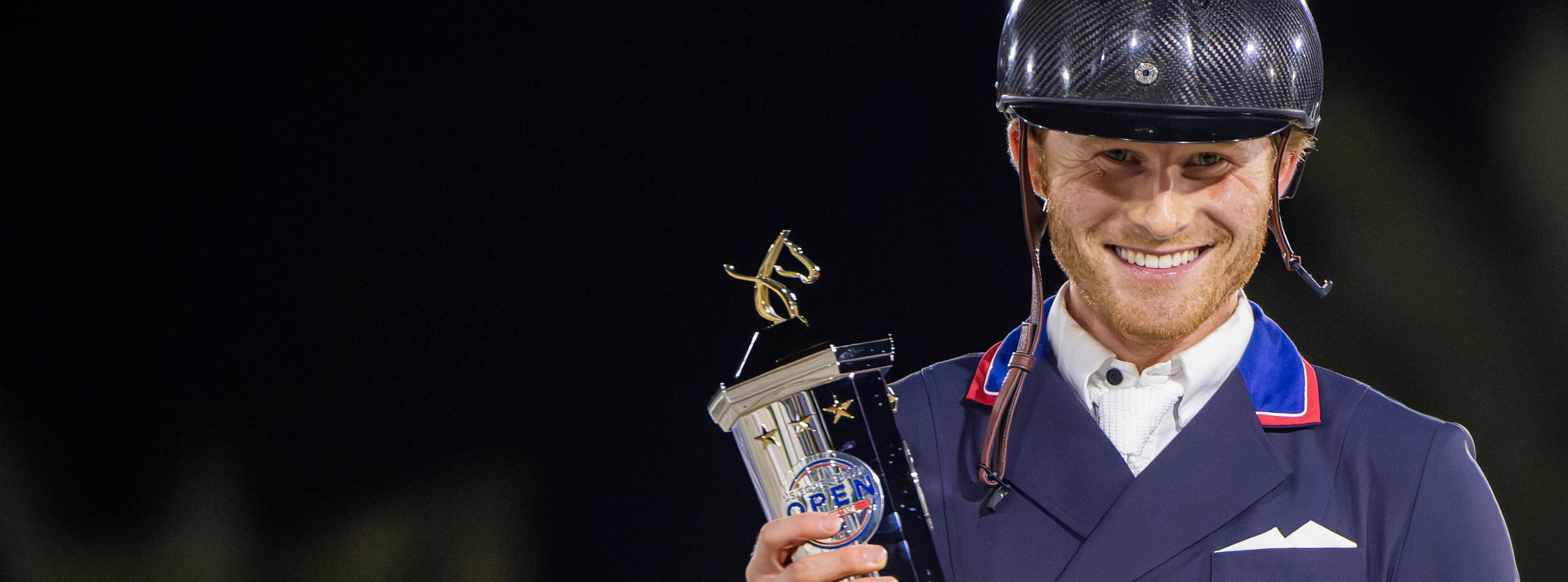
Below:
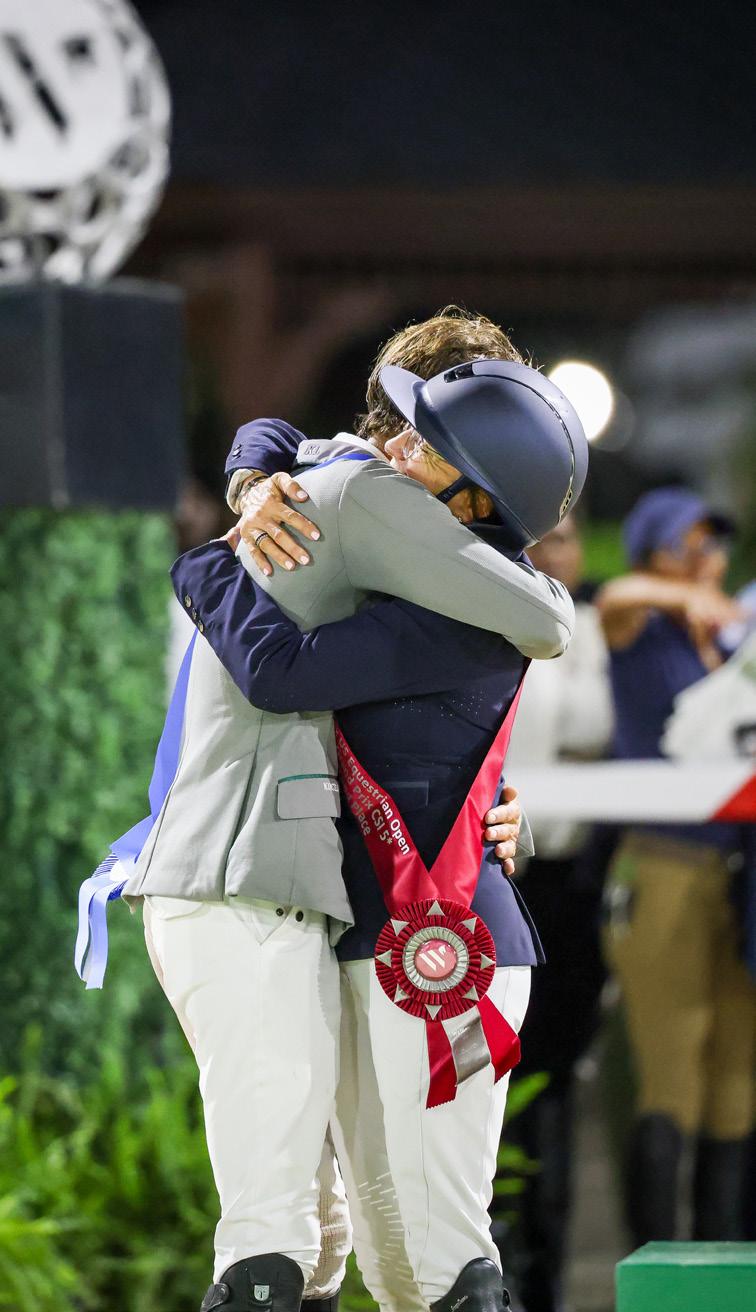
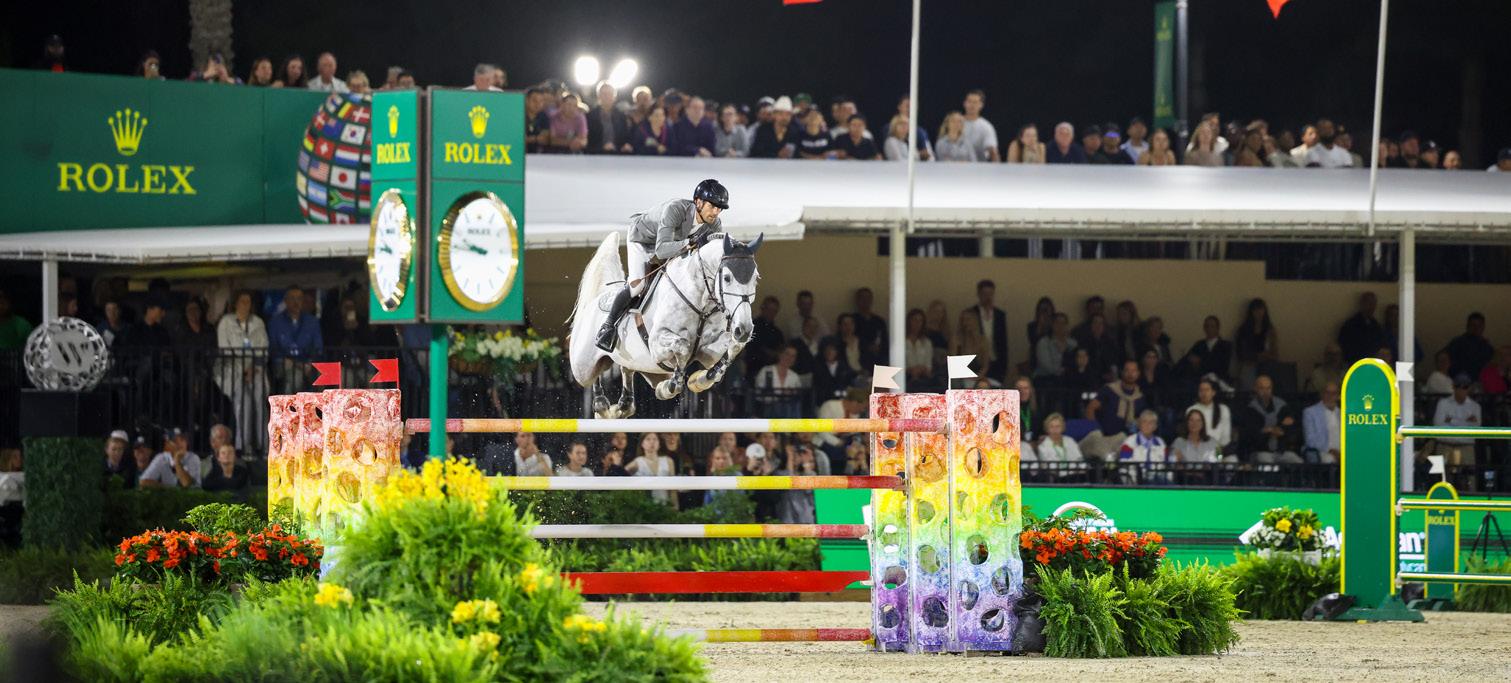
On March 29, 2025, Christian Kukuk and Checker 47—who won individual gold at the 2024 Paris Olympics for Germany—took top honors in the $750,000 Rolex US Equestrian Open Grand Prix CSI5*, in what truly was an international competition in front of a sellout crowd at Wellington International. Laura Kraut and Bisquetta finished as the highest-placed U.S. combination on the podium, earning second overall, while Israel’s Ashlee Bond and Donatello 141 finished third.
“This was really a highlight class for all of us,” Kraut said of the US Equestrian Open Jumping Final that included fellow U.S. Jumping Team athletes Kent Farrington, McLain Ward, and Karl Cook. For full coverage of the US Equestrian Open Jumping Final, please read the US Equestrian magazine spring issue
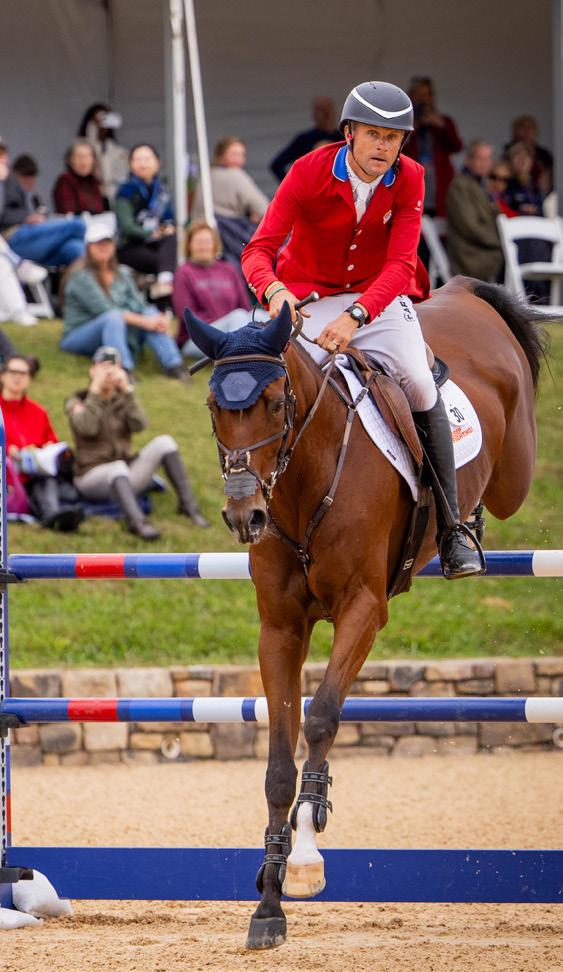
Opposite top to bottom: Alex Conrad and Malibu Preacher during the cross-country phase of the CCI4*-L at Morven Park.
Jessica Phoenix’s mount Fluorescent Adolescent checking out a bag of goodies.
Will Coleman and Off The Record in front of the historic Morven Park Mansion.
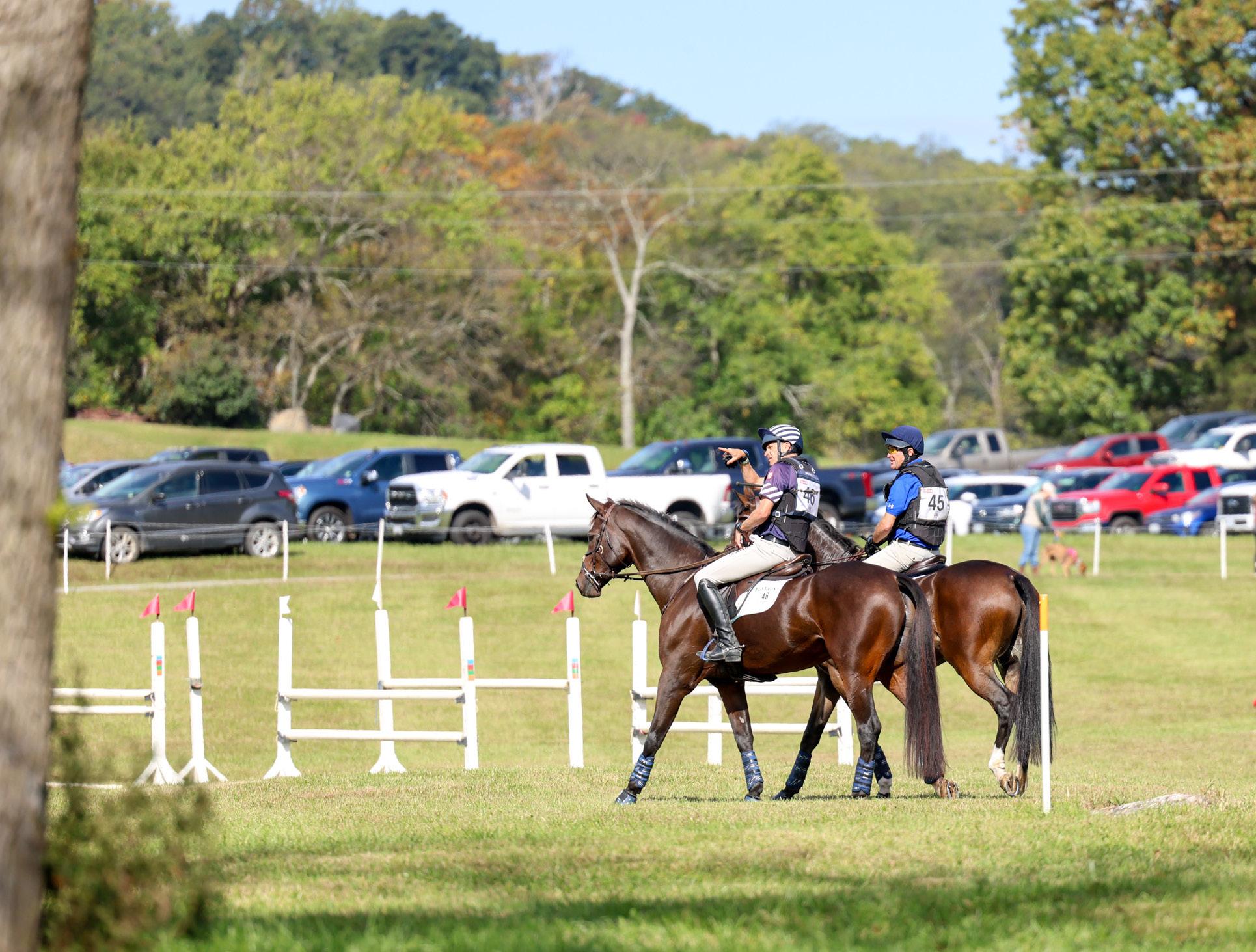
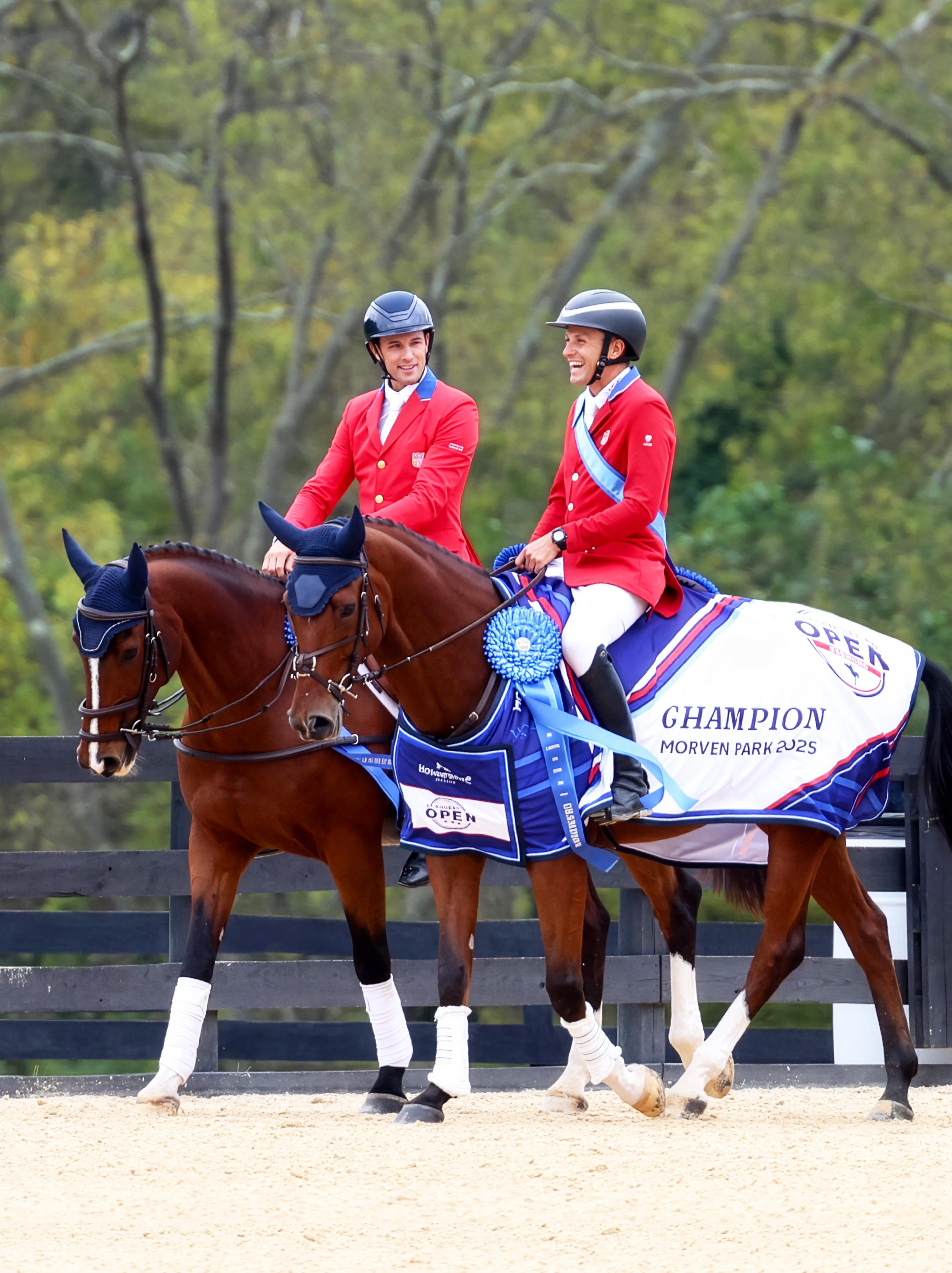
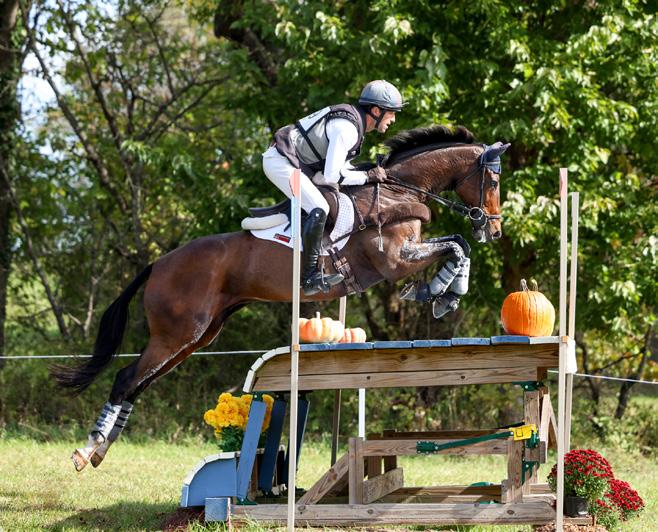
The US Equestrian Open Eventing Final brought competitors to the historic 1,000-acre estate of Morven Park, Va., from Oct. 9-12, 2025. The weekend’s exhilarating action resulted in two U.S. eventing legends standing side by side on the podium: Boyd Martin and Will Coleman.
Four-time Olympian Martin became the inaugural US Equestrian Open Eventing champion on Miks Master C, while Coleman took second and third place on the podium with Off The Record and Very Dignified, respectively. Martin rounded out the top four placings with his other ride, Shanroe Cooley.
Coleman and Off The Record (“Timmy”) took the lead after the dressage phase with a record-setting score of 25.1 penalties. It marked the lowest dressage score ever recorded at Morven Park International & Fall Horse Trials at the 4* level, and Coleman’s personal-best CCI4*-L dressage score to date.
“Timmy is as professional as they come,” Coleman said of the 2009 Irish Sport Horse gelding owned by Off The Record Syndicate. “He’s so laid back that sometimes it feels like he’s half asleep going through his business in [the arena], but he knows the job ... I’m so appreciative of him.”
Sharon White and Claus 63, and Martin with Miks Master C, had the second and third lowest scores heading into the crosscountry phase.
Saturday’s challenging cross-country track, designed by Derek di Grazia, had horse-and-rider combinations tackle a 5,778-meterlong course with an optimum time of 10:09 minutes. Coleman and Off The Record once again finished the day on top, with a time of 10:04 minutes. The Virginia native also crossed the timers in exactly 10:09 minutes on Very Dignified, to take sixth place.
“It took us a bit to find our rhythm, but it’s a credit to him; on a day where we weren’t totally in sync, he still hunts the flags and does whatever it takes to stay between them,” Coleman said of his ride with Off The Record following the cross-country phase. “That’s the sign of a good horse, and he is that.”
Coleman went on to praise Off The Record’s grit and determination when faced with di Grazia’s demanding track.
“He’s not the most gifted galloper, but he was giving me everything,” Coleman said. “It was hard work, but he digs deeply when he must. I couldn’t be prouder of him.”
Once again, Martin and Miks Master C, a 2012 U.S.-bred Swedish Warmblood gelding owned by Ocala Horse Properties, LLC, Deborah Palmer, and Rachael Isaacson, finished the phase in
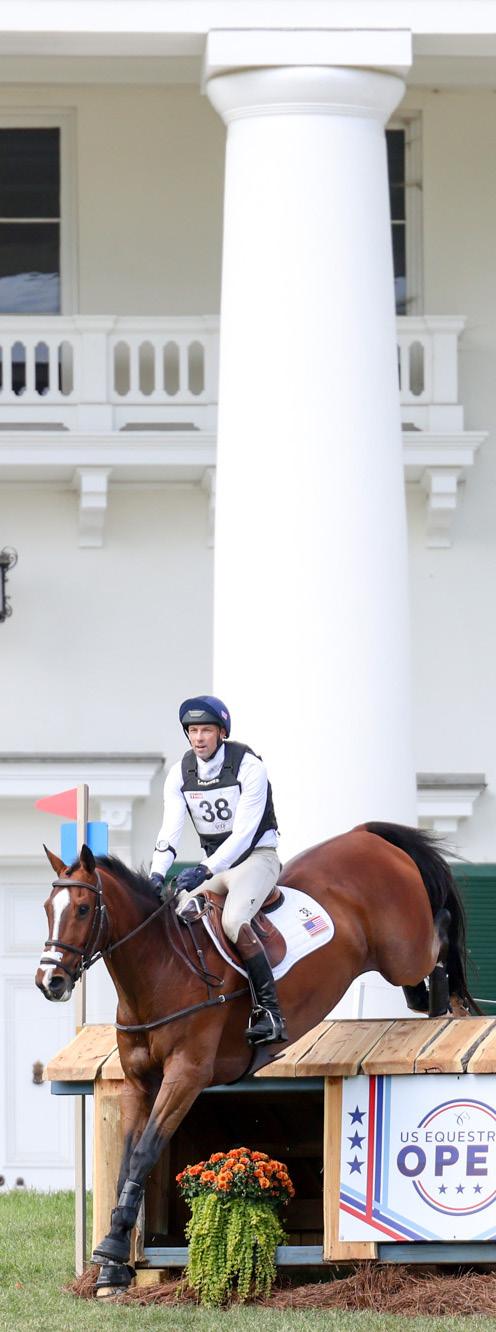
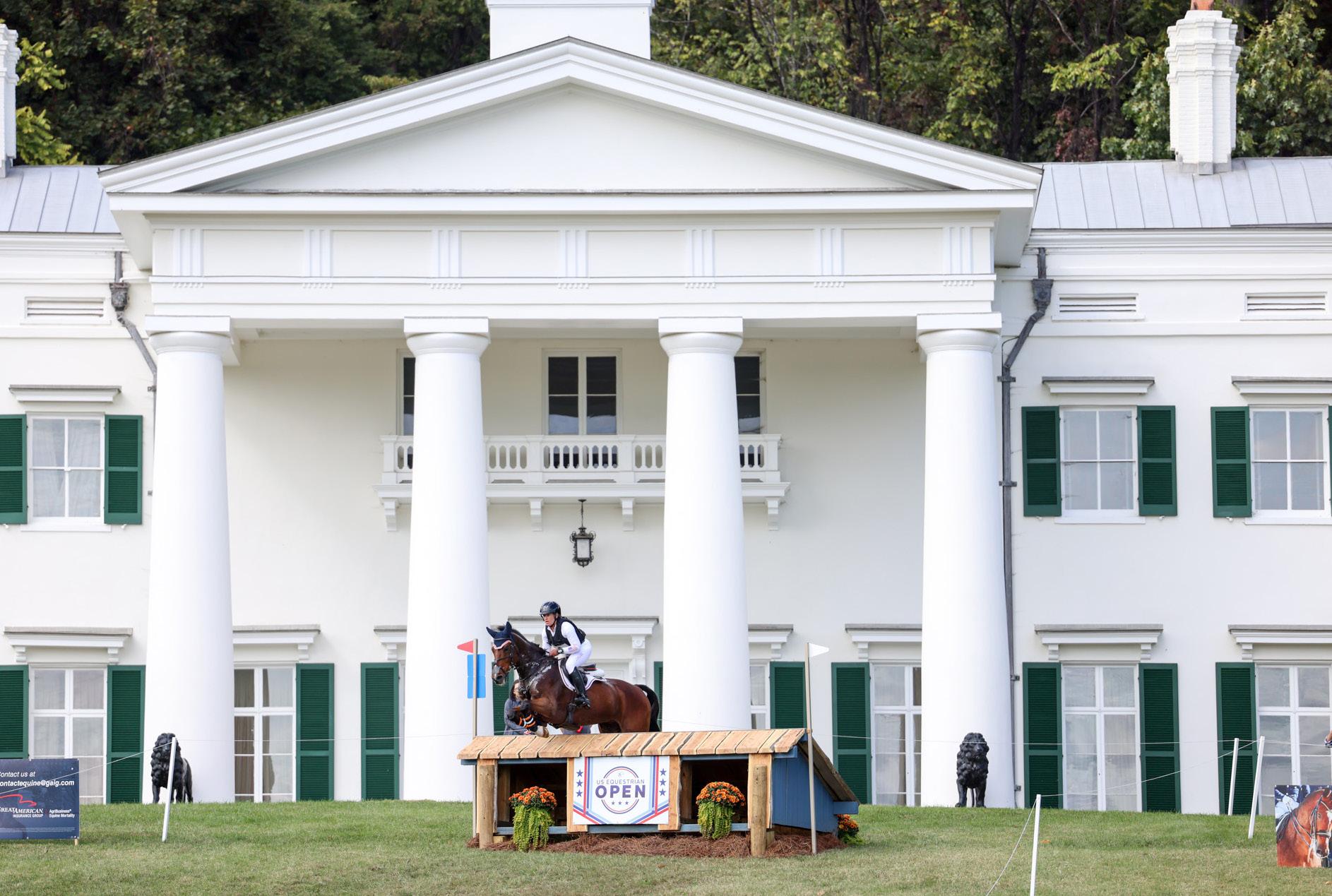
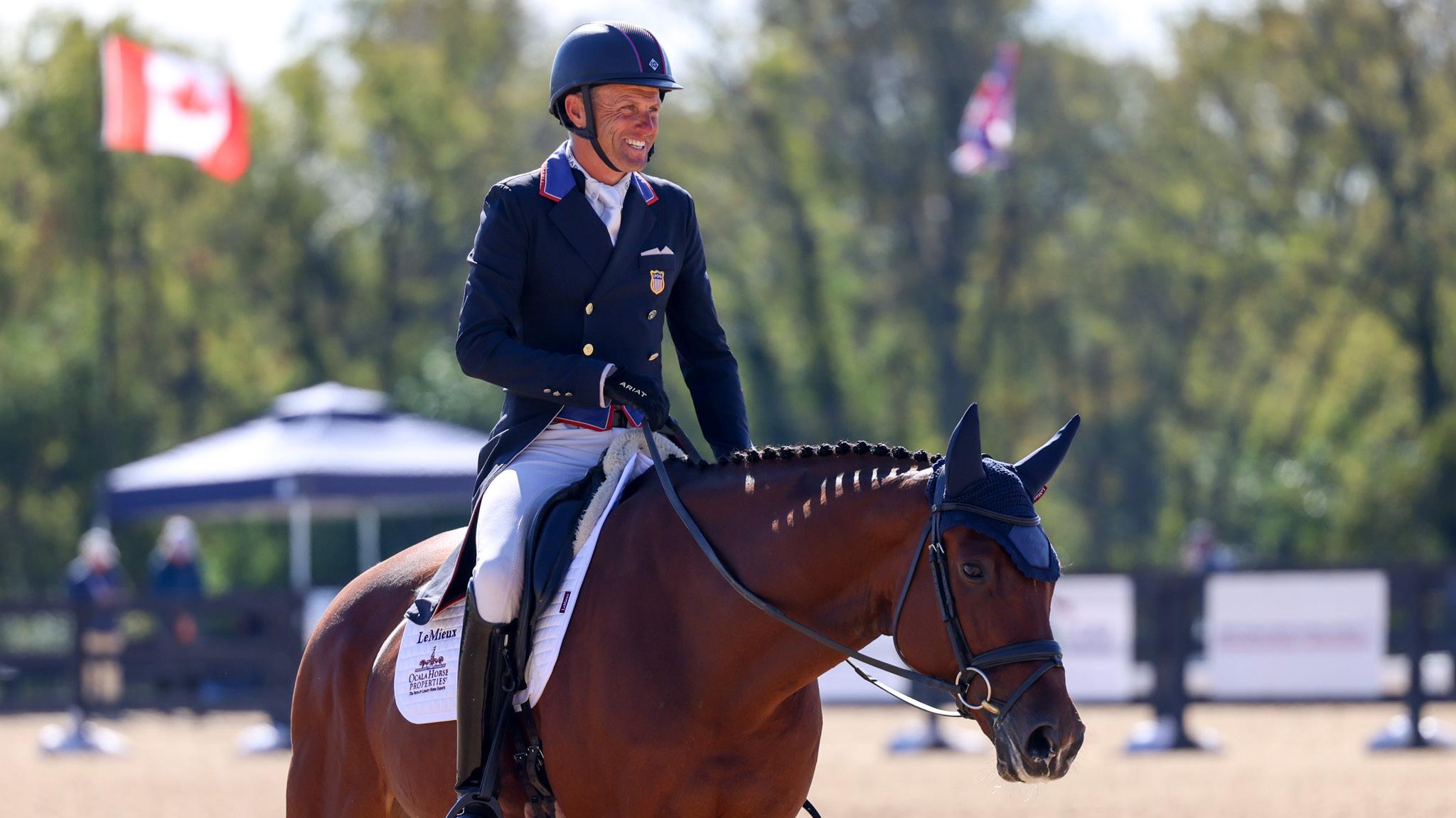
top to botom: Boyd Martin and Miks Master C had the third-lowest score after the dressage phase.
Martin and Miks Master C took the lead after the jumping phase to become US Equestrian Open Eventing champions.
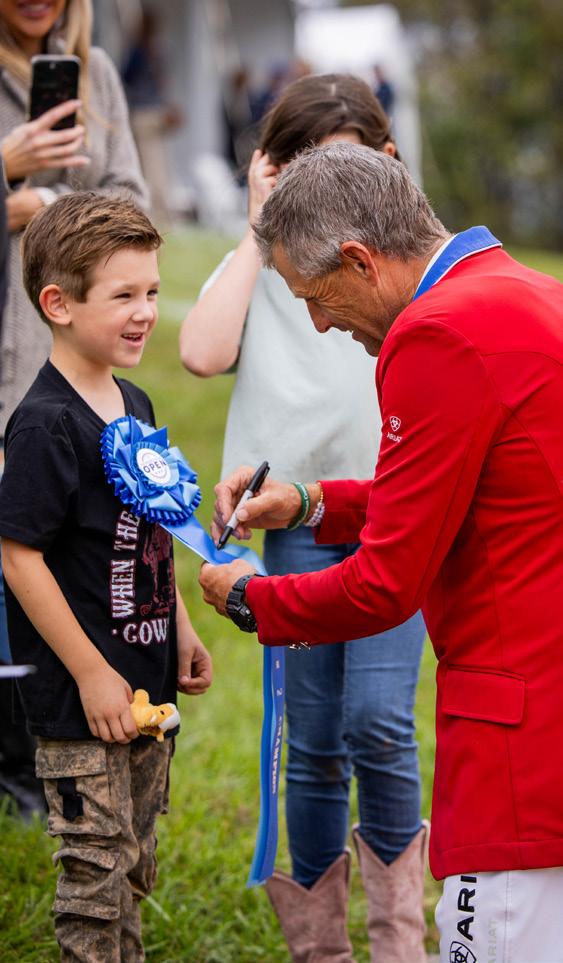
Martin signs a ribbon for a young fan.
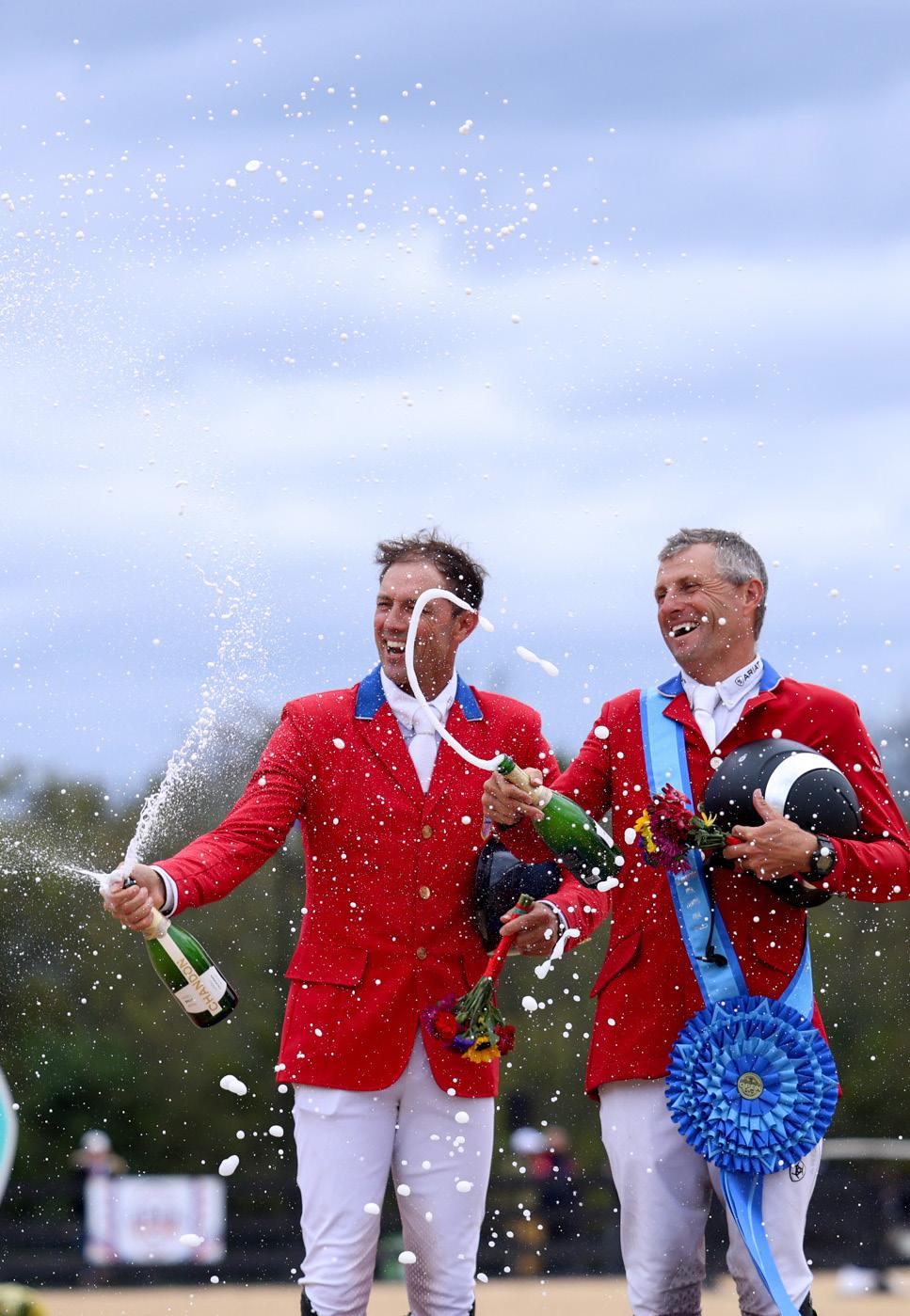
Will Coleman (left) and Martin (right) celebrate their US Equestrian Open Eventing Final achievements with champagne.
Sharon White and Claus 63 entered the cross-country phase in second place with a dressage score of 25.2 penalties.
second place, having added 2.8-time penalties to their dressage score after crossing the timers in 10:16 minutes.
British combination Lucienne Bellissimo and Kitsch Couture HPK were third after the cross-country, while the U.S.’s Phillip Dutton and Denim held the fourth spot.
The biggest shift of the day on the leaderboard was Caroline Pamukcu and HSH Double Sixteen, who delivered the fastest round over the CCI4*-L track, finishing inside of the optimum time to jump from 17th to fifth on 35.2 penalties.
The jumping phase—over a course designed by Chris Barnard—saw a shuffle in the top two placings, however, when overnight leaders Coleman and Off The Record knocked one rail at B of the triple combination. That opened the door for Martin and Miks Master C to move to the top of the leaderboard by producing a clear round in the Grand Prix Arena that resulted in a final score of 28.7.
“It’s an incredible feeling to win here,” said Martin as he celebrated his victory. “This event has been so well organized, and Morven Park is one of the best venues in the world. For years, we’ve all seen the potential here. Morven Park has beautiful cross-country tracks, great rings, and a world-class facility. The US Equestrian Open has brought in amazing prize money and attracted the country’s best horses and riders, and to win this inaugural event is a huge honor.”
Martin noted that Barnard’s course was both challenging and technical. “You had to ride it almost like a jump-off,” he explained. “It rewarded forward, efficient riding and showed how beneficial it is to practice pure show jumping on the side.”
Both Martin and Miks Master C’s names have now been added to the perpetual US Equestrian Open trophy, marking their place in history as the US Equestrian Open Eventing Final’s first-ever champions. In addition, Martin was also awarded the
MARS American Bred Talent Trophy for the top-finishing U.S.-bred horse in the competition in the CCI4*-L division.
Miks Master C (“Mikki”) had previously been ridden by fellow U.S. Eventing Team athlete Liz Halliday; he joined Martin’s program following Halliday’s August 2024 accident.
“I’m so grateful to the owners for trusting me with one of Liz’s top horses. Miks Master C is a legend. He was Liz’s top hopeful, and this whole year we’ve just been getting to know each other. He’s an incredible horse with the right mix of power, grit, and heart,” Martin said of his talented mount.
“When Liz first bought him, I was extremely jealous,” he recalled. “Mikki is totally my type of horse. He has a lot of Thoroughbred in him. He’s one of those horses that moves like a Warmblood but thinks like a Thoroughbred—a true threeday eventer with an amazing gallop.”
Second-place pair Coleman and Off The Record finished on a final threephase score of 29.1, while Very Dignified earned a score of 35.4 in the pair’s CCI4*L debut together.
“It’s an awesome cross-country course on one of the best eventing-specific venues in the U.S.,” Coleman said of the venue, which showcased Virginia’s long-standing connection to horses and equestrian sport. “Anyone who is curious about eventing or wants to see what eventing all is about; they got such an awesome taste of that here at Morven Park this weekend.”
Coleman predicted an exciting future for the US Equestrian Open series, saying: “This is just the beginning. What US Equestrian has built with this series is something that’s going to continue to grow, build more momentum, attract bigger crowds, and more prize money, which is really exciting for us as athletes, for our owners, and for our teams.”
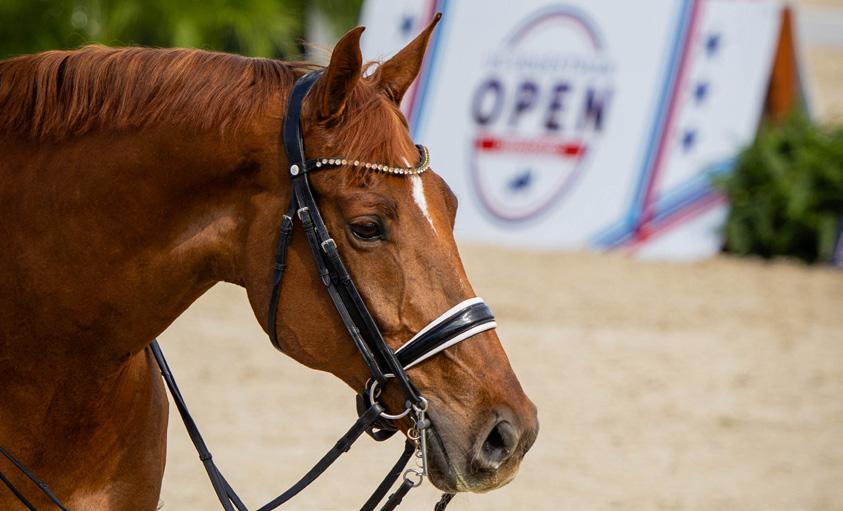
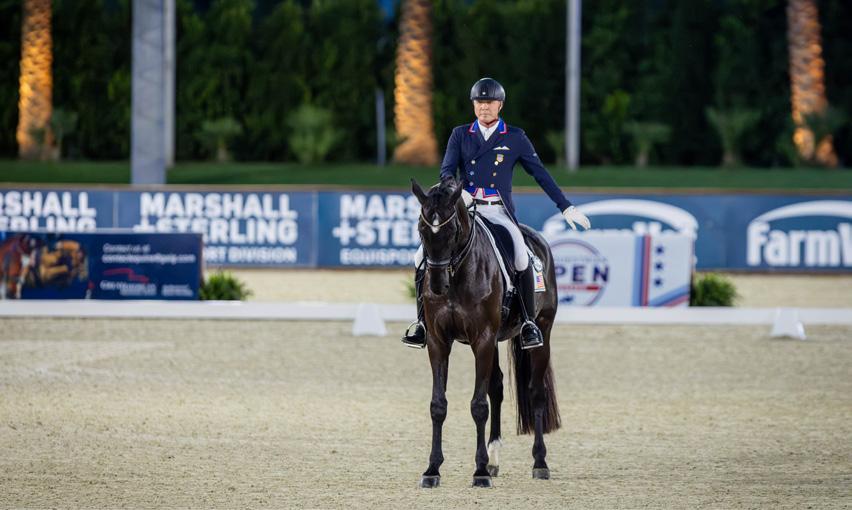
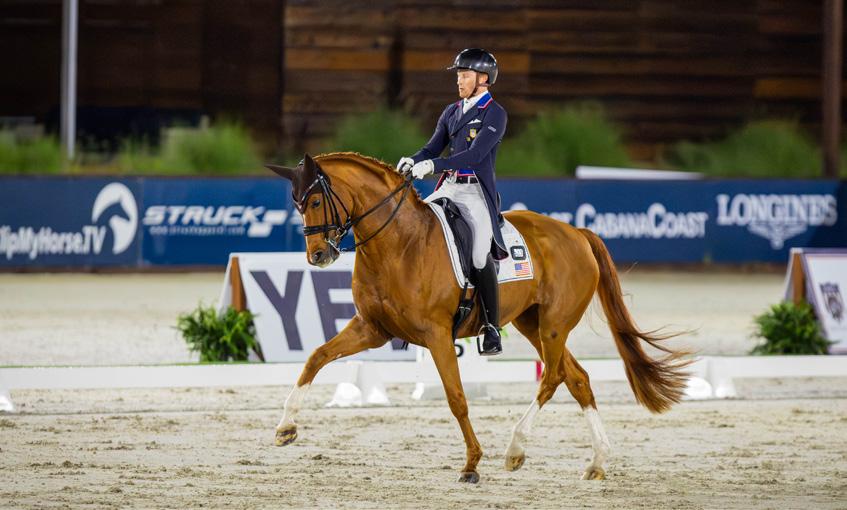
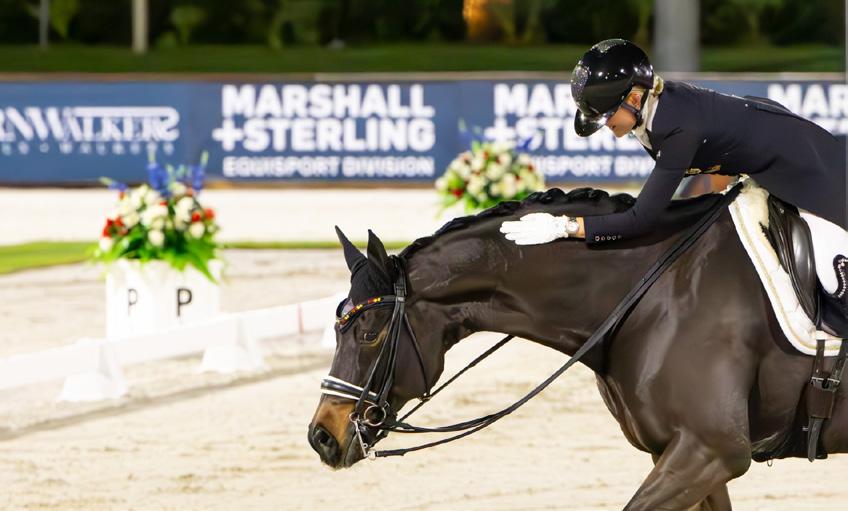
Clockwise from left: The US Equestrian Open Dressage Final was the first-ever CDI5* hosted on the West Coast.
Grand Prix Freestyle CDI5* winners Ben Ebeling and Bellena were the only combination to receive two judges’ scores over 80%.
Felicitas Hendricks gives Drombusch OLD a congratulatory pat following their freestyle performance, which earned them a final score of 78.260%.
Ben’s father, Jan Ebeling, on Jubi’s Tenacity, finished the night in fifth place.
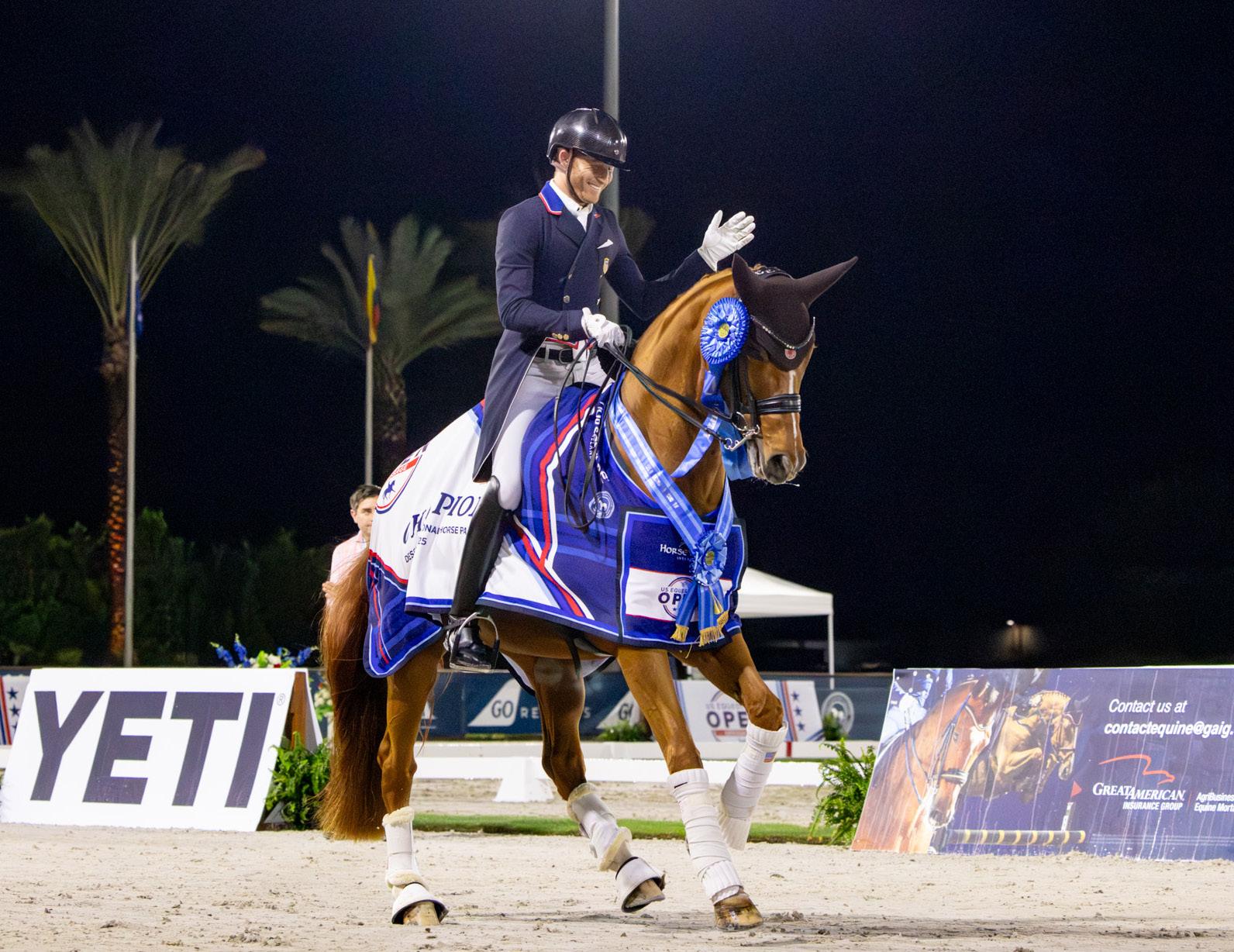
The US Equestrian Open Dressage Final brought twelve combinations from across the U.S., Germany, and Canada to the Desert International Horse Park in Thermal, Calif., from Nov. 13-16 to contend for top honors in the inaugural event. Even rare desert rain couldn’t dampen the excitement as competitors vied for a share of the $200,000 prize money. The Dressage Final was the culmination of 25 qualifying events that took place nationwide throughout 2025.
Ben Ebeling and Bellena shined under the stars in the FEI Grand Prix Freestyle CDI5*, claiming the top spot on the podium. The Wellington, Fla.-based rider and the 15-year-old Hanoverian mare earned a personal-best score of 79.903% for their freestyle composition, which was performed to a mix of iconic female pop stars’ songs. The pair was also the only combination to receive scores over 80% from two of the judges.
“Our freestyle really highlights her personality as a diva mare and is a testament to strong, powerful women,” Ebeling said of his mount, who is owned by the Vantage Equestrian Group II, LLC, after accepting the highly coveted US Equestrian trophy. “Getting to have my name inked on this trophy with other greats, including two Olympians, it just motivates me more to keep going and keep pushing,” he added.
“Every time I ask this horse to come through for me, she is just so clutch. She’s just an incredible competitor, and I’m so lucky to have her by my side and in that arena. We’ve been working together for a year now, and we’re just continuing to build this synergetic and symbiotic bond,” continued Ebeling. “I’m just so proud of her. As I’ve said, a rider is nothing without their horse, so really, thank you, Belle.”
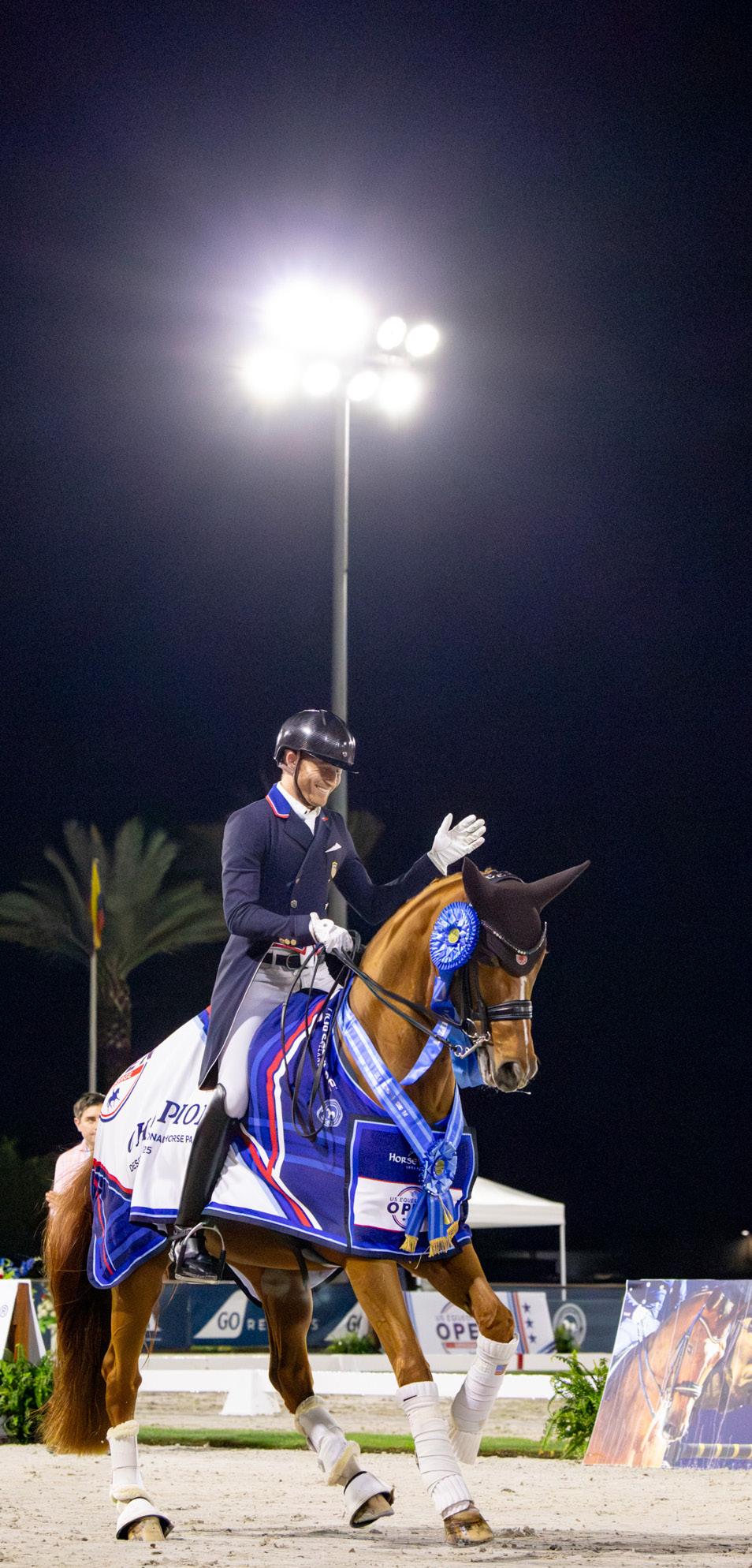
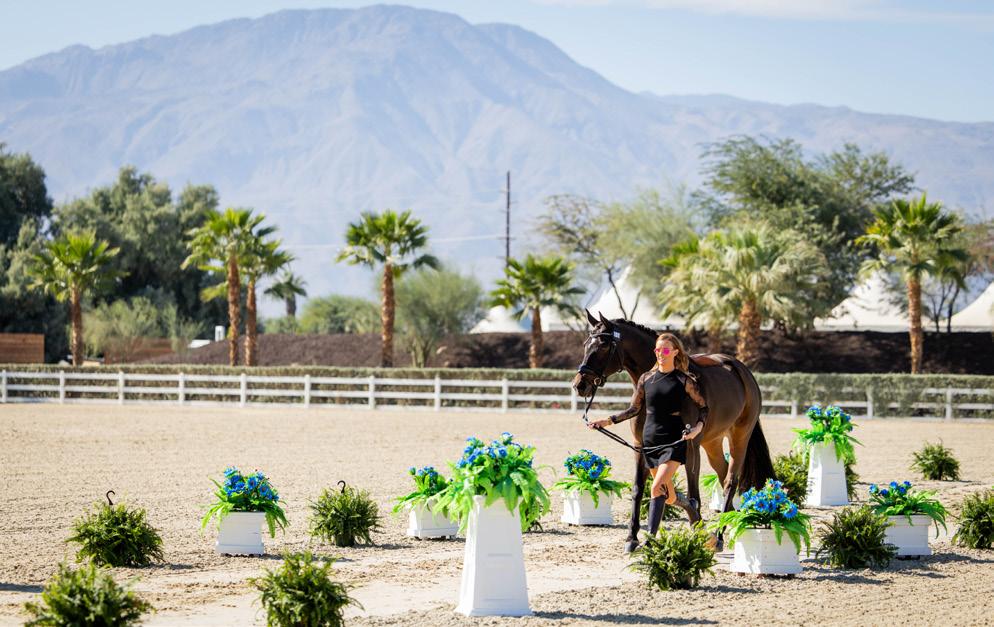
Top: The pre-competition inspection took place against a backdrop of stunning views of the Coachella Valley and California mountains.
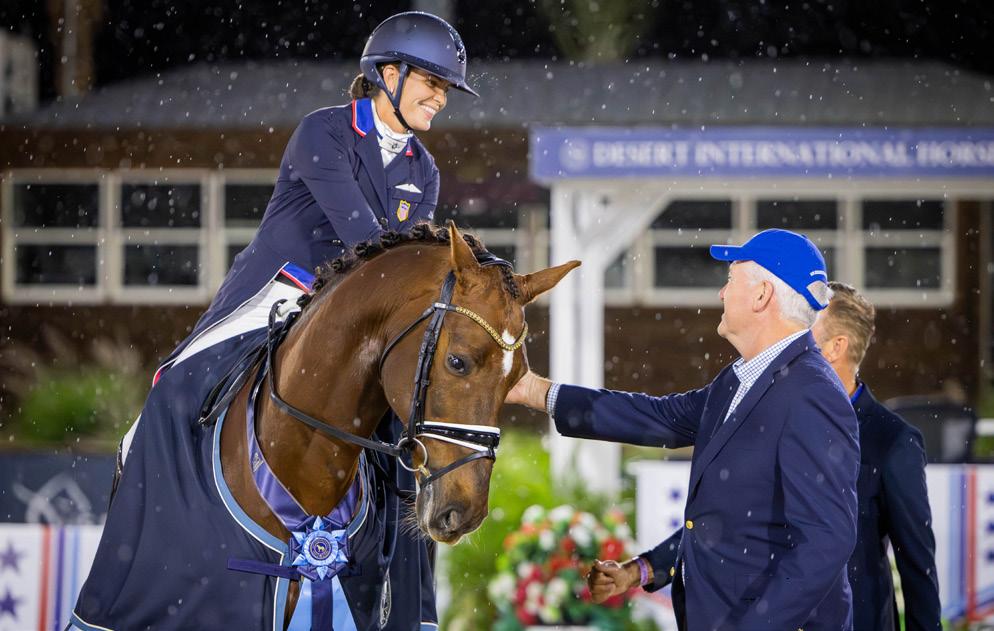
Middle: Anna Marek, on Fayvel, was the US Equestrian Open Dressage Series winner, and came first in the FEI Grand Prix CDI5*.
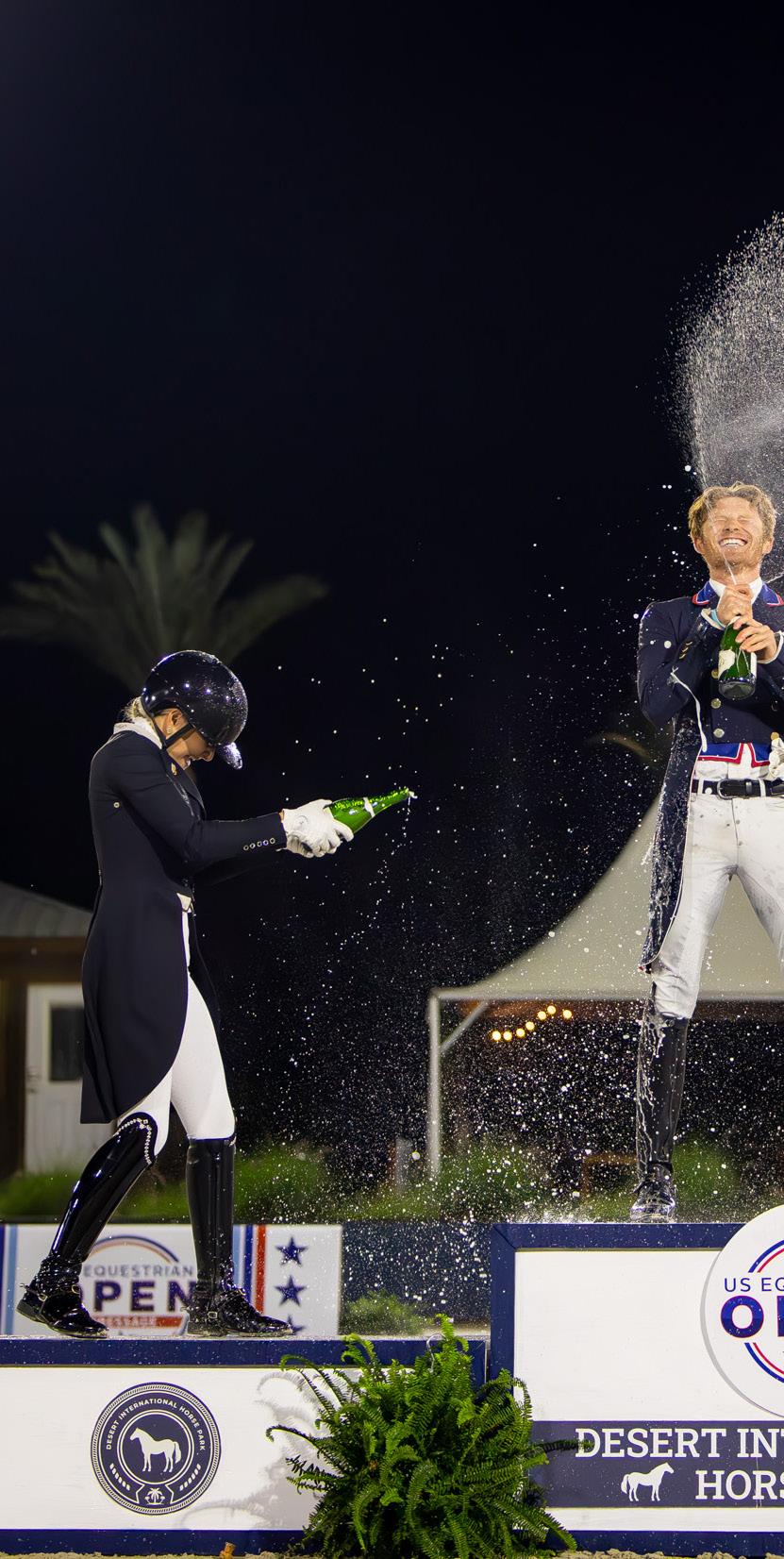
Left: Ben Ebeling and Bellena after being crowned the inaugural US Equestrian Open Dressage champions.
An emotional moment for Ben Ebeling and Bellena after reigning supreme in the US Equestrian Open Dressage Final.
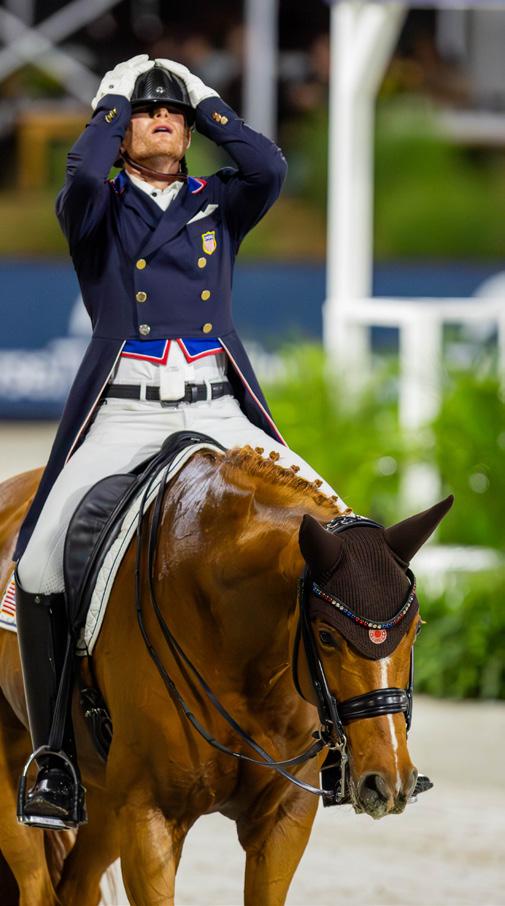
Ebeling took over Bellena in 2024 from his father, Olympian Jan Ebeling, who was fifth in the FEI Grand Prix Freestyle CDI5* with a final score of 75.470% on his current mount, Jubi’s Tenacity.
Felicitas Hendricks of Germany and Drombusch OLD took second place on a final score of 78.260%, while U.S. rider Anna Marek and Fayvel finished in third on 77.830%.
Marek said that the most fun thing about competing with Fayvel, who is owned by Cynthia Davila, is that he is an uncomplicated ride. “He lets me really ride and not hold back. With Fayvel, I can really go for it. On a night like tonight, when the pressure is on, I know I’m going to fight for it and he’s going to be right there with me every step of the way and we don’t need to hold back. It’s been an amazing week here for us in California, and I’m so grateful for the opportunity to compete here with him.”
The US Equestrian Open Dressage Final marked the first-ever CDI5* hosted on the West Coast. The atmosphere at the renowned Desert International Horse Park was electrified by an eclectic playlist of freestyle music which featured heavy metal, pop, disco, and classical.
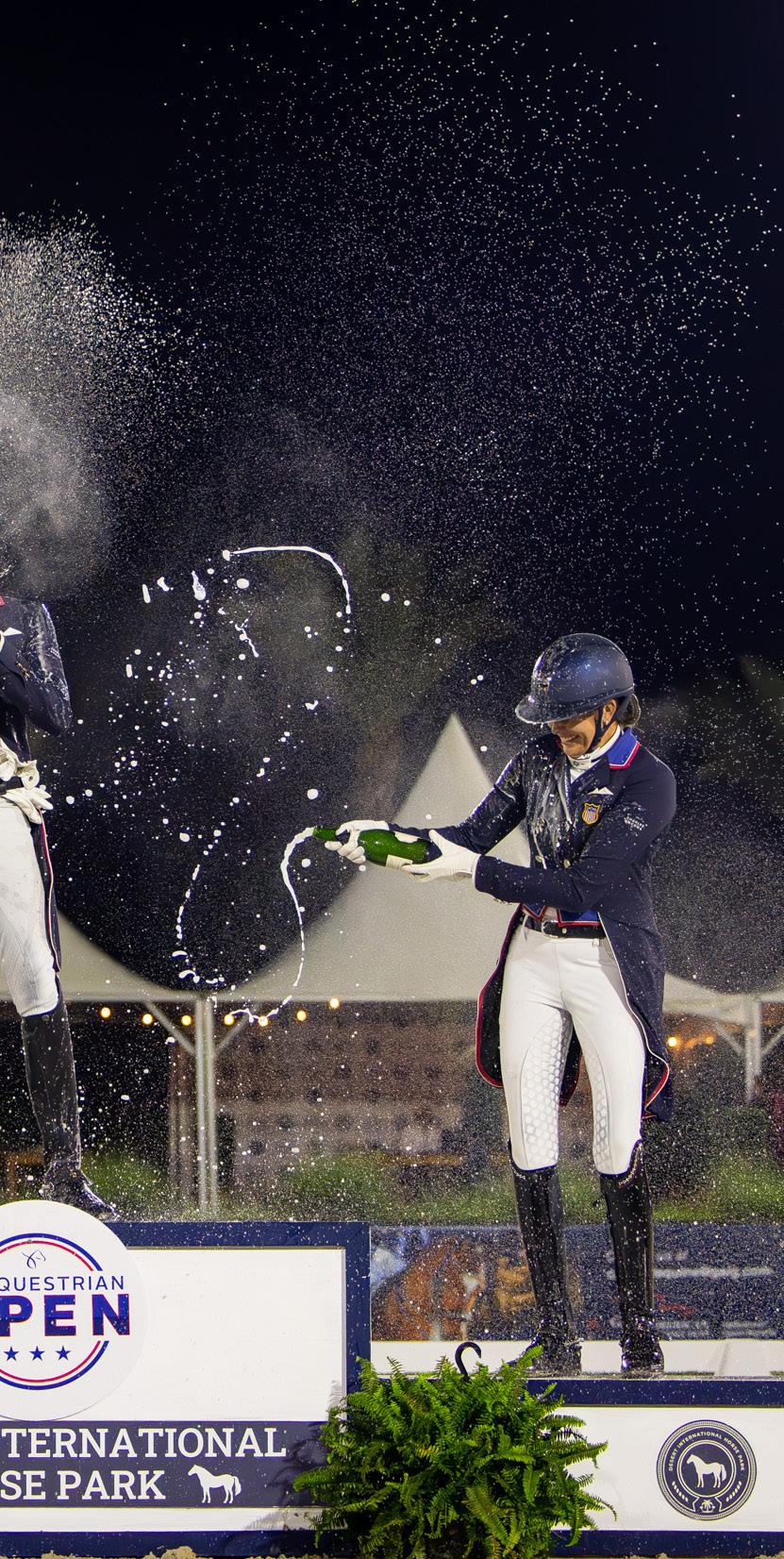
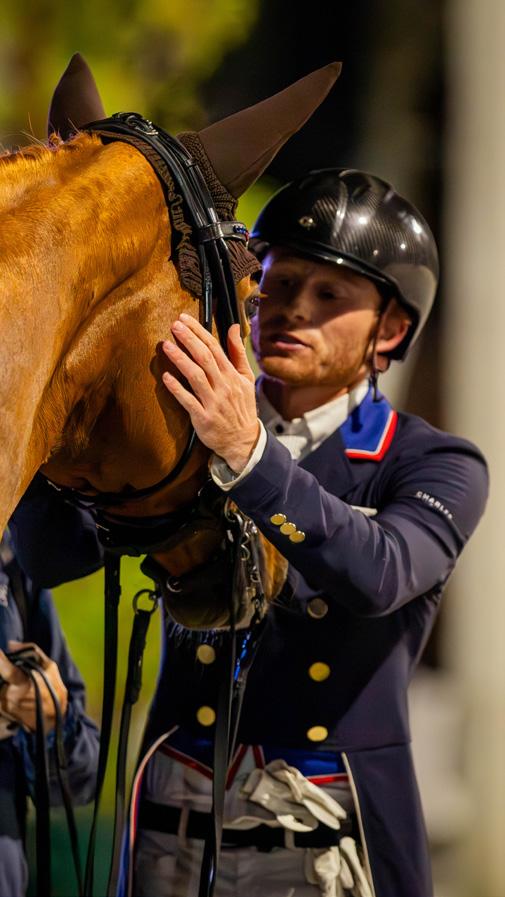
Ben Ebeling gives Bellena some welldeserved love after winning the FEI Grand Prix Freestyle CDI5*.
Ebeling praised the format of the competition and the opportunity to highlight the Grand Prix Freestyle as it connects the sport with a broader audience.
“I think it’s such a great way to capture the hearts and minds of a wider audience. It’s an amazing opportunity for our sport and to show that we can make it fun and entertaining, while highlighting the incredible attributes of our horses,” he said. “This Series has opened the sport to people who can appreciate horse dancing. I mean, who doesn’t like that?”
Earlier in the competition, Marek, of Dunnellon, Fla., was crowned the US Equestrian Open Dressage Series winner, finishing the season with 105 points. Marek and Fayvel, a 2010 KWPN gelding, also won the FEI Grand Prix CDI5* with a score of 70.804%. Ebeling and Bellena were second in the Grand Prix with 70.522%.
As the 2025 season of the US Equestrian Open comes to an end, we are looking ahead to the 2026 season. The Jumping Final will be in Wellington, Fla., on March 26; the Eventing Final at Morven Park, Va., Oct. 8-11; and the Dressage Final at Desert International Horse Park in Thermal, Calif., Nov. 13-14. We hope to see you there!
In the meantime, you can get all the series updates at usequestrianopen.org.
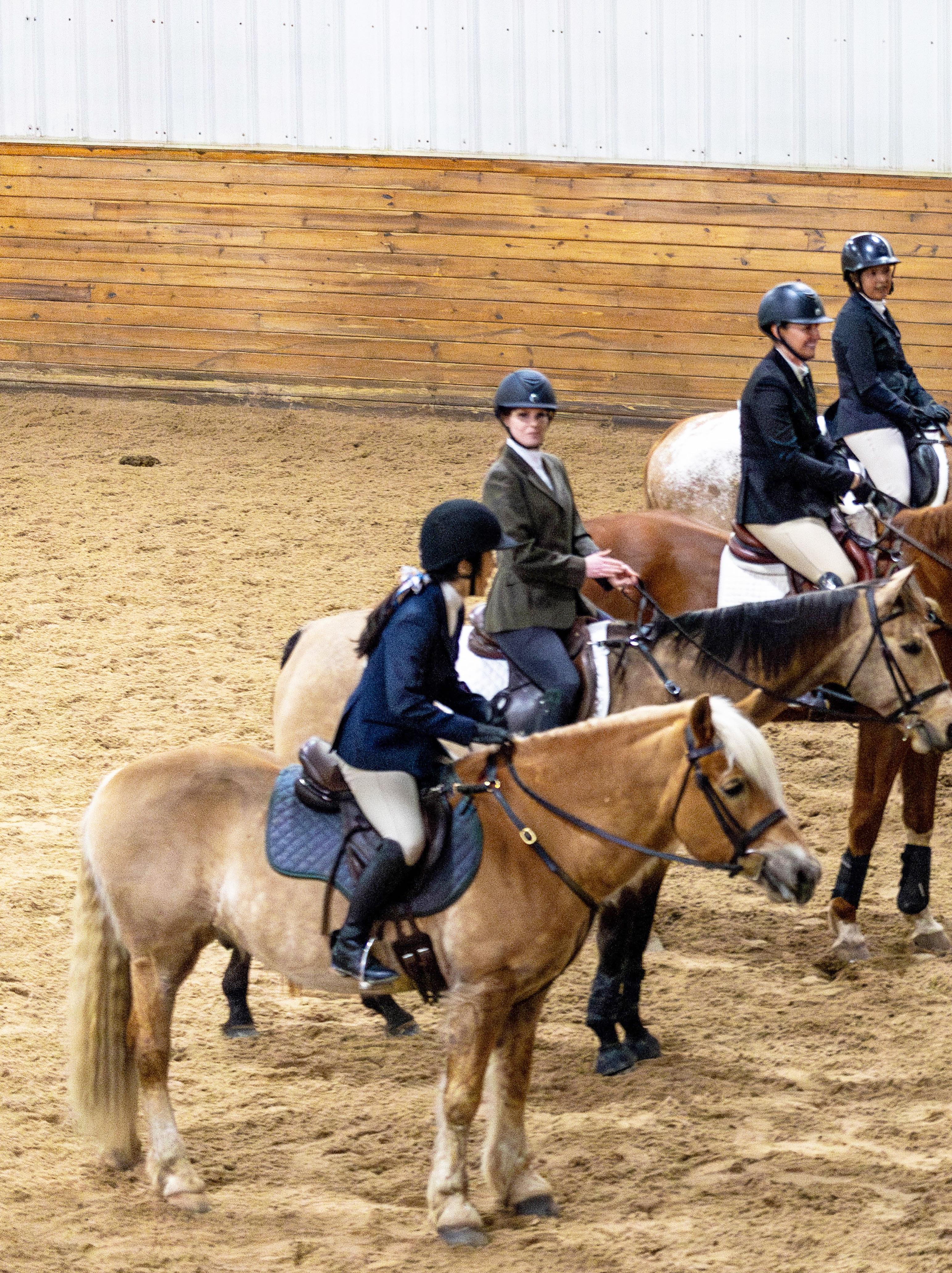
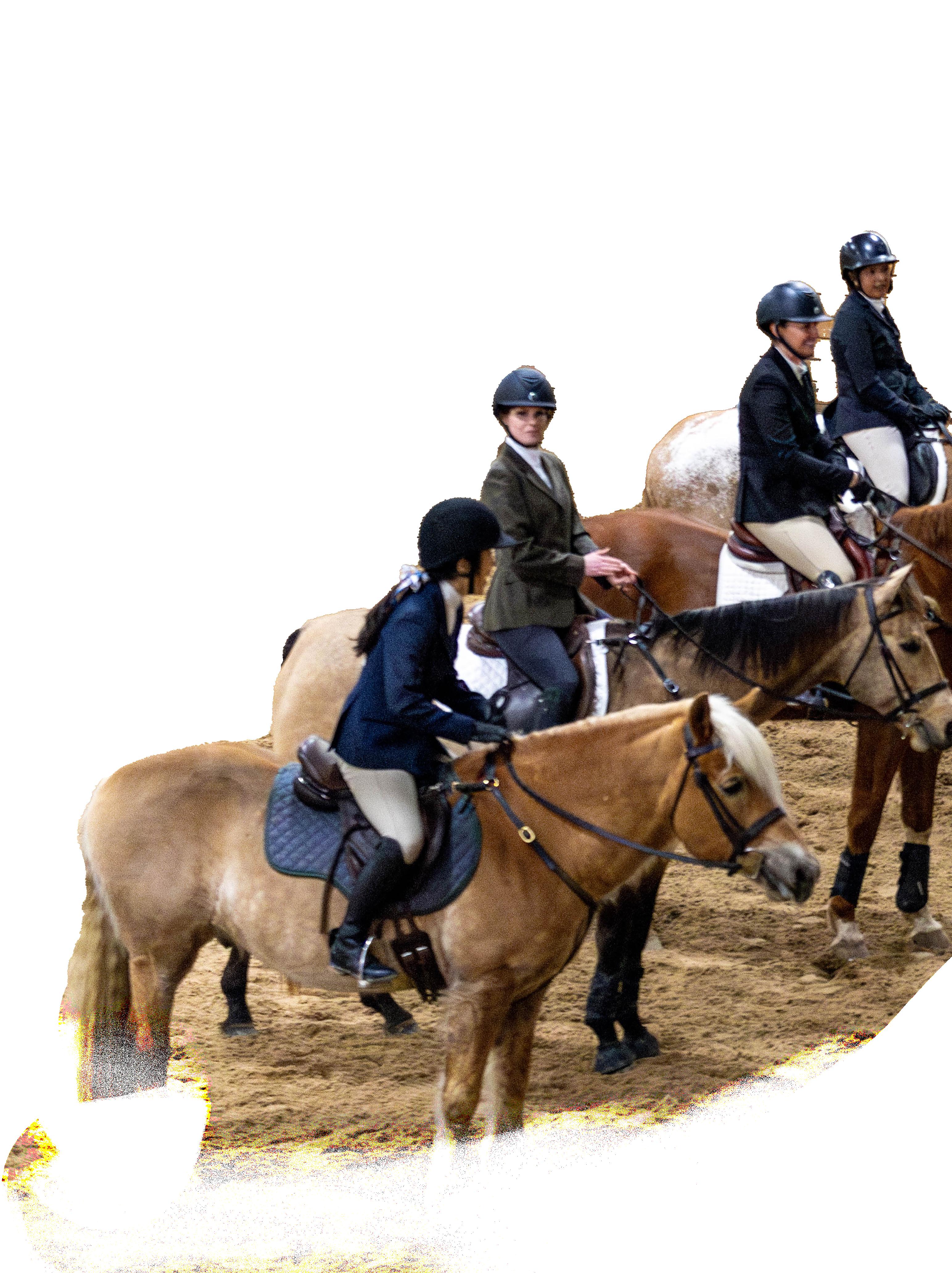
Living in a bustling metropolis doesn’t sound conducive to having horses in your life, but these dedicated equestrians balance urban living with their riding goals.
BY DEBBIE ELLIOT
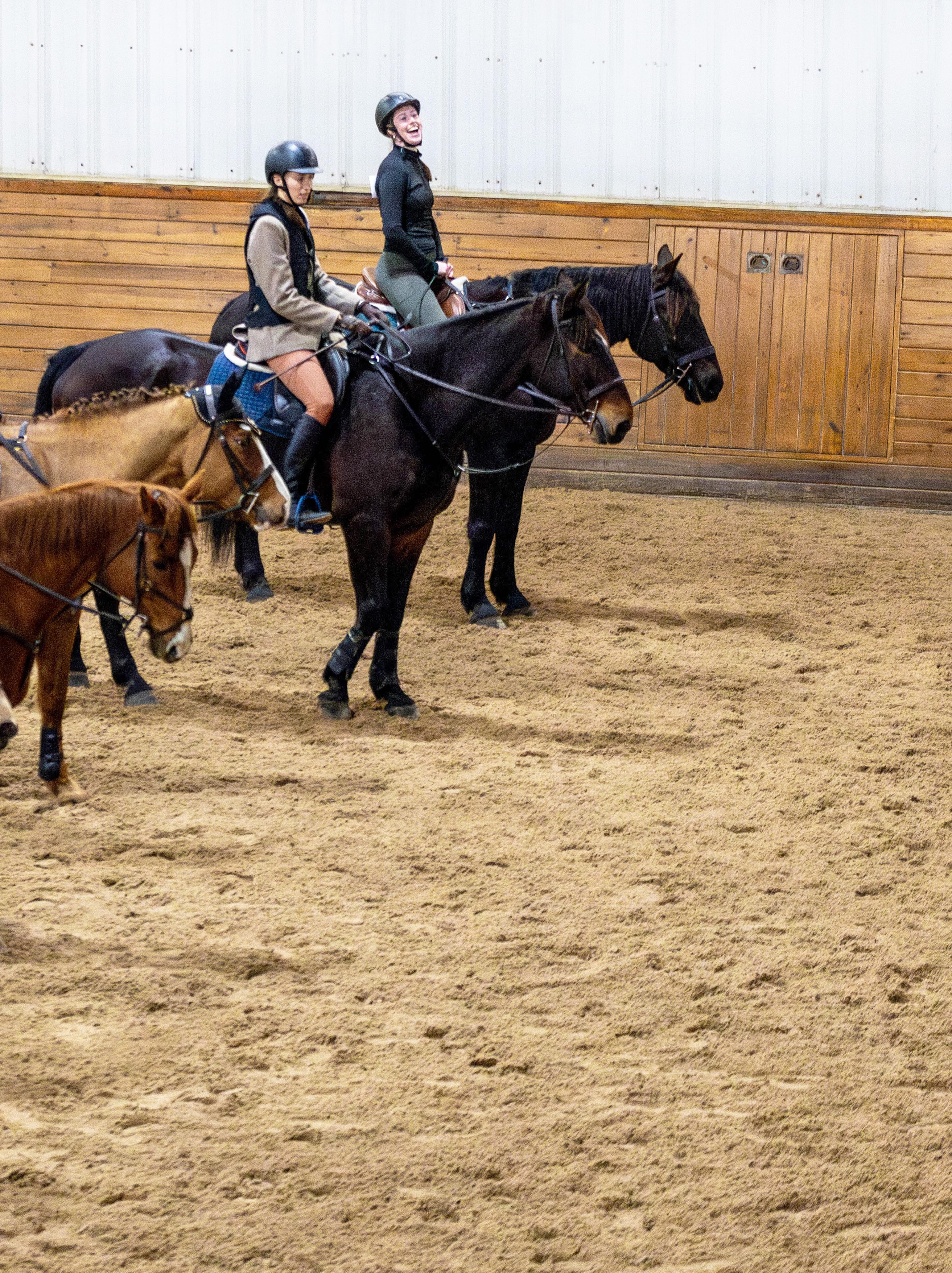
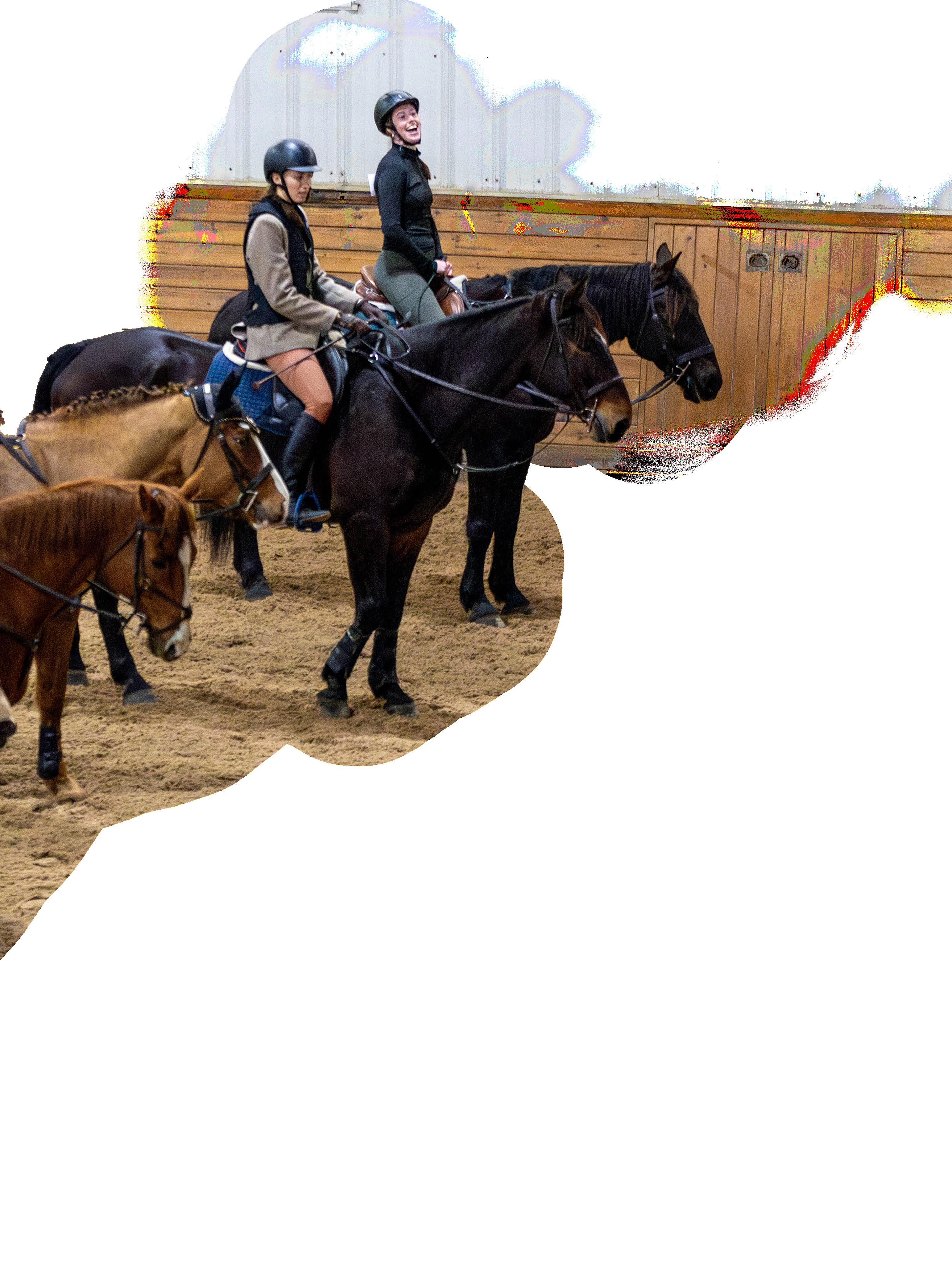
Many of us were first drawn to riding because we lived near a barn or in a horsey neighborhood. However, as we grow up, go to college, and perhaps move to a bigger city, it often becomes increasingly difficult to balance equestrian goals with career expectations.
In major cities defined by skyscrapers, subways, and busy freeways like New York City and Los Angeles, it may seem impossible to imagine still being able to ride regularly. Yet in these concrete jungles, equestrian culture not only exists — it thrives, as people find a way to keep their passion alive within an urban lifestyle.
When we think of horses in New York City, the most common image that comes to mind is the controversial horse-drawn carriages in Central Park. However, there is a surprisingly large number of equestrians living in the city who are keen to keep their passion alive but don’t know how. Melissa Kemp saw a need to connect riders with equestrian opportunities, and was inspired to launch Manhattan Riding Club after being part of a similar club in the U.K.
Kemp hails from Colorado and was a “horse crazy kid” before she went to college and proceeded to earn a master’s degree in London, where she joined a club called Riding London.
“That’s where I did my first fox hunting and I got really into cross country — it opened up a whole new world of riding for me,” she said. “When I moved to New York to take a marketing job, I was shocked that there wasn’t anything similar.”
Manhattan Riding Club (MRC) was born in 2019 and began as a grassroots project. Kemp soon found a barn in Long Island where a woman who rescued horses said she’d let experienced riders come to walk, trot, and canter on local trails. Kemp also met her future business partner, Alana Stotts, on the first ride out of Long Island, and Stotts has since been integral in MRC’s growth. The club went on to find venues for fox hunting, eventing, hunter pace, trail rides, and lessons that were accessible from New York City.
“It was a slow burn at first but then COVID hit and everyone in the city was on lockdown and desperate to get outside. We were still able to offer rides, which were more of a reprieve than just walking in Central Park in a mask,” Kemp explained. “It was really liberating to be able to take your mask off and gallop in a field, given what everyone was going through.”
Carrie Goodman, who is originally from Seattle and lives in Brooklyn, was one of those New Yorkers who went stir crazy during COVID.
“I found Manhattan Riding Club and signed up for one of their hacks,” she said. “I told myself that I’d only do it occasionally, but then — as with most horse people — a little hack turned into, ‘maybe I’ll try a hunter pace,’ and then I thought I’d do a lesson once a month ... which grew into riding every weekend.”
Post-pandemic, many New Yorkers still have the urge to escape for a mental vacation.
“There’s a constant hum and energy in the city, and then you get on a horse and it’s the one time that you can completely disconnect,” Kemp said. “You can’t be thinking about emails or work. It is such a nice escape from the sirens, noise, and kinetic energy of New York.”
MRC has since grown to having 600 people ride with them each year, with 3,500 people on their mailing list. There is a core base of riders that live in the city who don’t own horses and take weekly lessons with MRC, and some who have their own horse but want to try something new.
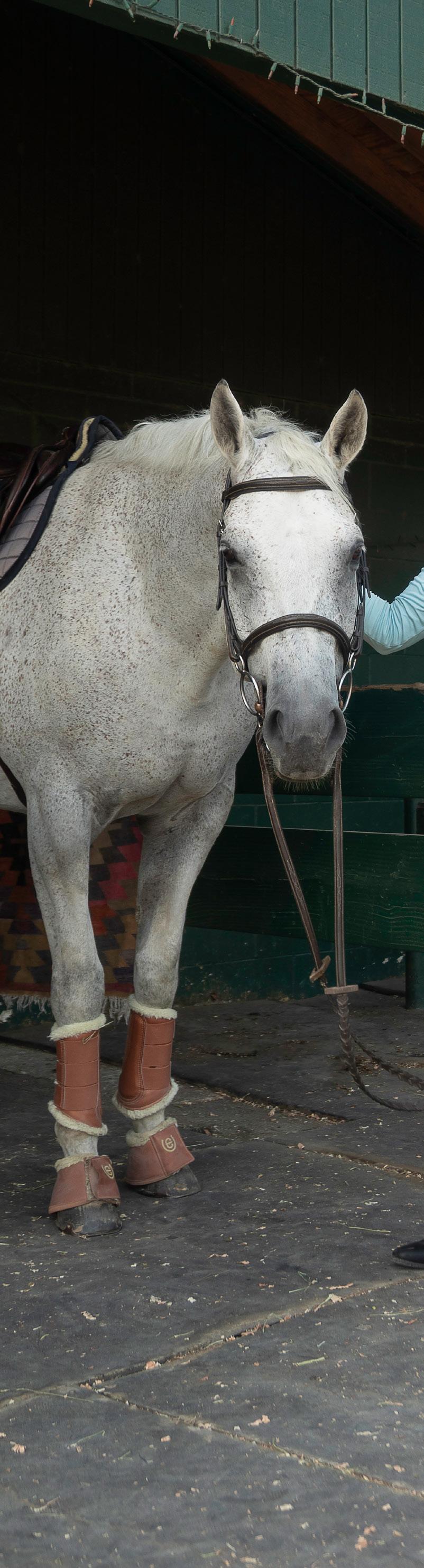
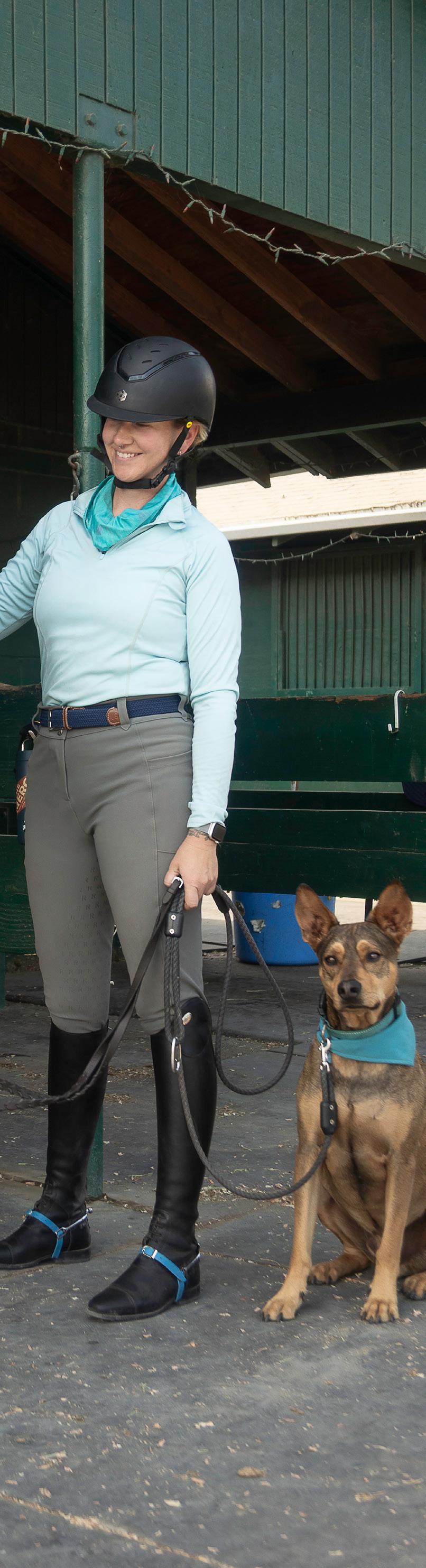
“We’re always partnering with different people who own horses or have operations that are willing to hire them out to our community of riders,” Kemp said. “We go to a farm in Pawling, N.Y., and a barn in Brooklyn by Prospect Park; that’s the only remaining stable in the city. We also have a partner in Long Valley, N.J., that owns Clydesdales, so we go there once a month and do a Clydesdale hack and wine tasting.”
MRC’s key partners include Ericka Rose, a trainer at Rounded Crest Farm in Pawling, N.Y., the Brooklyn Hacks and Riding Foundations Program with Be•Brooklyn Equine; and the Clydesdale Hack and Wine tasting at Willow Grove Farm in Long Valley, N.J. MRC is dedicated to bringing a smorgasbord of equestrian experiences to its members, from polo, eventing, or Western trail to riding vacations in Ireland or Idaho.
“I find that a lot of riders go to a barn and get locked into whatever their trainer does, whether it is hunter/jumper or dressage,” Kemp said. “I think that limits people in going and trying all the fun things you can do on horses.”
Goodman does hunter/jumper training sessions in Pawling — occasionally venturing back into the showing world of her youth — and regularly attends eventing clinics. “The cross country is so much fun and I’m seeing where that will go,” she said, adding that she’d like to compete in some three-day events as that is more accessible than taking a week off work to show hunter/jumper again.
“When you’re in New York, it feels so insular and as if the city is the only place in the world,” she continued. “You don’t realize there’s a lot of options not that far away. It’s hard to get out of the city on weekdays because of the traffic, but it’s pretty easy on weekends and only takes about an hour to get to the Long Island barn.”
MRC members get to not only try new disciplines but also create a circle of like-minded friends.
“We host social events in the city to connect people before they go out to ride,” Kemp said.
Another perk of being an MRC member is the option to carpool to lessons or rides, either with one person driving or in a rideshare car.
“After somebody books their first ride, we give them access to the private Facebook group, and then they can post, ‘Hey, I’m heading for this ride on this date. Is anybody driving up that I can get a ride with?’” she said.
Riding again reminds you that there are things that are more important than work, Goodman said.
“IT’S NICE TO GET OUTSIDE AND BREATHE CLEAN AIR, TO GET AWAY FROM THE SIDEWALKS AND THE CONSTANT NOISE.”
— Carrie Goodman
“I’m an attorney, and especially in New York, it is easy to get very focused on work and advancing in your career. Returning to riding was about discovering another perspective, getting my priorities straight, and finding other sources of happiness and joy.
“It’s nice to get outside and breathe clean air, to get away from the sidewalks and the constant noise. During the hunter paces, you’re out in the woods and you don’t even feel like you’re in this major urban area.”
Goodman was surprised at how many equestrians there are in New York, especially those with similar backgrounds.
“We all grew up doing the hunter/jumper thing, stopped when we went to college, and found our way back again,” she said. “The best thing about MRC is the community. You have a ready-made group of people who have the same interest as you and are willing to do the same insane things, like getting up at 5 a.m. to catch a train two hours upstate to go ride a horse for an hour.”
Other New Yorkers opt to live in Manhattan but keep their horses in a different city and state.
Leesa Galatz is an orthopedic surgeon at Mount Sinai Hospital System who lives on the Upper East Side of Manhattan. Despite her highly demanding job and living in a neighborhood surrounded by high-rises and museums, Galatz still manages to regularly show her five Morgans, which are kept 720 miles away at a training barn, Rosehaven Farm, in Versailles, Ky. Every month, she takes an early Friday morning flight to Cincinnati/Northern Kentucky
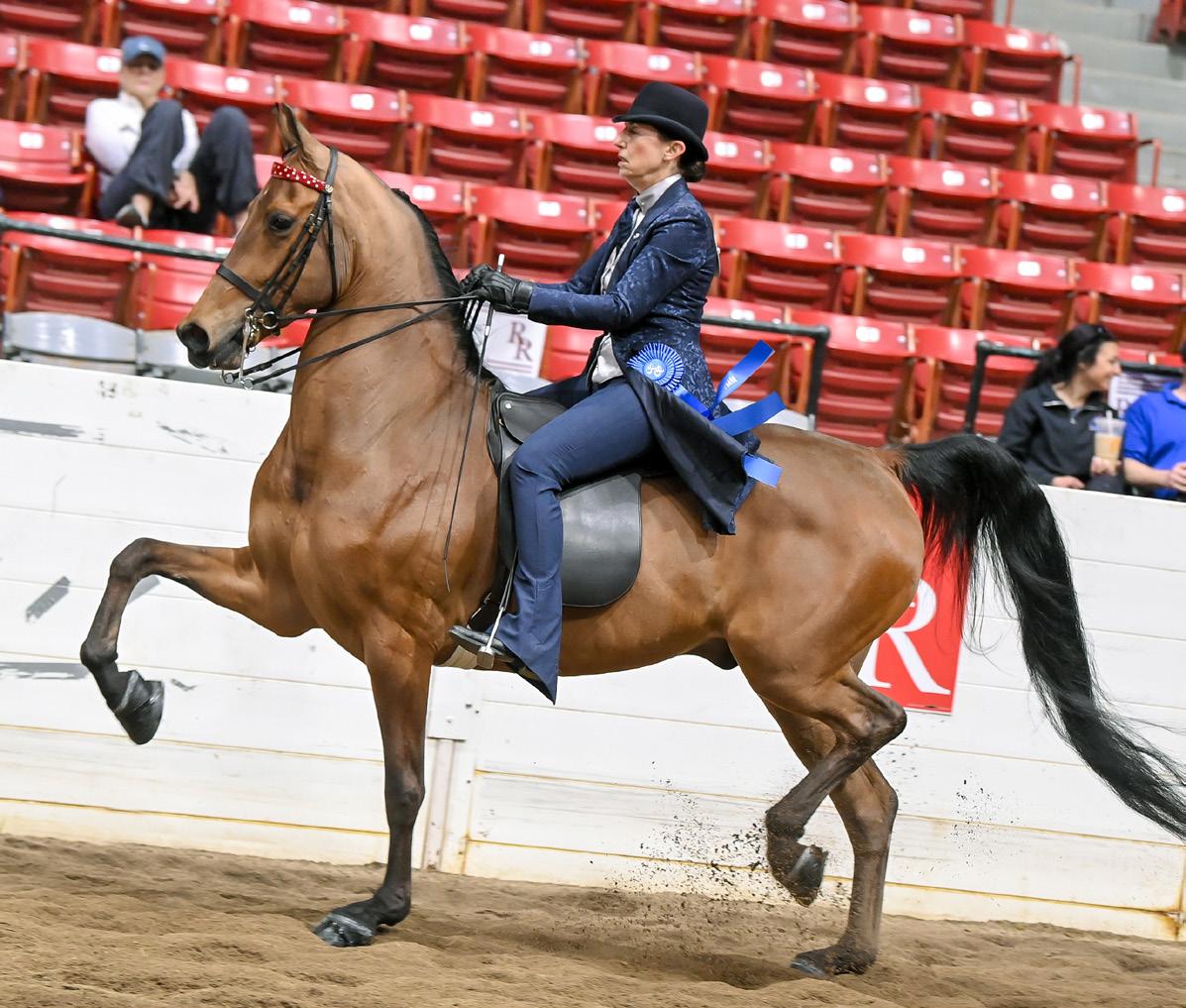
International Airport and drives an hour and a half to the barn.
“I’ll ride that afternoon, spend the night, ride the next morning, and then fly back to New York in time for dinner on Saturday night. It’s a 36-hour round trip,” Galatz said.
While Galatz could certainly find a barn closer to home, she has been with her trainers for a long time.
“I love the people at the barn, so it’s worth the travel to me,” she said. “During the show season, I fly or drive to wherever the show is and meet my trainers there. They bring my horses and a box valet with everything I need packed in it.”
Galatz comes from a family of equestrians. Her mother rode American Saddlebreds before transitioning to Morgans, her sister showed, and her dad drove. She said the hardest part about currently living in Manhattan is not being around horses on a daily basis.
“I really love to ride, and I would ride every weekend if I could,” she said. “I love the open space when I go to Kentucky, so I really appreciate my time there. I think that in many ways it enables me to do my job, which is very high stress, busy, and intense. I have this other part of my life that is so fulfilling and makes me happy to balance it out.”
Adam Lagosz’s travel schedule is even more complex as he splits his time between Austin, Tex., New York City, and London.
“I have roots in all places,” said Lagosz, who is on the Morgan Grand National Show Committee and USEF Rules Committee for Morgan Horses. “I work for an investment bank in Austin,
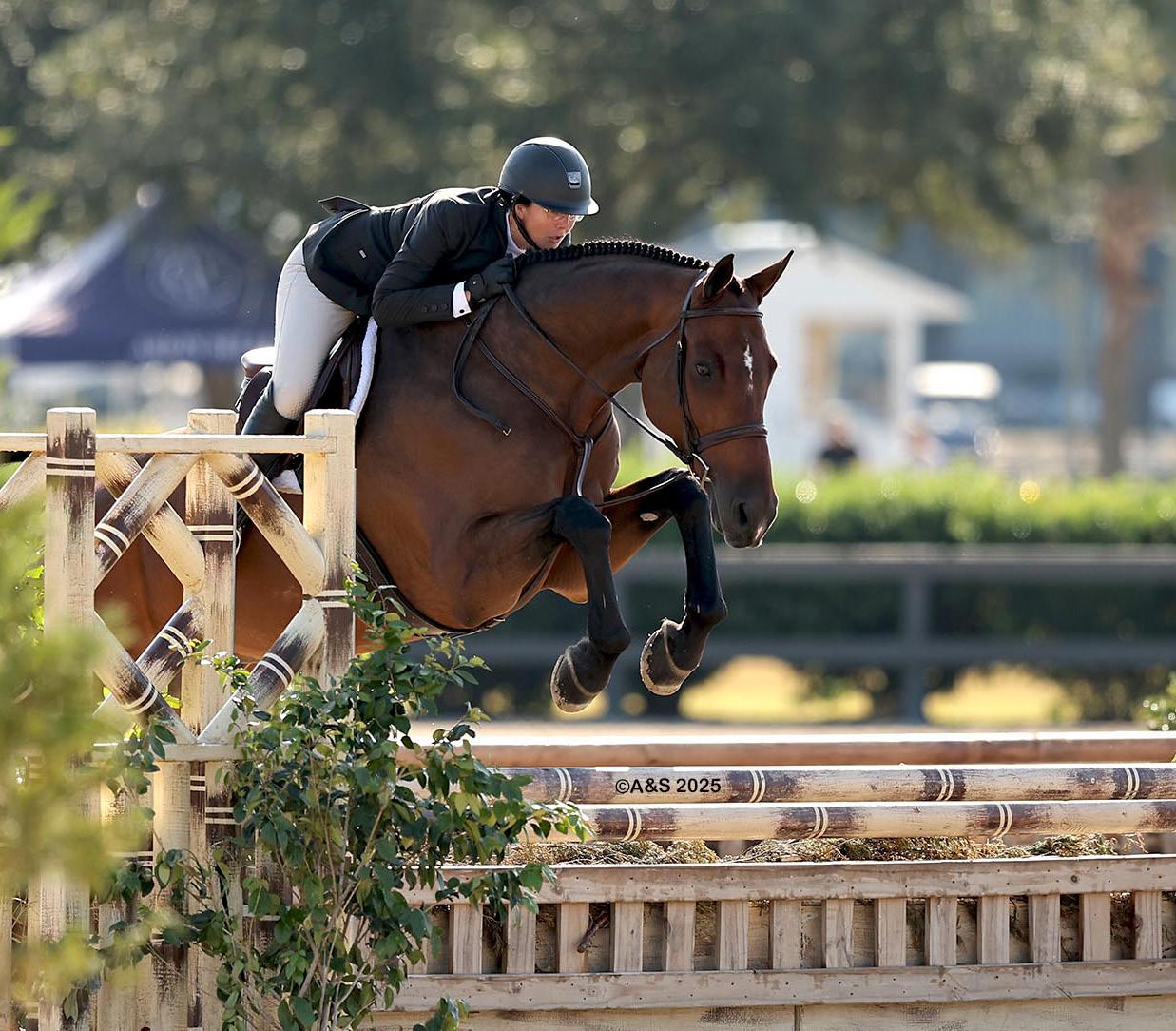
so I am there two to four days a week, and everywhere else the rest of the time.”
While he is currently in between horses and shopping for his next mount, Lagosz rides out of a barn in Kutztown, Pa., called Broadmoor Morgan Horses.
“I make it there once or twice a month for a weekend to ride. I usually fly into New York from Austin on a Thursday night, see my friends all day Friday, drive down to the farm Saturday and Sunday, and then fly home,” he explained. “They have a really great team at Broadmoor. It is nice knowing I don’t have to be there every week, and they do a really good job of getting the horses ready for me.”
Lagosz said that constant travel can be exhausting and admitted there are weekends when he wishes he could stay in one place.
“But once I get to the farm, it is almost a land of make believe where I leave my cellphone in the bag, I’m with friends that I really like, and a community that I really love,” he said. “It is a total detachment from reality, which I think is important especially if you have a stressful professional job ... these times are gifts where you just get to stop for a minute, and life slows down.”
New York isn’t the only city that creates unique challenges for equestrians and horse lovers. Amateur hunter rider Stephanie Zimmerman lived in midtown Atlanta for 20 years and commuted 25 miles to Milton, Ga., to ride with acclaimed trainer Hunt Tosh.
“It could take me 35 minutes, or it could take me an hour and a half depending on traffic,” she said. “You had to know exactly what time to go in regard to traffic, and if you missed the window then it was a disaster.”
Zimmerman has since moved to a suburb of Cincinnati due to her husband’s job obligations and keeps one horse at a smaller local barn five minutes from her house, while the other horse, Night Flight (“Raisin”), remains with Hunt in Georgia.
“The biggest advantage of my current situation is I get to spend more time with my Cincinnati horse, Checkride,” she said. “In Atlanta, I always felt like I had to rush to the barn, ride, and then rush out to beat the traffic. Now I can go to the barn every day, ride leisurely, and then hang out with my horse.”
Zimmerman meets up with Hunt, his team, and Night Flight at shows two weeks out of every month, and the whole barn moves to Ocala, Fla., for the winter circuit. She usually brings Checkride to Ocala with her and shows for two weeks, then takes a week off to be with her husband in Cincinnati.
“It is nice because everyone is in one place and it’s a refreshing change of pace,” Zimmerman said.
Alexandra Dennis-Renner lives in Pasadena, Calif., and has both of her horses in the Los Angeles area — but at different barns.
“My warmblood, Maxi, is out to pasture doing injury recovery in Shadow Hills, and my other horse, an OTTB named Mirage, is in full training at Sebastian Stables in Atwater Village,” she explained. “Both barns are a 20-minute drive from my house, and 20 minutes from each other.”
“THERE’S A CONSTANT HUM AND ENERGY IN THE CITY, AND THEN YOU GET ON A HORSE AND IT’S THE ONE TIME THAT YOU CAN COMPLETELY DISCONNECT.”
— Melissa Kemp, founder of the Manhattan Riding Club
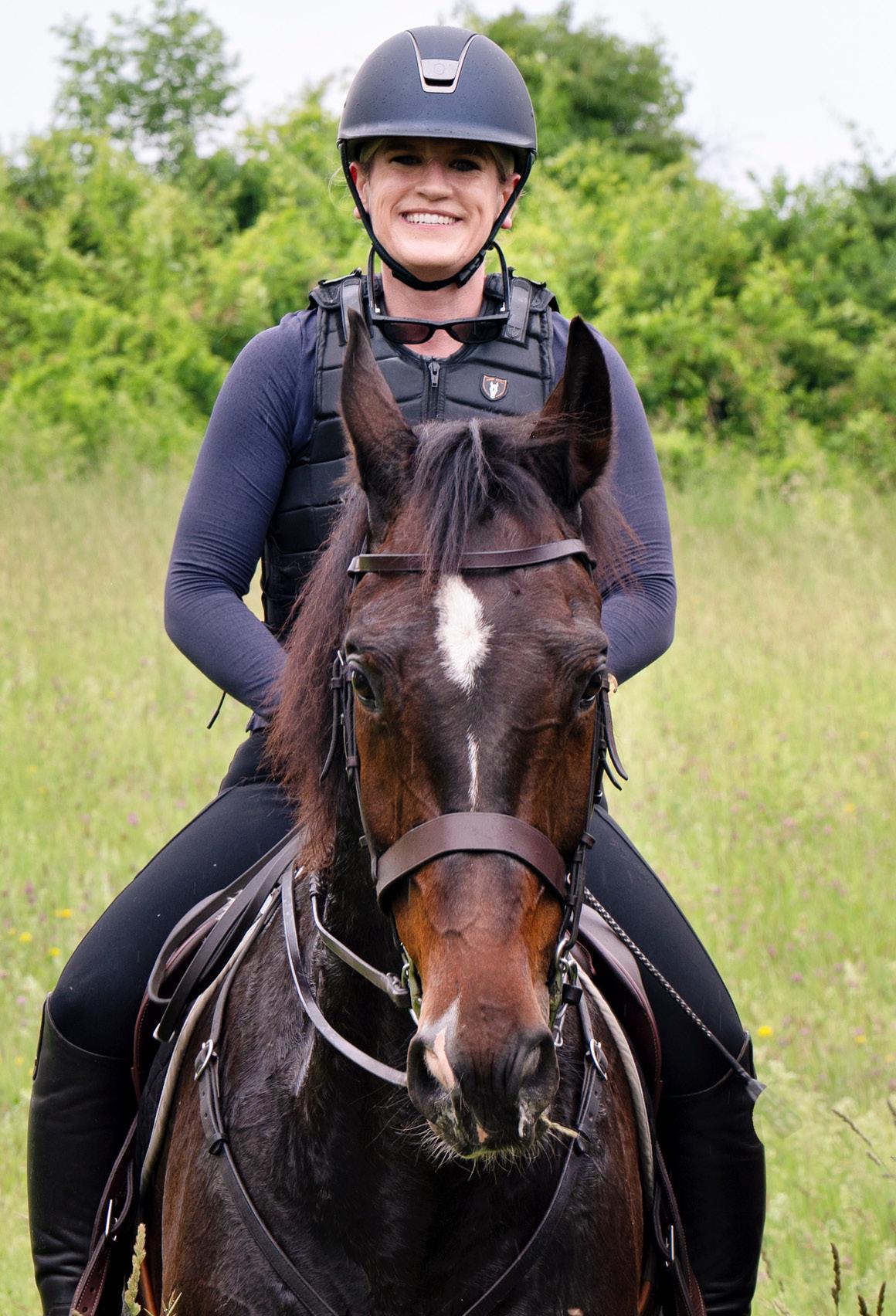
Having started her career at Disney Studios, Dennis-Renner is now a screenwriter and filmmaker, so she has an unconventional work schedule, which she said is both a blessing and a curse when it comes to fitting horses into her daily life.
“I can create my own schedule a lot of the time, unless I’m on set, then it gets a little complicated,” she said.
Throughout all Dennis-Renner’s career transitions, which included time living in New York City before moving to Los Angeles, horses have provided consistency.
Oftentimes she goes out to both horses starting at 6 a.m., is finished by 10 a.m., then works through to 8 p.m., which also means she avoids the worst of L.A. rush hour. On other days, she tends to one horse in the morning, works a full day, and gets the other horse out in the evening. “Google Maps becomes your best friend,” she joked. “I ask myself, ‘How long is it going to take me to get from one place to the other and how much is that going to cut out of my day?’ It is a lot of waking up early in the morning and working late into the night, it’s a tightrope act of just how many hours are in a day.”
Both of Dennis-Renner’s horses are six years old and she said it is important to spend time with them and provide learning experiences. “My short-term goal is to create solid equine citizens who behave,” she said.
Megan Thompson moved to Los Angeles from Bozeman, Mont., in 2008 to work in the music industry as a photographer, videographer, and content creator. Having grown up doing hunter/jumper, saddle seat, and a “bit of everything,” being apart from horses was a culture shock for Thompson.
“I missed riding so much when I was away from horses. If anybody asked me about it, I would immediately start crying,” said Thompson, who took 20 years off from riding. “It wasn’t until the pandemic when I moved to Glendale and would walk my dog by the L.A. River that I realized there are horses over there. It totally shocked me. I knew there were barns in the Moorpark area (40 miles away), but I was not going to sit in traffic an hour and a half each way to take a riding lesson once a week. I just couldn’t wrap my head around that aspect of it.”
As luck would have it, a woman moved into Thompson’s building who was a horse trainer at the Paddock Riding Club in Atwater Village, which was only a mile away. After Thompson left her job at a record label, she took a job at the barn taking care of the horses.
“I just needed something to get me out of the house every day,” Thompson said. “I’ve been there for a year and a half and have gotten fully back into riding, doing catch rides for some of my trainers, a lot of barn chores, teaching children’s lessons, and running summer camp. My mom tells me I should get a real job, but she’s also never seen me so happy!”
Mirage, Alexandra DennisRenner’s OTTB, relaxing in his stall in Atwater Village, Calif.
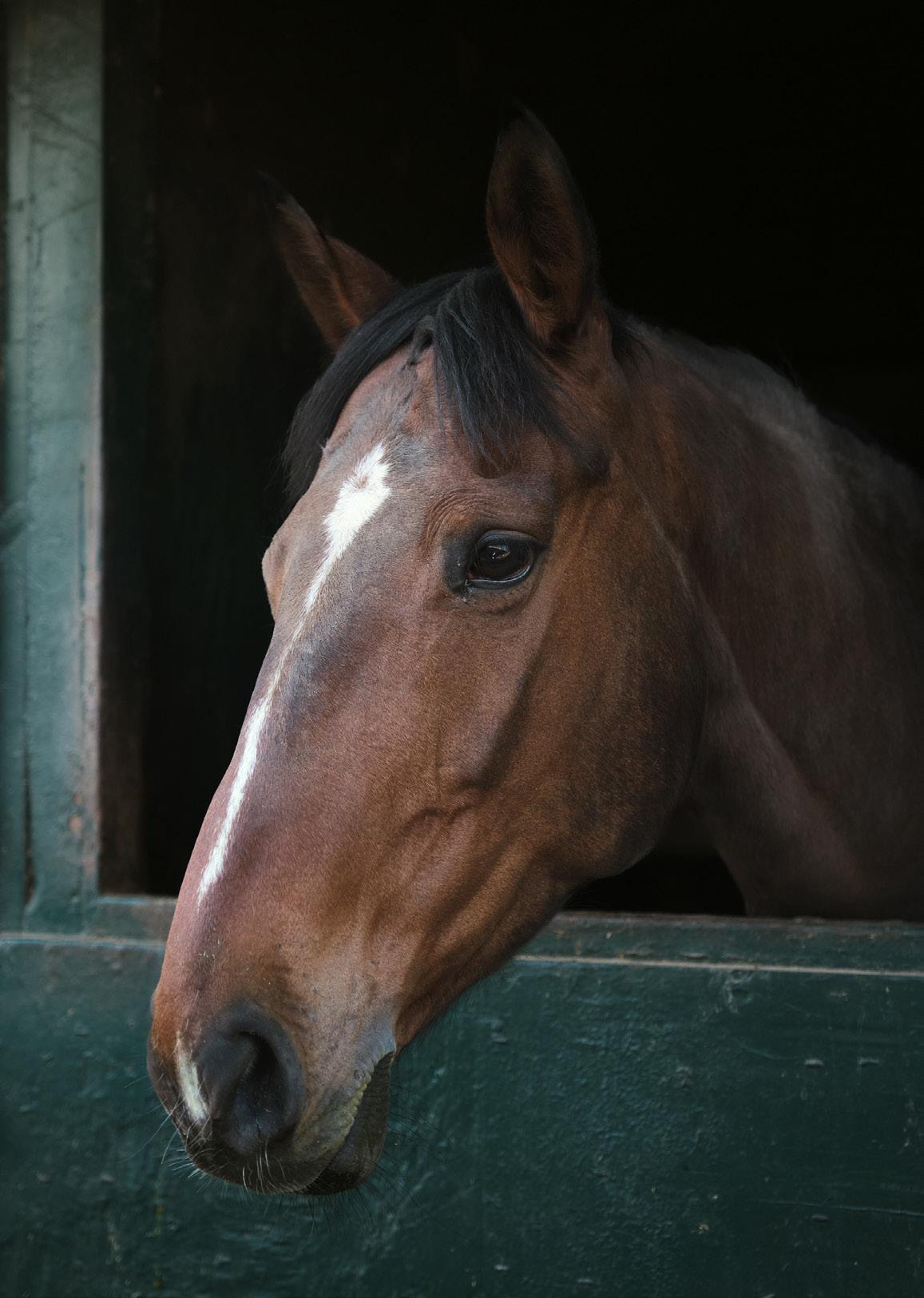
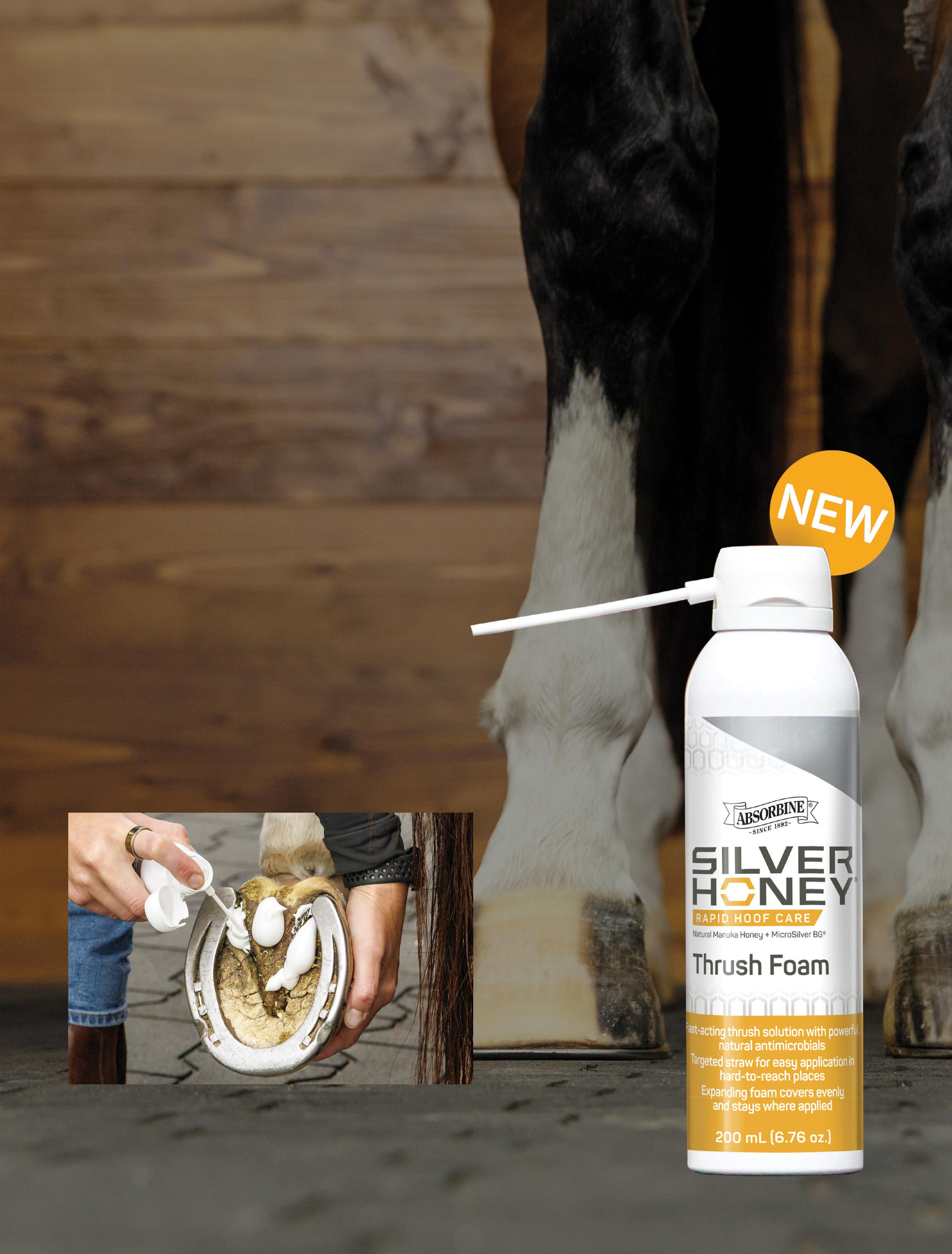



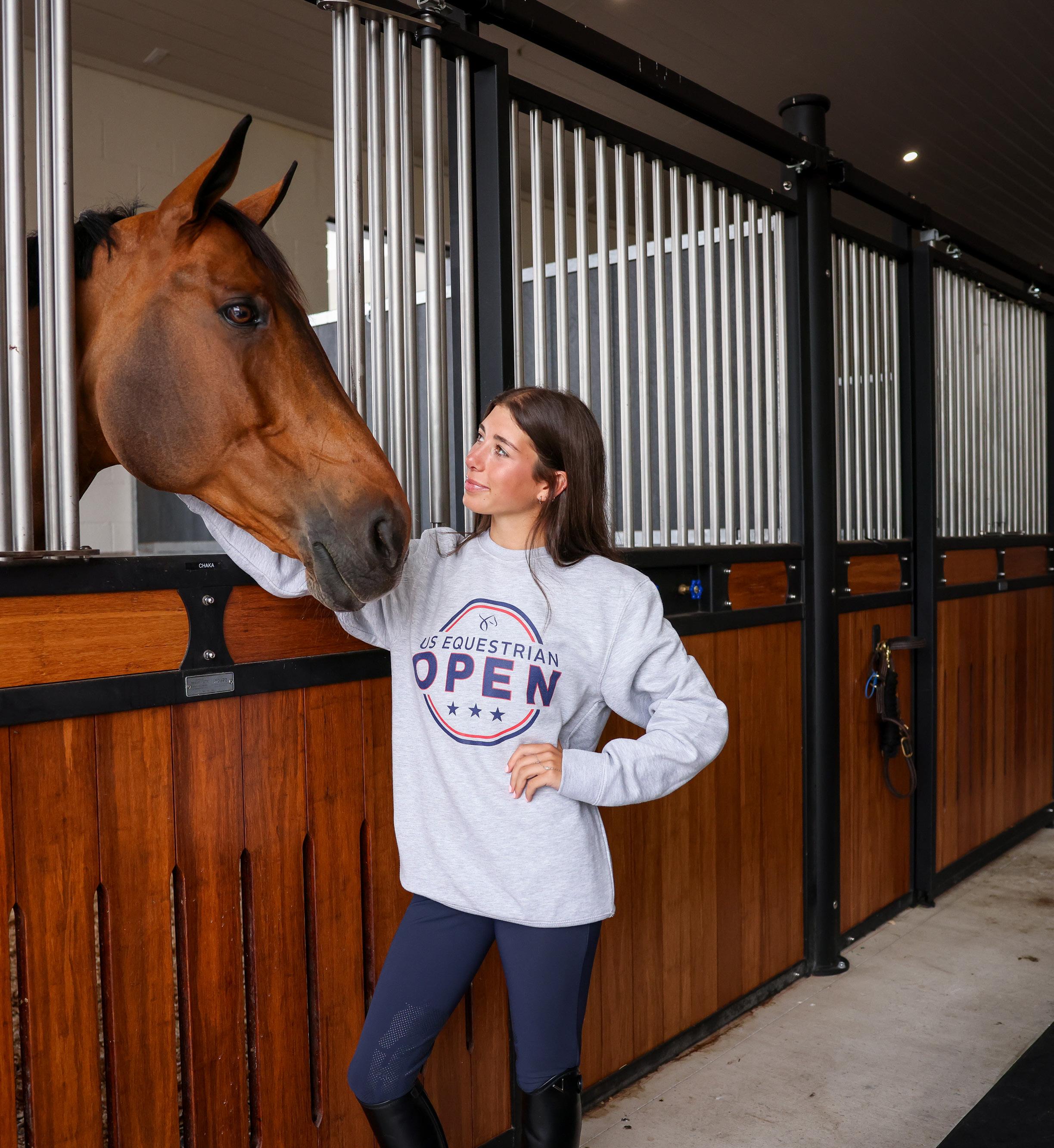
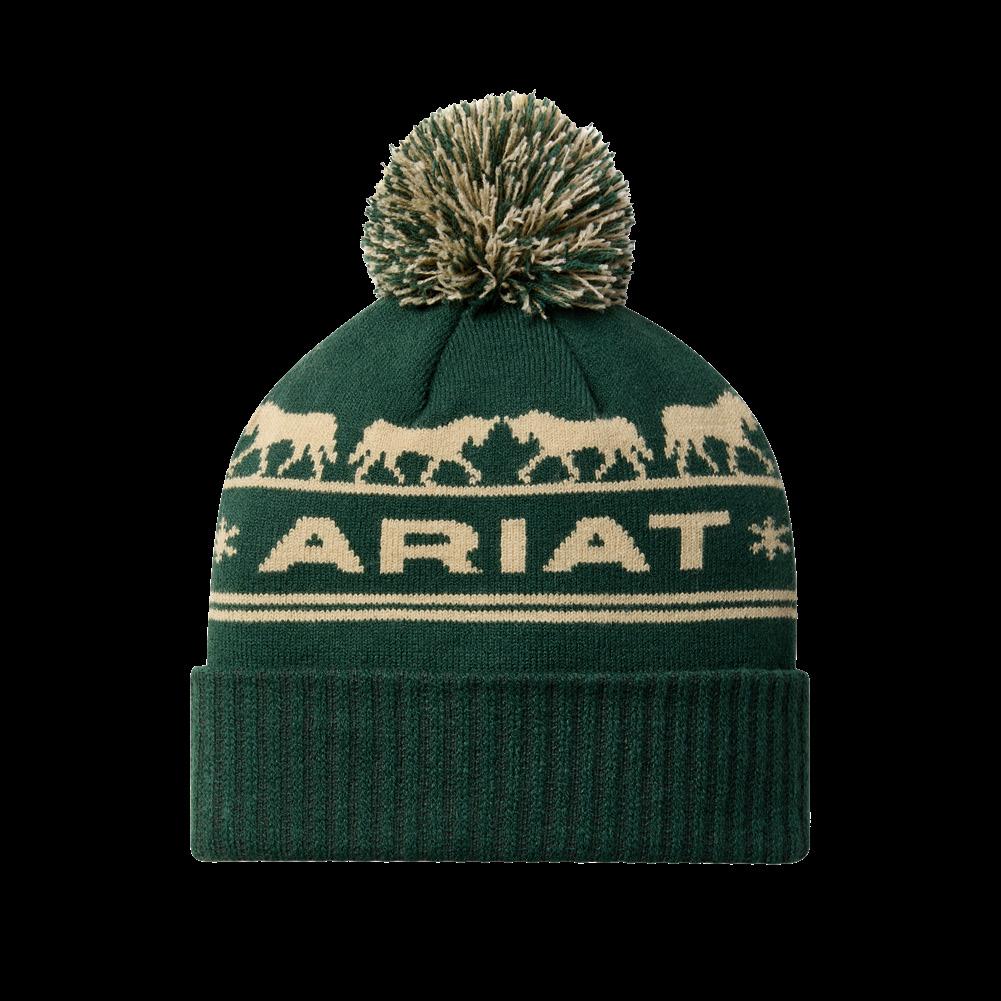
We put a lot of emphasis on staying warm while we’re riding, but it is equally as important to be snug while on the ground. Ariat’s Après Ski Beanie will protect your head from the elements from the moment you take your helmet off. The combination of soft knit fabric with Ariat branding topped with a fun pom pom turns après-ski into après-equestrian. The beanie is 100% acrylic, has a horse and snowflake design, and is available in green or white. $34.95
We all need a break sometimes to put our feet up, and what better way than in Dreamers & Schemers’ Stall Rest Slippers? With fuzzy sherpa fleece on the outside and a silky soft faux fur on the inside, you can let your feet express your mood while staying cozy and warm this winter. The slippers have a durable sole in case you need to do any unexpected late-night errands. They come in women’s and men’s sizes 4 ½ to 11. $29.95 dreamersnschemers.com
LeMieux saddle pads are always a big hit on any gift list, and the Essence Eurojump Square is sure to delight any jumpers in your life. The fashionable pad has a contour quilted soft shell upper designed to hug your horse’s curves without wrinkling. A soft, breathable self-cool lining reduces sweat, while the cooling material controls heat by transferring it away from the skin. As your horse gets warmer while you work, the harder the moisture-activated cooling lining works under the saddle. Your horse’s comfort is top priority, so the Essence Eurojump Square features a full 3D carbon mesh spine for maximum airflow and has a high wither cut to reduce pressure on their back. The design is topped off with LeMieux’s signature hidden girth loop, a faux leather girth protection area, and friction-free binding to maintain the pad’s shape. $109.95 lemieux.com

Every equestrian household has to have a horse ornament hanging from its tree. Old World Christmas is renowned for its unique festive decorations, and what could be more fitting than a horse trailer to haul through your tree’s branches? For horse owners who spend half their lives traveling to shows, a trailer becomes a second home and should be celebrated this holiday season. The 4 inch-trailer, which comes in a keepsake box, is decked out in Christmas decorations and features a palomino horse looking out the window. $32.99 oldworldchristmas.com
A well-fitting bridle is essential for your horse’s comfort, communication, and performance. The Showmark® Premier Hunter Bridle, available at Dover Saddlery, is designed to be exceptionally comfortable for your horse, while also impressing judges in the show ring. A padded single crownpiece is contoured around the ears to relieve pressure and allow blood flow, while the chin is discreetly padded under the buckle for extra cushion, and the noseband adjusts on both sides for a better fit. Made from premium quality Wickett & Craig American leather, the Showmark® Premier Hunter Bridle features fancy stitching and European-style slightly rounded buckles for a sophisticated finish. It is available in cob, full or oversize, and comes in chocolate-colored leather. Matching laced reins are included. $329.95 doversaddlery.com
As anyone who tried doodling horses when they were bored at school knows, drawing our favorite equine partner isn’t as easy as it looks. We may spend every day tending to their needs, but actually recreating a horse on paper is surprisingly difficult! Fortunately, Hollow Horse Press’ “Anyone Can Draw Horses” is here to help. The book, written by equine illustrator and graphic designer June V. Evers, will teach kids and adults alike the essential tricks to draw horses at rest and in action. “Anyone Can Draw Horses” is filled with easy-to-follow instructions, illustrations, and techniques for drawing horses from head to tail. $19.99 horsehollowpress.com
Arthur Court is famed for their beautiful equestrianthemed home goods, ranging from photo frames and platters to candlesticks and ice cream scoops. Their Horseshoe 3-Bowl Bowl is the perfect addition to any holiday party as it can be used to serve dips, fruit, snacks, or appetizers. The three authentically-designed horseshoes — complete with nail markings — meet in the middle to create one bowl that has three serving options. Made from polished aluminum and expertly crafted, the Horseshoe 3-Bowl Bowl will match any decor. (It is hand washable with mild soap, but not suitable for dishwashers.) $88 arthurcourt.com
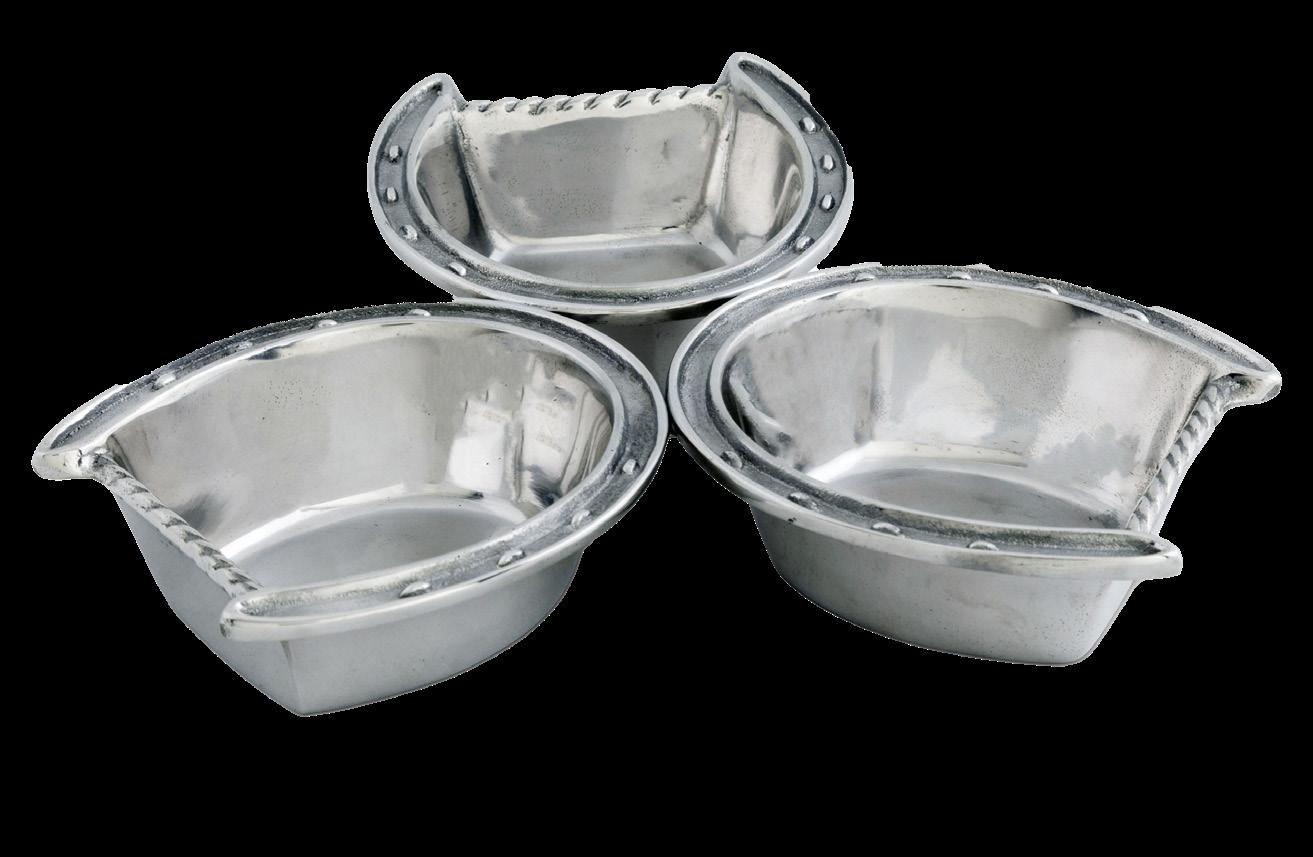

2026 marks the Year of the Horse on the Chinese calendar. Celebrate this important year with a succulent horse candle from Lladró, which is part of their 12-piece Chinese zodiac collection of candles and diffusers. The candle comes in a green glass holder with a beautifully etched porcelain lid depicting a horse’s head. The scent is Gardens of Valencia, which is described by Lladró as a delicate perfume with citric fruity notes of bergamot, tuberose, sandalwood, and musk. $80 lladro.com

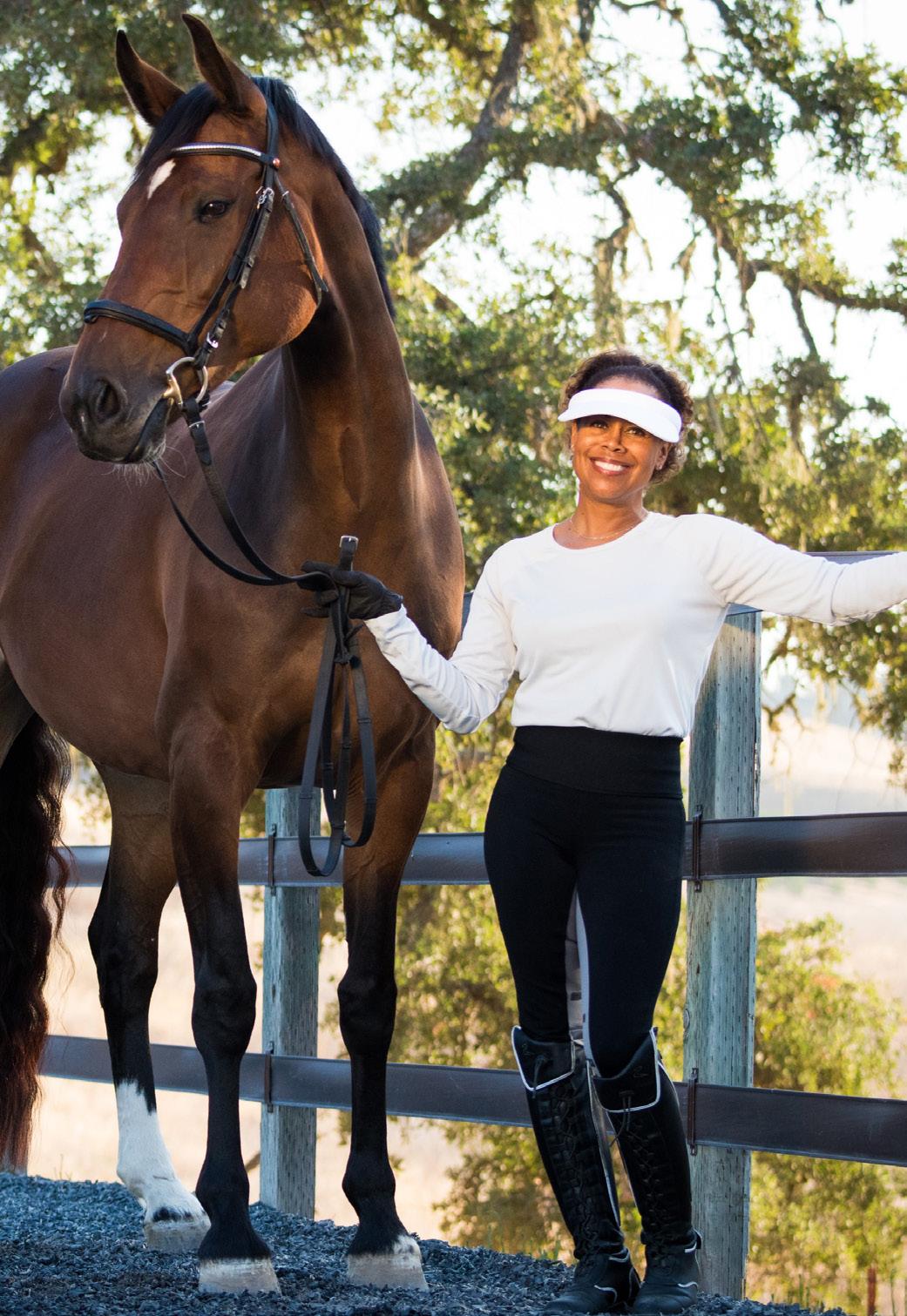
In 1982, Donna Cheek made history by becoming the first Black person to represent the U.S. in international show jumping at the American Junior Show Jumping Championship in Mexico City. She went on to become the first equestrian to be inducted into the Women’s Sports Hall of Fame in 1997. Cheek is now sharing her wisdom in her book, “The Power of Mental Toughness for Young Athletes Simplified,” which aims to provide young athletes, their parents, and their coaches with the mental tools they need to succeed in sports. She gives advice on how to conquer challenges like performance anxiety, inconsistency, and the fear of failure. While Cheek’s accomplishments were in the world of equestrian sport, her guidance and experience will empower and educate athletes no matter what sport or game they
While some prefer subtle jewelry, others like bold statement pieces to show off their love for horses. Featuring an oversized snaffle bit, the Equestrian Snaffle Bit Cuff from Juliska symbolizes the gentleness and communication between horse and human, while the radiant gold finish is a reminder that sometimes you have to blaze your own trail. Its striking companion, the Equestrian Snaffle Bit Chain Necklace, features interlinking snaffle bits to represent a timeless, chic piece that you can pair with your favorite jeans or cocktail dress. Both pieces are created entirely by hand with natural materials. Made with 18-karat gold over brass with an anti-tarnishing coating, it is recommended to avoid contact with water, lotions, chemicals, and perspiration as these can alter the finish. Cuff: $175, Necklace: $275 juliska.com
loyal companions. Crafted from iron with a bronze finish, the sculpture shows the relaxed posture of a dog at rest after a day of running around the farm. Whether it is placed among rustic decor or beside equestrian memorabilia, this piece adds a playful yet sentimental touch that emphasizes the bond we share with our animals. $81 oxygen.lighting
For the equestrian entertainer, elevate your barware with these Hunt Scene Bourbon Glasses from Pomegranate. Inspired by the tradition of fox hunting, which originated in England in the 16th century, the glasses feature four unique hunt scene prints with a gold metallic rim. Sold as a set of four, they bring sophistication to a casual nightcap or a weekend cocktail party. After use, be sure to hand wash the glasses, as the dishwasher may remove the gold plating on the rim of the glass. $52 pomegranateinc.com
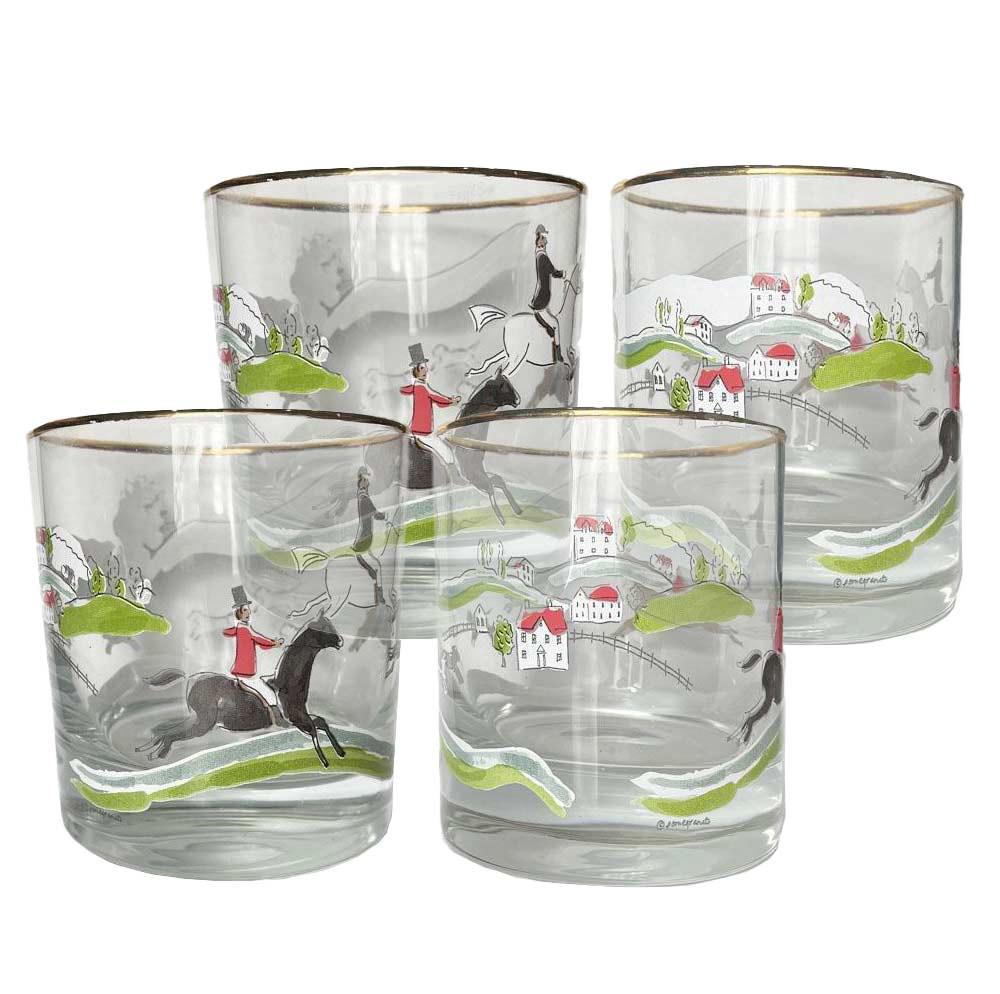

A throw pillow adds a touch of class to any room — and the Snaffle Bit Plaid Pillow from Horse and Hound is the perfect equestrian-themed accent for a horsey home. The hunter green and navy plaid pillow features a gold snaffle bit in the center. The hooked front is made from 100% wool, while the back has cotton velveteen. The 20-inch by 12-inch pillow has a concealed zipper, poly-fill insert and is dry-clean only. $89 horseandhound.com
A strong cup of coffee is an essential staple on cold barn mornings or during exhausting show weekends. Off the Track Coffee is a family-owned business with two passions: horses and coffee. The names of the coffee blends are even inspired by the family’s own horses, such as Thoroughbred Espresso named after their OTTB, Indi, and Palomino Sunrise inspired by palomino pony, Alsan. Not only will Off the Tack Coffee’s 100% Arabica bean coffee keep you caffeinated throughout your ride, but the company also donates 10% of their profits to Trinity Equestrian Center, an equine-assisted services facility in Eau Claire, Wis. $14 and up offthetrackcoffee.com
Versatility is key when it comes to a winter turnout blanket when we don’t know what the weather will bring from day to day. The Amigo® Ripstop 900D Plus Turnout from Horseware is made from durable 900D ripstop polyester that will keep your horse dry and warm no matter what the weather gods throw at you. It also features waterproof and breathable fabric for your horse’s optimal comfort. The flexible design includes liner loops so that a Horseware® Liner can be added for extreme conditions, and a detachable hood for when extra coverage is needed. The Amigo Ripstop 900D Plus Turnout has a classic straight front closure, crossed surcingles, and leg arches for a secure, comfortable fit. The anti-bacterial lining means that the rug is both functional and hygienic, while the shine-enhancing polyester supports a healthy, glossy coat. The blanket comes in a choice of colors, including chic Dynasty Green, and is available in sizes 66 to 84, and pony sizes 45 to 69. $150 horseware.com
Lighting your house with scented candles creates a comforting atmosphere that warms your soul no matter how cold it is outside. The Silver Hurricane by Stylish Equestrian is the ideal way to bring calming candlelight into your home with a sophisticated equestrian twist. The hurricane lamp has a solid aluminum stirrup-shaped base and handle with a glass hurricane votive. It comes in small, medium or large sizes, and is also available in black or gold. Candles are not included, so you can pair it with your favorite aromatherapy candle or one with a festive scent such as pine, spiced cinnamon, peppermint candy canes, or fresh-cut Christmas trees. $48 stylishequestrian.com
Crafted from top-quality 18-karat yellow gold, the Thoroughbred Loop Bracelet from David Yurman is a subtle nod to equestrian elegance. The Thoroughbred Loop collection features classic equestrian motifs that re new the brand’s signature Cable designs, incorporating functional elements of equestrian hardware like a clasp on a bridle or the shape of a stirrup. In spired by David Yurman’s lifelong passion for riding, the loop bracelet adds a touch of luxury to any ensemble and can be layered with other pieces or stand out on its own. $4,500 davidyurman.com
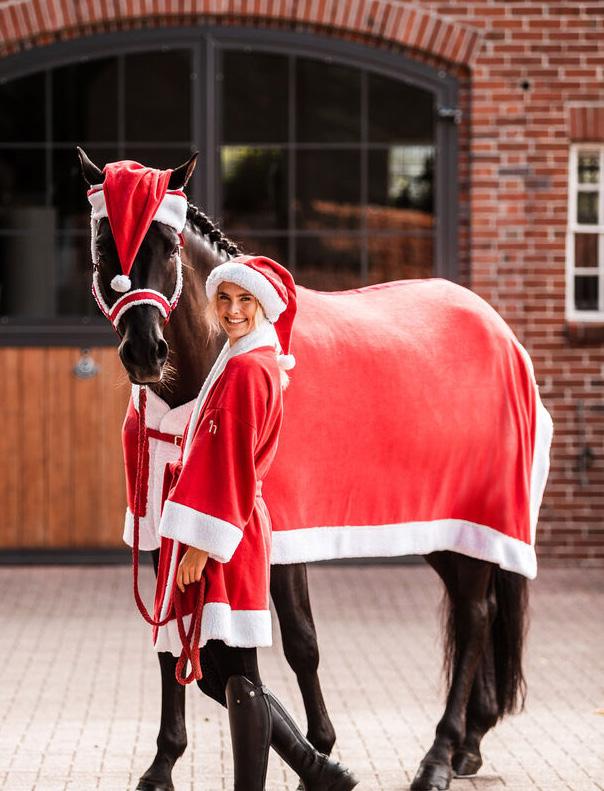
While you shop for the perfect ugly sweater to wear at the barn party this holiday season, there is no reason your horse shouldn’t get in on the fun! Chewy stocks an adorable range of holiday outfits for horses, such as the Horze Santa Hat, which easily fits over your horse’s ears for a festive touch. The soft material will keep their head cozy in winter, and the hat fits easily under a bridle or halter to avoid it dislodging. Pair with a matching Horze Santa Horse Blanket to really get into the Christmas spirit. Santa Hat: $14.99; Santa Blanket: $49.99 chewy.com
The Cayo 35L All-Weather Backpack from Yeti is the perfect ring bag whatever the weather throws at you on show weekend. It is engineered to withstand the elements and haul all your essentials on those extralong days when you don’t want to keep having to dash back and forth to the tack room or trailer. The 35-liter backpack is water-resistant and is made from breathable and ergonomic materials. It has a spacious main area for storage, and quick-access pockets for essentials such as a water bottle, snacks, or a hoof pick. There is also a water reservoir sleeve that fits up to a 13-inch laptop or tablet, and a hitchpoint grid that allows you to clip on any other items that you might need in a hurry. $300 yeti.com

Pivo is opening new doors and opportunities for equestrians, no matter where they live or their riding situation. The Pivo Equestrian Silver Starter Pack allows you to capture training videos from your smartphone or tablet, which you can then use to analyze your ride, correct errors, and track your progress. You can also connect with your trainer virtually to receive real-time feedback and tips — no matter where they are located. The Pivo Equestrian Silver Starter Pack includes advanced horse tracking to follow any exercise, pattern or test; built-in Lessons Mode for virtual coaching; and autozoom for smart framing. Pivo is compatible with all iOS and Android devices. $209.99 pivo.com
Whether you are managing a sprawling equestrian center or own a small paddock, a utility tractor is essential equipment for anyone who has horses at home. From hauling manure and moving hay bales to leveling arenas and caring for pastures, these small but mighty machines have a multitude of uses. John Deere’s 1-4 Series Compact Utility Tractors combine raw power with easy-touse implements, which means that no job is too big or too messy. With a wide range of models available, you’re sure to find a suitable machine that meets your needs.
$15,000 to $69,000 deere.com
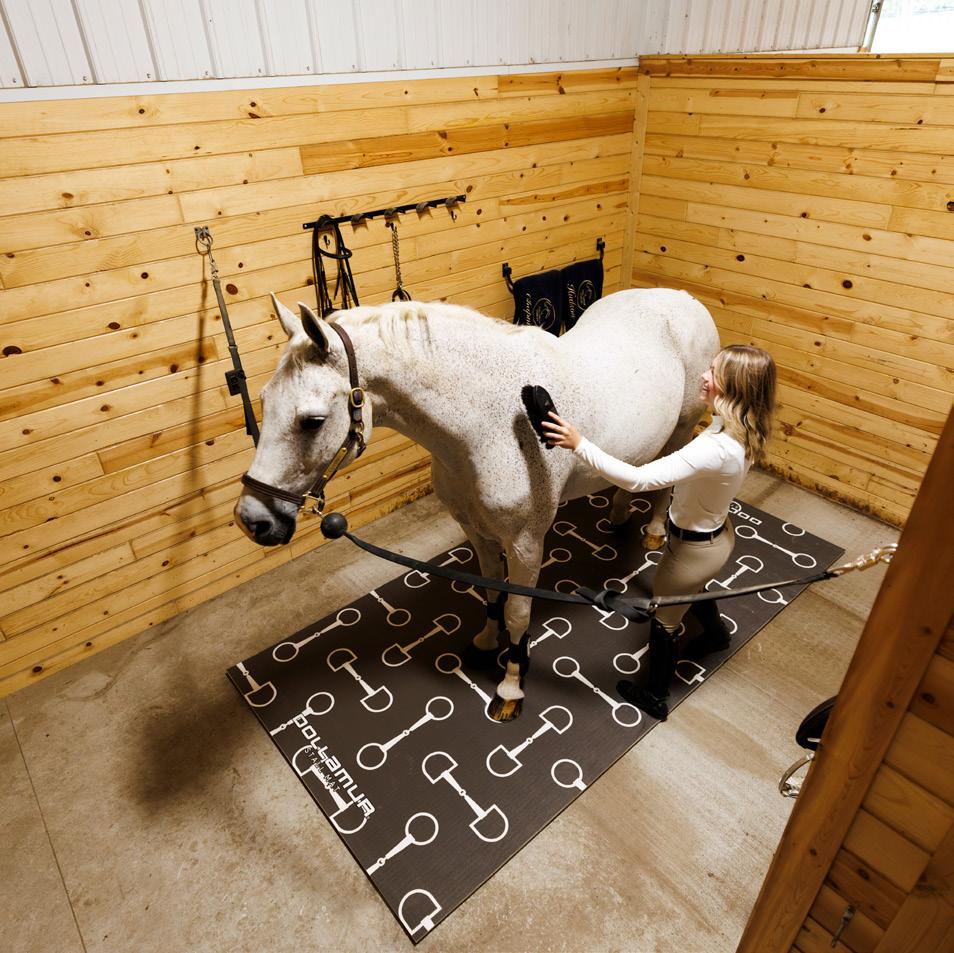
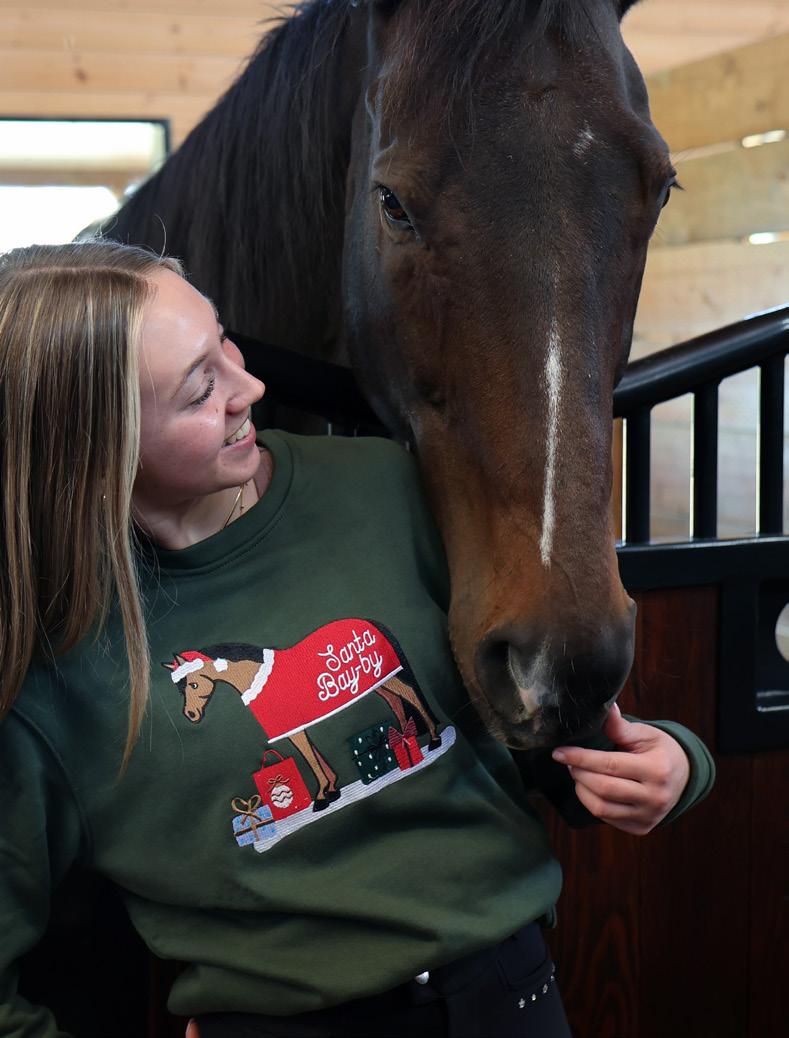
Stall mats are vital to cushion your horse’s legs and protect their joints, tendons, and muscles. Padded mats help horses relax, rest, and recover while supporting their musculoskeletal system. As practical as they are, there is no reason why your stall mat can’t add a sense of style to your barn — which is why Dollamur Stall Mats combine performance with sophistication. These 5-foot by 10-foot mats provide unmatched joint protection and muscle relief for both horse and rider. Made with elite foam and covered in durable 30mm non-slip vinyl with a refined hybrid tatami texture, Dollamur mats offer superior grip and long-lasting strength. They are available in 10 different designs, including a stylish snaffle bit pattern. $479.99 dollamur.com
Every holiday season deserves a new Christmas sweater, and what can be more fitting for the barn holiday party than Dapplebay’s “Santa Bay-By” crewneck sweatshirt? The cozy green sweatshirt features a bay horse in a Santa outfit surrounded by presents and is sure to get you into the festive mood no matter what you find under the tree on Christmas morning. Sizes range from S to XXL. Dapplebay also stocks matching “Santa Bay-By” holiday cards. $54.99 dapplebay.com
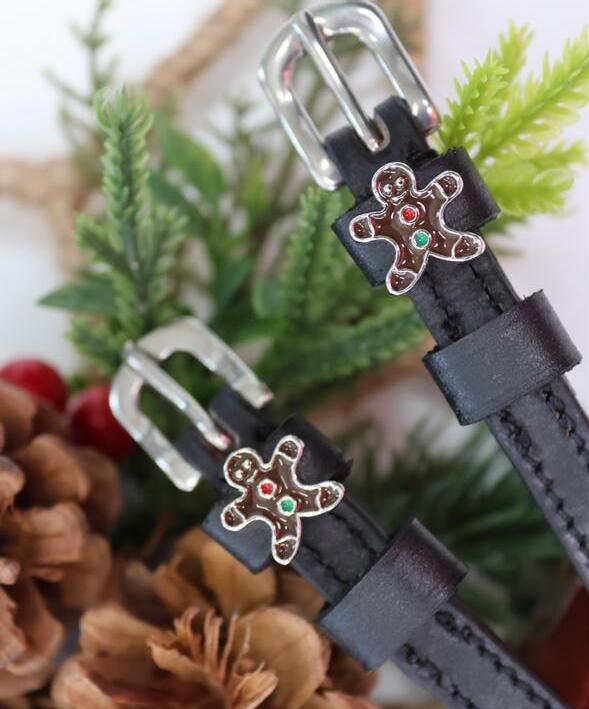
Spur straps don’t have to boring! ManeJane Spur Straps are decorated with adorable charms so that you can show off your personality and passions, even in the show ring. Choose from cute designs such as horse heads, show jumps, and even Corgis, sharks and flying pigs! For the holiday season, add a festive twist to your spurs with gingerbread men, mittens or candy cane charms. The 17-inch standard strap is made from black, durable leather — to ensure your straps don’t stretch but still fit into the slots on your spurs — with stainless steel buckles and keepers, while the custom charms are made of high-quality metal. $32.85 dreamersnschemers.com/pages/manejane
Confidently wrap your little one in comfort with the cozy, eco-friendly Baby Bits Reversible Blanket from In2Green. Created with In2Green’s signature knit material made from fiberized tee shirt clippings, the blanket is a U.S.-made product that contains a sustain able blend of approximately 75% recycled cotton and 25% recycled polyester. While the design aesthetic is perfect for displaying as decoration, the soft, yet durable, material means your child can bring it along to the barn, to shows, or to snuggle up with for a nap at home. $95 in2green.com

Sometimes gifting a once-in-a-lifetime experience is better than any present that can be wrapped up. Show your loved ones or barn buddies that you care by giving them all-session tickets to the FEI World Cup™ Finals 2026, which takes place at Dickies Arena in Fort Worth, Texas, from April 8-12. Single, group, and all-session tickets are available to witness the best jumpers and dressage riders in the world facing off in the arena. There are also opportunities to watch jumping and dressage clinics to learn more about the high-level disciplines. VIP table reservations can be made at VIP Reservations. Ticket prices vary. fortworth2026.com/tickets
Whether you ride at a barn or are lucky enough to have your own paddocks, Dalman Jump Co. jumps are guaranteed to brighten up any arena. Their new collection of jump fillers features everything from Weiner dogs, gummy bears, and butterflies to chess pieces and snowflakes. Share messages such as “Slay” and “We Ride at Dawn,” or personalize with your barn or family name. You can even immortalize your favorite dog with a custom pet filler! There’s no better way to get your horse ready for the jumper ring than by familiarizing them with colorful, eclectic jumps at home. Each filler is durable and weatherproof and features aluminum feet. $299 to $499 dalmanjumpco.com
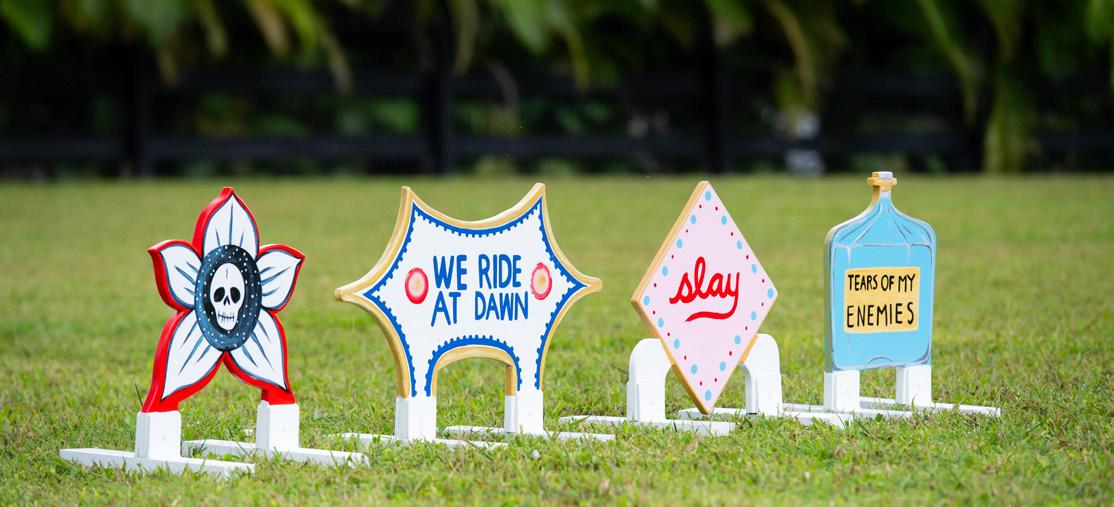
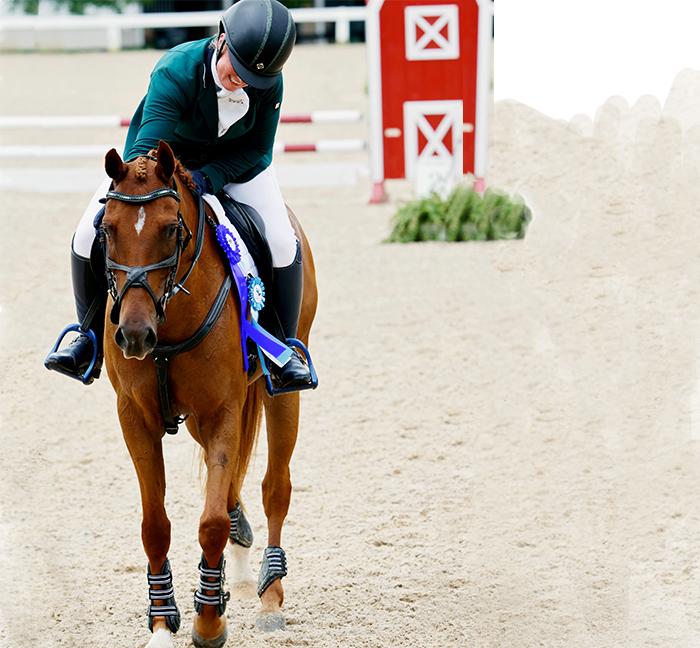
To find a veterinarian near you who offers PulseVet® shock wave therapy, visit Zomedica.com/PulseVet
To learn more, call or click Zomedica.com • 800.245.4417 info@zomedica.com

•90% success in treating back pain and kissing spines
•Helps speed the healing of tendon and ligament injuries
•81% improvement in horses with Navicular Syndrome
•Clinically proven to reduce lameness associated with chronic orthopedic conditions

Contributed by the Regulation Department unless otherwise indicated. The following official notices are only intended to give penalty information for a given case and not to disclose the factual basis for each violation or penalty. For matters heard by the Hearing Committee, a Hearing Panel decides each case based on the evidence presented at the hearing and takes into account many factors that may raise or lower a given penalty. For example, the Hearing Committee takes into account such things as whether the violation was intentional or unintentional, the nature of the violation, the credibility of witnesses, Penalty Guidelines, penalties in similar cases, past violations of Federation rules by a respondent, and many other mitigating factors.
US Equestrian members can access and search the United States Equestrian Federation Suspension List online at USequestrian.org. Hover over the Compete tab on the homepage. In the menu that appears, click Ineligibility List under Rules, Regulations, and Grievances.
MERRY HARDING of Ridge, NY, as Trainer, violated Chapter 4, GR410-411 of this Federation, in connection with the Saratoga WIB Spectacular Horse Show held July 9-13, 2025, in that the horse, INSTANT GRATIFICATION, was exhibited after it had been administered and/or contained in its body metformin. The facts and mitigating factors in this case supported the following penalty even though it is below the suggested range for Category II Violations as outlined in the Drugs and Medications Penalty Guidelines.
For this violation it was determined that MERRY HARDING be censured pursuant to Chapter 7, GR703.1.a and fined $1,500, pursuant to Chapter 7, GR703.1.k. It was further directed that for this violation of the rules, all trophies, prizes, ribbons, and monies, if any, won by INSTANT GRATIFICATION at said competition must be redistributed pursuant to Chapter 7, GR703.1.h.
RYA WASHINGTON, of South Burlington, VT, violated Chapter 4, GR410, of this Federation, in connection with the GMHA Dressage Days Horse Show held July 26-27, 2025, in South Woodstock, VT, in that she, as Trainer, exhibited the horse, PALOMA D’AVALON, after it had been administered and/or contained in its body methocarbamol in a plasma concentration exceeding the maximum permitted level.
For this violation it was determined that RYA WASHINGTON be censured pursuant to Chapter 7, GR703.1.a, and fined $2,000, pursuant to Chapter 7, GR703.1.k. It was further directed that for this violation of the rules, all trophies, prizes, ribbons, and monies, if any, won by PALOMA D’AVALON at said competition must be redistributed pursuant to Chapter 7, GR703.1.h.
DAWN FRAZER, of Pepperell, MA, violated Chapter 4, GR410, of this Federation, in connection with the HITS Hudson Valley
Dressage July II Horse Show held July 12-13, 2025, in Saugerties, NY, in that as Trainer, she exhibited the horse, WIND PHAERIE HU, after it had been administered and/or contained in its body flunixin in a plasma concentration exceeding the maximum permitted level.
For this violation it was determined that DAWN FRAZER be censured pursuant to Chapter 7, GR703.1.a, and fined $1,500, pursuant to Chapter 7, GR703.1.k. It was further directed that for this violation of the rules, all trophies, prizes, ribbons, and monies, if any, won by WIND PHAERIE HU at said competition must be redistributed pursuant to Chapter 7, GR703.1.h.
SUZIE SWITZ, of Mendon, MA, violated Chapter 4, GR410-411, of this Federation, in connection with the New England Dressage Association Summer Show held July 13, 2025, in Millis, MA, in that she, as Trainer, exhibited the horse, HUDSON, after it had been administered and/or contained in its body cetirizine. The facts and mitigating factors in this case supported the following penalty even though it is below the suggested range for Category II Violations as outlined in the Drugs and Medications Penalty Guidelines.
For this violation it was determined that SUZIE SWITZ be censured pursuant to Chapter 7, GR703.1.a, and fined $1,500, pursuant to Chapter 7, GR703.1.k. It was further directed that for this violation of the rules, all trophies, prizes, ribbons, and monies, if any, won by HUDSON at said competition must be redistributed pursuant to Chapter 7, GR703.1.h.
BRIAN SHOOK of Holly, MI, violated Chapter 4, GR410, of this Federation, in connection with the Great Lakes Equestrian Festival II Horse Show held July 9-13, 2025, in Williamsburg, MI, in that he, as Trainer, exhibited the horse, PRIMUS REX, after it had been
administered and/or contained in its body trazadone.
For this violation it was determined that pursuant to Chapter 7, GR703.1.b and GR703.1.f, BRIAN SHOOK shall be found not in good standing, suspended from membership, and forbidden from the privilege of taking any part whatsoever in any Licensed Competition for three (3) months, and is excluded from all Competition grounds (cannot be on grounds from the time participants are admitted on the Competition grounds until the last time for departure). For example, suspended individuals may not be on Competition grounds during schooling or other such days prior to the start of the Competition for any purpose, including such things as coaching riders, training or schooling horses, or trailering horses on or off Competition grounds during Licensed Competitions for that period. Furthermore, suspended individuals are excluded from: (1) competition grounds as an exhibitor, participant, or spectator; (2) from participating in all Federation affairs and activities, (3) from holding or exercising office in the Federation or in any Licensed Competition; and (4) from attending, observing, or participating in any event, forum, meeting, program, clinic, task force, or committee of the Federation, sponsored by or conducted by the Federation, or held in connection with the Federation and any of its activities. Regulations as to suspended persons are set forth in detail in General Rule 704.
The three-month suspension shall commence on December 1, 2025, and terminate at midnight on February 28, 2026. Any horse or horses owned, leased, or of any partnership, corporation or stable of his, or shown in his name, or for his reputation (whether such interest was held at the time of the alleged violation or acquired
thereafter), shall also be suspended, pursuant to Chapter 7, GR703.1.c for the same period.
BRIAN SHOOK was also fined $3,000, pursuant to Chapter 7, GR703.1.k. In connection with this penalty, all trophies, prizes, ribbons, and monies, if any, won by PRIMUS REX at said competition were redistributed pursuant to Chapter 7, GR703.1.h.
MICHELLE MAHONEY , of Waterford, VA, violated Chapter 4, GR410-411, of this Federation, in connection with the Showday National Horse Show held July 2-6, 2025, in Culpeper, VA, in that she, as Trainer, exhibited the horse, PIPPA VAN DE BERGHOEVE Z, after it had been administered and/or contained in its body metformin. The facts and mitigating factors in this case supported the following penalty even though it is below the suggested range for Category II Violations as outlined in the Drugs and Medications Penalty Guidelines.
For this violation it was determined that MICHELLE MAHONEY be censured pursuant to Chapter 7, GR703.1.a, and fined $1,500, pursuant to Chapter 7, GR703.1.k. It was further directed that for this violation of the rules all trophies, prizes, ribbons, and monies, if any, won by PIPPA VAN DE BERGHOEVE Z at said competition must be redistributed pursuant to Chapter 7, GR703.1.h.
MARISSA COHEN , of West Chester, PA, violated Chapter 4, GR410, of this Federation, in connection with the Princeton Spring Classic II Horse Show held April 23-27, 2025, in that she, as Trainer, exhibited the horse, LIMITED EDITION, after it had been administered and/or contained in its body methocarbamol in a plasma concentration exceeding the maximum permitted level.
For this violation it was determined that MARISSA COHEN be
censured pursuant to Chapter 7, GR703.1.a, and fined $1,000, pursuant to Chapter 7, GR703.1.k. It was further directed that for this violation of the rules, all trophies, prizes, ribbons, and monies, if any, won by LIMITED EDITION at said competition must be redistributed pursuant to Chapter 7, GR703.1.h.
CAITLIN GITHENS, of Somerville, NJ, violated Chapter 4, GR410, of this Federation, in connection with the Princeton Spring Classic II Horse Show held April 23-27, 2025, in that she, as Trainer, exhibited the horse, ROSE GOLD, after it had been administered and/or contained in its body methocarbamol in a plasma concentration exceeding the maximum permitted level.
For this violation it was determined that CAITLIN GITHENS be censured pursuant to Chapter 7, GR703.1.a, and fined $1,000, pursuant to Chapter 7, GR703.1.k. It was further directed that for this violation of the rules, all trophies, prizes, ribbons, and monies, if any, won by ROSE GOLD at said competition must be redistributed pursuant to Chapter 7, GR703.1.h.
ALISON TUREK , of Virginia Beach, VA, violated Chapter 4, GR410, of this Federation, in connection with The Keswick Horse
Show held May 14-18, 2025, in Lexington, VA, in that she, as Trainer, exhibited the horse, DEBONAIR, after it had been administered and/or contained in its body methocarbamol in a plasma concentration exceeding the maximum permitted level.
For this violation it was determined that ALISON TUREK be censured pursuant to Chapter 7, GR703.1.a, and fined $1,000, pursuant to Chapter 7, GR703.1.k. It was further directed that for this violation of the rules, all trophies, prizes, ribbons, and monies, if any, won by DEBONAIR at said competition must be redistributed pursuant to Chapter 7, GR703.1.h.
LESLIE SHERLIN , of Mesa, AZ, violated Chapter 4, GR410, GR411.1.b, and GR411.1.i, of this Federation, in connection with the ADA Summer Heat Horse Show held June 14, 2025, in Scottsdale, AZ, in that he, as Trainer, exhibited the horse, CLONONEEN CASHMERE, after it had been administered and/ or contained in its body cetirizine. The facts and mitigating factors in this case supported the following penalty even though it is below the suggested range for Category II violations outlined in the Drugs and Medications Penalty Guidelines.
For this violation it was determined that LESLIE SHERLIN be censured pursuant to Chapter 7, GR703.1.a, and fined $1,500, pursuant to Chapter 7, GR703.1.k. It was further directed that for this violation of the rules all trophies, prizes, ribbons, and monies, if any, won by CLONONEEN CASHMERE at said competition must be redistributed pursuant to Chapter 7, GR703.1.h.
MICHAEL BUCHANAN , of Shelbyville, KY, violated Chapter 4, GR410 and GR414.1, of this Federation, in connection with The Shenandoah Classic Horse Show held June 17-21, 2025, in Lexington, VA, in that he, as Trainer, exhibited the horse, KALARAMA’S RICH LEGACY, after it had been administered and/or contained in its body methocarbamol in a plasma concentration exceeding the maximum permitted level, which was administered within 12-hours of competition.
For these violations it was determined that pursuant to Chapter 7, GR703.1.b and GR703.1.f, MICHAEL BUCHANAN shall be found not in good standing, suspended from membership, and forbidden from the privilege of taking any part whatsoever in any Licensed Competition for one month, and is excluded
from all Competition grounds (cannot be on grounds from the time participants are admitted on the Competition grounds until the last time for departure). For example, suspended individuals may not be on Competition grounds during schooling or other such days prior to the start of the Competition for any purpose, including for things such as: coaching riders, training or schooling horses, or trailering horses on or off Competition grounds during Licensed Competitions for that period. Furthermore, suspended individuals are excluded (1) from competition grounds as an exhibitor, participant or spectator; (2) from participating in all Federation affairs and activities; (3) from holding or exercising office in the Federation or in any Licensed Competition; and (4) from attending, observing, or participating in any event, forum, meeting, program, clinic, task force, or committee of the Federation, sponsored by or conducted by the Federation, or held in connection with the Federation and any of its activities.
The one-month suspension shall commence on June 1, 2026, and terminate at midnight on June 30, 2026. Any horse or horses, completely or in part owned, leased, or

of any partnership, corporation, or stable of his, or shown in his name or for his reputation (whether such interest was held at the time of the alleged violation or acquired thereafter), shall also be suspended pursuant to General Rule 703.1.c for the same time period. Regulations as to suspended persons are set forth in detail in General Rule 704.
MICHAEL BUCHANAN was also fined $3,000, pursuant to Chapter 7, GR703.1.k. In connection with this penalty all trophies, prizes, ribbons, and monies, if any, won by KALARAMA’S RICH LEGACY at said competition must be redistributed pursuant to Chapter 7, GR703.1.h.
SYBIL GREENE, of Lincoln, NE, violated Chapter 4, GR410, of this Federation, in connection with the Devon Horse Show held May 21 –June 1, 2025, in Devon, PA, in that she, as Trainer, exhibited the horse, SOLO CANTO, after it had been administered and/or contained in its body methocarbamol in a plasma concentration exceeding the maximum permitted level.
For this violation it was determined that SYBIL GREENE be censured pursuant to Chapter 7, GR703.1.a, and fined $1,500, pursuant to Chapter 7, GR703.1.k. It was further directed that for this violation of the rules all trophies, prizes, ribbons, and monies, if any, won by SOLO CANTO at said competition must be redistributed pursuant to Chapter 7, GR703.1.h.
LEAH GOLLADAY , of Chagrin Falls, OH, violated Chapter 4, GR410, of this Federation, in connection with the Ohio Half Arabian Horse Association Horse Show held April 11-13, 2025, in Wilmington, OH, in that she, as Trainer, exhibited the horse, KALARAMAS SEROTONIN, after it had been administered and/or contained in its body methocarbamol in a plasma concentration exceeding the maximum permitted level.
For this violation it was determined that LEAH GOLLADAY be censured pursuant to Chapter 7, GR703.1.a, and fined $1,000, pursuant to Chapter 7, GR703.1.k. It was further directed that for this violation of the rules, all trophies, prizes, ribbons, and monies, if any, won by KALARAMAS SEROTONIN at said competition must be redistributed pursuant to Chapter 7, GR703.1.h.
STEPHANIE FREY, of Morriston, FL, violated Chapter 4, GR410, of this Federation, in connection with the Tryon Spring 6 – TR & HC Charity Horse Show held June 3-8, 2025, in Mill Spring, NC, in that she, as Trainer, exhibited the horse, STORYVILLE, after it had been administered and/or contained in its body methocarbamol
in a plasma concentration exceeding the maximum permitted level.
For this violation it was determined that STEPHANIE FREY be censured pursuant to Chapter 7, GR703.1.a, and fined $1,500, pursuant to Chapter 7, GR703.1.k. It was further directed that for this violation of the rules all trophies, prizes, ribbons, and monies, if any, won by STORYVILLE at said competition must be redistributed pursuant to Chapter 7, GR703.1.h.
SELINA PETRONELLI , of Churchville, MD, violated Chapter 4, GR410, GR411.1.b, and GR411.1.i, of this Federation, in connection with the USEF Junior Hunter National Championships – East Horse Show held June 18-22, 2025, in Lexington, KY, in that she, as Trainer, exhibited the horse, CONTENTO, after it had been administered and/or contained in its body cetirizine. The facts and mitigating factors in this case supported the following penalty even though it is below the suggested range for Category II violations outlined in the Drugs and Medications Penalty Guidelines.
For this violation it was determined that SELINA PETRONELLI be censured pursuant to Chapter 7, GR703.1.a, and fined $1,500, pursuant to Chapter 7, GR703.1.k. It was further directed that for this violation of the rules all trophies, prizes, ribbons, and monies, if any, won by CONTENTO at said competition must be redistributed pursuant to Chapter 7, GR703.1.h.
ERIC ANTMAN, of Escondido, CA, violated Chapter 4, GR410, of this Federation, in connection with the Charity Fair Horse Show held June 10-13, 2025, in Del Mar, CA, in that he, as Trainer, exhibited the horse, LATE NIGHT DECISION, after it had been administered and/or contained in its body methocarbamol in a plasma concentration exceeding the maximum permitted level.
For this violation it was determined that ERIC ANTMAN be censured pursuant to Chapter 7, GR703.1.a, and fined $1,500, pursuant to Chapter 7, GR703.1.k. It was further directed that for this violation of the rules all trophies, prizes, ribbons, and monies, if any, won by LATE NIGHT DECISION at said competition must be redistributed pursuant to Chapter 7, GR703.1.h.
RANDI CASHMAN, of Chestnut Ridge, NY, violated Chapter 4, GR410, of this Federation, in connection with the HITS Hudson Valley I Horse Show held May 21-25, 2025, in Saugerties, NY, in that she, as Trainer, exhibited the horse, INTORNESCH, after it had been administered and/or contained in its body methocarbamol in a plasma
concentration exceeding the maximum permitted level.
For this violation it was determined that RANDI CASHMAN be censured pursuant to Chapter 7, GR703.1.a, and fined $1,500, pursuant to Chapter 7, GR703.1.k. It was further directed that for this violation of the rules all trophies, prizes, ribbons, and monies, if any, won by INTORNESCH at said competition must be redistributed pursuant to Chapter 7, GR703.1.h.
OCTAVIO RAMIREZ, of Summerfield, FL, violated Chapter 4, GR410 and GR411.1.b, of this Federation, in connection with the Extravaganza Horse Show held May 2-4, 2025, in Ocala, FL, in that he, as Trainer, exhibited the horse, JAGUAR DE COLORES, after it had been administered and/or contained in its body acepromazine and 2-(1-hydroxyethyl) promazine sulfoxide.
For this violation it was determined that pursuant to Chapter 7, GR703.1.b and GR703.1.f, OCTAVIO RAMIREZ shall be found not in good standing, suspended from membership, and forbidden from the privilege of taking any part whatsoever in any Licensed Competition for two (2) months, and is excluded from all Competition grounds (cannot be on grounds from the time participants are admitted on the Competition grounds until the last time for departure). For example, suspended individuals may not be on Competition grounds during schooling or other such days prior to the start of the Competition for any purpose, including such things as: coaching riders, training or schooling horses, or trailering horses on or off Competition grounds during Licensed Competitions for that period. Furthermore, suspended individuals are excluded from: competition grounds as (1) an exhibitor, participant or spectator; (2) from participating in all Federation affairs and activities; (3) from holding or exercising office in the Federation or in any Licensed Competition; and (4) from attending, observing, or participating in any event, forum, meeting, program, clinic, task force, or committee of the Federation, sponsored by or conducted by the Federation, or held in connection with the Federation and any of its activities. Regulations as to suspended persons are set forth in detail in General Rule 704.
The two-month suspension shall commence on April 1, 2026, and terminate at midnight on May 31, 2026. Any horse or horses, completely or in part owned, leased, or of any partnership, corporation, or stable of his, or shown in his name or for his reputation (whether such interest was held at the time of
the alleged violation or acquired thereafter), shall also be suspended pursuant to General Rule 703.1.c for the same time period. Regulations as to suspended persons are set forth in detail in General Rule 704.
OCTAVIO RAMIREZ was also fined $3,000, pursuant to Chapter 7, GR703.1.k. In connection with this penalty all trophies, prizes, ribbons, and monies, if any, won by JAGUAR DE COLORES at said competition were redistributed pursuant to Chapter 7, GR703.1.h.
KAYLA WHITTIER, of Tiverton, RI, violated Chapter 4, GR410-411, of this Federation, in connection with the Grazing Fields Farm Horse Show I held April 27, 2025, in Buzzards Bay, MA, in that she, as Trainer, exhibited the horse, MY SWEET REVENGE, after it had been administered and/or contained in its body acepromazine and 2-(1-hydroxyethyl) promazine sulfoxide.
For this violation it was determined that pursuant to Chapter 7, GR703.1.b and GR703.1.f, KAYLA WHITTIER shall be found not in good standing, suspended from membership, and forbidden from the privilege of taking any part whatsoever in any Licensed Competition for three (3) months and is excluded from all Competition grounds (cannot be on grounds from the time participants are admitted on the Competition grounds until the last time for departure). For example, suspended individuals may not be on Competition grounds during schooling or other such days prior to the start of the Competition for any purpose, including such things as: coaching riders, training or schooling horses, or trailering horses on or off Competition grounds during Licensed Competitions for that period. Furthermore, suspended individuals are excluded from: competition grounds as (1) an exhibitor, participant or spectator; (2) from participating in all Federation affairs and activities; (3) from holding or exercising office in the Federation or in any Licensed Competition; and (4) from attending, observing, or participating in any event, forum, meeting, program, clinic, task force, or committee of the Federation, sponsored by or conducted by the Federation, or held in connection with the Federation and any of its activities. Regulations as to suspended persons are set forth in detail in General Rule 704.
The three-month suspension shall commence on April 1, 2026, and terminate at midnight on June 30, 2026. Any horse or horses, completely or in part owned, leased, or of any partnership, corporation, or stable of hers, or shown in her name or for her reputation (whether such
interest was held at the time of the alleged violation or acquired thereafter), shall also be suspended pursuant to General Rule 703.1.c for the same time period. Regulations as to suspended persons are set forth in detail in General Rule 704.
KAYLA WHITTIER was also fined $3,000, pursuant to Chapter 7, GR703.1.k. In connection with this penalty all trophies, prizes, ribbons, and monies, if any, won by MY SWEET REVENGE at said competition were redistributed pursuant to Chapter 7, GR703.1.h.
RITA BROWN, of Kingston, MA, violated Chapter 4, GR410, of this Federation, in connection with the NEDA Spring Dressage Competition #1 Horse Show held May 30, 2025, in Halifax, MA, in that she, as Trainer, exhibited the horse, ONYX, after it had been administered and/or contained in its body methocarbamol in a plasma concentration exceeding the maximum permitted level.
For this violation it was determined that RITA BROWN be censured pursuant to Chapter 7, GR703.1.a, and fined $1,750, pursuant to Chapter 7, GR703.1.k. It was further directed that for this violation of the rules all trophies, prizes, ribbons, and monies, if any, won by ONYX at said competition must be redistributed pursuant to Chapter 7, GR703.1.h.
ALICIA WILKINSON, of Charlotte, NC, violated Chapter 4, GR410, of this Federation, in connection with the Tryon Spring 6 – TR & HC Charity Horse Show held June 3-8, 2025, in Mill Spring, NC, in that she, as Trainer, exhibited the horse, DOLPHINE MOUCHE, after it had been administered and/or contained in its body methocarbamol in a plasma concentration exceeding the maximum permitted level. The facts and mitigating factors in this case supported the following penalty even though it is below the suggested range for Category I violations as outlined in the Drugs and Medications Penalty Guidelines.
For this violation it was determined that ALICIA WILKINSON be censured pursuant to Chapter 7, GR703.1.a, and fined $2,000, pursuant to Chapter 7, GR703.1.k. It was further directed that for this violation of the rules all trophies, prizes, ribbons, and monies, if any, won by DOLPHINE MOUCHE at said competition must be redistributed pursuant to Chapter 7, GR703.1.h.
SHELLEY WHITE , of Brewerton, NY, violated Chapter 4, GR410, of this Federation, in connection with the Empire State Arabian Spring Horse Show held May 2-4, 2025, in Syracuse, NY, in that she, as Trainer, exhibited the
horse, RELEVANCE NLS, after it had been administered and/or contained in its body dexamethasone in a plasma concentration exceeding the maximum permitted level.
For this violation it was determined that SHELLEY WHITE be censured pursuant to Chapter 7, GR703.1.a, and fined $1,000, pursuant to Chapter 7, GR703.1.k. It was further directed that for this violation of the rules, all trophies, prizes, ribbons, and monies, if any, won by RELEVANCE NLS at said competition must be redistributed pursuant to Chapter 7, GR703.1.h.
GRACE YEARY, of Mexico, NY, violated Chapter 4, GR410-411, of this Federation, in connection with Empire State Arabian Spring Horse Show held May 2-4, 2025, in Syracuse, NY, in that she, as Trainer, exhibited the horse, SUPER J NOTABILI T, after it had been administered and/or contained in its body cetirizine. The facts and mitigating factors in this case supported the following penalty even though it is below the suggested range for Category II Violations as outlined in the Drugs and Medications Penalty Guidelines.
For this violation it was determined that GRACE YEARY be censured pursuant to Chapter 7, GR703.1.a, and fined $1,500, pursuant to Chapter 7, GR703.1.k. It was further directed that for this violation of the rules all trophies, prizes, ribbons, and monies, if any, won by SUPER J NOTABILI T at said competition must be redistributed pursuant to Chapter 7, GR703.1.h.
LISA SHERMAN QUINLAN, of Pound Ridge, NY, violated Chapter 4, GR410, of this Federation, in connection with the HITS Hudson Valley I Horse Show held May 21-25, 2025, in Saugerties, NY, in that she, as Trainer, exhibited the horse, QUINLAN’S JUNE BUG, after it had been administered and/or contained in its body flunixin in a plasma concentration exceeding the maximum permitted level.
For this violation it was determined that LISA SHERMAN QUINLAN be censured pursuant to Chapter 7, GR703.1.a, and fined $1,000, pursuant to Chapter 7, GR703.1.k. It was further directed that for this violation of the rules all trophies, prizes, ribbons, and monies, if any, won by QUINLAN’S JUNE BUG at said competition must be redistributed pursuant to Chapter 7, GR703.1.h.
YVONNE GENTILE, of Monroe Twp., NJ, violated Chapter 4, GR410 and GR411, of this Federation, in connection with the ESDCTA Memorial Weekend Dressage Horse Show held May 24, 2025, in Allentown, NJ, in that she, as Trainer,
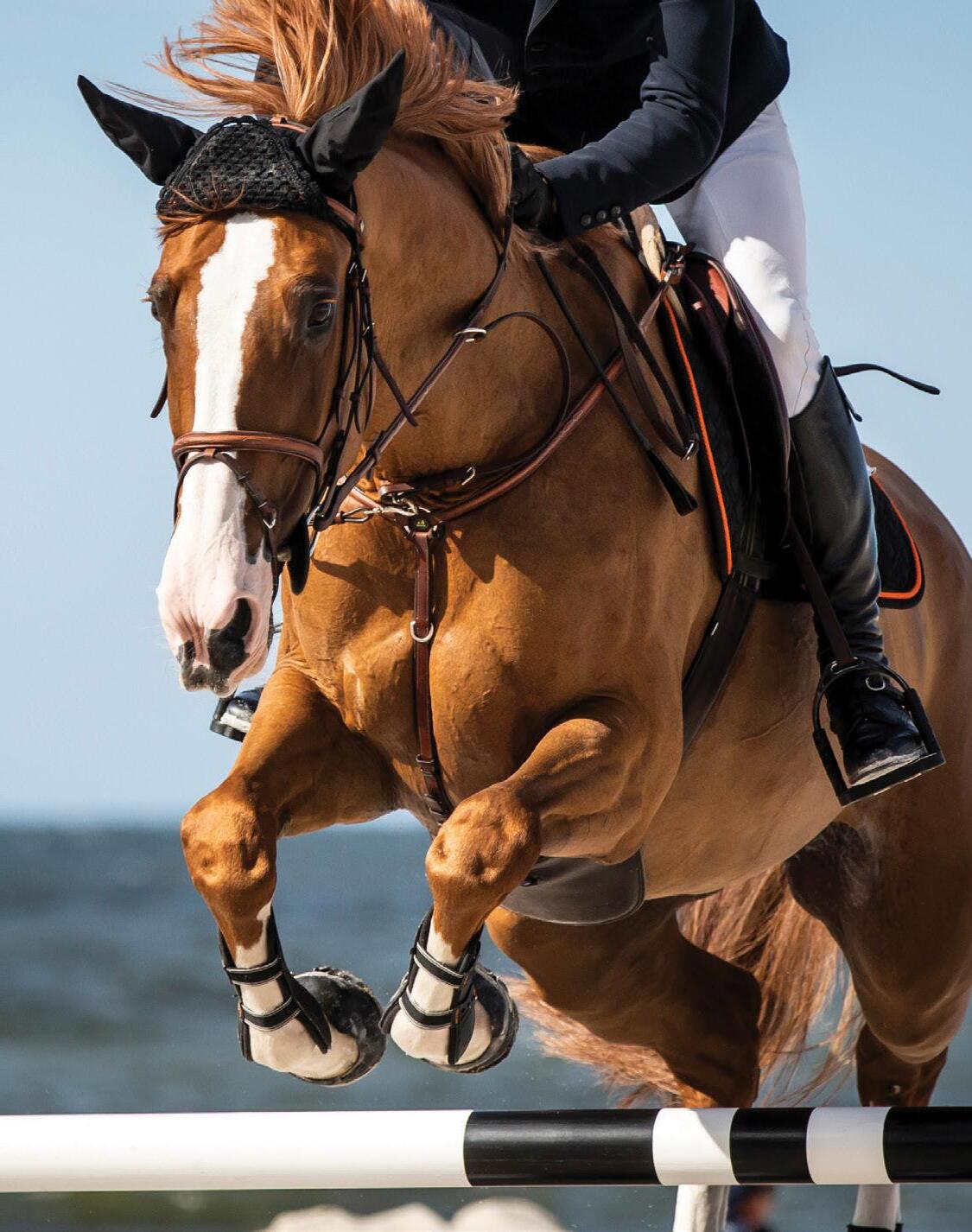
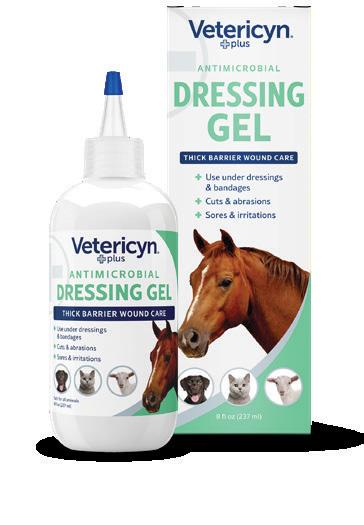

Vetericyn® makes the most advanced, effective, and safe products to keep horses healthy. Whether it’s cleaning wounds, treating hoof or eye issues, or conditioning and cleaning the coat, horse lovers trust Vetericyn for total equine wellness.
exhibited the horse, SIXBITS, after it had been administered and/or contained in its body cetirizine. The facts and mitigating factors in this case supported the following penalty even though it is below the suggested range for Category II Violations as outlined in the Drugs and Medications Penalty Guidelines.
For this violation it was determined that YVONNE GENTILE be censured pursuant to Chapter 7, GR703.1.a, and fined $1,500, pursuant to Chapter 7, GR703.1.k. It was further directed that for this violation of the rules all trophies, prizes, ribbons, and monies, if any, won by SIXBITS at said competition must be redistributed pursuant to Chapter 7, GR703.1.h.
MEGAN GALLAGHER , of Grass Valley, CA, violated Chapter 4, GR410-411, of this Federation, in connection with the Carousel Charity/UPHA Chapter 1 Horse Show held March 27-30, 2025, on Scottsdale, AZ, in that she, as Trainer, exhibited the horse, FIELDCREST ASTAIRE, after it had been administered and/or contained in its body cetirizine and hydroxyzine. The facts and mitigating factors in this case supported the following penalty even though it is below the suggested range for Category II Violations as outlined in the Drugs and Medications Penalty Guidelines.
For this violation it was determined that MEGAN GALLAGHER be censured pursuant to Chapter 7, GR703.1.a, and fined $1,500, pursuant to Chapter 7, GR703.1.k. It was further directed that for this violation of the rules all trophies, prizes, ribbons, and monies, if any, won by FIELDCREST ASTAIRE at said competition must be redistributed pursuant to Chapter 7, GR703.1.h.
ALANNAH WAGSTAFF , of Wellington, FL, violated Chapter 4, GR410, GR411.1.i, and GR411.1.b, of this Federation, in connection with the Equestrian Sport Productions, LLC. Spring 5 Horse Show held May 8-11, 2025, in Wellington, FL, in that she, as Trainer, exhibited the horse, SYNCOPATION, after it had been administered and/or contained in its body cetirizine and methocarbamol in a plasma concentration exceeding the maximum permitted level.
For this violation it was determined that pursuant to Chapter 7, GR703.1.b and GR703.1.f, ALANNAH WAGSTAFF shall be found not in good standing, suspended from membership, and forbidden from the privilege of taking any part whatsoever in any Licensed Competition for one month, and is excluded from all Competition grounds (cannot be on grounds from the time participants are
admitted on the Competition grounds until the last time for departure). For example, suspended individuals may not be on Competition grounds during schooling or other such days prior to the start of the Competition for any purpose, including for things such as: coaching riders, training or schooling horses, or trailering horses on or off Competition grounds during Licensed Competitions for that period. Furthermore, suspended individuals are excluded (1) from competition grounds as an exhibitor, participant or spectator; (2) from participating in all Federation affairs and activities; (3) from holding or exercising office in the Federation or in any Licensed Competition; and (4) from attending, observing, or participating in any event, forum, meeting, program, clinic, task force, or committee of the Federation, sponsored by or conducted by the Federation, or held in connection with the Federation and any of its activities.
The one-month suspension shall commence on May 1, 2026, and terminate at midnight on May 31, 2026. Any horse or horses, completely or in part owned, leased, or of any partnership, corporation, or stable of hers, or shown in her name or for her reputation (whether such interest was held at the time of the alleged violation or acquired thereafter), shall also be suspended pursuant to General Rule 703.1.c for the same time period. Regulations as to suspended persons are set forth in detail in General Rule 704.
ALANNAH WAGSTAFF was also fined $2,000, pursuant to Chapter 7, GR703.1.k. In connection with this penalty all trophies, prizes, ribbons, and monies, if any, won by SYNCOPATION at said competition must be redistributed pursuant to Chapter 7, GR703.1.h.
JESSICA CROSS, of Apopka, FL, violated Chapter 4, GR410, GR411.1.b, and GR411.1.i, of this Federation, in connection with the CFHJA May Horse Show held May 8-11, 2025, in Venice, FL, in that she, as Trainer, exhibited the horse, KIRATO, after it had been administered and/or contained in its body cetirizine, hydroxyzine, and flunixin in a plasma concentration exceeding the maximum permitted level.
For these violations it was determined that pursuant to Chapter 7, GR703.1.b and GR703.1.f, JESSICA CROSS shall be found not in good standing, suspended from membership, and forbidden from the privilege of taking any part whatsoever in any Licensed Competition for one month, and is excluded from all Competition grounds (cannot be on grounds from the time participants are admitted on the
Competition grounds until the last time for departure). For example, suspended individuals may not be on Competition grounds during schooling or other such days prior to the start of the Competition for any purpose, including for things such as: coaching riders, training or schooling horses, or trailering horses on or off Competition grounds during Licensed Competitions for that period. Furthermore, suspended individuals are excluded (1) from competition grounds as an exhibitor, participant or spectator; (2) from participating in all Federation affairs and activities; (3) from holding or exercising office in the Federation or in any Licensed Competition; and (4) from attending, observing, or participating in any event, forum, meeting, program, clinic, task force, or committee of the Federation, sponsored by or conducted by the Federation, or held in connection with the Federation and any of its activities.
The one-month suspension shall commence on May 1, 2026, and terminate at midnight on May 31, 2026. Any horse or horses, completely or in part owned, leased, or of any partnership, corporation, or stable of hers, or shown in her name or for her reputation (whether such interest was held at the time of the alleged violation or acquired thereafter), shall also be suspended pursuant to General Rule 703.1.c for the same time period. Regulations as to suspended persons are set forth in detail in General Rule 704.
JESSICA CROSS was also fined $2,500, pursuant to Chapter 7, GR703.1.k. In connection with this penalty all trophies, prizes, ribbons, and monies, if any, won by KIRATO at said competition must be redistributed pursuant to Chapter 7, GR703.1.h.
FRANCIS GARONE, of Richmond, NH, violated Chapter 4, GR410, of this Federation, in connection with the Bonnie Blue National Horse Show held May 7-10, 2025, in Lexington, VA, in that he, as Trainer, exhibited the horse, CALL ME HANDSOME, after it had been administered and/or contained in its body flunixin, isoflupredone, and phenylbutazone.
For this violation it was determined that FRANCIS GARONE be censured pursuant to Chapter 7, GR703.1.a, and fined $2,000, pursuant to Chapter 7, GR703.1.k. It was further directed that for this violation of the rules all trophies, prizes, ribbons, and monies, if any, won by CALL ME HANDSOME at said competition must be redistributed pursuant to Chapter 7, GR703.1.h.
KIRSTYN LAZAR, of Suffolk, VA, violated Chapter 4, GR410-411,
of this Federation, in connection with the Blue Ridge Arabian Classic Horse Show held April 11-13, 2025, in Lexington, VA, in that she, as Trainer, exhibited the horse, SIGNALFIRE CARA MIA, after it had been administered and/or contained in its body acepromazine, 2-(1-hydroxyethyl) promazine sulfoxide, lidocaine, and 3-hydroxylidocaine.
For this violation it was determined that pursuant to Chapter 7, GR703.1.b and GR703.1.f, KIRSTYN LAZAR shall be found not in good standing, suspended from membership, and forbidden from the privilege of taking any part whatsoever in any Licensed Competition for three (3) months and is excluded from all Competition grounds (cannot be on grounds from the time participants are admitted on the Competition grounds until the last time for departure). For example, suspended individuals may not be on Competition grounds during schooling or other such days prior to the start of the Competition for any purpose, including such things as: coaching riders, training or schooling horses, or trailering horses on or off Competition grounds during Licensed Competitions for that period. Furthermore, suspended individuals are excluded from: competition grounds as (1) an exhibitor, participant or spectator; (2) from participating in all Federation affairs and activities; (3) from holding or exercising office in the Federation or in any Licensed Competition; and (4) from attending, observing, or participating in any event, forum, meeting, program, clinic, task force, or committee of the Federation, sponsored by or conducted by the Federation, or held in connection with the Federation and any of its activities. Regulations as to suspended persons are set forth in detail in General Rule 704.
The three-month suspension shall commence on March 1, 2026, and terminate at midnight on May 31, 2026. Any horse or horses, completely or in part owned, leased, or of any partnership, corporation, or stable of hers, or shown in her name or for her reputation (whether such interest was held at the time of the alleged violation or acquired thereafter), shall also be suspended pursuant to General Rule 703.1.c for the same time period. Regulations as to suspended persons are set forth in detail in General Rule 704.
KIRSTYN LAZAR was also fined $4,500, pursuant to Chapter 7, GR703.1.k. In connection with this penalty all trophies, prizes, ribbons, and monies, if any, won by SIGNALFIRE CARA MIA at said competition were redistributed pursuant to Chapter 7, GR703.1.h.


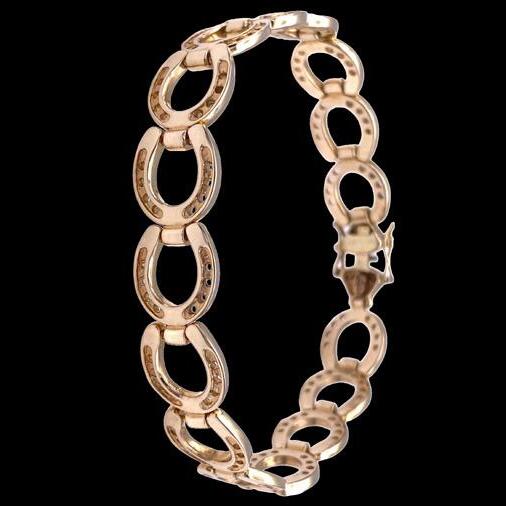

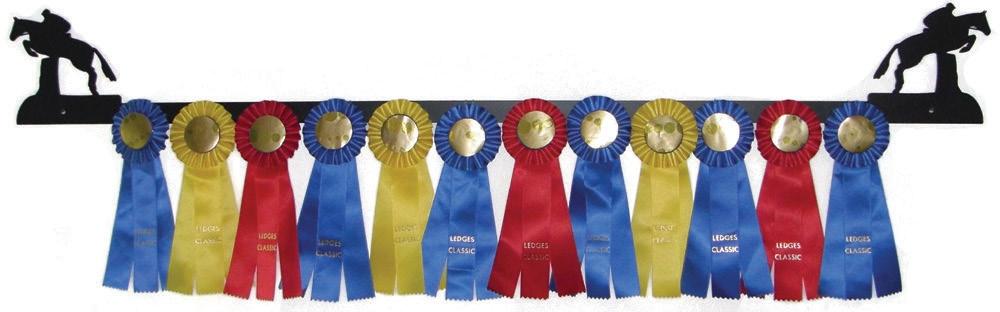

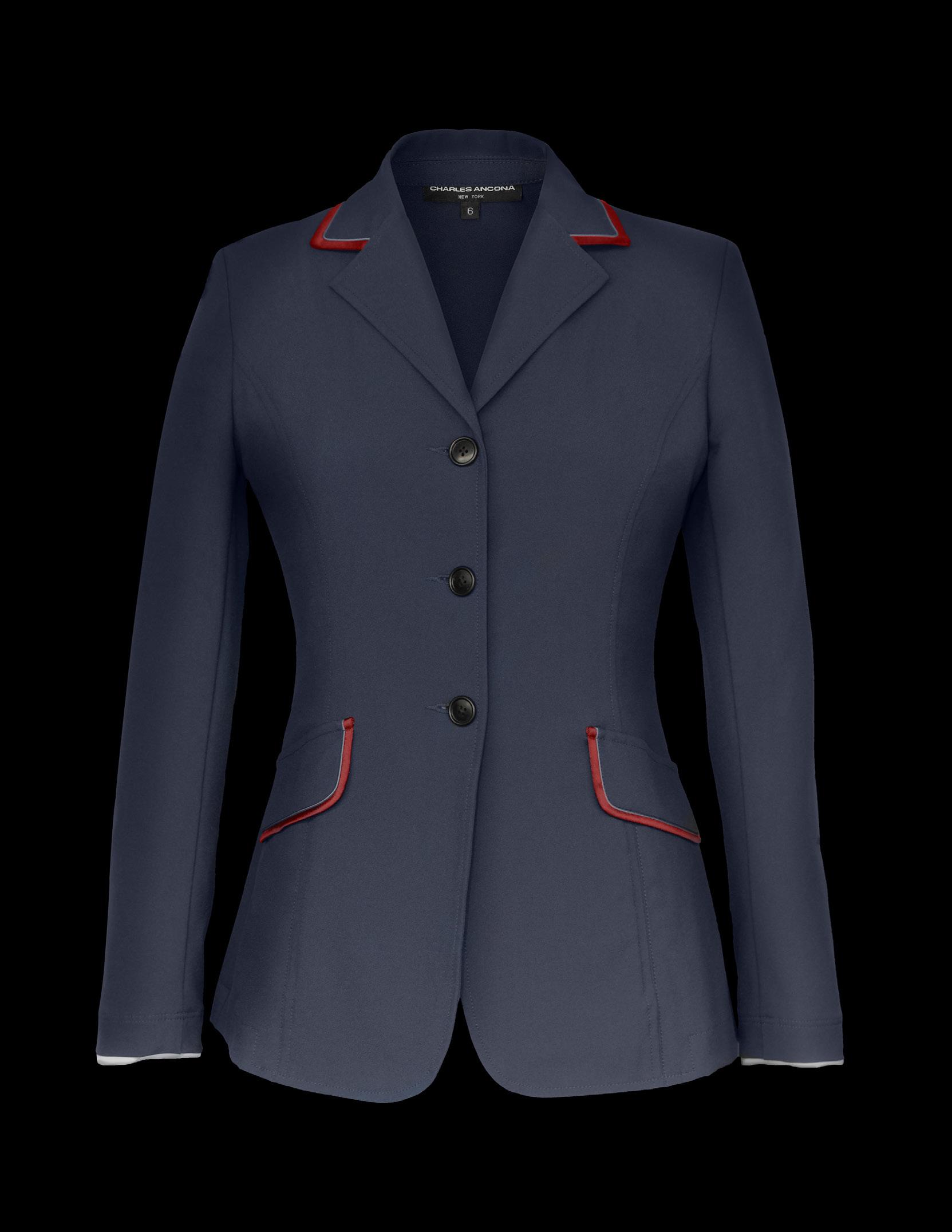
NEW YORK
CUSTOM FIT & DESIGN
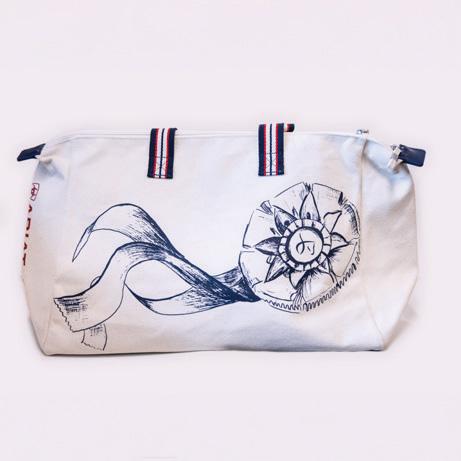
3 1 2 6 7 8 5 4

Are you a student equestrian athlete? Join the USEF Interscholastic Athlete Program to be recognized for your equestrian activities! Simply upload your Report Card or Transcript, along with proof of 3 competitions or a 100 riding hour log for your 5th through 12th grade years to receive a letter of recognition for your school and one of our exciting new prizes! Earn a new prize for each year you complete!



Essential respiratory support, Aleira® helps maintain normal airway function and overall respiratory health. ®
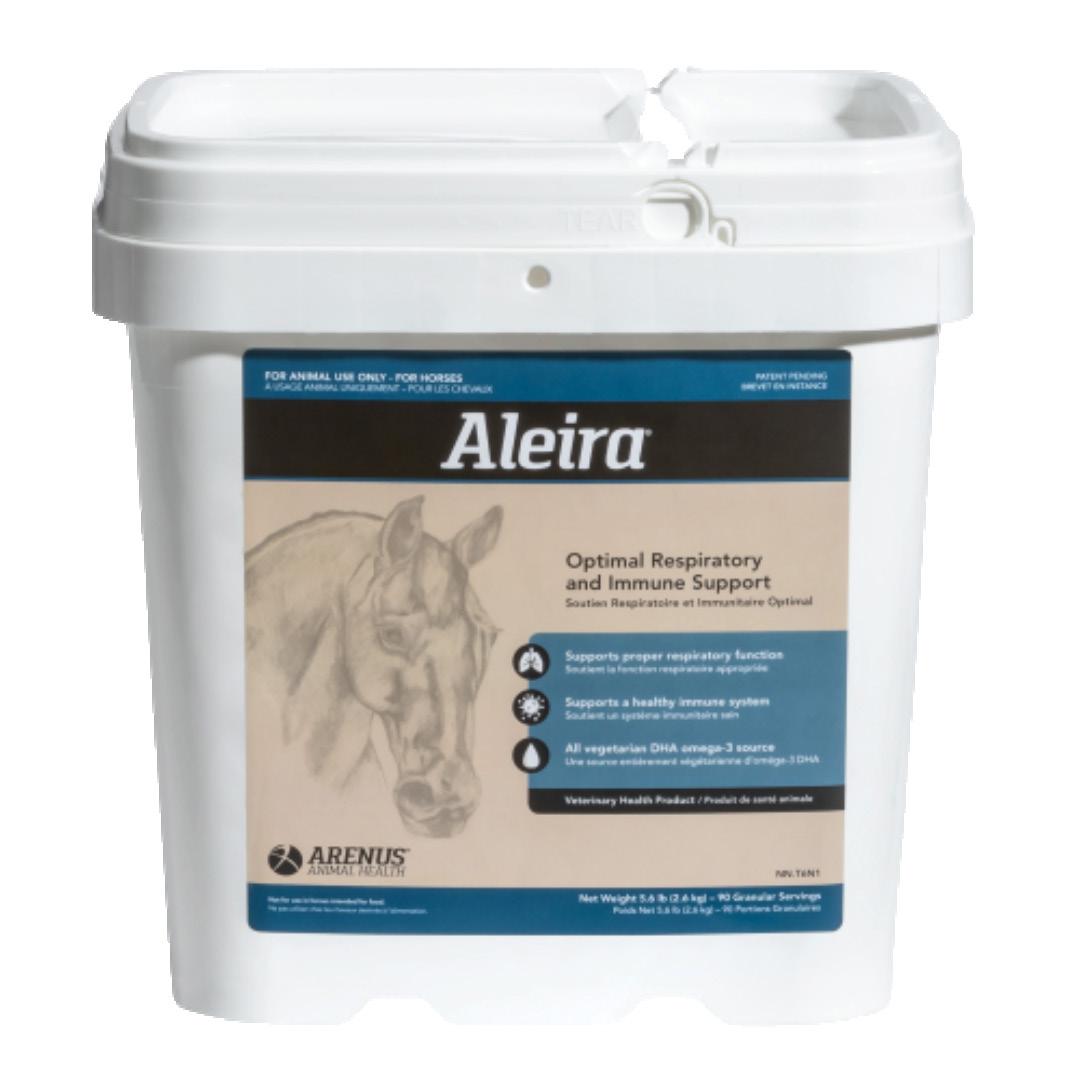

Stall confinement. Tighter living quarters. Travel and trailering. Indoor exercise and dusty arenas.
These environmental factors can contribute to respiratory challenges and allergic reactions in horses. Aleira®’s researched and patented blend of algal-DHA, vitamin C, MSM and a mushroom matrix helps support normal respiratory function and skin health related to seasonal allergies.