
13th Annual Golf Scramble
REGISTER YOUR TEAM

Indian Lake Golf Course
Hatchet Lake
June 10, 9:30 AM–2:30 PM


The Engineer

Engineers Nova Scotia Council
Dr. Jennie Rand, P.Eng.
Andrew Thalheimer, P.Eng.
Dr. Sue Molloy, P.Eng.
Martin Corbett, P.Eng.
John Crane, P.Eng.
Aaron Kennedy, P.Eng.
Wayne MacDonald, P.Eng.
Malcolm Palamarek, P.Eng.
Krista Phillips, P.Eng.
Kayleigh Rayner Brown, P.Eng.
Brian Ward, P.Eng.
Ex-Officio Members
Denise Pothier, FEC, P.Eng.
DS (Pal) Mann, FEC, P.Eng.
Zone Representatives
Darrin McLean, FEC, P.Eng.
Breagh Thomas, P.Eng.
Oliver Browning, FEC, P.Eng.
Vivek Tomar, FEC, P.Eng.
Conrad LeLièvre, FEC, P.Eng.
Ron Marks, FEC, P.Eng.
Andrew Polegato, FEC, P.Eng.
Harry Daemen, FEC, P.Eng.
Committee Chair Persons
Legislative Committees
James Brown, P.Eng.
Bob MacDonald, FEC, P.Eng.
George Goad, FEC, P.Eng.
Dr. Sue Molloy, P.Eng.
Committees of Council
Jeff Knapp, FEC, P.Eng.
Andrew Thalheimer, P.Eng.
CEO Committees
John Eisnor, FEC, P.Eng.
Jade Farr, EIT
Thomas Simmons, EIT
Darrell Marsh, P.Eng.
Browren Allard, P.Eng.
Craig Arthur, P.Eng.
Audrey Hiscock P.Eng.
Alan Ehrenholz, P.Eng.
Alexandra MacDonald
President Vice-President
Past-President
Councillor
Councillor
Councillor
Councillor
Councillor
Councillor
Councillor
Councillor
Engineers Canada Director
CEO & Registrar
Cape Breton/Victoria
Cape Breton/Victoria Colchester
Halifax/Hants
Kings/Annapolis
Pictou
Cumberland
Antigonish/Guysborough
Board of Examiners
Complaints
Discipline
Nominating
Finance & Audit
Honours & Awards Committee
Continuing Professional Development
Emerging Professionals
Emerging Professionals
National Engineering Month
Professional Practice
Public Safety Advisory
Student Affairs
Sustainability
Youth Engagement
Strengthening the profession through service, learning, and leadership

Dr. Jennie Rand, P,Eng., President, Engineers Nova Scotia

Pal Mann, CD, FCSSE, FEC, P.Eng., ICD.D, CEO & Registrar, Engineers Nova Scotia
For the past two years, Engineers Nova Scotia has rallied around a simple but powerful idea: Engineers Open Doors. It’s a reminder that engineering is about more than solving technical problems. It’s about creating opportunities to learn, to lead, to serve, and ultimately, to fulfill our obligations to the public we exist to protect.
Across Nova Scotia, engineers open doors every day. Sometimes that looks like a bridge, a building, a conveyance, a prosthesis, an appliance, or a system that quietly does its job in the background. Just as often, it looks like something less visible but just as important: volunteering on a committee, mentoring a young engineer, showing up at a community event, or helping ensure our profession remains strong, trusted, and worthy of public confidence.
Opening doors through service
One of the clearest ways engineers open doors is through volunteer service. Each year, registrants step forward to serve on Council and standing
“Thoughtful, service‑driven work strengthens professional standards and subtly reinforces public confidence in who we license, how we regulate, and how the profession continues to evolve. ”
committees, bringing their experience, judgment, and perspective to the work of governing and regulating the profession.
One of the most impactful—and often least visible—ways engineers open doors is through service on Council-appointed legislative committees. The Board of Examiners, for example, that reviews applications and assesses competence to allow qualified and competent individuals to enter practice, prepared for the responsibilities of licensure. Advisory committees such as Professional Practice or Sustainability complement our work by shaping guidance and policy on issues ranging from ethics and professional accountability to climate resilience and environmental stewardship.
For volunteers themselves, doors can open though meaningful service. It builds leadership skills, expands professional networks, and deepens understanding of regulation and public accountability. The message is clear: service isn’t an adjunct to professional life, it is part of what defines it.
Opening doors through learning
Engineering never stands still, so neither should engineers. New technologies, emerging risks, and rising expectations mean continuous learning is essential to competent, ethical practice. Engineers Nova Scotia continues to expand CPD opportunities that are practical, accessible, and relevant. In 2025, more PD webinars were launched, offering short, focused learning experiences that fit more easily into busy schedules, without sacrificing depth or quality.
At the same time, flagship events like the Annual Professional Development Conference remain a cornerstone of shared learning. Built around the Engineers Open Doors theme, the 2025 conference brought engineers together for keynote presentations, technical sessions, and candid conversations about mentorship, leadership, and the future of practice.
Learning is also becoming more connected across the region. Through the joint Atlantic Learning
Management System, developed with partner regulators, registrants now have access to a growing catalogue of shared courses. This collaboration improves access, supports harmonized standards, and ensures learning opportunities are available regardless of location.
Together, these initiatives reinforce a simple truth: learning keeps doors open, to competence, to sound judgment, and to public trust.
Opening doors by recognizing excellence
Recognition matters. It highlights role models and reminds us of what the profession stands for.
Through Engineers Nova Scotia’s Honours and Awards Program, engineers are recognized not only for technical achievement, but also for leadership, service, and community impact. Volunteer members of the Honours and Awards Committee ensure nominations are reviewed fairly and rigorously, reinforcing the standards that define professional excellence.
At the provincial level, the Lieutenant Governor’s Award for Excellence in Engineering represents one of the highest honours in the profession. Recent recipients, such as the Grid-Scale Battery Project, the Highway 104 Twinning Project team, the Peggy’s Cove Infrastructure Design Project, the Alutasi Hybrid Electric Fishing Boat, show how collaboration, innovation, and engineering judgment deliver lasting public benefit.
These moments of recognition do more than celebrate success. They open doors by showing what’s possible and by affirming that excellence takes many forms.
Opening doors to the public
Public outreach is another way engineers open doors - this time to understanding, trust, and connection.
Through National Engineering Month and year-round partnerships with organizations like Techsploration, the Discovery Centre, and the Atlantic Science Links Association, engineers support hands-on learning and mentorship across Nova Scotia. Volunteers serve as speakers, mentors, and role models, helping young people see pathways into engineering, especially those from groups historically underrepresented in the profession.
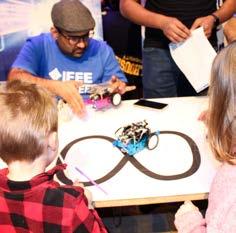
During National Engineering Month, engineers volunteer to engage students, families, and communities. Events like Exploration Day at the Halifax Public Library introduce engineering’s role in daily life, encouraging open discussion and understanding. These activities highlight that many ways in which engineering impacts people, and builds trust through public awareness of both the profession and its regulation.
Opening doors by safeguarding the public trust
At the heart of everything we do is a responsibility to safeguard the public trust. Regulation is not separated from professional life; it is integral to it.
Initiatives like Verify Before You Hire, a national campaign spearheaded by Engineers Nova Scotia, help the public confirm that engineering services are being provided by licensed professionals in good standing. By making credentials visible and meaningful, the campaign empowers the public to ask informed questions before problems arise.
Engineers Nova Scotia also investigates cases of forged or misused engineering stamps, working with municipalities, building officials, and law enforcement to stop unsafe practice. And when concerns arise about a licensed engineer, the complaints process provides a fair, transparent, and defensible pathway for review, reinforcing that professional privilege carries responsibility.
These safeguards keep doors open to accountability, to confidence, and to trust.
Opening doors together
Engineers Open Doors is not a single initiative. It’s a collective effort reflected in the service, learning, leadership, and integrity of engineers across Nova Scotia.
As President and CEO, we are proud to work alongside registrants who continue to open doors every day. Together, we strengthen the profession, support one another, and uphold the trust placed in us by the public we serve.
Engineering Exploration Day at the Halifax Public Library

Remembering George Thomas Goad, FEC, P.Eng.

George Thomas Goad, FEC, P.Eng. July 14, 1957 – March 13, 2026
The Council of Engineers Nova Scotia and the broader engineering community mourn the passing of George Thomas Goad, a respected engineer, volunteer leader, mentor, and colleague whose dedication to the profession spanned more than three decades. George’s commitment to engineering, to public protection, and to those he worked alongside leaves a lasting and meaningful legacy.
A proud graduate of Dalhousie University’s School of Engineering and the Technical University of Nova Scotia (TUNS), George devoted over 35 years to his career as an engineer. Throughout that time, he exemplified professionalism, integrity, and a deep sense of responsibility to the public and to the engineering profession.
George was a long-serving and highly respected volunteer with Engineers Nova Scotia, contributing his time, expertise, and leadership across multiple
regulatory and advisory roles. He served as Chair of the Discipline Committee, where his principled approach and commitment to fairness supported the profession’s self-regulatory mandate. He was also a member and Chair of the Professional Practice Committee, contributing to the development and interpretation of professional standards, and a member of the Women in Engineering Committee, reflecting his support for equity and inclusion within the profession. Most recently, George served as an Assessor for the Competency-Based Assessment (CBA) Program, playing a vital role in supporting the assessment and admission of new members to the profession.
George was widely known within the engineering community for his insight, candour, and readiness to help, qualities that earned him the affectionate nickname “JAG – Just Ask George.” While he approached challenges with intensity and conviction, this was balanced by patience, generosity, and a genuine desire to mentor and support others. His guidance shaped the careers of many engineers and strengthened the profession as a whole.
Engineers Nova Scotia Council extends its deepest condolences to George’s wife, Katherine, his family, friends, and all those whose lives were enriched by knowing him.
George’s passion for engineering, his unwavering volunteer service, and his unapologetically authentic spirit will be remembered with great respect and gratitude.
Inrecognition of his exceptional service and leadership, George was awarded the J.D. Fraser Service Award in 2011, one of Engineers Nova Scotia’s highest honours for volunteer contribution. In 2012, his impact was further recognized nationally when he was named a Fellow of Engineers Canada (FEC).
His contributions to the profession will continue to be felt, and his memory will remain an enduring source of inspiration within the engineering community.
Introducing Our Updated Zone Structure
Strengthening connections across Nova Scotia
Submitted by Christine Larocque, Director, Communications and Information Technology, Engineers Nova Scotia
Restructured Z ones
New Zone Numbers
Zone 1
Zone 2
Zone 3
Zone 4
Zone 5
Engineers Nova Scotia is pleased to share an update to our regional zone structure, designed to better reflect where our registrants live and work today, and to strengthen engagement across the engineering community throughout the province.
These refinements are about connection, participation, and fairness — ensuring opportunities to get involved are accessible, meaningful, and responsive to regional realities.
Why zones matter
Zones help organize how we:
• Support local engagement and outreach
• Coordinate events and professional activities
• Foster connections between registrants, volunteers, and community partners
• Ensure a balanced and inclusive approach to participation across the province
As Nova Scotia continues to grow and evolve, so too must the way we organize and support our professional community.
Why we updated the zones
The updated zone structure responds to several important considerations:
• Population changes and mobility: Registrants increasingly live, work, and engage beyond traditional boundaries.
Hub (Associated Universit y)
Dalhousie and SMU Acadia
Dal Agr Campus
StFX
CBU
• Geographic reality and travel patterns: Zones have been aligned to better reflect natural regional groupings and accessibility.
• Stronger regional identity: Clearer zone definitions help foster collaboration and shared purpose within regions.
• Consistency and transparency: The revised structure provides a clear, consistent framework for communications, engagement, and planning.
Importantly, all zones are now centred around the province’s universities to strengthen engagement and create meaningful outreach opportunities for students within each zone. This update supports our ongoing commitment to good governance, fairness, and registrant-focused service.

The updated zones bring together communities with shared geography and professional networks, while maintaining clarity and simplicity.
Zone 1 – Halifax /Hants- Halifax Regional Municipality (HRM) and Hants County
This zone reflects the province’s largest concentration of registrants and supports diverse professional activities across urban and surrounding areas.
Zone 2 – Cape Breton, Victoria, Inverness, and Richmond Counties
Bringing together all of Cape Breton Island, this zone celebrates the distinct regional identity and strong professional ties across Cape Breton communities.
Zone 3 – Lunenburg, Queens, Kings, Annapolis, Digby, Yarmouth, and Shelburne Counties
This zone groups South and Western Nova Scotia communities, supporting collaboration across a broad geographic region with strong engineering representation in municipal, industrial, and consulting roles.
Zone 4 – Pictou, Antigonish, and Guysborough Counties
A region rich in innovation, infrastructure, and education, this zone reflects long standing professional connections across northeastern Nova Scotia.
Zone 5 – Colchester and Cumberland Counties
This zone includes communities with strong ties in energy, transportation, manufacturing, and public service engineering.

What this means for registrants
Zones are used to support communication, engagement opportunities, and event planning.
The changes help ensure balanced participation and representation across the province.
Most importantly, this update supports an engineering community that is connected, inclusive, and responsive.
Looking ahead
Engineers Nova Scotia continues to explore ways to strengthen professional connections, encourage volunteerism, and foster pride in the engineering profession across every region of the province.
These updated zones are one more step toward ensuring that every registrant has a voice, an opportunity to participate, and a strong connection to the profession — wherever they call Nova Scotia home.
We look forward to continuing to build the future of engineering together.
The new zone structure
Photo: iStock
Think before you post: Protecting your P.Eng. credential online
Submitted by Christine Larocque, Director, Communications and Information Technology, Engineers Nova Scotia

Earning a P.Eng. Licence is a significant professional milestone. It represents years of education, experience, and a commitment to ethical and responsible engineering practice. It is natural to want to celebrate that achievement publicly; however, Engineers Nova Scotia is reminding registrants that sharing images of newly issued P.Eng. certificates on social media, particularly when they include a member’s full name and registration number can carry unintended risks.
As part of ongoing Fraud Awareness efforts, Engineers Nova Scotia continues to see how easily professional credentials can be misused when personal and professional information is made publicly available.
How fraud can happen
When a P.Eng. certificate is posted online, it can be copied, altered, or reused by bad actors. Even a high-quality photo shared with positive intent may provide enough information for someone to falsely represent themselves as a licensed engineer. Names, Licence
numbers, and certificate formats can be replicated and paired with fake profiles, fraudulent documents, or misleading marketing materials.
In some cases, these misrepresentations are used to:
• Offer engineering services without authorization;
• Apply false credibility to drawings, reports, or proposals; and/or
• Mislead employers, clients, or members of the public.
This type of misuse undermines trust in the profession and creates real risks to public safety, project integrity, and legal compliance—the very foundations professional regulation is designed to protect.
Why this matters
Engineers Nova Scotia licenses engineers to protect the public. While the regulator maintains official records through its Member Directory, third parties may not always verify credentials properly. When certificate images circulate freely online, they can be taken out of context and used in ways that appear
legitimate to someone unfamiliar with the regulatory system.
Importantly, fraud does not require malicious intent on the part of the registrant. Simply sharing too much information can create an opportunity for misuse.
Safer ways to celebrate
Engineers Nova Scotia encourages new P.Eng.’s to celebrate their achievement thoughtfully:
• Share your accomplishment without posting images of your certificate;
• Avoid displaying your registration number publicly; and
• Direct employers or clients to the official Member Directory for verification
These small steps help reduce risk while still allowing you to mark an important professional moment.
A shared responsibility
Fraud prevention is not just about identifying imposters,; it is also about reducing opportunities for misrepresentation. By being mindful of what information is shared online, registrants play an important role in protecting both themselves and the profession.
As Engineers Nova Scotia continues its fraud awareness campaign, registrants are reminded that protecting professional credentials helps maintain public trust in engineering and ensures that the P.Eng. designation continues to stand for competence, accountability, and integrity.

Photo: iStock
Complex projects are failing. The future of engineering is integrated.
Dalhousie University’s Certificate in Systems Engineering and Complex Project Management will help you confidently navigate complex, interconnected, digital environments.
Offered 100% online and at your own pace, you’ll come away with systems-based expertise employers need. This 3-course certificate could apply toward your professional development hours.
Register for the first course FOCUSED. FLEXIBLE. JUST RIGHT FOR WORKING ENGINEERS.
An engineer’s journey: Shady Tawadrous, P.Eng.

When Shady Tawadrous, P.Eng., arrived in Nova Scotia in September 2019, Hurricane Dorian was moving across the province. “It was my first experience in Canada,” he recalls. The timing intensified the disorientation of starting over. “I was excited and nervous at the same time,” he says. “I had just resigned from my job back home, left my family behind, and moved to a place where everything was new.” He was learning his surroundings while trying to imagine what restarting a professional career would look like.
Shady earned his bachelor’s degree in civil engineering, specializing in structural engineering, in 2011. He began his career in Egypt’s construction industry, working on residential and commercial developments before transitioning into the power generation sector. There, he delivered complex infrastructure projects, including gas turbine installations and steam turbine buildings for combined-cycle plants. He also
contributed to a power station within a wind farm and a major water treatment plant expansion. “I was drawn to projects where coordination, sequencing, and engineering judgment really matter,” he explains.
After settling briefly in Nova Scotia, Shady widened his search for engineering roles and secured an opportunity with a major construction firm in Ontario, allowing him to re-enter the industry and continue working in his field. Just one week into the role, the COVID-19 pandemic halted construction activity, abruptly resetting his plans.
Faced with another unexpected turning point, Shady chose to return to Nova Scotia. “People told me there would be more opportunities in Ontario,” he says, “but I felt more connected here.”
Without a clear roadmap, Shady chose to rebuild momentum deliberately rather than pursue short-term stability. Early advice to take any job gave him pause. “Once you start getting busy in something outside your field, it becomes very hard to stop and refocus on the career you actually want,” he explains.
Instead, he stayed focused on returning to engineering work aligned with his background He invested in networking, professional development, and direct engagement with the local engineering community, and found practical ways to communicate the scope of his background, often carrying a printed portfolio of international projects. “Engineers like to see things, and a picture really can say more than a résumé.”
At the same time, he connected with the Immigrant Services Association of Nova Scotia. Recognizing that licensure
was a critical step, he enrolled in the Orientation and Communication Skills for Engineers program and pursued a bridging placement to gain Canadian experience. “That program gave me a way forward,” he says. “It allowed me to show what I could do while working toward licensure.”
In 2023, after navigating a new regulatory system and documenting more than a decade of experience, Shady earned his P.Eng. designation from Engineers Nova Scotia. “Professionally, it’s recognition of competence and responsibility,” he says. “Personally, it represents perseverance. Starting over during COVID and still reaching that goal is something I’m proud of.”
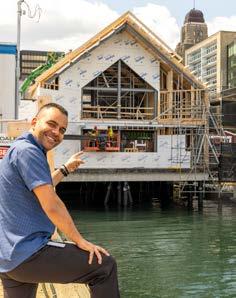
One project he speaks about with particular pride is the Boat School and marina project on the Halifax waterfront. As Project Manager at Build Nova Scotia, he led the project through
Shady Tawadrous, P.Eng.
Shady on the Acadia Wharf just outside the construction fence of the Boat School and near project completion.
planning, consultation, permitting, procurement, and construction.
Built over water on marine piles, the facility supports youth programming through the Maritime Museum of the Atlantic, offering hands-on boatbuilding education for at-risk youth while creating a space that serves both the community and the harbour.
“Construction is not the hardest part,” he says. “The real challenge is the work that happens in the background, getting buy-in from stakeholders, securing funding, and making sure the project is truly ready to move forward.”
Today, that same long-range perspective shapes his work on the Halifax Infirmary Expansion Project, one of the largest healthcare infrastructure initiatives in Atlantic Canada. As Manager of Infrastructure and Planning with Build Nova Scotia, Shady represents
the province and Nova Scotia Health throughout the project lifecycle, helping ensure design alignment, stakeholder coordination, and integration between the existing hospital and the new acute care centre.
“Just knowing that this project will help solve real healthcare challenges for people across the province is motivating,” he says. “It’s meaningful work.”
Beyond his technical responsibilities, Shady brings a strong focus on accessibility and inclusivity to his work. As a Rick Hansen Foundation Accessibility Professional, he evaluates designs through a universal-design lens, regularly asking who a space truly serves and how it can work better for everyone.
Outside of work, his interests reflect a similar mindset. Fishing appeals to both his patience and his curiosity about systems. “I enjoy preparing the
setup, understanding how everything connects,” he says. “And with the ocean, you never know what you might end up with.” He also plays the harmonica, enjoys table tennis, and spends quiet time at home with his two cats, Leo and Stormy.
Looking back, Shady credits his upbringing and perspective for helping him navigate uncertainty. “The way I was raised taught me to build strong relationships and stay positive,” he reflects. “That’s what helped me feel at home here, even when things were difficult.”
For internationally educated engineers starting their careers in Canada, his advice is simple: “Don’t assume there’s only one path. Keep putting effort into it and trust your instincts. This is your adventure.”

Shady and his neice.
Shady’s journey is one of steady persistence rather than sudden transformation. Through uncertainty, relocation, and professional recalibration, he remained anchored to his long-term goal. Today, his work is seen in the infrastructure projects he delivers— work that will continue shaping and supporting Nova Scotian communities for years to come.
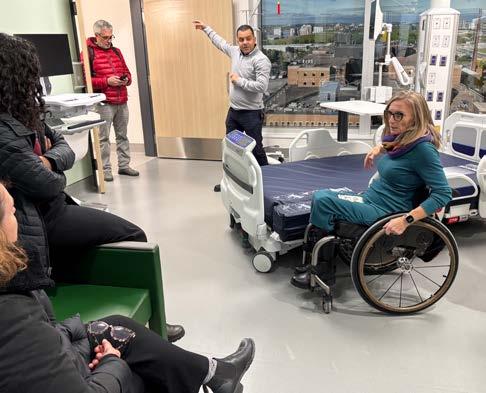
Shady discussing accessibility features with Julie Sawchuk, accessibility consultant. The photo was taken at the mock-up site, where they built mock-up rooms to offer the clinical users a feel for how the rooms would look and gather their feedback to incorporate in the design.
Upcoming Events

May 20
Professional Development Webinar. AI literacy for engineering teams: practical opportunities, limits, and professional responsibilities. Speaker: Nancy Eke-Agu, Responsible AI and Governance Strategy Advisor, JDZ Technology Consulting Ltd. This session provides a practical introduction to AI literacy tailored specifically for professional engineers and engineers-in-training. It focuses on where AI can meaningfully support engineering workflows today, where caution is required, and how engineers can engage with these tools while maintaining alignment with professional standards and organizational expectations. Register.

June
10
13th Annual Golf Scramble, Indian Lake Golf Course
Join fellow engineering teams this June for an exciting 9-hole golf tournament at Indian Lake Golf Course! This scramble-style event is designed for all skill levels, whether you’re a seasoned golfer or just in it for a fun day on the course. Enjoy a relaxed and social atmosphere while connecting with peers from different organizations. With limited spots available, be sure to register your team early and secure your place for a great day of golf, food, and networking. First-place participants will be awarded a trophy. Register.
Photo: iStock
Photo: iStock

June 10
Professional Development Webinar. Resilient Homes Task Force: A collaboration between the building and insurance industry. Speaker: Dan Sandink, Senior Director, Resilience Programs Institute for Catastrophic Loss Reduction. The Institute for Catastrophic Loss Reduction (ICLR) and the Canadian Home Builders’ Association (CHBA) created the Resilient Homes Task Force (RHTF) to increase capacity of the insurance and home building industries to implement resilience practices in new homes and renovations. As climate disruptions increase in frequency and severity, resources and approaches developed through the collaboration are meant to expedite application of practical resilience practices. Register.

Wine Tasting & Networking Event
Celebrate spring with Engineers Nova Scotia! Join Emerging Professionals Committee at Luckett Vineyards for a wine tasting and networking event in the scenic Gaspereau Valley. This gathering offers members an opportunity to connect with peers from the Kentville and Wolfville areas while learning about upcoming engineering projects in the region. The event is designed to foster meaningful professional relationships in a relaxed and welcoming environment. Register.
May 21 May 30
Cape Breton Zone - Engineering Bowling Night
Enjoy some friendly competition, conversation, and networking, whether you’re an experienced bowler or just there for a good time. Bring your colleagues, challenge your friends, and make new connections within the local engineering community. Register

Photo: iStock
Photo: iStock
Photo: Luckett Vineyards
Engineers open doors
Submitted by Darrell Marsh, FEC, P.Eng.
March was National Engineering Month, a month to promote and celebrate engineering, as well highlight activities designed for outreach for students, the public and Engineers Nova Scotia registrants. This year’s theme is Engineers Open Doors
The NEM Committee consists of volunteers and Engineers Nova Scotia staff who met, virtually and in person, from October to April, this year to plan, organize, promote and run events to celebrate engineering.
This year our dedicated team, with assistance from the National Engagement Committee for Outreach, and partnerships with other Engineers Nova Scotia committees, provided outstanding experiences for outreach and professional development.
National Engineering Month is a time to celebrate engineering and look to the future via outreach and encourage students in STEM. Our success depends, not only on Engineers Nova

Scotia and the volunteers on this and other committees; but with the support of the members. I encourage you to reach out to your communities, share your knowledge and experiences with others to help grow the profession in Nova Scotia.
On behalf of the National Engineering Month Committee, I want to thank those who helped with the events and outreach this year, whether it was through sponsorship, volunteering for committees and participating in outreach events.
I’m looking forward to National Engineering Month 2027 where we will find greater opportunities for outreach and participation.
The NEM Committee is also looking for more volunteers, please consider reaching out to us, we’d love to have you.

A special congratulations to Paulina, this year’s SuperNOVA Summer Camp winner!

Thank you to Radio-Canada for their coverage of Engineering Exploration Day.


Engineering Exploration Day at the Halifax Central Public Library
Held at the Halifax Central Library, Engineering Exploration Day was a great success with approximately 300 attendees. There was interactive STEM-based activities, across 14 stations where the kids earned stickers featuring words relevant to engineering, to place on their exploration card. The exploration card and science carnival atmosphere, with popcorn, was highlighted by a catapult competition, where kids learned about science while having fun. We want to thank the Dalhousie engineering student volunteers that helped with the event, including working with the kids with the science activities, throughout the day.


Spotlight on Local Innovation
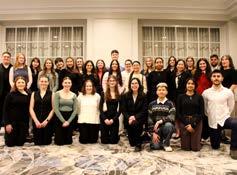
We had an inspiring evening at the Spotlight on Local Innovation. With four incredible speakers and over 200 participants, together we celebrated women in engineering, championed diversity and innovation, and inspired the next generation to lead and make their impact.
Engineering students from Dalhousie University and Acadia University had the chance to meet and learn from industry leaders, connecting with mentors and potential employers and get a glimpse of what’s possible in engineering.
Shout out to our 2026 Spotlight speakers for sharing such engaging and insightful presentations: Christine Bonnell-Eisnor, FEC, P.Eng., Anne Lombardi, P.Eng., Nancy Soliman, P.Eng., and Alex MacDonald, EIT. A sincere thank you to all the participating organizations for supporting the event and generously donating seats to students.
Thank you to all our National Engineering Month partners:
Af finit y Part ner:

9th





We hosted 12 engineering teams for the first time, with a full day of fun competition on the ice!
Every team gave their best, bringing impressive curling skills and teamwork to the rink. A special congratulations to this year’s top engineering curling team — The Blind Squirrels, and a big thank you to all the teams who joined us!
Annual Curling Bonspiel
2026 Associate University award and scholarship winners
Each year, the Student Affairs Committee announces the winners for the Associated University Awards and the Associated University Scholarships. Winners were invited to provide a brief summary of their future plans.
Congratulations to this year’s winners and best of luck in your continued studies!
Future Engineer First Year Award
Acadia University: Ty Feener, Lily Walsh
Cape Breton University: Myles Richards, Cameron Smith
Dalhousie University: Joan Torres Calderon. Amelia Snyder
Dalhousie University Agricultural Campus: George Howe
Saint Mary’s University: Olivia Keeping, Jaxon Andre Yon
St. Francis Xavier University: Brogan Barton, Ryleigh Lindasy
Associated University Scholarships
Acadia University: Eryn Marsh
Cape Breton University: Owen Heukshorst
Dalhousie University: Aubrey Spalding
Dalhousie University Agricultural Campus: Ian Redden
Saint Mary’s University: Aiden Sheppard
St. Francis Xavier University: Lucas MacKay
Associated University Award
Acadia University: Havelie Vanhelden
Cape Breton University: Brett MacKenzie
Dalhousie University: James MacNeil
Dalhousie University Agricultural Campus: Jami McDowell
Saint Mary’s University: Sophie Weir
St. Francis Xavier University: Madison Hill
Marc Garneau, Ph.D., P.Eng. Scholarship
Dalhousie University: Abigail Mendel-Elias
Marc Garneau, Ph.D., P.Eng. Award
Dalhousie University: Tareq Abdelmalek

“I recently graduated as a civil engineering student and am starting my career in the field. I plan to build my experience in structural engineering while working toward my P.Eng. designation.”

“I completed my engineering diploma at Cape Breton University and will finish the degree at Dalhousie University. I plan on working in mechanical design potentially in the agriculture industry.”

“This May I graduated from St.FX with a BSc, major in mathematics, and a diploma in engineering. I plan to continue my studies at Dalhousie, pursuing a second bachelor’s degree in electrical engineering.”

“I am currently a first year student entering my second year at Dalhousie Agricultural College where I plan to enroll in the environmental engineering program. After graduation, I intend to work in a field of land preservation and conservation.”

“I’ve completed my first year at Saint Mary’s and will be heading into mechanical engineering this fall. I am currently employed with the Federal Government at Irving Shipbuilding, contributing to the construction of the Canadian Coast Guard Patrol Vessels. I’m looking forward to gaining experience in the industry prior to furthering my engineering journey in the fall.”
Tareq Abdelmalek
Owen Heukshorst
Madison Hill
George Howe
Olivia Keeping
Ryleigh Lindsay

Eryn Marsh

“I plan to pursue mechanical engineering and build a career for myself that I find both exciting and meaningful, working on innovative and sustainable designs that further benefit our world.”

“I am entering my third year in mechanical engineering at Dalhousie University. I am interested in pursuing a career in the automotive or aerospace industries, and I look forward to seeing where my first co-op term will take me this fall.”
Joan
Torres Calderon
“My goal is to pursue a career in urban design, with a focus on accessible, efficient, and community-focused public transit systems. I hope to travel and learn from diverse communities to make a meaningful, positive impact through work that I am passionate about.”

“I will continue my education at Dalhousie University Sexton Campus in the fall and one day be practicing biomedical engineering.”

“I will continue building my knowledge surrounding different languages and electrical engineering, where I strive to lead a multi-national team in the electronics sector.”

“I plan to complete half of my B.Eng at Cape Breton University, then finish my degree at Dalhousie University through the CBU-Dalhousie Engineering Transfer Program, and plan to specialize in mechanical engineering.”

“As I go into my second year of engineering, I plan on studying electrical engineering with hopes of working in the green energy sector. I am excited to learn more about engineering and gain valuable work experience in the co-op program at Dalhousie University.”

“After completing my first year at Dalhousie University, I will be pursuing mechanical engineering this fall. My goal is to become a mechanical engineer specializing in the automotive or aerospace industry, where I hope to contribute to innovative technologies and designs that shape the future of transportation and engineering.”
Havelie
Vanhelden

“After graduation, I hope to further explore the integration of societal and environmental considerations into structural design by pursuing graduate studies in that area. I aim to build a career closely connected to academia, motivated by continuous learning and a strong interest in teaching and mentoring future generations of engineers.”
Sophie Weir

“Driven by a passion for human discovery, I aim to specialize in mechanical and structural systems within the aerospace industry to contribute to the next generation of space exploration.”

“I am studying mechanical engineering to help make the world a better place through robotics.”
Jami McDowell
Ian Redden
Myles Richards
Amelia Snyder
Aubrey Spalding
Jaxon Yon
NOVA SCOTIA POWER RECEIVES 2026 LIEUTENANT GOVERNOR’S AWARD
GRID-SCALE BATTERY PROJECT
Excellence in engineering
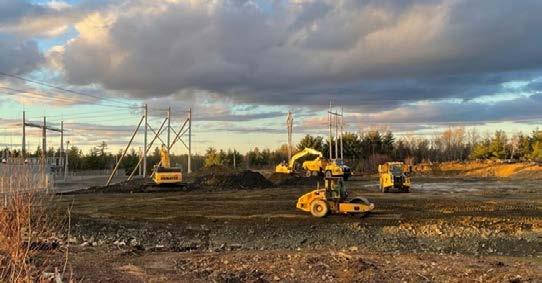
Nova Scotia Power’s Grid-Scale Battery Project was selected for its demonstration of strong engineering standards, including thoughtful planning, system integration, and a focus on safety and reliability. The project delivers a dependable solution to complex energy challenges while enabling rapid response to peak demand and system disruptions. It also supports the continued growth of renewable energy in Nova Scotia.
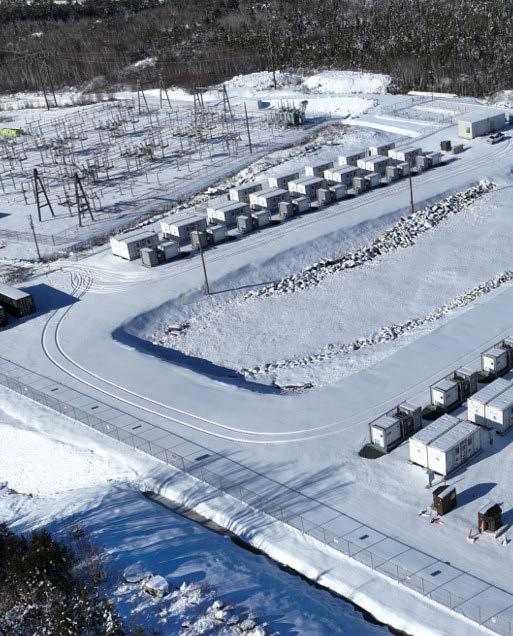
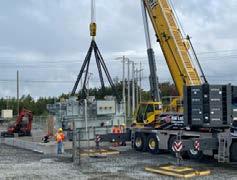
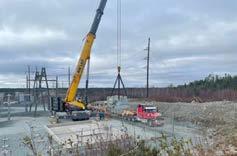
Photo: Nova Scotia Power. Civil / Grading Work, Bridgewater Site.

The power of teamwork
The project highlights the important role engineers play in integrating emerging technologies into existing infrastructure. While much of this work occurs behind the scenes, it enables visible outcomes—such as delivering power quickly when it is needed most—demonstrating the impact of engineering innovation, collaboration, and expertise.
From the outset, the project has contributed to economic activity by engaging a broad network of engineering, construction, and manufacturing partners at both the local and national levels. It also enhances system efficiency by improving responsiveness to grid disturbances, supporting peak demand management, and enabling further adoption of renewable energy.
Photos: Nova Scotia Power. Transformer deliveries.

“We’re incredibly proud to receive this recognition. The Grid-Scale Battery Project reflects the power of teamwork—internally and with partners—to deliver innovative solutions for Nova Scotia. What makes this achievement especially meaningful is the opportunity to celebrate it alongside our Mi’kmaq partners. Our work is grounded in building respectful, collaborative relationships, and this project is a strong example of what we can accomplish together.”
- Dave Pickles, Chief Operating Officer, Nova Scotia Power Inc.
About the award
The Lieutenant Governor’s Award for Excellence in Engineering is presented annually to a team, company, government department, or consortium of professional engineers who, through original achievement or creative accomplishment in the application of engineering principles, demonstrate a high quality of professional engineering standards.
Photo: Nova Scotia Power. Operation of the Bridgewater and Spider Lake BESS – NS PowerEnergy Control Center (ECC)
One year in: CPD modernization

Kris Dove, FEC, P.Eng., COO, Engineers Nova Scotia
When Engineers Nova Scotia launched its revised Continuing Professional Development (CPD) program, the goal was clear: modernize, simplify, and better align professional learning with how engineers practice today. One year later, the first chapter of that modernization story has come into focus—and, as Kris Dove, P.Eng., Chief Operating Officer and Treasurer, puts it, the past year has been about learning on all sides.
“Year one of CPD modernization was really about learning—learning and adapting,” Dove says. “Learning about the requirements on a registrant’s behalf, but also from an organizational standpoint.”
That learning curve applied not only to registrants navigating new categories and reporting requirements, but also to Engineers Nova Scotia itself, particularly as the revised CPD program launched alongside a new internal database and reporting system.
Why modernize CPD?
While CPD has been a long-standing requirement of engineering licensure in Nova Scotia, its structure had not kept pace with evolving regulatory practices nationally. According to Dove, modernization was driven by two parallel goals: improving clarity for registrants and achieving alignment with other Atlantic (and eventually national) regulators.
“CPD programs have changed since we first rolled ours out in 2011,” he explains. “We wanted to align not only with a modernized CPD program, but also with our colleagues in the Atlantic provinces, with the ultimate goal of moving toward a harmonized national CPD program.”
That alignment required more than cosmetic updates. It meant reconsidering how learning is categorized, how much is required, and how flexibility could be built into the system over time.
What changed and what that means for engineers
One of the most significant changes was a reorganization of CPD categories. Under the updated program, learning is now grouped by what engineers are learning, rather than how they participate.
“Instead of focusing on informal versus formal education, we flipped it around,” says Dove. “Now it’s about the main areas where learning happens, and engineers can engage in those areas in a number of different ways.”
The program also introduced two mandatory learning categories:
• Ethical Practice, requiring a minimum of two hours per year; and
• Regulatory Learning, requiring at least one hour per year.
Both reflect foundational responsibilities tied directly to public trust and professional accountability.
“At its core, CPD is meant to help registrants maintain and build competence. That’s directly tied to our Code of Ethics making sure engineers practice in their areas of competence.”
-Kris Dove, FEC, P.Eng.
At the same time, overall annual CPD requirements were reduced to 30 hours, and professional practice itself was removed as a reportable category.
Surprises and common questions
Despite CPD being a statutory requirement for many years, one surprise stood out.
“I’m still surprised that some registrants weren’t aware that CPD is a mandatory requirement of licensure,” Dove admits.

Many questions from registrants centred on what “counts,” particularly following the removal of professional practice from eligible CPD activities. Engineers-in-Training also sought clarification, as they are now encouraged, but not required, to report CPD hours.
These questions revealed a deeper need: sustained, year-round communication.
“CPD isn’t meant to be an end-ofyear thing,” Dove says. “It’s an ongoing learning journey, not a box-checking exercise.”
Reporting, audits, and the idea of meaningful CPD
Mandatory reporting was another major shift, designed to encourage
reflection—not simply compliance. While Engineers Nova Scotia does not define “good” or “bad” CPD, reporting and future auditing will allow the organization to better understand how registrants are engaging with professional learning.
“You can meet the hourly requirements and still not really help yourself,” Dove says. “CPD should actually support your practice and help maintain or enhance competence.”
Beginning after the 2026 reporting year, Engineers Nova Scotia plans to introduce a formal CPD audit stage as a next step in the modernization process. According to Dove, the audit will not focus on punishing non-compliance, but on better understanding how registrants engage with professional learning.
“We’ll be digging in to see what types of CPD people are doing and where their focus is,” he explains. “Not to label CPD as good or bad, but to help us understand where additional guidance or content may be needed.”
Up to five per cent of eligible registrants are expected to be audited, in line with practices across Atlantic Canada, with the process supported by the CPD Committee and aligned regional policies.
Governance built for the future
Behind the scenes, modernization also required changes to provincial bylaws governing CPD. Previous bylaws locked in specific hourly requirements, limiting flexibility. The revised framework allows CPD requirements to be set through Council-approved guidelines instead.
“It’s really about how modern legislation works,” Dove explains. “It gives us the ability to adapt when needed, without having to go through a full bylaw change.”
Looking ahead
As Engineers Nova Scotia enters year two of the revised CPD program, the focus is clear: improved communication, refined systems, and continued support for registrants.
“We’re going to continue to reassess and improve,” says Dove. “And we welcome feedback, as long as changes remain aligned with the harmonized program across Atlantic Canada.”
One year in, CPD modernization has proven to be less about enforcing new rules and more about reshaping how engineers think about professional growth.

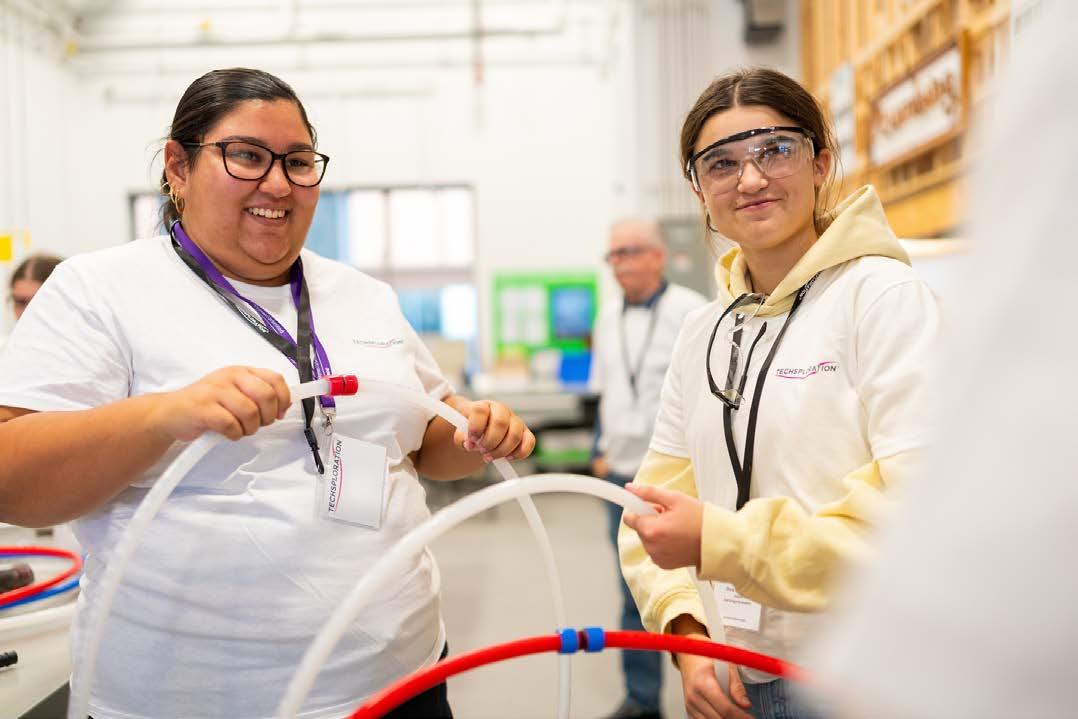
indicated Techsploration influenced their decision to enroll in post-secondary studies. 75%
reported an increase in self-esteem.





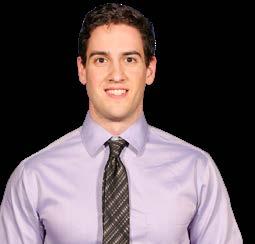












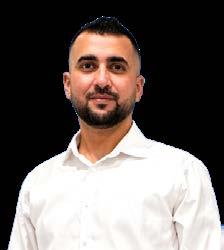


Ehsan Asgari, P.Eng.
Discipline: Mechanical Engineering University: Dalhousie University LinkedIn
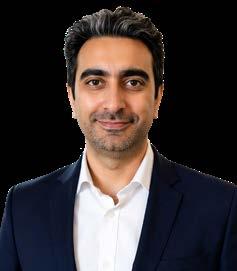
What inspired you to pursue a career in engineering?
I was drawn to engineering by a curiosity about how systems work and a desire to apply that understanding in a practical way. Over time, that interest evolved into a focus on design of energy and thermo-fluid systems, where I can contribute to improving performance and efficiency in real-world applications.
What positive changes does earning your P.Eng. designation bring?
Becoming a P.Eng. allows me to take greater ownership of engineering work while contributing to Nova Scotia’s evolving energy and infrastructure landscape. It also strengthens my professional credibility and reinforces my connection to a community built on trust, accountability, and shared standards.
Bridine Bennett, P.Eng.
Discipline: Biomedical Engineering University: Ryerson University LinkedIn


What inspired you to pursue a career in engineering?
I found I gravitate naturally toward leadership roles and problem solving, which drove me to pursue a career in engineering. I also enjoy collaborating with others to solve problems.
What positive changes does earning your P.Eng. designation bring?
I had set a goal for myself in university to pursue my Professional Engineering designation and I wanted to fulfill that. I believe having earned my P.Eng designation will help me in my career journey, especially mentoring EIT’s in their journeys.
Juliana Bernardis, P.Eng.
Discipline: Civil Engineering University: Mackenzie Presbyterian University

What inspired you to pursue a career in engineering?
After attending a technical program related to construction during high school, it became clear to me that I would enjoy a career in civil engineering.
What positive changes does earning your P.Eng. designation bring?
Earning the P. Eng designation has made me feel more confident, and I believe it has improved how my peers see me. In my opinion, it will also open more career opportunities and professional growth.
Carolina Ceretta Macagnan, P.Eng.
Discipline: Industrial/Manufacturing Engineering University: Federal University of Santa Maria

What inspired you to pursue a career in engineering?
My passion for math and physics was the first sign that engineering might be the right path for me. I later realized that as an engineer I could also make a positive impact in my community by designing sustainable and ethical solutions. This inspired me to build a career in engineering and continues to motivate my commitment to the profession.
What positive changes does earning your P.Eng. designation bring?
It will demonstrate my commitment to the ethical standards of the engineering profession, strengthen my reputation, increase trust in my work, keep me connected to the engineering community, support my ongoing development, and open new career opportunities.
Rahil Changotra, P.Eng.
Discipline: Environmental Engineering University: Dalhousie University

What inspired you to pursue a career in engineering?
My interest in engineering was inspired by a desire to solve real-world problems through science and innovation. With a background in materials and environmental research, I have been particularly motivated by the opportunity to develop sustainable technologies, such as advanced materials for energy and environmental applications.
What positive changes does earning your P.Eng. designation bring?
Earning my P.Eng. designation will mark an important milestone in my professional journey, enabling me to take greater responsibility and contribute more directly to engineering decisions and projects. It will enhance my credibility and recognition within the field, opening new opportunities for leadership, collaboration, and career advancement.
Zaana Chevinli, P.Eng.
Discipline: Chemical Engineering University: Concordia University
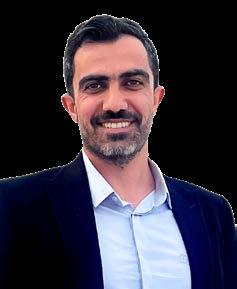
What inspired you to pursue a career in engineering?
I grew up in the mountains in Iran as part of a nomadic community, where access to clean water was a daily challenge. The water we used was often contaminated with high levels of impurities, and I saw firsthand how it affected our lives. From a young age, this experience shaped my interest in working in this field and improving water quality.
What positive changes does earning your P.Eng. designation bring?
Getting my P.Eng. feels like an important step forward in my career. It will give me more confidence in my work, open up new opportunities, and allow me to take on more responsibility in projects. I’m also looking forward to being more involved in the engineering community and continuing to grow professionally.
Suvendu Dev, P.Eng.
Discipline: Industrial Engineering University: Dalhousie University

What inspired you to pursue a career in engineering?
I was inspired to pursue a career in engineering through both personal influence and a desire to help others. Following in my older brother’s footsteps sparked my initial interest, while industrial engineering’s focus on efficiency, optimization, and ergonomics strongly aligned with my values.
What positive changes does earning your P.Eng. designation bring?
One of the biggest positive changes I think earning my P. Eng. designation will bring is to provide meaningful mentorship within the engineering and trades communities. I believe having a good mentor is an important thing in life.
Chien Dinh, P.Eng.
Discipline: Civil Engineering University: Hanoi University of Civil Engineering

What inspired you to pursue a career in engineering?
I chose engineering, particularly civil engineering, because I was both amazed and curious about how structures are built in extreme conditions, such as over rivers or in the deep ocean. This curiosity motivated me to study and to become part of the teams designing structures built to last for decades.
What positive changes does earning your P.Eng. designation bring?
As an internationally educated engineer, obtaining the P.Eng. designation not only validates my technical expertise but also demonstrates my strong commitment to ethical standards in engineering practice. In addition, since engineering is regulated in Canada, being licensed gives me better opportunities for job growth and career advancement.
Sameer Fareed, P.Eng.
Discipline: Electrical Engineering University: Dalhousie University

What inspired you to pursue a career in engineering?
My interest in engineering comes from a curiosity about how systems work and how they can be improved. During my studies at Dalhousie University, hands-on projects showed me how engineering can solve real-world problems. The combination of problem-solving and real-world impact is what led me to pursue engineering.
What positive changes does earning your P.Eng. designation bring?
Earning my P.Eng. designation represents an important milestone in my career. It will allow me to take on greater responsibility in engineering work, contribute more effectively in collaborative engineering environments, and uphold a commitment to public safety by ensuring designs meet established standards and protect the communities they serve.
Ezzadein Hammad, P.Eng.
Discipline: Mechanical Engineering University: Sudan University of Science and Technology

What inspired you to pursue a career in engineering?
Strong passion for problem-solving, curiosity about how mechanical systems work and how they are designed, and interests in physics and science and how they are applied in practical systems.
What positive changes does earning your P.Eng. designation bring?
In my view, earning the P.Eng. will unlock career advancement by embracing greater responsibility and leadership roles. This achievement not only fosters personal satisfaction but also elevates your professional reputation and builds lasting trust.
Mazen Ibrahim, P.Eng.
Discipline: Electrical Engineering University: Dalhousie University

What inspired you to pursue a career in engineering?
I have always been drawn to understanding how complex systems operate and how each component works together to make the whole system function seamlessly. Telecommunications, in particular, captured my interest because it’s an industry that is constantly evolving so there is always something new to learn, explore, or solve.
What positive changes does earning your P.Eng. designation bring?
Earning my P.Eng. has allowed me to take on more responsibility in project design, leading technical decisions, and moving into roles that involve greater accountability. Telecom is always evolving, being part of that engineering community means staying engaged with new technologies, best practices, and the collective knowledge of the profession.
Jeremy Kinney, P.Eng.
Discipline: Electrical Engineering University: Dalhousie University

What inspired you to pursue a career in engineering?
From early on in my education, my biggest interests have been in the math and science subjects. Engineering gives me an opportunity to consistently apply theories I’ve studied in these areas, to real world problems and tasks.
What positive changes does earning your P.Eng. designation bring?
I believe that earning my P.Eng. designation signifies my continued dedication to gaining experience and furthering my knowledge in the engineering field.
Pooya Nikbakhsh, P.Eng.
Discipline: Mechanical Engineering University: Dalhousie University

What inspired you to pursue a career in engineering?
During my studies, I really enjoyed mathematics and physics to real-world challenges, especially when I could see the impact of my work. The combination of problem-solving and creating tangible solutions is what inspired me to pursue engineering as a career.
What positive changes does earning your P.Eng. designation bring?
It will open up new opportunities by allowing me to take on greater responsibility. It also strengthens my professional credibility, showing that I meet the standards of competence and ethics expected in the engineering field.
Alex Petropolis, P.Eng.
Discipline: Biomedical Engineering University: University of Waterloo
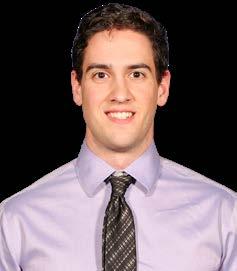
What inspired you to pursue a career in engineering?
The intersection of people and problem solving.
What positive changes does earning your P.Eng. designation bring?
It’s the meaning of the designation that makes me feel connected to the engineering community – the duty to serve the public. This commitment to the service of people is what drives me, inspires me, and grounds me.
Sagar Poudel, P.Eng.
Discipline: Civil Engineering University: Tribhuvan University

What inspired you to pursue a career in engineering?
From an early age, I was fascinated by large structures such as bridges and buildings and how they shape communities. That curiosity evolved into a passion for engineering, problem-solving, and contributing to infrastructure that serves both people and the environment.
What positive changes does earning your P.Eng. designation bring?
Earning my P.Eng. will allow me to take on greater technical responsibility and move closer to my goal of becoming a bridge engineer in Nova Scotia. It will strengthen my professional credibility and demonstrate my commitment to safe, ethical, and resilient infrastructure. The designation will also help me feel more connected to the engineering community.
Himadri Rajput, P.Eng.
Discipline: Environmental Engineering University: Dalhousie University

What inspired you to pursue a career in engineering?
What inspired me most was the opportunity to use science and technology to solve environmental challenges and create sustainable, meaningful solutions.
What positive changes does earning your P.Eng. designation bring?
Achieving my P.Eng. not only marks a professional milestone but also boosts my confidence to take on leadership roles and make a greater impact. It helps me feel more connected to a community dedicated to responsible and innovative engineering.
Dheeraj Sridhar, P.Eng.
Discipline: Mechanical Engineering University: Oklahoma State University

What inspired you to pursue a career in engineering?
My inspiration to pursue engineering came from a combination of curiosity and a strong interest in solving real-world problems. Early on, I was always interested in understanding how systems and processes work and how they can be improved for better efficiency and reliability.
What positive changes does earning your P.Eng. designation bring?
Earning my P.Eng. designation represents an important milestone in my professional journey and will bring several meaningful positive changes. Earning my P.Eng. helps me feel more connected to the engineering community in Canada. It provides opportunities to engage with other professionals, stay aligned with industry standards, and contribute.
Omid Yousefzade, P.Eng.
Discipline: Polymer Engineering University: Amirkabir University of Technology

What inspired you to pursue a career in engineering?
My interest in engineering comes from being curious about physics and chemistry and how they shape the behavior of materials. This led me to pursue polymer engineering, where I became particularly interested in high-performance materials and innovative processing technologies.
What positive changes does earning your P.Eng. designation bring?
Earning my P.Eng. will allow me to further develop my technical, communication, and leadership skills, take on greater project responsibilities, and contribute to innovative and sustainable solutions. I also look forward to mentoring future engineers and strengthening my connection to the engineering community.
Engineers Nova Scotia introduces new P.Eng. to the engineering community, with a portrait and a brief write-up of the engineer’s future goals.
Download the PDF form here .