Creative Director | Designer: Sabrina Tongren www.in8-design.com
Contributing Editors: Alia Sims
Christy Tarallo
Contributing Writers: David Caraviello
Brett Hillesheim
Christy Tarallo
Contributing Photographer: Jennifer Stalcup
Accounting Services Manager: Melisa Beauchamp
Advertising Sales Manager: ACEC Georgia 229 Peachtree Street NE Suite 1800 Atlanta, GA 30303 brett.hillesheim@acecga.org (404) 665-3539
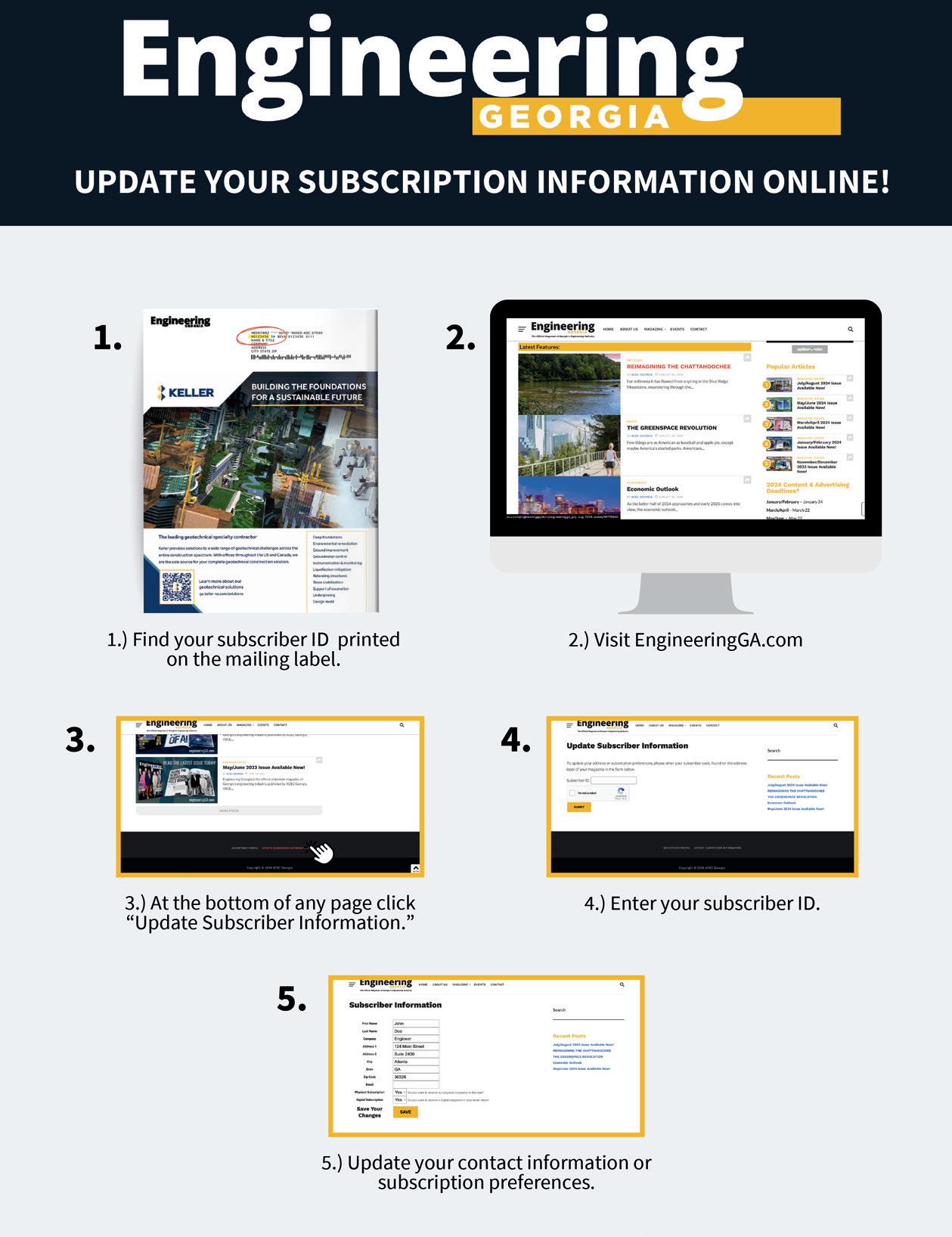
Send change of address to: ACEC Georgia 229 Peachtree Street NE, Suite 1800 Atlanta, GA 30303 or email editor@engineeringGA.com Facebook.com/EngineeringGA @Engineering_GA www.EngineeringGA.com
Engineering Georgia 2026 is published quarterly by the American Council of Engineering Companies of Georgia (ACEC Georgia) and its partner associations ASCE, ASHE, GEF, GSPE, ITE, ITS, SAME, SEAOG, SMPS and WTS. All rights reserved. Reproduction in whole or part without permission is prohibited.
In8 Design, ACEC Georgia, and its partner associations ASCE, ASHE, GEF, GSPE, ITE, ITS, SAME, SEAOG, SMPS and WTS, as well as their representatives, employees and agents, are held harmless from any claim, demand, liability or action on account of, or in any way arising out of, the client’s advertising, products and services, or its participation in Engineering Georgia.
EDITORIAL BOARD
CECILIA ARANGO Thomas & Hutton/SMPS Atlanta
STACEY CHAPMAN CIT, Croft Architecture and Engineering
STEPHANIE DAMMEN-MORRELL Hussey Gay Bell
ANDREW FARMER PE, Gresham Smith / GEF
LIGIA FLORIM PE, Cobb County DOT / WTS Atlanta
CATHERINE JOHNSON AECOM / NSBE
JEFF MILHEIZLER Uzun + Case / SEAOG
CHRISTY JEON Ph.D, PE, Atkins / ITE Georgia
JOHN PIERSON PE, Georgia Tech Research Institute / ASCE Georgia
RANDAL RIEBEL PE, Delta Air Lines / GSPE
CODY ROGERS, PE / ASCE Georgia
CANDANCE SCALE / SAME
KATHERINE SCHNELL Kimley-Horn
THOMAS TRUE PE, LS, Maser Consulting
SASHA UGI Keck & Wood
BILL WELLS ITS Georgia
KYLE WILCOX PE, Heath & Lineback/ASHE Georgia
EEvery day, the Technical College System of Georgia (TCSG) changes lives and strengthens our state’s competitiveness through workforce training, adult education, and economic development. Its impact reaches far beyond the classroom. It creates pathways to opportunity, helps industries grow, and gives employers confidence that Georgia will continue to have the talent necessary to enable them to compete. For Georgia’s engineering industry, that workforce mission has never been more important.
Engineering firms, contractors, utilities, and public agencies across our state are facing significant workforce shortages in engineering related technical fields. Whether it is survey technicians, CAD professionals, construction inspectors, electrical and mechanical technicians, or highly skilled tradesmen, the need is immediate and growing. Georgia’s continued economic success depends in large part on our ability to develop this next generation workforce.
That is why the partnership between the engineering community and TCSG is so critical. Technical colleges across our state are providing practical, career-focused education that aligns directly with engineering industry needs. They are preparing students not only for jobs, but for meaningful careers that support families, strengthen communities, and power Georgia’s economy.
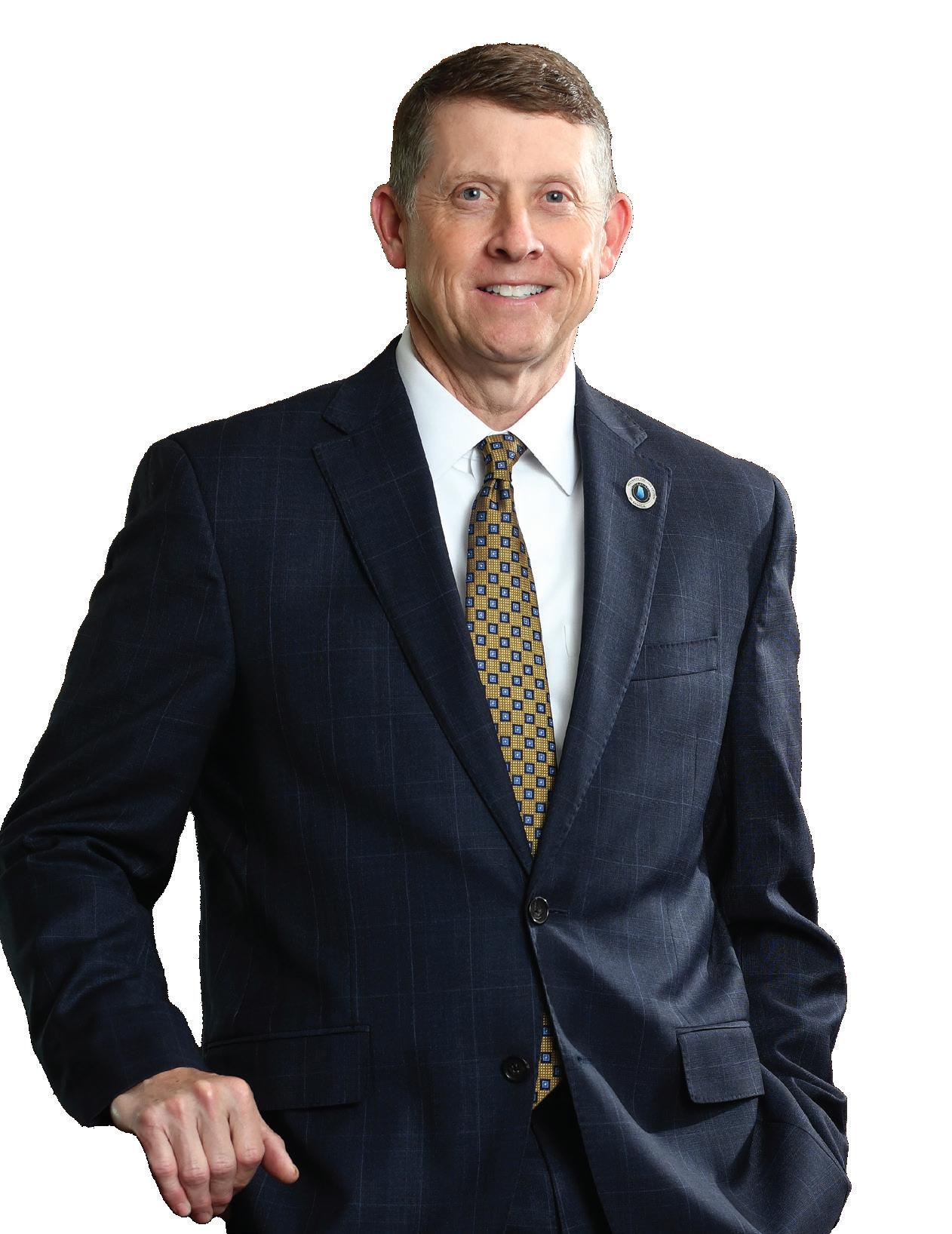
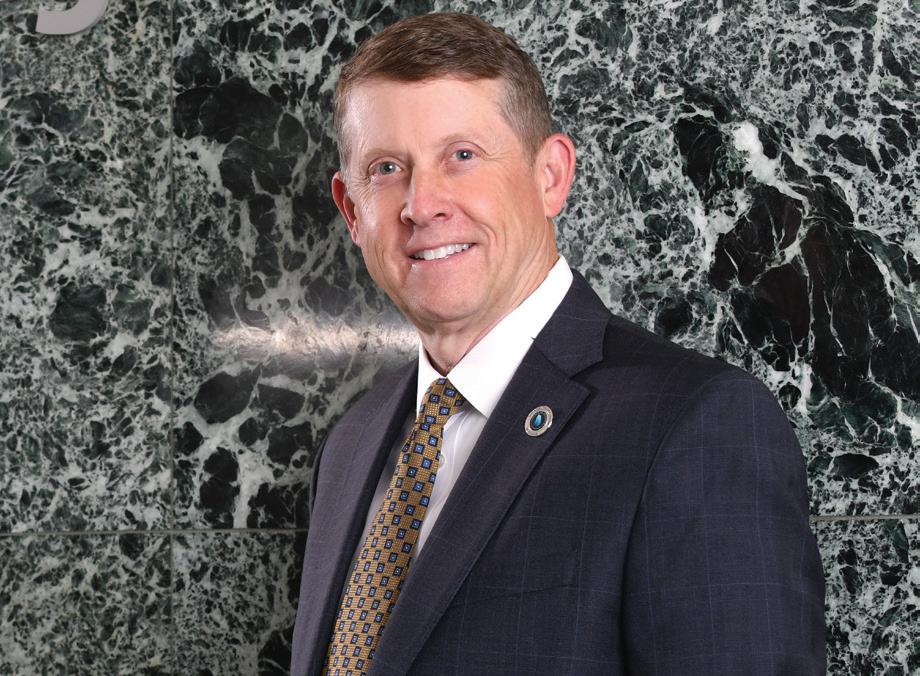
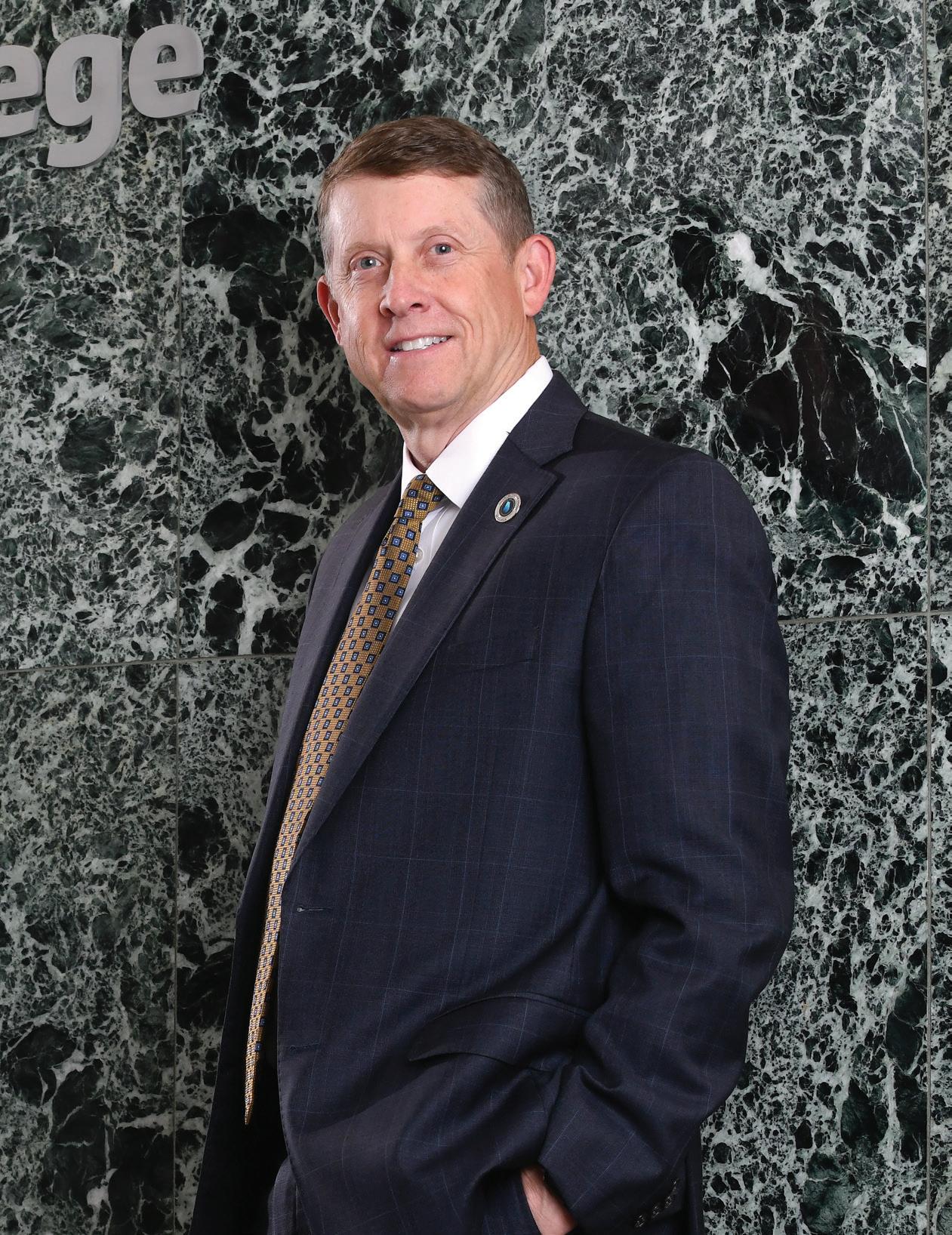
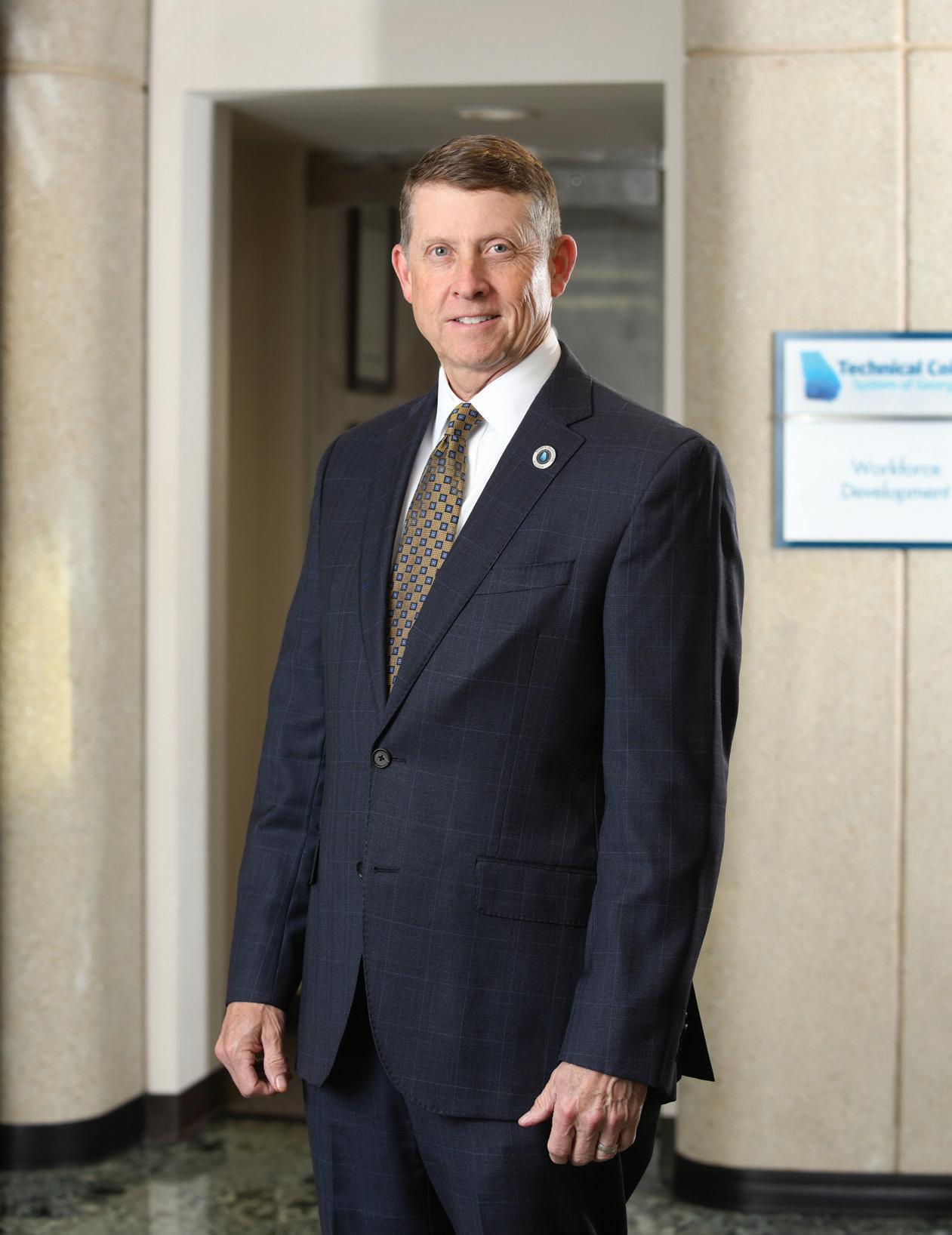
This work requires vision and a relentless commitment to serving students and employers alike and Commissioner Greg Dozier has provided exactly that. Under his leadership, TCSG has continued to expand opportunities, strengthen industry partnerships, and enhance Georgia’s national reputation as a leader in workforce development. Commissioner Dozier understands that economic development and workforce development are inseparable, and Georgia is fortunate to have him in leading this critical state agency.
I will always consider it one of the great honors of my professional life to have served as a member of the State Board of the Technical College System of Georgia from 2007 to 2019. During those years,
I had the privilege of witnessing firsthand the extraordinary impact TCSG has on individuals, families, employers, and communities throughout our state. I saw students acquire new skills, adults return to education after years away from the classroom, and industries find the workforce they needed to grow and succeed. I was proud to play an extremely small part in supporting an agency whose mission truly changes lives.
It’s never easy losing a friend, and Tom Leslie was a good friend to many in our industry – a profession to which he dedicated much of his life, as a practicing professional engineer and later as Executive Director of ACEC Georgia and the Georgia Engineering Alliance. While his passing on March 16th marked the end of his earthly life, he leaves behind a legacy that continues to benefit Georgia’s engineering community and a memory that will be a blessing to all of us who had the privilege to know him.
Michael L. "Sully" Sullivan President / CEO, ACEC Georgia Publisher, Engineering Georgia
NEWS BRIEFS
GROUNDBREAKING HELD FOR SR 400 EXPRESS LANES PROJECT
True North 400, the Georgia Department of Transportation (GDOT), and SR 400 Peach Partners hosted a ceremonial groundbreaking to mark the launch of the Georgia State Route 400 Express Lanes project, a multi-billion-dollar investment designed to transform mobility in the North Fulton corridor and greater Metro Atlanta region.
Held on the rooftop of the Avalon parking deck overlooking active construction areas, the event highlighted the public-private partnership driving the project, which is expected to improve connectivity, reduce congestion, and support long-term regional growth. Governor Brian Kemp joined federal, state, and local leaders in delivering remarks, alongside GDOT Commissioner Russell McMurry, SRTA Executive Director Jannine Miller, U.S. Deputy Secretary of Transportation Steven Bradbury, Federal Highway Administration Administrator Sean McMaster, State Transportation Board Representative Joseph Stein, U.S. Treasurer Brandon Beach, and representatives from project partners and True North 400.
ATLANTA BELTLINE ADVANCES AFFORDABLE HOUSING GOAL
Atlanta BeltLine, Inc. reported it has reached 79% of its goal to create or preserve 5,600 affordable housing units by 2030, with 4,425 units delivered to date within the BeltLine Tax Allocation District. In 2025, the organization and its partners added 299 affordable units, while advancing a pipeline of developments expected to break ground in 2026. Since 2018, the BeltLine has more than doubled completed
affordable housing production along the corridor, with nearly threefourths of units reserved for households earning 60% or less of Area Median Income.
The BeltLine also continues to invest in long-term affordability through strategic land acquisition and redevelopment planning. To date, the organization has secured 94 acres for future affordable housing and commercial space, creating opportunities for publicprivate partnerships and equitable mixed-use development. Leaders said the strategy is designed to preserve communities, expand housing access, and ensure residents of varying income levels benefit from growth along the corridor.
GAINESVILLE INLAND PORT SET TO OPEN IN MAY
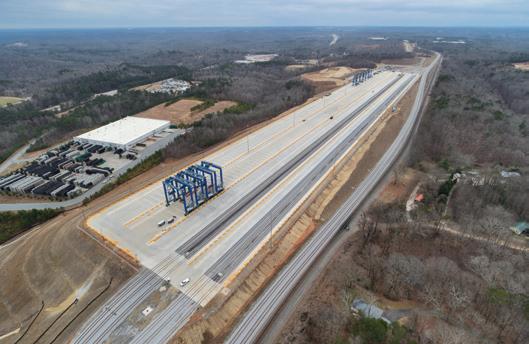
Georgia Ports Authority announced its new Gainesville Inland Port opened May 4, 2026, expanding freight capacity and strengthening Northeast Georgia’s competitiveness as a manufacturing hub. The facility will provide direct rail access to the Port of Savannah’s global network of approximately 40 vessel calls per week, offering faster and more efficient market access for the region’s more than 330 manufacturers, including poultry, heavy equipment, and forest products companies.
With five-day-a-week rail service between Gainesville and Savannah, the inland port is expected to reduce reliance on a 600-mile roundtrip truck route, easing congestion in metro Atlanta and removing an estimated 26,000 truck trips in its first year. The $134 million facility will have an annual capacity of 200,000 containers at full build-out. To support surrounding communities, Georgia Ports Authority also funded $4.8 million in Hall County roadway improvements, including grade crossing elimination, road rerouting, and resurfacing projects completed in 2025.
$104.5 MILLION FINANCING CLOSED FOR RITZ-CARLTON SAVANNAH
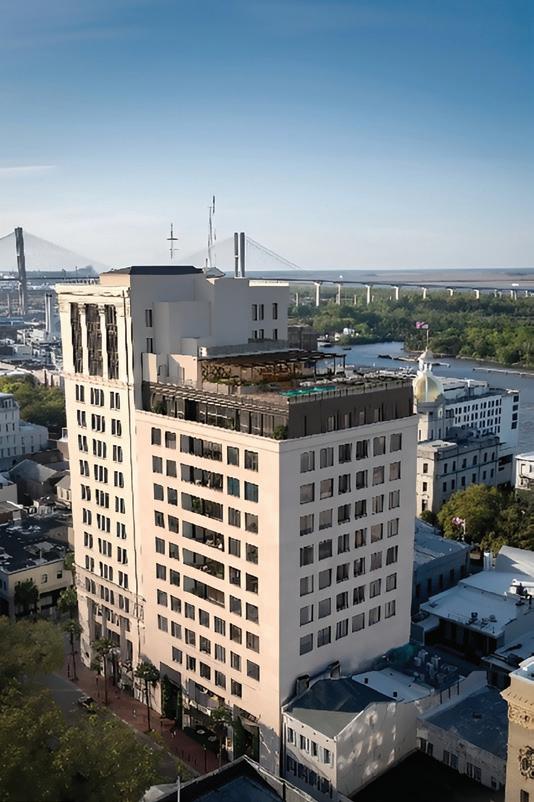
The LCP Group announced the closing of $104.5 million in construction financing for The Ritz-Carlton Savannah, a 168-room luxury hotel currently under development in downtown Savannah. LCP served as originator and lead arranger on the financing package alongside Knighthead Funding and Siguler Guff & Company. The project, developed by TMGOC Ventures, will mark Savannah’s first Ritz-Carlton hotel and is expected to open in the first quarter of 2028. The project will redevelop the historic 15-story “Savannah Skyscraper,” originally built in 1911 as Savannah Bank & Trust, along with an adjacent structure. Upon completion, the hotel will feature 168 guestrooms, four food and beverage outlets, a rooftop bar and pool, spa, fitness center, and meeting space. Industry leaders said the project reflects continued confidence in Savannah’s hospitality market, supported by rising visitation and the recent expansion of the Savannah Convention Center.
ACCELERATED AUGUSTA STREETSCAPE SCHEDULE TARGETS DECEMBER COMPLETION
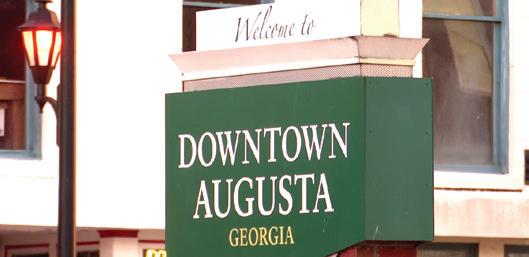
Downtown Augusta streetscape construction could be completed in months rather than years under a revised accelerated schedule targeting mid-December completion. City officials said additional crews will allow work between 5th and 13th streets to occur simultaneously rather than progressing one block at a time, speeding delivery but placing more areas of downtown under construction at once.
To address temporary parking impacts, the Augusta Commission approved an agreement with the Augusta Museum of History to open additional parking spaces for businesses along the 500 and 600 blocks of Broad Street. Commissioners also directed engineering staff to develop long-term parking recommendations in coordination with downtown stakeholders, though no permanent parking solution has been approved. Officials noted weather conditions and unforeseen site issues could still affect the timeline.
SEE YOUR AD IN OUR NEXT ISSUE!
WHY advertise?
Engineering Georgia is an award-winning magazine that provides you with a unique opportunity to build your brand, promote your services to 10,000+ readers, and grow your business. It is a magazine that is designed to provide you with the ROI you should expect for your advertising dollars and will feature content that is laser focused on furthering your business development goals. Advertise in Engineering Georgia and get results!
EMAIL ADVERTISING@ACECGA.ORG TO RESERVE YOUR SPACE IN THE NEXT ISSUE OF ENGINEERING GEORGIA. SPACE IS LIMITED!
ON THE MOVE
EMC ENGINEERING SERVICES
has promoted Jeremy Hart, PE, from Associate Owner to Principal Owner. Hart joined the firm in 2010 as a civil engineering intern in the Statesboro office and now serves as Branch Manager of the Greenville office, where he has helped drive growth and operational success in the Upstate South Carolina market.
Cody Rogers, PE, has been promoted from Associate Owner to Principal Owner. Rogers joined EMC in 2015 as a Junior Design Engineer and currently serves as Branch Manager of the Statesboro office, providing leadership in project delivery, client relationships, and staff development.
EMC has named Dan Chicola as an Associate Owner. Chicola joined the firm in 2015 and brings extensive leadership experience in engineering and construction management. He currently oversees EMC’s Construction Inspections Department, supporting quality control, schedule compliance, and project coordination.
Chuck Byrne, PE, has been named an Associate Owner. Byrne joined EMC in 2015, returned to the firm in 2021, and currently leads the Engineering Department in EMC’s Augusta office. His experience includes engineering design, construction inspections, and project coordination across public and private sector projects.
GATEWAY TERMINALS SAVANNAH
has appointed Bryan Blalock as President, effective April 13, 2026. He succeeds Kevin Price, who will transition to the Georgia Ports Authority leadership team as President on July 1, 2026.
Blalock joins from CMC, where he served as Chief Operating Officer overseeing more than 60 operations and 1,900 employees. He brings more than 35 years of experience in port terminal operations, strategic planning, process optimization, and customer-focused performance improvements.
THE GEORGIA PORTS AUTHORITY
has appointed Kevin Price as President, effective July 1, 2026, reporting to CEO Griff Lynch as part of a planned leadership transition. Price is expected to assume the role of President and CEO in mid-2027, following an 18-month transition period. Price currently serves as President of Gateway Terminals in Savannah and brings more than 30 years of industry experience in port and terminal operations. His background includes multiple senior leadership roles, most recently serving as Chief Operating Officer of Virginia International Terminals.
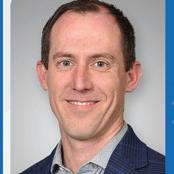
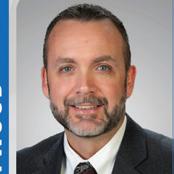
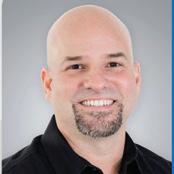
KECK & WOOD continues to strengthen its multidisciplinary team with several recent additions across the Southeast.
Susie Underwood, CPSM, joins the firm to help expand client service leadership efforts in South Carolina, the Lowcountry, and with SCDOT. With more than 20 years of industry experience, Underwood will focus on cultivating relationships and connecting clients with trusted technical professionals.
Garrett Sauber, PE, has joined as Senior Roadway Engineer. Sauber brings more than 31 years of experience delivering complex transportation projects for local governments and GDOT. His operational insight and technical expertise will also provide mentorship to the firm’s growing roadway team.
Hannah Duncan joins as Marketing Coordinator. A graduate of Georgia Southern University’s Business Marketing program, Duncan brings experience in social media strategy and brand promotion, helping showcase the firm’s engineers, landscape architects, and surveyors.
Sasha Ugi has joined the firm as Client Service Leader, supporting Georgia clients and market leaders statewide. Ugi brings more than 15 years of experience spanning communications, business development, leadership development, and operations. She currently serves as Chair of Cobb Executive Women and sits on the Board of The Extension.
Jasmine Tallon joins the accounting team, bringing more than 20 years of experience across construction, distribution, and property management. She will support firm leaders with accounting functions across multiple markets. N
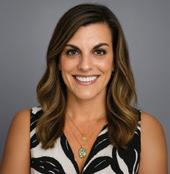
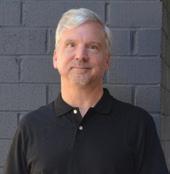
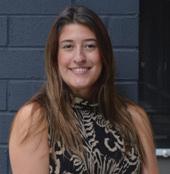
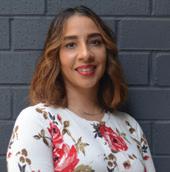
Jeremy Hart
Kevin Price
Susie Underwood
Garrett Sauber
Hannah Duncan
Sasha Ugi
Jasmine Tallon
Cody Rogers
Dan Chicola
Chuck Byrne
Bryan Blalock
Erin Light has joined as Marketing Coordinator. A graduate of Kennesaw State University, Light brings more than eight years of experience in creative leadership roles and contributes strong traditional and digital graphic design capabilities.
Cymone Houston has joined Keck & Wood’s growing Transportation team as a Staff Professional in the Roadway department. Houston brings design and project management experience from the Georgia Department of Transportation and is an alumna of Auburn University.
NEEL-SCHAFFER
has named Clarke Chauvin, PE, PTOE, PMP, as the firm’s Intelligent Transportation Systems (ITS) Practice Lead. Based in Baton Rouge, Louisiana, Chauvin joined the firm in 2024 and brings 13 years of experience in ITS, traffic signal design, and traffic studies, with project experience supporting the Louisiana Department of Transportation and Development and the Alabama Department of Transportation.
In his new role, Chauvin will help lead the firm’s growing ITS practice, supporting clients with solutions that improve safety, mobility, and system performance. His experience includes pioneering Louisiana’s first adaptive signal corridor, first connected vehicle corridor, and emerging AI applications designed to enhance intersection safety.
Neel-Schaffer has also promoted Justin Wood, PE, DBIA, to Senior Vice President and Georgia Engineering Manager in Atlanta. With more than 20 years of experience, Wood is focused on operations and business development statewide and previously served as Georgia Structural Lead. He has played a key role in the continued expansion of the Georgia office.
Brian Adams, PE, SE, CBI, has been promoted to Senior Vice President and Bridge Practice Lead. Adams oversees bridge design teams across the firm’s nine-state footprint and supports the growth of structural services companywide. He has also led the reorganization of the Bridge Practice to strengthen collaboration and future growth.
Phil Ravotti, PE, DBIA has been promoted to Vice President and East Region Alternative Delivery Leader. Ravotti brings 19 years of experience delivering Design-Build and Alternative Delivery projects across Georgia and the Southeast, providing leadership from concept development through final design while helping align resources and strategic growth initiatives. A
Erin Light
Cymone Houston
Clarke Chauvin
Justin Wood
Brian Adams
Phil Ravotti
Engineering Georgia
TOP FIVE 5
Resources for Leading Through Change and Uncertainty
From shifting markets and evolving technology to workforce expectations and economic pressure, today’s leaders are being asked to navigate constant change. The best leaders don’t just react—they build teams that can adapt, communicate, and move forward with confidence. These five real-world resources can help you strengthen one of the most important leadership skills of 2026: leading through uncertainty.
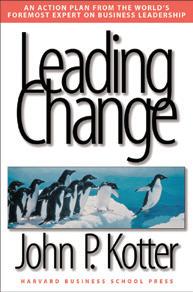
LEADING CHANGE
by John P. Kotter
A modern classic on organizational transformation, Kotter’s framework remains one of the most referenced approaches to managing change effectively. It outlines how leaders create urgency, build buy-in, and sustain momentum.
Why it works: Timeless principles for helping teams embrace change instead of resisting it.
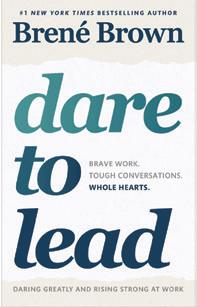
DARE TO LEAD
by Brené Brown
Brown focuses on courageous leadership, trust-building, vulnerability, and difficult conversations—all critical during uncertain times when teams need clarity and confidence.
Why it works: Strong practical guidance for building trust and leading people through ambiguity.
HARVARD BUSINESS REVIEW – CHANGE MANAGEMENT COLLECTION
Harvard Business Review offers articles, case studies, and expert guidance on leading through disruption, communicating change, and managing resistance.
Why it works: Research-backed insights from real organizations facing real challenges.
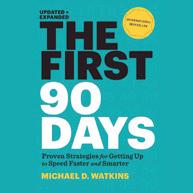
THE FIRST 90 DAYS
by
Michael D. Watkins
Often recommended for leaders entering new roles, this book is equally valuable for anyone leading teams through transitions, restructures, or strategic pivots. Why it works: Helps leaders create momentum quickly during periods of change.
CENTER FOR CREATIVE LEADERSHIP (CCL) – LEADING IN A TIME OF CHANGE RESOURCES
CCL provides respected leadership development tools focused on agility, resilience, communication, and organizational change. Their research is widely used across industries. Why it works: Practical leadership development resources built for today’s fast-moving workplace.
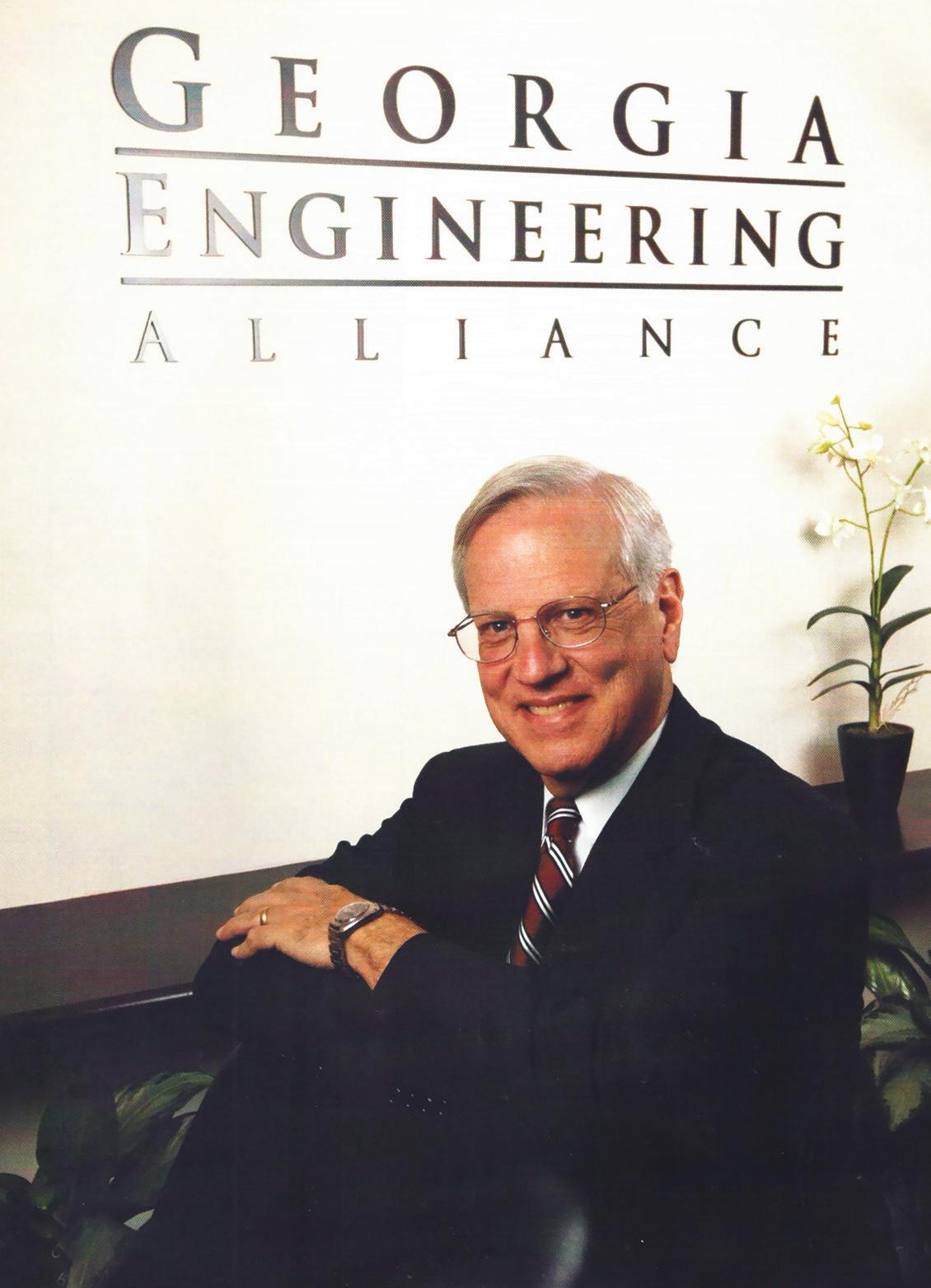
REMEMBERING TOM LESLIE
A Champion for Georgia’s Engineering Community
Georgia’s engineering profession lost one of its most respected leaders on March 16, 2026, with the passing of Tom Leslie following complications from Alzheimer’s disease. He was 80.
To many across the industry, Tom was known as a steady hand, a trusted advocate, and a gentleman whose warmth and wisdom helped shape Georgia’s engineering community for decades. To those who knew him personally, he was also a storyteller, historian, gardener, devoted husband, and proud father and grandfather.
Born July 13, 1945, Tom grew up in Avondale Estates, where he quarterbacked the Avondale Blue Devils before beginning an academic and professional journey rooted in service and lifelong learning. He earned a bachelor’s degree in Civil Engineering from the Georgia Institute of Technology and later a master’s degree in Civil Engineering from Stanford University after serving in the U.S. Public Service during the Vietnam War era.
Tom’s engineering career included work with the Atlanta Regional Commission and many years with Jordan, Jones and Goulding. Yet his greatest professional legacy may be the leadership he brought to Georgia’s engineering organizations.
Tom served as Executive Director of ACEC Georgia from 1994 to 2007, Executive Director of Georgia Society of Professional Engineers from 1997 to 2007, and later as ACEC Georgia’s Director of External Affairs from 2007 to 2012. During that time, he helped launch the Georgia Engineering Alliance, bringing together engineering, surveying, and related organizations to speak with a stronger, unified voice on issues affecting the profession.
His leadership style was rooted in relationships. Tom believed progress happened when people worked together, and he had
a gift for connecting firm leaders, public officials, and industry partners around shared goals. Much of the collaborative spirit Georgia’s engineering community enjoys today reflects the foundation he helped build.
In retirement, Tom devoted time to reading, researching Atlanta history, tending his legendary tomato garden, traveling with his wife Mary, and visiting grandchildren in New Orleans and Abingdon.
Tom is survived by Mary, his wife of 49 years, along with his children, grandchildren, siblings, and many friends and colleagues.
Engineering Georgia honors Tom Leslie’s life of service and the lasting impact he made on this profession and this state. He will be deeply missed.
POLITICAL PULSE
2026 Legislative Session Recap: Balancing Progress and Prudence Under the Gold Dome
AArguably, one of the most advantageous features of our state legislature is its limited duration. Under the Georgia Constitution, the General Assembly must convene on the second Monday of January, may not meet for more than 40 legislative days, and is only required to accomplish one goal: passing a balanced state budget.
By those limited Constitutional standards, the 2026 legislative session was a success. But very few legislators, lobbyists, journalists or interested citizens following the 40 days that ended with adjournment Sine Die on April 2, 2026 would use “success” to describe it.
Of course, there was one major bright spot: Governor Kemp’s historic transportation funding in the FY 2026 budget, building on his previous initiatives to provide much needed investments in Georgia’s transportation infrastructure. Investments include: $1.6 billion for the extension and bi-directional expansion of the I-75 express lanes in Henry County, $185 million for interchange conversions making State Route 316 (University Parkway) a limited access highway, $100 million for rehabilitation and replacement of rural bridges, and $250 million for local maintenance and improvement grants (LMIG).
While Georgia is blessed to be (mostly) free of the hyper-partisanship that creates the gridlock that defines the United States Congress, that doesn’t mean our General Assembly is free of conflict. There’s an old saying under the Gold Dome that the other political party is the opposition, but the other chamber is the enemy. That was certainly true
CHRISTY TARALLO
this year, as the Senate and House battled over competing priorities and highly polarizing views on how to address the affordability crisis that ultimately resulted in many legislative initiatives failing to pass. Add to that mix the numerous legislators running for higher office trying to distinguish themselves from their competitors and the entire House and Senate being up for election in 2026 and you have an environment where the compromise needed to reach agreement was in short supply.
The House began this session with an emphatic promise to expand the homestead exemption to eliminate all property taxes on primary residences. This promise took many shapes, including a constitutional amendment which failed to receive the required two-thirds vote in the House, an attempt to place a 3% cap on local government operational cost increases year over year, and the creation of new taxes for local governments to use to recoup the lost revenue from eliminating the property tax on homesteads. In the end, near the 11th hour of the last day of the session, the House’s proposal failed in the Senate, and all that they were able to pass was a watered-down version of the reform, Senate Bill 33, that created a new Local Homestead Option Sales Tax (LHOST), and made the existing FLOST (Floating Local Option Sales Tax) mandatory statewide, thus ending the opt out provision that some local governments and school boards had previously taken advantage of. These new taxes are aimed at creating revenue streams for local governments to recapture lost revenue from future millage rate decreases. Additionally, SB 33 removed the 3% cap on revenue increases seen in previous versions of the original property tax bill (House Bill 1116) and preserved local sales taxes that were already in place, such as LOST, Local Option Sales Tax, and HOST, Homestead Option Sales Tax.
$36,000, respectively, and raising the dependent deduction from $4,000 to $5,000, with the ultimate goal of raising the deduction to $6,000 over time (also subject to those same revenue metrics).
While the House and Senate’s competing goals of eliminating property or income taxes failed to be realized, the General Assembly did pass measured approaches to tax reduction and affordability that the Governor appears poised to sign into law.
HOUSE BILL 463 PROPOSES TO REDUCE THE PREVIOUS FLAT TAX GOAL FROM 4.99% TO 3.99% WITH AN INCREMENTAL REDUCTION OF 0.125% ANNUALLY UNTIL THE 3.99% RATE IS REACHED.
There were a number of other key initiatives that failed to pass in 2026. Most critically, Senate Bill 214, which was intended to keep the state’s current election system legal. While that may sound a little hyperbolic, a law passed in 2024 banned QR codes from being used to count ballots beginning on July 1, 2026. That is currently impossible, because the state’s voting machines aren’t capable of counting votes any other way and the General Assembly never appropriated any money to update the voting machines or purchase a new system.
Senate Bill 214 championed by Rep. Victor Anderson, Chairman of the House Governmental Affairs Committee, sought to postpone the deadline for banning the use of QR codes to 2028 and would have directed the Secretary of State’s office to begin procuring a new elections system by February 2027. The House passed SB 214 on Sine Die by a vote of 132-39, but the Senate failed to bring it up before the Sine Die adjournment on the morning of April 3rd.
Without a fix to the elections, the state’s current form of electronic ballot counting will be illegal on July 1, 2026, forcing the Governor to call the General Assembly back for a special session to force pass a fix, or if that doesn’t happen, forcing local elections officials to hand count paper ballots for the November mid-term election.
The Senate’s competing priority on affordability was eliminating the state’s income tax; an effort which also failed to pass during the 2026 legislative session.
While a comprehensive elimination of the income tax did not ultimately come to fruition, the General Assembly did pass House Bill 463 which makes significant strides toward income tax reduction. Building on prior efforts by the Kemp administration and legislative leaders, HB 463 reflects a measured approach to the continual reduction of the state’s income tax rate.
House Bill 463 proposes to reduce the previous flat tax goal from 4.99% to 3.99% with an incremental reduction of 0.125% annually until a 3.99% income tax rate is reached (though those reductions are conditional based on meeting revenue triggers outlined in the bill).
HB 463 also provides additional relief for taxpayers by raising the standard deduction to $15,000 for single filers and $30,000 for married couples filing jointly, with scheduled annual increases to $18,000 and
Also, among the deluge of legislation that failed to pass was Senate Bill 51 by Sen. Ed Setzler, which proposed extending the existing state law (in place since 1981) requiring state agencies to procure professional design services for public infrastructure using qualifications-based selection (QBS) to apply to cities and counties. Though this years-long effort to bring Georgia’s cities and counties up to date with this almost universally recognized best practice for procuring professional design services failed to make it across the goal line this year, it will be back.
And so will the Georgia General Assembly on the second Monday of January 2027. But with so many legislators running for higher office, long-time lawmakers retiring, and many incumbents facing serious challenges, there will be many new faces and new legislative leaders, along with a new Governor, Lt. Governor, and other statewide constitutional officers. In politics, as in life, the only constant is change, and your ACEC Georgia advocacy team will be doing everything we can to navigate those changes to position our industry for success in the years ahead. A
JOHN R. ALLEN, III
HOW KEY EMPLOYEES ARE BUYING ENGINEERING FIRMS WITH 5% DOWN AND SELLERS ARE BEING PAID IN FULL
A GENERATIONAL TRANSITION ARRIVES IN GEORGIA
Across Georgia, founder-led engineering firms are facing a crucial generational shift. Many were established during the infrastructure expansion of the 1980s, 1990s, and early 2000s, and their leaders are now nearing retirement. As this transition accelerates, owners find that traditional succession methods often fall short for small- and mid-sized engineering firms, where value lies in continuity, culture, and longstanding client relationships. Slow internal buy-ins, ESOPs, private equity, and sales to larger firms each have limitations that could threaten the stability these firms have spent decades building.
An increasing number of companies are adopting SBA-financed internal buyouts, a structure that enables key employees to purchase the firm with as little as 5% down, while founders receive between 95% and 100% of their proceeds at closing. This method maintains leadership stability, safeguards public-sector clients, and preserves the independence of firms. It is becoming one of the most practical and continuity-focused solutions for engineering firms across the state.
THE SCALE OF THE OWNERSHIP SHIFT
National research highlights the magnitude of the transition underway.
• Harvard Business School refers to it as the “Silver Tsunami,” a wave of retiring business owners that will reshape the U.S. economy. https://www.hbs.edu/bigs/silver-tsunami-employee-ownership
• McKinsey & Company calls it the “Great Ownership Transfer,” estimating that trillions of dollars in business value will change hands in the coming decade. https://www.mckinsey.com/institute-for-economic-mobility/our-insights/the-great-ownership-transfer-a-newera-of-business-stewardship
Despite this major shift, many engineering firms struggle with managing succession when it is needed. The issue is rarely a lack of value. More often, it is the absence of a clear, practical plan that ensures continuity and provides founders with financial security. For
firms working with GDOT, municipalities, water authorities, and private developers, maintaining continuity remains essential.
Public sector clients depend on steady leadership, institutional knowledge, and long-term relationships. When ownership changes are unclear or delayed, project momentum slows down, key employees may rethink their futures, and public sector partners begin to worry about stability. Competitors also pick up on these periods of uncertainty. For many founders, safeguarding these relationships is more important than maximizing valuation. They favor a transition that preserves the firm’s identity.
WHY CONTINUITY IS IMPORTANT IN GEORGIA’S ENGINEERING ECOSYSTEM
Engineering in Georgia is a relationship-driven industry. Firms support multiyear transportation initiatives, municipal infrastructure, water and wastewater systems, structural and environmental design, and industrial development corridors. Clients often prefer to hire a team rather than a specific brand. They depend on familiarity with local regulations, experienced project managers, institutional knowledge, and stable leadership.
When ownership changes generate uncertainty, clients notice it right away. Therefore, continuity is not just a preference; it is a strategic necessity.
THE MISSING MIDDLE IN TRADITIONAL SUCCESSION OPTIONS
Historically, owners of engineering firms have relied on three primary exit paths.
1. Gradual Internal Buy-Ins
This method mainly depends on personal savings and usually takes ten to fifteen years to finish. Many founders no longer have that much time, and younger engineers often find it hard to afford the rising buy-in costs driven by increasing firm valuations.
2. Third-Party Sales
Selling to a competitor or consolidator can provide immediate liquidity, but it often causes cultural disruption, integration challenges, and shifts in strategic direction. Employees of a thirty-person firm, for example, may experience significant culture shock when absorbed into an organization with two hundred or more employees.
3. ESOPs
ESOPs are often viewed as a potential solution, but they don't always match the realities faced by small- and mid-sized engineering firms. Although ESOPs have existed since 1974, fewer than seven thousand operate nationwide, with only a few in engineering firms. The structure requires annual valuations, trustees, fiduciary oversight, and strict regulatory compliance, all of which create ongoing administrative and financial burdens. For firms with less than fifteen million dollars in revenue, the costs and complexity usually make ESOPs impractical.
These limitations create a “missing middle,” a gap where traditional internal transitions are too slow and external sales are too disruptive, leaving many founders without a practical way forward.
THE TRADEOFFS OF PRIVATE EQUITY AND LARGE FIRM BUYERS
Private equity groups and large engineering firms are active buyers in Georgia, and their offers often present attractive headline valuations. However, the structure behind these figures is essential. Private equity transactions typically include multi-year earnouts, performance-based payouts, seller retention requirements, and integration into a larger platform. While the headline valuation may seem enticing, the actual payout relies on future performance.
Selling to a larger engineering firm can bring stability and more resources, but it often involves cultural integration, new reporting structures, changes in compensation, less autonomy, and multi-year transition commitments. For founders who want to preserve their firm’s identity and culture, these tradeoffs can be significant.
A PRACTICAL ALTERNATIVE: SBA FINANCED INTERNAL BUYOUTS
SBA-financed internal buyouts offer a practical, continuity-focused solution that bridges the gap during middlemarket transitions. They allow founders to receive nearly full liquidity at closing while enabling key employees to acquire the business without assuming excessive personal risk. This approach also aligns with broader workforce trends. According to Gallup, roughly 62 percent of adults say they want to own a business, meaning many key employees are already motivated to step into ownership when the right structure makes it possible.
The structure is simple. The borrower is the company, not individual employees. The required ten percent down payment is usually split, with five percent from the buyers and five percent from the seller, arranged as a standby note. The SBA loan covers the purchase price, working capital, and closing costs. At closing, the seller receives between ninety-five and one hundred percent of the proceeds, and the loan is repaid through the company’s cash flow.
Two features make this model especially effective. First, the business, rather than its employees, is the borrower, eliminating the personal financial burden that often hampers internal buyouts. Second, continuity is maintained because leadership stays stable, client relationships remain consistent, and the company’s culture and identity are preserved.
CASE STUDY ON LEADERSHIP ALIGNMENT
Roberts Engineering Group, a twenty-eightperson firm, recently finalized an internal ownership transfer using SBA financing. Ownership was transferred to a minority partner and a key employee. The founder received nearly full liquidity at closing, leadership continuity was preserved, and client relationships remained stable.
As founder Carmela Roberts explained, the transition was a strategic capital event that aligned ownership with leadership and protected clients, employees, and the company’s long-term stability. This outcome
provided liquidity for the owner, along with stability for the business, which is increasingly what Georgia firms are looking for.
WHY ENGINEERING FIRMS ARE IDEAL CANDIDATES
Engineering firms possess qualities that make them very appealing to lenders. They generate consistent, recurring revenue, maintain predictable cash flow, have established leadership teams, and build strong client relationships. They also usually have relatively low capital costs. These traits enable lenders to evaluate transactions based on reliable past performance. Consequently, engineering firms often serve as ideal candidates for SBA-backed internal buyouts.
PLANNING
Successful transitions rely on identifying and developing future leaders, aligning expectations, planning communication, and keeping strong financial results. The best transitions happen when the business is healthy, not during a crisis.
THE BUYER MAY ALREADY BE IN THE ROOM
As Georgia engineering firms face this generational change, the main question is no longer who can buy the firm. More often, it’s about how to transfer ownership smoothly without disrupting what has been built. For many companies, the best buyer is already part of the organization. SBA-financed internal buyouts provide a practical, continuity-focused solution that allows founders to gain liquidity while keeping the people, relationships, and culture that define the firm. Often, the next owner is already present. The key is structuring the transition to make that possible.
ABOUT THE AUTHOR
John R. Allen III leads Allen Business Advisors, a boutique M&A advisory firm specializing in ownership transitions within the architecture, engineering, and land surveying sectors. With a background in commercial lending and extensive experience in structuring internal buyouts, he helps founders unlock liquidity while maintaining their firms' stability, culture, and identity. John is a regular author and speaker in the engineering community. More information is available at www.allenbusinessadvisors.com.
GEORGIA NUMBERS by the
5
MILLION+ JOBS
Georgia surpassed 5 million total jobs in 2025 for the first time in state history, underscoring the scale of economic activity driving demand for engineers and technical professionals.
PROJECTED
GROWTH
19,400+
CIVIL ENGINEERS
Estimated number of civil engineers employed in Georgia, placing the state among the national leaders in one of the most infrastructure-critical professions.
23,600
OPENINGS ANNUALLY
Average number of civil engineering job openings projected each year nationwide through 2034, reflecting retirements, growth, and rising infrastructure needs.
Expected national growth rate for electrical and electronics engineers from 2024–2034, signaling continued demand in Georgia’s manufacturing, energy, logistics, and technology sectors. 7%
#1
WORKFORCE TRAINING PROGRAM
Georgia Quick Start, the state’s flagship customized workforce training initiative, is consistently recognized as one of the nation’s top workforce development assets for employers.
MAKING BIG PLANS
Greg Dozier and TCSG work to close Georgia’s workforce gap
DAVID CARAVIELLO
GGreg Dozier’s favorite quote is from an architect—Daniel Burnham, best known for crafting the master plan for downtown Chicago as well as the Flatiron Building in New York City. Dozier first discovered the quote more than 20 years ago when it was forwarded to him by the president of his alma mater, Georgia State University. He’s tried to live by it ever since.
“Make no little plans. They have no magic to stir men's blood and probably themselves will not be realized. Make big plans—aim high in hope and work, remembering that a noble, logical diagram once recorded will never die, but long after we are gone will be a living thing, asserting itself with ever-growing insistency.”
There have been arguments that the quote is apocryphal, or cobbled together from several other comments attributed to Burnham. Its resonance, though, continues to endure. And to Dozier, a longtime public servant in the Peach State who is now commissioner of the Technical College System of Georgia (TCSG), it means one thing—think big. N
MAKE NO LITTLE PLANS. THEY HAVE NO MAGIC TO STIR MEN'S BLOOD AND PROBABLY THEMSELVES WILL NOT BE REALIZED.
“If we're going to do something, let's go big,” he said. “Nobody wants to just kind of fiddle around with something. We all want to do something that has a lasting impact in the areas we're working. That's why you work, for purpose. So let's do something that we can really put our stake in. When we finish, let's see the impact and really be proud of it.”
Burnham’s words certainly echo with Dozier and his staff today, as TCSG plays a growing role in filling the state’s workforce gap in fields related to engineering, architecture, and construction. Developing a workforce in those areas is crucial in Georgia, whose success in attracting business has created a need for new buildings, roads, and other forms of infrastructure. But the limited nature of the current workforce means not all projects can be completed within their intended time frames.
“There’s a constant need,” said Charlotte Weber, vice president of environmental planning at Lumenor Consulting Group, and chair of the ACEG Georgia STEM Workforce Task Force. “The Georgia Department of Transportation has had to stagger projects because there aren’t enough firms to build them. They’re having to prioritize and move things around, because there are only so many construction companies that can actually do the work. They’re constantly looking for more and more people.”
While TCSG has always had offerings in those areas, Dozier said, the current workforce shortage has led the agency to reexamine its programs and how they connect to the professional world. Roughly four years ago, Dozier and TCSG staff met with officials from ACEC Georgia, whose STEM Workforce Task Force also works to combat the engineering industry’s personnel shortage. The goal of those talks was to ensure TCSG’s curriculum met the industry’s needs.
“We had a real global conversation,” Dozier recalled. “We talked about, what do we need to have across all 22 colleges, and what is the curriculum that matches the future needs that you [guys (in the industry] are seeing?”
Those conversations spurred TCSG to initiate career pathways in fields such as civil engineering technology, electrical and computer engineering technology, mechanical engineering technology, manufacturing engineering technology, and industrial engineering technology. TCSG also has a program in which high school students can earn their diploma and college credits at the same time, an initiative that’s been expanded to include architectural and engineering drawing, engineering and technology, architectural drafting, and electrical construction.
IF WE'RE GOING TO DO SOMETHING, LET'S GO BIG.
It’s an issue that demands big thinking, and the reach of a technical college systems that spans 22 colleges and 88 campuses statewide. Bolstering workforce development in engineering and its related fields in Georgia has been a priority for Dozier since he first took over at TCSG in January of 2020, that sense of urgency coming straight from the Golden Dome and the office of Gov. Brian Kemp.
“The governor has personally been involved in workforce for most of his eight years, so this focus goes all the way to the top,” Dozier said. “We're in a period of rapidly evolving economic development, one that's shaped by pressure on timelines, power infrastructure, and workforce pipelines. We want to continue being that No. 1 state in which to do business, and just about everything we do in this state—whether it’s industry, transportation, housing or logistics—comes back to those three areas of engineering, architecture, and construction. So we really have put that top of mind.”
MEETING THE INDUSTRY’S NEEDS
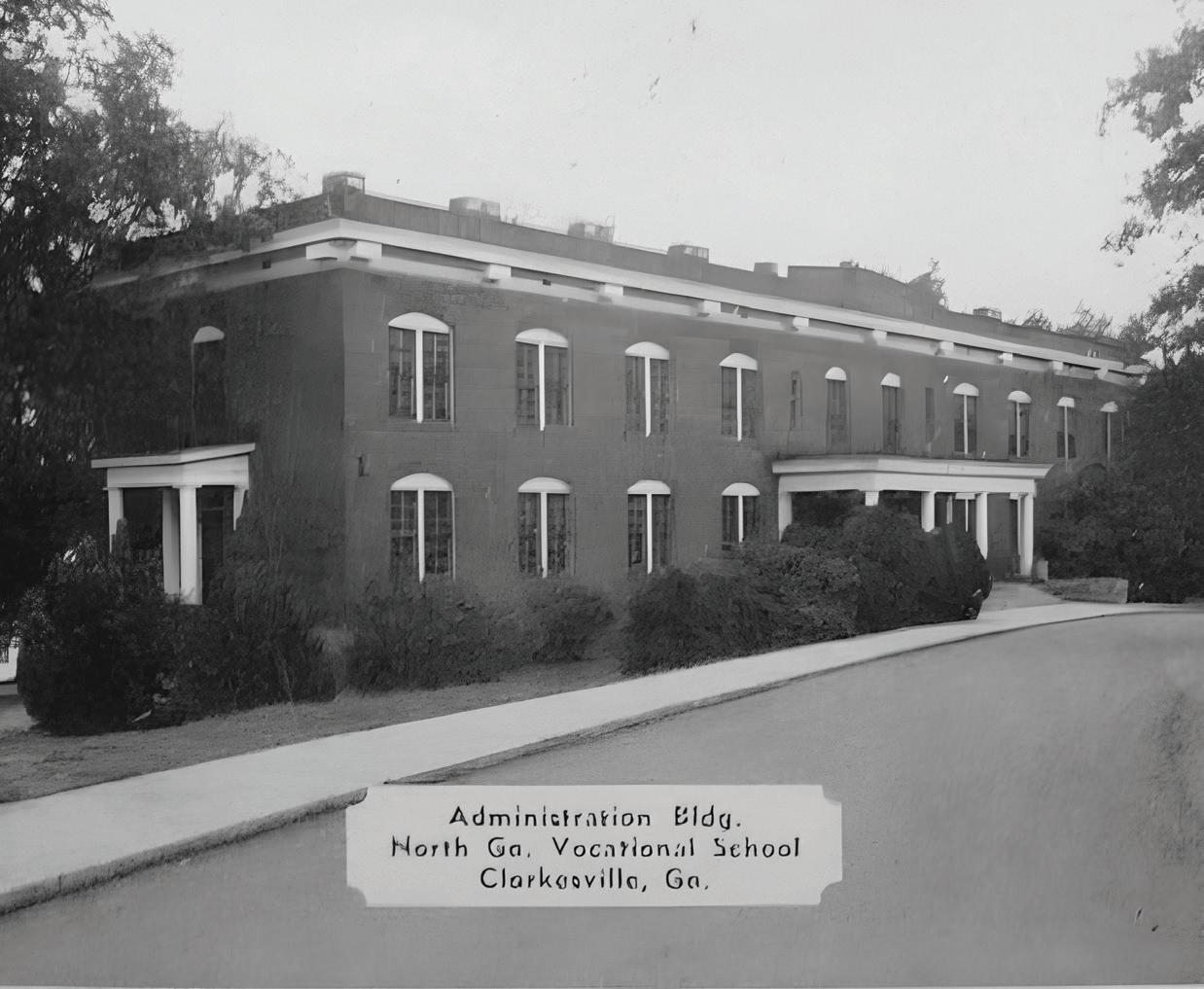
The Technical College System of Georgia can trace its roots back to the early 1900s, when the state under a federal mandate created a vocational education board. Then as now, the goal has been to prepare students to enter the workforce—one that was changing from an agricultural to a manufacturing-based economy a century ago, and one that is in need of more personnel in engineering, construction, and architectural fields today.
In addition, TCSG in 2025 added Stephanie O’Donoghue, formerly associate dean of computers, manufacturing and engineering at Chattahoochee Technical College, as its point person on engineering, architecture, and construction curriculum. TCSG offers CAD training that ranges from a certificate to a two-year degree, and it’s partnered with Thomas and Hutton and EMC Engineering Services on a program launched at Savannah Tech that directly addresses the industry’s need for surveyors.
“We truly have doubled down in this area to make sure that we continue to produce the workforce of the future,” Dozier said. “We want to make sure that whatever industries are coming to this state have the workforce they need. And we believe that starts in this area of construction, engineering, and architecture.”
Thanks to state legislation that pushed TCSG and the University System of Georgia to work closer together, students earning a two-year civil engineering degree at Ogeechee Tech can transfer into the same program at Georgia Southern. It’s a smaller version of a program used to attack the nursing shortage that accompanied the pandemic, which allowed technical college nursing students to transfer to four-year institutions and receive full credit for everything they’d already taken. N
“We have bits and pieces right now, and we hope to make those global,” Dozier said. And there’s so much more: money appropriated by the General Assembly to promote apprenticeships, federal funds that pay for people to get upskilled or reskilled, and the High Demand List initiated by Gov. Kemp to identify career fields in need of workers both in various regions of Georgia as well as statewide. It all makes for a full-court press on workforce development, with engineering firms and industry experts helping TCSG determine the playbook. No small plans, after all.
“Our mission is to make sure we have a globally competitive workforce in the state of Georgia,” Dozier said. “That means we’re producing folks in this state who can handle any job that comes into this state. And bigger that than, we believe that every single person we touch will have the opportunity for economic prosperity by giving them a skill in a high-demand, high-wage job field. I believe we have brought purpose to that vision.”
PLACEMENT AND ENROLLMENT
It was during Dozier’s tenure as commissioner of the Georgia Department of Driver Services (DDS), which operates over 60 locations statewide back before he was tasked with helping to close Georgia’s workforce development gap, Greg Dozier had another problem: long lines. The customer service centers at DDS—where citizens first get their driver’s licenses, renew or replace lost licenses, take a motorcycle knowledge exam or a commercial driving written test, among other things—had become infamous for their long lines. So DDS partnered with Georgia Tech, which performed studies on DDS locations and offered tips on improving flow and reducing wait times.
“I learned from that how important partnerships could be,” Dozier said. DDS was in the process of building a new customer service center in Locust Grove, but Dozier halted construction so the results of the Georgia Tech study could be implemented into the new facility. “That partnership gave me a some great examples early on as a leader of how you can really make a difference by just understanding where the hurdles are,” he added.
Coming out of the pandemic, Dozier said the colleges in the TCSG network created growth enrollment plans that matched job needs in their respective communities. And while it took time for TCSG to make up for what was lost at the height of the outbreak, the system has clearly regained its footing. Enrollment in the 2024-25 academic year was TCSG’s highest since 2013, Dozier said, and is tracking even higher for 2025-26. Last year also saw TCSG award 47,000 associate degrees and 81,000 certificates, both all-time highs.
TCSG in this past academic year had a 92 percent placement rate for graduates who studied in fields related to engineering, architecture, and construction, Dozier said, and 99 percent replacement rate overall. “Our goal is to get that 92 as close to that 99 as possible,” he added, “because we want to make sure folks are tracking on what their personal goals are, and we want to make sure we're meeting that skills gap that we have across this state.”
Enrollment is the lifeblood of technical and community colleges—not only is it a source of funding, but it ensures a steady pipeline of skilled graduates to address the workforce needs of the region and state. No surprise, then, that enrollment is critical to TCSG’s efforts in closing Georgia’s workforce gap, particularly in engineering and its related fields. Molding students into the next generation of surveyors, drafters, and CAD operators hinges on getting them into class in the first place.
WE HAVE BITS AND PIECES RIGHT NOW, AND WE HOPE TO MAKE THOSE GLOBAL.
It was a lesson Dozier took into his next role as commissioner for the Georgia Department of Corrections, and later to TCSG—where “I wanted to set a vision of filling the workforce gap,” he said. He started in January of 2020, two months before the coronavirus pandemic brought the world to a halt, forcing TCSG staff to get creative to try and maintain the semester-over-semester enrollment growth the technical college system had experienced before the outbreak took hold.
“It was an interesting time to be a leader in a new organization,” said Dozier, a Covington native. “But it also gave me a great opportunity to sit just about every day with our presidents on conference calls and figure out how to navigate things and challenge ourselves. This team did an incredible job of taking the students that we had in our care, and during a crazy, unpredictable time, making sure they graduated. We navigated them to the end.”
“It absolutely comes down to enrollment. With the state growing, we should always be seeing those areas grow as far as numbers. I can’t put enough emphasis on our local advisory boards at each college—they let us know if we’re succeeding, and they’re very loud if we’re not,” Dozier said.
“And we warranty our graduates—I struggle with saying that, because it sounds like we're turning them into a product. But we believe so strongly in the learning that we provide, that if someone’s hired and they don't have the skills they need, they can send them back to us and we'll retrain them. We truly believe in the quality of what we provide. As we continue to grow in this state, we've got to continue to grow in numbers—and those numbers have to end up going into the field.”
It’s a huge task, with a seemingly endless parade of companies flocking to the Peach State. Yamaha, announcing the relocation its headquarters from California to Kennesaw. Pratt & Whitney, announcing a $200 million expansion of its Columbus plant. Global biopharmaceutical giant UCB, announcing a $2 billion manufacturing facility in Gwinnett County. The state needs people to design, engineer, and build those facilities, and to work in them after they’re complete.
More and more, TCSG is playing a central role in developing the skilled workforce to sustain that growth. Clearly, it’s a time that calls for big plans. A
SEARCHING FOR WORKFORCE DEVELOPMENT SOLUTIONS
from Savannah to Atlanta and beyond
DAVID CARAVIELLO
WWhen Hyundai Motor Group announced in 2022 it was opening an electric vehicle and battery production plant in Bryan County near Savannah, the news was cause for celebration throughout Georgia. The $5.5 billion facility marked the largest economic development project ever in the Peach State, and was expected to ultimately churn out 300,000 units per year.
But it also provided a wake-up call. In the wake of the announcement, economic development leaders in the Savannah area commissioned a workforce study to see if the region could fill all the jobs that were coming. The results were stark: the region would be 1,500 workers short of meeting the demands of the Hyundai plant by 2025, a trend that would continue through 2031 if no action was taken.
That same study, though, also offered a road map out of the problem— and the result was RISE Savannah, the acronym short for Regional Industry Support Enterprise, which works in eight southeast Georgia counties to bolster workforce numbers through initiatives which can target students as young as eighth grade. “We started work on Jan. 2, 2024, and we’ve been off to the races ever since,” said Anna Chafin, the organization’s president and CEO.
RISE Savannah is one of several groups attacking the workforce deficit in Georgia, which is particularly acute in engineering and its related fields. With the Peach State continuing to attract record levels of investment, the need has never been greater for the engineers, architects, surveyors, construction personnel, and other affiliated professionals who will design and build not just the factories those investments are funding, but also the roads, schools, and communities to support them.
“We have constant job postings out there, and it’s very hard to get candidates,” said Angela Snyder, president of Practical Design Partners. “The hiring part is difficult, because while there are a lot people moving around in the industry, there isn’t a lot of new blood. So we’re having to go out of state. We’re having to look at H1-B candidates, which has become more difficult. We’re not turning down work yet that I’ve seen, but we’re all looking at, how do we find the resources? Other companies are utilizing offices out of state to complete work, because they don’t have the capacity here.”
Snyder is among those working on a solution through her position as chair of the K-12 committee of the STEM Workforce Task Force set up by ACEC Georgia. There are no easy answers—attacking the workforce gap entails promoting engineering and related fields to middle school, high school, and college students at countless expos and career fairs throughout the state. In some cases, success comes down to the right one-on-one interaction at the right time. But the effort is being made, on the part of many organizations—RISE Savannah, ACEC Georgia, and GDOT among them.
LOW-HANGING FRUIT
An event at Georgia Southern University’s Armstrong campus featured 24 employers, the engineering firm Thomas and Hutton among them, all offering hands-on exhibits to help attendees better connect with career opportunities in the region. Organized by RISE Savannah, it drew over 1,000 students—who weren’t in high school or technical college, but the first semester of eighth grade.
“If you wait until a student is getting ready to graduate, and the only time you’re interacting with them as a company is at a career fair,” said Justin Farquhar, vice president at RISE Savannah, “then you’re kind of missing the boat in terms of building a rapport and building a relationship on campus.”
The first semester of eighth grade, by contrast, is when students are forming their pathways for high school, and exposing them to fields like engineering, logistics, and mechatronics at that age puts those career options top of mind at a critical stage in their development. “We are firm believers that the earlier we can reach students about career exploration, the better,” Chafin said.
RISE Savannah also works with the military—Savannah is home to Fort Stewart and Hunter Army Air Field, and more than 3,500 people exit the service locally each year—as well as underrepresented and overlooked populations. But as is the case with so many other groups working to close the workforce development gap in Georgia, offering initiatives in K-12 education is key. RISE hosts job fairs, industry signing days, keynote speaker engagements, and other events to develop early career awareness among students all the way down to elementary school.
“I feel like education is really where we need to be investing most of our time, because that's our future workforce, and it's the low-hanging fruit,” Chafin said. “Those students are already here. We just need to do a better job of making them aware of the regional career opportunities, and keep them here to work and raise their families one day.”
RISE Savannah hosted an event at Savannah Technical College in 2025 called RISE FWD that attracted 200 high school seniors, a number expected to jump to 600 for the 2026 edition. It studies best practices from other cities like Bowling Green, Ky., which Chafin said has a high level of collaboration between its K-12 schools and business and industry communities. It has a program dedicated to helping employers set up apprenticeships, and find the resources to fund them.
“We're working to identify ways to create connections with post-secondary students and our regional industries outside of a traditional career fair,” Farquhar said.
It’s too early to judge RISE’s effectiveness, given the organization has been around for just two years. But it has some runway, given that Hyundai has until 2031 to meet its headcount requirement. “Ultimately, what we’re trying to do is mitigate those deficits that were projected,” Chafin said, “and make sure our industrial employers say, ‘We have the talent that we need.’”
FROM K-12 TO USG
Concerns over the workforce gap in engineering and related fields are not recent in Georgia—the STEM Workforce Task Force at ACEC Georgia was created in 2016, under the leadership of then-incoming board chair John Heath with Heath and Lineback Engineers. The undertaking proved so large, that two years later the task force was divided into three subcommittees: K-12 outreach, technical college curriculum, and University System outreach.
“We’ve seen a lot of good things come out of the relationships we’ve made,” said Cecilia Arango, principal and marketing director at Thomas and Hutton, who currently chairs the University System outreach committee. “This is kind of a pipeline for future jobs. We’re building these relationships to help students understand, hands-on out in the field, what the job is like that they’d be doing.”
Arango’s committee is focused on building relationships with engineering schools within the University System of Georgia, encouraging them to consider careers in engineering and its related fields. The technical college curriculum committee, chaired by Abigail Burks of Athena Engineering, works with the Technical College System of Georgia to create a set of degrees, certificates, and apprenticeships designed to fill the roles in the built environment that don't require a four-year degree. N
The K-12 committee, chaired by Snyder, exposes students to potential careers in engineering largely by connecting STEM professionals with educators in K-12 school systems across Georgia. Charlotte Weber of Lumenor Consulting Group chairs the overall task force, which also includes a division focused on workforce outreach which aims to attract both students and professionals into the field.
“Almost every agency and nonprofit advocacy group you talk to has a workforce program. So we’re all working toward solving the same kind of problem,” Weber said. “My goal is to pull as many people together to understand what we’re doing, so we’re all marching in the same direction and not stepping on each other‘s toes, and combining resources when we can.”
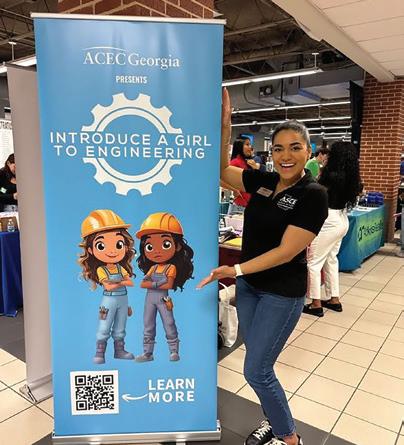
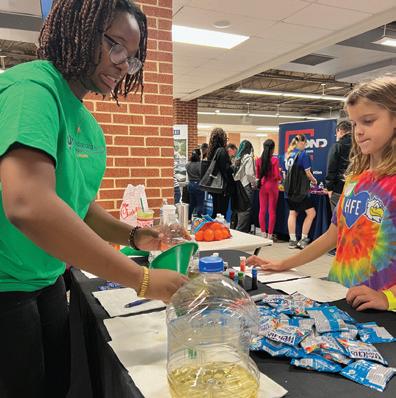
As with other workforce initiatives, the K-12 aspect is critical. Snyder’s committee takes on initiates like STEM Day and Introduce a Girl to Engineering Day, while also speaking in schools and volunteering for toothpick bridge and future city competitions. But it also involves raising awareness of what an engineer is, encouraging students who show aptitude for the field, even building cool and eye-catching exhibits for career fairs like a twisty 3-D printed Matchbox car track to explain concepts like elevation and friction.
“This anticipated loss of institutional knowledge and experience makes it essential to proactively develop and prepare the next generation of talent,” said Kelly Johnson, strategic workforce director at GDOT. “As experienced employees retire or transition out of the workforce, GDOT must be prepared with qualified internal talent ready to step into critical roles, minimizing disruption to operations.”
GDOT offers a variety of programs designed to help close the workforce gap, running the gamut from raising awareness in middle and high schools to encouraging continued education among current employees. Engineers at GDOT, for example, are supported in obtaining their EIT and PE credentials. “Investing in workforce development improves employee engagement and retention,” Johnson said. “When employees have access to training, certifications, and career advancement opportunities, they are more likely to stay with the organization and grow within it.”
Long-term success includes building a more diverse and representative workforce and increasing awareness of transportation careers among students at all levels.
“We’re talking to these kids, and it will be 10 to 15 years, potentially, before we know if we’re making an impact,” Snyder said. “Yes, we’re making a connection, and we see the spark and excitement. But we don't really see exactly what happens to that student in that moment. I do think there's hope, because STEM has become such a big part of school systems. I think there is a strategy and a potential solution. It just takes many years to see the fruits of it.”
It’s a wide-ranging approach—but at times, a personal connection can make all the difference. Weber knows that firsthand; she was at ACEG Georgia’s Transportation Summit when she by chance met a college student graduating that following spring who was interested in intelligent transportation systems. She introduced him to people at various companies, and went on her way. Weber ran into him again in March, at Introduce a Girl to Engineering Day. He worked for the infrastructure design firm HNTB.
“He said, ‘You introduced me to the right people, and that’s why I have a job,’ Those are the little nuggets that I love,” Weber said.
THE NEXT GENERATION
Finding workforce solutions is critical at GDOT, and not just because it directly supports the agency’s ability to deliver safe, efficient, and sustainable transportation systems across the state. Like many other state agencies, GDOT is facing a significant wave of retirements, with up to 32 percent of its workforce becoming eligible to retire over the next five years.
GDOT offers an internship program targeted toward graduate and undergraduate students, with the goal of developing talent and converting it into employees—particularly in hard-to-fill roles in civil engineering and construction management. It conducts outreach at K-12 schools to foster a long-term interest in transportation careers, and recruits at colleges and universities through career fairs, information sessions, and student organization sponsorships.
“Early outreach and partnerships help build a diverse and future-ready workforce,” Johnson said. “By engaging students at various stages, GDOT increases awareness of transportation careers and creates opportunities to attract individuals with a wide range of perspectives and skills. Overall, workforce development enables GDOT to remain competitive, resilient, and effective in fulfilling its mission to serve the public.”
GDOT’s summer internship program has brought in an average of 120 interns over the past two years, Johnson added. The agency partners to hold a STEM/STEAM camp at the Georgia Transportation Management Center, and a heavy equipment operator program at Washington County High School. It offers ample training opportunities for foremen, area managers, construction engineer inspectors, worksite erosion control supervisors, employees working on projects requiring soil and water conservation certification, and more.
“Long-term success includes building a more diverse and representative workforce and increasing awareness of transportation careers among students at all levels,” Johnson said, “ensuring a sustainable pipeline of talent for the future.” A
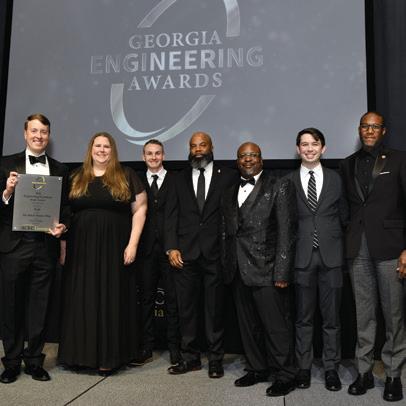
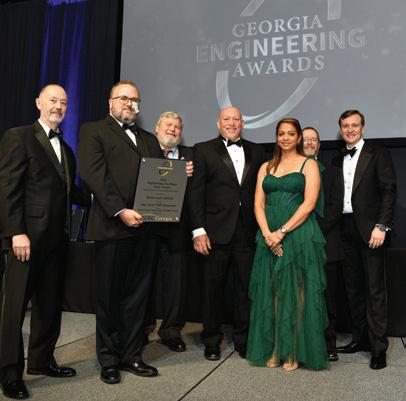
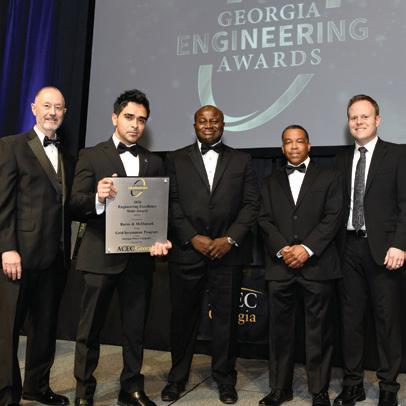
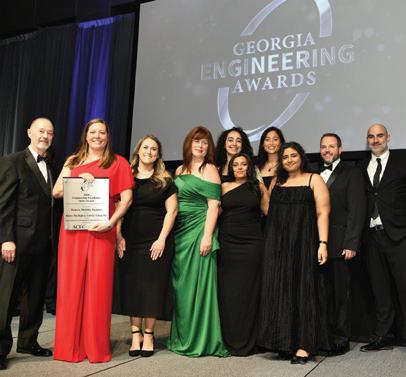
GEORGIA ENGINEERING AWARDS
A Look At This Year’s Award-Winning Projects And People
BRETT HILLESHEIM
GRAND PRIZE WINNER
WALTER P MOORE
Georgia World Congress Center Signia by Hilton HQ Hotel
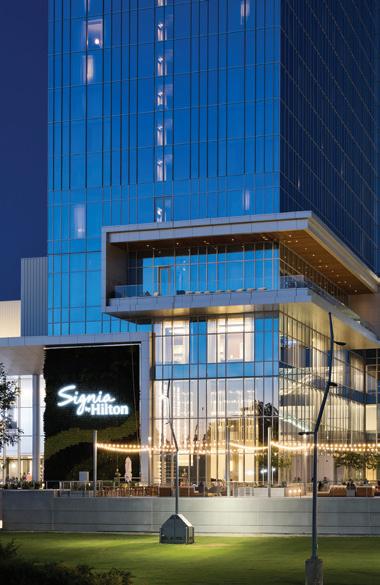
Walter P Moore provided structural engineering for the Signia by Hilton Atlanta, a 40-story headquarters hotel developed beside the Georgia World Congress Center. Built on the former Georgia Dome site, the 976-room hotel includes a 40,000-square-foot ballroom—the largest in Georgia—and strengthens Atlanta’s ability to compete for major conventions and events. Engineers overcame significant site challenges by reusing more than 200 existing foundation piles left from the demolished stadium and designing an innovative vibration-control system for the ballroom floor. The project transformed a historic site into a new economic engine for downtown Atlanta while showcasing how sustainable engineering can turn yesterday’s infrastructure into tomorrow’s opportunity.
Client: Gensler
WSP
The Stitch Master Plan
Client: City of Atlanta WSP led development of The Stitch Master Plan, an ambitious vision to reconnect Atlanta by capping portions of the Downtown Connector with new public space, mobility improvements, and future development opportunities. The plan proposes a phased transformation of the corridor that has divided neighborhoods for more than 60 years, beginning with a 5.6-acre central park between Peachtree and Courtland Streets. Ultimately, the full buildout could create approximately 17 acres of new green space while improving pedestrian, bicycle, and transit connections between Downtown and Midtown. Shaped through engagement with more than 6,000 residents and stakeholders, the project demonstrates how engineering and planning can heal historic divides, expand economic opportunity, and create a more connected urban core.
BROWN AND CALDWELL
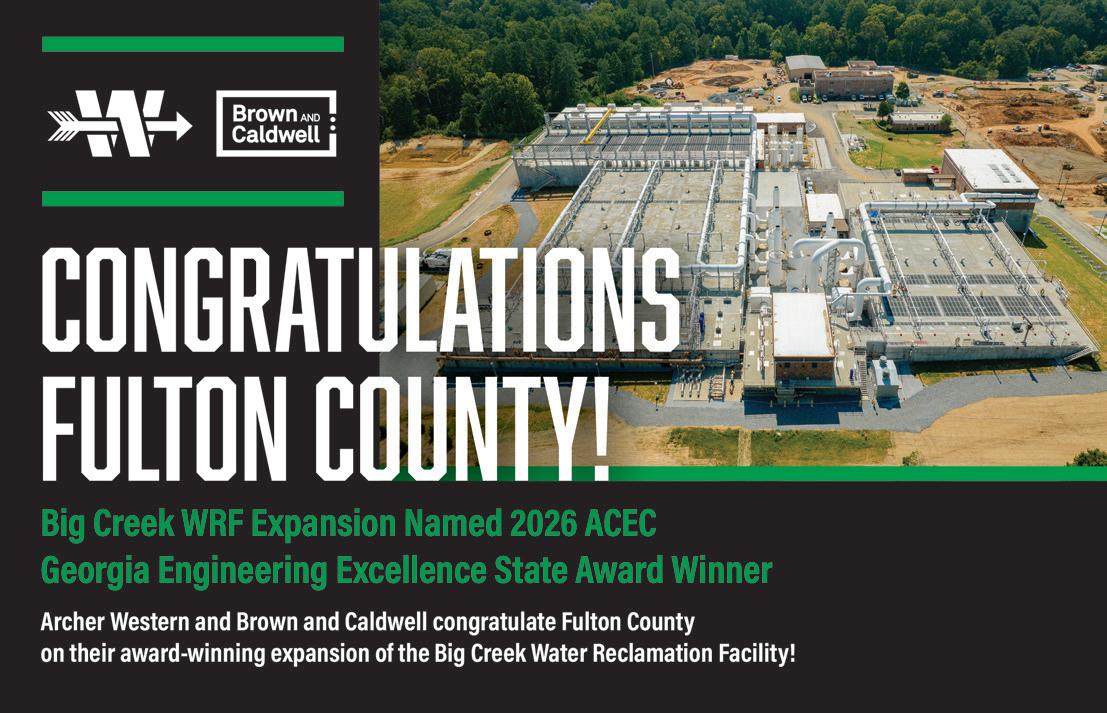
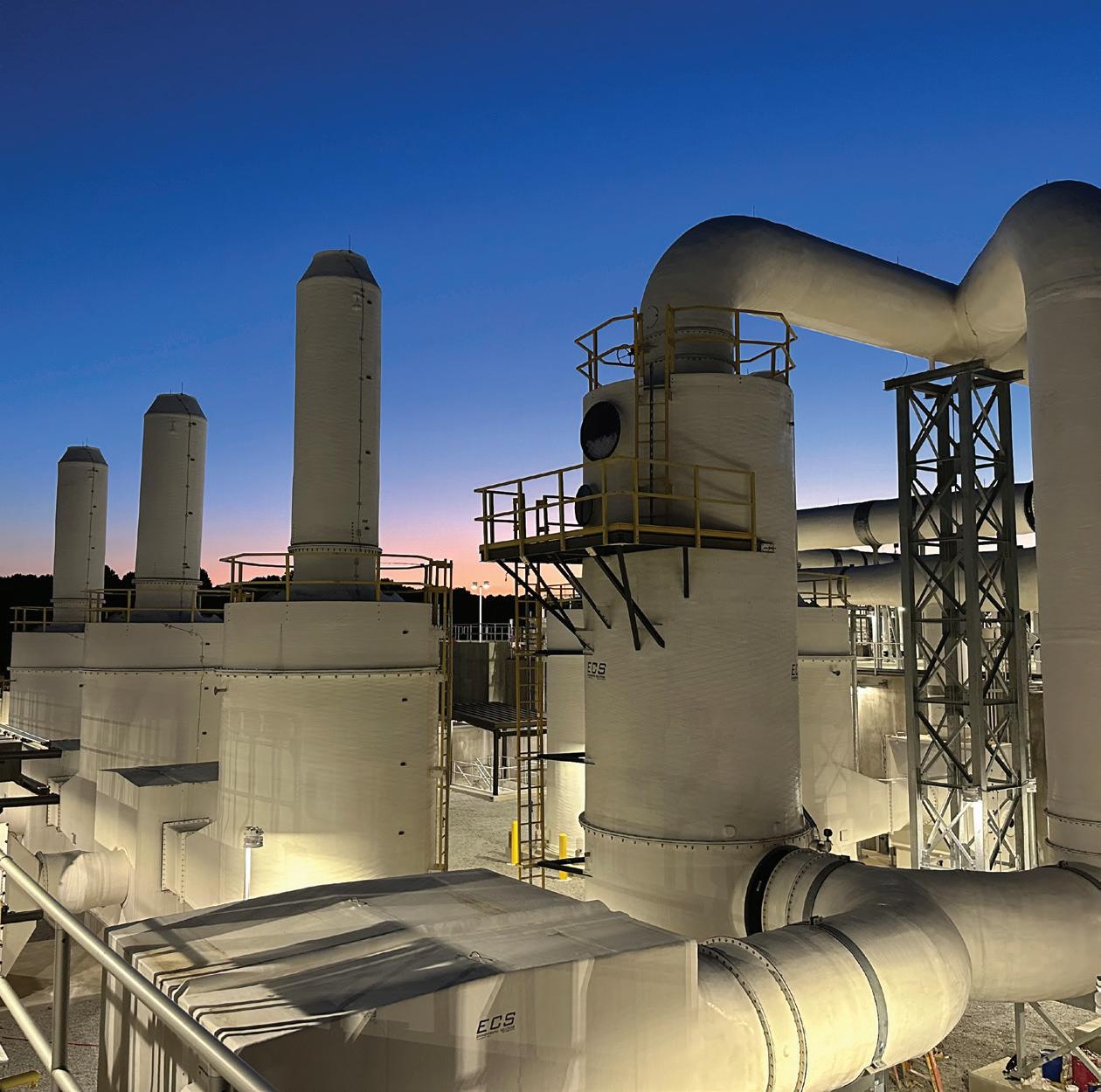
Big Creek WRF Expansion
Client: Fulton County Department of Public Works
Brown and Caldwell helped deliver a transformational upgrade to the Big Creek Water Reclamation Facility in Fulton County, modernizing one of the region’s most important wastewater treatment plants. The $350 million expansion increased treatment capacity from 24 to 32 million gallons per day, with future scalability to 38 million gallons per day, while replacing aging infrastructure with an advanced membrane bioreactor system. The project significantly improves water quality entering the Chattahoochee River, reduces odors, and lowers long-term operating costs. Completed on time and within budget despite pandemic-era challenges, the facility stands as a model for how innovative engineering can strengthen critical infrastructure, protect natural resources, and support Georgia’s continued growth.
BURNS AND MCDONNELL Grid Investment Program
Client: Georgia Power Company
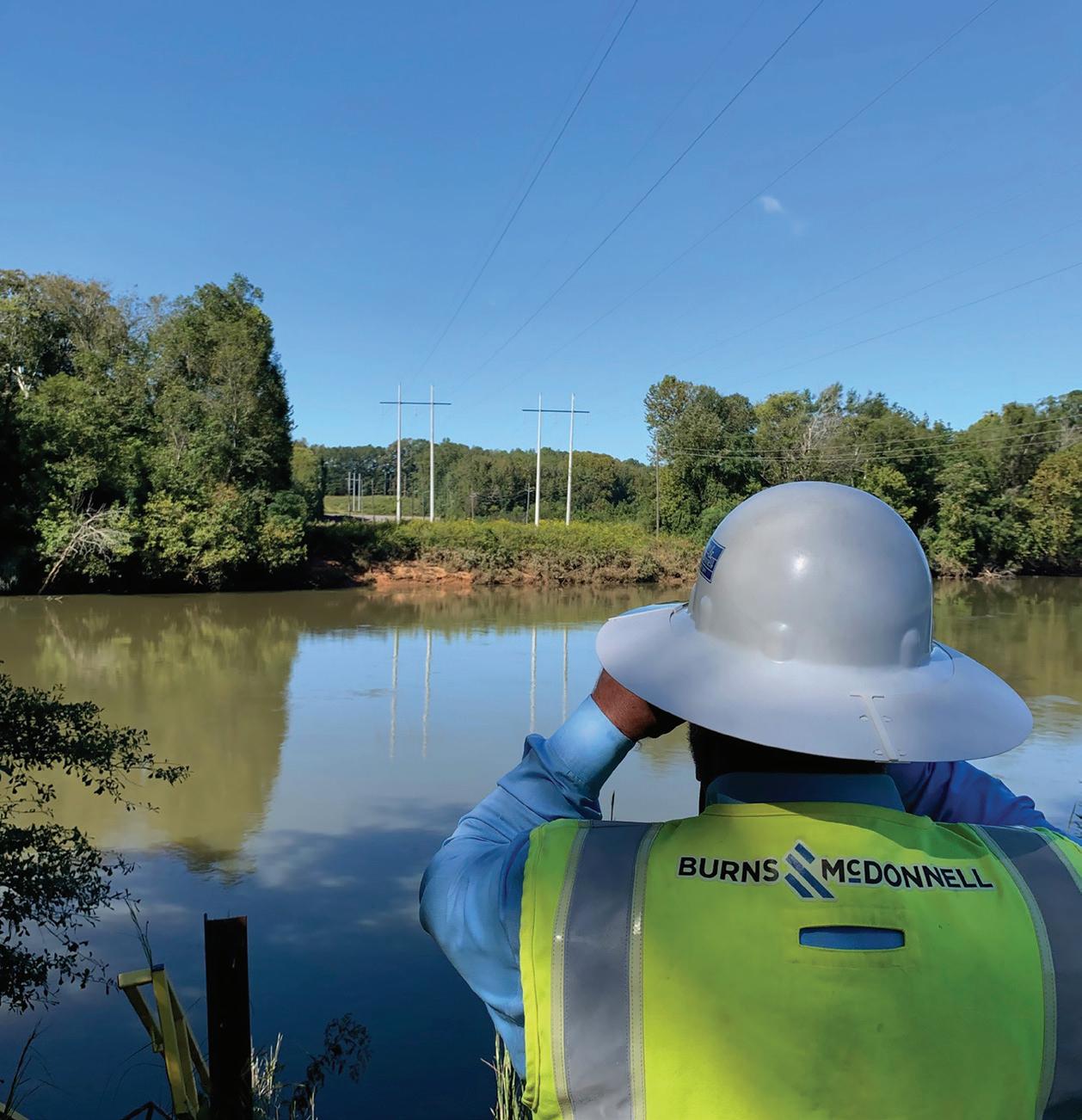
Burns & McDonnell serves as program manager for Georgia Power’s Grid Investment Program, a multi-year, multi-billion-dollar effort to modernize electric distribution infrastructure across the state through 2036. The initiative is focused on replacing aging assets, improving reliability, and preparing Georgia’s grid for future growth. Burns & McDonnell helped develop an innovative delivery model featuring fixed-price contracting, GIS-enabled field tracking, and automated workflows for design, permitting, and reporting. The program has already improved service reliability for more than 388,000 customers statewide while reducing outages and strengthening resilience during severe weather. It stands as a powerful example of how engineering program management can quietly improve everyday life for families, businesses, and communities across Georgia.
FREESE AND NICHOLS
Cobb County-Marietta Water Authority Level of Service Goals Update
Client: Cobb County-Marietta Water Authority
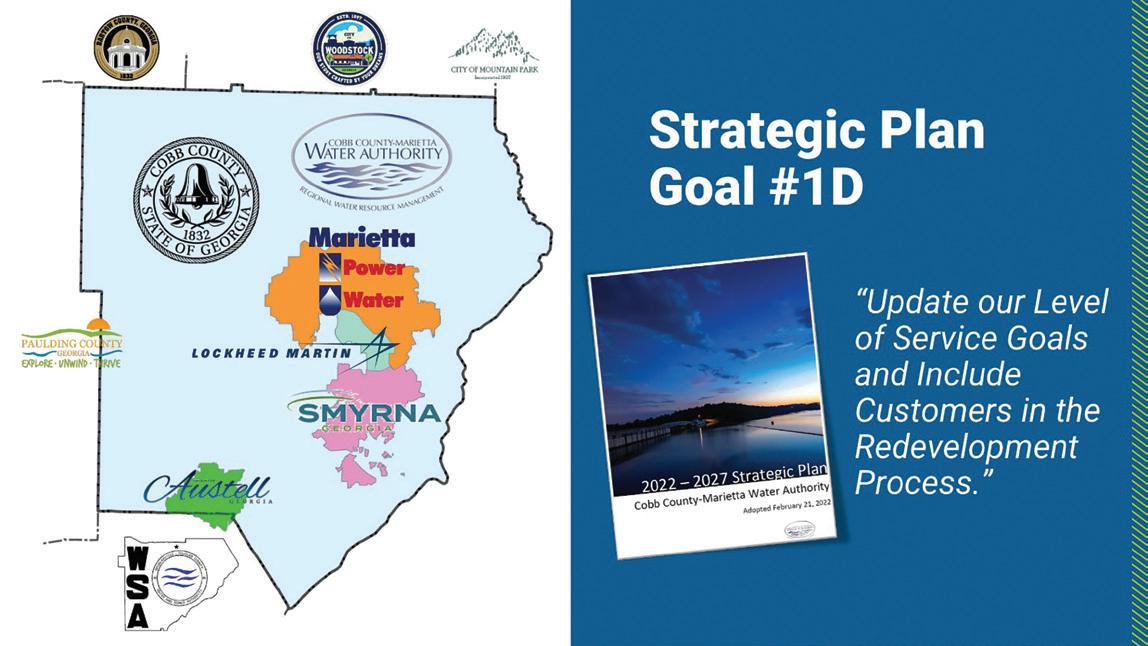
Freese and Nichols partnered with the Cobb County-Marietta Water Authority to modernize the performance standards guiding one of Georgia’s largest wholesale water systems. Serving more than 900,000 residents through two treatment plants and more than 183 miles of transmission infrastructure, the authority sought updated, measurable goals shaped directly by customer input. Freese and Nichols led a multi-phase process that included utility benchmarking, internal workshops, and collaboration with all ten wholesale customers. The result was a more transparent and data-driven framework for future capital planning, system reliability, and service delivery. The project shows how engineering expertise can strengthen infrastructure not only through construction, but through smarter planning and stakeholder alignment.
GRESHAM SMITH US 17 Emergency Bridge Repair Over Cypress Mill Creek
Client: GDOT
Gresham Smith partnered with the Georgia Department of Transportation to deliver an emergency repair of the U.S. 17 bridge over Cypress Mill Creek after severe structural deterioration was discovered during planned rehabilitation work. The bridge is a critical segment of U.S. Route 17 and carries approximately 16,000 vehicles daily between Brunswick, Saint Simons Island, and Interstate 95. Engineers rapidly developed an innovative solution that installed new support piles adjacent to the failing structure, allowing traffic to be restored without a full replacement. Less than one month after the emergency closure, the bridge reopened to the public, demonstrating how fast, creative engineering responses can protect safety and minimize disruption.
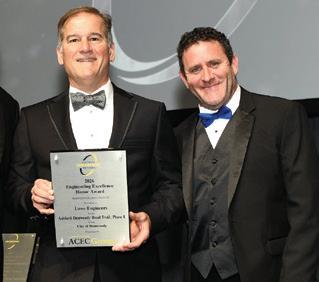
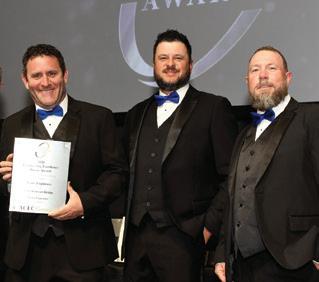
LOWE ENGINEERS
Dunwoody Nature Center Boardwalk Restoration and Enhancement
Client: City of Dunwoody
The City of Dunwoody partnered with Lowe Engineers to restore a damaged section of Wildcat Creek and transform a heavily eroded area of the Dunwoody Nature Center into a resilient public amenity. The project stabilized 274 linear feet of stream, revitalized adjacent wetlands, and replaced an aging flood-prone walkway with a new 800-foot elevated boardwalk designed for year-round ADA-accessible use. Native vegetation, habitat enhancements, and sustainable stream restoration techniques were incorporated throughout the site. The upgraded boardwalk now serves as both a recreational destination and outdoor classroom, demonstrating how engineering can successfully blend environmental stewardship, public access, and community education.
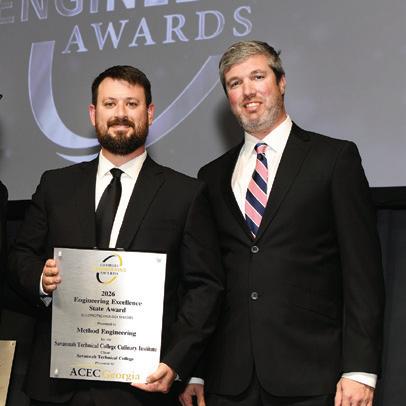
METHOD ENGINEERING
Savannah Technical College Culinary Institute
Client: Savannah Technical College
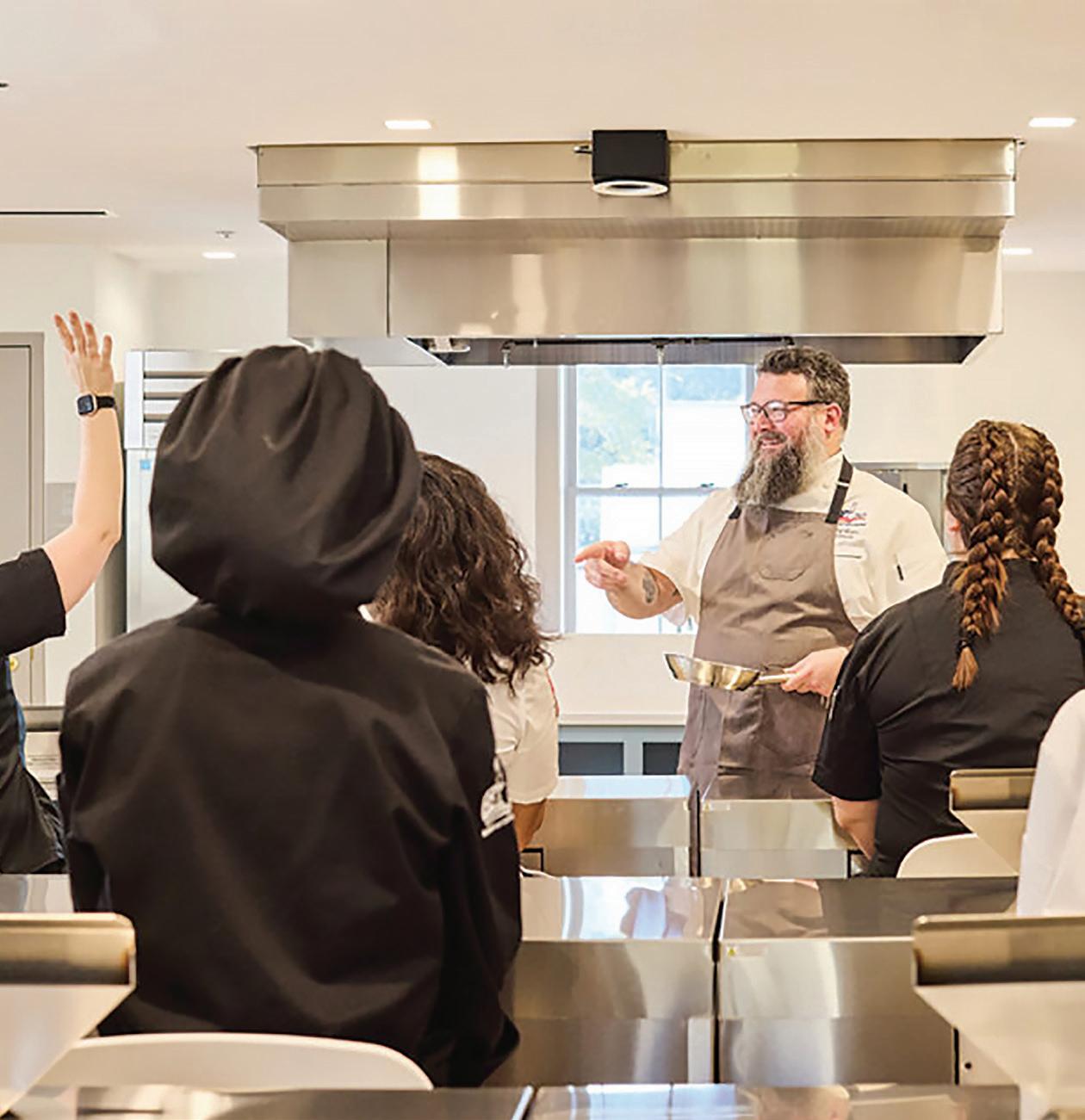
Method Engineering Group provided full building systems design for the Savannah Culinary Institute, a new downtown home for Savannah Technical College’s nationally recognized culinary program. The project transformed an 1856 historic masonry building on West Bay Street into a modern teaching facility featuring professional kitchens, a public bakery, a 74-seat restaurant, and demonstration spaces. Engineers integrated advanced mechanical, electrical, plumbing, and fire protection systems within the tight constraints of a 19th-century structure while preserving its historic character. The expanded facility doubles student capacity and helps strengthen Savannah’s growing hospitality workforce, showing how engineering can blend preservation, education, and economic development.
STATE CHOICE AWARD
MODERN MOBILITY PARTNERS
Hickory Flat Highway Gateway Concept Plan
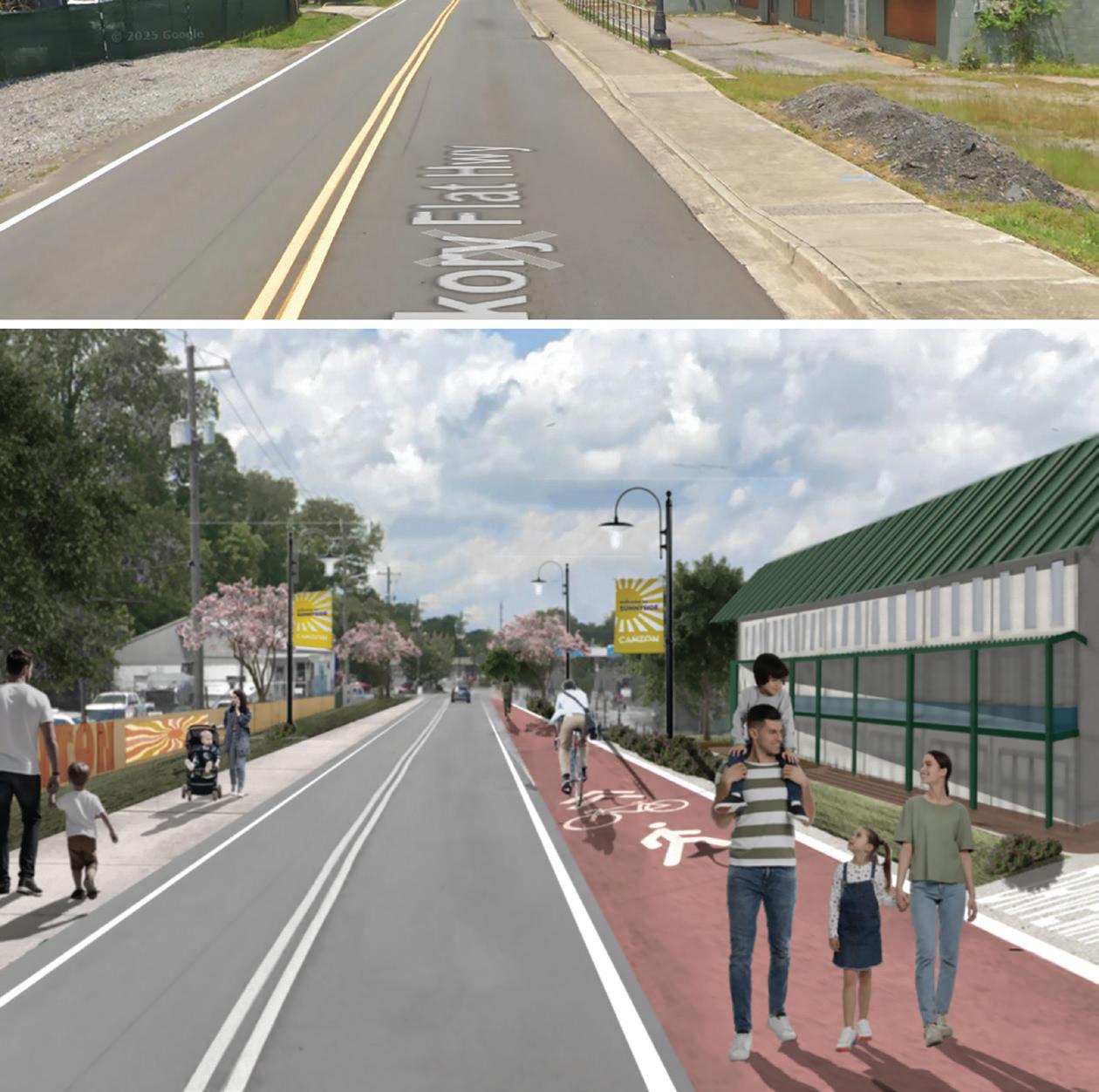
Client: Canton Downtown Development Authority/City of Canton Modern Mobility Partners helped Canton reimagine the Hickory Flat Highway corridor as a safer, more connected gateway between Interstate 575 and downtown Canton. The concept plan addressed long-standing issues including speeding traffic, incomplete sidewalks, lack of bicycle facilities, flooding concerns, and underutilized commercial parcels. Through an integrated planning approach, the project combined transportation improvements, redevelopment opportunities, placemaking, and green infrastructure into one unified vision. Proposed enhancements include multimodal connections, intersection upgrades, and public spaces that better link neighborhoods to the city center. The plan shows how engineering and planning can transform a car-focused corridor into an asset that supports mobility, economic growth, and community identity.
MOFFATT AND NICHOL
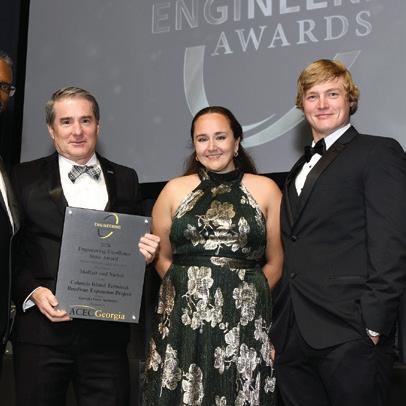
Colonels Island Terminal– Roadway Expansion Project
Client: Georgia Ports Authority
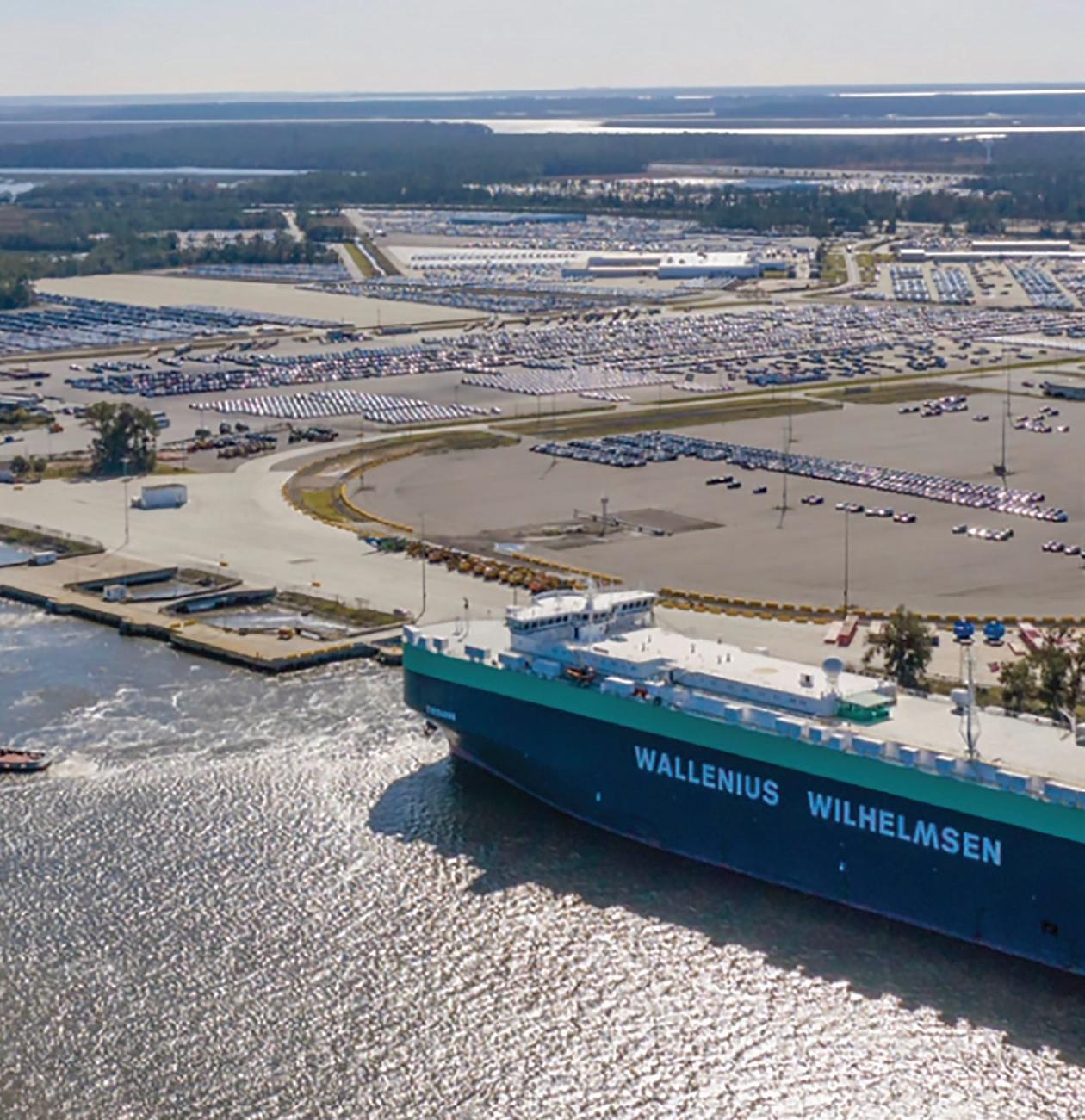
Moffatt & Nichol led a major transportation upgrade at the Colonels Island Terminal, home to North America’s largest single-terminal roll-on/roll-off vehicle port. The $17 million project improved safety, circulation, and long-term capacity by widening 3.2 miles of connector roadway, expanding gate facilities, constructing a new high-capacity roundabout, and enhancing wayfinding and security systems. Designed to accommodate oversized cargo and future port growth, the work was completed while maintaining active terminal operations during record cargo volumes. The project strengthens the Port of Brunswick as a vital logistics hub and demonstrates how engineering supports Georgia’s global trade competitiveness.
Chattahoochee River Camp & Paddle Trail
Client: Trust for Public Land
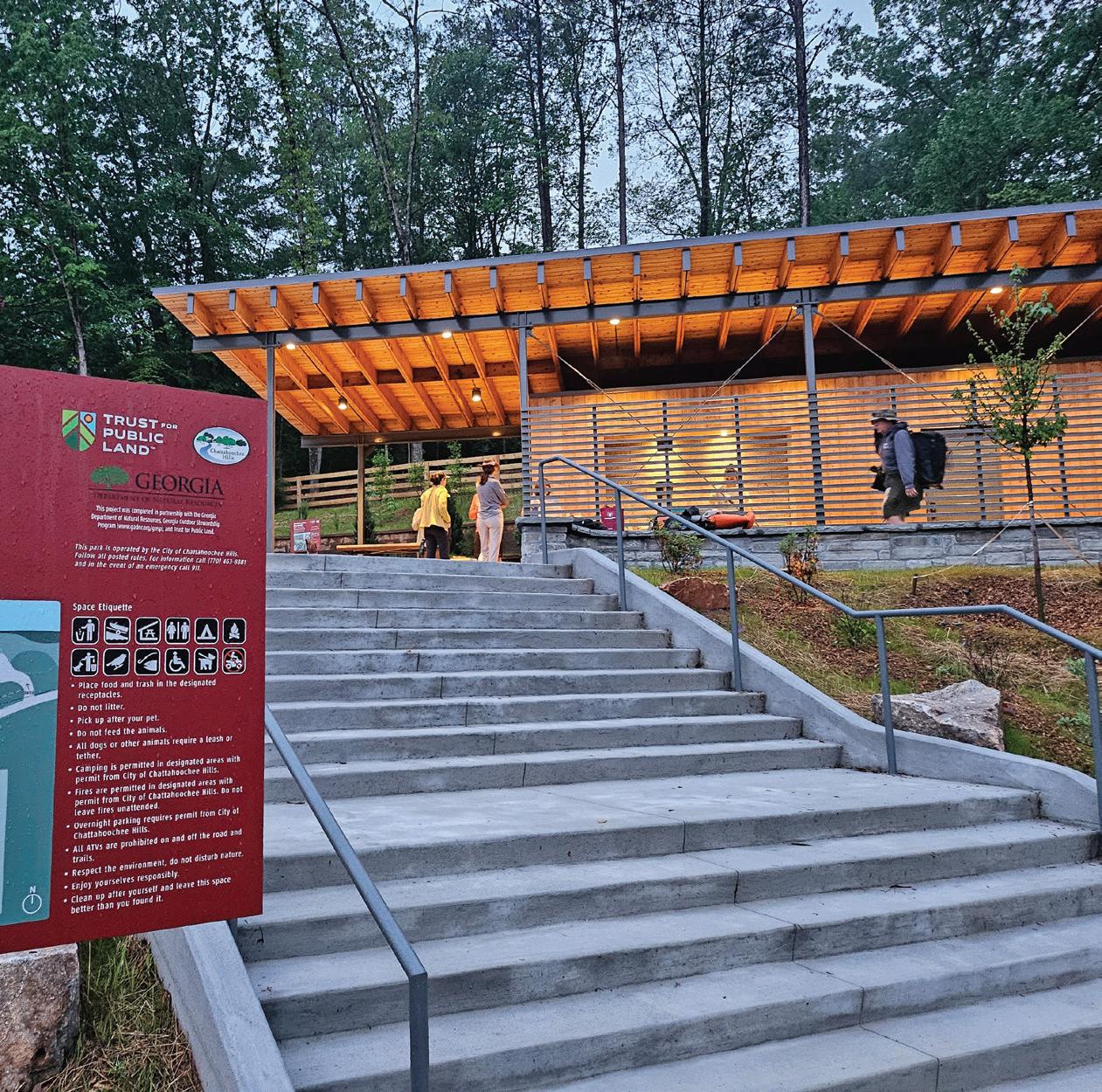
Pond helped bring a new outdoor recreation vision to life through the Chattahoochee River Camp + Paddle Trail, a 48-mile river experience designed to expand public access to one of Georgia’s most iconic waterways. Working with Trust for Public Land and local partners, Pond provided landscape architecture, civil engineering, and environmental services for Phase I improvements at multiple park sites. The project introduced ADA-accessible kayak launches, new camping areas, trails, comfort stations, and ecological restoration efforts, including removal of invasive species and replanting with native vegetation. By combining recreation, accessibility, and conservation, the trail creates new opportunities for residents and visitors to safely experience the Chattahoochee River while showcasing the value of thoughtful, sustainable engineering.
UES
S-JV Battery Cell Georgia Project
Client: Hyundai Engineering America
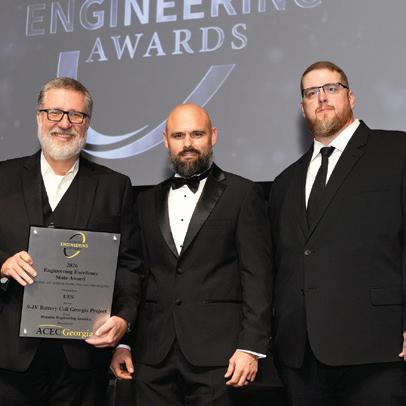
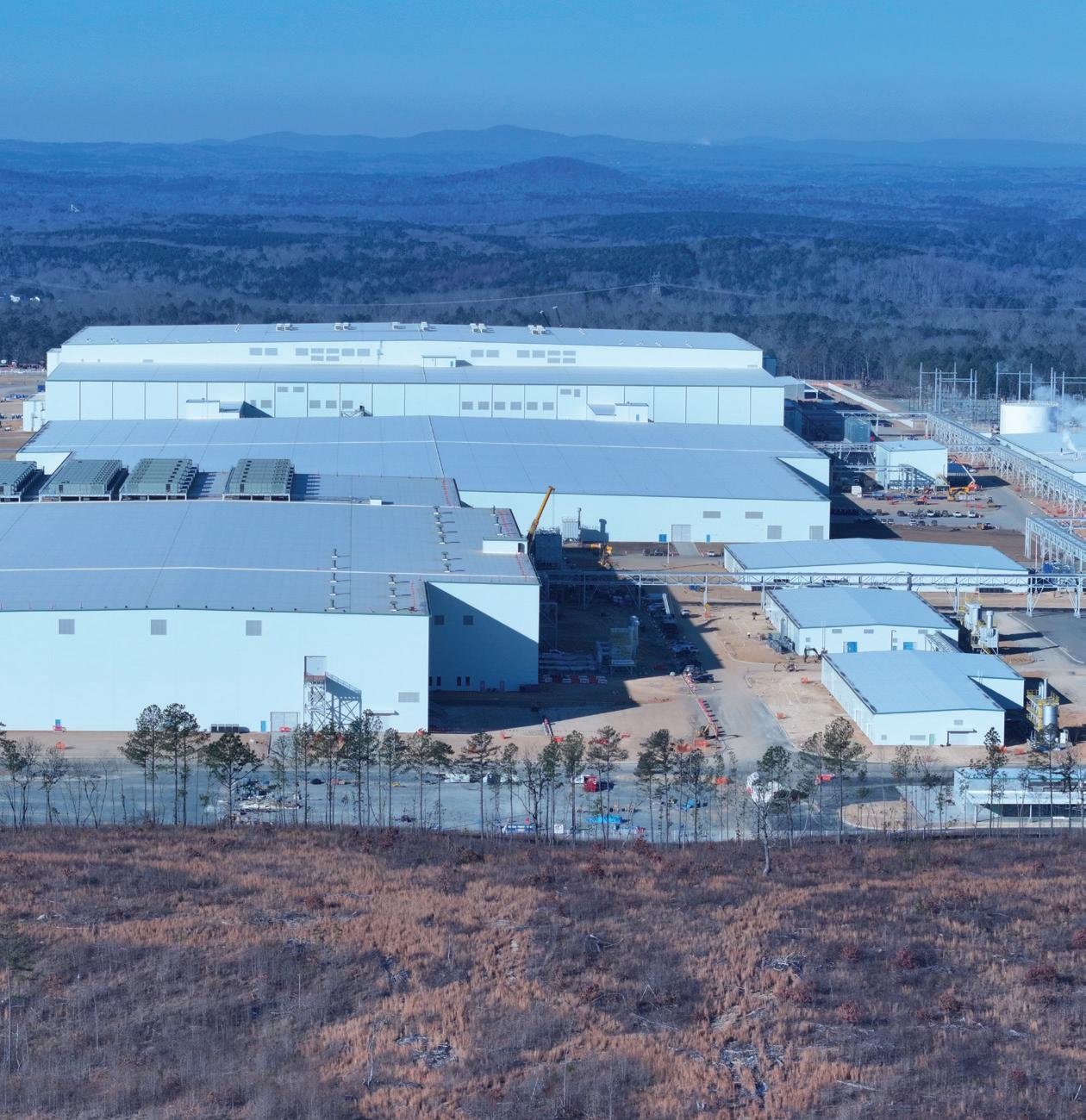
UES played a critical role in the development of the S-JV Battery Cell Georgia Project, a massive electric vehicle battery manufacturing campus in Kingston, Georgia. The approximately 600-acre greenfield site will support a joint venture between Hyundai Motor Group and SK On and is expected to create roughly 3,500 jobs. During construction, UES was called upon to solve complex subsurface challenges caused by karst geology, including sinkhole risks and underground voids. Using advanced 2D and 3D electrical resistivity imaging, cone penetration testing, and targeted grouting, the team helped stabilize the site while construction continued on schedule. The project highlights how geotechnical engineering is helping power Georgia’s growing role in the electric vehicle economy.
Dresden-Talbot 500kV Transmission Line
Client: Georgia Transmission Corporation
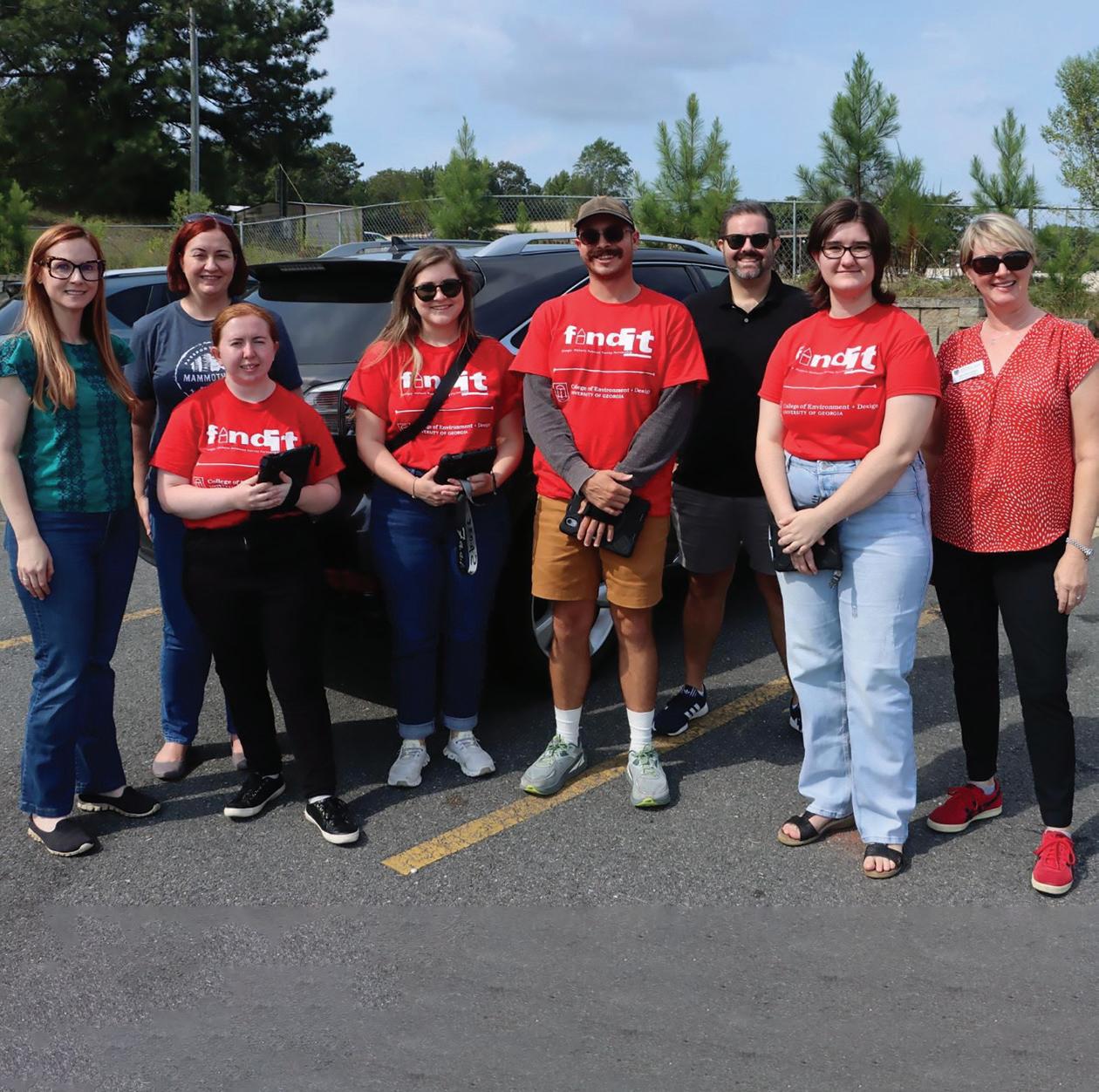
VHB supported the accelerated planning of the Dresden-Talbot 500kV Transmission Line, a major energy infrastructure project designed to strengthen Georgia’s electric grid and support future economic growth. Working for Georgia Transmission Corporation, VHB completed an expedited historic resources survey across an approximately 1,200-square-mile study area in just four months. Using custom GIS tools, mobile field technology, and real-time dashboards, the team surveyed nearly 30,000 parcels, identified more than 800 previously unknown historic resources, and provided data that helped guide route selection and permitting. The project demonstrates how modern engineering technology can accelerate critical infrastructure delivery while protecting cultural resources and supporting Georgia’s long-term energy reliability.
VHB
HONOR AWARD WINNERS
MERIT AWARD WINNERS
ATLAS TECHNICAL CONSULTANTS
Spelman Center of Innovation and the Arts
Client: Spelman College
BARGE DESIGN SOLUTIONS
South Columbus Water Resource Facility, Digester 1 Cover
Replacement
Client: Columbus Water Works
BURNS AND MCDONNELL
MIA Airport Perimeter Intrusion Detection System
Client: Miami-Dade Aviation Department
CHA | L. Scott Stell Park Improvements
Client: Chatham County, Georgia
EMC ENGINEERING SERVICES, INC. | Blue Mile Revitalization Project
Client: City of Statesboro, GA
EMC ENGINEERING SERVICES, INC. | Upson County Judicial Center
Client: Upson County Board of Commissioners
GRESHAM SMITH | Chattahoochee Riverlands Trail Phase 1
Client: Cobb County Department of Transportation
GRESHAM SMITH | Sandy Springs Safety Action Plan
Client: City of Sandy Springs
KIMLEY-HORN | Ferst Drive Cycle Track and Realignment
Client: Georgia Institute of Technology
KIMLEY-HORN | Jones Bridge Road Widening
Client: The City of Johns Creek
KIMLEY-HORN | The Assembly
Client: Gray TV
LEAD EDGE DESIGN GROUP | Hydrology Study for Airport Expansion
Client: Cherokee County Airport Authority
LEAD EDGE DESIGN GROUP | Runway Rehabilitation
Client: Habersham County Board of Comissioners
LEAD EDGE DESIGN GROUP | Runway Rehabilitation
Client: Calhoun-Gordon County Airport Authority
LEAD EDGE DESIGN GROUP | Taxiway Rehabilitation
Client: City of Gainesville
LEAD EDGE DESIGN GROUP | Taxiway Rehabilitation and Airfield Lighting
Client: Washington County Airport Authority
LOWE ENGINEERS | City of Tucker Program Management
Client: City of Tucker
LOWE ENGINEERS | SR 29BU/US 441 BU at Fishing Creek
Client: GDOT
LOWE ENGINEERS | Yokota Air Base Airfield Lighting System
Update
Client: Lowe Engineers
R2T, INC. | Green Infrastructure Design Challenge - Chastain Park
Client: City of Atlanta Department of Watershed Management
RS&H | Cumberland Transit Center Site Feasibility Study
Client: Cobb County Department of Transportation
THOMAS & HUTTON | Argent Cottages
Client: Sands Companies, Inc.
THOMAS & HUTTON | Belfast Keller Road School Accesses
Client: Bryan County
Lifetime Achievement Award WILLIAM WOMACK
While respected for decades as an accomplished electrical engineer, Womack is perhaps best known statewide for his leadership on the Georgia Professional Engineers and Land Surveyors (PELS) Board, where he served for more than a decade, including terms as Vice Chair and Chair. During that time, he played a key role in major milestones for the profession, including the Board’s transition to an independent state agency, modernization of rules governing direct supervision and sealing of documents, and continued advancement of professional licensure standards.
Beyond the PELS Board, Womack has been a tireless advocate for engineering ethics, mentoring young professionals, and promoting programs such as MATHCOUNTS. Colleagues across the profession have long praised his fairness, technical judgment, and servant leadership. His selection for the GSPE Lifetime Achievement Award recognizes not only a successful career but a lasting legacy of protecting the public, strengthening the profession, and helping shape the future of engineering in Georgia.
Engineer of the Year - Overall GUOMING LIN, PhD, P.E., F.ASCE
Terracon
A senior geotechnical leader with Terracon, Dr. Lin brings more than 35 years of experience and has contributed to more than 5,000 projects spanning ports, energy, manufacturing, and transportation. He is widely regarded as one of the leading geotechnical experts in coastal Georgia, with specialized expertise in soft soils, deep foundations, ground improvement, seismic analysis, and complex subsurface investigations. His work has supported landmark developments including Georgia Ports Authority facilities, Gulfstream Aerospace expansions, Elba Island Terminal, and the Hyundai Motor Group Metaplant America project.
Beyond project work, Dr. Lin has authored more than 30 technical papers, earned recognition including the ENR Southeast Legacy Award and the George F. Sowers Piedmont Award, and serves as a Fellow of the American Society of Civil Engineers. His selection as Engineer of the Year honors not only a distinguished body of work, but a career spent advancing engineering knowledge, mentoring others, and helping shape Georgia’s growth through sound, resilient design.
LAUREN KILGORE, M.ASCE
ANASTASIA MORRIS
ABRIANA NYANTE, S.M., A.S.C.E.
IAN HARRISON
CAMERON COATES
SULEMAN RANA
ROBERT
COLEMAN COMPANY Mid-size
SUZANNE
ANITA ATKINSON, P.E., F.ASCE
Patterson & Dewar Engineers, Inc.
ASCE Georgia President www.ascega.org
COMMUNITY CLEANUP
Members of the Younger Member Group gathered along Atlanta’s Northside Beltline Trail on March 14th for a community cleanup focused on preserving one of the city’s most active public spaces. Volunteers removed litter and debris, helping enhance the safety and appearance of the trail for those who use it every day. While simple in nature, efforts like this contribute to the overall quality of life in the community. This event reflects ASCE YMG’s commitment to service beyond design, reinforcing the connection between infrastructure and the people it serves.
ANNUAL LEGISLATIVE FLY-IN
Members of the Georgia Section traveled to Washington, D.C. for the annual Legislative Fly-In on March 18-20th, advocating for infrastructure investment and policies that strengthen communities nationwide. Participants met with congressional offices to discuss key priorities, including the Water Resources Development Act, surface transportation reauthorization, and continued support for clean and drinking water programs. These conversations provided an opportunity to share real-world project experience and highlight the impact of federal investment at the local level. The Fly-In reinforces ASCE’s commitment to advocacy, empowering engineers to help shape the future of infrastructure through informed policy and meaningful engagement.
LINDSEY DUNNAHOO AECOM
ASHE Georgia President www.georgia.ashe.pro
RECAP OF ANNUAL POKER TOURNAMENT:
We held our annual poker tournament on March 28th. Thanks to United Consulting for hosting and a big thank you to our sponsors, volunteers, and table captains for making the event successful. Congratulations to our winners!
1st Place: Andrew Collins (Willmer Engineering, Inc.)
2nd Place: Rodney Gasana (WSP USA)
3rd Place: Tori Pustotnik (WSP USA)
RECAP OF ITE/ASHE WINTER WORKSHOP:
The 16th Annual ITE/ASHE Transportation Winter Workshop was an in-person conference that took place in downtown Chattanooga, Tennessee! This year's theme was “Building Your Engineering Toolbox”.
The conference was full of valuable insight that consisted of technical sessions, social events, a group project, and keynote presentation.
The conference would not have been a success without the ITE and ASHE Winter Workshop co-chairs Raul Viera, Kadi Smith, and Ian Maxfield. Thank you to everyone who attended and a special shout out to everyone who volunteered for the workshop!
RECAP OF FEBRUARY LUNCHEON:
The February luncheon was held on December 20th at Maggiano’s in Buckhead. We were pleased to have Walt Taylor from GDOT, who shared valuable insights and updates on GDOT design deliverables. It was an engaging presentation, along with a great opportunity to network and enjoy fantastic food. Thank you to all who came out!
The Georgia Section of ITE (GAITE) is excited to kick off what is sure to be another great year! We started strong with the 2026 GAITE/ASHE Winter Workshop, held March 8–9 in Chattanooga, TN, and focused on this year’s theme, “Building Your Engineering Toolbox.”
Many thanks to the volunteers across our planning committees who dedicated countless hours to delivering a premier conference for our members and attendees. The event featured a strong technical program alongside valuable opportunities for networking and socializing. A special thank-you goes to our conference chairs—Raul Viera, Kadi Smith, and Ian Maxfield—for their leadership and hard work.
UPCOMING EVENTS
Mark your calendars!
Registration for the 2026 Georgia ITE Summer Seminar at the King and Prince Beach & Golf Resort on St. Simons Island—taking place Sunday through Wednesday, July 19–22, 2026—is open!
Be sure to keep an eye on our website and social media channels for details on upcoming monthly meetings, including dates and locations.
YOU CAN FIND US ONLINE AT:
www.gaite.org www.linkedin.com/company/gaite
ANDREW FARMER, PE
Gresham Smith
GEF Secretary
andrew.farmer@greshamsmith.com www.gefinc.org
CELEBRATING FUTURE ENGINEERS: SCHOLARSHIP INTERVIEWS COMPLETED AT GEORGIA ENGINEERING
The Georgia Engineering Foundation recently completed a rigorous interview process to award scholarships to promising students pursuing careers in engineering. Close to 400 engineering students submitted complete applications and GEF narrowed down 130 students to participate in interviews.
The applicants and scholarship recipients represent a diverse group of students from several respected institutions across the state, including the Georgia Institute of Technology, University of Georgia, Mercer University, Georgia Southern University, Savannah State University, and Kennesaw State University. This broad representation reflects Georgia Engineering Foundation's commitment to supporting engineering talent throughout the State.
This year, 57 scholarships will be awarded, collectively worth over $133,000.
These scholarships represent a significant investment in the next generation of engineers, easing financial burdens and empowering students to pursue academic and professional success at some of Georgia’s top universities.
INTERVIEW AND SELECTION PROCESS
The scholarship selection process began with a thorough review of applications submitted by aspiring engineering students. From this pool, 130 candidates were invited to participate in an in-depth interview designed to assess not only academic achievements but also leadership qualities, community involvement, financial need, and passion for engineering.
Following the interviews, the panel convened to deliberate and select 57 scholarship recipients. The decisions focused on recognizing both merit and potential, supporting students who demonstrate promise to contribute meaningfully to the engineering field in Georgia. We look forward to presenting these scholarships in person in the coming months.
We extend our sincere gratitude to all interviewers for their time and dedication in selecting the most deserving candidates. We are excited to see the positive impact these scholarships will have on the recipients and the broader engineering community at Georgia.
Now more than ever, it is critical to invest in the next generation of engineers in Georgia. As a donor, you can be assured that GEF will award your scholarship based on the benefactor’s goals, student merit, and with a strong consideration of each scholar’s financial need. If you are interested in setting up a scholarship or endowment, or if you are interested in volunteering with GEF, please reach out to us at President@gefinc.org
AUSTIN DUEHR, PE
GSPE President www.gspe.org
MID-YEAR UPDATE: COMMUNITY, IMPACT, AND WHAT’S AHEAD
The Georgia Society of Professional Engineers (GSPE) has had a strong start to the year, bringing engineers together across the state through professional development, outreach, and meaningful connection.
COMMUNITY & IMPACT HIGHLIGHTS
GSPE has remained active with a mix of networking, outreach, and educational initiatives. This spring included some light competition by way of an Engineers Bowling Night, where members and guests connected in a relaxed, social setting.
GSPE also participated in the Career Explosion event hosted by the 100 Black Men of North Metro Atlanta, introducing students to engineering career paths, and supported the annual Georgia MATHCOUNTS Competition, bringing together middle school students to showcase their math and problem-solving skills.
WHY JOIN GSPE?
GSPE is dedicated to advancing the engineering profession in Georgia by supporting its members at every stage of their careers.
MEMBERSHIP PROVIDES:
• Access to PDH opportunities
• A strong network of peers across disciplines
• Advocacy for the engineering profession at the state level
Whether you are a student, early-career professional, or experienced engineer, GSPE offers a platform to stay engaged, informed, and connected.
Learn more at GSPE.ORG
ANNOUNCING A NEW INITIATIVE: FE EXAM GRANT PROGRAM
A major highlight for 2026 is the launch of GSPE’s FE Exam Grant Program, designed to support engineering students taking the first step toward licensure. Through this program, GSPE will award 10 grants of $125 each to eligible students enrolled in accredited engineering programs who hold a GSPE student membership (free to join) and have scheduled their Fundamentals of Engineering (FE) exam.
These efforts, along with ongoing chapter meetings throughout the year, reflect GSPE’s commitment to strengthening both the profession and its future pipeline.
The FE exam is a critical milestone on the path to becoming a licensed Professional Engineer. By encouraging students to take the exam while still in school, when pass rates are typically highest, GSPE aims to strengthen earlycareer credentials (EIT designation) and build a stronger pipeline of licensed engineers in Georgia. GSPE is also seeking donors and sponsors to expand the program and increase the number of students supported.
LOOKING AHEAD
GSPE is planning several events for the remainder of the year:
• September (Date TBD): New Professional Engineer Recognition Event
• October 23: Georgia MATHCOUNTS Foundation Golf Tournament
• December 4: GSPE Professional Development Hours (PDH) Day
Update by Amanda Hendley, GSPE Executive Director
MATT GLASSER, PE
Arcadis
ITS Georgia President president@itsga.org www.itsga.org
The Intelligent Transportation Society of Georgia (ITSGA) brings together engineers, planners, operators, and technology partners who share a common goal: using technology and collaboration to make transportation safer, more efficient, and more reliable. Whether you work daily in ITS or are simply interested in how technology is influencing transportation operations, ITSGA offers a welcoming community to learn, connect, and get involved. With a strong slate of chapter events, opportunities to volunteer, and continued leadership in regional collaboration, 2026 is shaping up to be another busy and impactful year for ITSGA members.
A REGIONAL PERSPECTIVE: THE 2026 ITS SOUTHEAST SUMMIT IN CHARLOTTE
Regional collaboration remains a cornerstone of ITSGA’s mission. That collaboration was on full display at the 2026 ITS Southeast Summit, held March 22–25, 2026, at the Charlotte Convention Center in Charlotte, North Carolina. The ITS Southeast Summit was a joint effort among ITS chapters across the Southeast, including ITSGA, ITS Carolinas, ITS Florida, ITS Tennessee, and Gulf Region ITS. By working together, these organizations created a forum for sharing ideas, project experiences, and emerging practices across state and agency boundaries.
While several years away we’re already looking forward to the next joint meeting in Tennessee!
WHAT’S COMING UP: ITSGA EVENTS YOU WON’T WANT TO MISS
ITSGA’s monthly meetings and social events are designed to be practical, accessible, and relevant—bringing together professionals from across Georgia in a way that fits into busy schedules. Visit www.itsga.org for more info.
CHRIS LYTLE
Uzun & Case Engineers, LLC
SEAOG President
www.seaog.org
SPEED MENTORING EVENT
Structural engineers from our community gathered at Maggiano's Perimeter on February 11 for an evening of mentoring and networking. A huge thank you to our mentors for volunteering their time and sharing their experience and expertise, and to the mentees for coming prepared with thoughtful questions. The energy in the room made for a genuinely great event.
Speed Mentoring is a dynamic twist on traditional mentoring. It’s meant to be short term but powerful, like an espresso shot for professional growth – compact and intense. Mentees rotate through multiple 10-15 minute sessions, giving them the chance to connect with several mentors and gather a range of perspectives in a small and focused forum.
Thanks to the NCSEA Foundation Grant program for their support of SEAOG and SE3 Committee for this event.
ALPINE VIRTUAL PRESENTATION
Thank you to those who attended the CFS Truss 101 seminar presented by Alpine TrusSteel and a big thank you to Alpine for presenting and being a SEAOG sponsor. Stay tuned for details on upcoming CFS truss plant tour in Dublin, GA in March.
IRIS ORTIZ
WTS Atlanta President iortiz@hntb.com www.wtsinternational.org/atlanta
SPRING IS HERE!
I hope everyone is ready to enjoy one of the most beautiful seasons in Atlanta—and even more excited for the upcoming WTS Atlanta events. I am proud to reflect on all that our chapter has already accomplished in the first quarter of 2026, and even more energized by what lies ahead.
I’d like to highlight the outstanding work of two of our committees during the month of March: Access and Engagement and Community Service and Outreach.
• The Access and Engagement Committee completed a series of videos featuring four of our emerging leaders and dedicated WTS Atlanta volunteers. These women represent just a small fraction of the incredible members who generously support our chapter while growing professionally and making meaningful contributions to the transportation industry. You can visit WTS Atlanta LinkedIn page to learn more about these inspiring professionals.
• The Community Service and Outreach Committee organized a successful clothing drive supporting The Drake House. Thanks to donations from members, community supporters, and industry partners, we delivered four full carloads with donated items: clothes, shoes, purses, and accessories that were distributed to three Drake Closet locations.
I would also like to warmly welcome our 2026 WTS Atlanta Corporate Sponsors, including our Presenting Sponsor, HNTB Corporation. The programs and events highlighted here— as well as our scholarship program—would not be possible without the generous support of our corporate partners. Their commitment to advancing women in transportation is truly commendable. It is not too late to join us as a sponsor, so please feel free to contact me. We welcome new sponsors year round, and the sooner you join, the sooner you can enjoy the benefits.
A LOOK BACK
North Georgia Technical College Administrative Building c 1944
North Georgia Technical College (NGTC), located in Clarkesville, is the oldest technical college in Georgia, founded in 1944. Originally established as the North Georgia Trade and Vocational School, it was created to meet the need for vocational training, with its first student enrolled in February 1944.