


edicine 20 AUTUMN 2018 WHAT’S INSIDE: SATB2 FAMILIES 16 TRANS HEALTH 26 TALE OF TWO CLINICS 30
DOING IT FOR


ARE THEMSELVES














































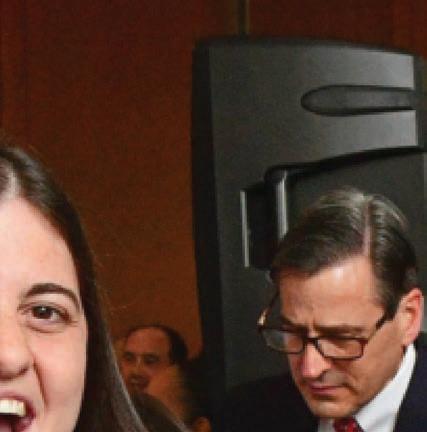
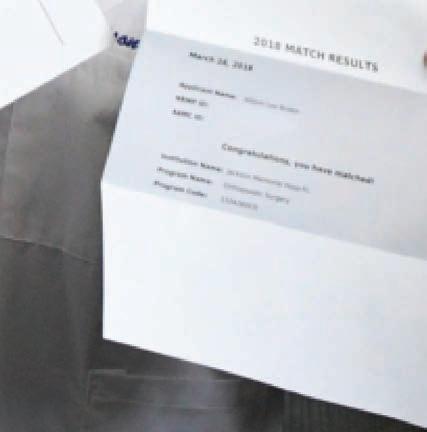
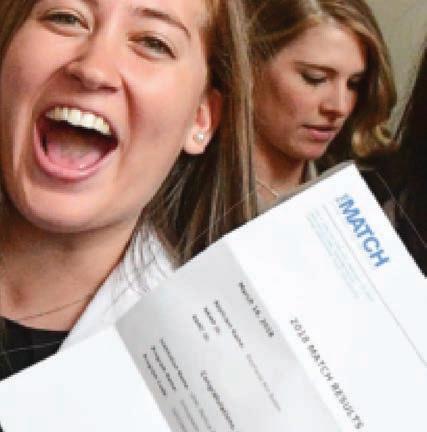
the 143 graduates class 2018, three were the Boden Lauren, Allison. father, Scott, is of the Emory Orthopaedics Spine mother, Mary, is an internist. “We is the business,” Lauren says. All three orthopaedic do residencies at hospitals.
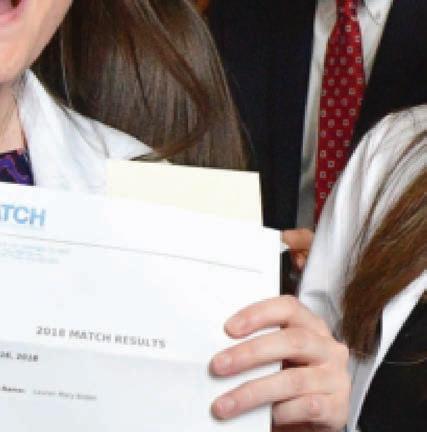
Boden triplets: Lauren, Stephanie, orthopaedics Center, joke medicine family business,” into
The popular locations Emory’s medical graduates



















6-10



1-5







Not surprisingly, many Emory SOM graduates matched in Georgia, but California, New York, and Pennsylvania were also popular residency locations.

Improving Outcomes FROM THE DEAN

Emory Medicine
Editor Mary Loftus
Art Director Peta Westmaas
Director of Photography Jack Kearse
Contributing Writers Wendy Darling, Quinn Eastman, Jennifer Johnson, Leigh Partington, Melva Robertson, Kellie Vinal, Kimber Williams
Production Manager Carol Pinto
Advertising Manager Jarrett Epps
As physician researchers, Emory’s medical faculty go beyond hoping to actually finding tangible, scientifically based ways to improve patient care. Emory doctors have discovered and developed life-saving drugs, therapies, diagnostic tools, and biomedical devices—from antiretrovirals to apps, microneedles to SpectroPens, Cardiac Toolboxes to fragile X screening tests, spinal frames to devices that detect concussions.
Take, for instance, Chair of Orthopaedics Scott Boden, vice president for business innovation for Emory Healthcare and an orthopaedic surgeon who has spent years developing better and more affordable bone grafting alternatives for spinal fusion patients. “Through my research, I could help patients beyond those I could touch with my own hands,” Boden says. “Being a clinician makes me a better scientist and being a scientist makes me a better clinician.” (And, as you can see on the magazine’s opening spread, an inspiration to his triplet daughters, all newly graduated Emory physicians.)
In this, as in every issue of Emory Medicine magazine, we showcase ways our medical teams are helping make others’ lives better: You’ll hear about a new program that is turning “night into day” (p. 15), be inspired by the remarkable recovery of young Brayden Harrison, who underwent two craniotomies after a dangerous fall from a high tree (p. 20), meet endocrinologist Vin Tangpricha, an international expert on transgender medicine and hormone therapy (p. 26), and visit two of the many Georgia clinics where Emory medical students and doctors volunteer (p. 30).
Web Specialist Wendy Darling
Intern Emily Sullivan 18C
Exec Dir, HS Creative Services Karon Schindler
Associate VP, HS Communications Vince Dollard
Emory Medicine is published twice a year for School of Medicine alumni, faculty, and staff, as well as patients, donors, and other friends. © Emory University
Emory University is an equal opportunity/equal access/affirmative action employer fully committed to achieving a diverse workforce and complies with all applicable federal and Georgia state laws, regulations, and executive orders regarding nondiscrimination and affirmative action in its programs and activities. Emory University does not discriminate on the basis of race, color, religion, ethnic or national origin, gender, genetic information, age, disability, sexual orientation, gender identity, gender expression, or veteran’s status. Inquiries should be directed to the Office of Equity and Inclusion, 201 Dowman Drive, Administration Bldg, Atlanta, GA 30322. Telephone: 404-727-9867 (V) | 404-712-2049 (TDD).
EMORY MEDICINE 2 Download our iPad app (search under Emory Health magazines). Bonus features are online at emorymedicinemagazine.emory.edu. 18-SOM-DEAN-0415
When doctors treat severely ill or injured patients, they are clearly hoping for the best possible outcome.
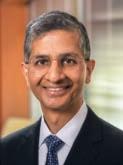
Vikas P. Sukhatme, md, s c d Dean, Emory School of Medicine Chief Academic Officer, Emory Healthcare
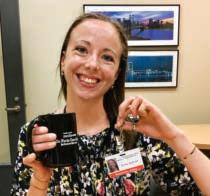
Emory Medicine intern Emily Sullivan, who recently graduated from Emory with a bachelor’s in international studies, had a summer internship with the Florida Times-Union She reported on stories from trains nearly shutting down a town by blocking crossings to an emotional trial following the shooting death of a toddler. “It confirmed for me that I have an immense, overwhelming passion for the newsroom,” she says.
INSIDE EMORY MEDICINE

FEATURES
‘Families Like Ours’ 16
Katelyn Kaczenski was born with a genetic disorder so rare there were only a handful of other known cases in the world at the time. Her mom, Allison, decided to start a foundation to support research, awareness, and other “families like ours.”
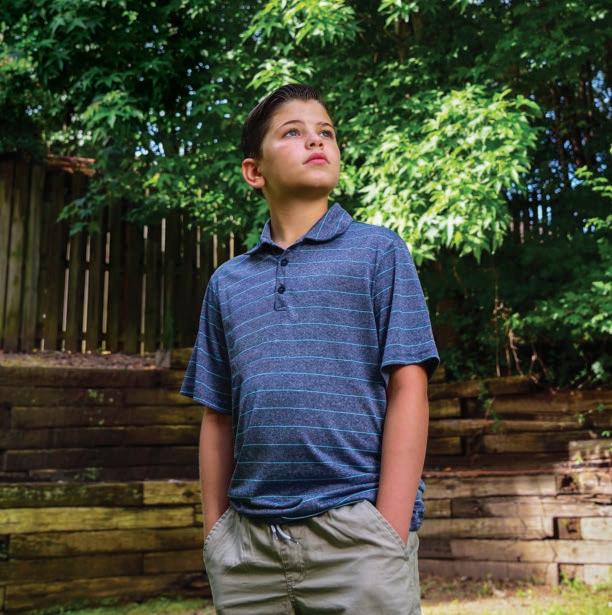
Frontiers of the Brain: Boyhood Disrupted 20
After a high fall from a neighbor’s tree, 9-year-old Brayden Harrison was taken to Children’s Healthcare of Atlanta where Emory pediatric neurosurgeon Andrew Reisner, using a new protocol, saved his life.

Seen & Heard 26
Endocrinologist and Professor of Medicine Vin Tranpricha is a global expert in transgender health and hormone treatment for individuals who are transitioning.
A Tale of Two Clinics 30
Emory medical students and residents work in health clinics around Georgia, from downtown Atlanta to Clarkston, helping diagnose and treat patients who may be homeless, indigent, or refugees.
THE BARE BONES
Letters 4

Experts Weigh In 4
Briefs 5
AND MORE
A Conversation with Emory Hope Clinic’s interim director 18 Infectious disease physician Nadine Rouphael discusses microneedles, TB, Zika, and a universal flu vaccine.
Last Word: Clinic for the Ages 37
A poem by Clyde Partin, medical director of Emory’s Special Diagnostic Services.
17 20
Visit us online at emorymedicinemagazine. emory.edu for bonus content. Send letters to the editor to mary.loftus@emory.edu.
“ His sister ran inside saying, ‘He’s not moving. I think he’s dead.’ ”
2 6 30 18
Experts Weigh In Letters
e article on physician stress (Emory Medicine, Winter 2018, “Spin Doctor: e hazards of taking care of others at the expense of yourself”) should become reading material for pre-med undergraduates that are considering entering the medical profession. I served for three years on the medical school admissions committee at the University of Missouri and the stories in this article are salient to the key question we were asking all candidates: “What do you think would be some challenges that you might face as a medical doctor?” is article has so many examples of challenges, but also good advice. Indeed, the Faculty Sta Assistance Program seems a very important service.
Stefan Sara anos Emory professor of pediatrics
My husband, Ed Francell, had an aneurysm that was treated in Emory’s neurology surgical department. Last year, I had a large subdural hematoma drained by an Emory surgeon. Both of our lives have been saved by Emory teams. I was so grateful that you published the article “Caring for the Poor” (Emory Medicine, Winter 2017). I am 88 years old and have worked for 40 years caring for this population and their families. I was a founding member of the National Alliance on Mental Illness (NAMI) and served on its national board for eight years. I was a founding member of NAMI Georgia, the state organization, and I founded NAMI Northside in my living room in Dunwoody, Ga. I have known many nurses at Grady as I was a founder of the Advanced Practice Psychiatric Nurses Group of Atlanta. My practice led me to present workshops all over the country to clinicians and families. It has been my sorrow to see the neglect of people with severe mental illnesses by the government of Georgia and other states. We need a miracle, and articles like yours, to change hearts of stone.
Claire Gri n Francell Roswell, Ga.
Having just discovered that I am a descendant of Pierre Chastain, French refugee who ed to Virginia in the 1700s, I read with interest the article on the prevalence of Alzheimer’s in the family. I would appreciate any information you could provide on how to contact the Chastain group involved in the Emory study. I was born at Emory Hospital in the 1940s and lived in Georgia most of my life. I have a sibling who died of Parkinson’s and Lewy body dementia and wonder if this is included in the study.
Elizabeth Ralph Richmond, Va.
Editor’s Note: Anyone believing themselves to be a descendant of Pierre Chastain who would like to be considered for inclusion in the Emory Alzheimer’s research study can contact Melissa Armendariz, clinical research coordinator, at marmend@emory.edu or 404-727-3304.
We like to hear from you. Send us your comments, questions, suggestions, and castigations. Address correspondence to Emory Medicine magazine, 1762 Clifton Road, Suite 1000, Atlanta, GA 30322; call 404-727-0161; or email mary.loftus@emory.edu

Emergency physician Alexander Isakov, head of Emory’s office of Critical Event Preparedness and Response, to MEDPAGE Today about the increase in mass shootings.
Neurologist Chad Hales, Emory assistant professor of medicine, to CNN about the potential of long-term injury for youth tackle-football players.
EMORY MEDICINE 4
“Having an acute illness like the flu on top of a chronic cardiovascular problem can be a bit of a perfect storm. We discuss a flu vaccine with every single one of our patients who has heart disease, not just to prevent the flu but as a means of preventing a heart problem.”
Cardiologist Laurence Sperling, director of Emory’s Center for Heart Disease Prevention, to CNN.
“It is important for communities to consider how to enable bystanders to safely assist victims with life-threatening bleeding, in much the same way we enable them to assist cardiac arrest victims needing CPR.”
“We do know it’s probably not a great idea to let little kids get repetitive head injuries.”
THE BARE BONES
Find the Winter 2018 issue and more online at emorymedicinemagazine.emory.edu
FEAR NOT, ORGAN DONOR

ALTHOUGH MOST PEOPLE SAY THEY ARE WILLING TO DONATE THEIR ORGANS AFTER THEY DIE, MISPERCEPTIONS STOP SOME POTENTIAL DONORS FROM SIGNING UP, FOUND EMORY RESEARCHERS.

The most common concern was that someone registered as an organ donor wouldn’t receive adequate medical care from paramedics or physicians in the event of an accident. Blacks were twice as likely as whites to have this concern.
The medical community needs to address these concerns directly, says researcher Marty Sellers, an Emory transplant surgeon and assistant professor of surgery.

To counter the fear of inadequate treatment, for example, donors should know that “medical teams in charge of caring for the sick and/or injured are not part of a transplant team, and their focus is entirely on the person who comes in under their care,” he says.
c 34,796 organs were transplanted in the U.S. in 2017, with 28,587 organs coming from deceased donors.

c A single donor can provide lifesaving organs for up to eight or nine recipients.
c More than 115,000 people are currently on waitlists for a lifesaving organ transplant.
Other concerns that made people hesitate to register as donors include worry over increased costs to their family and believing that a famous person would get higher priority on the waitlist than others in need.
Overall, however, 85 percent of those surveyed (a total of 766 people from 37 states) said they were willing to donate their organs after death if that donation could save someone else’s life. The findings were recently published in the Journal of the American College of Surgeons.
“About 20 people die every day for lack of an organ donor,” says Sellers, associate medical director of LifeLink of Georgia, a nonprofit that coordinates organ and tissue donation. “Educating the public regarding these and other misperceptions is desperately needed. We believe this would convert more eligible donors into actual donors.” ■
Georgia Tech research engineer Thomas Craney, 33, enjoys hiking after his heart transplant at Emory in November. His own heart failed due to a rare, congenital form of cardiomyopathy.
Home Schooling
Emory medical professor Michael Kuhar’s class on addiction has reached a virtual international audience of tens of thousands of students over five years.
Kuhar’s massive open online course (MOOC), “ e Addicted Brain,” is one of more than a dozen courses available to learners through a partnership between Emory and the online learning platform Coursera.


More than 65,000 learners have taken all or part of his course, says Kuhar, Candler Professor of Neuropharmacology, Yerkes researcher, and Georgia Research Alliance Eminent Scholar.
“Reaching that many people is something I never dreamed would be feasible,” says Kuhar, who has taught at Emory for 23 years. “ e platform is much more interactive and dynamic than I ever imagined.”
Kuhar has been intrigued to discover the impact his course has had on those in his global classroom. From comments in the course reviews:
n “As an addict, it was very informative and helped in my decision to quit abusing drugs and to be clean and sober…”

n “ is will de nitely help me with the course I teach to 10th graders…”
n “You’ve provided me the foundation to be at the frontier of a community initiative to help the Philippines’ War on Drugs…”
Online learners may audit Coursera classes at no charge, or pay around $49 per course to receive a certi cation of completion. Other health-related Emory courses o ered include Ebola Virus Disease: An Evolving Epidemic; Health in Complex Humanitarian Emergencies; and Childbirth: A Global Perspective.
For a full viewing of Emory MOOC courses available to everyone, go to coursera.org/emory.—Kimber Williams
Do Viruses Play a Role in Alzheimer’s?
The brain tissue holds the clues. Analysis of large data sets from post-mortem brain samples of people with and without Alzheimer’s disease revealed new evidence that viruses, particularly herpesviruses, may play a role.
Researchers funded by the National Institute on Aging made the discovery from brain banks and cohort studies made available via the Accelerating Medicine Partnership for Alzheimer’s Disease. e partnership involves six academic medical centers, including an Emory team led by Holland Professor of Neurology Allan Levey, director of the Goizueta Alzheimer’s Disease Research Center, and Nick Seyfried, Emory assistant professor of biochemistry and neurology. e study included data from the Goizueta center.
e authors emphasize that their ndings, reported in the June 21 issue of Neuron, do not prove that viruses cause the onset or progression of Alzheimer’s, but rather, that they interact in ways not yet fully understood. “ e hypothesis that viruses play a part in brain disease is not new, but this is the rst study to provide strong evidence based on unbiased approaches and large data sets,” says NIA Director Richard Hodes. “ is reinforces the complexity of Alzheimer’s disease.”
Evidence is accumulating that the loss of cognitive functioning during Alzheimer’s is a mix of many di erent disease processes in the brain rather than just one, such as buildup of amyloid or tau proteins. Identifying links to viruses may help researchers learn more about the complicated biological interactions involved and lead to treatment strategies. rough computational modeling the researchers made several ndings, including:
n Human herpesviruses 6A and 7 were more abundant in Alzheimer’s disease samples than in non-Alzheimer’s.
n Multiple points of overlap exist between virus-host interactions and genes associated with Alzheimer’s risk.
n Multiple viruses impact the biology of Alzheimer’s disease across domains. ■
EMORY MEDICINE 6 THE BARE
BONES
It O en Starts with a Fall
An avid gardener, the 79-year-old woman was watering her gladiolas in the backyard one moment and on the ground yelling for help the next She was loaded into an ambulance, hospitalized with a broken hip, and then transferred to a long-term care facility. Within a year, she was dead.
A growing number of older adults are dying a er experiencing a fall. ere were 30,000 deaths due to falling among adults age 65 and older in 2016, up from roughly 18,000 in 2007. at increase was seen among both men and women and across most racial groups. e CDC says such falls are o en preventable and that doctors should discuss the risks with older adults during their annual physical exams.
As an Emory research gerontologist, Assistant Professor of Medicine Ann Vandenberg works toward solutions to improve care for older adults. Much of Vandenberg’s research intersects with one central problem that besets the older population: falling.
A study published in Geriatric Nursing by Vandenberg and associates in 2017 assessed the use of fall prevention technology with patients in Dutch and U.S. nursing homes at high risk of falling. According to nursing sta , a commonly installed technology designed to prevent falls—position monitors—can potentially agitate residents and, in fact, put them at higher risk of falling. It was found that a mobile
fall-prevention sensor that was integrated with the nurses’ communication system worked much better.
Vandenberg is involved in an ongoing program, EQUIPPED, that uses education and computer-decision support tools to encourage providers to avoid prescribing potentially inappropriate medications for older adults being discharged from the emergency department. e program’s intent is to decrease complications in older adults, including the risk of falls.
Vandenberg is also co-investigator of the INFORMED project to conduct and discuss brief functional assessment in dialysis clinics, including falls history. Interviews with dialysis providers showed the clear value of falls questions in eliciting rich and useful details that providers can use in helping patients—suggesting ways to make patient homes safer, bolster their social support, or refer them to physical therapy to improve balance and strength.
All too frequently, a fall can be the start of a downward spiral. “How someone comes to assisted living or a nursing home is o en a fall—that’s the beginning,” Vandenberg says. “It shrinks your world. You don’t want to leave your house, you don’t get as much exercise, which makes you more unsteady on your feet and more likely to fall again.”—Leigh
 Partington
Autumn 2018 7
Serious, Costly, and Sometimes Deadly Deaths from falls increased 30% from 2007 to 2016
hip fractures, 95% are caused by falls Projections show 7 deaths by falls every hour by 2030
2015, medical costs for falls totaled more than $50B
year,
people are treated in ERs for fall injuries
year,
hospitalized for
Falls:
Of
One out of 5 falls causes a serious injury In
Falls are the #1 cause of traumatic brain injuries Each
3 million older
Each
300,000 older people are
hip fractures
Infant formulas with added sugars can be dangerous for some babies




Babies with an inherited intolerance of fructose face a risk of acute liver failure if they are fed certain widely available formulas containing fructose. Emory geneticists Hong Li and Michael Gambello and Assistant Professor of Pediatrics Miriam Vos and colleagues studied four cases of hereditary fructose intolerance (HFI) diagnosed in infants. All of the infants had acute liver failure, which resolved when they were switched to formula without fructose.
This intolerance occurs in about 1 of 20,000 live births and comes from mutations in the aldolase B gene that result in an inability to metabolize fructose. Early symptoms include nausea, vomiting, abdominal pain, and failure of an infant to gain weight. If unrecognized, HFI can result in liver and kidney damage, seizures, or death.





HFI-related problems do not appear if an infant is breastfed exclusively, but may occur when solid foods containing fructose, such as fruits, are introduced into the diet. Some baby formulas—often soy-based—contain sweeteners such as high-fructose corn syrup or sucrose (table sugar), which is made of fructose and glucose linked together. The label may read “sugar” instead of sucrose.
“In some cases, the treating physician had to call the formula manufacturer to confirm that sucrose was a component,” says Li, Emory assistant professor of human genetics and pediatrics. “This underlines why accurate and explicit labeling is necessary.” In babies with digestive problems or allergies, parents or pediatricians may seek to avoid formulas based on cow’s milk. In alternative formulas, there is a higher chance the manufacturer will add sucrose or fructose as a sweetener and a carbohydrate source. ■

EMORY MEDICINE 8
THE BARE BONES Become a member! ALL WHO LIVE OR WORK IN DEKALB OR FULTON COUNTY ARE ELIGIBLE TO JOIN INSURED BY NCUA Join a financial institution that helps you take control of your future. Visit emoryacu.com to learn more. 1237 Clairmont Rd. Decatur, GA 30030 404.329.6415 EM_Member_0618_2.indd 1 6/25/18 10:06 AM
“In some of the cases, the treating physician had to call the formula manufacturer to confirm that sucrose was a component. This underlines why accurate and explicit labeling is necessary.” Hong Li
MISSION CONTROL:

Emory’s Proton Therapy Center in Midtown Atlanta begins treating patients in December. It uses precise proton radiation to kill tumors. This 360-degree rotating gantry adjusts the proton beam to any angle.
 PHOTO STEPHEN NOWLAND
AUTISM: For Young Students, Teacher Training Matters

Kindergarten through second-grade students with autism spectrum disorder (ASD) whose teachers received special training did better than their peers in communicating and getting along, found researchers at Emory and Florida State universities.

“ ey were initiating more, participating more, having back-and-forth conversations more, and responding to their teachers and peers more frequently,” says Lindee Morgan, assistant professor of pediatrics and co-director of educational science and research at the Marcus Autism Center.
e three-year, 60-school study measured the e ectiveness of a curriculum designed speci cally for teachers of students with autism spectrum disorder. e team reported its results in the Journal of Consulting and Clinical Psychology “ is study is one of only a few demonstrating the e cacy of a treatment for school-age children,” says co-principal investigator Amy Wetherby, of FSU’s Autism Institute. “And the most impressive part is it was conducted in public school classrooms with a good mix of general and special education teachers.”
ere is a pressing need to change the landscape of education for school-age students with ASD, the researchers say. “General education teachers in most states aren’t required to have autism training, and yet they nd themselves teaching kids with autism because that’s the law,” says Morgan. “ ese days, more than 70 percent of kids on the spectrum have no intellectual disabilities. erefore, schools are moving toward modifying and adapting the mainstream classroom. is can be helpful not only for kids with autism but for all students.” ■
Turning Down the ‘Heat’ Depression and inflammation may be closely related
One-third of people with depression fail to respond to conventional drug therapy, posing a treatment challenge.
Researchers at Emory have found in a new study that depressed patients who have not responded to multiple antidepressants show evidence of increased inflammation.

Previous studies among laboratory animals have shown that inflammation has effects on the brain that can undermine the effectiveness of common antidepressants. This is one of the first studies in humans that confirms these findings.
“Measuring inflammatory markers and targeting inflammation or its downstream effects on the brain may benefit patients with multiple failed antidepressant treatment trials during their current depressive episode,” says researcher Andrew Miller, William P. Timmie Professor of Psychiatry and Behavioral Sciences at Emory.
Levels of inflammation can be easily
measured by simple blood tests like C-reactive protein (CRP). If a patient’s inflammation level is high (CRP>3mg/L), drugs that affect dopamine, such as bupropion, may be more effective than drugs that affect serotonin, the usual antidepressants prescribed.
“Ways to reduce inflammation include weight loss and exercise. Anti-inflammatory drugs are being tested for depression with some early promising results, but they are not approved for that use at this time,” says researcher Ebrahim Haroon, assistant professor of psychiatry and biomedical engineering at Emory.
During the study, researchers
measured blood concentrations of inflammatory molecules in 98 unmedicated patients with depression who had experienced varying numbers of failed antidepressant trials.
“Stress-induced inflammatory signals can be transmitted to the brain,” says Miller. “We may be looking at a new era of therapeutics that target the immune system to treat depression.” ■
EMORY MEDICINE 10 THE BARE BONES
FOR MANY PATIENTS IT”S THEIR FIRST FLIGHT. IT”S ALSO THE MOST IMPORTANT. Angel Flight has brought hope to thousands of families by arranging free flights to lifesaving medical treatment. We’ve flown over 35,000 missions serving over 300 medical facilities. To schedule a flight or to learn more go to AngelFlightSoars.org or call 1.877.4.AN.ANGEL
The Case of the Fainting Spells
After a series of disturbing fainting spells, Sarah Mason knew something was wrong. She thought the dizziness and fatigue might be the aftereffects of a car accident or dehydration. But the actual cause ended up being a lot more serious.

YOU BE THE DOCTOR
A few months ago, 41-year-old Sarah Mason, of Lithonia, arrived at her daughter’s eighthgrade graduation and parked in the back of the crowded parking lot. She had been having dizzy spells where she would have to lie down to recover—a er climbing a hill, going up steps, or running for an elevator at work—but this was the worst one so far.
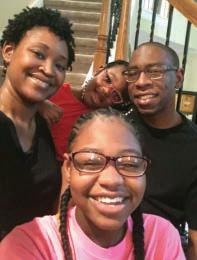
“I got up the steps and through the door, and I was about to faint,” she says. “I literally stumbled into the front o ce. It scared everybody. ey called the nurse, sat with me, and gave me something to drink.”
Mason (right, with family) was able to make it through the graduation ceremony, but it was the latest in a series of frightening incidents: “I told my husband, ‘It happened again.’ We went to the hospital.”
It wasn’t Mason’s rst attempt to nd out what was wrong. A er an earlier fainting spell she had gone to the hospital and had a series of tests, including blood pressure testing while standing up and lying down. e diagnosis was dehydration, and she was given uids and sent home.
Mason was puzzled. Life was hectic—she is a legal assistant and her husband is a lawyer—but she had always been in great health and exercised regularly. She had been in a car accident the year before and thought that perhaps the symptoms were a ere ects of the accident.
“I noticed that I was becoming more tired,” she says. “When I was walking up steps, my heart would beat as if I had been running. Picking things up was hard. I am a go-go person, so I tried to stay positive.”
A er the graduation incident, she went to Kaiser Permanente in Jonesboro. “I do know it’s not good for you to keep fainting like this,” a doctor told her, beginning another set of comprehensive tests.
“ ey said I was borderline anemic but not too bad,” she says. A heart monitor showed everything was good. e EKG was normal.
What, careful reader, do you believe was causing her dizziness?
e answer came with the last test: an echocardiogram. Mason looked at the screen. “I saw this mass, it looked like a big old kidney bean in my le ventricle.”
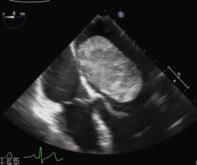
e imaging had captured a large tumor inside her heart. e Kaiser Permanente cardiologist recognized that he was dealing with an unusual and potentially deadly cause of faint-
ing and immediately referred Mason to Emory cardiac surgeon Douglas Murphy at Emory Saint Joseph’s Hospital.
e ndings on the echocardiogram were classic for an atrial myxoma, says Murphy—a benign tumor that can arise in any chamber of the heart. “ e tumor on Ms. Mason’s heart had grown so large that in certain positions, it could greatly diminish forward blood ow,” he says.
ese tumors are also dangerous because small pieces can break o and enter the bloodstream, causing stroke. “Surgical removal is usually performed urgently,” Murphy says.
Mason was promptly admitted to Emory Saint Joseph’s and, on June 6, underwent an endoscopic robotic removal of the tumor, which was the size of a small potato and located in front of the mitral valve. It was taken out through ve small incisions in the right side of her chest.
Murphy and his colleagues have removed more than 200 cardiac tumors using robotics over the last 16 years. Such surgery is less invasive than traditional surgery, with a shorter recovery time.
“Surgery went very well, and Ms. Mason went home a er three days,” Murphy says.
Mason is going through cardiac rehabilitation and says she has some residual pain but is feeling a lot better. “Every week, I’m able to tell a di erence, even if it’s just little things,” she says. “I have more energy and can walk longer.”
She’s looking forward to returning to an active life where she can once again hurry across a room or climb stairs without a second thought. ■
To support the division of cardiothoracic surgery, contact jason.zwang@emory.edu or call 404-727-2512
SPOILER
Mason’s fainting and dizzy spells were caused by an atrial myxoma tumor
, the largest Emory cardiac surgeon Douglas Murphy had ever seen.
Autumn 2018 13
ALERT:
(above)
Sarah Mason (below left), her husband, Kamau, and daughters, 14-year-old Jada (front), and 6-year-old Imali.
Get Moving ASAP
ICU patients, many laden with tubes and breathing devices, may seem fragile and vulnerable.
But Alex Truong, assistant professor of medicine at Emory, has been conducting research into the benefits of early mobilization for ICU patients, developing a set of coordinated protocols to help even the sickest patients begin to sit, stand, and walk again as quickly and safely as possible.
Physical therapists would be an essential part of making this happen, Truong knew: “Nurses and doctors underestimate what our patients can do physically. Physical therapists are best at challenging patients.”
Encouraging critically ill patients to be physically active can seem counterintuitive. But research shows that the adverse reaction rate for early mobility efforts is between 1 percent and 3 percent. The most common negative reactions are drops in oxygen saturation and blood pressure.

Research by Truong and others has shown that bed rest for patients may hurt more than help. A long stint of hospital bed rest may lead to a weakened state for subsequent years—including decreases in nerve conduction, debilitating muscle weakness, and challenges in going back to work or resuming an active life. Research has shown that early mobilization efforts can decrease complications, shorten hospital stays, and lower hospital readmission rates. ■
Needed: A Million Willing Volunteers
Want to take part in the largest, most diverse national health study ever? e National Institutes of Health has opened enrollment for All of Us—an e ort to advance health care for people of all backgrounds.
Volunteers 18 and older, regardless of health status, can join the more than 60,000 participants who have already enrolled. e aim is to enlist 1 million or more volunteers, especially from communities that have been underrepresented in research.

“All of Us has the potential to speed the ongoing transformation of our health care systems, empower individuals to actively manage their health and health care, and promote critical research,” says Michael Zwick, associate professor of human genetics and pediatrics and assistant vice president for research in Emory’s Woodru Health Sciences Center.
Zwick is leading Emory’s participation in the study, working with Alvaro Alonso, from Rollins School of Public Health, as well as School of Medicine faculty Greg Martin, Arshed Quyyumi, James Lah, and Andrew Post.
e study will look at personal characteristics of participants, who will be asked to ll out online surveys that focus on home, work, family life, and mental health. Some will be asked to provide information from wearable devices, which can be used to track blood pressure, heart rate, sleep cycles, and exercise.
Volunteers may also be asked to give blood and urine samples that could help reveal how environmental threats—like toxins and air pollution—activate genes that cause disease.
Personal information will be coded for anonymity and volunteers can choose which tests and surveys to participate in. e information gathered will create a huge database that scientists can use to explore why people get sick or stay healthy.
To join, email allofus@emory.edu or call 404-778-1284. For more information about the national study, go to JoinAllofUs.org. ■
EMORY MEDICINE 14 THE BARE BONES
Top Spot
Becker’s Hospital Review has named Emory University Hospital one of its “100 Great Hospitals in America” for 2018. Emory is the only hospital in Georgia to make the list. The hospitals were selected for excellence in innovation, patient care, and clinical research. Of the 100 hospitals included in this year’s list, 52 percent are more than 100 years old. (Emory University Hospital was founded in 1904.) Also, for the seventh year in a row, U.S. News & World Report ranked Emory University Hospital the No. 1 hospital in Georgia in its 2018-2019 Best Hospitals Guide. (Emory University Hospital includes Emory University Orthopaedics & Spine Hospital and Emory University Hospital at Wesley Woods.) Emory Saint Joseph’s Hospital ranked No. 2 and Emory University Hospital Midtown ranked No. 10 in the state. ■
Of the “100 Great Hospitals” included in Becker’s Hospital Review this year, 76 percent are teaching hospitals like Emory.

Turning Night into Day: Globalizing critical care


Night shifts are tough on everyone, with shift workers having higher rates of heart disease, diabetes, cancer, and sleep disorders. For doctors, nurses, and other medical workers who pull nightshi duty, more than their own health may be at risk: fatigue can lead to inattention, which might diminish the quality of patient care.
But what if you could turn night into day?
An Emory project developed by Timothy Buchman, founding director of the Emory Critical Care Center, and Cheryl Hiddleson, director of the Emory eICU (electronic Intensive Care Unit) Center, does just that, by sending medical workers to the other side of the globe.
Using remote eICU technology by Philips, Emory Healthcare workers begin their day in a control room at the Royal Perth Hospital in Australia, which is 12 hours ahead of Atlanta time.

Emory Healthcare has had eICU technology for years, with specialized cameras, video monitors, microphones, and speakers at several hospitals. “Tele-ICU medicine provides
another option when a bedside intensivist is not available,” Buchman says. “Patients and providers bene t not only from having remote access to medical experts but also because these experts can be available around the clock.” e eICU program was shown to reduce costs and length of patient stays and helped ease the shortage of critical care intensivists.
e Australia venture takes eICU care a step further: “We believe we can provide critical care to a patient no matter where they are in the world,” Buchman says.
Emory Healthcare providers come to work in Perth at 7 a.m. to cover the night shi remotely in Emory Healthcare ICUs (beginning at 7 p.m.) e time change reverses two of the largest drawbacks of critical care night sta ng: a shortage of senior clinicians and the toll that working nights takes on caregivers and attention levels. “We tested the concept for six months in Sydney, and the bene ts were immense for both provider and patient,” says Buchman. “ e providers worked more e ciently and felt better because they were working during daylight hours, which reduced burnout.” ■
Autumn 2018 15
THE
ATLANTA 7:00 PM PERTH 7:00 AM
BIG IDEA
‘Families Like Ours’

DAUGHTER’S RARE GENETIC CONDITION INSPIRES MOM TO START A FOUNDATION

At eight days old, Katelyn Kaczenski was diagnosed with a genetic disorder so rare there were only 20 known cases in the world at that time. “Amniocentesis didn’t show any genetic problems. We knew she had a kidney problem going into birth—that showed up on the ultrasound—so her going to the NICU wasn’t a surprise. But the rest of it was,” says Katelyn’s mom, Allison.
Prenatal tests only detect chromosome deletions of a certain size, and Katelyn’s deletion was smaller than what was detectable by the test used at the time. Because she was born with a cle palate, however, that triggered further testing, which showed she had a small deletion of one a ected gene: SATB2.
Previously referred to as Glass syndrome, this disorder is now called SATB2-associated syndrome, and results in speech problems, intellectual disabilities, gross and ne motor di culties, and abnormalities of the palate, teeth, bone, and brain.
Katelyn had surgery for ear tubes when she was three months old. Her so cle palate, at the back of the roof of the mouth, was repaired when she was 9 months old, and she had kidney surgery when she was a year old. She also had a feeding tube to ensure she received proper nutrition.
Allison and her husband, Matt, felt adri , unsure of what to do to help Katelyn and what her future might hold. “For the rst year or so, we were in survival mode,” says Matt. “I’m an engineer, and I felt like I should be able to nd solutions and x this. But you learn to take it one day at a time.”
ey came to see Emory geneticist Michael Gambello, section chief of the division of medical genetics and associate professor of human genetics and pediatrics. “Katelyn was 2 months old when I met her and her family in August 2014. ere was little in the medical literature to guide us,” he says. “At that time, I could only tell them that she would have some degree of intellectual disability.”
EMORY MEDICINE 16
THE BARE BONES
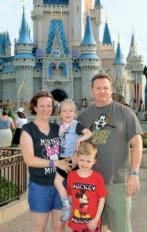
Katelyn Kaczenski and her mom, Allison, at the SATB2 family gathering; (below) the Kaczenskis at Disney World.
Emory Genetics connected the Kaczenskis with clinical geneticist Yuri Zarate at Arkansas Children’s Hospital, who was researching Katelyn’s speci c condition and creating a registry for SATB2-associated syndrome. “Such registries are extremely important for patients and their families a ected by rare diseases,” Gambello says.
A er speaking with Zarate, her parents enrolled Katelyn in the registry. “As the condition was so rare, the registry has resulted in research that de nes the clinical aspects of the condition, including characteristics not previously known,” Allison says.
Currently there are about 225 families worldwide with children who have been diagnosed with SATB2-associated syndrome. A closed Facebook page for the syndrome was created, and parents began nding and reaching out to each other. “ e Facebook group is really comforting. You can nally talk with people who understand,” Allison says.
Allison, assistant director of programs in Emory’s Advancement and Alumni Engagement division, used her background in nonpro ts and fund raising to start the SATB2 Gene Foundation, with the goal of helping families, spreading awareness, and stimulating research. e foundation has created an information sheet about the syndrome, with the hope that doctors will recognize when to test for it. “We were lucky, because Katelyn was diagnosed so early. Some families don’t nd out until their children start showing symptoms or even later, a er several misdiagnoses,” she says. “We want to shorten the diagnostic journey.”
e second SATB2-associated syndrome family conference was held this summer in Little Rock, Arkansas, and 45 families attended, ve of them international. “It’s great to be around other families like ours, who understand. At the conferences, Katelyn is a typical child among all the other children—we don’t have to apologize or explain why our child does something,” says Allison. “And it is so awesome to see the connections our SATB2 children make with each other.”
One advantage to the increased interest and research into SATB2 is that progress has been made on identifying interventions. ere is now a suggested plan of care. “It is recommended to receive frequent, intensive speech therapy in addition to physical therapy and occupational therapy. Other recommendations for bone density testing and dental evaluations can be found on the information sheet,” Allison says.
Katelyn, now 4, has therapy six times a week at a clinic near the family’s Lilburn home. She’s also going to a pre-K program at a nearby public school. “It’s been really good for her, the socialization. She’s not using her walker anymore,” says Allison. Katelyn is learning to communicate with picture cards and a touch pad and tries to keep up with her big brother, Caden, around the house. e family recently visited Disney World. “She did great,” says Allison. “She loved the teacup ride.” ■
To nd out more about SATB2-associated syndrome and the SATB2 Gene Foundation, go to satb2gene.org.
Stroke Care to Go
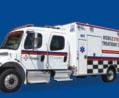
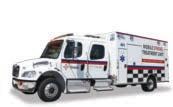
The state’s first mobile “telestroke” unit—a specially equipped ambulance prepared to bring rapid treatment to people having strokes before they even get to the hospital—is at the ready.
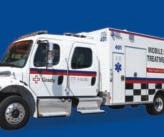
“Using a sophisticated telemedicine platform, our goal is to extend the reach of our stroke specialists,” says Emory Professor of Neurology Michael Frankel, director of Grady’s Marcus Stroke and Neuroscience Center.
Launched by Grady Health System and Emory School of Medicine, the mobile unit is part of the Marcus Stroke Network, which aims to reduce deaths and disability by stroke in the Southeast. It will be available for dispatch Monday through Saturday and will be manned by an emergency medicine nurse, paramedic, and advanced EMT and CT technologist.
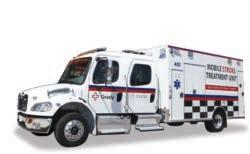
Upon arrival, the unit’s medical team will conduct a diagnostic scan of the patient and transmit the images back to Grady’s Marcus Stroke and Neuroscience Center, where an Emory vascular neurologist will make a diagnosis. If the neurologist determines that the patient is having a stroke, a tissue plasminogen activator (tPA), like the clot-dissolving drug alteplase, can be prescribed to be given during transport.
Mobile telestroke units have been shown to cut at least five minutes off the time to give a CT scan and 26 minutes off the time taken administer tPA.
Autumn 2018 17
PHOTOS COURTESY OF THE KACZENSKIS
A Conversation with Emory Hope Clinic interim director
Nadine Rouphael
Flu. Tuberculosis. AIDS. Malaria. Zika. Antimicrobial-resistant pathogens.
ese are among the most immediate priorities in vaccinology e orts, says Associate Professor of Medicine Nadine Rouphael, an infectious disease doctor and interim director of the Hope Clinic of the Emory Vaccine Center.
TB infects one-third of the globe’s population and is the primary killer of people with HIV
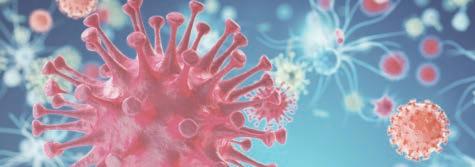

Rouphael: “Bacille Calmette Guerin vaccine prevents 120,000 childhood deaths each year by preventing severe forms of tuberculosis. However, a better TB vaccine is urgently needed. A deeper understanding of the immunologic mechanisms behind natural infection and the correlates of risks and improvement in animal predictive models are essential to ensure a rational selection of different vaccine candidates to be tested in clinical trials.”
Likewise, half the world’s population—3.2 billion people—live at risk of malaria transmission, and estimates
“range from 430,000 to 700,000 deaths due to malaria annually. It a ects children and pregnant women most signi cantly.

Rouphael: “A vaccine (RTS,S/AS01) has shown protection against malaria in children in a phase 3 trial— although this protection is partial, wanes over time, and depends on the age of the child. However, this is definitely a step toward having an effective vaccine against malaria.”
FIGHTING FLU
Each year, seasonal in uenza epidemics race around the globe, and the 2017-2018 u season hit the U.S. especially hard, causing deaths even in healthy young people.
Particularly at risk from the u are pregnant women; young children; the elderly; those chronically ill with HIV/AIDS, heart, or lung disease; and health care workers.
Globally, u epidemics cause 3 million to 5 million cases of severe illness each year and between 250,000 and 500,000 deaths.
Rouphael: “It has become clear that there is an urgent
need for a universal influenza vaccine—a vaccine that can provide long-lasting protection and can work against all types of flu strains, either pandemic or seasonal. The last influenza season definitely highlighted this need.”
e rst such universal u vaccine is in clinical trials in the United Kingdom.
MICRONEEDLE VACCINE

Another promising development is the recent success of the in uenza microneedle vaccine in clinical trials at the Hope Clinic and Georgia Tech, with Mark Prausnitz, GT professor of chemical and biomolecular engineering.
As its name suggests, the new technology involves incredibly small needles delivering an in uenza vaccine into the skin, and it is relatively pain free. Participants in the trial strongly preferred the patch with dissolvable microneedles over a u shot.
Rouphael: “The microneedle patch was well accepted by the participants in the trial. In addition, it was found to be safe and well tolerated and to induce an immune response that is at least as good
EMORY MEDICINE 18
“Vaccines are one of public health’s major achievements. But better vaccines for major infectious diseases (TB, malaria, HIV, and multidrug resistant organisms) are still needed, along with vaccines for cancer and chronic illnesses.”
as the standard flu shot.”
Advantages include the elimination of sharps disposal, the vaccine’s stability and portability in rural areas and developing countries, and its potential for rapid use in response to a pandemic. Someday, vaccine patches could even be mailed to households for self-application.
Rouphael: “The fact that the vaccine is delivered into the skin may offer other advantages in terms of immune response, as is evident from recent immunologic work led by Lilin Lai from the Hope Clinic lab and other labs at Emory.”
PANDEMIC PREPAREDNESS
Avian in uenza virus (H7N9) remains a top concern.
Rouphael: “Indeed, the U.S. Department of Health and Human Services recently determined that the H7N9 bird flu virus has a significant potential to cause a pandemic and the greatest risk of causing severe disease.”
During China’s h epidemic, from fall 2016 through fall 2017, there were 766 human infections reported, making it the largest H7N9 epidemic to date.
ere have been 1,565 total cases of human infections since 2013.
Rouphael: “At the Hope Clinic and in collaboration with Evan Anderson at the Emory Vaccine Center we are conducting clinical trials through Vaccine and Treatment Evaluation Units to test the safety and efficacy of different doses of antigens, with and without a boost called adjuvant, to allow stockpiling.”
SUPERBUG PREVENTION
Vaccines aimed at antimicrobial-resistant pathogens are becoming an increasingly important area, with at least 2 million people infected annually with resistant bacteria and about 23,000 deaths.
Rouphael: “One approach to dealing with the increasing problem of superbugs that are resistant to all of our antibiotics and are common in our hospital settings (such as Clostridium difficile) is to try to prevent those infections though vaccination or use of monoclonal antibodies. We also test biomarkers to reduce antibiotic overuse.”
CHALLENGE MODEL
One way to speed development of a needed vaccine is to have a human challenge model, when it’s ethical and possible.
Rouphael: ”This was the case for norovirus, and the Hope Clinic was fortunate to work with Christine Moe’s lab and to challenge subjects successfully at Emory University Hospital. An infu-
lenza challenge model will be important to conduct at Emory to facilitate the quest for a universal vaccine.”
In a typical human challenge study, volunteers who have received either a vaccine or a placebo are intentionally infected with the virus stock in a controlled setting in the hospital. e ability of the vaccine to protect participants against illness is studied. e ndings help scientists and doctors learn more about how to e ectively prevent the disease.
HIV VACCINE
HIV prevention studies are very active at the moment, particularly at the Hope Clinic, the Emory-Grady Ponce Center, and at associated research clinics overseas in Kenya and ailand.
Rouphael: “Jeff Lennox, Carlos del Rio, Colleen Kelley, and Sri Edupuganti have been working in the AIDS clinical trials unit to develop HIV prevention strategies (such as the use of long-acting integrase inhibitor given as an injection), vaccines, and monoclonal antibodies. The encouraging results from the THAI trial have given hope to the field, and many trials are designed to build on the success of RV144.”
EMERGENT DISEASES
New infectious disease threats are constantly emerging.

Rouphael: “Forty years ago, no one had heard of HIV; it hadn’t been identified. And a few years ago, very few people had heard of Zika—even
though it was first described 70 years ago.”

Vaccine development takes signi cant time and resources and o en comes too late when an epidemic strikes rapidly.
Rouphael: “The Hope Clinic took part in testing vaccines against the 2009 influenza pandemic and the 2014-2015 Ebola epidemic. By the time the vaccines became available, however, much of the damage had been done, and the pandemic and epidemic had perhaps largely run their courses. New rapid platforms for outbreak vaccines are being developed to improve this timeline problem.”
COMMUNITY SUPPORT
e Hope Clinic, like other research facilities, relies largely on government funding to support clinical research and vaccine trials.
Rouphael: “Yes, we receive funding mostly from the NIH and also the CDC, Georgia Research Alliance, and industry investors, among many others. I am most proud, though, of the support of Emory, our dedicated staff, the incredible community we live in, and the amazing volunteers that make having safer and more effective vaccines a possibility.” Kellie Vinal
To support the work of the Hope Clinic of the Emory Vaccine Center contact jonathan. russell@emory.edu or 404-727-6416, or go to hopeclinic.emory.edu.
“ Autumn 2018 19 VACCINE
BY Emily Sullivan
Itstarted out as a perfect Father’s Day for Chris Harrison. He had everything he wanted that humid Sunday morning in June 2017: a quiet jog, a Waffle House breakfast with his wife, Michelle, and their four kids, and the gift of a blue Walmart vacuum he’d been admiring.


That afternoon, while Harrison was testing out the vacuum, his 9-year-old son, Brayden, slipped outside with his younger sister, Jessica. He wanted to show her that he could climb the entire height of a neighbor’s tree.
When Jessica returned home, she was alone and terrified.
“He’s not moving,” she told her dad. “I think he’s dead.”
At first, Harrison thought she was talking about the family cat. But then he realized his son was nowhere in sight.
“Brayden has always been a daredevil,” he says.
Jessica led him across the street to where her brother lay motionless, face down at the base of the tree. Blood trickled from a cut on his head and from his nose, his right eye was swelling shut, and there was a tennis ball-sized bump on the top of his head.
EMORY MEDICINE 20

Autumn 2018 21
TBI
FRONTIERS OF THE BRAIN:
Desperate to see any sort of movement in his son’s body, Harrison began compressions on Brayden’s chest. Paramedics arrived minutes later and rushed him to the closest local hospital.
Emergency room personnel realized the life-threatening nature of his injury and transferred him immediately to Children’s Healthcare of Atlanta. e Harrisons wondered if their son would survive. “It was the longest day of my life,” says Chris Harrison.
Children’s trauma team members started work on Brayden as soon as
he arrived, beginning IVs in a warm ER room designed to protect pediatric patients from metabolic complications of trauma, including hypothermia. ey ordered medications to ease the pressure in Brayden’s head, evaluated his neck, abdomen, and chest with X-rays, and learned from a CT-scan that there was a brain bleed that required immediate surgery. “If le untreated, he certainly would have died,” says Andrew Reisner, Emory pediatric neurosurgeon and medical director of the concussion program at Children’s.
“I chose pediatric neurosurgery because I so enjoy working with children,” Reisner says. “ ey are brave, authentic, and funny. More o en than I would like, though, the disease or injury is untreatable and fatal. You have to be prepared for long cases and long work hours. ere are no short cuts.”

Brayden’s rst craniotomy took about three hours. During the surgery, Reisner temporarily removed a portion of Brayden’s skull bone to locate the source of the arterial bleed and remove a blood clot. He also inserted a probe to monitor his intracranial pressure over the coming days.
Chris Harrison texted updates to friends while Brayden’s older brothers, 16-year-old Justin and 18-year-old Zach, paced the hallway. “I was scared to death, thinking my son was going to die,” says Michelle. A er the surgery, Reisner gave the family a tentative thumbs-up. Michelle cried with relief. However, the family was cautioned that they were not in the clear yet and that Brayden still had a long way to go.
Andrew Reisner completed his neurosurgery residency at Emory in 1993. “My mentors included George Tindall and Daniel Barrow, current chief of the Department of Neurosurgery at Emory.” Since returning to Emory two decades ago, Reisner has been instrumental in developing the traumatic brain injury
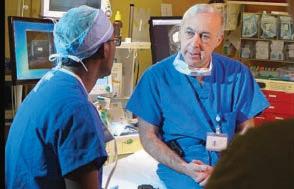
(TBI) and concussion programs at Children’s Healthcare of Atlanta. Grateful families have established the Andrew Reisner TBI fund, which supports clinical programs and research related to traumatic brain injury and concussion in children. Reisner was recently named the Elaine and John C. Carlos Chair of Neurotrauma at Emory and Children’s.
Reisner’s latest quest, through the Children’s Center for Neurosciences Research, is to identify a biomarker that could be used to diagnose and manage head injuries in children, with collaborators Laura Blackwell, a neuropsychologist, and Iqbal Sayeed, in emergency medicine.
e next a ernoon, Brayden was taken back to surgery, as Reisner had learned from a follow-up CT-scan that a second, delayed bleed had occurred. e second epidural hematoma—bleeding between the tough outer membrane covering the brain and the skull—was contributing to the raised intracranial pressure and required removal.
Brayden was kept sedated during this critical period of his recovery. “Brain swelling normally gets worse before it improves, o en peaking three to ve days a er a head injury,” says Reisner. is sedation was recommended based on a protocol Reisner and his team implemented in 2011, as it minimizes the pressure. “Children are not merely small adults,” Reisner says. “ eir treatment should be tailored to the unique pathophysiology of head
EMORY MEDICINE
“I chose pediatric neurosurgery because I like working with children,” Reisner says. “They are brave, authentic, and funny.”
22
injuries in children. Typically, children are sedated until the pressure in their brain is normalized: below 20 mm of mercury.”
e use of these guidelines has led to a 40 percent increase in survival among children with severe traumatic brain injury (TBI) at Children’s, and the program’s e ciency was recently published in the Journal of Neurosurgery: Pediatrics. Among survivors, the new guidelines have led to a general improvement in children’s abilities once the acute brain injury has been alleviated.



“ is can be evaluated through WeeFIM,” Reisner says, “a measure that assigns children a score based on how independently they can function a er an injury.” e inventory measures performance in three domains: self-care (e.g., feeding oneself), mobility (e.g., walking), and cognition (e.g., the time needed to understand and follow a simple command).
“Two aspects of concussions in children worry me as a clinician and as a parent,” says Lucky Jain, chair of pediatrics at Emory. “First, concussions are incredibly common and happen to the healthiest segment of our population: physically active young children. Second, our inability to predict which of these children is at risk for severe traumatic brain injury (TBI) leaves way too much to chance. As leader of one of the largest traumatic brain injury programs in the country, Dr. Reisner recognizes the importance of these issues and has focused on reducing the variability in caring for these children and identifying markers that can reliably identify those at risk of long-term harm.”
Despite the severity of his injuries, Brayden, now 10, has fully recovered all of his abilities. “He’s a very lucky kid,” says Michelle Poole, a Children’s operating room nurse who worked with Reisner to save Brayden. “We see such sad things sometimes.”

A successful outcome like Brayden’s is the result of the work of the entire care team, which includes emergency room providers, OR personnel, ICU physicians and nurses, neurologists, ophthalmologists, psychologists, and rehabilitation specialists and therapists, says Reisner. “All of us had

Most Common Causes of TBI in Children

Falls are by far the leading cause of TBI-related visits to the emergency department among children up to 4 years old. Falls are also the leading cause of hospital visits among children 5-14.
Assault/Abuse is the leading cause of TBI-related death among children up to 4 years old. It’s also a common cause of TBI-related ED visits and hospitalizations in older teens.
Motor vehicle accidents are the No. 1 cause of TBI-related deaths among children 5-14 and the No. 1 cause of TBI-related hospitalizations for older teens.
55% of all TBIs in children are caused by falls
475,000 TBIs occur in children less than 14 years old each year
Autumn 2018 23 FRONTIERS OF THE BRAIN: TBI
After taking in his surroundings, including the IV in his arm, Brayden asked, “Am I dead? Am I going to die?”
one goal,” he says. “To return Brayden to normal.”
Once the swelling in Brayden’s brain had subsided, he was weaned o sedation and slowly woke up. Seven days a er his fall, his rst request was, “Ice, please.”

en, a er taking in his surroundings, including the IV in his arm, he asked, “Am I dead? Am I going to die?”

Every few minutes he would go through the motions, discovering the IVs, asking about his condition, accepting the answer, and then rediscovering the IVs and forgetting why they were there, his father says. Brayden was also o balance, nearly falling o the bed, and he kept blinking his misaligned eyes, one completely red from a hemorrhage. Everything looked yellow to him, and he saw things in pairs.

He asked for his sister, but Jessica was too terri ed to see him, since her mind kept replaying her brother’s fall. Brayden’s father asked him to write his sister a note. Although he was still confused, Brayden agreed to try. At rst, he drew a picture, mainly of straight lines. A er much e ort, he wrote, “It’s me, Jessica, it’s me. I love you, Jessica.”

Brayden was soon moved out of the ICU and into a regular hospital room at Children’s. He was weak, his knees buckling under him on the way to the hospital cafeteria, and he was still stringing out his words. He was irritable and confused, both from the injury and his medications. But he slowly improved and soon demonstrated he could play air hockey and operate a cell phone. “For a 9-year-old boy, those were crucial signs of hope,” Reisner says.
Brayden remembers getting an army set and a Millennium Falcon model at the hospital.
Reisner told the Harrisons on June 27 that they would soon be on their way home. “Everyone in the hospital
EMORY MEDICINE 24
As Brayden grew stronger, he and Jessica would take outside trips to visit the hospital koi pond.
was going on and on about how amazing it was that there wasn’t any permanent damage,” his mom says.
“I told Dr. Reisner goodbye, and thank you for saving my life,” says Brayden.
“I know he was only doing his job,” adds Michelle, “but to us it was so much more.”
Word traveled fast in the Harrisons’ neighborhood that Brayden was home. Friends and neighbors came to visit and to stare in awe at the tree from which he had fallen. e cracked branch towered overhead. e tree is elevated and walled o by thick railroad ties. “We think his head hit those crossties on the way down,” says Michelle, standing in the tree’s shade a year later.

When Brayden thinks about the event, he can’t remember anything past hearing the branch snap. e “sad thing,”


Brayden says, is that he ruined his nicest clothes, a white polo shirt and tan shorts that had to be cut o him. e only evidence le of the fall is a mark on his back and a thin pale scar on the side of his head where the hair hasn’t grown back yet. He sometimes gets headaches and takes a minute to think before he speaks, says his mom. Brayden kept up with his classmates at school this past year; he loves science, and one of his favorite new books is on the brain and its functions. He’s back to skateboarding, riding bikes, and building model rockets with his dad. is Father’s Day, the whole family—including Zach, who is now deployed with the U.S. Marines—was in the car on their way back from Cocoa Beach. “It was a much calmer day,” says Chris. “And so wonderful, because we were all together.” ■
The Harrisons: (clockwise) 17-year-old Justin, dad Chris, 9-year-old Jessica (hugging Zoe, the family dog), mom Michelle, and 10-year-old Brayden. (Not pictured: 19-year-old Zach, a deployed U.S. Marine.)

Autumn 2018 25 FRONTIERS OF THE BRAIN: TBI
64,000 hospitalizations occur annually for TBI in children
Seen&Heard





As a medical resident, endocrinologist Vin Tangpricha decided to learn all he could about transgender medicine and hormone therapy. He’s now a global expert in the eld and continues to see individuals who are transitioning, making it a point to listen and to learn.

EMORY MEDICINE 26
BY Wendy Darling
Samantha Allen was feeling apprehensive. It was autumn of 2012, and she had recently come out to herself as transgender. As an Emory graduate student, she was looking for assistance on campus. What resources were there? Was Georgia really the best place for a transgender person?

She approached Michael Shutt, then assistant dean for campus life and director of the O ce of LGBT Life, who told her that, in addition to a transgender support group that met weekly, Emory was home to a well-known medical expert in transgender health.
Allen set up an appointment with Vin Tangpricha, a professor in the Division of Endocrinology who maintains transgender clinics at Emory University Hospital, Emory University Hospital Midtown, and the Atlanta Veterans A airs Medical Center.
Tangpricha treats a variety of endocrine
conditions in his general practice, but at these clinics he primarily works on the initiation of hormonal therapy as part of gender a rmation treatment. “I have seen about 300 patients at Emory and about 100 at the VA over the past 10 years,” he says.
Patients usually come to Tangpricha a er being referred by a psychiatrist or mental health counselor who has given a diagnosis of gender dysphoria. Allen, who rst saw a counselor at Emory’s Student Health Center, says she was excited just to get in to see Tangpricha, whose schedule is almost always full, and relieved she could nally get started.
“ e most distinct impression I had from that meeting is, it’s so refreshing to be in a room with a medical professional who supports you, who makes you feel seen and doesn’t make you feel uncomfortable,” Allen says.
Opposite page:
Endocrinologist
Vin Tangpricha in downtown Atlanta at the rainbow crosswalks at 10th Street and Piedmont Avenue.

Autumn 2018 27 INCLUSIVE CARE
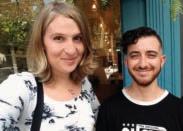
Left: Emory alumna and journalist Samantha Allen (left) with friend Billy Caracciolo.
“It’s so refreshing to be in a room with a medical professional who supports you.”
—Samantha Allen
With doctors Allen had seen for other issues during the start of her transition, there were awkward moments. “And so to come into the Emory Clinic and have Dr. Tangpricha just see me for who I am and exactly what I need, to make me feel a rmed, that made a huge di erence,” she says.
A er that rst appointment, Allen began hormone treatment, while continuing to pursue a PhD in Women’s, Gender, and Sexuality Studies at the Laney Graduate School. By the time she received her degree in 2015, she had nearly completed her transition, including gender con rmation surgery, which was partially covered under Emory’s student health plan.
Shortly a er graduation, Allen began working full time as a writer for e Daily Beast. She’s now a senior reporter covering LGBT issues. In April 2017 she received a GLAAD Media Award for an article that appeared in Splinter, and her book Real Queer America, about LGBT residents in America’s “red” states, is set to be released in March 2019. It includes her own experiences.
Allen’s story, and the way events unfolded for her, is one that would have been far less likely 10 to 15 years ago at Emory or any other institution, says Tangpricha, who began his path into transgender health and medicine in the early 1990s.
One of Tangpricha’s earliest encounters with a transgender patient came when he was a medical intern working at a clinic in Boston. A trans woman came in for some medical care unrelated to being transgender. When he learned that the woman didn’t have a primary care doctor, he asked her to come back to the clinic for future appointments.
at’s when Tangpricha realized that he needed to hit the books. While he’d had a growing interest in hormones—for example the e ect of hormone treatment on bone density—he didn’t know much about hormone therapy as part of gender a rmation treatment, or other aspects of transgender medicine.
Transgender Terminology
transgender a diverse group of individuals whose cross-culturally defined gender identity differs from the sex they were assigned at birth.
trans man a male transgender individual who was assigned female sex at birth
trans woman a female transgender individual who was assigned male sex at birth gender dysphoria distress caused by a discrepancy between a person’s gender identity and that person’s external sex characteristics.
gender affirmation treatment medical treatment for gender dysphoria that may include psychotherapy or counseling, hormone therapy, and surgery, including gender confirmation surgery

transition common term for the state of moving through gender affirmation treatment




Source: “Standards of Care for the Health of Transsexual, Transgender, and Gender Nonconforming People” by the World Professional Association for Transgender Health (WPATH)
“What do I do?” he asked himself. “What are the hormones I give to someone who’s transgender?” e young doctor wound up scouring medical libraries all over Boston—Harvard, Tu s, Boston University—looking for literature on the subject. But it wasn’t readily available. So he dug for it, spending long hours looking. When he found articles and chapters, he’d copy them and place them in a makeshi library. “I put them into di erent folders—one was ‘Hormonal Treatment,’ one was ‘Mental Health,’ one was ‘Surgery.’ I had all these folders.” He ended up with a plastic le box lled with transgender health and medicine articles.
What had started with a desire to help one patient quickly grew. When medical residents in his program at Boston University School of Medicine were asked to do a senior talk, he was well prepared with a subject. He created a medical literature review for his mentor, endocrinologist Stuart Chipkin, who was also interested in transgender issues. “Transgender” was not a term used in the medical eld at that time.
Tangpricha was in his rst year as a fellow at Boston University when he was called upon to put his knowledge of transgender medicine into practice. Chipkin had le the school for another position. Tangpricha remembers being at a faculty meeting and the immediate question was, “Well, who’s going to take all of Stuart’s patients?” Tangpricha raised his hand and said, “I’ll do it!” With that, he inherited a practice of about 100 transgender patients. “And so I was sort of the expert,” Tangpricha says.
original file box, which held what little he could find on transgender medicine.



In 2001, he attended the annual meeting of the World Professional Association of Transgender Health (WPATH) and presented a paper on the relationship of hormone therapy and bone health. At the time, he didn’t know anyone who treated transgender patients except his mentor, so it was exciting to be at a conference devoted

EMORY MEDICINE 28
Tangpricha’s
to the practice. WPATH had between 200 and 300 members then, a number that has since grown to about 2,000, Tangpricha estimates. He has a good idea of the membership numbers because he’s president-elect of WPATH, which has been instrumental in developing a framework for the appropriate evaluation and care of transgender people worldwide.
e 2011 WPATH Symposium was held at Emory and it was then that the latest version of the Standards of Care document was released. Now in its seventh edition, the standards are perhaps the most cited and recognized guidelines for the management of transgender individuals’ health.
e new guidelines include a broader base of topics; for example, the document now covers the care of adolescents during and a er puberty, as more people are seeking treatment for gender dysphoria at a younger age. “I’m proud of the guidelines,” Tangpricha says. “ ey have really helped a lot of people and have ‘legitimized’ hormone treatment for trans people.”
Although health insurance now covers care related to gender dysphoria, transgender patients still face barriers in the health care realm. ese include everything from electronic records that don’t re ect name changes to awkward or embarrassing encounters with medical sta . Tangpricha has heard many transgender patients say they’re scared of doctors. One of the key things health care providers need to get right is the use of correct names and pronouns, he says, because if that is handled incorrectly early in an encounter, the patient’s comfort and trust is lost. “I hear horror stories from my patients about providers who simply refuse to use their preferred names and pronouns,” Tangpricha says.

e addition of a “preferred name” to medical databases and so ware systems would be useful, says Tangpricha. Also, he suggests that health care workers begin a medical encounter by saying, “Hi, I’m Dr. So-and-so. What name do you want to be called? And what are your preferred pronouns?”
n one-third of those who had seen a health care provider had at least one negative experience related to being transgender
n nearly a quarter of all surveyed, in the year prior, had avoided seeking the health care they needed for fear of being mistreated
Tangpricha was part of the committee that dra ed the Endocrine Society’s rst-ever clinical practice guideline on treatment for transgender patients, and he was on the committee that developed the newly revised guidelines. e latest recommendations are more evidence-based, he says, and are written not only for endocrinologists but for other physicians who prescribe hormones as well.
Source: e National Center for Transgender Equalty.
Tangpricha’s colleague, Michael Goodman, a professor in the Rollins School of Public Health at Emory, says it has helped his own research to work with such a trusted and knowledgeable doctor. “With a long history of discrimination and mistreatment, it’s not surprising that transgender individuals are apprehensive about participating in medical research,” Goodman says.
“As gender a rmation treatment becomes more common, there aren’t enough endocrinologists to meet the demand, and other doctors should have a reference,” Tangpricha says.
Recently he and Tangpricha collaborated on a study on the link between hormone use in trans women and an increase in stroke and venous thromboembolism. Tanpricha’s involvement, Goodman says, is one of the main reasons research projects on trans health are now well o the ground. “It takes a person with his expertise, compassion, and communication skills to win the trust of participants,” he says. ■
To support this important work in endocrinology contact amanda.miles@emory.edu or call 404-727-5124.
Autumn 2018 29 INCLUSIVE CARE
A survey of 28,000 transgender people in the U.S. found that:
Dr. Vin Tangpricha, speaking with a patient during clinic, has been instrumental in developing guidelines for the appropriate medical evaluation and care of transgender people. “I hear horror stories from my patients,” he says.
A Tale of Two Clinics
BY
Fifty-year-old Wilbur was just looking for a hot shower when he was directed to a health clinic off Pryor Street in Atlanta. But he also needed medication re lls and help returning to work a er a stroke.
“I’m out of all my stu , man,” Wilbur told Brian Pettitt-Schieber, an Emory medical student who works on Tuesday nights at this particular clinic, a partnership between Gateway Center and Mercy Care.
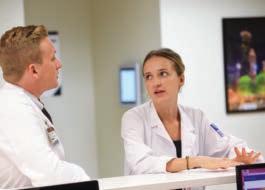
Located across from a bail bonds shop and a DUI classroom, the building has a 19-bed recuperative care unit upstairs, where Emory Saint Joseph’s Hospital sends some of its homeless patients a er discharge.

EMORY MEDICINE 30
2
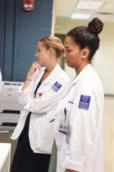
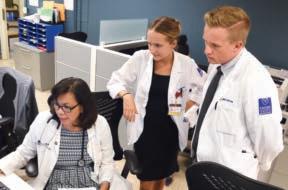
Above: Emory medical students Alix Youngblood (left) and Camille Fonseca prepare for their shift at the Gateway clinic.
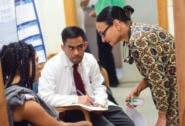
Right: Youngblood discusses a case with Emory medical student Zachary Grady.
Far right: Faculty adviser Emily Herndon briefs the medical students before their first patient.
Emily Sullivan n PHOTOS BY Jack Kearse
“
I appreciate the candor of the patients here. Many have experienced significant struggles, but they’re very forthcoming about their backgrounds and troubles and very willing to help us learn.”

Autumn 2018 31
COMMUNITY OUTREACH
Emory medical student Camille Fonseca
Wilbur had just claimed one of these 19 beds, planning to stay in the Gateway recuperative program for about a year. A couple of men in the recuperative program wander downstairs each day to visit the sliding scale clinic for prescription re lls and non-urgent treatments; the clinic also takes walk-ins. On Tuesdays, the clinic gives Emory medical students the opportunity to interview, examine, and le prescriptions under the guidance of Emory doctors.
e clinic is one of several in and around Atlanta sta ed, at least in part, by Emory doctors, residents, and students. “ e experience grants medical students practical experience while the patient exam is still overseen by licensed physicians, which is as it should be,” says William Eley, executive associate dean of medical educa-
tion and student a airs.
Additionally, all Emory medical students now participate in a Community Learning and Social Medicine course. “ e ongoing commitment of many medical students and faculty to community engagement led to the creation and success of this curriculum,” says course director Mary Jo Lechowicz, professor of hematology and medical oncology, who adds that they are moving away from terms like “volunteerism” and “service,” which suggest a one-way street. “ e clinic experience, like many others for students, is bi-directional.”

THE ART OF CARING
One of the supervising Emory doctors at Gateway, Richard Hansen, gave Pettitt-Schieber and three other medical students a pep talk before sending them o to piece together narratives of the three male patients seeking help that night. “Paint the picture for me,” Hansen said. “ is is the art form you’re going to be learning for the rest of your life.”
In one of the two examination rooms, Pettitt-Schieber had started Wil-
EMORY MEDICINE 32
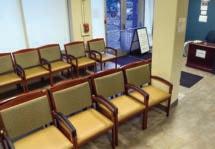
Top: The clinic’s waiting room is empty in the evening, but men trickle in from the Gateway Center for after-hour appointments with Emory medical students and physicians.
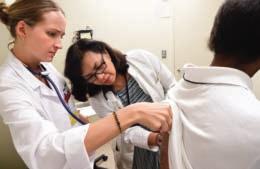
Above: Youngblood (left) and faculty adviser Herndon listen to a patient’s airways.
Right: Youngblood (left) talks with Ken, who has come to the clinic to be treated for cold symptoms, as Fonseca takes notes.
bur’s exam, asking him a series of questions and clarifying which re lls he needed, since he reported his prescriptions had been stolen. As it turned out, Wilbur had a lot going on. He wanted his lungs to recover a er a 30year cigarette addiction; he wanted freedom from rashes, his walking cane, the extra weight he had been unable to lose.
“You’re gonna be a good doctor,” Wilbur told Pettitt-Schieber.
“You were my rst patient,” Pettitt-Schieber replied, smiling.
Hansen reviewed and completed Wilbur’s physical examination. He pulled out a stethoscope, listened attentively to Wilbur’s lungs, then turned to Pettitt-Schieber and Kareem Al-Mulki, another medical student, to discuss what had likely been the cause of his chest pain, which he had rated a three out of 10. It was accompanied by an audible wheezing. “Can you hear that?” Hansen asked Al-Mulki, who plans to be an ear, nose, and throat specialist. “ at’s where the pain’s coming from, the tightness.”
On another Tuesday, Ken was seen at Gateway clinic for symptoms of a cold. Assistant Professor of Family and Preventive Medicine Emily Herndon, a faculty adviser, reviewed diagnostic questions with the students
before they entered the exam room: “How can you tell the di erence between a cold and a sinus infection?” she asked. “What medications would you treat an infection with?”
Emory medical student Madeline Roorbach, who sees patients at Gateway, says the clinics are a good way to gain exposure to clinical medicine early, and an opportunity to work with disenfranchised populations in Atlanta. “Emory attracts students who are invested and engaged in serving those who would otherwise not be able to receive care,” she says, “and we’re lucky to have such great attending physicians who devote their time and expertise to help it all run.”
REFUGEE CARE
Emory medical students also see patients at a primary care clinic in Clarkston, Georgia, “the most ethnically diverse square mile in America.” Up to 100 patients are seen each Sunday on a rst-come, rst-served basis. Emory medical alumna Gulshan Harjee 82M co-founded the Clarkston Community Health Center. “It was important for me to do this, being an immigrant myself, as a gi to society,” says Harjee, an Ismaili Muslim originally from India.

“ e value of the clinic is evident in the long queue that starts forming an hour before opening and the full waiting rooms,” says Emory medical student Zayan Mahmooth. “Nearly all of those served are unable to a ord services elsewhere and a signi cant proportion are refugees.”
On this Sunday, among the crowd of patients is Nasir, who le India for the U.S. and has been a regular at the clinic for heart problems, tooth pain, and allergies. Another is Jeanne, a mother who came to the U.S. several years ago to escape the war engul ng her home in the Congo, who is seeking help for severe ear pain. Neither has health insurance. Both were seen that a ernoon by medical students who interview and evaluate the patients, then shadow doctors as they ll in gaps and complete physical examinations.
Direct patient care is only one part of the potential experience, however. Emory medical student Cricket Gullickson coordinates about 50 on-call language translators to help Clarkston patients who are not uent English speakers. Among the most common languages the clinic hears are Arabic, Hindi, Amharic, and Burmese.
“ e relief you see on patients’ faces when
Autumn 2018 33 COMMUNITY OUTREACH
they just walk into an exam room and nd someone who can speak the same language, it gives them a sense of home,” says Emory medical student Ariel Majidi. She and Samuel Maidman, also a medical student at Emory, say they have learned their value as healers by working at the clinic, and have begun to understand how to identify with patients from di erent cultures. “ ere’s something special about helping a community comprised of people who are pursing the American Dream to its fullest,” says Maidman. “Many care for large families, work several jobs, and speak multiple languages. ey’re model citizens and it’s an honor to be part of their jour-
screen primary care patients every Sunday for depression, anxiety, and PTSD,” Polychroniou says. Middle and bottom: Mahmooth discusses a patient case and checks the scheduling board.
ney.” Clarkston Community Health Center has expanded since opening in 2015, and now o ers specialty clinics such as dental, women’s health, and mental health. At Clarkston’s Harriet Tubman Women’s Clinic, patients can get UTI tests, pregnancy tests, cervical exams, HIV tests, and a variety of shots. Phil Polychroniou and Celia Foster, Emory medical students who cofounded the mental health clinic at the center in 2017, are trying to recruit more psychiatrists, psychologists, therapists, and social workers to see a backlog of some 250 patients. “ ere is a staggering need for mental health services here,” Foster says. “Many of our patients don’t have formal psychiatric diagnoses, but rather, have impaired mental health because of traumatic experiences before, during, and a er migration to the U.S.”
Despite the intensity, “medical students frequently say that when they leave Clarkston Community Health Center at the end of the work day, they are reminded of why they chose a career in medicine,” says Mahmooth. ■


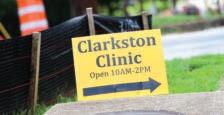
EMORY MEDICINE 34
Left: Emory medical student Olivia Gorbatkin examines a patient. “Working with these patients is an honor,” she says. “We’re often the first healthcare providers they see in the U.S.”
Middle: Gorbatkin and Emory medical student Zayan Mahmooth Far right, top: Emory medical students Phil Polychroniou and Celia Foster cofounded the center’s mental health clinic. “We
Salaam alaikum. Nay kaung lar. Seh lahm. Hello.
What’s the most pressing challenge when providing medical care in one of the most diverse cities in the U.S.?

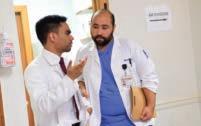
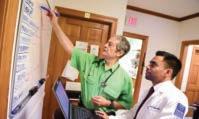
Julia Schiff, an MD/MPH alumna, believes it is the ability to communicate with patients who speak dozens of different languages. As a student, she led a project to provide linguistically competent care to refugee patients at the Clarkston Community Health Center. The team, which consisted
of students from Emory schools of medicine, public health, nursing, and business, started by conducting an assessment. They found that nearly half of the center’s patients had unmet language needs. They determined which languages were most needed—Arabic, Burmese, Nepali, and Amharic—and translated printed materials, checklists, and chart stickers into those languages. They also up-
dated the clinic’s outdated telephone interpreter list, engaging new volunteer interpreters, and installing phones in exam rooms. Finally, they recruited people from the Clarkston community to be trained in medical interpreting. “We were able to provide appropriate interpretation services for many more patients, and we got good feedback from the clinic volunteers and staff,” says Schiff. Martha McKenzie

Autumn 2018 35
COMMUNITY OUTREACH
Clinic for the Ages
By Dr. Clyde Partin

In their total ensemble of years my nine a ernoon patients added up to an even seven centuries. Seven hundred years of lived life, the rst two ninety-four each, the average age seventy-seven-point seven seven seven seven seven seven, which seemed to mirror in nity, the least-old only sixty just like me a stark reminder of my own mortality.
e two medical students added youthful exuberance and four-point- ve decades and it made me wonder why some of these less-young patients felt compelled to ask me, Do you think I should see a geriatrician? By mathematical default I am one.

For during that half-day of clinic
I shepherded point-seven millennia of rusting humanity through another day then smiled as I recalled that the daughter of the rst patient, who graced me every Christmas with a box of Harry and David’s pears fruit so succulent, so sweet, requested a photo of me with her mother. A few attempts to get it right then proudly she showed us a picture for eternity of an aging pair.

EMORY MEDICINE 36 THE LAST WORD
Put the Law to Work for Your Career
Legal Training for Health Care Professionals
New Online Juris Master degree in Health Care Law, Policy, and Regulation
“As a busy Pediatric ICU doctor at a teaching hospital and an Emory alumna, Emory Law’s juris master online format was the perfect choice to fulfill my lifelong desire for a law degree. I didn’t want to practice law, but instead to have a solid working legal knowledge and be able to interact with our attorneys and legislators to advocate for my patients. Their policies impact our profession every day. This program has exceeded my expectations, and the professionals with whom I am sharing this journey will be lifelong colleagues.”
Kerrie Pinkney, 87C 89PH MD Pediatric Critical Care and Hospice/Palliative Care Physician, Texas Tech University Health Sciences Center School of Medicine JM Candidate
Gain the legal knowledge and skills to navigate complex regulatory environments, make informed decisions, assess risk, and advance your career.
Now Online: Complete the online program in 18 months with three short residencies in one of two concentrations: Health Care Law, Policy, and Regulation or Business Law and Regulation
On Campus: Complete the on-campus program with a wide range of concentrations full time in 9 months or part-time in up to 4 years
Scholarship: 15% scholarship available for Emory alumni

Learn more at law.emory.edu/jm | Email us at JMadmission@emory.edu
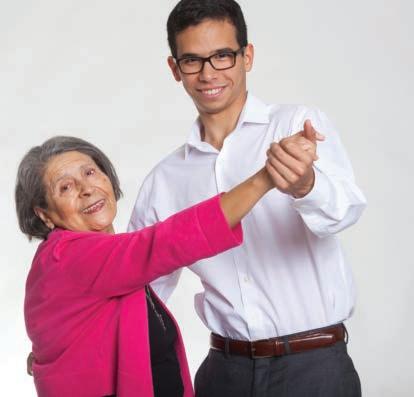


This is my legacy. Have you planned your legacy? giftplanning.emory.edu 404.727.8875 “I COMPLETED MY RESIDENCY in pediatric medicine at Emory nearly 60 years ago. My eldest son earned his medical degree and training from Emory, and now my grandson Daniel is studying pediatric emergency medicine. I owe so much to Emory, which is why I’m giving back to the school of medicine through a charitable gift annuity. I want to help Emory continue to educate future generations of doctors.”
Emory University Alumni Records Office 1762 Clifton Road Atlanta, Georgia 30322 Address Service Requested
Dr. Elma Steves 59MR, pediatrician with grandson Daniel Perry 20M Atlanta, Georgia
