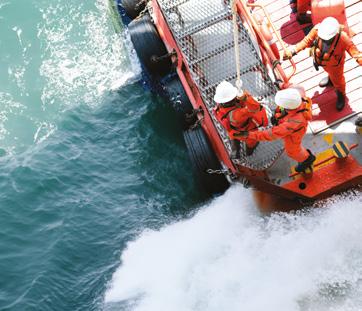
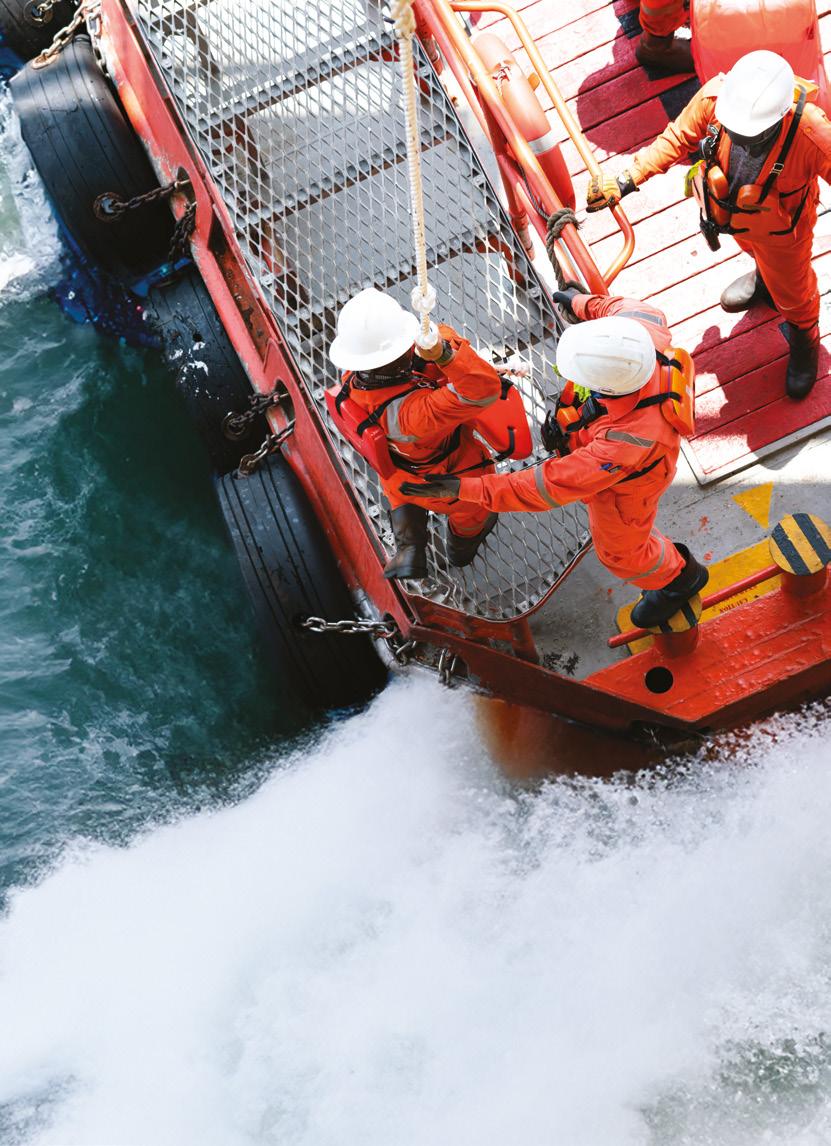
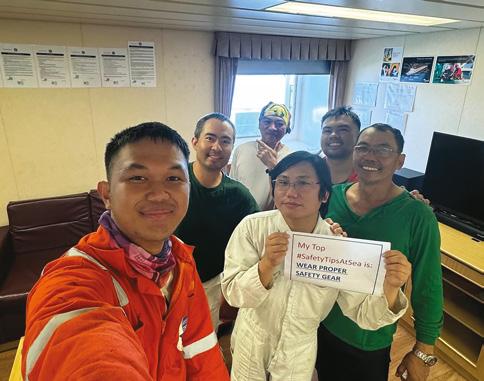
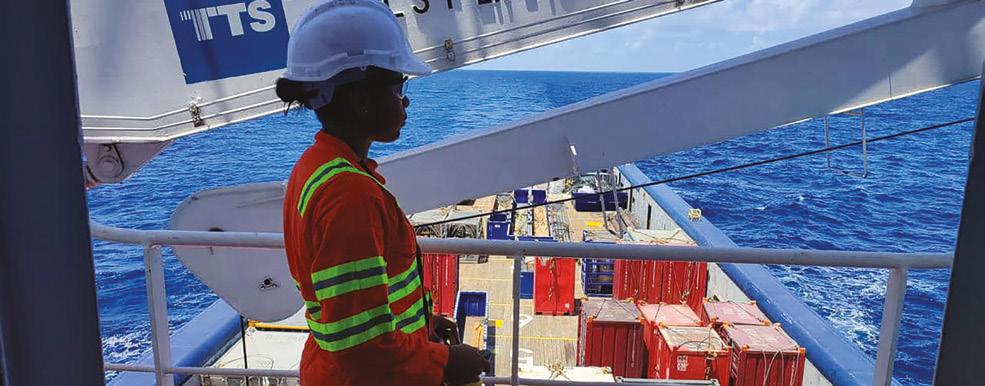
46 – Seafarers: backbone of global shipping, but at what cost?
EDUCATION
48 – From sea to strategy: Mattias Ottosson’s Blue MBA journey
ALTERNATIVE VIEWPOINT
51 – Shipbuilding: Competition is good, but co-operation even better - Dr Martin Stopford
SMI WEBINARS ANALYSIS
52 – Smart Ships, Smarter Operations: The Digital Evolution of Maritime Technology
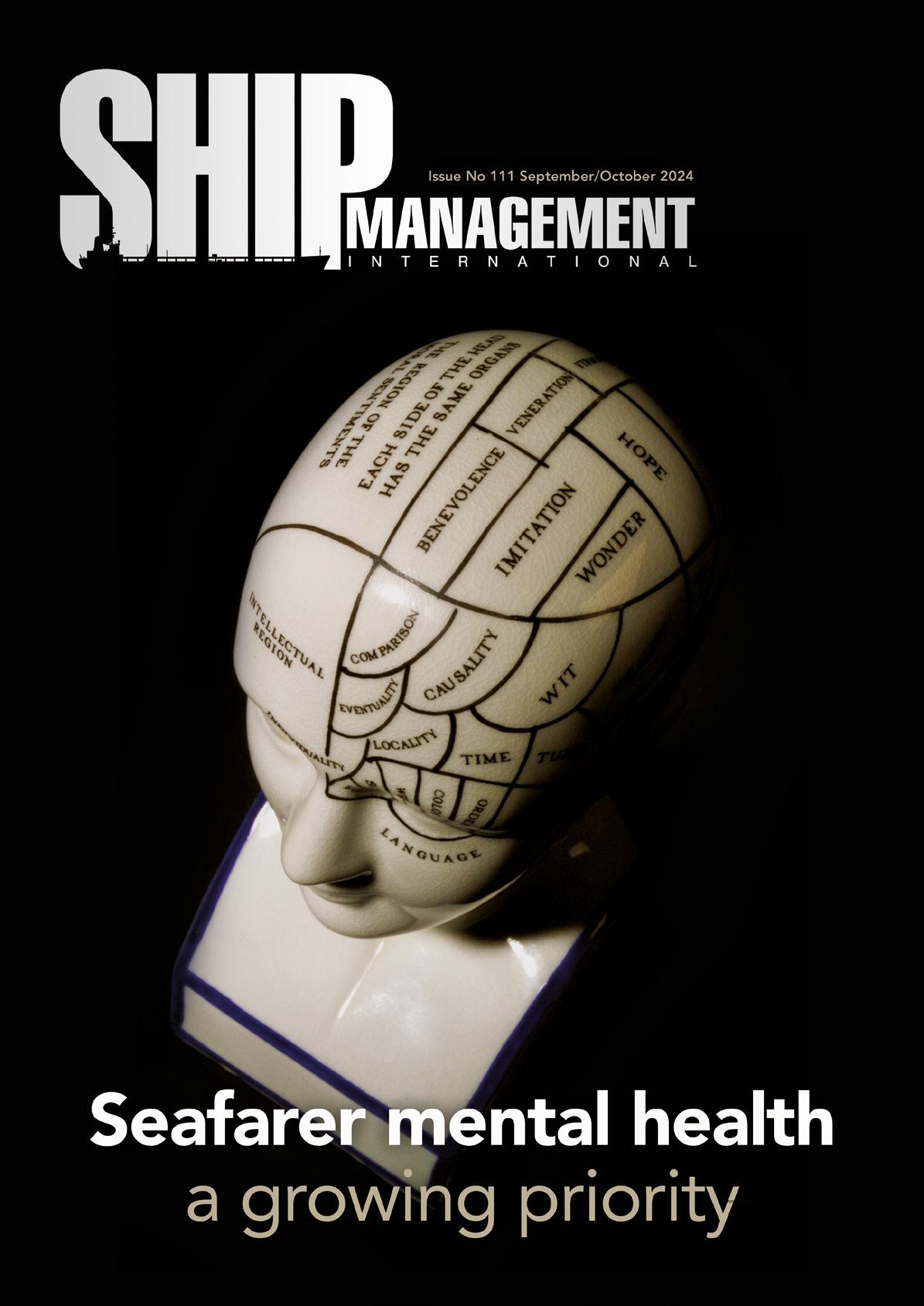
60 – Time to prioritise seafarer mental health
DECARBONISATION
66 – The impact of AI tools in aiding compliance ahead of upcoming environmental regulation
68 – CII demands new focus on continuous improvement
70 – Carbon capture and the transition to zero-carbon fuels
72 – Why bunker procurement must look to the long-term to support the uptake of future fuels
AD HOC
74 – Our regular diary section
Next issue
76 – Never stand still: the constantly evolving world of e-navigation… and how to navigate it
78 – Handysizes, workhorses of the drybulk sector
80 – Strengthened links in the cold chain
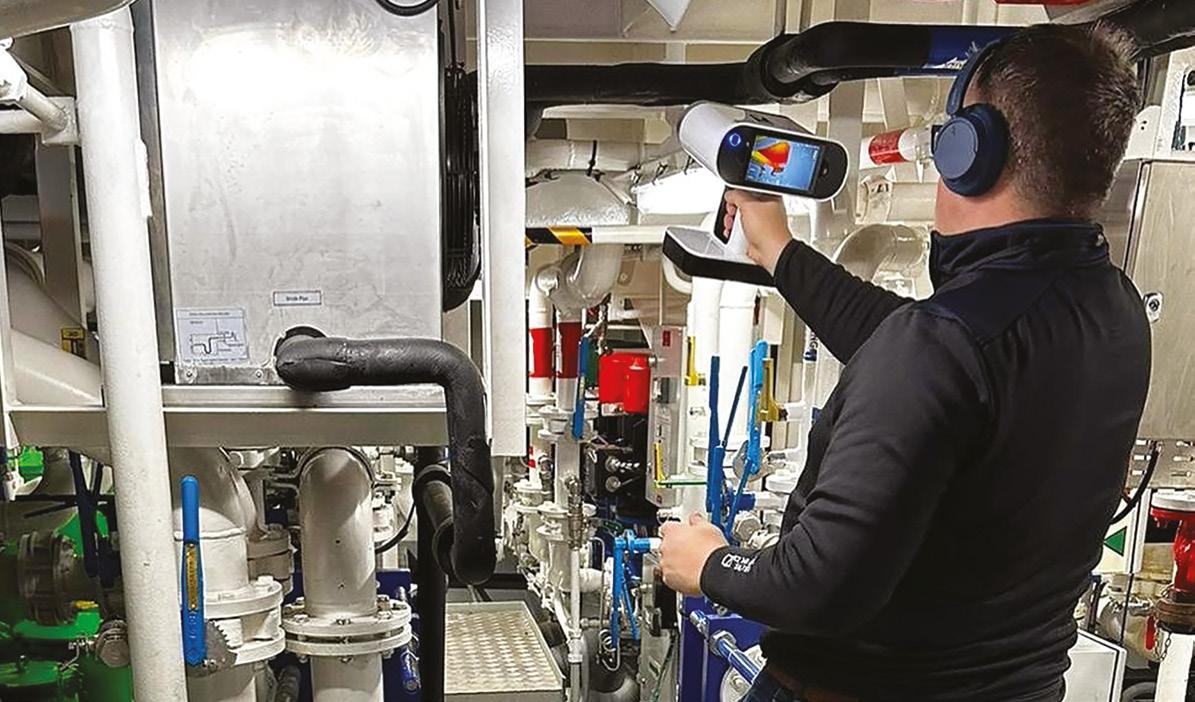
83 – Navigating compliant retrofitting with 3D scanning
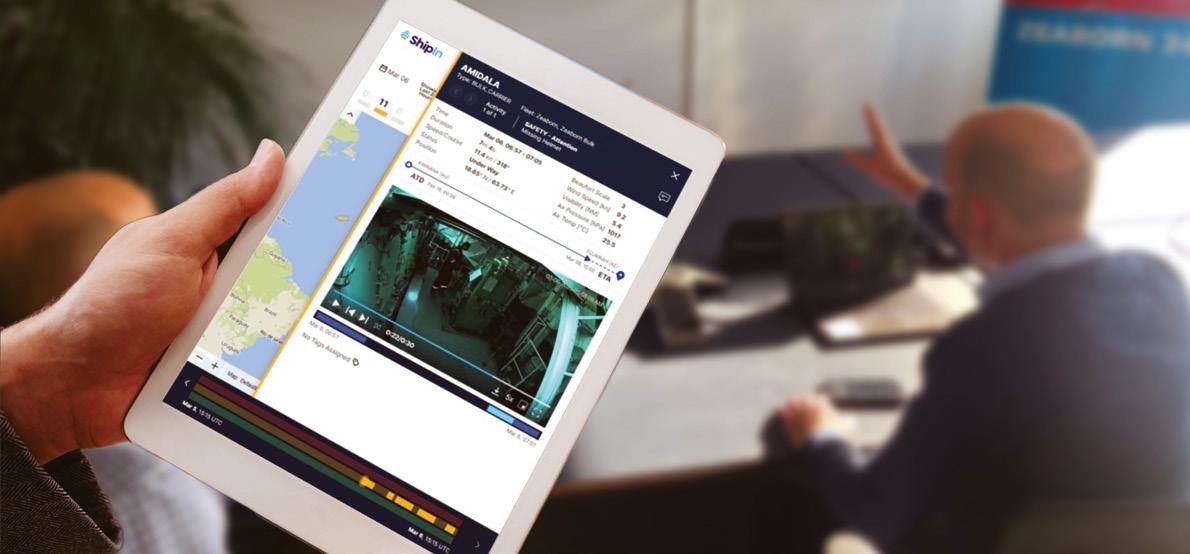
85 – Safety benefits of real-time monitoring
OBJECTS OF DESIRE
86 – Our pick of the most coveted creations
NAVIGATION TECHNICAL TECHNOLOGY REVIEW
88 – Bringing you the best in arts & culture
LIFESTYLE
90 – Nostalgia, the enduring appeal of looking back
The November/December issue of Ship Management International magazine (SMI 112) will feature special country reports on Hong Kong & China, including an account of events during Hong Kong Maritime Week 2024 in late-November, and Türkiye.
There will also be an edited transcript of the latest SMI webinar ‘Improving Port Efficiency: Why Digitising Vessel Documentation is Essential’, held in association with UAB-Online.
The shipping business magazine for today’s global ship owners and ship managers
STRAIGHT TALK
Markets set fair as disruptions continue
Most shipping markets are currently enjoying far better returns than underlying trade growth that is running at around 2% p.a. would suggests, points out Clarksons Research in its latest halfyearly Shipping Review & Outlook. Disruptions to trade patterns are serving to “amplify shipping demand”, it notes, supported by supply-side constraints such as low orderbooks and a ‘tight’ shipbuilding market.
Ongoing attacks on shipping in the Red Sea continue to be the single greatest disruption, of course. Suez Canal transits are running 70% down on typical levels, with diversions
Sales Enquiries
Julian Berry
Phone: +44 (0) 1296 682 051
Email: sales@elaboratecomms.com
Melissa Skinner Email: mel@elaboratecomms.com
Editorial
Bob Jaques
Finance
Lorraine Kimble
Phone: +44 (0) 1296 682 089
Email: editorial@elaboratecomms.com
Email: bjaques@elaboratecomms.com
Phone: +44 (0) 1296 682 051
Email: accounts@elaboratecomms.com
round the Cape of Good Hope leading to a 6% growth in global tonne-mile in 2024, the highest annual increase for more than 15 years.
In the containership segment alone, that figure soars to 12%, with some 700 vessels currently diverting, says Clarksons, while BIMCO estimates that the deviation is serving to add 10% to overall boxship tonne-mile demand.
It remains to be seen how that situation plays out but recent political developments in the Middle East do not augur well for any early resolution to the Red Sea crisis. Russian sanctions also continue to add tonne-miles on the demand side with no end in sight.
But it’s just as well that shipping on the whole remains “highly cash generative”, as Clarkson puts it, given that the industry faces a bumpy road ahead. Energy Transition will require owners to make “tricky” fleet renewal and green ship investments, it reminds, while important changes to the industry’s cargo base in the longer term are expected as oil volumes gradually decline, offset in part by “strong growth potential” in the fields of gases and offshore wind. The message seems to be: for shipping at least, ‘make hay while the sun shines’. l
Publisher: Sean Moloney
Editor: Bob Jaques
Sales Manager: Julian Berry
Finance: Lorraine Kimble
Design and Layout: Diptesh Chohan
Regular Contributors: Michael Grey Felicity Landon
Ian Cochran
Margie Collins
Ema Murphy
Motoring Journalist: Rob Auchterlonie
Technical Editor: David Tinsley
Editorial contributors: The best and most informed writers serving the global shipmanagement and shipowning industry.
Wingbury Courtyard Business Village, Upper Wingbury Farm, Wingrave, Bucks, HP22 4LW, United Kingdom
Published by
Notebook
Oceanic partners with VIKAND on mental health training for officers
Global marine services provider Oceanic, through its SeaMed24 Medical Solutions, will offer VIKAND’s mental health training programs as an integrated part of its overall services approach to its maritime customers.
The two training modules aim to increase officers’ knowledge and understanding of mental health issues at sea, including how to recognise relevant signs and symptoms and how to provide initial support to colleagues in need.
The training programs have been designed to help officers recognize various factors that can contribute to suicide and self-harm at sea and how to approach and communicate with a colleague who may be at risk.
The modules have been developed as part of VIKAND’s OneHealth structured learning programs that satisfy key industry guidelines such as RightShip’s Inspection Ship Questionnaire (RISQ) 3.0.
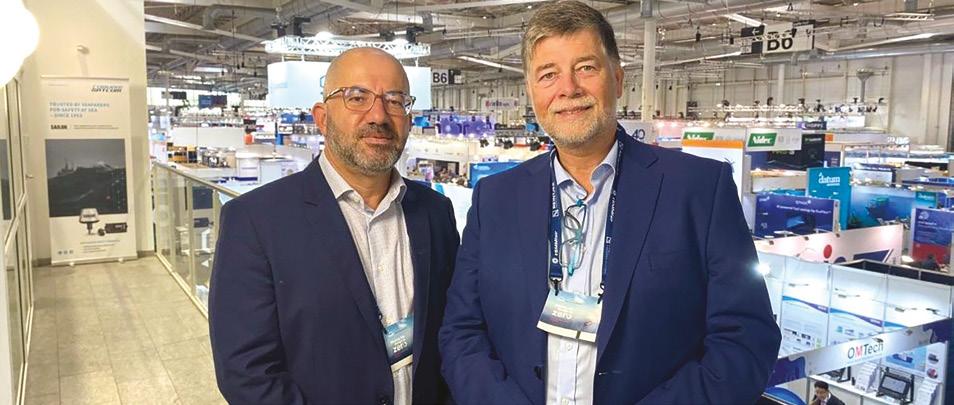
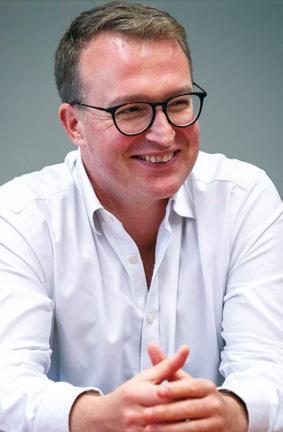
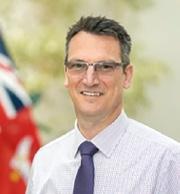
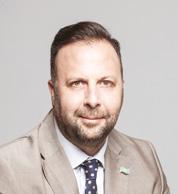
“Incorporating VIKAND’s mental health modules into our overall services is important as it complements our approach to offering our client base of over 2,300 vessels comprehensive support for seafarers in all aspects of their lives.” said Kyriakos Hadjikyriakou (pictured, left), Managing Director, Oceanic.
“Our collaboration with VIKAND, is a testament
to our dedication to prioritising the wellbeing of the crew and our commitment to the holistic welfare of crew members, ensuring they receive the support and resources necessary to maintain their mental health while at sea.
“The team at VIKAND has demonstrated that they fully appreciate the unique mental stresses of living and working onboard with most of their staff having experienced it first-hand. This is one of the main reasons we chose to partner with them.”
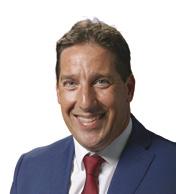
“In our proactive healthcare approach 'prevention and early intervention' is key,” said Ronald Spithout (pictured, right) , Managing Director of OneHealth by VIKAND. “This is why it is so important to empower officers with the skills and knowledge to recognize and respond to looming mental health crises.
"We also felt it was important to create a programme that would reduce the stigma surrounding mental health wellness issue and address the very delicate subjects of suicide and self-harm, so that more incidents can be avoided."
VIKAND and Oceanic’ s broader mission is to support the long-term health of the maritime industry through programmes and services that enhance seafarer safety, welfare, resilience and happiness. l
DDanica collaborates with IMEQ for crew safety and wellbeing
strategy for ship owning companies to target risk factors that can compromise psychological health onboard their fleet.
anica Crewing Specialists has partnered with the Innovative Maritime Emotional Intelligence Centre (IMEQ) to offer a comprehensive service which will help Danica’s ship owners to enhance safety through monitoring the mental health and wellbeing of their seafarers and taking proactive measures to address any areas of concern.
IMEQ’s team of expert psychologists has developed a comprehensive psychosocial risk assessment tool crafted for shipping personnel. Crew members take the assessment, available in 11 languages, anonymously via IMEQ’s userfriendly, maritime-specific platform and it takes only 15 minutes to complete.
Results can be used as a preventive
The psychosocial risk assessment identifies factors like burn-out, workload imbalance, bullying and harassment, etc, to enable crew managers to address issues before they impact ship operations. In addition to supporting crew wellbeing, the system is proven to increase productivity and efficiency onboard, as well as driving professional growth through targeted training.
IMEQ’s AI-generated reporting system produces instant, actionable reports. Using the specially designed dashboard, HR and crew managers can navigate through the detailed findings, identifying issues on particular ships or across whole fleets. IMEQ’s psychologists provide tailored
suggestions and recommendations, allowing for quick and effective interventions. The cutting-edge reports can also form an important element of a company’s ESG activities.
Henrik Jensen (left), Danica CEO, comments: “Seafaring is a challenging job and it’s important to have systems in place to support crew in the workplace. The safety of our crew and the ships they serve on is paramount and the IMEQ service is an important tool assisting us in ensuring safe vessel operations.”
Alexandra Kaloulis, Managing Director of IMEQ Centre, said: “This tool helps us understand the challenges faced by crew and take proactive measures. Partnering with an experienced international crewing specialist like Danica enables us to roll out our new service to seafarers across the globe.” l
New loss prevention tool helps ships navigate heavy weather
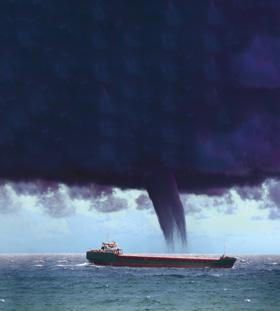
Extreme weather incidents are increasing across the globe and the impact on cargo ships is evident. Maritime insurance specialist The Swedish Club reports that it registered claims exceeding 25million USD attributable to heavy weather over the past five years.
In response, The Swedish Club has developed a Heavy Weather Alert tool as an addition to its leading loss prevention tool Trade Enabling Loss Prevention (TELP).
Heavy weather can cause structural damage, shifted cargo, broken mooring lines, wet damage, lost cargo overboard, and more. The Club says it has also seen examples where vessels have failed to suspend cargo operations and depart port in a timely manner when severe weather is approaching, resulting in major losses and claims. This is despite the fact that most vessels today have access to high quality weather reporting and weather routing.
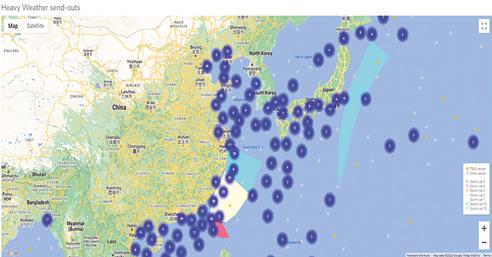
The Swedish Club’s innovative Heavy Weather Alert provides timely loss prevention advice to insured vessels operating in proximity to severe weather patterns. Based on a vessel’s position, in combination with up-to-date weather information and real-time data, the Heavy Weather Alert system automatically generates a customised loss prevention alert, with hands-on advice, when severe weather conditions are detected near a vessel’s position – thereby helping to mitigate potential risks and ensuring the safety of both crew and cargo.
The service has been fully developed in-house by The
Swedish Club’s Loss Prevention and IT departments, reflecting the Club’s commitment to delivering cutting-edge solutions that support its members in navigating the complexities of maritime operations.
Peter Stålberg, Senior Technical Advisor, commented: “Over the past five years The Swedish Club has registered claims exceeding twenty five million US dollars attributable to heavy weather. Any measures we can take to reduce this figure will contribute positively towards our members’ operations and insurance records.”
The Swedish Club’s TELP service combines latest technology with its years of claims experience and expertise, including information from external sources, to help vessels safely chart their way through high-risk areas around the globe. By tracking its insured vessels’ AIS signals, the Club is able to identify vessels bound for an area of particular risk and provide them with timely and tailored loss prevention advice relevant to that destination.
TELP sends out the advice a few days prior to the vessel’s arrival, or when severe weather is approaching, enabling the crew to plan.
In addition to navigational risks or weather patterns, TELP can advise shipowners and Captains of problems with bunkers, pilots or towage, or known issues with unfounded claims or dubious charges etc. With many thousands of ports and waterways to navigate, often varying from voyage to voyage, it’s not easy for a Master to be aware of all potential high-risk areas. TELP can issue a warning if any of these ‘hotspots’ could be encountered during what should be an uneventful journey.
Current TELP subscribers will be automatically enrolled in the Heavy Weather Alert service as it is rolled out, ensuring they benefit from this addition without any additional steps required. For further information visit https:// www.swedishclub.com/lossprevention/trade-enabling-lossprevention-telp/ l
Importance of KYC for ship managers
The importance of processes around the topic of Know Your Customer (KYC) is growing rapidly. Ship managers must ensure compliance with international regulations and protection against various risks.
KYC involves due diligence processes to verify the identity, suitability, and risks associated with maintaining business relationships. For ship managers, this includes clients, business partners, and other entities involved in maritime transactions. It also helps in identifying and mitigating risks such as money laundering, terrorism financing, fraud, bribery, and corruption. This is crucial in the maritime industry, where transactions often involve multiple parties across different jurisdictions.
Verifying the identity and intentions of a party during onboarding can help detect suspicious activities early. KYC is not solely about sanctions. Due diligence in knowing who you are dealing with is a good business practice.
Conducting a thorough inspection of a ship before it joins a manager’s fleet is a crucial part of the due diligence process. A recent claim involved a bulk carrier, purchased on an ‘unseen as-is basis’, transitioned to new management without a pre-management survey. The bulk carrier soon found herself detained due to severe deficiencies, unveiling financial and operational difficulties. Repair costs, claims, and lost earnings amounting to millions of dollars underlined the value of meticulous ship assessments.
Implementing effective KYC procedures involves several key steps. Ship managers should start by identifying all parties involved in a transaction, including shipowners, charterers, and sub-charterers. This includes verifying their identities, understanding their business activities, and assessing their risk profiles.
Various tools and resources, such as third-party databases (e.g., WorldCheck, Orbis), registries, and trade press, can aid in this process. Additionally, ship managers can utilise KYC service providers like Marcura or Windward to enhance their due diligence efforts. The level of due diligence should be tailored to the risk profile of each party, with more rigorous checks for entities in highrisk jurisdictions.
ITIC requires all ship managers to be co-assured with an International Group P&I Club. IG Clubs are rigorous with their own KYC process. This has meant that some shipowners who have failed in this due diligence process to gain entry to an IG P&I Club have resorted to some fixed premium providers. Therefore, if a ship being accepted into management has fixed premium P&I, it should raise a red flag, prompting enhanced checks to understand the reasons behind it.
Ongoing monitoring of business dealings and transactions is essential, as the status of principals can change. ITIC recently settled a case where a ship manager was caught up in a dispute between a supplier of grabs and an insolvent owner.
The ship manager was supervising the build of two new ships in a
By Robert Hodge, General Manager, ITIC
Chinese yard and had arranged the purchase of two grabs, assuming they were doing so as agent on behalf of the owner. However, the owner had become insolvent and was no longer in existence. The supplier of the grabs held the ship manager responsible for payment, claiming a breach of warranty of authority. The claim was for the cost of the grabs, US$710,000, plus interest. The matter was eventually heard by a court who found in favour of the supplier. This was appealed, and eventually, the supplier settled at US$420,000. ITIC covered this cost as well as legal fees of US$70,000.
In conclusion, KYC is an indispensable process for ship managers, providing a framework for managing risks, ensuring legal compliance, and protecting their reputation. As the maritime landscape continues to evolve, the importance of KYC will only grow, making it a critical component of successful ship management. l
InterManager Outlook
How do you measure success in crewing & crew management?
A personal view by Capt. Kuba Szymanski, Secretary General of InterManager
BIMCO’s Shipping KPI (Key Performance Indicator) Standard proposes a global shipping industry system for defining, measuring and reporting information on operational performance in order to, amongst others, boost and monitor performance improvements internally in companies engaged in the ship operation activities, and provide a base for communication and information of ship operation performance to internal and external stakeholders.
The benchmarking, monitoring, reporting tool comprising of Key Performance Indicators (KPI) and Performance Indicators (PI) was developed and launched back in 2010originally an initiative of InterManager - and the latest 4.0 version has been valid since Q1 2020 .A Ship PI platform was launched 15 May 2024 with improved user interface and new functionalities, all data hosted by BIMCO.
Of the 36 KPIs outlined by BIMCO several relate to crewing matters, including: Cadets per ship (KPI003), Crew disciplinary frequency (KPI008); Crew planning (KPI009), Health and Safety deficiencies (KPI015), HR deficiencies (KPI016), Lost Time Injury Frequency (KPI017), Lost Time Sickness Frequency (KPI018); Officer retention rate (KPI 022), Officer experience rate (KPI023) and Training days per officer (KPI031).
The Seafarers Hospital Society charity, which I have the honour of chairing since 2022, has also put together a Best Practice KPI Toolkit for shipping companies, divided into a 4-stage scale:
• Expected Base Level - for companies that have implemented the essential requirements of the Maritime Labour Convention (MLC);
• Performance Accountability Level - for companies with their own monitoring system;
• Enhanced Level – for companies that now include all aspects of MLC that have a bearing on health and provide a framework for monitoring performance and setting priorities; and final
• Best Practice Level - a final level providing scope for companies to record innovative health and wellbeing initiatives and evaluate their effectiveness with data and comprehensive feedback processes.
To prevent obstacles to their adoption, these KPIs have been carefully crafted to complement other commercial and regulatory regimes. Trackability and measurement are at the core of this framework, and we encourage participating organisations to use our data-driven approach.
Importantly, the KPIs allow for SELF-ASSESSMENT and you can choose what you want to be measured against. The KPIs can be found at: https://uk.surveymonkey.com/r/5C9DJZG . There is a problem, however… many ship Owners don’t seem to be interested at all!
Managers might push for it but the main reason why Owners invented Crew Manager services, cynics might say, is so that they can stay away from the issue altogether.
This attitude needs to change, with the importance of seafarer welfare now beginning to make itself felt right across all sectors of the industry. l
First Person
Dr Ravi K. Mehrotra CBE, Executive Chairman, Foresight Group & Chairman, Europe-India Chamber of Commerce (EICC), Brussels
Veteran entrepreneur Dr Ravi Mehrotra has enjoyed a long and varied career since first joining Shipping Corporation of India as a cadet and rising to Chief Engineer. After coming ashore he was seconded to Iran to run the start-up Irano-Hind Shipping Company, where after the 1979 Revolution he became that country’s Principal Shipping Advisor. In 1984 he founded Foresight Group in London, which went on to become a major owner of various shipping types, including notably reefers and tankers, as well as branching out into oil drilling rigs.
Forty years on the Group today is based in the UAE and India, with just the Chairman’s office in London. Foresight owns and manages four Very Large Gas Carriers, with the acquisition of two more planned, plus five drilling rigs – four jack-ups and one land-based – all of which are currently in operation with an impeccable safety record. In total it employs some 1,250 persons not including the seafarers on the ships.
Coinciding with the Group’s 40th anniversary, the Foresight Chairman has been honoured this year with the founding of the ‘Ravi K. Mehrotra Institute for Business, Markets & Society’ as part of the Questrom School of Business at Boston University in the US, where already some 900 students have applied to take its twoyear MBA course.
Asked by SMI whether he considered the Institute bearing his name to be his ‘crowning achievement’, Dr. Mehrotra shoots back: “It is much more than that. It’s beyond my perception.” He points out that Boston is world-renowned for its academic institutions, particularly in Business studies, with prestigious names like Tata Steel and MIT also having institutes there.
Writing in the Wall Street Journal, Prof. Marcel Rindisbacher, Co-Director of the Mehrotra Institute and Senior Associate Dean of Faculty and Research at Questrom School of Business, described the launch of the Institute as “a bold step… to help others understand and appreciate the role business and markets do, advancing societal goals and solving global challenges.” He went on to add: “We
at the Mehrotra Institute recognise that solutions necessitate constructive collaboration among businesses, governments and groups representing consumers, investors and employees.”
Dr Mehrotra himself requested that he should deliver a short introductory talk to guests and the inaugural intake of students at the official opening of the Institute in midSeptember, of which the following are a few excerpts :
“Heartfelt thanks to the University of Boston for this honour and the opportunity to make my modest contribution to building educated and informed societies for the benefit of societies themselves.
“I was born into a family where education was on a very high pedestal. My parents were both teachers and always highlighted the paramount importance of education for building strong and developed societies. Gandhi rightly said that “An education which does not teach us to discriminate between good and bad, to assimilate the one and eschew the other, is a misnomer.” Knowledge empowers you to not just follow, but to create, assess and finally make your own choices.
“Founding fathers of the USA while establishing the Constitution of the country opted for the Capitalist system of economy. ‘Why,’ one may ask, ‘did they take their independence from the UK imperialism to choose capitalism?
“In my view the simple reason was that the capitalist system is closer to human behaviour. By this I mean the constant striving of humans to protect their families and their needs.
“Well, no system so far created by humans is perfect. They keep being adjusted as people progress. Humans do not and cannot live in isolation like most living creatures. And, when you are in society it will generate greed and once the greed is there, there
are only experienced forces that can control it. Unchecked greed will lead to the development of egos. …
“Greed and ego are the two very dangerous characteristics of a human being. For societies to develop, they must develop, assessing and balancing mechanisms to control it within the capitalist system. In Foresight Group we tried to completely remove these two elements from our operations and confidently steer forward, trying to be relevant to society and its needs while keeping the Group profitable all the time.”
Simply put, Mehrotra believes that once companies or individuals have accrued wealth within the capitalist system, they should ‘give back’ to society. Failure of high-net-worth individuals to do so is one of the reasons why capitalism finds itself on the back foot in the US these days, he says, and hence the perceived need for the Mehrotra Institute.
He himself has certainly given back. Dr Mehrotra has already gifted his late parents’ house in Uttar Pradesh, India as home for the Foresight Group’s Amer Maritime Training Academy (AMTA) to help disadvantaged young people from the land-locked state embark on a career in maritime. His early reefer fleet was based on the principle that fruit and vegetables are intrinsically healthy for the human being, and he still runs a farm growing industrial quantities of the main fruit used in Ayurvedic medicine. He also has a shoe business, another essential prerequisite, especially for the less well-off in India. And before they had to close during the pandemic he promoted Chinese-Indian friendship by running cross-culinary ‘Silk Road’themed restaurants in both countries. Further than that, Dr Mehrotra is known to be a very generous and lavish
host, and for the best part of 30 years he and his wife Manju have hosted an annual Winter BBQ in a giant marquee specially erected in the gardens of his home in Putney, London, regularly attended by some 500 guests from the shipping world. He also chose to write his autobiography in the form of a selfhelp book for others, entitled ‘What’s in it for YOU?’
Then there are actions that Foresight is taking to help develop Indian Shipping. A couple of years back it was a short-listed bidder to take the Shipping Corporation of India private, a de-nationalisation that the Government now seems to have stalled, and the Group is now busy helping develop the ‘world’s first CNG terminal’ for the country’s import of compressed natural gas at the Port of Bhavnagar, Gujarat.
In short, students of business wishing to learn about the caring face of capitalism could do worse than looking to the eponymous founder of Boston University’s new Ravi K. Mehrotra Institute for inspiration. l
Outside the new Mehrotra Institute at Boston University, with Prof. Marcel Rindisbacher and Foresight Group MD Utsav Seth
How I Work
SMI talks to industry leaders and asks What motivates them and how they
deal with the rigours of the shipping industry
MCaptain Pradeep Kumar Chawla Founder and CEO, MarinePALS
aking seafarer learning easy, enjoyable and above all effective was the aim of Captain Pradeep Kumar Chawla when he took his long years of experience at sea, and then as head of Safety & Training at ship management giant Anglo-Eastern Group, to start up his own company MarinePALS in 2023.
In fact, work on researching and developing concepts for the new learning system had begun before, in 2018, under the aegis of AngloEastern (A-E). MarinePALS was then set up by Captain Chawla in Hong Kong, with its IT Department in India, immediately upon his retirement from the group last year.
PALS literally stands for Proficiency And Learning System, which “academically speaking describes the comprehensive nature of the company’s suite of learning products,” explains Capt. Chawla. But the name also denotes how the products have been shaped to serve as ‘friends’ of the seafarers “to help them remain safe and be good at their jobs,” he adds, “and it is this meaning which clients and seafarers generally prefer.”
Already around 650 ships subscribe to the system, mostly from A-E but also from another four ship operators, and that figure is expected to grow significantly by the end of the year. Currently MarinePALS employs 40 people working on the platform and its delivery, and 15 on developing content.
Hailing from Mumbai, Capt. Chawla himself started his career at Shipping Corporation of India, where he joined as a deck cadet in 1974 and worked his way up to becoming a Captain in 1986 at the age of 29. In total he spent 17 years at sea, sailing on all types of vessels (except cruiseships).
He already had a strong interest in training, and in 1990 wrote his first book in Hindi, on Safety at Sea. This was not only adopted by the Indian authorities as a textbook for the training of ratings but also turned into an audio book, and later translated into Tagalog for Filipino seafarers.
On coming ashore in 1992, Capt. Chawla joined Anglo-Eastern Ship Management in Hong Kong, in a role that was to become Managing Director
for QHSE (Quality, Health, Safety & the Environment) for the entire Group with its circa 640 ships, 30,000 seafarers and 1,700 shore employees. Here he led an Auditors team of 50 who made around 750 shipboard visits a year and was responsible for getting A-E certified for the ISM Code and to ISO 9000 (Quality), 14000 (Environment) and 18000/45000 (Safety) standards.
On the training side, his numerous duties also covered overseeing the design and implementation of training courses for both seafarers and shore staff. He first came up with the concept for, supervised and implemented a cadet learning programme called MEETS STCW, later marketed by Videotel, and went on to devise an e-learning management portal.
In 2007 he also became Chairman of the GlobalMET maritime training and education association, which at present has members in 22 countries worldwide. Then in 2009 he set up the AngloEastern Maritime Academy in India, a 57acre campus where some 440 students pass out every year, rated as one of the country’s best. At the same time, he continued designing various software programmes for ship management, vessel performance, procurement, digital record books, a gaming app called ‘Vessel Inspector’ and more.
Capt. Chawla takes up the story. “I started getting frustrated because the younger generation didn’t read and even the older ones had a shorter attention span,” he tells SMI. “So in 2018 I started doing research and came up with three concepts: ‘micro-learning, games for learning, and VR (Virtual Reality) training programmes.” These went on to form the basic structure of the MarinePALS digital learning management system, which today is hosted on the cloud and Amazon platform.
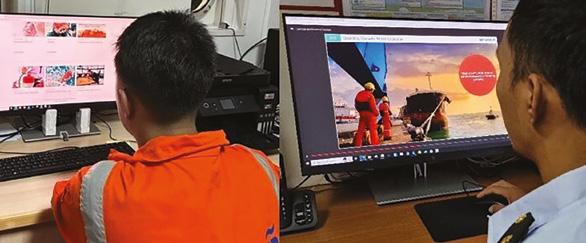
“Where we are going with MarinePALS,” he explains, “is trying to provide learning in a format that young people enjoy - in short videos lasting no
more than 7 minutes - which research by You Tube and other platforms suggests is the ideal maximum span of attention – as well as in TikTok-type bursts of 60 seconds, and using VR techniques like a 360-degree visualisation of a ship’s engine room or LNG fuel gas supply system and bunkering station.
“It’s not rocket science,” he says modestly, “just converting learning in a modern and enjoyable way.”
And although MarinePALS may be the ‘new kid on the block’ among a number of other maritime learning providers, Capt Chawla thinks its content is “pretty unique”. Others are now “copying our short-video format,” he relates, “and no-one else makes as much use of VR and gaming.”
“Two big issues are happening in the maritime world,” he continues: “Decarbonisation and alternative fuels, and Digitalisation.” Both will require new training for roughly 800,000 officers and it’s physically not possible to bring everyone into the classroom so here there needs to be blended learning incorporating remote online lessons, videos, VR and so forth.”
Safety remains the overriding concern and Capt. Chawla has been outspoken on the need to do more to prevent accidents like deaths from enclosed spaces. Why aren’t simple detectors fitted to indicate when it’s unsafe to open a hatch and enter an enclosed space, he queries, pointing out that other hazardous industries spend roughly 8-10% of their operational costs
on safety training ‘while with shipping I would say it’s more like 0.1% in terms of direct costs, not including seafarer travel and accommodation, crew change costs and so forth. A ship typically spends [only] $15,000 to $20,000 per year on training for a crew of 25.”
Capt. Chawla’s views are often passionately expressed at the highest levels since he has sat on numerous committees of organisations -like BIMCO, Intertanko, the Hong Kong Shipowners Association (HKSOA) and Nautical Institute - attended IMO meetings, spoken at conferences and published numerous articles in shipping journals.
Despite already having enjoyed a 50-year career in maritime, Capt. Chawla remains incredibly active, normally travelling some 120 days a year - including visits to his daughter who is training to be a surgeon in Dublin. This leaves little time for outside pursuits but he keeps up the running of a charitable foundation that he started with his late wife to support the educational and medical needs of disadvantaged persons, an activity that fits neatly with his passion for improving the lot of seafarers.
Ship crews, he firmly believes, enjoy far better conditions today than when he was at sea, and modern ITC technology plays a great part in that, providing entertainment and social interaction with families ashore. His message with MarinePALS is that it should now be used to incorporate latest modern techniques to improve the learning - and therefore safety - of seafarers, as well. l
Ship Registries SEAFARER WELFAREAN AREA OF GREATER EMPHASIS FOR FLAGS
The increasing focus on seafarer welfare matters more than for obvious humanitarian or safety reasons – it’s vital if the industry is to attract and retain the seafarers it so badly needs. Felicity Landon reports on the role that ship registers play in ensuring the welfare of those serving at sea.
Let’s look at the nuts and bolts first. The Maritime Labour Convention (MLC) 2006 and the International Convention for the Safety of Life at Sea (SOLAS) both set out requirements relating to seafarer safety and wellbeing, and a flag state must ensure that vessels registered under its flag are compliant with the regulations. That, however, leaves a lot of scope for ‘interpretation’ and/or taking on greater levels of responsibility for taking care of seafarers.
As Cameron Mitchell, Director of the Isle of Man Ship Registry (IOMSR), says: “What everybody forgets about the MLC is that it’s a minimum standard. We are fortunate as a flag that we have some very good companies in our fleet when it comes to standards, welfare and so on. We believe Isle of Man ships are probably showing some of the highest standards of the
international fleet. That is mainly due to companies who want to provide better standards above the minimum MLC requirements.”
The IOMSR has delegated statutory surveys for commercial ships to classification societies as ROs (Recognised Organisations) – that includes ISM (International Safety Management Code), ISPS (International Ship and Port Facility Security Code) and MLC audits, which are carried out when a ship enters the
Cameron Mitchell
registry, between year two and three, and before the end of year five. Mitchell notes: “The welfare of seafarers is absolutely connected to the performance of ships, the safety culture on board and, to an extent, detention ratios and the amount of deficiencies picked up. If you have an unhappy crew in unhappy circumstances who aren’t being paid, they are not going to be working at their best. We see this as one of our four pillars as we move forward: digitalisation, decarbonisation, sustainability and seafarers. Those are the important topics for us as an organisation and they fit very nicely into ESG.
“Meanwhile, our clients are of the view that anything they can do to retain the seafarers they have and make their lives better is positive. That gap of seafarers is just going to get bigger as we go forward.”
Capt. Oli Olsen, Deputy Director of the Bahamas Maritime Authority’s seafarers & manning department, says: “BMA welcomes the focus on seafarer welfare in the current very competition-driven labour market. There is a scarcity of seafarers, which is increasing. Covid had an impact on that, when people stopped their seagoing careers, but that is only one reason. The main reason is the change in demography with an ageing population in the traditional providers of the seagoing workforce and lack of opportunities to achieve the required training in parts of the world with a younger population. The employer who offers the best conditions will have better access to the workforce. Welfare is indeed important for personnel retention.”
He refers to the ILO discussions around whether the maximum seagoing time should be 11 or 12 months: “I think we should sit down and discuss 11 or 12 weeks, not months.”
BMA focuses on shipowners which employ personnel who are qualified for the positions they take on board, as a matter of ensuring a safe working
environment, says Olsen. “Secondly, BMA ensures that seafarers are secured all their rights and responsibilities as stipulated in MLC – the Seafarers Employment Agreement being the most important document to the seafarer to prove that he is employed and that shipowners signed for their obligations. Furthermore, BMA ensures that shipowners provide documented evidence of financial security for the seafarers’ wages and their repatriation.”
Cameron Mitchell says a major topic of discussion at the IOMSR is how companies ensure psychological and physical safety and security on board – and how that translates into the drive for diversity, equity and inclusion (DEI).
“If we can’t ensure the psychological and physical safety and security on board for our current group of seafarers, which isn’t hugely diverse, how much more difficult is it going to be to get a really diverse and inclusive seafarer base on board ships?”
He says that the companies that do well and have policies, procedures and strategies in place for psychological and physical safety and security will inevitably receive a lot more feedback from their seafarers in a ‘closed loop’ way.
However, in less ideal situations: “It isn’t unrealistic to believe that there will be a lot of seafarers out there who still feel too intimidated or insecure to complain – because they need the money, they need the jobs, they need to be away earning for their families.”
The IOMSR set up an online portal through which seafarers can complain directly to the registry if they have concerns on board – “terms and conditions, payment, hygiene, accommodation, food or conditions of employment – we will investigate.”
In fact, Mitchell says, complaints from merchant ships are few and far between, while the flag receives far more complaints from yacht crews. “Yacht management seems to be set up very differently and is quite an immature industry compared to merchant shipping, so probably it’s not surprising.”
Capt. Oli Olsen
The IOMSR also set up a seafarer welfare app which provides seafarers with a direct link to the International Seafarers’ Welfare and Assistance Network’s (ISWAN) 24/7 helpline. “One of the primary things we wanted to do was to connect seafarers to shore – to provide them with an avenue if it ever got to the point where they just couldn’t cope and needed someone to talk to while at sea.”
IRI, the administrator of the Marshall Islands Ship Registry, notes that a flag state must ensure that vessels registered under its flag comply with all relevant international maritime instruments and standards, particularly for matters that pertain to seafarer safety and welfare – including under MLC and SOLAS.
This means the inspection and certification of more than 4,000 ships that are RMI-flagged, says John Hafner, Vice President, Seafarer Manning & Training at IRI. In 2023, IRI issued more than 85,000 RMI seafarers’ identification and record books to seafarers working onboard an RMI-flagged vessel. IRI also addresses a ‘proportional number’ of MLC 2006 complaints on a daily basis, which are tracked, logged and investigated (whether valid or not) within 24 hours, says Hafner. In 2023, wages were a factor in 53% of all valid MLC complaints, while repatriation was a factor in 39%.
“Wages and repatriation comprise the two largest categories of valid MLC complaints received over the past several years. This was also true prior to the pandemic.”
Hafner says seafarer welfare has improved – the number of complaints steadily decreasing has underlined that, apart from the spike during the pandemic.
“Is it better than when I was at sea? Absolutely. One of the big reasons, aside from MLC, is connectivity.”
Regulatory Affairs Specialist Rose Hernandez is part of the IRI core IMO team. “Others working with me are master mariners or spent their lives at sea; we draw on this experience to get feedback and the best input and output into international maritime law that we can,” she says.
She highlights the amendments to MLC due to enter into force in December (2024), which cover issues such as social connectivity and internet access, ensuring that seafarers are informed of their rights prior to engagement, requirements for balanced and nutritious meals, disembarkation for medical care, prompt repatriation and providing appropriately sized PPE.
The MLC Tripartite Committee has its fifth meeting in April 2025, when harassment and bullying will be a key item up for discussion. “Bullying and harassment is definitely being pushed hard by some delegates – we have been working on this for some time,” says Hernandez.
The Marshall Islands Registry also supports seafarers’ families, via outreach to crewing agents.
Liam Ryan, International Registrar of Shipping and Seamen at St Kitts & Nevis International Ship Registry, says: “The safety and efficiency of shipping is easily affected by the crew – so we need to make sure the crew are in a prime condition as much as we can. Look at some of the incidents the industry has seen – 75-80% of what we have on the table would be because of crew fatigue.”
St Kitts puts a big emphasis on safe manning levels, he says: “When shipowners or managers say ‘this is what we believe is safely manning the ship’, we ask – ‘how are you going to comply with MLC hours of work and rest?’ It may look good to the manager and save money, but what about the seafarers? Every day we have owners who push safe manning levels to the limit. If we don’t agree, we don’t agree. They then have to review their plans and propose something that we say is agreeable.”
Under the principles of safe manning developed by IMO, there are things that the registry can look at to help reduce the manning, but only situations such as unattended machinery space in the engine room, automation of the machinery, etc., where the chief engineer or second engineer has an alarm system in their cabin that would trigger if something went wrong, says Ryan.
“Safe manning levels are guidelines, not rules; they must be ‘to satisfaction to the administration’. Some administrations may be satisfied, some not – but overall, it is down to interpretation of what is safe, based on conditions, routes, etc. For us, it’s all about: how do you intend to operate the ship safely? How do you intend to comply with hours of work and rest requirements? Can you still comply with this?”
However, he points to managers that are ‘absolutely top class’ and wouldn’t do anything that puts crew at risk –“because they realise that crew are part of their ‘company family’ and if they treat them right and keep them in good spirits and paid on time, and they get their leave on time, they will be more positive towards their work.”
From St Kitts’ point of view, the biggest issue is around late payment. “A lot of the defaulters [those not paying seafarers] don’t help with the problem, they prolong the problem even more. We see cases of crew complaints – missed payments, etc. – and you have to question why defaulters haven’t stepped in before to remove the crew. Some people won’t go down that route because they don’t want to do the paperwork. In terms of crew welfare, this needs to be a joint effort.
Capt. John Hafner
Liam Ryan
Transparency, accuracy and timely information is crucial for us as a flag state – and there is an issue with this sometimes.”
Seafarer welfare refers to physical and mental health, safety, security, fair treatment, wages and capacity development, says Bertrand Smith, Director General of the Maritime Authority of Jamaica (MAJ).
“The flag state with which the ship is registered is conferred with the responsibility for the welfare of the seafarers working under its flag. These responsibilities are guided by international conventions, national legislation/ regulations and policies,” he says. “Port State Control officers ensure regular inspections of vessel – not just Jamaican flag vessels but also vessels visiting Jamaica, to ensure they meet the international safety and welfare standards. During PSC inspections, documentation, accommodation, food and other areas are checked to ensure compliance. The Registrar of Seafarers ensures that complaints received in relation to employment issues are addressed on a timely basis.”
Access to welfare services is another area of responsibility, he says – “facilitating access to welfare both onboard and in ports, and giving seafarers an opportunity for shore leave, as well as a break from their confined spaces and their mundane tasks. The MAJ ensures vessels on its flag are adequately resourced and informed to preserve the rights of seafarers.”
The entry into force of the MLC in 2013 brought improvements, says Smith, but there is still ground to cover. “The Covid-19 pandemic has uncovered many deficiencies in relation to seafarers’ welfare. These included
mental health, due mainly to isolation (being away from family and friends for extended periods), security and piracy threats, bullying and harassment, abandonment, health and safety, poor nutrition, non-payment of wages and limited or no internet connectivity while at sea. All these issues do not only affect seafarers but also impact heavily on their families.”
The increased focus on seafarer welfare is welcome, especially from a humanitarian perspective, he says. “Seafarers are regarded as the lifeblood of the global economy as 90% of world trade is moved by more than 50,000 merchant ships, crewed by over 1.9 million seafarers worldwide. The welfare of seafarers is very important and if the issues are not addressed with alacrity, the retention of seafarers will be a critical issue. The ICS/BIMCO 2021 report pointed to a critical shortage of officers by 2026 if more training and certification of officers is not done – hence the need to make seafaring a more attractive and lucrative alternative to other careers.”
The MAJ actively engages with the industry and seafarers in activities such as the International Day of the Seafarer, visiting vessels in local ports, interacting with seafarers, and sharing tokens of appreciation, says Smith. “This includes foreign and local seafarers. We listen to their concerns and address any issues they may have.”
Seafarers can contact the Registrar of Seafarers via phone, walk-in office or social media to address any matters, psychological or otherwise. The MAJ is working to establish a crew welfare centre in Jamaica, putting in place policies around bullying and harassment and to cover pregnant seafarers.
Ensuring MLC compliance requires constant monitoring and close coordination with the various stakeholders,
Bertrand Smith
including PSC, seafarer charities and other maritime organisations, says Panos Kirnidis, CEO of Palau International Ship Registry. He says the challenge for a ship registry is when complaints and concerns relating to MLC implementation are received from a seafarer. In this respect, there are two complaint systems – on board and on shore – both of which involve submitting a complaint to the PSC officer, which in turn triggers a more detailed inspection of the vessel – and may lead to its detention.
Flag administrations must often handle issues regarding seafarer welfare complaints, including nonpayment of contractual wages, failure of the owner to repatriate seafarers, lack of maintenance and support and other detainable offences, which are the main responsibility of shipowners and managers, says Kirnidis.
One of the significant concerns in seafarer welfare is mistreatment, according to PISR. “There has been an alarming rise in the number of cases of abandonment reported to IMO, with a considerable number of cases still unresolved. Primary responsibility for the welfare and wellbeing of seafarers lies with shipowners, according to the ILO. Flag states must ensure there is a financial security system in place to assist seafarers in cases of abandonment. Persistent challenges also include issues related to seafarers’ poor working conditions and mental health. While some improvements have been observed due to increased international focus on these issues, the complexities of monitoring compliance across various jurisdictions mean that these problems remain prevalent. PISR is committed to actively addressing these challenges through enhanced vetting processes and close collaboration with stakeholders, ensuring that seafarer welfare remains a priority in our operations.”
PISR has invested in ‘robust processes’ enabling it to access critical information and intelligence swiftly and assist in the resolution of seafarers’ abandonment accordingly.
“The flag administration’s prime role is to ensure that the information received is handled responsibly, adhering to data protection and confidentiality and to timely mediate and coordinate with shipowners and managers to expedite the payment of wages and/or repatriation of the seafarers by providing respective documentary evidence. This allows us to resolve disputes involving seafarers onboard our vessels as quickly as possible, working closely with relevant parties, including the IMO and ITF.”
PISR says it welcomes the increased focus on seafarer welfare and supports activities for better health and wellbeing amongst seafarers. It points to activities and
actions taken by the ITF, such as the Welfare Centre Index, and ISWAN, which both promote seafarers’ welfare worldwide. “Moreover, voluntary contributions are remarkable, with shipowners, seafarers’ organisations and maritime trade unions recognising that their crew members benefit from welfare arrangements in ports around the world and, therefore, making financial contributions.
“However, we note that this can impact the performance of registries, as detentions may occur following complaints to the ITF or other authorities. For instance, the non-payment of wages, while not directly monitored by the registry, can lead to vessel detention. In any case, the emphasis on welfare aligns with our mission to ensure high standards in the shipping industry.”
The Gibraltar Maritime Administration is an active member of the Gibraltar Seafarers Welfare Board (GSWB), whose other members include Gibraltar-based maritime seafarer support charities, the port authority, other regulatory bodies and local shipping companies. With the support of the Gibraltar government, the GMA is fully committed to promoting the welfare of seafarers serving on Gibraltar-flagged vessels and seafarers visiting Gibraltar, says Dylan Cocklan, GMA Maritime Administrator.
“The primary role of the GSWB is to coordinate welfare services for merchant seafarers visiting the port. It serves as a platform for all stakeholders to meet regularly, share information, offer mutual support, and collaborate effectively to enhance the wellbeing of seafarers,” he says. “The GMA actively collaborates with other GSWB members to improve seafarer welfare and consistently seeks to participate in initiatives and projects that further this goal. By fostering collaboration and supporting practical efforts, the GSWB aims to make a meaningful contribution to the wellbeing of seafarers.”
It is essential to highlight the significant role that a ship registry plays in the seafarer welfare, says Cocklan. “The flag state is primarily responsible for enforcing applicable statutory instruments, including the MLC and other relevant ILO Conventions. The MLC establishes international standards for the living and working conditions of seafarers, and it is the duty of the flag state to ensure compliance with these standards on ships flying its flag,” he says.
Every flag state is required to exercise its jurisdiction and control effectively in administrative, technical and social matters over ships flying its flag, notes Cocklan. “These obligations are vital for creating a safe working environment, as they enforce standards for ship safety
Panos Kirnidis
Dylan Cocklan
and crew competence, thereby promoting the welfare of seafarers. In summary, these maritime regulations work together to ensure that flag states maintain safety, uphold decent working conditions and protect the rights of seafarers on vessels operating under their flag.”
In terms of PSC, the ‘no more favourable’ treatment principle concerning non-ratifying countries has helped improve enforcement of MLC and maintain the required standards, he adds. “This principle ensures that ships are expected to achieve substantial compliance with international regulations, thereby strengthening the convention’s global impact, even if the flag state has not ratified the convention. Nevertheless, several challenges related to seafarer welfare continue to persist.”
The environment around seafarers has changed significantly during recent decades, Capt. Olsen at Bahamas Maritime Authority points out. “Previously seafarers on a ship were single nationality or at least from the same cultural background. With the internationalisation of the industry, multicultural crews came on board and with the enclosed environment of a ship, this may cause problems – both cultural clashes and the effect on mental health due to a sense of isolation. When there were single nationalities on board, the seafarers were usually members of a national trade union which would support them. For instance, in cases with non-payment of wages trade unions would step up and in worst cases arrest the ship to resolve the case. With the internationalisation of crews, trade unions became less empowered because they could not secure collective bargaining agreements with shipowner associations. MLC has improved these conditions. However, the flag state cannot act as a trade union but must be non-partial when disputes arise between shipowners and crew members. This has led to the ITF’s role as an important player to act on behalf of the seafarers.”
Cameron Mitchell at the IOMSR says seafarer welfare is getting better, but at a very slow pace. “A lot of that is to do with the MLC and those minimum standards which haven’t really changed since it came into effect in 2013. We really need to get seafarers on the same terms & conditions, or as near as we can, to the minimum ashore.”
His vision is of goal-based seafarer welfare standards, with rewards for companies that work towards higher welfare standards and better seafarer employment terms. “We could do that via something similar to what we offer companies that are innovating using green technology – we discount their annual registration fees. There could also be some form of accreditation, providing documentation from the flag state to show that they are going above and beyond what MLC requires of them.”
And as Liam Ryan at St Kitts says: “I have never been in a company [previous to joining the maritime industry] that hasn’t had an employees’ assistance programme for employees to call on if they are going through a difficult time or need advice or someone to talk to. Why should seafarers be any different?” l
Dispatches
CMA CGM buys big in Brazil
By Rob Ward
CMA CGM surprised everyone in Brazil and beyond by shelling out US$1.12bn to buy a major shareholding in South America’s largest independent port operation company, Santos Brasil, with a commitment to offer to buy the rest of the shares “within a few months”, bringing their potential total spend to US$2.26BN.
Continuing the process of ‘verticalization’ in Brazil, begun some 10 -15 years ago by rivals Maersk Line and MSC as they added terminal operations and logistics companies to their brands in the South American country, the French carrier has thereby added a large port portfolio to its already significant presence in Brazil. That presence already includes a workforce of some 10,000 - spread across eight offices throughout Brazil, including employees of its CEVA logistics company - which will now grow significantly as it buys out Santos Brasil and its various assets. Starting with the shareholdings of Opportunity Group, which held just under 48% of Santos Brasil, the French bought out the group’s shares at Reais15.30 a share (higher than the closing price that day of Reais12.71) on September 23 on the Sao Paulo Stock Exchange (Bovespa).
CMA CGM bought Mercosul Line, from Maersk Line, back in December of 2017, and has been ramping up its Brazilian operations even more since then. It is especially keen to continue improving and expanding its cabotage and Mercosur coastal services from the River Plate/south of Brazil to Manaus, in the state of Amazonas.
In terms of boosting its Amazonas coverage and ‘verticalisation’ process – whereby shipping lines insert themselves in the entire transport and logistics chain, rather than just port to port – the addition of Tecon Vila do Conde, located near the key Northern port of Belem, is seen by Brazilian logistics experts as a “very clever tactical move”.
“I think it will be good for the market, to improve the competition,” commented one local observer, “and it will be very good for CMA CGM, as they have had a Brazilian cabotage company [Mercosul Line] for a few years but did not have terminals to assist them with transhipment options and rates. But now they do, and it is after one of the longest courtships in Brazilian port history”- a reference to reports of several large liner and port groups having circles Santos Brasil in recent years.
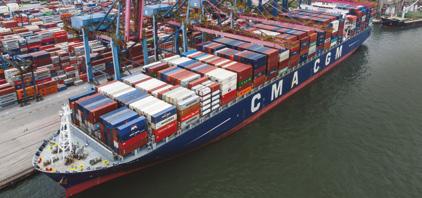
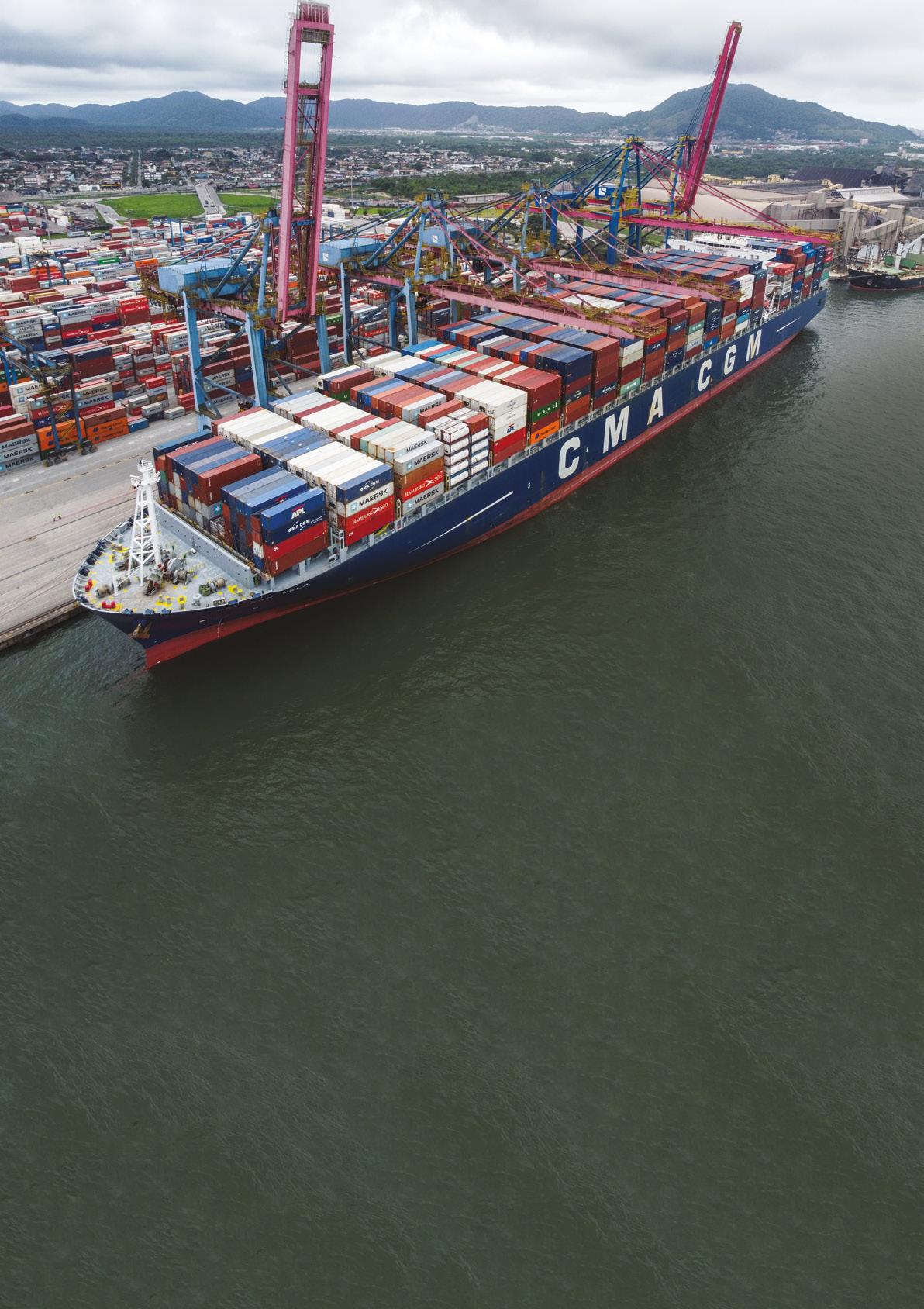
CMA CGM ship berthed at flagship Tecon Santos terminal
As well as Tecon Vila do Conde, CMA CGM will also get for its money the 2.5M TEU per annum capacity Tecon Santos terminal - the largest in all South America; TEV car terminal in Santos; Tecon Imbituba terminal for boxes and general cargo in the south of Brazil; a liquid bulk terminal in Itaqui to the north; and a growing logistics subsidiary that will tie in with already owned CEVA Logistics, also well established in Brazil with a 7,500 strong workforce.
During the first seven months of this year, Tecon Santos increased its market share in the port of Santos from 38% up to 41.3% of the 3.094M TEU handled up to end of July 31, 2024. This was at the expense of BTP (a joint venture between regional rivals MSC and Maersk), whose share fell from 39% to 34.9% due to operational difficulties.
For the 12 months to June 30, 2024, Santos Brasil generated Reais 2.55bn in revenue and EBITDA was Reais 1.28bn.
The French carrier’s offer for the Santos Brasil shares
is subject to the usual Brazilian regulatory checks but it is expected to pass those without hindrance or delay.
“From the perspective of the authorities it is much easier to give the go-ahead for CMA rather than previous suitors, Maersk and MSC, because CMA does not have any major port facilities in Brazil,” said one well source in Sao Paolo, adding that he believed this “massive investment” will see the French line start to increase their market share in Brazil over the coming years. CMA CGM currently enjoys a 10% share of deepsea trade, compared to MSC’s 25% and Maersk’s 17%, and 15% for cabotage and feeder versus MSC’s 21% (via Log-In) and Maersk’s 27% (via Alianca).
Meanwhile, as this issue went to press news broke that MSC was paying $768m to buy a majority stake in Brazil’s Wilson Sons, a towage provider and terminal operator – in Bahia and Rio Grande - via its SAS Shipping Agency Services a response to CMA CGM’s move perhaps?.l
Amazon hit by drought conditions
CMA CGM, along with other carriers, has established a Low water Surcharge for all containers loaded/ unloaded at the Brazilian jungle port of Manaus, a city with its 2.4 milion population, which is suffering from the worst drought in living memory.
“Last year was the worst for more than 100 years,” said one line manager for a global carrier, “and this year is even worse and threatening to get worse still.”
Water levels in the Amazon are usually at a bountiful 40 metres for the high-water and 31 metres for the low-water seasons, but global warming has reduced those levels and caused two critical choke points on route to Manaus. These cause ocean-going vessels (of up to 5,200TEU capacity) to sail with often severe draft restrictions, sometimes with just 40% of full loading. Many containers are barged to Manaus from Vila do Conde, near Belem, some 1,584 km from the jungle city, with expensive additional costs added.
The French carrier has been charging an extra $5,700 per unit since late August and this is set to continue until at least the end of the year, and probably into January. MSC told its customers it would be charging $5,000 per dry container “for an undetermined period until water levels are back to normal”, and Maersk Line is charging $5,900 per box.
“During the dry season, the capacity of our vessels may be reduced by up to 70%,” said a CMA CGM spokesperson. “Therefore, to be able to maintain regular calls to/from Manaus, without compromising the safety of navigation, the crew, and the cargo, it is necessary to apply the Low Water Surcharge.”
Owing to its huge industrial park and Economic Free Trade Zone (FTZ), Manaus is the fifth largest port in Brazil and the biggest for cabotage. Throughput of 758,000 TEU is forecast for this year, up 12% on last year.
“With global warming, these severe droughts on the Amazon shipping lane to Manaus look set to continue for years to come,” commented one shipper based in Manaus, “so CMA CGM have been very smart in buying into Vila do Conde, as they can gain from transhipment there for their own and third-party vessels.” l
By Marcel Krol, International Business Development Manager, FDR Risk
When the Phoenicians ruled the seas of the Mediterranean from approximately 1000 to 200 BC, it is likely that the seascapes they had to combat were not dissimilar to those witnessed in the 1950’s. After all, the maritime industry has forever contended with seasonal weather events.
Known for their maritime skills, and the first people to introduce curved bottom boats, the Phoenicians -who occupied modern day Lebanon - would have been skilled at tackling extreme weather events. Yet, while these events have always been a mariner’s foe, their frequency and intensity is likely to have only radically changed from those ancient times in recent years; a signal of a broader, more persistent threat driven by the changing climate, and one that the marine insurance market cannot ignore.
Reams of data confirm the inescapable trend of increased frequency and intensity in weather events. According to the World Economic Forum’s (WEF) Global Risks Report 2024, extreme weather ranked as the most likely global risk to trigger a material crisis this year. Not only does it rank highest in the short term, but it remains a top concern over the next decade. This aligns with the scientific consensus that the global temperature rise will surpass 1.5°C by the 2030s, triggering more intense weather patterns.
For the maritime industry, these environmental shifts are creating a “new normal,” where droughts, floods, and intense storms will be the standard rather than the exception. This reality places pressure on marine insurance firms to adapt their policies and pricing models to reflect the heightened risk climate change poses to global shipping operations.
If we cast our minds back to the drought that affected the Panama Canal in 2023, it was a watershed moment for the shipping industry. The extended dry season severely restricted the canal’s water supply, leading to an unprecedented backlog of over 200 vessels. Shipments were delayed, supply chains were disrupted, and the financial cost to the shipping industry
is still being calculated, but estimates suggest billions of dollars in losses.
From an insurance perspective, this incident raised a number of critical questions. How will insurers address similar congestionrelated delays in the future? Will premiums rise to account for these climate-driven disruptions, and how will underwriters respond to increasing claims related to weather perils, once considered “atypical,” now becoming routine?
It’s not just the Panama Canal. Ports around the world are vulnerable to climate impacts that will reverberate across supply chains. In particular, low-lying ports in regions such as Southeast Asia, the Caribbean, and North America are facing rising sea levels and increased storm intensity. A study reviewed by the Environmental Defense Fund (EDF) found that climate impacts on ports alone, including infrastructure damage and operational disruptions, could cost the shipping industry up to $10 billion annually by 2050—and this number could skyrocket to $25 billion per year by 2100.
Ports are also increasingly forced to shut down due to extreme winds. Most recently, Super Typhoon Yagi temporarily closed critical economic hubs like Vietnam’s Nam Dinh Vu. Meanwhile, other major ports such as Shanghai and Ningbo face an average of five to six days of weather-related operational disruptions each year, primarily due to extreme wind conditions. In the past, catastrophic events such as Hurricane Katrina in 2005 and Hurricane Harvey in 2017 leave even longer lasting effects, with the aftermath of both storms resulting in port closures across the USA’s southern states. Many were shut down for up to four months with estimated costs again reaching into the billions ($), illustrating the massive economic repercussions of extreme weather events.
Another area where climate change is already having a profound impact is container loss at sea. The World Shipping Council has reported that, since November 2020, the number of containers lost to rough seas has more than doubled compared to the previous decade. With 80% of global goods travelling by sea, this trend underscores the urgency of finding solutions.
The evolving risks associated with climate change have also been highlighted. In fact, Lloyd’s of London used risk scenarios to estimate the global economic impact of extreme weather events. Although the scenarios also captured weather events outside the maritime sphere, it was noted that the Caribbean, an area particularly suspectable to extreme weather events, could lose 19% of its GDP across a five-year period
INNOVATIVE SOLUTIONS
Given these trends, the marine insurance market can no longer rely on traditional models that do not fully account for climate-driven risks. If extreme weather perils continue to multiply, insurance providers will reassess what constitutes “standard” coverage. This involves a fundamental shift in how risks are evaluated, from individual vessels and fleets to broader supply chain vulnerabilities.
For FDR, adapting to these changes requires innovative solutions. Data analytics and digitisation are playing an increasingly important role in marine insurance, helping
insurers model potential risks with greater precision. However, human oversight remains crucial, especially when it comes to navigating uncharted territory. Data alone does not provide the nuanced understanding that is often required to craft bespoke policies tailored to the needs of shipowners operating in this volatile environment.
While premium increases are likely to increase at some stage, insurers must also work with shipowners to find more comprehensive solutions that address the full spectrum of risks associated with extreme weather. This may involve re-evaluating weather policies across entire fleets, ensuring that ships transiting high-risk areas like the Panama Canal are adequately covered for the increasing likelihood of climaterelated disruptions.
The trends all point that extreme weather events are no longer isolated incidents — they represent a paradigm shift; a new normal that even the Phoenicians would not recognise. For the insurance industry, the stakes will start piling up if the right course is not mapped out quickly. The increasing frequency and severity of these events will have far-reaching consequences for international shipping, making it essential for insurers to adapt their models and policies to reflect this new reality, working together with ship owners and other logistic and supply chain providers to find more suitable solutions for all parties. l
Regional Focus
CYPRUS:
Keeping a sharp focus on seafarer welfare
Cyprus is the leading European centre not only for thirdparty ship management but for crew management as well, as well as being one of the EU’s leading shipping flags. The government and Cyprus-based shipping companies alike have always placed great emphasis on the importance of looking after the welfare and training of seafarers and shorebased staff in the shipping sector, second-biggest contributor to the national economy after tourism.
Thomas Kazakos, Director General of the Cyprus Shipping Chamber (CSC) - which recently celebrated its 35th anniversary - comments: “The Chamber has consistently prioritised crew welfare, recognising the essential role of seafarers in the global supply chain. Since the pandemic, this commitment has deepened with Cyprus taking proactive measures to support crew health, safety, and mental well-being. Initiatives included facilitating crew changes, advocating for prioritising seafarers’ vaccinations and ensuring compliance with international welfare standards on Cyprus-flagged ships.
“In light of recent geopolitical uncertainties, including the Middle East conflicts and threats such as Houthi attacks on merchant Shipping, Cyprus remains steadfast in ensuring the safety of seafarers on board Cyprus-flagged ships. The Chamber closely monitors these situations and has been
following the regular updates provided by the Cyprus Government, the European Commission, the International Chamber of Shipping (ICS) and the European Community Shipowners Associations (ECSA), providing guidance and support to its Shipping Member-Companies for risk mitigation and vessel security.
“Combined with robust maritime infrastructure and a proactive stance on crew safety, Cyprus continues to be an ideal hub for crew management, emphasising care, security and sustainable practices amid global uncertainties.”
The island also serves as a beacon on Diversity, Equity and Inclusion (DEI) issues, for the maritime workforce at sea and ashore. In October it hosted the Women’s international Shipping & Trading Association (WISTA International) AGM and Conference that marked the body’s 50th anniversary, and former WISTA Int’l President Despina Panayiotou Theodosiou, Co-CEO of Cyprus-based Tototheo Maritime, was honoured with the first ever IMO Gender Equality award earlier this year.
Addressing that WISTA Conference, the President of the Republic of Cyprus, Nikos Christodoulides, acknowledged that the body’s national arm WISTA Cyprus had contributed to consultations behind his government’s National Strategy on Gender Equality 2024-2026. The Shipping Deputy
Minister, Marina Hadjimanolis, will now be involved in work on a new study of gender ratio, trends, needs and challenges in order to crystallise future government action on DEI (see also Ad Hoc item).
Cyprus-based Matrix Ship Management and sister company Henley Travel are led by Mark Crawford and Mike Dobson. Matrix is a leader in Ro-Pax vessel management, specialising in crew management, technical management and vessel safety, and believes that “investing in crew welfare isn’t just good practice—it’s the right thing to do.”
Mike Dobson explains: “In recent years, crew welfare has taken centre stage in the maritime industry, and for good reason. The COVID-19 pandemic revealed just how vulnerable seafarers are, with many stranded at sea for months, cut off from their families. Today, with ongoing geopolitical crises like the tensions in the Middle East affecting the Red Sea and the Russia-Ukraine conflict disrupting the Black Sea, seafarers continue to face significant challenges. Their physical and mental well-being is more important than ever, and at Matrix Ship Management, we’ve made it our mission to prioritise their welfare.
“Matrix Ship Management understands that crew members are the heart of maritime operations. Cyprus, our base of operations, plays a vital role in making this possible. Despite being geographically close to some of these hightension areas, Cyprus offers a stable, secure environment for ship and crew management. Its strong maritime infrastructure, favourable legal framework, and neutrality in regional conflicts make it an ideal hub.”
Another local company agrees that Cyprus remains an ideal base from which to carry out maritime business, including insurance-related matters, commenting to SMI: “Despite its geographical proximity to the wars in both the Middle East and Ukraine, Cyprus as a centre especially for
shipmanagement appears to remain unaffected. In turn that means it’s currently business as usual for the service industry.
‘Of course, Cyprus has also become a kind of safe haven for thousands of Ukrainians, Russians, Lebanese and Israelis, who are trying to rebuild their lives here away from the troubles in their respective homelands,” the company adds, “but also migrants, especially young people who are working mainly in the construction industry and as delivery drivers.”
Limassol-based Marlow Navigation has been a part of Cyprus’ maritime success for over 40 years, operating among the global leaders in crew and ship management. The company’s fleet under crew management is over 1,100 vessels and more than 16,000 seafarers are onboard, highlighting the trust placed in the company by its diverse customer base. As one of the well-known employers on the island, Marlow Navigation provides comprehensive third-party ship management services, including technical management, newbuild supervision, and specialised crew training. The company has also expanded its reach with the launch of its dedicated Marlow Offshore brand, underscoring its expertise in offshore vessel operations.
Marlow points out that the robust maritime expertise and qualified workforce of Cyprus have been integral to its growth and success. Today, with its 400 shore-based employees in Limassol alone, Marlow is focused on shaping the future of seafaring, recognising that continuous investment in training is crucial as the industry moves toward automation and net-zero emissions.
Understanding that the future of shipping will demand new skills as ships become more advanced, integrate new technologies and adopt alternative fuels, Marlow offers specialised training to its seafarers such as basic and advanced IGF courses on Methanol Dual Fuel technology among many others. Additionally, the company has developed its own
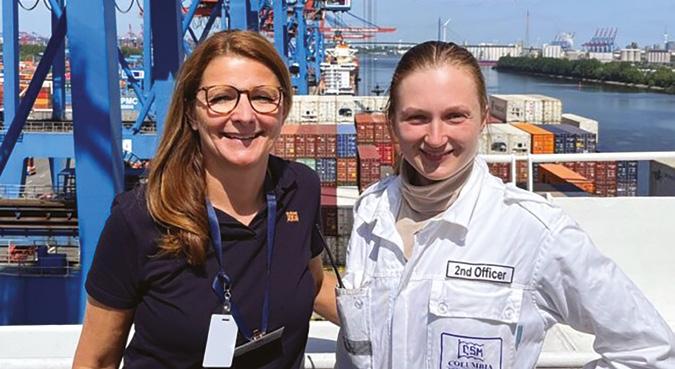
Columbia’s Female Cadet Mentoring Programme
Continuous Proficiency Development (CPD) programme, which includes various courses on both soft and practical skills. The programme was established to meet the growing demand for qualified and competent officers and to accelerate the career advancement of talented and motivated Ratings in a structured manner, complementing their onboard experience.
In addition to its forward-thinking approach to training, Marlow Navigation sees itself as re-shaping crew management through its innovative ‘CrewCompanion’ application. Available as a native app or on the web, CrewCompanion provides seafarers with secure, real-time access to essential information such as documentation, flight details, contracts, payroll, and allotments. Furthermore, it keeps the seafarers updated on company news and activities, making it a comprehensive solution not only for reducing administrative burdens and enhancing operational efficiency, but also to stay informed and connected with the company. Future updates will further streamline operations, all with the aim of making life easier for seafarers, while simultaneously improving the company’s overall service delivery.
Marlow also believes that crew welfare is not just a business priority but a moral obligation. The company recognises that the physical and mental wellbeing of seafarers directly impacts their safety, performance and overall job satisfaction. Marlow and its clients have always prioritised the health and wellbeing of crew, providing specialised training on topics such as stress management, physical fitness, and mental resilience. The company also looks after seafarers’ families and communities, providing food banks, building school facilities, offering scholarships, and engaging in humanitarian relief efforts.
In all the above ways Marlow feels it is shaping the future of seafaring with a forward-thinking approach that prioritises both technology and people.
Limassol-based Columbia Shipmanagement (CSM) is a member of the Columbia Group, which offers maritime, logistics, leisure, energy and offshore services platform. In its latest Sustainability Report the Group chooses to highlight the importance of its 20,000+ People, quoting CEO Mark
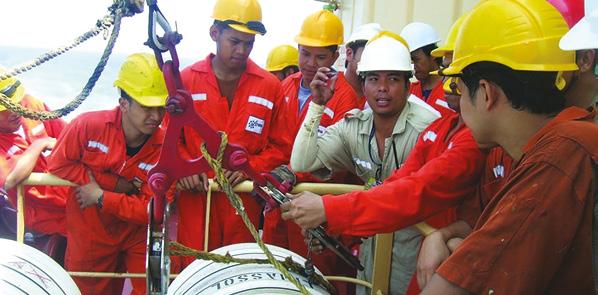
Shipmanagers conduct on-the-job training
O’Neil as calling them “the backbone and raison d’être for what we do and how we do it, and that is why we put their consideration at the front, middle and end of everything we do. Without absolute focus on the S in ESG we cannot achieve the E or the G.”
Taking a holistic approach to crew wellbeing, Columbia has various collaborative partnerships and initiatives that promote healthy physical and mental wellbeing. One such is the programme of proactive health and wellbeing measures implemented in collaboration with OneCare Group, including Marine Medical Solutions (MMS). By prioritising early medical intervention and utilising advanced telemedicine technologies, the company reports significant improvements in managing onboard medical emergencies and a noticeable decrease in emergency medical disembarkations.
Another recently announced collaborative programme on the training front is a Leadership Development Programme, offered in conjunction with global leadership consultancy FranklinCovey, aims to recognise and nurture leaders and build high-performing teams. The programme forms part of what O’Neil describes as Columbia’s “commitment to lifelong learning” which includes “excellent existing initiatives, such as the New Graduate Programme”. Late last year CSM also launched a Female Cadet Mentoring Programme, to help recruit and retain more female cadets in maritime.
Then this October, Columbia Group announced plans to transform its traditional crewing department into a fullyfledged Maritime HR Department, aimed at revolutionising the management and support of its seafarers. The move was said to be “inspired by shifts in global shipping dynamics and the changing expectations of seafarers”, signalling a “future-focused approach to crew management and development’. At the helm of this transformation is Capt. Faouzi Fradi, Columbia Group’s Director of Crewing and Training, who will take on the new role of Managing Director of the Maritime HR Department.
Bernhard Schulte Shipmanagement (BSM) has its major operational base on the island where it also runs the BSM (formerly Hanseatic) Training Centre Cyprus. It recently announced the appointment of Bjoern Sprotte, ex-CEO of V.Group’s shipmanagement business, as Chief People and Sustainability Officer to the Management Board, based in Limassol, where he will oversee all HR activities for shore and marine operations at BSM as well as the environmental, social and governance (ESG) strategy across the wider Schulte Group.
BSM CEO Ian Beveridge said the board-level appointment reflected the group’s increasing focus on “socially and environmentally conscious growth,” adding that “changing aspirations in recruitment pose new challenges”.
BSM this year won the inaugural ‘Best HR Initiative’ award at Spinnaker Global’s Maritime People and Culture Conference
for its comprehensive Diversity, Equity, and Inclusion (DEI) programmes. The company has set ambitious diversity targets and delivers training programs on inclusive behaviours to 30% of shore staff, while its mental health training programme has been delivered to more than 3,500 seafarers and shore staff.
In 2023, BSM achieved significant milestones: two females were assigned as management board members, and 31% of shore managers were female, reflecting a 5% increase compared to 2022. BSM is a proud signatory to the All Aboard Alliance, a collaborative effort led by senior maritime industry leaders to accelerate DEI efforts at sea and ashore. The company has also recently introduced its BSM Female Mentorship programme.
On the recruitment and training front, BSM earlier introduces a new educational programme for future seafarers called BSM Smart Academy, which is a collaboration with selected maritime universities worldwide with the goal of closing the gap between academic knowledge and practical training.
Cyprus-based ship and crew manager Intership Navigation earlier this year announced the migration of its fleet of over 100 vessels and 3,000 seafarers to Mintra’s Trainingportal Learning and Competency Management System, thereby demonstrating its commitment to enhancing the training, career progression, and safety of its seafarers. The company boasts an impressive crew retention rate of 96%, attributed to robust support from its group-owned manning agencies and the Intership Navigation Training Centre (ISNTC) in Manila.
Mintra’s competency management system, provides clear visibility and centralised control, enabling seafarers to actively work towards promotion. In addition, Mintra’s psychometric assessment platform, SafeMetrix, will be used to help with the recruitment and career development of seafarers and ultimately to better understand and quantify the non-technical skills of the crew to ensure their wellbeing and safety.
Intership CEO Dieter Rohdenburg stated: “By successfully migrating our vessels to Trainingportal and engaging with SafeMetrix, we highlight our commitment to providing our seafarers with the best possible tools to deliver the flawless service we promise our customers. We fully recognise that our seafarers are the ambassadors of our business, and we will continue to invest in both their wellbeing, and their training.”
More recently Intership has teamed with leading international maritime catering management and training business MCTC, also Limassol-based, to launch ‘ISN Catering powered by MCTC’, designed to address the unique challenges seafarers face by providing healthy and nutritious meal plans, culinary development opportunities and top tier catering support services.
Christian Ioannou, CEO of MCTC, stated: “Our collaboration with Intership Navigation marks a significant milestone in our mission to enhance the quality of life for seafarers. By combining our
expertise in catering management and culinary development with Intership’s innovative solutions, we are set to transform the maritime industry and improve the life of seafarers.”
Interorient Shipmanagement is one of the oldest owners and third party managers on the island having been founded in 1979. Today offers both crew management under a full technical management agreement and standalone crew management and training solutions, as well as having its own corporate and crew travel arm (Mercurius).
On the training front the company has developed what it describes as a unique Career Development System (CDS) of mentoring and training which develops a training culture on board vessels, allowing seafarers to develop their skills and competency levels and prepare themselves for the next step in their career paths. Training continues ashore where Interorient regularly conducts seminars and in-house trainings and workshops in the seafarers’ home countries or online. The crew management framework includes a suite of digital services to which seafarers have full access in order to manage their careers, finances, mobilisations, contracts etc.
On the seafarer welfare front, the company says it is an equal opportunities employer supportive of DEI (Diversity, Equity and Inclusion), employs company KPIs (Key Performance Indicators) linked to on-time reliefs, provides mental health training and resources that are available to all, and employs an anonymous whistleblowing tool to ‘give seafarers a voice’ – a desire that seems common to the Cypriot shipping community as a whole. l
Bridge simulator at BSM’s Maritime Training Centre in Cyprus
Mintra’s Trainingportal Learning and Competency Management System
Seafarers: backbone of global shipping, but at what cost?
By Alexandros Vorgos, Aphentrica Marine Insurance Brokers
Seafarers remain the unsung heroes of global trade, yet their safety and welfare are continuously tested by growing geopolitical and maritime security risks. With the world’s reliance on shipping to sustain global supply chains, it’s crucial that the industry doesn’t overlook the human cost of operating in High-Risk Areas (HRAs).
In the wake of the COVID-19 pandemic, which exposed significant gaps in seafarer rights and repatriation procedures, coupled with the RussiaUkraine conflict and the ongoing tensions in the Red Sea, seafarers are increasingly finding themselves in harm’s way. Despite their designation as key workers, they have often been left stranded, with delayed access to medical care, creating severe mental health burdens.
The insurance industry, while swift in updating policy coverages, has faced jurisdictional barriers, bureaucratic delays, and the ever-changing nature of these conflicts, further complicating their response. Seafarers aboard vessels in conflict zones need not only protection against physical harm but also immediate access to mental health care and repatriation assistance.
Crew liabilities coverage typically falls under the ship’s P&I insurance, but when a vessel operates in an HRA, this coverage shifts under the Hull War breach insurance. Shipowners must ensure these policies are extended to include primary P&I, with an additional limit up to the ship’s hull value. In the event of a claim, this becomes a separate head of claim over and above the physical loss of the vessel. If the claim exceeds the hull value, the Excess War Risks under P&I cover is triggered, though this is limited to $80 million under the Russia-Ukraine-Belarus clause in the International Group (IG) agreement.
For shipowners with fixed premium covers, the lack of excess coverage, particularly in conflict zones, puts them at significant risk. It’s imperative that they consider purchasing additional excess war coverage to protect their crews and vessels beyond their ship’s hull value.
At Aphentrica, our extensive experience in handling P&I and War Risks claims has given us first-hand exposure to the harsh realities of war zones. We have unfortunately dealt with several claims involving ship attacks in Ukraine and the Red Sea, which resulted in seafarer fatalities and injuries. In such incidents, our priority is always the crew. Having the right coverage in place ensures a rapid and effective response.
The IMO and the International Labour Organization (ILO) have worked to establish guidelines to protect seafarers, particularly in conflict zones, but the jurisdictional and logistical barriers often leave shipowners and insurers with limited options. The responsibility falls on shipowners to work closely with their insurers to ensure that their vessels and crews are fully protected. Understanding the distinctions between P&I cover, Hull War breach insurance, and excess war risk policies is essential in managing the complex risks involved in operating in these areas.
Shipowners are urged to review their current war risk and P&I policies to ensure they provide adequate protection not only for their vessels but, most critically, for their crew. Comprehensive risk management strategies must address the full scope of potential exposures, from physical damage to the vessel to the mental and physical well-being of the crew. Aphentrica stands ready to assist our clients in navigating these challenges with expertise and compassion. l
Education
From Sea to Strategy:
Mattias Ottosson’s Blue MBA journey
An alumni of the Copenhagen Business School Executive MBA in Shipping and Logistics (‘Blue MBA’), Mattias Ottosson serves as the HSE Delivery Manager at Noble Corp. Here he focuses on long-term safety strategies based on Human Organisational Performance (HOP) and Safety II concepts, and is committed to sustainable and efficient practices in the shipping and oil & gas sectors. Recently, he was appointed as the Blue MBA Ambassador for North America.
Mattias’s maritime career began with the Maersk Cadet Training programme, where he trained as a dual officer, covering both master mariner and marine engineering roles. This training enabled him to sail on container vessels for Maersk Line, Maersk Tankers, and eventually Maersk Drilling, gaining extensive experience across various vessels and global routes.
“Over a decade, I travelled worldwide, from Europe to South America, Asia to the USA, and Australia. This diversity provided me with a global perspective on shipping and maritime operations,” Matthias reflects.
Recognising the need to transition from operational roles to strategic leadership, Matthias pursued the Blue MBA, designed specifically for the shipping and logistics industry. Influenced by a colleague’s recommendation and a conversation with Irene Rosberg, the Blue MBA Programme Director, Matthias found the programme to be the best next step in his career.
“The Blue MBA was essential for advancing my career,” Mattias explains. “It provided the strategic and managerial knowledge necessary for an onshore career in the maritime industry. The programme’s blend of theoretical knowledge and practical application was crucial.”
Mattias also recognized that the leadership approach of the programme closely aligned with his own ethos.
Reflecting on this, he says: “The Blue MBA’s approach to leadership is very modern and highly valued by companies globally. It emphasizes leading oneself first and fostering psychological safety to enable a bottoms-up approach, leveraging each individual’s knowledge, experience, and skills. Empowering people and recognising their contributions are crucial. I always
With Irene Rosberg at graduation
believe that a leader’s success is the sum of each team member’s individual performance.”
The Blue MBA’s diverse cohort included participants from various maritime industry segments, allowing for rich discussions and a lifelong professional network. This diversity enhanced Mattias’s critical thinking and problem-solving skills. The educational emphasis on both theoretical knowledge and practical application has been crucial in his leadership role, allowing him to see the bigger picture and make informed decisions.
“I now have a comprehensive understanding of the business side of the maritime industry, from finance and legal aspects to supply chain and operational management,” Mattias explains. “Group assignments permitted the exploration of diverse viewpoints, allowing us to see different angles we wouldn’t have considered otherwise. The network built during the programme is lifelong, enabling continuous learning and exchange of ideas.”
PRACTICAL EXAMPLES
The Blue MBA provided Mattias with practical insights that he has implemented in his career. For example, a project on the hydrogen family of fuels, including methanol and ammonia, highlighted the potential for reducing CO2 emissions and improving efficiency. This project demonstrated the value of strategic changes and how they can lead to significant improvements in operations and sustainability.
Another project in Operational Management and Processes led Mattias to discover that adding headcount could increase efficiency and output value, contrary to the common approach of reducing staff.
“Sometimes, organisations want to remove headcounts, but that’s the opposite of what you need to do,” Mattias explains. “I found that adding a few more headcounts could significantly increase value and efficiency. The client ultimately supported the decision to add extra headcount because they could see the enhanced output and value it brought to the project.”
One educational experience that was pivotal to Mattias was studying the Norwegian offshore oil and gas model, which integrates high taxation with significant reinvestment in green energy and R&D. This model, although not easily replicable in other regions, offers valuable lessons in balancing profitability with sustainability.
Another project in Operational Management and Processes led Mattias to discover that adding headcount could increase efficiency and output value, contrary to the common approach of reducing staff.
“Sometimes, organisations want to remove headcounts, but that’s the opposite of what you need to do,” Mattias explains. “I found that adding a few more headcounts could significantly increase value and efficiency. The client ultimately supported the decision to add extra headcount because they could see the enhanced output and value it brought to the project.”
One educational experience that was pivotal to Mattias was studying the Norwegian offshore oil and gas model,
which integrates high taxation with significant reinvestment in green energy and R&D. This model, although not easily replicable in other regions, offers valuable lessons in balancing profitability with sustainability.
BLUE MBA IMPACT
Mattias credits much of his success to the guidance and insights gained from the Blue MBA, particularly from the Programme Director, Irene Rosberg, and the programme’s professors. Their collective expertise and real-world experience have been instrumental in shaping modern leaders within the industry.
“Irene has had an enormous impact on the shipping industry through the Blue MBA programme. She has developed modern leaders by fine-tuning the programme over the years, along with a team of experienced professors and lecturers. The roles that alumni hold today can be traced back to her efforts.”
Mattias believes the maritime industry must embrace digitalisation to stay competitive. Young professionals bring valuable new knowledge and innovative solutions, helping streamline operations and improve efficiency in a traditionally conservative industry.
“Young people have a different mindset and see more possibilities because they come from a digital era. They
can introduce various technologies and apps that we might not consider, helping to reform and innovate the industry.”
He advocates for a proactive approach to change, encouraging industry leaders to engage with and steer innovations rather than passively observing them.
“The shipping industry will continue to change, as it always has. Instead of passively observing these changes, we should actively engage with and steer them,” Mattias advises. “Take control and be part of the changes, rather than letting them take over you and an effective way to do that is to pursue lifelong learning.”
Mattias touches on the importance of reflection, both personally and professionally, a practice he believes is often overlooked in today’s fast-paced world.
“Another aspect I advocate is taking the time for reflections with your team, which is something we are not very good at on both a personal and professional basis. Every day, we rush ourselves to the next thing and hardly pause for reflection. Even on our holidays, we’re already planning the next one before finishing the current. For instance, taking the time to sit down with your family or friends, going over pictures together, and reliving those moments and memories before moving on to the next holiday. I often say, an event will never become an experience without reflection.” l
Shipbuilding: Competition is good, but co-operation even better
By Dr Martin Stopford, leading maritime analyst and economist
After a century of cut-throat shipbuilding competition, maybe it’s time for a change. The chart, which compares each country’s share of world shipbuilding launches since 1903, shows that shipbuilding has a few very big players. It’s a ‘dog eat dog’ business and since 1903 the shipbuilding countries have been locked in fierce competition to become top dog.
For the first 60 years, Europe had a 90% market share, of which Great Britain had 60%. Then Japan used advanced construction technology to overtake Europe in 1963. To the dismay of the European shipyards, by 1973 Japan’s market share reached 52%. But by this time South Korea was preparing to ‘eat their lunch’. By building super-shipyards, Hyundai, Daewoo and Samsung shipyards overtook Japan in 2002, winning a market share of 39%. But Korea was not the top dog for long. China built the Dalian New Yard in 1992 and overtook S. Korea in 2010, with a 38% market share, which reached 50% in 2023.
So by 2023 the shipbuilding battlefield has moved from to the Pacific, and the three Asian giants had a 93% market share, surpassing Europe’s 87% a century earlier in 1923. What a business! Over a century Britain, Japan, S. Korea and China all made it to the top, but few shipyards made much money. Global trade was the real winner, getting all the big ships it needed at bargain prices.
Thinking INSIDE the box
So what happens next? Suddenly, shipbuilding must change because global trade wants a different product. For fifty years the shippers wanted ever bigger bulkers, tankers, and containerships –big steel boxes. But in future they will be more interested in what’s in the box!
They will want ships producing no harmful emissions, with advanced digital systems that can integrate with others in the supply chain. Ships must now change in the same way cars have in the last 40 years. But it will be much more difficult for ships, because they are so big, with so many systems. And because they operate remotely, rolling out system
upgrades could turn into a nightmare for big fleets, with many different systems on board.
But to create these products, shipbuilders must re-think their business. They will need research and development on a scale which, even big groups, will struggle to provide. And there is so little time and the new products must be tried and tested at sea. So it could be years before work can start on replacing today’s ships. But the regulators want action today.
Is cut-throat price competition the best way for shipyards to develop new products which comply with industry wide standards and protocols? With over 30 ship types, even the biggest shipbuilders will struggle to do this. But someone has to lead the way, and quickly because demand is expected to surge in the 2030s, and the competitive edge will be product performance – ships that will integrate efficiently with the digital systems that will transform global trade in the next 30 years. That means the marine equipment industry must be a big player too.
So if you’re a shipbuilder and all this sounds a bit depressing, it might it be worth quietly picking up the phone to chat with a few suppliers and competitors. As the English proverb says: ‘A problem shared is a problem halved’! l
Smart Ships, Smarter Operations: The Digital Evolution of Maritime Technology
The shipping industry is rapidly changing with the emphasis firmly on the digital evolution and how digitalisation and Artificial Intelligence can enhance the way the industry works. As ships and shipping operations get smarter what will it mean for the way they are operated and regulated and what strategies are the world’s shipowners putting in place to ensure they continue to remain ahead of the curve?
The following is an abridged and edited transcript of a latest SMI webinar organised in collaboration with Oceanly, a specialist in the use of data to provide services that optimise the energy efficiency of vessels in the interests of sustainable shipping.
Panellists included: Giampiero Soncini, Managing Director, Oceanly; Ørnulf Jan Rødseth, an expert in autonomous ships` and maritime digitalisation; Hideyuki Ando, Director of MTI, NYK Group; and Feng-Yi (Sarah) Lee, Team Lead Industrial & OT Cyber Security – Maritime, DNV. Moderator was Sean Moloney, Publisher of Ship Management International.
Sean Moloney
I’d just like to say A big welcome to everybody here on the on the latest of the Ship Management International series of webinars. And I’m delighted to be doing this in collaboration with Oceanly, who deliver a vast array of services to help basically the industry on the path to sustainable shipping, improve CII ratings and lower operating costs and running costs as well.
Today we’re going to be talking about ‘smart ships’ and digitalisation and as we know, the shipping industry is accelerating down this path at a at an ever-increasing speed. And with the fragmentation of shipping and the participants, it’s interesting how this is going to start to
to pan out over the next year to two years. So without further ado I’m going to ask the panellists to introduce themselves in turn and say what really important to them at the moment.
Giampiero Soncini
Hello, I’m Giampiero Soncini, MD of Oceanly and I’m oncerned with everything which is related with the digitalization of ships and I have been doing this for the last 50 years. I spent 14 years in the Italian navy and 14 years with NATO before working with SpecTec and its Amos system for planned maintenance and procurement suite for 20 years.
Today, the technology is available, entirely available to modernize the way we manage the vessel. It has always been like this, but it has never been as cheap as, and I would almost say easy, of course, for expert peopleto create a new model for digitised ships. Oceanly has been created because I saw the opportunity to start very advanced data collecting and essentially what we do, we collect all data and we analyse it and we prepare a decision, support system for the crew and the people ashore.
Sarah Lee
Hello, everyone. My name is Sarah. I’m the Team Lead of Maritime Cyber Security Advisory in DNV. Overall, I have 15 years of cyber security consulting experience and after I joined DNV I realised that in Maritime on the OT (Operational Technology) side, actually there’s a lot of rooms for improvement. We always want to see new technology, new innovation, for reasons of decarbonisation or to make the vessel more efficient, for example with real-time data collection. However, at the same time, it’s important whether these new systems, new technology or
new software connect with the existing system safely from the whole vessel point of view.
Hideyuki Ando
Thank you, Sean. My name is Ando and I’m a director of MTI, a research and development entity subsidiary of NYK Group, which operates a fleet of just over 700 vessels. And the role of MTI is actually to run research projects to improve the operational efficiency of NYK, basically.
Probably my concern is that we now are facing a lot of challenges, a lot of changes, to achieve decarbonisation, energy efficiency, alternative fuels, new fuels, autonomous shipping and then also to improve safety and to adapt to environmental changes. This is having a huge impact on ship design and construction, where a lot of efficiencies are pursued, and then naturally, digitalisation or using computers are more and more prevalent, including AI and generative AIs, to the whole lifecycle of the ship from conceptual stage to the operational.
And then we have to operate these new ships, new energy efficiency measures, new fuels safely and sustain the
Giampiero Soncini Managing Director, Oceanly
Ørnulf Jan Rødseth Expert in autonomous ships & maritime digitalisation
Feng-Yi (Sarah) Lee Team Lead Industrial & OT Cyber Security – Maritime, DNV
Hideyuki Ando Director of MTI, NYK Group
global logistics chain. So we’re being influenced by such big waves and we technicians have to deal with all these new technologies and new digitalisation but it’s a huge challenge. That’s basically my interest and concern.
Sean Moloney
Giampiero, Sarah, Ando, thank you all very much indeed. Some very, very important points there, including talk of autonomy, which is a good segue into our fourth panellist today, who I shall ask to introduce himself more comprehensively and give his viewpoint.
Ørnulf Jan Rødseth
Thanks. I started the work with the digitalisation in the maritime sector around 1990, and have worked a lot on international standards and the first big research project into autonomous and uncrewed ships. And, as Ando says, we are talking about decarbonisation where of course new fuels and new engines are an important part of that, but we also need extreme energy and efficiency savings. And digitalisation and automation, and eventually autonomy, are key issues there.
What we see today is that we are improving on crew resistance, the automation of boring processes on board, better interface between ships and ports. Stuff like that which requires a lot of work but it’s not really problematic. We see some developments also in using remote operation centres to assist crew, which is also within what we can do with today’s regulation, both internationally and nationally.
But one of the things, as you say, I find extremely interesting is the possibility of running uncrewed ships. And then we are normally talking about making more and smaller ships to get more flexible transport systems, for instance, to compete with road trucking, and for that we really need to look forward as autonomy is a factor in overcoming the otherwise prohibitive crew costs you get in systems like that. And that’s the challenge: we are doing quite a lot nationally, but internationally will take quite a few years.
Sean Moloney
Well, thank you very much indeed for that, which bring
us in nicely into our 1st question, and I’ll go around, all of you, just to get an answer. You mention autonomous ships and the industry is talking a lot at the moment about crew shortages and this whole area of attracting in the right talent. But how how quickly is the industry adapting to this sort of new revolution or evolution in things like AI and digitalisation, and what are the challenges and opportunities?
Ørnulf Jan Rødseth
There’s a lot of issues there. For instance, this crew cost issue is mainly something that occurs when you when you scale down ships. On the really big ships crew cost is almost nothing but for the small ships, crew cost is prohibitive, at least in Northern Europe, I think also in Japan, where we are facing a lack of seafarers already and this will only increase. So that is also an important factor driving these developments. But ships are expensive things and there’s a lot of risks, particularly making totally new transport systems which, at least for the time being, is slowing down developments [in autonomous shipping]. We are really looking for the first implementations to prove the idea.
Hideyuki Ando
Yes, other industries such as automotive and aerospace are already shifting to a new, modernised engineering field and the young talent, the young stars are not coming into the maritime industry. We stay in a very conventional industry, technology-wise, where we need to improve efficiency and we need to improve safety, but we also we need to gather talent in the form of young adults who can bring this industry competitive. For sure, we have to bring new technology already proven in other industries but how do we be attractive to young stars and how can we integrate those new technology into our conventional industry, these are the challenges.
Sean Moloney
An obvious question: what are the drivers here? Is it coming from the market? Is it coming from the need for efficiencies? Is it coming from social aspects that we have been talking about?
Hideyuki Ando
Of a main three I would say firstly, decarbonisation. Huge money is coming into the industry on this. Then also digitalisation, which decarbonisation itself needs, and computer power.
Sean Moloney
Sarah, let me come on to you and the need for new systems to work with other existing systems, as you mentioned in your preamble. This throws up this whole question all the time of standardisation, within the industry, within equipment, and then also within electronic equipment. What are your concerns here?
Sarah Lee
It’s quite interesting that in maritime we rely highly on our OT system but with older vessels you have a lot of engineers who actually see the OT part more like machinery itself, so it’s more hardware-based. But now, with the new technology and for reasons like the need to reduce crew, we have more and more automation systems which connect a lot of different critical functions of the system or equipment together. And then there’s a really a gap.
When you talk to the owner or manager they still see the OT as a hardware issue, and the crew tell us they treat the OT system like a black box – “any concerns or any issue please call the system vendor themselves”. And the system vendor often doesn’t have any grasp of factors like cyber security.
So a lot of time we don’t have the people who actually have the knowledge or the competence to understand these questions or understand this issue. So when we have some project, we always help the ship owner to find out some dedicated role or dedicated people who can actually support the topic and our customers, which a great and new way of learning.
Sean Moloney Giampiero, let me come on to you, and thank you for being so patient. What are you thoughts on the challenges and opportunities that shipping industry faces in embracing digitalisation?
Giampiero Soncini
Well, as you probably know, because I’ve written about it, I’m concerned about some companies basically trying to secure data from an engineering point of view, like automation companies encrypting their data. This is very bad for the industry. It’s something that we need absolutely to fight against.
And it is something that we should be concerned about. Data is vital. But it’s also vital that it is available and distributed without having to necessarily know where it’s coming from, but shared because it allows us to build better equipment, and it allows ships to be managed in a much better way.
So it is a concern when people see data just as a source of money and not the source of doing things better. It is obviously a danger to the digitalisation process of the shipping industry. What I hope is that this will change. That’s my personal opinion.
Sean Moloney
And when, and what is going to force that change? Are we talking about charterers telling ship owners “I need you now to start doing more”? Or is it the regulators through things like the Single Maritime Window? We’re all talking about compliance all the time - digitalisation gives you compliance.
Giampiero Soncini
Shipping is very reactive. It’s not proactive, especially ship owners who are more reactive than proactive. I think that that definitely that the big companies chartering vessels want to have more clarity in how a ship is managed, especially now that they are as guilty as the ship owners when something happens.
Accidents especially with extremely large ships vessels are becoming very expensive to manage, and therefore they want to know where their money is going. And one of the issues that I found at the very beginning is that the very first large order that we got was from a charterer. and it took us one full year to allow us to collect all the data and transfer them to the charterer.
It was really interesting to see how the reactions were. You know there was so much protectiveness. Everything had to be protected, everything had to be secret, and nobody wanted to share anything, and it took us one year until the charter said, “Look, guys, I’m paying millions and millions. Okay, we will still keep the old time charter agreement based on reporting. But if Oceanly can provide me with the data collected every 5 seconds, and this data cannot be tampered with, and if there is a discrepancy between what you guys are saying to me in the new report and what the automatic new report provided by Oceanly is telling us. Well, you will have to explain me why this is happening.
And ultimately it went well for us, because what happened is that the companies were forced by the charterers. They had only a few ships in the pool, and then they expanded, and this allowed us to to grow much more that what we had planned. So it went well for us. But the initial start was rather complicated.
Ørnulf Jan Rødseth
Just a few comments. I think Ando has a very good point. We really need to make the business much more interesting for young people, and I think this idea of autonomous ships and putting some more attractiveness into a very old-fashioned business is an important factor for that.
The other point is this data availability and how ships are designed. And an interesting thing that hasn’t really emerged yet, I think, is that we are really building more and more digitalisation into the ships now, and we are also requiring more and more cyber security, particularly with the advanced sensor systems and stuff like that. And we will probably need a totally new approach to maintenance of these systems. Today you’re given a one-year guarantee on all the electronics and after that you are on your own basically. And that’s not viable at all, particularly for cyber security which requires continuous monitoring and updates.
Sean Moloney
Sarah, do you want to come in?
Sarah Lee
Yes, because actually the lifecycle of software can be much shorter than that of the vessel and that can immediately impact all the operations on board, like the energy control system, power management, those critical functions. Basically, the whole operation and maintenance of those OT systems is really a big topic, and I fully agree with Ørnulf that this part we need to think from the different side.
Another thing is also the transparency in maritime industry. Nowadays, you still see things that the vendors didn’t mention, or that are different from the yard and owners expect, when they actually do the handover with a new building. What they get is like “Oh, what are those things?” And the key point is when we go on board and are helping them check the system, no one know where the right information is. So transparency is very crucial.
I also want to mention that, when we talk about cyber security, the confidentiality of data in the maritime industry actually is not so high, but it will have to be. We always need to protect or focus on the data integrity and availability of the OT system. We may agree with the idea of data sharing, but should we? We should share the data in a secure way.
Giampiero Soncini
Yes, data sharing has always been a problem in the shipping industry. Ship owners are very, very jealous of their data, but also so are the manufacturers. They don’t want [their product] to be compared to anything else, and being protective in in an industry like ours is a mistake, in my opinion. It’s a danger, because we have to strive to get better ships and to get them safer and to protect the environment. And this comes only with transparency. I have always admired the aeronautical industry, the way they were doing things, especially when there is an accident. Everything is open, everything is in the air. If what or whoever made a mistake, it comes up. instead with us, we all always try to hide it. Even on the cyber security part, there is no disclosure. We try to hide it. We are ashamed of having been attacked when it’s absolutely normal to be attacked.
Also, I hope that digitalisation will bring standardisation, which is another failure in our industry. We are not standardising anything. We’re not even standardising the new reporting, like SIRE and TMSA, with a common approach to do it, which we should.
Talking about standardisation, what Japan did, thanks to Ando-san, is basically, they brought together the whole industry. They said, “Okay, we want to be digitalised. Let’s bring together the manufacturers, class, shipyards, ship owners and let’s work all together. This I’d love to see Europe doing this. I’d love to see the whole world going towards that direction because it’s going to make our life easier and better.
Hideyuki Ando
Thank you Giampiero for mentioning about us. The one point why I think we could manage to invite all stakeholders into that association is because big ship owners/operators like NYK, MOL and “K” Llne cooperate. So we initiated discussions and invited others in the maritime ecosystem, like manufacturers, shipyards and class, to participate. But it started with us ship owners and operators who had the data and wanted to best utilise it for energy efficiency or to improve safety or maintenance, and so on. So we initiated a discussion, and we made a
rule about data ownership and how to share the data. And of course, the key is transparency and also fairness.
So with that mindset, we initiated a discussion and set up a so-called Ship Data Centre, where our shipowners’ data can be shared with the industry, with certain rule and with transparency. That’s a discussion on which we spent 1-2 years, and then we invited in a lawyer, and all those stakeholders – that’s the kind of process that was necessary. And of course always good technical standards, which was my area.
The discussion continued - covering such areas as comparison of the digitalisation journeys of the shipping and aviation industries, the standardisation benefit of new IACS unified requirements such as E26 and E27 on cyber security, and experiences with individual automated shipboard systems – and can be listened to and watched in edited format on the SMI website. The debate concluded with:
Sean Moloney
Ladies and gentlemen, thank you very much indeed for your time today. It really has been a fascinating debate on a very important and emotive issue, and one that will continue to fuel debate moving forward. l
Scan QR code to watch full webinar or visit: https://shipmanagementinternational.com/ video-debates/
How Miray International cut 75% of time spent on crew travel
Miray International cut crew travel management time by 75% after adopting C Teleport. By replacing an offline agency with a digital platform, Miray eliminated delays and improved control over their bookings.
INTRODUCING MIRAY INTERNATIONAL
Miray International is a cruise company with three decades of experience operating cruises in the Eastern Mediterranean. Based in Istanbul, the company also has offices in the USA, Malta, and Greece. Since 2021, Miray has been using C Teleport to organise crew changes and ensure smooth travel operations. Insights from Aliza Zaidi, HR Manager at Miray, have been included in this case study.
The challenge: Slow and frustrating last-minute changes
Before using C Teleport, Miray International faced slow and stressful crew travel arrangements. The HR department, which also manages travel, had to depend on a traditional agency for bookings and often had to contact airlines directly for changes or updates. Every booking required many emails, phone calls, and waiting for responses, often taking hours to confirm a flight.
Flight cancellations or changes only added to the frustration. Especially when relying on email communication with a traditional agency, these changes came with higher prices and fees, leaving Miray’s HR team with little control over costs.
ALL-IN-ONE, SELF-SERVICE CREW TRAVEL MANAGEMENT
When Miray International started using C Teleport, the HR team gained full control over crew travel, booking directly through the mobile app and web platform.
Moving from an offline agency to C Teleport was a smooth transition for Miray. Despite not being a travel-
focused department, the HR team quickly adapted to using the platform, which soon became an essential tool for managing their complex crew travel needs.
Switching to C Teleport was really easy. Much easier than our previous way of working.
Aliza Zaidi, HR Manager at Miray International
No more waiting for a travel agent
Before switching to C Teleport, the team had to wait hours for the agency to confirm flights. It was often a stressful process, as crew members relied on these bookings to travel on time. Now, with C Teleport, they can quickly search for and book flights, trusting that the platform consistently offers the best available options to meet their needs.
For international flights, we never use someone else.
Aliza Zaidi, HR Manager at Miray International
Group bookings in 30 minutes - 75% faster
Group bookings, used to be a time-consuming task. Booking for 10 crew members at once took up to two hours due to repeated entries of traveller and payment data and waiting for responses. With C Teleport, this process now takes just 30 minutes, allowing Miray to focus on other critical tasks. The 75% reduction in booking time has been a major improvement for the HR team.
BEFORE
Group bookings for 10 crew members took up to 2 hours because of emails and phone calls.
AFTER
Group bookings now take just 30 minutes with C Teleport. That’s 75% faster.
On-the-go travel management
One of the most convenient features for Aliza and her team has been the C Teleport mobile app. With the app, they can manage bookings from anywhere—whether at the office or away—making quick decisions easy when things change unexpectedly.
Even when I’m at home watching TV, I can quickly open the app and make changes. I don’t have to call anyone.
Aliza Zaidi, HR Manager at Miray International
Reliable and transparent customer support
The HR team values C Teleport’s customer support, especially the ability to communicate in writing. This allows them to keep track of past issues and easily refer to solutions when needed.
Instant changes — even when 50% of the flights are cancelled
Handling dozens of flights each month, Miray frequently faces the need to adjust bookings, with around 50% of flights requiring changes or cancellations. With C Teleport, these changes can now be made instantly, avoiding the delays caused by calling or emailing their travel agent or the airline directly.
One-click hotel bookings for long layovers
Managing long crew layovers used to require additional hotel arrangements. With C Teleport, Miray now books them with one click—the platform detects long layovers and suggests nearby hotels.
It’s much better to have everything in writing, so we can easily see what the issue was and track any responses.
Aliza Zaidi, HR Manager at Miray International
THE REAL IMPACT: 100 WORKING DAYS SAVED
With C Teleport, Miray no longer deals with the delays of working with travel agencies or spending hours on group bookings. Instant changes, easy hotel bookings, and managing travel on the go have cut the time spent on crew travel by more than 75%, saving the team nearly 100 working days so far—equivalent to half a year of one employee’s time. For Aliza and her team, this has made day-to-day tasks much easier.
Time to prioritise seafarer mental health
On the occasion of World Mental Health Day (10 October), SMI hosted a webinar on this year’s theme: ‘It is Time to Prioritise Mental Health in the Workplace’. Industry leaders and mental health experts explored the unique challenges faced in maritime and discussed collaborative solutions to create a healthier, more supportive working environment.
The following is an edited version of the opening stages of this latest latest SMI webinar – a full recording can be found at: www.shipmanagementinternational.com
The distinguished panel of expert speakers included Charles Watkins, Clinical Psychologist and CEO at Mental Health Support Solutions (MHSS); Steven Jones, Founder of the Seafarers Happiness Index (SHI) and Fellow at the Royal Society for the encouragement of Arts, Manufacturers and Commerce (The RSA); Capt. Badri Tetemadze, Master Mariner at Columbia Shipmanagement; Katherine (‘Karen’) Avelino, Executive Director of Business Development, Shipping Cluster and Senior Vice President for Cruise Operations at Philippine Transmarine Carriers Inc.; and Maria Ali, Project Expert – Psychologist, OneCare Group Ltd. The discussion was moderated by Sean Moloney, Publisher of SMI.
Sean Moloney
Hello everybody and welcome to the latest in our series of webinars with Ship Management, International magazine. World Mental Health Day is a very important day in the calendar and certainly one that’s going to resonate strongly with the global shipping industry and what’s been happening post-Covid and what have you. My esteemed panel of industry leaders and mental health professionals will discuss the theme of today’s World Mental Health Day, which is ‘It is time to prioritise mental health in the workplace’.
I’m going to ask the panel to introduce themselves, if I may, and give a little snapshot of what mental health means to them and what they’s like to see come out of today’s debate.
Capt. Badri Tetemadze
Hello, everybody. I am a Captain from Georgia who has been working with Columbia Ship Management for over 21 years now. It doesn’t take a lot of effort to realise the significance of mental health anywhere we are, whether in the ocean or not. But imagine spending quite significant time in the very closed loop of a unique social working environment like onboard ship where these mental things can get really severe. I clearly remember when I started out working and first stepped on the ship as a junior officer, when I really recognised this issue among higher rank personnel but nobody was allowed to talk about it. I had to be silent myself because
everyone is struggling in that environment. I was lucky because I took a break and went to the World Maritime University in Sweden for two years and recognised the kind of issues I was going through and luckily I managed to recover because I’m coming from a medical family. But what about the almost 1.5 million seafarers in the maritime industry with no education about mental things? Luckily we have this official day today where we can share our thoughts, experiences and fears about this issue.
Sean Moloney
Thank you very much indeed for those opening words. Katherine – or Karen as I know you like to be called – can I bring on to you?
Karen Avelino
OK, I’m Karen Abelino and I’m working with PTC Philippine Transmarine Carriers which for the past 45 years has been deploying highly
Katherine Avelino
qualified Filipino seafarers and we are deploying about 45,000 crew members at any given time. I’m the Executive Director of Business Development and also the Senior Vice President for Cruise Operations. I’d like to thank Sean and everybody else here for inviting me to be a part of this panel, especially during World Mental Health Day, to shed light on this critical and yet overlooked aspect of our industry which is mental health. As you know, in the shipping industry the pressures are high, the challenges constant and wellbeing is very paramount. And mental health is not just an individual concern, it affects the team’s operations and ultimately the success of whatever we’re doing and this day will serve as a reminder that we must prioritise mental health awareness and take actionable steps to further improve or support the environment for all employees, both at sea and ashore. By addressing mental health openly, we can break the stigma and create a culture where the individuals feel safe to speak up, seek help and support one another. It’s also important that we commit to making mental health a priority in shipping, and we should ensure that every person in our industry feels valued, respected and secure.
Sean Moloney
Thank you very much indeed, Karen, and it’s an important point about prioritising mental health and the stigma that is still attached to it. Doctor Maria Ali, can I come on to you now?
Maria Ali
Hi everyone. My background is I’m a psychologist and I’ve been worked within the shipping industry carrying out psychometric assessments on seafarers at any given stage in their career, whether it’s pre-recruitment or further on in promotion. The fear or concern I have, specifically around World Mental Health Day, is that the issue is something that will be talked about today but forgotten the rest of the time. We’ve got to see that there are regular things done and on an accessible basis because there are people facing crisis every day of the year.
One of the points I want to try and try and touch on in our debate later on is looking at the way the our lives are changing, how we are embracing digitalisation, and whether for life at sea this is a help or hindrance in mental health terms. Whether the internet and connectivity solves not being in touch with your family, or maybe means being too much in touch with family, but I’ll come on to that as well.
Sean Moloney
Thank you very much, Maria. We’ll come back and talk more about that a little later on but Steven, over to you now please.
Steven Jones
Hello everyone. I’m very happy to be here on this important day. I’m
Stephen Jones, the founder of the Seafarers Happiness Index. I work alongside the Mission to Seafarers to ask seafarers how they feel and to shape the stories that they share about the impact of their everyday experiences on board. I’m a former seafarer myself, but I think even more importantly - and hopefully we’ll talk about this - as I’m the child of a seafarer so have those experiences on the other side as well. I think World Mental Health Day is a really valuable opportunity but I would certainly echo what Maria was saying that we have to move things forward. So by next World Mental Health Day, what improvements can we actually bring about?
It is a difficult thing to go to sea and vanish over the horizon. There are psychological impacts of doing that, so we can’t ignore those, and we need to understand the building blocks of life at sea, what the key stresses are for seafarers, and how to remove those. Because in some ways, every seafarer that comes onto a helpline to a company is looking for mental health support. It’s come from somewhere. There’s a long tail to that phone call to that message to that cry for help. So how do we look at those things and get in amongst the problems to dismantle the issues before they even get to that point? I think really it’s understanding what is sometimes a feeling of helplessness, of isolation, of uncertainty, and that’s something that comes across a lot in the work of the Seafarers Happiness Index. It’s the feedback of just feeling so unsure about so many aspects of life at sea, of careers at sea, of the support for them, for their families as well. So I think we need to look to provide certainty of
Maria Ali
assurance of the fact that we care, but more than that, we care about the fixes that we will create from these opportunities.
Sean Moloney
Valid points made there, Stephen, and regarding that long tail you talk about there are many cases of people who have taken their lives because of mental health issues.
Last and definitely not least, I’m going to bring in Charles, certainly a leading light on this whole issue of seafarer mental health, thanking you very much for your support for the webinar today as well.
Charles Watkins
Thank you, Sean. Hello, everyone and thank you very much for having me. It’s an honour to be part of this group. I’m Charles Watkins. I’m a clinical psychologist, psychotherapist and also a maritime crisis psychologist. I’m the founder and the CEO of Mental Health Support Solutions. And what I and my team does is we provide care for seafarers, mental health cases every day. We fly to the vessels that are in trouble or where bad things happen, like suicide or murder, or lethal accidents or piracy, and we support them in their time of need. We do assessments and trainings in mental health.
I guess for me the most important aspect is Education. About what is mental health, the fear of not talking about it. Taking away the stigma and understanding how mental health is part of how you eat, sleep, move and your relationships - at work, at home and how you exercise these relationships and dealing with them on a daily basis, yeah.
So I guess it’s about normalising mental health for everyone, again taking away the fear. I’ve done a lot of these talks and similar things, but I’m very excited to talk today with this group, especially today, because I have a more hopeful feeling than I had a few years ago.
If you look at really old seafarer maps, you’ll see monsters painted in, like huge squids, octopuses or dragons, and they used to say ‘There be Dragons’. It didn’t mean they all they all believed in monsters, but those were uncharted waters, dangerous waters. They weren’t sure how to navigate those waters, so they put a symbol there and said, ‘let’s be careful’. We don’t know how the waters are here in mental health, you know, and as we talk about this topic today, I think we need to be conscious about ‘There be Dragons’ because they might not be on the map anymore, but they’re still there. I’ve been doing this for years and the shipping industry has a good way of ignoring these things, ignoring the truth and not really looking at things. So I think as we go through this, I want just to be conscious of and highlight the fact that the industry still needs to do a lot in terms of mental health. Let’s just be honest about that and say it hasn’t been doing what it should for a long time, but today actually I really feel that it’s not a question if anymore, it’s a question of when.
Sean Moloney
Thank you, Charles. There’s a lot of very important issues that have been raised here. You talk about the industry needing to really tackle this but how serious a problem
is poor mental health within the shipping industry? And are seafarers reluctant to talk about this?
Charles Watkins
In the beginning there was one maybe call every couple of weeks, now we’re getting 2-3 calls every day. They’re reaching out for various issues. Of course, we have the crisis cases where everyone’s involved but then we also have the regular cases where the seafarer in question reaches out and there’s a private confidential conversation between them and the psychologist. We pair them with the right culture, so there’s no language barrier, and they’re able to overcome these challenges and understand that mental health is something that a lot of people suffer from. They’ve heard from us, they’ve heard from other seafarers that we’ve helped. So I think seafarers are actually opening up a lot more than they used to.
When it comes to the other question that you asked about how serious it is, I think it’s very serious. But I think the question really should be why is it so serious and why isn’t there any standardised approach to mental health. We developed protocols for the vessels. It still isn’t industry standard. Why not?
Charles Watkins
They have medical standardised triage systems, they have medical protocols, they have to follow. Why don’t they have standardised mental health protocols?
Sean Moloney
When you talk about no mandates, where should that come from, who should be taking up the mantle on this?
Capt. Badri Tetemadze
Yes, exactly. The maritime industry is really heavily regulated but somehow all the regulations and maritime conventions address how to safely to manage the ship for good successful business and not to get people killed or perish the cargo. Luckily we have the Maritime Labour Convention since 2006 nut here there’s only one regulation which directly addresses wellbeing, which is hours of work and rest. saying that every seafarer should have minimum 10 hours of rest a day meaning the rest of the time, 14 hours a day, they can work.
But there’s very powerful and strong official research which indicates that these regulations do not work and that we violate that only regulation, with seafarers resting for only four hours at a time onboard ship.
Sean Moloney
Ok, Karen, let me come on to you. You look after some 26,000 seafarers. What are they saying to you?
Karen Avelino
Mental health isn’t a concern only in the Philippines but in the entire shipping industry because it impacts all crew. There are several unique challenges that contribute. For example, seafarers often face long hours and they also feel isolated while at sea. And most of them have mental health issues because of isolation and also the demanding work schedules which can lead to feelings of anxiety, depression and burnout. We’ve taken time to check on some studies and this has shown that seafarers experience higher rate of mental health problems compared to people in many other jobs. And this situation underscores the urgent need for better support and intervention to help those affected. It’s also crucial that our industry recognise these challenges and take steps to improve mental wellbeing for everyone involved, whether they are on ship, working ashore, or whether they are family members.
There are other factors that are involved on why these things happen. Social media is one of the factors and the threat of war is also another. So it’s high time that we all collaborate and move forward and push for mental health to be resolved.
Sean Moloney
How are you dealing with the fact that seafarers may be reluctant to talk about mental health issues? Are they raising concerns?
Karen Avelino
Well, one of the factors that make them hesitant to really speak up is because of the culture. We have the stigma that if you go, let’s say, to a psychiatrist then you are tagged as mentally ill. There’s a hesitancy to do that, but because of the awareness programme that we have put up, they have the courage now to really speak up and say ‘I’m having these issues because of long hours of work’ or ‘I I feel so depressed that I’m away from my family’. It helps a lot to for them to be encouraged and to know that everything that they say is also kept in confidentiality.
Maria Ali
I just want to address the question of family members and their role. We know that part of the issue that contributes definitely to worsening mental health is a lack of support from the family. It’s the partners, the children that they know they’re missing out on.
We can’t speak about the seafarers’ mental health without looking at what’s going on at home also for them.
Steven Jones
Capt. Badri Tetemadze
Steven Jones
I agree that the family is very important and think it ties into the changing culture around seafaring historically. Liverpool is a supremely matriarchal city because of the culture of the families ashore and the way they were controlled. So being out of contact the seafarers feels really isolated from all that. I believe in the same way we have IMO numbers for ships we should have a formal number for each seafarer, bringing them in wholly to the UN system of controls of responsibility surrounding them. So we know who everyone is, where they are, what position they’re in, how they’re feeling and we can create then from the bottom up a solution rather than the piecemeal approach we’re unfortunately trapped into taking.
Capt. Badri Tetemadze
Thank you, Steven. Such a strong and valid point about registering of seafarers which is not in practise unfortunately. Going back to Katherine’s point., I would love to give some kind of a holistic picture of all of those determinant factors which have direct adverse impact on seafarers’ mental health. As the research indicates, we already mentioned lack of sleep and other factors are lack of recreational activities on board the ship, despite MLC which requires them to be mandatory on board the ship, and reduced social interaction because of fatigue because seafarers literally have no energy to interact beyond their working hours.
And then most importantly there’s lack of shore leave. I always
encourage my crew just to go outside the ship for just one or two hours as I know how good an impact it can have on their mental health to get outside this crazy working environment onboard ship which can lead to severe burnout.
Karen Avelino
But we find seafarers saying: ‘I’d rather send that money back to my family instead because if I go to ashore once, that’s three months rent for them’. That’s insane. And there are solutions out there. There are actually people that develop apps and malls that want to get seafarers to the malls and are offering to pay.
Charles Watkins
Badri has made a very interesting and important point. There is what I would call almost a sickness of wanting to stay in an environment
and not wanting to leave it, forgetting how good it is to actually do this. Just leaving the ship to go shopping is therapeutic. You need to leave and experience other things then to notice just how challenging the environment you are in is. That’s a very basic psychological concept, of having to leave to get perspective and coming back.
The debate continues… and can be heard and watch in its entirety on the Ship Management International website, concluding:
Sean Moloney
Well, thank you very much. I’d like to thank the panel today, it’s a very important subject and you’ve done us proud today with your comments and your interaction. We look forward to catching up with another similar type of webinar in the future. l
Scan QR code to watch full webinar or visit: https://shipmanagement international.com/video-debates/
Decarbonisation
The impact of AI tools in aiding compliance ahead of upcoming environmental regulation
hipping has always been somewhat of a ‘hit and hope’ game when it comes to vessel efficiency –despite the massive costs involved. For example, the cost of retrofitting a suite of energy efficiency devices (a common practice over the past decade) can run into seven figures. And yet, the actual impact of their investments under real-life conditions has been extremely difficult for shipping companies to quantify.
As Peter Drucker, the father of modern management, famously said: “If you can’t measure it, you can’t improve it.” Whilst that clearly hasn’t been entirely true about shipping (serious improvements have been made across the global fleet over the past decades) what is true is that this drive towards greater efficiency has itself always been rather inefficient.
So why has vessel efficiency – and the associated improvements – always been so hard to measure? The reason is that ships are fantastically complicated: vessel efficiency is affected by a vast number of parameters, all of which change from moment to moment. Fuel consumption & emissions are a product of wind, waves, currents, hull condition, engine performance, generator engine performance, fuel type – and many other factors. We have never had the tools to properly model this for smarter decision-making.
Even attempting to understand ‘baseline’ performance – the objective of sea trials – begs the question: why? Conditions impact vessel performance in various ways –and how many voyages are sailed in perfect conditions?
A few years after DeepSea was first founded, a client approached us having just completed the retrofit of a Mewis Duct on one of their ships. They wanted to know, in real life conditions, what the impact of their investment had been on their ship’s fuel consumption. In accordance
with our standard methodology, we build a full behaviour model of the vessel, capturing its performance over time under any set of conditions. Together, we observed that the Mewis Duct had an expected positive impact at a particular speed range and under a particular set of conditions. More importantly however, we also observed that there were certain speed ranges and conditions for which the duct actually increased consumption. Of course, this influenced how that vessel was operated from that point onwards. While the mechanical retrofit was the thing that made an efficiency gain possible, it was this process of understanding that made it a reality during sailing.
Why did this client approach DeepSea, and how were we able to build these models? Artificial intelligence is the tool that makes all this possible. Put crudely, AI can find the ‘line of best fit’ through the massive, multi-dimensional cloud of data that impacts efficiency - to establish precisely how any particular condition will affect the vessel’s consumption. Or, how consumption and emissions will look across any particular voyage.
Environmental compliance is something that every shipping company needs to get right. With the EU’s ETS now adding yet another layer of regulations, a ‘hit and hope’ approach will no longer cut it. We need to understand the outcome of our actions precisely –whether regarding vessel operation, upgrades, and even trade decisions.
With the advent of Artificial Intelligence, the industry finally has a tool that can give us a ‘high resolution’ understanding of our vessels. More and more shipping companies are harnessing it in this way: as an invaluable tool for cutting chance out of the equation, ensuring environmental compliance, and simultaneously boosting profits. l
CII DEMANDS NEW FOCUS ON CONTINUOUS IMPROVEMENT
Real-time optimisation and lifecycle upgrades are essential for effective CII compliance, writes Kay Dausendschoen,
Head of ProductOptimisation,
Voyage
Services, Wärtsilä Marine
Under the IMO’s Carbon Intensity Indicator (CII) regulations, since January 1 2023, owners and operators of vessels above 5,000 GT have been required to submit data towards a rating that shows how efficiently a vessel is operated. The rating is based on the amount of CO2 emitted per cargo-carrying capacity and nautical mile. Data is collected under the IMO’s Data Collection System (DCS), meaning it is directly determined by the fuel consumption of a vessel.
Any vessel achieving a rating of D or below for three years will need to submit a plan outlining its actions to improve fuel efficiency performance. With carbon intensity reductions required each year, this might mean in practice that a vessel
receiving a good rating initially will eventually see its rating slip if no further efficiency improvements are made.
For ship owners and operators, effectively managing CII requirements to ‘continuously improve’ vessel emissions performance therefore requires them to have an accurate picture of their current fleet so that they can decide which energy efficiency measures to choose from, and when, to deliver continuous improvements.
UTILISING DATA ANALYTICS EFFECTIVELY
As CII is an operational measure, monitoring and optimising performance on an ongoing basis while the vessel is in service is essential and owners and
operators are required to adopt tools and solutions to enable this data collection. However, analysis by Vodafone in its research into maritime connectivity shows that roughly 90% of data generated onboard the ship never leaves the deck, which means operators lose invaluable insight and analytics that can improve performance and efficiency every day.
The underlying idea behind our fleet optimisation solutions at Wärtsilä is, therefore, focused on connecting the digital dots between navigational data, operational processes, fuel efficiency, and reducing environmental impact. Our Fleet Optimisation Solution (FOS) integrates systems and communication between ships, shore offices, and ports, so data does not sit in silos. FOS
enables owners and operators to see the big picture by combining cloudbased analytics, artificial intelligence, and intelligent automation to integrate a vessel’s data with other performance data, delivering a shared digital platform that enables all stakeholders to exchange data and manage processes from both the ship and the shore.
ACCESSING REAL-TIME INTELLIGENCE
The result is a platform that enhances monitoring and reporting capabilities while giving shipping companies the know-how on when and how to intervene, the consequences of not intervening, and the legal, financial and operational implications of any operational or technical decisions they may make. In short, it arms users with the data and intelligence to make informed interventions.
One of the modules under Wärtsilä’s FOS suite is the Compliance and Reporting web-based module, which helps shipping companies to ensure regulatory compliance by reporting and submitting verified data. The tool supports owners to ensure charter-party compliance as well.
The Compliance and Reporting module focusses on speed consumption
management, indicating how to run the vessel under specific speed orders. If there are deviations from the charterparty agreement, it can be used to defend a vessel’s operational profile or performance. The FOS suite integrates speed and fuel consumption forecast at an early stage, while conducting voyage planning, to give operators visibility and help them to understand impact of the vessel’s speed on the CII rating.
The CII Dashboard within FOS therefore enables direct tracking of a ships’ or fleets’ compliance. The dashboard shows ship and fleet CII ratings in real time, allowing operators to detect any compliance risks early on. It also highlights which factors have an impact on the CII ratings and can point out the actions that are needed for the ship to reach its desired CII rating by the end of the year.
MAKING INFORMED INVESTMENTS IN SOLUTIONS
Equipped with this data, operators are in a good position to identify the long-term investments they will need to make in the moment, and in the longer term. Crucially this data will indicate when they need to make investments. In many cases, stacking smaller gains
over the vessel lifecycle, meeting each required step in efficiency, may be the most effective approach.
To give an example, a recent Wärtsilä case study showed how a capesize bulk carrier fitted with an optimised propeller, shaft generator and four rotor sails could reduce fuel consumption by up to 28% compared to a conventional propulsion arrangement. This translated to a more than seven year extension to the vessel’s CII compliance, and an instant 17% improvement to its Energy Efficiency Existing ship Index (EEXI) calculation.
For some vessels, such dramatic gains may not be necessary, or may only be required at a later date. Two relatively simple solutions from the Wärtsilä portfolio illustrate the options for vessels that need to achieve more short-term efficiency improvements. The EnergoFlow pre-swirl stator can deliver savings of 2-7% on propulsion energy demand, while the EnergoProFin propeller cap delivers 2-5% savings. Using the capesize example above, a vessel fitted with an optimised propeller, as well as EnergoFlow and EnergoProFin, delivers a 5-9% reduction in fuel use and emissions – extending CII compliance by three years and improving the vessel’s EEXI rating by 3%.
DEVELOPING VESSEL-SPECIFIC CII STRATEGIES
The challenge posed by CII is not that it always requires dramatic improvements in efficiency, but that it requires continuous improvements. While it may be tempting to focus on big leaps in efficiency through big early investments, for example in alternative fuels, that may not be the most costeffective approach for all vessels.
The key will be to find the right improvement, and the right level of investment, at the right time. Full visibility on vessel and fleet performance, alongside a long-term lifecycle investment plan, will be the key to staying on course. l
Energoflow Fin – Wärtsilä Marine
Carbon capture and the transition to zero-carbon fuels
Julien Boulland, Global Market Leader, Sustainable Shipping, at Bureau Veritas Marine & Offshore, highlights two critical aspects of the maritime industry’s sustainability journey: carbon capture and the transition to zero-carbon fuels.
At a time when no stone should be left unturned in the search for technologies that can mitigate the maritime industry’s environmental footprint, the adoption of carbon capture onboard has emerged as a viable solution. The sheer scale of the challenge and shipping’s ambitions make it clear that we need every tool at our disposal. In 2018 alone, global shipping contributed 1,076 million tons of CO2e, underscoring its significant impact on global GHG emissions. Without intervention, projections suggest these emissions could rise by 50% to 250% by 2050. In response, regulatory bodies like the IMO and European Union have intensified their climate ambitions, aiming for netzero emissions within three decades.
Amidst early advancements in sustainable fuel production, the commercialisation of carbon capture for maritime use offers a pragmatic pathway forward. Leveraging expertise from land-based applications, this technology not only aligns with global CCS frameworks but also promises to safeguard existing investments in shipping infrastructure while facilitating the transition to alternative fuels, steering the sector towards a sustainable future.
Onboard Carbon Capture Systems
A recent Bureau Veritas report examined the technical and commercial feasibility of carbon capture and storage (CCS) technologies in shipping and identified capture rates ranging from 82% to 90%, highlighting the significant potential of CCS in reducing emissions within the maritime sector.
Onboard Carbon Capture Systems (OCC) are designed to capture CO2 emissions from ship engines, either before or after combustion. Among the technologies currently available, solvent-based post-combustion capture is the most commercially developed and feasible for existing vessels, requiring minimal engine modifications.
Studies on carbon capture methods for ships have shown promising results. The Stena/OGCI study reported 90% capture rates on a crude oil tanker using heavy fuel oil, emphasising the potential benefits - as well as the technical complexities - of such systems, especially for LNG-fuelled engines. Elsewhere, a study from the Mærsk Mc-Kinney Møller Center for Zero Carbon Shipping (MMMCZCS) that examined multiple ship configurations and fuels, estimated a maximum capture rate of 82%, whilst also noting the drawback of increased fuel consumption.
BV’s feasibility study with Wah Kwong Shipping and Shanghai Qiyao found a high degree of feasibility in installing CCS units on existing ships. Using customised CCS units on bulk carriers assessed by BV for compliance with existing rules and regulations, capture rates of up to 85% were achieved, though deck space constraints were identified as a challenge.
The cost of installing OCC equipment on ships varies, ranging from €100 to €300 per metric ton of CO2 captured, depending on technology, capture rate, and ship configuration. Capital expenditure covers liquefaction equipment and design, with operational expenses linked to energy penalties from solvent regeneration and significant energy requirements. However, LNG-fuelled ships benefit from lower energy penalties through exhaust gas and LNG vaporisation heat utilisation, while strategies like solvent selection and heat recovery systems can reduce overall energy consumption.
Challenges and Opportunities
Integrating carbon capture systems onboard ships also presents several non-capture-related challenges, such as space constraints for equipment like scrubbers, absorbers, and storage tanks. This necessitates careful planning and design. Solvent degradation, leading to fouling and corrosion, also
requires operational adjustments to maintain system efficiency, while potential corrosion issues on carbon steel due to solvent acidity can be mitigated through material selection, coatings, and monitoring. Additionally, CO2 toxicity poses risks that necessitate continuous ventilation and monitoring to ensure crew safety.
Highlighting the importance of further research and regulatory support in advancing OCC technology, BV is actively involved in the EverLoNG project, which aims to advance carbon capture technology on LNG-fuelled ships from Technology Readiness Level (TRL) 4 to TRL 7. This initiative focuses on regulatory and safety assessments, with initial prototype installations on BV-classed LNG carriers, ensuring maritime applications adhere to appropriate safety standards.
Regulatory Landscape
The regulatory landscape for integrating carbon capture technology onboard ships is multifaceted, encompassing various international and regional frameworks. At the IMO level, while carbon capture isn’t yet included in MARPOL’s short-term CO2 reduction measures, guidelines for Life Cycle Assessment incorporate its consideration for calculating carbon intensity. Within the EU, the Emissions Trading System stipulates that captured CO2 stored safely per the CCS Directive doesn’t require allowances. Meanwhile, FuelEU Maritime is assessing the potential inclusion of OCC by 2027.
From a classification standpoint, BV provides specific rules and notations like OCC and OCC-PREPARED, which prioritise safety and compliance for ships with existing or planned carbon capture systems. These standards evaluate technical design, installation procedures, and safety measures, addressing hazard identification, equipment marinisation, and leakage prevention.
Shipping in the CCUS value chain
As a primary mode of transporting CO2, shipping plays a crucial role in the global CCUS value chain. Liquid CO2 carriers are being utilised for transporting captured CO2, particularly to offshore storage sites. Unlike pipelines, which are suited for short distances and large volumes, shipping offers flexibility in sourcing CO2 from scattered emitters over long distances, with quicker setup times, varied transport routes, and relatively smaller transport quantities.
However, the use of liquid CO2 carriers demands larger transport capacities, necessitating considerations like material qualification, cargo tank assessment, and stream composition. Drawing from experience in LNG and LPG carrier design can help to inform safe and efficient CO2 transportation, emphasising risk management for factors such as dry ice formation, ventilation inlets, and emergency procedures.
A Collaborative Effort
Transitioning to low-carbon shipping demands more than alternative fuels; it requires optimised logistics chains and greater collaboration between maritime and land-based industries. This involves breaking down silos between green fuel producers, land-based delivery chains, and carbon capture sectors to establish necessary standards and infrastructure.
Shipping will not meet its urgent emission reduction targets by waiting for new fuels to become available. The industry must leverage existing solutions to immediately cut emissions, whilst also focusing on enhanced operational efficiency and the adoption of existing clean technologies. Carbon capture technologies play a vital role as a bridge solution to reduce emissions from ships, supporting sustainable vessel operations while the necessary infrastructure for zero-carbon fuels such as biofuels, ammonia, hydrogen, and methanol is developed.
Integrating carbon capture with zero-carbon fuels forms a comprehensive decarbonisation strategy. While zerocarbon fuels are essential for long-term sustainability, carbon capture technologies complement these efforts, addressing both immediate and long-term emission reduction goals. Collaboration across entire supply chains and knowledgesharing beyond the maritime sector are essential to align with global climate goals and support a smooth transition towards net-zero emissions.
Ongoing research and development will be pivotal to optimise the performance of CCS technologies and manage the associated risks. Bureau Veritas is dedicated to supporting the maritime industry’s shift towards sustainability by providing tailored, pragmatic solutions through its Future Shipping Team (FST). Comprising over 250 experts across 12 workstreams, the FST leverages the BV Group’s extensive expertise in such areas as CO2 value chains, alternative fuels, and wind-assisted propulsion. Through deep collaboration within and outside the shipping industry, BV is supporting the adoption of alternative fuels, digitalisation, and other innovative technologies that will play an essential part in shipping’s drive towards net-zero emissions. l
Why bunker procurement must look to the long-term to support the uptake of future fuels
Shipping companies around the world are committing to ambitious decarbonisation goals to reach the target of net-zero emissions by 2050 that has been set by the IMO. While efficiencies will get us some of the way to that target, the reality is that the majority of carbon savings – around three quarters – will be found by the industry fully embracing sustainable fuels such as methanol, ammonia, and biofuel.
However, the industry faces a classic chicken-and-egg dilemma; shipowners are hesitant to commit to sustainable fuels that are currently expensive, produced in limited quantities, and could be overtaken by a more scalable and cost-effective alternative in the future. At the same time, fuel suppliers struggle to scale production without clear and consistent demand signals from the market.
This dynamic places all of shipping’s energy transition in the balance. But the incumbency advantage for fossil fuels is large; our sector makes use of an extensive network of bunkering facilities which span every port on earth, all of which are designed for the fossil default, and much of which will need to be updated to support a more fragmented fuel landscape.
Arguably, there is a larger barrier to change than this massive infrastructure investment that will underpin the future fuel transition: dismantling existing mindsets around fuel procurement and bunkering strategies.
While most stakeholders are taking a laid-back approach, relying on the potential development of a spot market for sustainable fuels, forward-thinking players are proactively adopting a range of strategies that will
By Johannes Schurmann, Commercial Director, FincoEnergies (GoodFuels)
enable them to secure low carbon fuel supply well into the future. These strategies include entering into pure offtake agreements, as well as making equity investments in fuel suppliers or production facilities to ensure future supply.
The reality is this: for the industry to successfully transition to sustainable fuel, shipping companies must fundamentally change their procurement strategies. Fuel suppliers and producers need assurance of demand, while shipowners need assurance of supply. Long-term contracts offer a solution by providing the essential stability that both parties require.
As demand increases, supply may struggle to keep pace, but this also provides opportunities for innovation. Sustainable marine biofuels, for instance, offer a nearterm solution to decarbonisation, with the potential to meet around 5-10% of the market’s fuel demand by 2030. Among the currently available zero-emissions fuel options, biofuels are generally considered the
most technologically mature and readily deployable; largely because they can be integrated into existing transportation systems with minimal modifications— offering an immediate and practical solution for reducing greenhouse gas emissions.
It’s important to note that the transition to sustainable fuels is not just an environmental imperative but also a strategic business decision. As regulatory pressures increase and consumers demand more sustainable supply chains, companies that have already secured reliable sources of clean fuel will have a significant competitive advantage.
Moreover, the shift towards long-term fuel contracts could catalyse broader changes in the maritime sector. It may encourage more collaborative relationships between shipowners, charterers, and fuel suppliers, fostering innovation and shared investment in clean technologies. This collaborative approach could accelerate the
development and deployment of new sustainable fuel solutions, potentially revolutionising the industry faster than many currently anticipate.
A shift away from spot procurement represents a significant change in how the maritime industry operates. It requires a new mindset that values long-term sustainability and stability over short-term cost savings. This transition is not just about changing fuels; it’s about changing the very way we think about and manage our energy resources.
The path to decarbonisation has become increasingly clear, but it requires a collective shift in procurement strategies and a willingness to invest in the future. By embracing long-term partnerships with sustainable fuel producers, shipping companies can not only secure their own future but also play a pivotal role in scaling up the production of clean fuels – to the benefit of all who are fighting to decarbonise. l
OSCAR Dragon Boat Race defies superstition
Thirty shipping teams took part in this year’s OSCAR Dragon Boat Race held on London’s River Thames on the ominous date of Friday 13 September. The day raised £666,000 for charity, bringing the total now raised by the OSCAR Campaign to around £3.35m.
The campaign is organised by Phil Parry of maritime HR experts Spinnaker and is named after Phil’s 25-year-old son Oscar, whose life was saved by experimental treatments developed by the bone marrow transplant team at Great Ormond Street Hospital for Children when he was a child.
“There was so much interest this year, that we sold out and had to turn teams away,” said Phil Parry. “We already have teams confirmed for next year during London International Shipping Week. If anyone reading this is interested in taking part or supporting the event in some other way they can email us on oscar@spinnaker-global.com”. l
North Asia conference polls Gen Z cadets on wellness
More than 4,000 cadets attended the first of the 2024 Sailors’ Society regional Cadet Conferences entitled ‘Wellbeing skills for future seafarers’, breaking all previous records for these events held worldwide. Cadets from maritime schools and institutions across the Indian subcontinent were joined by new-to-sea ratings for the virtual conference, which explored the all-important subject of wellness and mental health in maritime.
As well as interactive sessions and practical advice, these Gen Z seafarers heard from key industry leaders and influencers including the Director General of Shipping in India, Mr Shri Shyam Jaganathan and Capt. Manoj Gandhi, Director, Seaspan Crew Management, who sponsored the event. Polls taken during the event, also funded by the TK Foundation, gave a unique insight into the motivation of participants.
Sara Baade, CEO of Sailors’ Society, said: “These conferences are now in their fourth year and the attendance figures are a testament to just how important cadets see this aspect of their future life at sea.” l
WISTA Int’l marks 50th anniversary in Cyprus
The WISTA International AGM and Conference 2024 took place early October in Limassol, bringing together over 350 delegates from all sectors of maritime, trading, and logistics.
The event was notable for being the first WISTA (Women’s international Shipping & Trading Association) conference attended by a national leader, with Nikos Christodoulides, President of the Republic of Cyprus, delivering the first keynote address. The country’s Shipping Deputy Minister, Marina Hadjimanolis, followed on, announcing a new Government study of gender ratio, trends, needs and challenges.
IMO Secretary-General Arsenio Dominguez also attended the event, where Elpi Petraki was re-elected WISTA International President for another two-year term.
WISTA membership now stands at 5,200 globally with the addition of representation from Honduras, China, and Costa Rica bringing the total number of national member organisations to 62. l
MNWB awards recognise selfless maritime
heroes
Seven maritime champions and a seafaring charity received the UK Merchant Navy Welfare Board’s (MNWB) Annual Awards this year Edward Watts received the inaugural Innovation Award for his work to develop the Mission to Seafarers scouting programme with Scouts Cymru, while the Most Collaborative Organisation Award went to free advice service SAIL. Maria Dixon and port chaplain Sam Cowan were named recipients of the Lifetime Achievement Award.
Maria (pictured centre) - a regular contributor to SMI - was part of WISTA, Panama registry and many interest groups supporting the interests of seafarers before the pandemic. As CEO of ISM Shipping Solutions, she has also assisted all those seafarers affected by the piracy and kidnap and ransom situation along the Somali coast.
Port chaplains Frans Sahetapy and Joe O’Donnell were recognised in the Team Member of the Year category, while Susan Newcombe and Vincent Bick were recipients of the Volunteer of the Year Award. l
Jebel Ali to install
sustainable living seawalls
DP World is set to enhance marine life at Jebel Ali Port in Dubai through a new partnership with Living Seawalls, introducing innovative marine panels designed to mimic natural habitats to help return marine life to coastal shorelines of the UAE. This comes as part of the ‘Year of Sustainability’ being marked in the UAE.
Living Seawalls was founded to address the ecological impact of traditional sea defences, which are often flat structures devoid of shelter for organisms. The company’s habitat panels mimic natural formations like rock pools and mangrove roots, and can be fitted to new or existing sea defences.
In 2021, Living Seawalls was a finalist in the Earthshot Prize and received £500,000 from DP World to fund the design and installation of a new seawall in its Port in Callao, Peru, where early analysis indicates highly promising results. l
Adventure Race Japan 2025 to support seafarer welfare
Following a successful inaugural event in 2023, leading international seafarers’ welfare charity The Mission to Seafarers (MtS), is calling on the global maritime community to rally once again for Adventure Race Japan (ARJ) 2025.
The second edition of this highly anticipated event will take place from 15th to 18th May 2025 on Japan’s stunning Izu Peninsula, a designated UNESCO Geopark affording breathtaking views of Mount Fuji. With ARJ 2023 having seen 64 teams from 19 countries raise an impressive S1.3 million, preparations are underway for an even bigger and better experience in 2025. Teams of three will take on a two-day challenge: one day of hiking or running, followed by a second day of ‘rogaining’ orienteering, with trails designed for participants of varying fitness levels in separate Green Dragon and more challenging Black Dragon races.
Registration is now open, and teams are encouraged to sign up early by visiting the website: Adventure Race Japan 2025. l
Navigation
Never stand still: the constantly evolving world of e-navigation… and how to navigate it
Changing regulations, guidelines, data standards, geopolitics, risks, reporting –today’s navigators have a lot more to negotiate than the optimal route from port
A to B. Timo Essers of NAVTOR discusses the simplest way to sail through ever increasing complexity.
If you take one set of guidelines and distribute it to 50 shipping companies, chances are you’ll see 50 different interpretations and implementations into management systems. That’s certainly not due to a lack of effort, or understanding, but simply because those 50 companies are individual businesses, under individual pressures and, undoubtedly, have their hands full.
Similarly, when you consider new regulations or standards that are usually both a) well-meaning and b) capable of unlocking new business or performance potential, the initial response tends to land somewhere on a scale of confusion to frustration. Again, not because owners and crews are opposed to progress, simply because when their ‘cup is already full’ with responsibilities they don’t want more poured in.
We all know what it’s like to feel overloaded. And we all know how good it is when someone is on hand to relieve us of that burden.
And, in this case, that should be the job of your smart shipping/e-Navigation partner.
You should never feel you’re alone in this voyage.
View from the front
With products and services on more than 18,000 vessels in the world fleet we know what we’re talking about here. Although NAVTOR offers everything from fleet performance monitoring and optimization through to digital logbooks, e-Navigation sits at the heart of the business –arguably the most central piece of our integrated smart shipping ecosystem.
As such we probably have a better view than most of this ever-evolving niche.
We see the steps individual segments are pushed to take – e.g. with OCIMF, INTERTANKO, RightShip, ICS and
Bridge Procedure Guides – while we recognise the big picture potential of maritime-wide changes capable of transforming navigational and voyage planning practices, such as the upcoming S-100 charts framework.
Combine this with an understanding of industry needs –open lines of communication and close working relationships with our customers have always been essential – a commitment to digital innovation, and a desire to lead the way in maritime technology, and you’re left with a simple result.
Namely, we handle the complexity, meaning you can breathe easy.
Control at your fingertips
NavStation is your onboard digital platform to relieve the pressure.
Launched in 2015 as the world’s first digital chart table, this intuitive software solution harvests business- and operationcritical data from a multitude of sources and puts it at the fingertips of navigators and support staff. Layer upon layer of data is available to overlay upon ENCs, delivering unique insights, slashing administration, enhancing efficiency and
NAVTOR Timo Essers eNavigation Director
simplifying compliance. Tasks are automated, reports are auto-populated, and charts and publications are seamlessly integrated and updated to ensure all individual vessel, port and authority requirements are satisfied.
By knowing our industry inside out, we understand customer e-Navigation pain points and continually work to address them, while also positioning solutions ahead of upcoming regulatory developments. Meaning, when change does occur, you’re never unprepared.
And, as you know, the only constant in shipping is change. Which is why NavStation never stands still.
Adding value
In recent years we’ve added products, data layers, services and features delivering auto-routing, constantly updated environmental regulations, fully automated machine to machine reporting services, like AMVER, daily updates of NAVAREA warnings, an advanced manoeuvring assistant, bestin-class weather services, an extended, in-depth port database, and the industry’s leading Passage Planning module (utilising data from all the various layers and services embedded in NavStation), to name just a few advances.
The future will see us embrace further AI, digital twinning, and machine learning developments, driving efficiency
and environmental benefits, while also helping crews and organisations navigate a fluid risk picture.
As we all know only too well, geopolitics have never been so unpredictable, with conflicts and threats rapidly spilling over onto some of our busiest sea lanes. NAVTOR is committed to addressing this issue for navigators, helping plan and execute routes that minimise risk and deliver cargoes, crews and ships safely to their next ports of call.
Stay tuned for more on this in upcoming NavStation updates.
Peace of mind
The connected nature of NAVTOR’s digital ecosystem bridges the gap between ships and shore, allowing for easier monitoring and enhanced transparency, while also giving office-based teams (from shipowners to ship management companies and beyond) greater navigation awareness, insight and control.
This value manifests itself in NAVTOR’s ship operations platform, NavFleet, which empowers better decision making, and enhanced vessel support, with seamlessly shared data, advanced monitoring, and unique features benefitting teams ranging from marine superintendents and fleet managers, through to QHSE and technical management.
We’re proud that our products and services help customers satisfy their demands, avoiding deficiencies and ensuring smooth, compliant port calls worldwide.
As you can probably tell, that word ‘compliant’ is key.
Safety, efficiency, environmental performance, reputation and profitability are all connected to achieving compliancy. But, as we’ve already pointed out, in today’s shifting reality that’s not becoming any easier.
Unless you have a helping hand. And at the end of the day, that’s what we’re here for.
Since our very inception in 2011 NAVTOR has focused on making e-Navigation easy for our customers – always staying ahead of industry developments and individual segment demands to craft solutions that facilitate compliant sailing.
The future may be uncertain, but that commitment is not. Whatever demands the industry requires, NAVTOR is on board to help you navigate them. This is a voyage we do together.
To find out more about NAVTOR’s e-Navigation solutions please see https://www.navtor.com/e-navigation-solutions l
www.navtor.com
NavStation Passage Planning Laptop
Analysis
Handysizes, workhorses of the drybulk sector
The Handysize sector has experienced a relatively stagnant performance since the beginning of this year, with minor fluctuations, reported Xclusiv Shipbrokers. The Handysize timecharter average on seven routes reached its peak on 2nd January this year at $14,537 per day. As at mid-September, the average rate was down to $12,730 per day. However, this was nearly 25% higher than the year-to-date low, which was recorded on 14th February, Xclusiv reported.
Handysize bulk carriers are often described as the workhorses on the drybulk market, due to their smaller size range (20,000 dwt - 43,000 dwt) and shallower drafts, allowing them to access more ports worldwide that their larger VLOC, Capesize or Panamax counterparts.
Most are self-sustaining, meaning they can load or discharge using their own gear, which normally consists of four 5-30 tonne cranes serving five holds, depending on the vessel’s design.
One of the mainstays of this size range is the 38,000 dwt vessel, which can carry around 35,000 tonnes of cargo on a draft of around 10-12 m sailing at an economic speed of 12 knots. This vessel is typically 190 m in length and 30 m beam and equipped with five holds and four cranes.
By Ian Cochran
Many shipyards have developed their own designs down the years, each one claiming greater operational efficiency.
As of July this year, the Handysize fleet stood at 2,617 trading vessels, according to Italian broking house Banchero Costa’s research. There were also 242 newbuildings recorded.
Another of their plus points is longevity, as according to BIMCO, around 8% of the fleet reaches 25 years of age or more, before being recycled.
In August, Banchero Costa reported that in the first seven months of this year, there were 85 newbuilding deliveries, nine vessels recycled and 27 new orders placed in this sector.
On average, a newbuilding will cost around $33 mill, while a five-year-old Handysize would be worth about $28.4 mill on the sale & purchase market.
Taking a look at all the commodities loaded this year thus far on bulk carriers of all size ranges, iron ore came out top at 31%, followed by coal at 25%, grains at 7%, agribulks at 6%, fertilisers at 4%, steel products also at 4% and finally forest products at 2% of the cargoes handled.
Out of this total, between January and August of this year, Handymaxes accounted for 389.6 mill tonnes of all the bulk carrier cargoes loaded, or 11%, proving their worth.
A Handysize bulker is capable of carrying most of the bulk cargoes traded today, although the larger denser cargoes, such as iron ore or coal, are shipped on bigger vessels, such as VLOCs, Capesizes, or Panamaxes, due to economies of scale and with their ability to be able to load and discharge at purpose built deep draft ports.
However, there are some specialist ores and coals traded worldwide in smaller parcels, which is where the Handysize bulk carrier comes into its own.
Some of the Handysizes’ main cargoes are fertilisers, forest products, steel products, scrap, sugar, agribulks, plus the more specialist ores and coals mentioned above.
In the grains sector, between January and July of this year, Handymaxes shipped the most volume of all the bulk carrier size ranges totalling around 72 mill tonnes, or 31% of the total, according to Banchero Costa.
The world’s largest grain exporter is the US from where Handymaxes accounted for 11.5 mill tonnes of exports or
24.8%, putting them not far behind both Panamaxes and Supramaxes. US ports tend to have draft restrictions ruling out the very large bulk carrier types from loading full cargoes.
According to analysts, their future looks a bit brighter, due to the growth in developing countries, which tend to rely on smaller ports for their imports and exports. Overall, the IMF predicts world GDP growth at plus 3.3% next year.
New national and international regulations could slow down fleet growth, however the situation in the Red Sea is boosting tonne/miles, which is a positive for all types of vessels.
Furthermore, due the various tragic wars underway across the globe, there will be a need to rebuild destroyed infrastructure and to feed displaced populations, which adds to the optimism shown by some players for a pickup in activity.
Handysize bulkers mostly operate as tramp vessels chasing cargoes on a voyage-by-voyage basis, with their owners using the worldwide broking network to fix the ships.
Some ships operate in a type of pooling arrangement, such as Lauritzen Bulkers, which specialises in Handysize bulkers and Supramaxes. Over the past couple of years, the management has transformed the company from a traditional shipowner and operator to a company with increasing focus on active portfolio management. As well as technically and commercially managing its own fleet, Lauritzen also commercially manages third party owners’ vessels from its worldwide offices.
Another major player is Pacific Basin, which on 31st August this year operated 140 Handysize bulkers, split between 63 vessels owned, 14 on long term charters and another 63 on short term charters, according to its website. The company also commercially manages chartered-in Handysize bulkers from worldwide offices. l
Technical Strengthened links in the cold chain
By David Tinsley
After a prolonged period of minuscule investment by the industry in fully refrigerated cargo vessels, Cool Carriers is pressing ahead with an extensive fleet modernisation and development programme based on advanced derivations of the classical reefership.
The strategy and commitment to a multiple newbuild plan vindicates the company’s success in providing fast, dedicated and direct services for temperature-controlled cargo using specialised, pallet-optimised vessels, despite the trade’s predominant shift to the containerised mode and the major deep-sea container lines.
Cool Carriers is looking to commission up to 11 new ships in various size categories over the next three years, including two at the very top of the capacity band in terms of breakbulk-orientated tonnage. A key feature of all vessels will be an underdeck configuration giving 2.5m deck heights, providing higher clearances than hitherto for palletised goods.
The two largest ships are under construction in Japan by Shikoku Dockyard and will be repeats of the 904,950ft3-capacity Cool Eagle, delivered into Cool Carriers’ employ from the shipbuilder’s Takamatsu yard in February 2021. Cool Eagle was the third of the E-class, having been preceded in 2018 and 2019 by the Cool Express and Cool Explorer, which had put down a new marker in reefership scale and design evolution.
The E-class marries a multi-deck capability for transportation of goods at temperatures down to minus 30degC, in five holds embodying 18 compartments, with the increased versatility afforded by slots for up to 607TEU or 400FEU containers, including 342 reefer plugs. The ship also offers the possibility to carry about 800 cars, a traditional return cargo for reefers. Self-sufficiency in cargo working is ensured by five 40t deck cranes. Weatherdeckborne containers are securely cradled within a lattice of lashing bridges.
Cool Express, in ballast - two further E-class vessels are under construction in Japan (courtesy, Cool Carriers)
The fourth representative of the E-type, the Cool Emerald, was sent down the ways at Takamatsu towards the end of August, and the fifth ship is approaching the launch stage. The two newbuilds are scheduled to be handed over during the early part of 2025. Thereafter, up to the end of 2027, Cool Carriers is looking towards the addition of eight or nine more vessels in the 660,000-700,000ft3range. Although no details are as yet available, some at least of this further tonnage is understood to be on the books at Shikoku.
The contractual and beneficial owner of the Panamanian-flag E-class ships is Nissen Kaiun of Imabari, with Cool Carriers having made long-term commitments to the tonnage. Privately-owned Nissen’s business model is to order newbuilds of various types against long charter arrangements with established operators.
Cool Carriers is by far one of the world’s leading lights and largest operators of specialised reefers, with about 50 units currently under its control. The incoming ships will afford increased flexibility as well as capacity in carrying a wide range of goods, including bananas, citrus, kiwifruit, pineapples and vegetables, frozen meat and fish, and will meet new environmental criteria. One facet of the technical specification throughout is the nomination of an exhaust gas cleaning system, or scrubber. The company has had a new head office constructed in Limassol, Cyprus, to support the growing fleet.
Cool Carriers is a founding member of the 360 Quality Association, a body devoted to improving food safety and food quality in specialised reefer shipping, and ensuring that the set of voluntary standards encapsulated by the 360 Quality Code continue to evolve to meet market needs.
Leading players in the fruit business with production in Latin America reaffirmed a predilection for the fully containerised mode throughout the transport chain by realising a clutch of newbuild projects at the beginning of the decade. Both Florida-based Fresh Del Monte Produce and Dublin-headquartered Dole looked to China’s shipbuilding industry for new, all-cellular tonnage to upgrade capacity, raise energy efficiency, environmental standard and ship productivity on regular services to US ports.
Six vessels of the Del Monte Gold class, each incorporating 634 high-cube 40ft refrigerated boxes, were introduced in quick succession from mid-2020 into 2021, while Dole Maya and Dole Aztec, equipped apiece for up to 919 reefer containers of 40ft within an overall slot capacity of about 2,500TEU, were commissioned during the spring of 2021.
Meanwhile, the debut this year of a new generation of refrigerated, fully cellular container vessel by Seatrade, a long-time champion of specialised reeferships and dedicated reefer services, reflects the unerring
shift in deep-sea perishable cargo transportation to containerisation and away from conventional breakbulk.
As the forerunner of a six-ship series dubbed the Country Class, the Seatrade Chile incorporates 639 electrical sockets for refrigerated boxes, corresponding to a 1,278TEU reefer capability within an overall container intake of 1,800TEU. The design is suited to mixed manifests of 20ft, 40ft, 45ft standard and high-cube dry boxes as well as refrigerated units. The four holds incorporated cell guides throughout, encapsulating 10 rows across, while the above deck stow comprises a maximum 11 rows.
Seatrade Chile and second-of-class Seatrade Peru are gearless, but the subsequent four vessels from Chinese contractor Huanghai Shipbuilding will each have independent cargo handling means by way of two 40t deck cranes.
Seatrade’s incoming flotilla, marrying a reefer freight capability equating to some 13,000 pallets within a versatile container carrying configuration, gives further expression to the company’s Fast, Direct and Dedicated (FDD) logistic service concept for perishable goods. FDD is attuned to the particular time and handling sensitivities of fresh produce transportation and niche trades, using specialised vessels on a direct voyage basis between ports with a dedicated infrastructure, to give shorter delivery times, obviating transhipment, and conferring seasonal flexibility as to volume.
FDD is a challenge and alternative to routings via services run by the large ocean container lines where overall transit times and indirect costs can be higher for reefer consignments.
Seatrade Chile is powered by a low-speed MAN diesel engine featuring high-pressure selective catalytic reduction (HPSCR) technology so as to meet IMO Tier III NOx emissions criteria, and the ship’s array of Bureau Veritas class notations include accreditation for methanol fuel preparedness.
Last year, a European venture announced plans to order a series of vessels using a new design concept addressing what the promoters viewed as the shortcomings of specialised reefer ships. Copenhagen-based D4R2 Shipping, set up by the Danish maritime equity fund Dee4 Capital and Swiss firm Reefer RoRo AG, envisages four con-ro type vessels targeted at the transatlantic trade to the European market in bananas and pineapples from Ecuador and other Latin American sources.
Four 4.5m-high cargo decks offer a ro-ro capacity of more than 4,000 lane-metres, accessed via a quarter ramp, and equipped for temperature-controlled shipments such as pallets of bananas carried on cassettes, and capable of taking other types of freight
besides reefer goods. In addition, the weatherdeck is laid out for 268 FEU boxes, with lo-lo handling effected by three side-mounted deck cranes.
D4R2 Shipping referenced the industry’s low levels of ordering of specialised reefership tonnage since the turn of the millennium, and the sector’s reduced overall competitiveness and high average vessel age of 29 years, relatively slow load and discharge operations and manpower-intensive nature of stevedoring. The D4R2 con-ro is advocated with substantial savings of some 25% in running costs and faster turnaround times in port, plus much reduced greenhouse gas emissions. However, no news is as yet forthcoming as to a shipbuilding contract.
Real-time monitoring technology is an ever-more important element in perishable freight storage and transportation, whether chilled or frozen, so as to ensure the integrity of temperature-sensitive products from production to consumption, i.e throughout the ‘cold chain’. Waste and decreased value due to spoilage or quality reduction is increasingly unacceptable on cost, competition and environmental grounds.
Moreover, the growth in segments of the business such as the shipment of pharmaceutical products has further advanced the need for reliable technology that can provide continuous control, oversight and remote transmission of conditions within the cargo unit or compartment.
In a recent initiative driven by intertwined considerations of cost efficiency and sustainability as
concerns the entire supply chain, logistics group DP World is spearheading a bid to redefine frozen food temperature standards. The Join the Move to -15degC Coalition seeks to act on a report by UK and French academia indicating that transporting and storing food at -15degC rather than at the -18degC that currently generally applies could cut cold chain costs by at least 5%, and up to 12% in some areas, and reduce greenhouse gases considerably. Across all modes of transport plus reefer warehousing, the annual CO2 saving was calculated at 17.7 million tonnes.
The Coalition’s aim is to bring together key players within the global food supply chain to collaborate and explore viable options for a shift to -15degC. Besides major US and European names in logistics, a number of the leading lights in ocean transportation, including Maersk, Mediterranean Shipping Company (MSC), Hapag-Lloyd, and Ocean Network Express (ONE) have pledged support for the mission.
The global reefer container market is forecast to achieve a compound annual growth rate of between 8% and 9% over the 2024-2030 period. Expansion is attributed to a mix of factors, including fast-rising demand for sea transportation of perishable goods, not only food but also vaccines, medications and healthcare products, the e-commerce boom, trade route developments and advances in reefer box technology. Pivotal to the whole, and to the growth projections, is the increasingly influential global market standing of the Asia-Pacific region. l
Kiwifruit conveyor: a modern Zespri-chartered reefership in the trade out of New Zealand (courtesy, Zespri)
Technology Navigating compliant retrofitting with 3D scanning
By Artyom Yukhin, CEO, Artec 3D
As the maritime industry adopts the new Ballast Water Management Convention (BWMC) that came into effect from September 8, 2024 onwards, shipowners face pressing challenges. The road to compliance is paved with costly and complex retrofitting requirements. This is where cutting-edge technology, specifically 3D scanning, emerges as a vital tool for successful and efficient retrofits.
The BWMC, adopted by the International Maritime Organization (IMO) in 2004, mandates that all vessels operating internationally must adhere to strict ballast water management standards. Many vessels still need significant upgrades to their Ballast Water Management Systems (BWMS).
Retrofitting vessels to meet these standards involves time and money, from detailed engineering plans to on-site installations. The process is notoriously demanding, with the precise integration of new systems into existing ship structures requiring initial and detailed assessments of the required modifications and how they are integrated into the given space within the vessel. In any retrofitting scenario, it
takes time and detail to ensure nothing is missed. Accurate preparation also limits time delays during installation. Time in port or dry dock is time wasted. This is where 3D scanning technology plays a transformative role.
ROLE OF 3D SCANNING
USP Maritime, a naval service provider, exemplified the advantages of incorporating 3D scanning into retrofitting operations through its partnership with Artec 3D. The company needed CAD data to carry out repair and refit jobs, both in remote locations and in cases where original designs are no longer used. However, they faced challenges when using traditional wired, target-based scanners, due to the reliance on targets and a PC, which yielded monsters of scans that were very difficult to work with. As a solution, they turned to the advanced Artec Leo, a handheld 3D scanner, which was able to streamline this workflow significantly.
With its built-in battery and display, the Artec Leo offers flexibility in capturing large builds and confined spaces. 3D scanning offers the digitisation of complex components with high detail accuracy within minutes. In this instance, the
scanner’s intuitive design and advanced tracking capabilities allowed USP Maritime to capture comprehensive data in minutes rather than hours. This speed and accuracy are critical when retrofitting vessels under tight deadlines.
After scanning, the data captured with Artec Leo is then processed and digitised using Artec Studio, which can handle multiple large, high-resolution scans with ease, allows for rapid alignment, and features all the tools needed to create textured, watertight meshes. These features ensure that the scanned data can be efficiently converted into usable CAD models for further analysis in software like Autodesk Inventor.
WHY THIS MATTERS FOR THE BWMC
USP Maritime’s application of Artec Leo’s ability to capture highly detailed 3D models rapidly and wirelessly has proven to be an invaluable tool for integrating new technologies aboard vessels. Such innovation is particularly beneficial when retrofitting ships in compliance with the upcoming BWMC.
The ability of Artec 3D scanners to rapidly and accurately capture the dimensions and conditions of existing ship structures allows for better planning and execution of installations. For instance, when integrating BWMS, scrubbers, rotor sails, or other clean technologies, precise measurements and detailed spatial data are crucial for
ensuring that new equipment fits seamlessly with existing structures. Having detailed 3D models ensures that all new components are fitted correctly and function as intended, minimising disruptions to the vessel’s operations.
Furthermore, 3D scanning provides solutions for challenging tasks such as integrating new systems into vessels with high sediment levels or complex configurations. By providing a clear, comprehensive view of the installation area, 3D scanning helps identify potential issues before they become problems, thus enhancing the efficiency of the retrofit process.
FUTURE APPLICATIONS
The Ballast Water Management Convention is just one example of developments in the maritime industry, and the need for vessels to be adapted and retrofitted to meet upcoming regulations. As the industry continues to adapt to this evolving landscape, the integration of advanced technologies will require innovative approaches that are time and cost effective. 3D scanning will continue to play a crucial role in ensuring compliance for future sustainability regulations, while maintaining operational efficiency. For shipowners worldwide challenged with retrofit demands, leveraging 3D scanning technology can make the difference between a seamless upgrade and costly delays. l
Safety benefits of real-time monitoring
By Osher Perry, CEO & Founder, ShipIn Systems
The Dali incident in Baltimore exposed a troubling reality about maritime safety standards: the industry has for too long accepted the status quo, allowing avoidable risks to persist. This incident should be a watershed moment, forcing the industry to confront the fact that shipping’s failures are hiding in plain sight.
While the maritime industry is adopting a range of new technologies, it is yet to fully harness modern tools to the standards seen in other high-risk industries like aviation. As a result, outdated safety practices continue leaving vessels vulnerable to preventable incidents.
Regulations, audits, and training procedures are often cited as evidence that the maritime industry is addressing risks. However, despite these efforts, incidents, injuries, and fatalities continue to plague the sector. This isn’t due to a lack of technology but rather a reluctance to adopt it.
Unlike external threats like missile attacks or environmental challenges, the Dali incident points directly to weaknesses within the industry’s own operations. This incident represents a trend of increasing risks that cannot be ignored.
The maritime industry also struggles to align ownership, operational control, and decision-making processes. Most vessels lack systems to validate the execution of onboard procedures, leaving safety standards vulnerable. Financial pressures complicate this issue as downtime for a vessel like the Dali can cost upwards of $60,000 per day. Such price tickets can discourage crews from fully investigating and reporting problems. If real-time monitoring technology had been installed, early warning signs might have been caught and addressed.
Solutions like ShipIn’s FleetVision bridge this gap with AIpowered CCTV cameras that continuously monitor operations. FleetVision analyses millions of data points, identifying risks like equipment failures and operational anomalies, allowing crews and shore teams to respond swiftly. The platform has already proven effective, reducing onboard incidents by 40% across multiple fleets and saving approximately $1.87 million annually per fleet of 30 vessels. By enabling real-time data sharing, FleetVision ensures compliance, reduces incidents, and accelerates accident investigations. The technology to prevent future tragedies is available - what’s needed is the will to adopt it.
Research shows that 65% of propulsion failures are preventable with existing technology. Factors like human error, equipment malfunctions, and insufficient maintenance can be mitigated with the right tools. The industry needs not only technology deployment but a shift in mindset - from reactive to proactive.
As vessels grow larger and more complex, the burden on shrinking crews increases. Technology, especially AI-driven tools, can shoulder this burden, ensuring crews are equipped to handle operational challenges while maintaining the highest safety standards.
The maritime industry is at a critical juncture. It’s time to challenge outdated norms, embrace new technologies, and raise safety standards to a level on par with other high-risk sectors. The tools are available, and the cost of inaction is too great to ignore. Only by embracing a digital mindset and leveraging available technology can we prevent future tragedies and protect both vessels and lives. l
Objects of Desire
» Turbocharged Bugatti
Straight after breaking the 300-mph mark, Bugatti announced that its latest hypercar, Chiron, would result in the Bugatti Chiron Super Sport 300+, with a massive 8.0-litre quad-turbocharged W16 engine that produces 1,577 horsepower. Not only does it get tons of power to reach those sort of speeds, but it also uses high-tech aero parts such as a longtail body design and negative lift rear diffusers and light magnesium wheels. Only 30 of these magnificent cars will go on sale, so your chances of driving one will be slim. And if you’re lucky enough to have what it costs, then you probably deserve one!
Bugatti Chiron Super Sport 300+
$3.9 Million bugatti.com/the-bugatti-models/
» Easy fitness
Classic glassware
In 1979 the Apollo collection presented a new, contemporary vision of the gold decorated Thistle service, applying its graphic signatures of Venetian stripes and a bevel cut. The latest Apollo set presents refinement expressing the essential liquid nature of crystal in a combination of retro and modern chic, for a luxurious, yet understated way to drink your favourite tipple.
Apollo Square Decanter + two medium Old Fashion #3
€1,035.00 saint-louis.com/en/barware
For ‘high-end’ workouts, the Peloton is one of the most expensive and popular pieces of home fitness equipment around. Designed for premium indoor cycling, it features a rotating 24-inch HD touchscreen, advanced auto-follow resistance, and seamless integration with the Peloton App. The bike also offers live and on-demand classes, personalised training, and performance tracking. Its build quality, immersive experience and community is a must for fitness enthusiasts working out from home!
Peloton Bike+
£1,500 upwards onepeloton.com/en-GB/bike-plus
Editorial credit: 1933 Media Productions / Shutterstock.com »
» Designer ski
» ‘Love’ Cartier
If you’re looking for an extravagant women’s bracelet as an exquisite Christmas gift, Cartier’s Love Bracelet stands out as a timeless and luxurious piece. Its sleek, minimalistic design is inspired by a timeless symbol of love and commitment and the oval-shaped bracelet is designed to be worn close to the wrist. Featuring a unique locking mechanism, which requires a tiny screwdriver (included,) to open and close it, which also symbolises the permanence of love. Available in plain gold, studded with diamonds, or encrusted with diamonds for maximum sparkle. 18k yellow, rose or white gold, with or without diamonds.
Cartier Love Bracelet
$6,500 – $56,000 cartier.com/en-gb/
A staple in luxury skiwear, Bogner combines alpine heritage with modern technology, with jackets and ski trousers renowned for high-performance features such as waterproofing, breathability, and warmth, alongside bold, fashion-forward designs. Pieces such as the Fire + Ice collection are popular for skiers and après-ski and the colour choices go far beyond the average shades of blue, black or green with signature colour-blocking designs and bold colours. They’ll set you apart wherever you are. The brand also includes golf wear and other outdoor pursuits. We’ve featured this particular jacket given how much animal print, yet again, is very much in vogue.
Ellya Ski jacket in Brown/Beige
£1,695.00 bogner.com
» Serene escape
The Aman Tokyo in Japan’s capital offers a serene escape in the bustling city. With minimalist design inspired by traditional Japanese architecture, spacious rooms, and impeccable service, the hotel provides a luxurious, peaceful retreat for everyone it hosts. Boasting the most amazing panoramic views of the skyline and Mount Fuji, coupled with a spa and the ultimate in fine dining, this is an optimal choice for high-end travellers seeking luxury, peace and tranquillity in an urban setting.
The Aman Tokyo Hotel
From £3,000 per night aman.com/hotels/aman-tokyo/
Editorial credit: Agent Wolf / Shutterstock.com
Feast on Latin Music besamemuchofestival.com/los-angeles
One standout concert for December in Los Angeles is the Besame Mucho Festival, taking place at Dodger Stadium on December 21. This Latin music fest will feature major stars such as Shakira, Enrique Iglesias, Pitbull, Los Tigres del Norte, and Carlos Vives. It’s a high-energy celebration of Latin and world music, perfect for fans looking to enjoy a vibrant cultural event in LA and promises to be a dynamic experience with performances across multiple genres, from reggaeton to regional Mexican music.
This December the National Portrait Gallery in London will feature the Taylor Wessing Photo Portrait Prize 2024. Running from November 14, 2024, to February 16, 2025, this prestigious exhibition showcases contemporary photography, celebrating both established and emerging talent. It also offers visitors the chance to explore themes of identity and human experience, which might resonate with the global interactions and professional leadership roles.
The Box: How the Shipping Container Made the World Smaller and the World Economy Bigger
By Marc Levinson Princeton University Press
A book that shipowners might find particularly engaging, this one shows the history of the shipping container revolution and an essential read for anyone involved in the industry. Levinson explores how this simple innovation transformed global trade by reducing shipping costs and reshaping the world economy, covering key figures in its development and the impacts on international commerce.
One of the top Michelin-starred dining experiences in Shanghai is Ming Court located within the Cordis Hotel. This fine-dining establishment is celebrated for its modern take on traditional Cantonese cuisine. such as roasted Peking duck and delicate dim sum Top Chef Qian is passionate about creating art through his cooking, delicately blending tantalising Shanghainese flavours into authentic Cantonese cuisine.
THE NATIONAL MARITIME MUSEUM, CUTTY SARK, QUEEN’S
HOUSE & ROYAL OBSERVATORY GREENWICH 2025
March 2025 at Royal Museums Greenwich will see the opening of a new major exhibition – Pirates, which traces the changing depictions of pirates through the ages. The Royal Observatory Greenwich will be celebrating its 350th anniversary with a year-long calendar of public events including activities, talks and special planetarium shows. The mesmerising Astronomy Photographer of the Year exhibition will return to the National Maritime Museum in September, displaying another year of breath-taking space images.
ROG 350
Royal Observatory Greenwich
January 2025
The Royal Observatory Greenwich celebrates its 350th anniversary in January. Founded by Charles II in 1675 to find longitude at sea and save sailors’ lives, the Royal Observatory Greenwich also became the home of Greenwich Mean Time and the Prime Meridian, making it one of the most important historic scientific sites in the world.
Special events throughout the year will celebrate the site’s pioneering history, including special talks, planetarium shows and stargazing sessions, plus daily tours. books,
Astronomy Photographer of the Year Exhibition
Royal Observatory Greenwich and National Maritime Museum
September 2025
Astronomy Photographer of the Year in its 17th year returns to celebrate the best in astrophotography from around the world. The winning images are selected by an expert judging panel, including Royal Observatory Greenwich Astronomers. The winners will be displayed alongside images, in a special exhibition. More details can be found at www.rmg.co.uk/astrophoto.
Pirates
National Maritime Museum 29 March 2025
This major exhibition Pirates will trace the changing depictions of pirates through the ages, revealing the brutal history obscured by fiction. Whether as comical characters, like Captain Pugwash, villains like Captain Hook and Long John Silver or anti-heroes like Captain Jack Sparrow, pirates have captured the imagination for generations. While often portrayed as tricksters or scoundrels, pirates are primarily depicted as swashbuckling adventurers associated with lush islands, flamboyant dress and buried treasure. ‘Pirates’ will deconstruct these myths and illuminate the realities of pirate life, including the figures Edward ‘Blackbeard’ Teach, William Kidd, Anne Bonny and Mary Read. Historically, piratical activity took different forms around the world. The exhibition will cover piracy across the South China Sea, Indian Ocean and coast of North Africa.
Lifestyle
NOSTALGIA the enduring appeal of looking back
By Margie Collins
To the largo of Dvorak’s New World Symphony (No. 9), a young boy pushes his bike up a sepiatinted cobbled street on a hill to deliver freshly baked Hovis bread to Old Ma Peggotty’s home. It was 1973 and the director Sir Ridley Scott had a hit on his hands which to this day stirs up strong emotional arpeggios. By popular demand to resurrect a loved remembered scene and time, Britain’s most favourite ad was digitally remastered 46 years later.
“He was somebody who helped lift our gaze to the constellation of possibilities,” eulogised US Senator Ed Markey. Every year on the 22nd of November, Americans look back with love – and sadness – to the unfulfilled promise of the John F. Kennedy years, fuelling a deep-seated nostalgia for the magical court of ‘Camelot’: a romanticised perception of the Kennedy presidency akin to the Arthurian legend, of a time and place of great style and charm, youth, glamour and international star power.
In 1688 Swiss army physician Johannes Hofer coined the term ‘nostalgia’, which derives from the Greek words ‘nostos’ (return) and ‘algos’ (pain). He was intrigued by the fragile mental and debilitating physical health of Swiss soldiers and domestic workers who were in the service of European monarchs. Their
long absences from home were marked by a longing to hear the clanging of cowbells and a return to the peace and beauty of their beloved alpine mountains. This condition came to be regarded as melancholia, a wistful longing for a period in the past. “It was an afflicted imagination,” wrote Hofer, “that admits no remedy other than a return to the homeland.”
“This idea of the imaginary homeland, once you embark on your little boat, you’ll never be truly home again,” wrote Claire Messud. “What you’ve left behind exists only in your memory and your ideal place becomes some strange concoction of all you’ve left behind.”
To return to past scenes in our lives is too irresistible. Memory is a haunting ghost train trundling towards an unappeased yearning to go back. It’s why we can’t throw away old letters, photographs, tatty teddy bears; why we wear vintage clothes. Why we have John Denver and Joni Mitchell on our playlists; why pilgrimages are made to the gravesites of General Franco and Il Duce. It explains the resurgence of vinyl, typewriters, cassettes; an Oasis comeback; Vogue celebrating the vitality of the ‘90s; the popularity of Simson mopeds and Ladas in Deutschland. It’s why Christmases are not splendiferous without the family, in various stages of tristesse, gathered round the TV set to watch Home Alone and Die Hard. Again.
Over time ‘nostalgia’ came to mean a number of things – depression and a regressive manifestation of loss and grief – until it settled on what Constantine Sedikides, a psychology professor at the University of Southampton, described as a “powerful stimulant to feel optimistic about the future.” Working with Dr Tim Wildschut, their research has shown that nostalgia is a “driver of empathy and social connectedness, an internal antidote for loneliness facilitating perceptions of a more positive future.”
It remains a fond longing for a cherished period in the past, often triggered by smell - of petrichor, autumn leaves, a lit candle, bread in the oven. Reminding us of both happy and mournful times, of relationships made and lost. “This brew of memory, emotion and desire can twist our perceptions and judgments, turning even pain into pleasure, giving it a unique power to combat unhappiness,” wrote Arthur C Brooks in The Atlantic.
Marcel Proust wrote In Search of Lost Time – a 7-volume paean to nostalgic remembrance. “The past is hidden somewhere outside the realm and beyond the reach of intellect,” his narrator, Charles Swann, says. He recalls an episode from his childhood, a summer spent in the village of Combray, after tasting a madeleine dipped in tea. “No sooner had the warm liquid mixed with the crumbs touched my palate than a shudder ran through me and I stopped, intent upon the extraordinary thing that was happening to me.” Neuroscientists call this experience the Proustian Phenomenon - a strong sensory sensation provoking a flood of memories.
Because humans have the ability to rewrite the narratives of their past, nostalgia is an edit button that erases what they wish to forget. Fuhrer und Verfuhrer, which recently opened in German cinemas, follows Hitler and his propaganda chief from 1938 to their suicides in a Berlin bunker in 1945. While the film was well-received, it also sparked controversy: as a film mired in nostalgia mixed with fears of Germans identifying with Hitler and Goebbels. Narrated from their points of view, it inevitably humanises them. Hitler is shown playing with a Goebbels baby; Goebbels sings Silent Night around a Christmas tree. “This perspective of perpetrators,” Prof. Thomas Weber of the University of Aberdeen, the film’s historical consultant, told The Times, “shows they are still orchestrating from their graves how we see the Third Reich. The whole point is we have to humanise Hitler precisely because he was not some kind of demon; he was a human being who did terrible things.” Although it is balanced by interviews with Holocaust survivors, it is still uncomfortable historical territory in Germany.
In December 2022, German authorities arrested 25 people accused of organising a coup against the government. They belong to the extreme far-right Reichsburger Movement composed of anti-constitutional revisionist groups, neo-Nazis and monarchists led by the aristocrat Heinrich III Prinz Reuss. Rejecting the legitimacy of the Federal Republic of Germany, the insurrectionists are driven by a desire to go back to the days and borders of the German Reich pre-World Wars 1 & 2 and to the restoration of the German Empire.
At its height and pomp, the Soviet Empire – a confederation of 15 states – was the largest country in the world whose superpower was on a par with the United States’. The Revolutions of 1989 heralded the fall of communism, signalled the collapse of Marxist-Leninist governments and gave rise to the revolutionary wave of liberal democracy movements that began the process of democratisation. The Union was formally dissolved on 26 December 1991.
Vladimir Putin’s irredentist nostalgia for the Soviet past is the yearning for the restoration of the great power and past glories of Mother Russia. The strongman revanchist aims to restore “a lost empire, a revival of the creed of Tsar Nicholas I in the 19th Century that emphasised orthodoxy, autocracy and nationality,” wrote the scholar Arnold Beichman. The brutality and cruelty of the totalitarian rule of Stalin has been reified by Putin who said: “Lift Russia up off its knees. Whoever does not miss the Soviet Union has no heart.” Maybe he is moved to invade a former Soviet republic when he hears Tchaikovsky’s Piano Concerto No.1 being played.
“It is a gift in life,” wrote Elizabeth Strout, “that we don’t know what awaits us.” Except in our turbocharged present, the future arrives in comet-like speed. The staggering volume of biographical films (biopics) being produced is so astounding that time has barely passed before a subject – with or without their consent, dead, dying or alive – is celebrated or defenestrated. Even with disclaimers, we feast on the banquet of the intimate details of celebrities’ lives, and leaving the people close to them angry, upset and litigious. Recollections, after all, may vary.
Mark Zuckerberg said David Fincher, who directed The Social Network, “made up a bunch of stuff that I found kind of hurtful.” Biopics, while dramatising the lives of real people and preserving historical events ripped from headlines, are “feeding a need, as if lacking faith in a difficult present, we’re trying to stage a sit-in at our own collective past,” wrote Phil Hoad in The Guardian.
President George W. Bush delivered the eulogy for Sen. John McCain in 2018. “Some lives,” he said, “are so vivid it’s difficult to imagine them ended. Some voices are so vibrant and distinctive it’s hard of them stilled.”
Nostalgia ensures we never forget them, even if looking back can sometimes mean we deceive ourselves, for we believe whatever we want to believe, with sorrow, pain, or the joy of remembering.
In the rush to dramatise contemporary lives, has a respectable distance been reached, has enough time lapsed for us to understand what is being portrayed? The prolific screenwriter Peter Morgan (The Crown, etc), who operates under a [no more recent than] 10-year rule, has done so much to bring dead people back to life. “If you have distance from events, your story can work as an analogy or parable rather than its literal narrative. Because time has passed, the film can have an additional resonance through metaphor,” he told Phil Hoad.
“Those were the days, my friend. We thought they’d never end. We’d sing and dance forever and a day. We’re older but no wiser, for in our hearts, the dreams are still the same.” These are lyrics from the hit single “Those Were the Days” by Mary Hopkins. It remains as popular an anthem to nostalgia as it ever was in 1969. l