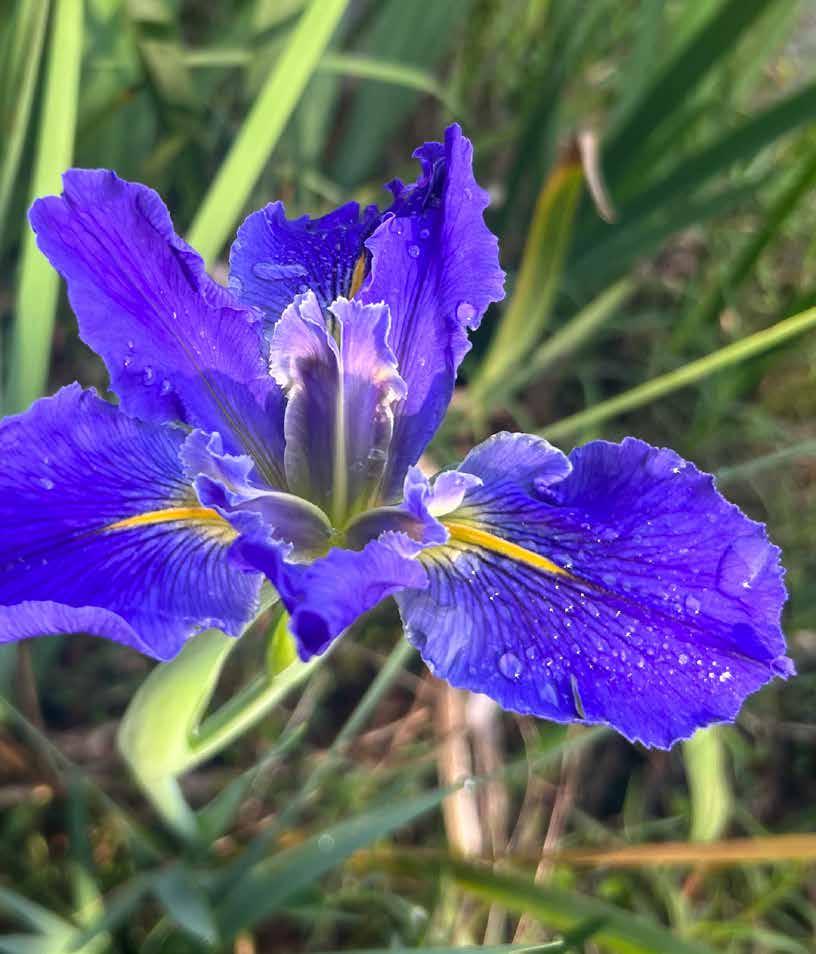
FEBRUARY | MARCH 2023 AWARDS • FLOWERS • PEOPLE • FOOD • BUSINESS





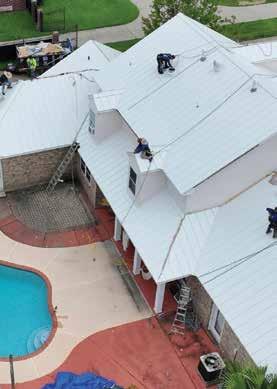

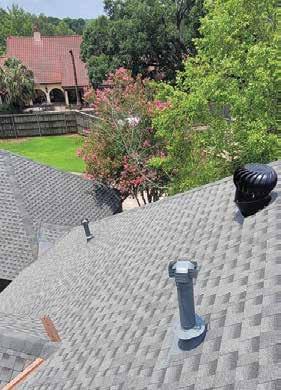

FREE INSPECTONS • FREE ESTIMATES • RESIDENTIAL • COMMERCIAL HERE TO SERVE YOU ACROSS THE SOUTH AND RIGHT NEXT DOOR! Hand Nailed Shingles | Sheet Metal | Flat Roofing | Slate & Tile Roofing — Financing Available — 985.308.0136 | PremierSouthLA.com | 74378 Hwy 25 Covington, LA 70435

Welcome to 2023, this is probably one of our most anticipated issues of the year. In this issue we announce the results of the 2023 Readers’ Choice Awards. It is great to see so many familiar names as well as some new ones. Congratulations to all our winners and thank you to all those who took the time to vote.
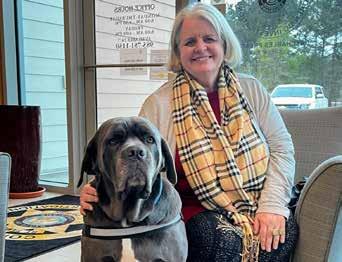
We also take a look at the fascinating St. Tammany Coroner’s office; I was amazed at all the programs and services this department offers. The highlight of my visit was getting to meet Louie, the coroner office’s therapy dog. Louis is a regular visitor to the CAC Hope House and STARC.
Check out our story on Northshore Arts in Bloom, the Hammond Northshore Regional Airshow as well as our regular features including our restaurant review, St Tammany Now and we also catch up with a Northshore Media Group’s Forty Under 40.
We are looking forward to another great year and have some new things planned for the upcoming issues. If you have ideas for a story, please send them in to edgepublisher@yahoo.com. Follow us on Facebook and don’t forget to tune in to our hyper local radio shows to catch up with what is happening on the Northshore every morning on Lake 94.7, Highway 104.7, Tangi 96.5, Kajun 107.1 or The Boss AM 1400/FM 103.7.
PUBLISHER
Sarah Cottrell
EDITOR
Peyton Flanders
ART DIRECTOR
Erich Belk
STYLE DIRECTOR
Patty Beal
BEAUTY EDITOR
Caitlin Picou
CONTRIBUTING WRITERS
Tara Bennett
Betsy O’Leary
Liz Smith
STAFF PHOTOGRAPHER
Jerry Cottrell
CONTRIBUTING PHOTOGRAPHERS
Johnny Chauvin
Nancy Hale
Abby Sands
Matthew Schlenker
Joel Treadwell
Brooke Watson
KEY ACCOUNTS EXECUTIVE
Eloise Cottrell
SENIOR ACCOUNT EXECUTIVE

Rebecca Blossman-Ferran

ACCOUNT EXECUTIVES
Erin Bolton
Debi Menasco
Stephanie Miller
The entire contents of this magazine are copyrighted by EDGE Publishing. @ 2023 with all rights reserved. Reproduction or use without permission of editorial or graphic content in any manner is prohibited. Please email comments or story ideas to edgepublisher@yahoo.com. EDGE PUBLISHING • 69170 HWY 190 SERVICE RD. SUITE 1 COVINGTON, LA 70433 • 985.867.5990
PUBLISHER
Cover Photo Photo by Jerry Cottrell
AWARD-WINNING NEUROCARE: BRAIN, SPINE & STROKE
The Ochsner Neurosciences Institute at St. Tammany Health System is a comprehensive brain, back and spine program dedicated to improving the quality of life for the people you love on the Northshore. Ours was the first ICU on the Northshore to have 24/7 neuro-intensivists, physicians fellowship trained in neuro critical care. What’s more, we’re a Primary Stroke Center. Together with our partner Ochsner Health, we’re giving your loved ones not just the care they need, but the care they deserve.

Page 76 Coroner’s Office 40 UNDER FORTYE 36 CELEBRATE 88 SOCIAL AROUND THE LAKE SHOW HAMMOND AIRSHOW 66 76 CORONOR’S OFFICE INSIGHT 82 ST TAMMANY NOW ECONOMIC DEVELOPMENT 14 ARTS IN BLOOM ART READERS’ CHOICE 21 EAST ST TAMMANY ARCHITECS 10 GASSAWAY GASSAWAY BRACKSTON 39 WEST ST TAMMANY READERS CHOICE 71 WASHINGTON READERS’ CHOICE 86 MY TURN BY CHRISTINA FAVRE RESTAURANT REVIEW SCHEDULE MARDI GRAS 34

Arts Evening Arts Evening
Saturday, March 25, 2023

5-9 pm • Free Admission
Olde Towne Slidell
646-4375 • MySlidell.com
Local Artists & & Artwork
Live Entertainment
Fine & Casual Dining
Antique, Boutique & Unique Shopping
Salad Days Stude nt Ar t Exhibit
George Dunbar Gallery in the Slidell Cultural Center at City Hall
The City of Slidell and the Commission on the Arts would like to thank our 2022/2023 Cultural Season Sponsors for making this event possible: Renaissance $5,000 Sponsors:

Baroque, $2,500 Sponsor : Silver Slipper Ca sino
Neocla ssical, $1,000 Sponsors: Councilman Bill & L aura Borchert

Lori ’ s Art Depot • Lowry-Dunham, Case & Vivien Insurance Agency



Impressionism, $500 Sponsors: P. David Carollo, Attorney At Law • CiCi’s Pizza

Mayor Greg Cromer • State Representative Mary DuBuisson, District 90
Roberta’s Cleaners • Slidell Historic Antique Association
• The City of Slidell presents •
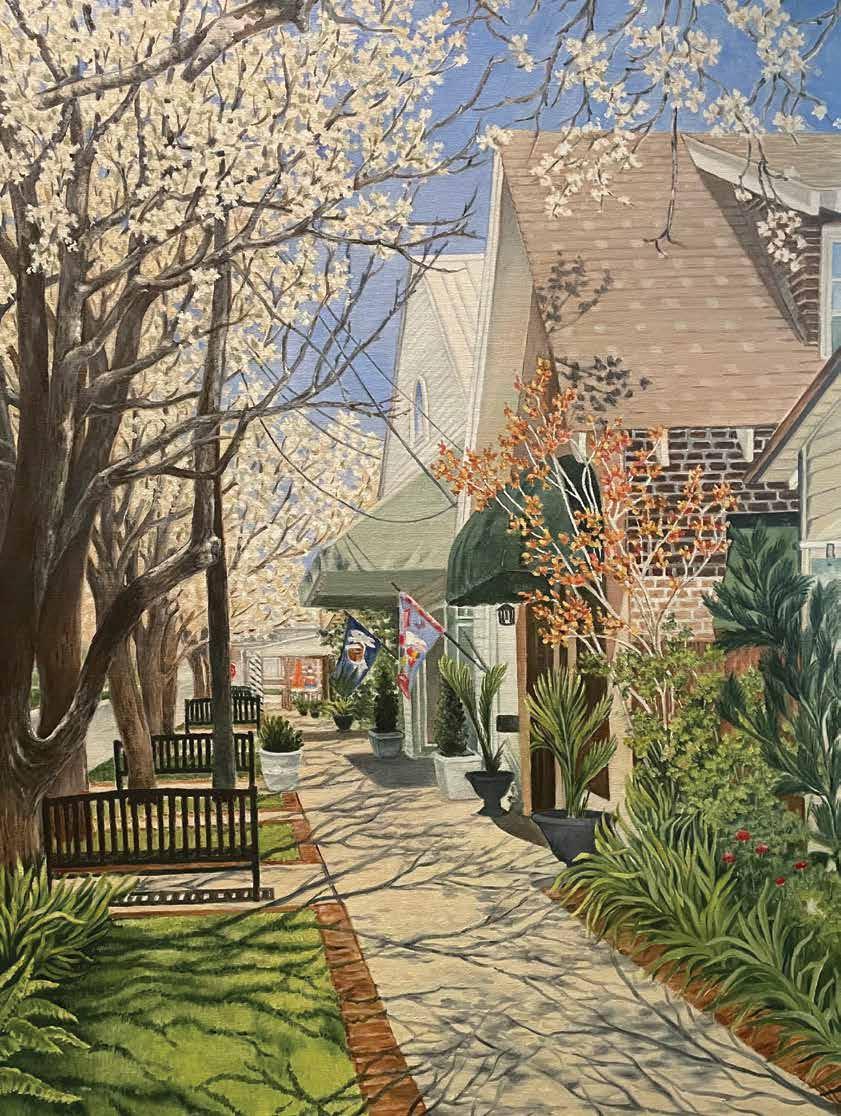
“Spring in Olde Tow ne ” by Colleen Marquis Arts Evening 2023 Poster Artist
Plus + Publications
T.


Elizabeth’s spirit is stronger than cancer.
Elizabeth was blindsided when at only 35 years old, she discovered a lump and found out it was breast cancer. She began treatment immediately, before moving to Madisonville. That’s when she opted to transfer to St. Tammany Cancer Center – A Campus of Ochsner Medical Center, which not only lowered her mileage to and from treatments, but also her stress levels. Upon completion of her chemotherapy treatments, Elizabeth underwent physical therapy through Ochsner’s integrative oncology services, to regain strength and range of motion in her upper body. We’re helping Elizabeth get stronger every day, so that she can experience the joys of life and motherhood. Whatever your reasons are for doing the things you do, we’ve only got one. YOU. ochsner.org/longliveyounorthshore

 Elizabeth
Gasaway Gasaway Bankston Architects

STORY BETSY O’LEARY
PHOTOS JOHNNY CHAUVIN
Spring 2023 marks the 50th anniversary of downtown Hammond’s premier architectural firm, Gasaway Gasaway Bankston Architects. Back in 1973, Andrew Gasaway, Jr., hung out his architectural shingle as “Gossen Gasaway & Associates,” the first iteration of what would become various professional collaborations with peers, proteges, o�spring, and o�ce manager of 33 years, Tonya Busch.
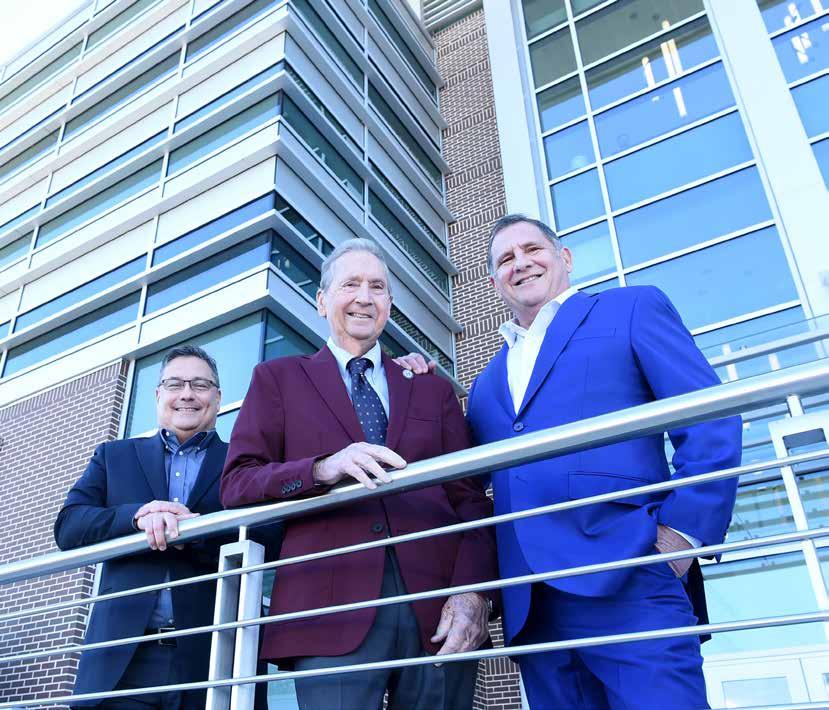
Recently, Andrew Gasaway, Jr., son Bret Gasaway, and Chris Bankston got together to share their stories of how it all came together.
A random girl in a café next to the Crescent Bar linked Andrew to the man who would literally shape his life. She worked for famed Louisiana architect John Desmond, whose wife had taught Art to her best student, Andrew Gasaway.
GGBARCHITECTS.COM
EDGEatorial
Soon, Andrew was earning fifty cents an hour as a draftsman for John Desmond. Andrew and his wife, the former Jeannette Verburg, and their three-month old son, headed west to what’s now ULL where Andrew studied architecture. He was earning a dollar an hour when he transferred to Tulane on a full scholarship. Post-graduation, Andrew’s first job was with a Thibodaux architectural firm.
Back in Hammond with Gossen Gasaway, Andrew’s work included his award-winning design of the two-story Sunday school building at Grace Memorial Episcopal Church. His design of the D. C. Reeves School won national architectural awards and helped launch the firm as the go-to architects for school design.
But that was just one of their niche markets, as they also designed parish jails, fire stations, the Ponchatoula Community Center, Jacmel Inn, Brady’s, First Guaranty Bank, and many other iconic buildings here and around the state.
Bret jumped in to interject how his father, together with Paul Murphy and a few others inspired Hammond’s annual Hot August Night celebration. What began as a few guys cooking hot dogs and hamburgers on a grill outside the Crescent turned into one of the summer’s hottest hits.
They were also instrumental in creating and funding both the DDD and the Hammond Historic District by actively seeking grants for architectural restoration and building improvements.
Bret worked construction for Ragusa Brothers building the Pittman Matheny building across from the Hammond jail. There, he met his future wife, Grace Bennett Gasaway. She
would go on to serve as City Judge across from the building Bret built until losing her battle with cancer in 2021.
Bret followed his father’s footsteps into architecture. His first major contribution was designing the “new” Hammond High School. He’s worked as lead architect or consultant on projects including downtown’s Central Progressive Bank, the NOMC’s Women’s Pavilion, Diagnostic Center, and NOMC’s Livingston Parish Medical Complex.
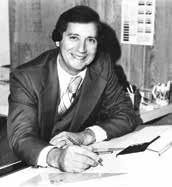
Just when Andrew was reducing his architectural presence, Chris Bankston was looking to grow his own. Thus, Gasaway Gasaway
Bankston Architects emerged.
Bankston’s background in school design in surrounding parishes was well-established. He took over the school board work Andrew previously did. His biggest school project to date is Live Oak High School – a 205,000 square-foot campus.
In addition to school designs, Bankston was heavily involved in recovery projects after Hurricanes Katrina and Ida. He is married to the former Pam Cali. They have a son, Brennan, 16, and are members of the Holy Ghost Catholic Church.
Andrew Gasaway started with a strong foundation, and together the partners have built a legacy. From the new FGB Center in downtown Hammond, to NOMC’s Livingston Parish Medical Complex in Satsuma, evidence of their commitment to quality craftmenship can be seen throughout the community.

EDGE February |March 2023 011




ts In Bloom
ARTINBLOOMGALLERY.COM NORTHSHOREARTFOUNDATION.COM
Presented by the Northshore Arts Foundation.
EDGEatorial NORTHSHORE
STORY TARA BENNETT PHOTOS BROOKE WATSON
Art will blossom again during the annual Northshore Arts in Bloom event this spring as the nonprofit organization celebrates its second year.

Presented by the Northshore Arts Foundation, Northshore Arts in Bloom will take place from April 28-30, 2023, in Downtown Hammond. The exhibit will feature 30+ floral artworks by local and regional floral designers, ranging from professional to enthusiastic hobbyists.
This year’s festivities, led by chair Colleen Scarle, include programming and partnerships with local businesses and organizations, such as the Columbia Theatre for the Performing Arts, the Hammond Regional Arts Center and the Hammond Downtown Development District.
“Northshore Arts in Bloom is a wonderful occasion to celebrate springtime in Hammond through the intersection of floral design with artwork,” Scarle said. “We’re looking forward to showcasing these incredible works by our area’s most accomplished florists and artists.”
EDGE February |March 2023 015
The mission of Northshore Arts in Bloom is to highlight the floral talents and achievements of the regional area. Our events support visual and performing arts for public appreciation while stimulating a cultural environment that inspires.
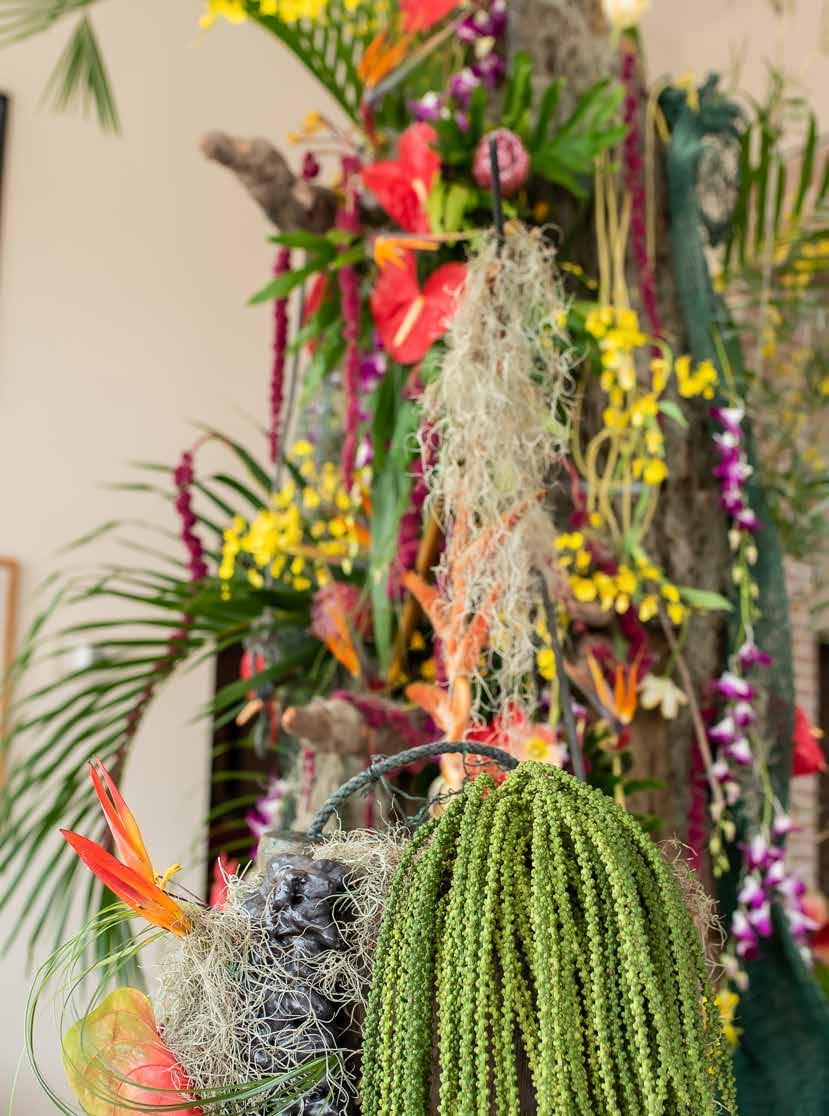
Each floral designer is assigned a specific painting as a reference to interpret the art in a floral arrangement. Using live flowers, designers create an opportunity for visitors to see art from a new frame of mind. The floral arrangements will be beside their painted counterparts, allowing guests to see the two perspectives.
Full Bouquet ticket holders will be among the first to see these fantastic floral works and paired artworks during the Patron Party on April 28, which kicks o� the weekend. Patron Party participants can vote on their favorite floral arrangement for the People’s Choice Award while enjoying hors d’oeuvres, an open bar and live music.
In addition to the floral art competition, three professional floral designers will be invited to create spectacular floral installations on a grand scale. Visitors can view these indoor installations at the Columbia Theatre throughout the weekend.
In addition to viewing the featured floral arrangements, visitors may enjoy a variety of performances and activities throughout the weekend. Other events include staged readings of winners from an international playwriting contest featuring three categories: Adult, Collegiate and Teen. Professionals in landscaping, horticulture and flowers will speak on various subjects during the lecture series.
The Hammond Regional Arts Center will display glass & sculpture works of artists Paulo Dufour, Erica Larkin Gaudet and Mitchell Gaudet. A special Art and Flower Market will be held in conjunction with the Saturday Hammond Farmers’ Market. There will be a variety of fun activities, such as a children’s chalk walk, unique art, along with plants and cut flowers to jumpstart one’s spring gardening. On Saturday there will be strolling musicians and belly dance performances before culminating with live music in Cate Square Park hosted by the Downtown Development District.
Northshore Arts in Bloom puts an emphasis on giving back by selecting a local charity each year to donate a portion of the weekend’s proceeds. Last year, the Hammond Regional Arts Center and the Hammond Garden Club were chosen as organizations to fund.

“We think of others in need and come together in support of our communities to give from the heart,” Scarle said.
More information on sponsorships, participation and tickets can be found at the Northshore Arts Foundation website at northshoreartsfoundation. com.
Mike Cooper

Carnival season is o�cially upon us!
This season ushers in one of my favorite times of the year, as it gives our loved ones and neighbors an opportunity to gather joyfully, while celebrating the many, vibrant traditions of our beloved Parish. Mardi Gras parades are now rolling through every community within our Parish. I look forward to joining you all on the parade route as we rejoice this triumphant season.
2022 was an extraordinary year for St. Tammany Parish Government; however, we are laserfocused on exceeding the standard that we set. My administration has once again put forth the most funding for infrastructure in our Parish history, surpassing last year’s budget, which will make longawaited, impactful projects a reality.

I passionately believe, with infrastructure investments, proper planning and economic development, our Parish will continue to thrive with our citizens ideals on the forefront.
Among the many programs launched under my administration was the removal of nearly 3,400 fallen trees from our Parish’s scenic waterways, as a result of Hurricane Ida. This ambitious initiative will beautify our scenic waterways and enhance the drainage capacity. The $12.6 million project is expected to be completed in early 2024.
The Department of Animal Services is among our greatest success stories. When I took o�ce, the live release rate was around 40%. I am tremendously proud to share for the second consecutive year, the live release rate is 97%, which designates our Animal Services as a ‘no-kill’ shelter. In 2022, our sta� took in nearly 4,000 animals, which is twice as many as 2020. This feat would not have been possible without hard working sta�, volunteers and fostering and adopting families.
I look forward to seeing you throughout this Carnival season and while supporting our local nonprofit organizations at their remarkable events this Spring.
Serving as your Parish President continues to be one of my most humbling honors.
The holiday season has ended, and here in Louisiana we have switched gears to the Carnival season.I am pleased that St. Tammany krewes continue to provide family-friendly options for our residents to enjoy Mardi Gras parades and festivities.
I am also very proud to continue our partnership with STARC by placing a float at the end of several local parades to collect beads. The STARC clients sort, repackage and sell those beads back to float riders. This is a worthwhile program as it not only prevents these beads from ending up in our landfills or attics, but it also provides work and funds for the citizens serviced by STARC. It’s truly a win-win for our community.
Ensuring a safe and fun Carnival season takes a great deal of planning and cooperation.
Our deputies work together with the municipal law enforcement agencies, state police and other surrounding law enforcement to maintain order and provide crowd and tra�c control along parade routes throughout our parish.
Our Reserve Division is an integral part of this cooperative e�ort, with our reserve deputies working countless hours during our many Northshore parades.
If you are interested in becoming a part of our top-notch Reserve Division, you can apply online or call our Human Resources Department at (985) 726-7700 for more information.
We are also actively hiring for full-time positions in our Patrol, Corrections and Communications Divisions. Our employees are our greatest asset, and we continue our e�orts to recruit and retain quality employees by providing competitive pay, excellent benefits and opportunities for advancement.
Becoming a corrections deputy or a dispatcher is a great way to start out in law enforcement. These are both challenging and rewarding jobs with the potential for future growth through advancement in those divisions or transfers to a position in patrol or investigations.
If you or someone you know is interested, please visit www.stpso.com/job-opportunities<http:// www.stpso.com/job-opportunities> and fill out an online application.
I wish you all a safe and happy Mardi Gras season and encourage each of you to watch for our deputies along the parade routes and thank them for the job they are doing to maintain a safe environment for our families to enjoy the Carnival season.
EDGE February |March 2023 017
COMMUNITY LEADER
St. Tammany Parish President
Randy Smith St. Tammany Sheriff
CONGRATULATIONS to all the 2023 READERS’ CHOICE
NORTHSHORE MEDIA GROUP NM





NORTHSHOREMEDIA.NET
WINNERS from









EDGE February |March 2023 019 B U L K T A N K F U E L I N G J O B S I T E F U E L I N G F L E E T F U E L I N G G E N E R A T O R F U E L I N G I N V E N T O R Y M A N A G E M E N T S Y S T E M ( T A N K M O N I T O R I N G ) Louisiana and Mississippi’s premier lubricant wholesaler, providing quality fuel and unparalleled service to customers throughout the region www.crumpfuel.com . 985-229-4976 OFFERING A ONE-STOP-SHOP FOR ALL YOUR COMMERCIAL FUEL AND LUBRICANT NEEDS.


2023 Readers’ Choice Winners
ST. TAMMANY EAST
Restaurants
Asian Koi
Appetizer
Restaurant Cote
A ttac hed is a proof of y our ad that will run in the of the Lake magaz run as is unless we r ec eive changes hanges or approve
Bar Food
Maple Room
Barbecue
Papa’s Backyard
Breakfast
Creole Bagelry
Brunch
Palmetto’s on the Bayou
Burger Times Grill
Craw sh
Slidell Seafood
Cheese at Cheese Chick
Slidell Seafood
1001 Gause Blvd. W., Slidell 985.643.0901
facebook.com/slidellseafoodwest/
A ttac hed is a proof of y our ad that will run in the
Catering
Patton’s
Casual
Southside Cafe
Oysters
Phil’s Marina Cafe
Co ee Shop
Sirincci Co ee Co.
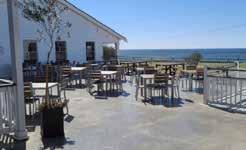
Dining with a View
Palmetto’s on the Bayou
Donuts
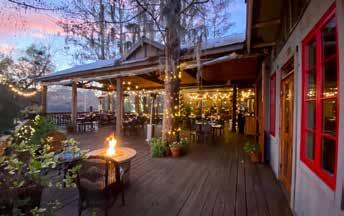
ROMANTIC, BRUNCH,
Palmettos on the Bayou
1901 Bayou Ln. Slidell 985.643.0050
is
Lake
any
WITH A VIEW
EDGE OF THE LAKE • 69170 HWY 190. SUITE 1 • COVINGTON, LA 70433 • PHONE
Camellia City Donuts
Dessert
Copelands
Chicken
Maple Room
Food Truck
Cocina Rico Food Truck
Health
Impact Nutrition
Hole in the Wall
S & H Good Eats
Prepared Meals
Keeping it Real
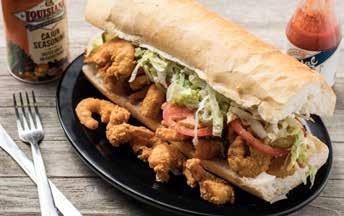
SEAFOOD
Pecks Seafood 2315 Gause Blvd., Slidell 985.781.7272

pecksseafood.com
EDGE February |March 2023 021
• PHONE
EDGE OF THE LAKE • 69170 HWY 190. SUITE 1 • COVINGTON, LA 70433
DINING
Febr uar y / Mar c h
s ue
E DGE
( 1 1 0 2 0 2 3 ) a t 5 : 0 0 P M . P lease m ak e
palmettosrestaurant.com c
of
of
the
magaz run as is unless we r ec eive changes by
hanges or approve
FAVORITE CRAWFISH







EDGE February |March 2023 022 Thank You for choosing us as your FAVORITE CARWASH! 1340 Front Street | Slidell | 985.771.7700 Marc,Sarah, Ethan & Jack Delery Oil Change Available • Locally family owned & operated • Free vacuums & compressed air • Free detail towels & spray cleaner • Free mat shampooer • Branded industry leading cleaners, conditioners & ceramics throughout tunnel • Our best wash “ e Crown” with every oil change
Fine Dining
Restaurant Cote
Frozen Yogurt
Counter Culture
Greek
Alabasha
Hot Dogs
Bruisers
Ice Cream
Olde Towne Soda Shoppe
Italian
Sal &. Judy’s
Juice Bar
Impact Nutrition
Kid Friendly
Olde Town Pizza
King Cake
Sugar Love Bakery
Mexican
El Paso
New
GilliGil’s Island
Pizza
Old Towne Pizza
Po-Boy
Jazzy Petes
Romantic
Palmetto’s on the Bayou
Salad
Salad Station
Seafoods
Pecks Seafood
Service
Restaurant Cote
Smoothies
Impact Nutrition
Snowballs
Sugar Love Bakery
Soup
Pho Bistro
Steak
Gallagher’s on Front Street
Sushi
Sogo
Tea
Slidell Nutrition ai
ailicios
A ttac hed is a proof of y our ad that will run in the
is
Vietnamese
of the Lake magaz run as is unless we r ec eive changes by
Pho Bistro
People
Artist
Adam Sambola
Attorney
Amber Sheppard
Builder
ECO Builders
Insurance Agent
Alan Case
Bartender
Bobbie Sottile
Chef/Restaurant
Jeremy Reilly
Restaurant Cote
FACIALS Skin Care by Amanda 2800 E Gause Blvd., Slidell 985.640.5830
A ttac hed is a proof of y our ad that will run in the Febr
CPA
Bob Jones Accounting
Financial Advisor
Jeanette Sanford /
Edward jones
Massage erapist
Bridget Ricau

Personal Trainer
Felicia Flake
Insurance Agent
Dave Martin
Photographer
August Layne
Real Estate Agent
Summer Casebolt
Tattoo Artist
Randy Keeler
Aesthetician
Amanda Molaison-Lough

Travel Agent
Anna Curuseo
MEDICAL
Allergist
Dr Jennifer Olivia, M.D.
is
or approve
of the Lake magaz run as is unless we r ec eive changes by (
BOUTIQUE & SHOES Cody Kate Boutique 1337 Gause Blvd. Ste. 109, Slidell 985.640.6268

EDGE February |March 2023 023 EDGE OF THE LAKE • 69170 HWY 190. SUITE 1 • COVINGTON, LA 70433 • PHONE
EDGE OF THE LAKE • 69170 HWY 190. SUITE 1 • COVINGTON, LA 70433 • PHONE
skincarebyamandaslidell.com
Febr uar y
Mar c h
s ue
E DGE
1 1 0 2 0 2 3 ) a t 5 : 0 0 P M . P lease m ak e any c hanges
/
of
(
or approve
ambersheppardlaw.com
ATTORNEY Amber Sheppard Sheppard Law, PLLC 985.265.7196
y
Mar c h
s ue
E DGE
1 1 0 2 0 2 3 ) a t 5 : 0 0 P M . P lease m ak e any c hanges
uar
/
of
codykateboutique.shop








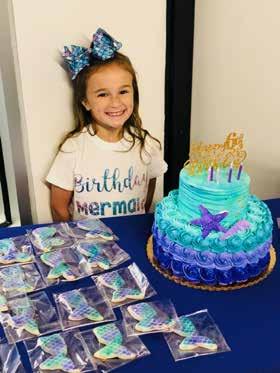


EDGE February |March 2023 024 985. 641.7772 | woodhousespas.com Mon-Sat 9-6, Sun 12-5 NEW SLIDELL LOCATION 1389 LAKEWOOD DRIVE ank You for Voting Us your FAVORITE DAY SPA! 2018, 2019, 2020, 2021, 2022, 2023 Re. ect Re.connect Re.new Mandeville Coming Soon 5 YEARS IN A ROW favorite FIRST YEAR FOR SLIDELL KIDS PARTY VENUE! THANKS FOR VOTING US THE FOR MANDEVILLE
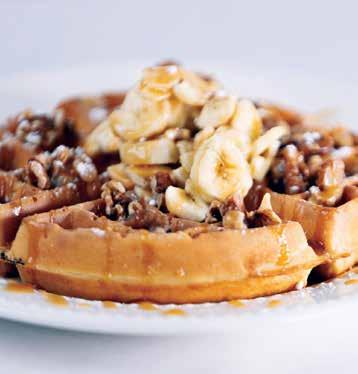










EDGE February |March 2023 025 LAKE • 69170 HWY 190. SUITE 1 • COVINGTON, LA 70433 • PHONE 985 733 4670 1337 Gause Blvd., Slidell| | 985.649.6151 | creolebagelry.com COFFEE BREAKFAST Proud to have been chosen six years in a row: SLIDELL’S FAVORITE BREAKFAST • Our All Adult Staff • Our Limited Class Sizes • Viewing Monitors for Each Dance Studio • Modest Dance Costumes and Clean Music • No Surprise Fees Thank you for voting us “Favorite Dance Studio” Aimee Barone Owner/Director 985.646.0171 creativedanceslidell.com 58485 Pearl Acres Rd. Slidell, LA 70461 WHAT SETS US APART FROM OTHER DANCE SCHOOLS SLIDELL 704 Lake Village Ct, 985.288.0876 SINCE 1965 rusty@ rustyroofer.com We Appreciate Being Voted FAVORITE ROOFER Specializing in roof repair “Even the small jobs” Locally owned & operated by Edward “Rusty” Schenck Residential & Commercial INSURING SLIDELL AND ALL OF LOUISIANA “WE REALIZE INSURANCE TIMES ARE TOUGH, LET OUR 122 YEARS OF EXPEREINCE HELP YOU” - JOHN CASE 985.643.1234 | LDCV.COM 2001 1st St., Slidell, Louisiana 70458

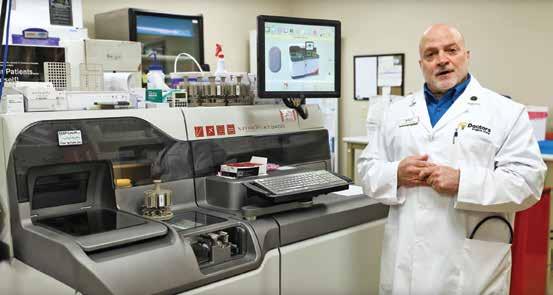

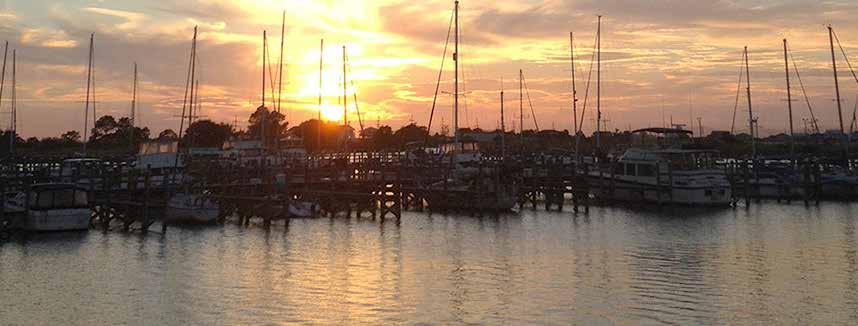
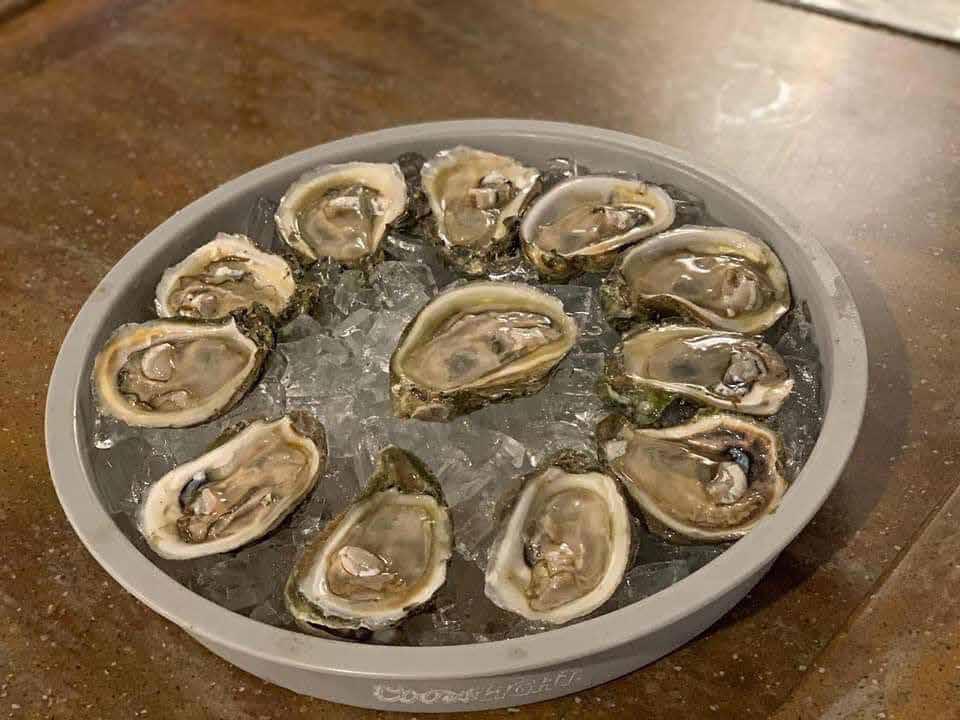


EDGE February |March 2023 026 WE’RE GOING FARTHER 971 Robert Blvd Slidell, LA 70458 985-690-8300 Doctors Urgent Care is a full-service, walk-in clinic, accepts most insurances and is open 7-days-a-week from 9am to 6pm. We are one of the only Urgent Care facilities in the region that has a Full-Lab. so you don’t have to. our clinic features a host of cutting-edge tools designed to rule out, diagnose and treat all illnesses or minor emergencies. Dr. Wade Estopinal in Our Fully Accredited Lab, Digital X-Ray, EKG on-site! Favorite Oysters 1194 Harbor Drive, Slidell 985-641-0464 | PhilsMarinaCafeSlidell.com COME ENJOY OUR WATER FRONT DINING!
bayoukid.com
Anti- Aging Specialist
Heather Bronaugh, M.D.
Chiropractor
Alicia Smith, D.C.
h is s ue of E DGE of the Lake magaz ine. This ad will
Dentist
Veterinarian Dr Kara - Southern Pearl
Wound Care
SMH Wound Care
hanges or approve via email.
Kent Stasney, D.D.S
Dermatologist
Eric Tabor M.D.
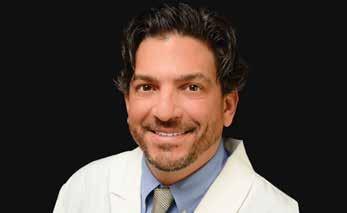
Doctor
Mike Casey, M.D.
Eye Doctor
Casey Cahill, M.D.
Gastro
Timothy Trainor, M.D.
Holistic
Brianne Calabia I.H.P
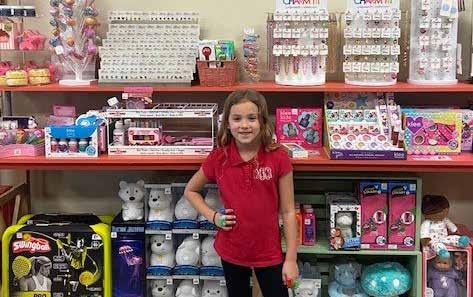

Home Health
ComForcare
Hospice
Hospice House
Hospital
Slidell Memorial Hospital
Med Spa
Northshore Rejuvenation
Medical Testing Facility
Diagnostic Imaging Center
OB/GYN
Mellissa Smith, M.D.
Camellia City Oncologist
Matthew McElveen, M.D.
Orthodontist
Smile Doctors
Orthopedist
Brian Fong, M.D.
Pediatrician
Tracie Carter, M.D.
Physical erapist
Gary Dragon , P.T.
Psychotherapy
Coastline Counseling
Surgery Center
OLOL Surgical Hospital
Urgent Care
Doctors Urgent Care
ALL THINGS ARTY
Art Classes
Creative Design’s by Robin
Art Gallery
Sambola
Author
John Case
Band
Two Piece Dark Meat
Charity Event
Craw sh Cooko
Parade
Poseidon
DJ
DJ Brass
Festival
Olde Town Crawl
eatre Group
Cutting Edge
SPORTS AND LEISURE
Camping Spot
Pine Crest R.V. Park
Children’s Playground
Heritage Park
Fitness
Core Performance Academy
Golf Course
Pinewood
Health Club
Crossgates Family Fitness
Indoor Sports Facility
Magnolia Athletic
Karate
Rick Weems
Public Park
Heritage Park
EDGE February |March 2023 027
Studio
LAKE • 69170 HWY 190. SUITE 1 • COVINGTON, LA 70433 • PHONE 985 733 4670 DERMATOLOGIST Northshore Dermatology 2780 Gause Blvd. East, Slidell 985.641.5198 Northshorederm.com LAKE • 69170 HWY 190. SUITE 1 • COVINGTON, LA 70433 • PHONE 985 733 4670
our ad that will run in the Febr uar y / Mar c
changes by ( 1 1 0 2 0 2 3 ) a t 5 : 0 0 P M . P lease m ak e any c
FAVORITE PET GROOMING & BOARDING Mary’s Bed & Biscuit 2320
St,
Slidell
PROOF SHEET
eive
Carey
Olde Town
985.646.2345 facebook.com/Mary’sBed&Biscuit
eive changes by ( 1 1 0 2 0 2 3 ) a t 5 : 0 0 P M . P lease m ak e
c
STORE
PROOF SHEET
our ad that will run in the Febr uar y / Mar c h is s ue of E DGE of the Lake magaz ine. This ad will
any
hanges or approve via email. BABY/CHILDREN’S
Bayou Kids 2385 East Gause Blvd, Suite 9, Slidell 985.214.9496
Feb 24 - March 18
Friday and Saturday 8 pm
Dreamgirls is the story of three black singers - Deena, Lorrell, and Effie who began as a group called the Dreamettes. They start as three talented, close friends and gradually sharpen their act and rename themselves “The Dreams”. Little do they know of the hard, competitive world of show business.

April 14-29

Friday and Saturday 8 pm
A comedy about white trash! The author of Daddy’s Dyin’ (Who’s Got the Will?) brings you a comedy that was nominated for over 30 awards during its long run in Los Angeles. When Peggy, a good Christian woman, hits her head on the sink and bleeds to death after tripping over her lover’s wooden legs in a motel room, chaos erupts in Winters, Texas.

May 5-27
Friday and Saturday 8 pm


KINKY BOOTS has inspired audiences across the globe, showing everyone we can change the world when we change our minds. This uplifting sensation features a Tony® and Grammy®-winning score by Cyndi Lauper, a book by Tony winner Harvey Fierstein, and direction and choreography by Tony winner Jerry Mitchell. Filled with glitter, glam and a whole lot of sole, KINKY BOOTS is a reminder to CELEBRATE YOUR LIFE TRIUMPHANTLY!

EDGE February |March 2023 028 Cutting Edge Theater TICKETS AVAILABLE ONLINE cuttingedgetheater.com PHONE 985.649.3727 TEXTING 985.285.6666 767 ROBERT BLVD. SLIDELL
2219 Carey St. Slidell THANK YOU FOR VOTING US YOUR FAVORITE! Go to restaurantcote.com for on/off site catering, menus, & reservations Tuesday - Trivia Night Wednesday - Wine & Wing Night Thursday - Steak Night 985.288.5440 restaurantcote.com READERS’ CHOICE AWARDS 2021 READERS’ CHOICE AWARDS 2022 & Maple Room • Chef • Fine Dining • Service • Appetizer • Happy Hour •Chicken • Bar Food
















EDGE February |March 2023 029 50 TOWN CENTER PARKWAY | SLIDELL | 985.639.9891 FAVORITE SPORTS BAR THREE YEARS IN A ROW! Thank You For Voting Us
Swim Club
Crossgates Family Fitness
Tennis Courts
Crossgates Family Fitness
Tourist Attraction
Swamp Tours
Kids Entertainment
Altitude Tramploline
NIGHTLIFE
Bar
Brass Monkey
Daiquiri
Castaway
Bloody Mary
Southside Cafe
Happy Hour
Maple Room
Live Music Venue
Lobby Lounge
Margarita
Carreta’s Grill
Martini
Wine Garden
Place to go Dancing
Olde Town Tavern
Sports Bar
Walk- On’s Sports Bistreaux
SHOPPING
Antiques
Art and Antiques on First
Baby/ Children’s Store
Bayou Kids
Bakery
Sugar Love Bakery
Bridal Boutique

James and B Bridal House
Car Dealership
Toyota of Slidell
Cheese at Cheese Chick
Charcuterie
Bayou Boards by Jenn
Consignment
Lulu’s Almost New
Garden Center
Bantins
Gi s
Create Dat
CBD
Geaux CBD
Florist
Petals and Stems
Flooring
Darby’s Furniture
American Furniture of Slidell

Hardware Store
Ace Ponchartrain
Home Décor
Southern Farmhouse
Jewelry
Salles
Lighting
ABC Lighting
Meat
Armonds
Pharmacy
Finnan’s Family
Sporting Goods
Sportsman’s Warehouse
Supermarket Rouses Supermarket
Tires
Tire Town
Wine
Acquistapace’s Wine
Warehouse
Woman’s Boutique
Cody Kate
Women’s Shoes
Cody Kate
SERVICES
Acting School Slidell Little eater

Air Conditioning Service and Repair
AirDat
Car Wash
Crown Carwash
EDGE February |March 2023 030 EDGE OF THE LAKE • 69170 HWY 190. SUITE 1 • COVINGTON, LA 70433 • PHONE 985 KING CAKE, BAKERY & SNOWBALL Sugar Love Bakery 1329 Englewood Dr., Slidell 985.265.4146 sugarloveslidell.com EDGE OF THE LAKE • 69170 HWY 190. SUITE 1 • COVINGTON, LA 70433 • PHONE 985 A
uar y / Mar c h
s ue
E DGE
r ec eive
by ( 1 1 0 2 0 2 3 ) a t 5 : 0 0 P M . P lease m ak e any c hanges or approve HOME DECOR Southern Farmhouse 716-A Mechanical Dr., Slidell 985.718.9249 abby@farmhouseandfurniture.com A
y
Mar c h
s ue of E DGE
eive
by ( 1 1 0 2 0 2 3 ) a t 5 : 0 0 P M . P lease m ak e any c hanges or approve HAIR SALON AND HAIR REMOVAL Serendipity Salon 1502 Front St., Slidell 985.259.4054 serendipitysalonslidell.com
ttac hed is a proof of y our ad that will run in the Febr
is
of
of the Lake magaz run as is unless we
changes
ttac hed is a proof of y our ad that will run in the Febr uar
/
is
of the Lake magaz run as is unless we r ec
changes












EDGE February |March 2023 031
Childcare
Honeycomb School
Contractor
ECO
Cooking Classes
Passionate Platter
Dance Studio
Creative Dance
Day Spa
Woodhouse Spa
Elementary School (Private)
St Margaret Mary
Elementary School (Public)
Whispering Pines
Financial Institution
OnPath
Hair Removal
European Wax Center
Hair Salon
Serendipity Salon
High School (Private)
Pope John Paul ll

High School (Public)
Northshore High School
Kids’ Party Venue
Altitude Trampoline
Landscape Services
Luxury Landscape Service
Mani Pedi Spa
Divine Nails
Karate
Premier Takwando
Electrician
MAC Electric
Lash Extentions
Pure Salon and Esthetics
Mechanic Shop
East Gause Goodyear
Mortgage Company
Prime Lending
Music School

Little Sound Academy
Party Planning
e Balloon Beauty
Title Compnay
Patriot Title
Pet Boarding
Mary’s B&B
A ttac hed is a proof of y our ad that will run in the of the Lake magaz run as is unless we r ec eive changes hanges or approve
Pet Grooming
Mary’s B&B
Printer
Old Town Print
Promotional Materials readheadz
Signs
Mirror Image
Real Estate Company
Engel & Volkers
Senior Living Community

Summer eld
Summer Camps
Crossgates Family Fitness
Wedding Venue e Sadie Jane
hed is a proof of y our ad that will run in the
run as is unless we r ec eive changes
Cleaning
Tidy Heidi
Floors
Darby’s
Yoga
Blue Arrow Yoga Moving Slidell Moving
Limo
Exquisite Diamond Transport
Plumbing Drain Surgeon
Pool Design Rock N Pools
Fitness
Core Performance Academy
Roof Schenck Roo ng
Funeral Home Audubon
Tree Removal
Ben Gordon Tree Service
LifeAtSummerfield.com
EDGE February |March 2023 032
EDGE OF THE
• 69170 HWY 190. SUITE 1 • COVINGTON, LA 70433 • PHONE
LAKE
Summerfield
4104
SENIOR LIVING COMMUNITY
Senior Living
Dauphine Street, Slidell 985.646.4676
EDGE
• PHONE PRIVATE
Jaguar
Slidell
pjp.org A
uar y / Mar c h is s ue of E DGE of the Lake magaz
by ( 1 1 0 2 0 2 3 ) a t 5 : 0 0 P M . P lease m ak e any c hanges or approve
OF THE LAKE • 69170 HWY 190. SUITE 1 • COVINGTON, LA 70433
HIGH SCHOOL Pope John Paul II 1901
Drive,
985.649.0914
ttac
Febr
DJ DJ BRASS Slidell, 985.718.8865 FB @DJ Brass Louisiana djbrass13@yahoo.com

Parade Schedule 2023

TOWN PARADE TIME FRIDAY FEBRUARY 3RD Slidell Mystic Krewe of Titans 6:30 pm SATURDAY FEBRUARY 4TH Slidell Krewe of Poseidon 6:00pm Slidell Krewe of Bilge Noon SUNDAY FEBRUARY 5TH Slidell Krewe of Antheia 1:00pm Pearl River Krewe of Pearl River Lions Club 1:00pm FRIDAY FEBRUARY 10TH Hammond Krewe of Omega 6:30pm Mandeville Krewe of Eve 7:00pm SATURDAY FEBRUARY 11TH Slidell Krewe de Paws 10:00am Abita Krewe of Push Mow 12:00am Madisonville Krewe of Tchefuncte 1:00pm Covington Krewe of Olympia 6:00pm SUNDAY FEBRUARY 12TH Slidell Krewe of Dionysus 1:00pm FRIDAY FEBRUARY 17TH Slidell Krewe of Selene 6:30pm SATURDAY FEBRUARY 18TH Bush Krewe of Bush 9:00am Bogalusa Magic City Carnival Ass. 1:00pm MARDI GRAS DAY FEB 21ST Covington Covington Lions Parade 10:00am Covington Krewe of Covington follows Covington Folsom Krewe of Folsom 2:00pm SATURDAY FEBRUARY 25TH Mandeville Krewe Du Pooch Parade 12:00am SUNDAY FEBRUARY 26TH Covington Krewe of Mardi Paws 2:00pm LOOK FOR THE LAKE 94.7 CUBE ON THE PARADE ROUTES! ALL PARADES ARE SUBJECT TO CHANGE.
e Next Chapter In WASTE MANAGEMENT
William Strain/Stranco
William Strain is a St. Tammany Parish native, born in 1997 to a family that demonstrated and instilled in him a strong work ethic that continues to motivate him to this day. William graduated from St. Paul’s High School in 2015 and went on to graduate from the University of Louisiana in Lafayette with a B.S.B.A. degree in Business Management with a minor in Finance.
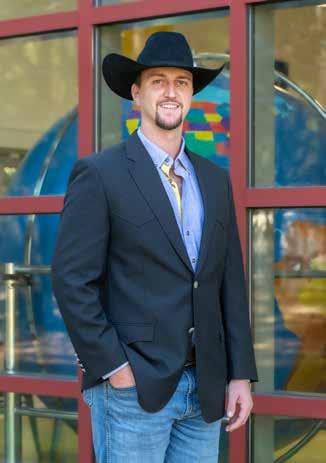
William returned to St. Tammany in 2020 to join his family business, Stranco Waste Management, as a sales and transportation manager, and has developed the necessary skills to lead his team to success. Even though William started working during the pandemic, which was a challenging period for many companies, his education, mindfulness and perseverance helped Stranco, an essential business, remain on top.
William has led his team to a 35% growth in sales and a 20% reduction in expenses. Because of this, he has become an integral part of the company’s growth and profitability, and he was recently recognized as one of Northshore Media’s 2022 Forty under 40.
About Stranco
Since 1998, Stranco Waste Management Company, a permitted and DEQ compliant, one-of-a-kind solid waste transfer station, has been e�ectively helping businesses and residents in St. Tammany Parish dispose of solid waste, including household garbage, construction and demolition debris and other non-hazardous trash.

Stranco added a second, more modern transfer station facility to meet the growing needs of St. Tammany’s garbage disposal, and has also taken over the operation of a transfer station facility in New Iberia. All of their facilities are equipped to handle large amounts of garbage as it is transported from businesses and homes to transfer stations and, ultimately, to the appropriated state-certified landfills. In recent years, Stranco Solid Waste has expanded to include a roll-o� division and a frontload division, allowing them to provide their customers with even more ways to dispose of their non-hazardous garbage and trash,
Stranco goes above and beyond to guarantee that its solid waste transfer stations are properly operated to ensure cost-e�ective solutions and e�ciency, resulting in monetary and environmental savings for the communities. The goal is to reduce transportation cost, labor, fuel, air emissions, energy use and vehicle maintenance.
Stranco Solid Waste has been in business since 1998 and will soon be celebrating its 25th anniversary. With William Strain’s leadership, customer service skills, management training and other abilities, Stranco hopes to have a long and profitable future.
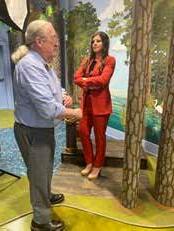
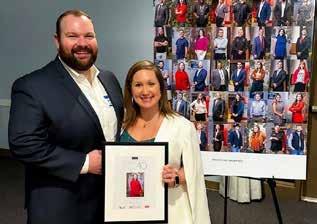
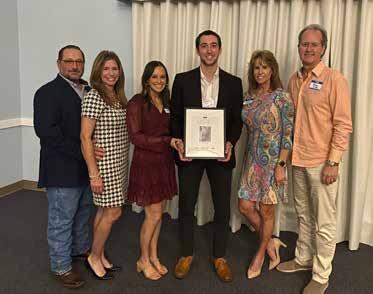
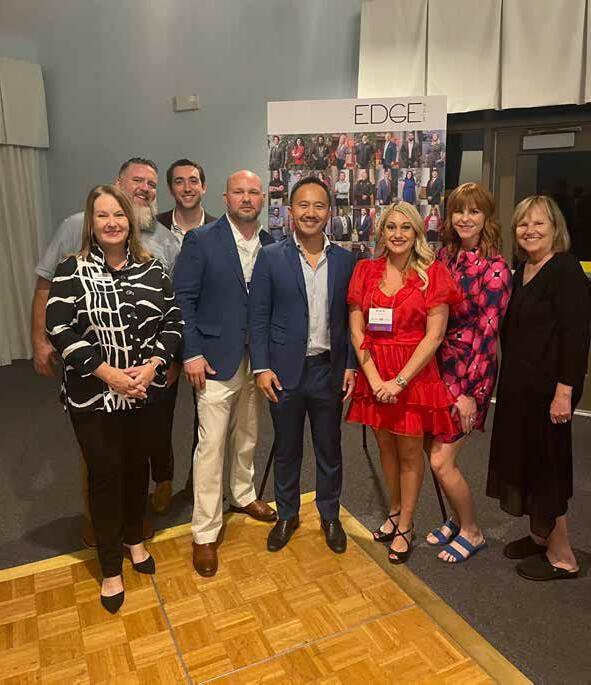
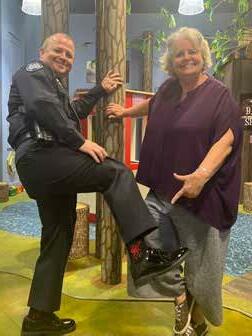
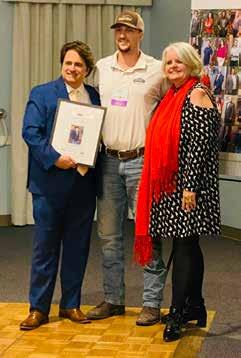
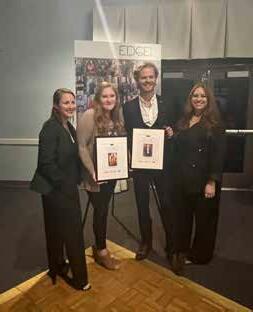
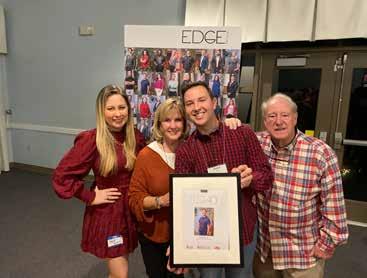
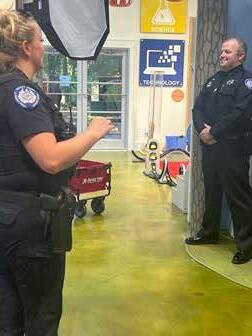
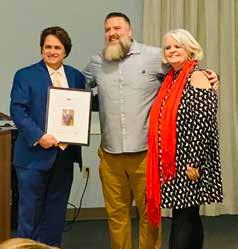
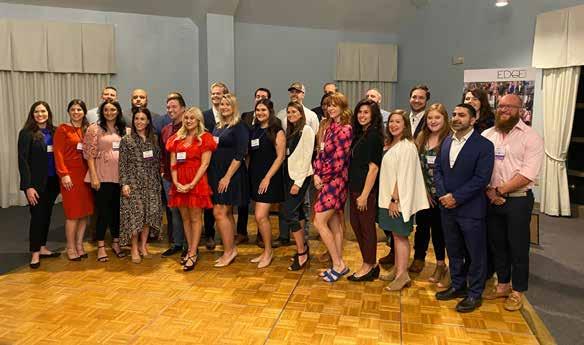
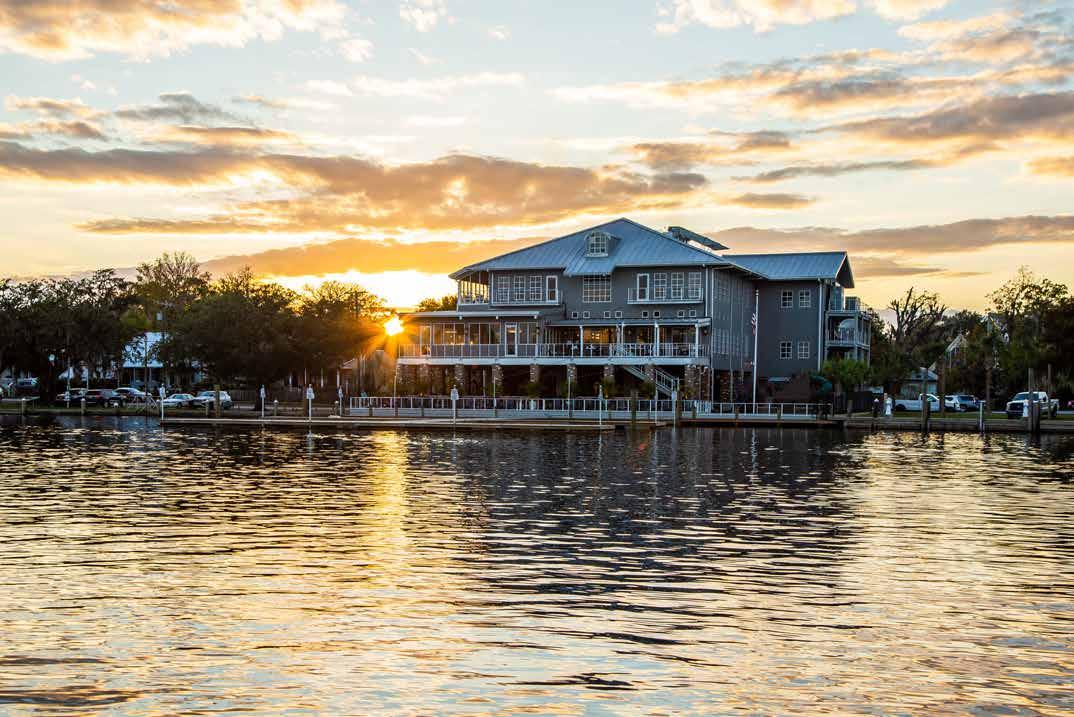
From a photoshoot by Joel Treadwell at the Children’s Museum of St Tammany, features in Tangi Lifestyles and EDGE of the Lake to a reception held at the Lake Pontchartrain Basin Maritime Museum hosted by Tangipahoa and St Tammany Chambers we celebrated Northshore Media Group’s Forty Under 40. Congratulations again to all the 2022 Forty under 40!














T C H E F U N C T E S . C O M
2023 Readers’ Choice Winners
ST. TAMMANY WEST
RESTAURANTS
Appetizer
Bistro Byronz
Asian Kazoku
Bang for Buck
Leonardo’s Trattoria
Bar Food e Anchor
Barbecue
Pyre BBQ
Breakfast
LaLou
Brunch
Crazy Pig
Bubble Tea
Tea Time
Burger
Times Bar and Grill
Casual Dining
Rusty Pelican
Catering

Lake House
Chacuterie
Cured on Columbia
Chicken
WOW American Eats
Co ee Shop
Abita Roasting
Dessert
Tchefuncte’s Restaurant
Dining with a View
Tchefuncte’s Restaurant
Donuts
Peace, Love & Little Donuts
Fine Dining
Gallaghers 527
Food Truck
Creole Tomateux
SEAFOOD
Morton’s Seafood Restaurant & Bar 702 Water Street, Madisonville 985.845.4970 mortonsseafood.com
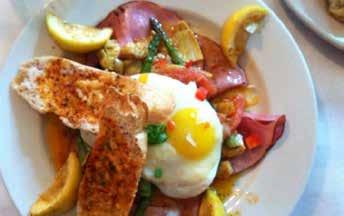
FOOD TRUCK

Creole Tomateaux 2022 Orleans St., Mandeville 985.951.2650
Tomateaux.com
EDGE February |March 2023 039 EDGE OF THE LAKE • 69170 HWY 190. SUITE 1 • COVINGTON, LA 70433 • PHONE
Pizzeria
EDGE OF THE LAKE • 69170 HWY 190. SUITE 1 • COVINGTON, LA 70433 • PHONE
Febr uar y / Mar c h
s ue of E DGE of the Lake magaz
eive
( 1 1 0 2 0 2 3 ) a t 5 : 0 0 P M . P lease m ak e any c hanges
PIZZA McClain’s
115 Girod Street, Mandeville 985.778.0955 McClainspizzeria.com
A ttac hed is a proof of y our ad that will run in the
is
run as is unless we r ec
changes by
or approve
A
Febr uar y / Mar c h is s ue of E DGE of the Lake magaz
r ec eive
( 1 1 0 2 0 2 3 ) a t 5 : 0 0 P M . P lease m ak e any c hanges
ttac hed is a proof of y our ad that will run in the
run as is unless we
changes by
or approve





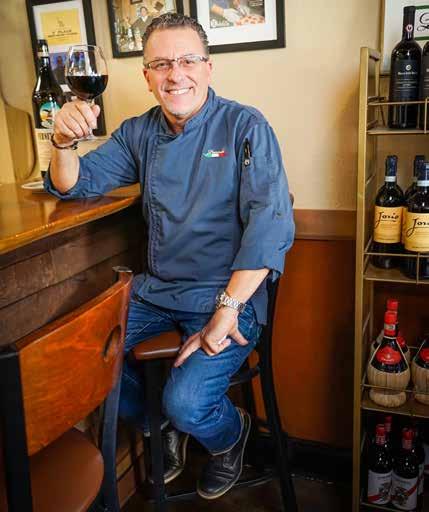
for voting Leonardo’s Trattoria & Pizzeria your Favorite Italian Restaurant 4 YEARS IN A ROW ! Thank Y ! leonardostrattoria.com | 985.778.550 | 2625 Florida St., Mandeville
h is s ue of E DGE of the Lake magaz run as is unless we r ec eive changes by
our ad that will run in the Febr uar y / Mar c h is s ue of E DGE of the Lake magaz ine. This ad will eive changes by (
A ttac hed is a proof of y our ad that will run in the Febr uar y /
e any c hanges or approve via email.
c h is s ue of
HOLISTIC DOCTOR & NURSE PRACTICIONER
Dr. Pamela Egan 1116 West 21st Avenue, Covington 985.892-3031


pamelaegan.com
FINANCIAL ADVISOR

Benefit Planning Group 2817 Athania Pky., Metairie 985.214.2108

Northlake Academy of Music 375 Asbury Dr., Mandeville 985.778.0786
northlakeacademyofmusic.net
or approve
EDGE February |March 2023 041 LAKE • 69170 HWY 190. SUITE 1 • COVINGTON, LA 70433 • PHONE 985 733 4670 BREAKFAST La Lou 200 Girod St., Mandeville 985.231.7125 EDGE OF THE LAKE • 69170 HWY 190. SUITE 1 • COVINGTON, LA 70433 • PHONE PREPARED MEALS Carpool Caterer 1600 W. Causeway Approach, #5, Mandeville 985.778.2668 carpoolcaterer.com LAKE • 69170 HWY 190. SUITE 1 • COVINGTON, LA 70433 • PHONE 985 733 4670 PROOF SHEET our ad that will run in the Febr uar y / Mar c h is s ue of E DGE of the Lake magaz ine. This ad will eive changes by ( 1 1 0 2 0 2 3 ) a t 5 : 0 0 P M . P lease m ak e any c hanges or approve via email. INSURANCE AGENT CJ Ladner, State Farm 1972 N. Highway 190, Covington 985.892.5030 cjladner.com EDGE OF THE LAKE • 69170 HWY 190. SUITE 1 • COVINGTON, LA 70433 • PHONE A ttac hed is a proof of y our ad that will run in the Febr uar y / Mar c
1 1 0 2 0 2 3 ) a t 5 : 0 0 P M . P lease m ak e any c hanges
(
or approve
PROOF SHEET
1 1 0 2 0 2 3 ) a t 5 : 0 0 P M . P lease m
ak
Mar
E DGE
benefitplanninggroup.net 1 1 0 2 0 2 3 ) a t 5 : 0 0 P M . P lease m ak e any c hanges
of the Lake magaz run as is unless we r ec eive changes by (
MUSIC SCHOOL




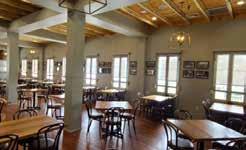

Favorite Steak and Fine Dining Mandeville 985.778.2820 Favorite Steak and Fine Dining Slidell 985.326.8350 Favorite Chef Covington 985.892.9992 DINING WITH A VIEW Mandeville 985.951.2173
French Café Lynn
PROOF SHEET
Frozen Yogurt
Moo Moo’s
Greek
Alabasha
Happy Hour
Coscino’s Italian Grill
Hole in the Wall Bayou Stuf
Hot Dogs
Pyre BBQ
Ice Cream
Hoodoo
Italian
PROOF SHEET
Leonardo’s Tattoria
Juice e Juicer
Kid Friendly e Anchor

King Cake
Nonna Randazzo’s
Mediterranean
Duman Artisan Kitchen
Mexican
Habanero’s
New e Pink Agave
Oysters
Felix
Pizza
McClains
Po-Boy
Bears
Prepared Meals
Carpool Catering
Romantic Pardo’s
Salad
Co ee Rani
Seafood Morton’s
Service

Pardo’s
Smoothies
Green Fork
Snowballs
Just Chillin’
Soup
Café Lynn
Steak
Gallaghers
Sushi
Zen Japenese Grill & Sushi Bar
Tea
English Tea Room ai ai Pepper
Vietnamese
Pho Cong
PEOPLE
Aesthetician

Melissa Leblanc
Architect Residential
Mike Piazza
Architect Commercial
GreenLeaf
Artist
Marianne Rodrique
Attorney
Blue Williams
Bartender
Emily Shu
Builder
Premier
Chef
Pat Gallagher
Contractor
Biggs Construction
EDGE February |March 2023 043 LAKE • 69170 HWY 190. SUITE 1 • COVINGTON, LA 70433 • PHONE 985 733 4670 MAKE UP About Face 3441 E. Causeway Approach M, Mandeville 985.727-1887 aboutfaceco.com LAKE • 69170 HWY 190. SUITE 1 • COVINGTON, LA 70433 • PHONE 985 733 4670
our ad that will run in the Febr uar y / Mar c h is s ue of E DGE of the Lake magaz ine. This ad will eive changes by ( 1 1 0 2 0 2 3 ) a t 5 : 0 0 P M . P lease m ak e any c hanges or approve via email. ANTI-AGING SPECIALIST Timeless Rx 1976 N. Highway 190, Covington 985.893.6073 thetimelessclinic.com
our ad that will run in the Febr uar y / Mar c h is s ue of E DGE of the Lake magaz ine. This ad will eive changes by ( 1 1 0 2 0 2 3 ) a t 5 : 0 0 P M . P lease m ak e any c hanges or approve via email. HAIR SALON Kent Jacob Salon 100 Bon Temps Roule, Mandeville 985.845.8011 kentjacob.com



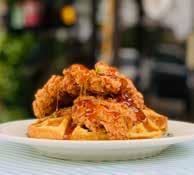
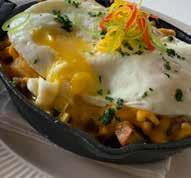


EDGE February |March 2023 044 THANK YOU TO OUR COMMUNITY for voting for us Reader’s Choice two years in a row. We are grateful for your support. Locally owned and operated, state licensed and insured we are proud to offer electrical services to our surrounding communities. Call us today! 985.778.7385 info@turtle-electric.com 985.792.7900 | crazypigkitchen.com | Tues - SUN 8-2:30pm Thank you for voting us your FAVORITE BRUNCH! e Crazy Pig is a Comfy Cozy Eatery. We’re Unapologetically Obsessed with Food & Hospitality! Serving up Brunch & Lunch using Old Recipes & Fresh Ingredients. Come as you are, Get Crazy About e Pig!! Second location in Covington coming soon!
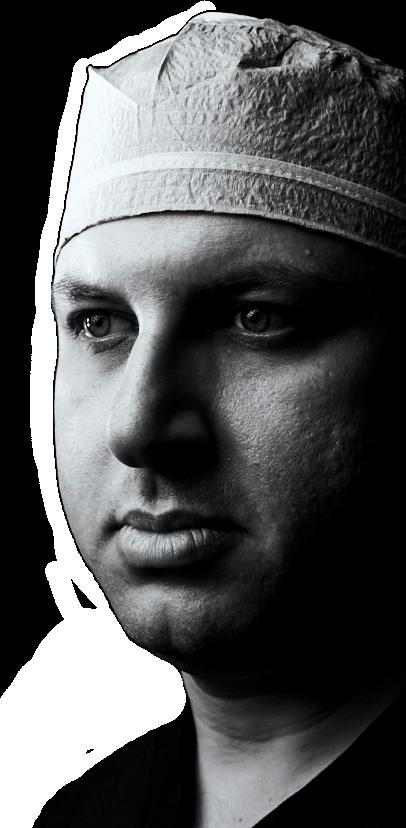
NECK PAIN? BACK PAIN?
EDGE OF THE LAKE’S FAVORITE DOCTOR

MINIMALLY INVASIVE SPINE SURGEON DR. SAMER SHAMIEH
will run in the Febr uar y / Mar c h is s ue of

DGE of the Lake magaz run as is unless we r ec eive changes by


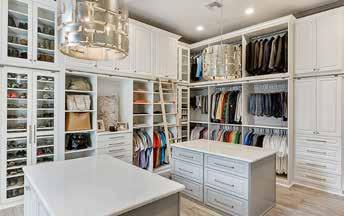
EDGE February |March 2023 046 LAKE • 69170 HWY 190. SUITE 1 • COVINGTON, LA 70433 • PHONE 985 733 4670 CLOSETS Ruffino Custom Closets 111 Campell Blvd., Mandeville 985.809.7623 ruffinocustomclosets.com EDGE OF THE LAKE • 69170 HWY 190. SUITE 1 • COVINGTON, LA 70433 • PHONE CREDIT UNION Keesler Federal Credit Union Louisiana & Mississippi Locations 1.888.keesler kfcu.org LAKE • 69170 HWY 190. SUITE 1 • COVINGTON, LA 70433 • PHONE 985 733 4670 PROOF SHEET our ad that will run in the Febr uar y / Mar c h is s ue of E DGE of the Lake magaz ine. This ad will eive changes by ( 1 1 0 2 0 2 3 ) a t 5 : 0 0 P M . P lease m ak e any c hanges or approve via email. MORTGAGE LENDER NOLA Lending 830 W. Causeway Approach, Suite 1100, Mandeville 985-951-8479 Nolalending.com EDGE OF THE LAKE • 69170 HWY 190. SUITE 1 • COVINGTON, LA 70433 • PHONE A ttac hed is a proof of y our ad that
E
( 1 1 0 2 0 2 3 ) a t 5 : 0 0 P M . P lease m ak e any c hanges or approve
campbowwow.com/covington
our
E
eive changes by ( 1 1 0 2 0 2 3 ) a t 5 : 0 0 P M . P lease m ak e
c
email.
PET BOARDING Camp Bow Wow 14279 Hwy. 1085, Covington 985.892.9364
PROOF SHEET
ad that will run in the Febr uar y / Mar c h is s ue of
DGE of the Lake magaz ine. This ad will
any
hanges or approve via
A ttac
Febr uar y / Mar c h is s ue of E DGE of the Lake
by ( 1 1 0 2 0 2 3 ) a t 5 : 0 0 P M . P lease m ak e any c hanges or approve
expediacruises/mandeville.com
TANNING SALON Planet Beach Mandeville 1680 La. 59, Mandeville 985-951-2107 planetbeach.com
hed is a proof of y our ad that will run in the
magaz run as is unless we r ec eive changes
TRAVEL AGENT Expedia Cruises 2180 N. Causeway Blvd, Suite 2, Mandeville 985.231.0177





WWW.FRANCOSMANDEVILLE.COM 100 BON TEMPS ROULE, MANDEVILLE Swim Club // SUMMER CAMP // Kid’s Party Venue ((((( VOTED BEST Waterslide, Swim Lessons, Arts and Crafts, Weekly Themes, Fun & Friendships! SUMMER CAMP BEST EARLY BIRD REGISTRATION BEGINS FEBRUARY 1ST LIMITED SPACES AVAILABLE! CALL 792.0221



EDGE February |March 2023 048 HONDAOFCOVINGTON.COM | 100 HOLIDAY SQUARE BLVD., COVINGTON, LA 70433 PRESIDENT’S AWARDS six consecutively through 2021! 10LOUISIANA OWNED, NATIONALLY RECOGNIZED Happy Mardi Gras From Your Happy Honda Place!
CPA
Garretty and Associates
Financial Advisor
Tom Meyer
Hair Color
Dixie Leblanc
Handyman
Kirk White
High School Coach
John Burford
Home Organizing
Clancey’s Closets
InsuranceAgent
CJ Ladner
Interior Design
Corrinn Fisher
Life Insurance Agent
Eagan
Make Up
About Face
Massage erapist
Amanda Miranda
Mortgage Lender
NOLA Lending
Party Planning
Girls in Black
Personal Trainer
Justin Finley
Photographer
Abby Sands
Real Estate Agent
Jenny Mutter
Tattoo Artist
Jerrod Couville
Teacher
Leslie Domingue
Travel Agent
Expedia Cruises
MEDICAL
Anesthesiologist
Heather Stockes, M.D.
Anti- Aging Specialist
Timeless Rx
Audiologist
J.J. Martinez, AuD
Cardiologist
Farhad Aduli, M.D.
Chiropractor
Melissa Ho man, D.C.
Cosmetic Surgeon
Benjamin Boudreaux, M.D.
Dentist
Randall Foto, DDS
Dermatologist
Benson Robert, M.D.
Eye Doctor
Katie Wonch, O.D.
Family Practitioner
Devan Szcepanski, M.D.
Fertility Doctor
Peter Lu, M.D.
Gastroenterologist
Steven Guarisco, M.D.
Holistic Doctor/ Practitioner
Pam Egan, DNP
Home Health
St Tammany Health Systems, Home Health
Hospice
St Tammany Health Systems, Hospice
Hospital
St Tammany Health Systems

Internal Medicine
Ashley Ingolia, M.D.
Medical Spa
ReDiscover Aesthetics
EDGE February |March 2023 049 EDGE OF THE LAKE • 69170 HWY 190. SUITE 1 • COVINGTON, LA 70433 • PHONE HOSPITAL St. Tammany Health System 1202 S. Tyler St., Covington 985.898.4000 StTammany.health EDGE OF THE LAKE • 69170 HWY 190. SUITE 1 • COVINGTON, LA 70433 • PHONE A ttac hed is a proof of y our ad that will run in the Febr uar y / Mar c h is s ue of E DGE of the Lake magaz run as is unless we r ec eive changes by ( 1 1 0 2 0 2 3 ) a t 5 : 0 0 P M . P lease m ak e any c hanges or approve HOSPICE St. Tammany Health System Hospice 1010 S. Polk St., Suite 1, Covington 985.871.5976 StTammany.health/Hospice A ttac hed is a proof of y our ad that will run in the Febr uar y / Mar c h is s ue of E DGE of the Lake magaz run as is unless we r ec eive changes by ( 1 1 0 2 0 2 3 ) a t 5 : 0 0 P M . P lease m ak e any c hanges or approve HOME HEALTH St. Tammany Health System Home Health 1010 S. Polk St., Suite 1, Covington 985.898.4414 StTammany.health/HomeHealth


EDGE February |March 2023 050
Medical Testing Facility
Diagnostic Imaging
Services
Neurologist
Rex Houser, M.D.
Nurse Practitioner
Pam Egan, DNP
OB/GYN
Craig Landwehr, M.D.
OccupationalTherapist
Missy Hymel G.T.
Oncologist
Jay Saux, M.D.
Oral Surgeon
Ben Almerico
Orthodontist
Amy Sawyer, D.D.S.
Orthopedist
Jason Rudd, M.D.
Pain Doctor
Ronald Sequra, M.D.
Pediatric Dentist
Todd Brausell , D.D.S.
Pediatrician
Joshua LeBlanc, M.D.
Phlebologist (Vein)
Randall Jule ,M.D .
Physical era py
Brian Shell, P.T.
Psychiatrist
Gordon Blundell, M.D.
Psychotherapist
Melinda Ensley, N.C.C.
Surgery Center AVALA
Hollistic Vet
Vet Naturally
Veterinarian
Liza Ledet, M.D.V.
Wound Care
Shaun Carpenter
ALL THINGS
ARTY
Art Classes
Art Time
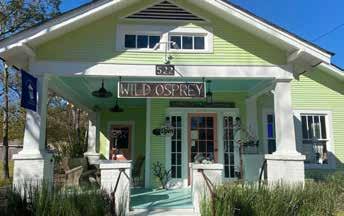
Art Gallery e Wild Osprey
Author
TC Morris
Band
4 Unplugged
Charity Event
Men Who Cook
Dance Studio
Northshore Academy of Dance

Parade Olympia Festival ree Rivers Art Festival
eatre Group
30 by Ninety
SPORTS AND LEISURE
Bed and Breakfast
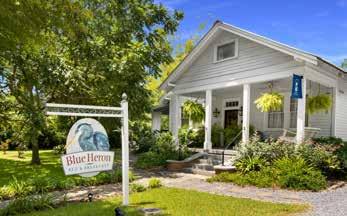
Blue Heron Bed and Breakfast
Children’s Playground
Koop Drive
Fitness Studio
Evolve Studio
Golf Course
Money Hill
Health Club
Franco’s
Indoor Sports Facility
Skal Axe rowing
Karate Studio
Covington Karate
EDGE February |March 2023 051
EDGE OF THE LAKE • 69170 HWY 190. SUITE 1 • COVINGTON, LA 70433 • PHONE ART GALLERY The Wild Osprey 522 Girod St., Mandeville 504.452.2780 thewildosprey.com EDGE OF THE LAKE • 69170 HWY 190. SUITE 1 • COVINGTON, LA 70433 • PHONE A
receive changesby ( 1 1 0 2 0 2 3 ) a t 5 : 0 0 P M . P lease make any c hangesorapprove BED AND BREAKFAST Blue Heron Bed and Breakfast 510 Girod St, Mandeville 985.373.8902 BlueHeronMandevilleLA.com A
runasisunlesswe receive changesby ( 1 1 0 2 0 2 3 ) a t 5 : 0 0 P M . P lease make any c hangesorapprove THEATRE
880 Lafayette
Mandeville 844.THE.3090 30byninety.com
ttac hed isa proofofyourad that will run in theFebruar y/ Mar ch is s ue ofEDGEof the Lakemagazine. runasisunlesswe
ttac hed isa proofofyourad that will run in theFebruar y/ Mar ch is s ue ofEDGEof the Lakemagazine.
30 by Ninety Theatre
St.,



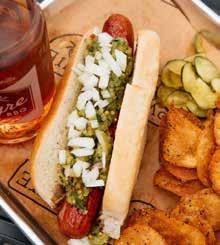


EDGE February |March 2023 052 FAVORITE COSMETIC SURGEON Benjamin Boudreaux, MD | Jeffrey Claiborne, MD www d r b o ud re au x c o m FAVORITE COSMETIC SURGEON Benjamin Boudreaux, MD | Jeffrey Claiborne, MD www d r b o ud re au x c o m 2018, 2019, 2020, 2021, 2022 985.237.6050 COVINGTON 71174 Hwy 21, Ste. 400 985.234.983 Voted Best BBQ & Hot dog MANDEVILLE 2020 Woodrow St. 985.629.4162
Pilates
Club Pilates
Public Park
Bogue Falaya
Swim Club
Franco’s Fins
Tennis Courts
Stone Creek Health Club & Spa
Tourist Attraction
Global Wildlife
Yoga
Just Breathe
NIGHTLIFE
Bar
Columbia St. Tap Room
Bloody Mary
Abita Roasting
Daiquiri
Daiquiri & Creams
Live Music Venue
Columbia St. Tap Room
Margarita
La Carretta
Martini
Cypress Bar- Southern Hotel

Place to go Dancing
Rock N Blues
Sports Bar
Chimes
Wine Bar
St. Ann Wine Bar
SHOPPING
Antiques
Mae Antiques
Baby
Baby’s Corner
Bakery
Mandeville Bakery
Bridal
Boutique Olivia
Car Dealership
Honda of Covington
CBD
Hippy Goat
Cheese
Acquistapaces
Children’s Store
Kiki and Lolli
Consignment
Style Encore
Fabric
Fabric Second to None
Flooring
Noel Maestri
Florist
Ambiance
Furniture
Doerr
Garden Center e Garden Spot
Gi s
Southern Avenue
Hardware Store
Ace Hardware Mandeville
Health Food

Another Beautiful Day
Home Décor
Niche
Jewelry

Lowes
Kids Shoes
Joes
Lighting
Pine Grove Electrical Supply
Lingerie Store
Bra Geanie
Lumber
Abita Lumber Company
Meat Sia’s
EDGE February |March 2023 053
EDGE OF THE LAKE • 69170 HWY 190. SUITE 1 • COVINGTON, LA 70433 • PHONE WINE BAR St. Ann Wine Bar 22 St. Ann Drive, Suite 2, Mandeville 985.778.0505 stannwinebar.com EDGE OF THE LAKE • 69170 HWY 190. SUITE 1 • COVINGTON, LA 70433 • PHONE A ttac hed is a proof of y our ad that will run in the Febr uar y / Mar c h is s ue of E DGE of the Lake magaz run as is unless we r ec eive changes by ( 1 1 0 2 0 2 3 ) a t 5 : 0 0 P M . P lease m ak e any c hanges or approve GIFTS Southern Avenue 70488 Hwy. 21, Covington 985.871.1466 shopsouthernavenue.com A ttac hed is a proof of y our ad that will run in the Febr uar y / Mar c h is s ue of E DGE of the Lake magaz run as is unless we r ec eive changes by ( 1 1 0 2 0 2 3 ) a t 5 : 0 0 P M . P lease m ak e any c hanges or approve CATERING The Lakehouse Restaurant 2025 Lakeshore Dr., Mandeville 985.626.3006 lakehousecuisine.com



EDGE February |March 2023 054
1814 N. CAUSEWAY BLVD. SUITE 4 MANDEVILLE, LA 70471
FIND US ON FACEBOOK AND INSTAGRAM @JOESFAMILYSHOESTORE














EDGE February |March 2023 055 Experience the Holidays In Old Mandeville experiencemandeville.org (985) 624 - 3147 Register at KreweduPooch.org Krewe of Eve Parade Friday, February 10 - 7:00 p.m. Krewe du Pooch Parade and Costume Contest Theme: The Great Gatsby Trailhead Community Market Every Saturday 9:00 a.m. - 1:00 p.m. The Mandeville Trailhead 6:30 p.m. - 8:30 p.m. Free Friday Concerts Mande Gras Fridays March - May Mandeville Live! Saturday, February 25 - 12:00 p.m. Mandeville Lakefront 985.624.8655 | GEAUXTITLE.COM | 505 GIROD ST., MANDEVILLE Thanks For Voting Us BEST TITLE COMPANY Katie & Allan Beaucoudray • Residential and Commercial Real Estate Closings • 1031 Exchange Transactions • Title Abstracts • Lien Searches • Wills • Successions • Power of Attorneys • Act of Donations Thanks... for voting us BEST FLOORING!
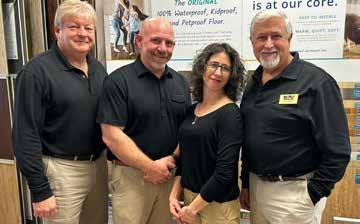
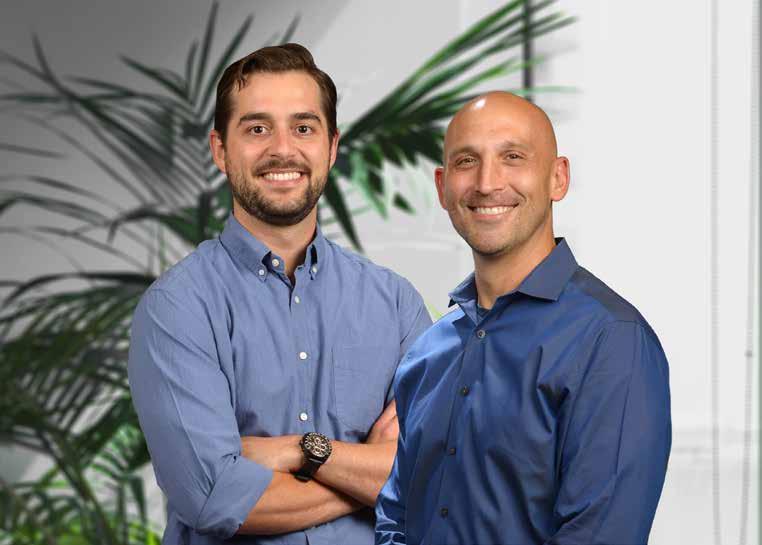
50 years of business on the Northshore. Noel &
Maestri, owners. noelmaestris- ooringamerica.com 985.892.1673
e sales sta are as seen le to right: Frank Coyne, Chad Stevenson, Leslie Amedeo and Noel Maestri.
Gayle

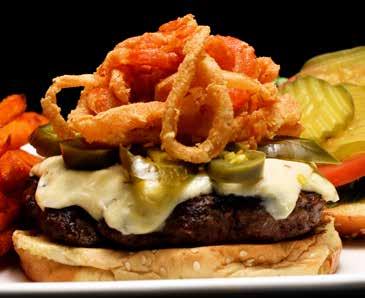



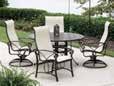


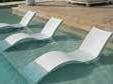








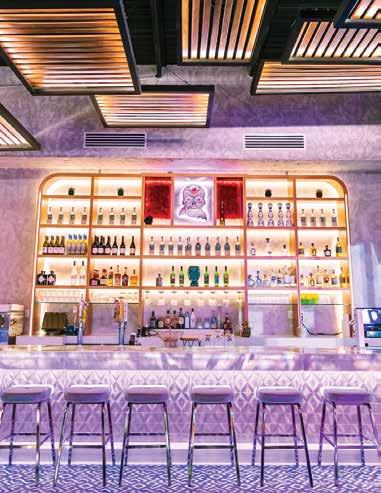
EDGE February |March 2023 056 PROOF SHEET our ad that will run in the Febr uar y / Mar c h is s ue of E DGE of the Lake magaz eive changes by 1 0 2 0 2 3 ) a t 5 : 0 0 P M . P lease m ak e any c hanges or approve via email. nonnarandazzos.com VOTED FAVORITE KING cake six years in a row! Chalmette 925 E. Judge Perez Dr. 504.684.0090 Covington 2033 N. Hwy 190 985.893.1488 Mandeville 68718 Hwy 59 985.898.2444 MANDEVILLE 985.626.1161 SLIDELL 985.639.3335 EDGE of the Lake Readers' Choice Award 6 years in a row for FAVORITE BURGER! Since 1988 1331 N. Hwy 190, Covington 985-893-8008 Hours: Monday–Friday 9:00-5:30 Saturday 9:00-5:00 www.outdoorlivingcenter.com Patio Furniture Patio & Pool Chaises Patio Umbrellas Hammocks Gas & Charcoal Grills Banner Flags Wind Chimes Garden Accessories Tribe is an Aveda Lifestyle Salon. It’s important to us at Tribe to live and work by our core values. TRUST RESPECT INDIVIDUALITY BEAUTY EMPOWERMENT 985.900.2377 tribeorganicbeautybar.com 223 Lee Ln, Covington, LA 70433 Your Vibe attracts your Tribe!
Dixie LeBlanc, Owner





EDGE February |March 2023 057 COMPLETE AUTOMOTIVE REPAIR 4376 Highway 22 | MANDEVILLE, LA | 985.951.2346 Jeff and Crista Madison owners, with Family • A clean, comfortable waiting area • Free Wi-Fi • Complimentary beverages • Access to our free shuttle service • Our courtesy inspection to ensure the health of your car • Our 3-year/36,000-mile Nice Difference Warranty Reader’s Choice Winners 2018, 2019, 2020, 2021, 2022 habaneroscuisine.com THANK YOU FOR VOTING FAVORITE MEXICAN RESTAURANT SLIDELL LOCATION NOW OPEN! 1938 La. 22, Madisonville 1331 N. Hwy. 190, Covington 69305 La. 21, Suite 600, Covington 1752 Lindberg Dr., Slidell METAIRIE LOCATION OPENING SPRING OF 2023











189 Greenbriar Blvd, Ste. A, Covington, LA 70433 (985) 892-5942 office@toddbrasuelldds.com www.toddbrasuelldds.com Tyler R. Mesa, DDS Todd S. Brasuell, DDS Thank you for voting us Best Pediatric Dentist! @drbrasuell @toddbrasuelldds FAVORITE HOME DECOR STORE Thanks! for voting NICHE your . . . www.nichemodernhome.com MANDEVILLE 1901 Hwy 190 • 985-624-4045 NOW IN COVINGTON 70380 Highway 21 • 985-234-9858
Men’s Clothing
Jos. A. Banks
Men’s Shoes
Joes
Outdoor Living –
Outdoor Living Center
Pharmacy
C and C Drugs
RV Dealership
Great American
Seafood
Mandeville Seafood
Sporting Goods
Marsh and Bayou
Sunglasses
Sunglass Hut
Supermarket
Rouses Supermarket
Swimsuit
Bora Bora
T’ween Boutique
Blossom Girl
Teen Boutique
Columbia Street Mercantile
Tires
Tire World
Wine
Acquistapaces
Woman’s Boutique
Cameo
Woman’s Shoes
Shoe e
SERVICES
Acting School
Creating U
Air Conditioning Service and Repair
One Hour A/C
Architect Firm Commercial
Greenleaf
Architect Firm Residential
Mike Piazza
Barber
Northshore Men’s
Builder Premier Car Wash
Pelican Pointe
Cooking Classes
Culinary Kids
Credit Union
Keesler Federal Credit Union

Day Spa
O Spa
DJ
Rockit
Dry Cleaner
Shelby’s
Electrician Turtle
Elementary School (Private)
Cedarwood
Elementary School (Public)
Ponchartrain Elementary
Emergency Restoration Servpro
Eye Lash Gray & Graham
Financial Institution
Heritage
Funeral Home
EJ Fielding
Hair Color
Dixie Leblanc
Hair Removal
WAX’D
EDGE February |March 2023 059
Apartment
Chenier
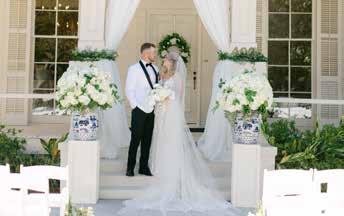
EDGE OF THE LAKE • 69170 HWY 190. SUITE 1 • COVINGTON, LA 70433 • PHONE WEDDING VENUE Maison Lafitte 402 Lafitte St., Mandeville 985.778.2045
EDGE OF THE LAKE • 69170 HWY 190. SUITE 1 • COVINGTON, LA 70433 • PHONE A
by ( 1 1 0 2 0 2 3 ) a t 5 : 0 0 P M . P lease m ak e any c hanges or approve JEWELER Lowe’s Jewelers 5150 La. 22, Mandeville 985.845.4653 lowesjewelers.com
E
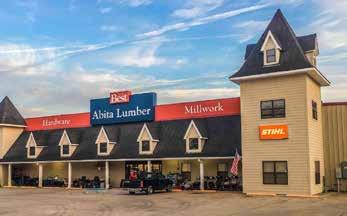
( 1 1 0 2 0 2 3 ) a t 5 : 0 0 P M . P lease m ak e any c hanges or approve LUMBER Abita Lumber Company 21459 La. 36, Abita Springs 985.892.6530 abitalumber.com
Maison-Lafitte.com
ttac hed is a proof of y our ad that will run in the Febr uar y / Mar c h is s ue of
E
DGE of the Lake magaz run as is unless we r ec eive changes
A
ttac hed is a proof of y our ad that will run in the Febr uar y / Mar c h is s ue of
DGE of the Lake magaz run as is unless we r ec eive changes by




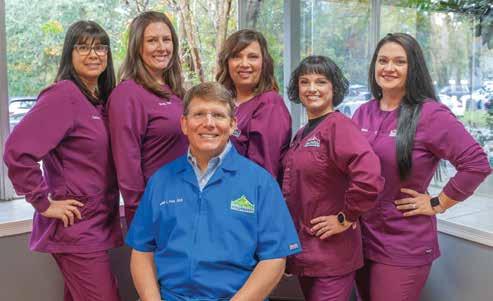

EDGE February 060 being extraordinary is our ordinary. Thank you for making us your favorite credit union! Keesler Federal Credit Union is proud to be selected Readers’ Choice Awards for favorite credit union on both sides of the Parish. New Orleans | Metairie | Slidell | Covington | Mandeville 1-888-KEESLER kfcu.org Federally insured by NCUA. Membership eligibility required. Randall L. Foto, DDS / 645 B Lotus Dr. N, Mandeville, LA 70471 / 985.626.4447 / mandevilledentistry.com • Most dental services provided without the need for referral • Implants, Dentures, Root Canals, Crowns, Etc. • Sleep Apnea Treatment (for CPAP intolerant patients) • 29 years serving the Northshore Thank you for voting us your FAVORITE DENTIST!



Thank You for voting Pardo’s BEST SERVICE AND MOST ROMANTIC RESTAURANT! 5280 Highway 22, Mandeville 985.893.3603 Voted best service 4 years in a row and most romantic twice. LUNCH Thursday and Fridays DINNER Tuesday through Saturday r Celebrating 10 Years!
Hair Salon
Kent Jacob Salon
High School (Private)
St. Paul’s School
High School (Public)
Mandeville High School
Home Organizing
Clancy’s Closets
Home School
A+ Help
Home Security
LA Alarms
HOME eater
Complete Home Entertainment
Karate
JFK
Kids Hair Cut
Sharkey’s Cuts for Kids
Kids’ Party Venue
Altitude Trampoline Park
Landscape Services
Smoketree
Limo
Royal Coach
Mani Pedi Spa
Polish’d
Mechanic Shop
Christian Brothers
Mandeville
Med Spa
ReDiscover Aesthetics
Mortgage Company
NOLA Lending
Movers
Atmosphere
Movie eater
Movie Tavern
Music School
Northlake Academy of Music
Pet Boarding
Camp Bow Wow
Pet Grooming
Ponga’s Pet Palace
A ttac hed is a proof of y our ad that will run in the of the Lake magaz run as is unless we r ec eive changes hanges or approve
Preschool
Kindahaus Montessori
Printer
Speedway
Promotional Materials
Fully Promoted
Radio Station
Lake 94.7
Real Estate Company
Latter and Blum
Roo ng
Ibos
Senior Living Facility
Christwood Retirement

Mandeville Animal Hospital - Liza Ledet, DVM

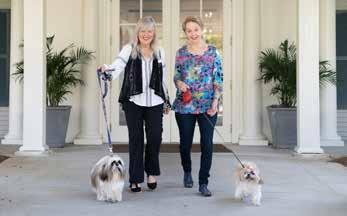
419 Girod Street, Mandeville 985.377.0800
mandevilleah.com
A ttac hed is a proof of y our ad that will run in the Febr uar y /
Community
Storage
Liberty
Summer Camps
Franco’s
Swimming Pool Design
Aquarius
Tanning Spa
Planet Beach Mandeville
Title Company
Geaux Title
Trash Pick-up
Keys
Tree Services
Ziegler
Urgent Care
Rapid Urgent Care
Used Cars
Rainbow
Wedding Venue
Maison La tte
lease m ak e any c hanges or approve
c h is s ue of E DGE of the Lake magaz run as is unless we r ec eive changes by (
EDGE February |March 2023 062 EDGE OF THE LAKE • 69170 HWY 190. SUITE 1 • COVINGTON, LA 70433 • PHONE
TEACHER Leslie Domingues Northlake Academy of Music 375 Asbury Dr., Mandeville 985.778.0786
1 0 2 0 2 3
a t 5 : 0 0 P M
P
SENIOR LIVING Christwood 100 Christwood Blvd.
985.898.0515
Mar
1
)
.
Covington
Christwoodrc.com
EDGE OF THE LAKE • 69170 HWY 190. SUITE 1 • COVINGTON, LA 70433 • PHONE
VETERINARIAN & PET GROOMING
Mar c h is s ue of E DGE of the Lake magaz run as is unless we r ec eive changes by



EDGE February |March 2023 063 LAKE • 69170 HWY 190. SUITE 1 • COVINGTON, LA 70433 • PHONE 985 733 4670 MED SPA RE | DISCOVER Aesthetics 100 Bon Temps Roule, Mandeville 985.322.3005 rediscoveraestheticsla.com EDGE OF THE LAKE • 69170 HWY 190. SUITE 1 • COVINGTON, LA 70433 • PHONE EYELASHES Gray & Graham 101 St. Ann Street, Madisonville 985.792.7256 grayandgrahamsalon.com LAKE • 69170 HWY 190. SUITE 1 • COVINGTON, LA 70433 • PHONE 985 733 4670 PROOF SHEET our ad that will run in the Febr uar y / Mar c h is s ue of E DGE of the Lake magaz ine. This ad will eive changes by ( 1 1 0 2 0 2 3 ) a t 5 : 0 0 P M . P lease m ak e any c hanges or approve via email. ANTIQUES Mae Antiques 420 Girod St. Mandeville 985.373.1857 Maeantiques.com EDGE OF THE LAKE • 69170 HWY 190. SUITE 1 • COVINGTON, LA 70433 • PHONE A ttac hed is a proof of y our ad that will run in the Febr uar y /
( 1 1 0 2 0 2 3 ) a t 5 : 0 0 P M . P lease m ak e any c hanges or approve CONSIGNMENT Style Encore 4244
style-encoremandeville.com
SHEET our
Febr
ine. This ad will eive changes by ( 1 1 0 2 0 2 3 ) a t 5 : 0 0 P M . P lease m ak e any c hanges or approve via email. TIRES Tire World Car Care Center 1806 N. Causeway Blvd., Mandeville 985.626.8538 Tireworldccc.com A ttac hed is a proof of y our ad that will run in the Febr uar y / Mar c h is s ue of E DGE of the Lake magaz run as is unless we r ec eive changes by ( 1 1 0 2 0 2 3 ) a t 5 : 0 0 P M . P lease m ak e any c hanges or approve URGENT CARE Rapid Urgent Care 218 E. Boston St. Covington / 985.875.0077 1111 N. Causeway Blvd., Ste. 2, Mandeville 985.674.4464 / Rapidurgentcare.com
Hwy. 22, Ste. 3, Mandeville 985.674.7774
PROOF
ad that will run in the
uar y / Mar c h is s ue of E DGE of the Lake magaz
Are You Experiencing the First Signs of a Hearing Loss?
We often have our teeth checked, our eyes checked and our blood-pressure tested, but when was the last time you had a hearing test?
Hearing loss doesn’t happen overnight. It is a gradual process over the years, so it isn’t noticeable at first. But at some point, things will start to change. A few common signs of hearing loss include finding conversations hard to follow, turning the TV’s volume up louder than usual, and asking people to repeat themselves.
You might not think too much of it at first, or, despite any frustrations it is causing you, you might decide to put treatment off for “another day.” Often friends and family are the first to notice one’s hearing loss before it becomes a real challenge for the sufferer.
As SOUTHERN AVENUE begins 2023 we have some exciting news to share. With our goals, dreams, and the mission of the store in mind, we are thrilled to announce the transition of our brand to …

THE SOUTHERN CURATOR !

For the past 12 years we have forged relationships with a diverse & talented group of Southern Artists. With this brand evolution, we are excited to expand our reach in the world by growing our online presence, in-house collections, and more!

Thank you all for your support as we head into this grand new adventure!
Sound familiar?
If so, then SLENT Hearing & Balance Center encourages you to visit one of our hearing centers in Hammond, Slidell or Mandeville, LA for a hearing test. We’ll test your hearing, and identify if a hearing loss is at play, and if so, provide you with some treatment options.

A recent worldwide study* confirmed that eight out of ten hearing aid users reported they had a profound positive impact on their quality of life, including improved relationships at home and work and a better sense of safety and independence.
Written by Dr. JJ Martinez

EDGE February |March 2023 064
70488 HWY 21 • COVINGTON, LA • 985.871.1466 WWW.SOUTHERNCURATOR.COM
DÉCOR •
ART • HOME
GIFTS
Slidell | Hammond | Mandeville Call 985-273-5795 Visit www.slenthearing.com
Download Our Free Guide “The Early Symptoms of a Hearing Loss to Look Out For”
Visit slenthearing.com/free-guide *Source: Findings of EuroTrak 2015 (ET 2015) and MarkeTrak 9 (MT9) worldwide studies about hearing loss and hearing aids.
Dr. JJ Martinez, AuD, CCC-A, FAAA Doctor of Audiology, Board Certified Audiologist



EDGE February |March 2023 065 985.892.4663 | WWW.HOODCHEVY.COM BIGGER. BETTER. BOLDER. 2023 TAHOE
The Sky’s


Hammondairshow.com EDGEatorial
The LIMIT
Up Your Small Business Game by Sponsoring the Hammond Northshore Regional Airshow
 PHOTOS HAMMOND AIR SHOW
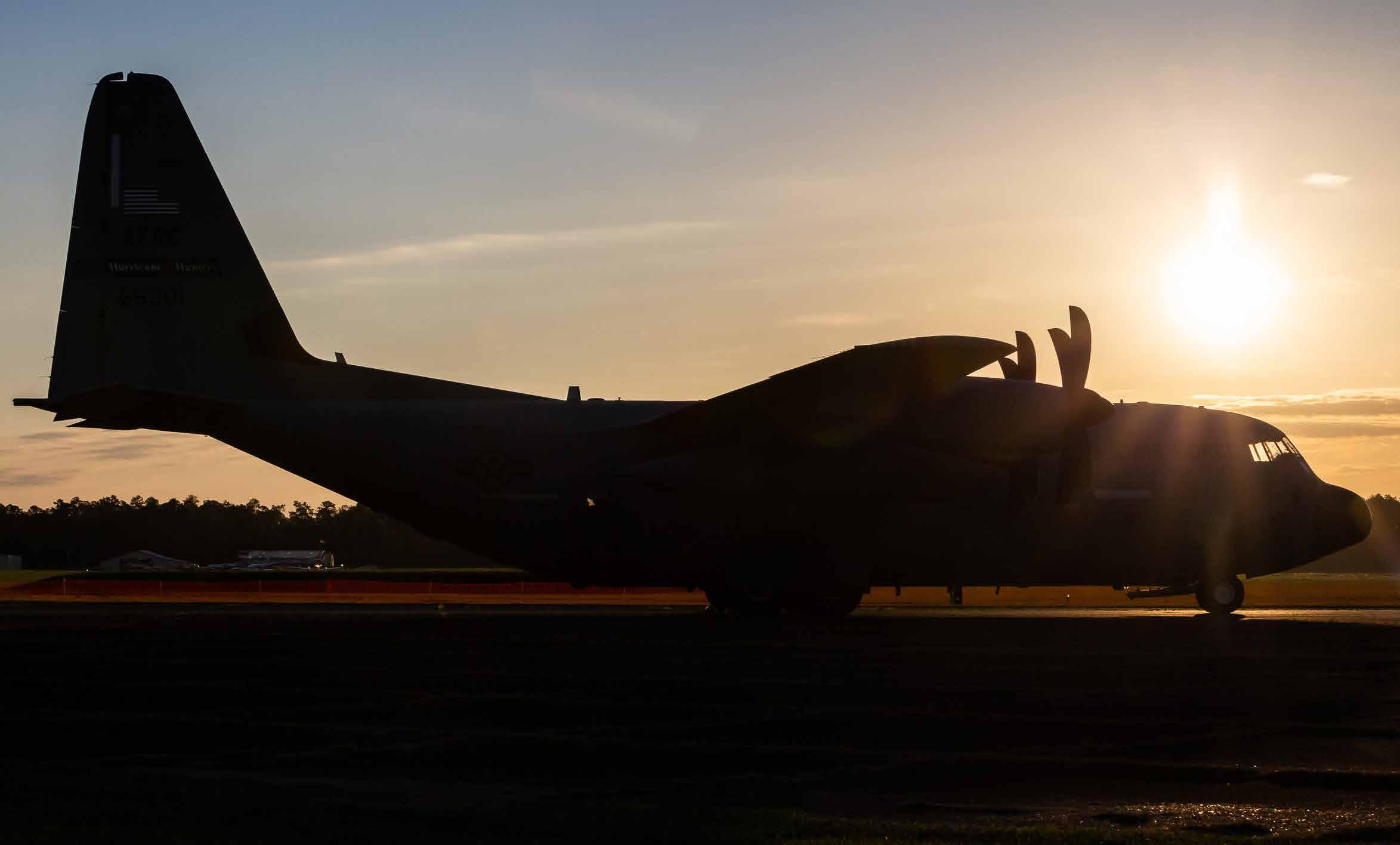
Lacy Landrum, Chairperson of the 2023 Airshow, recently addressed the opportunity for local small businesses to add sponsorship of the Hammond Northshore Regional Airshow to their advertising budgets for 2023.
The Airshow will be held October 21-22, 2023. This year, sponsors can attend a special night show included with their sponsorship. Learn how becoming a small business sponsor o�ers next-level fun and entertainment.


NIGHT SHOW FEAST AND FUN
Landrum stressed that sponsorship packages are available in a range of pricing options that make it possible for even small businesses to enhance their community presence. The 2023 sponsors get close-up views of the airplanes and a chance to interact with the pilots after watching the show from front-row seats.
Small business sponsorship packages begin at the $2,500 range. That reasonable price includes two tickets to the night show, plus six general admission tickets they can share with friends, family, or clients for the daytime Airshow events.
The $2,500 sponsorship tier also includes their business logo on the Airshow page and community announcements about their company’s sponsorship of one of the most unique outdoor events in the state.
The fun times only get better for small business sponsorships of $5,000. That donation includes a photo opportunity holding a large replica of your sponsorship check, your company’s logo posted on the Airshow website, access to the sponsor entrance, four tickets to the night show, six tickets to the Sponsor Hangar for food and drinks for two days, four parking passes for two days, and 10 tickets to the general admission shows.
These sponsors can continue the fun at the after party held in the Sponsor’s Hangar. There, they can mingle and nosh on delicious food and libations. Another perk is the preferred parking access that brings them close to the action without having far to walk.
Small business sponsorships of $10,000 will receive all the benefits enjoyed by lower-tier sponsors, plus more business visibility during the sponsorship year.
EDGE February |March 2023 068
Their companies get listed on both the Airshow website and program, and there will be announcements of their business sponsorships made during the Airshow. This group also gets 10 tickets to the Sponsor Hangar for two days, six tickets to the night show, six parking passes for both days, and 20 general admission tickets good for either day of the Airshow.
More Sponsors Make a Better Airshow
Packages are structured to fit the goals of sponsoring companies. Employees are welcome to volunteer wearing shirts that enhance their business
presence. They can assist nonprofits operating food booths, volunteer at the gate as the initial contact for more than 40,000 visitors expected this year. Your employees can volunteer at the Kid Zone or choose other opportunities that align with your company’s values.
Interested in small business sponsorships at the Airshow? Call Melissa Bordelon with the Hammond Chamber of Commerce at (985) 3454457. You can also visit the Airshow website or contact Guy Recotta, Foundation chairman.
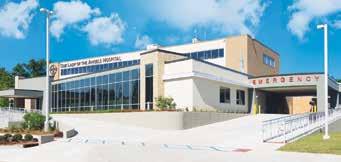

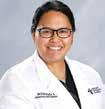

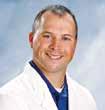


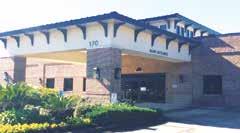

THANK YOU FOR SUPPORTING US! CONGRATULATIONS TO: Our Lady of the Angels Hospital Favorite Hospital Garland Anderson, MD Favorite Family Medicine Physician Maria Christina Buenaflor, MD Favorite OB/GYN and Fertility Physician Kenneth Civello, MD Favorite Cardiologist Steven Ogden, MD Favorite Internist Katie Queen, MD Favorite Pediatrician WASHINGTON PARISH READERS’ CHOICE FAVORITES
Brad LeBert, MD Favorite Allergist
WEST ST. TAMMANY READERS’ CHOICE FAVORITES
A PHYSICIAN OWNED ENTITY
Our Lady of the Lake Surgical Hospital Slidell Favorite Surgery Center EAST ST. TAMMANY READERS’ CHOICE FAVORITES
2023 Readers’ Choice Winners
RESTAURANTS
Asian Yamato’s
Bar Food
Time Out Bar & Grill
Bakery
Jacky’s Cake Shop
Barbecue Nothing But e Smoke
Breakfast e Golden Pear
Brunch e Golden Pear
Catering e Golden Pear
Dessert e Golden Pear
Burger Coache’s Po-Boys
Co ee Shop
Red Brick
Pizza
PizzaPete’s
Po Boys
Zeto’s of Bogalusa
Hot Dogs
Zestos of Bogalusa
Chicken Long Branch Café
Vietamese Pho 102 Vietnamese Food
Casual Dining e Golden Pear
Italian Napoli’s Italian Restaurant
Mexican Maria’s Po-Boy
Coache’s Po-Boys
Salad Café
Bouchee
Seafood
Warner’s Fish House
Steak
Ramie’s
Snowball
Sunshine Snowballs
Soup
e Golden Pear
Sushi
Akita
Pizza
New Uncle’s
Hole in the Wall
Warner’s Fish House
PEOPLE
Artist
Craig McMillion
Attorney
Chase Anderson
Builder
Tommy Wascom
Professional Builders
Make Up
Caitlyn Mitchell
Rebel Hair Salon
High School Coach
John Lambert
CPA
Walter Buddy Adams
Insurance Agent
Chris Workmen
Bar Tender
Kelton Hurst
Travel Agent
Wendy Phelps
Personal Trainer
Ross Lambert
Photographer
Bert Burr
Real Estate Agent
Charlotte Johnson
Tattoo Artist
Troy Carney
Teacher
Bridgette Knight
MEDICAL
Dentist
Mitou LeMaire D.D.S
Hospital
Our Lady of the Angels
OB/GYN
Mara Buena or, M.D.
Allergist
Brad LeBert, EMT
Cardioologist
Kenny Civello, M.D.
Doctor
Garland Anderson, M.D.
Fertility
Mara Buena or, M.D.
Pediatrician
Katie Queen, M.D.
Physical erapist
Bryn Blackwell, P.T
Hospice
Southeast
Med Spa
Bluu RX Solutions
Homehealth
Southeast
Optometrist
Marc Hautot, O.D.
Internist
Steven Ogden, M.D.
Urgent Care
Rapid Urgent Care
Veterinarian
Elizabeth Penton, DVM
ALL THINGS
ARTY
Art Classes
Summer Stewart
Art Gallery
Riverstone Gallery
eater Group
Franklinton Community eater
Photographer
Always & Forever
EDGE February |March 2023 071
WASHINGTON
SPORTS AND LEISURE
Fitness Studio
HL Brownstone Fitness
Golf Course
Bogalusa Country Club
Museum e Museum of Native
American Culture
Place to Run/Walk
Cassidy Park
Public Park
Bogue Chitto State Park
Swim Club
Bogalusa YMCA
Tourist Attraction
Bogue Chitto Tubing Center
NIGHTLIFE
Daiquiri
Pumping Station
Happy Hour
Bogalusa Country Club
Margarita
Maria’s Mexican
Martini
Yoyo’s Bar & Grill
Sports Bar
Time Out Bar & Grill
SHOPPING
Antiques
Simmons Flea Market
Bakery
Cinnamon Tree
Bargain Shopping
Dirt Cheap
Bridal
Tricia’s Bridal Boutique
Car Dealership
Atlas – Chevrolet/Buick
Children’s Clothing
Little Feet Boutique
Florist
Busy Bees
Furniture
Carney’s Furniture and Appliance
Garden Center
McMillan’s Nursery & Gi s
Gi s
McMillan’s Nursery & Gi s
Hardware Store
Barbers Hardware & Repair
Jewelry
Tyler Ross Jewelry
Lumber
Bogalusa Lumber
Meat Main Street Grocery & Market
Pharmacy
Rocky’s Pharmacy
Signs
Sharps Signs

Supermarket Main Street
Teen Boutique Wild Bu Boutique
Tires
Triana Discount Tire & Auto
Wine e Pumping Station
Woman’s Boutique Fancy Fig Boutique
SERVICES
Air Conditioning Service and Repair
Carney’s Furniture and Appliance
Dance Studio
Magic Moments Dance
Dry Cleaner
Parish Dry Cleaners & Laundry
Elementary School (Private) Annunciation Catholic School
Financial Institution
Lee Finance
Hair Salon
Calamity yme
High School
Franklinton High School
Insurance
Bill Mc Gehee Insurance
Kids Party Venue
Bogalusa County Club
Mani Pedi Spa
Magic Nails
Pet Boarding
Bella’s Paws Spa
Pet Grooming
Bella’s Paws Spa
Printer/Copier Service Delta Printing
Private Elementary
Bowling Green Elementary
Private High School
Bowling Green Elementary
Radio Station Highway 104.7
Real Estate Garr Real Estate
Roofer
Rocket
Summer Camps Believe Wedding Venue e Louisiana Castle

Yoga Riverstone Gallery
Chase R Anderson, Attorney At Law 981 Cleveland St., Franklinton 985.839.5757 chaseandersonlaw.com
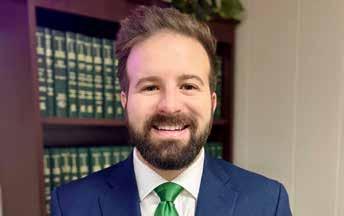
For Readers’
Choice Awards in Tangipahoa go to tangilifestyles.com
EDGE February |March 2023 072
5 Favorite Things - Honorable Jeff Cashe | Northshore Arts in Bloom | Readers' Choice February /March 2023 Volume 17, Issue 1
the Febr uar y / Mar c h is s ue of E DGE of the Lake magaz
ec
Elementary School (Public) Northshore Charter changes by ( 1 1 0 2 0 2 3 ) a t 5 : 0 0 P M . P lease m ak e any c hanges or approve
TANGI lifestyles A ttac hed is a proof of y our ad that will run in
run as is unless we r
eive
ATTORNEY
COMMUNITY LEADERS
In the Spring of 1993, I was honored to sit on the inaugural board of Leadership St. Tammany. Since then, I have served as the Recruitment Committee, Chairperson of the Board and as its Program Director. Spring of 2023 marks the start of my 30th year with the program. That’s pretty cool.
Leadership St. Tammany was spawned from the St. Tammany West Chamber of Commerce, led by then Executive Director Diane Winston, Ed Dillard and JoAnne Gallinghouse. That first class consisted of 20 members. Eventually class sizes grew to 25, then 30 and now 30-plus per year. Over 700 individuals have graduated from the program.
Classes are made up of adults from various professions; business, volunteers, community activism, law enforcement, attorneys, service organizations, artists, teachers, education administration, governmental employees, non-profits and elected o�cials. Participants come from all walks of life, range in age from 25 to 75 and live throughout the Parish. Completely di�erent folks, they have one thing in common: They wish to make St. Tammany Parish a better place. They often do not even agree on what that means.
We begin in August with a two-night retreat. Then, one day per month, we learn, question and explore each of the di�erent systems that comprise our lives; social services, community activism, local, parish and state government, infrastructure (or lack thereof), economic development, quality of life, law enforcement, judiciary, culture, art and history. We visit and meet with the leaders of each of these systems. How can we make what’s good better and what’s bad good?
To learn more about the program, its graduates, the application process (deadline for Class of 2024 is April 30th), the cost and the commitment, check out leadersttammany.org. Sidenote: The number of excellent applications exceeds the number of slots each year. Selection criteria includes building a class diverse in background … which enriches the discussions. It is not unusual to apply 2 or 3 times before finding your “right” class.
We are pleased to announce the City of Mandeville is now rated as a CLASS 5 CRS (Community Rating System) Community. We are particularly excited about being the first City in Louisiana to achieve this, especially in light of rising Flood Insurance Premiums. Most properties will be eligible for a total 25% CRS discount. Residents will see this discount on qualified renewals and new flood insurance policies on or after October 1, 2023. Each property owner should contact their insurance company for their specific rate.
The City of Mandeville has many events coming up including:
• Eve Parade – Friday, February 10, 2023; 7:00 pm
• Krewe du Pooch – Saturday, February 25, 2023; 12:00 p.m. (dog parade, vendors, concert, food trucks)
• Mandeville Live! Free Friday series – Fridays beginning March 24, 2023 (Mandeville Trailhead 6:30pm – 8:30pm)
• Easter at the Market – Saturday, April 1st (Pictures with the Easter Bunny, free face painting, chocolate, petting zoo & more)
I am honored to serve as the Mayor of Mandeville and remain very truly yours.
EDGE February |March 2023 073
Mark Johnson City of Covington Mayor
Clay Madden City of Mandeville Mayor
ANATOMY
of a Coroner’s Office

WWW.STPCORONER.ORG
The 2010s were not a banner decade for St. Tammany Parish. Considered relatively squeaky clean compared to New Orleans and Baton Rouge, it suddenly seemed rife with corruption after various misdeeds led to the convictions of several high-ranking elected officials, including a district attorney, sheriff, former mayor and even the coroner.
Wait, the coroner? It makes perfect sense, actually. What better place to conduct a little thievery than in the mysterious, shadowy world of the Coroner’s Office? What even goes on in that place, other than autopsies?
I got my chance to find out when our current St. Tammany Parish Coroner, Dr. Charles Preston, graciously agreed to chat with me and take me on a tour of the facility.
Before I share what I learned, it’s important to get to know the man who took over the office in 2014. A quick perusal of Dr. Preston’s resume reveals a substantial career in both clinical and academic settings. In addition to working as a physician at various local hospitals, he was an Associate Professor of Emergency Medicine at LSU, and still found time to get published in a slew of medical journals. He also owns an urgent care facility in Slidell. So, he certainly looks great on paper, but what about the actual man?
I’m not going to lie. All my previous knowledge of the coroner profession came from my fascination with true and fictional crime. Thanks to Law & Order, Tana French novels and yes, even some trashy television documentaries, I accepted the stereotype of coroners as scrappy, emotionally detached, tightly wound, vaguely egotistical lone wolves who hate when interlopers dare to invade their morbid sanctuaries.
I’m pleased to report that not a bit of that caricature applies to Dr. Preston. Not only is he friendly, relaxed, open and modest, he also spent three hours letting me pick his brain and poke around the facility. (He also indulgently fielded a few questions about the misdeeds of his predecessor and a contentious, on-going legal tug-of-war between his office and Parish Government, but those are topics for another day.)
Dr. Preston was all set to retire when a friend talked him into running for this office in the midst of a big scandal. Was damage control the first order of business?
“The notion that there was corruption from top to bottom was just not the case. I inherited something that was fundamentally sound and already had some good talent.” That being said, he admitted, ”When I first came in, I set out to throw the doors open and show transparency. I also wanted to let citizens know this office isn’t just about death.”
STORY LIZ GENEST SMITH PHOTOS JERRY COTTRELL
It’s a bit shocking to learn that Louisiana is one of only four states that require coroners to be physicians, unless of course, no physicians are willing to run for the office. I can’t wrap my head around the fact that a Coroner’s Office could ostensibly be run by a dry cleaner or hairstylist. Or perhaps even a writer who was, at best, a solid-C biology student.
Many coroners in the state work only part-time and they stick to the mandates, but I quickly learned that Dr. Preston and his staff have gone above and beyond to reshape St. Tammany Parish Coroner’s Office (STPCO) into a vastly different place, where fiscal responsibility, efficiency and community outreach play enormous roles.
When I emerged from the building after my extensive visit, my brain was totally addled. How in the world was I going to tackle and coherently share the volumes of information I’d received? I decided to use STPCO’s motto, “Science, Service, Compassion” as a means to, well, dissect the office and sort and label all the bits and pieces I’d collected (not unlike their so-called “gumbo room,” which stores rows and rows of highly organized jars of organ and tissue samples.). Before my visit, I’d taken those three words to mean that they serve the community by using science to investigate deaths, and that they treat the bodies and families with compassionate respect. While all of that is true, there’s way more to it.
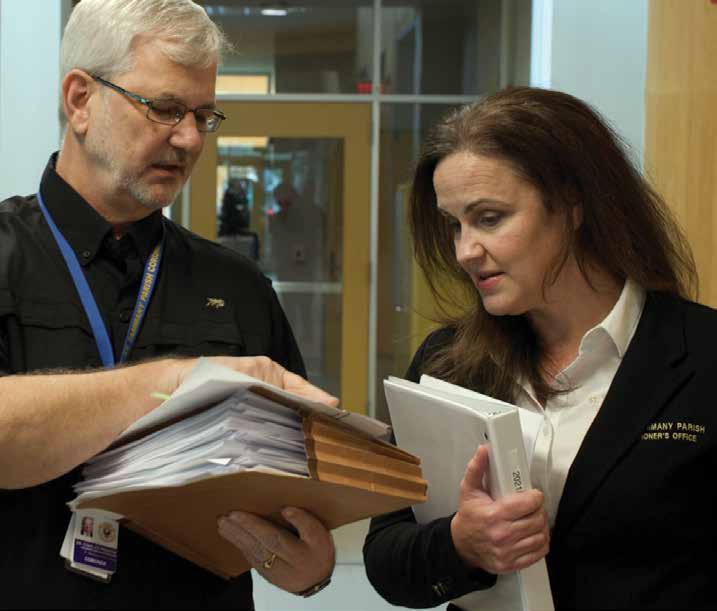
EDGE February |March 2023 076
Photo by St. Tammany Coroners O ce
THE SCIENCE
In my estimation, science represents the brain of this entity. It’s not the brain’s job to feel or emote, it’s simply to think and calculate and come up with logical, impartial conclusions that are admissible in a court of law.
It goes without saying that science is the key component in performing autopsies, as well as analyzing evidence collected from a death or crime scene. STPCO had both in-house DNA and toxicology labs when Dr. Preston took over, but he made some major changes. He discovered it would save an inordinate amount of time and money to outsource toxicology, but the DNA lab was another story.
Prior to the DNA lab’s construction 10 years ago, this sort of testing was handled by the Louisiana State Police Crime Lab in Baton Rouge, which continually struggles with a staggering 18-month backlog. The vast majority of Louisiana parishes still rely on the state lab because they don’t have their own DNA lab, but thanks to a voter-approved millage that passed back in 2004, STPCO has the means to process DNA in a fraction of the time.
Dr. Preston wound up hiring additional analysts and technicians to completely eliminate any backlog. Why is this a priority?
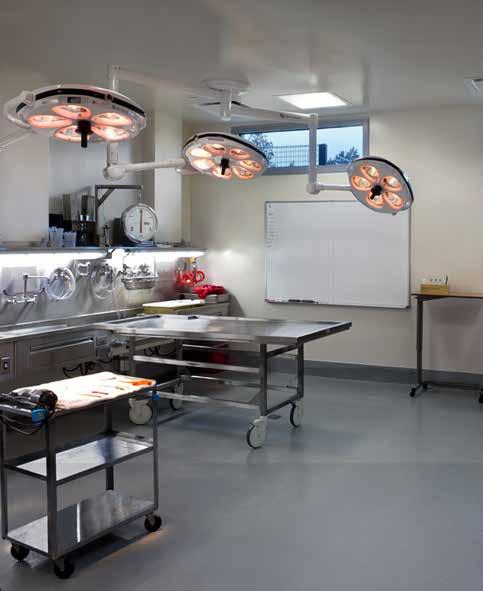
“DNA cuts both ways,” Dr. Preston explained. “If you’re guilty, it’s going to be really hard to argue about it. But if you’re innocent, it’s going to exonerate you. If you’re in jail for something you didn’t do, do you want to sit there for two or three days, or 18-24 months? It’s not just that person, but the entire family that’s affected.”
It’s also a deterrent for criminals who consider traveling here from elsewhere and it cuts down on how many cases go to trial. When faced with damning, almost-instantaneous DNA evidence, most guilty defendants just opt to go ahead and plead guilty. This saves the parish the expense of a lengthy trial, saves prospective jurors time and hassle, and of course, it spares survivors and families the agony of having to relive a nightmare.
A real-life example of the value of such a resource dates back 20 years. Due to the serious backlog at the state DNA lab, identification of serial killer Derrick Todd Lee was significantly delayed, allowing him more time to terrorize Baton Rouge and claim additional victims. But it’s not just about catching bad guys and exonerating good guys. It took STPCO only 26 hours to identify the victims of a double homicide in Covington last fall. The bodies had been burned beyond recognition, so the quick identification of the individuals saved their families the additional torment of prolonged uncertainty.
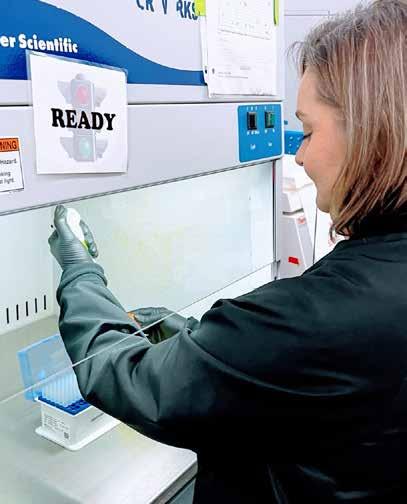
EDGE February |March 2023 077
Having both our own DNA lab and a lower number of murders and rapes than the bigger parishes also frees up human and scientific resources to investigate property damage and theft. Try asking Orleans parish to scour your car for the genetic material of the perpetrator who busted out your car window and stole your laptop.
THE SERVICE
To me, service is the skeletal system of the office. It’s the basic, no-frills, mechanical foundation upon which everything else is built. What’s the job and who’s going to do it?
First, the who. In addition to Dr. Preston, the staff is composed of a deputy coroner, forensic pathologists, certified death investigators, morgue technicians, Sexual Assault Nurse Examiners (SANE), DNA analysts, administrative staff, a chaplain corps and even some lovable canine ambassadors, who spread good will in the community and moral support in the office.
As for the job, Louisiana law states that the coroner “shall either view the body or make an investigation into the cause and manner of death” in cases involving suspicious, unexpected or unusual deaths. Among other things, the Coroner’s Office’s team of trained investigators are charged
with freezing the scene, then ascertaining the circumstances, cause and manner of death, and working with local law enforcement and forensic pathologists, who decide if additional exams or autopsies are necessary.They also have to find and notify the next of kin.
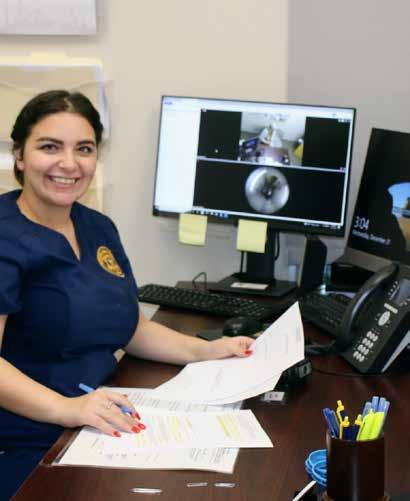
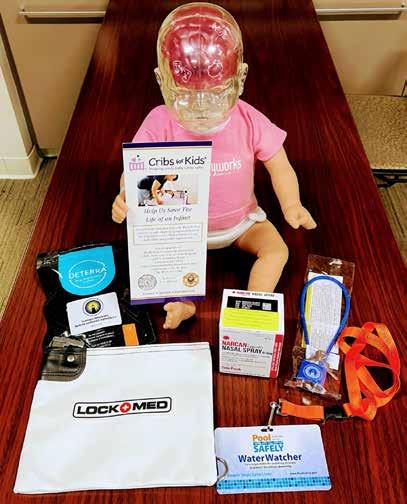
It may come as a surprise, as it did to me, that the coroner’s jurisdiction also involves mental health and sexual assault. The office’s mental health division deals with mentally ill individuals that may be a danger to themselves or others, and connects them with the appropriate experts. The team is made up of a full-time mental health director, who’s a trained psychiatrist, plus contract psychiatrists, an outreach coordinator and investigators. This division helps to evaluate mental health emergencies and begin the Order of Protective Custody process, when necessary. Dr. Preston made changes to this process, too.
“When a doctor from this office goes to evaluate a patient in crisis, that doctor is a psychiatrist. When I took office in 2014, there was one psychiatrist, and she saw all the patients on the west side of the parish. A forensic pathologist and a retired orthopedist used to see everyone on the east side of the parish.” Yikes.
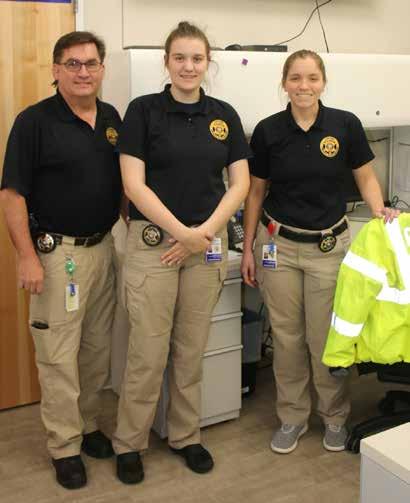
EDGE February |March 2023 078
Where sexual assault is concerned, Louisiana law requires the coroner or a designee to perform the forensic medical examinations of all alleged victims. The St. Tammany Sexual Assault Nurse Examiner (SANE) team has been designated the lead entity our region, which also includes Washington, Tangipahoa, Livingston and St. Helena Parishes (hospitals in these other parishes pay STPCO for SANE services). They travel to the hospital with a patient advocate to meet the victim, unlike in other parishes where victims are often sent to a designated hospital where busy, distracted hospital staff struggle to find time to perform sexual assault examinations in between treating patients in life-or-death situations.
“When I was working in the emergency department, I was trying to balance heart attacks, gunshot wounds and car accidents,” Dr. Preston explained. “Sexual assault was not my top priority. It would be a 10 to 15-minute exam. These SANE nurses are focused on this one patient and they bring a very high level of expertise. They collect and turn over all evidence we think is probative, Plus, they’re qualified as experts to testify in court. So, they can take the patient from the moment of the examination all the way to court.”
THE COMPASSION
While the STPCO is exceptionally respectful of the dead and their families, including draping American flags over military veterans while they’re housed in the facility and raising money to build a dignified mausoleum for unclaimed human remains, the compassion goes much deeper. It speaks to the heart of this office that they continually go way above and beyond the legal mandates by creating multiple proactive community outreach and education programs, many of which are hosted in the facility’s media room. These “life safety initiatives,” designed to prevent tragedy, address issues like swimming pool safety, burn prevention, infant sleep safety, shaken baby syndrome, the opioid crisis, human trafficking, carbon monoxide poisoning and teen drug and sexual awareness.
Suicide prevention is especially important to Dr. Preston, not only because a lack of state funding for suicide prevention is a key factor in Louisiana’s growing suicide rates, but because he lost two brothers this way. While the office regularly collaborates with all sorts of local non-profits, it maintains a close working relationship with the St. Tammany Outreach for the Prevention of
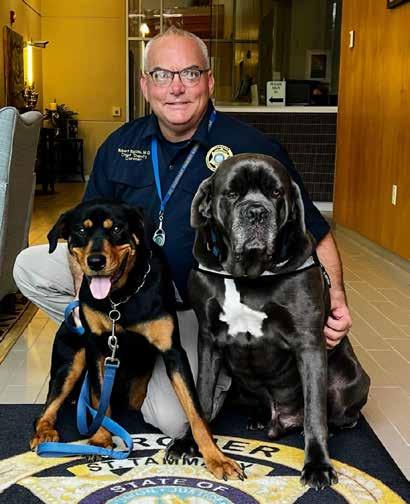
EDGE February |March 2023 079
Suicide (STOPS) program by hosting suicide prevention education classes for the public and first responders in their community meeting room, plus instructors on staff volunteer to help teach suicide intervention and prevention to teenagers. They also work directly with the Local Outreach to the Survivors of Suicide (LOSS) Team to get traumatized survivors access to counseling and mental health services.
In addition to all of that, the office recently co-sponsored an unprecedented live and virtual suicide symposium that allowed mental health professionals to share ideas and information which will be used to create a huge online database of resources for both agencies and the public.
In another example of non-mandated compassion, Dr. Preston was not content to employ a single, part-time chaplain to counsel traumatized families and survivors, He decided to recruit a diverse group of volunteers to represent various faiths. Trained in Critical Incident Stress Management, a member of this corps is on-call 24/7 to attend death scenes in each side of the parish when requested by the family or an investigator. They can also guide family members to a safe place while investigators perform necessary postmortem tasks.
Is your head spinning? This office is not only responsible for more than I ever knew, but Dr. Preston accepted the challenge of rehabbing its tarnished image and used it as an opportunity to enhance and expand its purpose and reach.
He summed up STPCO’s mission thusly, “We are making a very concerted effort to educate the public that we’re not just about death investigation. We’re all these other things, too. I think we’re the best Coroner’s Office in the entire state, and frankly that’s because we’re supported by a millage. And we want everyone to benefit from it in every possible way.”
I was tempted to keep the anatomy and dissection metaphors going by referring to my summation as autopsy results or a post-mortem, but the STPCO is way too much of a living, breathing entity to imply otherwise. I also wanted to be sure this didn’t come across as some sort of political endorsement, as Dr. Preston holds an elected office, but it’s really hard to sing the praises of this extraordinary office without giving credit to the man who’s converted it. If you ask him, he’ll demur and call it a collaborative effort. This is certainly true, but to me this kind of transformation and collaboration can only happen when leadership is focused on integrity and compassion.

EDGE February |March 2023 080
Miller
Just a few weeks into the new year, and good things are already happening here in Tangipahoa!
Over the last few weeks, we’ve announced an incoming industry, a major road expansion, and our team is currently gearing up to welcome high school athletes from around the state to compete in the LHSAA Championships. These improvements do not happen easily. Each of these projects represents partnerships between our parish leadership and other community agencies. Together we are making a di�erence in the lives of our residents!
Tangipahoa Parish is truly on the move! Each day, we are working diligently to help our residents and businesses enjoy an even greater quality of life. In 2023, look for improved tra�c patterns and roadway enhancements throughout the parish. We are excited to be building two new roadways—the first, a new access point to accommodate the many athletes and visitors at the Chappapeela Sports complex in Hammond. We are also mid-build on the long-sought expanded East Mulberry Street, which will alleviate congestion on LA 16 and provide muchneeded secondary access for visitors to the Tangipahoa Parish Courthouse.
These two projects are examples of the many city-parish and intergovernmental partnerships we employ in Tangipahoa Parish. Working together, we accomplish more for our people. It’s just one more reason why Tangipahoa is truly the best place to be.
I hope that everyone’s 2023 got o� to a good start and wish everyone a blessed new year. This past holiday season was a successful one for Slidell, filled with holiday cheer and plenty of family-friendly events for the community to enjoy.
As we enter carnival season, I would like to invite you, your family, and friends to come experience Mardi Gras in Slidell. Grab your lawn chairs, ice chests and king cakes and head on out to the parade route to enjoy all the parades rolling through Slidell:
Friday, Feb. 3, 6:30 p.m. – Krewe of Titans (Friday date only for 2023)
Saturday, Feb. 4, 6 p.m. – Krewe of Poseidon
Sunday, Feb. 5, 1 p.m. – Krewe of Antheia
Saturday, Feb. 11, 10 a.m. – Krewe De Paws
Sunday, Feb. 12, 1 p.m. – Krewe of Dionysus
Friday, Feb. 17, 6:30 p.m. – Krewe of Selene
I am proud that so many families choose to celebrate Mardi Gras season here in Slidell. It’s great to see so many smiling faces of family, friends, and neighbors along the parade route. I ask that everyone be respectful and help us maintain the family-friendly environment that people enjoy in Slidell. Please remember that city ordinances prohibit the presence of animals along the parade route. The use of silly string, streamers, fireworks, and other explosive devices are also restricted. It is important that we all work together to have a fun and safe carnival season.
For the complete parade schedule and more upcoming cultural events, please visit the City of Slidell’s website at MySlidell.com. Be sure to sign up for our email notifications to stay updated about all the latest news and events in Slidell. You can also follow the “City of Slidell, Louisiana” on Facebook.
Come enjoy the best that Slidell has to o�er during Mardi Gras season. Laissez les bons temps rouler!
EDGE February |March 2023 081
Robby
Tangipahoa Parish President
Greg Cromer City of Slidell Mayor
COMMUNITY LEADERS
St. Tammany NOW
St.Tammany NOW is a curated collection of the latest economic development information and business and industry insight in our community provided by St. Tammany Corporation, the economic development organization for St. Tammany Parish. St. Tammany NOW highlights who and what makes the St. Tammany business community thrive and illustrates the opportunities to diversify and fortify our economy.
In this issue, we share an overview on St. Tammany’s population and demographic makeup using the most recent parish-level data from the U.S. Census. In a threepart series called “Who is St. Tammany?,” we go in-depth into demographic, workforce and migration, and income and family trends in order to better understand our economic and population landscape. This series is part of St. Tammany Corporation’s suite of economic research publications called The AnalyST. If you find the insights in this article interesting, be sure to check out the full series at StTammanyStats.com.
Understanding who we are as a community and how we are changing helps us recognize our opportunities, needs, strengths, and areas of focus. “Who is St. Tammany?” provides a deep dive into the numbers that tell our community’s story.
Most people know that the Census Bureau releases official population counts every ten years. In 2020, the release of data from the Census was significant for understanding which places in the U.S. have grown, which have shrunk, and where people are choosing to live and work.
This information is important because it helps us make decisions at the state and local levels about how many schools and daycare centers we need, how many hospital beds we need, where we should focus resources on building and updating roads and bridges, and other important decisions until the next full Census count.
Demographic and Population Trends
We learned from the 2020 Census that in 2020, St. Tammany Parish had about 265,000 residents and was the 4th fastest growing parish in the state. Only 3 other parishes saw a higher rate of growth than we did from 2010 to 2020.
In fact, these numbers show that from 2010 to 2020, St. Tammany added more than 30,000 new residents. That’s eight new residents every single day, or about 250 per month, for ten years. That’s also like adding an entire new city the size of Slidell to St. Tammany Parish in just a decade.
In 2022, the Census Bureau released a new data set, known as the Vintage 2021 Population Estimates, which showed how populations have shifted since the 2020 Census.
These new numbers showed that St. Tammany’s population is now estimated to be nearly 270,000, and we added about 4,500 new residents in just one year. That averages out to 12 new residents every single day in 2021, or about 340 new residents each month. Adding 4,500 new residents in St. Tammany is also comparable to adding two new towns the size of Abita Springs in a single year. No other parish in Louisiana added more new residents during 2021, and it isn’t particularly close.
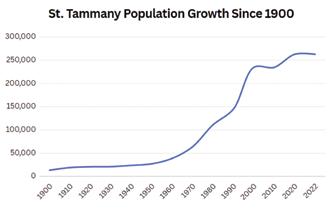
One of the most significant demographics changes shown in this report is the dramatic increase in the over-65 population in St. Tammany. The population over 65 saw a 37.9% increase from 2010-2020. This age group went from representing 12.7% of the population in 2010 with 29,634 residents to 18.1% of the population in 2020 with 47,710 residents. As the majority of people in this population cohort are typically retired empty-nesters, these numbers, combined with total population growth numbers, show the importance in investing in entertainment and leisure activities, higherend retail options, and healthcare infrastructure.
Workforce and Migration Trends
The next report in our series asks the questions, “When people come to St. Tammany, where do they come from? When they leave, where do they go?” Each of these questions has two answers as we look at both workers and residents in our parish—two separate groups.
Identifying commuting patterns shows us where our workforce lives and where our residents work. Census data shows that every day, more than 47,000 St. Tammany residents leave the parish to work elsewhere, from New Orleans to Baton Rouge to the Mississippi Gulf Coast. Conversely, more than 37,000 people commute into St. Tammany Parish to work, and over 51,000 people live
EDGE
|March 2023 082
February
Source - U.S. Census Bureau
and work in St. Tammany. The mean travel time for a St. Tammany worker, regardless of where they are going to work, is 30.9 minutes.
Now looking at those who recently moved homes, the majority of both inbound and outbound migration to St. Tammany is intraregional; essentially, the data shows that people already in Louisiana are remaining in the state even if they are moving around. The top locations that people move to St. Tammany from are Jefferson, Orleans, and Tangipahoa Parishes, as well as Pearl River County, Mississippi, while the top places that people leave St. Tammany to move to are Tangipahoa Parish, Pearl River County, Jefferson Parish, and East Baton Rouge Parish. Additionally, 86.3% of St. Tammany Parish residents were living in the same household as one year prior, according to 2020 census data.
Households
The final section of our three-part series provides insights into our residents’ income and poverty levels.
Chris Masingill Chief Executive Officer St. Tammany Corporation

The 2020 Census American Community Survey reported the median household income in St. Tammany was $70,730, meaning half of households earn more and half earn less than that number. However, it’s important to note that the most common household income bracket is under $50,000, making up 36.2% of household earners. St. Tammany’s median income is 10% higher than the nation’s median household income and 40% higher than Louisiana’s median household income. Further, St. Tammany has the second highest median household income in the state, second to Ascension Parish’s median of $82,594.
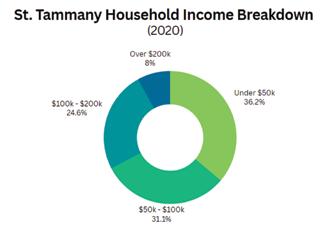
St. Tammany has the lowest rate of those living in poverty when compared to state and national averages, and it ranks the second lowest of all parishes with a rate of 10%. This low rate continues the trend seen over the past three decades, although it is important to note that 26,239 of residents in our community are considered persons living in poverty.
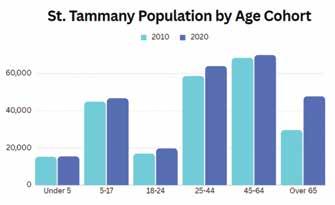
The information shared in these reports is illuminating for a few reasons. It shows us what our parish looks like, how we compare to similar communities across the state and country, and what we could look like in the future.
In our state, only a handful of parishes did actually grow over the last decade, so it’s important to view our shifts as a positive. We live in a great place where people consistently want to live, and there are a lot of opportunities that come with that characteristic. Getting a fresh look at our demographic makeup also helps us move forward with strategic planning and prepare for more sustainable longterm growth.
St. Tammany Corporation continues to be a resource hub for businesses and consistently shares timely, relevant information related to our economic landscape and upcoming business resource programming on our online platforms. Stay connected with St. Tammany Corporation on Facebook at @StTammanyCorporation, Twitter at @ StTammanyCorp, our website at StTammanyCorp.org, and our data and research platform at StTammanyStats. com, where the three-part economic research series “Who is St. Tammany?,” along with other quarterly and periodic reports, can be found.
Elizabeth Lee is the lead staff contributor for this article.
EDGE February |March 2023 083
Source - U.S. Census Bureau
Source - U.S. Census Bureau
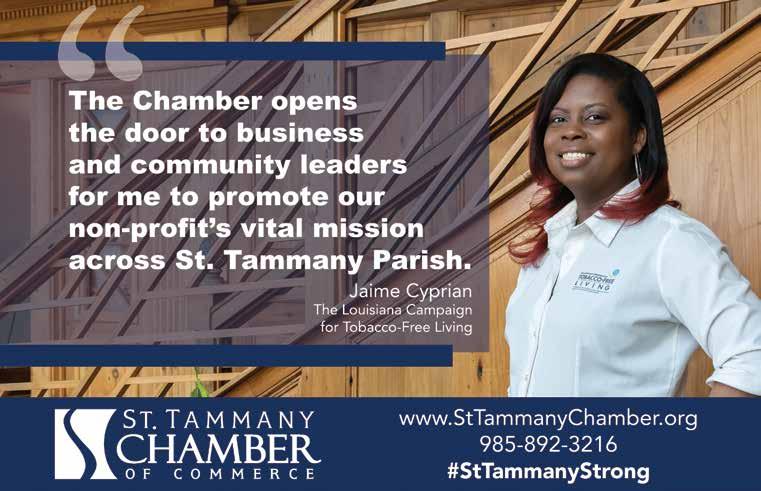




EDGE February |March 2023 084 WANT TO GROW YOUR BUSINESS IN 2023? NORTHSHOREMEDIA.NET NORTHSHORE MEDIA GROUP NM CALL Rebecca Blossman 985.705.4440 CALL Stephanie Miller 985.285.4161 Print - Radio - Direct Mail - Digital

My turn: by Christina Favret
ABOUT CHRISTINA FAVRE

In every issue, EDGE of the Lake invites a local chef or restaurateur to visit another eatery on the Northshore.
Christina Favret owns Roux 25, a farm-to-table gastropub located in downtown Folsom. Its everevolving, seasonal menu features craft cocktails and creative dishes that feature fresh ingredients from local farms.
Giddy Up is not your typical coffeehouse. I use their drive-through pretty regularly for convenience when I’m in a hurry, but it’s worth it to find the time to actually go inside. It’s rustic, yet sophisticated, like an Aspen lodge with its leather sofas and gorgeous millwork. It’s one of the prettiest spots in St. Tammany. And the beautiful outdoor patio area with its fire pit is amazing.
I typically choose black coffee or tea to drink, but they also offer all kinds of hot and cold chai and espresso drinks, plus smoothies. Their food menu includes a mix of soups and paninis, with clever twists on things, like their muffulini and reubeni. Everything they make is elevated by their use of fresh ingredients, but my favorites are their tomato, spinach and basil panini and the corn and crab bisque. The house-made bisque is super creamy with tons of flavor, and it rivals any fine dining restaurant.
I love this place and the owners. They’ve done an excellent job creating a focal point in downtown Folsom. In addition to the friendly staff and stunning, welcoming interior, they’ve created a real community atmosphere by hosting a farmers market and having live music in the paddock. It’s this kind of vibe that would make anyone fall in love with Folsom.
Up giddyupfolsom.com 985.260.5060
Giddy
Joel Treadwell, Fine Portraiture presenting checks to Ginger Kunkle with the Northshore Food Bank and Lira Casborne with the Miracle League Northshore. His “Headshots 4 Charity” promotion at the St. Tammany Business and Community Expo raised $1,150 with half going to each organization.








EDGE February |March 2023 088
Witches Ride


EDGE February |March 2023 089
Altitude Trampoline Park Ribbon Cutting
Kazoku Asian Fusion Restaurant Ribboon Cutting
Northshore Media Group gathered from Brookhaven, MS to Slidell, LA for their annual Holiday party in Hannond.
The St.John Fools of Misrule announced the official start of the Northshore Carnival season with other Northshore Krewes and local dignateries at The Southern Hotel.
Covington Bussiness Associtation donated the proceeds from the Covington Porch Fest to the CAC Hope House.
Acquistapace’s Wine and Cheese held their Wine and Cheese Gala at The Southern Hotel. Guests were treated a luscious array of cheese, wine and bourbon as well as meeting with cheese makers from around the country.



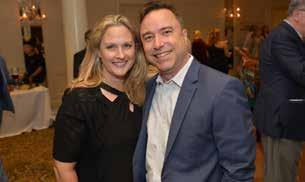
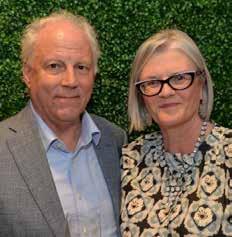
The Bluesberry Festival was named Best Festival Outside of New Orleans at OffBeat Magazine’s Best of the Beat Awards! Congratulations!

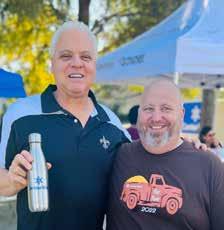
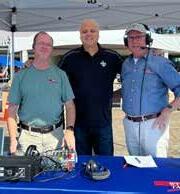 Mike Detillier visited with quests at the Fall Fest at Centerwell in Covington and Hammond.



COVINGTON BRANCH 1000 S TYLER ST W13thAve SHarrisonSt SPolkSt 21 MANDEVILLE BRANCH 4500 HWY 22 WCauseway Approach 4500 Hwy 22 22 SERVICE | WWW.METAIRIEBANK.COM SERVICE | WWW.METAIRIEBANK.COM WE OFFER FINANCING ON: • Commercial Construction Loans • Commercial Real Estate Loans • Business Term Loans • Business Lines of Credit • Commercial Credit Cards • SBA 504 Program Loans Relationship Banking Is Our Business. Metairie Bank understands the needs of business owners, and we’re here to help you achieve your goals now and in the future! OPEN A SIMPLY FREE BUSINESS OR PERSONAL CHECKING ACCOUNT AND GET A FREE GIFT! • No Minimum Balance • No Monthly Service Charge • A Free Thank You Gift • And More! 985.626.3441 | 985.898.0950 WWW.METAIRIEBANK.COM


bevolo.com • 504.522.9485 • 521 Conti • 304 • 316 • 318 Royal • French Quarter • New Orleans • 68467 Hwy. 59 • Mandeville Bevolo’s Patented Batwing Flame TM Twice the FLAME Half the cost! We Make ...Too. ELECTRIC
