

SIGN UP TO THE NEW ADULT CARDIAC DATABASE
EACTS is encouraging hospitals and national registries to sign up to the new Adult Cardiac Database (ACD) and start submitting data that will help drive quality improvements in cardiac surgery.

The Adult Cardiac Database is a collaborative registry and benchmarking tool of anonymised cardiac surgical data for centres across Europe. Use of this data allows surgeons to better understand clinical practice in their hospitals and inform best practice and research.
The National Cardiology Hospital in Sofia, Bulgaria, is one of the first hospitals to contribute cardiac data to the new Adult Cardiac Database. Commenting on the hospital's involvement, Head of Department, Dimitar Kyuchukov, said, "We are privileged to be part of this wonderful initiative and to have contributed to this important database. Data sharing in healthcare has numerous benefits, significantly enhancing patient care, research and the overall efficiency of health systems. It enables healthcare providers to have a more complete view of a patient’s health history, leading to better-informed decisions and more comprehensive and personalised care.
“In addition, data sharing can significantly speed up medical research by providing researchers with a larger pool of information to study disease patterns, treatment outcomes, and public health trends. It also facilitates collaboration across borders, which is essential in handling global health issues.”
Edgar Daeter, Chair of the QUIP Committee
Advancing the field of cardiothoracic surgery
Launched at this year’s Annual Meeting, the new ACD will:
• Bring participating hospitals, national registries and surgeons together to advance the field of cardiothoracic surgery through comparative data analysis and sharing of best practice.
• Provide information to support surgical training and inform evidence-based practice for current and future cardiothoracic surgeons.
• Provide a controlled access mechanism for researchers to request access to the data, regulated by a scientific committee and in line with established governance frameworks. Researchers’ proposals need to have clear patient benefit.
• Maximise the wealth of data already available, recorded at all stages of patient care, by enabling consistent and standardised collection from different sources, helping surgeons to improve their clinical practice.
Edgar Daeter, Chair of the Quality Improvement Programme Committee, said, “The ACD is more than just a repository of data. It is a powerful instrument for benchmarking and research. The ACD holds huge potential for hospitals to identify areas of improvement in local clinical practice, drive innovation and ultimately improve patient outcomes.”
The advanced data tools and insights available through the ACD include an interactive viewer which allows users to filter different types of interventions and outcomes, making it easier to derive valuable insights. Uploading data is now much simpler and faster for national registries, hospitals and surgeons following changes to the database’s code.
Only EACTS members and participant hospitals will be able to access the EACTS Adult Cardiac Database. Researchers can request access to data via submitting a data request application. Sign up and submit your data at eacts.org to improve patient outcomes!
EACTS QUALITY IMPROVEMENT PROGRAMME
The EACTS Quality Improvement Programme champions continuous improvement in cardiothoracic surgery through a set of activities aimed at delivering better skills, better surgery, better patient outcomes. To enable this, we are developing collaborative data registries and benchmarking platforms, that can provide insights for quality improvement.
Sign up to the Adult Cardiac Database
The advanced data tools and insights available through the ACD include an interactive viewer which allows users to filter different types of interventions and outcomes, making it easier to derive valuable insights.

MEET THE QUIP TEAM
Edgar Daeter, QUIP Committee
Chair
Paola Quattroni, Quality Improvement Director
Kevin Veen, Scientific Lead
Mazen Ahmed, Data Analyst
Stephanie Halksworth, Consultant Programme Manager
Keep up to date with all the latest news and developments from the Quality Improvement Programme. Join the mailing list
WELCOMING NEW EACTS COUNCIL MEMBERS
The General Assembly at the EACTS Annual Meeting is an important opportunity for members to elect new Officers and Councillors to EACTS Council. In addition to welcoming a new President and Vice-President, the following positions were also elected to the Council:
• Korkut Bostanci, Chair of the Thoracic Disease Domain
• Vladimiro Vida, Chair of the Congenital Heart Disease Domain
• Gloria Färber, the new Chair-Elect of the Acquired Cardiac Disease Domain
Both Vladmiro Vida and Gloria Färber will take up their posts in 2025.
In addition, we welcome Mario Gaudino as Councillor-at-Large for a three-year term from October 2024. Tanya Warburton will also serve as Councillor-at-Large with Virginia Litle as International Councillor.

Volkmar Falk EACTS President
Volkmar Falk is the Medical Director and Director of the Department of Cardiothoracic and Vascular Surgery of the German Heart Center Berlin, Chair of the Division of Cardiovascular Surgery at the Charité Berlin and Professor for Translational Cardiovascular Technologies at the ETH, Zurich. He is a longstanding member of EACTS.
“I am grateful for the support from EACTS over the years. I have served the Association in various roles, and it has been a great journey. I am humbled by how EACTS has built my career, and I hope I can give back to the Association.
“EACTS is a vital organisation that continues to attract new talent and people. Their participation guarantees the future of cardiothoracic surgery.
“Next year will be interesting with lots of challenges facing our specialty. We have to regain interest in the field of cardiac surgery and promote our profession. There is an increasing need to collaborate with cardiology and a main focus will be to work more intensively with cardiologists and ESC in particular. I would like to improve our representation in the guidelines developed by ESC.”
At this year’s Annual Meeting Franca Melfi passed the Presidential Chain to new EACTS President, Volkmar Falk. Rafa Sádaba is the new VicePresident. Many congratulations to Volkmar and Rafa.


Rafa Sádaba EACTS Vice-President
Rafa Sádaba is Chief of Cardiac Surgery at the Navarra University Hospital and Associate Professor of Surgery at the Public University of Navarra in Pamplona, Spain. He is also Area Coordinator (Cardiovascular and Renal Diseases) at the Health Research Institute of Navarra (IdiSNA).
He has been a member of EACTS since 1999, holding several different positions including, most recently, Chair of the Education Committee. He served as EACTS Secretary General from 2021 - 2022.
“I joined EACTS as a resident 25 years ago and have always looked up to Past Presidents who have been such an inspiration throughout my career. It is an honour to serve as Vice-President and I look forward to using my knowledge and experience of EACTS to help achieve our strategic goals and strengthen the Association’s global reach.”
Franca Melfi passes on the Presidential Chain to new EACTS President Volkmar Falk

THORACIC DISEASE DOMAIN
Korkut Bostanci
Chair
Korkut Bostanci is Professor at the Thoracic Surgery Department of Marmara University School of Medicine. His areas of interest are video assisted thoracoscopic surgery, chest wall surgery, and bronchoscopic lung volume reduction.
"Being appointed as the Thoracic Disease Domain Chair is a true privilege. I am honoured and motivated to work hard and do my best not only to make thoracic surgery more visible within the Association, but also promote it to a wider spectrum of potential members in Europe. We have already started getting ready for the Annual Meeting in Copenhagen in October 2025, preparing a draft programme of sessions on zoom meetings and collecting ideas from the task forces too.
"This is just the start of our three-year period as the “thoracic family” of EACTS and we are all highly motivated for more scientific activity, closer collaboration and more visibility both within EACTS and the thoracic community in Europe."
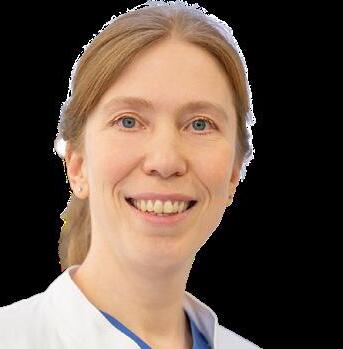
ACQUIRED CARDIAC DISEASE DOMAIN
Gloria Färber
Chair-Elect
Gloria Färber is Professor and Chair of the Department of Cardiac Surgery at Saarland University Medical Center in Homburg, Germany, the first woman in Germany to hold such a position. She is an active member of EACTS and sits on the Mitral and Tricuspid Valve Surgery Task Force and the Education Committee.

CONGENITAL HEART DISEASE DOMAIN
Vladimiro Vida
Chair-Elect
Vladimiro Vida is Professor in Cardiac Surgery and Director of the Pediatric and Congenital Cardiac Surgery Unit at the University of Padua. He also serves as the Director of the University's residency programme in cardiac surgery.

COUNCILLOR-AT-LARGE
Mario Gaudino
Councillor-at-Large
Mario Gaudino is the Stephen and Suzanne Weiss Professor in Cardiothoracic Surgery in the Department of Cardiothoracic Surgery at Weill Cornell Medicine – New York Presbyterian. Throughout his academic career, Mario Gaudino has authored more than 400 peer-reviewed journal articles along with numerous book chapters. He is currently the lead investigator of the ROMA trial, an international, randomised, controlled trial which aims to determine the optimal strategy for coronary artery bypass surgery.
“EACTS is the most prestigious cardiothoracic surgery organisation in the world, and I’m humbled and honored to join the Council. In a moment of rapid, and at times uncontrolled, medical and technical evolution it is critical that the voice of the patients and of those who care for them is heard – this is one of EACTS’ key priorities and I will do everything to help.”
EACTS Members WE WANT TO HEAR FROM YOU
As a global membership organisation for the cardiothoracic community, EACTS exists to improve outcomes for patients with heart and lung conditions by supporting the global surgical community with education and learning opportunities and informing best practice with journals, clinical guidelines, a quality improvement programme and research.
We understand the importance of listening to our membership. In response to our member survey in 2023 we reduced some of our membership rates to give more health professionals access to EACTS membership, including low-lower middle countries, allied health professionals and pre-trainees. We also introduced free webinars for EACTS members.
Member survey 2024
Look out for a short survey which will soon be arriving in your inbox. We really appreciate any feedback you can give us so we can continue to develop our current offering and support you in your career, no matter what level you are at.
Thank you.
DRIVING TRANSFORMATION IN CARDIOTHORACIC CARE

New research and innovation grants will soon be available to EACTS members to support truly extraordinarily innovative projects that will drive advancements in cardiothoracic surgery and improve patient outcomes.
The grants are just one of several new initiatives established by EACTS under the Innovation Hub to accelerate the adoption of disruptive technologies into clinical practice. The Hub will support the creation of novel innovations by overseeing a peer network, research support and the new innovation grants.
This work will be driven by the Innovation Committee, chaired by Friedhelm Beyersdorf and Mark Hazekamp, which brings together cardiothoracic surgeons and experts from outside the field of cardiothoracic surgery to facilitate communication and support the development of ideas and technologies.
The grants are just one of several new initiatives established by EACTS under the Innovation Hub to accelerate the adoption of disruptive technologies into clinical practice.
The new Innovation Committee is starting with a clear focus on six key areas:
• Artificial Intelligence (AI) and (Augmented) Virtual Reality in Cardiothoracic Surgery
• Robotic-Assisted Cardiothoracic Surgery
• Heart Valves of the Future
• Extracorporeal circulation (CPB, ECMO, ECLS), and organ replacement
• Perioperative Cellular Protection and Single- and Multi-Organ Repair
• Lymphatics and Glymphatics.
Separate from everything else the Committee will also consider Wild Cards.
To achieve practical results in these areas and foster innovative culture, EACTS plans to establish a “how to start a startup” group. This group will provide education and resources to help people take their ideas to product development. The group will harness cutting-edge technology, prioritise patient needs and promote experimentation with disruptive ideas that drive meaningful change.
Friedhelm Beyersdorf, Chair of the Innovation Committee, said, “We are currently experiencing a significant wave of advancements across various scientific fields, offering unprecedented opportunities to elevate our specialty. Disruptive technologies such as AI, synthetic biology, nanotechnology and robotics are poised to further revolutionise the field.
We are currently experiencing a significant wave of advancements across various scientific fields, offering unprecedented opportunities to elevate our specialty.
“By integrating emerging scientific innovations into clinical practice, cardiothoracic surgery is set to enter a transformative era, improving patient outcomes and expanding treatment possibilities for previously untreatable conditions and simultaneously reduce morbidity. Through the launch of these new initiatives EACTS is actively engaging with these developments to unlock the vast opportunities and improvements they offer for our patients.”
Learn more about the Innovation Committee

THE EACTS INNOVATION GRANT PROGRAMME
We are delighted to announce that applications for the new innovation grant programme will open on 1st January 2025.
Through this important initiative, we aim to inspire the next generation of cardiothoracic surgery advancements and harness the power of research and innovation to secure better outcomes for patients.
The EACTS Innovation Grant Programme is intended to support early stage, pump-priming and ‘stimulation’ research and innovation opportunities. We encourage grant requests of all levels but in the first year of this programme, we do not anticipate any single award being made in excess of €50,000. Funding requests will be considered for projects relevant to one or more of the EACTS Innovation six key areas, and will be assessed through established peer review processes including members of the EACTS Innovation Committee.
Find out more
Friedhelm Beyersdorf launches the new Innovation Hub at the 38th EACTS Annual Meeting
THE 38TH EA CT S ANNUAL MEETING
NA VI GA TING NEW HORIZONS
Innovate, Discover, Educate

Showcasing the latest innovation and research
The 38th EACTS Annual Meeting brought together over 5,000 members of the global cardiothoracic community in October for four days of high-quality science, debate and discovery.
With a fantastic scientific programme developed by experts on our domains, task forces and committees, the EACTS Annual Meeting offered an abundance of learning opportunities, including 244 sessions and 228 e-Poster presentations.

Live demonstrations of pioneering techniques and new-to-market technologies featured at this year’s Techno-College with over 900 delegates attending the cardiac and thoracic streams. Traditionally the first day of the Annual Meeting, Techno-College is a must-attend event for those looking to keep abreast of the new technologies in cardiothoracic surgery.
The late breaking trials session gave delegates the chance to dive into the latest science that could impact clinical practice and guidelines in the years to come. For the first time a late breaking clinical trial was presented at a cardiothoracic surgical meeting and simultaneously published in a major cardiology journal. The paper ‘Personalised multimodal teleprehabilitation in elective cardiac surgery’ was published simultaneously in JACC and presented during the Late Breaking Science focus session.


Three keynote speakers empowered delegates to embrace the unknown and remain curious. In her Presidential Address, Franca Melfi emphasised the role that perseverance, positivity and parity have played throughout her career and encouraged us all to never give up. Honoured Guest, Amy Kerdok, provided captivating insights on the impact that AI and machine learning have on innovation, and Roberto Canessa shared his epic story of survival and how it has inspired his remarkable life.

Three titans of thoracic surgeryAlper Toker, Peter Licht, Valerie Rusch - shared the experiences that have not only shaped their careers but have also inspired their peers and led to groundbreaking advancements.

Experts unpacked the updated 2024 EACTS guidelines on the important topics of perioperative medication, cardiopulmonary bypass in adult cardiac surgery and patient blood management exploring how the recommendations will impact current clinical practice and improve patient outcomes.

World renowned experts provided delegates with opportunities to gain ‘hands-on’ experience in specialist techniques across 16 EACTS Learning Lab sessions, including a brand-new session exclusively for left-handed surgeons.

New technology was on display as part of the vibrant exhibition, featuring over 85 industry leaders. Interactive industry Learning Labs and organised satellite symposia also gave delegates the chance to engage in discussions about innovation in cardiothoracic surgery.


Key opinion leaders took part in lively debates and discussions on EACTS TV featuring hot topics from the scientific programme as well as insightful one-to-one interviews. Programme highlights from EACTS TV included a frank review and discussion of the latest developments and current applications of Artificial Intelligence & Augmented Reality during "The Big Debate – Artificial Intelligence and Augmented Reality" and "LATIN HEARTS ROUNDS live with EACTS, which looked forward to the LATAM conference." CT Surgery Resident Showdown also featured on EACTS TV.

The high-quality science extended beyond the focus and abstract sessions. Over 125 nonmoderated e-Posters and 100 moderated posters featured as part of the Annual Meeting following a fantastic response to the call for abstracts.
Relive the standout moments from the 38th EACTS Annual Meeting…
Watch the highlights videos from each day of the Annual Meeting and read more about some of the standout sessions in the Daily News

CELEBRATING EXCELLENCE
Many congratulations to the winners of this year’s prestigious EACTS awards.

TECHNO-COLLEGE INNOVATION AWARD
Awarded for technological breakthroughs in all areas related to thoracic and cardiovascular research – particularly for new surgical methods or devices – that have the potential to revolutionise our standard practice.
WINNER: Ahmad Ali Amirghofran, Iran
FINALISTS:
Min-Woong Kang Chungnam, Republic of Korea
Ana Martins Costa Enschede, Netherlands
PRESIDENT’S CHOICE AWARD
This award honours the top abstract presentations from across all four EACTS domains.
Top Abstract in the Cardiac Field WINNER: Alicja Zientara, Germany
Top Abstract in the Vascular Field WINNER: Federica Lo Presti, Italy
Top Abstract in the Congenital Field WINNER: Eleftherios Protopapas, Greece
Top Abstract in the Thoracic Field WINNER: Yiliang Zhang, China
HANS G BORST AWARD FOR THORACIC AORTIC SURGERY
Instituted in honour of Professor H G Borst, this award stimulates advanced clinical or experimental research by young investigators as documented by an outstanding presentation at the Annual Meeting.
WINNER: Maximilian Kreibich, Germany

YOUNG INVESTIGATOR AWARD
This award recognises excellence in topics of clinical or experimental research across the fields of Thoracic Surgery, Adult Cardiac Surgery and Congenital Heart Disease presented by young investigators in Lisbon.


Adult Cardiac WINNER: Mario Torre, Italy
Thoracic WINNER: Beatrice Trabalza Marinucci, Italy
Congenital WINNER: Isabelle Doll, Germany
RESIDENTS’ CORNER AWARD
This award champions the academic work of resident members of EACTS, with the aim of encouraging residents to participate in academic research and submit articles to EJCTS and ICVTS.

WINNER: Marco Gemelli, Italy
EACTS/AATS FOUNDATION ACADEMIC EXCELLENCE AWARD
This award is a formal recognition of academic/scientific excellence for either an abstract or poster presentation at the Annual Meeting.
WINNER: Leo Pölzl, Austria
EACTS/STS AWARD
Awarded to the best abstract presented during the combined EACTS/STS aortic session at the Annual Meeting.

WINNER: Leonard Pitts, Germany
DESIGNING THE FUTURE
BEST E-POSTER AWARD
CARDIAC FIELD
Diyar Saeed, Germany
VASCULAR FIELD
Xiaoying Lou, USA
CONGENITAL FIELD
Sameh Said, USA
THORACIC FIELD
Merve Ozbek Dogançay, Turkey
CT SURGERY RESIDENT SHOWDOWN WINNERS
University of Padova – Marco Gemelli & Francesco Bertelli
Finalists
University of Milan – Riccardo Orlandi & Giovanni Mattioni
University of Leuven – Joeri van Puyvelde & Katrien van den Driessche
BEST PRESENTATION DURING THE NURSE AND NURSE PHYSICIAN POSTGRADUATE EDUCATION COURSE
UK
TOP PERFORMER AWARD 2024 –ROBOTICS WORKSHOPS
Get ready to Innovate, Discover and Educate at a meeting that will design the future of cardiothoracic surgery and improve outcomes for patients around the world.
The unmissable programme will bring you up to date on the latest research breakthroughs and clinical trials that are shaping the future of the specialty through engaging presentations, enthralling debates and inspiring keynote speeches.
If you’re planning on joining us, then why not become an EACTS member to obtain reduced registration fees. Find out more
General abstract submission will open on 1 February 2025
Make sure to join our mailing list to receive updates about the 39th EACTS Annual Meeting.

Nisha Bhudia,
Karol Chorazy, Austria
THE 39TH EACTS ANNUAL MEETING
GUIDELINES

Advancing Clinical Practice Guidelines: A New Collaborative Methodology
In response to growing concerns regarding the credibility and transparency of clinical practice guidelines (CPGs), EACTS and three other leading cardiothoracic organisations - AATS, ESTS, and STS - have taken decisive action. Recognising the critical need for clear, reliable, and unbiased medical guidance, we have collaborated to develop a comprehensive methodology for creating CPGs and other essential clinical documents.
The newly introduced joint methodology prioritises transparency, multidisciplinary input and rigorous evidence evaluation. The goal is to ensure that future guidelines are not only evidence-based but also reliable and universally accepted.
Learn more
Updated guidelines
The work of our Clinical Practice Guidelines Committee and task forces is vital, helping to produce evidence-based clinical practice guidelines and other scientific documents to help the surgical community improve patient care and outcomes.
Learn more about the latest recommendations on the important topics of perioperative medication, Chronic Coronary Syndrome and patient blood management.
2024 EACTS Guidelines on perioperative medication in adult cardiac surgery
The 2024 Guidelines on perioperative medication were unveiled at this year’s Annual Meeting, with simultaneous publication in the European Journal of Cardio-Thoracic Surgery.
These comprehensive guidelines cover sixteen sections, offering in-depth guidance and recommendations on pre-, peri-, and post-operative management of antithrombotic medications, antiarrhythmic drugs, and heart failure and hypertension treatments. Additional sections focus on lipidlowering medications, steroids, antibiotics, blood glucose management and antidepressants. Notably, the updated
guidelines introduce two new sections: one on postoperative optimisation using guideline-directed medical therapy in both coronary and non-coronary cardiac surgery and another addressing gaps in current evidence.
The primary aim of these guidelines is to equip clinicians, surgeons and healthcare professionals with clear, actionable, and evidence-based recommendations, ensuring optimal care and improved outcomes for patients undergoing cardiac surgery.
2024 EACTS/EACTAIC Guidelines on patient blood management in adult cardiac surgery in collaboration with EBCP
These guidelines are a joint effort between EACTS and the European Association for Cardiothoracic Anaesthesiology and Intensive Care (EACTAIC), in collaboration with the European Board of Cardiovascular Perfusion (EBCP).
Presented at the 38th EACTS Annual Meeting, these guidelines are a comprehensive revision of the 2017 guidelines, and reflect the evolving patient profiles and treatment modalities in adult cardiac surgery. These changes are driven by factors such as increasing patient age at the time of surgery, a rise in comorbidities and the growing complexity of preoperative antithrombotic treatments. Bleeding and transfusions remain major complications associated with cardiac surgery, and comprehensive treatment guidelines should help in timely recognising and managing these issues, ultimately improving patient outcomes.
ESC/EACTS guideline for chronic coronary syndrome— invasive treatment perspectives important for daily practice
In August 2024, the European Society of Cardiology (ESC) published its latest Guidelines for the Management of Chronic Coronary Syndrome (CCS), endorsed by EACTS. This document integrates two previously separate guidelines, those on the diagnosis and medical therapies of chronic coronary syndromes and myocardial revascularisation, into one comprehensive, patient-centred framework. It focuses on all aspects of diagnosis, treatment, secondary prevention and follow-up for patients with progressive CCS.
Join us on 26 March for the first Guidelines webinar that will demonstrate the practical application of the EACTS Aortic Disease Guidelines. Find out more and register now!

Our world-renowned, high-quality publications are trusted within the cardiothoracic surgical community for advancing knowledge, disseminating best practice and promoting research excellence.

Surgical techniques for cardiac procurement, preparation and perfusion using the Organ Care System
Manuel Egle, Sarah Longnus, Murat Yildiz et al
Latest articles/ videos
EJCTS
Aortic arch replacement in patients with previous repair of acute aortic dissection: a systematic review and metaanalysis
Davorin Sef, Myat Soe Thet, Metesh Acharya et al
ICVTS
The prognostic significance of modified frailty index-5 in patients undergoing pneumonectomy for lung cancer
Muhammet Sayan, Bengisu Artiran, Funda Ozturk et al

Following the European Society of Cardiology’s (ESC) guidelines publication in collaboration with EACTS, Atrial Fibrillation experts, Manuel Castella and Niv Ad explore the nuances of how a surgical approach might be used to treat Atrial Fibrillation and why cardiac surgeons are increasingly interested in this complex electrophysiological condition.
In light of the developing accepted practices, listeners can expect comparisons between the Maze procedure and nonsurgical approaches, as well as an exploration of the endpoints used to determine patient outcomes.
Yuriy Stukov, Jeffrey P. Jacobs, Breanne Collison et al
NEW IN 2025!
The 2025 EACTS Academy programme offers more learning opportunities than ever before, with 55 courses available for all levels of skills and experienced. Developed by our domains, task forces and committees, these courses are designed to enhance knowledge and develop practical skills in order to advance careers and support better patient outcomes.
Read on to learn more about the new courses on offer in 2025.
NEW COURSES IN 2025

Cardiac Arrest after Cardiac Surgery: Team Effort
13 February 2025 | Online
The Allied Health Professionals Committee has launched a new webinar series designed to empower and educate healthcare professionals with the latest advancements, best practice and innovative techniques in cardiothoracic care.
Mechanical Circulatory Support Workshop 2025
15 – 16 May 2025 | Turin, Italy
Mechanical Circulatory Support devices are currently playing an important role in the treatment of refractory advanced heart failure. Technology and surgical strategies are rapidly evolving and improving. However, knowledge transfer and methods to surmount the learning curve remain crucial to improve patients’ outcomes.
The EACTS Mechanical Circulatory Support Workshop offers an opportuntity to apply the learnings and knowledge gained during the annual EACTS MCS Summit. Clinicians who want to
Cristina Ruizsegria from the Allied Health Professionals Committee, said, "Join us in our first EACTS webinar this February. We will examine the latest guidelines and published evidence on Cardiac Arrest after Cardiac Surgery with experts in the field. We will discuss the best approach to cardiac arrest, how to identify the early signs in deteriorating patients and define the roles for team members during an arrest. There will also an opportunity to review some case scenarios with all the speakers and attendees."
Look out for the second webinar in the series focused on ‘Management of wounds post-surgery’ on 12 June.
Register today
acquire more skills in this delicate area will learn key aspects and vital skills of MCS surgical procedures from an internationally recognised group of experts.
This course provides cardiothoracic surgeons in training or anyone wishing to enhance their experience with didactic teaching, hands on wet- and dry-lab operative experience, and practical demonstrations in the surgical techniques and skills needed for the successful use of short-term and durable mechanical circulatory support systems. This is an intensive two-day course of lectures, debate and practical hands-on surgical practice.
Format: In Person
Be notified when registration opens!

Learn more at eacts.org
Register today for the Aortic Forum 2025
18 – 20 June 2025 | Prague, Czech Republic
In June 2025, surgeons with an interest in aortic diseases will come together in the beautiful city of Prague for a fantastic opportunity to get up to date with the latest science and developments in aortic surgery, watch live surgery and discuss techniques with vastly experienced surgeons who are renowned in their field.
Ruggero de Paulis, Chair of the Aortic Forum Task Force, outlines why the Aortic Forum is an unmissable meeting.
“There are many highlights to the Aortic Forum programme including sessions on aortic valve repair, the Ross procedure, aortic dissection and endovascular options for treating arch pathology. Developed by experts in their field, the programme will appeal to cardiac and vascular surgeons across all levels of experience.
“We will explore the different options and devices available to repair the aortic valve and consider the best approach for certain patient types and pathology. Standardising the steps to
aortic valve repair has become an important issue and we will discuss the chronology of this technique.
“Recent data has demonstrated the advantages of the Ross Procedure for young adults up to the age of 55 so this operation, and the different ways to perform this procedure, features prominently in the programme. Although performed primarily in larger centres it is highly beneficial to have some knowledge of the Ross Procedure.
“The last session of the Aortic Forum is not to be missed. We will examine failures in aortic surgery in procedures including dissection, endo arch and valve sparing and how to cope in these situations.
“The Aortic Forum includes both complex and standard repair, presented through video and live surgery, offering experienced surgeons the opportunity to fine tune techniques and pick up on small details that will enhance their skills and knowledge. For less experienced surgeons the meeting provides a good overview.”
Register today
8th EACTS MCS Summit
8th EACTS MCS Summit, took place in Prague from 7 – 9 November, bringing together acclaimed world leaders in the field of MCS for a busy programme which highlighted current developments in MCS as well as novel concepts and new opportunities.
What attendees say about the 8th EACTS MCS Summit*
We recorded a final attendance of over 250 participants from 33 countries.
99% of attendees said they would recommend the Summit to a friend or colleague
99% of attendees felt the Summit was a good investment
94% of attendees said they would attend the Summit next year
"Excellent meeting, with great speakers. The presentations were spot on, and debates were really good."
SAVE THE DATE FOR 2025
9th EACTS Mechanical Circulatory Support Summit
20-22 November 2025 Berlin, Germany
*Of those attendees who completed the evaluation.
UPCOMING COURSES 2025


Mitral Valve Repair Webinar: The different faces of Barlow’s disease and their treatment 16 January, Online
Fundamentals in Congenital Heart Disease Webinar 1 22 January, Online
Developing a Career in Cardiothoracic Research
Case Corner: Journal Club
January, Online
January, Online
Fundamentals in Coronary Artery Disease 5 – 7 February, Windsor, UK and Online
Thoracic Webinar 1: Surgical Oncology 12 February, Online
Cardiac Arrest after Cardiac Surgery: Team Effort 13 February, Online
Infective Endocarditis from Symptoms to Surgery
Case Corner: Endocarditis
February, Online
February, Online
Thoracic Robotics 1: Where do we stand in 2025? 25 – 26 February, Windsor, UK
Vascular Webinar 1: Aortic Dissection 27 February, Online
Fundamentals in Congenital Heart Disease Webinar 2 5 March, Online

The 2024 EACTS/STS/LACES Latin America conference, which took place on 5-7 December, did not disappoint. With a programme crafted specifically to meet the needs of Latin American surgeons, the conference offered three days of learning, innovation and collaboration featuring a world-class, international faculty.
In addition to abstract and e-poster sessions, there were engaging general sessions exploring topics such as heart failure, endocarditis and mitral valve management as well as special ERAS sessions focused on the implementation of key ERAS elements and perioperative care. The challenges and opportunities for Latin American women in the field were also discussed in a thought-provoking Women in Cardiac Surgery session.
We welcomed Juan Crestanello from the Mayo Clinic in the US to deliver a fantastic keynote lecture in which he shared valuable insights on how AI can be used to shape the future of cardiovascular care.


Look out for more highlights from the 2024 EACTS/STS/LACES Latin America conference in the next issue of EACTS News.
APPLY TODAY - EBCTS CARDIOVASCULAR SURGERY CRITICAL CARE CERTIFICATION
Applications are now open for the EBCTS cardiovascular surgery critical care certification. The first exam of its kind worldwide, the certification provides a defined high standard to assess and certify that surgeons have attained the necessary levels of knowledge, experience and judgement in post operative critical care management. Intensive care is an important part of practice for cardiothoracic surgeons to maintain leadership and a significant presence.
Launched last year, five surgeons from five different countries took the exam achieving a pass rate of 100%.
The Cardiovascular Critical Care Examination will take place on 6 March 2025 at EACTS House in Windsor, UK, and consists of two parts, which will assess the entire scope of the cardiovascular surgery critical care syllabus:
Part 1 is a Multiple-Choice Question (MCQ) examination consisting of a 3.5 hour, 140 question paper.
Part 2 consists of an oral examination conducted in person with EBCTS examiners. Candidates will be tested on their knowledge, interpretation of investigations, management and judgement.
Candidates must pass both parts in order to be successful in the Cardiovascular Critical Care Examination. For more information go to the European Board of Cardiothoracic Surgery - EBCTS.
Applications close on 10 January 2025.

CAREER-DEFINING OPPORTUNITIES AND EXPERIENCES
The 2025 Francis Fontan Fund Fellowship programme
We are delighted to announce the successful recipients of the 2025 Francis Fontan Fund Fellowship programme (education fellowships). This prestigious programme continues to attract high-quality applications from candidates around the world.
Congratulations to the following 2025 Fellows.
Advanced Intensive Postoperative Critical Care Fellowship
Successful recipients of this fellowship have a fantastic opportunity to gain experience in the postoperative management in adult cardiovascular surgery, as well as a wide exposure to minimally invasive and other advanced techniques in cardiovascular surgery.
2025 Fellows:
Daniela Geisler, Clinic Floridsdorf, Austria
Mario Torre, San Giovanni di Dio e Ruggi d'Aragona, Italy
Ukrainian Support Fellowship
The Ukrainian Support Fellowship focuses on continuing the surgical education of Ukrainian Residents in cardiovascular surgery and intensive care management related to the specialty.
The Department of Cardiovascular Surgery at Hospital Clínic de Barcelona hosts this fellowship for a three-month period, providing the opportunity to engage in daily clinical practices along with the staff physicians, residents and fellows and see holistically all aspects related to surgical care, from preoperative assessment in the outpatient clinic, to surgical management, intensive postoperative care and back to the outpatient clinic.
2025 Fellow: Vladyslav Stepanov, Amosov National Institute of Cardiovascular Surgery, Kyiv
Off-Pump Coronary Artery Bypass Fellowship
This fellowship offers an educational opportunity to enhance clinical understanding and acquire theoretical and practical knowledge in the surgical management of patients with coronary artery disease.
2025 Fellows:
Bárbara Segura Méndez, Hospital Clínico Universitario de Valladolid, Spain
Kian Boon Wong, Institut Jantung Negara, Malaysia
OPCAB Extended Fellowship
The OPCAB Extended Fellowship, in partnership with Medtronic, aims to enhance clinical understanding of cardiothoracic surgical outcomes, providing an opportunity for a young cardiothoracic surgeon to acquire theoretical and practical knowledge in the surgical and anaesthesiologic management of patients with coronary artery disease, with special interest in off-pump (OPCABG) techniques.
2025 Fellows: Dejan Radakovic, Julius-Maximilians-University Hospital Würzburg
Dinesh Kumar Sathanantham, Sri Sathya Sai Medical College & Research Institute, India
FFF Aortic Root & Valve Repair
Successful recipients of the Aortic Root & Valve Repair Fellowship are able to acquire theoretical and practical knowledge in the surgical management of patients with aortic root dilatation and aortic regurgitation, with special interest in the sparing of the aortic valve.
2025 Fellows:
Aamir Iqbal, Peshawar Institute of Cardiology, Pakistan
Alejandro Gonzalez-Caldevilla Fernandez, St. Bartholomew's Hospital, UK
Jeeva Vijayan, Indraprastha Apollo Hospital, India
Riddhika Majumder, Peerless Hospitex Hospital and Research Center, India
MiCS Coronary Artery Bypass Graft (MiCS-CABG) Fellowship in partnership with Medtronic
The MICS-CABG Fellowship, in partnership with Medtronic, supports newly graduated cardiothoracic surgeons to acquire theoretical and practical knowledge in the surgical management of patients with coronary artery disease, with special interest in off-pump and minimal invasive techniques. This is an exciting opportunity to work under the guidance of leading surgeon-educators in this field.
2025 Fellows:
Giovanni Concistrè, Ospedale del cuore "G. Pasquinucci", Fondazione Monasterio, Italy
Arnaud Henkens, CHU St-Pierre, Belgium
A NEW FFF CHAIR
Peter Licht has been named as the new Chair of the Francis Fontan Fund. A Past President of EACTS he takes over this three-year position from Ruggero de Paulis.
Thoracic Surgery Foundation & Francis Fontan Fund International Travelling Fellowship
This unique and prestigious fellowship encourages the sharing of clinical experiences across the global cardiothoracic community.
2025 Fellow:
Sean Bello, Toronto General Hospital, Canada
Thoracic Surgery Foundation & Francis Fontan Fund International Travelling Fellowship in Partnership with The Latin American Association of Cardiac and Endovascular Surgery
This fellowship provides members of the Latin America Association of Cardiac and Endovascular Surgery the chance to learn from the highest standards of cardiothoracic care in Europe and North America.
2025 Fellows:
Jorge Meza, Hospital Central Sur de Alta Especialidad de Petróleos Mexicanos/ Universidad Nacional Autónoma de México, Mexico
Jesus Garcia Pinzas, National Institute of Child Health, Peru

PRE-TRAINEE TRAVEL ELECTIVES
Supporting students and pre-trainees at the very start of their careers
A new initiative developed by the Pre-Trainee Committee offers a prestigious opportunity for medical students to broaden their clinical exposure and enhance their understanding of cardiothoracic surgery.
The new Pre-Trainee Travel Electives provides financial support to travel to a new cardiothoracic surgery centre and gain valuable insights into the fulfilling and dynamic nature of a career in cardiothoracic surgery.
By providing a financial grant of €1250 per student, EACTS seeks to remove financial barriers that may prevent students from pursuing new experiences and skills development in cardiothoracic surgery.
Applications open on 1st February 2025.
Find out more
DESIGNING THE FUTURE INNOVATE, DISCOVER, EDUCATE
THE 39TH EACTS ANNUAL MEETING 8 - 11 October 2025 • Copenhagen, Denmark
Join us next year in Copenhagen for the 39th EACTS Annual Meeting. For 2025 you can expect robust debate and discussion led by global experts, the latest technological advances on display and an opportunity to share knowledge and socialise with your peers from around the world.