



By Paul Byrne
LOCAL hauliers are looking for lasting solutions when Minister for Transport Darragh O’Brien meets with Irish Road Haulage Association
President Ger Hyland next week. Hauliers had threatened to protest yesterday (Tuesday) due to the escalating fuel costs which Hyland said was “fast becoming one of the biggest crises to face the haulage industry in 20 years”.
The industry which was already under pressure from rising costs have seen the war in the Middle East resulting in higher fuel costs in Ireland with some forecourts
charging close to €2 per litre. For the first time in nearly four years, oil prices have surged above $100 a barrel as fears grow that the Middle East conflict could disrupt global supplies.
According to James Quinn, from James Quinn Transport in Ballagan the government will be very foolish if they don’t do something to help out the industry.
“The sector is under phenomenal pressure right now. It was already under pressure before these fuel costs began to rise last week and now it’s getting to the stage where it’s almost unsustainable.
Continued on Page 2


From Page 1
We already pay €10 a day to get into the UK, €36 in tolls for a round trip to Cork. Carbon Tax and so much more.
Not too long ago we were paying 130c a litre for fuel and it was costing me €1200 to fill a truck. Today it is costing me €1540 to fill a truck on a Saturday and it will need refilling again by Thursday.
I have 16 lorries that need to be filled and I have a driver who needs to be paid and

his costs are going up too and it’s not easy.
“Leo Varadkar thought he was a great
fella bringing in the Carbon Tax but it’s not like the tax on cigarettes which is de-
signed to help stop people smoking. We have to use fuel. We do not have an alternative so it is a futile tax. It was a lazy response from the government. During Covid we were one of the only sectors working because we had to. The people of our country would be left hungry if goods weren’t transported. We play an important role in making sure the country works proper;ly and we don’t always feel we get the
support that we deserve from our government. All they seem to do is slap more taxes on us and price hikes.
“We all know we are on a journey to find alternative fuel but unfortunately that journey is a long one and for now we are reliant on oil. The world is in a seriously unstable state and probably the worst it has been since the second world war. These wars are having knock on effects to our industry and that’s why
the government need to step in. The President of the Irish Road Haulage Association has called for an intervention and if that doesn’t come there will be protests,” warned James.
A spokesperson for the IRHA said there would be a face-to-face meeting between the association and Minister for Transport Darragh O’Brien upon his return from Brazil.
“The Irish Road Haulage Association




LOUTH County Council encourages music and comedy venues across Dundalk, Drogheda, Ardee, Carlingford and beyond to apply for a new €1 million national scheme to support Ireland’s grassroots venues. The Night-Time Economy Grassroots Venue Support Scheme 2026 (GVSS) was launched last week by Minister Patrick O’Donovan. The scheme supports programming of live music or comedy, PR and advertising costs, equipment hire, production and crew fees, and other essential costs. Crucially all artists and crew must be paid for their work. Venues can receive grants of up to €20,000 for established venues (Stream A, €800k fund), or up to €8,000 for emerging venues (Stream B, €200k fund).
Last year, three Louth venues: Mo Chara (Dundalk), McHugh’s (Drogheda), and The Spirit Store (Dundalk) tapped into the pilot round of the scheme, each using it to give young talent the space to belong, experiment, and grow.
Commenting on the benefits of the scheme Paul Kelly from Mo Chara, Dundalk said:
“The Grassroots Music Venue scheme was a massive help to us here at Mo Chara. Times are tough for independent venues everywhere at the moment, so support like this really makes a difference on the ground. The funding allowed us to host eight live shows over the period, bringing great artists through the door and giving our community more nights of live music to enjoy.
Mo Chara was built around the idea of people coming together for music and good times, and initiatives like this help keep that spirit alive. We’re really grateful for the support and delighted to see the scheme continuing.”
Derek Turner, from The Spirit Store, Dundalk commented:
“We at the Spirit Store welcome the new Grassroots Venue Support
Scheme 2026 that was announced on Friday 6th March by Minister Patrick O’Donovan. The grant will allow dedicated grassroots venues across Ireland to produce and promote shows that may have been difficult to take on initially due to financial constraints and limited return for the performers and venues. Promoting and nurturing emerging talent is the lifeblood of our small venues and is part of the essential role we play in the early stages of the artist’s career.
We would like to also thank The Frames for drawing attention to our small stages by highlighting the need to support these spaces. Lastly, we would like to pay a sincere thanks to the work done by the Live Venue Collective for being a voice for grassroots venues.”
The scheme is delivered by the Department of Culture, Communications and Sport, which also funds the Night-Time Economy Adviser (NTEA) role hosted within Louth County Council ensuring the county’s work aligns directly with national cultural policy.
Mark Davies, Night-Time Economy Adviser for Louth, said the county is at a turning point:
“Louth’s venues have always punched above their weight. What we’re seeing now is the start of a young cultural wave — new promoters, new acts, new ideas, and a community that’s hungry for it.
This scheme gives them oxygen. It gives them room to try things, take risks, and shape a culture that belongs to them. If more venues step in this year, we could see the beginning of a real youthculture renaissance across the county.”
For further information and support with applications contact Louth’s Night-Time Economy Advisor at nighttimeeconomy@louthcoco.ie. The deadline for applications is 12noon on Monday, 30 March 2026.
is willing to hear government out and meet without pre-conditions with a view to resolving what is fast becoming one of the biggest crises to face the haulage industry in 20 years,” the spokesperson said.
A government spokesperson said: “The minister recognises the concerns raised by hauliers and acknowledges the important role they play in keeping supply chains and the wider economy moving. The
minister will be meeting with representatives of the IRHA next week, as they are key stakeholders in this matter.
“In the meantime, the minister has been in contact with president of the IRHA Ger Hyland to discuss the situation and to ensure the issues being raised are clearly understood. The minister remains committed to listening to and engaging constructively with the sector.”
NEWLY qualified paramedics in Louth and around the State have not been offered permanent roles for the first time, Dundalk TD Ruairí Ó Murchú has told the Dáil as he joined dozens of ambulance personnel outside Leinster House for a protest last week.
The Sinn Féin TD was joined by his Louth colleague, Cllr. Debbie McCole, and other National Ambulance Service (NAS) staff who protested against the decision by the HSE and NAS management not to offer student paramedics permanent roles post-qualification for the first time amid concerns about where they would be deployed if they got a job.
Deputy Ó Murchú raised the issue with Taoiseach Micheál Martin. He said: “Debbie McCole and many other members were outside Leinster House protesting today.
“One such email said: ‘On 9th February - received UCC final results; 12th February there was an email from HR saying there was a delay issuing our contracts as they were waiting on college results; 24th February - HR Email 16 week extension contract and advise us of this new internal recruitment campaign and that we have to apply for our jobs; 26th February - Teams call with the head of service for the east informing us of the situation’.
The Louth deputy said these graduates ‘thought they had jobs’.
He said: “They thought they were working for the HSE and they want to do so.
“There could be up to 400 trainees for the National Ambulance Service, who could be looking at having to reapply and who are not sure of their jobs. That is a particular issue that needs to be dealt with”.
Mr Martin told the Dáil the following day: “The HSE has confirmed that full-time permanent contracts are available for all year 3 graduates completing training with the NAS.
“To ensure a fair and transparent allocation of posts, graduates have been asked to apply through a confined
internal competition. This is exactly how things operate in other parts of the health service, including for graduate nurses.
“Graduates have been asked to select their three preferred locations in a region from the available vacancies and every effort will be made to accommodate first preferences. However, where a vacancy is oversubscribed, the process being implemented will ensure a fair and equitable selection process has been established to allocate roles.
“It seems to me that this has been overstated. Everyone is going to get a job”.



INDEPENDENT Councillor Ciarán Fisher has today launched TownPin, a simple, free mobile and web app designed to make it easier for people in Dundalk to report everyday local problems directly to their councillor.
Available now as a web app at www.townpin.ie and on iOS via the App Store. TownPin allows users to drop a pin on a map at the exact location of an issue, select a category (such as blocked drains, potholes, damaged footpaths, broken street lights, litter/ dumping, overgrown vegetation, graffiti, or burst pipes), add a short description, upload a photo, and submit the report instantly.
Reports are sent straight to Cllr Fisher, who follows up with Louth County Council teams to ensure issues are logged and scheduled for repair. The app is currently piloted in Dundalk, although Cllr Fisher said there may be potential to expand to other municipal areas and councillors, based on usage and feedback.
Unlike traditional phone

calls, emails, or existing limited online options (which often lack easy mapping or photo support for general maintenance issues), TownPin provides clear, visual, geolocated reports that reduce confusion, duplicates, and delays.
Cllr Ciarán Fisher, who developed the app himself, said:
“As a councillor, my job is to make sure Dundalk residents’ voices are heard and their everyday concerns get fixed with as little fuss possible. I’ve
often had people ask me how do they go about reporting potholes, blocked drains, or broken paths, themselves, or that they try and aren’t sure if it makes a difference. One obvious avenue is through councillors, but there are fragmented online portals, websites and numbers depending on the issue. TownPin changes that—it’s quick, mobile-friendly, and puts the power in peoples’ hands to document issues clearly and get them to me directly so I can chase a resolution or answer with the council.
It also helps ensure accurate location of the issue with a pinned location on a map, description and photo, this means less head scratching and more accurate data. The goal is to make reporting clearer and more straightforward for everyone.’
The app is free and straightforward for everyday problems (not for emergencies). It’s already live and ready for use by Dundalk residents. For more details visit www. townpin.ie.
THE St. Patrick’s Day Organising Committee is thrilled and deeply grateful for the incredible support it has received from the community of Dundalk. Celebrating Irish culture in all its forms through music, art, dance, and performance, this year’s Dundalk St. Patrick’s Day Parade promises to be the most colourful, imaginative, and inclusive celebration yet.
The voluntary committee has worked tirelessly to create a parade the people of Dundalk can truly be proud of.
“It’s all about the community coming together, that’s what is most important for the upcoming celebrations,” said David Minto, Chairperson of the St. Patrick’s Day Organising Committee.
Community groups and businesses have united with a shared goal, to celebrate the nation’s St. Patrick’s Day and showcase the very best of Irish culture and community spirit. Among the businesses that immediately

stepped forward to offer their support are Dundalk Credit Union and Dundalk Chamber of Commerce.
John McGahon, CEO of Dundalk Chamber of Commerce, said: “Dundalk Chamber is delighted to support the St. Patrick’s Day Parade. It is one of the important celebrations in our town and countries calendar. It’s a fantastic opportunity to showcase Dundalk’s community spirit, culture and local pride while bringing people together to celebrate our national day.”
Adding to the excitement this year, Circus Vegas will also be taking part in the Dundalk St. Patrick’s Day Parade for the first time. The internationally renowned circus will be in Dundalk at
the Marshes Shopping Centre from 17th to 22nd March, with shows taking place daily. Their participation in the parade promises to bring an extra element of spectacle and entertainment to the celebrations.
This year’s parade will also see the return of the dedicated sensory zone along Dublin Street, providing a quieter, more accessible space along the parade route for families and individuals who may benefit from a calmer environment during the celebrations. There are two dedicated wheelchair viewing areas one at the St Nicholas Church (Green Church) Church Street and the second at the Market Square. The organising committee is committed to ensuring
that the parade is inclusive and welcoming for everyone in the community.
Following the parade, the celebrations will continue with family fun in Market Square, where there will be live entertainment throughout the afternoon. Tribute acts and a DJ will take to the main stage, creating a lively atmosphere for families and visitors to enjoy as the town comes together to celebrate St. Patrick’s Day.
The committee also wish to thank Louth County Council, Dundalk Bids, Dundalk Municipal District, for their support through services, funding and much more it has been incredible.
Registrations for parade participants are still open. Community groups, organisations, and businesses are encouraged to get involved and take part in what promises to be a fantastic celebration. Parade takes place Tuesday 17th March at 1pm. To register, visit: www.stpatricksdaydundalk.ie.


















FIANNA Fáil councillor and current Cathaoirleach of Louth County Council, Sean Kelly, has confirmed that there will be significant improvement works taking place at the Long Walk in Dundalk. Those improvement works will include full road resurfacing, new bus stops and enhanced pedestrian facilities. Cllr Kelly posted a response from the Louth County Council’s engineers office which confirmed what work would take place.
“As discussed, we had originally planned to resurface only the Tjunction at the IMC cinema on the Long Walk. However, following a more detailed review of the road condition, it is evident that the existing surface is in very poor condition. We now intend to resurface the full area outlined in red below.
“As part of this project, we are also seeking to avail of NTA funding to introduce two official bus stops along
the Long Walk, identified by the NTA as regular stopping points for Local Link services.
“Using this NTA funding, we aim to improve accessibility in the local area by providing new and upgraded tactile pedestrian crossing points.
“We also intend to replace several deteriorated sections of footpath—particularly those impacted by tree roots near the carparks—which are currently causing significant difficulties for disabled users.

“Given the location and activity levels around the bus station and Longwalk Tesco, we anticipate that the resurfacing works will need to be carried out at night to minimise disruption. This RWP tender will be hopefully out to the market in the coming weeks with works likely to start Q3 of 2026.
“Additionally, works are scheduled to begin next week to upgrade the damaged overhead barriers (red brick piers) at the entrances to the public car parks in this area, along with new line marking and general upgrades. These overhead barriers and piers are
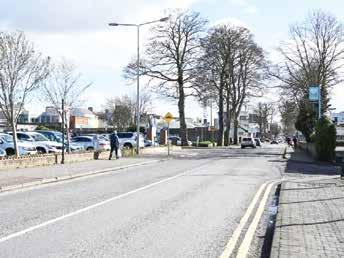
being replaced with a more modern less invasive barrier,” explained the engineer in his

to
due to start in the third quarter of this year.

1—What American city has dyed its river green every St. Patrick’s Day since 1962?
2—Augustus was the first Emperor of which city?
3—What was author Hermann Melville’s most famous novel?
4—Who was President of Ireland when the Ireland soccer team qualified for the 1990 World Cup in Italy?
5—Can you name two former bars that were located at Seatown Place that are no longer trading?
6—President Abraham Lincoln was assassinated, the Titanic ship sank and William Shakespeare died? All those events happened in which month?
7—What age was Madeleine McCann when she disappeared from her bed in a holiday apartment in

Portugal, on the evening of 3 May 2007?
8—Which dynasty built most of the Great Wall of China that exists today?
9—Can you name the two streetwise cops who bust criminals in their red-andwhite Ford Gran Torino in a US TV series aired between 1975 and 1979?
10—What is the study of earthquakes called?
Stinker—Can you name the seven living people who have served as Taoiseach in Ireland?
—THIS WEEK’S ANSWERS—
9—Starsky and Hutch, 10—Seismology.
6—April, 7—Three years old, 8—Ming
5—Windmill Bar and The
1—Chicago, 2—Rome, 3—Moby Dick, 4—Patrick


FIVE of County Louth’s leading golf clubs — Ardee, County Louth, Dundalk, Greenore and Seapoint — have come together to launch the inaugural WAGR Louth County Close Junior Championships. The championship will provide junior golfers across the county with the opportunity to earn World Amateur Golf Ranking (WAGR) points in the U19 Boys and U20 Girls divisions through a 54hole stroke play competition.
Schedule: U19 Boys: Greenore (17 Aug), Ardee (18 Aug), Baltray final (20 Aug); U20/16 Girls & U15 Boys: Dundalk (10 Aug), Seapoint (19 Aug), Baltray final (20 Aug).
Max Handicap Boys
U19 28 / Boys U15 36 / Girls 45 A cut will apply after 36 holes, with all divisions concluding with a final round at County Louth Golf Club.
Registration now open. €30 per competitor, and players must be a jun-

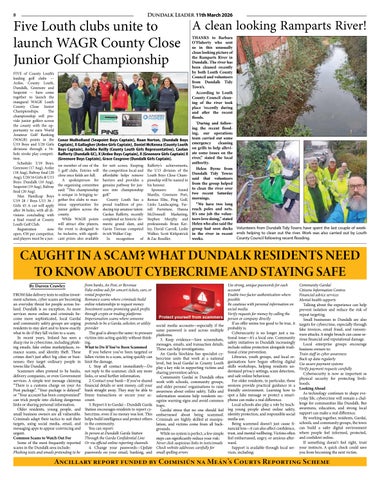
Conor Mulholland (Seapoint Boys Captain), Roan Norton, (Dundalk Boys Captain), X Gallagher (Ardee Girls Captain), Daniel McKenna (County Louth Boys Captain), Aoibhe Reilly (County Louth Girls Representative), Caolan Rafferty (Dundalk GC), X (Ardee Boys Captain), X (Greenore Girls Captain) X (Greenore Boys Captain), Grace Cosgrove (Dundalk Girls Captain).
ior member of one of the 5 golf clubs. Entries will close once fields are full.
A spokesperson for the organising committee said: “This championship is unique in bringing together five clubs to maximise opportunities for junior golfers across the county.
While WAGR points will attract elite players, the event is designed to be inclusive, with significant prizes also available
for nett scores. Keeping the competition local and affordable helps remove barriers and provides a genuine pathway for juniors into championship golf.”
County Louth has a proud tradition of producing top amateur talent.
Caolan Rafferty, recently completed an historic domestic grand slam, and Gavin Tiernan competed in teh Walker Cup. In recognition of
Rafferty’s achievements, the U15 division of the Louth Boys Close Championship will be named in his honour.
Sponsors: Anord Mardix, Greenore Port, Remax Elite, Ping Golf, Links Landscaping, Farrell Furniture, Hanna McDonnell Marketing, Stephen Murphy and professionals Brian Kerley, David Carroll, Leslie Walker, Scott Kirkpatrick & Zac Rouiller.
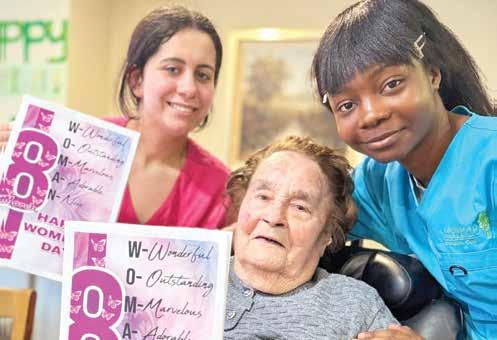
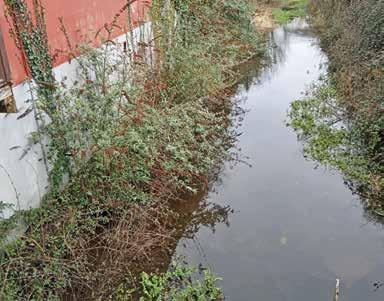
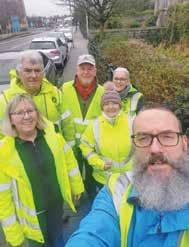
THANKS to Barbara O’Flaherty who sent us in this unusually clean looking picture of the Ramparts River in Dundalk. The river has been cleaned recently by both Louth County Council and volunteers from Dundalk Tidy Town’s.
According to Louth County Council cleaning of the river took place ‘recently during and after the recent floods.
‘During and following the recent flooding, our operations team carried out some emergency cleaning on grills to help alleviate some issues on the river,” stated the local authority.
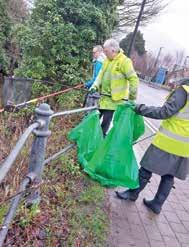
Helen Byrne from Dundalk Tidy Towns said that volunteers from the group helped to clean the river over two recent Saturday mornings.
“We have two long reach poles and nets. It’s one job the volunteers love doing,” stated Helen who also said the group had seen ducks in the river in recent weeks.
By Darren Crawley
FROM fake delivery texts to online investment schemes, cyber scams are becoming an everyday threat for people across Ireland. Dundalk is no exception. As more services move online and criminals become more sophisticated, local Gardaí and community safety groups are urging residents to stay alert and to know exactly what to do if they fall victim to a scam. In recent years, Ireland has seen a sharp rise in cybercrime, including phishing emails, fake online marketplaces, romance scams, and identity theft. These crimes don’t just affect big cities or businesses; they target ordinary people in towns like Dundalk.
Scammers often pretend to be banks, delivery companies, or even Government services. A simple text message claiming “There is a customs charge on your An Post package”, “Your package is delayed” or “Your account has been compromised” can trick people into clicking dangerous links or sharing personal information. Older residents, young people, and small business owners are all vulnerable. Criminals adapt their tactics to suit their targets, using social media, email, and messaging apps to appear convincing and urgent.
Common Scams to Watch Out For Some of the most frequently reported scams in the Dundalk area include: Phishing texts and emails pretending to be
from banks, An Post, or Revenue
Fake online ads for concert tickets, cars, or rental properties
Romance scams where criminals build online relationships to request money Investment scams promising quick profits through crypto or trading platforms Impersonation scams where someone pretends to be a Garda, solicitor, or utility provider
The goal is always the same: to pressure victims into acting quickly without thinking.
What to Do If You’ve Been Scammed
If you believe you’ve been targeted or fallen victim to a scam, acting quickly can limit the damage.
1. Stop all contact immediately—Do not reply to the scammer, click any more links, or send further information.
2. Contact your bank—If you’ve shared financial details or sent money, call your bank straight away. They may be able to freeze transactions or secure your account.
3. Report it to Gardaí—Dundalk Garda Station encourages residents to report cybercrime, even if no money was lost. This helps build intelligence and protect others in the community.
You can report: In person at Dundalk Garda Station Through the Garda Confidential Line Or via official online reporting channels
4. Change your passwords—Update passwords on your email, banking, and

social media accounts—especially if the same password is used across multiple platforms.
5. Keep evidence—Save screenshots, messages, emails, and transaction details. These can help investigations.
An Garda Síochána has specialist cybercrime units that work at a national level, but local Gardaí in County Louth play a key role in supporting victims and sharing prevention advice.
Community Gardaí in Dundalk often work with schools, community groups, and older persons’ organisations to raise awareness about online safety. Talks and information sessions help residents recognise warning signs and avoid common traps.
Gardaí stress that no one should feel embarrassed about being scammed. Criminals are highly skilled at manipulation, and victims come from all backgrounds.
While no system is perfect, a few simple steps can significantly reduce your risk: Never click suspicious links in texts/emails Check website addresses carefully for small spelling errors
Use strong, unique passwords for each account
Enable two-factor authentication where possible
Be cautious with personal information on social media
Verify requests for money by calling the person or company directly
If an offer seems too good to be true, it probably is.
Cybersecurity is no longer just a national issue—it’s a local one. Community safety initiatives in Dundalk increasingly include online protection alongside traditional crime prevention.
Libraries, youth groups, and local organisations have begun offering digital skills workshops, helping residents understand privacy settings, scam detection, and safe online behaviour.
For older residents, in particular, these sessions provide practical guidance in a friendly environment. Learning how to spot a fake message or protect a smartphone can make a real difference.
Local schools also play a role by teaching young people about online safety, identity protection, and responsible social media use.
Being scammed doesn’t just cause financial loss—it can also affect confidence, trust, and mental wellbeing. Victims often feel embarrassed, angry, or anxious afterward.
Support is available through local services, including:
Citizens Information Centres
Financial advice services
Mental health supports
Talking about the experience can help prevent isolation and reduce the risk of repeat targeting.
Small businesses in Dundalk are also targets for cybercrime, especially through fake invoices, email fraud, and ransomware attacks. A single breach can cause serious financial and reputational damage.
Local enterprise groups encourage business owners to:
Train staff in cyber awareness
Back up data regularly
Use secure payment systems
Verify payment requests carefully
Cybersecurity is now as important as physical security for protecting livelihoods.
As technology continues to shape everyday life, cybercrime will remain a challenge for communities like Dundalk. But awareness, education, and strong local support can make a real difference.
By working together, residents, Gardaí, schools, and community groups, the town can build a safer digital environment where people feel informed, protected, and confident online.
If something doesn’t feel right, trust your instincts. A quick check could save you from becoming the next victim.

DUNDALK Active Retirement will meet again this Monday (16th March) in the Lisdoo Bar and Restaurant for lunch at 1:30pm and music afterwards. €13 at the door. All welcome.
WOULD you be interested in a CARELINK ALARM SYSTEM in case of any emergency in your home? The cost, installation and monitoring fee are covered by Task Community Care. Enquiries : Laurena, Saint Vincent De Paul.
SUNDAY – May 31, 2026 - The Synod of Bishops in Ireland is set to take place on May 31, 2026, at Knock Shrine. Bus will depart from Dundalk. Chief Celebrant & Homilist: Most Rev. Eamon Martin. Enquiries Laurena 0851833110.
DUNDALK Dog Rescue are holding their Annual Quiz in the Lisdoo Bar on Friday 20th March. This is their first big Fundraiser of 2026 and has proven to be a very enjoyable night. The funds raised will be used in the running of their New Rescue Centre in Dromiskin on expenses like food, electricity & vet bills.
Tables of 4 are at a cost of €10 per person. There will be a Super Raffle with lots & lots of prizes plus the ever popular envelope game. Refreshments will also be served, start time 8.30pm.
THE Louth Gardeners and Growers Collective are inviting everyone to their first Beo Spring Garden Fair on the auspicious date of Saturday 21st March!
The Spring Fair takes place in Cooley Hall A91 DD1F and runs from 10.30am to 4.00pm. What started off as an idea to offer locally grown plants has expanded into an all-day family event with 25 stalls and two guest speakers.
Local gardening expert Dominica McKevitt, Head Gardener of Ardgillan Castle, will give a Seed Sowing Demo in the morning at 11.30am, followed by a talk from well-known Galway Organic Farmer Kenneth Keaveney of Green Earth Organics at 2pm.
Stalls at the Fair include crafts, home baking, jams, preserves, honey, herbal products, garden products, Muchgrange Farm Gelato, natural skincare products, vintage jewellery, ceramics, knitwear and of course locally grown plants, seed potatoes, seeds, herbs, flowers and native trees.
There will also be a raffle and an opportunity to join the Louth Gardeners & Growers Collective or to renew membership for 2026 and meet up with fellow gardeners and growers. Maggie’s Kitchen will be providing a range of drinks, soup and their delicious traybakes inside the hall.
Admission and parking are free of charge and everyone is very welcome. Cash is recommended on the day. Many thanks to Louth County Council for their support with the Fair. Find the Louth Gardeners & Growers Collective on Social Media for more information.
ATTENTION LANDLORDS—We supply furniture & Beds for any rental properties you have. Beds from €180, Bedroom Furniture Sets from €249 Call us today www. bedstore.ie, Coes Rd, Dundalk Tel 042 932 0927.
LARGE BEDROOM with private Bathroom available to rent. Separate Kitchen and living room available from main house. 1 owner. May suit student, Carrick road, Dundalk, 6 minutes walk to train station Tel 087 9536395.
WOODCHIPPER FOR SALE—All new parts. Reconditioned engine, Starter, Alternator. New Bearings. €8000.00 ONO. Contact 087 0951030. Also option to hire out machine.
CHIMNEY & STOVE CLEANING—Tel Paul McArdle 087 6660094 / 042 9332491 Email:tribalky@yahoo.com.
CHIMNEY CLEANER—The Clean sweep, clean & tidy, no dust. Brush & Vac. Also gutter cleaning. Contact - Cathal 087-2259799.
ADVERTISE YOUR SERVICE to over 60,000 readers for only €5 per week up to 20 words Phone Dundalk Leader 042 932 0888.
WE CAN DISTRIBUTE your leaflets from €75 + vat per thousand Phone Dundalk Leader 042 932 0888.
GRIMLEY’S DUBLIN ST. DUNDALK—
Televisions, TV aerials, satellite, Freeview & Saorview, new installations, sales, service & repairs. Free estimates 042 935 4343.
DUNDALK GARDEN SERVICES—Tree topping, felling, hedge trimming, grass cutting & strimming. Rubbish Removals/ Garage clearance, House & Garden refuse. Permit holder. Contact—Ben 085-8407707.
FORTUNE TELLER—Available for appointment, private or group bookings. Tel. Alison 042 933 5102 or 087-67-51229.
ROOF LEAKS MASTER—We repair all types of roof/tile, slate, bangor blues. Repair torch on roofs, scrape & clean, chimneys & chimney pots, chimney bird guards, gutter facia & soffits. All work guaranteed, 25 years experience. Tel. 086 8184827.
CARPENTRY & JOINERY—Maintenance and repairs, roofing, 1st & 2nd fix carpentry, sash window repairs. No job too big or small. Contact Seandon Carpentry 087 298 5110.
MOBILE HOME TRANSPORT—Transported throughout 32 Counties. Contact Eugene 086-607-1702.
CARPET & OVEN CLEANING—Carpet, upholstery & specialist oven cleaning available. Call MVI Cleaning Dundalk on 042 94 21300 or visit www.mvicleaning.ie.
TAKE THE HASSLE OUT of your garden. I do it all. Grass cutting, Hedge Cutting, Weeding, Strimming, Power washing, Gutter Cleaning, Fence Painting, General DIY, Flat Pack Assembly, Removals. Contact Catriona 087 3172109.
ROOFING AND BUILDING contractor available. Repairs and new builds. Fully insured. Contact Mark Carney on 087 1302040 for enquiries.
TREE SERVICES—Tree surgery, stump grinding, wood chipping & pruning. Conifer hedge reduction and ash die back removal. Fully Insured & Certified. Contact Chambers on 087 2750825 Email rchambers2008@yahoo.ie.
EXPERIENCED CARPENTER AVAILABLE—Free quotes available. Services include Doors, Locks, Flooring, Skirting, Damp and Leak Repairs, Architraves, Built in Units, Roofing, Fencing, Side gates, Partician Walls and Plasterboarding. Any small Jobs also included. Contact Mark 083 4162364.
MAN WITH A VAN—Hedges, tree topping, painting, facia & Soffit, patios, concreting, garage clear-outs, outside taps. Call Kevin for a free & honest quote 0894016728.
PAINTING SERVICES AVAILABLE—Interior and exterior plus Wallpapering, also sprayed and hand painted kitchens, all work carried out by professional trades men. Tel Brian 087 7558506.
PROPERTY MAINTENANCE—Repairs, building, plumbing, painting, roof repairs, tiling, bathroom refurbishments, plastering, gardening, power washing, PVC facia and soffits, Over 20 yrs experience. References available. Whatsapp or Tel 085-7623758 for quotation.
HEDGE CUTTING—Tree pruning, general garden maintenance & clearance, power washing & gutter cleaning. Lawns cut large and small in Darver and surrounding areas. Contact 087 2296441.
ALL-IN-ONE property maintenance, painting & decorating, general building maintenance carried out, domestic or commercial, gutter cleaning, dust free sanding, no job too big or too small, quality but affordable, contact Ian 0874158238.
CHARA COUNSELLING—20 years’ experience, currently taking appointments. Supporting you with emotional intelligence for relationship issues, your mental health, grief, all addictions & past traumas. For a strictly private consultation call Martin today on 083 3402766.
REIKI VISIONS—Tera Mia Reiki and Seichem Master. Book your treatment today. Call or Whatsapp Sean on 087 4580129.
CARPET AND UPHOLSTERY CLEANING—Trusted for over 30 years. Expert care, sparkling results. Call Patrick on 0872492325 or visit www.carpetcleaningservices.ie ‘February Sale Now On’.
PAT THE PAINTER—Indoor & outdoor decorating. Wallpapering, Power Washing, Picture, Mirror and Curtain Pole Hanging, Painting Kitchen Units & Furniture, DIY. Free quotations Email patthepainter1@ gmail.com Mob 087 2951047.
DMC GARDEN Maintenance services. Hedges, shrub trimming, shaping or removal. Large lawns mowed ride on mower, strimming, weeding beds, moss removal, demolition and removal of old sheds, fencing etc and more. All works to a very high standard at keen rates. For free quote please call 087 7019178.
PLUMBER AVAILABLE—Bathroom renovations, Oil Boiler fitting and servicing, Attic Tanks and cylinder replacements. Can also install inside and outside taps etc etc. No Job too small. Contact Paul on 086 8897989.
ALL SEASONS GARDENING SERVICES—
Gardens cleaned and cleared, tree felling, hedge cutting, stone, gravel, chippings. Steam cleaning roofs & driveways. Roof repairs. Local, professional, fully insured Tel Sean 087 349 5477.
KINGFISHER INDEPENDENT PAINTER & Decorator, Interior & Exterior Painting, wallpapering. Clean, punctual & professional, fully insured, over 30 years’ experience Tel 083 838 0846.
LOCAL POWER WASHING—No job too big or too small. Patios, driveways, walls, also grass cutting, gutter cleaning and furniture removals, recycling or rubbish removals. Contact James 0862086141. for free quotation.
WILL’S GARDENING—Power and pressure washing, hedge cutting, strimmimg, gutter cleaning, house and furniture removals. Tel 089 9531751.
BLACK VAN Handy Man Services. No job too big or too small. Hedge cutting, pressure washing, gutter cleaning. Furniture & rubbish removals Tel 087 4464960.
CARPET AND UPHOLSTERY Cleaning services. Keen Rates. Contact Michael 086 8603089.
Local Painting Services, Interior & Exterior Painting. Kitchen Cabinet & Furniture Painting. Renew your Kitchen with a fresh look. Domestic/ Commercial & Industrial. For a professional, reliable service Tel 085 7280503.
GET FIT the fun way and learn to dance, the Waltz, Quickstep, Foxtrot and Jive, now taking place in the Lisdoo, Dundalk Tuesday’s from 8pm - 10pm, no partner required. First wedding dance lessons and private lessons also available. Contact 086 357 3271 for further information.
DRUM LESSONS INCLUDING BODHRAN—For adults & children aged 8 years upwards. One to one lessons. Phone 087 414 4228.
FRENCH GRINDS available for Junior and Leaving cert, All levels. Individual and small group options. Tel 086 8723340.
PERSON REQUIRED for help with weekly light housework. Flexible days and times available. Dundalk area. Preferably 2 hours twice a week. Please contact 087 9974770.
LOUTH COUNTY COUNCIL—I, Martin
Toner, intend to apply for permission for development at this site at Spellickanee, Riverstown, Dundalk, Co. Louth. The development will consist of changes to the dwelling approved under application 2560074, the demolition of existing sheds, the demolition of elements of the existing dwelling, the construction of a new single storey extension to the northeast of the existing dwelling, internal and external alterations to the existing dwelling including a new front porch and the provision of a new septic tank and percolation area together with all associated site development works. All other aspects of the development to remain as previously approved under application 2560074. The planning application may be inspected or purchased at a fee not exceeding the reasonable cost of making a copy, at the offices of the Planning Authority during its public opening hours. A submission or observation in relation to the application may be made in writing to the planning authority on payment of the prescribed fee, €20, within the period of 5 weeks beginning on the date of receipt by the authority of the application, and such submissions or observations will be considered by the planning authority in making a decision on the application. The planning authority may grant permission subject to or without conditions, or may refuse to grant permission. Signed: McMahon McBennett - 0879970027 / info@ mcmahonmcbennett.com.
LOUTH COUNTY COUNCIL—I, Gareth Donohoe, intend to apply for Permission for development at 10 St Alphonsus Road, Dundalk, Co. Louth A91 E9D9. The development will consist of: Permission for the revision of the proposed extension approved under planning ref. no. 2560761. The revision includes the increase in floor area of the proposed first floor extension and associated site development works. This planning application may be inspected or purchased at a fee not exceeding the reasonable cost of making a copy, at the offices of Louth County Council, Town Hall, Crowe Street, Dundalk, from 9. 30 am to 4.30 pm Monday to Friday. A submission or observation in relation to the application may be made in writing to the planning authority on payment of the prescribed fee €20.00 within the period of 5 weeks beginning on the date of receipt by the authority of the application, and such submissions or observations will be considered by the Planning Authority in making a decision on the application. The planning authority may grant permission subject to or without conditions, or may refuse to grant permission. Signed: P. Herr & Associates, Block 4, Third Floor, Quayside Business Park, Mill Street, Dundalk, Co. Louth. A91 KA9R. Tel. 042-9330019. Email info@pherr.ie.
LOUTH COUNTY COUNCIL—We, Laurel Hill, Contracts Ltd intend to apply for Full planning permission for Amendments to previously granted planning reference number 22174 at ‘The Orchard’, Dromiskin, Co. Louth. Full permission includes removal of previously granted apartment building containing 6 apartments and replacement of same with 5 number dwelling houses (2 pairs of Semi-detached and 1 Detached dwelling unit). Permission also includes for internal road layout modifications, alteration of position of previously granted Semi-detached dwellings 10-17 and all associated site development works.This planning application may be inspected or purchased at a fee not exceeding the reasonable cost of making a copy, at the offices of Louth County Council from 9.30am to 4.30pm Monday to Friday. A submission or observation in relation to the application may be made to the Authority in writing within a period of 5 weeks from the date of receipt by the Authority of the application and on payment of the prescribed fee of €20.00.
LOUTH COUNTY COUNCIL—I, Noel Kearney, intend to apply for retention permission for development consisting of a rear extension to existing dwelling house and retention of as constructed alterations to previously granted planning application ref no. 02369 and all associated site development works at Haynestown, Dundalk, Co. Louth. The planning application may be inspected or purchased at a fee not exceeding the reasonable cost of making a copy, at the offices of the planning authority during its public opening hours. A submission or observation in relation to the application may be made in writing to the Planning Authority on payment of the prescribed fee, €20, within the period of 5 weeks beginning on the date of receipt by the Authority of the application and such submissions or observations will be considered by the Planning Authority in making a decision on the application. The Planning Authority may grant permission subject to or without conditions, or may refuse to grant permission.
LOUTH COUNTY COUNCIL—I, Fergus McArdle, intend to apply for Planning Permission for development at Main Street/ Phlás an Ghearlánaigh, Castlebellingham, Co. Louth. The proposed development comprises the construction of 24no. residential units comprising the alteration, extension, refurbishment and subdivision of existing derelict two storey house on Main Street to 2no. 1 bedroomed apartments, 1no. block of Duplex apartments along Main Street comprising 3no. 1 bedroomed apartments and 3no. 3 bedroomed apartments, 1no. block of Duplex apartments comprising 3no. 1 bedroomed apartments and 3no. 3 bedroomed apartments, 1no. block of Duplex apartments comprising 5no. 2 bedroomed apartments and 5no. 3 bedroomed apartments and all ancillary and associated site development works including site clearance works, new vehicular entrance off Phlás an Ghearlánaigh, new pedestrian access of Main Street, car parking spaces, communal open space area, cycle parking, bin storage, hard and soft landscaping and boundary treatment works. The proposed development will also include amendments to the previous planning permission ref: 21187 currently under construction to include revisions to road layout adjacent apartment Block No. 2. and all ancillary and associated site development works. This planning application may be inspected or purchased at a fee not exceeding the reasonable cost of making a copy, at the offices of Louth County Council from 9.30am to 4.30pm Monday to Friday. A submission or observation in relation to the application may be made to the Authority in writing within a period of 5 weeks from the date of receipt by the Authority of the application and on payment of the prescribed fee of €20.00. LOUTH COUNTY COUNCIL—I, Anthony Kearon, intend to apply for Permission for development at 3A Seaford Gardens, Blackrock, Co. Louth A91 PP40. The development will consist of: Revision of a proposed extension and alterations to an existing dwelling house previously approved under planning ref. no. 24/18 and associated site development works. This planning application may be inspected or purchased at a fee not exceeding the reasonable cost of making a copy, at the offices of Louth County Council, Town Hall, Crowe Street, Dundalk, from 9. 30 am to 4.30 pm Monday to Friday. A submission or observation in relation to the application may be made in writing to the planning authority on payment of the prescribed fee €20.00 within the period of 5 weeks beginning on the date of receipt by the authority of the application, and such submissions or observations will be considered by the Planning Authority in making a decision on the application. The planning authority may grant permission subject to or without conditions, or may refuse to grant permission. Signed: P. Herr & Associates, Block 4, Third Floor, Quayside Business Park, Mill Street, Dundalk, Co. Louth. A91 KA9R. Tel. 042-9330019. Email info@pherr.ie.
Fuel Allowance extended to those in receipt of the Working
FIANNA Fáil TD Erin McGreehan has welcomed the extension of the weekly Fuel Allowance payment to those in receipt of the Working Family Payment.
Deputy McGreehan said that 2,100 families in Louth are set to benefit from the change, with approximately 50,000 families expected to benefit nationwide.

Fuel Allowance is a weekly payment of €38 that helps with the cost of heating homes during the winter months and is paid to one person in each household. The first payment will issue on Thursday March 12th and will be backdated to January 1st. For those who were receiving the Working Family Payment before January 1st, this will mean a back payment of €380.
Speaking on the announcement, Deputy McGreehan said:
“For the first time, 50,000 families who were in receipt of the Working Family Payment will now qualify for Fuel Allowance support.
“This means thousands of hardworking families will receive help with their energy bills.
“For many, the cost of energy remains a concern given the current uncertainty in the Middle East, and this backdated payment will provide those who need it most with consistent weekly support.”
HUB 21 in Carrickmacross is proud to launch a powerful new exhibition “Grow. Thrive. Shine” of specially commissioned photographs celebrating its service users — children and young people with Down syndrome from across the North East, including Cavan, Monaghan, Louth, Meath, Armagh and beyond.
The exhibition features a striking series of portraits by local photographer Dalia Guzauskaite, who was tasked with capturing the unique beauty, personality and spirit of each child. The resulting images are joyful, moving and full of character — an authentic celebration of confidence, individuality and belonging.
Speaking of the new exhibition, Caitriona Crosby, Manager of Hub 21 said: “This exhibition is more than a portrait series — it is a celebration of identity, inclusion and the vibrant personalities that make up the Hub 21 community. Timed to coincide with World Down

Syndrome Day, it offers a meaningful opportunity to highlight the voices, talents and achievements of children and young people with Down syndrome across the region. “
The exhibition will officially launch on the evening of Monday, 9th March, and will run until 31st March,

marking and complementing World Down Syndrome Day on 21st March. Media access, preview opportunities and interviews can be arranged in advance of the launch.

Inspiring Guest Speaker Guest speaker on the evening will be Mei Lin Yap, the first person in Ireland with an intellectual disability to receive an honorary doctorate. A passionate advocate for inclusion and breaking down barriers, Mei Lin’s powerful story continues to inspire communities nationwide. The exhibition will run at the Civic Centre, Carrickmacross, until 31st March.
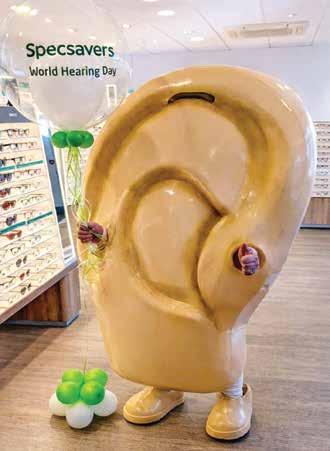
SPECSAVERS Dundalk, a cornerstone of the community since its opening in 2004, continues its dedication to providing expert eye and ear care services. As World Hearing Day was celebrated on March 3rd, Specsavers Dundalk continues its commitment to audiology health, reminding all Dundalk residents to consider their hearing health and the benefits of regular check-ups.
Hearing loss can not only affect your overall health and wellbeing, it can also impact how you communicate with those around you like family, friends, and work colleagues. As 1 in 6 people in Ireland now experience a form of hearing loss, Specsavers Dundalk were proud to encourage the local community to put their hearing health first on World Hearing Day.
Since opening its doors in 2004, Specsavers Dundalk has experienced significant and impressive growth.
Founded by Martina Kelly, who remains a Partner Di-
rector today alongside Tomas Mulholland, Ophthalmic Director, and Paula Owens, Audiology Director, the store has expanded its team from an initial 7 employees to a thriving workforce of 43 dedicated professionals. This expansion is also evident in its facilities, moving from a single optical test room to five state-ofthe-art optical testing rooms and two dedicated audiology rooms.
Audiology services were introduced to the Dundalk store in 2007, demonstrating a long-standing commitment to comprehensive hearing care. Today, the audiology team, led by Audiologist Director Paula Owens, includes Niamh McMahon, Hear Care Assistant, Orla Carr, Hearing Aid Audiologist, and Thomas Connolly, Audiology Practitioner, offering expert advice and advanced hearing solutions. The longevity of members of the team, including Martina Kelly Partner Director, Gaven Oliver, Lab Manager, and Christina Myles, Of-
fice Manager, who have been with the store since its opening, highlights the experi-
enced team that serves a large base of loyal customers, many of whom have trusted Spec-
Dundalk with their eye care for well over a decade.
Martina Kelly, Optometrist Director and founding partner of Specsavers Dundalk, reflects on the store’s journey: “Since opening our doors in 2004, our mission has been to provide accessible, expert eye and hearing care. We’ve seen incredible growth over the years, thanks to the dedication of our fantastic team and the trust of our loyal customers.”
This year on World Hearing Day, Specsavers Dundalk placed a strong emphasis on the importance of regular hearing checks. “It’s easy to overlook our hearing, but it plays such a crucial role in our daily lives and overall well-being,” says Paula Owens, Audiologist Director. “Beyond the immediate impact on communication and quality of life, untreated hearing loss is, in fact, the largest modifiable risk for dementia in later life. World Hearing Day highlighted to everyone, regardless of age, to consider their hearing health. Early
detection of hearing loss can make a significant difference, and we encourage everyone to take advantage of Specsavers Dundalk’s free hearing tests. We are proud to offer comprehensive audiology services and can help individuals understand their PRSI entitlements towards hearing aids.” Committed to always ensuring accessible eyecare, Specsavers Dundalk highlights that your PRSI contributions could entitle many employed and self-employed individuals to a complimentary hearing test and allow thousands of eligible people access to free or discounted ear care services, and up to €1000 towards your hearing aids. To speak with their expert audiology team about any concerns, for more information, or to make an appointment, please call (042) 932 6806 or visit https://www. specsavers.ie/stores/dundalk.



































For a free no obligation quotation
Callsave: 1850 774455 Tel. 042 9333513
Web: www.senatorwindows.ie Email. senatordundalk@gmail.com
Or Visit our Showrooms on Ard Easmuinn Road, Dundalk. Eircode: A91 N5FN. OPENING HOURS Monday-Friday 9- 5 After hours by appointment




BROWNE
Ian
Seventh Anniversary of my dear son, Ian, which occurs on Saturday, 14th March.
My Son
I can’t believe it’s seven long years, Since I’ve seen you Ian, my Son, Everyday is a struggle without you,
And I can’t wait until my day is done.
You are in my thoughts everyday,
And that’s how it will always be, You may be up in Heaven now,
But you will always be with me.
If only I could have the chance, To see your face once more, Or to hear your voice for one final time,
Just like it was before.
The day that Heaven calls me, Will be a relief from all this pain, I will run to you Son, with open arms,
I can’t wait to see you again.
—Loved and missed every single day by your heart-broken Mam. Forever 25. XXXXX. Grandson
I often sit and think about, The years that have passed by, And of the happiness and joy, That was shared by you and I.
I think of all the laughter,
The smiles and all the fun,
And before I even know it,
My tears have once again begun.
For although it brings me comfort,
To walk down memory lane, It reminds me how without you,
Life will never be the same.
—Always loved and never forgotten by your Da Fra and Olivia. XXX.
Nephew/Cousin
May the winds of Heaven whisper, Softly in your ear, How much we love and miss you
Ian,
And wish you were still here.
—Loved and remembered every day by Auntie Niamh, Paul, Deane, Aoibheann, Sean and Liam. XXXXXX.
Nephew/Cousin
Sometimes life feels empty, Nothing can take your place, We wish we could still hear your voice Ian,
And see your smiling face.
—Missing you so much Ian, from Auntie Milanda, cousins Patrick, Grace, Naomi, Mandy and Nathan. XXXXXX.
Nephew /Cousin
Those we love don’t go away, Ian still walks beside us everyday, Unseen, unheard but always near, Still loved, still missed, on this seventh year.
—Loved and remembered everyday by Uncle Alan and Fionn. XXXX.
Anniversary Mass for Ian will be held on Saturday, 14th March, at 6pm, in St Joseph’s Church, Fatima.

KELLY Madeline
BIRTHDAY REMEMBRANCE
Birthday remembrance of my dear niece Madeline. Happy Heavenly Birthday from your Aunty Marie and family. —Love and miss you always.
NOVENA TO THE SACRED HEART
Dear Heart of Jesus, in the past I asked you for many favours. This time, I ask for this special favour (mention it). Take it, dear Heart of Jesus and place it within your own broken heart, where your Father sees it. Then in His merciful eyes, it will become your favour, not mine. Amen. Say this prayer for three days. Promise publication and favours will be granted. (Never known to fail).
P.M. NOVENA TO THE SACRED HEART
Dear Heart of Jesus, in the past I asked you for many favours. This time, I ask for this special favour (mention it). Take it, dear Heart of Jesus and place it within your own broken heart, where your Father sees it. Then in His merciful eyes, it will become your favour, not mine. Amen. Say this prayer for three days. Promise publication and favours will be granted. (Never known to fail).
A.D.
NOVENA TO THE SACRED HEART
Dear Heart of Jesus, in the past I asked you for many favours. This time, I ask for this special favour (mention it). Take it, dear Heart of Jesus and place it within your own broken heart, where your Father sees it. Then in His merciful eyes, it will become your favour, not mine. Amen. Say this prayer for three days. Promise publication and favours will be granted. (Never known to fail). B.F.

By Svajunas Sabaliauskas
SVAJUNAS Sabaliauskas is currently doing a VTOS course in LMETB. VTOS (Vocational Training Opportunities Scheme) offers free, second chance education and training to adults in a supportive learning environment. It caters for adults over 21 (or their dependent spouses) who have been in receipt of a specific social welfare payment or signing for credits for at least 6 months.
VTOS offers full -time courses which help learners to develop skills for employment or Further/Higher Education. It can also prepare learners for a new career or a career change. Learn-
ers gain certification at QQI Levels 3, 4 and 5 and retain their social welfare entitlements while on the course.
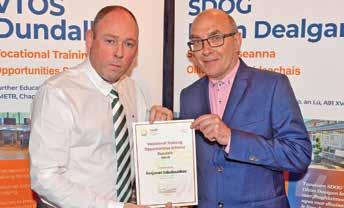
Svajunas conducted an interview with Gareth Savage, VTOS co-ordinator for the LMETB to find out a bit more about what VTOS has to offer.
Gareth, if you could explain briefly: what is VTOS?
It is a return to education programme run by LMETB for adults over 21, who want to study a QQI course full time. This can be at Level 3, 4 or 5, or an ICDL module. All learners can keep any welfare payment they are currently receiving when they study with us, so there is no financial barrier.
How many students are currently studying there, and which countries do they come from?
45 learners currently study
with us. They come from Ireland, Ukraine, Lithuania, Syria, Somalia, Latvia, Nigeria, Iraq, Spain and Brazil.
joy their time here achieving what they want to.
You both run the school and teach. Which role is closer to your heart – being a manager or being a teacher?
I like both now. Having the time to prepare and teach is difficult at times, but organising the courses and new meeting learners is always enjoyable.
What is your vision for VTOS?
To keep the course running for as long as possible and for learners to come and enjoy their time studying with us, and achieve their learning goal when here.
Why should people choose VTOS?
THE senior quiz team of St Francis National School Blackrock will be competing in the national final of the Credit Union Quiz at the RDS Dublin on 19th April.
The team came first in the local competition organised by Connect Credit Union, held at The Fairways hotel in Dundalk in February. They progressed to the Chapter Credit Union (Regional) stage of the competition held at Threemilehouse, Monaghan last weekend. Following this exciting regional final, St Francis NS emerged as overall winners on the day, securing qualification for the national final in April.
The four pupil team includes Gerard Lynn, Seth Connolly, Fintan Birmingham and Sebastian Blossom Palimattam Roland and they were accompanied to the event by their families and their teacher, Mr David Sheppard, who coaches the St Francis Quiz Team.
Speaking after the event, Mr Sheppard, congratulated all participating schools and praised the dedication of the pupils along with the support of their parents. He also highlighted the value of the quiz in encouraging learning, confidence and collaboration among young people in

a fun and engaging environment.
“As a school we have a cohort of twelve pupils on our various quiz teams and they get together once a week at lunchtime for quiz practice. Over the past two years, in particular, the various teams have enjoyed several successes but this is the first time a team from St Francis NS has made it to the national final of the Credit Union quiz. We commend all these pupils for supporting and encouraging each other”.
Norman McDonnell, CEO of Connect Credit Union, said:
“Having hosted the local stage
of the Credit Union Quiz with schools from across the county, it’s fantastic to see St Francis NS go all the way through to the national final. We’re very proud to see them representing our community and wish them the very best of luck in the RDS.”
Over 25,000 students from schools across the island participle in local and regional rounds of the Credit Union Quiz. It is anticipated that the final next month will include 90 qualifying school quiz teams.
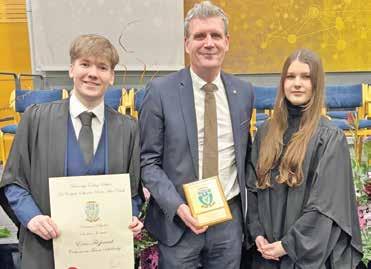
EVAN FITZPATRICK & SOFIA SLESERE RECOGNISED AT UCD CEREMONY
Marist Class of 2025 students Evan Fitzpatrick & Sofia
Slesere received UCD entrance scholarships for outstanding academic achievement in the 2025 Leaving Certificate. Proud principal Mr. Alan Craven was in attendance at the UCD entrance awards to congratulate Evan and Sofia.
Is it difficult to teach adults? They are not children, who are naturally curious. How do you motivate adults to learn?
No, we find that learners are happy to be here, as they choose to study with us, and want to learn and improve their education. Returning to study as an adult is a big step to take, but we are very supportive of any learner who comes here and they en-
We are very well located in the town centre, we have great teachers who will help and support learners at all times. They can achieve something that they maybe thought was beyond them and open up a whole new world of possibilities for them.
What are the biggest challenges adult students usually face when they return to education?
Cost, time and thinking it is not for them, or they can’t do it. In all my time working in adult

education I believe that all of these can be overcome, and the place to do that in Dundalk is in VTOS.
Can you share a success story of a VTOS student whose life changed after completing the programme?
One of our recent learners Alla completed Level 3 and 4 with us and then went on to Griffith College and completed a BA Honours in Pharmaceutical Business Operations, we were delighted for her. She is one of many success stories we have had over the years, and we hope there will be many more to follow in the future.
What skills do you think are most important for people today who want to improve their career opportunities?
Ultimately I think it is not about skills, as these can be learned as you go forward, I think the most important thing is to be brave and take that first step in signing up for a course. We have a great advice service called LAEGIS ran by Shan Dillion who can help and advise anyone who wants to study in LMETB.