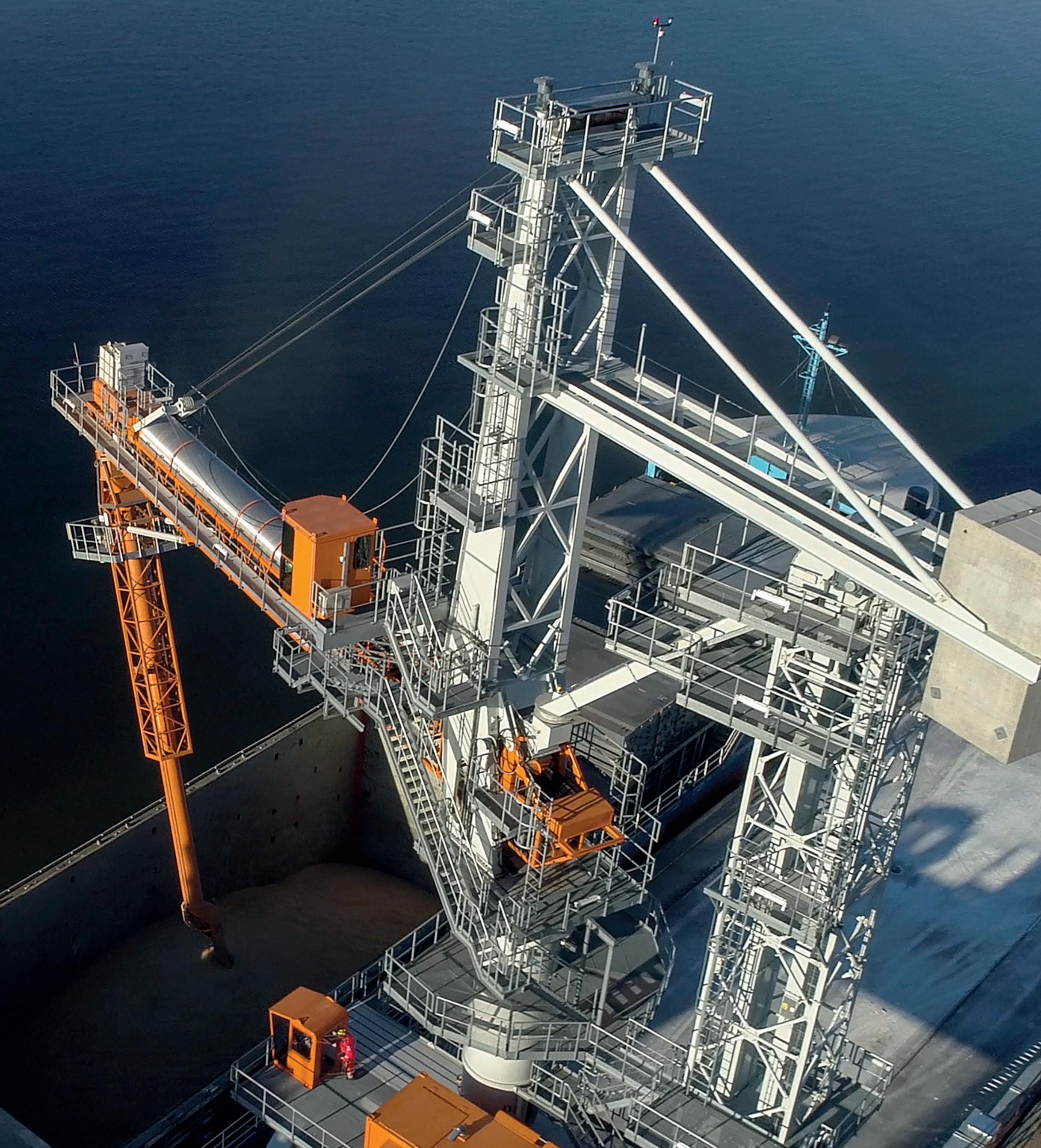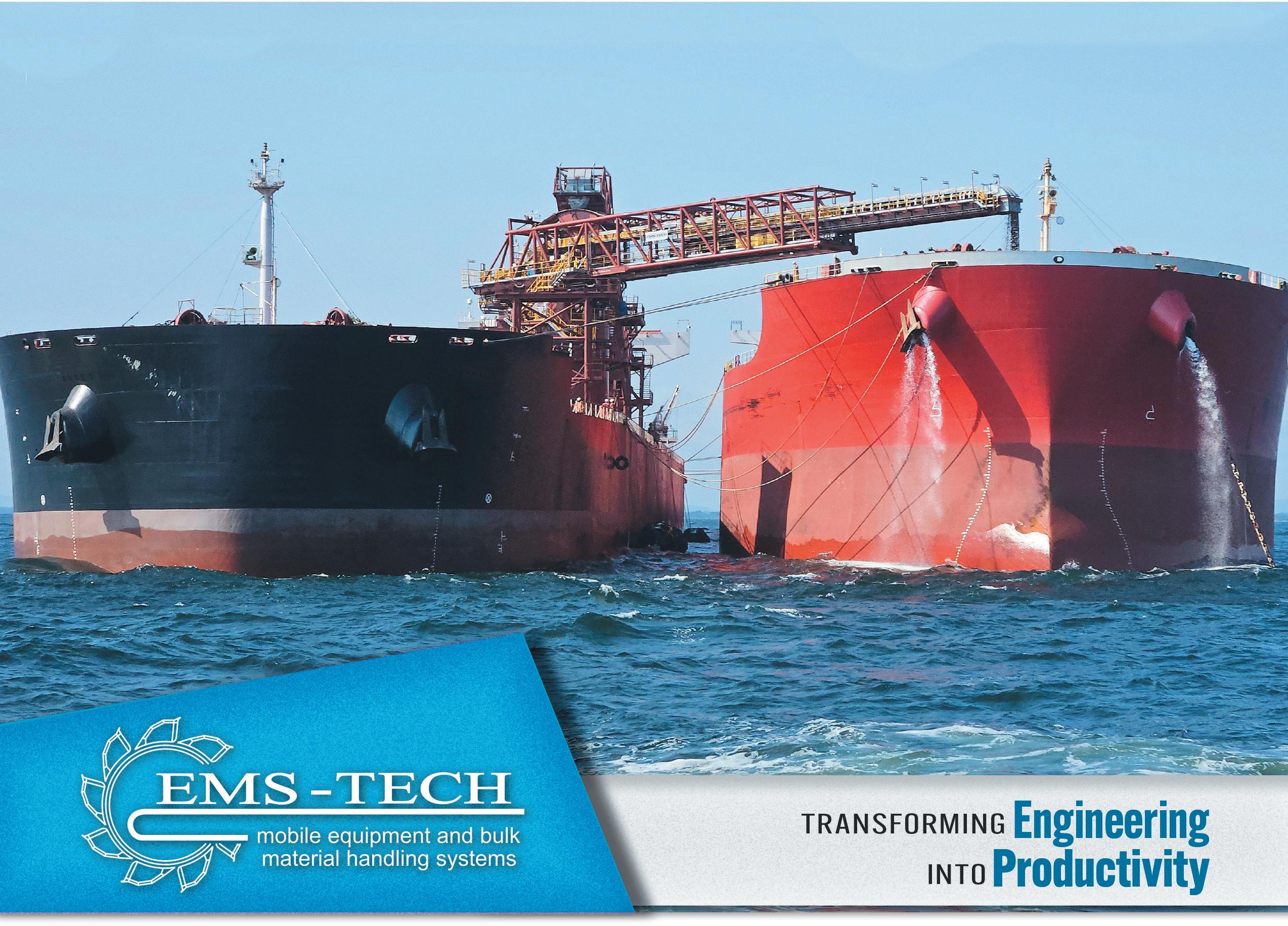
Since 1988 EMS-Tech has been providing world-class bulk material handling solutions onshore and off. EMS-Tech comprises specialists in engineering, design, manufacturing, and management of custom-designed bulk material handling systems. EMS-Tech’s portfolio includes stackers, stackerreclaimers, reclaimers, shiploaders, receiving systems, vessel self-unloading and transshipment systems – Transforming Engineering into Productivity.
EMS-Tech Inc.
E: sales@ems-tech.net
W: www.ems-tech.net
PUBLISHERS
Jason Chinnock jason@dc-int.com
Andrew Hucker-Brown andrew@dc-int.com
EDITORIAL
Louise Dodds-Ely Editor louise@dc-int.com
Jay Venter Deputy Editor editorial@dc-int.com
Samantha Smith Directories directories@dc-int.com
Bernice van Wyk Office Manager accounts@dc-int.com
SALES
Matthew Currin Senior Sales sales2@dc-int.com Executive
Zack Venter Advertisement Sales sales@dc-int.com Executive
CORRESPONDENTS
India Kunal Bose
Europe Barry Cross
UK Maria Cappuccio
UK Michael King UK Richard Scott
ADMINISTRATIVE OFFICE
Business Publishing International Corporate Park, 11 Sinembe Crescent La Lucia Ridge, South Africa, 4051
Tel: +27 31 583 4360
Fax: +27 31 566 4502
Email: info@dc-int.com Twitter: twitter.com/drycargomag
HEAD OFFICE
Trade Publishing International Limited Clover House, 24 Drury Road, Colchester, Essex CO2 7UX, UK
Tel: +44 (0)1206 562552
Email: info@dc-int.com Website: www.drycargomag.com
Twitter: twitter.com/drycargomag
ISSN 1466-3643
Insta: www.instagram.com/drycargointernational
Trade Publishing International Ltd does not guarantee the information contained in Dry
nor does it accept responsibility for errors or omissions or their consequences. Opinions expressed herein are not necessarily those


Events unfolding in recent weeks have caused intensified uncertainty about some aspects of commodity import demand over the period ahead. The potential for global seaborne dry bulk trade growth to improve in 2026 after last year’s weak performance appears to have receded.
Prospects for the world economy and many dry bulk commodity importing countries have become more hazy, with signs of adverse changes which may restrain economic activity. Disrupted energy supplies and higher prices for these implies rising inflation while supply chains more widely face reshaping influences. Negative effects on consumer and business spending could result in setbacks for economic growth rates in numerous countries.
Forecasts of world trade in soyabeans and meal, during the current 2025/26 trade year ending September 2026 have remained positive. According to a midMarch update by the US Department of Agriculture, the total could increase by 9.1mt (million tonnes) or 4%, compared with the previous year’s volume, reaching 266mt as shown in table 1.
Two-thirds of the 2025/26 growth in soyabean and meal trade is expected to be derived from higher imports into Asian countries. Among these, higher purchases by China are predicted, reversing the downturn which occurred in the preceding twelve months. Together with stronger world trade in
wheat plus corn and other coarse grains, the outlook for the segment as a whole still seems positive, despite uncertainty about Middle East regional imports.
Several reports have suggested that global coal import demand could benefit from upheavals in the energy market. Circumstances vary widely among buyers. In some countries there has been a structural depletion of coal consum ption, accompanying removal of coal-fired power stations or coal usage by other industries. Where such a change has already occurred, even a temporary boost for the coal import trend seems unlikely.
Earlier expectations pointed to a further reduction in world seaborne coal trade in 2026, after last year’s 4% decline. Moreover, signs of negative influences persist in a number of importing countries. Nevertheless, it now seems possible that energy security priorities and shortages of other fuels will provide more support for coal consumption than previously envisaged, supporting seaborne movements.
Steel industry trends, and related imports of raw materials — iron ore and coking coal — will reflect any deterioration in economic growth resulting from recent events. Demand in many countries for the products of steel consuming industries could be adversely affected by modified spending patterns
for consumer durables and business capital expenditure.
Estimates of steel output in the early months of this year, not necessarily indicating the annual pattern of progress, were mostly subdued. World Steel Association figures for January and February 2026, compared with last year’s same period, showed that Japan’s crude steel production was flat, while European Union production was 3% lower and China’s volume was down by 4%. By contrast South Korea saw a 3% rise and India’s output rose by 10%.
After a strong performance last year, the outlook for some parts of the diversified minor bulk commodities trade segment has become less predictable. For example, although global import demand for fertilizers, a major component of this category with a seaborne volume last year estimated at about 215mt, probably will remain firmly supported, lower export supplies to the market may cause a reduction in trade.
The Panamax (70–99,999 deadweight tonnes) size group, including Kamsarmax vessels — comprising one quarter of the world bulk carrier fleet — has been growing steadily over the past three years, averaging 3.4% annually as shown in table 2. In 2026, higher newbuilding deliveries are predicted and, assuming that demolition sales remain depressed, fleet growth may accelerate towards 5%.
Clarksons
(historical
& BSA
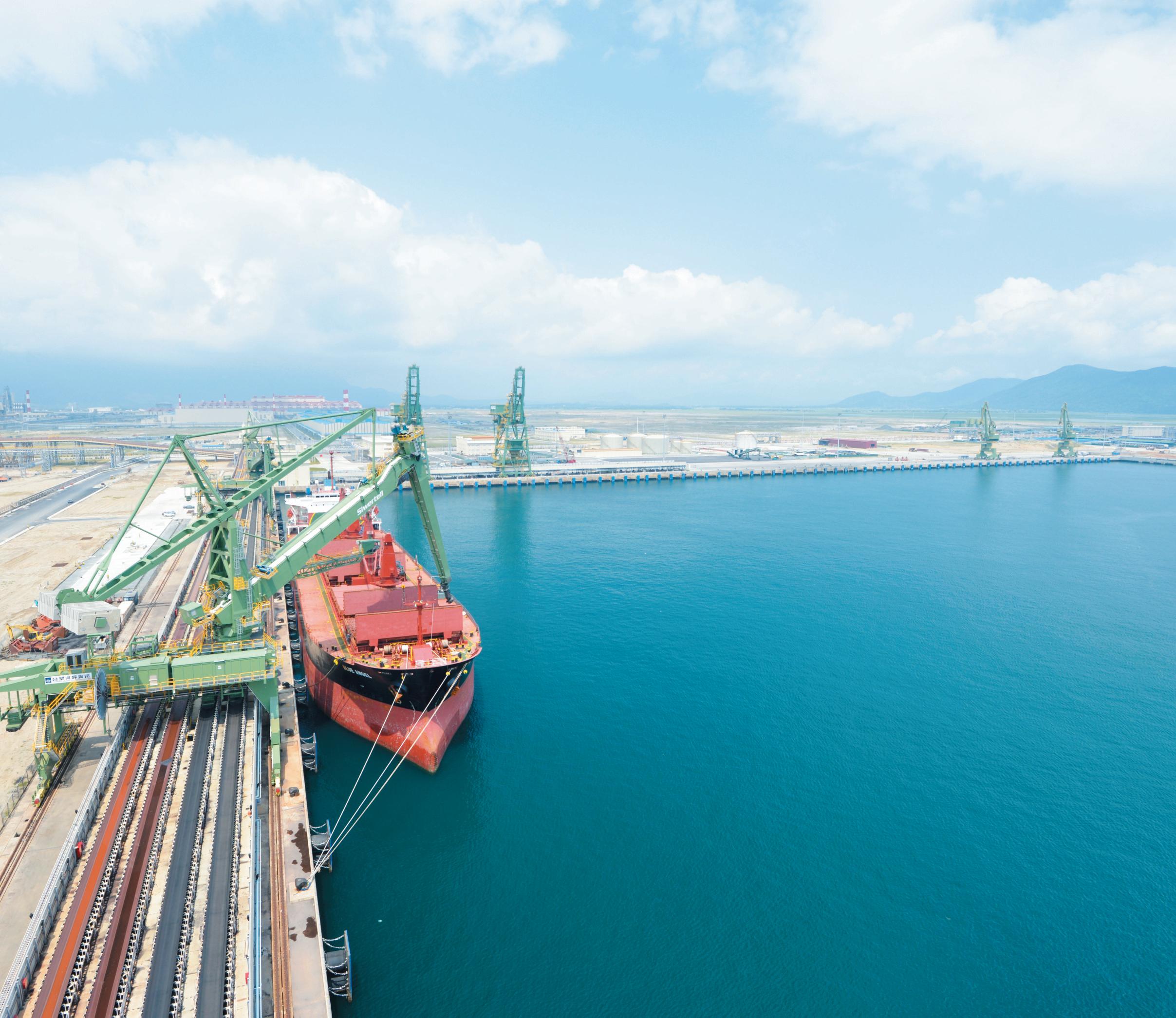
Coal imports into Asia experienced a downturn last year and some weakening influences are still prominent. After two years when strong growth was a feature, the 2025 total declined, mainly due to a large reduction in the number one importing country, China. These changes are a focus of attention because Asian regional imports now comprise almost nine-tenths of world seaborne coal trade.
Supporting influences for the period ahead seem to have diminished.
Before declining last year, Asia’s annual coal imports had grown by a cumulative 223mt (million tonnes) in the previous two
years, reaching 1,234mt in 2024. China’s increased volumes formed a majority of this extra volume. By contrast, in the past twelve months there was an unevenly spread weakening among Asian countries. During 2026 downwards pressures may persist although it is unclear how severe this pattern will prove.
Another prominent aspect of the world coal market is the region’s role as a supplier of exports. Indonesia in particular remains the biggest global exporter, with a total comprising over two-fifths of the world’s exports in 2025, even though the annual volume was reduced.
Accompanying economic and commercial influences on coal imports into Asian countries, geopolitical and national policy influences are clearly visible. A major driver of changes in coal purchases on the international market is government policy, often reflecting environmental pressures and energy security. While to some extent foreseeable in principle, policy alterations are not always predictable either in timing or magnitude, resulting in forecasts of coal demand and imports having a large speculative element.
Steam coal (or thermal coal) grades comprise a high proportion, over 85%, of
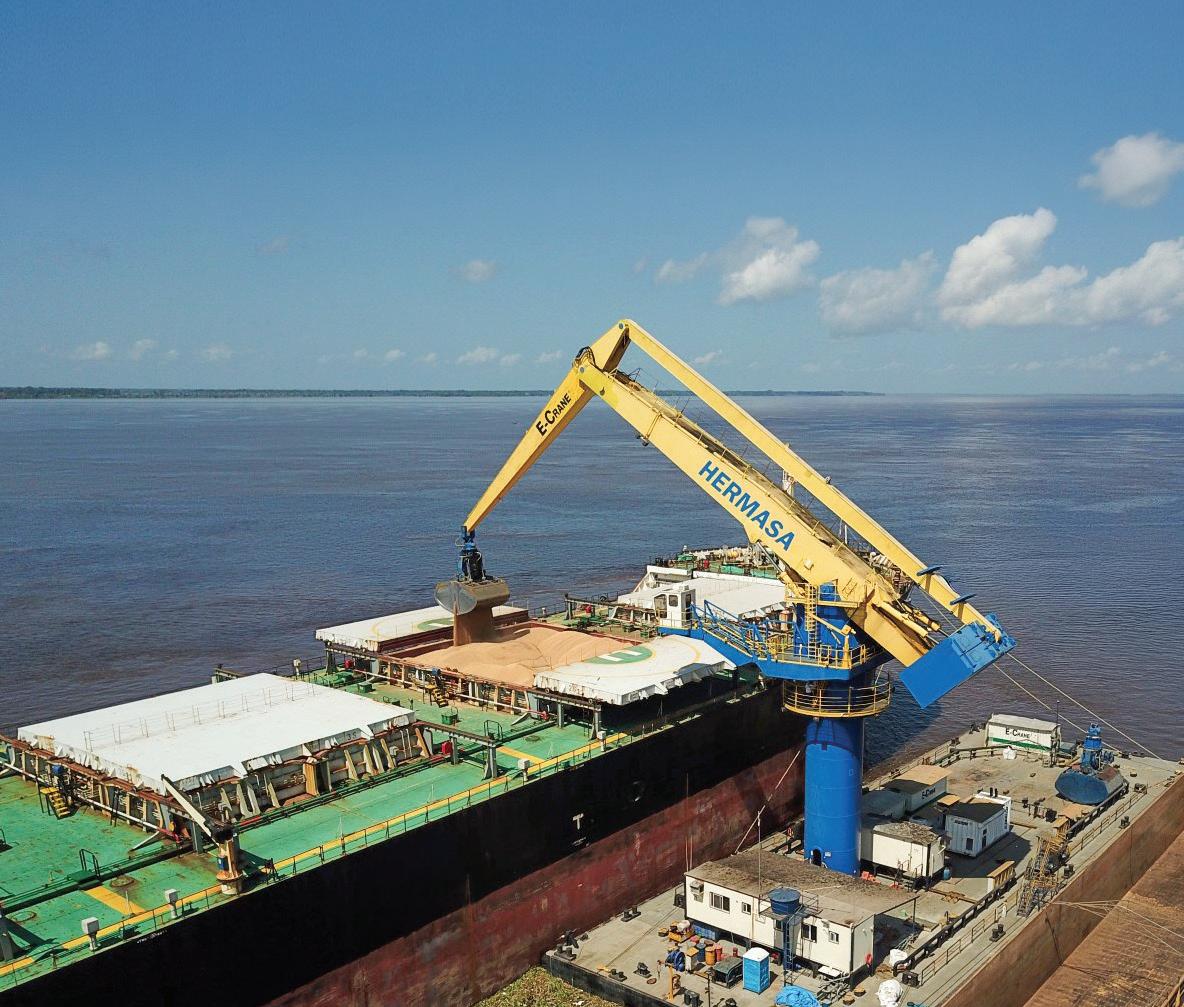



Asia’s imported coal, with the remainder comprised of coking coal. China, India and Japan are the largest individual importing countries, while South Korea and Taiwan are also large buyers. A group of smaller south and south-east Asian importers including Vietnam has become more prominent.
Consumption of coal in Asia and requirements for imported volumes are affected by broad trends in energy demand and how it is, in turn, influenced by patterns in economic activity. As a secure and reliable energy source, coal supplies continue to be a vital support for regional progress, enabling rising energy use and economic development.
Despite growing emphasis on shifting towards ‘cleaner’ power, coal is often still accorded a high priority among energy sources, frequently supplied wholly or substantially by imports. In several larger individual economies, national environmental policy aims to reduce coal usage. Even so, there is a tendency for strong commitments to retaining coal as an economical part of a diversified energy mix.
During 2025 economic growth rates across Asia showed a varying pattern, with different effects on energy consumption. Gross domestic product growth saw contrasting changes, with some countries achieving brisk performances while others experienced more modest outcomes.
One of the more vigorous performances last year was that achieved in India, where GDP grew by 7.6% compared with the previous year, when 6.5% was seen. China again achieved 5.0% growth,
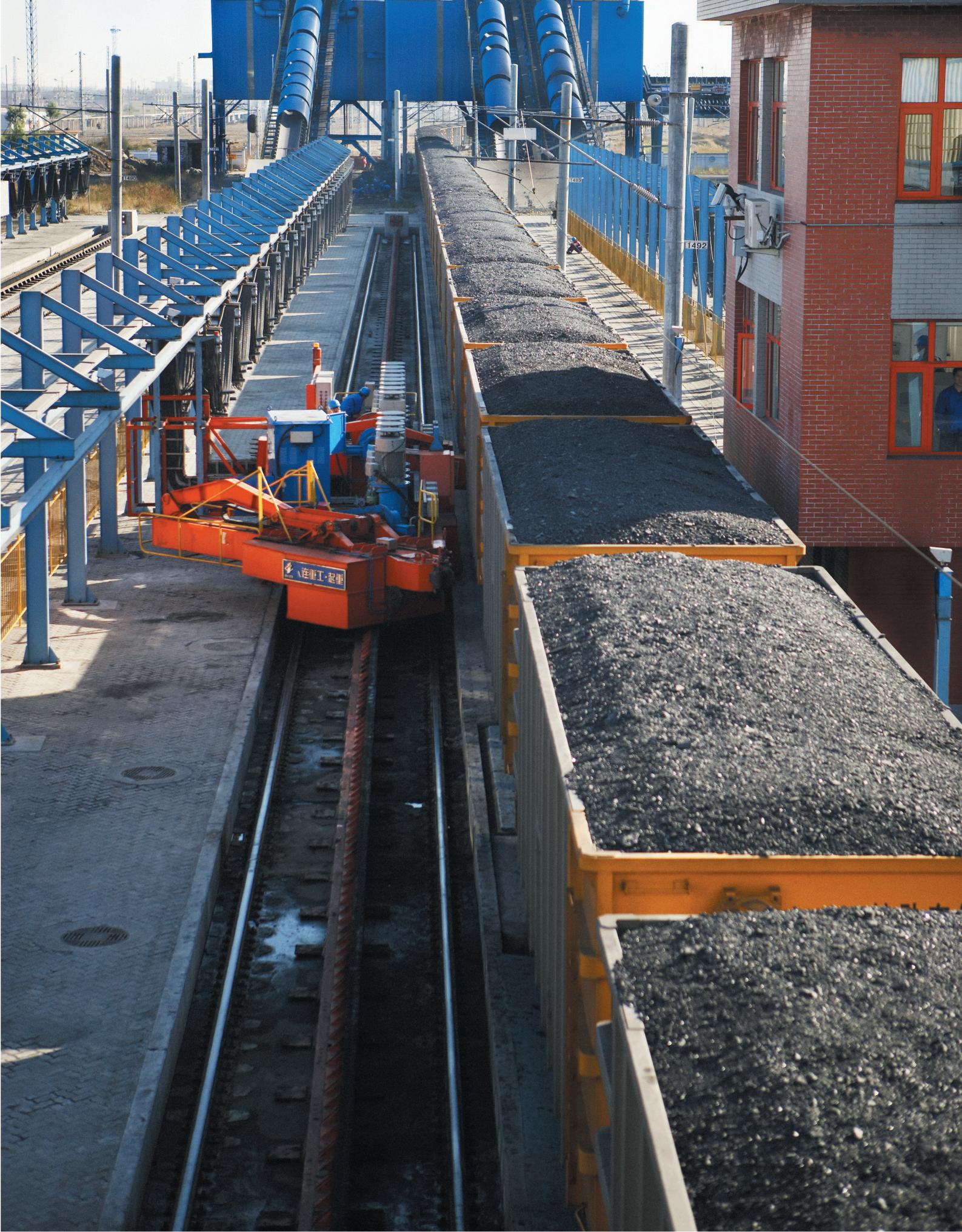
although this pace is slower than the country’s historically high expansion rates. In other major Asian coal importing countries lower increases were recorded. South Korea’s 2025 growth was 0.9%, below the previous year’s outcome, while
Japan’s economy revived somewhat from the previous year’s almost nil growth to achieve a 1.2% advance.
The broad economic activity changes were reflected in energy consumption and more specifically coal usage by power
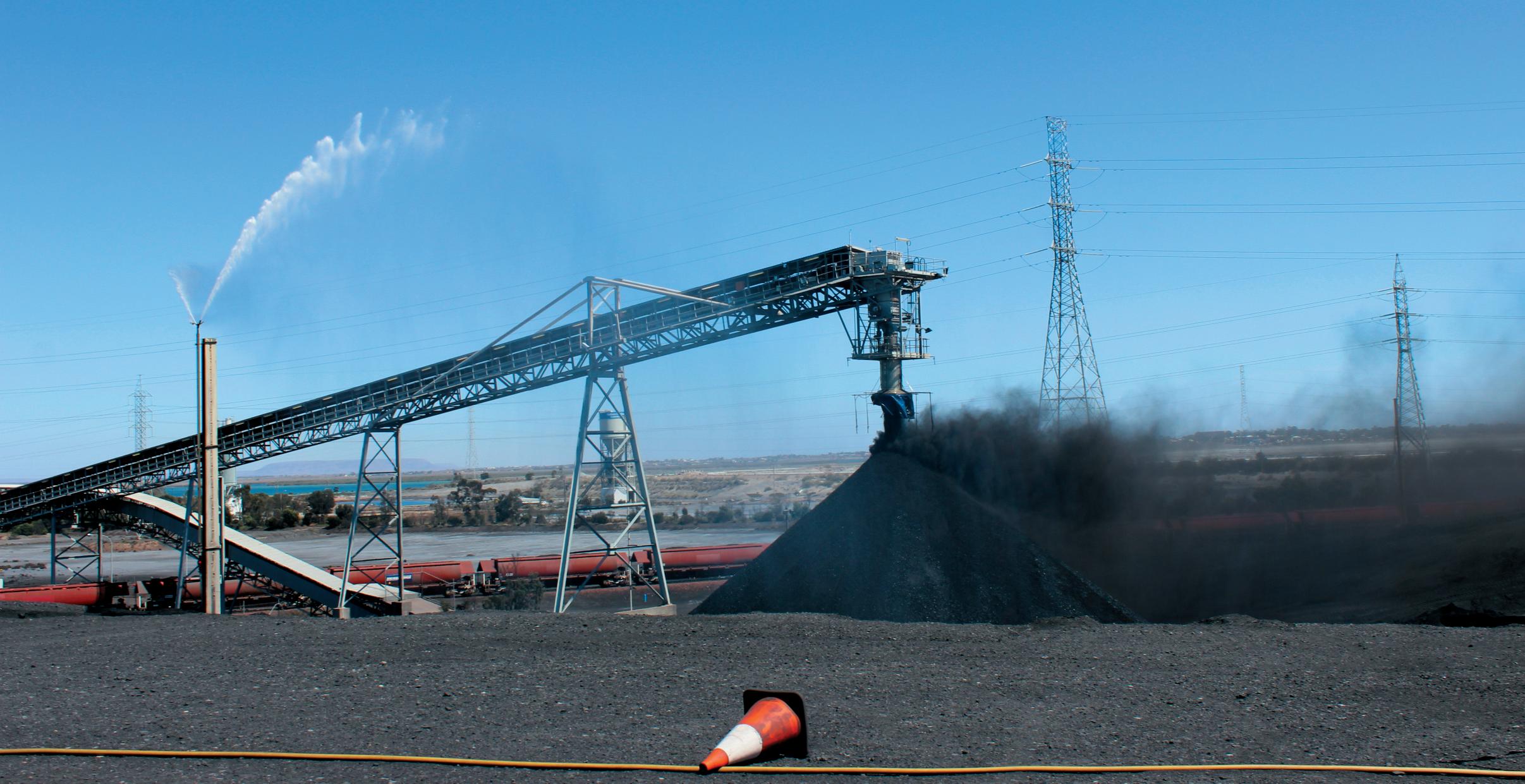
stations, steel mills, cement manufacturers and other industries. General trends in economic activity reflected consumer, business and government spending patterns, providing indications of ongoing demand for the products of coalconsuming industries. Import demand for coal was also affected by domestic production of coal and coal stock changes in individual countries.
Prospects for 2026 economic growth are overshadowed in particular by recent geopolitical events, with widespread possible negative impacts on the pace of activity. Based on recent (end-March) estimates by the OECD organization, there is not much potential for an improvement in economic performance in many countries.
An especially consequential country for regional as well as world growth is China. A fairly general expectation is that the Chinese economy’s enlargement trend will slow over the next few years, including in the next twelve months. Nevertheless, great uncertainty surrounds both the pace and magnitude. The OECD’s recent report predicted an easing in China’s 2026 growth rate to 4.4%.
Energy users in Asia are likely to see the effects of changes in economic activity patterns, with implications for consumption, and directly or indirectly for coal usage and imports. Several influential factors probably will modify the coal import demand outcome during 2026. One is the shift albeit sometimes not entirely consistently away from coal in power generation. In individual countries, coal supply self-sufficiency is a target where this is achievable. Another influence is the effects of energy security becoming a bigger focus after events in the past few years.
From the record high volume attained in 2024, the Asia region’s seaborne coal imports fell last year by an estimated 60mt or 5%, to about 1,175mt. This quantity was still well above those seen in preceding years, as shown by the table. After an earlier peak in 2019, weaker imports ensued for several years, followed by a strong pickup in 2023 and 2024.
Looking more closely at import patterns included in the table reveals that volumes into India, Japan, South Korea and Taiwan have been relatively stable in the past few years, albeit with some fluctuations and a tendency to decline. By contrast China’s imports, forming the biggest individual country volume — about a third of the regional total — in the past
few years has varied dramatically, upwards and downwards. In the ‘other importers’ category — including Malaysia, Pakistan, Philippines, Thailand and Vietnam — growing volumes have been seen in recent years.
The dominant component is steam coal grades, used mainly for electricity generation, comprising an estimated fourfifths of Asia’s coal imports last year. Other significant consumers are cement producers and various manufacturing industries. The balance of one-fifth is coking coal, used in the steel industry by mills employing blast furnace technology (which also may use some steam coal) to make pig iron as the intermediate product for conversion into steel, usually in a basic oxygen furnace.
Many countries in Asia use and import
both coal types, in varying proportions, because of the differing characteristics of individual national domestic markets. An absence of domestic supplies, or domestic mines’ inability to supply sufficient quantities or qualities of the required grades, results in foreign purchases. When domestic coal supplies (where these occur) change from year to year, import volumes are affected. Variations may also reflect changing relationships between domestic prices and foreign supply prices. In India and China domestic coal production is extensive, satisfying a large part of the national market, while Japan, Korea and Taiwan rely solely or mostly on imported supplies.
Two large variables affecting coal imports flows into Asian counties are electricity generation and steel production




























* estimate ** 2025 compared with previous year
changes. Changing output volumes of other energy consuming industries also have an impact. Alternative energy supplies — hydro-power, natural gas, renewable power from wind or solar energy, and nuclear power — contributing to electricity generation in many countries is another variable influence which is increasingly visible. Hydro and wind generation especially are dependent on unpredictable weather patterns, often causing substantial and unexpected changes in power output, with implications for coal and other energy imports.
The pattern of coal imports into Asia during 2025 was mostly downwards, but not at a uniform rate. An especially noticeable change was seaborne imports into China, falling by 55mt or 13% compared with the previous year, reducing the country’s total to 366mt. Volumes imported by Japan, South Korea and Taiwan were down by 2%, 4% and 10% respectively (to 158mt, 107mt and 52mt). India’s volume appears to have remained flat at 253mt. Other importers as a group, mainly
in south and south-east Asia, saw a 5% increase to 239mt based on provisional data.
A further huge annual change in seaborne coal imports into China during 2025 reflected several changes shaping the vast Chinese domestic coal market. The seaborne total excludes the impact of variations in overland purchases from neighbouring Mongolia, a sizeable supplier. Coal supplies from all sources together became more abundant, after the shortages experienced in the previous twelve months, leading to lower foreign purchases despite rising overall energy demand.
Electricity production in China reportedly increased by over 2% in 2025, but thermal power generation (predominantly from coal) was 1% lower, the first annual decline in many years, amid growth in renewable power from solar and wind. Crude steel production was down by 4%, also implying weaker coal consumption. Meanwhile China’s production of coal from domestic mines was 1% higher at 4.83 billion tonnes, providing 70mt of extra coal for the domestic market. These changes contributed to the downturn in coal imports.
India appears to have experienced flattening coal imports in 2025, after the previous year’s reduction, although estimates of the total vary, awaiting confirmation from official data. The electricity generation, steel and cement industries are major coal users and importers. Large volumes of imports remain essential to ensure adequate power supplies, despite rising domestic steam coal output and rail transport capacity, and amid government policy aiming to increase reliance on domestic coal producers. Crude steel output, increasing by 10% to 165mt last year, is dependent on imported coal (80mt last year) because high quality coking grades for this industry are not available in adequate volumes from domestic mines.
The third largest Asian coal buyer is Japan, and its usage of this energy source is entirely dependent on imports, which were slightly lower last year. A restraint was additional nuclear power generation, amid this sector’s gradual revival based on power plant reopenings after most were closed down semi-permanently well over a decade ago after the Fukushima power station disaster. Another restraint was a 4% fall in crude steel production to 81mt, with negative effects on coking coal use.
South Korea’s coal imports have been on a downwards trend over the past three years. National policy prioritized environmental improvement, including air pollution reduction, and greenhouse gas reduction has been at the forefront. Shifting towards cleaner alternative energy sources, including nuclear power, involves cutting dependence on coal. In Taiwan coal imports also have declined, amid the government aiming to reduce coal’s share of electricity generation.
An expansionary trend of seaborne coal imports into the Asian ‘other importers’ group has been evident in the past few years, as shown by the table. Volumes of imported steam coal into Malaysia,








OC isit us at T V B50 y 2026 Ma ope C Eur
- 21. M
























SAFETY aFail-safebr MAINTENANC LOW







educedmaintenanc Y king R CE PROTECTION CORROSION






















Designedforharshand ce FLEXIBILITY






Customizedtomeet STANDARDS WITH COMPLIANCE




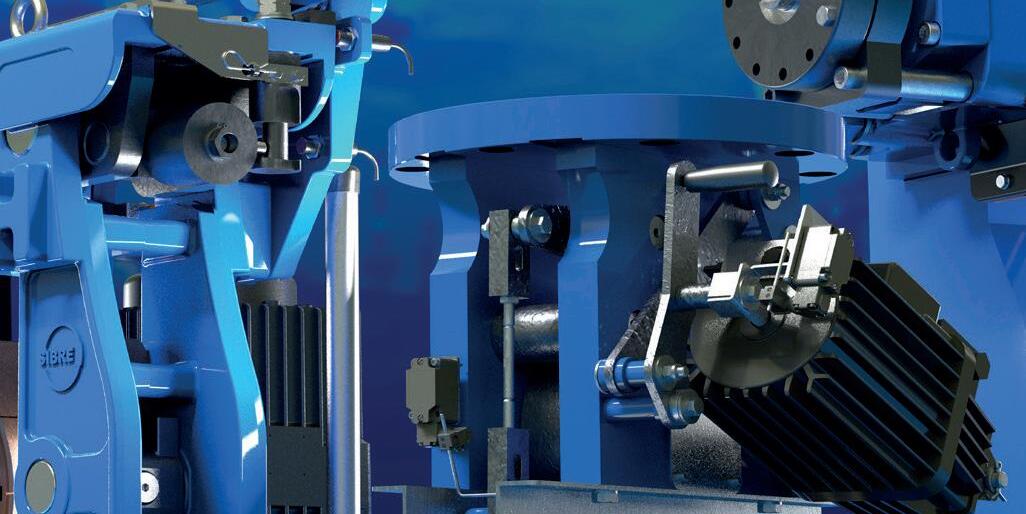
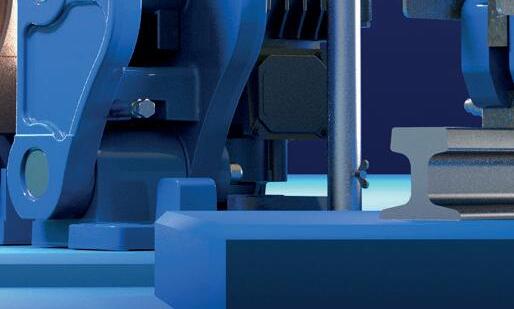
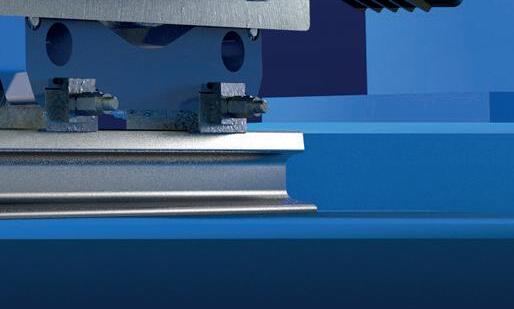
Meetsinternational malfunctio power failure or ve ven in the e e eliable oper R control in any si solutions for ma cost. c and very low life-cy ed downtim Minimiz signed construction arobustandwell-de on. system nt of a ation tuation.
ximum requirements thanks SIBRE not only s solutions for comp cle e eperformance. coatings ensure reliable Durablematerialsand ations. in port oper environments humid Designed for harsh and to upplies components but also lex crane systems. Through c systems. w xisting and ne into e ation a terminal requirements. ane and specific cr Seamless integr develops customized lose collaboration with ators. a certainly for OEM’s and Provides planning ty-related guidelines. - standards and safe oper


















manufacturers a tailored to o nd operators, we create syste operating conditions and safet ms that are perfectly y requirements.









Pakistan, Philippines, Thailand and Vietnam — mainly for power generation — are a large sub-category comprising about 160mt or two-thirds of the entire Asian ‘other’ group’s seaborne coal imports total in 2025. Imports into Vietnam, at around 70mt annually (including coking coal), have been an especially strong part of this subgroup.
Sustained downwards pressure on Asia’s coal imports seems predictable over the next few years as a trend. Yet likely year-toyear changes are not always so obvious. The main underlying influence, shaping the potential negative longer term trend is support for changes designed to reduce carbon emissions. Lower coal use and import demand is implied. During 2026, however, energy security may prove a bigger focus of attention in a number of countries, perhaps to a limited extent reemphasizing coal as a reliable and economical energy source.
A more specific puzzle at the forefront of the regional uncertainties is the continuing doubts about how much imported coal China, comprising about a third of Asia’s seaborne total, will require. All estimates for this component arguably are based heavily on speculation, because the ultimate determining factor probably will be future government policy, not yet revealed. Meanwhile prospects for several other countries including India are hard to assess, again in some cases resulting in mostly conjectural forecasts, awaiting further clarification of policy changes.
Although broad prospects for economic activity in Asia are not implying an extra boost during 2026, energy demand trends remain buoyant in many countries and could provide support. Rising renewable power supplies now often satisfy a sizeable part of electricity demand, but in a number of countries coal-fired power stations are still contributing much of the output.
Specific factors in individual countries seem likely to be greater influences on coal consumption and imports volumes than the broad regional trends in economic activity. Among direct drivers, with varying relevance in individual countries, is evolving commercial competition for coal from other energy sources, reflecting price and availability aspects.
In some countries, changes in domestic coal production — particularly in India and China where domestic mines supply by far the largest part of the market — affect imports.
In the fairly recent past, an official target of substantially reducing or entirely eliminating coal imports into India over the years ahead has been repeated and emphasized. This aim may prove difficult to achieve, but gradual progress could weaken seaborne coal movements. Indications of an official ceiling on coal imports into China have not been evident recently. But various policy measures affecting coal consumption, domestic production and market performance in China could be interpreted as implying reducing seaborne imports in future years.
Looking further ahead beyond this year, into the second half of the 2020s and later,
a strong trend in Asia’s coal imports is difficult to envisage because of the restricting pressures visible. Governments across Asia are taking steps to tackle environmental problems and are shaping energy policies accordingly, typically prompting an emphasis on cutting coal consumption. Nevertheless, successive global energy market upheavals in the past few years including in 2026 have produced renewed signs of a reassessment giving higher priority to energy security.
Cautious views of Asia’s coal imports in 2026 are evident among forecasters. Arguably a somewhat lower regional volume than seen last year seems a more plausible outcome than either a flat level or an upturn. Nevertheless, evidently there is a wide range of possible results.
One of the possibilities may be a further fall of around 20–30mt, or 2–3%, reducing Asia’s seaborne coal imports to 11401,150mt. Potential for some countries’ imports to remain fairly well supported at last year’s volumes is evident. But if China’s purchases continue to weaken, which is often considered likely, any positive influences elsewhere in the region could be more than offset, resulting in an overall fall.
In a report published at the end of last year, the International Energy Agency used an alternative basis for calculations which is still useful for comparison purposes. An annual forecast for 2026 was not shown, but a two-year forecast to 2027 was provided. The calculations suggested higher imports into India, contrasting with lower imports into China, Japan, South Korea and the group of importers within the Association of Southeast Asian Nations (ASEAN).
During the period of two years to 2027, according to the IEA’s calculations, China’s annual imports (including land movements, but mostly seaborne) could be down by 8%. Volumes into Japan and Korea could decline by 13-14%. Conversely India’s total may grow by 6%, while the ASEAN subregion may see a 16% uplift. The Asia region as a whole, as a result of these changes, would see a decrease of about 3%.
A likely consequence during 2026 is reduced activity at some ports in Asia where coal is discharged, contrasting with stronger activity in other ports. Whether these forecasts prove accurate is dependent, partly, on unpredictable events and government policy changes, as well as the pattern of energy consumption and how it is satisfied by a mix of energy sources reflecting a variety of influences.

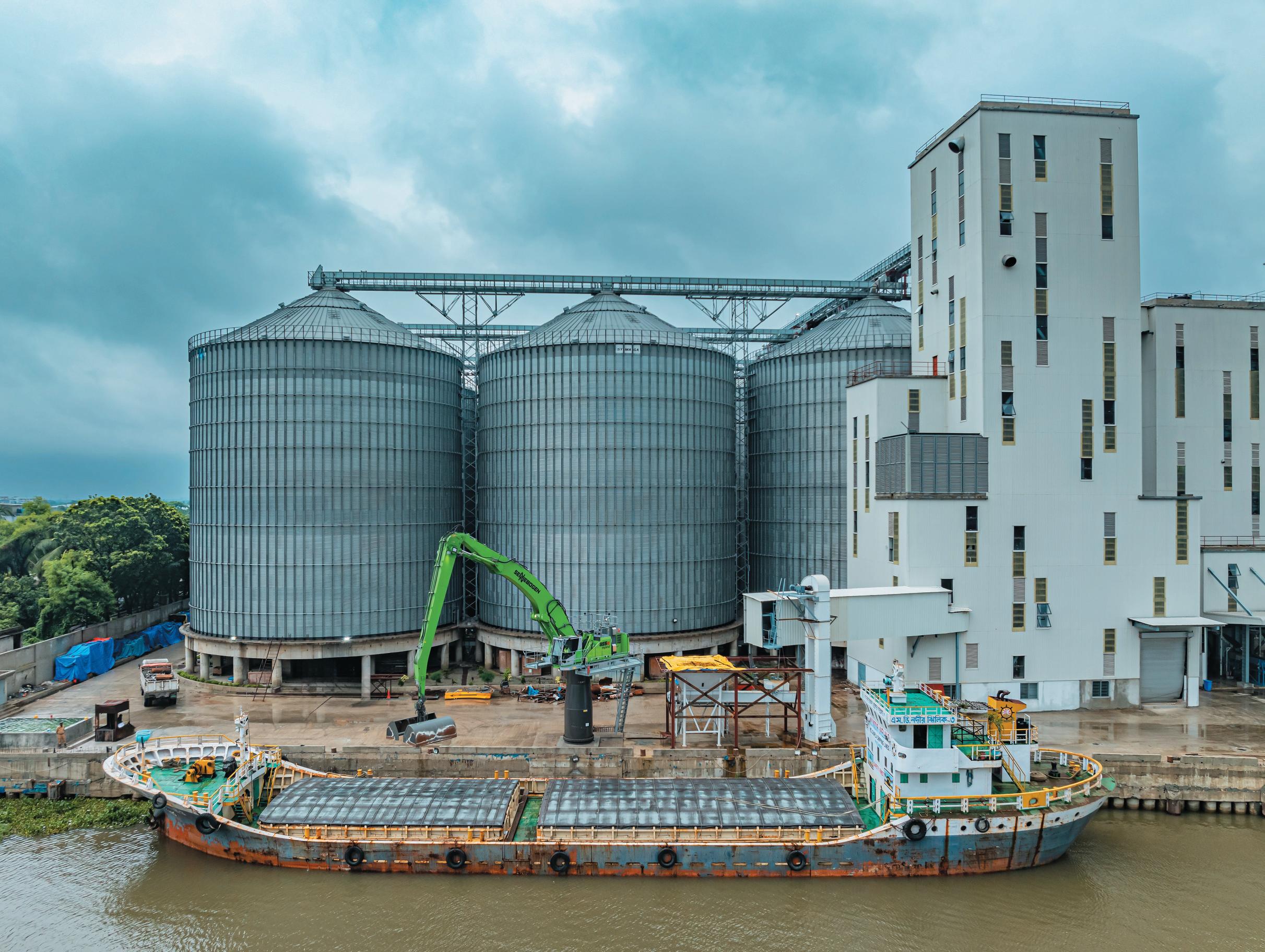
The SENNEBOGEN 855 E material handler at the Akij Essentials Flour Mills facility in Bangladesh has a 12m banana boom, designed for easy access to the deep cargo holds of bulk carriers during loading and unloading. The clamshell grab attachment is specifically tailored for unloading wheat and corn from cargo ships at the customer’s jetty.
China remains the world’s largest importer of farm products. But breakthroughs in production leading to self-reliance in several items has brought significant changes in the country’s agri import basket. At the same time, a well-planned diversification of import sources by Beijing has seen the US losing significant market share in China to Brazil and Argentina.
Food security for countries across the globe at all times will largely depend on how well the farm sector of the world’s two most populous countries, namely, India and China are doing. Of the world population of 8.3bn, India is home to 1.48bn followed by China with 1.41bn. The past bears testimony to the fact whenever crop production would suffer a major setback because of monsoon failure or a natural disaster in either of the two Asian
giants, the victim country would enter the world market in a big way to procure farm products and in the process, prices would shoot up to the disadvantage of other importing countries also.
Significant improvement in agricultural and allied products output notwithstanding, China remains the world’s biggest importer in the segment.
As for India, it is the world’s largest buyer of edible oils and pulses. What naturally follows is whenever the market senses big orders are forthcoming from either China or India, prices of targeted commodities will see northward movement. An identical market activity and price movements inevitably happen when India, the world’s second largest importer of fertilizers after Brazil comes to the global market for chemical nutrient procurement.
President Xi Jinping strongly believes that food security of his country is to be ensured by it holding the “rice bowl” in its own hands filled primarily with “grains we produce ourselves.” In the process of exhorting the communist party and the government that “food security is an important foundation for national security,” he will not miss an occasion to remind his colleagues that reaching that goal is a “political responsibility” of the major food growing regions such as Heilongjiang, Jilin and Liaoning provinces in the northeast and Inner Mongolia. Xi’s approach to managing basic cropland food economy is holistic, embracing the task of gradually developing all permanent basic cropland into high quality farmland, reinforcing facilities to make high quality seeds for all crops, supporting development of

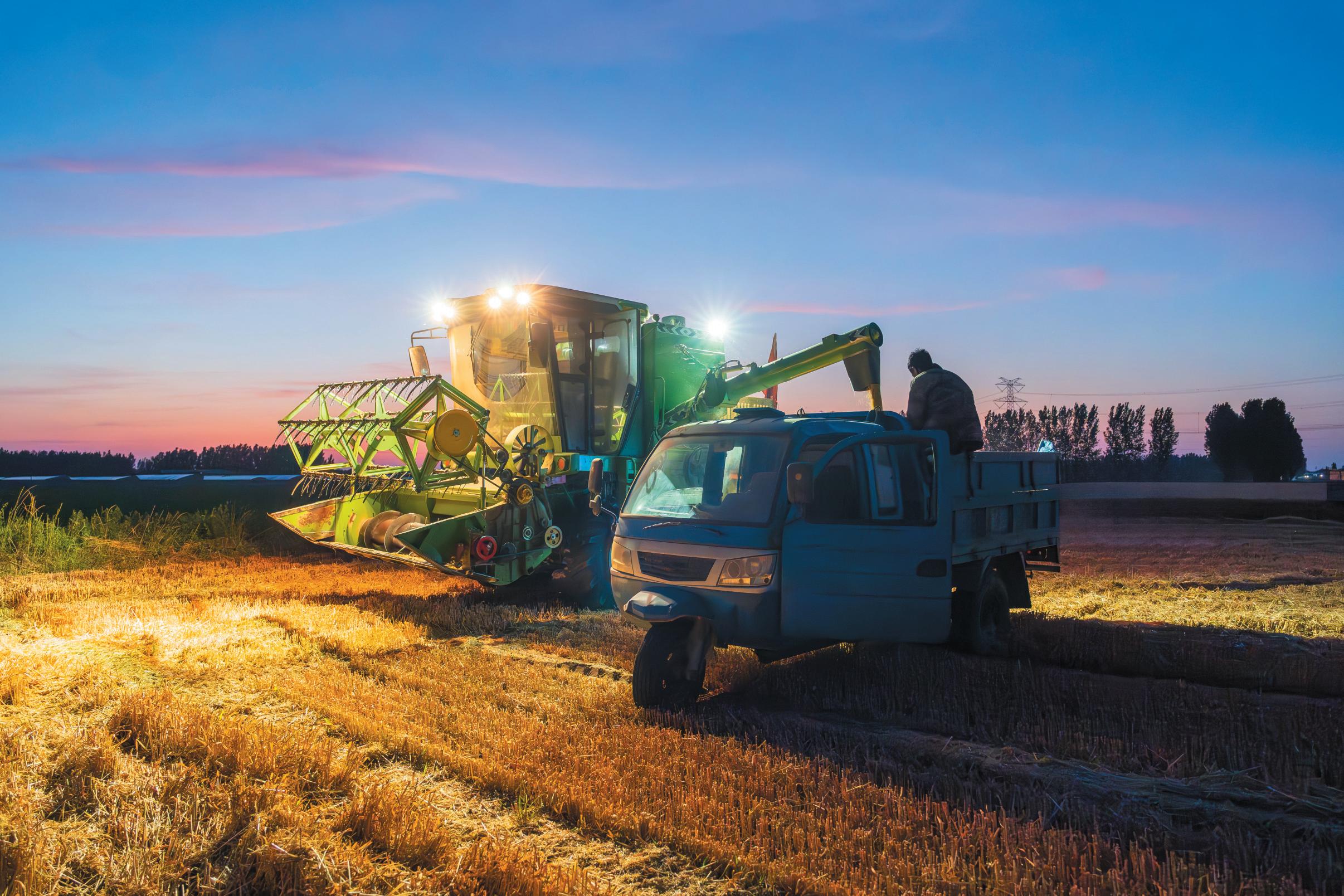
agricultural science and technology and introducing large-scale application of farm equipment.
Beijing has made improvement in farmers’ income a key component of the “rural revitalization and farm sector modernization agenda.” Better job opportunities in agro-based and food processing industries have helped in holding back young Chinese in rural areas from seeking fortune in cities. Beijing also upholds a policy of promoting high value agricultural industries and quality employment generation in rural areas to progressively close the income gap between people living in rural and urban areas.
That China has made considerable progress in food production during the 14th fiveyear plan (2021–25) is unquestionable, thanks principally to technological intervention and transfer of R&D breakthroughs to farms through effective visit and extension programmes. At the same time, Chinese farm achievements would have been significantly more but for fragmented plots with approximately 90% of rural households engaged in farming on roughly 1.2 acres of land. Beijing has found a solution to fragmented land ownership by encouraging villagers to merge their small plots into fairly large ‘family farms’. This will facilitate farm mechanization and eliminate
loss of crop resulting from multiple small plots. Members of such groups will have the benefit of significant productivity improvement and income. There is, however, no federal definition of family farm size and the number of participating members. Beijing has left the decision to provincial authorities to decide the size of such farms. Chinese officials are at pains to say “family farms” should not be seen as collectivization. Plots are being joined not by dictates but through persuasion and financial incentives.
Data made available by China’s National Food and Strategic Reserves Administration (NFSRA) will confirm that the country continues to make impressive progress in foodgrains production, particularly cereals such as rice, wheat and corn. For example, coinciding with the recently ended 14th five-year plan (2021–25), China harvested over 650mt (million tonnes) of grain every year. In fact, in 2024, the grain output exceeded 700m tonne for the first time. This in turn lifted per capita grain possession to 500kg for the Chinese population, surpassing the globally recognized food security benchmark of 400kg per capita.
The country continues to make progress in grain output, as 2025 saw a record high production at 714.88mt, an increase of 8.38mt over the previous year, according to USDA Foreign Agricultural Service. While application of continuously
improving farm technology is driving the growth in production and supply of improved varieties of agricultural products, equally importantly availability of quality seeds, undisclosed state subsidies, minimum support price (MSP) purchases of select crops and a state commitment to make farmers’ efforts meaningful in terms of remunerative crop prices are responsible for the breakthroughs.
Production success in 2024 and then again in the following year has led NFSRA chief to claim China has achieved basic selfsufficiency in grains and absolute security in staple grains. For many years because of the volumes involved, Chinese imports of agricultural items, particularly grains and oilseeds had had a significant impact on prices and global trade flows. But following China having a resounding success in stepping up the production of staple food rice, wheat and corn, imports of that country is now undergoing structural changes.
Take wheat whose production in the past two decades was up 60% to over 140mt at a productivity rate of 5,939kg a hectare, maintaining the country’s world leadership in the crop. Even while China has conceded the top slot to India in global ranking, it continues to improve rice production, which at the last count was 209mt at a productivity rate of 7,205kg a

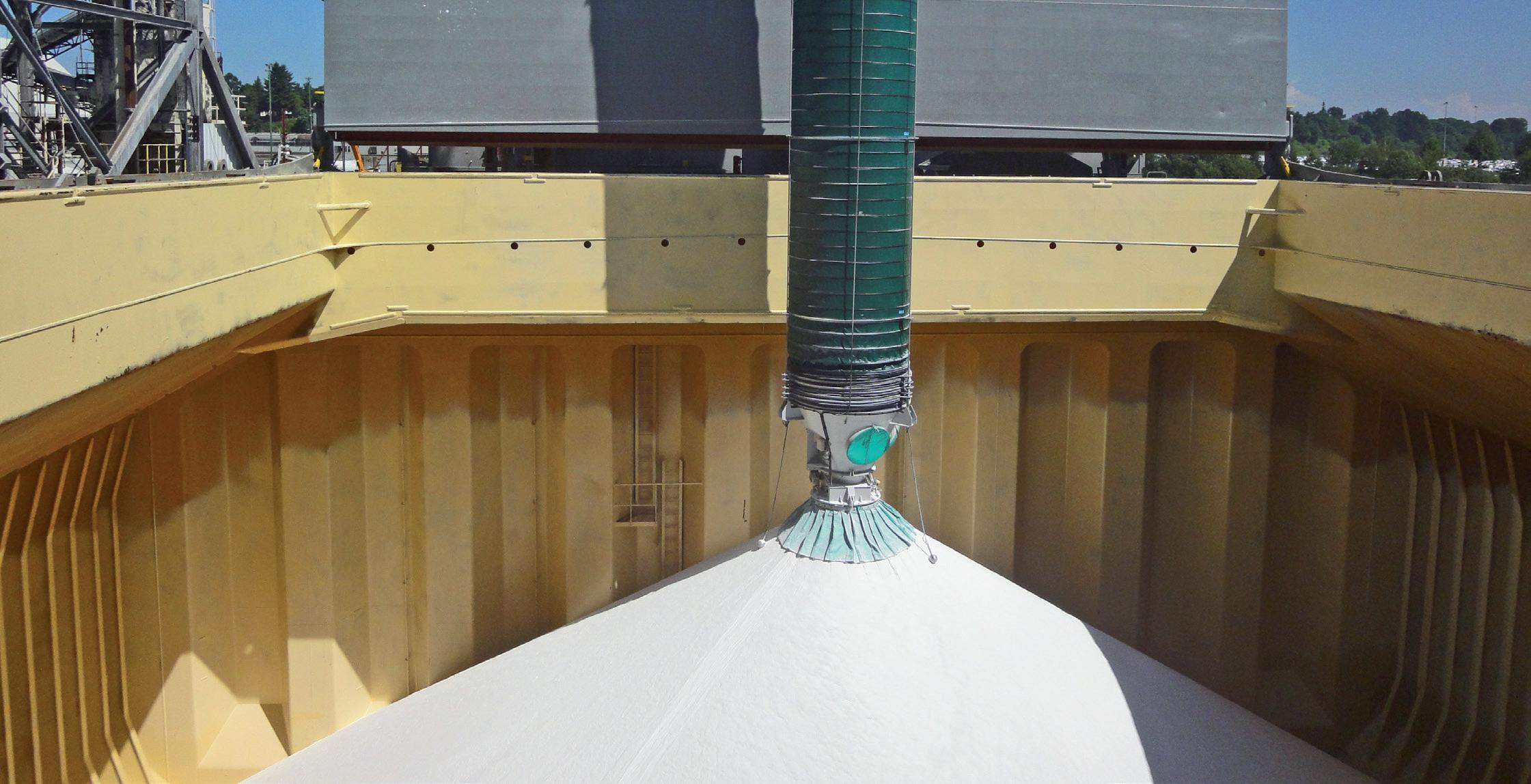
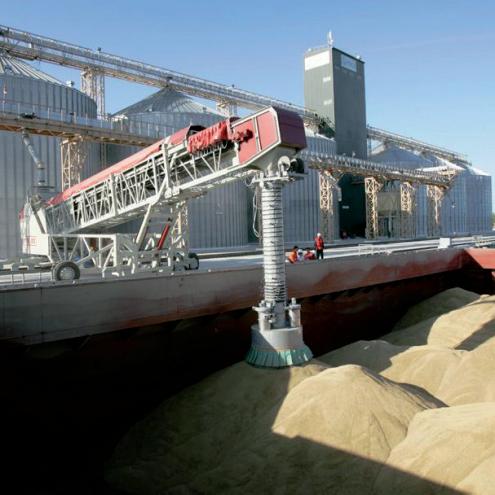
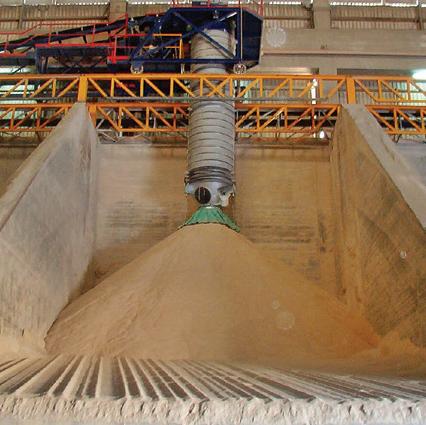
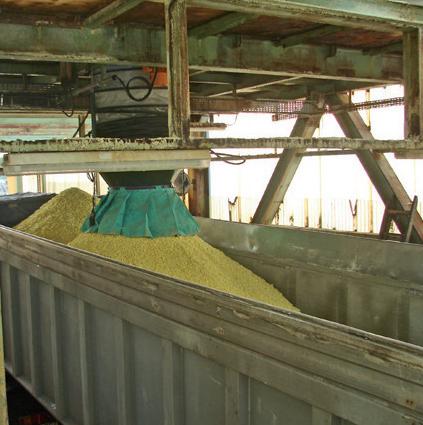
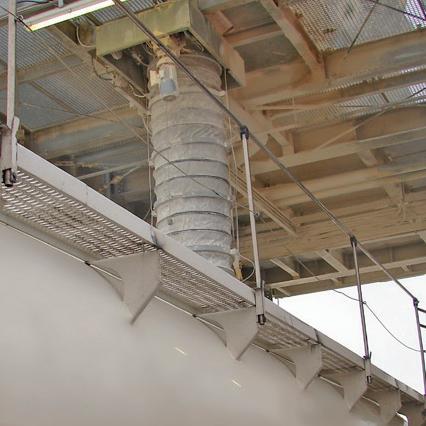
Cleveland Cascades are Specialists in the design and manufacture of bespoke dry bulk loading chutes.
Our bespoke solutions are designed to meet each customer’s specific requirements from a tool kit of proven components, utilising the expertise of a team of specialist in house design engineers.
We lead the loading chute industry & set the standard for dust emissions and environmental pollution control in dry bulk handling.
Our worldwide reputation is built on high quality, well-engineered, robust, high performance chutes, backed up by excellent customer service and global lifetime product support.
Contact Cleveland Cascades Ltd Unit 22, Dukesway, Teesside Industrial Estate, Thornaby, Stockton-on-Tees, Cleveland, TS17 9LT, United Kingdom Tel: +44 1642 753260 | Fax: +44 1642 753270
E-mail: enquiries@clevelandcascades.co.uk | Website: www.clevelandcascades.co.uk






hectare. In corn production, China scored an astounding success. Since the start of this century, the country’s corn output has almost tripled to 301mt in 2025.
Following marked improvement in production of major crops, the inevitable has happened — that is, imports were finally reined in. The pull of imports in 2025 was subdued due to improvement in domestic supplies of agri commodities keeping their local prices down. This incidentally happened after imports peaked during 2020–24. An insightful report by Argus says, in the wake of brisk crop disposal by farmers triggered by a bumper harvest, corn prices settled below Yuan2,100 ($302 a tonne) after hitting a low of Yuan2,000 a tonne. Wheat, which like corn has the benefit of MSP, has been more stable pricewise, “but overall price levels have remained low by recent standards.” A country with the population size of China or India will be in import rush for grains if domestic supplies are forecast to fall short of local demand.
Conversely, as is seen with animal feed grains, their imports by China have remained subdued due to demand side factors. The Argus report says: “Grain imports are closely tied to animal feed consumption, which in turn depends on livestock profitability and herd sizes. China’s pig sector has faced shrinking margins since early 2023, after recovering from African swine fever losses earlier in the decade. Breeders have reduced inventories, while the authorities have introduced measures to control breeding capacity and slaughter weights to stabilize pork prices. These developments point to softer feed demand in the near term, limiting the need for imported grains.” Whatever it is, China with annual per capita consumption of anything up to 40kg is the world’s largest consumer of pork, which accounts for close to half of all meat consumption.
With the economy becoming bigger lifting the per capita income ($13,806), the dietary habits of the people, particularly the ones living in urban centres has undergone a change in favour of animal protein, poultry and dairy products and processed food. No wonder, foreign food groups such as Nestle, Wilmar International, KFC and Domino’s Pizza are operating in strength in China, of course by adapting to local tastes. To satisfy the demand of a growing section of urban population obsessed with quality and health, China has emerged as a significant importer of meat, dairy products
and fruits. At the same time, though, foreign food companies have over the years secured a decent share of the urban market they are now facing growing challenges from some local groups making same products like the former with recipe in alignment with Chinese tastebuds.
Besides covering the shortfall in domestic supplies, China, which considers food security of strategic importance, is regularly resorting to imports to maintain food reserves. These are massive, but largely opaque. According to some estimates, at any point, China is holding half of the global supply of wheat and rice and close to two-thirds of corn. Beijing wants food stockpiles to secure over a year’s consumption and to this end it has built food damage proof storage capacity of well over 650mt. The country has also in place a foolproof system of periodically replacing old food stocks with freshly procured, always a mix of locally procured and imported grains.
A hedge against food price inflation that may be caused by domestic crop failures and global supply disruptions, the National Food and Strategic Reserves Administration has been created to manage the strategic food inventory. Cornering of global food supplies at the Chinese scale, however, impacts grain prices particularly to the disadvantage of poor countries. What about India, which has many more mouths to feed than China? India too maintains buffer stocks of rice and wheat as a shield against weather related crop setback triggering open market price inflation. But unlike China, entire Indian reserves of grains result from procurement of local crops by the federal agency FCI.
India’s minimum buffer stock norms for rice and wheat are 13.5mt and 27.6mt, respectively. Generally, however, the stocks of rice and wheat on government account are in multiples of the minimum. For example, India held record rice stocks of 48.2mt on September 1, 2025 when wheat stocks were also a high 33.3mt. Explaining how it works in India, agriculture analyst Om Prakash Dhanuka says: “Essentiality of sufficiently large food reserves for a
country with the world’s largest population and where supply shortages in a bad crop year ignite inflationary pressure on food items will not be denied. Reserve grains kept in the silos and storehouses are all locally produced and there is no opacity in the operation of procurement and releases.”
India is by far the world’s largest exporter of long-grain aromatic basmati rice and non-basmati rice. The country’s rice exports were approximately 21.5 tonnes, including 6.06mt of basmati variety in 202425 following New Delhi’s easing of trade restrictions in March 2024. Even while India is a rice surplus country with large volumes generally available for exports, it is required to import regularly some quantities of speciality rice from Thailand, Italy and Vietnam to satisfy specific demand. Such imports cost annually around $8m. While West Asian countries are principal destinations of Indian basmati rice, which has nearly 70% share of the global market, it has now a growing presence in North America and Europe. Besides India, Pakistan is the only other exporter of basmati rice. But exports from both countries are under growing stress because of the war between Iran and the US-Israel choking cargo deliveries and delaying payments by importers.
Aware of the mass discontent that arises from cereal price rises, New Delhi had to put a ban on wheat exports in May 2022, which was withdrawn after nearly four years in early 2026. The government came under pressure to suspend exports as the wheat crop during that period suffered a setback because of extreme dry weather. Quite an anti-climax for a country that ranks as the world’s second largest producer of the cereal after China. After having recovered from the shock of short crops, New Delhi as of February 2026 sanctioned export of 2.5mt of wheat and 500,000 tonnes of wheat products. “In such a sensitive commodity, India cannot but be highly flexible in its export,” says Dhanuka. But the government is unlikely to
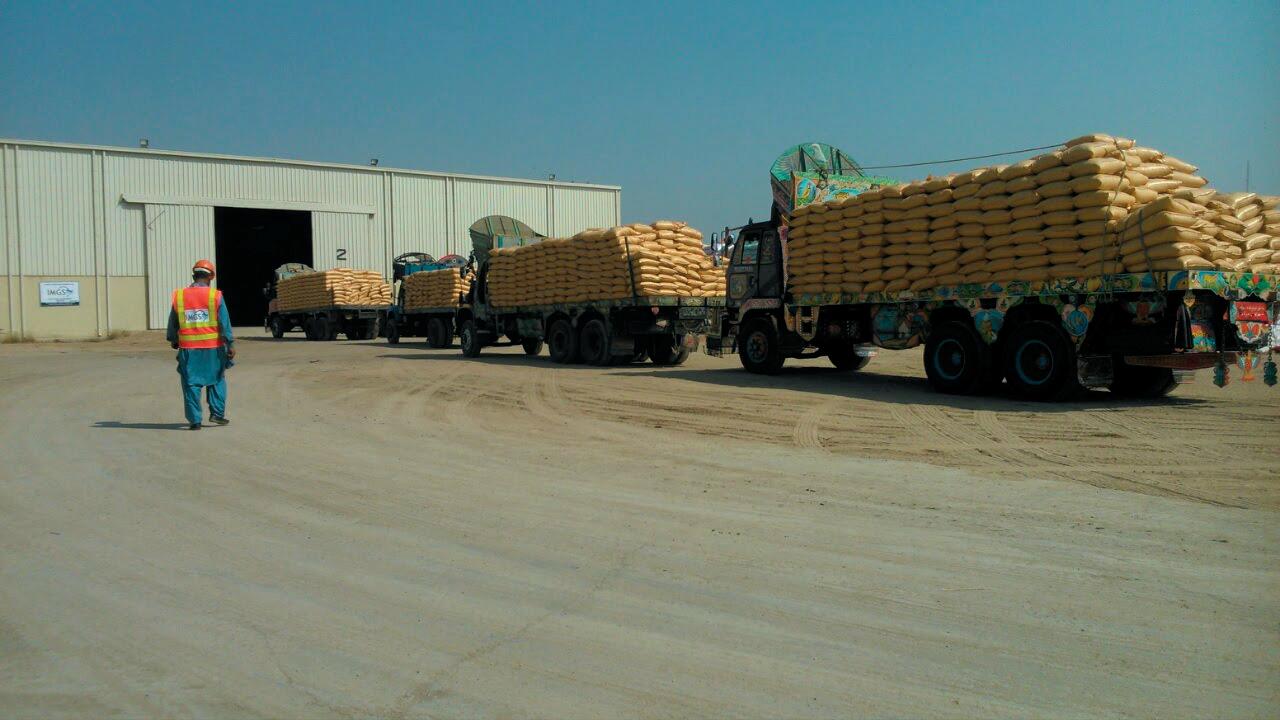
fiddle with wheat exports now as the country will by end-April harvest a bigger wheat crop than last year’s 1,17.94mt. The question is will the crop be 120.21mt as the government has forecast or somewhat lower as feared by many trade officials because of unseasonal rains and the late February heat? What, however, is certain, the crop, now being harvested, will suffer in quality in some north Indian pockets. The principal markets for Indian wheat are countries in south and southeast Asia and West Asia.
In the meantime, besides good domestic crops and therefore, their low prices, and the tariff tensions with the US, thanks to President Trump’s poor understanding of benefits accruing from low free trade pivoted on low tariff, saw China’s grain imports falling 10.8% to 140.56mt in 2025. Soybean, the source of edible oils and animal feed, imports, however, hit a record 112mt, alone constituting 80% of Chinese grain imports. Driven by stable planting and some improvement in productivity, China marginally raised soybean production to approximately 21mt. But production of this order falling way short of demand
points to China’s inevitable heavy dependence on imports for years to come.
Like it has done with iron ore, China is engaged in diversifying soybean import sources. In conscious efforts to rapidly cut its dependence on the US supplies of soybean, Chinese focus has shifted to South America with Brazil now accounting for over 70% imports. Beijing has friendly ties with Brasilia and this has helped China to remain Brazil’s largest trade partner since 2009, much to Washington’s discomfort. American farmers are distraught that their peers in Brazil have been able to whisk away an overwhelmingly big share of the Chinese soyabean market. But the fact remains that the price spread between the US and Brazilian soybean is highly in favour of the latter. The inevitable has, therefore, happened.
As for other grains, Chinese imports of wheat in 2025 fell 7.16mt to 3.85mt in which the share of Canada was 2.71mt and of Australia nearly 1.02mt. Myanmar, Thailand and India remain the principal suppliers of paddy and milled rice to China which raised imports of the commodity by 91% to 3.10mt. The opposite happened with corn where record production caused a nearly 81% winding down of imports to

nearly 2.65mt in which the share of top supplier Brazil was 1.61mt. Sorghum imports at 4.544mt were down 47.51% with Australia and Argentina supplying 2.21mt 1.53mt, respectively.
From a belief that food security of developing and least developed countries requires of them to transfer agricultural expertise to destinations where it is acutely needed, both China and India are found active in the pursuit. The focus for both is Africa where the need is for technologies which will allow countries in that continent to grow food at least cost in an environment of low water availability and
unfavourable weather. The farm inputs that China and India are providing to African nations include: drip irrigation, appropriate technology transfer and joint research and training programme with physical presence of experts from China and India. China in particular is sharing knowledge relating to making waste land into arable land with some African nations. “African nations growing food to their potential will bring about structural changes in global food trade,” says Dhanuka.
India being a democracy unlike China, New Delhi has to look beyond providing security in food to the masses to meet the growing aspirations of the farming community. While agriculture and allied activities have a share of close to one-fifth of the country’s national income, they account for over 46% of the workforce. The much trumpeted ‘inclusive growth’ is achievable if only the return from farming and allied activities such as livestock, fisheries and horticulture meets the expectation of producers. There may have been an all-round improvement in production over the years, but that is not enough to keep the community happy. The world was witness to the year-long historic protest by millions of farmers around New Delhi during 2020–21 for a fair deal, including guaranteed MSP.
IMPRESSIVE INDIAN PROGRESS
Despite the continuing tensions between farming community and New Delhi and other shortcomings such as per capita operational holdings of the overwhelming majority of farmers at around one hectare, command area of irrigation being 55.8% of total cultivable land and limited supply of climate resilient HYV seeds, the sector has registered a decadal (FY2016–FY2025) growth of 4.45%. This performance is among the best in the world. An agriculture ministry official said, the horticulture sector with an approximately 33% share of farm GVA (gross value added) continues to make impressive growth in production and value addition. Horticulture production was up from 280.70mt in 2013–14 to 370.74mt in 2024–25, showing a decadal 30% rise in fruit output and 22% in vegetables.
Armed with this volume of production, it is expected that their exports, in spite of exacting sanitary and phytosanitary checks, will grow. The official admitted in view of India being the world’s second largest producer of fruits and vegetables, 2024–25 income from their exports at $1,818.56m left a big scope for growth. However, besides fresh fruits and vegetables, India
sells growing quantities of these items in processed form. The principal markets are West Asian and European countries. Fresh Indian fruits and vegetables have started gaining in acceptance in the US.
India has ambitious self-reliance plans for oilseeds and pulses for which import dependence has remained perennially high. Paradoxically, though the country remains the largest producer and consumer of pulses, it must depend on imports to take care of local demand. In 2024–25, local production of pulses was 25.68mt, but that was well short of demand of up to 34mt. In order to fill the gap and ensure that prices didn’t go through the roof causing public anger, record imports of 7.3mt were made at an outgo of approximately $5.5bn. Yellow peas, pigeon peas and black gram mostly filled the import basket. The principal sources of imports are Canada, Myanmar, Australia, Mozambique and Tanzania.


A major concern for India is its high import dependence of anything up to 57% for edible oils to meet local demand, which is growing at a CAGR of around 3.5% propelled by rising income and change in dietary habits. The Indian per capita oils consumption is up from 8.2kg in 2001 to nearly 24 kg in 2025, far exceeding the WHO benchmark. The country imported 16mt of edible oils made up mostly of palm, soybean and sunflower oils at a cost of $18.3bn during 2024–25 oil year (November to October). “Whether it’s India, China or the US, no country is expected to be self-reliant in every farm product. A robust seaborne trade supported by low tariff is the answer to deficit in domestic supply of any agricultural commodity,” says Dhanuka.
Though Bangladesh has long ceased to be a basket case, it still remains a big importer of grains, including, wheat, rice and corn. Defying constraints of land availability and vulnerability to natural disasters, the country turned its focus on improving productivity by strengthening farm research, extension programme and credit to small farmers. Remember Bangladesh which at the time of Independence in 1971
was producing 10–11mt of rice is to harvest around 37.65mt during 2025–26. But in order to feed its 177m population, the country is required to import around 1.5mt of rice and supplies will mainly come from India.
A highlight of changes in dietary habit of Bangladeshis is their growing preference for wheat-based food. But production of wheat being limited to 1.1mt, the country has to import 7.2mt in 2025–26, up 17% over the previous year. Corn imports are estimated at 1.6mt. With about 93,990km2 covering 72% of its total land area used for agricultural purposes, Bangladesh remains one of the world’s most intensely cultivated countries. Chances of bringing any further land under cultivation being highly unlikely, Dhaka is advised by international agencies to improve the health of operating farmland, rapidly spread the use of climate resilient high-yielding varieties of seeds and educate farmers about use of N:P:K (fertilizers) in right proportions, unlike what has happened in India.
In the meantime, the world’s secondlargest rice exporter Thailand up against growing competition from India following its withdrawal of export restrictions in October 2024,Vietnam and Pakistan will be settling for lower exports of 7 to 7.5mt in the current marketing year from a high of 9.9mt in 2023–24. Besides competition intensity from other Asian countries, a relatively strong currency (Baht) and comparatively low prices for Indian rice are working against Thailand in the world market. However, rice production in Thailand will be at the normal level of 20.3 to 20.35mt and that will leave comfortable carryover stocks of over 4mt. To build a shield against competition, the Thai foreign trade office is working to secure more and more government-to-government rice deals. Yet another focus area for Bangkok is premiumization of exports by giving a push to produce more and sell abroad growing quantities of Thai fragrant rice (Hom Mali), primarily grown in the country’s northeast.
In a smart move,Vietnam, which annually produces around 42mt of rice is aggressively pursuing a programme to increase the share of high quality, low emission fragrant rice varieties to ring fence exports from competition emerging specially from India. A highlight of the programme is earmarking 1m hectares in Mekong Delta to grow the specialized varieties. The country hopes to be able to ship 7.73mt in markets in Asia and Africa. About 75% exports or around 5.8mt will be specialized rice.
DCi
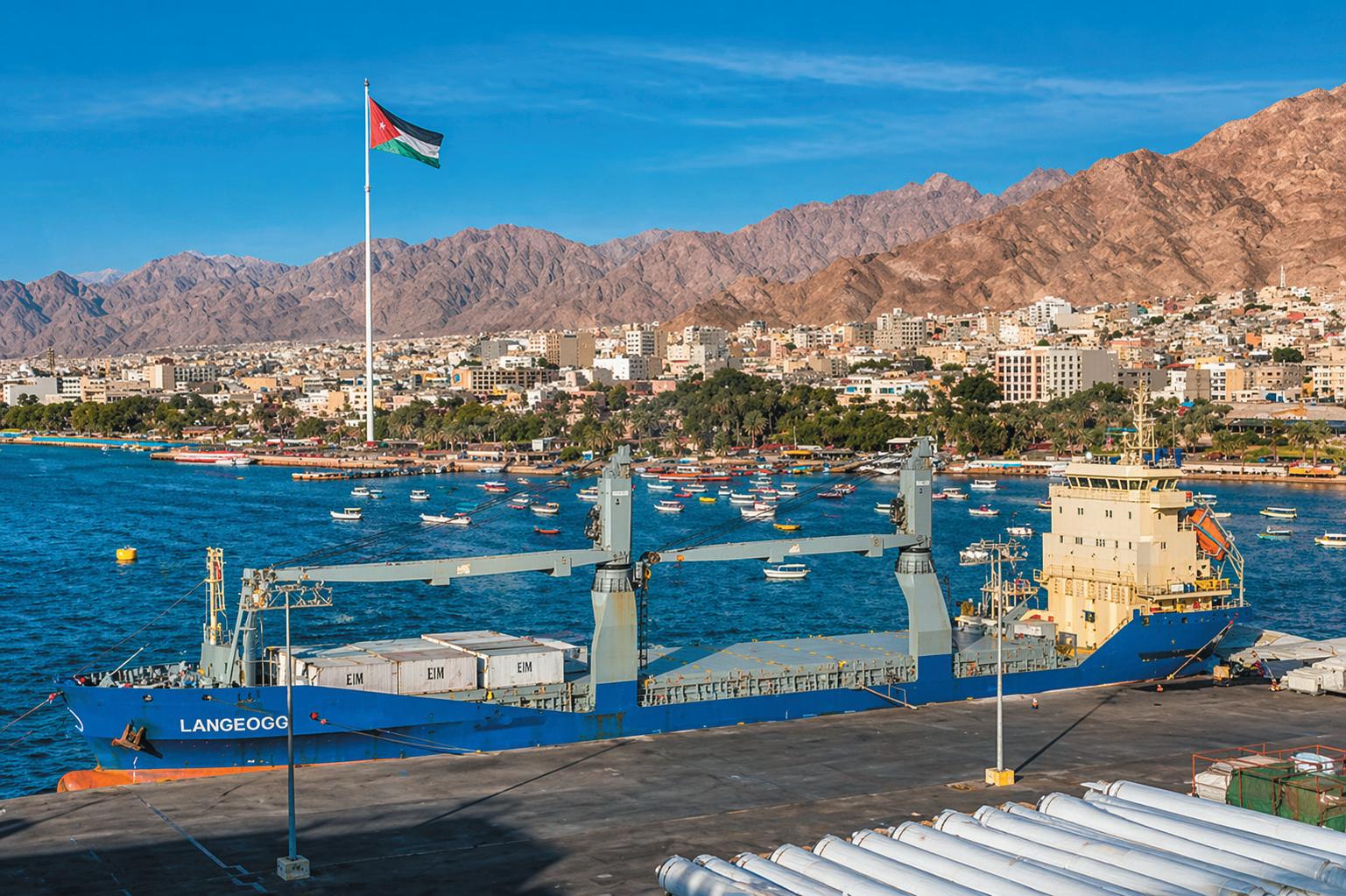
For readers following dry bulk and breakbulk movements into the Levant*, Naouri Group has become a central player in how cargo moves between port, inland transport, and onward markets. Founded in Amman in 1994, the group has grown from a shipping agency into an integrated logistics operator with a strong presence across Jordan.
Naouri Group’s operating model is built around a simple principle: cargo value is not lost at the berth, but in the handoffs that follow. The group operates as a shipping agent at Aqaba, handling vessel calls across dry bulk, grain, and breakbulk segments — from wheat and feedstuffs to steel, machinery, coal, and project cargo.
What differentiates the group is the structure behind these operations. Beyond port handling, Naouri supports cargo flow through inland logistics capabilities designed to reduce friction between discharge and delivery.
The group operates more than 195,000m2 of logistics infrastructure across Jordan, supporting cargo movement beyond the port and helping ease pressure on
port-side operations.
A modern trucking fleet of over 200 units — including equipment suited for containers, dry cargo, and temperaturesensitive loads — allows cargo to move inland without relying on external capacity, particularly during peak commodity cycles when demand for transport increases.
Warehousing plays a supporting role within this system. Approximately 22,000m2 of storage space across key locations provides flexibility for handling mixed cargo, breakbulk consolidation, and operational buffering where required, while most bulk shipments move directly from vessel to inland destination.
Customs clearance remains a key component of overall efficiency. Operating across 13 customs locations in Jordan, Naouri Group facilitates cargo movement through regulatory processes, supporting both import and in-transit shipments while reducing delays and improving predictability.
In parallel, the group’s role as a shipping agent strengthens operational coordination at Aqaba, supporting vessel calls while
providing extended and extra services tailored to both cargo and vessel requirements.
The result is an integrated model where port operations, inland transport, customs clearance, and supporting services function as a single coordinated system. Rather than focusing on isolated efficiencies, the emphasis is placed on maintaining continuous cargo flow across each stage of the supply chain.
For international shippers and shipping lines evaluating the Levant, the implication is clear. Aqaba’s relevance as a dry cargo and in-transit gateway is no longer defined solely by port capacity — it depends on how efficiently cargo can move beyond the berth.
More than three decades after its beginnings as a shipping agency, Naouri Group has built its operations around that continuity, linking vessel discharge to inland movement within a unified operational framework.
* Jordan, Lebanon, Palestine/Israel, Syria, and Turkey
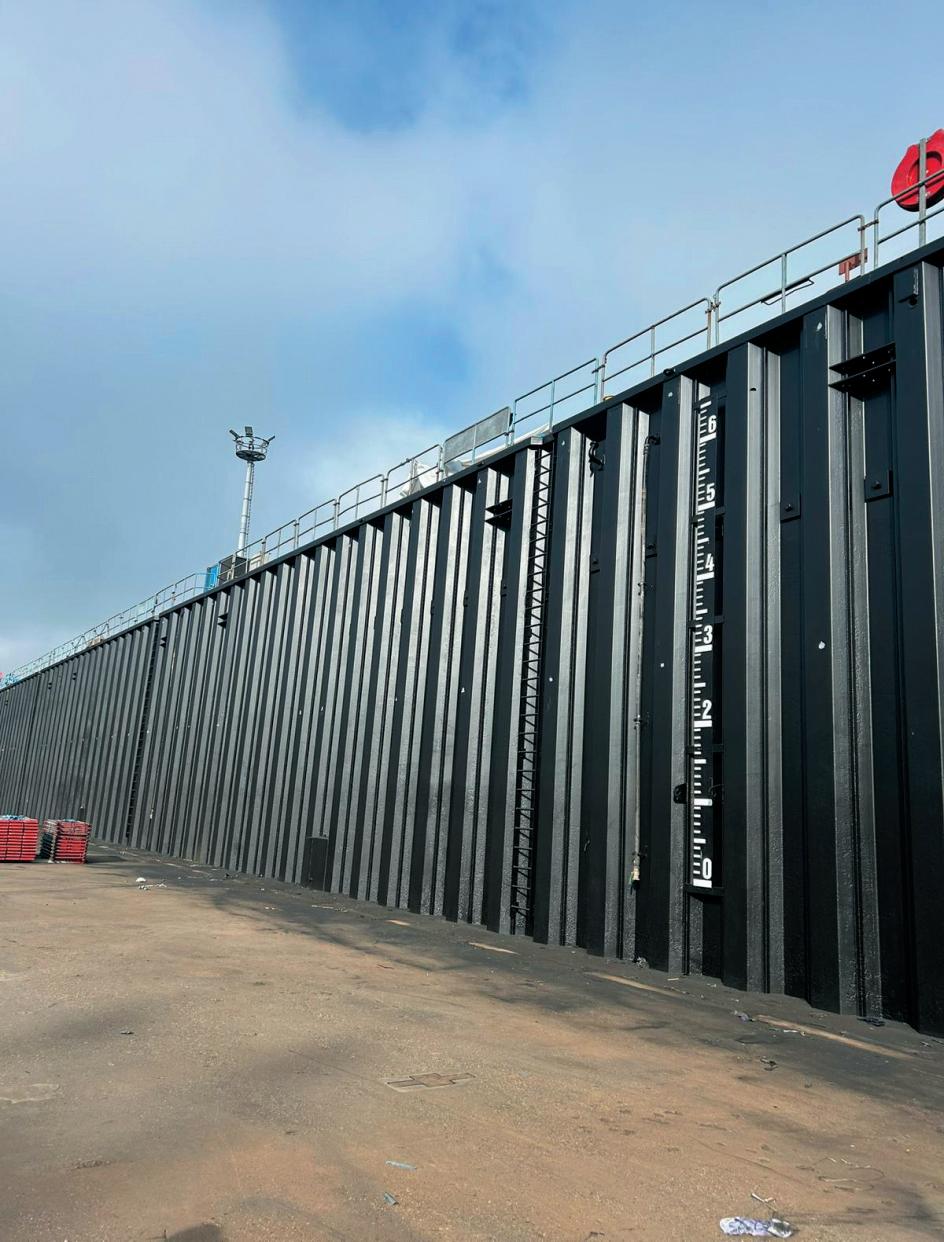
Before and after (right): Steelpaint’s Stelpant system was applied to the drydock’s sheet piles after existing coatings and steel was blasted to Sa 2½.
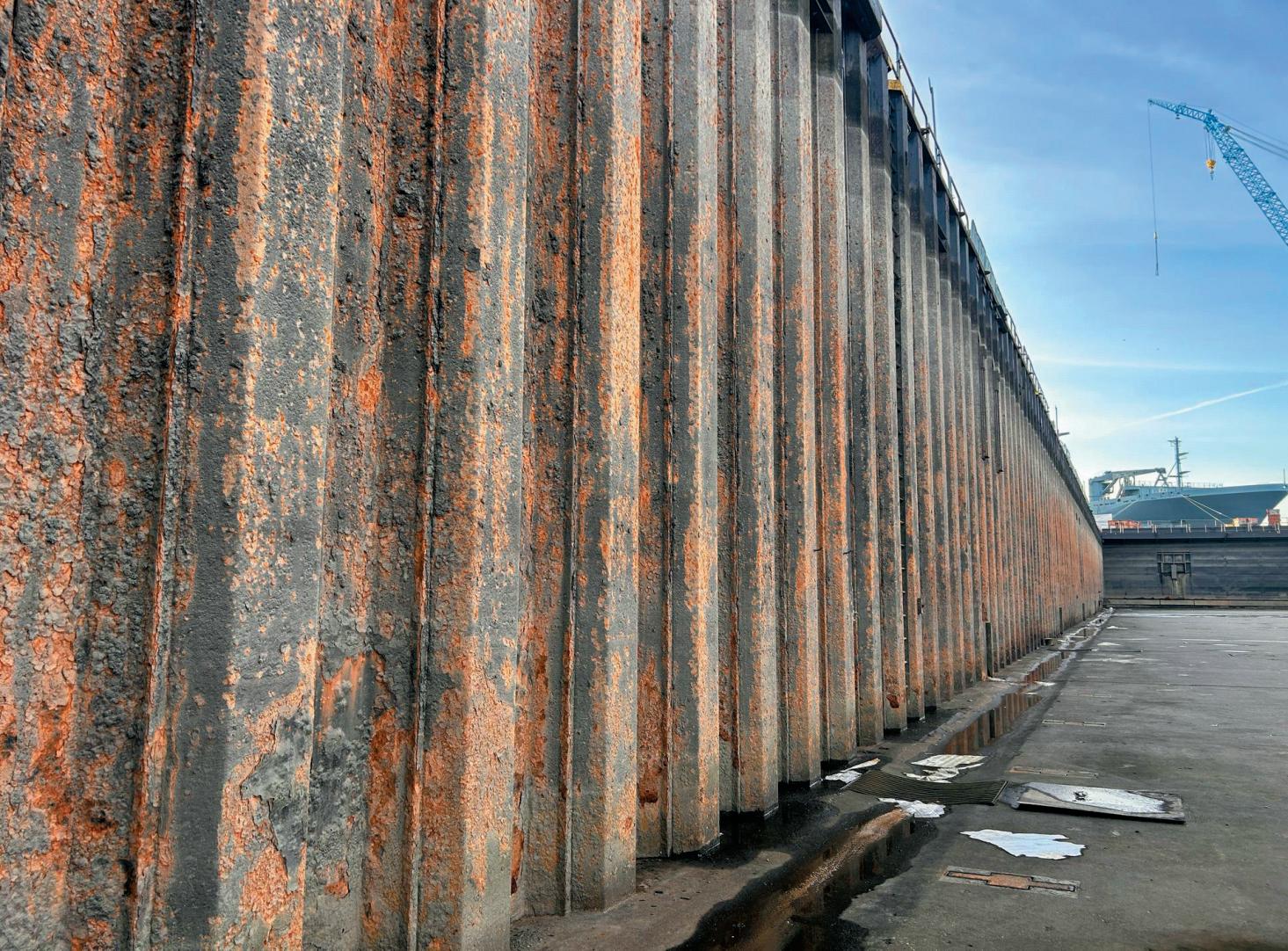
A major refurbishment programme is under way at the Meyer Werft shipyard, in Germany, where 7,600m² of drydock sheet pile walls are being recoated using Steelpaint’s Stelpant corrosion protection system. The work is being carried out by industrial coating contractor Tecton Service.
Located in Papenburg in north-west Germany, Meyer Werft has a history going back to 1795.
The current project involves the refurbishment of the steel sheet pile walls of the 200m x 38m uncovered drydock used for shiprepair work. This was the yard’s old building dock, which was commissioned in 1987 but extended in 1990.
Sheet piles, interlocking steel profiles driven deep into the ground to form retaining structures, are widely used in ports and shipyards to create quay walls, docks and waterfront infrastructure. Over time, these structures are exposed to highly aggressive marine conditions, including saltwater spray, moisture, and mechanical wear. As a result, periodic surface preparation and recoating is required to ensure long-term structural protection.
The sheet pile walls were last repaired and treated in 2009. However, as part of the current refurbishment works, the existing coatings are being stripped from steel surfaces using abrasive blasting to Sa 2½. The sheet piles will then be coated with a two-layer Stelpant system based on Stelpant PU-Zinc primer and a Stelpant
Unlike new steel structures coated under controlled factory conditions, the remedial coating of installed sheet piles is often time consuming and problematic due to variable weather conditions. Steelpaint says its polyurethane zinc coating systems, however, are particularly well suited to these applications.
“Refurbishing installed sheet pile structures presents a number of challenges,” said Nils Baumfalk, Steelpaint’s Key Account Manager and lead on the project.
“The geometry of sheet piles makes it more difficult to achieve consistent coating coverage compared with flat steel structures. But our Stelpant technology combines strong adhesion with active corrosion protection, essential to ensuring a long service life in harsh marine environments. Outside weather conditions do not usually delay application.”
The Stelpant PU-Zinc primer provides cathodic protection due to its high content of elementary zinc, helping to prevent corrosion even if the coating is damaged, while the PU-Combination 500 topcoat forms a high-build barrier layer designed to withstand mechanical impact and environmental exposure.
According to Steelpaint Director Frank Müller maintaining the integrity of the sheet pile walls is critical for safe and efficient drydocking operations.
“Stelpant technology is a key component in a shipyard’s drydock
maintenance strategy as the coating provides very durable, reliable protection and is very easy to apply.”
The project marks Steelpaint’s return to the Papenburg shipyard after more than a decade. In 2016, the company supplied coatings for 10,000m² of sheet pile structures in Meyer Werft’s covered building hall — the world’s largest.
“Returning to Meyer Werft after more than ten years is a strong indication that our coating systems have delivered,” said Müller. “Shipyards operate in extremely demanding environments, so long coating lifetimes are critical for reducing maintenance costs and operational disruption.”
For more than 40 years, Steelpaint has enhanced the life and durability of heavyindustry facilities, particularly in the maritime sectors. Thanks to onecomponent polyurethane resins, the Germany-headquartered company’s special high-tech coatings have raised the technological bar in corrosion resistance, offering impressive benefits over conventional epoxy coatings solutions.
Steelpaint has origins dating back to the 1890s. Its products are used widely in port and offshore facilities, sheet pilings, internal and external linings, tanks, bridges, and ship structures. They can be used in combination with cathodic protection.
On 17 March, CleanQuote announced a new partnership with DryLog Services, an Athens-based dry bulk owner-operator, as part of its continued commitment to supporting the Greek shipping market.
The partnership focuses on CleanQuote’s Automated AI hold cleaning inventory module, designed to turn routine inventory reports into clear, actionable decision support for the operations team. By combining Remaining Onboard (ROB) submissions with minimum stock levels, live voyage data, and historical purchasing patterns, the solution helps operators decide when and where to restock.
For dry bulk owners operating their own fleets, keeping track of inventory is vital, but time-consuming and inefficient. Data exists, but too often is not available at the right time, or it is not up to date. CleanQuote surfaces the right signals early, without changing how operators already work.
DryLog Services operates an owned and time chartered-in fleet in the dry bulk segment, with a strong focus on operational reliability and long-term asset performance. As trade patterns grow more complex, it sees structured data and automation as key to consistent decision-making across vessels. “Inventory data has always been important, but difficult to use in practice,” says Steve Rogers, Deputy Chief Operations Officer at DryLog Services.
“What stood out with CleanQuote was the ambition to move ROB from a static report to something that actually supports decisions during a voyage. We see strong potential in using data and AI to help our operators plan better and act earlier.”
The collaboration began with a focused trial, where teams from both companies worked closely to align CleanQuote’s solution with DryLog’s operational reality. The objective was simple: make existing information more useful at the moment decisions are made. “We see technology, and artificial intelligence in particular, as a way to support operators with better information at the right moment,” says Mads Porsborg, Managing Director at CleanQuote. “The goal is not to change
how teams work, but to help them make better decisions using data they already have.” With this partnership, CleanQuote continues to strengthen its support for Greek shipowners with practical, datadriven decision tools.
CleanQuote is a vessel cleaning platform that simplifies the process of ordering Hold Cleaning Supplies, Shore Cleaning Gangs or Underwater Services.
Whether a customer require supplies or crews to clean the cargo hold or underwater services like Hull Cleaning, Propeller Polishing, or Underwater Inspections, CleanQuote is an ideal solution. The company provides a vetted and approved supplier network and allows for easy comparison of quotations, among
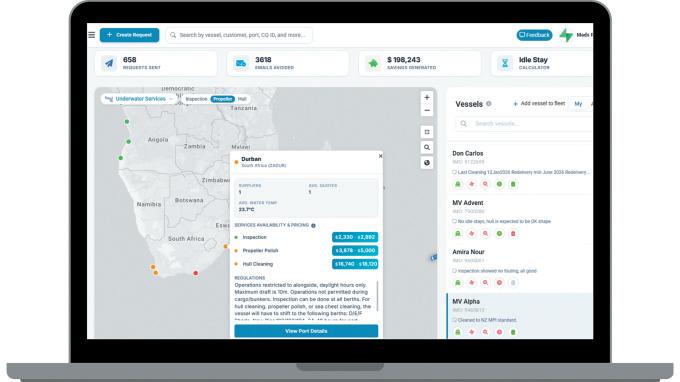
CleanQuote simplifies inventory issues using ROB submissions.
other features. CleanQuote’s ultimate goal is to find the optimal cleaning solution for its users, whether related to hold cleaning supplies, cleaning gangs, or underwater services.
CleanQuote provides more than quotes; it offers a fleet inventory system as well. Its Operator tool enables users to automate ROBs, track cleaning inventory, monitor usage, and much more.



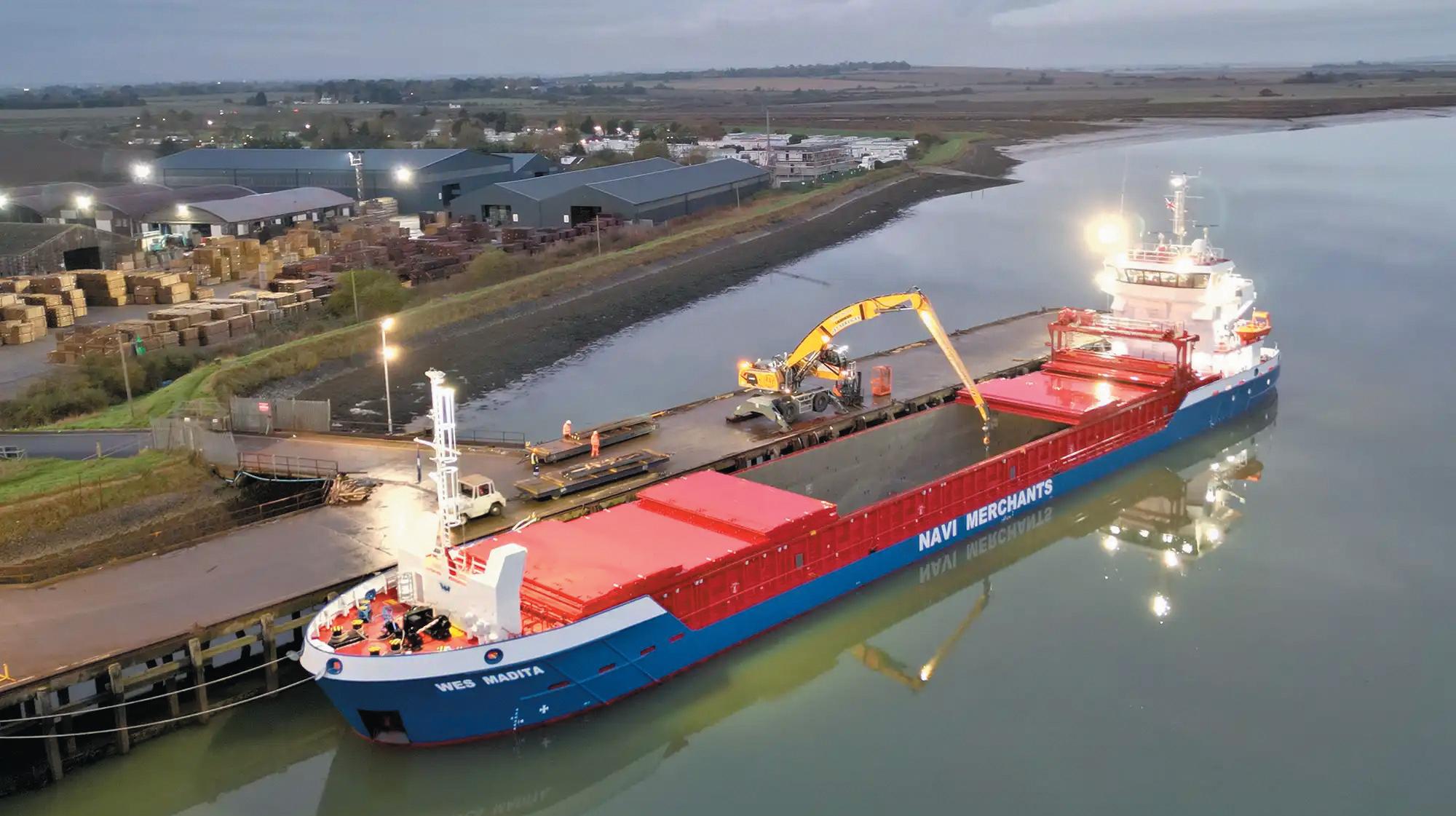
PortRail Group is a new industry force created by the combination of two sector experts driven by one purpose — to redefine how material handling and logistics operate across the industry, setting new standards for efficiency, reliability, and service at every stage.
JST Services and RFS Works have been brought together under one umbrella to form PortRail Group. JST Services brings expertise in third party solutions in haulage, shipping and materials handling in ports and worksites, while RFS Works offers handling, terminal management and logistics services delivering robust solutions for major infrastructure.
Combining the exceptional capabilities of JST Services and RFS Works means that PortRail is an integrated bulk logistics
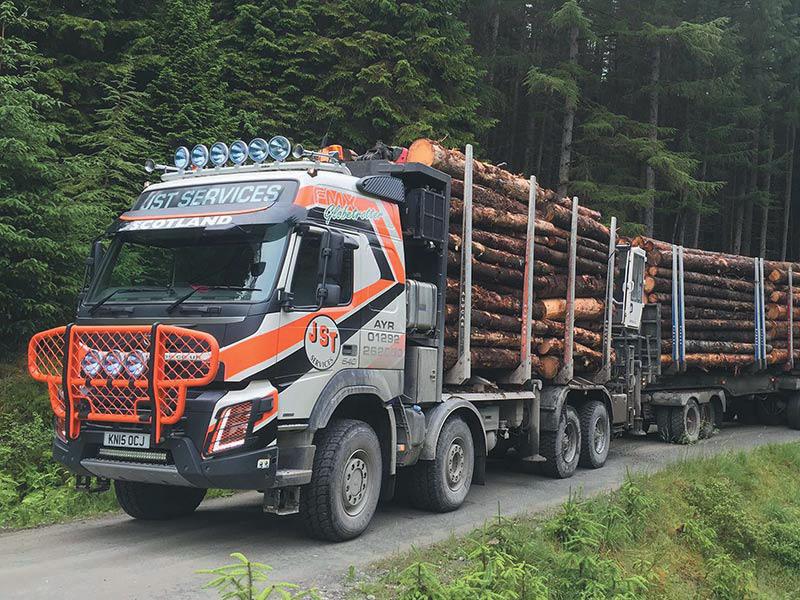
powerhouse. Backed by the one of the largest, most diverse and advanced fleets of plant and machinery, PortRail has the proven capacity to deliver value with every material handling challenge.
Richard Jennings, CEO of PortRail Group, said: “Following our acquisition of
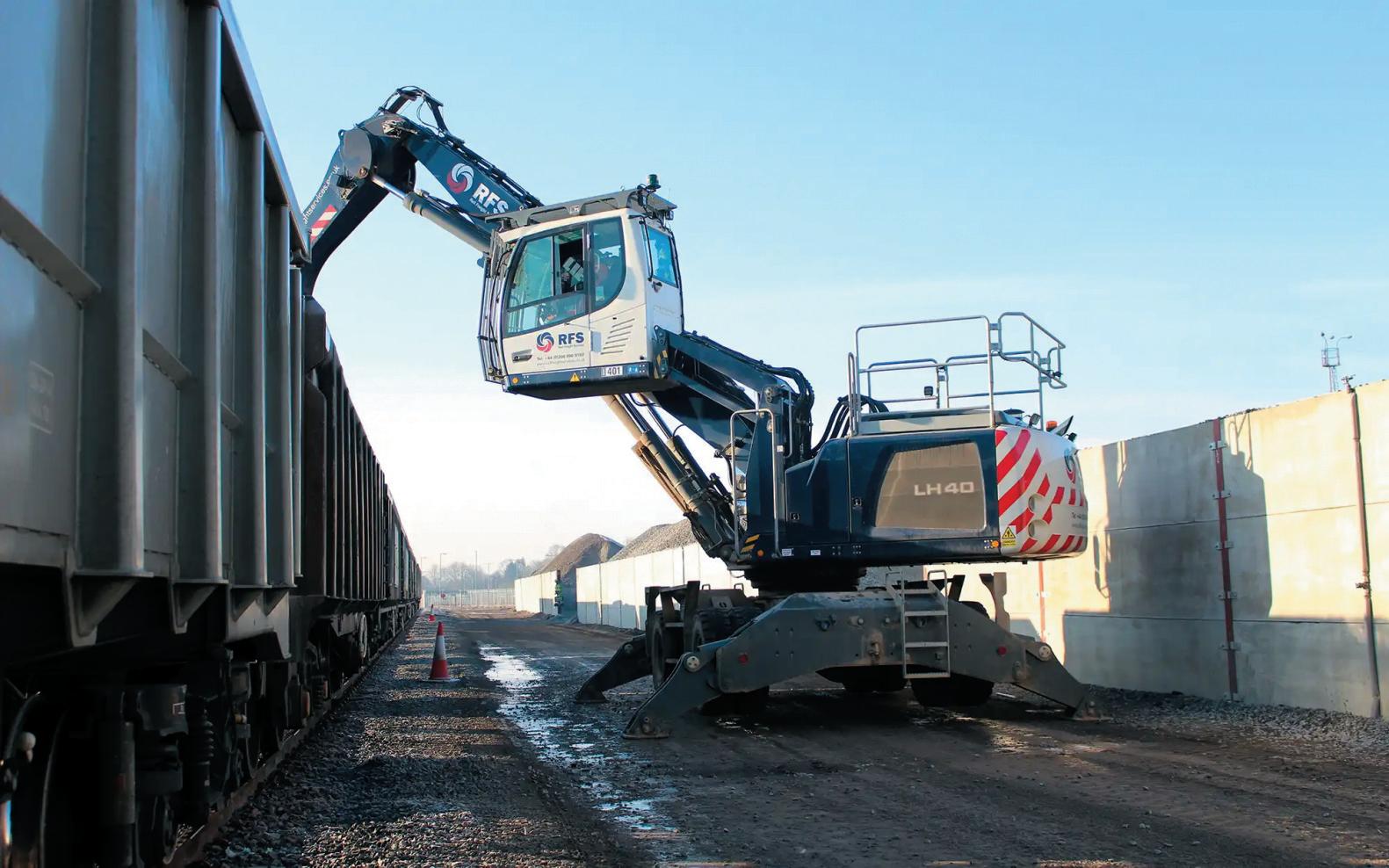
RFS Works, our new name brings JST and RFS together under one brand. PortRail Group is an integrated bulk logistics powerhouse with the proven capacity to deliver value with every multimodal bulk material handling challenge.
“This marks the beginning of a bold new chapter, enabling us to combine decades of expertise in innovative handling and logistics solutions to support sustainable economic growth. At the same time, our new PortRail Group name is straightforward, easy to understand and easy to say!”
Expertise offered by the new group includes: material handling; v shipping; v port handling and logistics; v logistics services; v haulage; v mobile floating piers; v tank sediment removal; v earthworks and mining; v equipment solutions; v rock rehandling; v sectional landing craft; and v associated services. v
The business is already using the new PortRail Group name across its fleet. The new logo features a ‘roundel’ of six chevrons representing the movement of materials and the tracks made by mobile machinery, combining the striking orange from the existing JST brand with a teal that blends the blue and green of the former RFS brand.
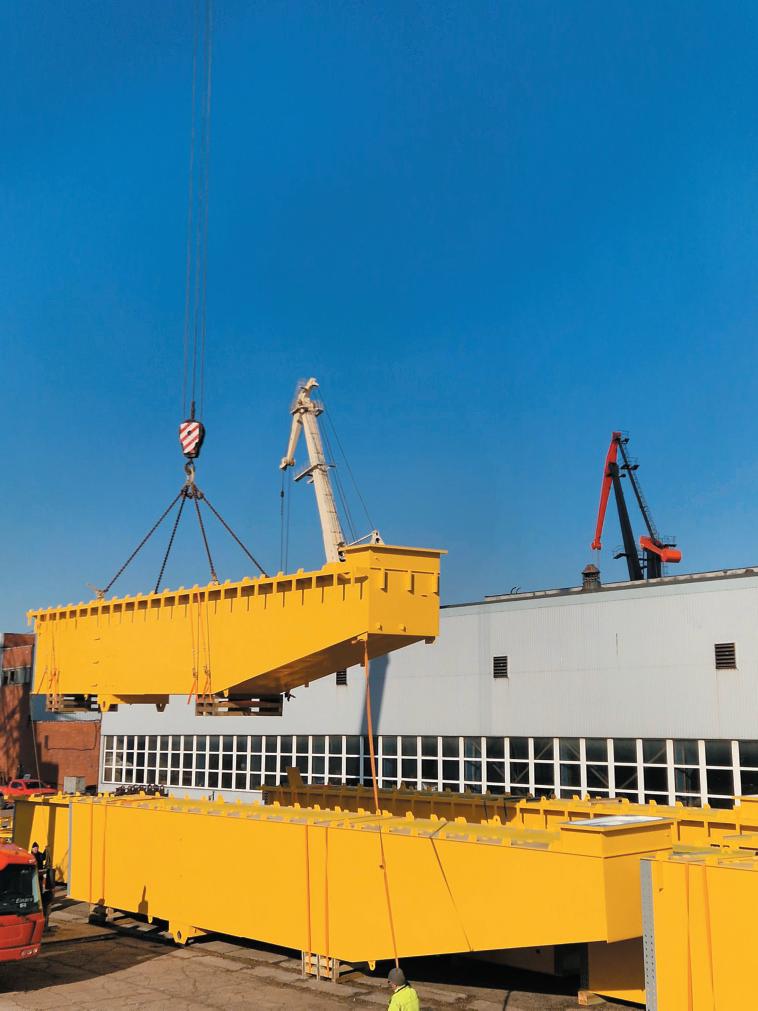
JSC “RIKON” has announced the successful delivery of the second and third fully automated A-RMG (Automated Rail Mounted Gantry) cranes to the Madrid-Vicálvaro Intermodal Terminal in Spain. This shipment marks the final stage of equipment delivery for ADIF, the Spanish state-owned railway infrastructure manager, with all components now successfully received at the terminal site as of March 2026.
With the arrival of these two units, which are identical to the first crane shipped earlier, the terminal’s primary automated handling fleet is now complete. The equipment, dispatched directly from JSC “RIKON”’s own berth, has been safely positioned at the facility and is ready for the subsequent stages of on-site assembly, installation, and commissioning. These cranes represent the pinnacle of modern container handling technology, featuring fully unmanned operation and integration with the proprietary RROS (RIKON
Remote Operation System) for highprecision remote control.
The Madrid-Vicálvaro Terminal is a flagship project for ADIF, representing a strategic investment of over €300 million. The delivery of all three RIKON A-RMGs is a critical milestone as the facility prepares for its operational
launch. Once active, the terminal will function as the primary logistics hub for central Spain, bridging the Atlantic and Mediterranean rail corridors and handling an estimated 150,000 intermodal units per year.
The successful completion of this delivery phase further solidifies JSC “RIKON”‘s reputation in the European market and confirms its status as a leading provider of technological solutions for the next generation of intermodal transport. Building on past successes in Valencia and other major European hubs, this project demonstrates the company’s ability to execute complex, large-scale infrastructure deliveries. By providing cutting-edge automation, RIKON ensures that the Madrid-Vicálvaro facility will operate with maximum efficiency and safety from its first day of operation.
It is a great honor for the RIKON team to support the modernization of Spain’s national logistics network.
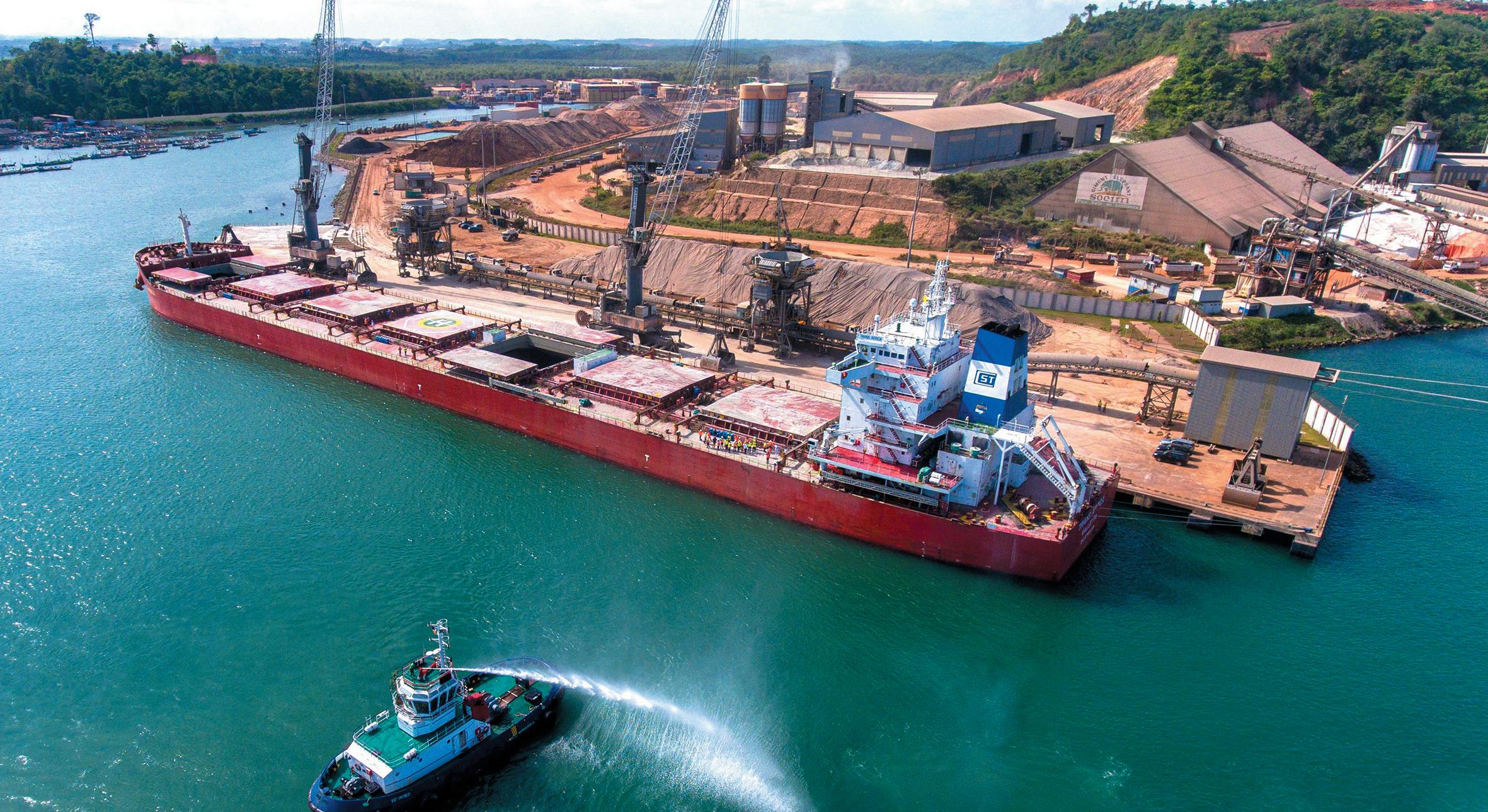
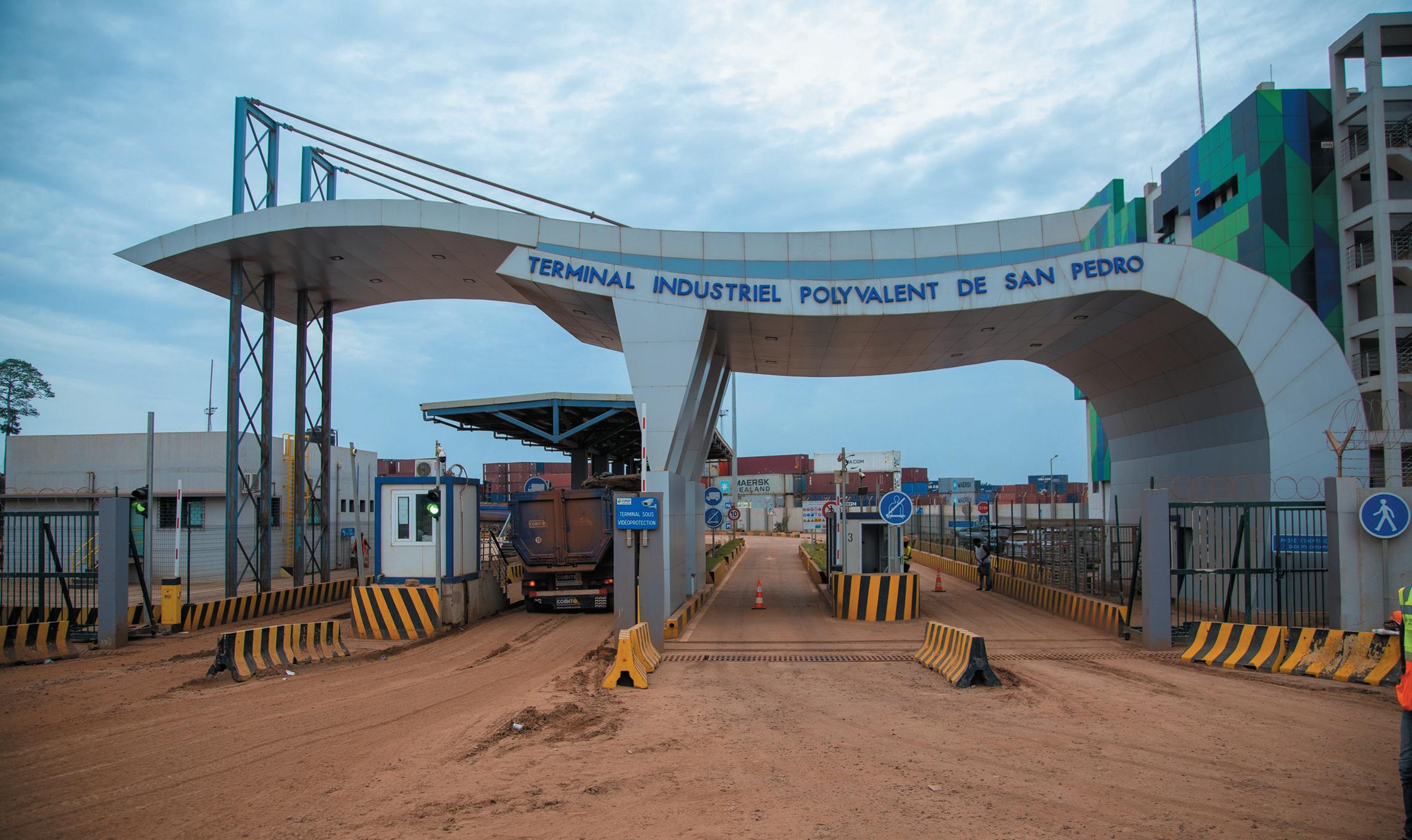
Since its commissioning in 2022, the Terminal Industriel Polyvalent de San Pedro (TIPSP) has rapidly emerged as a strategic bulk export and import hub in West Africa. Driven by mineral exports and industrial bulk imports, TIPSP has reinforced its role in regional trade, handling approximately 3.3mt (million [metric] tonnes) of cargo in 2025, within just four years of operation.
TIPSP was developed to accommodate Panamax-sized vessels directly at berth, featuring a 270-metre quay with a 14-metre vessel draught and 600,000 tonnes of cargo storage capacity. The terminal is now well recognized for its operational excellence, offering high handling rates for both import and export vessels, at par with international standards and among the best in West African ports. This performance has been recognized by the Association de Gestion des Ports de l’Afrique de l’Ouest et du Centre (AGPAOC), which conferred special awards to TIPSP during its annual programs held in Conakry, Guinea (2024) and PointeNoire, Republic of Congo (2025). These awards acknowledged TIPSP’s operational excellence and its contribution to the development of regional economies.
TIPSP has continued to diversify its commodity portfolio, introducing lithium spodumene exports alongside established mineral commodities such as nickel, manganese, and iron ore. On the import side, bulk commodities supporting regional cement industries — such as clinker,
gypsum, limestone, and slag — have remained strong. This growth has been driven by increasing mining exports due to reduced logistics costs and improved handling efficiency, as well as rising demand for industrial bulk imports.
To leverage current and future growth potential and continue supporting its customers with best port infrastructure, TIPSP has ambitious expansion plan to double its capacity from 6mtpa (million metric tonnes per annum) to 12mtpa. The expansion will include the construction of a second quay capable of accommodating Panamax vessels, as well as an increase in cargo storage capacity from 0.6mt to 1.6mt for multi-commodity operations. TIPSP also offers customized storage solutions for commodities such as lithium spodumene, fertilizer, and clinker. To improve fertilizer handling, the terminal is developing integrated storage and packaging facilities connected directly from ship to warehouse via conveyor systems, which will significantly reduce overall logistics costs and minimize handling losses for fertilizer importers. Additionally, to support nearby cement plants with higher discharge rates while improving environmental performance and reducing carbon footprint, TIPSP plans to install direct conveyor systems connecting the berth to cement plant storage facilities in the near future.
“[The year] 2025 has built on the momentum of our prior growth phases.
We continue to deliver throughput increases while investing in infrastructure, operational performance, and service reliability — all key factors in attracting exporters and importers across West Africa,” – Director General, TIPSP.
SOCIOECONOMIC IMPACT OF ARISE PORTS & LOGISTICS IN CÔTE D’IVOIRE (SOURCE : QBIS REPORT)
UPGRADING BULK PORT INFRASTRUCTURE AT SAN PEDRO
Côte d’Ivoire’s export economy v remains highly concentrated in agricultural commodities, limiting resilience to price volatility and external shocks.
While the country has significant v mineral and industrial potential, the ability to scale low-value bulk exports has historically been constrained by port capacity, handling efficiency, and logistics costs.
The Terminal Industriel Polyvalent de v San Pedro (TIPSP) represents a structural upgrade to Côte d’lvoire’s bulk logistics system. By providing deep-draught access, mechanized handling, buffer storage, and dedicated industrial berths, TIPSP enables larger vessels, faster turnaround times, and more reliable operations compared to legacy multipurpose infrastructure.
ENABLED ECONOMIC IMPACTS
A study that was commissioned by
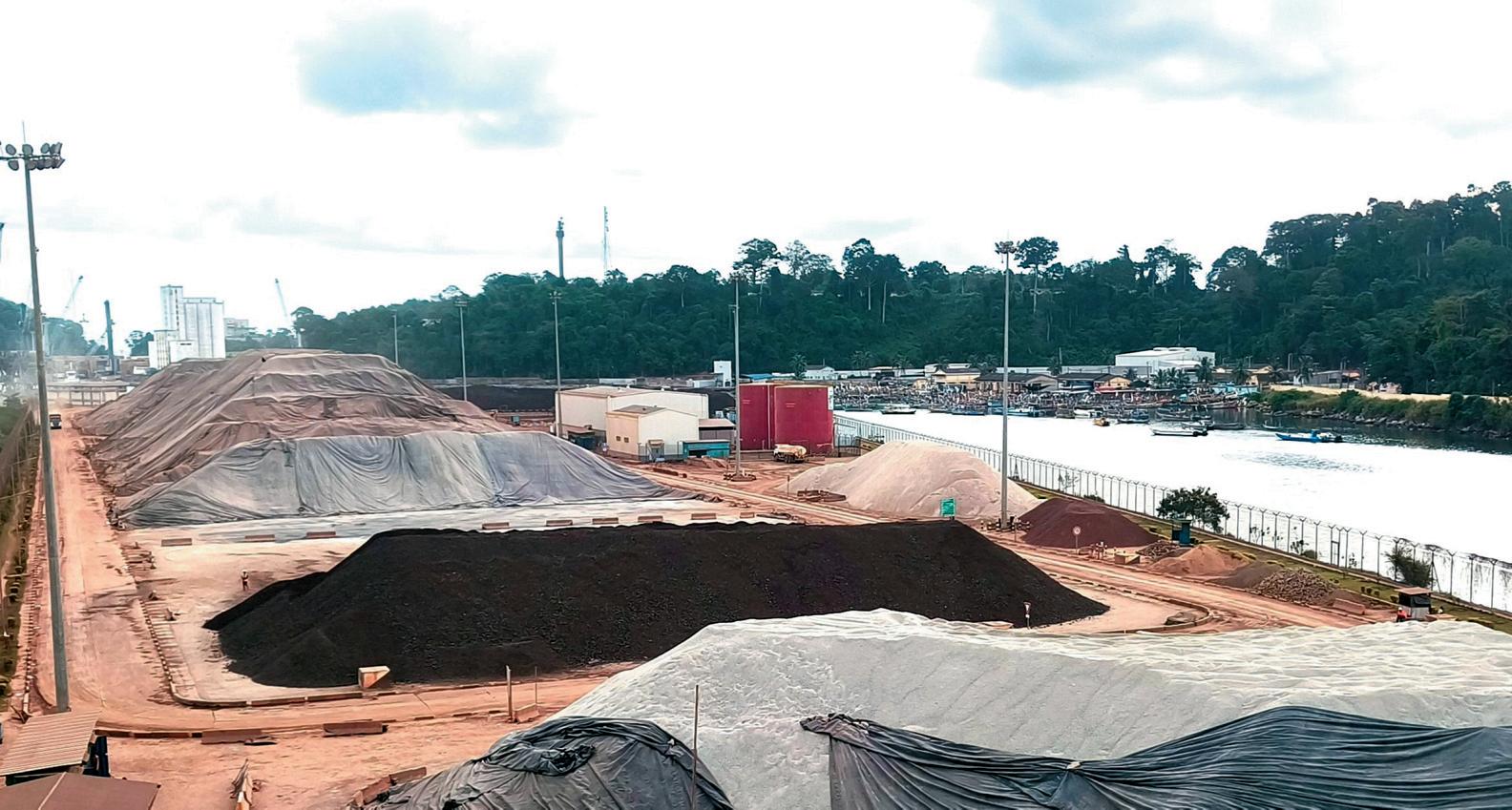
A. P. Moller Capital and carried out by QBIS assessed the socioeconomic impacts enabled by TIPSP across export, import, and regional transit flows.
Nickel ore: exports existed prior to v TIPSP; the port’s contribution is incremental. Based on an estimated 12% reduction in transport and logistics costs and established trade elasticities, TIPSP is estimated to enable around 8% of total nickelrelated impacts, equivalent to approximately 2,000 jobs and US$11 million in GDP by 2030.
Manganese ore: prior to TIPSP, v exports were physically constrained by port capacity. TIPSP enables scaleup rather than displacement. By 2030, manganese exports facilitated by TIPSP are estimated to support approximately 47,100 jobs and US$254 million in GDP, representing the full socioeconomic impact of this
export flow.
Cementitious cargo: lower import v costs for clinker and related inputs improve purchasing power across the construction value chain. Under an illustrative pass-through scenario, TIPSP-enabled cost reductions correspond to approximately 5,300 jobs and US$27 million in GDP by 2030.
Fertilizer imports: TIPSP removes v capacity constraints and reduces transport and logistics costs by nearly 20%, strengthening agricultural input supply. Under an illustrative full passthrough scenario, fertilizer-related cost reductions correspond to approximately 2,700 jobs and US$14 million in GDP by 2030.
Iron ore transit (Mali & Guinea): v TIPSP enables San Pedro to function as a regional bulk export corridor. By 2030, iron ore exports facilitated via
TIPSP are associated with approximately 22,700 mining jobs, US$79 million in GDP, and US$251 million in export revenues in Mall and Guinea. While production value accrues outside Côte d’lvoire, transit volumes generate domestic value added through port handling, logistics services, and coordination-positioning San Pedro as a regional gateway.
STRATEGIC SIGNIFICANCE
Taken together, these impacts v demonstrate that TIPSP’s contribution extends beyond port operations. By lowering logistics costs, improving reliability, and removing capacity constraints, the terminal strengthens upstream mining activity, supports downstream industrial users, enhances agricultural productivity, and increases household purchasing power through lower input prices.
From a broader perspective, TIPSP v illustrates how targeted logistics infrastructure can unlock economic value well beyond the port perimeter. Rather than relying on subsidies or price support, the terminal improves competitiveness through lower trade costs, greater reliability, and scale. This positions Côte d’lvoire to diversify its export base, strengthen industrial linkages, and build resilience to external shocks — while simultaneously supporting regional economic integration across West Africa.
Odense Port is strengthening its position in the dry bulk sector with new raw material terminals, expanded capacity and flexible infrastructure designed to support growing infrastructure demand
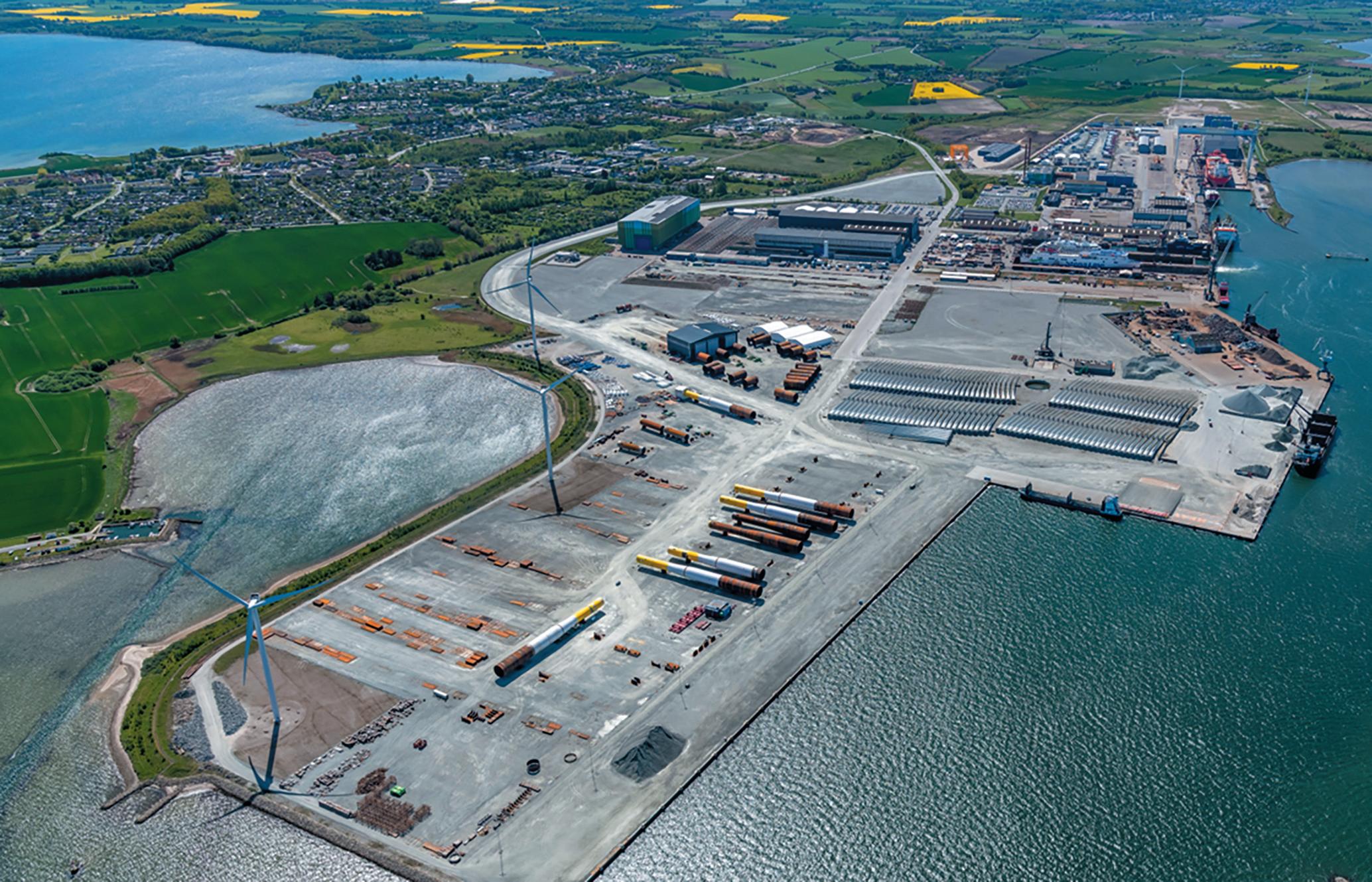
Odense Port plays a central role in handling dry bulk on Funen and across the rest of Denmark. With facilities both in Munkebo near Lindø and along Odense Canal, including the inner harbour area close to where the raw materials are used in projects, the port offers flexible solutions that meet the market’s growing need for efficient and sustainable handling of raw materials and other bulk products.
In spring 2026, the port will take another important step with the establishment of two new raw material yards at the inner harbour. The expansion is a direct response to a significant rise in market demand.
Sea transport enables large volumes of construction materials to reach infrastructure projects efficiently while reducing pressure on road transport.
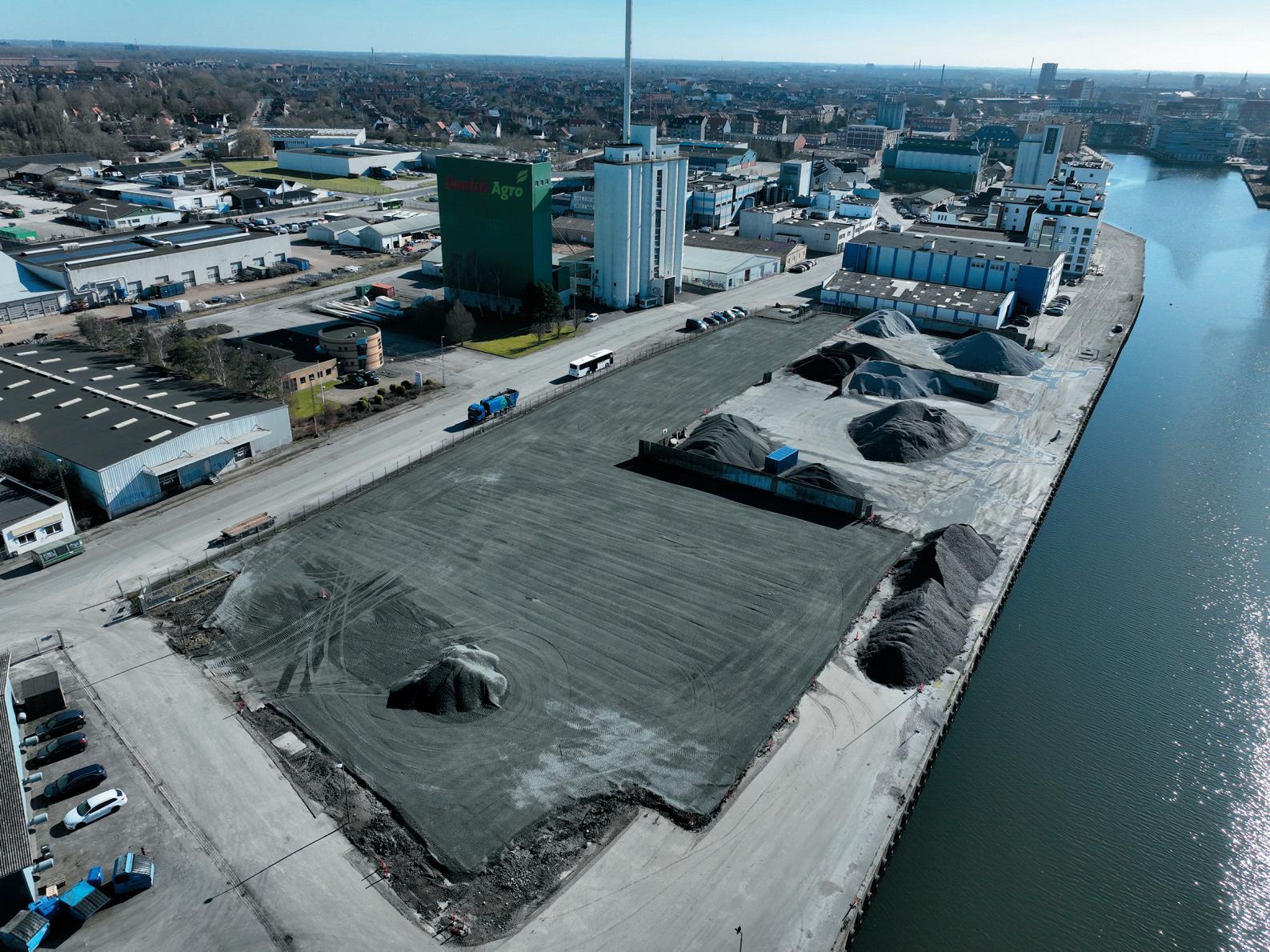
Odense Port handles a wide range of bulk goods, including dry, soft and liquid bulk. Within dry bulk, raw materials such as Norwegian granite, base gravel and sand account for a significant proportion of operations. These materials are primarily used for major infrastructure projects.
In recent years, demand has been rising, driven by, among other factors, railway projects on Funen, major industrial construction projects and upcoming infrastructure initiatives. These projects require significant quantities of stabilizing materials — quantities that are most efficiently transported by sea.
Transport by sea makes it possible to deliver large volumes in a single operation. In Munkebo, the port can accommodate ships carrying up to 38,000 tonnes of Norwegian granite, which can be efficiently unloaded to the port’s hinterland. These large volumes enhance security of supply whilst reducing the strain on the road network.
At the same time, the inner harbour offers a logistical advantage when the materials are to be used closer to Odense and the surrounding area. By transporting
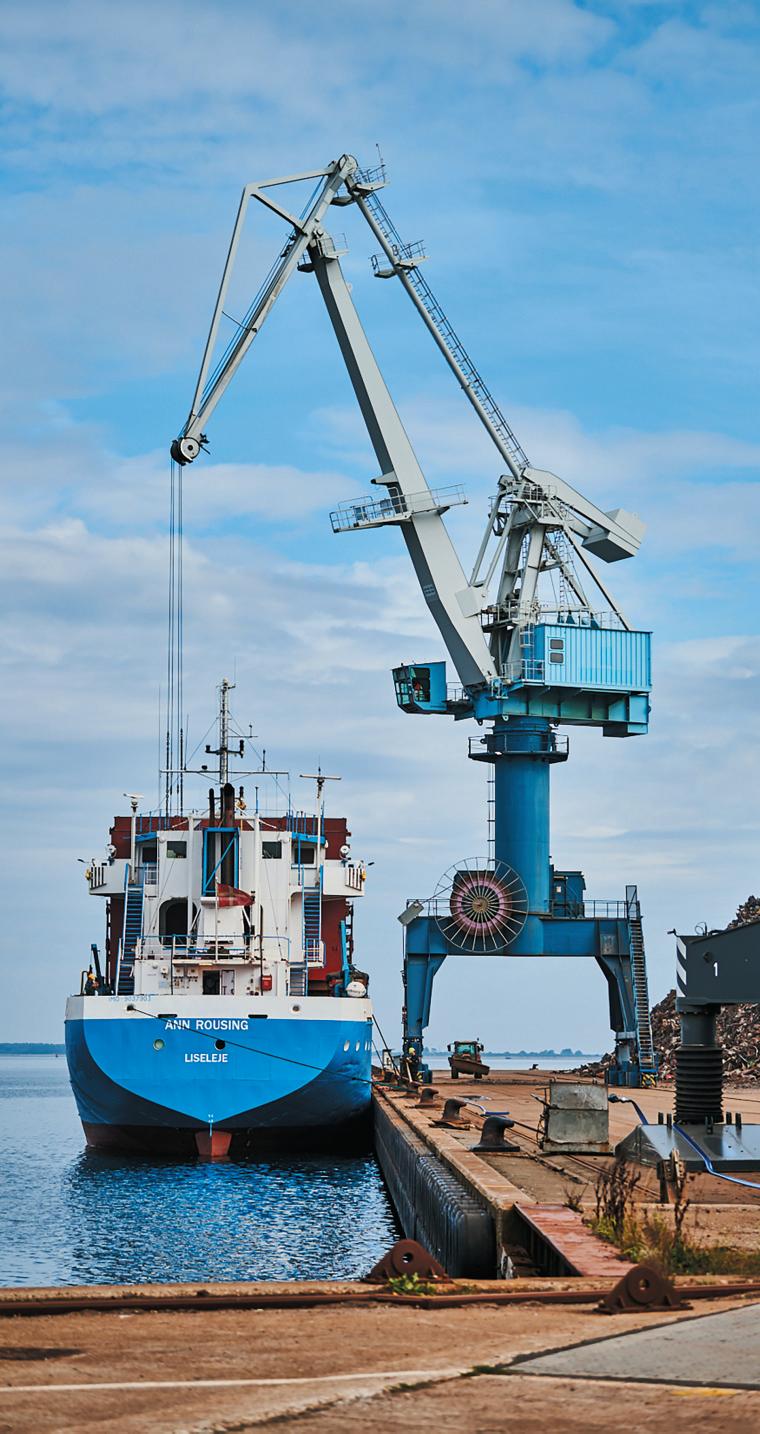
raw materials further inland by sea, subsequent lorry transport is significantly reduced. This cuts down on transport time, costs and CO2 emissions.
The structure of Odense Port, with two complementary port areas, creates operational flexibility, which is central to the bulk business.
In Munkebo near Lindø, deeper waterways and larger quay facilities enable the berthing of larger, high-tonnage vessels. There are also extensive hinterland areas for storage, transshipment and large-scale handling.
The inner harbour has a shallower draught but an attractive location close to the city. This makes the area particularly suitable when goods need to be transported quickly to projects in the local area.
The choice of port of call depends on the size of the vessel, the volume of the cargo and the final delivery destination. This structure makes it possible to optimize both logistics and environmental impact in each individual operation.
To meet growing demand, Odense Port has just completed two new bulk cargo terminals in the inner harbour. The areas have been prepared and optimized specifically for bulk handling.
The areas are asphalted, providing a
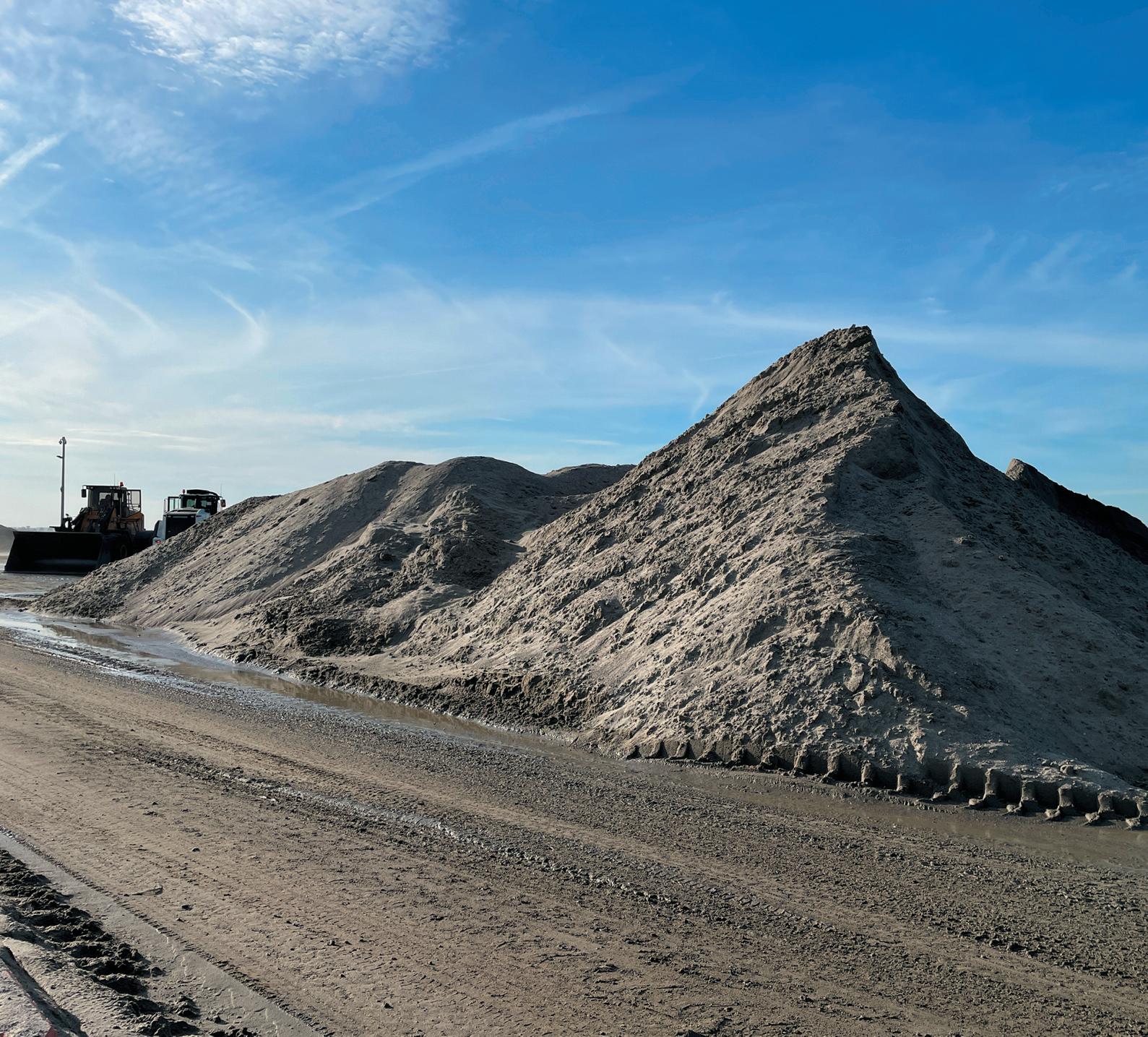
robust and efficient surface for handling sand, gravel and stone. The asphalt solution makes it easier to scrape and collect materials without losing product into the ground, while also ensuring more efficient operations compared with alternative surface types.
The new areas will be ready to receive bulk products from mid-March 2026 and are already the subject of discussions with market players.
The handling of dry bulk at Odense Port is based on close co-operation between several key parties: product suppliers, ship operators, the port and haulers.
Bulk products are unloaded using cranes and conveyor belts and moved efficiently to storage areas. From there, the materials are quickly reloaded onto lorries using specialized equipment and loaders. Efficiency in the flow is crucial, both to avoid waiting times and to ensure that the materials are delivered precisely when they are needed on the construction site.
Speed and delivery reliability are central to major infrastructure projects, where materials often need to be used within a tight timeframe. That is why the port prioritizes collaboration and planning to ensure optimal co-ordination between all links in the value chain.
In addition to raw materials, Odense Port also handles other bulk-related activities.
In Munkebo, there are facilities for handling liquid CO2, where the gas is delivered by ship and transported via pipelines to a tank farm within the port area and then distributed to customers by lorry.
Furthermore, the port plays a key role in the green transition through the handling and storage of large components for the offshore wind industry, including blades, tower sections and other elements. The large dimensions of these components make sea transport the most obvious and often the only realistic mode of transport.
The port’s substantial land area and ongoing expansion plans are a decisive competitive advantage in a market where many ports are experiencing a shortage of space. Access to quay metres and hinterland areas is essential to support both bulk products and project cargo on a large scale.
Odense Port’s strategy is clear: development takes place in close dialogue with the market. Investments in new bulk cargo berths and plans for further port expansion are not random; they are based on specific customer needs and on expectations of continued high activity within both infrastructure and green energy.
With its combination of a deep-water port, an urban terminal, modern handling equipment and significant development areas, Odense Port is positioning itself as a flexible and future-ready player in the dry bulk sector in the Baltic Sea region.
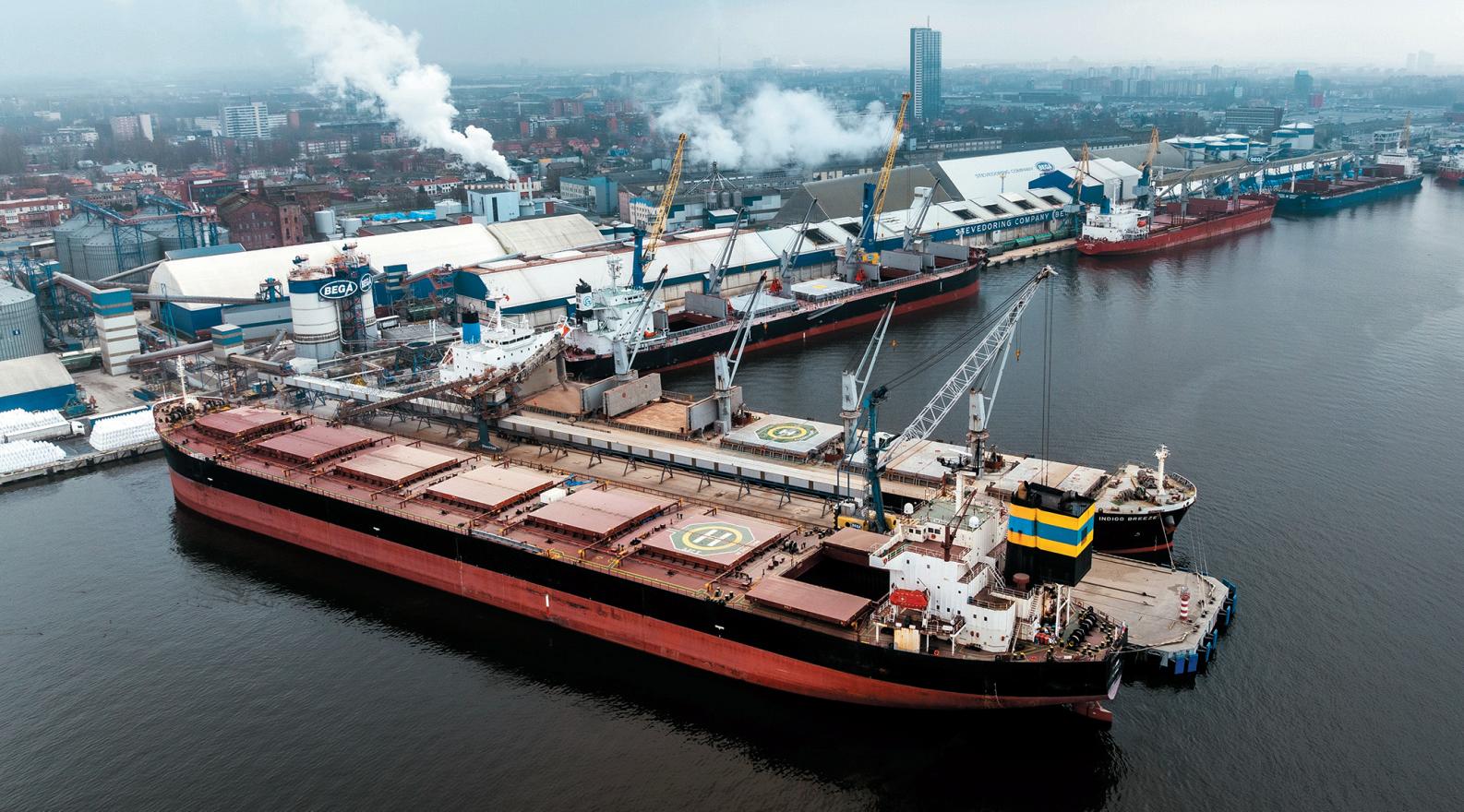
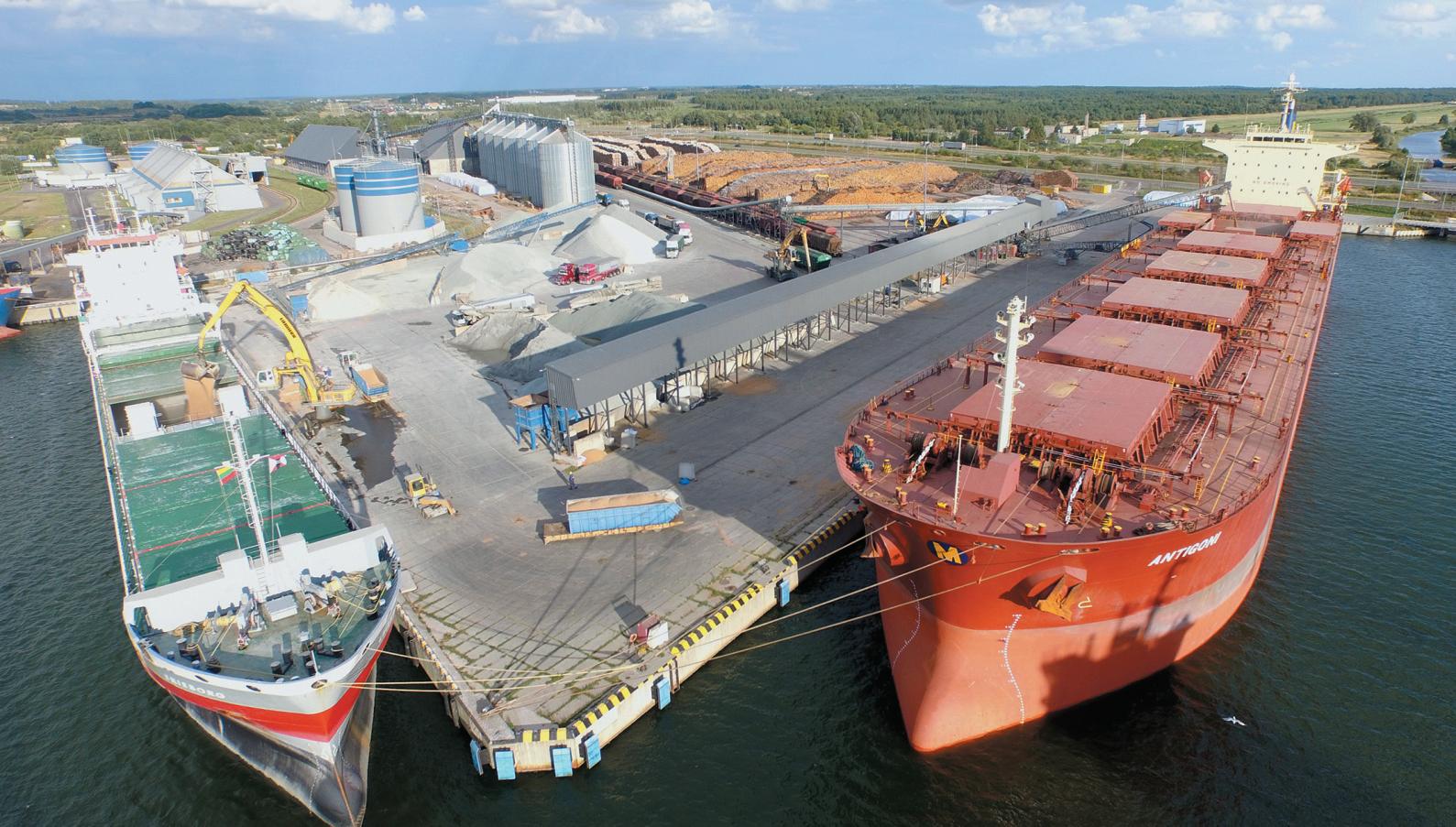
In a year marked by geopolitical uncertainty, shifting trade patterns and new regulatory pressures, one of the region’s key bulk cargo operators — Klaipeda Stevedoring Company Bega — recorded a solid performance in 2025 at the Port of Klaipeda.
Cargo volumes handled by the terminal increased by around 32% year-on-year, reflecting the company’s ability to adapt to a rapidly evolving logistics environment in the eastern Baltic. Growth was particularly visible across several cargo segments. Handling of minerals, bulk fertilizers and edible oils expanded significantly during the year, while agricultural products remained most important component of the terminal’s cargo portfolio despite some seasonal fluctuations linked to harvest timing. Part of the increase was linked to the gradual recovery of industrial production among Lithuanian manufacturers whose import and export logistics rely on Bega’s facilities in Klaipeda. At the same time, changes in European regulation — including new environmental charges on fertilizers imported from third
countries — also influenced trading behaviour, temporarily boosting certain cargo flows through the port.
“Growth last year was influenced by several factors, including the recovery of industrial production among our partners and changing trading patterns in the fertilizer market,” explains Laimonas Rimkus, CEO of Bega. “We increasingly see Klaipeda acting not only as an import or export gateway, but also as a logistics hub where cargoes are redistributed to other European markets.”
The example of one cargo shipment during the year clearly illustrated how Klaipeda Stevedoring Company Bega is increasingly functioning as a regional logistics and redistribution hub. A deep-draught bulk carrier delivered one of the largest fertilizer consignments ever handled at the terminal. While part of the cargo was stored in the company’s warehouses and later packed into big bags at the Bega terminal for distribution to inland customers, a substantial share was
transshipped directly into smaller vessels and forwarded to ports in Western Europe. The fertilizers bagged at the terminal were subsequently delivered to end users across the Baltic states and other neighbouring markets, highlighting the role of value-added services in the modern bulk logistics chain. By combining cargo handling, storage, processing and redistribution, the terminal is able to adapt shipments to the needs of different regional markets.
For ports across the eastern Baltic, the past few years have brought significant structural changes. Long-established transit cargo flows have shifted as geopolitical tensions and sanctions reshaped regional trade routes. In this environment, adaptability and close co-operation with logistics partners have become crucial for terminal operators. “Forecasting the coming years is extremely difficult given the geopolitical situation and the broader economic uncertainty,” says Aloyzas Kuzmarskis, Chairman of the Board of Klaipeda Stevedoring Company Bega. “However, our task remains clear — to work closely with our partners and ensure that we can offer reliable logistics solutions even in a rapidly changing environment.”
Malku Ilankos Terminalas (MIT) experienced a volatile market environment in 2025, clearly demonstrating how rapidly cargo flows can shift under changing global conditions. During the year, the terminal handled more than 1.6 million tonnes of cargo, around 3% less than in 2024. While the first half-year exceeded operational plans by 15%, the overall annual result was impacted by reduced timber flows reflecting global market trends. Despite these challenges, MIT fully implemented its investment programme, allocating nearly €3 million to cargo handling equipment, environmental protection measures and infrastructure upgrades. Continued investments in modern handling technologies and sustainability-focused solutions enhanced operational efficiency and minimized environmental impact. In recognition of technological innovations improving productivity and environmental performance, MIT received an award from Klaipeda Seaport Authorities, highlighting its commitment to responsible and futureready bulk cargo operations.
In Brazil, the Port of Paranaguá has introduced new dust control technology for use on dry bulk shipments. This consists of new telescopic tubes to load grain and bran into the holders of bulk carriers. Each can load 2,000 tonnes of these products every hour. At the end of each tube is a dust suppressing hopper that significantly reduced the amount of particles that escape into the atmosphere.
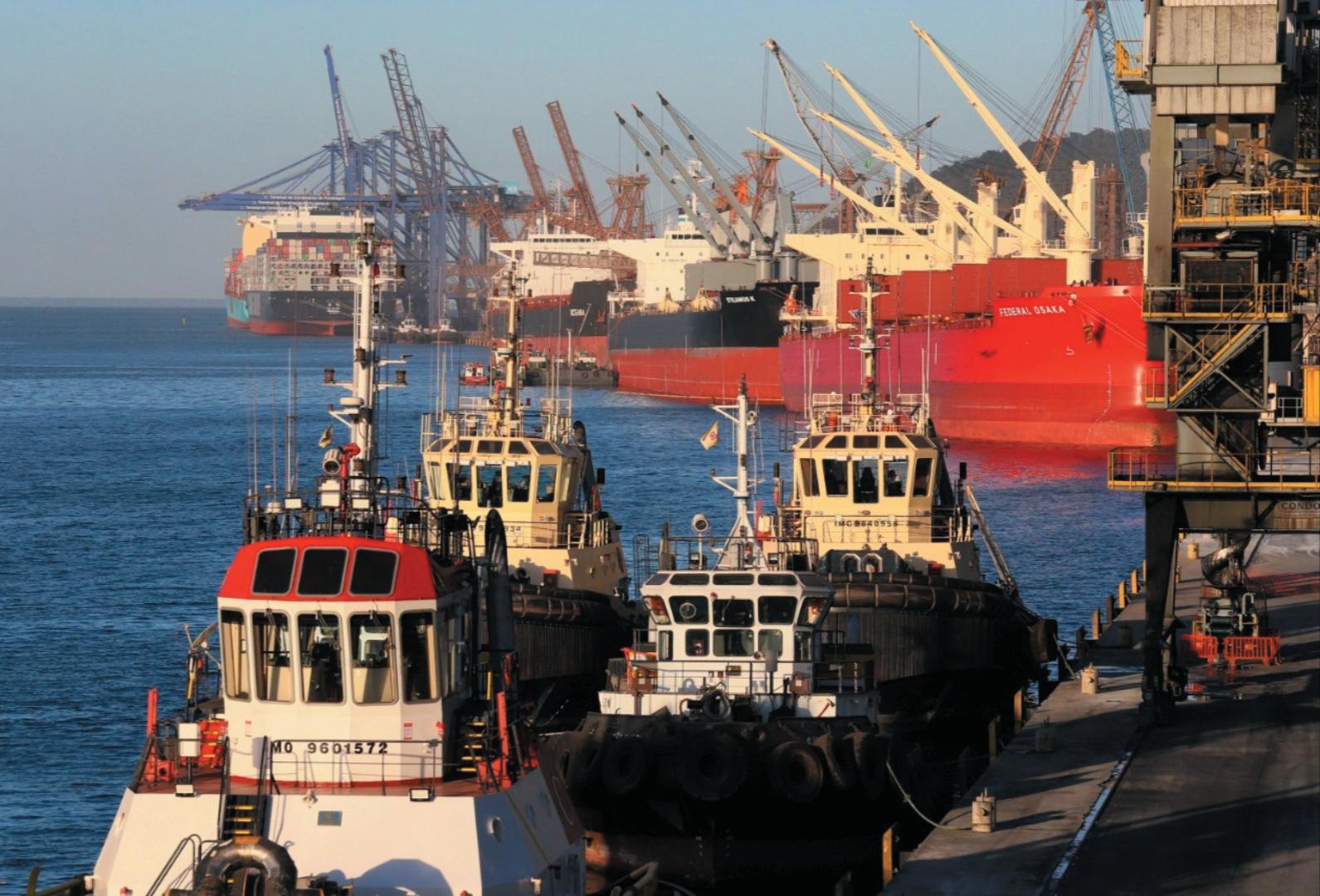
The Ports of Paraná authority, which overseas operations at Paranaguá, has made the acquisition of this equipment possible thanks to a $2.5 million grant. According to Luiz Fernando Garcia, the authority’s CEO, “This type of investment shows that it is possible to produce more, move more loads, and at the same time, responsibly and sustainably take care of the environment.”
The new equipment requires less power thanks to improved grain flow mechanics in the tube. When the grains and bran pass through the tube they effectively create a vortex that concentrates the particles, therefore stopping them spreading through the air during loading. Fewer motors also results in lower power draw down during operations. There are no filters, so maintenance is cheaper due to reduced consumables and the elimination of a need to shut down a whole operation for periodic cleaning. Clearly, this results in a major boost in productivity.






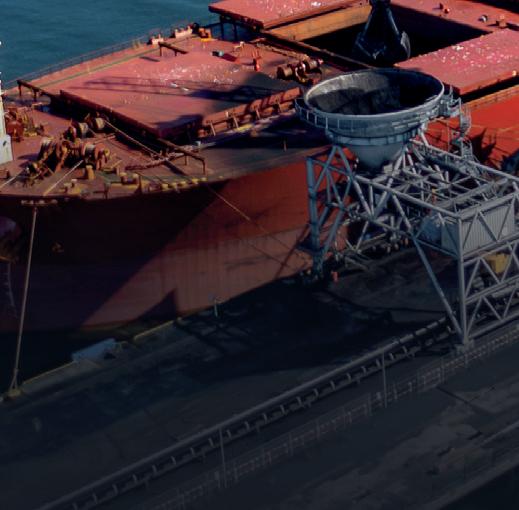




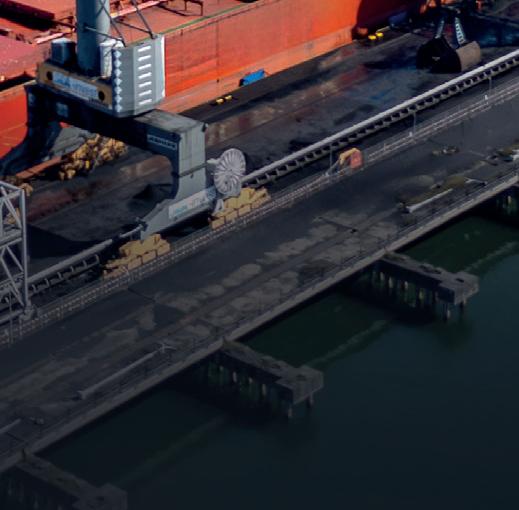








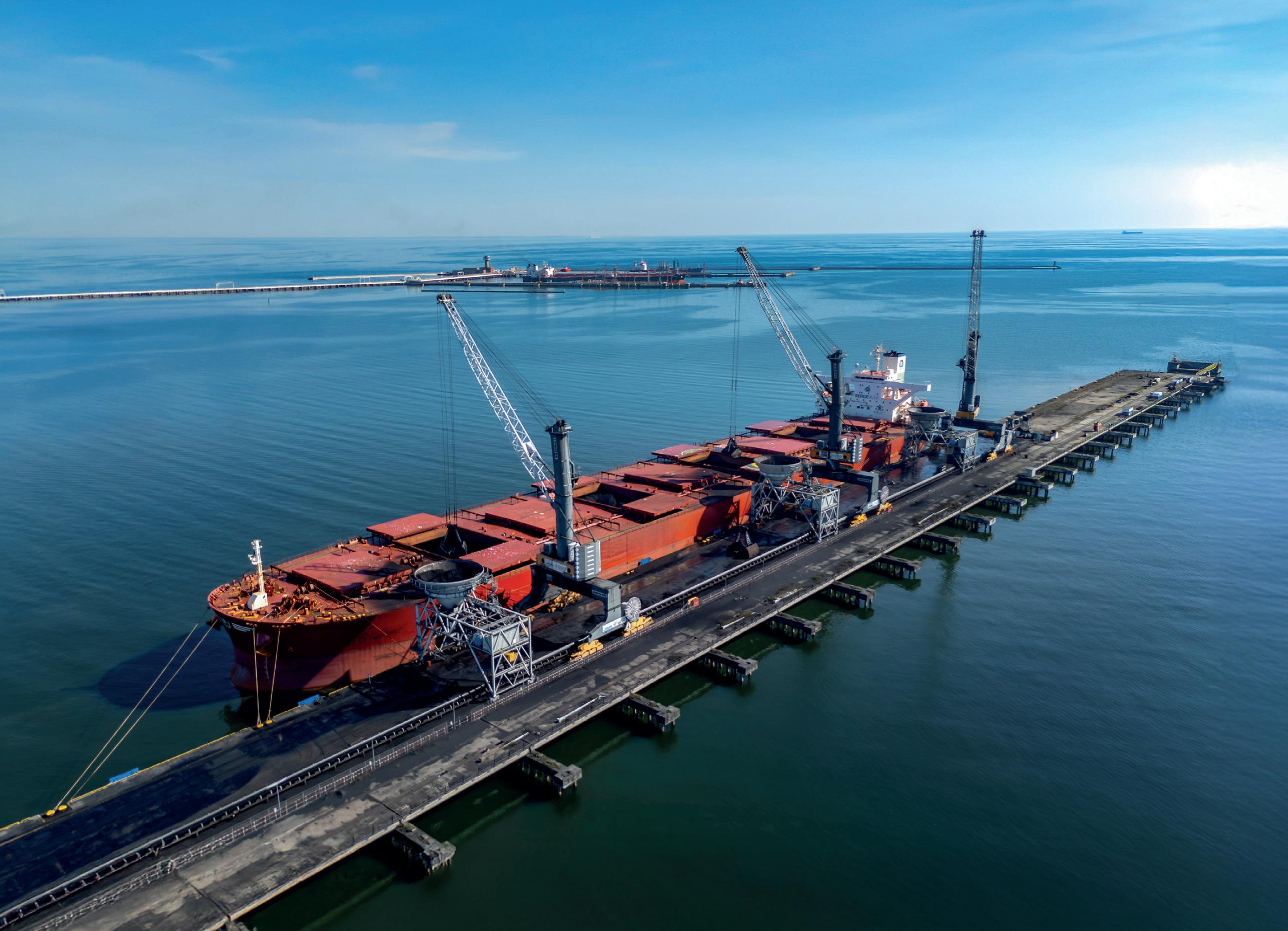


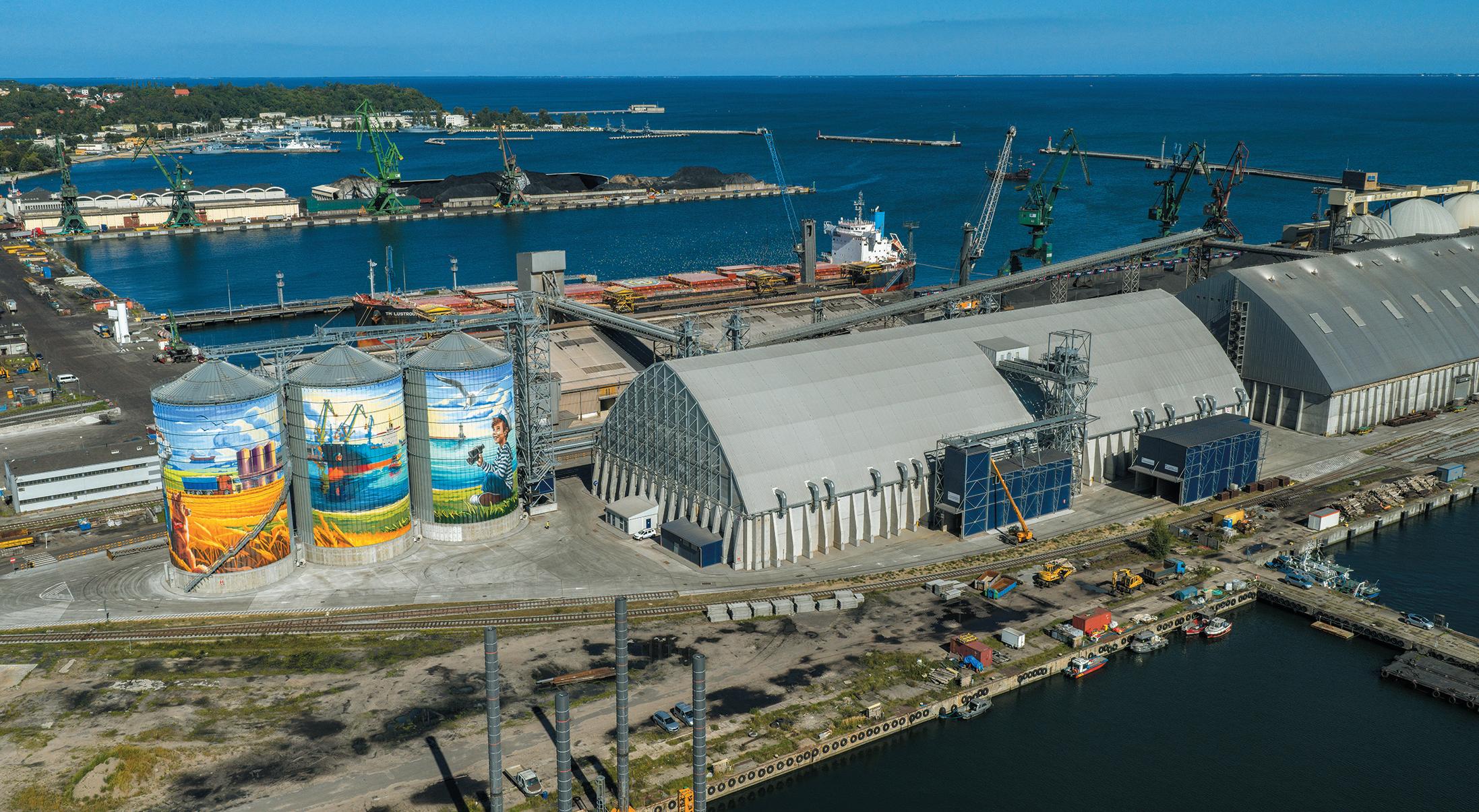
Across Europe, dry bulk logistics is entering a period of structural transformation. Shifts in commodity flows, growing demand for sustainable raw materials and the gradual emergence of alternative fuel supply chains are redefining how ports and terminals operate.
Located in the Port of Gdynia on the Baltic Sea, HES Gdynia Bulk Terminal has been steadily evolving its infrastructure and operational model to meet these changing market realities. Through continuous investments in storage capacity, cargo handling equipment and operational efficiency, the terminal continues to strengthen its role as a flexible dry bulk hub serving the markets of Central and Eastern Europe.
Currently, HES Gdynia Bulk Terminal operates as a versatile dry bulk hub combining significant storage capacity with flexible cargo handling capabilities.
The terminal operates storage facilities with a total capacity of approximately 350,000m³ for commodities requiring covered storage. Most of that is dedicated to grain and feed commodities that support agricultural supply chains across Central and Eastern Europe. Integrated automated grain conveyor systems ensure efficient cargo flows from vessel discharge to storage and onward distribution by road and rail. In addition some of these facilities are also suitable for storage non-
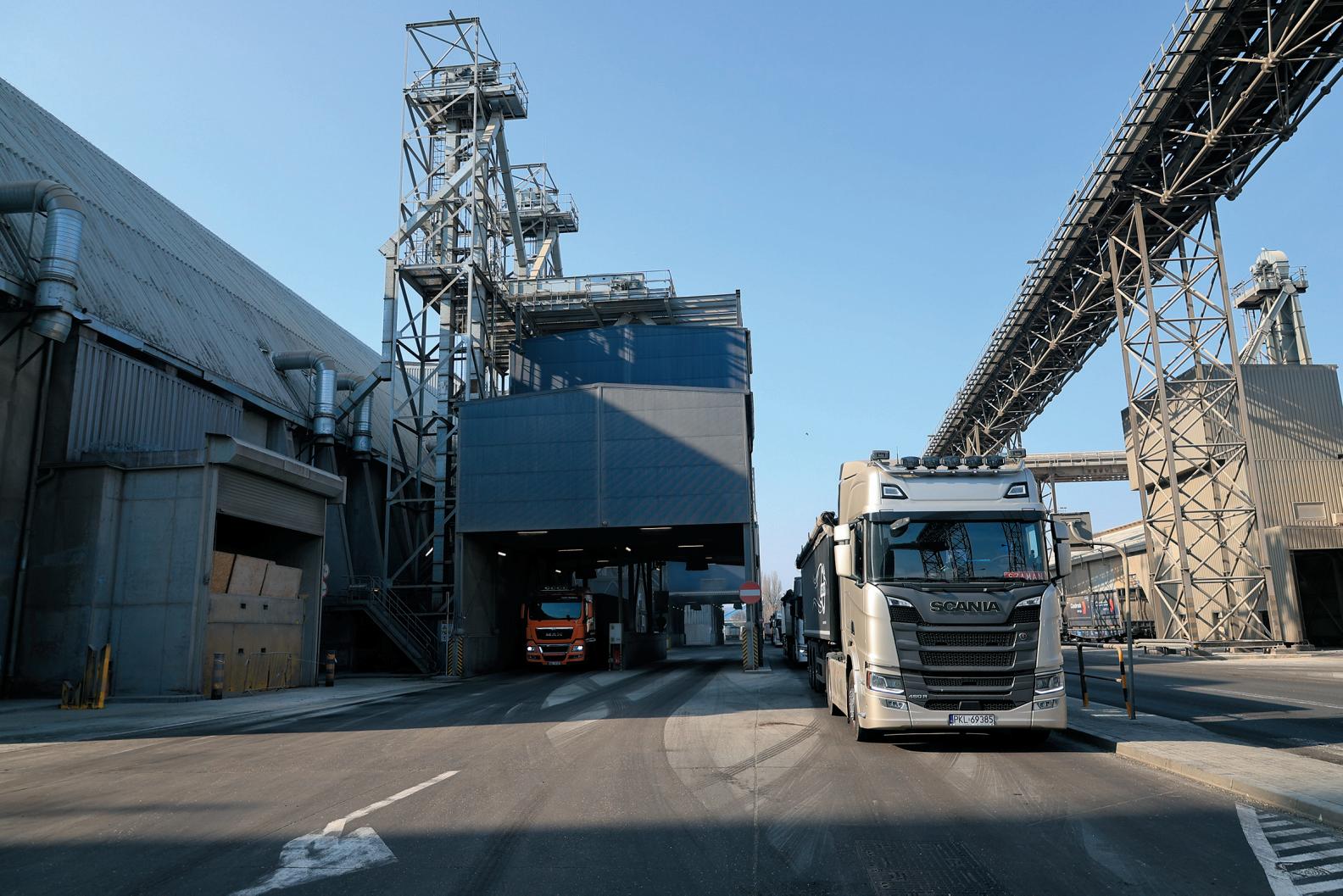
agricultural cargoes, further expanding the range of commodities that can be handled safely and efficiently at the terminal.
In addition to its covered infrastructure, the terminal provides open storage areas adjacent to the quays of approximately 83,000m2 for bulk cargoes such as aggregates, fertilizers, industrial minerals, road salt and metallurgical coke, enabling the efficient handling of a wide range of dry bulk materials.
Together, these facilities support an integrated bulk logistics system capable of handling approximately 5–7 million tonnes of diverse cargo streams while maintaining the operational flexibility required in today’s dynamic bulk markets.
To accommodate evolving cargo profiles and increasing operational requirements, the terminal has been progressively upgrading its bulk handling infrastructure, including the recent addition of a flat grain warehouse and three new silos, enabling customers to segregate and manage grain cargoes more flexibly.
A key component of this transformation is the ongoing renewal of the terminal’s handling equipment. The fleet of quay cranes and landside logistics machinery is systematically being replaced with newer, more efficient and with environmentally responsible solutions,
designed to reduce emissions while constantly improving operational performance. This progressive replacement of equipment ensures that the terminal remains capable of handling both established commodities and new cargo types entering European supply chains, while supporting more sustainable port operations.
Alongside the transformation of equipment and infrastructure, strong emphasis is placed on the continuous improvement of operational processes across the terminal.
Operational procedures are regularly reviewed and refined to optimize landside logistics, vessel discharge operations and cargo loading processes. The objective is to ensure smooth cargo flows, minimize operational bottlenecks and maintain the highest standards of operational excellence.
Highly important is maintaining a strong safety culture. Handling large volumes of dry bulk materials requires disciplined operations, well-maintained equipment and carefully managed workflows. By prioritizing safety and operational reliability, the terminal ensures that cargoes move through a stable and professional logistics environment.
Across Europe, bulk terminals are increasingly becoming strategic gateways for the raw materials shaping tomorrow’s industrial and energy landscape.
This evolving trade landscape increasingly brings together a broad range of bulk commodities, from grain and feed ingredients moving through Europe’s agrifood supply chains, to fertilizers and industrial minerals serving manufacturing and construction sectors, alongside emerging energy-transition feedstocks supporting the development of alternative fuels and other low-carbon technologies.
Through long-term investments in infrastructure, equipment renewal and logistics resilience, HES Gdynia Bulk Terminal continues to strengthen its operational foundations while adapting to the evolving requirements of international trade.
By continuously seeking safer and more sustainable operational solutions, the terminal supports its long-term partners with the logistical capacity and flexibility needed to accommodate their evolving cargo profiles.
Located at the crossroads of Baltic maritime routes and the hinterland markets of Central and Eastern Europe, HES Gdynia Bulk Terminal continues to reinforce its role as a flexible gateway for
dry bulk logistics — supporting the longterm development of its partners’ businesses, while advancing safe operations and a more sustainable future for port logistics.
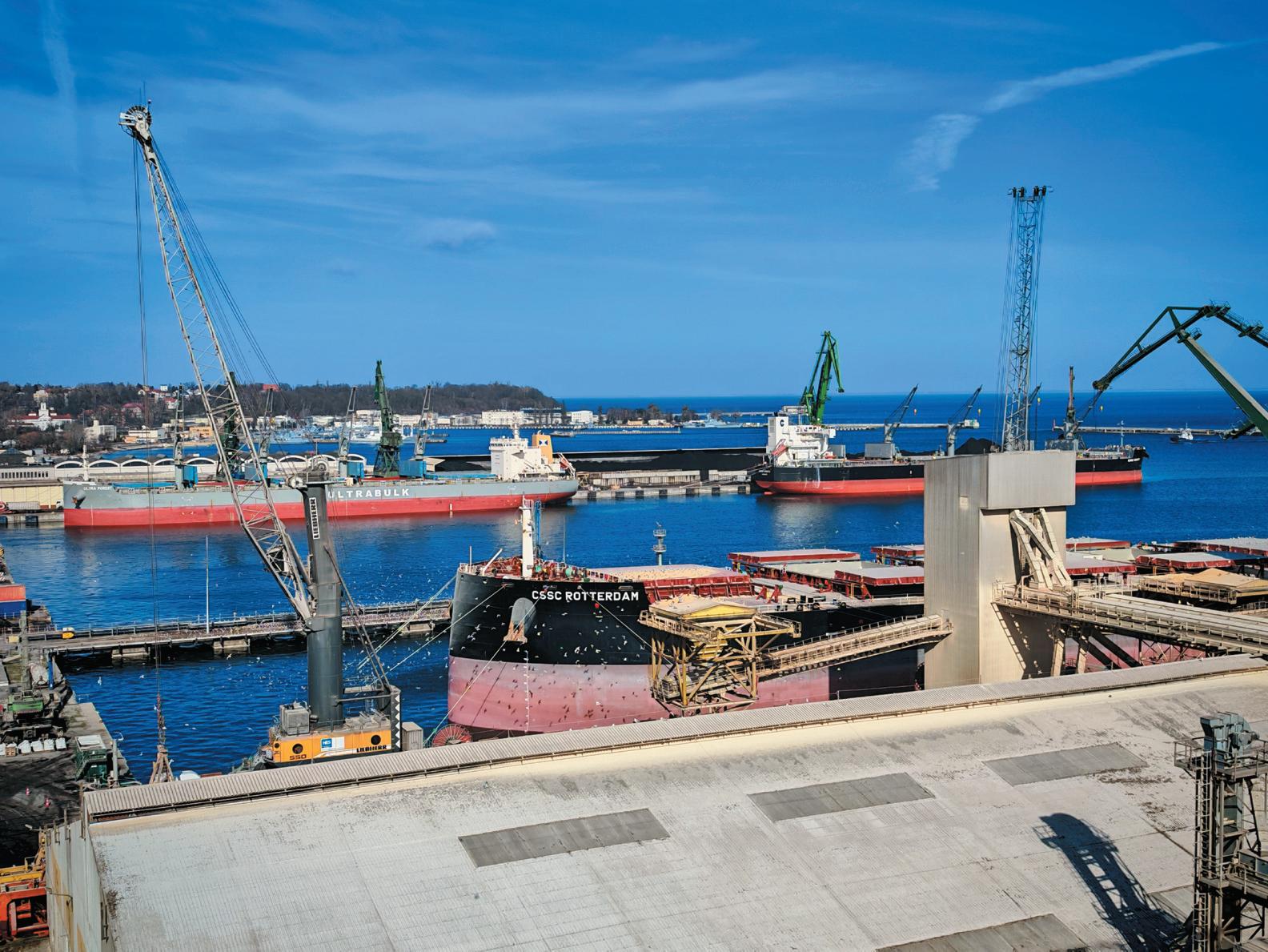
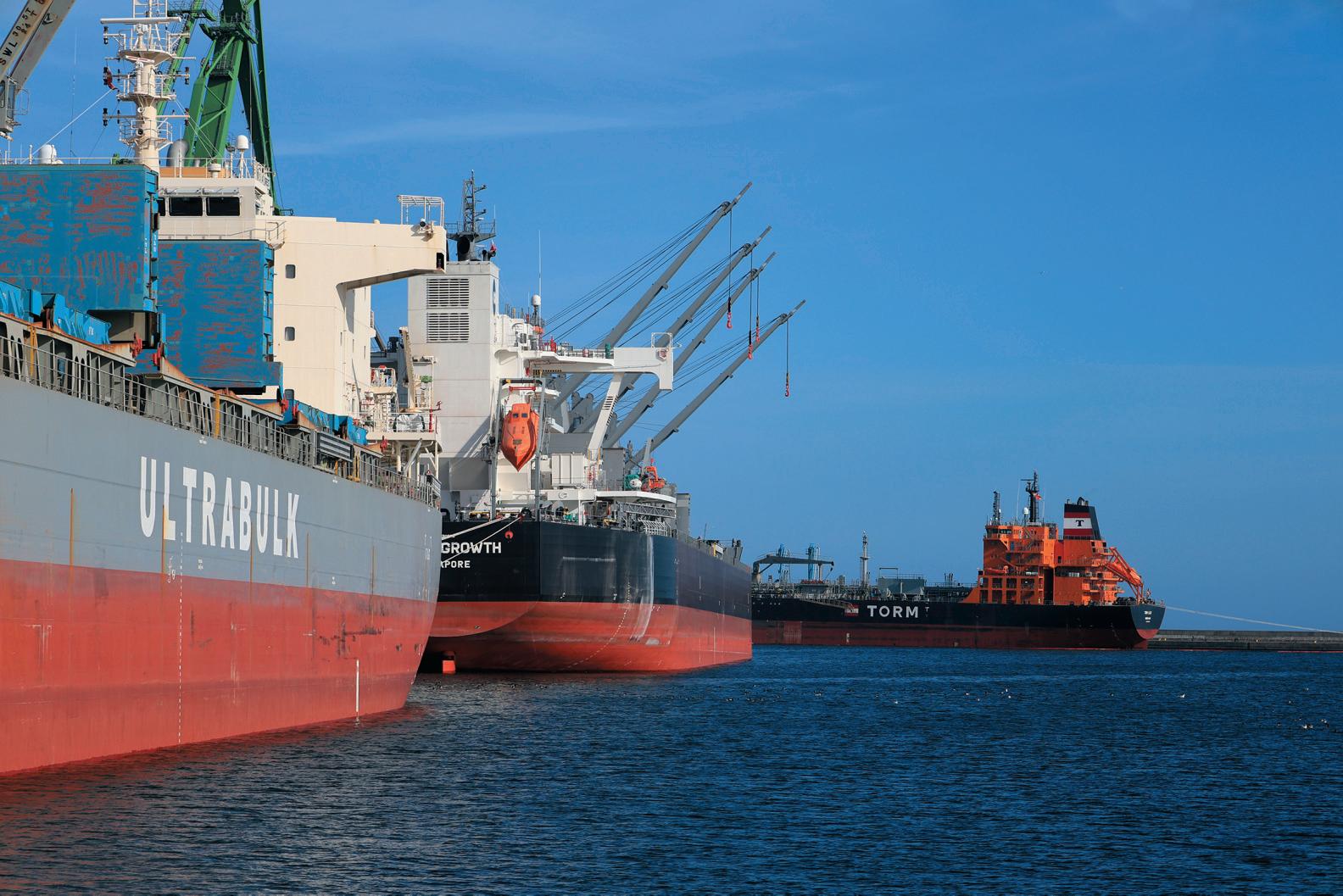
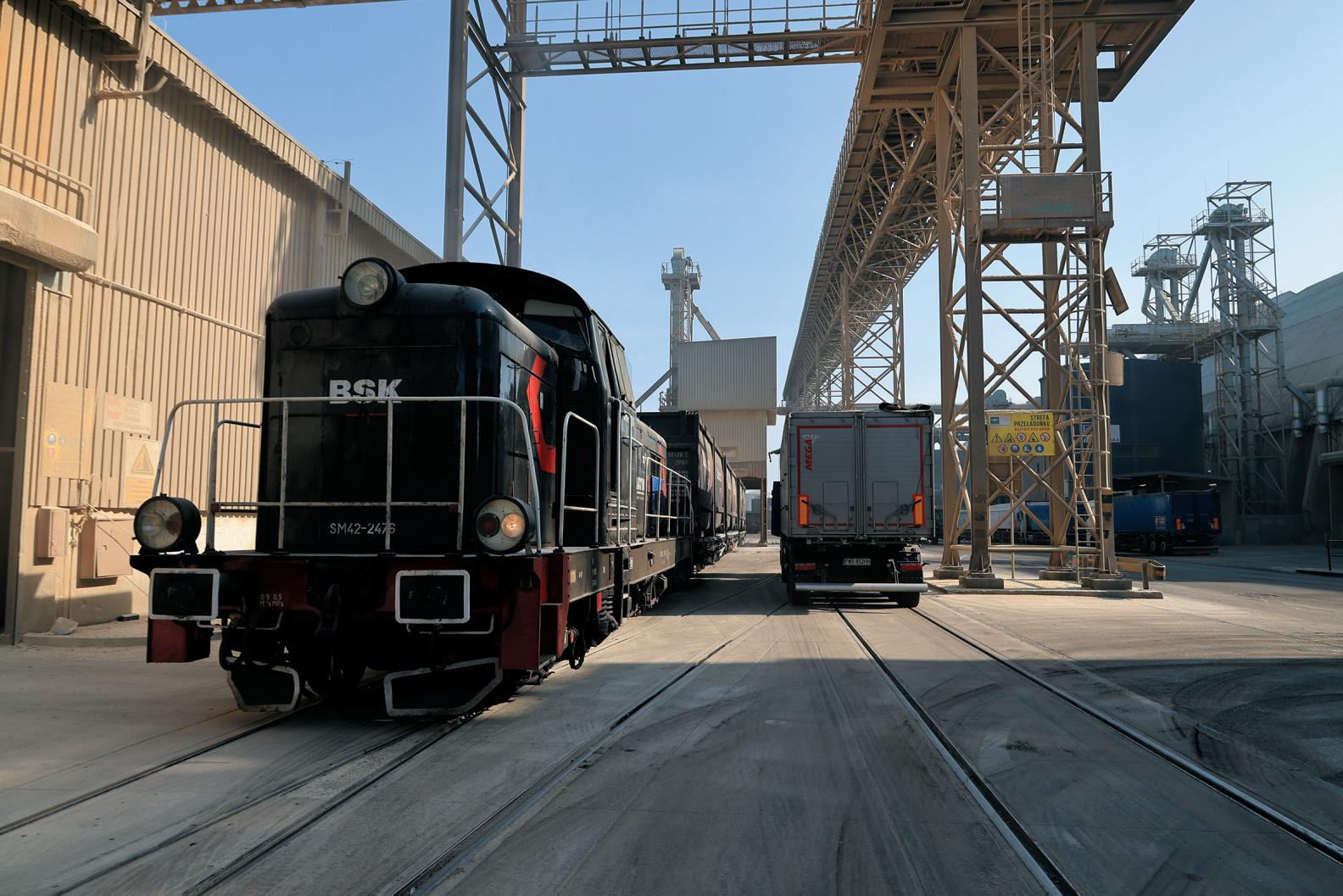
Visualization of one of the new warehouses that are part of the Bulk Cargo investment project in the port of Szczecin. Credit: Bulk Cargo – Port Szczecin (Rhenus SE & Co. KG).
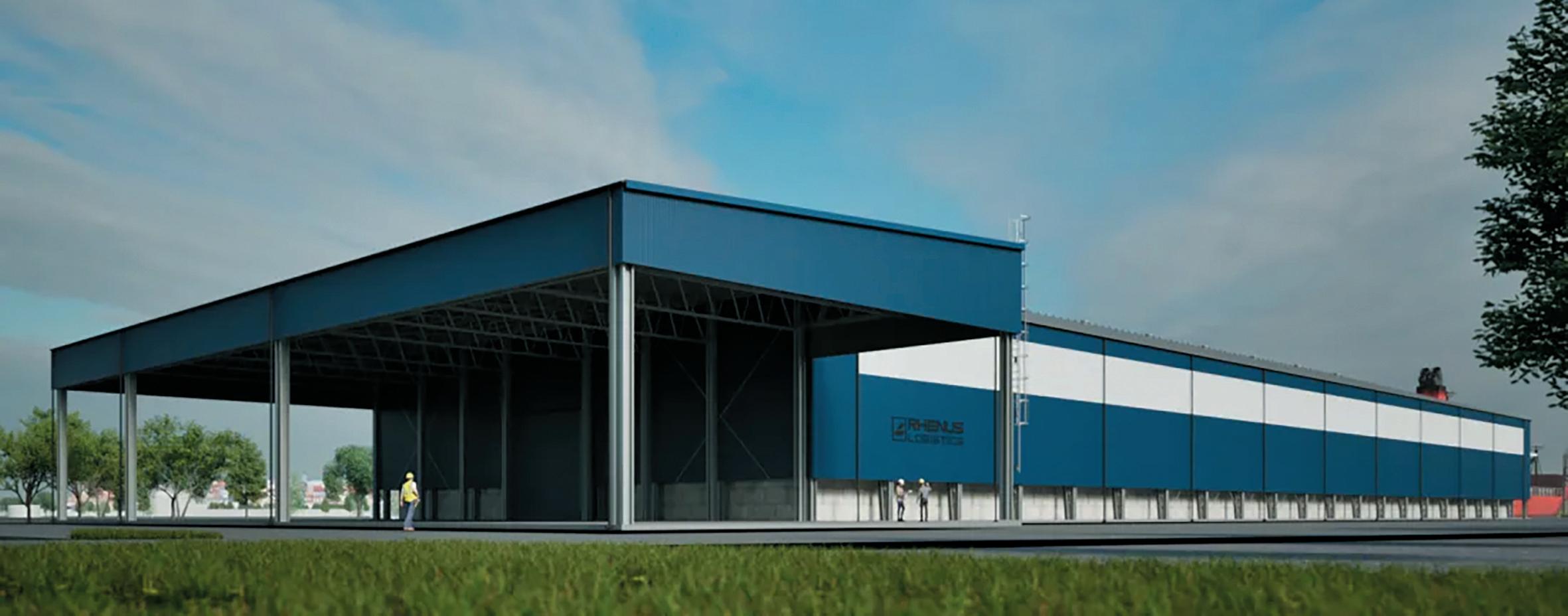
Bulk Cargo – Port Szczecin, the largest operator in the port of Szczecin, is implementing a comprehensive investment project of strategic importance for the future development of the terminal in Szczecin.
The investment programme includes the modernization and development of the port’s superstructure, including the purchase of a new crane, the modernization of the mobile equipment fleet and the warehouse expansion.
The Rhenus Group, the majority shareholder of Bulk Cargo, is implementing the announced investments in port superstructure, equipment and technologies as announced at the time of the takeover.
Bulk Cargo – Port Szczecin, the majority shareholder of which is the Rhenus Group, is implementing a comprehensive investment project worth €16 million, including the modernization and expansion of the port superstructure, the modernization of the mobile equipment fleet and the expansion of storage space The Bulk Cargo investment project is one of the Rhenus Group’s largest investments in this part of Europe and is a response to the growing expectations of the port services market and the challenges facing the industry. The launch of the investment programme marks the beginning of Rhenus’ extensive investment plan for the Szczecin terminal.
Bulk Cargo is the largest operator in the port of Szczecin, handling approximately four million tonnes of cargo annually. The company’s services include the transshipment of bulk and general cargo using specialized equipment, storage,
transshipment and port forwarding by inland waterways, road and rail.
The investment project is a key element of Bulk Cargo’s development strategy, which focuses on optimizing cargo structure, improving service quality and increasing the terminal’s long-term competitiveness. The investment programme responds to market needs and includes both the modernization of key infrastructure and the expansion of storage space.
“The modernization programme will ensure that our superstructure complies with current and future market requirements, strengthening the terminal’s readiness for further development . Thanks to these investments, we will improve operational efficiency, increase transshipment rates, ensure process continuity, as well as work safety and ergonomics,” comments Adam Czarnul, Managing Director of Bulk Cargo – Port Szczecin. “Our projects are fully in line with the development plans for the port of Szczecin and are a response to the completed project to deepen the fairway to 12.5m, allowing ships with a draught of up to 11m to be accommodated.”
The largest element of the modernization programme is the purchase of a new crane manufactured by ARDELT with a lifting capacity of up to 65 tonnes, which will replace two obsolete devices that no longer meet modern operating standards. This investment is an important step in the process of modernizing the quay and adapting it to handle larger ships and heavier cargoes.
Replacing the most worn-out handling equipment and purchasing modern mobile machinery, including a heavy forklift, a mobile crane and three tractor units, is another element of the planned
improvements.
Bulk Cargo’s investments also include the construction of two new warehouses with a total area of 11,400m², which will increase the terminal’s total storage capacity by 27%. The new facilities have been designed for the storage of general cargo, in particular products requiring flexible and secure storage solutions.
FOUNDATIONS AND A LONG-TERM BUSINESS PERSPECTIVE
Over the past decades, the port of Szczecin has undergone a significant transformation. Formerly known for transshipping coal and ore for Polish mines, steelworks and coking plants, today it is a multifunctional port specializing in handling general cargo, containers and bulk cargo, becoming an important transshipment hub on the map of Europe.
“When talking about the future, we have to take into account the growing expectations of the market, bearing in mind the challenges that the modern world poses for our industry,” comments Jaros ł aw Siergiej, President of the Management Board of the Seaports of Szczecin and Ś winouj ś cie. “Our contractors’ investments represent real growth and greater efficiency, which is why we are watching Bulk Cargo’s investment programme with interest. Investments are undoubtedly the driving force behind the development of the entire Port of Szczecin.”
The future of the port services industry is marked by increased efficiency, digitalization and compliance with stringent environmental requirements. Among the expectations and trends, the leading ones are automation of operations, modernization of infrastructure and reduction of the carbon footprint.
The Rhenus Group has been operating in Poland and at the port of Szczecin for over 30 years, and in 2024 it became the majority shareholder of Bulk Cargo, thereby committing itself to the further development and modernization of the port’s superstructure. Bulk Cargo’s investment programme is a response to this commitment and a preparation for the
challenges facing the port industry. The overall objective is to strengthen the market position of the terminal in Szczecin in the long term, improve operational efficiency and increase the flexibility of the services offered in response to changing market expectations.
“The Rhenus Group’s investment in the Bulk Cargo modernization project
demonstrates our commitment to cooperation with the Port of Szczecin,” comments Michael de Reese, CEO of Rhenus Port Logistics. “This programme provides a solid foundation for the further development of our services and confirms the company’s long-term approach to modern, sustainable and scalable port superstructure.”
Rauanheimo is a Finnish family-owned logistics company specializing in port operations and industrial services, with a strong focus on dry bulk handling. With over a century of experience, the company serves key industries that rely on reliable, safe, and efficient bulk logistics.
Rauanheimo operates in several Finnish ports, including Tornio, Kemi, Oulu, Kokkola, Tahkoluoto (Pori), Vuosaari (Helsinki), Mussalo (Kotka) and Hamina, as well as starting operations in Northern Sweden in the ports of Luleå and Skellefteå by the end of 2026. This network enables flexible service for customers across the Baltic Sea region.
BROAD CARGO EXPERTISE AND INDUSTRIAL PARTNERSHIPS
The company handles a wide range of dry bulk commodities, including raw materials for the metal and mining industries, energy-related materials such as coal and biomass, as well as various industrial minerals and chemicals.
Rauanheimo’s customers are mainly large industrial operators in sectors such as steel, mining, and energy. Long-term partnerships are central, with services tailored to support customers’ production processes and supply chain efficiency.
Maintaining competitiveness in the dry bulk logistics market requires continuous development. Rauanheimo focuses on operational efficiency, high safety standards, and sustainability. Efficiency is driven through optimized cargo handling processes, modern equipment, and close integration with
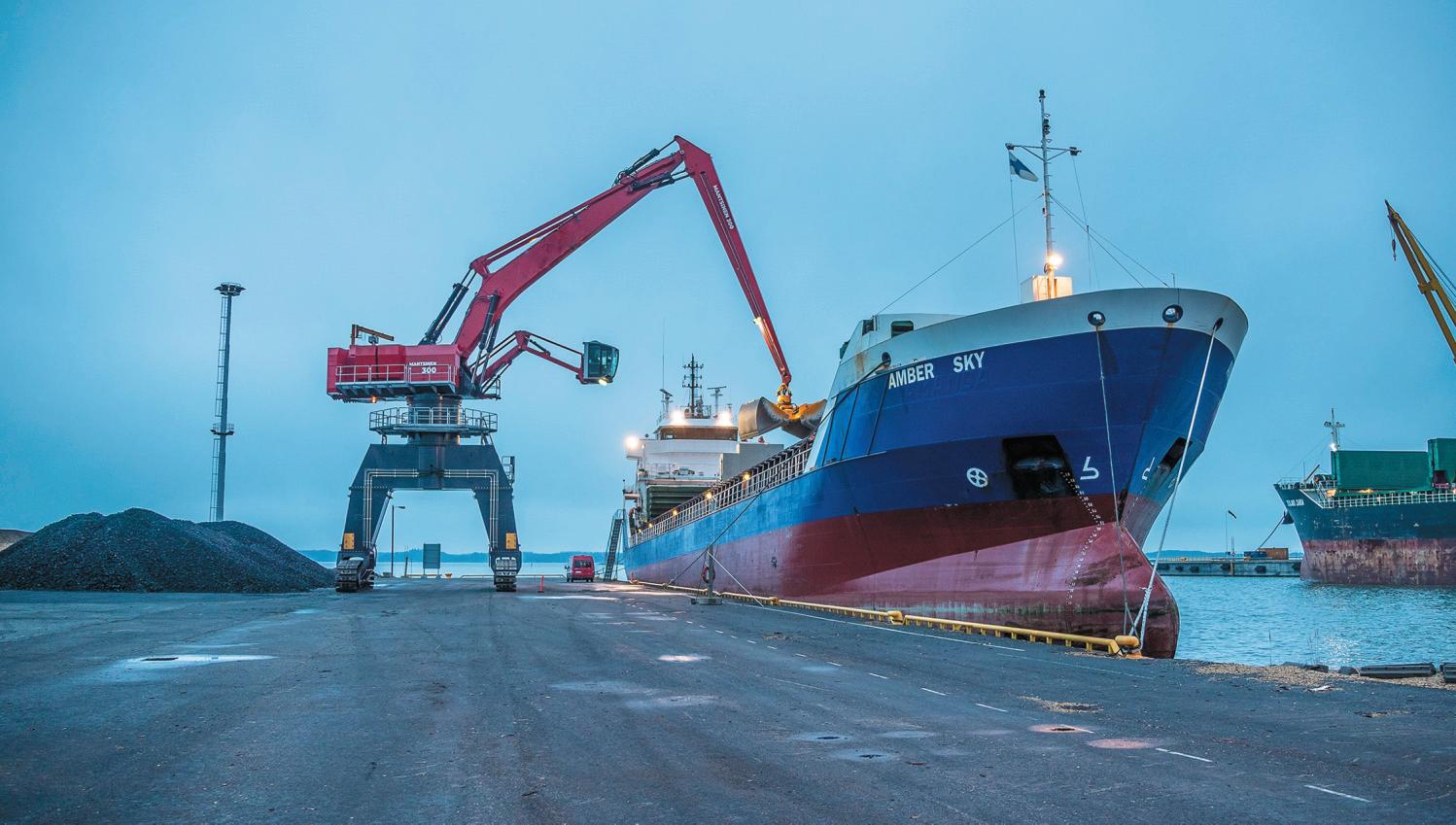
customers’ supply chains. The company invests in digital tools and data utilization to improve planning, transparency, and performance monitoring across its operations.
Safety is a core priority in all activities. Continuous training, clear operational models, and proactive risk management ensure safe working environments in ports and industrial sites.
This long-term work is reflected in a significant improvement in safety performance. The company has achieved a clearly reduced Lost Time Injury Rate (LTIR) in recent years, demonstrating that consistent safety development delivers measurable results. Safety is seen as a shared responsibility across all levels of the organization, from management to operational personnel.
Sustainability is increasingly important in bulk logistics. Rauanheimo actively works to reduce environmental impact through dust control solutions, energy-efficient operations, and cooperation with customers to support more sustainable logistics chains.
Rauanheimo continues to invest in its port and terminal operations by improving handling efficiency, storage capacity, and operational reliability. Development projects are carried out in close cooperation with customers and port stakeholders. The company is also expanding its service offering towards more integrated solutions, combining port operations, storage, and industrial services. Technological development, including digitalization and selected automation solutions, supports this evolution.
Founded in 1884, Rauanheimo combines long experience with a forward-looking approach. As a privately owned company, it emphasizes long-term partnerships, operational reliability, and continuous improvement. Rauanheimo aims to further strengthen its role as a trusted dry bulk handling partner in the Baltic region by investing in safety, efficiency, and sustainable operations.

Port of Newcastle in Australia has delivered its strongest diversified trade performance on record, with more than 11.12mt (million tonnes) of noncoal cargo passing through the port in 2025.
This milestone surpasses the previous record of 10.13mt set in 2021, driven by a surge in key export commodities including wheat, along with growing volumes of project cargo supporting major renewable energy projects across NSW and beyond.
CEO Craig Carmody said the record result demonstrates both the strength of the port’s diversification strategy and its expanding role in supporting Australia’s energy transition and agricultural supply chains.
“Surpassing 11.12mt of diversified trade in 2025 marks an important milestone for Port of Newcastle and reinforces our long-term commitment to broadening our trade base,” Carmody said.
“These record volumes are more than numbers — they reflect the
strength of our partnerships, the commitment of our workforce, and the progress we’re making towards a more diversified and sustainable future for our port and our region.”
Wheat exports increased 396% yearon-year to reach 2.9mt, buoyed by favourable seasonal conditions across northern cropping regions. Exports of meals and grain to destinations including the UAE, Bangladesh, Japan, and Vietnam also grew 19% on 2024 volumes to over 1mt.
In total, Port of Newcastle handled more than 160mt of cargo, including more than149mt in coal exports.
“Coal continues to underpin a significant portion of our trade, providing energy security to our global customers. Change doesn’t happen overnight and as markets like Asia continue to diversify, we remain a critical energy export gateway.”
The port recorded 2,340 vessel visits in 2025, including 574 non-coal and nine cruise vessels.
“What many people may not realize
A shipment of wind components approaches Port of Newcastle in Australia.
is that the port handles 25 different cargo types, from aluminium, cement, and fuels to fertilizer, steel, and project cargo, which are all helping to drive growth in diversified trade,” Carmody said.
“We’ve seen particularly strong demand for the import and export of machinery and project cargo, with more than 431,000 tonnes moving through the port in 2025. A major contributor to this was the arrival of wind turbine components for the Uungula Wind Farm within the Central-West Orana Renewable Energy Zone.”
Carmody said the record results underline Port of Newcastle’s critical role as a key logistics hub supporting government and private renewable energy projects.
“The port continues to evolve as a critical gateway for Australia’s energy future. Over the next decade, this will not only contribute to the Port’s ongoing diversification but play an essential role in powering the nation’s transformation to cleaner energy.”
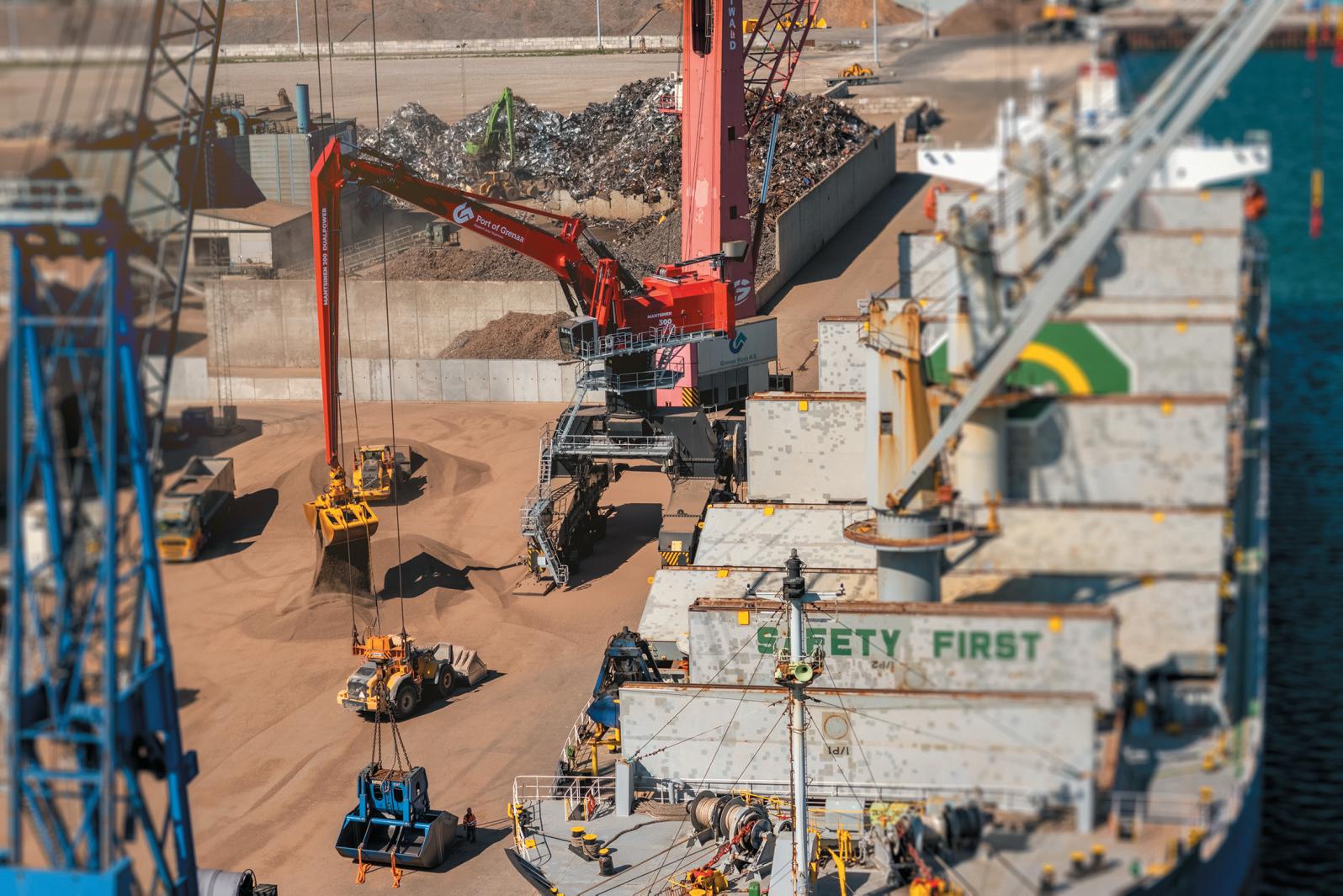
With a new high-capacity Mantsinen 300DEMG crane now approaching its first full year of operation, Port of Grenaa in Denmark is experiencing sustained high activity across its dry bulk operations. The port has in total five cranes, and they are operating at near full capacity as volumes continue to grow — particularly within hub-handling, storage-demanding cargoes and Northern European supply chains.
The Danish deep-water port is simultaneously investing heavily in new warehouse facilities to accommodate increased demand for covered storage driven by environmental regulations, contingency requirements and changing logistics patterns.
HIGH-PERFORMANCE BULK HANDLING: MANTSINEN 300DEMG IN FULL OPERATION
The advanced crane is specifically designed to optimize bulk operations, facilitating efficient handling of key raw materials like: sand; v gravel; v aggregates and stone; v
road salt; v wood pellets and wood chips; and v gypsum. v
These materials are essential to construction projects, energy production and industrial activities across Northern Europe.
“With the new crane, we have significantly increased both flexibility and capacity. Combined with our existing equipment, we now have all cranes
Gypsum.
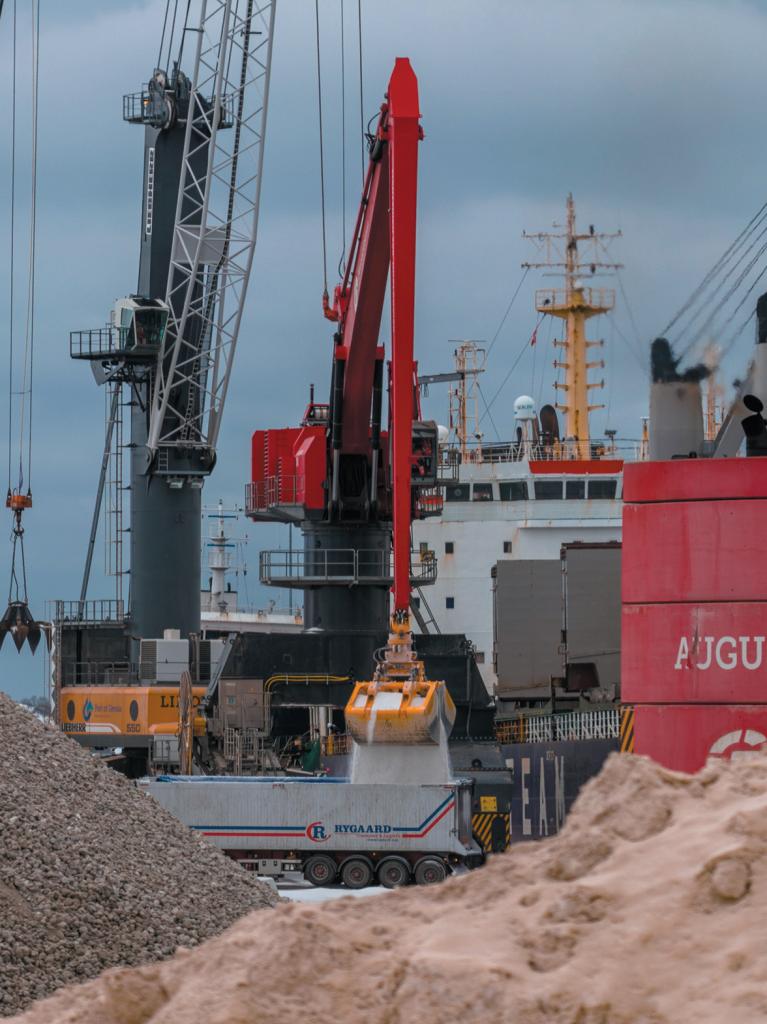
operating continuously to meet current market demand,” says CCO, Theis Gisselbæk.
The port’s deep-water access allows large bulk carriers to berth directly, reducing transshipment costs and increasing operational efficiency.
GROWING HUB-FUNCTION:
DOUBLE-HANDLING ON THE RISE
The port is increasingly functioning as a
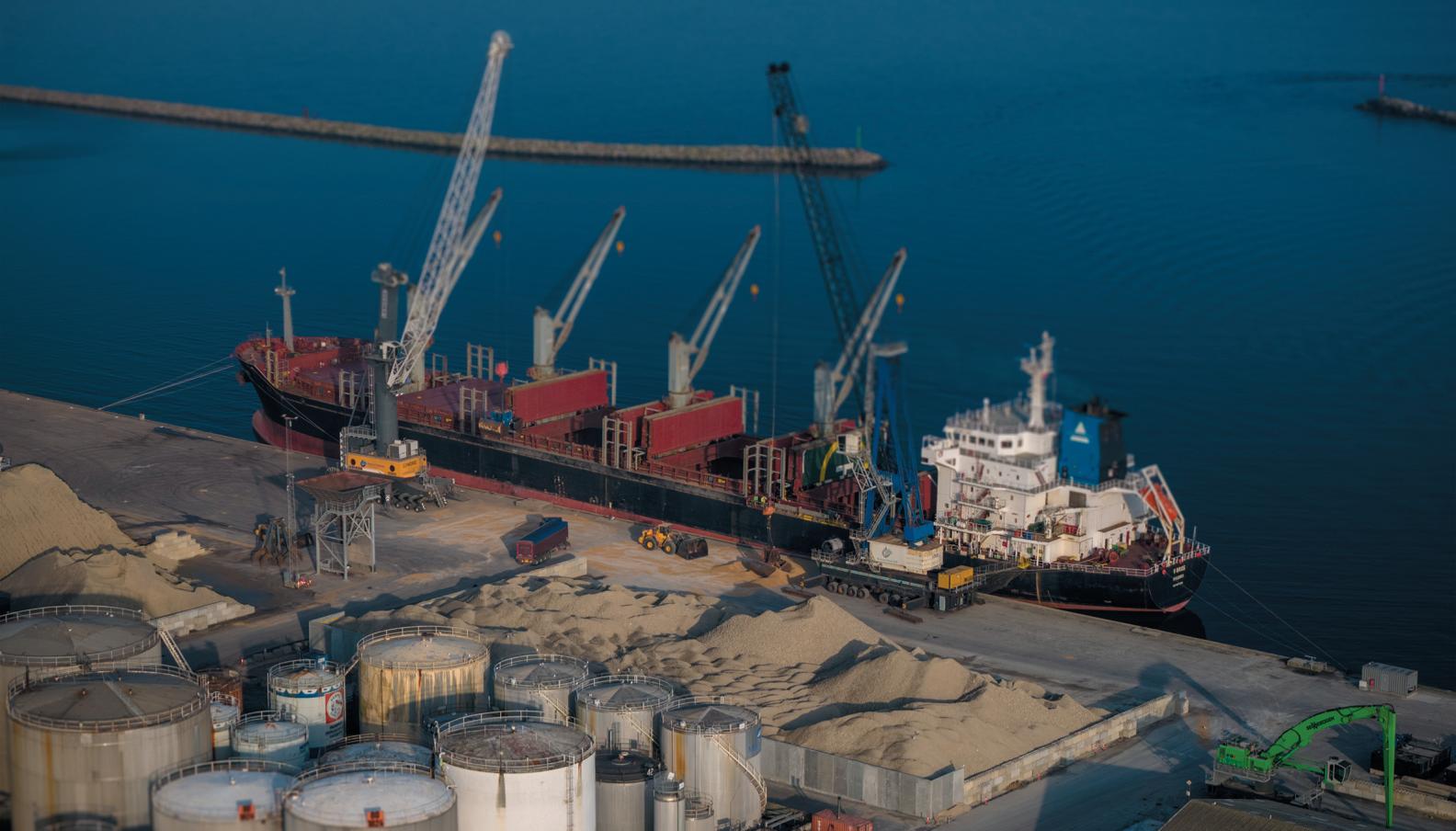
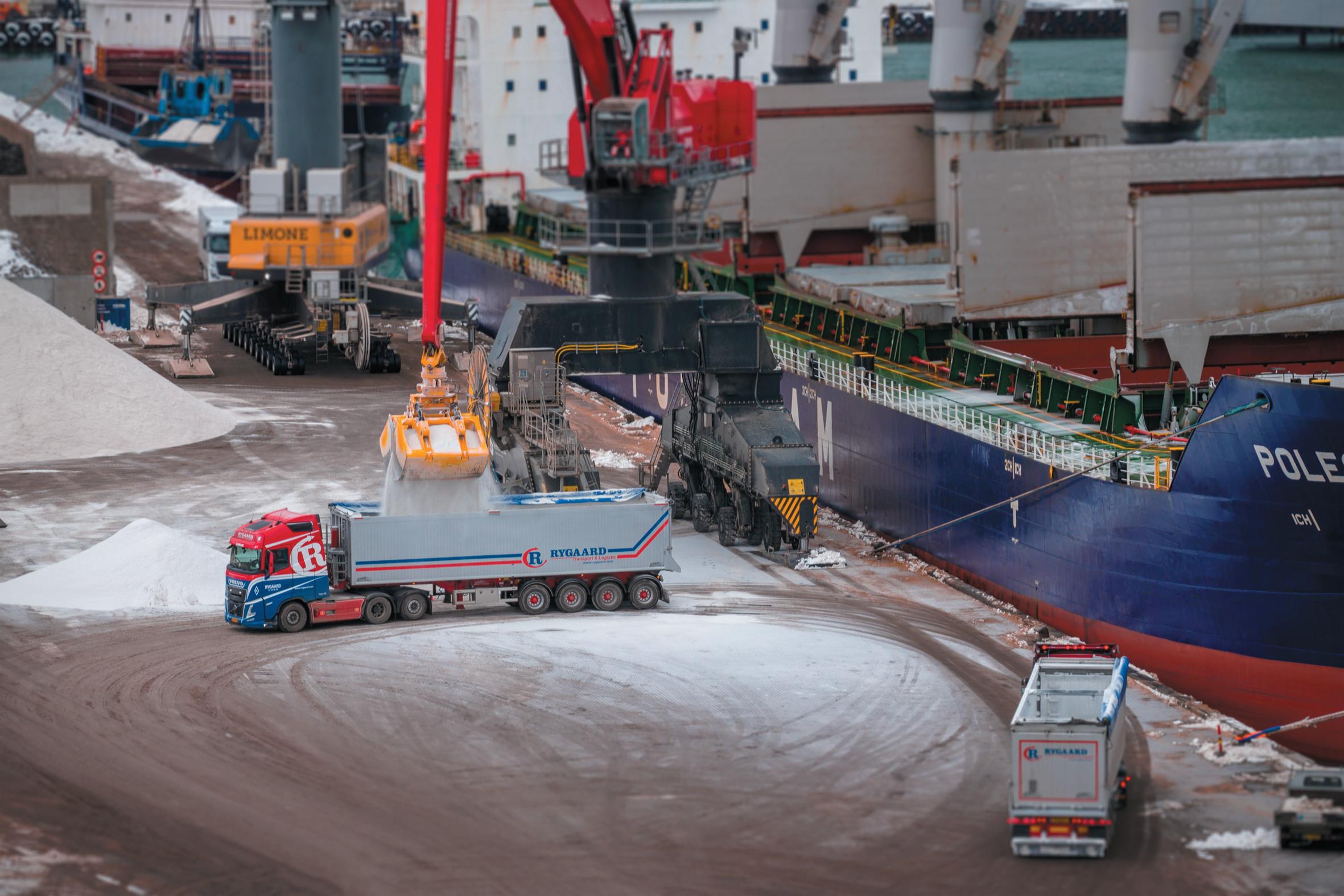
regional hub, consolidating cargo from smaller ports and redistributing it to larger vessels — or vice versa.
The port reports a substantial increase in double-handled cargo, particularly within: road salt; v gypsum; v wood pellets and wood chips; and v Steel scrap. v
“We are seeing smaller ports in the region facing limitations in terms of expansion and volume growth. This creates opportunities for Grenaa to step in and provide scalable solutions,” says Gisselbæk.
This hub function is supported by strong storage capacity, flexible logistics and deep-water accessibility.
Winter operations have once again demonstrated Grenaa’s capacity to handle large seasonal volumes.
A single vessel carrying 35,000 tonnes of road salt can be discharged within two days. The same volume would require approximately 1,000 trucks if transported by road.
Additional vessels totalling up to 70,000 tonnes are scheduled to arrive, underlining the port’s strategic importance in winter supply logistics.
The Danish company Chemisafe, which has cooperated with Port of Grenaa for
more than 20 years, sources salt from Tunisia, Sicily and Sardinia.
Michael Anthony, Director of Chemisafe, comments: “One of the reasons we chose Grenaa is that it is a deep-water port capable of receiving large vessels. But equally important is the close and direct dialogue. There are no intermediaries — we can quickly adapt operations. The port’s employees are efficient in unloading vessels, and the storage possibilities on site are a major advantage, especially during peak season.”
Part of the salt is distributed within Denmark, while the remainder is transshipped to smaller vessels bound for Germany, Scandinavia and other regional destinations.
The port also acts as buffer storage, ensuring supply security for future cold periods.
To support continued growth in dry bulk cargo, Port of Grenaa has launched an extensive warehouse expansion programme.
One new warehouse is currently under construction. Contracts have been signed for two additional warehouses, scheduled for completion 2026.
In total, three new warehouses will be delivered in the first phase
A further 60,000m² extension area is
being planned in the adjacent business park Plans include 6–8 large-scale warehouses in the coming development phases (2026–2028)
The expansion responds to increasing demand for covered storage driven by: environmental requirements; v emergency preparedness and v contingency stockpiling; and industrial handling standards. v
Port of Grenaa continues to strengthen long-term relationships with industrial customers, including a long-term contract with German Knauf, supporting production facilities in the Baltic region.
The port’s growing role as a distribution and consolidation centre is closely aligned with supply chains in construction materials and industrial minerals.
Another growing segment at Port of Grenaa is cargo related to the expanding biogas industry.
The port reports increasing volumes of: waste-derived products; v olive residues; v bentonite; and v other organic and mineral inputs used v in biogas production.
“We continue to see growth in this segment, and we have the capacity and flexibility to scale alongside the industry,”
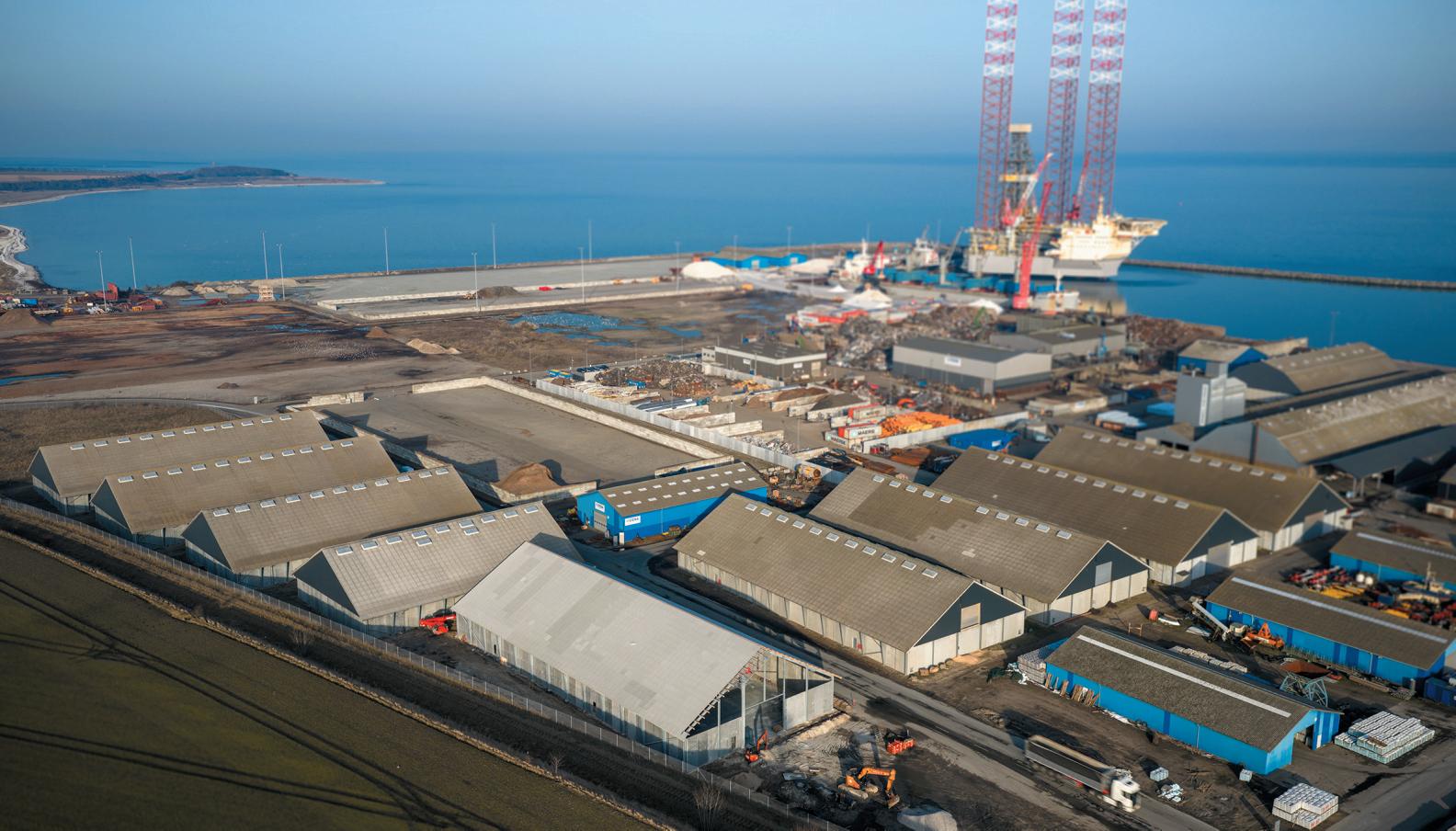
Gisselbæk notes.
PREPARING FOR FUTURE CAPACITY DEMANDS
In addition to dry bulk growth, Grenaa is also active within wind components and project cargo. However, the pressure on smaller regional ports and industrial areas is creating additional demand for scalable bulk handling solutions.
“This is a positive challenge. We are balancing current growth while looking at harbour expansion plans to ensure we can
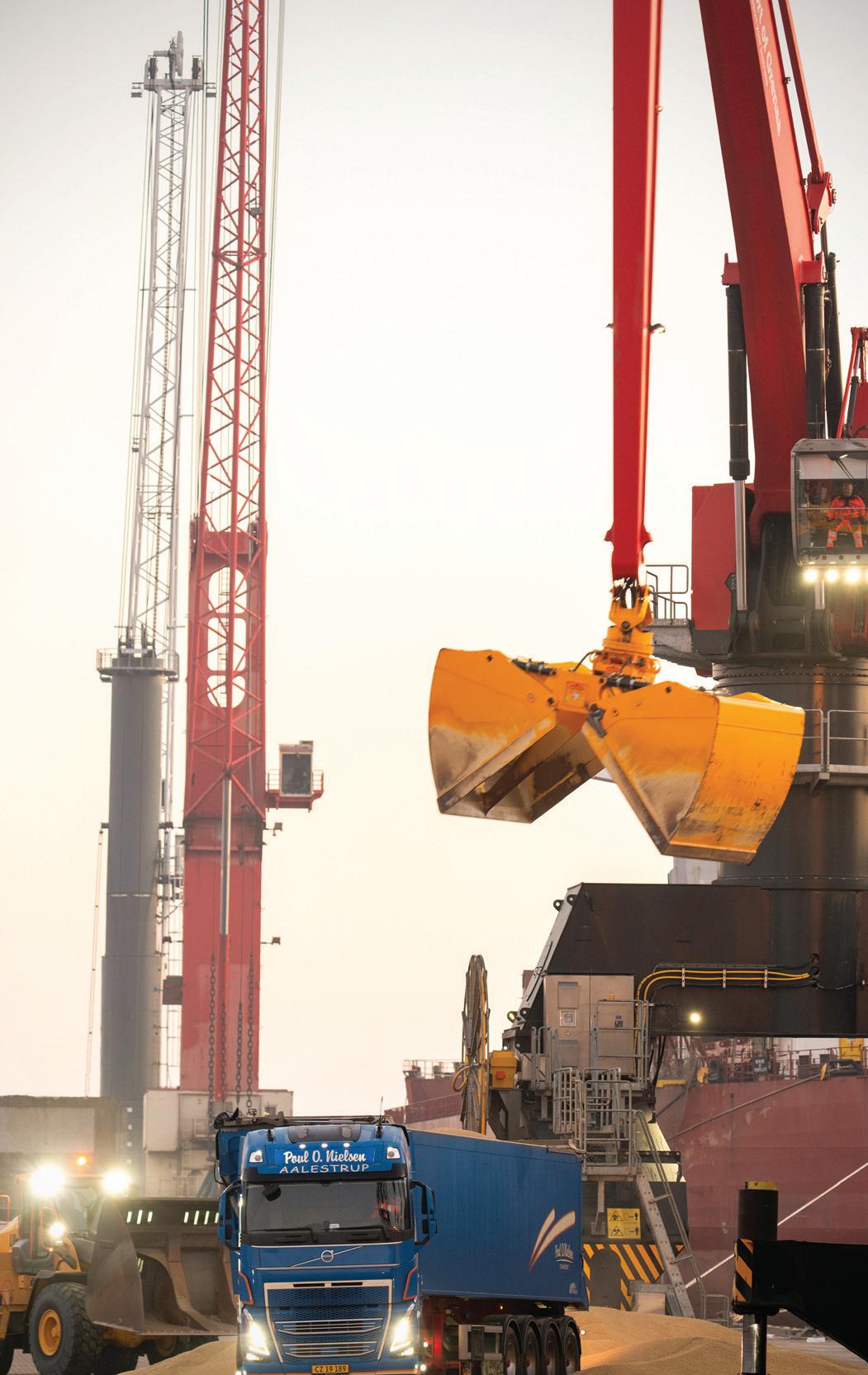
deliver solutions not only today, but also five years from now. That work is already underway,” the port states.
PORT OF GRENAA – KEY FACTS
Location: Tip of Djursland, Denmark’s most central deep-water port known as the ‘Gateway to Kattegat’.
Total quay length: 2.5 km
Water depth: up to 11 metres (newest northern v section); and basin prepared for future deepening v
to 15 metres, Quay infrastructure: reinforced concrete quays with high v load-bearing capacity; concrete-paved quay areas; and v flexible layout allowing project-specific v customization.
Storage facilities: multiple up 50,000m² warehouses v located close to quay; warehouse sizes ranging from 750m² v to 2,000m²; pen storage areas available; and v short internal transport distances v ensuring fast loading/unloading workflows.
Purpose-built quay warehouses: 1,000m² insulated warehouse directly v on quay, 2,000m² warehouse directly on quay, v Fixed flooring and large gates. v Core cargo segments: dry bulk; v construction materials; v industrial minerals; v biomass (wood pellets/wood chips); v salt; v steel scrap; and v biogas-related feedstock. v
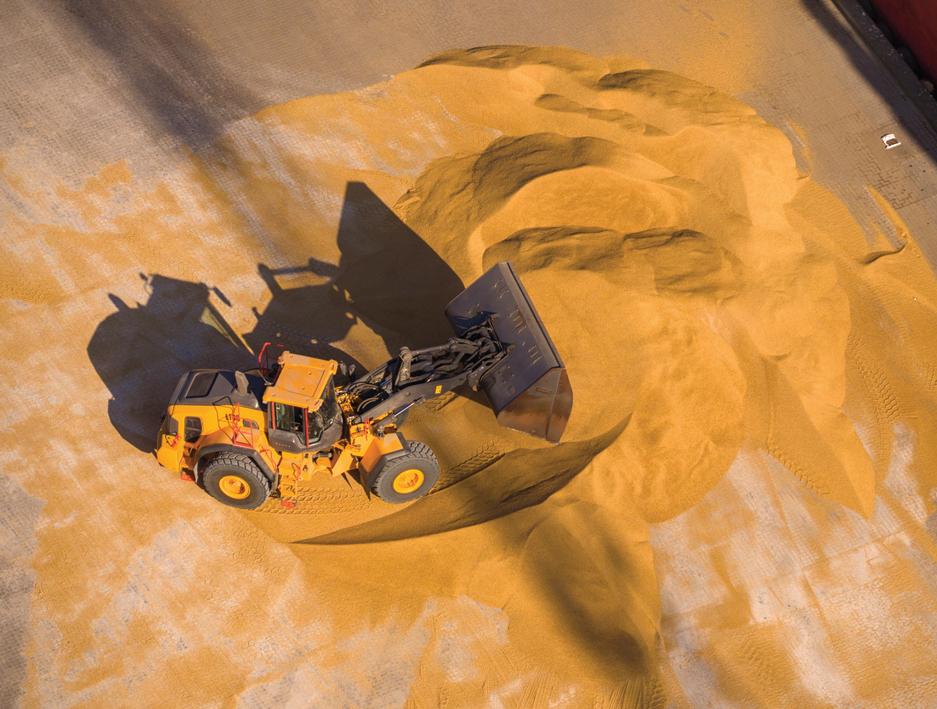
Handling capabilities: Dry bulk and industrial materials
• Biomass (wood pellets/chips)
• Construction materials and minerals
• Steel scrap and general cargo
• Big bags, logs, steel plates and components
• Key infrastructure: 2.5km total quay length
• Water depth up to 11m (prepared for 15m)
• Heavy-duty reinforced quays
• Up to 50,000m² warehouse capacity
• Purpose-built quay warehouses (1,000–2,000m²)
• Open storage areas available
•
• Short internal transport distances

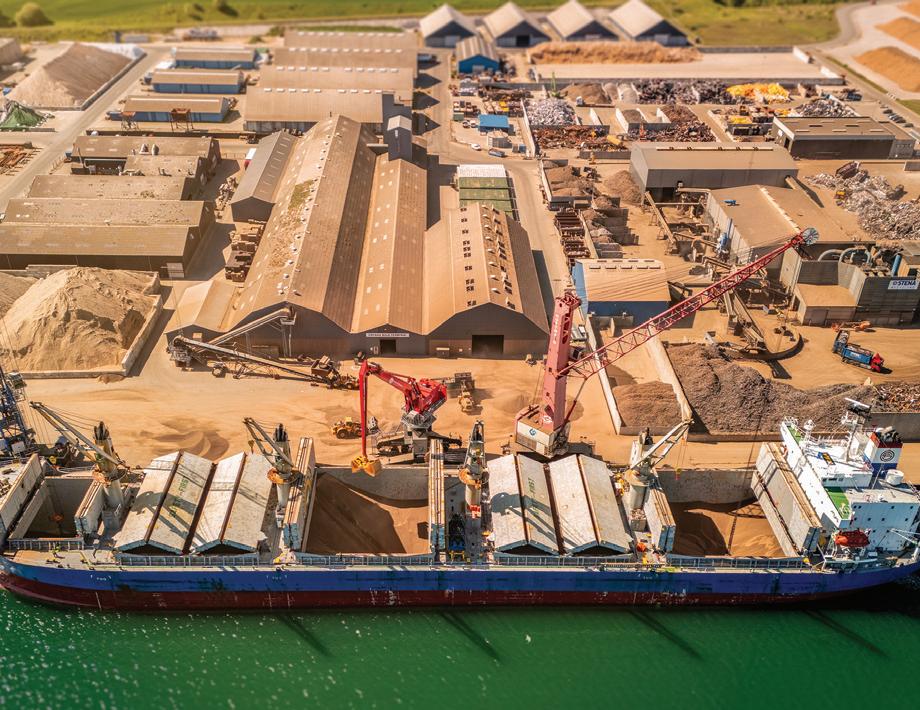
Tip of Djursland, Denmark's most central deep-water port – known as the 'Gateway to Kattegat'.


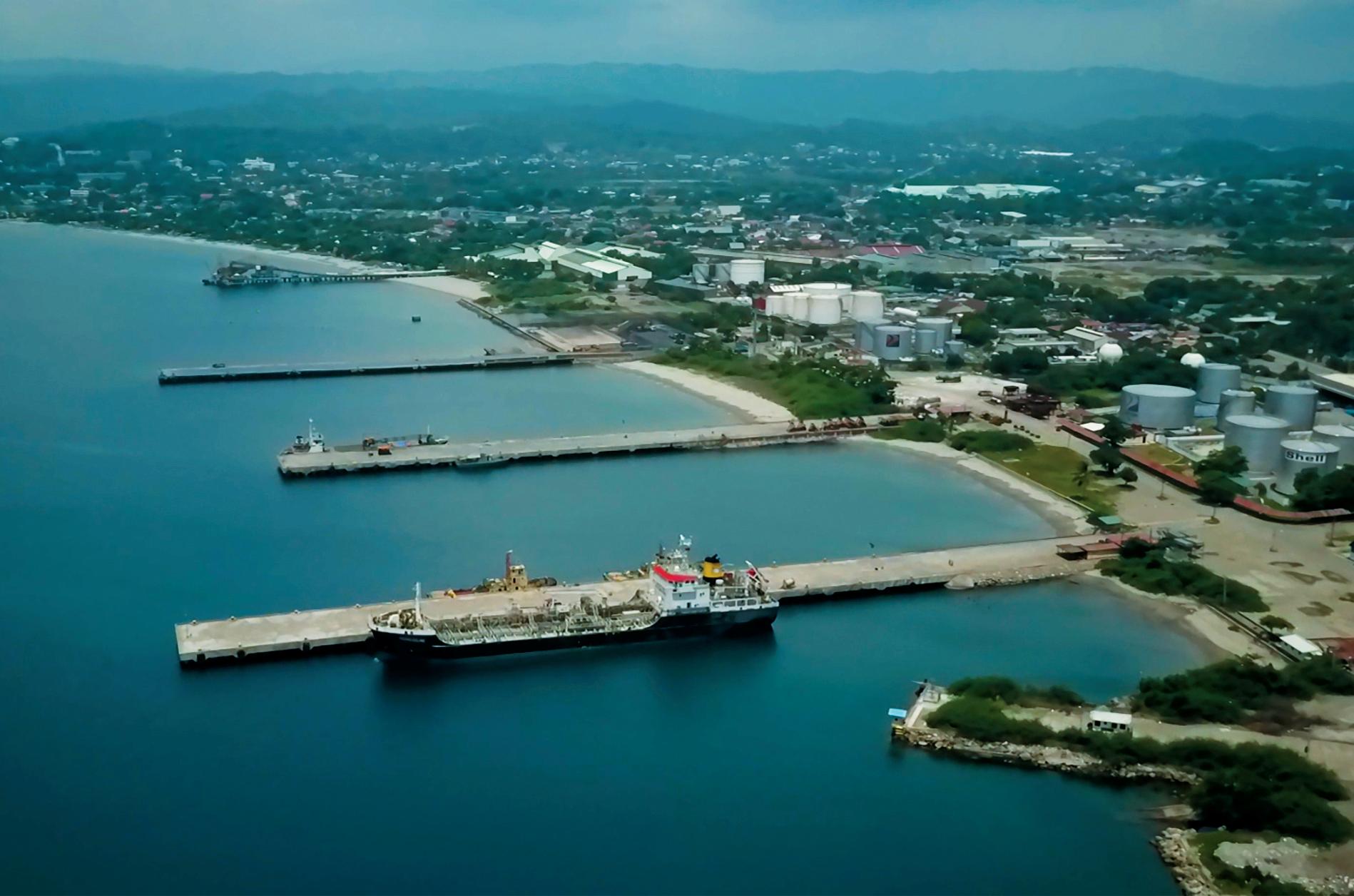
Jay Venter
The San Fernando International Seaport (SFIS) is a key port facility located within the Poro Point Freeport Zone in the City of San Fernando, La Union, Philippines. It serves as one of Northern Luzon’s major gateways for trade and bulk cargo movements. Under the stewardship of the Bases Conversion and Development Authority (BCDA) and the Poro Point Management Corporation (PPMC), the facility is undergoing a historic transformation into a world-class, containerready gateway.
The seaport’s geographical positioning is its greatest asset. Located within the Poro Point Freeport Zone, it acts as the primary maritime link for Northern Luzon to the thriving economies of East and Southeast Asia.
The SFIS covers an approximately of 15.3 hectares area and has three main government pier structures. The port can accommodate various types of vessels, including cargo vessels, cruise vessels, marine tankers, passenger vessels, and motor tugboats.
In addition, two other piers operate within the SFIS. The Soiltech Pier which is a private commercial facility operated by
Soiltech Integrated Port Terminal Services, Inc., while the Philex Pier is a private noncommercial facility operated by Philex Mining Corporation.
The port handles a range of bulk and bagged cargoes that support different industries. These include rice, fertilizers, gold and copper concentrates, gypsum, mineralizing carbon, round mixed logs, coal, cement, and petroleum products. The port also supports the export of copper and gold concentrates.
SFIS clientele include importers of agricultural products, construction materials, fuel, and industrial inputs, as well as exporters in the mining sector. This mix of cargo and clients allows the port to support both local supply needs and export activities.
While Manila and Subic have long been the Philippines' primary maritime gates, SFIS offers a geographical advantage for regional traders. By providing a direct entry point for goods bound for Northern Luzon, SFIS offers a critical alternative to the heavily congested ports, drastically reducing land transport times and logistics costs.
As of early 2026, BCDA and PPMC have moved into the critical implementation
phase of the SFIS Modernization Project. Under a Public-Private Partnership (PPP) framework, the project is transforming the seaport facility into a world-class terminal. This priority project of BCDA and PPMC features containerization of existing port operations and to expand capacity with 50 hectares of industrial and support services.
The full redevelopment and modernization of the SFIS aims to transform the current bulk and break-bulk terminal into a world-class seaport equipped with modern port infrastructure and logistics systems.
Additionally, the project will introduce new maritime routes, further expanding the port’s services and contributing to the local economy. Overall, the modernization project will position the port as a key player in the Luzon’s trade and commerce, driving economic growth and development.
As Southeast Asian trade routes continue to evolve, the San Fernando International Seaport is emerging as a pivotal hub within the Luzon Economic Corridor. For regional investors and logistics players, San Fernando no longer viewed as a “secondary port,” but as a premier gateway — offering high-efficiency operations and fuelling high-growth trade at the heart of the Pacific.
How Group Delta's newest venture — a world-class deep-water terminal on India's west coast — brings four generations of port expertise to bear on one of the country's most strategically vital berths.
Delta Ports Mormugao Terminal Pvt. Ltd. (DPMT) is the latest and most ambitious venture of Group Delta — a conglomerate with over four decades of deep roots in India's port and logistics sector. A wholly owned subsidiary of Delta Infralogistics (Worldwide) Limited, DPMT operates under a 30-year public–private partnership concession awarded by the Mormugao Port Authority to manage and develop Berths No. 10 and 11 at one of India's most strategically significant west coast ports.
When DPMT formally launched operations in April 2025, it did so backed by the full institutional weight, operational expertise and hard-won industry relationships of a group that has been handling cargo since 1986. This is not a new entrant finding its footing — it is an established force stepping into a larger arena.
ORIGINS AND HERITAGE
THE STORY OF GROUP DELTA
Group Delta traces its origins to Delta Transport Corporation, founded in 1986 in Mangalore — the gateway port city of Karnataka — by first-generation entrepreneur Ahmed Mohiuddin. What began as a transport company quickly evolved as the founder identified the growing need for professional, end-to-end port services along India's west coast.
1986 Delta Transport Corporation founded in Mangalore by Ahmed Mohiuddin.
2002 Full-fledged port services commenced through HML Agencies Pvt. Ltd. — stevedoring, customs agency, clearing & forwarding, warehousing and vessel agency.
2003–05 Excellence Awards at New Mangalore group's reputation for operational reliability.
2010 HML Agencies rechristened Delta Infralogistics (Worldwide) Limited — reflecting expanded ambition. ISO 9001:2015 certification achieved.
2023 Delta Infralogistics commenced operations at Duqm in the Sultanate of Oman.
2025 Delta Ports Mormugao
Terminal commences operations under a 30-year PPP at berths 10 & 11, Mormugao Port. Today, Group Delta encompasses companies spanning logistics, shipping, engineering, technology solutions and construction — united by a founding philosophy of placing the customer at the heart of every operation.
“What began as a transport company has now grown to a Group offering diverse services. At Group Delta, the learning never stops,” says Ahmed Mohiuddin, Founder, Group Delta.
OPERATIONS ACROSS INDIA AND BEYOND
Delta Infralogistics (Worldwide) Limited provides a comprehensive suite of port and logistics services across multiple major Indian seaports: New Mangalore, Goa, Tuticorin, Chennai, Kochi, Karwar, Vizag, Kakinada and ICD Bangalore. Services span the full port cycle — stevedoring, customs house agency, vessel agency, ship chartering, warehousing, transportation and clearing & forwarding.
The group’s client roster reads like a who's who of Indian industry: Adani, JSW, KIOCL, MRPL, Hindalco, Essar and MMTC on the industrial side; and international shipping lines including Maersk, HapagLloyd and CMA CGM on the liner side.The ability to serve such a cross-section — from state-owned trading companies to global liner operators — speaks to the breadth and depth of the group's operational capability.
In a significant expansion of its footprint, Group Delta has extended its reach into the Gulf through Delta Infra Global Logistics Services Co. (DIGL), headquartered in the Kingdom of Saudi Arabia, serving EXIM trade flows to and from Gulf markets.
The group has further diversified into pit-to-port mining logistics, offering fully integrated services including excavation, mineral handling, mine development, transportation and on-site support — a natural adjacency to its core port handling expertise.
DELTA PORTS MORMUGAO TERMINAL : BUILT FOR THROUGHPUT
DPMT is designed to be a world-class, allweather, deep-water terminal capable of operating round-the-clock, 365 days a year. The terminal handles a wide range of cargo: dry bulk commodities including coal,
Berth infrastructure: 520m
Two berths in combined length, with a working draft of 13.10m — able to accommodate a wide variety of cargo vessels simultaneously.
Crane capacity: 2 × 125MT
Mobile Harbour Cranes delivering fast, flexible vessel discharge and loading operations around the clock.
Storage capacity 4–5 Lakh MT
Extensive open yard storage complemented by covered sheds for weather-sensitive cargo, totalling substantial throughput capacity.
Multi-modal connectivity: Rail + Road
On-port railway sidings for direct loading and unloading, plus a newly constructed cable-stayed bridge providing uninterrupted national highway access.
iron ore, limestone, iron ore pellets, bauxite and gypsum; breakbulk cargoes such as steel products and pipes; and project cargo comprising oversized and heavy-lift equipment.
Connectivity is perhaps DPMT's sharpest competitive edge. The cablestayed bridge bypasses city traffic entirely, dramatically reducing cargo evacuation times to and from the National Highway. Combined with on-port railway sidings enabling direct rail dispatch, DPMT offers what few terminals in the region can match: seamless, multimodal cargo movement from vessel to destination.
Environmental compliance and security are embedded into daily operations. Mist cannon vehicles control dust continuously, mechanized road sweepers maintain terminal cleanliness, and operations adhere strictly to pollution control norms. Security infrastructure includes CCTV surveillance across all zones, 24/7 personnel at entry points and rigorous inspection protocols for all inbound and out-bound vehicles.
In November 2025, DPMT handled the maiden container vessel call at Mormugao Port — SCI Mumbai — signalling the terminal's ambition to grow into a true multi-cargo hub serving the full spectrum of India's maritime trade needs.
“With a 30-year concession horizon and the institutional weight of four decades of port expertise, Delta Ports Mormugao Terminal is positioned not merely to compete — but to lead.”
Visakhapatnam Port Authority (VPA), one of India’s premier Major Ports on the East Coast, has emerged as a high-performance, multi-cargo handling maritime gateway, playing a pivotal role in facilitating international and coastal trade. With over 92 years of glorious maritime legacy, VPA continues to set new benchmarks in operational excellence, infrastructure development, and stakeholder synergy.
Strategically located on the Bay of Bengal, the port serves as a critical hub for handling diverse cargo streams including dry bulk, liquid bulk, breakbulk, and containerized cargo, catering to industries across India and global markets.
OPERATIONAL EXCELLENCE & GROWTH
VPA HAS DEMONSTRATED REMARKABLE GROWTH IN CARGO HANDLING AND OPERATIONAL EFFICIENCY:
Highest ever cargo throughput: v achieved 91.17mt (million metric tonnes) during FY 2025–26, surpassing the previous best of 82.62mt; Consistent growth trend: cargo v handled increased from 81.09mt (2023–24) → 82.62mt (2024–25) → 91.17mt (2025–26). Growth rate: recorded an impressive v 10.35% growth over the previous financial year; Daily & monthly performance: v
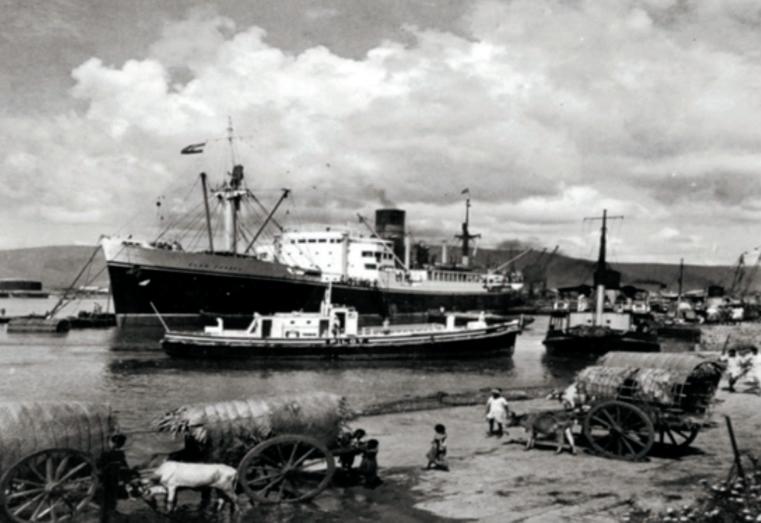
An image showcasing the transportation of cargo through bullock carts.
Average daily cargo handling: ~2.95 lakh* tonnes, Highest monthly cargo: 9.16mt (March 2026).
CARGO PROFILE & COMPOSITION
VPA handles a diversified cargo mix ensuring balanced trade operations: Imports: 57.45mt (63%); v Exports: 33.67mt (37%). v
DRY BULK HANDLING — VISAKHAPATNAM PORT AUTHORITY (VPA)
1. BULK MATERIALS HANDLED
Visakhapatnam Port Authority handles a diverse range of dry bulk commodities, including: iron ore & pellets (major cargo – v ~13.21mt exports); thermal coal & coking coal; v steam coal & anthracite coal; v
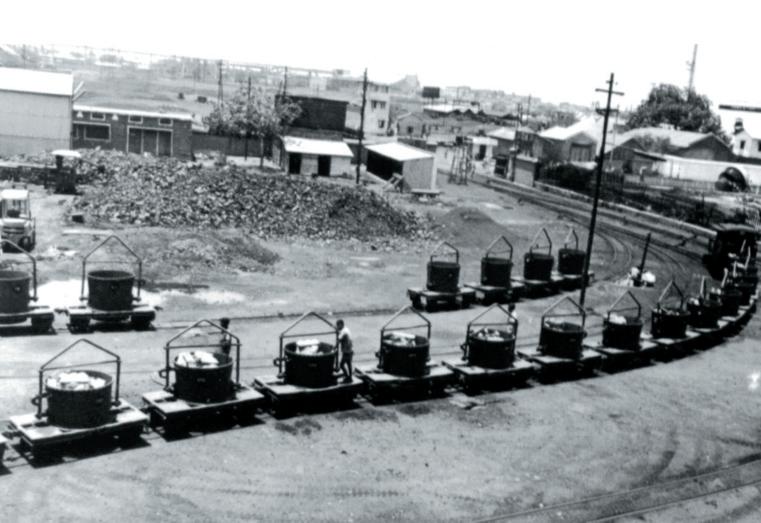
Earlier, cargo was handled using railway wagons.
bauxite & alumina; v limestone & rock phosphate; v manganese ore; v coke & petroleum coke; v fertilizers (DAP , NPK, urea, etc.); v gypsum, sulphur, industrial salt; v granite blocks & stone aggregates. v Dry bulk (mechanized + non-mechanized) together contributes over 49mt, forming a significant share of total cargo handled
2. TECHNOLOGIES/EQUIPMENT/SYSTEMS USED
VPA utilizes a combination of mechanized and conventional handling systems to ensure efficiency: mechanized bulk handling systems v (high-capacity conveyors, loaders, unloaders); mobile harbour cranes (MHCs) for v flexible bulk operations; high hook-output multi-shift v
Coal is handled in the Inner Harbour through dedicated berths and efficient mechanized systems.
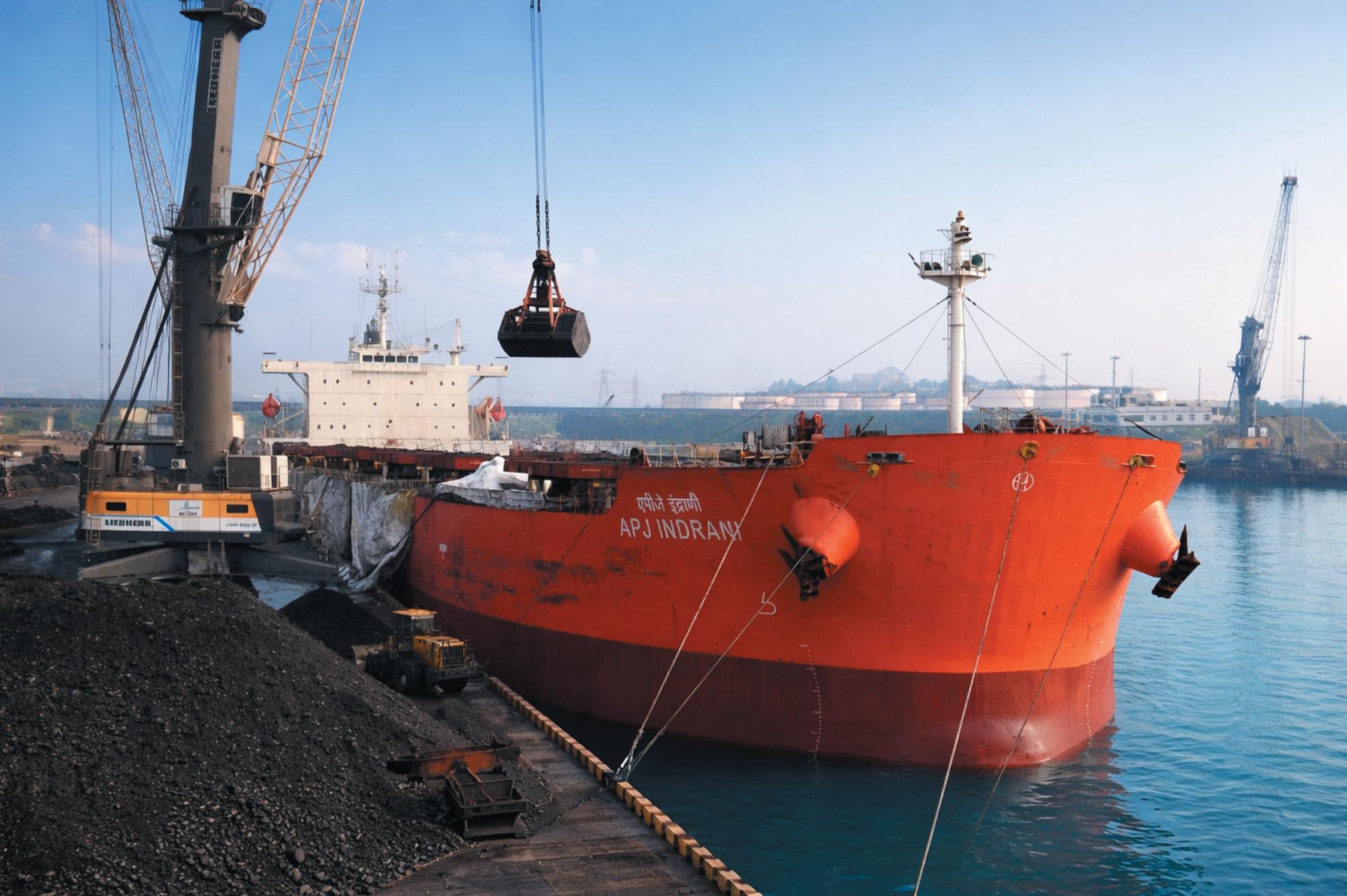
operations (e.g., manganese ore loading up to 1,596 tonnes per hook); single point v mooring (SPM) facility for crude oil (also adapted for export operations); Advanced cargo v monitoring and POS-based invoicing systems; 24x7 multi-berth v operations with real-time vessel handling efficiency.
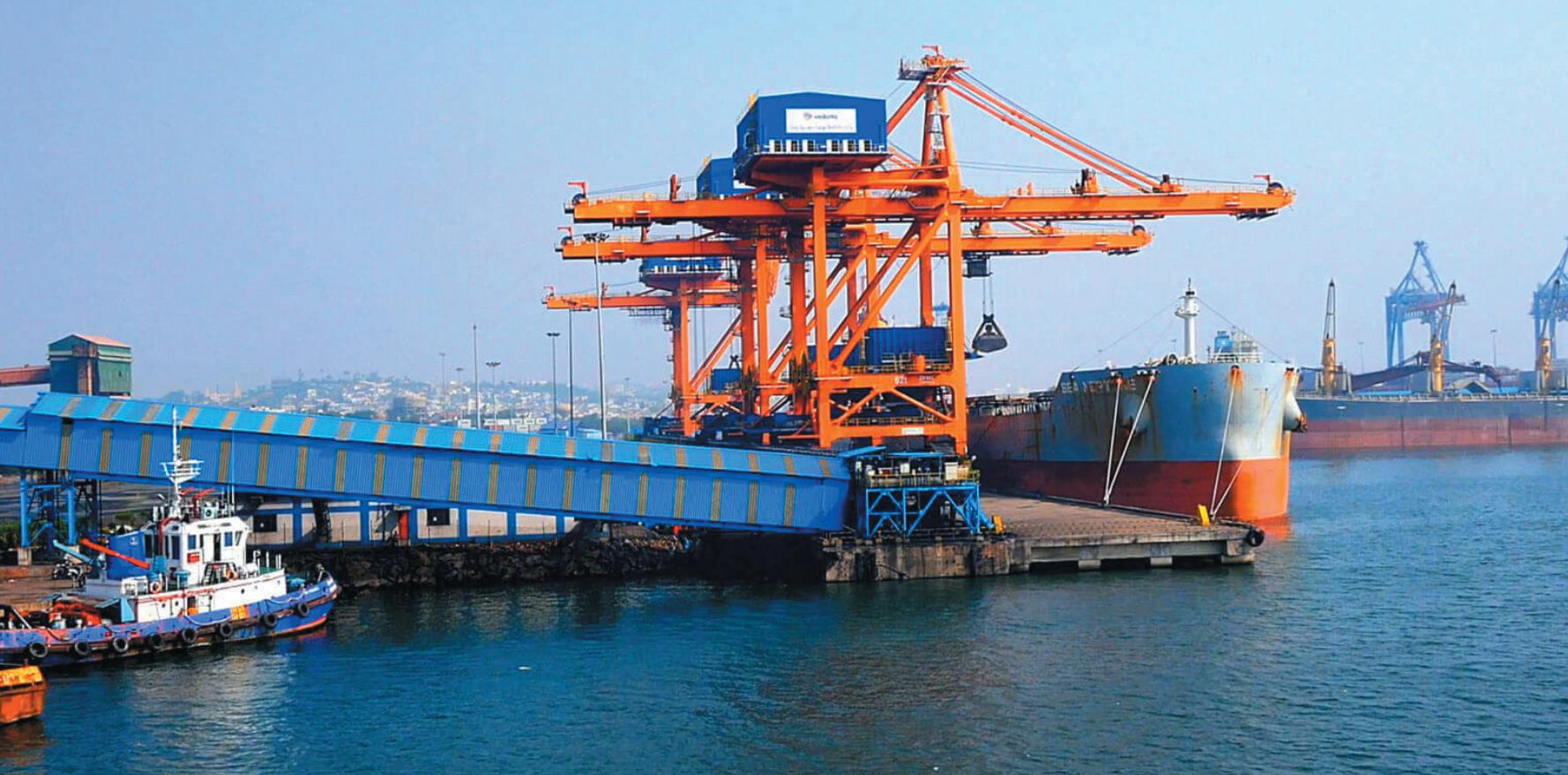
The berth can handle multiple commodities through a conveyor system and has a capacity of up to 2 lakh tonnes of cargo per day.
The port continuously upgrades cargo handling productivity and turnaround time performance.
Key bulk cargo clients include: Hindustan Petroleum Corporation v Limited (HPCL) — crude & POL cargo;
ArcelorMittal Nippon Steel India v (AMNS) – iron ore & pellets; Tamil Nadu Power Generation v Corporation Ltd. – thermal coal; Coromandel International Ltd. – v fertilizers & rock phosphate;
Dalmia Cement Bharat Ltd. – slag & v bulk materials; and JSW Steel Ltd. / Bhushan Power & v Steel Ltd. – coal & steel cargo; Additionally, multiple importers/ exporters such as: Samrudha Pvt Ltd; v Godavari Commodities Ltd; v Nagarjuna Fertilisers Ltd; v APL Apollo Building Products Pvt Ltd. v
4. RECENT PORT/TERMINAL DEVELOPMENTS
VPA has achieved several major milestones and infrastructure advancements: highest-ever cargo throughput : v 91.16mt in FY 2025–26;
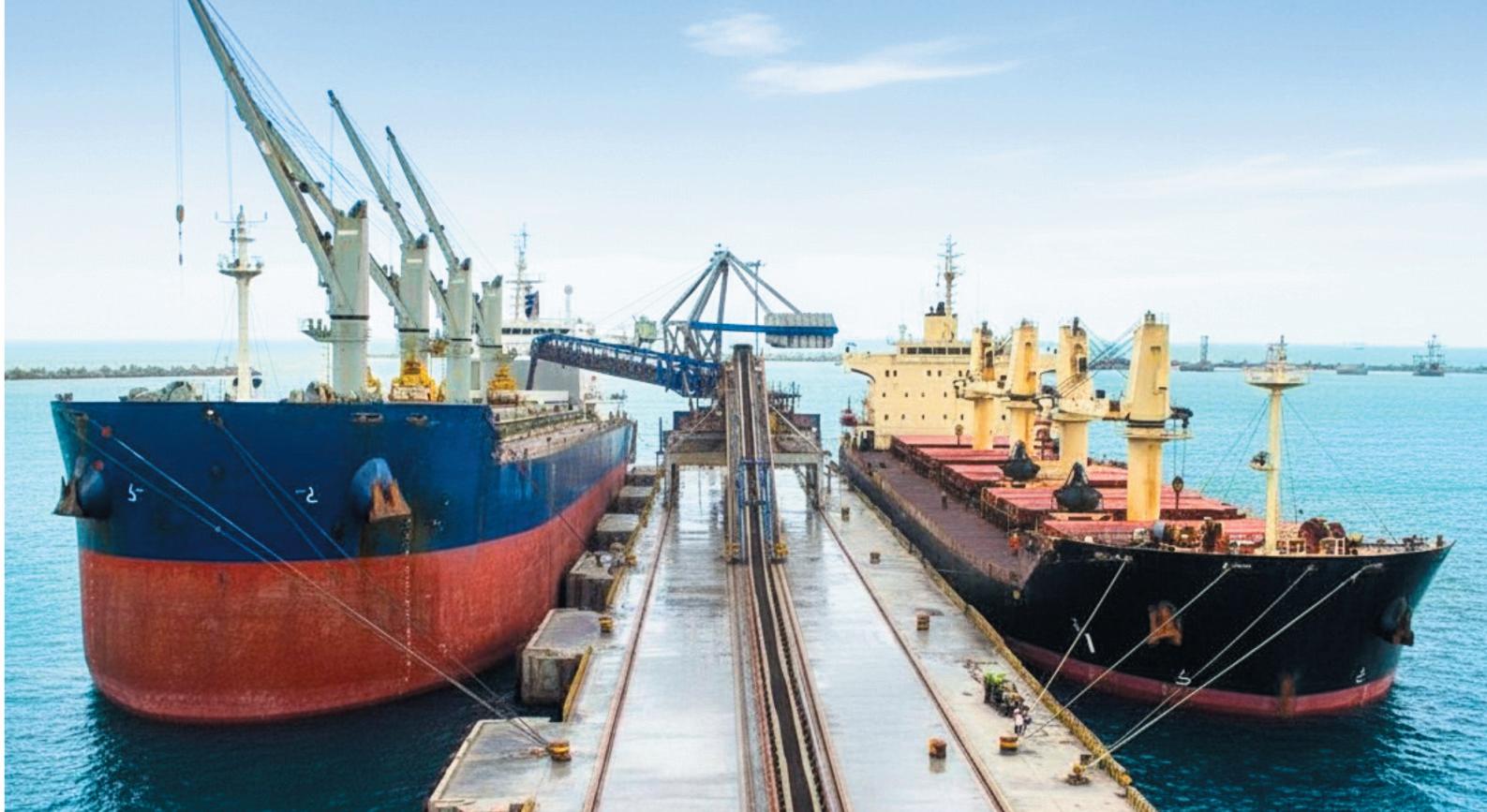
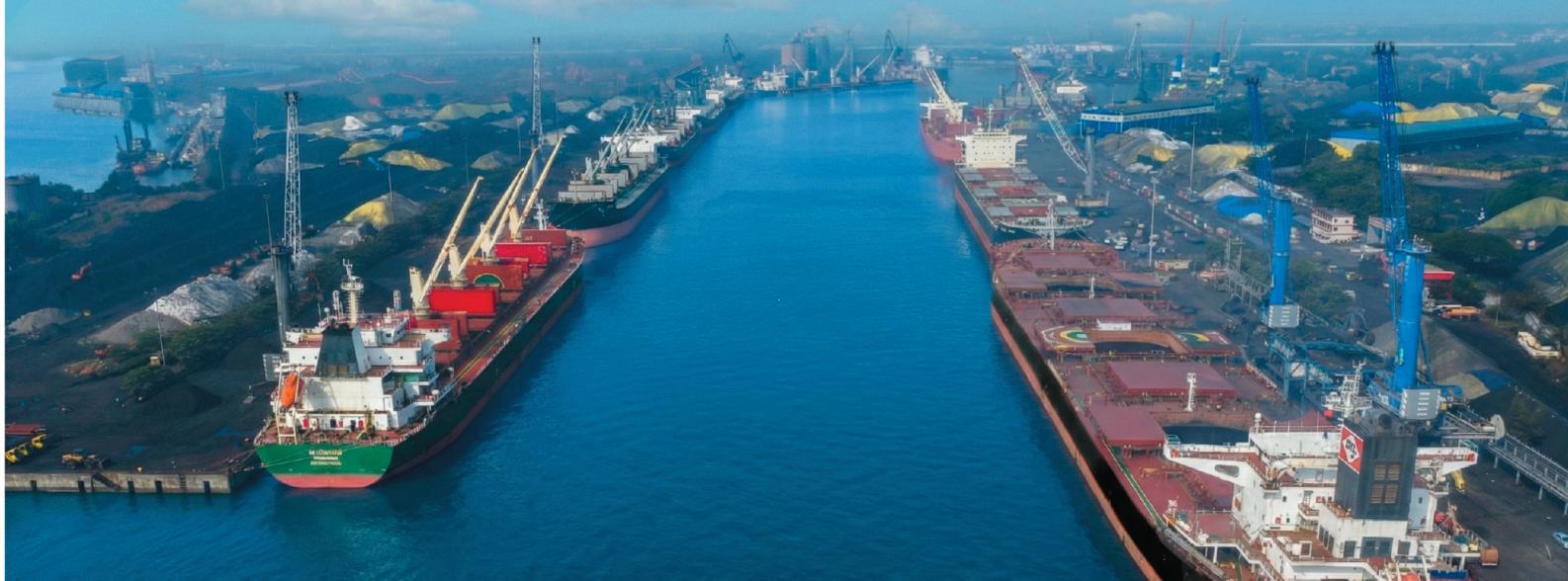
expansion of multi-cargo bulk v terminals (PPP/BOT model); record bulk handling achievements: v over 1.02 lakh tonnes of iron ore pellets loaded in a single vessel 44,999 tonnes thermal coal loading record; enhanced berth utilization (28 out of v 32 berths engaged at peak); increased mechanized handling v capacity for dry bulk cargo; and strengthened rail connectivity and v evacuation systems.
5. COMPETITIVENESS & MARKET STRATEGY
VPA maintains competitiveness through: high operational efficiency ~295,535 v tonnes/day average cargo handling; faster turnaround time for vessels; v strong multimodal connectivity (rail v coefficient ~50%); continuous stakeholder expansion v (new clients added annually); Public-Private Partnership (PPP) v terminal operations; cost-effective bulk handling solutions; v and digitalization & process optimization. v
Additionally, VPA focuses on: scalability of infrastructure; v sustainability & compliance (ISO, ISPS v certified); and customer-centric logistics solutions. v
Visakhapatnam Port Authority is a bulk cargo hub in India, with strong capabilities in handling coal, iron ore, fertilizers, and industrial minerals. Operations are supported by modern infrastructure, highcapacity mechanization, and strategic partnerships, ensuring sustained growth and global competitiveness.
* lakh = 100,000
A brand new 700B Series barge mounted E-Crane has come to life at E-Crane’s Port of Iberia (Louisiana, USA) facility, showcasing the full capabilities of its Gulf Coast operations. This machine, for Simplot Grower Solutions, was erected completely on-site and then transported to the end user site fully assembled.
Major components arrived by vessel from Europe and were received, staged, and assembled entirely on-site by E-Crane’s team of specialized technicians. With the necessary infrastructure, specialized tools, and experienced personnel in place, the Port of Iberia facility enables E-Crane to take a crane from individual components to a fully realized machine, ready for operation. In fact, multiple machines can be staged and assembled at one time, as Simplot was assembled along with another 4000C Series E-Crane.
Once assembly was complete, the crane underwent thorough testing at the facility. Every system was carefully checked to ensure performance, reliability, and readiness for continuous service. This ability to fully build and test equipment before delivery not only streamlines installation at the customer’s site, but also reduces startup time and risk once the crane is put into operation.
From Port of Iberia, the fully assembled crane — mounted on its barge — began the next phase of its journey, travelling by water to the Port of Rosedale. This seamless transition from assembly yard to job site highlights a key advantage of the Iberia location: direct water access that allows us to efficiently deliver large, fully assembled equipment to ports across the region.
For Simplot Company, the E-Crane will
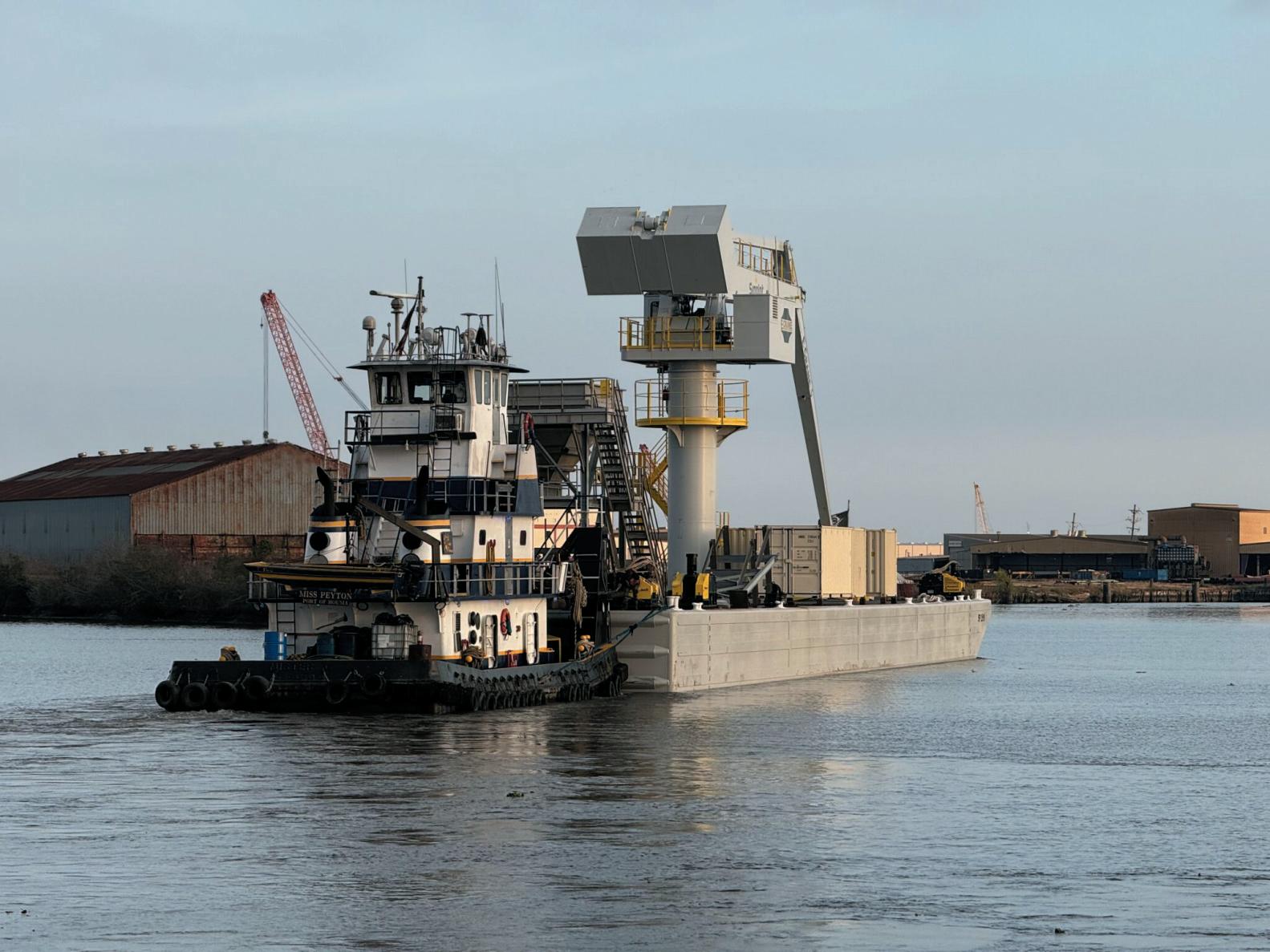
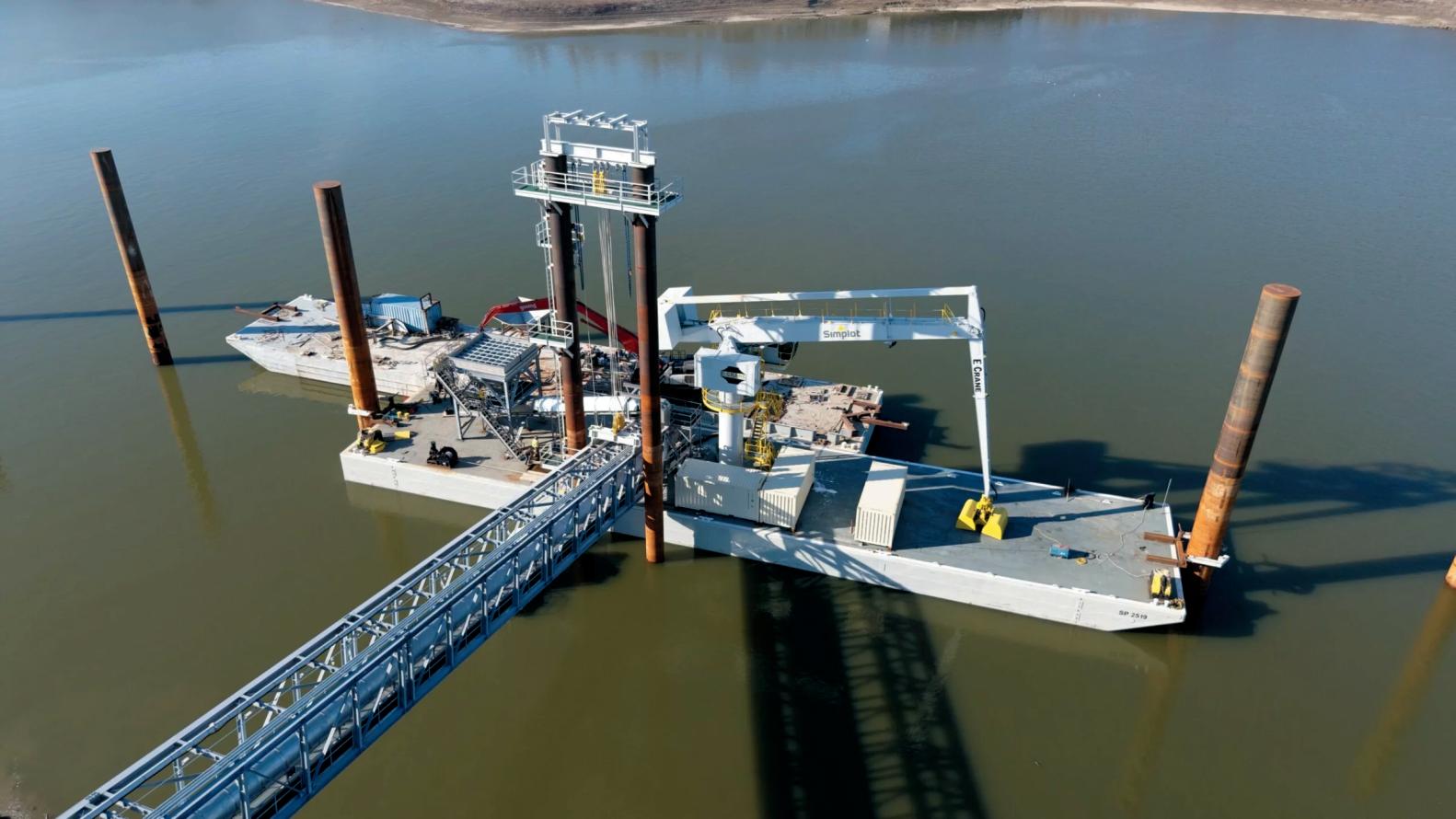
serve as the dedicated unloader for inbound fertilizer barges, supporting a consistent and efficient material flow from vessel to shore. With its balanced design,
energy efficiency, and proven reliability, it is built to deliver long-term operational value — both for Simplot and for the demanding environment of daily port operations.
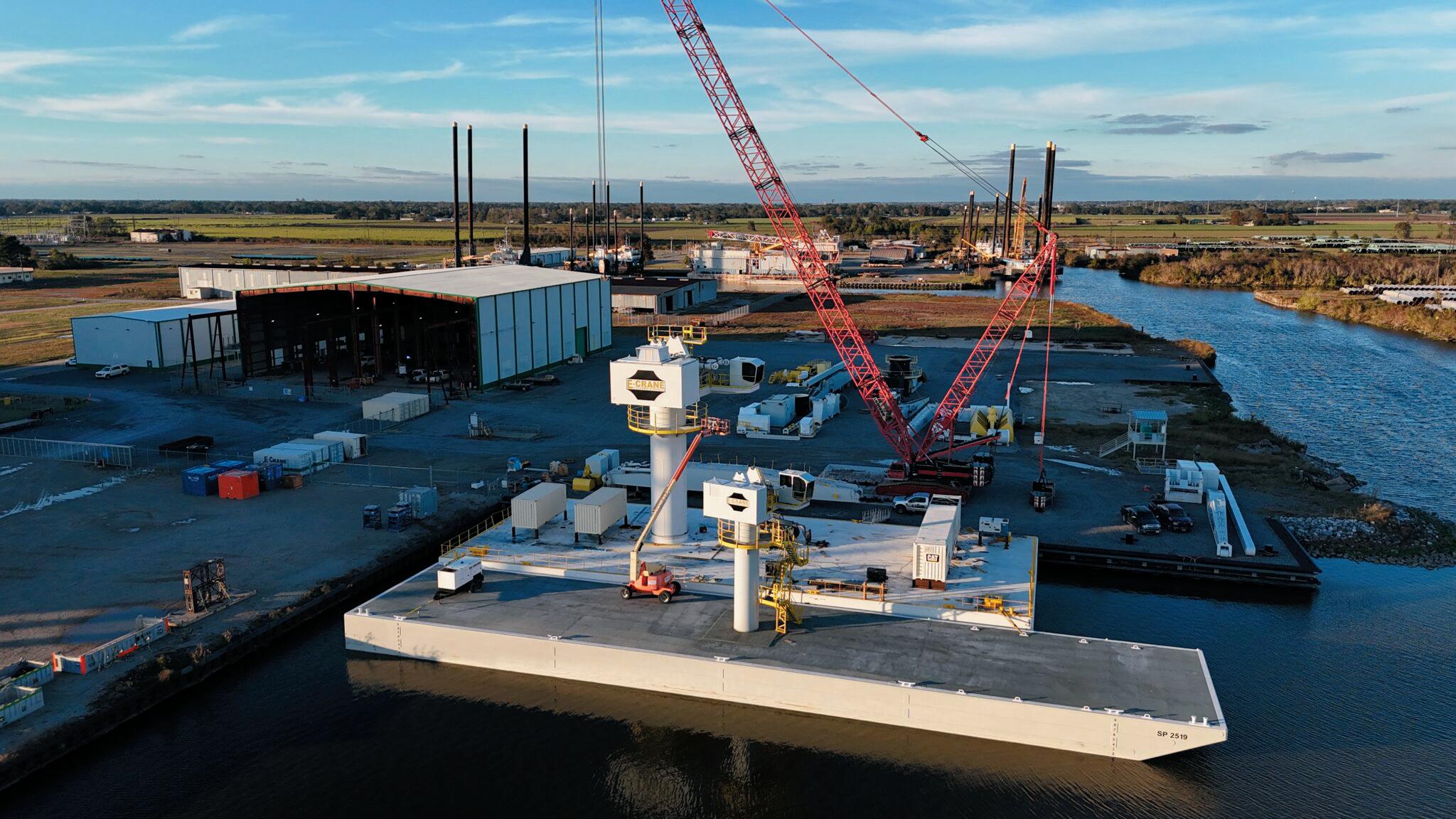
f
















Mo r e v co s Di




ex.com w.ter w w nd a H ial er t Ma ld-C Wor s Fuch s fuch / s ler s s la












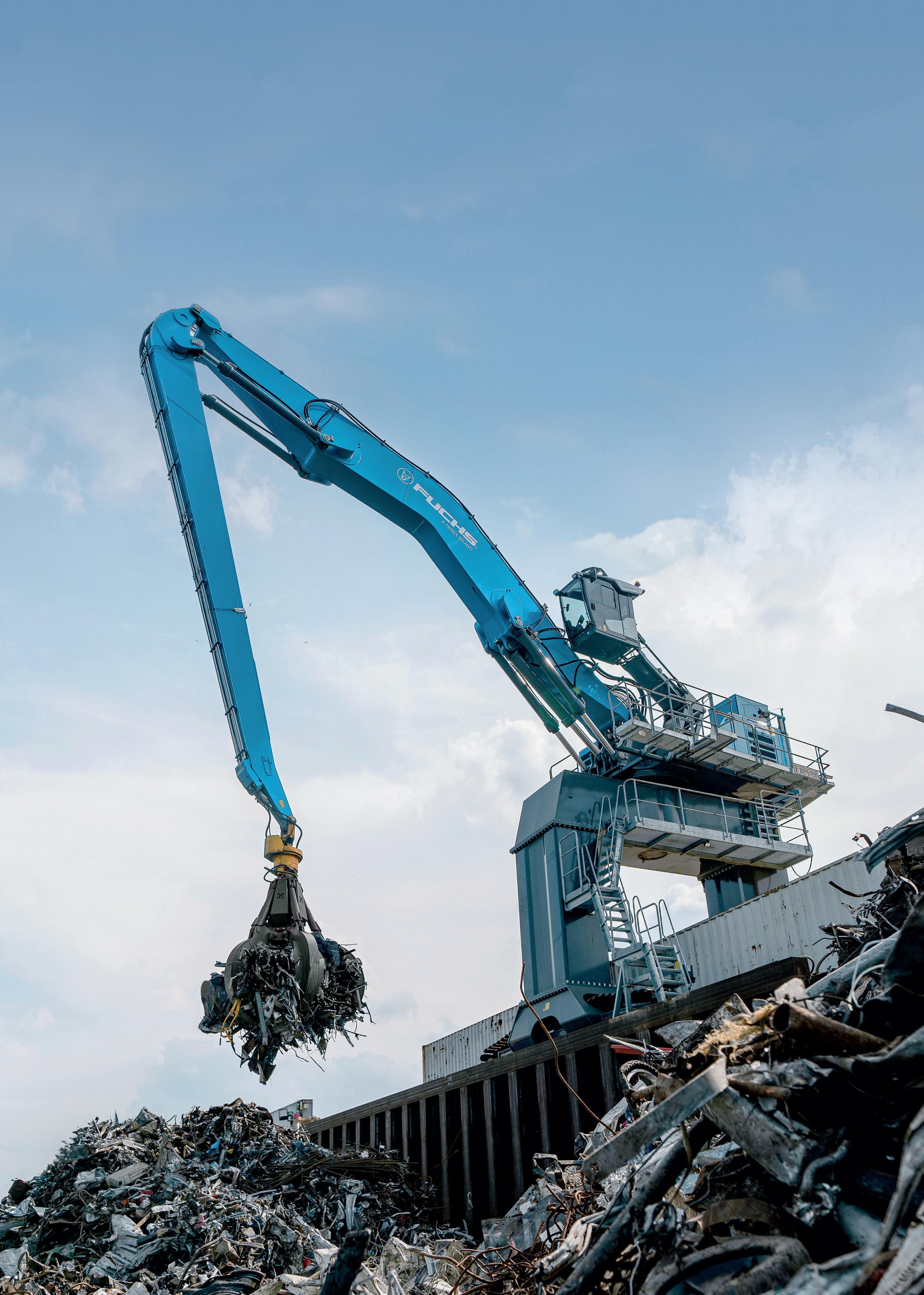
Grain flows are no longer defined by steady seasonal rhythms. They are defined by variability.
Import-dependent regions rely heavily on seaborne wheat, maize, barley, and other bulk commodities. Strategic grain reserves are structured and procurement frameworks are mature. Yet vessel arrival patterns compress, seasonal campaigns intensify, inland corridors fluctuate, and maritime routing shifts with changing conditions.
Silos may be built.
Conveyors may be installed.
Unloaders may be operational.
And still, pressure builds.
THE GAP: CAPACITY WITHOUT COORDINATION
In modern grain handling systems, disruption rarely begins with equipment failure. It begins with misalignment.
A delayed convoy.
An intake line reaching temporary saturation.
A corridor tightening just as discharge accelerates.
Individually, manageable.
Collectively, compounding.
In today’s bulk grain logistics, the gap between capacity and coordination is where risk accumulates.
That is where adaptability must be engineered.
CARGO HANDLING: PREVENTING THE FIRST BREAK
At the berth, discharge velocity meets constraint.
Grab discharge systems, mechanical and pneumatic unloaders, mobile bulk hoppers, and conveyor networks are not selected for capacity alone. They are configured for versatility.
Operations can shift between direct-totruck discharge, on-site bagging, vacuumassisted unloading, or spill-controlled grab discharge depending on berth conditions and inland readiness.
Effective cargo handling is built not only for throughput, but for immediate strategic adjustment when port conditions shift.
MOBILE BAGGING: EXPANDING CAPACITY WITHOUT EXPANDING CONCRETE
In many emerging markets, trade volume fluctuates faster than fixed infrastructure can expand.
Mobile bagging solution provide adaptive capacity within that gap.
High-speed 50kg lines and 1MT mobile
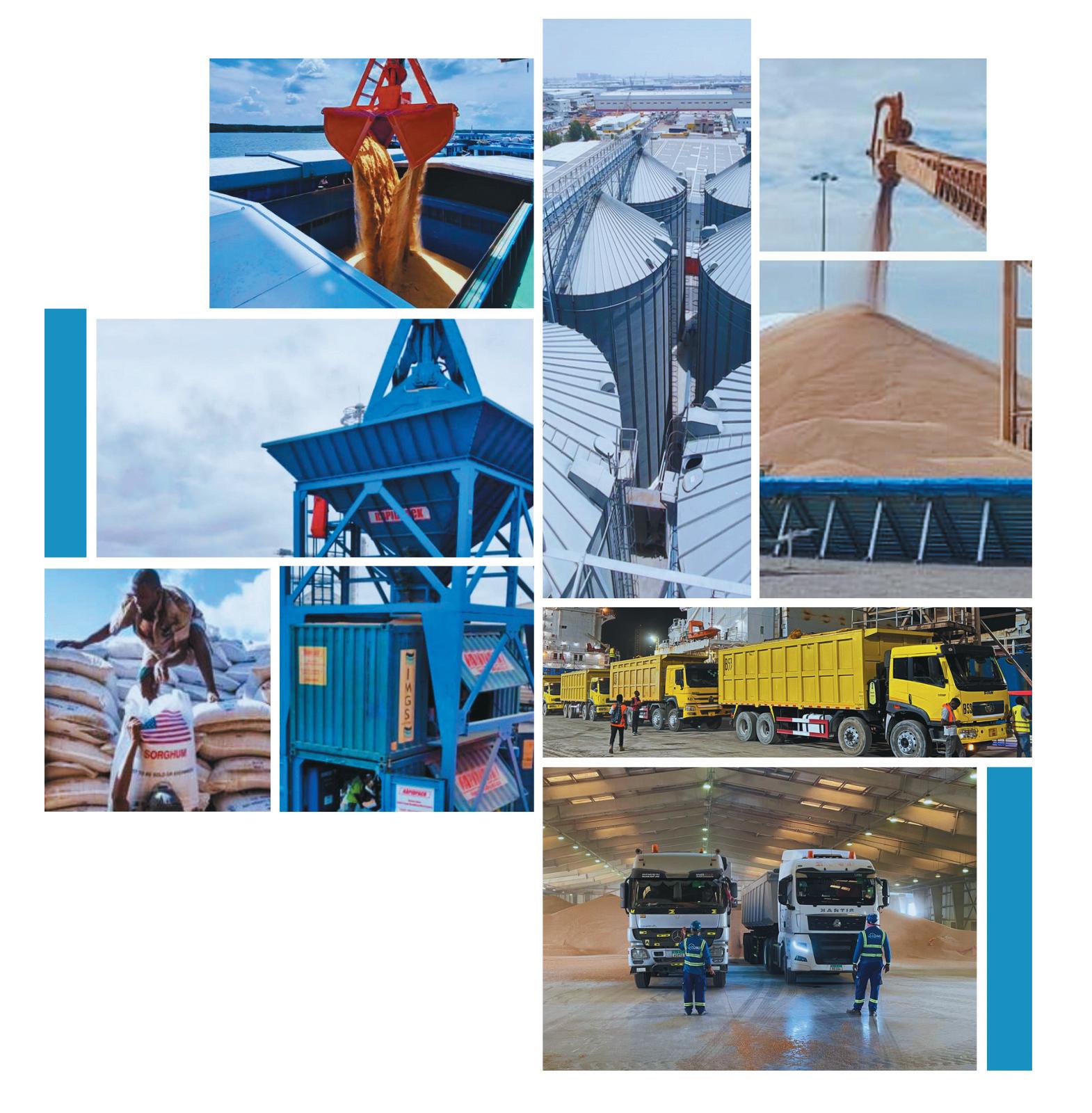
units can intake directly from bulk discharge, silo feed, or warehouse stock, converting continuous bulk flow into dispatch-ready units without requiring permanent structural expansion.
By accelerating turnover and reducing dwell time, mobile bagging protects cargo value. Particularly in high-humidity environments where prolonged exposure can affect grain integrity.
It does not replace infrastructure. It extends it.
And when trade velocity outpaces fixed capacity, that extension prevents congestion from cascading into disruption.
STORAGE : ABSORBING PRESSURE WITHOUT LOSING FLOW
Permanent grain storage provides baseline stability. IMGS operates vertical silos and covered flat storage facilities strategically positioned along key distribution laylines. Functioning as logistical connectors between port discharge and inland markets.
However, adaptability requires elasticity. Modular and surge-oriented ground silo systems can be mobilized to maintain throughput without compromising cargo protection.
Storage, in this model, is not static capacity. It is managed flexibility within the
grain handling system.
DISTRIBUTION: WHERE PRESSURE RETURNS
The most underestimated vulnerability in grain trade lies inland.
Truck cycles fluctuate. Corridors tighten. When dispatch slows, pressure travels back toward the port.
Which is why discharge, storage, and truck release are synchronized in real time — ensuring grain moves outward at the same pace it arrives.
If inland distribution weakens, upstream adaptability becomes irrelevant.
Grain handling does not end at the silo. It depends on the corridor.
WHEN THE CHAIN MOVES AS ONE
Strength in grain handling systems does not lie in facilities alone, but in co-ordination.
When one node tightens, another flexes.
When discharge accelerates, storage absorbs.
When inland slows, intake adjusts. That rebalancing — in hours, not months — preserves continuity.
Food security depends on connected infrastructure that can shift under pressure without breaking flow.
Adaptability is no longer an advantage. It is the condition for resilience.

































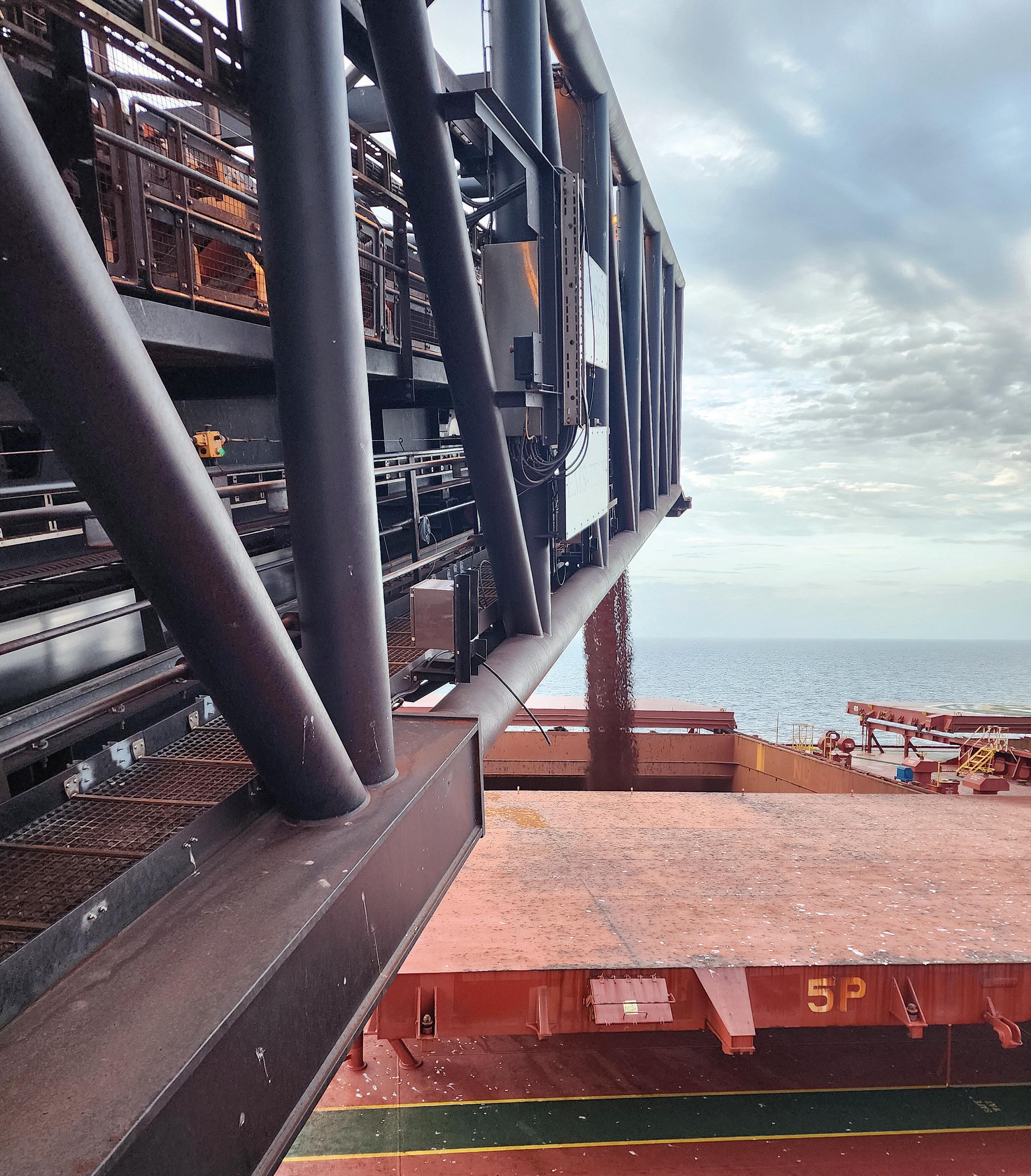














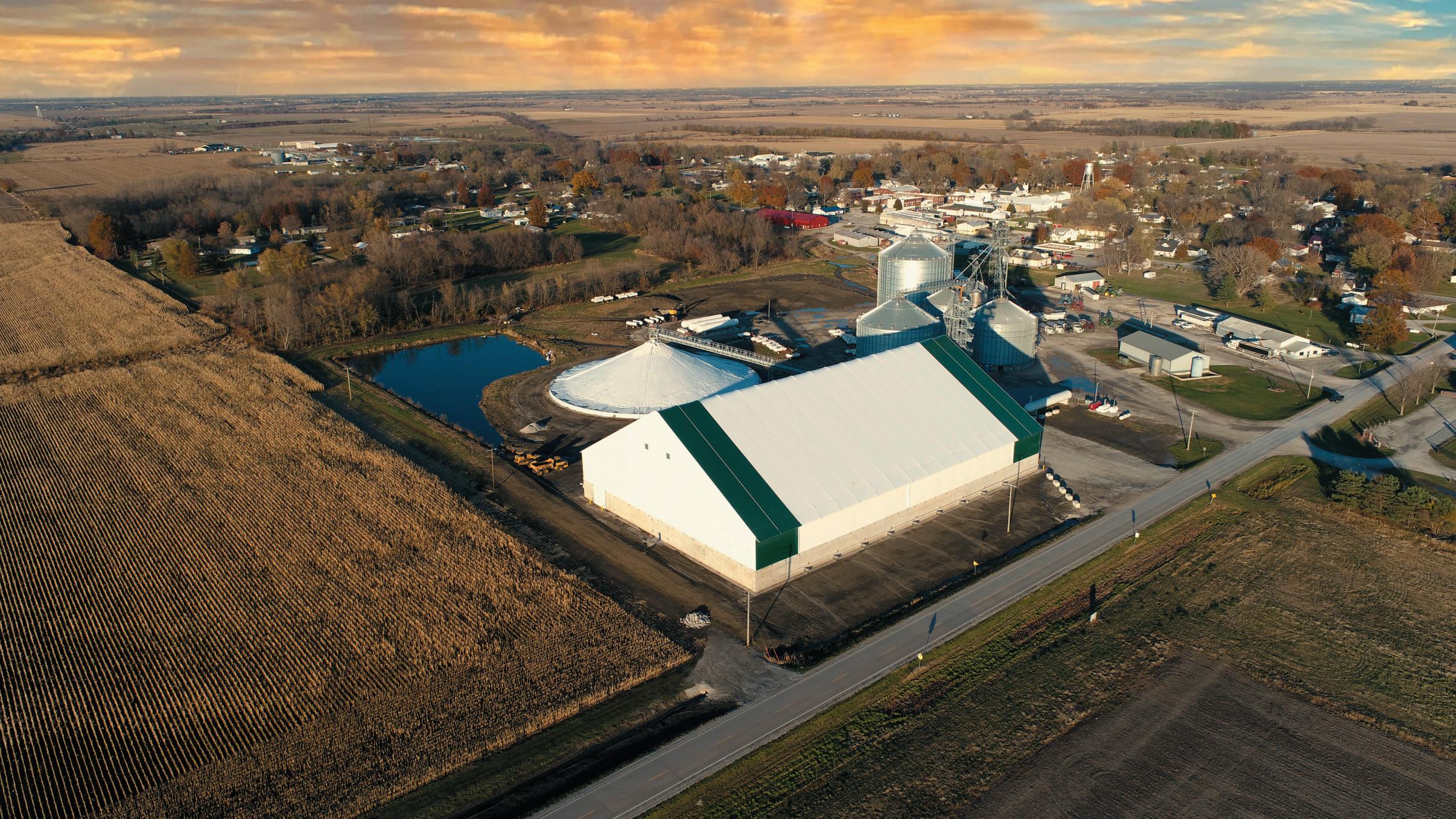
Grain remains one of the most strategically important commodities in the global dry bulk market. As volumes increase, margins tighten, and environmental pressures mount, operators are re-evaluating not only how grain is handled but where it is stored, transferred, and protected. While conveyors, unloaders, and inspection technologies drive operational efficiency, the infrastructure that houses these
systems plays an equally critical role in long-term performance.
Calhoun Super Structure specializes in engineered fabric buildings designed to support grain handling and bulk storage operations, globally.
COMPANY BACKGROUND
Founded with a focus on engineered fabric building solutions, Calhoun Super Structure
has built its reputation serving bulk commodity sectors. The company designs, engineers, and manufactures wide-span, corrosion-resistant structures built to perform in demanding environments.
Its buildings are manufactured using hot dip galvanized (HDG) steel and componentry, and HDPE fabric covers. Every structure is engineered to meet sitespecific snow, wind, and seismic loads.
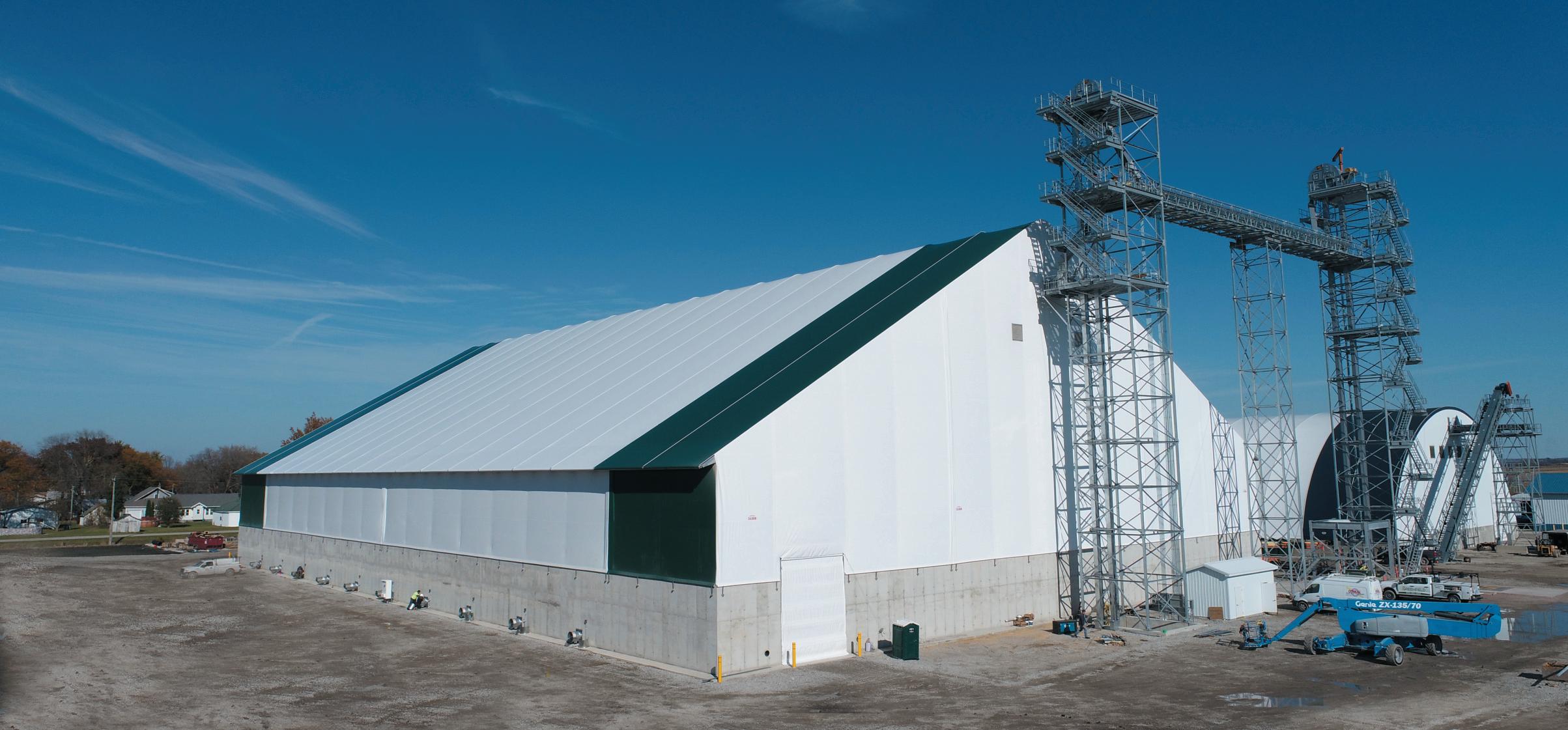
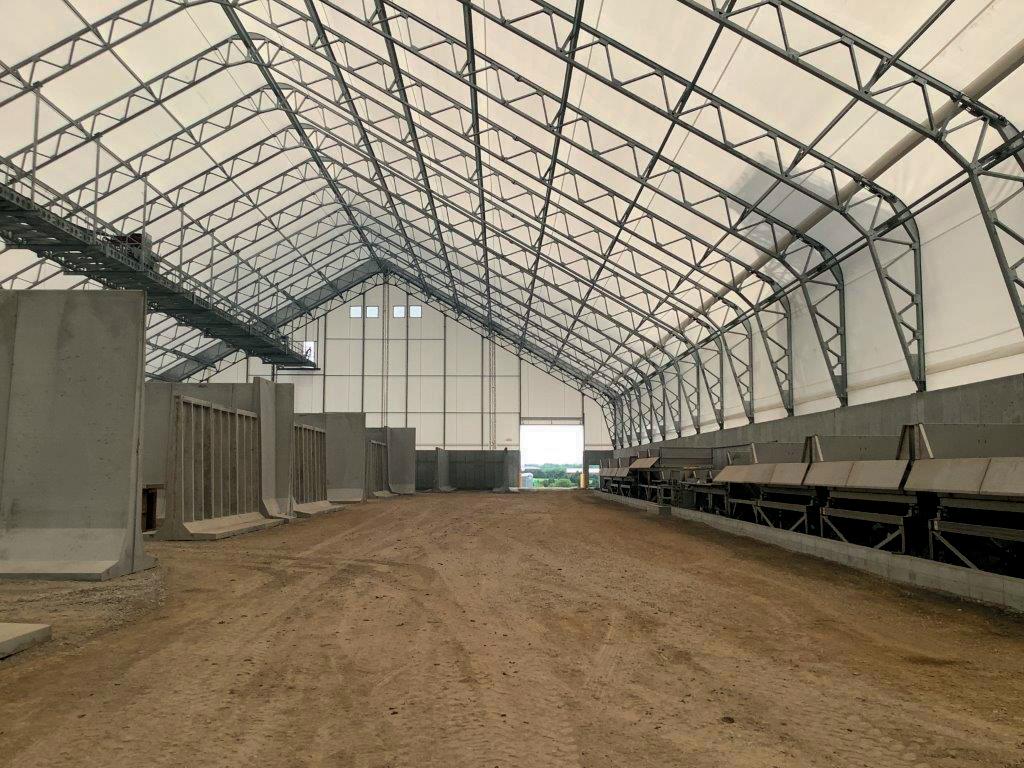
Calhoun structures are commonly deployed in: bulk grain storage facilities; v fertilizer and feed storage; v truck and rail loading bays; conveyor v and transfer station enclosures; and port-side transload and export v facilities.
The defining advantage is wide-span interior space. Without interior columns, operators can maximize usable capacity and integrate mechanical systems without structural interference. This is particularly important for conveyor alignment, reclaim systems, and mobile loading equipment. Unlike traditional steel or concrete buildings, engineered fabric structures provide:
rapid construction timelines; v a variety of foundation mount options; v reduced cost per square foot; and v natural light transmission which v serves to improve energy efficiency
In grain applications where aeration and moisture control are critical, the structure itself becomes part of the quality-control equation.
The bulk handling industry is not standing still. Operators are demanding faster builds, lower lifecycle costs, and improved environmental performance.
Calhoun remains competitive through three core principles:
1.
Each structure is engineered site-specific applying its unique 3D Nonlinear Finite Element Analysis to engineer the fabric structure to suit the customers’ unique location. Calhoun works with its network of dealers to obtain site topography with the orientation and location of the marked building. This allows the engineers to begin
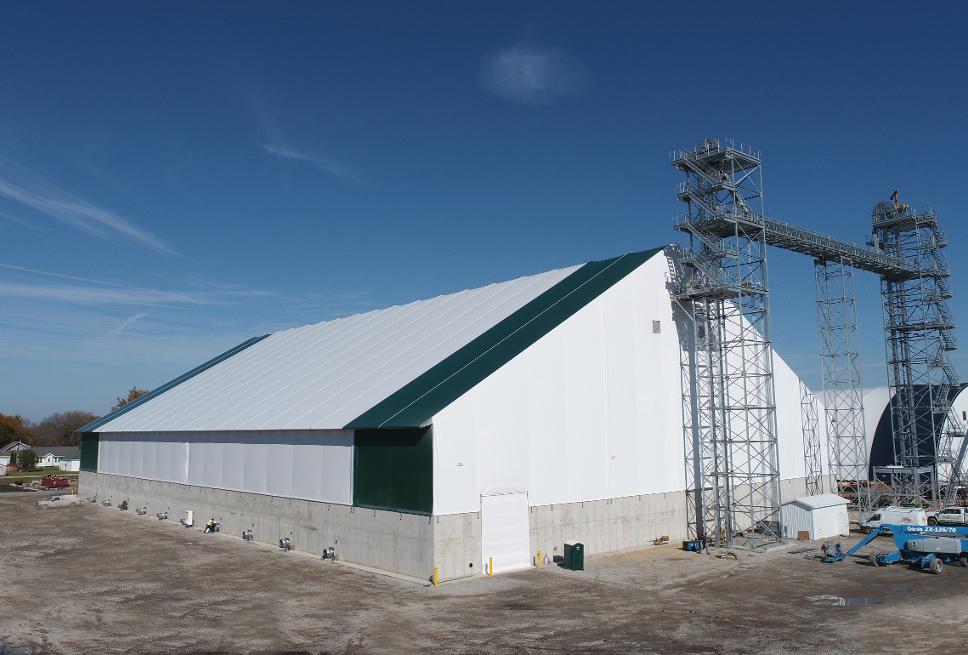










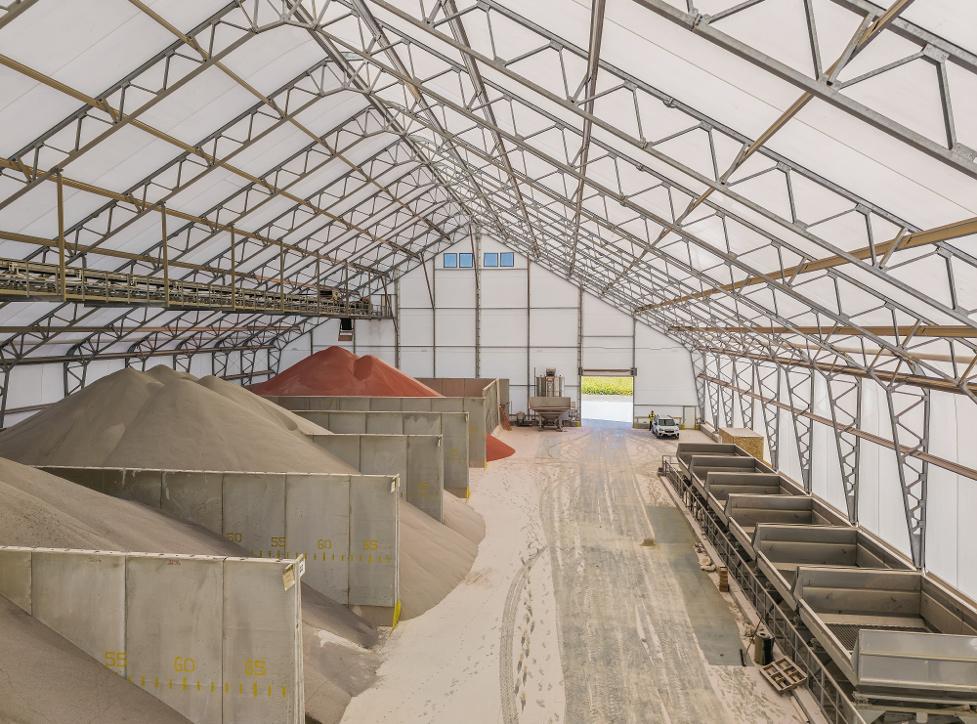
the process of evaluating the site conditions. The site evaluation ensures that the appropriate parameters are used for the analysis of the structure. The configuration of the building is thereby validated, or changes are made to ensure the structure has the requisite reliability for the site. No other fabric structure manufacturer in the world employs this level of detail.
Calhoun’s structures can often be erected in a fraction of the time required for traditional steel or concrete builds. In peak harvest or export seasons, time is money. Shorter construction windows mean earlier revenue generation.
Calhoun’s engineered structure provides decades of service life. Fabric covers are replaceable without dismantling the steel frame, allowing operators to refresh the building at a lower cost than full structural replacement. In a market increasingly driven by capital efficiency, this lifecycle approach resonates strongly with agricultural cooperatives, grain terminals, and independent operators.
Operators have historically hesitated to adopt fabric structures due to concerns about durability compared to traditional steel-clad buildings. That perception is changing. Engineered fabric buildings are no longer temporary agricultural shelters. They are purpose-built commercial structures engineered for site-specific loads. In many cases, they outperform conventional systems in corrosive or highhumidity environments because the HDG steel frame resists rust and the fabric membrane does not corrode.
Moreover, the ability to expand lengthwise without major structural redesign makes them well suited to phased growth; a significant advantage in volatile grain markets.
Sustainability is becoming a greater consideration in infrastructure investment. Fabric buildings require less embodied energy in materials compared to conventional concrete structures.
Natural daylight transmission through the membrane reduces artificial lighting requirements during daytime operations.
For grain operators under pressure to
reduce waste and post-harvest loss, properly enclosed storage with integrated aeration supports better quality retention and fewer spoilage incidents.
The grain handling industry will continue evolving as global trade flows shift and climate variability impacts harvest cycles. Infrastructure must be adaptable, durable, and financially viable.
Calhoun Super Structure’s role in this ecosystem is straightforward: provide engineered building solutions that protect valuable commodities and the equipment that moves them.
While conveyors, unloaders, and cranes remain the visible drivers of bulk operations, the structure that shelters those systems is foundational. A welldesigned building reduces downtime, protects assets, and supports efficient throughput.
As the market pushes toward smarter, faster, and more resilient grain handling systems, engineered fabric structures are increasingly becoming part of that long-term strategy — not as an alternative to traditional construction, but as a modern standard in bulk storage infrastructure.
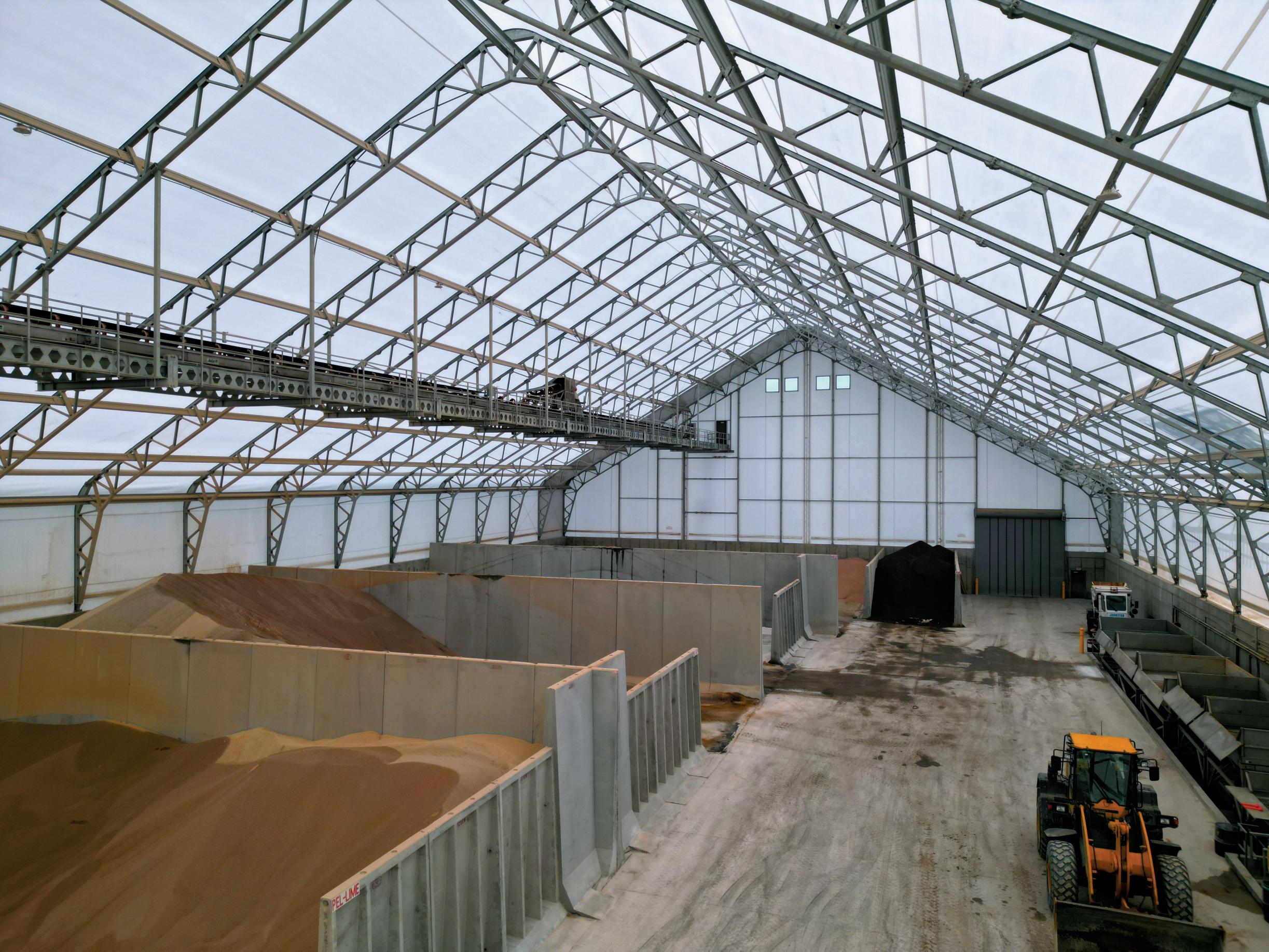
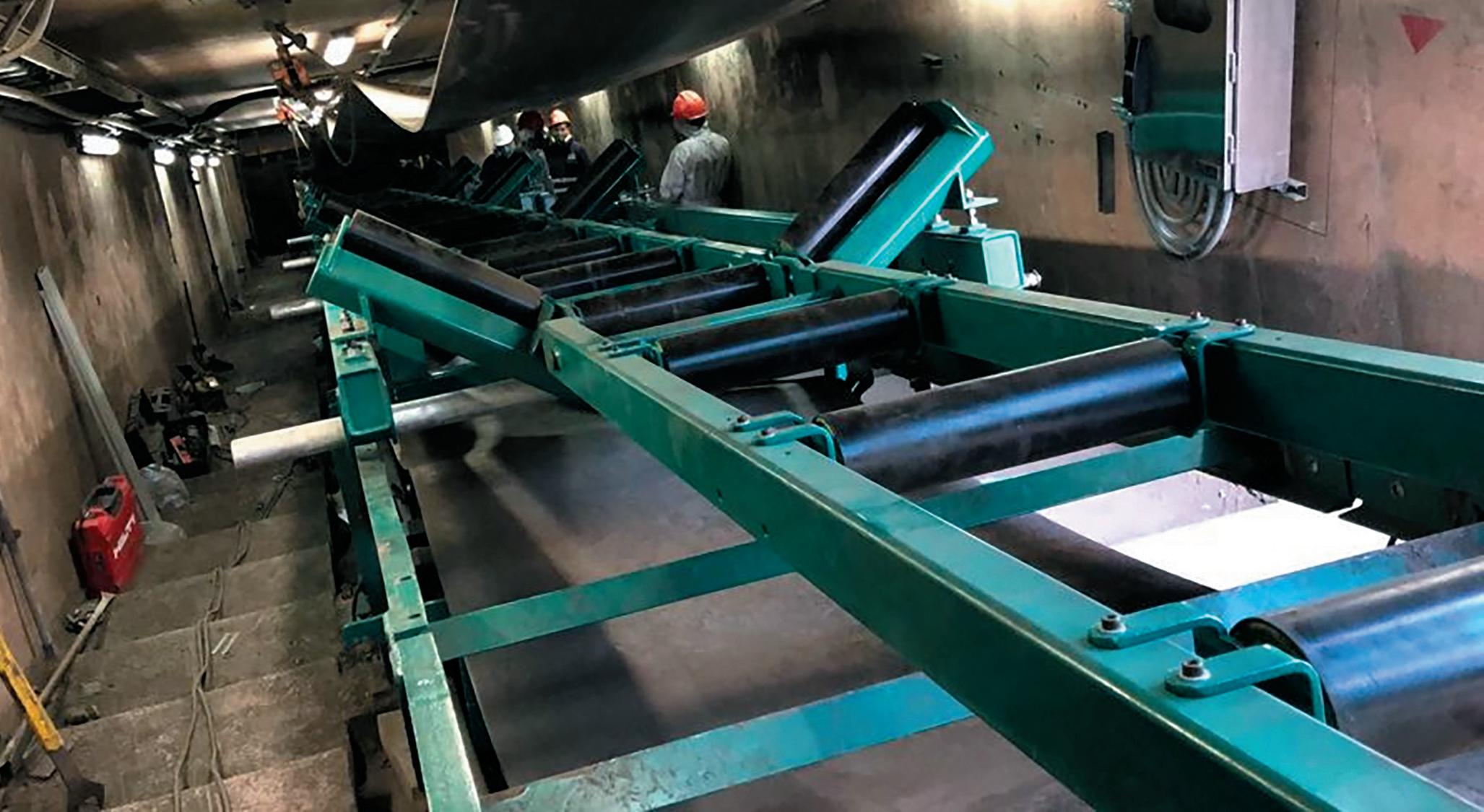
Impala Terminals at Callao Port in Lima, Peru, faced significant challenges in accurately measuring bulk materials during ship loading operations. The facility loads up to 30,000 tonnes per ship with cargo values often exceeding $50 million. To address these issues, they decided to install a CST 0.1% Belt Scale, aiming to enhance the precision of their cargo measurements, reduce financial risk, and ensure smooth international trade transactions.
“Impala Terminals have installed a OIML Class 0.2 Belt Scale at their Callao port facility. At this time, this belt scale may the best belt scale in the world.”
This case study highlights the importance of investing in advanced measurement technologies to support accurate and reliable for-trade weighing in global markets.
The primary issue at Callao Port was the inaccuracy in measuring high-value metalliferous ores such as silver, lead, zinc, and copper. Factors such as wave action, salinity variation, hogging and sagging and reliance on human judgement led to margins of error. Traditional methods like draft surveys and standard belt scales often resulted in errors up to 1%, leading to substantial financial discrepancies. Given the high market prices of these ores, even minor inaccuracies could translate into significant monetary losses, undermining the confidence of buyers and sellers in trade transactions. With a typical parcel size of 10,000 tonnes and an average value of US$2,000 per tonne, each parcel can
represent up to US$20 million, and a total cargo value per ship worth in the order of US$50 million. Traditional belt scales with an error margin of 1% could result in discrepancies of up to US$200,000.
Impala Terminals partnered with Control Systems Technology (CST) to install a belt scale that delivered on its promised accuracy. CST applied an applicationengineering process, backed by expert installation, on- site supervision, and a custom testing protocol. The solution included the following components: Symmetrical Dual Redundant (SDR) v Scale; on-site supervision; v custom OIML R50 Testing Process; v and Continuous In-Service, Permanence v Testing (CISPT).
The belt scale installed on Conveyor No. 6 at Impala Terminals is CST’s latest concept: the Symmetrical Dual Redundant (SDRCSRR) Belt Scale. This design features two adjacent, independently calibrated weigh frames, each with two idlers and four C6grade load cells. The space between the two frames forms the line of symmetry, allowing both sides to operate independently while verifying each other’s performance. Each weigh frame is accurate to ±0.1%, and the system is designed to maintain agreement between both sides within that range without
0.1% trade certified accuracy achieved OIML R50 0.2 Compliant under live load testing
Location: Peru
Year: 2021
Industry: Ports
Solution: Symmetrical Dual Redundant (SDR) Scale, On-Site Supervision, Custom OIML R50 Testing Process and Continuous, In-Service, Permanence Testing (CISPT)
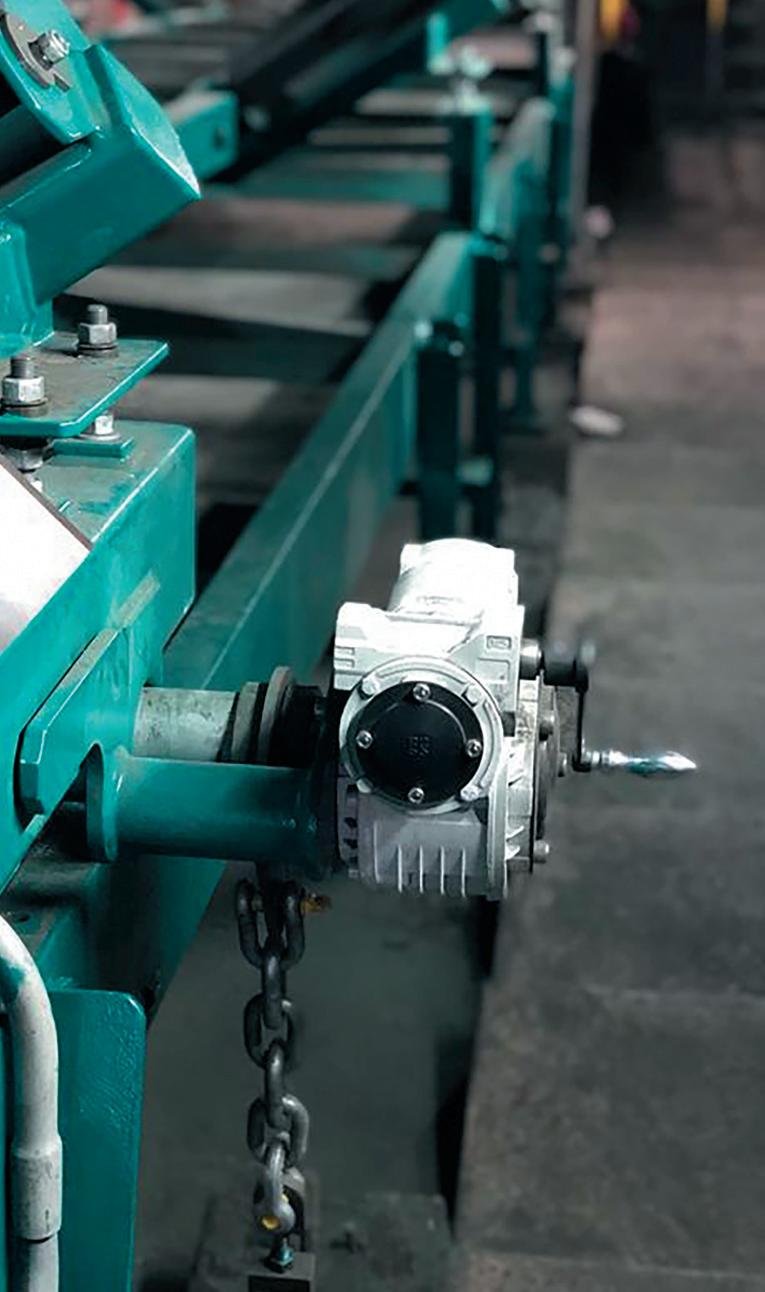
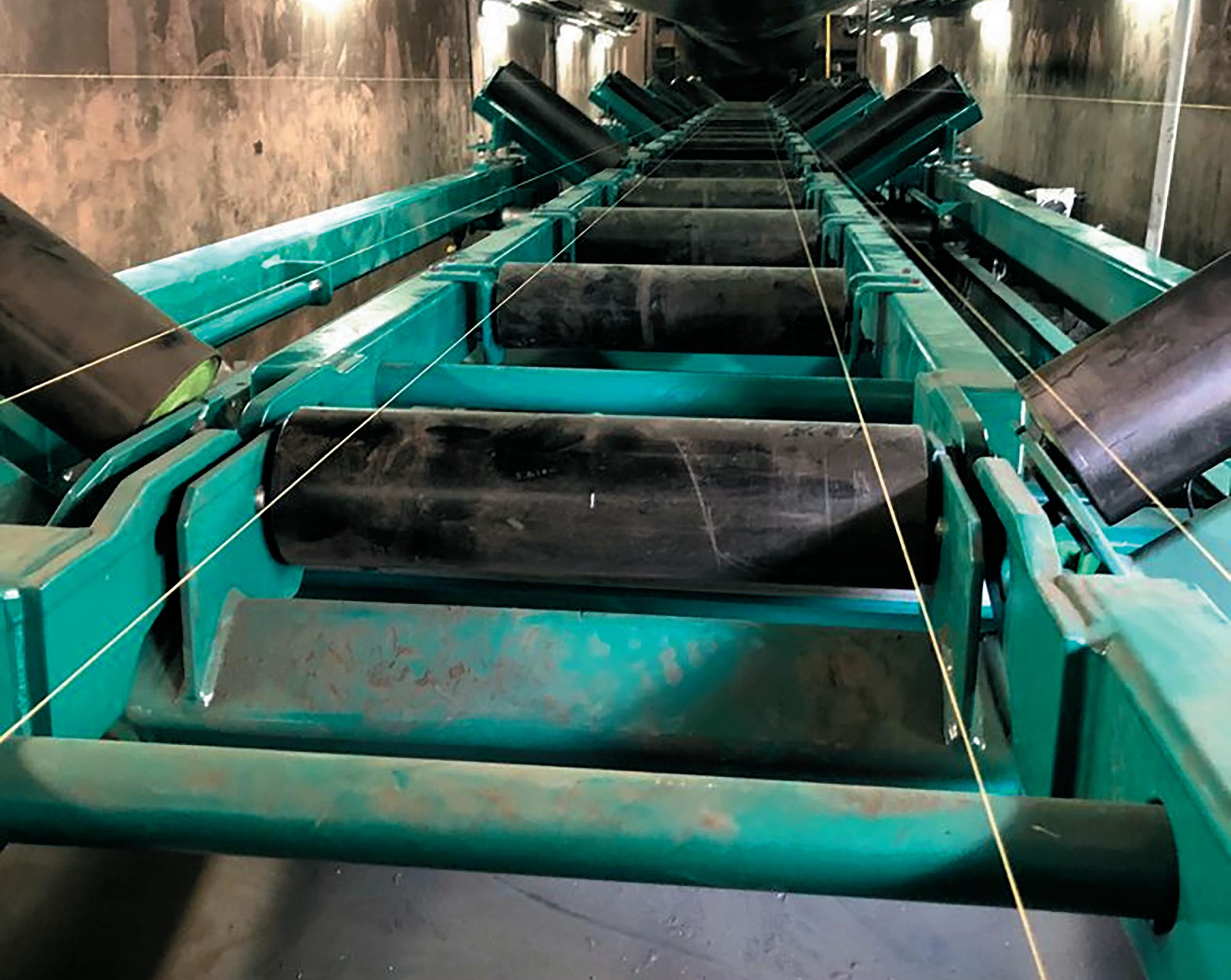
ongoing adjustment, an objective that has been met since commissioning. The scale uses extended 3,600mm idler spacing, supported by CST’s Close Spaced Roller Rack (CSRR) and a robust design to maintain belt support and frame geometry, ensuring measurement accuracy. It includes two spiral cage tachometers and is controlled by CST’s latest-generation belt scale electronics, running in dual mode to manage and compare both weigh frames.
To achieve OIML R50 Class 0.2 compliance, CST developed a detailed live load testing procedure in collaboration with Impala. Each test load was nominally 110 tonnes, with total allowable error under 100kg, accounting for weighbridge variance, belt scale error, and material loss or gain. The test circuit was complex, requiring a fully mapped process for each transfer point. CST produced a 16-page plan adopted by Impala’s management. Between runs, all transfer points were cleaned, with collected material run as a single parcel at the end to ensure accuracy.
The testing was supervised in person by CST staff in Peru, with Technical Support Manager Olger Quenaya and South America Business Development Manager,
Santiago Betancur present on site for the tests. CST systems provide real-time monitoring anywhere in the world, allowing for additional supervision from Australia to promptly address any issues.
Continuous, In-Service, Permanence Testing (CISPT) ensured that the scale remained accurate over time. This policy involved testing the belt scale before maintenance to verify its performance and allowing it to continue operating if it passed the tests.
The CISPT policy helped identify any potential issues early and ensured that the belt scale maintained its accuracy and reliability over extended periods.
The installation of the OIML Class 0.2 Belt Scale at Impala Terminals’ Callao Port facility yielded excellent results, achieving 0.1% accuracy fully compliant with OIML R50 standards, and has undergone successful verification under live load conditions, demonstrating its precision and reliability.
Consistent, stable calibration and ongoing maintenance ensure long-term accuracy, maintaining the integrity of trade transactions.
This project demonstrates CST’s expertise as the belt scale specialists, delivering verified 0.1% accuracy in a high-value ship loading application. It sets a new benchmark for reliability and performance in bulk material handling worldwide.
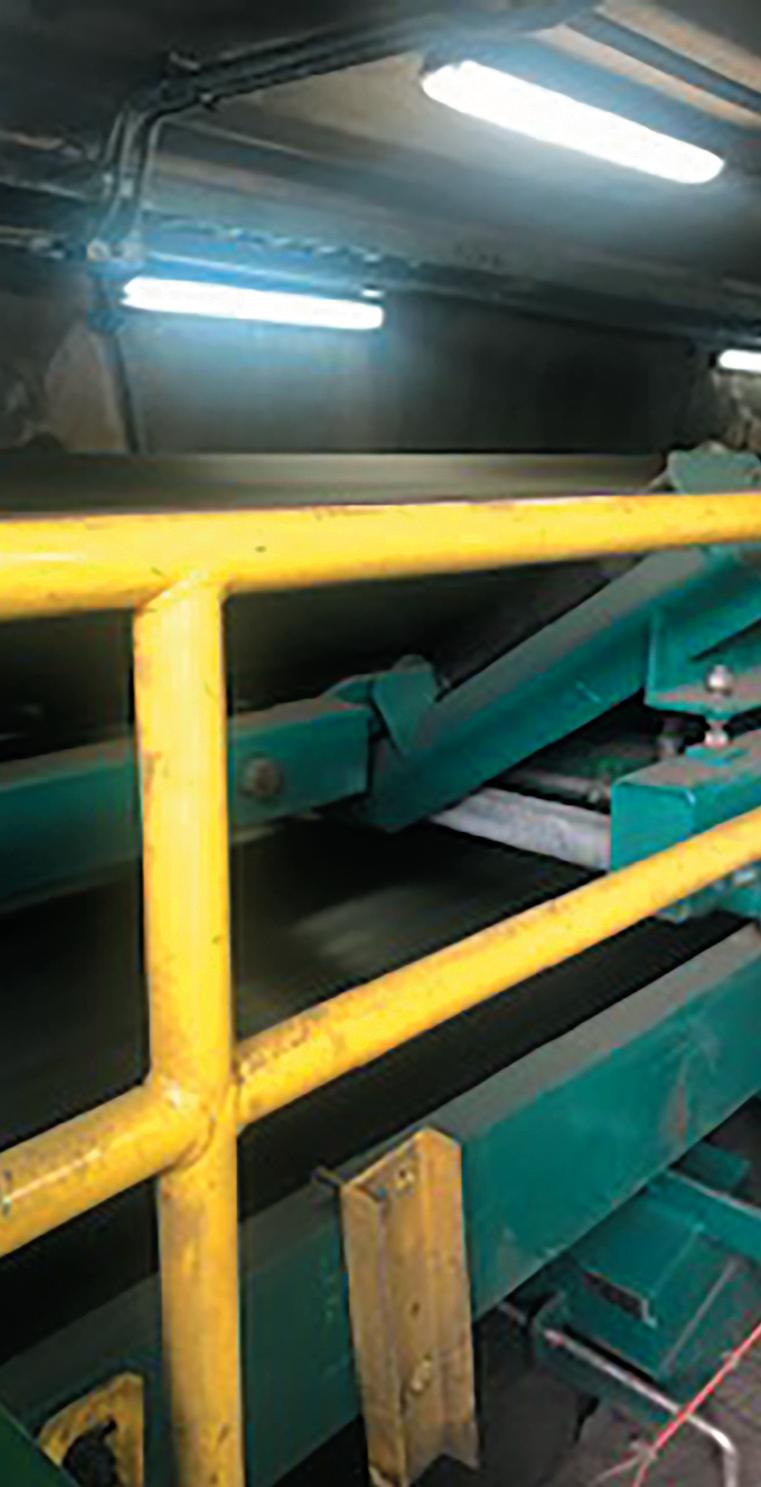
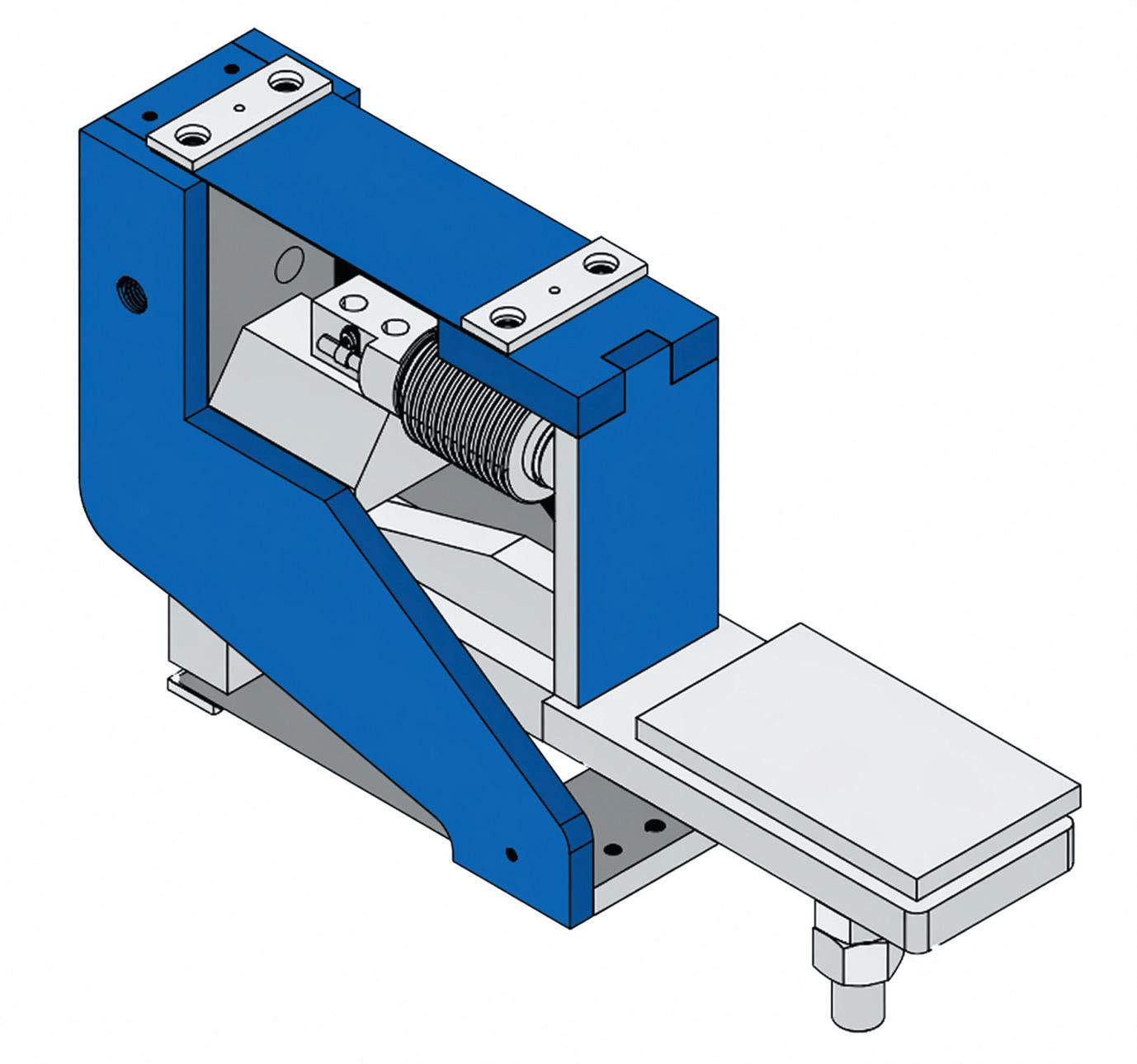
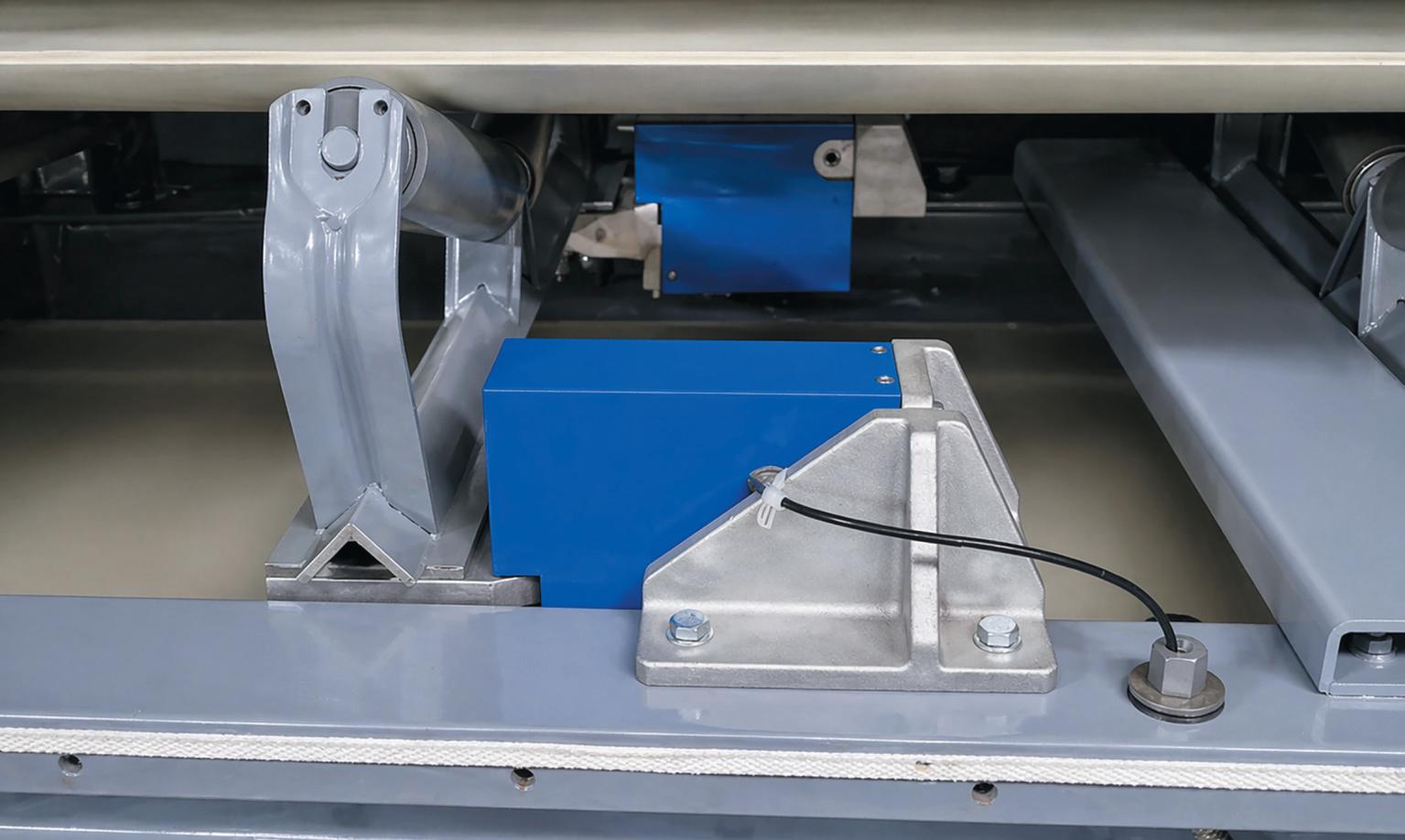

With many years of proven experience in industrial process applications involving the handling of bulk solid materials, STMALNATI introduces the AWS weighing module to the market.
The AWS module, entirely manufactured in high-grade steel with an internal aluminium core, consists of a double-lever parallelogram system with spring steel flexures.
This design compensates for variations in the material load profile as well as systematic errors caused by the conveyor structure (vibrations, thermal expansion, deformation due to temperature changes, etc.).
The AWS module is equipped with a highprecision bending beam load cell, housed internally and rated IP68, which continuously measures the conveyed weight.
Technical assistance is provided for installation supervision, assembly, and alignment of the carrying idler stations.
Commissioning is completed through instrument calibration based on the process data supplied by the customer.
STMALNATI’s personnel is capable of carrying out these activities on site worldwide.
The AWS module (single or dual-module configuration) is installed in the space between the carrying belt strand and the return belt strand of the conveyor, without any modification to the supporting frame.
A roller support crossbeam, mechanically isolated from the conveyor frame, is fixed to the two AWS modules. The AWS modules are bolted to their respective brackets, which are then secured to the longitudinal conveyor structure.
The scale is basically installed with only four mounting holes.
The weight signal is transmitted to the integrating instrument, which also receives the speed signal from the transmitter coupled to the tail pulley.
The integrating instrument multiplies the two measured values and displays the instantaneous throughput and totalized flow rate of the material conveyed on the belt. This signal can also be transmitted remotely for automation control loops.
Guaranteed accuracy between ±0.5% and ±1%, calculated within the range of 25% to 100% of the nominal full-scale capacity.
Western Australia represents industrial scale like few other regions. In the iron ore districts of the Pilbara, as well as in gold and lithium operations and port and handling facilities, conveyor systems run around the clock — across kilometre-long routes, in harsh climatic conditions, and at very high throughputs. At this magnitude, conveyor performance is no longer only about productivity; it is increasingly about compliance, safety, and the industry’s social licence to operate.
Operator requirements have shifted
noticeably in recent years. In addition to availability and tonnage, occupational safety, environmental regulations, dust management, emissions reduction, and sustainable plant operation have moved to the centre of attention. This is precisely where a new distribution partnership targets the Australian market for sealing systems and dust control in conveying: ScrapeTec in Germany and the Kinder Group in Australia.
Under the partnership, Kinder assumes distribution of ScrapeTec sealing systems
and technologies in the Australian market. In practice, this brings a specialized European portfolio into Western Australia’s major mining and conveying regions through an established local provider — with a clear intent: to help operators measurably improve efficiency, reduce emissions, and minimize maintenance.
The starting point is typical for modern mining ecosystems: operators need
solutions that are robust, scalable, and seamlessly integrated into local operations and maintenance processes. ScrapeTec contributes deep technology expertise focused on conveyor sealing and materialflow optimization. Kinder contributes market knowledge, proximity to sites, service capability, and direct access to operators, EPCs, and maintenance organizations.
This division of roles is more than a sales model — it is an operational enablement approach. ScrapeTec delivers patented core technology; Kinder ensures that design, implementation, spare parts availability, and operational adoption work in an Australian context. For operators, this reduces common risks when introducing new solutions: long supply chains, limited local support, differing standards, and unclear accountability. With Kinder as the distribution partner, ScrapeTec products in Australia are not merely ‘imported’; they are embedded into the market’s existing value creation.
In Western Australia, conveyors are not just transport equipment; they are critical production arteries. Any uncontrolled material escape along the route — whether via spillage, carryback, or dust emissions — has direct economic and safety consequences:
Occupational safety: material build- v up creates slip and trip hazards, complicates inspections, increases combustible load, and leads to additional manual cleaning in potentially hazardous areas.
Environmental and dust compliance: v dust emissions are increasingly monitored. Uncontrolled dust is not only an environmental and community issue; it is also an operational burden, affecting sensors, bearings, drives, and electrical components.
Asset availability and cost: spillage v and carryback are classic drivers of unplanned downtime, increased wear, additional water/cleaning demand, and material loss.
Sustainability: less dust, less cleaning, v lower material losses, and optimized energy and maintenance profiles support more sustainable operations — an aspect gaining weight in ESG reporting and permitting frameworks.
Against this background, sealing systems and dust-management solutions are not
“peripheral”; they are key levers for performance and compliance.
KINDER EXPANDS ITS PORTFOLIO WITH SCRAPETEC — INCLUDING PATENTED AIRSCRAPE TECHNOLOGY
A key element of the partnership is the expansion of Kinder’s portfolio with ScrapeTec solutions, including the patented AirScrape technology. AirScrape is designed to minimize material escape and dust generation at critical transfer points — where conveyor systems most often ‘leak’ in practice: chutes, transfer stations, and loading points with turbulent airflow and fine materials.
Technically, transfer points are driven not only by mechanics but also by aerodynamics. With high belt speed and falling bulk material, air turbulence can carry fine dust into the surrounding environment and separate particles from the material stream. Solutions that address these flow and sealing challenges often do more in the field than conventional belt scraping alone — they intervene earlier in the process, at the source of dust generation.
For Western Australia mine operators, this creates a decisive advantage: dust management is treated not as downstream cleanup, but as preventative process stabilization. The impact is twofold: fewer external emissions and less internal secondary wear.
DEPLOYED IN THE LARGEST MINES: CONVEYORS AS HIGH-PERFORMANCE INFRASTRUCTURE
The largest mines in Western Australia operate conveyor lines designed for maximum throughput. Belt widths, speeds, and transfer points are optimized for bulk transport — often 24/7, with minimal maintenance windows. In this environment, solutions must combine three properties:
1. Robustness against abrasion, varying v particle sizes, moisture, and temperature extremes.
2. Scalability for large belt widths and v diverse transfer scenarios.
3. Maintainability: quick access, low v adjustment sensitivity, and clear inspection logic.
Kinder’s distribution and service capability is essential here: technology alone is not decisive — implementation into shutdown planning, spares management, and safety procedures is. In Western Australia, where distances are vast and time windows are tight, locally anchored support becomes a
genuine operational argument.
The business case for sealing systems and dust-control technologies is increasingly data-driven. Operators no longer ask, “Does it work?” but “How fast does it pay back — and how stable is the benefit over time?” Typical value areas include:
Efficiency gains and higher v availability: reduced spillage and carryback lower cleaning and repair effort. Less build-up means fewer unplanned stops, less emergency maintenance, and more stable conveying performance. In highthroughput plants, even small availability improvements can be economically significant.
Emissions reduction and improved v compliance: less dust at transfer points not only supports environmental and safety goals but also reduces follow-on costs: fewer dust deposits on sensors, less contamination in drive areas, lower load on extraction systems, and fewer cleaning interventions in high-risk zones.
Maintenance minimization and v longer component life: material escape acts as a cost multiplier: it stresses idlers, structures, covers, and electrical infrastructure. Reducing dust and spillage decreases wear across the entire conveyor route — lowering OPEX not just locally, but system-wide.
Sustainable operation: sustainability v is tangible here: less material loss, lower water and energy demand for cleaning, fewer spare parts, and fewer site trips and interventions. In remote operations, every avoided additional task supports both efficiency and emissions performance.
Safety strategies in conveying consistently aim to reduce manual work around running equipment and minimize exposure in hazardous areas. Dust and spillage issues, however, often force extra walkdowns, cleaning, and inspections — exactly the activities modern safety concepts want to reduce.
Sealing systems and technologies such as AirScrape contribute indirectly but decisively: less escape means less cleaning demand. Less dust means lower exposure in areas otherwise regularly affected by fine
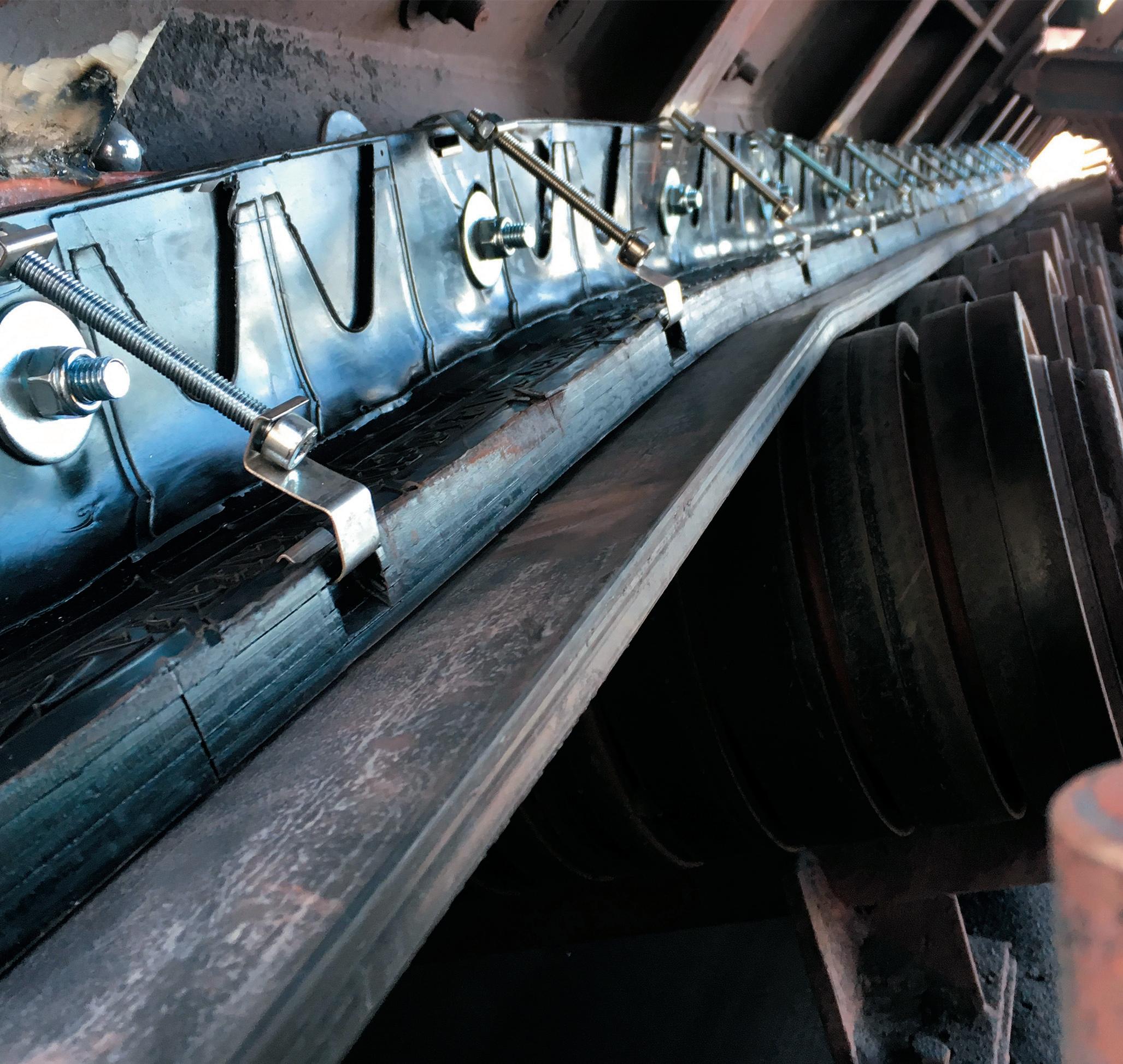
particles. A ‘cleaner’ asset condition also improves the visibility of leaks, cracks, and anomalies — supporting inspection and preventive maintenance.
In short: dust and material control is safety engineering.
DIGITALIZATION OF CONVEYORS: FROM COMPONENT TO DATA SOURCE
Another driver in Western Australia is the rapid digitalization of conveyor operations. Operators invest in condition monitoring, asset health, predictive maintenance, and central control rooms. In that context, solutions are valued not only for mechanical performance, but also for how they fit into digital operating models: Planned maintenance instead of v reactive cleanup: stable control of material escape enables standardized, data-based maintenance cycles. Better data quality: dust and v contamination impair sensors and
vision systems; reducing emissions improves the reliability of monitoring and diagnostic data.
Standardization across sites: major v operators want to scale best-practice solutions across multiple assets. A partnership that combines technology with local execution supports rollouts.
ScrapeTec and Kinder therefore position themselves not only as product suppliers, but as enablers of more modern operating models: fewer disruptions, better predictability, and greater transparency.
LOCAL STRENGTH MEETS PATENTED TECHNOLOGY — FOR THE NEXT GENERATION OF CONVEYOR OPERATIONS
Mining and materials handling in Western Australia face a dual performance pressure: maximum productivity alongside rising demands for safety, environmental compliance, and sustainability. In this
reality, solutions are needed that address root causes — especially at the critical conveyor points where dust and material escape originate.
The distribution partnership between ScrapeTec (Germany) and Kinder (Australia) targets exactly this. Kinder distributes ScrapeTec sealing systems in the Australian market and expands its portfolio with the patented AirScrape technology. Operators benefit from a strong technology offering delivered through a locally established partner — supporting fit-for-market design, implementation, and service.
For large plants, the result is clear: higher efficiency, reduced emissions, minimized maintenance, and conveyor systems that align better with digital and sustainable operating strategies. In a market where ‘clean operations’ have become hard currency, this is not a nice-tohave — it is a decisive competitive factor.
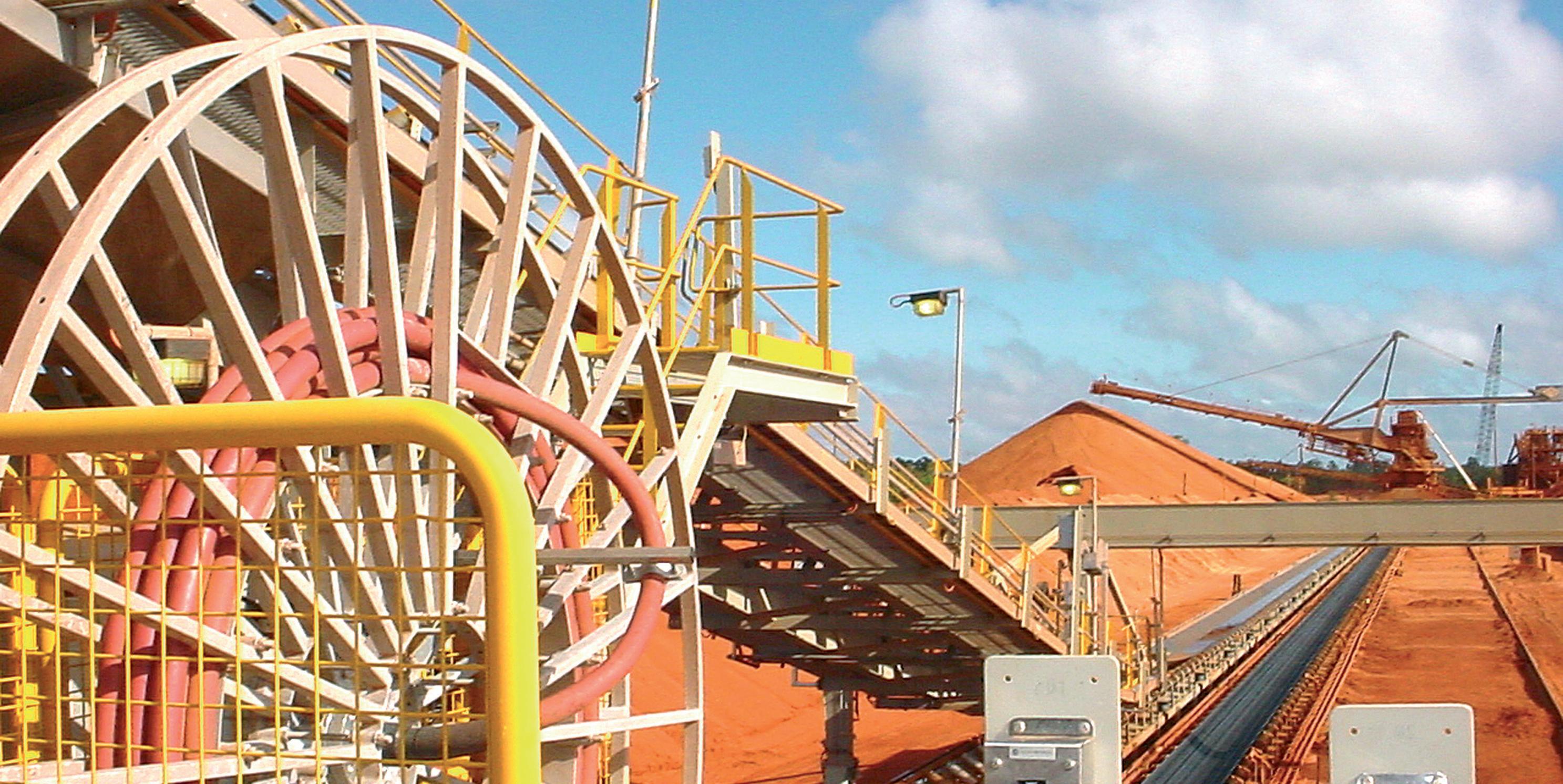



Motor Driven Reels
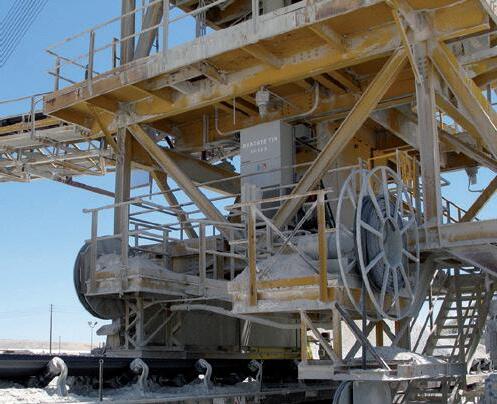
• Monospiral and Level-Wind configurations
• Rugged and dependable magnetic coupler for dusty environments






Cable Festoon
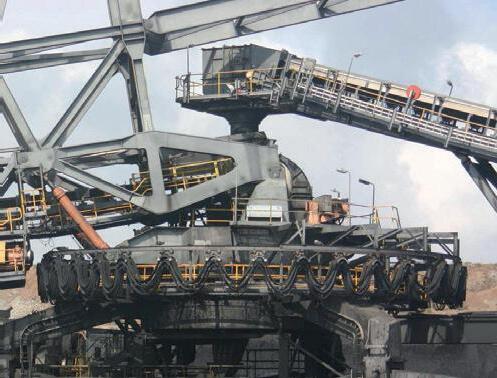
• Corrosion-resistant, long-life rollers; precision sealed bearings
• Systems customized for the application
• Preassembled option, for easy installation


Slip Rings
• Allow infinite rotation

• Combined power, control and media (water, air, oil, vacuum, other)
• Available with ATEX and SIL 3 certification
Conductix-Wampfler has one critical mission: To keep your bulk material handling operations running 24 / 7 / 365. You need proven, worryfree energy solutions - and Conductix-Wampfler has them. Our systems provide reliable electric power and water to stacker/reclaimers, barge and ship loaders/unloaders, bulk conveyors, tripper systems, and gantry cranes. Conductix-Wampfler systems are rugged, low maintenance, and timetested in tough, dusty environments. All products are backed by the largest sales and service network worldwide!
www.conductix.com
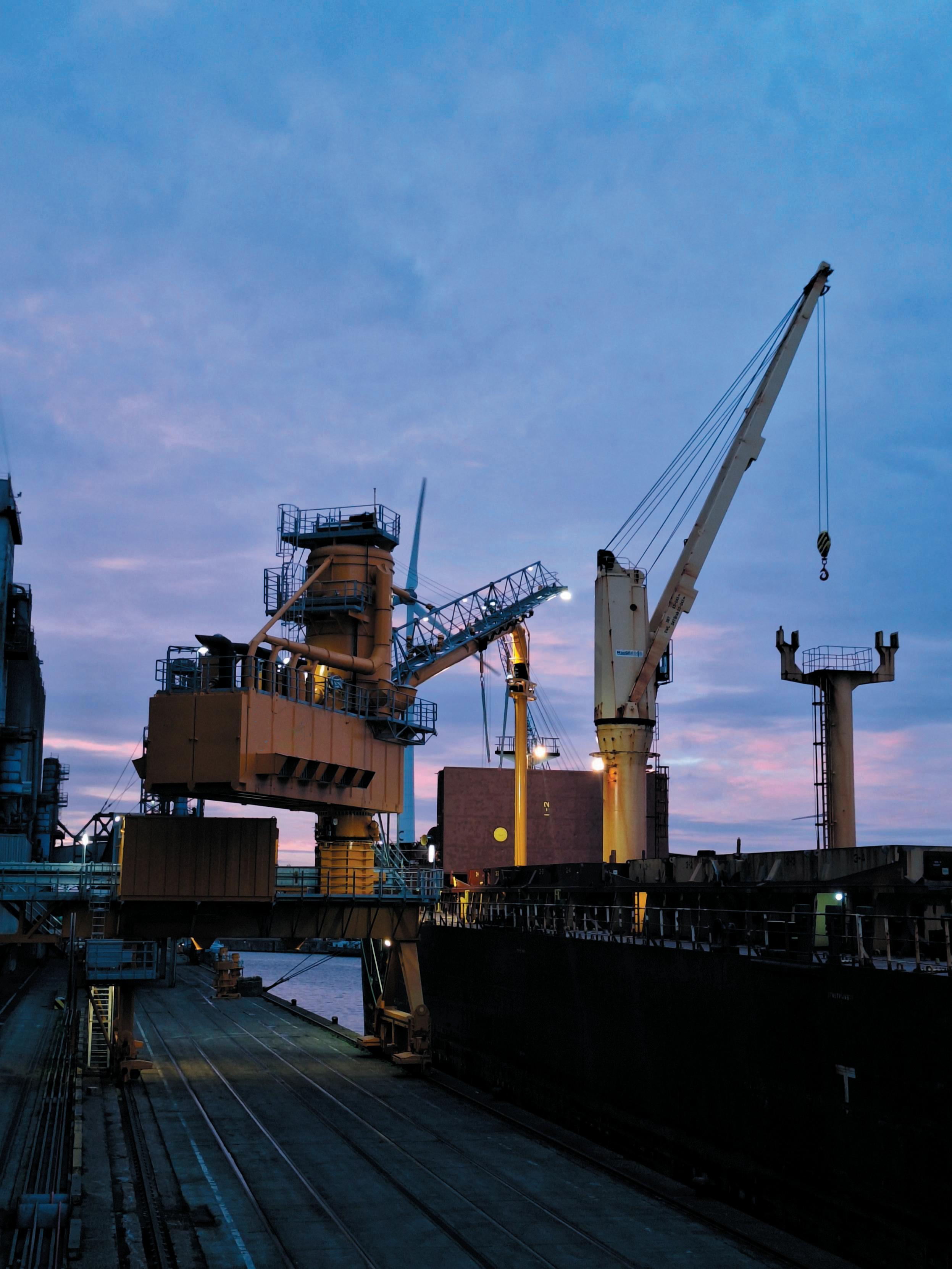
Louise Dodds-Ely
VIGAN’s new NIV800 ship-unloader impresses with 950tph capacity
VIGAN’s new generation NIV800 shipunloader has cleared a crucial engineering milestone: factory and field control measurements show a nominal 950tph (tonnes per hour) today, pushing the platform into a new performance bracket and laying the groundwork for forthcoming 900tph and 1,000tph models.
The recent progress achieved on the
NIV800 platform is not an isolated milestone. It reflects the wider engineering philosophy that has shaped VIGAN Engineering for decades. As a Belgian manufacturer specializing in both pneumatic and mechanical bulk handling technologies, VIGAN has consistently focused on delivering high throughput, low emissions, and long term operational
reliability across a full spectrum of highly automated equipment. The VIGAN portfolio includes: NIV pneumatic ship-unloaders; v pneumatic barge unloaders; v SIMPORTER mechanical ship- v unloaders; mechanical shiploaders; v mobile vacuum grain pumps; v
bagging and truck loading stations; and v full turnkey grain terminal solutions
v
Together, these systems illustrate how VIGAN’s global engineering approach supports customers in managing performance, environmental compliance, and product reliability. Those principles are fully embodied in the latest NIV800 performance achievements.
Berth time is the most expensive cost in bulk terminals. Every minute saved from vessel unloading operations drastically impacts the supply chain, reducing demurrage expenses, and improving schedule reliability.
In grains and bulk handling in general, where demand is fluctuating and cargoes are time sensitive, higher unloading capacities deliver exponential value.
That context is the backdrop to VIGAN’s latest engineering push on the NIV800 platform.
Gains of this magnitude do not come from a single ‘silver bullet’. They result from a combination of optimizations applied across the entire pneumatic process, from inlet to discharge.
VIGAN’s teams have perfected how the machine moves air, handles product flow, and manages overall efficiency. Instead of redesigning the system from scratch, they focused on improving the existing architecture: smoothing the path material follows through the machine, reducing small inefficiencies, and ensuring more stable, cleaner performance at higher speeds. It is also supported by improved operator controls, supervision and new suction control automation.
Individually, these adjustments may seem minor, but together they enable the NIV800 to achieve and sustain a significantly higher output while preserving product quality and maintaining controlled dust levels. It’s not a radical overhaul — it’s a targeted evolution that elevates the NIV800 into a new performance class.
What drives raw speed is hardware — but what makes that speed consistent, is the intelligence supervising it.
The NIV800 uses an advanced control layer designed to keep performance stable even as conditions shift throughout an unloading operation. Rather than relying on fixed settings, the system continuously observes how the machine behaves and
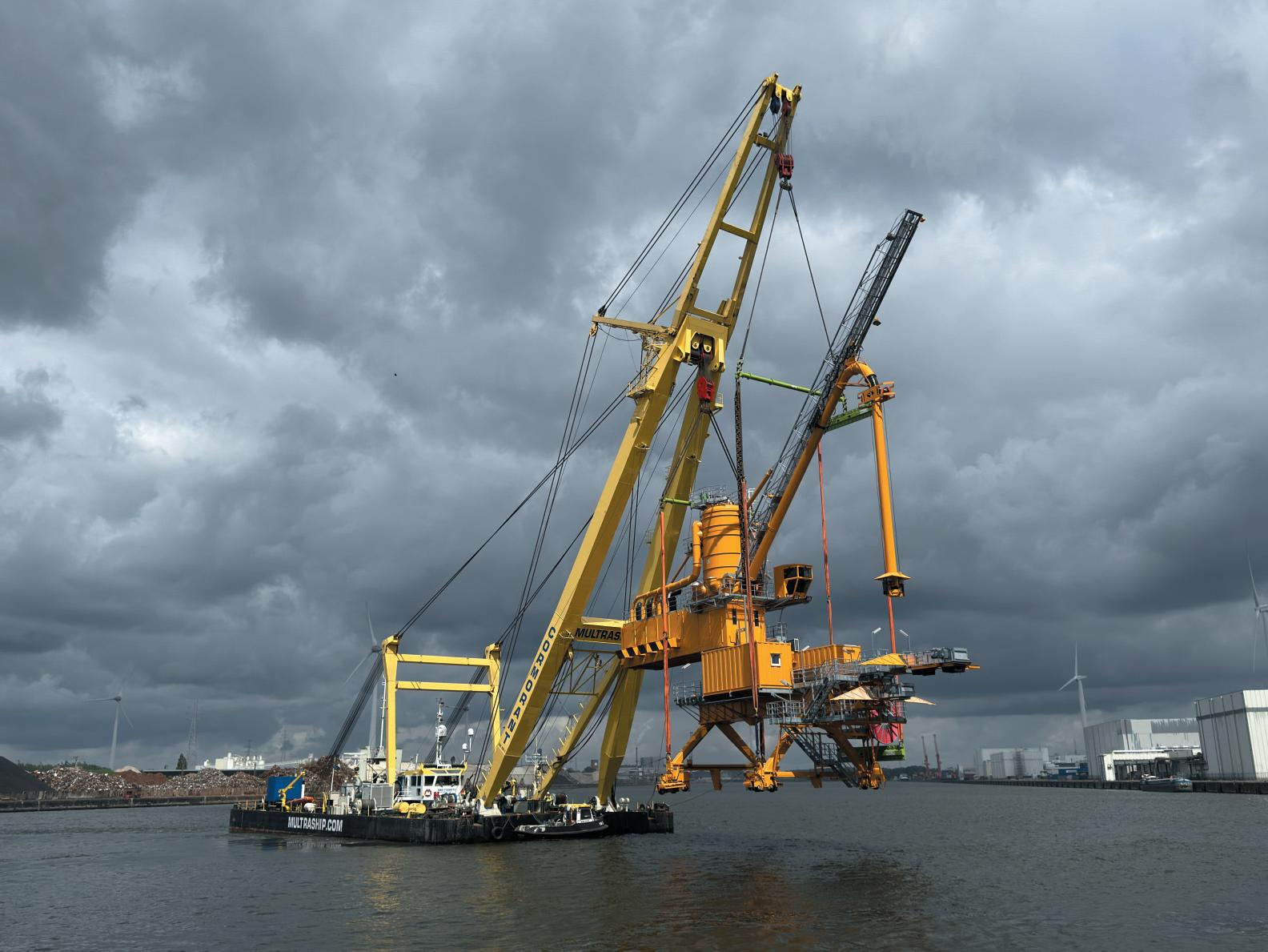
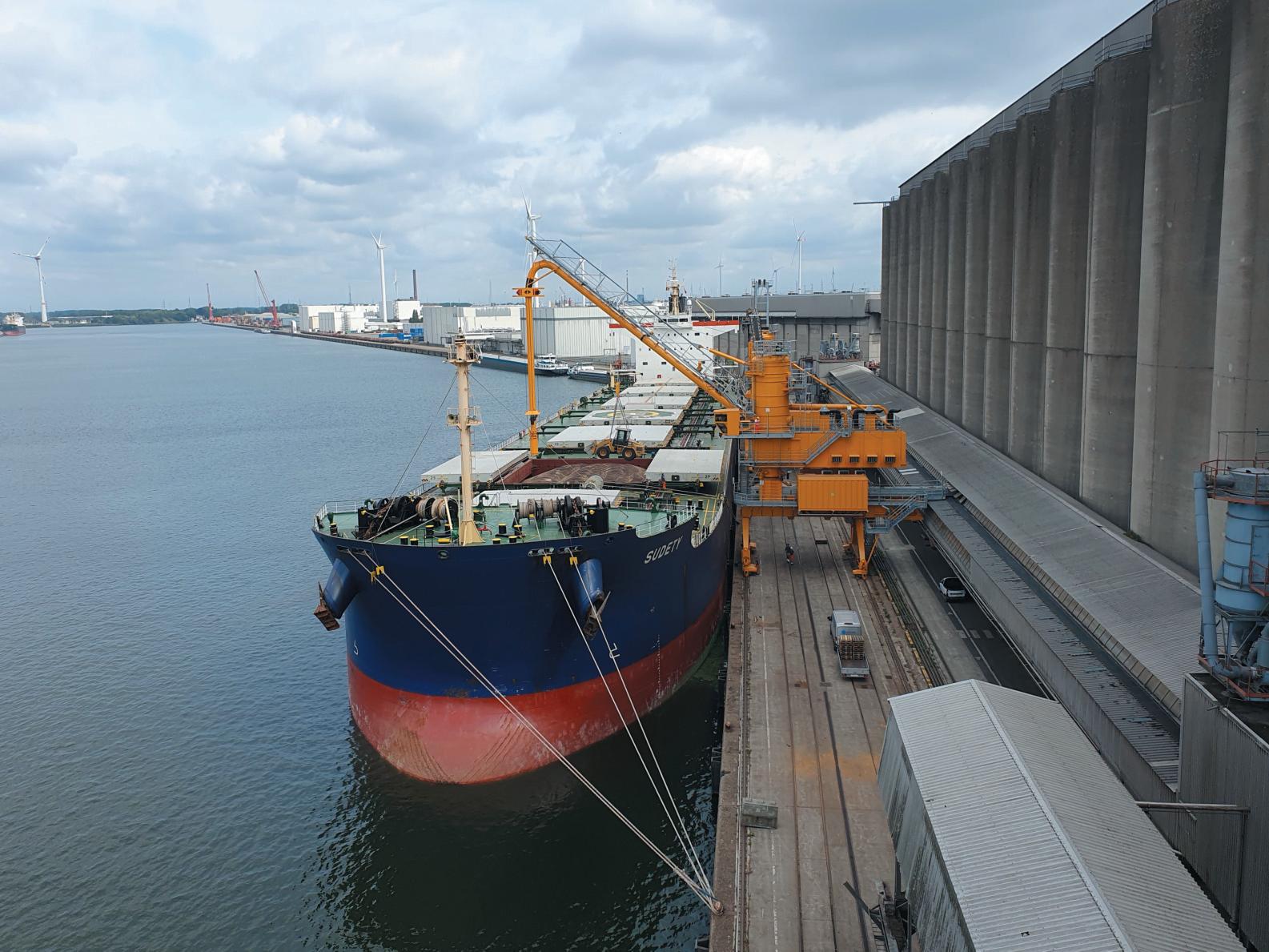
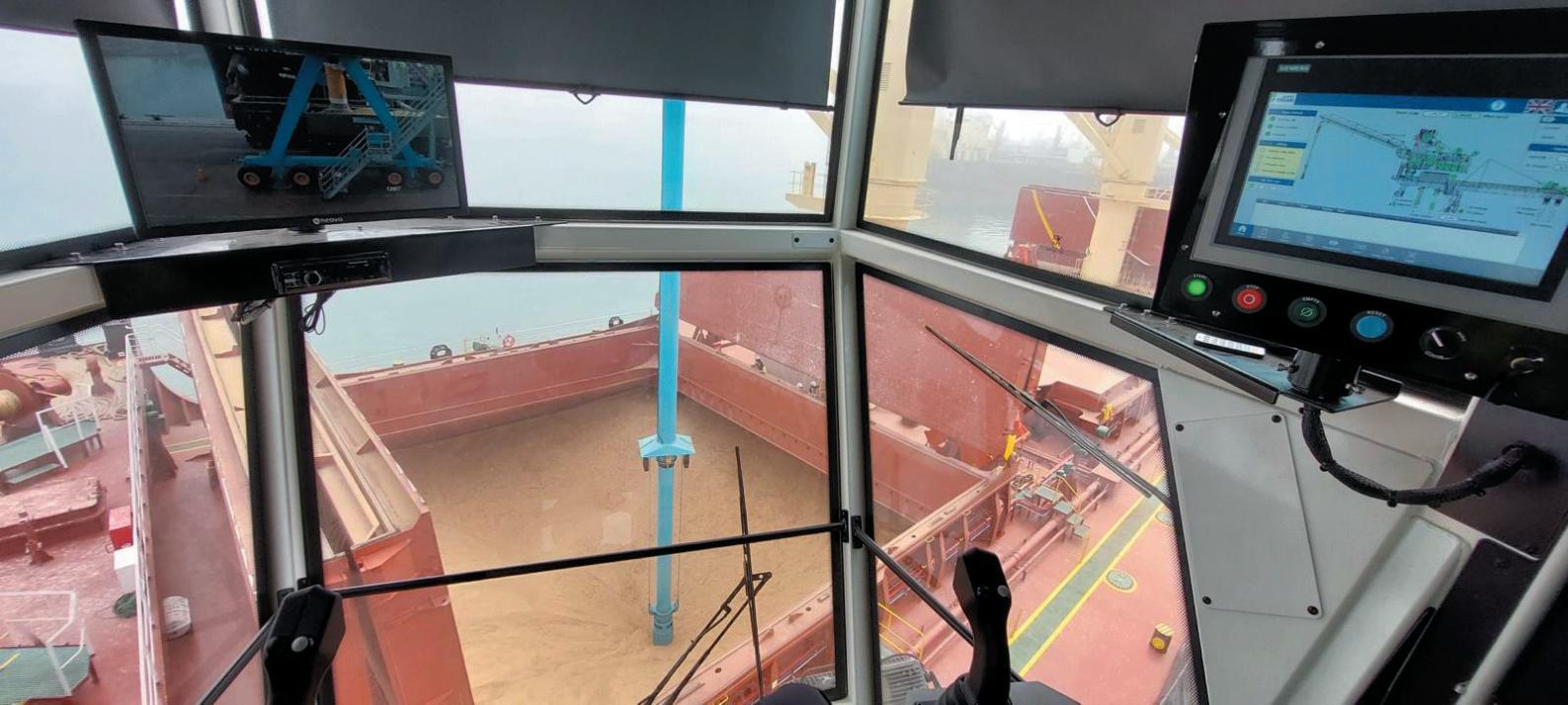
adjusts its operating parameters accordingly.
It monitors the key indicators that matter for smooth flow and safe operation, then makes subtle real time adjustments to stay within optimal boundaries while still pushing for high throughput and low energy consumption. When the environment
changes — a dustier hold, a shift in product, a change in ambient conditions — the system anticipates these variations and adapts to optimize performances without compromising product quality or environmental compliance.
Instead of operators having to manually chase the right settings, the control logic
absorbs most of that complexity, delivering predictable performance in situations that are anything but predictable.
“A port is a living system: humidity swings, product changes hold by hold, and operators need consistency. Our job is to turn those variables into capacity with control, not luck,” says Mohamed El Khattabi, Sales Director.
There will always be a place for mechanical systems; the question is application.
Pneumatic unloaders excel with fragile, dusty cargoes and mixed operational profiles.
Air movement is both the transport medium and the containment strategy.
With the NIV800, the sealed circuit and staged filtration limit fugitive dust, helping terminals operate close to urban areas and meet tightening air quality expectations.
The gentler handling profile also reduces kernel damage, a non‑trivial factor when millions of tonnes per year are at stake.
Throughput only matters if the energy per tonne remains disciplined.
On the NIV800, variable speed drives align electrical draw with instantaneous demand, and the blower’s operating point is kept near its efficiency ridge.
Structural damping and acoustic treatments around the turbo‑blower and filtration modules cut the noise signature, improving on deck conditions and neighbourhood compatibility.
Maintenance was addressed at design time: access to critical wear points, modular filters, and a component layout that shortens planned outages.
The result is not just more tonnes per hour — it is a better cost per tonne over the equipment’s lifetime.
“Buyers care about the monthly
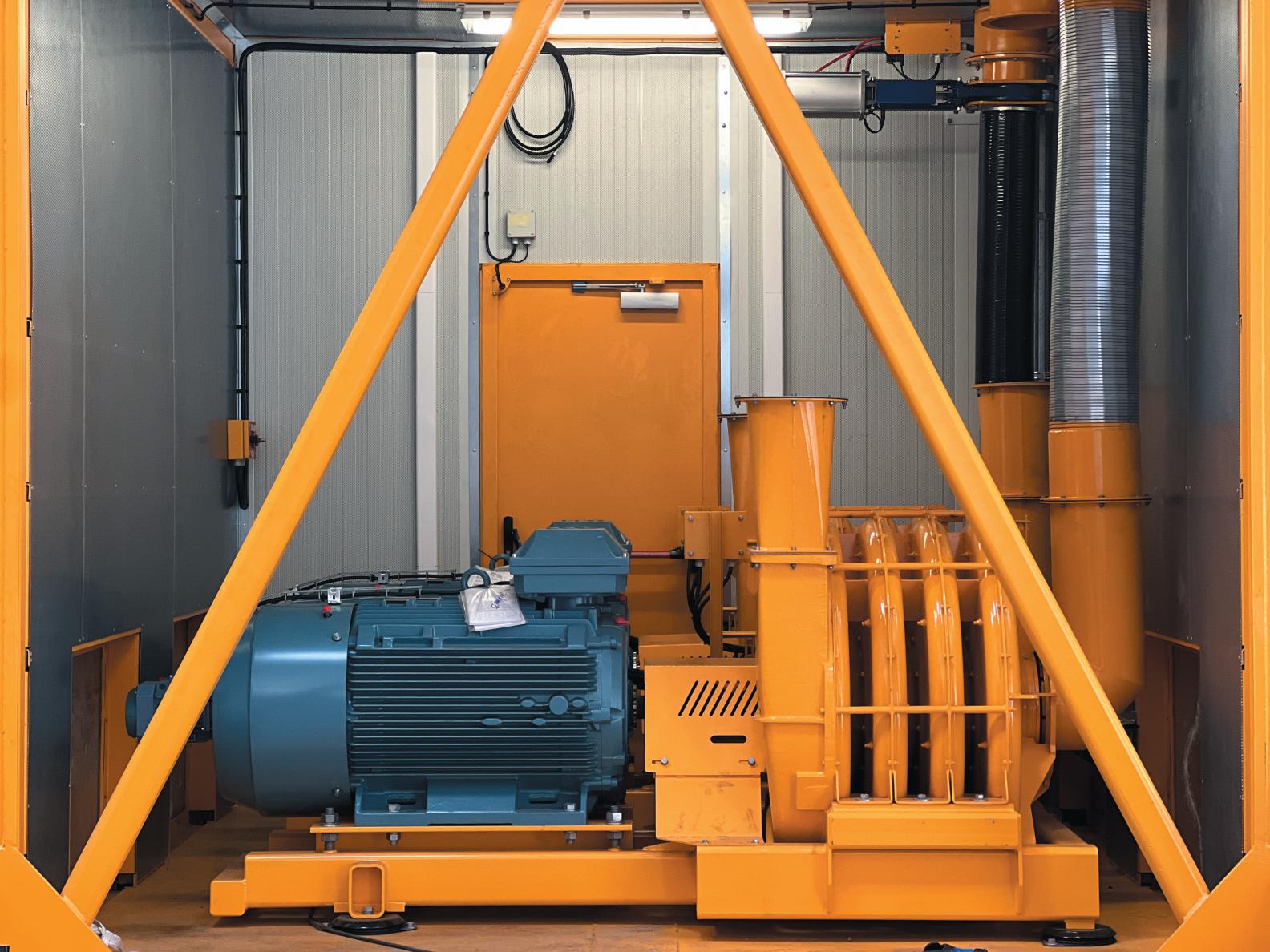
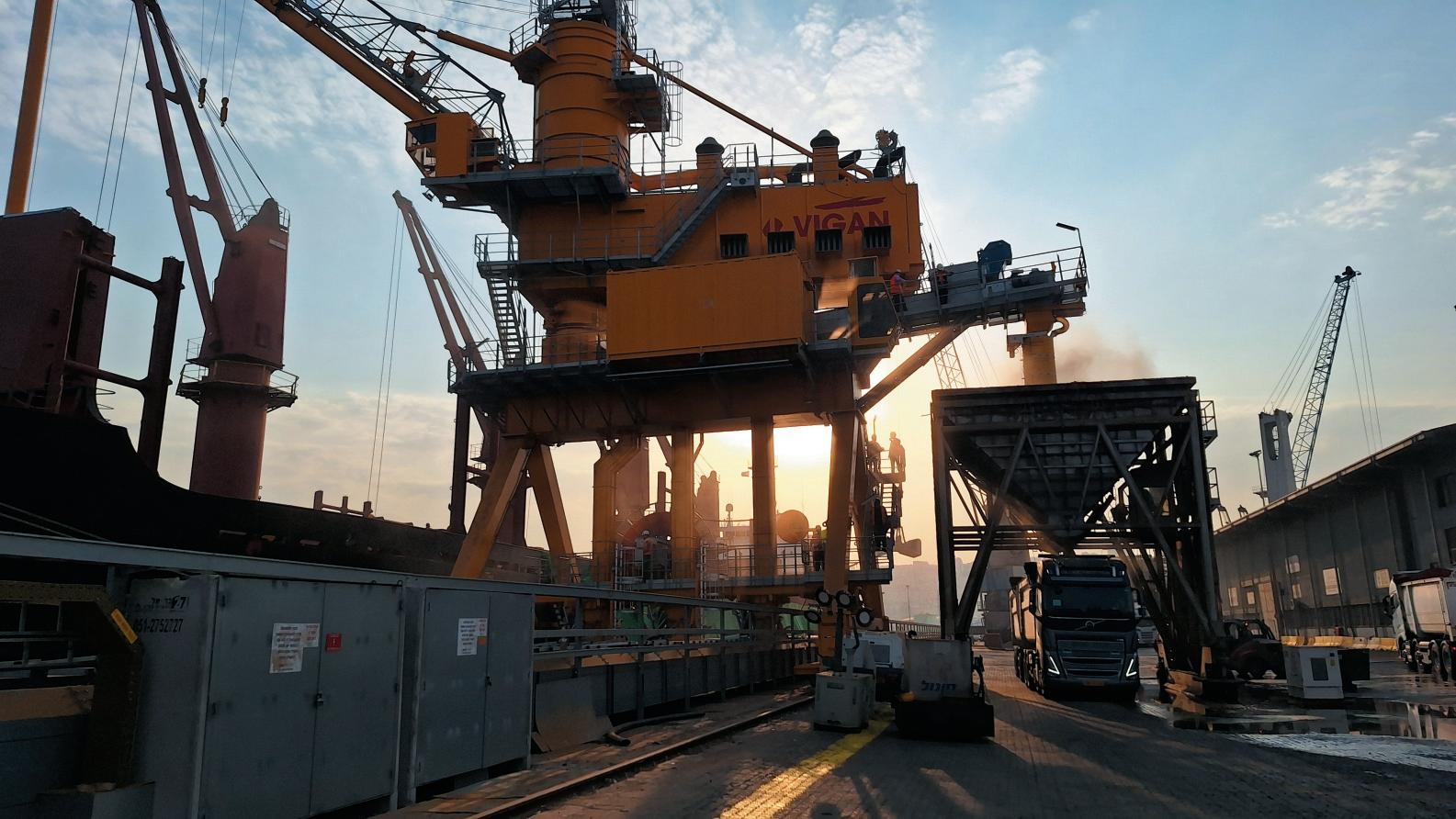
number, not just the spec sheet,” notes Dirk Janssens, Commercial Director.
“Higher nominal capacity is only meaningful if availability, energy, and maintenance combine to lower the true cost per tonne. That is the benchmark we designed against.”.
Performance claims are only useful when they are measurable and repeatable.
The NIV800’s 950tph nominal figure is grounded in tests that correlate instrumentation at the machine (vacuum/ pressure, speed, filter Δ P) with mass







































eds our ne y








ets t s e tha ghan mall c ne s





h lunds T ägg w H n the ne e





L gctrifyinle sult is e e the r ,
he . W emor n. O shake mor t’sTha www fferencecanmakeat


ch o mu or s e f tag the s being expectations t’s



ith s w esonate r r unde







eferenc t a dif n wha ear


asingledi





It arhe you sound a than e com hagglunds w



le di a sin is Hägglunds e a an mak e c exroth. of R and a br s . .c .ha






balance at the receiving system.
Measurements were taken during controlled runs and under real cargo conditions to confirm stability across stowage variations.
Beyond raw rate, engineers monitored emissions, kernel breakage indicators, and energy draw to ensure no hidden trade‑offs were introduced at higher throughput.
With the current platform comfortably demonstrating 950tph, VIGAN is industrializing the next capacity steps.
“These results confirm that our platform still has runway,” says Nicolas Dechamps, Managing Director.
“We’re not just chasing a headline number — we have been preparing a family that can live at 900 and 1,000tph with the same reliability profile customers expect from VIGAN.”
Speed without control is fragile. VIGAN’s decision to keep engineering, assembly, and testing under one roof is strategic: it shortens the learning loop and preserves system integrity.
The same vertical model extends to service: operator training, maintenance, and modernization programmes that keep equipment in top condition for decades.
The NIV800 ships with the data backbone needed for predictive maintenance and operational analytics.
High resolution time series from critical components can feed condition based maintenance playbooks — bearing health on the turbo blower, filter loading trends, power consumption, suction setpoints, and pipeline pressure signatures.
Over time, this data becomes a competitive asset: terminals can benchmark shifts and seasons, adjust staffing, and model vessel turn times with greater confidence.
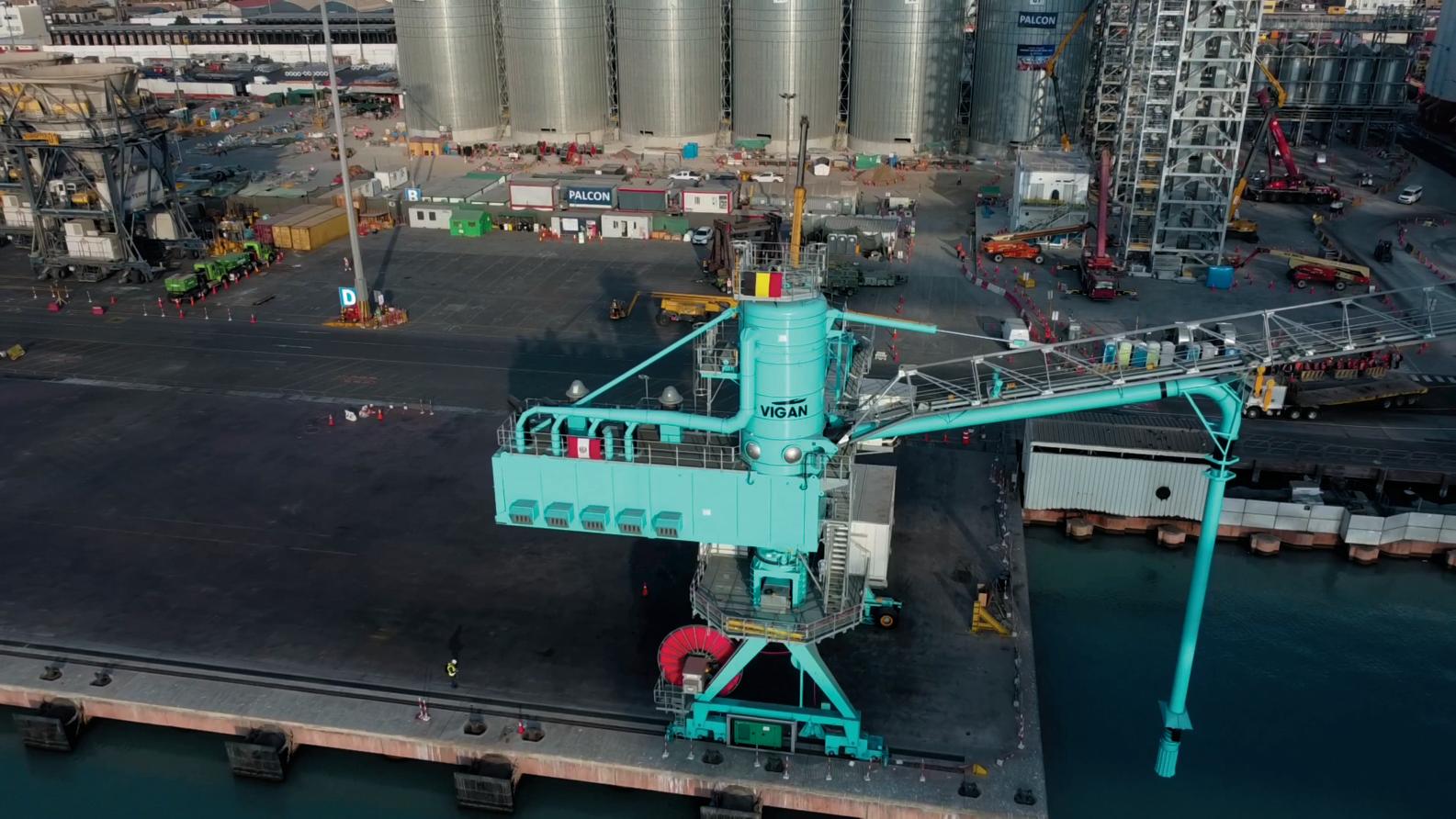
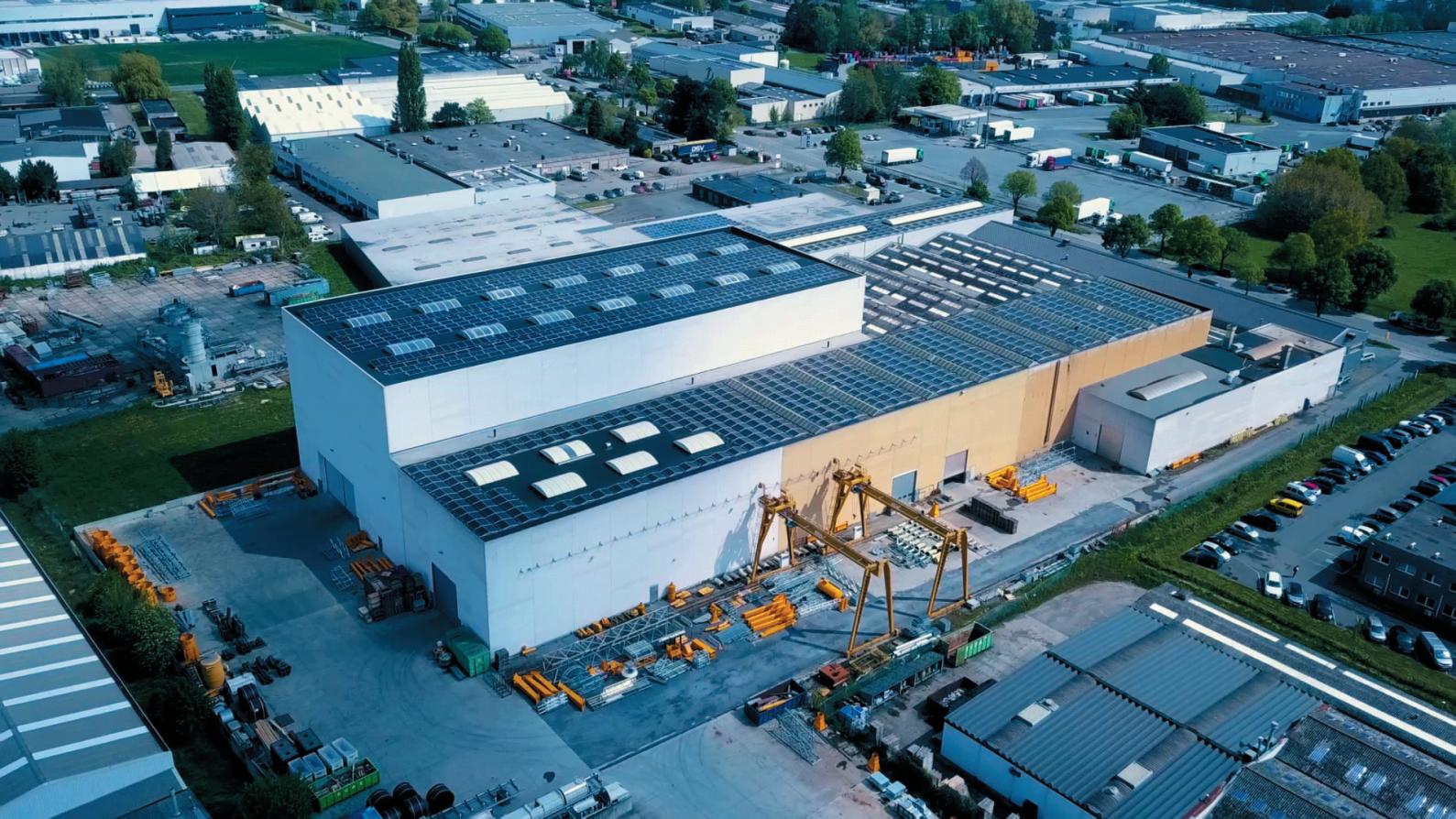
Terminals don’t buy technology; they buy availability, compliance, and throughput certainty.
The latest NIV800’s demonstrated 950tph nominal capacity. The platform’s roadmap signals that future expansions will not require a conceptual reset.
For projects on the drawing board today, the message is clear: design envelopes can be written for the 900–1,000tph class with credible execution paths.
And for terminals operating near residential areas, the pneumatic approach remains the safest way to combine speed
with emissions control. It is the best solution to balance high efficiency with low wear and safety.
In bulk handling, true innovation often looks like discipline: resisting complexity that does not add reliability, capturing small efficiency wins everywhere, and encoding operator know how into control. The NIV800 embodies that philosophy.
It is not a science project experiment; it is a production machine that already delivers 950tph — and points confidently to the next class of 900 and 1,000tph shipunloaders.
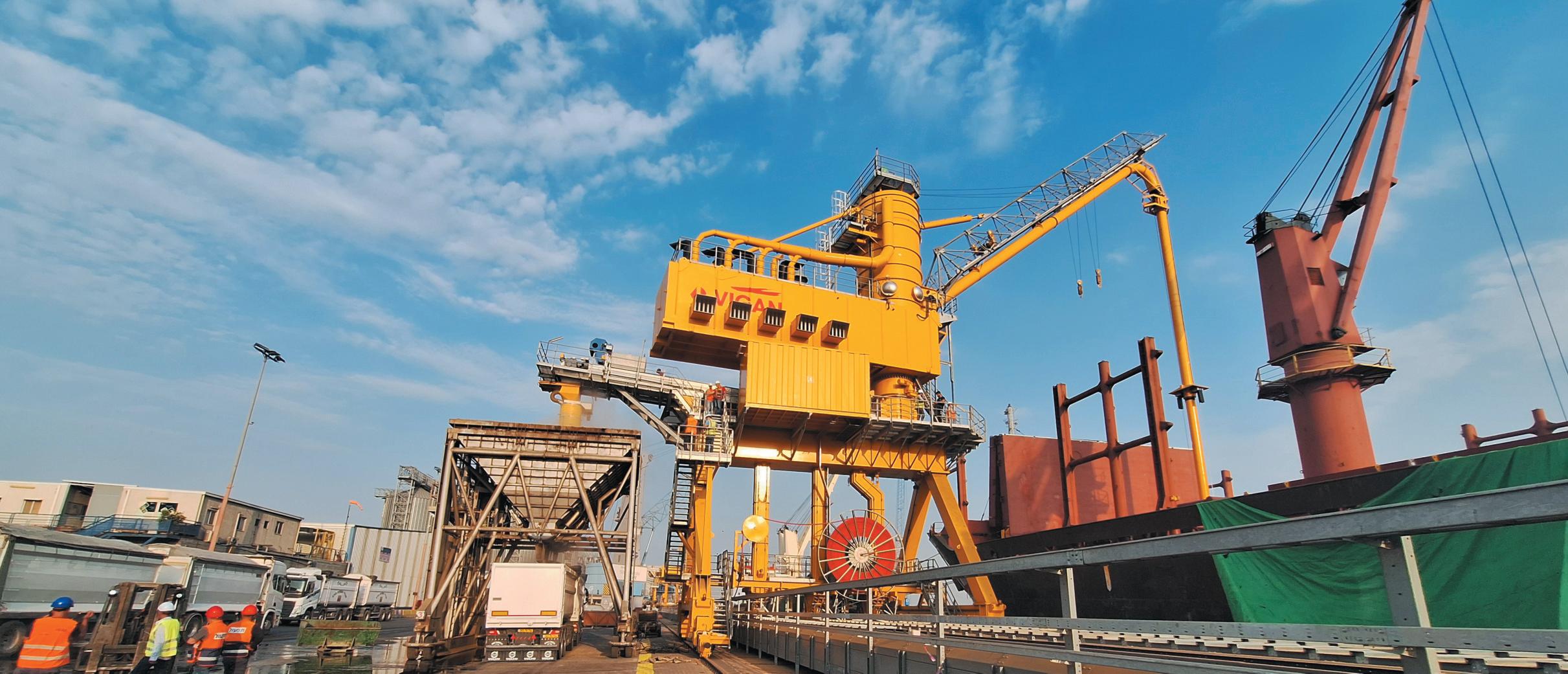









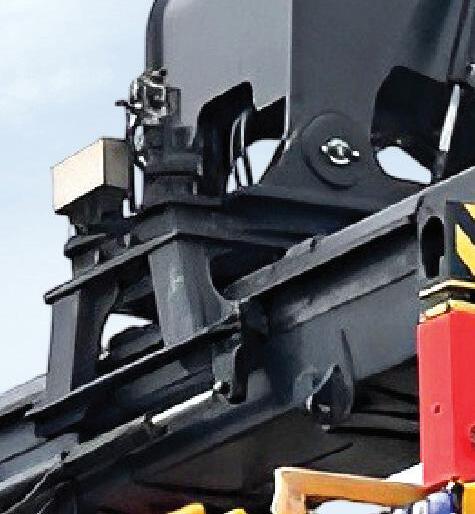


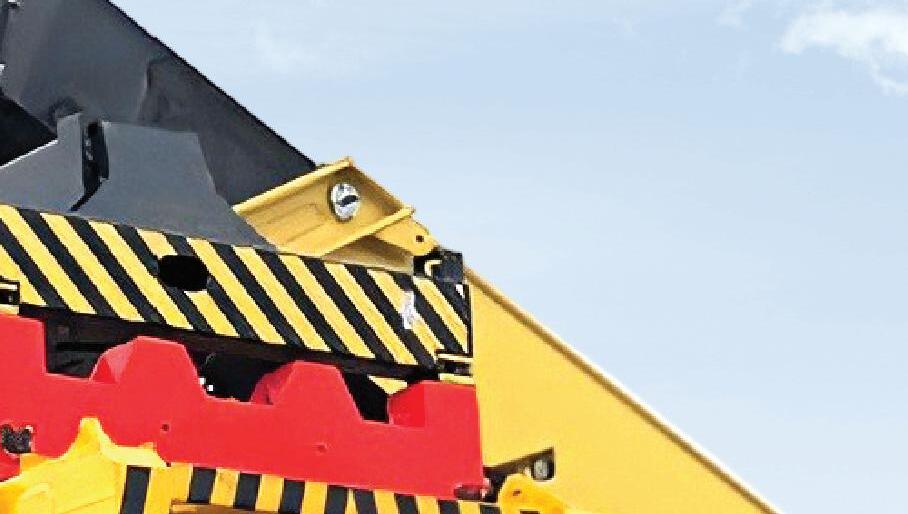
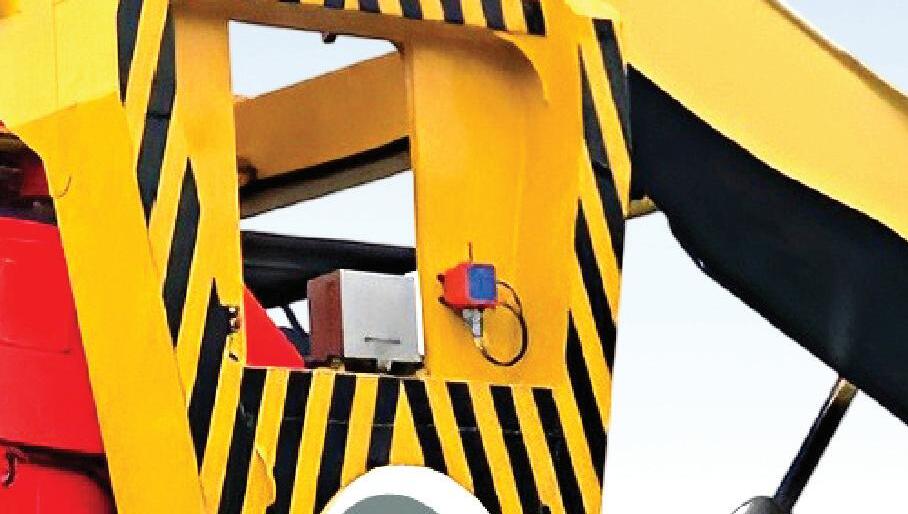































































Longstanding Konecranes customer Terminal Puerto Arica S.A. (TPA) has invested in two Konecranes Gottwald ESP.10 mobile harbour cranes, substantially expanding its container and cargo handling capability in northern Chile. The order was booked in Q1 2026 and the cranes are scheduled to be in operation by January 2027.
The Port of Arica plays a key role in container and cargo trade through northern Chile and into Peru and Bolivia. The terminal began its Konecranes fleet development 20 years ago with two Generation 4 Konecranes Gottwald mobile harbour cranes, followed a decade later by a Generation 5 unit. TPA is part of leading Latin America terminal operator Neltume Ports, which operates Konecranes Gottwald mobile harbour cranes at several locations.
The two new Generation 6 Konecranes Gottwald ESP.10 mobile harbour cranes at Arica mark the next step in TPA’s fleet development journey. With a maximum outreach of 64 metres, the cranes will now enable the operator to efficiently handle containers on vessels of up to 22 rows. A lifting capacity of 125 tonnes also supports
heavy cargo and bulk handling. “Our investment strategy has always focused on increasing our ability to serve larger vessels, while maintaining flexibility across different cargo types.
Konecranes equipment has proven to be extremely reliable over the years. The company’s technical expertise is key in helping us to select the optimal configuration for our next phase of growth,” says Camilo Jobet, CEO of Terminal Puerto Arica S.A.
Both of the new cranes will be equipped with a long tower extension to efficiently serve the large container vessels calling at the port. Lifting devices under the hook can be quickly changed over between several spreader types including rotating ones, as well as electrohydraulic grabs for bulk material handling. Two diesel generator sets will be installed on each crane, allowing single- or dual-engine operation with built-in redundancy.
“Over more than two decades of cooperation, we have supported TPA in steadily strengthening its handling capacity. This latest investment in two ESP.10 cranes — the largest model in the Generation 6 range — underlines the terminal’s
commitment to accommodating increasingly larger container vessels,” says Alfredo Cañibano, Regional Sales Manager, Port Solutions, Konecranes.
A strong focus on customers and commitment to business growth and continuous improvement make Konecranes a material handling industry leader. This is underpinned by investments in digitalization and technology, plus our work to make material flows more efficient with solutions that support the decarbonization of the economy and advance circularity and safety.
Konecranes is a global leader in material handling solutions, serving a broad range of customers across multiple industries. It consistently sets the industry benchmark, from everyday improvements to the breakthroughs at moments that matter most, because it knows it can always find a safer, more productive and sustainable way. That’s why, with around 16,500 professionals in over 50 countries, Konecranes is trusted every day to lift, handle and move what the world needs. In 2025 Group sales totalled €4.2 billion.


































































































Bruks Siwertell has launched a new nextgeneration Siwertell road-mobile ship-unloader model (NGV2), featuring an advanced control system, which is designed to further optimize performance, safety and ease of operation across a wide range of bulk handling applications.
“This new next-generation model builds on the proven reliability of existing Siwertell road-mobile unloaders, and combines high-capacity, spillage-free continuous ship unloading with smarter, more intuitive control,” says Jörgen Ojeda, Sales Director, Mobile Unloaders, Bruks Siwertell.
The latest model introduces a new CAN-bus-controlled, safety-certified programmable logic controller (PLC), featuring upgraded software. It also includes a platform for future control system upgrades and the inclusion of additional functionalities.
“The new control system offers advanced automation and monitoring functions, and improved diagnostics, which enable operators to achieve consistently high unloading rates while reducing operational variability and downtime,” explains Ojeda.
“Naturally, we have retained the option for customers to directly connect the machine to our portal, accessed via an integrated gateway and modem,” he notes. “It is this functionality that enables us to support customers with equipment monitoring and operational analysis, as well as any required service actions.”
Further enhancements include a new and improved human machine interface (HMI), and the implementation of more informative alarm messages, including the direct display of suggested solutions and root cause analysis. The display has also been upgraded from a 7-inch to a 10-inch touchscreen, providing clearer visualization of key parameters and machine status.
“Together, these improvements provide faster and more comprehensive troubleshooting, enabling quicker decision-making and simplified training,” highlights Ojeda. “Integrated data logging and remote support capabilities also allow operators and service teams to identify performance trends, plan maintenance more effectively and respond quickly to any operational issues.”
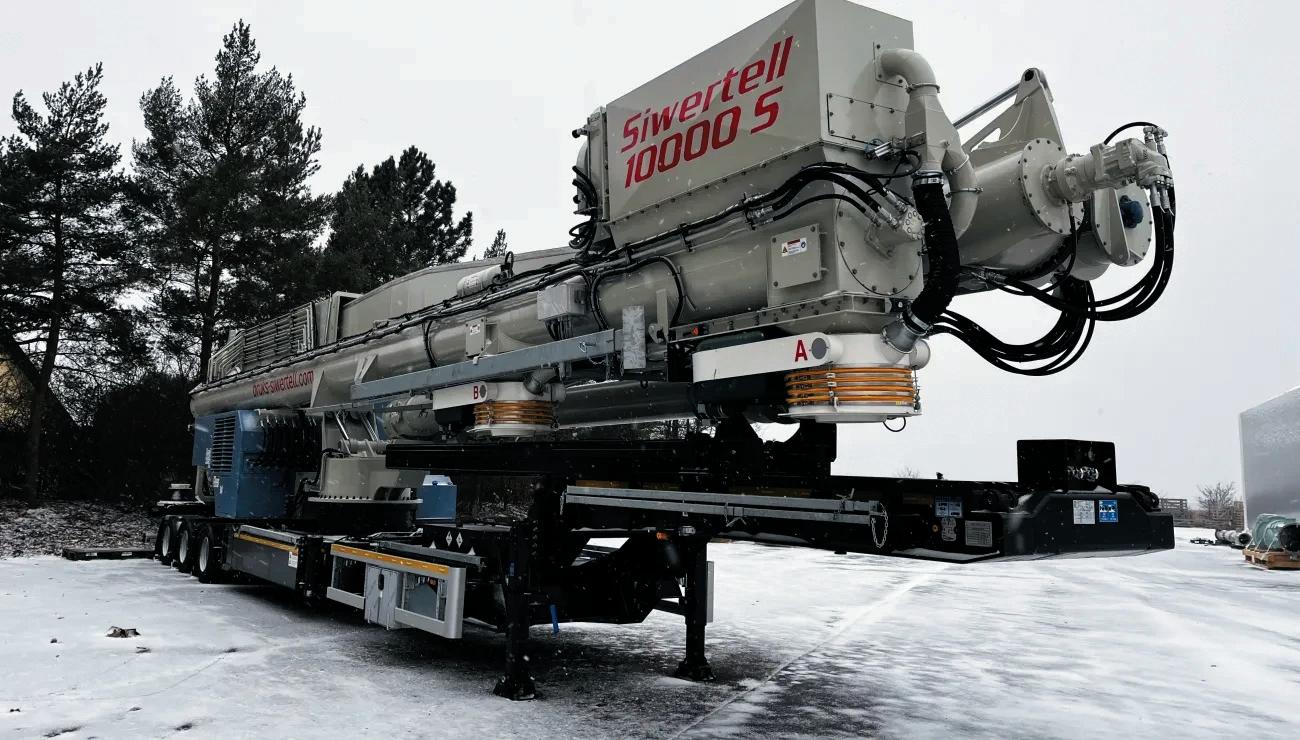
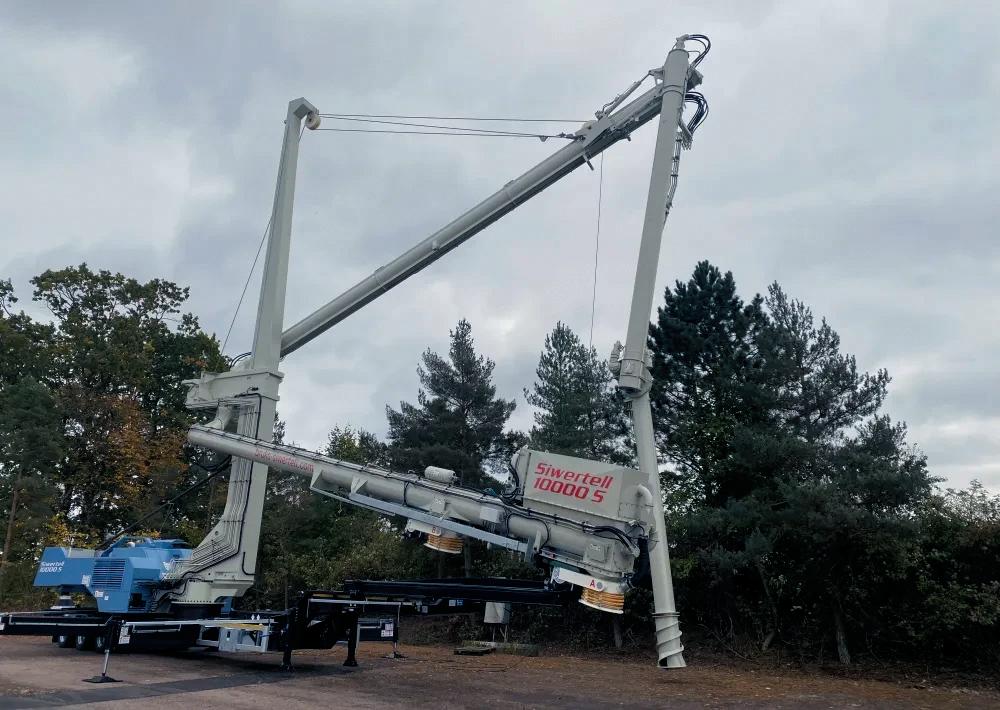
The NGV2 model is now the new standard for Siwertell road-mobile ship unloaders, with all sizes, the 5 000 S, 10 000 S, and 15 000 S, and configurations, including diesel-powered, electric-powered, trailer-mounted or gantry-mounted
machines, being upgraded from the turn of this year.
Some operators are already set to benefit, with two new technology models, one 10 000 S diesel-powered unit and one 15 000 S diesel-powered unloader, on schedule to be delivered to their new owners shortly, and a third, another 10 000 S diesel-powered unit, currently under production.
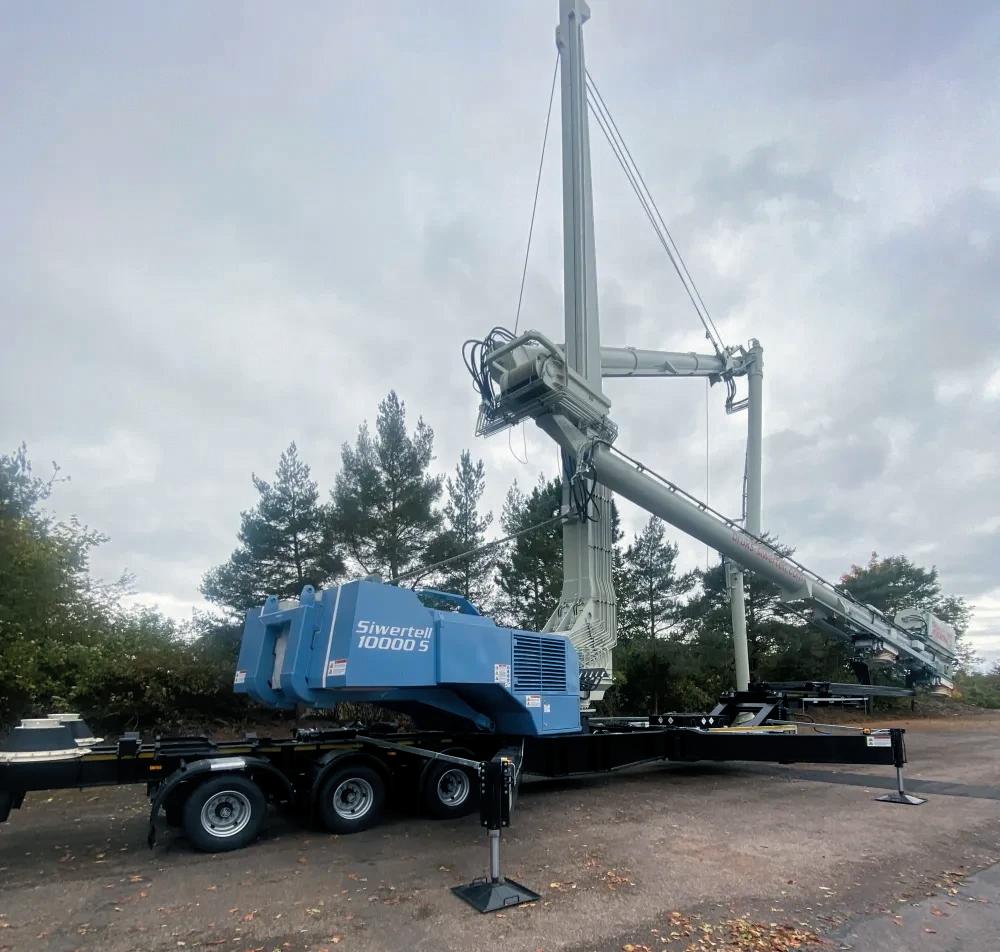
“Many dry bulk operators are looking for mobile ship unloading solutions that deliver the same levels of control and efficiency as fixed installations. With this latest model, we are giving operators greater insight into their operations, enhanced remote support, and more confidence in day-to-day performance, while maintaining the flexibility that makes road-mobile unloading so attractive,” concludes Ojeda.
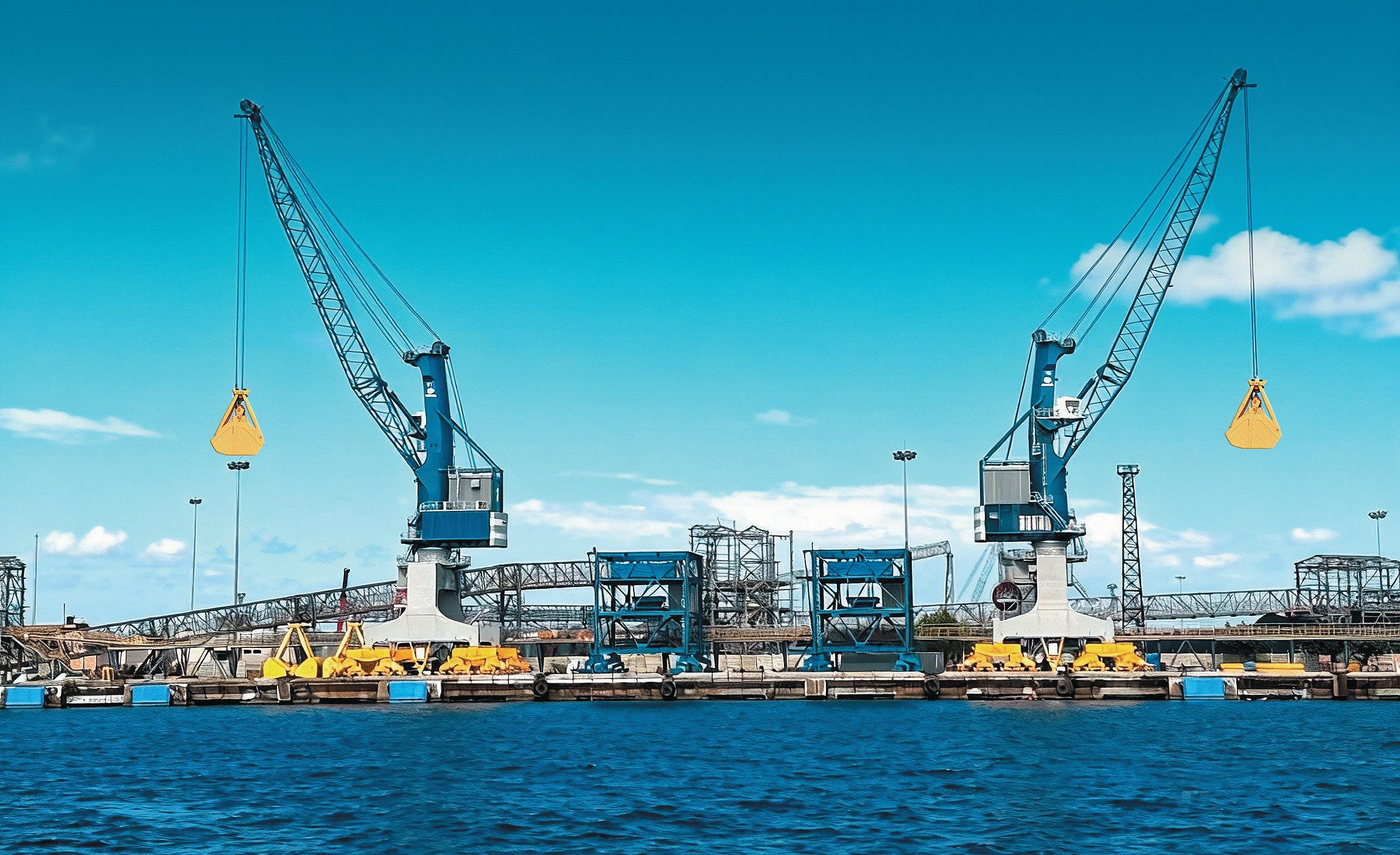
Prime Minister Narendra Modi recently inaugurated the Haldia Bulk Terminal, developed by Adani Ports and Special Economic Zone Limited (APSEZ) — India’s first fully automated dry bulk handling facility. GENMA, a trusted partner in material handling solutions, served as the core supplier of critical handling equipment, providing two high-performance mobile harbour cranes (MHCs) that are instrumental in ensuring the efficient and reliable operation of this new benchmark on India’s eastern seaboard.
At the heart of the terminal’s ship-toshore operations, the two GENMA MHCs handle vessel discharge with high reliability,
low energy consumption, and precise control. They ensure a smooth, continuous flow of material from ship to the terminal’s conveyor system, seamlessly feeding the automated stockyard and rail loading systems downstream.
GENMA is proud that its equipment was chosen for this strategically important national project in partnership with Adani Ports. This is another international recognition of GENMA’s technological innovation, product quality, and customized solutions. The robust performance of its MHCs at Haldia directly supports the terminal’s goals of zero jetty stockpiling, reduced cargo loss, and cleaner, safer operations.
The Haldia Bulk Terminal is a key milestone under India’s Sagarmala Programme and PM Gati Shakti National Master Plan, which aim to build multimodal infrastructure and reduce logistics costs. GENMA is honoured to contribute to this vision, helping to lower logistics costs and support industrial growth in eastern India.
Looking ahead, GENMA remains committed to innovation — delivering smarter, more efficient, and environmentally friendly material handling solutions for ports, mining, and bulk handling sectors worldwide, and working with global partners to drive sustainable industry development.







Dinoadvantages:
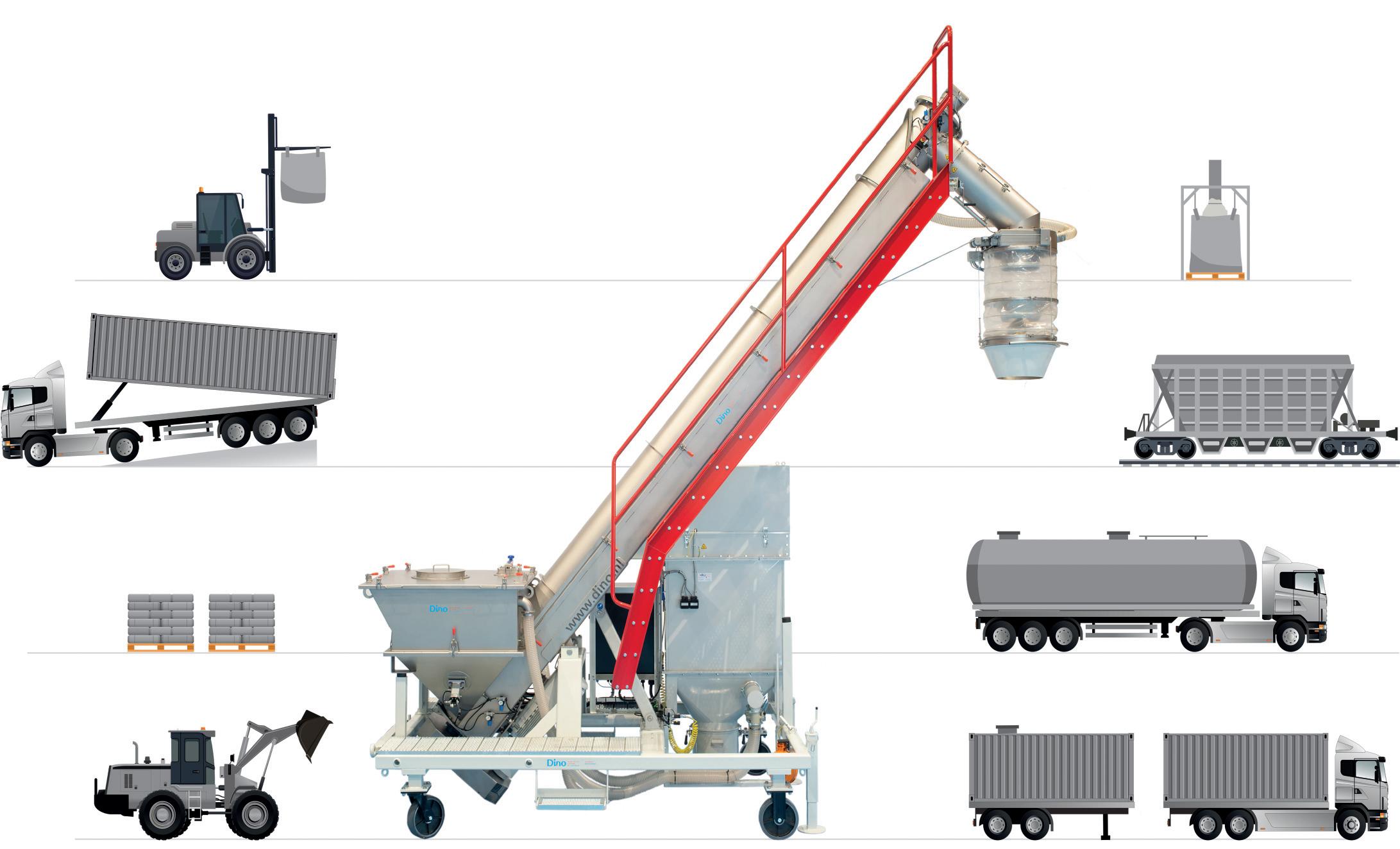
In many process industries, internal transport often receives the most attention when optimizing material handling. However, the final step of loading bulk materials into silo trucks is just as critical. Inefficient loading can lead to delays, dust emissions, safety risks and unnecessary operational costs. As production volumes increase and logistics become more dynamic, the demand for flexible and reliable loading solutions continues to grow. One technology that has proven its value in this area is screw conveying.
FROM INTERNAL TRANSPORT TO OUTBOUND LOGISTICS
Screw conveyors are widely used for controlled and enclosed transport of bulk
materials such as powders, granules and flakes. Their ability to move product in a dust-tight and continuous way makes them particularly suitable for integration into production lines.
These same characteristics also make screw conveying highly effective for loading operations. Instead of relying on pneumatic systems or gravity-fed installations, screwbased loaders offer a mechanical and controlled method to transfer bulk material directly into silo trucks.
This is especially relevant in situations where bulk materials are not stored in silos, but supplied in big bags, sacks, containers or even loose form. In such cases, flexibility at the loading stage becomes essential.
A good example of this application is the use of mobile bulk truck loaders, such as the Dino bulk truck loader by Van Beek. These units are designed to bridge the gap between various forms of bulk supply and efficient bulk truck loading.
The principle is straightforward. Material is fed into a hopper, either manually, by forklift or via upstream equipment. A screw conveyor then transports the material upwards and discharges it into the silo truck through a loading spout connected to the manhole. This creates a continuous and controlled flow, independent of the original packaging or supply method.

Because the system is mechanical, it offers several advantages. Product degradation can be minimized, energy consumption remains relatively low, and the process is less sensitive to variations in material properties. With capacities reaching up to 80 m³ per hour, such systems can load a standard silo truck within 30 minutes.
One of the main challenges in bulk loading is the diversity of material behaviour. Powders may be cohesive or free-flowing, granulates may vary in density, and some products are abrasive or sensitive to degradation.
Screw-based loading systems can be adapted to these variations through design choices such as screw geometry, rotational speed and hopper configuration. This makes them suitable for a wide range of industries, including food, chemicals and recycling.
In practice this means that the same loading principle can be applied to very different materials, maintaining control over flow and minimizing dust emissions.
Bulk loading is often associated with dust formation and operator exposure, particularly when dealing with fine or hazardous materials. Mechanical loading systems can be equipped with features such
as loading bellows, filtration units and enclosed transfer points to mitigate these risks.
In addition, compliance with safety standards and regulations (such as CE and, where applicable, ATEX) is essential. Proper system design ensures that operators can perform loading activities safely, often with limited manual intervention.
Modern production environments are rarely static. Product changes, varying batch sizes and shifting logistics require equipment that can adapt quickly.
Bulk truck loaders offer a high degree of flexibility. They can be positioned where needed, used for different products and integrated into existing setups without major infrastructure changes. This makes them particularly valuable for companies that handle multiple product streams or operate in facilities without fixed loading installations.
Van Beek, manufacturer of the Dino bulk truck loader, focuses exclusively on screwbased solutions and has built up extensive experience in designing and manufacturing screw conveyors, screw heat exchangers and bulk truck loaders for a wide range of industries.

This level of specialization enables a deep understanding of material behaviour and process requirements, which is essential when translating a relatively simple conveying principle into reliable, application-specific loading systems.
One of the strengths of screw conveying technology lies in its relative simplicity. With a limited number of moving parts and a well-understood operating principle, screw-based systems are known for their reliability and ease of maintenance. At the same time, modern implementations incorporate practical features such as easy cleaning, modular options and applicationspecific configurations. This balance between simplicity and adaptability is key to achieving consistent performance in demanding industrial environments.
Efficient bulk truck loading is an often under-estimated factor in overall process performance. By applying screw conveying technology to this final step, companies can achieve a controlled, flexible and relatively low-maintenance solution.
Mobile bulk truck loaders show how a well-established transport principle can be successfully extended beyond internal conveying to support outbound logistics. In doing so, they help bridge the gap between production and transport, an increasingly important link in modern process industries.
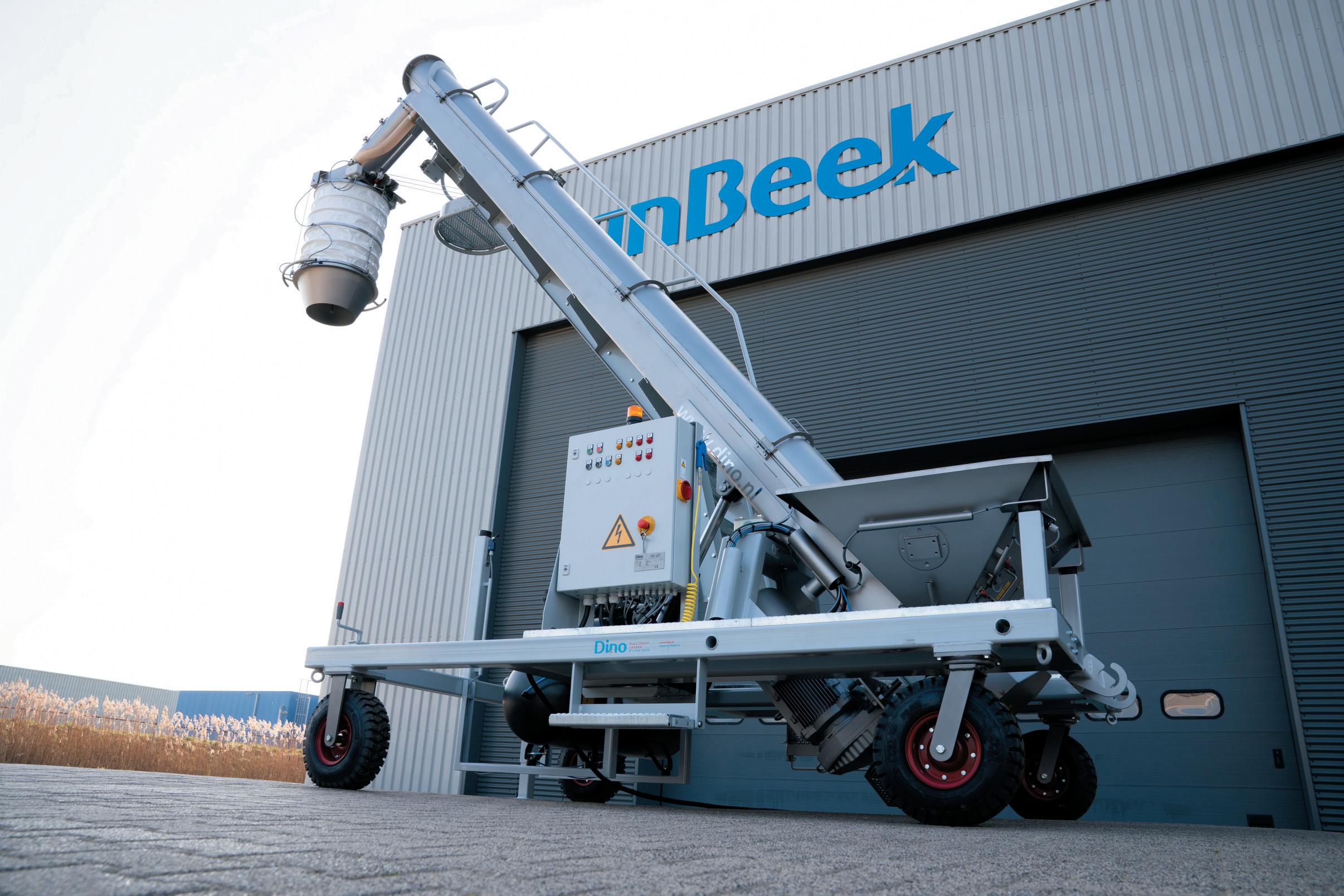
RAM Spreaders can trace its roots back to 1876, when it began as Ed Mills & Son, a blacksmith company in Liverpool, England. Liverpool was a thriving maritime city, which played a pivotal role in the development of the business.
During the 1970s and after many decades of success, the then Director of Ed Mills & Son — Robert A. Mills — further diversified the company interests into container handling equipment, and soon after created the RAM Spreaders brand known today.
From the early 1990s, the company (then known as NSL Engineering) firmly established RAM Spreaders in the container handling industry. With clever strategic market penetration and innovation, the business continued to grow with spreaders seen at ports and terminals worldwide.
The RAM Spreaders brand continues to grow ever stronger, with products including ‘SingFlex’ multiple container lifting tandem headblock and ‘Revolver’ bulk handling spreader. Innovations such as the telescopic Pipe Handling spreader, allow RAM Spreaders to enter new markets, whilst continuing to support existing customers, expand its spreader portfolio, spare parts service and after-sales support.
In an interview with RAM Spreaders, Dry Cargo International was able to learn about its current position in the bulk handling industry.
Question: What equipment does RAM Spreaders manufacture?
RAM Spreaders: We have over 50 years of experience designing and manufacturing container handling solutions for ports, terminals, and intermodal operations worldwide.
Our range includes rotating ‘Revolver’ spreaders for bulk handling on various cranes, enabling the safe and controlled discharge of bulk materials. Now successfully deployed on reach stackers, this solution offers greater flexibility and cost efficiency.
Q: What commodities can it handle?
RAM: The RAM revolver CBH system can handle all types of dry bulk commodities, from grains to minerals to bagged materials and scrap.
Q: Who are your major clients?
RAM: Recent projects for the reach stacker Revolver include Solurail in Quebec, which is helping a local mine manage the region’s
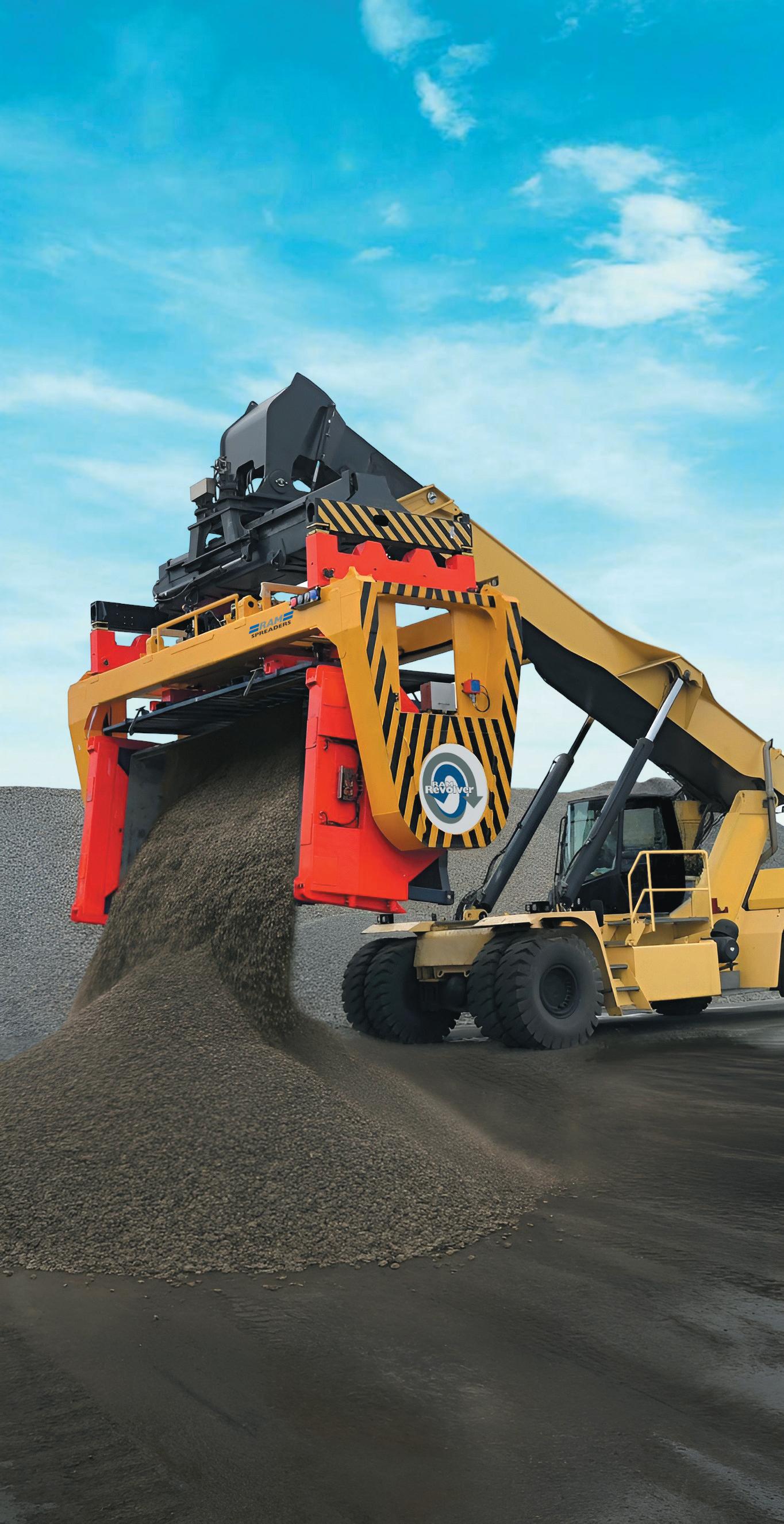
growing lithium supply chain.
Other clients include ETi Bakir, which handles pyrite concentrate at its Mazidagi plant in Mardin, Turkey. Additional clients operating the Revolver mobile containerized bulk handling solution are based in China, South America, and Africa,
demonstrating that this system is gaining global traction.
Q: What are you doing to stay competitive in the market?
RAM: By offering a turnkey, portable solution without the need for expensive
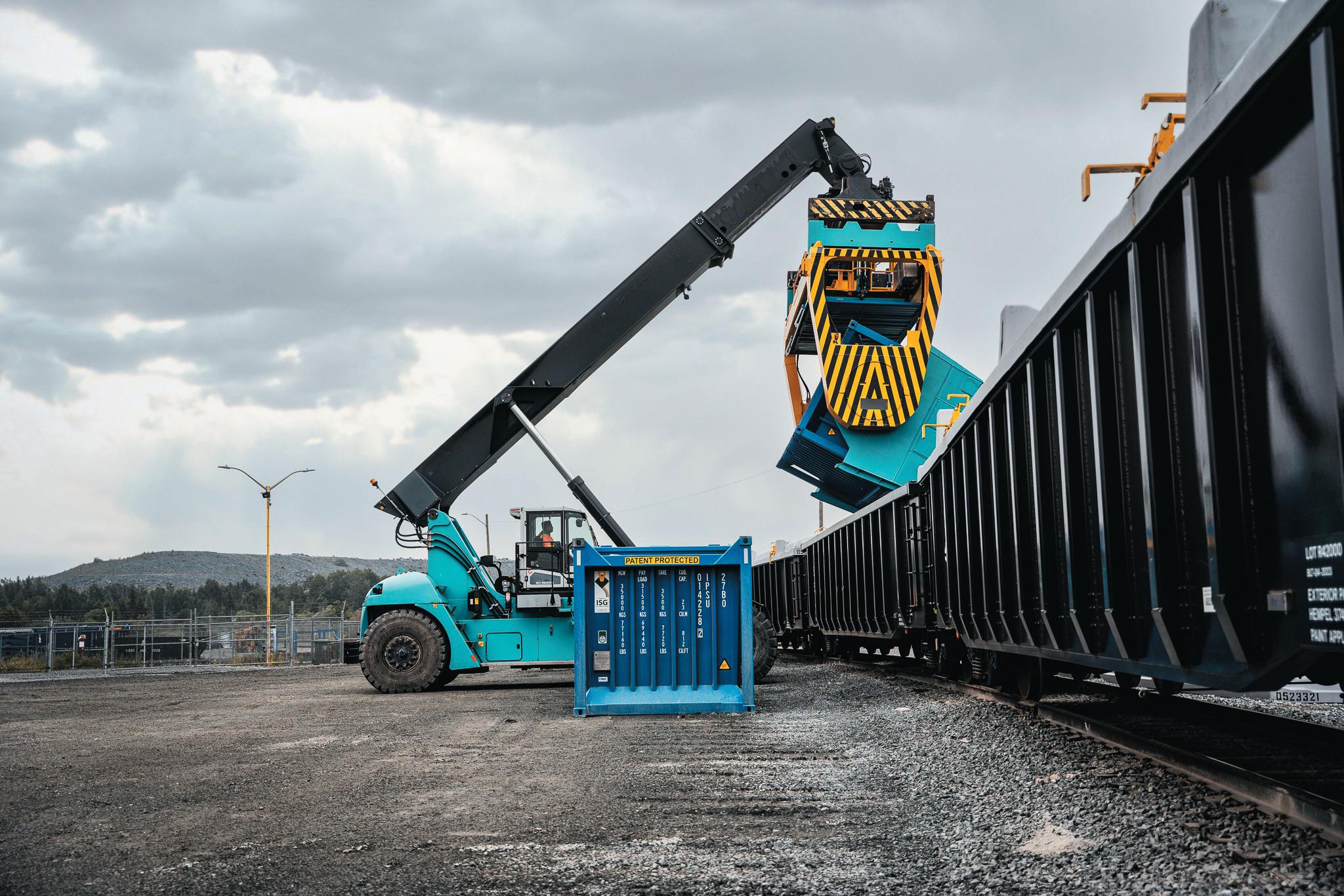
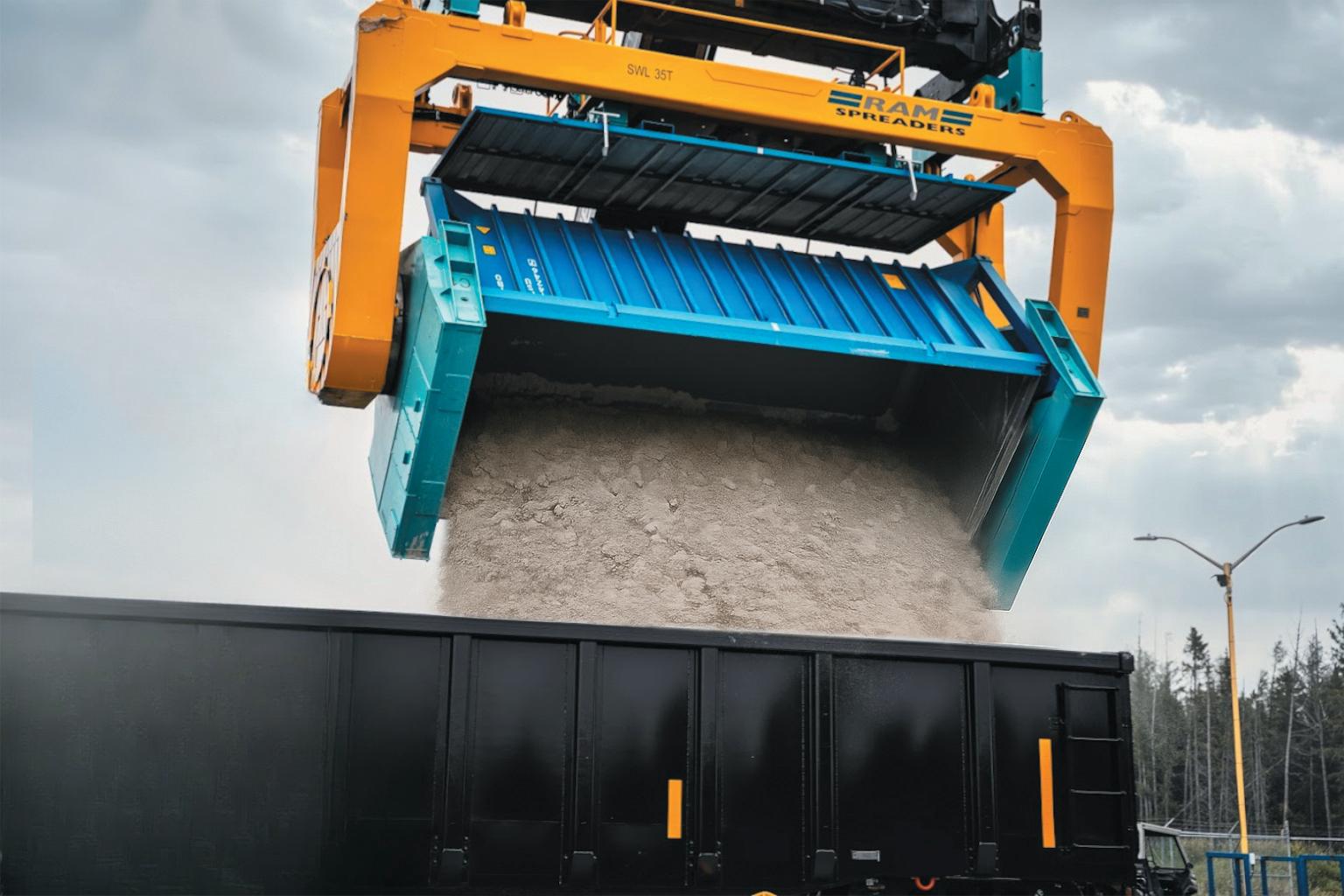
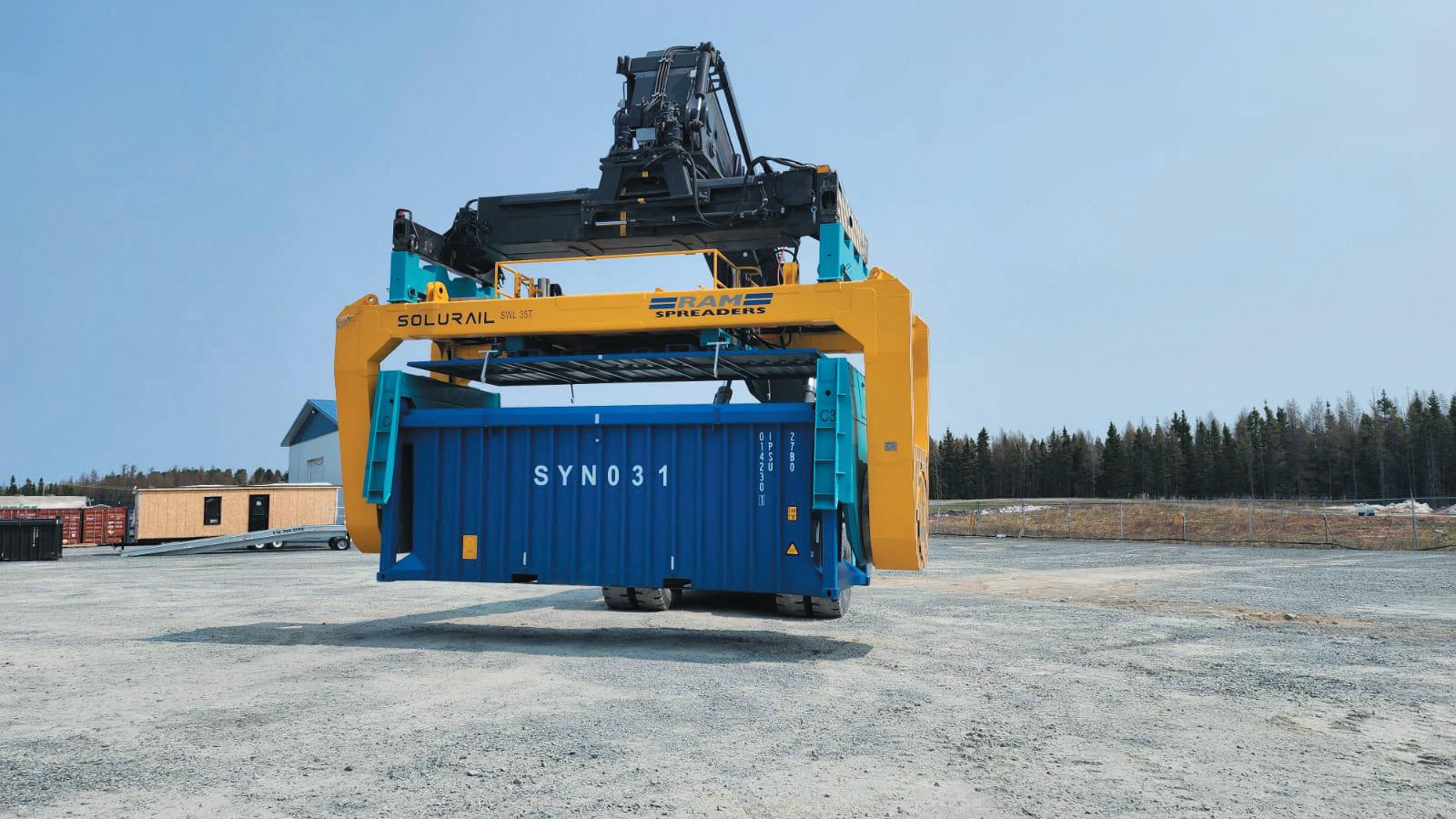
fixed infrastructure, we continue to provide a highly competitive containerized bulk handling solution. This system is already proven worldwide and supported by a vast, experienced global after-sales service and support network.
Q: Can you give any details of recent contracts awarded/completed?
RAM: Solurail is the latest completed contract and is performing well in handling lithium in Canada.
Q: Could you share some details on the company’s background
RAM: We are an established global manufacturer of container handling equipment. The company has built its reputation on engineering quality, robust design, and a strong focus on customer requirements.
With decades of experience, our equipment is trusted to perform in some of the most demanding ports and terminals. Our continued focus is on delivering reliable, efficient solutions that meet the evolving needs of the industry.
As containerized logistics continues to expand into the bulk sector, we are wellpositioned to support this transition. Through technologies such as the Revolver, we are enabling operators to unlock new efficiencies and opportunities, while maintaining the high standards of safety and performance that the industry expects.
In today’s cement transloading industry, operational efficiency is no longer a luxury — it’s a requirement. As demand increases and supply chains remain under pressure, operators need equipment that delivers speed, durability, and consistent reliability without adding unnecessary labour or downtime. Cambelt’s 3015 Scorpion Transloader has rapidly become the industry’s benchmark in all of these areas. Engineered for maximum performance with a footprint optimized for real-world conditions, the Scorpion has helped transform how cement is transloaded across the country.
From its unmatched conveying speed to its proprietary belt technology and rapid production schedule, the Scorpion 3015 is proving to be more than just a transloader — it’s a competitive advantage.
Speed remains the single biggest differentiator in modern transloading operations. The 3015 Scorpion stands out as the fastest transloader in its class and, in practice, the fastest in the
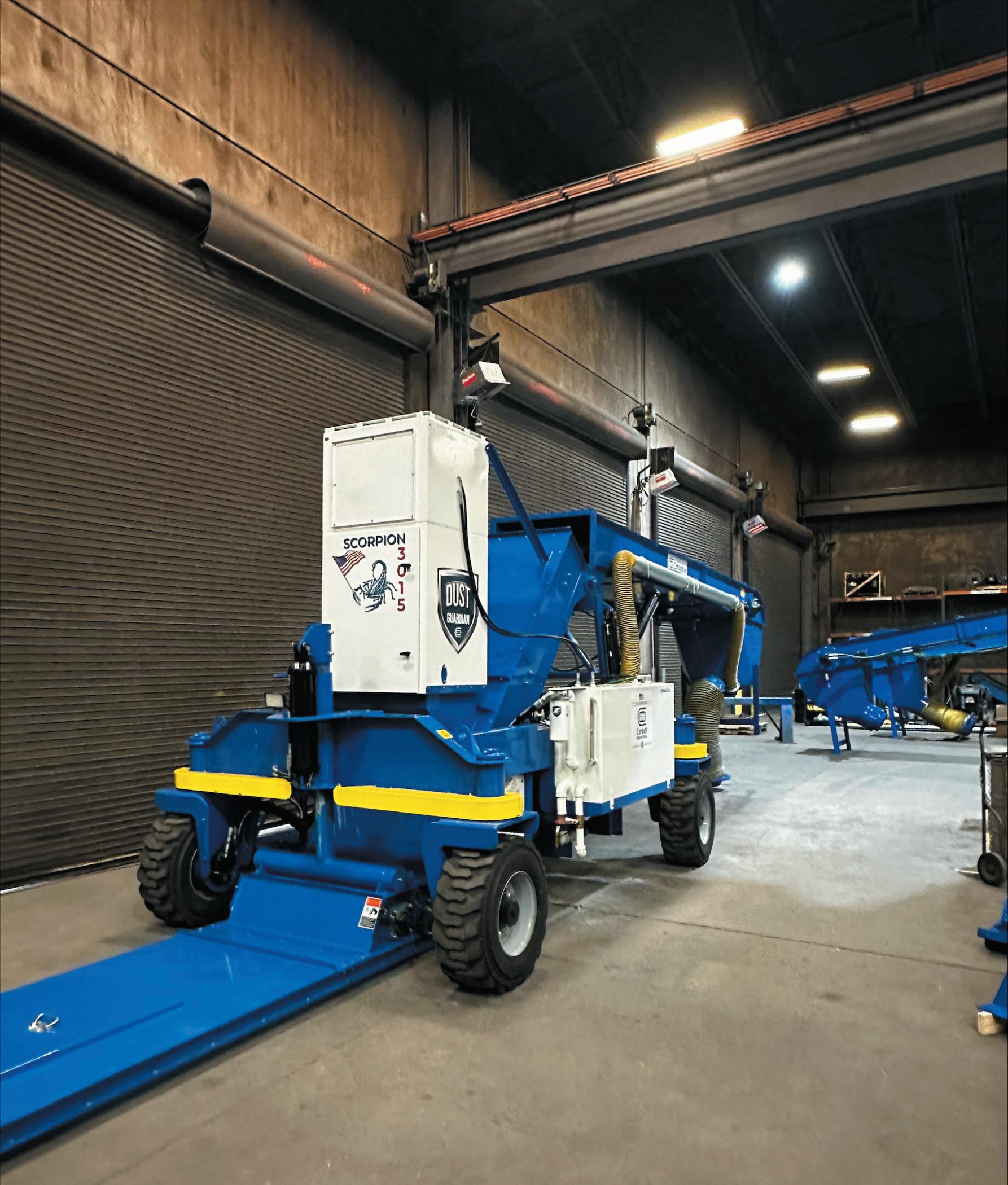
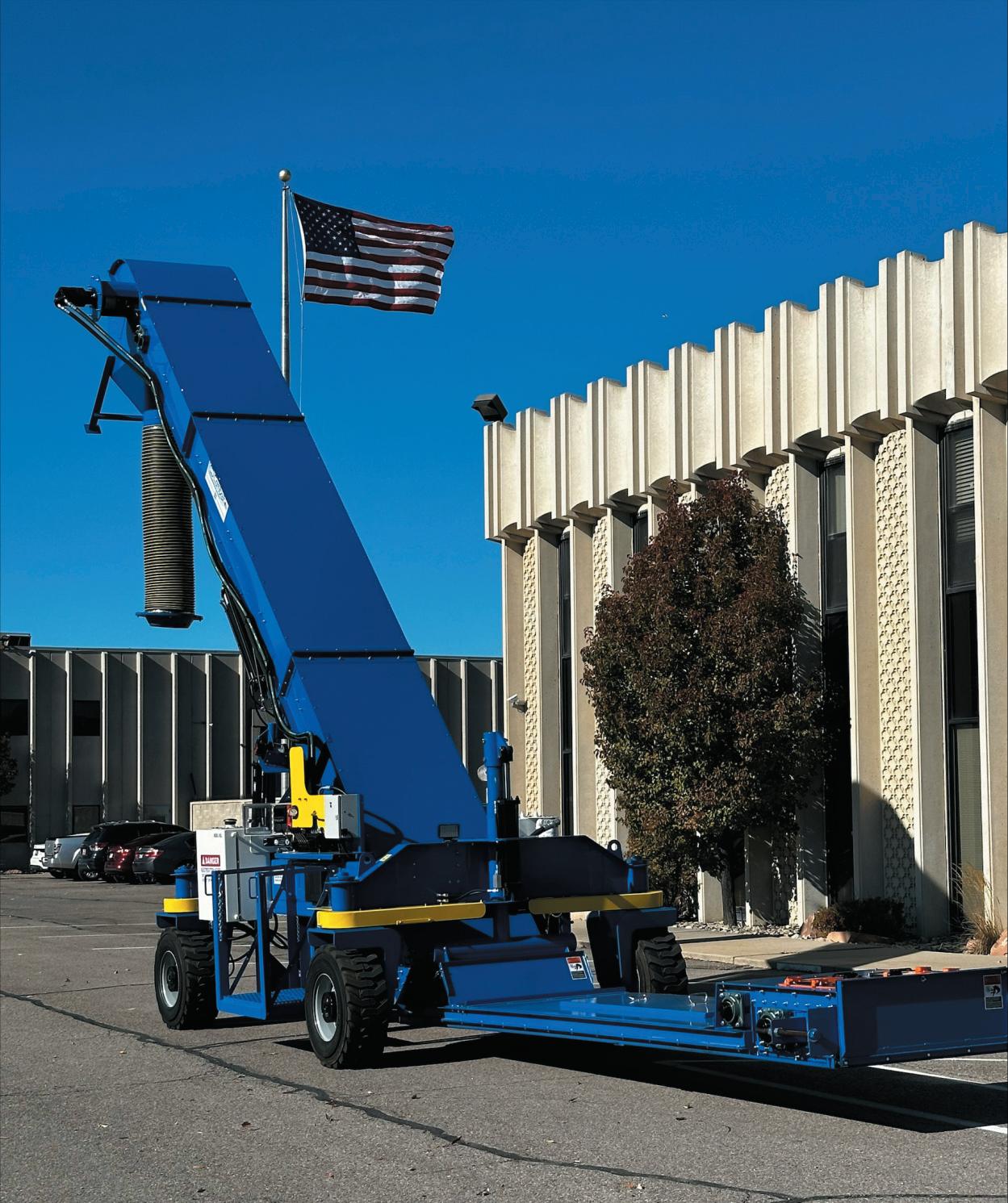
cement industry. Thanks to Cambelt’s proprietary rubber belt and unique conveyor design, the Scorpion can move material at steep inclines — up to 50° —without slippage or loss of efficiency. This is a feat most competitor models cannot match, as they typically rely on off the shelf belt systems that limit incline, throughput, or both.
Because of this belt technology, the Scorpion operates two to three times faster than the most popular competing transloaders. Faster throughput means fewer hours per railcar, shorter truck wait times, and the ability to process more material in a single shift—all of which directly reduce operational costs and improve profit margins.
Cement is unforgiving. Its abrasive nature quickly exposes weaknesses in conveyor systems, especially when belts are outsourced or not optimized for heavy duty use. Cambelt eliminates this problem entirely by manufacturing its own belts on-site at its facility in Salt Lake City, Utah. This is not only a testament to Cambelt’s technical expertise—it provides one of the biggest reliability advantages in the market.
Producing belts in-house ensures:
consistent quality control; v faster availability of replacement belts; v no dependence on overseas supply v chains; and no shipping delays that cost operators v time and money.
Where competitors may wait months for imported belts, Cambelt customers benefit from rapid turnaround and guaranteed compatibility with their equipment. This vertical integration is a major reason the Scorpion achieves longer service life with fewer failures and significantly reduced downtime.
Many cement transloading environments present real world challenges: limited space, uneven terrain, varying railcar configurations, and strict safety requirements. The Scorpion 3015 was engineered with these issues in mind.
Its compact yet powerful footprint allows operators to position the transloader where others cannot fit. This flexibility reduces repositioning time, minimizes site congestion, and improves overall throughput efficiency. Combined with its high incline capabilities, the Scorpion can move material quickly without requiring excessive conveyor length or complex positioning strategies. With just 29’ from inlet to discharge, no other transloader can match the superior footprint.
GAME- CHANGING OPERATIONAL EFFICIENCY: ONE-PERSON OPERATION
Labour availability is one of the most pressing issues in the transloading industry. Competitor models often require two or more people to manage material flow, open railcar gates, monitor dust collection, and operate the conveyor.
Cambelt’s latest advancements directly address this challenge:
Operators can now open railcar gates from a safe distance, in the operator platform, using a remote-control system integrated into the Scorpion. This eliminates unnecessary labour and keeps operators out of hazardous areas near moving machinery and railcar components.
Dust is both a safety and environmental challenge. Cambelt now offers a powerful 1500 Peak CFM dust collection system that integrates with the Scorpion to capture airborne particulate and improve site safety and regulatory compliance.
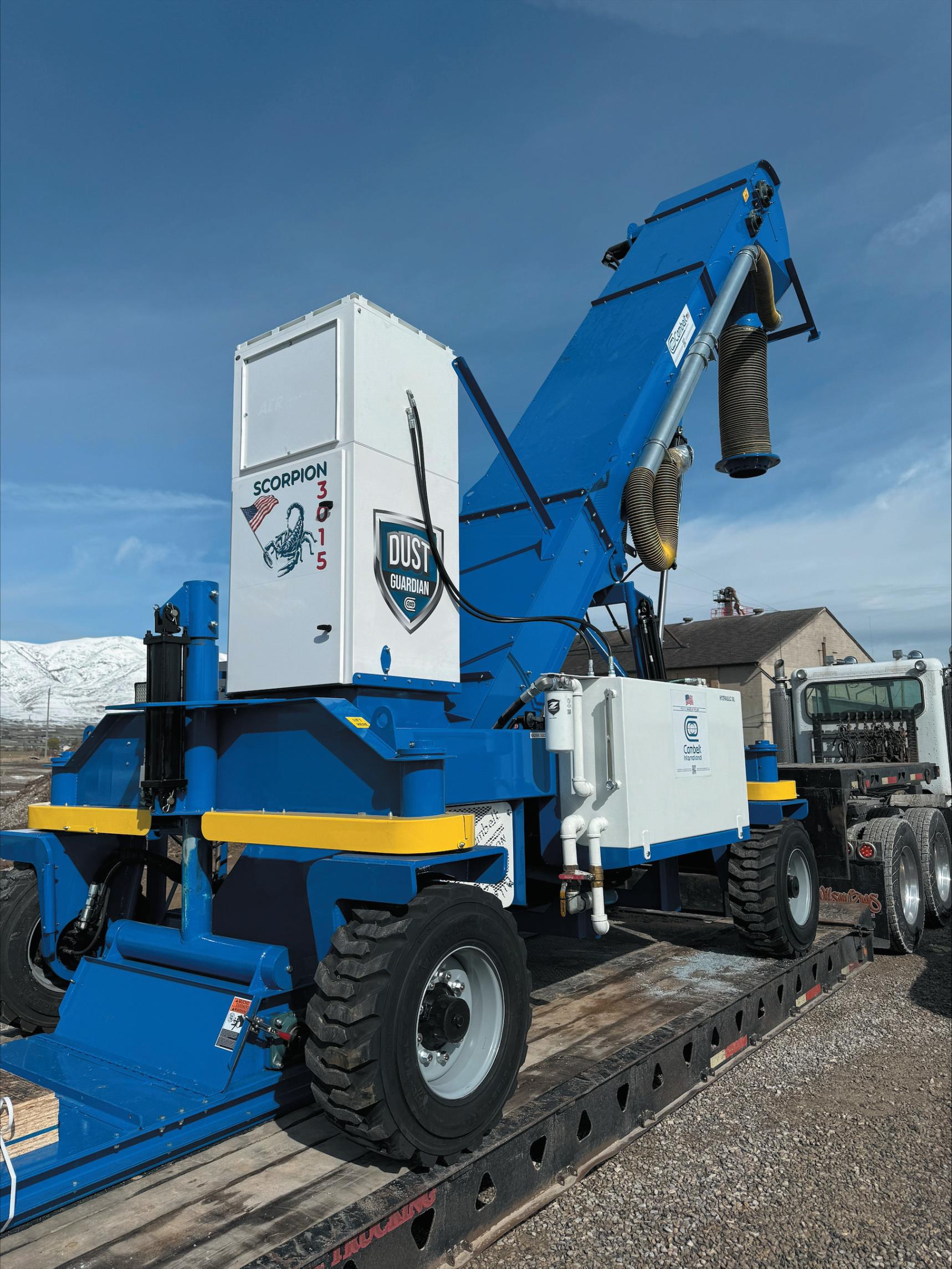
Together, these technologies enable the Scorpion to be operated by a single person — a major efficiency and cost-saving advantage over competitor units that still require multiple operators.
Equipment lead times have become a major pain point for industrial operations. While many manufacturers quote timelines measured in months or even quarters, Cambelt’s streamlined, disciplined production schedule stands apart.
Cambelt is able to deliver new Scorpion 3015 units on a four-week manufacturing cycle, allowing customers to get equipment on-site and in operation significantly faster than the industry norm. For operations expanding capacity or replacing failing equipment, this timeline can make the difference between meeting demand and losing revenue.
The 3015 Scorpion Transloader is not simply an incremental improvement — it’s a comprehensive advancement in equipment design, performance, and operational efficiency. With industry leading speed, a compact footprint, unmatched durability, and labour saving automation, the Scorpion provides quantifiable benefits to any cement transloading operation.
Cambelt’s commitment to manufacturing its belts in-house, maintaining a fast production cycle, and integrating smart operational technologies reflects a broader philosophy: deliver reliability, performance, and long-term value without compromise.
In an industry where time truly is money, the Scorpion 3015 continues to set the standard for what a best in class transloader should be.
DCi


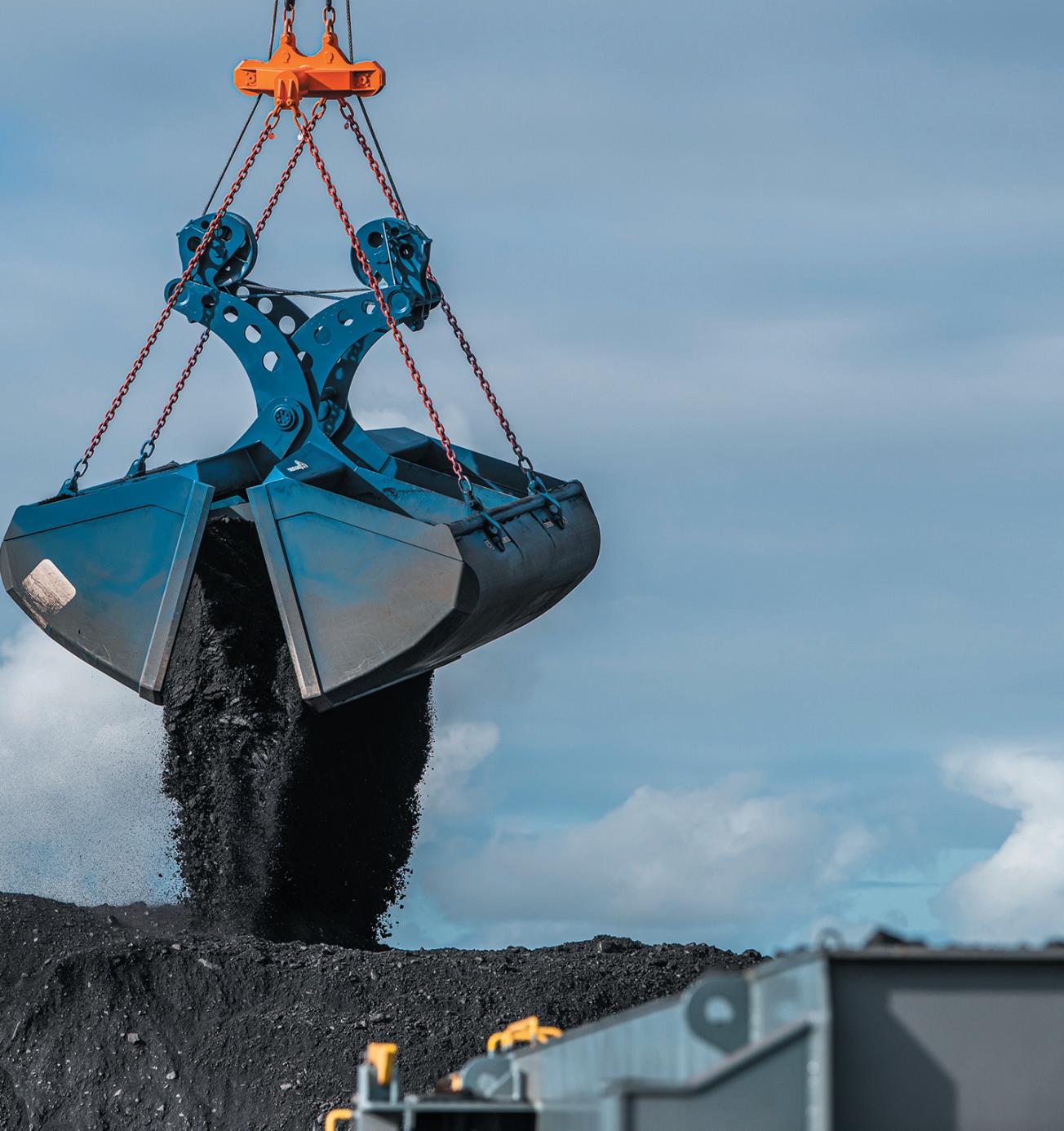
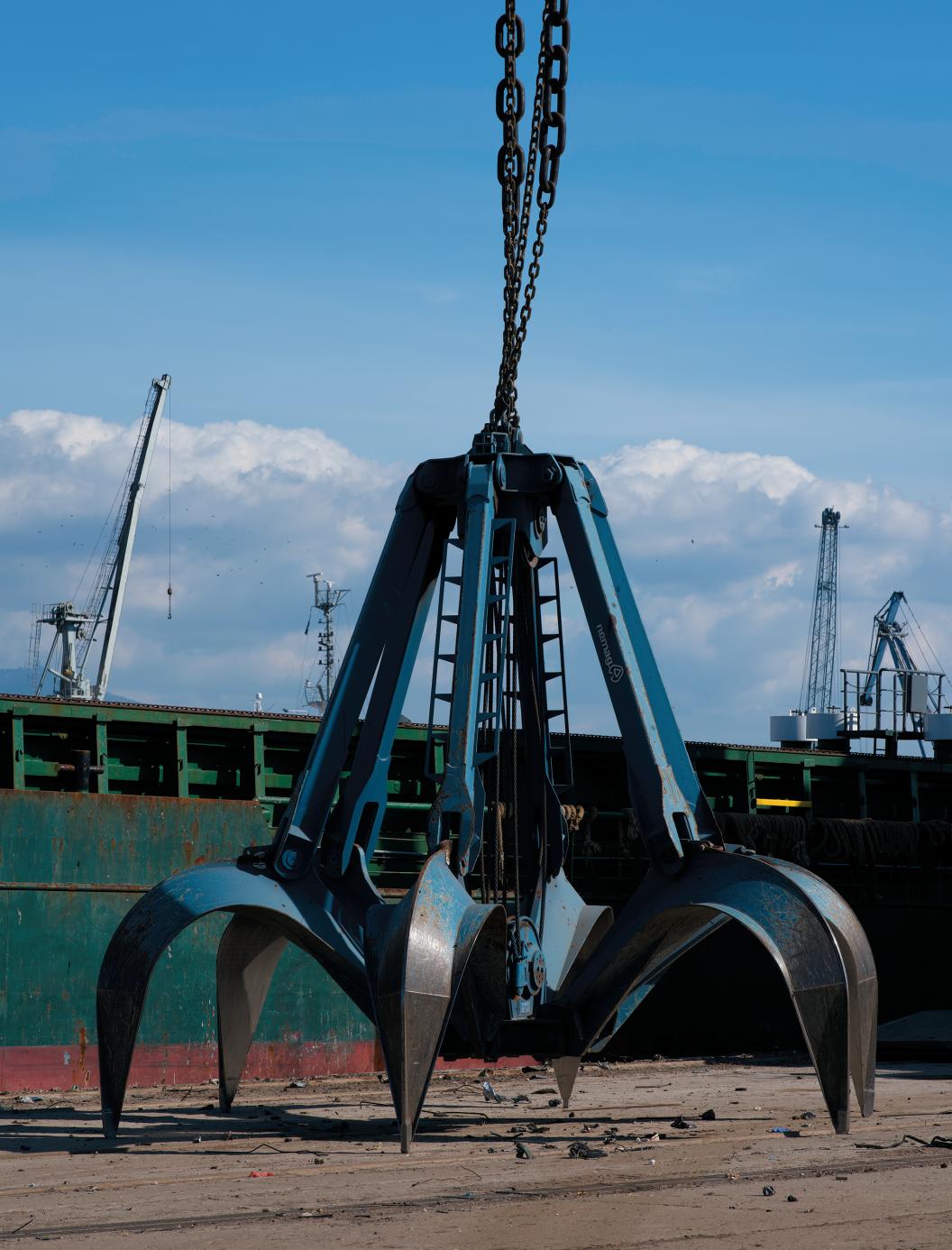
Jay Venter
For over a century, Nemag has been defining performance standards in dry bulk handling. Founded in 1924, the company has built its reputation on engineering excellence, continuous innovation, and a deeply rooted ‘Passion for Performance’. Today, Nemag supports terminals across the globe in achieving higher productivity, lower operational costs, and safer working environments.
Handling dry bulk materials such as coal, iron ore, grain, biomass, and minerals presents increasingly complex challenges. Operators are expected to move larger volumes in less time, while simultaneously reducing costs and meeting stricter environmental and safety requirements. Nemag addresses these demands by combining advanced engineering with practical, field-proven solutions. The result is a comprehensive portfolio of grab systems designed to deliver the lowest cost per tonne handled consistently and reliably.
At the core of Nemag’s offering lies a versatile range of four-rope mechanical grabs, each specifically engineered to match different materials and operational conditions. Rather than offering a onesize-fits-all solution, Nemag provides a carefully developed portfolio that enables operators to select the most effective grab for their specific application.
The clamshell grab remains one of the most widely used solutions in the industry. Its design ensures a stable and symmetrical closing motion, which enhances filling
efficiency while minimizing wear and energy consumption. Thanks to its durable construction and reduced number of moving parts, the clamshell grab offers long service life and low maintenance requirements, making it a dependable choice for many terminals.
Building on this foundation, Nemag has introduced the NemaX grab, representing a significant step forward in bulk handling technology. The NemaX is engineered to maximize both payload and cycle speed. Its innovative design allows for faster opening and closing movements while maintaining stability and control throughout the operation. This translates into higher throughput, reduced clean-up time, and more efficient use of crane capacity. Suitable for a wide variety of bulk materials, the NemaX enables operators to significantly improve overall terminal performance without requiring major infrastructure changes.
In more demanding conditions, particularly when dealing with sticky or difficult-to-handle materials, the scissor grab provides a highly effective solution. Its design focuses on speed and stability, allowing for short cycle times and consistent filling performance. The low centre of gravity and flexible structure ensure reliable operation even on uneven surfaces or near hatch coamings.
For applications involving irregular or bulky materials, the orange peel grab offers a specialized approach. Its claw-based design allows for precise and secure handling of scrap, biomass, rocks, and waste. Built from high-strength, wearresistant materials, the grab delivers
excellent penetration and durability, even in harsh environments. Its adaptability makes it a trusted solution in industries such as recycling and waste management, where reliability and control are essential.
Nemag’s expertise extends beyond grab design to include critical connection systems that enhance operational efficiency. Components such as the Quick Release Link and the Rope Pear Socket play a key role in minimizing downtime and improving safety. The Quick Release Link, for example, allows operators to change grabs quickly and safely, often within minutes, significantly increasing operational flexibility. Meanwhile, the Rope Pear Socket ensures a secure and durable connection for wire ropes under heavy loads. Together, these elements form an integrated system that supports smooth, efficient operations.
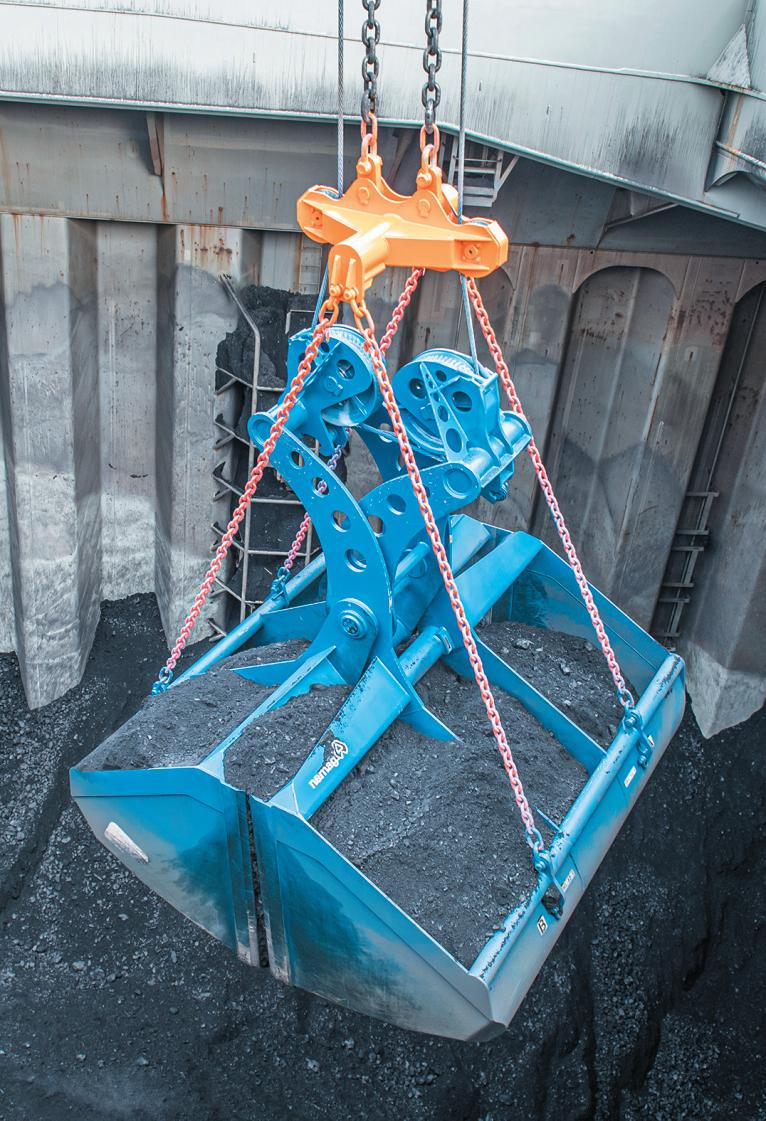
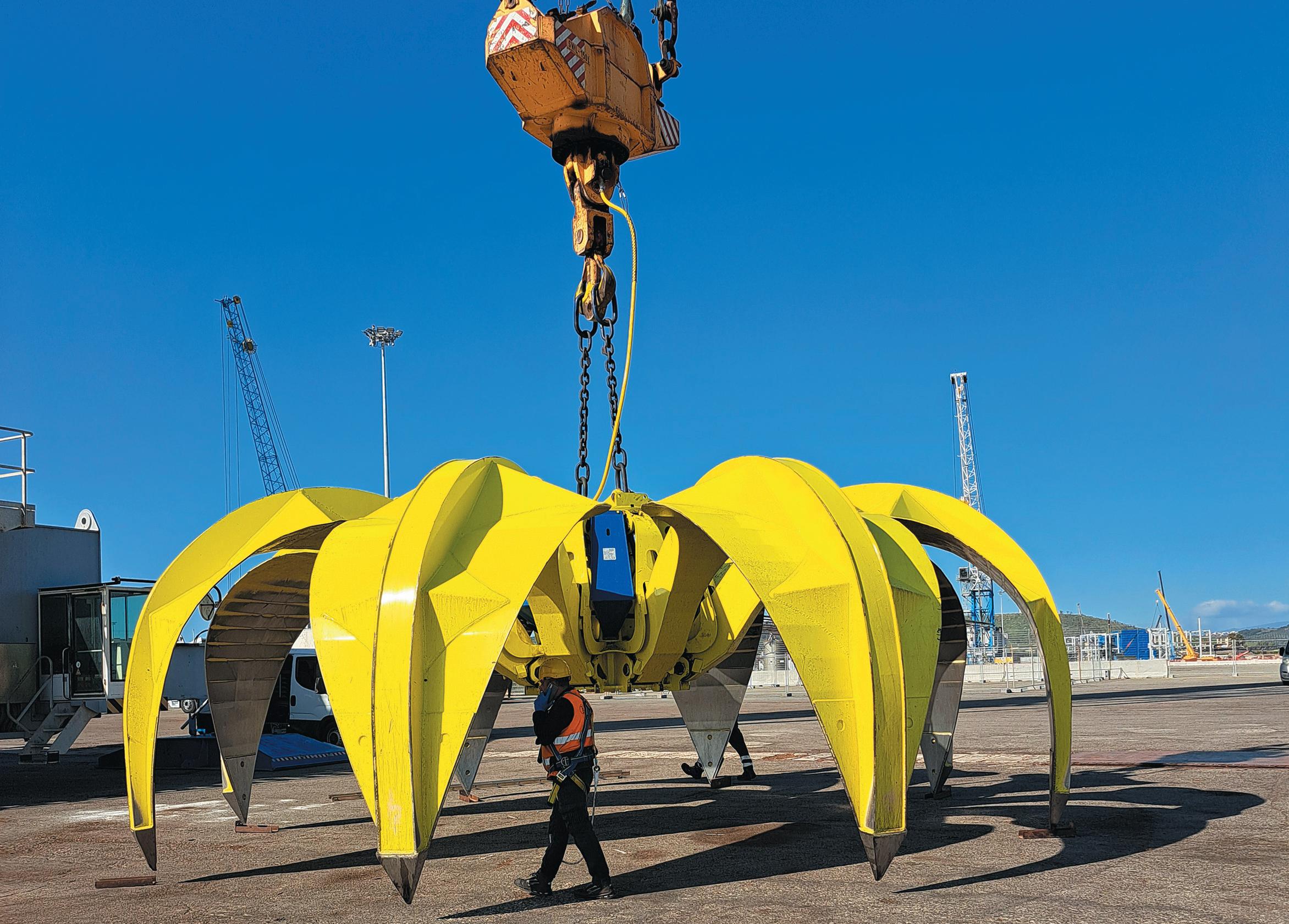
Civettini Italo & c sas — under the brand name CFS Handling — is a major designer and manufacturer of grabs for the handling of bulk commodities. The company is located in Montichiari in the province of Brescia, Italy.
The operative structure covers an area of over 2,000m2, 200m2 for the offices and an external area of 500m2 for the assembly of the hydraulic parts, where highly specialized staff and the latest technology support every stage of manufacture of the product.
The company’s product range includes mechanical, hydraulic and electro-hydraulic buckets as well as hydraulic and electrohydraulic grabs.
CFS Handling grabs are widely used in the bulk cargo handling market, and are ideal for loading and unloading cargoes to/from barges. Its grabs are precise, and prevent spillage from between their blades.
CFS Handling has 30 years of experience, so it is able to guarantee high quality, good prices, excellent design quality and customer focus. It operates worldwide, and its equipment can be found in countries from Brazil to Russia, for large production machines with buckets from 18m3 to 40m3, with hydraulic Bosch Rexroth special applications for faster
closure and optimized landing costs and boarding.
CFS Handling uses wear-resistant building materials which characterize its machines, such as Hardox 500 for the blades or automatic greasing systems on the bucket. This enhances the grab’s features and decreases maintenance time, prolonging bucket life.
Civettini Italo & c sas continues to research materials and components of increasing sophistication and with high performance. These include hydraulic grabs fitted with diesel engines of 60kW and the ability to lift 20m3, with a remote control for cereals — for use with the cranes used by its customers who have not yet adopted the use of port cranes such as those supplied by Terex Gottwald or Liebherr.
CFS Handling grabs are exported to many countries worldwide, including India, Thailand, Indochina, and South and North America. The entire production cycle, from design to post-sales assistance, is aimed at achieving a single result: to provide the end-user with a quality product that guarantees maximum performance in use and productivity. To meet this goal, CFS Handling combines, with the quality of manufacture, the use of
certified and tested equipment according to the final requirement of the machine.
In addition, through its experience in different sectors of the industry, CFS Handling is able to provide special equipment and customized solutions based on specific customer requirements.
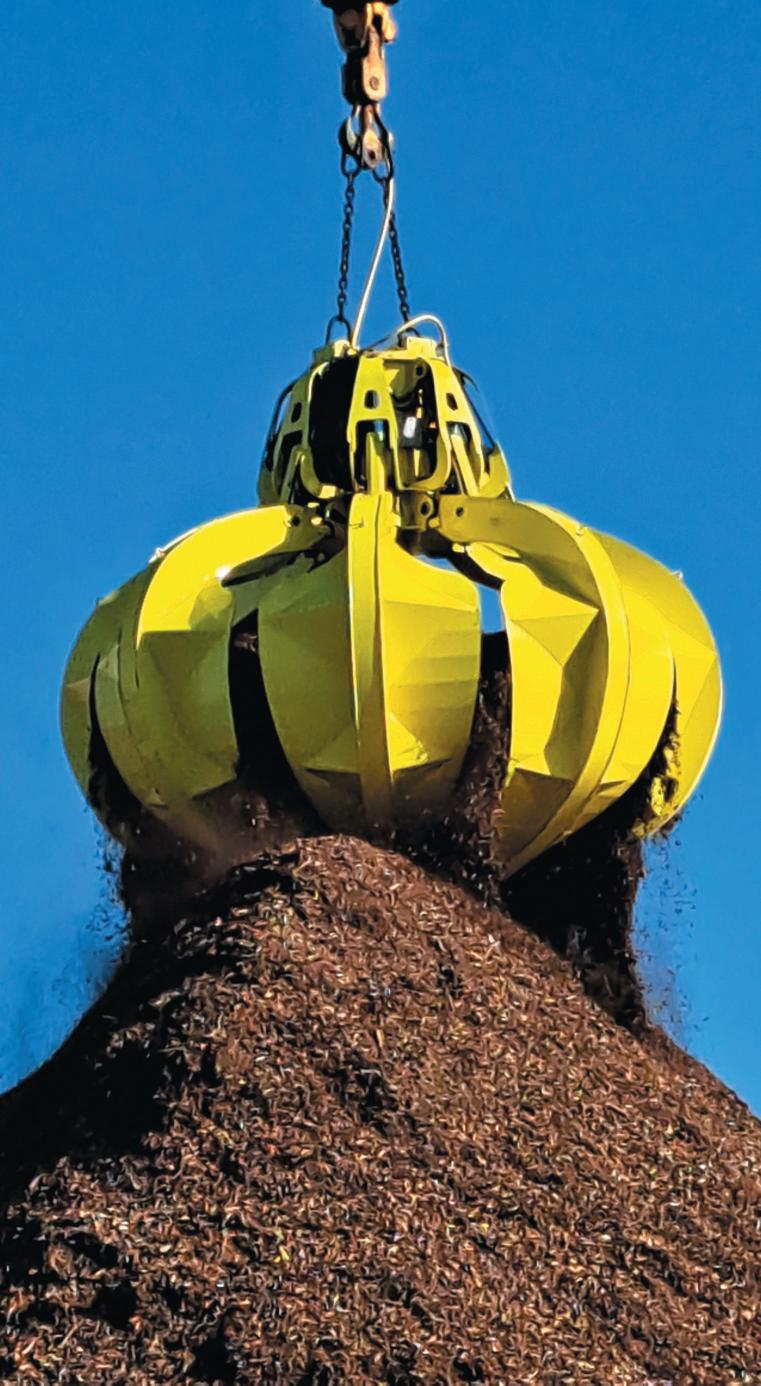
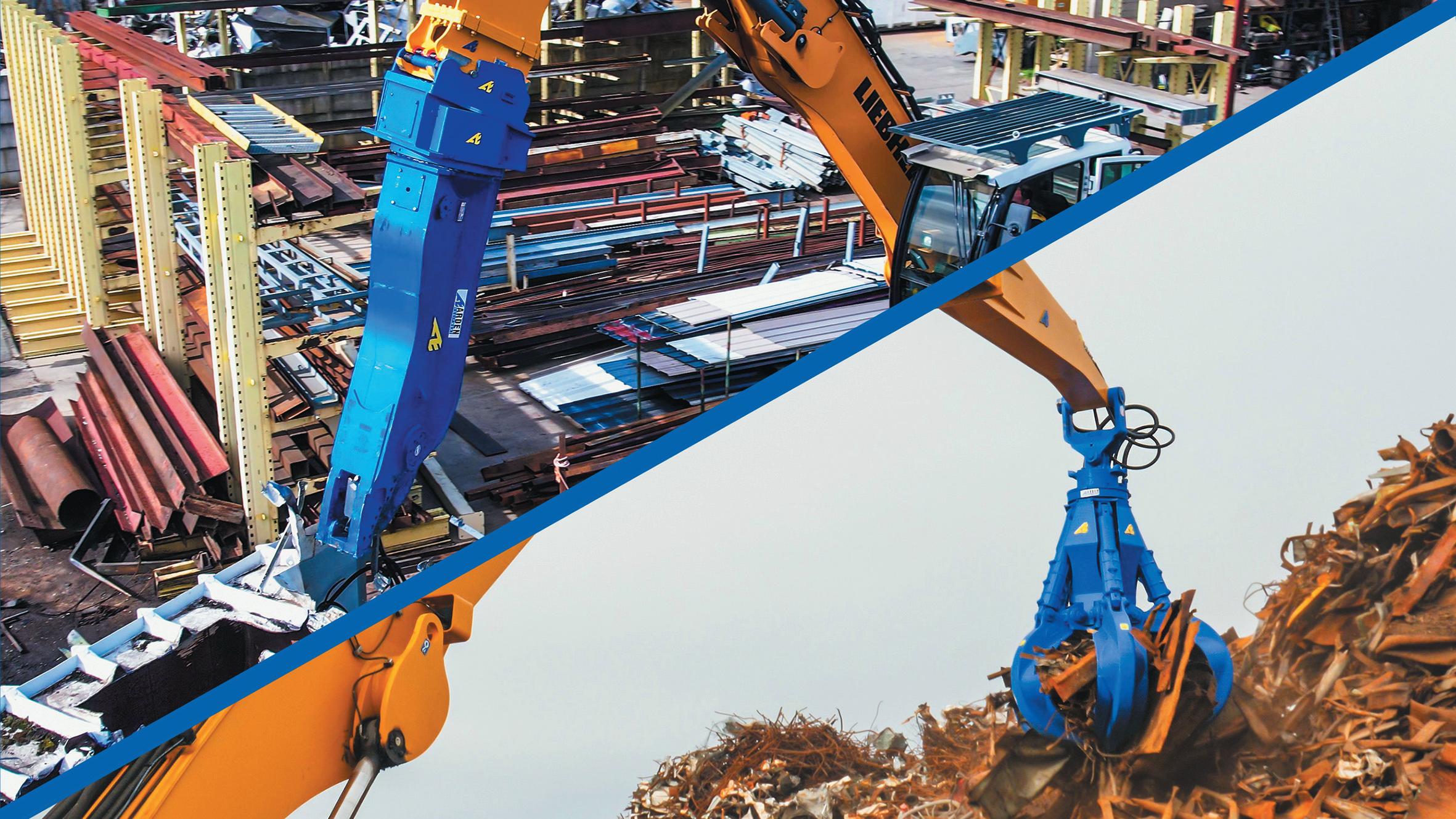
For 50 years, Arden Equipment has been designing and manufacturing high-quality attachments for the construction, demolition, recycling, material handling, railway, port and landscaping sectors. Renowned for its expertise, the company stands out for its ongoing commitment to innovation, performance, safety and environmental responsibility.
This high level of engineering translates into reliable and robust solutions, ensuring optimal productivity and enhanced safety, even in the most demanding environments. With a user-focused approach, Arden Equipment develops attachments tailored to each application, establishing itself as a trusted partner for industry professionals.
INNOVATION DRIVING VERSATILITY: THE INTERCHANGEABLE DIPPER SOLUTION
Among its latest innovations, Arden Equipment has developed an interchangeable dual-purpose dipper solution, designed to maximize machine versatility on recycling and demolition sites.
This system enables operators to convert a single excavator into either a material handling machine or a demolition/recycling machine, depending on operational needs. This flexibility is made possible through the combination of a dual-purpose stick and an AIO hydraulic quick coupler, allowing fully automated connection and disconnection of attachments.
Operators can switch configurations
Arden Equipment has developed an interchangeable dual-purpose dipper solution, designed to maximize machine versatility on recycling and demolition sites.
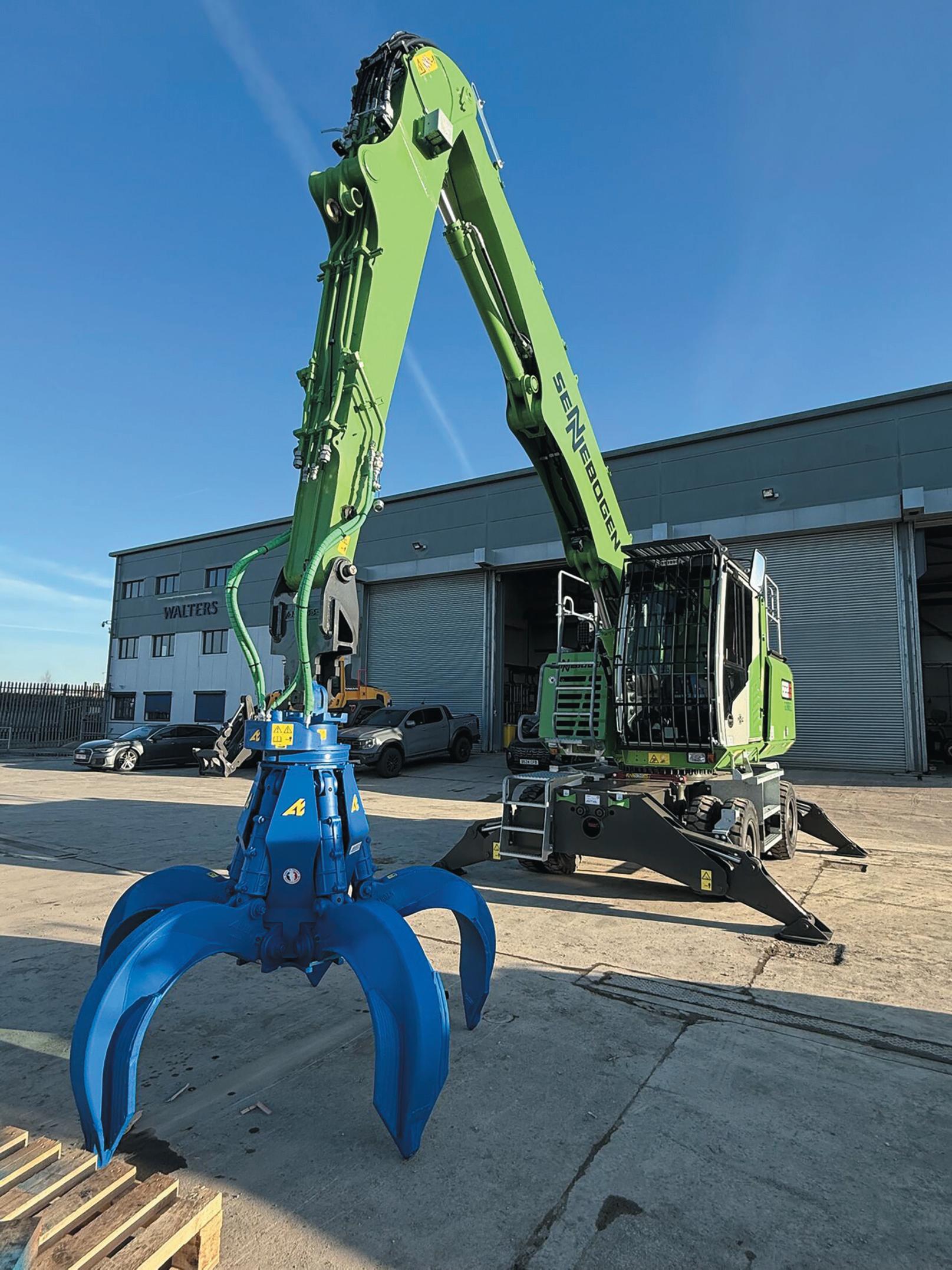
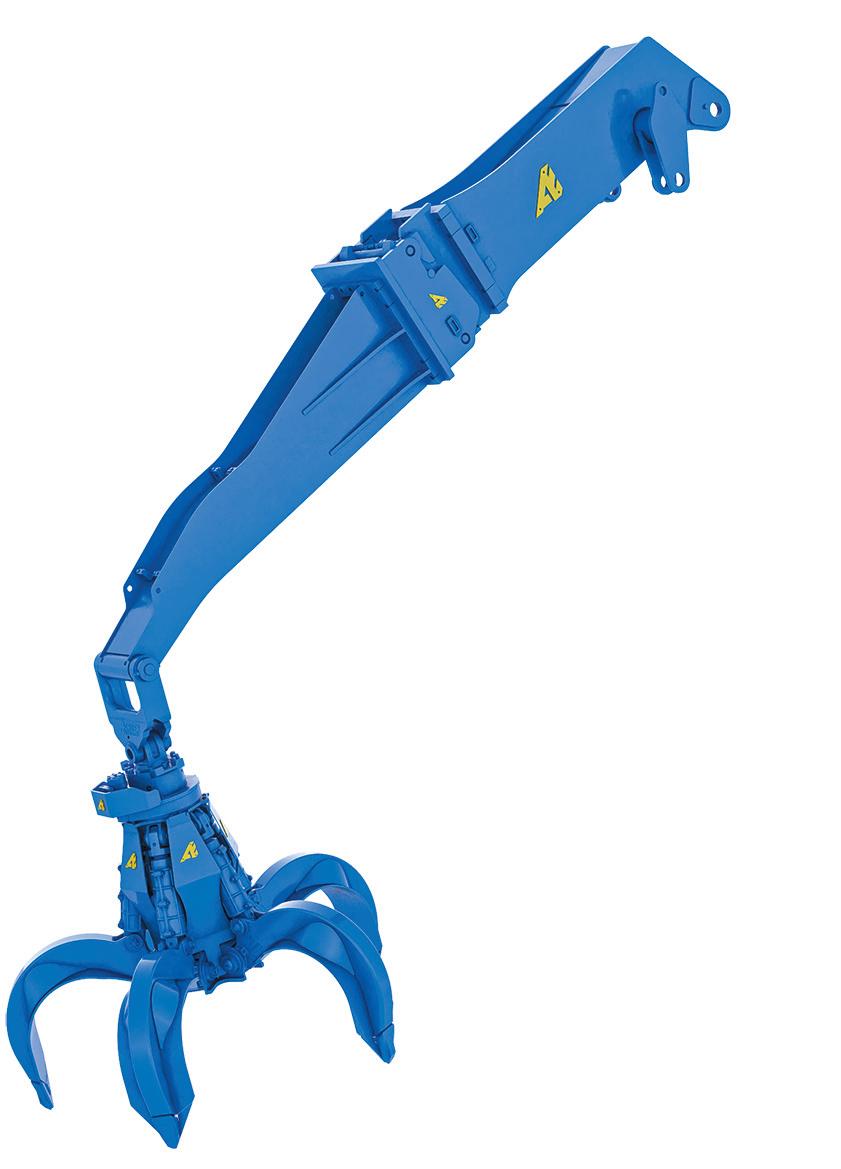
Tine type Main application
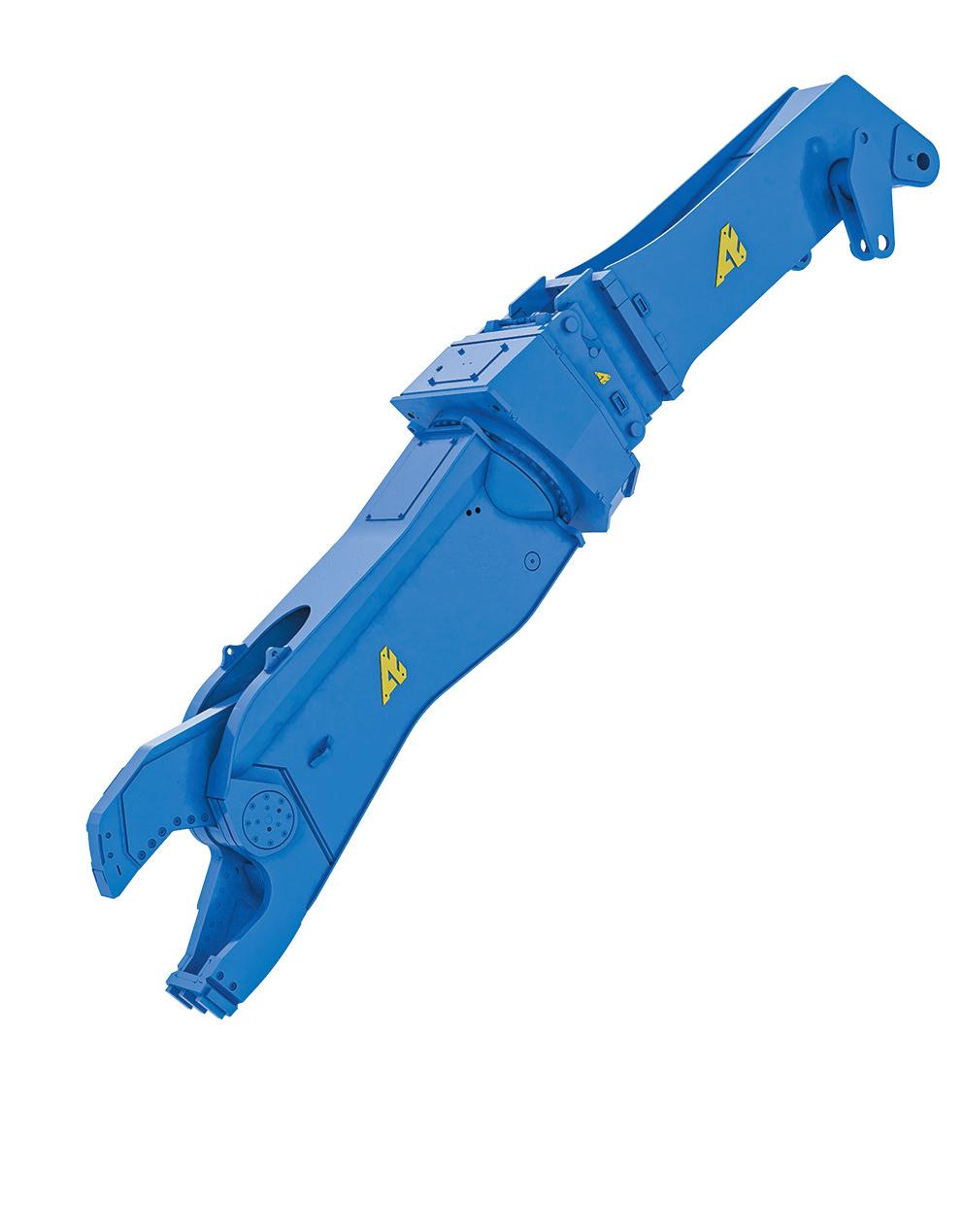
Ardent’s solution are adapted to its customers’ needs.
High-capacity tines Wood chips and small waste. Commonly used as multipurpose grabs in scrap yards
Wide tines Highly versatile, suitable for a wide range of applications
Full-shell tines Handling of light materials such as wood chips, foam rubber or textiles
Naked tines Primarily used for car handling in recycling yards
Rock tines Handling and placement of stones and large rocks
within seconds, without leaving the cab, ensuring full autonomy and safety. This solution allows seamless alternation between a grab for material handling and a shear for cutting operations, optimizing cycle times and overall site productivity.
HYDRAULIC GRABS: STRENGTH, PRECISION AND ADAPTABILITY
At the core of Arden Equipment’s offering, hydraulic grabs are designed to handle a wide range of materials thanks to their high abrasion-resistant steel tines and protected cylinder rods.
Their robust and reliable construction, compatible with excavators from 6 to 90 tonnes as well as truck-mounted cranes, ensures long-term intensive use. Designed with efficiency in mind, they feature simplified maintenance, including easily replaceable wear parts such as tips.
Particularly suited for bulk material
handling such as scrap, industrial waste, biomass or heavy materials, these grabs are equipped with a slewing ring rotation system, ensuring smooth and precise load positioning even in demanding environments.
Arden grabs also offer a high level of configuration flexibility, with the ability to adapt the shape and number of tines according to the application. Available in 3-, 4- or 5-tine versions, they meet a wide range of operational requirements. Reinforced options are available for the most demanding applications, ensuring increased durability.
In addition to its grab range, Arden Equipment offers a comprehensive range of buckets, from general-purpose digging buckets to heavy-duty quarry applications,
including tilting ditching buckets, trapezoidal buckets and Tiltrotatorcompatible solutions. This diversity ensures the right solution for every job, from light to heavy material handling, with the same level of robustness and reliability that defines all Arden products.
Looking ahead, Arden Equipment is preparing the launch of a new generation of mini excavator buckets in 2026. These innovative buckets will be designed to accommodate the main quick coupler systems without requiring any modification to the bucket structure, offering greater flexibility, reduced lead times and faster response to customer needs.
Committed to innovation and engineering excellence, Arden Equipment supports its customers in optimizing their operations by combining performance, safety and cost efficiency. With 50 years of experience, the company remains a reliable and recognized partner for industry professionals.
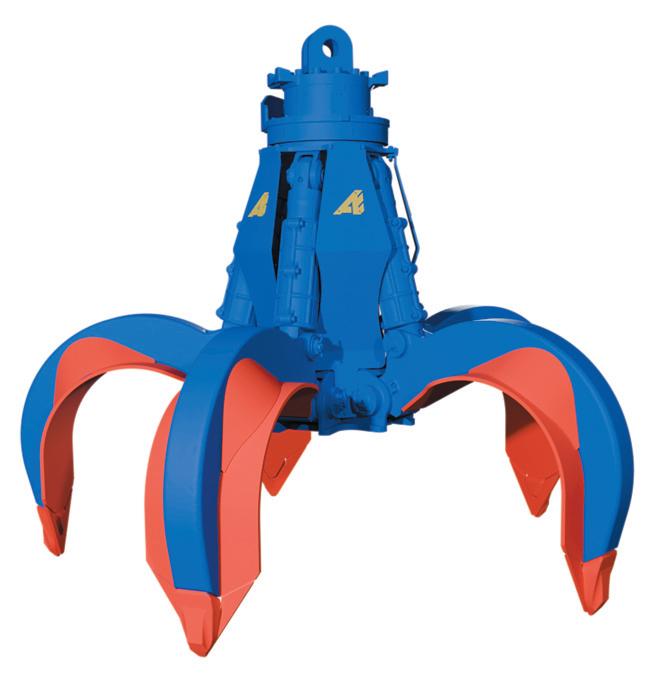



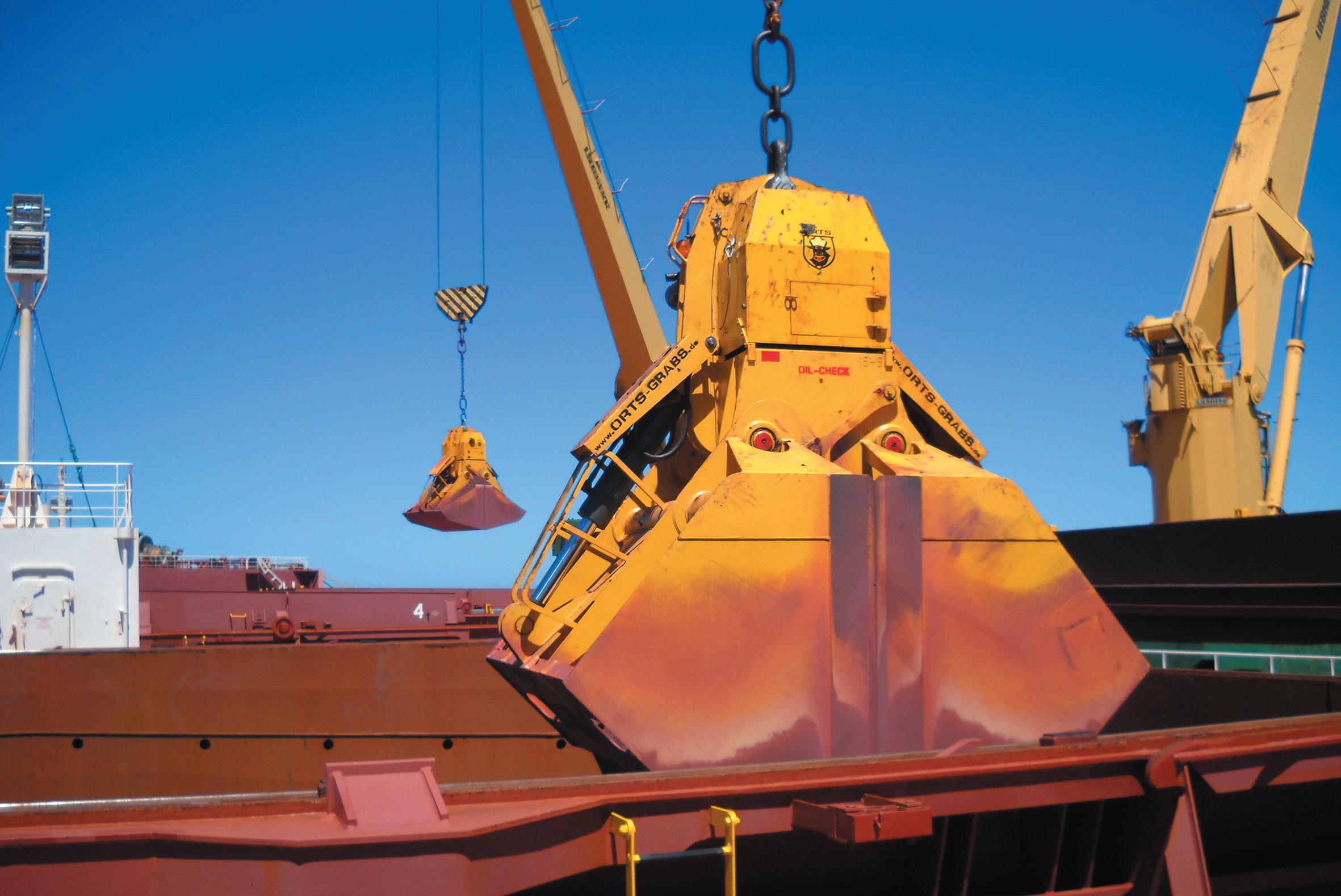
ORTS has been a highly respected maker of independent operating diesel-hydraulic grabs since 1995.
The company was founded 1972, still family owned and the production facilities are located in Germany.
Right from the outset, the main business has been the construction and production of grabs for dry bulk handling.
Over the years, other equipment for transport, material handling, dredging and salvage became part of the product line:
v electro-hydraulic grabs;
v the equipment necessary to operate electro-hydraulic grabs;
v independently operating dieselhydraulic grabs;
v mechanical rope grabs; and
v heavy lift beams.
Electro-hydraulic grabs are designed and produced by ORTS GmbH. The electrohydraulic grab is equipped with an electric motor to power the hydraulic pump. The hydraulic pump brings the hydraulic cylinder into action, forcing grab buckets to open and close. Power is supplied to the electro-hydraulic grab via a power-cable that is situated at the crane jib with some additional equipment, e.g. cable drum, rope
drum, guide rollers.
INDEPENDENT DIESEL-HYDRAULIC GRABS
Fully radio-controlled diesel-hydraulic grabs have been constructed and produced by ORTS GmbH for more than 25 years. A radio-controlled diesel hydraulic grab is a crane attachment that is operated independently of power cables or hydraulic lines; it is completely self-sufficient and is operated via a radio control device by the crane driver or another person at the loading room. Thus, a radio-controlled grab can be used on any crane, since an external power supply is not necessary. A diesel engine inside the grab provides the power to drive the hydraulic pump. The crane operator has to send commands to move the buckets via a radio control. The way of controlling the movements of the buckets/clamshells is identical to that on an electro-hydraulic grab. They are fast, reliable and a better alternative solution compared to mechanical single rope grabs.
Another advantage to mechanical single-rope grabs is the lower dead weight and that there is no working/operational height requirement.
A few years ago ORTS also developed smaller diesel-hydraulic grabs for construction places, biogas-plants and truck cranes.
Mechanical rope grabs can have one rope, two ropes or four ropes. Some rare special cranes need three-rope grabs. As the name suggests, a mechanical grab is operated by means of cable/rope systems only (pulley block/lifting block) and requires no power supply or hydraulic lines. A mechanical grab is used for loading and unloading of bulk materials in ports, at industrial plants, as well as in operations at ore smelting and blast furnaces. It is also used in port facilities.
Here a purely mechanical grab is a great advantage, as they are mechanical and robust. No electronics, no hydraulic parts. ‘Pimped’ mechanical grabs with e.g. radio control and hydraulic system lose this advantage. Mechanical single-rope grabs are the oldest grab system. They are slower, and handle fewer tonnes per hour, and have a higher dead weight compared with motor grabs (diesel hydraulic or electro-hydraulic).
Beside the motor-grabs (electro-hydraulic and radio controlled diesel-hydraulic) and the mechanical rope grabs, ORTS GmbH also provides the construction and production of lifting beams, traverses and lifting frames.
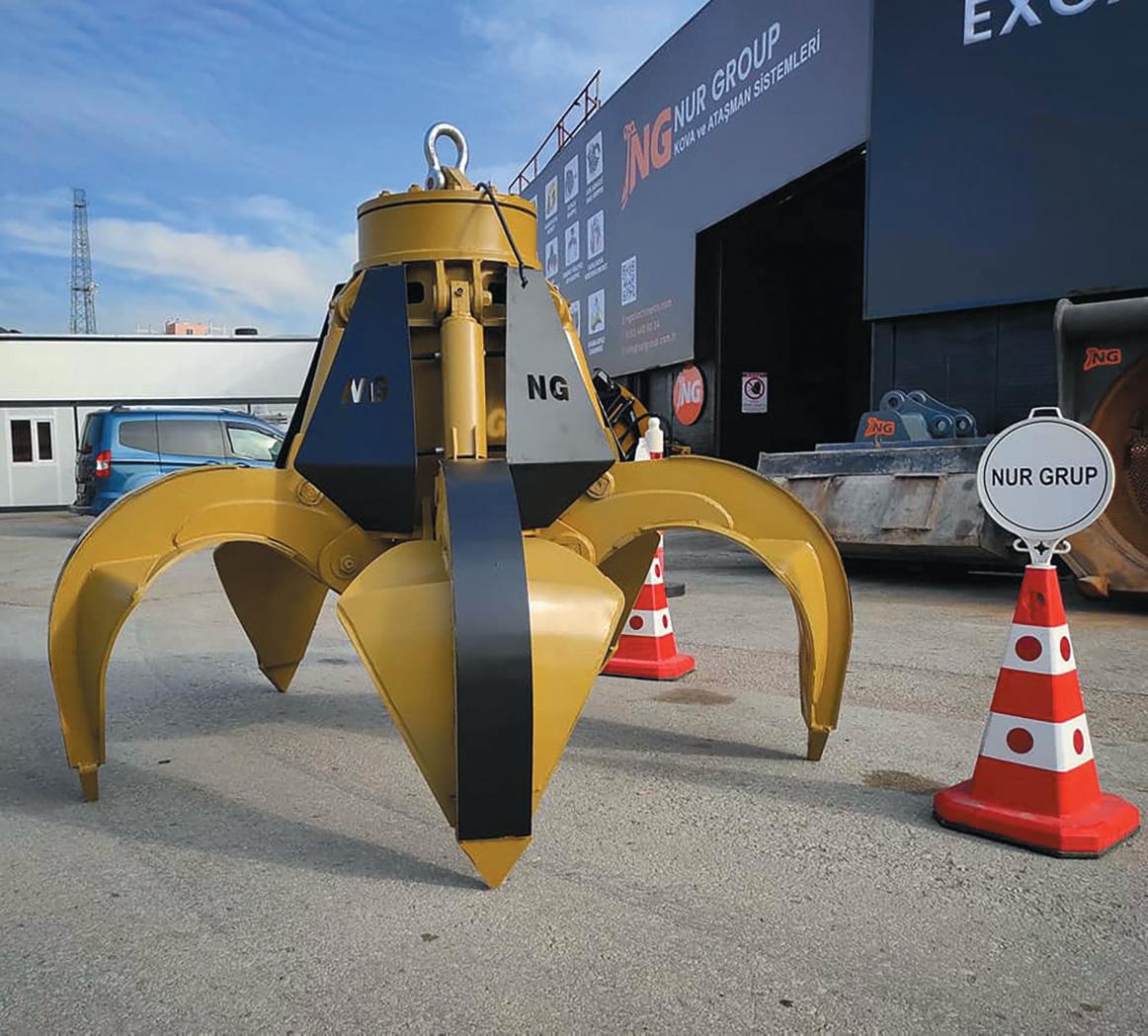
Port operations and bulk material handling are at the core of global trade, requiring high efficiency, durability, and continuous performance. In applications such as bulk cargo handling and scrap processing, equipment performance directly impacts operational costs, cycle times, and overall productivity.
NG Attachments, a Turkey-based manufacturer, has established a strong international presence by delivering advanced attachment solutions specifically designed for port operations, recycling, and heavy-duty material handling applications.
A COMPREHENSIVE RANGE OF ATTACHMENTS FOR PORT AND HANDLING OPERATIONS
NG Attachments designs and manufactures high-performance attachments compatible with leading material handlers such as Sennebogen, Liebherr, and Mantsinen. These machines operate in demanding environments where reliability and efficiency are critical.
The company offers a wide range of products tailored for port and industrial handling applications, including: rope grabs; v hydraulic grabs; v electro-hydraulic clamshell grabs; v hydraulic clamshell grabs; v orange peel (scrap) grabs; v timber grabs; v radio remote-controlled grab v systems; mechanical and double-rope grab v systems; hoppers and feeding systems; and v excavator buckets and custom v attachments.
These solutions are used for handling a
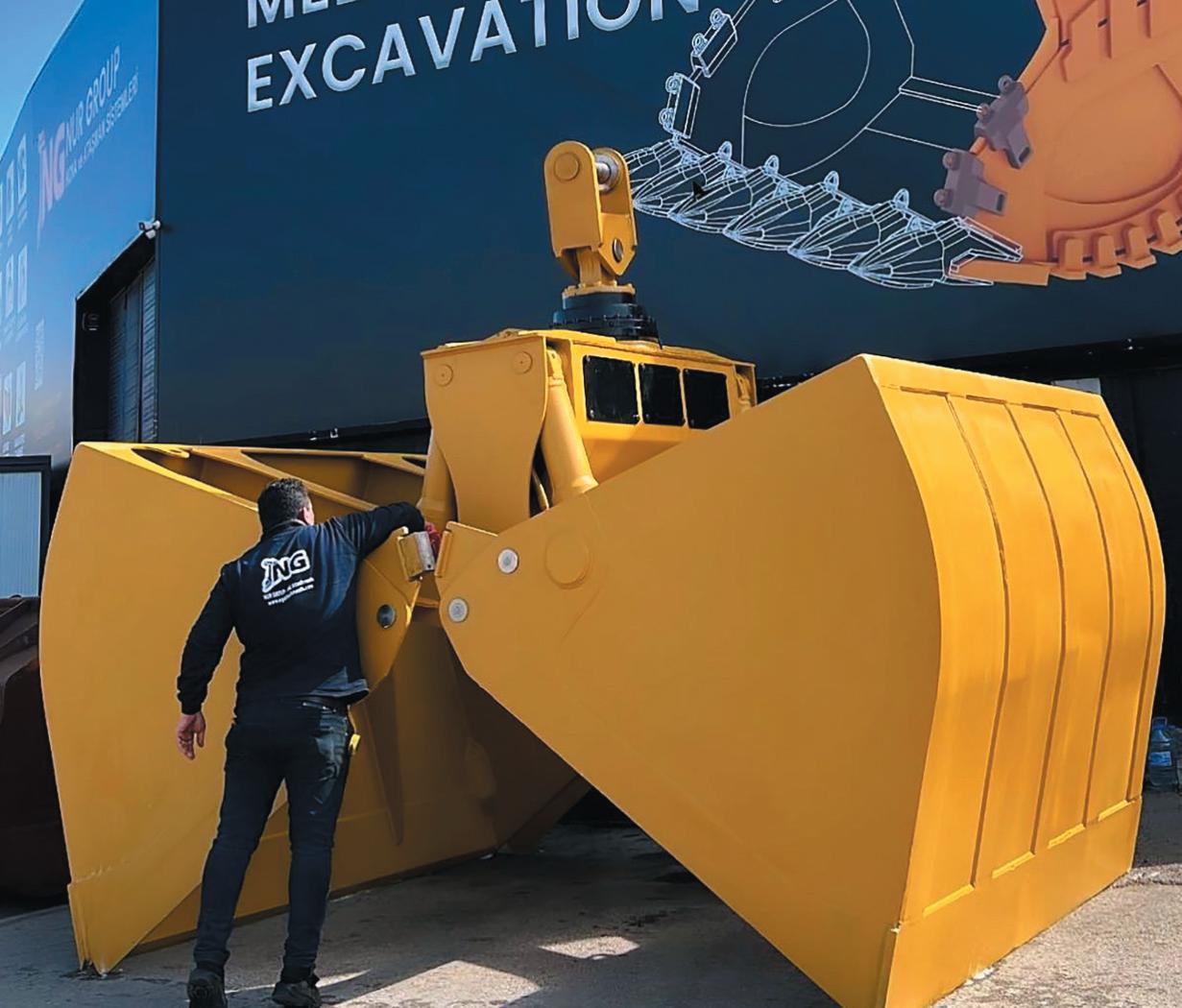
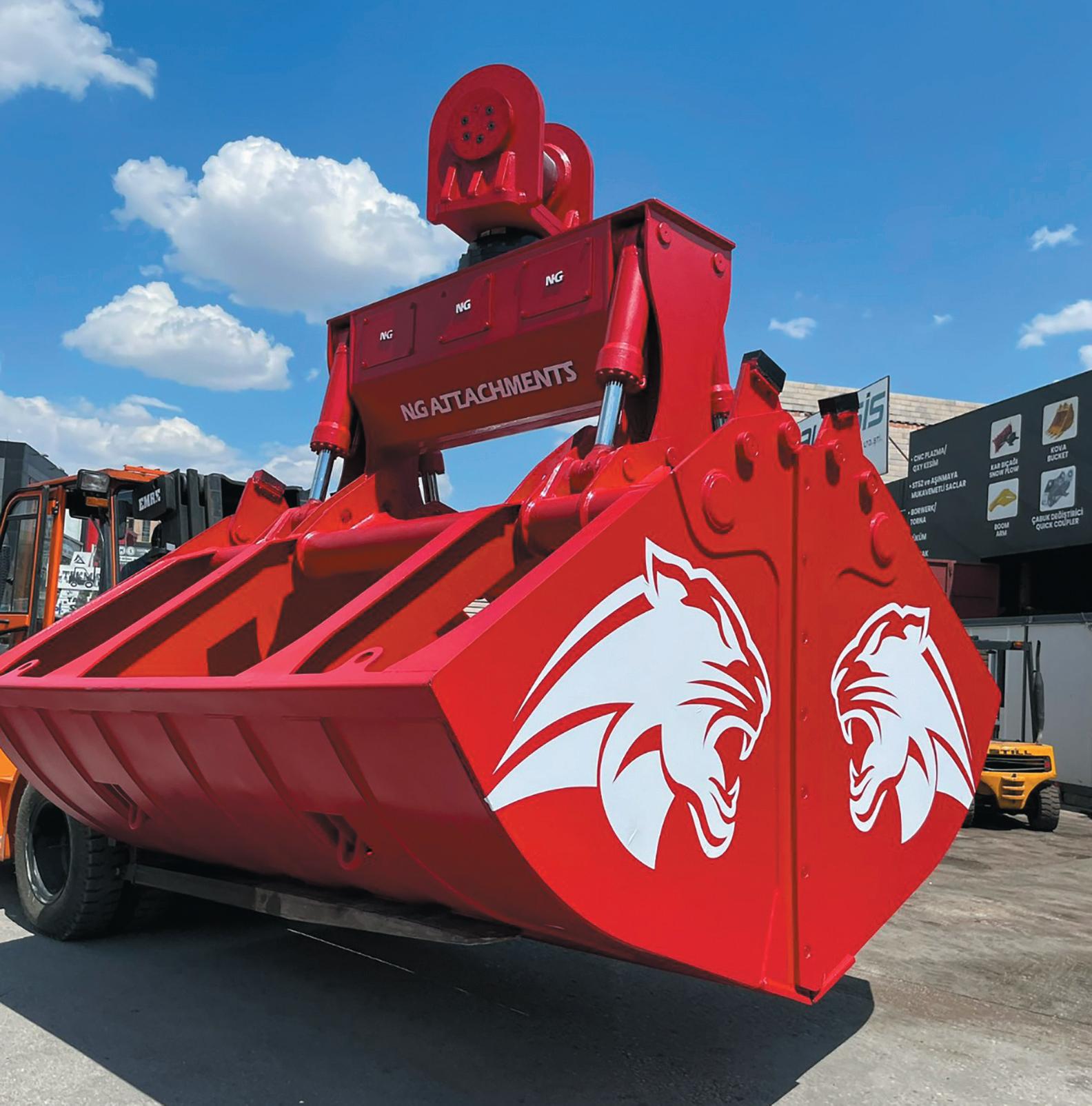
wide variety of materials such as coal, iron ore, grain, fertilizer, clinker, scrap metal, biomass, and recycling materials.
ENGINEERED FOR HARSH AND CONTINUOUS OPERATIONS
NG Attachments develops its products with a clear focus on durability and longterm performance in challenging working conditions.
Key engineering priorities include: high-strength steel structures; v reinforced wear-resistant components; v
compatibility with 24/7 continuous v operation; reduced maintenance requirements; v and optimized filling efficiency and fast v cycle times.
This approach ensures reliable operation and extended service life, even in intensive port and industrial environments.
COMPETITIVE TURKISH MANUFACTURING WITH GLOBAL REACH
With its Turkey-based production
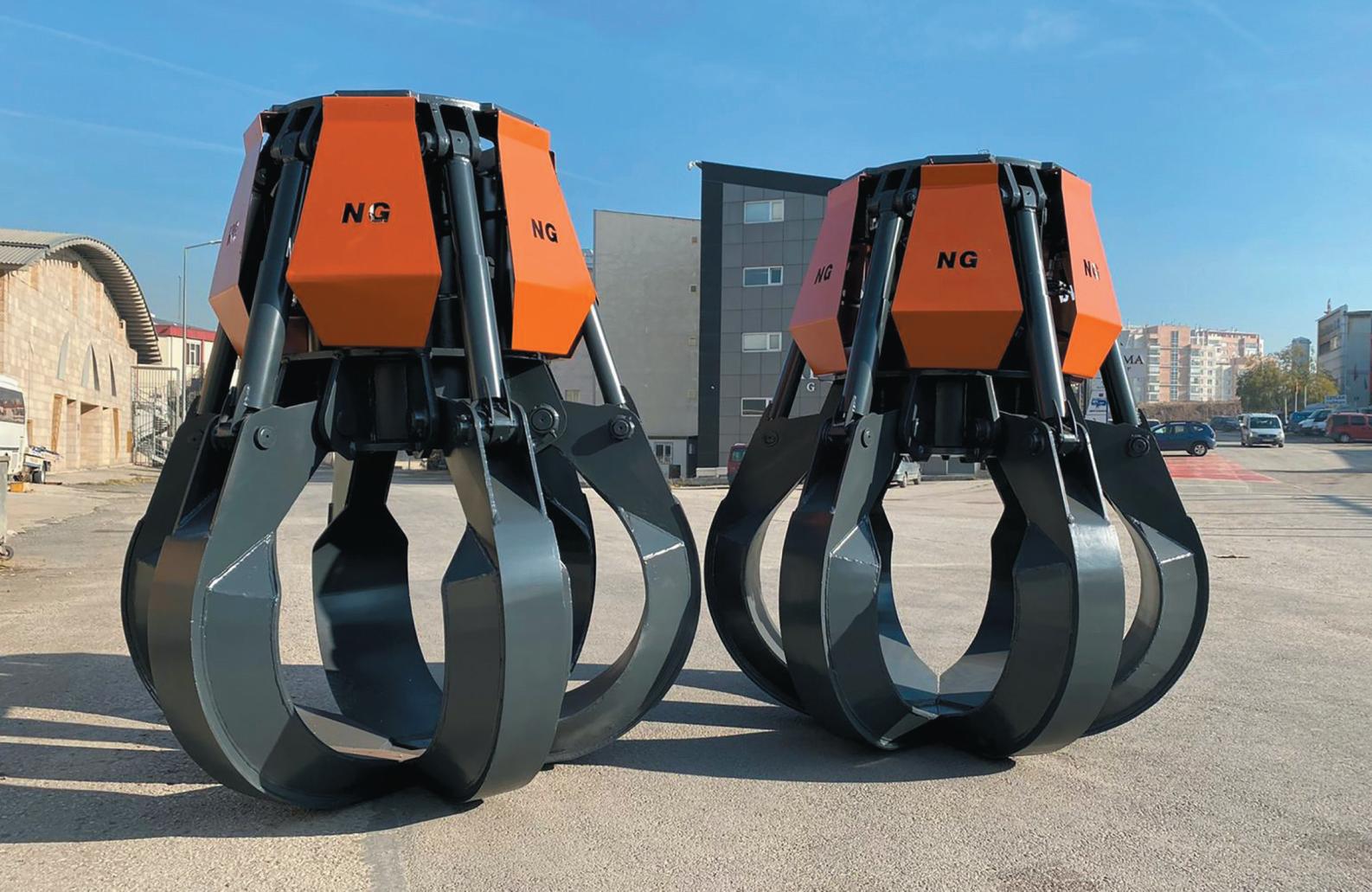
capabilities, NG Attachments exports to Europe, Asia, and surrounding regions, offering a strong balance between quality and cost efficiency.
The company’s recent projects in the United States, including supplying attachments for port operations in Miami, highlight its growing presence in the global market and its strategic expansion into new regions.
Under the leadership of Chairman Izzet Emre Erdem, NG Attachments continues to strengthen its position through




















engineering excellence, local manufacturing, and a global market perspective.
According to Erdem, Turkish-made attachments are now widely used across international projects, from ports and mining operations to recycling facilities. The company aims not only to compete globally but also to contribute to reducing dependency on imported equipment through advanced local production.
One of NG Attachments’ key strengths is








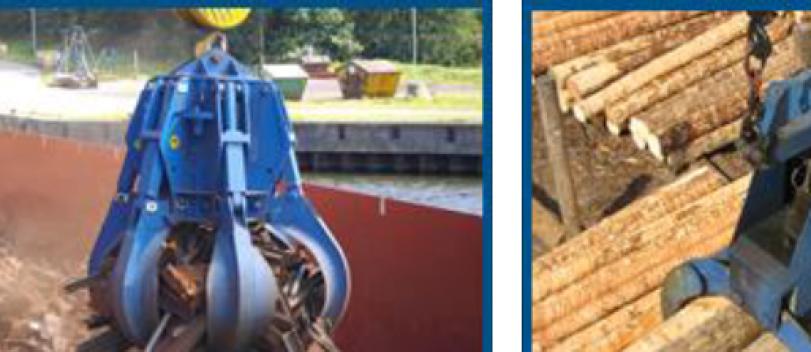
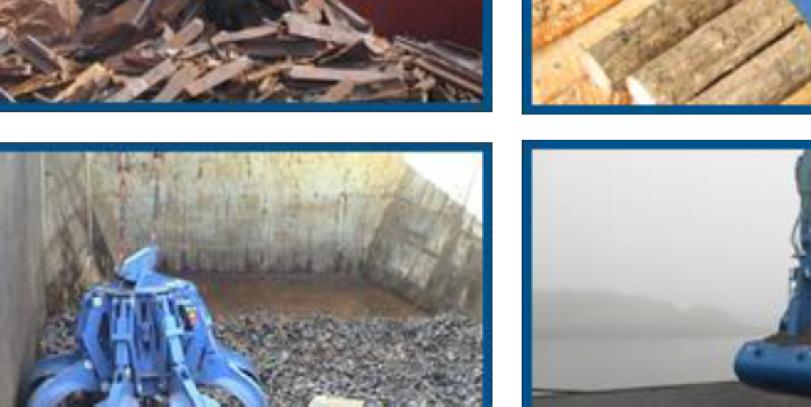
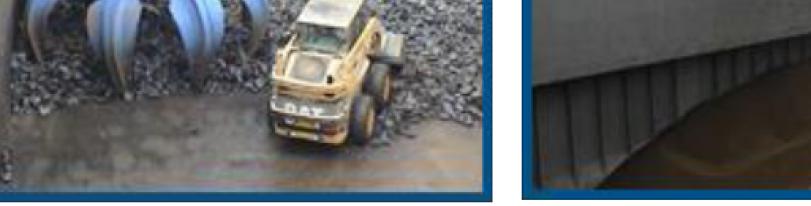
its ability to go beyond standard production and deliver customized solutions tailored to specific operational needs.
Recognizing that every operation is unique, the company provides: application-specific grab designs; v capacity and material-based v optimization; machine-compatible connection v systems; engineering-driven, project-based v solution; and flexibility that enables customers to v achieve higher efficiency and improved operational performance.
NG Attachments is not just a manufacturer, but a reliable engineering partner for port operators, recycling facilities, and bulk handling industries worldwide.
With its strong Turkish engineering foundation and broad product portfolio, NG Attachments continues to enhance efficiency and performance in global material handling operations.








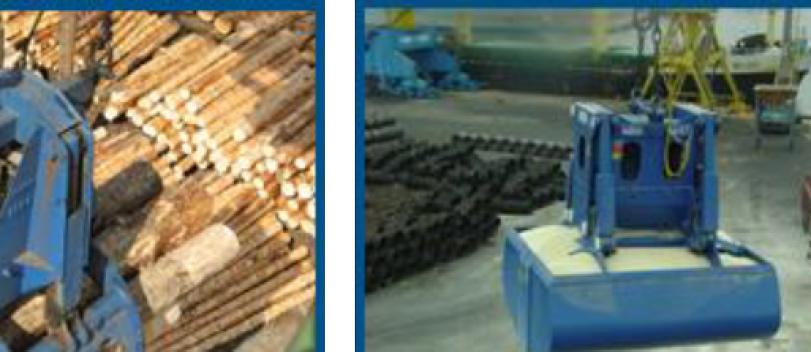




































Stemm launches its new IoT Module for advanced temperature and pressure detection in grab machines at distances of up to 50 metres
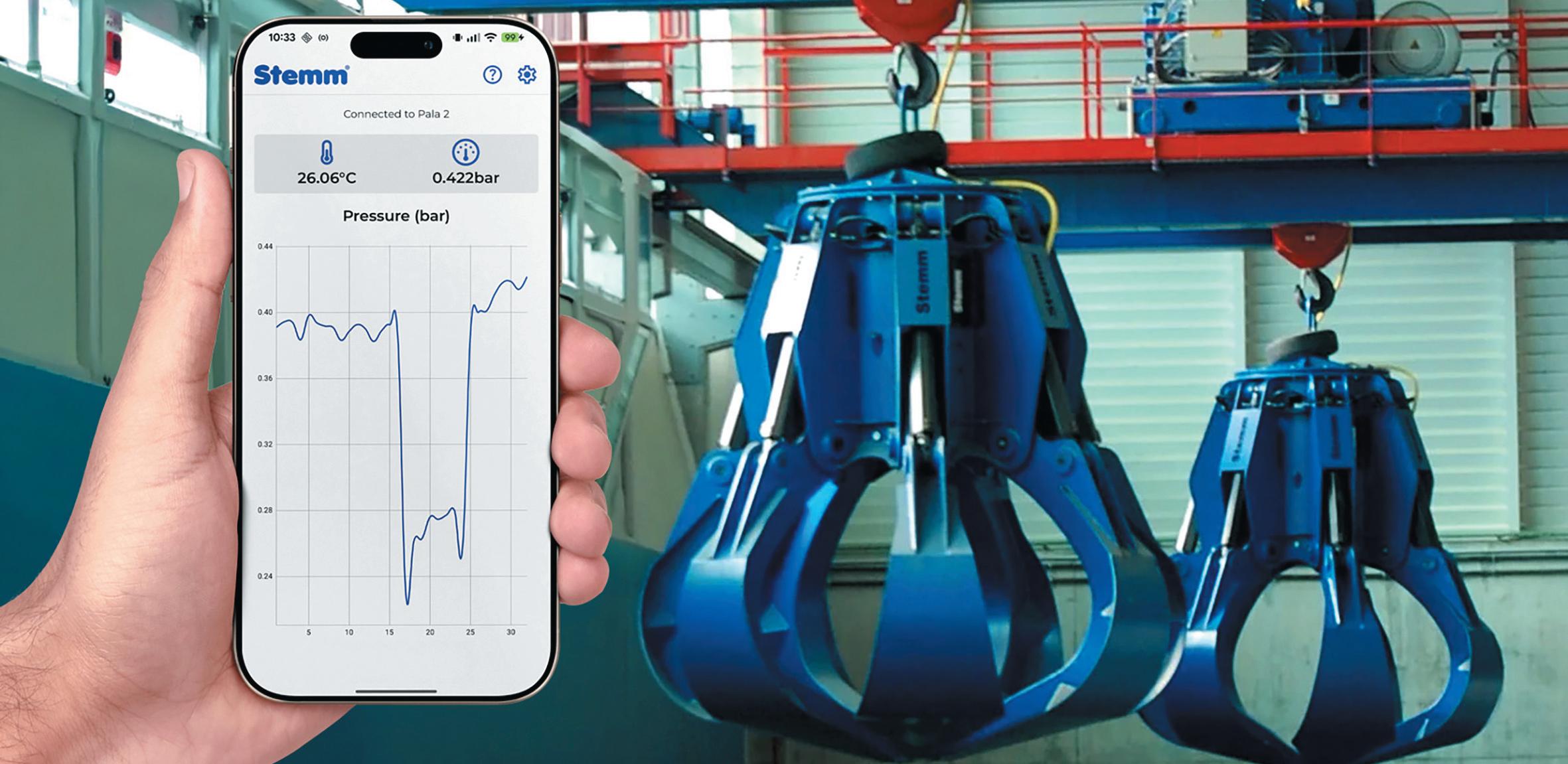
Stemm, a manufacturer of bulk handling machinery, presents its new IoT Module, a solution designed to improve diagnostics and temperature and pressure monitoring to aid in troubleshooting hydraulic systems, with particular application in equipment such as electro-hydraulic grapples and clamshell buckets. This technology enables the detection of faults in hydraulic systems from up to 50 metres away, optimizing response times in complex and demanding industrial environments.
The IoT Module becomes the core of this solution, operating as a cloud-based digital platform accessible via smartphone. Through it, users can submit technical queries via text or audio and receive immediate diagnostics, supported by structured content and real-world case studies. Its design enables even personnel without advanced hydraulic expertise to identify issues and implement effective solutions quickly and efficiently.
The IoT Module also enables real-time analysis and detection of anomalies in hydraulic systems, particularly in compact or high-density operational environments. This remote diagnostic capability within a range of up to 50 metres reduces downtime, improves operational continuity and minimizes reliance on external technical support.
The system is automatically updated with new cases, solutions and technical improvements, ensuring users always have access to up-to-date information and proven procedures. Access is provided via a monthly subscription and includes all service functionalities as well as the
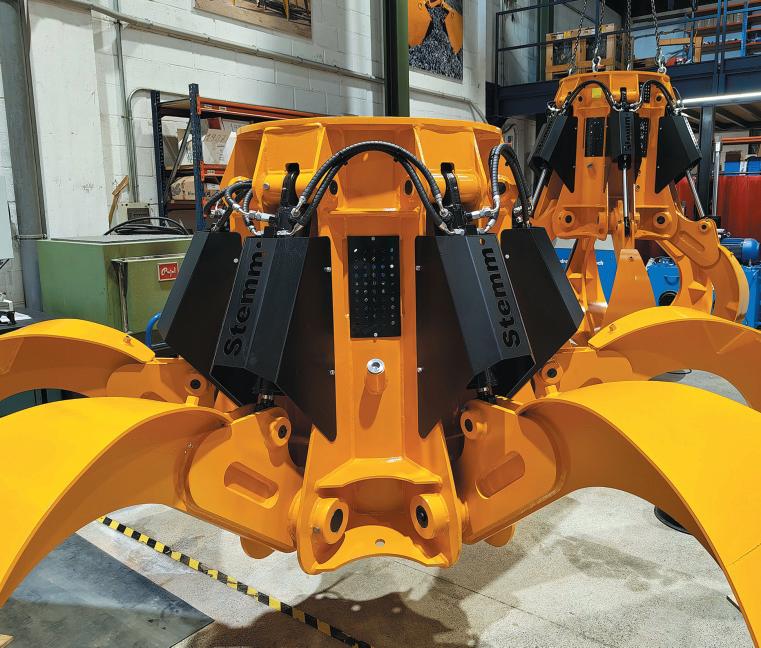
capabilities of the IoT Module itself. This solution is specifically aimed at highly demanding industrial sectors such as steel plants, incineration facilities and biomass plants, where rapid fault detection is critical to productivity.
With this launch, Stemm strengthens its R&D strategy in the manufacturing of electro-hydraulic orange peel grabs and clamshell grabs, consolidating its commitment to integrated solutions that combine hardware, software and technical expertise. This new service also complements the spare parts request tool recently introduced, further expanding the company’s digital ecosystem and its commitment to industrial efficiency.
Stemm reinforces expertise and continuous improvement through expanded services and digital innovation With a solid track record in the manufacture and maintenance of hydraulic equipment, Stemm has built distinctive expertise based on continuous improvement, applied innovation and close customer collaboration . This specialization is reflected not only in the development of
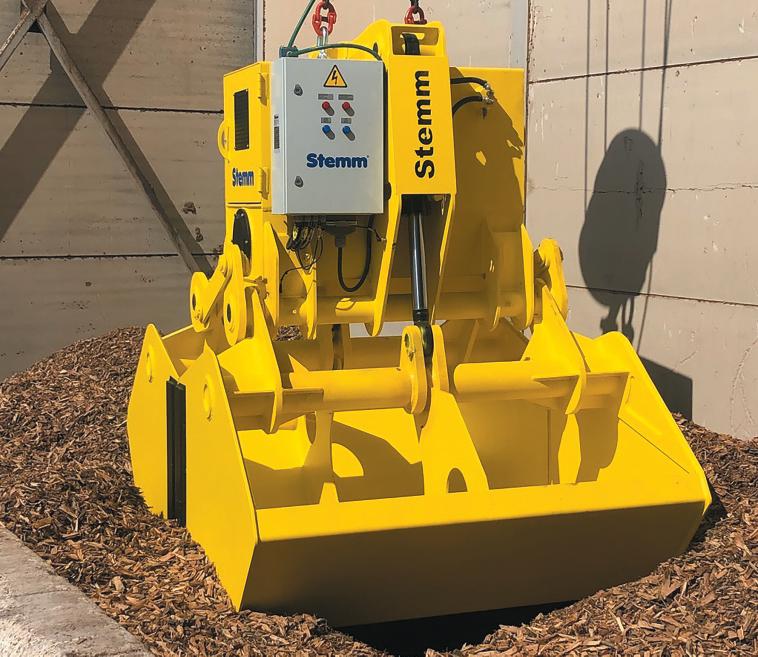
advanced solutions such as the new IoT Module, but also in its ability to offer a comprehensive service ecosystem covering everything from technical diagnostics to end-to-end maintenance optimization.
In this regard, the company has significantly strengthened its operational capabilities through the expansion of its spare parts management platform for orange peel grabs and clamshell grabs, both for its own equipment and for third-party machinery, covering approximately 25 competing brands. The introduction of immediate stock availability, five-year spare parts planning, and the forthcoming launch of an online spare parts management platform reinforce a strategy focused on efficiency, reduced response times and agile decision-making. This progress is further supported by the digitalization of processes through remote reading applications and incident documentation tools, as well as investments in nextgeneration welding machinery, which enhance precision, quality and production sustainability.
Onboard inspection of a grab bucket.
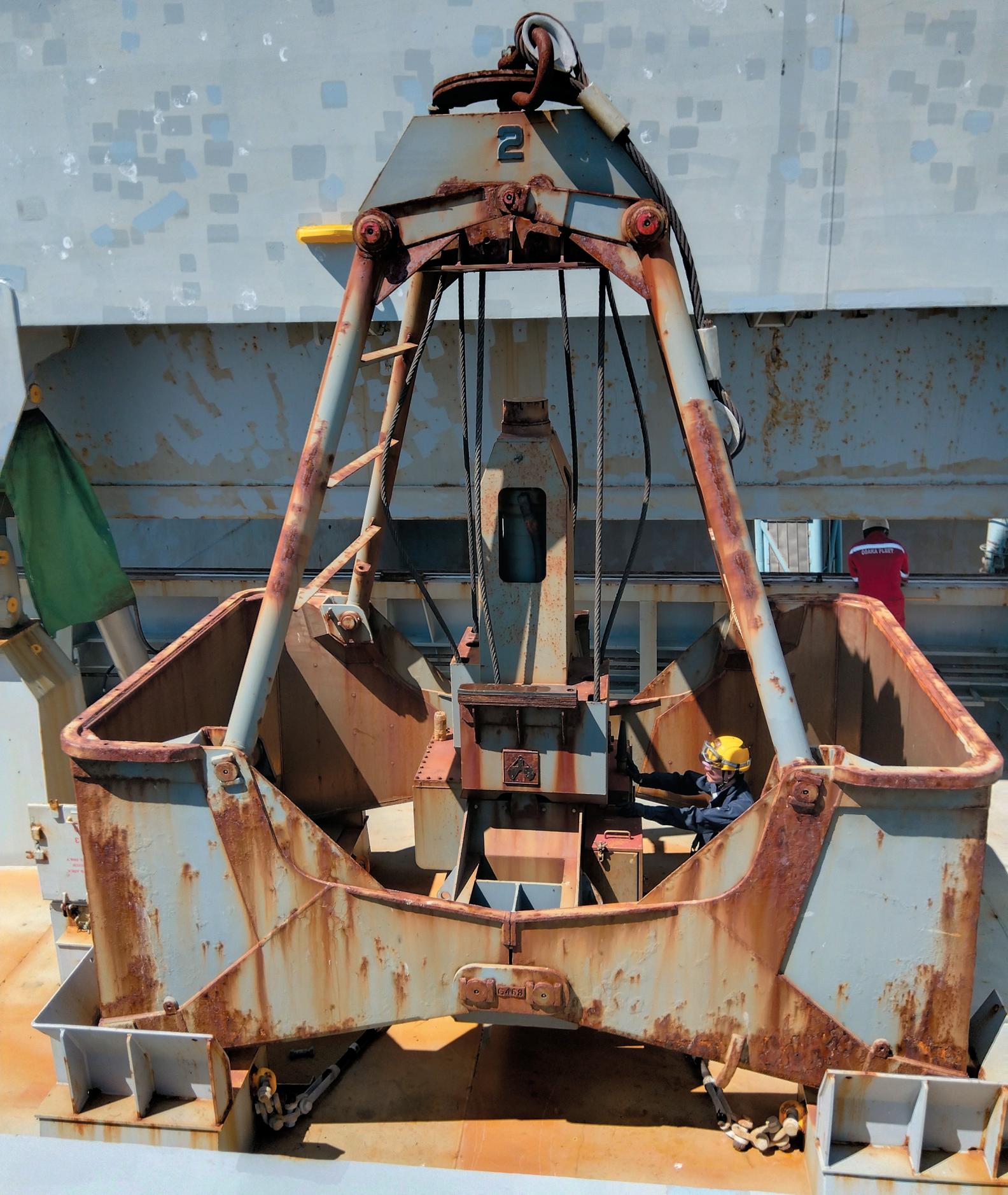
critical requirements.
Over the decades, TOBU JUKOGYO’s grab buckets have been delivered not only within Japan but also to a wide range of overseas shipyards, including those in China, the Philippines, South Korea, and other maritime hubs. These grab buckets support cargo handling operations on vessels trading worldwide, operating under diverse conditions and in varying climates. Through this global delivery experience, the company has accumulated extensive know-how in adapting its equipment to different operational environments.
Cargo handling is influenced by numerous factors, including cargo type, trade routes, port infrastructure, and local operating practices. Conditions can vary significantly from one region to another, demanding flexible and site-specific solutions. TOBU JUKOGYO positions its mission as responding to these diverse and often highly specific requirements by providing grab buckets optimized for each individual application. This approach enables ship operators to achieve stable, safe, and efficient cargo handling performance across a wide range of service conditions.
In 2026, TOBU JUKOGYO is moving forward with the manufacturing of grab buckets in China, while establishing a production framework designed to supply products to customers both within China and worldwide. Interest from customers has already been expressed for grab buckets manufactured at the Chinese facility.
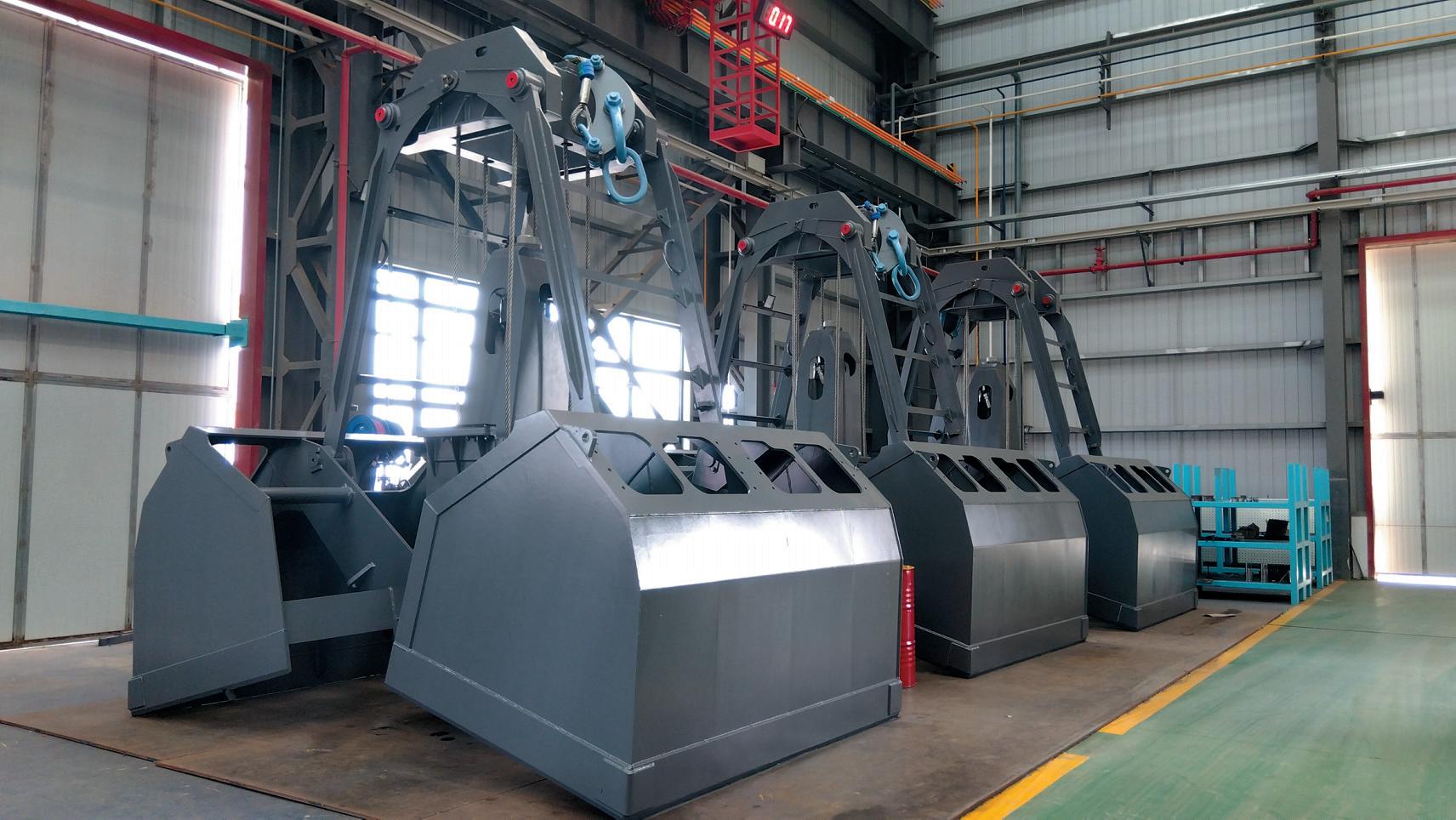
Founded in Japan in 1963,TOBU JUKOGYO has grown into a specialized manufacturer of grab buckets and lifting devices, serving the maritime and shipping industries for more than half a century. From the outset, the company has focused on the design, development, and continuous improvement of cargo handling equipment, responding to the evolving needs of global shipping.
Within the maritime sector,
TOBU JUKOGYO has built a long-standing track record as a supplier of grab buckets used as deck machinery. Its products are delivered to shipowners, shipping companies, and shipyards both in Japan and overseas.
TOBU JUKOGYO has maintained strong relationships with Japanese shipyards known for building Handymaxclass bulk carriers, where reliability, durability, and operational efficiency are
A distinctive feature of TOBU JUKOGYO’s manufacturing operation in China is that production is carried out within a ship-repair dock environment. This structure offers unique long-term potential.
Looking ahead, the company anticipates that it will be possible to conduct inspections and checks of grab buckets during vessel dock-in periods, allowing closer integration between equipment manufacturing, maintenance, and operational support. Such an approach is expected to contribute to improved lifecycle management of cargo handling equipment.
Beyond product quality and manufacturing capability, TOBU JUKOGYO considers after-sales support to be a key element of its overall value proposition.
The company recognizes that reliable technical support throughout the service life of equipment is essential for
maintaining safe and efficient cargo operations. Accordingly, TOBU JUKOGYO has established a global after-sales service network through partnerships with service companies in Singapore, the Netherlands, Turkey, China, Australia, and the United States, complemented by local agents in Greece, Singapore, China, and Taiwan.
By working in close cooperation with these locally rooted partners, TOBU JUKOGYO has developed a support structure that enables prompt and accurate responses to customer needs around the world. This includes technical assistance, maintenance support, and parts
supply, tailored to regional operating conditions and customer expectations.
Through the combination of dependable product quality, accumulated operational experience, expanding manufacturing capabilities, and a globally deployed after-sales service network, TOBU JUKOGYO continues to support safe, efficient, and sustainable cargo handling operations.
The company remains committed to contributing to the reliability of maritime transport by providing practical solutions that meet the real-world demands of vessels operating worldwide.
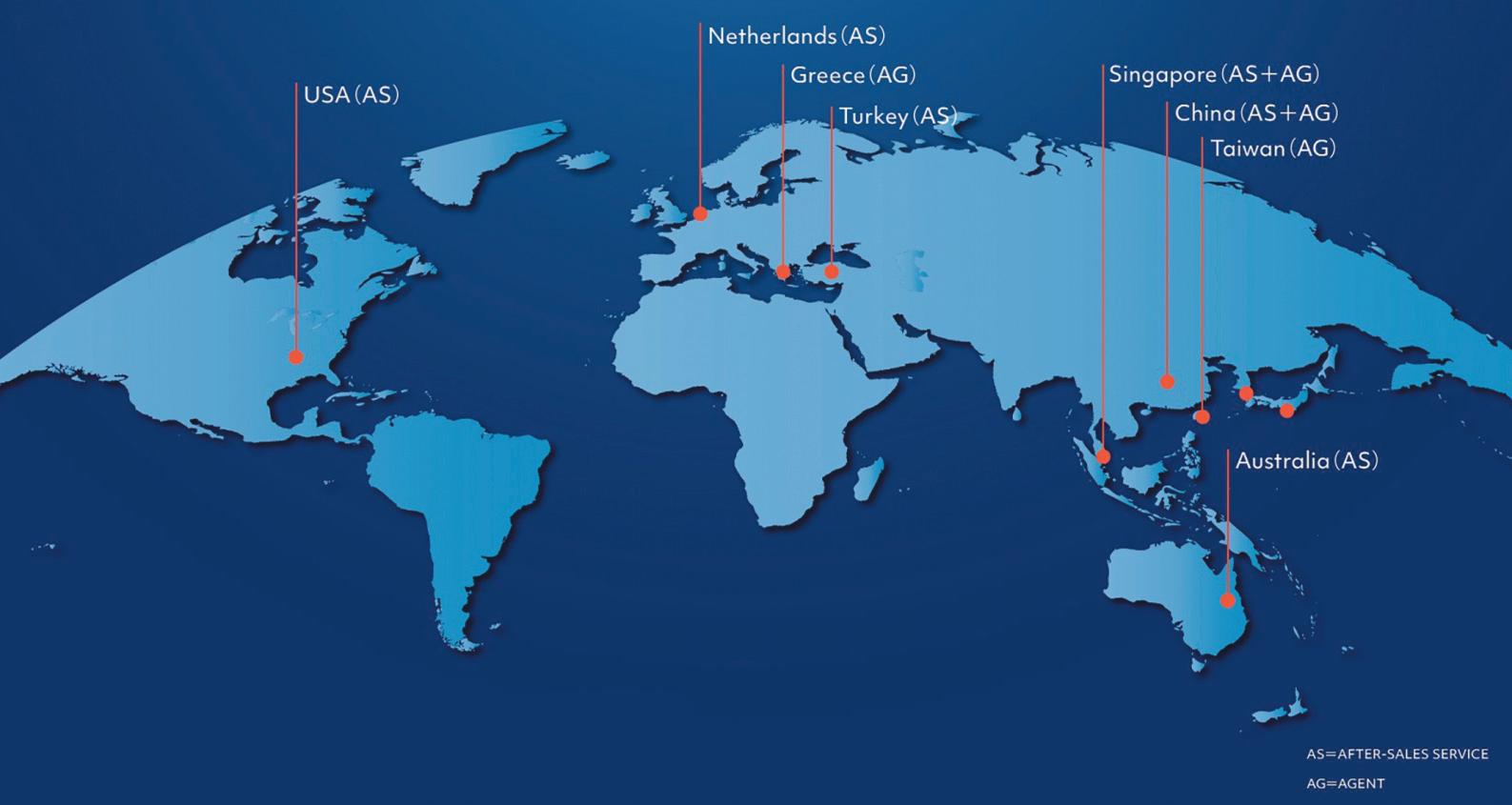
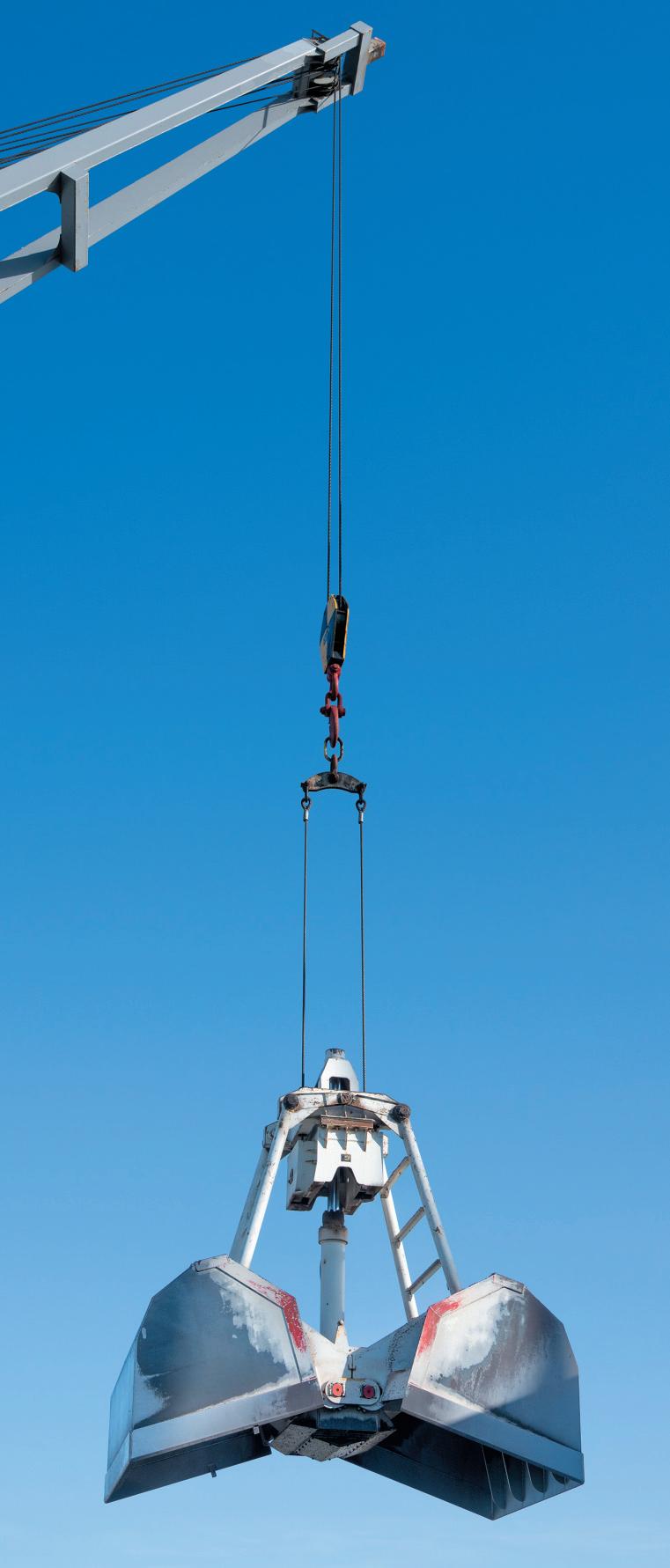
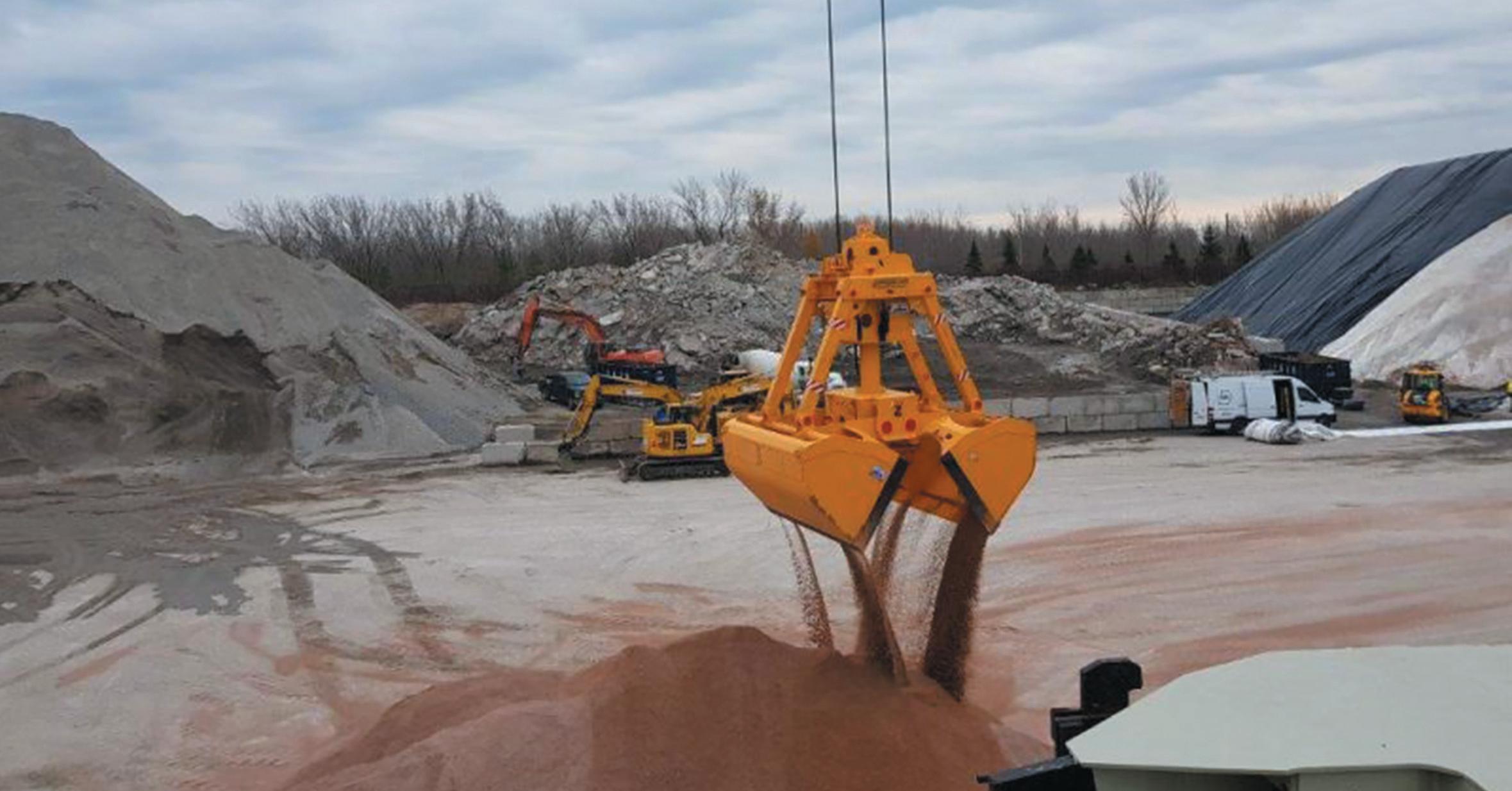
Kepce Makine Sanayi ve Ticaret A.S. (Guven Grab & Machine Inc.) was founded in 1984 at K.Maltepe/Istanbul under the name of Guven Grab. The company’s production activities take place at its plant in Cayirova/Kocaeli,Turkey which covers an area of 10,000m2
The company’s cargo handling grab range includes approximately 20 different types, with the product portfolio continuously updated and tailored to meet market demands. Guven Grab designs and manufactures clamshell grabs, orange peel grabs, big bag spreaders, and loading hooks at its facilities in Cayirova, Kocaeli, Turkey.
Maximizing cargo operation reliability is Guven Grab’s shared goal. With this in mind, the company doesn’t just continually improve its grabs as a whole, but also focusses on enhancing each individual component.
Founded in 1984, Guven® Grab has delivered more than 15,000 grabs worldwide, earning a reputation as one of the largest and most trusted grab manufacturers in the maritime sector.
The company is proud to be a 95% export-driven company, supporting clients in Europe, the Americas, the Middle East, Asia, and beyond. But what really sets it apart is how the company builds its grabs: collaborative robotic welding for v consistent strength; laser steel cutting for precision and v durability; automatic shot-blasting to extend v service life;

advanced CNC machining to v guarantee fit and finish; and full in-house R&D for custom v solutions when needed. This investment in Industry 4.0 technology means Guven’s products aren’t just strong, they’re smart, efficient, and made to last.
Guven Grab places great emphasis on the quality of production. This focus on
standards is evident in the quality certificates it had obtained for the products it produces.
Guven, which believes that one of the factors that make its products valuable is the high-quality design of the product. It has been awarded the Design Registration Certificate, Utility Model Certificate and Industrial Design Registration Certificates, which means it can provide better service for its customers.



















essionProf b b b ompanies in more than nal c hhhihli ff
V



orldwide w ountries w 110 c d bili ork with becauseourgrabso erstegengrabs e Ve gen grabs, cause our grabs o best productivity. Combining our ext the feedback from our loyal custome materials and unloading situations. W
ooking f L foorincreasedreliability and an extended lifespan? Let us know, b
offerthemthehighestrelia er them the highest relia tensive knowledge and exp ers results in optimized gra We call this ‘Grab Intelligen productivity, lower mainte because together we can m

bilityand y and perience with bs f foorallbulk nce’.
enance costs and ove mountains.















Assembly of the mobile machines at a project in Guinea, one of Africa’s largest mining and infrastructure developments.
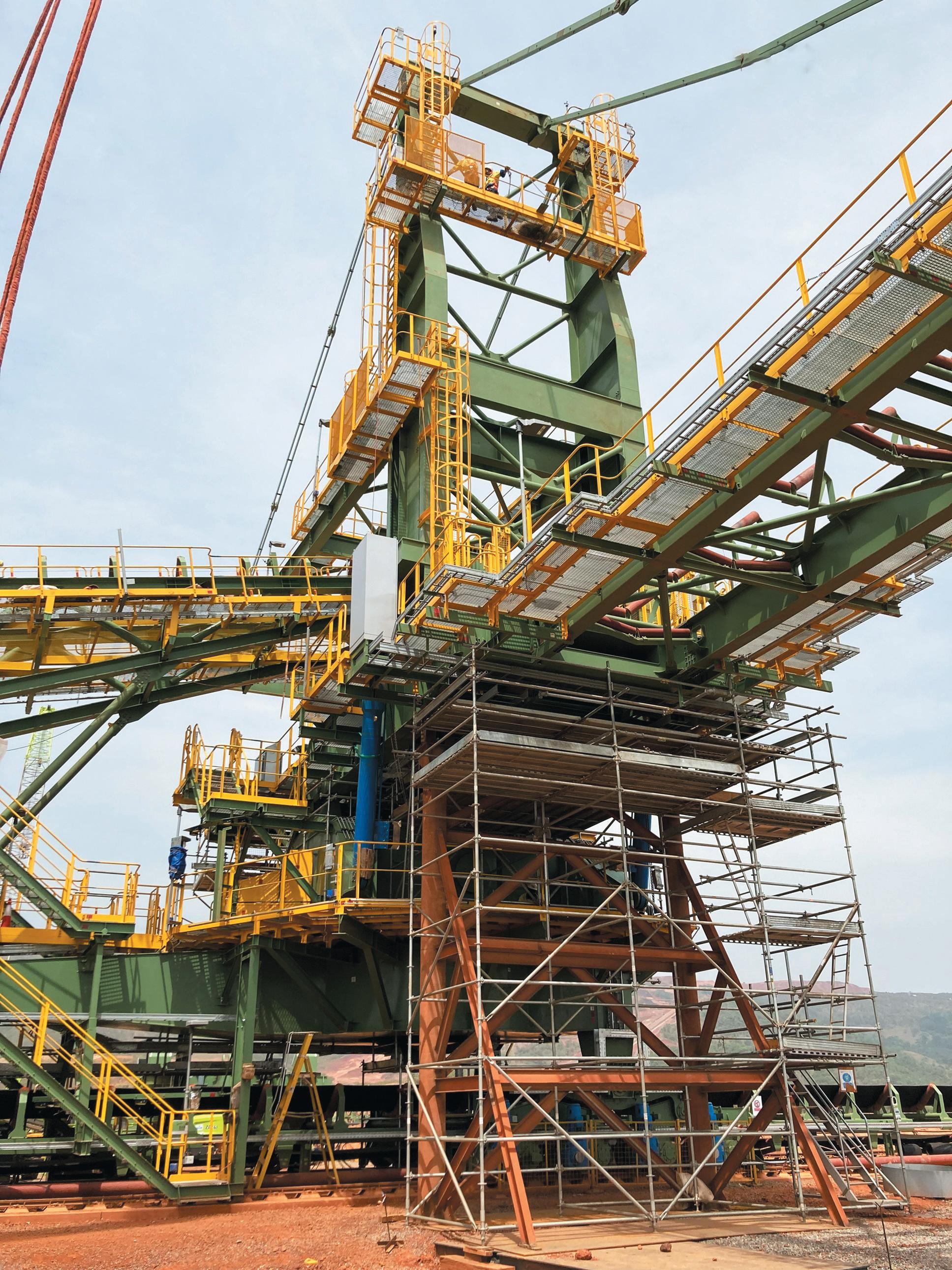
With proven technology, tailored engineering and global service capabilities, TAKRAF Group continues to deliver stockyard solutions that optimize performance while meeting increasingly stringent safety, environmental and operational requirements.
Over the past year, TAKRAF Group has reached important milestones on major stockyard projects across several regions, including landmark developments across Africa, reinforcing its role as a trusted partner for complex, high-capacity bulk materials handling applications.
In Guinea, TAKRAF Group completed a key supply contract for one of Africa’s largest mining and infrastructure developments ahead of schedule. The project included delivery of a complete stockyard system as part of an integrated In Pit Crushing and Conveying (IPCC) and


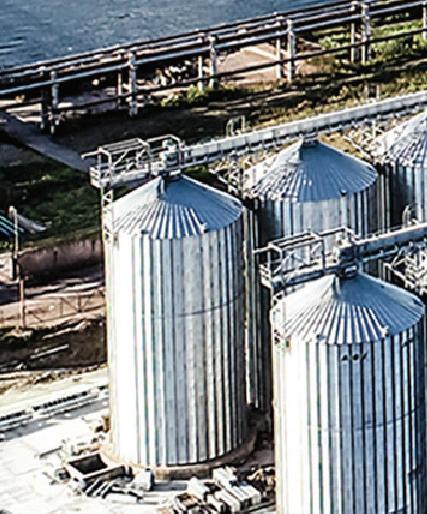







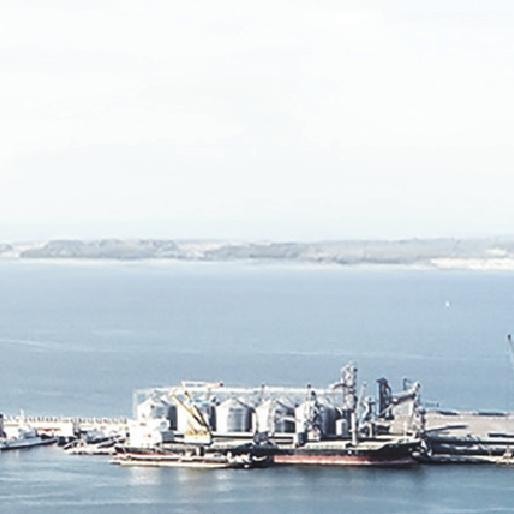
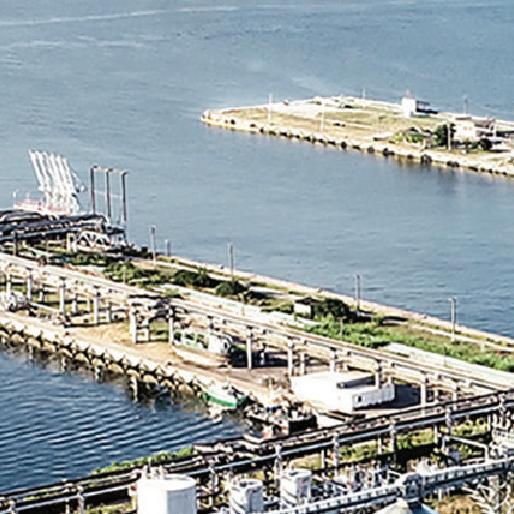
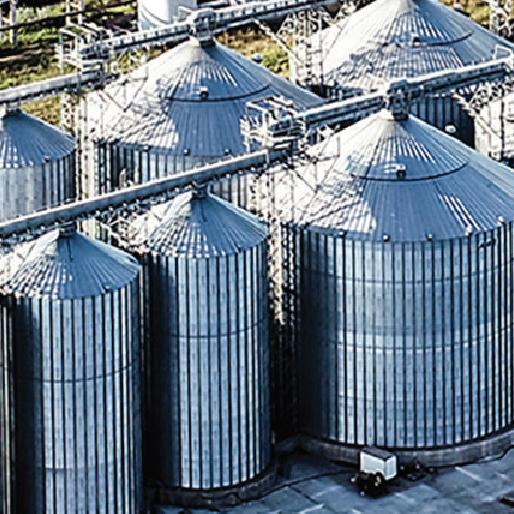

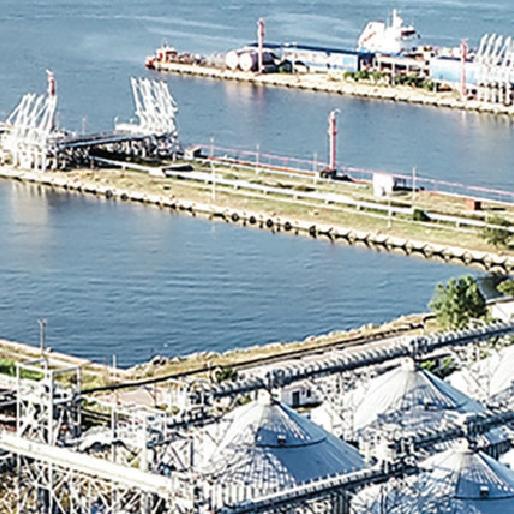
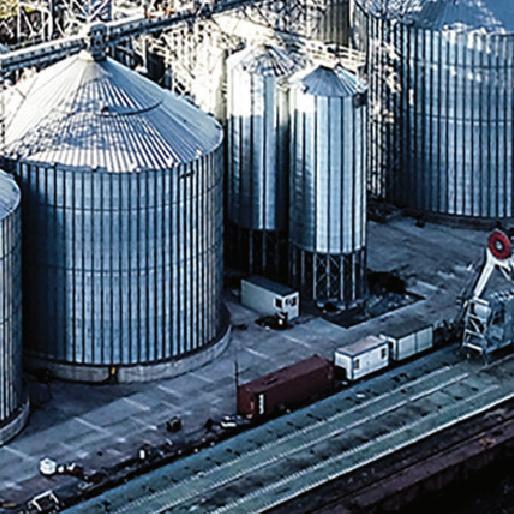

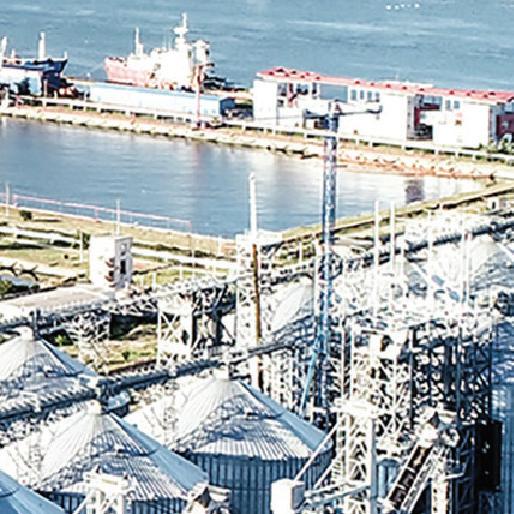
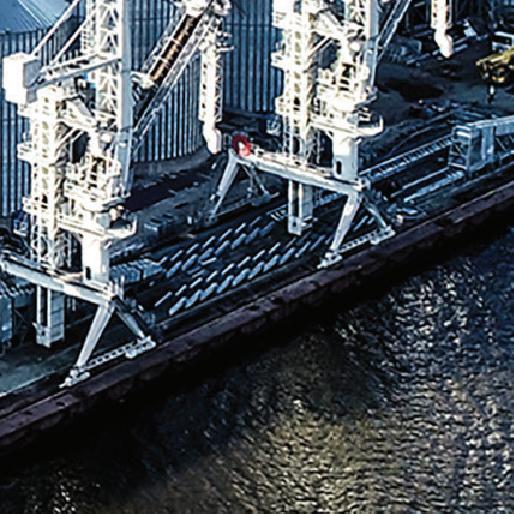


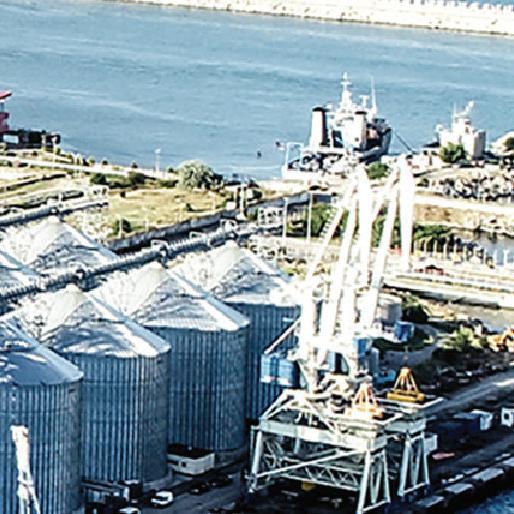











a o S t H anagemen in M andling C age H r toringoni d M azar























ioning Air M tondi n












ff e Cu a y and s yands ienc ic signe om de st y fet y ilitab or dur d f ,






material handling solution. Designed with scalability in mind, the 60mtpa (million tonnes per annum) system incorporates four balanced machines — comprising stackers and reclaimers — supported by an extensive network of 11 conveyors with a combined length of 13km, as well as two wagon loading stations. Installation of the supplied equipment is now under way and is being supported on site by TAKRAF Group specialists.
A further milestone was achieved with the successful commissioning of stockyard equipment for a large copper operation in the Democratic Republic of the Congo (DRC) towards the end of 2025. The new direct-to-blister copper smelter is the largest and most environmentally advanced facility of its kind on the African continent. Performance testing of the copper concentrate stockyard package is scheduled for completion in mid-2026.
TAKRAF Group’s scope included design, fabrication, supply and supervision of installation and commissioning of the stockyard machines, comprising a radial boom stacker and bridge scraper reclaimer for the circular blending stockyard, and two portal scraper reclaimers and an overhead tripper conveyor for the buffer stockyard.
This marks yet another successful installation of stockyard machines for copper concentrate application in the Copperbelt region, the previous ones being supplied into Zambian copper mines.
Additional recent African references include fast-track delivery of a 1,993tph (tonnes per hour) radial stacker for platinum ore in South Africa, completed in under eight months. In Nigeria, TAKRAF supplied a urea bulk handling system for a mega fertilizer plant, incorporating specialized design measures to address
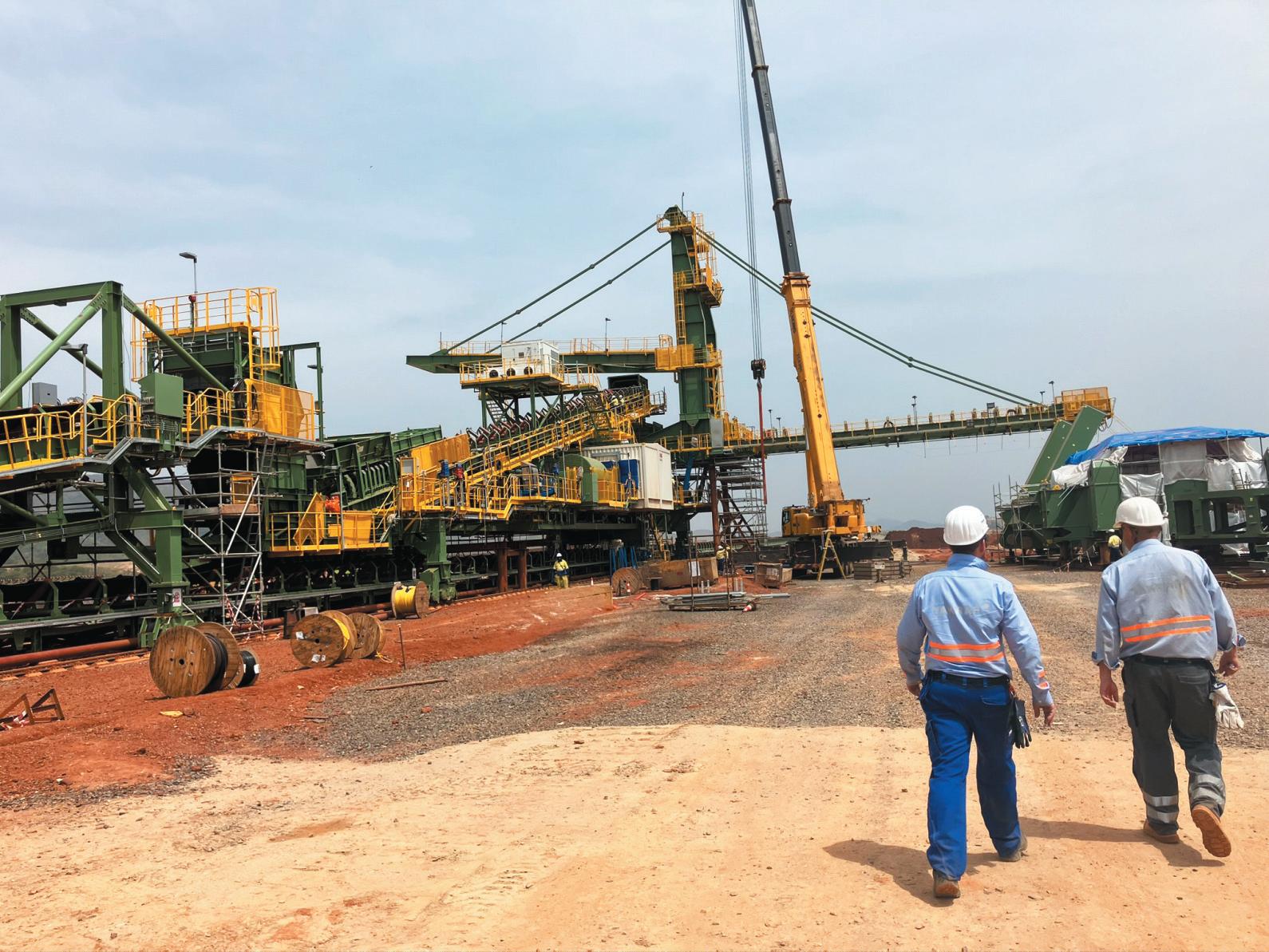
lump formation, moisture sensitivity and dust control.
With its stockyard equipment in operation on six of the world’s seven continents, TAKRAF Group maintains a strong global presence across mining, minerals, power, fertilizer and port applications.
In Asia, recent projects include machines supplied for the final stacking and transfer sections of an 8mtpa integrated crushing and washing plant at the Khondbond iron ore mine in India, as well as a complete bauxite handling system for Hindalco Industries, covering stacking, reclaiming, conveying and feeding equipment. The Group has also delivered large portal scraper reclaimers for major power projects in Bangladesh and Japan, while earlier projects in the region include 2,200tph portal scraper reclaimers for
Assembly of the mobile machines at a project in Guinea, one of Africa’s largest mining and infrastructure developments.
Saudi Arabia and a combined stackerreclaimer for sinter, iron ore and additives at a Chinese operation.
In Australia, a replacement stacker supplied to a bulk terminal on the Queensland coast featured a 62m curved boom. Leveraging TAKRAF Group’s experience in high-capacity material handling technologies, the machine was designed from the outset to accommodate a future upgrade. The project built on an extensive installed base in the country, including a stacker and two portal reclaimers for railcar loading, capable of reclaiming up to 6,000tph, and a dual bucket-wheel reclaimer featuring an automatic bucket-reversing system for bi-directional operation.
Projects across the Americas have ranged from supply of a boom-type bucketwheel reclaimer for iron ore pellet reclaiming at a hot-briquetted iron (HBI) production facility in the United States, to the rapid replacement of a 6,000tph rail-mounted stacker in Mexico and delivery of a 7,200tph bucket-wheel reclaimer for a long-standing client in South America.
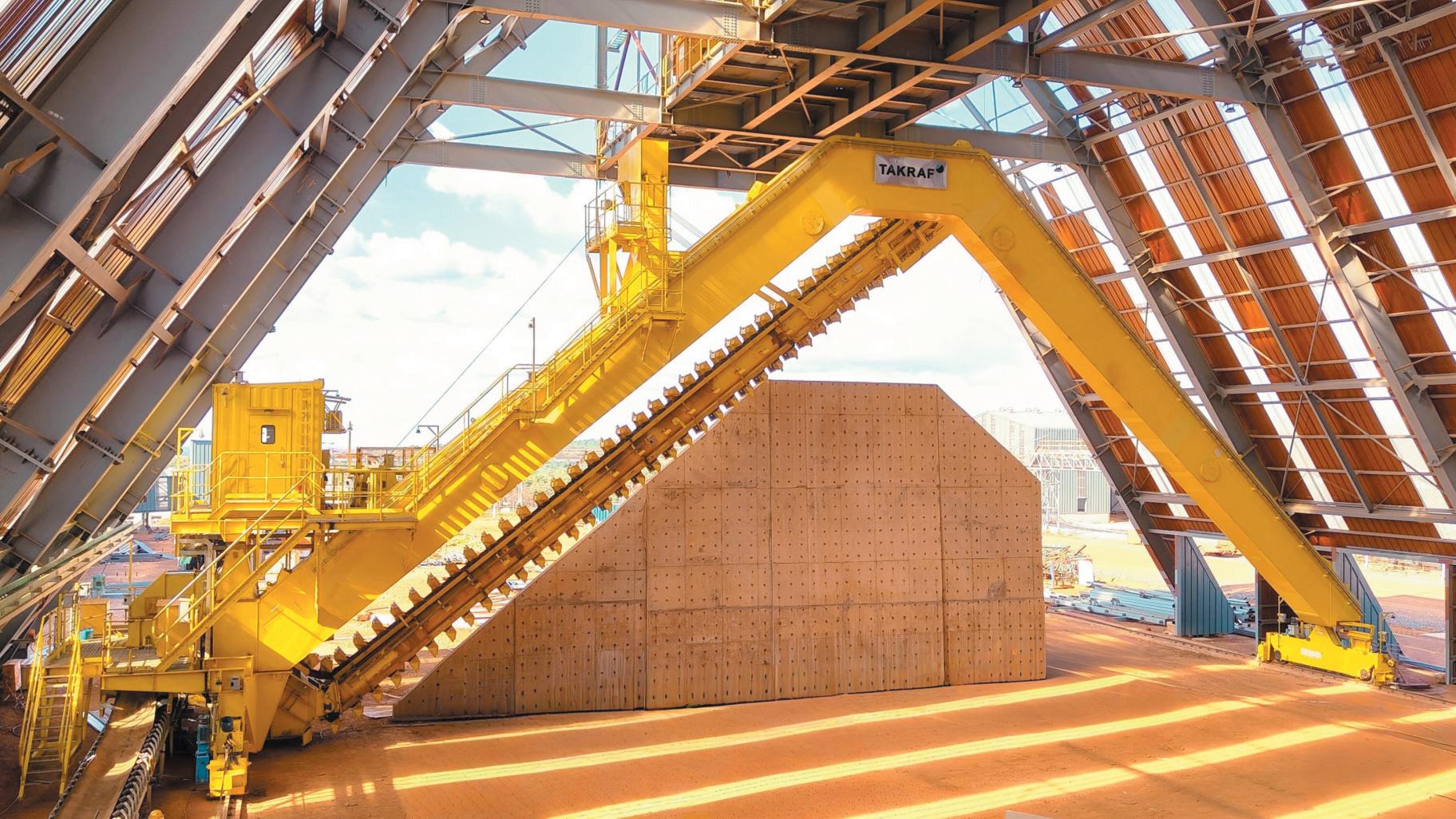
TAKRAF Group supports the global bulk handling industry with a comprehensive portfolio of stockyard technologies, underpinned by in-depth engineering expertise covering storage layout, equipment selection and regulatory compliance.
The portfolio includes
combined stackerreclaimers for applications where flexibility is required and simultaneous stacking and reclaiming is not necessary. A broad range of stackers supports circular and longitudinal stockpiles, as well as homogenizing and blending applications. For reclaiming duties, TAKRAF offers multiple machine types, including boom- and bridge-type bucket-wheel reclaimers and drum reclaimers, while scraper reclaimers — supplied in side, portal or bridge configurations — are increasingly deployed in both open and enclosed storage facilities to enable fully automated operation.
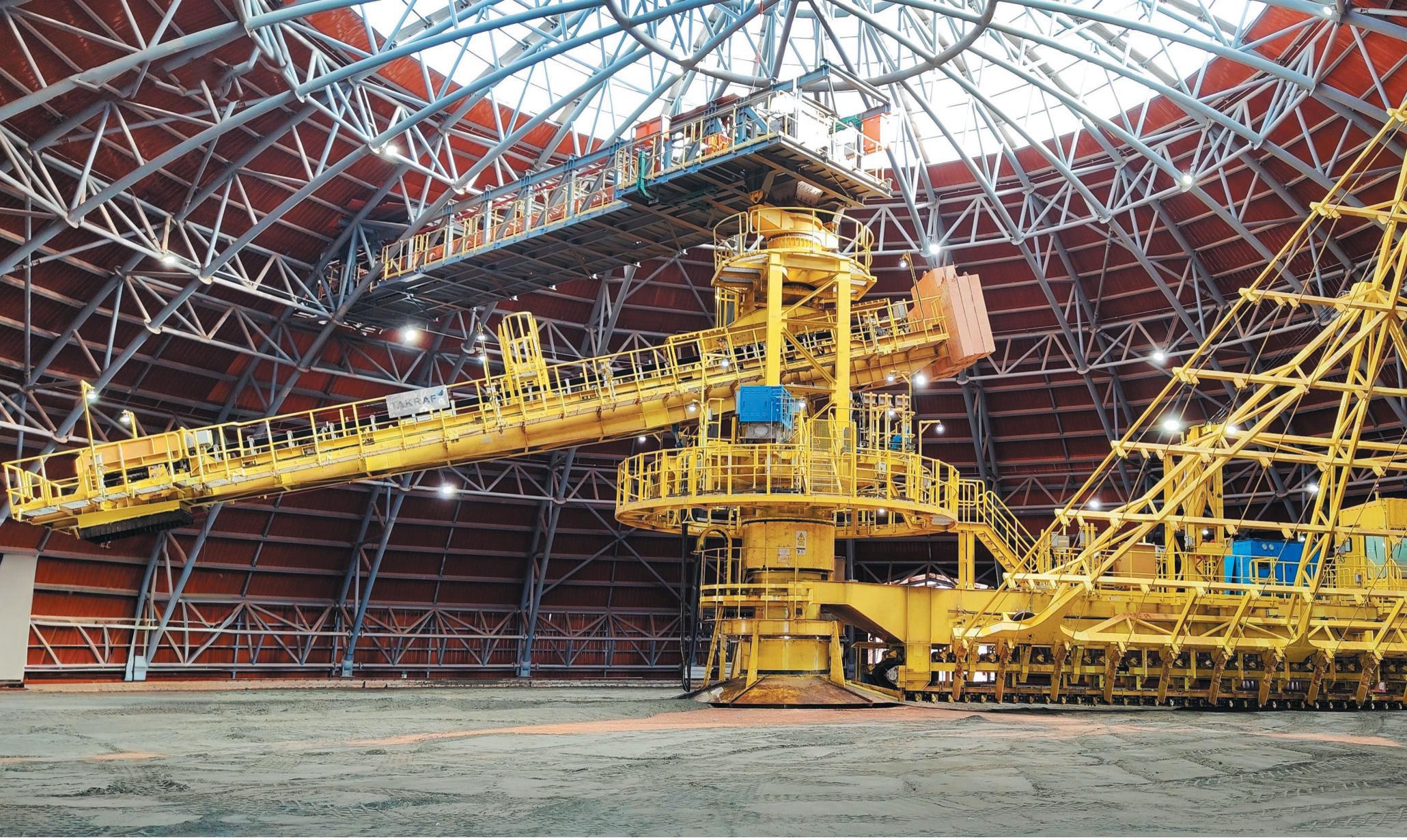
Beyond equipment supply, TAKRAF Group provides comprehensive lifecycle services, spanning project development, material testing, simulation, equipment integration and process optimization, as well as installation and commissioning support. Ongoing services include condition monitoring, spare parts supply, major repairs, refurbishments and equipment relocation, including for machines supplied by other OEMs.
Across its project portfolio, TAKRAF Group’s stockyard machines are recognized for their robust design and proven performance in complex, high-capacity operations. Integrated automation, advanced drive systems, fibre-optic networks and GPSenabled anti-collision technology enhance safety, reliability and operational efficiency — supporting stable, cost-effective and sustainable long-term operation. The Group operates under the principle of ‘For Mining with Meaning’.
TAKRAF Group, through its established and well-known brands, TAKRAF and DELKOR, provides innovative technological solutions to the mining and associated industries. It leverages its experience, acquired over three centuries, to provide equipment, systems and services that best satisfy its clients’ mining, comminution, material handling, liquid/solid separation and beneficiation requirements. Owners and operators around the world trust its engineered solutions to lower the total cost of ownership and reduce environmental impact by improving efficiency with safe and reliable equipment. For sustainable solutions backed by expert service, customers can rely on TAKRAF Group.

Belt conveyors without an enclosure at the transfer point loading zone may still exist in some ports and terminals, but are becoming a thing of the past due to dust violations and excessive spillage, writes R. Todd Swinderman, P.E./President Emeritus/ Martin Engineering. Whether the transfer chute is a dead drop, rock box design, or sloped design, dust and spillage from dry bulk material will still exist and must be controlled. Spillage can limit access to a system for maintenance, foul rolling components, add to labour costs for cleanup, and reduce workplace safety.
A skirtboard on either side of the conveyor belt that is sealed with a cover certainly helps but operators have found that the air turbulence from loading still causes fugitive dust to escape if a wear liner and skirting is not applied. Moreover, there are nuanced details conveyor engineers should consider when designing a conveyor transfer point.
While controlling belt wear and the release of fugitive materials, all components of a skirtboard system must work together to contain the load as it forms a stable profile in the centre of the belt. Several skirtboard system design approaches can be used based on industry historical practice and the application. This article covers some of the common approaches bulk handlers use to mitigate dust and spillage and ensure a safe and compliant workplace with a lower cost of operation.
By far the most common configuration is the vertical skirtboard. It is the easiest to fabricate and is a common detail for most engineering design firms. [Fig. 1] The height of the skirtboard is based on the sealing system components and is commonly at least 300 mm high.
The double wall skirtboard is sometimes used with dust extraction for
This an example of a fabricated curved skirtboard, which are hard to maintain when replacing wear liners and skirting (all pictures: ©Martin Engineering 2026).
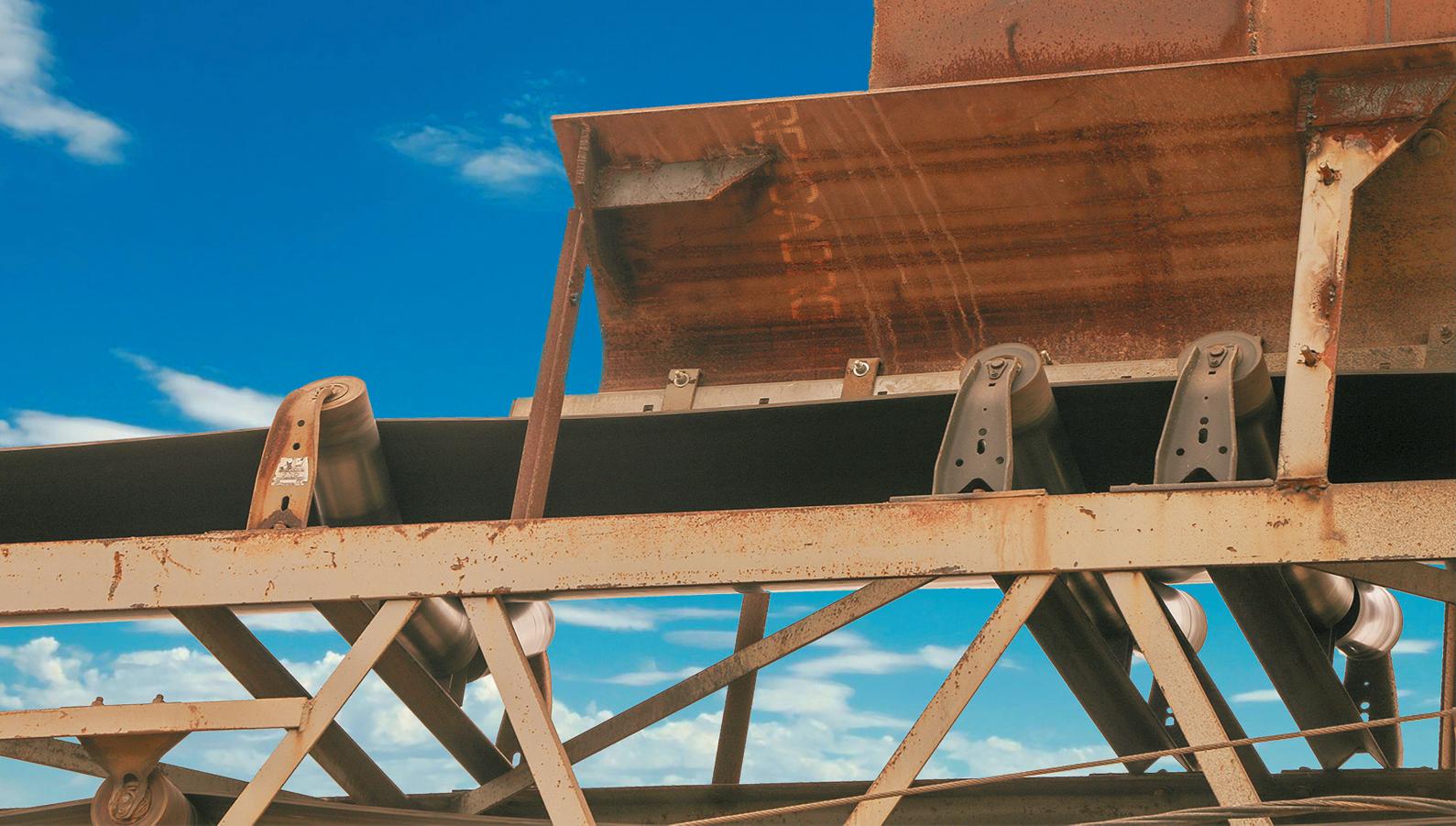
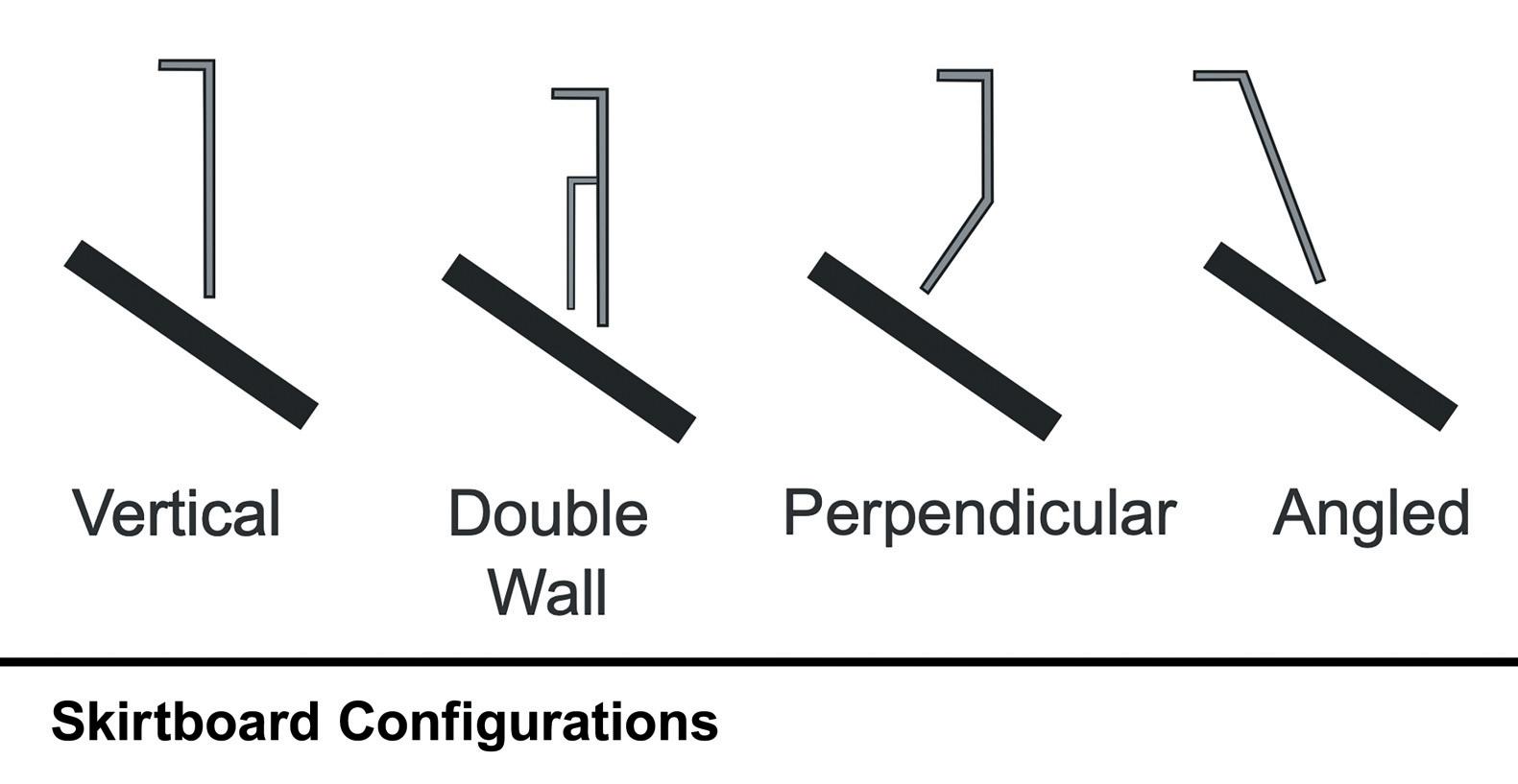
very fine free flowing materials.
The perpendicular and angled configurations are used in some industries. Angled skirtboards are designed to allow the load to centre. Perpendicular skirtboards relieve side pressure on the skirtboard seal. In theory, the perpendicular arrangement should allow for light seal contact but in reality, the angle of attack of the seal is not nearly as important as having a running flat belt surface for the seal and liner system to function best.
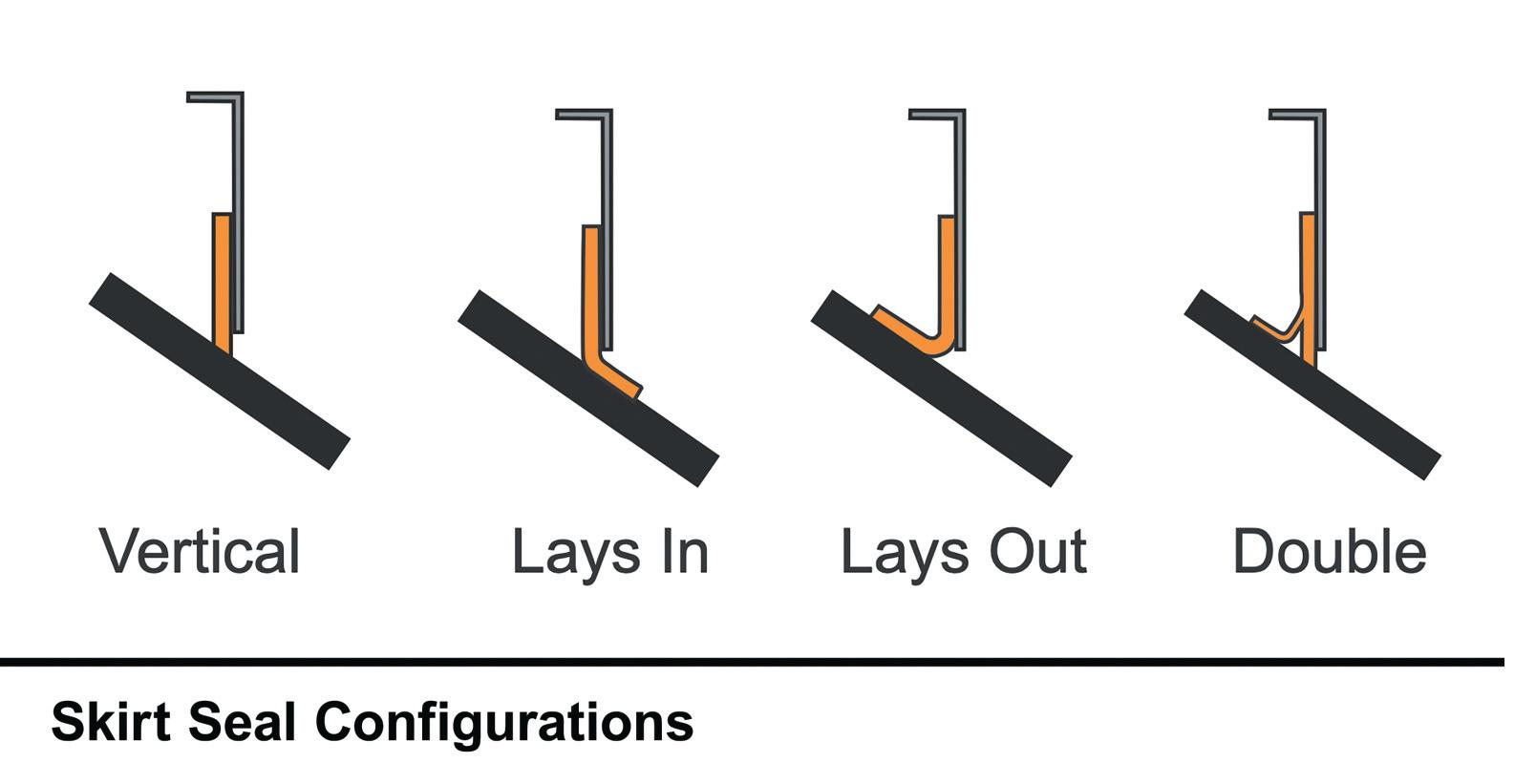
Vertical seal with a rubber or elastomeric material is the most common sealing system. [Fig. 2] The seal is held in place with a series of clamps which can be loosened to adjust the seal against the belt. The main drawback to the vertical seal is that an undulating or vibrating belt can break the sealing contact unless the belt is supported. The lay-in and lay-out seals are self-adjusting depending on the elastic nature of the sealing material. The double skirting configuration is the most effective in retaining a belt seal. Even if the belt profile fluctuates, the secondary seal rides softly on the belt, retaining the seal. Any material that gets in between the double seal strips is non-abrasive, being carried by the belt, and rolls back to the centre once the skirtboard ends.
It is a common belief that the seal material must be softer than the belt but the real property of concern is the abrasion resistance of the seal should be less than the belt top cover. The seal should be considered sacrificial and designed for easy adjustment and replacement without the need for excessive sealing pressure. Over adjustment can cause excessive friction
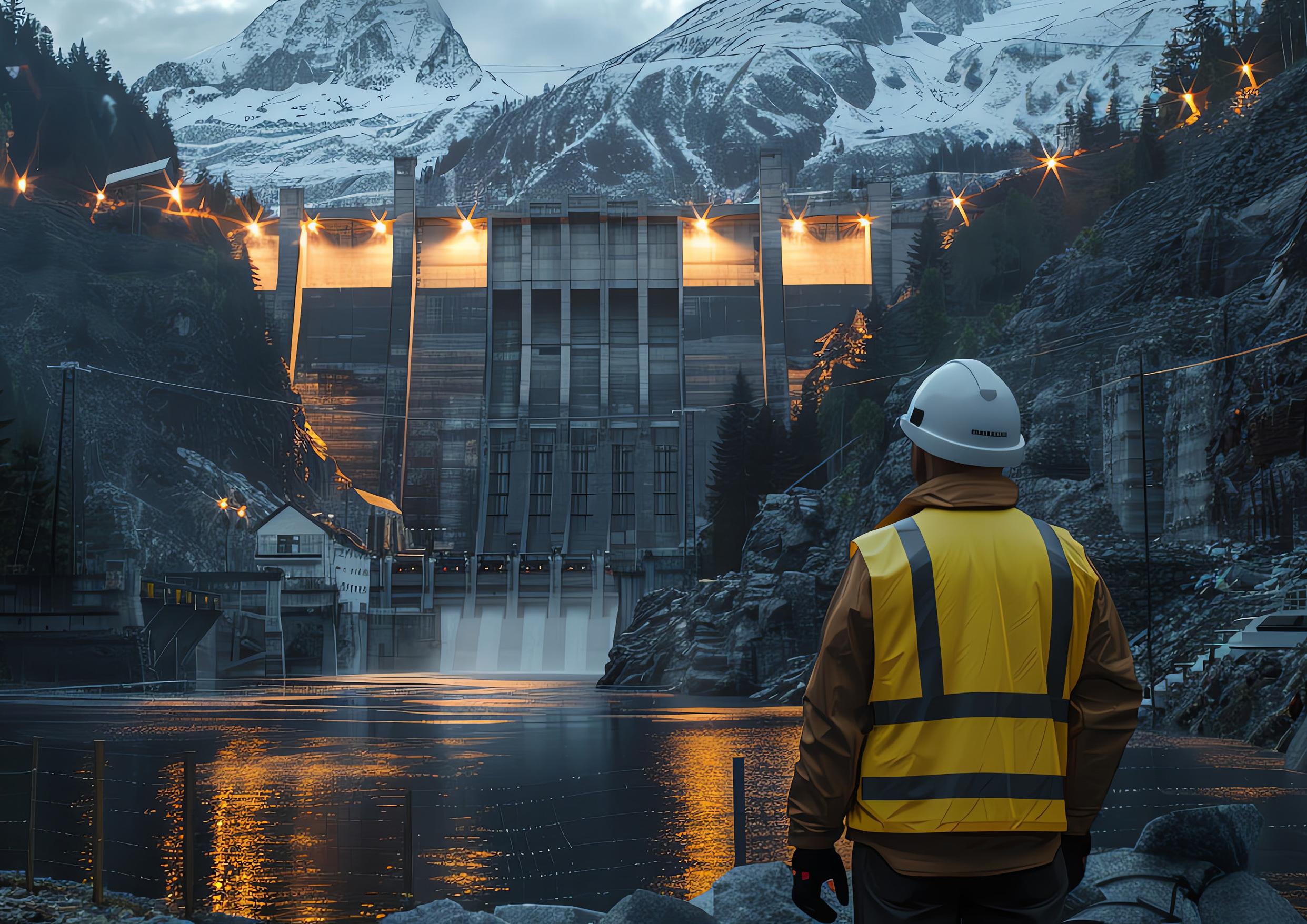
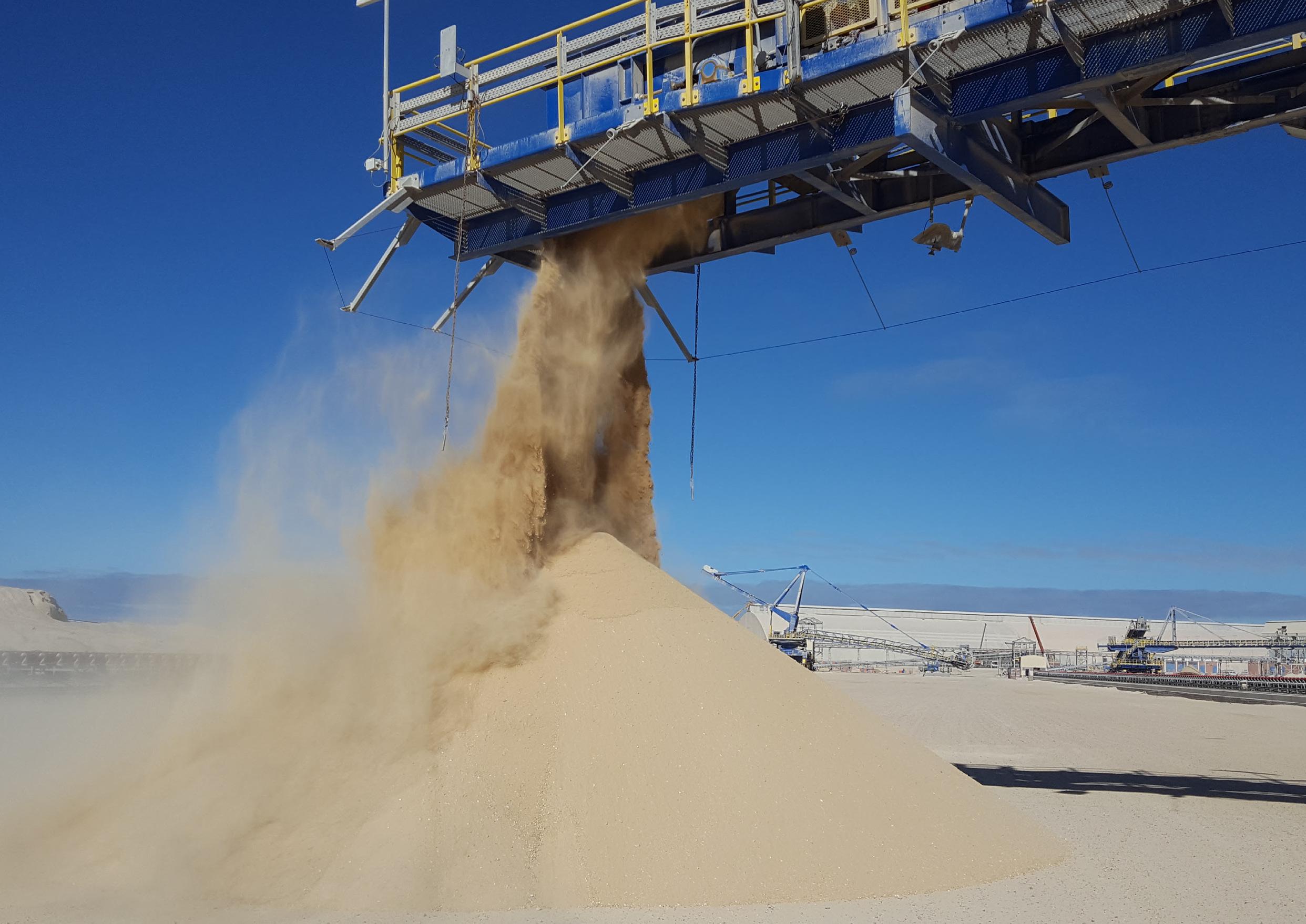
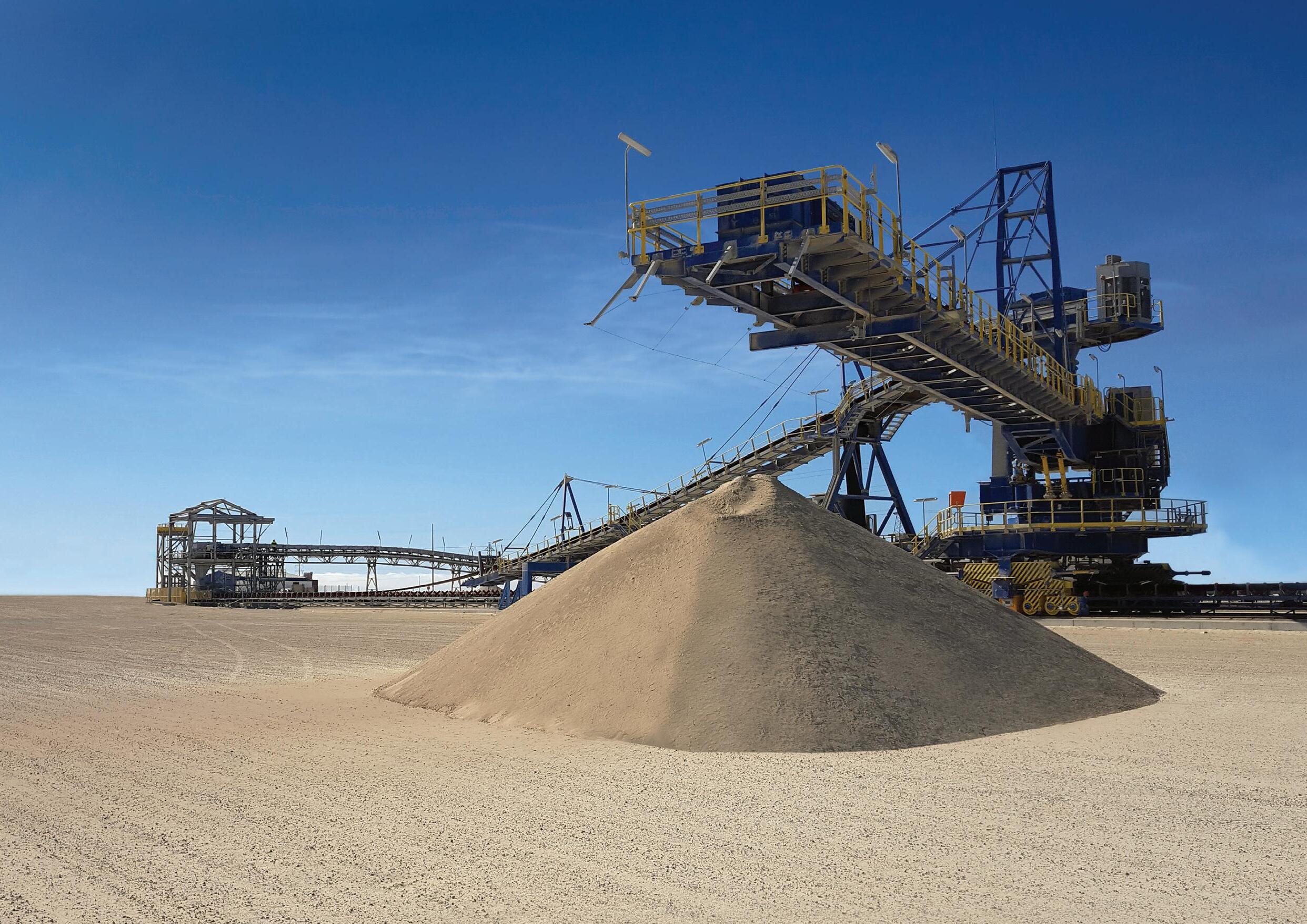











High-performance stockyards require equipment tha
KOCH Solutions provides engineered stackers, recl
Supporting long-term performance: for demanding bulk material environments
• High-capacity stacking and reclaiming
• Systems engineered for continuous operation
• Lifecycle-oriented service concepts
• Long-term asset value focus


for high-capacity bulk material opera aimers and conveying systems designed

t delivers reliable output day after day tions.










heat of the seal leading to heat damage on the belt, as well as premature wear of skirting. In extreme cases, the heat generated can cause the seal to stick to the belt during shut down, which can prevent startup.
The sealing pressure should be light with the skirtboard or the liners designed to reduce pressure on the seal. There isn’t much published on seal pressure values. For the self-adjusting seals, use 15kPa contact pressure. CEMA proposes added belt tension of about 4 kN/m per side without considering the seal thickness.
The wearliner has two functions. First is to be a sacrificial wear material protecting the skirtboard wall. The second is to reduce the side pressure on the sealing system. Not all systems require a liner. The most common liner is the internal liner made of abrasion resistant material such as AR plate or ceramic blocks. The liner is often attached with bolts through the skirtboard with some ability to adjust the space between the bottom and the belt for initial installation and to adjust for wear. [Fig. 3]
The deflector liner is a variation of the internal liner that is used to centre the load and reduce side pressure on the seal. The canoe liner performs a similar centreing effect with a substantial volume of wear material and is often used in heavy duty applications like hard rock mining. Canoe liners can be made from elastomeric materials or very hard cast metals.
The most important details for a liner are proper installation and ease of replacement. The external liner was developed to address these two issues. With the external liner the skirtboard is raised above the expected depth of material rubbing against it and the liner is attached to the outer surface of the skirtboard. If there is concern over wear caused by full contact with the skirtboards, such as from constant overloading and plugging the exposed upper portion of the skirtboard can be covered in wear resistant material. The external design eliminates the gap between the liner and the seal, created by the skirtboard wall thickness, that can trap materials and damage the belt.
Covers protect the material from weather but are used primarily for dust control. Covers enclose the loading zone and contain splashing material caused by significant drop distances from one belt to the other or process equipment such as rotary crushers. The most common cover
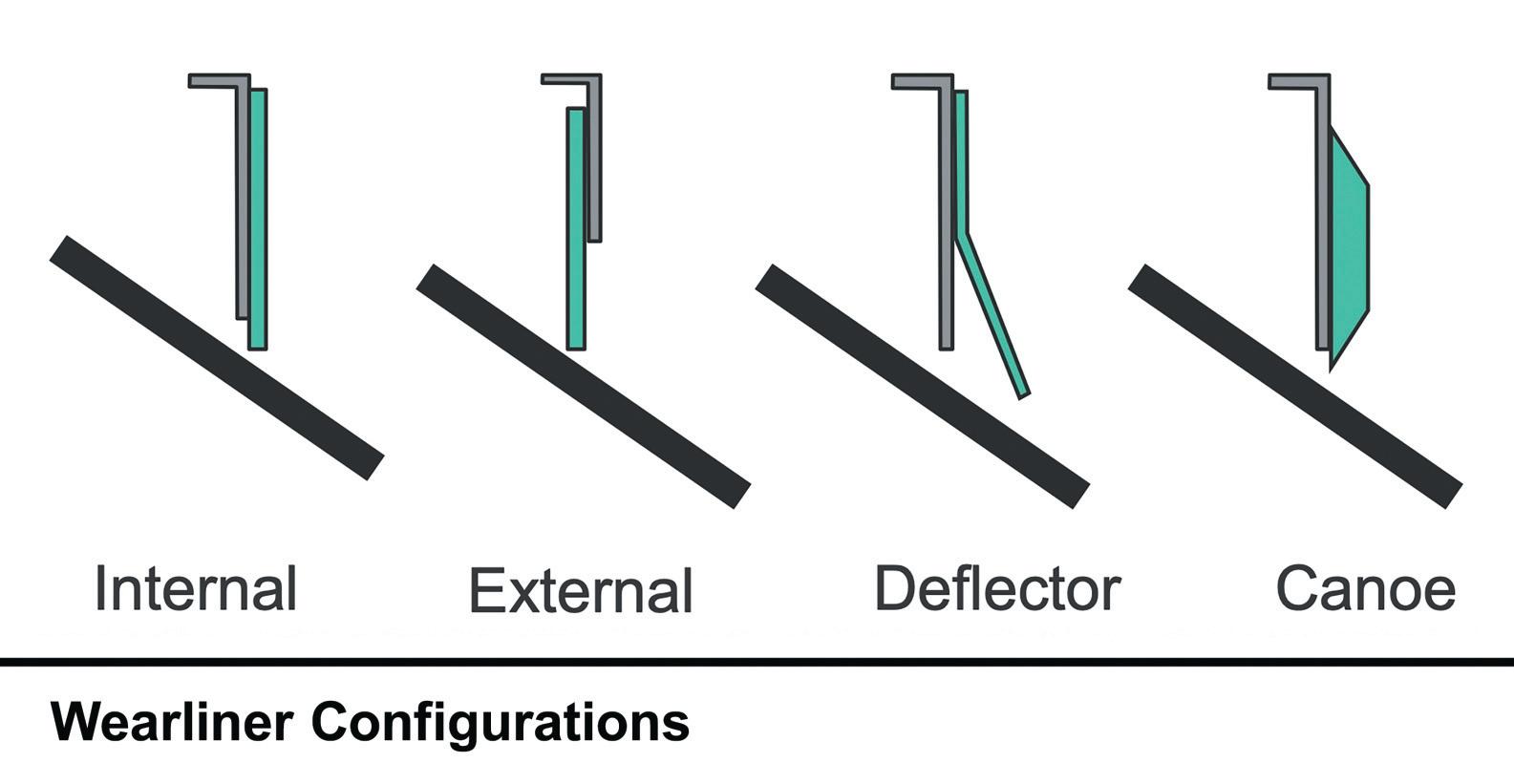
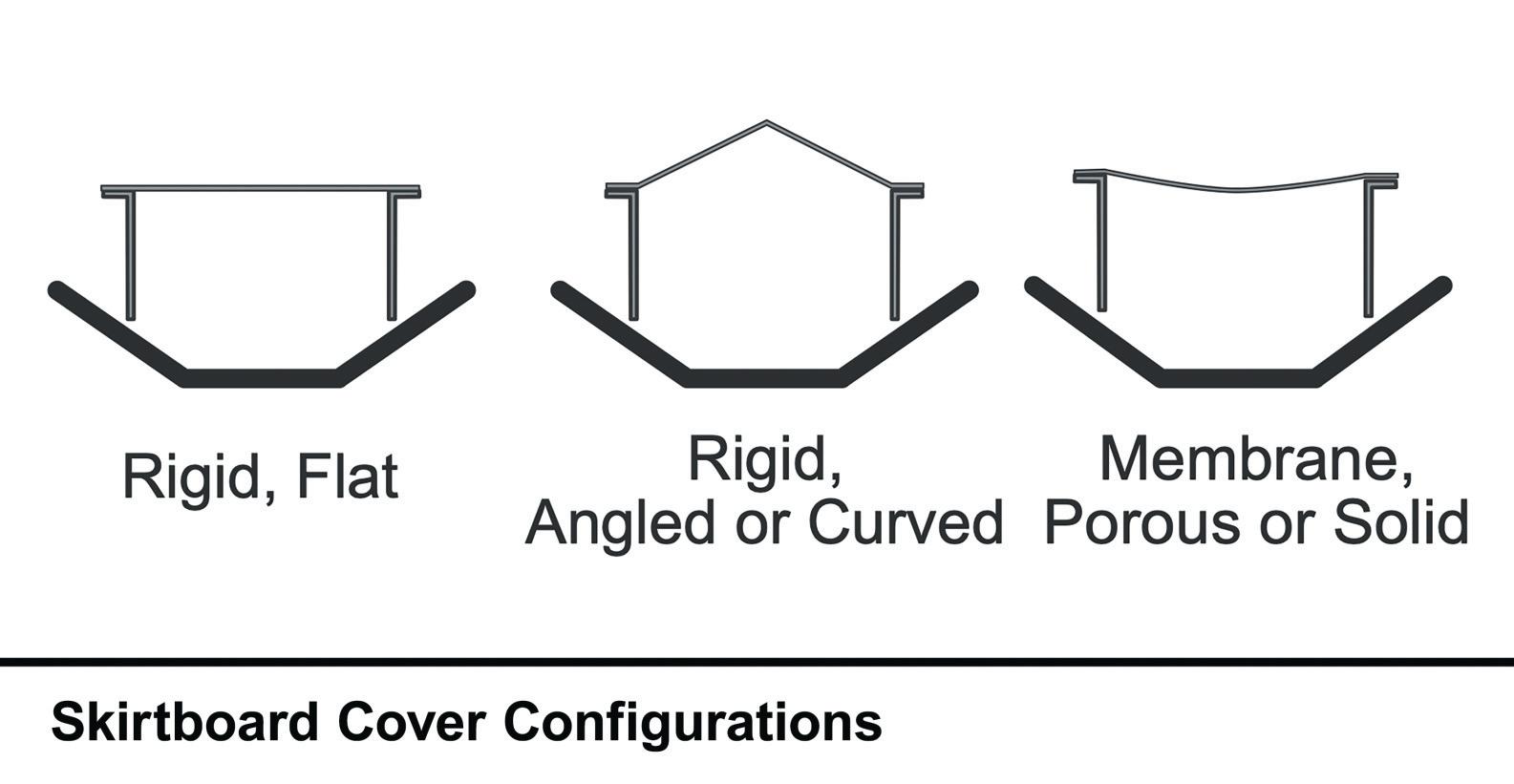
is the rigid flat cover made from steel. When rain protection or buildup of fugitive materials is a concern, angled or semicircular covers are often used. [Fig. 4]
Plastic covers are sometimes used to reduce weight. Regardless of the cover design, the most critical design feature is ease of access. When there is a lot of positive pressure in the enclosure, sealing the covers becomes an issue. Porous covers are sometimes used to reduce positive pressure, but the most common membrane applications are rubberized fabric with continuous grip edges that can connect between vibrating equipment such as screens and the skirtboard enclosure.
Unfortunately, in the rush to get back into production, covers are removed during cleaning or maintenance and often not replaced in those areas that require frequent access. Maintaining the integrity of the covers is critical to the control of fugitive material. If it is possible that covers will be walked upon, load bearing work platforms should be incorporated into the design.
Skirtboards are most often installed vertically and parallel to the centreline of the belt. Misalignment of the skirt board system will contribute to pushing the belt to one side and can cause mistracking.
Skirtboards for multiple load points, when it is not desirable to have continuous skirting, are often staggered widths with inlet deflectors to consolidate the material at the edges. For continuously skirted loading with multiple loading points, the feeds can be managed to gradually increase until the full cross-sectional area is utilized. Reversing belts must use skirtboards parallel to the belt. [Fig. 5]
In some cases, such as flat belt feeders, it is desirable to create a relief of the skirtboards in the direction of travel to help more uniformly feed the material from a bin. The notch opening wider in the direction of belt travel can be designed using mass flow techniques. In the absence of the notch (or ‘V’ design) the material will tend to feed only from the rear and can result in segregation or bin plugging. Using this technique on troughed belts adds to the fabrication complexity so there is often a transition section from the bin to the skirtboards that accomplishes the same end result but simplifies the design and installation of the skirtboards.
The distance the bottom edge of the skirtboard or wearliner from the belt surface often varies by industry. Some designers keep the skirtboard high off the belt to facilitate idler changes but a better solution is to use retractable idlers. Installing the liner parallel to the belt is
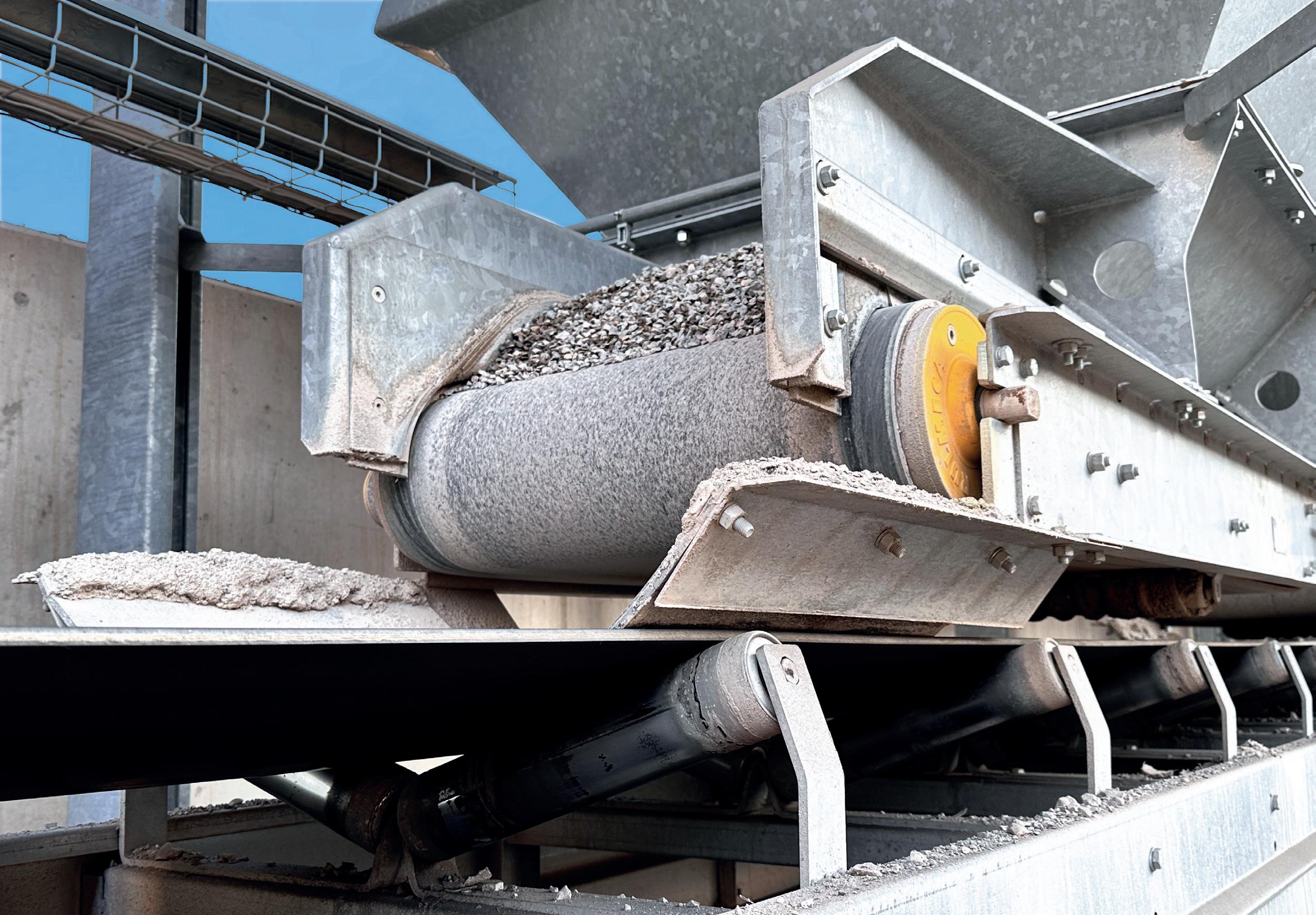
required for reversing belts. The primary issue is the flatness of the belt in the loading area. To achieve a good seal without damaging the belt’s surface, the belt must be supported.
Industries that use winged tail pulleys, load on the transition from flat to fully troughed or use widely spaced idlers in the load zone will have a difficult time sealing the belt and preventing grooves made under the seal. If the transition is incorrectly designed the belt can lift off the idler when unloaded requiring the liner to be too far above the belt resulting in spillage and/or trapped material. Winged pulleys should be of the spiral design or wrapped to reduce dust pumping vibration. Common practice is to place the wearliner bottom edge parallel, but close to the belt, with approximately 25mm of clearance for the skirtboard upright from the belt. The liner is then adjusted to be closer to the belt in the range of 10 to 20mm and selfrelieving in the direction of travel. Adjustment of the liner so there is a smooth surface presented to the belt without steps or gaps between liner sections is a must to prevent particles from being trapped and abrading the belt.
Each approach is unique to the application and the bulk handling environment, but preventing dust and spillage make the cost of the modifications easy to justify over the long run. Consider installing an enclosed modular loading chute with an external wear liner and double skirting. Make sure the skirtboard and cover are long enough for turbulent air to slow and dust to settle back into the material stream. The modular design makes the chute able to be easily adjusted to changes in production, belt speed, or material, and the seal and wear liner are adaptable to those changes. This lowers the cost of future modifications and improves the overall safety the transfer point through the life of the conveyor.
R. Todd Swinderman earned his B.S. from the University of Illinois, joining Martin Engineering’s Conveyor Products division in 1979 and subsequently serving as V.P. and General Manager, President, CEO and Chief Technology Officer. Swinderman has authored dozens of articles and papers, presenting at conferences and customer facilities around the world and holding more than 140 active patents. He served as President of the Conveyor Equipment Manufacturers’ Association (CEMA) was the editor of CEMA’s 6th and 7th editions
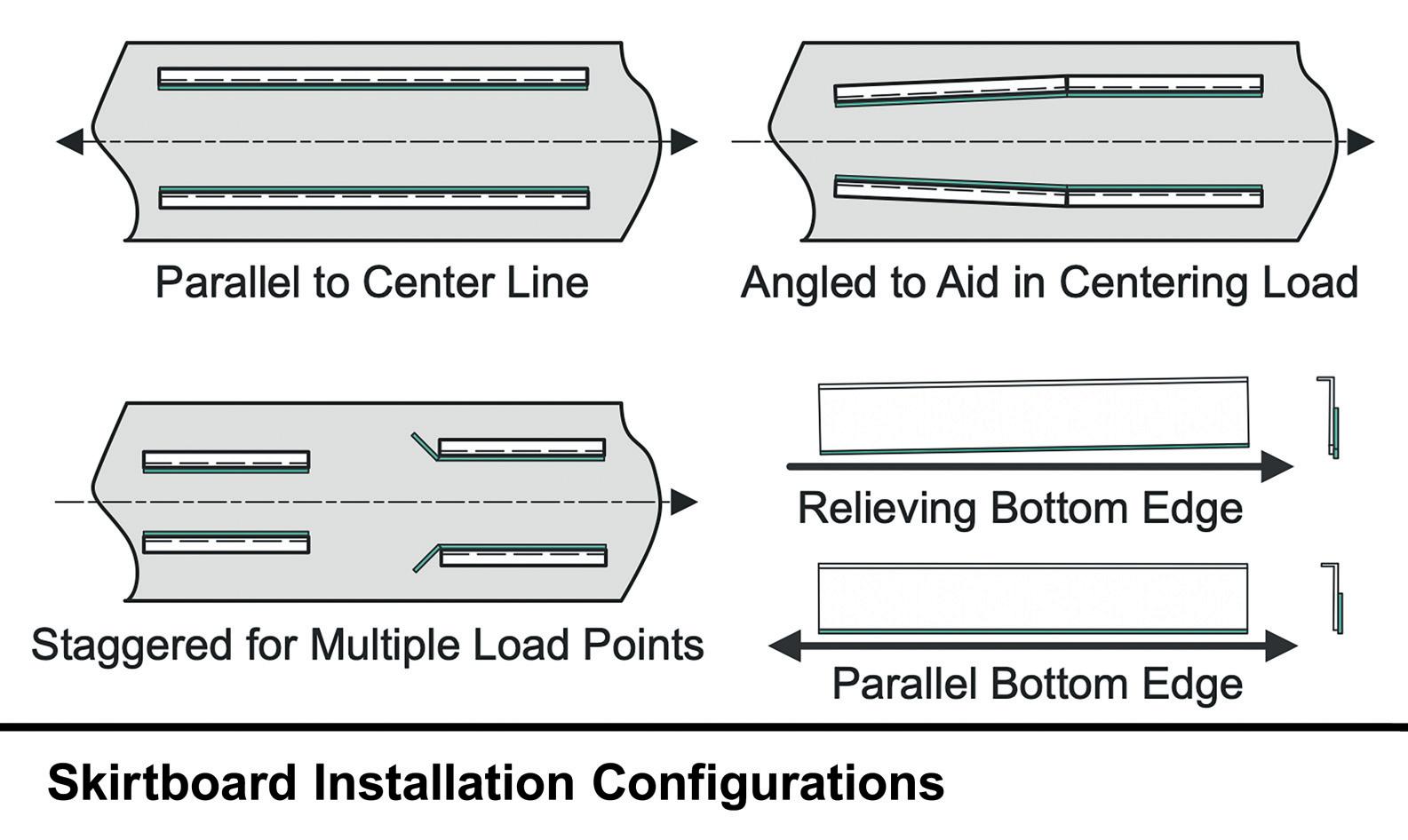
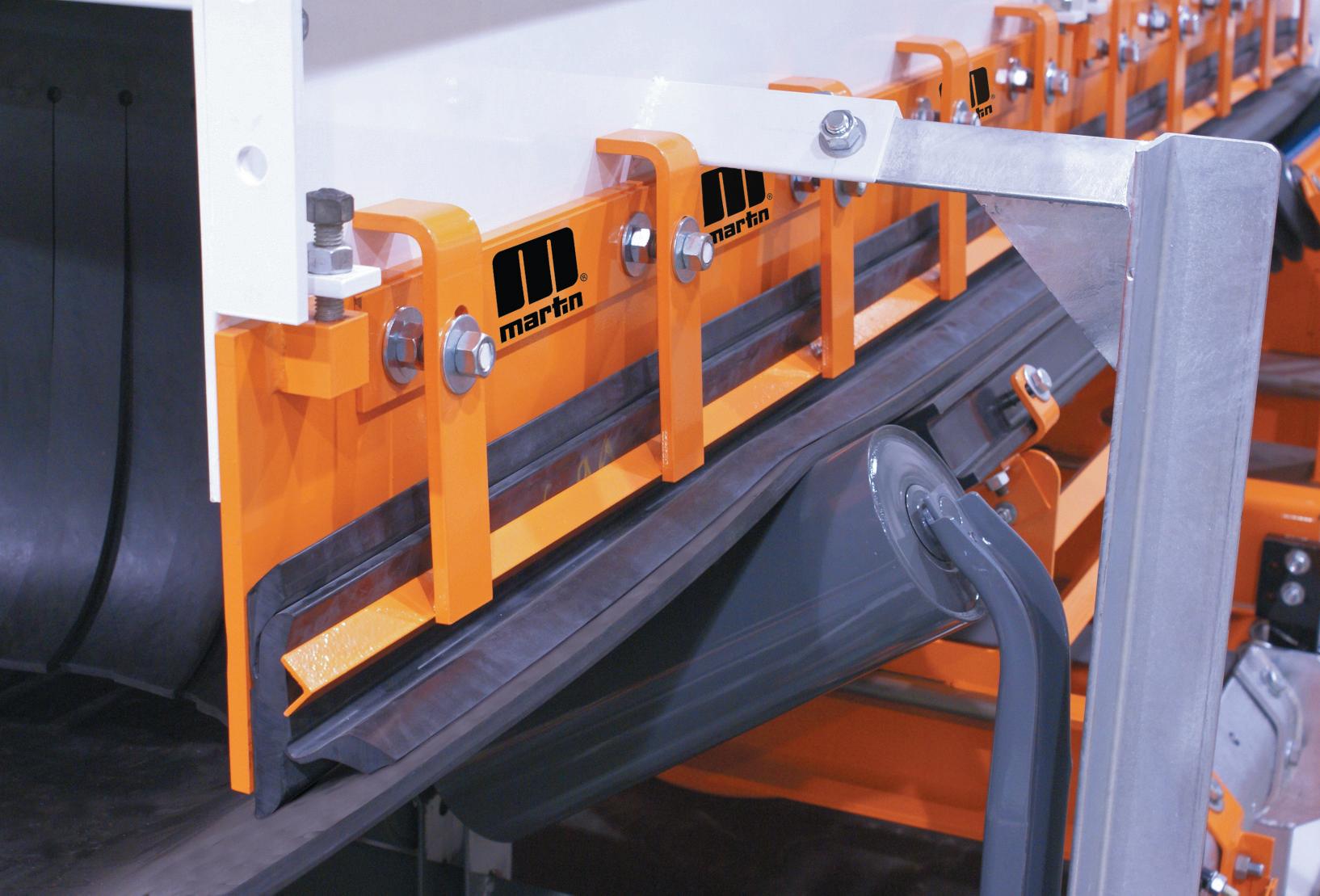
of Belt Conveyors for Bulk Materials, The Design Guide for Belt Conveyors. Swinderman is active on several CEMA committees including Chair of the Bulk Safety Committee and is a member of the ASME B20 committee on conveyor safety which set US conveyor safety standards. Swinderman retired from Martin Engineering to establish his own engineering firm, and is currently serving the company as an independent consultant.
Martin Engineering is a global leader in bulk materials handling solutions. For over 80 years, Martin has designed, manufactured and installed innovative products that make the world’s foundation industries cleaner, safer, and more productive.
Based in the USA, the privately owned company has drawn on its unrivalled experience and expertise to help operations improve safety, enhance material flow, reduce spillage and dust, and minimize downtime. With factory-owned facilities in 20 countries, on-the-ground presence in another 40, and a worldwide service partner network, Martin has built an enviable reputation for high performance products delivered with exceptional technical service and support.
The company’s comprehensive Foundations™ textbooks, learning resources, and training programs are the global standard for the efficient and effective design, operation, and maintenance of bulk materials handling equipment.
Especially in the world of dry bulk handling, conveyor belts that do not run straight can be extremely costly in terms of belt damage, spillage and lost throughput. Here, Jeroen Kattouw, one of the conveyor belt industry’s most experienced and highly regarded application engineers, provides an invaluable insight on conveyor belt steering and handling.
When conveyor belts wander off track the first step is to identify whether it is the conveyor itself or the conveyor belt that is the root cause of the problem. The best approach is to use a process of elimination because the problem may be a combination of the two. There are several causes of misalignment due to conveyor set up including pulleys that are not mounted level and square to the centre line of conveyor; idlers not properly aligned and misalignment and wear of the drums or lagging. Other common causes are belts that loaded centrally, incorrect pre-tension and, very commonly indeed, dirty/unclean environments.
Belt problems that cause misalignment include inadequate troughing resulting in lack of contact with the horizontal centre idler of trough idlers; belts that are not straight and splice joints that are not square and true.
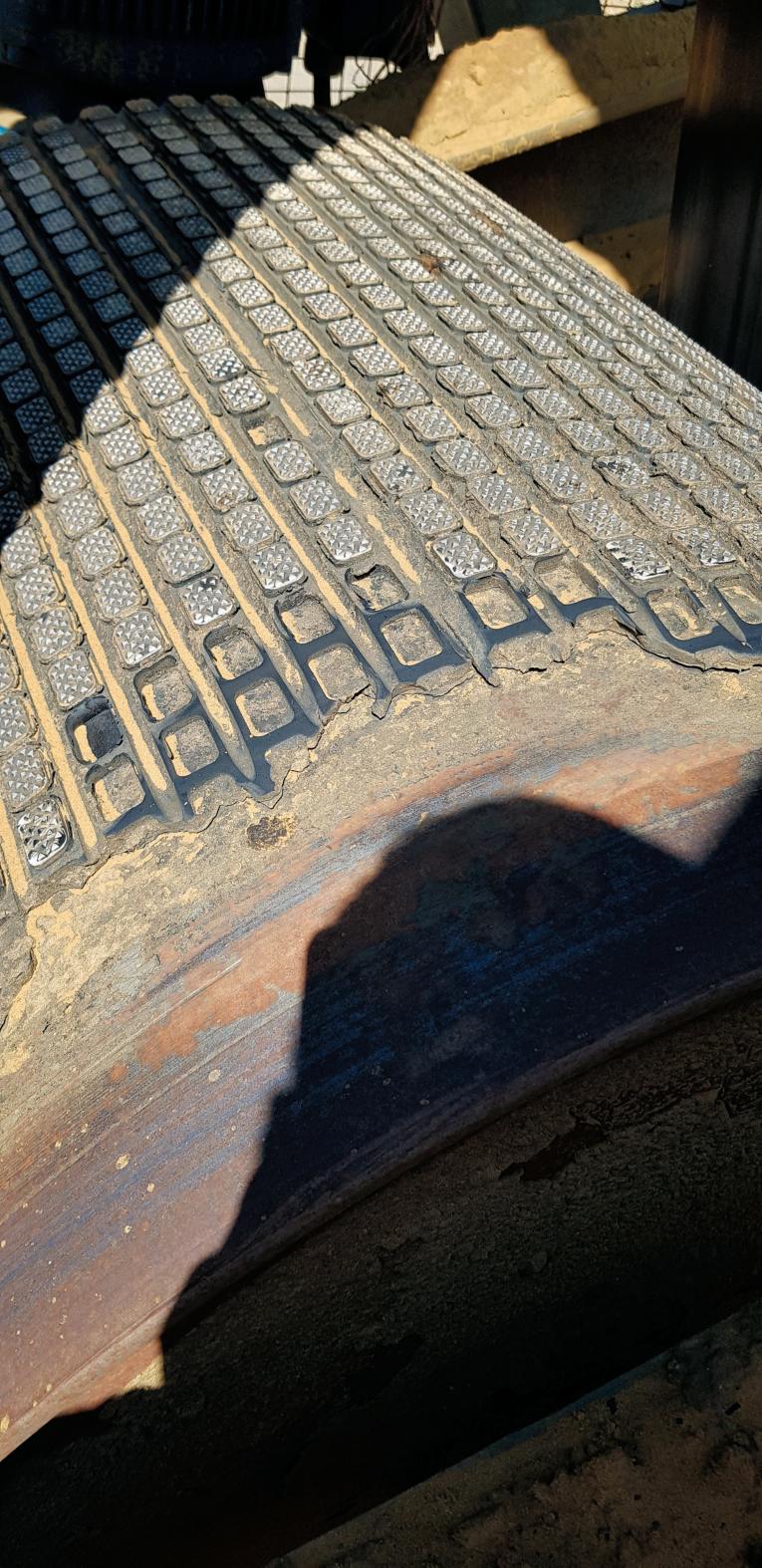
Worn drums or lagging can cause tracking problems.
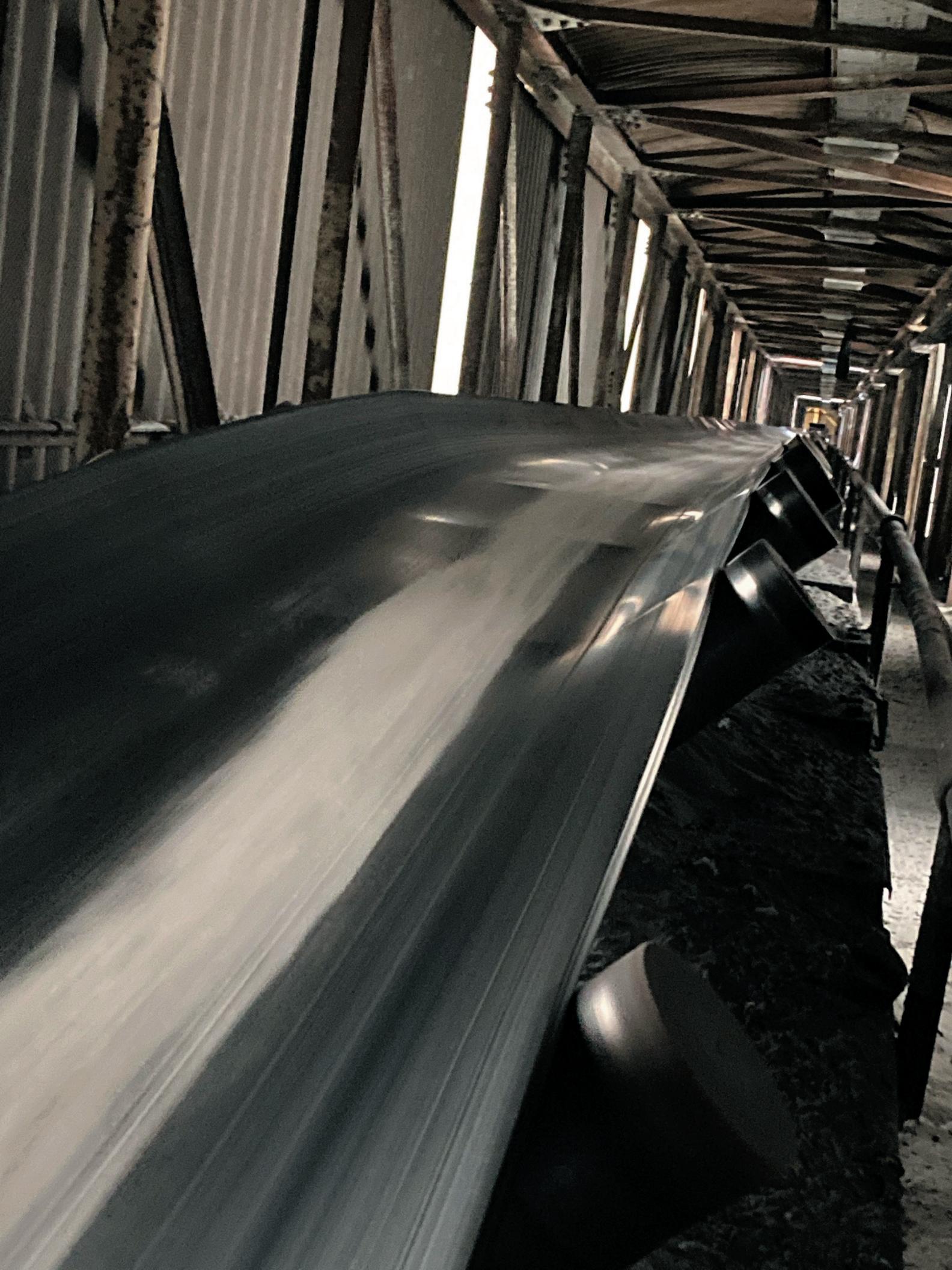
TRACKING PROBLEMS ASSOCIATED WITH POOR QUALITY BELTS
Because all-polyester fabric (EE) costs some 30% less than EP (polyester/nylon
mix) fabric, it is now quite common for manufacturers, traders and importers competing at the ‘economy’ end of the market supplying multi-ply belts that have
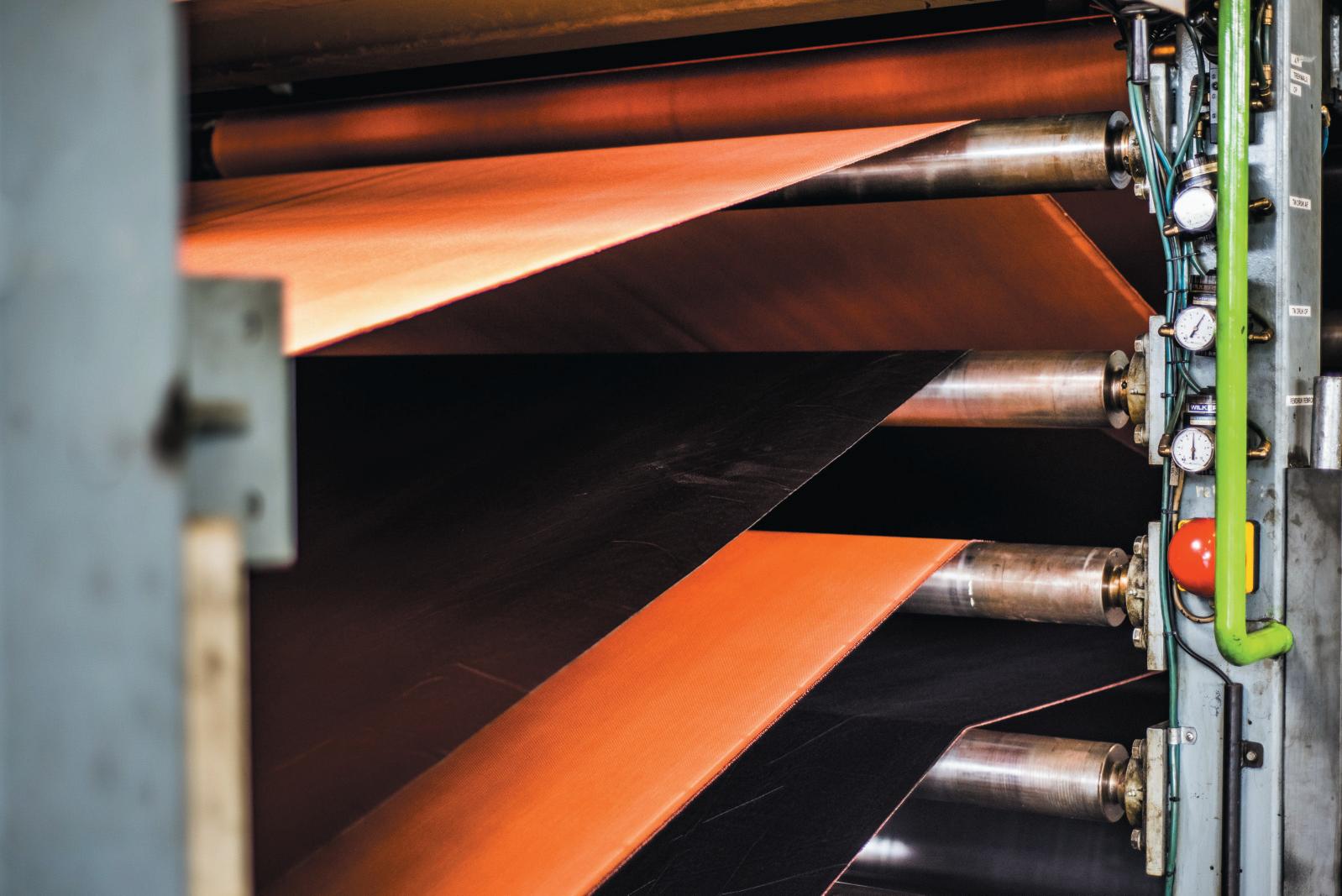
Not what they seem – ‘cheap’ belts are often supplied with totally polyester fabric plies in a belt claimed to be polyester/nylon (EP).
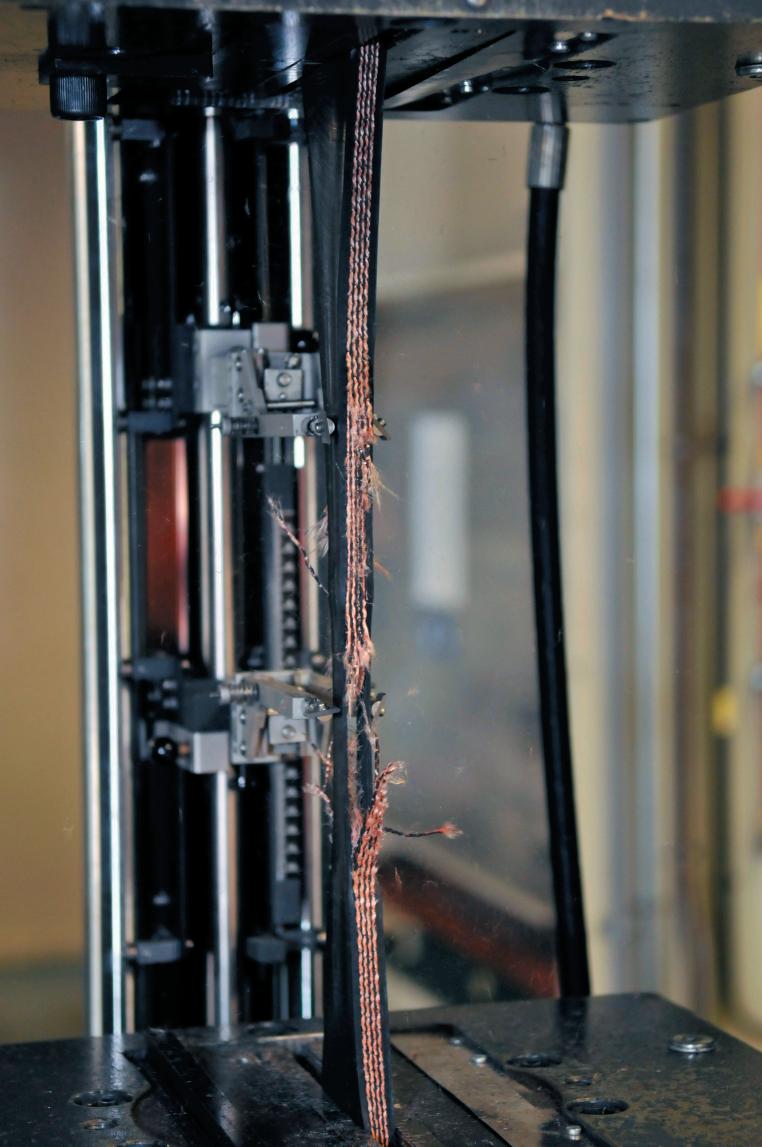
Observe the effect for a sufficiently long period after each adjustment.
totally polyester fabric plies in belts declared to be EP (polyester/nylon mix) construction.
A mix of polyester and nylon has the best balance of mechanical properties including allowing a conveyor belt to run straight and to trough. Unless the weave pattern has been specifically designed, the use of totally polyester fabric compromises a number of essential mechanical properties. A polyester weft can cause low transverse elasticity, which reduces troughability while the strength under load both longitudinally and transversely can be inconsistent and therefore prone to steering and handling problems*
Although they may be the same basic specification, there can be very big differences in the quality of the fabric plies between one belt and another. In cheaper, lower quality fabrics, although the amount of material used in the longitudinal
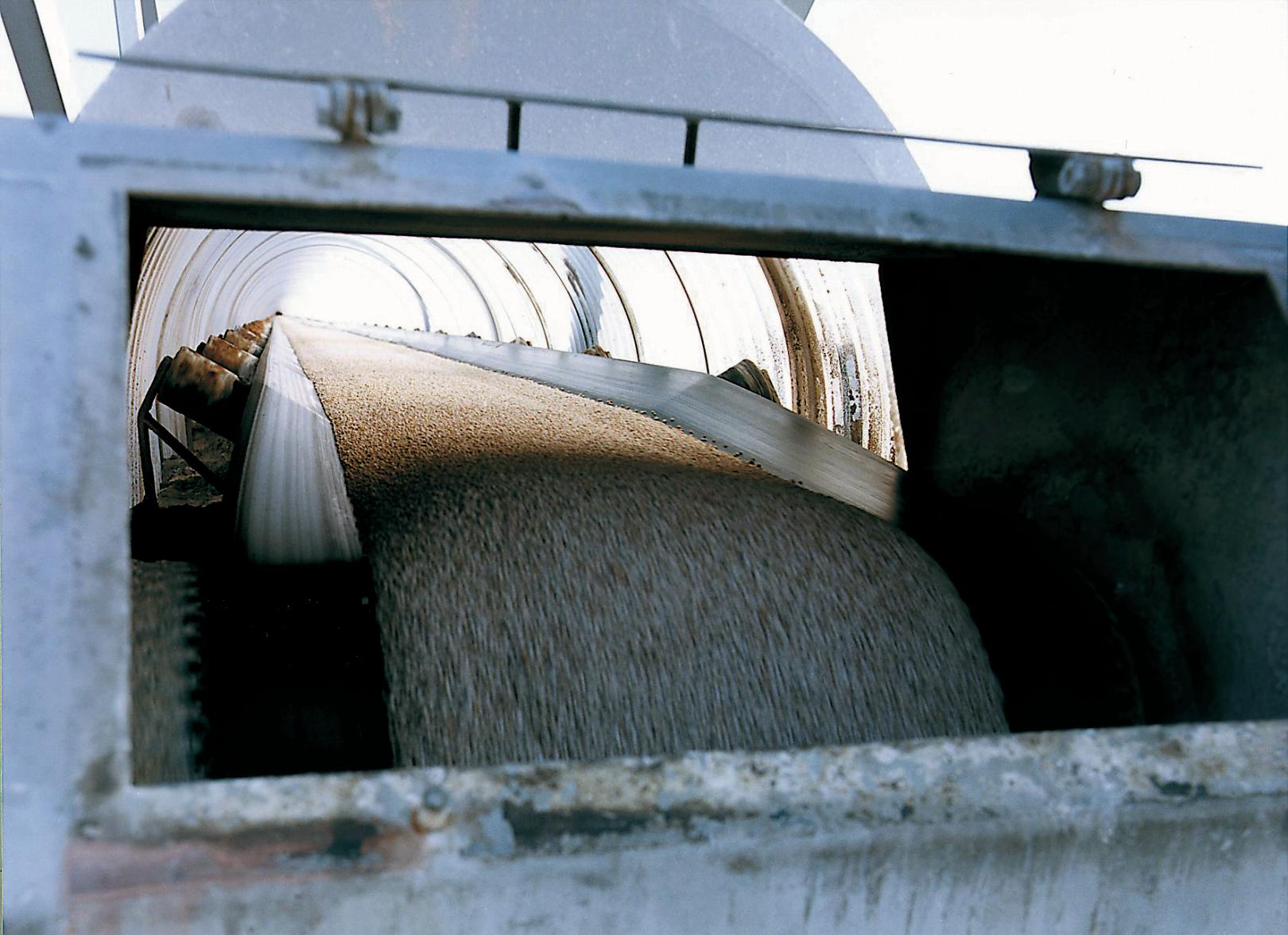
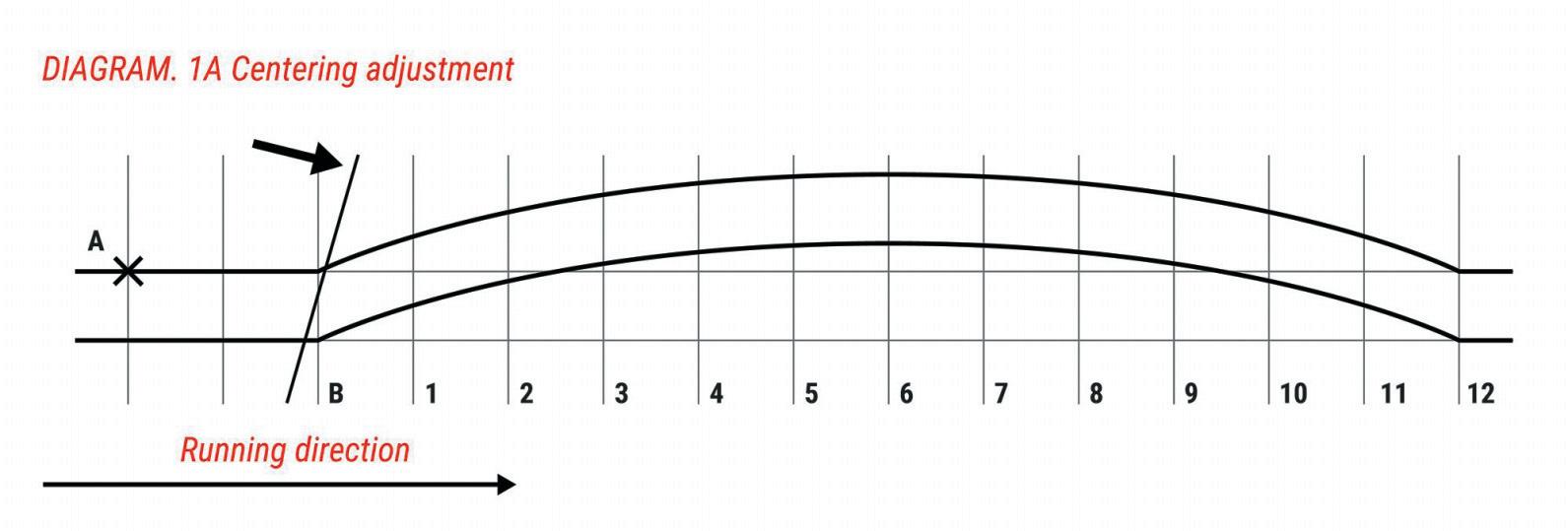
(polyester) strands of the fabric may be adequate, the amount of transversal weft material (nylon) is kept to a minimum in order to reduce cost.
Although the required tensile strength may be achieved, the longitudinal elasticity may be too low. This can cause problems with transition distances and a general inability to accommodate the contours of the conveyor and its drums and pulleys and ultimately lead to the premature failure
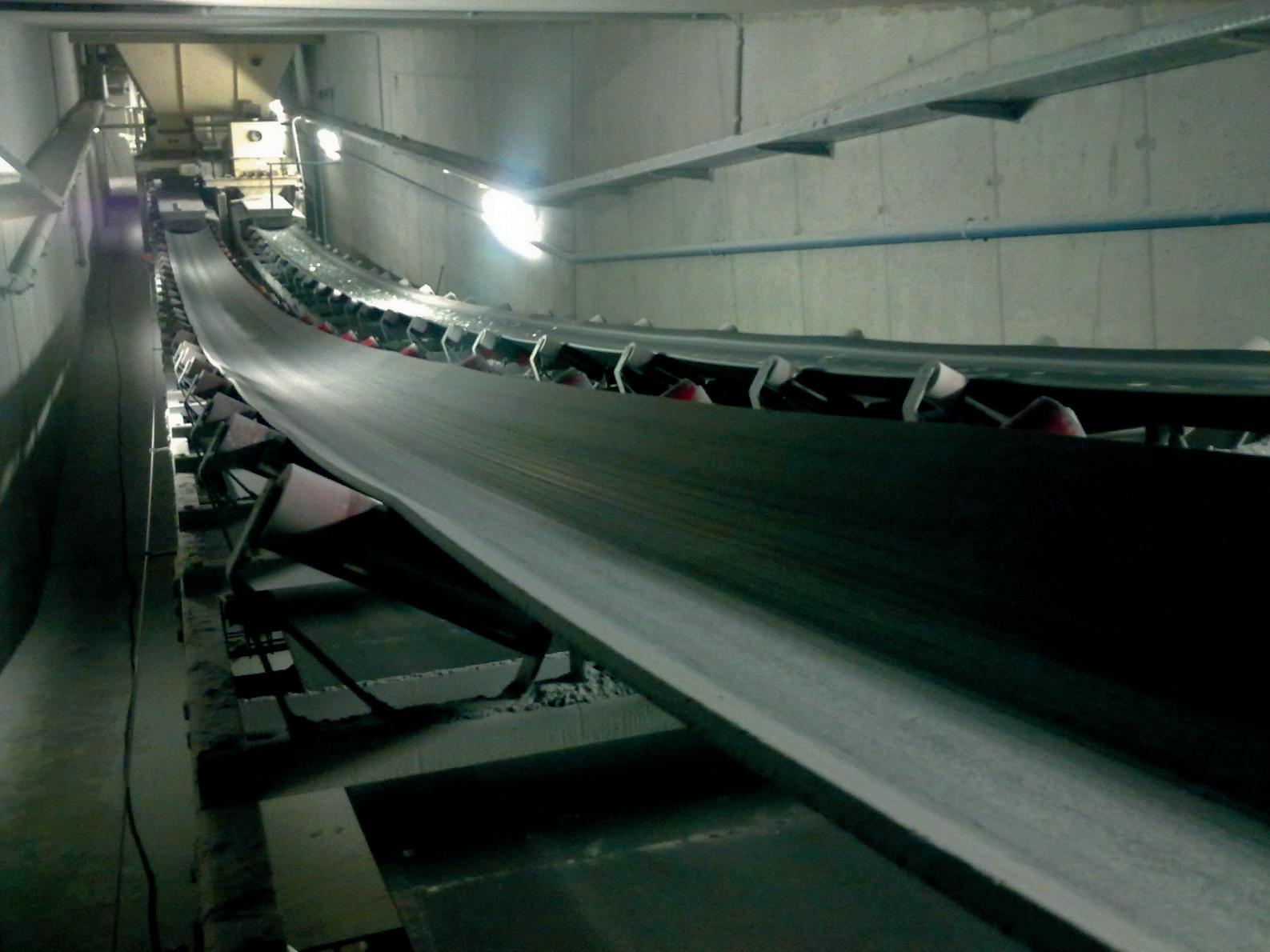
Training a belt when it is empty should mean it will also run true when loaded.
of the belt.
(*The use of fabrics made entirely of polyester (EE) has its place in certain belt types and constructions. However, in those cases the declared specification of the belt should clearly be EE and not EP.)
MISALIGNMENT DUE TO INACCURATE SPLICE JOINTING
It is usually easy to identify when a poor connection joint is causing a belt to wander. Looking down the line of the conveyor, the belt will pass by running centrally for a time but then start to veer off centre for a period just before the joint arrives before re-centreing itself after the splice has passed. If the wandering is sufficiently serious, such as sections of the belt touching the conveyor frame for example, then the only solution is to have the joint re-made.
Always re-align a belt gradually. It is important to observe the effect for a sufficiently long period after each adjustment by allowing the belt to travel at least once right round the conveyor before the next adjustment is made.
Few belts are perfectly straight, so there is always a certain amount of ‘weaving’ to be expected at each idler. The position of
the belt at any one idler position should be judged as the average position of the weaving motion. The easiest way to find out where correction needs to be made is simply to look along the edge of the travelling belt in the direction of travel and watch for curving due to the belt travelling off center. Having established where such curve exists, the adjustments can be made as follows.
Referring to diagram 1A, the observer at point A can watch in direction of belt travel along the belt edge and observe a definite outward curving between idlers marked 2 and 11. Such a curve may extend only over 3 or 4 idler spaces or over a much greater distance. It is a good idea to mark idlers 2 and 11 with chalk in order to definitely fix the extent of the curve. It is also necessary to mark several idlers between 2 and 11 and the belt edge in order to have a reference mark to judge the effect of the adjustments made. It is important to note that if the belt starts running off at idler 2 it means that the correction of the idler setting will need to be made one or two idlers forward of this point. In this case, idler 1 or even the idler at point B will require slewing.
Training a belt should always begin on the return run beginning at the head or driving pulley, following the direction of the belt travel. Having centred the return belt, the top belt (carrying run) should then be trained, starting at the tail pulley and proceeding in the direction of belt travel towards the head or driving pulley. If the top belt runs so much out of center that it cannot be run for any length of time, it will be necessary to roughly train it before training the return belt. In this situation,
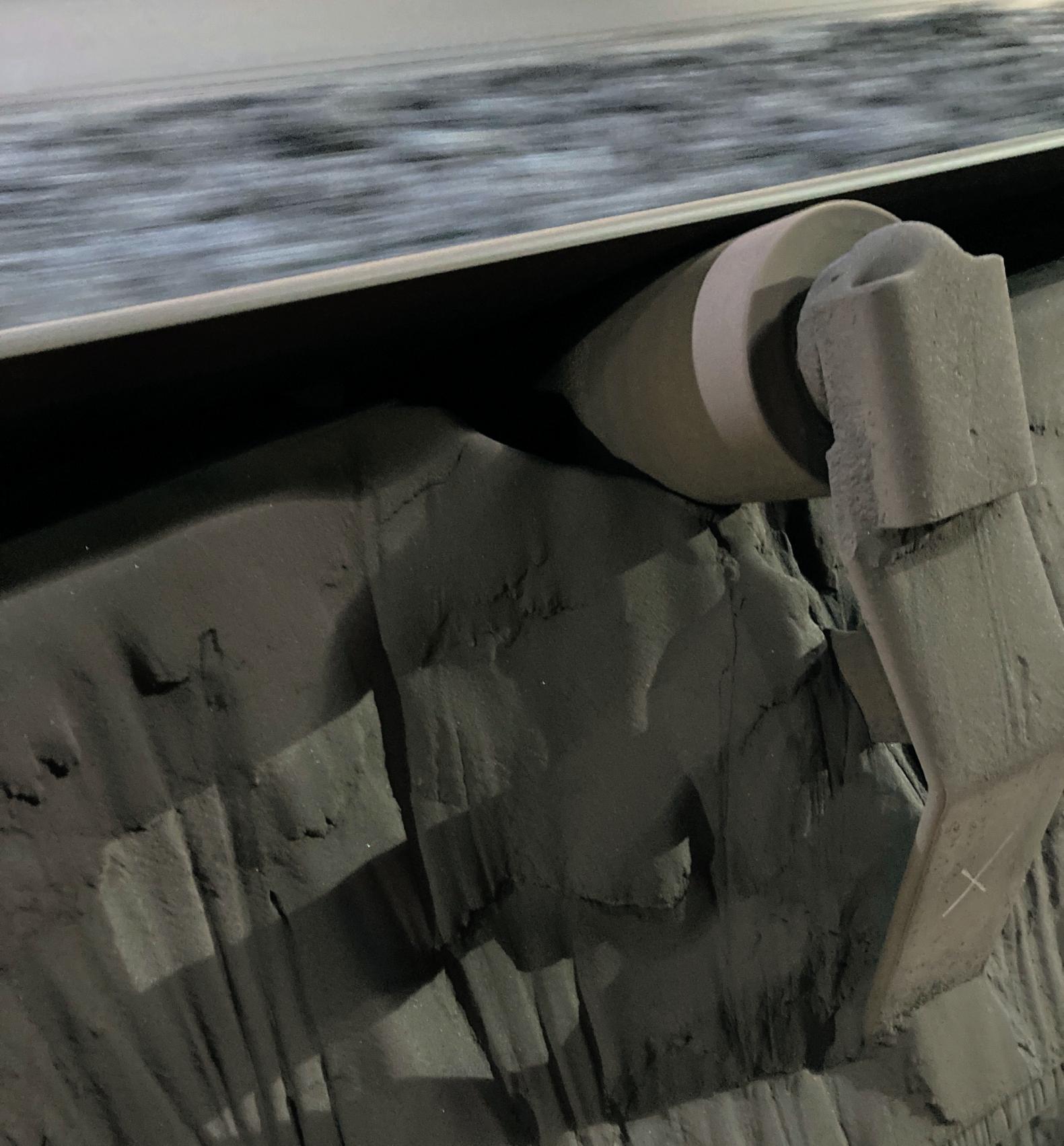
An unclean environment is a common cause of misalignment.
the top belt should only be trained sufficiently so that it can be run without risk of damage to belt edges. The return belt can then be centred, followed by training the top belt as previously described.
Having trained the belt when it is empty should mean that the belt will also run true when it is loaded. If not, then the cause is almost certain to be that the material is not being fed centrally onto the belt. This can be corrected by modifying the feed chute.
A belt should only be trained by realigning idlers and snub pulleys. Head or driving pulleys and tail pulleys should never be set out of square. It is sometimes
convenient to use the tail pulley for temporary adjustment if the belt is running off so much when first starting up that running is not possible. Once the return belt has been sufficiently centred the tail pulley should be set up square again before final training is completed.
Once a belt is correctly aligned and running straight and true the next objective is to keep it that way with the minimum of intervention. A simple programme of routine checking and preventative maintenance not only helps to prevent unnecessary stoppages for adjustment, it also helps to increase the operational lifetime of the belt. Regular checks should therefore be made on the state of all drums, pulleys and idlers. Failure to replace these components when they begin to show signs of wear is almost always a false economy.
Finally, always keep the working environment as clean as possible, particularly when the conveyed materials that are damp or sticky and have a tendency to build up on pulleys or return idlers because this will cause the belt to run out of line.
Jeroen Kattouw has worked in the conveyor belt industry for over 30 years and is one of the most experienced and highly respected application engineers in the industry.
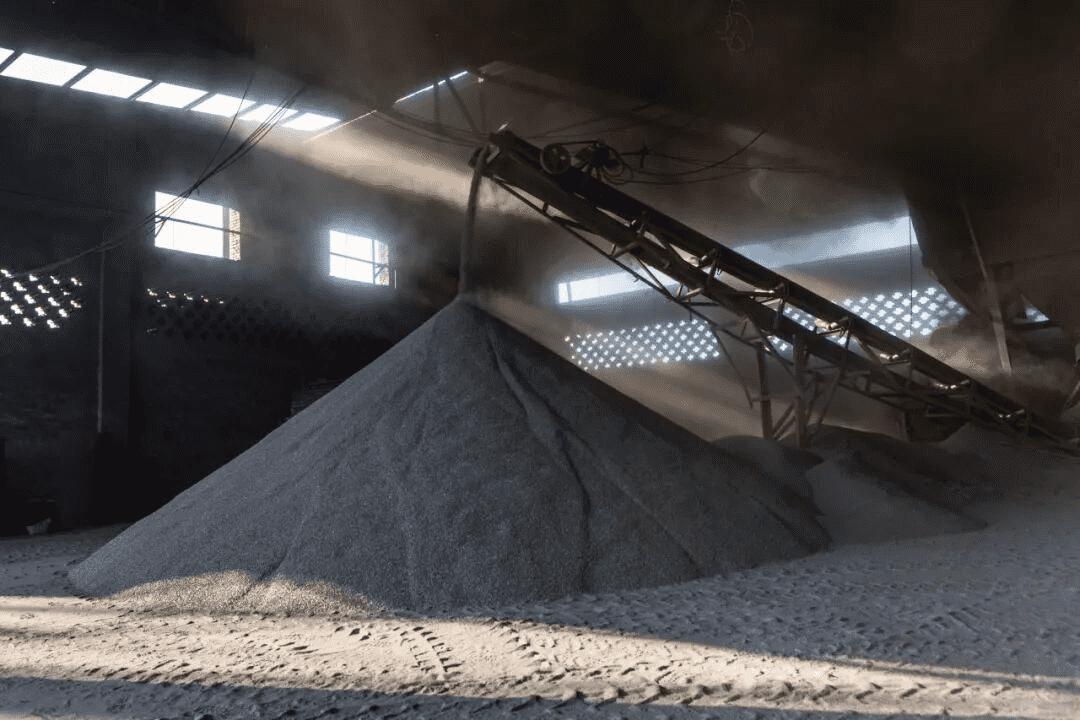
Traditional stockpile auditing is often blinded by dust and risk. Discover how RETTAR’s 3DPro2300 Radar Scanner utilizes FMCW technology to deliver highprecision 3D volumetric modelling, ensuring real-time inventory transparency and personnel safety in the harshest industrial environments.
THE CRITICAL ROLE OF STOCKYARDS IN INDUSTRIAL LOGISTICS
Stockyards are the operational hubs for bulk material management, serving as the central nervous system for raw material storage, dynamic inventory auditing, and precise distribution. In the era of Industry 4.0, the demand for digitized inventory and real-time monitoring has never been higher. However,

traditional open or semi-enclosed stockyards remain a bottleneck. The primary challenges include heavy dust concentrations that blind optical sensors, irregular material piles that defy manual measurement, and the high risk of accidents when workers climb unstable piles for manual audits. Furthermore,
extreme weather and humidity often cause traditional equipment to fail, leading to significant financial discrepancies and operational delays.
BEYOND LASER : RADAR AS THE NEW STANDARD FOR HARSH ENVIRONMENTS
To address these persistent pain points, RETTAR has introduced the 3DPro2300 Radar Scanner, an all-in-one intelligent solution for stockpile auditing. This system integrates advanced Frequency Modulated Continuous Wave (FMCW) technology with sophisticated AI algorithms to provide unmatched data clarity. Unlike laser or ultrasonic devices, RETTAR’s highfrequency radar waves pierce through dense dust, steam, and fog, ensuring stable performance in the harshest environments. The hardware features a high-precision robotic platform capable of 360° horizontal rotation and ±90° vertical tilt, capturing
16,200 detection points in a single cycle. This dense data cloud allows for the creation of a precise 3D volumetric reconstruction, providing 100% coverage of the material surface with zero blind spots.
The implementation of the 3DPro2300 transforms stockyard management from a reactive process into a proactive, datadriven strategy. By replacing manual estimation with AI-driven 3D modelling, the device achieves millimetre-level precision, ensuring that inventory mass and volume data are reliable for financial reporting and trade. While manual auditing can take up to two days for large sites, RETTAR’s system can complete a full-scale scan in seconds, increasing auditing efficiency by over 90% and ensuring zero production downtime. Furthermore, the non-contact, ‘unmanned’ auditing method significantly mitigates safety hazards by enabling fully autonomous operations, eliminating the need for personnel to enter hazardous zones.
The versatility of RETTAR’s technology
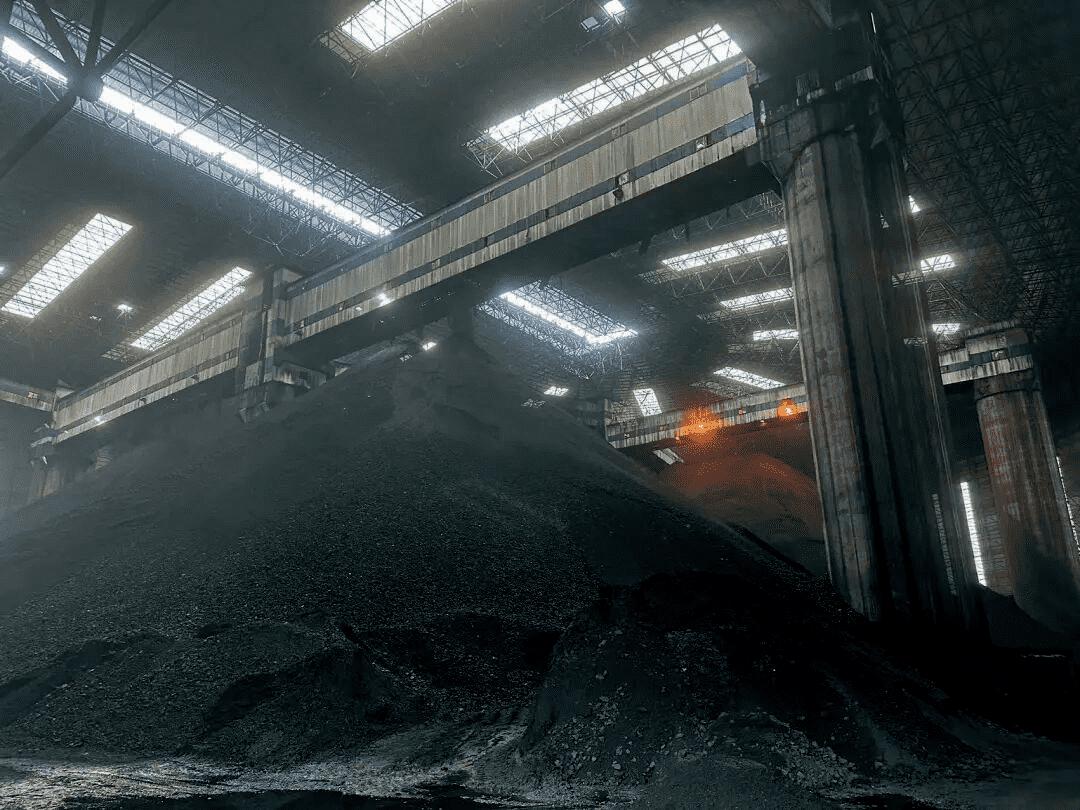
allows it to scale across various demanding sectors. In the coal and power industries, it ensures steady fuel supply for thermal plants; in the mining and steel sectors, it optimizes the allocation of iron ore and coke. Even in the grain and construction industries, it provides a transparent view of bulk stocks such as wheat, sand, and gravel. By integrating directly with ERP and WMS systems via RS485 or Ethernet, the 3DPro2300 provides the foundational data needed for lean manufacturing and smart
procurement, saving large-scale enterprises millions of dollars in annual labour and discrepancy costs. Through this digital transformation, stockyards are no longer just storage spaces, but intelligent assets that drive corporate profitability.
The RETTAR team will be attending VICTAM International in the Netherlands (2–4 June), where visitors will be able to see the 3DPro2300 in action.
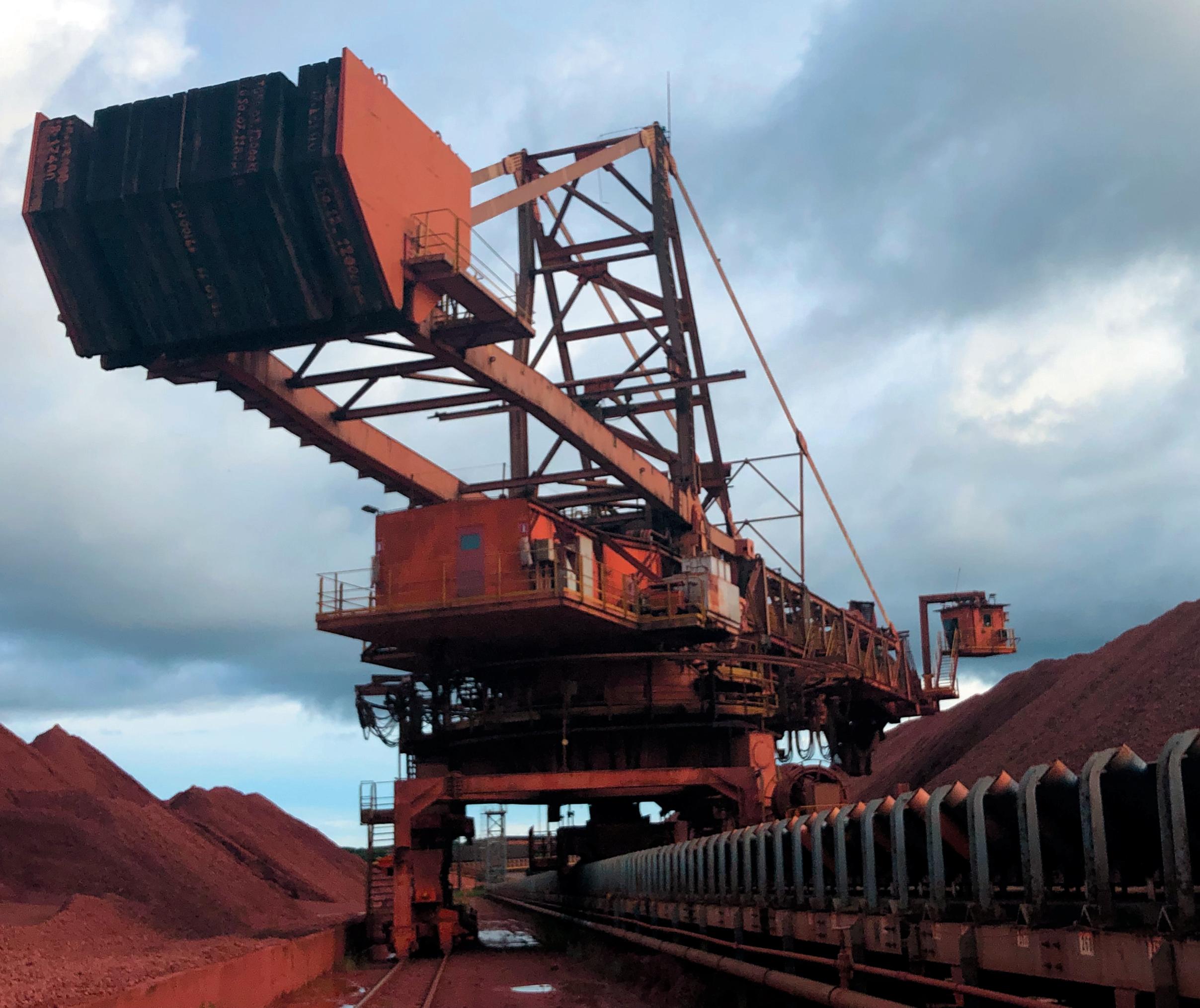
Metso recently reopened its Pittsburgh office as a key hub for bulk material handling and port solutions in the North and Central America market area. The office is in the heart of the city’s central business district and revives Metso’s longstanding presence in Western Pennsylvania.
The location provides access to both experienced engineering talent and young professionals from nearby colleges and universities. The hub currently has around 50 specialists in engineering, technical support, aftermarket and field service and the team is expected to grow further as the hub expands. This new office will improve Metso’s ability to offer local bulk stockyard solutions within the Americas, improving response times and support.
“Metso offers value across the minerals value chain, from pit to port, through our comprehensive bulk material handling services. The opening of our Pittsburgh office demonstrates Metso’s commitment to supporting North American customers
by providing advanced solutions for bulk material handling and port operations. By integrating regional experience with leading-edge expertise, Metso seeks to drive innovation and uphold the highest standards of reliability and service within the industry,” says Jonathan Allen, Senior Vice President, Grinding, bulk, pyro and smelting services at Metso.
Providing lifecycle support, modernization services and technical expertise directly from the region helps customers keep their operations running safely, reliably and with less downtime. Being locally present enables faster response times, immediate engineering support and closer collaboration with customers.
“We are really excited to strengthen our regional capabilities in our strategic journey to deliver world-class bulk material handling and port solution offerings closer to our customers,” says Sushanta Dutta,
Vice President, Bulk material handling solutions. “Each installed unit represents a strategic touchpoint — an opportunity to deepen customer relationships, provide lifecycle services, and apply our proprietary technologies to drive ongoing value. North America, in particular, boasts a very strong installed base, which further enables our new team to support customers effectively across the region. Our goal is to deliver industry-leading with service at the local and global scale.”
Metso provides a full portfolio of stockyard and port machinery, including bucket-wheel reclaimers, stackers, bridge-type reclaimers, ship loaders/unloaders and complete yard automation systems.
Equipment is used across a wide range of dry bulk applications, such as iron ore, coal, grains, fertilizers, aggregates and more.
Typical handling capacities range from several hundred tonnes per hour (tph) up
to more than 10,000tph depending on configuration and customer requirements.
Metso’s offerings include modernization packages, capacity upgrades, structural repairs, improved dust control solutions, digital monitoring and enhanced environmental performance.
Its solutions include integrated diagnostics and service solutions, from parts replacement and multidisciplinary assessment to installation support, troubleshooting, and recommissioning.
The Pittsburgh hub brings together strong engineering capability across mechanical, structural, electrical and automation disciplines.
The hub strengthens Metso’s ability to support large and complex yard machines and port installations across the region.
Several former competitors have downsized or exited the market, making Metso one of the few companies with full end-to-end capability in stockyard and port solutions.
A significant number of terminals and
industrial facilities across North America continue to operate ageing stockyard machines with obsolete technology, creating strong demand for modernization and services.
STACKERS, RECLAIMERS AND STACKER/ RECLAIMERS
These are suitable for high-capacity iron ore, coal, bauxite, grain and other dry bulk materials. They form the largest part of Metso’s install base, with ~550 machines installed globally.
Typical capacities range up to 10,000tph, scalable with modular boom and conveyor configurations
Boom lengths are typically 60–65m, with standardized boom modules improving lead time and manufacturability.
Metso’s stackers, reclaimers and stacker/reclaimers are suitable for a wide range of bulk products, including: iron ore, coal, bauxite, grain, fertilizers, biomass and other dry bulk commodities.
Modular platform architecture v reducing engineering effort and
enabling faster project delivery.
Energy-efficient drive systems with v regenerative braking options.
Advanced automation: automatic v operation with anti collision system, full machine health monitoring
High availability designs with v simplified maintenance access, walkways, and service platforms
Improved environmental v performance: dust suppression options, low noise operation, spill free transfer chutes.
Metso’s scraper reclaimers offer a capacity of around ~4,000tph, and are suitable for blending applications and stockyards requiring high homogenization quality. They support back-stacking operation for continuous blending.
Portfolio enhancements:
high-reliability chain and flight systems v with long life wear components; automation packages enabling fully v unmanned reclaiming; and ideal for power plants, steel plants, and v mines prioritizing consistent feed quality.
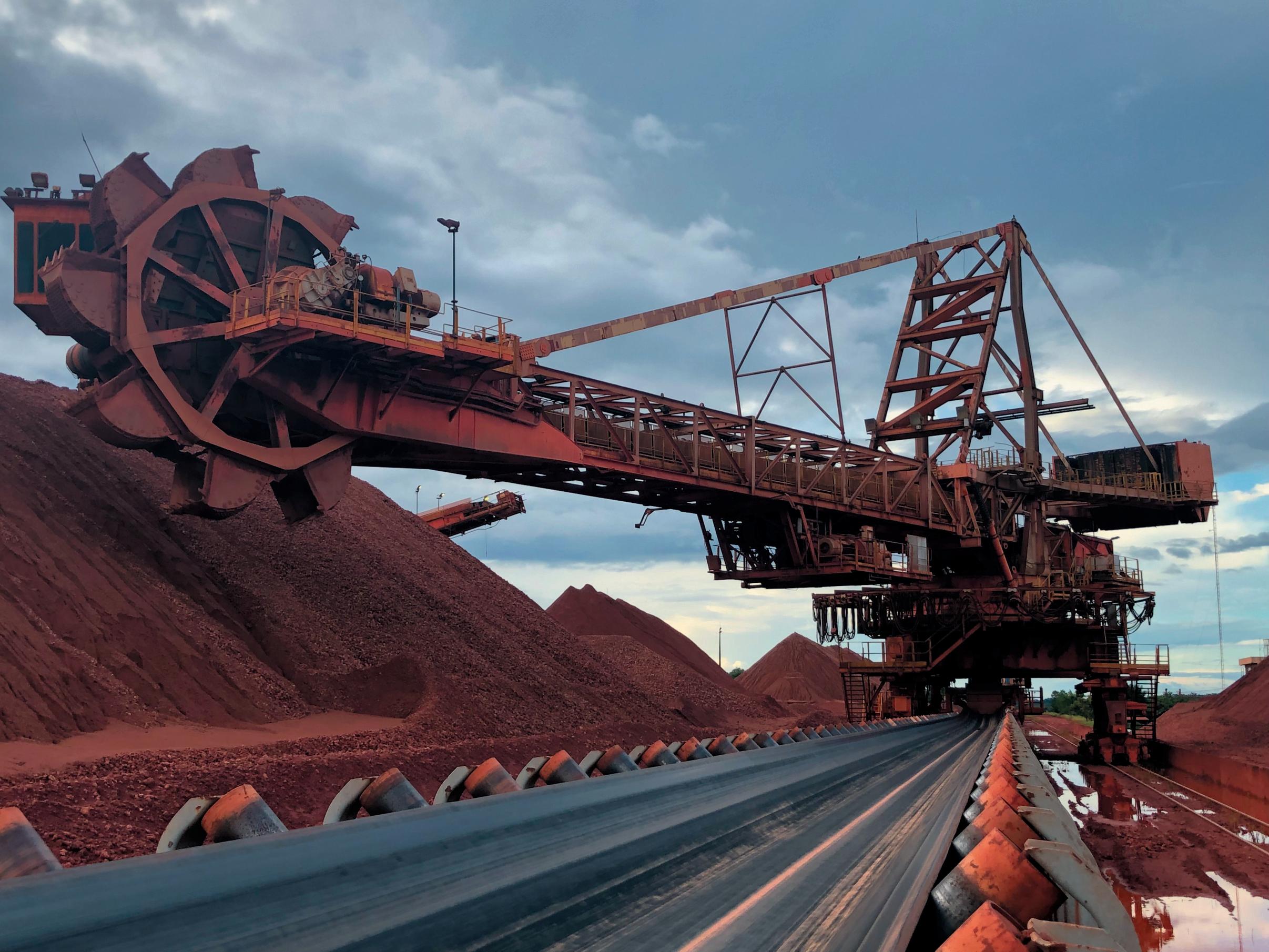
Portal scraper reclaimers
These are used for large stockpiles requiring long reach and high capacity. They offer up to 55m rail centres.
Key added features: full portal or semi portal v configurations for different yard geometries; and highly uniform reclaiming profile for v demanding blending requirements.
Barrel reclaimers
These are designed for continuous, high efficiency blending. They are equipped with a rotating barrel with integrated conveyor, ideal for fine or dusty ores.
Market value features: very consistent feed, excellent for v sinter/bauxite/pellet plants; enclosed reclaiming geometry reduces v dust emissions; and predictable wear patterns improving v maintenance planning.
Wheel-on-bridge reclaimers
These are used for specialty blending and high volume stockyard applications, and are ideal for circular yards or long blending beds.
New generation design elements: reversible buckets configuration v
allows for more flexibility in operation; and bridge-mounted systems suitable for v full automation and unmanned operation.
SHIP-UNLOADERS
Metso offers two main types: continuous digger-ladder and clamshell/grab unloaders. They are suitable for high-throughput unloading of coal, ores, grains and more The two main types are: CBU (continuous barge unloader ladder) and clamshell/grab unloaders, suitable for high throughput unloading of coal, ores, grain, fertilizers, biomass
Key Metso differentiators: high mechanical availability; v low dust and spill control solutions; v energy-efficient drive systems and v optimized hoist cycles; and optional anti-collision system and v automation packages for semi autonomous grab operation
SHIPLOADERS
These have a large installed base in USA, Brazil and Africa, with a strong reference base across mining and ports. They handle
iron ore, coal, bauxite, grain, and other dry bulk commodities.
Upgraded features: high capacity slewing and telescopic v boom options; dust-controlled loading chutes and v environmentally compliant loadout; structural modularity enabling v adaptation to various docks layouts; and advanced safety systems including v boom anti collision and emergency luffing
Through its recent acquisition of MRA, Metso has now strengthened its offering in bulk and port solutions, with Axo33, an advanced stockyard automation and management capabilities that support: real-time machine positioning for v enhanced operational visibility; advanced anti-collision technology v improving on-site safety; intelligent stockpile scanning for v accurate material tracking; optimized machine movements to v increase productivity; and reduced operational risks across v stockyard operations.
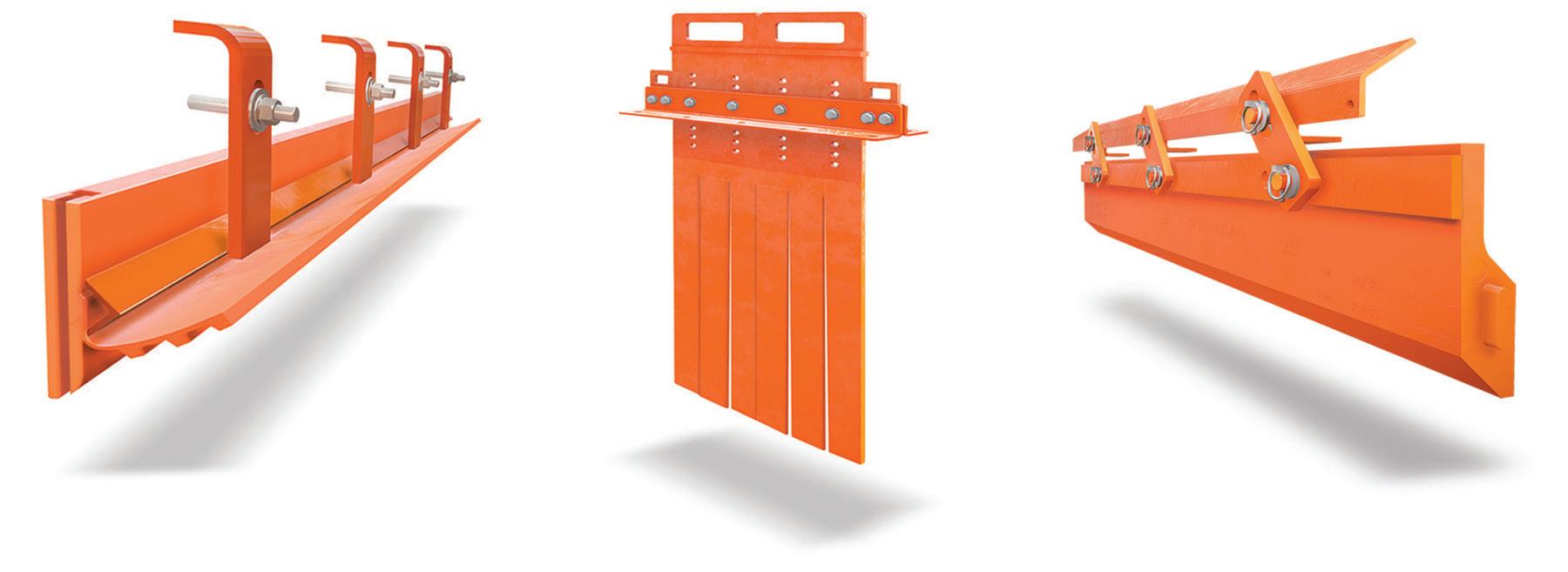
t ports and terminals, dust and spillage escaping from conveyor transfer points can create costly production and compliance challenges. But Martin's easy-to-install Modular Transfer Point Kits skirting options and dust curtains, at the source while maximizing
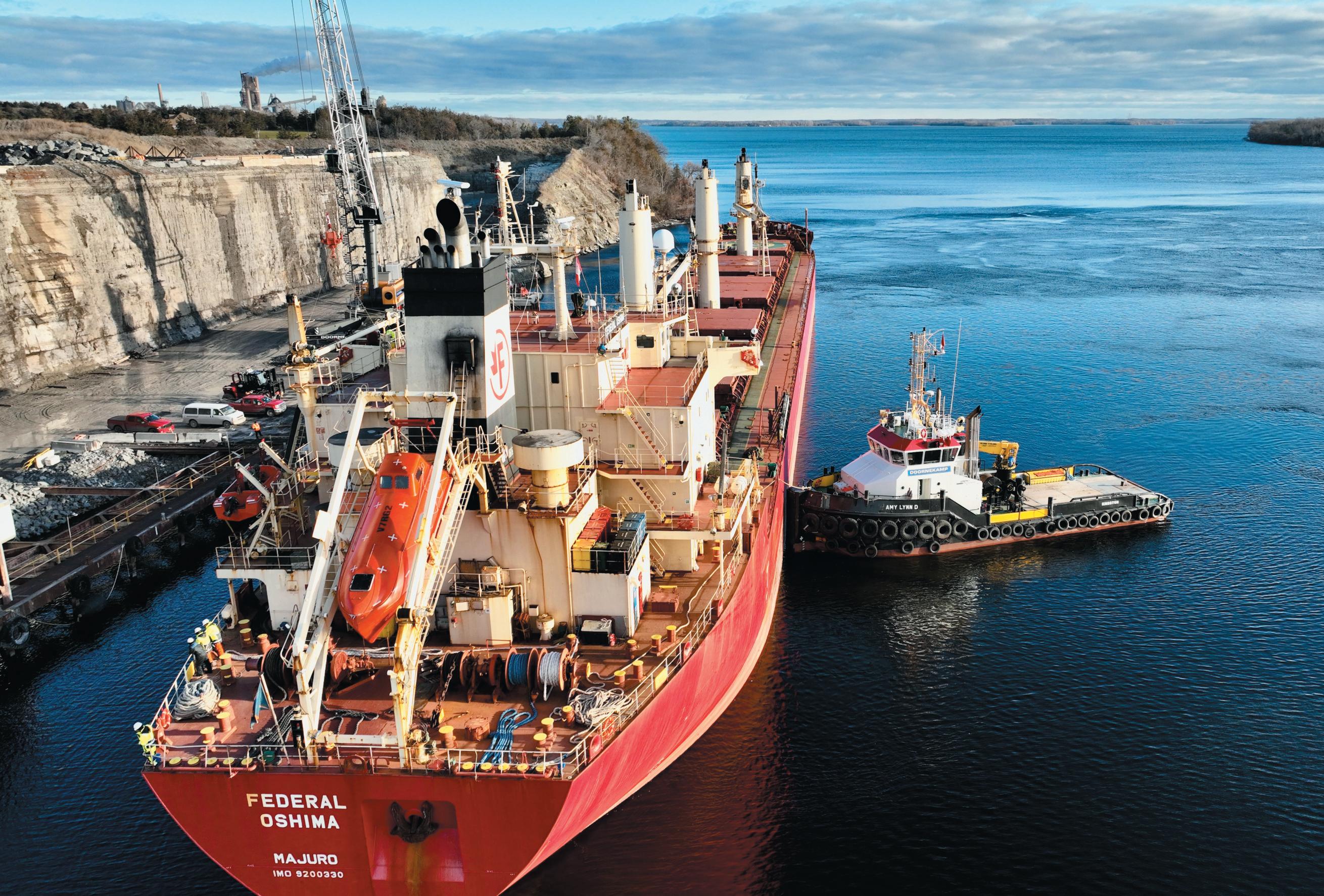
The Europe-North America trade route is a vital transportation link and is a long standing and vital link for continental trade. Vessel traffic between the European continent and North America via the St. Lawrence River and Seaway System serves as one of the world’s foremost two way trade. The Great Lakes–St. Lawrence Seaway System is a deep draught waterway extending 3,700km (2,340 miles) from the Atlantic Ocean to the head of the Great Lakes, in the heart of North America. The St. Lawrence Seaway portion of the System extends from Montreal to mid-Lake Erie. Ranked as one of the outstanding
engineering feats of the twentieth century, the St. Lawrence Seaway includes 13 Canadian and two US locks.
The Great Lakes and St. Lawrence River have been major North American trade arteries since long before the US or Canada achieved nationhood. Today, this integrated navigation system serves miners, farmers, factory workers and commercial interests from the western prairies to the eastern seaboard. With economic output estimated at $6 trillion, the provinces and states bordering the Great Lakes–St. Lawrence Seaway System account for 30% of combined Canadian
and US economic activity and employment. The region would rank as the third largest economy in the world if it were a country. Positioned at the core of this economic powerhouse, the Great Lakes St. Lawrence Seaway System serves as a vital supply chain.
“Canada and the United States have built something exceptional in the St. Lawrence Seaway,” said Jim Athanasiou, President and CEO of the St. Lawrence Seaway Management Corporation. “Our tonnage has remained relatively consistent year-over-year, demonstrating steady performance. As we open this season, we
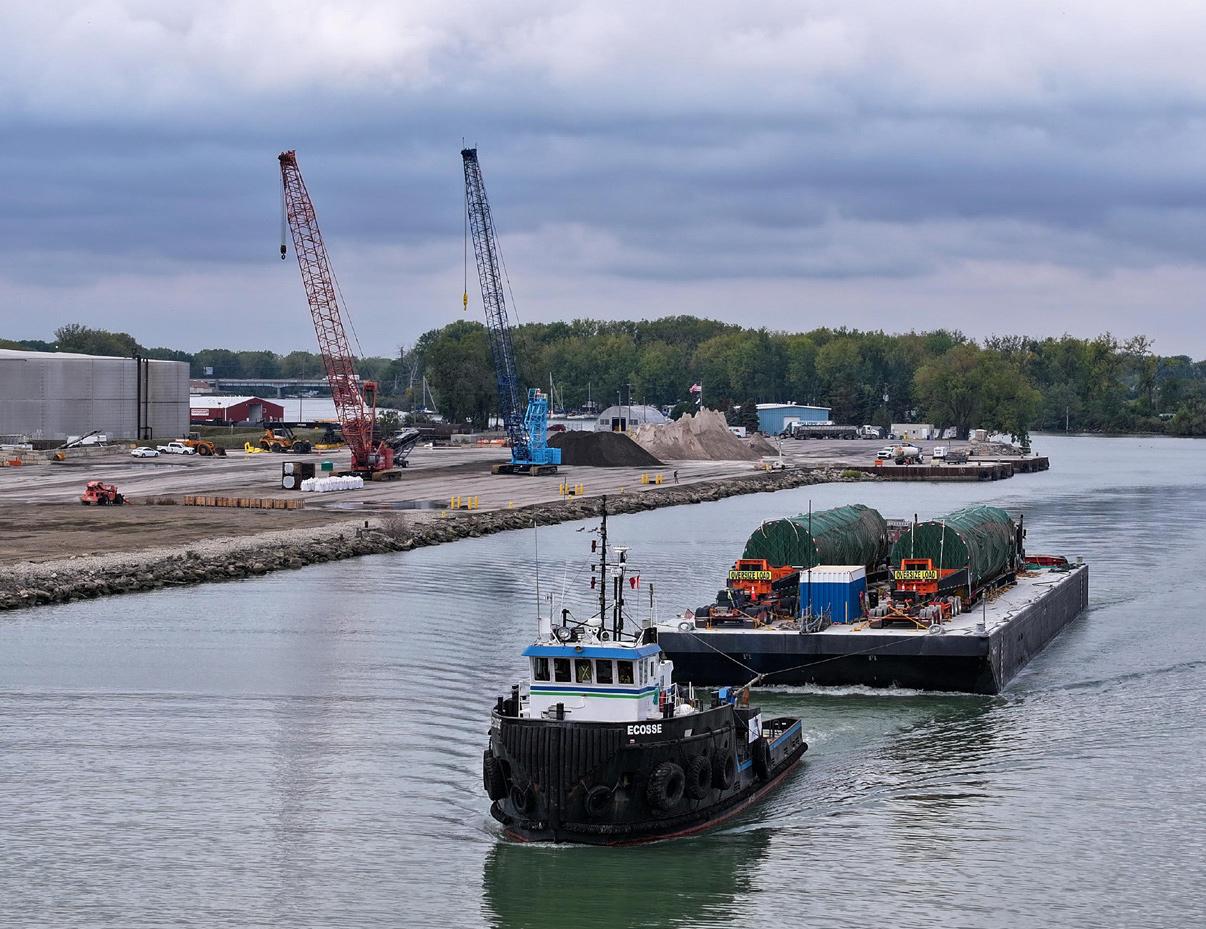






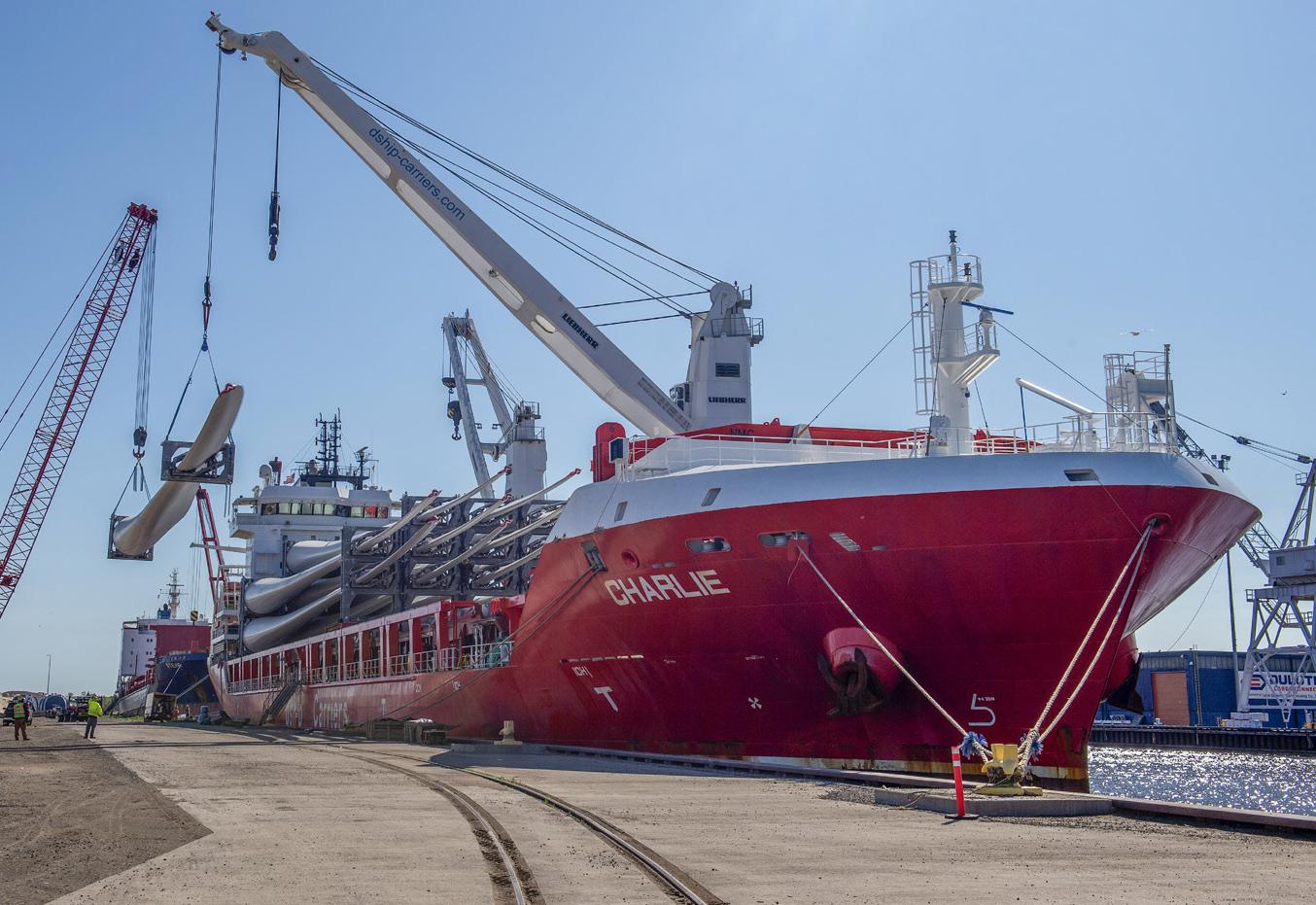
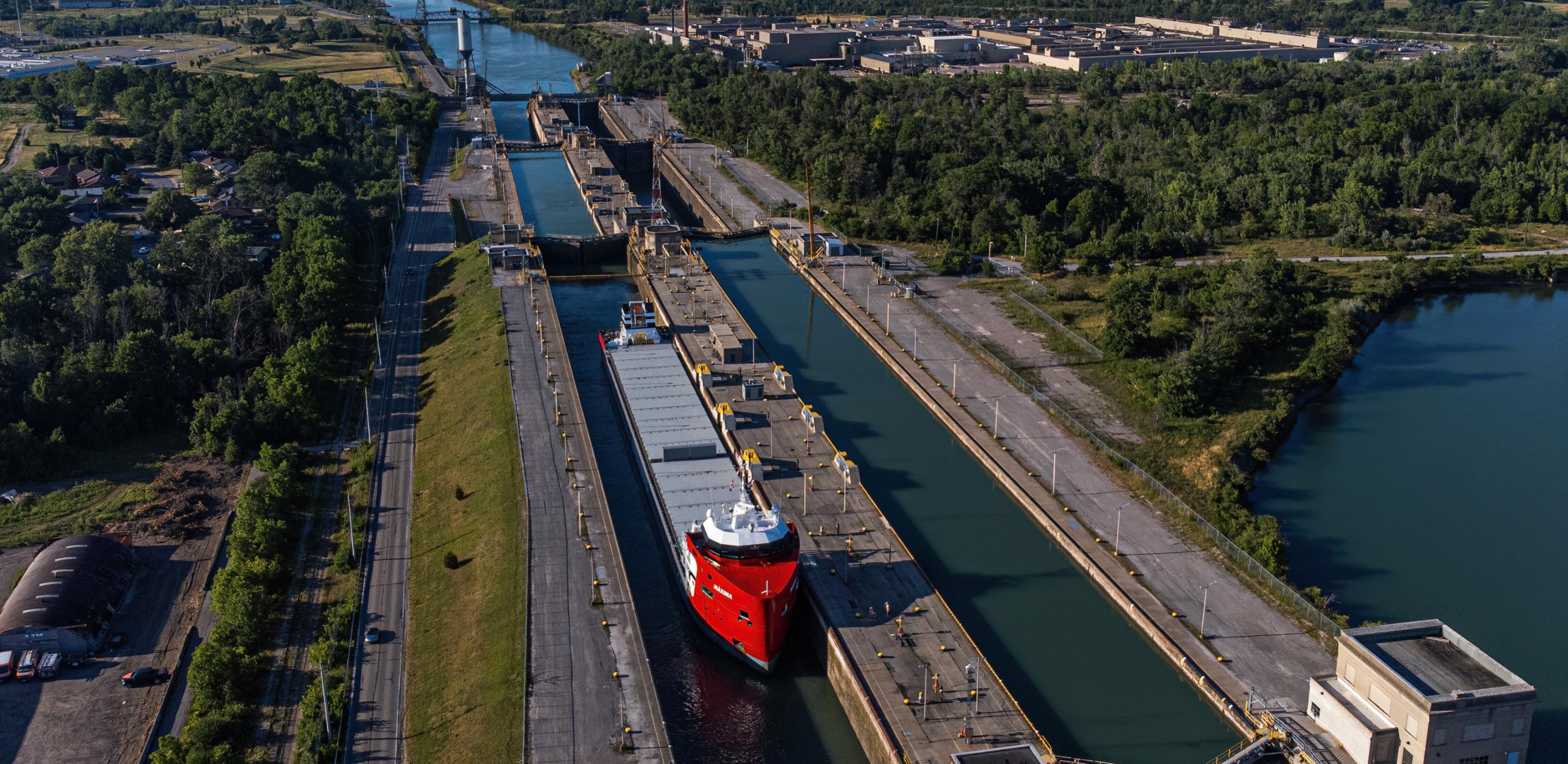
loading
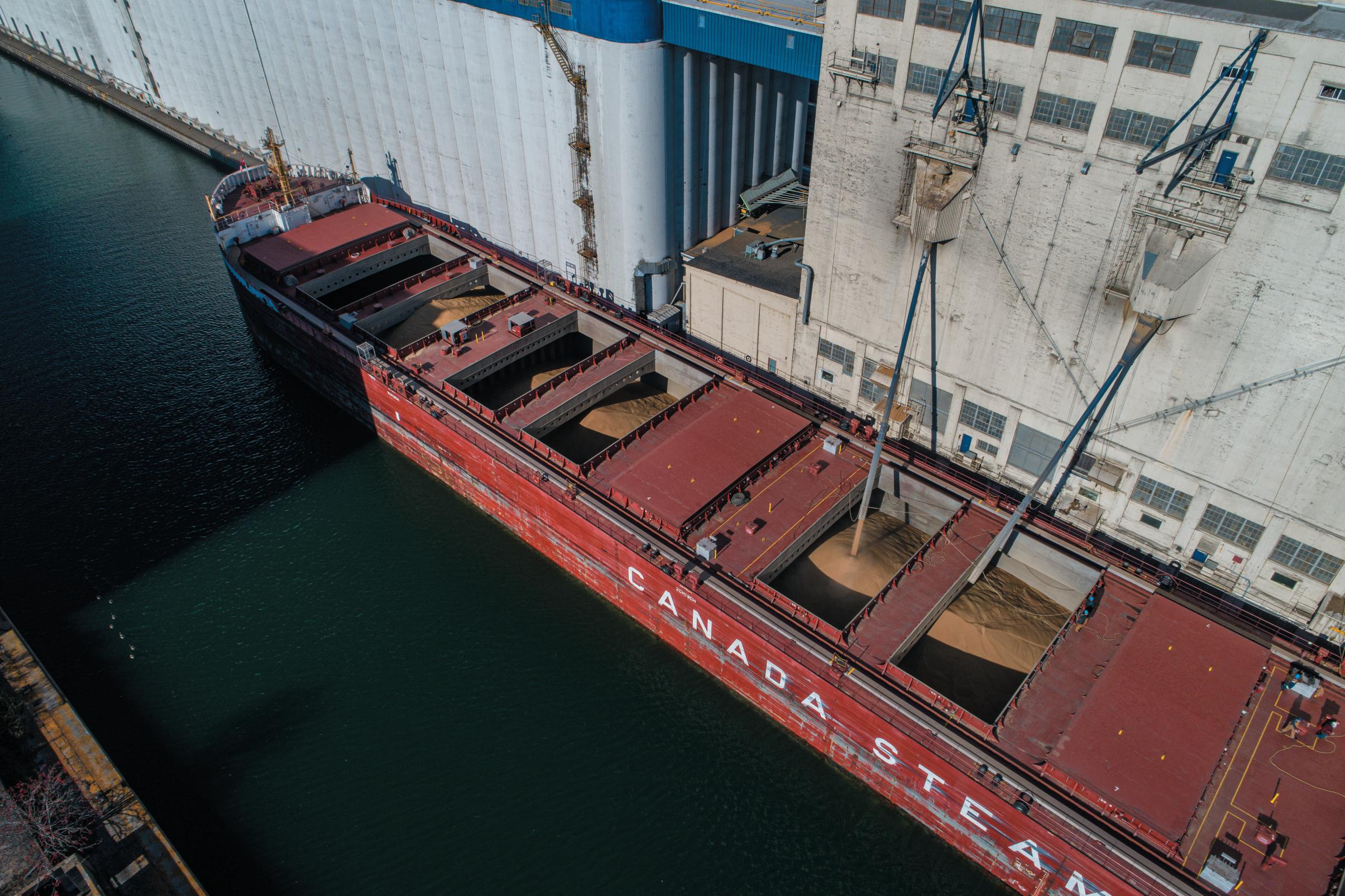
are continuing with initiatives to responsibly grow this vital trade corridor, support industry, economic development and communities in both countries.”
The Great Lakes/St. Lawrence Seaway was built as a binational partnership between the US and Canada, and continues to operate as such. Administration of the system is shared by two entities, the Great Lakes St. Lawrence Seaway Development Corporation (GLS) in the US, a federal agency within the US Department of Transportation, and the St. Lawrence Seaway Management Corporation in Canada, a not-for-profit corporation (ownership of the Canadian portion of the Seaway remains with the Canadian federal government). Three distinct vessel-operator communities serve the waterway. These include US domestic carriers (US Lakers) transporting cargo between ports on the Great Lakes, Canadian domestic carriers (Canadian Lakers) operating between ports on the Great Lakes and the St. Lawrence River and Canadian coastal waters, and oceangoing vessel operators (Salties), which operate between the region’s
ports and overseas destinations.
These carriers serve more than 110 system ports located in each of the eight Great Lakes states and the provinces of Ontario and Quebec. The economic impact of the Great Lakes–St. Lawrence cannot be overstated, as detailed in the table (below).
The St. Lawrence Seaway’s 68th navigation season officially opened on 22 March in Montreal, with the first vessel in the System — the Canfornav Blacky — also marking the 50th Anniversary for Canfornav in 2026. The U.S. Department of Transportation’s (USDOT) The St. Lawrence Seaway System is a critical artery to the North American maritime transportation system serving as the backbone of the American economy. The Great Lakes pathway has a long and demonstrated record of being a safe, reliable, and efficient passage for commercial transportation, supporting 150,000 US jobs, $26 billion in US economic activity, and $19 billion in business revenue annually.
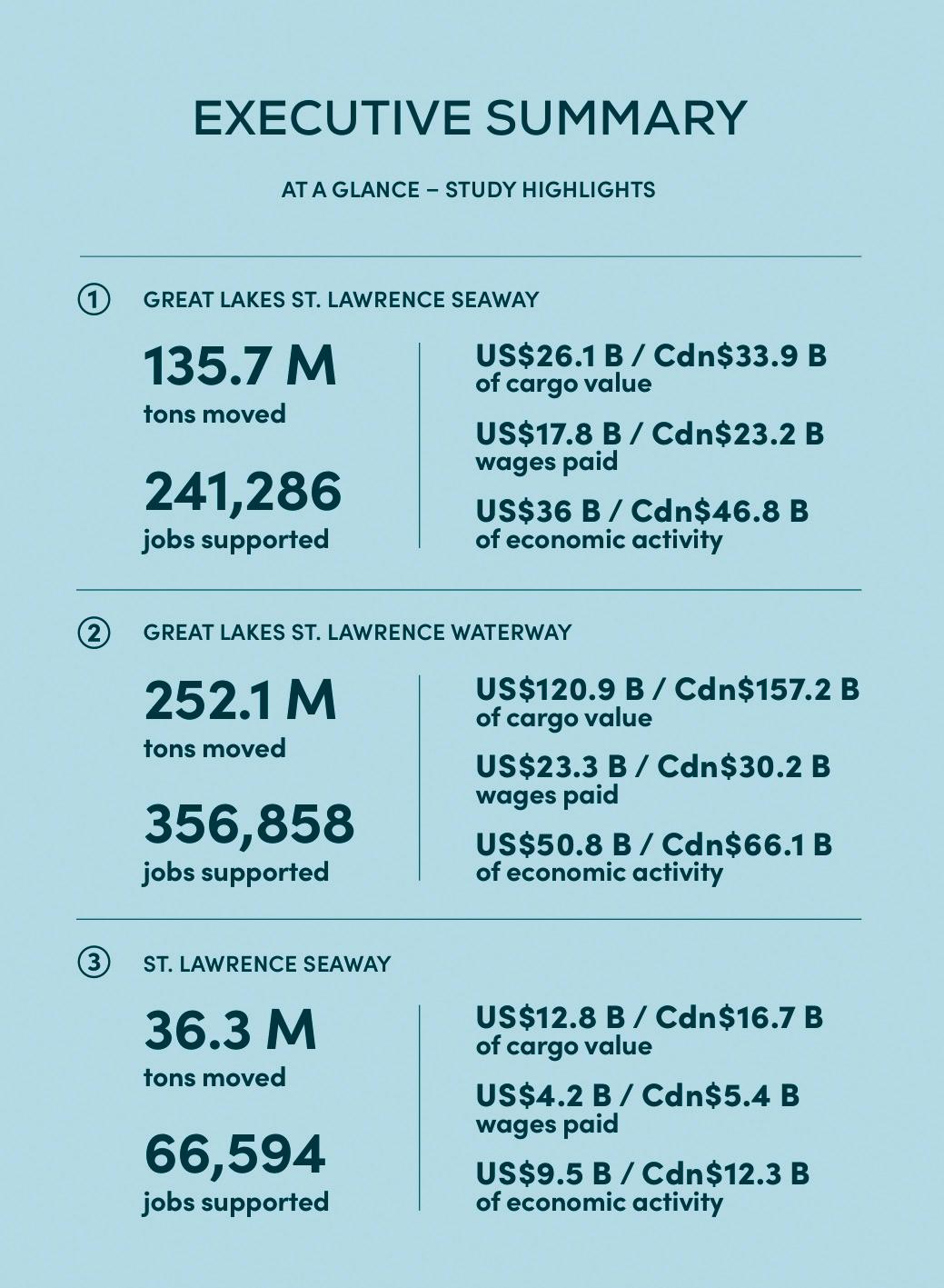
The topography of the Great Lakes — and specifically the dimensions of the locks in the System — mean that there are restrictions on vessel sizes, which has led to the development of the ‘Laker’, which maximizes the amount of cargo that can be carried. Seaway locks: each lock is 233.5 metres long (766 feet), 24.4 metres wide (80 feet) and 9.1 metres deep (30 feet)
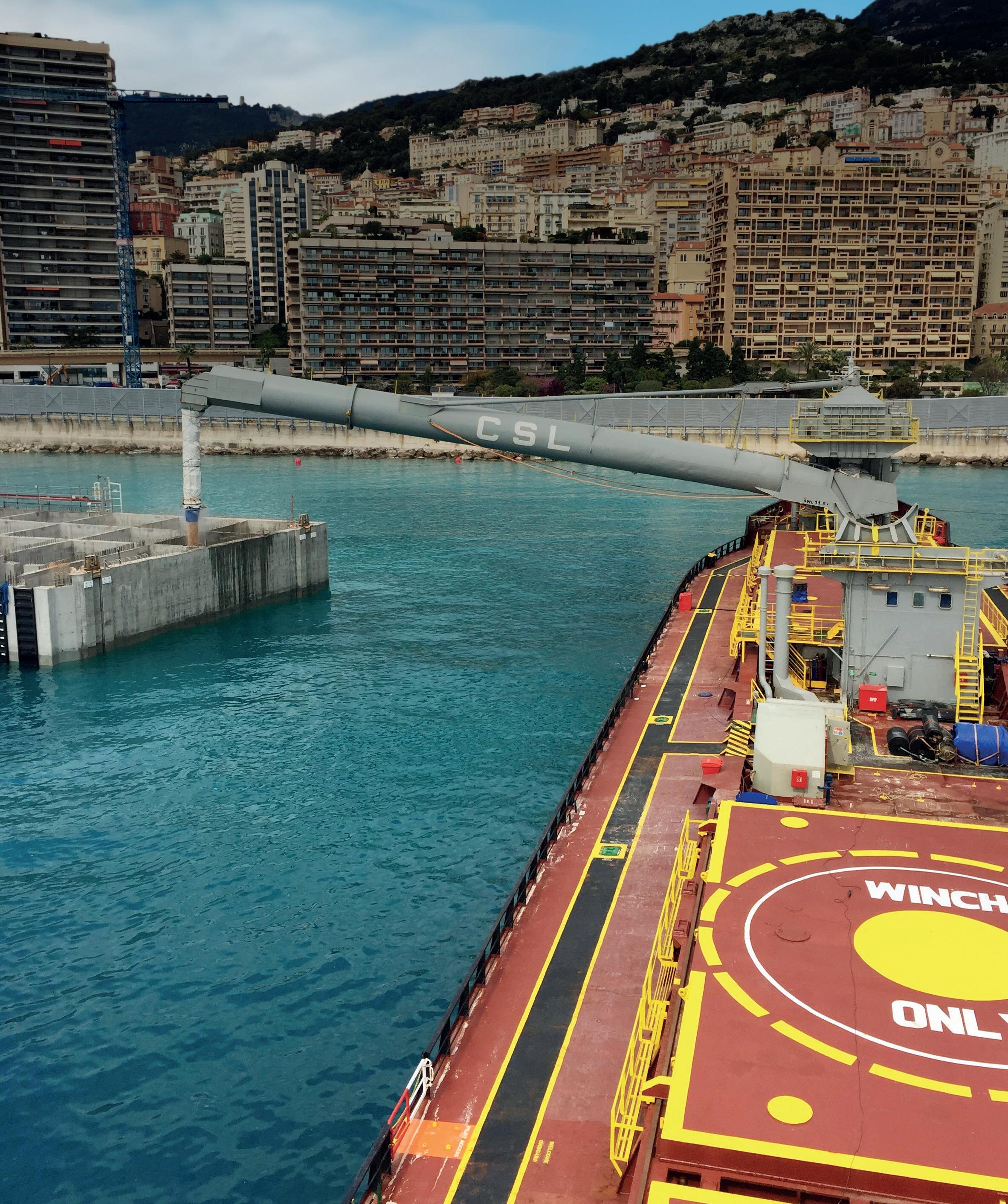
































































o with cargo co By ope o years 100 ver technolog -handling state-of-the mbining f rating y arteand e pe in o featu stocu exper










olutions tha s mised rience, CSL offers ction. y ards t www.cslships.com




rotec al p environment rgy nd ene a rational stand ghest e the hi r






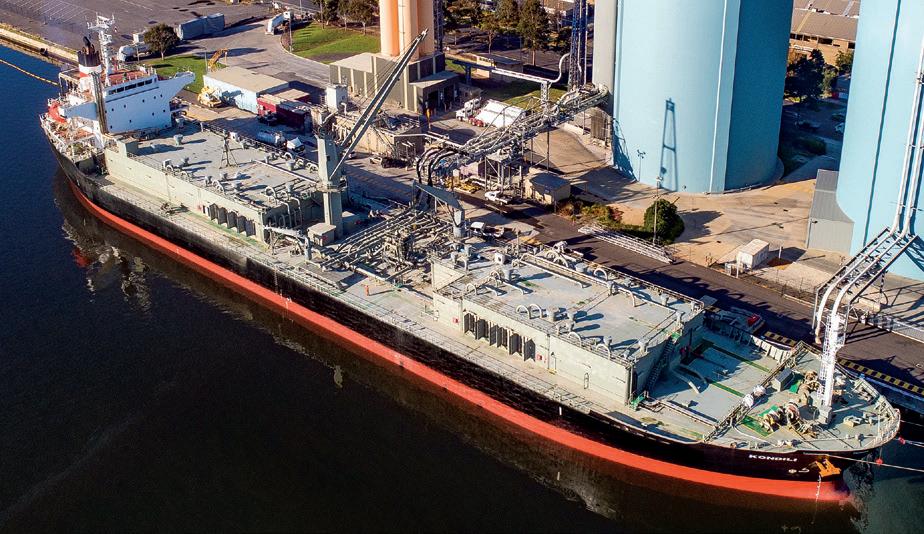
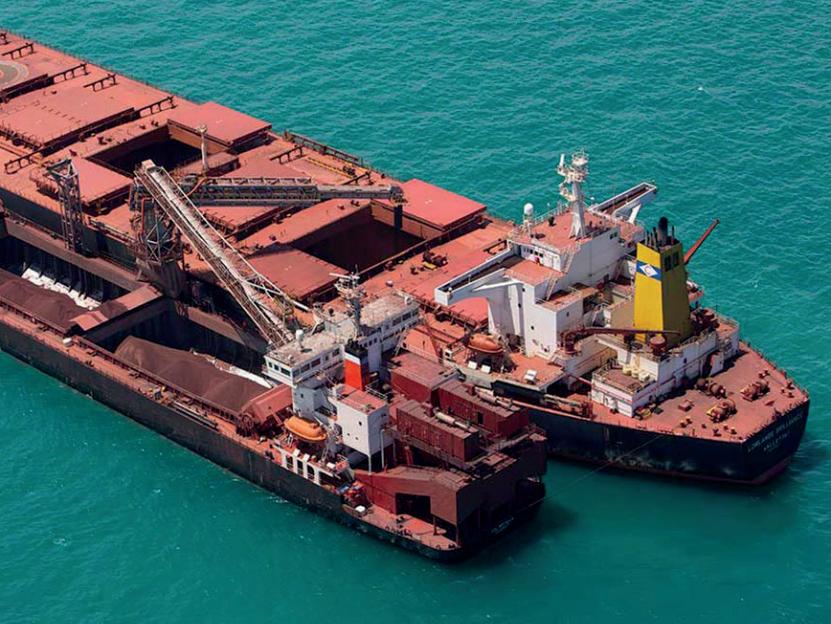



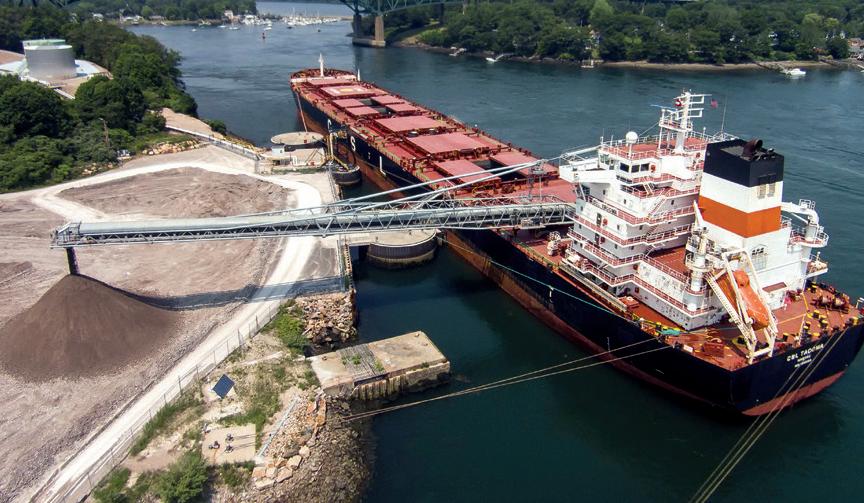
over the sill.
A lock fills with approximately 91 million litres of water (24 million gallons) in just seven to ten minutes. Getting through a lock takes about 45 minutes. Seaway ships: ships measuring up to 225.5 metres in length (or 740 feet) and 23.8 metres (or 78 feet) in width (also known as the ship’s ‘beam’) are routinely raised more than 180 metres above sea level, as high as a 60storey building. These ships can be over twice as long and about half as wide as a football field and carry cargoes the equivalent of 30,000 metric tonnes.
The St. Lawrence Seaway Management Corporation is a not-for-profit corporation responsible for the safe and efficient movement of marine traffic through the Canadian Seaway facilities, which consists of 13 of the 15 locks between Montreal and Lake Erie. The Corporation plays a pivotal role in ensuring that the waterway remains a safe and wellmanaged system, which it shares with its American counterpart, the Great Lakes St. Lawrence Seaway Development Corporation. The Corporation’s mandate promotes efficiency and responsiveness to the needs of shipping interests, ports, marine agencies, and provincial and state jurisdictions.
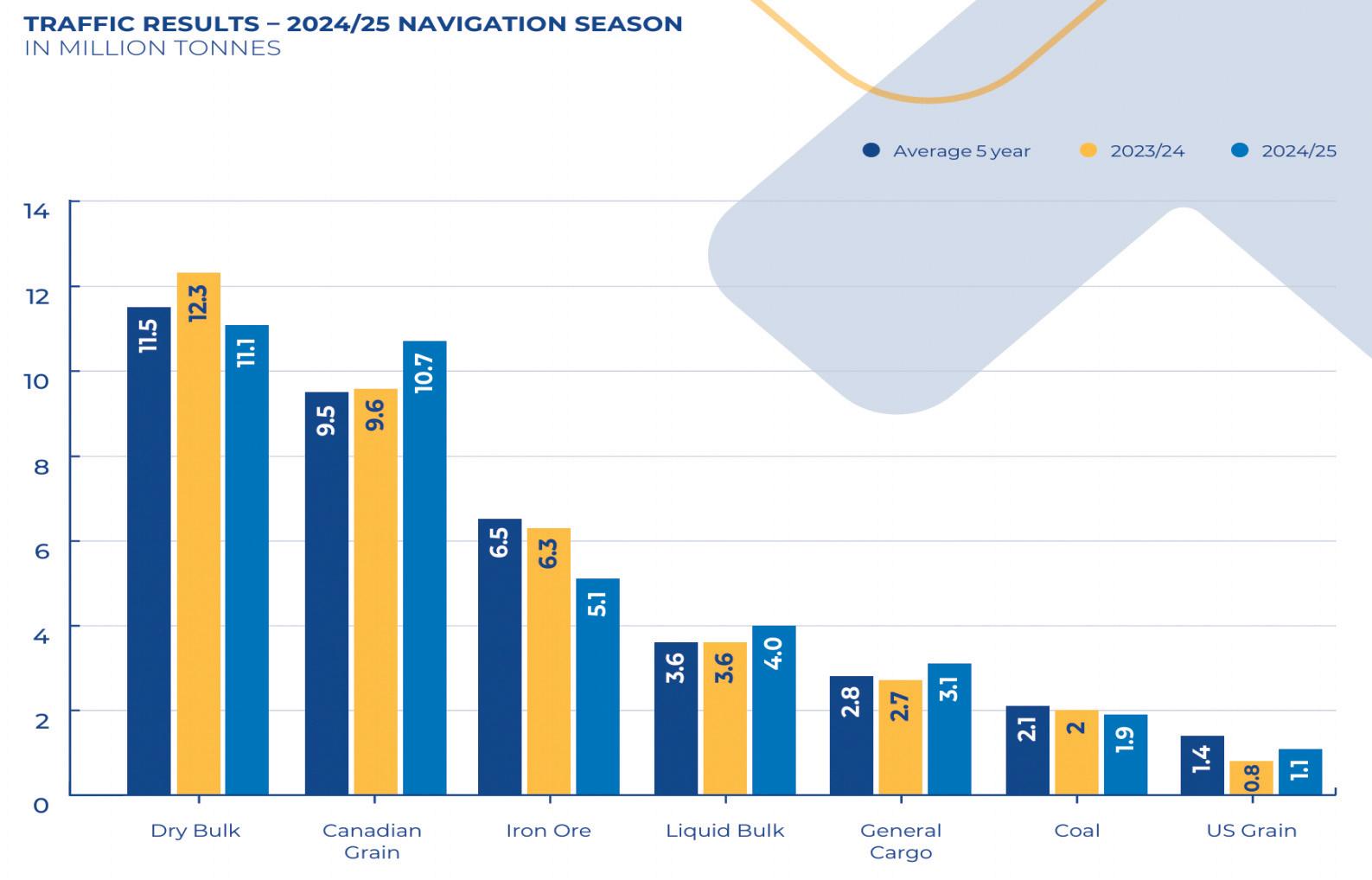
The Great Lakes St. Lawrence Seaway Development Corporation (GLS) is a wholly owned government corporation created by statute 13 May 1954, to construct, operate, and maintain that part of the St. Lawrence Seaway between the Port of Montreal and Lake Erie, within the territorial limits of the United States. Trade development functions aim to enhance Great Lakes/St. Lawrence Seaway System utilization without respect to territorial or geographic limits. The mission of the Corporation is to serve the US intermodal
and international transportation system by improving the operation and maintenance of a safe, reliable and efficient deep-draught waterway, in co-operation with its Canadian counterpart. The GLS also encourages the development of trade through the Great Lakes Seaway System, which contributes to the comprehensive development of the entire Great Lakes region. The GLS headquarters staff offices are located in Washington, D.C. Operations are located at the two U.S. Seaway locks (Eisenhower and Snell) in Massena, N.Y.
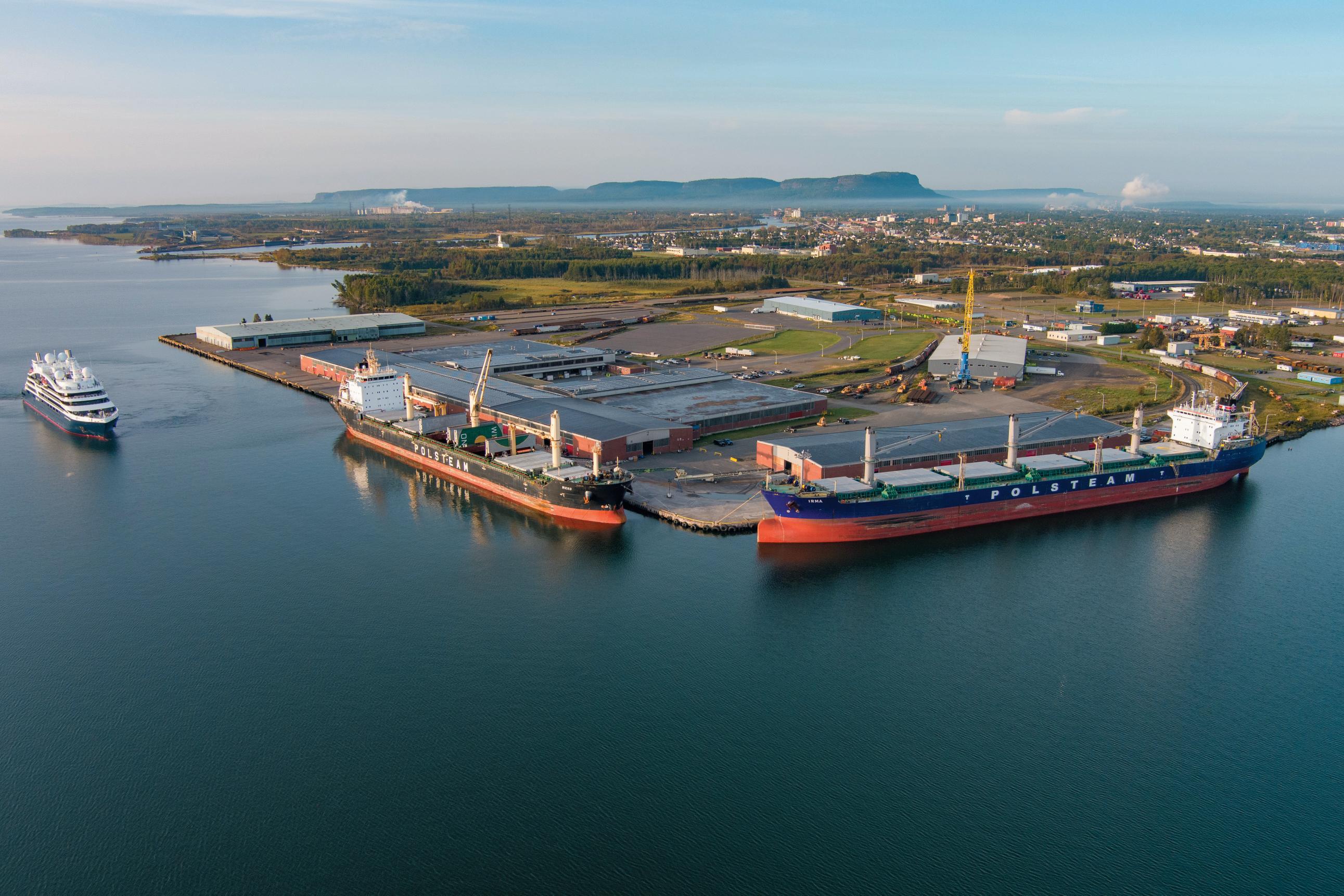
ARRIVAL OF THE ‘FEDERAL MONTREAL’ AT THE PORT OF JOHNSTOWN ACTIVATES A NEW CANADIAN- CONTROLLED MARINE-RAIL CORRIDOR LINKING PRAIRIE PRODUCERS TO GLOBAL MARKETS.
Eastern Ontario has reopened one of Canada’s most strategic agricultural gateways with the arrival of the Federal Montreal, the first bulk vessel fertilizer cargo to dock in the region in almost three decades. Its discharge — co-ordinated through a logistics partnership led by V6 Agronomy alongside the Port of Johnstown — reactivates a long-dormant section of the St. Lawrence Seaway and establishes a modern Prairie-Seaway trade corridor connecting Western Canadian producers to Eastern and international markets.
This renewed corridor links inbound fertilizers with outbound grain, pulses, and agri-products through an integrated marine-rail pathway. The result is a Canadian-controlled logistics chain that improves rail asset utilization, strengthens national food security, and reduces reliance on foreign infrastructure for critical agricultural inputs and exports.
“This moment marks the renewal of a corridor that has been dormant for nearly three decades,” said Ryan Brophy, CEO of V6 Agronomy. “By reactivating this gateway, we are creating a reliable, efficient, and globally competitive route that benefits farmers from the Prairies to the Great Lakes. It’s a major step forward for Canada’s agricultural sector.”
Re-establishing direct marine fertilizer imports into Eastern Ontario delivers: reliable, domestically controlled access to essential crop v nutrients; expanded eastbound marine capacity for Prairie growers; v efficient match-back flows for outbound grain, pulses, and v agri-products; reduced transportation emissions through improved v marine and rail efficiencies; and new global diversification opportunities, including access v to European and emerging markets
All discharge, handling, and loading operations occur entirely within the marine and rail footprint — ensuring no impact on municipal roads or surrounding communities.
With seasonal constraints and congestion affecting some Western facilities, Eastern Ontario provides year-round scalability with no competing vessel queues, positioning the Port of Johnstown as a critical alternative pathway in Canada’s agricultural export architecture.
ALIGNED WITH FEDERAL & PROVINCIAL






This initiative directly aligns with commitments outlined in Budget 2025, including: strengthening Canada’s supply chain sovereignty; v expanding the Trade Diversification Corridors Fund v (TDCF); scaling inland logistics capacity via the National Trade v Corridors Fund (NTCF); advancing fertilizer emissions-reduction through enhanced v toledoport.org

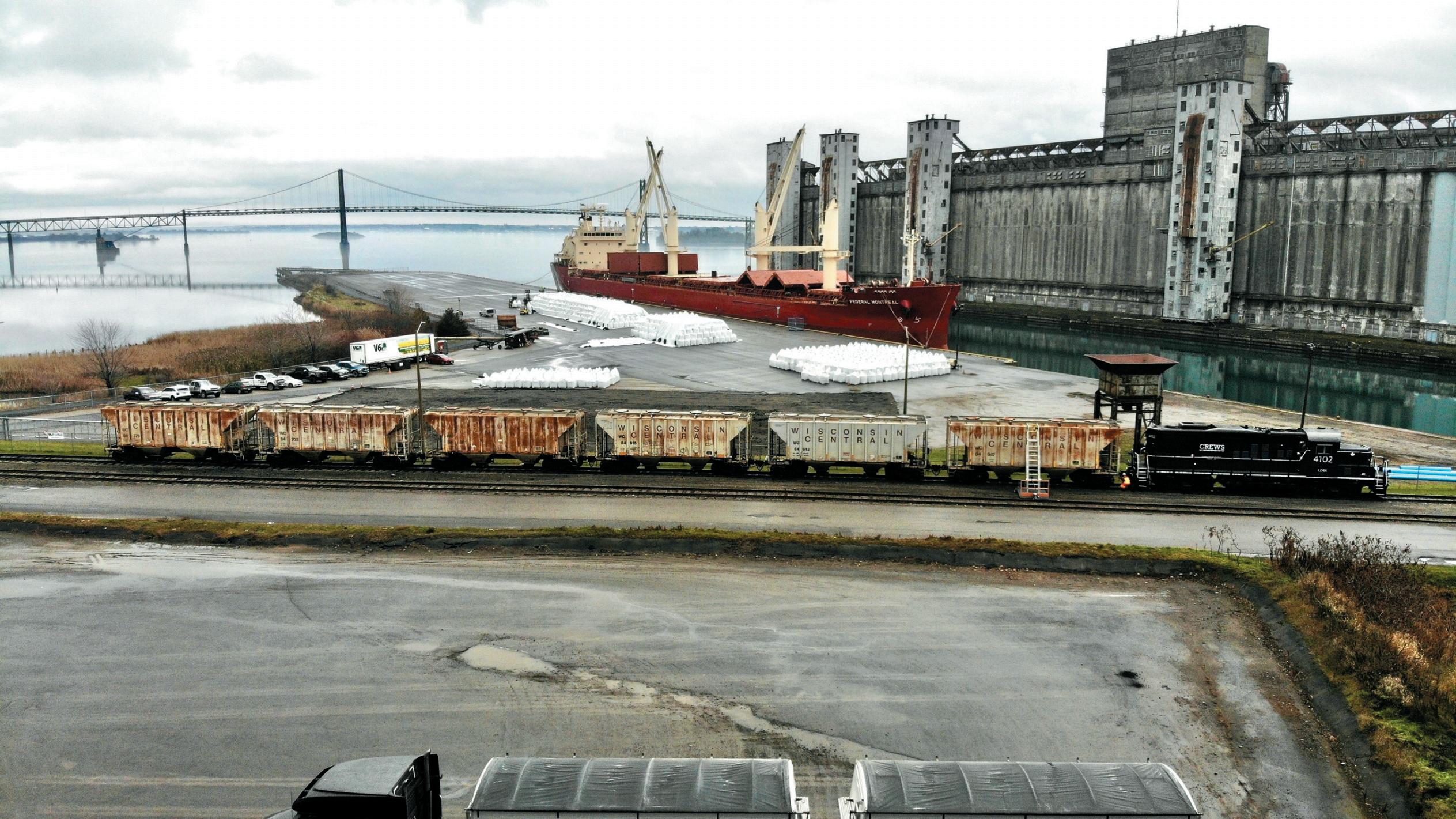
nutrient pathways; and supporting rural economic v development and regional infrastructure renewal.
The Port of Johnstown’s strategic location at the centre of the Montreal–Toronto–Ottawa corridor provides the scalability needed for long-term agricultural growth and interprovincial connectivity.
The activation of this upgraded gateway is reinforced by research and industry partnerships that expand Canada’s agricultural innovation capacity.
Trent University, a multi-year research partner to V6 Agronomy, emphasized the national significance of this milestone:
“The opening of this terminal is a significant opportunity for Trent researchers and students to contribute to this new frontier of sustainable agriculture in Canada,” said Christopher Rooney, Senior Director of Research and Innovation at Trent University. “As a research partner with V6 Agronomy at this critical point in business development, Trent University is facilitating opportunities for scientists and emerging talent to gain first-hand insights into the agri-food and agri-business economy and contribute new solutions for the sector. It’s a clear example of how Trent and post-secondary research are involved in economic development in Canada.”
FERTINAGRO BIOTECH INTERNATIONAL
One of Europe’s leading fertilizer
innovators, Fertinagro Biotech International, welcomed the corridor’s activation:
“V6’s investment into this corridor represents a very meaningful milestone in establishing a resilient Canada-wide fertilizer supply chain that strengthens crop nutrition security for growers across the country,” said Fertinagro Biotech International. “We see this as a strategically significant advancement — one that enhances national supply resilience, expands access to nextgeneration fertilizer technologies, and creates new collaboration opportunities in sustainable nutrient innovation.”
Leslie Drynan, General Manager of the Port of Johnstown, added: “The arrival of this vessel marks the reopening of a strategic agricultural gateway for Canada. Through our strong partnership with V6 Agronomy, the Port of Johnstown is activating a modern marine-rail corridor that strengthens national supply chains, supports Prairie growers, and creates new opportunities for Canadian agriculture.”
The Port of Johnstown is a municipally owned, trimodal logistics facility serving Ontario and Western Quebec producers since 1930. Its strategic location on the St. Lawrence Seaway provides efficient marine, rail, and truck connectivity to domestic and global markets, with scalable capacity to support future agricultural and industrial growth.
V6 Agronomy is a Canadian agricultural solutions company focused on sustainable crop nutrition, supply chain innovation, and enhanced efficiency fertilizer systems. V6 supplies one of the only true compound granular starter fertilizers manufactured for the North American market — a oneof-a-kind formulation that delivers a precise balance of nutrients in every granule. Through strategic marine, rail, and inland terminal partnerships — including the new Prairie–Seaway corridor — V6 is strengthening food security, supporting Canadian growers, and advancing a reliable, Canadian-controlled agri-logistics pathway across the country.
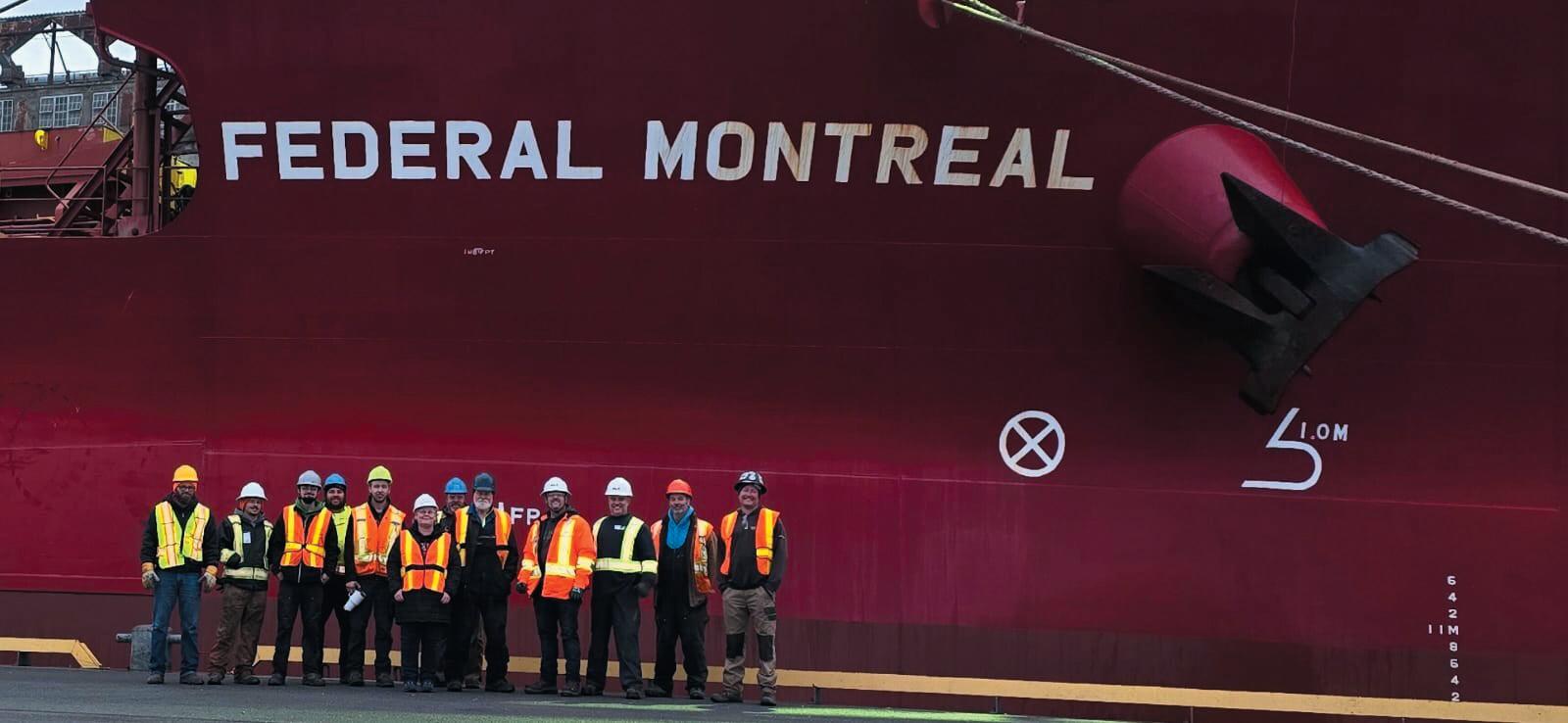
In 2025, the Port of Québec continued to be a key player in the Canadian logistics chain, supported by its strong competitive advantages.
The slowdown in petrochemical tonnage is attributable to a planned major shutdown of the Jean-Gaulin refinery (Valero Energy), which lasted approximately two months to allow for inspection, maintenance, and upgrade work.
In contrast, the agri-food sector recorded exceptional growth following the arrival of a new operator, Parrish & Heimbecker (P&H) [for more details on this new terminal, please see ‘Milestone for Parrish & Heimbecker as it welcomes first vessel at its Picton Terminal’ on p117 of this issue. Ed.], which acquired its first deep-water terminal dedicated to grain exports. Increased iron ore volumes drove growth in the iron and steel industry. The transportation sector benefited from higher shipments of salt and refined products, while the construction sector saw growth supported by rising cement volumes.
Activity in the mining, metals, and energy sectors was mainly influenced by nickel traffic. In addition, the handling of wind turbine components for Boralex represented a significant additional source of activity in 2025.
The Port of Québec’s mission is to promote and develop maritime trade, to serve the economic interests of the
Québec City region and Canada and to ensure its profitability while respecting its community and the environment. It strives to be a port recognized by citizens for the responsible management of its territory, respect for the environment and protection of biodiversity, while positioning itself as a world leader in establishing sustainable supply chains for a more resilient economy.
As a proud member of the International Association Cities & Ports (AIVP), the Port of Québec is a strong link in the global chain of port cities. These partnerships strengthen the port’s ability to exchange innovative ideas and anticipate industry trends, which in turn lets it help steer the growth of the global maritime industry in a positive direction.
As a founding member of Green Marine, the Port of Québec is committed to preserving and promoting environmentally friendly practices in all its operations. Sustainability is crucial to the future of the planet. That’s why the Port of Québec is
determined to minimize its environmental impact while supporting responsible economic growth.
The Port of Québec’s commitment to sustainability is also reflected in its Biosphere certification, which testifies to its respect for the planet. This certification is proof of the Port of Québec’s commitment to achieving a harmonious balance between port development, the preservation of biodiversity, and the well-being of its neighbours.
The Port of Québec is proud to be helping build a future where economic prosperity can coexist with the protection of the precious environment.
As a member of the St. Lawrence Economic Development Council (SODES), the Port of Québec is actively contributing to the regional economy. In addition, it collaborates with ports like the Port of Montréal and the Port of Trois-Rivières to optimize port activities and reinforce the strategic role of the St. Lawrence River in Québec’s economic development.
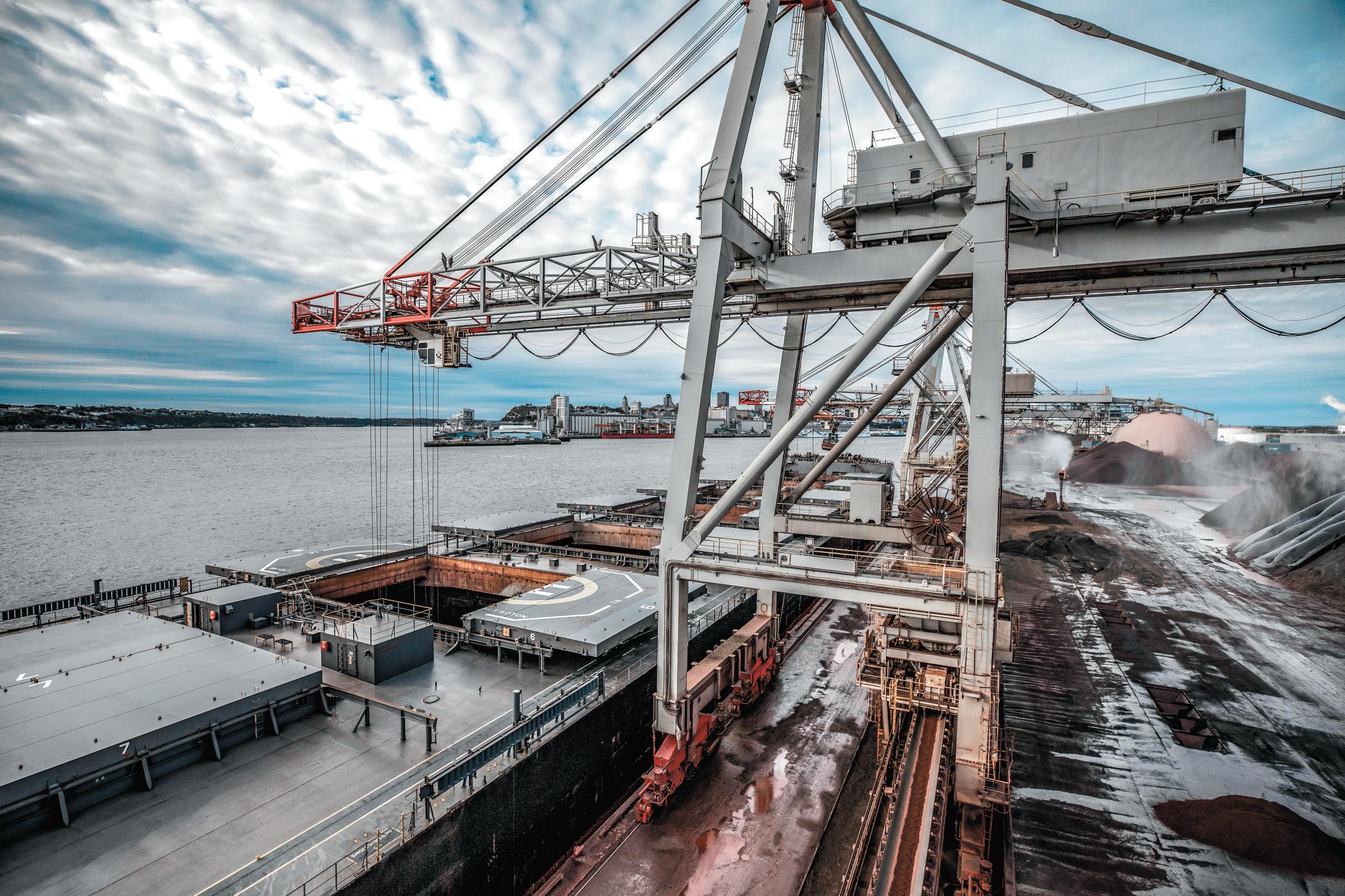
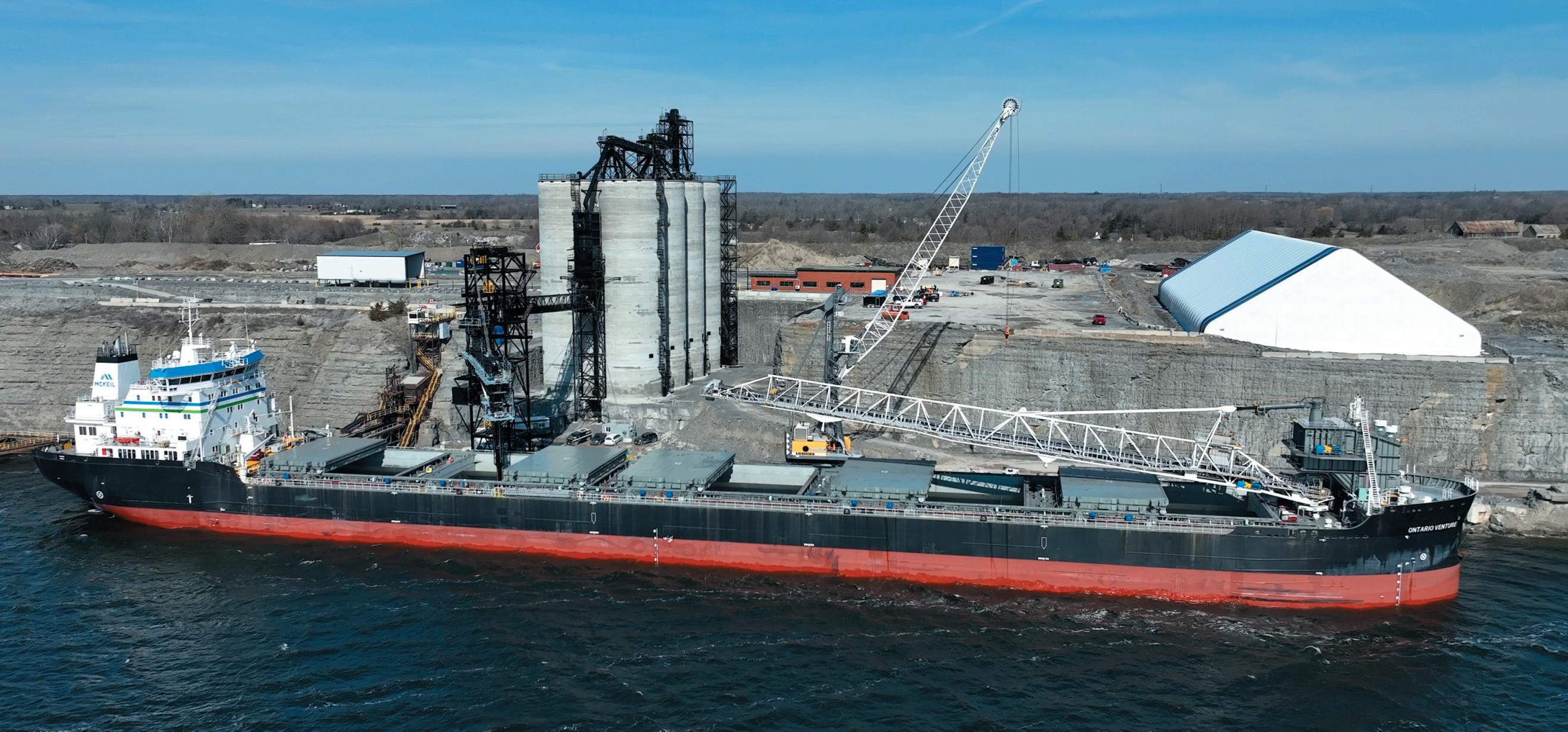
Parrish & Heimbecker (P&H) has reported the arrival of the first boat to be loaded at its Picton Terminal.
The Ontario Venture berthed at Picton Terminal at 10:00pm on 7 April 2026. After it was loaded with a mixture of wheat and soybeans, the Ontario Venture headed for P&H’s Quebec City Terminal. This is the first shipment of agricultural products to leave Picton, Ontario, Canada, by ship in nearly 75 years.
This milestone marks a major step forward for the Picton Terminal and underscores its growing role within P&H’s marine and export network. P&H has expressed gratitude to everyone involved in delivering this important moment — for P&H, for its customers, and for the Eastern Ontario agricultural community.
ABOUT P&H’S FACILITY AT PICTON TERMINALS
This new, state-of-the-art bulk agricultural marine terminal at Picton Terminals in Prince Edward County provides crucial support to farmers in eastern Ontario by offering a closer, more efficient delivery option for their corn, wheat, and soybean crops. In this way, it is expanding Canada’s supply chain beyond traditional nodes.
The new terminal significantly reduces travel time for local farmers, alleviate truck traffic on Highway 401 and
enhances the overall efficiency of the agricultural supply chain. With high throughput and rapid turnover capabilities, this facility is designed to meet the needs of the region’s farmers while expanding P&H’s export capacity, which currently serves customers in 24 countries. This development represents a major investment in the future of regional agriculture and the local economy, creating skilled jobs and fostering economic growth in Prince Edward County.
Parrish & Heimbecker, Limited (P&H) is a Canadian, family owned agri-business, with roots in the agriculture industry dating back to 1909. P&H is growth-oriented, diversified and vertically integrated with operations including grain handling and merchandising, flour milling, as well as crop inputs and feed mills. With over 70
locations from coast to coast, and trade links around the globe, P&H leverages its well-established network of assets, strong business relationships with customers and suppliers and ongoing infrastructure development to support Canadian agricultural producers.
Picton Terminals Ltd (formerly known as Picton Terminals by Doornekamp) provides logistics solutions and diverse port services which provide better, more efficient shipping throughout the St. Lawrence Seaway & Great Lakes region. Picton Terminals offers stevedoring and unique storage options, innovative solutions and proximity to large markets. Picton Terminals Ltd. works with clients and utilizes creative engineering, economic strategies and sustainable products to accomplish challenging projects. Custom package options are available.
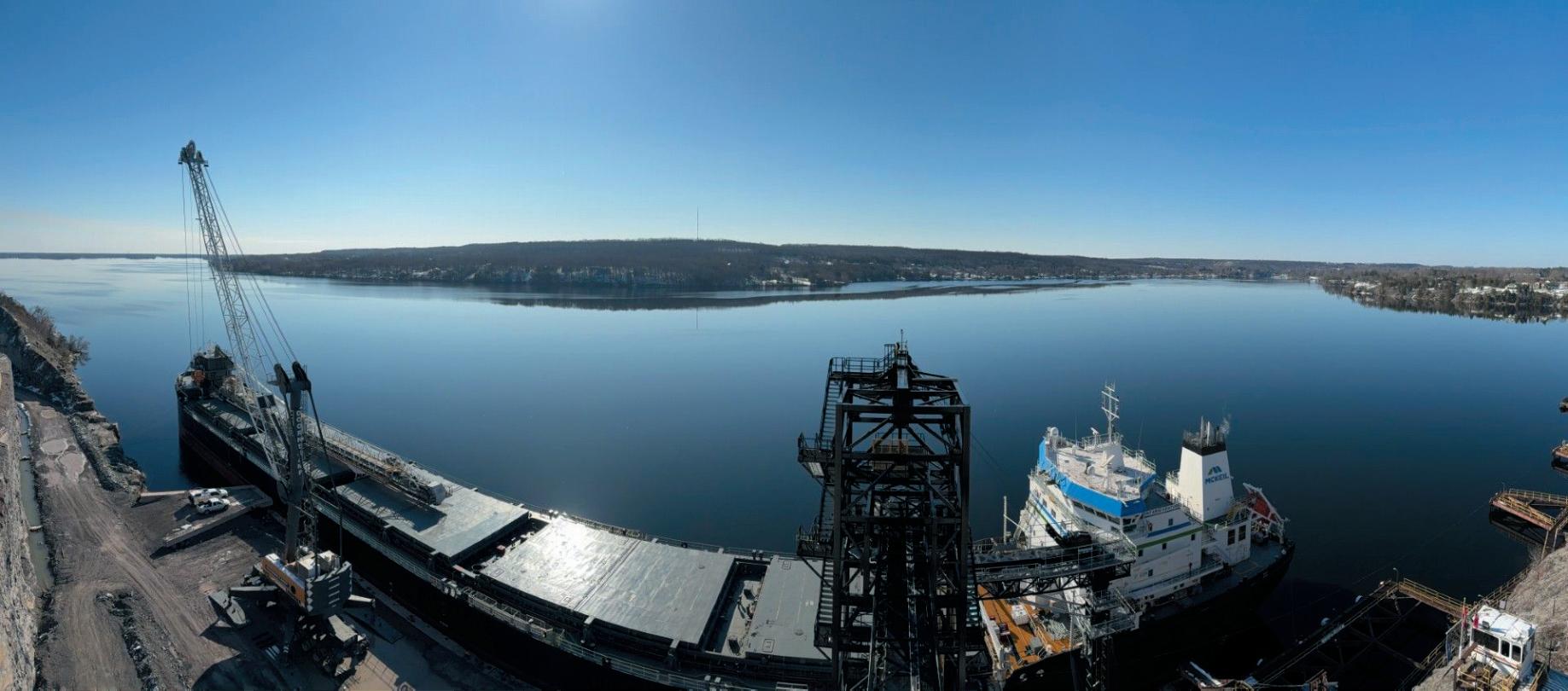
Ports of Indiana-Burns Harbor celebrated the start of the 2026 international shipping season on 4 April with the arrival of the Ocean7 Ranger. The ocean vessel completed a 52-day voyage carrying equipment for facility improvements at U.S. Steel Gary Works, the largest integrated steel mill in North America.
The 2026 opening of the St. Lawrence Seaway to ocean vessels marked one of the shortest winter closures in history, totalling just 69 days from 12 January to 22 March.
To commemorate the occasion, Burns Harbor Port Director Ryan McCoy presented the Ports of Indiana ‘Steel Stein’ to Captain Ilia Kalachov on board the Ranger. The presentation celebrates the first ocean vessel’s arrival and Northwest Indiana’s role as “The Steel Capital of North America.”
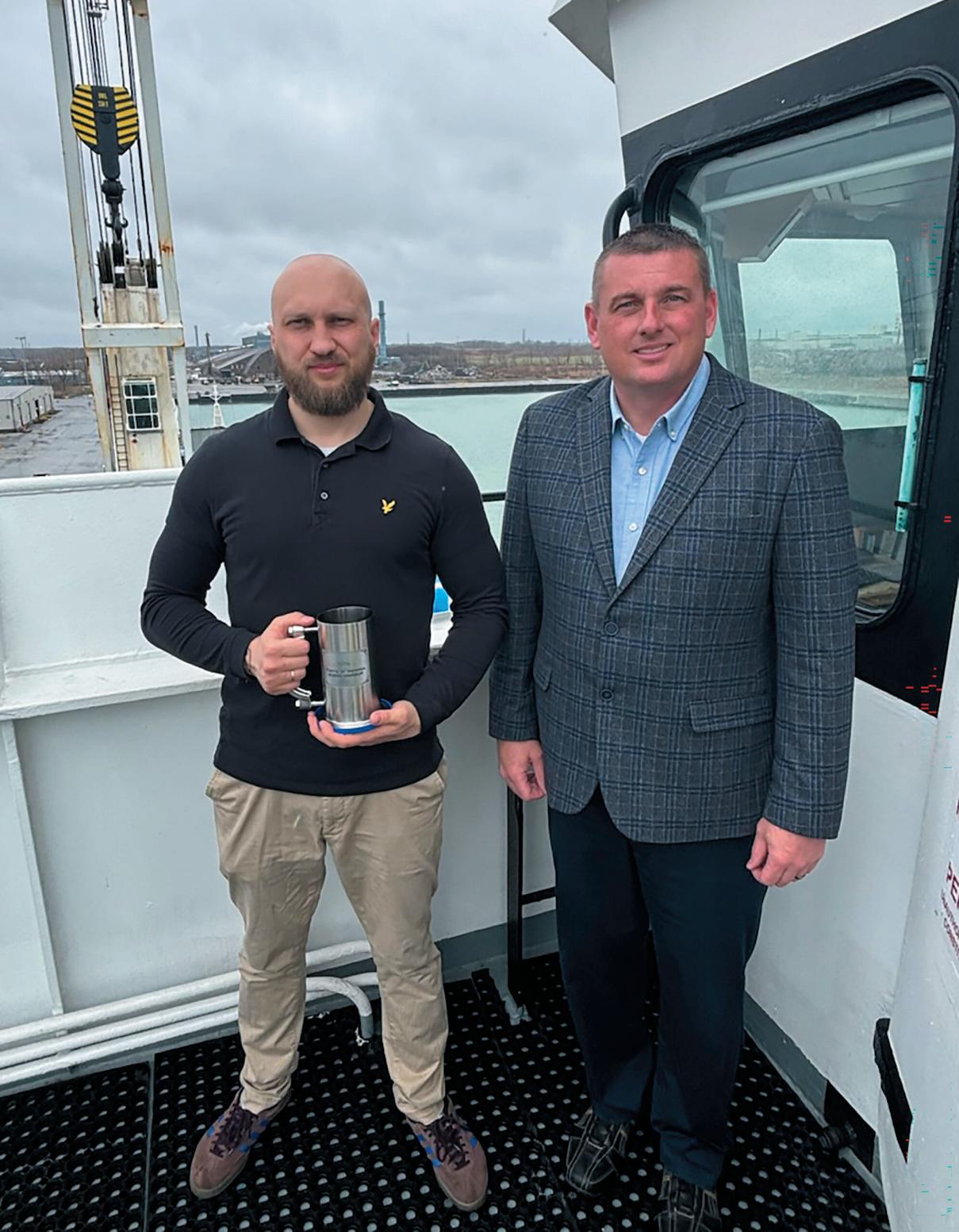
Ports of Indiana-Burns Harbor handles over two million tonnes of cargo each year, including steel, steelrelated materials, limestone, coke, salt, fertilizer, minerals, and iron ore.

“Our port operates year-round, handling barge, rail, and truck shipments, but the arrival of the year’s first ocean vessel is a signature moment,” McCoy said. “It represents Burns Harbor’s connection to the world and new global trade opportunities for local companies. This was also one of the shortest winter closures of the Seaway on record, which underscores the capability and opportunity to expand our shipping season. Adding new icebreakers and practical technologies to extend the shipping window for vessels like the Ocean7 Ranger will allow our Great Lakes economy to better compete in global markets.”
Ocean7 Ranger is a general cargo carrier owned and operated by German ship management company HAMMONIA
Reederei. The ship arrived at Indiana’s Lake Michigan port 52 days after departing from Kaohsiung, Taiwan, passing through the Pacific Ocean, Panama Canal, Atlantic Ocean, and Great Lakes-St. Lawrence Seaway.
The Ranger delivered a 63-tonne dewatering drum that is being transferred from ship to dock, and then to barge for transport across the lake to U.S. Steel. Stevedore Logistec executes the port’s heavy lift transfers with support by local workers from the International Longshoremen’s Association and International Union of Operating Engineers.
The Ranger, a general cargo vessel built in 2005 by Volharding Shipyards in the Netherlands, is 441 feet long and 72 feet wide and has a dead weight tonnage capacity of 10,508 metric tonnes.
The St. Lawrence Seaway opened on 22 March for the 68th international shipping season. The Seaway routinely closes for up to three months during the winter for icy conditions and maintenance on the system’s 15 locks. However, groups are calling for implementation of new technologies, increased investment and added icebreaking capabilities that would extend the shipping season to promote growth in regional economies, new container shipping lines, and Great Lakes trade.
In 2026, the Indiana General Assembly unanimously passed House Concurrent Resolution 9, calling for “all relevant agencies and stakeholders to work collaboratively to explore extending the Great Lakes-St. Lawrence Seaway navigation season to advance Indiana’s economic prosperity, grow exports, and support Hoosier jobs.” The resolution, authored by Representative Dave Abbott, had 26 bipartisan coauthors.
Ports of Indiana is a statewide port authority operating three ports on the Ohio River and Lake Michigan. Established in 1961, Ports of Indiana is a self-funded enterprise dedicated to growing Indiana’s economy by developing and maintaining a world-class port system, and by serving as a statewide resource for maritime issues, international trade, and multimodal logistics.
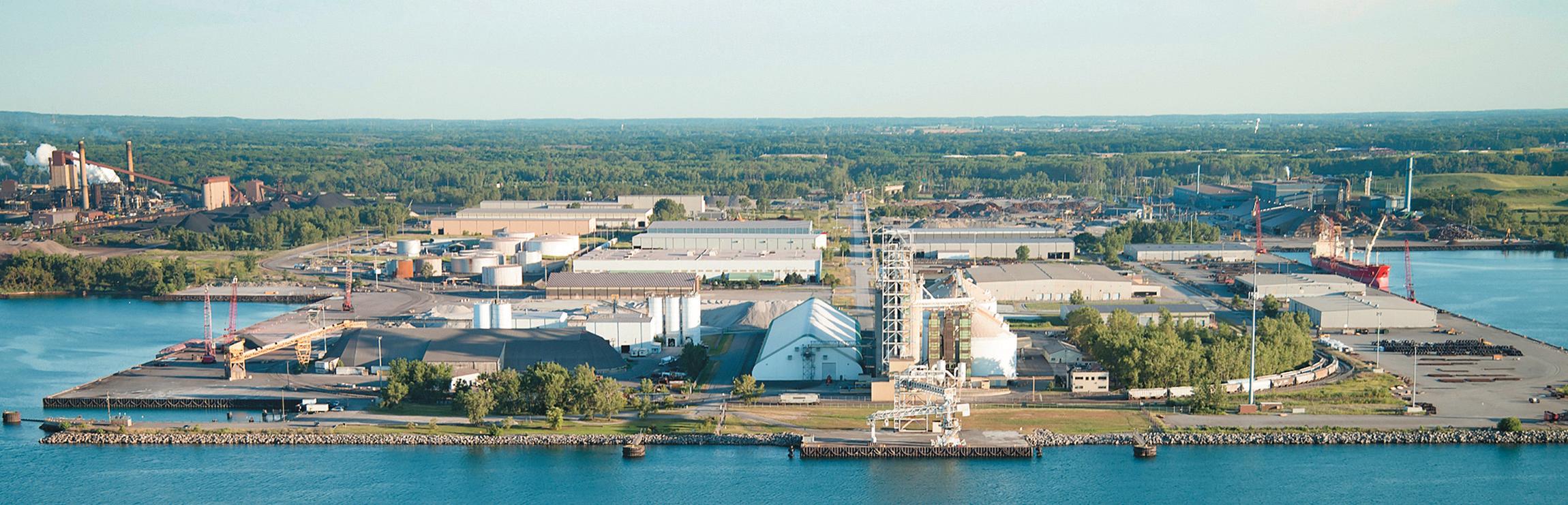
HOPA Ports delivered a strong 2025 v navigation season, moving 10.8mt (million metric tonnes) of cargo across its expanding port network.
Agri-food, construction materials, and v general cargo surged, including a 33% jump in gypsum, a key construction commodity.
HOPA is accelerating the building of a v Great Lakes Port Network in 2026, with new partnerships, including Sault Ste. Marie, designed to strengthen port-to-port connectivity, enhance access to export markets, and position Ontario industries for longterm global competitiveness.
HOPA Ports (Hamilton–Oshawa Port Authority) is reporting a successful 2025 navigation season, with 10,814,699 metric tonnes of cargo handled across its growing Great Lakes Port Network. Despite a challenging global economic climate and shifting trade conditions, HOPA continued to advance cargo diversification and expand trade-enabling infrastructure, strengthening Ontario’s competitiveness and opening new doors for Canadian exporters.
In 2025, the Port of Hamilton handled 10,350,606 metric tonnes, the Port of Oshawa handled 464,093 metric tonnes, and the Thorold Hub moved 116,561 metric tonnes. A total of 592 vessels called at Hamilton, 72 at Oshawa, and nine at Thorold.
“This year demonstrated the resilience and adaptability of our port network,” said Ian Hamilton, President & CEO of HOPA Ports. “Through long-term planning and strategic partnerships, we are building a Great Lakes Port Network that connects Ontario industries to global markets, supports economic growth, and strengthens supply chains for decades to come.”
CARGO MIX REFLECTS STRENGTH IN AGRIFOOD & LONG-TERM DIVERSIFICATION
As part of its long-standing strategy to diversify trade, HOPA continues to invest in a robust, province-wide port and logistics network, ensuring “Canada is its own best trading partner” by strengthening domestic supply chains and expanding access to global markets.
AGRI-FOOD GROWTH CONTINUES
Agri-food cargo volumes including fertilizer, grain, and sugar, grew 3% over 2024, increasing by 85,796 metric tonnes
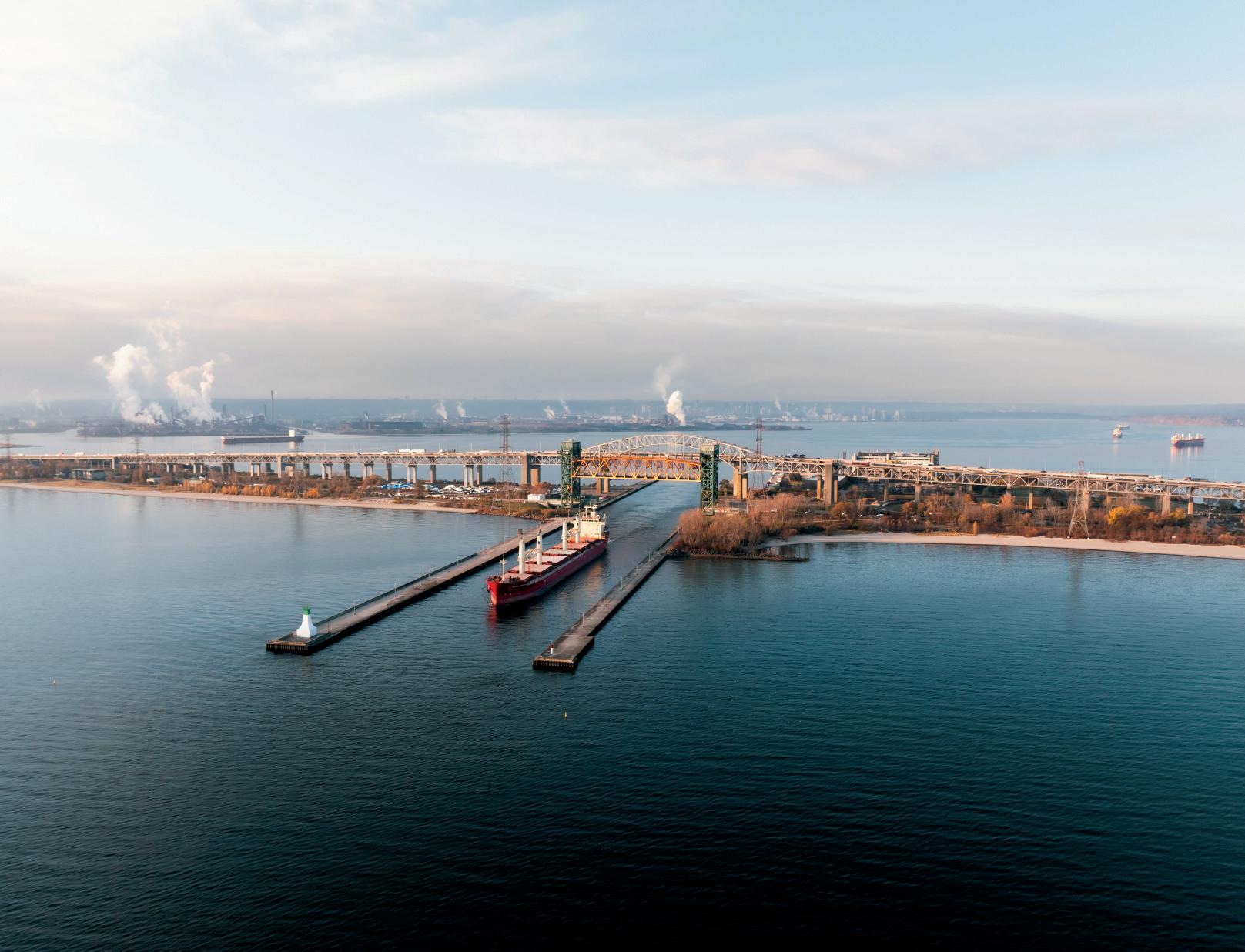
across the port network. Raw sugar and fertilizer saw especially strong gains at the Port of Hamilton, supporting Ontario’s food manufacturing sector.
CONSTRUCTION AND BUILDING MATERIALS ON THE RISE
Gypsum, a key building material used in drywall, increased 33% over last year, driven by regional housing construction and commercial development.
STEEL SECTOR IMPACTED BY TARIFFS
Steel cargo experienced a sharp decline largely due to tariff instability. Other raw steel-making materials fell 5%, mirroring wider manufacturing slowdowns.
OSHAWA CARGO UP 10%
The Port of Oshawa posted a 10% increase in cargo year-over-year, supported by the movement of oversized industrial equipment including components for Metrolinx’s Ontario Line tunnel boring project.
GENERAL CARGO NEARLY DOUBLES
General cargo volumes jumped 92% over 2024; this includes machinery, parts, pressure vessels, transformer sets, and tank systems.
“We’re building a Great Lakes Port Network that benefits the country, particularly businesses right here in Ontario” Hamilton added. “By strengthening port-to-port connections and
modernizing infrastructure, we’re positioning Ontario industries for longterm growth and ensuring Canada is its own best customer.”
Continued collaboration with Sault v Ste. Marie to enhance Great Lakes connectivity.
HOPA in partnership with Hamilton v Container Terminals (HCT) and CBSA are advancing rail container movement to strengthen domestic supply chains and improve inland market access.
Sucro Can comes online as Canada’s v largest sugar refinery, boosting national agri-food production.
Parrish & Heimbecker hits full v operational capacity with two new grain silos and a third flour mill.
New developments in Port Colborne v will support expanded trade flows across the network.
As an integrated port network, the Hamilton Oshawa Port Authority (HOPA) offers port and marine assets in Hamilton, Oshawa, and Niagara to support Ontario industries and facilitate trade. By investing in high-quality infrastructure and prioritizing sustainability, HOPA helps build prosperous working waterfronts in Ontario communities. Overseeing more than 1,400 acres and more than 180 tenant companies, 40,000 Ontario jobs are connected to the cargo that passes through HOPA’s integrated ports.
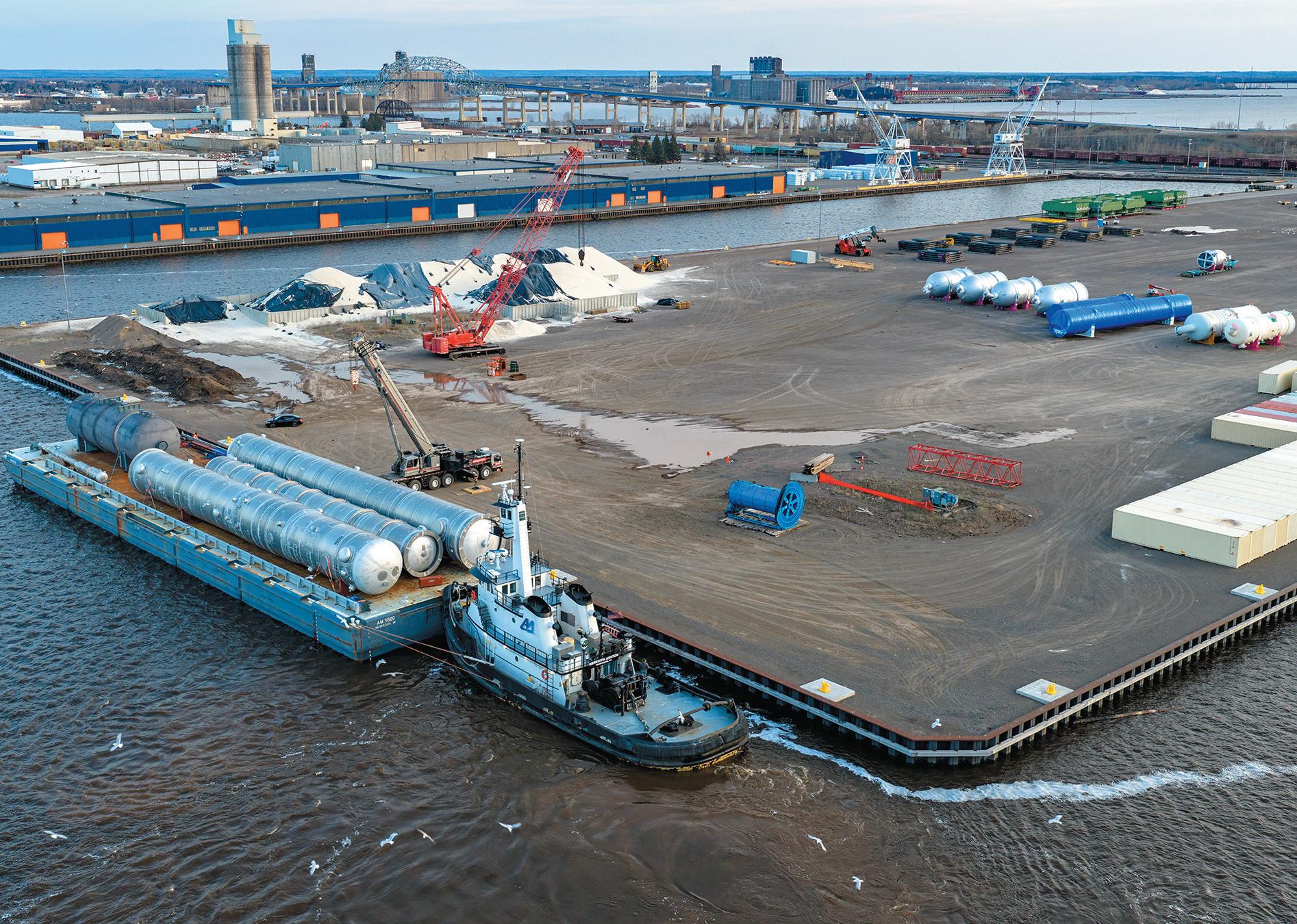
Late on 23 April, tugboat Meredith Ashton and a 240-foot deck barge loaded with project cargo became the first vessel in decades to dock at the rebuilt northeastfacing Berth 10 on the Clure Terminal Expansion pier at the Port of DuluthSuperior. The 667-foot berth, along with northwest-facing Berth 11, opened for use following a $10.5 million reconstruction project completed in March 2025.
The new berths feature 1,200 lineal feet of steel dock wall, new bollards, and reinforced concrete decking. Their reconstruction increased overall vessel berthing and cargo laydown capacity at the Duluth Seaway Port Authority’s Clure Public Marine Terminal, which includes the original property and the adjacent 26-acre Clure Terminal Expansion pier (formerly Garfield C&D) on Rice’s Point.
Previously home to a 1907-built Peavey/Cargill grain terminal that closed in the 1980s, the pier fell into disuse through the 1990s. After acquiring it, the Port Authority began a decades-long redevelopment that included demolition of the grain elevators in 1997. In 2015, two years after winning a $10 million U.S. Department of Transportation TIGER ((Transportation Investment Generating Economic
Recovery) grant, the Port Authority initiated a comprehensive reconstruction of the cleared site.
In 2016, the Port Authority formally renamed it the Clure Terminal Expansion pier after completing construction of a modern truck- and rail-served ro-ro dock and refurbishment of multiple ship berths. This work included restoration of the southeast-facing Berth 8 and Berth 9, which hosted a ceremony in May 1959 for the Ramon de Larrinaga as the Port of Duluth-Superior’s first oceangoing arrival through the newly constructed St. Lawrence Seaway.
Today, the pier offers 26 acres of cargo laydown space, four heavy-lift-capable vessel berths (including the recent additions of Berths 10 and 11) and ondock rail service connecting to four Class I railroads. It serves as a key component of the region’s multimodal logistics hub, with Duluth Cargo Connect using it for dimensional and heavy-lift cargo handling. The pier also welcomed Duluth-Superior’s first oceangoing vessel calls in both 2025 and 2026.
“The transformation of this pier from abandoned relic into a thriving, modern hub for heavy-lift and project cargo
transport spanned more than 30 years, so it’s satisfying to see it redesigned, rebuilt and reinvigorated,” said Kevin Beardsley, executive director of the Duluth Seaway Port Authority. “This project would not have been possible without the resolve of past Port Authority leadership, and financial support from the U.S. Department of Transportation’s Maritime Administration and the Minnesota legislature.
“Duluth-Superior will probably always be known first as a bulk natural resources port, but it also became the Great Lakes’ heaviest-lift port when the Clure Terminal opened, and the expansion pier redevelopment enhanced our port’s capability as a breakbulk cargo-handling hub for North America’s midsection.”
The Port of Duluth-Superior is North America’s farthest-inland seaport and the Great Lakes’ all-time tonnage leader. A multimodal cargo gateway for global trade, it connects mid-continent markets via the Great Lakes-St. Lawrence Seaway System, direct Class I rail and free-flowing highways. The port is a catalyst for regional economic development, sustaining more than 7,000 jobs and generating $1.6 billion
Federal Nagara at Port Milwaukee on 3 April with (inset) Port Milwaukee Trade Development Representative Korey Garceau and Captain Laiquer Rahman.
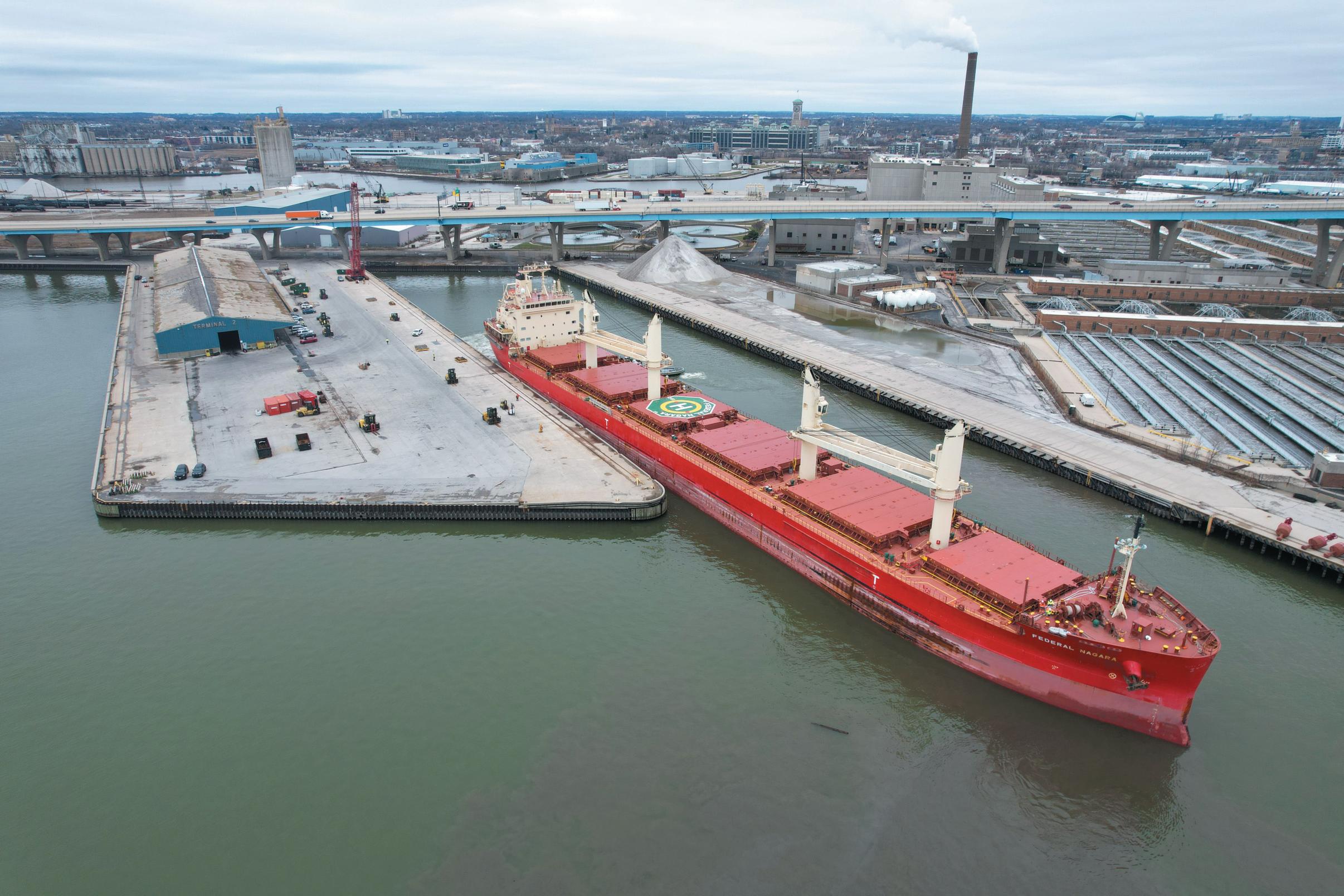
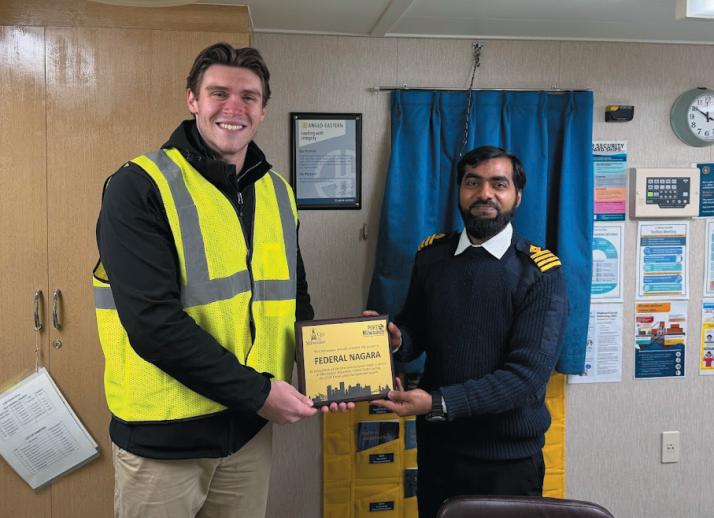
On 3 April, Port Milwaukee welcomed the Marshall Islands-flagged Federal Nagara as the first vessel of the 2026 international season.
The Federal Nagara arrived at the Logistec terminal to unload specialty steel products following its transit through the St. Lawrence Seaway from Spain and Belgium, where it was loaded. The St. Lawrence Seaway locks opened for the season on 22 March, connecting the Great Lakes to the Atlantic Ocean. The St. Lawrence Seaway is a binational system, with two American and 13 Canadian locks.
Port Milwaukee’s international season corresponds with the opening of the St. Lawrence Seaway. For roughly nine months out of the year, Milwaukee welcomes vessels hailing from around the world. In 2025, cargo moved through the port was sourced from or destined for Europe, Africa, Asia, and the Middle East. Direct access to world markets via Port Milwaukee supports farmers, producers, and manufacturers throughout Wisconsin and the Midwest.
“International shipping drives opportunities here in Milwaukee,” Mayor Cavalier
strengthen our local economy, create jobs, attract investment, and ensure our city remains competitive, benefiting our entire city and state.” On Friday 3 April, Port Milwaukee staff went aboard the Federal Nagara to present Captain Laiquer Rahman with a plaque in honour and celebration of being the first vessel of the 2026 international season.
“The arrival of the Federal Nagara signals another exciting year of global trade flowing through our Port,” Port Director Benji Timm said. “Each shipment handled through Milwaukee strengthens our role in the supply chain and supports regional industries, reinforcing our connection to markets around the world.”
The St. Lawrence Seaway is a major trade artery for North America that
among ports in the Great Lakes system.
After unloading in Milwaukee, the vessel sailed for Thunder Bay, Ontario. Port Milwaukee had 60 international vessel visits last year, carrying over 570,000 metric tonnes of cargo. “We’re proud to have the Federal Nagara open the Seaway season at Port Milwaukee,” Fednav Senior Manager, Liner Mike Ganley said. “The Great Lakes–St. Lawrence Seaway has been at the core of Fednav’s operations for decades, and each opening day reaffirms our long-term commitment to supporting regional industries with safe, efficient, and reliable marine transportation.”
The public can stay up-to-date on vessel arrivals and departures throughout the 2026 season by using Port Milwaukee’s virtual vessel tracker, available online.
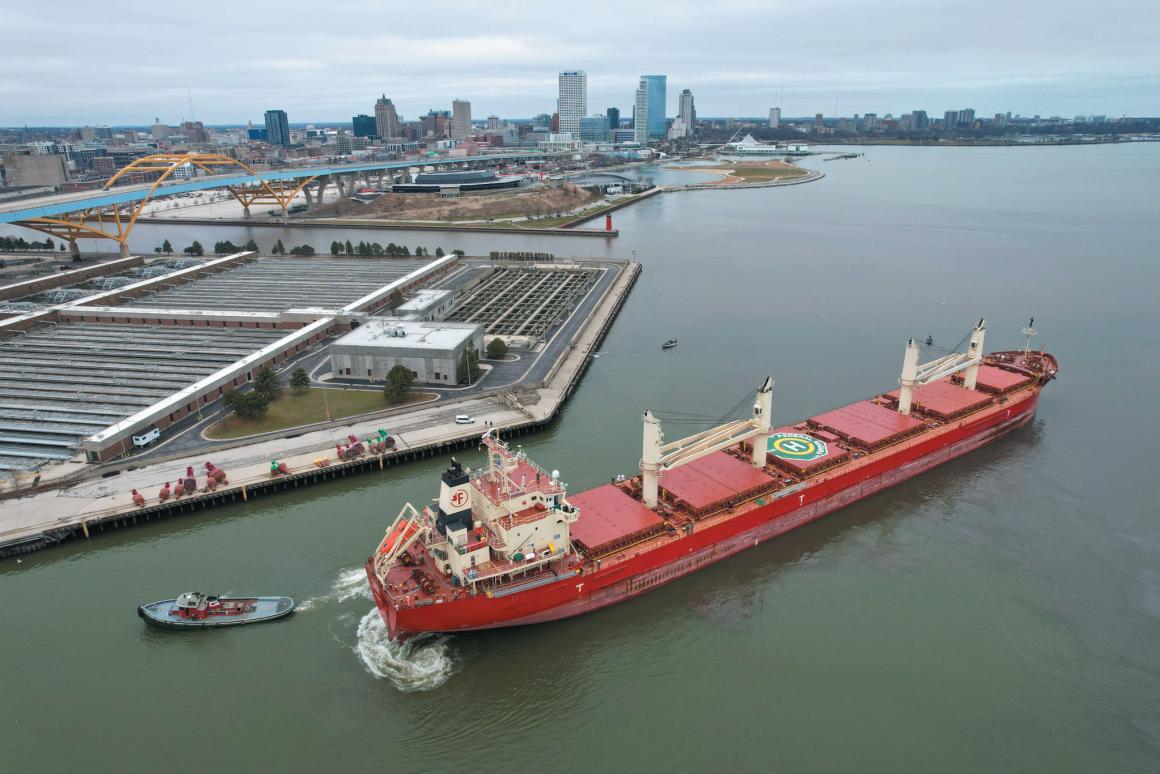
Port Milwaukee is an economic entity of City government governed by the seven-member Board of Harbor Commissioners, a panel appointed by the Mayor and confirmed by the Common Council. It administers operations on the 467 acres that make up the Port. It promotes regional shipping and commerce by providing access to domestic and international ships, rail, and over-the-road transportation.
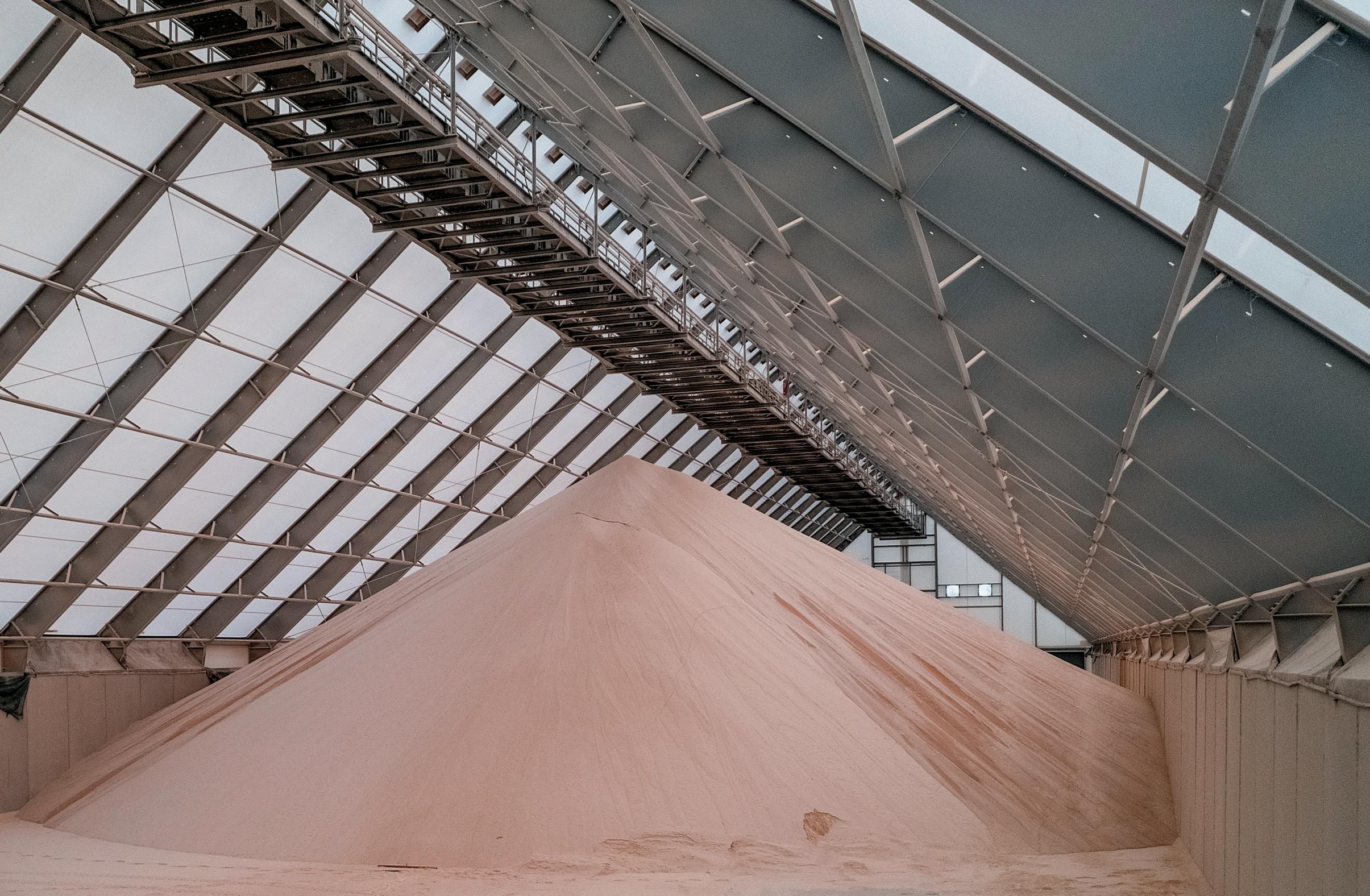
Bulk material handling across the Great Lakes region presents a unique set of challenges and opportunities. With access to major waterways, ports serve as critical hubs for moving commodities to both domestic and international markets. With this opportunity comes the need for storage solutions that can withstand fluctuating weather conditions to protect material inventories and keep operations running efficiently year-round.
Many facility operators have turned to tension fabric buildings to meet these
demands. These structures offer a flexible and cost-effective approach to enclosed bulk storage, particularly for facilities that require large volumes, efficient material flow and reliable protection from the elements.
Historically, many fabric structures relied on hollow-tube, web-truss framing, which often fell short in demanding bulk storage environments. Legacy Building Solutions was the first industry supplier to instead
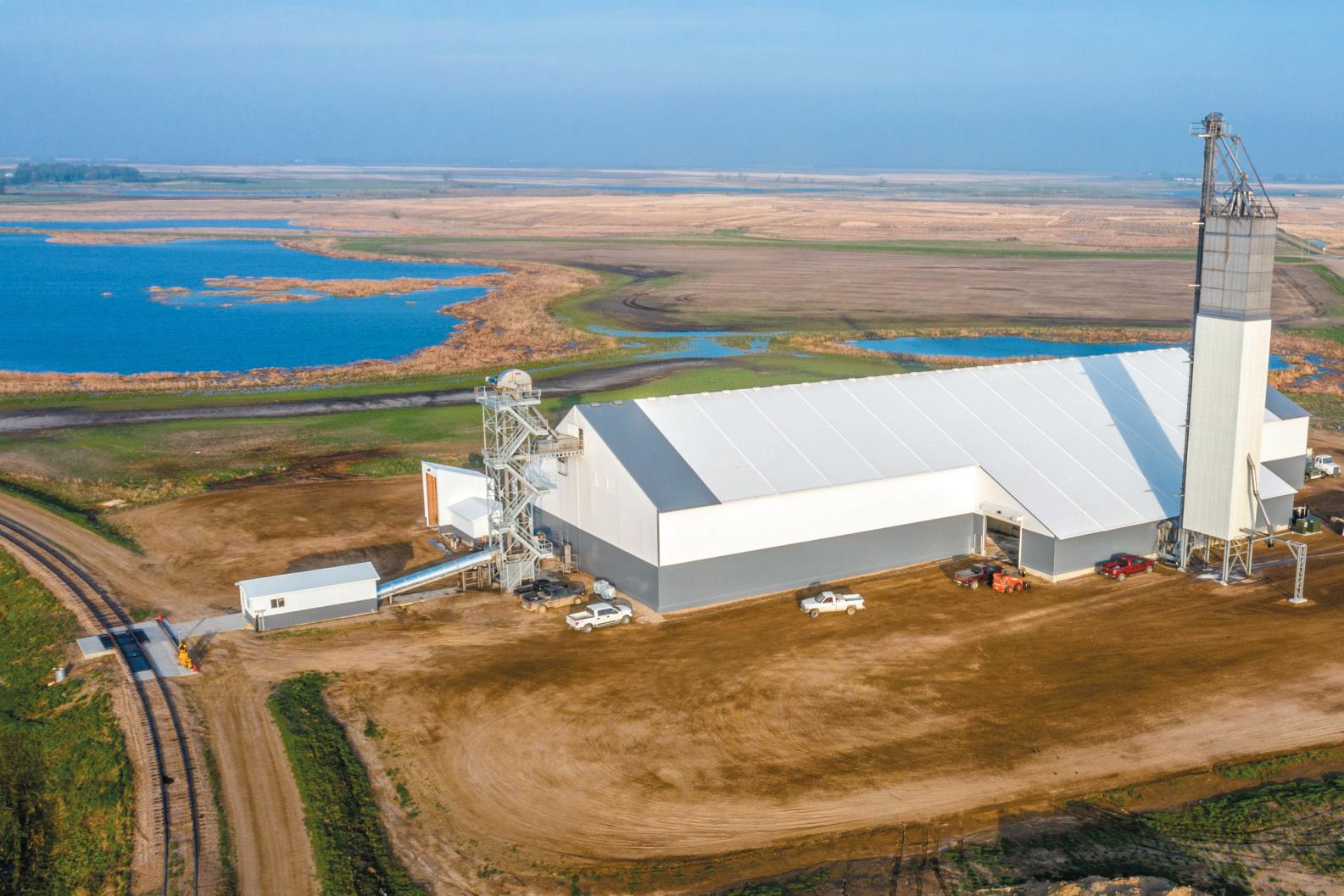
utilize structural steel I-beam framing. This approach brought the credibility of conventional steel building design into fabric structures. It also enables far greater customization; rather than selecting from standard web truss building sizes, users can specify storage targets and construct a facility designed to their exact requirements.
A key advantage of rigid-frame, I-beam engineering is the ability to achieve long clear spans without interior columns. Clear span design allows buildings to provide substantial space for flat material storage. Large, open interiors can handle high volumes while also accommodating loader and truck activity. Furthermore, users can easily adapt their overall layouts as operational needs change.
Efficient handling of grain, fertilizer or other bulk materials often requires the integration of conveyors, catwalks and other equipment into the storage facility. Rigid-frame fabric buildings can be optimized with these needs in mind. Engineers can design each individual I-beam to support specific hanging loads, such as overhead conveyors, without adding unnecessary cost elsewhere within the framing structure.
By suspending certain pieces of support
equipment on the building frame, the floor area is kept more open and accessible. To efficiently maximize that floor space, many operators use precast concrete retaining walls to organize different products within the building. The end result is a highly adaptable interior that supports both storage and material flow for current and future operations, all under one roof.
A building’s fabric cladding itself also contributes to environmental performance by moderating temperatures, keeping the facility cooler in the summer months and warmer during the winter. Additionally, the translucency of tension fabric allows natural daylight to illuminate the interior, reducing the need for artificial lighting during daytime hours and improving visibility for operators. At the same time, modern polyvinyl chloride (PVC) fabrics are more durable, engineered with reinforced weaves and protective coatings that provide enhanced longevity.
In any bulk material storage application, maintaining a clean, dry environment is essential. Moisture intrusion or trapped humidity can lead to reduced product


quality, and these risks are amplified in regions like the Great Lakes, where weather conditions can shift rapidly.
Legacy’s rigid-frame tension fabric buildings offer effective passive ventilation using ridge and soffit vents that allow warm, moisture-laden air to rise and exit the structure, drawing in cooler air from below. This natural airflow is sufficient to regulate humidity levels in many applications. In other situations, such as in grain storage facilities, mechanical ventilation systems may also be required, in which case the ventilators can be applied to the I-beam frame as a hanging load that is accounted for in the original structure design.
Whether it’s humidity concerns or the corrosive nature of the materials being stored themselves, corrosion is another critical factor that can impact the structural framing if it isn’t properly protected. Hot-dip galvanizing was the industry standard method of frame protection for many years; however, it’s important to understand that the zinc layer with galvanizing primarily serves as a sacrificial layer that is slowly eaten away by corrosion over time.
More advanced systems involved preparing the steel surface, applying a zinc



layer, and then finally adding epoxy paint to create a more complete barrier between the steel and its environment. Legacy Building Solutions commonly employs these epoxy coating systems to fully protect against corrosive elements and reduce maintenance demands. Epoxy has proven to be a highly effective choice for facilities that experience corrosive conditions.
A recent Legacy Building Solutions facility project involved the construction of a 120by 580-foot facility for the DeLong Company at Port Milwaukee. The structure provides capacity for approximately 1.7 million bushels of DDGS (distiller’s dried grains with solubles).
The facility incorporates precast concrete walls and supports overhead systems including a 1,000-lb/ft conveyor and catwalk. The building’s open layout, combined with durable PVC fabric and engineered steel I-beam framing, enables DeLong to efficiently load up to 6,000 metric tonnes per day while maintaining product quality in a challenging Great Lakes environment.



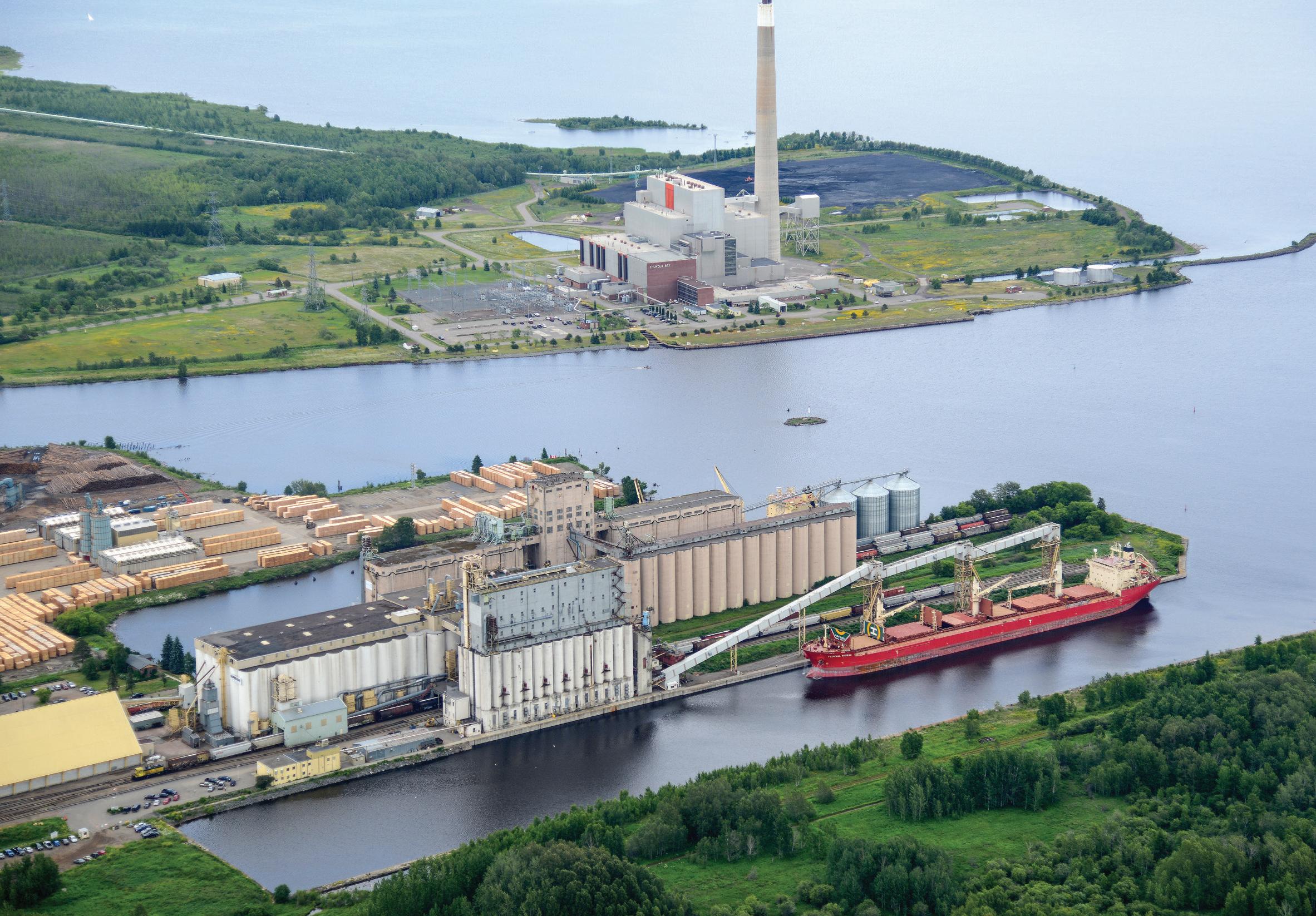
The Great Lakes St. Lawrence Seaway system stands as one of North America’s most vital trade corridors for dry bulk and breakbulk cargo, connecting Midwest industries to global markets.
At the heart of this network, QSL is strengthening its presence as a reliable, multimodal terminal operator committed to delivering tailor-made logistics solutions designed to meet the evolving needs of shippers, manufacturers and carriers.
Headquartered in Quebec City, QSL operates a network of more than 65 maritime terminals and employs over 2,000 employees across Canada and the United States.
The company provides an integrated turnkey offering, including maritime terminal operations, stevedoring, transloading, warehousing and storage, mill services, oversized cargo transportation and logistics at every step.
With a strong focus on safety, sustainability, and operational excellence, QSL handles millions of tonnes of cargo annually, supporting key sectors such as construction, wind energy, aerospace, manufacturing, mining and agriculture.
QSL’s entry into the US market dates back to the early 2000s through its subsidiary North America Stevedoring Company (NASCO), establishing operations at the Port of Chicago’s Iroquois Landing terminal.
This strategic move marked the beginning of a long-term vision to support
American supply chain resilience by offering seamless multimodal connections between ocean-going vessels, lakers, barges, rail, and truck.
Today, the company continues to expand its US network, most recently adding the Port of Pascagoula, Mississippi, in late 2025.
This expansion complements existing operations in the Great Lakes region and along the Gulf Coast, providing customers with greater flexibility to move dry bulk, project cargo, and heavy-lift commodities across both regions.
A notable milestone came in 2024 when QSL’s Chicago terminal earned both ISO 14001 (Environmental Management Systems) and ISO 45001 (Occupational Health and Safety Management) certifications, making it one of its first sites in the United States to receive them.
These certifications, along with Green Marine, highlight the company’s commitment to responsible operations while meeting the rigorous expectations of international shipping lines, commodity producers, and logistics providers.
At the centre of QSL’s US operations lie its strategic nucleus at the Port of Chicago. The port is an essential gateway for linking bulk cargo moving between the Great Lakes, the Mississippi River system, and inland rail networks.
Ideally positioned, Chicago’s strategic location near major interstates and Class 1 railroads forms a high-performance
multimodal platform, making it an ideal hub for efficient transshipment and distribution. Chicago operations are supported by a fleet of more than 90 mobile equipment units to serve its different locations, ensuring flexibility and responsiveness.
The Iroquois Landing Terminal serves as the flagship facility.
Located at the mouth of the Calumet River, it offers approximately 3,000ft of ship and barge berth with a 27ft water depth, accommodating both international Seaway vessels and domestic lakers.
The terminal features significant storage capacity: over 247,500ft2 of indoor warehousing plus extensive outdoor paved areas (more than 150 acres currently in development). Equipment includes a 25 metric tonne gantry crane and two Manitowoc 4100 cranes, enabling efficient handling of diverse dry bulk and general cargoes.
Direct rail connections to Canadian National (CN), Norfolk Southern, Chicago South Shore Railroad, and all Class 1 railroads support rapid transloading.
The site also offers Foreign Trade Zone (FTZ Subzone 22Y) and bonded storage benefits, which help customers optimize duties and inventory management.
The Chicago Port and Rail Dock specializes in dry bulk commodities, heavy and oversized equipment, and wind
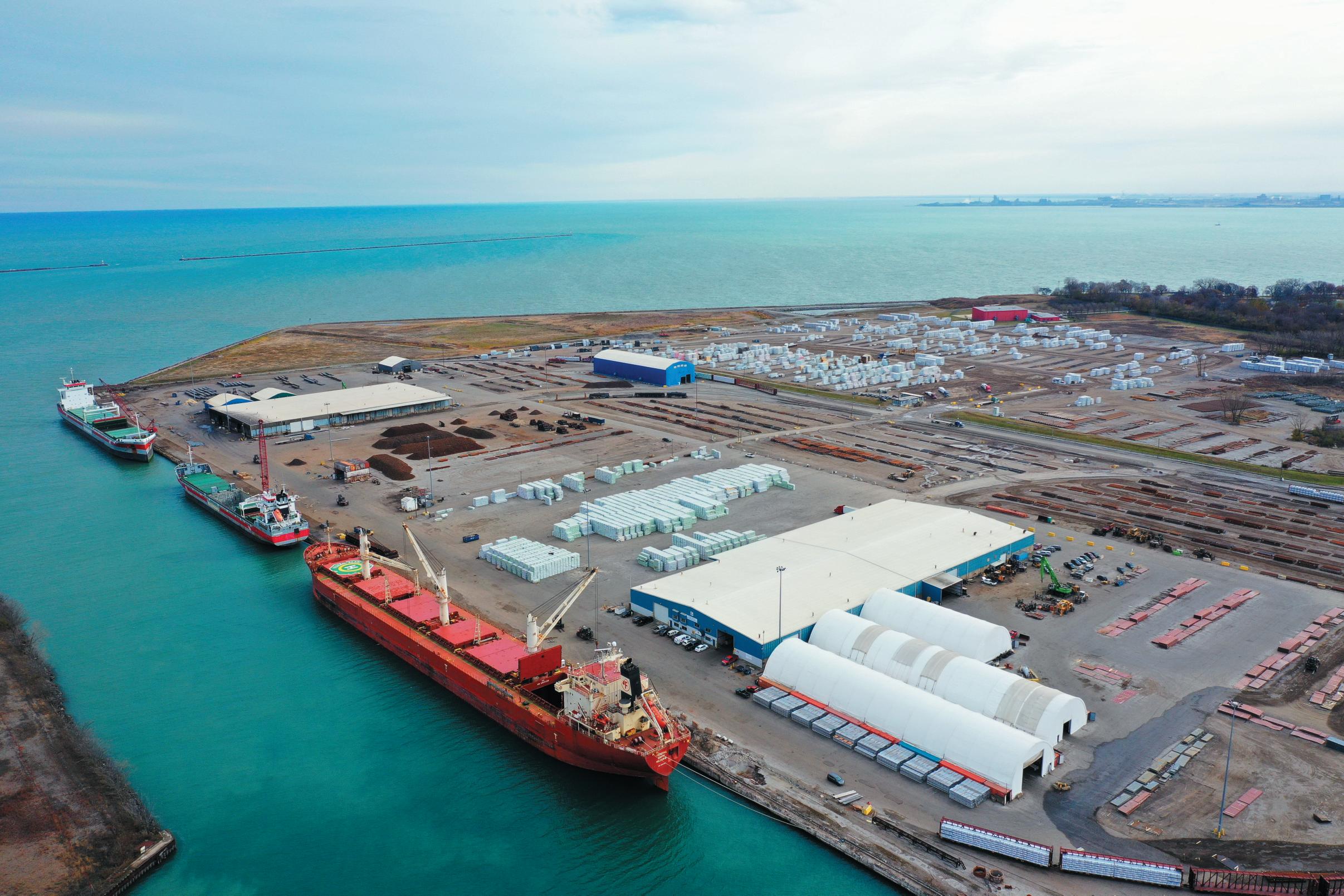
turbine components.
With over 861,000ft2 of storage and direct Norfolk Southern rail service, it provides specialized solutions for project cargo and bulk materials critical to renewable energy and infrastructure projects.
The 106th Street Warehouse offers flexible covered storage (112,000ft2 with four 25 metric tonne overhead cranes) and outdoor capacity, ideal for protected handling of sensitive or weather-sensitive bulk products.
The Lake Calumet Terminal expands its overall capacity with an additional 3,000ft of berth, four warehouses totalling 30,000ft2 of indoor space, and 30 acres of outdoor storage, all supported by Chicago South Shore and Class 1 rail connections for multimodal connectivity.
Together, these facilities enable QSL to handle a wide range of dry bulk cargoes, including aggregates, minerals, steel products, forest products, and other commodities.
By prioritizing direct vessel-to-rail and vessel-to-truck transfers, QSL minimizes handling, reduces transit time, and supports just-in-time delivery.
Through its Chicago operations, the company supports a broad range of industry stakeholders: shipping companies and vessel operators benefit from reliable stevedoring and turnaround times for both ocean and lake vessels.
Commodity producers and traders v gain efficient access to storage and multimodal distribution for domestic and international movements.
Equipment manufacturers and project v cargo shippers (particularly in wind energy and heavy industry) utilize specialized heavy-lift capabilities.
Logistics providers and trucking firms v leverage the terminals’ proximity to seven major US highways for seamless last-mile delivery.
By acting as a neutral, customer-focused operator, QSL seamlessly integrates these stakeholders' efforts into resourceful supply chains that reduce costs and improve reliability in the competitive dry bulk sector.
Looking ahead, QSL continues to invest in its Chicago network to meet growing
As governments push to protect the world’s oceans, regions that have already adopted stringent environmental regulations could serve as templates for sustained change, Thordon Bearings observes.
After years of negotiation, the High Seas Treaty officially entered into force on 17 January 2026, marking a new era of protection for Earth’s oceans. As the first global, legally binding framework dedicated to safeguarding marine biodiversity in international waters, the treaty — also known as the Biodiversity Beyond National Jurisdiction (BBNJ) Agreement — has set new rules for environmental impact assessments and the creation of marine protected areas, in a committed effort to support sustainable development goals.
While this effort is to be applauded, many governments have already taken decisive action to protect biodiverse and sensitive marine areas at both national and regional levels. One notable example is the Great Lakes, which straddle the border between the US and Canada and hold approximately one-fifth of the planet’s total surface freshwater. These eco-sensitive lakes have been subject to stringent environmental regulations for decades,
providing a blueprint that has helped to shape larger international initiatives like the High Seas Treaty.
Other regional rules also impose conditions on operations in the Great Lakes. In 2013, for instance, the US Environmental Protection Agency (EPA) introduced the Vessel General Permit (VGP) regulations, a comprehensive set of requirements for commercial ships trading in US waters. Designed to minimize environmental impacts and promote sustainability, the VGP rules cover a wide range of “discharges incidental to normal
demand for reliable bulk handling in the Great Lakes region. Priorities include expanding storage capacity, enhancing rail infrastructure, and deploying modern equipment to improve productivity while maintaining high safety and environmental standards.
The company’s broader US expansion, including the recent Gulf Coast addition, reflects strong confidence in the future of North American bulk trade growth.
As infrastructure projects, renewable energy development, and domestic manufacturing gain momentum, efficient terminals like those in Chicago will play an increasingly important role in moving raw materials and finished goods.
Through innovation, sustainability, and long-term partnerships, it remains focused on developing cargo-handling techniques, implementing sustainability initiatives aligned with its ISO certifications, and building long-term partnerships across the dry bulk value chain.
In a market where reliability, flexibility, and tailor-made solutions are paramount, QSL is well-positioned to support the evolving needs of shippers, carriers, and terminal users throughout the Great Lakes and beyond.
vessel operations”, from ballast water, bilge water and grey water run-off to hull coatings leaching into the water. Because the waters of the Great Lakes, spanning
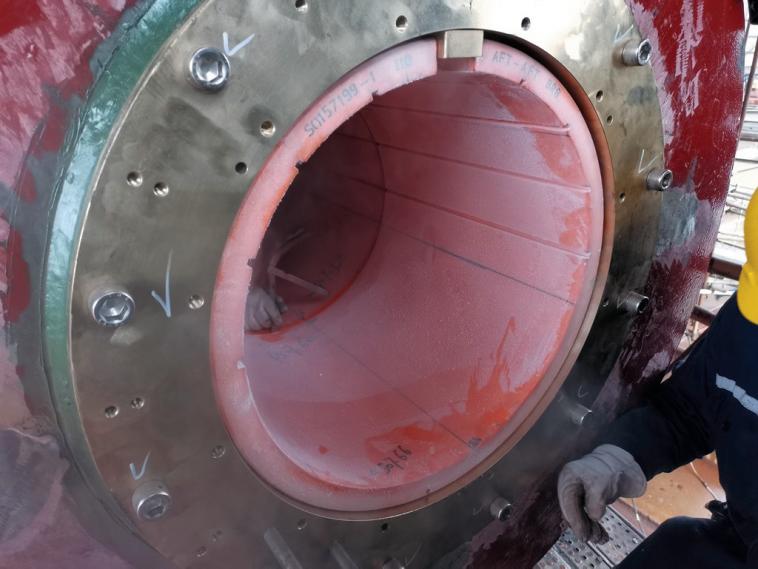
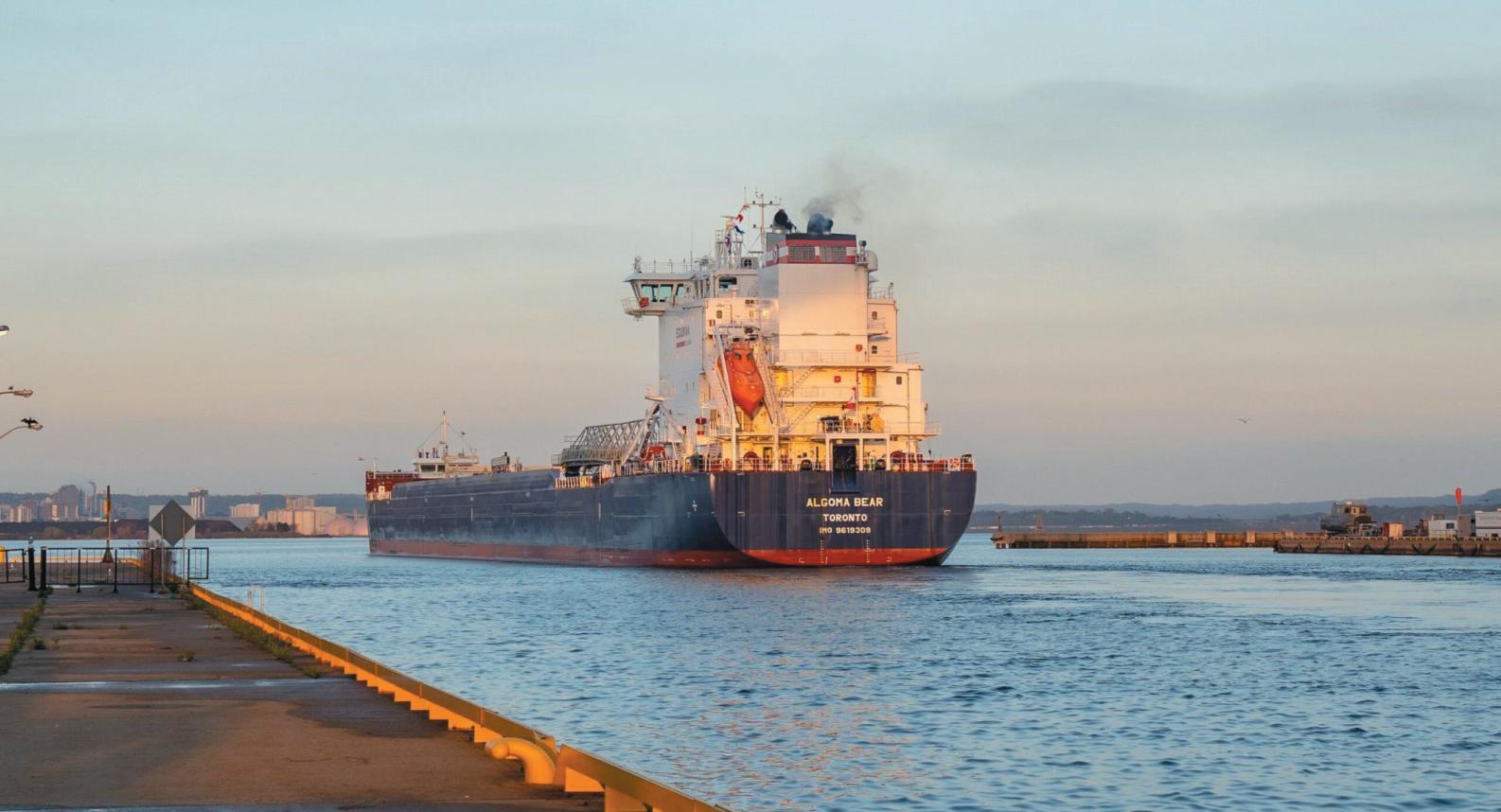
some 244,106km2 (94,250m2) come under the jurisdiction of both the US and Canada, vessels operating in the region must comply with VGP rules.
Among their key requirements, the VGP regulations impose strict controls on oilto-sea interfaces, including stern tubes, bearings and seals, to prevent oil pollution during routine vessel operations. The rules state that vessels sized 79ft (24m) and larger navigating the Great Lakes must use environmentally acceptable lubricants (EALs): in other words, lubricants that are biodegradable, minimally toxic and, most importantly, non-bioaccumulative, meaning they do not accumulate in the tissues of aquatic organisms. This last point is crucial because even minor oil leaks from vessels’ bearings could lead to long-term contamination of the Great Lakes food chain.
As a result, many ship and boat operators have come to investigate and adopt seawater-lubricated bearing systems, attracted by the opportunity to completely eliminate the risk of oil leakage. As well as being good for the planet, these systems can save money because they enable significantly longer maintenance intervals and reduce the number of inspections and documents needed to demonstrate compliance. The latter benefits have even encouraged vessel operators exempt from VGP to voluntarily switch to waterlubricated bearing systems.
The Great Lakes hold special importance for Canadian company Thordon Bearings, whose headquarters is located in Burlington, on the shores of Lake Ontario. While Thordon has clients, worldwide, the Great Lakes remain
particularly significant to the company; its water-lubricated bearing systems are now installed on more than 120 vessels operating in these waters, predominantly bulk carriers (known as ‘Lakers’) carrying raw materials but also including larger US vessels and smaller Canadian selfunloaders. Early adopters of selflubricating bearings include Algoma Central, American Steamship, Lower Lakes Towing, Canada Steamship and Interlake Steamship.
Craig Carter, Vice President of Business Development, Thordon Bearings, explains: “Our polymer bearing systems reduce operating costs, extend service life, perform well in abrasive conditions, and eliminate the risk of oil and grease discharges into our rivers, lakes and oceans. The economic and environmental benefits are compelling.” According to research presented at the IMO, conventional oil-lubricated propeller shafts release approximately 80 million litres (21 million US gallons) per year of oil pollution into the oceans and lakes.
In fact, that volume may well be much higher, because crew members tend to regularly top up the oil in the header tanks — the reservoirs that feed the metal bearing. “Oil-lubricated propeller shafts are often considered to be sealed systems, but they don’t always work at 100% leak free. If they were, then a ship’s oil header tank, containing 2,000–3,000 litres (528–792 US gallons) of oil, wouldn’t need topping up with oil every year,” Carter explains.
Carter also points to the maritime industry’s strange propensity to focus heavily on curbing air emissions such as CO2, NOx and SOx while largely ignoring the effects of ‘invisible’ leaks from oil-
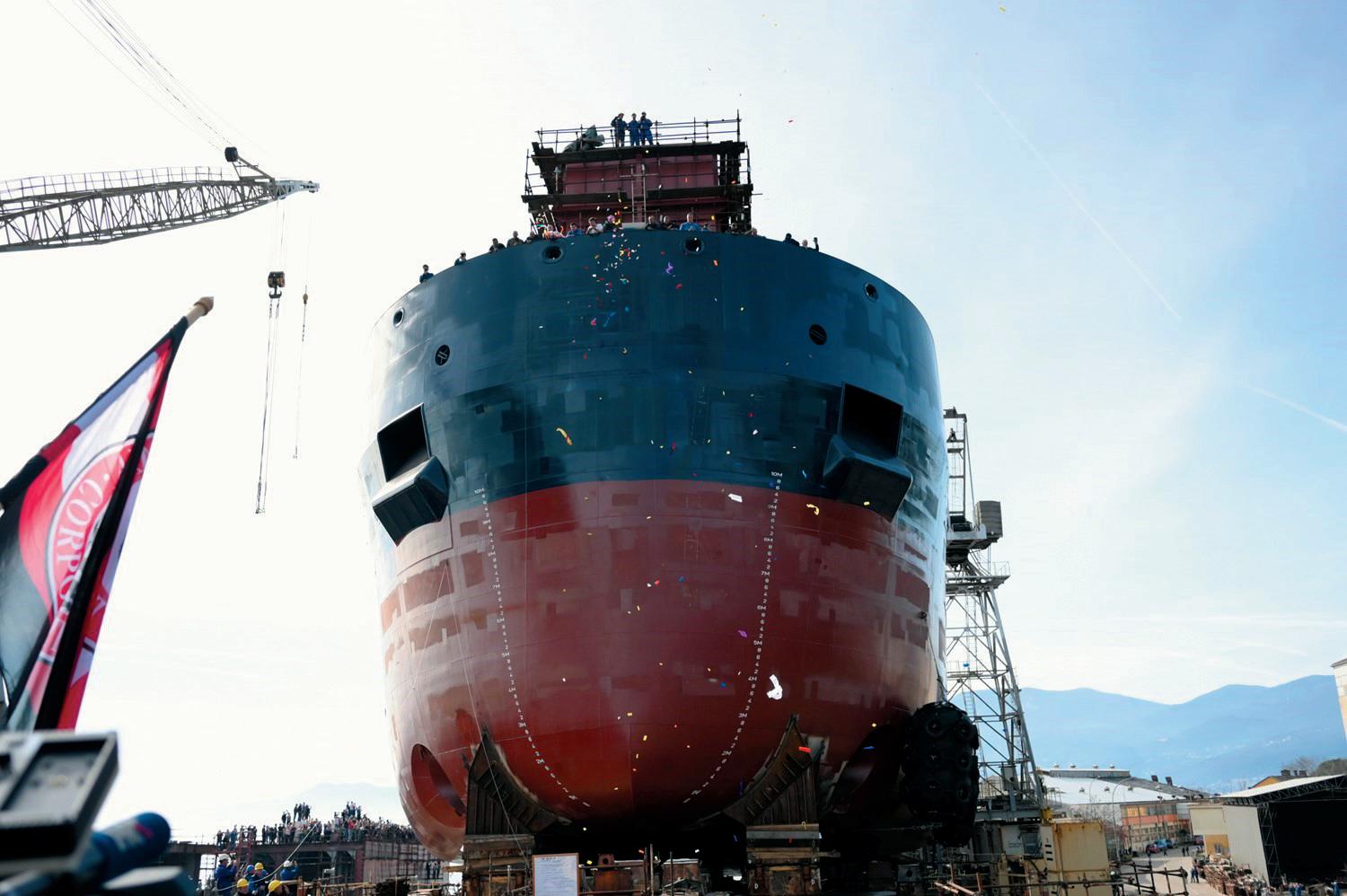
lubricated propeller shaft bearings and stern tubes beneath the waterline.
“To advance ocean sustainability and enable truly zero-emission ships, the industry must replace oil-lubricated shaft lines with seawater-lubricated systems,” Carter warns. “From well to wake, the environmental impact of oil-lubricated stern tubes requires serious attention.”
The environmental rules affecting the Great Lakes go far beyond the VGP regulations, including oversight from the US Coast Guard (USCG) and Canadian Coast Guard (CCG) and bodies like Environment Canada (now part of Environment and Climate Change Canada) and Transport Canada. The Fisheries Act is a powerful Canadian federal law that prohibits anyone from depositing a “deleterious substance” (such as oil, grease, or even treated water containing pollutants) into any water frequented by fish (or any place where it could reach such water). Even a small stern tube oil leak counts as depositing a deleterious substance and can lead to heavy fines, even prosecution.
It is, therefore, no wonder that many Great Lakes operators are also adopting water-lubricated bearings. For example, long-time Thordon customer Lower Lakes Towing replaced an existing oil-lubricated system on board its bulk carrier Kaministiqua with Thordon COMPAC water-lubricated propeller shaft bearings, a Water Quality Package (which supplies water from the sea chest to the propeller shaft bearings) and SXL grease-free rudder bearings.
Similarly, Algoma Central Corporation’s 225m (738ft) bulk carriers Captain Henry Jackman and Algoma Bear, which entered service on the Great Lakes-St. Lawrence Seaway in 2021 and 2024, respectively, have been equipped with Thordon’s COMPAC stern tube bearings, ThorShield shaft corrosion protection, and Water Quality Packages.
The environmental protections pioneered in the Great Lakes, particularly the transition to water-lubricated bearings, have shown that proactive regional regulation can drive real technological adoption and economic benefit without compromising safety or commerce. As the High Seas Treaty and future international frameworks seek to safeguard the world’s oceans, the Great Lakes example is a powerful reminder that sustained, enforceable local action can set the standard for meaningful, scalable global change.
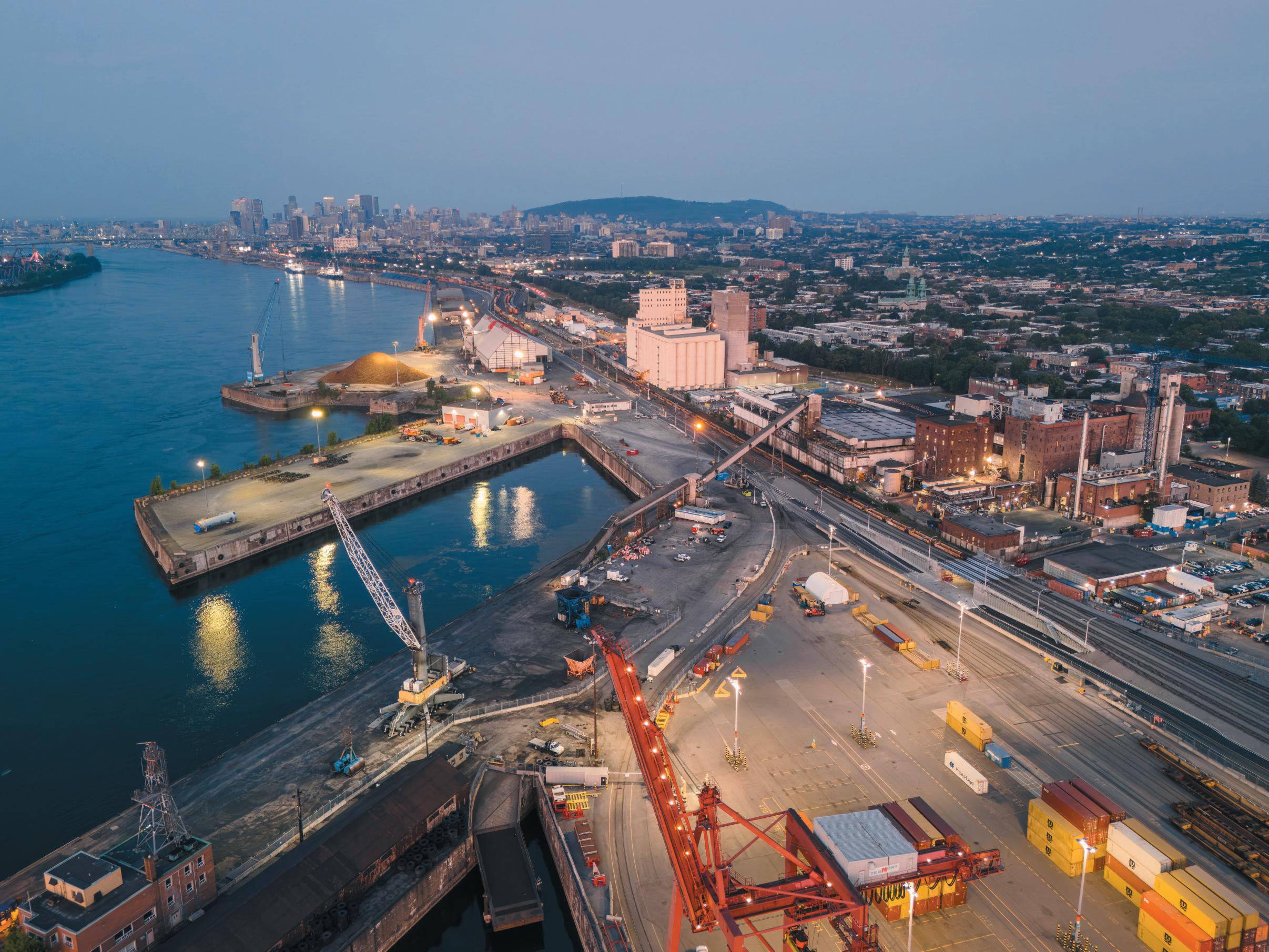
Operated by the Montreal Port Authority (MPA), the Port of Montreal is the largest container port in Eastern Canada, a diversified transshipment hub that handles all types of cargo: containerized and noncontainerized, liquid bulk, and dry bulk. As the only container port in Québec, it is a port of destination served by the world’s major shipping lines.
It is also an intermodal hub with a unique service offering in North America, with its own rail network directly dockside connected to Canada’s two national rail networks. The MPA also operates a Cruise Terminal.
The MPA integrates economic, social, and environmental components into its corporate initiatives. This commitment is governed by a sustainable development policy whose guiding principles focus on involvement, co-operation, and accountability. Port activity supports 590,000 jobs and generates $93.5 billion in economic benefits annually.
While containers represent the majority of the cargo that is handled at the Port of Montreal, dry bulk cargo is also significant, with a total of 8.75mt (million tonnes) in 2005.
Montreal Port Authority.
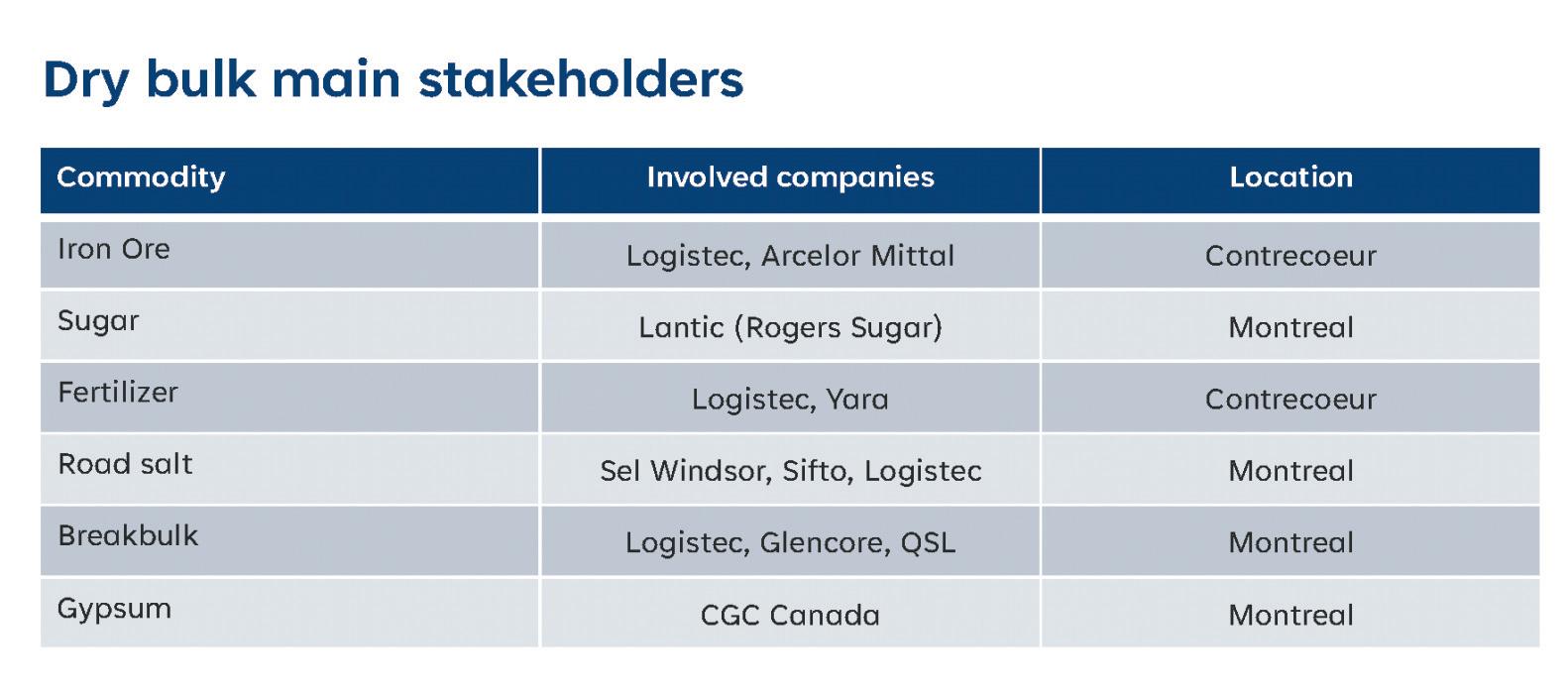
Bulk commodities include: grain — 4.3mt (4.6mt in 2024); v iron — 2.3mt (2.4m in 2024); v sugar — 0.5mt (0.7mt in 2024); v fertilizer — 0.4mt (0.3mt in 2024); v road salt — 0.3mt (0.4mt in 2024); v others — 0.3mt (0.4mt in 2024); and v gypsum — 0.2mt (0.2mt in 2024). v
The port also handles breakbulk cargoes, with a total of 0.2mt handled in both 2025 and 2024.
CIB LANDMARK $1.16 BILLION LOAN FOR THE PORT OF MONTREAL’S CONTRECŒUR EXPANSION PROJECT
A decisive milestone was reached on 9
April this year for the Port of Montreal’s Contrecœur expansion project: the Canada Infrastructure Bank (CIB) is providing a $1.16 billion loan to the Montreal Port Authority (MPA).
The announcement was made on the morning of 9 April by the Prime Minister of Canada, Marc Carney, in the presence of Steven MacKinnon, Minister of Transport and Leader of the Government in the House of Commons; Jean Boulet, Minister of Labour, Minister of Economy, Innovation and Energy, and Minister responsible for Québec’s Maritime Strategy; and Nathalie Pilon, Chair of the MPA Board of Directors.
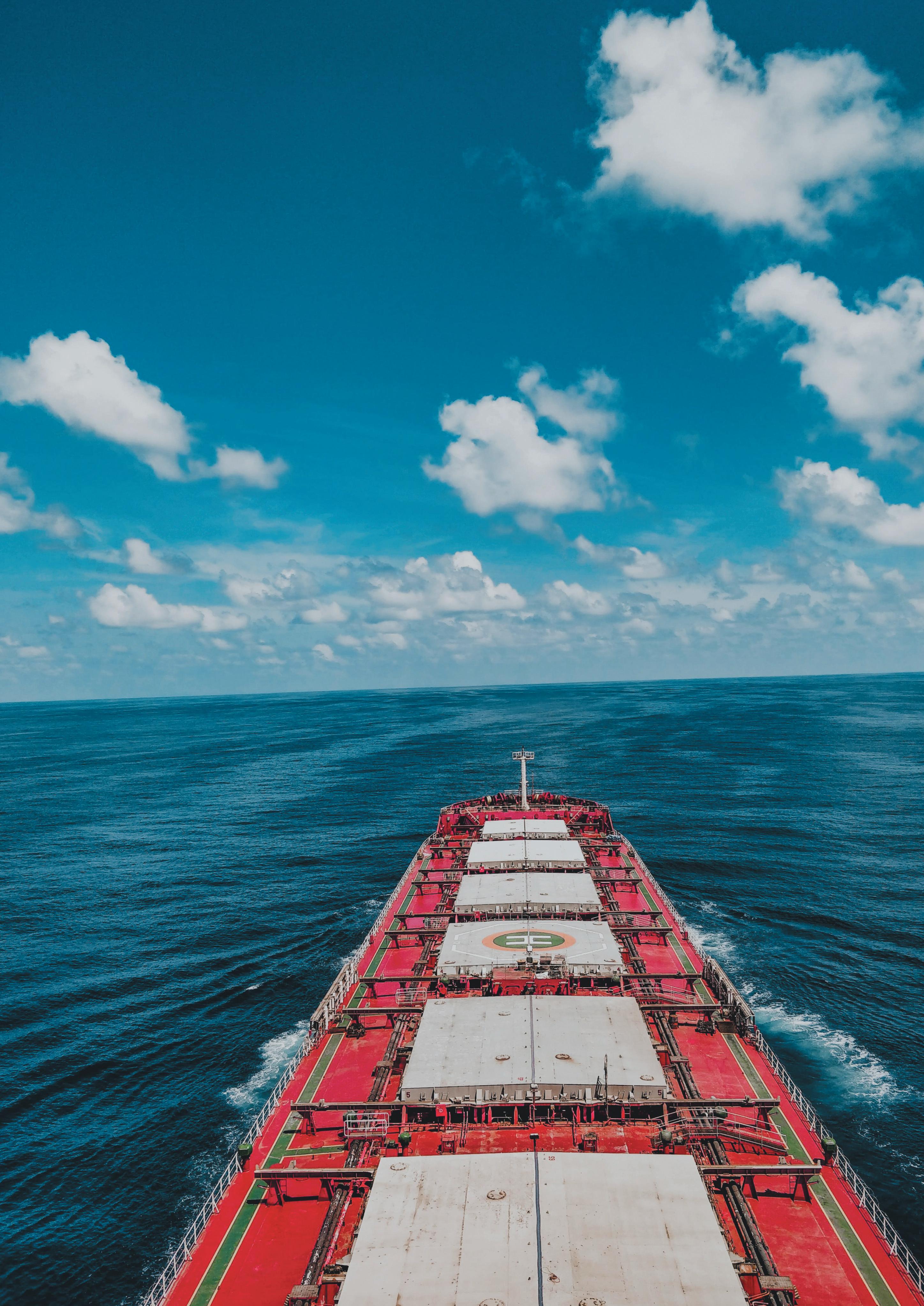
This loan represents a critical step for the project, as it establishes a solid financial foundation and confirms the continuation of construction. The CIB’s participation helps minimize the project’s cost of capital, enabling the MPA to maintain its strong investment-grade credit rating while preserving cash flow for its ongoing operations. As part of this transaction, BMO Capital Markets acted as financial advisor to the MPA in closing the agreement with the CIB.
The project is built on a strong partnership between governments and the private sector, which will cover more than 85% of total costs. The Government of Québec has contributed $130 million, and Transport Canada $150 million. The full financing will be repaid through independent revenues as well as contributions from the private sector as terminal operator.
The future Contrecœur container terminal is located near two active bulk terminals that handle iron ore and fertilizers.
2026: in-water works, including v construction of quay walls, and infrastructure required for vessel access and operations, carried out by a joint venture between Pomerleau and Aecon.
2027: construction of terminal and v logistics infrastructure, including the development of the intermodal yard, terminal construction, and installation of ship-loading equipment, on a site located approximately 40 kilometres northeast of Montreal.
2030: Commercial operations begin. v
The project will generate significant economic impact, including the creation of 4,000 jobs per year during construction. It will support up to $750 million in additional average annual GDP. Recognized by the federal government as a project of national interest, the Contrecœur terminal will strengthen Canada’s container handling capacity through its eastern gateway. It will contribute to trade diversification, economic resilience, and support hundreds of thousands of jobs linked to the supply chain.
Annual capacity of up to 1.15 million v twenty-foot equivalent units (TEUs), representing approximately 60% of the current capacity of the Port of Montreal, helping address long-term
constraints and support future container traffic growth.
The shortest maritime route between v the industrial heartland of North America and Europe, as well as the Mediterranean — two promising alternative markets for Canadian importers and exporters.
Use of existing infrastructure, v
including Highway 30 and CN rail connections, limiting new land construction and environmental impacts.
A terminal designed to minimize its v environmental footprint and compliant with the 388 binding conditions set by the Impact Assessment Agency of Canada.
Silotagus is a key logistics operator ensuring the continuity of strategic port infrastructure essential to Portugal’s agrifood supply chains The company operates under a new 30-year public service concession, reinforcing its long-term role in the management and development of critical national port assets.
Specialized in agro-food bulk commodities, Silotagus operates an integrated network of port and inland facilities that support the import, storage and distribution of essential raw materials across the country.
In parallel, the company is strongly committed to environmental sustainability, actively pursuing initiatives to reduce its operational footprint and improve energy efficiency This commitment is supported by a continuous investment effort in innovation and digital transformation, aimed at enhancing operational performance, traceability and service quality.
Portugal imports more than 80% of the
cereals and oilseeds it consumes. Approximately half of these imports are handled through Silotagus’ infrastructure, underlining its central role in the national supply system.
Silotagus represents the only integrated agri-bulk logistics platform in Portugal combining deep-sea port access and transhipment The company operates a multi-site logistics platform centred on the Lisbon region, combining maritime terminals with inland storage capacity exceeding 300,000 tonnes across its core assets Across this infrastructure, the system has the capacity to receive and handle up to approximately 2.75mt (million tonnes) of agro-food bulk cargo annually.
The Trafaria terminal, located on the south bank of the Tagus estuary, offers approximately 200,000 tonnes of storage capacity and serves as the primary
maritime gateway for agro-food bulk cargoes The terminal is equipped with four berths — two dedicated to discharge operations and two to loading — and can accommodate vessels of up to approximately 260 m LOA, with a depth of around 15 metres at chart datum.
Operations at Trafaria include the discharge of ocean-going vessels, with cargo subsequently stored and distributed either by road to the domestic market and, to a lesser extent, the Spanish hinterland, or by river to other terminals within the Port of Lisbon system The facility is fully configured for transshipment operations, enabling cargo transfers from Panamax vessels to smaller Handysize vessels serving Mediterranean, Northern European and island markets.
On the north bank, the Beato terminal provides approximately 120,000 tonnes of storage capacity and plays a key role in handling cereals destined for human consumption The facility can receive
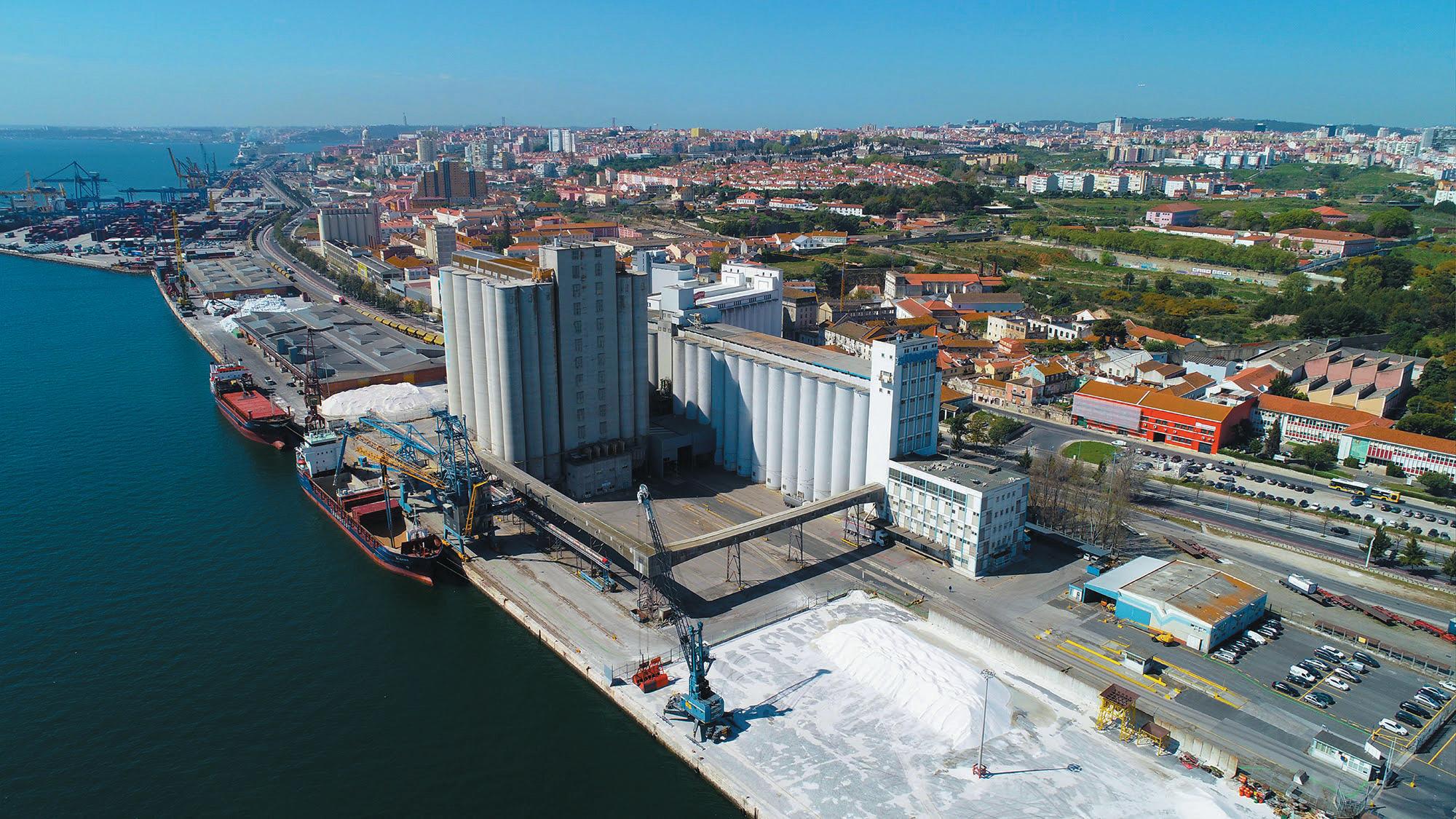
vessels of up to approximately 200m LOA and 8m draught, and is equipped with two ship unloaders—one pneumatic and one mechanical — each with nominal handling rates of around 600tph (tonnes per hour), allowing the simultaneous handling of two different products.
The Beato site also benefits from strong hinterland connectivity, including a rail link capable of dispatching up to approximately 2,000 tonnes/day, as well as direct conveyor connections to industrial clients.
Complementing port operations, the Vale de Figueira inland silo provides approximately 20,000 tonnes of storage capacity, supporting the distribution of imported commodities and reinforcing links with Portugal’s agricultural interior.
Operations associated with Silotagus’ infrastructure handle volumes in the order of 2.75mt per year, representing a significant share of agro-food bulk flows in Portugal.
The company’s assets play a critical role in the national logistics system, with more than half of Portugal’s cereals and flour imports passing through its facilities.
Silotagus focuses exclusively on agro-food commodities, enabling a high degree of operational specialization. The product mix includes milling wheat and cereals for flour production, malting barley for the brewing industry, maize and feed grains for animal nutrition, and oilseeds for biodiesel production and associated feed by-products.
This positioning places the company at the centre of key industrial value chains, including food production, animal feed and biofuels. Silotagus serves a broad and diversified client base, including leading global commodity traders, as well as major Portuguese brewing groups and the country’s largest milling operators.
River-based logistics have historically been a key component of operations The company previously operated a selfpropelled barge on the Tagus River with a capacity of approximately 2,500 tonnes.
Silotagus is currently in the process of acquiring a new barge with an expected capacity of approximately 3,000 tonnes, aimed at strengthening internal logistics efficiency and operational resilience.
Silotagus operates under a certified food safety management system in accordance with ISO 22000:2018, covering reception, handling, storage, treatment, drying, shipping and transport of cereals and other agro-food bulk commodities.
This certification applies across its operational sites, reinforcing the company’s commitment to quality, traceability and compliance with international standards.
Silotagus represents a unique infrastructure platform within Portugal, combining scale, strategic location and operational integration across maritime and inland logistics.
The company operates under a
concession framework linked to public port infrastructure, with ongoing developments aimed at reinforcing its longterm operational model and enabling future private sector participation.
Silotagus is fully aligned with the Portuguese Government’s ‘Ports 5+’ strategy, playing an active role in the modernization and competitiveness of the national port system Over the 30-year concession period, the company has committed to a global investment exceeding €100 million, focused on expanding capacity, advancing digital transformation, and strengthening operational efficiency and resilience.
The company is actively developing digital capabilities to enhance operational efficiency, including real-time monitoring of operations, performance analytics and traceability systems across its logistics chain.
As global supply chains become increasingly complex, the importance of efficient and resilient bulk logistics continues to grow Silotagus is well positioned to respond through its integrated infrastructure, operational expertise and ongoing investment.
By ensuring the continuous flow of essential agro-food commodities, the company remains fundamental to Portugal’s supply chains — supporting food production, animal feed (including livestock and poultry), and biofuel and edible oil industries, from bread and beer to livestock nutrition and renewable energy.
The Port of Málaga in Spain has closed the 2025 financial year with its strongest performance to date, achieving a new historic record for the second consecutive year. Results were presented by Carlos Rubio, President of the Port Authority, and José Moyano, Managing Director, highlighting strong growth in cargo traffic, solid financial performance, increased international connectivity, and continued progress in innovation and sustainability.
With total cargo traffic reaching 5.6mt (million tonnes), the Port of Málaga once again ranked as the fastest-growing port in Spain in terms of cargo volumes. This figure represents a 24.3% increase compared to 2024 and confirms the port’s upward trajectory within the Spanish and Mediterranean port systems.
Cargo handling reached 3.8 million tonnes in 2025, marking a significant 51.3% yearon-year increase. Import and export traffic grew by 50.2%, driven primarily by the strong performance of exports.
This growth was underpinned by a more than 30% improvement in international connectivity, with regular shipping services linking Málaga to key markets in Europe, Africa, North America and Asia, strengthening the port’s strategic role along major global maritime routes.
In order to further enhance its logistics capacity, the Port Authority advanced several strategic infrastructure projects during the year, including the development of a new Border Control Post, designed to streamline cargo inspection procedures, and the construction of a new refrigerated warehouse to support the growth of temperature-controlled cargo, particularly
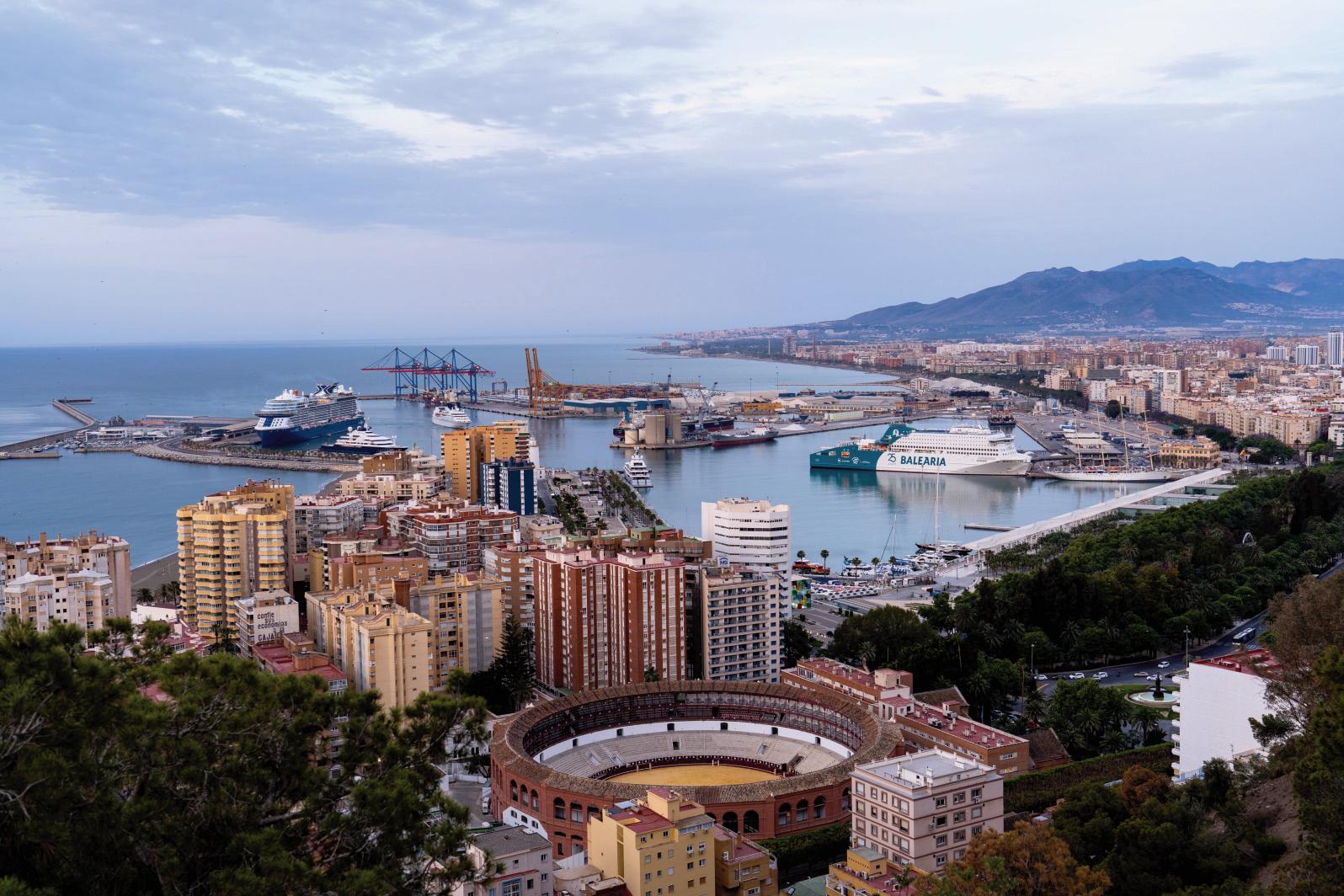
fruit and vegetable products.
As well as bulk cargo, the Port of Málaga also handles vehicle imports and is a major ferry and cruise terminal. There was growth in both of these areas.
Solid bulk traffic totalled 1.08 million tonnes, representing a slight decrease of 14.1%, mainly due to reduced volumes of agri-food products and clinker.
The increase in port activity translated into a robust financial close. Operating revenues reached €21.9 million, while net profit amounted to €6.8 million, doubling the result achieved in 2024 and reflecting the overall solidity of port operations.
In the area of innovation, the Port Authority continued to strengthen its Port
Community System (PCS), promoting greater automation of administrative processes, enhanced operational oversight and improved communication among port stakeholders.
In 2025, the Port of Málaga also reached a national milestone in sustainability by carrying out Spain’s first ship-to-ship LNG bunkering operation for a cargo vessel, reinforcing its commitment to cleaner and more efficient fuels. In parallel, the port tendered the acquisition of new air quality monitoring equipment to measure key greenhouse gases and particulate matter.
Throughout the year, the Port Authority maintained its strong commitment to transparency, ethics and good governance, implementing and updating internal control measures related to anti-corruption, compliance and financial oversight, an internal information system, an accessible whistleblowing channel via its new electronic platform, and ongoing training for staff and senior management.
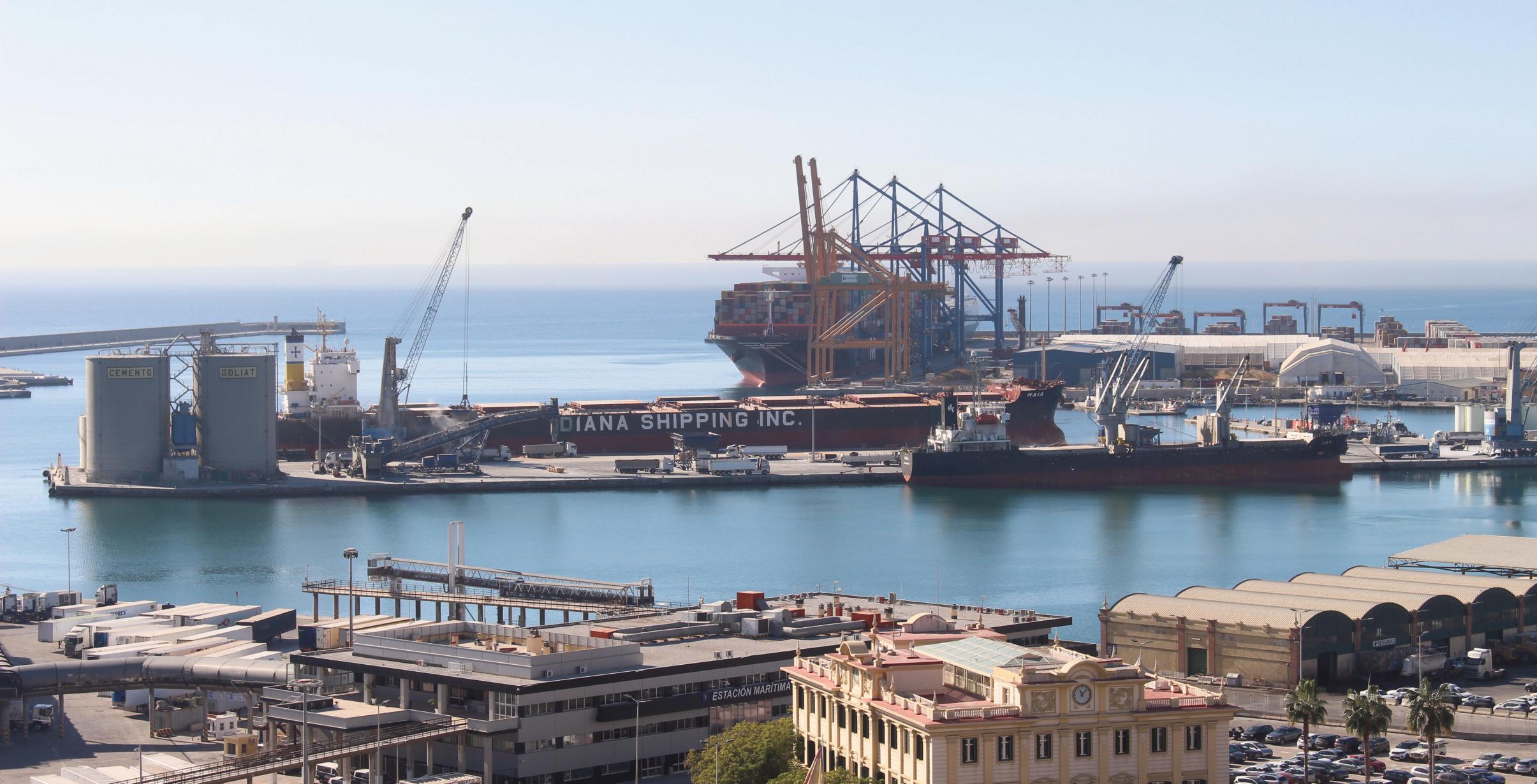
The outer port of A Coruña, Punta Langosteira is located in the northwestern part of the Iberian Peninsula, writes Nacho Lopez of GrupoNogar, which has a long-term concession at the port of A Coruño
The bulk material handling facility at Punta Langosteira developed, engineered, and delivered by Grupo Nogar — drawing on decades of accumulated experience — reached mechanical completion in the previous year and commenced operations in early 2026. As one of the largest port facilities of its kind in Spain and among the most advanced in Europe, the project reflects the latest design and construction standards. This milestone follows the formal transfer of custody of all installed systems to the asset owner during the first quarter of 2026.
The installation is equipped with an advanced Supervisory Control and Data Acquisition (SCADA) platform, enabling real-time monitoring, data acquisition, and centralized control of critical process variables. These include conveyor performance, unloading rates, equipment status, and energy consumption. The automation architecture also incorporates predictive maintenance algorithms and redundancy protocols, ensuring high operational availability while minimizing unplanned downtime.
A state-of-the-art, dust-free hopper forms a key component of the system, operating in conjunction with conveyor belts, a batch weighing system, and trippers to ensure efficient, continuous, and environmentally controlled material handling throughout the facility.
Commissioning and performance validation tests have confirmed full compliance with the original design specifications. The system consistently achieves a continuous unloading capacity of 1,500tph (metric tonnes per hour), with peak performance approaching 1,600tph. This throughput was verified on 9 February during the discharge of a 50,000-metrictonne consignment of US corn from the vessel Exelixsea , loaded at Destrehan, Louisiana.
From an energy performance perspective, the facility operates with a specific energy consumption below 0.8kWh per metric tonne handled, reflecting a highly efficient design. This performance is achieved through optimized equipment selection, the implementation of variable frequency drives (VFDs), and intelligent load management strategies. Collectively, these
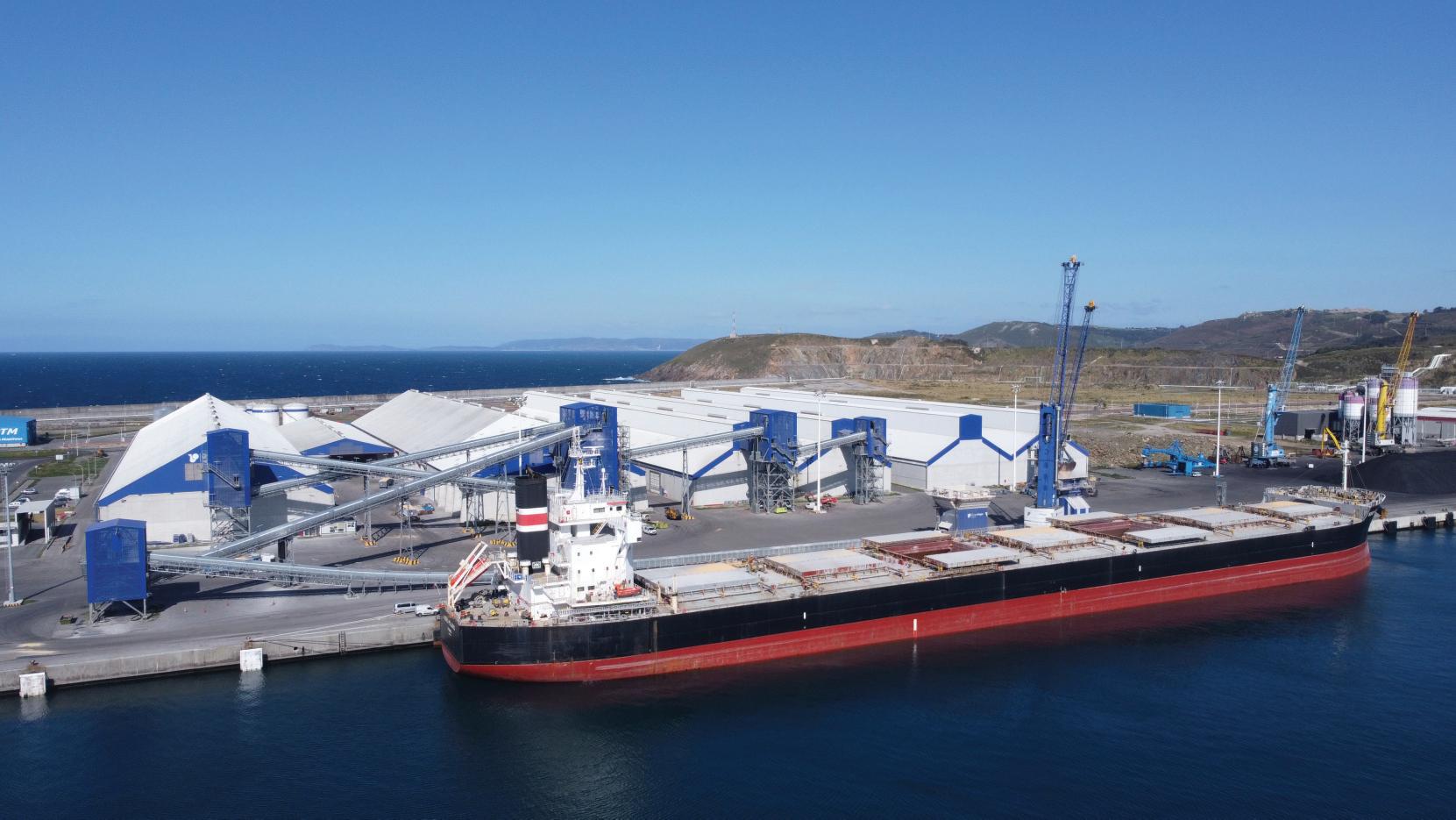
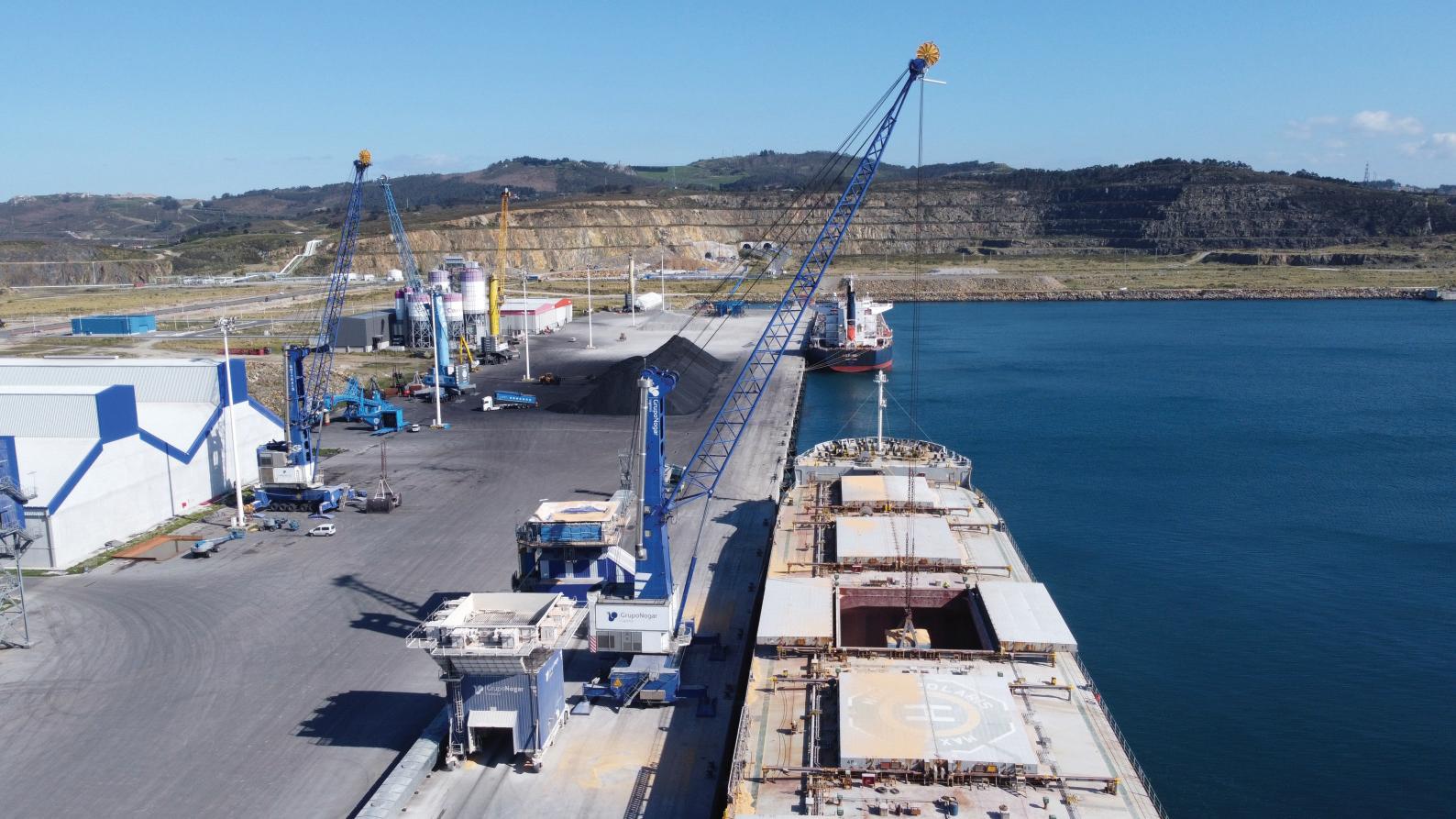
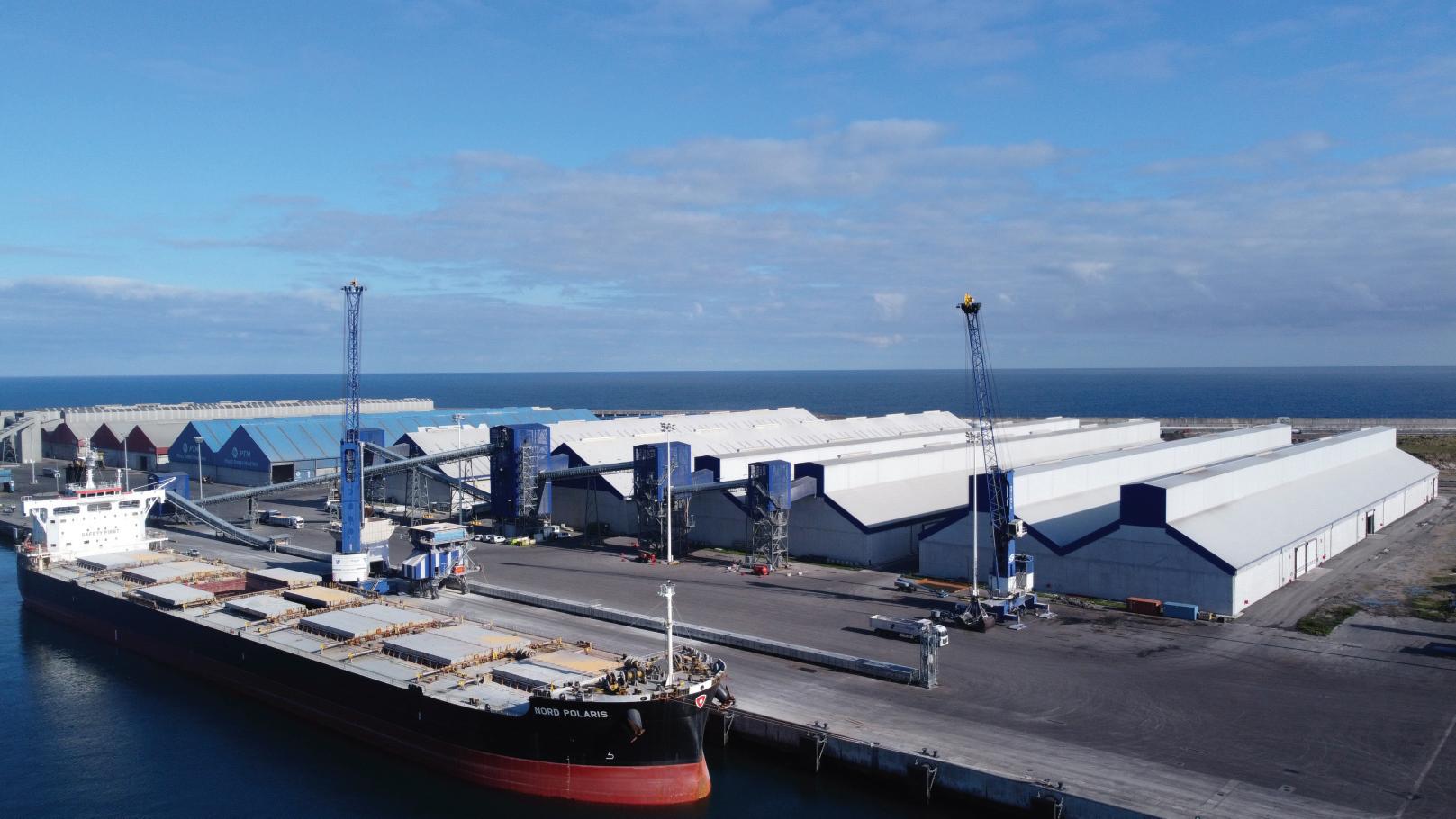
measures contribute to an overall system efficiency exceeding 92% under nominal operating conditions.
The installation has been designed in accordance with stringent environmental and sustainability standards. It incorporates low-emission technologies such as fully enclosed conveyors, highefficiency dust collection and filtration systems, and advanced noise attenuation measures. As a result, particulate emissions remain well below regulatory thresholds,
while material losses are minimized.
Additional sustainability features include a reduced carbon footprint through energy optimization, minimal water consumption due to dry handling processes, and the use of durable, low-maintenance components that enhance lifecycle performance. Together, these attributes position the facility as a state-of-the-art, environmentally responsible bulk handling terminal aligned with current industry best practices.
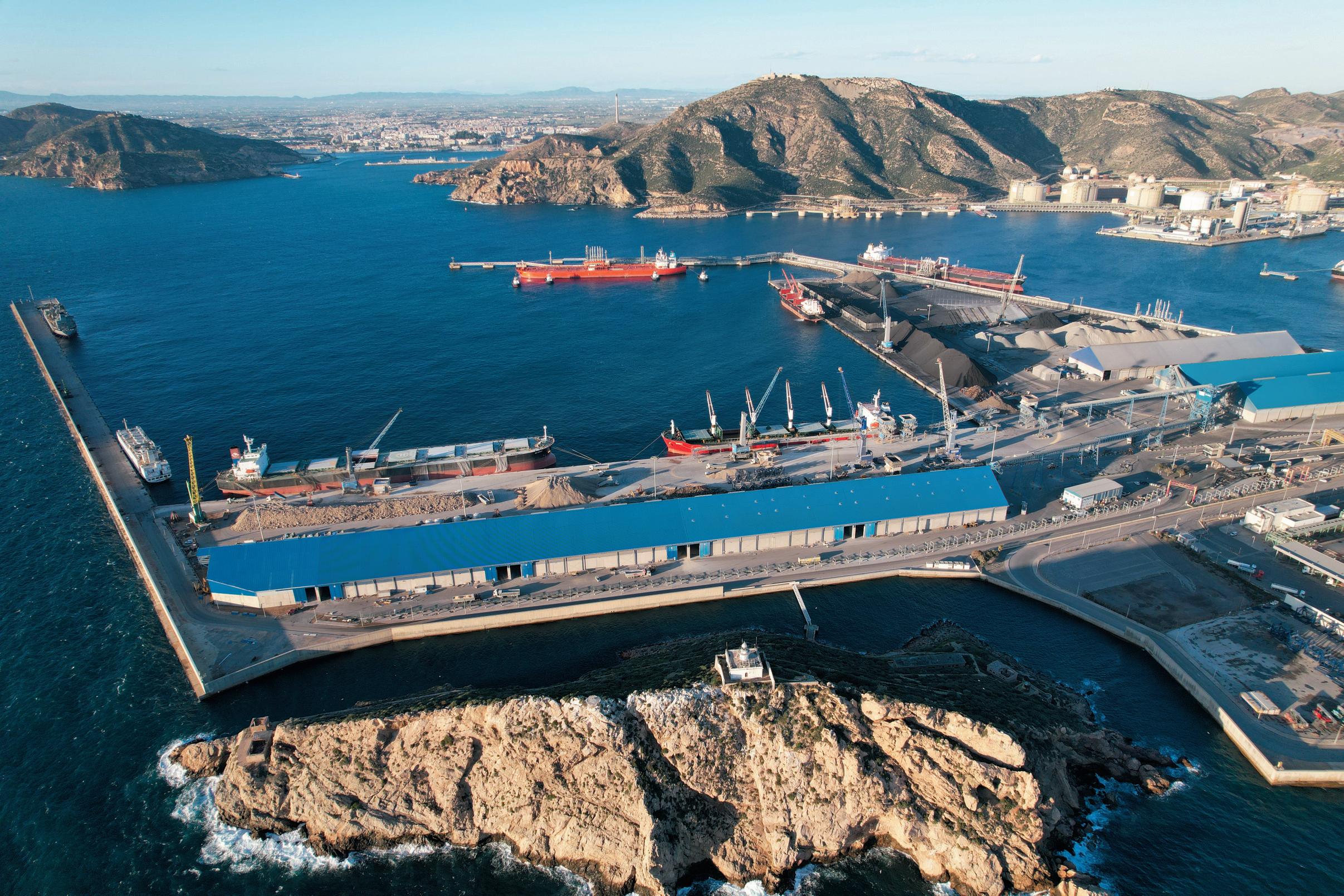
Ership Grupo continues to develop its bulk handling operations across Spain and Portugal, with a strong focus on mechanization, operational efficiency and integration between terminals. While investment is ongoing across its network, recent developments in Cartagena and other Spanish ports illustrate the group’s
approach to modernizing dry bulk logistics.
CARTAGENA : EXPANDING MECHANIZED OPERATIONS
In Cartagena, Ership Grupo is entering a new phase in the development of its bulk terminal. Following the plans outlined for 2025, the company is currently testing new
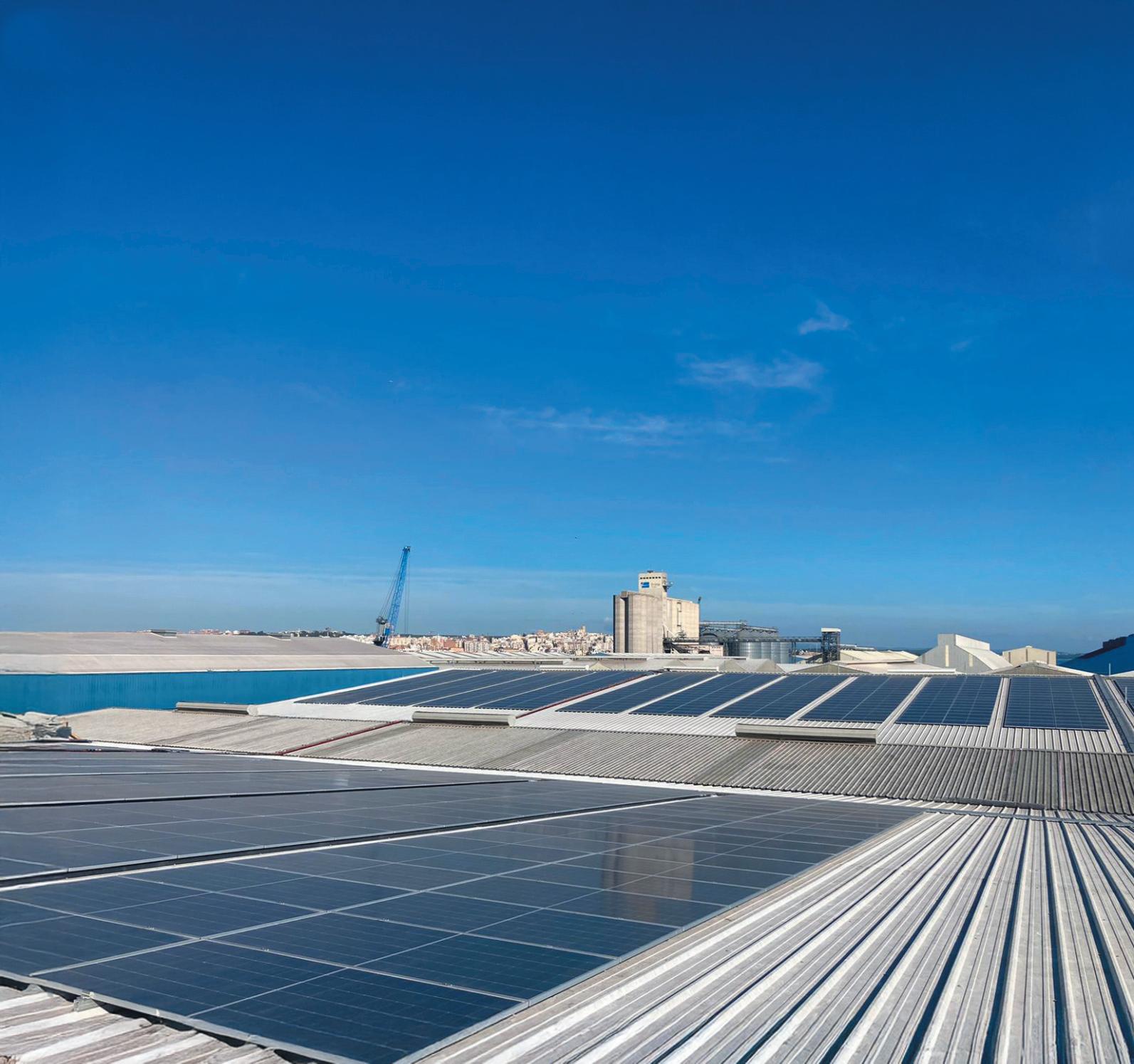
conveyor belt systems connected to a 20,000m² warehouse and an adjacent 22,500m² storage area.
These systems are expected to become fully operational soon, effectively doubling the mechanized handling capacity at the terminal. The transition to conveyor-belt operations will facilitate more efficient cargo flows, reduce CO2 emissions, and improve discharge rates.
In addition, Ership has recently been awarded a new concession for approximately 8,000m², which will also be integrated into the existing conveyor system. This development will further increase storage capacity while maintaining a fully integrated, mechanized operation.
Together, these projects represent a clear operational model focused on reducing CO2 emissions and enhancing overall efficiency within the port environment.
TARRAGONA : ONGOING DEVELOPMENTS
Further north along the Spanish Mediterranean coast, Tarragona remains a key focus for Ership Grupo’s ongoing automation and emissions-reduction strategy, building on developments already outlined in previous years.
At the Castilla berth terminal, work continues on the development of new horizontal warehouses connected to the
existing concrete silos through mechanized conveyor belt systems. Once completed, the project is expected to add up to 100,000 tonnes of fully mechanized capacity, while contributing to reduced port congestion and lower CO2 emissions.
At the same time, Ership continues to develop plans for additional storage space near the Aragón berth terminal. The project contemplates new conveyor systems, from the berth line to several warehouses potentially adding up to 212,000 tonnes of extra storage capacity and 229,000 tonnes of mechanized capacity.
One of the most recent milestones has been the completion of a photovoltaic plant, which will be connected to the terminal’s conveyor belt systems to supply part of the operation with renewable selfgenerated energy. The installation has a capacity of 1.13MWp (900kW nominal) and an estimated annual production of 1.48GWh, covering approximately 46% of the terminal’s energy demand, with a selfconsumption rate of 36%.
The project is expected to deliver significant cost savings while avoiding approximately 300 to 370 tonnes of CO2 emissions per year. The plant has also been designed to allow future scaling, supporting the progressive electrification of port operations and maximising its long-term efficiency.
The Cartagena model is being extended to other ports within the group’s network. In Sagunto, a new project is being developed based on the same principles, combining storage capacity with conveyor belt systems to optimise cargo handling and minimize environmental impact.
In Seville, Ership Grupo is developing a new terminal that is already attracting industrial activity. The facility has already established silos for the mechanical discharge of cement products, with additional projects under consideration. Industrial space, directly linked to berth operations, is attracting new opportunities for integrated logistics and cargo handling.
These developments underline a broader investment cycle focused on modernizing infrastructure and adapting terminals to evolving bulk cargo requirements.
In Portugal, Ership Grupo continues to strengthen its position in Lisbon.
In Lisbon, the company has designed and built two shiploading conveyor systems in collaboration with a local workshop, improving loading efficiency, and being considered a reference for similar solutions at other terminals within the group.
This ability to transfer operational
solutions between locations highlights the role of internal synergies in Ership’s development strategy.
Ership Grupo is developing connections between its terminals in Spain, Portugal, and Northern Europe, facilitating the exchange of operational practices and improving co-ordination across cargo flows.
In this context, recent international developments, including projects in West Africa, contribute to building a more connected Atlantic network.
At the same time, established traffic flows between mainland Spain and island terminals, supported by co-ordinated logistics and dedicated vessels, demonstrate the benefits of integrated operations across regions.
Ership Grupo's recent developments are based on a strategy focused on automating handling capacity, storage capacity, and coordination between its terminals.
Due to the continuous evolution of the dry bulk sector, this investment policy allows the company to be prepared for changing market requirements, while maintaining its focus on efficiency, reliability, and environmental performance.
DCi
Ership crane and encapsulated conveyor-belt.
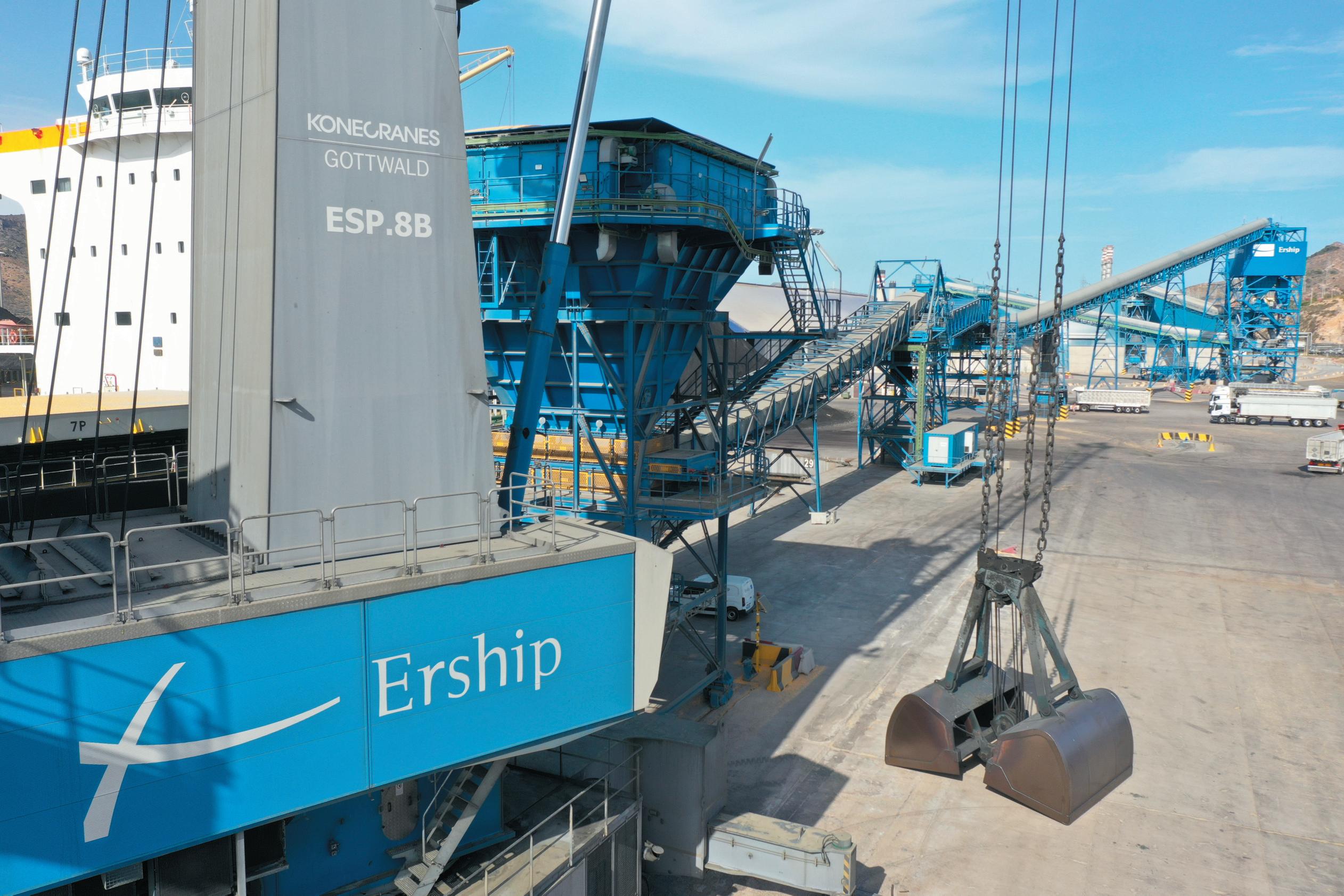

NEUERO produces the most reliable and high-quality bulk ship loaders worldwide. Environmentally friendly with less dust, less noise and more efficiency | neuero.de/en