


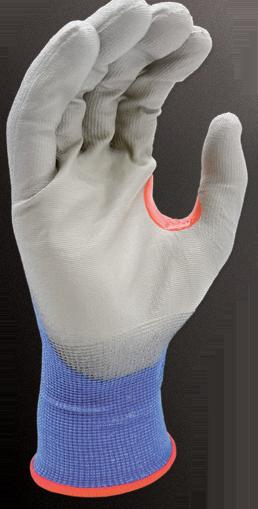
Unmatched mobility and tactility
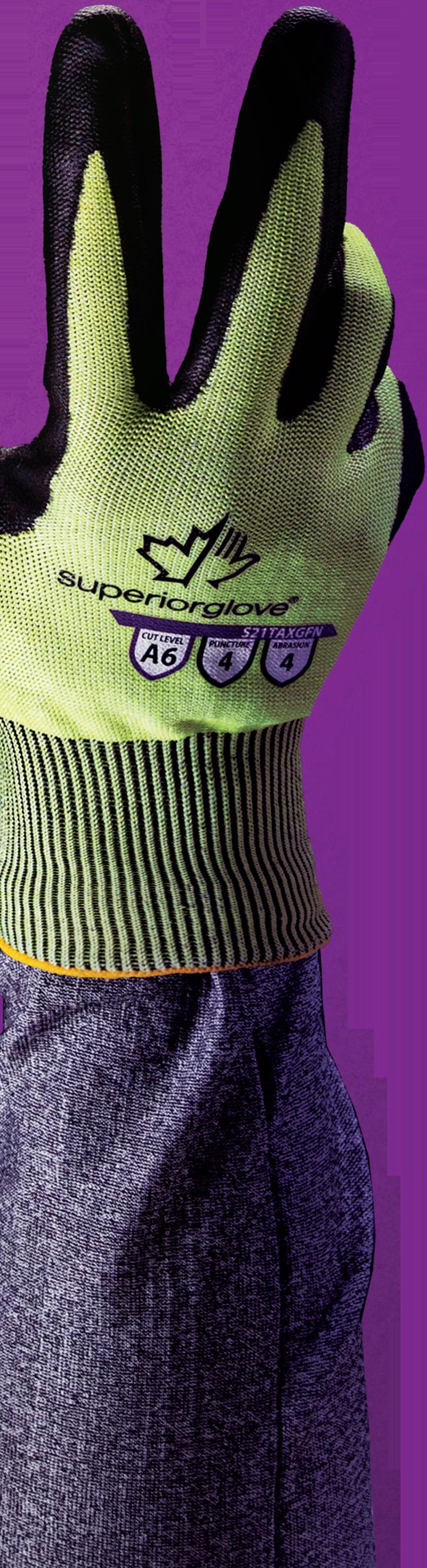
Dexterity Pro™ series offers outstanding mobility and comfort that doesn’t compromise on safety
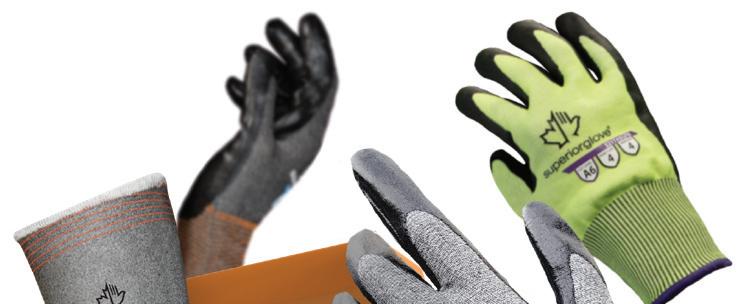
Effortless freedom of movement
Designed for all-day comfort and exceptional hand mobility
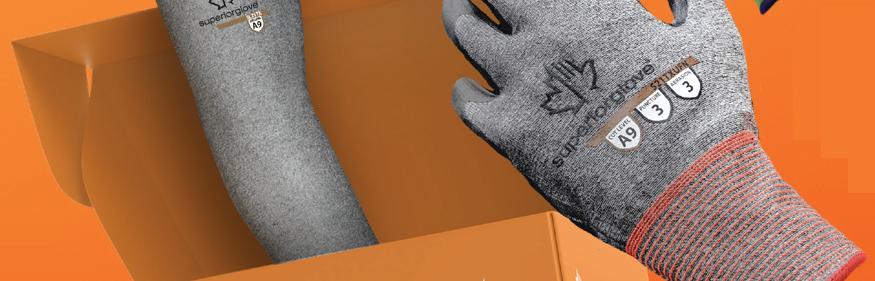
Comprehensive protection options
Cut, impact, water resistance, and more hazard protections
Sample the Dexterity Pro™ Series
For more details, visit superiorglove.com/dexterity-pro or scan the QR code



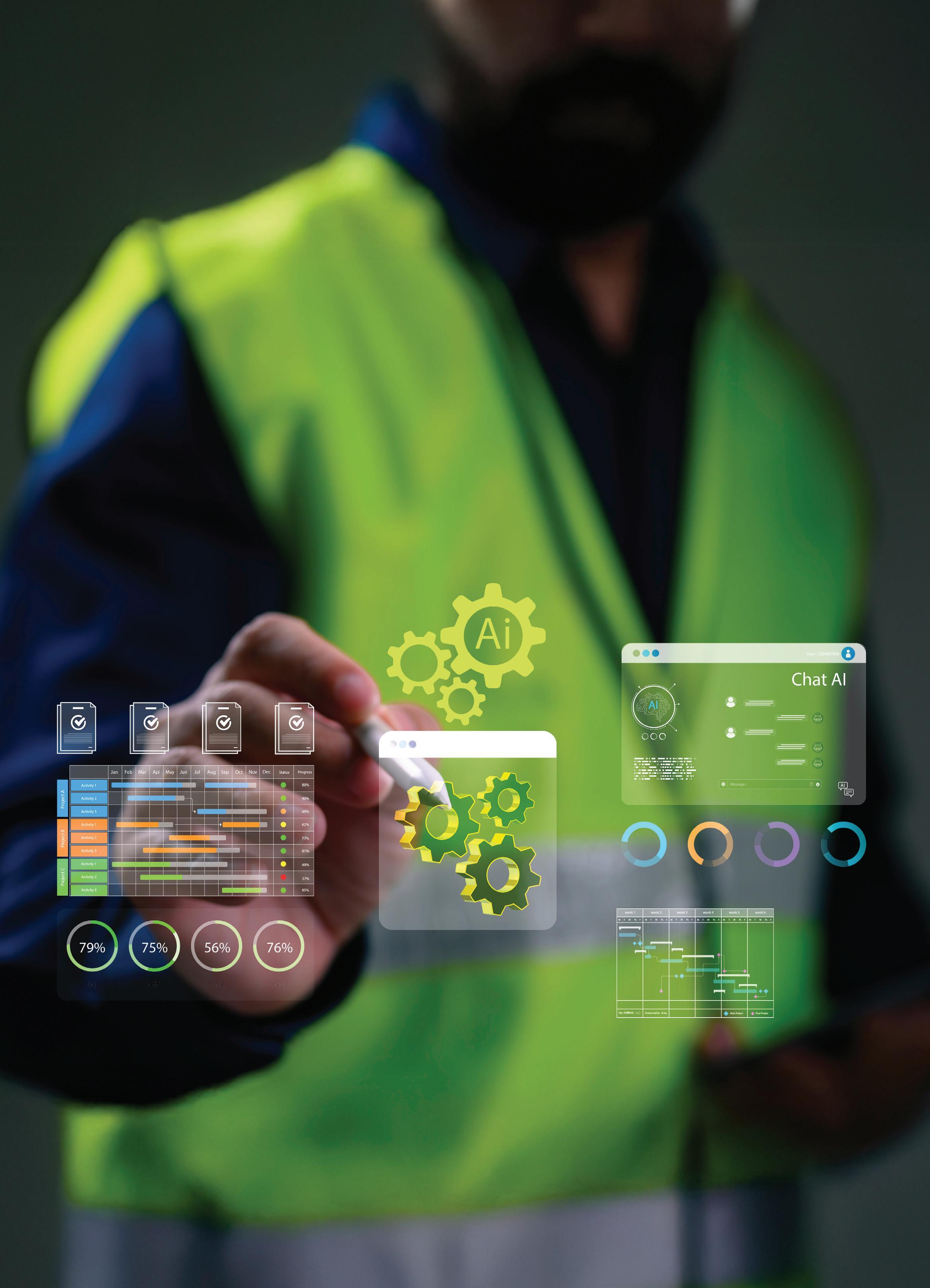
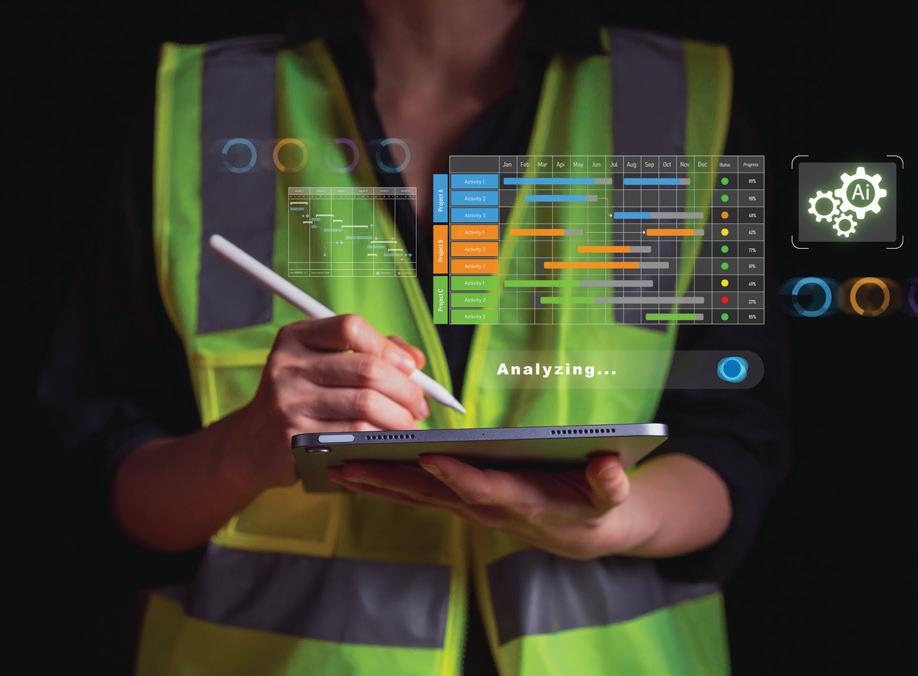
Companies are utilizing artificial intelligence to streamline processes, democratize safety knowledge, and support employees, not replace them. p. 10
p. 14 Q&A with ASSP's 2026-27 President
p. 18 Heat Stress
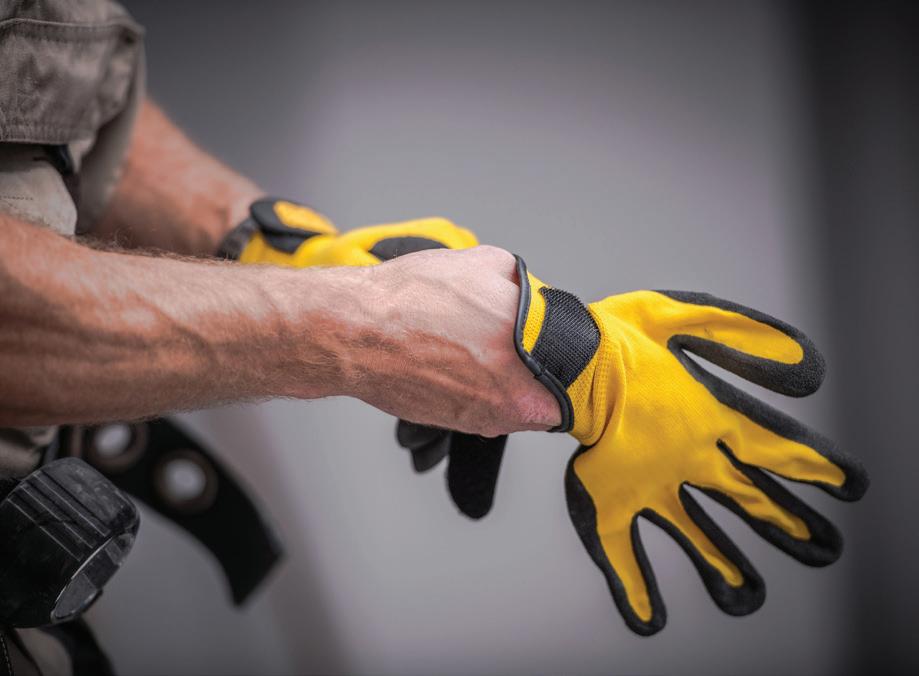
p. 20 Hand Protection
p. 22 Electrical Safety




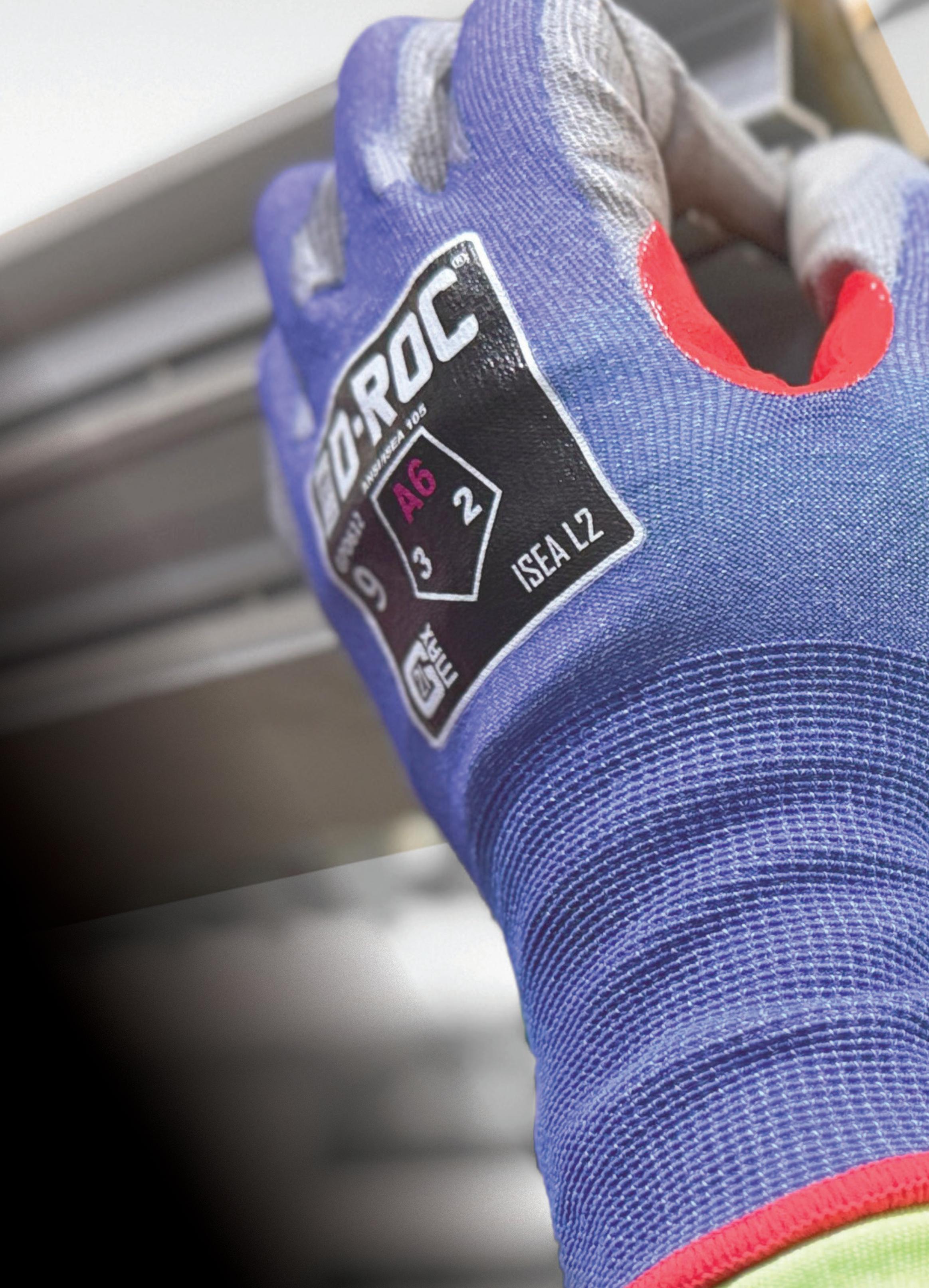
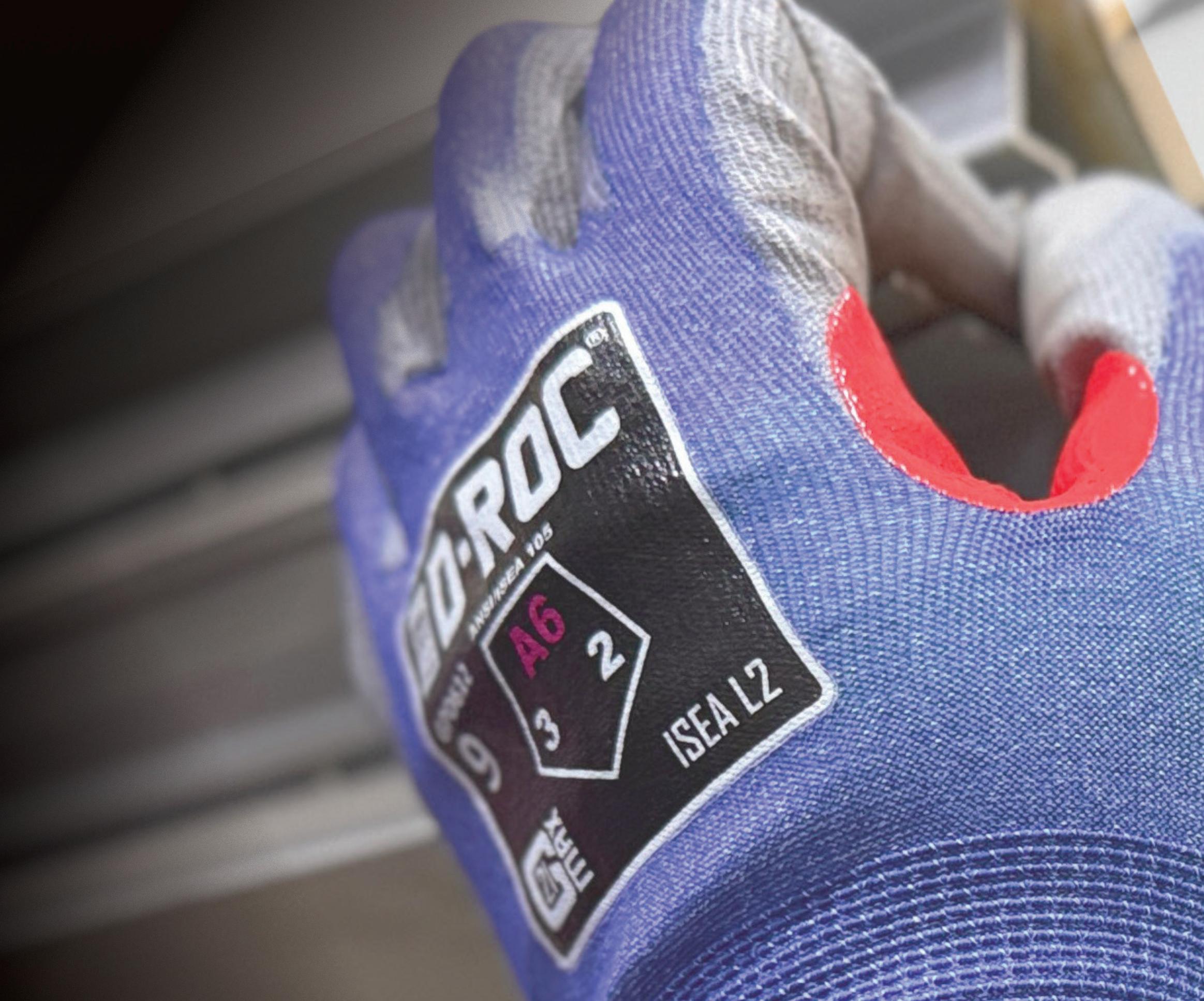
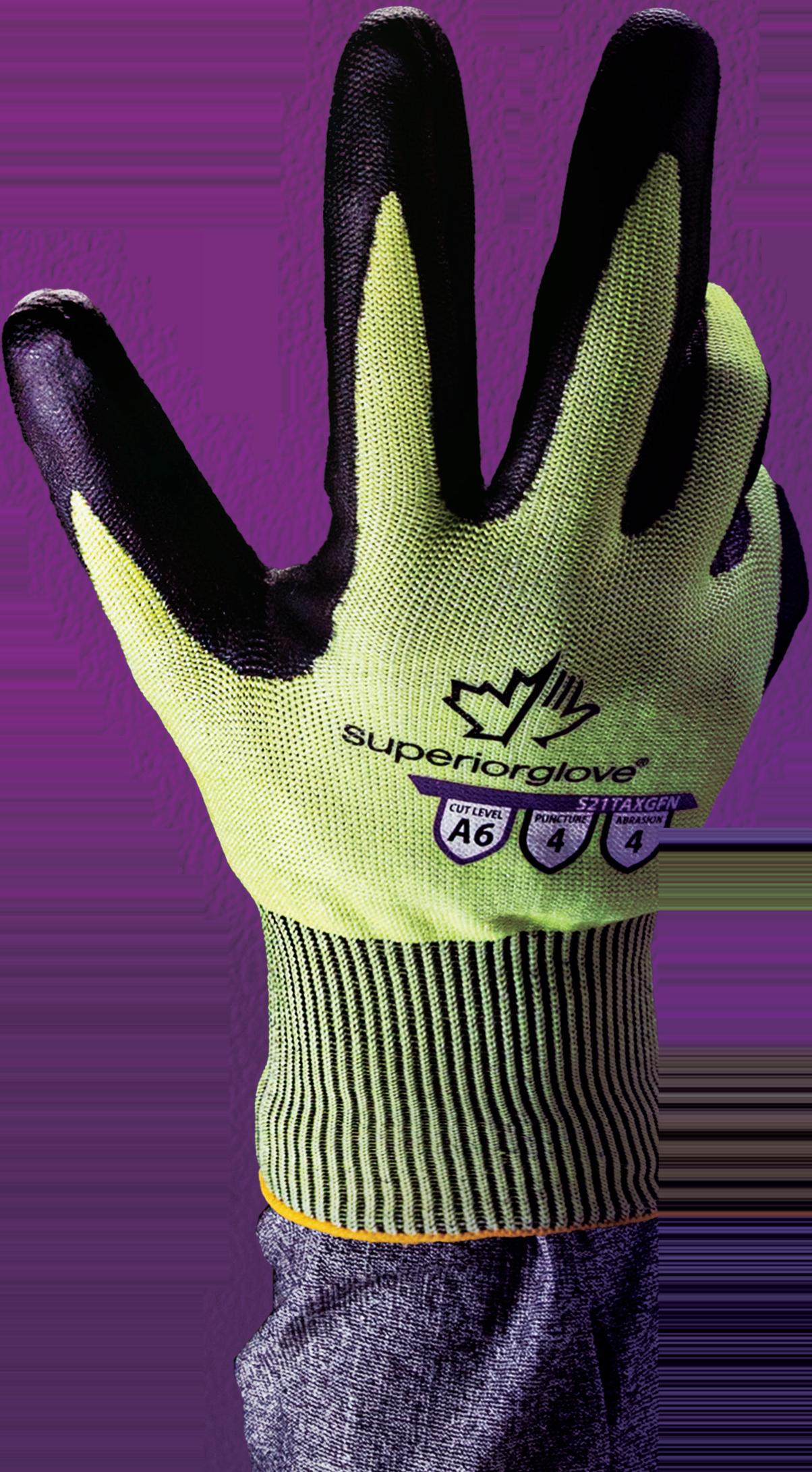
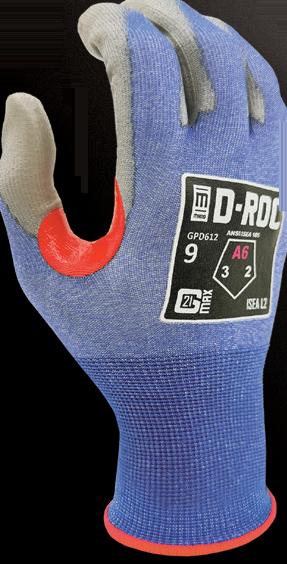
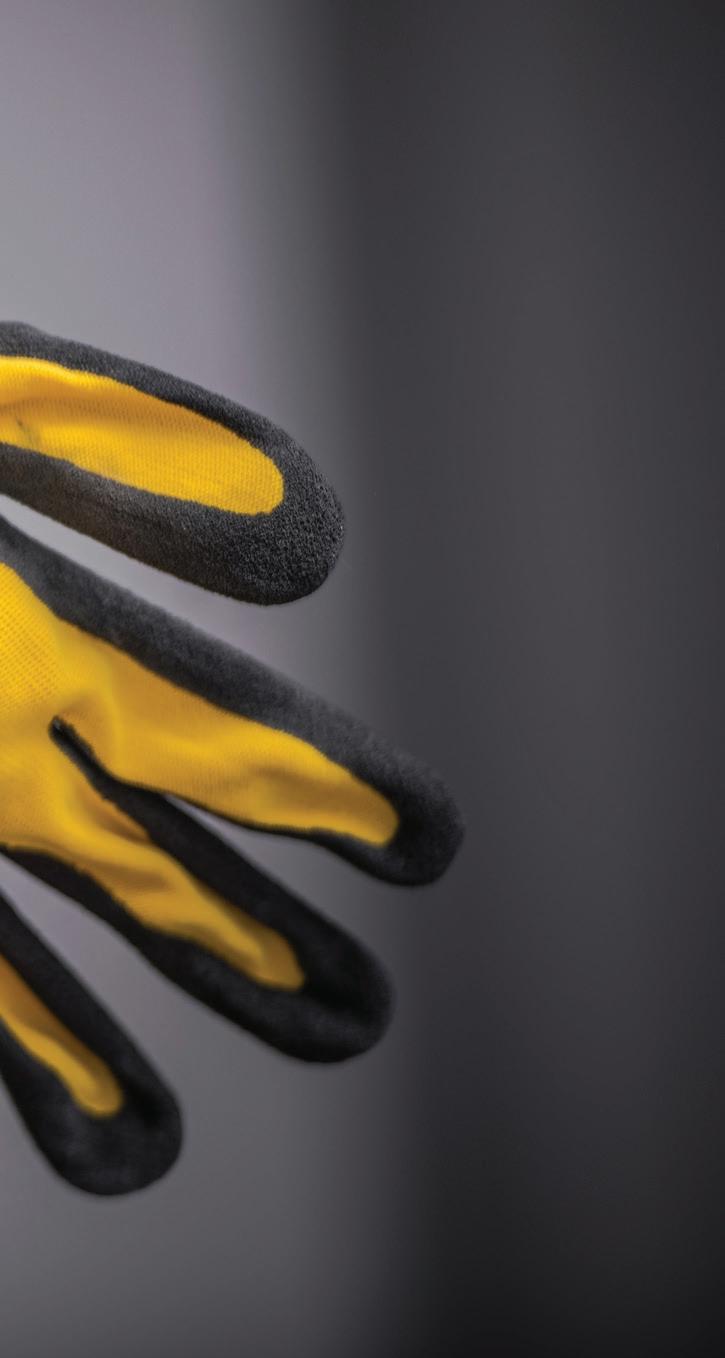
Ultra-thin 21-gauge knit
Bare-hand dexterity
ANSI A6 cut resistance










EHS TODAY (USPS Permit 905-040), ISSN 1945-9599 print, ISSN 2771-7267 online is published 4 times per year (Spring, Summer, Fall, Winter) by Endeavor Business Media, LLC. 201 N. Main St. 5th Floor., Fort Atkinson, WI 53538. Periodicals postage paid at Fort Atkinson, WI, and additional mailing offices. POSTMASTER: Send address changes to EHS TODAY, PO Box 3257, Northbrook, IL 60065-3257. SUBSCRIPTIONS: Publisher reserves the right to reject non-qualified subscriptions.
All other countries $136.25 per year. All subscriptions are payable in U.S. funds. Send subscription inquiries to EHS
PO
Northbrook, IL 60065-3257. Customer service can be reached toll-free at 877-382-9187 or at ehstoday@omeda.com for magazine subscription assistance or questions. Printed in the
Dave Blanchard Editor-in-Chief

Prioritizing psychological safety through open dialogue in the workplace is essential.
We’re living in an era of non-stop health scares, since apparently COVID-19 was a powerhouse for TV ratings and pageviews. So far, thankfully, none of the recent medical outbreaks has quite scaled the heights of a full-fledged pandemic. However, there is another health epidemic that has proven to be alarmingly resilient, shows no signs of abating, and in fact is getting worse by the day: the mental health crisis. Has it reached the point where we should start referring to the mental health crisis—psychological conditions that include anxiety, depression and suicidal ideation—as a pandemic? Maybe not, if we go with the thinking that a mental health disorder isn’t infectious, meaning you can’t “catch” it from another person…at least not in the physical sense. But on the other hand, more than 1 billion people have some type of mental health disorder, according to the World Health Organization (WHO), which is substantially more than the number of people who caught COVID (780 million reported cases at last count).
And maybe you can catch psychological distress from other people after all; researchers have studied a condition known as emotional contagion, which is when other people’s emotions and behaviors influence your own, sometimes without you even knowing it. According to Dr. Adam Borland, a psychologist with Cleveland Clinic, “It’s very easy to adopt the types of behaviors and thought processes of the people you surround yourself with. If you surround yourself with people who are positive, you’ll probably feel more optimistic. If you surround yourself with people who are always pessimistic, it might be easier for you to automatically gravitate toward negative emotions.” And, he adds, emotional contagion can have a direct impact on a person’s mental health.
To put it into a workplace context, it’s quite possible that a worker’s anxiety could be so intense that it triggers a negative emotional reaction from a coworker. Dr. Borland cites an example of a worker being anxious about completing a task, which causes a coworker to start feeling anxious as well, even if they can’t pinpoint the reason.
The Cleveland Clinic offers a number of practical ways to avoid the impact of somebody else’s negativity, such as
adopting mindfulness techniques, setting boundaries, focusing on gratitude, limiting social media and screen time, and seeking help from a therapist. Of course, rather than taking that advice, many people are opting instead to take the increasingly popular shortcut of letting AI solve the problem for them. But in fact, improper use of AI can very easily make things worse:
» We’ve written before about AI fatigue, which occurs when an employee’s workload increases because their boss assumes that using AI makes it easier for an employee to get their work done—as a result, the worker feels overwhelmed because they’re asked to do even more.
» Researchers are trailblazing a new field of research into the harmful effects of AI on the human brain (ironic, since the development of AI tools derives from research on how to mimic the human brain), and they’re coming up with fanciful terms to describe it. Harvard University, for instance, refers to brain fry; the University of Pennsylvania uses the term cognitive surrender. Basically, it’s what happens when too frequent use of AI overloads the human brain, leading to mental fatigue and burnout and other negative conditions.
» AI is typically accessed through a device, most likely a laptop, tablet or smartphone. The average American is now believed to spend at least seven hours per day looking at a screen, and it’s been well established that excessive screen time has detrimental effects, both physically and mentally. For safety professionals, the immediate concern is: How do you keep people psychologically safe in a world that’s becoming increasingly dangerous? Harvard’s Amy Edmondson says the first step is decidedly AI-free and screen-free: talk about psychological safety at work and prioritize it, which will allow you to define and dispel misconceptions about it. There may not be a vaccine to forestall a mental health crisis, but simply talking about it at work can go a long way toward diminishing its spread.
Send an e-mail with your thoughts to dblanchard@endeavorb2b.com.
Adrienne Selko Senior Editor
Integrating women’s heart health education into existing safety programs can be cost-effective and impactful.
Physical health is always a concern for EHS professionals.
However, a major risk that is flying under the radar is women’s heart health.
Nearly six in ten women will have some type of cardiovascular disease in the next 25 years, according to the American Heart Association.
The percentage of women aged 22 to 44 with some form of cardiovascular condition is projected to climb to nearly one‑third, compared with less than one quarter today, according to a February 2026 report in Circulation.
Those numbers are quite shocking, and I would venture to say that most people would be surprised to hear how prevalent heart disease is in women.
Given the breadth of this issue, I would advocate that EHS professionals need to focus attention on this issue and place it squarely in the category of risks that workers need to be aware of and trained in.
We train workers on how not to get their arms caught in machines. Why not train them to recognize symptoms of heart disease that could lead to heart attacks on the job?
While it might seem odd to compare the two, as one is immediate while the other takes time to develop, mitigating risk doesn’t need to be measured via a timeline.
While EHS professionals undertake training workers for daily hazards, health risks are often relegated to employee assistance programs (EAPs) due to the fact that they are chronic conditions.
What’s important about paying particular attention to women’s heart health is the fact that it often goes unrecognized, and therefore is not easily placed as having the potential to be an immediate concern.
Why not tap into existing safety training? “Employers can take the lead in awareness and education for women’s heart health, as they can add this information to health and safety programs

they already have. There are no additional costs,” explains Ellen Kelsay, CEO of the Business Group on Health.
Why not use regularly scheduled tool talks to raise awareness of this risk? Supervisors can point to programs, either internal or external, that address the issue.
Awareness is a particular concern around women’s heart health, as it doesn’t present the same as heart disease in men. For men, severe chest pain, shortness of breath and pain in the shoulder or arm are the most common symptoms.
“Women’s symptoms can include heart racing, shortness of breath, anxiety, fatigue and even sleep disturbances,” says Kelsay. “And for women, sadly, sometimes those things can contribute to other things.”
Similar to how safety professionals have created internal champions in the area of mental health, let’s do this with heart health.
One program that provides heart health champions free of charge to companies is called WomenHeart at Work. A champion can come to your location and share their experiences, which has been a successful tactic in creating awareness of issues.
This type of education is not a stretch goal. “We’ve seen workplaces evolve really nicely in terms of addressing stigma when talking about mental health. Managers have been trained to deal with employees who come to them with a mental or behavioral issue,” says Kelsey. “We can do the same when it comes to women’s health.”
Employers are, in aggregate, the largest purchasers of healthcare in the US, according to the Business Group on Health. So let’s encourage them to use this power to turn the tide on women’s heart health.
Send an e-mail with your thoughts to aselko@endeavorb2b.com.
The eight arms framework provides a structured approach to transforming safety culture and practices for complex, unpredictable environments.
By Shawn M. Galloway
Safety leaders often seek agility, learning and engagement. However, many safety departments still behave like the Tin Man from “The Wizard of Oz”—mechanical, rigid and slow to change. While organizations aim for transformation through polished policies and programs, the environment where employees work is becoming more complex and dynamic, calling for a rethink of traditional safety frameworks.
In the November-December 2025 Harvard Business Review article “Become an Octopus Organization: How Your Company Can Adapt in a Complex World,” Jana Werner and Phil LeBrun argue that many companies mistakenly treat complex challenges as simply complicated problems. In simpler terms, organizations that were built around rigid machine metaphors fail to respond effectively to the unpredictability of today’s work environments.
The authors suggest that, instead of designing organizations like machines where cause and effect can be mapped and expectations set, leaders should adopt an octopus model. An octopus operates adaptively, with distributed intelligence among its arms that can sense, decide and act based on local conditions. This model provides a flexible, innovative approach to operations, emphasizing learning and adaptation.
When we apply the octopus analogy to environmental, health and safety (EHS) functions, clear differences emerge. Most safety operations remain stuck in outdated practices, reminiscent of the Tin Man ethos, and characterized by three main patterns.
Foggy Clarity: Safety strategies often boil down to the vague slogan of “zero harm,” obscuring a disorganized collection of programs and goals. This absence of a clear strategy weakens decision-making when safety conflicts with production and cost.
Ownership Mostly on Posters: While the phrase “safety is everyone’s responsibility” is common, in practice, responsibility is centralized, often relegating frontline workers to just carry out top-down orders. This fosters a compliance mindset rather than one of real engagement.
Curiosity Squeezed Out: Many current safety procedures focus on documentation and strict adherence to established rules, which suppresses opportunities for learning and

adapting. Investigations focus on compliance rather than understanding how work truly happens.
In high-risk environments where variability is common, safety systems can’t be mechanical. Instead, they should demonstrate the flexibility and quick response of an octopus.
To reimagine safety as an octopus-like function, leaders can consider the following principles: Make Changes With People, not to Them: Instead of imposing centrally designed safety initiatives, involve workers in developing risk controls and procedures together. Measure success by the number of improvement ideas generated by frontline employees.
Entwine Learning and Impact: Incorporate learning opportunities directly into daily work routines. View near misses and deviations not just as mistakes to fix but as meaningful insights into systems and assumptions.
Do Less to Achieve More: Focus on critically evaluating current practices to identify which safety measures can be streamlined or eliminated without increasing risk, instead of constantly adding new safety protocols after incidents. Often, reducing bureaucracy improves operational efficiency and clarity.
To help structure the transformation towards octopus-like safety, think in terms of eight essential “arms”:
» Clarity: Define a clear safety purpose beyond just avoiding harm, with explicit priorities and trade-offs.
» Ownership: Empower frontline leaders to take responsibility for operational risks, while safety personnel serve as facilitators and coaches.
» Curiosity: Cultivate a culture where questioning is normal and employees feel safe to express concerns and ideas.
» Experimentation: Implement a visible set of small, timelimited safety experiments that promote innovation.
» Subcultures: Recognize that culture exists at various levels within an organization and needs different strategies for different subgroups.
» Learning Architecture: Develop systems for ongoing feedback that support double-loop learning in practice.
» Spreading, not Rolling Out: Focus on identifying and adapting local best practices rather than forcing uniform approaches.
» Leadership: Guide leaders to work on the system, emphasizing inquiry over instruction, and promoting clarity, ownership, and curiosity in their teams.
Transitioning to an octopus-like safety approach is an ongoing process. Consider these questions:
» Where are we most stuck in rigid, Tin Man-like thinking?
» Which processes might unintentionally weaken clarity, ownership or curiosity in our safety approach?
» What practices or rituals could we simplify or remove to improve our functioning?
Explore what would truly break if safety systems were paused temporarily. If it’s “not much,” that suggests the function is too hollow or superficial; if it’s “everything,” we might be too dependent. The goal should be a balance where operations can keep evolving while learning capabilities remain strong.
The bold move is not just to discuss agility and performance, but to fundamentally rethink the safety profession itself to mirror the adaptive nature of an octopus in a constantly evolving workplace. EHS
Shawn M. Galloway is CEO of ProAct Safety; host of the podcast, “Safety Culture Excellence”; and a past keynote speaker at EHS Today’s Safety Leadership Conference.
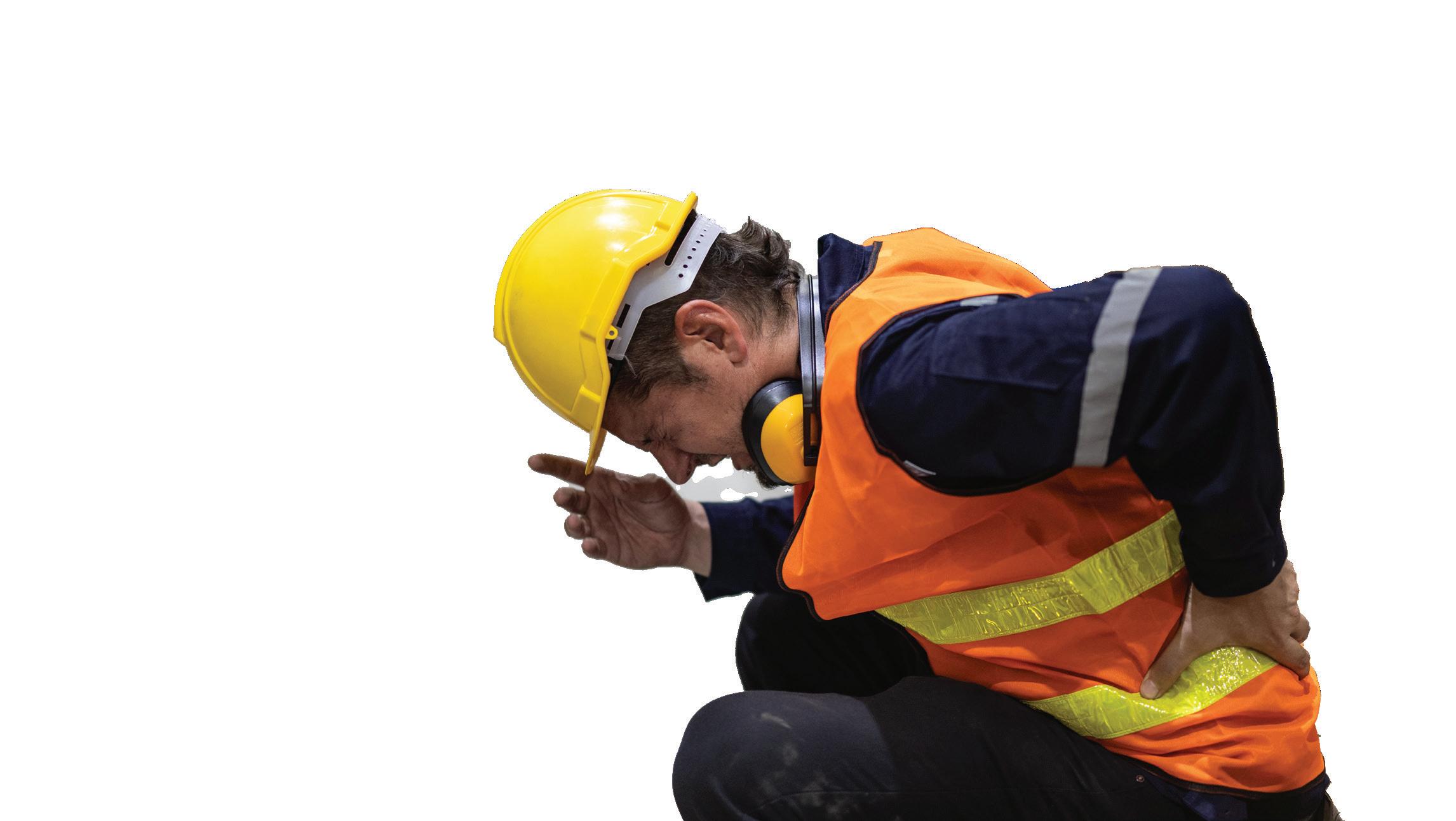
The good news is that injuries are declining. The not-sogood news is that it’s taking longer for people to recover, according to a new survey from insurance company Travelers.
The reason for the longer healing time is both the aging workforce and the disproportionate vulnerability of firstyear employees.
The 2026 Injury Impact Report is an analysis of more than 1.2 million workers’ compensation claims received by the company from 2021 through 2025.
“The decrease in workplace injuries is a positive story, yet injured workers are still missing an average of 80 workdays,” said Claude Howard, vice president of workers’ compensation claims at Travelers. “This report is a reminder that progress doesn’t mean the risk environment requires any less attention, and an employer’s commitment to safety must keep pace with an ever-evolving workforce and injury landscape.”
Injuries involving employees aged 60 and older account for 16% of all lost-time claims.
Their injuries are also more severe, with higher rates of fractures and dislocations, both of which typically require longer recovery times. When injured, these employees miss approximately 97 days – 17 more than the overall average of 80 days.
Despite representing a much smaller share of the total workforce, first-year employees account for approximately 37% of all injuries and 34% of overall claim costs, generating more than 5 million missed workdays over the five-year period.
That pattern is even more pronounced in certain sectors, with new employees representing an outsized share of injuries in restaurants (51%), small businesses (46%) and construction (44%).
Employees at small businesses, which are already operating with leaner teams, miss an average of 86 workdays per injury –six more than the overall average.
Slips, trips and falls rank among the leading causes of the costliest claims – those exceeding $250,000 – across every industry segment analyzed.
As workforce demographics shift, the consequences of these persistent hazards are becoming more significant. For employees 60 and older, slips, trips and falls are the top cause of injury, accounting for approximately 39% of their claims – roughly 15 percentage points higher than all other age groups.
Travelers recommends that employers focus on three areas to strengthen the culture of safety in their businesses:
» Protect new hires by identifying workplace risks, improving safety controls and defining safe work practices.
» Support and engage employees by building a culture of trust and safety where workers feel valued and are encouraged to take part in defining the safety process.
» Prepare for injuries before they happen by implementing structured response and return-to-work plans that support employees throughout recovery.
“The majority of workplace accidents can be prevented,” said Chris Hayes, assistant vice president of Workers Compensation, Risk Control, at Travelers, in a statement.
“Getting ahead of the risks isn’t just good safety practice; it’s one of the most meaningful things an employer can do to protect and support their people.” —EHS Today staff

Recently, NIOSH researchers studied how many workers are exposed to chemicals that damage hearing and identified the industries and occupations with the most risk.
Chemicals that can damage hearing are called ototoxicants or ototoxic chemicals. Ototoxic chemicals can cause hearing loss and/or make the ear more vulnerable to loud noise.
Researchers found that about 22 million workers are exposed to ototoxic chemicals each year, which is about 13% of civilian workers.
Examples of these chemicals include:
» Engine exhaust and lead
» Industrial cleaners and glues
» Organic cyanides and tin compounds
» Paints, lacquers, and thinners
Industries with the highest percentage of workers exposed to ototoxic chemicals are:
» Mining (49%)
» Combined Mining and Oil and Gas Extraction (44%)
» Construction (30%)
» Agriculture, Forestry, Fishing and Hunting (29%)
» Transportation (24%)
» Manufacturing (24%)
NIOSH recommends that companies take the following steps to remove or decrease the exposure:
Eliminate the noise or change the process that requires the use of an ototoxic chemical. If that is not possible, substitute a quieter piece of equipment or use a non-toxic chemical.
Use engineering controls to block or enclose the noise source or increase ventilation.
Ensure all tools and equipment are well-oiled and maintained.
Adjust worker schedules to reduce the number of people exposed and how long they are exposed.
Make sure all workers correctly and consistently wear personal protective equipment (PPE). PPE could include hearing protection, long sleeves, gloves, aprons, eye protection, and respirators.
The authors note that combined exposure to chemicals and notes is even more harmful. Each year, about 12 million workers are exposed to both loud noise and ototoxic chemicals, or about 7% of workers. —EHS Today staff
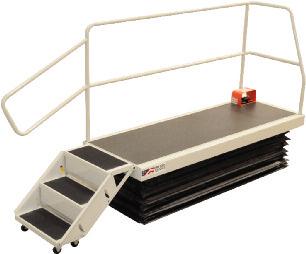
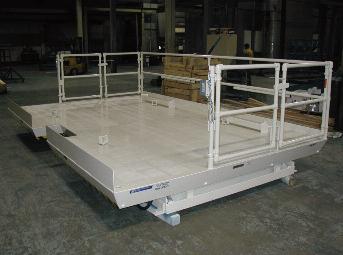
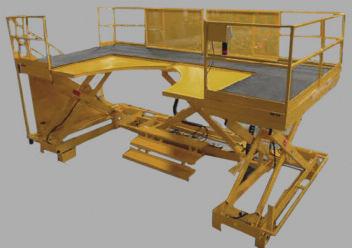
• Advance work access lifts elevate workers, materials & tools to convenient work heights at the push of a button.
• Applications include production, assembly, inspection, maintenance and order picking.
We h ve over 1500 st nd rd products s st rting point to meet your needs nd often end up with tot lly custom nd unique design. Options include h ndr ils of ll types including retr cting versions, vertic l rising g tes, swing g tes, pipe st nchions with ch ins, pl tform cut-outs, pl tform extensions including retr cting versions, work benches, tool boxes, ccur te positioning with + -1/8” repe t bility, power drives for horizont l movement, speci l finishes such s st inless steel or epoxy p int, speci l fluids such s bio-degr d ble or fire resist nt, explosion proof power units, single st ge lifts nd multi-st ge lifts.

Companies like Skanska and Cargill are utilizing AI to streamline processes, democratize safety knowledge, and support employees, not replace them.
By Adrienne Selko
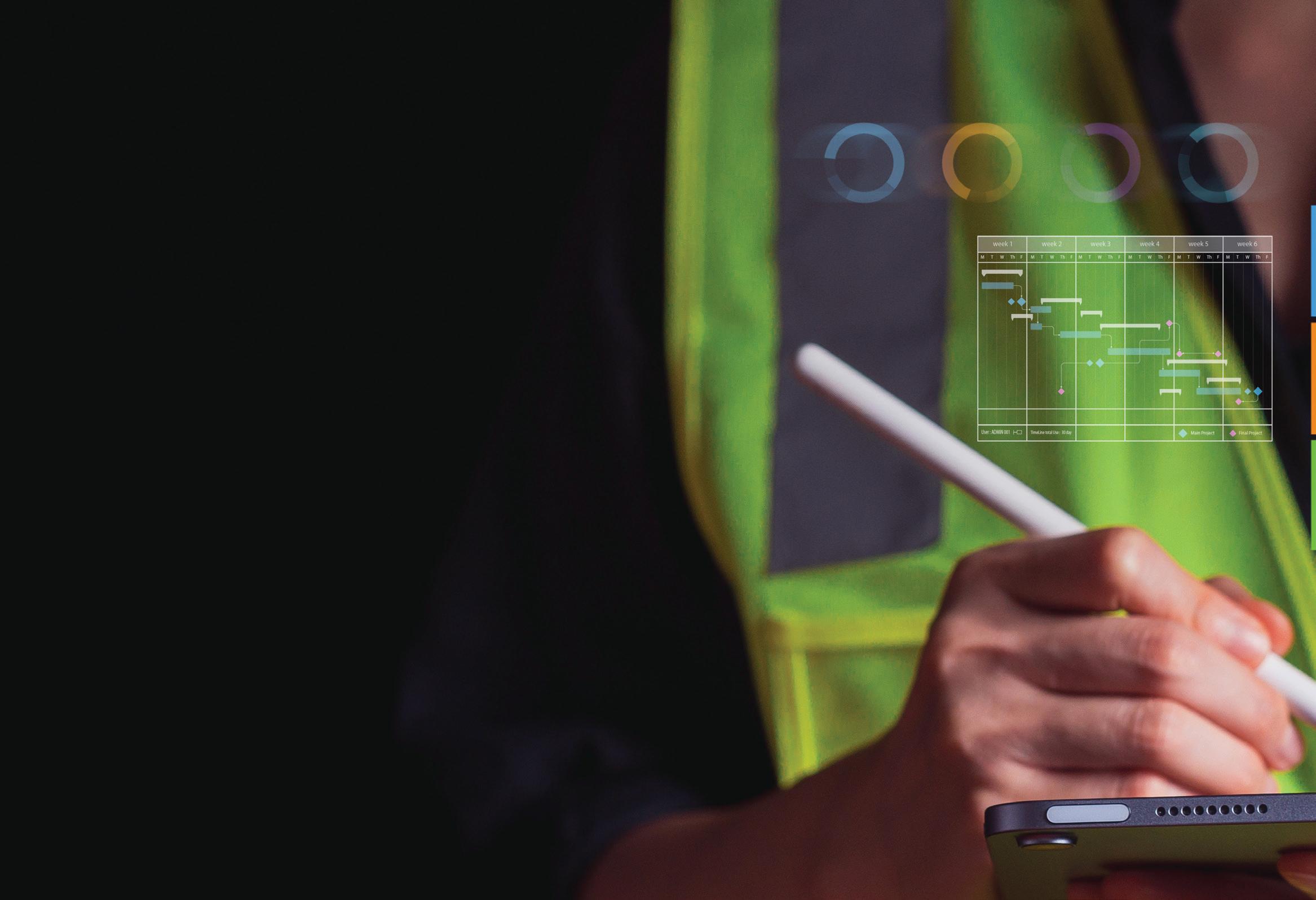
Safety leaders, like other professionals, are being inundated with promises and pitches of various technologies that can simplify their work lives while keeping their employees out of harm’s way, and artificial intelligence (AI) is the current tech du jour Daily incantations of the capabilities of the technology can often instill fear in employees who feel they will be replaced and create a great deal of pressure on safety managers who are required to quickly move AI into daily operations.
One time-tested strategy to determine if a technology is actually useful is to match that technology to a real-world situation. That has proven to be the most judicious way to discover early benefits that can be scaled as needed. This focused AI implementation strategy is paying off, and in this article we’ll look at two companies that offered insights on their use cases as well as their philosophies on the relationship between humans and technology.
Skanska USA Building, which employs 6,500 and is part of a global construction company, created an internal AI tool that perfectly positions it as one that benefits users via collaboration. Introduced a year ago, Safety Sidekick operates just as its name indicates. It’s an automated tool that analyzes safety data, provides real-time safety guidance, and helps manage risks on construction sites. Who wouldn’t want a sidekick like that?
“Safety Sidekick provides a hand when someone is making a decision,” explains Brian Karas, national program director for EHS at Skanska USA Building. “It’s not making the decision.”
Karas notes that when creating this tool, the goal was to provide employees with a source that could assist with tasks they were already undertaking. Just as a sidekick can offer guidance, this tool allows for easier and more time efficient access to safety documents and processes. “When you are writing an incident report, you can use Sidekick, or when you are making a safety observation, the tool can be helpful,” Karas notes.
The tool was created specifically to increase access to information. “The primary object is to use AI to bring safety standards and institutional knowledge to real-time,” says Karas. “It brings decision-making to the field where the risk actually exists, rather than back in the office. The focus is to put the right information in the right hands at the right time.”
The tool serves the company’s overall safety strategy. “We are using AI to reduce risk exposure during high-hazard work by improving the quality of information and the timelines of safety decisions,” says Boris Kiprovski, an EHS director for Skanska USA Building.
The company uses the energy-based safety approach, which is a scientific method to preventing serious injuries and fatalities. For example, in the field when searching for a potential hazard, AI can be trained to research a scenario so an employee can document observations, and AI will provide a live answer.
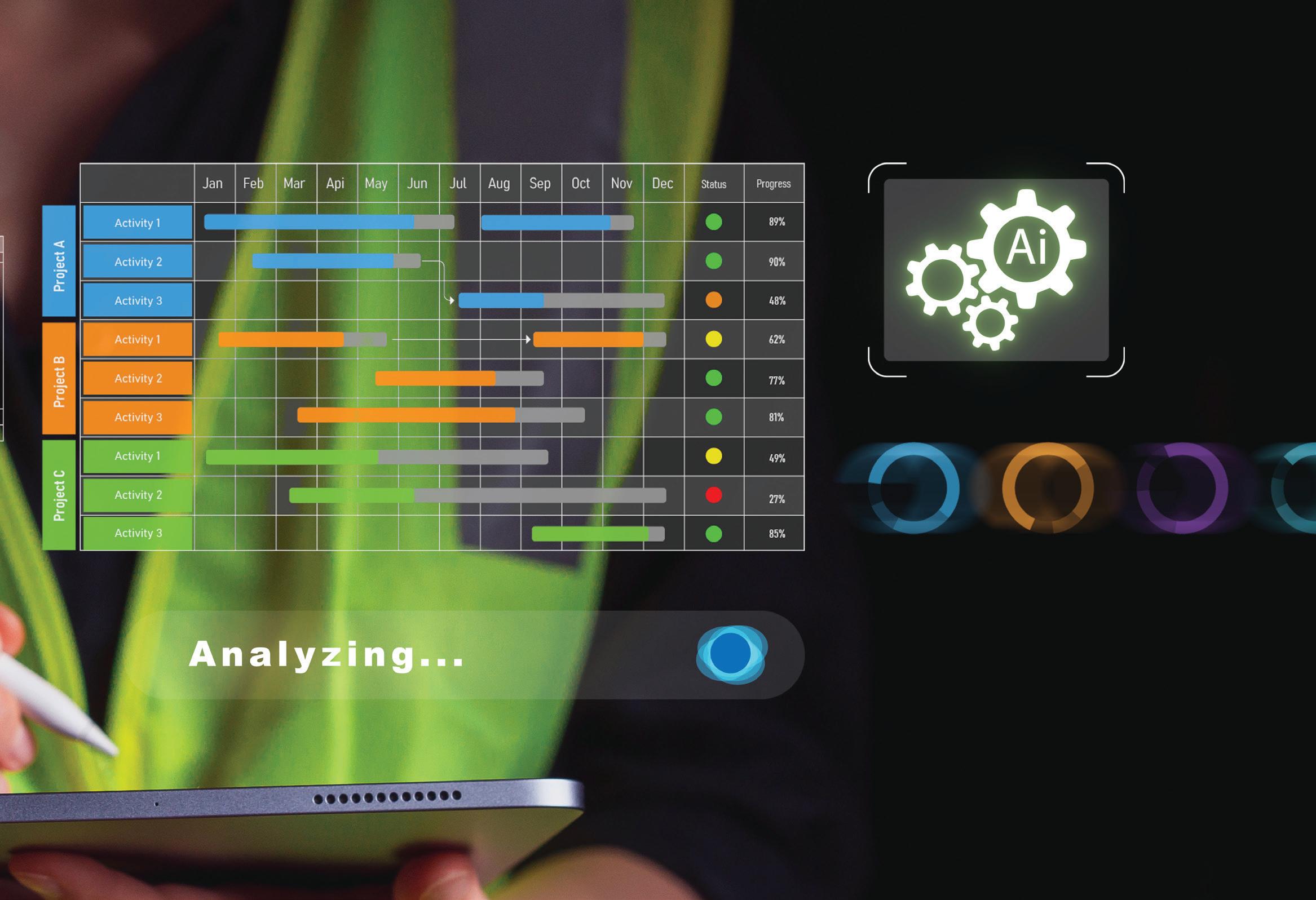
By increasing consistency and quality in safety observations and classifications, Kiprovski notes that it can increase the quality of data both in his region and then be extrapolated to a national level to ensure a match across locations.
While bringing new technology inside company walls has always been a challenge, bringing AI is turning into one of the greatest challenges ever faced by companies. That might be seen as an overstatement given the sea changes companies have experienced over the past decades, but fear of job loss as a result of AI is real. And in many cases, it is not unfounded, as several companies are explicitly pointing to AI improvements as a reason for layoffs.
However, most companies tend to view AI in the same light as Skanska does, as being yet another, albeit powerful, tool to help improve safety processes.
“AI decision support is the goal,” says Kiprovski. “Not decision-making or replacement.” Karas echoes this sentiment. “We are augmenting decision-making, and we keep our employees in the loop with every AI step we make. By allowing AI to access safety material that is based on the company’s own internal manuals, it allows employees to have quicker access to a proven knowledge base. Our AI is hallucination-free,” notes Karas. “AI is not solving issues but assisting the employee who has the authority to make safety decisions.”
Kiprovski explains that setting clear boundaries for information used in AI applications is essential. “We explain that this is not ChatGPT. The information is based on our internal documents and OSHA regulations.”
Employees are trained on how to use AI through a multipronged approach, including small groups led by Kiprovski, as well as lunch-and-learn sessions and online training that employees can use when convenient for them.
Adoption has been positive and word is spreading from one employee to another. “People who use this tool love it and talk about it with colleagues and supervisors,” Kiprovski says. This word-of-mouth method allows for a more organic adoption.
Technology and return on investment are usually closely intertwined, but given the global push for incorporating AI into organizations, there is less pressure than with other technological advances. “In the safety department, AI is able to access low-hanging fruit when it comes to expectations,” says Karas. “We are tracking its use and monitoring adoption.”
The key to adoption is that the company doesn’t position AI as a separate initiative. “This is not one more thing that employees have to do,” explains Karas. “They are already doing an incident investigation and now they are getting help from AI and therefore have a more consistent outcome.”
AI is also valuable as a method of addressing an area that all companies are struggling with—a demographic shift. “A lot of
knowledge is walking out the door,” says Karas. “Experts who are able to answer questions based on experience are retiring. Trying to capture that knowledge is difficult. For example, an experienced electrical supervisor can understand an issue and plan out the solution, all in their head. With AI we can democratize that information and try to help fill that gap.”
Making information accessible is also the key driver at Cargill in their use of AI. Christina Brundage, an EHS specialist at a Cargill ground beef manufacturing plant with 350 employees, implemented an AI-based program two years ago. “My primary objective is to help enhance efficiency and consistency in our safety processes,” she says.
The first step in doing that is to reduce the administrative burden. “This will increase access, improving the understanding of information, with the ultimate goal of trend identification,” she explains.
And like Skanska, she says AI has a specific place in her safety organization. “I view AI as a partner and decision support tool, not a replacement for our professional judgment. So I highly believe that human oversight, ethical use and accountability still remain essential. Our goal is to enhance how we work and help improve safety outcomes, not to remove our human decision-making.”
learning management system using Power Automate. And then Power BI translates it into an intuitive, supervisorfriendly dashboard, where supervisors can now see which employees are trained in specific job areas. And they’ll be able to filter by department or by supervisor. So, if someone calls off work in one department, the supervisor can access these documents to find another employee who is crosstrained and send them over.”
She notes that this is a work in progress and part of an overall objective she has to help supervisors in the area of training. Her system enables supervisors access to training information such as the current month’s completion percentages, a year-to-date completion, overdue training percentages, and a breakdown of completion by supervisor.
A recent survey of more than 1,000 safety and risk professionals conducted by the National Safety Council and Wolters Kluwer Enablon, “The Safety Shift: EHS Readiness in 2026,” found that respondents see AI as a tool that is capable of the following results:
30% Enhanced ability to predict and prevent accidents
26% Improved efficiency in reporting and compliance
For Cargill, a specific advantage of using AI is the ability to address the particular needs of the plant’s employees. The technology assists Brundage in refining safety tools for ease of use, as a number of employees at her plant have not graduated from high school. There is also a language issue in that for some employees, English is their second language, or they might not speak English at all. So Brundage uses AI to help ensure that her documents are written in a way that reflects the varied needs of the employees.
21% Faster decision-making with better data
21% Ability to process large amounts of relevant data
Given that her safety department consists of only two people, and cost is a concern, Brundage has become adept at finding inexpensive ways to gain access to this technology. She uses Microsoft’s Copilot app, and to further enhance capabilities, she is using Microsoft’s Power Automate and Power BI to create training reports.
“One issue that I have found, and I think that it applies across many organizations, is that there’s a lack of an effective, accessible way to track training. The solution I’m building pulls training reports automatically from our
Once completed, she wants to see how supervisors react to the tool. “Some people don’t realize that they are already using AI when they use Siri or Alexa. These are all machine learning tools. So, I hope to get a positive reaction from supervisors.”
Of course, the fear employees might have in terms of losing their jobs is one that must be addressed. “Many people put a lot of stock into AI and are afraid of it. I don’t think that it’s going to be able to do everything that people have dreamed of it, at least not anytime soon. I don’t think it will take away jobs. I don’t foresee it taking my job in my lifetime.”
As with any technology journey, a few lessons are learned along the way. “Starting with AI requires a few basic things,” says Karas. “First, you need to digitize your data. Stick with the knowledge base that you can maintain and answer questions really well within that framework. Start by answering questions from your manual and adding job hazard analysis. This establishes credibility for those who use the system. Users must trust the source, since if you lose trust, it’s hard to get it back.”
Both Skanska and Cargill are building trust in their approach to integrating AI by providing credible information based on known safety standards, as well as talking with employees about how this is a tool to help them make better safety decisions and isn’t replacing employees.
These are examples of ways companies are exploring how AI can be brought into their organizations. The ultimate goal, however, is to significantly improve safety outcomes. “Our true return on investment will come with time and the ability to reduce SIFs,” says Kiprovski. EHS
Even with all the right organizational support, it can still feel impossible to get folks to remember training. To stop taking safety shortcuts. Or to believe in the value of safety.
That’s where soft skills come in. This guide outlines the interpersonal skills and techniques that turn the rest of your engagement tactics from mediocre to magnificent.
Want better safety outcomes and a stronger culture? Download the free guide to learn the soft skills you need to achieve your goals.
at
By Nicole Stempak

At the end of the day, Monique Parker cares about people. Not just workers, but people.
Because people are so much more than what they do for their job. They have needs that must be met. They have loved ones they care about. They have hobbies, interests and pastimes they want to pursue. They have others who depend on them.

And it all boils down to this: People need to leave work in as good — or better — condition than when they arrived.
You can call it total worker health, psychological safety, good business or whatever you want, but that’s what Parker, CSP, is focused on.
“At the end of the day, the focus needs to be on the people,” she says. “As long as the people are centered in whatever efforts they’re doing, that’s what’s most important.”
Parker will bring that mindset with her to her term as president of the American Society of Safety Professionals (ASSP) and vice chair of the ASSP Foundation, which starts
July 1. She joined the ASSP Board of Directors in 2024 and has held leadership positions in the Women in Safety Excellence (WISE) and Blacks in Safety Excellence (BISE) common interest groups and participates in several other ASSP communities.
Parker has spent more than 20 years in safety. Currently, she is the chief sustainability officer for Elevra Lithium, a dual-listed lithium producer and developer. Previously, she has worked in textiles, chemical manufacturing, building materials and food production.
Parker spoke with EHS Today about the state of safety. This conversation has been lightly edited for length and clarity.
EHS Today: You earned a bachelor’s degree in chemical engineering and have worked in several different industries. What first drew you to safety?
Monique Parker: It was purely by accident. As a chemical engineer, I was in the textile industry for the first three years of my career and decided that I really wanted to do

environmental. When I started looking for environmental jobs, they were all connected to safety. I was like, ‘Well, I guess I need to figure out what this safety thing is!’ There was this textile company that said, ‘We don’t care if you don’t have experience. We’ll teach you all you need to know.’
Hence, the beginning of my career in safety. I found that I loved everything about it. In EHS, I was able to fulfill my technical side with the environmental. I still got to deal with air, water and all those things. But the safety side is where the joy of the role came out, because I got to deal with people. It was the best career move ever because all of me was fulfilled: the technical, the people and all the in between. Twenty-two years later, I’m still here loving every minute of it.
I don’t know if I’ve ever spoken to anyone before who equates safety with joy, but we all could use more of that in our lives! Speaking of positive emotions, what are you looking forward to in your upcoming term as president? One of the most important things for me is workforce
development. We have this dynamic workforce of people, many of whom, like me, didn’t go to school for safety but found our way to safety. How people get to safety is so diverse. It’s important to me that we nurture each and every one of our members — and those in the profession — to figure out not only how or why they got there, but what they can do next. What does it look like? How can they expand their knowledge base?
Another thing that’s important for me is engagement. We have 36,000 members, and I’d love to get more of our members engaged. There are so many different offerings that we have, so many different ways people can get involved, from a chapter level to a task force, practice specialties, common interest groups, you name it. I really want to help people find their path, their group, their people within our society, so that they have a network that they can call on at any time, whether it’s to benchmark, whether it’s to network, whether it’s just to have a cup of coffee. Sometimes, we just need somebody to talk to. That’s really important for me as well, that our members find their space within the society, and they feel like they belong.
Lastly, is mentoring — really engaging with all levels of people in our profession. Whether they’re newcomers, whether they’ve been in the industry longer than me or the same time, just really engaging and networking and driving us together. We have so much to share. We come from so many different experiences and backgrounds. It’s important for us to know that and learn from each other, so that we can better improve our profession and the society as a whole.
Obviously, I want you to get a restful night’s sleep, but for lack of a better phrase, what are some safety concerns that keep you up at night?
One of the first things is the serious injuries and fatalities (SIFs). How do we manage the understanding of the incidents so that we can start getting some better root causes and address the underlying issues? It’s so important! At ASSP, we’re focusing a lot on that area with our new standards-based user groups (SBUGs). We’re focusing on some of the items that are very heavy in SIFs: fall protection and lockout/tagout. We also have an SBUG for AI because we feel AI can have a big impact on how we manage some SIFs.
I have already mentioned the workforce instability. We’ve got a group of amazing professionals that have been around for quite some time that are getting ready to retire. We’ve got a new group coming in that are trying to figure things out. We’re just making sure that we, as a society, are setting the workforce up to be successful in whatever realm or area industry that they’re in.
And then last, but not least, worker well-being. A concern of mine is that we focus so much on physical safety — Did you cut your finger? Did you hurt yourself in the physical sense? — but we really have to look at the whole person and how that person is showing up to work. We have to ask ourselves, ‘How are we going to support them through their day?’ so
that they are able to focus on what they’re doing, and they’re not distracted by things that are maybe outside the realm of the day-to-day activities they’re doing. Being in mining and construction, we see some of the highest suicide rates in the workforce. It’s really important that we dig deeper than just the physical, and look at all the further aspects: psychological safety and worker well-being as a whole.
Over the years, I’ve heard some folks say, ‘Why does this matter? It’s outside the scope of occupational safety and health.’ But then I think about workers who are battling cancer, caring for aging parents, worrying about a crippling amount of debt, et cetera. If you’re struggling with your physical, mental or emotional health, you can’t show up to work and be safe. I know exactly what you mean. If we just stand back and say everything revolves around people and how people show up and how they can be present, then it changes our whole mindset of how we operate, how we provide for the needs or desires of workers so they can perform their job safely and securely.
One of the things I used to say at one of my jobs is, ‘I’m having a bad day. Can you watch out for me?’ That’s what we try to promote. If you just weren’t on your A-game that day, find a buddy who’s going to check on you to make sure you’re remaining focused.
That’s a lovely use of the buddy system. OK, switching gears, what are you excited about?
One of the things that I’m most excited about are the SBUGs. It’s a concept that sounds simple: You bring a bunch of people together. You talk about how you implement some of the rules. You talk about the good, the bad and the ugly. What worked. What didn’t work.
What I like about our way of doing it is the diversity. We’re going to be intentional about the diversity of the groups we’re bringing together. We’re going to bring regulators, industry, companies and safety professionals. We want to be allencompassing, because at the end of the day we need all these voices to be heard.
To me, it’s just a game changer when it comes to the beyond-compliance concept of fully integrating standards that have been developed and designed in order to help us be better. How do you fully implement it into a way that’s responsible, that’s understandable, and that’s achievable for the workforce to fully engage with?
The responsibilities of safety professionals are rapidly changing. Do you see the role itself changing?
I definitely see a change. I think it’s a change for the good in regard to how well safety will be embraced within various organizations, regardless of industry, and the impact it’ll have overall.
Twenty-plus years ago, I was very focused on compliance, what the regs said, how I was going to navigate it, how I interpreted it, and how I was going to employ it. The regulations are there. They’re always going to be there. But the newer generation is really looking at how do they work into the system, so they’re becoming more strategic. They’re seen as more integrated into the operation.
Safety is no longer called in just because there’s an accident. They’re called in to have conversations about risk as a whole for the enterprise. They’re called in to look at budgets. We’re not just saying, ‘How much do you need for PPE?’ but looking at what technology and tools are necessary in order to for them to advance.
Many potential SIFs are persistent challenges. Progress has been made over the decades, but lately it has stagnated. How can we make substantial progress?
I think it boils down to, ‘If my world is this one little bubble, and all I know is this bubble, then I haven’t explored to understand what others can do or what other things are out there.’ That’s where I see that networking of different opinions, different industries, different mindsets really can help us explore and come up with the next best thing. Someone on the other side of the U.S. may be doing this great thing that we’ve never seen or heard about, but because we don’t have an opportunity to engage, then we’re missing out.
I feel like our SBUGs will help us get there quicker, because we’re not going to focus just on the Southeast or the Northwest. It’s going to be all over. We’re going to come together and have those hard conversations. That’s where you get that exciting new thing, whether it’s an invention, a process, or technology.
Well, we certainly covered a lot of ground. Is there anything we haven’t discussed that you’d like to add or emphasize for our readers about the coming year?
I feel like next year is going to fly by, because every year seems to fly by faster and faster! But I want to make sure that I’m very intentional in the moment. I want to engage with as many members as I possibly can because I love to have good conversations. This is what fuels me.
Every time I talk to someone, my goal is to really be present in the moment and engaged so that I can be better for myself, be better for our society, and be better for our members at the end of the day. One of the things that’s really important is that opportunity to connect.
Do you have any advice for anyone who wishes to replicate what you’re doing?
My advice is to say yes to some of the hard things. Don’t be afraid to challenge and stretch yourself, so that you can see different perspectives and do different things. And have fun while you’re doing it! EHS
















A changing climate means that employers need to do more to keep their workers safe and cool, especially in states that haven’t had to worry about heat waves in the past.
By Joe Morgan
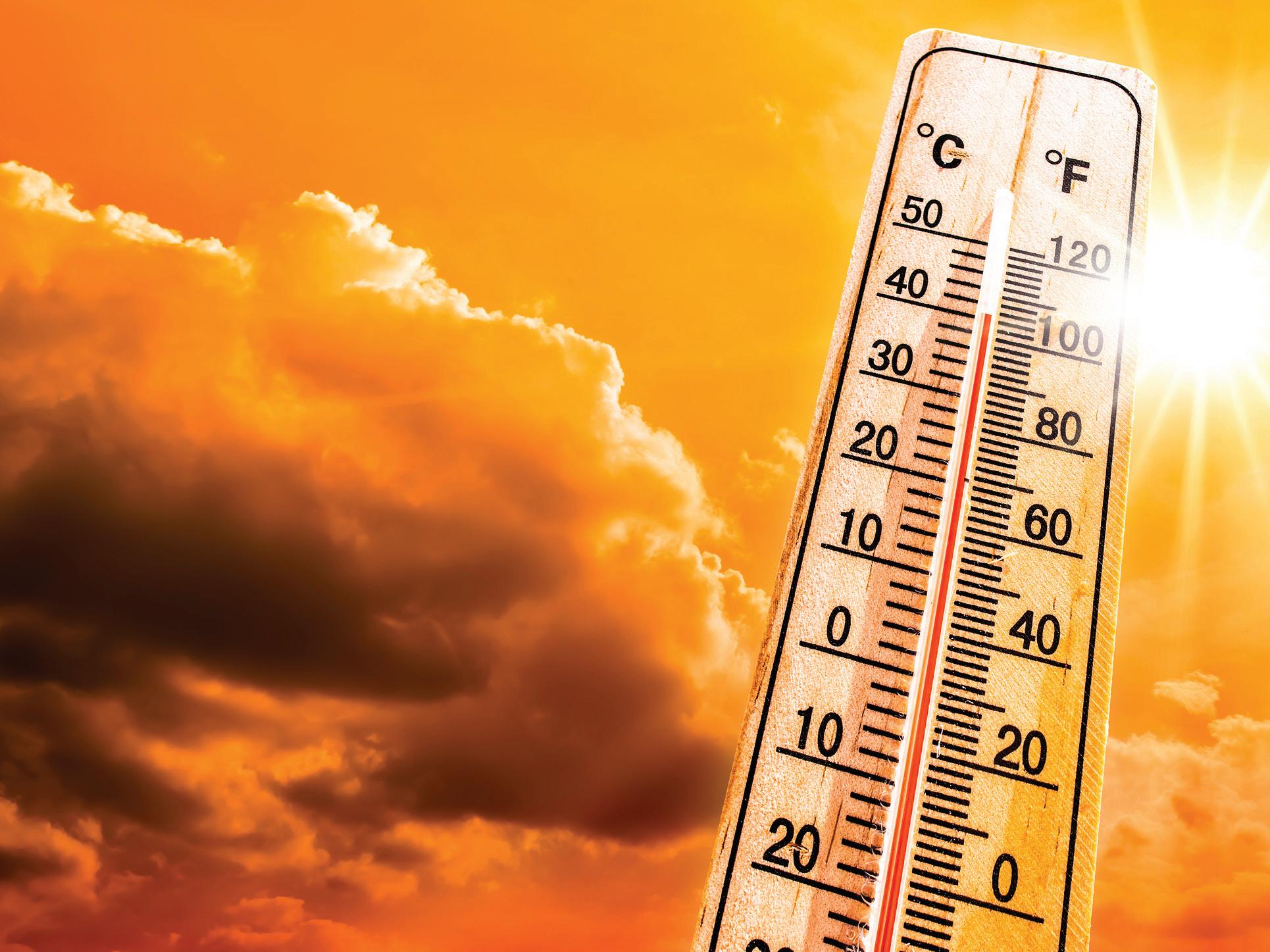
It’s that time of year again, time for the mercury to start rising. Across much of the globe—and certainly here in the United States—heat waves are lasting longer, striking earlier in the year, and stretching well into the fall. According to the U.S. Environmental Protection Agency (EPA), heat waves are occurring more often than they used to, with their frequency climbing from an average of two per year during the 1960s to six per year during the 2010s and now the 2020s.
The season itself is expanding as well. The average heat wave season today is about a month and a half (46 days) longer than it was 50 years ago. The timing is changing, too— and with severe consequences: Heat waves arriving in early spring or late fall can catch people off guard, exposing them to risks they might not be prepared to manage. These shifting conditions are not just a public health concern; they are a workplace safety issue, especially in labor-intensive industries, such as construction, mining and manufacturing.
For workers who spend hours outdoors or near heatproducing equipment, the threat of overheating is real—and often underestimated. That reality is forcing organizations to rethink how they approach worker safety. In April, the Occupational Safety and Health Administration (OSHA) renewed its National Emphasis Program on heat-related
hazards to better protect workers from heat stress. Several states have already enacted their own rules. In California, for example, Title 8, Section 3395 of the California Code of Regulations requires employers to take specific steps to protect outdoor workers from heat-related illness.
Traditional heat stress training and personal protective equipment (PPE) requirements remain essential, but they’re no longer sufficient on their own. Rising temperatures, longer heat waves and increasingly unpredictable weather patterns can expose gaps that standard safety practices may not fully address.
To combat the evolving risks of heat exposure, companies are increasingly turning to intelligent security systems (e.g., sensors, thermal imaging and real-time monitoring systems) that can proactively assess working conditions, detect danger and alert employees before a situation escalates. These advancements don’t just reduce the risk of heat-related illness; they help foster a safer, more resilient workforce.
The workers most vulnerable to heat-related illness are often those who uphold our nation’s critical infrastructure: construction crews laboring on highways and buildings, welders managing intense flames, electricians working in
enclosed spaces or miners operating deep underground. These individuals keep society moving, but they are also among the most exposed to extreme conditions.
In recognition of these dangers, OSHA launched a campaign in 2025 to improve awareness and provide tools for heat illness prevention in workplaces. The campaign emphasizes education and encourages both employers and employees learn to recognize the warning signs of heat stress and dehydration. But awareness alone cannot solve the problem. Organizations need tools that can reinforce safety even when a member of the EHS team isn’t on the jobsite.
That’s where modern security technology comes in. Cameras, sensors and wearables aren’t simply passive devices; they are intelligent security systems capable of gathering and analyzing data to create a fuller picture of safety practices that are—or are not—being observed.
Technology can mimic our senses to detect potentially dangerous conditions. Cameras can hear by processing audio, smell via environmental sensors, and touch through thermal or vibration sensing. Wearables add another layer of protection. Smart vests, helmets or wristbands can monitor body temperature, heart rate or even environmental conditions in the immediate area.
When a worker’s biometrics signal distress, alerts can be sent instantly to supervisors and co-workers, enabling rapid intervention. These technologies operate like a modern-day canary in the coal mine.
While these technologies have been proven to help workers in the heat, which increases the risk of injury to workers, the applicability goes far beyond protecting workers in hot environments. Using analytics on the edge, organizations possess the processing power to have their cameras and sensor capabilities detect meaningful differences in real-time, regardless of the weather.
Focusing on mandatory PPE is a great place to start, particularly during hot seasons where workers may forgo an important piece of equipment to try and stay cool. Cameras can identify whether a worker is wearing the proper protective gear and flag noncompliance for a safety professional’s intervention.
This is a straightforward application, but strides in security technology have led to even more use cases, specifically in thermal imaging and improved sensors. For instance, thermal cameras positioned near heat-producing equipment can detect when a surface has reached dangerous temperatures. Instead of a worker accidentally touching an overheated machine, the system can send an alert that prevents a burn before it happens.
These examples show how intelligent safety systems can help organizations proactively manage heat risks and related hazards before they escalate. In other words, the value is not surveillance for surveillance’s sake. These systems
are designed for protection, ensuring workers can do their jobs with confidence that risks are being actively managed around them.
The promise of intelligent security technology lies not just in preventing immediate harm, but in shaping a safer future through data-driven insights. The sensors and cameras deployed across a worksite are more than tools for compliance; they are enablers of predictive safety strategies.
Artificial intelligence (AI) and deep learning make this possible. When analytics are embedded directly into cameras or monitoring devices, organizations can collect and process vast amounts of data at the “pixel level.” Each data point tells a small part of the story: a subtle rise in surface temperature, a gradual increase in heart rate or a sudden shift in air quality. On their own, these details might seem insignificant. But when aggregated and analyzed through AI models, patterns emerge.
By observing those patterns, organizations can shift from reactive to proactive. Instead of responding to an accident after it happens, they can predict the conditions most likely to lead to one—and take steps to prevent it. Being able to forecast tomorrow’s weather has long been an important part of outdoor work safety. Now, with the right technology in place, organizations can also forecast tomorrow’s risks for each worker, each shift and each task. Prediction of danger equals the avoidance of danger.
As heat waves grow longer and more frequent, the safety of labor-intensive industries will depend on more than traditional training or PPE. Proactive detection through advanced security technology offers organizations a powerful way to safeguard their workers. By integrating cameras, sensors, wearables and AI-driven analytics, businesses can improve PPE compliance, identify hazards in real-time and strengthen incident reporting protocols.
Ultimately, these systems do more than react to emergencies; they create a culture of prevention. Workers can step onto jobsites knowing that risks are being monitored constantly and intelligently, not just by their supervisors but by technology designed to enhance human capability.
The summer heat may no longer be confined to the summer months, but with the right tools in place, organizations can ensure that their people stay safe, protected and resilient—no matter how high the temperature climbs. EHS
Joe Morgan is the business development manager for critical infrastructure at Axis Communications. In this capacity, he is responsible for developing strategies and building channel relationships to expand Axis’ presence in markets specific to critical infrastructure in North America.
Learn how to properly store, care for and dispose of hand protection equipment.
By Rick Pedley
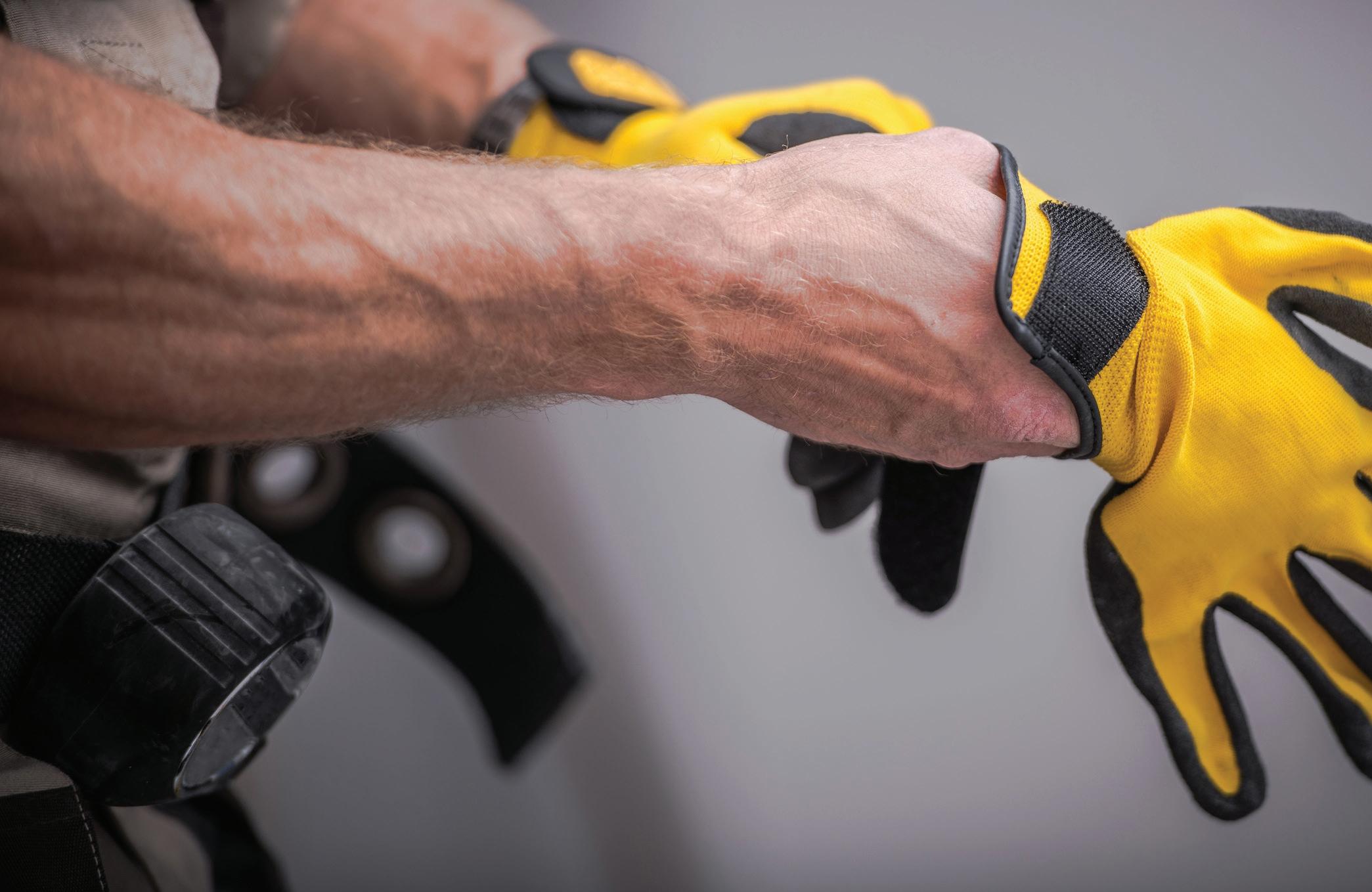
Across diverse industries, workers’ hands are constantly exposed to hazards, such as sharp objects, extreme temperatures, toxic chemicals and heavy machinery. Despite material and technological advancements in safety glove manufacturing, hand injuries remain a leading cause of lost-time incidents in the workplace, resulting in the most Days Away, Restricted, or Transferred (DART) cases, according to the National Safety Council.
While this data reinforces the critical nature of proper hand protection, selecting the appropriate personal protective equipment (PPE) for specific tasks is only one part of a comprehensive workplace safety strategy. Employers and workers alike must also understand the lifespan of safety gloves and know when to replace them to maintain optimal hand protection.
Below, we explore the factors that impact glove durability, different signs of wear and best practices for maximizing their longevity.
Are those gloves worn out or just broken in?
Some gloves can become more flexible and comfortable with regular use, offering better dexterity as they conform to the shape of the user’s hands. However, it’s crucial to distinguish between gloves that are broken in versus those that are starting to break down. While a well-fitted pair of
safety gloves can enhance comfort and efficiency, their ability to provide adequate protection is compromised once signs of wear and tear appear.
Different types of gloves degrade in distinct ways depending on their material and use. For example, repeated contact with sharp objects can weaken the fibers of cut-resistant gloves, leading to fraying or small tears that compromise their protective properties. Similarly, regular exposure to harsh chemicals can cause swelling, cracking or thinning of chemical-resistant gloves. Sometimes, a glove that looks intact may actually allow seepage that can endanger the user.
Ultimately, you will need to use your best judgment. Look for indicators of wear, such as color variations in the coating and liner, areas with surface abrasion, or outright holes in the glove. Since even a minor lapse in protection can lead to accidents, it’s worth taking a few extra moments at the start of each shift to inspect your gloves and ensure they are still fit for service. If not, they should be properly disposed of immediately.
How long your gloves last depends on several factors, including the glove type, its material construction, its use, how often and long it’s being used, and how well you take care of it.
Here’s a closer look at common glove types, their typical lifespan and factors that impact longevity:
» Nitrile disposable gloves: When stored properly in a cool, dry place, these gloves can have a shelf life of up to five
years. However, prolonged exposure to heat or sunlight can accelerate the break down of nitrile polymers. This usually manifests as a loss of elasticity, discoloration, hardening and diminished tensile strength. Remember, never reuse disposable gloves to avoid cross-contamination. If they come into contact with hazardous materials, replace them as soon as possible.
» Leather gloves: Known for their durability, leather gloves can serve workers for years if properly maintained. However, exposure to extreme heat; excessive accumulation of dirt, grime or chemicals; and repeated wetting and drying cycles can deplete natural oils, leading to stiffness, deforming and cracking.
» Kevlar gloves: While boasting incredible strength, Kevlar gloves tend to lose their effectiveness after about 10 washes, as frequent laundering gradually weakens the protective fibers. We recommend using mild, pH-neutral detergents free from harsh chemicals or
strong oxidizers, along with warm water (140–194°F / 60–90°C) on a gentle cycle. Kevlar can also be vulnerable to imperceptible wear, so always adhere to the manufacturer’s guidelines and implement a strict replacement schedule.
» Rubber and latex gloves: While these gloves typically have a shelf life of approximately three years when stored under optimal conditions, their actual lifespan can be significantly shortened by the very chemicals they are intended to protect the wearer against. Some substances may cause rapid degradation, while others may have a slower, more insidious effect. For example, certain solvents can quickly dissolve latex, while others may cause it to swell and weaken over time.
» Coated work gloves: Gloves with coatings, such as polyurethane or nitrile coatings, extend grip and durability but can wear out faster in high-friction environments. For instance, constantly rubbing against rough or sharp edges can cause the coating to thin or peel away over time. Meanwhile, repeated exposure to strong solvents or harsh chemicals can cause the coating to degrade or delaminate, reducing its protective properties. Always refer to the manufacturer’s guidelines for storage, use, care and replacement as these recommendations are designed to maximize the lifespan and performance of the gloves. However, keep in mind that real-world conditions (e.g., exposure to extreme environments, specific workplace hazards and usage frequency) can impact shelf life and accelerate wear. As such, we also recommend training employees on inspecting gloves, identifying signs of degradation and understanding when replacement is necessary.
Maximizing the lifespan of safety gloves begins with proper storage
and consistent maintenance. Here are some tips:
» Store in optimal conditions. Always store gloves in a cool, dry and well-ventilated area—away from direct sunlight, extreme temperatures and moisture. Prolonged exposure to these conditions can degrade glove materials and compromise their protective properties.
» Keep gloves clean and dry. This is especially important for leather or fabric-based gloves, which can deteriorate more quickly when left damp with regularity. For non-disposable gloves, follow the manufacturer’s care instructions to minimize wear.
» Rotate PPE stock. Implement a firstin, first-out system to ensure older gloves are used before the end of their shelf life. This practice prevents gloves from sitting unused and degrading in storage.
» Establish a glove distribution and laundering program. Implement a routine schedule for issuing new gloves and collecting used ones for proper cleaning or disposal. A consistent glove rotation system ensures workers always have access to clean, functional PPE; it can also help prevent premature wear caused by improper laundering or overuse. Now is the perfect opportunity for companies and individuals to review their PPE inventory and replace gloves that are outdated or damaged. To reduce administrative burden, consider partnering with a supplier to arrange recurring deliveries. These arrangements can usually be tailored to specific usage patterns and glove types, essentially automating replenishment and ensuring the appropriate PPE is always available to employees. EHS
Rick Pedley is president and CEO of PK Safety, a supplier of occupational safety and personal protective equipment that has been operating since 1947.
By Richard W. Neill
Arc flash risk does not stop at the switchgear. It follows crews into streets and substations, campuses and hospital roofs, data center yards, and stormdamaged neighborhoods.
In open environments, the risk of potential hazards increase because of weather, public proximity, traffic, backfeed from generators or distributed energy resources (DERs), and unpredictable re-energization. The question is not whether these variables exist, but whether planning, methods and culture can eliminate them.
Electrical safety is often taught as a set of tasks: testing, locking, tagging, donning personal protective equipment (PPE), and proceeding. In open environments, that task list can blind us to additional energy hazards not associated with the electrical equipment being worked on.
A more reliable starting point is a structured scan of all hazardous energies interacting with the job and environment,
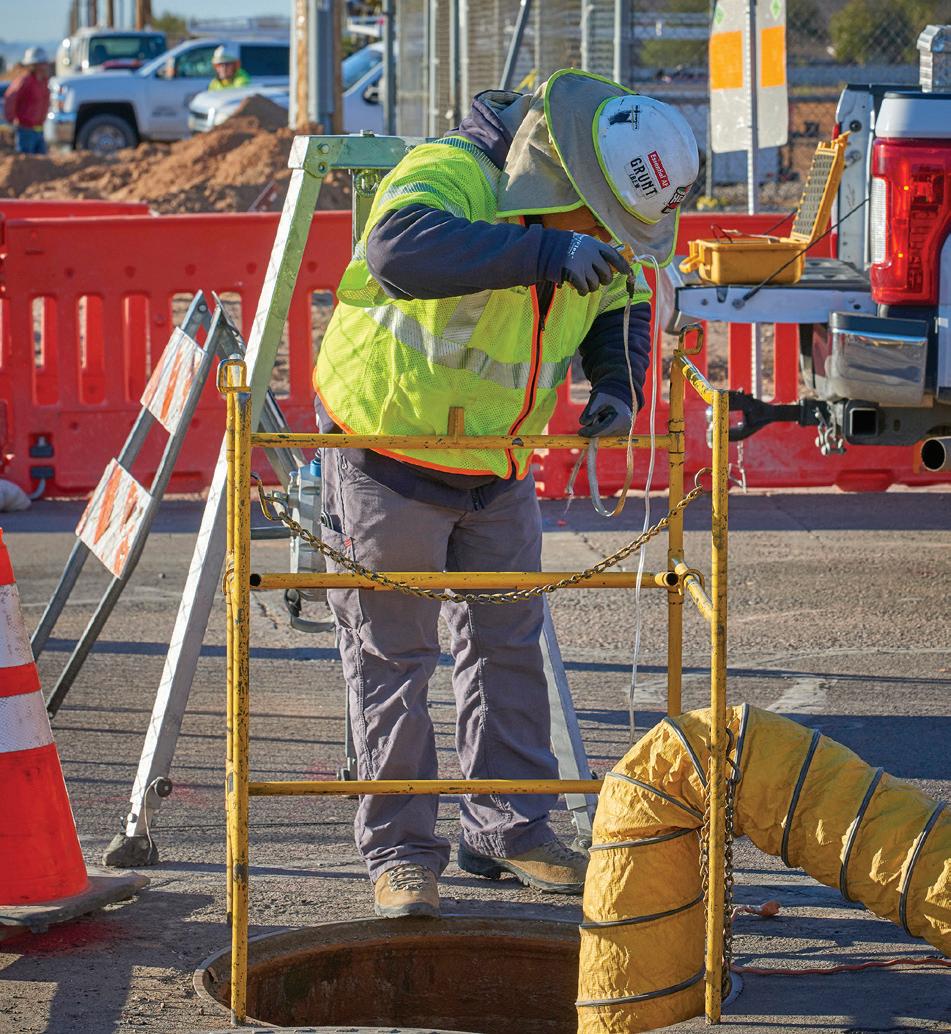
including electrical, mechanical, gravitational, pressure, thermal and chemical energies. My teams use a simple visual “hazard wheel” in prejob briefings to force that scan before any tool touches a panel cover or a pole step. The approach offers two key benefits:
» We identify nonobvious sources of electrical energy (e.g., customer-owned generators, photovoltaic (PV) backfeed and auto-reclosers).
» We examine how other energy sources (e.g., wind, traffic and suspended loads) amplify electrical risk.
This energy-first view aligns naturally with the Hierarchy of Risk Controls in NFPA 70E:
» First, eliminate or substitute hazardous conditions.
» Then, engineer out exposure.
» Next, lean on administrative controls.
» Finally, reserve PPE as the final barrier when risk remains. In practice, this means we obsess over de-energization and isolation before discussing gloves and arc rated suits.
Live parts to which an employee may be exposed must be de-energized unless doing so is infeasible or creates a greater hazard, according to the Occupational Safety and Health Administration (OSHA). In exposed settings, such as utility work, expand that verification to account for hidden sources and changing site dynamics. Identify and isolate PV arrays, battery systems, autotransformers and portable generators. Where practicable, create visible open points and install temporary protective grounds to form an equipotential zone. Verify the absence of voltage with a properly rated tester on the actual conductors immediately before work.
It is also critical to apply lockout/tagout (LOTO) in accordance with OSHA Standard 29 CFR 1910.147. This includes clear ownership and tamper-resistant controls as well as communicating the status to site managers and adjacent trades. If energized work is unavoidable, formalize the justification, define the approach and erect arc flash boundaries. Additionally, assign an attendant and specify the PPE and tools that match the calculated incident energy and approach distances.
Arc flash risk assessment has matured thanks to IEEE 1584, which provides methods for estimating incident energy and determining the arc flash boundary. Indoors, engineers can lean on stable configurations and thorough studies. Outside, the topology and conditions move under your feet— literally. Rely on current studies when you have them; where configurations are changing, use conservative calculations and document assumptions.
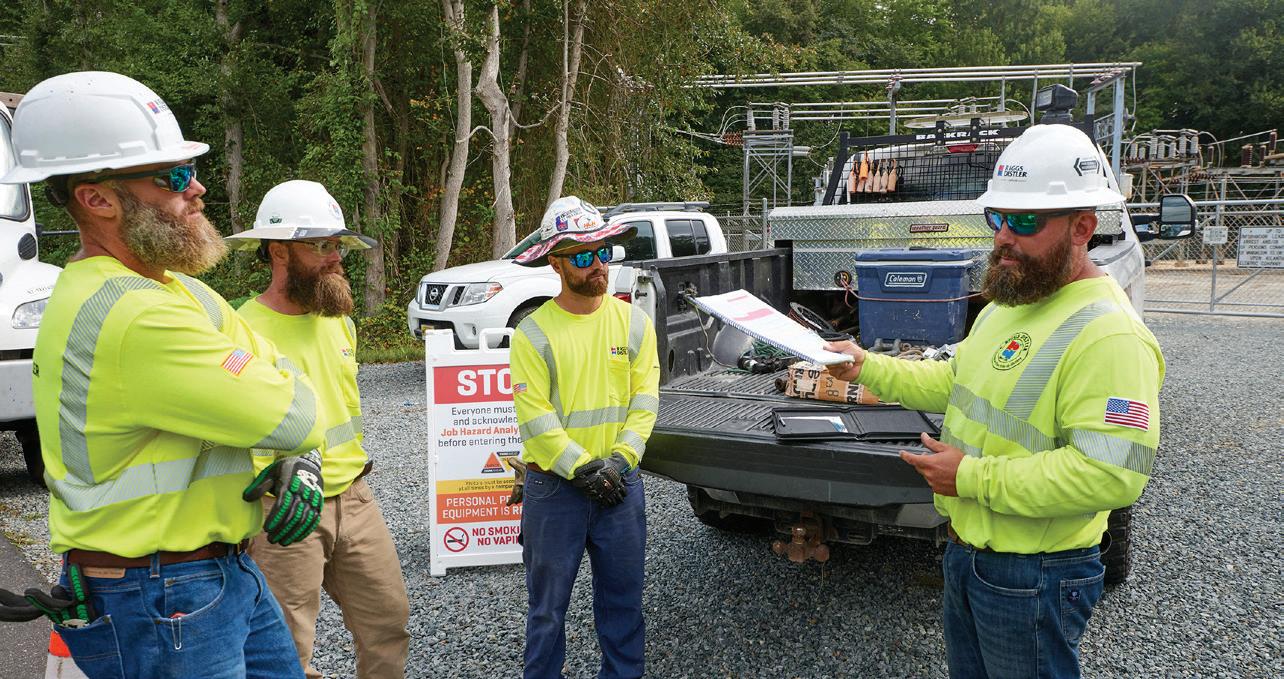
Don’t conflate shock boundaries with arc flash boundaries. Shock approach limits protect against contact or approach to exposed and energized parts while the arc flash boundary protects against thermal energy. Train and label for both.
In open electrical work, the same breakdown patterns continue to appear in incident reports and near-miss reviews. The five failure modes below are not the only ways a job can go wrong, but they represent the scenarios that most often turn small gaps into serious events. Treat these as baseline scenarios to plan against on every job, then layer in location-specific risks as your assessment unfolds.
1. Public encroachment and third-party energy sources
Even an impeccably barricaded work zone can be pierced by a distracted pedestrian or a bystander. Or, a well-meaning building engineer can spin up a generator that backfeeds your isolation.
Here are effective controls to make the worksite safer:
» Add layered barricades and attendants.
» Display clear signage that distinguishes shock versus arc flash boundaries.
» Develop a communication plan with facility owners that includes permission-to-energize checkpoints.
2. Automatic re-energization and transient topology
Reclosers, transfer switches and distributed energy resources (DER) inverters can change the system state without your permission.
Here are effective controls to make the worksite safer:
» Confirm upstream device settings and, when possible, physically open and lock upstream points.
» Use visible breaks and treat “test for absence of voltage” as a time-bound result, not a forever pass.
Weather
Wind changes your body position and your clearance. Rain changes your footing and equipment condition. Heat strains PPE tolerance and human attention. All of these make conducting work more difficult and act as energy multipliers. Here are effective controls to make the worksite safer:
» Reevaluate approach and arc flash boundaries when weather shifts.
» Adjust the work-rest cycle and hydration as needed.
» Never normalize degraded visibility or wet gear.
4. Mobile equipment and traffic
Vehicle strike risk is obvious, but less obvious is the way moving equipment narrows your egress from an arc event.



Here are effective controls to make the worksite safer:
» Devise traffic control plans that assume a fail (e.g., vehicle incursions).
» Have traffic spotters near active work zones.
» Establish egress-first positioning for every person in the zone.
A fault to ground can create step-and-touch potentials across soil or pavement.
Here is an effective control to make the worksite safer:
» Set up equipotential mats, bonding and training that treats the ground as part of the circuit—not a neutral backdrop.
A perfect written plan is brittle in the field, so you must amend the plan as conditions change. For example, update when a new generator goes online, weather patterns or seasons shift, or for a public event next door.
In the open, boundary control should be dynamic. The person inside the restricted approach or arc flash boundary is not the only one at risk; the pedestrian outside your cones may be at risk, too. Designate an attendant whose sole responsibility is to maintain the boundary and control encroachment.
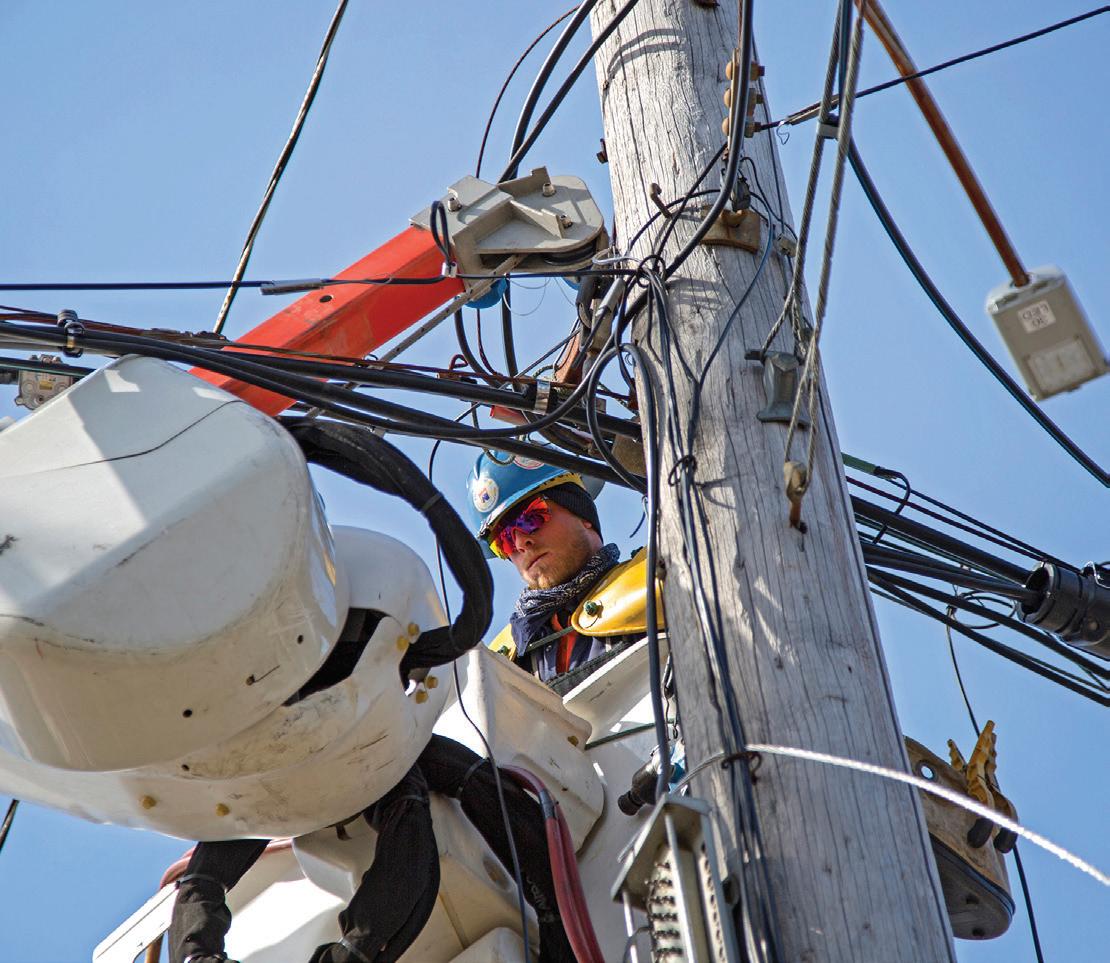
As a precaution, verify the absence of voltage again and engineer the approach, not just PPE. Remote operation, insulated tools, arc resistant gear and temporary protective grounds reduce exposure; PPE closes the remainder. If energized work is justified, write a brief script detailing who monitors the boundary, where the egress is located, when to retest and what to do if conditions change.
Arc rated PPE is the last line of defense. Match PPE to calculated or table based incident energy per NFPA 70E,

using calculations per IEEE 1584. Consider direct current (DC) hazards for PV and battery work. Take an extra step and account for weather and contamination: wet flame retardant (FR) fabrics, conductive dust or sweat-soaked gloves that can degrade protection.
On the worksite, build time in the schedule to don and doff PPE along with warming or cooling breaks, because crew physiology is a control. Use full ensembles for energized tasks, including arc rated (AR) garments, face shields or arc hoods, voltage-rated gloves with leather protectors, hearing protection and electrical hazard (EH)-rated footwear. In roadway environments, combine conspicuity with FR/AR needs according to the American National Standards Institute/ International Safety Equipment Association, or ANSI/ ISEA 107-2020.
Most serious incidents are not caused by a lack of rules; they’re caused by a split-second gamble when controls have started to fray. In my own teams, every person has Stop Work Authority and Obligation—explicit permission to pause work when the conditions, controls or people aren’t where they need to be; there is also the expectation that workers will speak up. That empowerment only works if management responds with curiosity instead of punishment, and if we make restart a disciplined ritual: re-brief, re-verify energy state and reset boundaries.
Equally important, the pre-job briefing must be more than a signature. We treat it as a real conversation anchored by the energy wheel. We ask, “Which energies are in play today?” and “What’s changed since yesterday?” These questions help crews speak up without feeling they’re slowing down the job. When our utility crews understand the why—for example, that the arc flash boundary protects you from thermal energy while the restricted approach limit protects you from contact— the what (i.e., barricades and distances) becomes nonnegotiable.
One uncomfortable data point: Most workplace electrical fatalities occur in nonelectrical occupations. Fatalities don’t just happen to linemen, technicians and those working around live electrical lines. People who aren’t electrical workers often take risks they don’t recognize as electrical. As a result, you need to expand your training and boundary control mindset to everyone who crosses your work zone or could energize your isolation, not just the person with the meter.
The broader statistics reinforce the stakes: About 1,940 electrical fatalities were reported from 2011 to 2023, with an average of 150 electrical fatalities per
year, according to the Electrical Safety Foundation. Each number represents a person whose exposure was often preventable by de-energization, boundary control, safety briefings and better coordination efforts.
Open and exposed environments don’t have to mean uncontrollable electrical risk. If you start with energy, prioritize de-energization, and apply 70E’s hierarchy with IEEE 1584’s rigor, then you are on a safe path.
Make sure all employees understand the difference between shock and arc flash boundaries, then build a culture that treats Stop Work Authority and Obligation as a professional duty.
With these guidelines and precautions firmly in place, you can produce the only outcomes that matter most: People going home safely and assets operating as designed. That’s the promise we owe to our teams and to the public that often stands just outside our cones. EHS
Richard W. Neill, CSP, CHST, CUSP, is senior vice president and chief safety, health, environmental, and quality officer at Centuri Group, Inc., where he leads the development and implementation of safety and quality programs across complex energy-infrastructure projects.



Because of the very nature of their jobs, lone workers need additional training to stay safe. Here are five areas to focus on.
By Gen Handley
Imagine this: A maintenance technician has performed the same equipment inspection hundreds of times. Pressed for time and confident in their routine, they skip a lockout/ tagout step they normally follow. Nothing happens most days—but the one time that conditions change, the risk becomes real.
Situations like this illustrate how safety isn’t just about knowing procedures; it’s about consistently practicing the behaviors that keep workers protected. Consistency is paramount because all it requires is one missed step for an incident or injury to occur.
Regular and reliable consistency in workplace safety is especially crucial for lone workers, those people working alone and those who operate in isolation in the field or remotely in vulnerable circumstances.
To effectively instill beneficial safety behaviors into lone workers for long-term learning and retention, regular and tailored safety training will help them retain specific valuable skills and knowledge.
Effective safety training is really about behavior change. When a work accident occurs, there are usually other contributing factors involved, such as fatigue, environmental influences, human error, and unawareness of important safety hazards and protocols.
An important part of developing a workplace safety program is to identify the different kinds of work being done at your facility (or facilities), then to hone in on the training those roles require.
This is especially true for lone workers because they need additional protocols to keep them safe. This also includes tailored training that addresses the special safety risks and challenges that people working alone can face without the support of a co-worker if they need help.
Lone worker training can help address the regulatory gaps that these workers experience. That’s key because the Occupational Safety Health Administration (OSHA) currently does not have a specific safety standard or regulation to protect the millions of people working alone across the United States each day in essential industries, such as water and electrical utilities or health and social services.
Regardless of the task at hand, organizations have an obligation to prepare their lone workers to ensure they are capable of working alone safely in high-risk circumstances or environments. Organizations must constantly train, retrain, engage, reengage and refresh lone workers’ knowledge of safe procedures and best practices. Here are five areas to focus on.


A major risk that lone workers face is delayed emergency response times. When working alone, employees must know how to respond when emergency help is delayed—if anyone can come at all. They need to know how to manage their own panic, shock and decision fatigue during times of stress. Fortunately, OSHA has several emergency preparedness recommendations, including proper worker training. Employers must communicate proper protocols to their lone workers for their role. This may require practicing mock emergency work scenarios and simulations or thorough site‑specific hazard assessments for high‑risk roles, such as field technicians who work alone frequently.
In addition to having the skills and training to respond to accidents effectively, lone workers must also know how to identify hazards and risks before an accident occurs and they are harmed.
Unlike people who work in teams, lone workers do not have the benefit of another set of eyes to catch safety hazards in the environment. Therefore, people working
alone need to be trained to identify the different physical, environmental, and human related hazards in their work environments and worksites. This includes hidden, potential, and inevitable dynamic safety hazards, such as violent public behavior, unpredictable weather shifts, or equipment malfunctions.
To address the complexities of these safety risks, a dynamic, comprehensive hazard assessment of the work environment is effective when stopping, reassessing, and adjusting plans in real time. This should be performed collaboratively with the employee and supervisor, as each will likely identify different risks needed for a complete hazard assessment.
Similar to having the skills to identify risks in their environment, workers must also be able to objectively monitor their surroundings for notable changes that could impact their well being. Lone employees can be trained to recognize the early warning signs of violence aggression or potentially dangerous situations in their particular field. They should also learn how to manage or identify distractions before they become a hazard (e.g., chronic fatigue, cell phone usage and routine complacency).
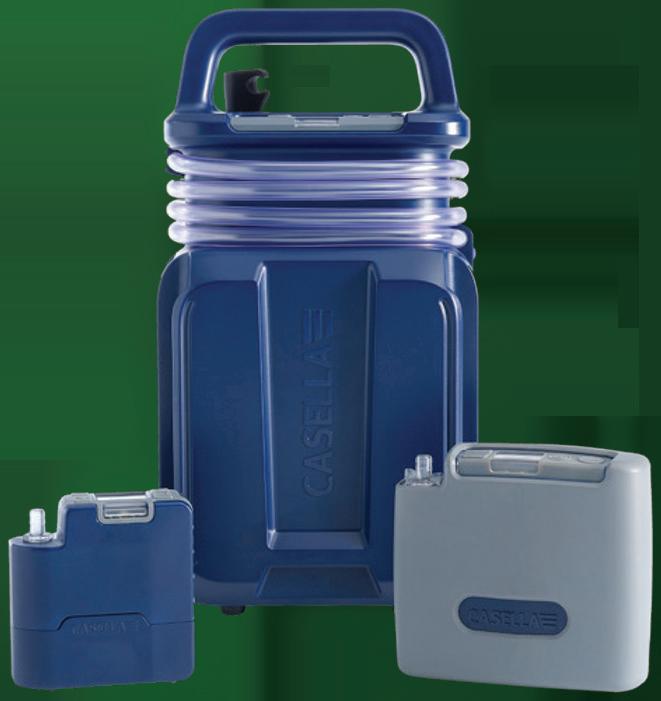
Air Sampling Pumps
High, Medium, and Low Flow Pumps
High Back Pressure
Long Battery Life, Rugged Design Remote Monitoring Through App
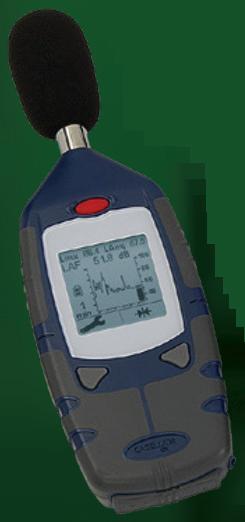
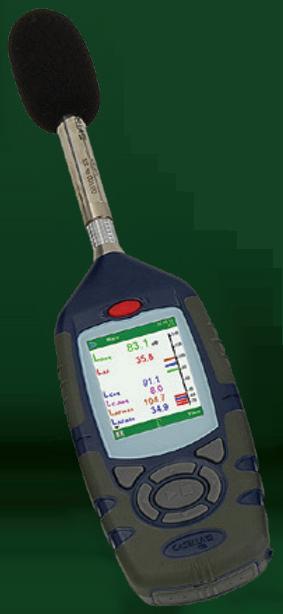
Sound Level Meters
Range of Workplace Monitors
Selection of Hearing Protection
Simple Operation & Rugged Design
Download & Reporting Software
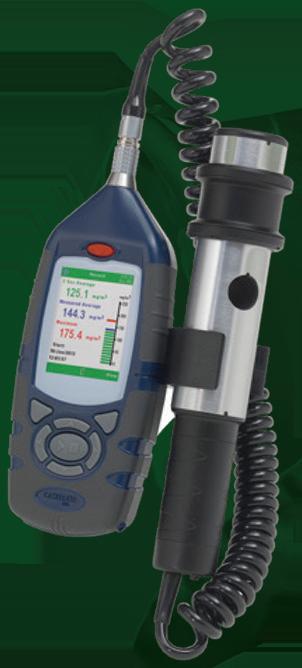
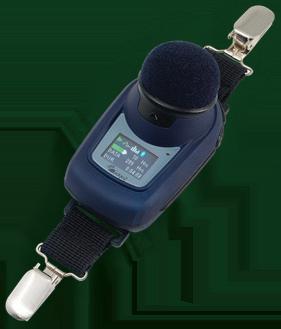

Simple Icon Driven Interface
High Measurement Range
Long Battery Life
Data Logging
Noise Dosimeters
Intrinsically Safe Models Available
Simple Operation
Remote Monitoring Through App Multiple ‘Simulated’ Dosimeters
High-risk lone worker environments and situations, such as working in confined spaces, should be identified within an organization so that employees can be properly trained in early-exit strategies, verbal de-escalation techniques and other proactive safety protocols. This is particularly valuable for individuals operating in high-risk, publicfacing lone worker environments, including utility workers and telecom technicians.
Because lone workers cannot rely on the immediate help of a nearby co-worker, they must practice safety skills and strategies learned from their training. They must also ensure there are strong, reliable communication systems and protocols in place that are essential for their safety— with backup communication channels and options if primary systems fail.
While check-ins can be performed manually, they are more reliable when performed through an automated system or lone work device that sends reminders to the worker to check in, as well as alerts to the employer when a lone worker has missed a check-in. In order to gain buy-in for adoption, employers should emphasize these alerts are to ensure safety, not for disciplinary purposes.
The lack of communication that lone workers have with other people can lead to challenges that are not visible. These challenges extend beyond invisible physical risks, such as toxic gases or chemical hazards, and pose numerous emotional and mental risks.
Employees can be trained to self-identify early signs of fatigue, stress and cognitive overload to prevent an accident or burnout. Responsibly managing long shifts, night work and irregular schedules may require lone workers to proactively identify and manage potential emotional health issues in the future.
Likewise, managers and safety professionals can be trained to identify these risks in their lone workers. For example, managers and supervisors can fight worker fatigue by developing work schedules that incorporate breaks, fatigue awareness training and workload management. They should also regularly check in on their lone workers—both as a team and individually—to see how they are faring emotionally.
Organizations have an obligation to prepare their lone workers to ensure they are capable of working alone safely in high-risk environments.
These and other communication training requirements should be outlined in a lone worker policy, the enforcement of which can help reduce workplace accidents and ensure compliance with local and federal occupational health and safety regulations. Even though OSHA does not have a standard created specifically for lone worker safety, employers are still responsible to address remote work risks under Section 5(a)(1) of the Occupational Safety and Health Act, or the General Duty Clause.
Employees working alone can be trained in specific, beneficial lone worker communication that includes learning the safety check-in system as well as writing concise, effective check-in messages that can relay helpful information in an emergency response. In these instances, it is important to distinguish between device training (i.e., panic button) versus procedural training (i.e., check-in schedules). It is important for all levels of the organization—from leadership and safety professionals to frontline employees and lone workers—to spend dedicated time focused on using these communication systems properly and under pressure to help prepare in the event of an emergency.
Working in isolation for long periods of time can be lonely; this can increase cognitive and emotional strain on workers, which can affect their judgement and, therefore, safety. Former U.S. Surgeon General Dr. Vivek Murthy declared a loneliness epidemic in May 2023, and he quantified the effects loneliness and social isolation can have on our physical health. For example, loneliness can be as dangerous as smoking 15 cigarettes a day and cost billions of dollars annually.
Safety training helps employees and organizations prepare for all kinds of jobsite risks. Training workers on how to work alone safely requires additional considerations and preparations, as these workers are especially vulnerable.
Lone worker training is a collaborative process between managers and workers. It requires regular assessments and monitoring a much more dynamic safety environment. Lone workers must be trained to constantly assess, respond and communicate independently to assure their safe outcomes. Lone worker well-being is not about reactive safety; rather, it is about anticipating risks and preparing for what threats could be ahead. EHS
Gen Handley is a marketing and growth coordinator for SafetyLine Lone Worker, an automated, cloudbased lone worker monitoring service that has helped companies protect remote or isolated workers for more than 20 years. Gen has more than 10 years of freelance writing and marketing experience.
Use demonstrations and visual tools to communicate safety procedures effectively across language barriers.
By Rick Tobin
Across North America, many workplaces run on multilingual teams. You see it in construction, warehousing, food processing, hospitality, transit, manufacturing, agriculture and energy. It is the norm, not the exception. Walk onto almost any jobsite and you will hear a mix of English, Spanish, Filipino, Punjabi, Mandarin, Indigenous languages and many more. These workers bring skill, experience and resilience. They keep industries moving.
But language differences introduce complexity into safety training. When a worker misunderstands a step, a warning or a procedure, it is not just an inconvenience; it is a hazard. Miscommunication can lead to shortcuts, hesitation and accidents. It can also lead to frustration and a sense of exclusion.
The challenge for supervisors and safety trainers is simple and difficult at the same time. How do you train effectively when not everyone speaks or reads the same language at the same level? How do you build confidence in teams with different literacy backgrounds? How do you ensure clarity without slowing production? And how do you create a culture where every worker feels included enough to speak up?
This article explores practical, real world strategies supervisors can use immediately. It focuses on approaches that work in noisy environments, fast-paced jobs and diverse crews. And it shows how multilingual teams, when trained well, can become some of the strongest, safest crews in the industry.
Classroom training relies heavily on verbal explanations, written materials and technical vocabulary. Even workers who speak English fluently can struggle with this format because the content is abstract and disconnected from real tasks.
A forklift operator in Texas once told his supervisor that classroom training felt like reading a map of a place he had never visited. He could see the shapes and names, but none of
it meant anything until he saw the actual environment. Once he got into the warehouse, everything clicked.
Multilingual workers face this problem even more acutely. A written standard operating procedure (SOP) or safety manual is not meaningful if the worker cannot visualize how it applies to their job. And even when translated, some concepts do not transfer clearly. Cultural context matters. Workplace norms matter. Hands-on experience matters.
This is why supervisors often find that workers who struggle in the classroom excel on the floor. The environment provides clarity that words cannot.
One of the most effective strategies for multilingual training is demonstrating tasks rather than describing them. A physical demonstration bypasses language barriers and connects directly to the worker’s understanding.
A construction foreman in Alberta once said that a fivesecond demonstration accomplished more than a five-minute explanation. He showed workers how to check a harness, how to angle a ladder and how to secure a load. Even workers who
spoke very little English understood the core steps immediately.
Demonstrations also reveal gaps in understanding. When a worker mimics the action, the supervisor can see instantly whether the message landed. This creates a natural feedback loop:
» Show the step.
» Have the worker show it back.
» Coach through the correction. This loop works in any language because it uses movement, not vocabulary.
Visual communication cuts across language barriers. Pictures, symbols, diagrams, color coding and physical cues communicate faster and more clearly than words. Visuals also reduce cognitive load. Workers remember what they see more easily than what they hear.
A warehouse supervisor in Ontario once replaced several written reminders with laminated photos showing proper pallet stacking, correct placement of guards, and examples of acceptable versus unacceptable housekeeping. The crew understood immediately. Incidents dropped within weeks.
In multilingual teams, visual tools do more than teach. They reduce stress. Work becomes clearer, expectations become concrete and workers are less afraid of making mistakes.
Supervisors can use visual tools during toolbox talks, walkthroughs or on-the-job coaching. A simple gesture, a pointed finger or a picture held up can communicate what sentences cannot.
Safety vocabulary can be complex, especially when drawn from regulations. Trainers often use terms like lockout verification, confined space atmospheric testing or biological exposure risk without realizing how these phrases sound to someone with limited English. Workers may nod
politely because they do not want to appear confused.
A supervisor in Washington shared a moment when a worker approached him after a training session and said quietly, “I did not understand half of what you said, but I was too embarrassed to ask.” The supervisor realized the training had failed without anyone noticing.
Simple language is not childish. It is powerful. It removes ambiguity. It reduces the mental effort workers use to translate or interpret. It increases clarity.
Instead of “verify zero mechanical energy,” a supervisor can say, “make sure everything has stopped moving.”
Instead of “test the atmosphere for oxygen deficiency,” they can say, “check if the air in the space is safe to breathe.”
When the stakes are high, clarity is more important than complexity.
Every multilingual crew has informal leaders. These are workers who speak multiple languages, have strong social connections or have earned the trust of others. When supervisors partner with these informal leaders, training becomes stronger and more efficient.
A supervisor at a manufacturing plant in British Columbia described how a bilingual worker became the bridge between the English-speaking supervisors and a group of new hires from Chile. The bilingual worker translated during toolbox talks, clarified instructions during tasks and encouraged others to speak up. Productivity increased. Incidents decreased. The crew became more cohesive.
Peer support is not about building a hierarchy. It is about recognizing the social structure already present on the floor and leveraging it for safety.
It is important for supervisors to avoid overburdening bilingual workers or treating them as unofficial translators without compensation or recognition. But involving them respectfully strengthens trust and clarity.
One of the greatest risks in multilingual crews is silence. Workers may hesitate to ask questions because they do not want to appear uneducated, disrespectful or slow. In some cultures, questioning a supervisor is seen as impolite or even unsafe. This quiet uncertainty is where accidents take root.
A supervisor who creates psychological safety can overcome this. By using gestures, demonstrations and repeat back methods, supervisors eliminate the need for workers to speak fluent English. Workers can show what they understand rather than tell.
Supervisors can also normalize questions by asking them often. A simple phrase like “show me what you mean” replaces interrogation with collaboration.
Confidence grows when communication barriers shrink.
One of the most reliable tests of understanding is asking workers to repeat back the steps in their own words or through demonstration. But this must be done with care. If it feels like an exam, workers may feel embarrassed. If it feels like teamwork, they relax.
A supervisor might say, “Let’s make sure I explained that clearly. Can you show me how you would do the first step?” This shifts responsibility from the worker to the supervisor’s clarity. It protects dignity while confirming comprehension.
At a roofing company in Texas, supervisors used repeat back with short demonstrations. Workers felt valued rather than tested. Everyone understood the expectations clearly.
Short, simple scenarios are powerful in multilingual teams because they require
workers to think and communicate in more than one mode. They visualize, discuss, demonstrate and reflect.
A supervisor might say, “Imagine your ladder begins to slip. What do you do first?”
Or, “You see a co-worker lift a heavy object alone. What is the safest way to help?”
These scenarios spark quick discussions that reveal misunderstanding. They allow supervisors to correct gently without singling anyone out.
A manufacturing supervisor in Ohio used scenarios daily. He found that workers who were hesitant during formal training often opened up when the training felt like a game rather than a test.
Communication styles vary significantly across cultures. Some workers communicate directly. Others communicate subtly. Some raise concerns immediately. Others wait until they are invited. Some see safety discussions as shared responsibility. Others see them as a supervisor’s domain.
A supervisor in Manitoba learned this when a new worker from Southeast Asia consistently nodded during training. The supervisor assumed he understood. Later, the worker admitted he nodded out of respect, not comprehension. It was a cultural misunderstanding. Once the supervisor realized this, he shifted to demonstration-based training, and comprehension improved dramatically. Respecting cultural differences does not require deep expertise. It simply requires curiosity and patience. When workers feel seen and understood, they engage more deeply in training.
Multilingual crews are not a challenge to be managed. They are an asset. They bring diverse
experience, problem-solving skills, communication styles and resilience. When trained effectively, multilingual teams develop stronger safety cultures because they rely on collaboration and clarity.
A supervisor at a large construction project in Toronto described multilingual teams as natural problem-solvers. They rely on gestures, teamwork and patience. These qualities align perfectly with safety. The crew became one of the safest on the site because communication was deliberate rather than assumed.
The goal is not perfect English. The goal is shared understanding and shared responsibility.
Training multilingual crews requires humility. Supervisors will sometimes need to slow down, rephrase, demonstrate or listen differently. They may need to learn a few key words in another language. They may need to adjust tone or body language.
The best supervisors approach multilingual training with curiosity rather than frustration. They see communication as a shared task, not as a one-sided requirement.
A supervisor in British Columbia once learned five safety phrases in Punjabi. Workers were delighted. They laughed, corrected his pronunciation and began speaking more openly. The cultural barrier dropped instantly.
Supervisors do not need to be fluent. They just need to show they care.
Training multilingual crews is not just a frontline issue. Organizations must support the effort with translated materials, visual tools, signage and accessible training modules. But supervisors also play a critical role in reinforcing the culture daily.
If the organization values diversity, trust, and inclusion, supervisors must model those values. This means slowing down when needed, asking workers for feedback and treating language challenges as learning opportunities rather than obstacles.
Workers mirror the behavior of supervisors. When supervisors respect communication differences, workers respect them, too.
Multilingual workforces are a reality in North America, and they are a strength when trained with intention. The goal is not perfect grammar. The goal is clear understanding, shared safety responsibilities and a culture where workers feel comfortable speaking up.
Supervisors can achieve this through simple, powerful techniques:
» Show instead of tell.
» Use visuals.
» Use gestures.
» Use repeat back without embarrassment.
» Create scenarios.
» Partner with peer leaders.
» Respect cultural norms.
» Build psychological safety.
» Demonstrate patience and curiosity. None of this requires extra time. It requires awareness. It requires humanity. It requires seeing communication not as a barrier but as a bridge.
When supervisors train multilingual teams effectively, they create workplaces where every voice matters, every worker feels valued and every person goes home safe. EHS
Rick Tobin is president and CEO of Bongarde Media, a webcentered information and training tools company focused on the compliance and education needs of safety, environmental and human resource professionals, including SafetyNow online safety training.
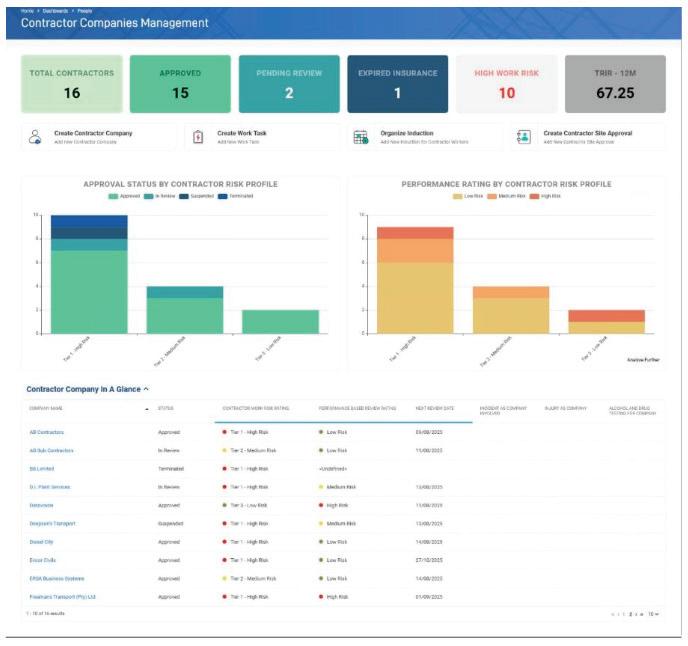
Evotix is making it easier to take a holistic view of perceived, and actual, third-party risks. The EHS software company has expanded its contractor management capabilities to allow organizations to manage contractor data, compliance requirements and greenhouse gas (GHG) Scope 3 emissions in a single platform. By embedding contractor lifecycle visibility directly into connected EHS and ESG workflows, organizations can better manage an increasingly complex and siloed process for easier follow-ups and approvals. Among other features, organizations can digitally onboard all workers with standardized safety inductions and manage prequalification requirements based on the risk rating of a contractor’s work tasks. Evotix
www.evotix.com
Brivo, the cloud-based cybersecurity firm, has developed Eeva, an AI-powered video agent designed to help employers spot risks in real-time. Rather than manually reviewing footage, users enter natural language prompts of what they want the system to watch for, such as “unsafe movement near machinery” or “workers not wearing PPE.” The AI-powered tool scans camera monitor feeds across thousands of cameras and send alerts when those search terms are detected. This technology works with Brivo’s Eagle Eye VMS. No specialty cameras or additional hardware are required. Brivo www.brivo.com
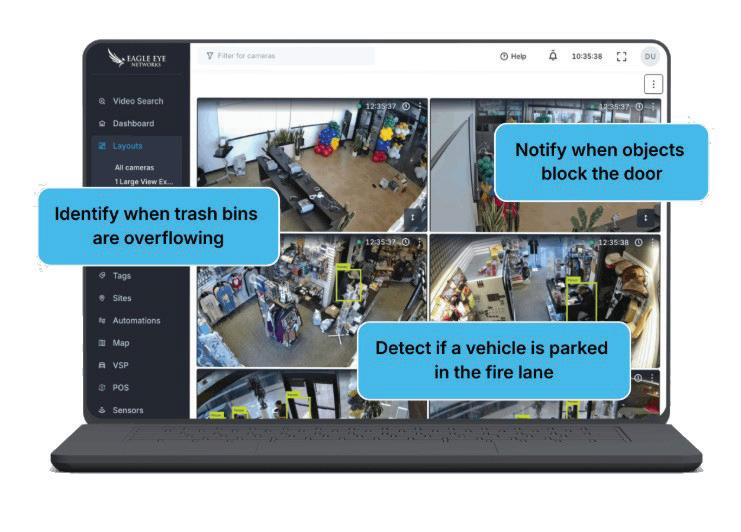
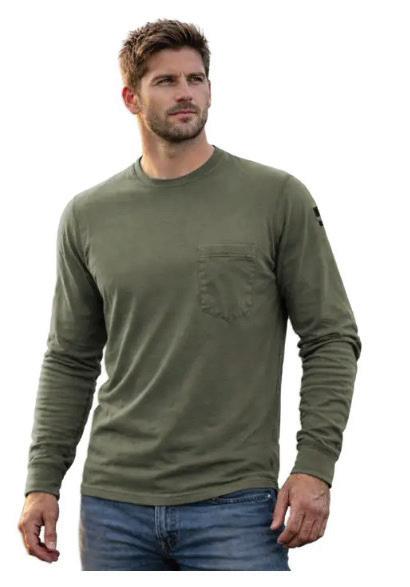
Magid has introduced a new line of arc and flash fire resistant (AR/FR) apparel. The M-Defense line is compliant with NFPA 70E and ASTM F1506 standards to keep workers safe from arc flash and flash fire while also providing UPF 50+ sun protection. The M-Defense line features a balaclava, sleeve, jacket and longsleeved shirts and is made with a proprietary blend of LENZING FR Viscose and Nomex, a lightweight and breathable fabric that offers advanced moisture-wicking and quick-dry technology, keeping workers cool even in high-heat conditions.
Magid Glove www.magidglove.com
2 Summit Park Drive, Suite 300 | Independence, OH 44131
Telephone: (234) 466-0200 www.ehstoday.com
BUSINESS OPERATIONS
Jason DeSarle, VP of Sales jdesarle@endeavorb2b.com
Sam Schulenberg, Production Manager sschulenberg@endeavorb2b.com, (734) 887-6915
Terry Gann, Ad Services Manager tgann@endeavorb2b.com, (323) 763-7397
Frank Chloupek, Group Director, User Marketing and Product Analytics fchloupek@endeavorb2b.com
ADVERTISING SALES
Joe DiNardo, Account Executive jdinardo@endeavorb2b.com, (440) 487-8001
Dave Madonia, Account Executive dmadonia@endeavorb2b.com, (201) 452-6211
Ryan Sneltzer, Account Executive rsneltzer@endeavorb2b.com, (330) 904-6177
INTERNATIONAL SALES
Yoshinori Ikeda, Japan
81-3-3661-6138, Fax: 381-3-3661-6139
Diego Casiraghi, Italy diego@casiraghi-adv.com, 39-031-261407
Adonis Mak, China and Hong Kong adonism@actintl.com.hk
Charles Yang, Taiwan medianet@ms13.hinet.net, 886-4-23223633
ENDEAVOR BUSINESS MEDIA
CEO Chris Ferrell
COO Patrick Rains
CDO Jacquie Niemiec
CALO Tracy Kane
CMO Amanda Landsaw
EVP, Design & Engineering Group Lisa Paonessa
EVP, Endeavor Business Intelligence Paul Mattioli
VP, Corporate Content Strategy Travis Hessman
EDITORIAL STAFF
Dave Blanchard
Editor-in-Chief (941) 208-4370 dblanchard@endeavorb2b.com
Adrienne Selko Senior Editor aselko@endeavorb2b.com
Nicole Stempak Managing Editor (682) 257-3371 nstempak@endeavorb2b.com
David Sparkman Contributing Editor dspark@comcast.net
Kermit Mulkins Art Director
Tom Wilk
Market Content Director, Manufacturing Group
EDITORIAL ADVISORY BOARD
Mark S. Dreux, ArentFox Schiff LLP Fay Feeney, CSP, ARM, Risk for Good Jeff Fernandez, Ph.D., PE, CPE, JFAssociates Inc. Edwin Foulke, Fisher Phillips
Mark A. Friend, CSP, Embry-Riddle Aeronautical University
Richard D. Fulwiler, Sc.D., CIH, CSHM, Transformational Leadership Associates
Carl W. Heinlein, CSP, OHST, STS, American Contractors Insurance Group
James A. Lastowka, Ogletree Deakins
Zack Mansdorf, Ph.D., CIH, CSP, QEP
J.A. Rodriguez, CSP, Make My Day Strategies
Cynthia L. Roth, Ergonomic Technologies Corp.
Kathy A. Seabrook, CSP, Global Solutions
James Swartz, InterContinental Hotels Group
ARTICLE SUBMISSIONS: EHS professionals and managers are invited to submit articles for possible publication. Articles must be submitted on an exclusive basis and are subject to editing. Contact: dblanchard@endeavorb2b.com.
SUBSCRIPTION RATES 1 Year 2 Years Per Copy Group (5+ copies) U.S. & possessions $86.25 $123.75 $10 $35 Canada/Mexico $111.25 $161.25 15 40 International $136.25 $211.25 20 50
CUSTOMER SERVICE: For all customer service inquiries, call (847) 559-7598 or (877) 382-9187. For paid subscriptions, send payment: PO Box 3257, Northbrook, IL 60065-3257. Customer Service Information: PO Box 3257, Northbrook, IL 60065-3257. E-mail: ehstoday@ omeda.com. Canada return address: The Mail Group, PO Box 25542, London, ON N6C 6B2 Canada.
REPRINTS/PERMISSIONS: Contact Endeavor Business Media to purchase quality custom reprints or e-prints of articles appearing in this publication at reprints@endeavorb2b.com.
PHOTOCOPIES: Authorization to photocopy articles for internal corporate, personal, or instructional use may be obtained from the Copyright Clearance Center (CCC) at (978) 750–8400. Obtain further information at copyright.com.
ARCHIVES: This publication is available for research and retrieval of selected archived articles from leading electronic databases and online search services, including Factiva, LexisNexis and ProQuest.
LIST RENTAL: Joe DiNardo, jdinardo@endeavorb2b.com, (440) 487-8001.
PRIVACY POLICY: Your privacy is a priority to us. For a policy statement about privacy and information dissemination practices related to Endeavor, contact our Corporate Office.
CORPORATE OFFICE: Endeavor Business Media, 30 Burton Hills Blvd., Suite 185, Nashville, TN 37215, U.S., www.endeavorbusinessmedia.com.
Copyright © 2026 Endeavor Business Media. All rights reserved.
We’re never too old to learn something new, so let’s not treat problems as unsolvable or inevitable.
It’s that time of year again, when everyone and—much to my delight—their dogs are outside.
I know some people get nervous around certain breeds or larger dogs, but I’m equally excited for every four-legged encounter. That’s because I firmly believe that all dogs are good dogs. Any fault we may find with their behavior is not a reflection of them, but of their human guardians.
Dogs rely on us for everything: food, shelter, medical care and behavioral cues. They rely on us to tell them what to do. Or not do. Or stop doing. They learn from us, even when we don’t think we’re teaching them.
Now, some people will say you can’t teach an old dog a new trick, but I strongly disagree. Remember in the late aughts when many dogs were rescued from football player Michael Vick’s property?
These dogs were unwilling participants in a dog fighting ring. They learned to be aggressive in order to survive, and they had the emotional, and physical, scars to show for it.
But that horrific ordeal had a happier ending. Nearly all of those rescued dogs were rehabilitated, and many became therapy dogs or pets. They learned to change their behaviors. They learned to not be scared. They learned to trust. They learned to love.
I’m not saying it was an easy or fast process for the dogs, trainers or new human guardians, but the outcomes were nonetheless inspiring. Those dogs were the embodiment of resilience and perseverance.
I believe dogs are some of our greatest teachers, and this is but one example. I’m sure your own dogs, past and present, are constantly showing you new things about the world. It makes me wonder whether we can apply what dogs show us in other aspects of our lives, too.
I think we could learn to be more patient while stuck in traffic and more joyful in our day-to-day routines. I also think we could reexamine our approaches at work and reconsider our relationship with colleagues. Reading Rick Tobin’s article on multilingual workforces (see p. 29) I was struck by how simple acts could have such lasting consequences.
Nicole Stempak Managing Editor

Tobin provided several examples that have stuck with me: learning some basic safety phrases in another language, rephrasing the question to be a conversation starter rather than feel like an interrogation, using clear language and conducting demonstrations to ensure comprehension.
I know that the world can feel exceptionally heavy right now. Inflation and prices for seemingly everything are sky high. Discourse seems to have reached new levels of acerbity. There’s so much happening around us, and so much of it feels out of our control.
And yet, we still have the power to make someone’s life better—as long as we’re willing to keep trying.
As Tobin’s piece reminds us, there are many benefits to be had from developing a learning culture, creating an inclusive environment, gaining buy-in and building psychological safety. Best of all, these grand initiatives are within our reach. Often, they can start small, scale up and cost very little.
In other words, you can implement them without an elaborate formal program that’s been approved by legal, operations and untold other layers of management. You just have to take a meaningful first step, then another and another.
We know that the carrot is usually more effective than the stick. We know that it takes weeks, if not months, to build new habits. We know that it can take even longer to break old habits and unlearn bad behaviors. We know that the results need not be perfect to be effective. We know that heart and intention matters.
We often forget the other bits, like the human capacity to understand, forgive and appreciate. How they want to succeed, do right by others and root for you along the way. Let’s harness this energy and remember what dogs teach us: That there’s no time like the present to learn a new trick or two, and that people are worthy of second (or third or fourth) chances.
Send an e-mail with your thoughts to nstempak@endeavorb2b.com.





Your PPE program focuses on preventing the accidental injury. WHAT ABOUT EVERYTHING THAT HAPPENS BEFORE IT?

• Fatigue • Pain • Disctmftrt
• Misalignment • Reduced Ftcus Physical RISK MULTIPLIERS that lead tt...
• Poor Performance & Errors
• Sltwer Prtductivity
• Rectvery-Time Called Off
• Reactive Wtrk Culture