




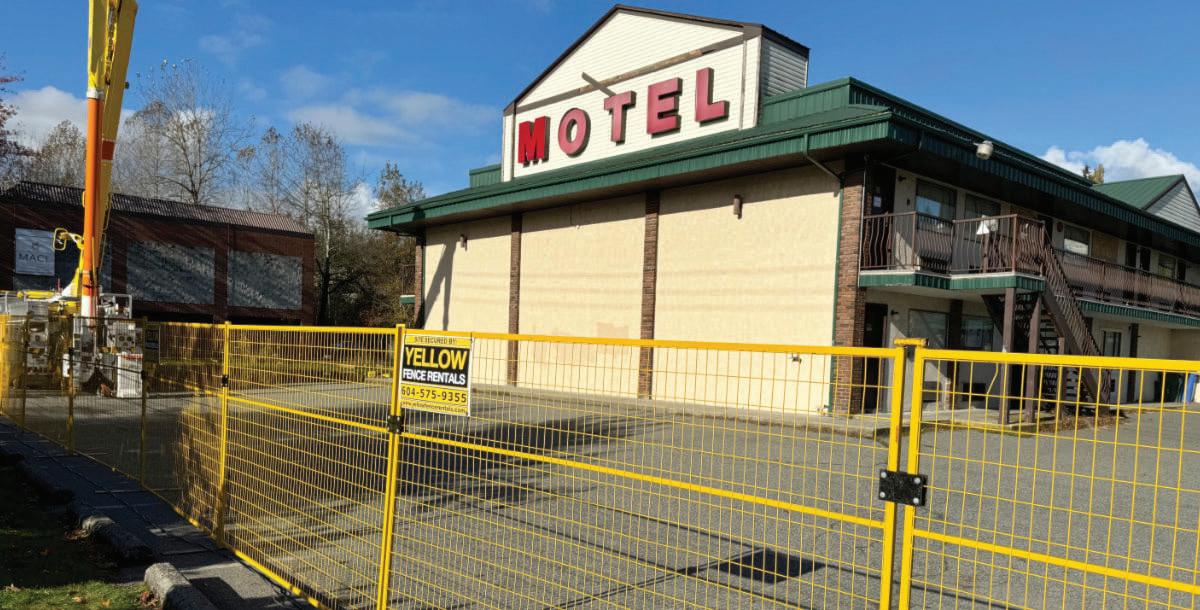
The former Diamond Head Motor Inn officially closed its doors last week with the final 21 guests at the shelter moving out on Oct. 31. Guests at the Diamond Head were transferred to other supportive housing at Haven in the Hollow, Rivendell Second Stage Housing, and the new Hurd Street supportive and complex care housing.
The Diamond Head has been operated as a 34-bed shelter by Mission Community Services Society (MCSS) and leased by BC Housing for the past three years.
“It was an important part of serving our community. We’ve tried to make housing support available working in partnership with BC










































































































































































































































Tourism Mission has been disbanded as part of 2025 budget cuts from council.
The City of Mission made cuts to reduce the upcoming property tax increase from roughly 10 per cent to 7.55 per cent.
“Council felt that it was important to do a line-by-line review of the budget, given how challenging the economic circumstances are for people,” Horn said.
The council-directed reductions include the disbandment of the tourism and film division, fewer victim services on evenings and weekends and the suspension of a one per cent general capital reserve transfer for 2025.
The position of weight room attendant at the Mission Leisure Centre was cut and council gave up its cost of living increase for the next year.
Departmental budgets were also reduced by an average of 0.75 per cent.
Tourism announced the can-
“We genuinely apologize to each and every one of you. We were looking forward to celebrating the holiday season together, sharing memories, and creating new traditions.”
Horn said council recognized the importance of investing in economic development but wanted to do so in a way that dramatically impacted the local economy.
“We didn’t see that happening with tourism to the extent we wanted,” Horn said.
the amount of staff required within the city.”
Horn says those wishing to film in Mission will still need to reach out to engineering and public works for required permits but won’t need to go through the same type of process that they did in the past.
The approximate 10 per cent property tax increase previously proposed came due to inflation and contractual increases.
cellation of this year’s Mission Movie Moment Holiday in a post on Facebook.
“Due to recent budget cuts affecting Tourism Mission, we find ourselves in the unfortunate position of having to dis-
solve our programs completely. This decision is not what we wanted, nor is it a reflection of our dedication to our community and its vibrant spirit,” the Tourism Mission team said in the post.







“Our numbers show that largely tourism is driving local visits as opposed to external visits. Some of the things that we’ve been experiencing up in the Stave West area over the last summer showed that attracting more visitors hasn’t necessarily meant a bigger difference in terms of the economic impact of the average person here. And we felt that we could simplify the process for film to come to the community. So we’ll still get the economic returns of film coming here without having
“It’s never, ever easy for council to make these types of decisions because first, we understand that the community really does want us to be a full-service organization but we have to make these really tough choices between affordability across our community and services we provide,” he said.
Community feedback is open until Nov. 12 and Horn says the input could influence further cuts. However, he said the cuts already made are final.
“The cuts that we’ve made already are cuts that we are moving forward with. But that doesn’t mean we’re done with the conversation about our taxes. That’s why we do our community engagement,” he said.
A breakdown from the city attributed the increase to 3.4 per cent for wages, salary, & benefits, 2.68 per cent for RCMP contract costs and police services, 1.13 per cent for the BC Transit contract, 0.78 per cent for all other inflationary increases and prior years’ decisions, 0.51 per cent for the change to the Secondary Dwelling Units program, 0.50 per cent for all other contractual obligations, 0.42 per cent operating costs associated with capital projects, 0.39 per cent for transit expansion, 0.25 per cent for fee-for-service grants, 0.23 per cent for fleet maintenance and 0.02 per cent for expansionary services proposed.
A freestanding committee of the whole meeting is scheduled for Nov. 19 when council can debate and refine the budget. Council is expected to vote on the final bylaw, which will set the budget and property tax increase, by the end of the year.






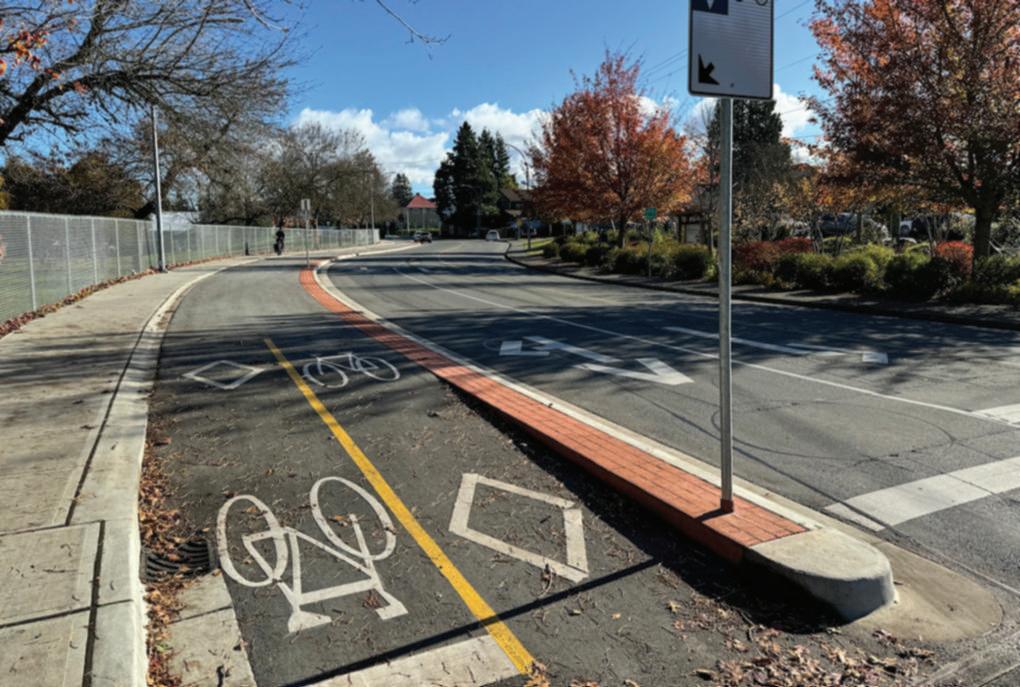
The second phase of Mission’s 7th Avenue Greenway is unlikely to move forward until plans for a new Mission Secondary School are more concrete, the mayor says.
“When that comes, I would imagine we’ll do something similar to the multi-use path that we have on 14th Avenue but that will likely be in the domain of another council’s term,” Mission Mayor Paul Horn said.
Council was provided with an update about phase one of the greenway on Monday, roughly one year after the project was completed.
According to the report, the city received mixed reception on the project from the community through social media, inquiries and public complaints.
Multiple councillors noted
the positive feedback for the 14th Avenue multi-use path as an alternative future option.
“Version one was kind of like getting dipped in hot acid and [I] have no desire to go back and have another dip in that pool, but I do agree that 14th has been fantastic. It really has achieved many of the same goals but in a way that the public has responded much more positively to,”
Coun. Mark Davies said.
The staff report reviewed concerns from the public that included narrow vehicle lane widths, wide concrete medians, over-signage, and a lack of cyclist volume.
The City of Mission’s transportation plan from 2022 identified 7th Avenue as one of the top collision-prone corridors in the community.
“People speeding while driving is one of the top three con-
tributing factors to casualty collisions (e.g. injuries and fatalities) in Mission,” the staff report reads.
However, speeds on 7th Avenue from James Street to Taulbut Street have decreased from 52.8 km/h in 2017 to 45.4 km/h in 2024, while another section from Ryan Street to Sharpe Street decreased from 61.4 km/h to 55.2 km/h.
The staff report also found the number of cyclists increased by 239 per cent after phase one with the number of pedestrians also increasing by 14 per cent.
“Phase One is not currently connected to other all ages and abilities cycling infrastructure (e.g. multi-use pathways, cycle tracks, bikeways); therefore, it is not expected that Phase One would have high volumes of people cycling at this time,” the staff report reads.



SONGS,STRINGS&STEPS presents: FeaturingCalvinDyck,Abbotsford YouthOrchestra&OurSpecialGuests: FESTIVEBRASS& KENLAVIGNE(Tenor)
Friday,Dec.6th7pm
Saturday,Dec.7th2pm&7pm CentralHeightsChurch,Abbotsford Ticketsoncalvindyck.com/concerts































































Mission RCMP released a photo on Oct. 30 to help identify a woman who may have information regarding last week’s fire at the Real Canadian Superstore.
According to a news release from the detachment, the woman was in the Superstore at the time of the fire.
She’s described as between 25 and 36 years old, roughly 5-foot-6 with dyed red hair and a medium build.
In the photo, the woman was wearing a black baseball cap, a white jacket with blue lining, a black shoulder bag,
black leggings and white sneakers.
Mission RCMP released a separate photo last week of a man they wanted to speak with about the fire.
“That man came forward and provided information that helped progress the investigation and he is not considered a suspect in the arson. Mission RCMP is now asking for similar assistance in identifying a female customer that was in the store at the time of the fire. Based on the investigation, police believe this woman may have additional key information that could
assist with advancing the investigation,” the detachment said.
The fire occurred on Oct. 22 shortly before the store closed at 11 p.m. in the toilet paper aisle. Mission RCMP confirmed two days later the blaze was an arson.
No injuries were reported as a result of the fire, but RCMP said some customers and employees experienced minor smoke inhalation.
The Superstore reopened to customers on Oct. 27 after the blaze closed the location for four days.











A 79-year-old man was sentenced to a nine-month conditional sentence and a one-year driving prohibition after striking four people with a pickup truck at a 2022 residential school march in Mission.
Richard Albert Manuel was found guilty of dangerous operation of a motor vehicle in Abbotsford provincial court in September and Judge Edna Ritchie provided her sentence on Monday (Nov. 4).
Manuel currently lives in Nova Scotia and would serve his sentence in the community with a curfew between 8 p.m. and 6 a.m. for the first six months. The driving prohibition is nationwide.
“I’m just sorry for this whole thing,” Manuel said when asked by the judge if he had anything to say.
The judge said she took Manuel’s age and lack of criminal record into account, but was not satisfied he was “truly remorseful”. She said Manuel acted “very badly” that day and took into account
the victim impact statements provided by the Crown.
“You feel you’re not prejudiced, but the persons hearing those remarks –especially as you drove in the manner you did – didn’t know that you were perhaps, in your view, really impatient. They heard ugliness, and they saw your
driving,” Ritchie said.
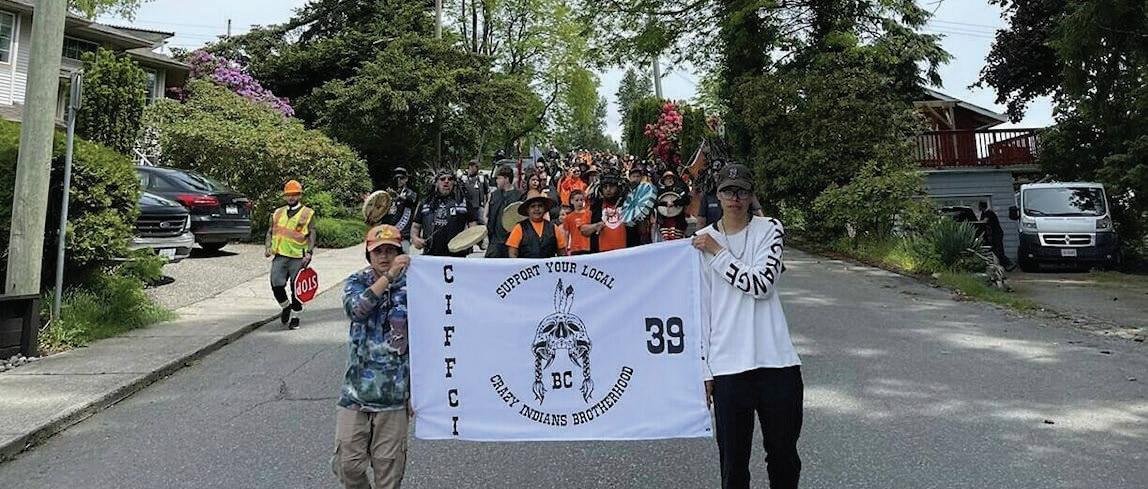
The incident occurred on June 4, 2022 during a March for Recognition to raise awareness about children who attended residential schools.
The march left Fraser River Heritage Park and was en route along Lougheed Highway to the former site of St. Mary’s
Residential School where four people reported being struck with a pickup truck.
In her reasons for judgment on Sept. 23, Ritchie said Manuel, who lived in Deroche at the time, drove on the shoulder of Lougheed Highway, ignored the instructions of the flagger, and hit him with his truck in-
stead of tolerating the delay.
After the flagger was hit, the judge said two or three men involved with the march attempted to take Manuel’s keys and a physical altercation ensued.
Per the judgment, Manuel re-entered traffic and clipped another individual. Members of the “Crazy Indian Broth-
erhood” attempted to stop Manuel but his truck hit two of them. However, the judge was not satisfied Manuel hit the two men deliberately.
“Manuel expressed his anger throughout the period by yelling about permits and uttering racial slurs and saying that he didn’t care if he ran people, including children, over,” the judge said.
According to the judge’s summary, Manuel said in testimony that if someone mucks with his truck or his family, he doesn’t care how big they are.
The judge said during her decision that she wasn’t satisfied with the defence’s stance that Manuel was driving in a manner that was justified by “defence of necessity”. Ritchie said she did not believe critical aspect’s of Manuel’s evidence.
The trial began March 4 in Abbotsford provincial court with police witnesses testifying about the accused’s statements before another pair of witnesses testified that they were hit by a pickup truck near the entrance to St. Mary’s Residential School.

DiscountisavailablewiththepurchaseofaselectnewandpreviouslyunregisteredHondageneratorfromaparticipatingHondaPowerEquipmentdealerinCanada betweenNovember1,2024andDecember31,2024.Discountis:(i)$100(EU22000is);(ii)$100(EU2200iCompanion);(iii)$200(EU3200is);(iv)$400(EU3000is); (v)$500(EU7000is).Discount:(i)willbedeductedfromthenegotiatedsellingpricebeforeapplicabletaxes;(ii)cannotbeappliedtopasttransactions;(iii)hasno cashsurrenderorothervalue;and(iv)maynotbecombinablewithcertainotheroffers.Conditionsapply.SeeyourHondadealerforfulldetails.




The other day, I saw something very striking and beautiful, somewhere you wouldn’t expect to find such a thing.
It was the early evening and I was headed out of the office, fumbling with my car keys in my pocket, thinking about the normal mundane end-of-day concerns: what were we making for dinner, did I need to pick up anything at the store on the way home.
But I paused in the parking lot.
It was one of those late October days that

has seen every sort of weather. A downpour had just passed, and the sky was still half-full of big fat clouds, half-scattered by the wind. The sun was breaking through down in the southwest. Pick any handspan of sky, and you could see a dozen colours – from pewter to mother-of-pearl to molten bronze.
And flying northeast across the parking lot was a flock of crows. If you’ve lived around Langley for long, you know that in the colder months, the crows begin gathering every night in big, communal roosts. They stream out in the mornings and back at sunset, and this flock of a couple dozen was on their way home.
As the crows passed above the parking lot, dipping and playing in the gusty wind, they passed into one of the beams of sunlight that had pierced the clouds.
The crows’ wingtips lit up like sparks with


each downbeat of their wings. The tips of the primary flight feathers glowed like silver.
I’ve never seen anything like it. As far as I can tell, it was the natural iridescence of the crow feathers, reflecting the low and slanting sun, at just the right angle.
Pretty soon the crows flew out of that shaft of light and they stopped looking like they were shooting sparks with each wing beat.
That’s not something you expect to see in the parking lot next to the Costco. Something I believe is that every place has its own kind of natural beauty. Vacant lots, reed-lined ditches, suburban cul-de-sacs where the streetlights catch the rain slanting down at night – there’s going to be something you can find there.
I miss most of it, of course. Because I’m busy, I’m working, I’m trying to get from A to B, I’m thinking about why that jerk up there hasn’t noticed that the traffic light has


changed, all the usual distractions of life. But I also think about what I’m missing. The singer-songwriter Neko Case (who grew up in Tacoma, not too far from here) opened her song “Fox Confessor Brings the Flood” with the lyrics “Driving home I see those flooded fields, how can people not know what beauty this is? I’ve taken it for granted my whole life, since the day I was born.” I remember the first time I heard that song, and thought about the flooded fields in autumn and winter, about the yellow-gold of the dead grass around their edges, about the way they reflect blinding blue sky or gunmetal thunderheads. Sometimes I make the time to stop and get out of the car, and look at the flooded fields, or the groves of cottonwoods, or the crows flying by at sunset.
Matthew Claxton is a reporter with the Langley Advance Times.





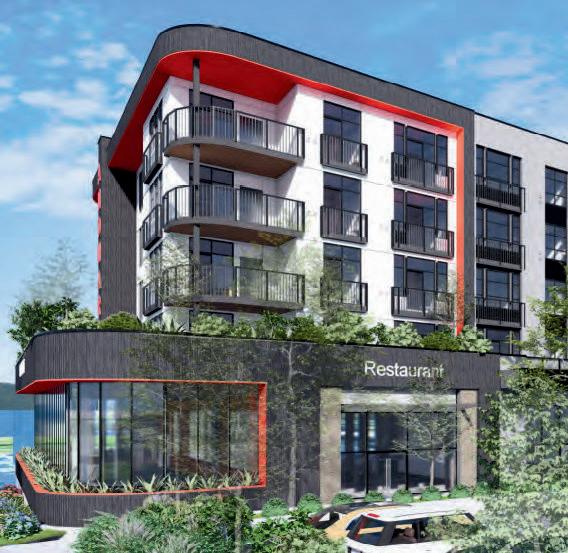
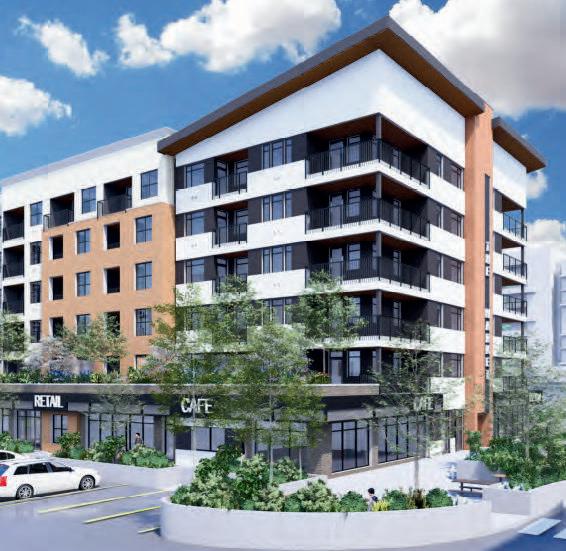
A 56-unit apartment building in downtown Mission was rejected by council for the second time after Mayor Paul Horn brought the matter back for reconsideration on Monday.
Councillors Angel Elias, Jag Gill, Mark Davies and Ken Herar voted against the project in the same 4-3 decision as the Oct. 7 meeting.
The project was intended to feature smaller, well-appointed units that would be more affordable to missing-middle buyers, an earlier letter from the applicant said.
It was introduced at a meeting in July and council provided comments and questions that touched on design alterations, parking and financial incentives.
The property was purchased while the city was offering the Downtown Development Incentive Program (DDIP) intended to stimulate investment in the downtown core.
The mayor brought back the application for reconsideration due to feedback from the Mission Downtown Business Association and Mission Regional Chamber of Commerce received after the initial vote.
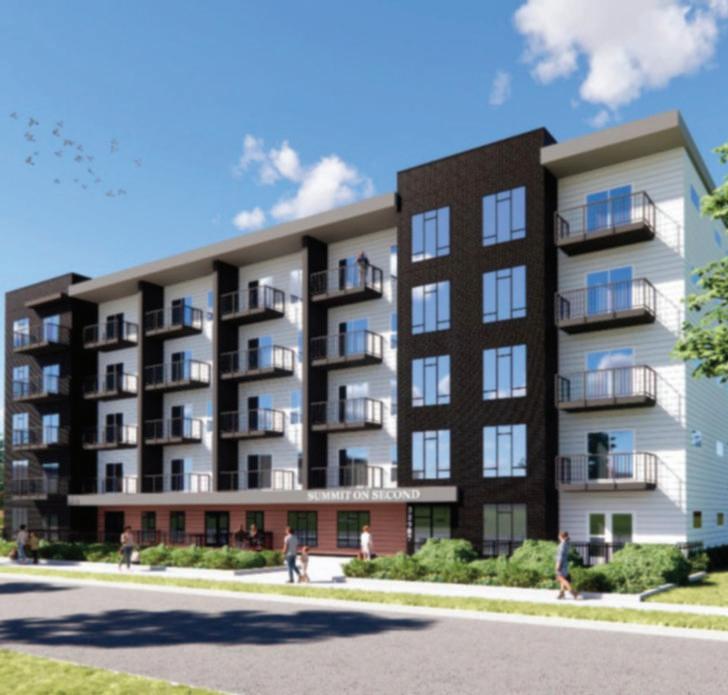
Horn says he generally doesn’t bring things back for reconsideration unless new information comes in that changes the application or inaccurate information was received.
Gill said he was disappointed to see the project back for reconsideration.
“We’re reconsidering a development that has no low income [housing], no rentals. This is all market-level units. These are going to be sold for hundreds of thousands of dollars that aren’t adding any community benefit … it’s baffling to me that this sits in front of us,” Gill said. Elias had concerns with the remaining exemptions and said the project “missed the mark” with form and character.

Horn said the applicant also wrote and demonstrated a willingness to forego concessions related to property taxes that concerned some council members.
“There were members of the business community who came to me and were concerned that
in recent months, council has made some decisions that are contrary or inconsistent with our own policies and that have made it difficult for people who want to invest here to feel confident that we will honour our policies,” Horn said.
“I understand that a previous council … put this wonderful downtown incentive program in. However, times have changed and unfortunately, that policy did not change with the times, and we no longer need to have those incentives for developers to come into our community to develop,” Elias said.
Horn said the reconsideration should not be seen as an opportunity to bully people or try to change minds based on anything other than the facts before council.
Mission RCMP are searching for a man who stole a charity box from a local Tim Hortons last weekend.
According to a news release, the man entered the Tim Hortons on London Avenue at roughly 7:10 p.m. on Oct. 25 and snatched a box collecting donations for Tim Hortons Camp Day before leaving.
Police describe the suspect as a Caucasian man with short brown hair, a camouflage-style jacket, and a black shoulder bag.
Those with information are asked to call Mission RCMP at 604-826-7161.

Expectinformative,professional,humbleandtransparent guidance that’s rarely foundintheindustry.
Whether youneeda swifttradeappraisalforyourself,a familymember,an estate,oranICBCclaim, justreachoutviacallortext I’mat yourservice.

I willbe heretohelpyou outifgoingEVisforyou-to helping you therighttruckforallyourrecreationaland workrelated needs.

ProductSpecialist Cell:604-217-6285 e:604-856-9000 jhicks@msaford.com Asa Missionresident, I’mheretoofferyou myautomotive expertise likenoother.

What does your perfect day look like? How about delicious, chef-prepared meals, engaging activities and entertainment, conveniences like housekeeping and transportation, and flexible options if needs change? This is life at Chartwell, where you are empowered to enjoy your ideal retirement lifestyle.

Mission | 604-557-5155
*Some conditions apply.

ed and arrested the woman nearby.
Three impaired drivers from outside Mission drew the attention of Mission RCMP last week.
A 37-year-old Abbotsford woman was issued a driving prohibition after hitting a tree near McDonald’s on Lougheed Highway (Oct. 16)
According to a Mission RCMP news release, officers patrolling downtown at 1 a.m. saw a black 2022 Jeep Wagoneer driving over the curb in the McDonald’s drive-thru.
Police say the Jeep collided with a small tree next to the restaurant as the officer drove into the parking lot to check on the driver.
“Her breath smelled of liquor, there were numerous liquor containers scattered throughout her vehicle, and she failed two roadside screening device tests,” Mission RCMP said.
In addition to the driving prohibition, the woman’s vehicle was impounded.
Two nights later (Oct. 18), a grey 2018 Jeep Cherokee hit a pickup truck at the Richards Avenue and Doyle Street intersection.
RCMP say the Jeep driver, a 40-year-old Abbotsford woman, made a speedy rightturn and collided with a pickup waiting at the stop sign.
The truck sustained signifi
ommended after the woman provided breath samples over twice the legal limit at the Mission detachment.
Meanwhile on Oct. 21 at 12:40 a.m., a dark-tinted 2018 Mercedes C63 was parked at a gas station on Logan Avenue.
After the vehicle failed to stop at a red light after leaving the gas station, an officer pulled it over.
Police say the 29-year-old Surrey man driving the vehicle was showing symptoms of being impaired by liquor.
“The driver repeatedly refused to comply with a demand issued to him to provide a breath sample into a roadside screening device,” RCMP said.
The man was issued a 90-

Mission City Record Staff
Canada’s 2024 Operation Christmas Child shoebox collection season is underway. Individuals, families, churches, businesses, sports teams, and community groups are now packing shoeboxes with toys, school supplies, and hygiene items, plus personal notes and photos, to be delivered to children in need around the world.
Operation Christmas Child is an annual initiative of Samaritan’s Purse, an international Christian relief organization that works in more than 100 countries. Last year, Canadians filled more than 425,000 shoeboxes with gifts for struggling children in West Africa, Central America, Ukraine and Philippines.

Thanks to the items that Canadians put in their shoeboxes, and the $12-per-box they donate to cover shipping and other program costs, Samaritan’s Purse is able to deliver the boxes to children around the world living in the midst of poverty, disease, war, and natural disaster.
Since 1993, Operation Christmas Child has collected and distributed more than 220 million shoebox gifts in more than 130 countries.
“Struggling children and families need hope,” said Kendra Shields, director of Operation Christmas Child.
National Shoebox Collection week is Nov. 18-24. Visit SamaritansPurse.ca for more information.
In Mission, completed shoe-
boxes can be dropped off at Parkside Church (33837 Prentis Ave.) at the following dates and times:
Monday, Nov. 18 – 2-6 p.m.
Tuesday, Nov. 19 – 9 a.m.-2 p.m.
Wednesday, Nov. 20 – 2-6 p.m.
Thursday, Nov. 21 – 9 a.m.2 p.m.
Friday, Nov. 22 – 5-8 p.m.
Saturday, Nov. 23 – Closed Sunday, Nov. 24 – Noon-3 p.m.










Dropofformailentryto“Holly-JollyContest”MissionCityRecord, 33047-1Avenue,MissionBCV2V1G2

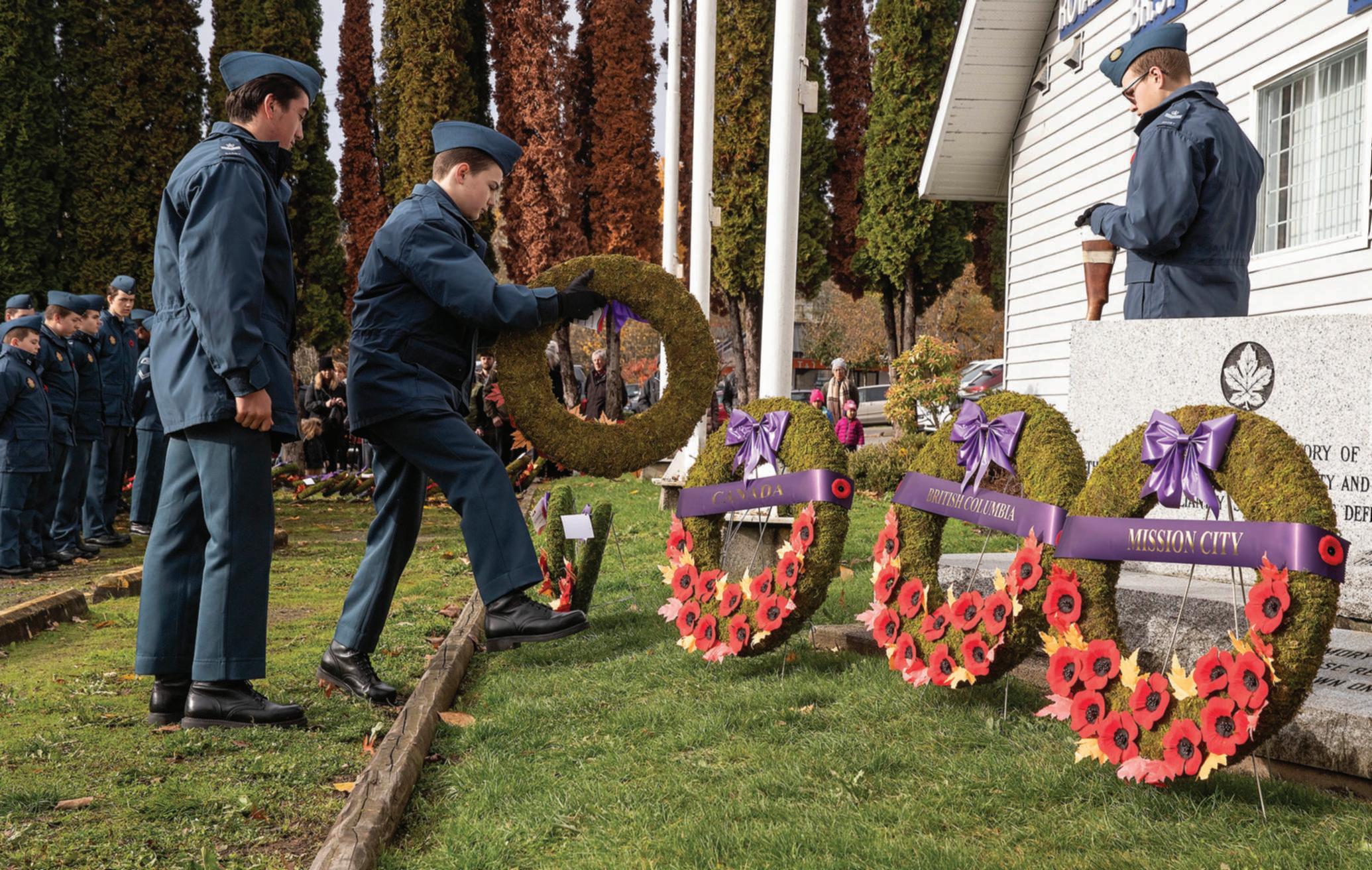


































Mission will remember its veterans on Monday (Nov. 11) with the annual ceremony at the Legion Cenotaph.
The annual Remembrance Day service will begin at 10:50 a.m., featuring a parade and wreath-laying.
There will also be a small gathering inside the Legion after the ceremony concludes with chili available for $10.
Mission Legion (Branch 57) president Pauline Mann says the city usually has a good turnout.
“It’s most important that people come out to thank them for what they did – for those that gave the ultimate sacrifice and fought the wars for us so that we can live in this beautiful country we live in, I think that’s most important and I think a lot of people in Mission do realize that too,” Mann said.






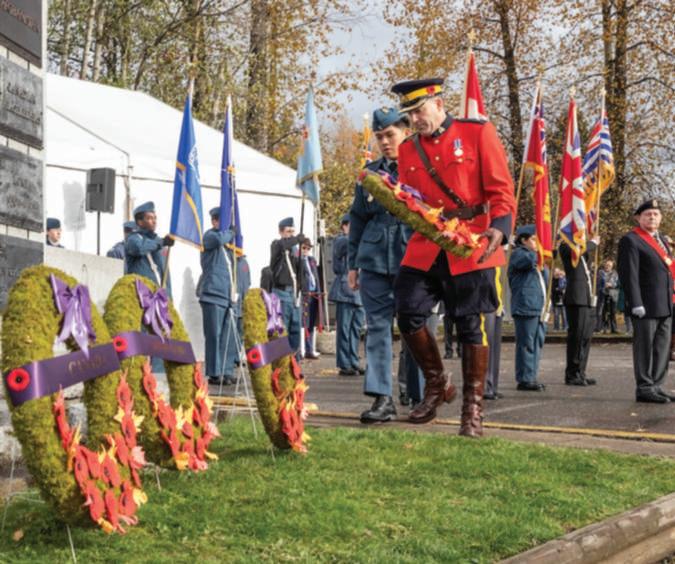
Mann says the families of veterans are often involved in Mission.


“I would read the roll of honour every year. We haven’t been doing it because of COVID. We had to change the ceremony to a smaller ceremony, but they’ve been requesting that we do that again because they want to hear their loved one’s name,” Mann said.

The honour roll will return this year with local cadets reading the names.
TheRoyalCanadianLegion
MissionCityBranch#57 32627LoganAve.(nexttotheMCC)


MONDAY NOVEMBER 11TH MONDAYNOVEMBER11TH
Thisyearsremembrancedayservicewillbeheldatthe LegionCenotaph.Therewillbeaparadeandawreath laying.Ifyoupurchaseawreathyoumaylayitafterthe ceremonyonNov11.Theceremonywillbeginat 10.50am.Aftertheceremonytherewillbeasmall gatheringintheLegion.WewillbeservingChiliandFixins for$9.00andifyoucannotcomeintotheLegionyoucan orderatakeawaymeal.Ifyouhaveanyquestionsplease calltheLegion6048262331.














“I have been awful lucky so far but one can never tell when he is going to get it. I was in two small battles, but it did not amount to much.”
Written in 1915 by Private James Wharton of Mission (14th Battalion – Killed in action, 1916), this excerpt is from one of the many letters published in the Fraser Valley Record (Mission City Record today) that were received by the friends or relatives of the boys in the trenches between 1915 and 1919. Housed in the Mission Community Archives, the local newspaper documents the stories and experiences of “the boys from Mission doing their bit for the Empire” during the First World War.
Known as the “great war”, it was a war of machine guns, bombs, and never ending mud. A war, where artillery shells fell, at any time of the day or night, and mud so thick that if you fell in it you might never get back out. The significance of these letters resonates down the decades revealing the harsh realities of trench warfare that were mixed with days on end of boredom with periods of terror while living under poor conditions and the threat of death.
After almost ten months of monotonous and sometimes severe training the 29th Battalion eventually found itself in Flanders and incidentally occupying a portion of the British lines. Already we have tasted the hardships and awfulness of war and unfortunately not without casualties, but yet all the boys from Mission continue to be in good health and the best of spirit.
During the daytime comparative quiet reigns in the trenches but to show one’s self above the parapet invites trouble, but as dusk comes on the whole line seems to throb and hum like a hive of bees… While lying perfectly quiet one must listen for any movement or noise on the part of the Germans and communicate by pulling a wire to the trench behind. This post fell to me only last night and to be out on “no man’s land”as human feelers to the camp behind is rather a peculiar experience with one’s nerves so silent and strained so even the scuttling of a rat sees a very important event. Such things have several times been the cause of our more timid “listeners”running back to report that “Germans are cutting the entanglements!”or “Snipers laying grass to the right” etc.
Trench life has a serious pathetic side also, as behind the trenches are crosses marking the graves of fallen comrades. Sometimes the name and regiment is recorded but more often “In memory of an unknown British soldier” is the only epitaph. The boys of Mission do not forget their homes. They think of them continually and only hope and trust that fortune will be kind and bring them back to B.C. safely once more. (Letter published November 4th, 1915)
Private Charles Stokes“D” Coy 29th Battalion
This letter leaves me fine and dandy but a little
dull. We have had two weeks steady rain and there is lots of water around the sandbags. Phil [Catherwood], Charlie Bray and myself were lucky this time, we got a dug out with a fire place in it. It is fine inside.
We sure are a hot looking bunch of toughs, mud from head to foot and have sacks wound around our legs to keep the mud off. I love Flanders but the roof of home would look good sometimes. Things, are pretty quiet along here these days, you cannot hear a shot. I suppose the Fritzs [British slang word for Germans] are in and out of rain like ourselves. I am glad to hear that all of the young fellows are joining now. I can sit here and look out of the door and there are two graves of British Soldiers. There are hundreds hereabouts.
We are only about 80 yards from the German front line, but they are pretty hard to see. I have seen only two or three of them so far. We saw a British and a German airplane fight the other day and the British brought the Hun [slang for Germans used by British and Allied forces] down in our lines. If you send a parcel put in a few pair of socks as they are hard to get over here and the way things look we will need them this winter.” (Letter published December 2nd, 1915)
Quite confident we were, on the night of the 28th instant, when the ground was all hard with frost that we should have a nice easy trip down into the trenches by the new overland way, the region of slime and batter-pudding esplanades.
The stuff to be carried was all split up into three equal shares (even the Bombardier whose stripe entitled him, in his own imagination, if nobody else’s, to dodge the heavy work, had to knuckle down to it and test his endurance, each of the shares containing respectively (1) two heavy rolls of blankets, a square foot by six inch tin box containing remnants of parcels etc. from home, one Brazier iron, two feet high by one foot across; (2) three sandbags full of coke and one of wood; (3) two sandbags full of grub, which sound light enough when you picture them full of white bread of the kind that mother used to make; Quakers oats and salt and pepper, but is just the reserve when crammed with canned sustenances and good weighty army issue bread, and half a cubic foot of frozen meat –one sandbag of spare kit magazines etc.
As soon as it was dark enough so that no German sniper could see us, the procession of three starts out, all serene for the first stage of the journey which is one of the famous Belgian paved roads. The second stage is not so good, but still, not so bad either as the pools of water and mud only comes up to your ankles. The third stage begins by crossing a reserve trench 5 feet wide and 8 feet deep we cross this with the use of a plank. Next we come to a series of communication trenches each, one worst than the last. Here our heroic commander leads the way. He steps back squares his shoulders, takes a running jump and



catches his toe on a field telephone line and lands face first in the mud and ooze. “ (Written November 29, 1915, published January 20, 1916)
Nothing seems to cheer a fellow up like getting a letter from home. We are up in the front line trenches. This place is a mining district, nothing but coal mines all around for miles. We hold some and the Germans got some…I manage to keep warm myself as I always have a fire, and generally manage for a good place to sleep but not always. The boys in the trenches all the time do suffer quite a lot, but they keep smiling and put up with it hoping for the time to come when it will all be finished in a complete victory for our arms after all the suffering and loss they have had since being out here. There is an awful strafe here while I am writing this. Machine guns going like a thousand riveters at work and shells dropping all around outside.
(Letter published March 27, 1917)
The guns were on all sides of us and shooting for all they were worth but the guns had been in action only about thirty minutes…It was a great sight to see our cavalry march out to fight. They rode out through a field of wheat and through a small village just as though they were going out for a day’s drill. They made the advance a brilliant success. The tanks did excellent work and the whole thing went off like clockwork; before midnight of the same day our advance horse lines were on what had been the enemy’s front line. I do not know how the infantry stood it. Their
work was marvelous.
(Letter about attack on the Hindenburg Line on August 9th, published September 27, 1918)
“D”
On our arrival at the City of La Bouverie everything was decorated with the flags of the Allies and large signs across the street. “Hur, hur, hurrah Canada, unconquerable.”“Honour our Liberatore.” Welcome our Allies.” We were cheered by the people who lined the streets, women running after us with pitchers of beer and glasses, coffee and milk…While we were on the march a sergeant of one of the field batteries came running down the road with a paper which he gave to the C.O. and he read it to us, it read: “Hostilities ceased. No gun to be fired after 11 am.” When the news was read out there was a lot of cheering and rejoicing….The next day I was one of sixty that was picked out of the battalion for the guard of honor for the reception at Mons in honor of the arrival of King Albert of Belgium. (Letter written December 3, 1918, published January 9, 1919)
On Armistice night, November 11th 1919, “some 400 people” attended a huge banquet held in the local skating rink to welcome home and pay tribute to Mission’s returned solders along with their wives, mothers and sweethearts. There was a “Silent Toast”to those soldiers who gave their lives.
For more information about Mission veterans, contact the Mission Community Archives. Volunteer Jim Hinds maintains a database containing over 4,100 records about members of the community who served in WWI, WWII, Korea, Vietnam and Peacetime.
– Val Billesberger is the archivist and records manager at the Mission Community Archives.
Toallofthebravemenandwomen whohavesacrificedtoputtheir countryfirst,wethankyou.



The Mission Record put out a call for stories to include in this year’s Remembrance Day Tribute.
The following submission from Mission resident Don Bird was a story told by his friend Gad Neale, a veteran of the First World War, on Neale’s 90th birthday:
The four men were standing in mud up to their knees in the front line trench near a place called Passchendaele. They were soldiers fighting for King and Country. Their names were Gad, Bill, Brad and Jim. Their nationality doesn’t matter. It was November, 1917. The birthday boy was 20.
Having survived the slaughter and horror together so far had made these men closer than brothers. They and perhaps 75 or so others were all that was left of their original Battalion . There are at least 500 men in a Battalion.
After a birthday feast of weak tea and some mouldy fruit cake, their Sergeant spoke up; “ You four slackers get busy now and go repair the trench damage down the line, but for God’s sake keep your bloody heads down as there’s a sniper or two around for sure!”. After a minute of grumbling and getting some tools together, they moved down the trench in a crouch. Gad and Bill were working ahead of the others when Bill raised his head to better view the damage. A shot rang out.
Gad was knocked flat by Bill’s body and they tumbled to the bottom of the trench in a heap. When he came to his senses, Gad was amazed to see Bill, unhurt, sitting in the mud staring at his helmet, which had a bullet hole through the very top of it. Bill stuck his finger in the hole and said “Well Gad, they almost got me that time!”
Relief flooded through them. Gad exploded with laughter.
From his position twenty yards to their rear, Brad stood up. “What’s so funny, Gad?” The sniper shot him just above the bridge of his nose.







Wepausetoreflectonthecourage,dedicationand loyaltyofournation’ssoldiers.Throughouthistory,their hardworkandsacrificehavekeptussafeandprotected ourfreedom.





























byLieutenantColonelJohnMcCrae

InFlandersfieldsthepoppiesblow Betweenthecrosses,rowonrow, That markour place:andinthesky Thelarksstillbravelysingingfly Scarceheardamidthegunsbelow.
Wearethedead:Shortdaysago, Welived,feltdawn,sawsunsetglow, Lovedandwereloved:andnowwelie InFlandersfields!
Takeupourquarrelwiththefoe Toyou,fromfailinghands,wethrow Thetorch:beyourstoholdithigh Ifyebreakfaithwithuswhodie, Weshallnotsleep,thoughpoppiesgrow InFlandersfields.








Lwe











































Astheholidayseasonapproaches,Iinviteyoutotaketimetoreflectontheimpactofwhereyouchooseto spendyourmoney.InMission,shoppinglocalisn’tjustaboutconvenienceornostalgia,althoughwehave plentyofboth—it’saboutinvestingintheheartbeatofourcommunity.Eachpurchasefromalocalshop, artisan,orfamily-runbusinessrepresentsfarmorethanasingletransaction;it’savoteofconfidencein thepeopleandplacesthatmakeourcommunitythrive.
Whenyou“lovelocal,” yousupportanetworkofbusinesses,workers,andfamilieswhoformthebackbone ofBC’seconomy.Smallbusinessesaccountfor98%ofallbusinessesintheprovinceandemployover onemillionpeople.Forsomeentrepreneurs,holidaysalescandeterminewhetherthey’reabletokeep theirdoorsopenintothenewyear.Apurchasefromalocalshop,eatery,orcraftfairisalifeline—onethat sustainslivelihoodsandkeepsdreamsalive.
Adollarspentinalocallyownedbusinesscirculateswithinthecommunityoverandover.Thatsamedollar helpspaywagesforyourneighbour’sfirstjoborsupportsafamilywhosponsorslocalsportsorbuys ingredientsfromalocalfarm.Whenprofitsstayintheregion,theyfundthingsweallcareabout—youth activities,amenities,culturalevents,andsocialservicesthatdefineourqualityoflife.
Missionbusinessesreflecttheidentityofthisplacewecallhome.Theytelltheuniquestoriesofwhowe areandembodythevaluesmanyofusholddear:sustainability,diversity,andtheimportanceofhuman connection.Bychoosingtoshoplocal,weensurethatthesestoriescontinue.Wemakeroomforthe independentbookstores,thecoffeeshopswherefriendsgather,andtheboutiqueshopswhereyoung entrepreneurstesttheirideas.Weprotectwhatmakesourcommunityspecial—forourselvesandfor futuregenerations.
Thisholidayseason,IencourageeveryoneinMissiontoembracethespiritof“lovinglocal.” Itmaybeas simpleasshiftingsmallhabits,makingconsciousdecisions,andvaluingface-to-faceconnectionsand service.Wouldn’tyouratherfindalocalgemfromatrustedandknowledgeableshopkeeper,insteadof onlinealgorithmsdrivingyourshoppingchoices?Visitthecraftmarkets,exploretheshopsdowntownand throughoutMission,andrememberthateachgiftyoubuyfromalocalbusinessisagifttoyourcommunity.
Let’scometogethertoshowthatwevaluethepeopleandplacesthatmakeMissionawonderfulplaceto live.Whenwesupportlocal,westrengthenthetiesthatbindus.Andindoingso,wegiveourselvesthe greatestgiftofall—avibrant,resilientcommunitythatthriveslongaftertheholidayseasonends.
Iwishallofyoujoyandtheverybestoftheholidays,
-MiriamBozman ExecutiveDirector MissionRegionalChamberofCommerce

























ChristianPetrenkoPersonalRealEstateCorporationPersonalReal EstateCorporation,CapitalMarketsGroup,Investments
https://www.naibc.ca/agent/christian-petrenko/ AttachéDesign
Packagingsolutionsandexpertdesignservices http://AttacheDesign.com
PacificK-9Training
Strengtheningbonds&buildingtrust–thepowerofourin-person training https://www.pacifick9training.com/ WesternPacificEngineeringGroupLtd.
CivilEngineeringconsultingservicesformunicipalities,developers, andhomeowners http://www.westpeng.com
BinaryFreedomFoundation
EmpoweringandadvocatingforFraserValley2SLGBTQIA+ communities https://www.binaryfreedomfoundation.ca/
MaryBrown’sChicken
CanadiangradeAchicken,handmadetaters,saladandhomeofthe BigMarysince1969!
https://www.marybrowns.com
FraserCareMedical
FamilyMedicineGroupPracticeprovidingcomprehensivecare, locatedinsideSuperstore https://frasercaremedical.com/
Reachouttothesenewmembersand seeourentirebusinessdirectoryhere:
RadiantLeadershipLtd.
Empoweringleaderstoinspirejoyanddriveoperationalexcellence throughworkshops&coaching http://www.radiant-leadership.ca
Take5OilChange
Reliableoilchangeswithgoodoldfashionedpersonalizedservice, noappointmentnecessary! https://www.take5oilchange.ca/locations/bc/mission-4410/
BreakingGroundExcavation
Excavation&constructionservicesforcommercial,civil,and residential http://www.bgexcavation.ca

Nov14th 5:30pmBusinessAfterHours–Sierra Industrial Enjoynetworkingwithfellowbusinesspeopleand getyourupdatedprofessionalheadshotdone.
Dec7
–6pmAnnualCandlelightParade
Dec11th 11:30amAnnualChristmasLuncheon Registernowforthisannualfavorite!Mission’s Mayorwilldeliverhisannualaddress,anda traditionalholidaylunchwillbeserved.
Toregisterfortheseeventsor getmoreinfo,usetheQRCode:













10067CharlongTerrace,Abbotsford
$2,695,000
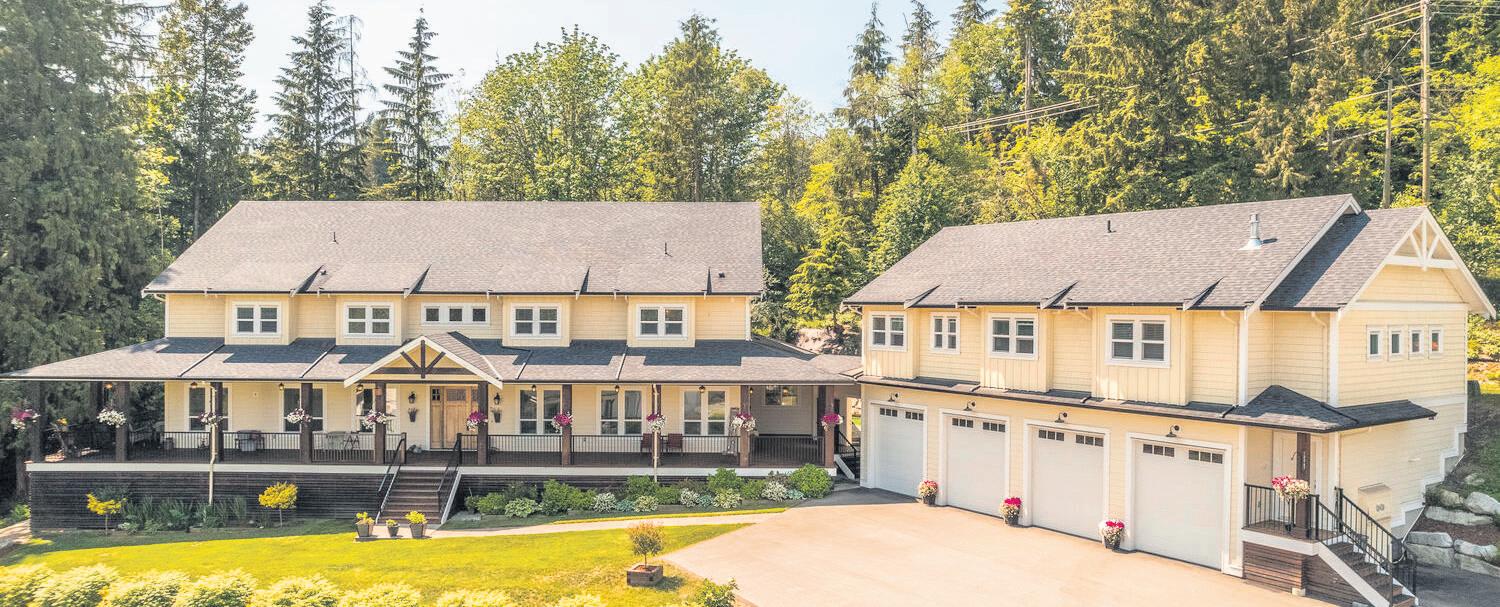
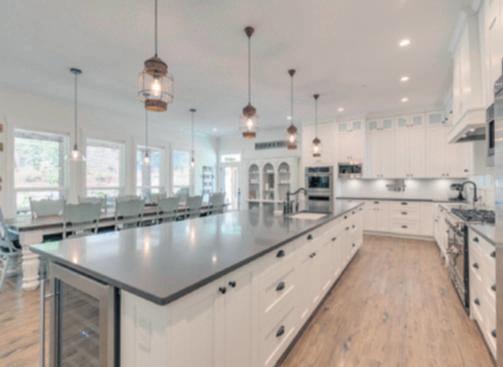
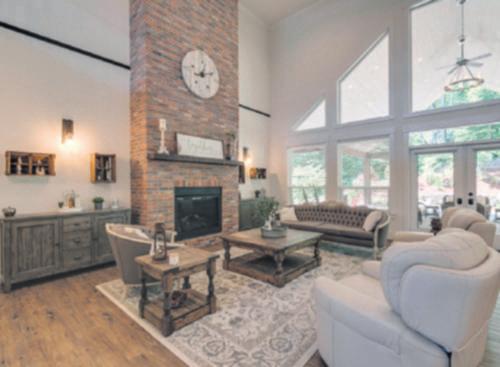
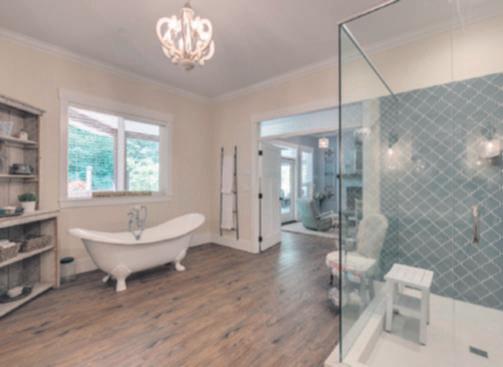
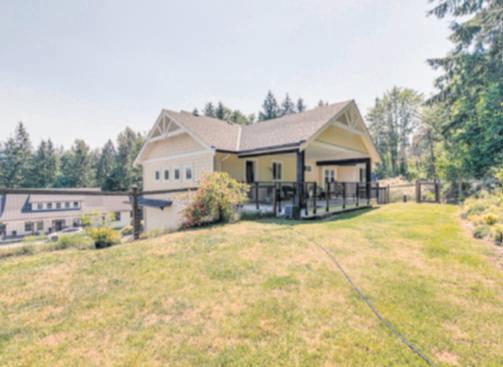
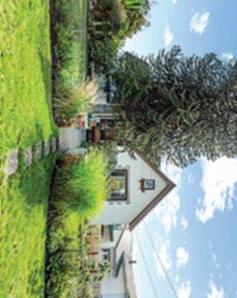
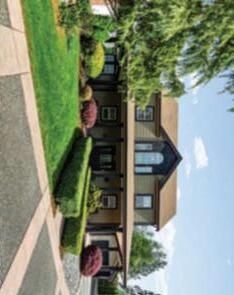
Opulence’!!!6,000+sqftofluxuryon2.12acres!!! Thisfrench countryhomehasitall!!!Spectacularkitchenwith16ftislandandtoo manyfeaturestolist.Beautifulprimarysuiteonmainfloor,hugewalk-in closet,andaspalikeretreatensuite.4morebedrooms+gamesroom upstairs.5’11”crawlspaceunderthe3,700sqftmainfloorforstorage. Mainfloorhas10ftceilingsplussoaringceilingsinthegreatroom.1700+ sqftofspaceforextendedfamilyoverthegarageoranidealspacefora home-basedbusinesswith4offices,alunchroomandlivingroom.4car garagewithhoistandbigworkshop.Theoutdoorlivingspace isacovered 1,800sqftwithhottubandanaturalgasconnectionforafirepit. Thishomehaseverything&more!!
Thisadvertisementisnotintendedtocauseorinducebreachofanexistingagencyagreement.
















Withyearsofrealestateserviceundermy belt,Icanassureyouthatyouareingood handswithme.Representinglocaland futurehomeowners,Iamcommittedto listeningtomyclients,focusingontheir needsandusingkeennegotiatingskills toensureasuccessfultransaction. Iwillbringawelcomedenergyand integritytoyournextrealestate adventure.Regardlessofwhetheryou arelookingforMissionBCHomesfor saleorHomesinAbbotsfordBCand surroundingareas,Iwillprovideyouwith aRE/MAXAward-Winningexperience thatfeatureshonest,informedandprofessionalcounselthatisdriven byYOURobjectives.
Myintimateknowledgeofthisregion,andmyexperiencesofhaving livedhereallofmylife,givemeanenthusiasmandadesiretomake myhome,yourhome.Ilookforwardtoworkingwithyou!


It’s withcountless hoursofhard workand perseverance,through theupsanddownsof the realestatemarket, that’s madeMindythe TOPREALTORofthe 4,000+Fraser Valley RealEstateBoard Realtors, Yearafter Year!

Whetherit’s Buying, Sellingorinvesting, letMindy’s 36+yearsofexperience workforyou!
MindyMcPherson TopProducers

Born andraisedinbeautifulBritish Columbia, I havebeen a proudmemberof thiscommunityformanyyears.Alongwith being a memberandvolunteerwithboth RotaryandtheStarfishBackpackProgram, mypassionalsolieswithBCChildren’s Hospital,knowingalltoowell,thestruggles facedwhenyourchildissickandneedsthe bestcare around.Whenlistingwithmeyou helpmegivebacktotheChildren’s Miracle Network.
I strivetoalwaysputmyclient’s needsfirst, understandingtoprioritizethemoverall elsewhilestayingcommittedtotheirwants andneeds.With a strongpassionfor real estate, I havealsoobtainedcertificatesin bothsellingluxurypropertiesandnewhome construction. I amproudtobe a memberofoneofthetoppremierlisting agenciesintheLowerMainland.

Ifyouwantsomeone real,someonewhowillworkforyou,someonewho willworktirelesslytoensure youfindand/orsellyourdreamhome -I am your realtor



JohnispassionateaboutRealEstate andisoneofthemostsuccessfulReal EstateagentsinAbbotsford.Helivesand breathesRealEstateandhispassion showsineverythinghedoes.Heprides himselfingivinggreatserviceandbeing assessabletoallhisclients,whileconstantly workingtoadvancehisclientsinterests. Professionalism,integrityandexperience arethecornerstonesofhisbusiness. HislongevityinRealEstateisatestimonyto thestrongrelationshipshehasbuiltwithhis clientsandfellowcolleagues. Themajorityofhisbusinesscomesfrom referralsfrompastclientsandthemany REALTORSfromacrossCanadawhorefer theirclientstohim. HedrawsonhisextensiveRealEstate expertisetoproperlyadvisehisclients whethertheyarebuyingorsellingRealEstate.
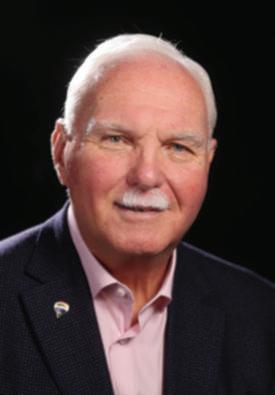
Johnisenergetic,thoroughanddedicated,alwaysworkingwithhisclients bestinterestsatheart.HehasanenviablereputationinthesaleofAbbotsford andFraserValleyproperties.

Ihavebeenlicensedsince1983 andserveAbbotsfordandthe surroundingarea.Withyearsof experienceandknowledgeofthe area,Iassureyouthatyouwillget theserviceyoudeserve.Ialways strivetoputmyclient’sinterests firstandunderstandtheirneeds. Iamcommittedtogivingbackto thecommunitywhereIliveand work,andIvolunteeredattheMSA museumboard,FraserValleyIndo CanadianBusinessAssociation, Abbotsfordpoliceboard, FraserValleyRealEstateBoard,AbbotsfordCommunity FoundationandMaplewoodCareSocietytonameafew.Given theopportunity,Iwilldoafinejob,andyouwillbepleasedwith theresults.
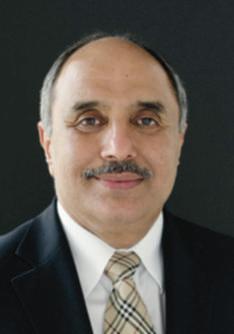
Iamlookingforwardtohearingfromyou.CallSukhSidhu 604-807-9070oremailsukh@shaw.ca

Asadedicatedrealestate professionalwithapassionfor helpingothers,Iamalwaysexcited tobeapartofthebuyingand sellingprocesswithmyclients. TogetherwithmywifeAlannaand sonSheldon,wearetheKlassen Team.Withover38yearsof experienceinsalesandmarketing, Ibringawealthofknowledgeand expertisetoeverytransaction.As aproudrecipientoftheRE/MAX HallOfFame,CircleofLegends, andLifetimeAchievementawards, Ihaveagenuinepassionfor realestateandpeople.Withafocusonmakingeachclient experienceseamlessandasstress-freeaspossible,our“It’s allaboutyou”mantraensureseverydetailishandledwithcare. Whetheryou’reafirsttimehomebuyer,lookingtoupgradeor downgrade,orconsideringaninvestmentproperty,myteamand Iwillguideyoutoensureyourinterestsareprotectedeverystep oftheway.














Asking$4,299,000




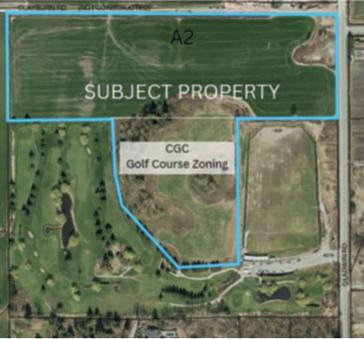
A veryuniqueopportunitytopurchase35acresofGladwinRd,closetotownanddevelopment. Thispropertyislandonly Approx11acresiszonedCGC(GolfCourseandusesrelatedtogolf courses,includingclubhouse,restaurant/pub,campground,assembly accessoryresidentialuse andseasonalproducestand.Alsothereisopportunityforfarmalcoholproductionfacility This approx.11acressitsontopof a hillwithincrediblepanoramicviewsincludingbeautifulsunsets. Thispropertyisnextto ValleyGolfCentrefeaturing 9 holesand a drivingrange.Thereareapprox. 24acresofflatfertilelandzonedA-2.Don’t missthisgreatopportunity BRINGYOUROFFERS 4387GladwinRd CheckouttheVideo!!


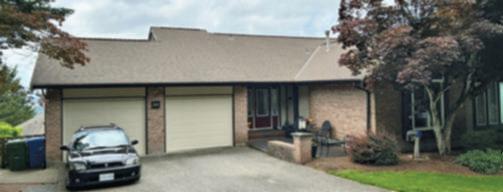
Asking$1,649,000
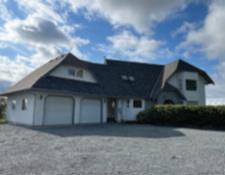
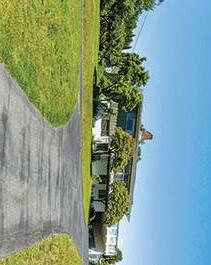
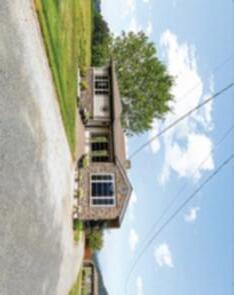
Pictureyourselfwakinguptostunningpanoramicviewswithout theburdenofstairsorasteepdriveway.Whileeverythingyou needisonthemainfloor,thereissomuchmoretothishome.This GlennMountainbeautyincludestwocharmingsuiteswiththeir ownlaundry,deckspace,andprivateentrancesareperfectfor generatingextraincomeorhostingguests.Withupgradedpower andgassupply,heatedfloors,thishomecanhandleitall.Thisworryfreehomehasbeenmeticulouslykeptupoverthelastdecade 2641Zurich Dr






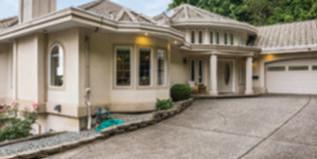
Asking$1,699,000
Rareopportunitytoown.95acresthatisnotintheALR.Thisisa3bdrm/1bathhome.This isaverysoughtafterlocationwithgreatpotential.

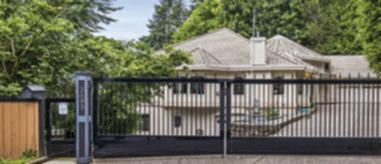
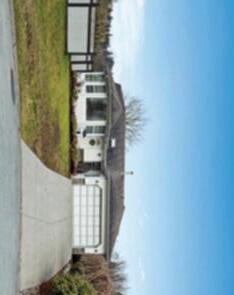
Oneofthebest180degunobstructedviewsonGlenMtn!Thisincredible‘Gated’ homeoffersRancherstylelivingonthemainwhilestillofferingmultifamily opportunitieswithtwolevelsbelow.Tonsofparking. A beautifullarge foyerinvitesyouintothisbeautifulhomewithhighcofferedceilings.Enjoy viewsfrommostroomsinthis 6 bdrmsand 4 bathrooms.Lowmaintenance landscapingfortoday’s busyschedules.“INCREDIBLE VALUE!!” 2693LocarnoCourt
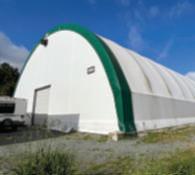
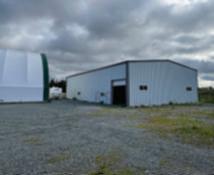
Don’tmissthisuniqueopportunitytopurchasethisbeautiful viewpropertyinMt.Lehman.Thispropertyoffersanice 4250sqft2storey/bsmthomewithasuite.Alarge80’x168’ Quonsetformultipleuses,anewer60’x110’insulatedsteel building.Loadsofparking.Therearenocreeksonthis property.Plusa28’x30’workshopandtwogreenhouses.Call formoreinformation. 5570RossRd




$2,400,000
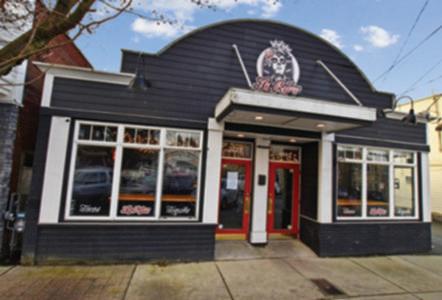

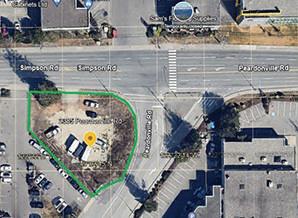
Abbotsford’sOfficialCommunityPlan(OCP)designatesthis12,788SqFtlotwith aLightIndustrial-I2Zoning.CityshouldhavethenewZoningapprovedbymonth end.Locatedonthebusycornerof PeardonvilleandSimpsonRoad,In West AbbotsfordAirportDistrictthisCommercial/Industriallandshavegrea visibility fromthe road fo al yourfutureBusinessneeds.Lands willallow you tobuild anOfficeandorWarehousewithsizingupto4810or6258SqFton2Levels(See attachedDrawingsfromtheArchitect)dependingontheSizingyourBusiness needsrequire.WouldworkwellforbothTruckandCarMechanicsshoportryaTire, Radiator,Autobody,Auto-glass,RVRepairsoranyotherAutomotiveuses.Needa CarRentalspotneartheAirport,aRestorationshop,aRestaurant,awoodworking shop......astherearesomanyusesinthisI-2Zoning,sodon’tbeafraidtoask, ifyourusefitsandcomeonoutandtalktous,aboutbuildingyourunique,future Businessmodel.(SeeattachedI2ZoningUses) VACANTINDUSTRIALLOT!!


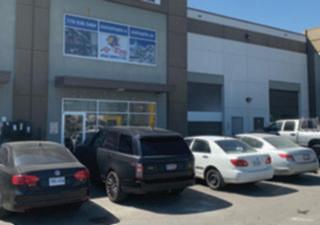

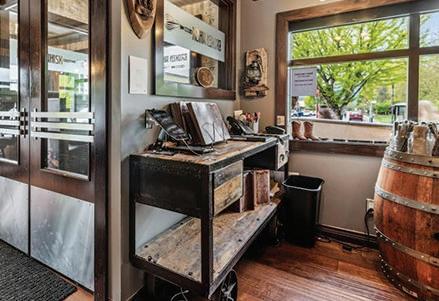

ThisWarehouseunitisapproximately3500sqft,madeup mostlyofwarehousespaceonthemainfloor,withasmall receptionandfrontdeskforpayingcustomers&more officespaceupstairs.IdealunitRepairShopsforBoator RVrepairs,Radiatorshops,FoodProcessing&andother servicinguses.ZonedI-2......sothisunitisidealforsome AutomotiveusesandormanufacturingCabinets,Doors,



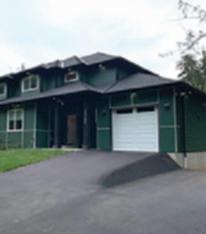


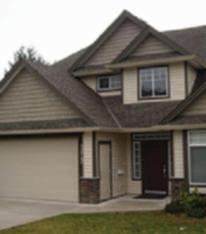


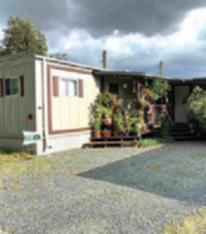


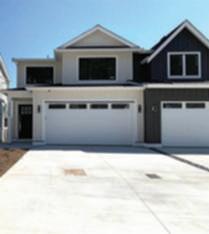


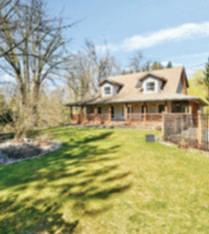


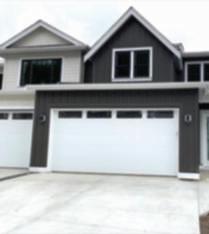


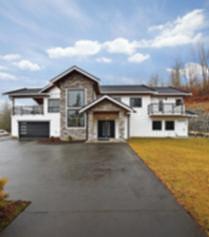


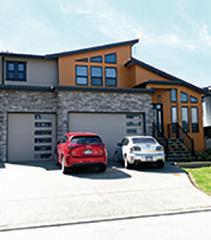

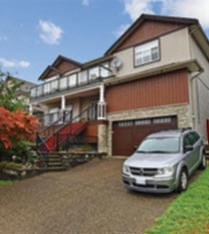


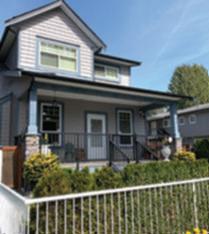





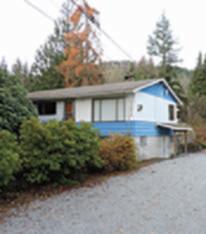


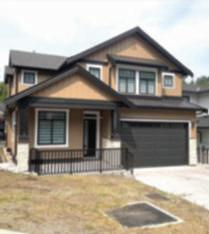


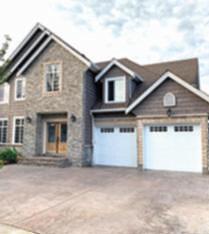


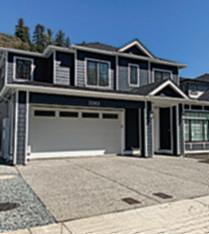



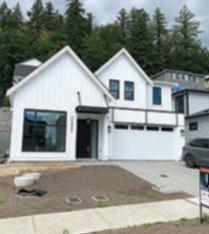


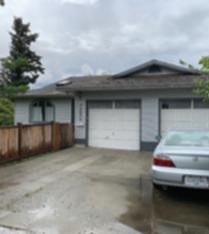


**TheBenefitsofBuying** AnExistingHomeVS.ANewBuild
*Joinanestablishedneighborhood*Havebrandeverything,Neverused
*Choosefromawidervarietyofhouses*Energyefficientoptionstosavemoney
*Appreciatethelivedincharm*Minimizetheneedsforrepairs,homewarranty Thesearejustafewusefultipsdependingonyoursearchcriteria. HaveQuestions,Giveusacall.We’reheretohelp...IT’SALLABOUTYOU!



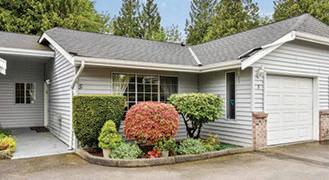

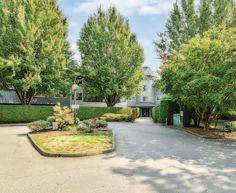
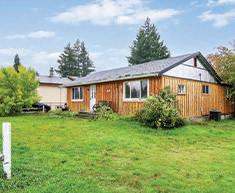






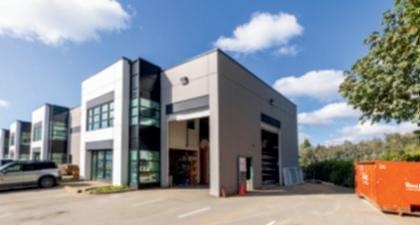



locationontheChilliwackside!



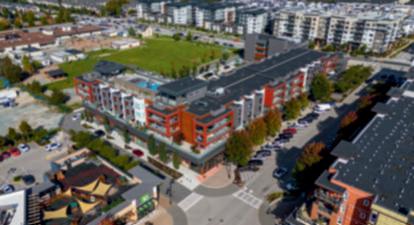
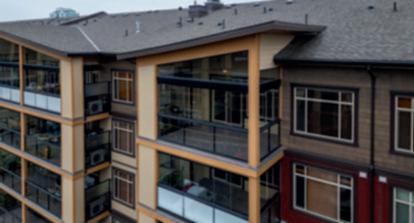
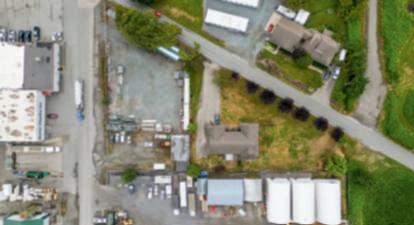



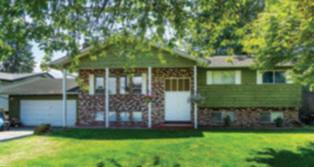
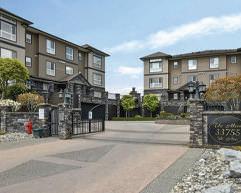
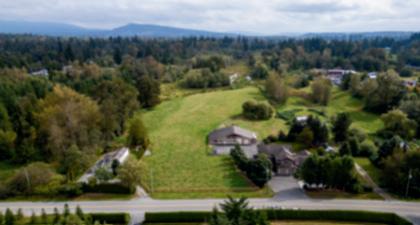
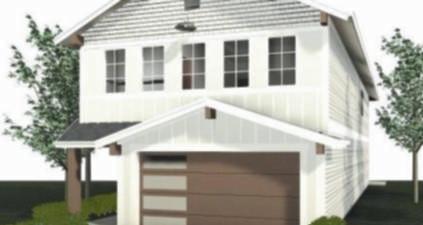
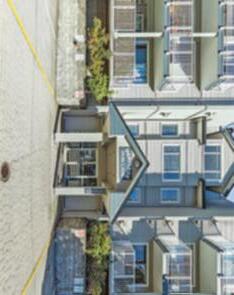
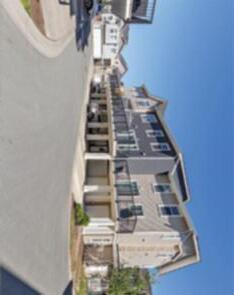
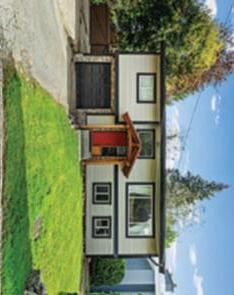
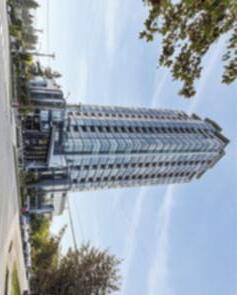
TheResidencesatWilloughbyTownCentre-Amixed useresidential/retailcommunityintheheartof Willoughby!Thisgorgeous2bed,2bath+Dencondo isover1,100sq/ft,plusaMASSIVEcoveredpatio overlookingaschoolandunobstructedVIEWSofthe mountains. GreatOpportunitytoPurchase1.24acresof primeindustriallandinChilliwack.Just minutesfromHighway1,and26minutesto theSumasbordercrossing. 44414SIMPSONROAD,CHILLIWACK FORSALE/LEASE! COUNTRYCHARM,CITYCONVENIENCE.Embrace

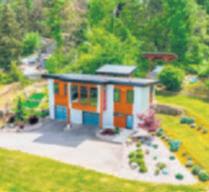
Call Taylor 604-556-4844
MLS# R2931411
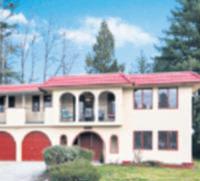
CallMindy604-826-1000
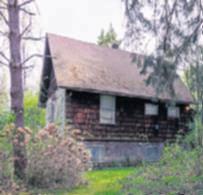
CallMindy604-826-1000
MLS# R2880242
CallMindy604-826-1000
MLS# R2842607
CallMindy604-826-1000
3bdrms,2baths,updatedkitchen&a bright,open-conceptlivarea,perfectfor anyonelookingforapeacefulmountainsideretreat.Inbsmntfindagym/den, laundry&a30’x23’doublecargarage, EV-ready!Enjoythesalt-waterhottub orbythefirepit.Energy-efficienthome comeswithawhole-housebackup generator.Locatedlessthan10min fromschools,parks,orshopping.
Only $1,695,000
Homefeaturesnewerroof,windows,& h/wtank,lifetimevinylplankflooring. Extrepainted.2,463sq.ft.livingspace, bsemnt-entryincludes1-bdrmsuite -fornanny,in-law.On16,297sq.ft. lot.Amenitiessuchas200AMPelect service&built-invacuum.3bdrms, 2baths,kitchen/familyroom,&two wood-burningf/p.Convenientlycloseto schools,shopping,andthehospital.
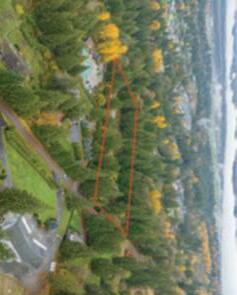
Closetotown,13.73acresof privacywithlotsofbigtrees (timbervalue).Creekatthevery back(KanakaCreek).Lotsof naturewithwildlifeandbirds, rightinyourbackyard.Super spotforanESTATEHOME!!! Hurryonthisone!!!
Only $2,195,000
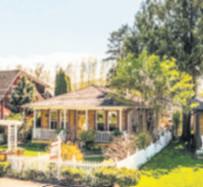
Idealforfirst-timebuyers!This charminghomeisnotonlysolid,but incrediblyadorable.Theyardislevel& fenced,complementedbyaconvenient drivewayandasingledetachedgarage. 2bdrmsonupperlevel&1onlower level,2baths(oneoneachfloor),this residenceoffersaperfectbalanceof space. Discoverthegreatvalueinthis property!
Only $849,000
3-bdrm,3-bath&2,240sq.ft.ofspace w/walkoutbsemnt&additional500sq. ft.concretebunker!Mainlevelboasts vaultedceilings,downstairsfeatures 9’5”ceilings.Updates;kitchw/quartz ctops,gasf/p,furnace,hotwatertank, roof,paint,trim,flooring,appliances, fixtures,toilets,andmore.Thebright andspaciousprimarysuiteisconvenientlylocatedonmainfloor.
995,000 Introducing The Uplands!
Only
R2937563

CallMindy604-826-1000 MLS# R2905264
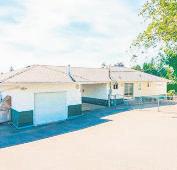
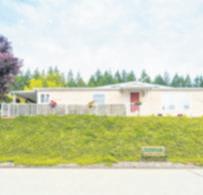
Rancherstylehomewithaspacious basementonalargelot!Property features2bdrmsonthemainlevel&2 inbasement,&3fullbaths.Enjoythe convenienceof2kitchens&2laundry areas.Thehomeboastsvinylwindows &issituatedinaprimecentrallocation, justashortwalkfromboththeamazing HeritagePark&theMissionLeisure Centre!



CallMindy604-826-1000
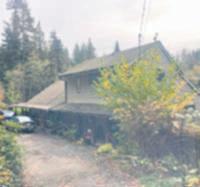
Private acreage Privateacreage towards the end of towardstheendof Mirracle Vallley MirracleVallley

CallMindy604-826-1000
CallMindy604-826-1000
CallMindy604-826-1000
MLS# R2872805

CallMindy604-826-1000 MLS# R2931877
CallMindy604-826-1000
Characterfreeholdbuildinghasbeen thehomeofthe“FraserValleyRecord”, alsoknownasthe“MissionRecord”, &offersexceptionalvisibility& benefitsfromfoottraffic.ZonedDT1,a commercialmixed-usespacecurrently anofficebutideallysuitedforretail, fantasticstorefrontexposure.2,541sq. ft.ofversatilespace,readyforyouto moveinasaturn-keyofficeorperfect retailsetting.
Board&battenexterior,concrete foundation,doublecargarage&area behindthehomethatwouldbewell suitedforayardoraplacetobuildnew. Interiorhasbeenmostlyguttedwith 2bdrms,fullbath&laundryonmain, pluskitchen&familyroom.Bsmnthas 37’x24’flexspaceperfecttoaddasuite oradditionalbedrooms.Locatednext doortoCascadeFallsRegionalPark.
HomeinEaglePointEstatesawaits!!! Vaultedceilw/f/pingreatrm.Formal diningw/wetbar.Primarysuiteonmain w/heatedtileflrs.2additionalbdrms onupperflrw/walk-inclosets.9,900 sqftfullyfencedlot.High-endcustom finishing,h/woodflrs,customcabs. Enjoytheconvenienceofbeingclose toHarrisonLakeandSandpiperGolf Course. Don’twaitonthisone!!!
2-storeyhome,located10minfrom town.Includesunfinishedbsemnt&a largeadditionfeaturingrecreationrm withgasf/p.Doublegarageunderthe addition.Vaultedceilingsinlivrmwith lotsofnaturallight.Sundecktakesin privacy&lushgreenery.3bdrms&2 baths,homeisdesignedforcomfort and pricedtosell,makingitanincredibleopportunitytoownacreage.
Greatopportunitytocompletethis subdivision&gain2duplexlotswith thecapabilitytoaddasuitetoeach unit.GrandfatheredintotheoldDCC feesaddingsomesavings,wholehouse isrentedfor$3650/monthtillMarch, 2025.Withviewslookingsouthtowards Mt.Baker,centrallylocatedwithin minutesofdowntown,shopping&quick accesstoallmajorhighways.
Diningareatransitionsintoastunning kitchen.Quartzcounters,farmhouse cabinets,importedtile,prepsinkwithin theeatingisland.Eatingnookoverlooks backyard.2+bdrms,aden,&2baths, radiantin-floorheating.Abundant windowswithnaturallight.Inbackisa studio/cottage,measuring19x11,with power&water!LaneAccess!
InWestMission’sSilverdale!! 6.27acrepropertyzonedforsingle-family homes(5UPA)&townhouses(20 UPA).Includesmobilehomethat,with theadditionofawell&septicsystem, couldberentedout—offeringincome potentialwhileawaitingdevelopment. Sitecouldyieldapp28townhomes& 12single-familyhomes,makingita valuableholdingastheareadevelops!!
55+community,accesstoMorrell NatureSanctuary&CollieryDam Park.Efficientheatpumpsystem& backupgasfurnace.Bothbdrmshave brand-newensuitebaths.Coveredrear patio.RVparkingisavailable,&homeis illuminatedbyenergy-efficientLEDlighting.Smallpetswelcomed,addingtothe delightofthisimpeccabledwelling.





Welcometothequietfamilyfriendly BlackBearEstates! 4 bedroomand 2 bathroomtownhomewithlarge country kitchenandlivingroomwith gasfireplace.Sundeckandprivate backyard.Ideallocation,closeto shopping, WestCoastExpressand amenities.Lowstratafees,petsallowed withrestrictions,rentalsallowed.
CallMindy604-826-1000
CallMindy604-826-1000
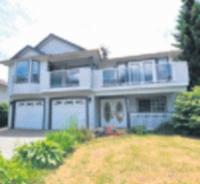
2,500sq.ft.3-bdrm+denfeatures additional2-bdrmsuite,idealforinlaws.Suiteisaboveground—nostairs! Separatefamily&livrmsonmain, gasf/p,&2decksatthefront&back. South-facing,fencedbackyardoffers privacy.Largegarage&oversizeddrivewayprovideparkingspace,including roomforanRV.Convenientlylocated nearschools,transit,andshopping.
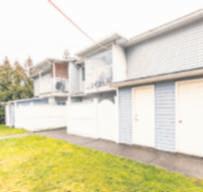
SituatedinLangleyCity,boastingconvenientaccessfrombothalaneanda tranquilno-thruroad!Centrallylocated, closetoshoppingandrecreation! Thispropertyfeaturesamixofone 2-bedroomandthree3-bedroomsuites, allcurrentlyfullyoccupied.The4PLEX comeswithsharedlaundryfacilities, andeachunitenjoystheconvenienceof dedicatedparkingstalls. CallMindy604-826-1000

CallMindy604-826-1000
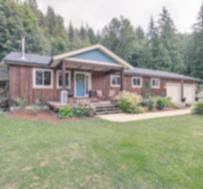
Custom-built3bdrmrancher,features timelesscedarsiding.Greatrmboasts vaultedceilings&numerouswindows. Kitchenequippedwithislandbreakfast counter&maplecabs,easy-carelam flrsthru-out.Furnace,kitchenrange,& gasf/placearepropane-fueled.Ensuite bathofferssoakertub,mainbathfeaturessteamshower.Outsidehasshed, fencedgardenarea&playgroundarea!
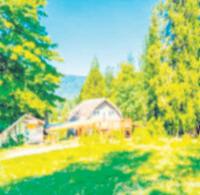
Energy-efficienthomew/geothermal heat&cool,backuppowersystem,& 200ampstohouse&shops.Wood stove&woodshed!Kitchen’shada makeoverwithanisland,countertops, andsomeupdatedcabinets.4bdrms,2 fullbaths,classicfirflrs.Sepentrance topartlyfinishedbsmnt.Covereddeck w/pizzaoven.Shed,workshop.
$1,290,000 Discover this brand Discoverthisbrand new two-storey home in newtwo-storeyhomein River Reach Estates! RiverReachEstates!
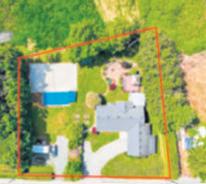
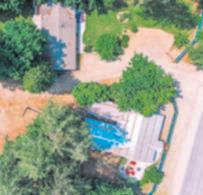
Mainflrfeaturesopen-conceptkitchen w/island,connectingtogreatrm& dinareas.Mediarmw/patioaccess& wetbar,additionalbdrm&fullbath.3 bdrmsup,eachwithW/Icloset.Loft &extrarmabovegarage.Thoughtfully designedandideallylocated,homeis justashortdrivefromHarrisonHot Springs,SasquatchMountainResort, andwithinwalkingdistanceofthe SandpiperGolfCourse.
4beds& 3.5bathsw/heatedfloors. Updatedinteriorwithatraditional layout.Kitchfeatureseatingbar.Livrm withshiplapceiling&largewindows. Interioroffersabsmntsuitewith potentialforastudio&extrastorage. Outside,backyardisaprivateoasis withlandscaping,covereddeck/patio area,&spaceforoutdooractivities. Toomuchtolist!
Renovated1,400sqftrancher, additional2,000sqftbuilding.Atback ofthispropertyisacabin.Zonedfor NeighbourhoodCommercialuse,potentialusesincludinganRVcampground, restaurant/bar,retailspace,healthspa retreat,orevenamulti-familyresidence. Homefeatureshigh-endappliances. 30’x20’workshopprovidesforallthe projectsorstorage. Propertyisturnkey!



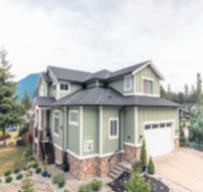
CallMindy604-826-1000
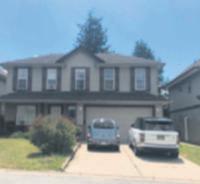
Cornerlot,in-groundsprinklers.Primary bdrmonmainw/6pceensuite.3bdrms upwith2fullbaths.Kitchenw/quartz c/tops,waterfallisland,undermount kitchenlighting,built-indesk&wine storage.2storeyfamilyrmw/rockf/ place.H/woodflooring,high-endlight fixtures,built-incabsinlaundryrm. MinutestoSandpiperGolfCourse, HarrisonLake&SasquatchMntResort.
Basemententryhome!ClosetoCherry Hill&AlbertMcMahonElemSchools. Open-conceptlayout,adjoiningfamily rm,&eatingarea.Primarybdrmhas 4-pceensuite&walk-incloset,mainflr includes2additionalbdrms+denfor mainflruse.Finished1-bdrm,1-bath in-lawsuitewithentrance&shared laundry.Fullyfencedbackyardisperfect foroutdooractivities!Greatvaluehere! CallMindy604-826-1000

Mainflrfeaturesopen-conceptkitchen w/island,connectingtogreatrm& dinareas.Mediarmw/patioaccess& wetbar,additionalbdrm&fullbath.3 bdrmsup,eachwithW/Icloset.Loft &extrarmabovegarage.Thoughtfully designedandideallylocated,homeis justashortdrivefromHarrisonHot Springs,SasquatchMountainResort, andwithinwalkingdistanceofthe SandpiperGolfCourse. CallMindy604-826-1000
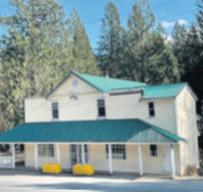
Zonedcommercial,lastusedasHotties Restaurant.Hightrafficareainthefast growingareaofStaveFallswithmany campers,ATV’ersandlotsofboating &hikingatRolleyLake,StaveLake& manymorelakesinthearea+riding trails.Solidoldbuildingwhichcanhave manyuses.10minutestoMapleRidge orMission!Live&work!
$1,995,000
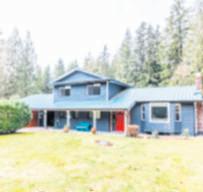
3bdrms,with2woodf/p&a windowseat.Largewindows, picturesqueviewsofthesurrounding naturalbeauty.Updates:including newflooring,modernizedkitchen,& freshpaint.Additionally,anoutdoor officeorgymawaits,conveniently attachedbyabreezeway,adding versatilitytothisidyllicproperty.
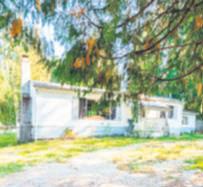
Discoverthis8.69-acregemtucked awayattheendofStaveLakeRd. Perfectforsomeonelookingfor seclusion&privacyonly15minfrom Mission.Oldtimerhouse&shopson propertyattheendoflife,couldbefixer upperforahandymanortearitdown& startfresh.Zonedagriculturalalongwith surroundingproperties,privacywillbe preservedforyearstocome. Call Taylor 604-556-4844
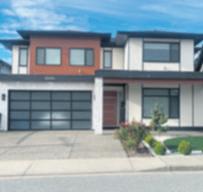
2-storeyhomew/basement. Main opensuptoa40’x10’covered,deck, designerkitchen&a2-storeygreat roomw/flr-to-ceilingf/p&windows withnaturallight.Upstairs,primary suitehas5-pcensuite&aW/Icloset, accompaniedby3additionalbdrms& 2morefullbthrms.Finishedbsmthas recroomand2-piecebthrmforupstairs.
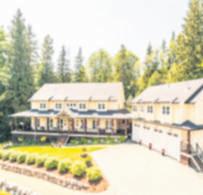
Kitchenw/BIcoffeemaker,LaCornufe stove,16’island.Primarysuiteon main,walk-incloset,spalikeensuite. 4morebdrms+gamesrmup.5’11” crawlspaceunder3,700sqftmain flrforstorage.Mainhas10’ceilings. Roomforin-laws,4bdrmcarriage homeover4cargaragew/hoist& workshop.Covered1,800sqftoasis withahottub.

CallMindy604-826-1000 MLS#R2925685 Only $225,000 Waterfront Recreational
CallMindy604-826-1000
CallMindy604-826-1000
ing,waterskiing,&fishing.Gatedwith parks,playground,clubhouse,private boatlaunch!!Idealplacetospendyour weekends&summers!! Pricedtosell!! 1hourfromVancouver.
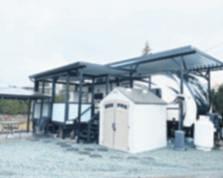
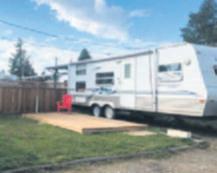
1hrdrivefromVancouver.Includedis newerRVw/islandkitchen,f/place,3 pcebath.Completew/shed,2parking spots+visitorparking,sundeckto entertain,&waterfrontpeninsula.Steps awayfromlake,boating,waterskiing, fishing.Gatedw/parks,playground, clubhouse,privateboatlaunch!
Experience theultimategetaway at EvergladesResort onthetranqui shoresofHatzicLake!Includes a 27footSpringKing RV&a fencefor added privacy.Packyour bags andembark onanadventurelike noother Delight inwaterskiingexcursions& leisurely fishing,creatingcherishedmemories amidsttheserenebeautyofthelake.
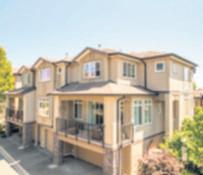
3storeytownhome,3bdrms,3 baths!!!Tandemgarage,enclosed sundeck.9’ceilings,granite countertops,s/sappliances.Primary suitew/walk-incloset&spa-like ensuite.Walktoschools,shopping, restaurants,transit&WestCoast Express.Lowmonthlystratafee $341/m. Pricedtosell!!! CallMindy604-826-1000
9.69 acres 9.69acres hideaway!!!
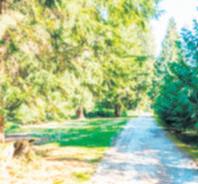
Call Taylor 604-556-4844
MLS#R2819617
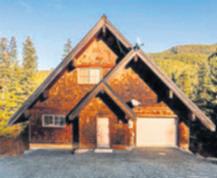
Call Taylor 604-556-4844 MLS#R2892268
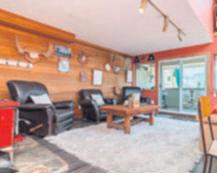
3beds,2.5baths&sleepingfor 10+!Mainflroffersopenconcept plushugedeckforentertaining. Aboveistheprimarybdrmw/walk-in closet&ensuite.Bsmntperfect forkids&guestsw/2bdrms,rec/ familyrmw/f/place,hugeflexspace withpooltable,foosball&2bunks, laundry&storage.
Endunit townhomew/7levels + loft, 4 bdrms, 2 bath.Many upgradesthroughthe years include S/Sappl,new flooring, freshpaint, renovatedbaths & upgradedtrim, unitistrulymove-in ready! Never rented& oneofthebest locations at Hemlock/SasquatchMtn Resort
Sasquatch Mountain!!! SasquatchMountain!!!
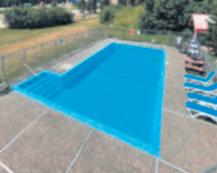
kitch&livarea,1bdrm,1fullbath onmain.Hugeloft/familyrmsleeps 4-6.Bachelorsuitew/1fullbath, sleepingloft&kitchenette;lock-off &rentwhilestayinginmainsuiteor viceversa! Amenities; outdoorpool (summer),spa&sauna(yearround), adults&kidslounge. Mustsee!!!
1bed1bathcondosoldfully furnished&wellequipped.In‘A’ building,quietside&facingeast, viewsofMountKlaudt.Accesshot tub,sauna,owners&kidslounges& outdoorpool!1undergroundparking stall&storagelocker,sharedlaundry nearby.BuildingisFullyRentable shortorlong-term.Comeexplorethe possibilities!!!
preserve.Endlessfreshwater& arun-of-the-riverpowerbuilding. 5-mindrivetoSandpiperResort& HarrisonRiv,30mintoSasquatch Mntn,20mintoMission&just1 hour15minstoVancouver.
CallMindy604-826-1000
Gatedcommunity&wonderful neighbourhood!Geothermalheat& A/Cgreatlyreducingmonthlyheating cost!GORGEOUS2storeyw/finished basement!Beautifulfinishing!Maple floors!Crownmouldingthru-out! Masterhas3closets;2walk-ins!6 pceensuite!BONUS:Workshop;& with220wiring!!Closetoschools, parks,shoppingand transportation!
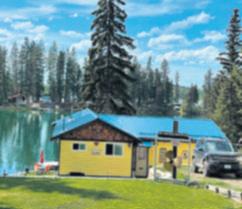
Nicelocationinquietbay& onno-throughrd.Cottage featuresover1000sqft, openkitchen,dining&living rm&storagerminbsmnt. Outbuildingsincludestorage shed&23’x14’wired& heatedshop. Excellentfishing.
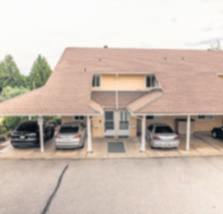
Spaciousuppertownhouse(over 1,000sqft).2bdrms&covered parking,nearMissionMemorial Hospital,downtown,shopping centers,&leisurecenter.Access tothehi-way,55+transit-friendly, amenities;clubhouse,exerciserm, &storage.Lowstratafees,36-unit complex. Affordableandinviting.
Agriculturallyzonedproperty,main houseis3bdrms,2fullbaths rancher,secondarydwellingis 3bdrm,1fullbath.Also800ft.2 shop,beautifulyard,forestedat back,mountainviews&longprivate driveway.Thoughyou’rejusta15mindrivefromMission,itfeelslike yourveryownwoodedsanctuary!
$1,599,900
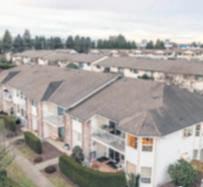
Welcome to Welcometo “TRAFALGAR PARK” “TRAFALGARPARK”
Residenceboastsproximitytomajor shoppingcentresandvariousamenities. Well-maintained2nd-floorcorner suitefeatures2bdrms&2fullbaths. Includesin-suitelaundry,front&back balconies,smallofficeorden,&private entrance.Agerestrictionof55+years, thistranquilabodeensuresaserene livingenvironment,whererentals&pets arenotallowed.
CallMindy604-826-1000
MLS#R2842592
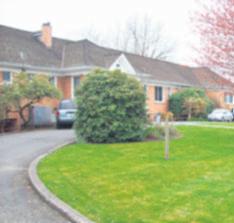
Only $495,000
Officespacesgreatforaccounting,lawyer,smallbusinesses. Big&smallspacesincludes heat,light,commonwashroom &kitchenarea. GreatCentral MissionLocation!!!
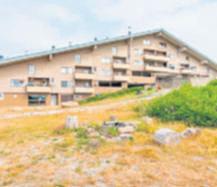
Sasquatch Mountain!!! Call Taylor 604-556-4844
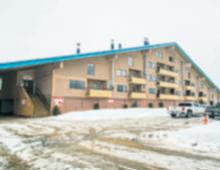
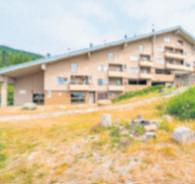
Beautifullyupdated1bdrm,1bath +loft!!!Unitswithloftarerarein thiscomplex,sleepingspacefor6 people.Kitchenwithfullsizestove, dishwaser,S/Scountertop,eating bar&built-inwinefridge!Livrm withwoodf/p&deck!Buildingalso offersanindoorspa,ownerslounge, sharedlaundryandoutdoorpoolfor summertimeuse!
1bed1bathcondosoldfully furnished&wellequipped.In‘B’ building,quietside&facingeast, viewsofMountKlaudt.Accesshot tub,sauna,owners&kidslounges& outdoorpool!1undergroundparking stall&storagelocker,sharedlaundry nearby.BuildingisFullyRentable shortorlong-term.Comeexplorethe possibilities!!!
1-bdrm,1-bathcondo,readyfor yourcreativetouch.Comesequipped withstove,microwave,chestfreezer, dishwasher&woodf/p.Unitincludes anundergroundparkingstallwitha firewoodstoragecage,storagelocker,& accesstogreatamenities,theowner’s lounge,hottub,sauna,&outdoorpool forsummer. Bestofall,it’sjuststeps fromthemountain! Call Taylor 604-556-4844
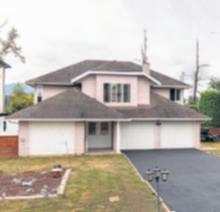
Familyhome,3bdrmsonmainfloor, +additionalbdrminbsment.Liv rmw/gasf/p,&dinarea.Oakkitch &island.Privatefencedyard.The propertyincludesRVparking.Situatedinahighlysought-afterarea,and aminutewalktoHatzicLake,this homeoffersafantasticopportunity foryoutomakeyourmovetoday. Finishedbsmentfloorhaspotential toaccommodateabasementsuite. CallMindy604-826-1000

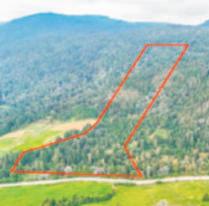
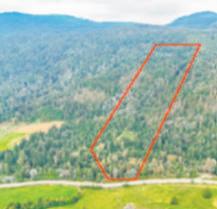
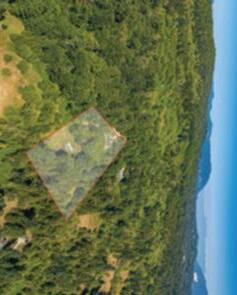
Propertyfeatures2-3acresofusable space.Accessedthrutheneighbouringproperty,whichisalsoonthe market,offeringadditionaloptionsfor developmentorinvestment.Whether youwanttobuildyourdreamhome, orasecludedretreat,thisproperty presentendlesspossibilities. Don’t missoutonthisrareopportunityto ownasliceofnature!
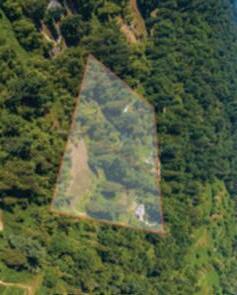
30-acreproperty,multiplebuild sites.Ultimateprivacysurrounded byforest&backingontocrownland. Includesacreekthatflowsthrough. With30acresofrawlandavailable adjacenttothisproperty(60acres combined),thepossibilitiesfor expansionanddevelopmentare endless. Don’tmissoutonthis exceptionalopportunity!

ilydwelling.Walkoutbackdoortothevillagetrailthatwillhave youtotheskihillinabout5mins,snowshoeing,cross-country. Call Taylor 604-556-4844 / MLS#R2875958
for!Primarilyflat&agreatexampleofwhatcouldbebuiltnextdoorthe optionsareendless.Ifyou’relookingforinsanelycloseproximitytothe Mountainthenthisisit!


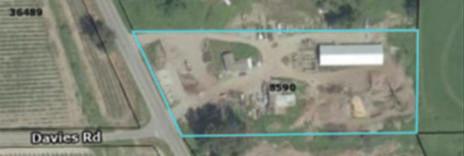

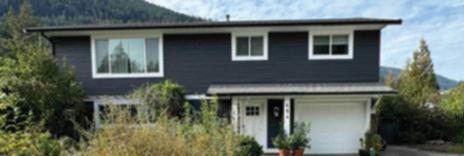


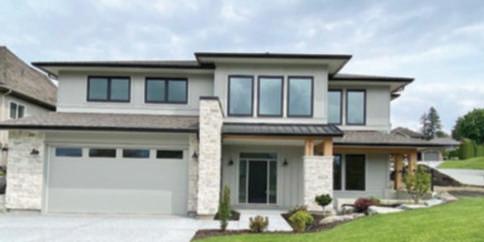
isthe customkitchen,featuringahugeisland,amplecabinets,pantry,and spaceforabeveragefridge.Equippedwithaspaceforalargestove,the kitchenflowsseamlesslyontothecoveredpatio—perfectforentertainingand
distancetoalllevelsofschools,aswellasscenicwalkingtrails.Enjoythe perfectbalanceofconvenienceandelegance.
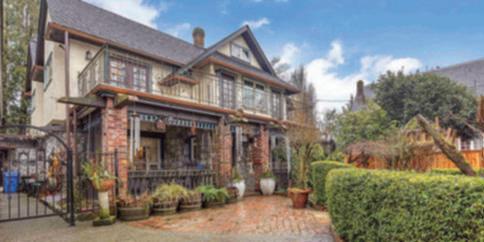
Nestledinpeaceful ClayburnVillage, thisstunninghomefeatures5bedrooms and4bathrooms,perfectforagrowingfamilyorhostingguests.Ifyou’re lookingforahomewithtonsofcharmthisistheone.Theextradetailto finishingisevidentallthroughout.Upperfloorhasalargesundeckoverlooking beautifullylandscapedgrounds,orrelaxinyourbackyardprivatecourtyard. Theupdatedkitchenwithasolariumisidealforculinaryenthusiasts.Situated inonaquiet9,000sq.ft.lot,thispropertyofferstranquilityandcharminequal measure.Plus,thereisanattic!!lotsofextraspace.Newerdoubledetached garagewithloftandaworkshopinback.Thisisonenottomiss.

$1,289,000 R2939566
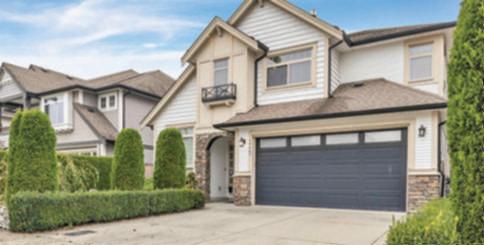
Gorgeousbasemententryfamilyhomewithtonsofcharacterin East AbbotsfordtheQuarry. ThishomeisFullyaboveground,givingyoua bright 2-bedroombasementsuite,withitsownlaundry.MainfloorhasaLargeGreat roomwithafeaturefireplacewall,vaultedceiling&MtBakerview.Brightwhite kitchencomeswithanisland&pantry.Kitchenopenstoacoveredpatiogreat forBBQingintherain.Patiooverlooksamanicuredfencedyardwithagazebo toenjoy.Plus,ashedtohideallyourlawntoys.Kitchenhasalargeeating areareadytoentertainacrowd.Primarybedroomis16’x14’,theensuitehas doublesinks,soakertub&adoubleshower.2morebedroomsup.Denbyfront entranceisagreatofficeor4thbedroomforupstairsuse.Mainlaundryroomis 8’10x6’11.HugeBright2-bedroomsuitewith9ftceilings.LOCATION:walkto alllevelsofschools,shoppingmall,restaurants,gymandeasyfreewayaccess.









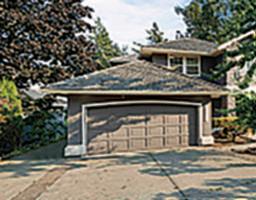



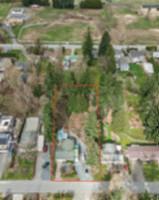

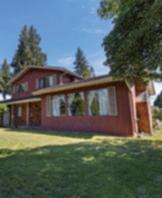
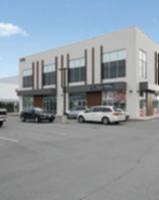
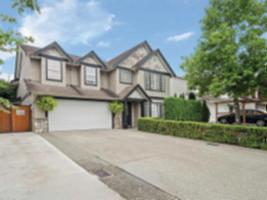



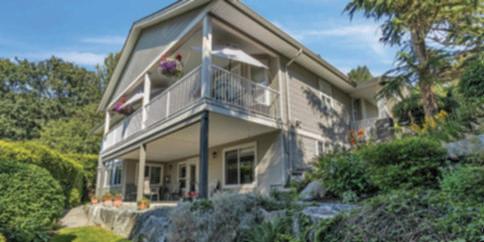
Custom-built RANCHERwithWALKOUTBASEMENT, nestledonaprivate street,offeringbreathtakingviewsoftheValley,Mountains,andsunsets. Fantasticfloorplanalmost1800sqftoneachfloor.4+bedroomsand2 bathrooms.Thelarge,brightkitchenfeaturesanisland,pantry&ahuge coveredsundeck,thewholewidthofthehouse.Perfectforanoutdoorfamily Rmandalargediningroom.Lotsofqualityinthebeautifulrancherona13,000 sqftlot.Enjoyprofessionallylandscapedgroundswithprivatesittingareas andampleparking.Experienceluxuryandtranquilityinthisstunningeast Abbotsfordhome.





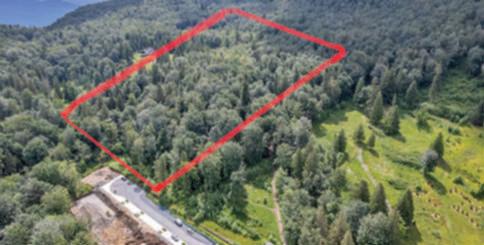
Immerseyourselfinnature’sbeautyonthis 15+acrewoodedretreat withthe soundofrustlingtrees,waterfromaflowingcreek,yourownwalkingtrails. Imaginebuildingyourdreamhomeonatranquilescapefromthehustle& bustleofeverydaylife.Yourownpeacefuloasis!LocatedinAbbotsford’smost sought-afterarea,one-of-a-kindpropertyoffersstunningviewsofLedgeview GolfCourse&mountains.Fantasticplacetoraiseyourkidsonasliceof heaven.Justpicturetheforts,biketrailsyoucanmake?Privacy,natureall aroundyou,yetyou’restillclosetoschools,shopping&accesstoHwy#1. LedgeviewGolfCourseacrossthestreet.Whetheryou’relookingforaprivate retreatorconsideringDEVELOPMENT,thispropertyoffersendlesspossibilities, 36CUSTOMHOMESOpportunity
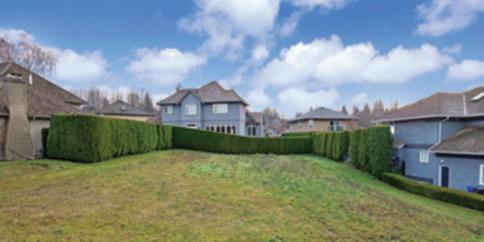
PRIMEBUILDINGLOTAVAILABLE!!
bedroomsupandafullbasement.Fantasticlottobuildon.Creekstoneon thePark!Anexclusivesubdivisionofbeautifulexecutivehomeslocatedin anestablishedsought-aftersubdivisioninEastAbbotsford.Onlyacouplelots lefttobuildyourforeverhome.Thislotistuckedawayonaquitestreetwith
qualitycustomhomestandardsforbuilding.Greatlottobuildyourdreamhome.
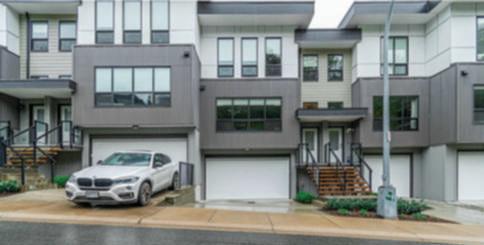
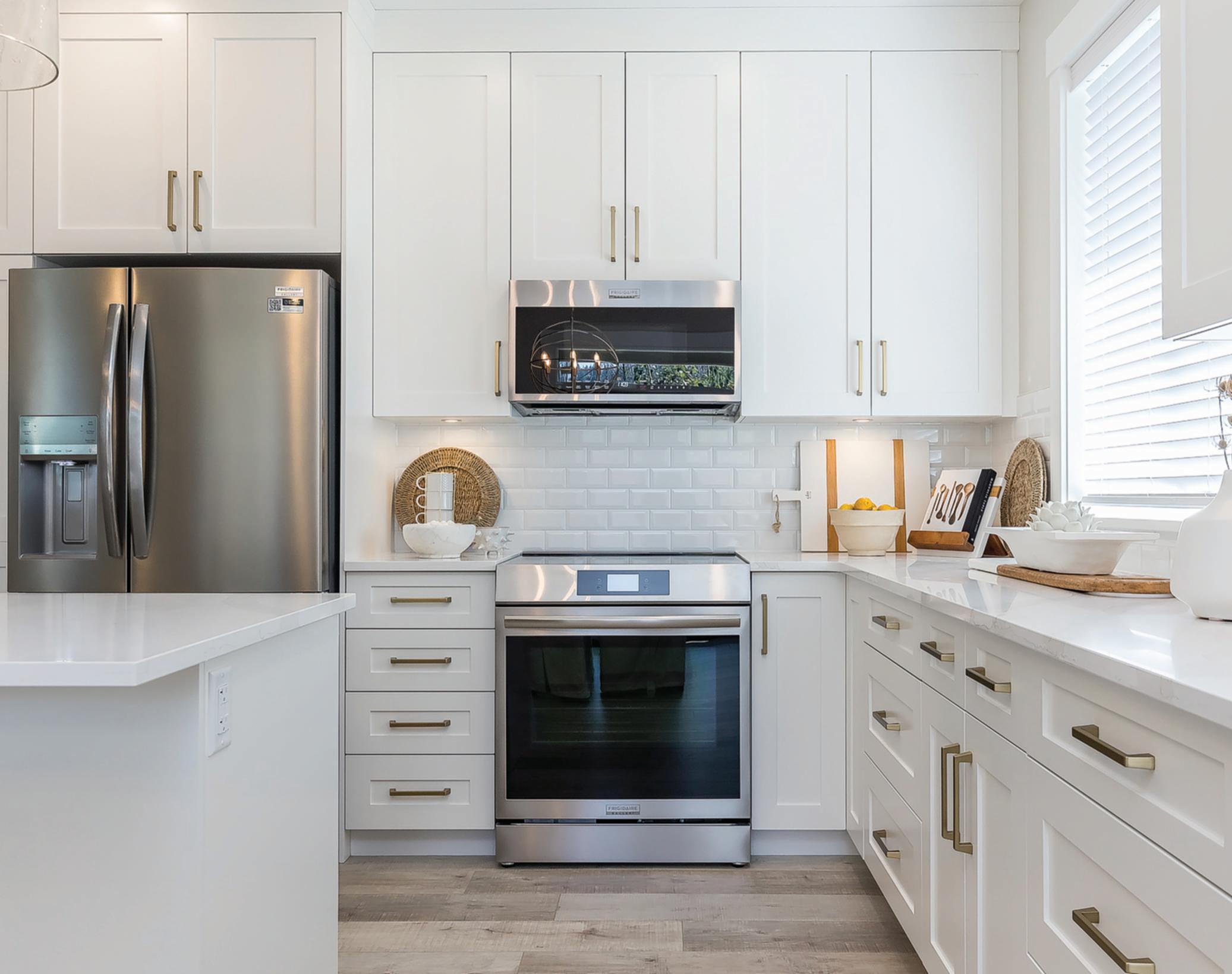
TOWNHOUSEwithROOFTOPDECK! Gorgeousalmostnewhome.3bedrooms, 3bathrooms&Flexrm.Featuringbeautifulviewsfromyourownprivate ROOFTOPdeck&backyard.Brightkitchenwithquartzcounters,island& stainless-steelappliances,gasstove.Mainfloorisleveltoyourwalkout fencedbackyard.Oneofthelargestfloorplansinthis14-unitcomplex. EXTRASincludesidebyside garagewith2moreparkingonthedriveway. EVcharging,220,A/Cheatpumpforcedairfurnace,9-footceilings,flex/gym rm. Noagerestriction,pets&largedogarewelcome. Fantasticlocation! EastAbbotsfordoffWhatcomlocation.Walkingdistanceto3shoppingcenters, theyincludeCoffeeshops,Restaurants,ShoppersDrugmart,Save-On-Foods andBanking&itislocatedrightoff#1Hwyentrance. $949,900
NewretailorofficespaceindowntownAbbotsford. 1384squarefeetintheheart ofAbbotsford.Convenientlylocatedtoallamenities,apartmentsbuildings,shopping, 3designatedparkingspaces.Idealrestaurantorofficespace.Readyforoccupancy ~GreatlocationinAbbotsfordfora privateoffice,secondfloorspacewithanelevator. WAREHOUSE inanindustrialcomplex.LocatedinRiversideBusinessPark,South Richmond,juststepssouthofIronwoodshoppingcenter,withquickandeasyaccess toHighway99,YVR,andUSBorder.4252squarefeet.With2795.38warehouse/ showroomarea,787.9sq.ft.ofoffice,anda669sq.ftmezzanine(cityapproved).18’ highceiling,loadingdockwillaccommodate53’trailer.UPSTAIRS:Twoniceofficesand loadsofroom.HVACsysteminplaceforupstairsonly.3dedicatedparkingspaces+OH













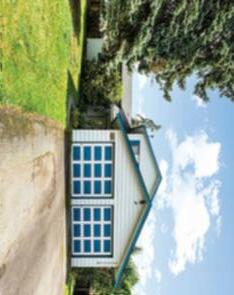

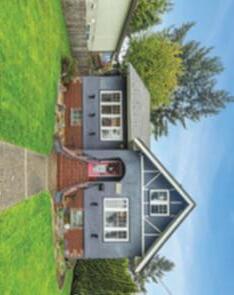

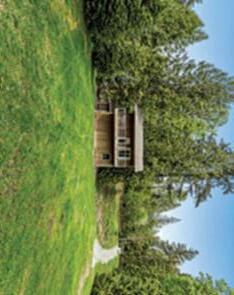


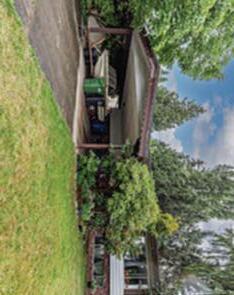
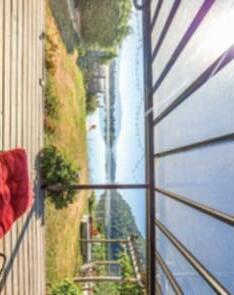
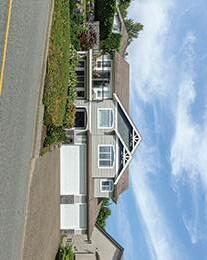


Dillon White
Jake Poblete turned aside 37 shots to lead the Mission City Outlaws to a 4-2 win over the Port Moody Panthers at the Leisure Centre on Saturday.
The Outlaws snapped a two-game losing streak with goals from four different players, outshooting the Panthers 41-39.
In the first five minutes, defenceman Carson Lane was ejected for a charging penalty. It left an already short-staffed Outlaws’ blue line with just three true defencemen suited up.

However, Rylan Elson opened the scoring and put Mission in front in the
sixth minute but Ty Balchen evened the score late in the period. Balchen took advantage of a Rehaun Lid-
der penalty in the second, potting a power play goal to push Port Moody in front.
The Outlaws fought back late in the frame with Sam Takahashi evening the score and Ben Leslie earning the 3-2 edge just a minute later.
Mission held on and Cooper Crowe added an empty netter with two seconds remaining in the contest to clinch the win.
The following day (Nov. 3), the Outlaws met with the Langley Trappers at George Preston Arena.
Despite 54 saves from Poblete, the flurry of shorts overwhelmed the Outlaws and the Trappers earned a 4-0 win.
Dwayne-Paul Cruz picked up the shutout for Langley with 24 saves while four different players found the back of the net.
Mission still sits fifth in the Harold Brittain Conference standings with a 5-12-2 record and 12 points.
The squad visits Ridge Meadows on Friday (Nov. 8) before hosting Aldergrove at the Leisure Centre on Saturday (Nov. 9) at 6:45 p.m.








































































































October19,1946-October25,2024

JenniferJaneJantz passed away on Friday,October25th frompancreatic cancer Shepassed away peacefully, thanks to the attentive care of the MissionHospice staff. She was surrounded by family
Born JenniferDaviesinLancashire, England, she grewupin Worcestershire, before attending collegein London. In 1969shecame toVancouverwhere shemet Percy and found theyhad acommonlove oftravel.Married in1970,theyspent theirearlymarried years travellingbefore settlingdownand raising 2 childrenin Prince Rupert.Itwastheirhome for 25 years
As empty nesters, theyagaintravelled, workingandlivinginOntario,Indonesiaand China foranother12 yearsbeforeretiring to Missionin2013.
Jenny’scompassionate nature ledher toa careerin Educationandshe volunteeredas support staffwherevershe could.Beingactive inthe community ledher to the Friends-ofthe-Library organizationin Mission.She was also avolunteerinthesame MissionHospice where sheeventuallypassed away.
Greatlymissed by sisterSue, husband childrenHeidi(Murray)andSimon(Fanny), grandchildrenBronwynand Malo, as nieces, nephews and extendedfamily humour,kindnessand compassion attrac friendsfromall over. She was a positiv influence everywhere.
Acelebrationoflife willbeheldinthespring




Passed away peacefully on Wednesday, October 23, 2024, at the age of 94. JunewasbornonJune15,1930in Kindersley, Saskatchewan. June resided in Mission from 19472018 and relocated to Vernon in 2019.
June was predeceased by her husband, Archie (Bud) Austin,in2001.Lefttocherish her memory are her children, Robert (Irene) Austin from Lumby, BC, Larry, (Sue) Austin from Williams Lake, BC, and Donna (Don) White from 108 Mile Ranch, BC, in addition to numerous grandchildren, great-grandchildren, and great-great-grandchildren.
Thank you to staff at Creekside Landing in Vernon for their care and compassion provided. As requested there will be no funeral session.
Time for me to go now, I won't say goodbye; Look for me in rainbows, way up in the sky. In the morning sunrise when all the world is new, Just look for me and love me, as you know I loved you.
Time for me to leave you, I won't say goodbye; Look for me in rainbows, high up in the sky. In the evening sunset, when all the world is through, Just look for me and love me, and I'll be close to you.

It won't be forever, the day will come and then My loving arms will hold you, when we meet again.
Time for us to part now, we won't say goodbye; Look for me in rainbows, shining in the sky. Every waking moment, and all your whole life through Just look for me and love me, as you know I loved you.
Just wish me to be near you, And I'll be there with you.

INDEX
INDEX IN BRIEF
It is agreed by any Display or Classified Advertiser requesting space that the liability of the newspaperintheeventoffailure to publish an advertisement shall be limited to the amount paid by the advertiser for that portion of the advertising space occupied by the incorrect item only, and that there shall be no liability in any event beyond the amount paid for such an advertisement. The Publisher shall not be liable for slight changes or typographical errors thatdonotlessenthevalueofan advertisement.
bcclassifieds.com cannot be responsible for errors after the first day of publication of any advertisement. Notice of errors on the first day should immediately be called to the attention of the Classified Department to be corrected for thefollowingedition.
bcclassifieds.com reserves the right to revise, edit, classify or reject any advertisement and to retain any answers directed to the bcclassifieds.com Box Reply Service and to repay the customer the sum paid for the advertisementandboxrental.
Advertisers are reminded that provincial legislation forbids the publicationofanyadvertisement which discriminates against any person because of race, religion, sex, colour, nationality, ancestry or place of origin, age, andphysicalormentaldisability, unless the condition is justified by a bona fide requirement for theworkinvolved.
COPYRIGHT
Copyright and/or properties
subsist in all advertisements and in all other material appearing in this edition of bcclassifieds.com. Permission to reproduce wholly or in part and in any form whatsoever, particularly by a photographic oroffsetprocessinapublication mustbeobtainedinwritingfrom the Publisher. Any unauthorized reproduction will be subject to recouseinlaw.



















2001005th,6th,Grand,James,Welton95 201070 14th,Bakerview,Bluebell,Bruce, Cedar,Clegg,Orchid 90 201180Best,Bracken,Cannon,Hyde,Rose, Viola72
202060Charnley,Crane,Eider,Swan86 202280Adams,Bobcat,EBobcat,Boxer, Camel,Cedar88 205090Bowie,DewdneyTrunk,Findlay, Hollister,Kimball64













WINESPONSOR