





The health and social care system remains fragmented and under severe strain as it prepares for a major shift from hospital to community care, the Care Quality Commission (CQC) has warned in its annual State of Care report, which makes clear that without significant investment in both capacity and capability, the system cannot deliver the transformations envisioned in the Government’s ten-year health plan.
While there is some encouraging evidence of innovation, community services need significant investment in both capacity and capability to deliver the transformation in people’s care called for in the 10-year plan.
With demand for care rising faster than the sector can respond local authority budgets have not kept pace with the growing complexity and volume of need, resulting in thousands left without crucial support.
The pressure is being felt most by those already facing disadvantages: people in deprived areas, older people, and those with dementia, learning disabilities, autism, or complex mental health needs more likely to struggle to navigate services, often meaning their families and unpaid carers carry increasing burdens
(CONTINUED ON PAGE 3...)

The Care Quality Commission's latest State of Care report makes for sobering reading. Published this month, it lays bare the stark reality facing our sector: without substantial and immediate investment, the Government's ambitious 10-Year Health Plan risks being dead on arrival.
Dr Arun Chopra, CQC's Interim Chief Executive, doesn't mince words. The plan represents "a real chance to improve care," but only if community health and care services receive the support they desperately need. Without it, we face a grim future where fewer people access good care, with our most vulnerable residents bearing the brunt.
While adult social care vacancy rates have returned to pre-pandemic levels, context matters. The sector's vacancy rate remains three times higher than the wider job market. For homecare services— crucial to keeping people independent in their own homes—the picture is even bleaker, with vacancy rates more than double those in residential settings.
The imminent end of new care worker visas will only tighten the noose further. The recently announced fair pay agreement and promised workforce strategy cannot come soon enough, though many will rightly question whether they'll arrive with the funding needed to make a genuine difference.
Perhaps most alarming is the financial fragility emerging across homecare provision. Providers are returning contracts to commissioners, unable to sustain services amid rising costs. An increasing proportion of the market consists of very small providers who may lack the financial resilience to weather ongoing storms. This isn't just about business sustainability—it's about whether the care promised in the 10-Year Health Plan can actually be delivered.
The report confirms what those on the frontline already know: the system is designed around hospitals, not communities. Funding structures, data collection, outcome measurements—all perpetuate a hospital-centric model that actively works against the shift to community care the Government claims to champion.
The consequences ripple outward. On any given day in March 2025, nearly six in ten patients ready for discharge experienced delays. CQC research reveals that capacity shortages in rehabilitation, reablement, and recovery services remain the biggest cause of delayed discharges nationally. When people cannot access timely homecare or short-term recovery support, hospital beds remain blocked, A&E waits lengthen, and planned procedures are postponed.
Meanwhile, longstanding inequalities persist. Older people, those with dementia,
people with learning disabilities, and individuals with complex mental health needs struggle to navigate fragmented services. Their families and unpaid carers shoulder ever-increasing burdens—a hidden workforce propping up a system on the brink.
Yet the report isn't entirely bleak. Professor Sir Mike Richards highlights "excellent examples" of integrated working: neighbourhood health services achieving high patient satisfaction, AI reducing GP administrative burdens, and innovative urgent community response services improving ambulance times while keeping people out of hospital when care can be delivered closer to home.
These success stories prove what's possible when services genuinely collaborate and innovate. They demonstrate that person-centred, community-based care isn't just aspirational rhetoric—it can work, it does work, when properly resourced and coordinated.
But let's address the elephant in the room. The upcoming Casey Commission on social care reform is welcome, but as Professor Richards pointedly notes, "it won't solve the core funding problem." We've been here before—commissions, reviews, plans—all foundering on the rocks of inadequate, unsustainable funding.
The consensus among observers is clear: without substantial investment, the 10Year Health Plan is a non-starter. You cannot shift care from hospitals to communities without investing in community capacity and capability. You cannot ask homecare providers to do more whilst simultaneously squeezing their finances until they hand back contracts. You cannot recruit and retain a skilled workforce without competitive pay and proper career pathways.
The CQC has pledged to play its part—listening to people's experiences, protecting vulnerable individuals from poor care, working with providers to drive improvement, and identifying barriers to good care. But regulation alone cannot fix a broken funding model.
This report should serve as a wake-up call. The sector stands ready to deliver the community-focused, person-centred care outlined in the 10-Year Health Plan. It has the experience, the commitment, and increasingly, the innovative approaches to make it work.
What is needed now is a Government willing to match its ambitions with the investment required to achieve them. Anything less, and the State of Care report will be remembered not as a turning point, but as the moment we were warned—and failed to act.
The full CQC State of Care report is available at www.cqc.org.uk
I would encourage our readers to sign up for our bi-weekly digital newsletter at www.thecareruk.com and follow us on social media for all the latest news.
The Carer is published by RBC Publishing Ltd, 3 Carlton Mount, 2 Cranborne Road, Bournemouth, Dorset BH2 5BR.
I can always be contacted at editor@thecareruk.com

damage. Views expressed within this publication are not necessarily those of the publisher or the editorial team.
responsibility for any effects, errors or omissions therefrom. All rights reserved, reproduction is forbidden unless

(CONTINUED FROM FRONT COVER)
These inequities, the CQC warns, are deeply embedded. Without tackling their root causes – chronic underfunding, workforce shortages, and uneven local commissioning – people who rely on care will continue to face barriers to accessing support that meets their needs, leading to a “real risk of erosion in care quality”.
MOUNTING PRESSURE
Since the pandemic, there has been a steady increase in the number of people referred to mental health services – with many people waiting too long to get the help they need.
CQC’s 2024 Community Mental Health Survey found 1 in 3 respondents reported waiting three months or more – rising to almost 1 in 2 for those waiting for child and adolescent mental health services. Across all respondents, 14% reported waiting more than six months between their assessment and first appointment for treatment. The longer people waited, the more likely they were to report that their mental health deteriorated.
After identifying concerns about systemic issues across community mental health care, including a shortage of mental health staff and a lack of integration between services, CQC has begun a comprehensive inspection programme of community mental health services for working-age adults and crisis services.
As part of this programme, CQC engaged with providers who said that a lack of investment in community mental health services made it difficult to attract and retain staff with the right skills and to deliver good care. People who used community mental health services described the destabilising impact of moving between different services and of not having a single point of contact for their care.
When people don’t receive timely care, they can end up in crisis. Over the last year, the number of urgent and very urgent referrals to crisis services has risen sharply.
RISING DEMAND
Demand for local authority-funded social care support continued to rise in 2023/24. While vacancies in the workforce have fallen to pre-pandemic levels, the vacancy rate in adult social care is still three times higher than in the wider job market. Homecare services are particularly affected, with vacancy rates more than twice as high as those in care homes.
The end of new care worker visas is likely to put further pressure on recruitment, making it more important than ever that a sector-wide workforce strategy is agreed and the recently announced fair pay agreement has an impact.
More community services are urgently needed to help people stay in their own homes longer. However, CQC has identified factors that could limit the growth of the homecare sector. Providers are handing back contracts to deliver care back to commissioners due to rising costs and an increasing proportion of the market is made up of very small providers that may be less financially resilient than larger providers.
CQC’s local authority assurance work has found delays for people in getting access to homecare due to shortages of both homecare staff and in the workforce delivering short-term care to people recovering at home after a hospital stay. Capacity in rehabilitation, reablement and recovery services is consistently the biggest cause of delayed discharges nationally.
RE-ADMISSIONS
On any given day in March 2025, nearly 6 in 10 patients who were ready to be discharged experienced a delay. This reduces the number of beds available for new patients and creates knock-on effects for people’s care across the whole system, from how quickly they get seen in A&E to the length of time they wait for planned medical procedures.
Over the last ten years there has been a steady increase in percentage of emergency readmissions, with older people and people living in more deprived areas more likely to be readmitted within 30 days of being discharged from hospital.
CQC commissioned research from National Voices into people’s experience of the discharge process –although this includes positive experiences, it also describes very poor experiences, including someone whose hospital stay and discharge left them feeling dehumanised.
Although the number of trainee GPs has risen per head of population this year and work is underway to increase capacity and improve access, the number of fully qualified GPs per head of population has fallen, and demand continues to grow.
Based on the information and insight from our regulatory work, as well from the GP Patient Survey 2025, access to GP appointments remains a challenge, with evidence that some groups find it harder than others. This includes those living in the most deprived areas, autistic people and people with a learning disability, and people with a mental health condition.
When people can’t get help from their GP, it may mean they go to a service not designed to meet their needs. The GP Patient Survey 2025 found that when people couldn’t contact their GP or didn’t know what the next step would be, 1 in 15 went to A&E. This was higher for people living in the most deprived areas. However, some people did not seek further help at all, risking a deterioration in their health. This was more likely to be the case for people over 85, who are also more likely to experience serious outcomes from poor health.
Dr Arun Chopra, Interim Chief Executive of CQC, said: “The Government’s 10-year plan is a real chance to improve care by putting people’s needs first. But for the plan to succeed, community health and care services need more support. Without this, there’s a risk fewer people will be able to access good care, with vulnerable groups hit hardest.
“Right now, community services tell us they’re struggling because the way care is funded and organised is designed around hospitals. That’s also true of how data about care is collected and how outcomes are measured. All these things make it harder to move towards care that keeps people well, delivered closer to home.
“We’re calling for more investment in care outside hospital, and more emphasis on measuring quality of care, not just numbers of procedures. Services need to focus on really understanding the needs of their local population – especially in deprived areas – and on working together to address those needs.
“We’ll play our part – with a renewed focus on listening to what people tell us about their care and acting on their feedback. When we find poor care, we’ll take steps to protect people. We’ll work with healthcare providers and local systems to make care better, and we’ll find and share examples of good, innovative care that puts people first. And where we see barriers to good care, we’ll work with partners to find solutions.”
Dr Wendy Taylor Chair of the LGA’s Health and Wellbeing Committee, said: “This important annual report rightly recognises the challenges facing the adult social care sector, workforce shortages, the rise in requests for local authority care – particularly those from working-aged people – and the underfunding it continues to grapple with.
“Despite these pressures, and as the report helpfully identifies, councils are working incredibly hard to provide innovative and targeted interventions, to offer care and support to a growing number of residents, as well as working to prevent future care needs and avoid hospital admissions.
“Local councils are committed to delivering care and support to all those who have cause to draw on it but cannot do this alone. We continue to call for the sector to be set on a sustainable trajectory with funding that best enables people to live the lives they want to lead, a proper long-term strategy for the workforce, a strong emphasis on prevention and early action, and a proper plan for long-term reform. This is what is needed to help deliver Government’s ambitions for care and health."

By Kathryn Marsden OBE, Chief Executive at the Social Care Institute for Excellence (SCIE) and Anisa Byrne, General Manager at The Access Group


Social care in England is characterised by marked variation in access and quality. In some better-resourced areas, services provide timely, personalised support that empowers people to live with choice, independence and dignity. In others, overstretched local systems struggle to meet people’s basic needs, with unpaid carers often shouldering the financial, emotional, social and physical costs.
The government has committed to creating a National Care Service underpinned by national standards to address these profound inequalities. It launched an independent commission into adult social care, chaired by Baroness Casey, as a ‘first step’, but questions remain—particularly around the definition and design of national standards. But what do we mean when we talk about care standards? How might a focus on standards help us tackle the current system’s problems—whilst also enabling better, more effective and responsive personalised care?
Last week, the Social Care Institute for Excellence (SCIE) and the Access Group hosted the first of four roundtables to help lead the sector towards a framework within which national care standards can be developed. Convened using Chatham House rules, we brought together people who draw on care and support, representatives from the independent, third and statutory sectors, and care providers to explore what we mean by national standards, their purpose and their potential to drive improvements in social care.
National standards are not a new idea, nor are they unique to social care. Across the UK and internationally, governments and regulatory agencies have long used standards to promote consistency, accountability and improvement. The aim has been to set out what good looks like and then to measure progress and achievement towards these goals.
Care standards have been used to set out what people can expect from the care system. For example, Scotland introduced National Care Standards as early as 2002, later evolving these into the Health and Social Care Standards in 2018 to strengthen a rights-based approach to quality and dignity. Similar frameworks exist in Wales, Ireland and across Europe.
In England, the NHS implemented National Service Frameworks (NSFs) from 1999, ten-year programmes to raise quality and consistency in areas such as mental health, older people’s services and longterm conditions. The NSFs sought to tackle variations in care, especially inequalities resulting from where people live. Though NSFs
were discontinued in 2013, they provide valuable lessons on defining and measuring ‘what good looks like’ across complex systems and for people with ongoing health and care needs. An important legacy of the NSFs was a greater focus on measuring care outcomes and improving the use of data, especially by health and social care commissioners. More recently, social care policy in England has focused on embedding principles of wellbeing, independence and choice. The Care Act 2014 established these as legal duties as well as an ambition, and frameworks such as Think Local Act Personal’s Making It Real statements translate them into lived experience outcomes “I” statements. These are not national standards in themselves, but they express the values any system of standards should seek to uphold, ensuring that people who draw on care and support have voice, control and meaningful choice in their lives. They also provide a useful benchmark for assessing the quality of individual experiences, services and local systems.
At the same time, regulatory reform is underway. The Care Quality Commission’s (CQC’s) Single Assessment Framework introduces a more consistent, data-informed approach to quality and improvement across services and systems. It also incorporates “I” statements from Making It Real, linking performance assessment more closely to people’s lived experiences. The CQC also uses “We” statements: quality statements that care providers, commissioners and system leaders should live up to for delivering high-quality, person-centred care. Generating fresh ideas about the purpose and role of national care standards
Over the four roundtables, we will start to develop ideas about the purpose and role of national standards in a future care system. One insight from the first roundtable was that care standards must balance three interdependent aims:
People’s experiences of care and support—ensuring voice, dignity and personal outcomes.
Quality and safety of care and support—fostering effective, safe and compassionate practice.
Care system performance—driving improvement, accountability and integration across services.
While there is broad consensus about the vision for social care—as captured by Social Care Future’s call for everyone to live “in the place we call home, with the people and things we love”—achieving it in England depends on how we use the tools already at our disposal. Fully realising the ambitions of the Care Act and embedding the Making It Real statements across the sector may provide the strongest foundation for developing meaningful, person-centred national standards.
This is where the roundtable discussions began. Together, the participants expressed different views about the purpose of national care standards, what problems they might help us address, and what difference they will make to people who draw on care and support, as well as care providers, professionals and local systems. Three themes stood out from the discussions: a focus on core principles or values, embedding co-production and reframing the purpose of social care itself.
VALUES
Participants agreed that national standards should promote fairness and consistency so that the availability and quality of care and support are not determined by where someone lives or how their care is funded. They should empower people to understand their rights, navigate the system with confidence and have clarity about what they can rea-
sonably expect from services.
Participants also agreed that national standards should underpin individual-centred care and prioritise outcomes that matter to the people who draw on care and support—rather than focusing on top-down, organisational processes—and should support people to make meaningful choices about their own lives and care.
Participants stressed that the development and implementation of national standards must be co-produced with people who draw on care and support—as well as their families and carers. The co-production process must be meaningful, sharing power and giving people real influence over how standards are designed, applied and reviewed. Only by reflecting the priorities, needs and aspirations of the people they will impact the most can care standards drive real improvement and shift care provision from transactional to relationship-based. By focusing on what matters to people, we can also improve the efficiency of care services and stimulate innovation in technology and models of care.
The roundtable discussions suggested that a framework for care standards could help shift the narrative around social care from crisis and deficit to one that recognises it as essential infrastructure—vital to how communities function and enabling people to live with dignity, connection and purpose. Conceptualising care in this way holds implications for the workforce, whose roles and skills will be better valued.
Defining what national standards of care should be, and, crucially, what they are for, is not a straightforward task. The first roundtable surfaced important questions that remain unresolved. These include:
1. Flexibility. How can national standards provide clear guidance while allowing local adaptation and innovation?
2. Aspirations. Should standards define minimum protections or strive for excellence?
3. Responsibility. Who should be accountable for implementing, monitoring and maintaining standards?
4. Reach. Who are the standards for—the people who draw on care, providers, commissioners, regulators, or all of these?
5. Technology. How can and should digital tools and systems be used to support the delivery, monitoring and improvement of national standards while maintaining choice and human connection?
The first roundtable demonstrated the real value of open, cross-sector conversation. It surfaced the principles that must underpin any credible answer to our inquiry. Key points emerging from the deliberations were that national standards will only succeed if they are grounded in shared values, shaped through genuine co-production and supported by partnership across people, places and professions. What emerged was not a fixed blueprint for care standards, but an initial set of conceptual building blocks for what care standards can and should aim to achieve: fairness, trust and equity in our social care system, with a prominent focus on care experiences.
As we continue this roundtable series, we will draw these insights together, exploring the practical options available to government and the Casey Commission as they seek to translate the ambition for care standards into practical approaches and actions.
The second roundtable will explore how data and technology can underpin national care standards that are measurable, person-centred, and future-ready.
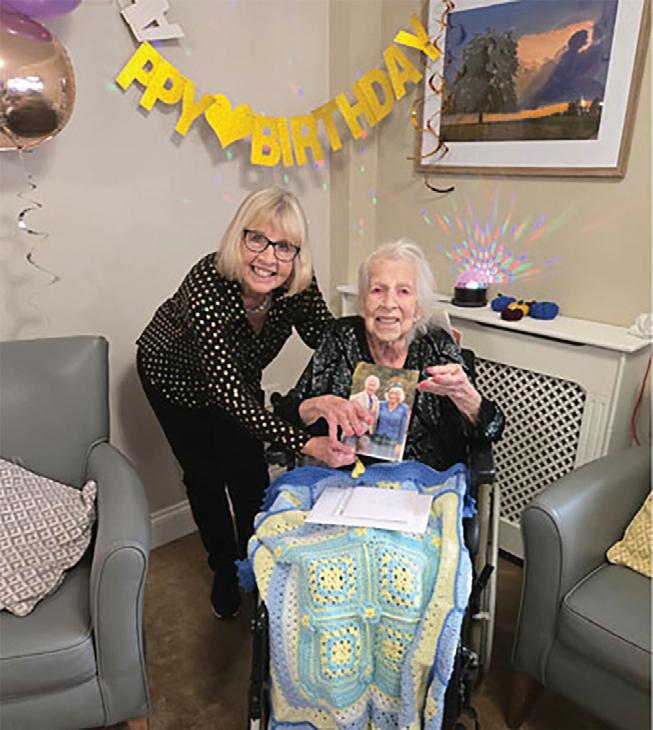
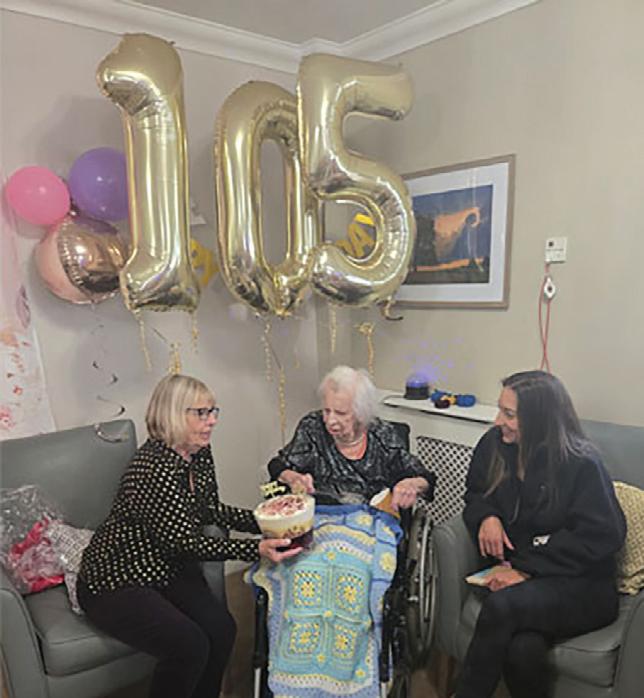
Windmill House Care Home, part of the Runwood Homes Group was filled with celebration as everyone came together to mark the incredible milestone of Yvonne’s 105th birthday.
The festivities featured a performance by Yvonne’s favourite singer, Louisa, whose beautiful vocals brought smiles all around. Guests also enjoyed a delicious homemade trifle cake lovingly prepared by Yvonne’s granddaughter.
Adding to the magic of the day was a surprise visit from Jack Brock, a charming Shetland pony, who instantly became the star of the afternoon! The highlight of the celebration came when Yvonne received a special congratulatory card from King Charles and Queen Camilla, honouring her extraordinary milestone in royal fashion.
Maria Paranal, Home Manager at Windmill House, said:
“Today we celebrated our wonderful resident turning 105 years old, what an incredible achievement! Surrounded by her loving family, fellow residents, and staff, the day was truly filled with joy, laughter, and warmth. A huge thank you to everyone who made it so special.”
Yvonne’s daughter, Liz Whyte, shared her gratitude and pride: “Mum had a fantastic 105th birthday party, even though last week she swore she wasn’t going to one! There she was, dressed in sequins, telling stories of her adventurous life, singing, and enjoying her cider.
Thank you to all the residents, relatives, Louisa our lovely singer, Jack Brock the pony, and most of all to the marvellous, kind, and caring staff at Windmill House for going above and beyond to make Mum’s day unforgettable, and, of course, to King Charles and Queen Camilla for their lovely card.”
Care England published two pieces aimed at promoting solutions that are readily available out there for social care providers to implement, making the most out of limited budgets.
The first part, titled Short-term Pain, Long-term Gain, outlines the impact that shrinking provider budgets have on the long-term investment in the sector’s future, and the knock-on impact this has on increased year-on-year care costs for the future.
The second part, Restoring Stability: Practical Measures for a Pressured Sector, highlights solutions that providers can implement in the here and now that will play some part in alleviating the increasing cost pressures on social care providers.
Professor Martin Green OBE, Chief Executive of Care England, said: “I hope this report will inspire providers to explore the opportunities it sets out, and that it will also remind policymakers of the sector’s extraordinary potential when given the tools and support it needs. Our report is by no means a substitute for meaningful sector reform and additional funding, but it does offer routes to providers to understand and remain resilient through more immediate funding pressures.”

IN THE BACKDROP OF DECLINING CAPITAL INVESTMENT AND GOVERNMENT ACTION LOOKING LIKE YEARS AWAY, BOTH REPORTS PULL TOGETHER SOLUTIONS OUTLINED IN CARE
ENGLAND’S WORK OVER THE LAST COUPLE OF YEARS, A FEW EXAMPLES ARE:
• Care England’s newly launched SMART Care Intel platform provides a wealth of information at your fingertips to support investment and recruitment choices, along with quality improvements for your next CQC inspection.
• Methods to support falls prevention in your homes, including exploring decaffeinated drinks by default, and methods to optimise residents’ sleep.
• Workforce solutions that improve recruitment and retention, such as exploring valuesbased recruitment, employee referral programmes like Care Friends, and providing financial wellbeing platforms to your staff.
• Improving operational efficiency through training staff in single-handed moving and handling.
Professor Martin Green concluded: “I have no doubt that the solutions outlined in our latest publications will be a lifeline to many providers in increasingly challenging times. We continue to call on the government to drive the missing investment our publication has identified, as providers and those who draw on care can’t wait for the Casey Commission’s report into sector reform.
Despite this, I am heartened to see that the sector has already demonstrated resilience by innovating and working together to implement the solutions we have outlined here. I wholly encourage providers who are struggling to explore these options while there is still space to act and support their staff and those who draw on their care.”
Frank Foster House Care Home, part of Runwood Homes Group has marked Black History Month, celebrating the rich culture, achievements, and contributions of Black people throughout history and within the local community.
The celebration was filled with vibrant activities that engaged everyone at the home. Residents enjoyed a delicious selection of African and Caribbean dishes prepared by the kitchen team, including jollof rice, plantain, jerk chicken, patties, and coconut cake, allowing everyone to taste new flavours and reminisce about familiar favourites. Music and dance brought the home to life, with soulful classics and Afro-Caribbean beats encouraging residents and staff to sing, clap, and dance together, creating a lively and joyful atmosphere.

Throughout the day, inspiring stories of influential Black figures, past and present, were shared, alongside discussions about the importance of equality, respect, and representation in society. The home was beautifully decorated with colourful displays, flags, and posters celebrating Black history and culture, and residents contributed artwork representing unity and pride.
Management reflected on the significance of the day, saying, “At Frank Foster House, we believe that every culture and story adds value to our community. Celebrating Black History Month reminds us of the importance of inclusion, learning from one another, and standing together in respect and equality.”


It is estimated that roughly 72.7%1 of English care homes are independent, with around 80% operating just one home. The UK care sector therefore remains heavily reliant on small businesses, many of which are considered family-run. For founders who have devoted their lives to building these businesses, there is often a strong desire to pass them on to the next generation. But is that always the best option? And if it is, what should both founders and their potential successors be considering?
Alex Morris, Associate in the Corporate law team at Blacks Solicitors (www.lawblacks.com) and Managing Director of Alexander Care Home in Leeds, brings a unique perspective, combining legal expertise with first-hand experience of future proofing a family-owned care business.
FAMILY SUCCESSION - THE RIGHT OPTION?
In the care sector it’s not uncommon for multiple generations to work in the business in a hands-on capacity. There may be an expectation that ownership will naturally pass down. Yet the reality is that the sector is increasingly complex: relentlessly rising staffing and food costs, changes to immigration rules, constant regulatory upheaval, and the growing role of technology.
While an ageing population should in theory boost demand, provision is diversifying as people live longer with more complex needs. This requires higher staffing levels, greater investment, and advanced equipment.
Owners must ask: Do the next generation have the skills, drive, and acumen to carry the business forward? Perhaps harder still, is passing it on the best option for the business and the family? Does it have sufficient cash reserves and profitability to meet these challenges and continue investing in infrastructure? These are often emotive but necessary conversations, alongside obtaining expert tax advice on changing inheritance rules.
If a family succession isn’t the right option, a sale to a third party can be attractive. The care market has seen consolidation, with entrepreneurial operators forming regional groups, so there are often buyers for
independent homes or small groups.
To speed up a potential sale, owners should run their business “sale-ready”. That means not just keeping paperwork in order, but also maintaining strong management accounts that demonstrate financial stability and profitability. A legal and financial “health check” can be invaluable to avoid surprises and has the added benefit of ensuring a well-run business.
Sales are usually structured as either an asset purchase or a share purchase.
• In an asset purchase, the buyer acquires the property, business, contracts, and IP, without taking on historic liabilities (such as disputes or tax claims).
• In a share purchase, the buyer acquires the shares directly, and the company continues unchanged, subject to certain protections.
Each route carries different tax and practical implications, so expert advice is essential. A crucial point for care operators: under an asset purchase, the buyer must register with the Care Quality Commission (CQC) as a new provider. This can be an arduous process that delays completion, whereas in a share purchase the provider company remains unchanged, avoiding that hurdle.
If neither family succession nor a third party sale appeals, owners might consider selling to staff members. Management Buyouts (MBOs) are common across sectors: the seller agrees a price, takes a sum at completion, and the balance is paid over time, often with the option to retain a shareholding.
Another, less common route in the care sector is an Employee Ownership Trust (EOT). These allow owners to sell a controlling stake (over 50%) to all employees rather than just management. They offer significant tax advantages, but the rules are strict and require specialist advice. Other share schemes may also be suitable, and a good adviser can guide operators through the options.
When selling to employees, the same questions apply as with family succession: are they capable of running the business, is the business financially stable, and can the purchase be funded without overburdening the company? Again, expert legal and accounting advice is critical, particularly regarding HMRC clearances.
During the succession planning of my family’s business, Alexander Care Home, I approached my parents regarding the management buyout and went on to organise the new ownership structure.
I bought the home from my parents in 2020 through a debt-funded buyout, having previously worked for the family at another care home we owned before qualifying as a corporate lawyer. They had considered a third-party sale, but during the pandemic we felt it wasn’t the right time to maximise value. Instead, we created a holding company structure that enabled me to purchase their shares, giving them the funds to retire while retaining a small stake, and crucially keeping the business in the family.

Sanctuary Care proudly hosted its fifth annual Chefs’ Conference, bringing together culinary talent from across its Sanctuary Care homes and Sanctuary Supported Living’s services for a vibrant celebration of talent, innovation, and creativity in care catering.
From inspiring live demonstrations to thought-provoking discussions, the day was a true celebration of passion and progress.
This year’s theme was ‘Change,’ exploring how Sanctuary continues to evolve to meet the expectations of future generations. From embracing plant-based living to reimagining traditional menus, the event highlighted the organisation’s commitment to pushing boundaries and continually enhancing the mealtime experience for residents.
The day kicked off with a breakfast food tasting session designed to inspire a fresh take on morning meals. Attendees then enjoyed a lively Big Brother-themed Q&A with the regional hospitality team, followed by ‘Taking the Biscuit,’ where chefs showcased their favourite sweet creations. Guests also took part in the Great Pasty Debate, waving their flags to cast their votes between the Scottish Bridie and the Cornish Pasty in a delicious showdown.
Guest speakers The Happy Pear shared insights into plant-based lifestyles, cooking up mouth-watering vegan cuisine, while Brakes, Unilever and Quorn Professional delivered engaging presentations and interactive tasting sessions.
A highlight of the day was the awards ceremony, where the winners of MasterChef 2025 were revealed.
Sanctuary Care’s Ruaan Prins from Heathlands Residential Care Home in Pershore was delighted to take first place, with Angela Robinson from Sanctuary Care’s Redhill Court Residential Care Home in Birmingham and Sue Truby, from Sanctuary Supported Living’s Sidegate Lane in Ipswich, a residential care home for adults with mental health needs, securing second and third respectively.

This was the final Chefs’ Conference for Sheila O’Connor, who retires as Sanctuary Care’s Director of Operations in the Spring. Sheila said: “Our Chefs’ Conference has evolved into something very special indeed – it is a true reflection of the passion and creativity that drives our regional and local hospitality teams to continually enhance the mealtime experience our residents enjoy.
“It is something we are deeply proud of, both showcasing the incredible culinary talent we have, and setting the standard for industry leading innovation in care catering.”
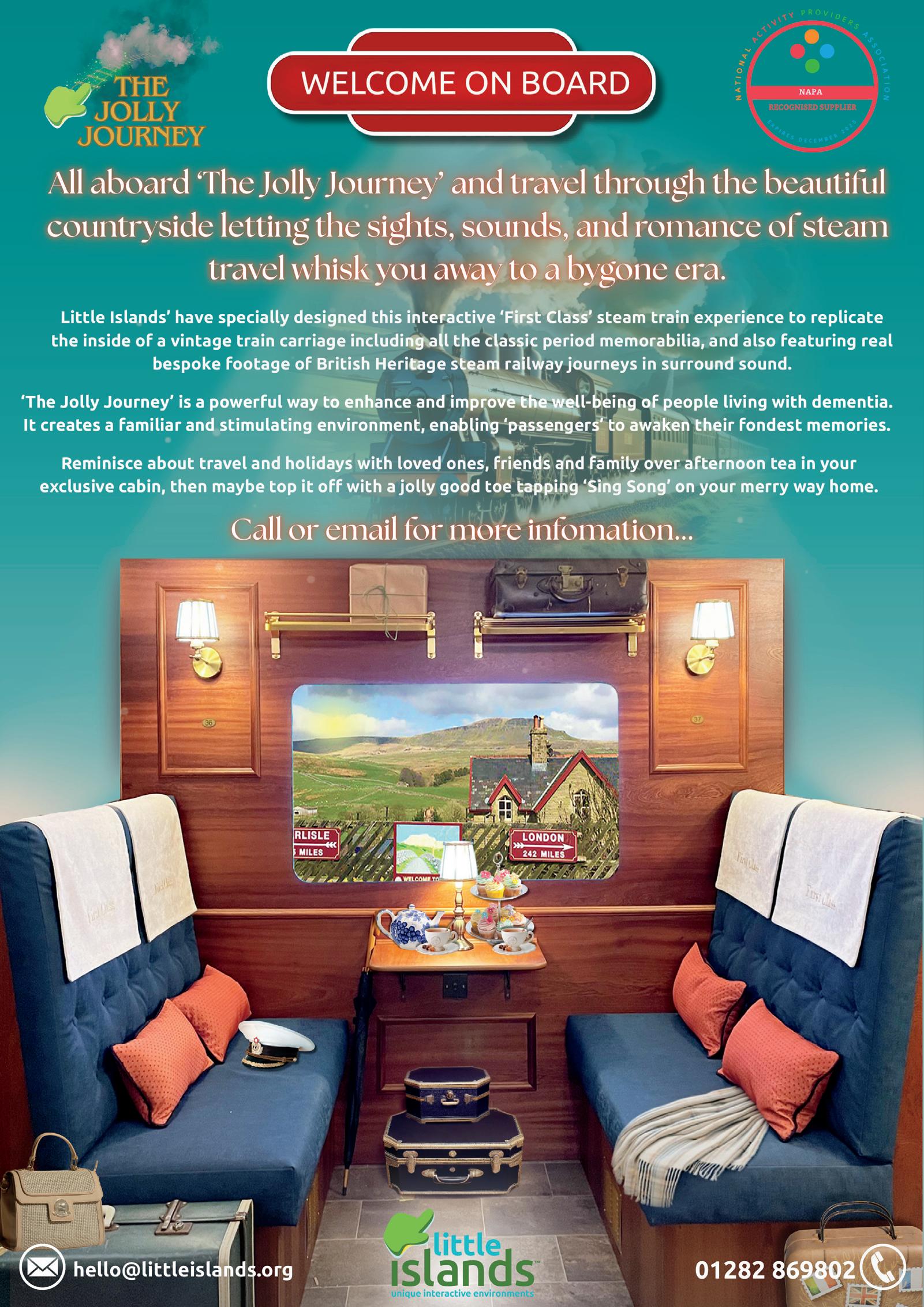
Residents at an Ilkley home can visit places such as Scotland and the North York Moors without leaving their home thanks to a new train experience.
MHA Glen Rosa have installed the Jolly Journey Train Experience, a new initiative by Little Islands, who specialise in creating unique interactive environments.
The train experience showcases journeys across the UK from the viewpoint of a passenger looking out of the window.
The team from Little Islands installed and decorated a part of the home’s dementia unit and converted it into a train carriage with props such as suitcases, train times and journey information displays.
MHA Glen Rosa provides residential and residential dementia care for 47 residents.
Adam Carling, home manager said: “The Jolly Journey Train experience is a new initiative and one that is proving to be very popular here.
“We have received some great feedback since the experience has been installed.
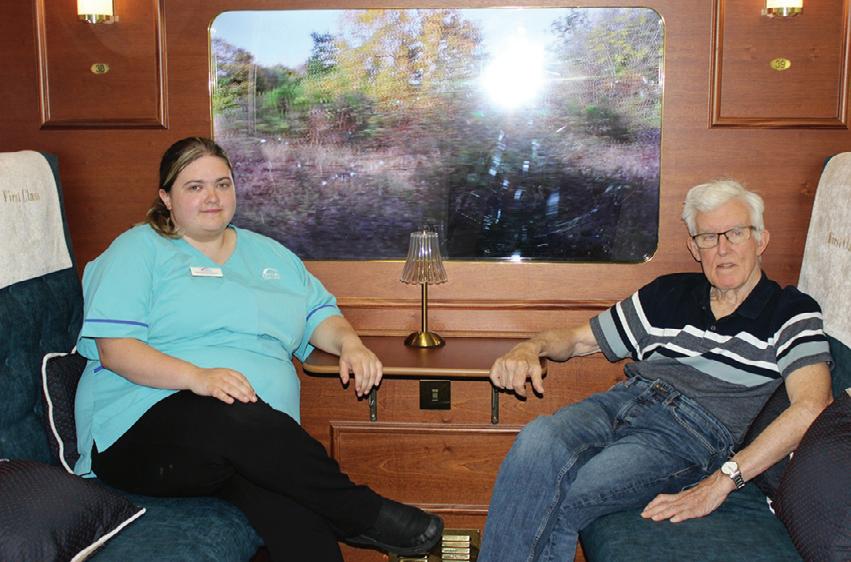
“Our residents love it, you will often see a number of them sat in the carriage and watching a journey.
“The idea came to me from my area who forwarded it to me, and I decided to look into it.
“I then contacted the team at Little Islands and the whole process took a couple of months from start to finish.
“We are quite privileged here at MHA Glen Rosa, where thanks to the generosity of the local community we are able to provide services such as this for our residents.
“We received a very generous donation via our Legacy Fund which enabled us to go for this experience.
“The location of the experience is really good as it’s in a high footfall area, where both residents and their relatives can sit and enjoy it.
“Alongside the Train Experience, we have also prepared a sensory garden thanks to funds we received.
“I do think this is something other MHA homes can look into having, it’s something quite unique and I do feel other homes will see the benefits just like we have.”
Train Experience,
Baroness Casey of Blackstock this week met with carers and care centre workers as she visited Newcastle as part of her Independent Commission into Adult Social Care.
Baroness Casey visited the Newcastle Carers centre in Byker where she was given a tour of the facility used to provide services and support to people who care for someone due to illness, disability, mental ill-health, or problems linked to addiction.
She hosted a roundtable session where she heard from carers and care centre staff directly about problems with the current social care system and what they’d like to see change through the Independent Commission.
Baroness Casey was in Newcastle as part of a three-day visit where she met with carers and care centre staff, people with learning disabilities, charities, local leaders, health and social care workers to hear their views on the social care system. She also encouraged people to share their views with the Commission on how the system works today and their ideas about how it could be improved in future.
Baroness Casey of Blackstock said: “Carers are the backbone of our communities, offering unwavering support and compassion to their loved ones.
“That’s why it was so important to hear directly from a group of carers supported by Newcastle Carers today. It’s vital that their views and experiences help shape the future of social care.”
Since the Independent Commission was formally launched in April, the Commission team have met with over 300 people including those drawing on care and support, national organisations, local and national leaders and delivery or provider organisations.
Organisations and members of the public can now submit their views on the Commission’s website: https://caseycommission.co.uk/contact/.
Over the coming months, the Independent Commission will start a national conversation with the public about their experience and expectations of the adult social care system where there will be further opportunities to feed into the Commission’s work. Details of how the public can
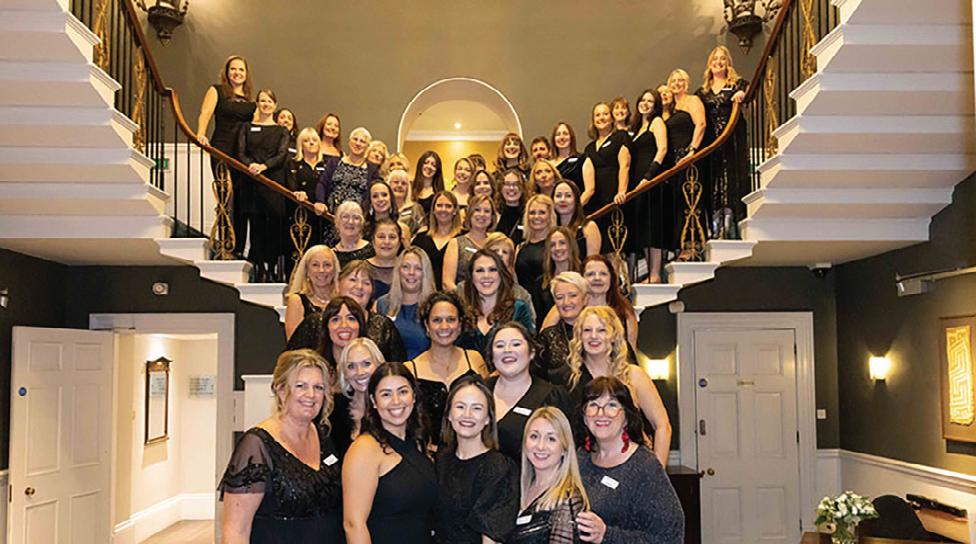
A celebrity-filled night of sparkling entertainment has helped raise more than £212,000 for Martin House Children’s Hospice.
Celebrity chef Ainsley Harriott and Emmerdale stars, including Jeff Hordley, Zoe Henry and Mark Charnock were among guests at the Martin House Glitter Ball at Rudding Park Hotel in Harrogate.
Hosted by TV presenter Duncan Wood, the black-tie event saw nearly 600 guests enjoy dinner, dancing and auctions of top prizes, all to support the charity, which cares for children and young people with lifeshortening conditions.
Clair Holdsworth, chief executive of Martin House, said: “It was a fantastic night – every year is bigger and better, and so many people told us this was the best Glitter Ball yet. We cannot thank our supporters and
sponsors enough for their generosity.”
Among the exclusive prizes on offer were a round of golf with Sir Gareth Southgate, and a private dining experience with Ainsley Harriott, with auction bids on the night and online topping £60,000 alone.
John Hughes, managing direct at HARIBO UK and Ireland, and headline sponsor of the ball, said: “Our longstanding partnership with Martin House goes back 17 years, and over that time we’ve seen the incredible difference they make.
“We share their belief in creating special moments of happiness for children and families, and we’re honoured to support their work being there for families across Yorkshire when they need it most. We already can’t wait for what next year holds!”

Care sector leaders have reacted to the CQC’s stark State of Care report published today, warning that the regulator’s findings on chronic workforce shortages, funding pressures and system fragmentation merely scratch the surface of the existential crisis facing residential and nursing care homes.
The report, which highlights adult social care vacancy rates running three times higher than the wider jobs market and reveals providers are increasingly handing back contracts due to unsustainable costs, has intensified calls for immediate government action on the promised fair pay agreement and long-term sustainable funding ahead of the Casey Commission.
DIRECTOR OF POLICY AND RESEARCH AT THE HEALTH FOUNDATION, DR HUGH ALDERWICK, SAID:

“Over a year into the new Labour government, health and care services are still under massive strain.
Too many people are waiting too long for care or struggling to navigate fragmented services.
“Gaps in care outside hospitals are pervasive – with shortages of staff in district nursing, community mental health services, social care, and general practice. GP numbers are lower in poorer areas, where health care needs are higher.
All this can leave people without the support they need in the community and make it harder to free up space in hospitals.
“Labour is right to talk about shifting care out of hospital and strengthening care in the community. But – a year in – our analysis shows how far the government is from having a coherent policy agenda to make these promises a reality.
Detail on how change will happen is lacking and resources to deliver reform are limited. A more concrete plan is now needed – including for rapidly testing and evaluating innovations that could improve local services.
“The CQC is right to call for investment in social care. The current social care system in England is a threadbare safety-net in desperate need of reform and investment.
We estimate that meeting demand for care, covering rising costs, improving access to services, and making a meaningful and much needed improvement to care workers’ pay could cost an extra £8.7bn in 2028/29. But government funding promised for social care so far will barely be enough to meet people’s needs and cover a slight boost to pay and conditions.”
CAROLINE ABRAHAMS, CHARITY DIRECTOR AT AGE UK AND CO-CHAIR OF THE CSA SAYS:

“The last sentence in the press release accompanying this report is arguably one of the most important: in it the CQC repeats its call for long-term sustainable funding for social care, an objective we strongly share.
In the meantime, the report is full of examples of the harm being caused to people and to any hope of building a truly effective health and care system without it.
The Government’s ambitions to move care out of hospitals and into the community, tackle delayed discharges and meet the 18-week standard for elective care will ultimately fail.
“We have warmly welcomed the establishment of the Casey Commission and we are committed to helping in any way we can, but the report acknowledges that the full solution to the problems facing social care ultimately lies in the hands of politicians and in how they respond to the Commission’s findings in due course.
As the work of the Commission gears up we need politicians on all sides to demonstrate their support for the process, so people who use social care can be hopeful that it will generate real change.”
NUFFIELD TRUST FELLOW CAMILLE OUNG SAID:

“This report lays bare the extent of the huge pressures facing almost every part of the health and care system. In particular, it reveals what an uphill struggle the government’s planned shift from hospital to home will be in the context of community services already struggling to deliver timely care.
“Almost 1.2 million people are waiting for NHS community care and 1 in 4 children on this list wait over a year for their treatment. Other countries which have tried to make this shift happen, such as Denmark and Ireland, have shown how important it is to invest in community services in parallel with hospitals – without additional funding it is extremely difficult.
“Our work to understand the progress made by integrated care systems in delivering key government priorities highlights that, while there are examples of good practice, financial and workforce barriers are still standing in the way of delivering tangible improvements across the board.
It is striking that over a quarter of the system leaders we surveyed are not at all confident in their system’s ability to deliver the government’s ambitions to move care from hospitals to community or shift care from sickness to prevention.
“The CQC has also added to mounting evidence that the social care sector is under severe strain and still overreliant on overseas recruits. As tighter immigration restrictions kick in, this is becoming increasingly risky and firm plans to boost the domestic workforce won’t take effect until 2028/29 at the earliest.
DR LAYLA MCCAY, DIRECTOR OF POLICY AT THE NHS
CONFEDERATION, SAID:

“Community services including primary care are a key part of the integrated neighbourhood health teams (INTs) that sit at the heart of the government’s ambitions to move more care out of hospital and closer to people’s homes. But, like the rest of the NHS, they are under significant pressure due to rising demand for care, often from patients with multiple or more complex conditions.
“As the CQC rightly points out, achieving the goals set out in the government’s Ten-Year Health Plan will require a shift in resources from hospital into primary and community care. Without this shift, community services will not be able to boost capacity enough to deliver the transformation the government and our members recognise as vital for putting the NHS on a sustainable footing.”
SARAH WOOLNOUGH, CHIEF EXECUTIVE AT THE KING’S FUND, SAID:

‘This report highlights that lack of access to community services is driving some people to seek care in A and E, and sometimes not seek care at all. A finding echoed in our recent NHS admin report, which shows issues of navigating the system can put people off seeking care altogether.
‘The government is absolutely right to want to shift the focus of the NHS from hospital to community, but that ambition is not new. Despite multiple attempts to move more care into the community, the focus of government remains on hospital care and waiting times targets. For the shift to happen successfully, the government must be clear that there will need to be trade-offs, with both more focus and more investment in primary and community services so that people can get the care they need to keep them living well wherever they live.
‘The social care system will also need to be better staffed, organised and funded than it is now. The CQC report highlights concerns about the high vacancy rate in adult social care, particularly in home care, which is a vital component of effective care in the community. It is also concerning to hear further evidence of how shortages in health and care staff in rehabilitation and reablement services is affecting how quickly people recover after hospital stays and are able to return to independent lives in their communities.
‘The picture in this report is not universally bad. The report states there are some positive examples of where health and social care services are working together to put people first. However, there is a real risk that these good news stories will remain isolated examples of local change unless the government ups its game on tackling the underlying causes of ill-health and picks up the pace on reforming adult social care.
‘The CQC has faced criticism in recent years from both politicians and the organisations it regulates and this week its chief executive has stood down. We have seen all too often what happens when our health and care providers fail the patients and public they are meant to serve. This only emphasises how an independent regulator, which assesses the quality of care without fear or favour, can have an incredibly powerful role in our health and care system. As the CQC undergoes a period of reform, I hope it can rapidly regain public confidence that it is capable of enhancing safety, raising standards, and improving the quality of the health and care services we all rely on.’
VIC RAYNER, CEO OF NATIONAL CARE FORUM COMMENTED:
“This year’s report contains no major surprises in that it identifies that considerable pressure remains in the system. What we said in response to last year’s report unfortunately still stands.
“If the government is serious about its three-fold shift to prevention, it must ensure investment reaches the community care and support services that people need to live well. When resourced and organised properly, care and support enables people to live the lives they want, supports them to access wider community and health services at an earlier stage and helps them retain their independence for longer in strong communities – this ultimately reduces demand on acute services.
“What should be of major concern to policymakers is the increasing fragility of care and support services, particularly those providing services for working-age adults where demand has increased markedly over the last four years, but largely without the resources to meet this.
“We urge government to take note of the warnings contained in this report. The adult social care system needs a strong infrastructure to ensure it is able to support people, and providers alone can’t fix that.
“It will need local government and NHS commissioners to play their part as well in changing the way we do things. These are lessons that must be taken on board by the Casey Commission as it lays out a vision for what a National Care Service might look like. We need to ensure that commissioners and providers alike are supported and resourced to work together to provide the care and support people need and want.”

MINESH PATEL, ASSOCIATE
DIRECTOR OF POLICY AND INFLUENCING AT MIND, SAID:
“This report makes clear that without the necessary investment the government will not realise its ambitious plans to shift care from hospital to community, outlined in the 10-year plan. Without proper resourcing and staffing, services risk
being overwhelmed by demand, with the most marginalised groups bearing the greatest impact. But the report shows the difference that trauma-informed, person-centred care can make to people living with mental health problems.
“We also need to turn the tide once and for all on inequities in mental health care, particularly with Black men who continue to face pervasive barriers to accessing services including stigma and a lack of culturally appropriate care. The CQC has highlighted the importance of the Patient and Carer Race Equality Framework (PCREF) as a tool to tackle racism and dehumanisation, but there is poor awareness and a lack of consistency in applying it in mental health inpatient settings –this must change. This must form part of the wholesale cultural change we need to see to mental health services, including reforms to the Mental Health Act to tackle racial inequities.”
KATHRYN MARSDEN OBE, CHIEF EXECUTIVE OF SCIE, SAID:

“The demand for social care is rising faster than the sector can respond. Local authority budgets have not kept pace with the growing complexity and volume of need, leaving many without the support to live safely and independently.
“The consequences of this growing strain are felt most acutely by those already facing disadvantage. This report provides further evidence that people living in the most deprived areas often experience poorer outcomes and encounter greater barriers to accessing care. Older people, people with dementia, people with learning disabilities and autistic people, and people with complex mental health needs are also struggling to navigate services and access the support they need.
“The inequities are deeply embedded in our health and care systems. Unless we focus on understanding and tackling the root causes, people who draw on social care will continue to face challenges in accessing care that meets their needs. As we work to reform social care for the long term, one clear priority must be to build a system that is fairer for all.
“The rise in Deprivation of Liberty Safeguards notifications illustrates the pressures facing the system. In 2024/25, there were over 185,000, a 15% increase on the previous year. Many people wait far longer than statutory timeframes for authorisations, leaving them at risk of being deprived of their liberty without the protections the law intends. We welcome the major changes to safeguarding and protections under the proposed Liberty Protection Safeguards, which are needed to break the current norm where many people are still not receiving the important safeguards they require.
“Community health and care services need immediate and sustained investment to meet these challenges, empower people to live with independence, dignity and purpose and support the delivery of the government’s NHS ambitions. This is a crucial step in establishing a resilient and sustainable system that is capable of protecting people’s rights and contributing to a fair and equal society.
EMILY HINDLE, HEAD OF POLICY AT ALZHEIMER’S SOCIETY, SAID:
“The Care Quality Commission (CQC)’s latest report once again shines a light on the well-documented health and social care challenges faced by people living with dementia in England.
“Dementia is a progressive and complex condition which affects everyone differently. People with dementia have told us time and time again that they need quality, personalised care that meets their unique needs, provided by a workforce trained in dementia. Shockingly, however, only around a third of care workers in England have received dementia-specific training. “CQC’s report makes it clear that urgent steps are needed to improve care and support for people living with dementia. It also highlights how people are waiting too long for a diagnosis, which risks them missing out on care, support and treatment in the first place.
“These findings reinforce the need for early and accurate diagnosis, mandatory dementia training for care workers, and wider social care reform.
“It’ll take a society to beat dementia, and we remain committed to working closely with the CQC in developing their dementia strategy to ensure that everyone living with dementia receives the high-quality healthcare and social care they deserve.”
PROFESSOR MARTIN GREEN OBE, CHIEF EXECUTIVE OF CARE ENGLAND, SAID:

“The report has painted a clear picture of the sector’s ongoing and growing challenges in workforce recruitment, funding pressures, integration with health services and equality of access. This has reached the point where the report has highlighted that care providers are already handing back contracts with local authorities, as rising costs are continuing to far outstrip the funding for care delivery.”
In another part of the report, good examples of the sector and advocates coming together to innovate were showcased, where Care England was praised as part of the Vivaldi Project, which has been measuring the spread of infectious diseases in care home settings.
Professor Martin Green continued: “It is incredibly heartening to see that this important project has been spotlighted in this report. Now that the Vivaldi project has been sharing its data with the NHS, it is enabling vital research that will help us understand the causes of hospital admissions in care, as one example. It is a testament that proper government investment in social care, and in projects like Vivaldi, will reduce pressure on the whole health and care system and allow us to provide proper joined-up services; another aspect of the system that the CQC’s report highlights needs improving.”
The County Council’s Network has responded to a report in The Times newspaper that the government is set to change some of the formulae within its Fair Funding Review 2.0, in order to lessen the impact on inner London.
The paper suggests that changes could include the way the deprivation formula is calculated, with the cost of housing to play a bigger part in calculations. In addition, there could be a greater consideration of daytime visitors.
Both of these measures would benefit inner London boroughs, the County Councils Network (CCN) estimates.
There is also speculation that the government will reduce the weighting of ‘remoteness’ within calculations on how much each area receives, which could have a significant impact on CCN members. Remoteness takes into account the costs of delivering services in large rural and remote areas.

When the initial proposals were unveiled in the summer, the CCN said that whilst they were ‘better than feared’, a significant amount of CCN members would lose out, some significantly so. In addition, 33 out of 38 county and unitary councils would see a real-terms decrease in funding unless they raise their council tax by the maximum each year, over the next three years.
Therefore, further moves to worsen the situation for counties would make a challenging outlook for many
Swindon care home manager Lisa Edwards has returned from a gruelling trek taking in the Great Wall of China to raise over £6,000 in aid of Prospect Hospice who cared for her late sister, Lynsey.
Lisa was part of a 22-strong team that took on the challenge, raising £73,000 for the Wroughton hospice, with final fundraising and gift aid set to boost the total further.
Lisa said: “It was so much more challenging than I ever imagined but a truly fantastic experience that doesn’t seem real now when I look back on it.
“It wasn’t for the faint-hearted that’s for sure. We walked dawn to dusk through remote terrain, including areas recently devasted by floods, and along very high ledges with sheer drops either side of us.
CCN members worse, and the network will be highlighting this to government ahead of the final proposals being unveiled next month.
Below, the CCN responds to the Times’ story.
Cllr Steven Broadbent, Finance Spokesperson for the County Councils Network, said: “The Fair Funding Review was originally challenging for many county areas, with some councils set to lose out substantially. On top of this, our analysis has shown that county and rural taxpayers are already set to foot the bill for the reforms, with 33 of our councils facing a real-terms reduction in funding unless they increase their council tax by 5% over the next three years. Therefore, any further changes at the expense of counties will worsen an already tough situation for many.
“Inner London boroughs have historically received substantially higher funding, which has enabled them to keep council tax low. We are therefore very concerned that the government would make changes that seek to benefit inner London at the expense of county authorities, pilin further pressure on these councils and local taxpayers.
“The government has been at pains to highlight the importance of including a new remoteness indicator to better recognise the additional costs faced by rural authorities in delivering vital frontline services. The County Councils Network would strongly oppose any steps to reduce the weighting for remoteness within the new needs assessment.”
£6,000 for Prospect Hospice
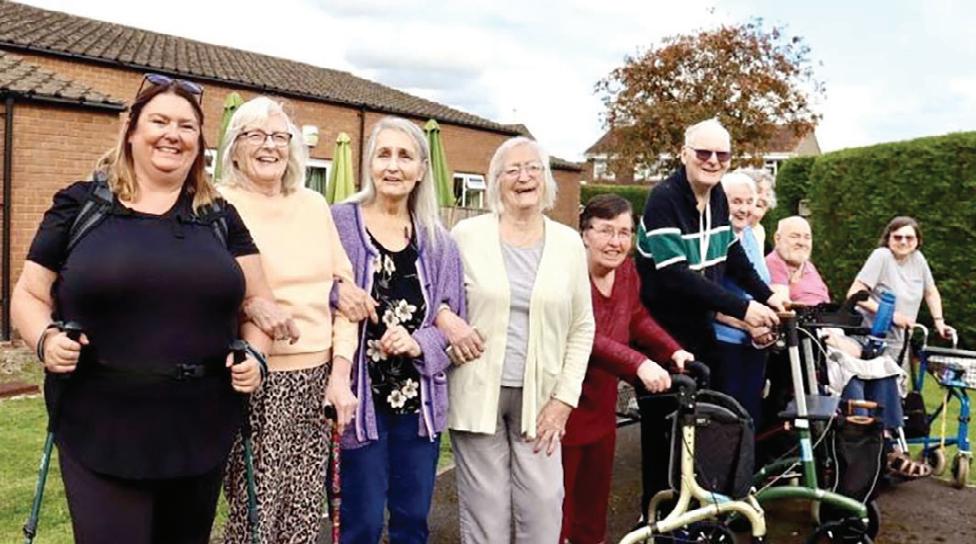
“The whole group came from very different walks of life for the same cause, and we quickly got on to built relationships and friendships, and that was an incredible part of the whole experience that will never leave me.”
Despite the travelling, Lisa was back at on duty the next day at Edgehill
has worked for over 19 years – the last six as registered manager. Residents and staff at the care home were delighted to welcome back Lisa after swapping armchairs for action and joining manager her on training walks ahead of the challenge.
Lisa’s ‘care home boot camp’ saw residents, relatives and staff rally around her to clock up laps of the garden or cheer on from the sidelines in solidarity.
“I’d like to thank everyone who has supported me so far, knowing I had the backing of the residents and my team at Edgehill Care Home behind me made a massive difference,” said Lisa.
“I also hugely appreciate everyone who has donated to My Just Giving page, which has already reached its £4,000 fundraising target and should make £6,000 once gift aid and a few final fundraisers are taken into account,” she added.
Lisa and her fellow trekkers followed a remote route along the wall from Gubeikou to Jinshanling and Simtai, experiencing authentic local culture along the way and packing in a bit of sight-seeing in Beijing.
Editor Peter Adams

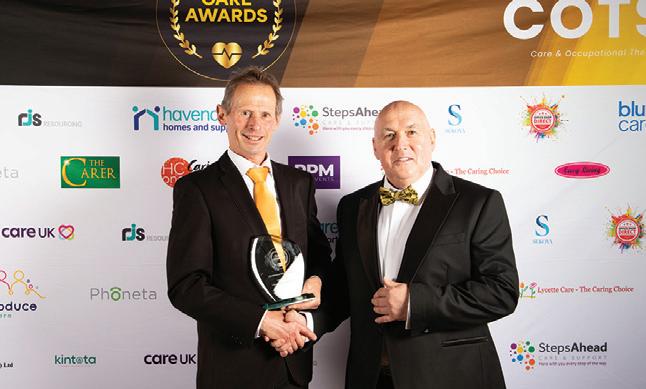
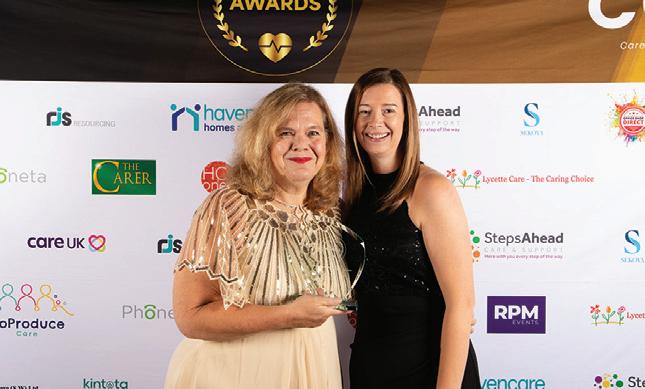
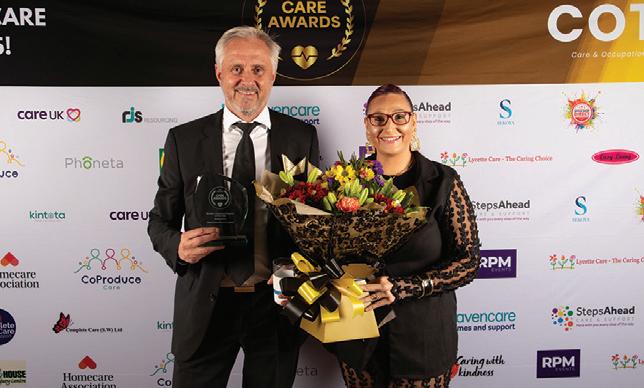
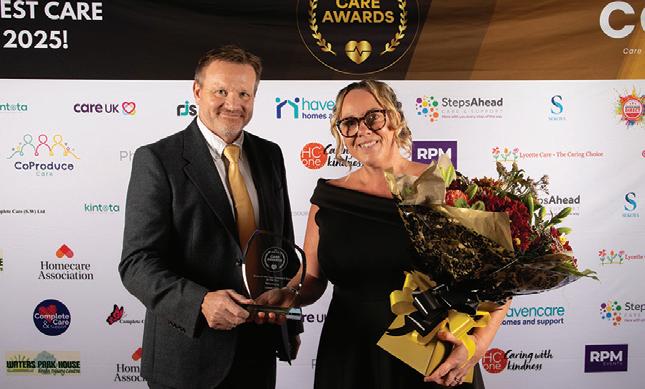
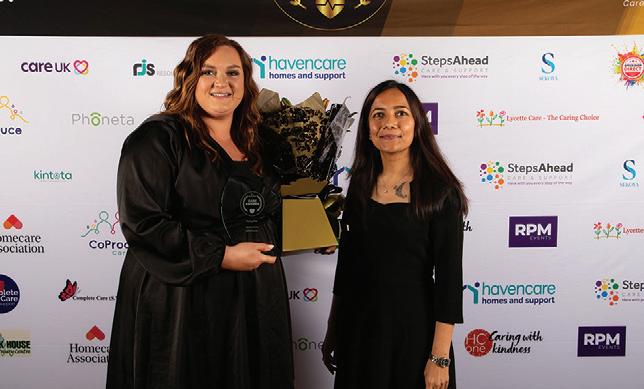
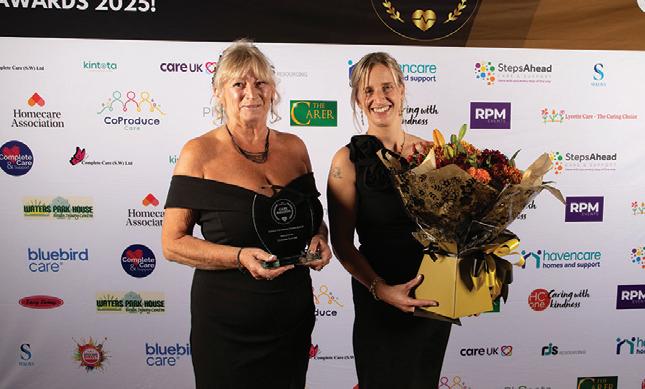
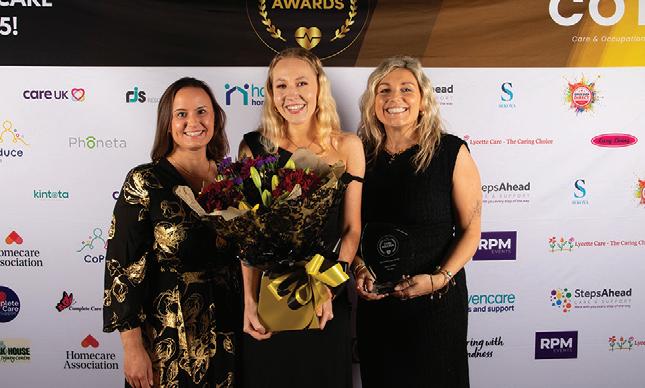
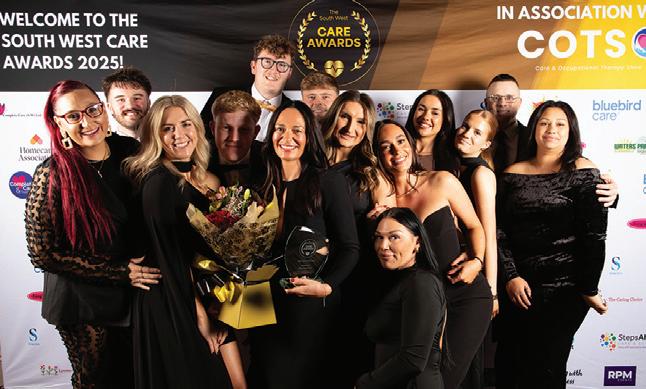
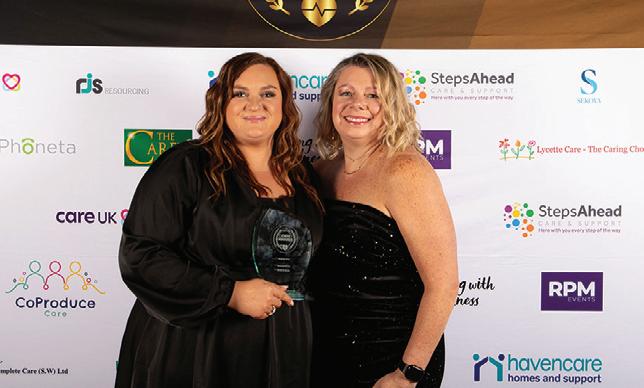
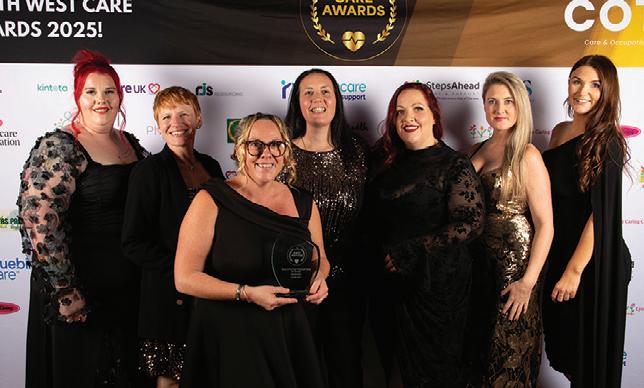
It was an absolute privilege to be invited as a judge for this year's South West Care Awards, (a big thanks RPM Events) to and I am delighted to share my experience of what proved to be a truly memorable occasion.
The awards, which recognise outstanding achievement across the residential and nursing care sector in the South West, culminated in a spectacular gala dinner at Plymouth's prestigious Crown Plaza hotel. From the moment guests arrived, the atmosphere was electric – vibrant, fun, and brimming with the warmth and camaraderie that defines our sector, and have to say the “singing waiters were an unexpected wonderful twist)
As judges, we faced an extraordinarily difficult task. The standard of nominations was exceptional across every category, showcasing the remarkable dedication, innovation, and compassion that characterises care provision in our region. Each nominee represented hours of tireless work, countless acts of kindness, and an unwavering commitment to improving the lives of those in their care. The calibre was so high that we found ourselves adding commendations to several categories – it simply felt impossible to overlook such outstanding work. It may be something of a cliché, particularly coming from a judge, but I can honestly say: they were all winners. Every single nominee should feel immensely proud of their achievements and the recognition they've received.
What struck me most throughout the evening was the genuine sense of community and mutual support amongst attendees. Despite the competitive nature of awards ceremonies, there was nothing but encouragement and celebration for fellow nominees and winners alike. This spirit perfectly
encapsulates what makes the care sector so special – we're all working towards the same goal of providing the best possible care and quality of life for our residents.
The evening was beautifully organised, and the energy in the room was palpable. From heartfelt acceptance speeches to spontaneous applause for every winner, the gala dinner was a fitting tribute to an industry that doesn't always receive the recognition it deserves.
To all the winners: congratulations on your well-deserved success. Your achievements set the benchmark for excellence in care, and you should be tremendously proud.
To all the nominees: being shortlisted amongst such strong competition is an achievement in itself. Your dedication has been recognised, and your contribution to the sector is invaluable.
And to everyone working in residential and nursing care across the South West and beyond: thank you. Your commitment, compassion, and professionalism make a profound difference every single day.
We hope you enjoy the photographs from the evening, which capture just a glimpse of the celebration, joy, and pride that filled the room. Here's to continuing to raise standards, support one another, and celebrate the extraordinary work happening in care homes across our region.
For more information about the South West Care Awards, visit: www.careexhibition.co.uk/south-west-care-awards
ALLIED HEALTH PROFESSIONAL OF THE YEAR
ALLIED HEALTH PROFESSIONAL OF THE YEAR
Winner: Caroline Murphy
Winner: Caroline Murphy
Special Commendation: Louise Wilson
Special Commendation: Louise Wilson
BEHIND THE SCENES IMPACT AWARD
BEHIND THE SCENES IMPACT AWARD
Winner: Devon Freewheelers Bloodbikes Special Commendation: Phoneta
Winner: Devon Freewheelers Bloodbikes Special Commendation: Phoneta
CARE HOME OF THE YEAR
CARE HOME OF THE YEAR
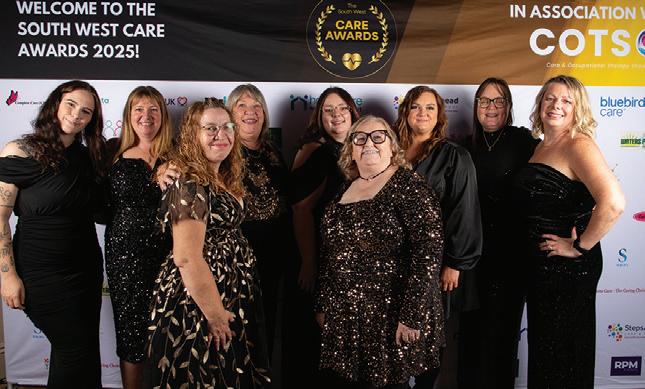
Winner: Castle House Nursing Home Limited Special Commendation: Rossetti House
Winner: Castle House Nursing Home Limited Special Commendation: Rossetti House
CARE SOFTWARE PROVIDER OF THE YEAR
CARE SOFTWARE PROVIDER OF THE YEAR
Winner: Camascope Special Commendation: CareLineLive
Winner: Camascope Special Commendation: CareLineLive
CARE TEAM OF THE YEAR
CARE TEAM OF THE YEAR

Winner: Steps Ahead Care & Support Ltd Special Commendation: RV Extra Care, Devon Team
Winner: Steps Ahead Care & Support Ltd Special Commendation: RV Extra Care, Devon Team
DEMENTIA CARE AWARD
DEMENTIA CARE AWARD
Winner: Home Instead Exeter & East Devon Special Commendation: Sefton Hall Dementia Team
Winner: Home Instead Exeter & East Devon Special Commendation: Sefton Hall Dementia Team
EMPLOYER OF THE YEAR
EMPLOYER OF THE YEAR
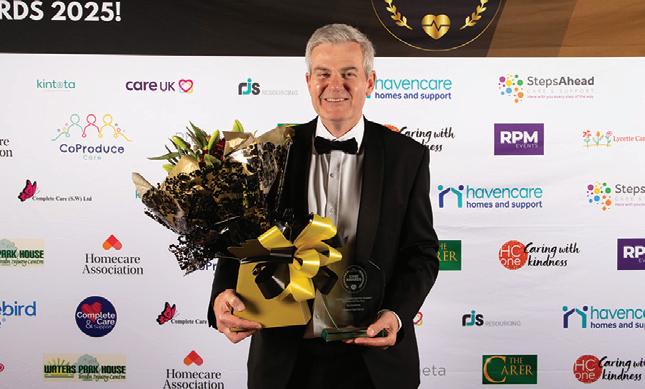
Winner: Kintota Care Ltd Special Commendation: Neighbourhood Care
Winner: Kintota Care Ltd Special Commendation: Neighbourhood Care
ENVIRONMENTAL IMPACT HEROES
ENVIRONMENTAL IMPACT HEROES
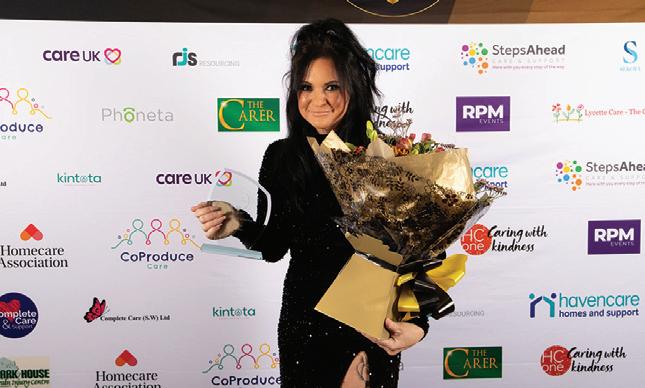
Winner: The Estates Team - Stallcombe Community Special Commendation: South West Hygiene
Winner: The Estates Team - Stallcombe Community Special Commendation: South West Hygiene
FACILITIES & MAINTENANCE SUPPORT PROVIDER OF THE YEAR
FACILITIES & MAINTENANCE SUPPORT PROVIDER OF THE YEAR
Winner: Andy Letten
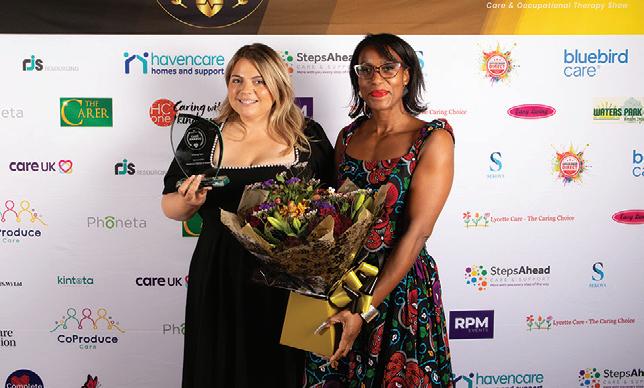
Winner: Andy Letten Special Commendation: Unique Mobility
Special Commendation: Unique Mobility
MOBILITY / EQUIPMENT SUPPLIER OF THE YEAR
MOBILITY / EQUIPMENT SUPPLIER OF THE YEAR
Winner: Kim Toft Madsen, Aquatime Special Commendation: Uccello Designs
Winner: Kim Toft Madsen, Aquatime Special Commendation: Uccello Designs
NURSE OF THE YEAR / OUTREACH
NURSE OF THE YEAR / OUTREACH
NURSE OF THE YEAR
NURSE OF THE YEAR
Winner: Louise Mills
Winner: Louise Mills

Special Commendation: Natalie Clarke
Special Commendation: Natalie Clarke
REGISTERED MANAGER OF THE YEAR
REGISTERED MANAGER OF THE YEAR
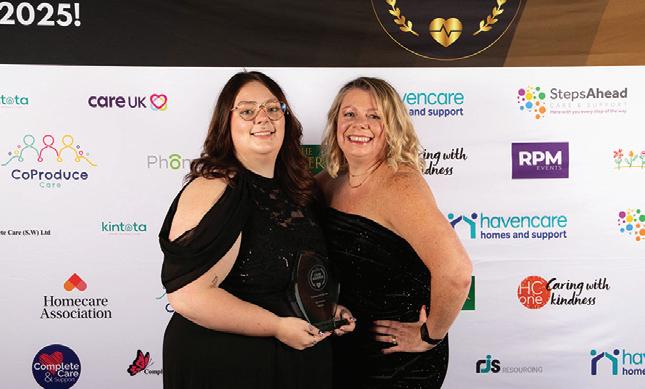
Winner: Christine Holdsworth Special Commendation: Frankie Rowe
Winner: Christine Holdsworth Special Commendation: Frankie Rowe
RISING STAR
RISING STAR
Winner: Lucy Hendy
Special Commendation: Natasha Tressider
Winner: Lucy Hendy Special Commendation: Natasha Tressider
THE PALLIATIVE CARE / END OF LIFE AWARD
THE PALLIATIVE CARE / END OF LIFE AWARD
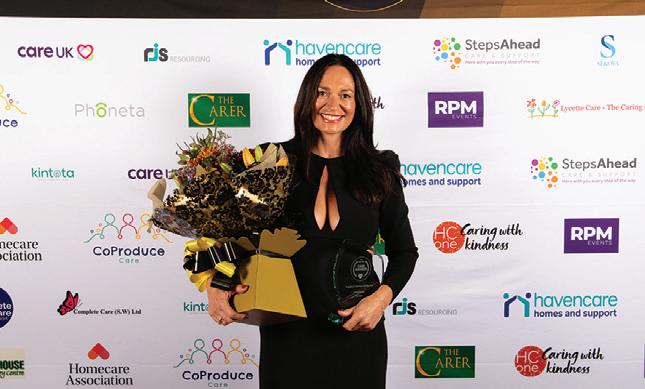
Winner: Glastonbury Care Home Special Commendation: Neighbourhood Care Team
Winner: Glastonbury Care Home Special Commendation: Neighbourhood Care Team
TRUSTED SUPPLIER OF THE YEAR
TRUSTED SUPPLIER OF THE YEAR
Winner: Office Shop Direct Special Commendation: Arjo
Winner: Office Shop Direct Special Commendation: Arjo
UNSUNG HERO
UNSUNG HERO
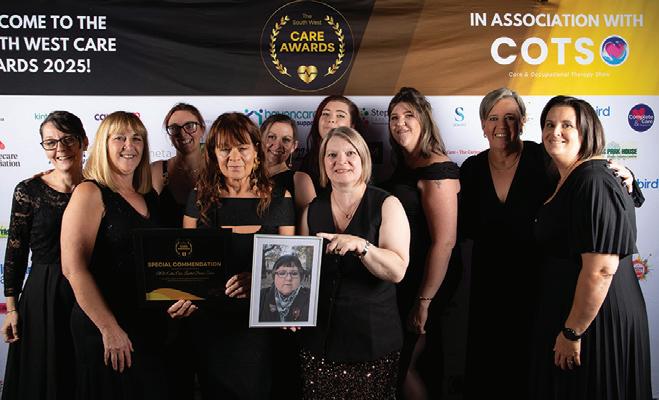
Winner: Kara Mcdonall

Special Commendation: Kyle Johns
Winner: Kara Mcdonall Special Commendation: Kyle Johns
A new global initiative aimed at addressing the most complex challenges in dementia research has been established by Alzheimer’s Research UK and Gates Ventures.
The Dementia Frontiers Fund, announced on 23 October, represents a multi-million-pound investment designed to accelerate breakthroughs in understanding and treating the diseases that cause dementia.
ADDRESSING AN URGENT HEALTH CHALLENGE
With projections suggesting that one in two people will face dementia in their lifetime—either by developing the condition or caring for someone affected—the initiative comes at a critical time for the sector.
Whilst recent years have seen significant advances in dementia research, including the first treatments capable of slowing cognitive decline in early Alzheimer’s and the development of blood tests for diagnosis, major challenges remain.

Dr Susan Kohlhaas, Executive Director of Research and Partnerships at Alzheimer’s Research UK, described dementia as “the defining health challenge of our time” that requires “ambition and collaboration on a global scale.”
An international panel of scientific experts, chaired by Professor Sir John Hardy from University College London, identified three key questions where progress would have the greatest impact:
• Can researchers predict when dementia symptoms will start and how quickly they will progress? Better
understanding in this area could enable earlier diagnosis and accelerate new treatment development.
• Why do some people reach old age without developing dementia symptoms despite having known risk factors? This knowledge could unlock new prevention and treatment approaches.
• How do different brain changes involved in dementia interact, and which matter most? Understanding this could lead to treatments addressing the whole disease rather than individual aspects.
Professor Sir John Hardy, Vice President of Alzheimer’s Research UK, said the fund is “about tackling those big unknowns head-on” and could “finally unlock the answers that have held back progress for so long.”
GLOBAL COLLABORATION AND FUNDING
The initiative will bring together world-leading specialists from diverse fields, including scientists, engineers and clinicians, from both within and beyond the dementia research space.
Research teams worldwide are being invited to apply for start-up awards supporting bold collaborations and innovative ideas aligned with the programme’s research questions. The most promising projects will be selected by an independent expert panel and will receive larger scale funding to advance their work.
Niranjan Bose, Managing Director of Gates Ventures, emphasised the organisation’s belief that “the world’s most urgent health challenges demand bold and collaborative solutions,” adding that “by backing ambitious science today, we can change the outlook for millions of people tomorrow.”
A Bradford care home manager has been recognised on the national stage for her outstanding leadership and compassion in supporting people with learning disabilities and autism.
Mariam Javed, Service Manager at Thornfield House, part of Cygnet Social Care, has won the Executive Learning Disabilities and Autism Leader category at the prestigious Social Care Leadership Awards 2025. Judges praised Mariam for her “exceptional dedication, leadership, and unwavering commitment to the wellbeing of those in her care,” highlighting that she “consistently prioritises service users, advocates tirelessly for their needs, ensures appropriate medical support, guides external professionals, supports families, and leads her team with compassion and resilience – all while managing her own health challenges.”

The awards ceremony, held on 21 October at the London Marriott Hotel Grosvenor Square, celebrated inspiring leaders from across the social care sector. The Executive Learning Disabilities and Autism Leader Award recognises those who demonstrate outstanding leadership, management, and person-centred practice in learning disability and autism services.
Reflecting on her award, Mariam said: “This award truly means so much to me, and I feel incredibly honoured and humbled to receive it. However, this recognition isn’t just about me, it represents the dedication, compassion, and hard work of the amazing team I have the privilege to work alongside every single day, as well as all the remarkable teams across social care who make a difference in people’s lives.
“I’m so proud to be part of a profession that changes lives in ways both big and small. Every day brings new challenges, but also new rewards, seeing our residents, their families, and our team members grow, smile, and thrive is what inspires me to keep going.
“I love my job because it’s more than just a role, it’s a purpose. Knowing that together we can make a genuine difference to someone’s quality of life is what makes this work so meaningful.”
Gareth Williams, CEO of Cygnet Social Care said: “We are incredibly proud of Mariam. Her commitment to person-centred care and her ability to lead with empathy, professionalism and resilience make her a truly deserving winner. This recognition is a testament to her leadership and to the positive difference she and her team make every day.”

It goes without saying that the care industry should offer high-quality care and support to those who need it most, but that’s not all.
Care homes need to provide more than what is expected, and should go above and beyond to deliver the exceptional services that residents and their families deserve. It can be hard to define what this looks like when meeting so many unique needs and experiences: this is where brand values come in.
Brand values are the core beliefs that an organisation stands for, and underpin every action and decision taken. In the care industry, these values don’t just define how a home operates, but provide the basis for staff to develop deeper relationships with residents and their relatives and ensure standards are always exceeded.
Clearly defined brand values are the guiding light at the heart of the care industry, helping to shape every element of the care and support residents receive. Here’s why they’re so important.
DEFINING BRAND VALUES
Whether it’s a commitment to treat every resident and their family with dignity, respect and honesty, a person-centred approach to care, or the importance of encouraging choice and independence, setting out clear values in the care industry is key.
Offering a consistently high-quality service isn’t an easy task in the current climate of rising costs, funding cuts, and relentless demand. At the end of 2024, the government estimated 86.2 per cent of care home beds in England were occupied, and staff are under more pressure than ever before.
But by defining and keeping clear values in mind and at the heart of their actions, staff can rise to the challenge and support residents to fulfil their potential.
Families need to be confident that the home they choose for their relative is going to be the right fit and that the care they will receive will be up to scratch.
It can be difficult for families to determine these things ahead of time, but care homes that adhere to strong brand values and put their best foot forward can prove to prospective residents that what they have

by Alison Foreman, Commercial Director of We Care Group
to offer is of high quality.
Choosing a care home is a difficult but important decision, and building trust can help ease any initial nerves. Care homes that clearly display their values in any promotional materials, but also through their actions at every stage of the care process, are more likely to help residents and their families feel secure and looked after.
Listening to and taking seriously any concerns or worries is crucial. Providing examples of how staff encourage residents to retain their independence, how sensitive issues are handled respectfully, or the range of activities on offer to boost resident wellbeing can all go a long way too.
Strong values are not only important for those residing in care homes: they’re also important for employee motivation and retention too.
Workplace culture is shaped by values, and this plays a big role in attracting the best staff. Everyone wants to work for an organisation that has a solid reputation and a positive culture, and strong values can set care homes apart from their competitors and create a sense of belonging.
Research by LinkedIn reports that 68 per cent of professionals in Europe want to work for companies that share their values. Many in the care industry see their work as a vocation, and this passion for the industry should be reflected in the values of every element of the care industry.
Ultimately, brand values being at the heart of the care industry is about putting people first.
When the industry acts in line with its values, everyone is treated as worthy and their needs are listened to. It’s about putting residents at the centre of the service and every decision made, and having a positive impact on their lives.
Dealing with the strains and stresses of what is an emotionally and physically taxing job can make it a challenge to consistently deliver, but brand values can act as a guide and reminder to keep going.
Building trust, establishing a workplace culture, and ensuring that people are always at the heart of all decisions is made possible in the care industry when strong values are in place.
Having strong values means residents, families, and staff are treated with the care and respect they deserve, and residents are supported to live their lives to the fullest.
Taking the time to establish and embed these core principles throughout the care industry is a non-negotiable when it comes to providing a top-quality service, and our industry has proven time and time again that the right support can go a very long way.


• We specialise in the sale and purchase of quality used wheelchair accessible vehicles and ambulances.
• They can be bought as seen or refurbished and sign-written to your own requirements.
• Fully serviced, new mot & warranty
• Engineers inspection supplied if required.
• Free delivery service
• All buses comply with new legislation
•
• Lease hire and purchase


New solutions to dramatically increase the number of patients receiving a timely formal diagnosis of dementia are to be rolled out by the end of the decade, Science Minister Lord Vallance has said.
With one million people in the UK living with dementia – a number expected to rise to 1.4 million by 2040 – researchers and industry have been backed by £5 million of initial funding to come up with ideas to improve the quality of life for those living with this devastating disease and ease pressure on the NHS.
The aim is that, by 2029, more than 92% of patients could be diagnosed within 18 weeks of a doctor’s referral – up from less than half currently.
Solutions could include ramping up work on blood tests that spot the build-up of proteins associated with dementia, or saliva analysis that notices hormone changes at the early stages of a fading memory, or even before symptoms have begun to show.

Other potential solutions could see the development of AI-powered daily routine assistants which work through smart speakers or tablet devices and learn the activities someone enjoys and their cognitive abilities – from suggesting brain training exercises, offering reminders for daily tasks, helping with simple cooking instructions or facilitating video calls with family.
With 1 in 4 acute hospital beds occupied by a person with dementia in England, these tools will help more people to get the care they need, when they need it, and in their community, supporting the NHS as we build a health service fit for the future.
The challenge was announced by Science Minister Lord Vallance on a visit to the UK Dementia Research Institute in Cambridge with Health Minister Zubir Ahmed, where they spoke to researchers working to tackle a disease that affects so many families across the country.
Science Minister Lord Vallance said: “Few people in the UK will go through life untouched by the impact of dementia – whether through a personal diagnosis or in caring for, or coming to terms with, its effect on a loved one.”
“We must therefore grasp the opportunities that science and technology offers in getting people the early and effective diagnosis they need to continue living fulfilled lives while reducing the pressure on hospitals.
“Whether it involves advanced blood tests or home AI tools and much more besides, we’re setting a clear, measurable and ambitious target, challenging researchers to drive forward potentially game-changing discoveries to transform the lives of people across our country while building an NHS fit for the future and growing our economy.”
Health Minister Dr Zubir Ahmed said: “For too long, our health system has struggled to support those with complex needs, including the one million people living with dementia. This ambitious challenge represents a crucial step forward in our mission to build an NHS fit for the future.
“By harnessing the power of innovation to diagnose dementia faster and more accurately, we can ensure patients and their families get the support they need earlier, when it can make the greatest difference.
“Together, we will transform how we approach dementia care and give millions of people the chance of a better quality of life.”
The Dementia Patient Flow R&I Challenge is the third of 5 to be announced as part of the R&D Missions Accelerator Programme – backed by £500 million set out in the Spending Review. The programme, coordi-
nated by UK Research and Innovation, marks the first time government has set clear, measurable and stretched targets for R&D to deliver its core missions – with more challenges to be unveiled in the coming months
The announcement also comes alongside further support for those with dementia, with UKRI announcing £1.2 million for 2 projects accelerating innovation in digital cognitive assessments. The funding will support Kneu Health – a University of Oxford spinout – in developing innovative smartphone-based cognitive assessment technology that combines digital testing with analysis of ‘biomarkers’ – molecules in the body which can indicate illness – to enable earlier, more accurate diagnosis of cognitive conditions. The biomarkers research is running via Dementias Platform UK’s READ-OUT study.
Professor Siddharthan Chandran, Director and CEO, UK Dementia Research Institute said: “As a practising neurologist, I see first-hand the devastating impact that a long delay for diagnosis can have on an individual and their family. We’re now at an inflection point. The next five years will see a revolution in both therapeutics and diagnostics for dementia, and we’re already seeing the beginnings of that transformation today.
“Precise, early diagnosis isn’t just about giving people information, it’s about giving them agency, choice, and crucially, access to emerging clinical trials and treatments that offer real hope to slow down or stop these conditions.
But we must ensure these advances reach all corners of society, through simple blood tests at the GP, digital assessments on your phone, and smart technology seamlessly woven into daily life.
“The UK has, arguably, the greatest cluster of world-leading researchers in this space, working in some of the best universities in the world, in partnership with industry and our NHS. This ambitious commitment will enable these brilliant scientists and clinicians to deliver the breakthroughs in tomorrow’s diagnostics that will transform the lives of people living with and at risk of dementia.”
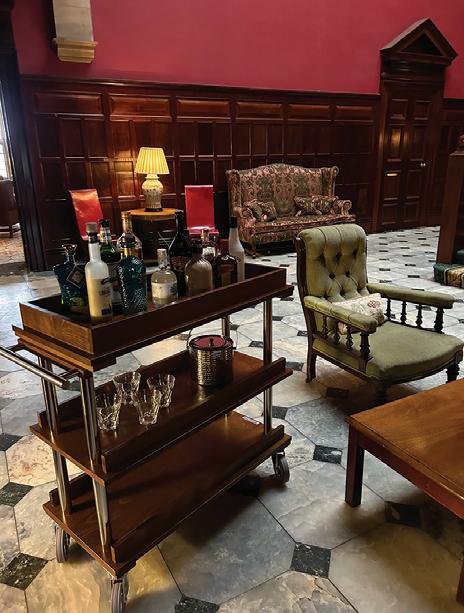





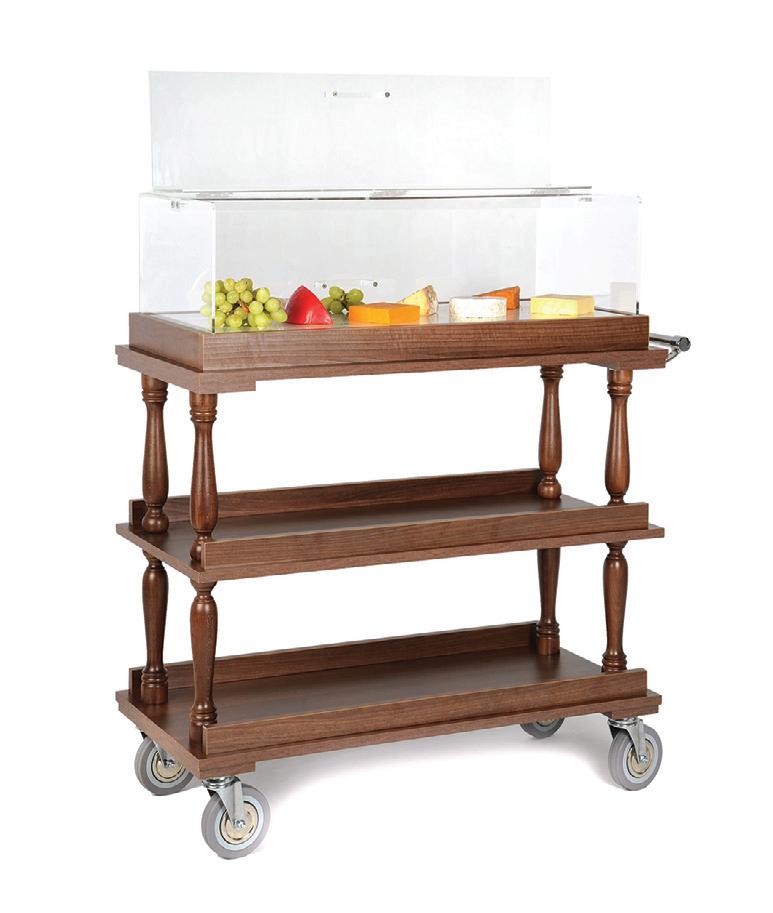
By Dan Morgan-Williams, Founder of Visualise Training and Consultancy
(https://visualisetrainingandconsultancy.com)
With an ageing population and more people living longer, sight loss is becoming increasingly common in UK care homes. Over 2 million people in the UK live with visual impairment, and many are residents in care settings. Yet sight loss is often overlooked, leaving residents at risk of isolation, accidents, and reduced quality of life. This article offers practical guidance, case studies, and training-style tips to help care home owners, managers, and staff create environments where visually impaired residents can thrive.
UNDERSTANDING VISUAL IMPAIRMENT IN RESIDENTS
Older adults are particularly affected by conditions such as age-related macular degeneration (AMD), glaucoma, cataracts, and diabetic retinopathy. Each condition affects vision differently. For example, AMD impacts central vision, glaucoma often reduces peripheral vision, and cataracts cause overall blurriness. Understanding these differences is crucial for tailoring support to individual residents.
Case Study: When Sight Loss Goes Unnoticed
Mrs H, an 82-year-old resident, had gradually lost her sight due to untreated glaucoma. Her care home staff assumed her withdrawal from activities was due to dementia. In reality, she avoided social spaces because poor lighting and cluttered walkways frequently caused her to fall. Without appropriate support, she became isolated, her mood declined, and her health needs increased. This example highlights the risks of failing to address visual impairment in care homes.
ENVIRONMENTAL ADJUSTMENTS: QUICK WINS
Simple, low-cost changes can dramatically improve residents’ independence and safety:
✅ Place high-contrast strips on stair edges and bathroom grab rails.

✅ Ensure all areas have consistent, layered lighting (ambient + task).
✅ Avoid clutter and keep furniture in consistent locations.
✅ Use matt flooring to reduce glare and confusion.

How technology-driven engagement is boosting morale, staff retention, and wellbeing in UK care homes.
In today’s social care environment, the pressures on providers have never been greater. Rising costs, recruitment uncertainty, and increasing expectations from families and the CQC are leaving many care homes stretched thin. Yet, amid these challenges, one innovation is quietly reshaping daily life for both staff and residents - the Mobii Interactive Projection System from OM Interactive.
Drawing on OM Interactive’s 2025 Nationwide Survey of care professionals, The Mobii in Care: Executive Insights 2025 reveals powerful evidence that interactive technology can do more than engage - it can rebuild morale, reduce workload, and help care teams deliver the quality of care they aspire to.
LIFTING MORALE AND STAFF RETENTION ACROSS CARE TEAMS
Care work is among the most rewarding professions, but it is also one of the most emotionally demanding. Many care teams report that introducing the Mobii has brought back a sense of joy, pride, and connection to their daily work.
“Staff feel able to offer a more meaningful experience for service users,” says Marion Hunt, Advanced OT/Sensory Lead at The Hatherton Centre, MPFT.
That feeling matters - because it directly supports staff retention and resilience. When staff see residents light up with engagement, they’re reminded why they chose care in the first place.
Most managers surveyed said the Mobii has made a positive difference to staff workload, reducing stress and freeing up time to focus on genuine interaction. “It’s very easy to set up and use, which frees up the team’s time to spend more time engaging in a group activity,” shares Celia Milton, Activity Champion at Anchor’s Limegrove Care Home.
For carers, it’s not just about having a new tool - it’s about having something that makes their day feel easier, more purposeful, and more connected.
ENHANCING WELLBEING FOR RESIDENTS AND STAFF
The impact on residents is equally remarkable. An overwhelming 90% of care homes said the Mobii has enhanced wellbeing and engagement for both residents and staff. Through light, sound, and movement, it brings interactive experiences directly onto any surface - sparking laughter, movement, and conversation.
“The residents who would seem lethargic and unalert would be revived when the therapeutic games are played,” explains Carolyn Weisey, Activities Coordinator at St Annes Care Home.
Even residents living with advanced dementia have shown renewed participation. “Increased participation, especially from our residents living with more advanced dementia,” adds Celia Milton.
For many homes, this shared experience creates a calmer, happier environment - one where relationships thrive, and residents and carers alike feel more connected.
✅ Label important areas such as toilets and dining rooms in large print or tactile signs.
CASE STUDY: A SUCCESS STORY
Mr L, a resident with macular degeneration, moved into a care home that had recently invested in staff training and environmental changes. The team installed brighter LED lighting, used high-contrast crockery, and trained staff in sighted guiding techniques. As a result, Mr L regained confidence, re-joined group activities, and reported a significant improvement in his wellbeing. This success demonstrates how small, thoughtful adaptations can transform daily life.
STAFF TRAINING & AWARENESS
Training staff to understand and respond to sight loss is critical. Many residents will not openly discuss their difficulties, so staff must learn to recognise the signs and adapt their communication accordingly.
✅ Always introduce yourself by name when entering a room.
✅ Offer your arm when guiding, rather than pulling or pushing.
✅ Describe surroundings and explain changes, e.g. “We are about to step into the lounge; the chairs are on your left.”
❌ Do not move furniture without informing the resident.

❌ Do not leave doors half-open — it creates hazards.
❌ Do not shout; speak clearly instead.
EMOTIONAL & SOCIAL WELLBEING
Supporting social inclusion is just as important as physical safety. Residents with sight loss may withdraw from activities if they feel excluded or isolated. Care homes can:
✅ Adapt group activities with large-print or tactile resources.
✅ Provide verbal descriptions of group events.
✅ Encourage peer support and involve family members in planning.
PARTNERSHIPS & RESOURCES
Care homes don’t need to tackle sight loss alone. Local authorities, sensory support teams, and charities such as RNIB and Guide Dogs offer valuable resources. Eye Clinic Liaison Officers (ECLOs) can also provide practical advice. Accessing grants or funding for equipment can reduce costs and improve outcomes for residents.
CONCLUSION: TAKING ACTION
Supporting residents with sight loss doesn’t have to be complicated or costly. With the proper awareness, staff training, and environmental adjustments, care homes can dramatically enhance the quality of life, independence, and dignity of their residents.
In a sector where inspections and accountability are central, the Mobii also provides measurable support for achieving CQC excellence. Homes using the Mobii report improved outcomes within the “Caring” and “Responsive” categories - both areas where person-centred engagement is critical.
“It can be used for person-centred activities as there is something to suit all needs - and CQC love that,” says Colette Yuksel, Activities Coordinator at Stocks Hall Nursing Home Burscough.
This ability to provide inclusive, evidence-based engagement demonstrates a home’s commitment to meaningful care - something inspectors, families, and staff all value highly.
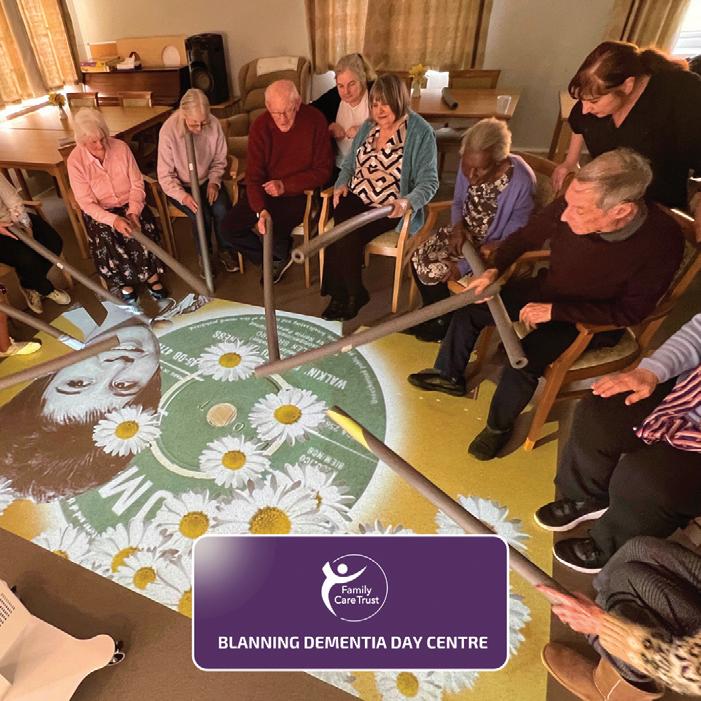
With the upcoming Immigration Bill expected to limit access to overseas care workers, providers across the UK face mounting pressure to retain and support their teams. Recruitment challenges, rising agency costs, and burnout are creating a perfect storm - one that demands creative, proactive solutions.
The Mobii offers exactly that. It simplifies activity planning, empowers staff to deliver more meaningful sessions, and helps build a workplace culture centred on pride, teamwork, and connection.
As Katherine Huntley, Activities Lead at Dewdown House, puts it:
“Staff love playing with this alongside the residents - it really helps with bonding.”
Real-World Results from UK Care Providers
The survey findings speak for themselves:
94% said the Mobii enables more quality time with residents.
89% saw improved mood and interaction.
81% reported enhanced wellbeing and engagement.
90% saw improved memory recall.
• 93% would recommend the Mobii to other care providers.
These numbers reflect what many care professionals already see every day - a calmer, happier, more connected environment where both residents and carers can thrive.
TECHNOLOGY WITH HEART
As social care continues to evolve, the most successful innovations will be those that combine practicality with compassion. The Mobii proves that technology doesn’t have to replace the human touch - it can enhance it, helping carers do what they do best: connect, comfort, and care.
For care providers looking to strengthen staff wellbeing, enrich residents’ lives, and demonstrate excellence to the CQC, the question isn’t whether they can afford to invest in engagement technology.
It’s whether they can afford not to.
or



A social care champion has warned that a lack of fair funding from Betsi Cadwaladr University Health Board is worsening the crisis in hospital discharges in North Wales.
Mario Kreft MBE, the chair of Care Forum Wales, said care homes are being left to shoulder “real terms cuts” when the nursing needs of care home residents become more complex and serious.
According to Mr Kreft, the situation is a “travesty” and a “betrayal of the most vulnerable people.
In a letter sent to all Members of the Senedd in North Wales, Mr Kreft said the 4.72 per cent increase offered by the BCUB for Continuing Health Care funding for 2025-26 was the lowest of any health board in Wales –and far short of what was needed to meet rising costs.
The plight facing seriously ill care home residents in Conwy was, he said, particularly stark.
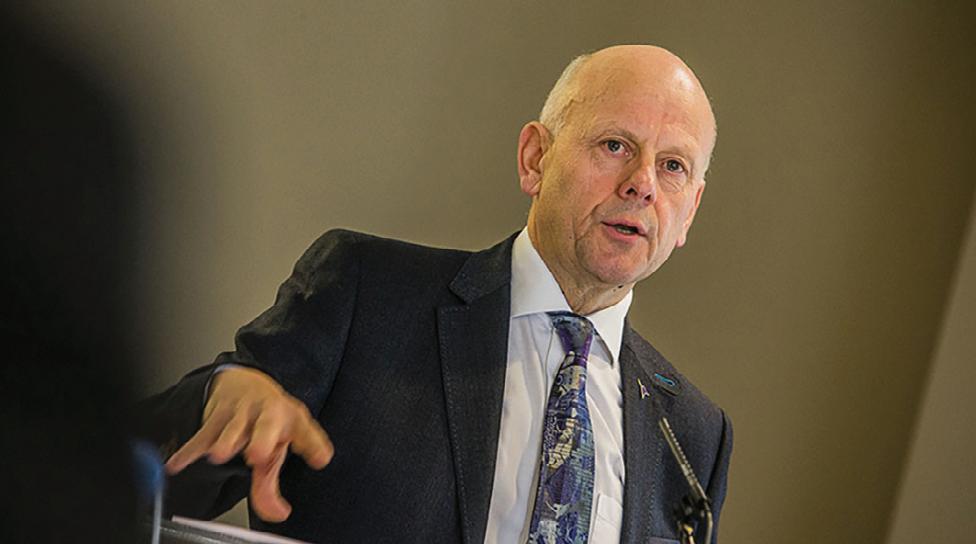
The majority of residents who need nursing care are on Funded Nursing Care (FNC) which is paid by local councils who are then reimbursed by the relevant health board.
But when their needs become more acute and complex they move to a different care package called Continuing Health Care (CHC) which is paid directly by the health board.
In Conwy, there’s now a £5,000 a year drop in funding when that transition happens.
Care Forum Wales are due to meet health board officials on November 6 to try and find a way forward.
The issue, he said, had been brought into sharp focus by news that “significant and urgent” improvements were needed to the way the health board was run.
A new report on BCUHB, which remains in special measures, revealed that “expected improvements in operational delivery are not yet being realised”.
One of the areas for major concern is the way Continuing Health Care is funded.
Mr Kreft said: “It is a significant issue, not least because it’s causing ever more serious delays in hospital discharges with people being marooned in hospital when they shouldn’t be there.
“At the heart of this matter is the health and wellbeing of our most vulnerable people and what we need is fair funding to ensure that they received the best and most appropriate care.
“If we can unlock this problem, it will also have massive benefits for our hospitals in North Wales and the patients queuing up in ambulances outside because there are no beds available.
“There are thousands of beds in care homes which are a bit like mini community hospitals and they could and should be used to alleviate the pressure on the NHS.
“It’s clear from this new, depressingly familiar report that the dysfunction within the health board is still a major issue.
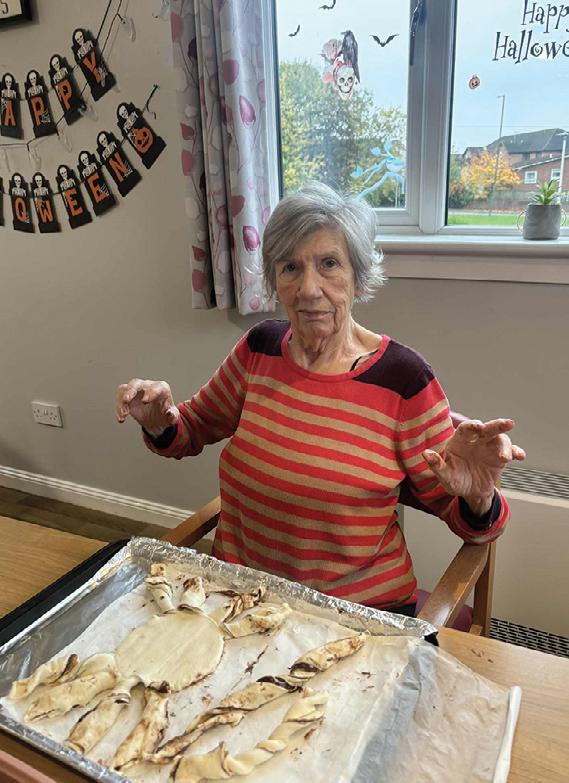
“They need to work with the social care sector and appreciate the value of the brilliant service provided by care homes in North Wales.
“By focusing on cost instead value, the current short-sighted approach will come back to haunt them and have disastrous consequences for our most vulnerable people.”
In the letter to Senedd members Mr Kreft said the current situation was “completely unacceptable” and that 4.7 per cent increase funding from the health board didn’t even cover the additional National Insurance contributions that employers are now required to pay.
He added: “We’re seeing health boards elsewhere in Wales recognising these pressures with uplifts closer to six per cent.
“Our analysis shows a 7 per cent increase is needed just to stand still. Anything less is effectively a cut — and that’s unsustainable for local care homes.”
Mr Kreft said the failure to adopt a recognised national system for calculating CHC fees, such as Care Cubed or Laing & Buisson, had led to “perverse outcomes” like the situation in Conwy.
“We’ve seen people’s needs become more serious, yet the funding goes down. That’s a travesty,” he said. “It defies logic and sends entirely the wrong message about how we value the most vulnerable people in our communities.”
The row comes amid growing concerns about hospital discharge delays which health chiefs have repeatedly blamed on difficulties in finding community placements for patients who are ready to leave hospital.
Care Forum Wales said the situation has been made worse by BCUHB’s refusal to negotiate meaningfully with providers.
“We are six months into the financial year and no real progress has been made,” said Mr Kreft.
“Despite our repeated attempts to engage constructively, we’ve encountered intransigence from officials who appear to regard the 4.72 per cent offer as final.
“We want to reset the relationship on a more positive footing. The vast majority of care homes in North Wales are small, family-run businesses rooted in their communities.
“They want to help relieve the pressure on the NHS — but they can’t do that if they’re being forced to run at a loss.
“What should happen is that the health board works in true partnership with the care homes in North Wales.
“They should appreciate the value of these important community services which can allow thousands of hospital patients to be discharged, which is the best solution for all concerned, most importantly for the people for whom we provide care.”
Residents at Milton Grange care home in Carluke, part of Popular Care, got into the Halloween spirit by baking their own spooky treats - delicious puff pastry Nutella spiders.
The home was filled with laughter and a few playful frights as residents rolled, shaped and decorated their creations, enjoying the sights and smells of freshly baked pastries. The activity was part of a packed calendar of seasonal events at Milton Grange, designed to encourage creativity, social interaction and plenty of fun. Home Manager Alice Karran said: “Our residents love getting hands-on with activi-
ties like baking, especially when there’s a fun theme involved. Halloween is a great excuse to get creative in the kitchen, and everyone had a wonderful time making and tasting their spooky spider treats. Activities like this bring people together and make the home feel extra special.”
The team at Milton Grange regularly organises themed events, baking sessions, arts and crafts, and entertainment to help residents stay active and engaged all year round.
Residents at The Oaks care home in Newtown, Powys were treated to a lively afternoon of music and entertainment, thanks to a visit from the talented Monty Folk Band.
Monty Folk, a community ceilidh band based in Montgomery, brought their upbeat mix of traditional folk tunes to the home, filling the lounge with music, laughter and plenty of toe-tapping.
Residents clapped, sang along, and some took to the floor for a dance as the band performed a variety of familiar favourites.
Jennifer Roberts, home manager at The Oaks, said: “It was such a joy to
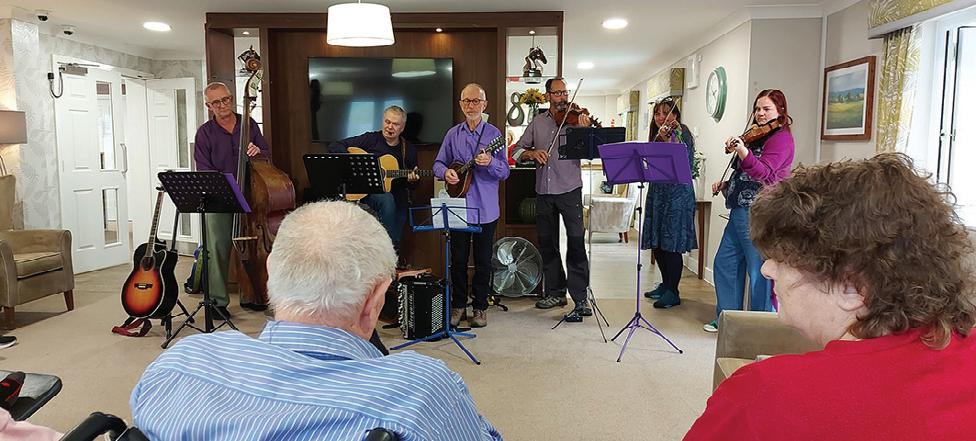
see everyone’s faces light up during the performance.
Music has a wonderful way of bringing people together, and the Monty Folk Band created such a warm and lively atmosphere.
We’re so grateful to them for sharing their talent and time with us, it really made the afternoon special for our residents.”
The event was part of The Oaks’ ongoing programme of engaging activities designed to support residents’ wellbeing through creativity, connection, and community involvement.
Elm Bank Care Home in Kettering, was filled with delicious aroma of
baked bread as residents from the Blossom
Baking
with a
Community cele-
afternoon of culinary cre-
The atmosphere was buzzing as everyone got hands-on creating their own beautiful loaves from scratch. There were smiles all around as residents carefully kneaded, shaped, and seasoned their bread with an array of tempting toppings. From traditional sesame and poppy seeds to perhaps some more adventurous favour combinations, each a loaf created was a unique work of art!
Tina, Activities Co-ordinator said, “It was great as the bread was freshly
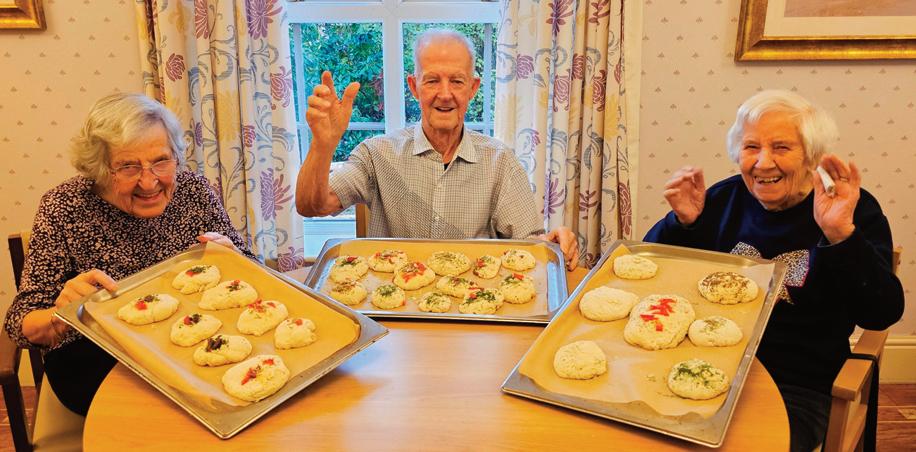
baked the same day and delivered warm to the residents to enjoy with their tea. It was such a joyous activity and hearing all the residents’ stories from times past was lovely.”
General Manager Larisa Bledea said: “We really like to ensure that we offer a whole host of activities within our beautiful home, and that residents get to enjoy all life’s simple pleasures, it is not always about lavish activities it is about what the activity means to our residents and the benefit it creates. Everyone certainly enjoyed eating the creations at the end.”
Our varied life enrichment programme keeps residents active, and provides a daily choice of engaging physical, mental and spiritual activities tailored to residents’ interests and abilities.
Unpaid carers, whose finances, health and ability to work are already impacted by their caring responsibilities, say the pressure of caring is unrelenting – with over half (52%) experiencing a rise in the number of hours they spend caring each week in the last year.
New results from Carers UK’s State of Caring Survey 2025, bringing together the experiences of over 10,500 people looking after a family member or friend, highlight an unsustainable situation for the UK’s 5.8 million unpaid carers.
Unpaid carers in the UK already provide care worth £184.3 billion each year, but they are increasingly being relied on to provide more and more care against a backdrop of rising costs, insufficient funding and staff shortages within the UK’s health and social care system.

There are worrying consequences for those caring for longer hours, who are more likely to experience poor mental and physical health themselves. 42% of carers answering this year’s survey say their physical health has worsened and 20% have experienced an injury because of caring. 74% say they feel stressed or anxious, some are experiencing panic attacks and are unable to sleep because of this.
As the cost of living crisis continues carers – who already face additional costs such as higher electricity bills – are also feeling increasingly stressed and anxious when they think about their financial situation. Nearly half (49%) of unpaid carers say they have cut back on essentials such as food, heating, clothing and transport costs, while a third (32%) say they have taken out a loan from the bank, used credit cards or a bank account overdraft. 74% of carers say they are worried about the impact that their caring role will have in the future, including supporting themselves financially after their caring role has come to an end. 61% of working carers responding to this year’s survey say caring has affected the type of employment they have taken on. An increase in hours spent caring often impacts employment, every day around 600
people in the UK give up work to provide unpaid care.
35% of working carers say they have reduced their working hours and a fifth (21%) say they have taken on a lower paid or more junior role that fits better with their caring responsibilities. Statistics published by DWP in March 2025 found that the cost to the economy of unpaid carers being out of work is £37 billion a year.
Previous research from Carers UK has found that 62% of carers who are currently providing or have previously provided unpaid care felt they had no choice in taking on the role because no other care options were available.
Helen Walker, Chief Executive at Carers UK, said: “A worrying number of people are taking on increasing hours of care each week at a significant cost to their health and finances as a result. For those whose employment is impacted, the consequences of limited earnings and pension contributions greatly reduce their prospects for financial independence in the future.
“Given the fact that very few people feel they have a choice about caring, we have both a moral and an economic obligation to support unpaid carers. Many are under considerable stress living a life defined by their caring responsibilities. We need to start valuing their contributions because when they leave the workplace or experience burnout, this has wider consequences for workplaces and health services.
“These findings come at a time when the Government is moving forwards in several critical areas, including an independent commission on adult social care. Concrete action to deliver better rights and support for carers within plans to reform the NHS, review workplace rights and social security benefits has never been more urgently needed. Without this, unpaid carers will continue to struggle with devastating consequences for individuals, those they care for, and society as a whole.”
Gareth Lewis at Chacombe Park Care Home in Banbury has beaten all the competition to be crowned National Maintenance Champion of the Year in the Barchester Care Awards 2025.
The Barchester Care Awards celebrate the staff who go the extra mile for the benefit of the 13,500 residents living in Barchester’s 268 care homes and private hospitals across the country. Categories range from ‘Team of the Year’ and ‘Carer of the Year’ to ‘Dementia Care Champion’ and ‘Activities Coordinator of the Year’.
More than 5,250 nominations were received from homes and hospitals across the UK. All entries were a very high standard and Gareth is over the moon to have been named the national winner, beating hundreds of other nominees to the coveted title.
Gareth’s win was announced at a special national award ceremony which
took place on October 23 to celebrate the outstanding achievements of Barchester’s many exemplary staff members who work tirelessly to deliver the best care to their residents and patients every day.
General Manager, Shaju Paul, said: “This is an amazing achievement and the whole home is so proud of him. Our residents, staff, friends and family watched the award ceremony ‘live’ from the comfort of our home and will be throwing Gareth a big party in recognition of all he does for Chacombe Park and on receiving the National award.”
Dr Pete Calveley, CEO of Barchester Healthcare, added: “Hosting the Barchester Care Awards where we recognise and thank all of our staff for their hard work and dedication is without doubt my favourite day of the year. We have the best teams in the world and I couldn’t be prouder of each and every one of our members of staff, they are all absolutely amazing.


The UK market is on track to complete c. £12 billion of healthcare property transactions in 2025, according to the latest forecast by leading global property adviser Knight Frank.
This figure, which would represent a record for annual investment into the sector, is more than treble the long-term yearly average, driven by a significant uptick in appetite for exposure to the healthcare real estate sector from cross-border family offices, insurance firms and REIT investors who are attracted to the sector’s countercyclical characteristics amid an increasingly uncertain market environment.
As at the end of Q3, £7.85 billion of UK healthcare property deals have transacted this year, £6 billion of which have been completed by Knight Frank.
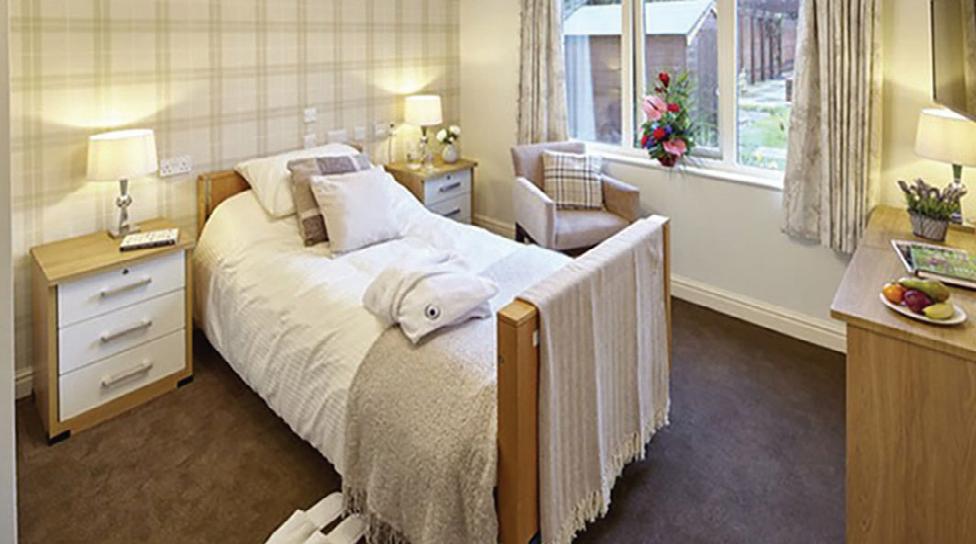
Looking forward, Primary Health Properties’ £1.8 billion deal for Assura PLC is likely to be one of the most notable deals in Q4, creating a portfolio valued at c.£6 billion and an operating platform which is expected to be well-placed to attract further investment from global fund managers.
An additional £2 billion of transactions are due to be completed by Knight Frank in the final quarter of the year. Alongside further pipeline deals transacted by active capital sources before the end of the year, this will bring full-year investment volumes to c. £12 billion for 2025.
Well-capitalised global investors increasingly value the synergies and efficiency gains inherent in platform and whole-company acquisitions, with the bulk of anticipated Q4 investment volumes materialising through M&A as opposed to single-asset or portfolio acquisitions.
Total investment volumes in 2024 were £3.2 billion, currently the highest annual figure on record but set to be eclipsed by 2025’s totals. The five-year average annual transaction volumes in the sector stand at £2.4 billion.
UK HEALTHCARE: A MAGNET FOR GLOBAL CAPITAL
Several key deals transacted this year typify the sector’s strong investment momentum. US-listed care home investor CareTrust’s £448 million acquisition of Care REIT represented the firm’s entry into the UK market, reflective of a broader trend of international REITs and sector-specialist investors capitalising on supportive dynamics in 2025 to make their entry into the high-performing UK market via significant platform acquisitions. US capital has accounted for a high proportion of UK transaction volumes in recent years, and in 2025 several have taken opportunities to consolidate and scale newly acquired operating platforms. Foundation Partners’ £100 million deal for Hartford Care is indicative of this theme, following Welltower’s acquisition of Care UK in 2024.
Both domestic and international institutions have sought to cement their foothold in the sector this year, with RLAM and Franklin Templeton behind key deals in 2025 which saw them deepen their exposure to UK care homes. Additional opportunistic acquisitions, such as Omega Healthcare’s acquisition of the remaining Four Seasons Health Care portfolio, have continued apace.
Ryan Richards, Associate at Knight Frank, commented: “2025’s record UK healthcare property deal volume has been fuelled by a high volume of consolidation and M&A in the sector, with established domestic operators and international investors each seeking to capitalise on the efficiency gains available from whole-platform deals. While PHP’s acquisition of Assura has gained the most attention, a number of significant whole-company deals in H2 will cap off a highly active year for investment into the asset class. The trend toward platform plays looks set to continue into next year, signalling that we may be in the midst of a multiyear boom for capital inflows to UK healthcare.”
MHA Handsworth took inspiration from the annual awards ceremony, the MHA OSCAR’S, which provides the organisation to credit, highlight and celebrate the wonderful work staff and volunteers do.
The home decided to call their awards ceremony the ‘Glitz and Giggles’ awards, with an aim to spread humour and encourage lively conversations.
The ceremony was led by activities coordinator Charlotte Fowke, who created an awards ceremony-like atmosphere by having a red carpet and decorating the home with balloons and bunting.
Speaking after the awards ceremony, Charlotte said: “In the weeks leading up to our afternoon residents and staff were encouraged to vote for the residents they wanted to win the awards, and we had 10 award categories to choose from.

“We started the afternoon off by showing some of MHA’s OSCAR’s awards evening using our tiny tablet, before moving on to our own ceremony.
“It was lovely to see all of the residents come together and celebrate each other in a fun and exciting way.
“The lounge area was opened out with a red carpet running through the middle where residents were encouraged to walk along to the presentation area to collect their awards.
“There was lots of laughter during the afternoon with residents cheering each other on, we also handed out glasses of prosecco and cupcakes and enjoyed a party after the awards had been given out.
“Residents received a medal and a certificate to celebrate their winnings.
“The awards were created with humour and residents were reminded at the beginning that none of the awards were set to offend anyone.
“It was also a time for the staff to take a minute and enjoy the afternoon with the residents.
“The feedback from staff, residents and relatives has been lovely with a lot of them talking about the attention to detail and we will now aim to carry out this awards afternoon each year.” HERE IS A LIST OF WINNERS AND WHAT THEY WON THE AWARD FOR
• The Positive Attitude Award – Irene Eckersley
• The Always Dancing Award – Margaret Kelly
• The Most Active Award – Bill Sherlock
• The Friendliest Person Award – Betty Clift
• The Potty Mouth Award – Yvonne McAlister
• The Cheeky Chappy Award – Gordon Dunbabin
• The Gossip Guru Award – Pat Gaskin
• The Story Teller Award – John Rowe
• The Green Fingered Award – Sue Rowe
• The Walking Encyclopaedia Award – David McKnight The special recognition awards went to:
• Julie Maddock – The Always Smiling Award
• Denis Hilton – The Legacy of Strength Award.
Karuna Manor Care Home recently hosted a truly enriching and educational evening in collaboration with The Clementine Churchill Hospital, part of Circle Health Group.
The special event brought together nearly 25 guests, including residents, families, and members of the wider community, for an inspiring health awareness session focused on mobility, memory, and wellbeing in later life.
The event highlighted the importance of community partnerships in promoting healthy, independent living for older adults. Attendees were treated to two expert-led presentations delivered by distinguished medical professionals from The Clementine Churchill Hospital.
Miss Samantha Tross, Consultant Orthopaedic Surgeon, delivered an engaging and informative talk titled “Easing Pain and Improving Movement: Modern Approaches to Hip and Knee Care.” Miss Tross shared her wealth of knowledge on advanced treatments and early interventions designed to preserve mobility and independence in older adults. Her insights underscored how modern orthopaedic care continues to transform quality of life for people living with joint-related conditions.
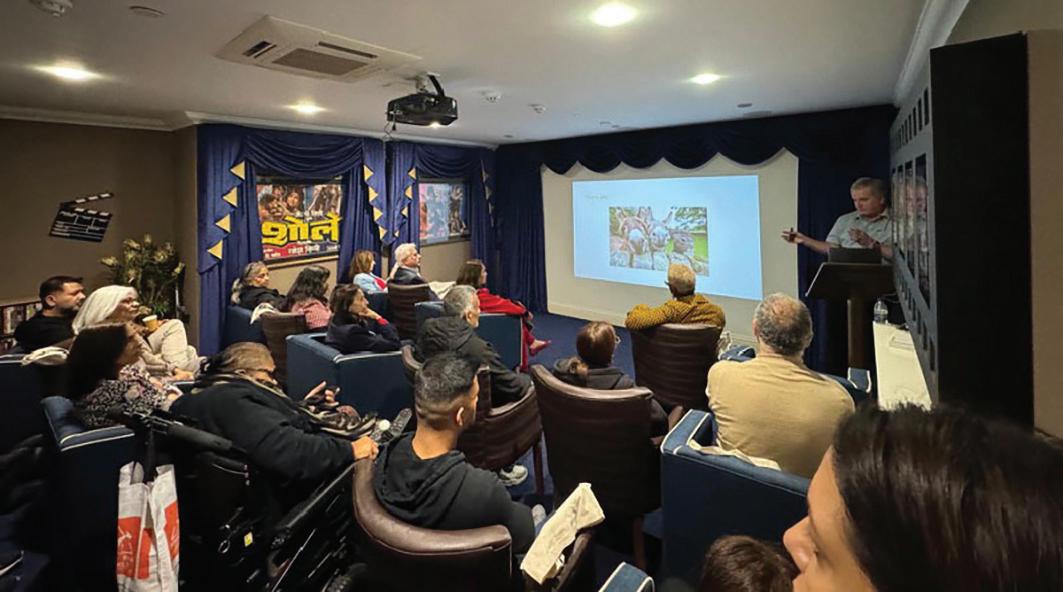
Following this, Dr Shane Roche, Consultant Physician and Specialist in Geriatric Medicine, presented an enlightening session on “Understanding Memory Clinics: Expert Guidance on Dementia Assessment and Care.” Dr Roche’s talk focused on the importance of early diagnosis, comprehensive assessment, and the
value of person-centred approaches in dementia care. His compassionate perspective provided reassurance and practical guidance to both families and care professionals alike.
Karuna Manor was especially honoured to welcome The Mayor of Harrow, Councillor Anjana Patel, Mayor of the London Borough of Harrow, who graced the occasion with her presence. In her address, the Mayor praised the event as a shining example of how healthcare providers, local authorities, and care homes can work hand-in-hand to support the wellbeing of the elderly in the community. Her words of encouragement reinforced the vital role of collaboration and community engagement in promoting holistic care.
The evening was filled with insightful discussions, thoughtful questions, and heartfelt appreciation from all who attended. Guests praised the opportunity to learn directly from healthcare experts while connecting with others in a warm, welcoming environment. For many, the event served as a reminder of the power of knowledge-sharing and partnership in improving health outcomes and enriching lives.
“At Karuna Manor, we believe that true care goes beyond our walls—it’s about creating meaningful partnerships that benefit our residents and the wider community,” said Payal Chhabra, Home Manager at Karuna Manor Care Home. “We are deeply grateful to The Clementine Churchill Hospital team, Miss Samantha Tross, and Dr Shane Roche for their time, expertise, and dedication to improving wellbeing in later life.”
Carers UK welcomes Government commitment to publish the independent review into overpayments of Carer’s Allowance and its response before the end of this year, as stated during the final report stages of the Public Authorities (Fraud, Error and Recovery) Bill in the Lords last night 21/10/25.
Helen Walker, Chief Executive of Carers UK said: “We are pleased to hear that the Government is finalising its response to the review by Liz Sayce OBE into the scandal of Carer’s Allowance overpayments and is committed to publishing both the report and the Government’s response before the end of the year.

“We are reassured to hear that the Government and the new Secretary of State have acknowledged the depth and complexity of the report and the review and are undertaking a detailed consideration of the findings.
“This reflects the seriousness and the complexity of the issues that hundreds of carers subjected to an overpayment have been raising with Carers UK.
“The devastating financial and emotional impact on thousands of unpaid carers who have inadvertently breached the earnings threshold and their families has been widely reported and detailed in our report. It is positive to hear that the scale of the issue has been understood and look forward to a robust response.
“In Carers UK’s response to the overpayments review, we have called for a suite of changes from Government based on the compelling evidence provided to us by carers.
This includes:
• writing off overpayment debts,
• improved information and advice,
• improved communications,
• clarity about deductible expenses,
• clarity and transparency about averaging of earnings rules,
• easier communications from carers to the DWP and vice-versa,
• clarity about when and how overpayments occurred,
• how they were calculated and on what basis and how repayments are tracked/communicated,
• introducing a taper for Carer’s Allowance earnings to remove the cliff edge.
Government has already made some changes including raising the earnings limit on Carer’s Allowance to peg it with 16 times the National Living Wage – now at £196 per week. This is the largest increase to the Carer’s Allowance earnings limit since 1976. Government is also scoping a taper for Carer’s Allowance, which it says is very complex and that implementation, if it went ahead, would take years because processes would need to be rebuilt.”
A new outdoor playgroup is launching in Aberlour, supported by local care provider Parklands Care Homes.
It’s the second time Parklands has partnered with Moray charity Earthtime to bring the popular Waddle Toddle sessions to its care homes.
Following the success of the playgroup at Parklands & Burnbank care homes in Buckie, Earthtime will now bring the same experience to Aberlour’s Speyside care home.
Sessions will be held every Thursday from 10.30am to 11.15am, starting Thursday 30 October.
The playgroup is designed for babies and pre-school children to enjoy outdoor play and nature-based activities, while giving parents and carers the chance to connect
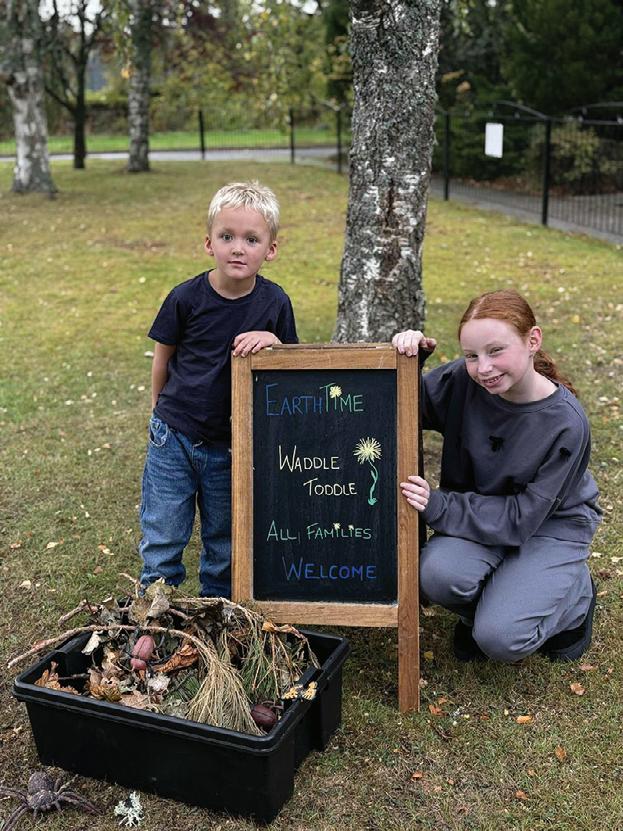
with other families in the community. The sessions also encourage intergenerational connections, with residents of Speyside joining in the fun.
Each session will take place in the home’s garden area, with indoor space available in case of bad weather.
Louise Gillies, Manager at Speyside Care Home, said: “We’re delighted to be teaming up with Earthtime to bring Waddle Toddle to Speyside. These sessions are a lovely way to bring young families and our residents together. We’ve seen how popular the playgroup has been in Buckie, and we’re excited to bring the same experience to families in Aberlour.
“Our residents really enjoy seeing children around the home – it brings energy, laughter and a real sense of community to Speyside.”




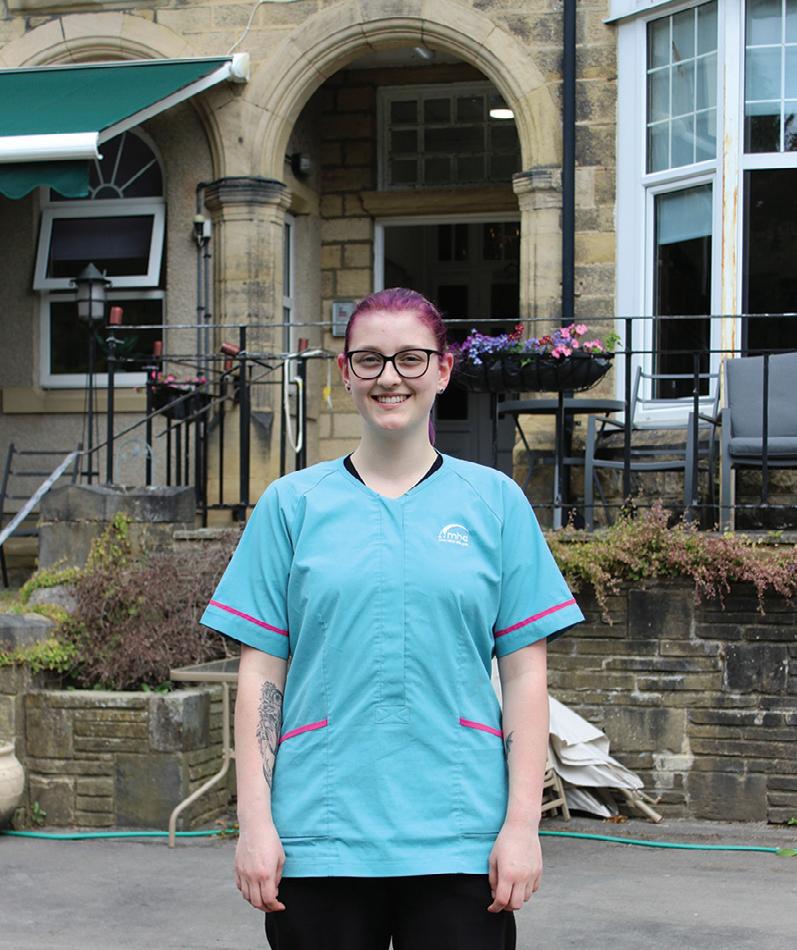
Chloe Payne always had an interest in social care, after studying it at college and during her GCSE years but says the experience and knowledge she has gained during her time as a care assistant is second to none.
Chloe (20) joined MHA Glen Rosa in August 2024 and despite it being her first role in a care home, she is already looking to progress and develop her career further.
She applied for a role at the Ilkley home after seeing glimpses of the culture and atmosphere from the home's social media page.
MHA Glen Rosa provides residential and residential dementia care for 47 residents.
We spoke to her as part of MHA’s 30 under 30 initiative which aims to celebrate and highlight at least 30 staff members across the organisation in a bid to promote the social care industry as a place of work for people aged 30 and below.
Speaking about her role she said: “I was very excited when I found out I had got the job, and it was on the same day I interviewed for the role, which made it extra special.
“Working in social care was something I always had an interest in as I studied health and social care at college and school.
“I am really enjoying working at MHA Glen Rosa, I have learnt a lot in my time here, and it's great to share the place with such an experienced, friendly and
supportive team.
“One thing that really struck me is the emphasis on promoting the residents to be independent.
“My role includes offering personal care to the residents, prepping them for breakfast and offering support to them.
“There is a lot of support available, everyone was really welcoming when I joined, and I am very happy I applied for a role here.
“The work/ life balance works really well for me, and the atmosphere is just like one big family.
“I do want to stay here and develop my career, the next stage for me would be to become a senior carer, and this is something I am very keen to explore.
“For me the key attributes in working in social care as you have to be understanding, patient and of course caring.
“I love spending time with the residents, and you can learn so much from them.
“Working in care is very rewarding, it is so different to other jobs, but once you see how important all the roles in care are, you will understand it, and I would recommend people to just go for it.
“If you are driven and have ambition, you can make a successful career in care.”
Inspired by a woman who spent her summers in Carcassonne picking grapes and selling fruit at the local market, her son and a group of friends and family have completed a 1400-kilometre charity cycle ride from Oxfordshire to the south of France in her memory.
Ben Last lost his ‘brilliant’ mother, Sue Last, to cancer in 2020; in recognition of the care she and her family received from St Peter’s Hospice in the final stages of her life, Ben from Bristol, took on the challenge and raised more than £8000 for the Bristol-based charity.
"The care they provided for my mum, and the support they offered to us, her family, was incredible. It made a huge difference, and I wanted to do something to give back and honour her memory,” said Ben, a financial analyst who lives in Redland.
“Mum spent several summers in her twenties in Carcassonne, where she would pick grapes in the vineyards and sell fruit in the local market in exchange for bed and board (and a two-litre-per-day wine allowance!).
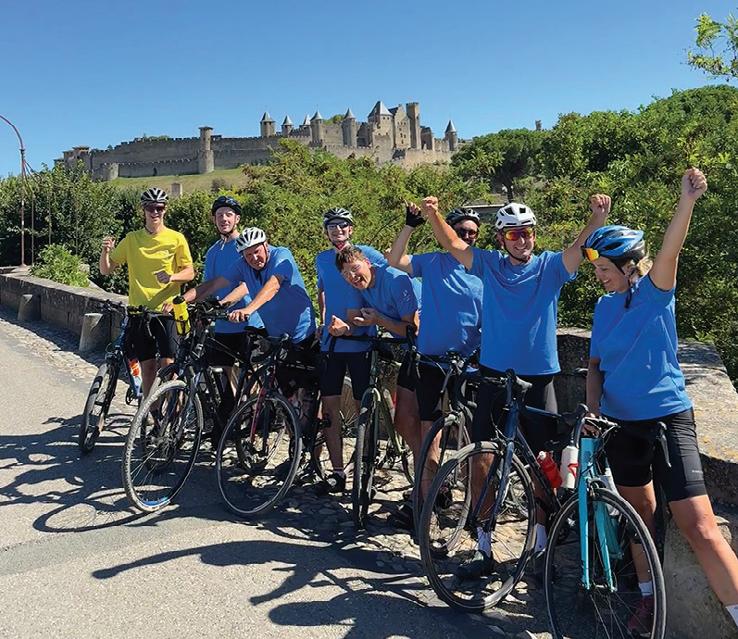
"Carcassonne remained very special to her, and she often shared stories about the summers she spent there. Shortly before she passed away, Mum took us back and showed us the fields and streets that had brought her so much joy.”
The cycling group, which included Ben’s father, Stephen, and brother, Tom, camped along the way and
faced a couple of days nearly washed out by rain.
“We ate an incredible amount of baguettes, croissants and Haribo. And at the very end of the trip, I proposed to my girlfriend, Daisy, using one of my mum’s rings that my dad had kept in his bag for the entire journey – and she said yes!
“It was the perfect way to end the trip, and something I know my mum would have been so pleased about.”
For Ben, the route from Oxfordshire to Carcassonne held deep personal meaning, linking two places that had always been special to his mother.
“She went to live in Great Tew – an idyllic Oxfordshire village at the age of four; it left a huge impression on her, and she went back many times to visit. Her ashes rest by the cricket pitch and under the cedar tree at the top of ‘Cow Hill’.”
Along with his father and brother Tom, 31, the group included Archie Morfoot, 28, Max Heiberg-Gibbons, 28, Sam Milliner, 28, Dom Griffiths, 28, all from Bristol; Daisy Handford, 27, from Leicestershire and Ben O’Connor, 27, from Yorkshire.
St Peter’s Hospice is Bristol’s only adult hospice. All care at St Peter’s Hospice is provided free of charge, but the charity relies on gifts in wills, donations, fundraising and money raised through its retail shops to deliver its services.

BEYOND CQC/ CIW/ CI STANDARDS
In today’s highly regulated health and social care environment, providers face the dual challenge of ensuring compliance while striving to deliver safe, high-quality, and commercially sustainable services. Care Inspections UK Limited (CiUK) has emerged as a trusted partner in this landscape, providing a professional and independent inspection service that goes beyond the standard requirements of the Care Quality Commission (CQC), The Care Inspectorate Wales (CIW) and the Care Inspectorate (Scotland), collectively “The Inspectorates”
What sets CiUK apart is its status as a registered inspection body, operating with the highest levels of professionalism and governance. This official recognition imbues care providers with confidence that inspections are carried out with rigour, objectivity, and an unwavering focus on evidence. Every report is underpinned by validated, research-based methodology, ensuring the outcomes are credible, balanced, and practical.
While CQC/ CIW/ CI inspections focus on fundamental areas such as safety, effectiveness, responsiveness, and leadership, CiUK’s approach extends further. Each CiUK inspection covers all the domains CQC/ CIW/ CI would expect, but also incorporates additional layers of analysis essential for continuous improvement. This Includes:
• Operational risk management involves identifying risks before they become incidents, reducing exposure for service users and providers.
• Quality enhancement: Assessing opportunities to raise standards in care delivery, staff engagement, and governance.
• Commercial sustainability: Offering insight into how operational practices influence financial performance, helping providers balance compliance with business viability.
The result is an inspection report that is not only regulatory-ready but also a strategic tool for improvement.
Professionalism is at the heart of CiUK’s ethos. Inspections are conducted by highly experienced professionals who bring frontline expertise from clinical, managerial, and governance roles in the care sector. This depth of knowledge allows CiUK to deliver meaningful feedback that resonates with staff at every level, from frontline carers to boardroom directors.
Independence is equally vital. As an external registered inspection body, CiUK reassures providers that its findings are unbiased and transparent. In a sector where credibility matters, this impartiality is invaluable in preparing for CQC inspections and demonstrating accountability to commissioners, investors, and the wider community.
Care providers today operate in an environment of heightened scrutiny and rising expectations. CIUK’s inspections do more than highlight compliance gaps; they provide a clear roadmap for reducing risk, enhancing quality, and driving organisational improvement.
By identifying weaknesses early, providers can take corrective action before issues escalate. At the same time, CiUK’s focus on strengths and opportunities supports a culture of positive development. This balanced approach ensures that inspection outcomes are constructive, not punitive, fostering continuous organisational improvement.
One of the most overlooked aspects of care provision is its commercial dimension. Poor compliance and weak governance inevitably carry financial consequences, from reputational damage to contract loss. CiUK recognises this and integrates commercial insight into every inspection. CiUK helps providers achieve operational excellence and commercial resilience by aligning care quality with business performance.
THE CIUK DIFFERENCE
Choosing Care Inspections UK Limited means selecting a partner committed to professionalism, independence, and comprehensive excellence. CiUK inspections do more than prepare organisations for regulatory visits—they empower providers to deliver safer, higher-quality care while protecting their reputation and commercial future.
CiUK delivers evidence-based assurance and actionable insight for providers who want more than compliance.
Kailash Manor has transformed this October into a month-long celebration of India’s rich cultural and spiritual tapestry. The Festive Month has brought together residents, families, and staff through a series of vibrant events — from Dushera festivities and creative rangoli workshops to Diwali celebrations and the grand finale marking the Gujarati New Year with the traditional feast of 56 Bhog (56 dishes).
The Hindu festival of lights was spent connecting and catching up with the home filled with laughter, music, smiles, and love — embodying the true essence of togetherness.
Home Manager Manju Bandari shared her thoughts on the festive season: “At Kailash Manor, we believe that festivals are not just events, but powerful opportunities to connect our residents with cherished memories, family traditions, and the cultural roots that define who they are. The happiness and energy that fill our home during these celebrations remind us that community and compassion are at the heart of everything we do.”

The celebrations officially commenced with Dushera, symbolising the triumph of good over evil. Residents participated in a special storytelling session recounting the tale of Lord Rama and the victory of righteousness. The day concluded with a symbolic effigy burning in the home’s courtyard — a moment that brought smiles and applause from residents who fondly recalled childhood memories of Dushera festivities in their hometowns.
Residents also engaged in preparing festive sweets like laddoos and barfis, guided by the culinary team. The aroma of traditional treats filled the air, bridging nostalgia and joy.
Following Dushera, the home embraced creativity through its Rangoli Making Competition. Residents, with the support of the care and Wellbeing teams, designed beautiful rangolis that turned the common areas into an explosion of colour and artistry. Each rangoli carried its own story — from geometric patterns to depictions of diyas and peacocks — symbolising harmony, prosperity, and happiness.
Sagar Joshi, Hotel Services Manager at Kailash Manor, expressed his pride in the event’s success: “It was heartwarming to see our residents express themselves through art. The rangoli competition became more
than just a creative exercise — it was a reminder that age is no barrier to enthusiasm and imagination. Our staff took great care to provide every comfort and support, ensuring that each resident could participate and shine.”
The rangoli displays became a favourite spot for visiting families and guests, who admired the residents’ artistry while enjoying festive refreshments prepared by the in-house catering team.
The spirit of celebration reached its peak with the Diwali Festival, where Kailash Manor was illuminated with thousands of diyas and decorative lights.
The afternoon celebration began with a traditional Lakshmi Pooja, followed by a heartwarming community gathering featuring music, dance, and festive treats.
The Diwali dinner menu, curated by the kitchen team, included an array of regional favourites such as paneer tikka, dal makhani, puri, chole, and a selection of homemade sweets. Each dish was prepared with love, honouring both tradition and taste.
The festive month concluded with the Gujarati New Year (Bestu Varas) — a day synonymous with renewal, gratitude, and culinary splendour. The team at Kailash Manor went above and beyond to create an authentic “Chappan Bhog” — a feast of 56 dishes traditionally offered in the temple as a gesture of devotion and abundance.
From savoury snacks like dhokla, khandvi, and fafda to rich desserts such as shrikhand, mohanthal, and basundi, every dish was carefully prepared and beautifully presented. Residents and families were invited to share the feast, celebrating not just food but community and continuity.
Home Manager Manju noted:“The Gujarati New Year celebration was a true labour of love. Watching our residents relive their traditions through taste and togetherness was incredibly rewarding. Food has a way of connecting hearts, and our 56-dish feast was a heartfelt tribute to that spirit.”
Sagar Joshi added: “Our hospitality team took immense pride in curating the Chappan Bhog. Each item represented a memory, a region, and a story. The joy on our residents’ faces made all the effort worthwhile.”
Parties have been in full swing at Orford House, the Coulsdonbased residential care home run by charity, Friends of the Elderly – which is celebrating its 120th Anniversary this year – as three residents – Freda Blade, Maureen White and Tommy Pollock have been celebrating their October birthdays.
The three residents’ birthdays fall within five days of each other, and each celebrated a landmark year. Both Freda and Maureen turned 89-years-old and Tommy 69-years-old.
Freda, who has been a resident at Orford House since 16th November 2015, decided the care home was perfect for her as it is located near her family, has a lovely environment and beautiful grounds. “I’m really happy living here and now, I believe, Maureen and I are two of the oldest residents,” said Freda. “No two days are the same, there’s always something going on. I love the different activities and am particularly fond of the chair-based exercise classes, balloon volleyball, aqua painting, knitting and I thoroughly enjoy the performances by all the regular entertainers.”
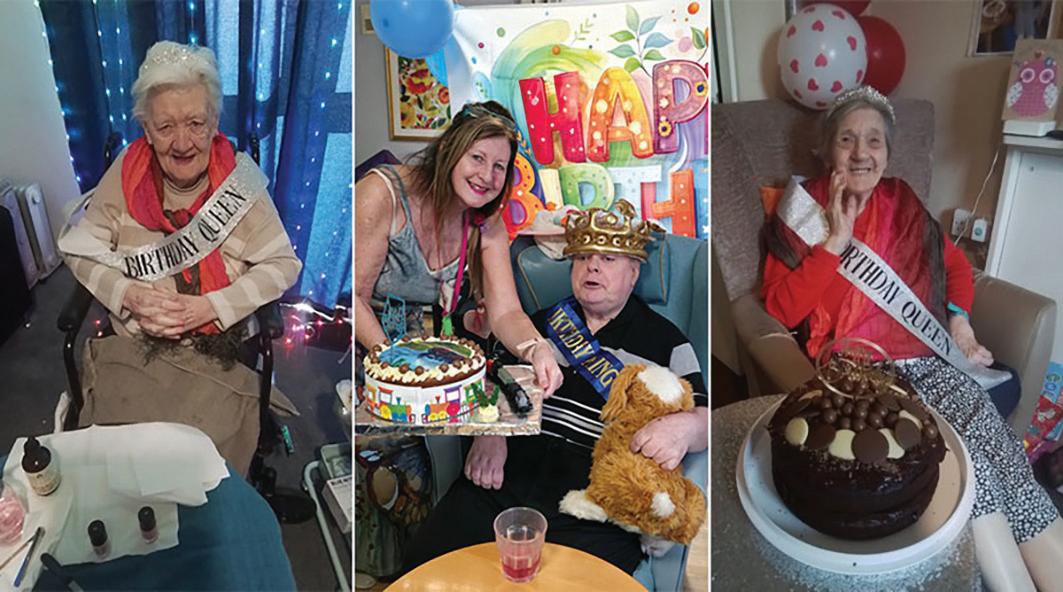
“Freda is a real character here at Orford House,” said Michelle Kennett, the Registered Manager at the care home. “She loves musicals and is quiet hilarious and entertaining.”
Maureen White, who is now 89-years-old, made Orford House her home in March 2021. “The care home is very close to my old home, so it’s ideal,”
“I still love art classes,” added Maureen. “At Orford House I always attend the arts and craft sessions, plus the knitting group with Freda. Another favourite activity of mine is playing with the visiting Pets as Therapy dogs, they are so well-behaved and adorable. I used to have a dog called Lassie, so seeing them brings back many happy memories. I also love two other things – Chelsea Football Club, I’m a ‘True Blues’ fan - and Cliff Richard. His films were all so good and his voice was – and still is - amazing,”
“Maureen is a delightful lady,” continued Michelle. “She thoroughly enjoys our regular outings, especial-
ly to the garden centre and fish aquarium, the local Lavender Fields farm and, most recently, to a coffee morning at our local Councillor’s house.”
“For Freda and Maureen’s special days, as they were born only a day apart, we gave them a Pamper Session in our Sensory Room, followed by a Birthday Tea Party with all their care home friends and family. They are such special ladies, and we all wanted to show them just how special they are to all of us,” added Mary Bradley, the Activities Coordinator at Orford House.
69-year-old Tommy Pollock is also originally from Carshalton and decided to make Orford House his home in November 2024.
“Tommy is an exceptionally talented musician and regularly plays the piano keyboard for the residents,” continued Mary.
“I was really impressed to see how great he plays. He knows so many tunes, songs and melodies which he taught himself by ear. He really is amazing. Tommy’s favourite film is Mamma Mia! – and he knows all the ABBA songs.”
“Like Maureen, one of my favourite activities is the visiting Pets as Therapy Dogs,” said Tommy. “I’m also very keen on the Sensory Art Classes, interactive games, quizzes, bowling and floor basketball. I’m not a football fan but can always be found watching the horse racing and show jumping. I’m also a bit of a train and bus buff too.”
“Tommy had an extra special treat for his birthday,” continued Michelle. “His past Carer, took him on a mini-break to Butlin’s in Bognor Regis, but before he went on his trip, we made sure he had a great celebration with us, complete with a delicious chocolate birthday cake covered in his favourite treats - Jelly Babies and Smarties – and a party with all his care home friends.
“Freda, Maureen and Tommy are all such wonderful people and, like their star sign – Libra – are all gracious, fair-minded, social and charming. We are so lucky and honoured to have them living with us Orford House, and caring for them every day,” concluded Michelle.
Repose Furniture is one of the UK’s leading manufacturers of bespoke seating solutions, with a reputation built on craftsmanship, innovation, and a strong commitment to improving the quality of life for its customers. Established in 1999 and based in the West Midlands, the company has grown from a small family business into a trusted supplier to both the domestic and healthcare markets. Every chair produced by Repose is handmade in the UK, with an emphasis on quality, durability, and comfort, ensuring that each product meets the specific needs of its user. Whether for home use or demanding healthcare environments, Repose combines skilled upholstery techniques with modern engineering to create chairs that provide postural support, pressure management, and ease of use. Their wide product portfolio includes rise and recline chairs, hospital and care home seating, bariatric solutions, and specialist products designed to address particular medical and lifestyle needs. An essential element of their offering is flexibility: customers can choose from a range of back styles, seat cushions, mechanisms, and fabrics, allowing each chair to be tailored to the individual. Interchangeable parts mean that a chair can adapt as a user’s requirements change, extending the product’s longevity and ensuring value for money. The healthcare sector is a particular area of expertise for Repose. They strive to design chairs that balance comfort with clinical functionality. Features such as tilt-in-space mechanisms, adjustable cushioning, and pressure relief options make their healthcare seating particularly suited to long-term use in hospitals, hospices, and care homes. The company’s bariatric range demonstrates the same careful attention to
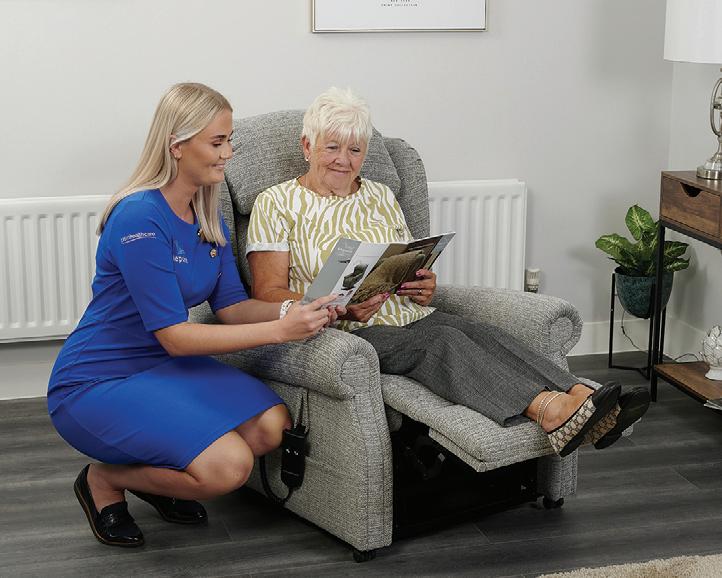
detail, offering robust yet comfortable solutions for larger users.
While customisation is the centre of the Repose offering, they also recognise the urgency often faced in healthcare settings. To address this, Repose have developed their Healthcare Express Chairs, designed to deliver highquality healthcare seating at speed. The models in this range can be despatched within just five working days. The Multi Bari Express and bestselling Boston Express, for example, are available on this five-day lead time, offering care providers a rapid solution without sacrificing quality or functionality. For less specialist needs, some homecare models are even available on faster turnaround times, demonstrating Repose’s ability to balance responsiveness with craftsmanship.
Repose’s reputation is further reinforced by its after-sales support, 5-year manufacturing warranty, and commitment to ethical and sustainable practices. With a UK-based factory, a dedicated distribution network, and close relationships with healthcare professionals, the company continues to be a trusted partner in multiple sectors throughout the country and beyond.
In combining bespoke design with reliable express options, Repose Furniture stands out as a manufacturer that truly understands the diverse needs of its customers. For over 25 years, it has delivered not just chairs, but comfort, dignity and independence — values that remain at the core of everything it does. For further information, see the advert on the facing page or visit www.reposefurniture.co.uk
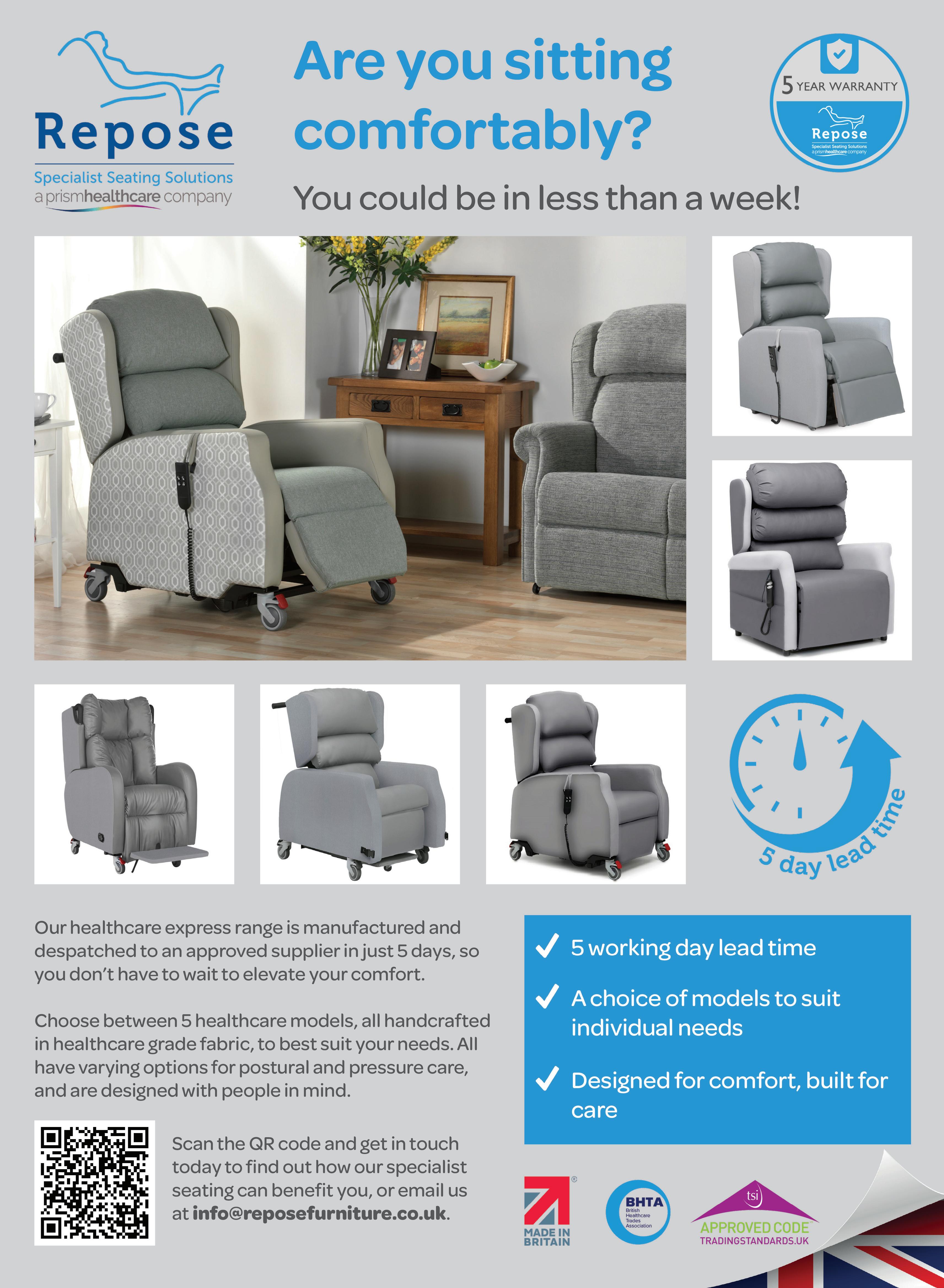
Not-for-profit care village operator Belong has been named Operator of the Year at this year’s HealthInvestor Seniors Housing Awards, recognising the company’s innovative approach to integrated retirement living that challenges traditional models of older people’s housing. Belong’s villages in Atherton, Chester, Crewe, Didsbury, Macclesfield, Newcastle-under-Lyme, Warrington, and Wigan, all operate as community hubs specially designed to welcome local people to join its customers, with amenities open to the public.
The award recognises Belong’s influence on the wider sector, with the organisation described as a ‘trailblazer’ by the Centre for Social Justice in its Lonely Nation report for its focus on creating community and social connection. Belong has attracted significant interest from policymakers and has been invited to speak at national and international events about its pioneering intergenerational model, with extensive
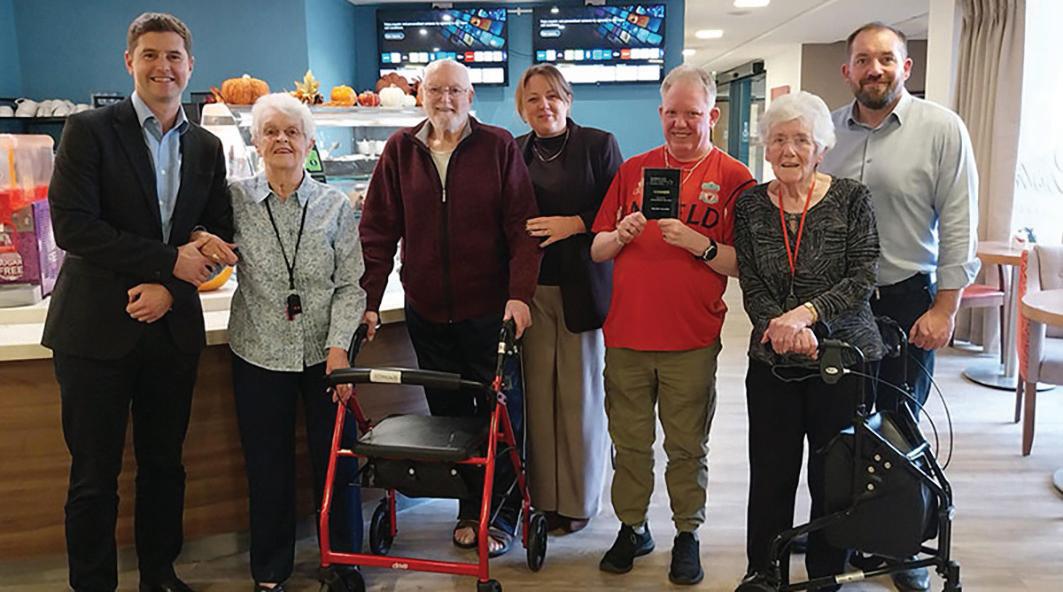
media coverage, including broadcasts on BBC The One Show and ITV This Morning.
Judges were full of praise for the dementia specialist, singling out its collaborative approach with residents in shaping their home, and praising its specialist in-house exercise service for ‘making a real difference to residents’ quality of life’. They summarised the organisation’s pioneering approach to care as ‘a sustainable and resident focused model for the future’.
Commenting on the win, Belong’s chief executive, Martin Rix, said: “We are delighted to be named Operator of the Year. The award is a testament to our dedicated teams and our unwavering commitment to putting people at the heart of everything we do. Our unique model is changing what’s possible for later life, and it’s wonderful to see that recognised at a national level.”
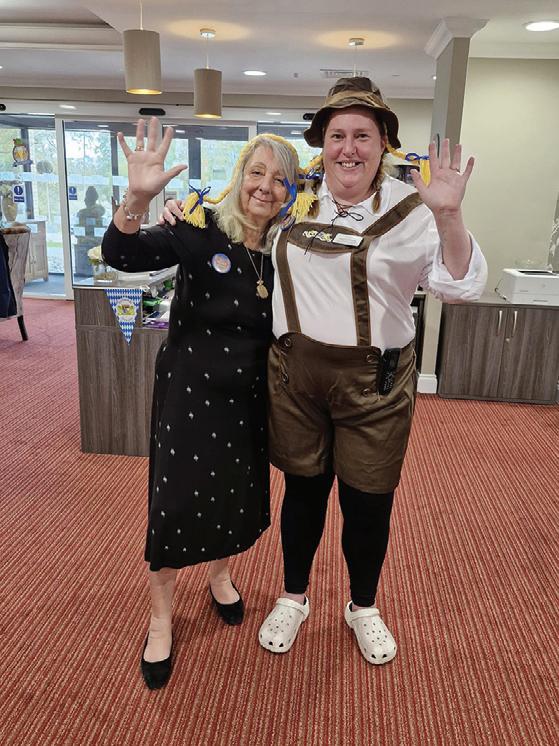
Residents, staff, and families at Iris Court Care Home came together to enjoy a vibrant Oktoberfest Open Day, filled with music, laughter, and plenty of Bavarian cheer.
The home was beautifully decorated in the traditional blue and white of Bavaria, setting the scene for a fun-filled afternoon of celebration. Staff members embraced the occasion by dressing up in traditional Bavarian costumes, creating a truly authentic atmosphere that delighted residents and visitors alike.
Guests were treated to a taste of Germany, with classic Bavarian beers and a delicious selection of traditional foods including bratwurst, pretzels, and apple strudel. The highlight of the day was an energetic performance from an accordion player, whose lively tunes soon had everyone clapping, singing, and even joining in for a dance.
The event was a wonderful opportunity for residents, families, and staff to come together, celebrate, and share in a sense of community. It also offered visitors a warm welcome and a glimpse
into the friendly, inclusive atmosphere that makes Iris Court so special.
Home Manager Tash Begum said:
“Our Oktoberfest Open Day was a fantastic success — it was wonderful to see everyone enjoying themselves and getting into the spirit of the occasion. Events like this are so important for our residents, families, and team members, and we’re grateful to everyone who helped make the day so memorable.”
The team at Iris Court is already looking forward to their next community event, continuing their commitment to creating a joyful, engaging, and family-friendly environment for all.
Iris Court Care Home care home is run by Barchester Healthcare, one of the UK’s largest care providers, which is committed to delivering personalised care across its care homes and hospitals. Iris Court Care Home provides residential care and dementia care for 60 residents from respite care to long term stays.
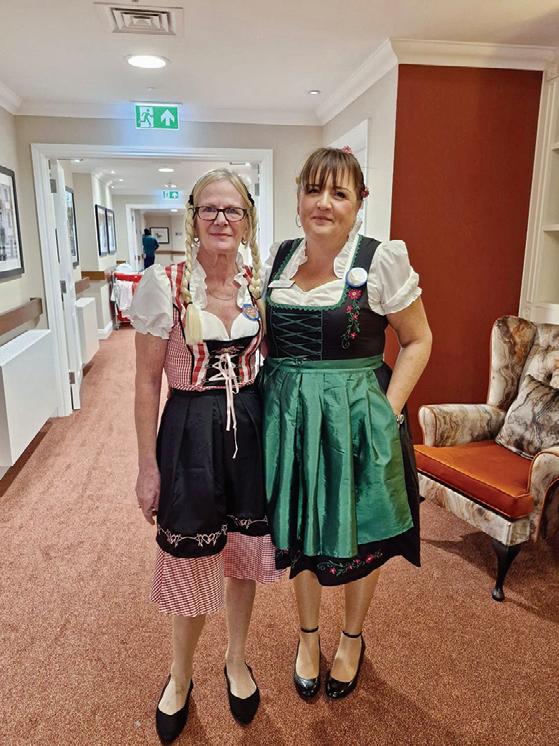
Leading mobility provider AAT is stepping up to help deliver the Government’s new value-based model of care, shifting hospital to community and sickness to prevention. And it is uniquely positioned, as its equipment- the top-selling stairclimbing wheelchair S-Max Sella- is already in almost every local authority social care department and NHS Trust across the UK.
In addressing hospital to community, one of the primary causes for delay in hospital discharge is the social care support needed for patients, be it short- or long-term. NHS data reports changes to stairs is the first change required to a home.
In addressing prevention, mobility is the biggest limitation affecting people in their homes. There are 1m+ accidents on stairs every year, resulting in 43,000+ hospitalisations.
AAT’s S-Max Sella makes stairs safe for almost anyone with impaired mobility, with the help of a carer. The battery-powered stairclimbing wheelchair is “plug and play”, requiring no structural alteration nor installation. It can cope with almost every common staircase design, even turns and spirals.
It reduces risk and manual handling as it can traverse onwards from the flight of stairs
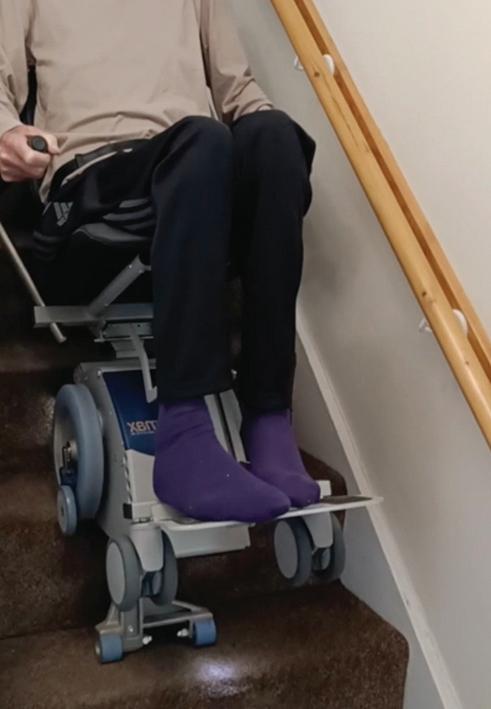
into whichever room is the final destination. It can even navigate external steps.
AAT’s unique re-issue capability for the Sella further delivers value: when the original recipient no longer needs the equipment, it can be re-prescribed to another person. AAT assesses each potential recipient, their carer and their home environment, and personally trains the carer(s) in the Sella’s safe operation as part of the process. No other stair solution has that capability.
“Making stairs safe is one of the biggest obstacles to all involved in social care- be it effecting efficient hospital discharge or preventing hospital admission in the first place,” says Peter Wingrave, AAT Director.
“With our existing presence within social care equipment stores, our nationwide team and speed of resolution, we are perfectly positioned to be the first call in addressing this element of the new Plan for Change. All it takes is a telephone call…”
Full details of AAT’s S-Max Sella and its re-issue can be found @ www.aatgb.com/ots/
According to data from carehome.co.uk, there are approximately 441,479 people residing in care homes across the UK.
For these individuals, the supported, structured environment of a care facility affords them a degree of independence and autonomy, alongside the medical and professional assistance needed to lead a healthy, safe, and fulfilling life.
Yet care homes are not without risk. Research suggests care home residents are three times more likely to experience a fall compared to those living in their own homes. Fortunately, advancements in technology, engineering, and facility design are actively tackling these risks, increasing the safety for those living in supported environments.
Pinpoint’s P2 alarm system is one of these solutions.
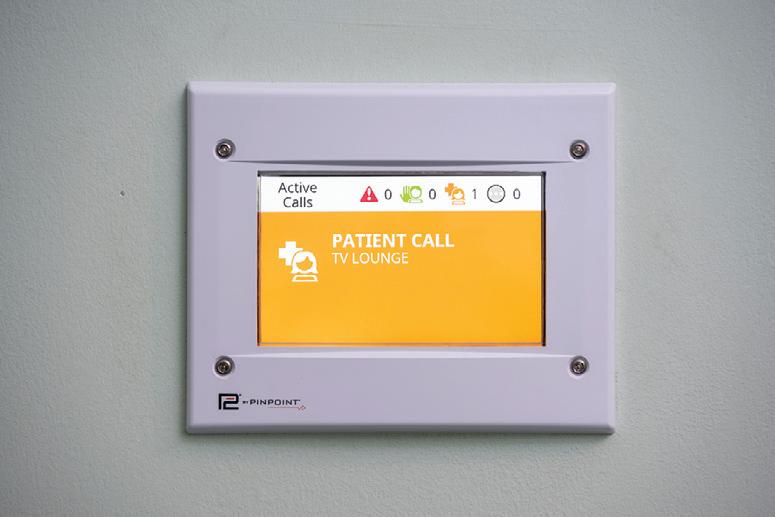
Enabling care home residents to summon professional support instantly, the Pinpoint System establishes a clear line of communication between residents and care staff.
By pressing a button on a Patient Call Button, the user alerts staff members to the need for help and the exact location of an active call. This information, displayed on a staff communication device, elicits an immediate response to deliver the required support.
For individuals more vulnerable to falls or accidents, the Pinpoint System ensures that medical assistance is readily available, offering reassurance to care home residents and their families that help is always at hand and that high-risk incidents are handled efficiently.
On a day-to-day basis, the Patient Call Buttons are used by residents in need of extra assistance, such as when using the bathroom, to get out of bed or to access certain rooms within the facility. In this way, the Pinpoint System gives individuals a greater degree of control over their routine and avoids the need for 1-1 supervision, enhancing their quality of life.
The Pinpoint Patient Call Buttons come in various forms, including Wrist PITs, which are worn on the wrist of the individual, and wall-mounted alarms. Wander Leads of up to 2 metres in length can also be plugged into wallmounted alarms to allow resident with limited mobility to activate the alarm from their bed or armchair.
Biomaster technology provides 24/7 antimicrobial protection for all devices, preventing the spread of bacteria in care facilities, while an Ingress Protection rating of 67 allows Patient Call Buttons to be installed in bathroom and kitchen facilities where residents may be more vulnerable to slipping.
The presence of the Pinpoint System gives care home residents the chance to maintain a level of independence, while being safe in the knowledge that professional assistance can be accessed quickly and easily. This balance between site security and individual autonomy instils residents and their families with confidence that support is always available, and the peace of mind that the wellbeing, safety and health of the individual is the care home’s top priority.
Please see the advert on the facing page or visit www.pinpoint.ltd.uk
Saint Cecilia’s Care Group Chairman Mike Padgham attended the Independent Care Group (ICG) Annual Conference in Harrogate, where he delivered an impassioned address titled “The State of Social Care: A Call to Unity and Action.”
In his remarks, Mr Padgham welcomes delegates and sponsors to the event, praising the unity, resilience, and compassion that define the social care community. While acknowledging the significant challenges facing the sector, he expressed optimism that collective action and honest partnership could lead to meaningful reform.
“Social care in England is at a crossroads,” Mr Padgham said. “We are caring for an ageing population with increasingly complex needs, yet we’re still relying on outdated systems and facing chronic underfunding. Our sector supports 1.7 million jobs, but there are over 111,000 vacancies – and that number is growing. The time for warm words is over. The time for unity and action is now.”
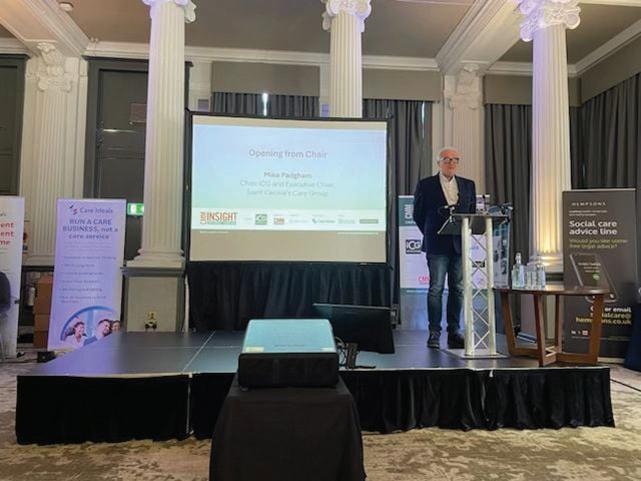
Mr Padgham highlighted the financial and operational pressures that care providers face, including escalating costs for energy, food, insurance, and regulation, alongside a fragmented health and social care system. He stressed that social care remains the “backbone of community care” and must be valued and funded accordingly.
Turning to North Yorkshire, he addressed local challenges such as funding constraints, recruitment shortages, and commissioning pressures, calling for greater honesty and collaboration between local authorities and independent providers.
The Chairman also raised concerns about the new Care and Support Hubs being developed by councils, warning against duplication of services or the exclusion of experienced independent providers. He urged local leaders to harness the innovation, flexibility, and community value that the independent sector offers.
Within the sector itself, Mr Padgham appealed for unity across different types and sizes of providers, saying that diversity is one of social care’s greatest strengths. He defended small, family-run businesses as vital to local communities, and reiterated that the sector’s shared mission must remain the dignity, respect, and wellbeing of those receiving care.
“Our care staff are the beating heart of this sector,” he said. “Their compassion and professionalism deserve not just applause, but recognition through fair pay and fair pricing. A Fair Pay Agreement must be matched by a Fair Price for Care.”
Mr Padgham also highlighted emerging priorities including the impact of overseas recruitment restrictions, the need for a National Care Service, and growing concerns about cybersecurity in care operations.
Despite the challenges, he expressed hope in the innovation, partnership, and humanity that continue to drive the sector forward.
“Social care is not the Cinderella service – it is the foundation of community life,” Mr Padgham concluded.
“We cannot wait for Westminster to decide our future. It will be shaped here, by our local communities, by those who care.”
Residents, staff and families at Colten Care homes danced, lit candles, made lanterns and garlands, and dressed up to enjoy the traditional Diwali festival of light.
At Fernhill dementia care home in Longham near Bournemouth, Health Care Assistants Annesha Safeer and Anna Thomas led activities such as Diwali stick dancing, sari wearing and bindi decorating. They also threw coloured powder over colleagues in the time-honoured and playful Holi festival practice to symbolise ‘good luck’ wishes and blessings.
Annesha said: “It made me feel like I hadn’t missed out on the celebrations with my family back in Kerala, south India. It was so special to see everyone’s faces light up and the colour we brought into the afternoon.”
The celebrations at fellow dementia care home The Aldbury in Poole featured a Diwali dance by team members.

Senior Care Lead Bincy Thomas took the lead in explaining the meaning of Diwali and organising the performance.
Taking part were fellow Senior Care Lead Ravini Widanapathirana and Healthcare Assistants Stephanie Lysill, Niza Nizar, Sree Remya Manikandan and Sree’s daughter Sooryagayathry.
Residents joined in, wearing sequined scarves and pompoms. One, Margaret, said: “I felt like I was dancing in India itself.”
At Amberwood House in Ferndown, residents made symbolic ‘good luck’ rangoli designs using coloured rice, sand and flower petals. After diya oil lamps were lit, prayers and blessings were said, followed by Bollywood-style dancing with staff members wearing saris.
Resident Margaret Collins said: “It’s lovely to learn about different cultures other than our own.”
At Wellington Grange in Chichester, there was a Diwali-themed quiz and performances of traditional Diwali songs.
Chefs at each Colten Care home celebrating Diwali prepared feasts of Indian dishes such as samosas, bhajis, curries, naan breads and the sweet snack jalebi, served with warming spiced teas.
At Evelyn May House, part of the Runwood Homes Group, stories from the past often spark the most meaningful conversations, and for resident June, one cherished photograph from 1941 continues to bring comfort, pride, and memories of her beloved father.
During the Second World War, June was evacuated from her home and spent four years living in Cardiff. Despite the challenges of the time, she remembers her stay with great fondness. While in Cardiff, she received a precious photograph and heartfelt message from her father, a keepsake that has remained by her side ever since.
Now, decades later, June continues to proudly share the photo with fellow
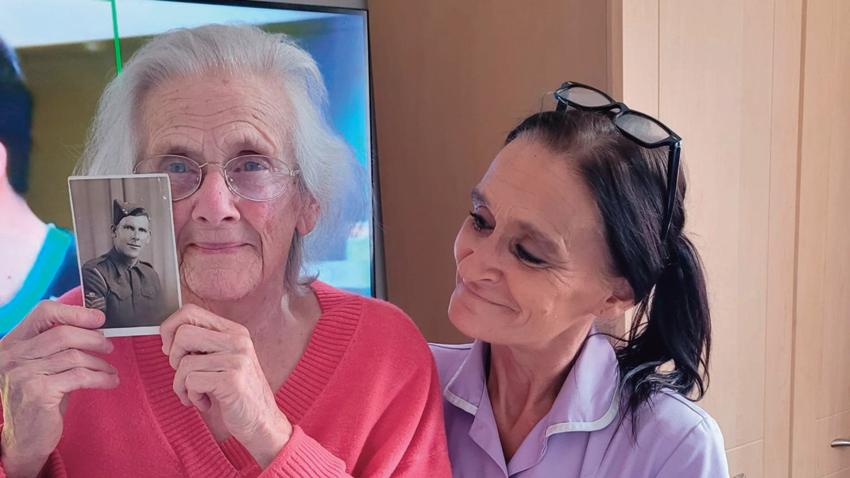
residents and staff at Evelyn May House , speaking warmly of her time in Cardiff and the close bond she shared with her father.
Kerry and Dawn, Lifestyle Coordinators at Evelyn May House, reflected on the experience:
“It was a pleasure to sit with June and listen to her memories about her father and the evacuation,” they said.
June’s story touched everyone at Evelyn May House and reminded staff of the incredible journeys residents have lived through.
Evelyn May House honours the memories and life experiences of residents, knowing that every story shared brings the community little closer together.
The Giant Pumpkins were dropped off by the Elgar Court Care Home team, for the pupils to decorate as they wished. And oh WOW, the Carehome’s residents were overjoyed by the creative spooktacular decorating skills the schools came up with. The fabulous pumpkins have been admired by residents for both the thoughtful and careful work that have gone into these giants!
Powick C of E school’s after school SMILE Club, decided to write
Cof
made two goulish pumpkins complete with cobwebs and spiders and scary monsters!

their
"we would like to thank Elgar Care Home and Barchester for this fun and creative opportunity for our children who attend the after school club".
Lesley Richards, resident at Elgar Court Care Home said: “It has been such fun and so wonderful to see all the schools go to so much effort, and I really enjoyed reading through the children’s autumn leaves!”
General Manager, Sarah Cadwallader said: “Our residents love any excuse to mix and meet with our local communities! The home looks fantastic as well with all the pumpkins and decorations – we’ve all had a brilliant time!”
SEE US ON STAND J20 AT THE CARE SHOW
As the leaves turn golden and the air takes on a crisp autumn chill, HC-One’s Coopers Croft Care Home is opening its doors to the local community for cosy Coffee Morning events taking place weekly every Friday at 10am – 12pm.
The home, nestled in the heart of Stoke-on-Trent, will be filled with the comforting aroma of freshly brewed coffee and the warmth of friendly conversation. The events promise a relaxed and welcoming atmosphere where guests can enjoy a hot drink, share stories, and connect with others as the season of togetherness begins.
On the last Friday of each month, the home also hosts a brew & bark coffee morning where they invite along their local dog charity, Luosko German Rescue in Cheadle to visit and they invite residents’ families to bring their dogs along. Residents bake homemade dog treats to give to the dogs that visit.
Whether you’re caring for a loved one, exploring care options, or simply looking for a friendly space to spend an afternoon, everyone is warmly invited. Alongside tea, coffee and treats, visitors will have the opportunity to chat with experienced health and social care professionals and gain practical advice and support, as well as hear from others with lived experience of the care journey.

The events form part of Coopers Croft’s commitment to being not just a care home, but a hub of comfort and connection for the local community. With autumn marking the start of cosier days indoors, the team is inviting everyone to join them in celebrating the season of harvest, warmth and togetherness.
Coopers Croft is proud to be one of over 280 HC-One care homes across the UK. This autumn, new residents can also take advantage of a special offer – four weeks for the price of three when they join before 30th November 2025.
Embrace the warmth of a kind community this Autumn, visit Coopers Croft - Care Home in Stoke-on-Trent, Staffordshire | HC One today and find out more about life at Coopers Croft.
Samuel Smith, Home Manager at HC-One’s Coopers Croft Care Home, said” “Our Coffee Mornings are a chance to bring people together in a relaxed and supportive way. We want our community to feel at home with us – whether they’re seeking advice, supporting someone, or simply in need of company. There’s always a warm welcome waiting at Coopers Croft.”
Staff and residents at Frank Foster House Care Home, part of the Runwood Homes Group, are celebrating an incredible achievement. Home manager of Frank Foster House, Nicolas, completed the Royal Parks Half Marathon on Sunday 12th of October 2025. The team managed to raise an incredible £400 for Alzheimer’s research.
Running on behalf of those affected by dementia, Nicolas trained hard and completed the 13.1-mile race with determination and heart, all to support a cause close to the Frank Foster House community.
Nicolas was privileged to run for such an important cause, especially knowing the money raised will go to a very special cause. The entire home came together to cheer Nicolas on, with many residents sharing their own words of support and admiration.
Alzheimer’s affects millions of lives, and support through fundraising is essential in many ways. Donations can help to develop new treatments and improve care. It also raises awareness, breaks stigmas and brings communities together in hope.
Frank Foster House believes in the power of community action, and Nicolas’s run

HC-One’s Hepworth House Care Home in Stanley, Wakefield, is delighted to introduce its newest resident – the Hepworth Hero, a scarecrow with a very special difference.
Far more than just a cheerful figure in the garden, the Hepworth Hero has been lovingly created as a tribute to the home’s community, memories, and spirit. What makes him truly unique is what lies within: he has been carefully stuffed with clothing donated by Hepworth House residents, both past and present. This heartfelt touch means he carries with him the warmth, history, and character of those who have called Hepworth House their home.
Now standing proudly at the entrance, the Hero is more than decoration – he is a welcoming figure for visitors, a friendly mascot for residents, and a lasting reminder of the importance of togetherness.
To mark his arrival, Hepworth House has launched a “Name Our Hero” competition, inviting residents, families, and the wider community to submit their suggestions. Entries have already begun pouring in, with everyone excited to play a part in shaping his story.
The winning name will be revealed in the coming weeks. With plans for the Hero to dress up for different seasons and celebrations, he promises to be a joyful and enduring part of life at Hepworth House. Along the way, he may even drop a few of his pumpkins from his basket – if you happen to spot one around the home or in the local community, be sure to tag Hepworth House on Facebook to join in the fun.
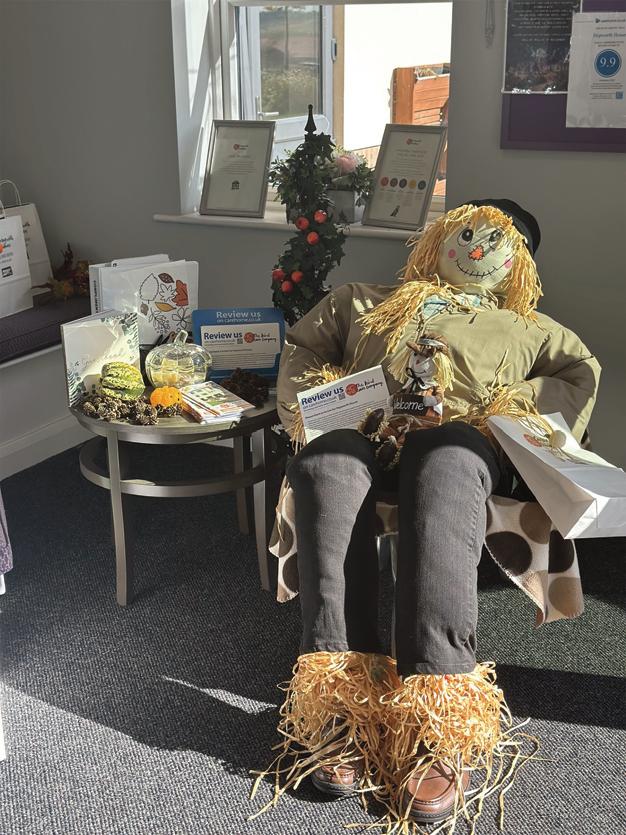
The winning name will be revealed in the coming weeks. With plans for the Hero to dress up for different seasons and celebrations, he promises to be a joyful and enduring part of life at Hepworth House. Along the way, he may even drop a few of his pumpkins from his basket – if you happen to spot one around the home or in the local community, be sure to tag Hepworth House on Facebook to join in the fun.
Hepworth House is one of over 280 kind and cosy HC-One care homes across the UK, providing the kindest care to older people. This autumn, new residents can take advantage of a special welcome offer, enjoying 4 weeks for the price of 3 when joining before 30th November 2025.
Embrace the warmth of a kind community this autumn. Visit Hepworth HouseCare Home in Wakefield, West Yorkshire | HC One today to find out more about life at Hepworth House.
Ellie Linskill, Wellbeing Coordinator at HC-One’s Hepworth House Care Home, explained: “Our Hero is really special because he represents the heart of our home. He’s filled with the clothes of our much-loved residents – those who are here with us today, and those we will always remember. He’s a symbol of community, care, and welcome, and we can’t wait to see what name he’ll be given.”
Debbie Manley, Home Manager at HC-One’s Hepworth House Care Home, added: “Our Hepworth Hero means so much more than just a scarecrow. He represents the life and love of our residents, past and present. By filling him with clothing donated by those who have lived here, we’ve given him a true heart and soul.”
In April 2025, the Supporting the Provider Market (STPM) team in County Durham published a new report evaluating the use of pobroll® — a waterproof bed-bathing wrap designed to improve dignity, comfort, and ease during personal care.
This evaluation was carried out across 10 care homes with high numbers of residents living with dementia. Each setting was given one or more pobroll® units and invited to share feedback through a structured survey. The findings reveal how even simple tools can make a significant difference in everyday care.
How was pobroll® used?
Most care homes used pobroll® daily or several times per week, showing it quickly became part of regular practice. Staff noted that one of the biggest challenges was not having enough units — all homes requested additional stock after the trial, highlighting a clear appetite for wider adoption. What did care teams think?
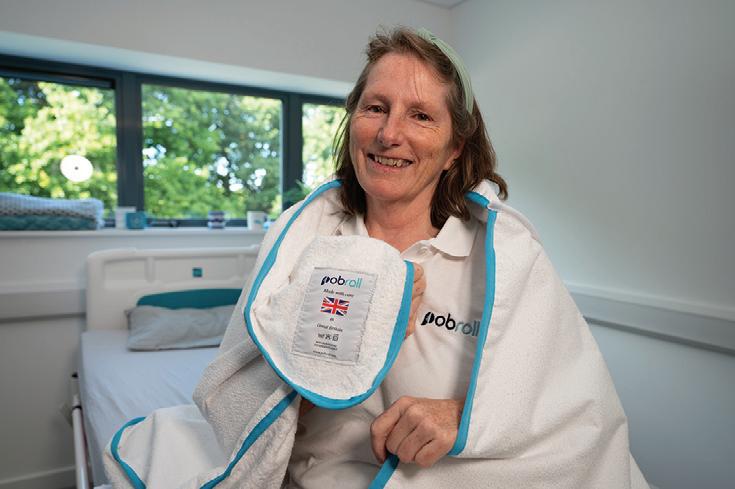
Feedback from the care homes showed strong support for the tool: Ease of use was rated highly, with an average score of 4.4 out of 5. Staff found pobroll® straightforward to incorporate into care routines.
Training was rated slightly lower, at 3.8 out of 5, suggesting that while the wrap is easy to use, additional training resources could improve onboarding for new users.
• Resident response was positive. Three in ten care homes reported improved mood or behaviour during bed
Written by Pat O’Brien
bathing for dementia patients.
• Key benefits included greater warmth, coverage, and dignity for residents, especially those who might find conventional methods distressing. Some teams also found it particularly useful for end-of-life care
Would they recommend pobroll® for bed bathing for dementia patients?
Absolutely. Homes rated their likelihood to recommend pobroll® at 4.3 out of 5, with half of respondents giving it a full 5 out of 5. The overall feedback was clear: this is a valued, meaningful addition to personal care.
Would they recommend pobroll® for bed bathing for dementia patients?
The results of this trial reinforce what many professionals already believe — that small, thoughtful design changes can significantly improve care. For residents who are bedbound or living with dementia, personal care can often be a distressing experience. But with the right tools, it doesn’t have to be.
The pobroll® isn’t a complex device. It’s a simple, dual-layered cotton towelling wrap. But its thoughtful design — offering full coverage, comfort, and support — makes a real difference where it matters most.
If you’re part of a care home, hospice, or hospital and would like to explore how pobroll® could benefit your residents or service users, get in touch. We’re here to support compassionate, dignified care — one small change at a time.
See the advert on the facing page for details, or visit www.pobroll.co.uk
Sir Julian Hartley is stepping down as Chief Executive of the Care Quality Commission (CQC) with immediate effect. Dr Arun Chopra, Chief Inspector of Mental Health, is planned to assume the role of Interim Chief Executive until a permanent successor is appointed.
Sir Julian said: “This has been an incredibly difficult decision. However, I feel that my current role as Chief Executive of CQC has become incompatible with the important conversations happening about care at Leeds Teaching Hospitals NHS Trust, including during the time I was Chief Executive there. I am so sorry for the fact that some families suffered harm and loss during this time.
“I will be giving whatever support I can to the inquiry into maternity services at Leeds, so families get the transparency and answers that they need and deserve – and I want to avoid my connection with the Trust impacting on CQC’s work to rebuild people’s confidence in the regulator.

“I am hugely proud of what has been achieved since I joined CQC at the end of last year and of the progress we have made in reshaping our culture to become an organisation that listens better to people, to providers and to our own staff – and acts on what we hear. I leave grateful for the part I was able to play and confident that the better approach being built will be owned, and informed, by colleagues, providers and stakeholders with a shared vision.
“I know that the four outstanding Chief Inspectors appointed to lead on our specialist regulation, alongside our compassionate and dedicated staff, will ensure that we continue on our journey to being a strong effective regulator that people can trust to improve health and social care. I will miss being a part of the journey, but I believe the decision I have made is the right one to help CQC reach that destination.”
Professor Sir Mike Richards, Chair of CQC, said: “While Sir Julian’s departure will be a huge loss to CQC, I understand his concerns that his previous role at Leeds Teaching Hospital NHS Trust may undermine trust and confidence in CQC’s regulation. I am grateful to him for making this unselfish decision in recognition of the need for the regulator to be visibly held to the highest standards.
“Sir Julian can be proud of all he has achieved at CQC in his time here. Since joining in December of last year, he has refocused the organisation on its purpose to protect people and improve the quality of care and
re-energised our staff to deliver that purpose.
“Under his leadership, we have recently launched a public consultation on plans to improve how we assess health and care services, make judgements, and award ratings to help ensure that people get high quality, safe care. And his appointment of four exceptional Chief Inspectors to lead on regulation and improvement across mental health, hospitals, primary and community care, and adult social care and integrated care marked a crucial and much-needed realignment of the organisation around sector expertise.
“He leaves the organisation in a stronger position than when he joined it but his inclusive and thoughtful leadership style will be much missed, not only by his colleagues but by those he worked with right across health and social care.”
Recruitment for Sir Julian’s successor will begin shortly.
Professor Martin Green OBE, Chief Executive of Care England, said: “We are genuinely saddened to see Sir Julian Hartley step down from his role as Chief Executive of the Care Quality Commission. His arrival brought with it a clear mandate for change, a renewed sense of energy, and optimism for the future of the regulator.
“During his tenure, Sir Julian worked closely with the Chair of the CQC and the new Board and welcomed the appointment of a new Chief Inspector for Adult Social Care, Chris Badger. Chris has already shown great integrity, vision, and understanding of the sector, and we have complete confidence in his ability to continue leading the CQC’s reform agenda for adult social care.
“As the process begins to identify a new Chief Executive, Care England will continue to work closely with the CQC to help it build back better and stronger than before, ensuring that the regulator delivers meaningful outcomes for providers, and most importantly, for the people who rely on care and support every day.
While this is an unexpected setback, it must not be allowed to halt the momentum for positive change that Sir Julian and his team have started. We stand ready to work alongside Chris, the Board, and the next Chief Executive in driving forward the transformation that will shape a fairer, more effective regulator for the future.”
A care home in Standish welcomed a group of teenagers from a local youth charity as they strive to promote intergenerational partnerships in the community.
Langtree Care Home is part of the Millennium Care Group, a family-run B-Corp accredited provider which has five homes across Lancashire and Greater Manchester. The home was visited by three young people from Wigan Youth Zone.
The charity welcomes young people aged 8–19 (up to 25 for those with additional needs), offering a wide range of activities designed around their interests and passions. Running the Youth Zone costs over £2 million each year, made possible through the support of the community and grant-giving organisations like Millennium Care, helping to positively impact more than 5,000 young people annually. Millennium Care became Gold Patrons of the Youth Zone in 2023.
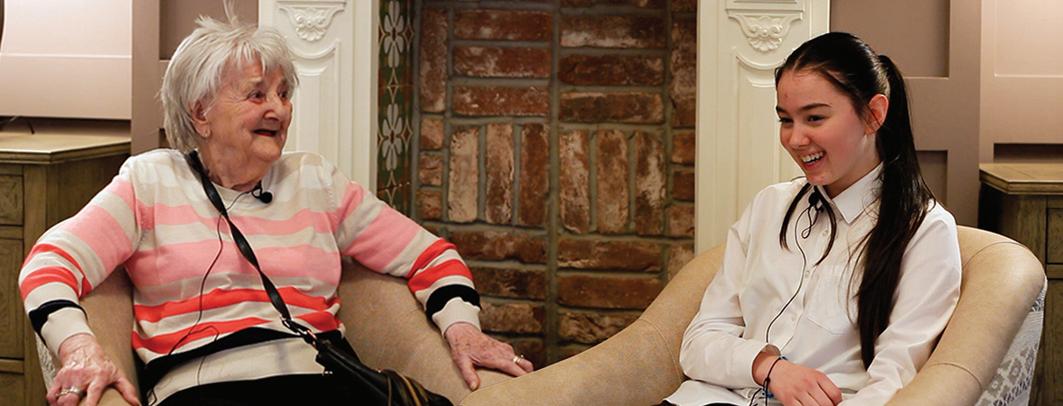
On the agenda were one-to-one interviews, delivered by the Youth Zone’s members, Katie, Keeley and Izzy to some of Langtree’s chattiest residents Evelyn, Mary and Tom.
Answering a series of well-thought-out questions and opening up through conversations, the lighthearted session was captured by cameras and brought joy to both parties.
The activity was part of a wider focus for both organisations, the introduction of consistent intergenerational activities, a key element within all homes run by Millennium Care.
Charlotte May, Content Creator at Millennium Care, said: “It was amazing to see the interactions between the young people and the residents. There are some big personalities at Langtree, and we managed to pair them up really well, which gave each interview a different dynamic. “The connections we see between residents and the younger generation are really special and I’m looking forward to being able to capture more of that in future projects.”
Keeley, Senior Member at Wigan Youth Zone, said:
“Spending time with the residents was actually so fun, they’ve got the best stories and vibes! I didn’t even know care homes could look this nice. Honestly, it felt really good just chatting and having a laugh with them for a bit.”
Watch the full video here: https://youtu.be/WHAbOBCLov0
Marjorie, a resident at the Hickathrift House care home in Marshland St. James, had always dreamed of returning to Wisbech St Mary Church — a place filled with treasured memories, including her wedding day and her son’s christening. Thanks to the home’s Post a Wish initiative, the team made her heartfelt wish a reality, proving that it’s never too late to relive cherished moments.
Marjorie has lived at Hickathrift House for several years and is beloved by staff and fellow residents alike. The team were thrilled to help her revisit such a meaningful place, and they all joined in to witness the joy on her face as she stepped back into the church that holds so many fond memories. The visit coincided with the church’s Harvest event, where Marjorie and the
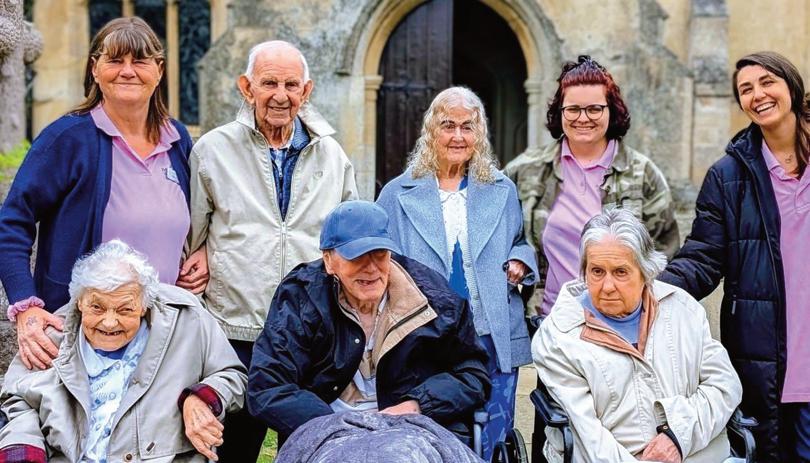
team enjoyed delicious refreshments and warm hospitality. The day was filled with laughter, storytelling, and nostalgia as Marjorie proudly showed everyone the exact spot where she once said “I do.”
In response to the surprise, Marjorie said: “It’s been wonderful! So many fond memories in this church. Thank you.”
Paula Merlerski General Manager at Hickathrift House, said: “We believe that every moment is worth cherishing. We want everyone we care for to know how important they are to us here at Hickathrift House. It’s a testament to the dedication of our team that we can make dreams like Marjorie’s come true. Seeing her so happy was incredibly special for all of us.”
Residential and
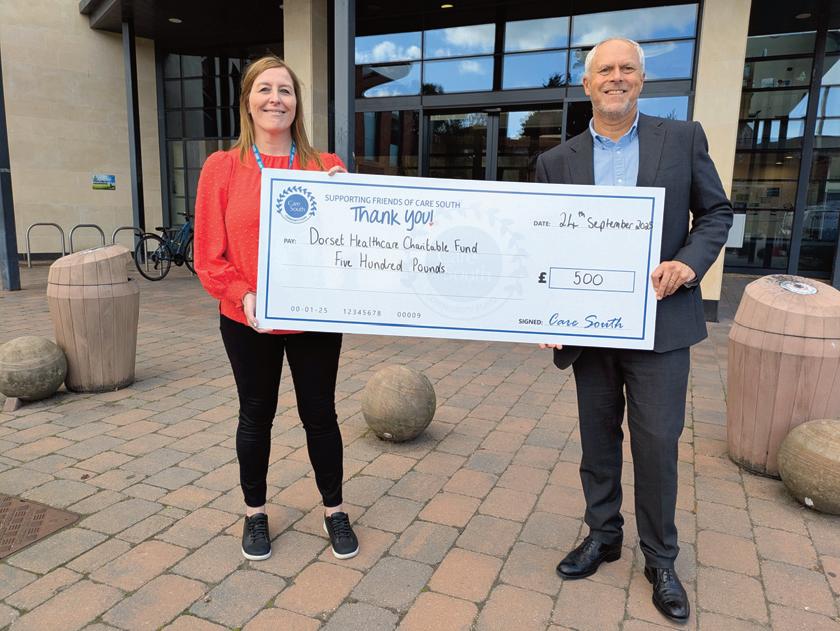

In the complex world of care-home medicine management, consistency and reliability are everything. From ensuring the right medicines arrive on time, to providing specialist support and training for staff, a single weak link can jeopardise the safety and well-being of residents. That is why more and more care providers are turning to Care Quality Pharmacy – a national, care-home-only distance-selling pharmacy – to deliver a true one-pharmacy solution.
CONSISTENCY AND SIMPLICITY
Running multiple homes often means juggling relationships with several local pharmacies. This can lead to variations in service levels, communication gaps and unnecessary administrative burden. By partnering with a single specialist pharmacy, care providers enjoy a unified approach across every home. Care Quality Pharmacy provides guaranteed monthly delivery dates, centralised prescription management and a dedicated Key Account Manager, ensuring that every home receives the same high standards of service.
ADVANCED TECHNOLOGY AND COMPLIANCE
Care Quality Pharmacy harnesses advanced AI-driven prescription checking and integrates seamlessly with leading electronic MAR (eMAR) systems. These innovations reduce the risk of dispensing errors and give care

teams real-time oversight of residents’ medication records. The pharmacy’s robust auditing and returns collection processes support full regulatory compliance, while scheduled annual training sessions keep staff confident and up to date with best practice.
OPERATIONAL EFFICIENCY AND COST SAVINGS
A one-pharmacy solution eliminates duplicated processes and frees up valuable staff time. With Care Quality Pharmacy’s dedicated communications team liaising directly with GPs, homes save hours previously spent chasing prescriptions or clarifying medication queries. Interim requests are handled swiftly – often the same day –and returned medicines are collected routinely, further reducing workload and waste.
A PARTNERSHIP BUILT ON TRUST
Perhaps the greatest benefit is peace of mind. Care Quality Pharmacy’s national infrastructure, experienced team and proactive approach mean care-home operators can focus on delivering exceptional care while knowing that every aspect of their medicines management is in expert hands.
In a sector where safety, compliance and resident well-being are paramount, a one-pharmacy solution is not just convenient – it is transformative. Care Quality Pharmacy brings together specialist knowledge, cutting-edge technology and a commitment to personalised support, making it the trusted partner for care homes across the UK.
See the advert on the back cover for further details.
Each year Skopos launch new fabric collections, developed specifically with Care interiors in mind. Specialists in key attributes which help keep homes looking fresh and stylish (soil resist, antimicrobial) interior schemes can easily be pulled together using a mixture of prints, textures and plains. Leading the way at this year’s show, Skopos will be highlighting their new range of printed designs, from the Skopos STUDIO. Available on base-cloths for upholstery, bedding and curtains, the fabric choices have grown, to include a waterproof and antimicrobial velvet upholstery and a textured woven upholstery. Designs from the STUDIO are split into different categories, including stripes, florals, geometric and textures. Skopos can offer a fabric-only service or a full service; with site measure, product manufacture and installation. The Skopos team produce approximately 25,000 made-up items
CareZips® Classic are patented, easy dressing unisex adaptive pants designed for older and disabled people suffering with problems associated with continence, mobility, mental function and cognition. Suitable for persons living in care institutions, receiving care at home or living independently at home, CareZips® Classic enable people to dress themselves or with assistance from carers.
CareZips® Classic feature patented 3-zipper system, which opens the front of the pants from the waist to the knees for quicker access during toileting, continence pads changes and personal hygiene. The forward positioning of the two side zippers lessens pressure on sensitive hip areas, helping to eliminate discomfort. The third zipper facilitates simple full frontal opening for faster more dignified diaper changes, catheter adjustments, personal cleansing and hygiene routines.

CareZips® Classic have many benefits for the older and disabled users and their carers:
• People dressing themselves enjoy the practical functionality and versatility of the CareZips®
Classic, all day comfort and easy garment care.
• People dependent on assisted dressing appreciate quick easy dressing process with less stress, embarrassment and greater dignity offered by CareZips® Classic.
• CareZips® Classic offer practical gains to the carers, helping them to provide better care, whilst reducing physical efforts and saving valuable time.
CareZips® Classic are unisex, available in 6 sizes and 3 practical colours (i.e. black, charcoal and navy). Tapered fit at the ankles gives a tidy appearance. Made from breathable moisture-wicking 4-way stretchy crease-free and easy-care durable fabric, CareZips® Classic are comfortable, practical and conveniently functional.
For more information, contact Win Health Medical Ltd - 01835 864866www.win-health.com
See the advert on page 3 for further information on Win Health’s product range.
Angloplas are a UK manufacturer who specialise in producing dispensers for the health and hygiene industry. Although these are designed to keep the workplace tidy and uncluttered they are, more importantly, built knowing the control of healthcare-associated infections (HCAIs) are a priority for healthcare providers, and who are employing a combination of infection prevention and control strategies, including hand hygiene, cleaning, training and the adoption of new technologies, to tackle the problem. As a result, a wide range of infection control products and technologies are emerging on the market, including antimicrobial technology. Angloplas’ range of dispensers are produced in the world’s first proven

Antimicrobial PVC with silver ion technology and which is exclusive to Angloplas. This helps reduce the risk of cross infection by stopping the growth of bacteria and mould and works continuously for the lifetime of the product, reducing levels of bacteria such as MRSA, E Coli, Legionella, Salmonella and mould by up to 99.99%.
For non-clinical environments Angloplas has recently launched its new Budget Range of products which are made to the same exacting standards as the antimicrobial protected ones but with lower price tags. You can order Angloplas products directly from its website at www.angloplas.co.uk See page 17.
each year, including bed-throws, cushions and pairs of curtains, all manufactured by a highlyskilled team of machinists, cutters and pattern makers; items that are delivered and installed into different contract environments.
As with all Skopos prints, the lead-times are under one week and everything is produced locally, in Yorkshire.
Skopos also offers a Bespoke design service, for statement interiors that require something different. Our design team will work alongside you to develop ideas which can make your caring interior personal, branded and unique.
For samples of any of our collections visit www.skoposfabrics.com
In today’s care sector, where equipment failure can directly impact patient safety and service quality, proactive asset management is nonnegotiable. Enter Assetain, Medaco’s pioneering solution designed to manage the complete lifecycle of patient-handling equipment - from first supply to planned obsolescence.

Launched in August 2025, Assetain delivers three core benefits: comprehensive asset visibility, budgetwise maintenance, and strategic replacement planning. Rather than reactively repairing faulty devices, care homes, NHS Trusts, and SEND schools can now oversee the health of all moving and handling equipment with confidence and clarity.
At its heart lies a meticulously maintained, data-rich register. The programme initiates with a full audit of existing assets; each entry is ported into a dynamic system setting tailored maintenance thresholds, repair-vs-value benchmarks, and clear end-of-life triggers.
Field engineers play an essential role - capturing photographic evidence of faults and functional assess-
ments, which are promptly linked to each record. This approach adds both accountability and immediate insight for stakeholders. Timely alerts are a standout feature. When equipment approaches “no-longer-manufactured” status or reaches its recommended service term, Assetain sends clear notifications - empowering teams to anticipate challenges before they arise. Regular updates of the full asset register ensure stakeholders remain fully informed of the condition and availability of their entire fleet.
Assetain isn’t just maintenance - it’s strategic careasset stewardship that saves time, reduces costs, and safeguards patient well-being. A smart, forward-thinking programme like this helps care providers shift from reactive firefighting to purposeful planning.
In short, Assetain elevates care facility operations into a new era of efficiency and confidence - where every asset is seen, scheduled, and systematically sustained.
www. medaco.co.uk/solutions/assetain/
Consort Claudgen now offers Wi-Fi-enabled low surface temperature heaters that can be controlled through a digital control panel on the heaters or the Consort Connect app. Features include a 7-day timer with 24 daily heating periods, a lock function, open window detection, custom automation, and energy consumption statistics. Additionally, LST heaters with Wi-Fi and occupancy sensor have a self-learning control ability which uses in-built occupancy sensors to

detect and learn a user’s weekly presence in a room. It then creates a heating schedule and automatically warms the room according to the detected or predicted occupancy. When the space is unoccupied, the heater will conserve energy by switching to a setback temperature or frost protection mode.
Consort's website also offers BIM objects for download. See page 17 or 01646 692172 | sales@consortepl.com | www.consortepl.com


Mobile Kitchens Ltd specialises in the hire or sale of temporary catering facilities and foodservice equipment. Ideal for events or to provide temporary catering facilities during your kitchen refurbishment, our versatile units and equipment offer an efficient and economic solution to the caterers’ needs.
Production Kitchens, Preparation Kitchens, Warewashing Units, Dry Store Units, Cold Rooms and Restaurant Units are available as individual units in their own right or they can be linked together on site to form a complete complex.
Alternatively, we can offer modular, open-plan facilities, usually for larger, longer-term hires. We offer a free design service, and project management from concept through to delivery and installation on site, plus full technical support throughout the hire period.
Commercial Kitchen and Laundry Solutions (CKLS) are one of the UK's leading suppliers of commercial kitchen and laundry equipment. Whether you are a small sized residential home or large scale nursing home group, CKLS has the expertise and equipment you need to keep your operations running smoothly.

At CKLS, we understand that the success of your business depends on the quality of the equipment you use. That's why we've made it our mission to provide businesses across the UK with the highest quality commercial laundry and kitchen equipment available. We work with only the best manufacturers in the industry to ensure that our customers get the most reliable and efficient equipment possible.
Our commitment to our customers doesn't end with the sale of our equipment. At CKLS, we know that maintenance and repairs are crucial to keeping your equipment functioning at its best. That's why we offer a full range of maintenance and repair services
to our customers, including emergency repair services available 24 hours a day, 7 days a week.
We believe that our success as a company is measured by the success of our customers. That's why we're constantly striving to provide better products and services to help our customers achieve their goals. We're proud to say that our commitment to excellence has earned us a reputation as the go-to provider of commercial laundry and kitchen equipment in the UK.
So, if you're looking for reliable, high-quality commercial laundry and kitchen equipment, look no further than CKLS. With our extensive range of products and services, we're confident that we can help you find the right equipment to meet your needs and keep your business running smoothly for years to come.

By Charlotte McKay, Head Chef at St Quentin Care Homes (https://hmtstquentin.org)
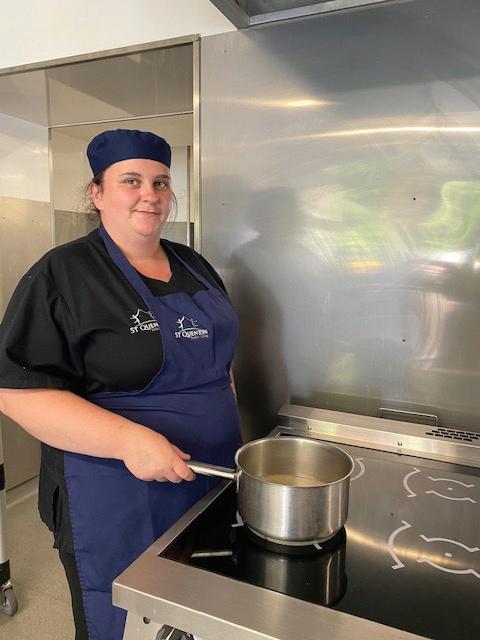
In a care home, catering can be the difference between mealtimes that are anticipated with pleasure and those that are simply endured. Care itself is rightly personalised, tailored to the needs and preferences of each resident. The same principle should apply to the food they eat. Residents and their families are entitled to expect meals which reflect dietary needs, medical conditions, and personal tastes. But delivering that level of personalisation at scale, within budget, is no small task.
The Healthcare Management Trust acquired St Quentin Care Homes almost a year ago and has made significant improvements in care delivery, infrastructure, and leadership. Catering was a big area of focus and has brought tangible results: residents returning for second helpings, heartfelt thanks from families, and a noticeable reduction in food waste. These results haven’t happened by chance; they are the outcome of deliberate choices in how we source ingredients, design menus, and create the overall dining experience.
FRESH INGREDIENTS AND A VARIED MENU
The value of using fresh ingredients over pre-packaged or heavily pro-
cessed alternatives cannot be overstated. Fresh produce boosts nutritional quality, enhances flavour, and increases the likelihood that residents will eat and enjoy their meals.
Variety is equally important. A repetitive or bland menu fails to tempt people to the dining room. Similarly, introducing a rotating weekly menu with diverse flavours and textures, including vegetarian and vegan options, will create something for everyone, which is especially important where care homes support residents of varying ages and cultural backgrounds.
Style should never overtake substance, but presentation matters and plays a vital role in whether a meal is eaten. An unappealing plate can lead to food being left untouched, no matter how nutritious it is.
Small touches make a big difference. Balancing colours on the plate, arranging food attractively, and serving it on crockery that complements the meal will encourage meals to be finished. Even something as simple as offering a platter of sandwiches with varied fillings, so residents first see vibrant colours rather than just bread, can boost appetite and engagement.
Many care home residents are unable to visit restaurants, and for them, mealtimes are often the closest equivalent to dining out. Recreating elements of that experience can lift the mood and turn a necessary routine into a highlight of the day.
Printed menus with clear, attractive typography help residents feel they have real choice and control. For some, reading a menu may even stir
fond memories of past outings and family meals. This small detail reinforces the dignity and pleasure of the dining experience.
Sharing food is a social occasion. In care homes, shared meals can foster community spirit, reduce loneliness, and spark conversation. Making mealtimes engaging and enjoyable benefits both emotional wellbeing and nutritional intake.
This means paying attention to more than just the food. Lighting, music, table layout, and staff interaction all contribute to the atmosphere. A team that works seamlessly from kitchen to dining room by greeting residents warmly, knowing their preferences, and encouraging participation can transform mealtime into a joyful daily event.
Great catering doesn’t happen in isolation. It relies on strong collaboration between chefs, care staff, activities teams, administrators, residents, and families. Open communication ensures dietary needs are met, allergies are avoided, and preferences are respected.
When everyone takes shared responsibility, residents benefit from meals that are not only safe and nourishing, but also deeply satisfying. The catering team gains valuable insight from care staff who know residents well, while residents themselves feel heard and valued.
Ultimately, catering in a care home is about far more than providing three meals a day. It’s about respecting individuality, supporting health, and creating moments of joy. When meals are thoughtfully planned, beautifully presented, and shared in a warm environment, they nourish the body and the mind.
Danielle Smith, registered nutritionist and head of nutrition at Added Value Enterprises Ltd (AVE), explains how nutritional consultancy can enhance the wellbeing of residents in care homes
In care homes, food is far more than a daily routine - it is central to health, comfort, and quality of life. Mealtimes are moments of dignity and social connection, yet the nutritional value of what is served plays a critical role in residents’ wellbeing. As awareness of food and health grows, the sector faces a vital challenge: to move beyond meeting the minimum requirements to embracing nutritional guidance that truly supports residents.
For years, catering has focused on compliance such as reducing salt, lowering sugar and limiting fat. But good nutrition is also about what we add: nutrient-dense ingredients, fresh produce and the creation of recipes that avoid over-reliance on ultra-processed products. Families are asking sharper questions about what’s included in meals and inspectors increasingly recognise the link between diet, health, and resident satisfaction. This is where effective nutrition consultancy makes a difference. Regular menu analysis and assessing how
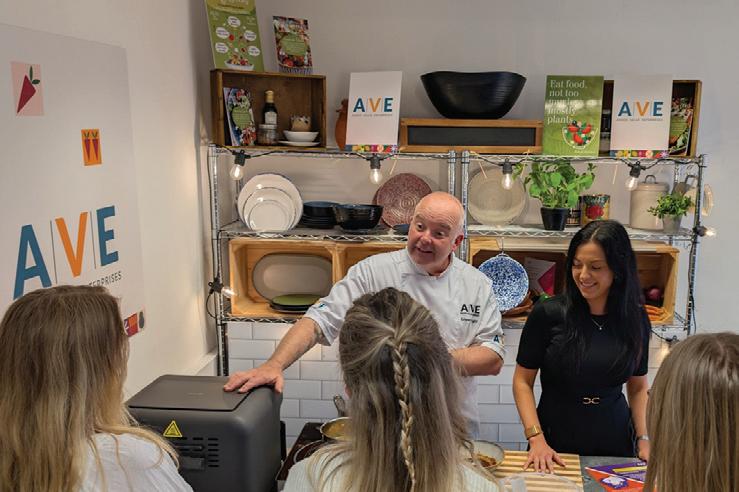
healthy a dish is can highlight where small adjustments can bring big benefits. Bespoke advice ensures meals meet specialist needs ranging from dysphagiafriendly recipes to heart-healthy dishes that promote long-term vitality. Importantly, training equips catering and care staff to understand why nutritious food matters. At AVE, we can provide guidance that is practical as well as strategic: from developing tailored menus to creating engaging wellbeing initiatives such as hydration days or condition-specific workshops. We can analyse menus to assess the nutritional value of each dish and provide advice on how to make improvements. By embedding this expertise, care homes can demonstrate both compliance and genuine commitment to residents’ health and wellbeing.
In today’s landscape, nutritional oversight is not an optional extra - it is a cornerstone of quality care. With residents and families better informed, the homes that embrace guidance will not only meet expectations but exceed them, ensuring food continues to nourish both body and mind.
See the advert on this page for details, visit www.a-v-e.com or
By Gemma Christie, Business Account Manager at Miele

In the care sector, operational decisions carry significant weight. Whilst frontline care rightly takes centre stage, it’s also important to remember that the kitchen plays a vital role in maintaining hygiene, supporting staff efficiency, and ensuring resident wellbeing. Among the many moving parts of the care home kitchen, dishwashing is often overlooked. This is likely because it operates behind the scenes and isn’t seen as a direct part of resident care, yet it’s a key consideration for care homes looking to provide a safe, smooth service.
With multiple meal services each day, the kitchen is one of the busiest areas in a care home. Relying on manual washing not only slows down operations but also increases the risk of hygiene lapses. That’s why investing in the right dishwashing solution is critical.
For care homes looking for reliability, hygiene assurance and longterm value, commercial solutions are the smart choice. Here are five key reasons why investing in a professional dishwashing solution can make a meaningful difference.
WHY DOMESTIC DISHWASHERS FALL SHORT
It’s not uncommon for care homes to rely on domestic dishwashers, especially when budgets are tight. But these machines are rarely up to the task. Designed for occasional household use, they struggle with the frequency and intensity of care home operations. Over time, this can lead to breakdowns, inconsistent results, and even hygiene risks. Commercial dishwashers, by contrast, are built for durability and performance. They’re tested to withstand thousands of cycles and are engineered to maintain consistent cleaning standards, even under intense pressure. For care homes, this means fewer disruptions, lower
long-term costs, and greater piece of mind.
HYGIENE RESULTS YOU CAN TRUST
It’s no secret that infection control is always a top priority in any care or medical settings, especially with residents that are often more vulnerable to illness, and where outbreaks can have serious consequences. Dishwashing equipment can help to fight against these infections and play a big role in preventing cross contamination. But only if it’s up to the job.
High-performance commercial machines, such as the MasterLine range by Miele Professional offer disinfection-grade wash cycles that eliminate harmful bacteria and pathogens. Some models also feature advanced drying systems that remove the need for manual handling, further reducing the risk of contamination. These features aren’t just nice to have, they’re essential for maintaining compliance and protecting residents.
SPEED AND EFFICIENCY IN THE KITCHEN
Care homes run on tight schedules. Mealtimes are fixed, and delays can have a knock-on effect across the day. That’s why turnaround time is a key consideration when selecting dishwashing equipment.
Modern commercial dishwashers can complete a full cycle in as little as five minutes, ensuring that clean items are always available when needed. This reduces the need for excess crockery and helps staff stay focused on resident care rather than kitchen logistics.
Supporting staff and reducing their workload
The right equipment doesn’t just improve hygiene standards, it also helps to support staff wellbeing. In a sector where recruitment and retention are constantly ongoing challenges, anything that eases the daily workload is a welcome investment.
User-friendly controls, intuitive interfaces, and automated features such as detergent dosing or drying programmes can make a real difference to staff efficiency and satisfaction. When equipment actually works with your team, and not against them, it frees up critical time and energy for what matters most, caring for their residents.
A LONG-TERM INVESTMENT
While the upfront cost of commercial dishwashing equipment may be higher, the long-term benefits are clear. Reduced maintenance,
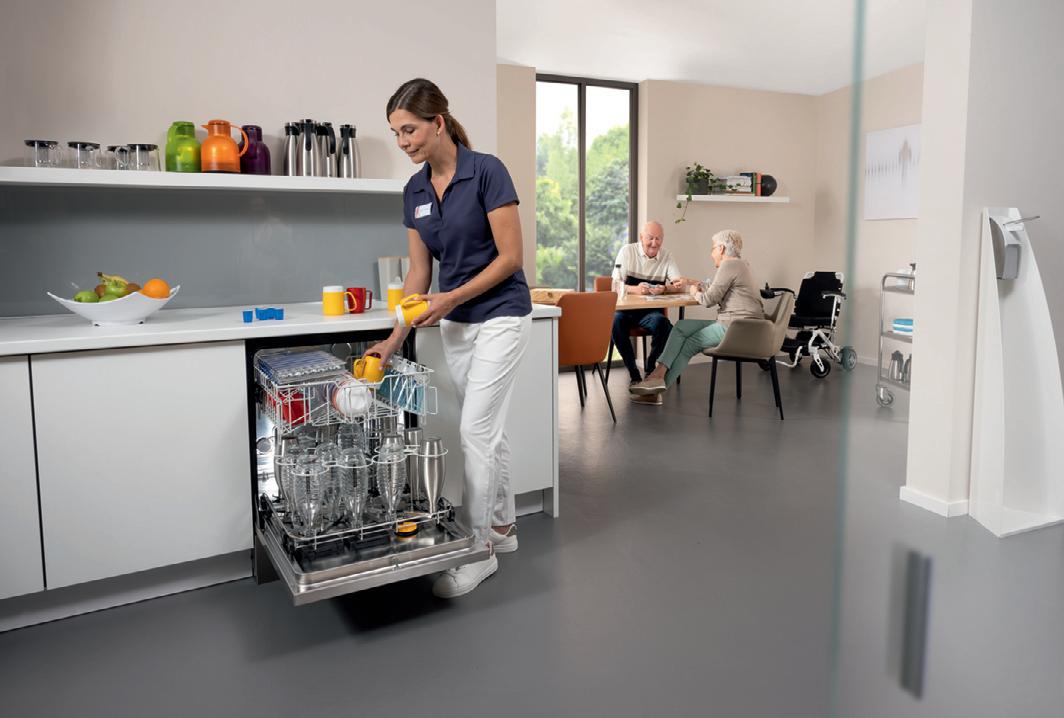
lower energy and water consumption, and extended service life all contribute to a more sustainable and cost-effective operation. For example, Miele Professional’s MasterLine dishwashers can complete a full cycle in just 5 minutes and use as little as 5.0 litres of water per cycle, depending on the model. Their energy-efficient design helps reduce utility costs while maintaining top-tier hygiene performance. Some dishwasher manufacturers offer extended parts availability and nationwide service networks, ensuring that support is always close at hand. Miele Professional offers spare parts available for up to 15 years after production ends and a UK-wide service network with a 90%+ first visit fix rate meaning that care homes can rely on consistent, expert support when it matters most.
Dishwashing may not be the most visible part of care home life, but it’s one of the most vital. By investing in the right equipment and processes, care homes can enhance hygiene, improve efficiency, and create a safer, smoother environment for both residents and staff.
To explore how Miele Professional's commercial dishwashing solutions can enhance your care home, please visit: https://www.miele.co.uk/p/retirement-care-homes-4053.htm

In the care sector, food is more than just nutrition - it’s comfort, dignity, and a way of bringing joy to residents every day. That’s why chefs can’t afford to compromise. From flavour and safety to consistency and versatility, every ingredient has to deliver. When it comes to bouillon, Knorr Professional refuses to settle for anything less than the best and so do the chefs who use it.
Knorr Professional Bouillon is the UK’s number one bouillon brand*, trusted in kitchens nationwide for its rich depth of flavour, outstanding versatility, and chef-trusted consistency. It’s made to work hard in every service, withno allergens to declare¹ options that give chefs peace of mind when catering for residents with diverse needs. NEVER SETTLE FOR BLAND DISHES
As residents age, their sense of taste can diminish. That’s why flavour has to work harder in care - it’s not just about nutrition, it’s about enjoyment. Knorr Professional Paste Bouillon brings bold, balanced flavour that cuts through reduced senses, ensuring dishes remain satisfying and memorable.
Whether it’s used as a base, rub, seasoning, glaze, or marinade, it delivers the same consistent, chef-approved results. From soups and stews to roasted vegetables and marinades, this is one product that performs across the menu - helping chefs adapt quickly without losing quality.
NEVER SETTLE FOR UNCERTAINTY
In care kitchens, allergen safety isn’t negotiable. Theno allergens to declareoptions in Knorr Professional Paste Bouillon make it simple to create inclusive dishes without sacrificing flavour. This helps reduce the risk of cross-contamination and ensures every resident can enjoy the same great taste.
For Knorr Professional Care Ambassador Preston Walker, that confidence is invaluable:
“With ‘no allergens to declare’ options available across the range, Knorr Professional Paste Bouillon is easy to introduce into dishes that need to be suitable for varying needs and preferences,” says Preston. “It gives me peace of mind that I can create flavour-packed dishes for all residents, without excluding anyone due to allergens.”
NEVER SETTLE FOR INCONSISTENCY
Care kitchens can be high-pressure environments, where time is short and the need for consistency is constant. Knorr Professional
Bouillon’s paste format makes it easy to store, measure, and use, ensuring the same flavour profile in every batch. Its consistent yield also helps with budget control - delivering premium quality without waste.
Preston sums it up simply:

“We use the Knorr Professional Bouillon paste range for one simple reason - it delivers. Quality, flavour, consistency, and the confidence of knowing exactly what you’re going to get, every time.”
NEVER SETTLE FOR SECOND BEST
Every plate in a care home matters. It’s an opportunity to provide comfort, joy, and nourishment - and that means every ingredient has to earn its place. With Knorr Professional Bouillon, chefs can be sure they’re serving the very best in flavour, safety, and reliability. Because when it comes to care catering, settling for less is never an option.
Care home budgets are under mounting pressure. Food supply constraints, inflation, and rising labour costs are combining to create a perfect storm for operators already working to tight margins.
The British Retail Consortium’s latest survey paints a concerning picture: 85% of retailers have raised prices in response to increased costs, fuelled by rises in employer National Insurance contributions and the National Living Wage. In the catering sector, which is heavily dependent on lower-wage roles, these changes are having a pronounced impact.
The Office for National Statistics’ July CPI figures show food inflation at 4.9%, with forecasts suggesting this could reach 6% by the end of the year. According to food procurement expert allmanhall’s Managing Director, Oliver Hall says:
“Based on recent and forecasted inflation spikes, care groups may want to revisit what they have budgeted for annual food inflation for the coming months. allmanhall consistently outperform inflation with price rises lower than inflationary rates, ensuring every pound of catering spend goes as far as possible.”.

Global factors are adding further uncertainty. Extreme weather patterns are disrupting crop yields and threatening food supply chains. The resulting price volatility is not limited to raw ingredients - distribution, packaging, and processing costs are also climbing.
Faced with these pressures, some care providers may be considering outsourcing catering as a cost-saving measure. However, as Oliver cautions:
“Pause before you add a management fee on top of rising labour costs on someone else’s payroll.”
Just because you eat less, or eat differently, it doesn't mean you should settle for less.
At Food Untethered, we believe that everyone – regardless of how they eat –deserves access to real, organic, and nourishing food. Whether you are tubefed, or simply need liquid nutrition on the go, our meals are made with care, using nothing artificial and held to the highest of safety standards.
We’ve launched our first three meals: a Coconut & Banana Smoothie, a Carrot & Coriander Soup, and a Mexican Bean Stew. Each is packed with whole ingredients, made for both taste and tolerance, and suitable for use orally or via a feeding tube.
But this is just the beginning. Over the next year, we’re releasing a full range of meals that can be consumed hot or cold, snacks, smoothies, and drinks –designed with real people, real needs, and real lives in mind.
Instead, the focus should be on smarter procurement strategies that deliver sustainable, long-term cost control.
Taylor & Taylor Care provide a strong example. Partnering with allmanhall, they benefit from comprehensive supply chain management, proactive supplier negotiations, and regular consultative advice - all designed to keep costs down without compromising quality.
“From day one, the care and attention provided by allmanhall has been exceptional… I’ve been impressed by the savings we’ve already seen, the flexibility regarding suppliers and by the excellent quality.”
Click here for the full video case study:
https://www.youtube.com/watch?v=NkroiOj26fs&t=1s
In today’s climate, expert food supply chain management is more than a support service - it’s a necessity. By tracking every penny of spend, identifying efficiencies, negotiating competitive pricing, and managing suppliers, care homes can protect their budgets while maintaining quality for residents.
As Oliver concludes:
“The effects of Government policy will likely be felt in the form of higher food prices in the coming years... choices made today will play a pivotal role in shaping the future of food security”.
With the right partner, care groups can ensure good food remains affordable, responsible, and sustainable - because quality meals for residents shouldn’t cost the Earth.
See the advert on the facing page for more information.


Our food is safe, shelf-stable, recyclable, and above all, human. It's not synthetic formula. It's not baby food. It’s real food, reimagined for different appetites.
If you or someone you care for lives with dysphagia, is tube-fed, or simply needs an easier way to stay nourished, we’re here to help.
Call us today – we’re a small team, and we love to talk. Whether you’re new to this or a seasoned pro, we’ll help you find something that works.
You don’t need to compromise.
You just need food that works for you.
Food Untethered
Real food. For every way of eating. www.fooduntethered.com
Please see our advert below.

Managing laundry in residential care and nursing homes presents unique challenges that go far beyond a typical household wash. With infection control protocols, personalised clothing care, and the sheer volume of linens and garments to process daily, choosing the right laundry solution is crucial for both operational efficiency and resident wellbeing.
Care homes typically process between 1-1.5kg of laundry per resident per day – including personal clothing, bed linen, towels, and communal textiles. For a 40-bed facility, that's approximately 2,800kg of laundry each week. This volume demands robust systems that can maintain hygiene standards whilst being kind to delicate fabrics and ensuring residents' personal items don't go astray.
In-House vs Commercial Laundry Services
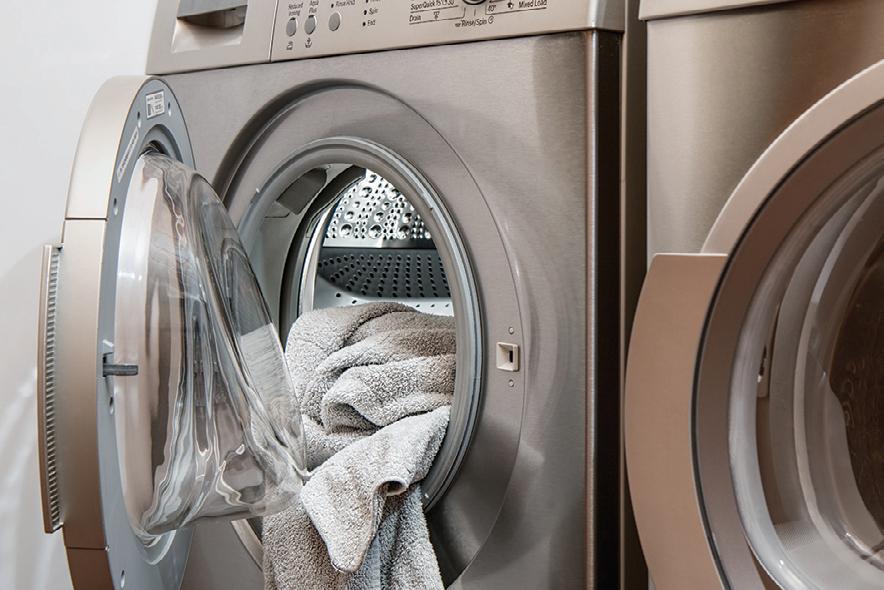
Many care homes face the fundamental decision between managing laundry on-site or outsourcing to a commercial service. In-house laundry offers greater control, faster turnaround times, and can be more cost-effective for larger facilities. It also allows staff to respond quickly to accidents or spillages – a common occurrence in care settings.
However, commercial laundry services bring industrial-grade equipment, specialist infection control processes, and can free up valuable staff time. They're particularly attractive for smaller homes where the capital investment in commercial machines may be prohibitive.
The Care Quality Commission emphasises that laundry procedures must effectively prevent cross-contamination. Modern barrier washers, which separate 'dirty' and 'clean' sides, are increasingly becoming the standard in care homes. Thermal disinfection – washing at 65°C for at least 10 minutes or 71°C for at least 3 minutes – remains the gold standard for destroying pathogens.
Water-saving technologies have improved dramatically, with modern machines using 40% less water than older models whilst maintaining infection control standards. This not only reduces environmental impact but also cuts utility costs significantly.
PROTECTING RESIDENTS' DIGNITY
Personal clothing forms an important part of residents' identity and dignity. A good laundry solution must include robust tracking systems –whether through sewn-in labels, heat-seal tags, or RFID technology – to ensure Mrs Johnson's favourite cardigan doesn't end up in Mr Patel's wardrobe.
Some homes are now investing in smaller, dedicated machines for delicate items, allowing woolens and special garments to receive appropriate care rather than being hand-washed or sent home to families.
Your laundry solution should support, not burden, your care staff. Ergonomic equipment placement, clear workflow design, and adequate training reduce physical strain and processing time. Some modern systems include automated folding or pressing equipment, which can significantly reduce labour costs and repetitive strain injuries.
As the sector continues to professionalise, laundry management increasingly reflects a care home's overall standards. Whether you opt for an on-site facility or outsourced service, the key is ensuring your solution meets infection control requirements, protects residents' belongings, and integrates smoothly into your daily operations.
The right laundry system isn't just about clean clothes – it's about maintaining the dignity, health, and comfort of those in your care.

For over 60 years, Fowler UK has been proud to support the care sector with dependable commercial laundry and catering equipment, backed by expert service that puts people first. As a family-run business, we understand the pressures care providers face, and we’re committed to delivering solutions that keep vital operations running smoothly.
From supply and installation of equipment, ongoing servicing and repairs, detergent packages, right through to our in-house CAD design team, we offer a ‘one-stop-shop’ solution for all of our clients laundry and kitchen facilities.
Reliability and customer service the heart of what we do. Our fast response times and high first-time fix rate mean care providers can trust us to minimise downtime and keep essential services running without
interruption. By stocking a vast range of manufacturer parts on our vans and in-house, we’re able to resolve issues quickly and effectively.
Beyond equipment sales, we support care facilities with comprehensive compliance and maintenance services such as gas safety inspections, preventative maintenance visits, duct cleaning and kitchen deep cleaning. This all-in-one approach provides peace of mind for our customers, ensuring they can focus on delivering high standards of care while we take care of the rest.
“Supporting the care sector has always been central to our business,” said William Fowler, Director at Fowler UK. “We know how important reliable equipment is for both residents and staff, and we’re proud to play our part in helping care homes provide safe, efficient, and welcoming environments.”
With a proven track record, family values, and a commitment to service, Fowler UK remains a trusted partner for care providers nationwide.
We’d be delighted to discuss how Fowler UK can support your facility.
See the advert on this page for further information.


Infection control remains a vital concern in care homes, where laundry plays an essential role in preventing the spread of harmful pathogens. With the Care Quality Commission continuing to raise expectations through a more rigorous inspection framework, laundry operations must meet high standards for both hygiene and regulatory compliance. Forbes Professional is helping care providers across the UK achieve exactly that.
Many care homes still rely on domestic washing machines that are ill-suited for the demands of a clinical environment. These machines often lack the ability to maintain the thermal disinfection temperatures required in care settings and are not compliant with WRAS Category 5 regulations. In addition, domestic models are not built for the volume of laundry processed in care homes, leading to higher operational costs, increased breakdowns, and invalidated warranties.
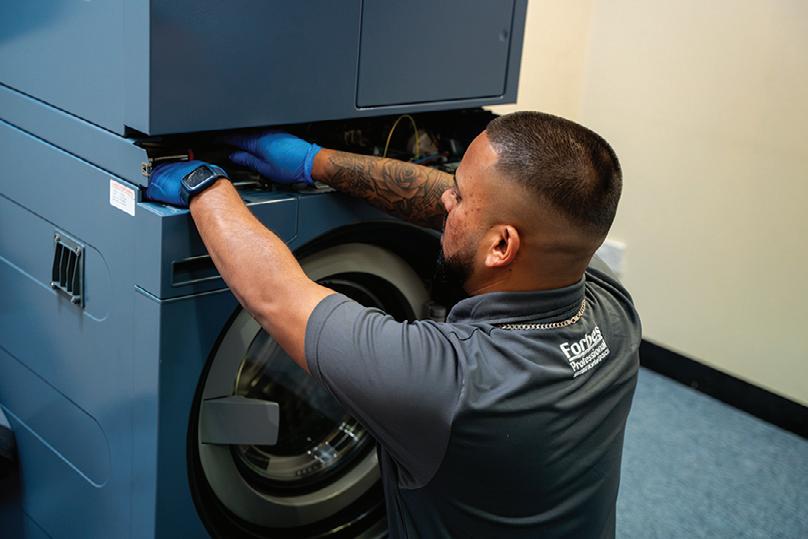
Forbes Professional supplies Miele commercial laundry equipment that is purpose-built for healthcare environments. These machines offer validated thermal disinfection cycles and include Type A air gaps for full WRAS compliance. Forbes also offers high-performance detergents which can be used in conjunction with the Miele appliances to deliver a comprehensive solution that supports effective infection control even at lower temperatures.
Some care operators have explored ozone-based disinfection as an alternative. While ozone can be effective, it introduces additional responsibilities around safe use and regulatory compliance. Systems must be carefully managed to mitigate potential risks to staff and residents. Forbes offers tried-and-tested alternatives that eliminate complexity while delivering proven results in a care environment. A major differentiator for Forbes is the company’s nationwide service infrastructure. They understand that equipment failure in a care home laundry room can quickly escalate into a serious operational issue. To minimise disruption, Forbes provides same- or next-day engineer call-outs as standard. Their extensive team of qualified field engineers and well-stocked service vehicles ensures swift, expert support across the UK.
Forbes also offers comprehensive rental and service contracts that include all maintenance and repairs, helping care homes manage costs and reduce administrative burden. These end-to-end solutions provide care operators with peace of mind, knowing their laundry systems are compliant, efficient, and fully supported. By partnering with Forbes, care homes benefit from expert guidance, market-leading equipment, and dependable service; ensuring hygiene standards are met and residents are protected. forbespro.co.uk | info@forbes-professional.co.uk | 0345 070 2335
SOUTHERN Contracts is one of the UK’s leading suppliers of industrial laundry, catering and commercial cleaning equipment.
Founded in 1964 to initially supply and maintain commercial cleaning equipment to the marine industry, we have since grown to become a well-respected and trusted partner to leading manufacturers.
We have consistently been the top performing Laundry Partner to Electrolux Professional and again achieved their top Laundry Partner Award for 2024. We’ve now won this accolade consistently for well over 20 years.

Now in our third generation and still very much a family run business, we are proud to now be a global supplier of not only laundry equipment, but with knowledge gleaned over the years, we are also a go-to company for professional kitchen appliances and commercial cleaning equipment. With our knowledge of most market products, we pride ourselves on delivering the very best solutions and service to our customers.
Already working for many of the national Care and Nursing Homes, as well as the hospitality industry such as hotels, restaurants and holiday parks, we understand the importance of keeping ‘down time’ to a minimum and by keeping in stock the leading commercial washing machines, tumble dryers and cleaning equipment we can sometimes just swap machines over to keep your business up and running.
We are able to offer independent and unbiased advice to ensure your purchase precisely meets your
requirements and budget, across a complete array of different products and models. Our expert team of technical staff are on hand to ensure your business is supported through every aspect of your purchase or rental agreement.
From advising on current government standards (eg. infection control for commercial washing machines and meeting government legislation for kitchen appliances) our team fully support you throughout the whole journey, from initial advice to delivery, installation, customer training, ongoing maintenance, service and repair. We hold many accreditations for safety and service excellence, providing peace of mind to all our customers, whether existing or potential.
For more information regarding our services for :
- Commercial laundry equipment
- Commercial kitchen appliances and warewashing/dishwashing
- Commercial cleaning equipment
Please visit our website at southerncontracts.co.uk and see previous projects we’ve worked on and our enviable testimonials received from happy clients across a plethora of sectors.
Contact us now on 03301 222888
Follow us on : Facebook, Twitter, Instagram and LinkedIn
See the advert on the previous page for information.
At PDS, we understand the challenges that come with managing laundry in a care home. From bedding, towels and tablecloths, to cleaning the clothes of residents, we appreciate that you need a care home laundry repair service and care home laundry equipment you can rely on.
Here at PDS, we provide care home laundry equipment to suit the needs of your setting. We offer many big-name industrial brands such as Alliance, Electrolux, Miele, Girbau, Grandimpianti and Schulthess.
As your trusted care home laundry repair services partner, we can help you with more than just supplying equipment. Our care home laundry services include laundry consultations, project design and management, equipment supply and installation, spare parts and more.
Our care home washing machines range from 6kg to 30kg drums for small to medium-sized care settings, and from 26kg to 40kg ones for larger care homes with more demanding laundry needs. We offer a full range of care home laundry equipment to meet your needs. Our equipment includes:
• Washing machines
• Tumble dryers
• Stacked equipment
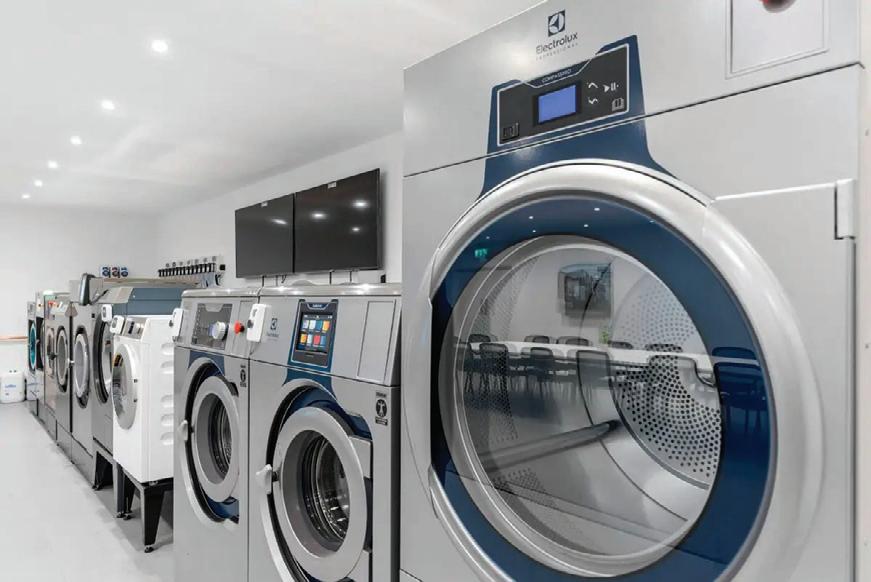
• Ironers We supply everything from compact care home washing machines to larger ironers and stacked systems, tailored to suit your available space, daily routines and laundry demands. Our aim is to make laundry simple and efficient, so your team can focus on providing the best care for your service users.
With more than 30 years of experience, our in-house engineers offer expert support nationwide. Wherever you’re based, we’re here to keep your laundry equipment performing at its best.
If you run or manage a care home and are looking for a care home laundry repair services partner, then look no further than PDS. We’ve been helping care homes just like yours since 2007 and are one of the most trusted suppliers of care home laundry repairs and care home laundry equipment. We are here to help keep your care home running smoothly. Please get in
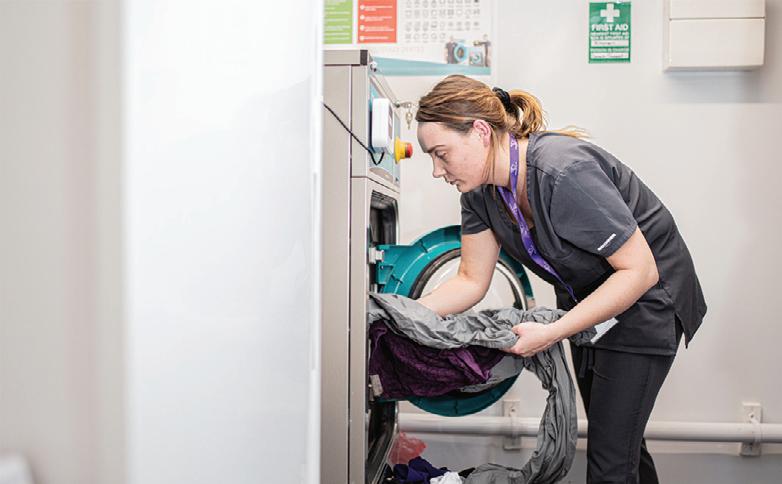

We

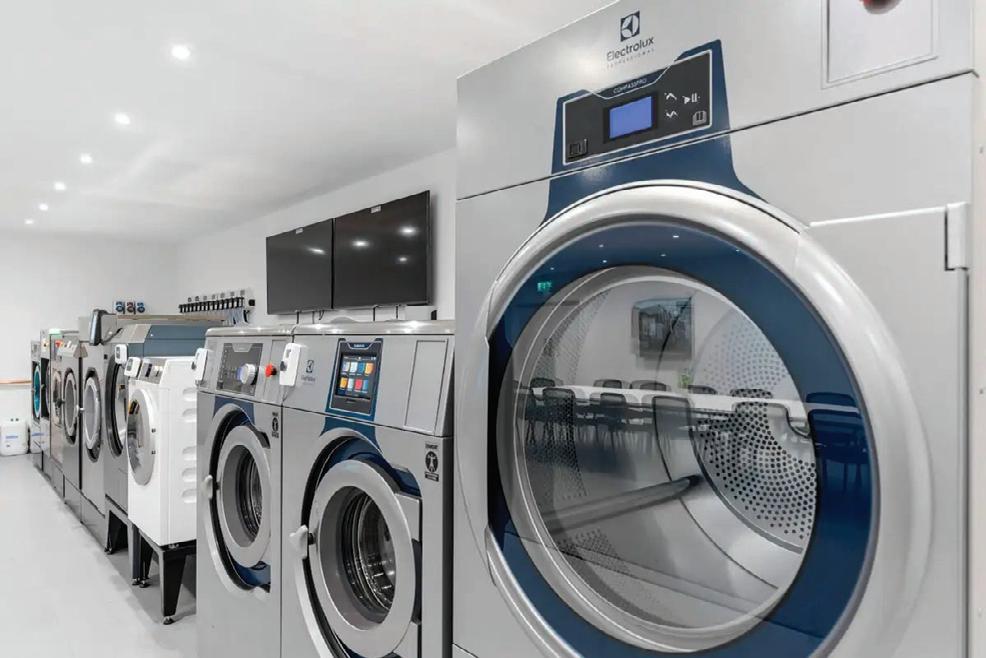


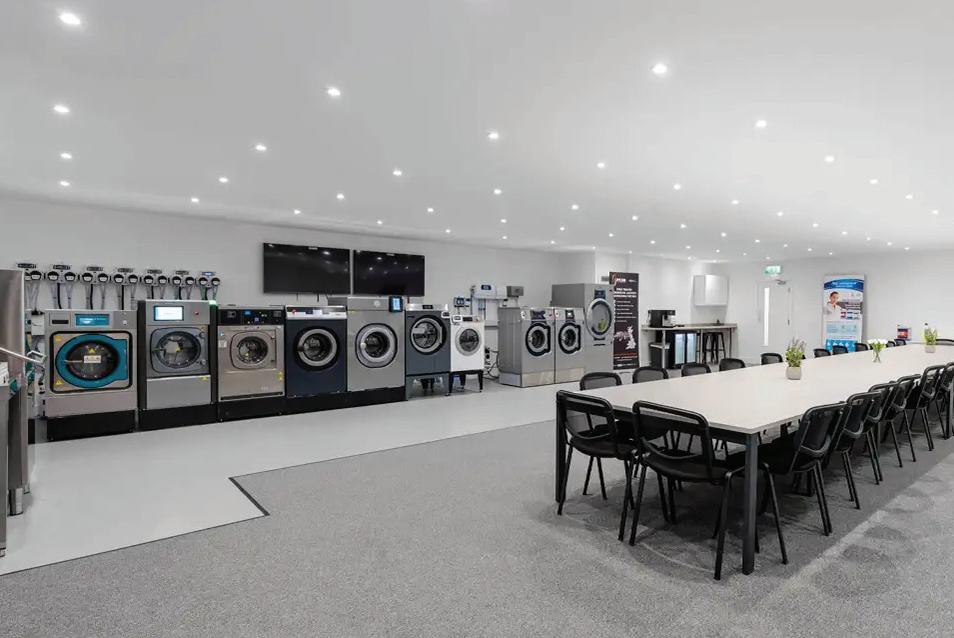

•
•

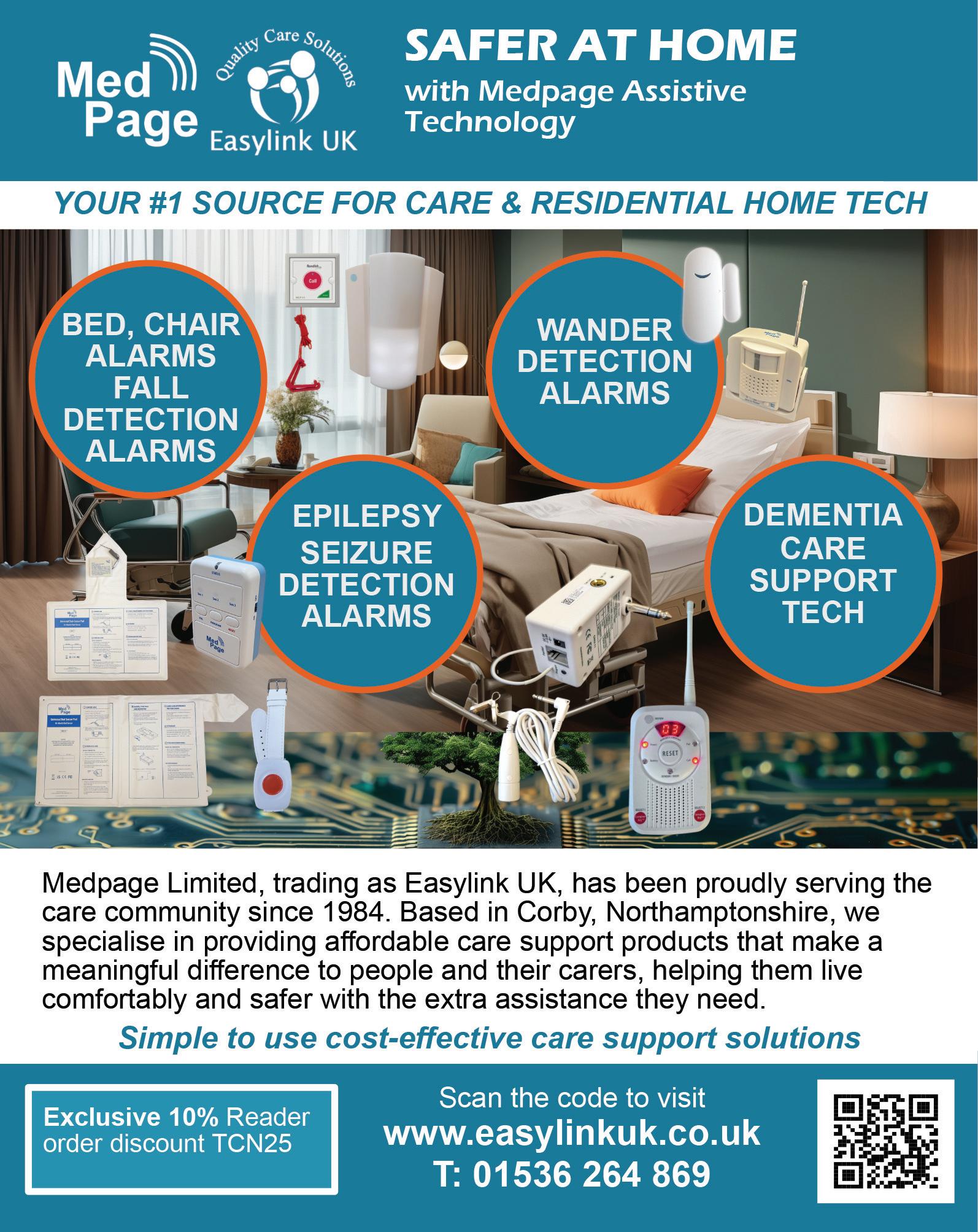
Eliminate all
with our new generation falls management solutions! Upgrade your falls programme with the latest technology from Fall Savers®. The NEW Fall Savers® Wireless eliminates the cord between the monitor and sensor pad. This results in less work for nursing staff, improved safety for patients and reduced wear and tear on sensor pads. Wireless advantages include the ability to use one monitor with two sensor pads simultaneously and support for many new wireless devices.
FEATURES

BENEFITS INCLUDE:
for patients; less work for staff Bed and chair pads available One monitor works with two sensor
Smart Notes helps you create accurate, detailed notes, using AI to write up forms in moments and and deliver them directly into Access Care Planning. That means less time writing, and more time with the people who matter most.
Access Smart Notes key features and benefits:
• Save thousands of pounds every year on Care Assessments without a drop in quality.
• Capture detailed notes quickly and effi-
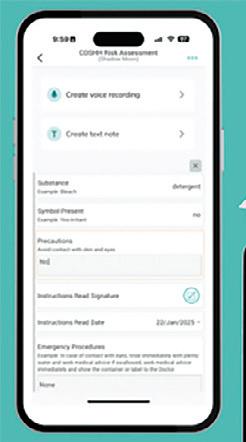
ciently in the moment.
• Reduce errors and missed details with templates customised to your service
• Integrated with Access Care Planning for real-time updates saving hours of admin time.
• Built-in AI accuracy to streamline the documentation process to reduce risks and improve the quality of your notes
• Full audit trail for peace of mind and transparency
Visit www.theaccessgroup.com

Falls are a significant concern for vulnerable individuals, especially seniors and patients at risk. Medpage, a leader in assistive technology, offers a range of cuttingedge products designed to enhance safety and provide peace of mind for caregivers and families. Here’s an in-depth look at some of their standout solutions: MPRCG1 (2023) BED LEAVING DETECTION ALARM WITH CAREGIVER RADIO PAGER
The MPRCG1 is a comprehensive system tailored for fall prevention in domestic, commercial, and NHS care settings. This all-inclusive kit includes a bed pressure mat sensor, a BTX21-MP alarm sensor transmitter, and an MP-PAG31 radio pager. The system is designed to alert caregivers when a patient leaves their bed, reducing the risk of falls. Key features include:
Wireless Alerts: Notifications are sent to the caregiver’s pager via tone or vibration.
• Customizable Alarm Delays: Options for instant, 15-minute, or 30-minute delays. Durable Design: Antimicrobial and disinfectant-resistant materials ensure longevity.
• Ease of Use: Minimal installation required, making it user-friendly and portable.
HDKMB2 HOSPITAL DISCHARGE KIT FOR FALLS RISK PATIENTS
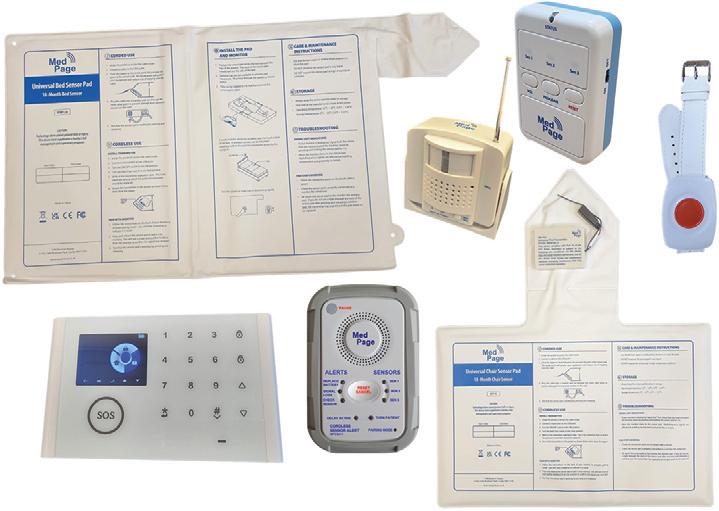
The HDKMB2 is a thoughtfully curated kit aimed at supporting patients transitioning from hospital to home care. It includes essential tools to mitigate fall risks and promote recovery. This kit is ideal for caregivers seeking a comprehensive solution to enhance patient safety during the critical post-discharge period.
MULTI-PORT WIRELESS SENSOR INPUT EXPANDER FOR NURSE CALL CONNECTION
CMEX-21
The CMEX-21 is Medpage’s latest innovation, designed to integrate seamlessly with existing nurse call systems. This multi-port expander allows for the connection of multiple wireless sensors, enhancing the
monitoring capabilities of healthcare facilities. Its versatility makes it a valuable addition to any care environment, ensuring timely responses to patient needs.
RON-WC2 WATERPROOF DISABLED PULL CORD ALARM TRANSMITTER WITH WIRELESS ALARM RECEIVER
The RON-WC2 is a robust solution for disabled individuals requiring immediate assistance. This waterproof pull cord alarm is ideal for use in bathrooms and other high-risk areas. Paired with a wireless alarm receiver, it ensures that help is just a pull away. Features include:
Waterproof Design: Suitable for wet environments.
• Wireless Connectivity: Reliable transmission to the alarm receiver. Ease of Installation: Simple setup for quick deployment. WHY CHOOSE MEDPAGE?
Medpage’s commitment to innovation and quality is evident in their product range. Each solution is designed with the user’s safety and convenience in mind, making them a trusted choice for caregivers and healthcare providers alike.
By investing in these advanced fall prevention tools, families and facilities can create safer environments for those at risk. Medpage continues to lead the way in providing practical, reliable solutions that make a real difference.
For more information, visit Medpage’s official website or contact their team to explore these products further. Safety starts with the right tools, and Medpage delivers just that. www.easylinkuk.co.uk
T: 01536 264 869
Courtney Thorne, a long-standing innovator in healthcare communication systems, is setting new standards in the care home sector with its advanced wireless nurse call technology—designed to improve resident safety, enhance staff efficiency, and support a more responsive care environment.
With over 30 years of experience serving the UK healthcare market, Courtney Thorne’s systems are now trusted by thousands of care homes nationwide. Unlike traditional hardwired solutions, their wireless nurse call systems offer non-invasive installation, scalability, and smart analytics—making them ideal for both new builds and retrofit projects.
“At the heart of our technology is the belief that better communication leads to better care,” says Graham Vickrage, Managing Director at Courtney Thorne. “Our wireless systems not only reduce response times but also empower staff
with the tools they need to deliver safe, person-centred care.”
Care providers are increasingly choosing wireless systems for their flexibility, reliability, and cost-effectiveness. With a full suite of accessories—including neck pendants, door monitors, fall detection, and bed sensors—Courtney Thorne systems can be tailored to meet the specific needs of each home and resident.
In an industry where compliance, safety, and staff pressures are always front of mind, Courtney Thorne provides more than just products—they offer ongoing support, training, and a commitment to innovation that helps care homes futureproof their operations.
For more information or to book a free demo, visit www.c-t.co.uk or contact info@c-t.co.uk.
Care homes across the UK are transforming how they deliver care thanks to SyndoraAlto, the newly rebranded name behind CHARIS, the UK’s most advanced digital nurse call system.
Fully supplied, installed, and maintained from just £6.40 per bed, per month, CHARIS delivers smarter, safer, and more connected care through real-time alerts, mobile integration, and intuitive smart displays that help staff respond faster when residents need them most.
Every CHARIS system comes fully inclusive with 15” smart displays, help buttons, pull cords, guaranteed radio coverage, and 24/7 UK technical support, all backed by SyndoraAlto’s trusted installation and maintenance team.
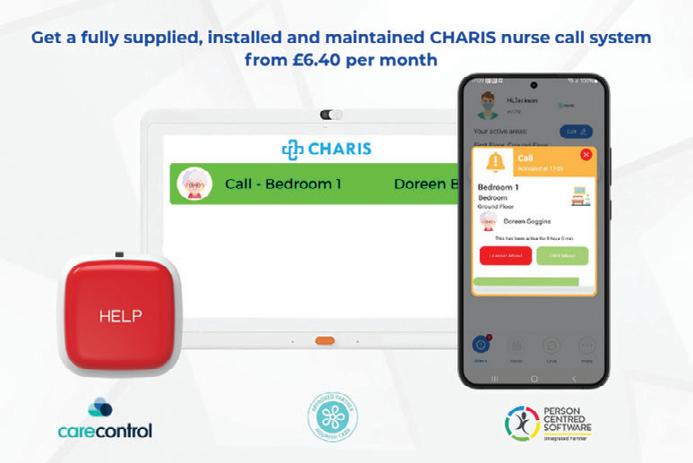
For care providers not yet ready to replace their existing nurse call system, AltoEnhance offers the perfect first step into digital care.
Available from just £129.00 per month, AltoEnhance seamlessly connects to your current nurse call system, bringing digital reporting, mobile alerts, and actionable insights without the need for a full system upgrade.
“Technology should make care easier, not harder,” says Louis Johnson, Managing Director. “CHARIS and AltoEnhance connect people, information, and action empowering care teams to deliver truly person-centred care.”

�� Meet the team & learn more at www.syndoraalto.com
Alarm Radio Monitoring is the market leader in the design, manufacture and installation of bespoke, end-to-end, wireless alarm systems and solutions for the healthcare, leisure, custodial and education industries.
We have been providing wireless alarm and nurse call systems for over 30 years. Supplying care homes and hospitals with an essential lifeline that supports the delivery of outstanding care.
We believe in excellence which translates into:
Advanced Technology
Industry-leading wireless alarm technologies and software
Bespoke Solutions
We design systems to your needs rather than your team having to work around the system Innovative Design
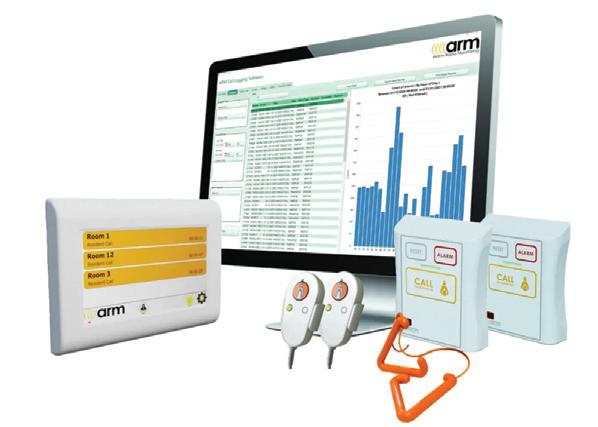
Pushing boundaries with the reliability that comes from decades in the industry Flexible Finance Options
Ensuring organisations of any size can provide safety for their staff and clients
24 Hours a Day, 365 Days a Year Service
Your ARM service team is on hand, on the phone, on-site or return to base, whether you have a service contract or not
For further information, see the advert below or visit www.arm.uk.com
Croner-i was founded in 2017 as a proud part of the Peninsula Group. Since its beginning, it has supported thousands of care providers across the UK to stay compliant with Care Quality Commission (CQC) requirements and wider regulatory obligations, setting a standard in the industry.
Through their Navigate-Care platform, Croner-i specialises in providing practical, accessible and easy-to-understand guidance that enables care services to exceed their compliance responsibilities. From residential care homes, and domiciliary care agencies to supported living providers and other care services, thousands of care providers rely on Croner-i’s resources to maintain quality, safety, and best practice across their operation.

“We understand that compliance can be a challenging and time-consuming process for care providers,” said Andrew Murphy, Head of Content at Croner-i. “Our mission is to take the complexity out of CQC and regulatory requirements, giving providers the clarity and confidence they need to deliver outstanding care.”
With Croner-i’s Navigate-Care platform, care services have access to a comprehensive library of policies,
toolkits, and expert guidance written by industry and care specialists. This includes practical step-by-step advice on preparing for CQC inspections, meeting the new Single Assessment Framework (SAF) and implementing robust quality assurance processes.
Being part of Peninsula Group allows Croner-i to benefit from decades of experience in employment law, HR, and business compliance. This ensures the advice and support given is both legally and operationally practical.
With the care sector under increasing scrutiny and public pressures, Croner-i remains committed to empowering providers with the tools they need most, to operate efficiently, protect service users, achieve inspection success and grow their care service.
Look out for more details from Croner-i in the coming weeks.
For more information about Croner-i Navigate-Care, get in touch with the partnership team at partnerships@croneri.co.uk.
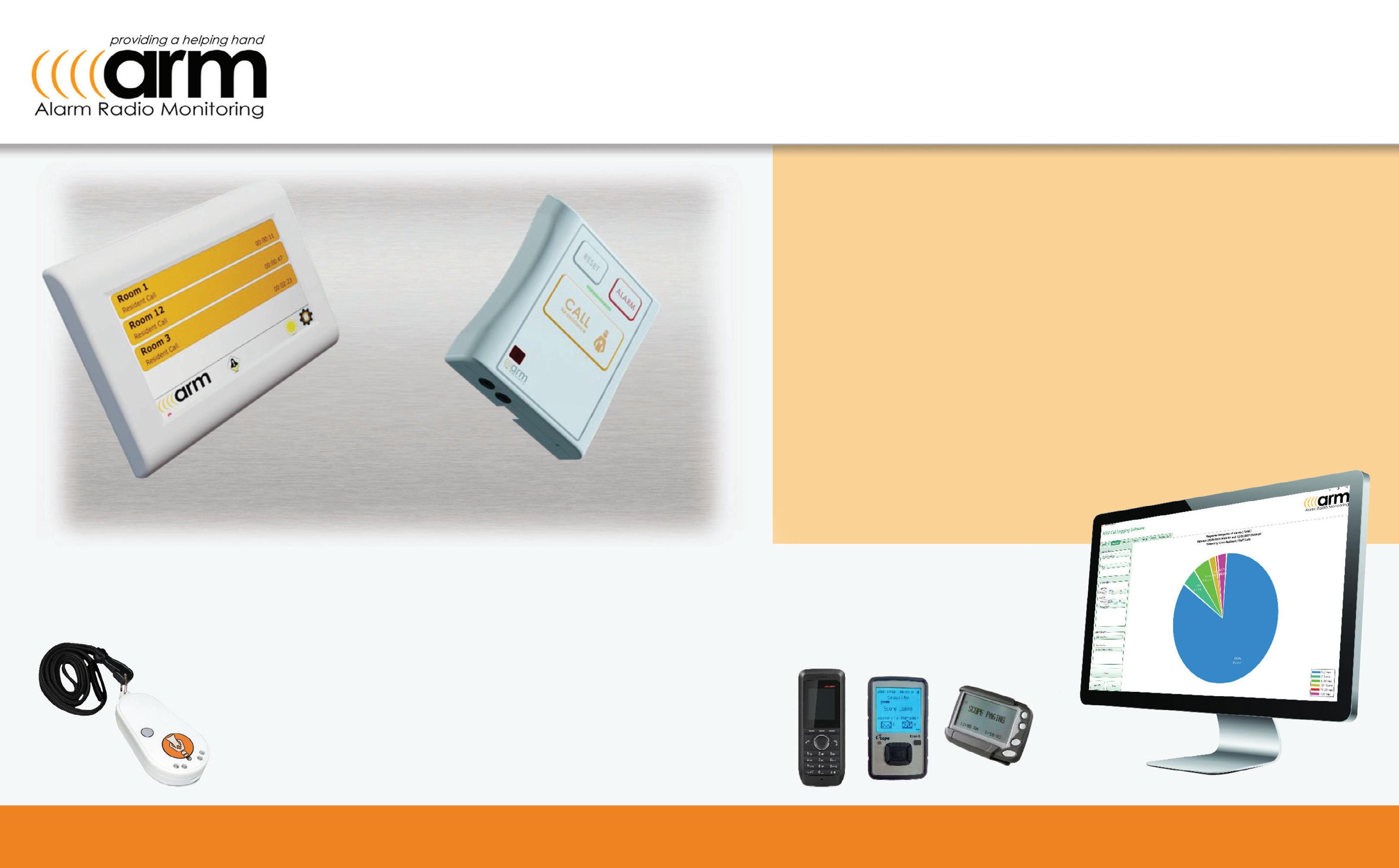
The wireless ARM Nurse Call system has been developed over 30 years with both the client and user in mind.
It enables staff to efficiently answer calls, making the management of resources more flexible and provides the functionality you would expect of any nurse call system.
The system is quick and easy to install and works wirelessly, using radio communication between both the call points and the system infrastructure.
Data Analysis software provides a full audit trail of events
The all-new call logging software from ARM enhances the functionality of your care call system dramatically.
• It can help you track the quality of your service to your residents.
• It can help you demonstrate compliance with your aims and best practices, both to relatives and to authorities.
• It can help you find bottlenecks in service provision, track staffing requirements, and allow you to ensure staff are meeting expectations.
• Most importantly, it provides assurance that you know and can demonstrate what is happening in your care home.
Call messages can be sent direct to staff to speed up response times and can also be integrated to work with smart phones & messaging.
Sensore launches a smart pressure ulcer prevention system, a breakthrough technology combining a smart fabric sensor mat with an intuitive app and powerful AI analytics. Today’s best practice is reactive: manual checks and frequent repositioning. Sensore flips the model - continuously monitoring pressure distribution in real-time and providing simple preventative alerts, so users stay protected while easing the daily vigilance demand on users and carers.
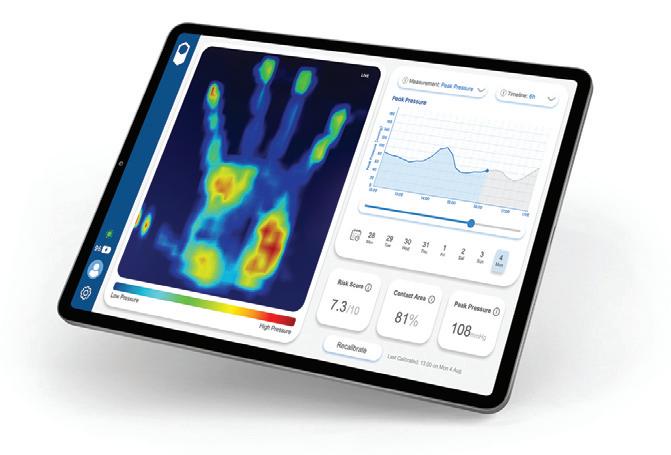
A personal early-warning system that integrates seamlessly into any wheelchair or bed, Sensore is built for elegant simplicity - restoring peace of mind for wheelchair users and supporting higher-quality, more

consistent care. For care providers, Sensore can help standardise prevention workflows and contribute to meaningful cost savings, while building a unique dataset to advance pressure-injury research.
Sensore is supported by clinical experts: "We believe Sensore’s continuous pressure monitoring will have a transformational impact on our ability to prevent and manage pressure ulcers effectively, while driving measurable improvements in patient care quality" - NHS Consultant Clinical Scientist Specialist in Clinical Biomedical Engineering Visit www.sensore.health for more information, to sign up for early access and book a free demo.
Technology has made people more connected with the world around them and the revolution in assistive care devices has made it possible for the elderly to spend their last years in a comfortable and familiar environment. These devices have also made it easier for home carers to provide quality care for their loved ones while managing their own lives. They allow you to care for your elderly whether they are travelling in the city for errands, staying alone at home, or staying in the same home as you. They are also helping nursing homes provide better care for them with discrete monitoring and quick responses to emergencies. If you’re looking for these kinds of assistive care devices for your loved ones or nursing home, Frequency Precision produce some of the best systems available to help you with elderly care

and mobility monitoring, ranging from bed, chair and floor sensor mats through fall monitoring and GPS tracking to fully integrated nurse call plug or wireless systems.
Phone: 01837 810590
Email: contact@frequencyprecision.com
Website: www.frequencyprecision.com


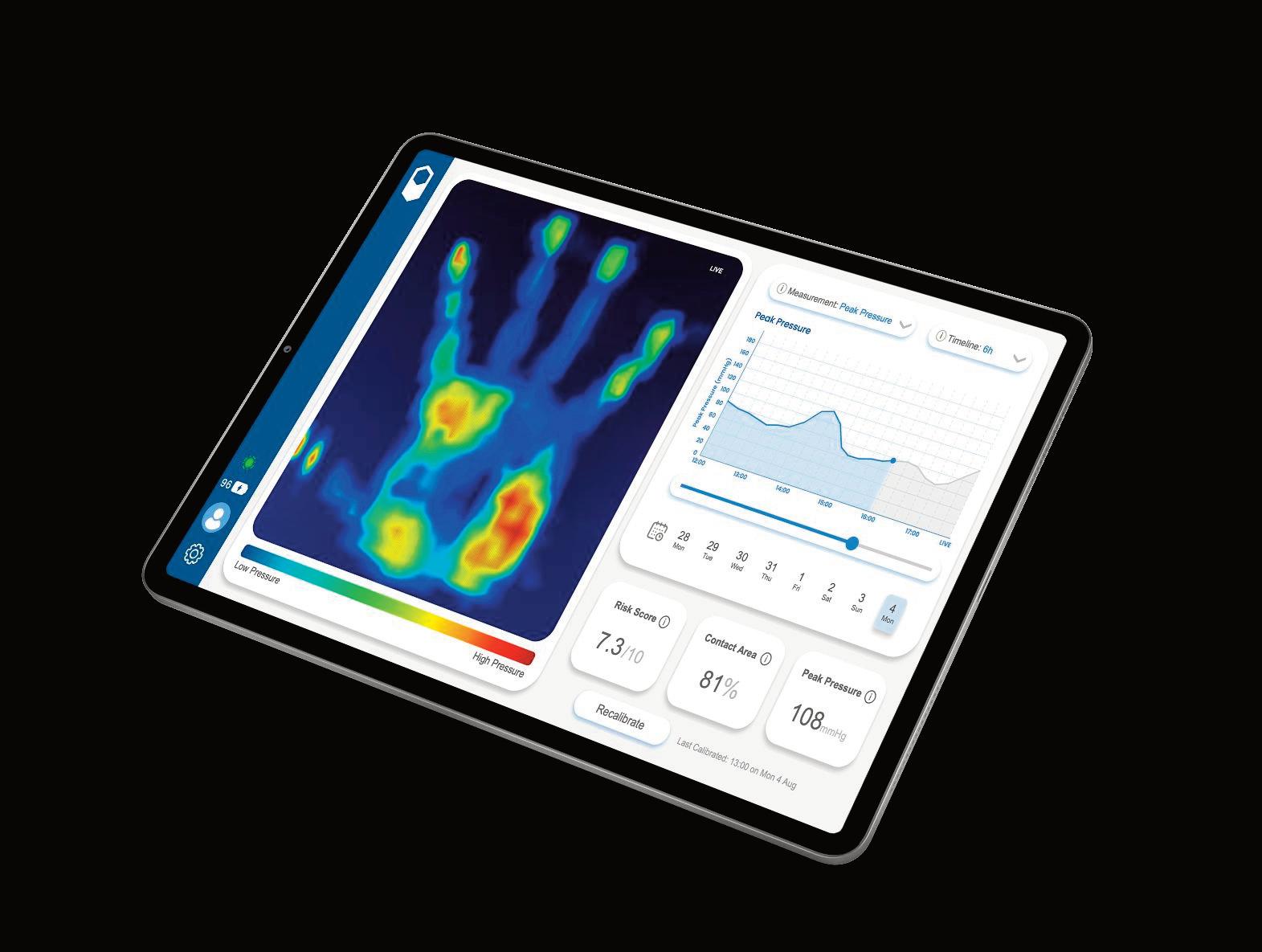
The NHS Long Term Plan is reshaping healthcare to make it more personal, preventative, and accessible. At the heart of this transformation are three strategic shifts: delivering more care in the community, embracing digital solutions, and focusing on prevention rather than treatment. For patients and carers, these changes mean more support at home, fewer hospital visits, and better tools to manage health.
One innovation helping to make this vision a reality is Evondos—an automated medication dispensing service and virtual care platform designed to support safe, timely, and consistent medicine use at home.
SUPPORTING INDEPENDENCE AND SAFETY
Evondos Anna Medicine Dispensing Robot is installed in the patient’s home and dispenses pre-packed doses at the right time. It provides spoken instructions and visual cues, making it easy to use for people of different ages and abilities. If a dose is missed, the medication is stored safely and securely inside the device until a carer or healthcare professional can follow up.
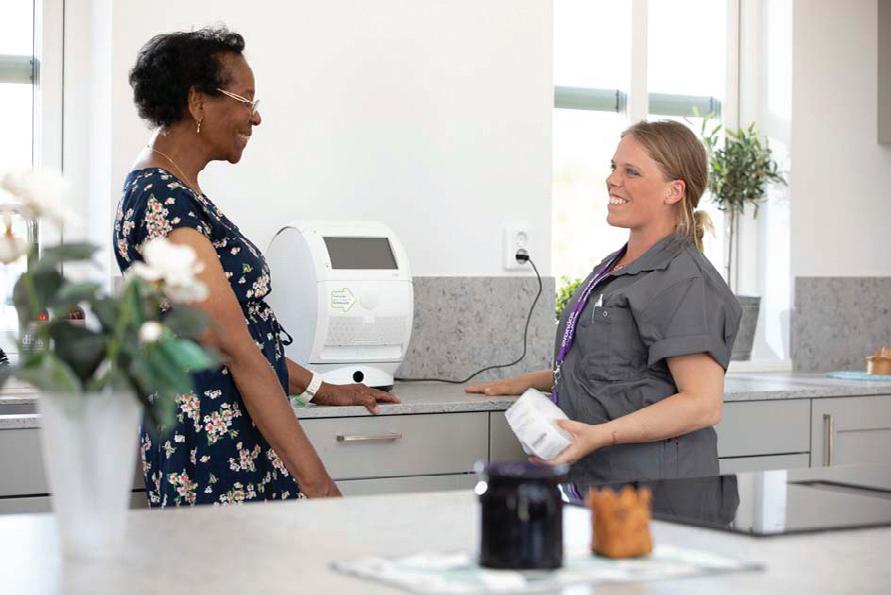
This is especially important for patients with time-sensitive or multi-dose medication schedules, such as those managing diabetes, Parkinson’s, or heart conditions. Evondos ensures that every dose is delivered as prescribed, helping prevent complications and hospital admissions.
PEACE OF MIND FOR CARERS
For carers—whether family members or professionals—Evondos offers reassurance. You don’t need to be present for every dose, and you’ll be notified if a dose is missed. This reduces stress and allows carers to focus on other aspects of support, knowing that medication is being managed reliably.
Evondos also supports virtual care through its built-in two-way video camera, allowing care professionals to check in with patients remotely. This adds a personal touch to digital care and helps maintain strong relationships between patients and their carers.
Evondos includes a built-in roaming cellular SIM card, which means it connects automatically—no home internet or technical setup is required. Patients don’t need to understand or manage any digital connectivity. This makes Evondos accessible to everyone, including those who are not confident with technology or live in areas with limited digital infrastructure.
TRAVEL MODE FOR FLEXIBILITY
Evondos also includes a travel mode, allowing patients to take their medication with them when away from home—whether visiting family, going on holiday, or staying in respite care. This keeps routines consistent and supports independence, even when life changes temporarily.
EQUALITY
Evondos is built with equality at its core. Its intuitive design, secure medication handling, automatic connectivity, and virtual care features make it accessible to people from all backgrounds. Whether you’re living alone, supported by carers, or part of a busy household, Evondos fits into your life and helps you stay well.
CONCLUSION
Evondos supports the NHS’s three strategic shifts by delivering smarter, safer, and more accessible care. For patients, it means more independence and better health. For carers, it means peace of mind and less pressure. With support for complex medication schedules, secure storage, travel flexibility, virtual care, and no need for internet knowledge, Evondos is helping bring the future of healthcare into everyday life.
If you or someone you care for could benefit from help with medication, speak to your local care team about Evondos. It’s a powerful solution designed with real people in mind.
See the advert on the facing page for details.

PASS by everyLIFE Technologies, UK and Ireland’s leading digital care management platform, showcased its award-winning software at this year’s Care Show in Birmingham.
Used by over 1,200 services and supporting more than 85,000 care professionals every day, PASS brings care planning, medication management, rostering and finance together in one simple system. The platform helps providers save time, reduce risk, and improve compliance - giving care teams more time to focus on the people they support.


Visitors to the Care Show will also be able to see PASSgenius™, the suite of AI-powered insights now built directly into the platform. PASSgenius™ analyses care notes and rostering data to highlight risks, changes, and trends that may otherwise be missed. From punctuality dashboards to health note summaries, it turns everyday information into clear, actionable insight.
Robin Batchelor, CEO at everyLIFE Technologies, said: “The Care Show is always a fantastic opportunity to meet providers, share ideas, and demonstrate how digital tools can make a real difference to quality of care.”
For more information, visit www.everylifetechnologies.com.


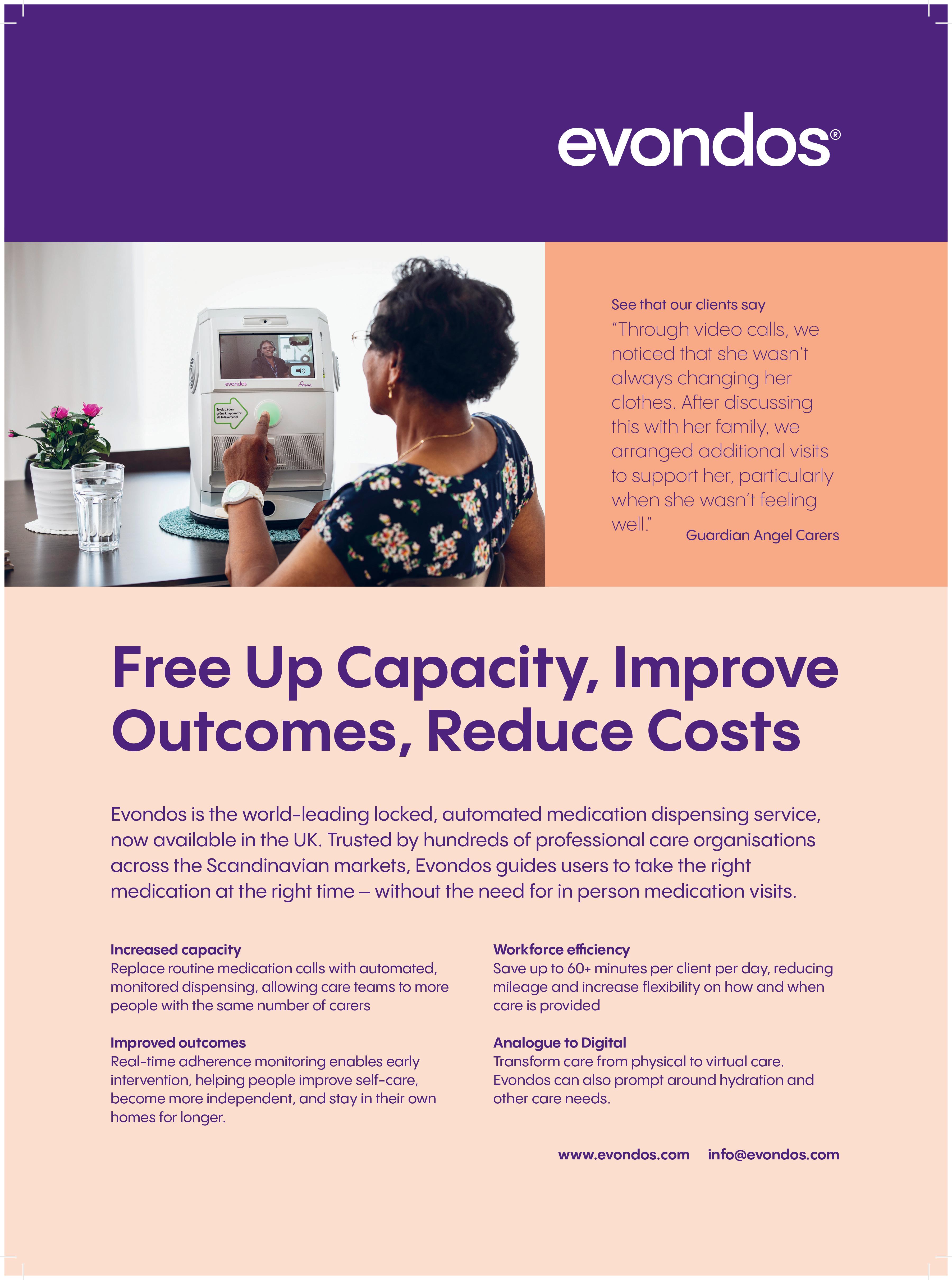
Every day, care organisations are working tirelessly to deliver essential support in the face of growing needs and rising costs. However, too many providers are stuck balancing tight budgets, having ‘just enough’ to stay afloat. The hard truth is, just enough isn’t enough—not for the providers, not for the employees, and certainly not for the clients who depend on them.
Rising operational costs—from wages and the Fair Pay Agreement to energy bills—compound historic underfunding and financial pressures. And demand for care continues to increase, creating a widening gap that organisations are often forced to fill with limited resources.
Providers then end up in survival mode, unable to invest in improving their services for today and the future.
THE NEED TO RETHINK FINANCIAL STABILITY
Care providers need to have healthy finances in social care, and that doesn’t come at odds with delivering compassionate care.
A financially strong organisation has the breathing room to improve services, retain employees, and innovate to make a meaningful difference to the lives of people they support. And having this financial security means providers can actually plan for the future rather than constantly reacting to the present.
BENEATH THE SURFACE
Social care organisations face a web of financial intricacies. Local authority

how financial pressures continue to challenge social care providers.
support often comes with layers of red tape. Managing aged debt and resolving invoicing errors take a significant amount of time that few organisations can spare. Regulation and compliance require meticulous reporting, and the sheer volume of admin work to manage all these leaves teams stretched thin. At the same time, there’s an expectation for providers to keep doing more. But without the right tools and systems in place, these compounded financial struggles threaten to overwhelm this indispensable sector.
Social care providers aren’t just keeping their organisations alive; they’re safeguarding the wellbeing of countless individuals and families.
Providers need to be able to prioritise long-term financial resilience. And part of this means having the tools—including robust financial management softwaresimplify manual processes, optimise resources, and reduce inefficiencies.
By championing financial sustainability, we’re creating conditions where employees can thrive, where clients receive the quality of care they deserve, and where the sector can confidently meet future challenges.
Find out more at: www.oneadvanced.com/ai
See the advert on the facing page.
We were excited to be heading to the Care Show in Birmingham on 8–9 October bringing something brand new with us.
At this year’s event, we launched the Data Policy Builder, a powerful new tool designed to make data protection policies simple, practical, and meaningful for your organisation. Too often, policies sit on a shelf, written in complex language that no one reads. The Data Policy Builder helps you create living documents that reflect your service, speak to your staff, and actually shape day-to-day practice.
By guiding you step by step through the process, the tool ensures your policies are DSPT-compliant and tailored to your unique risks and needs. Whether you run a single care home, a homecare service, or a larger group, this tool will help you write policies that your team can understand and use – supporting safer care and better data security.
LIVE DEMO – DATA POLICY BUILDER

The Care Show offered a first look at the Data Policy Builder in our live demo session. We’ll be focusing
on Bring Your Own Device (BYOD) policies, an area many care providers struggle with. You’ll learn:
• The risks of staff using personal devices for work
• What should be included in a robust BYOD policy
• How the tool can generate a clear, easy-to-read document for you – in minutes
We’ll also be sharing which other policies we’ll be adding to the tool in the future, so you can start planning ahead.
DROP-IN HUB – YOUR QUESTIONS ANSWERED
Throughout the Care Show, the Digital Care Hub team ran a drop-in hub where you could ask all your questions about digital technology, data protection, and cyber security. Whether you need help with the Data Security and Protection Toolkit (DSPT), want advice on cyber security risks, or just want to sense-check your approach to data sharing, we’ll be there to support you.
For further information, please see the advert below.


By Sam Wilson, Director of Apprenticeships – Exeter College
The care sector in the UK is facing a growing crisis. With an aging population, rising demand for services, and chronic staff shortages, pressure on providers has never been greater. In 2023, Skills for Care reported around 152,000 vacancies in adult social care in England alone. These challenges not only strain the system but also compromise the quality and continuity of care. Yet, a powerful and often underutilised solution lies in education and training pathways, particularly Foundation Apprenticeships, full Apprenticeships, and vocational work-based learning such as college placements and T Levels.
These routes into the care profession not only address immediate staffing shortages but also support the longterm sustainability and professionalism of the sector. By combining academic learning with hands-on practical experience, these pathways provide young people with the skills, confidence, and motivation to build fulfilling careers in care. In turn, employers benefit from a pipeline of wellprepared, passionate, and loyal workers.
FOUNDATION APPRENTICESHIPS: ENGAGING
FUTURE TALENT EARLY
Foundation Apprenticeships (FAs), offered to school leavers (and up to the age of 19 or 24 with an EHCP), provide an invaluable early introduction to the care sector. These programmes combine classroom learning with structured work placements, giving apprentices the chance to gain practical experience in real care settings in an 8-month window. By engaging with the profession early on, students gain a realistic and positive understanding of what care work involves, dispelling myths and building confidence in their abilities.
This early engagement is crucial. Foundation Apprenticeships help students make informed career choices and allow employers to spot and nurture young talent as they enter the workforce. For the care sector, which traditionally struggles to attract younger workers, FAs serve as a vital bridge between education and employment. They also broaden access to the profession, particularly among school-leavers who may not have considered care as a viable or attractive career path.
COLLEGE PLACEMENTS AND T LEVELS: BUILDING REAL-WORLD EXPERIENCE
Further education colleges play a key role in preparing students for care roles. Health and Social Care students typically complete structured placements in settings such as care homes, day centres, and domiciliary services. These experiences allow learners to apply theory in practical environments and develop essential interpersonal skills.
T Levels, introduced in 2020, are two-year programmes for 16-19 year-olds that include a minimum of 315 hours of industry placement. The Health and Science T Level equips students with both technical knowledge and soft skills like empathy, patience, and communication - all vital for high-quality care.
For employers, T Level placements offer a low-risk way to assess potential recruits in real working contexts. Students who complete meaningful placements are often more confident and better prepared for full-time roles, leading to improved retention and smoother transitions into employment.
APPRENTICESHIPS: STRENGTHENING AND RETAINING THE WORKFORCE
While Foundation Apprenticeships and T Levels lay the groundwork, full Apprenticeships serve as a critical tool for both recruitment and retention in the care sector. Apprenticeships offer a blend of paid work and formal study, allowing individuals to "earn while they learn" and progress toward nationally recognised qualifications in adult care, childcare, and support work.
Crucially, apprenticeships cater to a wide age range and can be used both for new recruits and for upskilling existing staff. This makes them incredibly versatile. For young people who may not thrive in traditional academic routes, apprenticeships offer a clear, supported pathway into meaningful employment. For care providers, investing in apprenticeships can help fill vacancies with committed, well-trained individuals while demonstrating a commitment to workforce development.
Apprenticeships also promote staff loyalty. When employees are supported to learn and develop within their role, they are more likely to stay with their employer long-term. This helps to reduce the high turnover rates that plague the care sector and improves continuity of care for service users.
In a sector crying out for skilled, compassionate workers, the potential of Foundation Apprenticeships, college placements, T Levels, and full Apprenticeships cannot be overstated. These pathways equip learners with the necessary skills and values while embedding them in the culture of care from an early stage. By integrating education with employment, we can reshape how the care sector recruits and retains its workforce. This is not a short-term fix but a sustainable, future-focused strategy.
The care sector cannot afford to wait. By actively engaging with local education providers such as colleges, schools, and apprenticeship training organisations, care employers can build a robust pipeline of skilled, motivated individuals ready to make a difference. Whether it’s offering a placement, mentoring a student, or hiring an apprentice, every action contributes to a stronger, more sustainable workforce. Reach out to Exeter College today and start shaping the next generation of carers.
Sam has been part of the apprenticeship world for over 25 years, having gained vast experience in teaching, designing and managing the quality of apprenticeship curriculum in both independent training provider & College settings. Sam joined Exeter College over 4 years ago and played a key role in the Ofsted Outstanding grading for Apprenticeships. Apprentices@exe-coll.ac.uk https://exe-coll.ac.uk/apprenticeships/
PIONEERING TECHNOLOGY-ENHANCED CARE FOR THE FUTURE
Multisensory Care Solutions represents a significant advancement in specialist care provision, founded by industry veterans Karen Bradley and Brian Lumb. Drawing upon their exceptional track record of operating a CQC Outstanding-rated residential care home for complex care residents over three decades, the company brings unparalleled expertise to the care sector.
PROVEN LEADERSHIP IN CARE EXCELLENCE
Karen Bradley brings over 45 years of comprehensive experience working with individuals living with dementia, autism, learning disabilities, and other specialist needs. As a former Registered Manager and certified trainer across multiple care disciplines, her deep understanding of person-centred care principles has consistently delivered outstanding outcomes for residents and their families.
Brian Lumb contributes extensive technical expertise from his background in multimedia systems, touchscreen displays, and point-of-information technologies. His proven track record in developing and implementing innovative digital solutions—both as a business owner and senior executive within major PLCs—provides the technical foundation for revolutionary care applications.
INNOVATION-DRIVEN CARE EXCELLENCE
The founders' unique combination of care expertise and technological innovation has enabled them to integrate cutting-edge solutions into their care delivery model. This pioneering approach to person-centred care through technology played a crucial role in achieving their CQC Outstanding rating, demonstrating measurable improvements in quality of life for residents and enhanced support for families.
INTRODUCING MULTISENSORY MAGIC

Building upon decades of practical experience, Multisensory Care Solutions has developed "Multisensory Magic"—an accessible software application designed to democratise technology-enhanced care. This cost-effective solution makes advanced multisensory interventions available to care providers across the sector, extending beyond premium facilities to benefit a broader range of residents.
Meeting Critical Care Challenges
With approximately one million people currently living with dementia in the UK—a figure projected to reach 1.5 million by 2040—the need for innovative care solutions has never been more urgent. Technology-enhanced interventions offer proven benefits in:
Sensory stimulation and engagement
Cognitive function support
Enhanced communication pathways
Improved resident wellbeing outcomes
As the care sector observes World Alzheimer's Month in September 2025, culminating in World Alzheimer's Day on 21st September, the opportunity to transform dementia care through accessible technology solutions represents both a professional imperative and a moral responsibility.
Multisensory Care Solutions stands ready to support care providers in achieving improved CQC ratings whilst delivering meaningful enhancements to resident care and family satisfaction. For more information see the advert on the facing page or please call or email Brian Lumb - 07801 498483 or Email - brian@multisensorycaresolutions.com www.multisensorycaresolutions.com
Restrictive practices such as physical restraint, bed rails, or lap belts remain one of the most challenging aspects of health and social care. Intended to keep patients safe, they can also cause harm, distress, and loss of dignity when used unnecessarily. Across the UK, the principle is clear: care must always use the least restrictive option.
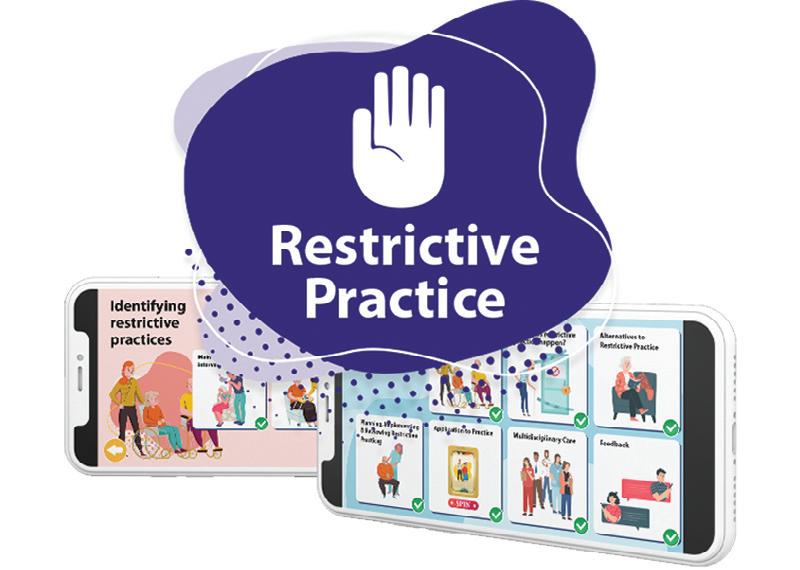
Legislation provides the framework, but culture and staff behaviour shape daily practice. Nurses, carers, and clinicians often make quick decisions balancing safety with autonomy. Without training, restrictive practices risk becoming routine. To change this, staff need better understanding of the human impact and confidence to use alternatives. That’s where Restrictive Practice makes a difference. Developed through co-design workshops with patients and carers, this gamified e-resource gives a voice to those most affected by restraint. Their lived
experiences shaped the learning, helping staff see restraint not as a neutral safety tool, but often as something frightening or disempowering.
The results are powerful. Staff trained with the resource led Quality Improvement projects, achieving measurable reductions:
- Bed rails dropped from 360 to 277 incidents
- Bed bumpers from 303 to 227
- Lap belt use halved, from 46 to 22
These improvements represent safer, more compassionate care and reassurance for families.
Restrictive practices may never disappear entirely, but they should be the exception, not the rule. With the right knowledge and tools, staff can choose safer alternatives and build a culture of dignity, compassion, and respect across UK care services. See our advert on the front cover or visit www. RestrictivePractice.com
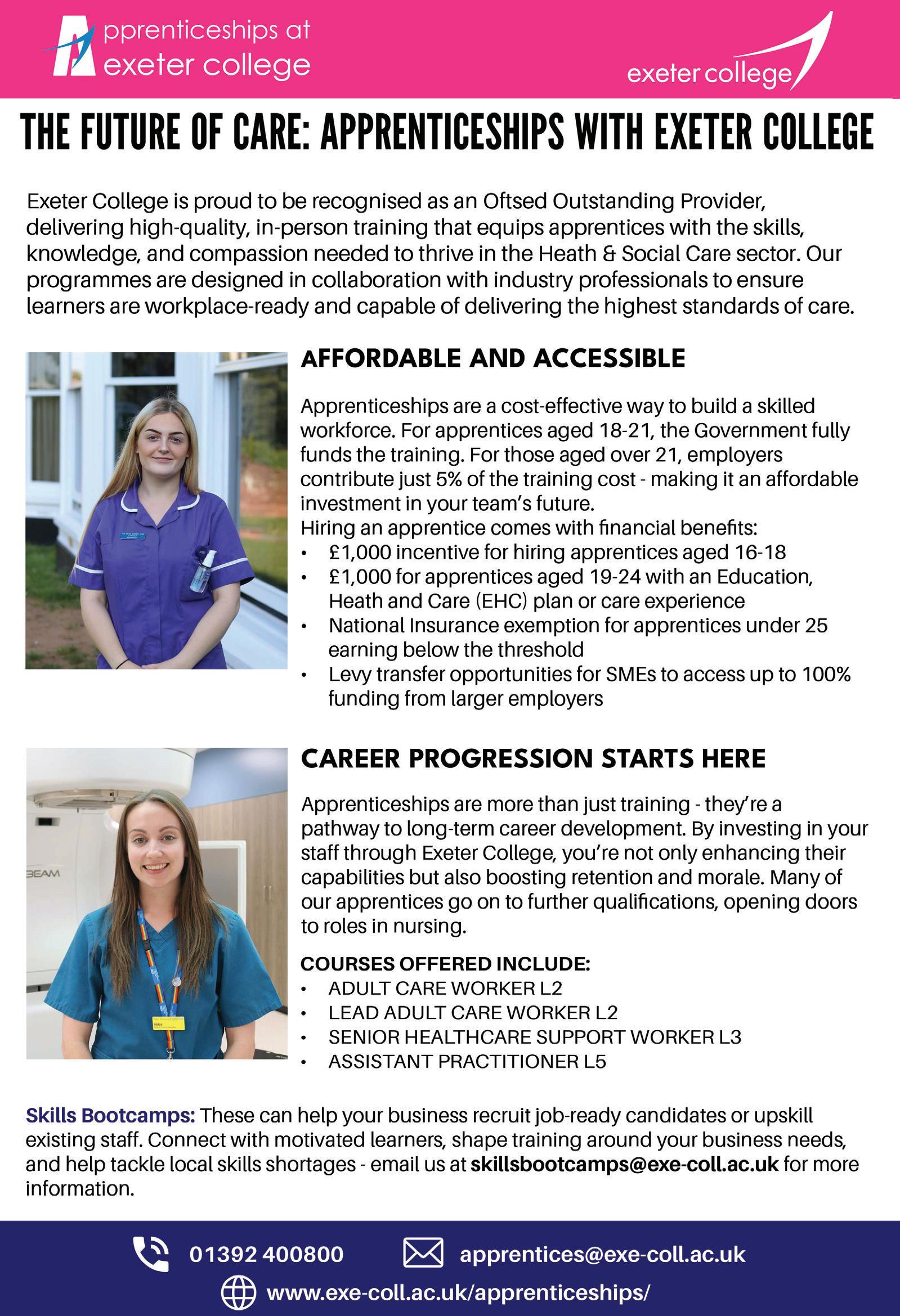


Users / providers are enabled to ‘CONJURE
and reminiscence therapy sessions. Audio, video, slide shows, text, images and aromas can all be blended
using multiple screen displays.
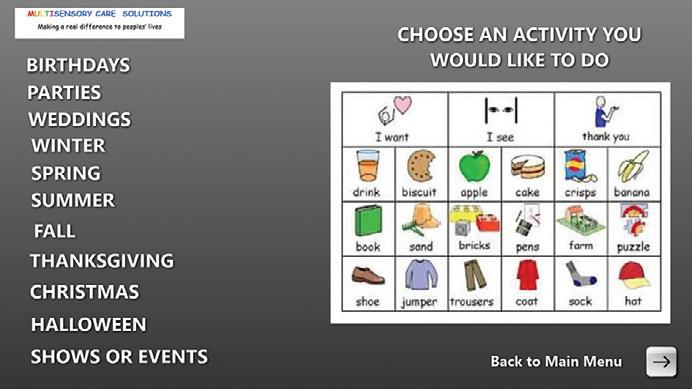


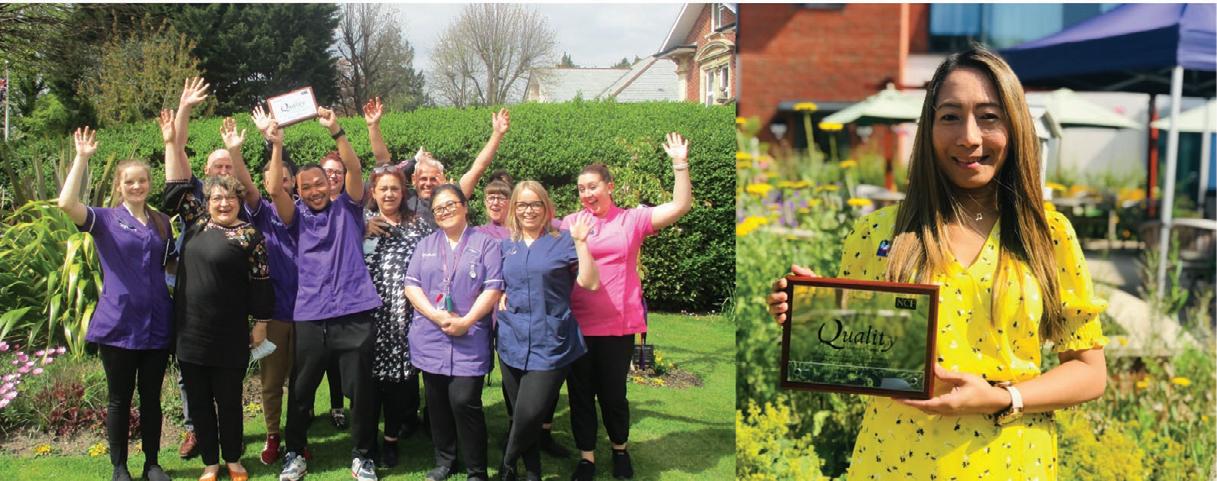
The Gold Standards Framework (GSF) Charity equips your team with the skills, confidence, and compassion to deliver person-centred care that truly makes a difference.
For a limited time, the GSF Care Homes Training & Accreditation Programme is available at 50% OFF – now only £1,095
This affordable, high-impact training is designed for your whole organisation (for training
GSF Accreditation is CQC-recognised, endorsed by leading care organisations, and more than 97% of accredited teams report better experiences for people and their families.
For more information, visit: www.goldstandardsframework.org.uk / 020 7789 3740 Future-proof your care. Empower your workforce. See the advert on page 7 for more information.

Care home residents, new staff and visitors can all benefit from clear way-finding signage, which is why the Care Quality Commission places great importance on a well thought out signage scheme – especially where memory care needs demand specialist input. Add the need to reflect a group's branding objectives whilst working within interior design guidelines, and the challenge for managers tasked with sourcing signage is knowing who to call.
With nationwide coverage, Taylor and Pickles have a reputation for well thought out signage schemes which effectively and discreetly direct people around care homes for many of the UK’s leading care providers.
Starting with a client’s briefing, Taylor and Pickles carry out a comprehensive site survey and develop

detailed design proposals. Often working with a client’s interior designers, the team at Taylor and Pickles create options for bespoke signs which provide clear directions and are sympathetic to the client’s creative concepts. This custom approach prevents signs looking out of place, or like “off the shelf” stock items.
Of course, there are times when greater visual contrast is essential. Residents with memory care needs require a bold and sometimes bright scheme which might seem heavy handed elsewhere. When the special needs of these residents are added to the brief, clients can be confident that Taylor and Pickles’s approach, guided by leading academics and their experience of helping many homes through the Care Quality Commission signage inspection process, will pay off. Often a multi-tiered approach allows signs across different zones in a development to have a cohesive look yet serve differing care needs.
Taylor & Pickles also recognise a client’s commercial needs. Timely, unobtrusive surveys – effective design and tidy installation by in-house teams make Taylor and Pickles the chosen signmaker for many of the UK’s leading care home groups.
See the advert on this page for details.
"23 years, operating 4 Devon Nursing homes, has been pretty tough, as anyone in social care, knows, only too well. And if it was hard already, after 2024 budget, it's just got harder. Anyway, at heart, I am just customer of Eden Alternative, and it was a stroke of luck to come across this whilst on holiday in New Zealand in 2009. It started in USA in 1994 and now runs in 22 countries.
The fact that I am now involved with this not-for-profit organisation (in the UK area) came about when one of the 2 main UK directors died suddenly just before Covid. But it's something I have run with for 11 years to help make 'vision' a reality, not a struggle. So, being both a customer and helping the admin seems quite natural.
It is a modern philosophy of care, but moreover, it's a programme that is straight forward, tried and tested for 30 years and really works.

Its member care organisations generally become trainers for their own teams, and run it themselves.
The programme is run in person over 2-3 days or online 1 hr a wk for 7 weeks. You choose.
It addresses loneliness, helplessness and boredom and operates through 10 principles to underpin 7 critical domains of wellbeing.
Moreover, it's effective, transformational and really works. As residents, and team members wellbeing, matter so much , it's a must, in my opinion.
Geoffrey Cox Southernhealthcare.co.uk eden-alternative.co.uk"

Training and learning are often treated as a requirement to be completed, but real learning is about giving your team the confidence they need to deliver safe, high-quality care. This is where blended learning comes into its own.
Blended learning recognises that effective training goes beyond theory. Knowledge is important; staff must first understand the what and the why, however knowledge alone doesn’t always prepare them for the realities of a care setting. Skills need to be practised, rehearsed and refined in an environment that’s safe before they are put into practice with residents or service users. When staff build confidence through role play, simulation, and guided practice, the leap from theory in the classroom to
the real world becomes less daunting.
The next step is proving capability on the job. Competency assessments connect learning with practice, giving managers assurance, regulators evidence, and service users confidence in the care they receive. But learning shouldn’t end there; structured pathways that map skills to roles, prompt refreshers, and track development over time keep staff on course, turning their training into a process of continual growth which is also aligned with Skills for Care standards and expectations set out by CQC.
The impact on organisations is clear – teams feel supported and this improves retention, which in the Health and Social Care sector is more important now than ever. Families, inspectors, and service users see a higher quality of care, and managers gain reassurance that their workforce is competent and confident. Ultimately, blended learning creates safer, kinder, and more consistent outcomes for everyone, meaning higher care standards and greater satisfaction all round.
Which is why your team deserves myAko.
Blended learning is more than just an approach, it’s essential for everyone in our sector!
ww.myako.online hello@myako.com 01202 283283



A new apprenticeship has been launched for adult care support workers who assist people with mental health challenges, including dementia and neurodiversity.
Leading training provider Realise has revealed its new Level 3 Senior Healthcare Support Worker Apprenticeship which features a specialist mental health pathway.
The apprenticeship aligns with The Care Workforce Pathway - developed by Skills for Care and the Department of Health and Social Care –which emphasises the importance of equipping staff who support people with mental ill health with the right knowledge and skills.
The programme’s focus on mental health makes it ideal for those working in complex care services or supporting individuals living with dementia or mental health conditions. It also benefits those supporting individuals with a dual diagnosis.
Standard apprenticeship funding rules apply with no age restrictions. However, learners aged 16–22 are eligible for 100% government funding, meaning non-levy employers are not required to pay the usual 5% co-investment. This is available in England only.

While a few other providers offer the Level 3 Senior Healthcare Support Worker Apprenticeship in Mental Health Pathway, the Realise progamme was developed in collaboration with leading industry provider Barchester Healthcare, ensuring it is closely aligned with the real-world demands of the role, particularly in complex care.
Angela Kaine, Director of Health & Social Care at Realise, said: “We fully support The Care Workforce Pathway, which emphasises the importance of people being able to receive training in areas in which they
specialise.
“Care workers supporting individuals with dementia or other mental health conditions benefit greatly from targeted training in crisis intervention, mental capacity and de-escalation techniques.
“Offering this apprenticeship can help adult care providers recruit individuals for specialised roles and improve retention - two major challenges within the sector.
“There is a wide variety of opportunities within adult care, and we’re proud to support those looking to develop both their technical skills and their chosen specialism.”
This comprehensive 18-month apprenticeship is designed to provide a rich and supportive learning experience. Learners will benefit from a blend of face-to-face support and interactive webinars, creating the perfect balance between in-person guidance and flexible online learning.
These sessions not only enhance understanding but also offer valuable opportunities to connect, collaborate, and network with peers from across the sector- helping to build confidence, share best practices, and develop lasting professional relationships.
Modules include quality improvement - where learners are challenged to identify small changes to enhance performance - and team leadership, which encourages them to take on more responsibilities.
Realise can tailor programmes to suit the employer’s needs by utilising unit selection through the diploma.
The apprenticeship is available throughout England.
For more information, visit www.realisetraining.com
In today’s regulated care environment, having clear, current, and wellcommunicated health and social care policies is essential for delivering safe, compliant services. The Care Quality Commission (CQC) now places increasing emphasis on how policies are implemented and understood—especially during registration and inspections.
Outdated or poorly communicated policies can significantly impact your CQC rating. Even if documentation is comprehensive, failure to ensure staff understand and follow procedures may lead to a “Requires Improvement” or even “Inadequate” rating under the ‘Effective’ domain.
Well-maintained policies promote consistent standards across care teams and help safeguard services when incidents arise. In regulatory investigations, the first request is often to review relevant policies—making accuracy and accessibility key to reducing legal and compliance risks.

However, keeping policies up to date is challenging. Constant changes in legislation, best practice guid-
ance, and case law mean that policies can quickly become obsolete. W&P has been a trusted provider of CQC-ready care policies and procedures for over 20 years. Our expert team monitors industry developments to ensure your policies remain fully compliant.
Our Online Policy Portal simplifies policy management. With just a few clicks, providers can update content, distribute documents to staff, track confirmations, and monitor compliance via a real-time dashboard. You can even provide temporary read-only access to inspectors—demonstrating transparency and accountability instantly.
Ensure your care service meets CQC expectations with fully up-to-date, easily accessible, and well-communicated policies.
Email: info@wandptraining.co.uk Call: 01305 767104
See the advert on page 2 for details.
Since our founding in 2010, Activities to Share has been dedicated to enhancing the lives of those in care by providing thoughtfully designed activity products. Our mission is to support activity coordinators in delivering uplifting, engaging experiences that foster connection, joy, and well-being.
We achieve this by listening closely to your feedback and evolving with your needs. Whether over the phone, via email, WhatsApp, or Live Chat on our website, our team is always ready to offer advice and help you find just the right products to bring your ideas to life.

While we embrace the convenience of technology to expand our resources and share knowledge, we remain firm believers in the irreplaceable power of sensory engagement. That’s why we continue to make our Reminiscence Kits and Sensory Bags with
real, tactile items that stimulate the senses. Some experiences—like popping bubbles for the splash, breathing in a familiar scent, or piecing together a puzzle with others—simply can’t be replicated on a screen. These sensory moments are invaluable in encouraging storytelling, sparking memories, and fostering conversation. Our values remain rooted in this commitment to meaningful connection. We’re here to partner with you—the professionals on the front lines of care—to create a sense of structure, well-being, and fun for those who need it most.
Are you longing for your activity diary to be full?
Look no further
www.activitiestoshare.co.uk are here for you! Call 0117 966 6761


Strong cash flow management can make the difference between thriving and merely surviving. Here's how to keep your care home finances on track.
For care home operators, maintaining healthy cash flow is as vital as delivering quality care. Yet many providers struggle with the timing mismatch between when costs are incurred and when payments arrive, particularly from local authorities where payment terms can stretch to 30 days or more.
The first step to effective cash flow management is knowing exactly where you stand. Weekly cash flow forecasting should be standard practice, projecting income and expenditure at least 12 weeks ahead. This allows you to spot potential shortfalls before they become critical and plan accordingly.
Key metrics to monitor include debtor days (how long it takes to receive payment), creditor days (how long you take to pay suppliers), and your current ratio (current assets divided by current liabilities). A healthy current ratio sits above 1.5, indicating sufficient liquidity to meet short-term obligations.
Late payments from local authorities remain a persistent challenge. While most councils adhere to payment terms, delays do occur, and with potentially dozens of council-funded residents, even a few late payments can strain finances significantly.
Implementing robust credit control processes and maintaining regular communication with commissioning teams helps minimise delays.
Seasonal variations in occupancy can also create unexpected cash crunches. Many homes experience dips during summer months as families explore alternative care arrangements. Building a cash reserve equivalent to at least two months of operating expenses provides a crucial buffer during quieter periods.
Consider negotiating better payment terms with key suppliers. Many are willing to extend credit periods for reliable customers, easing immediate cash pressure. Conversely, offering modest discounts for families who pay privately and settle invoices early can accelerate income.
Review your fee structure regularly. Ensure private pay rates genuinely reflect your cost base plus a reasonable margin, and don't neglect annual fee reviews with existing residents and their families. Clear communication about rising costs helps justify necessary increases.
For homes experiencing persistent cash flow challenges, invoice financing or block discounting arrangements can provide working capital by advancing funds against outstanding invoices, though fees must be weighed against the benefit.
Cash flow management isn't glamorous, but it's fundamental to sustainability. Regular monitoring, proactive planning, and swift action when issues arise will help ensure your care home remains financially stable and able to continue delivering excellent care to residents.
Global assists clients throughout the U.K. who specialise in the healthcare sector to achieve their objectives of purchase, development and refinance.
We have organised over £1.8bn for clients in the past 30 years, providing clients with competitively priced funding to refinance existing debt, ease cashflow and develop businesses further.

From helping clients make their first purchase through to allowing groups to grow significantly in size we assist at every stage of your business expansion.
Every proposal is individual and deserves to be treated that way, so we hope you will allow us to be of assistance to you and call us to chat through your plans and requirements, I am sure we will be able to tailor a facility to your requirements. Call us on 01242 227172 or e-mail us at enquiries@globalbusinessfinance.net

Since 2008, Satellite Finance has been a trusted commercial finance broker specialising in funding solutions for care homes and healthcare providers.

Based in Newport, Wales, Satellite Finance has a range of tailored business finance services from asset finance, business loans, and mortgage funding to support care home acquisitions, refurbishments, and equipment purchases.
If you’re looking for Asset Finance to help grow your business, new equipment is a must. Satellite Finance can help you to get all the equipment you need, without making large dents to your cashflow. With Asset Finance you don’t have to pay for everything upfront, you can spread the cost of your equipment over the period of time its expected to be used for which can be from 12-72

months, allowing you to spend more money on higher standard equipment without feeling the economic pinch.
Perhaps you’re looking for a loan for a new building, or to make a refurbishment in a care home or surgery? Satellite Finance works with you to choose the best loan for your project. Choose from either a Business, Professional, Personal, or Corporate & VAT loan, and because Satellite Finance has access to over 40 specialist lenders that have facilitated over £100 million in funding for more than 4,500 clients, you know you’re in good hands.
For a Mortgage Loan, Satellite Finance can help you to request a loan for anything between £50,000 – £40 million. With rates starting from just 2.25% above Bank of England base rate, your repayment period
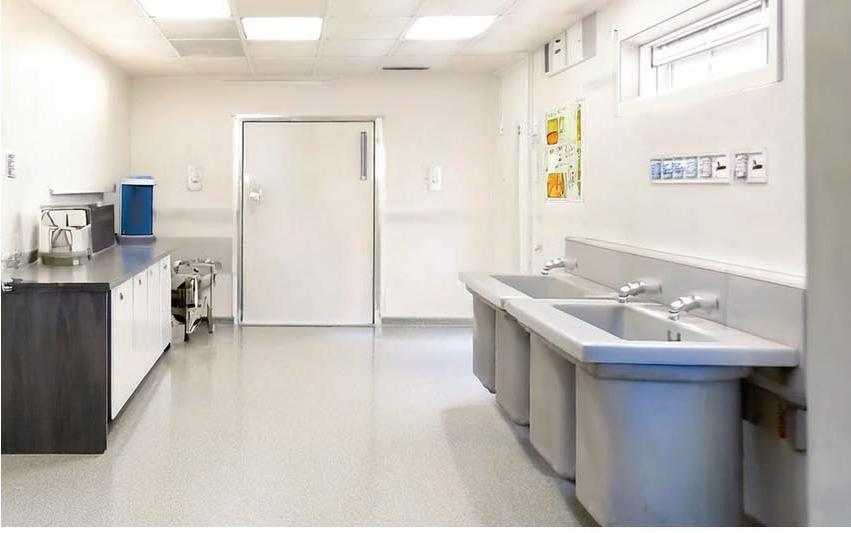



can be anywhere between 5 and 30 years. Unlike other finance companies, Satellite Finance’s terms won’t feel like a burden, as they’re both competitive and flexible, ensuring you get an arrangement that is affordable and convenient for you. Having close relationships with over 40 high street banks, challenger banks, and regional lenders all over the UK, Satellite Finance is experienced and up to date with the best lenders who offer the best rates to the healthcare sector.