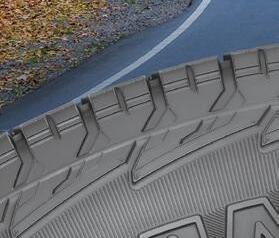
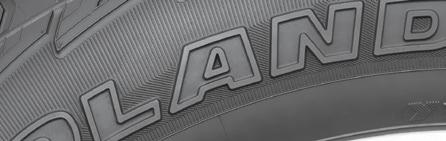
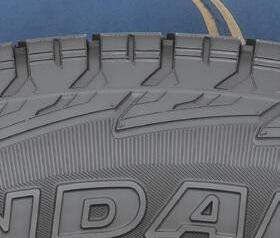
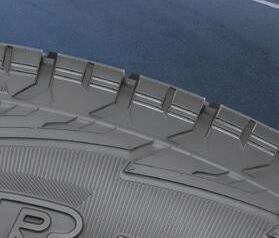
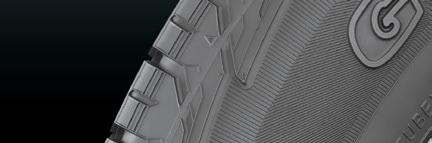
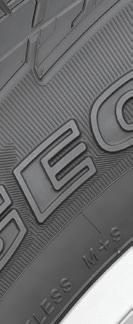
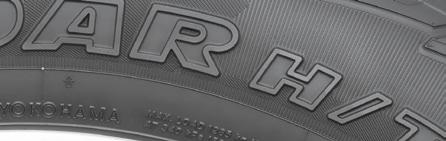
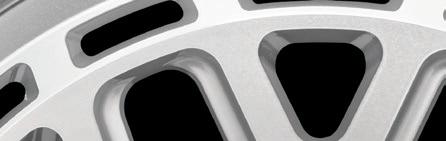
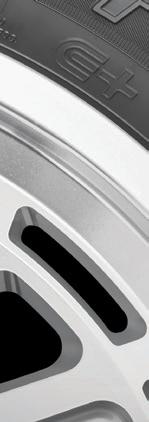
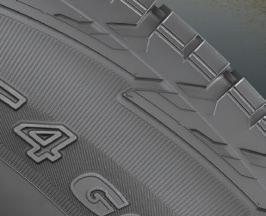
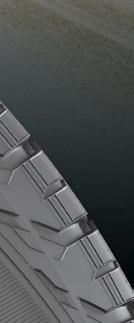
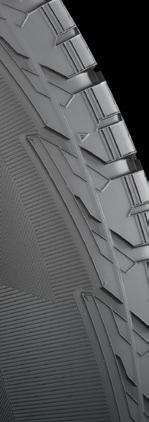
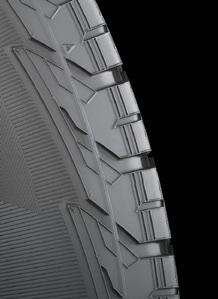
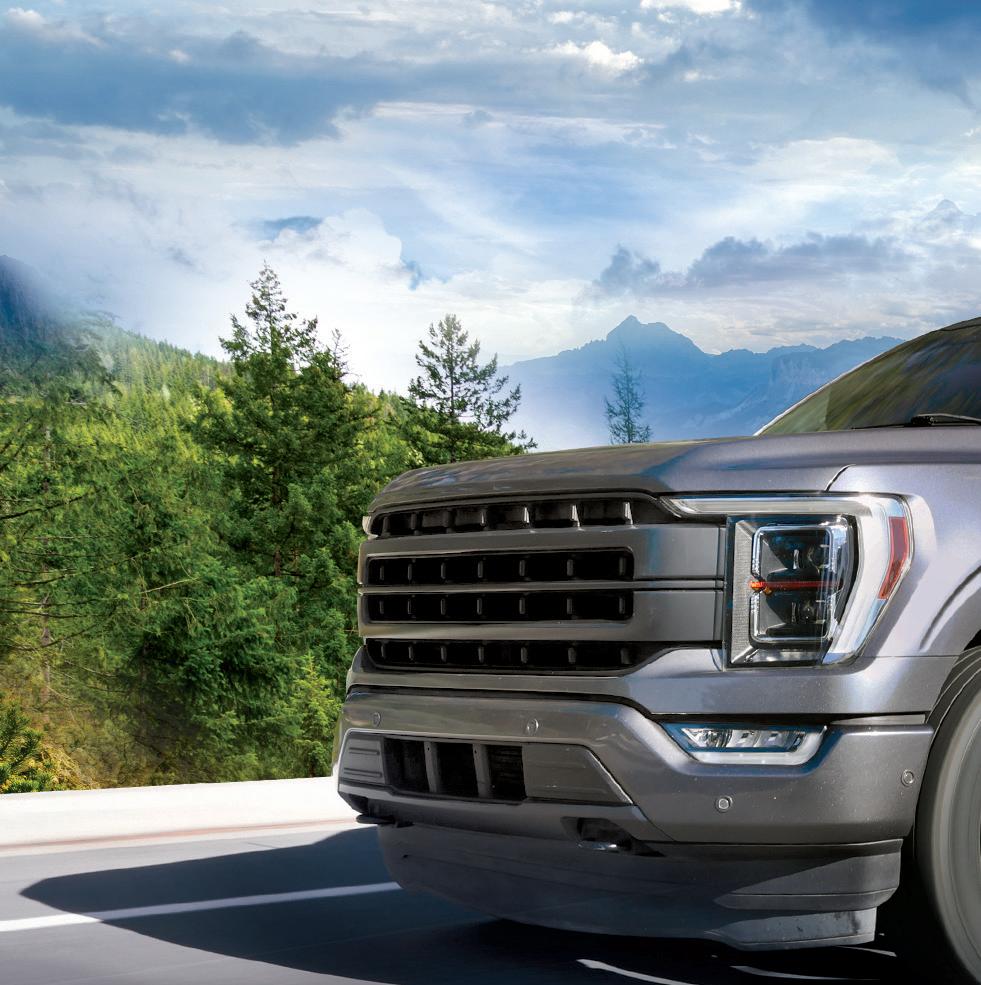
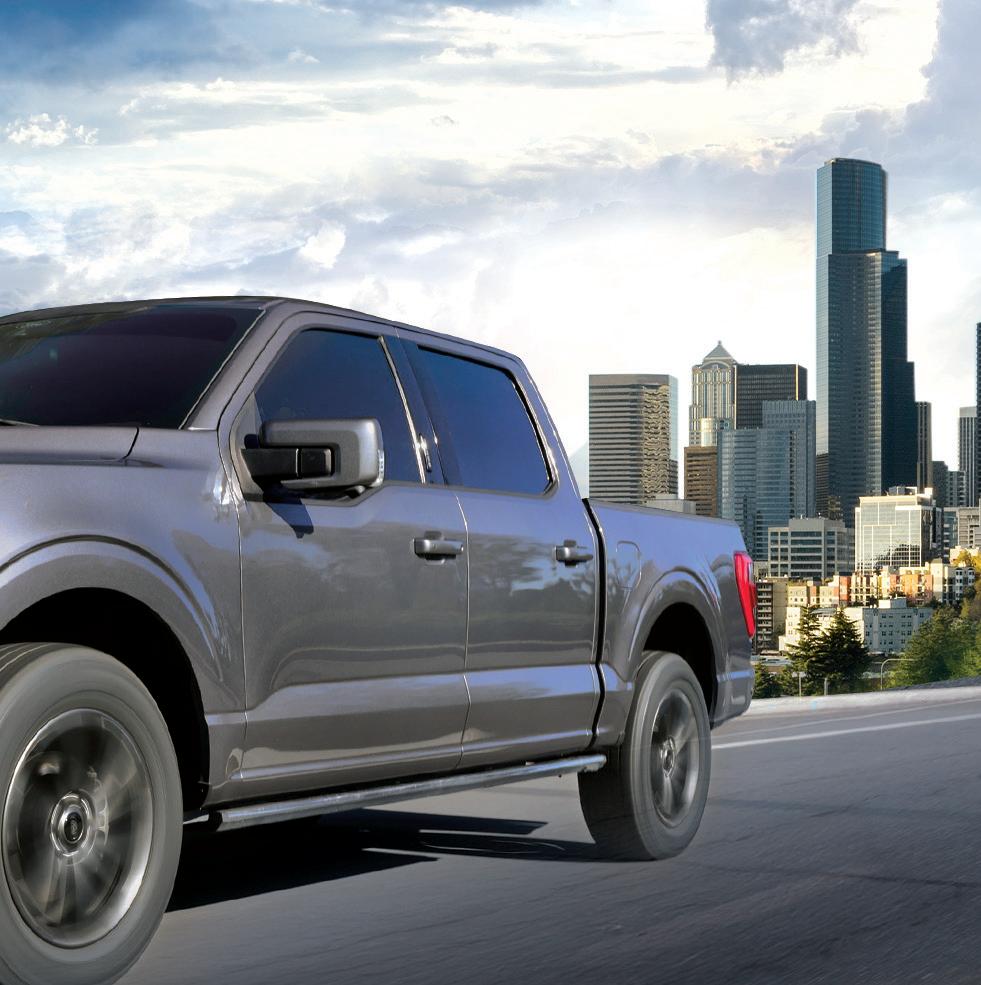
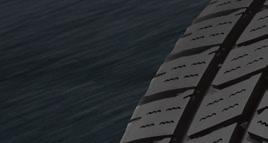
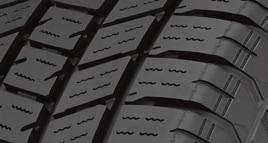
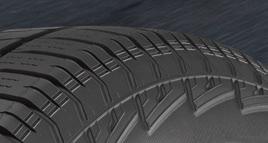
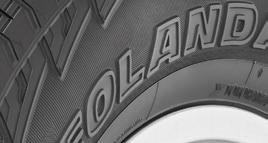
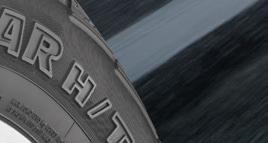
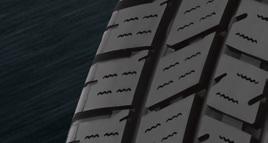
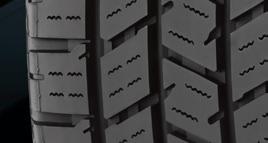
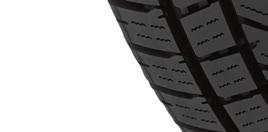
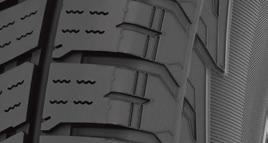
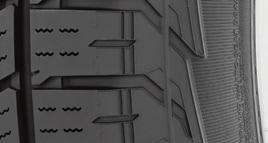
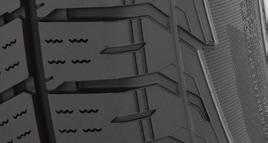
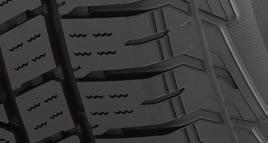
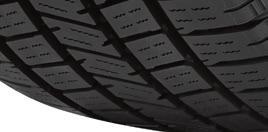
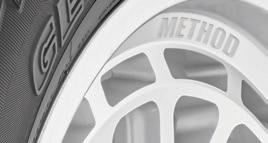
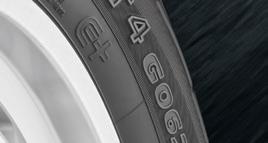
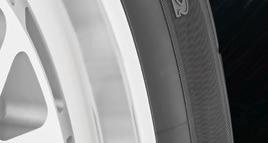
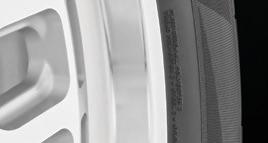
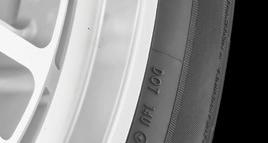
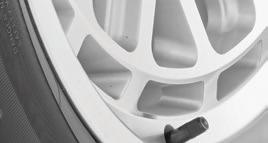
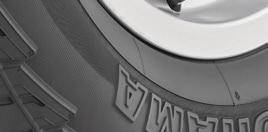
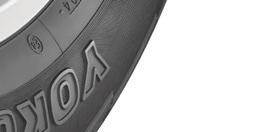
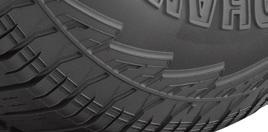
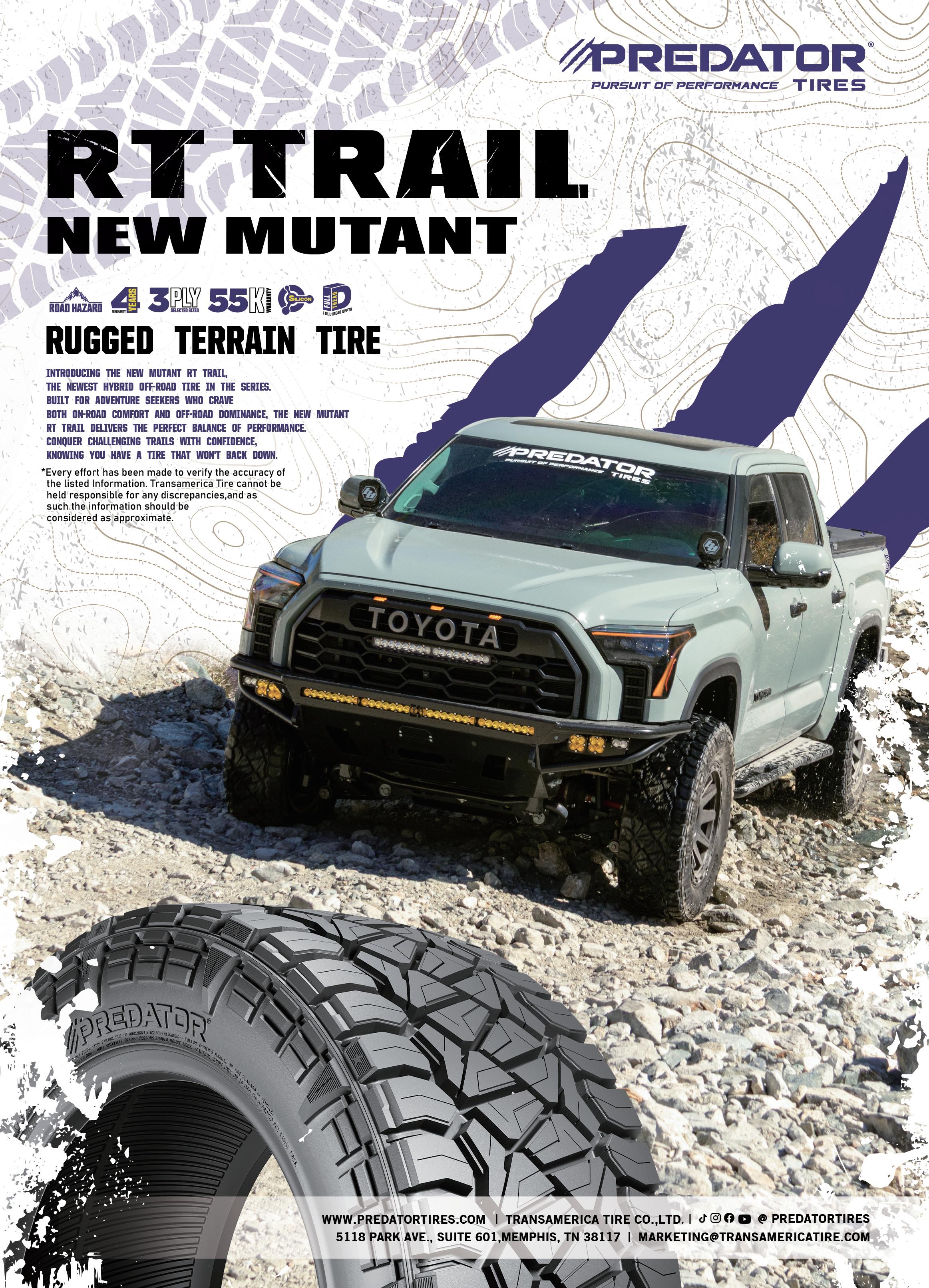
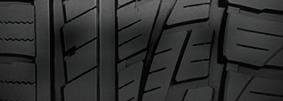
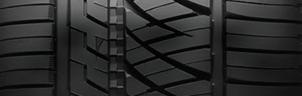
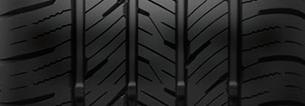
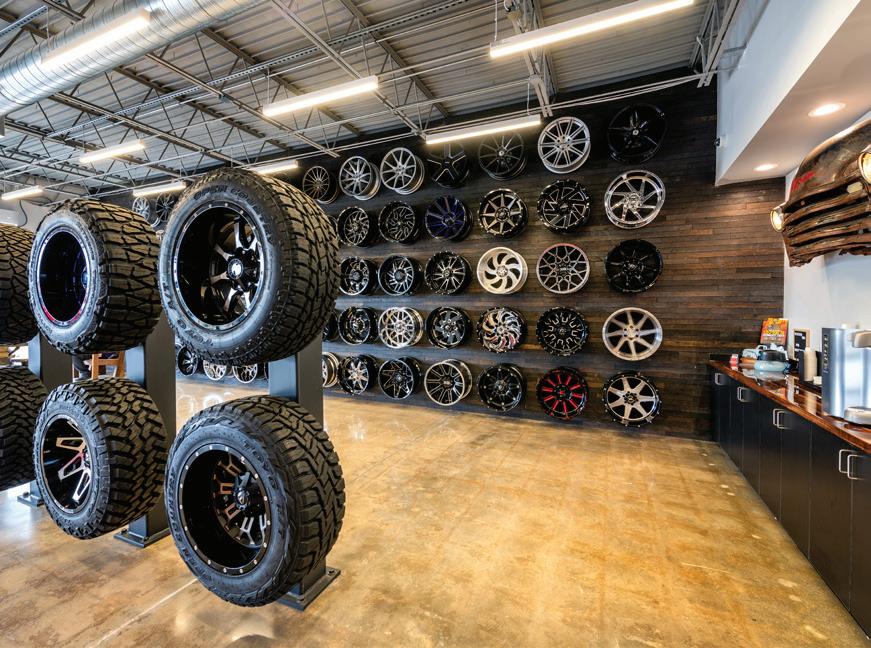
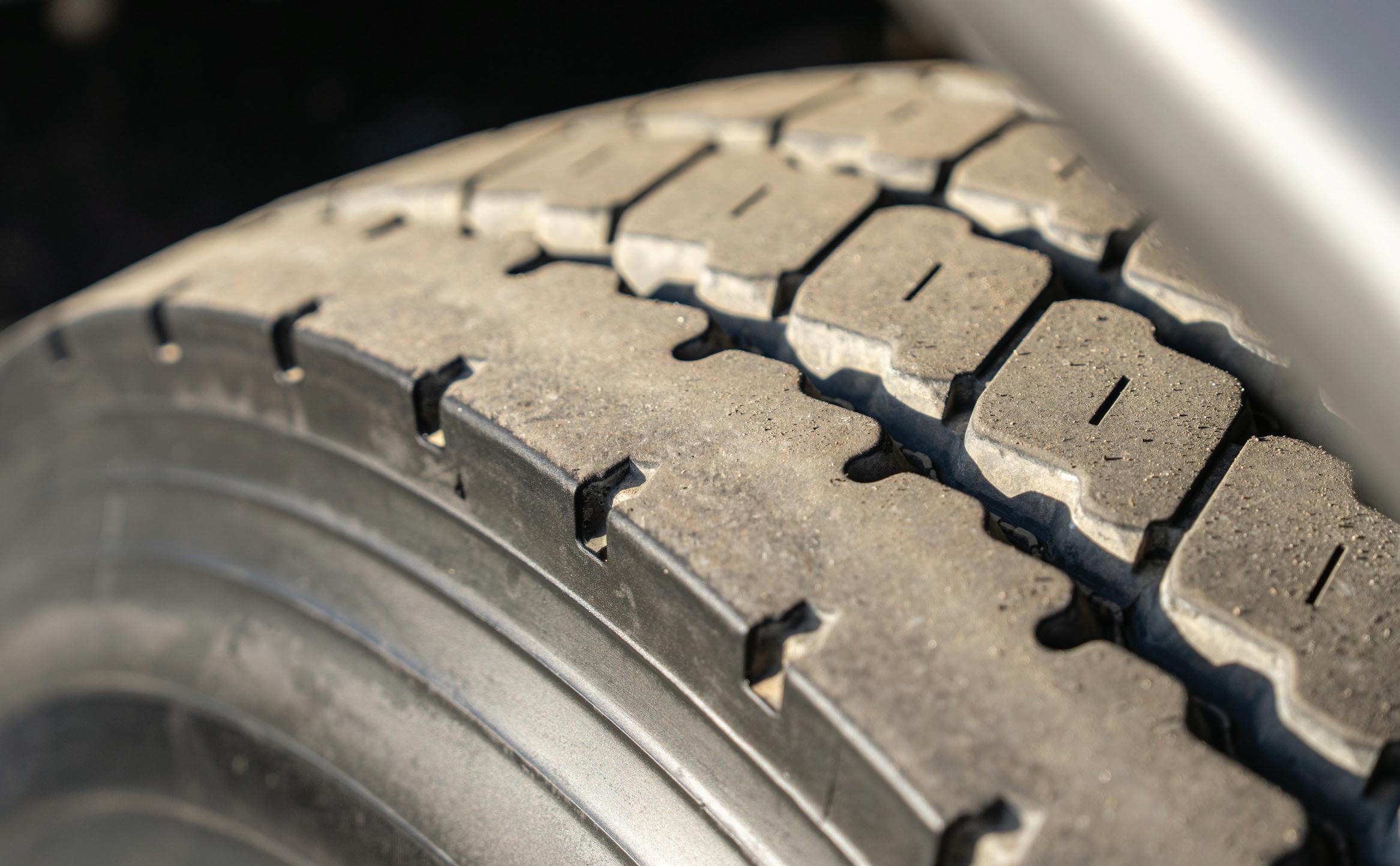
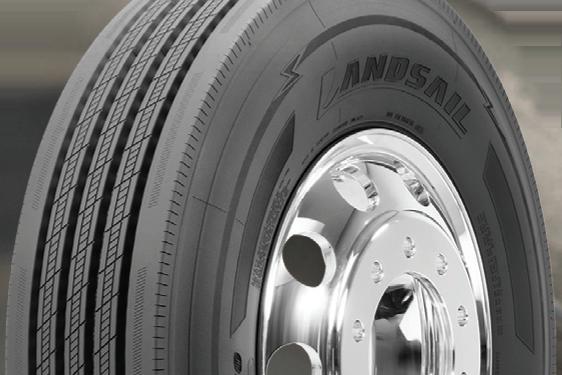
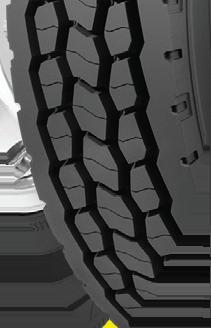
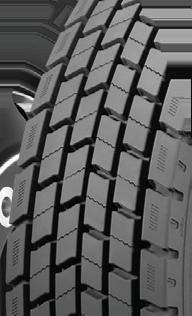
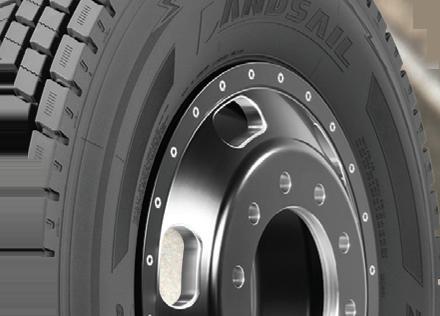
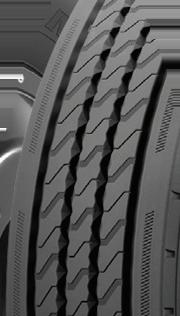
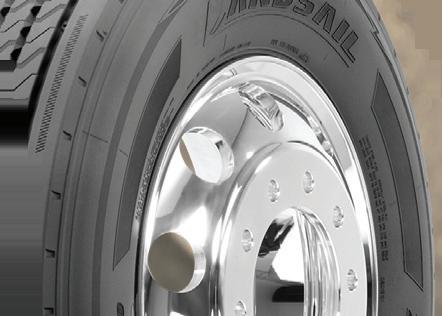
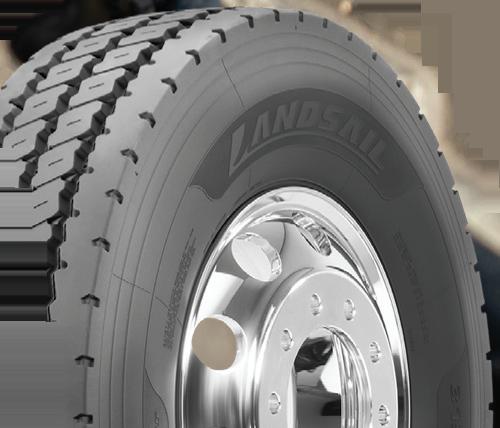
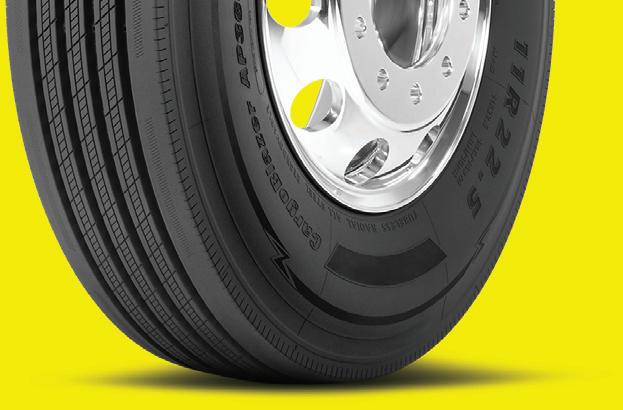
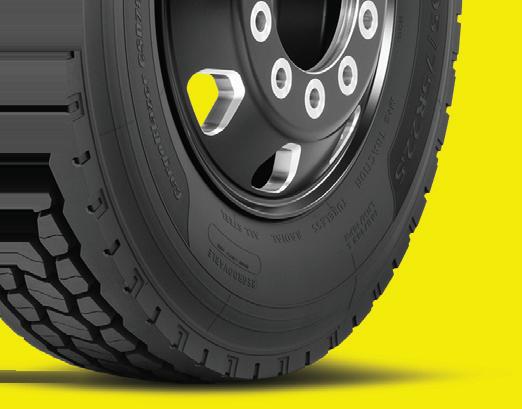
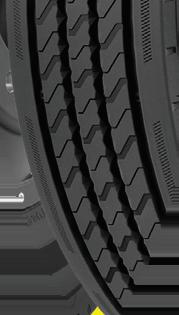
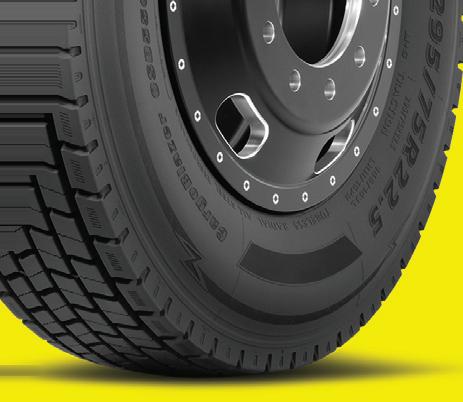
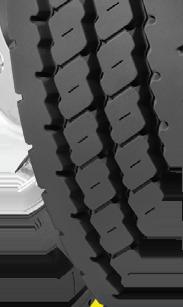
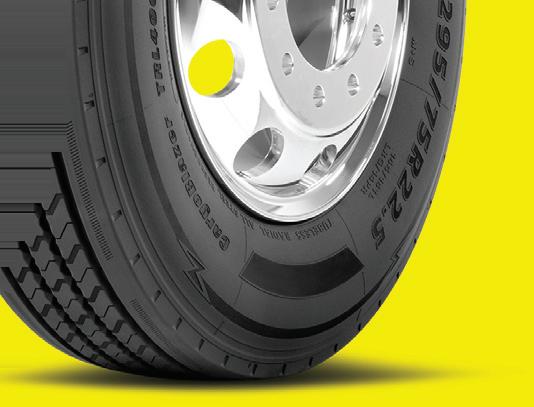
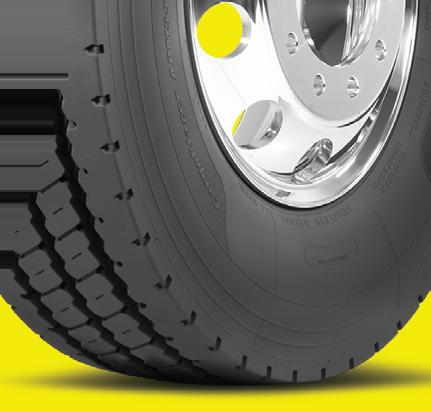
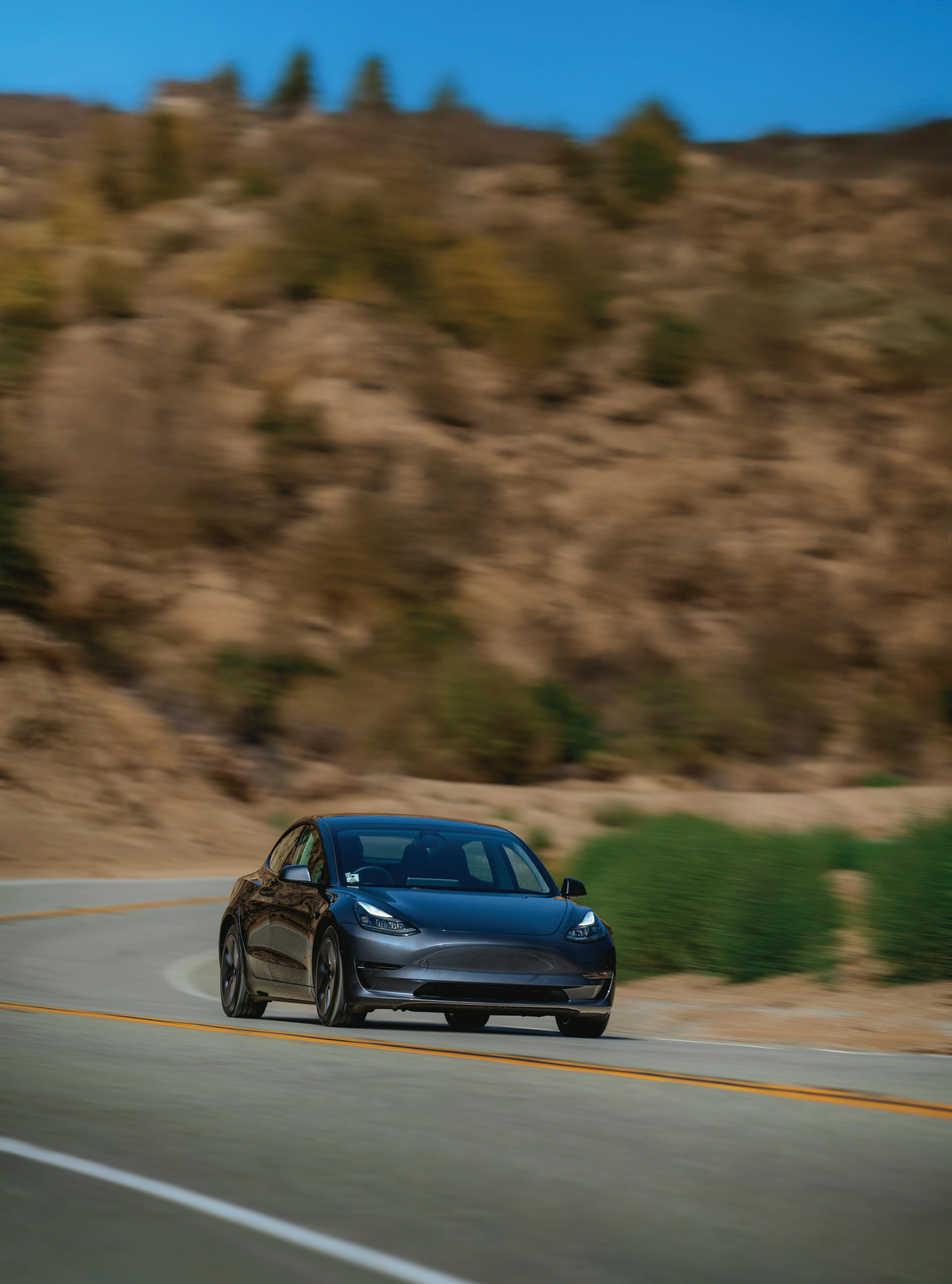
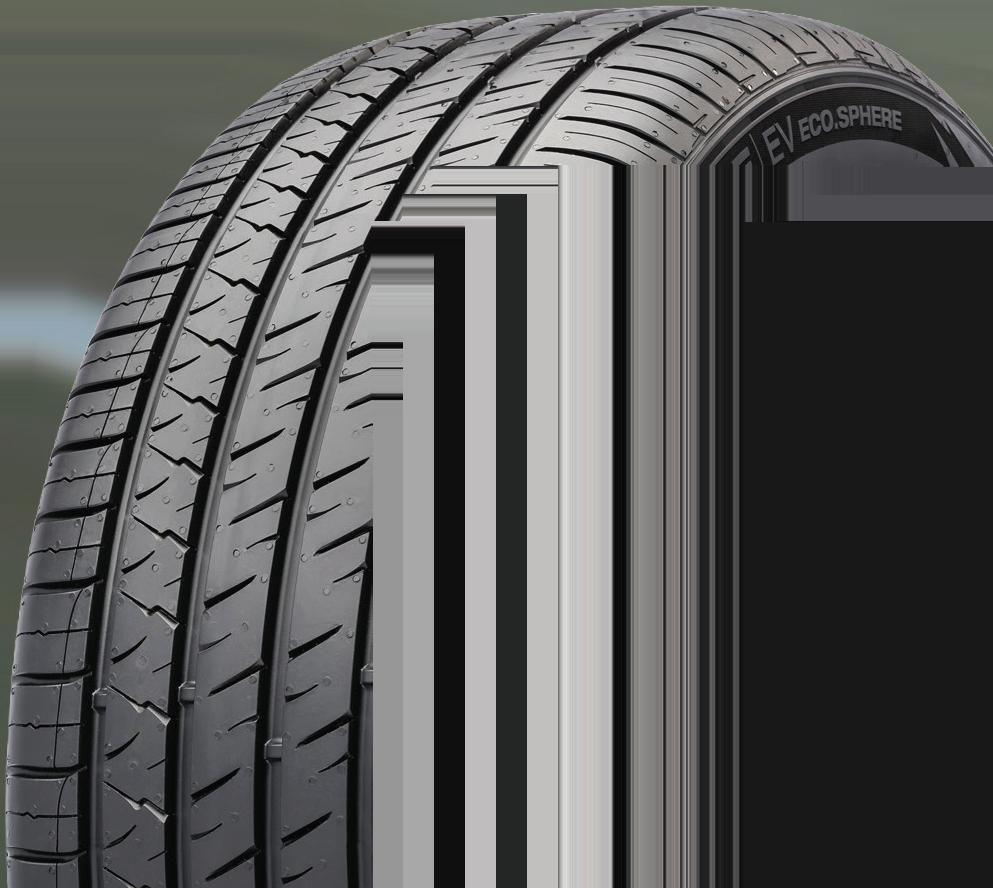
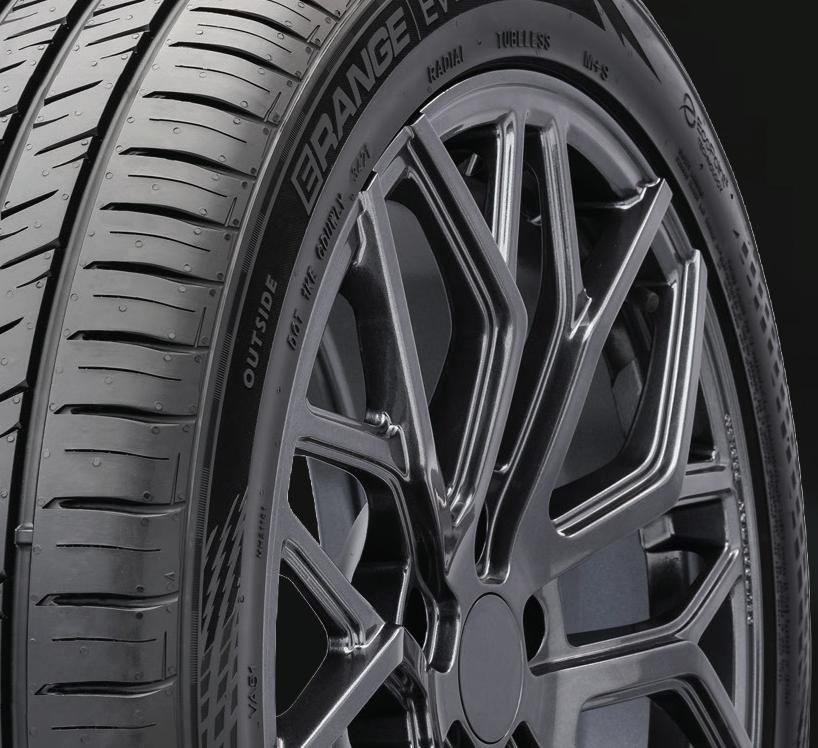
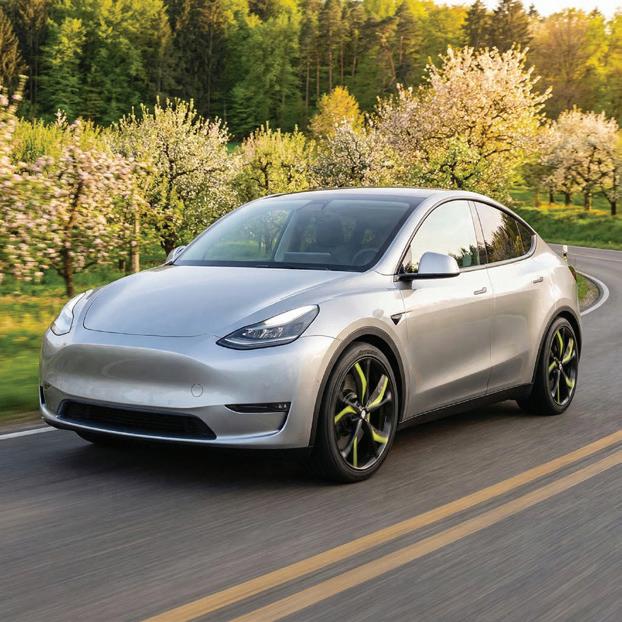
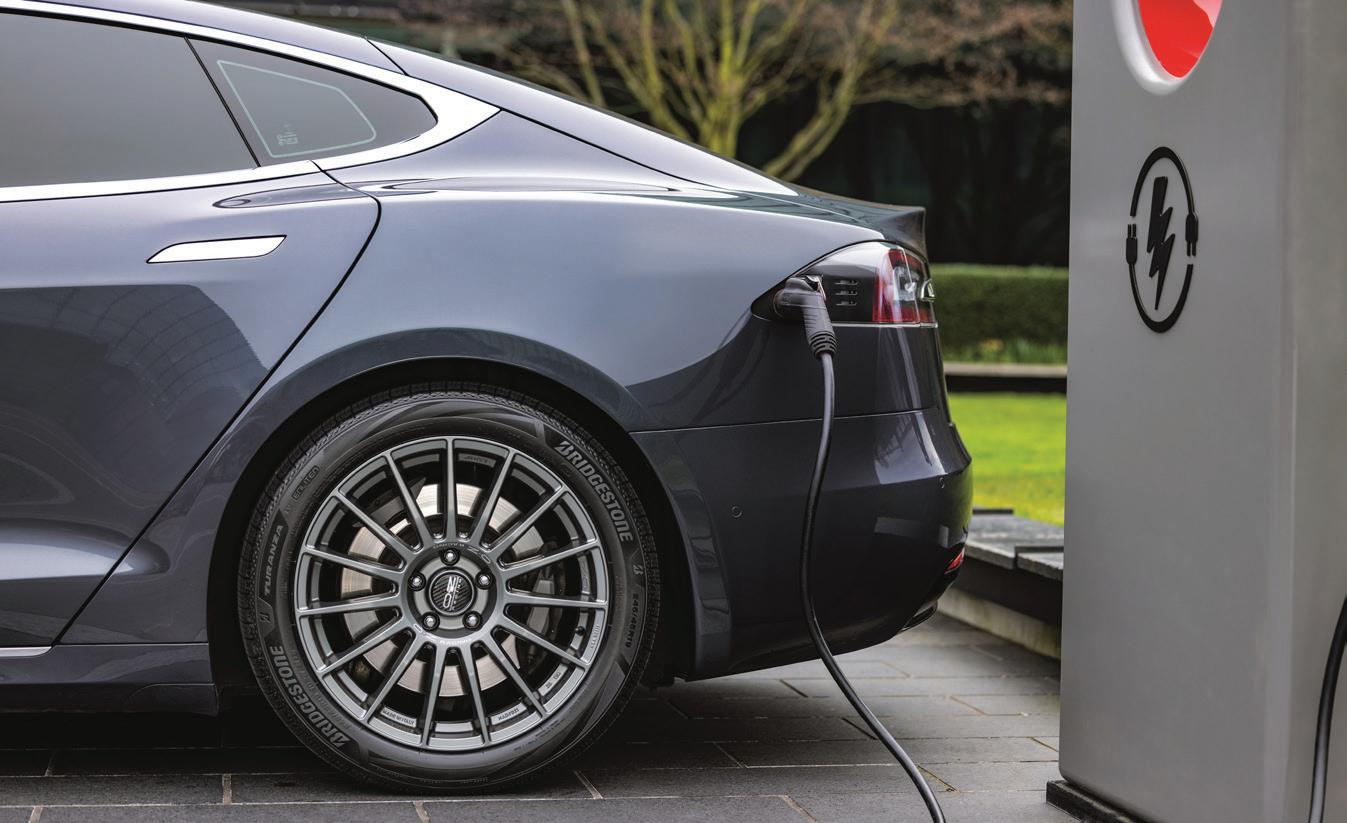
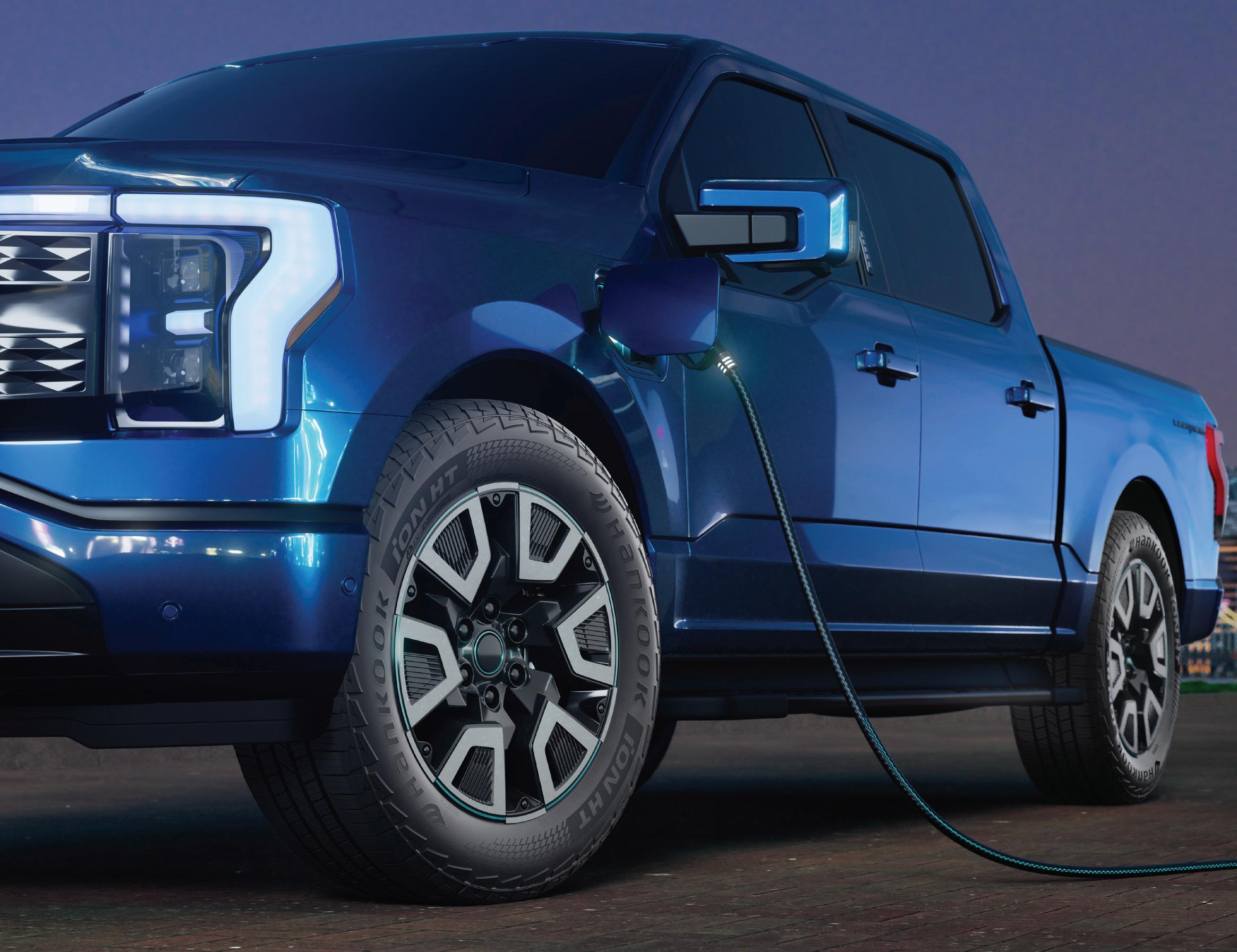
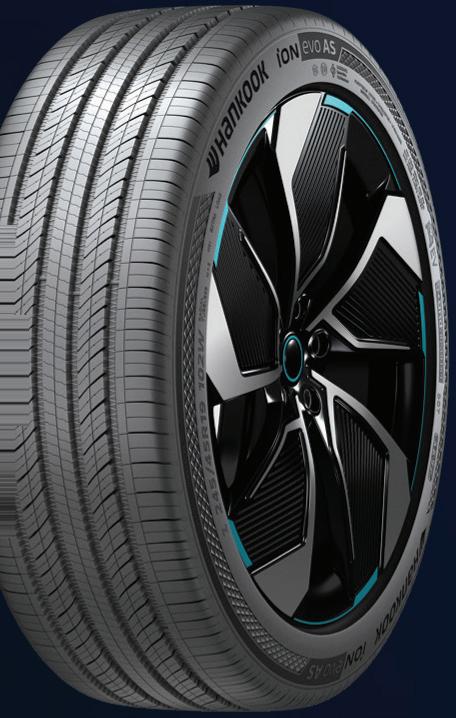
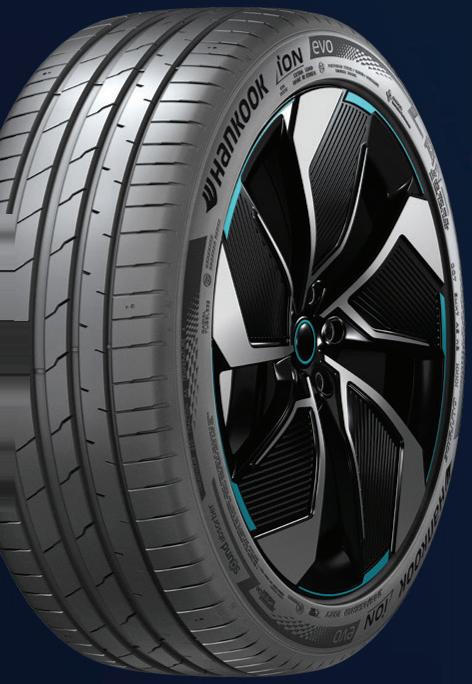
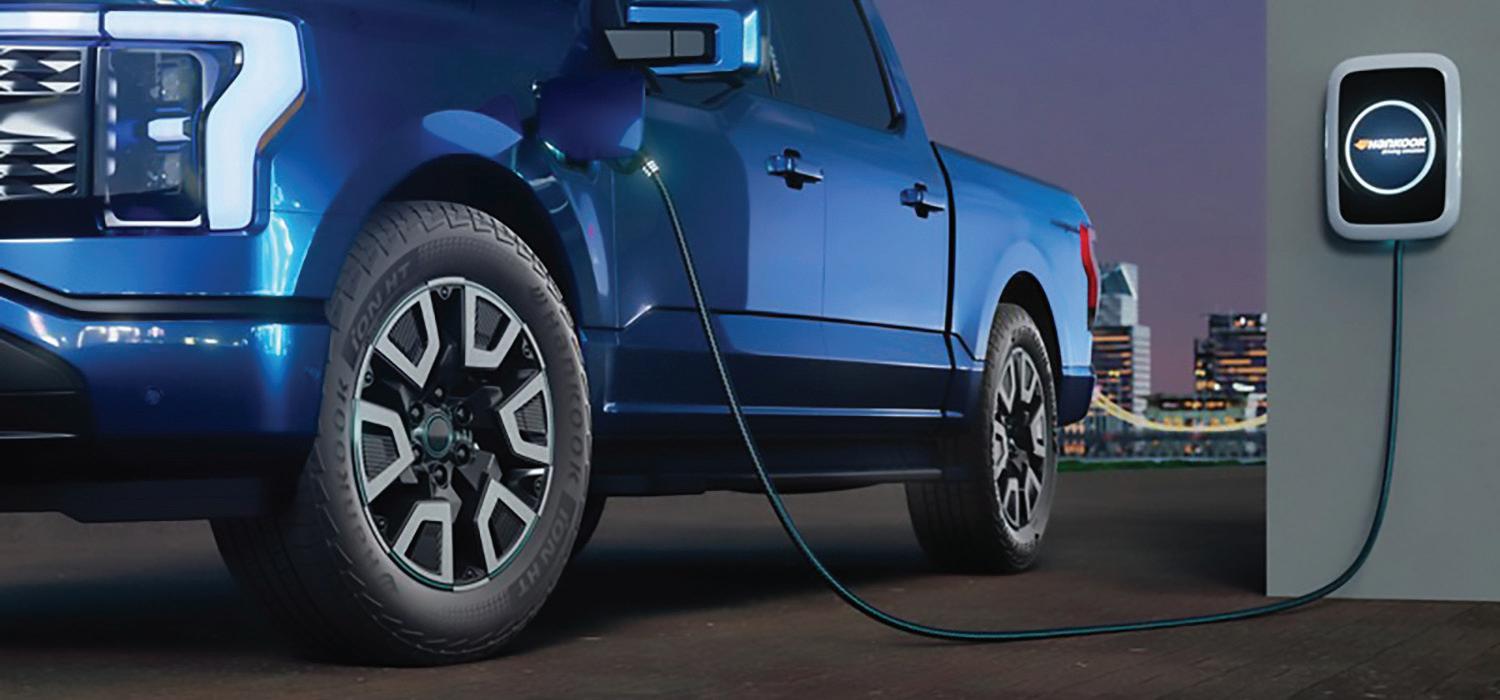
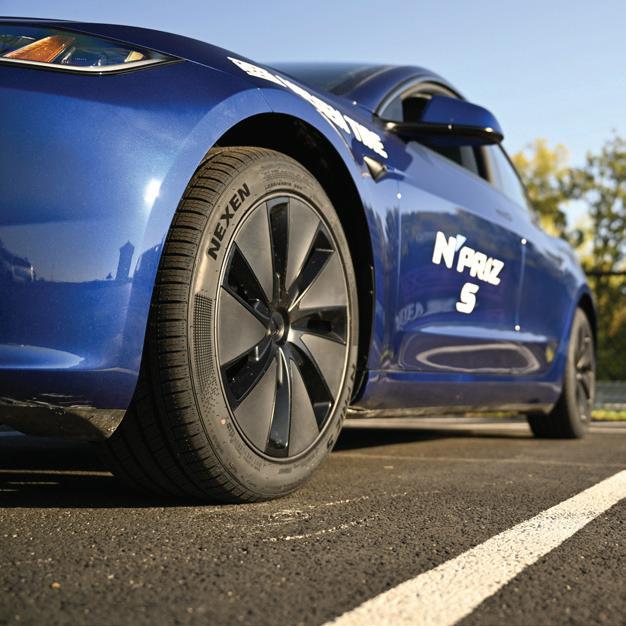
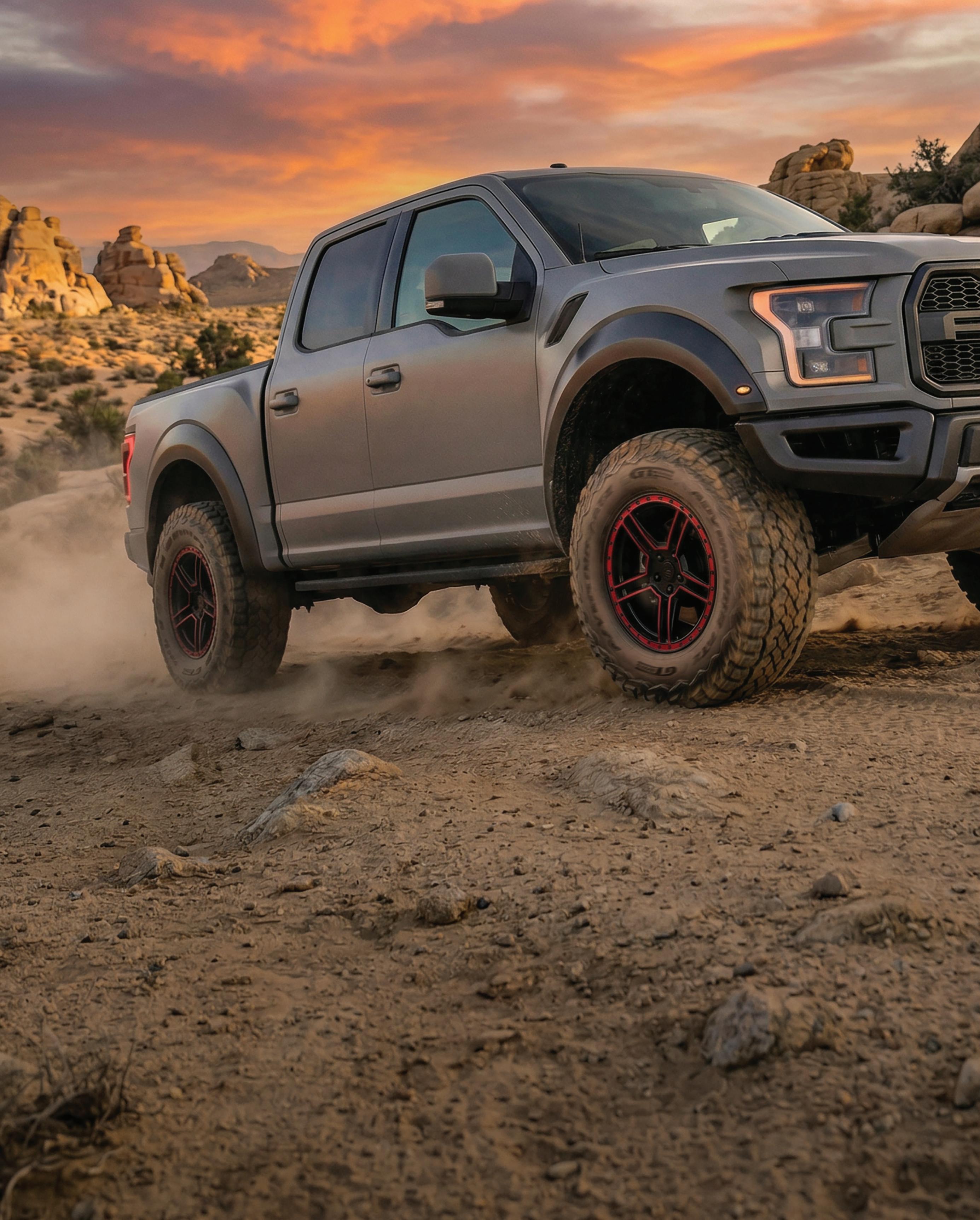
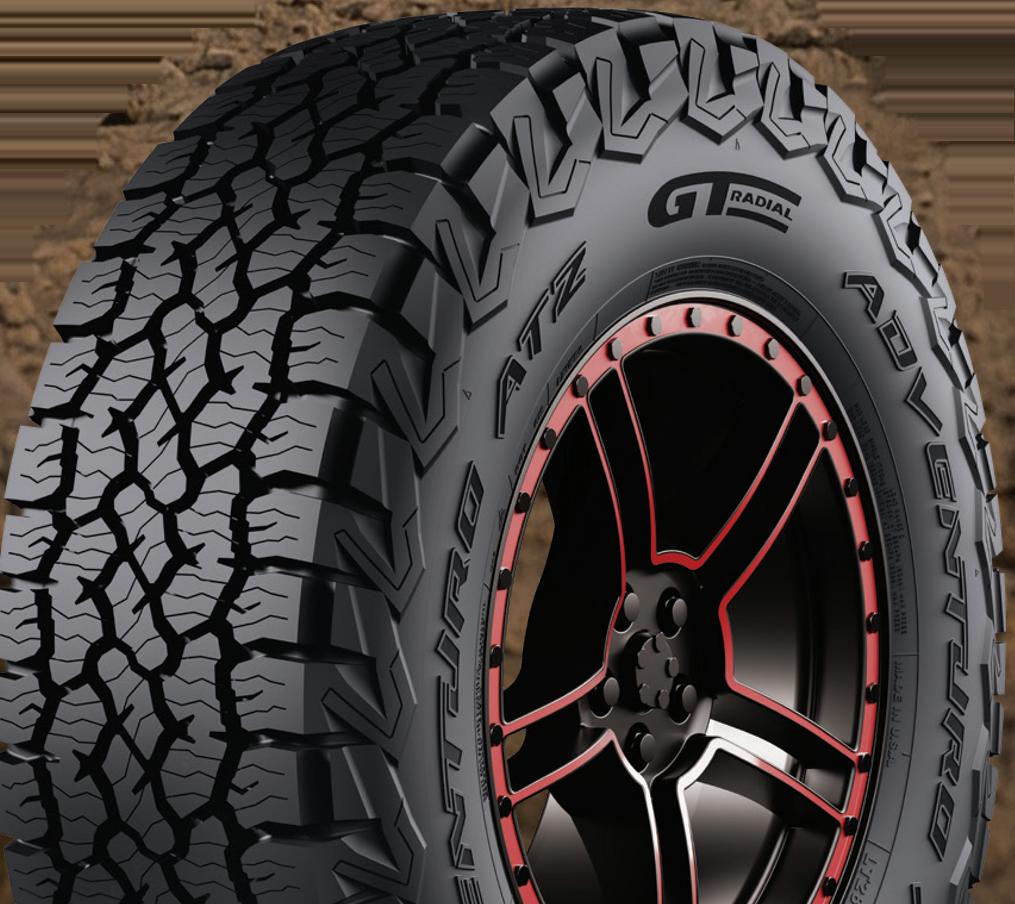
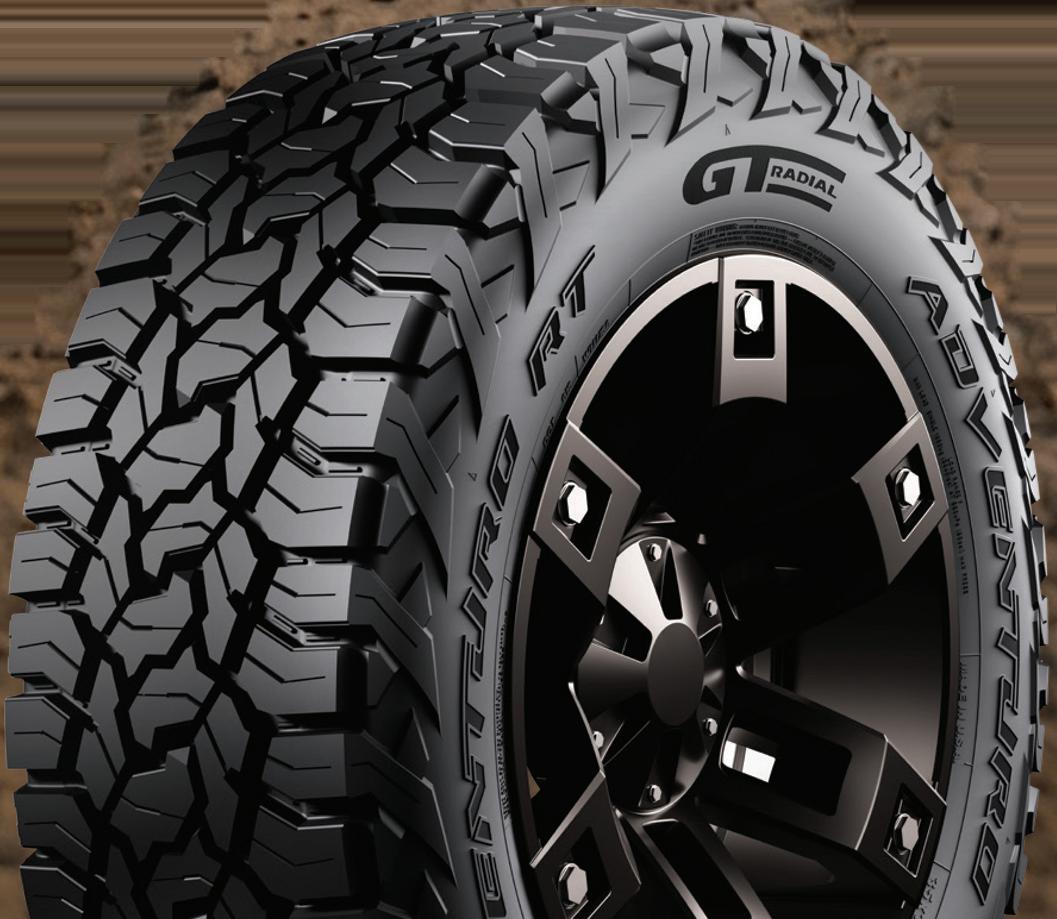
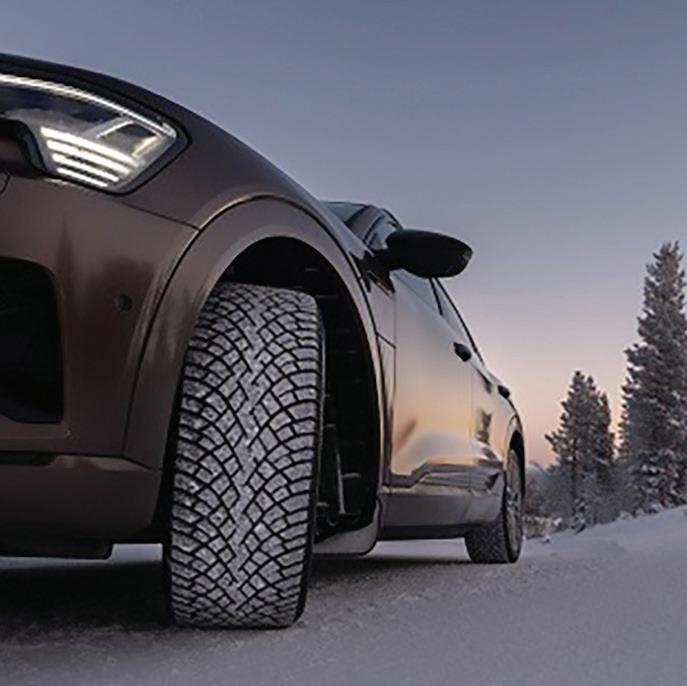
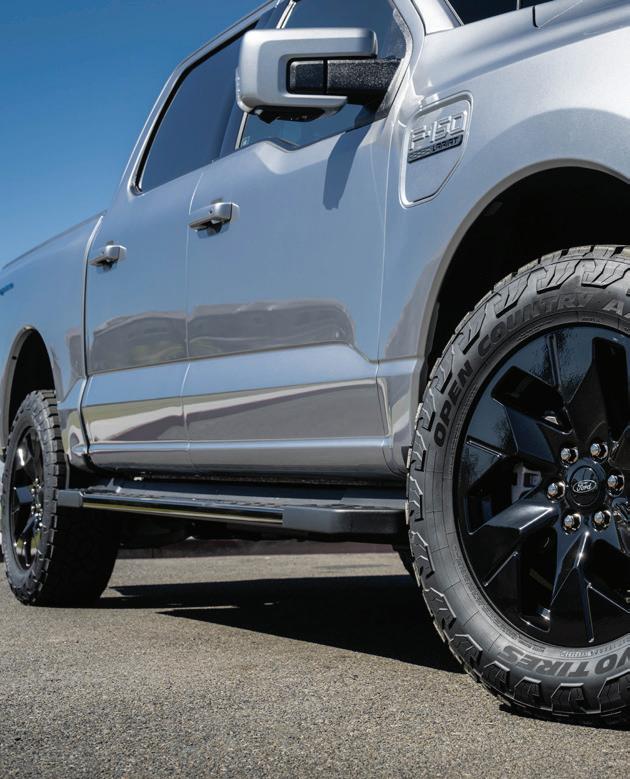
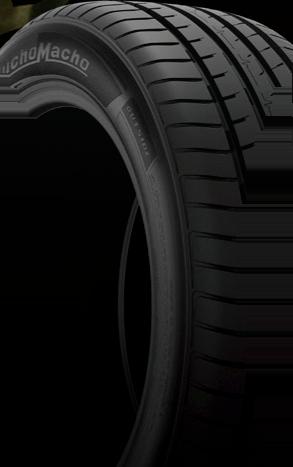
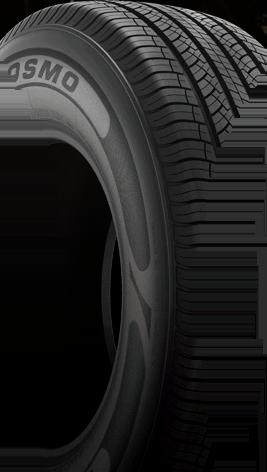
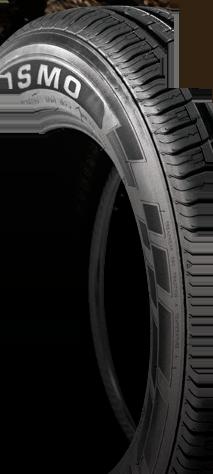
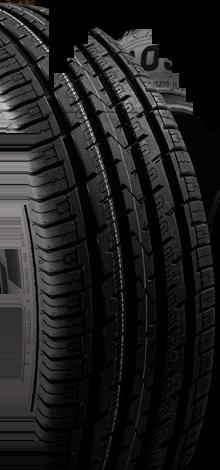
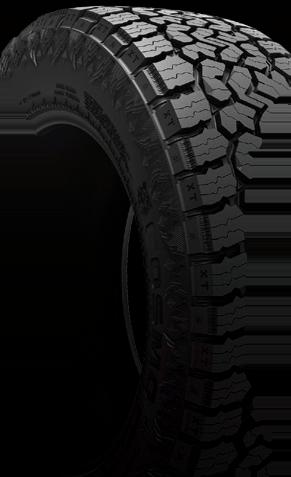
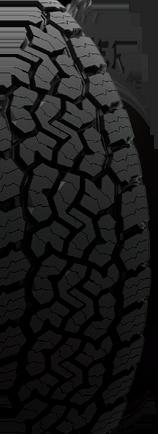
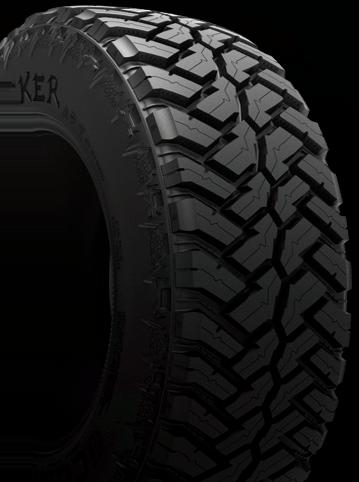
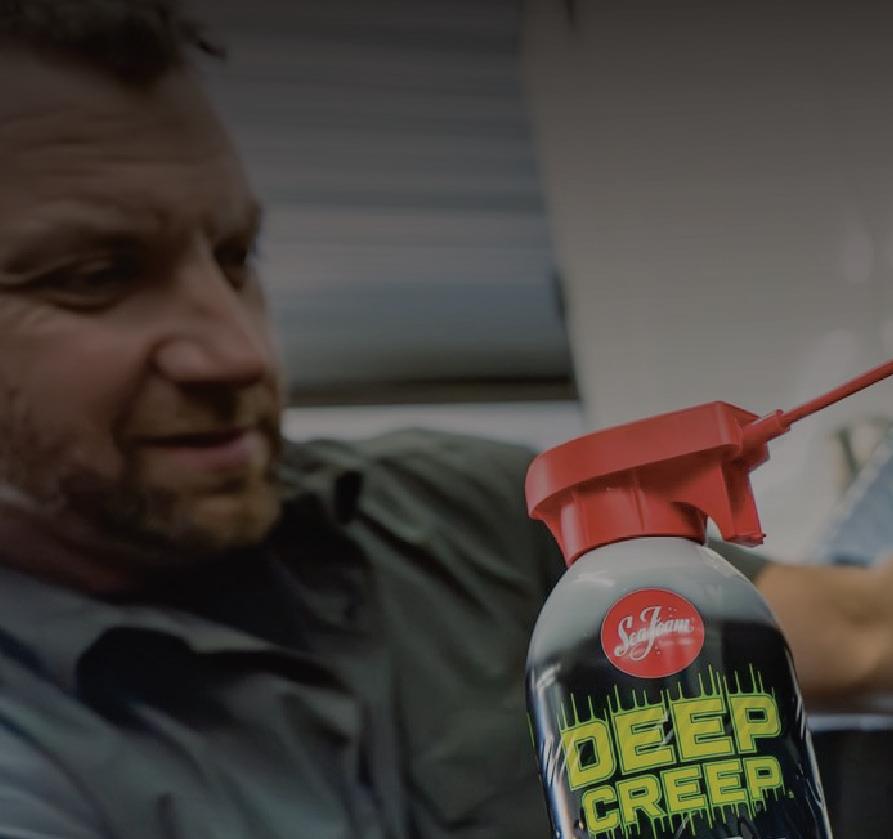
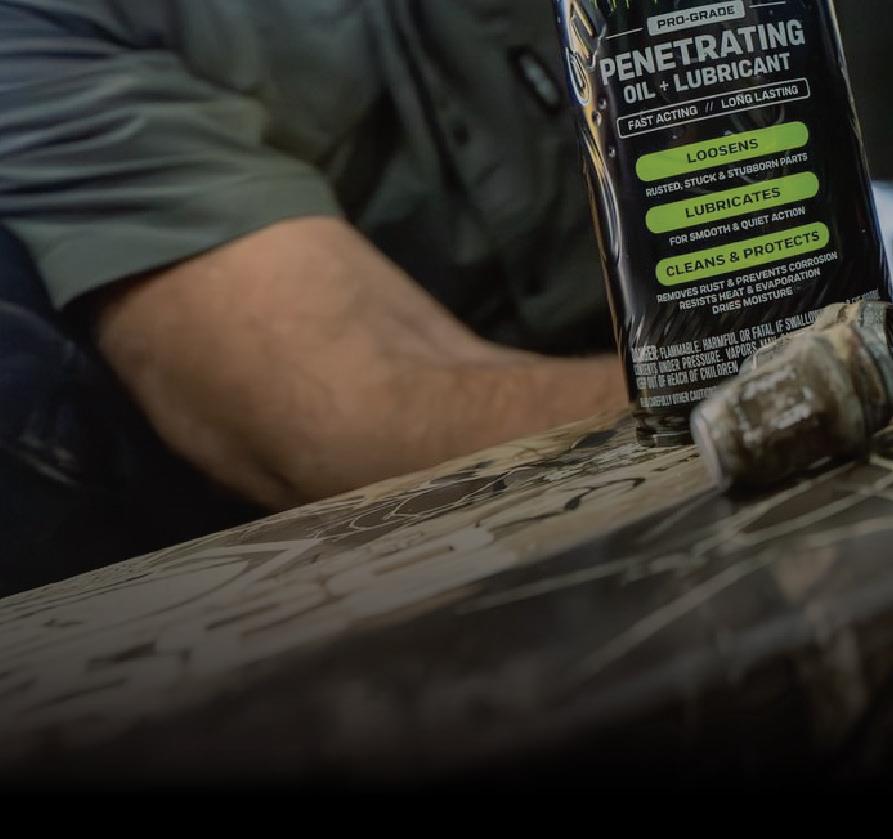
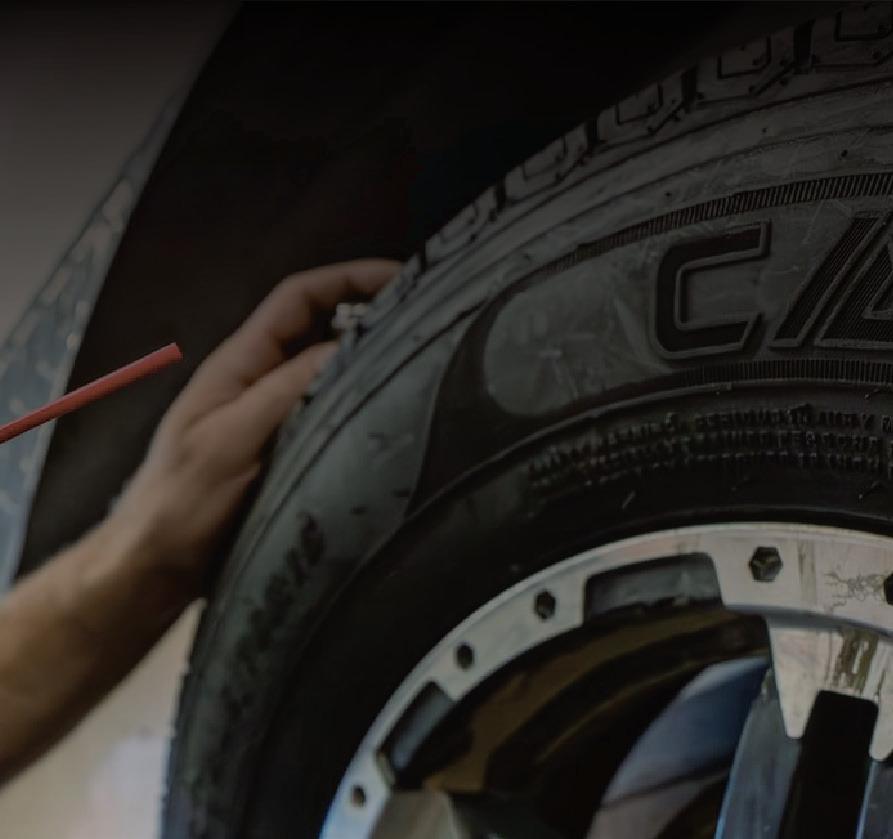
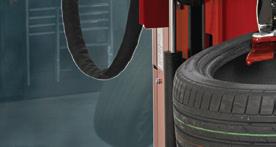
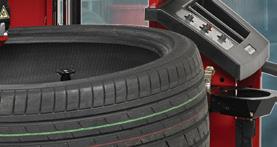
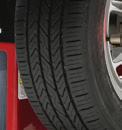
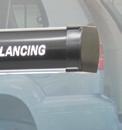
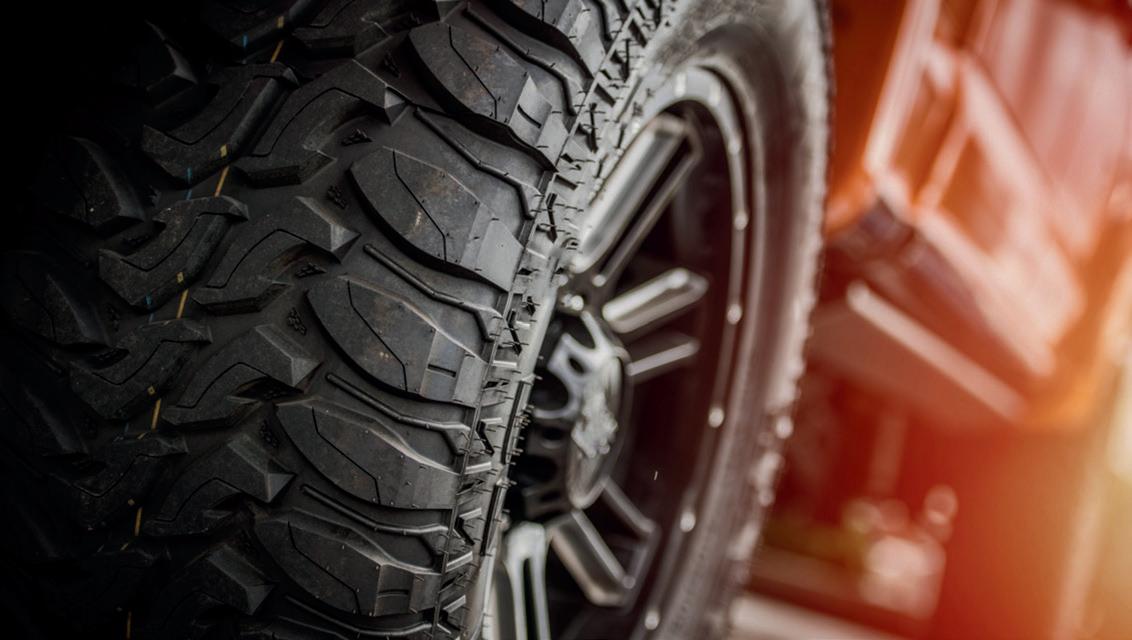
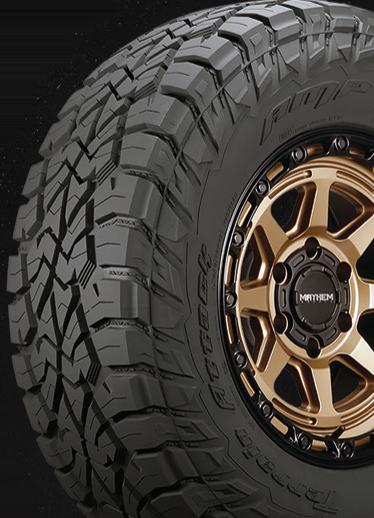
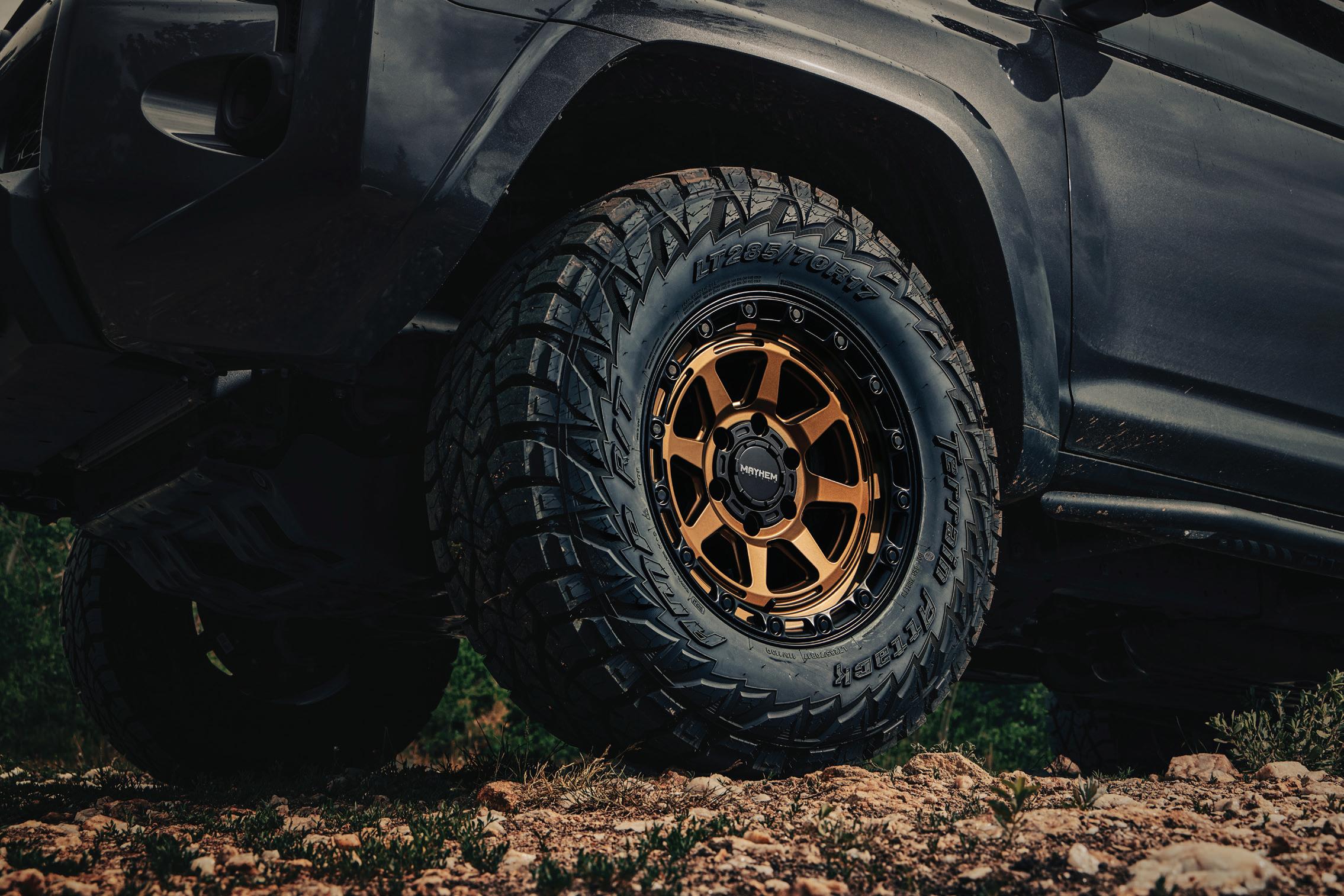
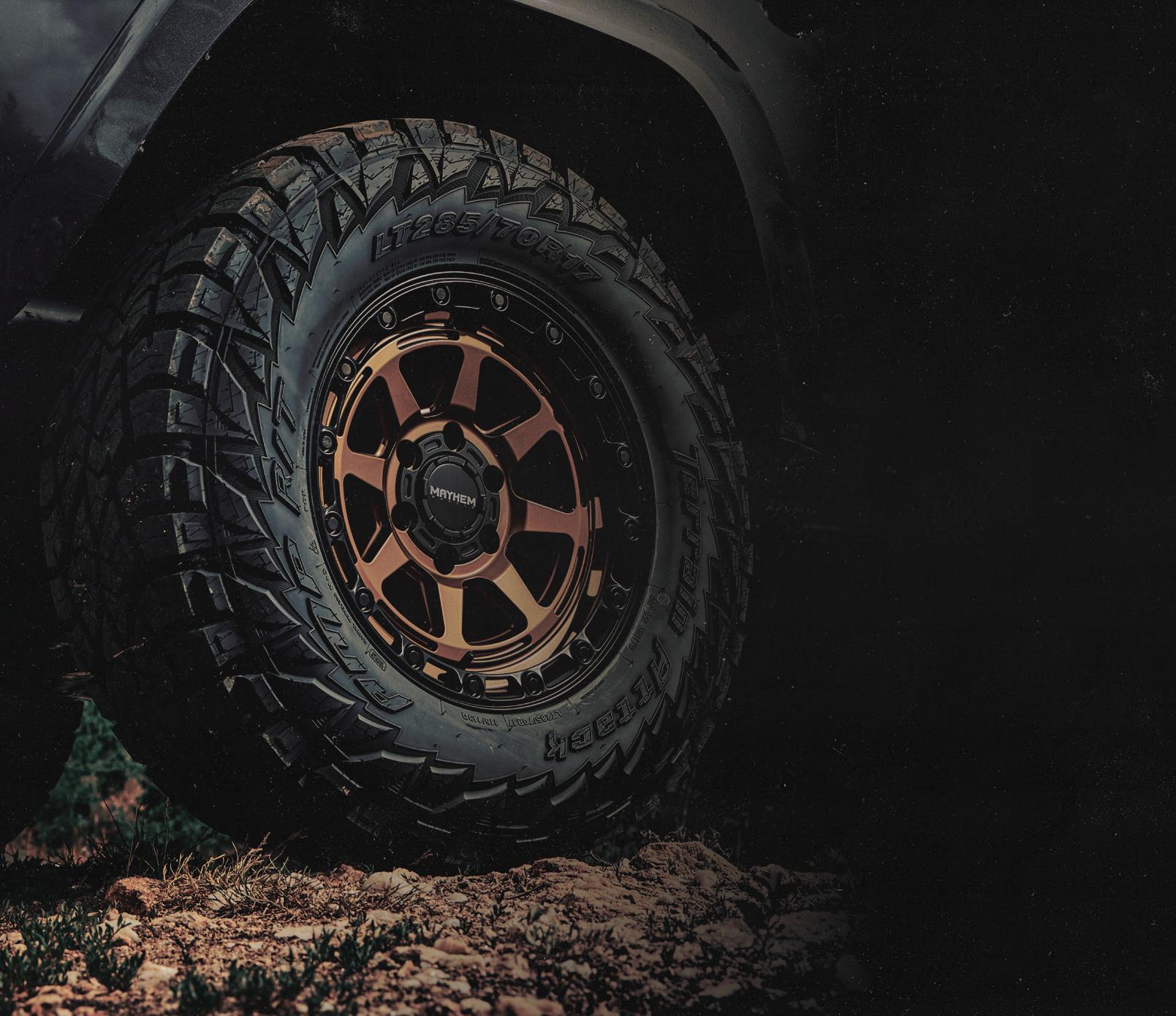
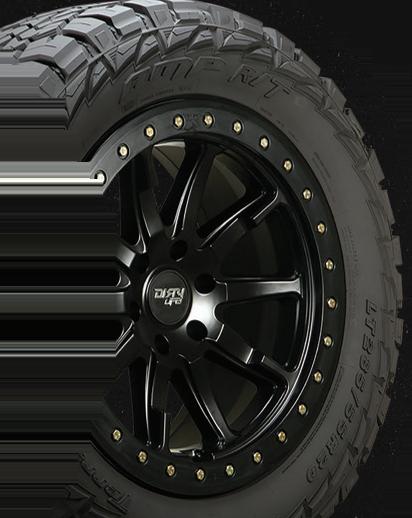
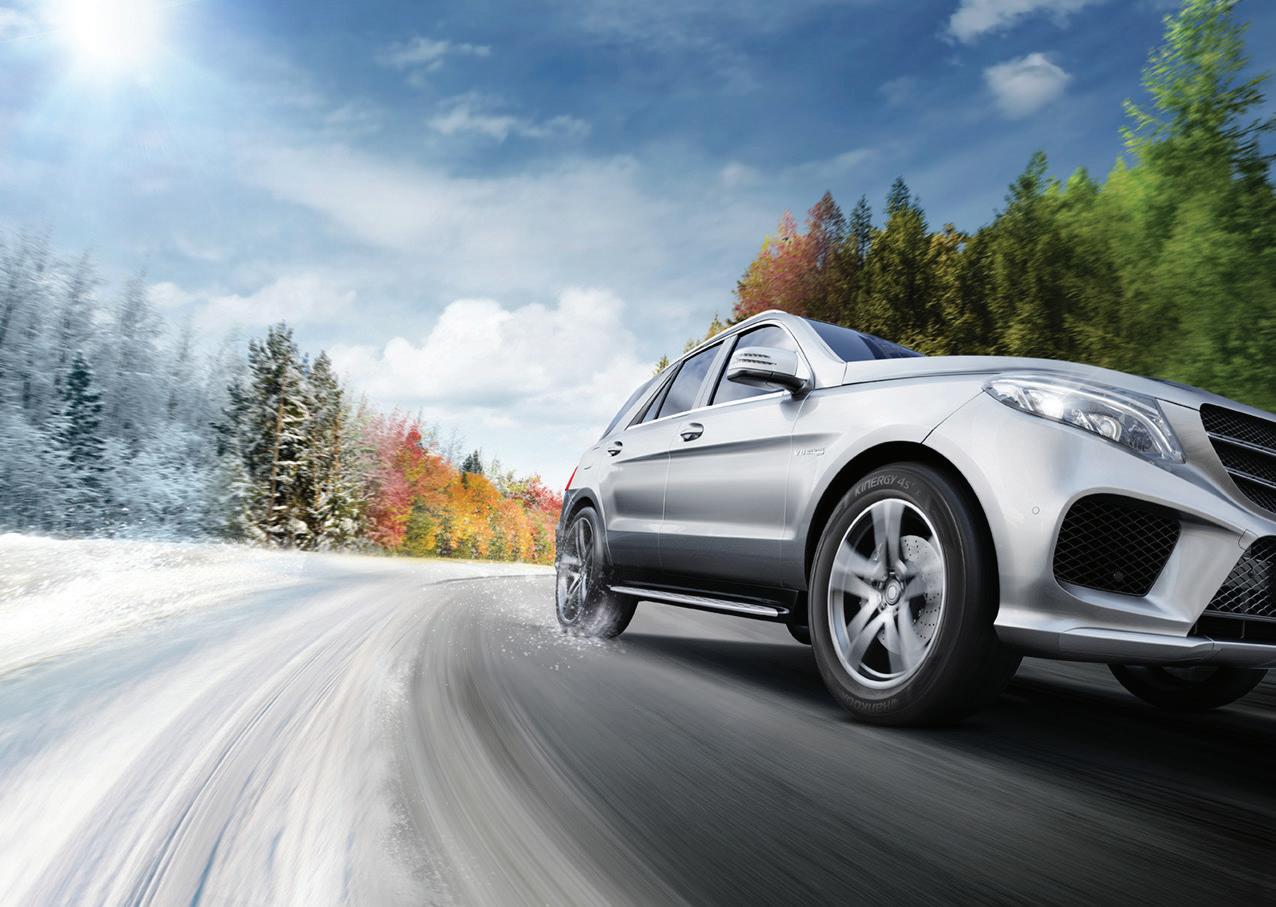
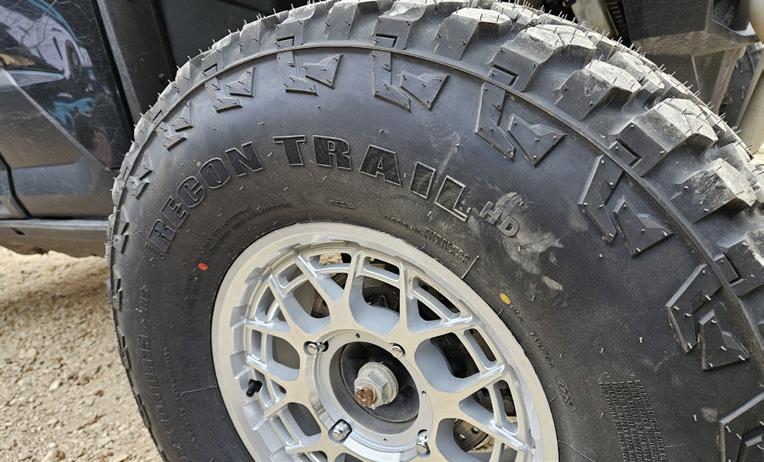
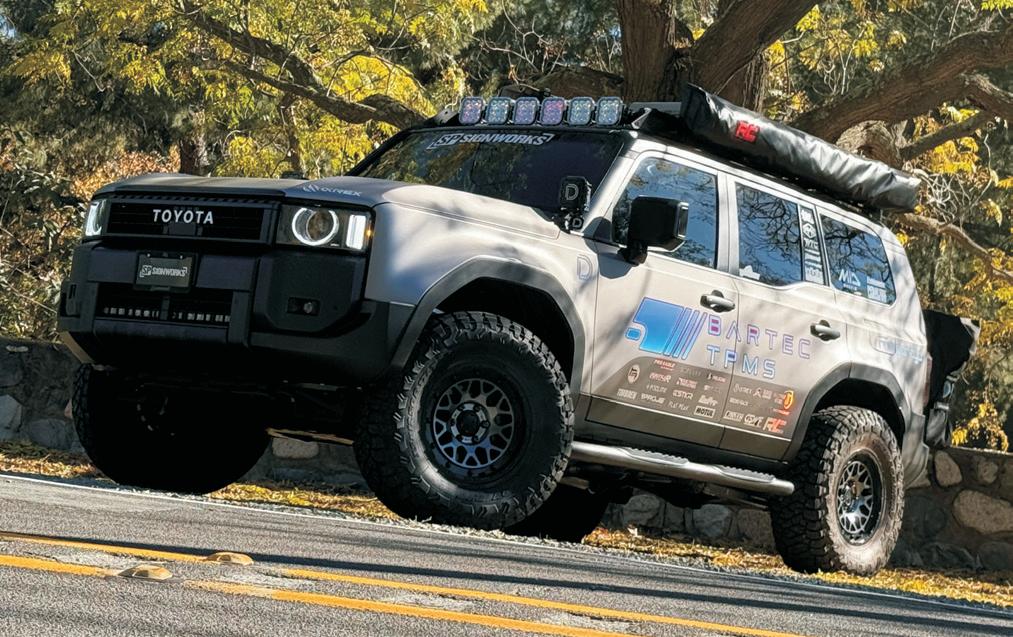
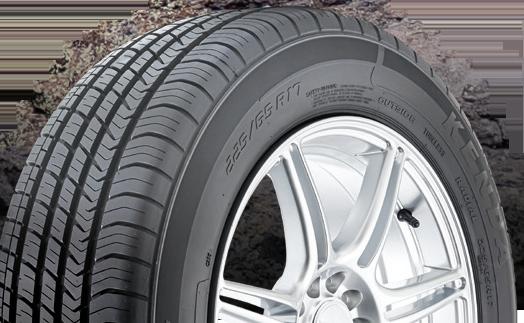
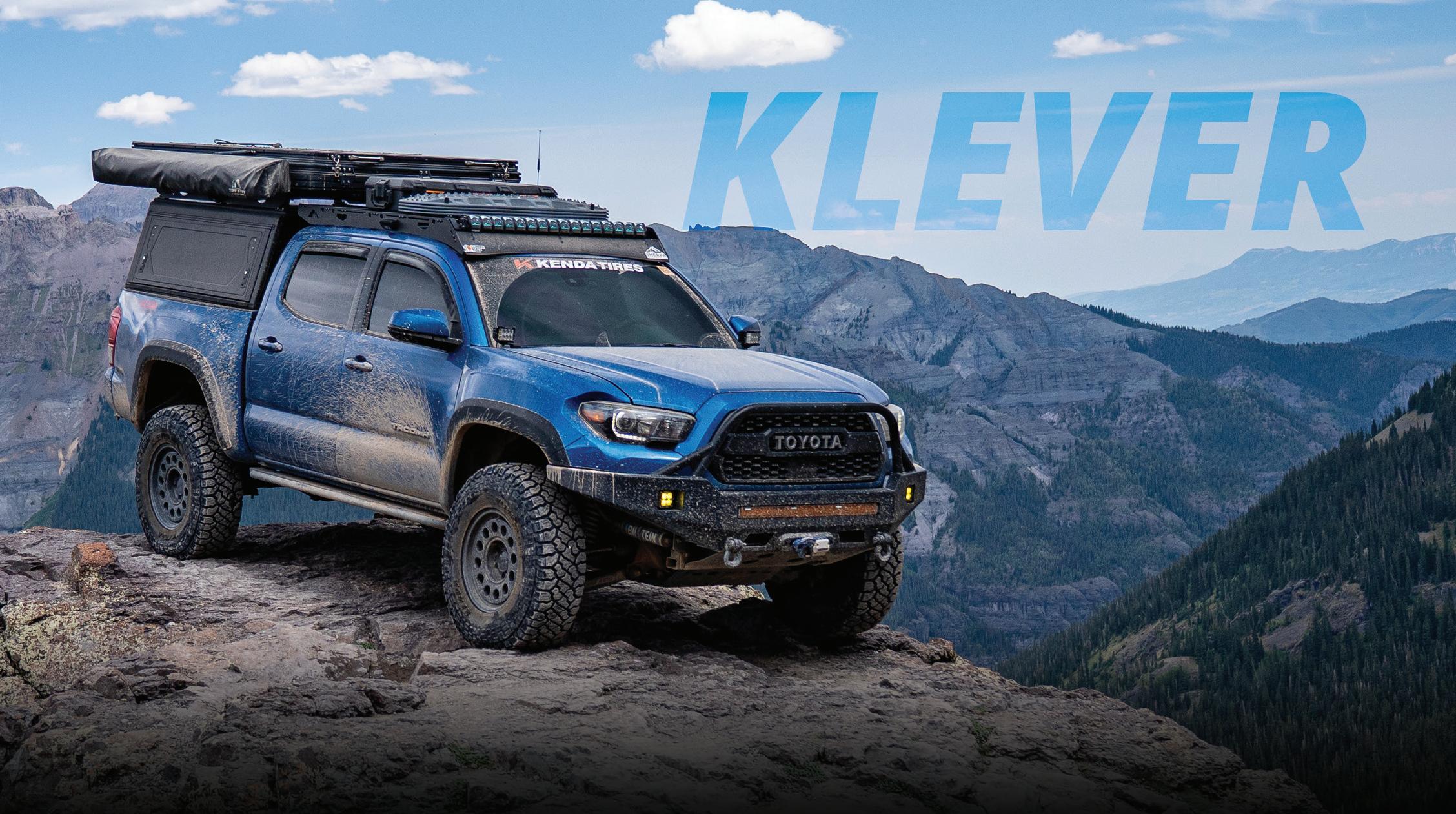
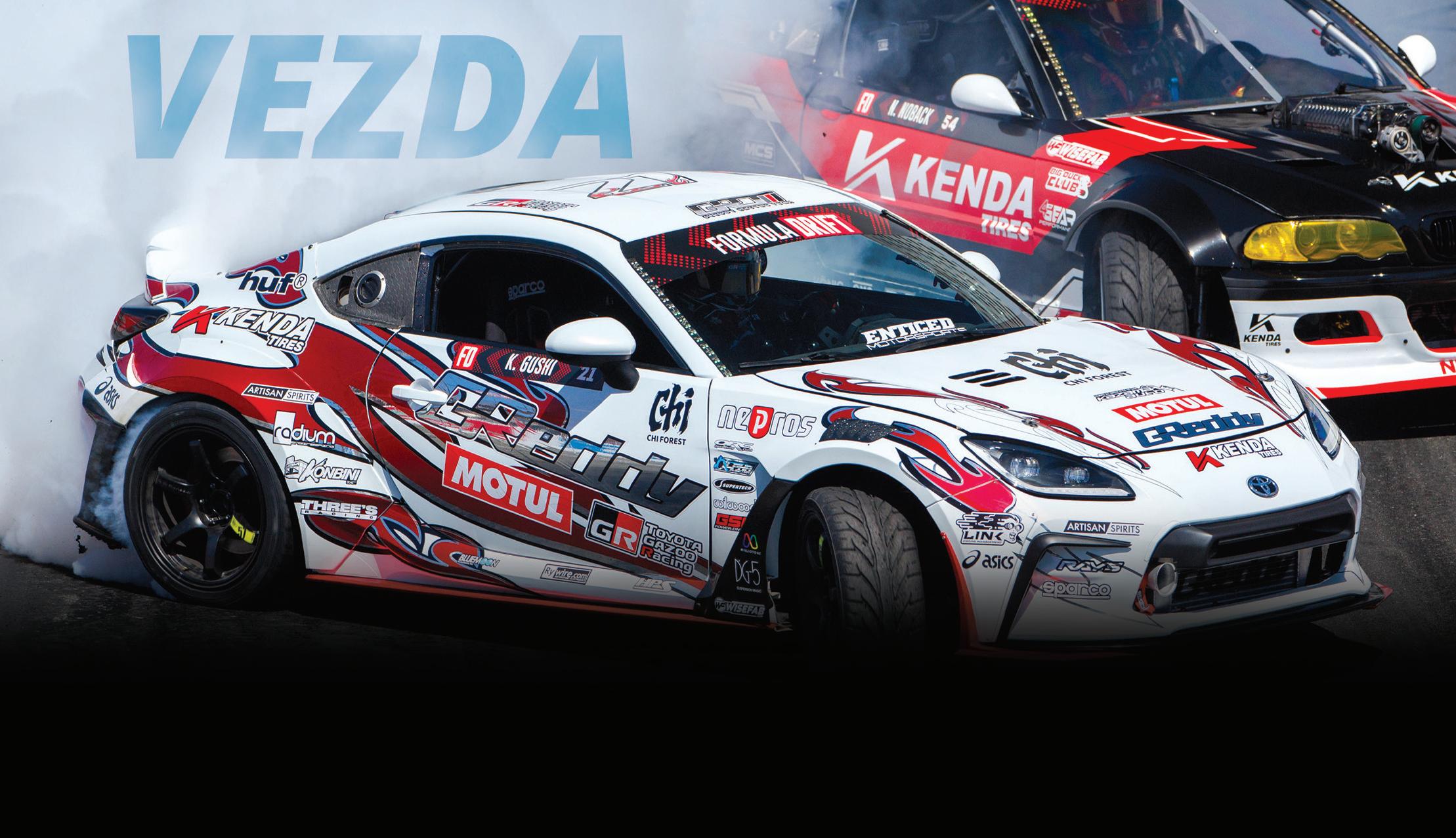
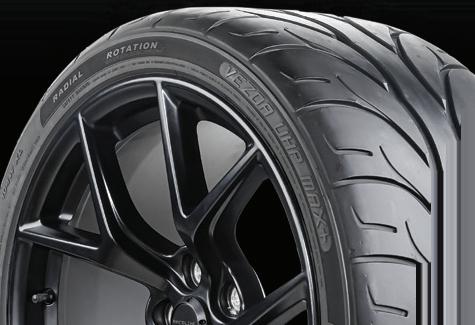
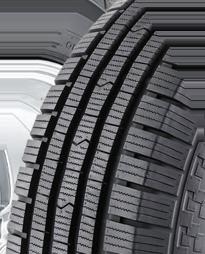
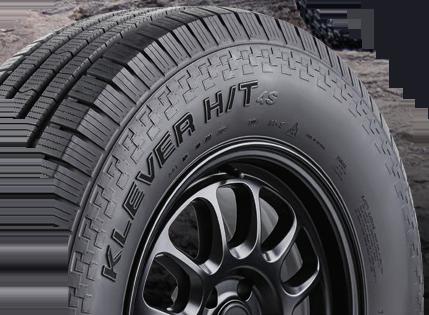
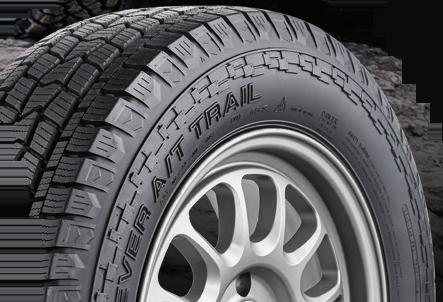
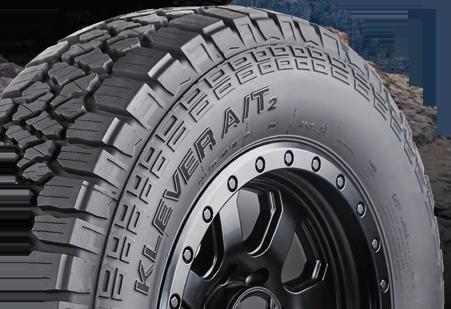
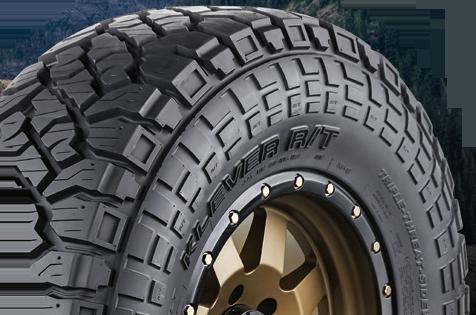
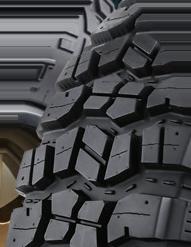
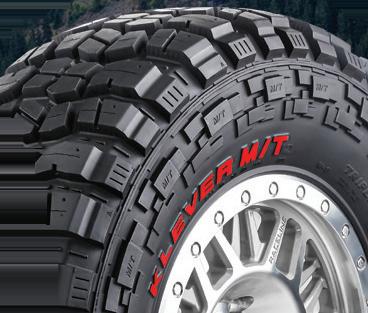
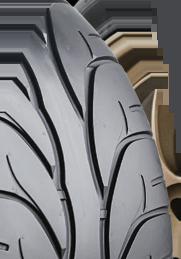
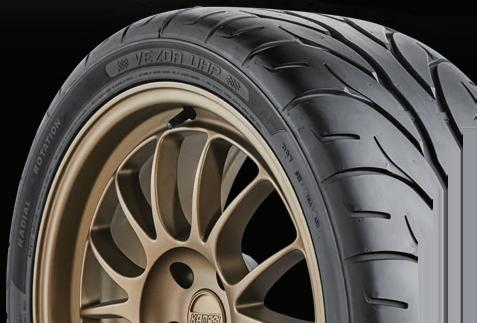
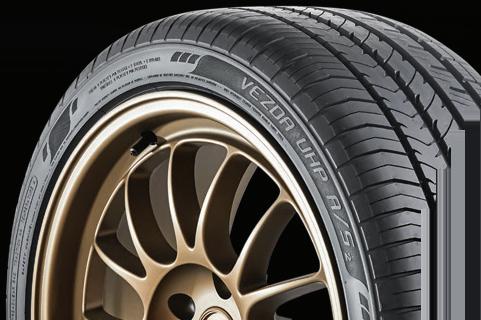
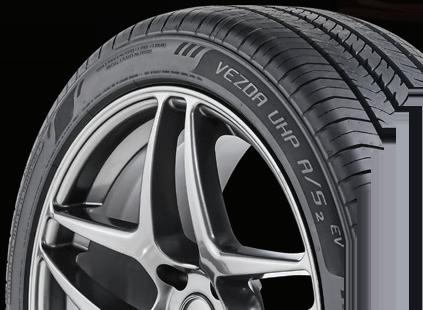
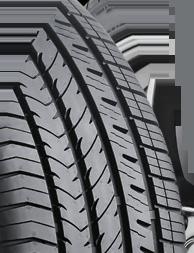
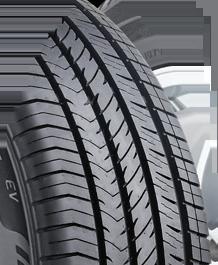
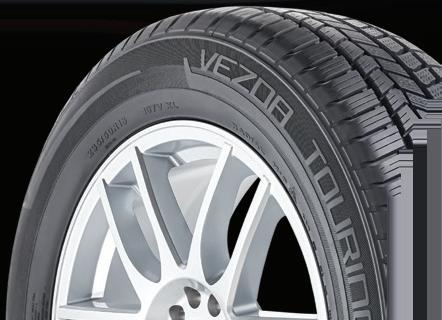
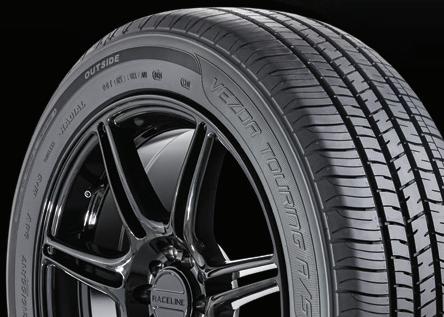
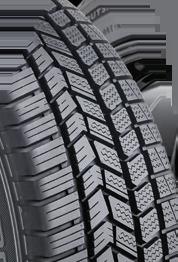
Introducing the all-new GEOLANDAR H/T4™ , the latest in all-season highway terrain tires from the GEOLANDAR® family. Built to deliver excellent on-road durability and a smooth, quiet ride, the GEOLANDAR H/T4 is the best way to hit the road for truck and SUV customers.
TIREMAKERS DISCUSS THE FUTURE OF EV TIRES WHO ARE THE CONSOLIDATORS OF TOMORROW?
WHY PRIVATE EQUITY IS HERE TO STAY
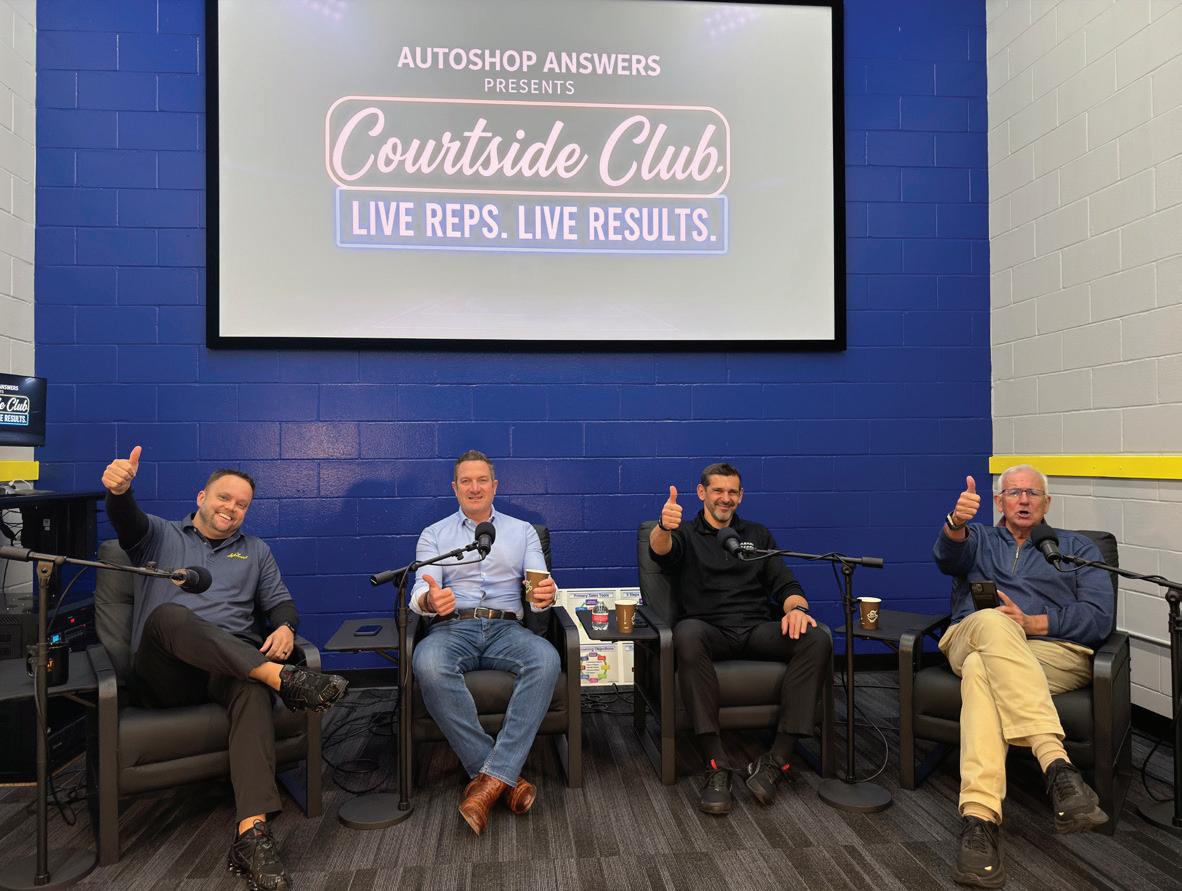
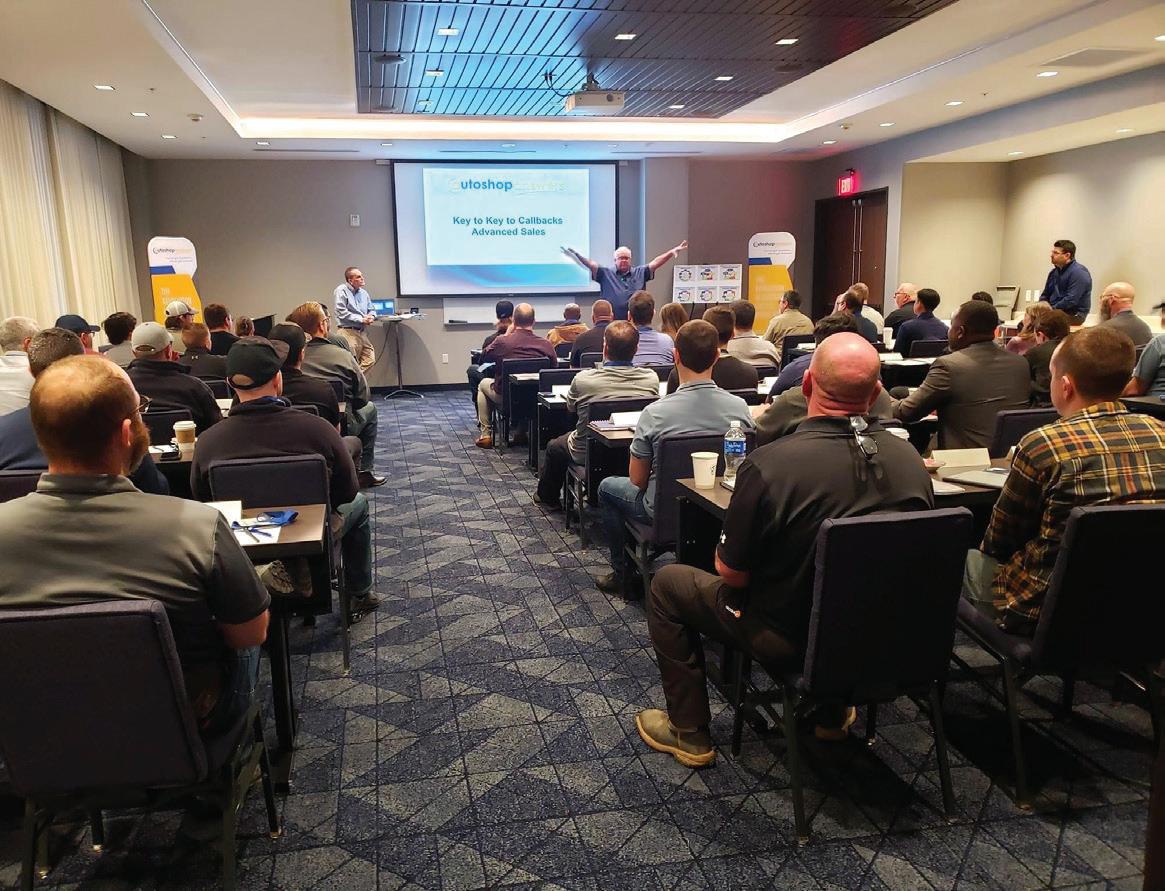
• How to handle customer objections
• How to design operational triggers
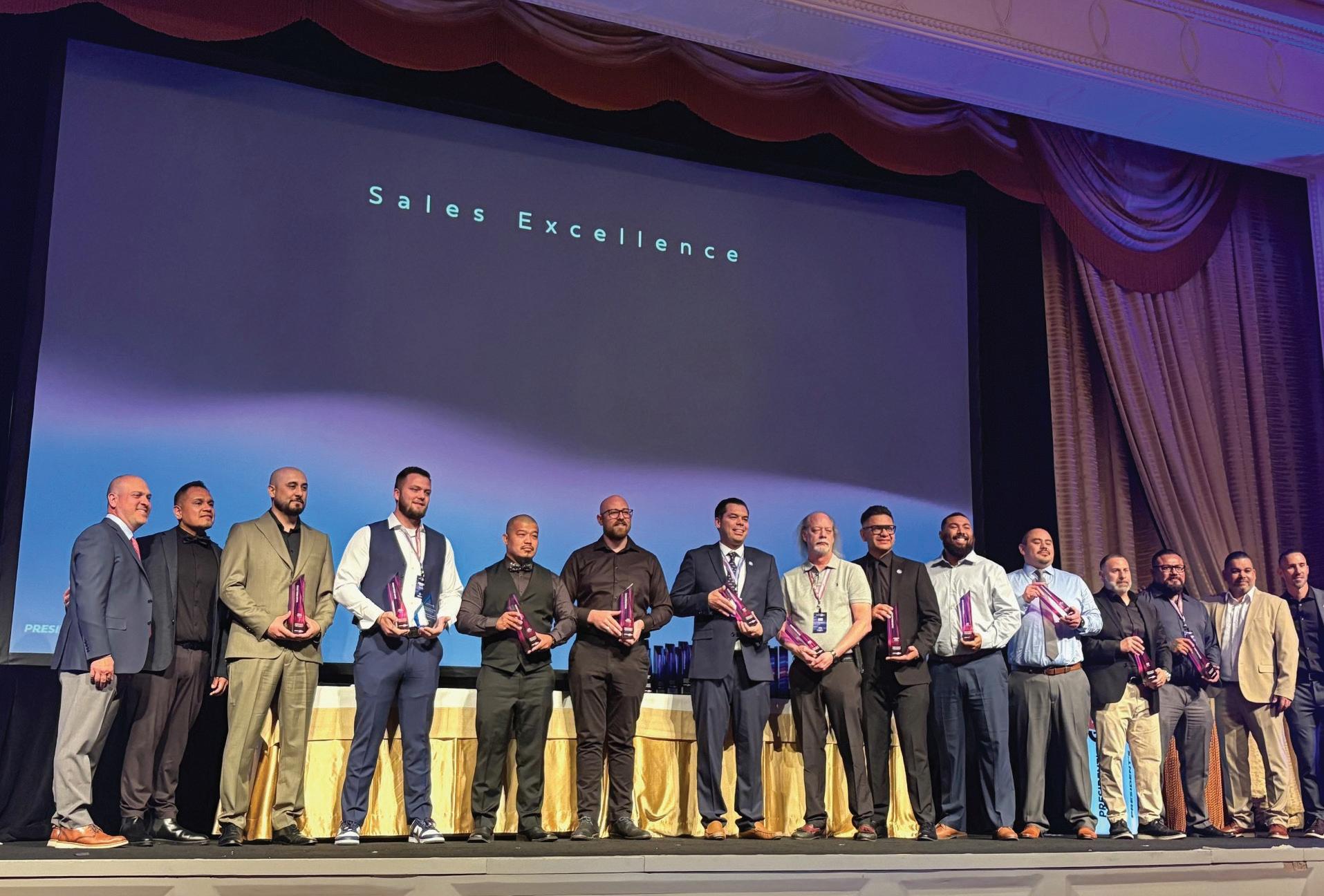
• How to boost your sales
• How to let your leaders lead
• How to negotiate more effectively
Distributors
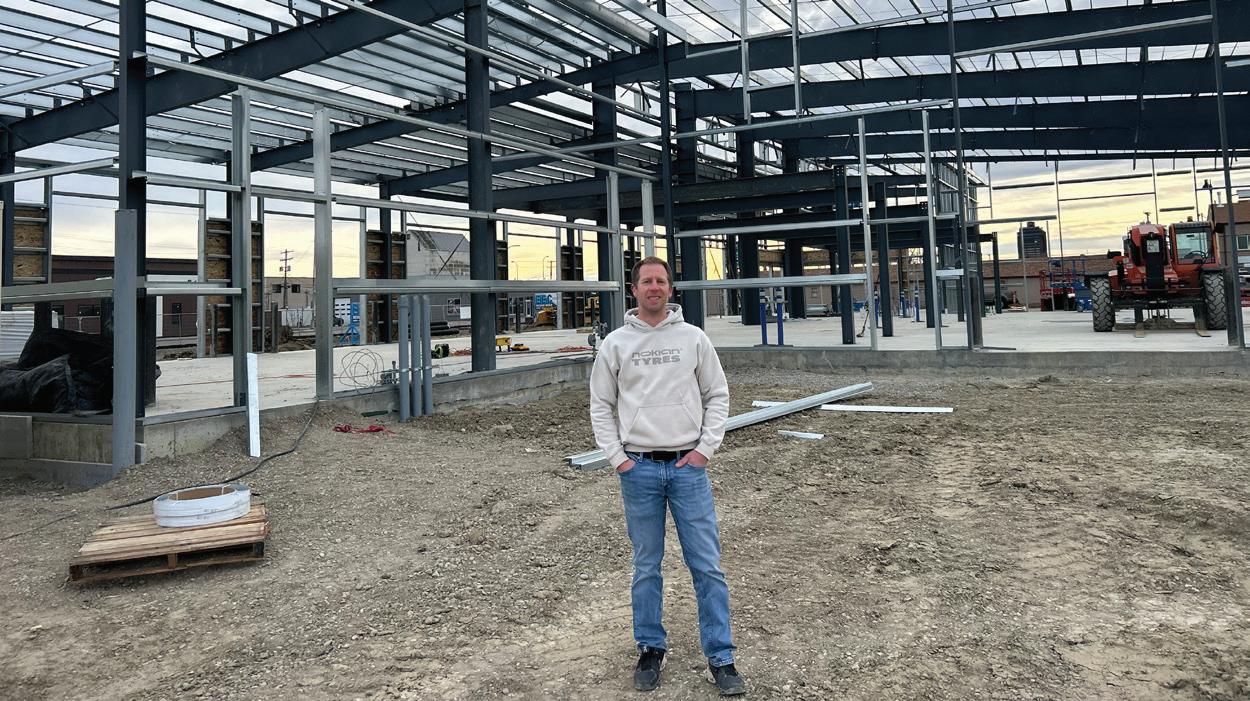
its retail business, Montana Tire & Alignment, are poised for growth. Find out why, starting on page 56.
Photo: Montana Tire Distributors
Mike Manges By
NWhy private equity is here to stay INVESTORS HAVE FOUND A NEW ‘HOME’ IN THE DEALER CHANNEL
ary a week goes by where my colleagues, Sara Welch and Aden Graves, and I don’t receive a press release or see an announcement about the acquisition of another tire dealership by a private equity firm. It’s almost become routine.
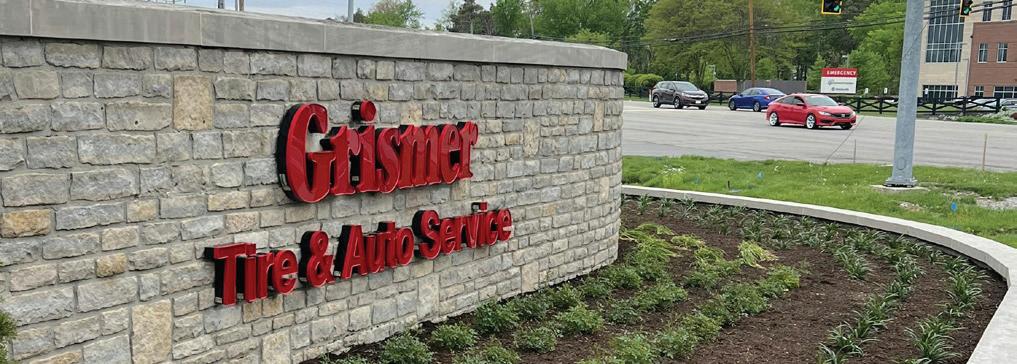
However, I must admit that the recent sale of Grismer Tire Co., a tire dealership based in Dayton, Ohio, to CenterOak Partners LLC, a Dallas, Texas-based private equity firm, made me stop and think about the changing nature of our industry, not just because of the transaction itself, but because Grismer Tire had been independently owned and operated for so long — since 1932, to be exact.
Grismer Tire’s second owner, Charles “Charlie” Marshall Sr., father of John Marshall, the dealership’s recent majority owner, and the late Charlie “Rusty” Marshall, who ran Grismer Tire with John for many decades, personally knew Harvey Firestone, who founded his namesake tire manufacturer, Firestone Tire & Rubber Co., 126 years ago. (Grismer Tire, to my knowledge, is the second-oldest Firestone tire dealership in existence, right behind Ziegler Tire & Supply, another Ohio-based independent, which was founded in 1919.)
The CenterOak Partners/Grismer Tire deal also reinforces something that I’ve discussed more than a few times in this column: Private equity investment in independent tire dealerships is here to stay. That isn’t just because more aging tire dealers will be looking for an exit ramp, though that trend will accelerate, as well. It’s the amount of money involved. Private equity firms are sitting on mountains of cash and they’ve discovered that tire dealerships are a good investment.
In MTD’s 2026 Facts Issue, published this past January, we listed the dealerships on the MTD 100, our annually updated registry of the largest tire dealerships in the United States, that are owned outright — or are partially owned — by private equity groups. What we didn’t mention is the monetary value of some of these groups’ assets. Here are just a few.
Meritage Group LP, which acquired Bend, Ore.-based Les Schwab Tire Centers Inc., six years ago, says it manages $13 billion in assets. Percheron Capital, which owns Moorpark, Calif.-based Big Brand Tire & Service, says it has more than $7.5 billion in assets under management and completed a $1.6 billion recapitalization of Big Brand Tire & Service last October. Audax Private Equity, which owns Dobbs Tire & Auto Centers, says it has around $19.5 billion in assets. Leonard Green & Partners, which owns Mesa, Ariz.-based Sun Auto Tire & Service Inc., says it currently has $85 billion in assets — yes, you read that correctly — an amount that’s almost impossible for me to visualize.
This money is being put to use aggressively. One year ago, Big Brand Tire & Service had 253 stores. It now has 350 outlets and
intends to have 1,000 locations by the year 2030. Sun Auto Tire & Service has boosted its store count to more than 575 locations, up from around 520 stores just 10 months ago. Under Audax Private Equity’s ownership, Dobbs Tire & Auto Centers, over the last two years, has grown from just under 45 stores to more than 150 locations. Les Schwab Tire Centers, while still centered in the Pacific Northwest, continues to expand eastward and to the south, moving into new markets.
In addition, Straightaway Tire & Auto (owned by 02 Investment Partners LP), Left Lane Auto LLC (partially owned by Bertram Capital), Goodturn Tire & Auto (owned by Garnett Station Partners) and Telle Tire & Auto Centers (which brought in private equity firm Next Horizon Capital in 2024) have all rapidly added locations in the last year, through both new builds and the roll-up of other tire dealerships and auto service centers.
Perhaps most dramatically, Mavis Tire Express Services Corp., which is owned by BayPine LP, TSG Consumer Partners and David and Stephen Sorbaro, added 1,200 locations to its network last summer when it finalized the purchase of Midas International from TBC Corp., giving Mavis more than 3,500 locations and counting.
We’re going to see more of this and here’s another trend: Private equity groups will continue to acquire smaller tire dealerships. At MTD, we believe there are around 29,000 independent tire dealership locations throughout the U.S. Approximately 54% of those are single stores. Seven percent are dealerships with two to 10 locations. Thirty-nine percent — less than you might expect — are dealerships with 11 or more locations. Dealerships the size of Grismer Tire — at 28 stores — and bigger ones will remain attractive to private equity. But there are a lot of single-store owners who could be ready to cash in their chips.
Big money is on the table and more longtime independents like Grismer Tire will consider — and ultimately accept — private equity offers. You can bank on that. ■
If you have any questions or comments, please email me at mmanges@endeavorb2b.com.
Grismer Tire Co. was recently acquired by private equity firm CenterOak Partners LLC.
Photo: Grismer Tire Co.
ModernTireDealer.com
Stay tuned to MTD’s podcast!
The Modern Tire Dealer Show is available on Apple Podcasts, Spotify, iHeart Radio, Amazon Music, Audible and MTD’s website.
Sign up for Modern Tire Dealer ’s eNewsletters to receive the latest tire news and our most popular articles. Go to www.moderntiredealer.com/subscribe
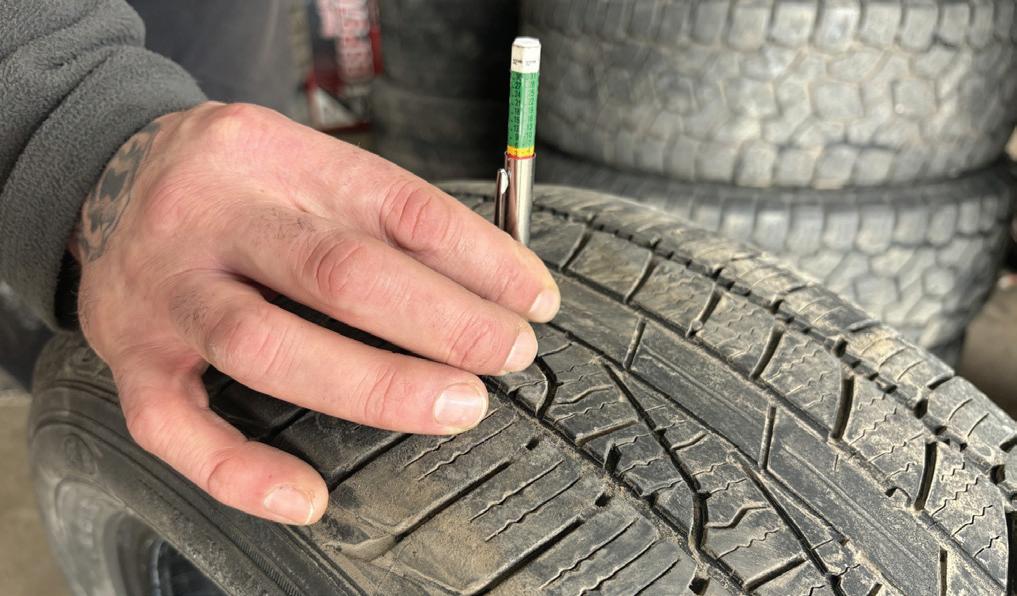
Tiremakers and dealers offered advice on how to discuss tread depth policies and passenger tire removal recommendations with customers.
Photo: MTD
Trends, buyouts and tire replacement
In the most widely read story on www.moderntiredealer.com this past month, JD Power examined why consumer satisfaction with OE tires across vehicle types “continues to converge.” In other news, independent tire dealerships continued to sell to private equity rms, tire companies weighed in on tread depth checks and passenger tire replacement and more.
1. JD Power ranks OE tire brands
2. Private equity rm acquires Grismer Tire
3. Time to rethink tread depth?
4. What’s next for Continental’s GOLD program
5. Toyo announces sales team promotions
6. ATD to distribute Falken TBR tires
7. Continental emphasizes partnership at GOLD Meeting
8. Commercial Tire founder Bob Schwenkfelder dies
9. Performance Plus Tire buys Lucas Classic Tires
10. Yokohama to close Salem plant on March 18
DIGITAL EDITION
Check out MTD ’s digital edition at www.moderntiredealer. com/magazine
Catch the latest on: linkedin.com/company/ modern-tire-dealer
PUBLISHER
Greg Smith gsmith@endeavorb2b.com (330) 598-0375
EDITORIAL
Editor: Mike Manges (330) 598-0368, mmanges@endeavorb2b.com
Managing Editor: Sara Welch swelch@endeavorb2b.com
Production Manager: Karen Runion (330) 736-1291, krunion@endeavorb2b.com
ACCOUNT EXECUTIVES
Darrell Bruggink / dbruggink@endeavorb2b.com
Marianne Dyal / mdyal@endeavorb2b.com
Mattie Gorman-Greuel / mgorman@endeavorb2b.com
Cortni Jones / cjones@endeavorb2b.com
Diane Johnston / djohnston@endeavorb2b.com
Sean Thornton / sthornton@endeavorb2b.com
Kyle Shaw / kshaw@endeavorb2b.com
Lisa Mend / lmend@endeavorb2b.com
Chad Hjellming / chjellming@endeavorb2b.com
MTD READER ADVISORY BOARD
Rick Benton, Black’s Tire Service Inc.
Jessica Palanjian Rankin, Grand Prix Performance
John McCarthy Jr., McCarthy Tire Service Co. Inc.
Jamie Ward, Tire Discounters Inc.
CUSTOMER/SUBSCRIPTION SERVICE (877) 382-9187
moderntiredealer@omeda.com
ENDEAVOR BUSINESS MEDIA, LLC
CEO: Chris Ferrell
COO: Patrick Rains
CDO: Jacquie Niemiec
CALO: Tracy Kane
CMO: Amanda Landsaw
EVP Transportation Group: Chris Messer
VP of Content Strategy, Transportation Group: Josh Fisher
VSRG Editorial Director: Chris Jones
Printed in the USA. Copyright 2026 Endeavor Business Media, LLC. All rights reserved. No part of this publication may be reproduced or transmitted in any form or by any means, electronic or mechanical, including photocopies, recordings, or any information storage or retrieval system without permission from the publisher. Endeavor Business Media, LLC does not assume and hereby disclaims any liability to any person or company for any loss or damage caused by errors or omissions in the material herein, regardless of whether such errors result from negligence, accident, or any other cause whatsoever. The views and opinions in the articles herein are not to be taken as official expressions of the publishers, unless so stated. The publishers do not warrant either expressly or by implication, the factual accuracy of the articles herein, nor do they so warrant any views or opinions by the authors of said articles. 3515 Massillon Rd., Suite 200 Uniontown, OH 44685 www.moderntiredealer.com
Dealer, PO Box 3257, Northbrook, IL 60065-3257. Customer service can be reached toll-free at 877-382-9187 or at moderntiredealer@omeda.com for magazine subscription assistance or questions.
Industry News
ITDG grows its membership base
GROUP ADDED 272 MEMBER LOCATIONS IN 2025
The Independent Tire Dealers Group LLC (ITDG) continues to grow its membership base, along with increased purchasing activity and strategic initiatives, Jason Rook, president and CEO of ITDG, told attendees at the organization’s annual meeting, which was held recently in Orlando, Fla.
“Around 100 shareholders/members and 50 vendors made up the 400 attendees at this year’s event,” Rook told MTD during the meeting.
ITDG added to its membership base in 2025, even as mergers and acquisitions continued to change the tire dealer landscape.
“In 2025, we added 45 new members and 19 new shareholders, with 272 new member locations added,” Rook said. “We lost 13 members — nine shareholders — in 2025, due mainly to M&A activity. However, eight of those members were acquired by other ITDG members, so we kept those locations in the group.”
ITDG currently has 215 members with rooftops totaling 1,531, up from 172 members and 1,192 rooftops last year.
“ITDG members purchased a whopping $550 million through the group in 2025 — 24% up from 2024,” Rook told MTD. “Total payout was up 22%.”
ITDG reported that 78% of the purchases were tires.
Rook said ITDG’s priorities center on disciplined expansion and vendor support. “Sustainable growth within the membership is our top goal, along with supporting the vendors that we have,” he said. “We will continue adding members in the U.S. where territory permits, expand our Canadian presence from coast to coast and get started in the Latin American market.”
Last year, Rook said ITDG was targeting growth outside the U.S. and signed up several Canadian tire dealers.
“Canada is moving along with solid vendor programs and a growing membership base,” noted Rook. “Mexico is
just beginning to firm up, with growth in this market in 2026.”
Last year, ITDG also introduced a portal for its members to streamline program comparisons by vendors. “Our MemberLink dealer portal is now working on phase three and continues to be the industry leader in innovative reporting in the tire buying group space,” said Rook.
The portal is designed to do the “heavy-lifting” in program comparisons, he explained.
As lower-tier tire brands gain market share, ITDG has adjusted its vendor strategy by partnering “with a few key manufacturers in this space, ensuring that our members have the latest developments in tier-four available, along with the best factory pricing in the nation,” said Rook.
He added that ITDG “has massively revised our tier-one and tier-two offerings going into 2026, along with better product access than ever before. This will allow more members than ever to participate in direct manufacturer programs, which help increase their margins.”
At the same time, ITDG is preparing changes in other product categories. “In the auto parts space, we are working on a new approach that will change the way our members buy parts and put more money in their pockets,” said Rook. “With all of the innovation in the last couple of years, we are now able to focus on the basics of better deals through group buying. We’ve built a fast road for ITDG. Now we get to drive down it.
“The dealer landscape is changing and ITDG has to change with it in order to match the opportunities found in economies of scale. The biggest challenge in 2026 will be the instability in the marketplace and the inconsistency this creates at the sales counter.
“ITDG has to stay one step ahead so that we can continue to offer additional shelter from the current economic storms,” he said.
Webster of
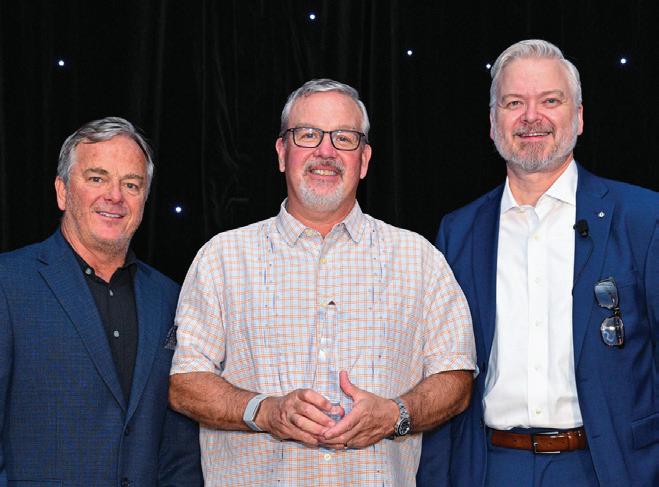
named The Independent Tire Dealer Group LLC’s (ITDG) Dealer of the Year. Webster, center, is pictured with, on right, ITDG President and CEO Jason Rook and on left, Chris Barry, ITDG’s vice president of sales.
DEALERS SWAP IDEAS
Also during the meeting, ITDG members shared a variety of ideas via a roundtable session led by Randy O’Connor, owner of D2D Development Group and monthly MTD columnist.
Dealers reported that rapid growth is paying off, but only after addressing cracks in their operations. Dealers who expanded from a few locations to six or more in a short period reported immediate pressure on inventory control, process consistency and management oversight.
The key to growing, they noted, is through formalizing operations and leadership accountability across different systems, which helps ensure consistency. Discussing profitability, dealers said that margins are still made on the buying side. Tighter purchasing discipline in the form of group pricing, buying containers, paying cash when possible and aligning orders more closely with inventory turns was repeatedly mentioned.
Commercial tire-focused operators added that speed and uptime matter more to customers than minor price differences. One dealer said that when a $1,000 per hour piece of equipment is down, the operator is more concerned about the speed in getting it running again than the price of the replacement tire. At retail, appointments are reshaping store operations. Dealers using online booking — where customers select services, times and locations that feed directly into store schedules — reported stronger close rates and steadier workflows.
Jeff
Take Ten Tire & Service was
Photo: ITDG
Bites Gripmax talks U.S. strategy
Left Lane Auto expands
Champaign, Ill.-based Left Lane Auto LLC has opened a new Gipson’s Tire & Auto store in Mobile, Ala. The company also recently purchased CS Automotive, a two-location business in the Nashville, Tenn., area. Left Lane Auto, partially owned by private equity firm Bertram Capital Management LLC, says it will hit the 100-store mark by the middle of 2026.
New Dobbs CEO
Audax Private Equity has named Derek Basile the CEO of Dobbs Tire & Auto Centers. According to a statement from Audax, Basile succeeds Frank Kneller, “who will transition to executive chairman and continue to support Dobbs’ strategy and M&A initiatives.” Dobbs Tire & Auto Centers has more than 150 locations.
Kumho donates
Kumho Tire U.S.A. Inc. has pledged $25,000 in support of the Tire Industry Association (TIA) Tire Industry Scholarship program. Kumho has committed $5,000 per year for the next five years to the program, which TIA created in partnership with the University of the Aftermarket Foundation.
Toyo promotes four
Toyo Tire U.S.A. Corp. has promoted four members of its sales management team to new roles. “Ken Cole, Shawn Blythe, Bill Carroll and Steven Shearer have been elevated to director-level roles across sales, strategic accounts, retail channels and operations,” according to Toyo officials.
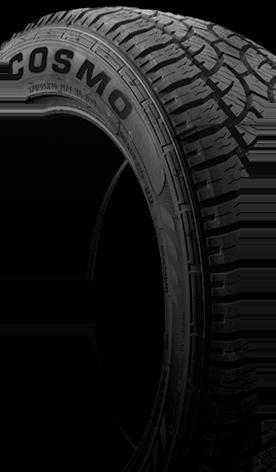
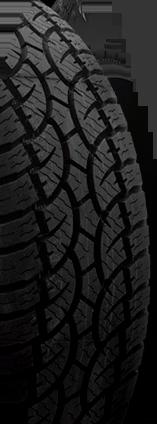
Cosmo enters SoCal Tire Group International LLC’s (TGI) Cosmo brand has launched in southern California via a strategic partnership with Big Brand Tire & Service and American Tire Depot, which is owned by Big Brand Tire & Service. “Southern California isn’t just another market,” say TGI officials. “It’s the epicenter of the automotive lifestyle.”
David Wang, managing director of Gripmax Tires Inc., recently discussed Gripmax’s short-term and long-term strategy in the U.S. market with MTD.
MTD: How was Gripmax Tire’s business in the U.S. during 2025?
Wang: 2025 was a strong year for us in the U.S. We don’t disclose specific numbers, but the direction was very positive. What we are most proud of is the quality of our progress, our stronger channel presence and our broader product availability. We have built momentum in the right areas and that gives us a very solid foundation in 2026.
MTD: How has your product sourcing been? Have tariffs imposed by the U.S. government influenced Gripmax’s product sourcing strategy for the U.S. market?
“The market will see a more ambitious Gripmax in 2026,” says David Wang, managing director of Gripmax Tires Inc.
Photo: Gripmax Tires Inc.
Wang: Tariffs are part of the operating environment, so yes, they influence how we play.
MTD: You continue to introduce new products in the U.S. Can you provide a preview of any new tires from Gripmax that will debut in the U.S. during 2026?
Wang: I can’t share specifics yet, but in 2026, we will bring very important products to the U.S.
MTD: What’s your distribution strategy in the U.S.? Are you selling through wholesalers, retailers or a combination of the two?
Wang: It’s a hybrid model and that’s very intentional. The U.S. market requires both strong distribution and also very strong retail visibility. We have built our strategy around that. We are active across major channels and continue to develop deep partnerships.
MTD: What opportunities do you see in the U.S. market for Gripmax, both shortterm and long-term?
Wang: Short-term, the opportunities are (centered on) gaining depth in our core segments and sharpening our brand position. That is important for us. For the long-term, the opportunities are bigger — to build Gripmax into a category-defining brand in the segments where we choose to lead.
MTD: What can we expect to see from Gripmax in 2026?
Wang: 2026 will be a year of visible progress for Gripmax. You will see us strengthen our core business, expand in key segments and bring more clarity to our long-term direction in the U.S. The market will see a more ambitious Gripmax in 2026.
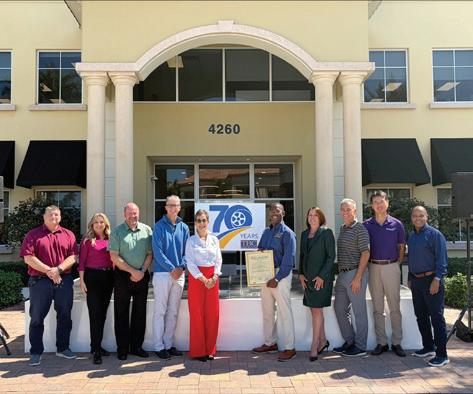
TBC celebrates 70 years
TBC Corp. recently celebrated its 70th anniversary with a special honor from the Palm Beach County, Fla., board of commissioners.
“At TBC, we are building on our legacy by focusing on our purpose to be the distributor, franchisor and employer of choice in the markets where we compete through a steadfast commitment to excellence,” says TBC CEO Don Byrd.
Since its founding in 1956 as a purchasing group of tire retailers, TBC has grown to employ more than 3,000 people and operates more than 130 distribution centers across the United States and Mexico.
TBC Corp. is celebrating its 70 th year in business.
Photo: TBC Corp.
MORE TOOLS. MORE BENEFITS.
THE BKT EDGE Associate Dealer Program rewards you for buying, promoting, and growing with BKT.
• Enhanced quarterly payouts on qualifying purchases
• Gain annual recognition as a top-performing dealer
• Unlock exclusive perks and dealer-only advantages
• Access an easy-to-use online portal to track sales and rewards
BKT EDGE gives you the competitive advantage to keep your business moving forward. Ready to grow?
Hankook,
MLB team up
Bites Private equity firm buys Grismer Tire
Hankook America Tire Corp. says it’s stepping up to the plate with in-stadium signage across select Major League Baseball parks. Hankook’s branding will be prominently featured in high-visibility locations within stadiums — including home plate, outfield and first base line signage — in major markets during the 2026 season.
Subaru picks Yoko
Yokohama Rubber Co. Ltd. has announced that its Geolandar X-CV will be original equipment on Subaru’s new electric vehicle, the Uncharted. The vehicle, which was introduced to North America this past December, will be fi tted with the Geolandar X-CV in size 235/50R20.
Radar sponsors Rangers
Omnisource’s Radar Tires brand has announced a new partnership with the Texas Rangers Major League Baseball team. The team-up marks “a significant step forward in the brand’s continued investment in market visibility, dealer engagement and long-term growth across North America,” say Omnisource officials.
Hunter expands plant
Hunter Engineering Co.’s Durant, Miss., manufacturing plant recently completed a 60,000 square-foot addition. “The new space will provide increased capacity for existing four-post and scissor lift manufacturing, as well as for future product lines,” say Hunter officials. The company has two additional plants in Mississippi.
MaddenCo unveils app
MaddenCo Inc. has introduced its Delivery App, which is designed to simplify and modernize the product delivery process for tire dealers. “The app provides real-time proof of delivery and signature/picture capture, seamlessly working with MaddenCo’s Tire Dealer System,” say MaddenCo officials.
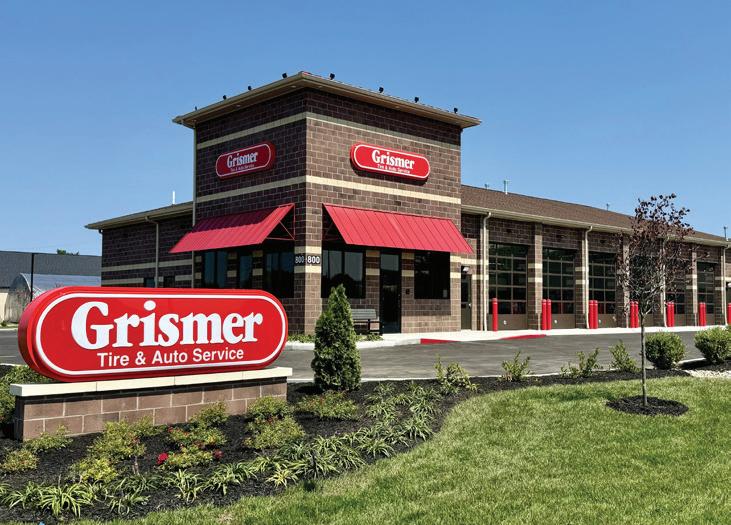
Dallas, Texas-based private equity rm CenterOak Partners LLC has acquired Grismer Tire Co., which has 28 stores in central and southwestern Ohio.
In a statement issued on April 2, CenterOak Partners LLC described the transaction as “a majority recapitalization” of Grismer Tire, which is based in Dayton, Ohio.
Grismer Tire’s majority owner was John Marshall, whose father, Charles “Charlie” Marshall Sr., bought the dealership from its founder, Adam Grismer, in 1932.
Grismer Tire has locations in the Dayton, Cincinnati and Columbus, Ohio, markets and “has built a strong regional brand based on high-quality service, trusted customer relationships and competitive pricing,” according to CenterOak Partners o cials. “ e automotive service sector continues to bene t from strong tailwinds, including an aging vehicle eet and increasing repair and maintenance complexity,” says Jason Sutherland, managing partner of CenterOak Partners. “Grismer aligns with our focus on investing in essential, non-discretionary service businesses supported by recurring customer demand.”
“We are proud of what Grismer has accomplished as a second-generation, family-owned business over its more than 90-year history and believe CenterOak is the right partner to build on our legacy,” says Marshall, who was MTD’s Tire Dealer of the Year in 2003.
CenterOak Partners says it brings “signi cant experience in the automotive service sector, having previously invested in CollisionRight, FullSpeed Automotive and TruRoad. CenterOak Operating Partner Bob Rosen eld, former CEO of TruRoad, will be joining the Grismer board of directors.” e private equity rm says it manages “$2.5 billion of equity capital commitments, with a focus on making control-oriented investments in middle-market companies.”
ATD adds Falken TBR tires
American Tire Distributors (ATD) has added Falken brand medium truck tires to its portfolio in a move that expands ATD’s commercial tire o ering.
“This expansion builds on ATD’s existing relationship with Falken Tires, further integrating the brand’s line-up into ATD’s distribution network,” according to ATD o cials.
“ is is an important step forward for the customers we serve,” says Dave Goldman, senior vice president, commercial products, sales, ATD. “Our dealers can now order Falken commercial tires from the majority of our distribution centers.”
CenterOak Partners LLC has acquired Dayton, Ohio-based Grismer Tire Co.
Photo: Grismer Tire Co.
ATD customers can now order Falken brand medium truck tires from the majority of the company’s warehouses.
Photo: ATD
Vipal consolidates
Bites Border Tire plant creates new efficiencies
Vipal, which acquired Marangoni’s United States operations several years ago, says it’s “consolidating the companies Marangoni Tread North America, and Vipal Rubber Corporation, creating a single company, Vipal Rubber, which will also allow us to unify customer service and strengthen the Vipal Rubber brand in the U.S.”
Mitas backs NTPA
Yokohama TWS’ Mitas brand has announced a three-year partnership with the National Tractor Pullers Association (NTPA), serving as the group’s official tire sponsor. “Across a season that spans more than 60 events throughout the United States, from spring to early-fall, the NTPA circuit draws top competitors, cutting-edge machines and thousands of passionate fans,” say Yokohama TWS officials.
Fountain names VIP
Edmonton, Alberta-based Fountain Tire presented its Most Valuable Player Award to Brian Adcock, owner of Fountain Tire’s Innisfail, Alberta, store, during the company’s recent convention. “Since acquiring Fountain Tire Innisfail, Brian has delivered results that reflect exemplary leadership and a deep commitment to our values,” says Fountain Tire CEO Jason Herle.
OK Tire names VP
OK Tire Stores Inc., which has more than 300 stores across Canada, has appointed Phil Diogenes as its vice president of business development. Diogenes will lead strategic growth initiatives across OK Tire Stores’ network.
Buffalo plant sold
Hwa Fong Rubber has completed its purchase of Sumitomo Rubber USA’s former tire manufacturing plant in Buffalo, N.Y. The complex is now known as HF Industrial Park. Sumitomo Rubber Industries Inc. shuttered the factory in late-2024.
Border Tire LLC’s retread plant in Redlands, Calif., is generating new efficiencies, says Jim Russell, the dealership’s executive vice president.
The plant, which opened this past November, “represents a merger of three retread plants into one,” according to Russell.
Border Tire’s other retread plants, now closed, were located in Fontana and Corona, Calif. “We’re trying to capitalize on the efficiencies you get in being in a larger, more productive facility with newer equipment.”
Border Tire, which is headquartered in El Paso, Texas, says the Redlands shop is “the largest Michelin Retread Technologies plant in North America, designed to meet the growing demand for sustainable, high-performance tire solutions that support fleets and the communities they serve.”
The facility is producing 600 medium truck tire retreads a day. Border Tire, which was founded in 2015, also has 10 commercial tire centers throughout Texas, New Mexico and Arizona.
Bob Schwenkfelder dies
John R. “Bob” Schwenkfelder, the founder of Meridien, Idaho-based Commercial Tire Inc., one of the country’s largest commercial tire dealerships, recently died.
“Schwenkfelder launched Commercial Tire in 1968 from a single location in Boise, Idaho, with Simplot as one of his first customers, a Bridgestone supply agreement and a straightforward conviction: build trust with customers (and) invest in the people around you, and the business will follow,” according to Commercial Tire officials.
Bob Schwenkfelder (left, with his son, Trent Schwenkfelder) founded Commercial Tire Inc. in 1968.
“Over five decades, he proved himself right. Commercial Tire grew into one of the country’s top 25 commercial tire dealerships and top 100 independent tire dealerships, with operations spanning Idaho, Oregon, Washington and Utah.”
Commercial Tire, with 10 commercial-only locations and 38 commercial/retail stores, is the 13th largest commercial tire dealership in the United States, according to MTD’s 2025 Top 25 U.S. Commercial Tire Dealers list.
Overall, Commercial Tire is the 28th largest independent tire dealership in the country, according to the 2025 MTD 100, which was published last July.
The dealership also has four retread plants and several distribution centers.
Commercial Tire officials say that Schwenkfelder’s influence “extended well beyond his own operation. Schwenkfelder was involved in helping establish the American Commercial Tire Network, a national service network,” and converting Commercial Tire to employee ownership.
Border Tire LLC’s retread plant in Redlands, Calif., opened in November 2025.
Photo: Border Tire LLC
Photo: Commercial Tire Inc.
Numbers ThatCount
10%
e percentage of distributors, retailers and installers that saw wheel and tire sales increase over the last 12 months.
Source: SEMA 2026 Future Trends and Industry Update
Photo: TireSouth Inc.
$2.8 MILLION
Average sales per Big O Tires location in 2025.
9,900
Square feet K&M Tire Inc. recently added to its distribution center in Cadillac, Mich.
3,548
e number of outlets Mavis Tire Express Service Corp. tallied last year to secure the top spot on the MTD 100.
Percent of the U.S. consumer tire wholesale channel controlled by independent tire distributors.
Source: MTD’s 2026 Facts Issue
MTD
Photo:
Source: K&M Tire Inc.
Photo: K&M Tire Inc.
Source: Big O Tires Photo: MTD
Your Marketplace
John Healy By
RWhat’s impacting retail sellout
UNDERLYING DEMAND HAS BEEN SLOW TO IMPROVE
ecent feedback from independent tire dealers we’ve surveyed indicates that March 2026 retail sellout failed to turn green.
Dealer feedback suggests that sell-through trends remained weaker compared to a year ago, but underlying demand conditions have yet to show the level of improvement desired by most dealers.
While we have been waiting for Mother Nature to provide a boost to the industry from a demand perspective, it has yet to be seen.
Independent dealers highlighted average sellout declines of 0.3% in March 2026, which was firmer on a sequential basis relative to the 1.7% decrease in February. Looking at the first quarter of 2026, total sellout figures declined by an average of approximately 1%.
Looking more closely at volume for the month of March on a regional basis, the Midwest region was the lone region to see the strongest positive volumes.
Other regions saw flat or negative volume trends, with the Southeast and Southwest regions seeing the weakest trends.
Regarding where we go from here from a demand standpoint, we feel it is contingent on driving activity and consumer spending. On a year-to-date basis through February 2026, vehicle miles traveled were up approximately 1.6% compared to a year-prior at 497.8 billion miles traveled, according to the Federal Highway Administration.
We continue to monitor several data points to assess the health of automobile travel demand, which closely correlates with tire usage and wear.
Gas prices have been moving higher across the country, as the American Automobile Association states national averages have surpassed $4 per gallon for the first time since 2022.
TRADE-DOWN CONTINUES
Tire dealer commentary suggests consumer demand for PLT replacement tires was down low-single digits on a net basis compared to March 2025, with 27% of independent dealer contacts seeing negative demand trends during March.
Consumer deferment and trade-down have been consistent themes over the past several months and we believe that we may see it soften as consumers begin to think about spring weather. Consumers continue to trade down to tier-two and tier-three tires, but February saw tier-one tires take the second spot in this month’s survey for the second straight month.
RAWS HOLD STEADY
Crude oil prices also remain an important driver of fuel costs, with the price of a barrel of oil surpassing the $100 mark multiple times. A recent article from the Energy Information Administration stated that total domestic gasoline supply decreased from 241.4 million barrels to 240.9 million.
Our base average cost to build a tire index suggested inputs were up 1.5% for
the month of February and up 8.6% for the month of March on a year-over-year basis. During the first quarter of 2026, the cost to build a tire was up 2.2%, on average, compared to a 4% decrease during the fourth quarter of 2025.
In analyzing specific input costs, natural rubber costs increased 2.6% yearover-year in March 2026, as supplies thinned. Oil prices increased an average of 38% on a year-over-year basis and 44% month-over-month in March, driven by geopolitical pressures in the Middle East impacting supply across the industry. March data shows synthetic rubber costs were down 2.3% on a year-over-year basis, carbon black prices were down 10.2% year-over-year and tire fabric/cordage costs climbed 19% on a year-over-year basis. As it relates to the first quarter, average rubber costs were down 2.6%, carbon black prices were down 7.1%, and tire/cordage costs were up 19.3%.
CAUTIOUS OPTIMISM
All things considered, we would describe the outlook for the industry as being in a mixed position. In one area, we see a consumer who has likely done OK from a tax refund standpoint.
We note IRS data suggests that as of early April, the average refund a consumer pocketed this year is up approximately 11%. So on one hand, we see the consumer in a position to invest in their vehicle.
That said, rising fuel prices could keep consumers off the road a bit and perhaps put those dollars in other areas of their monthly budget. All said, we still view tire replacement activity as a must and a when — not an if — decision. ■
John Healy is a managing director and research analyst with Northcoast Research Holdings LLC, based in Cleveland, Ohio. Healy covers a variety of subsectors of the automotive industry. If you would like to participate in the monthly dealer discussions, contact him at john.healy@ northcoastresearch.com.
QUALITY ALWAYS WINS
Every tire gets balanced. What are you using? Choose the perfect weight. Choose Perfect.
WSupercharged revolution or fading fad?
MANUFACTURERS
DISCUSS THE FUTURE OF EV TIRES
By Aden Graves
hen President Donald Trump signed the One Big Beautiful Bill Act last summer, federal consumer incentives for purchasing new or used electric vehicles (EVs) in the U.S. were largely eliminated, e ective a er Sep. 30, 2025.
The incentives, which were part of former President Joe Biden’s In ation Reduction Act, allowed consumers up to $7,500 for purchasing a new EV or up to $4,000 for a used EV and were set to run through 2032.
Before the deadline for incentives, many consumers raced to take the plunge
and purchase an EV, which led to a short burst in sales. e U.S. EV market cooled down a er the credits expired.
Many major automakers have scaled back their EV plans in terms of investment and production, with numerous companies reporting year-over-year sales being down 60% to 70% or more during the rst quarter of 2026.
However, consumers are still buying EVs. Cox Automotive’s recent sales report found that even though total EV sales during the fourth quarter of 2025 dropped to 234,000 units — down 46%
EV tires
strategies and continued investment in infrastructure. Those longer-term fundamentals continue to support EV growth. The timeline has shifted, but the direction hasn’t.”
As this space continues to evolve, many tiremakers are continuing to expand their offerings and reach by investing and producing both EV-specific and EV-compatible tires that are suitable across electric, hybrid, crossover and internal combustion engine vehicles.
MTD recently connected with tire companies that produce and/or sell EV-specific and EV-compatible tires to understand how they’re viewing the current U.S. EV market and what their top priorities are for the coming year.
KARL JIN, divisional head, product and pricing, Apollo Tyres Ltd.: With the rollback of federal EV incentives and recent moves by Honda, Ford and others, EV growth in the U.S. could lose traction in the near term, affecting both OE and replacement tire demand. Our response is to stay focused on EV-compatible technologies that can serve the market as it evolves, rather than depend on a narrow EV-only segment.
compared to the previous quarter and 36% lower year-over-year — last year was still the second-best year for EV sales in the U.S.
“With federal incentives gone, the first quarter reflected a necessary reset (as) sales slowed and market share shifted,” says Stephanie Valdez Streaty, director of insights at Cox Automotive. “What comes next will be driven less by policy and more by fundamentals: more affordable products, smarter pricing
MTD: In light of recent rollbacks of EV vehicle incentives by the federal government, what is your view of the future for EV tire production and demand?
KEITH CALCAGNO, chief strategy officer, proprietary brands, American Tire Distributors (ATD): We believe the rollbacks have slowed short-term new EV sales, but it does not reverse the longterm structural demand for EV tires. EV tire demand growth will moderate, but it will remain durable and increasingly replacement-driven, rather than purely OEM-driven.
MICHAEL MATHIS, president, Atturo Tire Corp.: Dropping federal tax incentives had an immediate impact on new EV sales. However, demand for used EVs has increased. There is still a growing interest in these vehicles by consumers. The demand for EV tires will continue, but growth may be slower than expected as new EV sales stagnate. If higher fuel prices persist, it may drive further interest in EVs.
IAN MCKENNEY, senior product manager, Bridgestone Americas Inc.: While recent federal rollbacks of EV incentives and pauses in certain OEM projects have led to downward-adjusted industry forecasts, EVs remain a growing segment. The market share continues to expand, though at a more moderate pace than originally projected. We continue to monitor these dynamic conditions and adapt our strategy and we fully expect demand for EV-capable tires to keep increasing over the long-term.
BJÖRN GLÄSER, head of product, PLT, Continental Tire the Americas LLC: All our current tires not only fulfill the needs of electric vehicles but also help to reduce combustion engine emissions over the long term. Developing tires essentially involves optimizing the (components) of safety, efficiency and comfort. Important properties here include braking performance, handling, rolling resistance, service life and noise emissions. Our tires have to pass a variety of tests. Before they enter volume production, new tire models cover around 25 million kilometers (15.5 million miles) every year on roller drum test rigs and test tracks.
DAVID C. POLING, vice president, R&D and technical center, Giti Tire (USA) Ltd.: For many reasons, EV sales in the U.S. are beginning to decline. Part of this
“The demand for EV tires will continue, but growth may be slower than expected as new EV sales stagnate,” says Michael Mathis, president, Atturo Tire Corp.
Photo: Atturo Tire Corp.
“While recent federal rollbacks of EV incentives and pauses in certain OEM projects have led to downward-adjusted industry forecasts, EVs remain a growing segment,” according to Ian McKenney, senior product manager, Bridgestone Americas Inc., which continues to track market conditions.
Photo: Bridgestone Americas Inc.
EV tires
is a rollback on incentives. Part of it is the saturation of early adopters. Part of it is the lack of infrastructure. Americans love their trucks and their horsepower and that’s not about to change anytime soon. For Giti, we will continue to push our technology for improvements in overall tire efficiency. As a key global manufacturer supplying tires to many OE EV manufacturers, we have the technology to deliver what the OE and replacement markets demand. For the U.S. market, we will not be focusing on specific EV-only lines, which are too limited in scope, but instead will focus on making sure our tires are all EV-compatible or as we say, EV-ready. If the market shifts considerably in one direction, we are poised to respond quickly.
DAVID WANG, managing director, Gripmax Tires Inc.: In my view, the short-term will be more price-sensitive and pragmatic, but the long-term need for EV-oriented tire technology remains intact. The market will shift away from EV as a pure marketing label and toward products that can genuinely deliver measurable value in range, noise, durability and load capability under real U.S. driving conditions.
ROBERT NASCA, product training manager, Hankook Tire America Corp.: Policy changes may influence short-term adoption, but I feel long-term demand remains steady. EV and all-weather tires continue to be among the fastest-growing segments in the U.S. EV owners tend to
adopt new technology early and that extends to their expectations for tire performance, including range, durability and low noise. Our iON lineup is designed to meet those expectations and provide clear options for EV drivers in the replacement market.
SHAWN DENLEIN, president of sales and marketing, Kumho Tire U.S.A. Inc.: Although there’s been a recent slowdown in the EV market, we believe EVs still have high appeal to consumers and electrification in the automobile market will continue long-term. To adapt to fluctuating demand, Kumho’s strategy
“While recent rollbacks of federal EV incentives may create some short-term uncertainty in EV adoption, we believe the overall long-term outlook for EV tire demand remains strongly positive,” according to Jay Lee, product planning director, Nexen Tire America Inc.
Photo: Nexen Tire America Inc.
is to develop high-quality products that deliver premium performance across both EVs and gas-powered vehicles. With this direction, Kumho will be able to efficiently provide solutions, regardless of where the industry goes.
ADAM HOMAN, development engineer, Linglong Americas Inc.: In the shortterm, replacement growth will be strong, with a portion of three to four million EVs in the U.S. entering their initial replacement cycle. While both domestic and international car manufacturers have scaled back their EV plans, lowering previous forecasted segment growth, future growth will be more tied to continuing technology development and other market conditions than government subsidies. The fundamental need for EV tires remains. Physics, not policy, dictates that these vehicles require suitable tires.
CELINE FAURE, brand manager, Michelin North America Inc.: As Michelin’s strategy is to propose EV-ready tires instead of EV-specific tire lines, our production strategy is naturally balanced and resilient to market fluctuations. Michelin’s overall approach to tires allows our customers to choose their tires based on their usage rather than their car’s engine. Whether the tire is labeled a summer, winter, all-season or sport tire, a Michelin tire delivers a wide range of technologies for all purposes and regardless of the vehicle.
JAY LEE, product planning director, Nexen Tire America Inc.: While recent rollbacks of federal EV incentives may create some short-term uncertainty in EV adoption, we believe the overall long-term outlook for EV tire demand remains strongly positive. In the near term, reduced incentives could slow consumer adoption, particularly in more price-sensitive segments, and may lead to temporary adjustments in OEM production plans. However, the structural drivers of EV growth — including continued OEM electrification strategies, expanding charging infrastructure and tightening emissions regulations — remain firmly in place. From a tire industry perspective, it is also important to note that EVs tend to generate higher replacement demand due to their heavier weight and higher torque, which can lead to faster tire wear compared to conventional vehicles.
“EV owners tend to adopt new technology early and that extends to their expectations for tire performance, including range, durability and low noise,” says Robert Nasca, product training manager, Hankook Tire America Corp.
Photo: Hankook Tire America Corp.
EV tires
This makes durability an increasingly important factor for both consumers and manufacturers. For example, Nexen Tire’s N’Priz S offers an 80,000-mile warranty, reflecting our focus on delivering extended tire life even under the demanding conditions of EV applications. Nexen Tire is well-positioned to navigate this environment through its EV-compatible product strategy.
DAVE JOHNSTON, director of portfolio, pricing and business planning, Nokian Tyres Inc.: We are taking the long view of EVs. They’re here to stay and they will remain a priority for Nokian Tyres at the global and North American levels.
ROB MONTASSER, Omni United (S) Pte. Ltd.: As recent global developments and their impact on oil prices have reminded us, the world is unpredictable, so we won’t pretend to know the exact pace at which the EV segment will continue to grow. That said, to ensure Radar is prepared for all potential outcomes, the majority of the tires we develop going forward will be EV-compatible.
IAN COKE, vice president of technical strategy and customer relations, Pirelli Tire North America Inc.: We remain confident in the long-term trajectory of electrification in the U.S. market. From a tire perspective, demand is closely tied to the vehicle parc evolution. As more EVs enter the market and remain in circulation, the replacement tire segment will grow steadily. In short, we see any nearterm fluctuations as transitional rather than structural and we continue to plan for long-term growth in EV tire demand.
MATTHEW HANCHANA, senior director, technical and product development, Prinx Chengshan Tire North America (PCTNA): While the rollback of federal EV incentives may slow adoption at the margins, I don’t see it materially changing the outlook for EV tires. The reality is EVs are harder on tires. Between the added weight and instant torque, wear rates are higher and that drives consistent replacement demand. We’re also past the point where manufacturers can simply pull back. Too much has already been invested in EV-specific tire development and these products serve a different performance need than standard passenger tires. What
Dave Johnston, director of portfolio, pricing and business planning, Nokian Tyres Inc., says EVs “will remain a priority for Nokian Tyres at the global and North American levels.”
Photo: Nokian Tyres Inc.
I do expect is a shift in how companies plan. Instead of building around aggressive EV forecasts, production will likely track closer to actual sell-through and real-world usage patterns.
JARED LYNCH, vice president of sales, corporate accounts, PLT, Sailun Tire Americas: Incentives can influence timing, but they don’t change direction. EV adoption may ebb and flow in the shortterm based on policy, but the long-term trajectory is firmly intact. Automakers remain heavily committed to electrification, infrastructure continues to expand and perhaps most importantly, consumer expectations have shifted. Once drivers experience EV performance, it’s a very hard product to walk away from. From a tire perspective, demand is even more resilient. EVs tend to wear through tires faster due to their weight and torque characteristics, which means replacement cycles are shorter and more consistent. As incentives taper, value becomes even more critical and that’s where the Sailun ERANGE EV stands apart. We see a market that’s not slowing down. It’s simply becoming more rational, more competitive and more focused on value.
JOAQUIN GONZALEZ JR., president, Tire Group International LLC (TGI): I think the rollback of federal incentives will slow things down in the short-term, particularly from an adoption standpoint, but it doesn’t change the long-term trajectory. EVs are still where the market is headed — just maybe at a more measured pace. From a tire perspective, I actually think this shifts the opportunity toward EV-compatible products rather than strictly EV-specific ones, because consumers will still want efficiency, comfort and durability across hybrids, crossovers
and traditional vehicles. So demand is still there. It just becomes more about building the right product with the right balance of performance and value.
TODD BERGESON, senior manager, product planning and technical services, Toyo Tire U.S.A. Corp.: Electric vehicle manufacturers have made significant investments in factories, tooling and infrastructure. The future of battery technology and production efficiency is looking very bright. The initial costs of launching an EV start-up are astronomically high. The federal and state incentives help offset those costs for customers, especially on the high-spec, high-profit models that manufacturers must sell early to recoup their investments. Most of the dedicated EV manufacturers are now profitable and can focus on making vehicles that appeal to the masses, not just the wealthy early adopters. There are some very cool vehicles on their way to the market that address the wants and needs of consumers. Tesla has done a great job of attracting consumers to their Model 3 and Model Y vehicles with reasonable purchase prices, great utility and performance and a charging infrastructure second to none. Rivian is tailoring its vehicles to adventure and lifestyle customers and they’ve done a great job of developing truly capable and innovative vehicles that provide a solid solution for consumers who want to get off the beaten path and explore with their EV. There is much fanfare surrounding their R2 platform and it will be exciting to see how it progresses. The upcoming Scout is taking a similar approach to Rivian by building off-road-capable EVs that are feature-rich and highly stylish and capable.
Toyo is keenly focused on providing EV tires with true performance, without sacrifice. Our Open Country A/T III EV does just that. As fuel prices hit all-time highs and at $6-plus per gallon, Americans are incentivized in a different way to search for ways to save at the fuel pump or avoid the fuel pump altogether.
JEFFREY ZHANG, general manager, international business department, Zhongce Rubber Group Co. Ltd. (ZC Rubber): We believe the long-term trend of EV development will continue. This is supported by factors such as rising global energy prices and the ongoing improvement of charging infrastructure. These
conditions still encourage consumers to consider electric vehicles as a practical and economical choice.
MTD: What are your company’s shortterm and long-term plans for investing and producing tires for the U.S. EV market?
CALGANO (ATD): Our position is to stay close to the market and meet our customers’ needs. We have been studying the EV market over the last five to six years and continue to reshape our overall strategy. Given the rapidly changing and dynamic market conditions, there are no concrete plans for us to become heavily invested in the EV tire market.
JIN (Apollo): In the short-term, we are launching Hypertrac EV in the U.S. replacement market with seven extra load sizes in the most relevant applications, delivering the right mix of ultra-high performance all-season capability, comfort, low noise, durability and mileage confidence. Over the long-term, we do not see EV as a separate niche. As EVs move toward roughly 30% of new vehicle sales, requirements such as higher load capacity, lower noise, durability under instant torque and rolling efficiency will become mainstream. Our strategy is to continue to make more of our portfolio EV-compatible, so our core product lines are ready to serve EV applications as the market evolves.
MATHIS (Atturo): In the near term, our focus is on expanding the availability of HL (heavy load)-designated sizes within our line-up and ensuring that our existing all-weather and all-season products are properly positioned for EV and hybrid fitments. The Artis LHP launch represents a meaningful step in that direction, offering a tire purpose-built for the load characteristics and ride expectations of today’s electrified vehicles. Over a longer term, our R&D investment is increasingly oriented toward compound development that balances three things EV drivers care most about: low rolling resistance to protect range, adequate load capacity for heavier vehicles and noise reduction for the cabin-quiet experience that electrified drivetrains make possible. We see a steadily growing opportunity in this space, as the EV and hybrid share of the U.S. vehicle fleet continues to grow and as more drivers begin replacing their
“Electric vehicle manufacturers have made significant investments in factories, tooling and infrastructure,” says Todd Bergeson, senior manager, product planning and technical services, Toyo Tire U.S.A. Corp.
Photo: Toyo Tire U.S.A. Corp.
original-equipment tires and looking for value-competitive alternatives.
MCKENNEY (Bridgestone): In the shortterm, Bridgestone is focused on incremental improvement, applying learnings across our portfolio and preparing for the natural product evolution cycle. This includes our mid-term goal of incorporating ENLITEN technology into 90% of our product portfolio by 2030, ensuring the vast majority of our tires are EV-compatible. Our long-term vision is to advance toward producing tires made entirely from recycled and renewable materials, reflecting our broader commitment to sustainability. The Turanza EV already reflects this vision, incorporating 50% renewable and recyclable materials, among the highest of any commercially available replacement tire.
GLÄSER (Continental): Because all our tires can fulfill the needs of electric vehicles, we are always investing and producing tires for the EV market.
WANG (Gripmax): In the short-term, our priority is not to expand capacity aggressively for its own sake, but to get the product definition and channel strategy right. In the long-term, our strategy is to build platform-based products that can serve multiple powertrains while still addressing EV-specific requirements. We believe in the long-term opportunity of the U.S. EV tire market, but we intend to invest in a disciplined way: First, get the product right, then scale.
NASCA (Hankook): In the short-term, we are focused on dealer education and mar-
ket support in high-EV-adoption regions. Long- term, we are investing in technology, global partnerships and product development to support electric mobility. Our strategy is to grow the iON brand and align closely with OEMs and consumers to meet real-world EV performance needs.
DENLEIN (Kumho): From touring to highway to all-terrain tires, Kumho’s main product line-up will be developed and mass-produced in an all-in-one structure compatible with both EVs and ICE vehicles.
HOMAN (Linglong): In the short-term, we are developing new-generation tires with the EV-compatible feature by well balancing the needs for traditional tire performances like safety, comfort, handling, etc., and the performances required by EVs, like low rolling resistance, high load capacity and low noise. Long-term, we will closely monitor the EV tire market evolution in the U.S. and launch EV-specific tires with cutting-edge design and technologies.
FAURE (Michelin): As Michelin’s strategy is to propose EV-ready tires instead of EV-specific tire lines, our production strategy is naturally balanced and resilient to market fluctuations. Michelin’s overall approach to tires allows our customers to choose their tires based on their usage rather than their car’s engine.
LEE (Nexen): Nexen Tire’s approach to the U.S. EV market is centered on scalable technology, long-term sustainability and flexible product development rather than relying solely on EV-specific tire segmentation. In the short-term, we are focused on expanding our EV-compatible product portfolio, including the launch of products such as the N’Fera Sport and N’Priz S in 2026, while continuing to strengthen our OEM partnerships with EV manufacturers. As tire technology continues to evolve, we expect the industry to move toward achieving EV-level performance — particularly in noise and comfort — through advanced design, materials and simulation technologies rather than relying on add-on components.
JOHNSTON (Nokian): Every Nokian Tyres product comes with the Electric Fit emblem that signifies it’s developed to be a seamless fit for electric vehicles. We have
EV tires
been testing tires on EVs for more than a decade and remain focused on meeting their unique demands: weight, noise, torque and range.
MONTASSER (Omnisource): We are tracking new EV fitments very closely and will be adding a significant number of sizes intended primarily for EVs. Most of these will carry extra load specifications, and some will also come in HL (high load) specs. Our Dimax All-Season EV currently fits the majority of popular EV sizes in the U.S. market. We will continue to expand this range in response to the demand we see.
COKE (Pirelli): In the short-term, Pirelli North America is focused on expanding its EV-specific product portfolio across premium and prestige segments, including summer, all-season, as well as light trucks; strengthening OEM partnerships with electric vehicle manufacturers; and enhancing local supply chain flexibility to meet evolving demand. Over the long-term, the company’s strategy cen-
ters on continued investment in R&D for advanced materials. The U.S. remains a strategic market for Pirelli and electrification is a core pillar of our innovation roadmap. We are committed to supporting the EV ecosystem with high-performance, safe and sustainable tire solutions.
KEN COLTRANE, vice president, marketing and product development, PCTNA: While our group company is producing EV tires for other markets, for now, PCTNA is focusing on developing next-generation tires for its current product lines. As mentioned, they will include popular EV sizes with lower rolling resistance than the first-generation tires. We will continue to monitor the EV market as those vehicles in operation begin to represent a bigger piece of the pie. At some point down the road, we may decide that it is the right time to bring in our first EV-specific tires with additional features and benefits.
LYNCH (Sailun): Our short-term approach is very straightforward: Focus
on where the demand already exists and execute well. We’re expanding ERANGE EV fitment coverage across the highest-volume EV platforms on the road today — particularly in the sedan, crossover and SUV segments. EV tire knowledge is still developing across the industry and we’re working closely with our partners to help bridge that gap. When a customer asks, “Do I really need an EV tire?” we want the answer to be clear, confident and grounded in real benefits. In the near-term, winning in EV tires isn’t about complexity. It’s about coverage, consistency and value. Long-term, we view EV tires as a core pillar of industry growth, not a specialty category.
GONZALEZ (TGI): In the short-term, we’re focused on expanding our EV-ready lineup in a very disciplined way, making sure we’re covering the right sizes and applications while continuing to improve on the key performance areas, like rolling resistance, ride comfort, load capacity and tread life. Long-term, we see this less as a separate EV category and more as part of the overall evolution of the tire market, so our investment is really around building smarter, more efficient products that can perform across EV, hybrid and traditional platforms. The goal is to stay ahead of where the vehicle market is going — not just react to it. That is why our Cosmo Kurrent is marketed as a premium touring tire that is EV-ready — not just an EV option.
BERGESON (Toyo): From an investment standpoint, we have been and will continue to invest in our U.S. manufacturing and R&D. These investments strengthen our ability to innovate and manufacture the tires people love — for the vehicles they love to drive.
ZHANG (ZC Rubber): In the short-term, we will focus on developing EV-specific and EV-ready tires for the replacement market, addressing key needs such as comfort, performance and extended mileage. In the long-term, we plan to leverage our successful experience in the Chinese EV market and rely on our North American manufacturing footprint to expand into OE supply. We will continue to develop more products specifically for EV applications to support both replacement and OE demand in the U.S. market. ■
Muscle
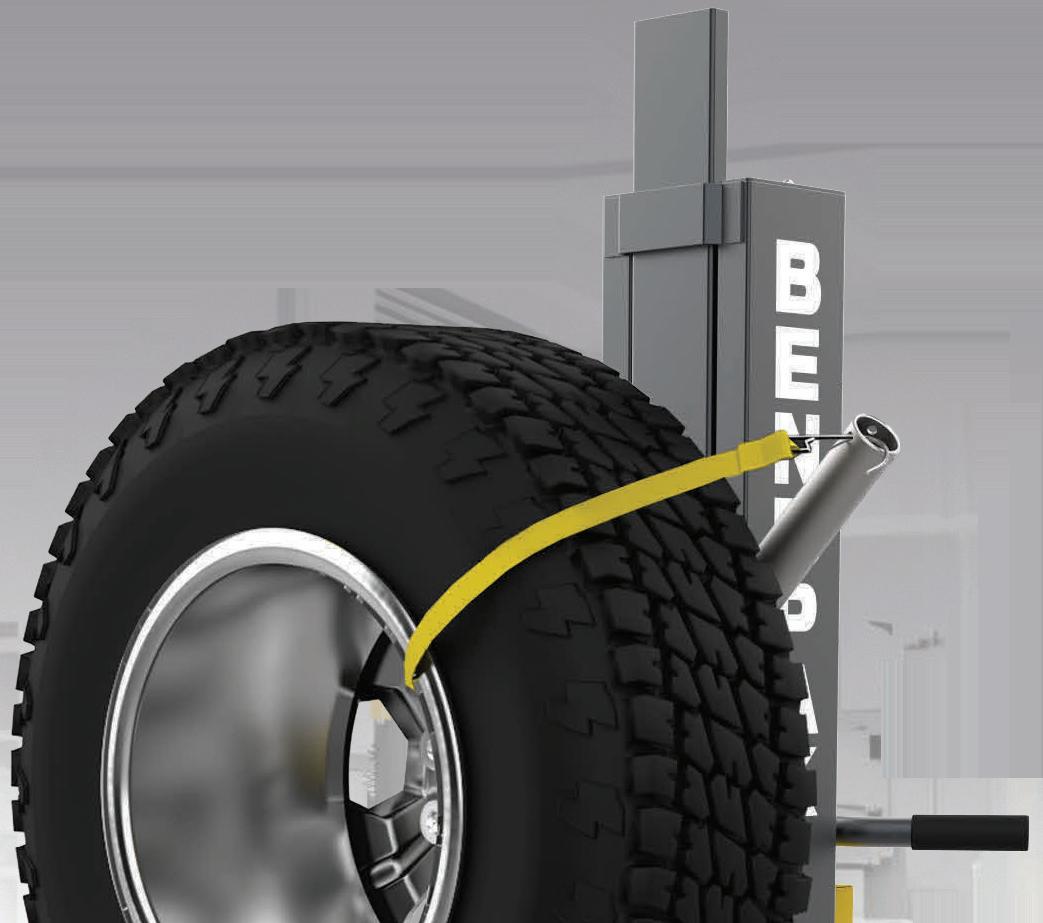
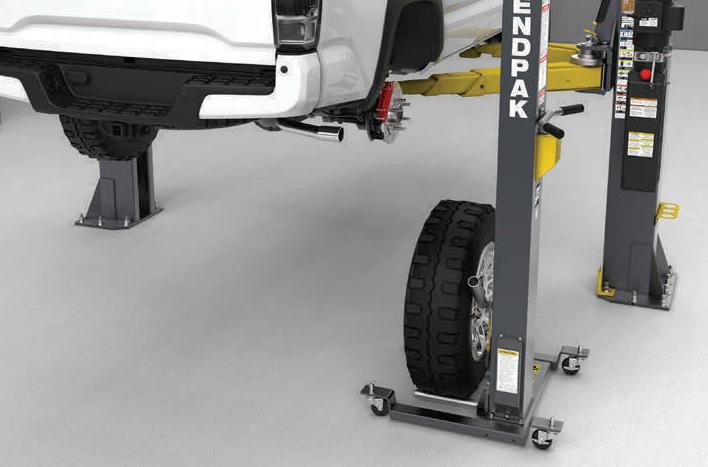
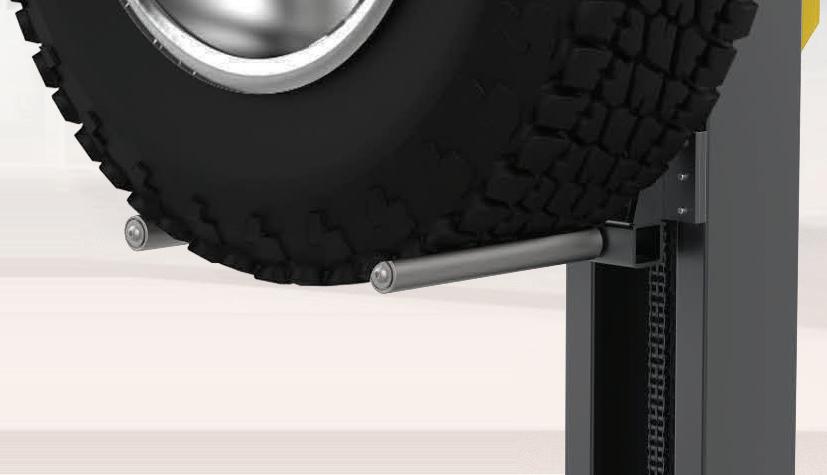
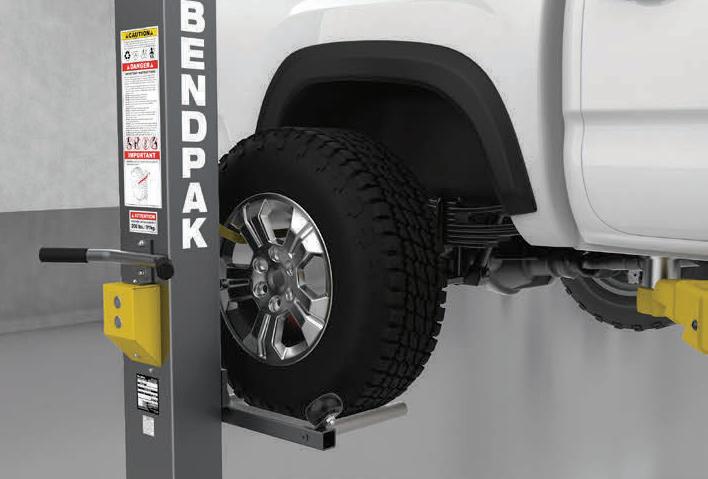
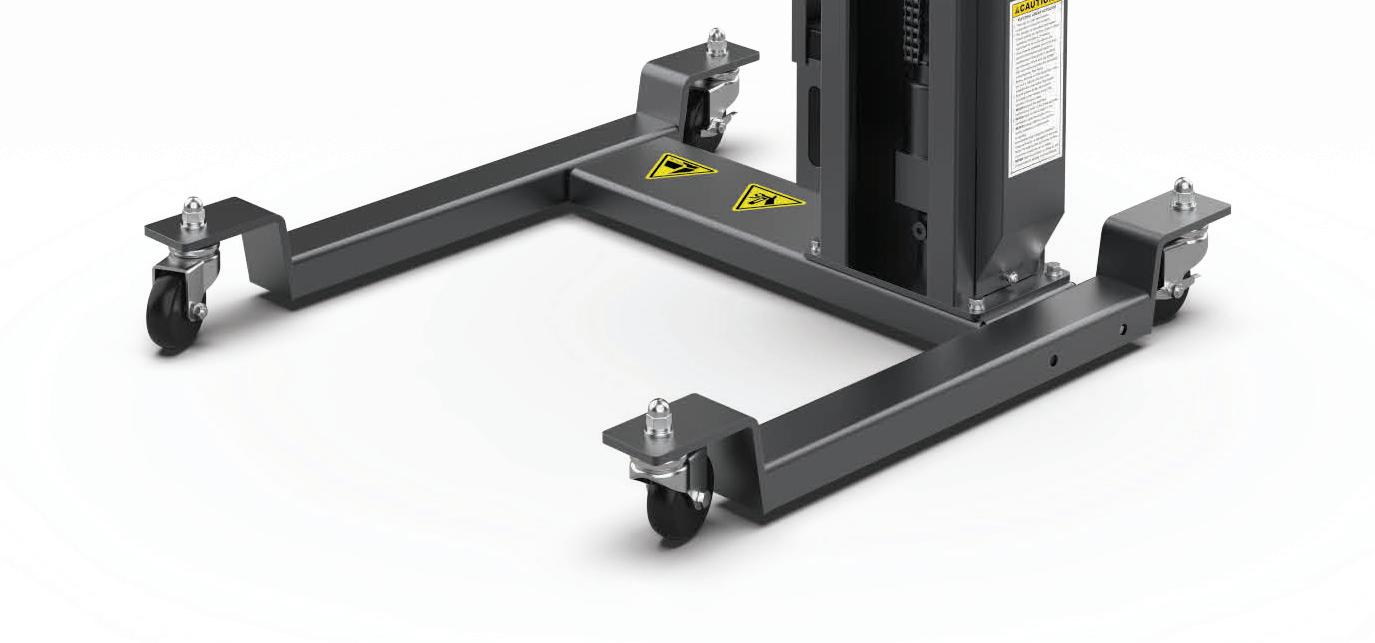
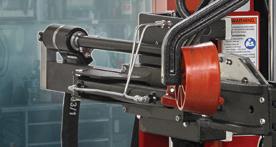
The BendPak RWS-200WL batterypowered wheel lift is engineered to tackle the heavy lifting of tires and wheels, significantly reducing technician fatigue and workplace injuries. With a robust 200-lbs . of lifting capacity, precision lithium-ion powered actuator, and rugged steel construction, it offers cordless freedom, quiet operation, and unmatched safety, ideal for tire shops, fleet facilities, and EV service bays.
• Rechargeable 24V lithium-ion battery
• Ideal for removing and installing heavy wheels on vehicles raised on car lifts or floor jacks
• Integrated smart charger that accepts 110–240V AC input
• Onboard 12V accessory outlet
$1,500* FREE SHIPPING**
HOW TO HANDLE CUSTOMER OBJECTIONS
GETTING TO THE ROOT OF THE PROBLEM TAKES
PERSISTENCE,
DISCIPLINE
By Dennis McCarron
“W
hat’s your problem?” Such a loaded question, isn’t it? It is impossible to convey the meaning in the message of that question without context or tone of voice. Some may initially feel a tone of anger or frustration applied to it, which makes it aggressive and condescending — even accusatory.
To others, it may come with an inquisitive connotation — a tone that conveys concern and invites the other person to open up and tell a story. Additional words of encouragement would inform the listener that the question was intended to help, not condemn.
But the phrase alone, posed by itself, relays a directness that judgment has occurred and the listener needs to explain their way out of a hole.
In the tire industry, we deal with a minimum of two questions for each interaction with our customers, usually “What is the problem with the vehicle today?” and “What problem has this caused you today?”
To deal only with the problem of the vehicle — be it an oil change, a tire rotation or bald tires — is to only get half an answer. at leaves half of the problem to rise to the surface later, either during the repair or a er. Sometimes the customer’s problem is larger than the vehicle’s problem, which leads to hesitation. is hesitation by the customer has another name: objection. During a repair, it’s a massive inconvenience to “resell” a job or stop and return the vehicle.
a lack of trust. It could be rooted in nances or rooted in deception. e part of the equation in preventing buyer’s remorse is something we control is upfront, at the beginning.
Remember, customer motivation in resolving a vehicle issue is always inclusive of the problem it is causing the customer. e more organized a customer is, the less of an issue maintenance or an unexpected at tire will be for their personal problems. is usually coincides with their ability to pay for such services without disrupting their time or money. (Yes, people pay for vehicle repairs with their time, too.)
A complaint a er the sale is named buyer’s remorse — the customer’s lingering questions about the work, a er the work has been completed. It could be rooted in
Having to resell a job is an enormous inconvenience for both parties — you and your customer. When this happens, very likely, trust has been eroded to a point where it isn’t likely to mend itself. row in a discount and you have only proven that the original price you quoted wasn’t the actual price. Standing your ground puts you at odds with whatever the customer has as evidence of why the work should stop. ankfully, this doesn’t happen o en. But buyer’s remorse is real.
An objection early in the process is an invitation, not a stop order. Much of the education in the industry teaches salespeople to solve the objection and provide options to the customer. Money objection? O er credit. Time objection? Provide some form of transportation. Objections are not one-dimensional. ey’re also not always real. Sometimes an objection is a smoke screen for a deeper, di erent objection that exists that the customer isn’t comfortable talking about yet.
Before we get to reasons for objections, we have to
first address a bigger concern: missing the objection entirely. I have spent decades working with salespeople, using recordings and playback as a tool to improve their skill set.
Even in group settings, the whole group sometimes didn’t recognize when an objection was made by the customer. Generally, the salesperson and the group of salespeople watching were so focused on getting through the script — their own half of the conversation — that they didn’t even hear the objection.
Customers do not have to abide by a rule about remaining quiet during a sales pitch. ey are free to interrupt at any point. e salesperson or a service advisor — if their skill level is su cient — must be on the lookout for objections. ey almost always result in the future interruption of services.
Photo: MTD
‘Don’t try to think for customers. Help them consider the situation and ask questions about blind spots.’
If the salesperson talks through an objection, the customer o en leaves the objection behind, like a landmine to step on later. is is not intentional. e customer is o en in the learner role during a sales conversation. ey are deferring authority to the speaker. To object to a missed objection is not a communication skill most customers possess. Some do and are quite good at “circling back.” But most are not. ey are just people trying to get their car serviced and problems handled. e next issue is managing objections. e reason you can’t just solve a problem immediately is that you don’t know why the objection is occurring or if it’s even real. (How do you solve a fake problem? You don’t.)
Objections are organized into several categories: the customer doesn’t understand the problem, they don’t believe the solution or evidence presented, they don’t nd the necessity of the solution presented or they don’t think the solution is worth the cost.
Time or money can be an objection and quite frankly, can o en comprise the core of most objections. e problem with money as an objection is that the real problem is buried deeper. You cannot sell credit as a solution to a customer who has the means to pay. An objection to price is
di erent from an issue of a ordability or just sticker shock. An objection to time may be about prioritizing the customer’s repair over others. An o er for a ride will not satisfy that objection. e key? Keep the customer talking. Have the customer explain the objection more deeply. Spend time drawing the real issue to the surface and you’ll eventually have a real problem to solve.
Objecting to price isn’t always about a ordability. It could be disbelief that the price is accurate. It could be an attempt by the customer to buy some time so they can organize their thoughts. Don’t try to think for customers. Help them consider the situation and ask questions about blind spots. Call out any emotions you may see. It’s OK if the customer corrects you. Putting emotion on the table helps clear the blockage the emotion is causing. Many service advisors o en think that price objections can be solved with a discount. You’re not solving anything by discounting. You’re moving the problem forward to the next visit. And a time objection that results in you “squeezing someone in” now becomes the norm that you should always be able to do.
e next thing you know, you’re trying to get 10 oil changes done by noon and everyone is stressed out. By the way, your a ernoon will be dead, too. at’s just how it works.
Diagnosing a problem with a vehicle accurately is a challenging task in and of itself. Some squeaks are easy to identify. Some are harder to find. Diagnosing the problem the customer is having today is similar. ey’re squeaking over price. But greasing the solution with a discount can create a comeback. It also creates an expectation next time: “Your price isn’t your price until I squeak.” Instead of explaining why a repair is expensive, get the customer to continue talking. You can start by agreeing that several hundred dollars is a lot of money. at’s an easy agreement — common ground. Find an appropriate question to ask that lets the customer continue to think out loud. ere are literally a thousand questions or more you can use to ask a customer to explain their objection. However, it’s not practical to memorize a handful of automatic responses or questions. is will seem scripted and disingenuous. Just talk to them. If you were on the other side of the counter, wouldn’t you have some questions before dropping $600 on a repair you know nothing about or how to do yourself? Would you just trust the other person blindly? Help them think through the issue. Don’t try to solve anything until you have a direct answer from the customer that their objection even has a problem you can solve.
Many of you have probably noticed a little more reluctance on the part of the customer to spend money on vehicle maintenance or repairs. e COVID-19 and post-COVID-19 era of easy sales is o cially over. Customers are simply more conscious about where their money is going. If you push them too fast, you won’t solve the problems the customer brought to you in the rst place. ■
Dennis McCarron is a partner at Cardinal Brokers Inc., one of the leading brokers in the tire and automotive industry (www.cardinalbrokers.com.) To contact McCarron, email him at dennis@cardinalbrokers.com.
Instead of explaining why a repair is expensive, get the customer to continue talking.
Tire Dealer Survival Guide
HOW TO DESIGN OPERATIONAL TRIGGERS
CREATE AN INTENTIONAL EXPERIENCE FOR CUSTOMERS AND YOUR EMPLOYEES
By Randy O’Connor
“T
riggered” isn’t usually a positive word. In today’s culture, it suggests emotional reaction, loss of control or sometimes impulsive behavior. It’s a word o en associated with overreaction. But in high-performing tire and service dealerships, the right triggers don’t create chaos. ey create consistency.
An operational trigger is simply a designed moment. When this happens, a door opens and the customer experience activates. But triggers only work when they are aligned with what your customers actually value. Your business is rated based on each customer’s expectations of you, your competitors, your industry and servicing, in general. It’s very important to note that those expectations are not static. ey are shaped by demographics, economics and every other retail experience your customer has encountered. Your dealership is not compared only to the tire dealer across town. It’s compared to Amazon, to Starbucks, to the local grocery store and to every other place your customer spends money. If your triggers don’t re ect those expectations, you are not operating strategically. You are operating blindly.
Designing operational triggers requires a deep, functional understanding of your customer base. It’s knowing what they prioritize, what frustrates them and what builds trust. It also requires an honest evaluation of whether your short-term and long-term strategies support those priorities.
and thoroughness. A store that serves a price-sensitive customer base must design triggers that emphasize speed, clarity and e ciency, as well as value. When triggers are aligned with both customer values and ownership intent, they create momentum. ey reduce variability. ey make excellence repeatable and your customers note and appreciate the consistency. e dealers who survive and thrive are not the ones who work harder in the moment. ey are the ones who decide in advance what happens next.
Triggers in a tire dealership should be organized into the customer journey, the service journey and the employee journey. Let’s take a deeper dive into each.
A tire dealership that intends to grow must design triggers that scale. A store that intends to build premium trust must design triggers that emphasize transparency
Customer journey triggers. Most dealers believe they manage the customer experience when in reality, many simply respond to it. And that’s a very important distinction. A customer journey trigger is any prede ned action that activates the moment a customer engages with your business. Its purpose should be simple: Remove guesswork and replace inconsistency with discipline. e most obvious trigger is the door of your store opening. But what does that activate in your store? Do you have a de ned greeting standard? Are you projecting the right vibes in that greeting? Is eye contact made immediately? Did you smile? Does someone in your store clearly take ownership of the interaction? Is the customer given timeline expectations early in the conversation, even before words are exchanged? In a store triggered by design, the door opening initiates a sequence: hospitality, information gathering, expectation setting and next-step clarity — not because someone remembered, but because it was already decided.
Tire Dealer Survival Guide
e same principle applies before the customer even walks through the door. When an online appointment is scheduled, what happens next? Does your system trigger a con rmation message? Does someone review the customer’s service history before the visit? Does the advisor verify parts availability or technician capacity or does the appointment simply appear on tomorrow’s schedule? First-time visits are triggers. Delays are triggers. Objections are triggers. A delay should activate proactive communication — not an apology a er discovery. A pricing objection should activate a structured value explanation — not a re exive discount. A declined service should activate documentation and future follow-up — not frustration. None of these events is surprising. ey are predictable. Predictable events demand predictable responses. But demographic alignment matters.
When your employee journey triggers align with your culture and strategy, performance becomes sustainable.
Photo: TireSouth Inc.
‘Survival in today’s market does not belong to the loudest voice or the lowest price. It belongs to the operator who designs what happens next.’
A blue-collar commuter with limited downtime may value speed and efficiency. An a uent household may value education and long-term planning. A eet operator values documentation and uptime. A younger, digitally native customer expects text communication and seamless payment options. e trigger may be identical, but the activation must re ect the market.
Customer journey triggers shape perception. But perception alone is not enough. Eventually, the vehicle moves into the shop. And when it does, a new set of triggers must take over.
Service journey triggers. This is where profitability and trust intersect. If the customer journey triggers perception, the service journey triggers performance. is is where operational discipline becomes visible. One of the most powerful service triggers in any tire store is simple: e technician completes the requested work. In many stores, that moment marks the end of the job. In a store triggered by design, it marks the beginning of the next opportunity. Completion activates inspection. Inspection activates documentation. Documentation activates advisor review.
Service advisor review activates structured communication with the customer. Time compression builds credibility. When the advisor already has inspection ndings supported by images and measurements, the conversation feels intentional and professional. When the advisor must wait for information or chase down answers, the interaction feels improvised. Customers notice the di erence.
Service journey triggers also protect opportunity. A vehicle on a li is a nite opportunity. Once it leaves your shop, the window for inspection and additional recommendations shrinks dramatically. at reality should never rely on memory. When the vehicle enters the bay, a digital inspection is initiated. When the inspection has been completed, the service advisor is noti ed. When work has been approved, the technician’s load adjusts. If parts are delayed, the customer is contacted. When these steps are followed, rhythm replaces chaos. Rhythm drives pro tability.
Variability, on the other hand, is expensive. It appears as missed recommendations, inconsistent average repair orders, rework and production bottlenecks. It appears as technician frustration and advisor stress because both are forced to react instead of executing. Service journey triggers will reduce that variability. ey will also align your daily operations with your broader strategy.
If your long-term objective is scalable growth, your service triggers must function independently of personality. If your objective is premium positioning, your triggers must emphasize documentation and thoroughness. If your objective is high-volume e ciency, your triggers must emphasize speed without sacri cing clarity. Service journey triggers convert opportunity into consistency.
Employee journey triggers. is is where culture becomes automatic. Systems do not execute themselves. People do. e employee journey begins the moment someone joins your team and maybe even before that, during the interview process. When a job o er at your dealership is accepted, what activates? Is onboarding structured? Are training milestones clearly de ned? Are expectations tied directly to your operational triggers or does the new hire simply observe others and gradually gure things out? High-performing organizations rarely leave development to chance. Training itself should operate on triggers. After week one is completed, a skills assessment should be initiated. When the new hire reaches 90 days, productivity should be reviewed. If metrics decline, a coaching conversation should be held. If goals are achieved, it’s time to activate recognition.
Operational triggers are commitments. When the door opens, hospitality activates. e di erence between stores that struggle and stores that lead is rarely intelligence or opportunity. It is discipline. It is ownership. It is the quiet commitment to execute what has already been decided. A well-designed tire store does not depend on personality. It does not depend on constant oversight. It does not depend on inspiration. It depends on triggers that re every time.
Survival in today’s market does not belong to the loudest voice or the lowest price. It belongs to the operator who designs what happens next. ■
Tire and auto industry veteran Randy O’Connor is the Owner/ Principal of D2D Development Group (Dealer to Dealer Development Group.) He can be reached at randy@d2ddevelopmentgroup.com. For more information, please visit www. d2ddevelopmentgroup.com.
HOW TO BOOST YOUR SALES
IT STARTS WITH A STRONG STORE MANAGER
By Mike Townsend
Ihave heard many tire dealers in both the commercial and retail sectors say, “Tires drive service sales and service drives tire sales.” In this article, I will give you ve things you can do to grow your overall sales.
But before I do, you should know this: If you are mainly selling tires, you should strongly consider adding easier auto repair services to your arsenal. Why? Because some day — probably within the next ve to 10 years — tires could become a loss leader for your business. Selling tires could even deteriorate your market share. Here are ve ways to boost your sales:
1. Finding and installing a strong store manager;
2. More product and sales training;
3. Developing and implementing a customer service process;
4. Adding services to your shop;
5. Adding a customer loyalty program in the form of a point-ofsale system that’s tied to a CRM
First, what does a strong store manager look like? A strong store manager understands how to motivate, inspire and lead the workforce of today. ey know how to interview top talent, earn the respect of that talent and get a team ring on all cylinders. Most can read a P&L statement and know how to set and reach goals. But the best store managers that I have coached know how to get a store on “autopilot” by making sure their number two person — in most cases, the assistant manager — can run the store in their absence.
A strong manager is not afraid to make a decision and can defend a controversial decision with con dence if a dealership owner disagrees. ey are always looking for ways to improve upon how they lead others and are open to more training in the area of leading others. I remember asking a manager of a
A strong store manager understands how to motivate, inspire and lead the workforce of today.
Photo: MTD
Tire Dealer Survival Guide
multi-store chain if he would be open to leadership coaching. He immediately made a very lame argument that he was too busy. (Several members of his team had already given me enough information for me to ask him this question.)
He later lost his role as a manager. I saw it coming, but could not tell him. My point is simple: I have never met a strong manager who did not know and/or suspect that they could always improve and I have never met a strong store manager, executive or leader turn down being coached. If you want to hire a strong manager, always ask, “Would you be willing to learn new techniques through a coaching process on how to lead people?” If the answer is no, don’t hire them because leadership has radically changed in the last ve years.
A er you have a strong store manager in place, I would say that product and sales training would be the next factor in what will drive sales. When I visit tire stores, I am amazed at how inept some salespeople are on the phone and in person. Many do not ever go out to the car to perform a free tire inspection!
I also still hear salespeople lose a sale because they did not ask the right questions at the right time and they allowed the customer to guide the call. Some dealers think that product knowledge will help close more sales. Even though this is helpful, the issue is usually with the salesperson not knowing how to play conversation ping-pong with today’s consumer. We live in a time where everyone wants to be heard. e best salespeople know how to time questions with answers and how to service, educate, listen, inform and probe the customer. e best salespeople have a workable sales process and execute it awlessly many times per hour. Furthermore, they know how to follow up on missed sales and make all customers feel served and never sold.
As far as product training goes, every salesperson should be a product expert in every brand that you sell. Being able to give the customer options and explain those options is very important if you want to close more sales.
A er you get a strong manager and a trained sales team, the next thing you should do to drive up sales is implement a customer experience process. Why? Because word-of-mouth advertising does not exist any longer. Today, you must
‘Customer experience always involves how the customer perceived the interaction with your store.’
create ambassadors for your store. Today, customer service is the bare minimum.
Let me explain it to you this way. Customer service is going to a restaurant and getting your breakfast in a reasonable amount of time and served hot. A customer experience is getting your eggs in the same manner, but the human interaction causes you to say, “Wow!” and makes you want to leave a bigger tip — and not only the extra tip, but to go post something online about your experience, telling others to go eat there.
In a tire store, customer service is your team performing an oil change or mounting a set of tires without “the wow factor.” e customer experience is your team impressing the customer to the level as mentioned above: “Wow! I must tell everyone about this place!”
O en, a salesperson, owner or manager feels like they did enough to impress a customer, but this is only customer service. Customer experience always involves how the customer perceives the interaction with your store. At the end of the day, it does not matter what I think or what you think. What matters is what your customers think about how they were treated.
After you have installed a strong store manager, have gotten your sales team trained and have implemented a customer experience process, you should now consider what service or services and/or products you need to add. Are you o ering batteries or wiper blades? I will never forget speaking to several hundred tire dealers and their wives at a large meeting. I had seen a commercial shortly before my talk, where a parts supplier was selling batteries and wiper blades to the public. A er describing this expensive commercial to this dealer group, I asked, “Why would they invest millions into running this commercial?”
A er receiving many wrong answers, someone asked me what I thought the reason was. I stated respectfully, “I know
everyone in this room works very hard in their tire stores every day. However, some are too lazy to implement the processes and training needed to check and inspect wipers and batteries. And you have made it possible for retail parts stores to ll that void by selling millions of dollars in blades and batteries to the public.” Every single dealer in the room shook their head in agreement with what I said.
Today’s tire dealership needs to add services that will take three hours or less to complete. Period. By doing this, they will build equity, grow tire sales and increase pro t margins. Is it hard to do? Yes. Is it worth it? Absolutely. How do you get started? Start with the small stu rst. You can also set goals and o er spi s until habits are built. Be pragmatic and just do it. You will be glad and your customers will be happier.
Finally, here are some thoughts on the value of a good customer loyalty program. is may require you to upgrade your point-of-sale so ware. We live in a reward-centered economy. People love to be rewarded for doing business with you. e idea of a customer loyalty program was once unheard of for a person who owned one to three tire stores, but now it can be done “on the cheap.” It could be as simple as a punch card where the sixth or seventh oil change is free. It can be a points system, where a percentage of each dollar spent can earn the customer points and those points can be redeemed in the form of a discount or something else for free.
At the end of the day, it needs to be something that has perceived value and something that will help you retain more customers. Most newer point-of-sale systems can even send the customer emails to remind them of their points balance, while reminding them of an upcoming service. Some will even incorporate your in-house nancing applications.
As you already know, there are many other ways you can increase tire sales, as well as increase pro t in your store. ese are a few proven ways. ey also usually lead to less employee turnover and better customer and employee satisfaction. ■
Mike Townsend is the owner of Townsend Strategies, a sales and leadership training and marketing company that advises independent tire dealerships. To contact Townsend, email him at mike@townsendstrategies.com.
HOW TO LET YOUR LEADERS LEAD
FIVE STEPS TO SUCCESS — STARTING WITH TRUST
By George Kingman
In a sea of similarities, understanding your niche and your value proposition is what will truly set you apart from the other sh in the sea. What happens within your four walls and what you do truly well is why customers come back. However, if you try to be all things to everyone, you will miss the mark on what makes you great.
I’ve been in hundreds of tire stores and they all feel di erent to me. It’s not the oil they use or the brands they sell, nor is it the demographics and fundamental di erences of the town or city they’re in. More o en than not, it’s how the owner, operator or manager runs the place.
Imagine what it was like in the 1970s and 80s. Before email, cell phones, computers and even fax machines were common, tire dealerships had to trust their teams to do the right thing and nd a way to get it done. at individualism didn’t create consistency, but it did create teams — even families. Now, before you email me and tell me people aren’t the same today as they were in 1970, let me share with you how, although di erent, they aren’t that di erent.
‘If you have the right people, you’ll create a return on investment that not only rewards you financially, but delivers something even more: peace of mind.’
Most leaders crave independence. It’s one of the key reasons they chose to lead rather than stay in their current role. Yet corporations, especially, and even many independents, struggle to achieve the balance between letting people lead and ensuring they are doing what you want. We have to be careful when giving leaders independence to ensure we are protecting the company and brand from the , fraud, potential lawsuits — you name it. Without the right guidance, independence is the wild west. But independence with guidance creates a magic synergy for leaders, teams and your bottom line.
In my role as CEO of a chain of tire stores in Georgia
and Illinois, I must do it from afar — about 2,200 miles afar. Our stores operate in di erent time zones and no matter the re that breaks out, I’m not dropping in for a surprise visit. My leadership team wasn’t always sold on this level of independence. I remember the rst couple of years. e word consistency kept coming up. Finally, one day, it all clicked. Who cared if our processes were 100% consistent if our teammates and customers loved what each store was doing? Consistency was just something we kept ghting for that we’d never achieve. We partnered with great teammates to lead our stores, so why were we trying so hard to make them something they weren’t?
Once we embraced this philosophy, the business started growing at an even faster rate. Let’s be clear, though — we still had our values and core principles. But we hired people who had those core values and principles. We just had to show them how they look out for our brand and the part they play in that. Never compromise on your non-negotiables!
So if you believe in this philosophy, how do you enact it without inadvertently creating a free-for-all?
Tire Dealer Survival Guide
Step one: Communicate your trust. We rarely actually say the words “I trust you” out loud, but it’s important that we do. Many of us are constantly replaying the things people say in our minds, trying to find meaning and understanding, and what we often create is misunderstanding. This act of self-reflection is a strong piece of what makes great teammates constantly strive to improve, but without trust from their leaders, this can also create skepticism and resentment. When you say to your teammates that you trust their decision, you will create empowerment and ultimately more time for you as the leader. Here’s a key consideration: When people make decisions, they will not always make the same decision you would make. This doesn’t make their decision necessarily wrong — just different. Allow this. If they make a poor decision, don’t beat them up for making the decision. Instead, use it as a learning opportunity and move on. Over time, their decision-making abilities will improve.
Step two: Communicate your desire for them to take more ownership. Give them a little leash first and see how they handle it. Don’t give them full rein at once. Let them earn it one piece at a time. This not only ensures they can handle what you are giving them, but it also builds the independence muscle, as well as their confidence. They are always more prepared for responsibility than we believe they are. The more responsibility you give people, the more responsible they become.
Step three: Make sure everyone knows your non-negotiables. One non-negotiable for my teams is offering customers a paid inspection. This is a core part of our process and we use it not just to sell an inspection, but to qualify the customer. We don’t do it just so we know who the buyers and the non-buyers are. We do it so we know how to communicate with the customer, so they never feel they are being oversold. We measure this key performance indicator (KPI) and coach regularly to ensure we don’t lose sight of it. We are never disappointed when we have a bad sales day, as long as our teammates deliver on the KPI behaviors — in other words, our non-negotiables. What we also know is that if they deliver on these behaviors, we don’t have a lot of bad days. So we clearly communicate our non-negotiables and the way we use our KPIs.
Step four: We meet regularly. Now this is where we are challenged. Being in multiple time zones and hundreds of miles apart, we can’t easily have team meetings. However, when I managed teams without this barrier, we always had monthly team meetings. The first week of the month — the second week is too long — we get our managers together and review everyone’s financials together. We learn how all the KPIs feed each other and what prescription is needed based on each potential scenario. We try to let the managers create their own prescription and the following month, we measure how effective their cure worked. The best meetings are when the managers do the majority of the talking.
These meetings don’t have to be all day. Spend a couple of hours reviewing the financials, update managers on any coming changes or non-negotiables that need to be improved and get them back to their store to work their magic. They should always leave with a purpose and a plan to discuss what their team needs to work on at their individual store meeting.
Step five: Grow their leadership. One thing that we don’t do well within our industry is actual teammate development. It’s funny — we will promote someone to be an area or regional manager because their store performed well and we just think they’re automatically a great trainer. That’s rarely the case. Great operators use different skillsets than great trainers. Although some can do both, this is rarely the case. You still must send your people to professional trainers.
My wife is a surgical nurse and loves what she does. She has always declined management roles because in every hospital she has worked, nurses are promoted
Independence with guidance creates a magic synergy for leaders, teams and your bottom line.
based on their ability to manage their workloads. However, there is such turnover in the nurse manager role because what makes them great nurses doesn’t always translate into making them great managers. This same thing is true between great operators and great trainers. Another strong benefit to putting your teammates in training isn’t just what they learn, but their appreciation of your investment in them. Sending them away to training shows you believe in them and that they have a future with your organization. That in itself creates the desire to do more for you. Preferably, you put them in a group that aligns with your values and this sends them back pumped and excited. That excitement is infectious and spreads to the rest of their team.
If you follow these five steps, you will watch your team grow in ways you never thought possible. If you have the right people, you’ll create a return on investment that not only rewards you financially but delivers something even more: peace of mind. The energy required to micromanage and hold our great teammates back from running a store as they are naturally inclined is exhausting. Relinquishing this will allow you more time to strategize bigger opportunities and will free your mind to improve your work-life balance. Your teams will find more natural synergies and your customers will love the value proposition you deliver even more. ■
George Kingman is CEO of three businesses in the tire and automotive industry, currently leading two multi-store operations on the East Coast and West Coast. He is also the founder and CEO of Advanced Shop Leadership, a consulting and 20 Group firm focused on elevating business success through company culture and personal leadership development. His email is georgekingman@advancedshopleadership.com.
Photo: K&M Tire Inc.
Tire Dealer Survival Guide HOW TO NEGOTIATE MORE EFFECTIVELY
BRING YOUR INNER 12-YEAR-OLD TO THE TABLE
By J. Mark Jackson
Negotiating is a complex skill. “ e art of the deal” is the domain of only the most experienced and skilled negotiators and diplomats. ere is a counterview, however, and it shows that e ective negotiation is much simpler than the so-called master negotiators would have us believe. at viewpoint is this: If you understand 12-year-olds, you understand how to negotiate. In other words, simply deliberate with the inner child of the person sitting across the table from us. When kids argue, bargain or even ght, they tend to do the same things:
• Posture, trying to give the impression of being tough, mean or disinterested;
• Go big with demands, but know they will accept something in the middle;
• Misrepresent the situation to suit their personal, preferred outcome;
• Lose their tempers and say things or disclose information they wished they hadn’t.
Sometimes they nd they are getting nowhere and either break o the negotiations or realize there is too much to lose, get real and nd a compromise.
Does this seem familiar? Whether selling to a customer, buying a customer out, buying a house or being a diplomat for the government, isn’t this sometimes a template for grown-up negotiations, too? Adults have an inner 12-year-old inside them, giving advice based on their experiences as a kid. When we harness the impact of that internal child, we understand the minds and perceptions of others across the table or counter. ink about with whom a kid negotiates: parents and older siblings, where they learn about negotiating from a point of weakness. ey negotiate with younger siblings or people younger or weaker and learn to navigate situations from a position of power. ey also sometimes deal with peers and others of equal power, status or strength. ese represent the same scenarios in which adults must apply diplomacy. Our kid selves are sitting invisibly beside us, along with our experiences, when we negotiate. We can
If
you strip out the meeting rooms and the adult jargon, how different are we from kids?
Photo: 147488651 | Dreamstime
read all the books we wish about how to negotiate, but these early lessons seem deeply rooted and books can enhance, but not erase, our memories and experience. I did a good amount of swapping as a kid: toys, baseball cards, sports equipment, bikes, etc. e core takeaway of the article is this: Any negotiation, whether with kids or adults, is about self-interest — “What’s in it for me?” Let’s dissect how a 12-year-old negotiates:
Posturing. Kids go into negotiations inherently knowing they hold a position of power or powerlessness. It colors how they act and think initially. If negotiating from a position of power, the kid might act aloof, indi erent or dismissive. e kid negotiating from a position of relative powerlessness will try to act like they have more strength or that what they have to o er is much better than it is. In this scenario, the onus is on the kid with less power to convince the other party that they possess something of value that the other wants but does not know it. ey may have to sweeten the deal with more bene ts before the kid with power will consider the proposal. In this situation, the kid with power sets the tempo of negotiations, making the work fall on the kid with less power. Let’s be clear here. When I say power, I do not necessarily mean size, strength or intellect. I mean what they have to o er the other party. It always starts with what is on o er. It can devolve to actual power. At this point, the kid with less power must either walk away or get taken advantage of.
Demands. Twelve-year-olds always ask for much more than they expect, knowing they will accept less. Kids will say things like, “ at piece of junk — who would want that?” A kid may misrepresent what is on o er or their interest in it. is is where we learn to read people. Do their words match their body language? Both parties will go back and forth, trying to prove their stance, usually moving toward a middle ground. e power resides in the hands of the kid who’s considering what’s being o ered and it falls to the kid who o ers something to prove the value of their claim of their service or product. e kid who is trying to convince the other to swap will either sweeten the o er or provide conclusive proof of the value of their o ering. But credible proof and candor are required to reach a middle ground — a compromise.
Emotions tip the scale. When kids fail to reach a compromise, one or both parties o en become emotional, normally angry. Usually, it’s the kid who has something on o er that the other party is not buying. Once emotion hits, the angry or upset party always loses power and the other party gains the upper hand and controls negotiations. Frustration is tolerated, but emotions? No. e advantage goes to the party moderating their emotions. Once emotions hijack negotiations, whether caused by uncontrolled desire or lack of compromise, one party is about to lose and the other is about to win. e skillful kid knows how to suppress emotions and show their poker face. is is tough for a kid because they are balls of energy and emotions. A er losing a few negotiations to more skillful operators, they learn how to tamp down their emotions. U.S diplomat George Schultz said it best about this stage when he said, “Diplomacy is thinking twice before saying nothing.” Consider your last car purchase. If you really, really wanted a speci c car, your emotions signaled this to the salesperson. You did not have to say a word. Your desire came through your body language. e salesperson did not have to compromise. Your emotions were working for the car dealer and against you. It’s the same for any business negotiation.
Compromise or break o talks. ere are two outcomes from negotiations: We either come to a compromise on the value of the product or service or we don’t and we break o talks. A kid might say, “Well, alright, but if you change your mind, come see me,” or “Fine. No deal, but I’m going to go see (add the name of a kid you knew). I know they’re interested.” Either way keeps the door open for future negotiations. e last example builds urgency for reconsideration, even if it’s just a ploy. Everyone parts ways civil enough to potentially talk in the future. If the negotiations become acrimonious and emotional, like “I wouldn’t ever buy that piece of junk and you’re crazy,” that closes the door. No kid o ering something wants this response and tries earnestly to position talks to continue later, but not much later. In a kid’s world, later is still this week. is is instructive for adult negotiations, because the longer the gap between talks, the colder the topic becomes and one or both parties lose interest. e adage, “Strike
while the iron is hot,” applies. Either party might recommence negotiations with a casual, “Hey, do you still want to talk about my/your Nolan Ryan rookie card?” is trial tests whether the other kid has so ened their position and might be ready to compromise.
‘No one cares about the other person’s self-interest until their own self-interest is met first.’
Now is where, in adult vernacular, we say, “We have found a win-win solution.” But these words are spoken only when both parties believe that their self-interest has been met. No one cares about the other person’s self-interest until their own self-interest is met rst. is is the very essence of compromise: Both parties arrive at the feeling they win at the same time. A deal is struck and property is exchanged or an agreement is reached about when/how services will be provided.
When I was a kid, I had a Whi e Balltype bat that was a slayer. If you could hit a ball at all, that bat made sure it was a home run. A neighbor kid coveted this bat and I knew its value. We bargained back and forth for a week. Each time, the kid kept upping the ante on what he would give for the bat. Finally, we reached a point where I got a bunch of merchandise I wanted — much more than the initial bargain — and he got the bat. We reached a win-win and I got to use the bat when we played. He just owned it.
e inclination might be, “Well, that was just kids’ stu . It has nothing to do with the rough and tumble of real negotiations.” But if you strip out the meeting rooms and the adult jargon, how di erent are we from kids? Peeling back all the veneer of diplomatic methodology, don’t the core tenets look awfully like the ones we experience? ■
J. Mark Jackson is a 30-year veteran of the tire industry and a founding partner of Guidon LLC, a leadership and resilience training/consulting organization. A former U.S. Army officer, he was awarded the Bronze Star for combat service in Afghanistan. He has mentored all levels of industry personnel in leadership, resilience, sales, marketing and business planning. Jackson can be reached at jmarkjackson238@gmail.com.
tire
McCarthy Tire Service celebrates centennial and signals its future
DEALERSHIP
HONORED A CENTURY OF GROWTH, UNVEILED ITS NEXT LEADERSHIP TRANSITION AND SET THE STAGE FOR AN AMBITIOUS FUTURE
By Sara Welch
For three days in early April, nearly 300 teammates, suppliers and family members gathered near the headquarters of McCarthy Tire Service Co. Inc. in Wilkes-Barre, Pa., to celebrate a milestone few companies ever reach: 100 years in business.
But McCarthy Tire Service’s 2026 Leadership Meeting wasn’t just about re ecting on the past. It was about de ning what comes next.
“We’re celebrating something bigger than a milestone,” said President John McCarthy Jr., addressing the crowd during the company’s 100th anniversary event. at message carried through every aspect of the gathering, from training sessions and networking opportunities to an awards ceremony recognizing top-performing teammates, and it culminated in a moment that signaled the company’s
future: McCarthy’s announcement that he will transition the role of president to his son, John McCarthy III, in 2027.
Founded in 1926, McCarthy Tire Service has grown from a single location in Wilkes-Barre into one of the largest independent commercial tire dealerships in the United States.
Today, the company ranks among the industry’s largest players — the h largest commercial tire dealership and seventh largest retreader in the United States, according to MTD research — employing nearly 1,500 teammates and generating approximately $600 million in annual sales.
at scale is supported by a footprint that includes 75 service centers and 13 Bandag retread plants across eight states, with operations extending into 12 states overall. While McCarthy Tire
Service maintains a limited retail presence — less than 2% of its business, with 15 hybrid locations and two dedicated retail stores — its primary focus remains rmly on commercial and OTR tires and eet service. It provides everything from tire sales to eet management, mechanical service and 24/7 roadside assistance. at scale didn’t happen overnight. When McCarthy Jr. officially joined the business in the mid-1980s,
Today, McCarthy Tire Service Co. Inc. operates more than 75 service locations across the East Coast, runs 13 Bandag retread plants and provides everything from retail and commercial tire sales to fl eet management, mechanical service and 24/7 roadside assistance.
The large
that sits in front of McCarthy Tire Service Co. Inc.’s headquarters has been around as long as the business itself.
Photo: MTD
Photo: MTD
From micronized carnauba to the latest graphene and ceramic formulas, our full spectrum of BRIGHTLINE professional car appearance products has everything you need to make your customers’ cars – and your business – shine. So whether you run an automatic, self-serve or hand-wash and detail operation, make the smart choice with BRIGHTLINE.
McCarthy Tire
the company had just five stores, about 100 employees and $11 million in annual sales. Over the decades, McCarthy Tire Service’s reach expanded dramatically through a mix of organic growth and strategic acquisitions, including major deals that filled geographic gaps and extended the company’s reach along key transportation corridors.
By 2019, McCarthy Tire Service had grown to more than $400 million in sales and over 1,300 employees. That growth has continued over the last six years, with a 50% increase in sales and a 15% increase in staff — and the next generation now eyes a target of eclipsing $1 billion in sales.
Despite its size, McCarthy Tire Service continues to operate with the mindset of a family business.
That culture was emphasized throughout the anniversary event and is rooted in principles passed down through generations of the McCarthy family: take care of your people, take care of your customers and build something sustainable.
“It’s all of you —this team, this family — that has carried that vision forward,” said McCarthy III during the welcome reception dinner.
McCarthy Tire’s employees — referred to internally as “teammates” — are central to the company’s identity, success and future.
“It’s a rare opportunity to make it this far,” said Daniel Horn, vice president of sales. “And when we’ve got a really good team that we continue to add to and grow, it honestly makes it a lot easier than it probably should be.”
The fourth generation — which includes McCathy III, Horn, Vice President Gary Lambert Jr., Controller Tim Lambert, General Counsel Colleen Doyle and Director of Human Resources Mary Kate Henry — echoed that sentiment, describing a culture where both family members and employees are deeply connected.
“It’s family for us,” said McCarthy III. “It’s our family, one, but also our work team that we’ve created here. Everyone feels like family and that’s why we’re so proud of it.”
That connection was on full display during the event’s awards ceremony, where standout performers from across the organization were recognized, reinforcing the company’s emphasis on celebrating contributions at every level.
“Reaching our 100th anniversary is a milestone that fills me with immense pride — not just for what this company has built, but for the family, teammates and customers who made it possible,” said John McCarthy Jr. (fourth from left.)
Photo: MTD
Highlighting the award recipients, Bob Frail received this year’s Jack McCarthy Award — the highest honor bestowed on a McCarthy Tire Service teammate.
Reaching a fourth generation of leadership is rare. Only about 3% of family businesses make it that far, according to a statistic McCarthy Jr. referenced during the event that’s widely attributed to family business researcher Joseph Astrachan.
For McCarthy Tire Service, that milestone is already a reality and the next transition is underway.
In a moment that drew both applause and emotion, McCarthy Jr. announced that his son will assume the role of president in 2027.
“Reaching our 100th anniversary is a milestone that fills me with immense pride — not just for what this company has built, but for the family, teammates and customers who made it possible,” said McCarthy Jr. “Passing the torch to my son, John III, and our fourth-generation leadership team is one of the greatest honors of my life. I have every confidence they will carry forward the values that have defined McCarthy Tire for a century, while embracing the technology and innovation needed to deliver world-class customer experiences for the next hundred years. The best days of this company are still ahead.”
McCarthy III and the rest of the fourth generation’s transition into leadership roles has been years in the making. Like the generations before them, members of the fourth generation have worked their way through the business — from warehouse and service roles to leadership positions across departments. Today, they hold key roles in sales, operations, finance, legal and human resources and
they’re already shaping the company’s future trajectory.
“The goal for the fourth gen is to get to $1 billion in sales,” said McCarthy III. That ambition reflects both confidence in the company’s foundation and a recognition that growth will require new approaches.
“I think we saw and respected how the third gen did it,” said Horn. “I think we’ve realized, as we’ve talked about growth and how big McCarthy has become, that can’t be the recipe for success moving forward if we want to continue as we talk about the next hundred years.
“Structure needs to change how we go about our business. The level of hands-on will always be there, but just being hands-on in specific aspects of the business at different times. I think it goes back to … hiring the best people to bring on as part of our team that we trust, that we know will go to market every single day with McCarthy’s best interest for the company and for the family — and you just need to let them live it and do it.”
As McCarthy Tire Service enters its second century, its leaders are focused on evolving the business while staying true to its core values. A major theme emerging from the leadership meeting was investment, particularly in technology, people and service capabilities.
“We know where the market is going,” said Lambert Jr. “We know what our customers want.”
That includes expanding offerings beyond tires, especially in areas like mechanical service and mobile support, where customer demand continues to grow.
“In talking with our biggest strategic account customers, a recurring topic
that comes up is mechanical and mobile mechanical,” said McCarthy III. “We are still in business because we meet and exceed the needs of the customer. That continues to be brought up and that’s something that we’re seriously looking into expanding.”
Technology is also playing a larger role in shaping operations and improving efficiency across the organization — an area the fourth generation sees as critical to future growth. “The overarching theme is technology,” McCarthy III said.
Looking forward, McCarthy Tire Service sees opportunity in both market dynamics and its own capabilities.
Industry consolidation — among both dealers and fleet customers — is expected to continue, creating openings for well-positioned companies to expand.
“You’re going to see consolidations on the dealer side,” Lambert Jr. said. “You’re going to see people retire who have been in a while. I think the current state of the economy with financing is really putting pressure on a lot of those companies. If you don’t have that pipeline kind of figured out and that solid foundation, some of those companies or customers may be forced to sell quicker than they once thought.”
“It’s expensive to do business,” Horn added.
As smaller operators face increasing pressure, McCarthy’s scale, infrastructure and service offerings position it to capture additional market share, whether through acquisitions, expanded services or deeper relationships with strategic accounts.
Geographically, the company is keeping its options open. “Nothing’s off the table,” said Lambert Jr., noting that future growth could come from new markets, new segments or additional acquisitions.
At the same time, leadership emphasized that growth alone isn’t the goal. “We want to be the best tire dealer in the country,” said Horn. “Not the biggest — the best.”
Throughout the centennial event, another theme that remained constant was that the past matters, but the future matters more.
McCarthy Tire Service is honoring its history, from commemorative gifts distributed to employees — including a pocket knife that serves as a nod to the fourth generation’s grandfather, John “Jack” McCarthy Sr., who collected them — to celebrations held at locations across
the company’s footprint. But internally, the business focus is on alignment and ensuring that every teammate understands where the company is headed and how they contribute to that vision.
“The most important thing we can do is align on vision,” said McCarthy III.
For a company that has spent a century building relationships, expanding capabilities and adapting to change, that
alignment may be its greatest advantage. While reaching 100 years is rare, sustaining momentum into the next century requires evolution. “I feel really excited,” said McCarthy III. “I love our team and I love the direction that we’re going in our major strategies. I feel really confident about the team that we’ve built here and how we can provide value to customers in the future.” ■
Big Brand Tire & Service
Big Brand ‘leans in’ on technology, people
WITH 350 STORES, COMPANY IS LEVERAGING ITS TECHNOLOGY AND PEOPLE-FIRST PHILOSOPHY TO POWER CONTINUED GROWTH
Mike Manges By
Big Brand Tire & Service is leveraging its technology and people-first philosophy to power its continued growth.
The Moorpark, Calif.-based dealership, which is owned by private equity firm Percheron Capital, added 100 locations within the last 12 months, giving it 350 stores and pushing closer to having 1,000 locations within the next three-and-a-half years. (Big Brand Tire & Service is one of the 10 largest tire dealerships in the United States, according to the 2025 MTD 100.)
“It’s been an absolutely incredible year,” Joe Buscaglia, Big Brand Tire & Service’s CEO, told MTD during the dealership’s recent President’s Club event in Las Vegas, Nev. The event honored Big
Brand Tire employees who are leading the company in outperforming financial benchmarks and creating an exceptional customer experience.
Nearly all of Big Brand Tire & Service’s growth during the past year “came through acquisitions and candidly, we’re off to a great start this year” when it comes to both acquisitions and revenue, said Buscaglia. “During the first quarter, our store comp sales were up mid-single-digits,” versus the same period last year, “where the industry has been down, year-to-date.
“We’ve built what we believe is the highest-velocity M&A engine in this space. The vast majority of the locations that we’ve acquired have been” one- and two-store operations. “Then we also did
“We’re going to continue to fortify the markets we’re in, but we’re also going to continue to grow,” says Joe Buscaglia, CEO of Big Brand Tire & Service (pictured right, with Matt Eckman, Big Brand Tire & Service’s chief operating officer.)
the Burt Brothers acquisition.” (Editor’s note: Big Brand Tire & Service acquired North Salt Lake, Utah-based Burt Brothers Tire & Service, which has 35 locations, from private equity firm Bestige Holdings last year.)
“Growth really comes down to two main things for us: our employee-first approach and our technology lean-in,” said Buscaglia. “They’re the two big levers that drive our acquisition engine. With that employee-first approach, it’s just not a slogan. It’s real. We offer real career development opportunities and a culture where employees can really win and want to stay with Big Brand forever.
“There are so many (former dealership) owners who have stayed on with us or sons and daughters who have stayed with us and have grown their careers,” he noted. Retaining — and investing in — employees “has allowed us to scale. Our employee turnover, in an industry that has extremely high employee turnover, is extremely low, especially for new acquisitions.”
“We have a lot of owners who’ve been willing to stay on, whether it’s 90 days or six months after we’ve closed the transaction, just to ensure it’s smooth for customers and vendors,” said Matt Eckman, Big Brand Tire & Service’s chief operating officer. “Many have moved ... to actually being an employee and a handful have moved into a district manager role with us.”
Photo: MTD
THE SMART CHOICE IN TIRES
Purchase a set of 4 Continental ExtremeContact Sport 02 tires between May 1 - 31, 2026 and get a $110 Continental
Offer Valid: May 1 - 31, 2026
Rebate form must be submitted online or by mail, postmarked by 06/30/26.
*MAIL-IN REBATE WITH QUALIFYING CONTINENTAL TIRE PURCHASE OFFER: Valid only with qualified purchase made in the 50 United States, Washington, D.C., and Puerto Rico between 05/01/2026 and 05/31/2026 or while supplies last. Void where restricted or prohibited by law. No rain checks. Submission must include copy or original, dated, paid, itemized receipt and invoice for the purchase of four (4) new qualifying CONTINENTAL TIRES from a participating retail dealer and a completed rebate form. For online purchases, an original, dated, itemized proof of installation also must be submitted. Offer may not be combined with any other offer, discount, rebate, or promotion. Tires must be purchased in a single transaction. Rebate form must be postmarked or submitted online by 06/30/2026. Offer not valid on purchase by wholesalers, dealers, fleets, OEM customers, or other commercial entities or on returned merchandise. Requests from those with an invalid or undeliverable mailing address will be denied. Limit two (2) Continental Tire Prepaid Mastercard cards per person, household, email or address. The Prepaid Mastercard is given to you as a reward, refund, rebate and no money has been paid by you for the card. Card/Virtual card is issued by Pathward®, N.A., Member FDIC, pursuant to license by Mastercard International Incorporated. Mastercard and the circles design are registered trademarks of Mastercard International Incorporated. No cash access or recurring payments. Card can be used where Debit Mastercard is accepted. Virtual card can be used where Debit Mastercard is accepted online, for phone/mail orders or in stores that accept mobile wallet. Card/Virtual card valid for up to 6 months; unused funds will forfeit after the valid thru date. Terms and conditions apply. Not responsible for late, lost, stolen, misdirected, illegible, mutilated, or postage due to mail or inability to connect to the website. Any taxes, fees, or costs, including but not limited to installation, are sole responsibility of the recipient. Allow 8 to 12 weeks for fulfillment. Each time you use the card, the amount of the transaction will be deducted from the amount of your available balance. Card will be issued in the name on the rebate form only. Expiration date of card is on the front of card. Card is non-transferable.
Visit WWW.CONTINENTALTIRE.COM and click on the Offers tab for rebate form and complete offer conditions and restrictions. WARNING: tampering with, altering, or falsifying purchase information constitutes fraud and could result in state and federal prosecution. Fraudulent submissions will not be honored. All decisions made by Continental Tire the Americas, LLC (CTA) or its authorized representatives regarding the validity of any submission are final and binding. CTA reserves the right to verify and review eligibility and reject any fraudulent, incomplete, or inaccurate submissions.
Big Brand Tire
GAINING AN EDGE
Buscaglia told MTD that Big Brand Tire & Service is continuing to “lean in on technology” through its proprietary EDGE Intelligence software. “We feel that we have the best system in the industry and as it evolves, it gets better each and every day.”
He characterizes EDGE Intelligence as “the central nervous system of our company. It’s a massive point-of-sale system. It’s our tire screen. It drives our website. It drives HR. It drives finance. It gives all our KPIs (key performance indicators). It drives our warehousing — all the inventory tracking.”
After Big Brand Tire & Service takes control of a store following the closing of an acquisition, “we have the ability to integrate EDGE Intelligence on Day Zero, which gives us a competitive advantage. Everybody gets EDGE,” regardless of the size of the acquired property.
And now, thanks in part to a $1.6 billion recapitalization by Percheron Capital, Big Brand Tire & Service is incorporating artificial intelligence (AI) into the program.
“We’ve hired super-talented, best-inclass AI engineers to partner with our frontline team to build out some massive capabilities,” said Busaglia. “What’s important when it comes to AI is being able to answer every single phone call that comes in. Today, with our call center, we don’t answer every call or email that comes in. With AI, we can answer 100% of those calls and emails. We have confidence that we will convert at a higher rate.”
AI also can help “with smart labor scheduling in our stores,” said Buscaglia. “A lot of people think labor scheduling means cutting hours. We think it means potentially leaning in on hours ... leaning in on extra payroll, so you can capitalize on demand when it’s there.
“The vast majority of our stores are good-sized stores with plenty of bay capacity. So think about the intelligence we can have when we’re flexing labor in and out as demand flexes up and down, like around the holiday season or other peak travel seasons. I feel there’s opportunity to make our payroll more efficient. I think AI is going to be a game-changer and as you know, it’s moving quickly.”
The evolution of AI “isn’t going to be a three- or five-year type of thing. This is going to be a three- or five-month type of thing. Functions that you can change at
the top of the funnel and use AI to power are going to give you massive value when creating levers at the bottom of the funnel.
“We’re literally just cracking the surface. Some things we’re in different phases of and some things have already been launched. We’re extremely excited about where that’s going.”
AHEAD OF PACE
Last year, Buscaglia told MTD that Big Brand Tire & Service was closing an average of five deals each month. The company has since surpassed those numbers, he said.
“We’re ahead of our 2025 pace and have some really nice things we’re working on. We have a good, robust pipeline” of sellers who have one or two stores, as well as bigger dealerships, he noted.
“We don’t discriminate” when it comes to targets. “We’ll take the ‘onesies’ and ‘twosies’ and we’ll take the 35s, like we did with Burt Brothers. We’ll take things that are bigger than that. If you don’t, you’re going to lose out.
“We view the market as being highly fragmented. We think there’s a long runway, but we have to prove to (dealers) that we’re the acquirer of choice when they’re ready to sell” and quick, post-acquisition action is equally critical.
Buscaglia cited Burt Brothers Tire & Service as an example. “We were able to put EDGE into all of Burt Brothers’ locations in one day, which is unheard of.”
“The (Burt Brothers Tire) team has adapted really well to the Big Brand operating model,” said Eckman. “They’re enjoying the structure ... and what we call our ‘store manager playbook,’ which outlines specific responsibilities by day, by week and by month,” enabling managers “to take ownership of their stores. Their margins in so many categories have taken
Big Brand Tire & Service recognized high performers in a variety of categories during its President's
off. Revenue is bouncing back after a soft winter. Retention is awesome and engagement’s been great.”
NEW MARKETS
Big Brand Tire & Service continues to eye stores in other states and regions. “We’re going to continue to fortify the markets we’re in, but we’re also going to continue to grow,” said Buscaglia. “We’re in roughly 20 states today and we’ll continue to expand. We have an MSA (metropolitan statistical area) list of the most attractive areas to go into, so we’re looking for targets all the time.”
Big Brand Tire & Service recently opened its first store in the southeastern United States, a location near Atlanta, Ga., “and we have a couple coming on over the next two or three months. We also entered North and South Carolina recently.
“We won’t go buy a store” in a new region “just to buy one,” Buscaglia told MTD. “We need to know that we have a pipeline of a couple of other stores where we can build a market. So more than likely what we’ll do is buy (a dealership) that has multiple stores” when entering a new MSA.
INTRODUCING CASCADE
Within its stores, Big Brand Tire & Service is seeing consumers trade down to less-expensive tires, which is one reason why the dealership introduced its first private label product, Cascade, in August 2025.
Club event in Las Vegas, Nev.
Photo: MTD
“Sailun is the vendor partner,” said Buscaglia. Cascade “has a strong warranty and is highly engineered. We have 29 different SKUs today and we have 20 more sizes coming in over the next six months, so we’ll have up to nearly 50 sizes,” with plans to eventually offer a Cascade light truck tire. (Right now, Cascade is offered as a passenger tire.)
The company is positioning Cascade as a tier-two brand in terms of quality and warranty, while its price sits “between a tier-two and a tier-three,” said Buscaglia. “And to us, that’s the advantage. The customer is getting a tier-two-quality tire for somewhere in between a tier-two and tier-three price.”
“Cascade is over 12% of our mix in our core stores, including those (outlets) that have been open for more than a year,” said Eckman. “We’re not immune to consumer trade-down, so we want to continue to give consumers as many options as we can. Part of the Big Brand story is having a variety of brands to offer and making sure we have an option for everyone’s budget.”
Big Brand Tire & Service also sees continued opportunity in auto service. “We’ve been averaging 20 consecutive quarters of positive comp growth,” said Buscaglia. “We’re up mid-single digits and our sales mix hasn’t changed. We’re roughly at a mix of 50% tires/50% service.”
In terms of revenue, both categories “are growing at a similar clip.”
‘VERY ATTRACTIVE’
The market for M&A at the tire dealership level “is very attractive right now,” said Buscaglia, who added that Percheron Capital’s continued investment “allows us to accelerate our expansion plan with a significant amount of resources. They also let us lean in on the AI capabilities and the unlocking of technology. Those types of investments are really going to pay dividends for us in the long-term.
“Not all private equity firms are created equal. I’ve been around a few and we’re extremely excited to continue our partnership” with Percheron Capital.
Buscaglia believes technology also will play a bigger role in hastening tire
dealership owners’ decision to sell their businesses, causing “more to say, ‘I’m ready to tap out.’ It’s harder at times for a smaller operator to keep up with new technology. I think that’s a tailwind for us.
“There are plenty of sellers out there for us to partner with,” he said. “It’s our job to continue to stress to sellers that we mean what we say — that we take care of people and we give team members the tools to take care of customers. If (a dealership) is a good asset, we’re going to go after it. A good asset, to us, looks similar to what we’re already doing today. And it’s not just the numbers. A good asset shares the same values that we do, with an employee-first culture ... and cares about technology and they lean in on things like that.
“We have a lot of work to do and we’re definitely not going to rest,” said Buscaglia, adding that “there’s a ton of energy coming out of the Leadership and President’s Club meetings we just held. The owners who truly care about their business and the legacy of where it goes and their people — they’re the ones we want to partner with.” ■
Montana Tire Distributors
Big Sky bonanza
MONTANA TIRE FINDS SUCCESS IN THE WIDE-OPEN WEST
Mike Manges By
When Kim Anderson founded Montana Tire Distributors in 1988, Montana’s population was around 800,000. Billings, Mont., where he decided to set up shop, had a population of roughly 80,000.
Little did Anderson know that by the year 2026, Montana’s population would grow to 1.1 million people and Billings’ population would expand to around 121,000 people. At one point, Montana was one of the fastest-growing states in the country.
e in ux of new residents to Montana has slowed in recent years, but people still ock to “Big Sky Country.” is continues to create opportunities for Montana Tire Distributors, which is now run by Kim’s son, Ryan Anderson, and includes both a thriving wholesale operation and a busy retail division, Montana Tire & Alignment. (Kim passed away in 2021.)
In fact, Montana Tire & Alignment has outgrown its current location and recently broke ground on a new retail outlet that will help it serve more customers, including commercial truck drivers.
‘A HUGE REGION’
Kim Anderson “was in the tire industry at a very young age” and came to Billings in 1986 a er working for a tire distributor that was based in Denver, Colo. Over the years, he had developed a stable of loyal wholesale customers in Montana who were happy to support his new business.
Soon, Montana Tire Distributors expanded to other areas. Today, in addition to customers across its home state, the wholesaler has clients in northern Wyoming and North and South Dakota, “a huge region,” says Ryan.
Working out of one warehouse in Billings, “we run nine delivery trucks and try to hit everybody at least twice a week.
Some places we go to just about daily. We have three overnight routes.”
e competitive landscape was “fairly simple” when Montana Tire Distributors rst built its wholesale customer base. In recent years, competition has intensi ed as large national tire distributors have encroached on the company’s home turf.
“ e wholesale sector of the business is getting tougher and tougher each year,” says Ryan. “All the big guys have come in — not to mention some local distributors, too. I think (outside wholesalers) saw the increase in population and made the jump to get into the market. It’s created a lot more competition. at’s one of the reasons we’re making a bigger push into retail.
“Our bread-and-butter customers are small mom-and-pop shops in small towns.”
However, due to consolidation, “we’ve lost some customers,” which has caused Montana Tire Wholesalers to pivot to new lines of business within its operation, like secondary supply. “It’s not necessarily ideal, but it keeps the tires owing. It keeps our trucks full.”
GROWTH IN RETAIL
“We were virtually wholesale-only from 1988 all the way to 2004,” when Montana Tire Distributors began dabbling in retail sales. “It was a very limited amount and more of a service to our customers.
“Retail wasn’t a huge part of our business until around 2014, when it started taking o ,” says Ryan. “It got busier and busier.”
Montana Tire & Alignment’s retail store is located a couple of miles away from Montana Tire Distributors’ warehouse in Billings.
At the retail outlet, “we don’t do a lot of mechanical work, but we do some light work, like brakes, struts and
Ryan Anderson, president of Montana Tire Distributors and Montana Tire & Alignment, stands on the site of what will be Montana Tire & Alignment’s new retail store, which is under construction.
Photo: Montana Tire Distributors
alignments. We don’t get into motors or transmissions.”
The store is also capable of servicing commercial truck tire customers, but space for big trucks is currently limited. Montana Tire & Alignment’s new location, which is under construction, will feature two spacious drive-through commercial tire and service bays.
Most of the dealership’s commercial tire customers are “guys who have one or two trucks.”
The site of the company’s future outlet is just a few blocks away from its current retail store. “We wanted to stay on this side of town,” says Ryan.
Even though the new store will span 16,000 square feet versus Montana Tire & Alignment’s current 18,000-square-foot outlet, “it will feel much bigger. We’re tripping over ourselves at our current store” due to lack of space.
RELATIONSHIP-FOCUSED
Ryan credits much of Montana Tire Distributors and Montana Tire & Alignment’s success to its employees, including
his brother, Kyle, who turns wrenches at the retail store, and Derek Stennerson, a friend of the Anderson family, “who’s been with us for more than 20 years.”
Eleven people work at Montana Tire & Alignment’s retail store. Another 12 people work at Montana Tire Distributors’ warehouse. “We run a tight ship,” says Ryan. “We’re pretty efficient. We have really good employees and we have a really, really low turnover rate.”
Ryan says another significant contributor to the company’s success is its affiliation with the Independent Tire Dealers Group LLC (ITDG).
Kim Anderson joined ITDG in 2015 — “probably one of the best moves we
ever made,” says Ryan. “ITDG has given us opportunities we wouldn’t have had otherwise. We try to buy as much as we can through them.”
As a whole, Montana Tire & Alignment and Montana Tire Distributors “don’t do a lot of marketing,” says Ryan. “Our biggest thing is word-of-mouth and just treating customers how they should be treated.”
That’s how the dealership will continue to capture new business, he adds. “We definitely plan on adding more retail locations. In the next few years, we’d like to put one on the other side of Billings.”
Ryan says there are no plans to add retail or wholesale locations in other areas. He wants to avoid “cannibalizing our distribution business. It’s hard to put a retail location right next to one of our customers.”
Success in Montana and other parts of the wide-open west boils down to “relationships. Having good relationships on the retail side and having good relationships on the wholesale side has been huge for us. If you treat someone right, they’re going to keep coming back.” ■
THE ULTIMATE OFF-ROAD TIRE
Montana Tire Distributors delivers to customers throughout its home state, plus Wyoming and the Dakotas.
Photo: Montana Tire Distributors
Legacy Tire
“We made it,” says Mary Rogenski, reflecting on Legacy Tire & Auto Repair’s first year of business.
Legacy Tire turns first year into launchpad for growth
LEGACY TIRE & AUTO REPAIR HAS TURNED ITS FIRST YEAR INTO A STORY OF COMMUNITY-DRIVEN GROWTH
Sara Welch By
When Rich and his wife, Mary Rogenski, opened the doors to their tire dealership under a new name, Legacy Tire & Auto Repair, their goal was simply to keep going. One year later, they’re doing far more than that.
“We made it,” says Mary.
Legacy Tire & Auto Repair has not only reestablished itself in the Youngstown, Ohio, market. It has surged into growth mode, with expansion plans already taking shape.
BIG INVESTMENTS
Legacy Tire & Auto Repair operates out of a three-building property with 10 service bays and a team of seven employees, handling a mix of retail and fleet work.
About 60% of the dealership’s business is retail, servicing about 10 cars a day, with the remainder coming from fleets that include electrical contractors,
HVAC companies, Head Start buses and local organizations like Easterseals.
The company carries a focused but strategic tire brand line-up, offering Kenda as its primary line, Fortune as its price-point option and the Goodyear, Kelly and Cooper brands.
The dealership’s position as a Goodyear dealer has allowed it to capture new business, as the Youngstown area has focused on keeping money in the city since its new mayor, Derrick McDowell, took office in January, according to Rich.
“The police department wanted to buy local,” says Rich. “They want to support the community and they approached me. This was during the transition on the Goodyear program, so we didn’t really get it rolling until the first of the year. Since that time, I’ve been supplying the Youngstown Police Department with Goodyear Pursuit tires.”
On the service side, the dealership has leaned heavily into diagnostics and
general repair, supported by significant reinvestment. “We have spent a lot on equipment and technology — I would say probably upwards of $75,000,” says Rich.
Much of that push has come from the next generation. The Rogenskis’ son, Brian, has helped modernize operations with new scan tools, programming capabilities and upgraded shop connectivity.
‘NEW FRIENDS’
Legacy Tire & Auto Repair found its footing quickly. “April and May were okay months last year, but from then on, sales have just been beyond my expectations,” says Rich.
“It’s been amazing,” Mary adds.
To promote the dealership, the Rogenskis’ daughter, Stephanie Dubbs, rented a billboard last August on Mahoning Avenue, the road Legacy Tire is located on and a major county road linking nearby Austintown, Ohio, to Youngstown. It brought customers back to the store.
Today, Legacy Tire & Auto Repair’s customer base is composed of 60% repeat customers and 40% new customers — or “new friends,” according to Mary. Many of the Rogenskis’ new friends have become repeat customers.
“The acceptance by the community and just the way they’ve supported us and the sales are phenomenal — beyond our wildest dreams, really,” says Rich.
TRANSPARENCY IS CENTRAL
In a highly competitive corridor — where multiple tire dealerships, a used tire shop and a big-box retailer all operate within a few miles — Rich says Legacy Tire & Auto Repair’s edge isn’t price alone. It’s trust.
“People trust us. When we make a recommendation, they believe in us.”
That trust is built from the moment customers walk through the door. Customers can count on a warm greeting, a wave and a big smile from Legacy Tire & Auto Repair’s service manager, Wayne Thomas, when they enter the shop.
“That’s how we greet people,” says Rich. “We talk to them and it puts them at ease.”
Transparency is central to Legacy Tire & Auto Repair’s sales process. Customers are shown the full scope of repairs, then are guided through priorities based on safety, urgency and budget.
“We’ll take all the time that we need to explain to them what their car needs and
Photo: MTD
why it needs it,” says Rich. “We stress to the technicians, ‘The first thing you do on a car after you do your digital inspection is address the customer’s concern.’”
That approach is especially important in a market like Youngstown, where affordability plays a major role.
“Per capita income here is around $25,000 a year,” Rich says. “So we had to bring our pricing in line with what could be afforded by our customers.”
The dealership adjusted by slightly lowering labor rates and tightening margins, while maintaining a strong average repair order. It has also implemented financing options for bigger repairs.
COMMUNITY ROOTS
Developing trust doesn’t only happen inside the shop. Legacy Tire & Auto Repair has leaned heavily into community involvement.
The dealership participates in local parades, supports fundraisers and sponsors events like the “Once a Cowboy, Always a Cowboy” golf outing, which helps graduates of nearby Chaney High
School who are facing hardship. That visibility has reinforced something the Rogenski family has spent decades building: recognition. Rich “is the face of the company,” said Mary.
Even outside the area, that recognition carries. “We’ve been in airports on vacation and customers recognize him,” she says. “It’s just what happens.”
After spending the last year establishing Legacy Tire & Auto Repair’s business, the Rogenskis’ focus has shifted. The dealership is preparing to expand both its capabilities and its footprint.
A fourth building is already in the works, with plans to add advanced driver assistance systems (ADAS) calibration, a growing need that many independent tire dealerships have yet to fully address.
“That’s the future and that’s something we need to be doing,” says Rich.
At the same time, the shop is exploring opportunities to handle larger fleet vehicles. “I’m looking for a building where we can pull a bus into (it) and run it up on a lift,” he says.
Rich is currently eyeing a vacant lot
right next to Legacy Tire & Auto Repair for the expansion, as he continues to lean into service and fleet work, where demand continues to grow.
Long-term, the Rogenskis’ goal is to keep the business in the family. “We wanted to leave it to our son, grandkids and our daughter,” Mary says.
In many ways, that transition is already underway. While Rich remains the face of the business, Brian is driving much of the operational and technological evolution behind the scenes.
“He does most of that now,” Rich says. “I’m just the window dressing, more or less.”
The combination of experience up front and innovation behind it has positioned Legacy Tire & Auto Repair for its next phase.
“It’s almost frightening,” Rich says, referring to how quickly Legacy Tire & Auto Repair has grown.
But for now, the focus remains on what got them here: customers, community and consistency. One year in, Legacy Tire & Auto Repair is setting the foundation for the next chapter of its success. ■
Spring vehicle prep starts with inspections
ELECTRICAL SYSTEM CHECKS SHOULDN’T
BE A REACTIONARY STEP
Sara Welch By
As temperatures climb, many vehicle owners assume the worst is behind them. If their car started through the coldest months of the year, it must be in the clear, right? Not necessarily.
According to Jim O’Hara, executive vice president of merchandising for Clore Automotive, the transition from winter to spring is a critical — and overlooked — period for vehicle maintenance. For tire dealers, it represents an opportunity to strengthen customer relationships while uncovering needed work.
“The reality is that many shops look at electrical system diagnosis (and) checks as a reactionary step: ‘Customer reports a problem. We now will check this,’” says O’Hara.
Spring vehicle maintenance starts with routinely testing every vehicle.
RETHINKING READINESS
Seasonal vehicle prep is often treated as a checklist: tire changes, fluid top-offs and maybe a quick visual inspection. But O’Hara says tire dealerships should take a more consistent and proactive approach.
“No matter the season, shops should implement a ‘test every vehicle’ battery/ starting/charging system check. Implementing such a system, using a high-quality battery/system tester, will provide significant benefits to both the shop and its customers,” he notes.
That philosophy becomes especially important coming out of winter, after cold temperatures have placed added strain on batteries and related components. Even if a vehicle appears to be operating normally, underlying issues may be going unnoticed.
By making electrical system testing part of every service visit, dealers can move from a reactive model to a proactive one that identifies issues early and improves overall reliability.
A full battery, starting and charging system test can typically be completed in less than five minutes with a quality tester, making it a high-impact addition to existing workflows, according to Jim O’Hara, executive vice president of merchandising for Clore Automotive.
Photo: Clore Automotive
HIDDEN EFFECTS OF WINTER
One of the biggest challenges in spring vehicle prep is that many problems aren’t visible to the customer. Battery health, in particular, exists on a spectrum. A battery may still start a vehicle without issue, even if it’s nearing the end of its usable life.
“Today’s battery failure often happens as if the battery fell off a cliff. On Tuesday, they start the car just fine and on Thursday, nothing. Regular testing using a quality battery tester is often the only way to see this coming.”
Beyond the battery itself, electrical system testing can also reveal issues with starters, alternators and related components. Catching these problems early can prevent additional damage, including premature battery failure, according to O’Hara.
“A starter/alternator test, if a problem is found, can save a no-start event, but also could save a battery from premature deterioration if the issue (is) found early enough,” he says.
INSPECTIONS INTO OPPORTUNITIES
For independent tire dealers, implementing a consistent battery and electrical system
testing routine can create measurable business benefits, according to O’Hara.
For customers, the advantages are peace of mind when everything checks out, early warnings of components wearing out, the ability to plan and budget for upcoming repairs and reduced risk of unexpected breakdowns.
“If their battery has reached end of life, the shop can alert the vehicle owner and allow them to decide what to do. Replacing an end-of-life battery could save a future inconvenience at best (and) a dangerous, at worst, event where their vehicle won’t start.”
A proactive inspection process allows dealers to deliver a higher level of service, strengthen long-term customer relationships through transparency, identify and address issues before they become emergencies and increase revenue through battery replacements and related repairs. In many cases, the process itself is easy to implement. A full battery, starting and charging system test can typically be completed in less than five minutes with a quality tester, making it a high-impact addition, according to O’Hara.
CLOSE THE COMMUNICATION GAP
One of the biggest hurdles remains customer perception. If a vehicle made it through winter without any obvious issues, many drivers assume no further service is needed. That mindset can make it difficult for dealerships to recommend additional inspections or repairs, but consistent testing and clear communication can help shift perception.
When dealers can show customers objective test results, the conversation shifts from opinion to evidence. That transparency not only builds trust but also helps customers understand the value of preventive maintenance, says O’Hara. “The value of ‘We checked all of this and it looks good. Nothing is needed’ is immense.”
YEAR-ROUND MINDSET
While spring and fall represent natural checkpoints, O’Hara emphasizes that electrical system testing shouldn’t be limited to seasonal transitions.
“When it comes to battery/electrical system testing, shops should implement a standard testing regimen every day/week/ month of the year. Battery issues are more prevalent when it’s very cold or very hot outside, but they happen all year long.” ■
Dennis McCarron By
DHow to knock the ball out of the park YOU
CAN’T GET THERE BY AIMING TOO LOW
o you have an e-learning program for “Getting to Work on Time?” How about “How to Tuck in Your Shirt?” Is there a class you could send your sales advisors to in order to “help” them get better at not vaping at the counter? Of course, there isn’t. (And I hope I didn’t just tempt fate!)
When we teach little children how to play baseball, we don’t tell them all the things they can’t do after they hit the ball. We simply tell them to run to first base as fast as they can. We don’t explain in a PowerPoint deck why running to third base is illegal or wrong or inefficient. Certainly, we don’t have a debate about how running to third base isn’t in the best interest of keeping fans in the seats.
You just run to first base — past the bag and listen to see if the umpire says “safe” or “out.” Only when a kid has mastered the concept of hitting the ball and running fast and straight to first base would a coach introduce the idea that if the ball was hit hard into the outfield and your first base coach was telling you to keep running, you curve your path towards second. You don’t even introduce the idea of a double until the entire team learns to hit, run fast and straight and do what the umpire says. In many tire dealerships across North America, there’s a manager or owner talking about gross profit margins and sales strategies and converting phone rings to door dings with an employee in sneakers, wearing an untucked shirt, who was late for the ninth time this month. “But he’s a good salesperson,” I’m told. I’m not bashing employees here, by the way. But do you know why employees don’t tuck in their shirts or are chronically late or say things to customers they shouldn’t? The injustice of low standards. In other words, it’s simply because they are allowed. That’s not an employee problem. That’s a leadership problem. You want employees to come to you with ideas about how to do things better, not complain that running to first base is hard. The door should always be open for suggestions and as a leader, you should listen to ideas about how to improve processes and margins and customer satisfaction. You want input from the people doing the work. However, we’re not here to debate the rules. This is why there should be as few rules to follow as possible. Too many rules mean memorizing problems and conflicting priorities. In consistent studies, humans are able to memorize and incorporate things in groups of less than 10. You’ve watched baseball your whole life and can probably only name nine ways to get to first, even though there are probably 10 ways or you may struggle to name all the dwarves from “Snow White.”
You might not be able to get all the rules in your dealership down to nine or 10 things, but creating a code of conduct and standards isn’t impossible.
Lowering the bar because something is hard does not produce
better outcomes. It reduces the heights to which your eagles will soar. It lowers every bar or rung in the process. A loose belt on a car produces no output or transfer of motion — just a lot of useless, irritating noise. The lower and upper ends of the belt pulleys that create tension have no grip. Overtighten by lowering expectations while commanding the eagles in your shop to soar to excellence and the belt will snap.
The tension of high standards is a good thing. However, statements like, “But he’s really good at this one thing” is not only fear talking. It’s showing your employees you are afraid to do things the right way. It also shows them that profit is more important than integrity. Profit is a byproduct of a properly tensioned belt. The pulleys of marketing, selling, process and standing by your work because you and your employees have standards is what creates profit.
Everyone has bad days. That’s why some pulleys have tensioners — a spring that allows for a little flexibility for the unexpected demands on the motor. Life happens. Your employees have a day here and there where things just aren’t clicking. But repeatedly making or allowing mistakes to flow into your shop on a regular basis puts cracks in the belt. Yes, sometimes good employees get caught daydreaming and are picked off at first base. No team ever went 162-0 and never will, but you can dramatically increase your odds of having a winning season by setting and enforcing high standards. Don’t aim low. ■
Dennis McCarron is a partner at Cardinal Brokers Inc., one of the leading brokers in the tire and automotive industry (www.cardinalbrokers.com.) To contact McCarron, email him at dennis@cardinalbrokers.com.
No team ever went 162-0 and never will, but you can dramatically increase your odds of having a winning season by setting and enforcing high standards.
e all know the consolidators of today across the world of tire dealerships. They didn’t reinvent the wheel — or the tire. The good ones built scale through disciplined execution, strong operations and a consistent playbook. They acquired well, integrated well and created systems that allowed them to grow across markets. That model has worked. It’s still working. But it’s also worth asking a more forward-looking question: What will the next generation of consolidators look like?
While the fundamentals of the industry remain strong, the environment around it is changing. Technology is advancing. Vehicles are becoming more complex. Customer expectations are rising. And over time, even the definition of car ownership may evolve.
The next wave of industry leaders will not abandon the current playbook. But they will build on it in ways that today’s operators should be paying close attention to.
The first shift will be toward a more integrated, technology-enabled operating model. Today’s best operators already rely on shop management systems and basic reporting. The consolidators of the future will go much further. They will build centralized data environments that allow them to track performance across locations in real time, optimize pricing dynamically and make faster, more informed decisions. Technology will not just support the business. Technology will help run it.
‘Buyers will look for operators who are already aligned with where the industry is going.’
This becomes even more important as vehicles themselves become more complex. Advanced driver assistance systems (ADAS), electric drivetrains and eventually, higher levels of autonomy will continue to reshape service needs.
The future consolidators will lean into that complexity. They will invest early in the equipment, training and certifications required to service increasingly sophisticated vehicles. They will stay ahead of repair protocols and position themselves as trusted service providers in a more technical ecosystem. In doing so, they will differentiate themselves from operators who treat these changes as incremental rather than structural.
At the same time, the customer experience is evolving — and not just at the margins. Today’s consumer expects transparency, speed and convenience. They are used to tracking packages in real time, booking services online and receiving proactive communication.
The next generation of consolidators will treat the customer experience as a core competency, not an afterthought. That means
seamless digital scheduling, clear and consistent communication throughout the service process and a level of professionalism that mirrors other premium service industries. It also means rethinking the physical environment of the store — not just as a functional space, but as part of the brand experience.
There is also a structural shift worth watching: the potential move from fragmented, individual customers to more centralized fleet relationships. As rideshare, delivery services and, eventually, autonomous fleets grow, a greater portion of service demand may come from institutional customers rather than individual vehicle owners. The consolidators of the future will be positioned for both.
Scale will still matter, but how you build and operate at scale will evolve. So where does that leave today’s independent operator? There are two paths and they are not mutually exclusive.
The first is to build toward becoming one of those future consolidators. That means thinking beyond a single store or even a small group of stores. It means investing in systems earlier than you think you need to. It means developing leaders, standardizing processes and building a brand that can travel across locations. It also means being proactive about technology and training, not reactive.
In other words, it means building a platform, even if it starts small.
The second path is to build a business that those future consolidators will want to acquire. The criteria are not radically different, but the bar is rising. Clean financials, strong local market position and consistent profitability still matter. But increasingly, buyers will look for operators who are already aligned with where the industry is going.
Are you investing in the right capabilities? Do you have a strong management team in place? Are your processes standardized and repeatable? Is your customer experience consistent and differentiated? These factors will play a larger role in how buyers evaluate opportunities.
The consolidators of today created value by bringing structure and scale to a fragmented industry. The consolidators of the future will create value by layering technology, specialization and experience on top of that foundation.
The opportunity for today’s operators is to decide which side of that equation they want to be on. Because the next generation of industry leaders is not starting from scratch.
They are being built right now in tire dealerships that are already thinking a little differently about what this business can become. ■
Cole Strandberg is a managing director with Focus Investment Banking’s automotive aftermarket team, specializing in mergers, acquisitions and capital raising for multi-location tire dealerships and automotive service businesses. Email him at cole.strandberg@focusbankers.com.
Dealer Development
By
Randy O’Connor
SFocused on legacy HAVE YOU CONSIDERED SELLING TO ANOTHER INDEPENDENT?
uccession is quickly becoming one of the most defining decisions facing tire dealers today — and not just because of timing, but because of what’s at stake long after the deal is done. With aging ownership, rapid consolidation and increasing operational complexity, more shop owners are facing a clear reality: Transition is coming. The real question isn’t if, but how and more specifically, to whom.
For many tire store owners, the default conversation has shifted toward private equity or large consolidators. The offers can be attractive, the process appears streamlined and the financial outcome is immediately attractive. But as more owners step back and look beyond the transaction, a different conversation is gaining momentum. That’s where selling to another family-owned or independent operator deserves far more attention.
At its core is the fact that most tire and auto service businesses were not solely built as financial assets.
‘As the need for succession continues to grow across the industry, more owners are beginning to see selling to another independent not as a secondary option, but as the most aligned one.’
They were built as community institutions. They employ local people, serve generations of customers and reinvest in the immediate areas where they operate. That foundation doesn’t happen by accident. It’s the result of years, often decades, of stewardship.
When an owner chooses to sell to another independent or family-owned operator, there is often a shared understanding of what the business represents. These buyers aren’t just acquiring revenue. They’re stepping into a role that carries historical responsibility. They understand the importance of employees, the nuance of local relationships and the long-term value of reputation. That alignment matters.
Selling to another independent operator helps preserve what made the business successful in the first place. It keeps leadership closer to the operation. It maintains flexibility in how the business evolves. And it allows decisions to continue being made by people who understand both the industry and the market.
There’s also a significant impact on employees — often one of the most overlooked aspects of succession. The incoming owner is likely to value what the existing team has built, recognize and respect tenure and invest in continuing that long-term development. Employees aren’t just retained. They’re often given a clearer path forward.
In larger acquisitions, while not always the case, integration brings a greater level of uncertainty. Changes in structure, reporting or expectations can disrupt teams that have been stable for years. For owners who see their employees as part of their legacy, that consideration weighs heavily.
The same is true for the broader community. Independent tire and auto service businesses play a meaningful role locally, not just economically, but relationally. They sponsor events, support causes and contribute to the identity of the communities they serve.
When ownership stays within the independent ecosystem, that connection is far more likely to remain intact. Leadership remains local. Investment decisions stay rooted in the same community. The business continues to operate not just in the market, but as part of it.
Another factor driving this shift is the growing influence of 20 groups and peer networks. As more operators engage with other independents, they’re seeing viable, successful examples of businesses being passed from one independent owner to another. These aren’t distressed sales. They’re intentional transitions between operators who share similar values and approaches. It’s a continuation of being by and for the family-owned independent owner. That visibility is changing the narrative.
Of course, selling to another family-owned or independent business isn’t without its challenges. It often requires more planning, more alignment and sometimes more creativity in structuring the deal. The financial outcome may look different upfront.
But for many owners, the long-term impact outweighs the short-term simplicity. In the end, succession is not just a financial decision. It’s a stewardship decision. It’s about what happens to the business after you’re gone. It’s about the people who helped build it. It’s about the role it plays in the community. And it’s about whether the values that defined it continue forward or rapidly fade.
As the need for succession continues to grow across the industry, more owners are beginning to see selling to another independent not as a secondary option, but as the most aligned one — not because it’s easier, but because it’s more intentional.
The tire and auto service industry was built by independent operators who took pride in their work, their people and their communities.
Ensuring that legacy continues may be one of the most important decisions today’s owners will make. And for many, that means choosing a successor who sees the business not just as an asset, but as something worth carrying forward. ■
Tire and auto industry veteran Randy O’Connor is the Owner/Principal of D2D Development Group (Dealer to Dealer Development Group.) He can be reached at randy@d2ddevelopmentgroup.com. For more information, please visit www.d2ddevelopmentgroup.com.
EV Intelligence
Building your tech pipeline GET TO KNOW YOUR LOCAL HIGH SCHOOL PROGRAM
Craig Van Batenburg By
How is your local high school tech ed program doing? Do you know your automotive high school teachers’ first and last names?
I attended my local high school automotive advisory board meeting recently and the agenda went sideways when an automotive technician who was attending talked about retention after graduation. The numbers were dismal. Five percent was the average after five years, according to a few people.
I was not convinced that the numbers are that low, but it can be much better. I am usually an optimistic voice and have learned over the years to listen and take notes. I will add to the conversation after everyone else has spoken if I feel more must be said. Often, meetings conclude with an action plan. Not this time.
The meeting became intense as everyone shared their views on why we are losing new recruits. Here is a list of problems that I heard that night, plus what I heard in my conversations later that week:
1. We are not investing enough in our trade schools;
2. We can’t find automotive teachers;
3. The pay for young techs is too low;
4. The tools are too expensive for techs to buy quality tools;
5. Flat rate at dealerships pays less time on warranty work;
6. Upon graduation, new techs spend too much time working in the lube bay;
7. No one wants to work anymore;
8. Other industries that need the same skill set pay more than we can.
The list could go on. Are any of these issues real and if so, can we fix them? Here are some ideas.
Schools are regional and school committees can be dysfunctional. Changes take time and involvement from our industry. Make sure your voice is heard. Volunteer.
When a technician’s body wears out, a teaching job can be attractive, but a big pay cut may be an issue. I train teachers and spend weeks with them at my company. Automotive Career Development Center (ACDC). When I ask if they would go back to fixing cars, 95% say no.
Many techs starting out are not paid enough to stay in the shop when other industries advertise higher pay. To compete, we need to be competitive.
Buying tools for new techs will also help attract young talent. If you pay a flat rate, offer more compensation on slow weeks or jobs that require more time to do good-quality work. (This is an easy one to fix.) You can hire car dealership techs who are unhappy with their flat-rate pay system.
‘How
is your local high school tech ed program doing? Do you know your automotive high school teacher’s first and last name?’
Let new recruits show you what they have learned. Give them a challenging job. They might surprise you. After one month, if you don’t see how it’s going to work out, let them go. You may need to change your methods in order to interview the right people.
Finally, work as smart as you can to make the profit needed to hire and retain your workforce.
Here’s how training works in my home state. A small fee on every Massachusetts electric bill funds the Massachusetts Clean Energy Center (MassCEC). The Massachusetts Department of Energy Resources, a state economic development agency, has teamed up with MassCEC to accelerate the growth of the clean energy sector across the state to spur job creation, deliver statewide environmental benefits and secure long-term economic growth for the people of Massachusetts.
The Massachusetts Department of Energy Resources develops and implements policies and programs aimed at ensuring the adequacy, security, diversity and cost-effectiveness of the Commonwealth’s energy supply to create a clean, affordable and resilient energy future. In other words, we are moving quickly to clean energy and clean vehicles.
To do that, the new generation of students needs high-voltage training, starting at 15 years old. Full disclosure: The MassCEC has funded $1.8 million so techs in the field can attend many classes at ACDC. This has been going on for years, but we are losing more techs than we are bringing in. The funding is only for attending the class. We have invested more than $200,000 of our own resources to expand and buy new equipment.
Finally, let me ask you this: Do you seek out high school students and offer them a part-time job after school? If you do, is it the lube rack, tire rotation and clean-up or are you willing to assign them to a top tech? Is flat-rate pay keeping your older techs away from the mentoring needed to bring them into your team and upskill them right away? How much risk is built into your technical training? Can you afford to supply all the tools required to a poor kid with a rich brain? New ways of thinking are needed today. ■
Craig Van Batenburg is the CEO of Van Batenburg’s Garage Inc., dba Automotive Career Development Center (ACDC), which is based in Worcester, Mass. A 50-year automotive service industry veteran, Van Batenburg provides training for facilities that service — or want to service — electric and hybrid vehicles. For more information, see www.fixhybrid.com or email him at craig@fixhybrid.com.
Focus on Industry
AOT launches new ATV, UTV and side-by-side tires
CUSTOMERS EVALUATED NEW OFFERINGS AT RECENT RIDE-AND-DRIVE EVENT IN TEXAS
Greg Smith By
American Omni Trading Co. (AOT) has added a new line of radial ATV, UTV and side-byside tires to its existing line of ATV tires.
The Omni Recon Trail HD and Omni Recon Trail Pro tires were recently introduced to AOT distributors and dealers at Hidden Falls Adventure Park in Marble Falls, Texas, where guests drove an assortment of vehicles on trails throughout the property.
Radial ATV tires represent a small but fast-growing portion of the overall ATV market, which is why AOT decided that now is the time to introduce the new lines, said Chris Brackin, president of AOT.
“With the explosive growth of the side-by-side UTV market, we recognized the opportunity to bring a tire to market that provided a combination of superior performance and affordable pricing. We wanted to capture the ‘budget enthusiast’ consumer by giving them a tire that performs at a major brand level without the major brand price.
“This was a great opportunity to bring in some of our great customers who also focus on this specialty area,” said Brackin.
“Not only did we have this awesome ride-and-drive event, but this also was time well spent building upon the great relationships we have with our dealers. Thanks to the input from our customers, we are already working on the next generation of products and events.”
During the ride-and-drive, Brick Oltmann, product category manager for AOT, said the Recon Trail HD is a replacement line that fits OE sizes, as well as “plus-sizing” applications. The tire features a steel-belt design with multipitched, chamfered tread blocks to resist tearing while providing self-cleaning at the same time, providing on- and off-road traction properties. It has a nylon cap ply for uniformity at high speeds.
A big benefit of having a steel-belted radial, according to Oltmann, is that the tire does not sway side-to-side, as current bias tires do. It has a wider, secure footprint. And there is no need to “air-down” to provide the off-highway grip needed by bias-ply tires.
In addition, the Recon Trail HD features a high-void, scalloped shoulder design for generating enhanced bite on soft surfaces. The tire comes in three 14-inch sizes and four 15-inch sizes, ranging from a (UT)28x10R14 to a (UT)35x10R15.
AOT said its category management team closely follows OE and aftermarket
size trends for the UTV and ATV markets, while collaborating with key customers to target additional sizes for the segment. The next round of development is already underway.
Oltmann called the Recon Trail Pro “the little brother” of the Recon Trail HD. The tire features a nylon belt and is engineered for smaller ATVs, as well as vehicles designed to run at slower speeds. Its belt molds to topography better than steel-belted radials, which perform better for the “mules” and other vehicles designed for that purpose, said Oltmann.
The Recon Trail Pro also features a multi-pitched, ultra-high void design with chamfered tread blocks and a deep, functional buttress for lateral traction ability. The tire’s compound is designed to resist damage when driving on a variety of surfaces, said Oltmann.
The Recon Trail Pro currently comes in ten 12-inch sizes and two 14-inch sizes, ranging from AT25x8.00R12 to AT26x12.00R12.
AOT backs both tires with the company’s Play Hard Protection Policy, a oneyear, or 25% hazard, policy. “If it gets cut down, torn down, ripped or (is found to be) not repairable during that time, it’s a free replacement,” said Oltmann. Both products are also covered by standard workmanship and material warranty for dealers. ■
Radial ATV tires represent a small but fast-growing portion of the overall ATV tire market, which is why American Omni Trading Co. (AOT) decided that now is the time to introduce its two new products, said AOT President Chris Brackin (pictured on left, talking with guests at a recent ride-and-drive event).
Photo: MTD
The Omni Recon Trail HD (pictured) and Omni Recon Trail Pro were introduced to AOT distributors and dealers at Hidden Falls Adventure Park in Marble Falls, Texas.
Photo: MTD
Motor Age Training offers the most complete and extensive ASE Training Series available anywhere
• Study guides
• Practice tests
• Detailed illustrations
• Available in your favorite format
Nissan Altima ■ 2024
Servicing tire pressure monitoring systems on today’s vehicles requires more than just replacing a sensor and sending the vehicle out the door. On the 2024 Nissan Altima, TPMS is fully integrated into the vehicle’s electronic architecture, relying on communication between multiple modules and precise installation procedures to function correctly.
Understanding how the system operates — and where technicians can run into trouble — is critical for ensuring accurate readings, avoiding comebacks and maintaining proper system performance.
Here’s a complete look at TPMS service procedures for the 2024 Nissan Altima, including system operation, component locations, removal and installation procedures and sensor registration.
SYSTEM OVERVIEW
e 2024 Nissan Altima uses a direct TPMS, meaning each wheel is equipped with an individual tire pressure sensor that transmits data via radio frequency. Each sensor monitors both tire pressure and temperature and sends that data to the vehicle’s body control module (BCM).
Once the vehicle reaches speeds above approximately 25 mph, the BCM begins receiving signals from the sensors. If a tire is underin ated — or if a system fault is detected — the BCM communicates with the combination meter (instrument cluster) via CAN communication to trigger warnings.
Drivers will see a low tire pressure warning lamp, a message in the information display or, in the case of a malfunction, a blinking warning lamp followed by a steady light. is communication chain is essential to understand because a TPMS issue isn’t always a bad sensor — it could stem from communication faults between modules.
COMPONENTS
e TPMS on the 2024 Altima is built around several key components working together:
Body Control Module (BCM): e BCM is the central control unit for the system and is located on the le -hand side
Always replace after every disassembly.
N m (kg-m, ft-lb)
N m (kg-m, ft-lb)
Should be lubricated with oil.
Sealing point
Select correct part. Apply multi-purpose grease.
A 2024 Nissan Altima tire pressure senor (1) includes a valve cap (2), valve core (3) and valve (4).
Image: Nissan North America, Inc.
of the instrument panel. It receives radio signals from each tire pressure sensor, uses outside key antennas to determine sensor location and performs self-diagnosis to detect faults.
Tire pressure sensors: Each wheel contains a sensor integrated with the valve stem. ese sensors measure air pressure and tire temperature and transmit that data wirelessly to the BCM.
Outside key antennas: These are located in the driver-side door handle, passenger-side door handle and rear bumper. ey help the BCM determine which sensor is located at each wheel position.
Combination meter (instrument cluster): The cluster receives TPMS signals from the BCM and illuminates warning lamps and displays tire pressure messages to the driver.
Supporting modules: Other systems also feed into TPMS operation via CAN communication, including the ABS control unit (vehicle speed and wheel signals), transmission control module (shi position) and IPDM (horn reminder signal).
Apply a suitable non-silicone lubricant to the surface of valve A that touches the wheel and the valve hole in the wheel.
Image: Nissan North America, Inc.
is networked design means TPMS diagnostics o en require looking beyond the sensor itself.
SYSTEM BEHAVIOR
Understanding how the system communicates issues can help technicians quickly identify the root cause.
According to the system logic:
• Normal operation: Light turns on brie y, then o .
• System malfunction: Light blinks for about one minute, then stays on with “TPMS ERROR” message.
ese distinctions are important during diagnosis — a steady light typically points to pressure issues, while a blinking light indicates a system fault.
Easy Fill Tire Alert function: One feature unique to Nissan systems is the Easy Fill Tire Alert, which assists during tire in ation.
When the ignition is ON and the vehicle is in Park:
• Hazard lights ash as the tire is being in ated.
• A single horn chirp signals when the correct pressure is reached.
If overin ated by more than about 4 psi, the horn sounds three times and hazard lights ash again.
If the system doesn’t respond during in ation, the vehicle may need to be moved slightly (about 3 feet) to reinitialize the sensors.
REMOVAL
Servicing TPMS sensors on the 2024 Altima requires careful handling to avoid damage.
Key removal steps:
• Remove the wheel and tire assembly.
• Remove the valve cap and core to fully de ate the tire.
• Break the tire bead using non-silicone lubricant only.
• Position the sensor 180 degrees away from the mounting head (270-degree orientation during dismounting).
• Remove the tire from the wheel.
• Remove the sensor mounting screw and separate the sensor from the valve.
• Cut and remove the valve stem from the wheel.
Important cautions:
• Do not reuse the mounting screw, valve, valve core or cap.
• Do not drop the sensor — replace it if dropped from over one meter.
• Avoid using silicone lubricant, which can damage components.
Failure to follow these steps can lead to sensor damage or inaccurate readings.
INSTALLATION
Installation is just as critical as removal and requires precise positioning.
Installation highlights:
• Clean the valve hole thoroughly.
• Attach the sensor to the valve (if reusing).
• Install a new mounting screw and torque to speci cation — 1.4 Nm.
• Lubricate the valve and wheel contact surfaces (non-silicone only).
TPMS
• Install the sensor assembly into the wheel using the speci ed tool.
• Ensure the sensor is oriented tangentially to the wheel rim.
• Mount the tire, keeping the sensor positioned away from the mounting head.
• Reinstall valve core and cap (new components required).
• In ate, balance and reinstall the wheel.
Critical detail: Improper sensor orientation is one of the most common causes of damage during tire mounting. e sensor must sit correctly against the rim and not interfere with bead installation.
REGISTRATION
Any time a sensor or BCM is replaced, ID registration is required.
e Altima o ers multiple registration methods:
1. Using CONSULT with transmitter activation tool (preferred)
• Turn ignition ON.
• Select “ID REGIST” in TPMS work support mode.
• Activate each sensor in this order:
• Le front
• Right front
• Right rear
• Le rear
• Con rm completion via turn signal lamp ashes.
• Test drive vehicle to verify system operation.
2. Using Signal Tech II tool: Similar process, but sensors are activated using the handheld tool and confirmed through CONSULT or the tool itself.
3. CONSULT-only method
• Set tire pressures to speci ed staggered values.
• Drive above 25 mph for at least three minutes.
• System automatically registers sensors.
Skipping or incorrectly performing registration will result in warning lights or incorrect tire position readings.
BCM REPLACEMENT
e tire pressure receiver is integrated into the BCM. If it fails, the entire BCM must be replaced.
A er replacement, technicians must perform BCM con guration, con gure TPMS system settings and register all sensor IDs. Additionally, the correct Type
ID must be written to the BCM to ensure compatibility with the vehicle. Failure to complete these steps will result in system malfunction.
DIAGNOSTICS
e system includes advanced diagnostic capabilities accessible via CONSULT. Technicians can:
• Retrieve diagnostic trouble codes (DTCs).
• Monitor real-time tire pressure and temperature.
• Check sensor battery status.
• View historical data (freeze frame data).
• Data monitor highlights:
• Individual tire pressures (FL, FR, RR, RL).
• Warning pressure thresholds.
• Tire temperatures.
• Sensor battery condition.
• Warning lamp status.
is data is essential for pinpointing intermittent issues and verifying repairs.
COMMON SERVICE PITFALLS
When working on the 2024 Altima TPMS, technicians should watch for:
• Incorrect sensor positioning during installation.
• Skipping ID registration a er service.
• Using improper lubricants.
• Misinterpreting warning lamp behavior.
Each of these can lead to repeat visits or inaccurate system operation.
e TPMS on the 2024 Nissan Altima is a sophisticated system that depends on accurate sensor installation, proper communication between modules and correct registration procedures.
While the system is designed to simplify tire maintenance for drivers — especially with features like Easy Fill Tire Alert — it requires careful attention from technicians during service.
By following proper removal and installation steps, understanding system communication and completing all necessary registration procedures, shops can ensure reliable TPMS operation and avoid unnecessary comebacks. ■
Information for this column comes from the tire pressure monitoring systems data in ProDemand, Mitchell 1’s auto repair information software for domestic and import vehicles. Headquartered in San Diego, Mitchell 1 has provided quality repair information solutions to the automotive industry since 1918. For more information, visit www.mitchell1.com.
Components of the 2024 Nissan Altima’s tire pressure monitoring system include the front outside right handle (1), BCM (2), fuse block (3), combination meter (4), front outside left handle (5), outside key antenna (6) and tire pressure sensor (A). Image: Nissan North America, Inc.
Grand Touring All Season Tire
The smart choice
Designed for today’s roads and built for tomorrow’s vehicles, the N’Priz S delivers a quieter, smoother drive across gas, hybrid, and EV vehicles. AI x VI Technology analyzes road surfaces and noise patterns to refine tread design for reduced road noise and enhanced comfort. An advanced 4D compound improves grip, braking, and mileage—no matter the season. With superior all-season traction and long-lasting performance, it’s confidence you can feel in every mile.
Chase the Horizon. Grip the Journey.
From Asphalt to Adventure - We Got You
From hard-working highways to challenging terrain, the Nexen Roadian lineup is engineered to perform wherever the drive leads. Featuring the off-road toughness of the Roadian ATX and MTX, the balanced comfort and versatility of the Roadian GTX and HTX2, and the durable commercial capability of the Roadian CT8 HL, the Roadian family is built for drivers who expect more from every mile. No matter the road, no matter the job, there’s a Roadian tire designed to go the distance.
Nexen Tire Line of CUV, SUV and Light Truck Tires
Four Seasons. One Tire.
Built for drivers who demand confidence in every season, the Nexen N’Blue 4 Season 2 is one of the most versatile all-weather tires in its class. Engineered for year-round performance, it combines dependable winter traction with the long-lasting durability. Compared to the all-season tire, the N’Blue 4 Season 2 stops 20% shorter on snow and ice, while its impressive 70,000-mile treadwear warranty exceeds leading premium competitors by 17%. Wherever the season takes you, drive with confidence in the N’Blue 4 Season 2.
Premium Ultra High Performance Summer
award-winning luxury in motion.
Developed for Porsche, BMW, and Audi
The N’Fera Sport—engineered for drivers who demand the ultimate in ultra-high performance. Designed to elevate your sport driving experience, the N’Fera Sport delivers outstanding wet performance, improved braking capabilities, and enhanced handling, ensuring precision and control in every turn. Whether you’re navigating tight corners or pushing the limits on open roads, this tire provides the grip, stability, and responsiveness you need to stay ahead of the competition.