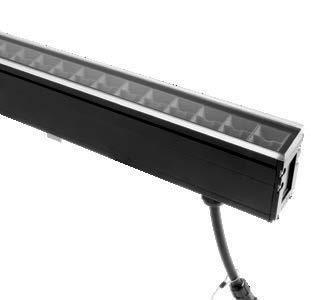
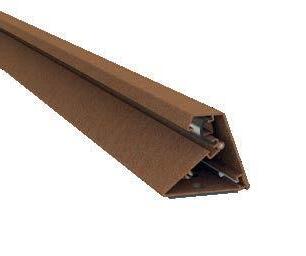
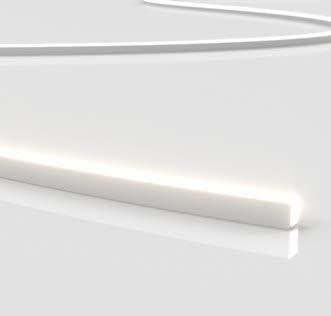
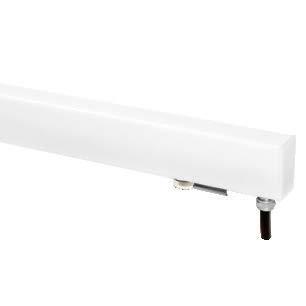
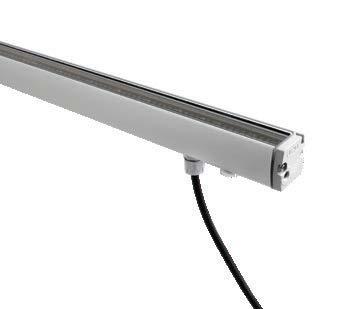
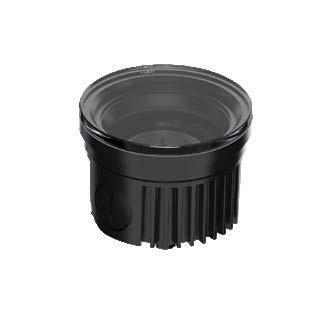
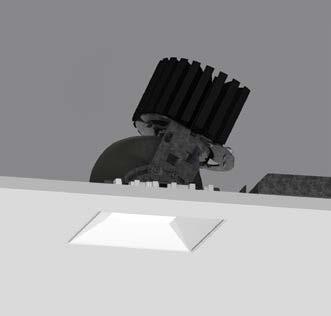
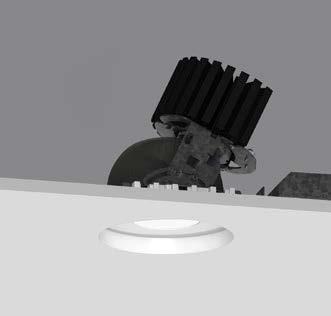
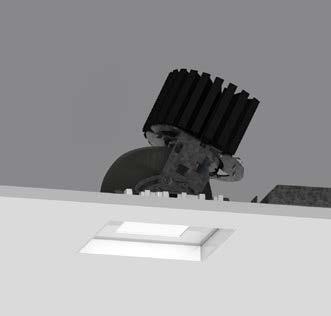
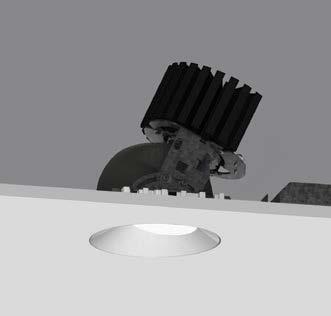
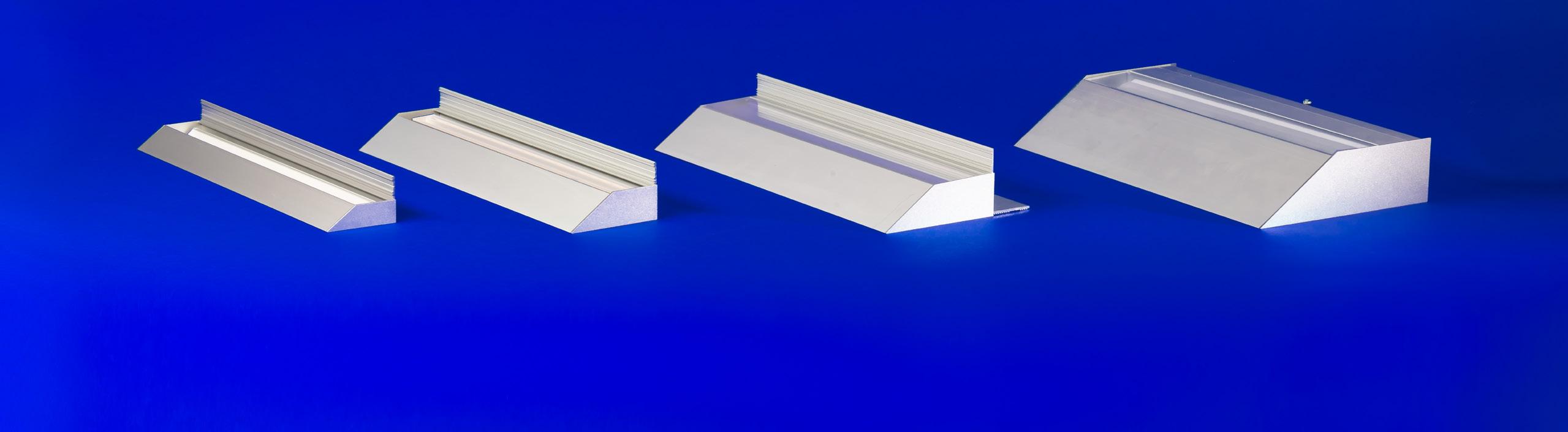
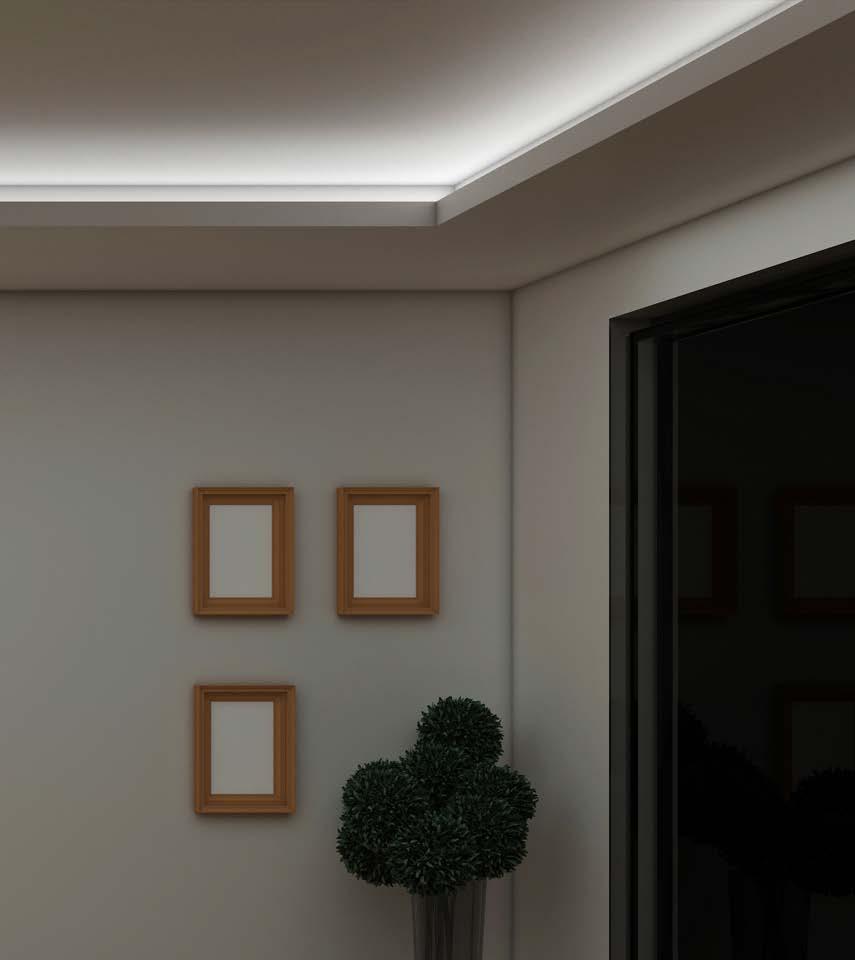
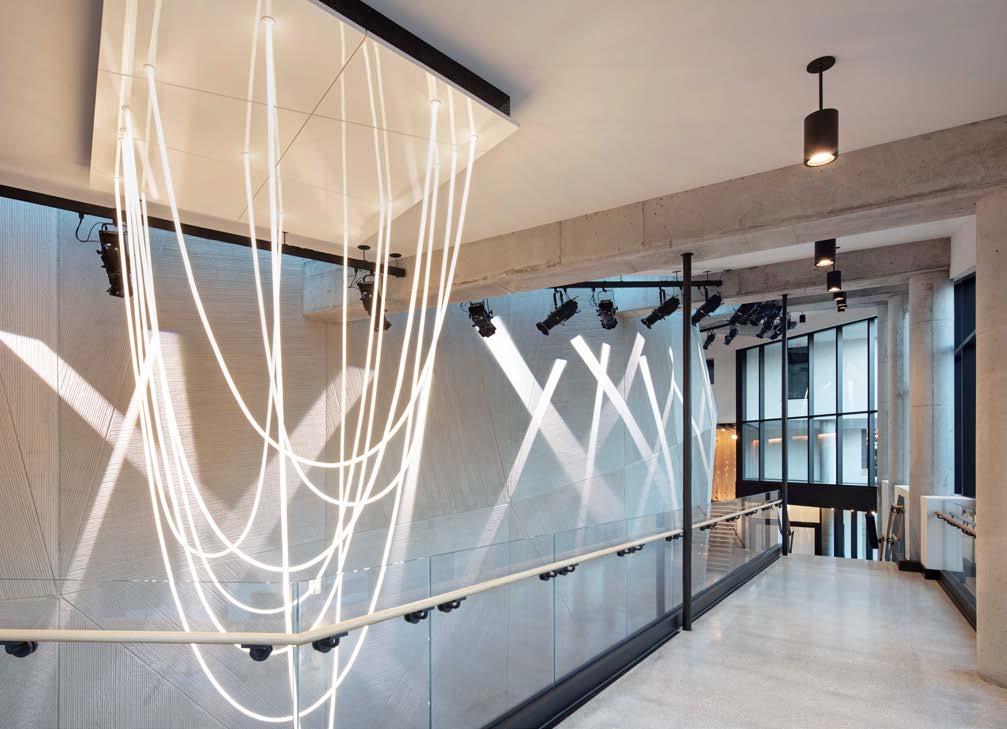
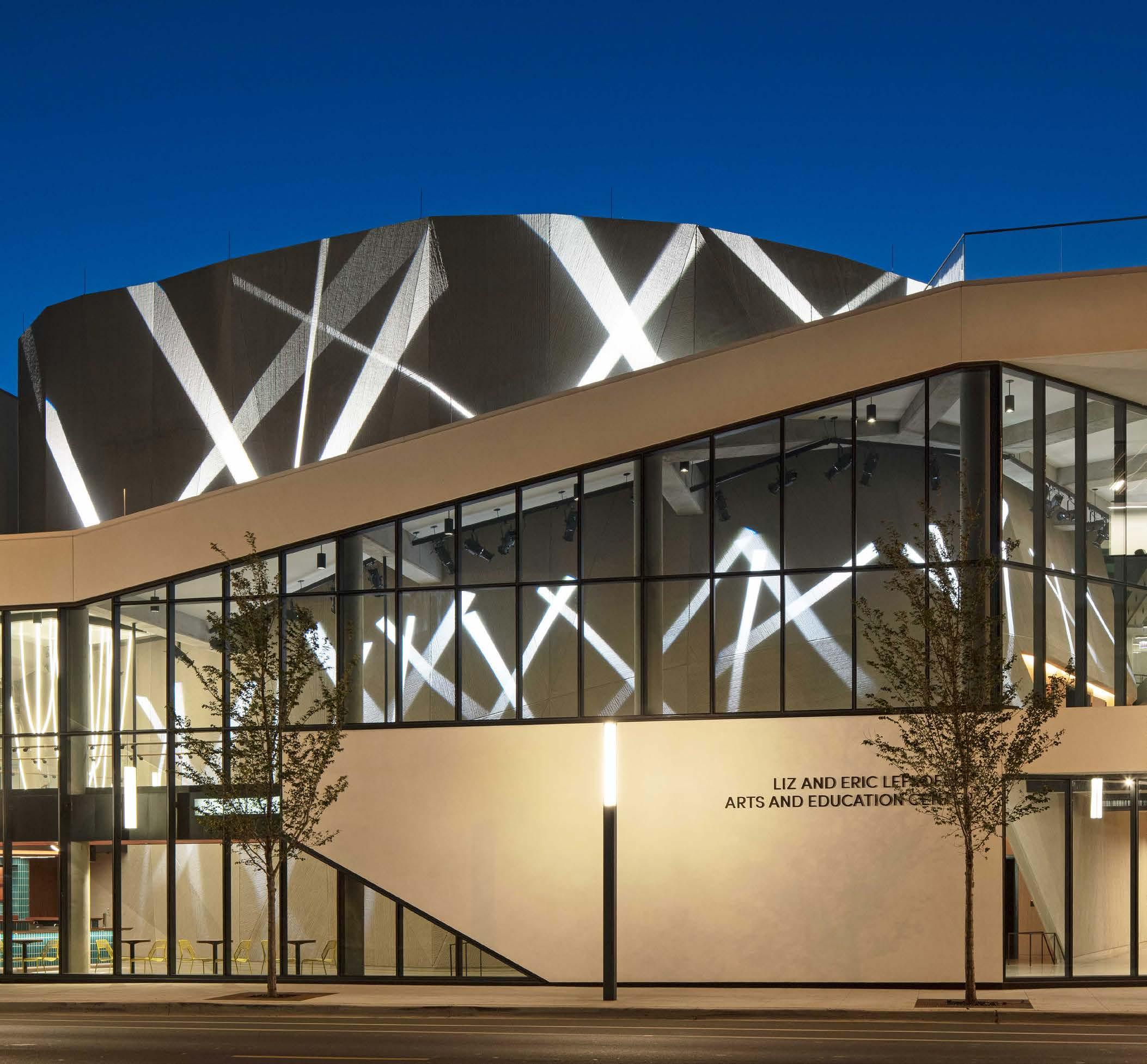
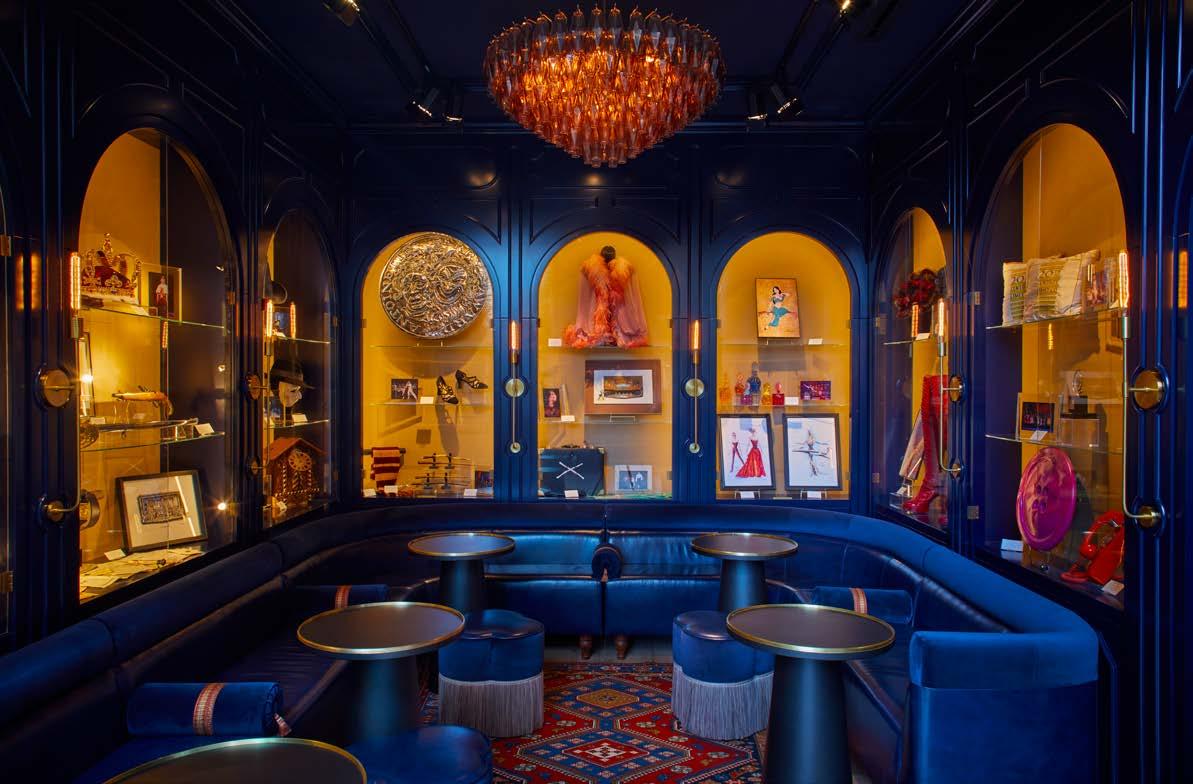
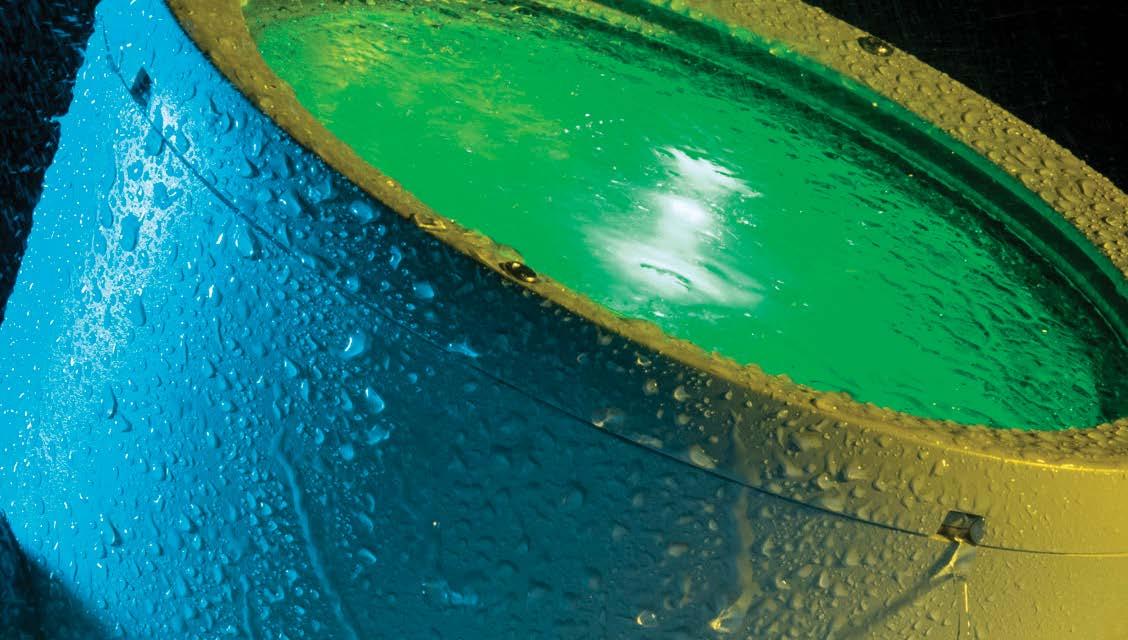
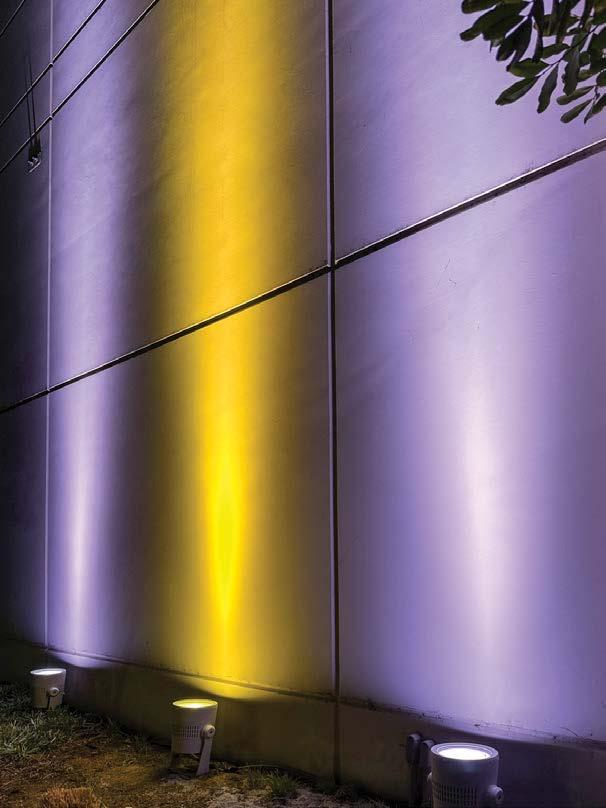
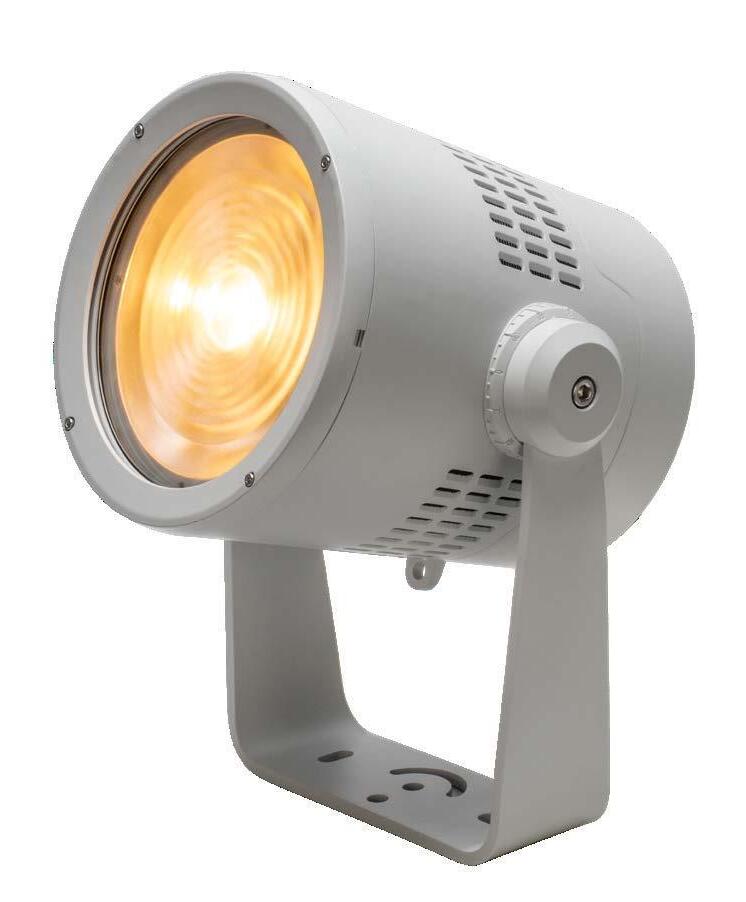
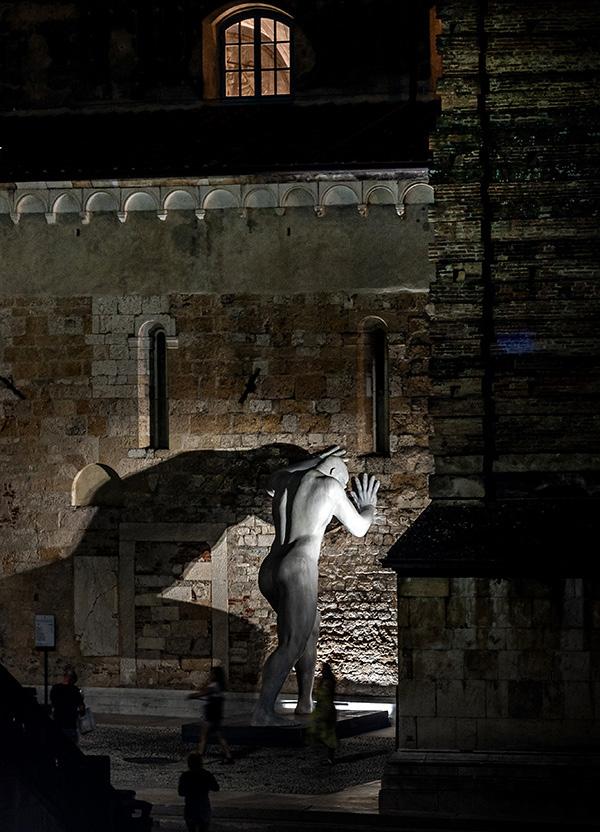
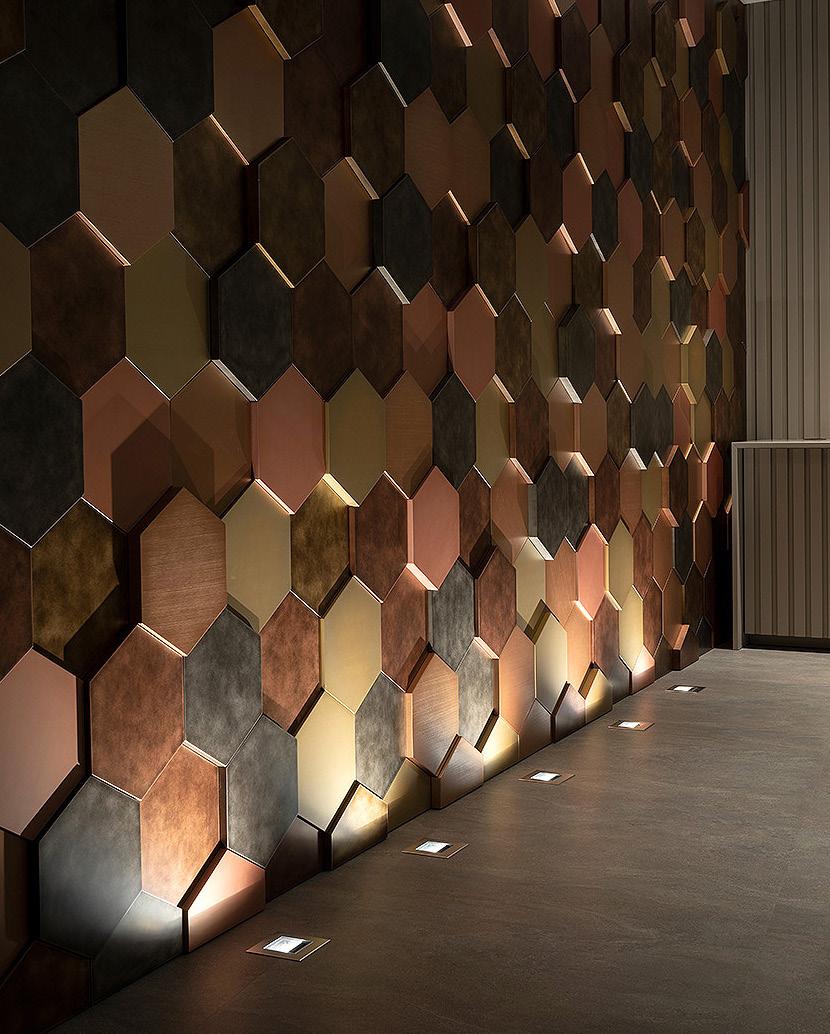
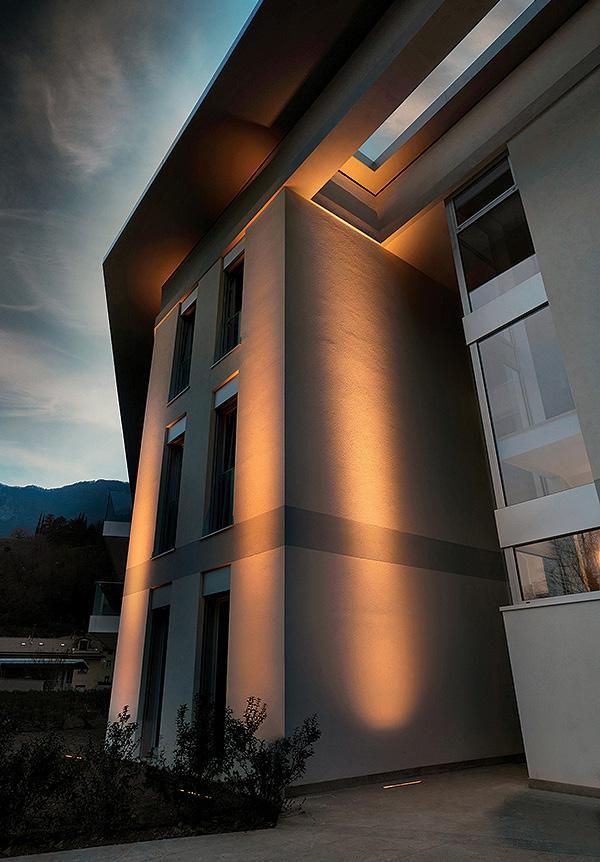
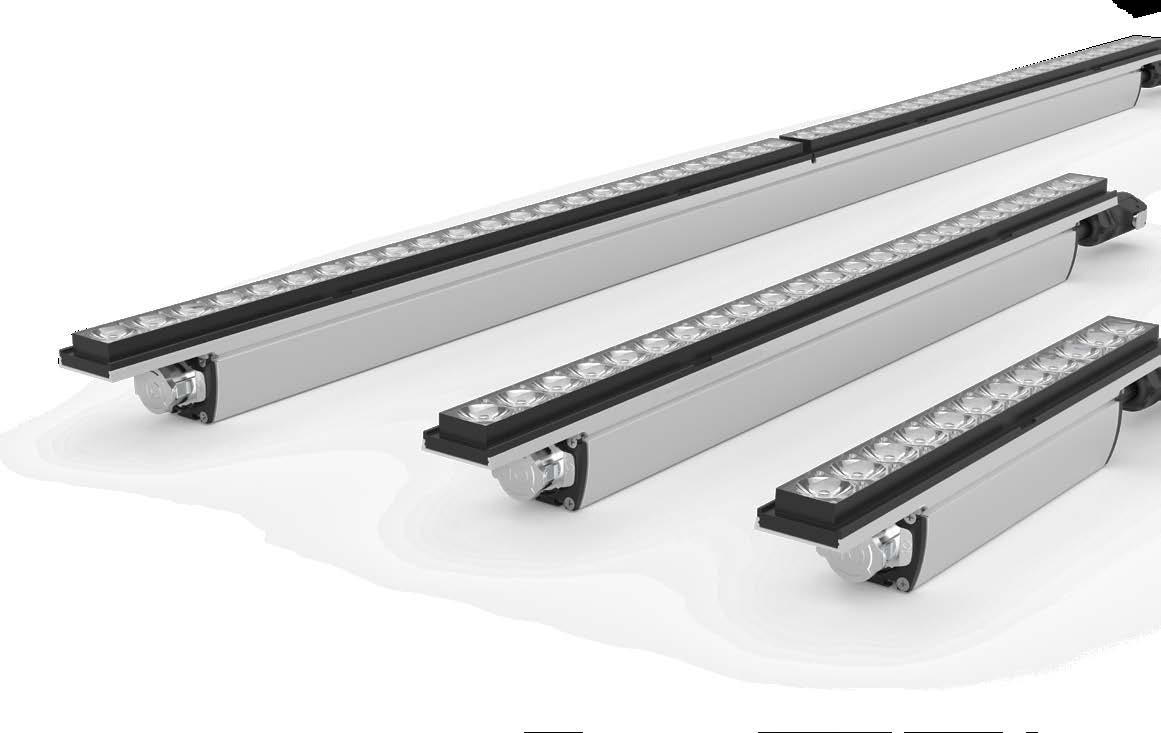
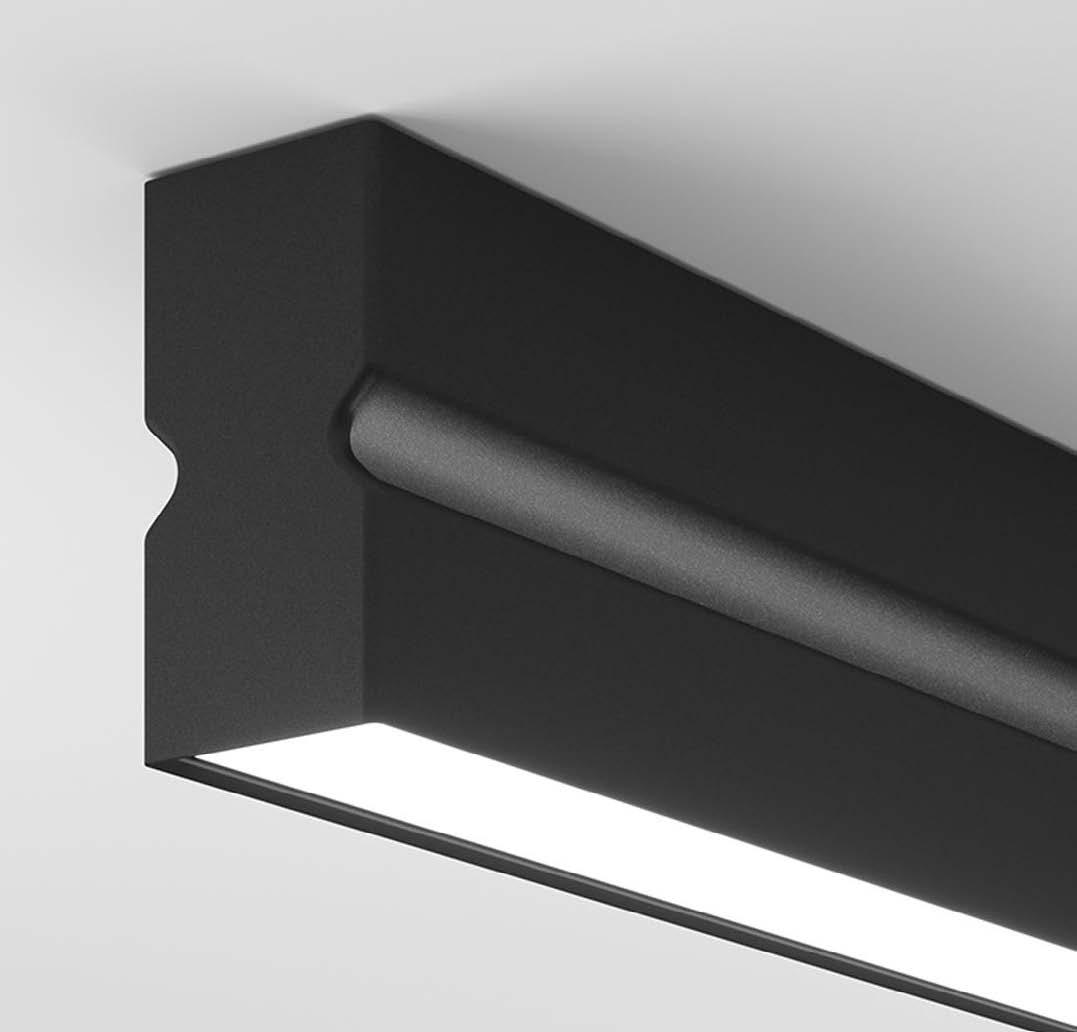
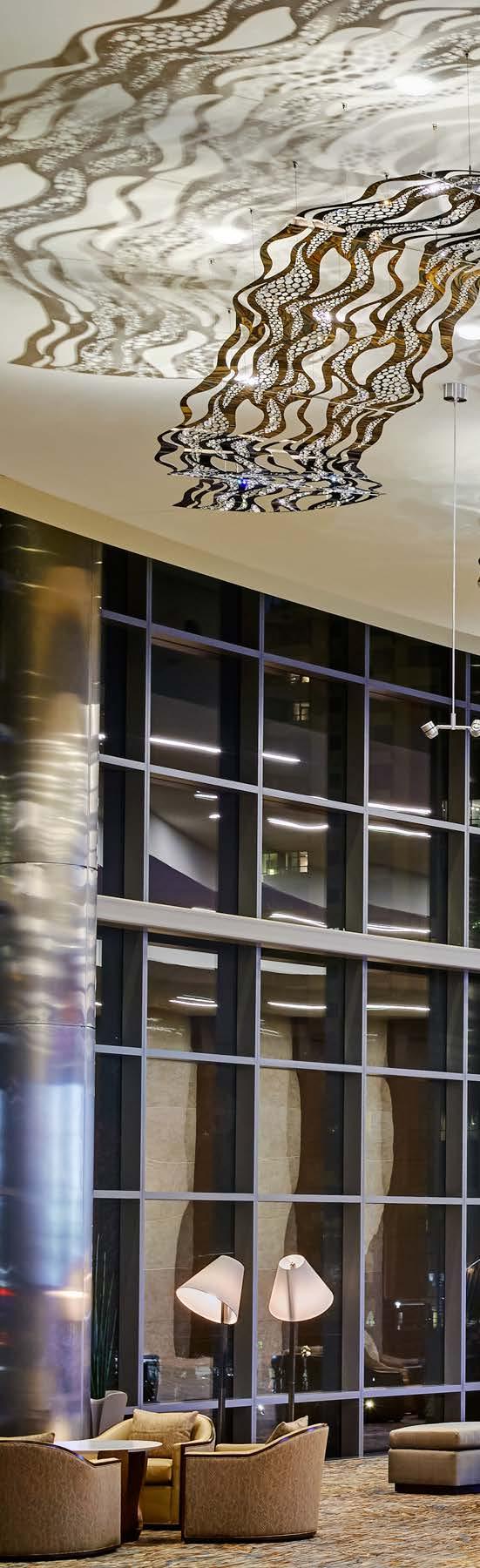
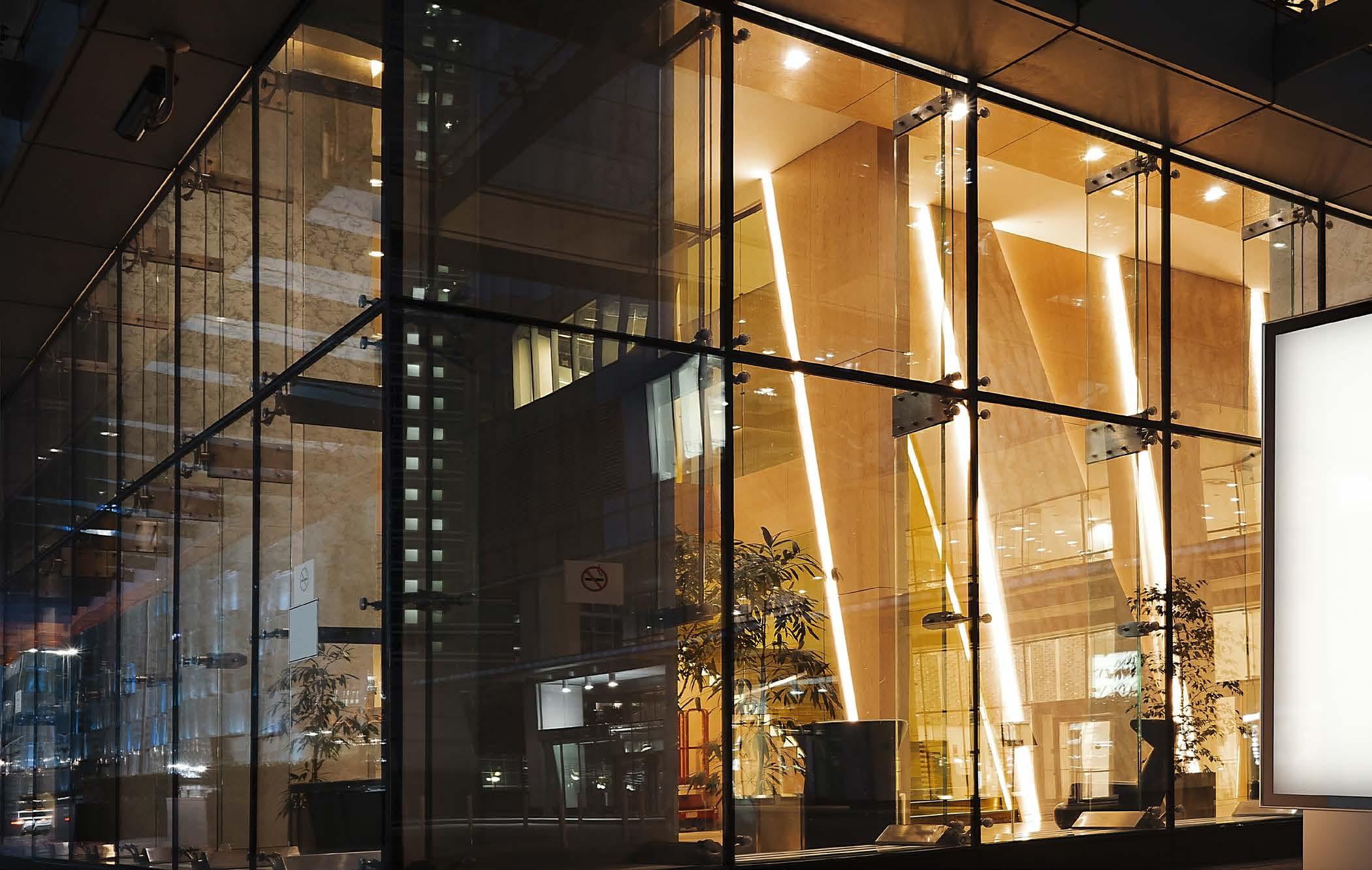
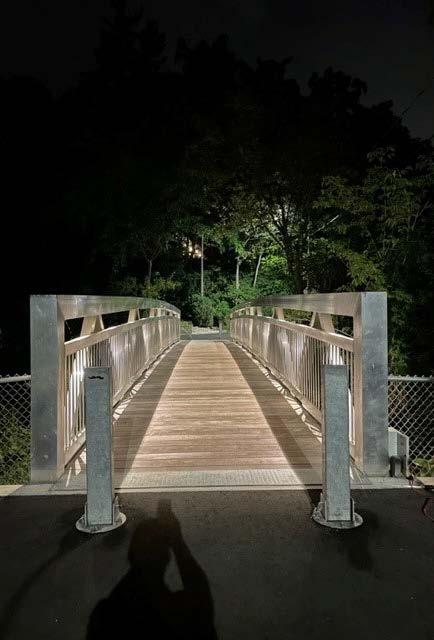
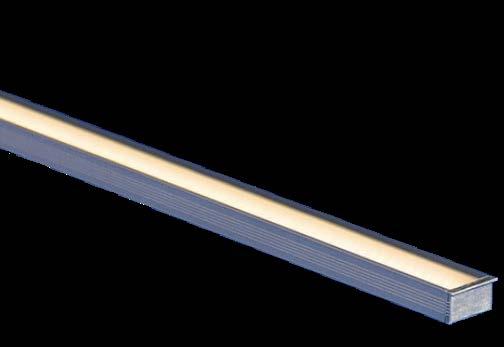
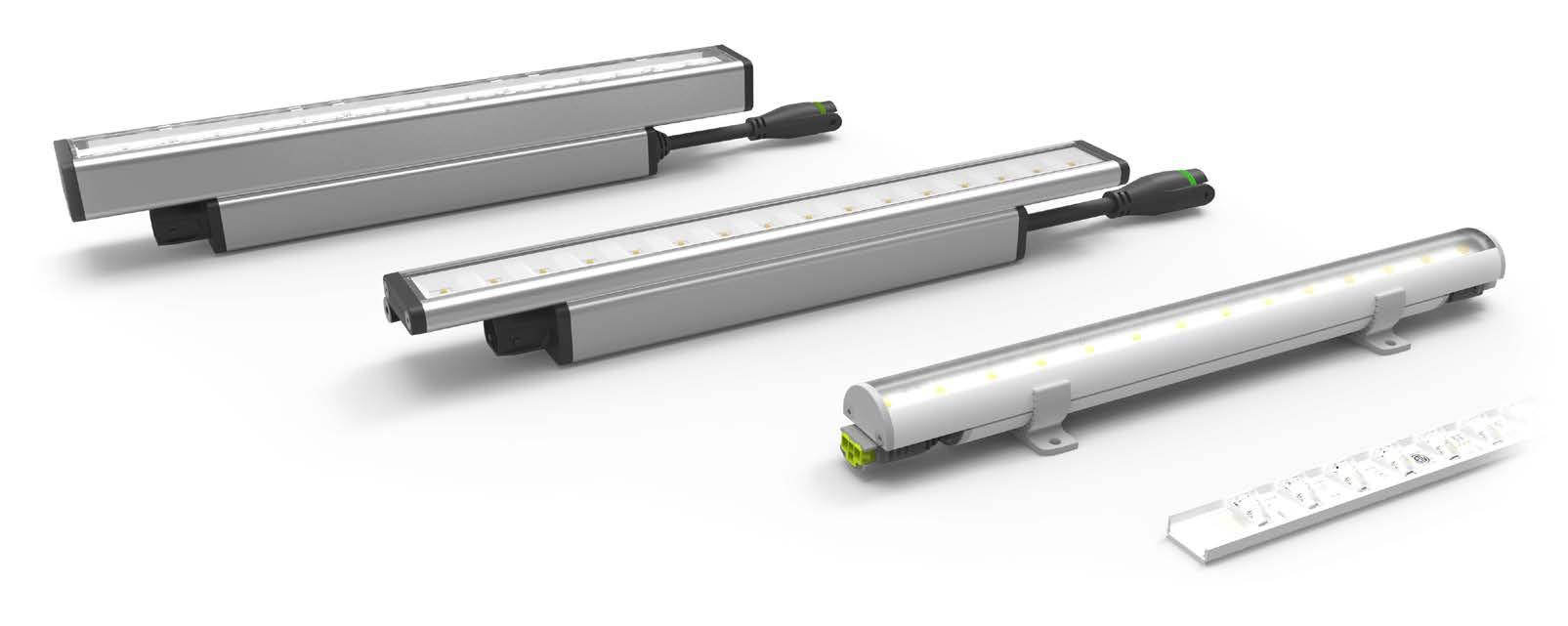
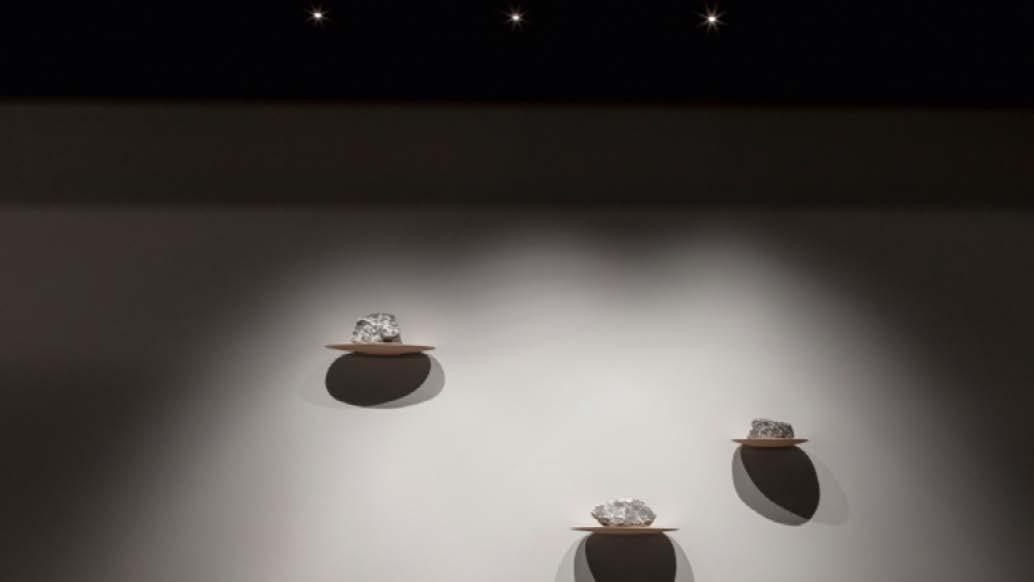
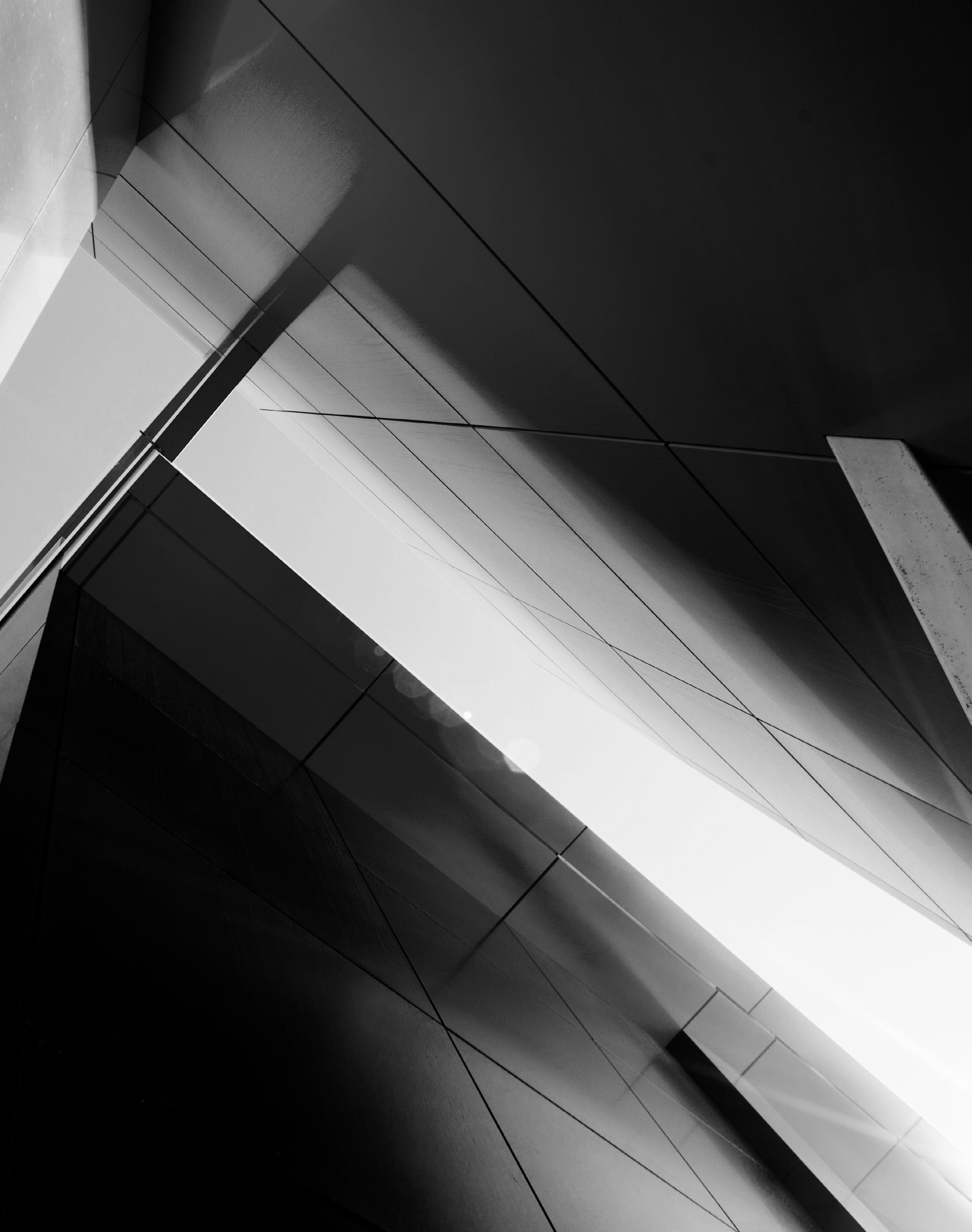
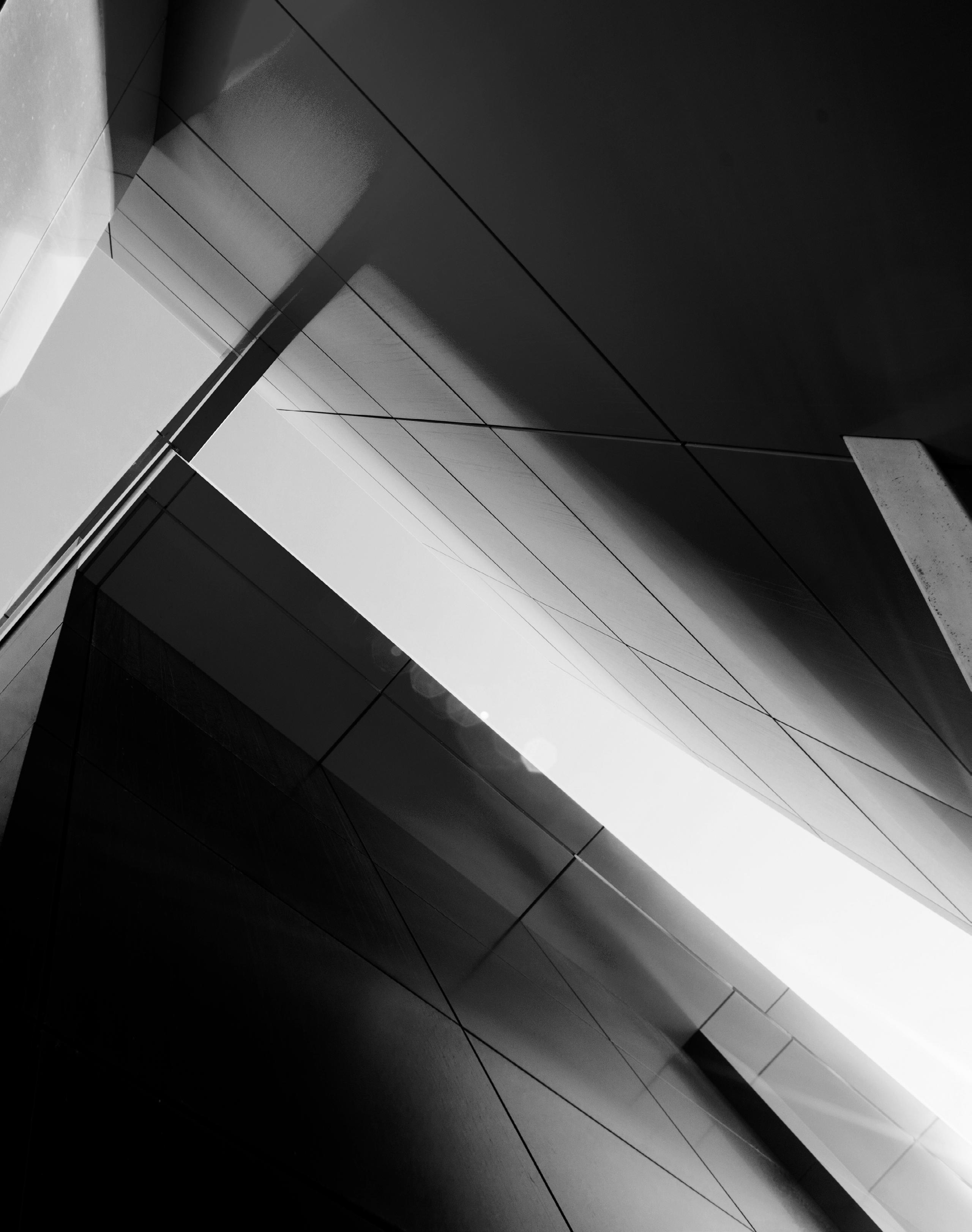
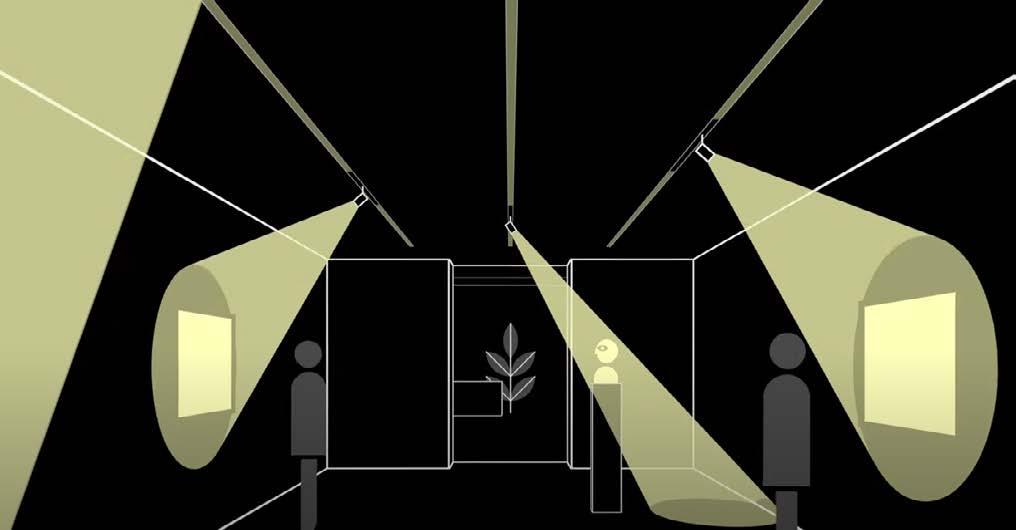
- Grazing light wallwashers accentuate surface texture on wallsand façades
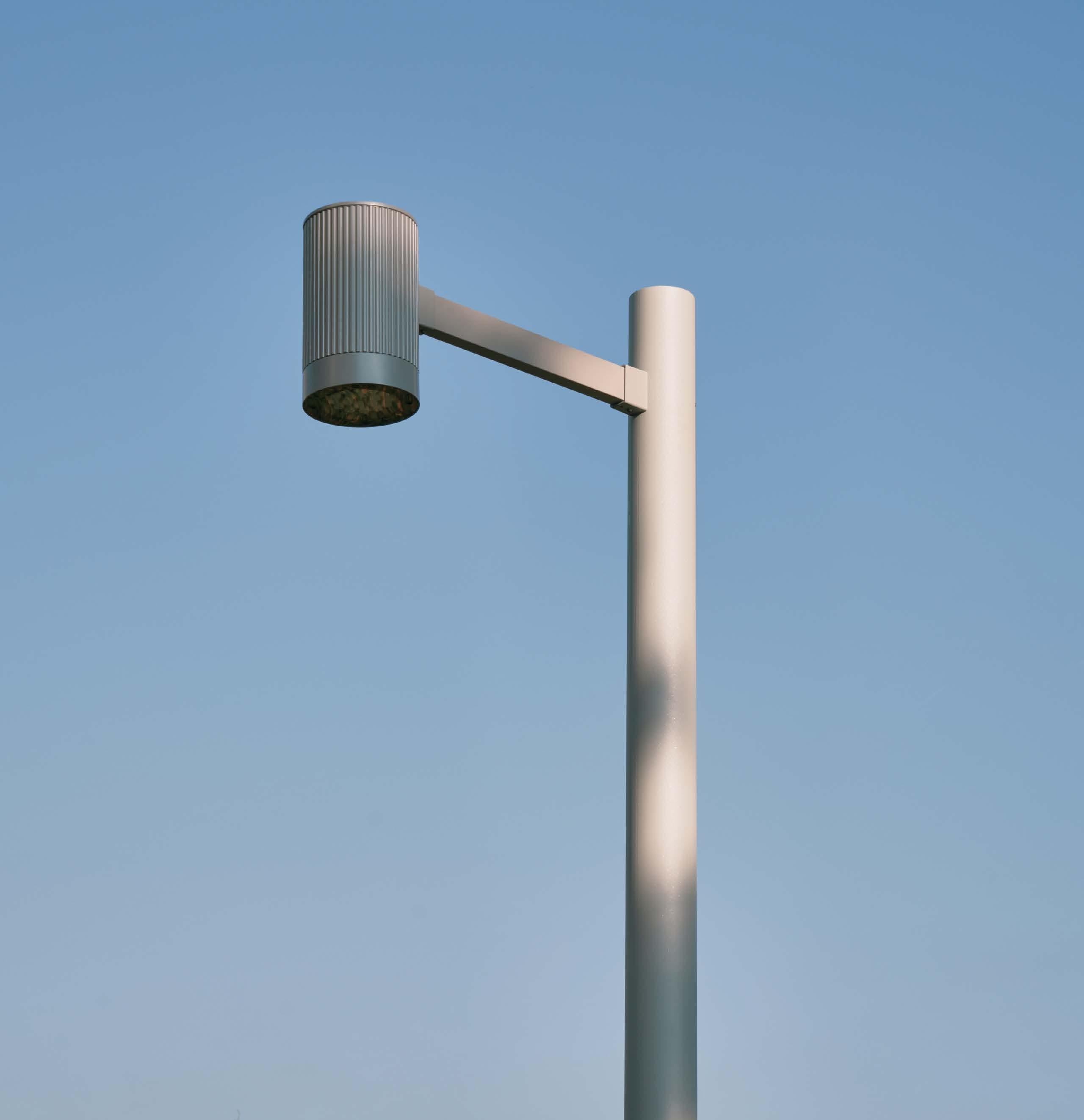
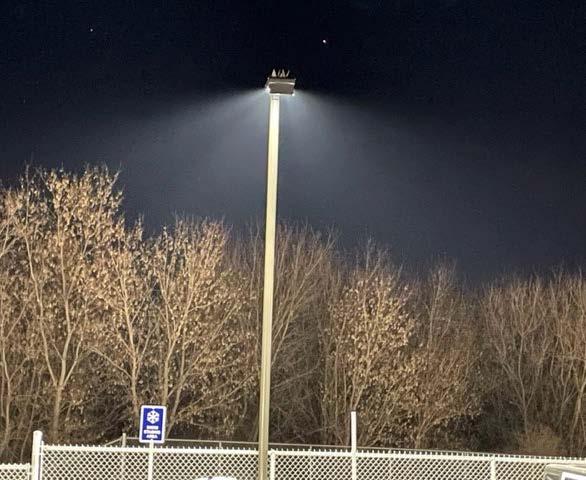
- Create both atmospheric light displays and efficient outdoor lighting
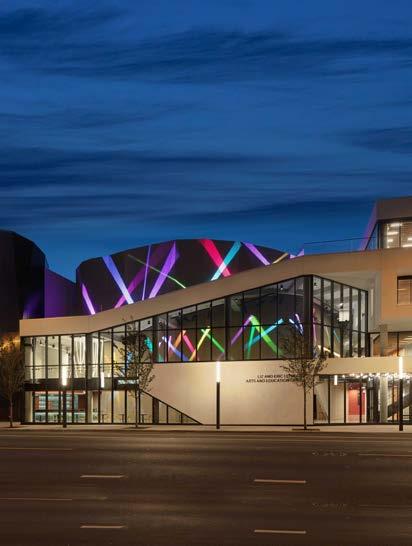
Project: Wilshire Boulevard Temple / Photography: Jason O’Rear
Facade Lighting
Linea Light offers facade lighting for every need, with a wide range of available optics and outputs, white light or RGBW, glare control options, high-quality construction, AquaStop® conductor waterproofing and resistance to vibration, stress and impact.
tools for lighting
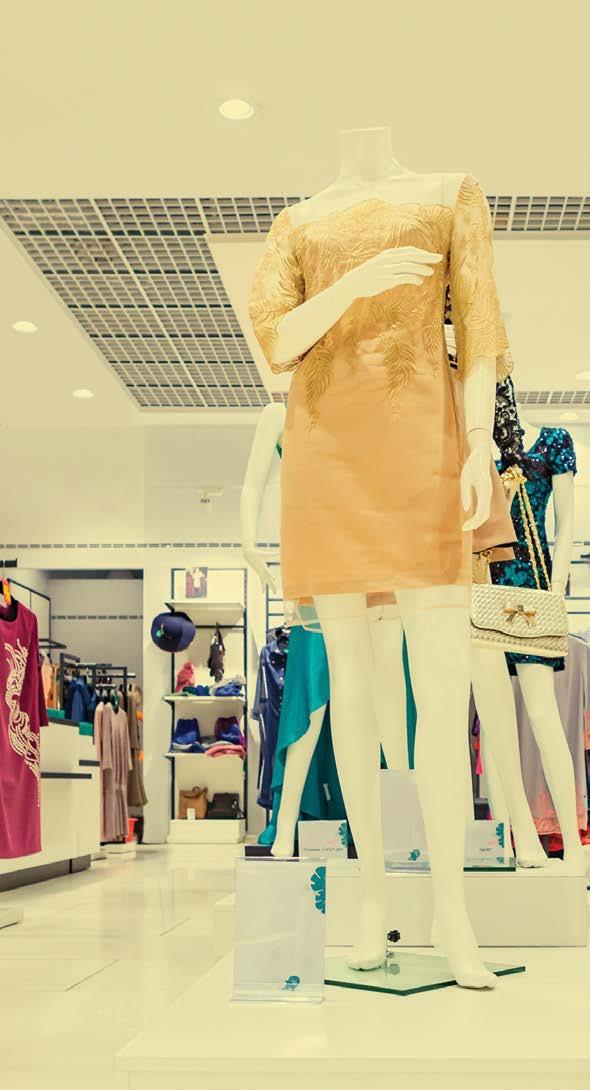
Retail Lighting
tools for lighting
inter-lux.com/linealight
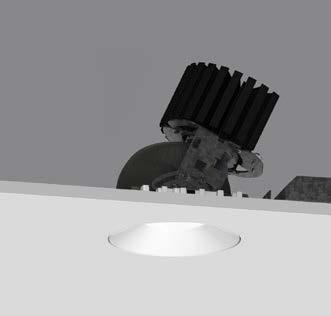
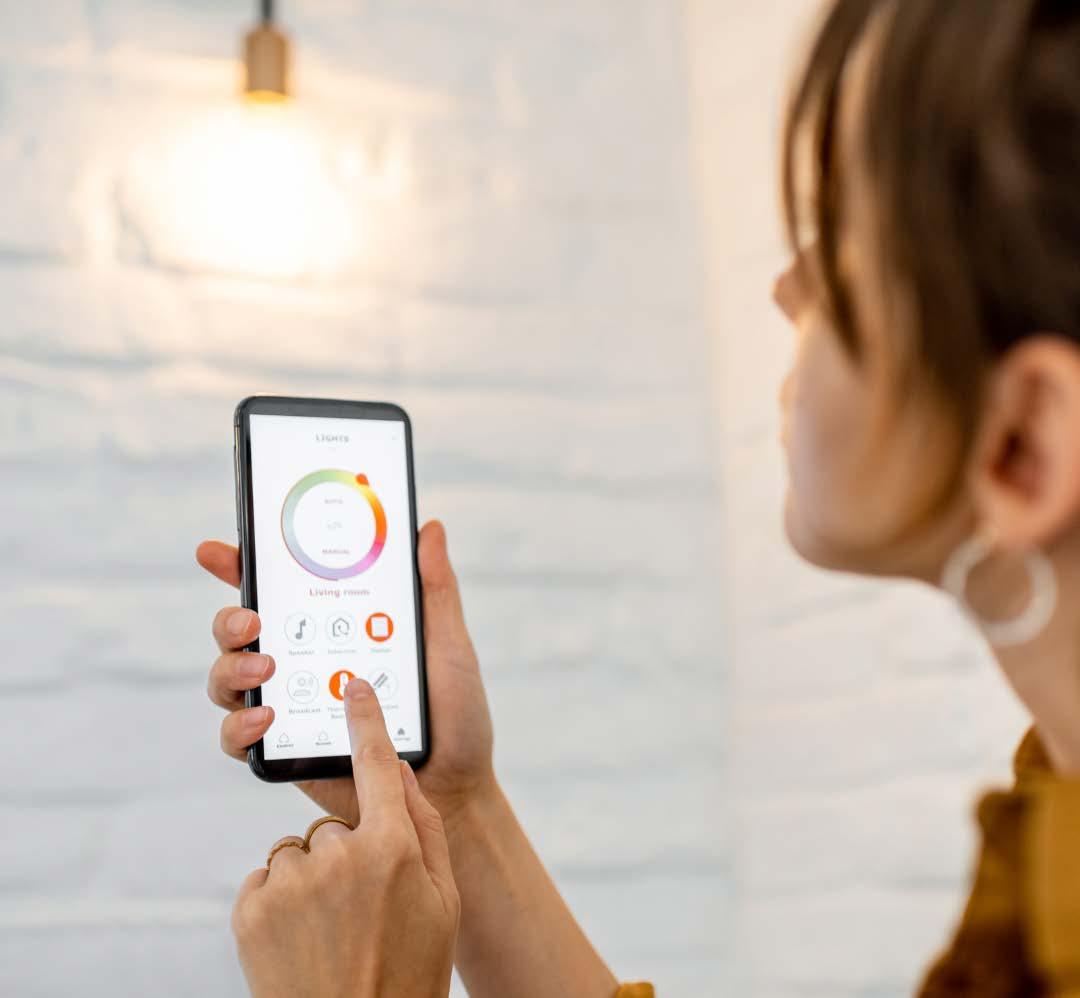
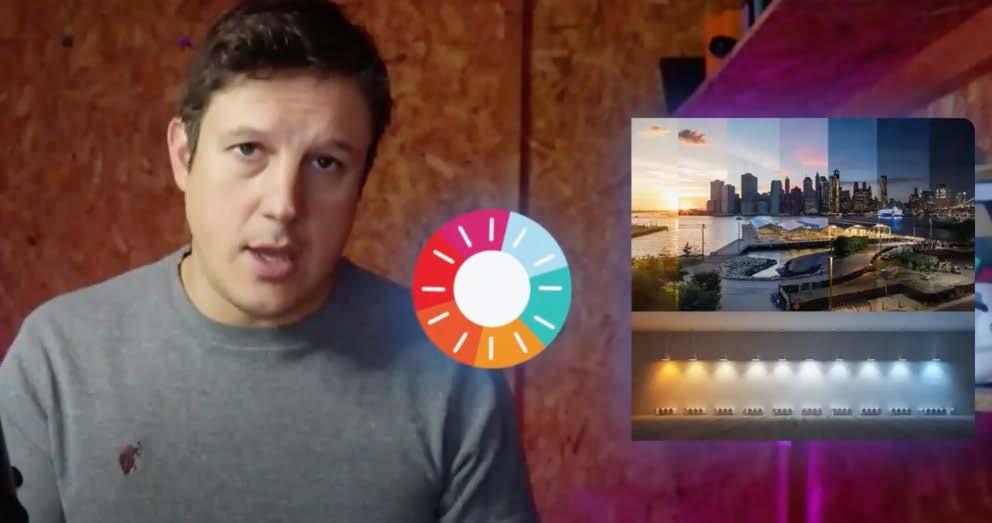
ProTools Tunable White allows any color temperature between 1800K and 4000K, while maintaining the standard LED’s high-quality color rendering. This feature is often used in retail and hospitality environments, as well as health and wellness applications, work spaces to increase productivity, and architectural spaces to match natural light.
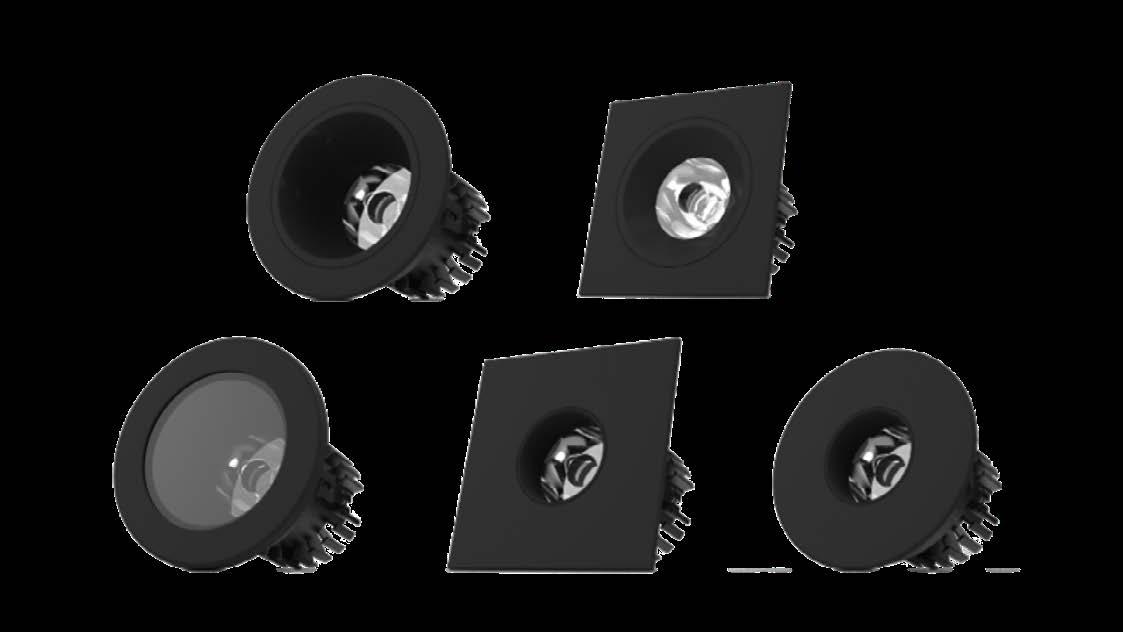
Archiline
Round Cone
Xenia
Square Regressed
Orma Square Asymmetric
Paseo
Square Cone
Dirigo
Round Regressed
Rubber
By James R. Benya, PE, FIES, FIALD
By Randy Reid with Brian Hullfish
Katie Smith
David Warfel
Stefanie Schwalb
Katie Smith
Shirley Coyle, LC
James Benya, PE, FIES, FIALD
Vilma Barr
Jacob Wright
Eric Teacher, LC, MIES
Craig DiLouie, LC, CLCP
Brian Hullfish
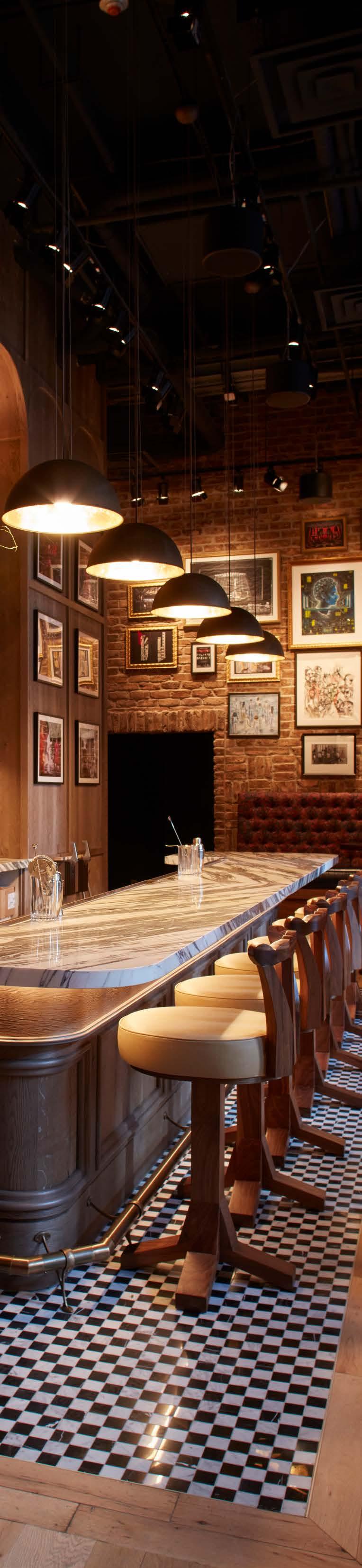
Photo courtesy of Rockwell Group
Editorial Director: Randy Reid
Assistant Editor:
Jacob Wright
Publisher: Cliff Smith
Director of Audience Development: Angie Hullfish
Contributing Writers:
James Benya PE, FIES, FIALD
Benya's Art & Science Contributor Principal at Design Services, Inc. and The Benya Burnett Consultancy
Shirley Coyle Up Close Contributor Principal at RELEVANT LIGHT Consulting Inc.
Craig Dilouie Get Control Distributor Principal at ZING Communications
Stefanie Schwalb
Hospitality Lighting Contributor Interim Managing Editor at Boston Magazine
David Warfel
Residential Lighting Contributor Founding Designer Light Can Help You
Staff Writers:
Parker Allen
Brian Hullfish
Katie Smith
Published by EdisonReport
1726C General George Patton Dr. Brentwood, TN 37027
Phone: 615-371-0961 designinglighting.com
An interesting year….
On February 24th, Russia attacked Ukraine. A war in Europe is something I thought was unfathomable. Nuclear War or World War III is no longer unimaginable. Yet our lighting design industry remains strong.
designing lighting is focused on the Business of Lighting Design™ and provides business information to the lighting design community. In addition to the website, designing lighting publishes bi-monthly online magazines featuring original content, interviews within the community and highlights successful award winning lighting designs. While designing lighting is based in the U.S., it has contributors from Europe and is developing a global presence.
(ISSN 2693-9223)
Statements and opinions expressed in articles and editorials in dl are the expressions of contributors and do not necessarily represent the policies or opinions of the EdisonReport. Advertisements appearing in the publication are the sole responsibility of the advertiser.
In March the Federal Reserve raised the rate by 25 basis points and the Federal Funds Rate stood at 0.25% to 0.50%. Last week the Fed plugged in another 50 basis points bringing us to 4.25% to 4.5%. They have every intention of raising rates above 5% in early 2023. Most think we are either in a recession or headed for one. Yet our lighting design industry remains strong.
Violent and non-violent crimes are up in major cities and many Americans are not back to work full time. The hybrid work schedule—in its many forms—seems to prevail. Many offices have occupancy rates less than 25%. IES and IALD have cut back on headcount to live within new economic realities. Yet our lighting design industry remains strong.
LightFair held a successful show and exceeded most attendee’s expectations. And now, LightFair has announced it has reimagined the event to an every-other-year schedule. Yet our lighting design industry remains strong.
COVID continues to wax and wane, and RSV and influenza are registering large spikes. It seems like many of us are frequently sick. Yet our lighting design industry remains strong.
How is it possible that business can be so good for our industry when others seem to be sputtering?
The answer is simple. Our community has earned its stripes. The building and construction industry has finally learned it is ridiculous to spend millions on new projects and pinch pennies on lighting.
Excellent lighting design helps compensate for a project’s other shortcomings. However, an otherwise noteworthy project can simply get washed out with bad lighting.
Great buildings need great lighting which, now more than ever, has turned from a luxury to a necessity. And for that, we can all be thankful. I recently saw that the Washington Metropolitan Transit Authority (DC bus/subway system) issued an RFI for submittals by “great lighting design firms.” What a strong feather in our collective caps!
In spite of events we can’t control, our industry is still blessed and fortunate. I wish our audience a Merry Christmas, Happy Hannukah, and healthy, peaceful, and prosperous 2023.
CLASSIC REWIND
NARROW
SPOTLIGHT 120/277V
4º Fixed Beam Angle COB SUPERSpot Series
LP230: 13 Watts, 70,000 CBCP
LP260: 4 Watts, 26,000 CBCP
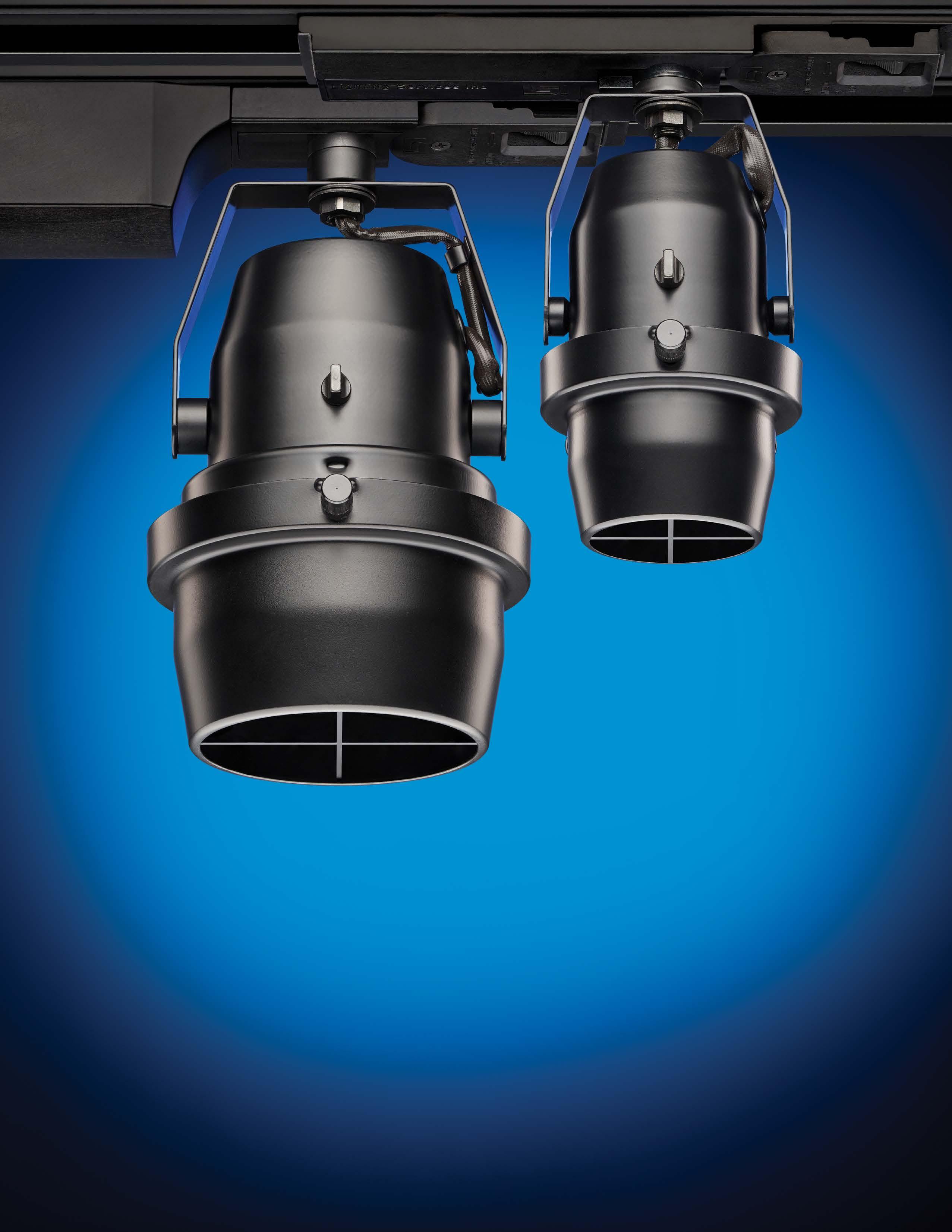
LSI’s most iconic design equipped with state-of-the-art LED technology are the latest additions to the SUPERSpot family of fixtures. The LP230 and LP260 are integrated with powerful 4 degree COB spotlights to produce clean, unsurpassed optical performance up to 70,000 CBCP. Changing the beam from 4 degrees to wider distributions is as simple as adding a spread gel, making these Spotlights the most flexible tools in your arsenal.
Lighting Services Inc The premier specialty lighting manufacturer
Every lighting design specification has its Type “A”, Type “B” and other different luminaires on down the line in the fixture schedule to “Type X’ and sometimes beyond. Type “A” is usually the luminaire used the most and that establishes the overall character of the lighting in the majority of spaces, while other Types light the smaller and support spaces. Type “X” is usually the exit signs1
Choosing Type “A” is a major milestone on most projects. Because of its quantity and prominence, it is usually the keynote of the lighting design for most commercial, institutional, government, and industrial projects. Not only will it affect the project’s energy code compliance and cost budget, but Type A will also affect the appearance, cost and complexity of other major building systems, especially ceilings. The Type A choice typically plays the most prominent role that lighting itself can in making an architectural quality statement. On major, well-funded projects, Type A has often been used to set the style and tone for the interior architecture and design, because, after all, lighting is usually very bright and prominent.
The most common uses of this kind of fixture schedule nomenclature and the importance of Type “A” are in
offices, schools, libraries, laboratories, hospitals, government, and retail buildings. For over 80 years, lighting manufacturers have competed ferociously to produce appealing, energyefficient, easy-to-maintain, competitively-priced general lighting systems.
In the last 50 years, the ubiquitous 2’ x 4’ recessed box troffer has evolved in every way imaginable, from dozens of different plastic lens types to honeycomb louvers, parabolic louvers, indirect baskets, direct baskets, and most recently, edge lit flat panels. Their evolution was based on the demands of architects, interior designers, and especially, electrical engineers and lighting designers seeking the best possible lighting system for visual comfort, visual performance, or just plain good looks meeting what is almost always a tight budget. For instance, the parabolic troffer, mainstay lighting for almost 40 years in the marketplace, was invented to reduce reflected glare on computer screens, but because of its upscale appearance and style, became the dominant type “A” lighting system for over 25 years.
Then there is Type “C” (or some other letter later in the alphabet). It is typically an important luminaire that is used in the better spaces in the building like main lobbies, galleries, executive suites and large meeting rooms. Often, the Type “C” provides the general and/or accent lighting, allowing for a few choice chandeliers or table lamps to add the “jewelry” of lighting to the project.
In the history of architectural lighting, Edison Price is perhaps one of the most important innovators in the design and use of recessed downlights and track lights in architectural lighting. At a time when incandescent lamps could easily consume 250 watts or more and fluorescent lighting was large, heavy, and needed a lot of volume, Price and the lighting designers and architects with whom he worked showed the world the magic of very well-designed lighting. Thus evolved the standard pattern of using point source lighting for a building’s better-finished spaces. The key reason, of course, is drama. The contrast between darkened ceilings and highlighted finished floors, good furniture and artwork are hallmarks of a space that commands attention and respect.
No one could have anticipated the revolution that LED technology would create for the Type “C” choices. Their dramatic impact is first in the small size and weight. Luminaires having small apertures, small or non-existent boxes
Cove Lighting by
above the ceiling, and small cross-sections can fit into spaces that older technology overwhelmed. Tiny cove lights, downlights and wallwashers enable classic lighting applications and designs that enjoy a finesse that has been hard to achieve with legacy technology. Today, through apertures of only 1 square inch (!) an LED luminaire can project as much light as 60 to 75 watt, 6” cans of yore. Linear wallwashers only 2” wide replace rows of cans or robust asymmetricthrow semi-recessed luminaires of only a mere decade ago.
The late Sylvan R. (Sy) Shemitz, a contemporary of Price and in his own right a legendary lighting designer and inventor of superb wallwash luminaires used in many high-profile projects, would be positively amazed to see what can be done today.
The capabilities of LED lighting have given birth to a new luminaire style, the line of light. Although theoretically possible using legacy light sources like cold cathode or neon, the custom nature of the lighting and the expense and complication of installing large fixtures into a highly finished ceiling made such designs insanely expensive, complicated and fussy.
Combining troffers in-line was hardly acceptable because the line of light was broken every four feet by lamp sockets, and by adding a parallel fluorescent lamp with offset sockets, luminaires became increasingly large and indelicate. Not to mention expensive.
Instead, the line of light employs a strip of LED chips mounted to a strip that contains electrical circuits and heat-sink materials. The shape of the strip is versatile and can also be round, square or flexible to suit the luminaire being designed. The strip is thermally connected to the housing, which in addition to mounting the luminaire is also the all-important heat sink. Not needing circulating air inside like legacy lighting, the strip can be only as thick as the ceiling itself, and a remote low voltage driver can be placed where convenient.
A number of specialty lighting manufacturers have developed lighting systems of different widths, thicknesses, styles and mounting locations, indoors and outdoors. Among the more amazing developments are wet-label and submersible products that can flushed into walkways, driveways and even swimming pool bottoms. The biggest limitation has generally been trying to stick with linear lines of light because both aluminum extrusions and light strips tend to be linear too.
In staying creative and competitive, once again our industry now offers a variety of products that push the envelope and attract designers’ interest. The impetus for this article is a newly introduced recessed line-of-light product that can be curved in the horizontal place to make patterns in the ceiling.
While the idea is not new, it is a major testament to our industry that I might now employ--lighting that is a pattern cut into the ceiling plane, splitting the huge difference between conventional recessed lighting and the impact usually reserved for a chandelier and allowing me to add a pattern to a ceiling with lighting in an artful manner that delivers light in an appealing way.
Welcome to a new lighting tool that changes the way we can light those Type “C” situations in a distinctive and custom manner without the limitations of past generations of lighting or hard-to-work with old technologies like neon or cold cathode lighting! ■
The Difference Between Sparkle and Glare
One of lighting design’s biggest challenges is to mitigate or prevent glare. Glare is a generally undesirable outcome of direct and directional lighting, usually caused by too much light emitted through too small an aperture. Since the first downlight, controlling the beam so that it operates right on the edge became an art form that decades ago brought great success to a number of companies in our past like Lightolier, Kurt Versen, Edison Price, and Gotham.
With the recessed line of light, glare should be a real concern. Like the downlight, the adjacent ceiling is usually not illuminated except by indirect light or daylight. The resulting scene is dramatic because there is significant contrast between the relatively dark ceiling and the bright volume of the space below. With downlights, the luminaire uses shielding to prevent the viewer from seeing the light source until one must look up to see glare. This can also be accomplished by the recessed line of light, but it will require a lens or louver to concentrate light into the angles nearer to nadir.
From a design standpoint, the purpose of the line of light is to itself be bright, to create a pattern in the ceiling. Most basic products use a diffusing lens, or the LEDs are embedded into diffusing material, but some products employ sophisticated microoptics to try to capture the shielding of good downlights. In other words, shielding is the key to making line-of-light luminaires work without glare and for general lighting levels in most space types, look for line-oflight luminaires that address this important detail.
However, there will be times when a bright line of light is desired. To keep it from becoming too bright and glaring, consider using a light-colored ceiling that will capture the reflected downlight and reduce the brightness of the luminaire. One might also augment the line of light luminaire with well-shielded downlights to increase the upward reflected light. A bright line of light in a dark ceiling might be dramatic, but hard to enjoy.
BENYA’S
With Xometry’s network of 10K+ global manufacturing suppliers, access to custom manufacturing has never been easier. Plus, 3D printing, metal stamping, over a dozen other custom manufacturing processes, and hundreds of material and finish options available now.
more and get a quote, lead times, and DFM feedback on your lighting project today at xometry.com/lighting-manufacturing-services
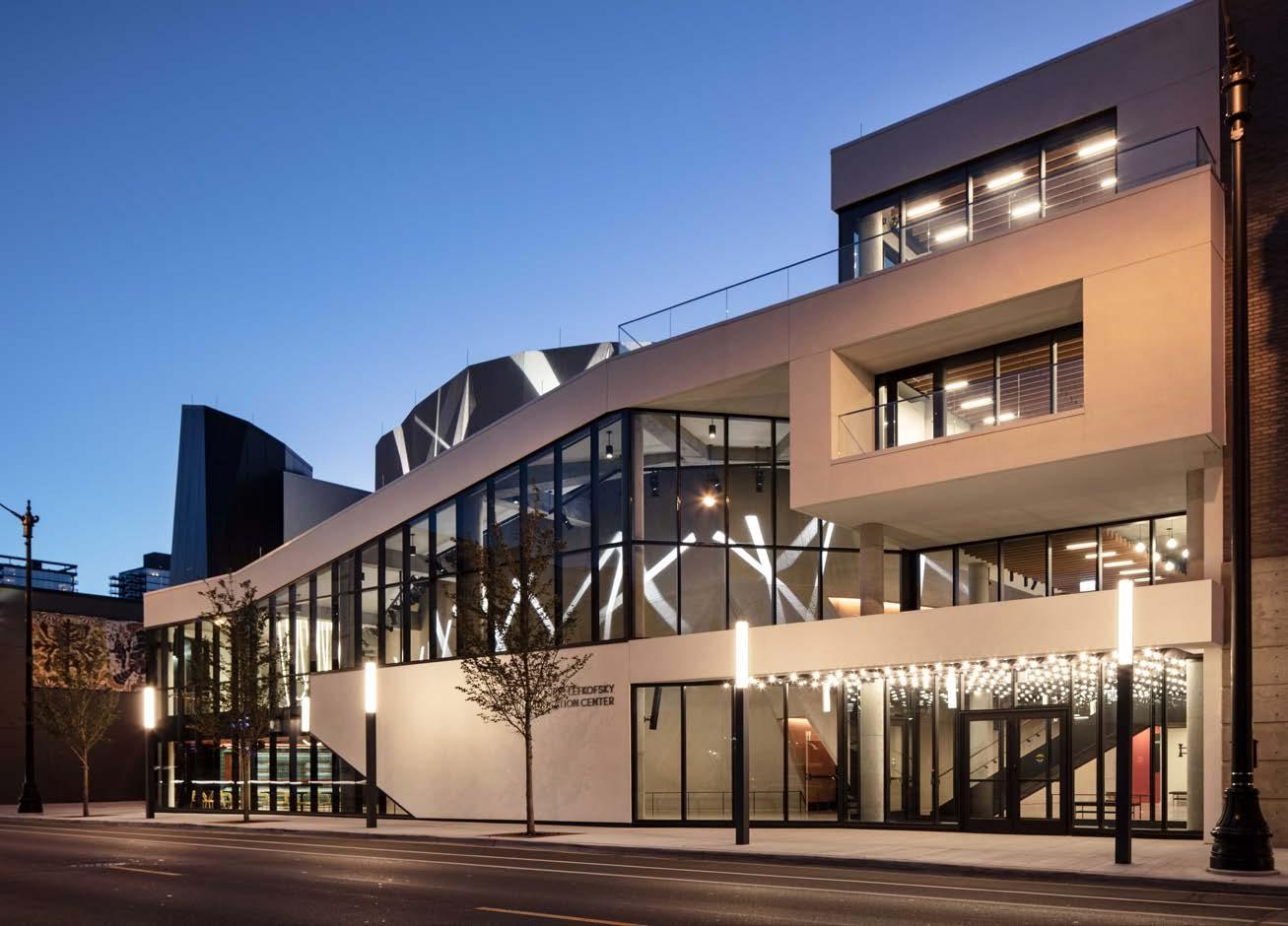
STEPPENWOLF THEATRE
Where Architecture and Light Collide
RANDY REID AND BRIAN HULLFISH
By
Photo Credit: George Lambros Photography
ACT I THE SET-UP
The success story of one of the world’s most prominent theater companies sounds like some old Judy Garland movie sprung to life. You know the one: “Come on, kids! We’ve got old costumes up in the attic! And we can use the barn out back for a stage!”
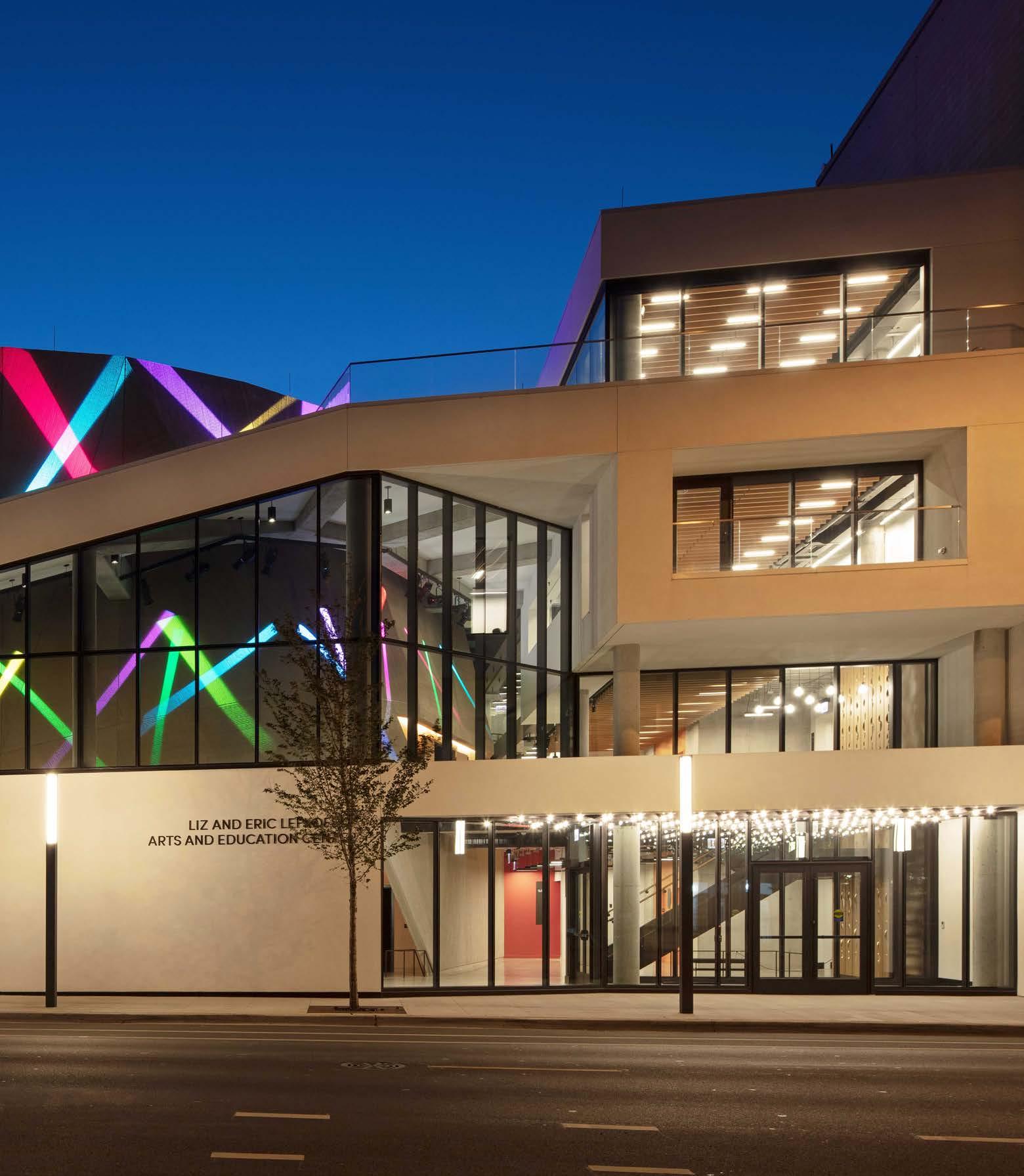
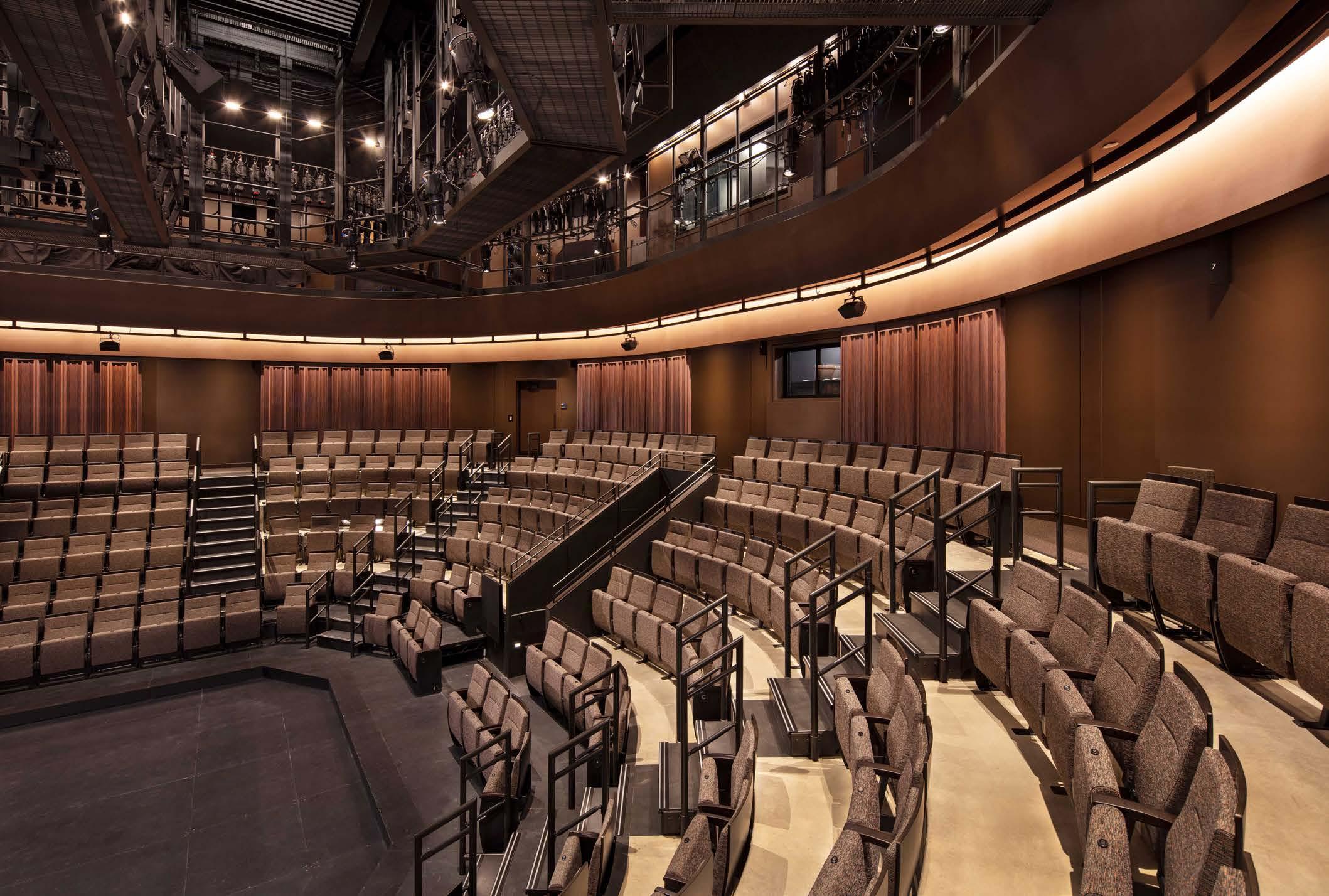
But, the Steppenwolf Theatre Company isn’t fiction. It is a true American success story. In 1974, a small group of midwestern high school and college friends started a troupe in the basement of a Unitarian church. Nearly fifty years later, in November of 2021, this legendary theater company celebrated the completion of its multi-phase expansion of the Steppenwolf Theatre Campus in Chicago.
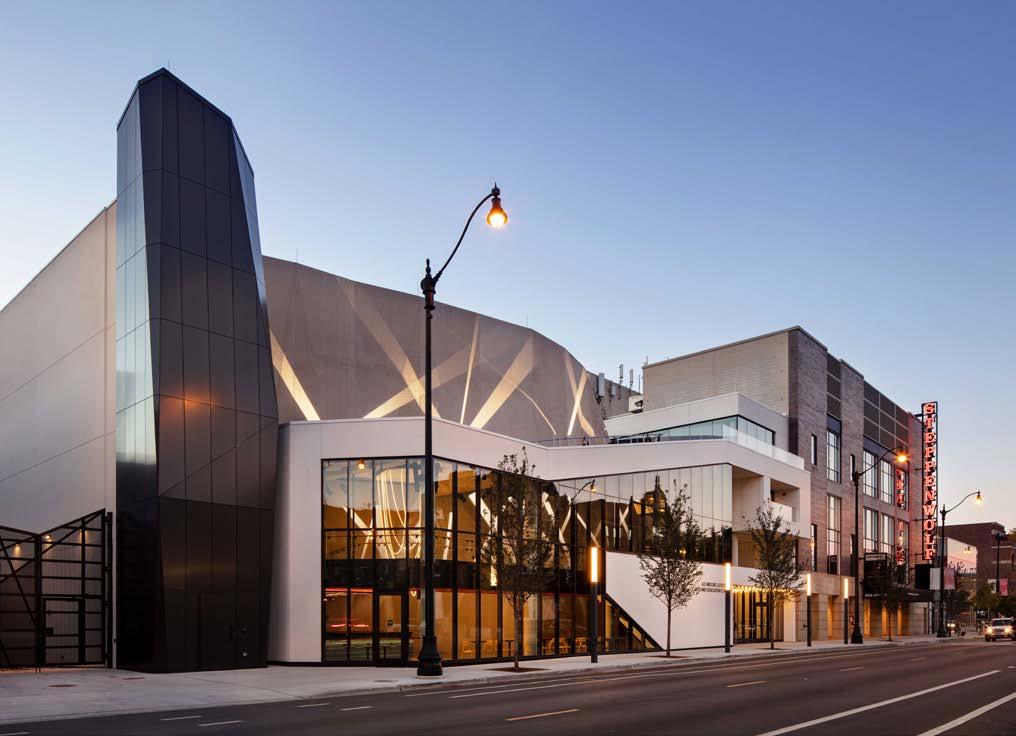
During the conversation between Steppenwolf Theater and the architect, Adrian Smith + Gordon Gill Architecture, a concept that drove the design evolved, that of the “collision of art as it relates to the theater.”
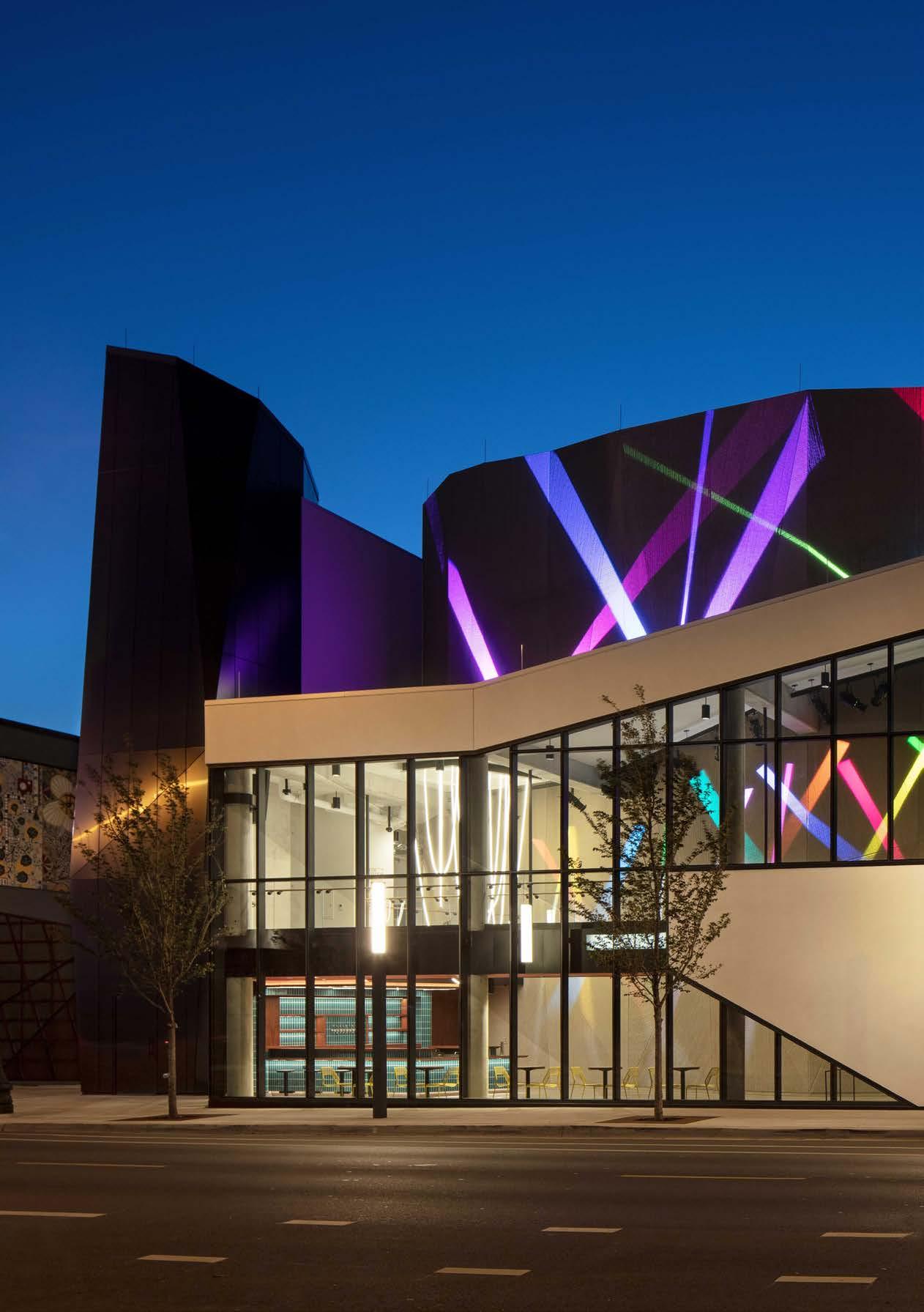
When it came time to light the building, the same underlying design concept held, this idea of collision. Says Avraham Mor, Principal of Morlights, “You know, there is a collision of the actors with the audience. You walk into the lobby and there’s more collision and discussion, and then you go home and have more discussion and collision.”
The lighting team’s first collision with reality came alongside its first renderings, based on what the team thought the client wanted at the time, “a luminous object behind glass.” Says Avi Mor, “Lots of architectural designs exist like this, so we thought that's where they wanted to go. We also did an interior rendering, with tape lights on every single mullion. We looked at it and thought, ‘No way! this is going to be the glariest, most uncomfortable lobby ever because of all this light from below. This is where they were starting, and we said, ‘This will not work.’” If Steppenwolf wanted the lighting to suggest collision, the team wasn’t going to be able to light it in a formal, traditional way.
So that posed the question: if not that, then what?
As is the nature of questions, this one overarching question spawned many, many more. According to Mor, “How do you show a light fixture that can create sharp lines? To answer that, we created a lot of mock-ups using ETC Source 4s and Mini Source Fours. Our next question was, how do you render that in
AGi or in 3D Studio Max? We learned that you can actually make this happen in 3D Studio Max by putting things in front of the light to create sharp lines. But, you’re not testing an actual light fixture, you’re faking the image.” The team realized that in order to suggest collision, it would need to create sharp, intersecting lines.
The team then executed a mock-up to extend this idea. They took these little fiber optic heads that had barn doors on them, and they started pointing it at the model. They asked themselves what would work and tried many different ideas.
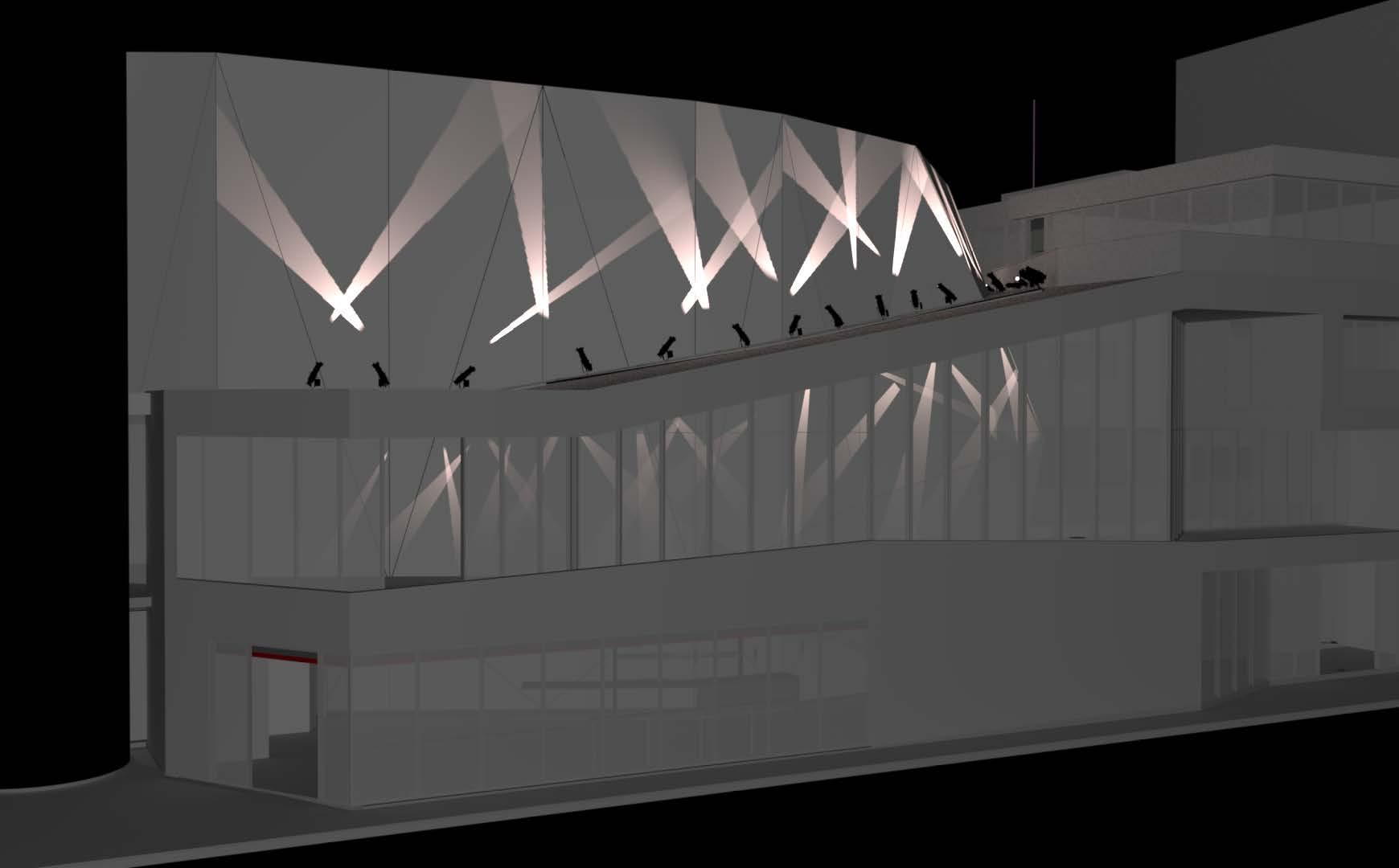
“That progressed into this side-by-side – a Mini Source4 on the floor showing these shafts of light, brushstrokes of light that were intersecting on the wall. Just this clean, solid line. We then applied this to the whole model. We created the whole model lit with fiber optic as a group of concepts," Mor added.
As anyone who has experience with large-scale design projects knows, the distance between a successful mock-up and a successful project is often vast. They had a lot of work to do.
ACT II
CONFRONTATION
Among the many questions regarding how to produce these ‘brushstrokes of light’ were these: How wide of a lens would produce the desired effect, and at what angle should it be placed? What the team learned through immense effort was counterintuitive – rather than a narrow light fixture, what they required was a very wide light fixture. “As for the lens tube, we had to figure out whether we needed 5-degree, 10-degree, 19-degree, 26-degree…36, 50, 70, 90 degrees? When you use
a 26-degree beam, you get a certain circle. As soon as you start shuttering that down, you still have a line, but the circle is only so tall. If you take a 70-degree beam, you have a huge circle which you can then narrow down. It took time to think through and try all the options and finally decide that a 70-degree optic would get us what we want.”
The collision between problem and solution, question and answer, continued throughout the project. When the mounting detail markups got missed during construction, larger clamps to fit on the pipes had to be ordered to attach the fixtures.
Later, when all the exterior fixtures were installed, they discovered issues with how DMX was processed by them. DMX is a stable protocol as long as you follow the rules. These fixtures did not follow the rules and required an individual run from an opto-splitter to be stably controlled.
Next, they had to figure out what light fixtures to use for the exterior that could be pointed up into the architecture. The project called for fixtures that could withstand the extremes of Chicago weather, that could handle snow and ice and days ranging from over a hundred to well below zero. They needed to be full-color changing and shutters that could match the colors and the optics of the interior fixtures.
What was to be done when, after an exhaustive search, such a product didn’t exist?
Mor explains, “We said, ‘Okay, we’re going to punt. We know somebody will have something like this in a few years.’ We created a mock-up during construction where we took the interior light fixtures, because we knew what those were going to be ETC Source 4s, and mocked up the two different products that were available. The question was about optics, but also could we match the two products’ colors?”
ACT III RESOLUTION
As the questions collided with answers, something serendipitous occurred – dueling optical illusions, of sorts. “We loved that, in this mock-up, the light fixture is actually bending around the panels, but it still looks like a continuous line.”
Not only were the light fixtures bending around the architecture, but in some areas where the architecture was bending, the light itself seemingly bent as well. “The architecture is sticking out, and the light fixture is pointed at such an angle that it can land on all those sides. Because the architecture is bending away, the light falling on it as it bends away makes it look like the light is bending around corners. It took a lot of finagling, like moving the fixtures down the pipe’s ETC Datatrack Backbone. It took a lot to get it right, but it sure looks cool."
When it came to controls, the lighting team played on the strengths of its clientele. Theater people know lighting inside and out, enabling the team to utilize one lighting control system that is split in two – one for the theater and one for the front-ofhouse, both running off the same system. Says Mor, “You have an educated user. They’re theater people. You couldn’t do that in a regular commercial establishment. You couldn’t do that in a conference center. Take advantage of their knowledge and give them the best system possible, and save a lot of money in the process. This is not done often. You’ll see lots of front-of-house spaces with a Lutron dimming system and then the theater itself
with an ETC system, but back-of-house (the dressing rooms, the conference room) uses Acuity nLight for cost savings.”
After the lighting team had already designed and budgeted the project, it went on hold for about a year for fundraising. Typically, one year later, prices would have climbed significantly. “But, somehow,” says Mor, “We went to price-check everything, and everything was the same price. We actually saved money in that year we were off. That would not happen in today’s environment. That was around 2018, when LEDs were reducing in price, we maintained that budget through-and-through.”
The process of lighting the Steppenwolf Theatre at times seemed to mirror the world of the theater itself. It began with a question, not necessarily the question of theater, “How do we live?” but rather with the question, “How do we light?” There is a set-up,
or mock-up, in Act I. In Act II, we see the confrontation, the collision, the problems and doubts and unresolved questions cropping up like weeds. Act III brings some manner of resolution, an accounting, a final say – the stage, a space transformed. In lieu of a standing ovation for these magicians of light, the accolades have come in the form of awards – the IES Chicago Award and the NLB Tesla Award, to name a few.
With that, we have reached, as they say, the final curtain. Cue uproarious applause and the stomping of feet. Riotous cheers of “Avi! Avi!” Avi Mor’s team take their bows and exit stage left. Adrian Smith + Gordon Gill Architecture take their bows and exit stage right. That’s a wrap. Or, as theater people say, and as is typically indicated with the final instruction of a play…
Blackout. ■
An elegant and minimalist design.
by
Gunnar:
Designed
Urbidermis Santa & Cole
Gunnar
CIVILIAN HOTEL: BROADWAY'S NEWEST STAR
Rockwell Group and Focus Lighting
Create a Show-stopping Attraction in New York’s Theater District
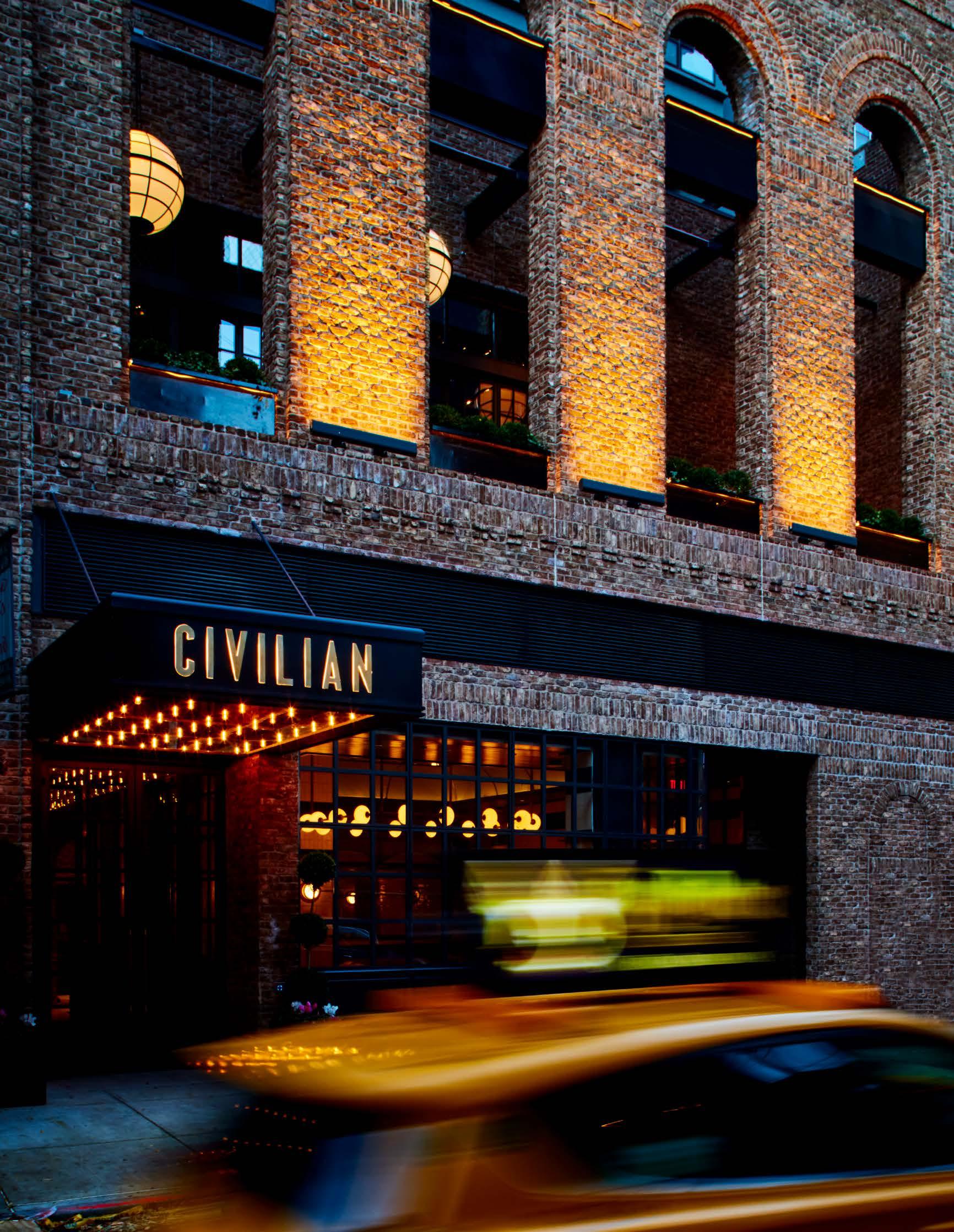
The Civilian Hotel is a hotel and dining destination that draws its own visual drama from 41 neighboring theaters in New York’s iconic Broadway district. From its marquee at 305 West Forty-eighth Street to its Starchild Rooftop Bar and Lounge on the top and twenty-seventh floor, Civilian interprets the nearby fabled stages with its own style, a collaboration by The Rockwell Group and Focus Lighting, both based in New York City.
Design architect for the 203-room building was Gene Kaufman Architects. David Rockwell and associates created the interiors with Focus Lighting led by designer Juan Pedro Lira. (Mr. Rockwell’s comments on Civilian appear below.)
Lighting designer Lira, known to colleagues as JP, and his team were responsible for the facility’s architectural lighting, for fixtures rated at 2,700˚K. Accent lighting for the numerous theatrical exhibits emphasize the displays of theater props and costume pieces such as those exhibited in the Blue Room.
“We served as consultants for the custom decorative lighting which was designed by the Rockwell Group,” says Lira. “Mock-ups were reviewed to check the output of the LEDs and the effects on the object or space being lit,” he pointed out. Museum-type lighting was employed for the shallow profiles of display cases.
“There are 41 circular wood-mounted wall sconces in the Rosevale Kitchen dining room, each with a sketch of the façade or interior of the surrounding theaters,” Lira describes. Soft lighting behind each white glass shade creates a visual rhythm through the space. Overhead is a room-spanning chandelier formed by a double row of white lamps on a black metal frame. A wall-mounted upholstered panel above the red velvet banquets is defined by a glow of lighting along top and bottom.
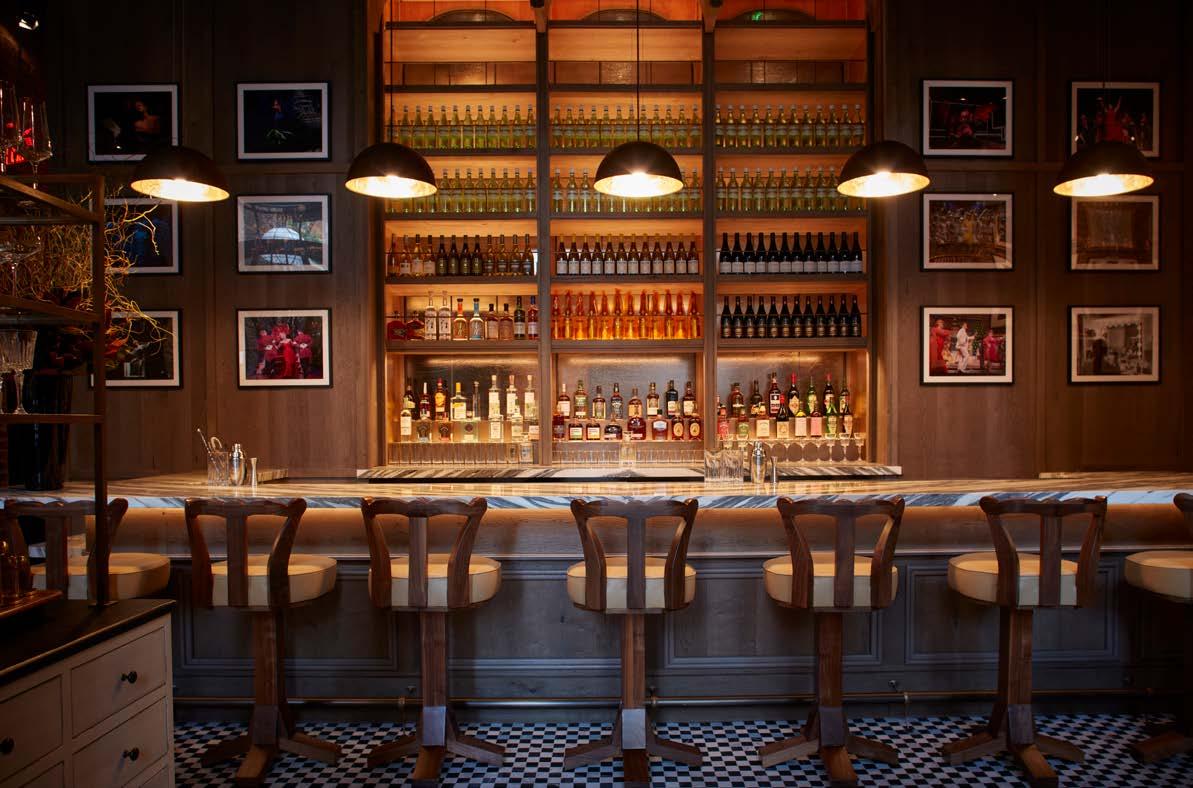
In the adjoining Rosevale Lounge, Focus balanced the two levels of illumination: at the arch tops of the triple wall units; and the ceiling-suspended metal shade fixtures over the bar. Circular and rectangular tables are identified with beams of light.
VILMA BARR By
Photo Credit: Rockwell Group
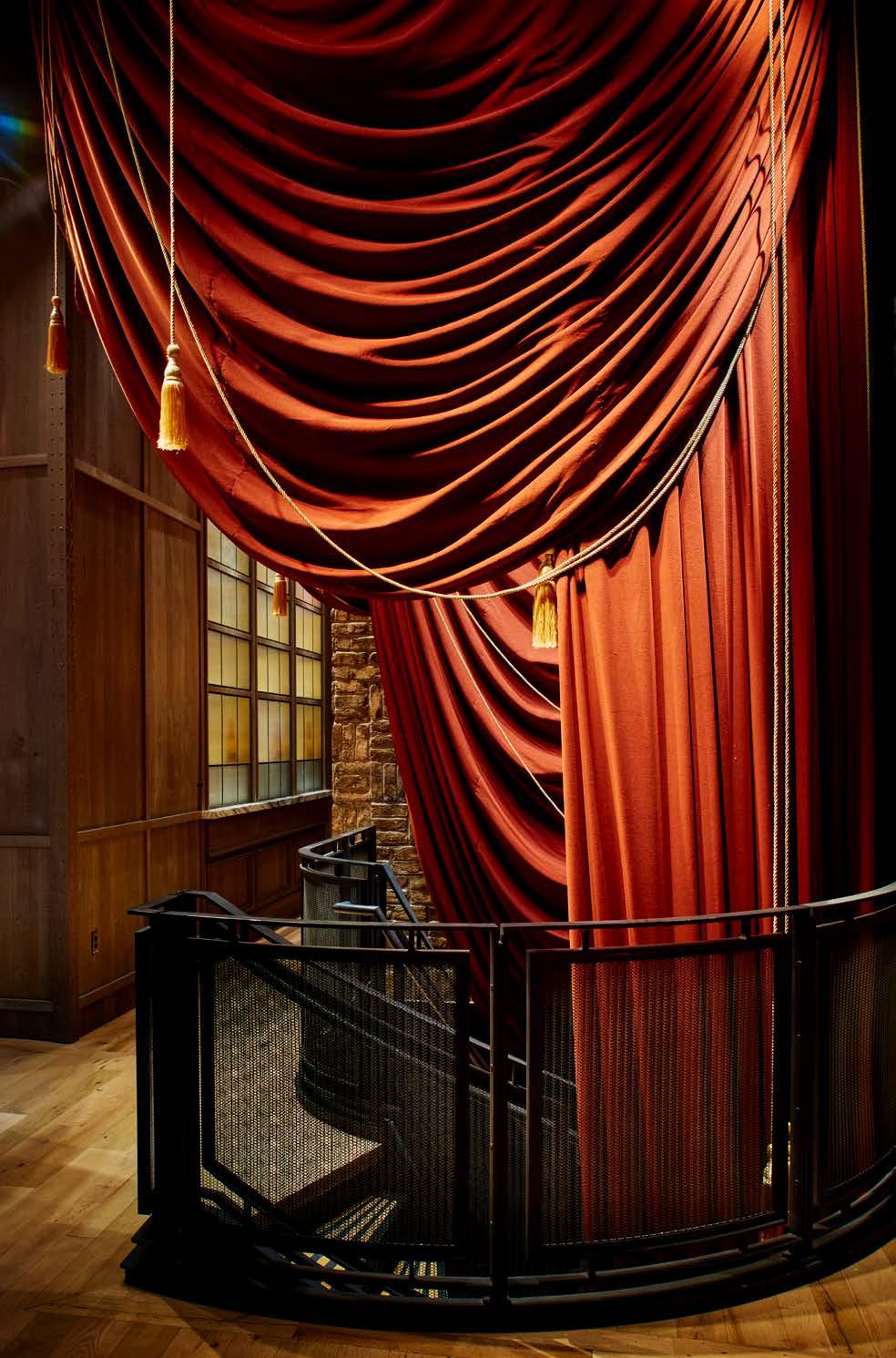
A black metal spiral staircase at the second floor level, not unlike stairs typically found backstage in traditional performing theaters, is draped in cascading fabric levels, similar to a curtain framing a stage. Lira gave dimension to its deeply gathered vertical panel element and the draped swags with degrees of light and shadow, and the additional effect on this scene with gold tassel pulls.
“The Civilian,” observes Lira,” is David’s pet project.” Now heading a 250-person firm with offices in Los Angeles and Madrid, Spain, Rockwell’s international reputation spans theater and architecture. He has been involved in settings for nearly 70 stage shows, nominated for and receiving Tony citations. His firm’s broad practice has garnered an awardwinning list of hospitality and resort projects.
Throughout his dual career, Rockwell has been guided by the vision that just like putting on a stage show, a room only comes to life when there are people to witness it. “Theater isn’t alive without an audience, and that’s also true of architecture, particularly hotels. That’s what we are seeing at the Civilian,” he affirms.
Q&A w/David Rockwell, founder and President, Rockwell Group, architect and designers of the Civilian Hotel (Mr. Rockwell’s responses transmitted via email.)
1. dl: Had you worked previously with Civilian Hotel developer Jason Pomeranc on other projects before Civilian?
DR: We first worked together on Kittichai, which was located on the ground floor of the Thompson Hotel in Soho, back in 2004.
2. dl: When did you first become interested in theater and theater design?
DR: I spent the early part of my childhood living in Deal, New Jersey. My mother ran a community theater there and cast me in a number of productions. At home, my four brothers and I turned our garage into a fantasy clubhouse. We transformed it over and over again, from a bunny farm for Easter to a haunted house on Halloween. That might have been the first clue that transforming spaces would be
a passion of mine.
3. dl: When did your interest in lighting design become an important aspect of your design interpretations? At Syracuse University, or at the Architectural Association of London?
DR: I worked as an intern for the lighting designer Roger Morgan when I was 19. He took me under his wing and made me his assistant draftsman. Working for Roger helped me realize that I could pursue and combine my passions for architecture and theater. In all of our work, we used lighting to tell stories. For example, we spend a lot of time thinking about entrances and how guests move throughout a space.
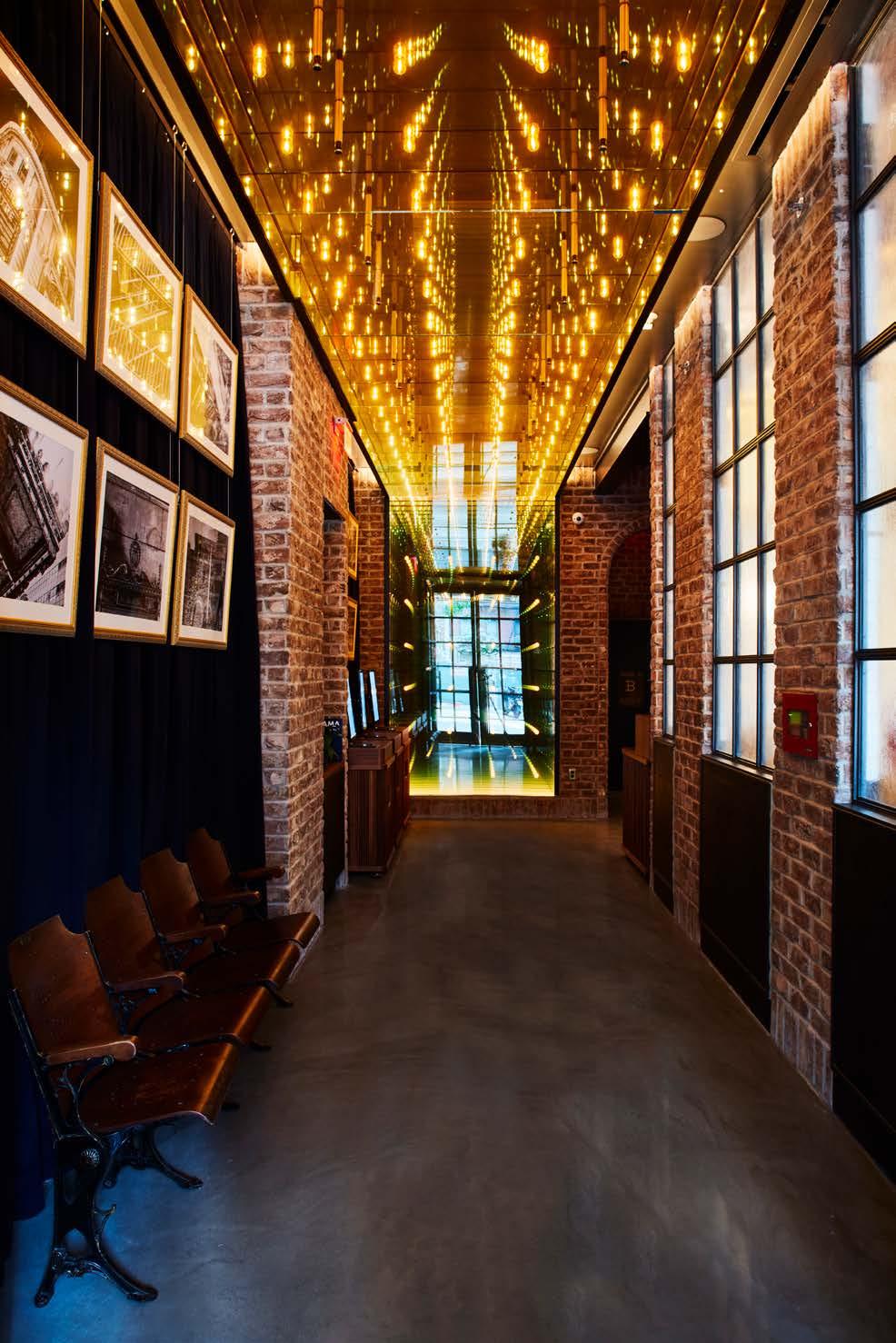
Lighting can add a momentary sensation at the entry, which sets the tone for the rest of the experience even before you step inside. Though short-lived, it’s a memorable encounter that feels elevated. At Civilian, the runway-like vestibule has an abstract interpretation of marquee lighting.
4. dl: Did your concept for the interior precede that of Gene Kaufman Architects for the building’s structure?
DR: The building’s construction documents were almost complete. We looked for opportunities within the original footprint and expanded the ground floor restaurant and added the lower level’s brick façade.
5. dl: Of the lighting fixtures used for Civilian, are there any custom or specialized production designs?
DR: There are several custom lighting fixtures throughout that we developed. Notably, in the Rosevale Kitchen, 41 round custom brass sconces that feature sketches of the 41 Broadway theaters by an expansive list of prominent set designers including Derek McLane, Es Devlin, Scott Pask, Tony Walton, and Mimi Lien. Inspired by the late Tony Walton’s theater drawings found in a Playbill, we reached out to each designer personally, and while the sketches highlight each artist’s individual style, together they create a cohesive family.
6. dl: Did you and your team envision patrons and guests at Civilian not unlike actors in a stage set? Does the design “reach out” to the users of the various spaces the way stage actors connect with their audience?
DR: For me, theater was, and is, a microcosm for so many of my emerging interests that became focused in practicing design. That is design as a social experience, a means of communication, as collaborative process to create and an aesthetic universe only limited by imagination. Design, like theater, is driven by a narrative.
I would say that at Civilian, we hoped the design would embrace the audience, and transport them to a very specific and special world. We achieved that through every material and architectural element, from the dressing-room-like guestrooms, to the lounge and bar inspired by the “back of house,” with its patina and moody lighting, to the Olio Collection, which features permanent and rotating works by emerging and established theater creatives.
7. dl: You have made previous references to the John Soane Museum and Civilian as a comparison of the design of an interior as a narrative to relate to the viewer.
DR: One of the things I love the most about Sir John Soane’s house in London is how personal his art collection was, and how he arranged and juxtaposed that wide-ranging collection in order to tell his own narrative, from architectural models to antiquities. With Civilian, we created the Olio Collection, which is also like a cabinet of curiosities in a way. It’s a first of its kind curated art program with permanent and rotating works by emerging and established theater creatives. The collection is woven throughout the hotel in a very deliberate way that reinforces the narrative. It is like a character in and of itself, an “insider” who is taking the guest by the hand and guiding them on a very personal and intimate tour through Broadway. ■
INTRODUCING
DESIGNED FOR THE DESIGNER
Unity uses the all-new Spectrum Five engine to give the lighting designer the perfect, high output / high CRI whites, dynamic white operation, and full color mixing in the same unit. It also provides a single, fully homogenized beam with no color striations or separation. Unity features Acclaim’s ColorSync Digital Color Calibration technology and Aria Wireless control built into every unit.
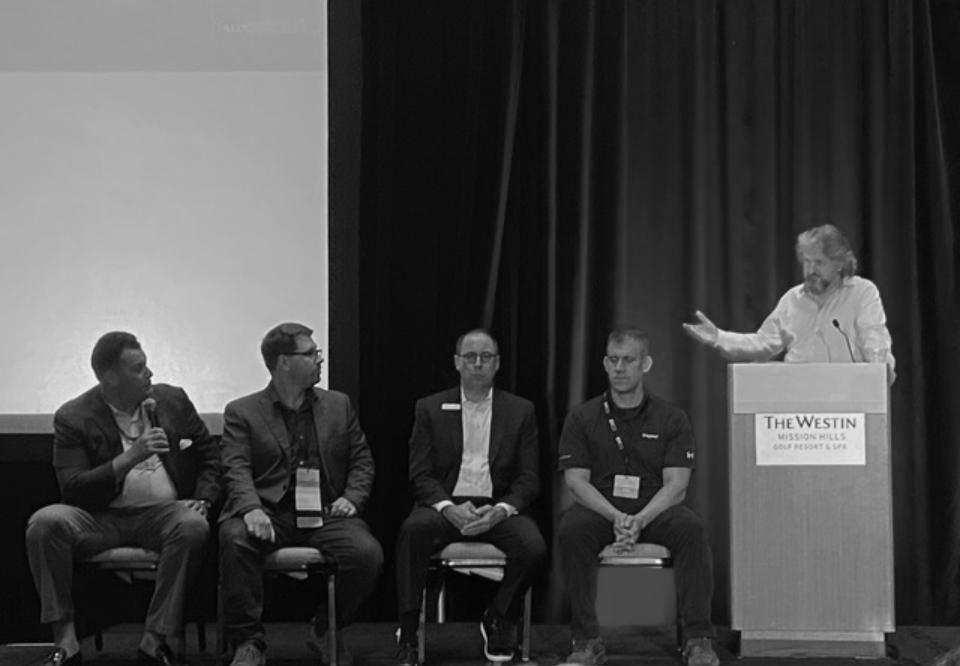
Thomas Paterson moderates the Luxury Residential Lighting Forum at the IALD Conference in September 2022.
Thomas Paterson, founder of Lux Populi, and Sean O’Connor, founder of Sean O’Connor Lighting, have been named designing lighting (dl) magazine’s Lighting Designers of the Year. They were chosen for their outspoken leadership in drawing attention to business practices made by a major controls manufacturer.
In September, Paterson penned an article for designing lighting (dl) raising awareness of Lutron’s business practices, particularly Lutron’s withdrawal of EcoSystem from luminaire manufacturers, with the exception of Ketra – a Lutron owned company.
A few weeks after the article was published, Paterson moderated an open discussion at the IALD Enlighten Americas Conference in Palm Desert entitled the “Luxury Residential Lighting Forum.” He was joined by Anne Kustner (AKLD) and Sean O’Connor. At this event, Lutron publicly defended their business practices in front of the design community, the lighting media, and three competitors: Crestron, Legrand, and Savant.
Paterson discussed the benefits of the Lutron EcoSystem drivers, such as their compact size and cost-effective wiring due to their digital typology. He said that Lutron instructed CEDIA clients to use Ketra, or there would be a risk on the Lutron system. Thomas stated, “That is tantamount to saying you have a lovely house here, but it would be a shame if it burned down.”
Erik Lind, Lutron’s VP of Global Specifications, stated, “We made a decision 18 months ago. We can’t correct it as fast as we want. We understood that we took away a choice. We have been actively supporting the lighting design community for 50+ years…It concerns me that we took away a choice. It is as if I shot someone.”
Prior to this event, Sean had put in hundreds of hours, traveling across the country numerous times, and even meeting with Lutron in Coopersburg, in an effort to gain traction and industry awareness.
Taking on a manufacturer publicly, especially one as large and as powerful as Lutron, takes courage and confidence. That is why we chose Thomas Paterson and Sean O’Connor as our 2022 Lighting Designers of the Year. ■
Sean O'Connor
Thomas Paterson
QUILATERO
COLORADO
ARCHITECTURAL LIGHTING
QUILATERO - Square Recessed, Driveover, With or Without Visble Screws, Optics Adjustable +/- 20°, 4 Sizes
All have Multiple Optics, Excellent Resistance to Corrosion even in Harsh Environments, IP66 / IP68 (72 hr) / IP69K, CRI>90
Photo by Alessio Tamborini
“Mr Arbitrium” / “Il Sospeso” Artwork by Emanuele Giannelli
A TASTE OF JALISCO COMES TO DENVER
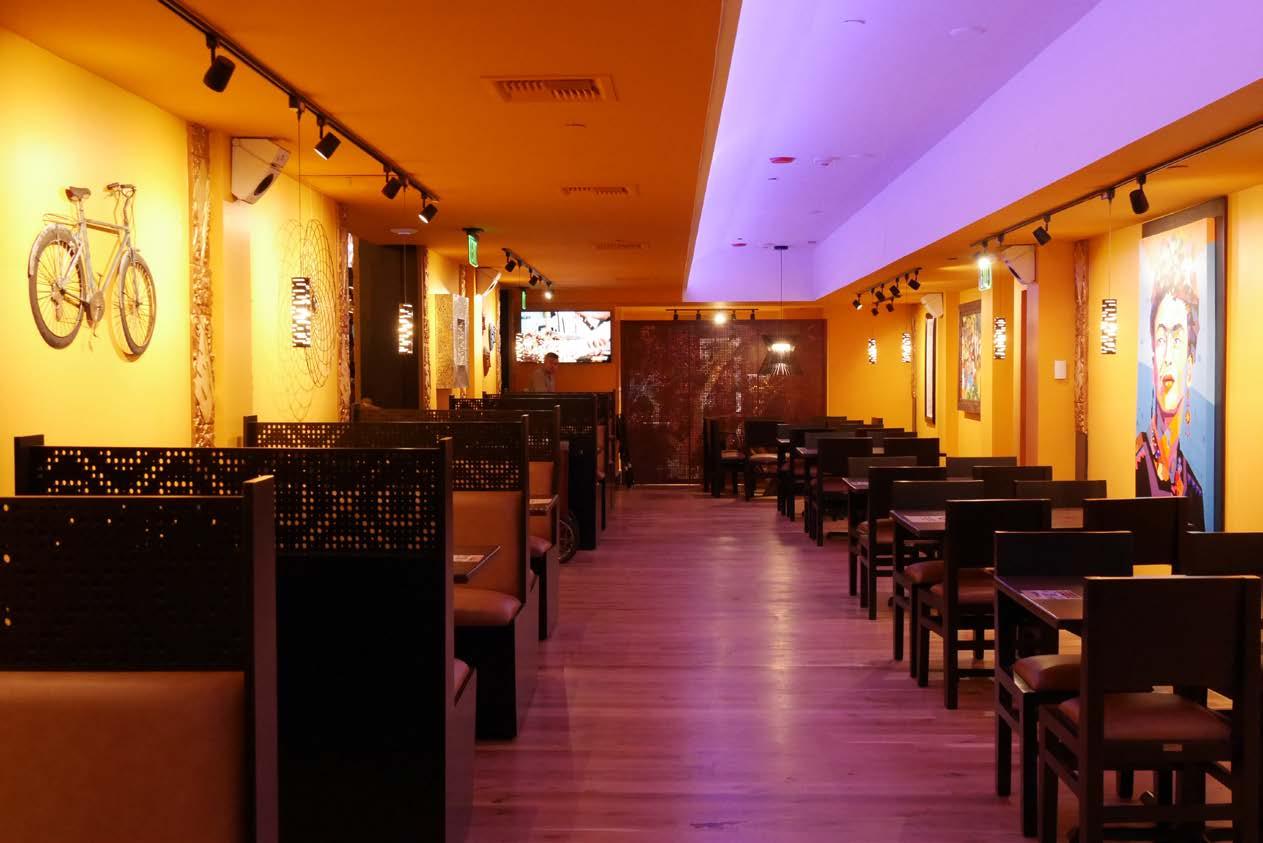
When 3 Margaritas restaurant moved to a new location in the historic Kittredge Building in Denver, Esteban Murguia, co-owner, wanted to bring a taste of authentic Mexico to the area.
The location is ideal: with Art Deco detailing and beautiful terrazzzo floor, the space originally served as the Paramount Theater lobby.
Local design firm re:architecture was chosen to create a contemporary Mexican restaurant experience that respects the historic character of the building while delivering a modern Mexican dining experience to more than 200 guests.
Rick Epstein, re:architecture founder and principal brought more than 25 years of architecture, urban design and master planning experience to provide an integrated perspective to the project.
The interior concept was brought to life through Mexican artwork, custom light fixtures and furniture sourced from the owner’s Mexican home state of Jalisco.
“We carefully and diligently looked at both the big and very small elements to bring the culinary experience to restaurant guests,” said Epstein.
KATIE SMITH AND PARKER ALLEN By
To ensure an authentic feel to the restaurant’s design, multiple trips were made to Murguia’s birthplace of Jalisco in westcentral Mexico. It was in Guadalajara that the architect discovered artwork, lighting, Talavera tile and other special elements.
A native Jalisco fabricator was identified to custom design the furniture for the restaurant. The special crafts district of Tonala has a wide array of native and locally fabricated arts and a crafts and was central in sourcing many of the elements used in the restaurant.
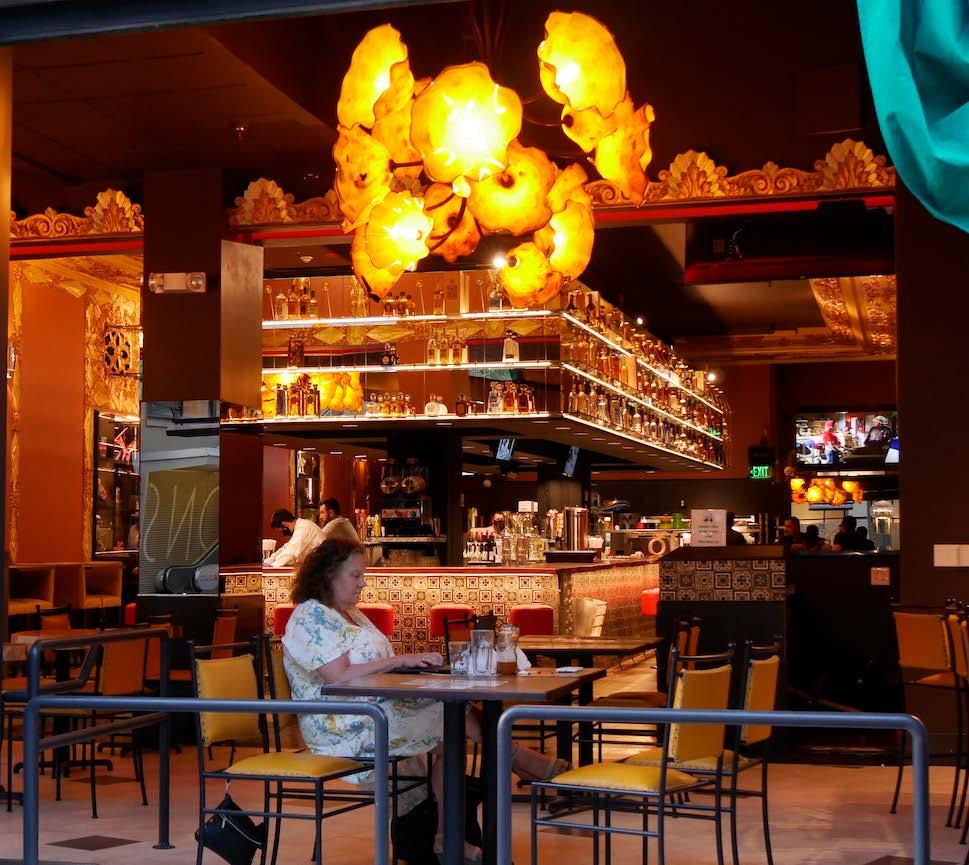
The vision created three unique environments for the 6,000-square-foot restaurant: A huge central bar, the galleria where artwork is showcased in a more tranquil setting and. the
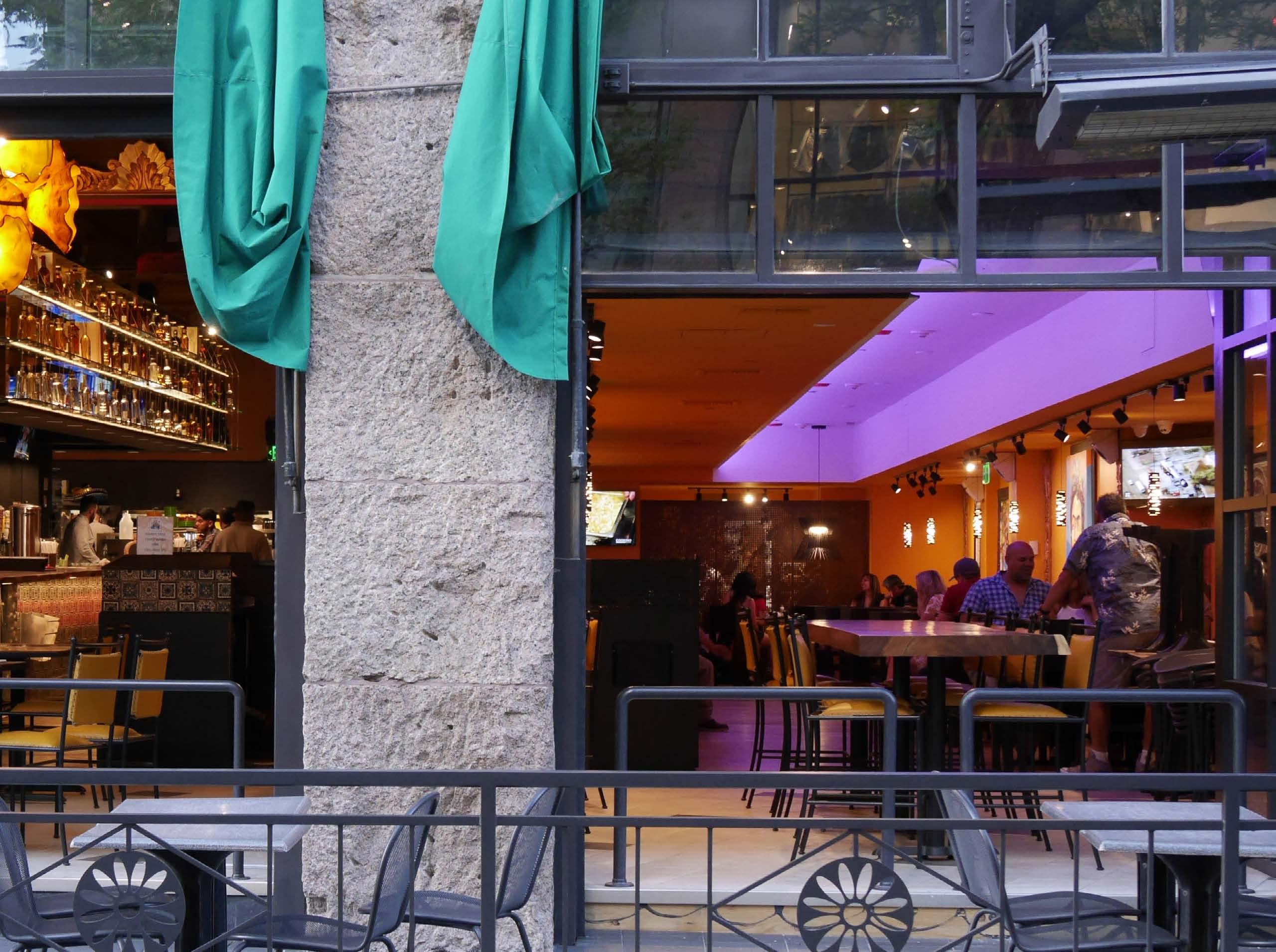
indoor patio which is an interior “garden” that connects to the outdoor patio to Denver’s 16th Street Mall.
Each area required a custom lighting scheme that would tastefully highlight architectural elements and create a fun and welcoming Mexican atmosphere.
Murguia and Epstein worked with Addie Smith, a senior certified lighting designer at AE Design Inc., who designed the lighting in collaboration with Epstein, carefully choosing luminaires to help his vision come to life.
Smith said, “Our approach to the lighting design followed the architect’s vision for creating the three spaces that each took on their own identity.”
"When we started this project, we knew we had the major challenge of turning a historic art deco space into an authentic Mexican restaurant, so we had to pay very close attention to every detail”
Rick Epstein
Transforming the Bar Area
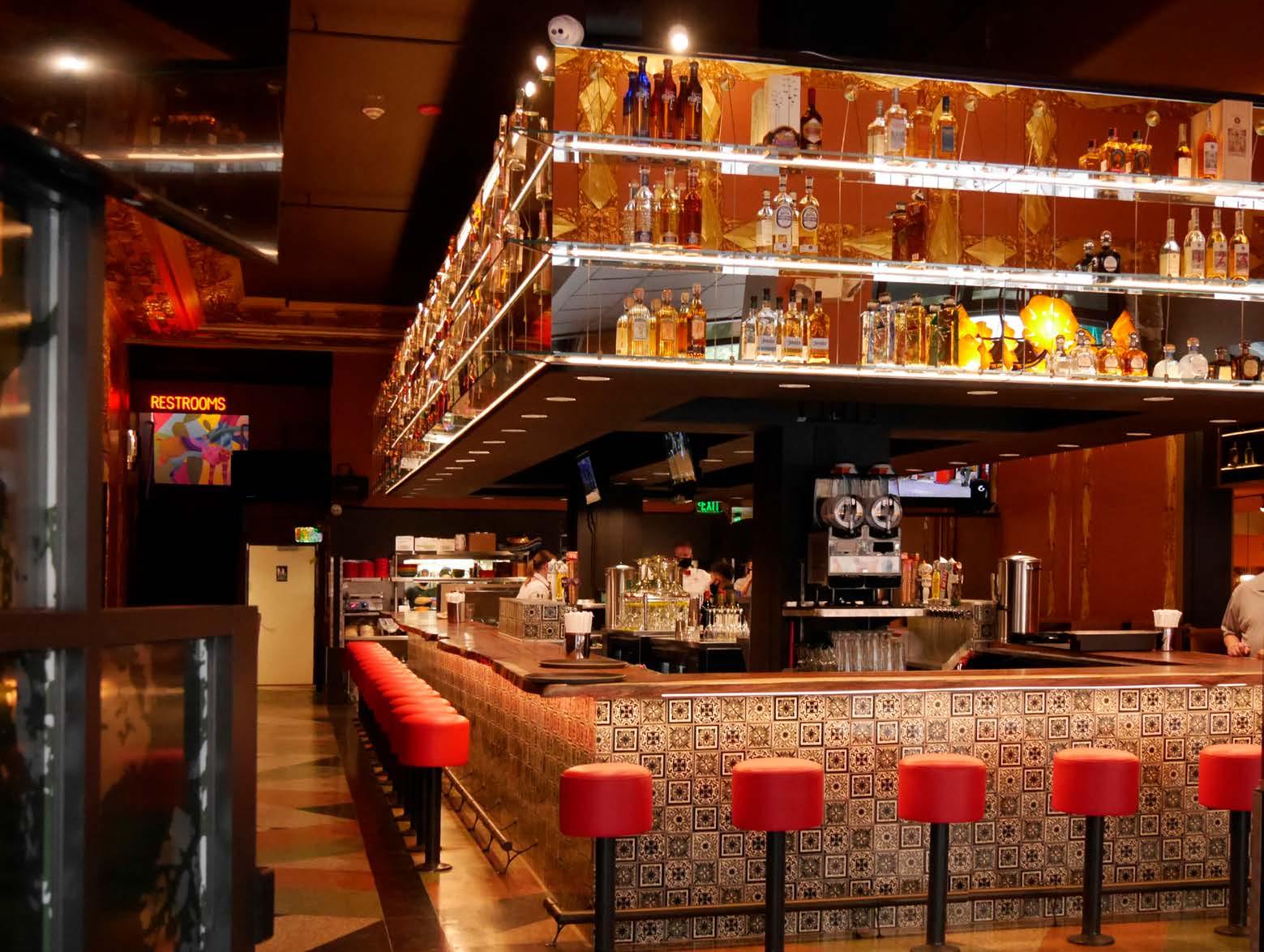
The bar became an iconic space with custom lighting that highlights the historic floor and trim. The bar top is made from a single piece of parotta, a special wood indigenous to Jalisco. The face of the bar is lined with black and white Talavera hand-painted tiles.
“The central floating bar was designed to be a gathering space, with lighting as the secret ingredient to showcase its unique features, enhance the bar experience, and drive revenue,” said Smith. “Concealed linear accent lighting is tucked into floating glass shelves with a mirror backing that reflects the Mexican-sourced liquor and the space itself. Concealed track lighting was installed above the bar to feature the historic Art Deco cornice details around the room’s perimeter.
Accent lighting under the bar highlights Talavera hand painted tiles and creates a strong silhouette for the new bright red bar stools and display niches with custom lighting special art work that celebrates contemporary and traditional regional craft traditions.
Celebrating Mexican Traditions
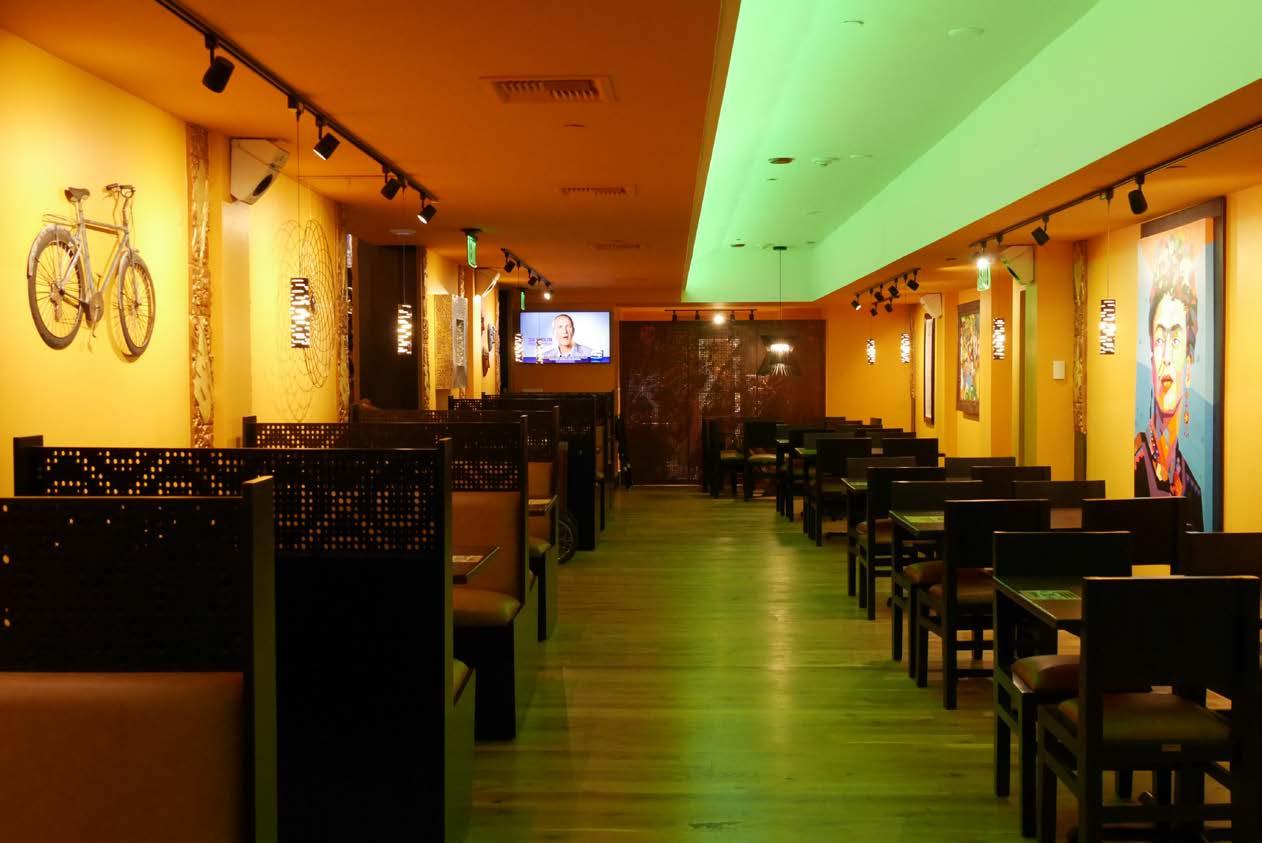
The Galleria, formerly a long low seating area, was transformed into a brilliantly colored dining room with bright interior paint finishes selected by Epstein, and a new renovated Turrell-inspired colorchanging ceiling cove designed in collaboration with Smith. The cove uses concealed, slowly-changing colored LED lighting to celebrate the tradition of color commonly used in Mexican architecture. “We wanted to unify the space, make it feel more expansive by making use of the higher ceiling, and enhance the dining experience with a subtle kinetic lighting effect,” said Smith.
TLX RGB+TW Light Tape is located along the bottom edge at one side of an existing pop-up ceiling cove. Smith worked with Epstein to add a plastered curve of the cove to help carry the light around the inner surface for an infinity effect. Epstein and Smith specified this Light Tape from American Lighting, which is an economical and versatile tape light with RGB + Tunable White capable light output with a high 90+ CRI for precise color.
Its lengths are up to 13.1 feet, allowing for longer lines for easier installation. “We utilized the tape light based on its RGB and 2700K-6000K color options, output, local availability and affordability, along with its easy customization and long-term performance.” said Smith. “The color options enable us to set the appropriate light levels to create the exact effect for the experience we wanted to deliver.”
According to Jon Krams, former national sales manager for Prizm Lighting, the color in the tape lightshifts slowly and plays with the other interior painted surfaces creating an experiential vibe in the
dining area. “The color of both the paint and lighting in this space are inspired by the bright color traditions of Mexico.” The slow changing color patterns creates an imperceptible change over time.
Creating a floral paradise in the indoor patio
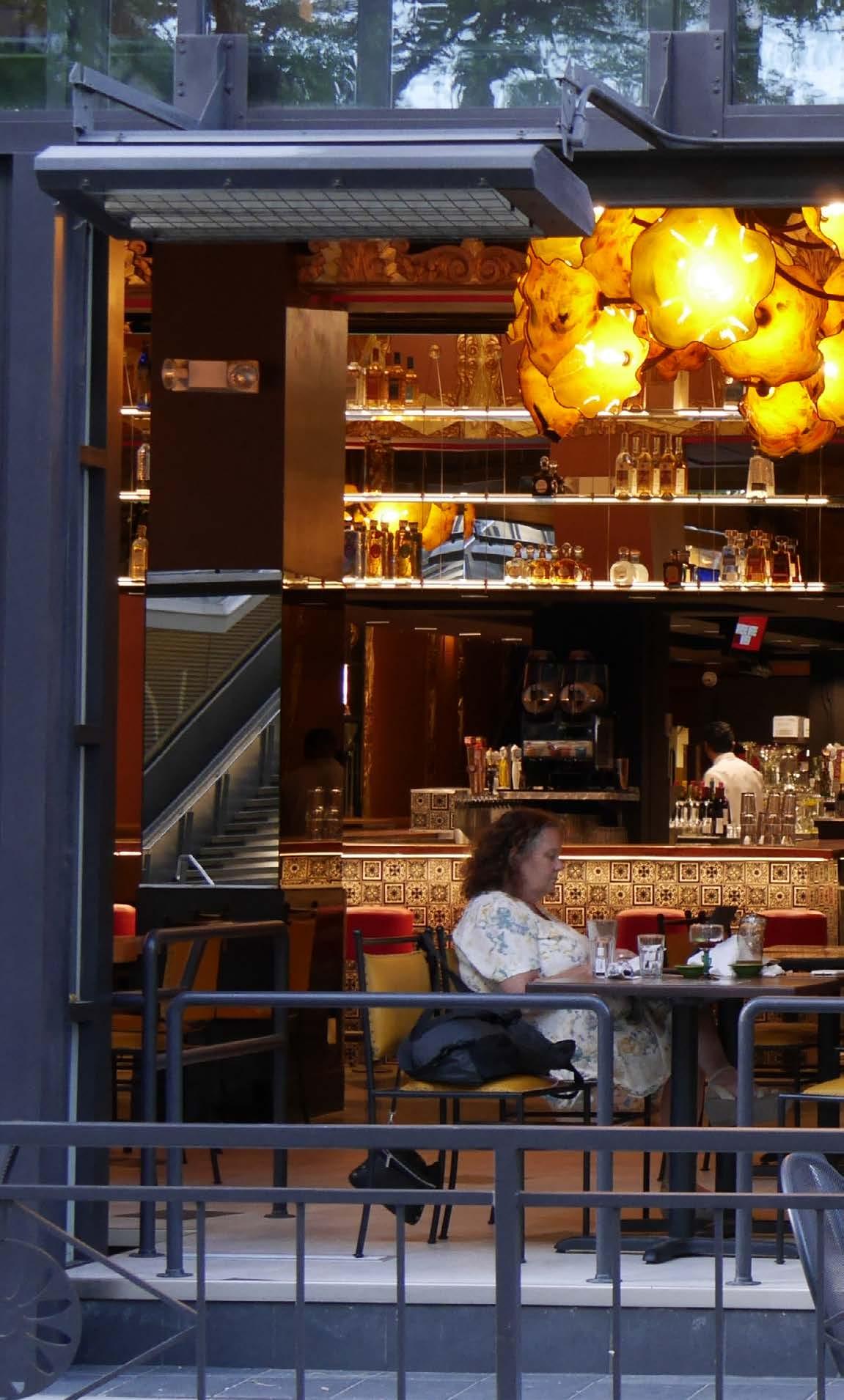
Throughout the restaurant, no detail was left untouched. The third major focus – the indoor patio connecting to the 16th Street Mall with large garage doors – was transformed with large custom floral themed chandeliers from Guadalajara and custom designed patio furniture. This area has a storefront wall highlighted with a green parotta tree image to reinforce the garden feel.
Even the bathrooms with floor-to-ceiling Talavera tiles are special, creating a memorable experience. A colorful mural in the hallway created by a local Mexican artist features animals native to Jalisco.
“When we started this project, we knew we had a major challenge of turning a historic Art Deco space into an authentic Mexican restaurant, so we had to pay very close attention to every detail,” said Epstein. “After the renovation was completed, we were very pleased to see that our holistic design with the artistic elements and custom lighting scheme embraces the Jalisco spirit as an invitation to bring back guests again and again for an enjoyable dining experience.”■
A collaborative platform designed for a new way of working.
Being pulled in multiple directions and having to constantly switch focus minimizes a designers ability to service clients and efficently complete projects. We’re here to change that. Try it for free at gosourcery.
Understanding Circadian-Effective Lighting
Pursuing controversial topics is nothing new at designing lighting (dl)
In OCT 2020, we tackled whether lighting designers should be licensed or certified. In FEB 2021, we compared leading design software all of which are popular with the specification community. Both articles were controversial but relatively well-received.
For this story, industry experts either refused to comment or backed out last minute. More on that later.
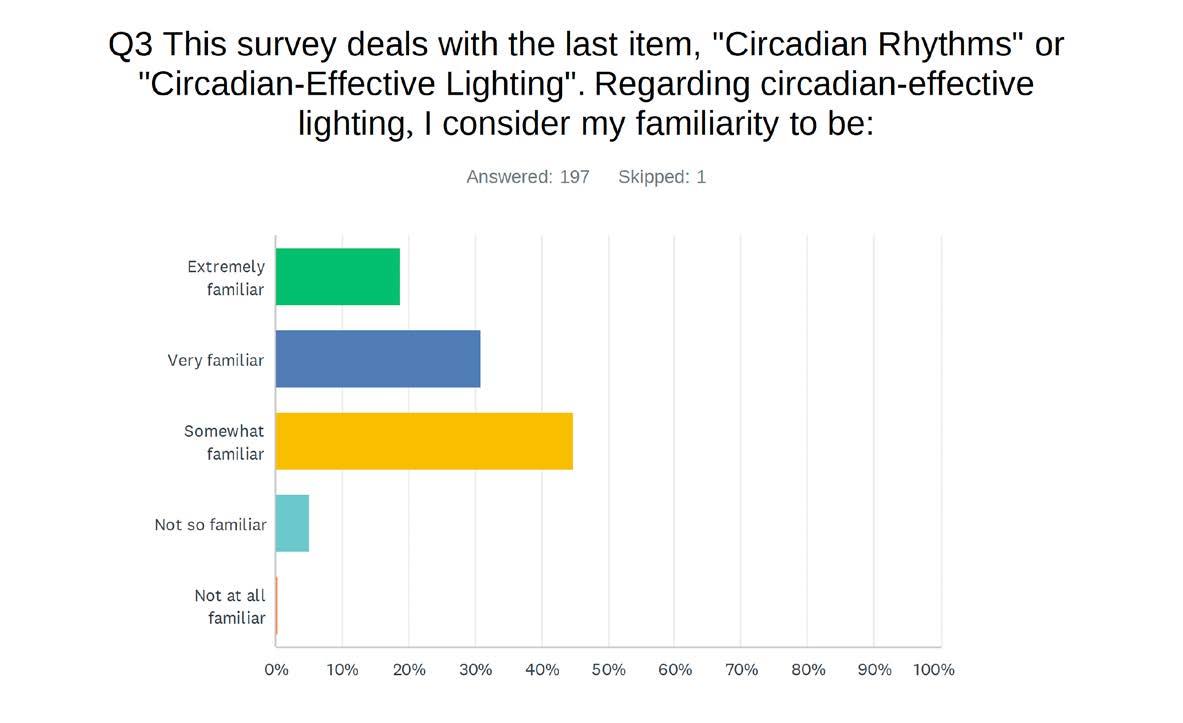
designing lighting (dl) examines the three circadian methodologies in layman’s terms. Most designers do not specify circadian methodologies primarily for two reasons: it is extremely complicated, and the science is ongoing.
New data are still being generated by many labs throughout the world.
By Luc Schlangen, PhD, Human-Technology Interaction group and Intelligent Lighting Institute, Department of Industrial Engineering and Innovation Sciences, Eindhoven University of Technology, The Netherlands. Director, CIE Division 6 – Photobiology and Photochemistry
In 2018, the International Commission on Illumination (CIE) standardized spectral sensitivity functions and SI-compliant quantities that describe optical radiation for its ability to stimulate each of the five photoreceptor classes that can contribute to eye-mediated non-
visual effects of light in humans. This new metrology is defined within international standard CIE S 026:20181,2 and uses the shorthand α-opic to represent one of the five photoreceptor classes within the human retina: S-cone opic (α=sc), M-cone-opic (α=mc), L-cone opic (α=lc), rhodopic (α=rh) [rods] and melanopic (α=mel) [intrinsically-photosensitive retinal ganglion cells (ipRGCs)]. Under most practically relevant situations (i.e. long duration exposures to polychromatic light), the spectral sensitivity of circadian and neuroendocrine responses to ocular light exposure and, by extension, other related non-visual responses, can be welldescribed by the melanopsin-based spectral sensitivity of the ipRGCs (see Brown et al.3). The next section of this article will therefore only discuss the melanopic quantities of CIE S 026 in more detail. However, it’s worth noting that similar quantities can also be defined for the other four α-opic photoreceptors. As such, the α-opic metrology provides a suitable framework to develop multi-photoreceptor models of spectral sensitivity that eventually might yield a more accurate prediction of circadian, sleep, neuroendocrine, and/or cognitive responses to light as compared to the melanopic-only model as currently adopted in, for instance, the CIE Position Statement “Proper Light at the Proper Time”4 and other recommendations for healthy indoor light exposures.3,5
Melanopic irradiance is a quantity that expresses the effective irradiance as detected by the melanopsinbased photosensitivity of ipRGCs. Melanopic irradiance is obtained by multiplying the spectral irradiance (E e,λ (λ), i.e. the spectral power density per unit wavelength) as measured for a particular test light source (or test light condition) with the melanopic spectral sensitivity function (smel (λ)) according to:
melanopic irradiance
[W/m2]
RANDY REID By
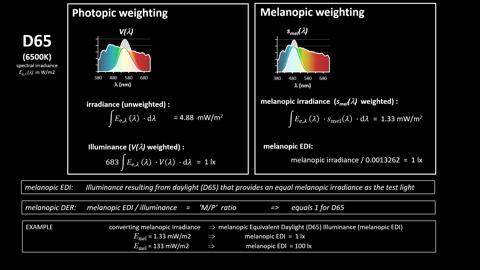
Recognizing the importance of daylight as a light source, the CIE chose CIE Standard Illuminant D65 as the basis for calculating further quantities for comparison. One lux of a light source with a spectrum that conforms to standard daylight with a color temperature of ~6500K (CIE standard Illuminant D65) always corresponds to a melanopic irradiance of 1.3262 mW/m2, see Figure 1. This can be used to convert any melanopic irradiance (as measured for a particular test light/condition) into the corresponding melanopic Equivalent Daylight (D65) Illuminance (melanopic EDI) according to:
melanopic EDI = melanopic irradiance / 0.0013262 [lx]
Hence, the melanopic EDI represents the illuminance that provides an equal melanopic irradiance as the test light source/condition within an environment where all radiation conforms to CIE standard illuminant D65. The melanopic Daylight Efficacy Ratio (melanopic DER) is a dimensionless spectral characteristic of the light source that is defined by the ratio between the melanopic EDI and the (photopic) illuminance as measured for a particular test light/condition, according to:
melanopic DER = melanopic EDI / illuminance [-]
Stated differently, the melanopic DER of a source is equivalent to the melanopic Equivalent Daylight luminous output of the source (M) divided by its (photopic) luminous output (P). The melanopic DER hence represents a dimensionless “M/P” ratio, quite analogous to the S/P ratio (RSP), an established lighting metric defined as the scotopic luminous output (S) of a source divided by its (photopic) luminous output.6
By definition, a light source that emits radiation that conforms to D65 has a melanopic DER of 1. When a test light has a melanopic DER of 1.25 or 0.50, this means that the test light has a melanopic activation (per lumen or lux) that is 25% higher or 50% lower, respectively, as compared to standard daylight D65. In general, light sources with a higher correlated color temperature (CCT) tend to have a higher melanopic DER, compared to sources with a lower CCT,7,8, but it’s quite possible to adopt dedicated spectral tuning strategies to design light sources that combine a high melanopic DER with a low CCT, or vice-versa.9-11 Finally, it is worth noting that any illuminance as produced by a given light source can be converted into the corresponding melanopic EDI by multiplying it with the melanopic DER of the light source.
Figure 1. Schematic representation of the spectral irradiance of CIE standard illuminant D65 (rainbow area), the photopic and melanopic spectral sensitivity functions (V(λ) and smel (λ), plotted as dark grey areas) and the corresponding weighted spectral irradiances (white areas) and the melanopic quantities that result from this weighting.
LIGHT AND
References
1. CIE, CIE S 026:2018 CIE System for Metrology of Optical Radiation for ipRGC-Influenced Responses to Light. doi: 10.25039/S026.2018. International Standard, available online via http://www.cie.co.at/publications/cie-systemmetrology-optical-radiation-iprgc-influencedresponses-light-0 . 2018.
2. CIE, CIE S 026 a-opic Toolbox. doi: 10.25039/ S026.2018.TB. Available online at: http://cie. co.at/news/launch-cie-s-026-toolbox-anduser-guide . 2020.
3. Brown, T.M., G.C. Brainard, C. Cajochen, C.A. Czeisler, J.P. Hanifin, S.W. Lockley, R.J. Lucas, M. Münch, J.B. O’Hagan, S.N. Peirson, L.L.A. Price, T. Roenneberg, L.J.M. Schlangen, D.J. Skene, M. Spitschan, C. Vetter, P.C. Zee, and K.P. Wright, Jr., Recommendations for daytime, evening, and nighttime indoor light exposure to best support physiology, sleep, and wakefulness in healthy adults. PLOS Biology, 2022. 20(3): p. e3001571, https://doi. org/10.1371/journal.pbio.3001571
4. CIE, CIE Position Statement on Non-Visual Effects of Light: Reccommending Proper Light at the Proper Time; 2nd Edition; October 3, 2019. Available online at: http://www.cie. co.at/publications/position-statement-nonvisual-effects-light-recommending-properlight-proper-time-2nd. 2019.
5. Vetter, C., P.M. Pattison, K. Houser, M. Herf, A.J.K. Phillips, K.P. Wright, D.J. Skene, G.C. Brainard, D.B. Boivin, and G. Glickman, A Review of Human Physiological Responses to Light: Implications for the Development of Integrative Lighting Solutions. LEUKOS, 2021: p. 1-28, https://doi.org/10.1080/15502724.20 21.1872383
6. CIE, International standard CIE S 017:2020 ILV: International Lighting Vocabulary, 2nd edition, electronic version (E-ILV) accessible online at https://cie.co.at/e-ilv. 2020.
7. Schlangen, L.J.M. and L.L.A. Price, The Lighting Environment, Its Metrology, and Non-visual Responses. Frontiers in Neurology, 2021. 12(235): p. https://doi.org/10.3389/ fneur.2021.624861
8. 8.Schlangen, L., S. Belgers, R. Cuijpers, B. Zandi, and I. Heynderickx, Correspondence: Designing and specifying light for melatonin suppression, non-visual responses and integrative lighting solutions – establishing a proper bright day, dim night metrology. Lighting Research & Technology, 2022. 54(8): p. 761-777, https://doi. org/10.1177/14771535221120350
9. Souman, J.L., T. Borra, I. de Goijer, L.J.M. Schlangen, B.N.S. Vlaskamp, and M.P. Lucassen, Spectral Tuning of White Light Allows for Strong Reduction in Melatonin Suppression without Changing Illumination Level or Color Temperature. Journal of Biological Rhythms, 2018. 33(4): p. 420-431, https://doi.org/10.1177/0748730418784041
10. Zandi, B., O. Stefani, A. Herzog, L.J.M. Schlangen, Q.V. Trinh, and T.Q. Khanh, Optimising metameric spectra for integrative lighting to modulate the circadian system without affecting visual appearance. Scientific Reports, 2021. 11(1): p. 23188, https://doi.org/10.1038/s41598-021-02136-y.
11. Esposito, T. and K. Houser, Correlated color temperature is not a suitable proxy for the biological potency of light. Scientific Reports, 2022. 12(1): p. 20223 https://doi.org/10.1038/ s41598-022-21755-7
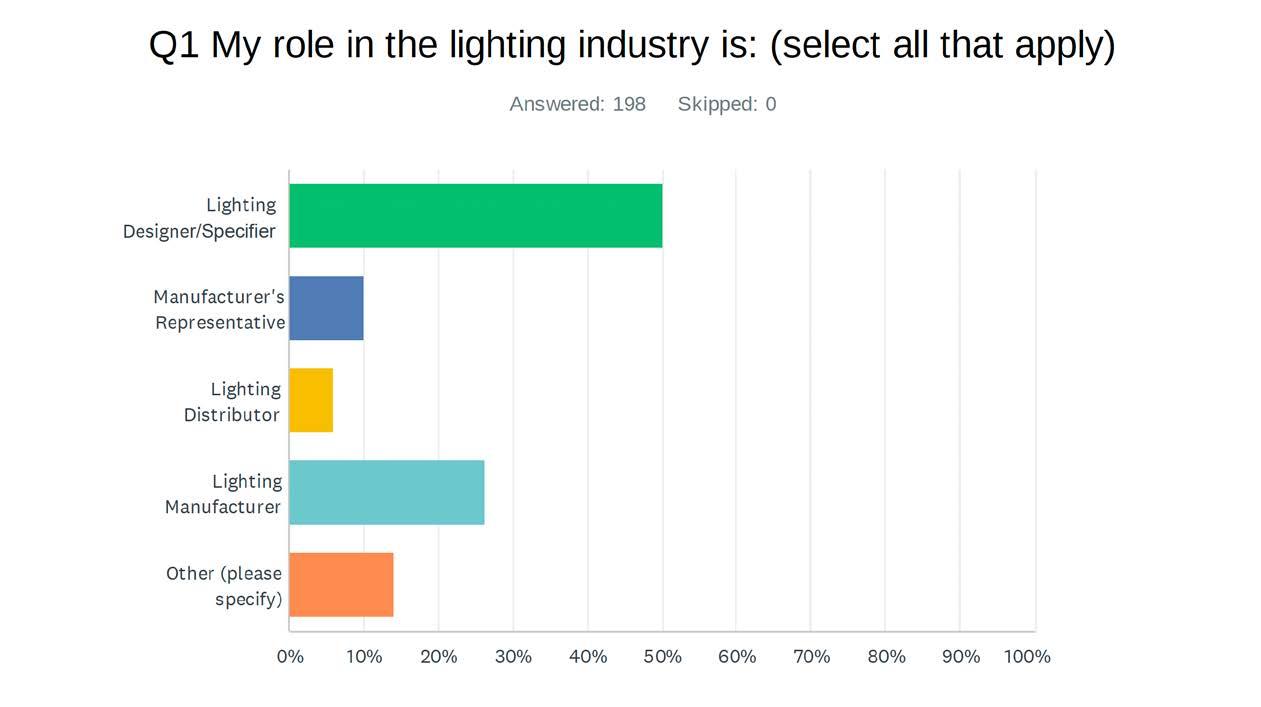
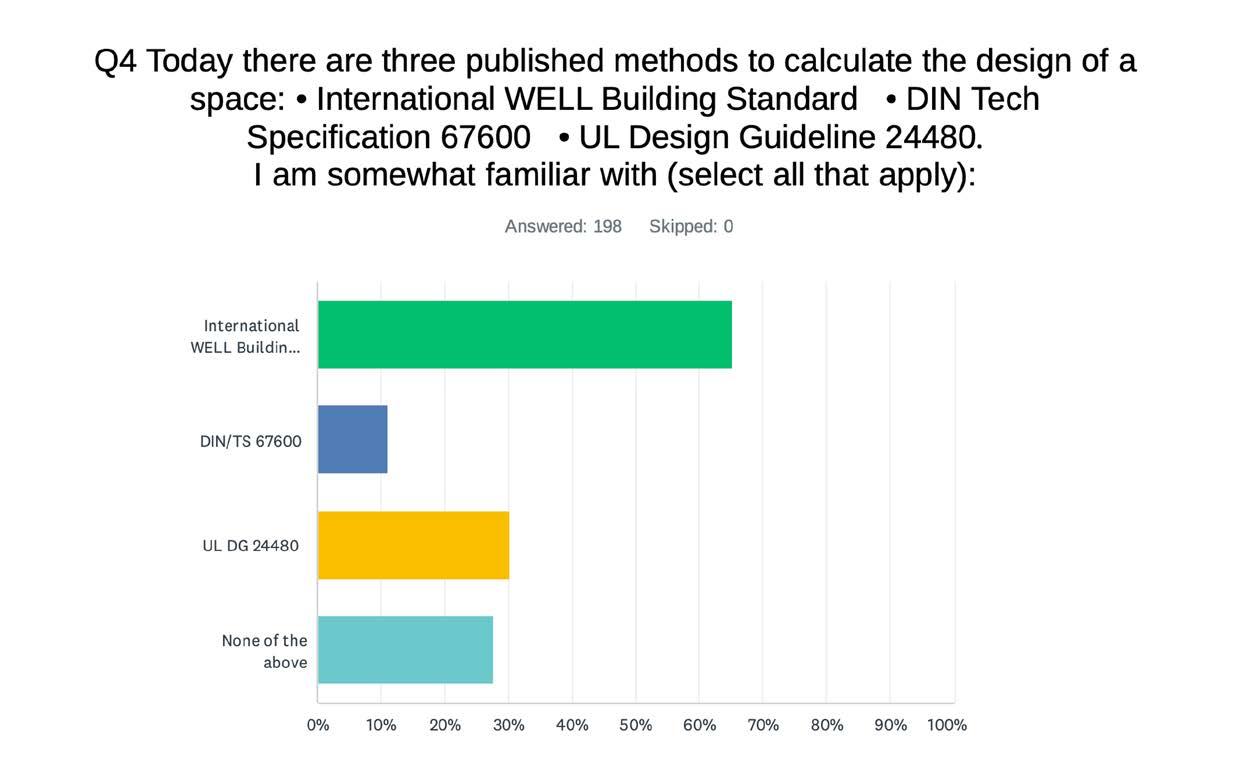
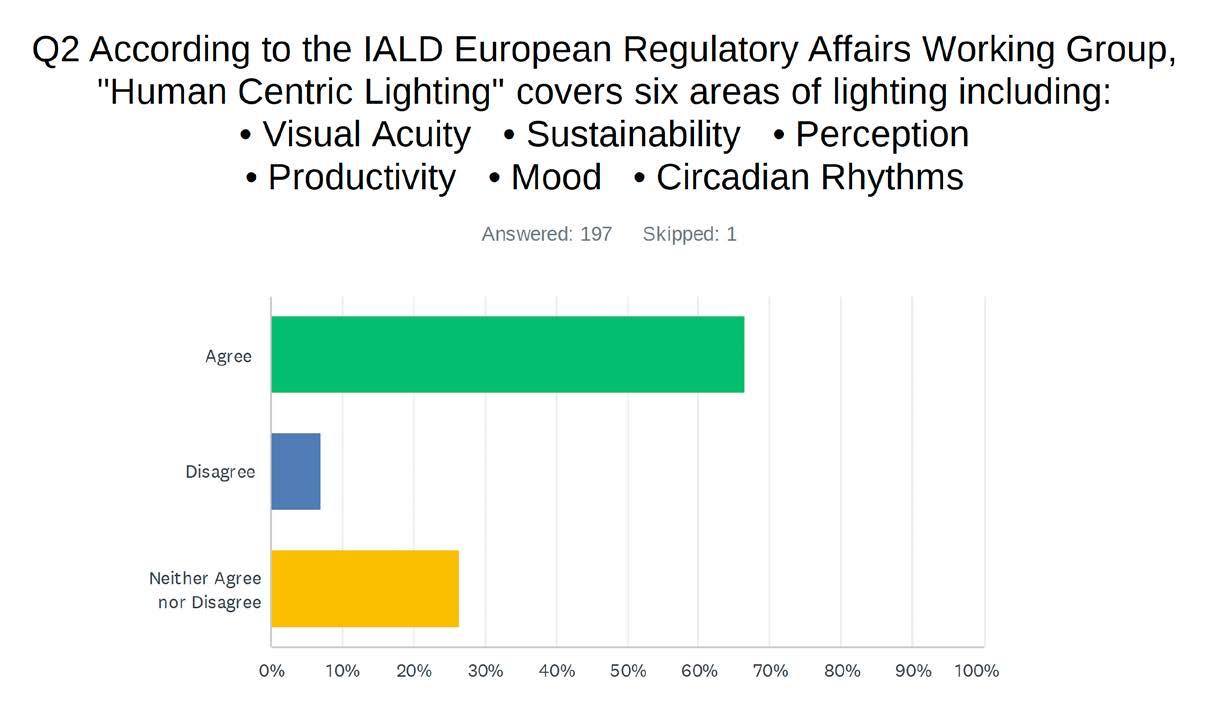
SURVEY RESULTS AND COMMENTS
Equivalent Melanopic Lux (EML)
Bright Light TO the Eyes - For Healthier and Productive Workplaces
By Nathan Stodola , WELL Building Institute and Shengliang (Daniel) Rong, Delos Living
Light Beyond the Visual Effect - Metrics To Quantify the Nonvisual Light Response
Historically, designers looked only at the light for visual purposes, largely concerned with how much light was reaching task surfaces. This was quantified using a series of “photopic” metrics, like illuminance, measured in lux or foot-candles. But, light also plays an important part in regulating our body’s sleep-wake cycle, impacting our biological and mental health. Integrating daylight and electric light to create lighting strategies focused on human health, along with traditional requirements for visual acuity and comfort, can lead to healthier and more productive workplaces.
Our body has a natural cycle of activity that lasts approximately one day (hence known as our circadian rhythm). Light is the primary, but not the only, signal our body uses to synchronize this cycle with actual day and night. This happens mainly through ‘novel photoreceptors’ discovered about 20 years ago, the ipRGCs. They are located in the eye like our rods and cones but are not used directly in vision.
Our visual system is most responsive to light in the green-yellow part of the spectrum. The ipRGCs, on the other hand, are most sensitive to blue-green light, with nearly no response in the red end of the spectrum at all. Given this drastic difference in light sensitivity between visual and non-visual systems, metrics quantifying visual responses like traditional visual lux are inappropriate for quantifying non-visual responses of the circadian systems.
Melanopic Metrics for Circadian Response Quantification
An initial approach for melanopic metrics was a unit dubbed “equivalent melanopic lux (EML)” in 2014 by Lucas et al. In this approach, the traditional visual lux and equivalent melanopic lux are defined as equal for a light source that has the same output at all wavelengths.
More recently, this approach has been formalized by CIE, with minor modifications, as a part of an SI-compliant system of metrics in the International Standard CIE S 026/E:2018. This new melanopic metric is called the Melanopic Equivalent Daylight Illuminance, M-EDI (D65). For this metric, visual lux and M-EDI (D65) are defined as equivalent under the 6500 K daylight spectrum. A recent review study has shown that M-EDI (D65) provides a reliable prediction of human circadian responses in different light environments (from bright to dim).
M-EDI and EML can be calculated by multiplying the visual light levels by a ratio: Melanopic Daylight Efficacy Ratio (M-DER) for M-EDI, and Melanopic Ratio (MR) for EML. Since both melanopic metrics are based on the same physiological response, they are easily converted between each other: MR = 1.103 × M-DER and 1 M-DEI(D65) Lux= 1.103 EML. Both ratios need to be calculated based on the spectrum of the light source. More detail on those calculations can be found in this recent study
For example, consider a light source that can produce 300 (visual) lux on the measurement plane where the spectrum of the light source has an M-DER ratio of 0.6. In this case, the M-EDI(D65) would be 300 × 0.6 = 180 M-EDI(65) Lux. This means 180 lux of daylight at 6500 K (D65) is required to produce the same melanopic activation as 300 lux for this light source. In other words, this light is 60% (M-DER = 0.6) as effective at stimulating ipRGCs as daylight.
Lights with lower color temperatures (“warmer” lights) tend to produce relatively lower melanopic illuminance for a given lux output, since lower color temperature typically has less blue content. However, two light sources of the same color temperature can have significantly different circadian effects, so it is always best to calculate the ratio directly from the spectrum.
Design Considerations with Melanopic Metrics
Typically, lighting designers work with a horizontal plane that is the task surface, such as the surface of a desk or a hallway floor, since light strikes that surface and is then reflected into the eye. However, for circadian lighting, what matters is how much light reaches the eye.
Thus, for healthier and more productive workplaces, designers should aim to provide sufficient light stimulus at the vertical plane at the occupant’s eye level when making calculations and measurements.
A potential risk when increasing light levels in a room –particularly on the vertical plane – is glare. An efficient way to provide light without causing discomfort glare is using reflected light from vertical surfaces such as walls and dividers. In addition, architects and the client must select the proper materials for interior finishings to minimize the absorption of active blue light. If the finishes are warmcolored (browns, tans, oranges), they will reflect less of the blue light, resulting in the circadian light levels being lower than expected.
Regarding the specific light stimulus targets for design, a recent study (Brown, et al.) recommend 250 M-EDI(D65) Lux (275 EML) throughout the daytime at the eye, measured in the vertical plane at approximately 1.2 m height (i.e., vertical illuminance at eye level when seated). This also represents the higher tier of achievement in the Circadian Lighting feature in the IWBI's WELL Building Standard
Summary
Beyond vision, light has a non-visual impact on our physiology and behavior, including circadian rhythms, sleep, and alertness (both via circadian system–dependent and circadian system–independent routes), mood, neuroendocrine, and cognitive functions. Metrics quantifying visual responses are not suitable for quantifying non-visual responses. Hence, melanopic metrics like EML and M-EDI(D65) were developed and formalized in the CIE International Standard. Today, melanopic metrics have been well-validated by studies for their reliable prediction of human non-visual responses and have been adopted by the WELL Building Standard to inform proper circadian lighting design.
The Circadian Stimulus Model: What is it?
By Dr. Mariana Figueiro, Director of Mt. Sinai’s Light and Health Research Center
The Circadian Stimulus (CS) model is a mathematical representation of the circadian phototransduction mechanisms in the retina. It is not a model of nocturnal melatonin suppression; thus, even though it was developed using data from melatonin suppression studies, it is intended to be useful in characterizing circadian-effective light, both night and day. In other words, nocturnal melatonin suppression is a convenient outcome measure used to psychophysically infer the characteristics of the retinal mechanisms providing neural signals to the biological clock in the brain. The CS model is grounded in the neuroanatomy and neurophysiology of the human retina and was shown in laboratory studies to be predictive of nocturnal melatonin suppression. Perhaps more importantly, in the application studies, the CS metric was shown to be predictive of clinically relevant outcomes, such as alignment of melatonin rhythms with sleep opportunities,1 reductions in depression and agitation among persons with AD,2-4 and better sleep at night for people working in offices during the day.3,5
The Circadian Stimulus Model: What differentiates it from other metrics?
From a scientific perspective, the CS model has the following virtues that differentiate it from any other metric. CS is the only metric that:
• Accurately characterizes the spectral sensitivity of the phototransduction mechanisms of the retina to narrowband and broadband (“white”) light sources that can stimulate the master clock.
In an intact retina, no single photoreceptor, specifically the intrinsically photosensitive retinal ganglion cells (ipRGCs), can be responsible for circadian phototransduction. Indeed, results from several electrophysiological experiments with vertebrates6-8 show that, while ipRGC efferent axons are the main conduit of light signals to the master clock, ipRGC afferent dendrites receive indirect input from the more distal rods and cones. Therefore, a completely successful model of human circadian phototransduction must take into account all retinal photoreceptors and their supporting neural mechanisms and must be constrained by the known anatomy and physiology of the retina and brain,9 including neural interactions under a wide range of operating conditions.10,11
• Accurately characterizes the operating characteristics of the phototransduction mechanisms of the retina from threshold to saturation that stimulates the SCN. All other attempts have used post hoc, multi-free parameter fits to the data.
Practical metrics must also consider, just like CS does, the amount of light incident on the retina as it affects the response of the circadian system from threshold, the first measurable response to light, to saturation, the maximum output of the system. These metrics must also reflect, if required, changes to the spectral sensitivity of the system with the amount of light incident on the retina. For example, a brightness metric would have to reflect the fact that the human visual system becomes relatively more sensitive to short-wavelengths as light level increases.12 For the circadian system, once the spectral sensitivity of the biological clock is defined, it is then possible to generate a stimulus-response function, such as CS. Again, like our many visual responses to light, a single photopigment model cannot possibly represent the dynamic operating characteristics of the neural mechanisms underlying circadian phototransduction.
• Is grounded in the neurophysiology and neuroanatomy of the retina. All other attempts have oversimplified reality by assuming a single photoreceptor is responsible for stimulating
the SCN and, moreover, they only attempt to characterize the spectral sensitivity of the phototransduction mechanisms, not their operating characteristics (i.e., the amount of light incident in the retina needed to activate the master clock).
As a result, the CS model can account for two important phenomena: (a) the higher threshold for circadian system stimulation for diurnal humans than for nocturnal rodents, and (b) the non-linear, sub-additive response by the human circadian system to combined wavelengths. That is, it can account for subadditivity where adding certain wavelength energy reduces the system response. This accounting can only be achieved by understanding the neurophysiology and neuroanatomy of the retina. It should be noted that the CS model was developed as a metric that could be used by illuminating engineers to quantify a benefit (e.g., circadian entrainment) and reliably deliver that benefit to occupants of architectural spaces. It was not developed for commerce; thus, it is not imperative that it be SI compliant.
The Circadian Stimulus Model: Final Thoughts
As a matter of professional pride, it should be important to embrace the fact that CS is the most complete and validated model available for mathematically characterizing the phototransduction mechanisms stimulating the master clock. From a practical perspective, however, none of the metrics, including CS, are that important. In the simplest possible terms, lighting specifiers and regulators have a social obligation to provide building occupants with bright days and dim evenings. This provides occupants with, like diet and exercise, a recipe for better productivity, well-being, and overall health. This social obligation can be easily achieved by delivering “white” light to the occupants’ eyes of at least 500 lx during the day and less than 50 lx in the evening without having to worry about the science at all. Finally, it should be stressed that amount and spectrum are only two of many important lighting characteristics affecting the circadian system response. Getting more light at the eyes at the right time and for sufficient duration in a comfortable and energy efficient manner is healthier than arguing about what metric to use.
References
1. Young CR, Jones GE, Figueiro MG, Soutiere SE, Keller MW, Richardson AM, et al. At-sea trial of 24-h-based submarine watchstanding schedules with high and low correlated color temperature light sources. J Biol Rhythms. 2015;30(2):144-54. doi: 10.1177/0748730415575432
2. Figueiro MG, Plitnick BA, Lok A, Jones GE, Higgins P, Hornick TR, et al. Tailored lighting intervention improves measures of sleep, depression, and agitation in persons with Alzheimer's disease and related dementia living in long-term care facilities. Clin Interv Aging. 2014;9:1527-37. doi: 10.2147/CIA.S68557
3. Figueiro M, Plitnick B, Rea M. Research Note: A self-luminous light table for persons with Alzheimer’s disease. Lighting Res Technol. 2016;48(2):253-9. doi: 10.1177/1477153515603881
4. Figueiro MG, Hunter CM, Higgins PA, Hornick TR, Jones GE, Plitnick B, et al. Tailored lighting intervention for persons with dementia and caregivers living at home. Sleep Health. 2015;1(4):322-30. doi: 10.1016/j.sleh.2015.09.003
5. Figueiro MG, Steverson B, Heerwagen J, Rea MS, editors. Daylight in office buildings: impact of building design on personal light exposures, sleep and mood. 28th CIE Session; 2015 June 28 – July 4; Manchester, UK: Commission Internationale de l'Éclairage.
6. Belenky MA, Smeraski CA, Provencio I, Sollars PJ, Pickard GE. Melanopsin ganglion cells receive bipolar and amacrine cell synapse. J Comp Neurol. 2003;460:38093. doi: 10.1002/cne.10652
7. Hattar S, Lucas RJ, Mrosovsky N, Thompson SH, Douglas RH, Hankins MW, et al. Melanopsin and rod-cone photoreceptive systems account for all major accessory visual functions in mice. Nature. 2003;424:75-81. doi: 10.1038/nature01761
8. Panda S, Provencio I, Tu DC, Pires SS, Rollag MD, Castrucci AM, et al. Melanopsin is required for non-image-forming photic responses in blind mice. Science. 2003;301(5632):525-7. doi: 10.1126/science.1086179
9. Kolb H, Fernandez E, Nelson RC, Jones B. Webvision: The Organization of the Retina and Visual System. Salt Lake City, UT: University of Utah Health Sciences Center; 2004. Available from: http://webvision.med.utah.edu/
10. Figueiro MG, Bierman A, Rea MS. Retinal mechanisms determine the subadditive response to polychromatic light by the human circadian system. Neurosci Lett. 2008;438(2):242-5. doi: 10.1016/j.neulet.2008.04.055
11. Rea MS, Figueiro MG, Bullough JD, Bierman A. A model of phototransduction by the human circadian system. Brain Res Rev. 2005;50(2):213-28. doi: 10.1016/j. brainresrev.2005.07.002
12. Rea MS, Radetsky LC, Bullough JD. Toward a model of outdoor lighting scene brightness. Lighting Res Technol. 2011;43(1):7-30. doi:
IES
The IES has spent several years drafting a recommended practice. I asked Dr. Bud Brainard, professor at Thomas Jefferson University and Chair of the IES committee, when we might expect to see the RP. His response? “I have no idea.” Due to confidentiality agreements with the IES, Dr. Figueiro would not comment on her work with the committee, but we do know that she abruptly resigned from that committee earlier this summer. There has to be a reason for one of the leading global experts to resign from the IES committee that is writing the recommended practice in her field of work, and we hope to uncover that at a future date.
UL’s Position
UL wrote the Design Guide UL24480, where they followed the ANSI balanced committee process with representatives from academia, science, industry and the general public. The committee addressed over 100 comments publicly. However, UL does not appear to be tied to any one methodology. Although their DG is based on CS, it also includes information on EML (M-EDI did not exist at the time). At LightFair 2022, Adam Lilien, UL’s Global Business Development Manager, Connected Technologies – Lighting, displayed a working robot that measures all three methodologies.
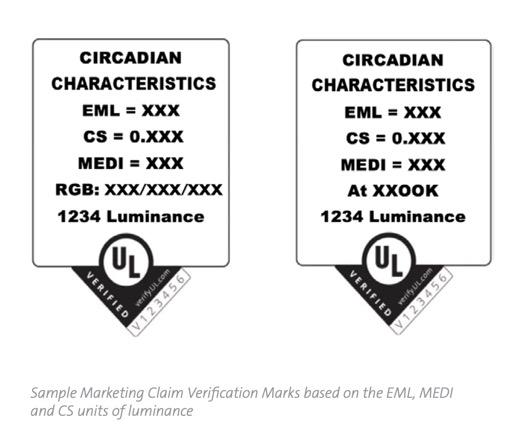
Recently, based upon discussions with the LHRC and a peerreviewed article now in press, UL created the world’s first circadian test lab and launched a Circadian-Effective Luminaire Performance Verification system. UL now receives luminaires from manufacturers and issues reports on circadian-effective scores utilizing all three methodologies. Lilien explained, “If the luminaire is white tunable, the manufacturer will get a matrix at 2700K, 4000K,
Lilien also conveyed that UL publishes a luminance score as a detriment to prevent companies from gaming the system. An illuminance meter will be aimed at the brightest part of the fixture and that number will appear on the badge. This will encourage designers to look for high circadian-effective scores with the lowest possible luminance score. UL will publish these results in an internal database, a wonderful tool for lighting designers.
Other Perspective
Tony Esposito and Kevin Houser published a report, “Correlated Color Temperature is Not a Suitable Proxy for the Biological Potency of Light” in Scientific Reports, which was published by Nature Portfolio, last month.
It is well-written, but like much circadian content, it is highly technical. The authors lay out pros and cons of each methodology, but they did not use the most up-to-date Circadian Stimulus model. We applaud Kevin and Tony for furthering the conversation.
Questions:
MEDI and EML are often lumped together, since EML can be easily converted to MEDI with a simple multiplier. One leading and outspoken proponent of MEDI refused my offer to write about MEDI, saying, “I do not wish to participate in an exercise that creates a false balance between different types of entities.” He went on to say that “EML is an outdated, nonstandard concept that is not SI-conformant.” So, if MEDI can be calculated from EML, what does that say about MEDI?
Dr. Schlangen's discussion of MEDI references that melanopic DER has a relationship to CCT and contrasts with the study published by Esposito and Houser that concludes CCT is not a suitable proxy for the biological potency of light.
One entrepreneur who regularly sells lighting to the senior living sector emailed me a case study which stated, “We installed lighting that is blue-enriched in the morning and changes to a warm color in the evening. This lighting protocol is designed to mimic the rising and setting sun with the intent of entraining the human circadian clock.” This same individual agreed to write an article but backed out at the last minute. In the case study, he doesn’t reference a specific CCT, but does say a “warm color,” which I assume to be 3000K or lower. Yet, the sun rarely gives us that level of warm color temperature and never in the full sky. At sunset, I do see warmth but only for a quick time frame, and it is only a sliver in the horizon. Assuming it is not cloudy, the remaining 90% of the sky is blue or white making dusk typically about 5000K. In essence, nature never directs 2700K or 3000K into our pupils at sunset.
"Getting more light at the eyes at the right time and for sufficient duration in a comfortable and energy efficient manner is healthier than arguing about what metric to use.”
Dr. Mariana Figueiro
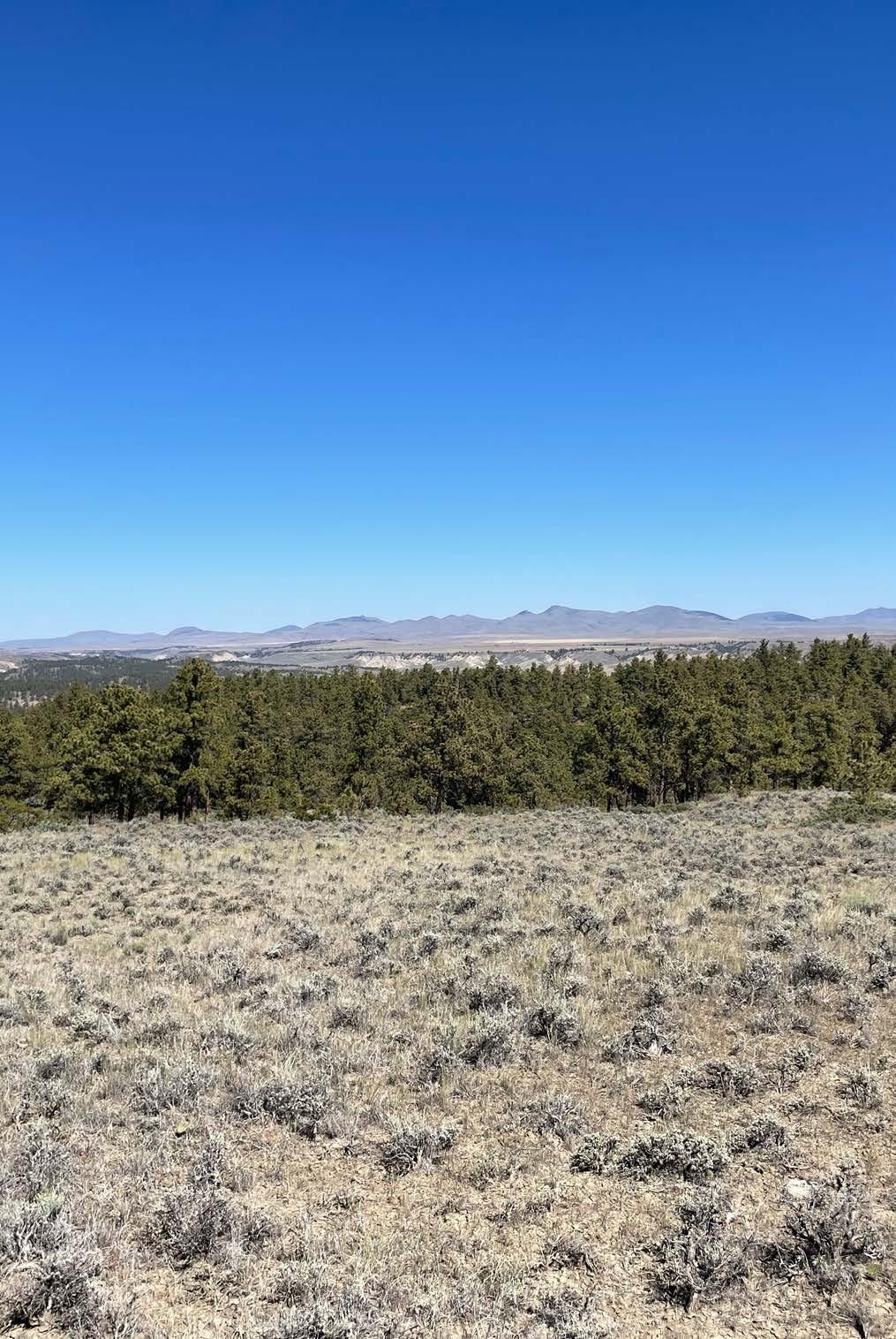
What does blue-enriched actually mean? On a sunny day with a blue sky, the outdoor CCT is about 12,000K. Is the “blue-enriched” circadian lighting in the nursing home set for 12,000K in the mornings?
EML and MEDI refer to the light reaching the eye (or the light stimulus based on how it stimulates one’s photoreceptor, melanopsin-containing retinal ganglion cells). CS does that, too, but it goes one step further and considers how much light the circadian system needs (using melatonin suppression as an example of the response by the circadian system). As emphasizedin the article by Figueiro, CS is not a model to predict melatonin suppression. EML and MEDI seem to be component models; CS is more comprehensive. Think of them as a luminaire. You can look at the light coming from the luminaire or you can look at the effect the light has on the application. Which is more important? What effect does the light coming from the luminaire have on the floor, the ceiling, the desk and the people? It reminds me of the flawed UGR model for individual fixtures. How can you have a UGR number on an individual fixture without knowing the application. You can’t. Yet, organizations use these UGR numbers to
approve rebates, and manufacturers have figured out how to game the numbers.
Since passions are so strong on this subject, let’s put the experts in a room for a day, debate all three methodologies and try to hammer out a true consensus. Let’s include all the experts and not sideline anyone, as it appears to have happened to Dr. Figueiro.
But, the outcome of such a meeting should be a consensus on a formal hypothesis to determine which metric is better at predicting results. That’s the scientific method. Without such a “horse race,” it’s unlikely that well-entrenched opinions would change regarding which horse is better.
Who is in?
Editor’s Note: Mt. Sinai’s Light & Health Research Center is a regular non-paid contributor to designing lighting (dl) magazine. Randy Reid is the editor of dl, as well as the Executive Director of the National Lighting Bureau. The NLB and LHRC co-host a video series, “Let’s Talk about Light and Health.”
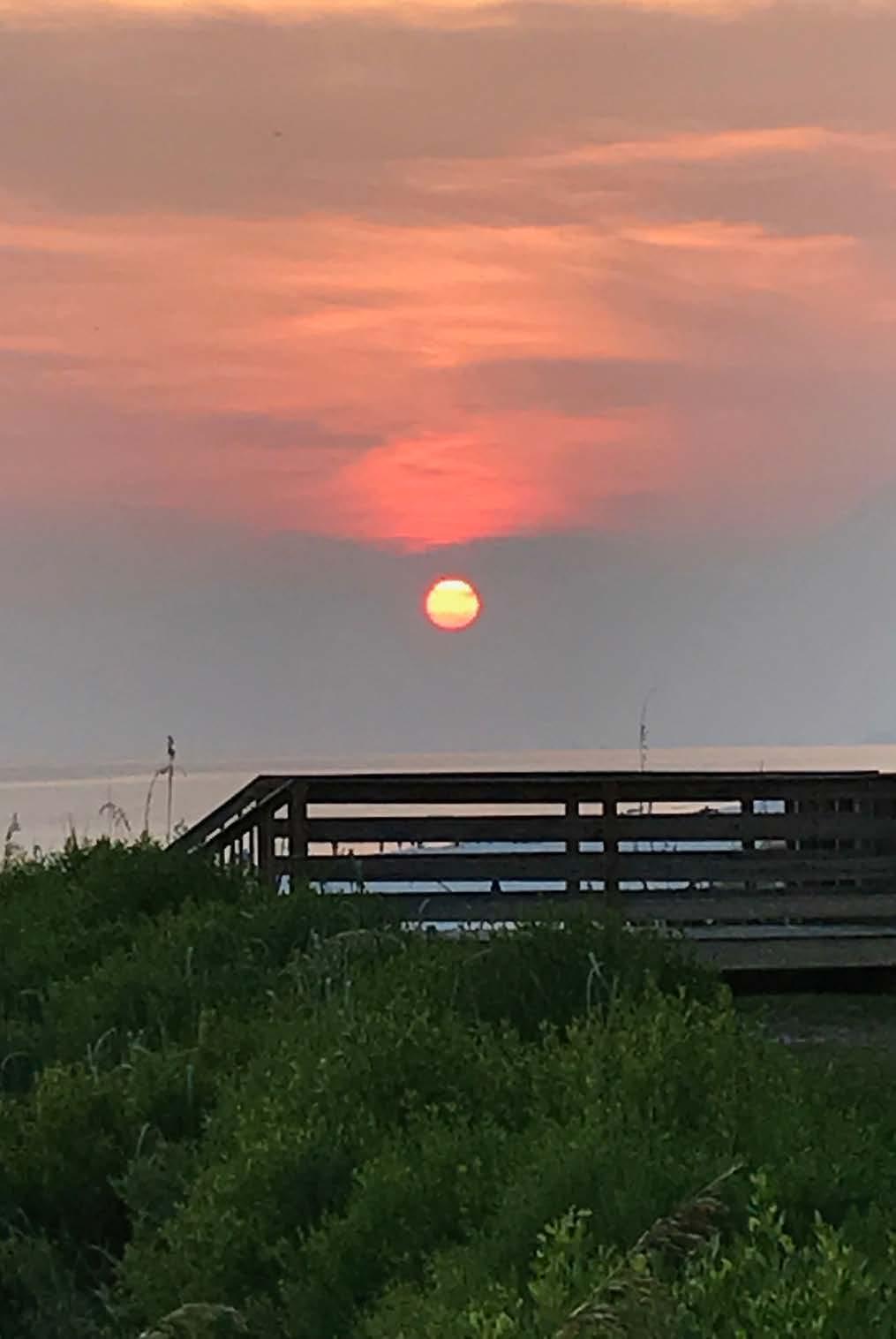
Santa Rosa Beach skyline, 15 DEC 2022, approx 5000K
Montana skyline, 8 AUG 2022, approx 12,000K
JUST IN...
New architectural lighting products available for specification
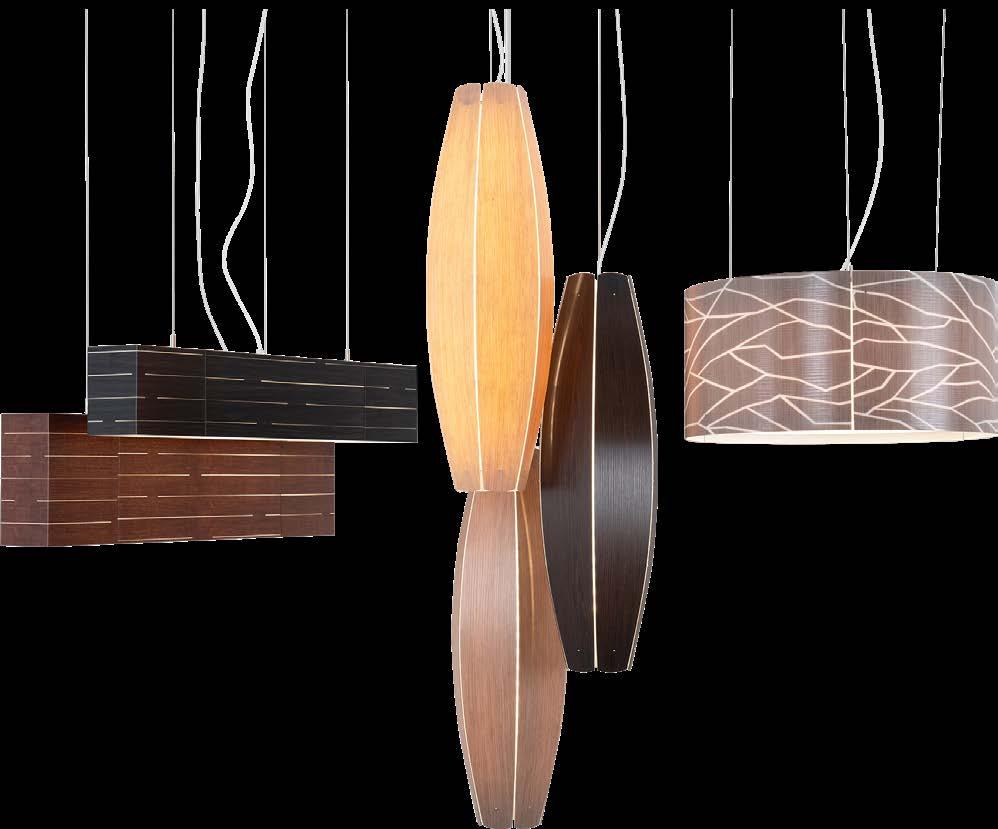
shades and laser-cut patterns for LightArt’s signature fixtures. Designed with parent company 3form’s signature Varia resin, the biophilic print materials emulate complex textures found in nature and come to life with LightArt’s LED lighting technology. Named after six prominent tree types—Black Ash, Cherry, Grey Oak, Walnut, Wenge, and White Oak—the Woods colorways showcase the diverse possibilities of LightArt’s offerings with 3form materials at their fingertips.
iO LED CoviO Graze
iO LED's CoviO Graze sets the new standard for architectural wall graze and wall wash fixtures. With 9 bi-directional optic options, 3 outputs, 4 CCTs and indoor/outdoor ratings, the CoviO Graze gives designers a versatile tool to highlight texture and architectural details or brighten spaces from a single, compact fixture. This fixture features clean optical control, 1.5 step MacAdam binning, high efficacy, long run lengths, an IP66 rating, quick connects and incredible white color consistency.
LUMA
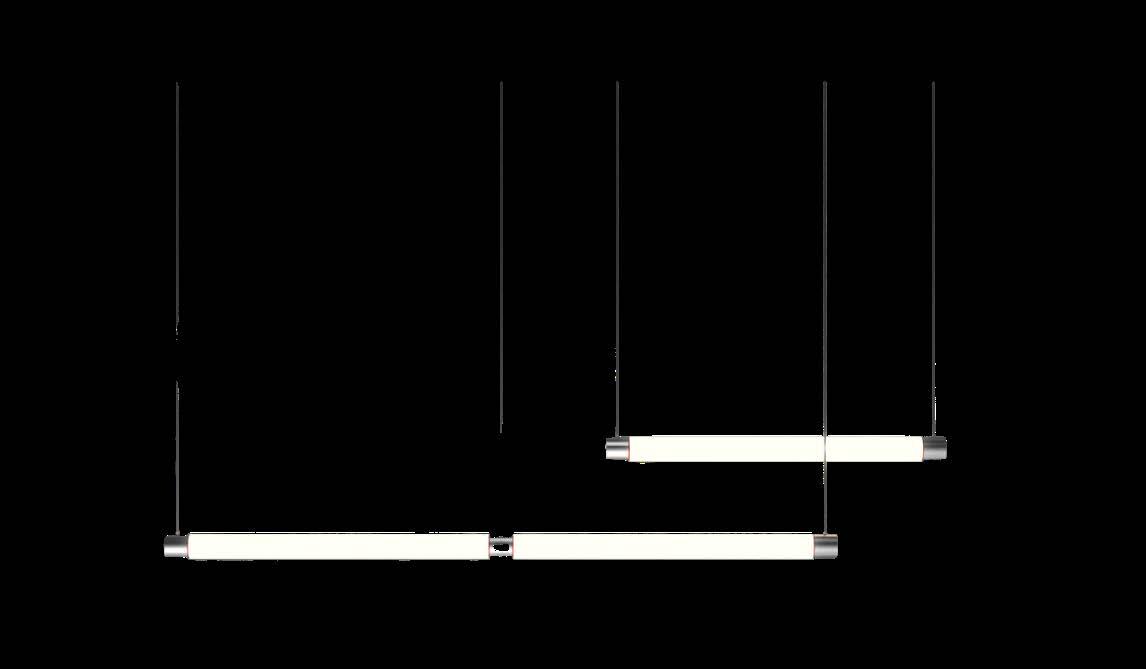
LUMA, a 360º linear pendant from ALW, is a 2-inch diameter luminaire that raises the bar for luminous lighting design with its sleek profile, uniformly diffused opting and contemporary proportions. The luminaire provides architects and lighting designers a new option for illuminating spaces with uncompromising design and unparalleled performance. LUMA’s 360° illumination and powerful output options are well-suited for shared workspaces and corporate offices while also performing as an elegant centerpiece for standalone designs in restaurants, bars, or lobbies.
LeeSti Forms Open Pendant
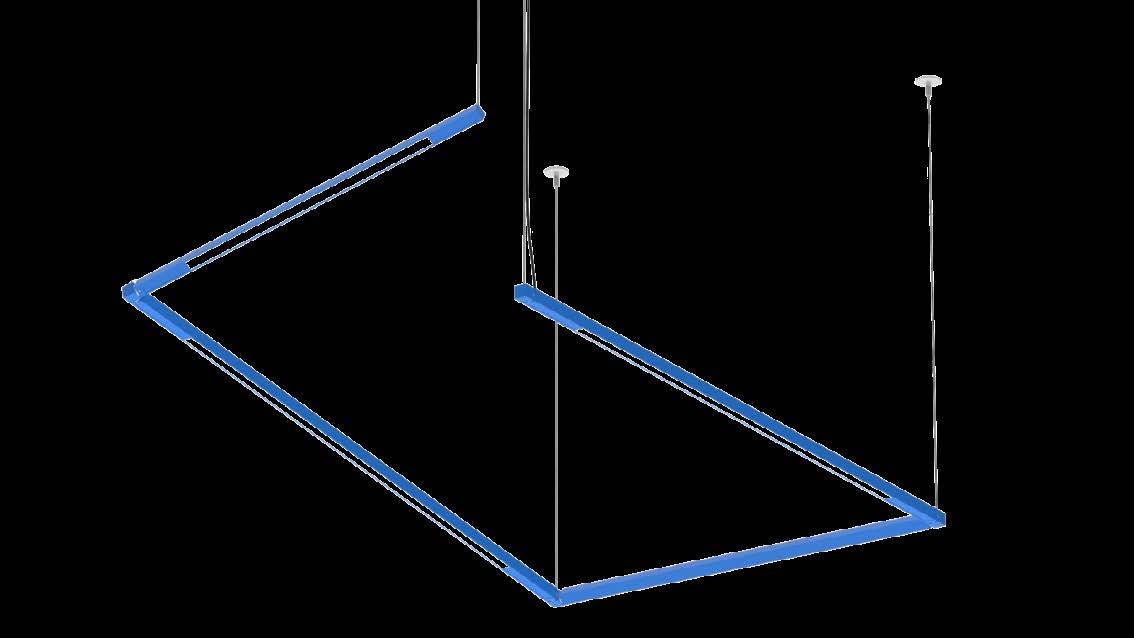
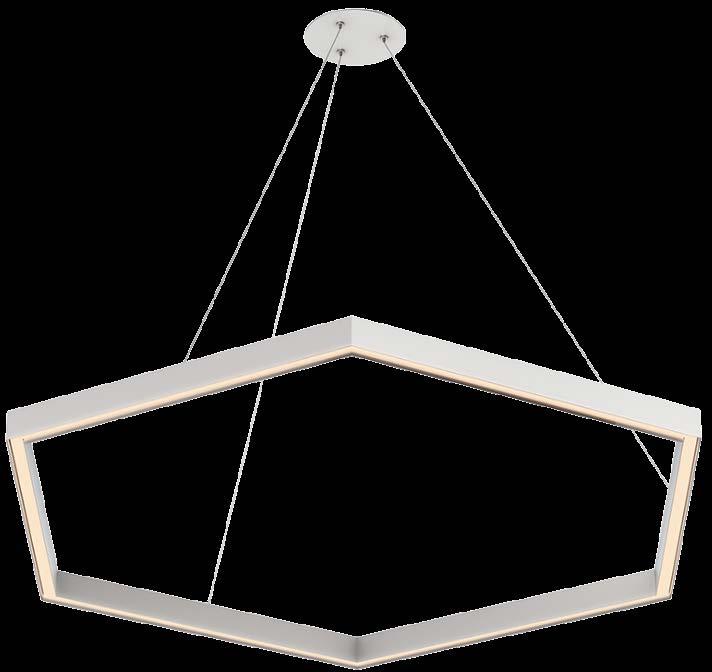
archlit's LeeSti Forms Open Pendant is an extruded aluminum minimal design lighting fixture with remote drivers. Featuring a film protected diffuser for even illumination at highest lumen output, LeeSti Forms Open Pendant delivers 1,200 lumens per foot and dimmable and non-dimmable configurations. In addition, lighting modules are adjustable on longitudinal axis and programmable drivers allow different output with same configuration.
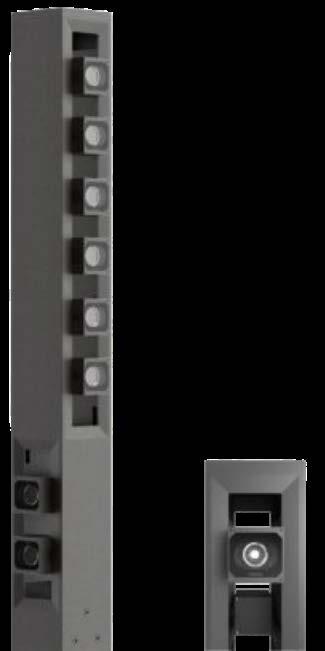
Targetti USA introduces LUCERA™. Available in 2 pole heights, 1 bollard, and 7 luminaire assembly options, is a completely customizable modular system in height, optical distribution, and adjustability. The event pole range was developed to provide extreme flexibility in illuminating of modern urban spaces that can flow through exterior environments, providing illumination for safety, efficiency, and versatility. LUCERA™️ is available in both fixed and adjustable positions, 9 optical distributions including Types I-VS for path and street lighting illumination, 4 static color temperatures or tunable white and RGBW dynamic lighting, and 6 standard finishes.
Nova-MIYO
Achieve perfection with both uplight and downlight. Nova MIYO (make-ityour-own) by PureEdge Lighting allows you to become the fixture designer. Each MIYO configuration features lit corners creating seamless illumination for a flawless look. Offered in multiple finish, canopy, and wattage options. The uplight is a clear, frosted lens with a 60° beam spread, while the downlight features a white diffused flat lens and a 100° beam spread.
FLUTE
dezzi
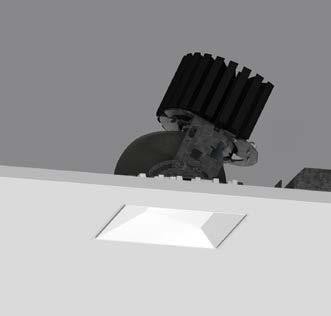
Display and architectural lighting manufacturer alphaLED showcases the new dezzi downlight family. The dezzi downlight family has an array of features including a 10 year warranty, a choice of 17 optical distributions, optimum glare control, and custom colours and bespoke finishes available on request.
Mosaic 5” Touchscreen Station
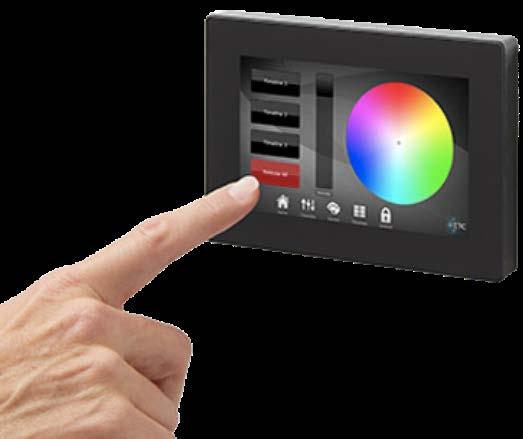
ETC’s new Mosaic 5” Touchscreen is a compact, stylish wall station for ETC’s Mosaic system, the best way to manage large pixel arrays as well as synchronize lighting with media effects and show control. Updated electronics give the Mosaic 5” Touchscreen accelerated responsiveness and smoother transitions between menus.
The 5” Touchscreen installs on any standard 1-gang backbox for flush-mount applications in the US, UK, or EU. It can mount in portrait or landscape mode to suit user preference.
BETA-CALCO shapeshifts the familiar block form into a tech-age modern style with FLUTE. The fluting along the flank emits a side glow that radiates an electrifying detail and provides a lightweight appearance to an already compact form factor. The hourglass contour jacks up profile design with an aerodynamic quality. FLUTE is the optimal complement for tech-age modern design and interiors with intricate detailing.
COB Series
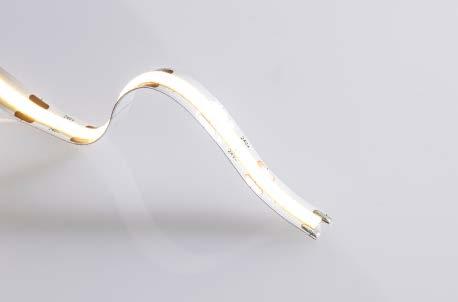
The Chip on Board (COB) Series from Nova Flex is an architectural-grade 24V LED strip that ensures proper execution of design intentions with virtually dot-free installation. This series has a high-performance 90+ CRI/ 3-step MacAdam/ UL Certified/ smooth, flickerfree dimming. The LED tape has 3M adhesive backing for direct install or to install in one of our channels for a more finished look.
Lighting Control: What’s in the New Title 24?
CRAIG DILOUIE, LC, CLCP By
On January 1, 2023, the 2022 version of California’s energy code—Title 24, Part 6 of the Building Standards Code—takes effect, superseding the previous 2019 version. In terms of lighting controls, the numerous changes include various clarifications and tuning along with two major provisions requiring occupant-sensing in offices larger than 250 sq.ft. and demand-responsive lighting controls. Designers and specifiers need to understand these changes before they begin working on code-covered new construction and alteration projects that will go out for permit in California in 2023.
Commercial building energy codes regulate the design energy efficiency of nonresidential buildings. A majority of states adopt model codes and standards, but California developed its own. Generally updated every three years since 1995, this energy code is progressive, often leading the nation in energy-saving measures. It is also well enforced via the permit application process at local building departments.
This article highlights two major changes to Title 24, Part 6 related to lighting controls in its 2022 version, which is likely to remain in effect until at least December 31, 2025. For detailed information on all changes, consult the code.
Title 24 and lighting controls
Title 24, Part 6 allows either a prescriptive (compliance within a set of choices or restrictions) or performance (building modeling using software) compliance path. Both feature lighting provisions that are mandatory, the large majority of these related to installation of interior and exterior lighting controls.
Required lighting controls include manual area, multilevel, automatic shutoff, automatic daylighting, and demandresponsive controls. These are broken out as interior lighting controls (Section 130.1) and exterior lighting controls (130.2). Three other relevant sections include demand response (Section 110.12), acceptance testing requirements for installed lighting controls (Section 130.4), and acceptance testing procedures (Nonresidential Appendix 7.6, 7.7.5.2, and 7.8).
The 2022 version of Title 24, Part 6 contains numerous changes to its lighting sections, notably updates for outdoor lighting zones, updates to the nonresidential lighting power allowance tables, changes to demand response, and new requirements for occupancy sensing for office spaces (in addition to clarification for occupancy sensors used with HVAC), along with numerous revisions for clarity and consistency. Additionally, there are now mandatory requirements for some buildings to include photovoltaics and battery storage, and multifamily buildings were given their own code sections as an application, which added significantly to the body of the code.
Occupant sensing in offices
Occupant-sensing controls are required in certain spaces such as offices 250 sq.ft. or smaller, while in others, they present an option to comply with automatic lighting shutoff requirements. These devices automatically turn Off lighting when the area is unoccupied. The device may also be designed to automatically turn On lighting.
The 2022 version of Title 24, Part 6 now requires occupant sensors control the general lighting in offices larger than 250 sq.ft. and requires that each sensor be configured in a control zone no larger than 600 sq.ft. These requirements are similar to provisions in both the 2018 and 2021 versions of the International Energy Conservation Code. Note that undershelf and furniture-mounted task lighting controlled by a local switch and either a time switch or occupant sensor are exempted.
Here’s how it works:
1. Upon detecting occupancy, the sensor may automatically turn the zone’s lighting On to any level up to full power.
2. Within 20 minutes of detecting a lack of occupancy, lighting power in the sensor’s zone must uniformly reduce by at least 80 percent of full power.
3. If sensor status indicates all zones in the overall office area are unoccupied, the system must turn all lights in all zones Off within 20 minutes.
The light reduction of at least 80 percent in unoccupied zones ensures energy savings are achieved while also enabling the general lighting to provide some illumination when neighboring zones are still occupied.
While zones cannot be larger than 600 sq.ft., designers should consider basing zones on the lighting layout, which may entail designing smaller zones. Either way, this code change is expected to encourage adoption of luminaire-level lighting controls and wireless networking capability. If the luminaires feature an embedded sensor able to enact luminaire control autonomously, each luminaire can be regarded as its own control zone while interacting with other zones wirelessly to enact a room-based shutoff strategy.
Demand-responsive lighting controls
Title 24, Part 6’s demand response requirements (Section 110.12) underwent significant revision in the 2022 version. In review, demand response is a strategy by which lighting is automatically reduced in response to a demand response signal, which may originate at the building’s electric utility.
Previous to the 2022 version, demand-responsive lighting controls were required for buildings that are 10,000 sq.ft. and larger. With the 2022 version, they are now required for projects with general lighting loads that are 4000W and larger.
An explicit exception is spaces where health or life safety/ ordinance/regulation do not permit general lighting to be reduced. The general lighting power in these spaces is not counted toward the 4000W threshold. Another exception is alterations and additions that do not exceed 4000W. Additionally, the demand-responsive controls are subject to the requirements of Section 130.1(b), which covers multilevel controls and therefore apply additional exceptions specific to Section 130.1(b); areas less than 100 sq. ft, or with 0.5W/sq. ft. or lower lighting power density, restrooms, and any non-general lighting are excluded.
The requirements include:
1. The signal may use a wired or wireless protocol as long as it is bi-directional.
2. In response to the signal, the lighting controls must demonstrate a lighting power reduction in controlled areas of at least 15 percent below installed full lighting power. This is to be confirmed by compliance testing.
3. A certified OpenADR 2.0a or 2.0b Virtual End Note (VEN) must be included that is certified by the manufacturer to automatically
implement the required control function. Alternately, the lighting control manufacturer must certify that their system is capable of responding to a demand response signal from another system’s OpenADR 2.0b Virtual End Node.
4. If communications are disrupted, demandresponsive controls must continue to perform all other specified control functions.
Additionally, the 2022 changes to demand-responsive controls includes a new requirement for incorporating plug loads. This means if the building is required to both have a demand-responsive lighting control system and automatic receptacle control (Section 130.5(d)), the automatically controlled receptacles must then be capable of being turned Off in response to a signal from the demand response system.
This ensures the capability of incorporating plug load control into demand response, though it is not a requirement for the owner to implement it.
Also note that while small offices may not be required to have demand-responsive lighting, controlled receptacles in these spaces may be required to connect to the demand-responsive control system if DR is required for the overall project.
Learn Title 24
This article focused on two major changes to Title 24, Part 6 taking effect in 2023. Designers and specifiers should familiarize themselves with full text of these changes and the many other updates to the lighting control requirements.
For more information, consult the code and helpful resources such as the Lighting Controls Association’s Education Express course, Energy Code Ace, and any Illuminating Engineering Society education on the topic. ■
Photo Credit: RossHelen
BDNY Heads Back to
STEF SCHWALB By
The bright lights of the big city were more vibrant this past November with the arrival of the annual Boutique Design New York (BDNY) event, which saw a significant bump in attendance—65% overall compared to 2021, coupled with a 61% increase in qualified buyers and a 47% increase in exhibitors. This year the space was buzzing with attendees thrilled to gather once again face-to-face during a (shall we say…) less arduous time. With 47 countries represented and more than 13,000 architects, brand execs, designers, developers, manufacturers and other industry pros on hand at the Javits Center, the future of hospitality is looking pretty bright. Of course, lighting is leading the way in many respects from the range of gorgeous fixtures we found to its use in elevating overall design, wellness, and sustainability. We checked in with a few exhibitors to discover what’s notable and how they see the industry making moves going forward. For many, the lines between hospitality and contract continue to blur as clients strive to entice consumers to leave home
and venture out to new destinations. But of course that means providing them with the comforts of home in an elevated way that makes experiences worthwhile and highly desirable.
2ND AVE LIGHTING
For the team at 2nd Avenue Lighting—who just finished work on the Southland Casino in Memphis, Arkansas—a spike of projects in both the hospitality and contract sectors has definitely attributed to their success. “We’ve seen huge growth in the last few years. We specialize in large scales, so naturally casinos fall right into our wheelhouse,” says Marketing Director Max Cohen. “We’ve done Turning Stone Resort Casino (in Verona, New York). We’ve done work with many casinos in Vegas (including Wynn and other brands), but now we’re seeing upticks on our commercial side, so we’re branching out with custom contract lighting in commercial-type settings. It’s more in metropolitan, high-density populations.” They’ve also
For the Marriott Hotel in San Diego, Schonbek created a stunning custom lighting fixture that easily captivates every guest’s eye.
Courtesy of Marriott Hotel
San Diego and Schonbek
Crystal Lighting
seen a rise in client demand for technology that’s going into fixtures because people want warmer lighting. “Clients use task lighting and different types of fixtures to illuminate the space so the chandeliers and the lighting that we provide sometimes don’t really even have to illuminate the space,” Cohen explains. “We’re seeing people put in decorative items that are not quite as functional but are soothing. They almost feel like a residential piece, but some of them can be 40 feet long.” Because these fixtures provide a softer, more residential feel, Cohen equates it to being akin to working at your dining room table in place of a corporate sterile environment. Additionally, he notes a rise in the demand for portables. “I think many companies doing design who we’ve had a relationship with over years are listening closer to what our capabilities are,” Cohen says. “They always knew us as the hospitality and the public space company, but our marketing has been more broad reaching, so our clients are not looking for new vendors. They're looking to expand with the people they’re comfortable with, so they’re giving us opportunities to do other things that before they might have sent elsewhere.” Of course it’s wellknown that the company has been in the portable business since 1974 with its roots dating back to Tiffany stained-glass lamps. “We’re still the largest Tiffany dealer in the world, so we’ve been selling portables forever,” Cohen says. “The company shifted to a custom lighting manufacturer and now we’re seeing many people use us for more full-scale projects. We’re getting much more of the pie, and it’s been interesting to see that.”
WAC/MODERN FORMS/SCHONBEK
“We’ve been in business for more than 40 years. What makes us different is that we manufacture all of our electronics
in-house—that’s a little unusual for a lighting manufacturer,” says Director of Business Development, WAC Lighting/Modern Forms/Schonbek Harry Moshos. “So all of our electronics, all of our drivers, the LEDs…everything that goes into the guts of the components of our product, we manufacture in-house. It allows us to keep control over the quality of the product and our supply chain.” With product lines that encompass interiors, exteriors, architectural landscape lighting and product, as well as ceiling fans, there’s more to explore with WAC/Modern Forms, and of course the acquisition of Schonbek from Swarovski Lighting about a year ago, adds additional sparkle to an already impressive portfolio. “We manufacture most of the legacy Schonbek product domestically here in the U.S., and we’re proud of that,” Moshos says, as he points out the new LED product line, Schonbek Beyond. “That’s the marriage of the great WAC technology and LEDs, that everybody has come to know and feel comfortable with, to Schonbek designs and crystal resulting in an upscale, luxurious feel to the brand.”
As far as the trends he’s seeing in the market, Moshos notes that on the contract hospitality side the team is finding that more stock matters to people—but also, specifying with confidence. “[It’s important] to have a partner that carries a variety and breadth of different designs, but that also backs that up with inventory and delivers on time. Because supply chain issues that we’ve seen over the last couple of years with COVID has just made it extremely difficult to bring a project from design to implementation,” he explains. “On the design side, we’re seeing lots of black and brass finishes.” As far as Schonbek is concerned, Moshos adds, custom capabilities are important as well. “Designers always want to put their little touch on things, their signature to it, so it’s finding a careful balance between the two. Because if you specify something,
BDNY welcomed more than 13,000 attendees this year consisting of architects, brand execs, designers, developers, manufacturers and other industry pros. The global presence was significant as well with 47 countries represented onsite.
but it’s not within budget and it gets value engineered or it’s not practical to get there within a certain lead time, then that’s not adding value either.”
Another hot topic that came to mind naturally was sustainability as it continue to be something clients and their customers are demanding today. “We’re on the forefront of that, so LEDs in terms of sustainability, lower carbon footprint, and reducing our overall usage. Also in terms of the materials we use,” Moshos notes. “We’re conscious of sustainability because it's important for the future, and for designers, it’s not something they necessarily lead with, but it adds to the story.” As far as what’s next for the organization, there are many different products in the pipeline including a brand new collection for Schonbek called Jewelry for Your Home, potentially debuting in January 2023. Meanwhile, WAC and Modern Forms will continue to innovate and release new products and designs in the new year.
BEST OF BDNY
Of course we’d be remiss not to check in with the winner of the Best of BDNY 2022 Product Design Competition for lighting, Arteriors. The company—renowned worldwide as a global lifestyle brand that’s focused on accessible luxury and sustainability—took top honors for its Renly Pendant. The innovative and stylish design is jewel-inspired and a gorgeous addition to any space. “BDNY is such an important show for the contract design industry, and we are honored that the Arteriors Renly Pendant was selected as a winner. Our incredible in-house design team crafted the Renly in a unique spiraling silhouette, which casts a soft glow as the light hits the gold leaf-finished steel. We look forward to seeing the creative ways that hospitality designers implement this piece in future projects!” says SVP Sales & Marketing Terry Clayton. “As we close our 35th anniversary year, this award win is a wonderful testament to where we are today as a company—and the direction we are headed in too. In 2023, we are investing more than ever in our contract furnishings business, and we look forward to connecting more broadly with the creative talent in this space.” ■
Arteriors Renly Pendant, winner of Best of BDNY 2022 Product Design Competition for lighting, is jewel-inspired and features a unique spiraling silhouette that casts a soft glow as the light hits the gold leaf-finished steel.
Courtesy of BDNY
Return of the Standards War?
DAVID K. WARFEL By
Four reasons for considering low voltage power in residential applications: to conserve money, to conserve power, to conserve resources, and to promote human wellbeing.
I thought low voltage lighting was the future of residential lighting.
Then I looked into the future of lighting, and my head is still reeling from the shock. Absolutely everything about residential lighting systems could change, today, if we decide as an industry to make it happen.
And I mean everything
Power could be generated on-site. Smarter digital power micro grids could reduce material usage while increasing efficiency. Fixtures could be simpler and smarter at the same time to guarantee interoperability and longer useful life. And all this could be delivered to the average home, instead of being exclusive to the world’s most wealthy individuals, through costsaving overlapping technologies.
If this sounds too good to be true, that is because we are not particularly good at collaborating for mutual benefit when money is involved. Yet, there are many good reasons to work together to make this future happen now.
Resource Conservation
If you want to save the planet, reducing material waste just makes sense. Low voltage lighting power distribution could reduce the copper volume in a typical home by sixty percent. And copper is only the beginning of resource conservation; larger remote DC power supplies can improve efficiency over multiple smaller units, requiring less electricity.
Human Wellness
A redeveloped low-voltage lighting infrastructure could make it easier to deliver color tunable light to our homes and therefore
easier to live every day with the benefits. Futuristic intelligent power systems are also safer by design – imagine a system where GFIs are no longer needed because the power itself knows when there is trouble.
Financial Equity
Rethinking the AC/DC debate and line voltage distribution of lighting power in our homes may also help us reduce the experience gap between those at the top and bottom of our economic system. Imagine taking the dollars currently spent on unused copper and investing them instead in better fixtures in production-built homes. That would lift the experience for everyone for generations to come.
How do we get to this fantastical future? We change our fixtures, our control technologies, and the very wiring infrastructure that powers it all. I wrote about potential fixture changes in the October issue of designing lighting (dl); I will tackle controls in the near future. In this issue, I invite you to reconsider the most invisible of lighting components: power distribution.
The Low Voltage Rewind
“Can anyone give me a valid reason why we need 120VAC infrastructure for a 14W DC LED putting out 1,000 lumens?”Mike Teolis, President, Colorbeam Lighting.
Low voltage lighting, or perhaps more accurately low voltage direct current power for lighting, has been slow to gain traction in the residential sector. But, the idea of redoing our residential power systems is not a new one. In fact, the future of lighting at home might be something we can trace all the way back to the origins of electric light.
After reading Graham Moore’s excellent novel Last Days of Night and the highly informative AC/DC by Tom McNichol, I settled comfortably into a belief that Edison was indeed a force of nature but not quite the spotless hero. His DC current failed to win the war, after all, and he seemed to be terrible at long-term business management.
But, lately, I have come to wonder if Edison was not wrong about DC power, but simply a century too far ahead. Edison championed electric cars a century before EVs became the hot item in transportation. And, while no one would accuse Edison of being an environmentalist, his quest for a domestic organic rubber source would fit today’s sensibilities quite well. Was he too far ahead with DC power?
We are still running highvoltage copper throughout the house, but almost universally converting the power down to the low voltage DC power required by LEDs. It is time to correct this disconnect.
Low voltage LEDs do not need 120VAC power.
Using line voltage power is akin to overbuilding a home’s foundation. All the extra concrete in the ground is wasted effort, money, and resources.
The Future of Power
Simply switching to low voltage lighting could allow us to put 160 fixtures on a single 20A circuit, but that only scratches the surface of the power revolution brewing under the radar. Digital power systems answer the age-old AC/DC debate by refusing to compromise, delivering the safety and convenience of low voltage direct current power with the extended distance and wattage capabilities of alternating current. I think of this new
approach as a digital protocol for power, though only smarter folks can tell if that analogy is even close to accurate.
Digital power systems send electricity in packets, effectively allowing power to behave like AC or DC when needed. Imagine a single receptacle in the house: your teenager plugs in their phone, without a power cube, and the power itself knows that they need 5V of DC power. Later, you plug in a portable heater and the same outlet knows you need – and delivers – 120VAC. Your toddler sticks their finger into the receptacle and milliseconds later it shuts off, leaving the child unharmed. And, there is no trip to the basement electrical panel for a reset –the power system knows when the finger is removed, and the vacuum cleaner is plugged in. While digital power is still in its infancy, I wonder if it could be advanced rapidly with a little collective effort.
Low voltage power can also be run on the surface of walls in paint-over and mudover flat cables, making retrofit easier. Add native intelligence to the micro-grid in your home, and you can seamlessly integrate with on-site renewable energy generation like solar and wind. Smarter systems also increase resilience capabilities, automatically sensing powerhungry devices and shutting them down during power disruption. Some smart systems today can shut down a receptacle when power switches to a generator or battery backup; digital power can leave the receptacle active for cell phone charging but refuse to run a vacuum. And smarter power systems serve as a backbone for smarter lighting fixtures that transform our experience.
Smarter Fixtures
I cannot possibly list all the pros and cons of low voltage lighting in a single article, and it will take others to fully explain what I am only beginning to grasp. But, I do know that smarter lighting is possible when we reconsider our power systems.
We all learned (sometimes painfully) that heat is the enemy of LEDs. DC-DC drivers produce much less heat than the AC-DC drivers most of our recessed downlights use today, which could help our LEDs last longer. Their much smaller size will also make it easier to retrofit solutions and to insulate fixtures well, further increasing the positive impacts of the change.
Simply switching to low voltage lighting could allow us to put 160 fixtures on a single 20A circuit, but that only scratches the surface of the power revolution brewing under the radar.
Smart low voltage power will also make it easier to handle control protocols. In today’s fixtures, LED boards are connected to an AC-DC converter and driver; control protocols live in the driver. Tomorrow’s fixtures could feature LED boards with builtin Bluetooth mesh radios, eliminating the large external driver and making control universal.
As I considered low voltage lighting and smart power distribution while writing this article, it became increasingly clear that this was not just a cool technology shift, but also an opportunity to make the world a better place. And that gets me up in the morning.
Better Light for All
There are many ways that lighting professionals can make the world a better place, but if we continue to specify proprietary systems nearly impossible to swap out, every spec is a long-term problem for the people we serve and the planet we call home. We need to rethink lighting from start to finish, including how we manage power distribution, before we are stuck with another million homes built with outdated infrastructure. And that is just
SPECIAL THANKS TO:
the homes that will be built this month.
If we cooperate and develop a new universal standard of digital low voltage power distribution, interoperable downlights and fixtures, and simple intelligent controls, we can deliver better lighting at lower cost, reach more people, and reduce the environmental footprint of our industry. Everyone wins, including people who never change their lighting but breathe cleaner air as a result of our energy savings.
What can you do to help? Start asking questions. If you are a manufacturer, ask your engineering teams about digital power, wireless controls, and interoperability. If you are a specifier, ask the manufacturers if they can deliver the fixture with onboard control communication or DC-DC drivers. If you are on the installation side, start asking questions about the volume of copper being run through your projects and consider alternatives.
I believe light can help us live better lives, and that the way we do lighting at home today is not the way to get there. So, let’s change it. ■
Mike Teolis, President of Colorbeam Lighting
Derek Cowburn, CEO of LumenCache
Michael Johnson, Partner, Global Lighting & Controls
Michael Krupinsky, Vice President of Environmental Lights
The Value of Working with a Lighting Rep –They Have Your Back!
ERIC TEACHER By STL Lighting Group
The NCQLP (National Council on Qualifications for the Lighting Professions) defines a lighting representative as a company that works “as employees of lighting manufacturing companies.” In reality, most lighting sales agencies are independently owned companies that establish agreements to promote the products of multiple lighting manufacturers in a specific city or region. Lighting reps are employed to interact with lighting designers as well as architects, engineers, interior designers, electrical distributors and contractors.
Design Phase
Searching the web for products or inspiration is time consuming. Beautiful project images don’t provide much technical information (CCT, voltage, dimensions), and they don’t specify whether the luminaire used is electrically certified or if it can be integrated into the specific architectural applications. The lighting rep can be helpful in narrowing down options and identifying luminaires that deliver appropriate light output to satisfy code requirements and clients’ needs.
Once a rapport is developed and trust established, the lighting rep can play a key role in moving a design idea move from concept to reality and helping flesh out options for custom fabricated luminaires. The lighting rep can assist with recommendations for spacing, control options and components required for a complete and operational system. They introduce new products, explain the technology, and provide samples for review or mock-ups when needed. The most successful lighting reps have a wide-ranging knowledge of the products their agencies represent and how they perform. It is important for the rep to have great working relationships built on integrity and trust with the design team.
With today’s society relying so heavily on technology, the lighting rep can provide much of the technical data digitally, often quicker than the lighting designer could find online. However, nothing compares to meeting with your lighting rep to discuss design features and to see the products firsthand. Reviewing the design boards or discussing the finishes on your project enhances the lighting rep’s understanding and improves the odds that their recommendations will be on point. A lighting rep also provides control system layouts and supporting photometric studies.
On a recent project, a lighting designer reached out for ‘wet location’-rated track lights for outdoor use. What the designer
WHAT THE LIGHTING DESIGNER SHOULD SHARE WITH THEIR LIGHTING REP
• Plans, timelines and anything relevant to identifying appropriate luminaires (reflected ceiling plans, elevations, voltages, code and control requirements)
• Design intent (what the lighting designer wants to achieve through light)
• Budget and the luminaire form factor that suits each application and aesthetic
• Project name or address
• Feedback after selections have been proposed by the lighting rep
WHAT THE LIGHTING DESIGNER SHOULD GET FROM THEIR LIGHTING REP
• Responsiveness – within 1-4 hours but definitely same day!
• Detail orientation and insights
• Access to product information and application
• Accurate, timely photometric studies and samples for mock-ups
• Budget-appropriate solutions that suit the applications
didn’t realize was that even a track system designed for exteriors was not ingress protected (IP65 or higher), so it would fail over time due to corrosion if exposed to the elements. We were able to help by suggesting directional landscape light on a rail that would tolerate high pressure hose-down and provide directional aiming.
Tender
The rep collaborates with the distributor/contractor to provide a conduit for questions relating to installation and other project specifics. Detailed information about projects will enable
A supportive and experienced lighting rep can provide value in each stage of a project.
better quality of service to ensure the right products are sourced and correctly installed.
Closing/Ordering
The lighting rep works with their inside teams to handle ordering and liaises with the distributor. They also contact the electrical contractor to determine if the specified lighting was procured. They assist with value engineering if the selected luminaires exceed budgets by checking with the lighting designer to gauge what can be changed while still meeting the design requirements. Alternative selections shall not compromise design intent. The rep often attends site meetings due to their in-depth product & installation knowledge.
Submittal drawings are a critical step to ensuring correct luminaire configurations arrive on site. The same drawings are shared with manufacturers along with project schedules to meet delivery dates. Requests for last-minute changes and shipping information are communicated through the distributor to the lighting agency.
Installation and Completion
Throughout the installation process, the lighting rep maintains an open line of communication with the contractor to assist with questions that arise, and also assists with coordination when abnormal site conditions are encountered, working with
luminaire manufacturers to enact modifications. The lighting rep provides solutions that may not have been apparent to those less familiar with the equipment. They have a direct line of communication with fabrication and production staff at the factory and can assist in replacement of items that may have been broken via shipment or accident. The lighting rep also assists with final close-out of the project and programming of lighting controls.
Help from the Lighting Rep When Things Go Wrong On-site
Electrical contractors come with varying experience installing complex lighting systems. Luminaire manufacturers’ instructions can be flawed through omissions of critical steps, typos or by simply being misread. What happens when the contractor does everything the instructions called for but the luminaires still don’t work? The lighting rep will contact the manufacturer who, more ofthen than not, does not have any provisions for sending a technician to the site especially when they are not located in the same geography. The lighting rep leaps into action and arranges for a local service provider, and if necessary, gets personally involved with the rework depending on his skillset. STL Lighting Group has numerous beautiful projects that we could have shared, however the examples shown throughout this article illustrate how the lighting rep helped when things went sideways, by resolving on-site installation issues without the luminaire manufacturer’s physical presence. ■
It’s been a turbulent 12 months for the supply chain but there is light at the end of the tunnel year-end. With some reservations. Despite the holiday season, many ports are seeing better wait times, or at least, no change.
Of note is the Biden Administration blocking a potential US railroad strike. The September contract, which was only ratified by 8 out of 12 unions, was imposed by Congress. The deal includes a 24% compounded pay increase across five years and five annual $1,000 payments.
Not addressed were workers’ demands for paid sick leave and many are unhappy with congressional involvement. North American port performance continues to improve. Next up for many manufacturers is how the Chinese New Year will affect shipments/inventory.
European ports are registering a substantial improvement in wait times and schedule reliability. As always, extreme winter conditions often disrupt lanes and lead to delays. The UK is experiencing its own rail strikes and expects to see another wave later in December. European air freight volume remains flat, mainly due to high jet fuel costs.
What about Asia? Sporadic COVID-19 outbreaks have delayed ship traffic resulting in many manufacturers setting longer product ETAs. Inflationary pressures continue to cause “blank sailings” for the foreseeable future. However, softening demand helps stabilize the supply chain after very high demand.
Cautious is the watchword for the start of 2023. ■
EdisonReport’s LightTrades™, The Best Lighting Products from 2022
The EdisonReport team scours all major lighting tradeshows looking for the very best products (or services) of the year. This year, we are announcing the best of the best in this issue of designing lighting (dl). Because of the pandemic, some products were launched prior to 2022, but all were exhibited this year and it was our first time seeing them in person.
LEDucation, New York, March 2022
Who says tiny comes at the expense of performance? With LittleOnes, USAI Lighting is defying the norm and what is possible, raising the bar in design and engineering with a new one-inch recessed fixture family. Featuring powerful output, incredible low glare optics, and completely serviceable from below, these LittleOnes will knock your socks off.
LightFair, Las Vegas, May 2022
The TruBlu Bluetooth mesh Fixture Controller with long-range antenna from McWong offers flexible yet powerful networked lighting control outdoors. Since hardwiring is cost-prohibitive for outdoor applications, the introduction of a long-range (900ft) Bluetooth mesh wireless controller that can be integrated directly into a wide range of commercially available fixtures eliminates “range anxiety.” Together with features like continuous dimming, DLC certification, zone and luminaire level lighting control options, this controller enables cost-effective Bluetooth mesh control for outdoor lighting.
LightFair, Las Vegas, May 2022
The BISHOP illuminating bollard, from HessAmerica, delivers high-performance illumination from a unique contoured form factor. Fully shielded optics provide exceptionally uniform illumination without striations or hot spots. Bollard spacings up to 8 mounting heights or more are possible while meeting path of egress and industry recommendations for illumination levels and uniformity, resulting in fewer fixtures and reduced installation costs.
LightFair, Las Vegas, May 2022
Green Creative’s new Pin Fit PL Omni lamps are the first to incorporate a removable modular socket design which facilitates easy, in-field switching from a 4-pin G24q to a 2-pin G24d configuration. These lamps also feature an embedded universal driver suitable for electronic ballasts, magnetic ballasts or ballast bypass, and an omni-directional light distribution similar to compact fluorescent lamps. With lumen output ranging from 720 to 1,100 lumens, in color temperatures ranging from 2700K to 4000K, they are claimed to replace up to 26-W CFLs with up to 65% energy savings and 50,000 hours life.
IES Annual Conference, Progress Report, New Orleans, AUG 2022
The MICRO 5 by Q-Tran, Inc. is claimed to be the industry’s smallest profile encapsulated tapelight product with multiple flex directions. At 3000K, the tiny tapelight can deliver over 320 lumens at 4 watts per ft. As with other flexible and rigid fixtures, many lumen outputs and color temperatures are available, including RGB, static white and dynamic white. Each fixture utilizes tightly-binned LED chips mounted on a narrow 5-millimeter PCB delivering at 1, 2 or 4 watts per ft.
SDA Showcase, New York, October 2022
Ecosense TROV 2.0 features Ecosense’s AutoSensing Protocol Driver technology which intuitively detects and adapts to ELV, 0-10V, DALI, or DMX controls without any special programing or wiring. The technology allows lighting designers to specify the best fixture for the application while eliminating dimming protocol concerns, focusing on what matters most-beautiful light. We saw a prototype at the SDA Showcase and it should be launched soon.
Light + Building, Frankfurt, October 2022
GlareControl from BASF combines glare reduction with the highest aesthetical optics in one endless and truly seamless product. The invisible patterns reduce glare at angles above 65° and increase light intensity at lower angular ranges. This results in improved efficiency and UGR values of luminaire bodies, making them ideal for office lighting applications. Simply replacing the foil changes the light distribution and effect without any changes to the luminaire body.
Light22, London, November 2022
NIME, from Delta Light has an aperture of only 10mm, hiding away a host of possibilities to control the light beam. Within the same opening and thanks to an ingenious set of custom optics, NIME allows the user to focus the beam from 20° up to 50° and offers rotation up to 355° and tilting up to 30°, without changing. The black hole reflects no light, but the light finds its way out. The tangible part disappears inside its heart, and the intangible part illuminates the object. It was designed by world-renowned lighting designer Dean Skira.
2023 CALL FOR PRESENTATIONS
Created exclusively by and for lighting design professionals, the Enlighten Conferences are a series of boutique educational and networking events in the Americas, Asia and Europe.
The Call for Presentations for both Enlighten Europe 2023 and Enlighten Americas is now open. IALD is seeking energetic and engaging speakers to lead impactful learning experiences.
Specifics on venue and exact dates will follow. Submit through 11 January 2023.
Learn more.
Light Box Studios NYC
Julia Strapp was promoted to Senior Lighting Designer. She has been an integral part of the project team for corporate interiors, loading docks, laboratories, educational campuses, and healthcare facilities.
Dark Light Design
Jenny Rider has joined the Dark Light Design team as Lighting Designer. She received her Bachelor of Arts in Theatre Design and Production with Lighting Design concentration from Purdue University.
Michael Grubb Studio
Anna Freiesleben has been promoted to Project Lighting Designer.
Since joining the studio, Anna has utilized her skills in notable projects and has contributed to the success of many of the company’s recent projects through her passion, skill, and dedication.
The Lighting Practice
TLP’s Philadelphia office welcomed three new team members, Dionna Scott, Lily Meaker and Kevin Smolkis. Dionna has joined TLP as the Proposal Coordinator, working closely with firm leaders, marketing and accounting, to assemble proposal responses and manages TLP’s pipeline database. Lily and Kevin joined as Designers, coordinating with allied team members, assisting with design documentation and performing construction administration tasks.
The Lighting Practice
Brian Wiley started a new position as Senior Lighting Designer at The Lighting Practice NYC.
PEOPLE ON THE MOVE
LIGHTING AWARDS COMPETITION
The
COLLECTED LIGHT: AN EXPERIENCE IN
“I like to create a luminous environment that invites viewers and shifts their perception,”
Karolina Halatek
RANDY REID By Hal0, 2019 byKarolina Halatek
Typically, when you imagine Thanksgiving, it’s full of football, turkey, naps, and family time. And, while I love all of that, I was pleased to spend this Thanksgiving in London with my wife, Lori. Since London doesn’t celebrate Thanksgiving, we spent our time touring the city, including a visit to the Light Collective’s art showcase, “Collected Light.” The showcase featured the work of six women – Karolina Halatek, Jacqueline Hen, Chila Singh Burman, Dr. Kate McMillan, Lauren Baker, and Tamar Frank – on a variety of media. The projects were stunning. They were all beautiful, but I’ll focus on the four that really stood out.
In the first room we visited, I found myself standing directly in front of the light fixture Halo, an immersive installation by Karolina Halatek. The spectator is invited to stand in the middle of the fixture and become part of the piece. White light emanates from the piece as the white room is filled with fog. “I like to create a luminous environment that invites viewers and shifts their perception,” explained Halatek in an interview with Women in Lighting. The only sensory stimulation comes from the piece itself, and so the spectator is free to create the rest of the story for themselves. Transport yourself to a higher plane of consciousness as you are surrounded by the halo of light. Halatek views her work “primarily as a catalyst for experience.” Rightfully so. Halo loosened my grip on reality just enough to engage my creative side and stir my sense of wonder.
STORYTELLING WITH LIGHT
Editor Randy Reid at Collected Light
The Lost Girl, 2020 by Kate McMillan
The investigation into self and perspective continued with Jacqueline Hen’s Off Grid Series, which consists of a series of mirrors and lights designed to create the illusion of infinity. The size of a doorway, the piece serves as a gateway to another realm. Light, more so than any other sensual information, is essential to our construction of reality. Seeing is believing, as they say. But, what happens when the visual information you are receiving doesn’t quite compute? “When creating an artwork, I aspire to create a moment of irritation: a slight glitch to experience contingency. Through this, the habitual perception of space and reality might be questioned by the visitor,” noted Jacqueline. The experience changes depending where you are standing, so no two spectators are viewing the same piece of art.
The next ehibit was Peacock by Chila Singh Burman, a vibrantly colorful installation set against a black background. John Bullock of The Light Review called it “a glorious touchstone of visual exuberance.” The previous two exhibits played on my perception of reality. This one awed me and filled me with an appreciation of beauty. Burman said, “My peacock piece explores the birds’ symbolism of re-growth, rejuvenation, beauty, and love.” And, as the peacock is native to the Indian subcontinent, the piece serves as a reference to the Indian heritage that she holds so dear.
The final piece we viewed was Dr. Kate McMillan’s The Lost Girl, an immersive film that takes its title from the DH Lawrence novel of the same name. In the novel, Alvina leaves her safe world behind as she sets off to Naples with her lover. In McMillan’s installation, there is no safe world to speak of. The cavedwelling titular character is alone on a beach in an apparent dystopian future and must construct language and meaning from what she finds around her. The sand and washed-up debris in the room made me feel as if I was watching the girl, not on a screen, but rather from across the beach.
The showcase was thought-provoking, inspiring and transformative. Light Collective beautifully found a way to promote women artists who utilize light to create art. Light is often utilitarian and serves as a medium to highlight art. This exhibit gave light the opportunity to be the storyteller itself. ■
The show was sponsored by formalighting. All products are track mounted on forma track and all products are controlled by Casambi.
Entry Room (Next to Karolina Halatek's Halo piece)'
• Moto-Zero 40 (with Zoom and Tunable White)
Staircase Cove
• Moto-Jojo
• Large Room with Peacock by Chila Burman
• Moto-Zero 80 with Lumenetix (WIL colours on the entrance door and green colour lighting the Cactus/eye on wall)
• Moto-Zero Pro 130 with Zoom (moving up and down the green table)
• Zero Compasso 100 wall washer (along the entrance wall with several vases lined up)
• Moto-Zero 80 with TW (to light area around the Peacock where the artist spoke)
Black/White Geometric Wallpaper Room Passage
• Zero Framing Projector 100 (cutting shapes on the walls within lines of the wallpaper)
• Moto-Zero 80 with Zoom (moving and focusing beam shaping on objects grouped in corner)
• Moto-Zero 80 with TW (focusing on the large shelf of objects)
• Jacqueline Hen Artwork
• Zero 68
• Kitchen
• Pixo Retro 25 (on main track along the island)
• Staircase (Posters from Books)
• Moto-Zero 80
Zero Framing Projector & Moto-Zero 80 by Forma Lighting
Peacock, 2020 by Chila Singh Burman
salutes and thanks its advertisers for their support. We applaud the achievements of lighting practitioners and recognize the importance of their work in architecture and design.
salutes and thanks its advertisers for their support. We applaud the achievements of lighting practitioners and recognize the importance of their work in architecture design.
UP CLOSE WITH Jill Klores
By
It was a great Physics teacher at Bronx High School in New York City who helped inspire Jill Klores onto a path that would eventually combine majors in Physics and Photography, and lead into the world of lighting design. Jill’s study and love of photography, with light as a key element, sparked a suggestion from a thoughtful TA at University of Colorado Boulder that she should consider the Environmental Design program. She did pursue the BEnvD program at UC Boulder, in which students must take a survey course in architectural engineering, with 2-week mini projects including structural, electrical, IT, acoustical – and lighting. That lighting course served up another great teacher, Dave DiLaura. Jill was able to complete the full lighting program along with her Environmental Design degree.
Recruited directly out of the UC Boulder lighting program by Ledalite, an innovative luminaire manufacturer in Vancouver, Canada, Jill made the leap to working full-time as an Applications Engineer – and to living in another country. Moving a few years later to join the Vancouver-based utility BC Hydro, she worked as a consultant on their energy rebate programs, doing analysis for all commercial projects, from energy efficient lighting to whole building efficient design, including lighting, daylighting, HVAC and envelop systems.
By this time, Jill had begun, and eventually completed, the process to become a Canadian citizen; she now holds dual U.S. and Canadian citizenship. Her next opportunity came through the then-partnership of Earl Levin and Jim Benya, operating as Pacific Lightworks. They tapped Jill to open a Vancouver, Canada, office as part of their Pacific rim strategy. She describes the opportunity as a terrific one, where she learned how to run a lighting design
office. This was the late 1990s, and Jill notes that the interest in the intersection of light and health for large healthcare facilities was just starting.
Following the death of the respected and talented lighting designer Craig Roeder, Pacific Lightworks was able to purchase his business in Dallas, TX. With business slow in the Vancouver market, and lots of work in Dallas, Jill relocated there “for 6 months to a year”…which become 20+ great years. By 2005, Jill had started her own firm, Essential Light Design Studio, LLC – and 17 years later, Essential Light Design has 9 team members in 4 cities.
Considering the challenges of the lighting design business, Jill describes the early challenges as getting the type of design business desired – for example, performing arts. She explained, “It’s hard to get the first one since you don’t have the experience, but once you’ve gotten an architect who does performing arts to take you on, then you can get the next one, and the next one.” As her studio has scaled in the number of people and locations, Jill notes the biggest challenge now is getting time away from the role of running the business, to the point of considering whether it’s time to get someone else to run it and get back to being a lighting designer.
And what does Jill love about her work as a lighting designer? “I love the wow factor of your client seeing and loving what’s been done – when you have taken the time to find out what they love, and have found a way to deliver it.”
Asked about important issues for the lighting community at this time, Jill highlighted the opportunities around light and health. “What we are learning, what we can do as an industry – we need to give education on what can be done with spaces, if not yet for physiological reasons that may need to be proven out, then for psychological and aesthetic reasons. There are a lot of manufacturers and designers doing good work – we need to take up the mantle to bring it to the public. We should acknowledge what we don’t know but go forward with what we do know. We could do so much for current spaces instead of always waiting for the next cycle of research.” Jill added that “we don’t do enough post-occupancy evaluations; getting funding for analysis of installed designed would help if the results are shared with peershere are the things that worked in our design – and as we get new info, we may need to make changes, correct choices.”
Jill attributes her success to putting people first – letting them grow, learn and pursue the kind of projects they want to do, and giving them exposure to different types of design work. She has also encouraged and supported her team members to start new locations, including New York City and Bentonville, AR. One recent addition in training provided to the team at Essential Light Design has been professional coaching on the skill of “storytelling”, a powerful tool in communicating with clients and collaborators.
By way of advice to newcomers to the lighting community, Jill suggests they think about what brought them into the industry (“like seeing the great lighting at a rock concert”). “What are those sparks, and then, how can you nurture those sparks in what you do?” She suggests talking to your employer about what it is for you, how you can feed those sparks, even if it’s only for a few hours each week. At Essential Light Design, employees are supported financially for IES, WELL and other course and committee work.
If the numerator in Jill’s path has been physics + photography + lighting, the denominator has been, and still is, climbing tall mountains. During an amazing climbing trip in Nepal many years ago with her father, Jill was pondering her choice of university. Her travel home from Nepal connected through Denver – and after seeing the beautiful mountains, Jill decided that UC Boulder would be her choice, not yet knowing she was then on a path toward a successful future in lighting design. ■
SHIRLEY COYLE, LC
join the WILD community today!
we are committed to empowering our members by increasing representation, amplifying their voices, and providing a safe and supportive community for personal and professional growth through networking, mentorship, and education. We welcome all women in lighting and our allies to be part of our community.
together, we are WILD.
WILD Chapters:
Atlanta
Austin
Chicago
Dallas Fort Worth
Denver
Des Moines
Detroit
Houston
Los Angeles
New Jersey
New York City
Philadelphia
Portland
Seattle
San Diego
San Francisco
St. Louis
Toronto
Sign up for our newsletter or contact your local chapter to get involved!
EdisonReport.tv serves as a hub for all digital content in the lighting industry. A premier source for critical information surrounding lighting, EdisonReport.tv is dedicated to delivering industry news by way of video and serving its audience by spotlighting product launches and up-to-date educational videos, as well as information about upcoming webinars.
Bock Lighting Brings Stylish Options to your Projects
Inter-lux: Orma
Sourcery: Change the way you work!
ERCO: The Best Structure of its Kind
Q-tran: QUOVA
Delivered Lumens: What Does the Flight to Quality Mean for Lighting?