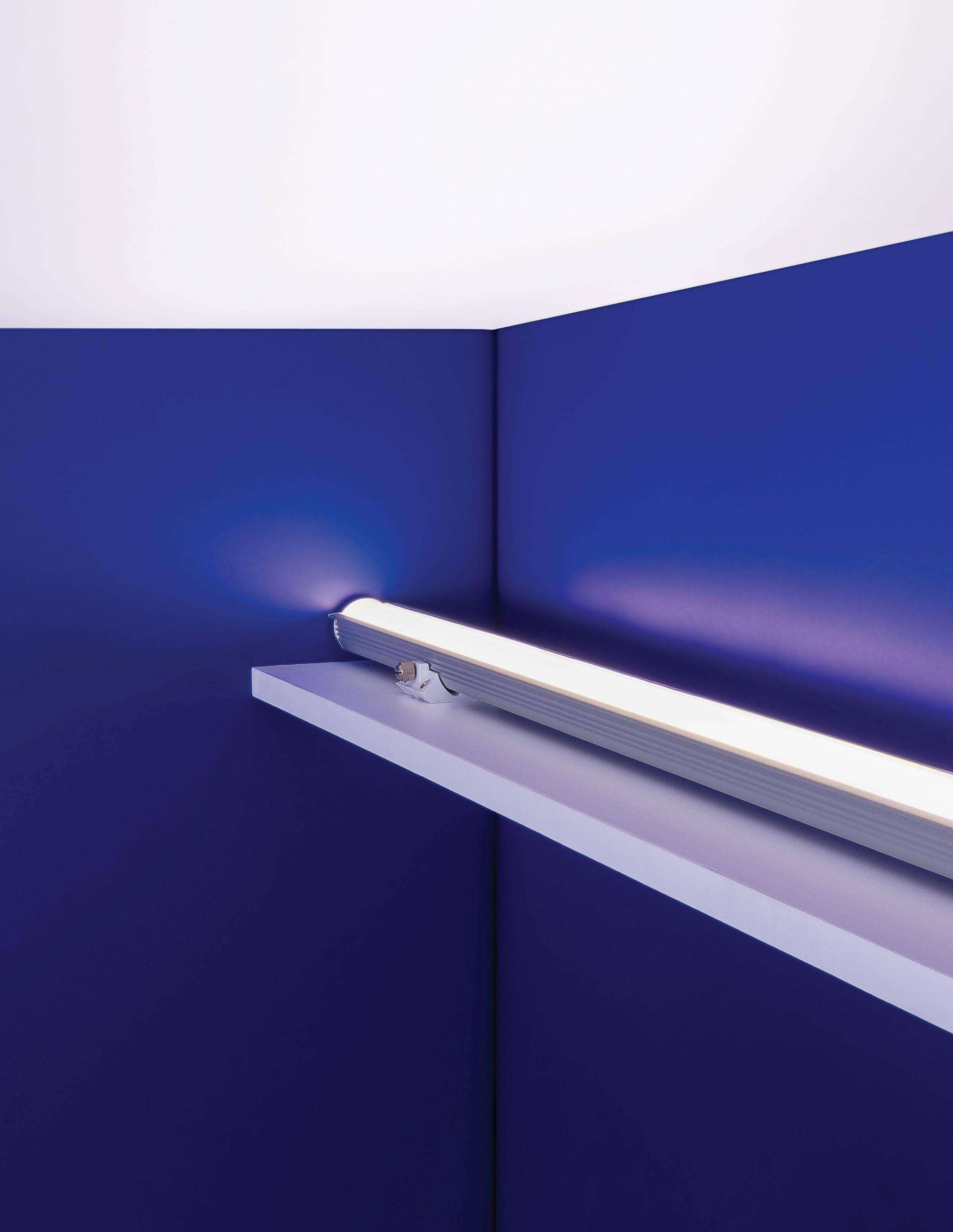
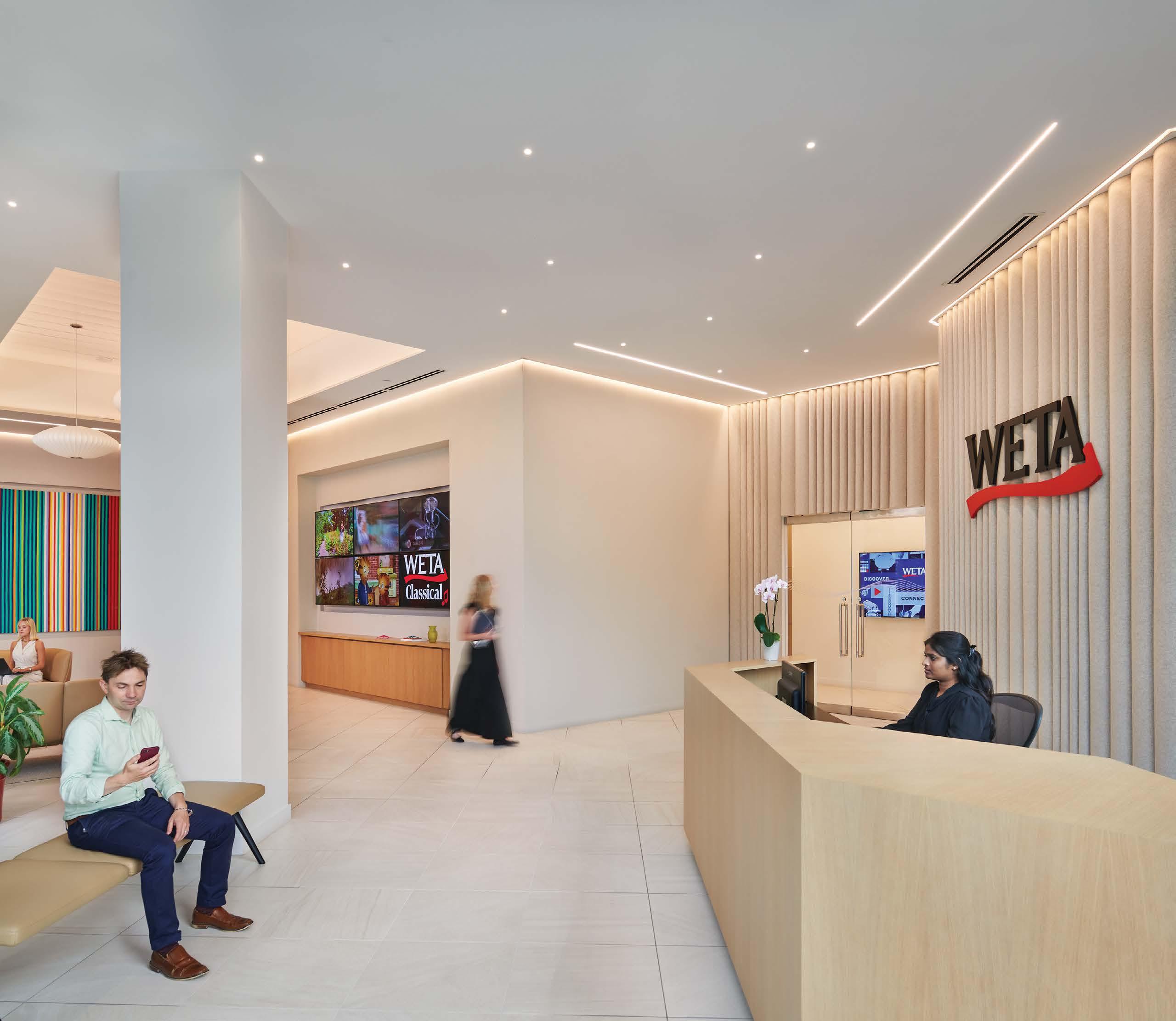
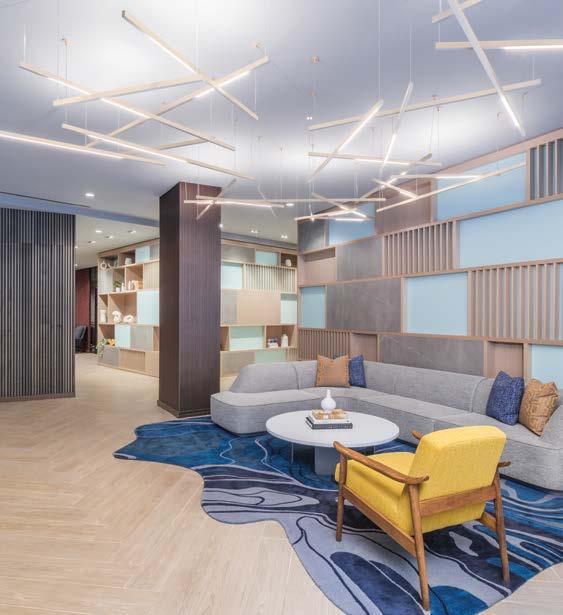
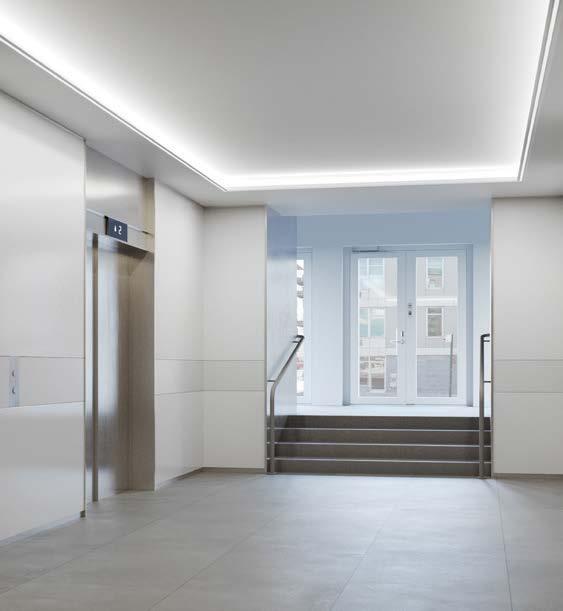
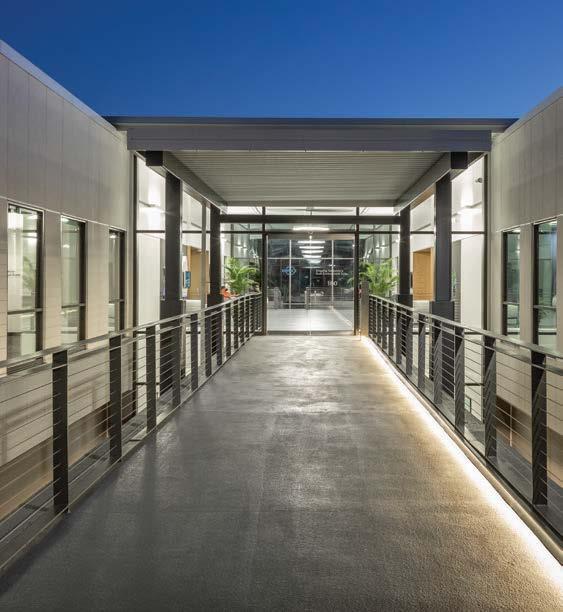
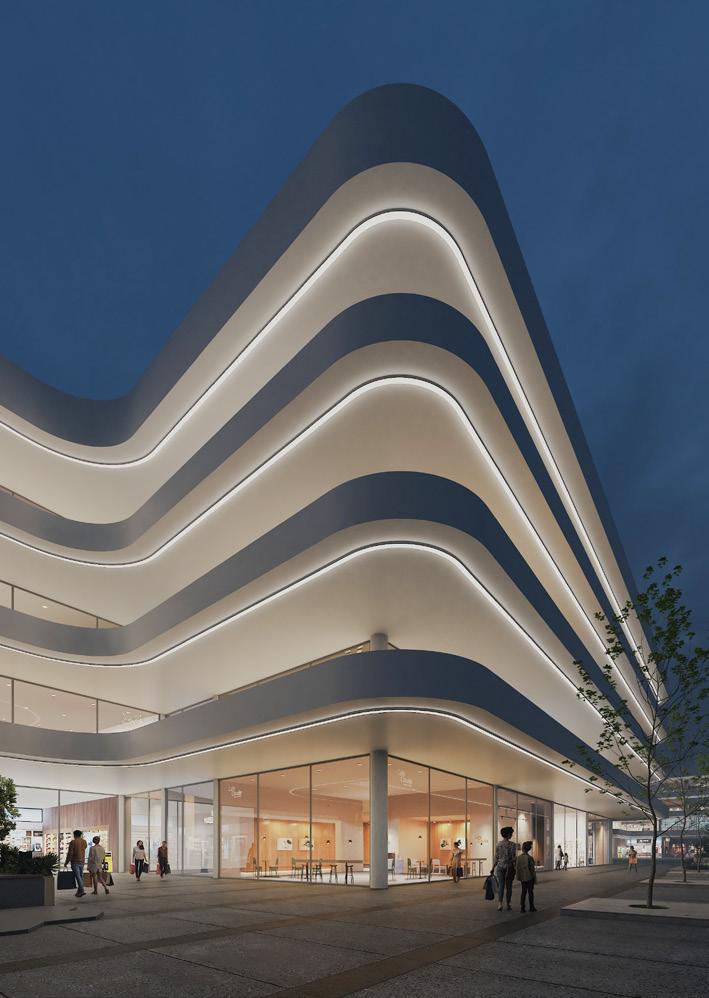
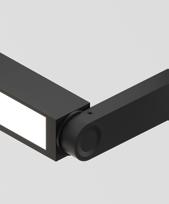
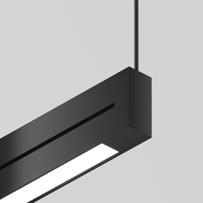
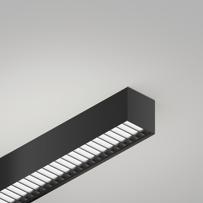
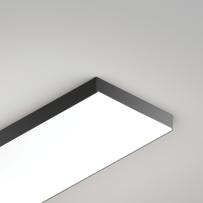
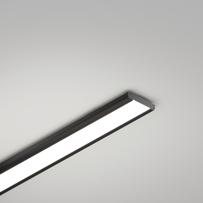
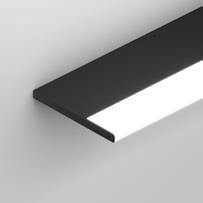
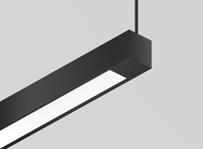
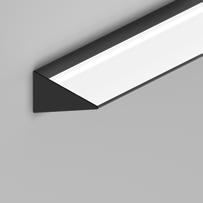
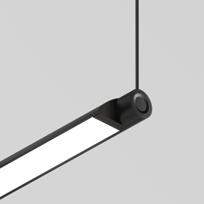
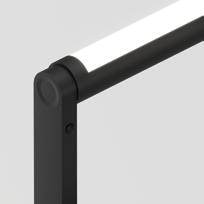
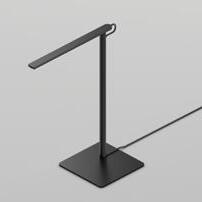
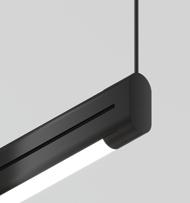
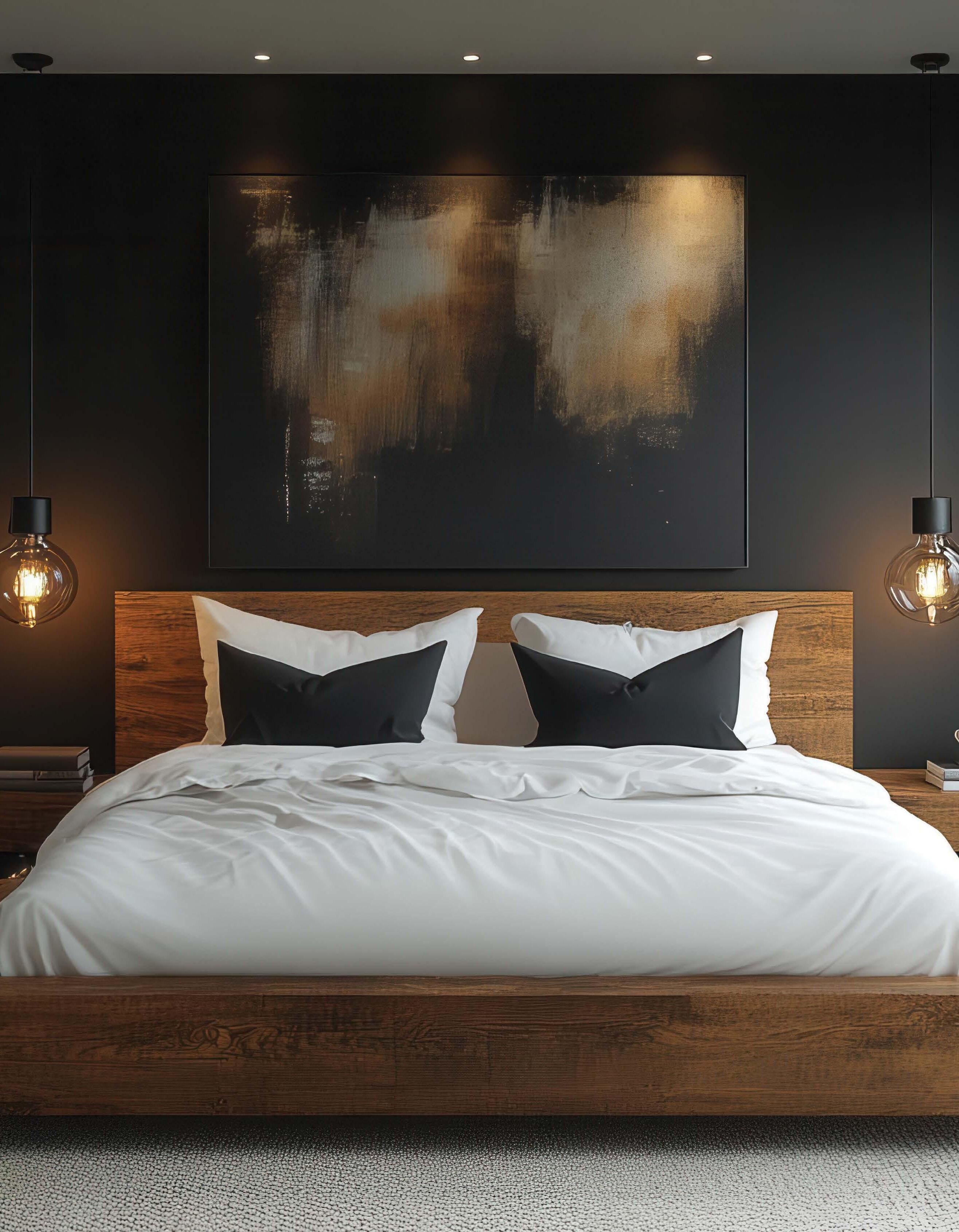
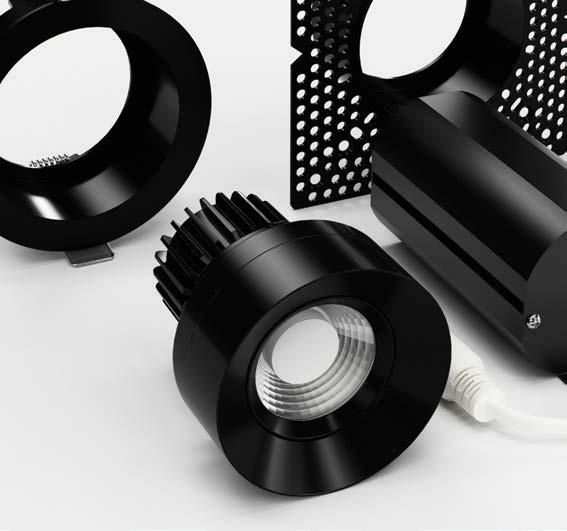
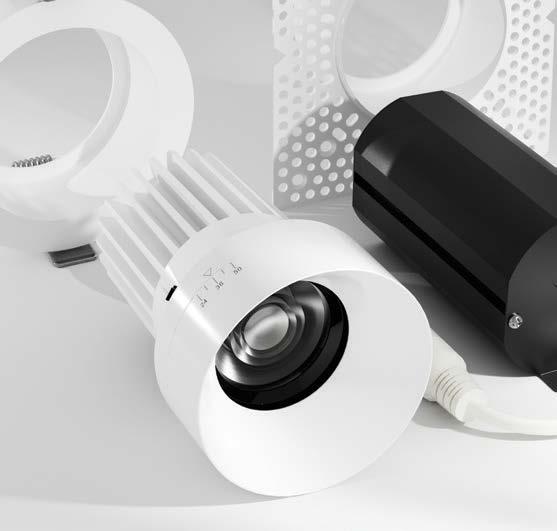
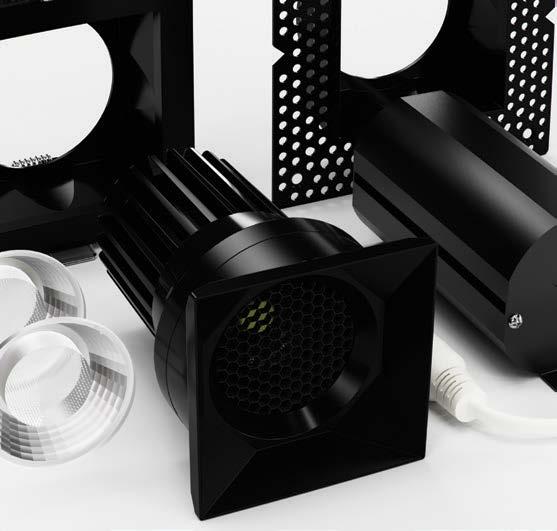
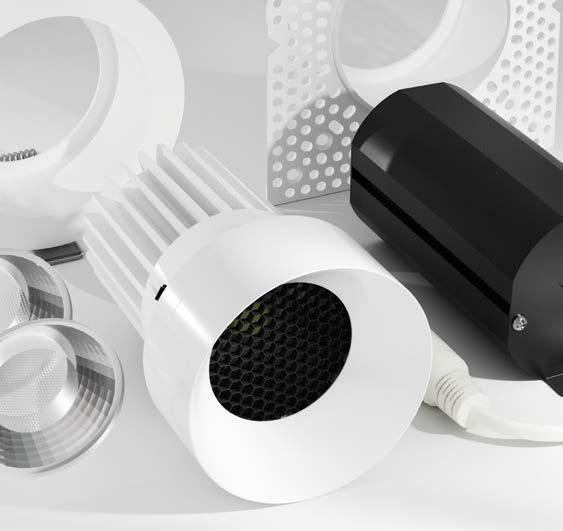
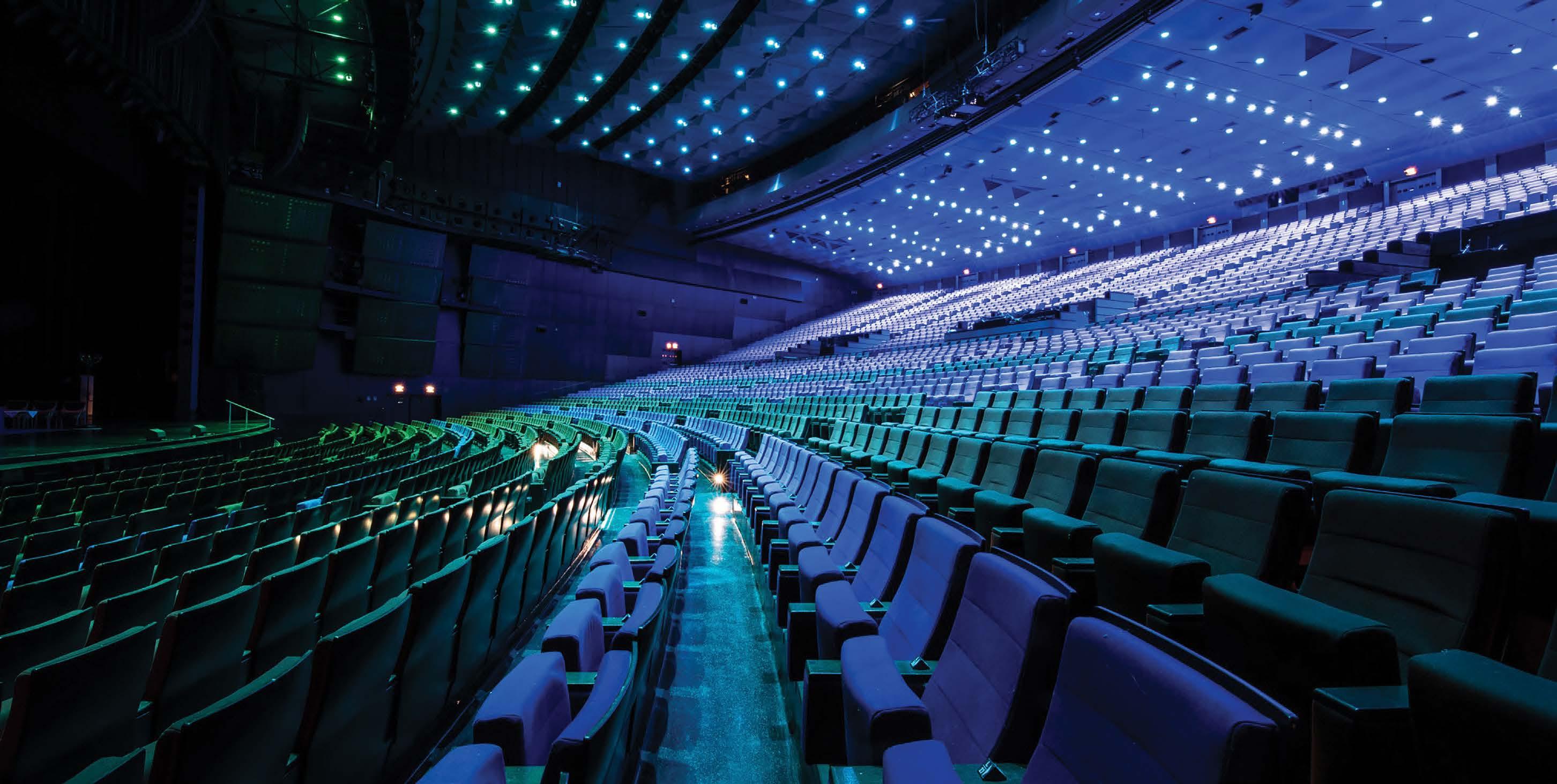
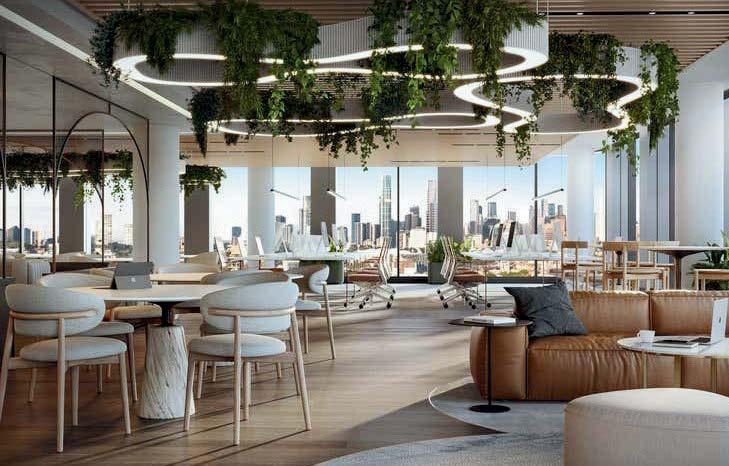
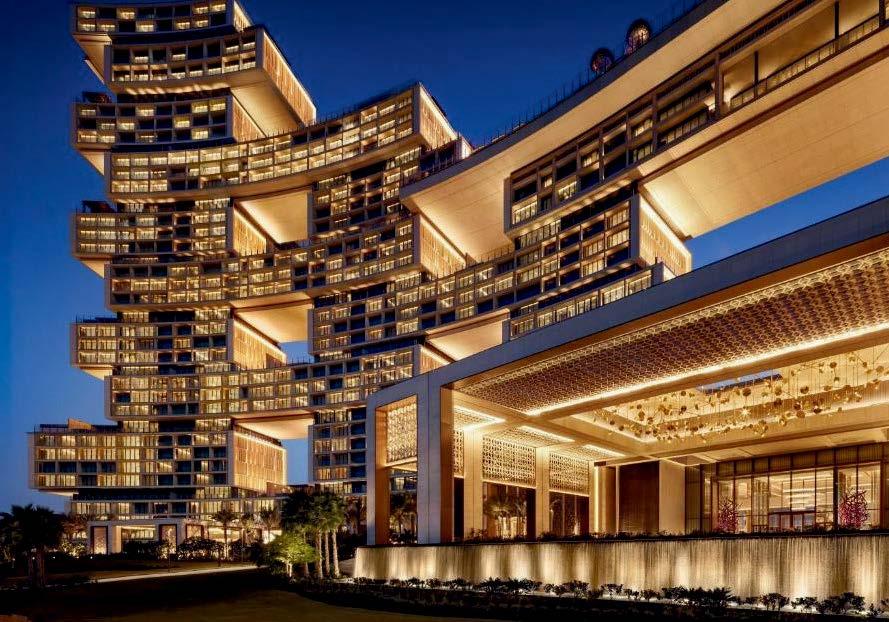
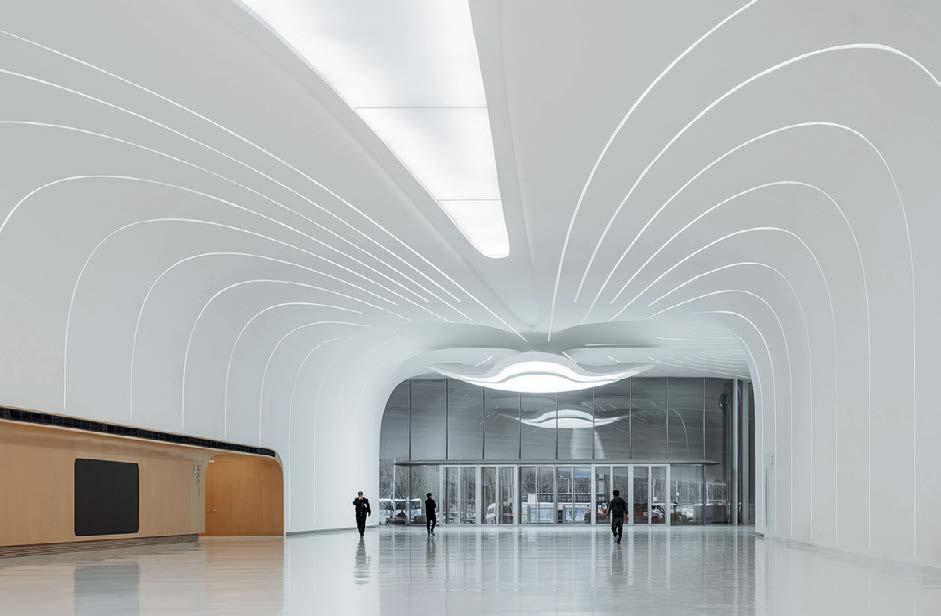
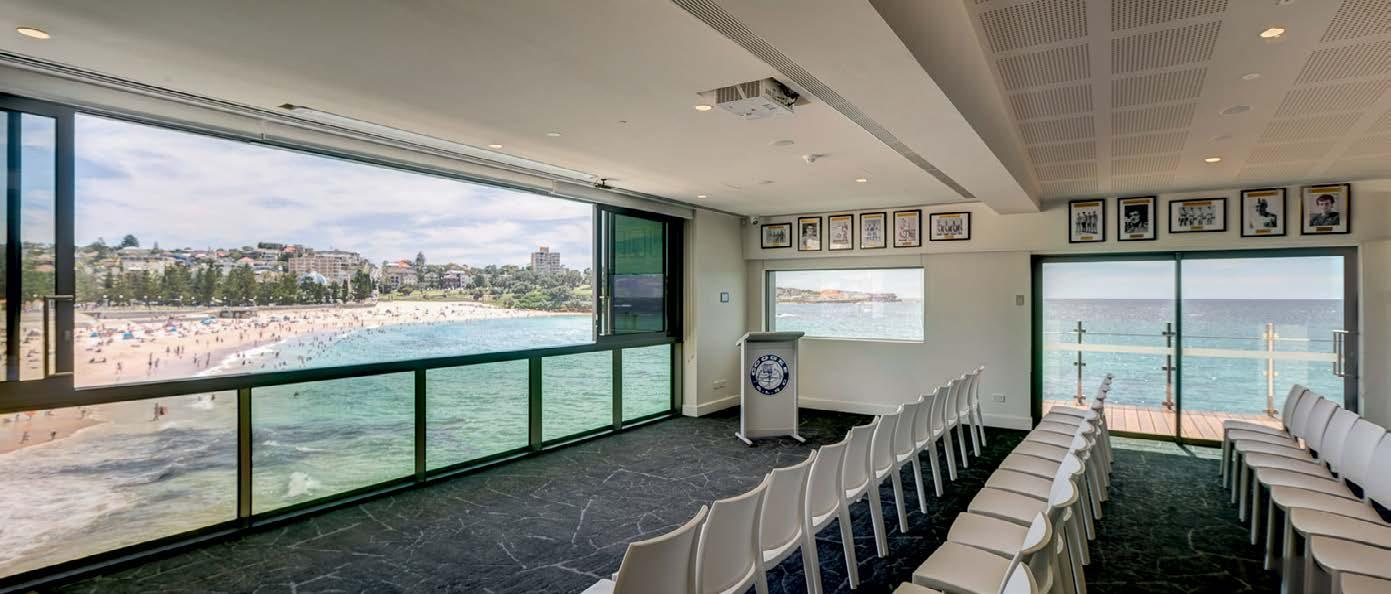
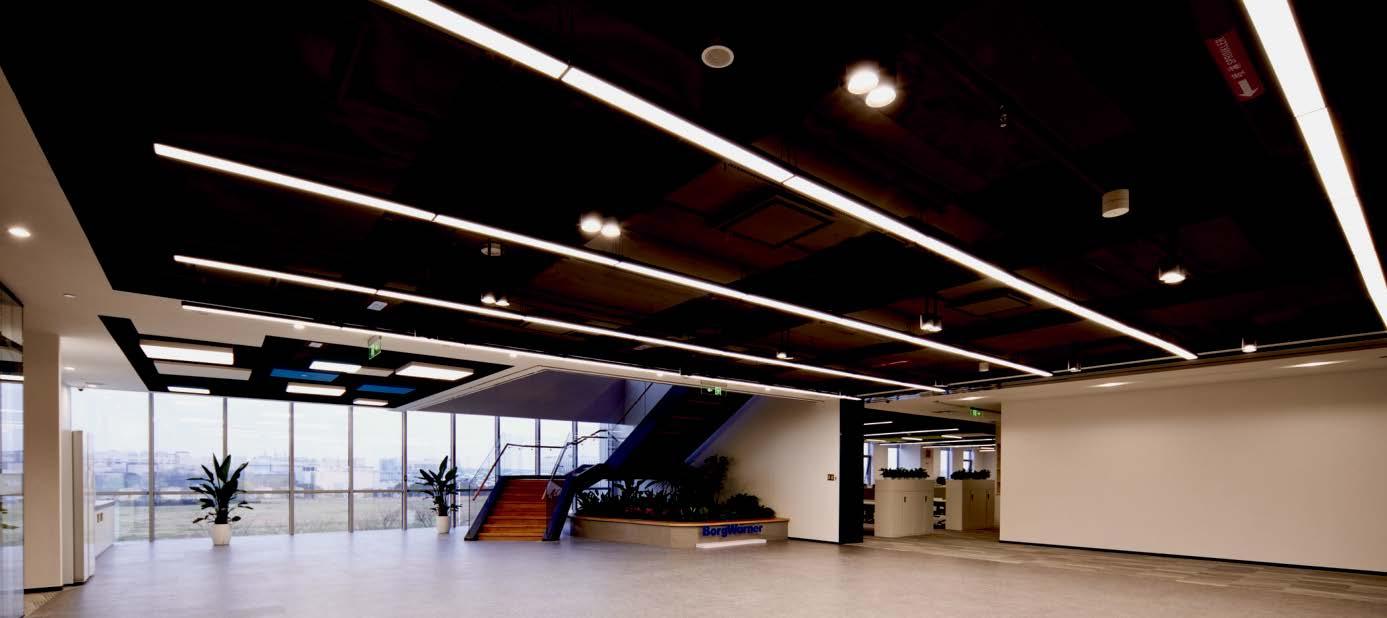
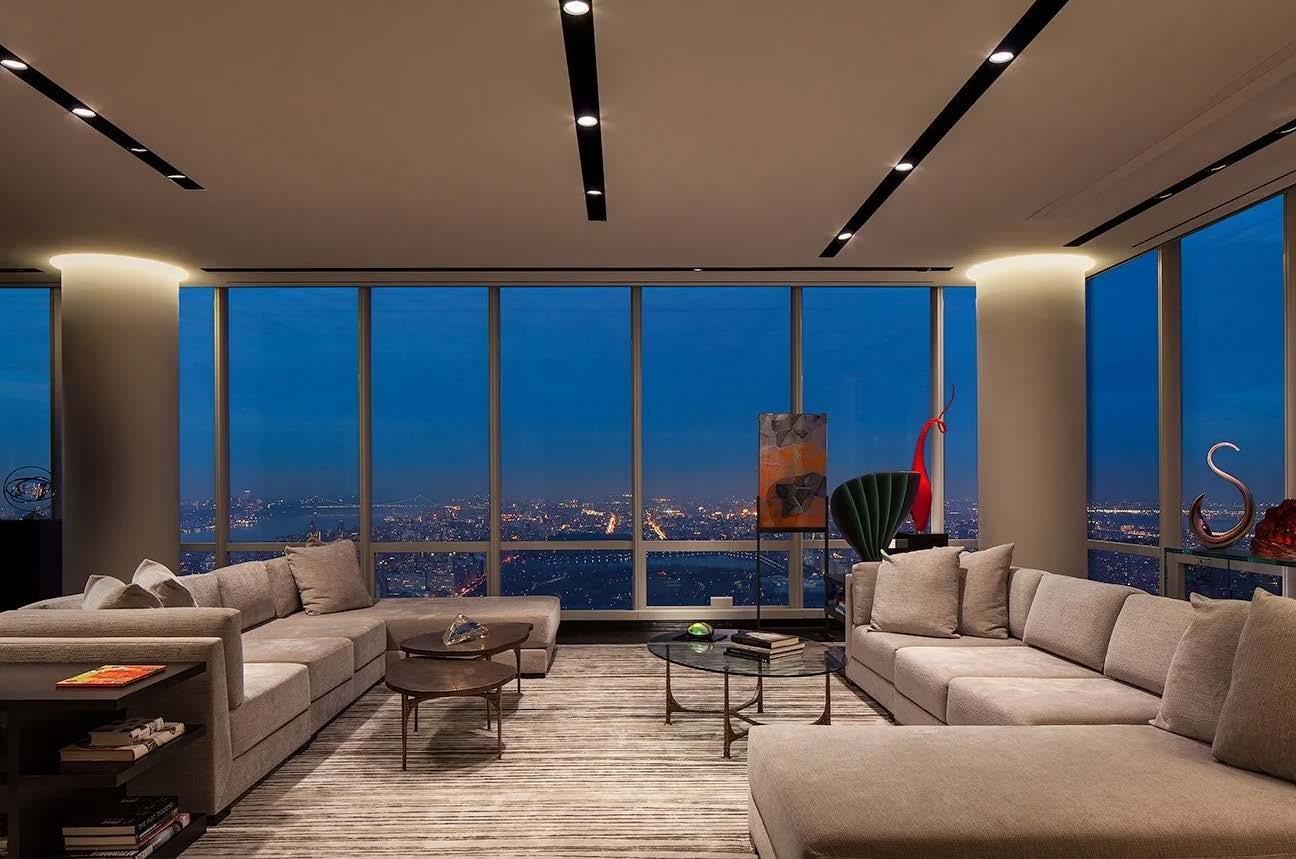
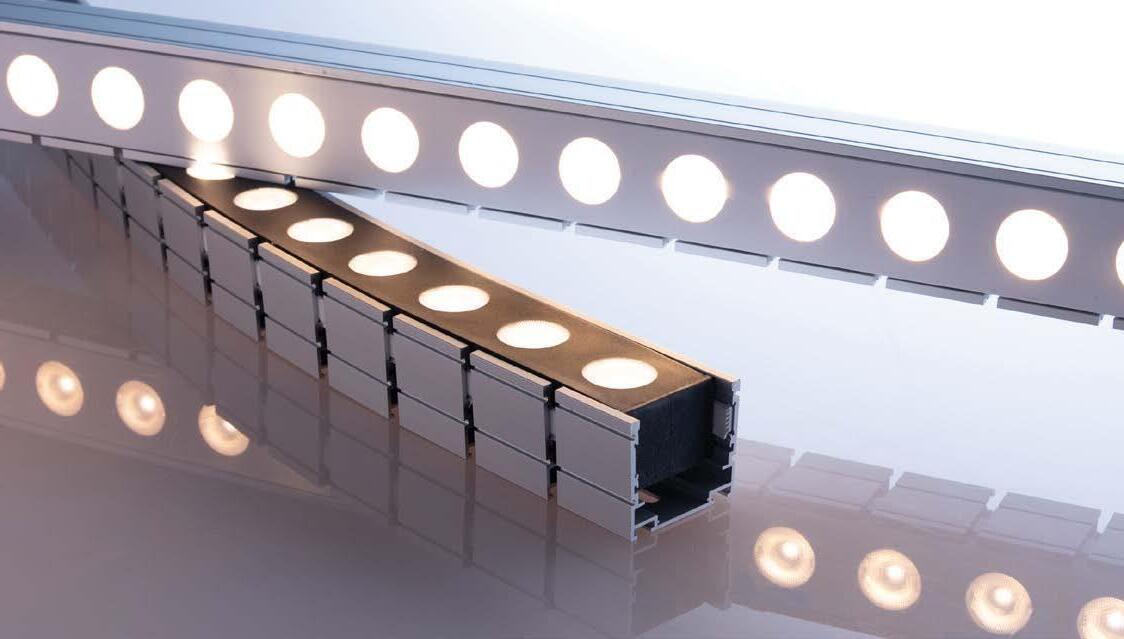
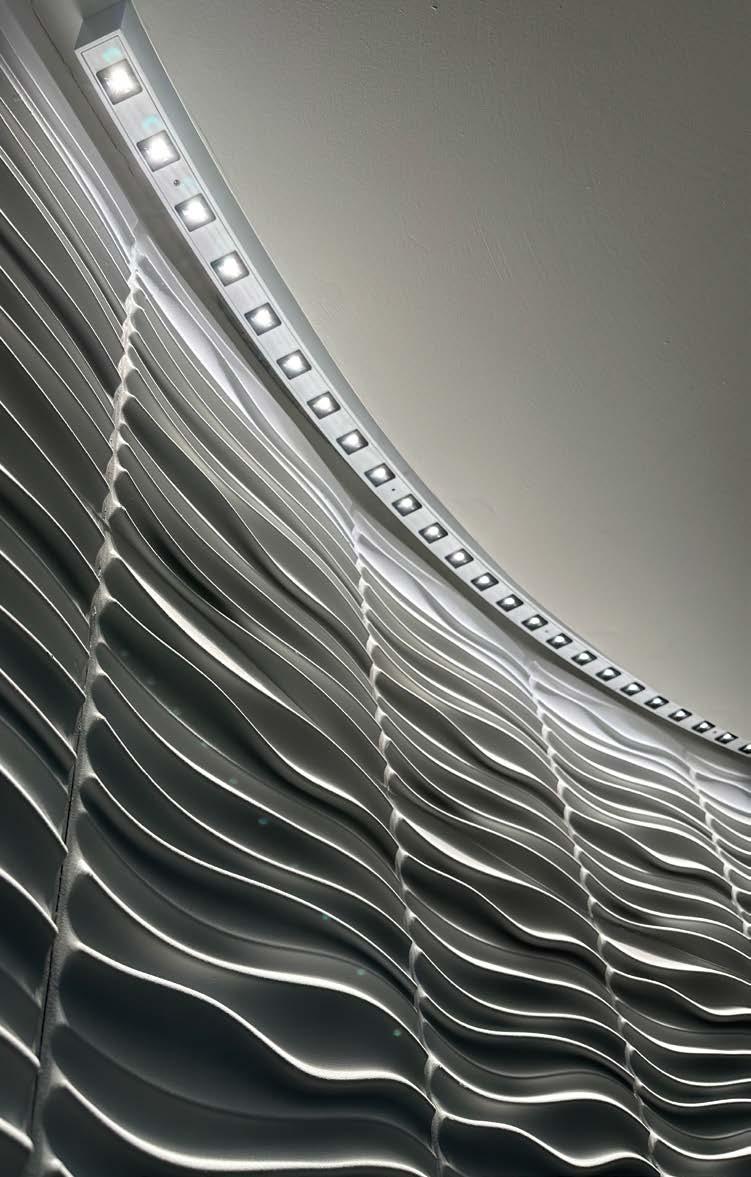
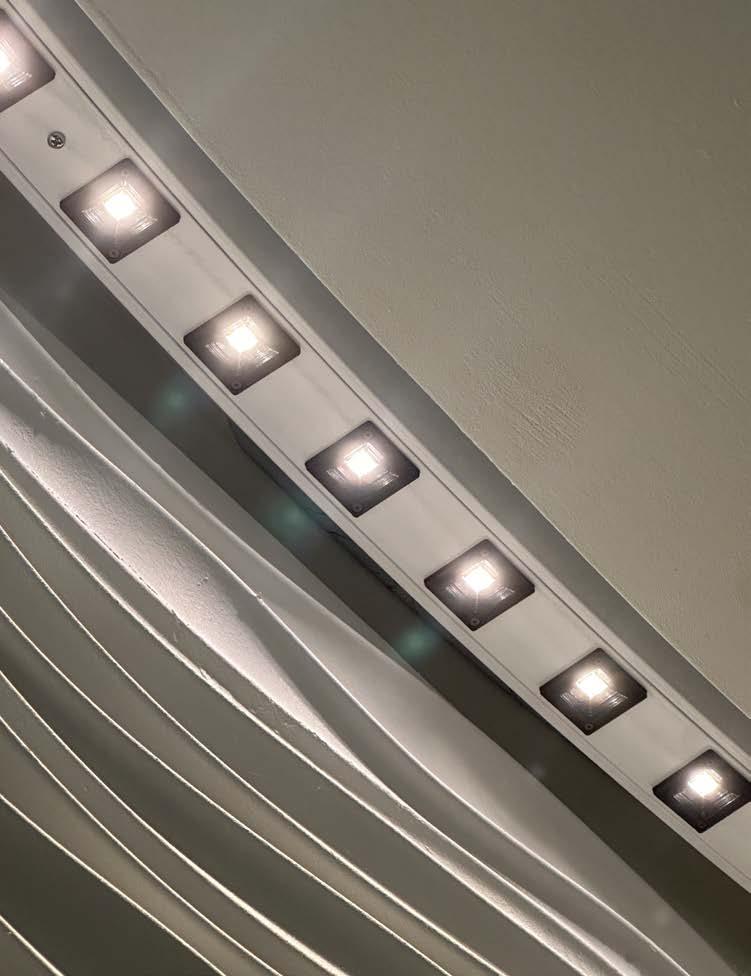
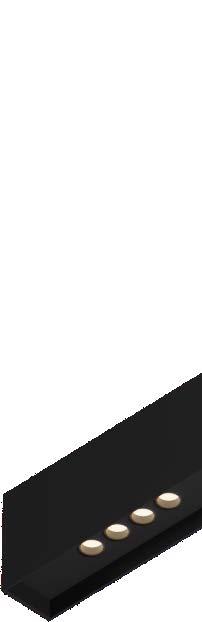
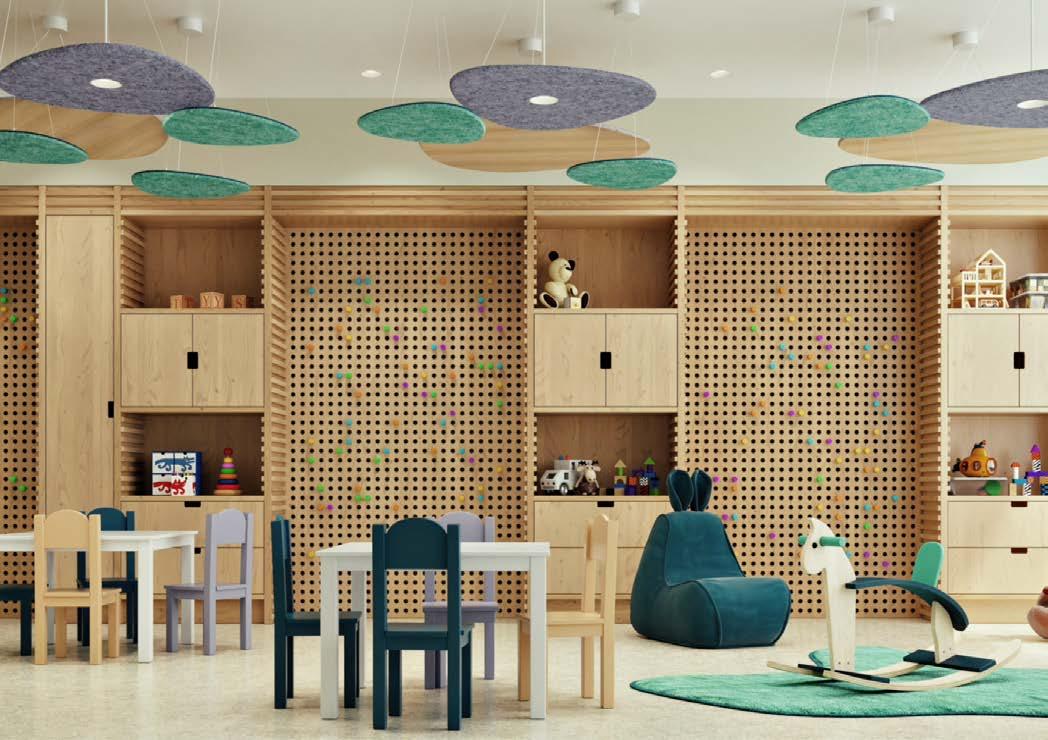
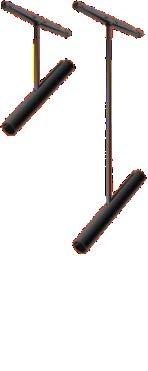
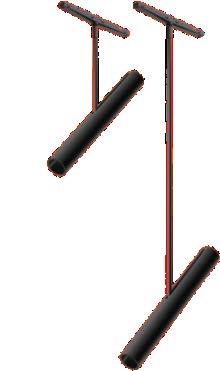
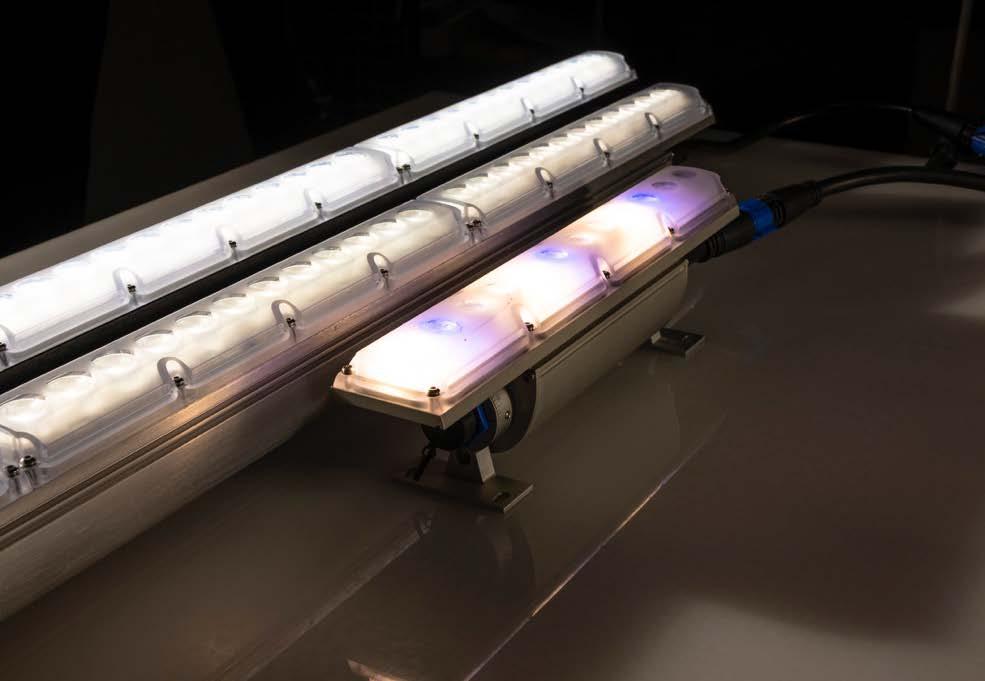
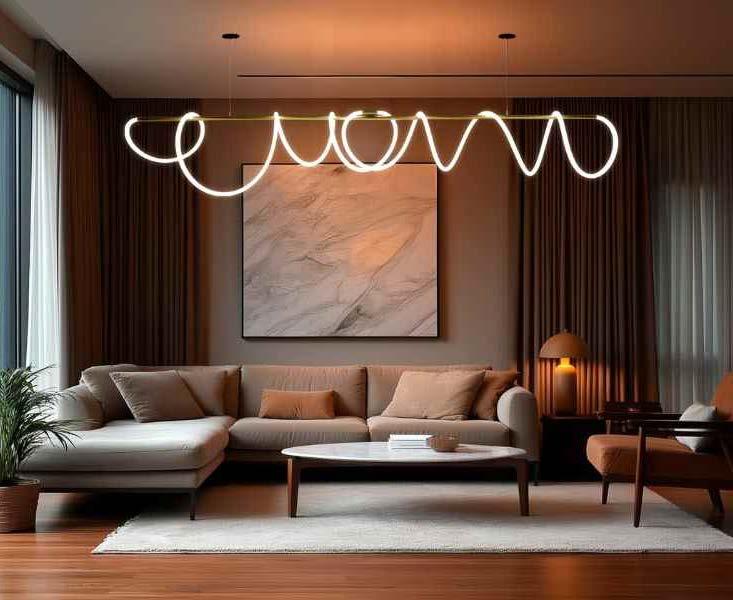
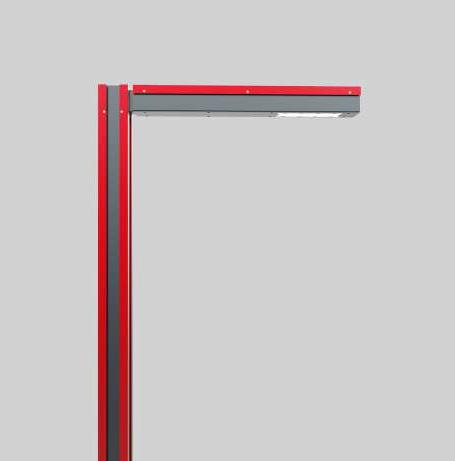
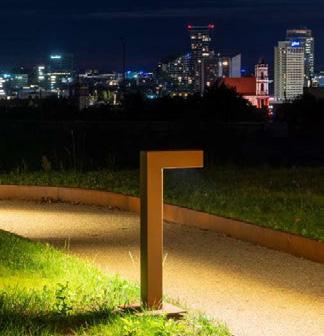
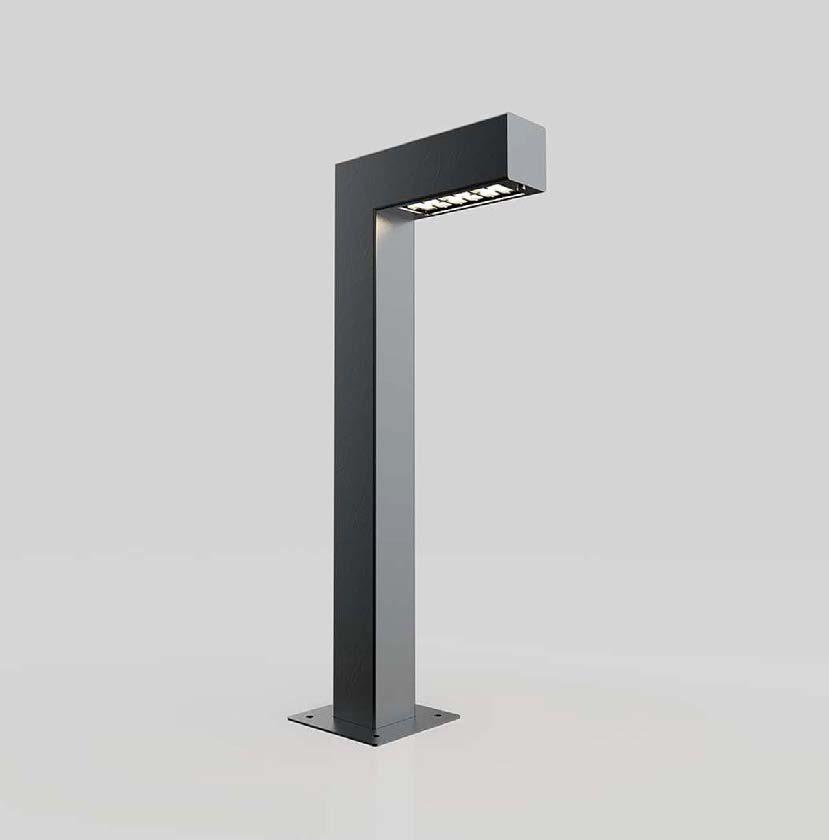
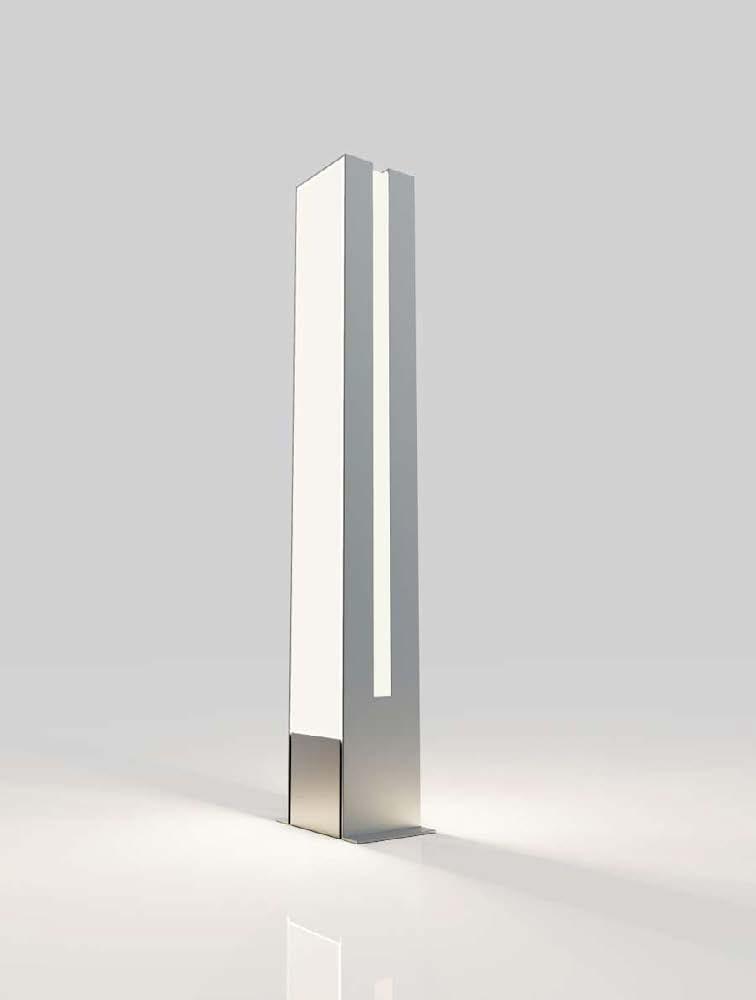
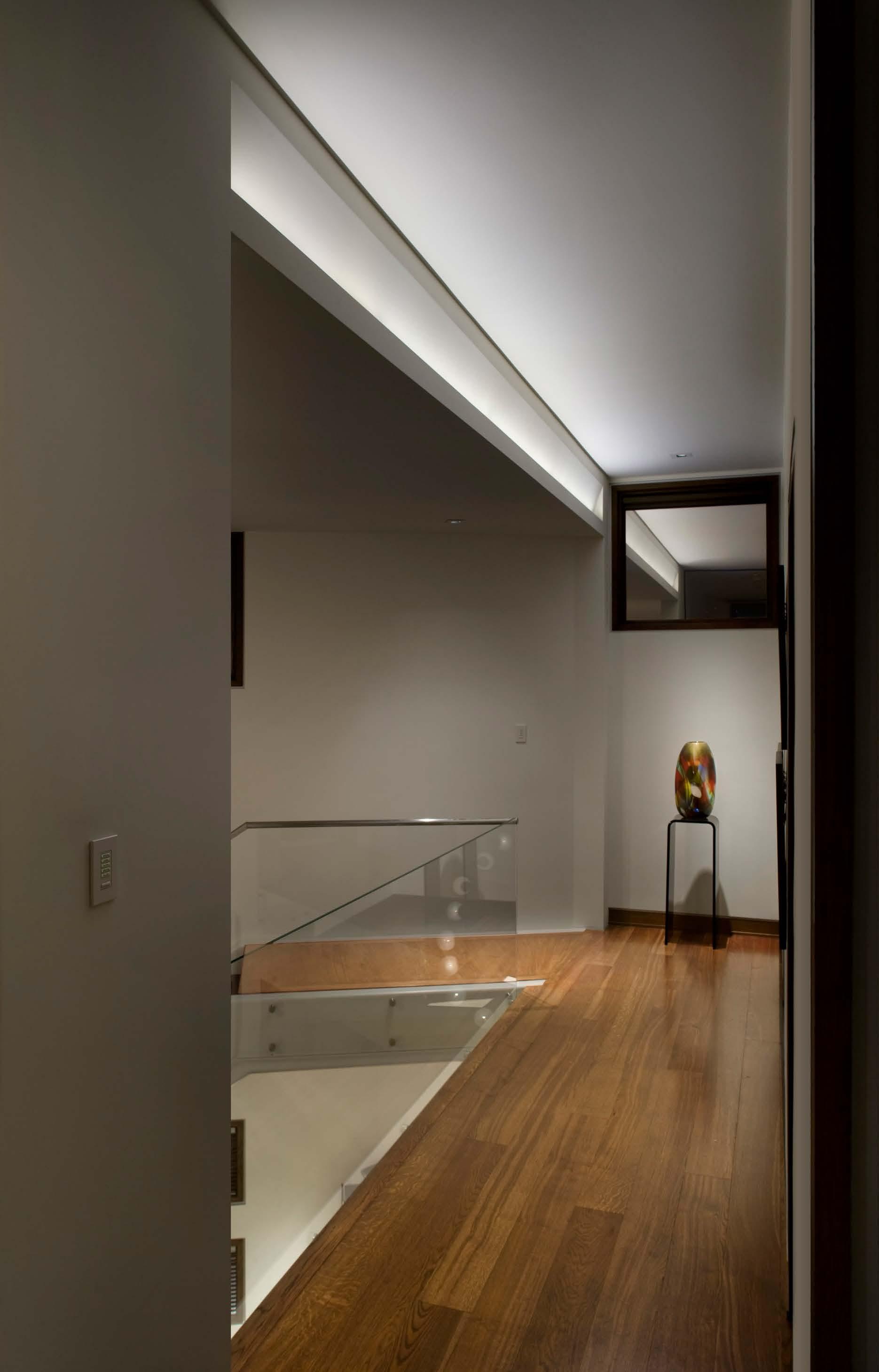
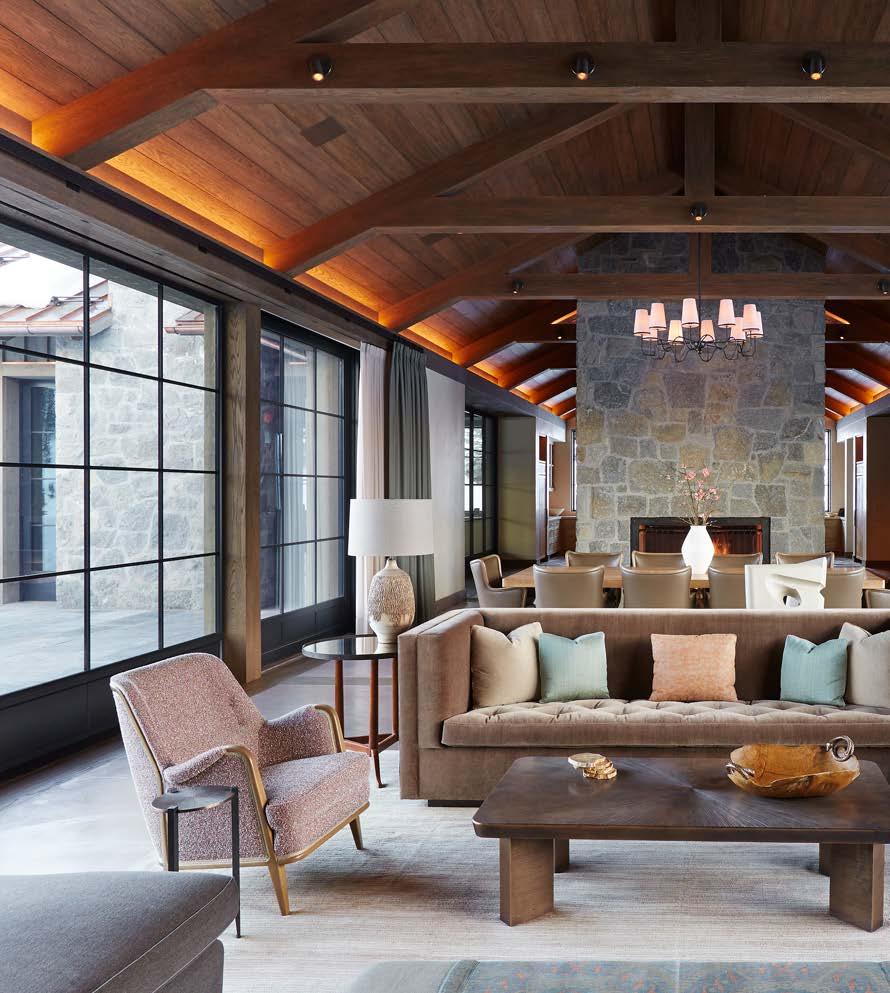
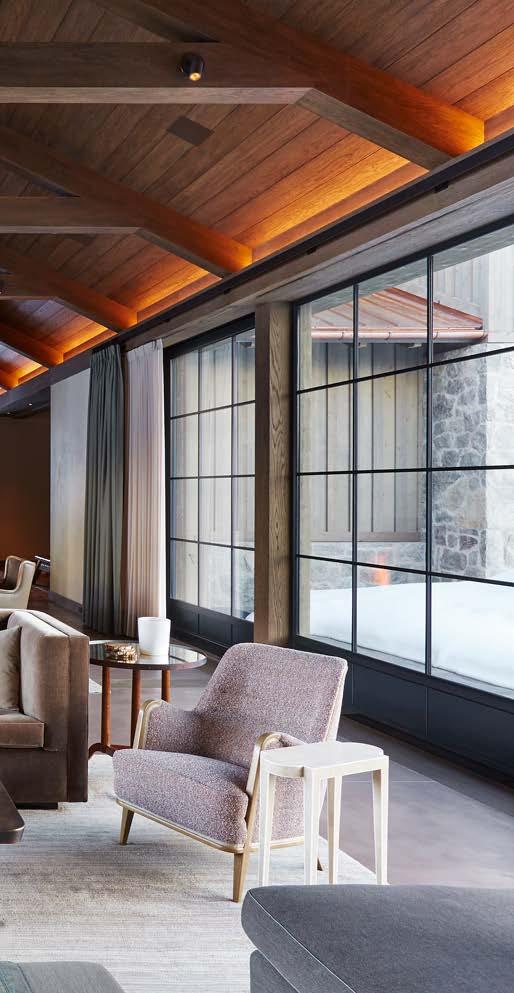
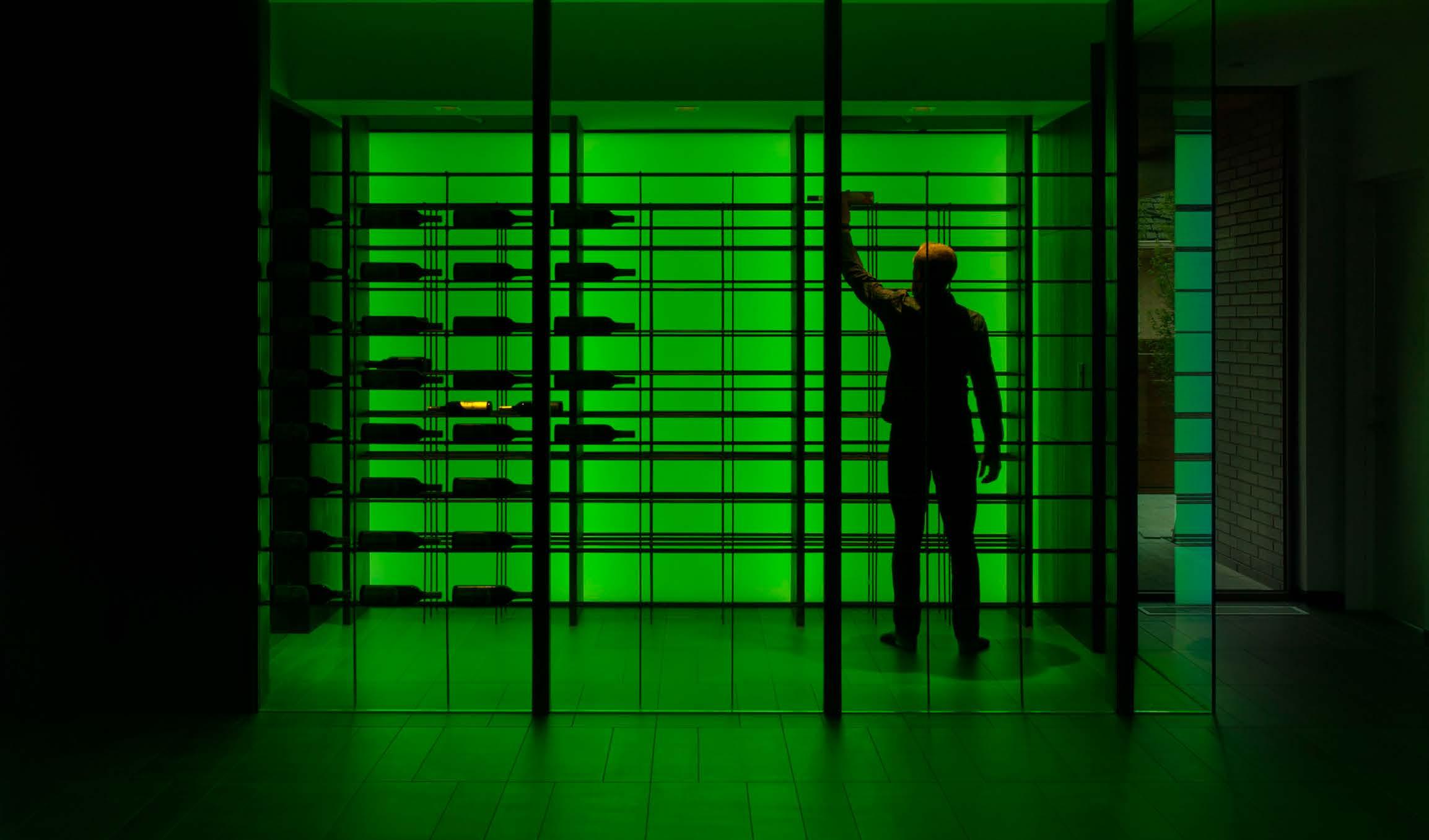
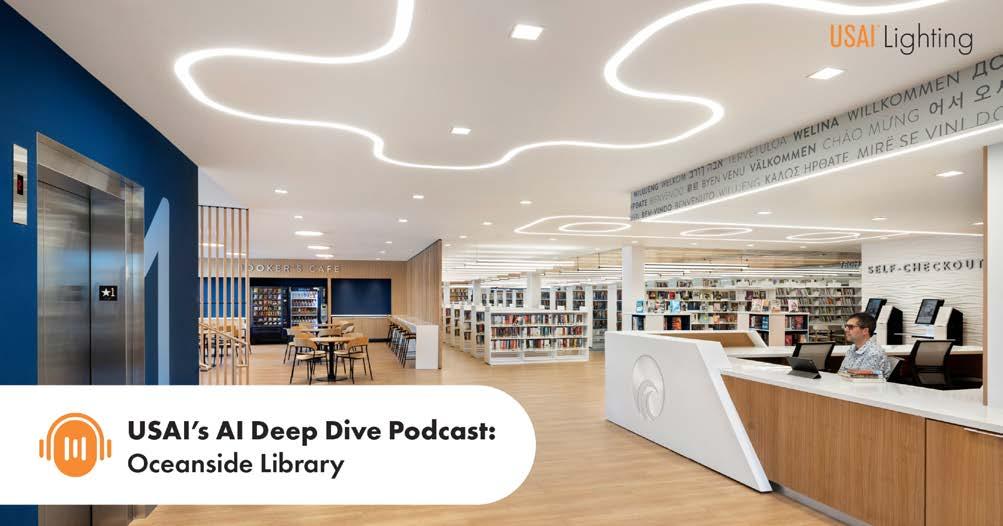
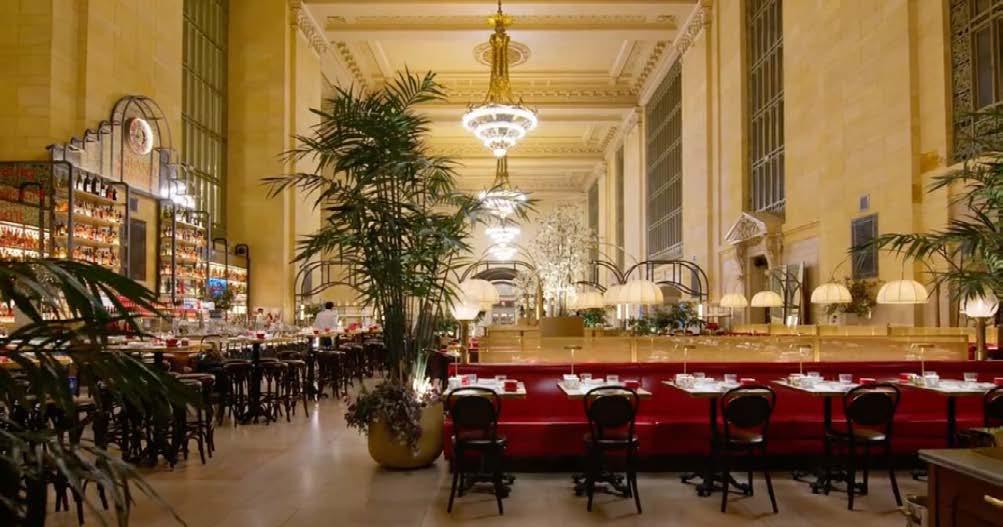
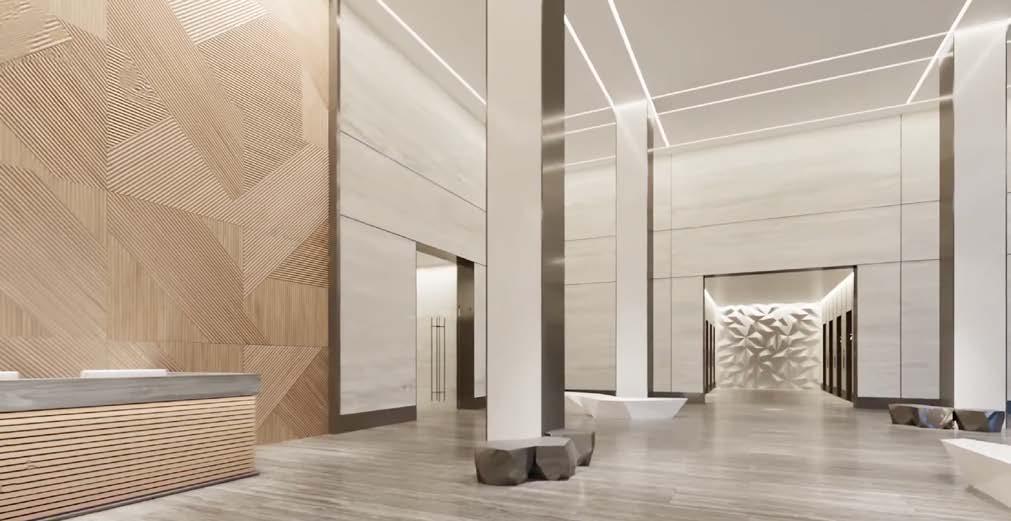
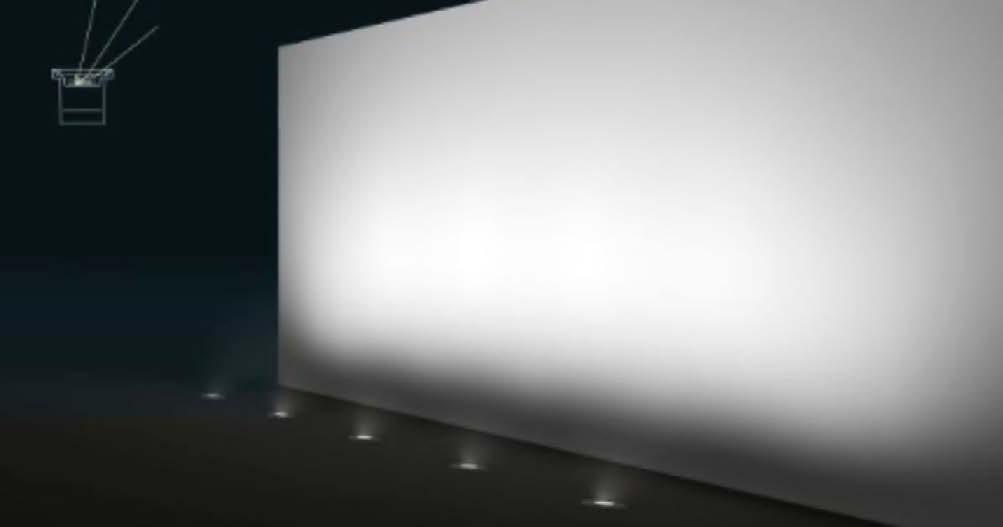
QUOVA PERFORMANCE boasts up to 900 lm/ft of output and 450 cd peak intensity at CRI 98, making it best in class. Its proprietary, asymmetric optic focuses light with high peak intensity, ensuring uniform illumination across ceilings, even from shallow coves.
Architectural Lighting Made in the USA
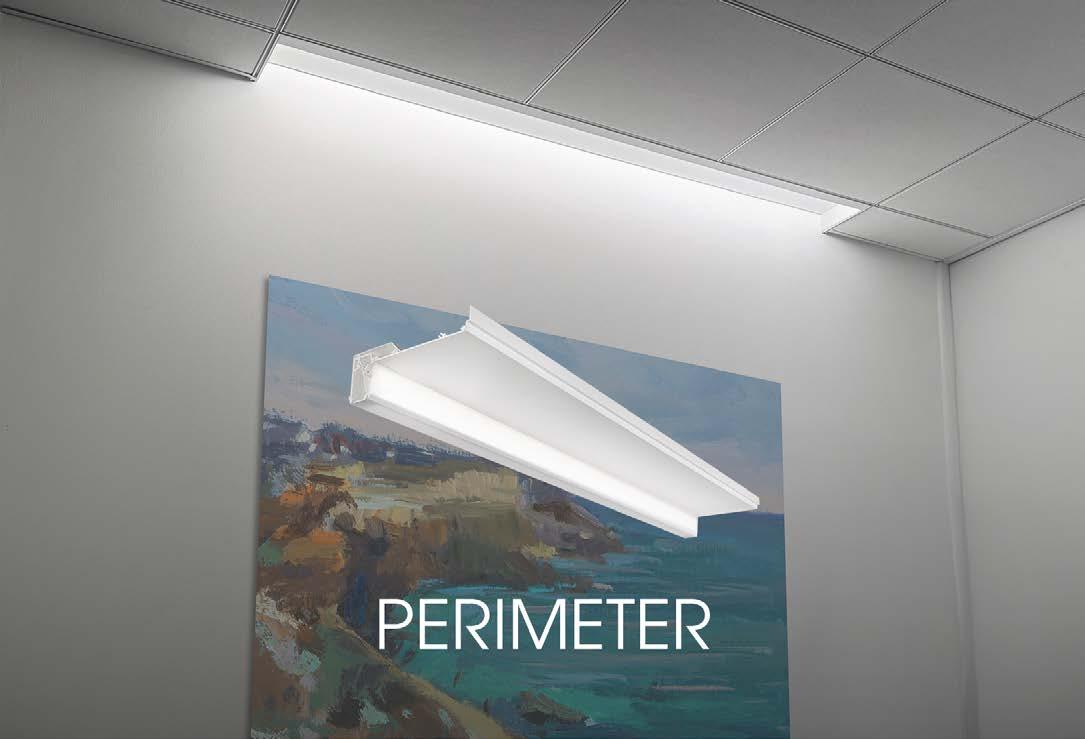
Inter-lux designs and manufactures precision architectural lighting right here in Maryland. Our portfolio includes Whitegoods Cove, Linear, and Perimeter products, and Linea Light's Dirigo. Seamless integration, clean lines, and uncompromising quality for refined spaces.
This is American-made lighting.
Illuminate With Confidence
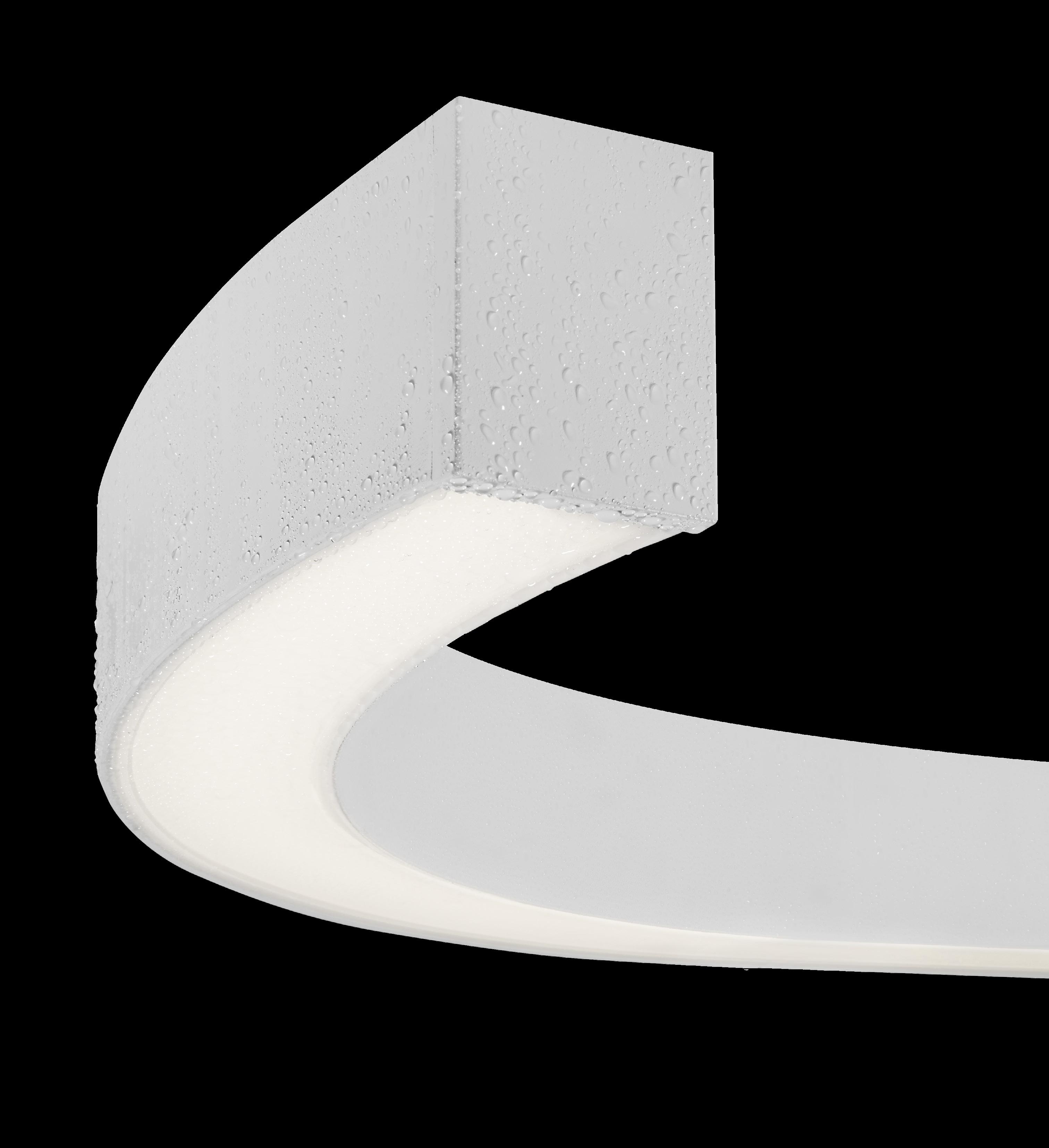
Curvia Seal
Curvia Seal fixtures bring the Curvia family’s elegance outdoors, offering IP54, IP64, and IP65 options for enhanced protection against dust and water.
DISTRIBUTIONS
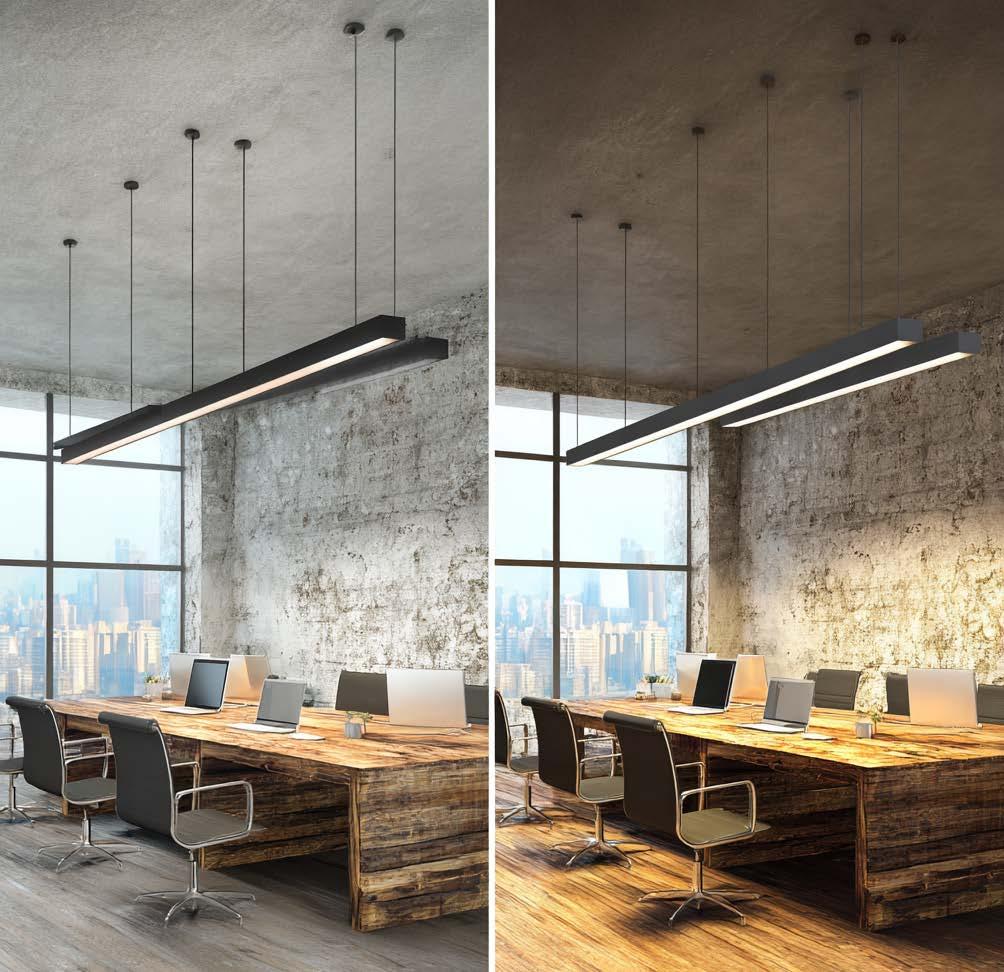
Direct Direct/Indirect
CONFIGURATIONS
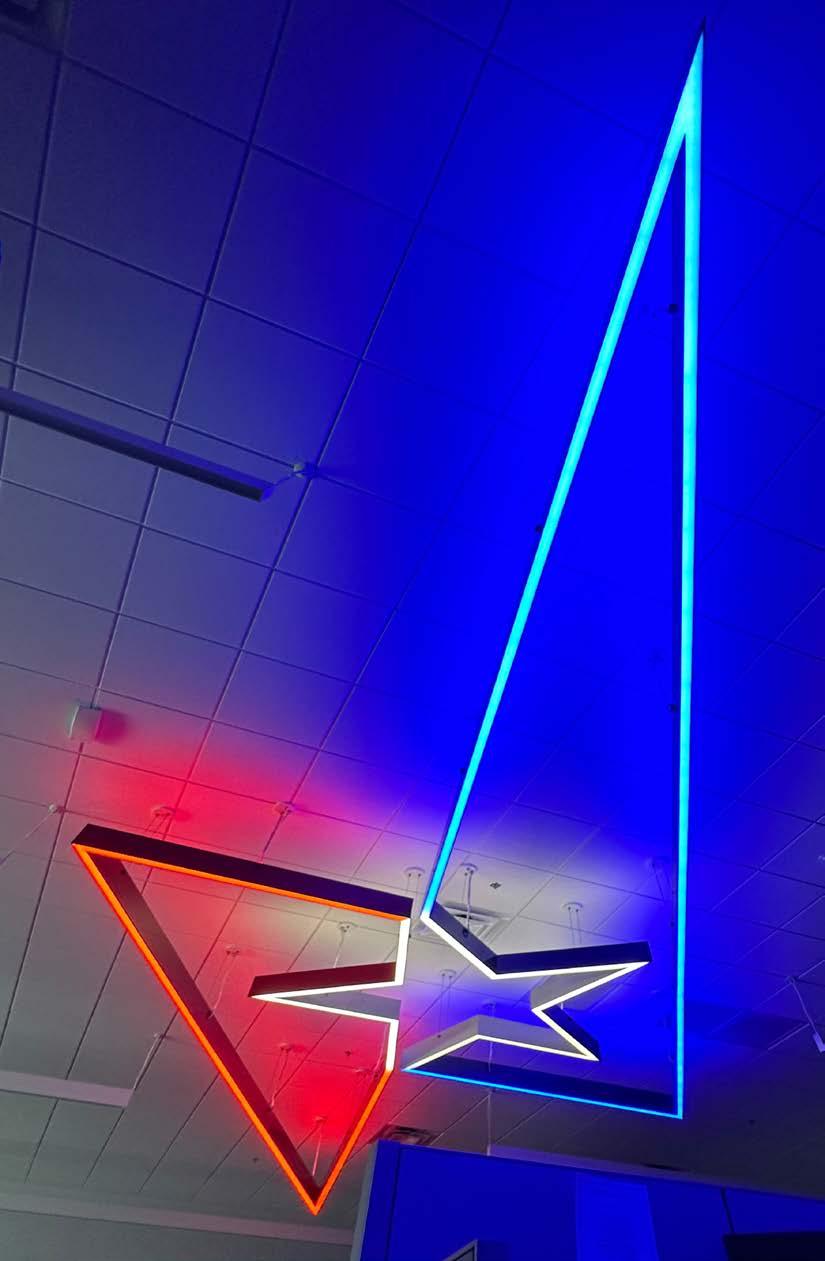
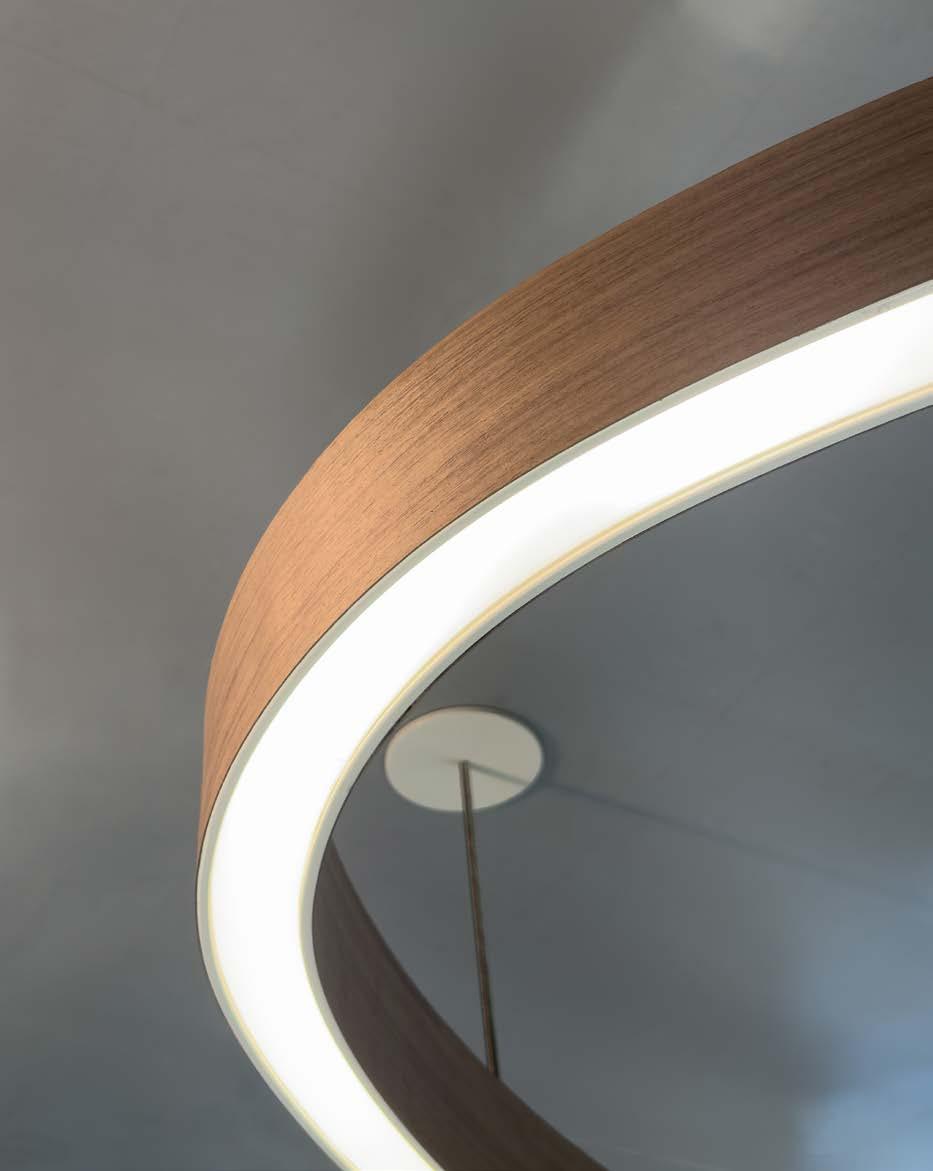
Standalones Continuous Runs Patterns Shapes Rings
Powerful. Adaptive. Off-Grid.
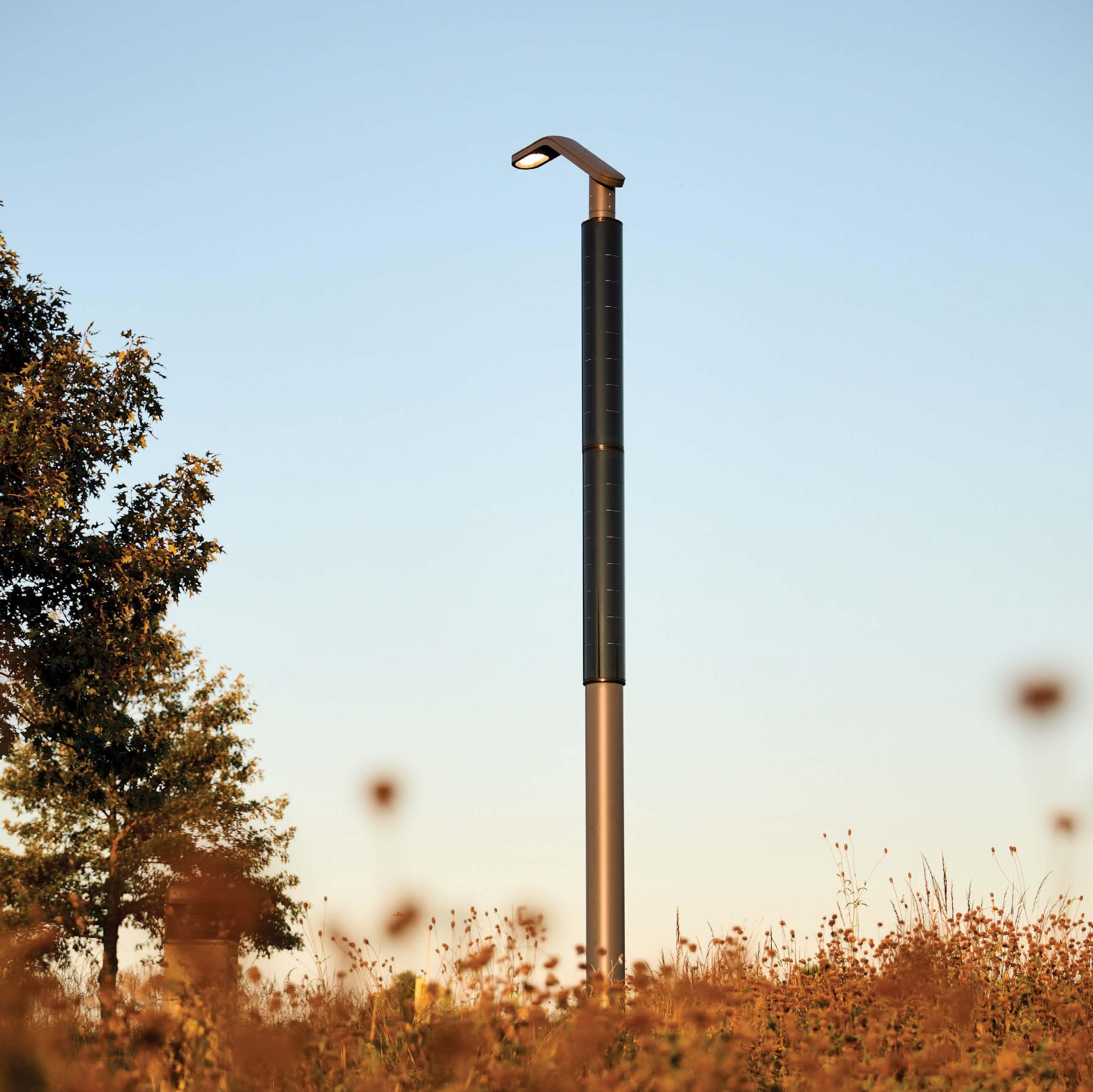
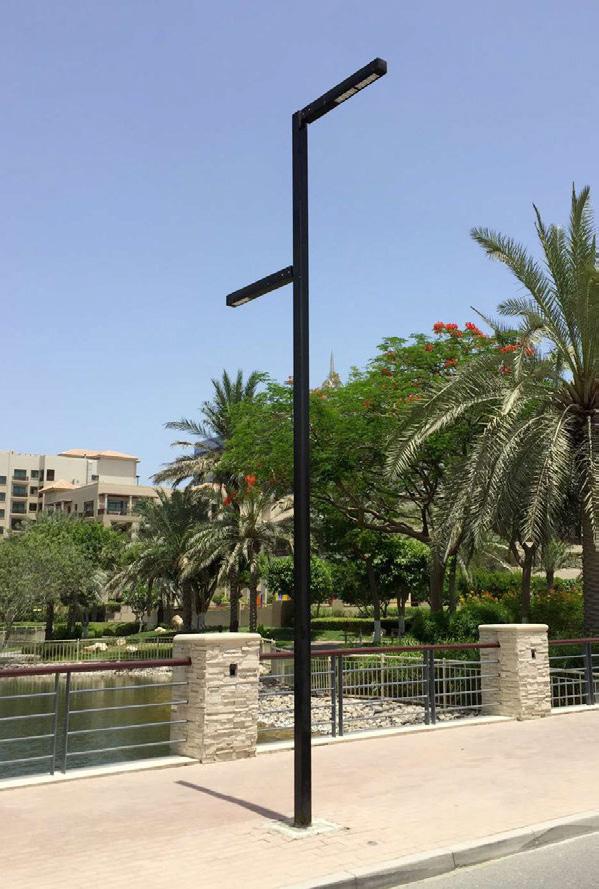
360 Solar: Design and engineering converge in an advanced solar lighting solution.
Designed in Collaboration with FlexSol Lighting Solutions
Landscape Forms | A Modern Craft Manufacturer
PROJECT NAME/LOCATION
Madison Station
Charleston, SC
DESIGN PARTNERS
SeamonWhiteside
Landscape architect
PHOTOGRAPHY
Chris & Cami Photography, LLC
TEAM MEMBERS
Linden Construction
Landscape Forms
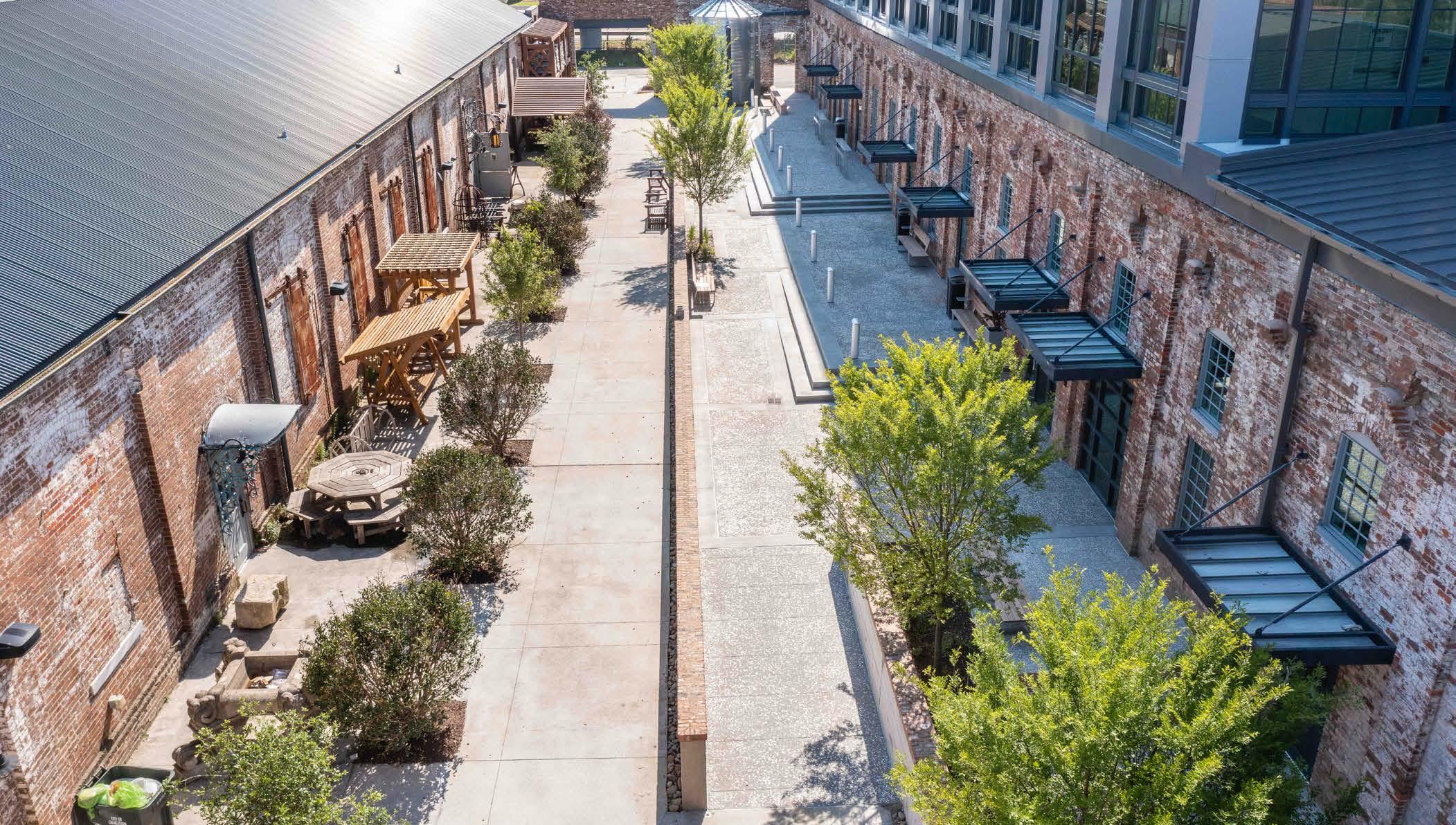
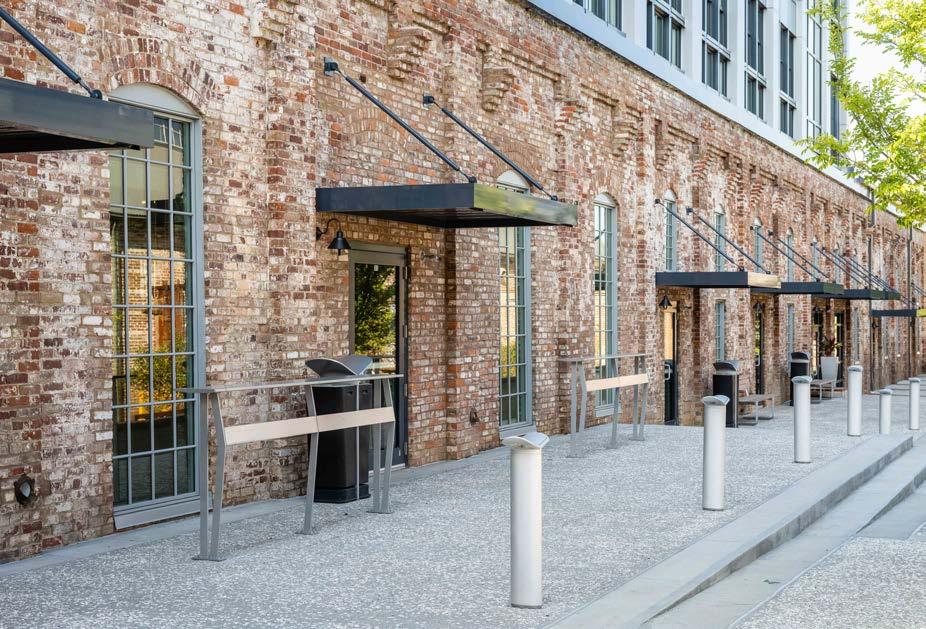
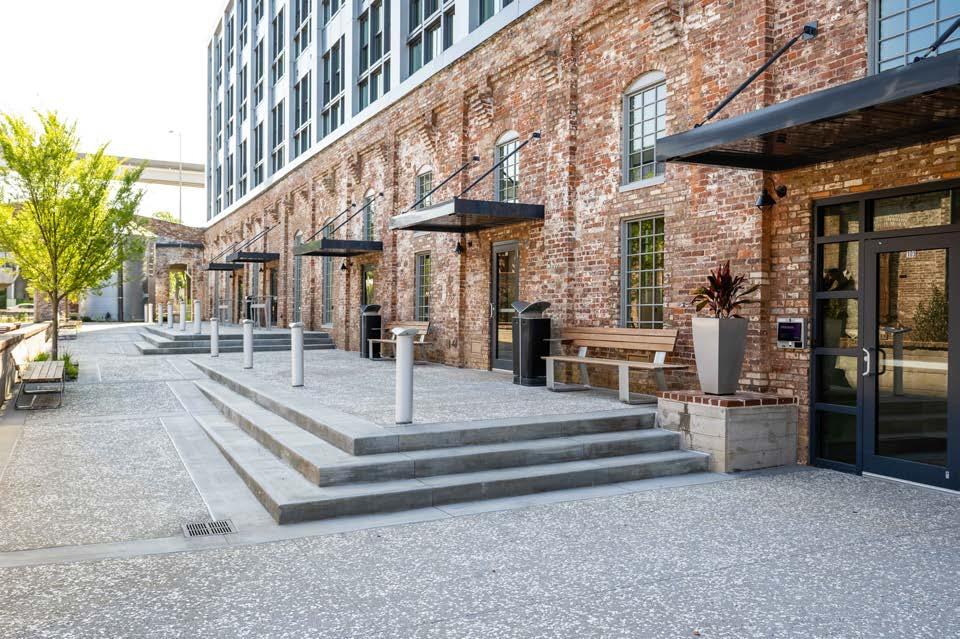
Madison Station in Charleston, SC, transforms a historic 1897 trolley barn into a refined 36-unit residential community that honors its past while embracing modern design. Developed by Madison Capital Group, the project preserves the original brick facade, creating visual harmony with the neighboring American College of the Building Arts.
Site designer SeamonWhiteside crafted a 5,500-square-foot outdoor space that connects the two sites through a low brick wall and shared material palette, encouraging communal interaction. To complement the blend of historic warmth and contemporary architecture, the design team selected Landscape Forms’ MultipliCITY collection for its elegant functionality and cohesive aesthetic.
MultipliCITY benches, bike racks, litters, path lights, and Jessie rails provide comfort, utility, and visual consistency throughout the site. Sorella planters soften the hardscape with lush greenery, while integrated lighting supports wayfinding and enhances nighttime ambiance.
Madison Station demonstrates how thoughtfully integrated lighting and site elements can bridge architectural heritage and contemporary living.
Looking Back To Look Forward
By Paula Martinez-Nobles
Lighting
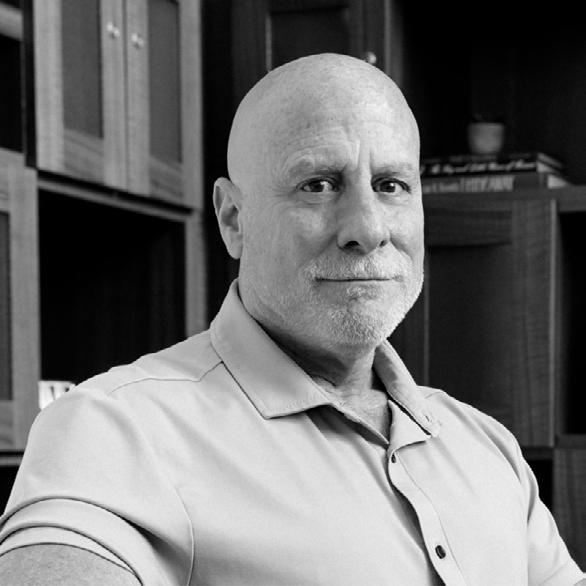
By James R. Benya, PE, FIES, FIALD
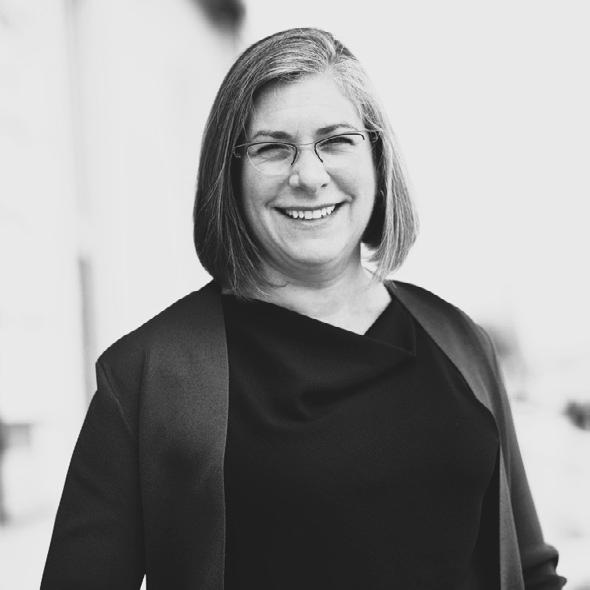
By Mariana Figueiro, PhD
Decades
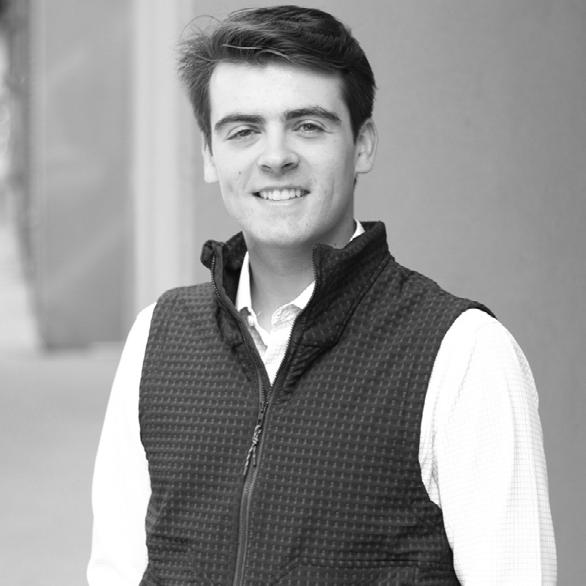
By David Burya
By Randy Reid
James Benya, PE, FIES, FIALD
Mariana Figueiro, PhD
Shirley Coyle, LC
Gregg Mackell, CLD, IALD
Paula Martinez-Nobles, IALD, IES, NOMA, LEED BD+C
David Burya
Joanne Emer, LC
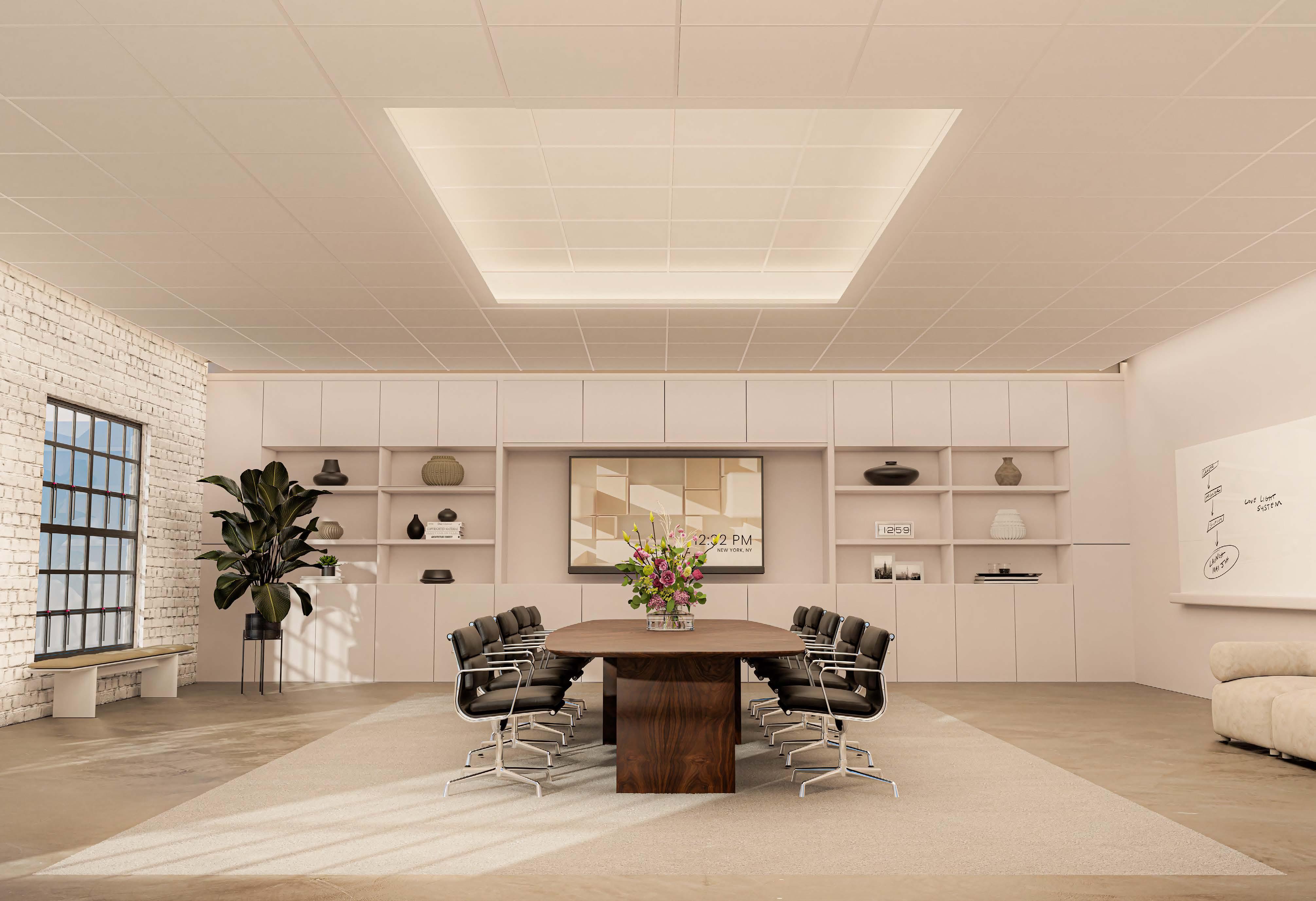
Revolutionizing Cove Lighting—One Grid at a Time
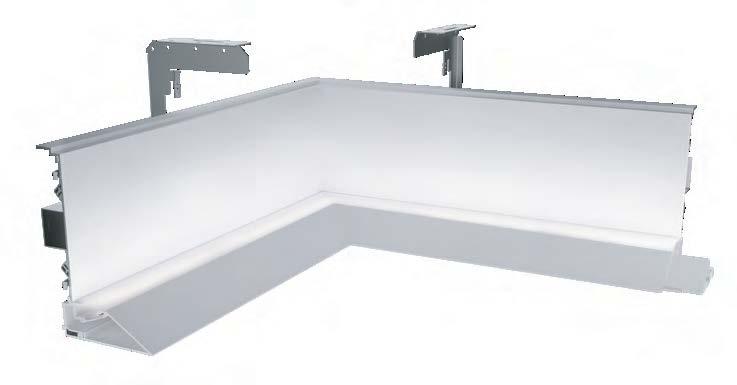
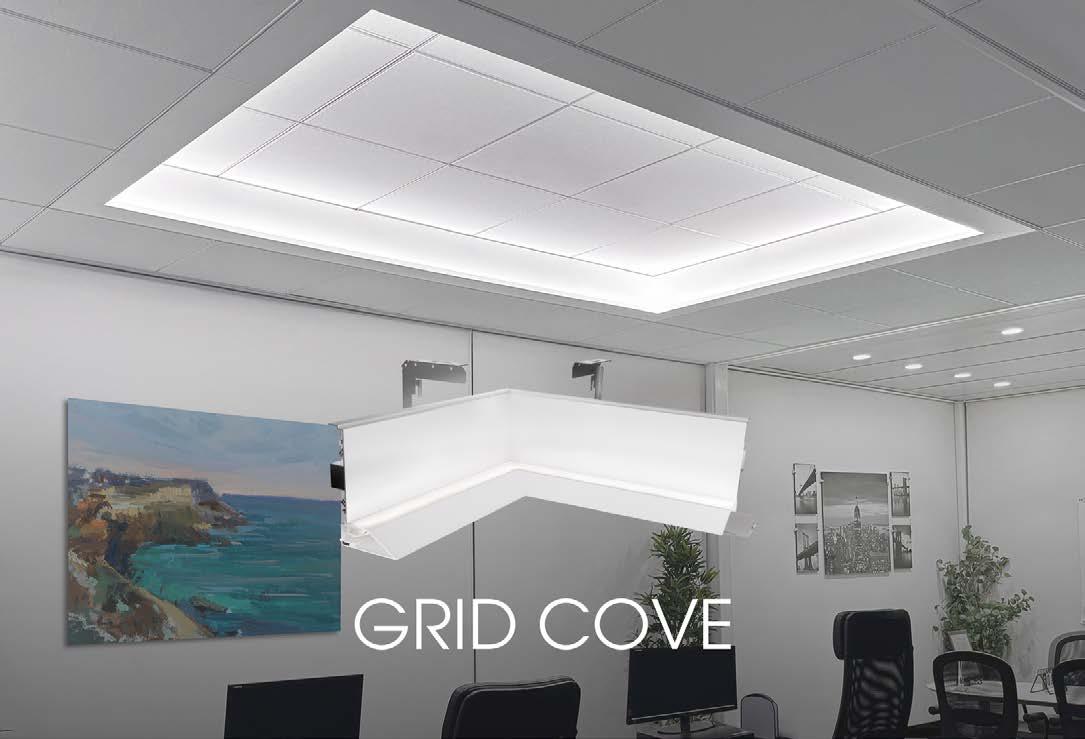
Elevate your ceiling design with Grid Cove by Amerlux–an elegant, fully integrated solution for delivering refined indirect illumination within any ACT ceiling system. This innovative fixture eliminates the need for complex transitions or costly millwork, replacing traditional site-built coves with precision-engineered performance and impeccable visual harmony.
Combining uplight, a crisp knife edge, and a seamless transition between ceiling planes, Grid Cove delivers beautifully uniform lighting–without compromise.
Clean lines. No construction. Just architectural integrity–illuminated.
Elevating Office Design with Amerlux Grid Cove
CHALLENGE
A rapidly growing tech company set out to design a new open-plan office that felt refined and modern, despite being built around a standard grid ceiling. The team wanted the clean, upscale visual appeal typically achieved with hard ceilings and architectural coves, but without the cost or construction complexity. Achieving high-end lighting aesthetics, glare reduction, and overall visual comfort within a modular ceiling system became the central design challenge.
SOLUTION
The design team selected Amerlux’s Grid Cove, a lighting solution tailored for grid ceilings. Unlike traditional grid lighting, which distributes light directly into the space, Grid Cove delivers it indirectly, reducing glare while creating a calm, comfortable, and inviting atmosphere. Fully illuminated corners and uninterrupted run lengths gave the space a polished finish, without architectural modifications.
RESULT
Grid Cove elevated the office’s look and feel while supporting employee comfort and focus. With quick installation and advanced control compatibility, the system delivered high-end lighting minus the high-end cost.
Principal at Design Services, Inc. and The Benya Burnett Consultancy
Shirley Coyle
Up Close Contributor President, Cree Lighting Canada Principal, RELEVANT LIGHT Consulting Inc.
Staff Writers: Parker Allen Bridget Leary
Published by EdisonReport
1726C General George Patton Dr. Brentwood, TN 37027
Phone: 615-371-0961
designinglighting.com
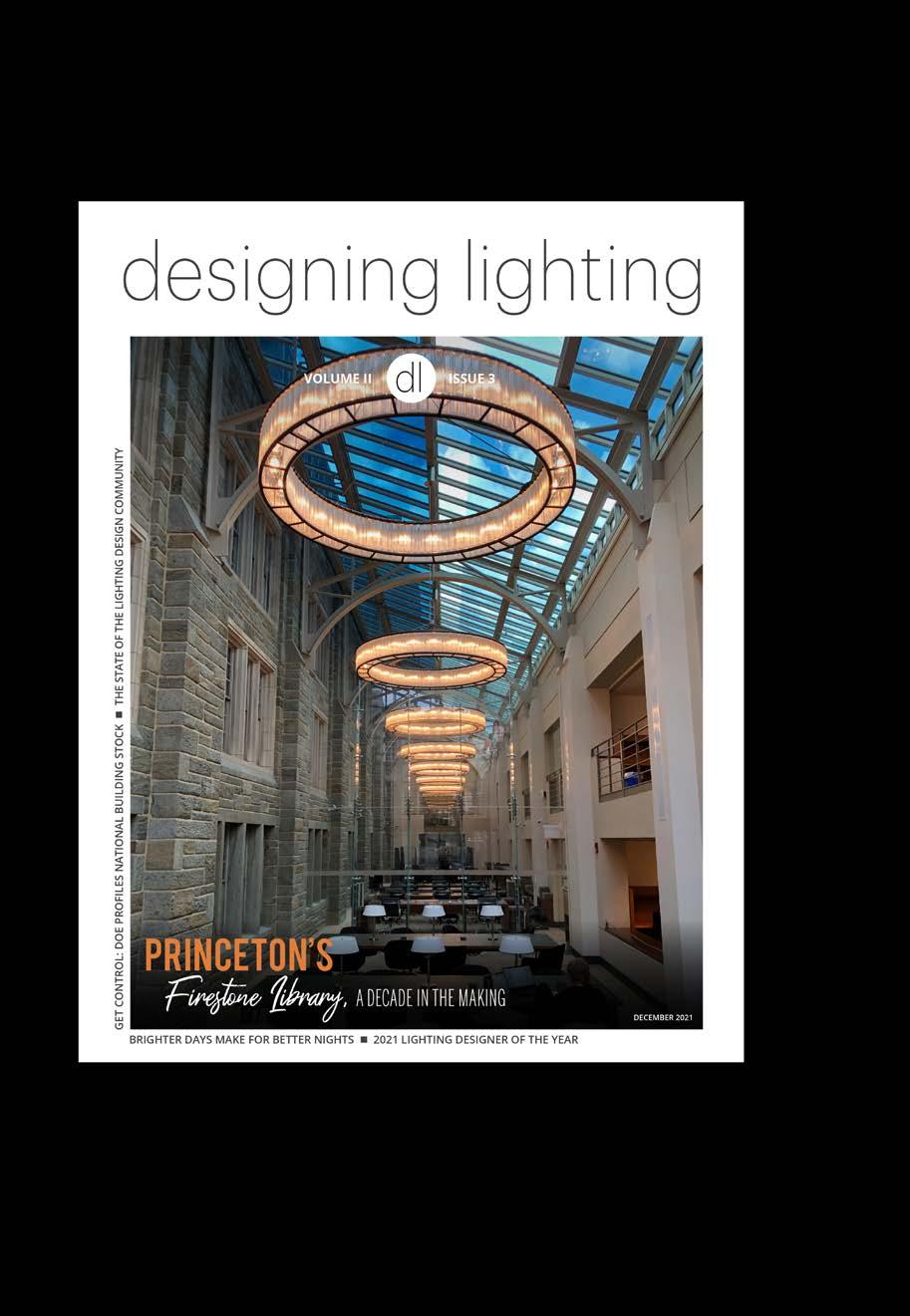
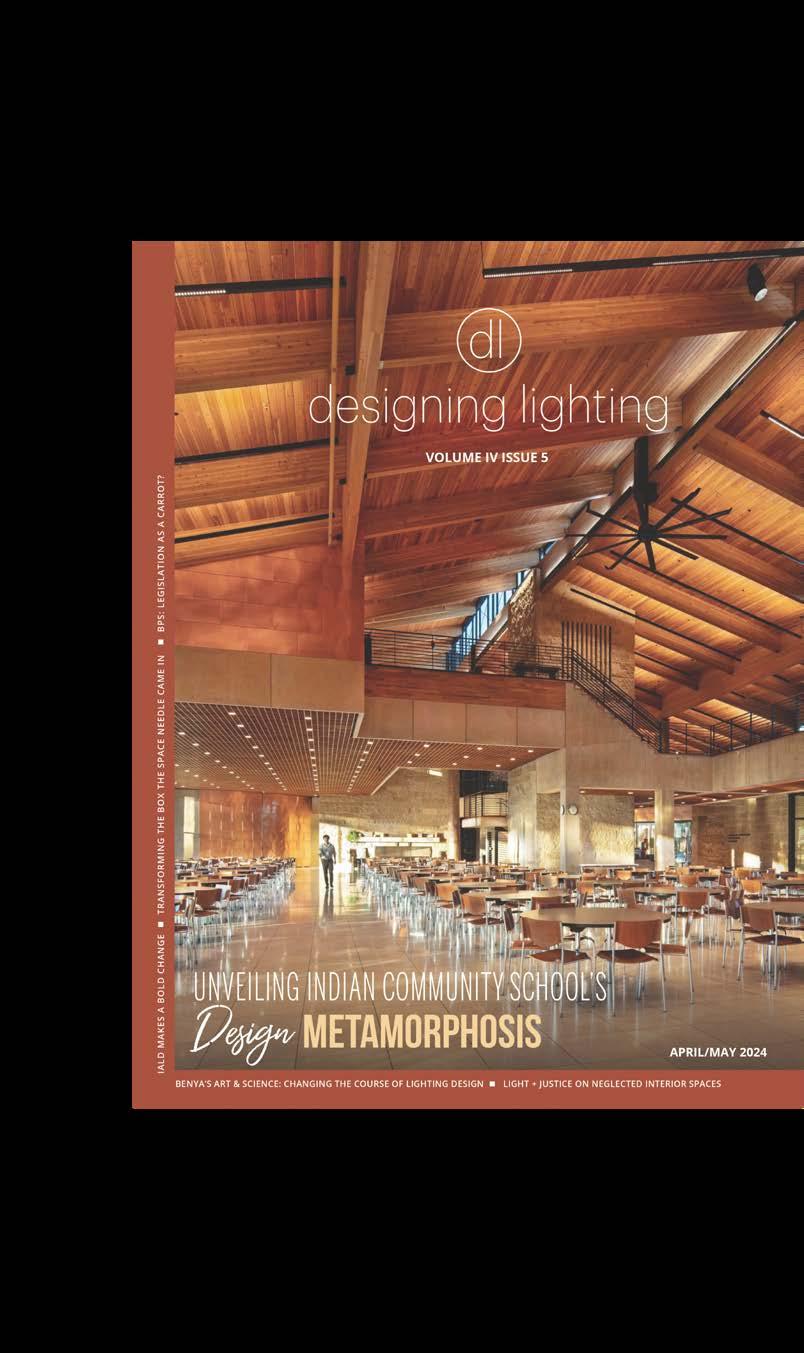
Celebrating 5 years of designing lighting (dl) magazine.
Last year in Frankfurt during Light + Building, EdisonReport turned twenty-five. We rented a venue and threw a party for our industry readers and friends. It was loud, joyous, and a little surreal. And here we are today, celebrating five years of designing lighting (dl)
designing lighting is focused on the Business of Lighting Design™ and provides business information to the lighting design community. In addition to the website, designing lighting publishes bi-monthly online magazines featuring original content, interviews within the community and highlights successful award winning lighting designs. While designing lighting is based in the U.S., it has contributors from Europe and is developing a global presence. ISSN: 2693-9223.
Statements and opinions expressed in articles and editorials in dl are the expressions of contributors and do not necessarily represent the policies or opinions of the EdisonReport. Advertisements appearing in the publication are the sole responsibility of the advertiser.
From the start, travel shaped everything we do. I’m on the road most weeks—walking jobsites, sitting in dark mock-up rooms, and listening in hallways after sessions end. Those global trips are our edge. They keep us close to what designers, manufacturers, and distributors are actually wrestling with.
Then COVID hit. The flights stopped. For the first time in years, we sat still long enough to think. We asked a simple question: what should exist that doesn’t?
I called Charles Stone of Fisher Marantz Stone. He offered a polite challenge. He read EdisonReport, but much of it served a general lighting audience. He wanted more for his world—the lighting design community—especially best practices and real coverage of the business side of design. That nudge helped set our course.
We sketched three ideas. First, Light for the Soul, a short weekly pause—reflection for a busy profession. Second, a fast daily update, TodayinLighting.com, built for commutes and coffee breaks. Third, a new magazine anchored to the modern center of gravity in our industry: the lighting designer.
That became designing lighting (dl)
Not every experiment stuck. Light for the Soul never found a rhythm. The other two did, and for good reason: the market had
Traditional lighting magazines were folding, and influence had long since shifted from lamp and ballast makers to design studios and the people who lead them. There was an opening for a world-class architectural lighting magazine—one that spoke the language of design and the business behind it.
There was only one problem: EdisonReport had always been a curated news hub, not a writing shop. I’m a lighting guy. Fortunately, help was already on the team. Our VP of Operations, Angie Hullfish, had a daughter, Malia, who interned with us while at Vanderbilt and could really write. We relied on Malia to help write and edit content in the early days.
Sales was the next hurdle. EdisonReport never had a salesperson; advertisers simply came to us. A magazine is different. We were looking for someone who knows the media sales world and who knows lighting. That is a short list. We were lucky to find the best in the business: Cliff Smith. I respected his work, and we got to know each other over the years at trade shows. I hoped we would one day work together. We did. Cliff joined as VP of Advertising and Publisher, opened doors, and set a standard for partnership that still guides us.
We also needed a distinctive voice. I picked up the phone and called Jim Benya. The conversation took five minutes. He agreed on the spot to be a contributor. Since then, Jim has delivered a thoughtful column in every edition—clear, candid, and timely. His work set our tone: opinionated when needed, always grounded in practice.
Finally, we had to name the thing. I searched existing worldwide URLs with a list and low expectations. To my great surprise designinglighting.com was available. We grabbed it, built the brand around it, and never looked back.
Five years later, the mission holds.
We travel because the industry moves. We publish because great lighting design deserves a first-class record. We moderate because honest conversations help the field grow. Our podcast, TodayinLighting.com, lands daily with quick, useful updates.
dl focuses on longer project and application stories, real business analysis, and interviews that respect readers’ time. Simply put, we try to cover the very best lighting design, indoor and outdoor, in the world.
And we do it with a wonderful team led by Parker Allen. Day to day, Parker keeps us pointed in the right direction, while Bridget Leary, Smita Shanbhag, and Ellie Noblin drive editorial, production, and operations.
None of this works without the wider community. Subscribers send tips, updates, and leads. Advertisers support independent coverage. Event organizers trust us to ask hard questions on stage. Our small team—editors, producers, designers—brings it all to life issue after issue.
What’s next? More travel, for one. The best ideas still show up in factory aisles, late-night site walks, and conferencehall corners. We plan to deepen our reporting on the business of design—procurement, risk, and delivery— without losing sight of beauty and human experience. We’ll test new formats. We’ll keep the daily podcast fast and useful.
Five years is not a finish line. It’s a mile marker. If we’ve earned your attention, we’ll keep working to earn it again. Thank you. Your generosity and candor make us better.
See you on the road. ■
Photography: La Chouette Photo, courtesy of the Paris Convention Centre
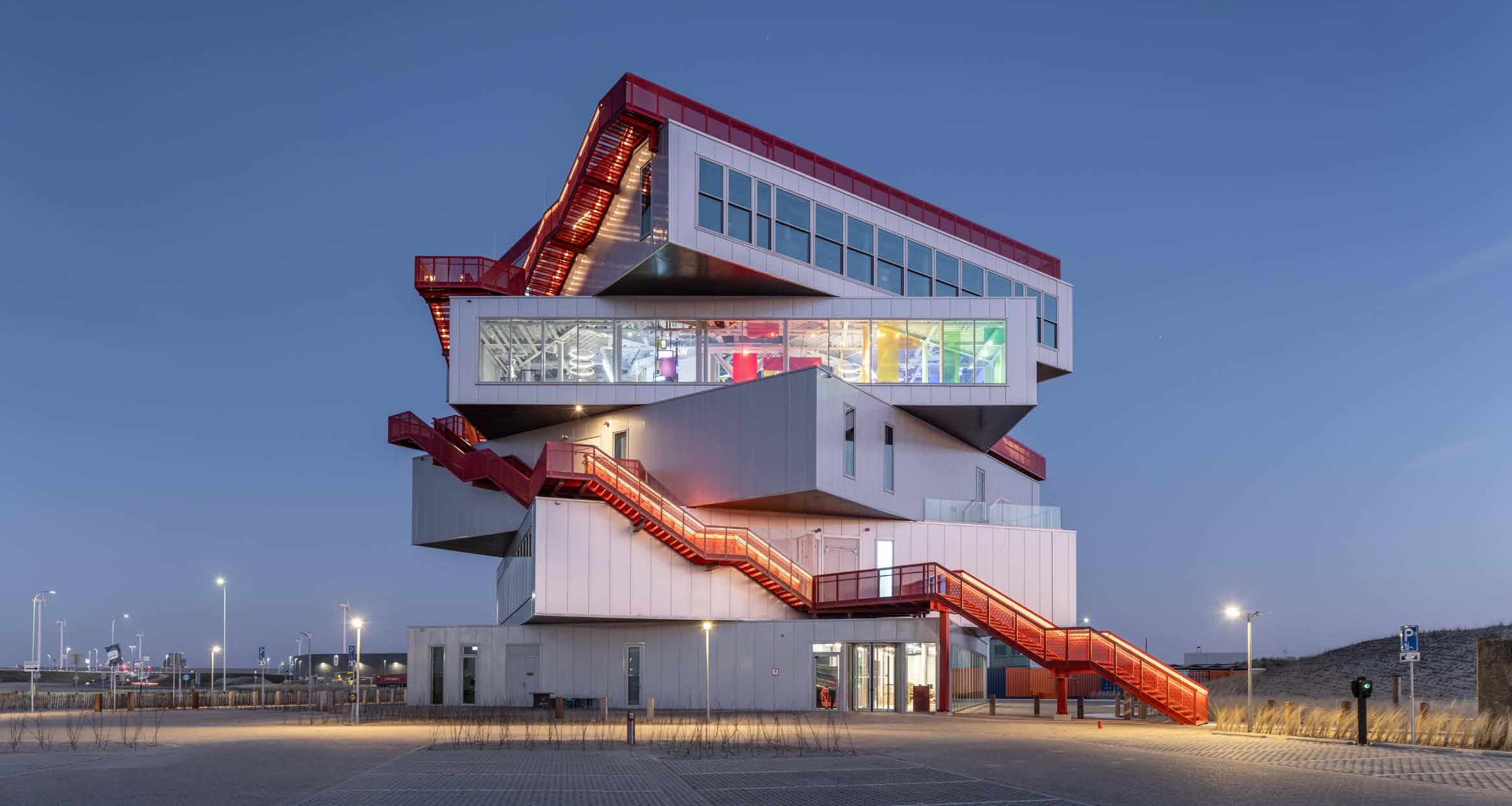
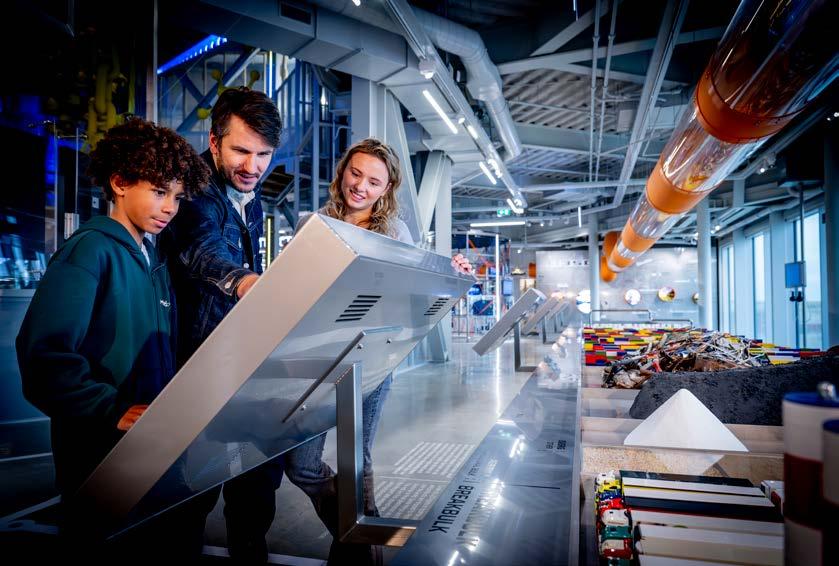
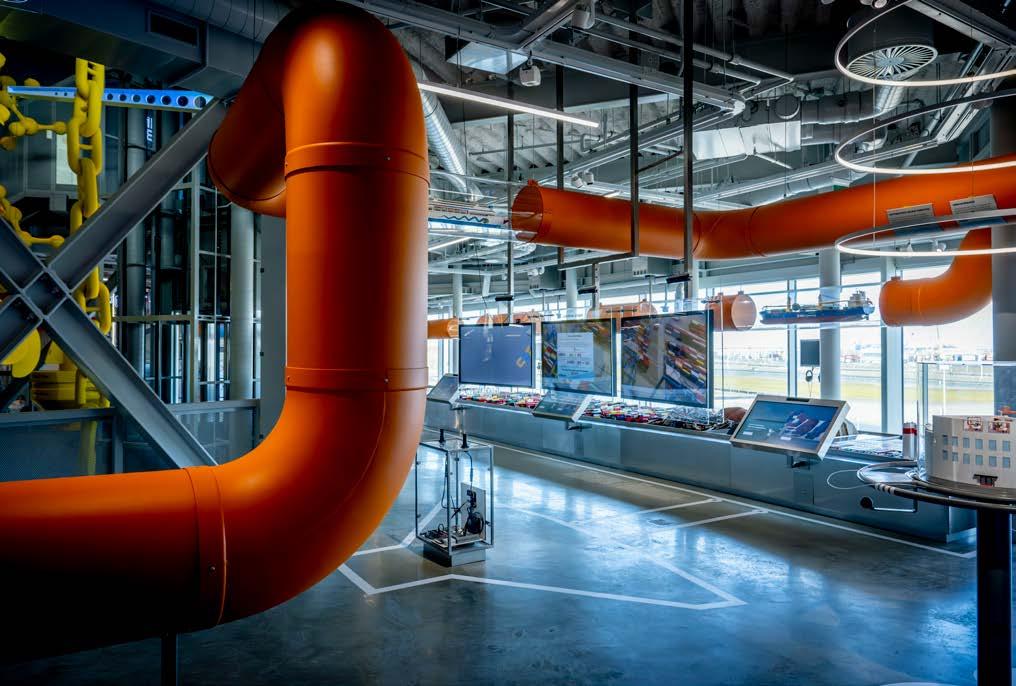
A lighting control system from Pharos Architectural Controls is creating an immersive experience for visitors at Portlantis, a new sustainable centre showcasing one of the world’s busiest ports through an interactive exhibition.
The system from Pharos has been integrated throughout the building, featuring six fully customisable Designer touchscreens, a mix of 5-inch and 8-inch TPS (Touch Panel Station) devices.
The TPS 5 is quick and easy to use when activating presets, initiating manual overrides, or selecting a custom colour to personalise the lighting. Two passcode-protected TPS 5s placed in the education rooms control projectors and lighting settings.
The TPS 8 is a new, elegant and more spacious interface offering greater flexibility. One passcode-protected TPS 8 manages an interactive maquette table, while three others serve the server room (for support access), the shop entrance (for system-wide controls), and the group welcome space (for managing lighting, audio, and video playback).
Across these different locations, a Pharos Designer LPC all-in-one control solution manages and controls a range of systems, including PCs, BrightSign players, projectors and Advatek PixLite controllers. This comprehensive setup allowed for seamless integration and precise control of all multimedia and lighting elements throughout the Portlantis installation.
LOOKING BACK TO LOOK FORWARD
designing lighting (dl) magazine turns five this year. To mark the milestone, we’re inviting leaders who sit at the intersection of practice, business, and education to reflect on how our field has changed—and what still matters. We asked Paula MartinezNobles, President of Fisher Marantz Stone (FMS), to open the series because her vantage point spans award-winning projects, firm leadership through a turbulent market, and dayto-day collaboration with architects, manufacturers, and clients.
She has navigated rapid shifts in technology, delivery, and expectations while keeping the craft at the center. She offers a clear-eyed look at what has shifted in the last five years—and where discipline and imagination still lead the way.
While the fundamentals of lighting design remain unchanged, the profession exists to serve architecture and the human experience through both physical, and sometimes ethereal, space. The last five years have brought recalibration, and in some ways, a reshaping to our discipline.
Designers have grappled with clear advances in technology, from the sources we use to the ways we model, document, receive, and share information, and most recently with how we choose to leverage AI responsibly and at pace. The speed of change leaves no time to “wait and see.” We ride the wave, monitoring and adapting constantly.
By PAULA MARTINEZ-NOBLES PRESIDENT, FISHER
MARANTZ STONE
Manufacturers and designers have explored nearly every way to use an LED source, from the purely efficacious to the deeply decorative. Recently, the focus has shifted toward more datadriven control. Staying ahead means understanding the full and nuanced capabilities of controlling LEDs and unlocking performance that strategically supports code compliance while fulfilling the project vision.
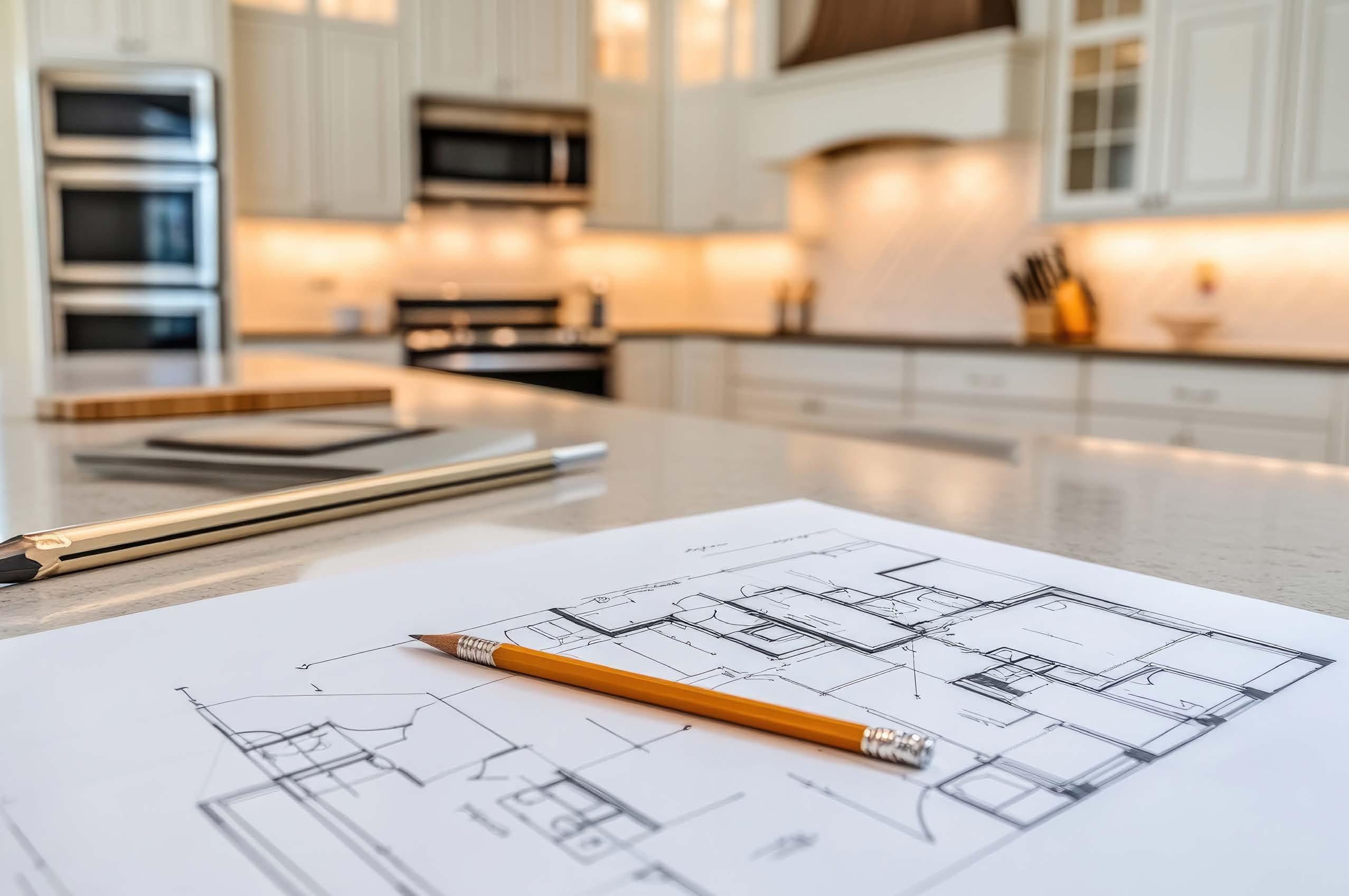
The pandemic shook our discipline, proving that we can take a meeting, and our work, anywhere in the world. It also reminded us how much we cherish those moments around one desk, one piece of paper, and one pencil. Digital collaboration has made clear and concise communication non-negotiable.
Our role is more critical than ever as clients increasingly recognize how lighting supports well-being, brand identity, and storytelling, and as collaborators understand that lighting design is a craft that, while technology-driven, is perfected with emotional clarity.
Understanding the moods of a space, and our role in shaping them, remains core to our discipline. The rest, whether incandescent bulbs or LEDs, paper or tablets, rotary dimmers or smart sensors, are just tools. The craft is in knowing how to shape light so it serves the space, the architecture, and the people within it. ■
“Digital collaboration has made clear and concise communication non-negotiable.”
Metropolitan Pavilion NYC
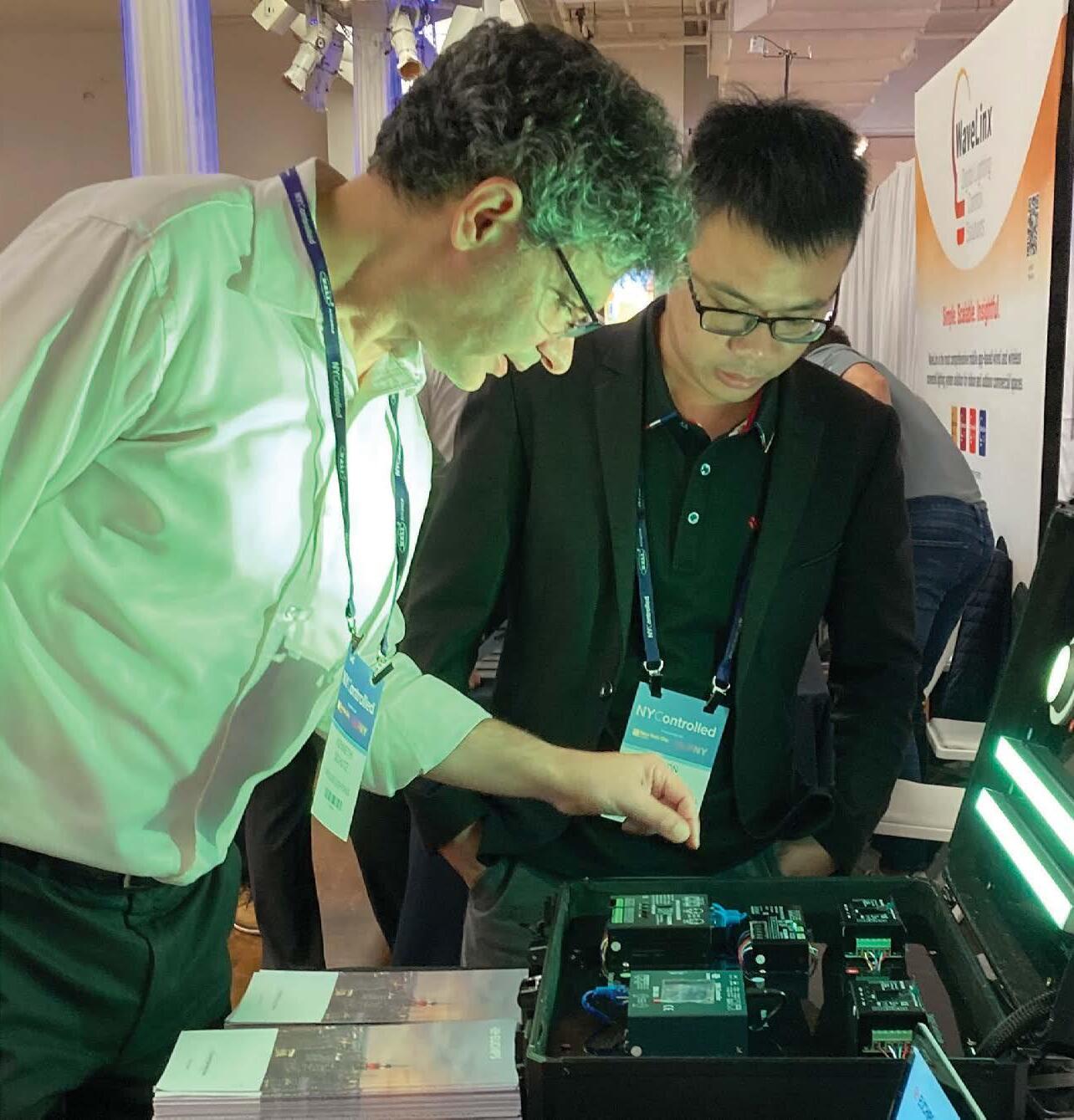
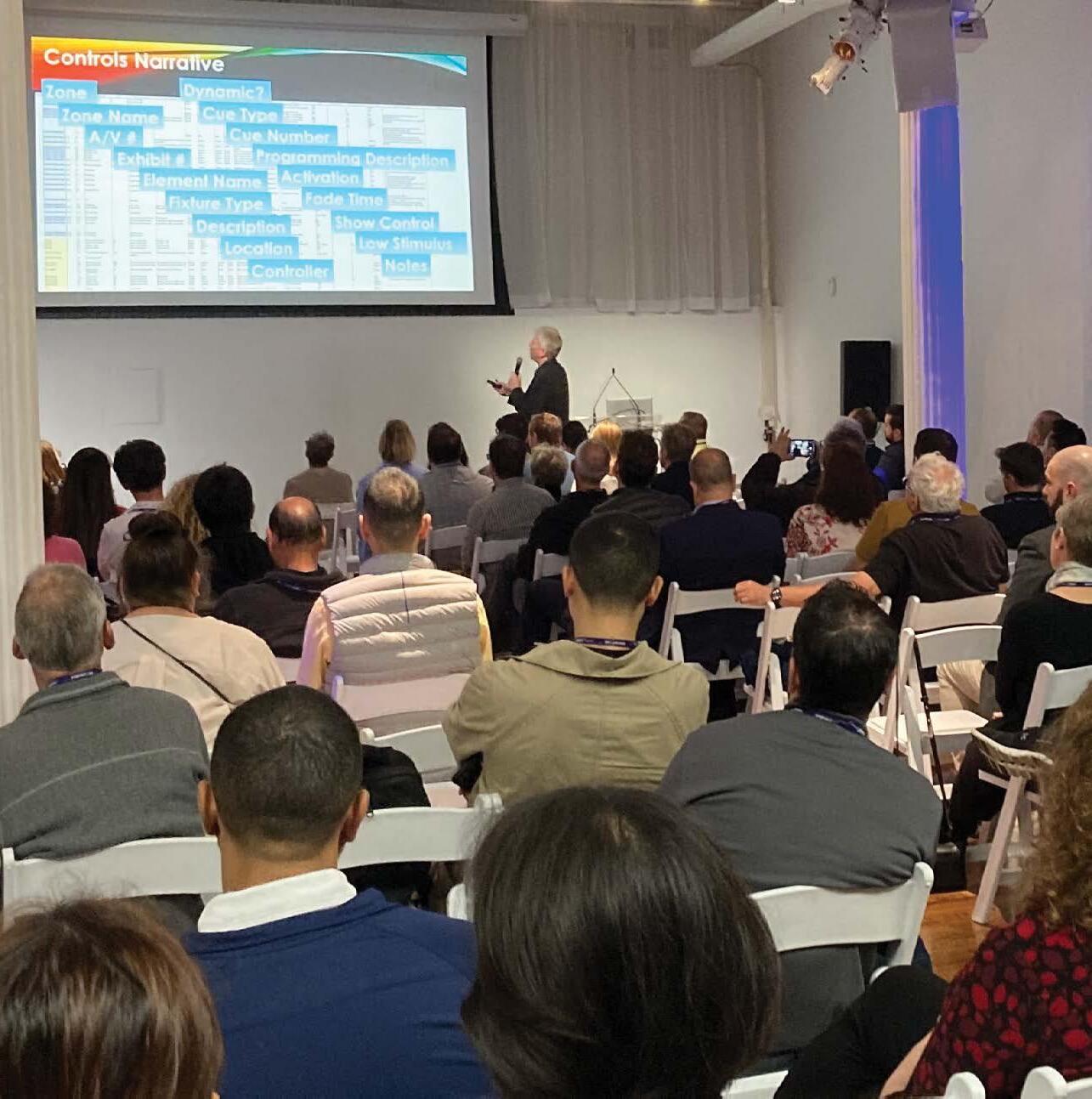
Brought to you by IESNYC and DLFNY, NYControlled is an educational trade show specifically designed for professionals seeking to explore the latest in lighting controls technology and products. The event offers a unique opportunity to stay ahead in a rapidly evolving industry through a series of technical lectures presented by respected experts. Attendees will have the chance to engage directly with leading manufacturers and thought leaders, gaining in-depth knowledge of cutting-edge technologies and the ability to evaluate the costs and benefits of various systems.
Those Letters After Your Name
By
These days, it seems like every other person has a string of initials after their name. I sure do. James R. Benya, PE, FIES, FIALD. And I used to have LC until I failed to submit enough evidence of continuing education.
I probably receive 10 emails a day signed by someone with their own string, whether they are an interior designer, architect, or just about any other type of professional in their workplace.
These initials are called post-nominal letters (PNLs). They are the letters placed after a person's name to represent a qualification they have achieved. The most popular postnominals represent academic degrees (i.e. EdD, PhD, MBA) and certifications (i.e. LC, CLD). They may also include professional membership (i.e. IES) and recognition or significant awards (i.e. FIES, FIALD).
The lighting design industry arose from the perceived need to have expertise in lighting expressed in a manner such as architects (AIA) and engineers (PE) do. But the initials must stand for some accomplishment such as becoming a registered architect, which is generally signified by the letters RA (registered architect) or AIA (American Institute of Architects member, which must be a registered architect).
For this among many reasons, the Iighting industry has struggled to come up with appropriate PNLs. Those reasons include the need to differentiate between lighting designers, lighting manufacturers, lighting salespersons, lighting consultants, lighting systems programmers … you get the picture.
Memberships with objective qualifying criteria seem to make the most sense right now. For instance, using IES or MIES (member of IES) does not indicate a lighting academic or professionally-licensed qualification. Fellow IES (FIES) is different; becoming an IES Fellow is an award based on a peer review of one’s technical accomplishments in the field. You can’t just get there because of organizational political officeholding.
In 1987, I wrote an article in Architectural Lighting entitled “Should Lighting Designers be Licensed?” In summary, I posited that first, the lighting design profession would be better served by a certification program in order to avoid the legal issues of licensing.
Among the ideas of many others, the IES and IALD led the lighting industry in the 1990s to create a certificate program managed by the National Council on Qualifications for the
JAMES R. BENYA, PE, FIES, FIALD
Lighting Professions (NCQLP), supported and initially funded by IES and IALD. Those passing the test would be permitted to use the PNL of “LC” (Lighting Certified).1
More recently, the IALD created a program called “Certified Lighting Designer”. The CLD certification is an evidencebased assessment of proficiency in lighting design over seven domains of practice. Candidates are required to submit two types of evidence:
• Written information. This includes responses to a set of questions as well as descriptions of projects.
• Exhibits. This material supports your written responses to demonstrate your competency in each required domain.2
I think that IALD’s CLD program is well-conceived and timely. Whether it becomes popular and well-received remains to be seen. Like the LC program, the question is not whether it serves a purpose; it does, and I am pleased that IALD pursued it.
There is a new twist, however. Until now, IALD remained a professional entity in which member lighting designers were not permitted to sell lighting. That is how Jules Horton got me to join IALD in the late 1980s. Jules explained that IALD members were not allowed to sell lighting. At the time I was concerned—and still am—that lighting designers would lose their objectivity and would specify what they sold with a handsome markup.
But with the last election, IALD members voted in favor of suspending that restriction.
I still feel like that to an extent, but with my comments about lighting sales, today you will find me very close to that fence. Only question is: which side?
Why? Likely because traditional views of what it means to be a “professional” are giving way to the financial appeal of selling products, particularly by the lighting designer who specified them. The process is fairly straightforward. A contractor seeks a package price from one or more electrical distributors, who each add a markup to cover labor, shipping, and profit. Those prices are based on manufacturer rates based on what the market will bear and their list price less any discounts or negotiated deals.
There is also an ongoing management process to assure that the luminaires are the right kind, reviewed and signed off by the distributor, contractor and specifier as well … and then, delivered on time.
And then, following up and getting paid by the contractor. A lot of things can go wrong, but most project problems get resolved along the way. A major role is also played by the manufacturers who have acquired subsidiary lighting companies to offer a complete package of every type of
lighting. This helps limit paperwork and management time greatly for both the manufacturer and the customer.
Before the internet, this was an all-paper system; now, it is streamlined and has already changed the role of sales representatives and distributors. With its vote, the IALD is saying, “We know our design projects well enough to handle the paperwork and transactions, and we’re capable of streamlining the process and profiting from it.”
The work of lighting sales representatives is something that, throughout my career, has been very important, and many of them have become good friends. I’m not sure I would want to expect myself or my teammates to learn enough about products without the expertise of sales reps.
I worry that sales reps, who were there for me when there was a problem, won’t be there to help. I hate to lose the camaraderie and the support they provide, but I have to guess that the profit opportunity may be worth the training and skills I will have to develop, including my worries about the risks. I know that “my” agents throughout the years have covered my screw-ups and made a lot of my problems go away.
In other words, IALD now permits reversing 50 years of how we have worked, which will make lighting designers more money, but I wonder. This will require lighting designers to take responsibility for a lot of the “big boy” reality issues of buying and selling products on projects where mistakes and problems will now land in their laps.
I suspect that there will be many, like me, who grew up with and would prefer the old system, which could significantly fragment our profession. For those with leadership and financial resources, it is a business opportunity that will transform the industry and has the potential to be very profitable.
I’m not sure whether I am right about this. I invite you readers to comment to me personally and to designing lighting (dl) and our Editor, Randy Reid
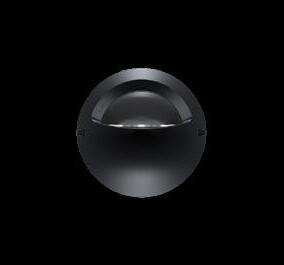
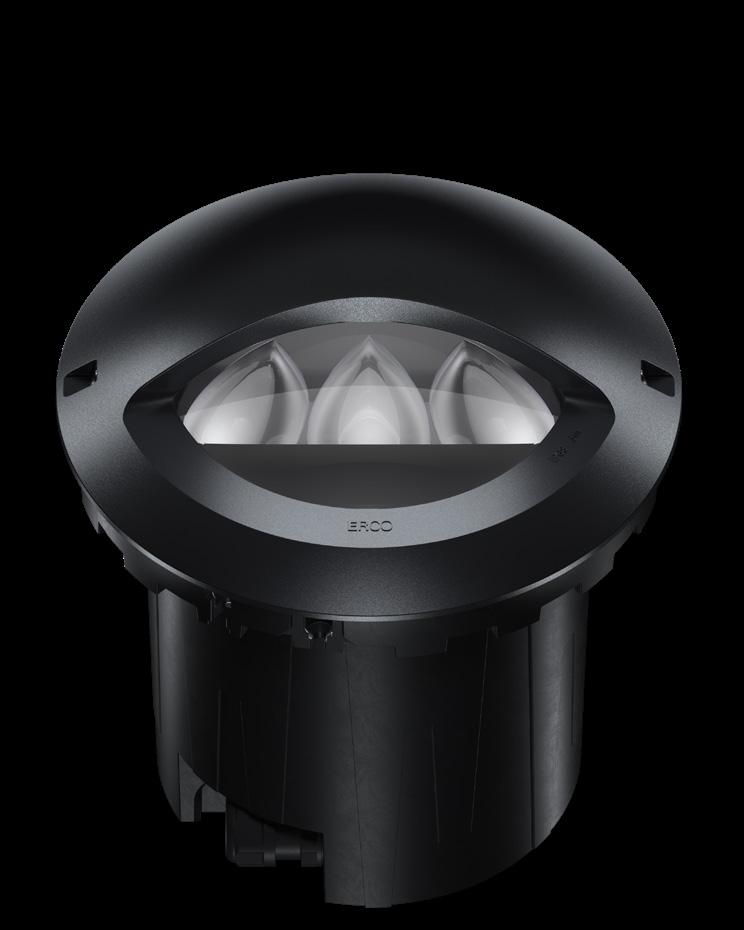
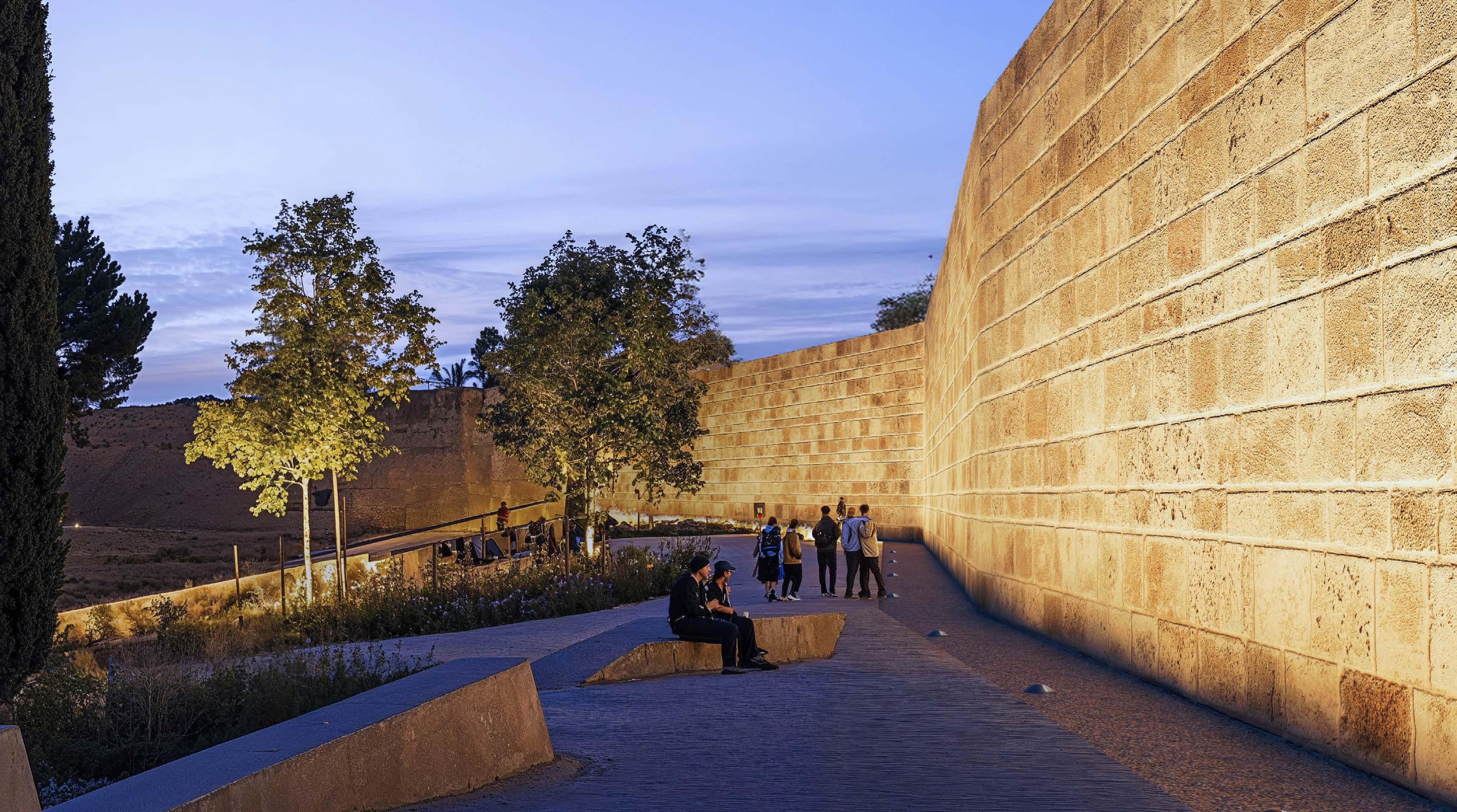
Extremely close to the wall...
Tesis New
Semi-recessed in-ground luminaire
The spacing champion
Experience the luminaire arrangement of our new semi-recessed wallwasher.
Light in the Field THE POWER OF MEASURING
By MARIANA G. FIGUEIRO, PHD Light and Health Research Center at Mount Sinai
The hallmark of the Lighting Research Center (LRC) and the Light and Health Research Center (LHRC) at Mount Sinai has been our commitment to the measurement and characterization of light.
Our commitment draws inspiration from H. James Harrington’s observation that “measurement is the first step that leads to control and eventually to improvement. If you can’t measure something, you can’t understand it. If you can’t understand it, you can’t control it. If you can’t control it, you can’t improve it.”
In the early 2000s, when the topic of light and health was still in its infancy, the LRC was the first research group to develop a personal light meter that was calibrated to measure circadianeffective light. However, the project’s funder, the U.S. Department of Energy (USDOE), was not willing to fund the development of technology related to health because it was outside their agency’s mandate.
The USDOE was, however, very interested in understanding the benefits of daylight, both for energy savings and for providing satisfaction to building occupants. Because daylight is a powerful regulator of the circadian system, we named our device the “Daysimeter” as a playful nod to the similarly named dosimeter developed by the USDOE at its Hanford Site in 1944.1
Our early field studies using the Daysimeter taught us that while
measuring light at the plane of the cornea (rather than the wrist) was important, research subjects showed little willingness to comply with a device attached to their head.
Soon thereafter, we were awarded a multi-year, multimillion-dollar research grant from the National Institute on Aging to develop the Dimesimeter, a smaller version of the Daysimeter that would be more appropriate for collecting light data in people living with Alzheimer’s disease and related dementias (ADRD). Measuring roughly the size of a dime (hence the name), the Dimesimeter was a tremendous success, winning a place among the The Scientist magazine’s Top 10 Innovations in Science in 2011.3
Figure 1. A lemur (the species Coquerel’s sifaka) wearing a Daysimeter-D in a 2010 study conducted by the LRC and the Department of Evolutionary Anthropology at Duke University.2
Our research with the new device showed that the Dimesimeter worn as a pin or a pendant provided light measurements comparable to those obtained at the plane of the cornea, but with much greater subject compliance than the device’s predecessor.
Despite this considerable advantage, we realized the Dimesimeter was not sustainable because it could not be reused when its battery died. We therefore developed a version with a replaceable battery, named the Daysimeter-D, also funded by the National Institute on Aging.
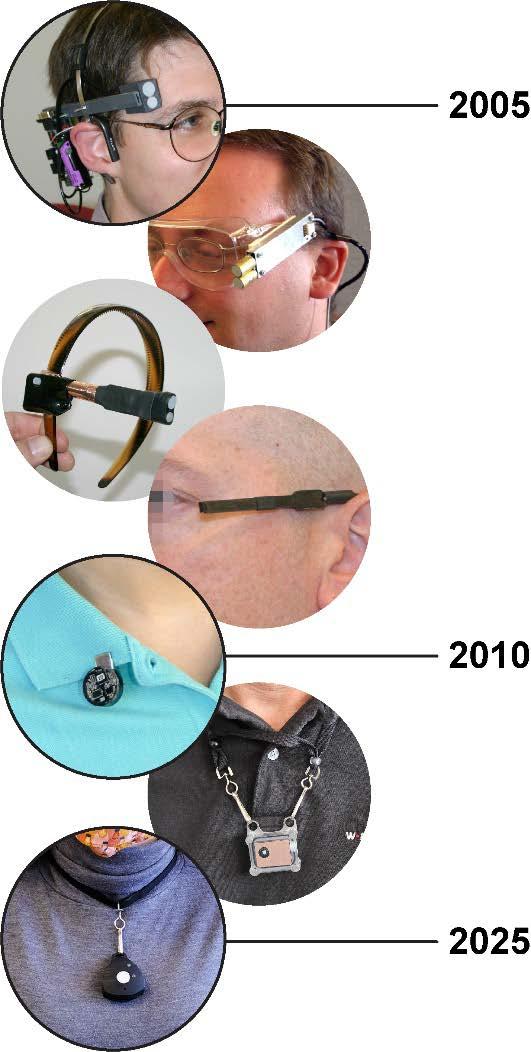
The Daysimeter-D has been used to collect data in probably over 1000 individuals, including schoolchildren, office workers, cancer patients, ADRD patients, Parkinson’s disease patients, shift-working nurses, and even cows and lemurs (Figure 1)! This newer device allowed us to further the work with ADRD and lies at the core of the technology we have continued to develop and use to this day (Figure 2).
My long-time colleague Mark Rea once said that the Daysimeter was like a telescope: “You don’t know what’s out there until you start using one.” And he was correct, because we have indeed learned so many things over the years, some that we hypothesized and others we did not expect. Here are some of our key findings:
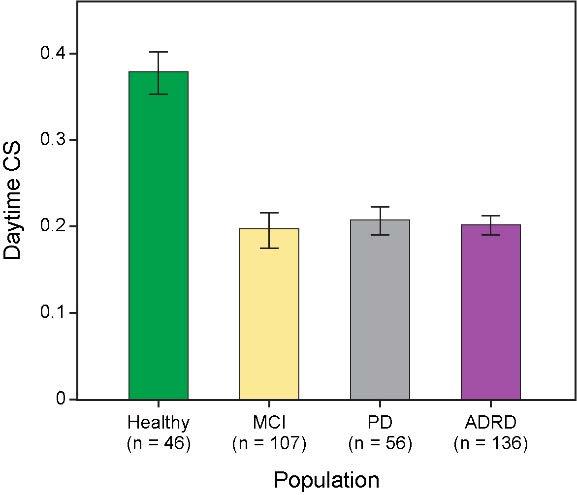
1. Healthy adults receive much more circadian-effective light (measured by our lab as circadian stimulus or CS) than people living with neurodegenerative diseases (Figure 3, following page).
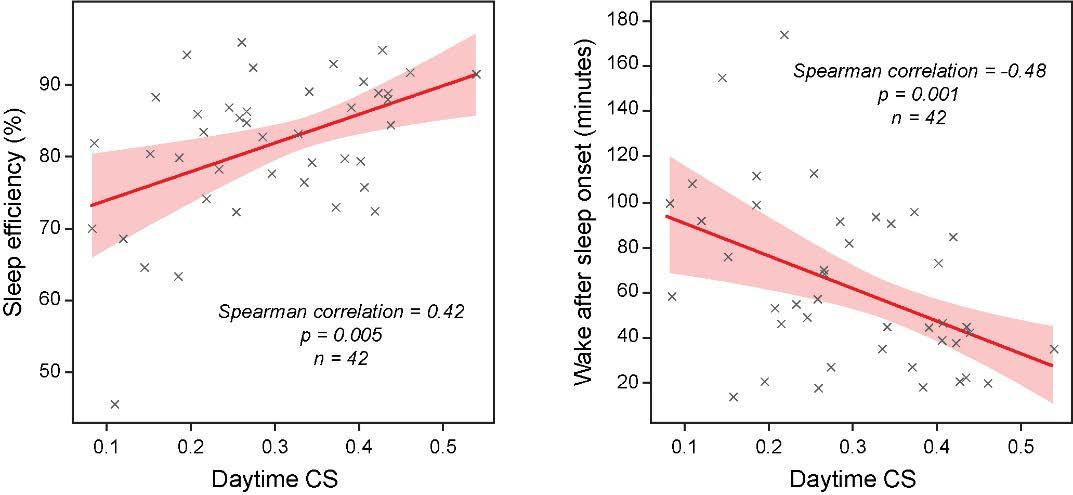
2. The mathematics of light and sleep is simple—the more CS one gets during the day, the better one sleeps at night (in the dark) (Figure 4, following page).
3. Daytime light levels in offices, nursing homes, and hospitals generally fall below the threshold for activation of the circadian system.
4. Exposure to a CS ≥ 0.3 during the daytime and ≤ 0.1 in the evening improved sleep, mood, and behavior in various populations. We have used that knowledge as the basis for lighting recommendations in the built environment.
5. The benefits of circadian-effective light are more pronounced in more controlled environments, such as nursing homes, hospital rooms, and submarines, which are typically poorly lit and do not promote circadian health and well-being.
6. Daylight that extends into the evening during the summer may delay the release of the sleep hormone melatonin, and consequently sleep onset, especially in children.
7. Nurses working nights do not always get sufficient light to lower their melatonin levels (the suppression of which has been linked to serious health risks). But that does not mean their circadian systems are not disrupted.
Figure 2. The early Daysimeter models (beginning in 2005) measured light at the plane of the cornea. The Dimesimeter (introduced in 2010) saw greater compliance among research subjects, followed by the highly successful pendant-worn Daysimeter-D. The present-day Speck (2025) continues the tradition.
8. Outdoor electric lighting is often below the threshold for circadian activation and is certainly ineffective for stimulating the human circadian system in urban settings where window shades are used.
9. When US Navy submariners changed their watch schedules from an 18-hour cycle to a 24-hour cycle, the change in their light exposures led to better circadian alignment.
In 2018, the LHRC transferred this technology through
a Small Business Innovation Research grant from the National Institute on Aging to Blue Iris Labs, whose founder and CEO Erik Page has been marketing newer and more advanced versions of the Daysimeter (called the Speck) to researchers around the world.
Although going by a different name, the Speck’s technology is still based on the LRC/LHRC calibration methods that made the Daysimeter such a unique research device. (To be clear, we do not have any commercial interest and do not receive any royalties from his business.) But far from simply reaching the research community, our ultimate goal is for everyone to use this technology as a tool in their everyday lives, allowing them to tailor their lighted environment (among various other integrated systems) for better health and well-being.
But potential obstacles to that goal are beginning to appear. Underlying all the knowledge we have gained, as well as the technology’s formidable potential, is the US federal government’s massive contribution to our own research and the broader field of lighting research.
Plaudits must be given to sponsors like the USDOE, National Institute on Aging, National Cancer Institute, National Institute of Neurological Disorders and Stroke, General Services Administration, Office of Naval Research, and National Institute of Occupational Safety and Health, among others. Without their generous support over the past 30 years, we would have been in the dark regarding the measurement of light in the built environment, left with unanswered questions about how light affects health and well-being.
But times have changed, and there is great and growing uncertainty surrounding the future of federal funding for biomedical research. Barring a change of the present course, it is our community’s ardent hope that others will step up to support the continued exploration of light’s impact on our lives. ■
References
1 Wilson R. H. Historical Review of Personnel Dosimetry Development and Its Use in Radiation Protection Programs·at Hanford, 1944 to the 1980s. Report # PNL-6125, UC-41. Richland, Washington: Pacific Northwest Laboratory, 1987. Available at https://www.osti.gov/servlets/purl/6696446
2 Rea M. S., Figueiro M. G., Jones G. E., Glander K. E. (2014). Daily activity and light exposure levels for five species of lemurs at the Duke Lemur Center. American Journal of Physical Anthropology, 153, 68-77. doi: 10.1002/ajpa.22409
3 The Scientist. Top Ten Innovations 2011. The Scientist, January 2012. Midland, Ontario, Canada: LabX Media Group, 2012. Available at https://www.the-scientist.com/ top-ten-innovations-2011-41527
Figure 3. Daytime CS exposures for healthy individuals compared to those with neurodegenerative diseases, including mild cognitive impairment (MCI), Parkinson’s disease (PD), and Alzheimer’s disease and related dementias (ADRD). These unpublished data were gathered from recent LHRC studies.
Figure 4. Correlation between daytime CS exposures, sleep efficiency (the amount of time spent in bed actually sleeping, on left), and wake after sleep onset (the total time spent awake after going to bed) in Parkinson’ disease patients living at home. The higher the CS, the greater the sleep efficiency and the lesser the amount of time spent awake at night.
We launch manufac
A.L.P . L
AAMSC
Acc laim
Acuity
Americ
Amer lu
Arc hLIG
Axis Lig
BIOS L
Birc hwo
Boca F
Boc k L
Canada
Casam
ConTec
Cooper
Corone
CU Bou
Cur ren
DALI A
Design
DMF Li
Edison Enlight
Era lux
ERCO
ERP Po
ETi Lig
Eurofas
Filix Lig
ADVERTISERS ADVERTISERS
Thank you to the US lighting industr y for your suppor t.
We salute our adver tiser par tners who have made dl possible Thank you!
A.L.P . Lighting
AAMSCO Lighting
Acc laim Lighting
Acuity
American Lighting
Amer lux
Arc hLIGHT Summit
Axis Lighting
BIOS Lighting
Birc hwood Lighting
Boca Flasher
Boc k Lighting
Canada Light Expo
Casambi
ConTec h Lighting
Cooper Lighting
Coronet LED
CU Boulder
Cur rent
DALI Alliance
Designplan
DMF Lighting
Edison Price Lighting
Enlighted Inc
Era lux
ERCO
ERP Power
ETi Lighting
Eurofase
Filix Lighting
H.E. Williams
Hydrel
i2Systems
IALD
Intense Lighting
Inter-lux
Ita lian Trade Commission
JLC-Tec h
Kena ll Manufacturing
KLUS Nor th America
Landsca pe For ms
LEDuca tion
LEDVANCE
Leviton
LightFair
LiGHT Expo London
Lighting Ana lysts/AGi32
Lighting Ser vices Inc
LODES USA, LLC
LTF Tec hnolo gy
Lumenwerx
Luminaire LED
Luminis
Luxam
Messe Frankfur t
Meteor Lighting
Metro Sa les
Moder n For ms
JESCO
Na tiona l Lighting Bureau
Nova Flex LED
NYControlled
Pharos
Prizm
Proluxe
We launched designing lighting (dl) in August 2020 as a new voice for and about lighting specifiers, industr y manufacturers and those allied par tners working to better the industr y through research, lighting designer educa tion and other areas.
PureEdge Lighting
QTL
Sa lone del Mobile.Milano
SDA Lighting & Controls
Sekonic
Sonepar
Sourcer y
Strong LED
Tambient
Targetti USA
TCP
The O'Hanlon Group
Times Square Lighting
Tivoli Lighting
UL
USAI Lighting
Verozza Lighting
Visa Lighting
Viscor Lighting
Vode Lighting
VoksLyte
WAC Lighting
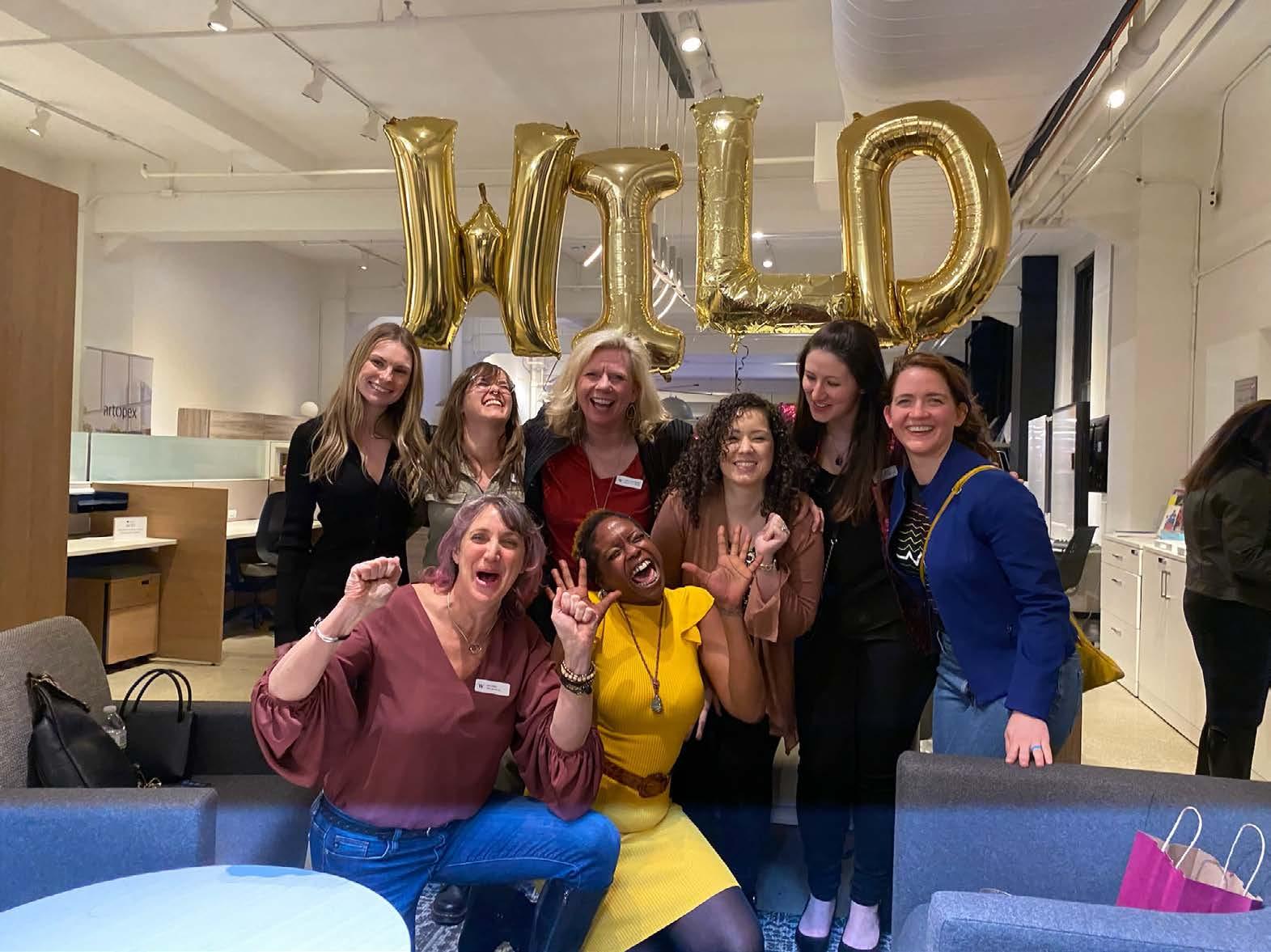
WILD
Xometr y
Zumtobel
Lighting Awards 2026
Residential
Innovation, application, and impact through standardized, digital lighting control
Celebrating DALI-enabled projects from around the world
Application Categories
Commercial Interior
Commercial Exterior
Industrial
Smart Cities and Infrastructure
Explore the 2024/2025 winners
Innovation Categories
Best Use of D4i
Best Emergency Lighting Integration
Best Human Centric Design
Best Integration into Other Systems
Innovation in Lighting
Sustainability and Energy Efficiency
Best use of DALI+ or DALI Gateways and ENTER HERE
ENTRIES NOW OPEN
FREE to Enter
October 16, 2025
Parsons School of Design
New York City
Elevate your lighting expertise
Mark your calendar for this special full-day event dedicated to the future of digital lighting control.
Join industry professionals, thought leaders, and innovators for a stimulating day of insight, collaboration, and inspiration.
Explore the Latest DALI Technologies and Application Earn CEUs towards professional development
BEING SOLD TO Instead of DESIGNED FOR?
Lighting design and lighting distribution are vastly different. Both are essential to visualizing and realizing a successful project, and each adds a critical value.
However, when lighting designers take on product sales, complexities arise.
Interior designers are often referenced as a comparison, but the products they furnish are not as entangled in the building’s infrastructure as architectural lighting. Lighting is deeply integrated, requiring coordination across wiring, controls, construction, and multiple trades. Interior designers, strictly considering products they may furnish to the project, often coordinate appointments and finish elements which tend to have a lesser degree of entanglement in MEP, HVAC, structural, or other teams. This makes the interior designer model substantially different.
In nearly 27 years of lighting design in New York City,
before adding sales as a component, I can recall only five to ten times when I needed to request order expedition help from reps or manufacturers. In each case, we worked together with the architect, GC, and EC to address the issue as a team and support the client.
Once distribution enters the equation, the dynamics shift.
General contractors and electrical contractors often become less engaged, particularly under “furnished by owner” arrangements. If they are not being compensated, their incentive to stay involved diminishes, and that burden is largely transferred to the design team.
The expectation becomes that the design and distribution company will deliver fixtures outside of standard channels, arriving as if from Amazon. Additionally, traditional electrical distributors also handle and negotiate many things related to the project.
A Deep Dive Into the New IALD Bylaws
By
DAVID BURYA
Photo credit: Tirschwell Lighting Design
Do lighting designers acting as a distributor then start engaging in supplying conduit, wire, j-boxes, and all other manner of things required? This is the conundrum related to the entangled nature of the role. As a noted lighting designer I just spoke to said, "There are other good people that handle that stuff."
The potential transfer of order expedition and other coordination directly to the design team is also risky if the lighting designer approves directly with distribution, leaving the architect and construction team in the dark. This expectation becomes embedded in the role, often without acknowledgment of the hourly capital impact. What looks like profit for the distribution company is lost on the design side. Representatives and manufacturers are drawn into constant accommodations to their standard process, turning what was once a favor into a recurring liability.
Over time, that strains relationships. The more customized the product, the greater the supply challenge.
Perhaps the biggest challenge when designers sell the products they specify, especially when design and distribution are understood as a single entity, is the perception of conflict of interest. Even when legally separate, the market often sees them as one. Clients may not distinguish between design fees and product costs, or between two businesses under the same ownership. They may feel they are being sold to instead of being designed for
This can dilute the perception of independent design expertise and raise doubts about the firm’s priorities.
Running two distinct business models—service and product—adds significant financial complexity. Accounting systems, cash flow structures, and tax responsibilities
differ greatly. Firms must now support staff skilled not only in design but also in procurement, logistics, and even warehousing, elevating overhead and potentially shifting company culture.
Pricing becomes another delicate issue. Creating a fair structure for both design and product can be difficult. Clients may expect discounted design services if they buy products through the same company. Others may question whether product choices are based on design needs or sales goals.
As lighting designers, we often view ourselves as operating in an “open source” environment, pursuing design purity. We are not product brands like Marcel Wanders or Philippe Starck whose design becomes their product and whose brand is intrinsically linked.
Our success is defined by never repeating previous successes. Our designs are tailored and one-of-a-kind. That creative model clashes with the commercial pressure to standardize and sell specific standard fixtures.
What may seem like a streamlined process, improving submittals, shop drawings, and delivery, can become a time sink. Overseeing both design and distribution requires time that could otherwise go to design, client service, or business development.
Even with an in-house distribution team, designers need to go through formal approval processes, just as they would with an external distributor. The required steps can negate the perceived efficiency.
Incorporating product sales also introduces financial complexity. Negotiating favorable payment terms, volume discounts, and exclusive agreements requires experience
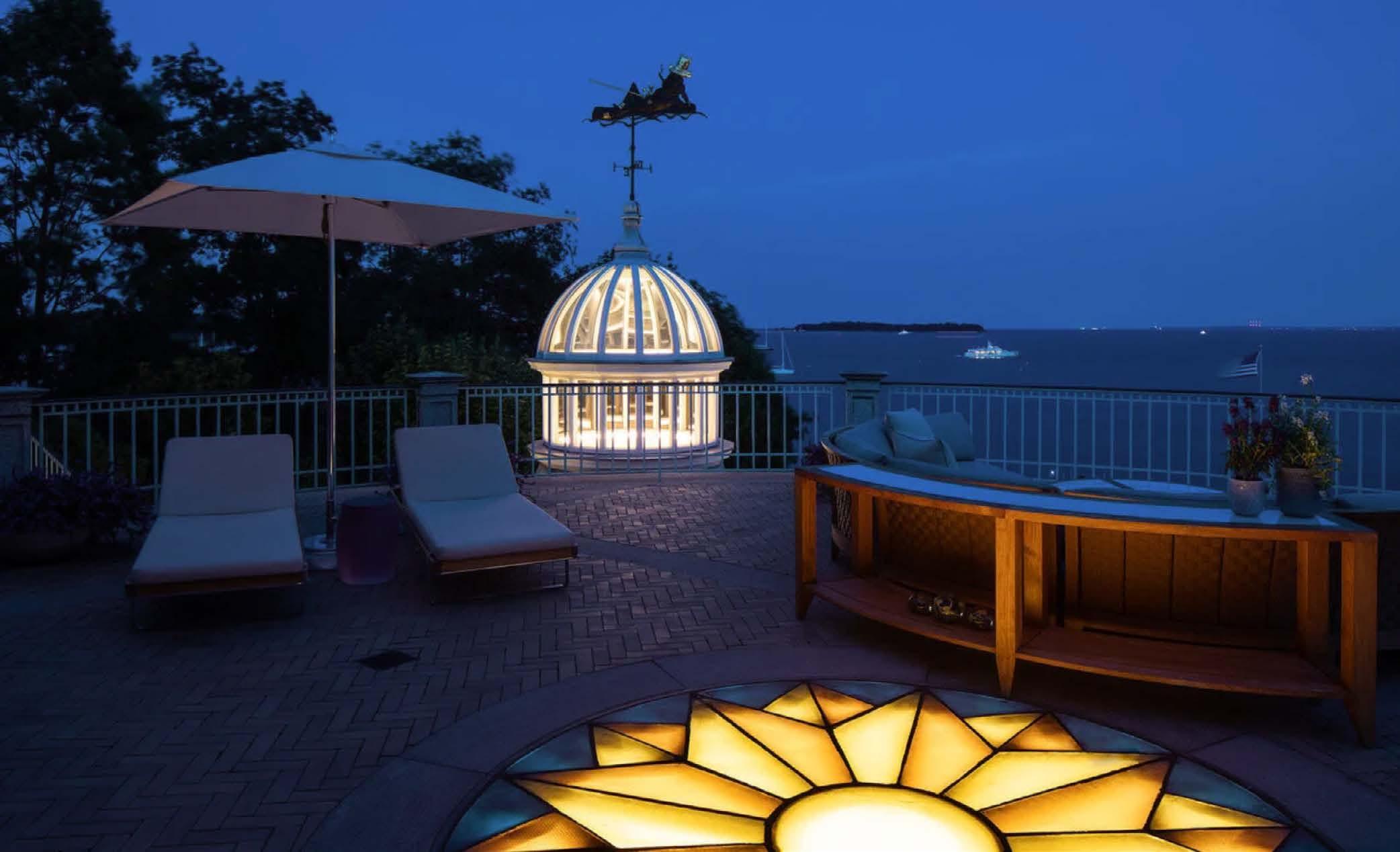
Private Residence, Connecticut, 2015
By utilizing custom adaptations of lighting equipment and millwork integration, elements like the cupola glow with indirect light while eliminating the visibility of any lighting source. The cast glass medallion was actually lit from beneath with a custom curved cold cathode. Neither are off-the-shelf items easily sourced.
Photo credit: Tirschwell Lighting Design
and capital. Cash flow for product sales is very different from that of design services. Purchasing inventory upfront, managing receivables, and covering large balances can strain liquidity.
Yet perhaps the most significant cost is the potential damage to long-standing industry relationships.
Even with clear boundaries between design and sales, and transparent fees, when things go wrong, clients and collaborators don’t always differentiate. Trust can be compromised. And those relationships, especially with reps and manufacturers, are often what allow us to create ambitious designs in the first place.
I have always valued my lighting representatives. They often make the impossible possible by coordinating with manufacturers. In high-end residential projects, for example, we might need a completely custom solution or a special modification. Throughout my career, reps have gone the extra mile, even for just a few fixtures, to help bring those ideas come to life.
That kind of collaboration warrants recognition. It’s a different equation than specifying a hundred standard fixtures. There’s a sliding scale between off-the-shelf and highly customized products. The more specific the solution, the more effort and collaboration are required. This is a clear case where an overage is entirely justified while co-creating for a design need.
This level of collaboration is built on trust. I recognize that not everyone will share this view, but many of my most successful design ideas wouldn’t have been possible without my reps. The more complex the project, the more essential their role becomes.
To be clear, this is not an argument against product sales. Some firms, like Focus Lighting, manage both sides exceptionally well and create brilliant design. Paul Gregory’s journey illustrates how that model can succeed. He co-founded Litelab with Rick Spalding in 1975. A turning point came with Planet Hollywood, where he was asked to supply fixtures to control project costs. That experience highlighted the practical need for designers to manage supply under certain conditions.
That said, cost control is an entirely separate conversation, and one that must be tempered by the challenges discussed above. Most designers don’t have the background or infrastructure to manage and move into sales and distribution with the experience gained from being in manufacturing. Nor should they be expected to. Focus Lighting’s success is exceptional. Not everyone is the Apple of lighting.
The IALD has published thoughtful guidelines for designers who also act as distributors. These guidelines emphasize transparency and prioritizing the client’s interests. Unfortunately, many people only hear, “It’s okay to sell and still be IALD,” without reading the fine print. The accountability and the message to the client matters.
In the end, I believe the value of a lighting designer lies in unencumbered expertise. Lighting is not a product; it’s inspired desire formed into creative expression defining the ethos of an environment. If your process becomes constrained by a list of fixtures dictated by sales, you risk losing the essence of lighting design: the fundamental nature of never repeating your previous successes.
Sales may be the key to the elevator. But remember, it goes both directions. ■
We allowed Paul Gregory to review the article in advance, and he offered these comments:
David correctly points out that there are many problems with suppling the lighting and controls. Yes there are problems. Success lies in the conquering of those problems.
Here is an example:
In 2000—twenty-five years ago—I was interviewed onsite at the Tribeca Grand Hotel by Architectural Lighting magazine. One of the questions was, “How much of your design actually made it into the final project?”
I replied, “100%,” and it was absolutely true. The interviewer was surprised. She mentioned she had asked the same question to six other lighting designers, and they all answered between 80 and 85 percent. When she asked these designers why, they cited examples such as:
1. The duct moved and the wall wash wouldn’t fit, and they weren’t in the loop about the change. So, no wall wash.
2. The distributor didn’t order the wire system soon enough because they were not familiar with it and ordered the easy stuff first. It kept getting a low priority, and then it was too late to get it in time for the opening. The distributor said, “Put track on the ceiling or hold the opening 3 weeks.”
3. The wall color wasn’t chosen so the color filters could be ordered in time. So, the wall wash had no color.
4. The decorative chandelier centerpiece was not ordered in time, so a standard Home Depot fixture was used rather than wait for the specified product.
There were many other examples.
The point is, someone has to be very involved and “proactive” if the project is going to come out as designed.
FIVE LATER
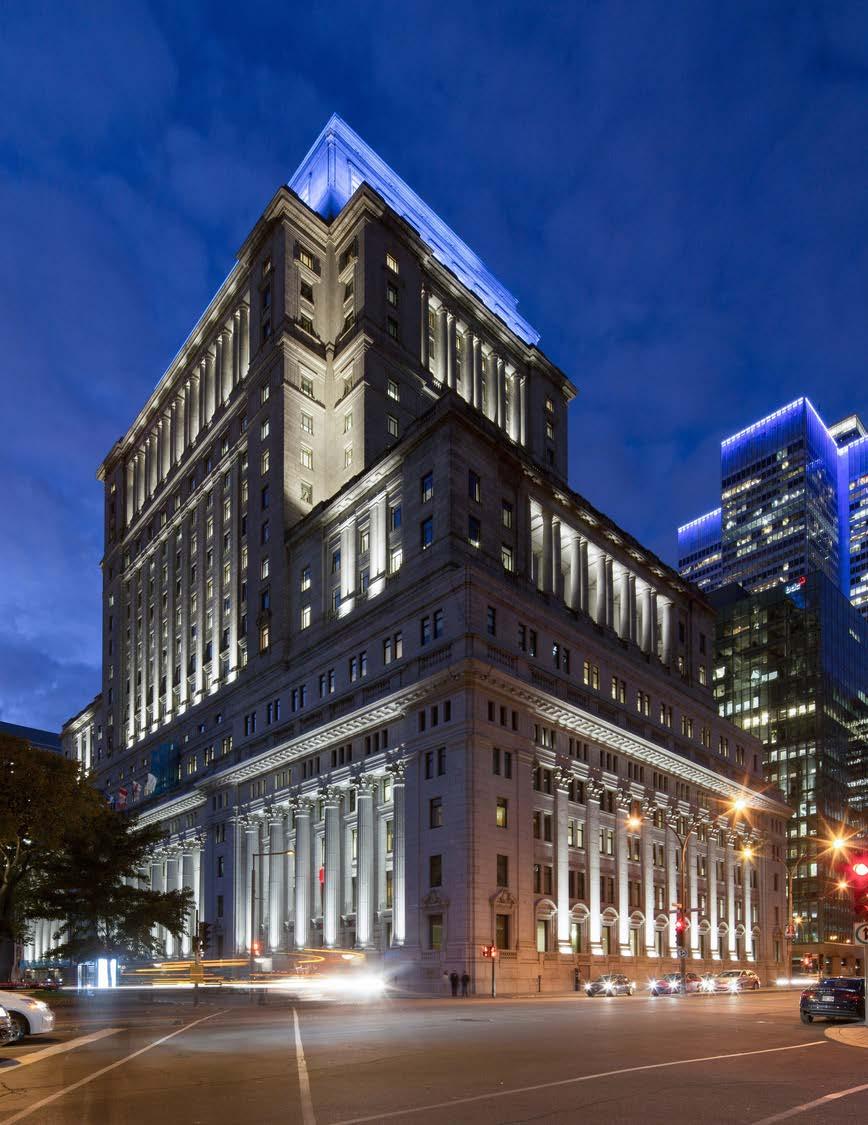
Dynamic lighting reimagines Montreal’s Sun Life Building, honoring its history while transforming the landmark into a contemporary civic beacon. Photo credit: HLB Lighting Design
Five years ago, in the inaugural issue of designing lighting (dl), I interviewed Carrie Hawley, then co-CEO of HLB Lighting Design, and Barbara Horton for a cover story titled “25 Years in the Making: The HLB Transition Plan.” That article explored their leadership shift and the firm’s commitment to building a legacy. Today, Barbara has fully retired. Carrie now serves as CEO, and Teal Brogden is HLB’s President. Both are Senior Principals.
As we mark our fifth anniversary, I connected with them to reflect on what’s changed since 2020—and much has, both within HLB and across the industry.
I opened the floor with a simple question, “What’s changed in the last five years?”
“Where do we start?” Carrie replied. And for good reason. From industry evolution to internal milestones, HLB’s journey continues to reflect an unwavering commitment to collaboration, thoughtful leadership, and purpose.
A Changing Industry Landscape
Carrie began by observing the expansion of lighting design itself. New firms and global markets continue to emerge, while others have gone through transitions or acquisitions. The very definition of a lighting designer is evolving, especially as the IALD recently amended its code of ethics to allow for fixture procurement, a major shift in professional standards.
“The number of people who consider themselves lighting designers has grown beyond what we used to define as a traditional IALD designer,” Carrie said. “It’s an exciting time, but it’s also a time of change.”
Teal echoed the sentiment, noting a newfound sense of global connectedness within the design community. “COVID taught us how to work across time zones and build meaningful relationships through screens. Now the industry isn’t just centered around New York. It’s truly global.”
HLB’s Internal Evolution
HLB’s external growth has been matched by its internal expansion. In early 2025, the firm surpassed 150 employees, maintaining its position as one of the largest independent lighting design firms in the world. They’ve launched studios in Miami, Denver, Dubai, Chicago, and Montreal and merged with three independent lighting
design firms since 2018: Illumination Arts, 186 Lighting Design Group, and CS Design.
Carrie emphasized that these weren’t acquisitions. “Words matter,” she said. “We merge. We don’t acquire. We’re intentional about building relationships.”
Legacy Structure and Leadership
Carrie and Teal are deeply committed to HLB’s legacy structure, designed to empower the next generation. Today, HLB has a leadership team of 15 Principals and 15 Directors. But beyond titles, the firm encourages ownership and mentorship at every level.
“With our open-book leadership approach, we encourage our entire team to think like owners,” Teal said. “Having a stake means you care more deeply. And it helps people build financial resilience and leadership skills.”
Carrie reflected on her own journey, crediting Barbara Horton and Stephen Lees for creating the roadmap. “We were mentored and trusted. Now it’s our turn to invest in others.”
Cross-Office Collaboration at Scale
Perhaps the most striking transformation over the past five years is how seamlessly HLB has transitioned from a firm with distinct studios into a unified, collaborative global entity.
“Ten years ago, we were one company with individual studios,” Carrie said. “Now, we’re one integrated firm that collaborates daily across studios, countries, and time zones.”
Teal shared a recent example involving a major project with team members from Dubai, Spain, and New York. “It’s like a relay race,” she explained. “We pass the baton across time zones. We have five zones covered on this project, and we meet twice a day to align.”
This model has also benefited from the increased mobility of staff. Team members who began in one office have relocated and brought their experience to new teams, cross-pollinating knowledge and strengthening cohesion.
“In the old days, a team in New York might never interact with a team in Denver,” Teal said. “Now, collaboration is fluid, and it’s made us better.”
RANDY REID By
The New York Anchor and Marketing Muscle
HLB’s New York studio remains a vital anchor. Located on 32nd Street between Park and Madison, it houses more than 40 team members, many of whom work in-person daily. It’s a deeply physical office that serves as a creative hub, knowledge base, and cultural heartbeat for the broader firm.
“New York City is special,” Carrie said. “It’s where we work, mentor, and build community. Our studio there remains one of our most active.”
Another standout development is HLB’s ten-person marketing team, a rarity for a lighting design firm. Most firms in the industry rely on one or two marketing staff at most, often wearing multiple hats.
HLB’s dedicated team handles branding, communication, client engagement, and internal culture-building.
“This team doesn’t just manage proposals,” Carrie noted. “They tell our story, shape our voice, and help connect our people across the globe. It’s a huge investment. And it’s worth it.”
Technology, AI, and the Human Element
As with every design discipline, artificial intelligence is making its way into lighting. While both leaders see potential, they remain cautious.
“AI is a tool that needs governance,” Carrie explained. “Firms have to decide how it’s used, who has access, and how to protect proprietary information. You can’t just go rogue with it.”
Teal emphasized that AI can accelerate workflows, but it can’t replace human insight. “In the end, it’s our job to interpret, contextualize, and bring emotional intelligence to lighting design. AI can help, but it can’t lead.”
Weekly Town Halls
HLB’s weekly all-staff town halls remain a vital part of its culture. The sessions include design crosstalk, cultural holiday spotlights, company updates, and breakout work groups.
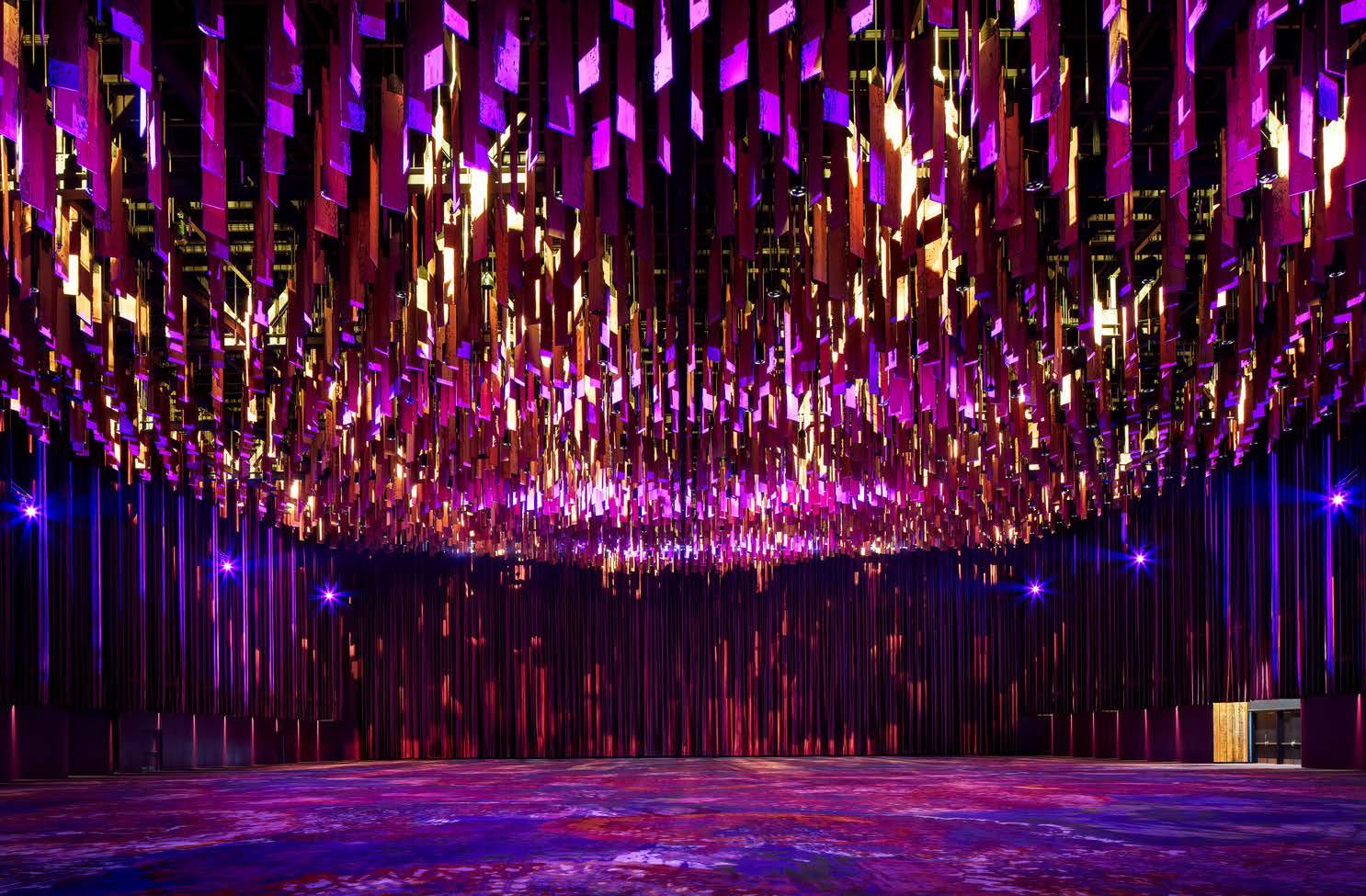
Custom, artistic lighting defines Seattle’s Summit Building, merging sustainability, versatility, and cultural expression to elevate the convention experience. Photographer: Feinknopf Photography
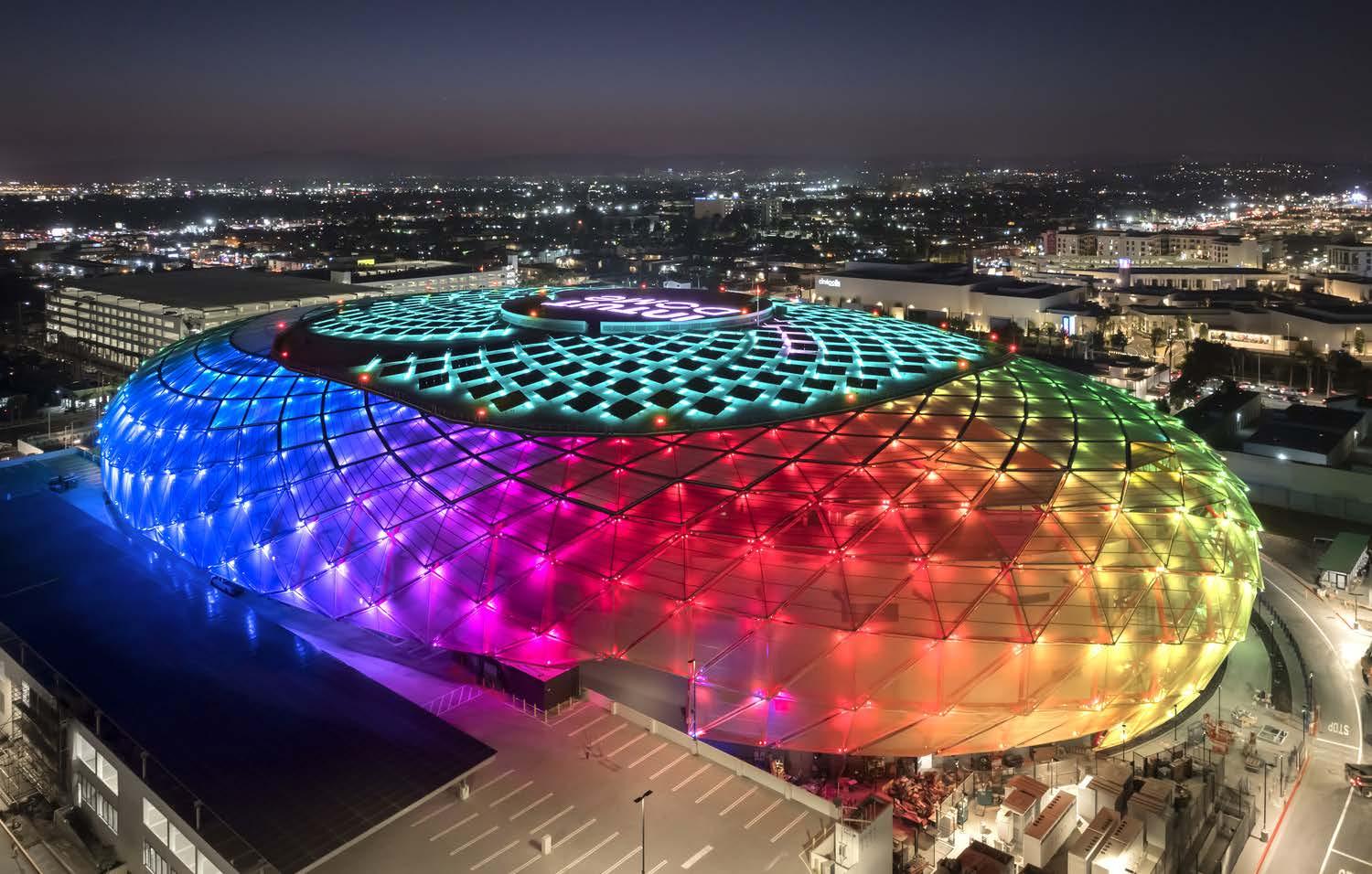
Immersive, programmable lighting animates Inglewood’s Intuit Dome, blending sustainability, hospitality, and community pride into a vibrant fan experience. Photographer: Kevin Korczyk
“It’s staff-driven,” Teal noted. “Not principals. That makes the programming more meaningful.”
Carrie added that anyone can join a work group, even someone hired last week. “It’s an open door. These gatherings help us stay connected across studios and time zones.”
Procurement Conversations
Given the IALD’s recent bylaw changes, I asked about HLB’s stance on procurement. While they’ve explored the idea, it’s not yet part of their business model.
“We’d be naive not to consider it,” Carrie said. “But our firm is complex, and there’s no one-size-fits-all approach.”
Teal confirmed, “We might help a client occasionally, but procurement isn’t a core practice.”
Paths to Leadership, Open to All
When I asked about women in leadership, Carrie acknowledged the current reality: the CEO, President, and COO roles are all held by women, as are a majority of principal roles. But this wasn’t planned.
“It’s not by design,” she said. “We’ve had women in leadership here for decades, and that naturally attracted others. But our team includes everyone—men, women, non-binary people, all backgrounds. Leadership isn’t about fitting a mold.”
Planning for the Future
Carrie and Teal, with the whole firm at their back, are leading HLB through a 10-year strategic plan. A recent internal review showed strong progress across key focus areas.
“We’re excited,” Carrie said. “Planning and collaboration have helped us get here. And in-person connection still matters—whether it’s studio work, industry events, or team retreats. We’re designing for human interaction, after all.”
Their commitment to legacy is as strong as ever. Barbara Horton and Stephen Lees, now living part-time in a small village in Tuscany, Italy, continue to serve as inspirations and cheerlead from afar. “They’re living the dream,” Carrie said. “And showing us how to exit gracefully.”
Final Reflections
As the interview wrapped, Teal summed up the spirit of the firm. “We still love what we do. Light is transformative. We work with passionate people, internally and externally, and we feel like we’re making a difference.”
Carrie added, “We’ve fleshed out our why. And that keeps us grounded. It’s about more than design. It’s about impact.”
Five years after our original article, HLB continues to embody what a lighting design firm can be: globally engaged, internally intentional, and driven by purpose. The light they cast reaches far beyond architecture. It’s a reflection of the culture and vision they continue to build. ■
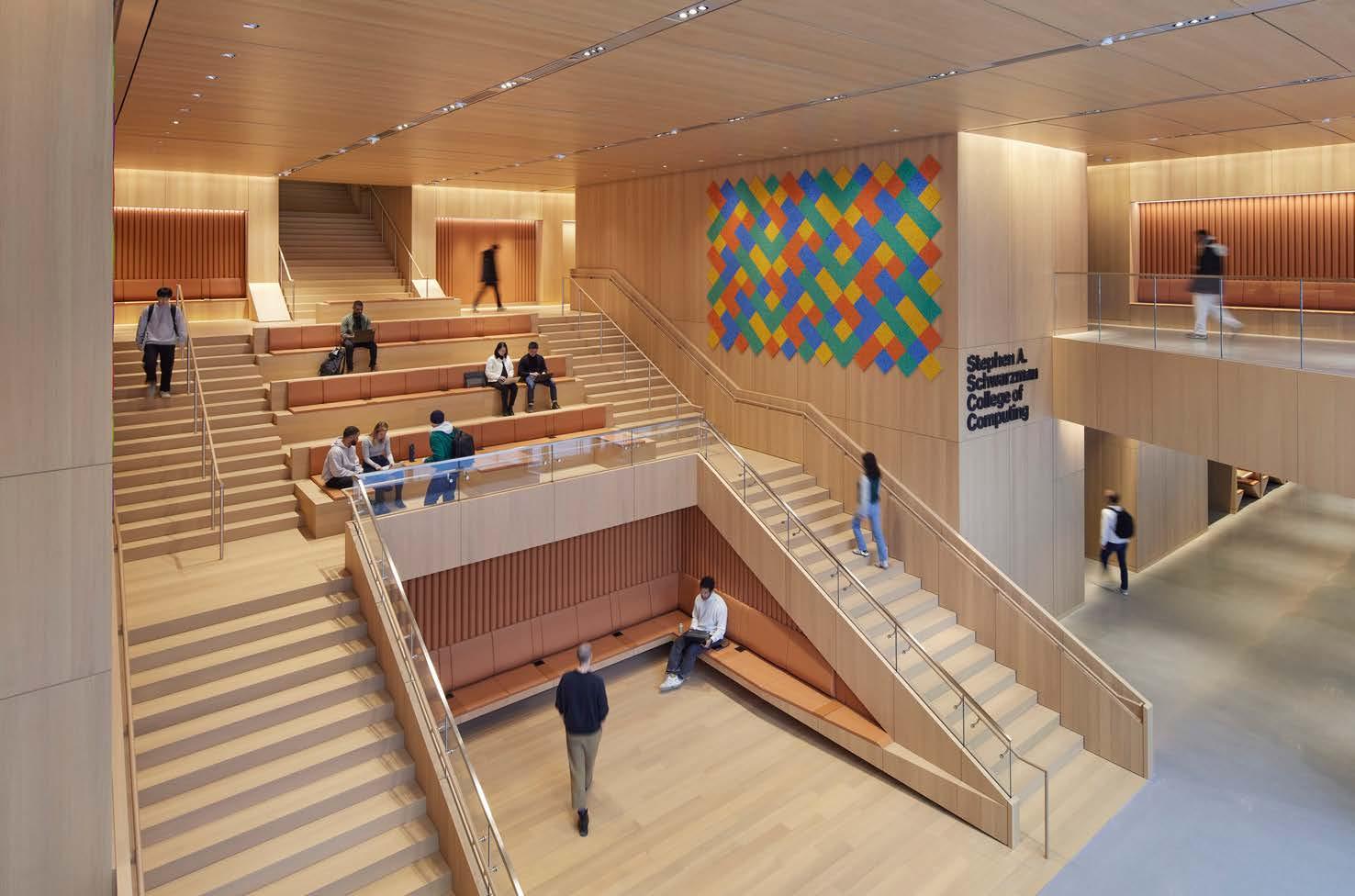
Seamlessly integrated lighting enlivens MIT’s Schwarzman College of Computing in Cambridge, complementing its forward-thinking hub for research and innovation. Photographer: Lucas Blair Simpson, David Burk
Solutions as Dynamic as Your Design
FLEX GRAZE HO SC
Adaptable (Outdoor Rated)
Flexible (Vertical/Horizontal)
Dynamic (Mulitple White Light Temps) Discover Flexibility
Shown in flexible channel.
Lighting the Way With AI
RANDY REID By
“Architect using AI tools to analyze stacks of documents and urban data before a project” prompt. Midjourney 7, Midjourney, Inc. Generated on 16 Aug. 2025.
“He prompted ChatGPT to walk him through every architectural element of ecclesiastical spaces” prompt. Midjourney 7, Midjourney, Inc. Generated on 17 August 2025.
Adobe Stock: atipong
From Concept to Construction
Artificial intelligence (AI) is no longer an abstract promise for the future. It’s already transforming how lighting designers work across every stage of a project.
In recent conversations, Brian Stacy of Arup and Foad Shafighi of HGA shared their perspectives on where AI is delivering real value today and where the next breakthroughs are likely to emerge.
Notably, Foad is developing LightingAgent.AI, a specialized platform currently in alpha testing which helps lighting designers harness AI more effectively in their daily workflows.
Below, we explore how AI is contributing—phase by phase.
Pre-Design / Research
Brian emphasized that AI is particularly well-suited to proposal development. In the early stages, designers often receive thousands of pages of competition briefs and reference documents.
Brian described how his team uses Copilot, an enterprise version of ChatGPT, to safely reconcile all requirements and pull together previous proposal language. Copilot’s Researcher tool helps scan public datasets, transit reports, and articles about crime, usage patterns, or neighborhood economic trends— valuable context before design begins.
Foad shared that large language models (LLMs) like ChatGPT and Gemini are already indispensable for research and brainstorming. For example, before designing a renovation for a church, using voice, he prompted ChatGPT to walk him through every architectural element of ecclesiastical spaces, creating a kind of real-time conversation with an architectural encyclopedia.
He also highlighted the models’ strengths for drafting emails, proofreading, and summarizing proposals.
However, he stressed a critical limitation: never rely on AI for codes and standards, since models often hallucinate or lack up-todate references (more on that later).
Schematic Design (SD)
The schematic phase is where ideas begin to take visual shape. Brian described using image processors like DALL·E and tools connected to Unreal Engine and V-Ray to
transform initial concepts into exploratory visuals.
His team works carefully to anonymize sensitive project details and uses secure environments to avoid leaking proprietary designs. In his words, if you’re designing a hypothetical Mars arena, you wouldn’t want AI to autopublish it to the Internet.
Foad prefers Midjourney at this stage, especially for ideas. Rather than starting with a technical drawing, he uses Midjourney to generate inspirational images that capture mood, atmosphere, and lighting character. As he put it, “Midjourney is like an extension of your mind. It imagines what you have in words and shows you something you didn’t know you were thinking.”
Design Development (DD)
When initial concepts need refinement, AI offers a different set of tools. Brian and his team uses Make.ai, a workflow platform that helps link data between AI tools and Revit
Adobe Stock: Daria
Merging the art of metal and the science of light
Merging the art of metal and the science of light
New from VoksLyte!
New from VoksLyte!
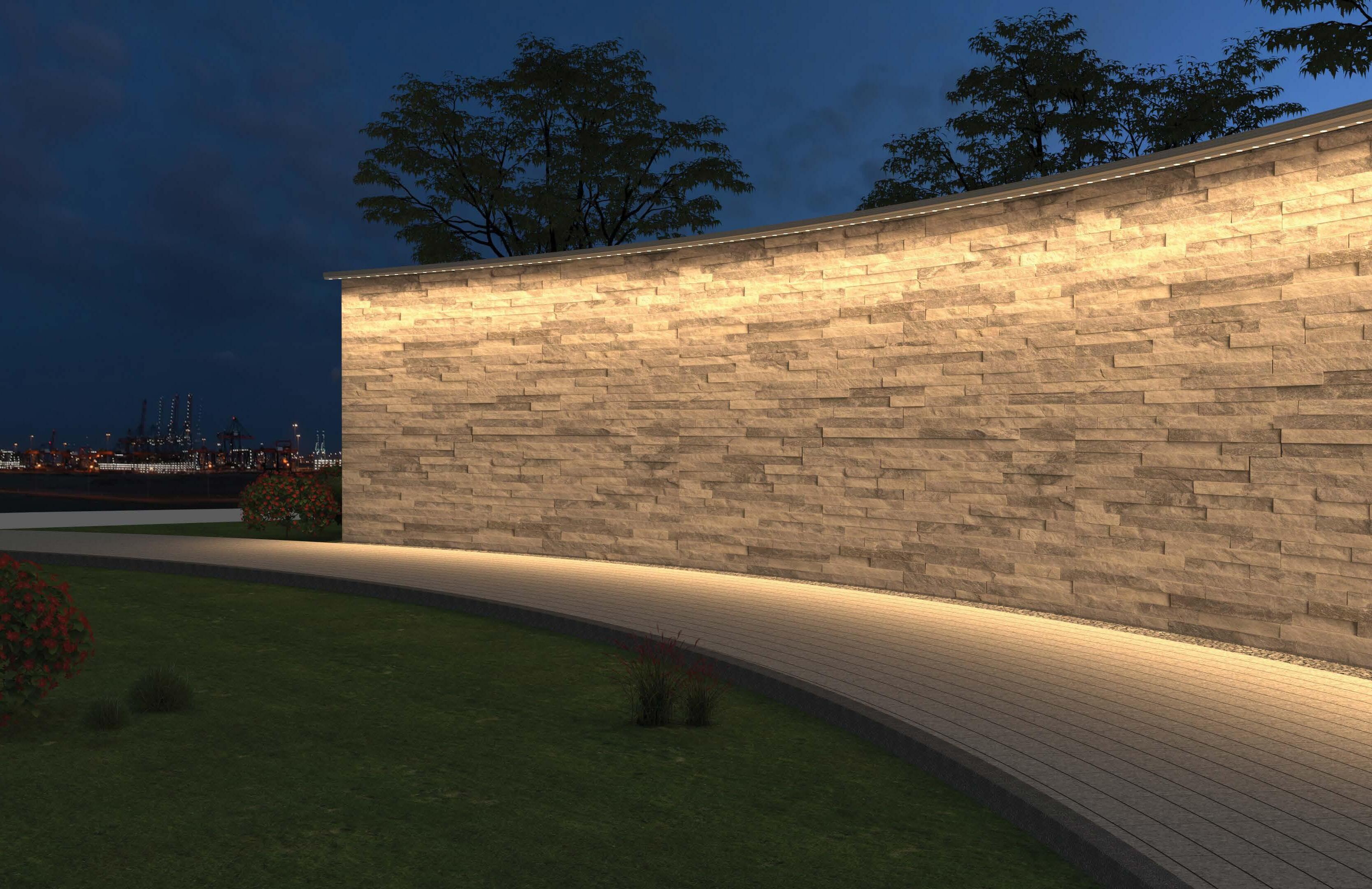
TA N GE NT Grazer
Custom-Curved Wall Grazer
At last, a masterful solution to grazing curved walls. Tangent Grazer is factory-manufactured to any curvature or shape, in static or compound
At last, a masterful solution to grazing curved walls. Tangent Grazer is factory-manufactured to any curvature or shape, in static or compound raddii, or any rectilinear or curvilinear application. Made to fit your application perfectly, in both curvature and length. VoksLyte can provide overall lengths to the nearest 1/16” assuring that our curvatures and lengths will match your
or any rectilinear or curvilinear application. Made to fit your application perfectly, in both
and length. VoksLyte can provide overall lengths to the nearest 1/16” assuring that our curvatures and lengths will
As always, made entirely in the USA in our Gaithersburg, MD factory.
As always, made entirely in the USA in our Gaithersburg, MD factory.
Merging the art of metal and the science of light
Genuine wood veneer is now available for any VoksLyte Tangent product. Over 50 species from which to choose. Please contact factory for further information. (Shown: Tangent Down with American Walnut veneer).
At VoksLyte, meticulous craftsmanship and attention to details have always been our hallmark. Each project is uniquely different, and demands not only our 38 years of manufacturing expertise, but also outstanding collaboration with the designer and ongoing communication with site personnel, from the design phase until the final lens s snapped into place. It’s what we have always done. It’s not always easy, but we like the challenge and we think you’ll agree that the results are just breathtaking.
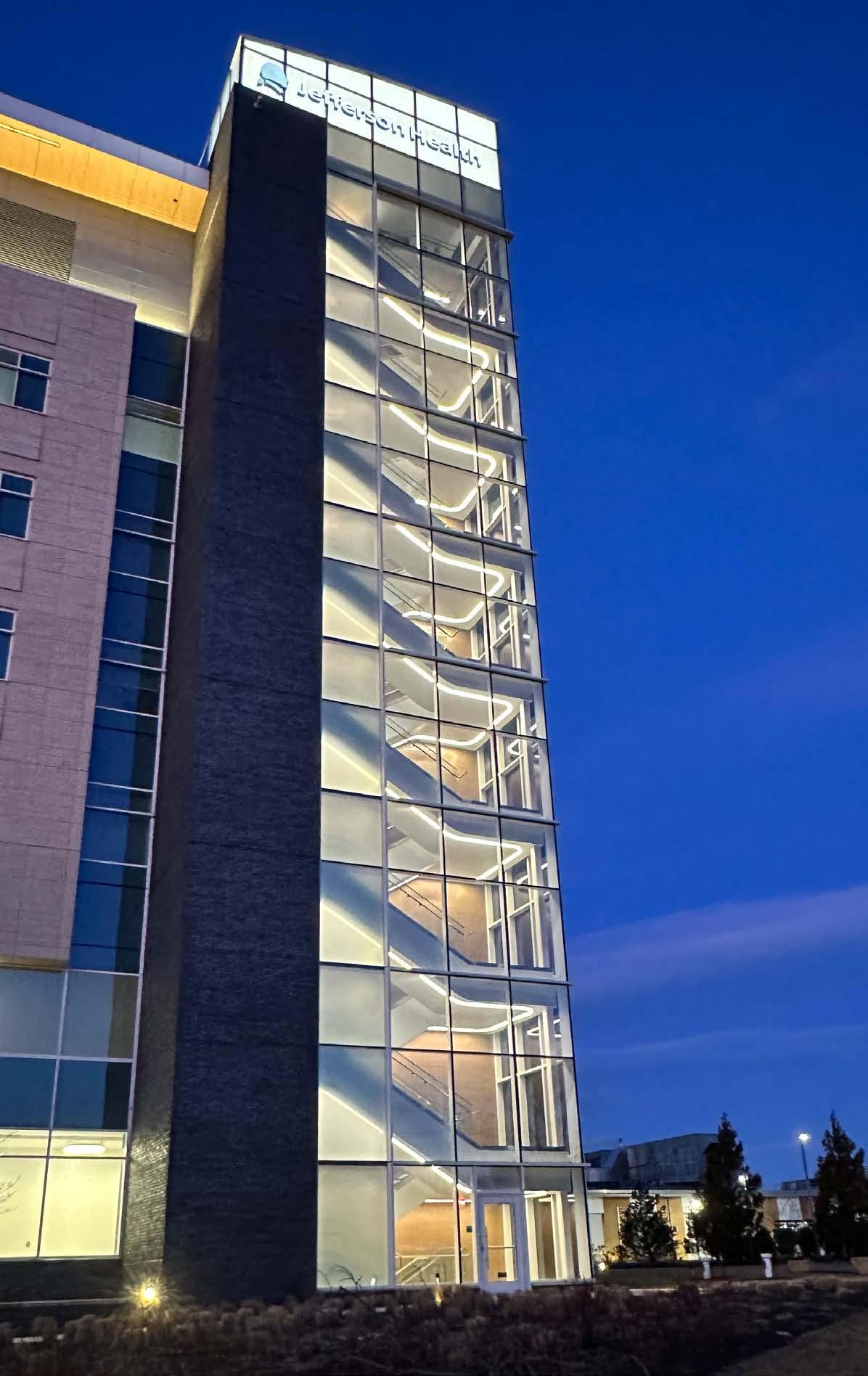
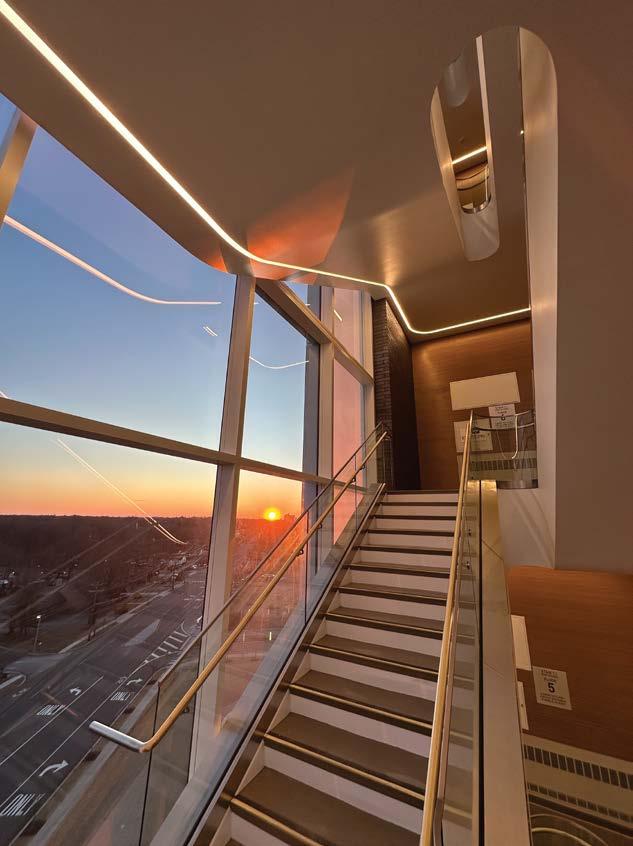
Jefferson Health • Cherry Hill NJ Designer: Gensler
Lonestar Electric • Austin, TX
models. This allows them to build specifications and coordinate inputs across many design team members. He also highlighted the contributions of Kuldeep Vali and LumiBuilder.ai. Brian noted that Kuldeep is doing important educational work to help lighting designers understand how to integrate AI into their practice, while also developing smaller tools aimed at bridging theory and practical workflows. In Brian’s words, “Kuldeep has a cool little thing
going on, helping folks understand lighting practices and how to be able to use AI.”
Foad described how Stable Diffusion is his preferred platform for Design Development imagery. Unlike Midjourney, Stable Diffusion can preserve the parameters of a space and let the designer adjust only the lighting component—like swapping a pendant for a linear fixture— while leaving the rest untouched. This iteration workflow has no equivalent in older rendering pipelines.
Construction Documents (CD)
In the construction documentation phase, AI has started to streamline production tasks.
Brian said his team is exploring Copilot inside Word and Excel to automatically build specification tables and link them to BIM models. They also apply internal automations to calculate lighting power densities across platforms—reducing the time it takes to finalize schedules.
Foad agreed that construction documentation is an area where AI has not yet reached full maturity. While no single tool can yet produce a fixture schedule end-to-end, he noted that Gemini’s milliontoken capacity helps with analyzing large specification documents. For example, you can feed it an entire schedule and ask targeted questions about part numbers or compatibility.
However, this approach has limitations. “General AI tools lack the specialized knowledge our industry needs,” he explained, adding, “We need dedicated tools that understand our needs and solve our pain points. Tools that are designed by lighting designers for lighting designers.”
Bidding & Procurement
The bidding phase showcases how different AI approaches serve different industry needs. While Parspec has secured significant investment to help distributors assemble bid packages and VE alternates, Foad's LightingAgent takes a designer-first approach.
“Parspec optimizes the supply chain, but designers need tools that understand lighting design principles, codes, and standards from the ground up,” Foad explained.
Ethical and Workflow Considerations
Both Brian and Foad stressed that AI must be used thoughtfully.
“Interior of a modern workspace where a designer compares two lighting concepts side by side” prompt. Midjourney 7, Midjourney, Inc. Generated on 17 August 2025.
“Interior of a modern workspace where a designer compares two lighting concepts side by side” prompt. Midjourney 7, Midjourney, Inc. Generated on 17 August 2025.
Brian noted that AI often outputs hallucinations and that any result should be scrutinized, just as you would an intern’s draft. He also warned that copyrighted codes or standards cannot be used without proper licensing.
Foad echoed this point, adding that LLMs are great for ideation but unreliable for compliance and technical documentation.
Brian also raised the possibility that AI will disrupt traditional workflows. Just as BIM required the profession to develop standardized LOD (Level of Development) milestones, he predicts the lighting industry will need new frameworks to define AI-integrated project phases.
A Quick Experiment
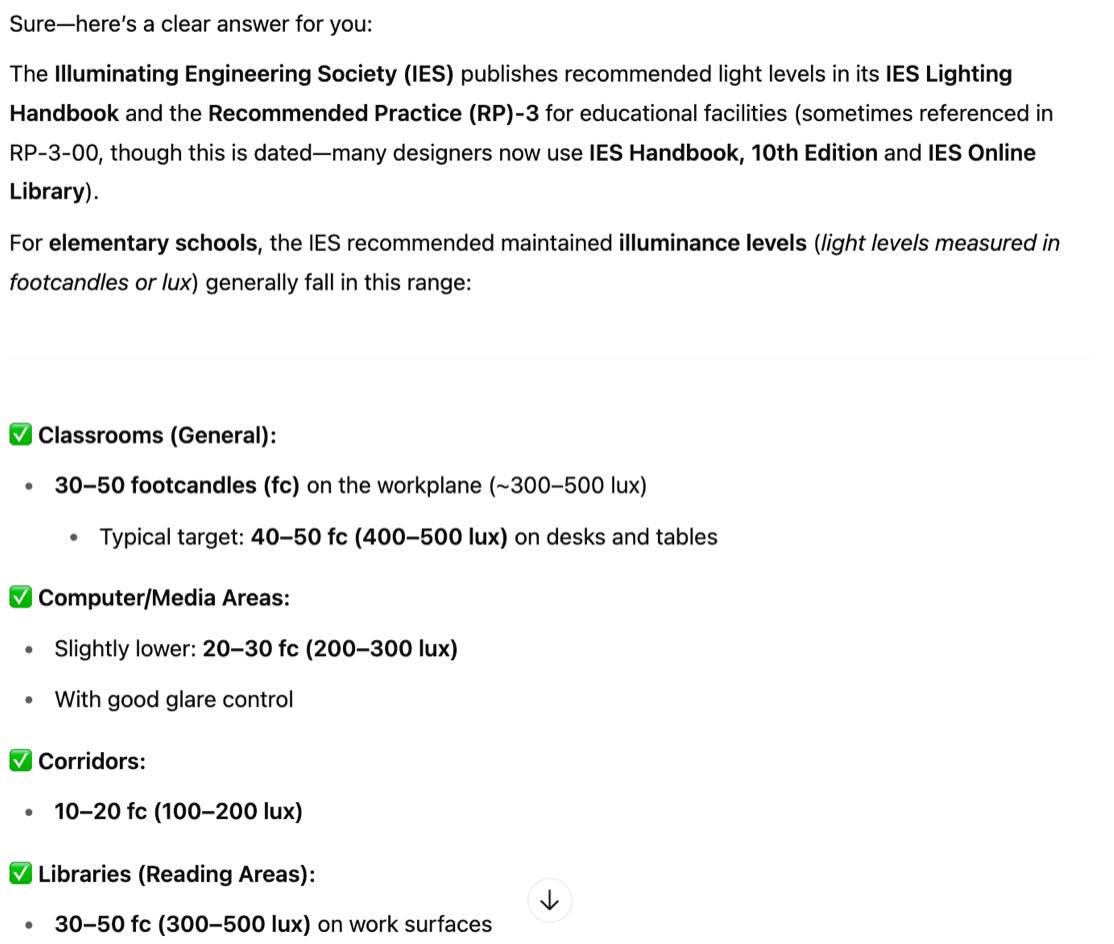
After speaking with both gentlemen, I did a quick search asking ChatGPT about the IES Recommended Practice for elementary school light levels—and it came back with a surprisingly detailed answer, shown below.
But upon a closer look, the response revealed exactly what both experts warned about: no specific standard citations, no edition years, no consideration of different classroom activities, and no way to verify the information.
It's a stark reminder that while general AI can synthesize plausible-sounding answers, lighting professionals need tools built on verified, current stand rather than best guesses.
Looking Ahead
While AI won’t replace expertise, it is already changing how designers research, visualize, specify, and communicate. Both Brian and Foad are optimistic that the right safeguards, along with a clear-eyed understanding of each tool’s strengths and limits, will help lighting designers unlock potential while protecting the value of their work.
At the 2025 IALD Enlighten Europe conference in Valencia, Foad delivered a presentation entitled “Illuminate and Innovate: A Workflow Revolution with AI in Lighting Design.” He began by saying, “I’m aware that some of you worry that AI will replace designers … My plan is simple: learn how to use it before it learns how to use us.”
It’s a perspective that resonates across the profession. AI isn’t going away, and whether it becomes a collaborator or a competitor will depend on how quickly and thoroughly designers embrace its possibilities. ■
JUST IN...
New architectural lighting products available for specification
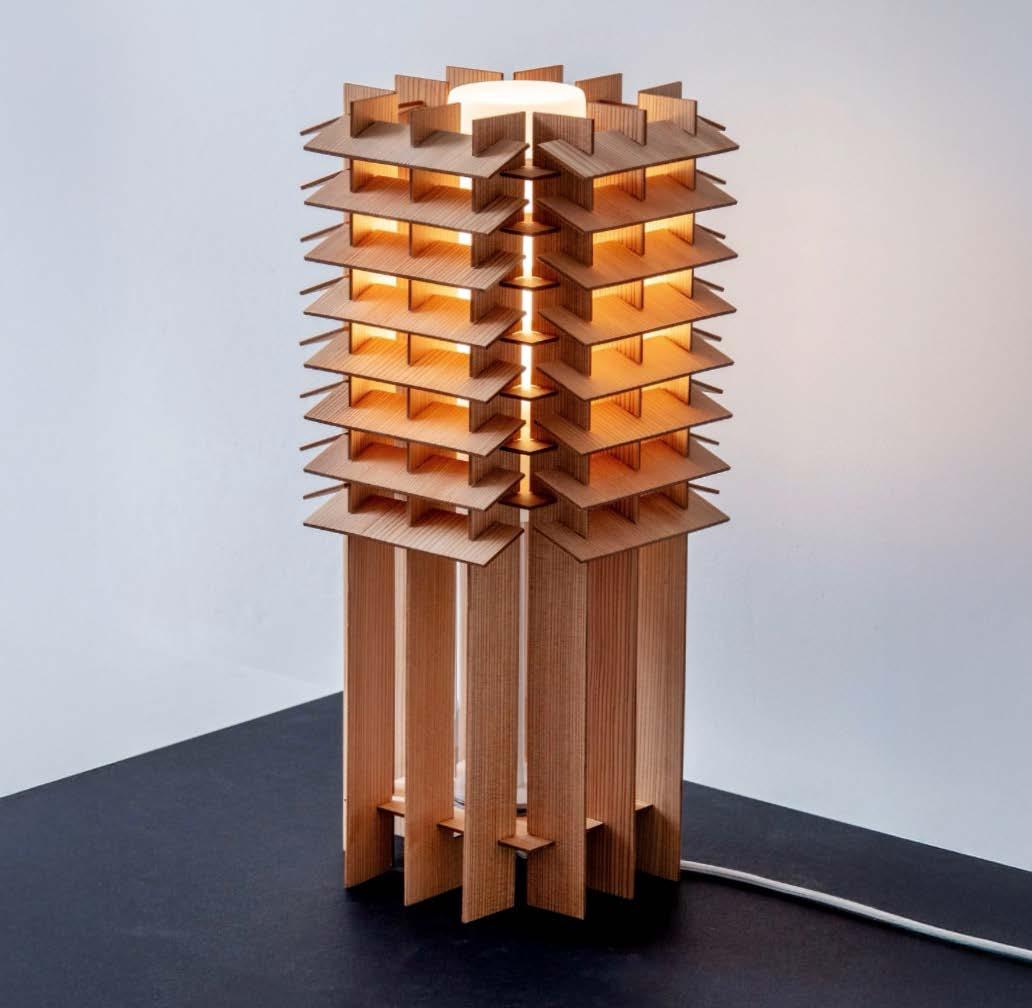
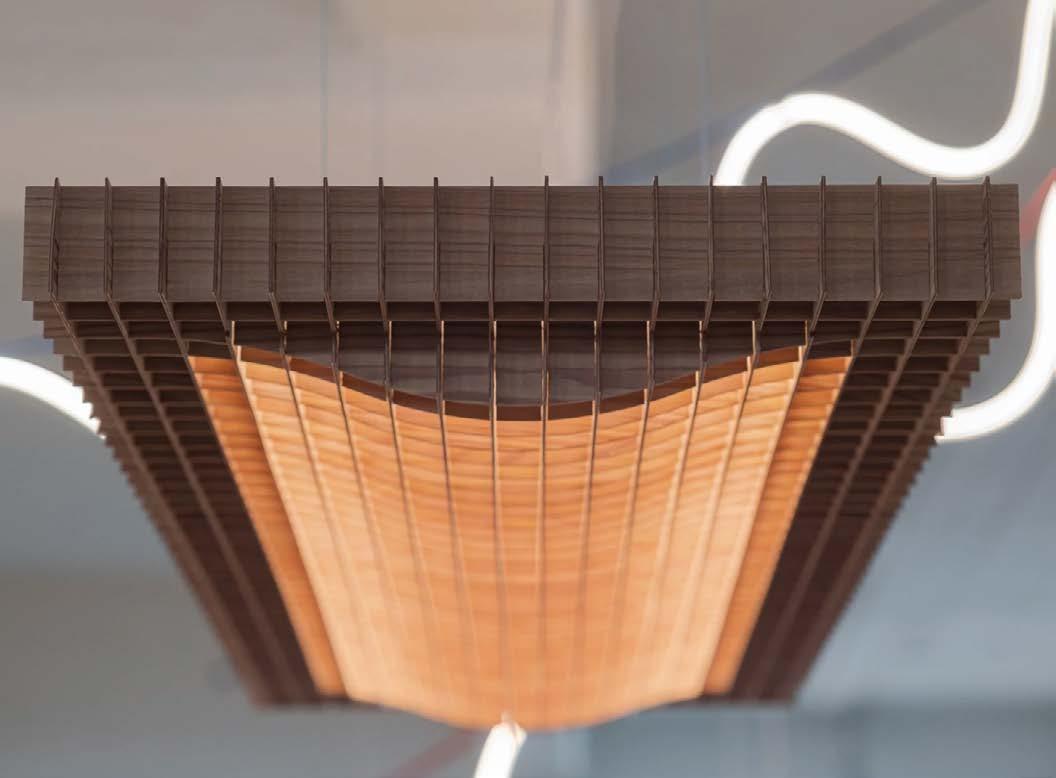
Array Lighting’s Grid Light Panel and Grid Light Pendant, both designed by David Derksen, reinterpret natural larch plywood into precise grid structures that double as louvers to reduce glare while showcasing a distinctive architectural aesthetic. The Panel features a 3000K, CRI>90, Triac-dimmable LED system, while the more intimate Pendant offers the same capabilities with slightly warmer light (2700K).
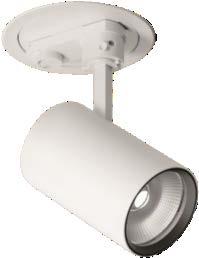
Designed for retail environments, iGuzzini’s new Tack spotlight combines a minimalist aesthetic with precision performance and efficiency. Available in three sizes with adjustable power levels, dual optical technology, and easy front- or rear-access maintenance, Tack offers flexible installation and long-lasting durability for versatile retail lighting applications.
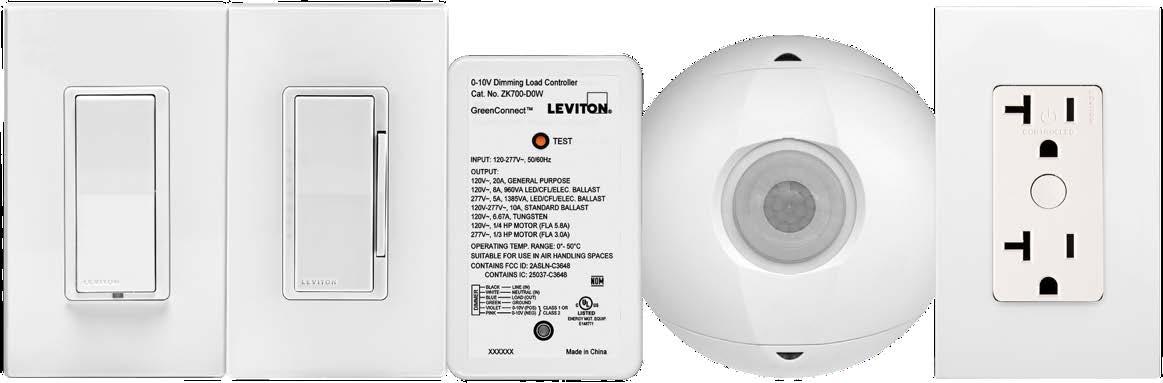
GreenConnect™ is a new line of wireless lighting controls that brings simple, scalable control to virtually any switching or dimming load without the need for complex wiring, hubs, or factory commissioning. Utilizing push-to-pair technology, it allows installers and building owners to easily expand from basic switches to full systems with sensors, receptacles, and advanced controls.
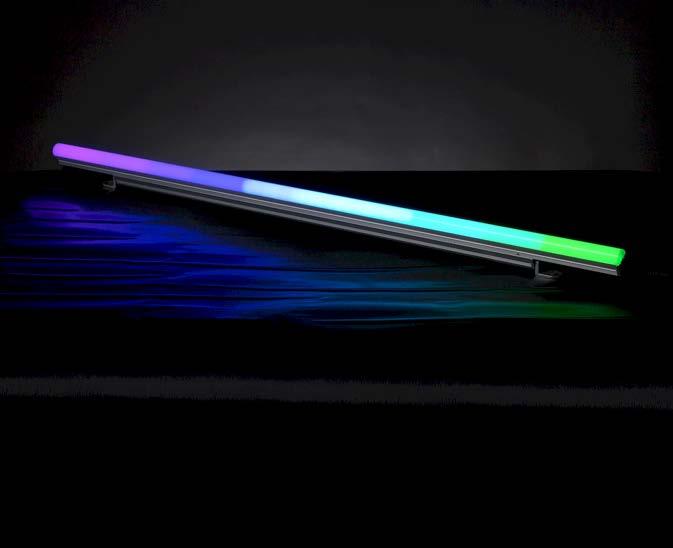
The Sēnik Rio is a sleek, small-profile rigid media bar designed for dynamic wall grazing, washing, and direct-view applications. With its linkable design, DMX control, and adjustable aiming, it enables designers to create intricate, eye-catching scenes that bring flexibility and impact to architectural and entertainment environments.
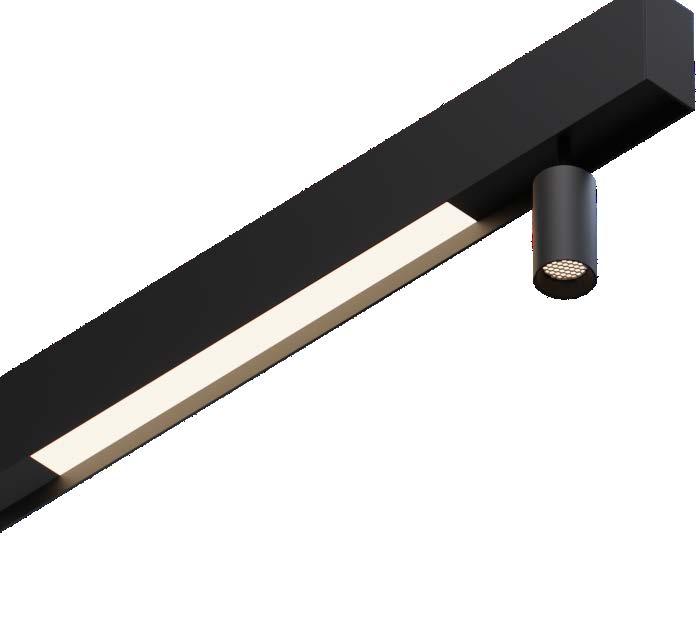
LS2 AV is a purpose-built luminaire engineered specifically for today’s AV environments, combining directional spot, linear direct, linear indirect, and downlight modules in a streamlined and customizable system. Available in suspended or recessed formats, it delivers balanced, camera-ready illumination while minimizing ceiling clutter and offering compatibility with most control platforms.
Zero Track Pro is a sleek low-voltage system, offered in recessed and surface-mounted versions, that blends seamlessly into modern interiors while delivering flexible, minimalist lighting solutions. The system can accommodate a series of lights to meet all lighting requirements, including by Michael Anastassiades (pictured), a compact and fully adjustable projector that combinines precise directional light with a refined, elegant design to create unique and sophisticated compositions.
Acclaim Lighting’s brightest linear fixture to date, the new Linear XTR H1™ delivers up to 1,606 lumens per foot while consuming only 22 watts and enabling continuous runs up to 360 feet on a single driver. Engineered for all-weather performance, it offers extensive CCT, color-mixing, and optic options, plus advanced XTR Link™ and ColorDrive™ technologies for vivid, uniform output with smooth dimming in demanding outdoor and architectural applications.
Plyta™ brings playful geometric elegance to ceilings with its trio of shapes, coming in three sizes (24", 36", 48") and offering two-tone PET felt finishes and chamfered edges that deliver acoustic performance via up to 50% recycled, fully recyclable felt. The lit versions integrate Focal Point’s high-performance ID+ 3.5″ Pure Cylinder engine while unlit acoustic companions enable cohesive lighting-and-sound compositions for vibrant spaces.
Tivoli Lighting expands its Inspire Series with the Mekos and Reveal chandeliers, joining Array and Eos to offer a modern reinterpretation of 360° neon powered by the company’s Flexile light engine. With customizable suspension options, high-efficiency 95+ CRI output in multiple color temperatures, and durable silicone housing that resists yellowing and corrosion, the Inspire Series delivers expressive, long-lasting illumination.
Introducing COLLECTIONS by
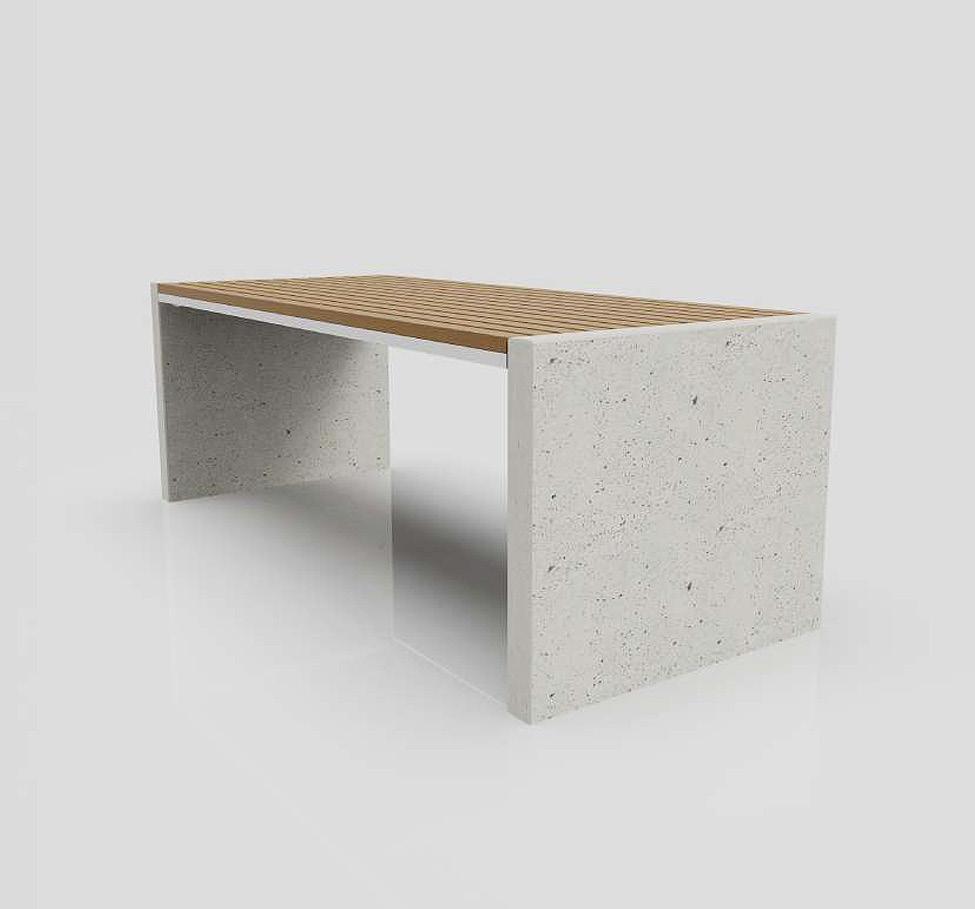
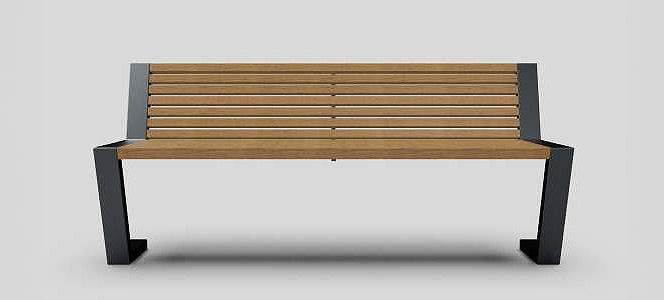
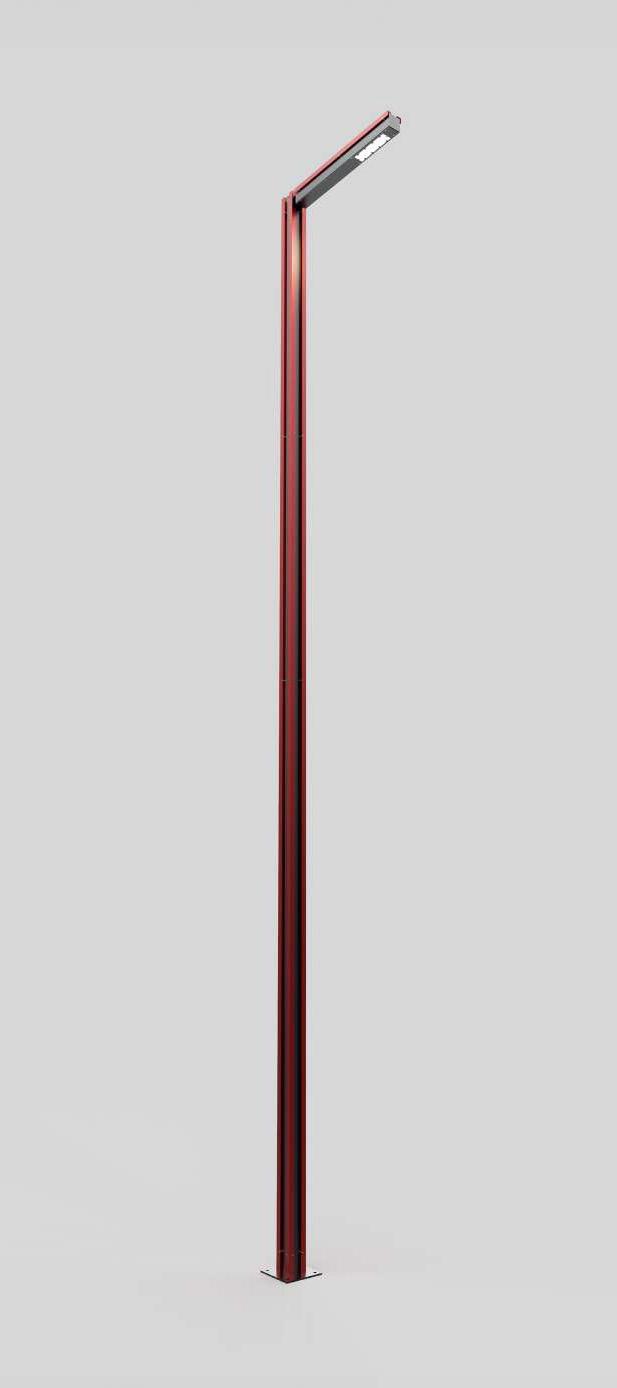
Bottega7 is an 100% Made in Italy urban design brand that brings quality, passion, and style to outdoor public spaces: parks, streets, cycle paths, swimming pools, hotels. They produce design solutions for lighting and street furniture including lighting poles, lighting totems, seats, benches, baskets, planters, bike racks, shelters, and much more.
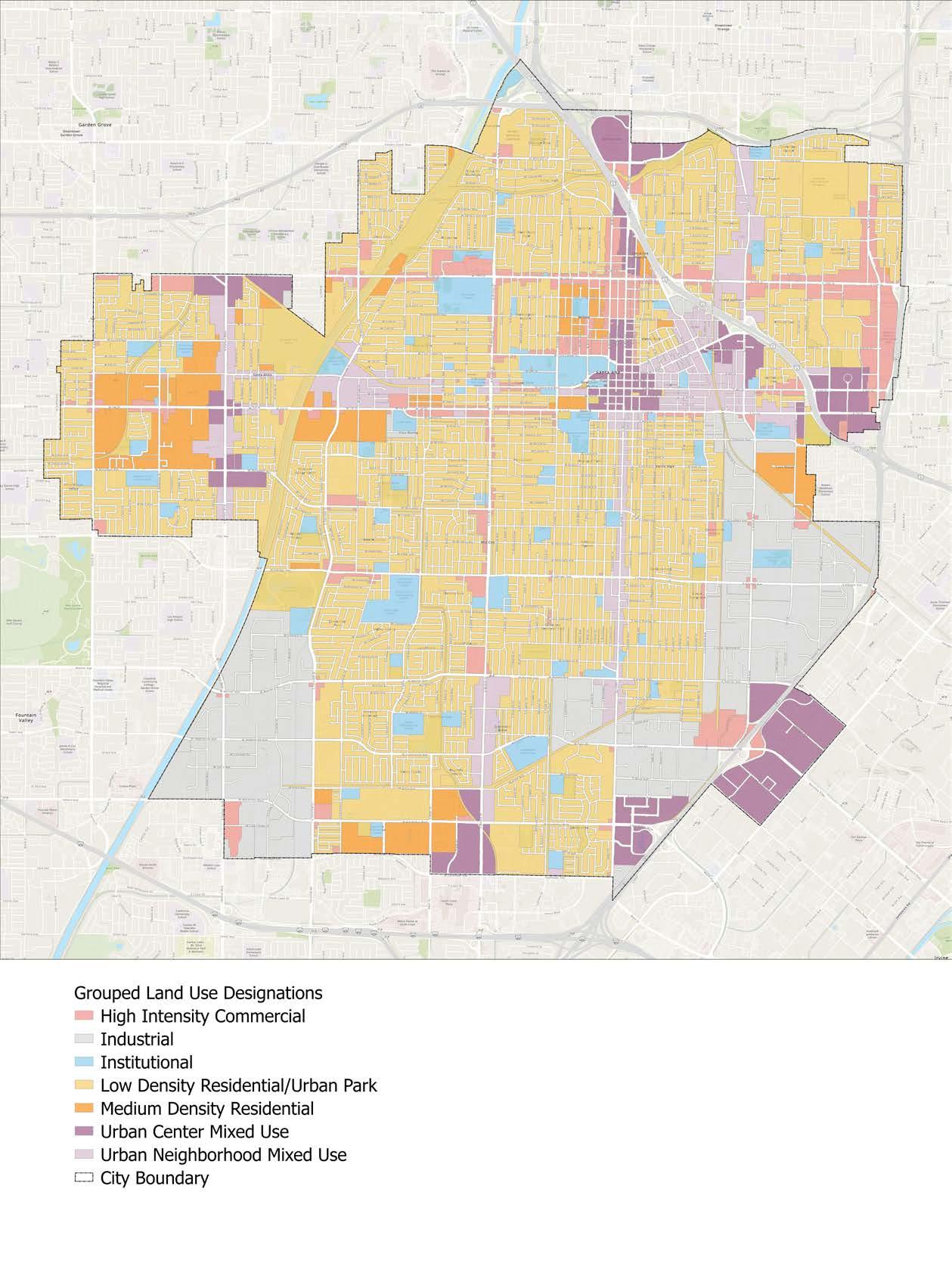
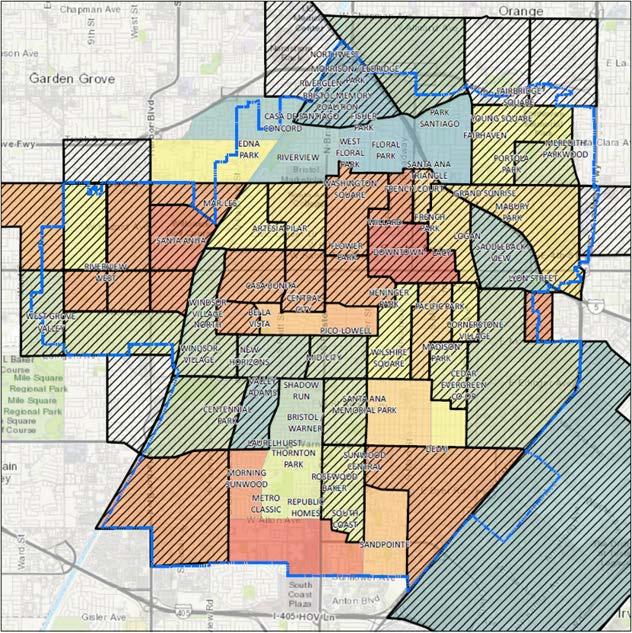
Santa Ana Charts
Santa Ana, California, is taking a fresh approach to street lighting, one that balances community engagement, environmental responsibility, and smart-city readiness.
At the center of this effort is the city’s Lighting Master Plan, developed with the guidance of Dane Sanders, President of Clanton & Associates, and his team, who have been crafting lighting strategies for municipalities across the country for decades.
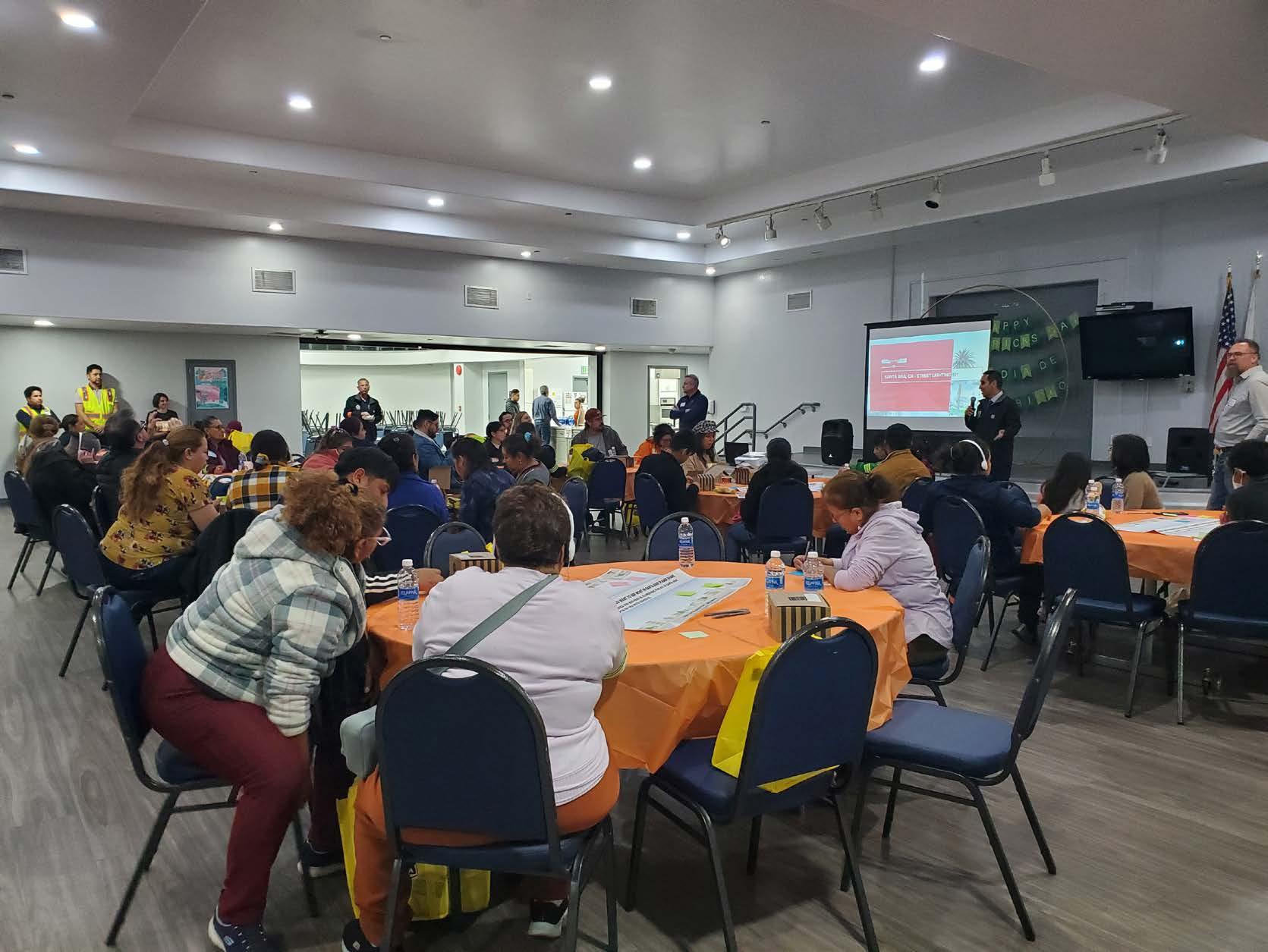
Dane described the project as one of the most inclusive processes he has experienced. “We did more than surveys,” he explained. “We had a local sub-consultant deeply connected to the community who brought over 80
residents to participate in hands-on evaluations.”
These participants walked through neighborhoods after dark, comparing different color temperatures and dimming levels under real streetlights. This field experience was critical, Dane noted, because “you can’t talk about footcandles with the general public and expect them to know what you mean. But you can show them and let them feel it.”
Public opinion leaned toward 4000K, despite California’s evolving regulatory environment, which may soon cap outdoor lighting at 2700K. The city is currently weighing the merits of 3000K and 4000K, with concerns ranging
Charts a New Path
from human health to energy savings. Although Santa Ana has no extensive wildlife habitat, there is an endangered bird species in the area, and the city wants to be thoughtful about the ecological impacts of lighting.
To navigate these complexities, the team consulted Travis Longcore, an ecologist at UCLA who has mapped the spectral sensitivity of various species. “We’re looking at whether fewer lumens at 4000K might be better or worse than more lumens at 3000K,” Dane said. “This debate over color temperature is one of the hottest issues we face.”
He also noted that cultural and climatic factors influence residents’ preferences. “In hotter climates, cooler color temperatures are often more accepted. But awareness is shifting, and people increasingly understand lighting’s health effects.”
Santa Ana’s existing infrastructure already consists of thousands of 4000K LED fixtures purchased from Southern California Edison several years ago. These lights are not tunable, meaning any change in color temperature will require swapping out the fixtures.
Dane emphasized that this is not a citywide retrofit project. Rather, it is a plan to guide investments over the next 20 years.
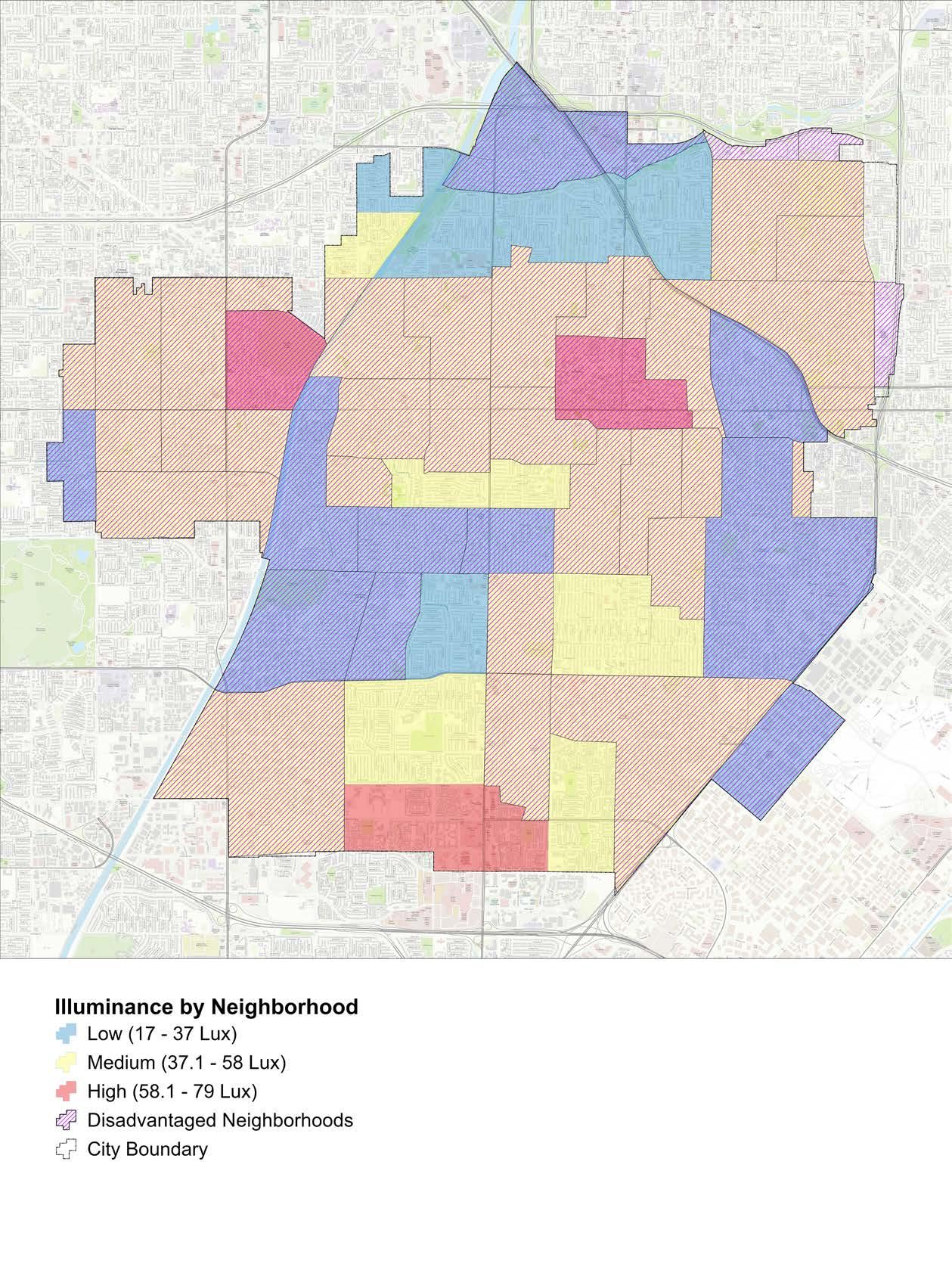
A key element of the plan is its reliance on citywide GIS mapping and data analysis. “We have illuminance calculations for every streetlight,” Dane explained. “We’re
overlaying that with traffic collision data, crime reports, and even social equity indicators.” This method allows the team to pinpoint intersections with higher nighttime crash rates, as well as neighborhoods where lighting may contribute to safety or community character.
Interestingly, the data show no simple relationship between light levels and crime. “Sometimes more lighting correlates with more crime, sometimes with less,” Dane said. “For example, property crime has been shown to decrease when lighting is turned off because thieves can’t see what they want to steal.”
The City’s Lighting Master Plan Is Built on Data and Community Input
RANDY REID By
Images courtesy of Dane Sanders, Clanton & Associates
Public engagement has been a cornerstone of the project. Community meetings were held in both English and Spanish.
The team hopes this nuanced analysis will lead to smarter investments rather than blanket assumptions about brighter being better.
Their approach has already borne fruit: Santa Ana recently secured a $1 million Highway Safety Improvement Program grant to fund one of the priority projects identified in the master plan.
The timing was serendipitous—Dane recalled how the award announcement coincided with a public meeting where residents asked when improvements would start. “We were able to say, ‘Well, actually, we just got funding,’” he said.
Public engagement has been a cornerstone of the project. Community meetings were held in both English and Spanish, with simultaneous translation to ensure everyone could participate. Residents were invited to place stickers on maps to indicate areas of concern or interest. Top priorities identified included driver visibility, lighting for pedestrians, and neighborhood character.
Dane’s team also led “Lighting 101” sessions to educate the public on topics like glare, color temperature, and energy use.
Smart controls are another critical focus. Although Santa Ana’s fixtures are equipped with seven-pin receptacles for controls, the city has not yet invested in a system to dim or adjust them. Dane believes that implementing adaptive controls is the next logical step, especially since many areas are overlit. “With controls, you can dim fixtures to 50% and still meet IES criteria,” he said. “That not only saves energy but also reduces glare and light trespass.”
Beyond illumination, the plan examines how lighting intersects with social equity. Using historical redlining maps, the team identified areas where infrastructure has been neglected for decades. In some cases, these neighborhoods have less decorative pedestrian lighting and rely on basic cobra-head fixtures on wooden poles.
The master plan proposes targeted upgrades to improve safety and reinforce neighborhood identity.
Santa Ana’s commitment to careful planning over quick fixes reflects a broader trend. “Cities used to just replace everything without talking to residents,” Dane said. “Then the complaints would start—about brightness, glare, color. This process is about getting it right from the start.”
Dane sees this work as part of a larger shift in how cities think about lighting. “It’s no longer enough to install efficient fixtures and call it a day,” he said. “We have to consider human health, environmental impact, and the
lived experience of the people who walk those streets every night.”
While the Santa Ana Lighting Master Plan is still being finalized, it already offers a model for other communities seeking to balance technology, sustainability, and public trust.
As Dane put it, “You have to set your design ego aside and listen. We have a lot to learn—and we can’t be afraid to keep learning.” ■
"We have to consider human health, environmental impact, and the lived experience of the people who walk those streets every night.”
― Dane Sanders
Home in Denver, CO
Photographer: Raul Garcia, Astula
THE DETAIL ARTof The
By GREGG MACKELL, CLD, IALD Principal, HLB Lighting Design
In my previous article, I spoke about the importance of finishing a project in order to deliver the promised result to a client.
Well-coordinated details are no less important than the fine-tuning of adjustable lights. Most high-end residential projects are filled with architecture and millwork just begging for integrated lighting details, from library bookshelves to kitchen cabinets, art niches to floating staircases, wine racks to acoustical theater walls, cove details, and closets with integrated lighting that would make Hannah Montana envious.
Whether you believe they’re occupied by God or the Devil, there’s no doubt about the influence a great detail or a botched detail can have on the ultimate success of a lighting design.
Detail coordination should begin with questions to bring out the intent.
Before you get to the detail, first, ask if this detail fits with the overall feel you’re trying to create in a space.
If you are trying to make a dining room feel intimate, you may not want to create a cove light detail which brightens up the ceiling and makes it feel more public. In a lowerlevel rec room, you may want to use a cove light to create the illusion of expanded head height and the brightness that makes it feel less like a cave.
Is the detail’s purpose to rake light across a textured surface, or is it to float a backlit surface off the wall behind? Is the detail meant to functionally light a work surface, or does it need to create a moody indirect backdrop?
Now that you’ve determined the appropriateness of the detail for the feel of a space, it’s important to integrate the detail with the style of home. Is this a modern project where the source is meant to be visible and celebrated? Or, is this a Craftsman-style library where any modern
architectural lighting should be completely hidden?
Answers to questions like these are critical to making sure you are creating a detail that meets your intent.
The most basic and, in my opinion, the most fundamental part of creating successful lighting details can be found in the understanding of sightlines. If a surface has an unobstructed or partially obstructed sightline to the source, light will directly transfer to that surface. If there is no direct sightline from a surface to a light source, the surface will only receive reflected photons.
At this border from sightline to no sightline, there will be a line. Controlling the location of that line by determining the relationship of light to valance to surface can be the difference between lighting half of a countertop and lighting the entire thing. It can be the difference between seeing a wavy line on a cove ceiling or seeing an elegant gradient fade across the architectural pop-up.
When hiding lighting within a detail, there needs to be some reason applied as well. To graze a wall from a perimeter cove pocket, where someone can stand in the space and see the strip, isn’t a great detail. However, if someone has to press their face against the wall and look up to see the strip, that should be considered a success, and that person might just deserve to see it. If the source lights what’s intended and is hidden from view for any normal movement or sedentary location within a space, that is a successful detail.
Properly setting the light within the geometry of a detail to control the sightline is important, but to verify you have the entire equation solved, you also must understand the materials and how they behave with the lighting in the detail. Are the surfaces within and adjacent to the lighting detail matte or specular, textured or smooth, dark or light, transparent, opaque or translucent?
Material choices can either validate or throw a wrench
into any detail. If you’re creating a vertical cove detail, but the wall going into the cove is a slab of highly polished marble, you are effectively adding a mirror into the detail’s hidden guts of the detail. An easy fix would be to request that the slab be honed or leathered to eliminate the reflecting specular component.
That works sometimes, but there are other factors to consider, some as simple as the homeowner liking the polished look. If the goal is to have hidden lighting within the details, the source can’t be revealed, or it’s akin to the magician who shows you the trick—you can’t unsee it.
With shiny surfaces, there can be visible reflections of the electrical feeds, wire nuts, and all of the inside-sausage that you never intended for someone to see. Knowing that specular reflections have an angle of incidence that equals the angle of reflection is fundamental to killing a reflection and hiding a source when flanked by shiny things.
All that is needed within a lighting detail is a single matte surface and it can kill a reflection and bring back that beautiful hidden effect.
It's not unusual to be in a situation where you’re asked to do a lighting detail that you’ve never done before. Maybe it’s backlighting a semi-transparent
Winter Retreat in Aspen, CO Photographer: Tim Williams Interior Design: Brad Krefman Interior Design Architect: Backen, Gillam & Kroeger Architects
stone. It could be lighting an art niche with a copper back. When in a situation like this, I always tell my team, “Don’t guess. Know the answer.”
How do you do that? Mock it up! There is no substitute for knowing the answer. Sure, there are times when we make educated guesses, but whenever possible, we mockup details to make sure we aren’t surprised by unintended reflections, visible sources or shadow lines.
Now that you’ve gone to all of the effort to mockup the details and you know the answers, it’s time to convey these details to the people who will implement them. This could be the millworker, a finish carpenter and/or an electrician.
Details can be done on different levels that are really project and fee dependent. Ideally, they’re drafted into a set that’s issued to the general contractor and then disseminated to the subcontractors who will complete the work.
But, in a world where just about everything is being designed throughout construction, creativity is a must. Details can be sketched and sent to the architect or interior designer. They could be coordinated in a cabinet shop with the fabricators, coordinated with shop drawings or even drawn with a sharpie on a stud on the site.
However the design is conveyed, it’s important that the actual people who are implementing the detail get it before they rout channels, install light channels, etc.
It takes a lot of time and effort to get this part of a lighting design looking great. If you’ve coordinated all these elements and have the details looking great, your design will feel amazing, and clients will rave about the results. ■
Nove 2 in Aspen, CO
Photographer: Raul Garcia, Astula
The New Role of Lighting Sales
By JOANNE EMER, LC Omnilumen Technical Products
The lighting industry has evolved significantly in the last five years, and the impact on agency representatives has been substantial. Their role has expanded from the traditional position of promoting and selling lighting products to clients, to now being involved in design input, budgets, product customization, inclusion of after-sales support, knowledge and education. Global events have accelerated advancements in science and technology.
Embracing the changes has led to new paths to selling and collaboration.
Changing Project Focus
The COVID-19 pandemic changed the global landscape. People became more mindful of health and wellness. Governments reacted to the need for more hospitals and long term care facilities, and the pandemic highlighted the need for more focused spending on infrastructure for healthcare, schools, and transportation developments.
The lighting industry’s projects changed to focus on these core sectors. Project development included more human centric lighting. Design elements centred on visual comfort, dynamic lighting, smart controls systems, and automation.
Scientific and technological developments were integrated into luminaire solutions. The luminaire’s design and function allowed lighting to improve safety and health, with products like anti-ligature luminaires and UV-C disinfection and sterilization lighting.
Agency representatives faced a challenge, having to quickly understand these new innovations and then share this information with their clients.
Changing Modes of Client Collaboration
As projects evolved, so did the way industry professionals connected to make them happen. Closures of offices and general shutdowns forced us to be in our separate bubbles, and so the adoption of digital tools accelerated, with remote communication becoming the new standard.
The dynamics in specifier offices changed from an almost
completely in-person relationship between specifier and agency sales representative to a completely virtual interaction, and then back to a hybrid of both. In-person meetings, design presentations, and site visits were replaced with digital communication programs like Zoom and Teams. Projects were reviewed through screen sharing on collaborative platforms.
Architectural, design, and engineering offices also changed during this time, with the specifiers spending limited time in the actual offices, instead working from home and hotelling their desk spaces when working back in the office. This change in dynamic posed challenges for the agency representative in communicating and reaching all the potential clients during an in-person visit.
The agency representative role evolved to offer lighting as a service in photometric design work and digital presentations. Digital online sales and communication became the new norm, with the adoption of digital design tools, remote manufacturer product presentations and virtual mock-ups. Luminaire product libraries and IES files could be delivered with the click of a button.
The increased use of lighting design software became a collaboration tool. Remote co-design and document sharing were possible through platforms like Revit and BIM 360. Virtual showrooms, virtual lighting visualization programs, and online catalogs all reshaped how products were being presented and sold.
Five Years of Change in Collaboration
Agency representatives combined traditional promotional methods with more digital content. Being familiar with digital marketing techniques and social media plays a key role in staying connected to clients, imparting product information and content marketing. Agencies often have a specific individual or a team specializing in digital and social media
Controls Integration and Guidance on Codes and Standards
Increased global attention to climate change and energy consumption has led to stricter energy efficiency standards and building codes. Agency representatives must stay up to date with the latest codes and standards, understanding the complex integration requirements for LEED, WELL Certification, DarkSky and local energy codes, among others. Representatives are expected to guide clients through compliance, suggest sustainable alternatives, and stay on top of regional mandates.
Lighting controls and energy savings go hand in hand. Representatives must understand smart lighting, the internet of things (IoT), PoE systems, compatibility with other building systems like HVAC and security, and networked controls. Knowledge of controls platforms, the analysis functions they provide, and commissioning involved is expected.
Agencies now handle a wider focus and range of products with specialized niches, providing dedicated roles like controls specialists.
Supply Chain Challenges
Representatives act as project managers, helping to coordinate custom requests, finishes, optics, and controls, with multiple manufacturers. Lead times, supply chain issues, and managing client expectations have become more critical.
Over the last five years, the lighting industry has experienced supply chain issues, especially during the pinnacle of the pandemic. Raw material shortages, transportation delays, and factory shutdowns made it difficult for manufacturers to maintain consistent product availability and pricing. Fluctuations in the cost of materials and shipping led to price volatility in lighting products.
After a short period of economic recovery that followed the delays created during and after Covid, the industry now faces the instability of increased tariffs globally. The potential material shortages and price increases are ever changing.
Transparency with clients about potential price increases or delays is paramount. Agency representatives have had to become more adept at managing client expectations, offering alternatives and navigating procurement challenges.
Bridging the Gap
The agency sales representative bridges the gap between the lighting and controls manufacturer and the customer. Building relationships and responding to clients’ needs with product knowledge and technical expertise will cultivate collaboration and sales.
The lighting industry has become more technologically advanced, focused on sustainable design and integration into broader building systems. Agency representatives need to be up-to-date and aware of any technological changes, updates to government standards, and sustainable practices, while having a broad understanding of design and customer service.
It’s a tall order, but those who manage to do so will be able to reap the rewards of successful projects and happy clients.■
Cortelucci Vaughan Hospital in Vaughan, Ontario.
Photo credit: Calvin Lee Photography
Bloomington GO Station in Richmond Hill, Ontario.
Photo credit: Calvin Lee Photography
Illuminating the Process
Lighting design often inspires admiration for its beauty, but how the magic actually happens remains shrouded in mystery.
Boris Duhamel, an award-winning designer and founder of Baseline Lighting Design Studio, aims to change that. In a forthcoming book titled Beyond Brightness: The Layered Language of Lights, Boris sets out to demystify how lighting concepts are developed, integrated, and executed for some of the world’s most prestigious brands and destinations.
More Than a Coffee Table Book
While many lighting monographs simply showcase striking photography, Beyond Brightness has a dual mission: to inspire and to educate. The book will be filled with vivid images of retail, hospitality, and dining environments, but Boris is determined that it also serve as a clear guide for clients and decision-makers.
“There are two things,” Boris explained. “On one hand, it is inspiration on key factors of success when designing and integrating lighting into a project. In other words, how do we arrive at the design concept with the client? And the second part of the book is how to achieve this intent that we design.”
By RANDY REID
Uma Nota Manila blends the rich traditions of Brazil with the elegance of Japanese cuisine. Photo credit: Sergei Nekrasov
He believes that bridging this gap is essential to improving the outcome of complex projects and building trust between designers and clients.
A Resource for Decision-Makers
Unlike technical manuals aimed exclusively at lighting professionals, Beyond Brightness is crafted for a broader audience: luxury brand executives, hotel owners, developers, restaurateurs, and anyone who needs to understand how lighting can transform an experience. The book includes background comments from Baseline clients reflecting on their partnerships and how lighting contributed to each project’s success.
“Our book will give insight in how the client’s objectives for their operation and the financial structure are integrated into establishing a positive image for the project,” Boris said. “It will offer insight to corporate decision-makers on the framework to create a significant addition to their holdings.”
A Global Portfolio
Boris founded Baseline Lighting Design Studio in 2012 and has steadily expanded it into a major consultancy practice with offices and associates in Hong Kong, Shanghai, Miami, New York, Paris, Manila, Dubai, and Mumbai. The book will showcase many of the firm’s award-winning projects, including:
• Moncler, Shanghai
• Four Points by Sheraton, Ha Giang, Vietnam
• Salomon, Paris
• Maison Margiela, Hanoi
• Uma Nota Restaurant & Bar, Manila
• Commodity Fragrances, New York City
• Aqua Restaurant, Hong Kong
• Hong Kong Cricket Club
• Chinese Library, Hong Kong
• Rimowa, Osaka
In Uma Nota Manila’s main dining area, lights move in harmony with the rhythmic melodies that fill the air. The colorful illumination integrates with the music, creating an immersive and captivating spectacle. Photo credit: Sergei Nekrasov
These projects have earned accolades such as the IES Illumination Award, International Design & Architecture Award, and multiple LIV Hospitality Design Awards.
From Design Intent to Execution
Each chapter of Beyond Brightness will walk readers through the process of defining and realizing design intent. Boris emphasizes that successful lighting outcomes are not just about creativity. They require disciplined integration with architecture, engineering, and construction.
He shared that many projects fail to reach their full potential because critical decisions about lighting are made too late or without a clear understanding of their impact. By detailing examples of both triumphs and challenges, the book aims to help stakeholders anticipate issues and make better-informed choices.
“There is a lot of mystery in this industry,” Boris said. “For me, it’s important to share a number of things we discovered over the past 15 years in order to improve the decision process of stakeholders and enable them to realize the design intent.”
Collaboration and Craft
To bring the project to life, Boris has partnered with Vilma Barr, a respected author and editor with decades of experience in architecture and design publishing. In addition to her many books, Vilma is also a contributor to designing lighting (dl) magazine. She is helping ensure the book’s insights are accessible to readers from diverse backgrounds, not just seasoned designers.
A Broader Mission
Beyond his design practice, Boris has also dedicated energy to fostering creativity in his community. In 2021, he established the Baseline Art Gallery in Hong Kong to showcase the work of emerging artists. The gallery doubles as a showroom for Baseline’s lighting, creating opportunities for dialogue between art, design, and commerce.
“In the continuity of our mission, we offer our office showroom for private exhibitions and invite our networks to discover new artists, and for the artists to make contacts with the Hong Kong design community,” Boris stated. This effort reflects his belief that supporting the arts can enrich cultural life and the creative spirit that drives innovation in lighting.
Looking Ahead
Beyond Brightness: The Layered Language of Lights is expected to publish in the last quarter of this year, likely in November. It will be available on Amazon and other channels internationally. For those who want to stay informed, Baseline also publishes an online blog that covers advancements in lighting theory, sustainability, and their evolving design philosophy.
When the book launches, designing lighting (dl) will take a deeper look inside its pages. In the meantime, Boris’s work reminds us that lighting design is not just about brightness. It’s about vision, process, and the people who bring spaces to life. ■
Maison Margiela, a fragrance boutique in Lotte Mall, Hanoi, has lighting that creates balance between warmth and brightness. Designed by Baseline Lighting Design Studio, it allows the rich colors of fragrance displays to shine, and at the same time makes the space feel comfortable and welcoming.
Photo credit: Baseline Lighting Design Studio
IESNYC Lumen Awards 2025
The Lumen Gala was held Wednesday, June 18, 2025. See the winners here.
IES Illumination Awards 2025
FINAL SUBMITTAL DATE
Closed
AWARDS PRESENTATION
22 August 2025
IES 25 Lighting Conference, Anaheim, CA
LIT Lighting Design Awards 2025
SUBMITTAL DATE
31 August 2025
ANNOUNCEMENT DATE
November 2025
Casambi
Awards 2025
SUBMITTAL DATE
24 September 2025
ANNOUNCEMENT DATE
TBD
DLFNY Beacon Awards
FINAL SUBMITTAL DATE
15 September 2025
AWARDS PRESENTATION
29 October 2025
Sony Hall, NYC
Light
Middle East Awards 2026
EARLY BIRD SUBMITTAL DATE
19 September 2025
ANNOUNCEMENT DATE
14 January 2026
Dubai World Trade Centre
NLB
Tesla Awards™ 2026
FINAL SUBMITTAL DATE
Mid-January 2026
ANNOUNCEMENT DATE
14 April 2026
LEDucation, NYC
Light Justice NOW Awards 2026
FINAL SUBMITTAL DATE 2026, Date TBD
ANNOUNCEMENT DATE
TBD
The IALD International Lighting Design Awards 2026
FINAL SUBMITTAL DATE
19 September 2025
AWARDS PRESENTATION
10 March 2026
Light + Building, Frankfurt, Germany
PEOPLE ON THE
AVAILABLE LIGHT
Ted Mather is retiring after a 38-year career, including 18 years with Available Light. Congratulations on a wonderful career, Ted!
HARTRANFT LIGHTING STUDIOS
Tiana Alderson started a new position as Lighting Designer.
COOLEY MONATO STUDIO
Ilse González Hernández was promoted to Senior Lighting Designer.
HLB LIGHTING DESIGN
Cy Eaton started a new position as Associate Director at Los Angeles Studio.
Timothy Hart started a new position as Senior Designer at the New York location.
Evgeniia Dmitrieva started a new position as Lighting Designer.
Rick Leeds started a new position as Head of B2B Relationships, North America.
LUCEROS
Balthazar Cordero Jones announced the founding of his company.
POWER DESIGN, INC.
Ashley Beeler was promoted to Lighting Designer Manager.
MAC'S II AGENCIES
Alex Webber started a new position as Lighting Designer.
Cesar Vargas started a new position as Lighting Consultant.
L+ARC LIGHTING DESIGN
Lindsay (Shelton) Healey started a new position as Senior Lighting Designer.
Monica Llamas was promoted to Associate.
MOVE
MAP DESIGN STUDIO
THE LIGHTING PRACTICE
I Light + Health.
Harmon Lee started a new position as Lighting Designer I at the Denver location.
PEOPLE MOVE ON THE
MG ENGINEERING MGE UNIFIED TECHNOLOGIES
Jimmy Lynch was promoted to Senior Lighting Designer.
SCHULER SHOOK
Ryan Conover was promoted to Associate Principal
Julia M. Gordon started a new position as Senior Lighting Designer at the Minneapolis location.
Hera Chen started a new position as Junior Lighting Designer.
Erin McCauley started a new position as Senior Lighting Designer.
Matt Valerio was promoted to Lighting Designer.
salutes and thanks its advertisers for their support. We applaud the achievements of lighting practitioners and recognize the importance of their work in architecture and design.
UP CLOSE WITH
Edward Bartholomew’s path to lighting design was anything but direct. As an undergraduate studying art and working in theatre, he was fascinated by the expressive power of performance, until one encounter shifted his trajectory: a James Turrell installation at San Francisco’s Capp Street Project.
with Greg Guarnaccia, he saw the program as an essential step toward expanding the pipeline of diverse talent.
Edward Bartholomew
BY SHIRLEY COYLE, LC
“It was beautiful, sublime—a house deconstructed with light. I didn’t know light could have that kind of impact,” Edward recalled. That revelation launched a lifelong pursuit of light as a creative medium.
Breaking into the field, however, was difficult. With an art background, opportunities in lighting were scarce. “I eventually found my community of fellow lighting nerds at the IES San Francisco gatherings,” he said.
Seeking to build a career, Edward moved to New York, earned a Master of Fine Arts in Lighting Design at Parsons School of Design, and won the 1995 Howard Brandston Student Award. Though New York’s design world proved insular, his early work with Addison Kelly was formative.
He went on to build a multifaceted career, working as a designer and teacher in San Francisco and Seattle, serving as a utility company lighting expert in Boston, and later joining the firm Available Light
In 2020, the pandemic brought disruption but also opportunity. After being laid off, Edward relaunched Bartholomew Lighting, centering on retrofit projects and reimagining existing buildings under the tagline “Revitalizing environments with light.”
As his practice grew, Edward became a leading voice on the intersection of lighting, equity, and community. He co-founded Light Justice, an initiative dedicated to reframing lighting as a matter of social and environmental equity.
“Too often, under-resourced communities endure inadequate lighting designed for surveillance rather than safety or dignity,” he explained. “They do not get good lighting—they get the bare minimal lighting that provides utility and surveillance, which is unequal and often oppressive.
Light Justice counters this through four guiding principles: engage, co-educate, empower, and deploy. Projects include night walks to evaluate existing conditions, workshops where residents help shape solutions, advocacy to resist value engineering that undermines equity, and design that reflects a community’s vision.
Recent initiatives include the Roxbury Night Lights Walk in Boston’s Nubian Square and broader efforts to bring professional lighting design to the Roxbury community. “I’m proud of what we’re doing—not just working for the privileged few, but looking at lighting’s impact across communities,” he said.
Through Light Justice, Edward amplifies designers and projects that embody these values.
Education is central to Edward’s work. He helped secure a $30,000 Nuckolls Fund grant for Morgan State University, creating the first lighting design course at an HBCU. Co-teaching
Today, as a Nuckolls Fund board member, he advocates for broader support of programs and students at HBCUs and Tribal Colleges.
He also co-founded BUILD (Black United in Lighting & Design), an affinity group offering Black lighting professionals a safe space to share knowledge, experiences, and support. “BUILD has been so valuable—every meeting is uplifting,” Edward reflected.
Mentorship has shaped his journey as well. Weekly check-ins with Mark Loeffler, IALD, IES Emeritus, LEED Fellow, evolved into a shared advocacy for equity. Together they advanced the ideas behind Light Justice, presenting at conferences such as LightFair and, with designer Lya Osborn, publishing articles linking lighting design to social and environmental justice.
In just five years, Light Justice has grown into an influential nonprofit with an active board and advisors.
Edward remains candid about the profession’s responsibilities. To him, lighting design is more than art and science—it is also psychology and social impact. “We do not design in a vacuum. Our lighting designs always have a social impact. Design involves conscious choices about who receives what qualities of lighting and who is prioritized.”
“Even before design,” he continued, “clients choose whether to engage our services, which is about access and placement. Then there are choices about products—who controls access to them, and who they choose to share that with.”
As an active member of the IES DEIR committee, Edward is proud of the committee’s ongoing efforts to embed equity in the organization. “By embedding this committee into the fabric of the IES, it brings critical insight into how standards, committees, and conferences can become more inclusive and equitable.”
On the current push back related to diversity, equity and inclusion, Edward commented, “I’m old enough to remember when those things were always being pushed back against—people trying to squash diversity, inclusion, equity and respect. They’re just being more real about it right now. It makes what we do with Light Justice and BUILD even more important. We have to stand strong. We’re looking at allies—who’s standing with us, who shares those values on sustainability, social responsibility?”
Edward’s advice to younger professionals: seek involvement and community. “Don’t hide behind screens. If you find something you’re passionate about, join with people who share that passion. It’s encouraging that the industry is not as closed off as it once was. Young people are finding their communities in lighting. That’s something I didn’t have starting out—but it’s something I want to continue to nurture through my advocacy.”
Outside of lighting, Edward treasures time with his family, enjoys experimenting in the kitchen, exploring the natural beauty of the Northeast, and indulging his deep love of ‘70s soul music. ■
EdisonReport.tv serves as a hub for all digital content in the lighting industry. A premier source for critical information surrounding lighting, EdisonReport.tv is dedicated to delivering industry news by way of video and serving its audience by spotlighting product launches and up-to-date educational videos, as well as information about upcoming webinars.
LEDVANCE
Made To Order Custom Lighting
USAI Lighting USAI's AI Deep Dive Podcast: Oceanside Library