PUNTO DE VISTA Problemas potenciales de perforaciones • Sinusitis aguda. • Sinusitis crónica (dolor de por vida). • Degeneración polipoide de la membrana sinusal. • Pansinusitis unilateral crónica (sinusitis maxilar, etmoide y frontal). • Fístula oral-antral crónica.
Dientes o raíces dentro de zona sinusal • Puede que las raíces no estén dentro de la zona sinusal, sino entre la membrana y la pared ósea sinusal.
• Los dientes o raíces aparentemente empujados dentro del seno (o bajo sospecha de que estén debajo de la membrana) deberían ser referidos a un cirujano oral o maxilofacial para su tratamiento. Enviar radiografía previa y diente con paciente. • Tratamiento del cirujano oral o maxilofacial: Generalmente un colgajo vestibular o palatino para un cierre primario con un colchón horizontal y suturas interrumpidas.
Conclusiones de CR Los problemas sinusales pueden producirse durante una exodoncia, especial-
mente si el clínico no se fija en los factores de riesgo del paciente. Se deberían tomar precauciones extra para prevenir la pérdida del diente o raíces dentro del seno. Si la perforación es pequeña (menos de 2 mm), los dentistas generales pueden utilizar los métodos mencionados anteriormente para el control de la situación; sin embargo, para restos radiculares dentro de la zona sinusal, perforaciones mayores o si se produce alguna complicación, se aconseja referir el mismo día a un cirujano oral o maxilofacial para el control definitivo y la prevención de contaminantes orales que se introduzcan dentro del seno.
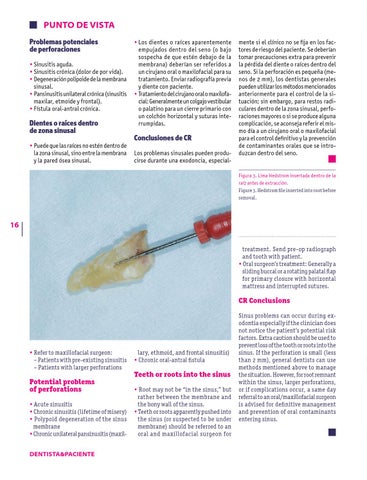
Figura 3. Lima Hedstrom insertada dentro de la raíz antes de extracción. Figure 3. Hedstrom file inserted into root before removal.
16 treatment. Send pre-op radiograph and tooth with patient. • Oral surgeon’s treatment: Generally a sliding buccal or a rotating palatal flap for primary closure with horizontal mattress and interrupted sutures.
CR Conclusions
• Refer to maxillofacial surgeon: – Patients with pre-existing sinusitis – Patients with larger perforations
Potential problems of perforations • Acute sinusitis • Chronic sinusitis (lifetime of misery) • Polypoid degeneration of the sinus membrane • Chronic unilateral pansinusitis (maxilDENTISTA&PACIENTE
lary, ethmoid, and frontal sinusitis) • Chronic oral-antral fistula
Teeth or roots into the sinus • Root may not be “in the sinus,” but rather between the membrane and the bony wall of the sinus. • Teeth or roots apparently pushed into the sinus (or suspected to be under membrane) should be referred to an oral and maxillofacial surgeon for
Sinus problems can occur during exodontia especially if the clinician does not notice the patient’s potential risk factors. Extra caution should be used to prevent loss of the tooth or roots into the sinus. If the perforation is small (less than 2 mm), general dentists can use methods mentioned above to manage the situation. However, for root remnant within the sinus, larger perforations, or if complications occur, a same day referral to an oral/maxillofacial surgeon is advised for definitive management and prevention of oral contaminants entering sinus.