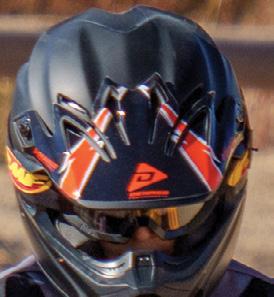
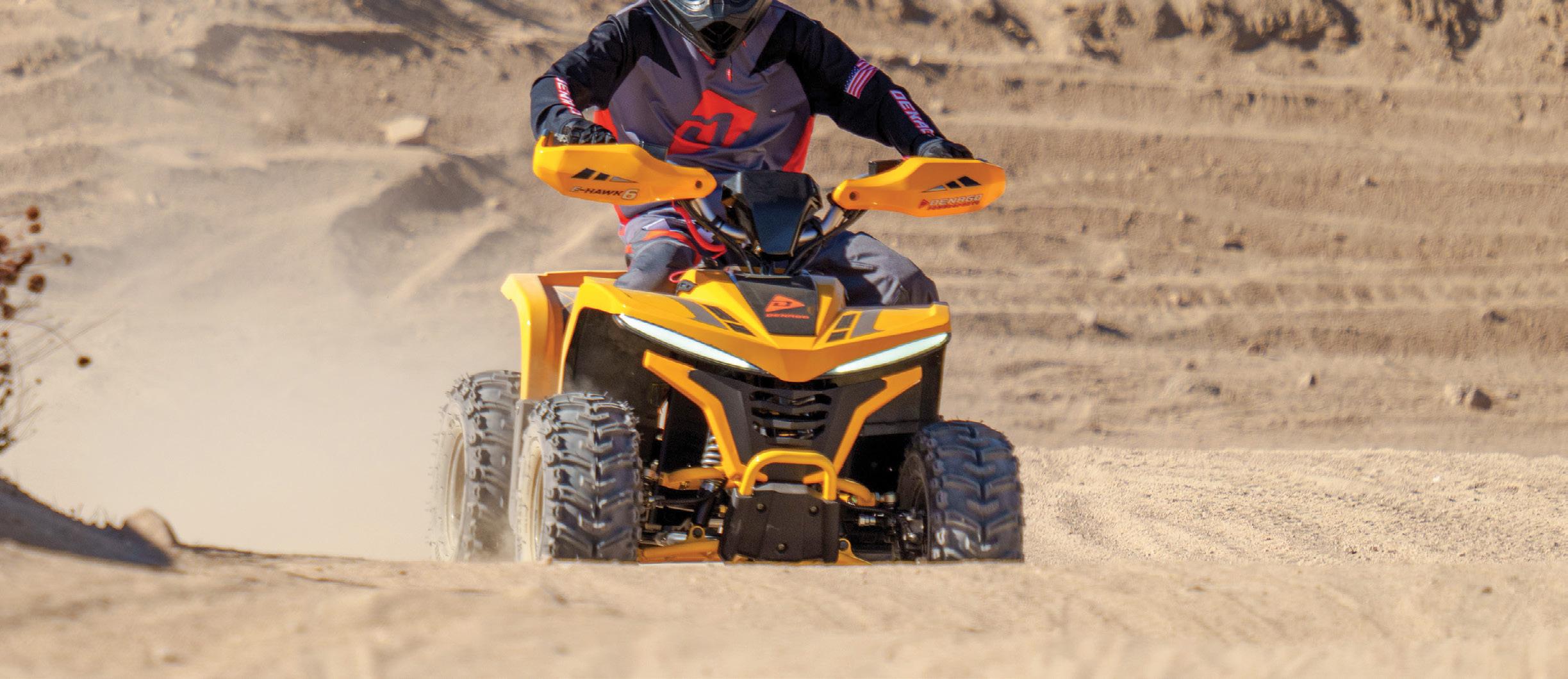
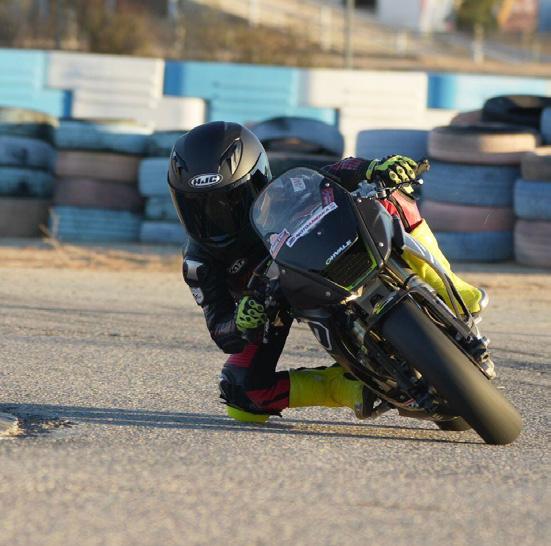
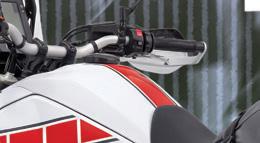
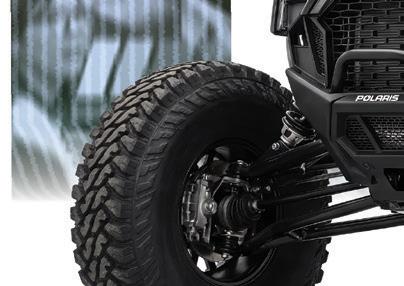
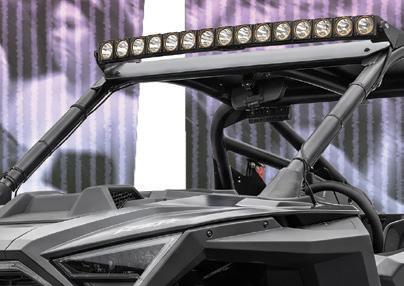
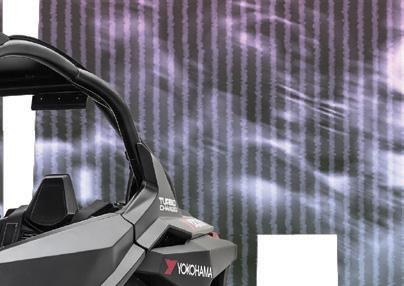
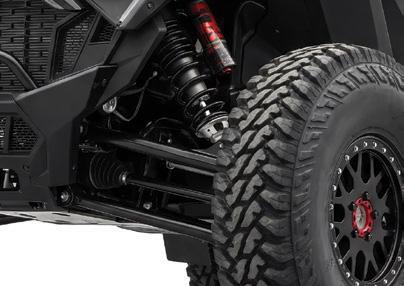
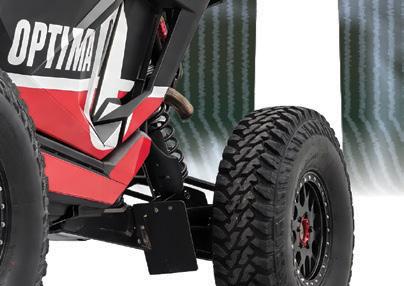
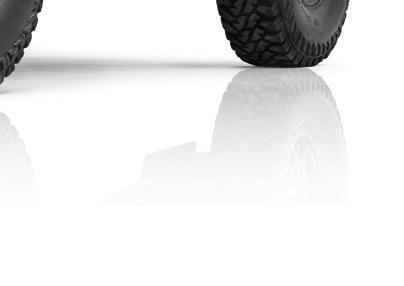
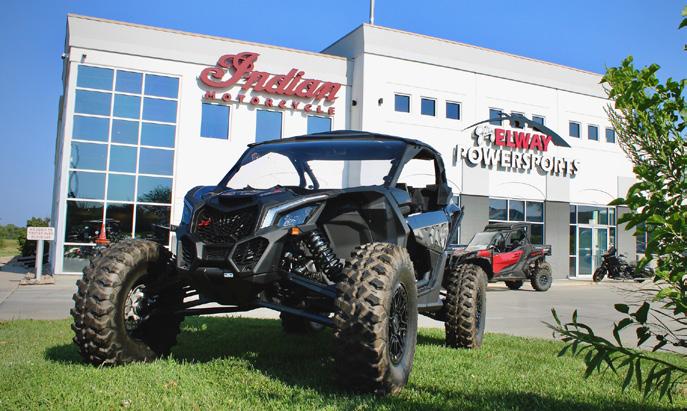
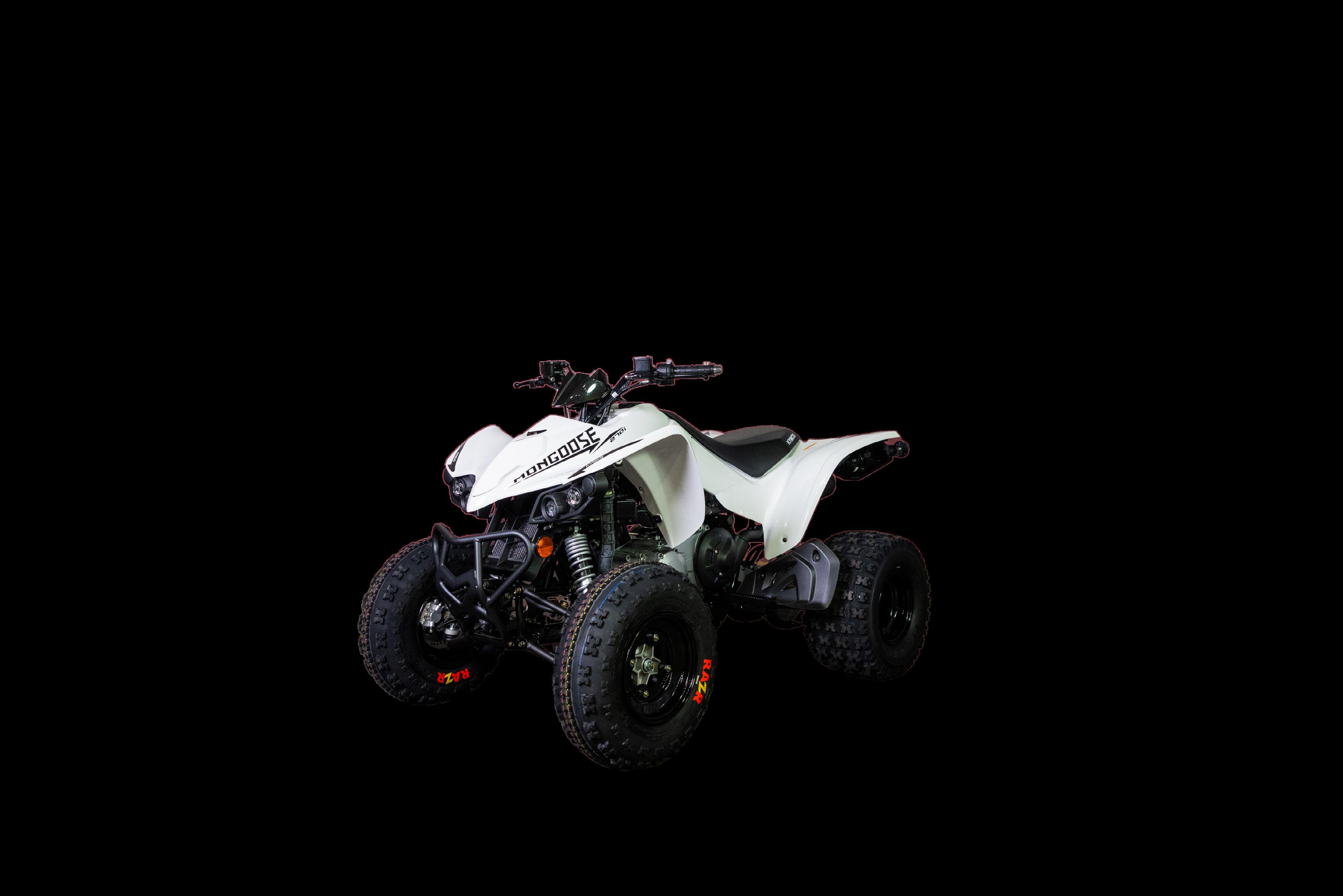
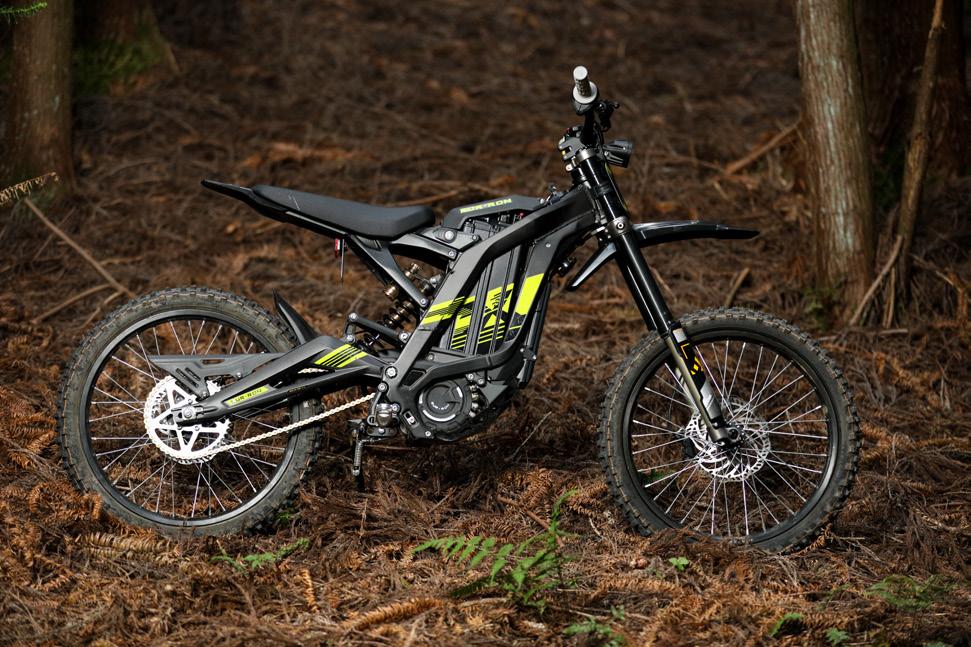
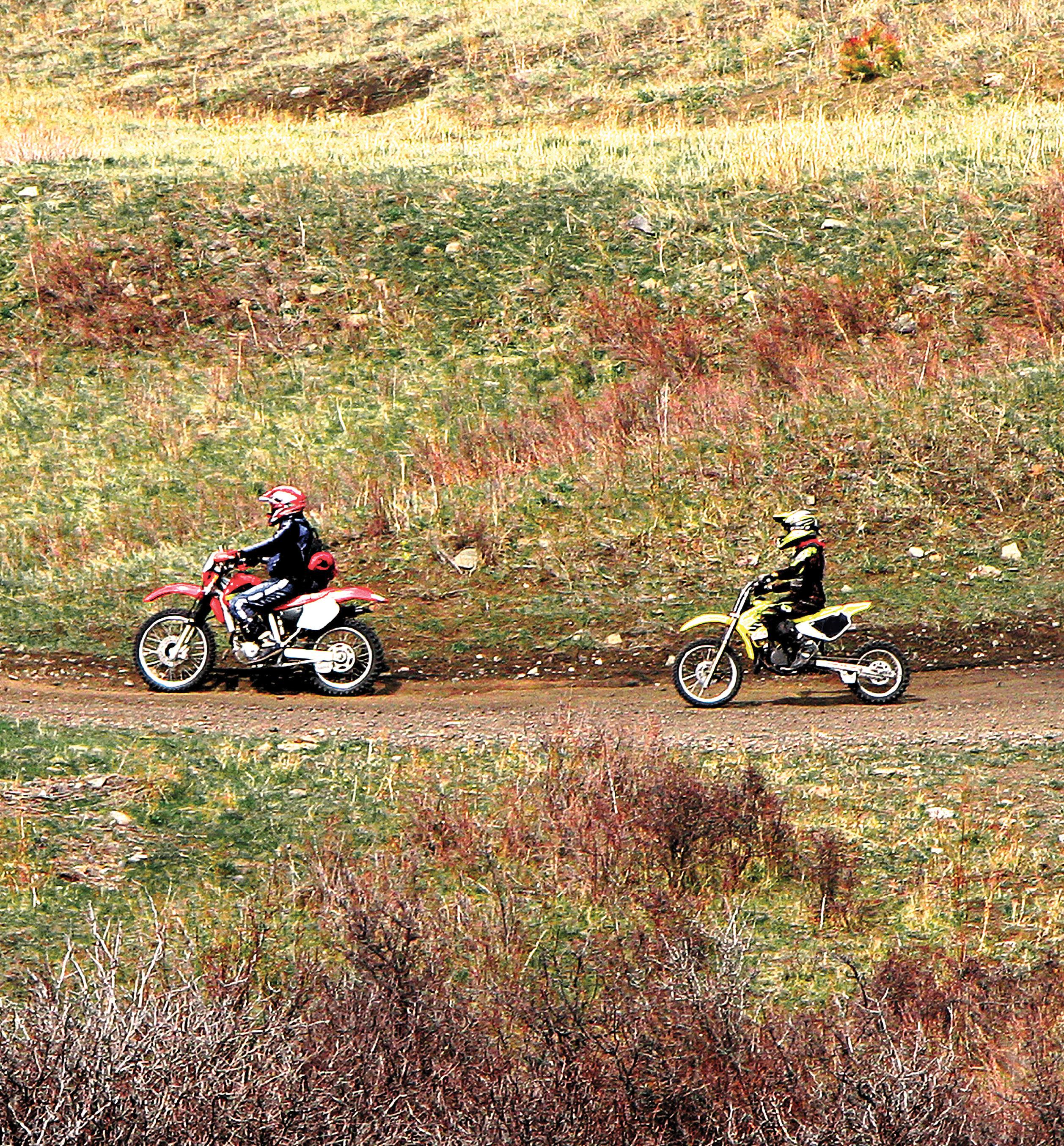
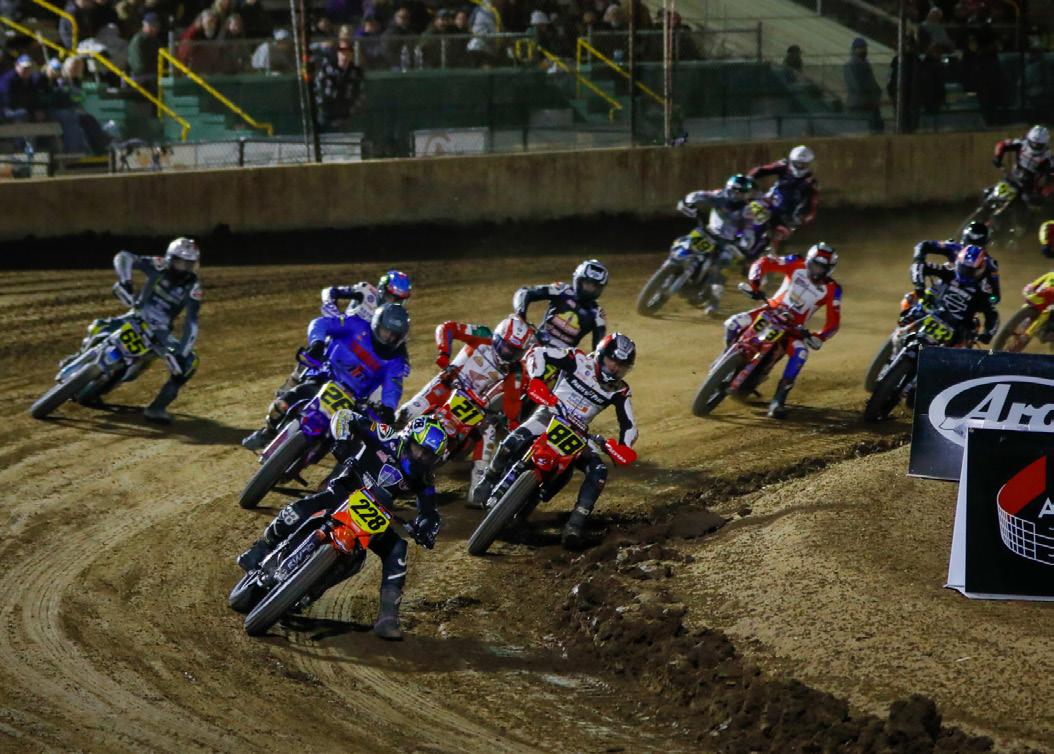
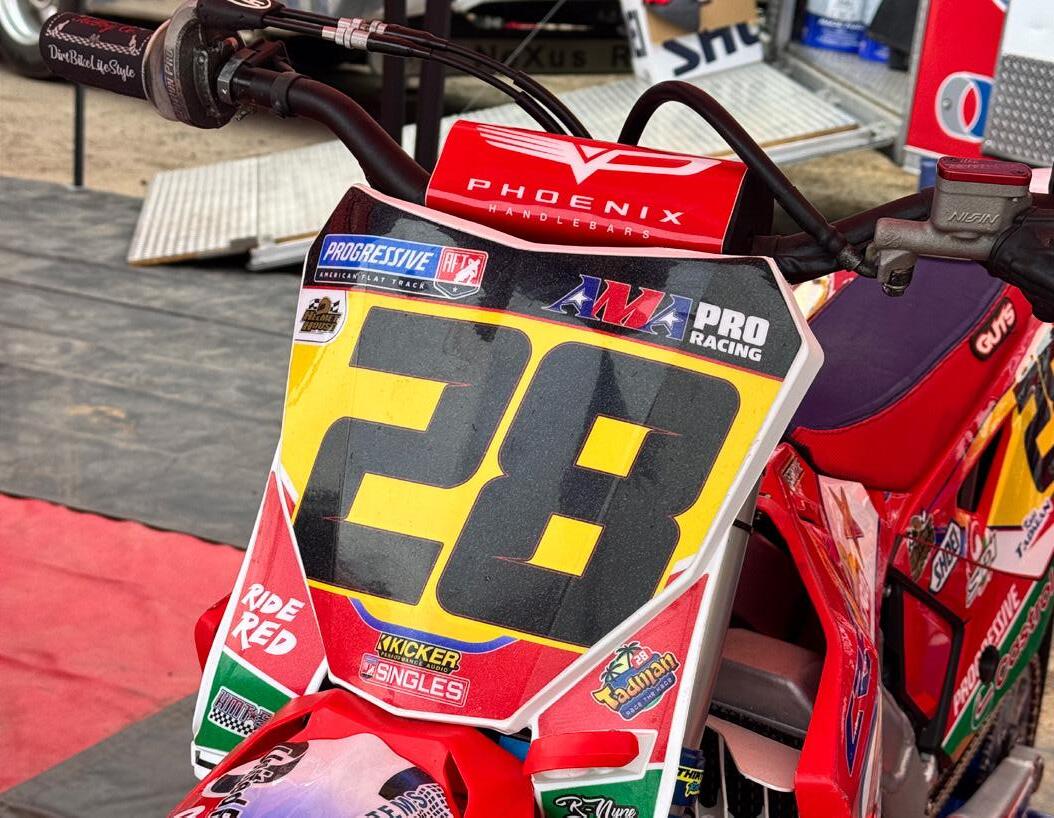
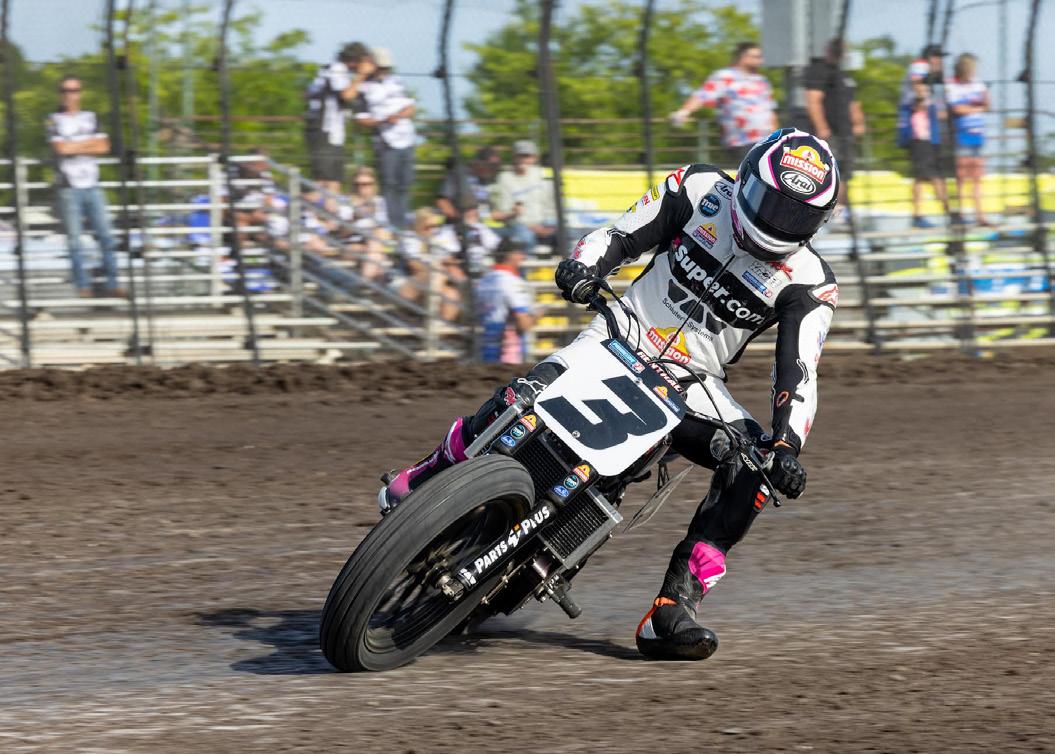
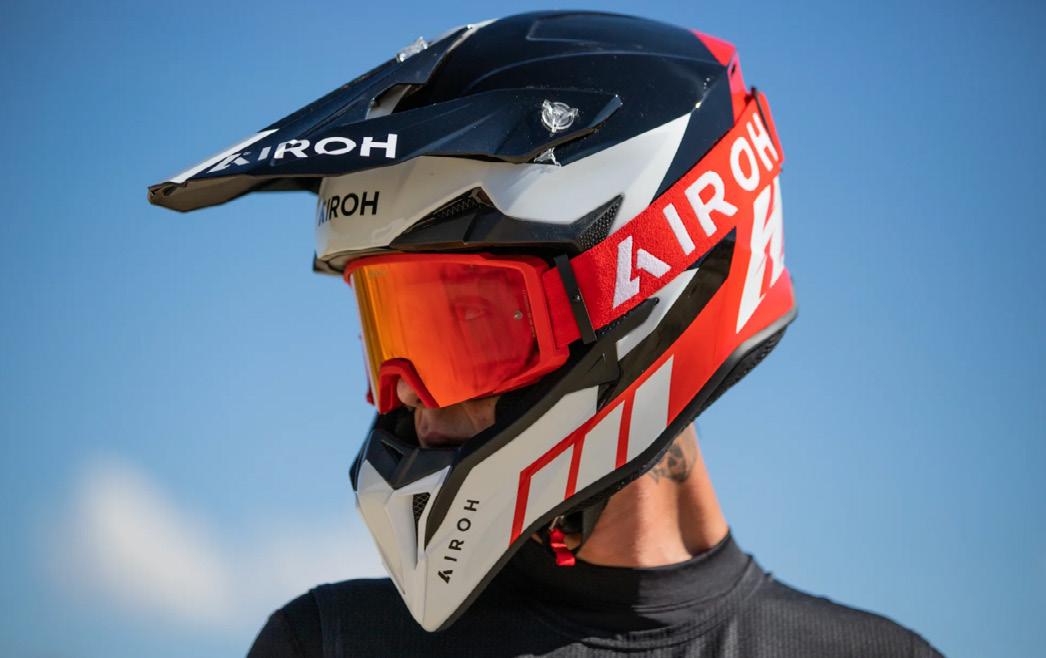
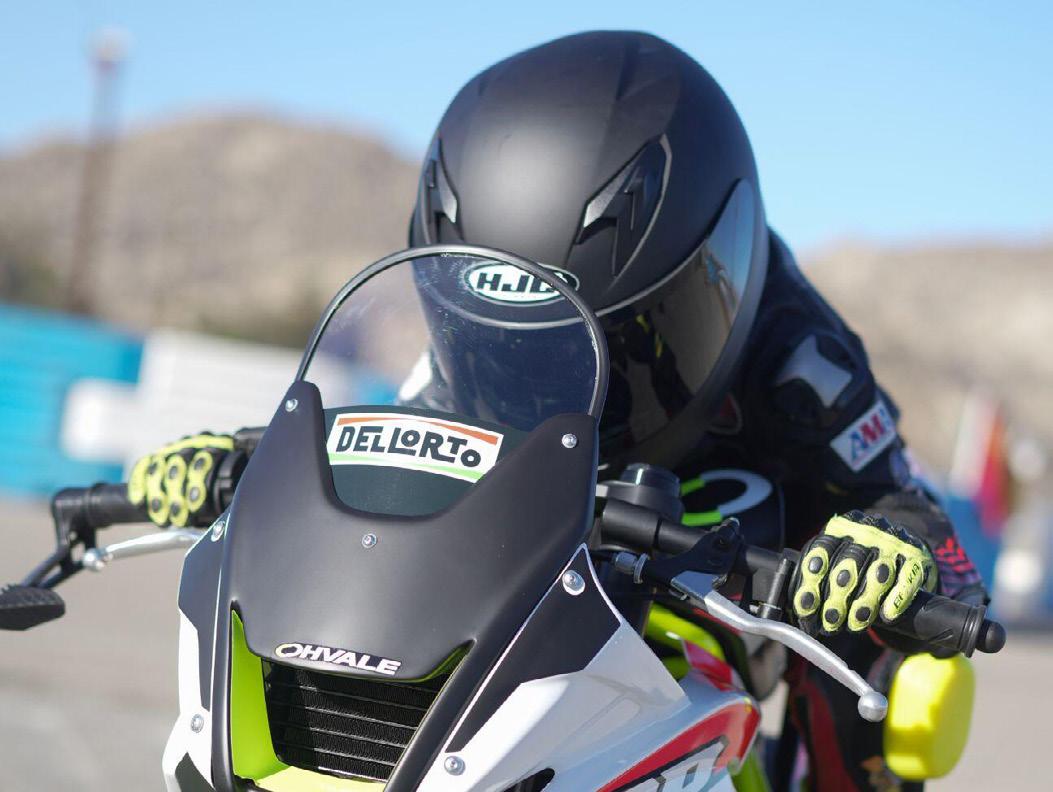
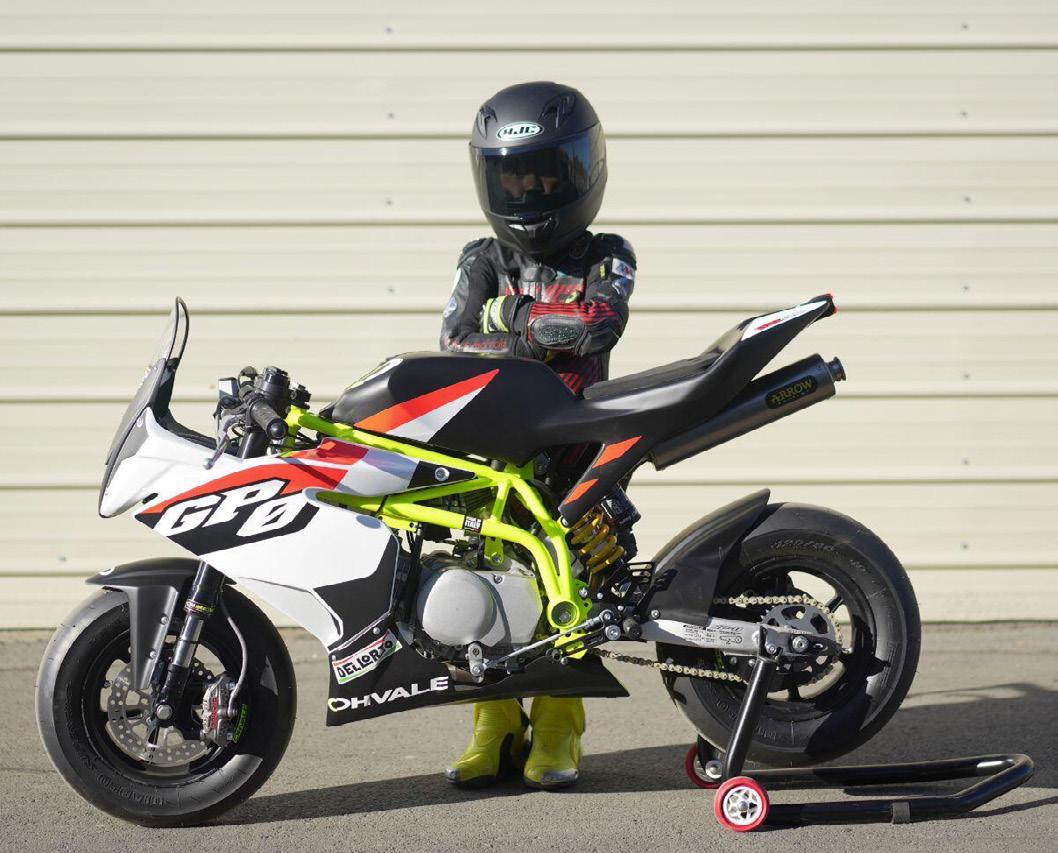
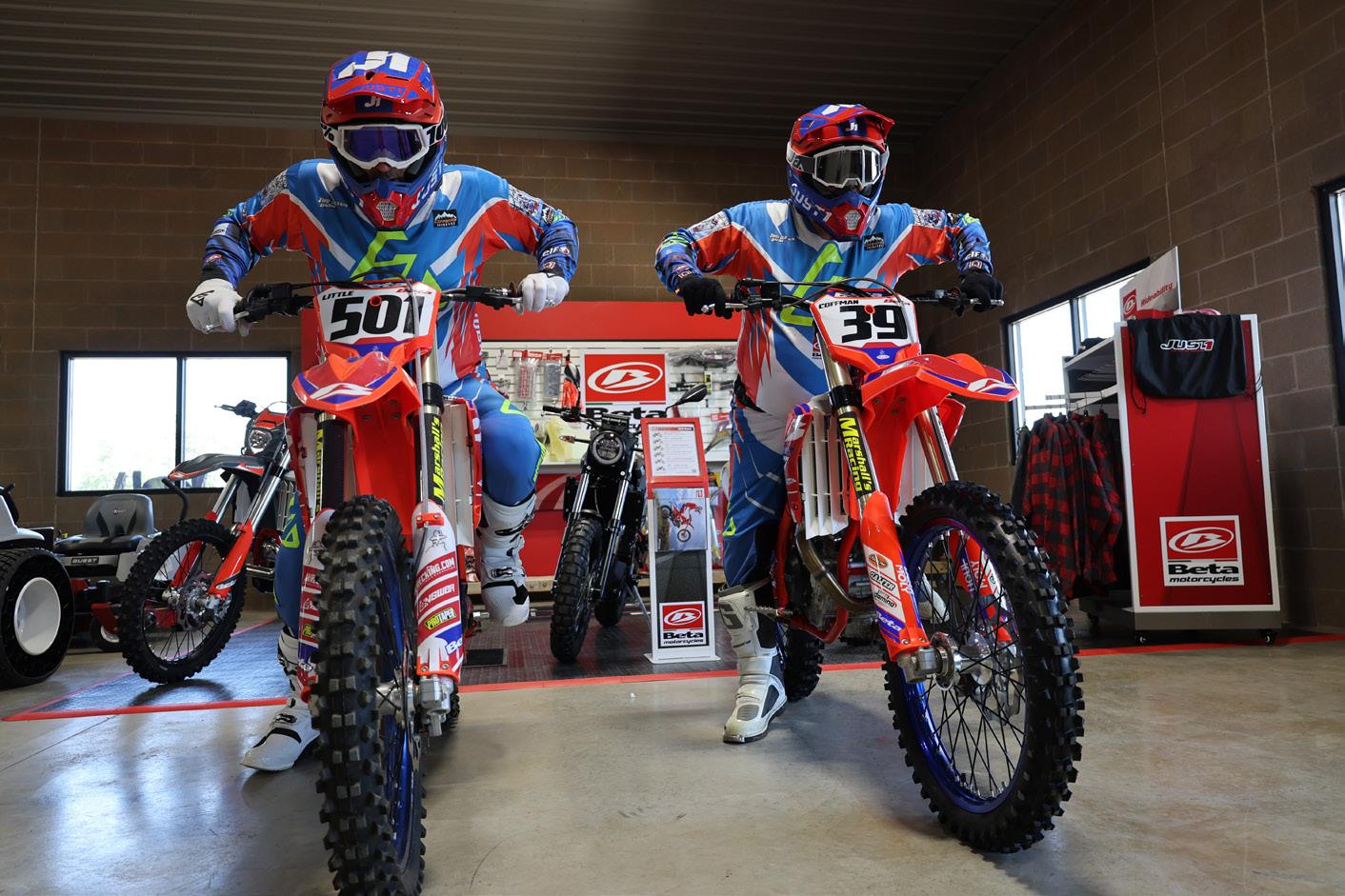
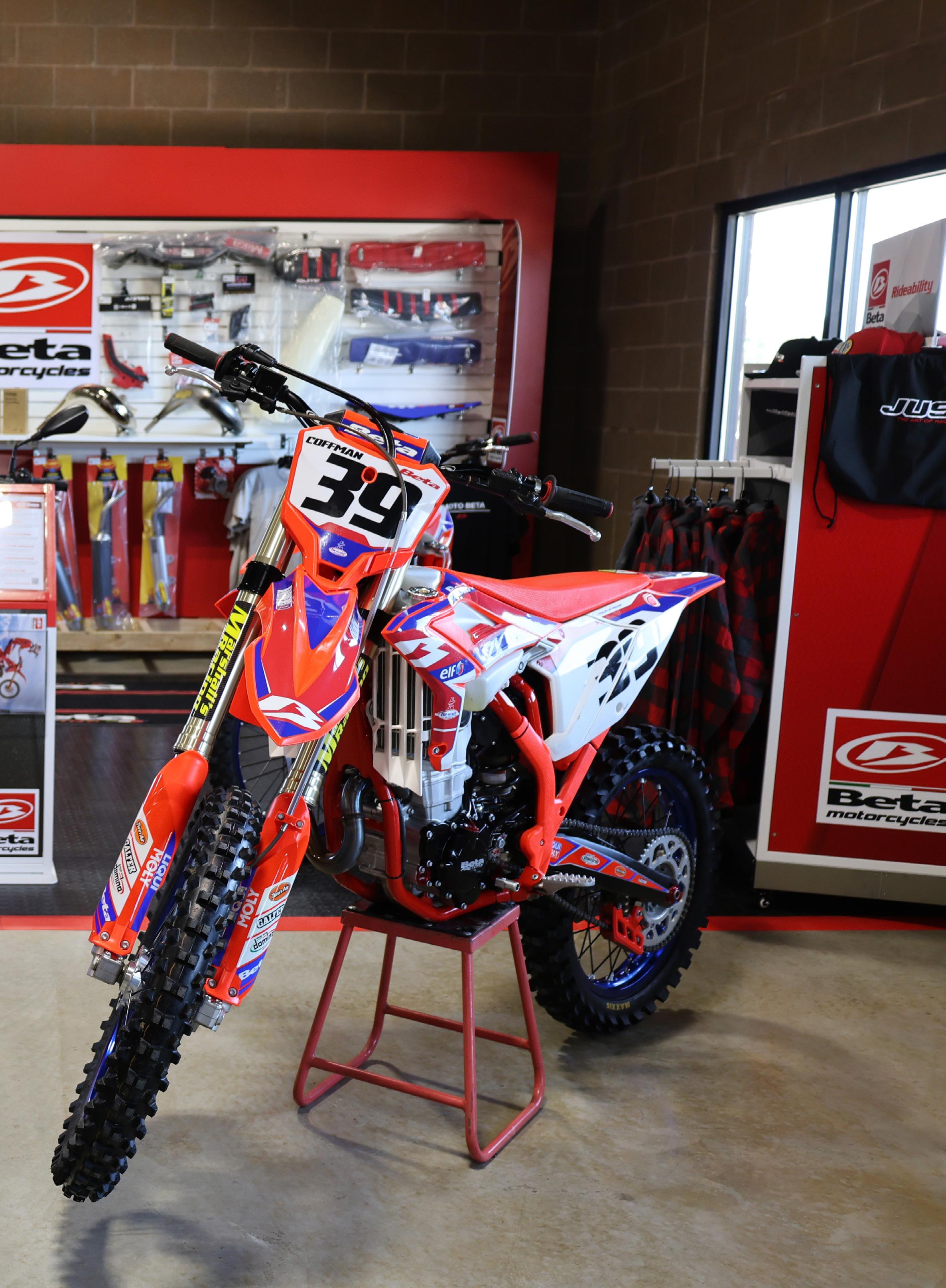
Denago goes electric with the E-Hawk 6, an ideal way to get kids into powersports.
UNLOCK POWERFUL NEW OPPORTUNITIES
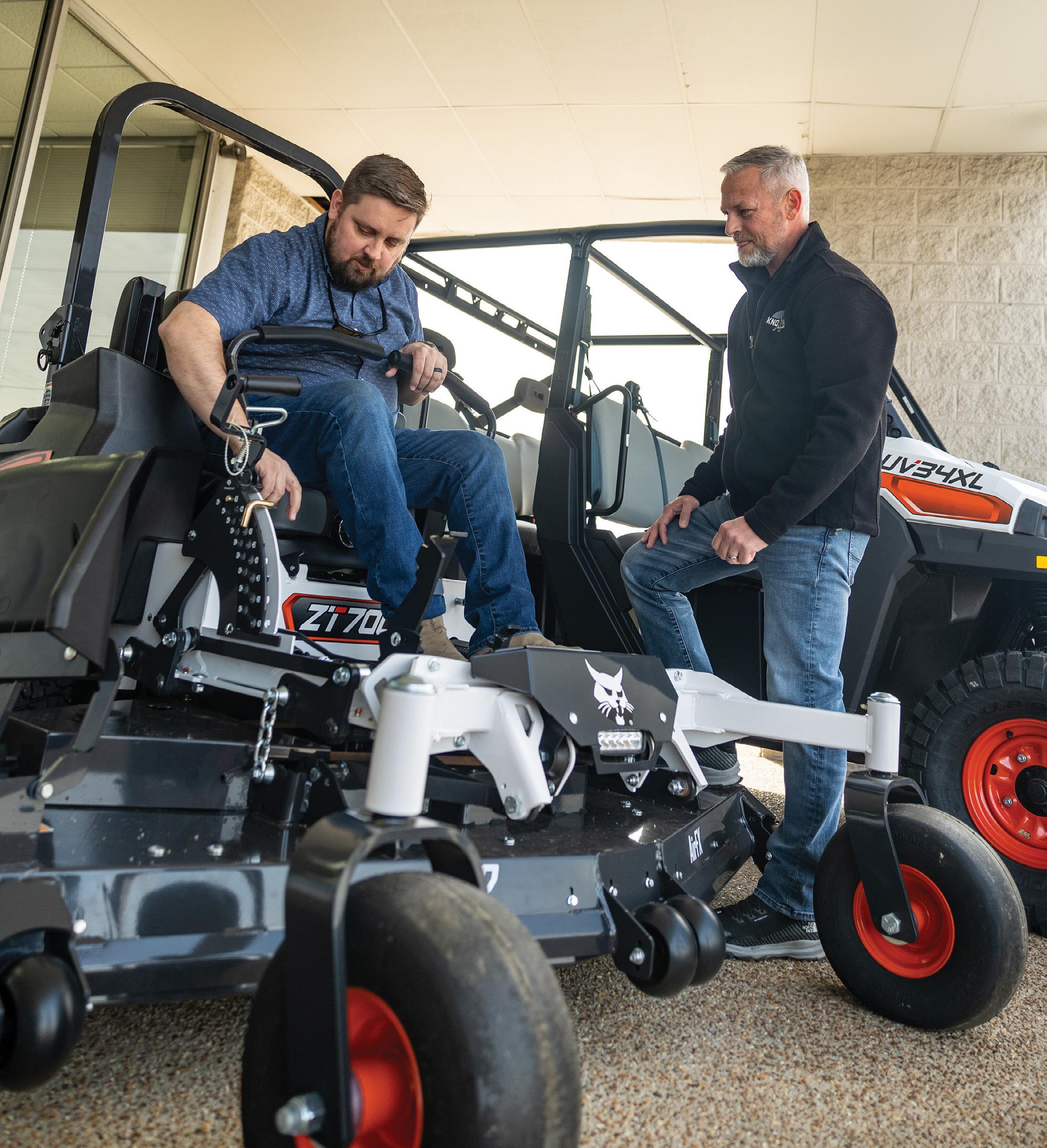
JOIN A LEGACY OF INNOVATION AS A BOBCAT DEALER. With over 60 years of brand recognition, Bobcat offers a proven opportunity for dealer success. Join us in our commitment to innovation and grow your customer base and business profits through our industry-leading lineup of products and services
WORLD’S
OUR TEAM
EDITORIAL
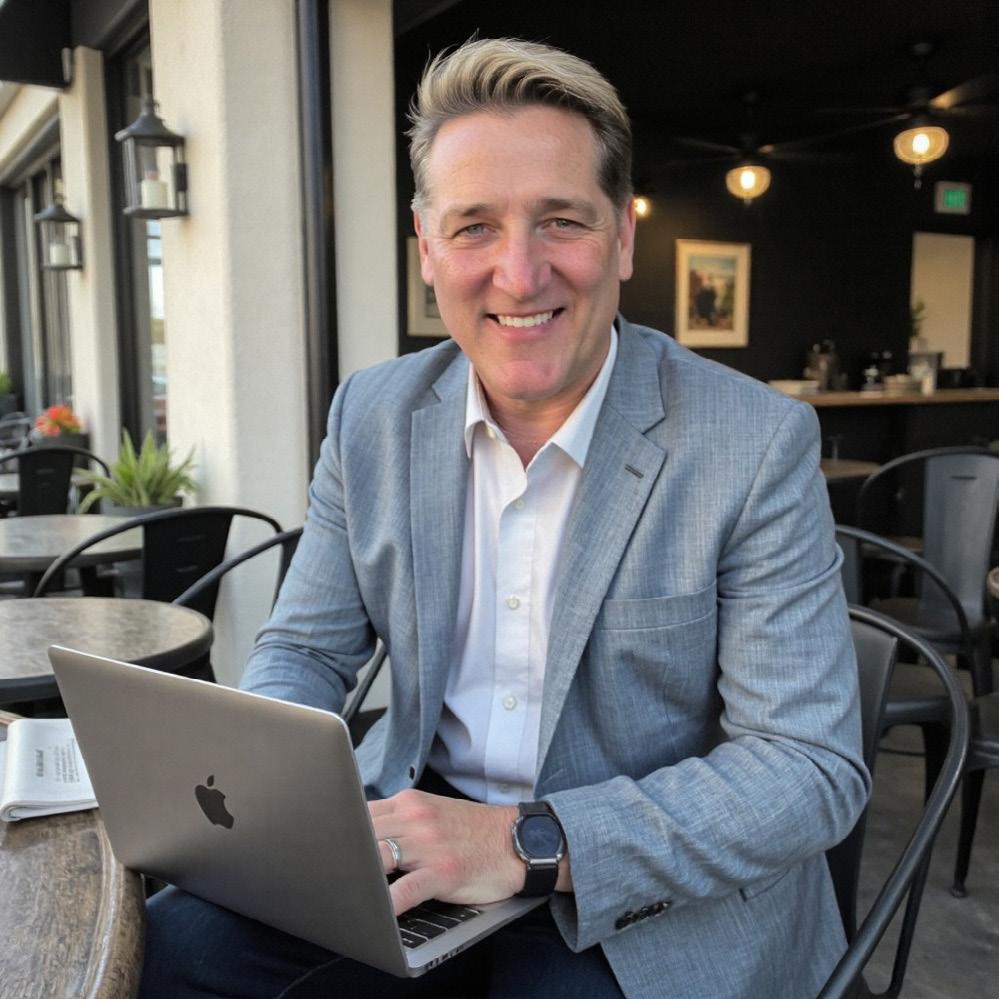
Robin Hartfiel Editor/Publisher
Bob Althoff World’s Luckiest Man
Gus Stewart Creative Director
Brenda Stiehl Production Manager
CONTRIBUTORS
Don Musick Genesys Technology Solutions
Dr. Paul Leinberger
Eric Anderson Vroom Network
David Gatti Ignition XD
Jim Woodruff National Powersport Auctions
Lenny Sims NADA Appraisal Guides
Michael Maledon Elway Powersports Group
Scot Harden AMA Hall Of Fame/Harden Offroad
Alex Baylon Motorcycle Industry Jobs
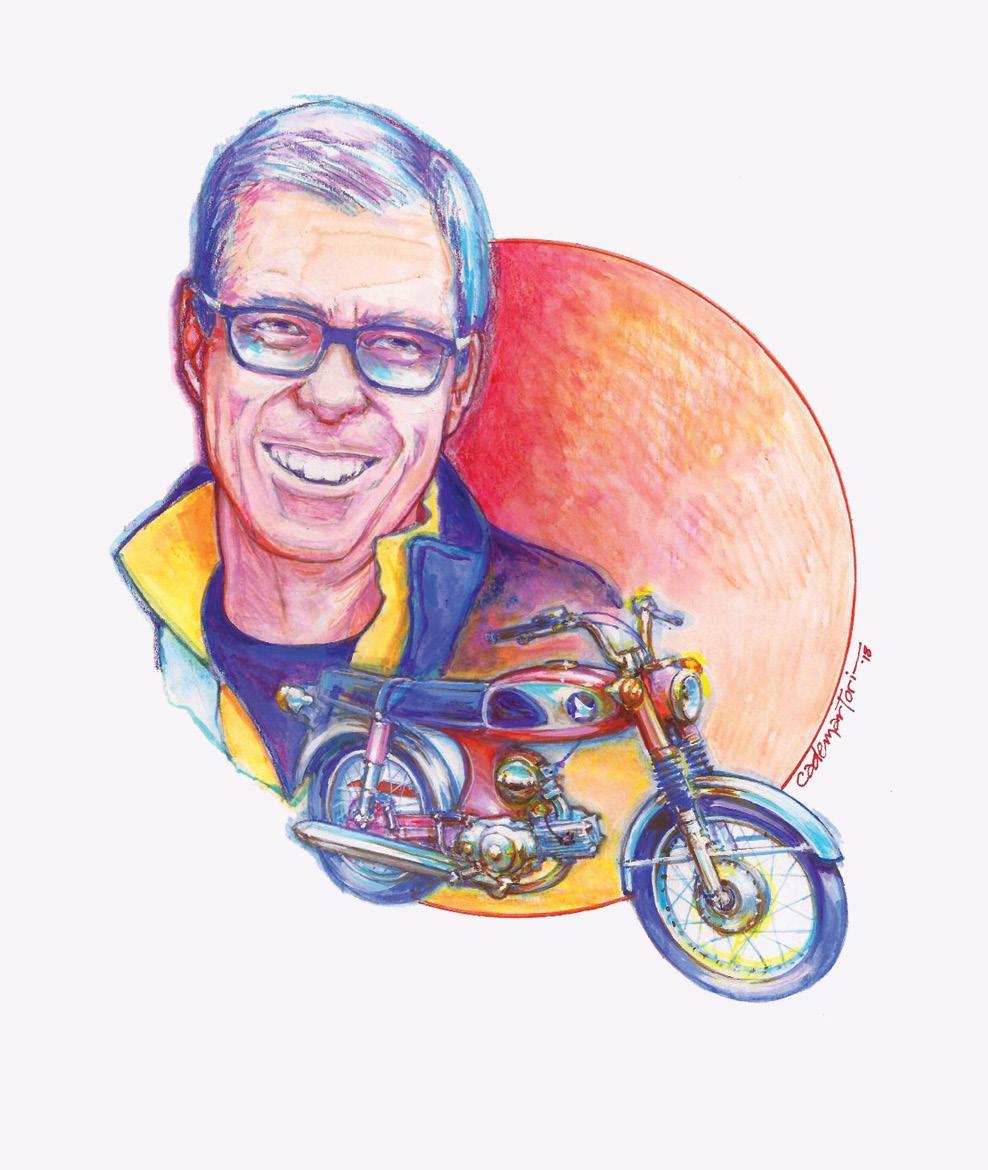
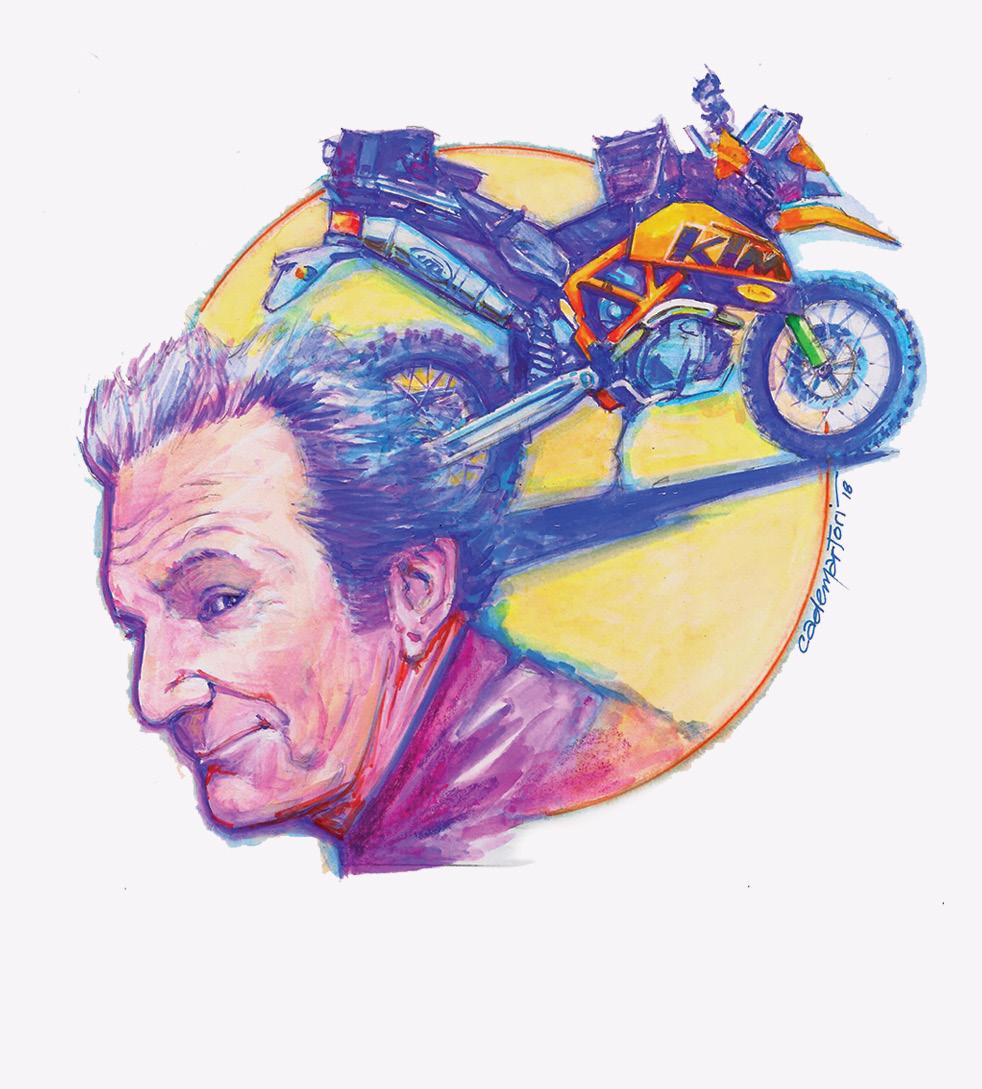
Hector Cademartori Illustrations
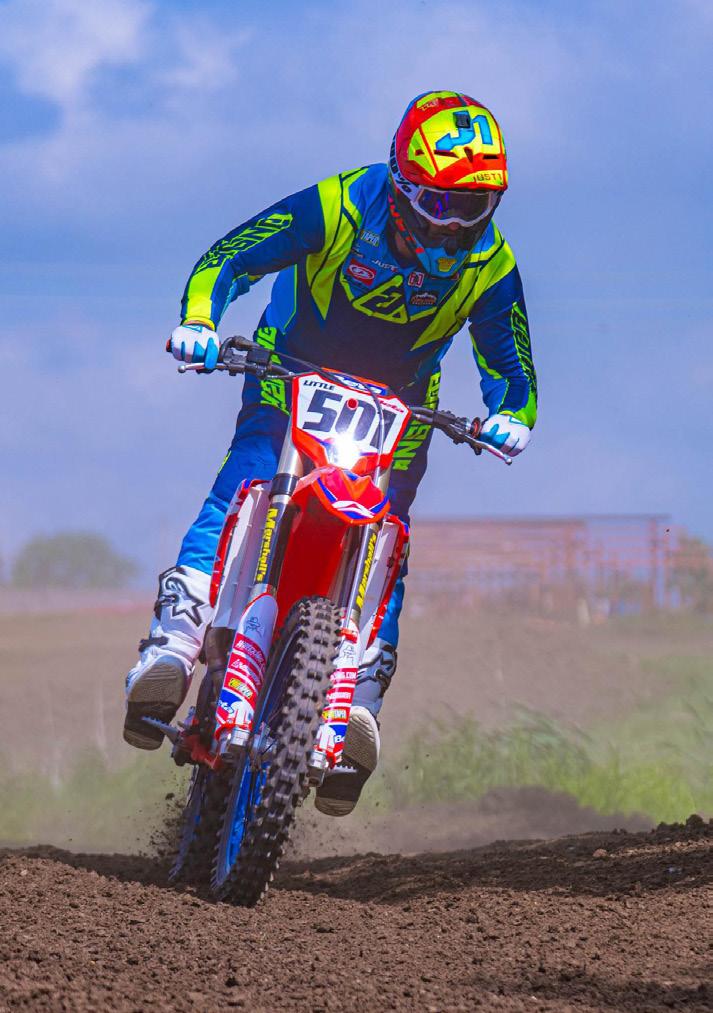
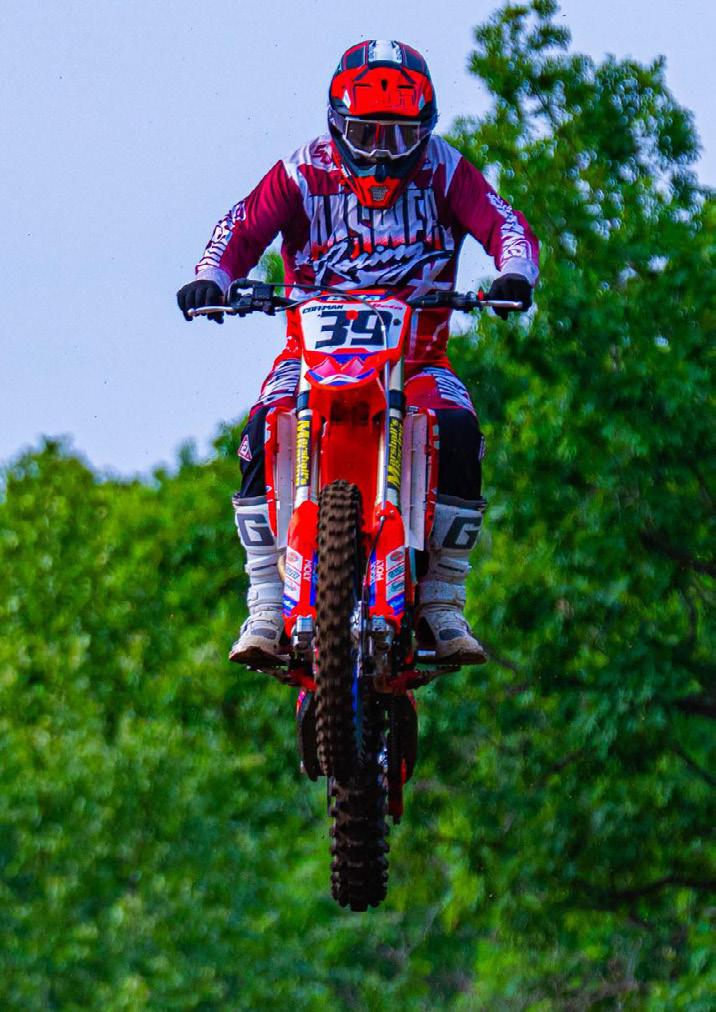
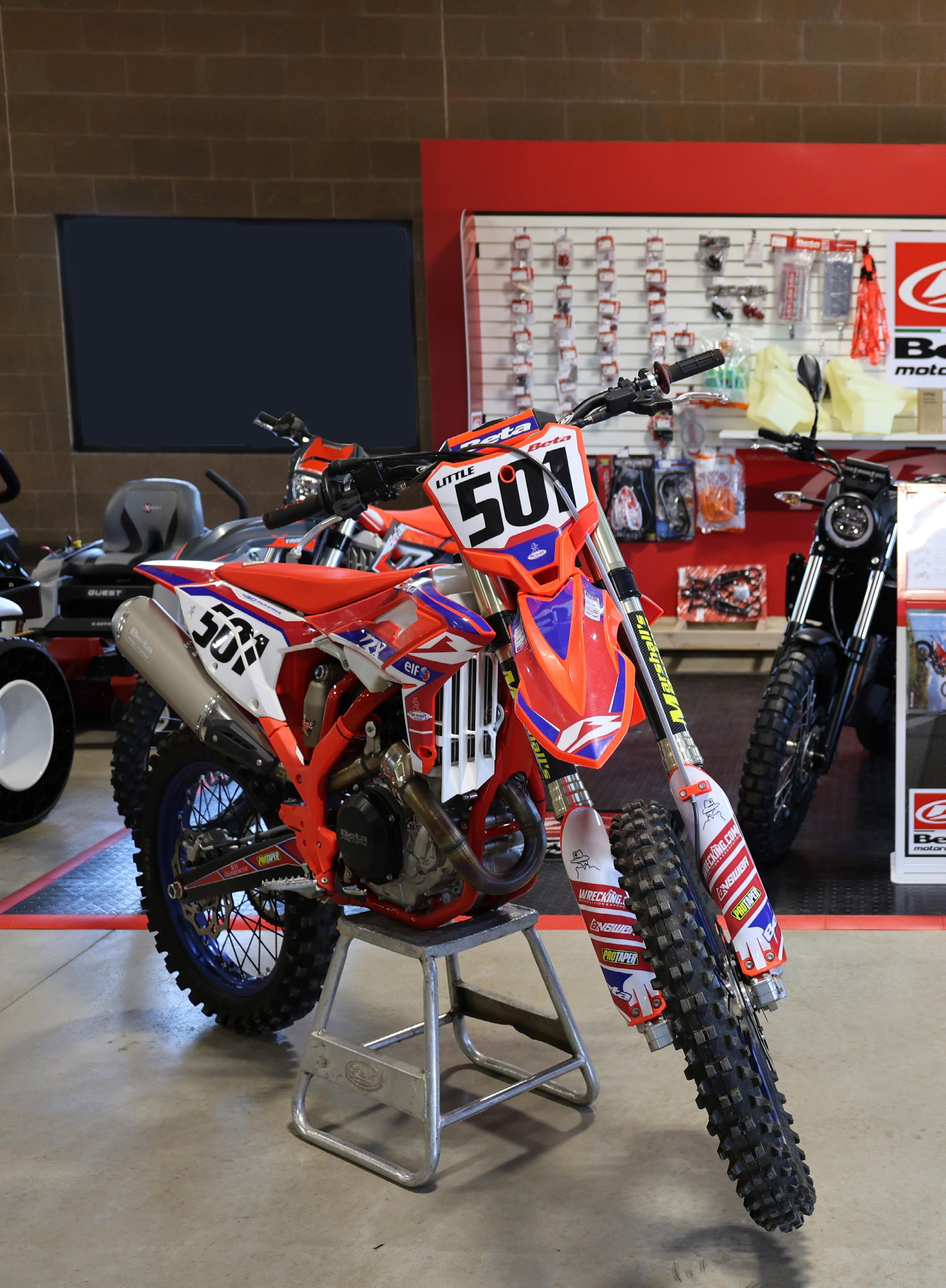
William Douglas Little Two Old Guys Racing
Charlie Williams Off Road Editor
Don Amador Quiet Warrior Racing
Joe Bonnello Joe B Photography
Uncle Paul Wunsch Love Cycles
The Anonymous Dealer
ADVERTISING
Robin Hartfiel Publisher (949) 489-4306 robinhartfiel@gmail.com
Blake Foulds Account
Brenda
John
World’s Luckiest Man
By Bob Althoff
WHY WE RIDE
Reflections from a lifetime in the saddle bring more questions. Why do we ride? What did all these miles really mean?
As the miles receded and the seat time fades, you ask yourself a simple question: When did the ride matter most?
Was it alone that first time? When the world was new, and so was every road. Was it in Ohio? Or Arizona? Maybe it was Malaysia… Or better yet, Bali?
Was it with her? When a reassuring pat on the back said “it’s OK.” Make that more than OK!
Was it with friends, old and new? Was it starting in the parking lot at the dealership when we rode to make the miles matter for a sick kid… Or a fallen hero.
Regardless of the reason, location, solo or group, we rode.
We didn’t use GPS to know where we were. We rode to get lost. Lost in a million moments, when nothing mattered. Nothing except the hum of the road; the sun or rain in your face. And the pure joy of being out there.
It wasn’t the first. Or the last. The fastest lap time or the time lost to traffic… or all the times the heat and thirst made you wonder why we ride?
Not every ride was great… but even a tough day on a bike is always great! Miles too countless to recall. Long days and weeks in the saddle. Or just a ride around the block. The sunrises; the sunsets — too magical to describe. The storms; the breakdowns? Yes those too are part of the ride.
In the end, what matters is that we found a reason to ride…
And that matters most of all.
Editor’s Note
By Robin Hartfiel
WHY I RIDE
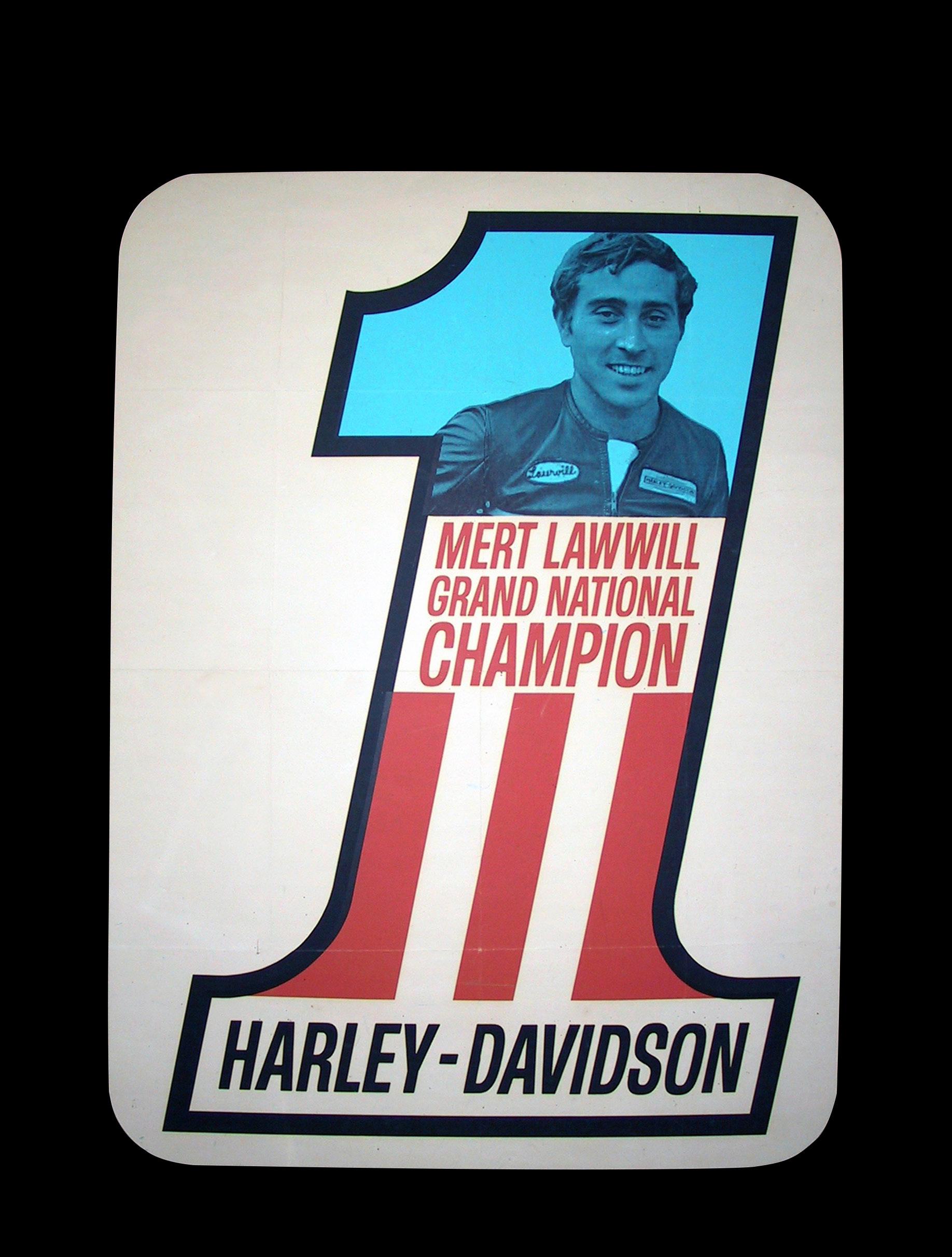
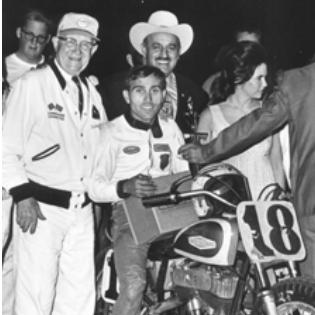
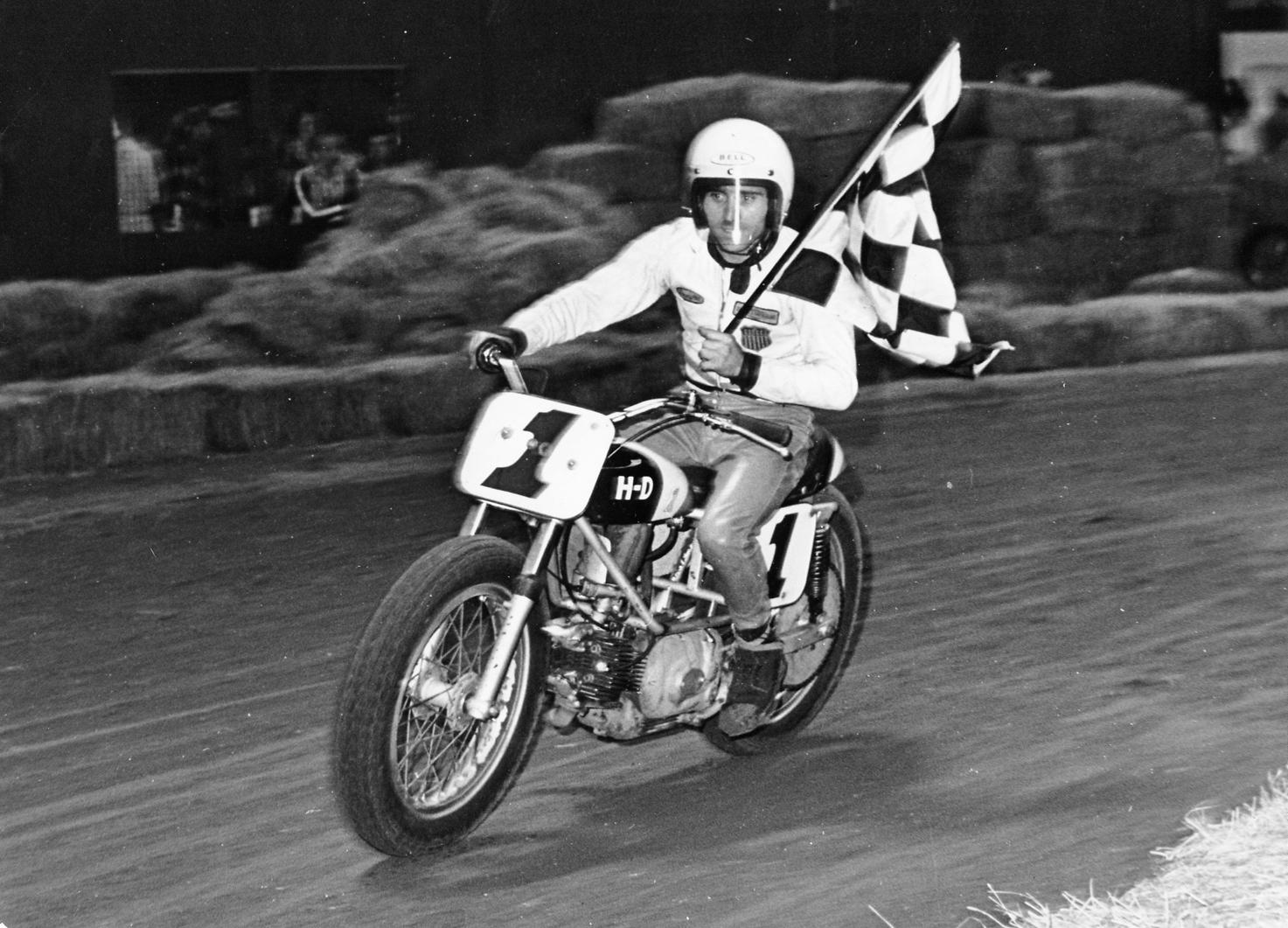
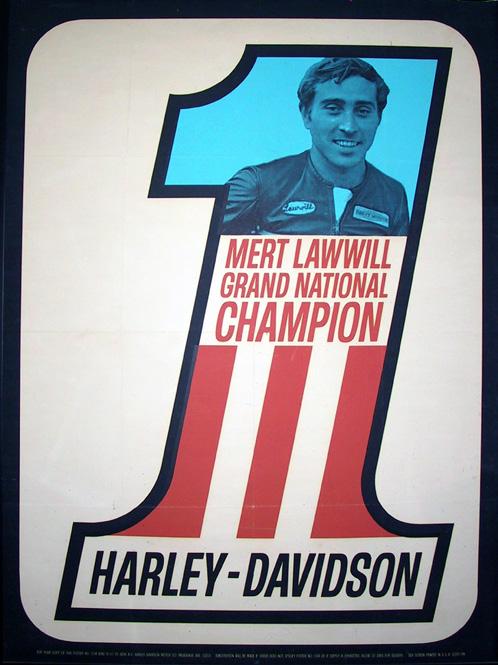
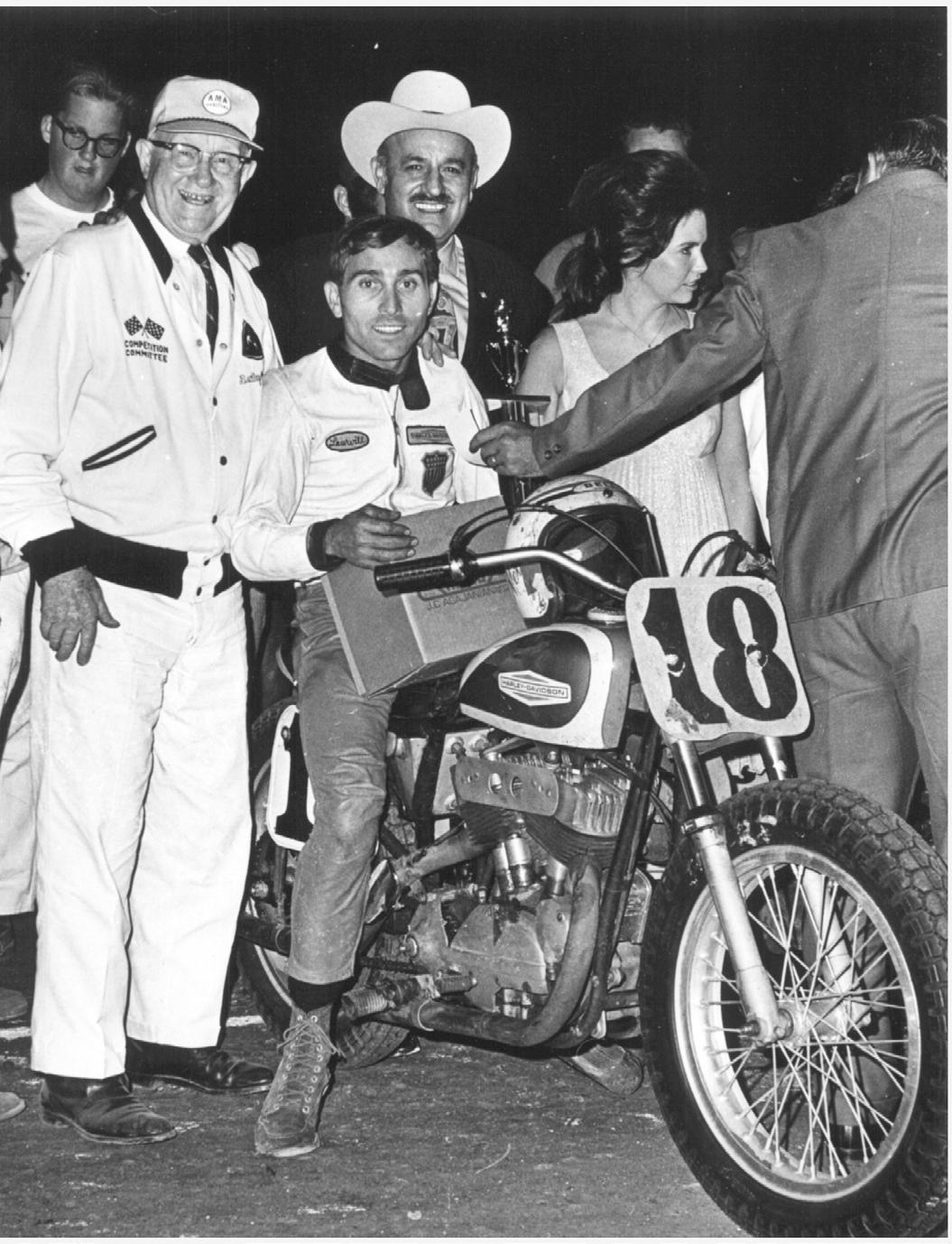
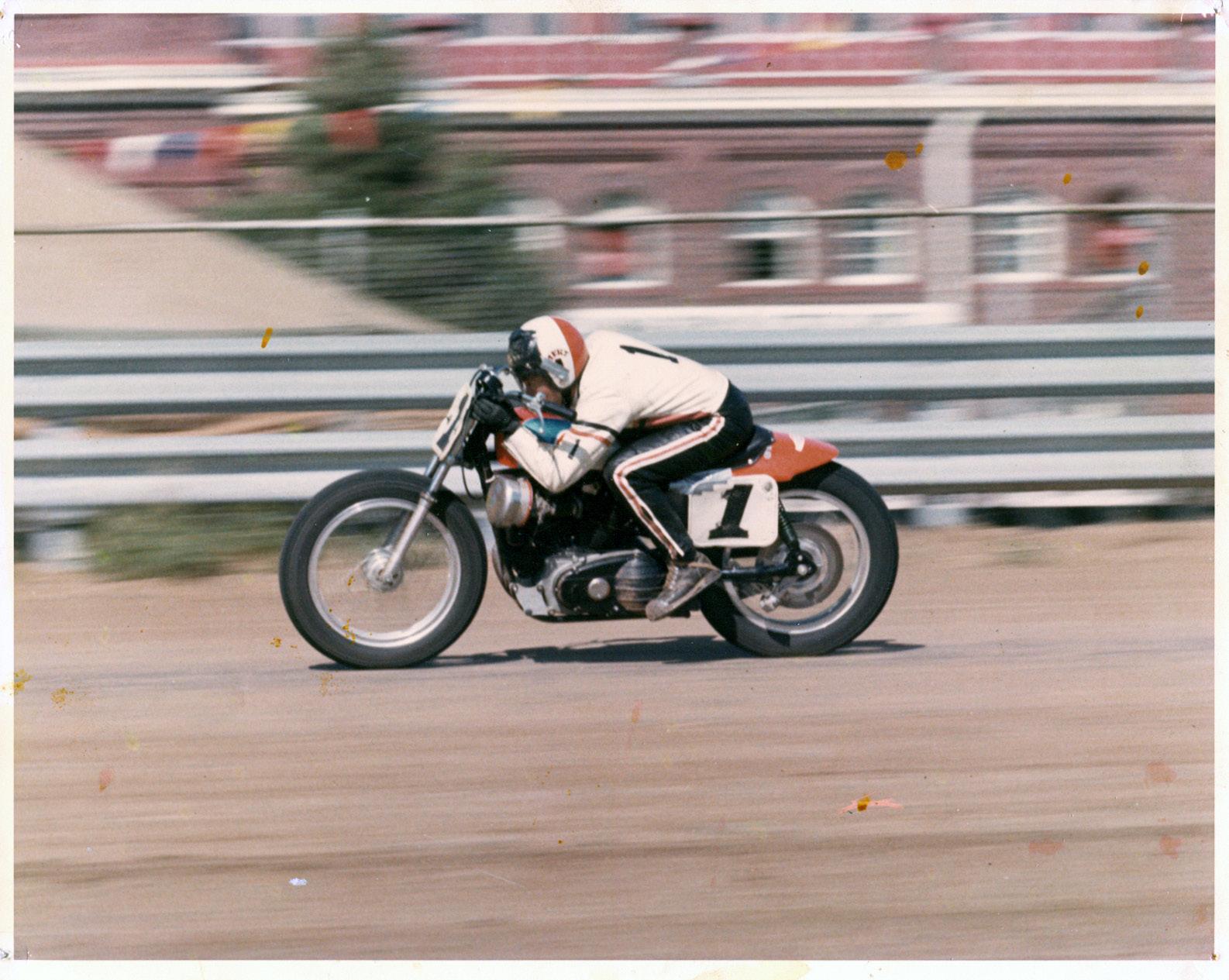
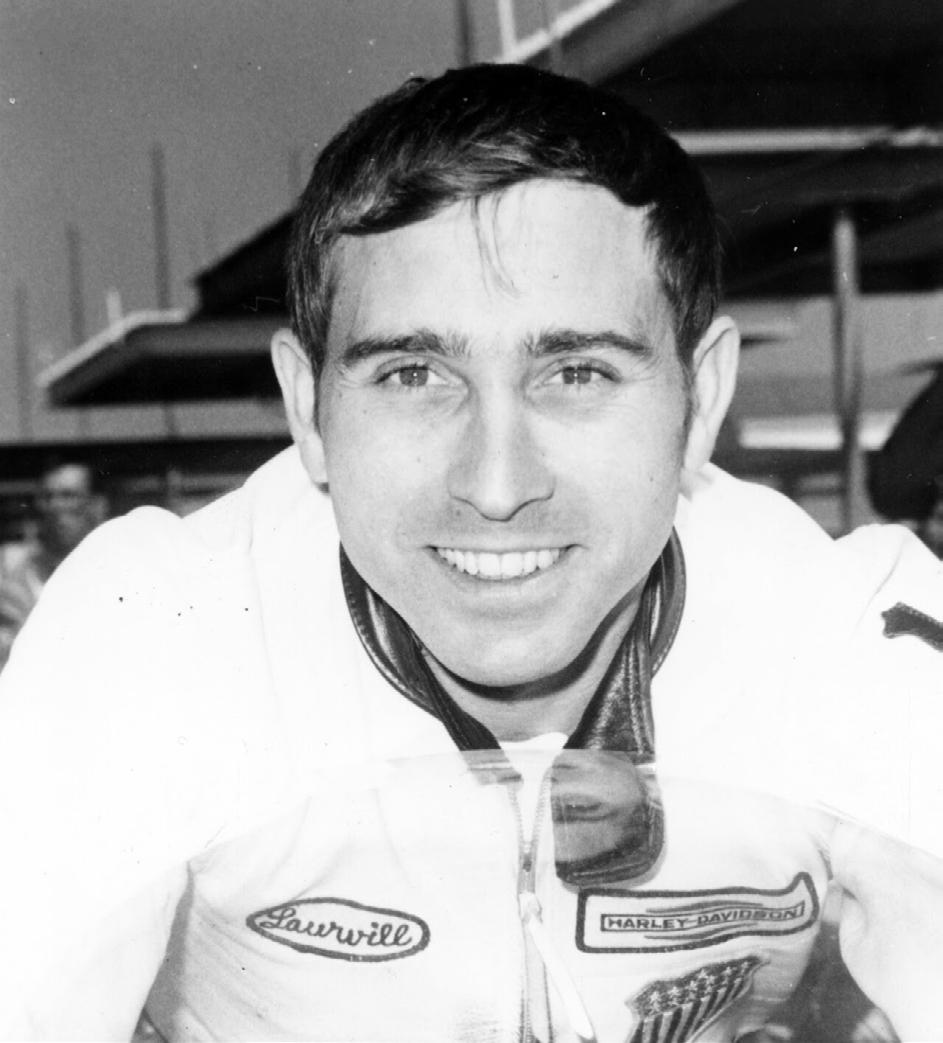
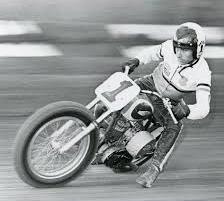
Agroup of businessmen during the rush hour. The young man with the garment bag over his shoulder is Mert Lawwill, 29 years old, 5’6” 143 pounds. He is not a banker or an accountant or a salesman… but he is a professional man like the rest. His profession: Motorcycle Racer. Mert makes his living in one of the most dangerous sports in which man participates. His skill on the race track has earned him the right to carry the American Motorcyclists Association #1 professional plate. He won it by competing in a series of 27 National Championship Races, scoring the highest number of points during the season…
And with that, Mert roared onto the big screen. The hook was set… I didn’t want to be a businessman, a banker or an accountant, I wanted to be Mert Lawwill! I hid in the bathroom of the Fallbrook Theater for the second showing and never looked back. Somehow, some way I was going to be involved in the motorcycle industry.
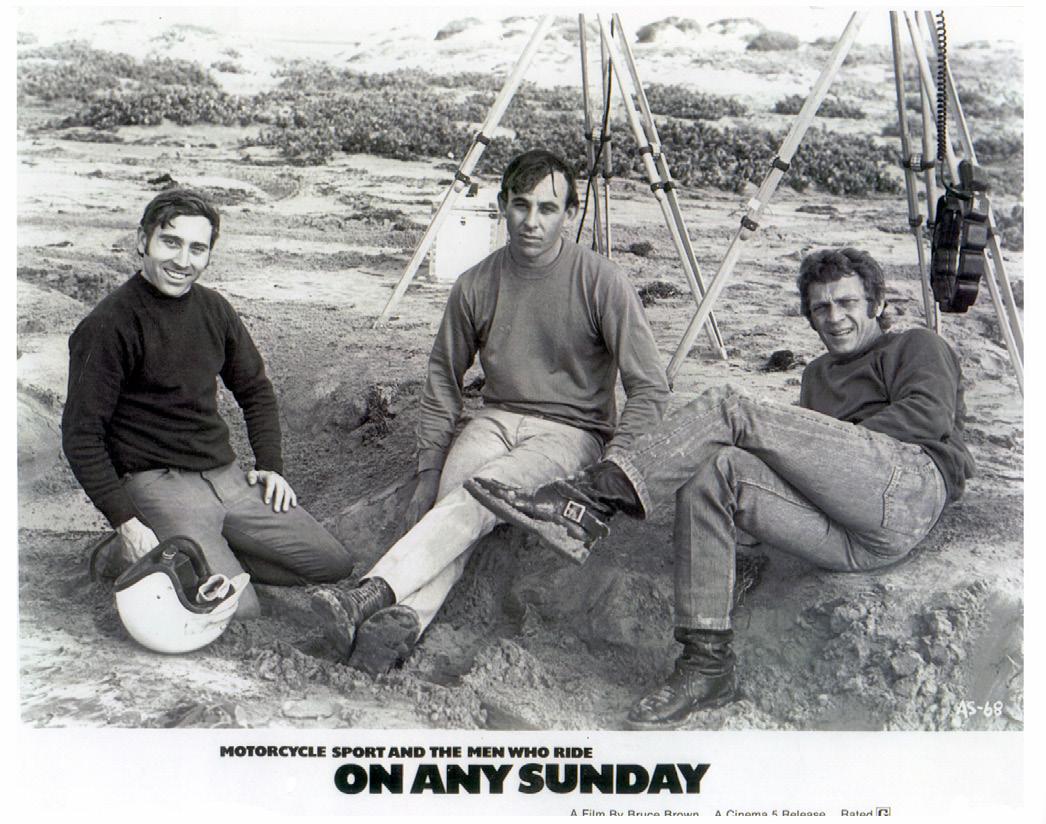
In speaking to my dealer friends of a certain age, Bruce Brown’s epic storytelling combined with Mert, Malcolm Smith and Steve McQueen’s portrayal of motorcycling in On Any Sunday hit them the same way. They rode, raced and ultimately became professionals… Their profession: Motorcycle Dealer.
Bob Althoff posits his reasons for riding and why he switched from being a business professional to become a Dealer. We have the greatest community, the most fun, and of course, the best stories.
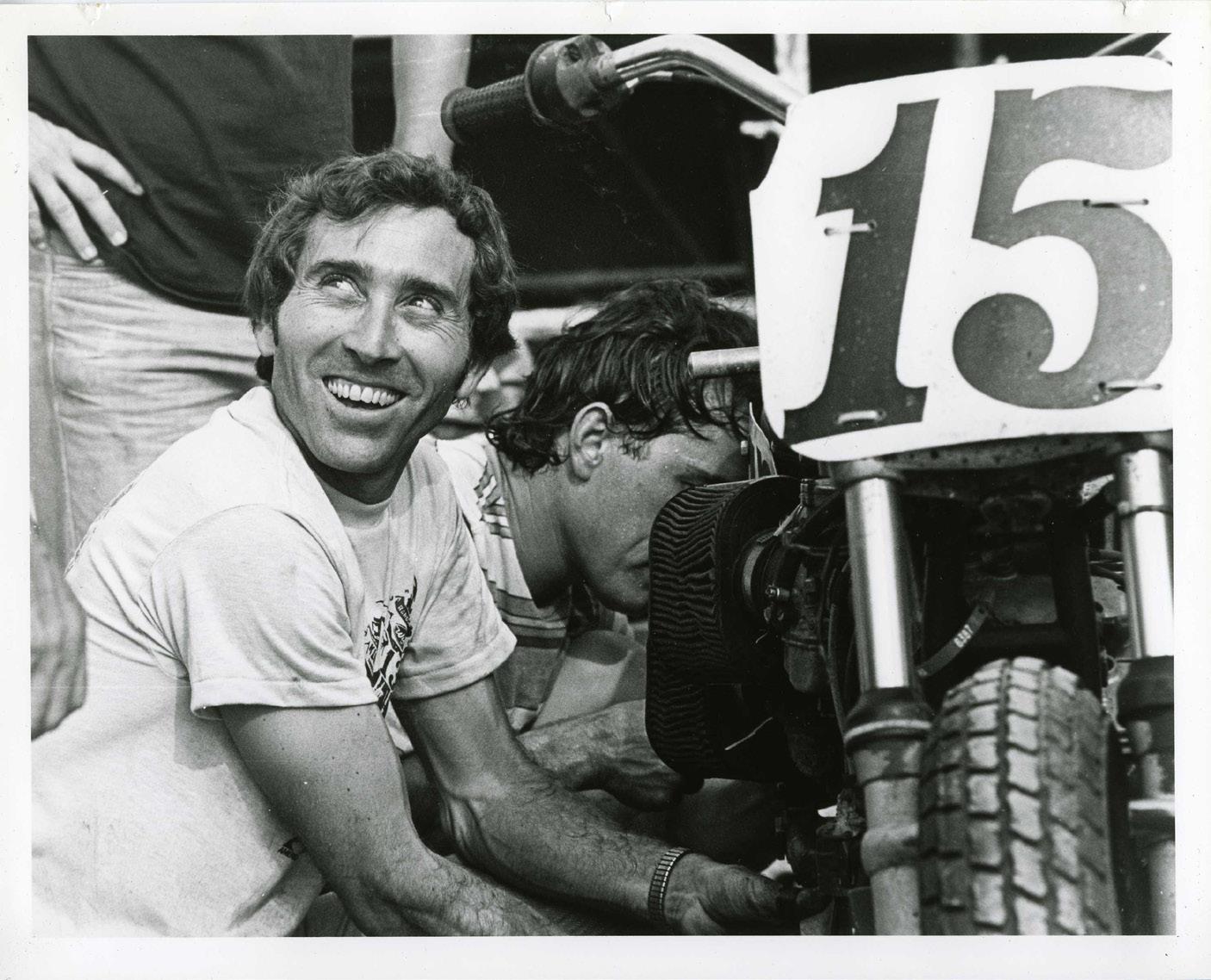
Unfortunately, an acute lack of talent made it abundantly clear that I would never be a professional racer despite my delusions of adequacy on two wheels. Nor could I hope to hold a candle to Bruce Brown’s storytelling. But if I spent the late nights honing my craft like Mert tinkering in his Tiburon garage, there was a way I could be part of the powersports business.
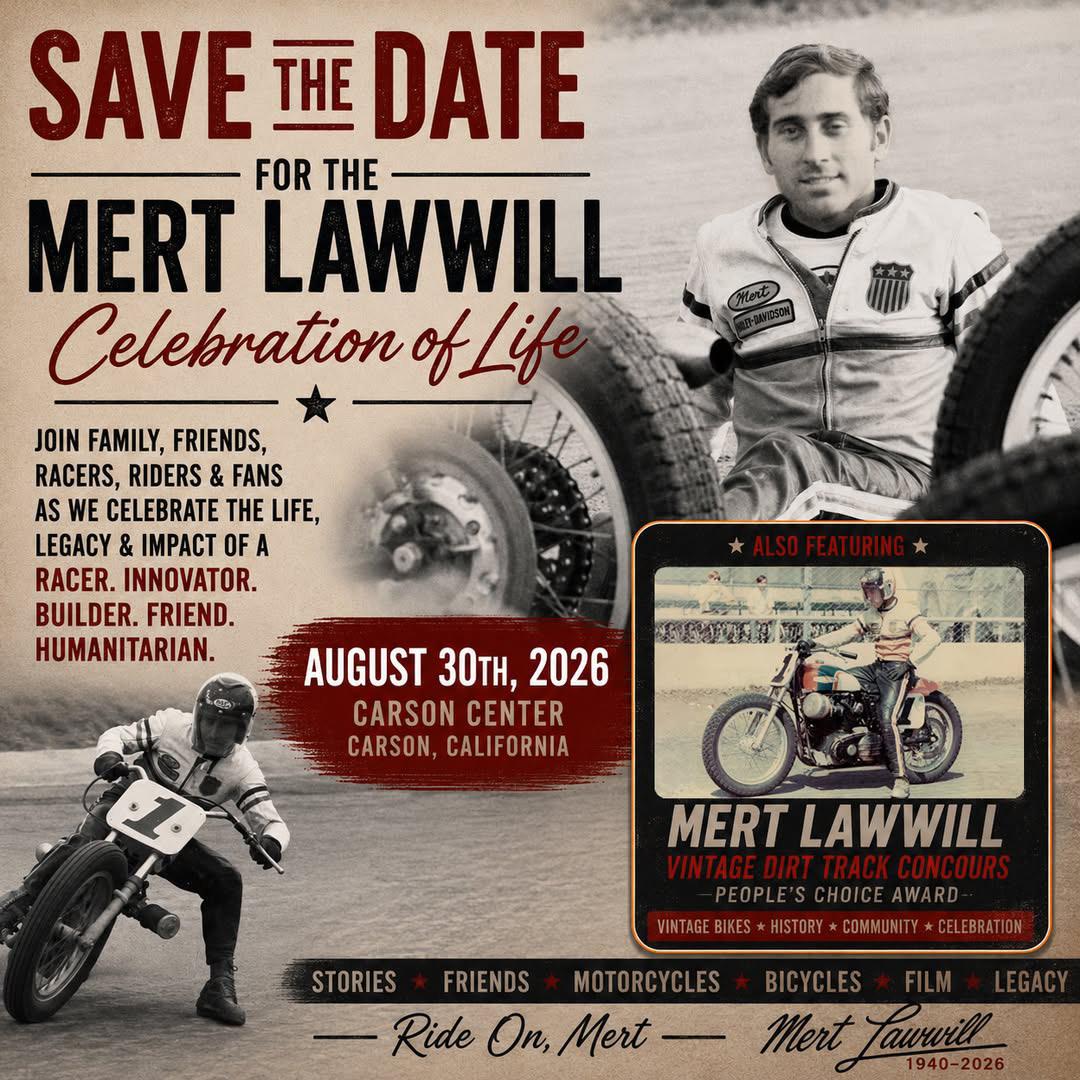
Bruce, Steve, Malcolm and now Mert are all cow trailing together again… and that is why I ride! I don’t know about every Sunday, but I know what I will be doing on the last Sunday of August. Mert Lawwill’s Celebration of Life will be held at the Carson Center on Sunday, August 30th.
According to Mert’s son Joe, the gathering is intended to be a true Celebration of Life rather than a formal funeral service. The goal is for the atmosphere to feel warm, welcome, authentic, and a celebratory gathering of friends, family, racers, riders, builders and storytellers coming together to honor Mert in a way that would feel true to him.
The doors to the Carson Center Banquet Hall open at 12:30 and the Celebration of Life program will begin. Emcee Don Emde will open the program with a welcome to attendees, followed by personal reflections of his Mert by Joe Lawwill, and remarks from Marcy Lawwill and Tom Suchomel. Former Dealernews publisher Don Emde will then lead discussions with Mert’s early family friends Al Kozak and Kyle Kozak, followed by Kenny Roberts, Wayne Rainey, Chris Carter, Troy Lee and Allan Seymour (part of Bruce Brown’s On Any Sunday traveling film crew).
Admission is free, although there are some other options to choose from to help fund the event that are indicated on the RSVP form. To get all the plans in place, Joe needs to know how many attendees to expect, so if you would like to attend, please submit your confirmation at: www.mertlawwill.com
Former Editor-in-Chief and publisher of Dealernews circa 1990-2003, Robin returns to the magazine. In addition to having been instrumental in creating the Dealernews Top 100 program (still the industry’s ultimate accolade for a motorcycle dealership), Hartfiel has worked for most of the B2B publications in the Powersports arena. Prior to the trade side, he worked as a beat reporter for a local newspaper and was an editor of publications ranging from All About Beer to VW Trends.
FINALLY! SOMEONE WHO GETS IT!
Finally, someone in the industry says it out loud. Powersports and automotive are very different industries. Yes, the products provide motion, however, the dealership experience needs to be different. The automotive folks who have come into powersports have done some positive things for dealerships. Extended hours and/or days open, cleaner, larger service departments to name a couple.
OEMs love the glass towers and larger footprint. Customers bemoan the higher labor rates. Overinvestment in the physical plant means having to make a much larger “nut” every month. Michael’s comment about “Powersports sells wants, automotive sells needs,” is often said, but seldom acted on.
Motorcycle dealers are not just stores. They are community gathering spots, and ambassadors for the sport/hobby.
We welcome the investment of automotive dealer principals as long as the dealerships employ real enthusiasts and don’t change the dealerships into glass houses of transactional nature.
Seems that Mr. Maledon gets it.
Ron Santos, Business Consultant
JR442 Consulting
West Warwick, Rhode Island
PS: So many automotive folks try to force their new powersports acquisitions into the “car & truck” box. Often it’s not a good fit. I’m getting older, and I do miss the smaller motorcycle shops.
MALEDON GETS IT X2
Doing things the right way isn’t a trend. It’s a long-term commitment.
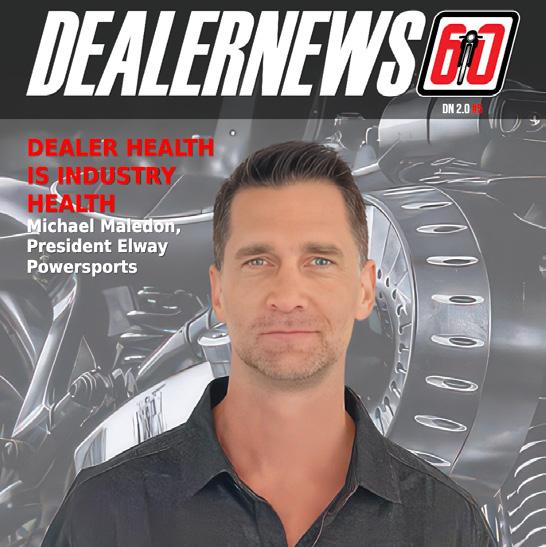
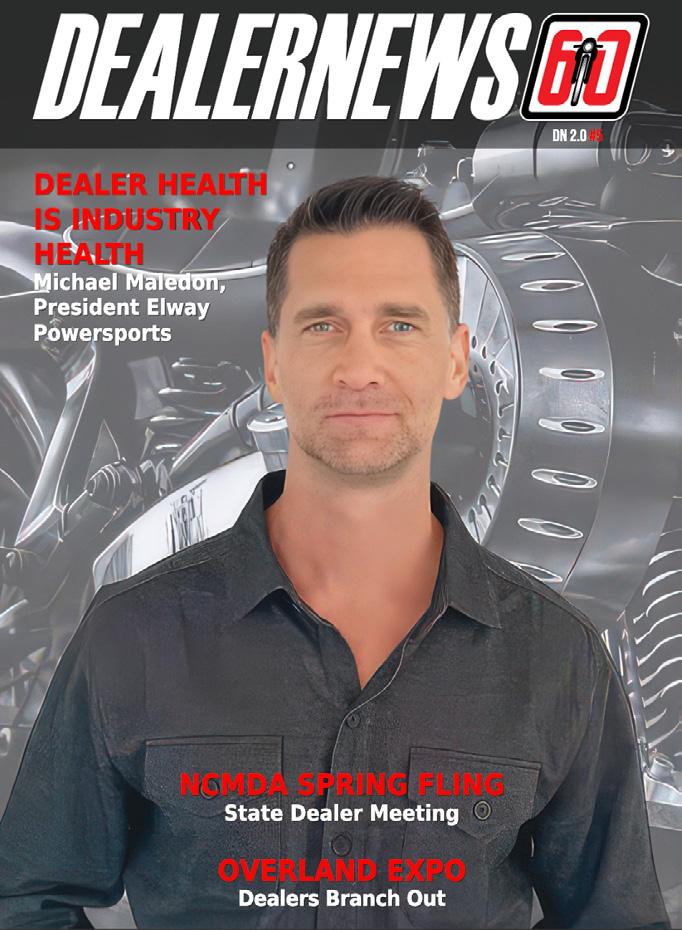
Our Dealer Principal, Michael Maledon, was recently featured in Dealernews sharing his perspective on what “dealer health” really means in powersports. It’s not just about short-term performance or selling units.
It’s about building strong teams, reinvesting in the business, supporting the next generation of riders, and creating a dealership experience people actually trust.
Because in this industry, Dealer health is industry health!
That mindset shapes how we operate across our stores every day, from the showroom to the service lane. Proud to be part of something focused on doing it the right way for our customers, our teams, and the future of powersports.
Elway Powersports Of Laramie
Elway Powersports of Lincoln
Interstate Honda
John Elway Harley-Davidson
Northern Colorado Powersports
Wild West Motorsports
WELCOME ABOARD
Michael, welcome aboard. It is indeed an honor. It is also a responsibility to be able to speak to an industry via a 60+ year-old publication that lifts Dealers, and, in doing so, lifts an industry.
Here is the only rule. From now on, every time you write the word “Dealer” it will be capitalized. Just a reminder that we belong to the most important profession.
We sell. Without us doing that well, we wouldn’t afford teachers or doctors or cops… you get my drift.
Can’t wait to see your best,
Bob Althoff, Immediate Past Chairman, Founder, Exec Committee National Powersports Dealer Association Owner, DEALERNEWS WATCH POWERSPORTS WORLD TV
THANK YOU, NOW THE REAL WORK BEGINS
Thank you Bob, Robin and Dealernews for the recognition, and especially the work we are continuing at the National Powersports Dealer Association. To my dealer friends: please consider joining the NPDA.
#WeAreBetterTogether
Michael Maledon, CEO Elway Powersports Group
POWERSPORTS PEOPLE WELCOME
SEMA Show Expands Powersports Pavilion!
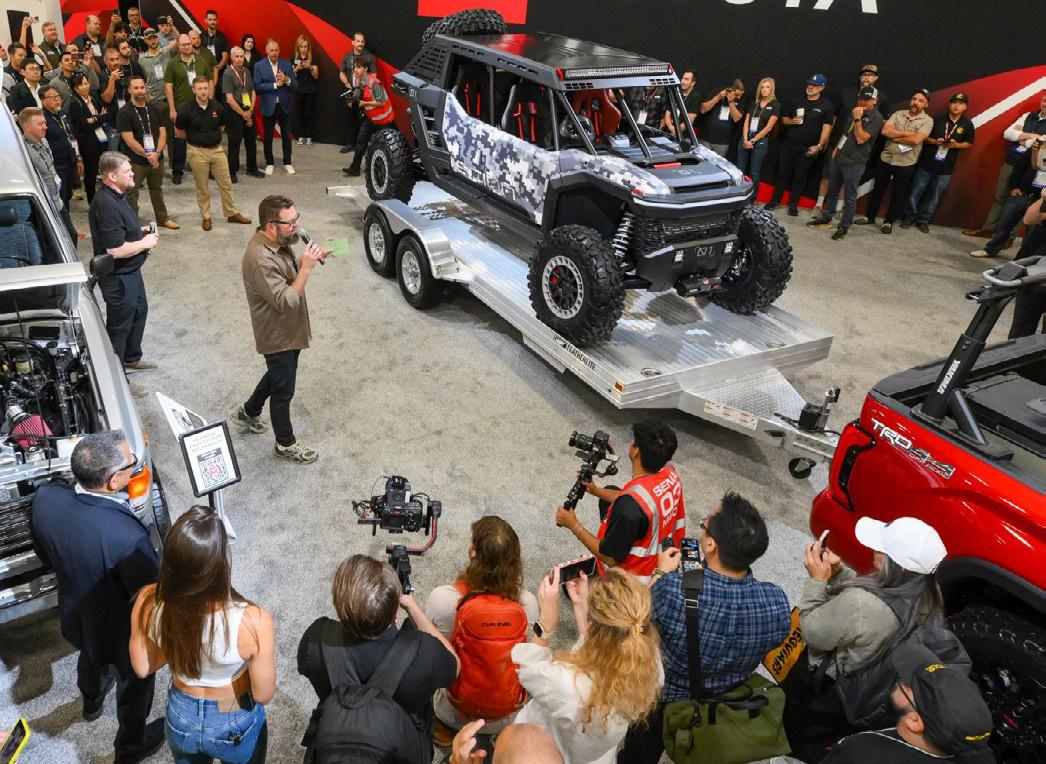
In keeping the belief that it is not a party unless everyone is invited, The SEMA Show is welcoming everyone to Las Vegas. That’s right. If you work in the powersports industry as a dealer, manufacturer, buyer, or aftermarket professional, you are welcome to join the festivities in Las Vegas on November 3-6.
This year, an expanded Powersports / SxS / Lifestyle section in West Hall will create a unified “Adventure Lifestyle” destination alongside the Truck, SUV and Off-Road section. The layout reflects real-world business and enthusiast behavior, where a complete setup often includes a tow vehicle, trailer, and multiple two- and four-wheel vehicles.
The dedicated area will showcase side-by-sides, off-road vehicles, motorcycles, V-Twin performance and related gear, highlighting one of the fastest-growing segments of the aftermarket.
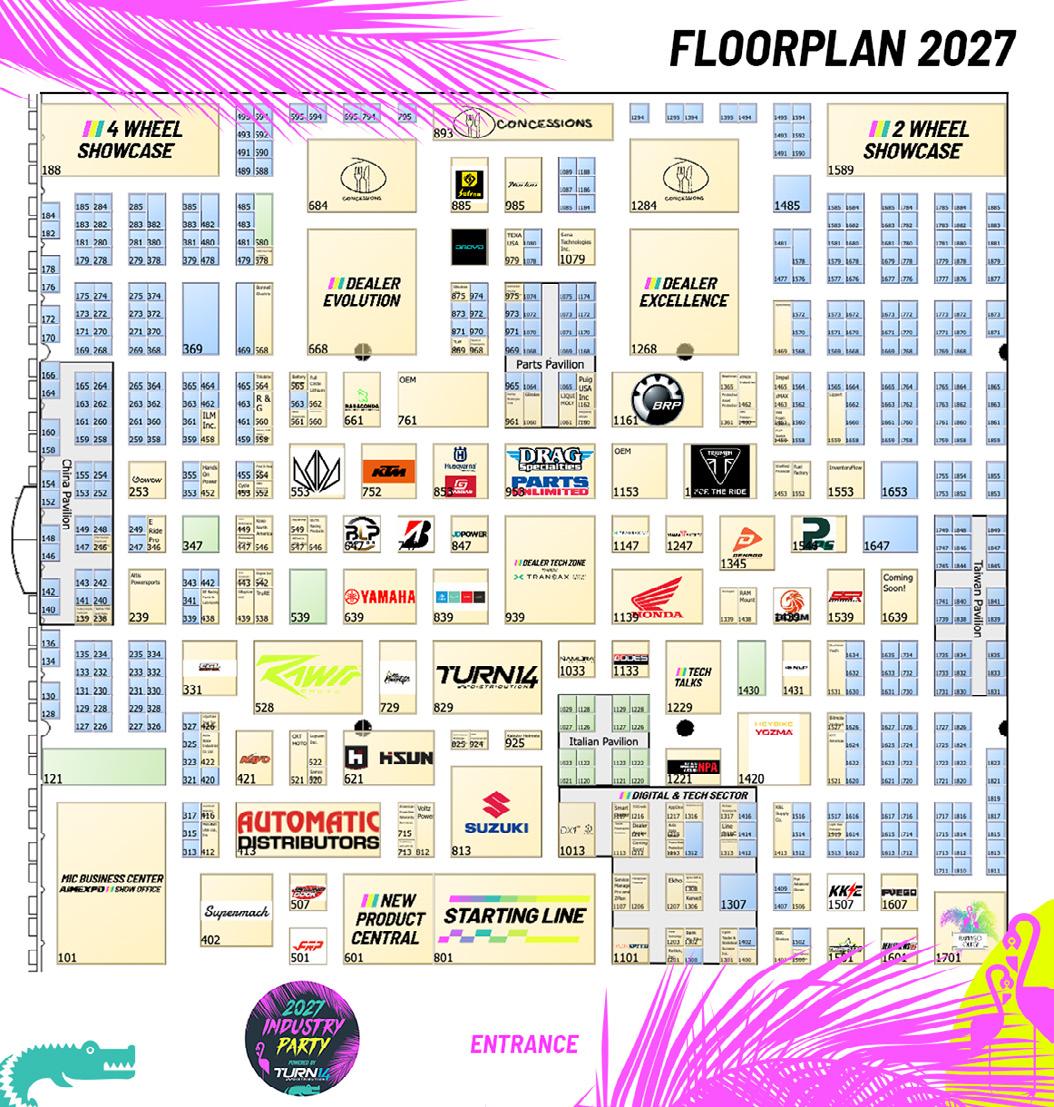
Team Dealernews has the holeshot when the powersports industry races into Bike Week in 2027, already securing our spot on the AIMExpo grid. “AIMExpo remains the premier powersports industry event that connects, engages and inspires our passionate community of brands, distributors, media, dealers, enthusiasts and leaders through networking, training, education and sharing of best practices,” says MIC VP Market Expansion & Events Cinnamon Kernes.
As the industry prepares for AIMExpo’s return to Orlando, momentum is already building with major OEMs, distributors, aftermarket brands, industry leaders and Dealernews securing their place on the show floor.
“Explore the initial layout, see who’s coming, and start planning for the powersports industry’s most important trade event,” says Cinnamon. Play the powersports version of Where’s Waldo here: s23.a2zinc.net/clients/MIC/AIME27/public/ EventMap.aspx?shMode=E&ID=1428&sortMe nu=103001
DEALERS, SAVE THE DATE
The National Powersports Dealer Association (NPDA) has opened registration for DealerConnect 2026 presented by AppOne. The association’s confab comes back to Columbus, Ohio, September 19–21, 2026 at the Hilton Columbus Downtown. Conceived specifically for Dealer Principals, General Managers and dealership leadership teams, DealerConnect expands as the industry’s
must-attend dealer gathering focused on networking, business education and the future of powersports retail. “The powersports industry talks about dealers every day,” notes NPDA Chairman Jayson Davis. “DealerConnect is where dealers speak for themselves. The more dealers who participate, the stronger and more visible the dealer community becomes. When dealers gather in numbers, the industry takes notice. If you want a stronger voice in the future of powersports, you need to show up and be present in the room, be prepared to learn, and have a great time doing it.”
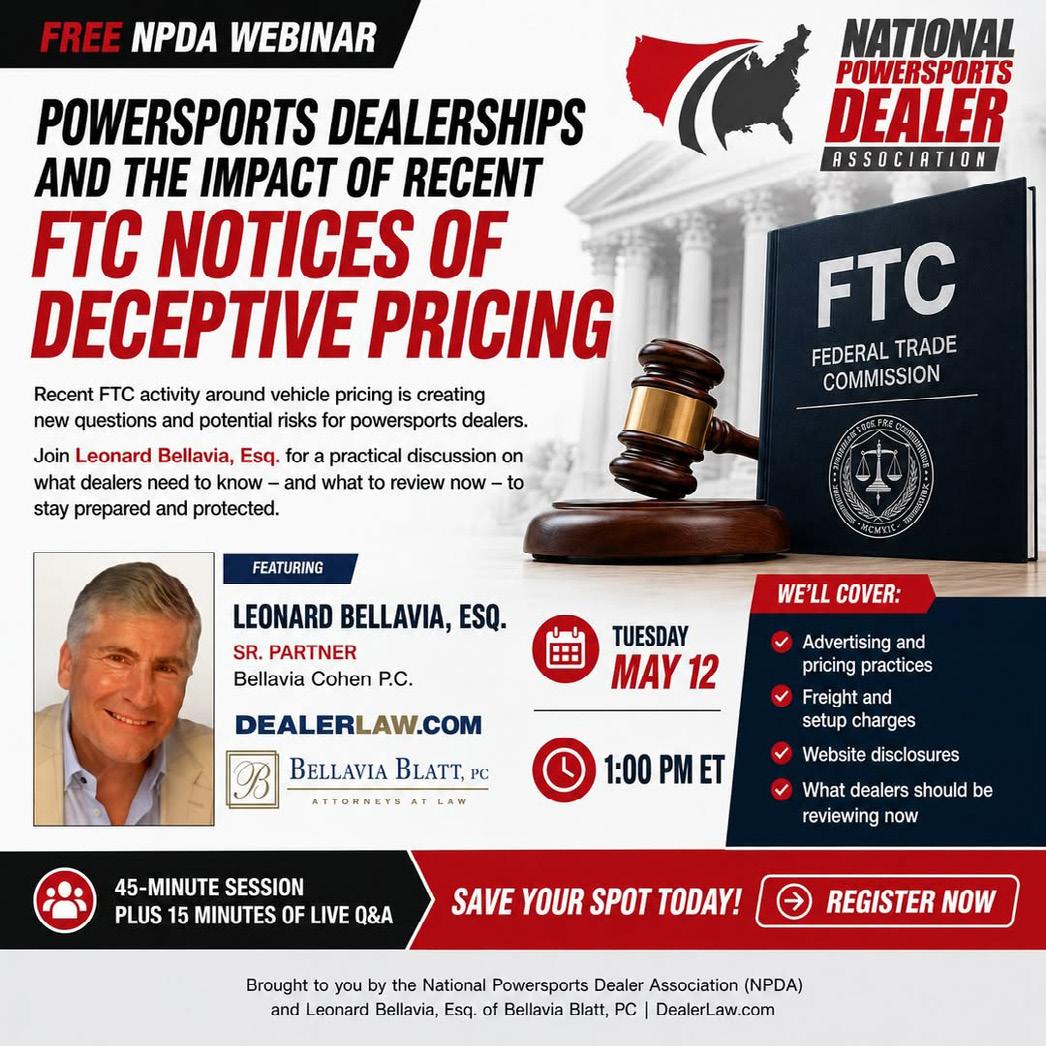
Davis notes recent FTC enforcement actions involving dealership advertising and pricing practices are just one example of the issues driving dealer conversations across the country. Staffing shortages, profitability, technician recruitment, succession planning, OEM programs, digital retail, and changing customer expectations are all expected to be major topics at DealerConnect 2026.
Additional event information, registration details, speakers, exhibitors and sponsorship opportunities can be found at:
www.npda.org/dealerconnect
Manufacturing Excellence for Over 60 Years
HAS MORE TO OFFER.
FOUND IT! SPORTSTER NOW BACK HOME
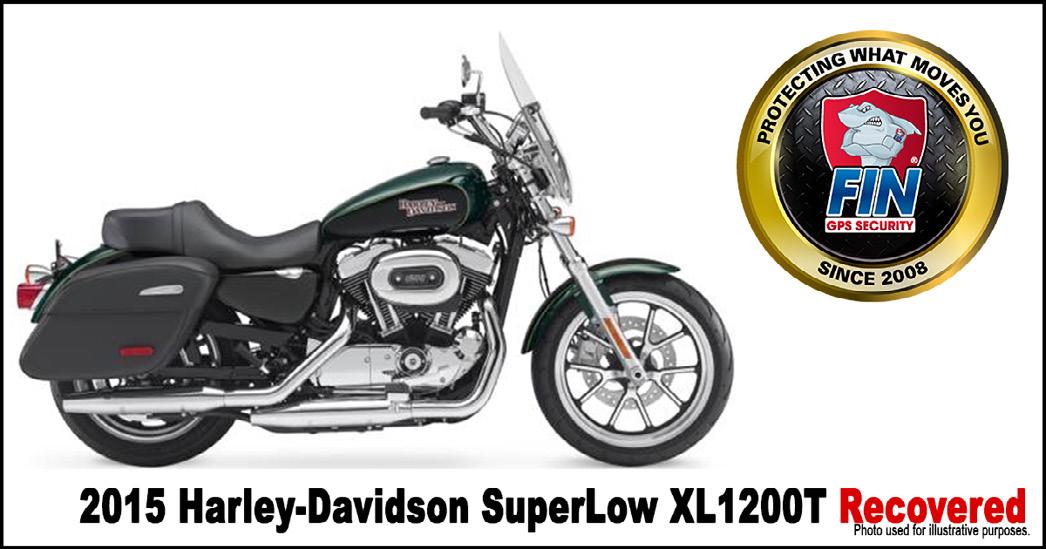
The latest Find It Now success story starts at the local dealership and ends up with a Harley finding its way back to the rightful owner. Midday on April 20, 2026, a customer contacted the FIN Theft & Recovery Team after receiving a motion detection alert via text regarding their 2015 Harley-Davidson XL1200.
Upon receiving the initial notification, the customer promptly accessed the FIN-Man app to verify and track the motorcycle’s location. The vehicle had been moved to an unfamiliar area approximately 30 minutes away, where it was later identified outside of a nearby residence.
Leveraging FIN’s real-time alerting technology, combined with the customer’s swift action, the expert installation provided by West Chester Harley-Davidson, and the rapid response of the Springfield Police Department, the motorcycle was successfully recovered shortly thereafter.
“This incident highlights the effectiveness of proactive monitoring and rapid response,” said FIN’s Bill Pierson. “From the initial alert to recovery, every step reflects the value of reliable technology paired with strong partnerships.”
FIN extends its sincere appreciation to West Chester HarleyDavidson and the Springfield Police Department for their professionalism, coordination, and commitment to ensuring a successful recovery.
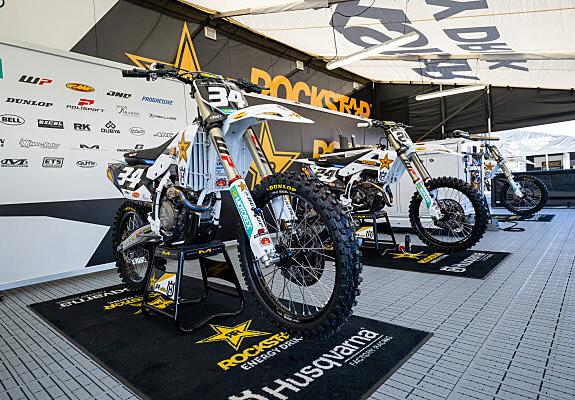
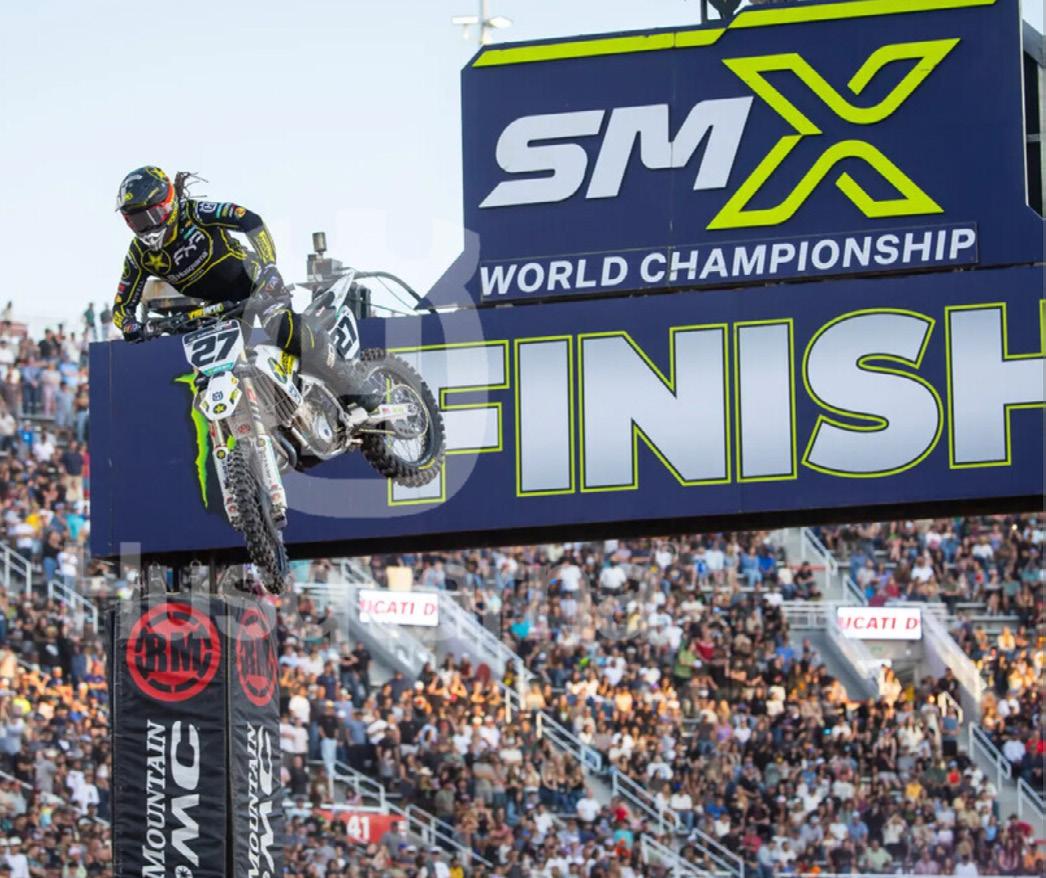
TEAM HUSKY FINISHED? HUSQVARNA “REALIGNS” ROCKSTAR RACE EFFORT
Salt Lake City’s Supercross finale marked the end of Husqvarna/Rockstar’s SX team. From 2027 onward, the brand will transition away from operating an in-house factory racing team and instead, support independent teams and riders with factory level materials and technical expertise for the SMX series. According to the official announcement: “This evolution ensures the brand’s presence in racing at the highest level, while repositioning its focus on the brand’s heritage and wider riding community.”
For 2027, Husqvarna Mobility plans to further differentiate and broadly support the venerated brand’s place within the motorcycle industry – spanning its extensive Motocross, Enduro, Travel, Naked, Supermoto and Electric model lineup.
As part of this transition point and strategic evolution, Husqvarna will develop an engine leasing program in North America within professional racing. Building on an existing structure, the program will make factory level engines and suspension components available for select teams and riders through a leasing model. The program allows the brand to remain active within SMX into the future, continuing to connect with the Husqvarna fanbase at the races and reinforcing the manufacturer’s ongoing commitment to motorsport.
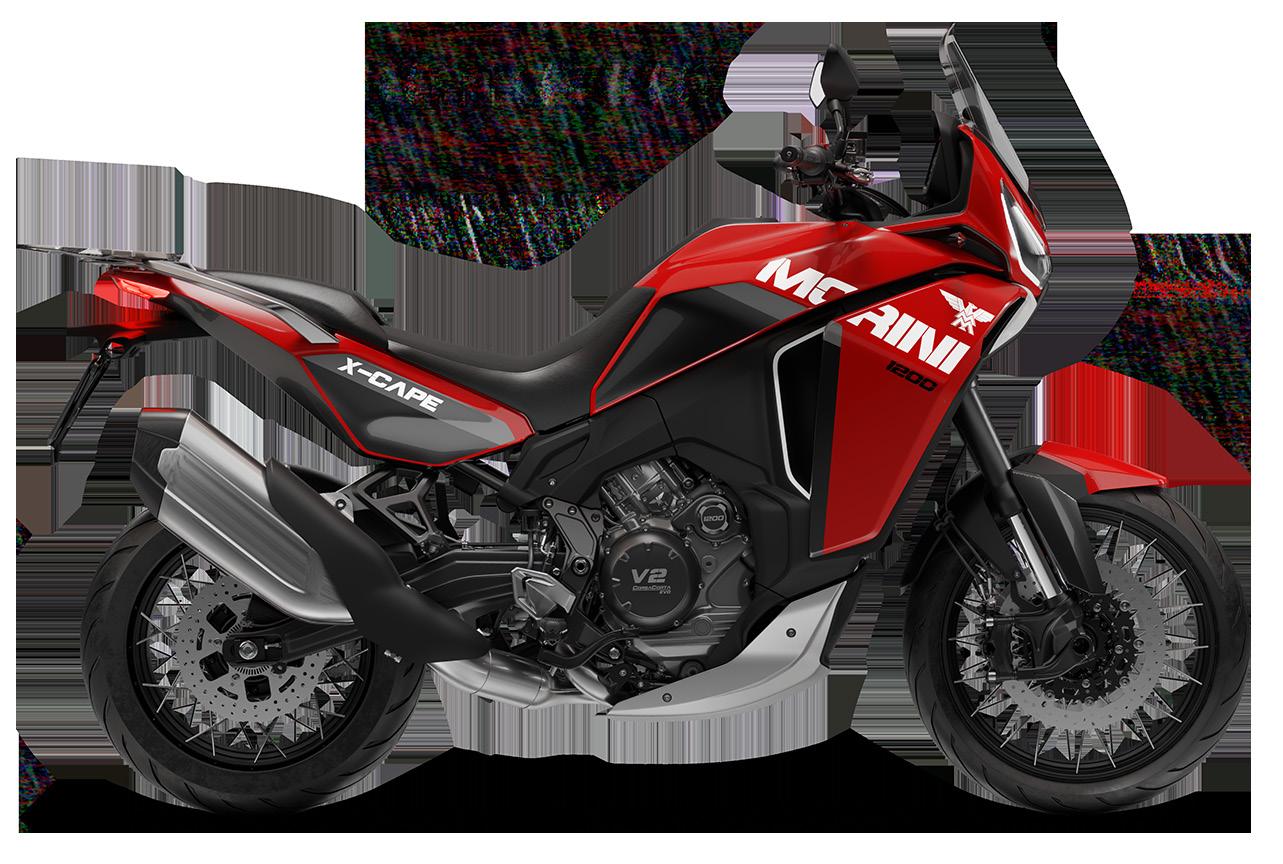
MOTO MORINI ADAPTS AI AGENT
As Moto Morini’s U.S. Dealer network and market presence has expanded rapidly, so too has customer engagement, driving a surge in website traffic, product inquiries and sales leads that increasingly outpace the capabilities of traditional contact channels. That growth created a familiar problem: more website traffic, more product questions, and more leads than traditional contact forms can handle. Enter Ekho.
The legendary Italian motorcycle brand has deployed Ekho’s AI Sales Agent on MotoMoriniUSA.com to engage and qualify buyers around the clock across the brand’s entire US dealer network. Ekho’s new AI Sales Agent sits on the
OEM’s website and handles buyer conversations in real time — answering product questions, qualifying purchase intent, and routing ready-to-buy leads to the nearest dealer. For an OEM scaling as quickly as Moto Morini, this means no buyer inquiry goes unanswered, whether it comes in at 6 AM Sunday morning or 11 PM Friday night.
“We looked at a lot of options for handling online leads, and most of them amounted to little more than enhanced forms,” notes Chris McGee, COO, Moto Morini Motorcycles. “Ekho was different and more advanced than anything we had seen. It actually talks to the customer, understands what they’re looking for, answers questions and gets them to the right dealer ready to buy. That’s exactly what Moto Morini needed to grow and Ekho delivered.”
For Ekho, the partnership represents another proof point for the AI Sales Agent at the OEM level, powering the digital front door for a brand with a national dealer network and a product catalog that spans multiple vehicle categories.
“Moto Morini is an iconic international brand and is building something special in the US market, and they’re doing it the right way,” explains Ekho CEO Rowan Mockler. “Great product, growing dealer network, and now a digital experience that matches the ambition. The Sales Agent gives their buyers a real conversation from the first click, and their dealers get leads that are already qualified and ready to move.”
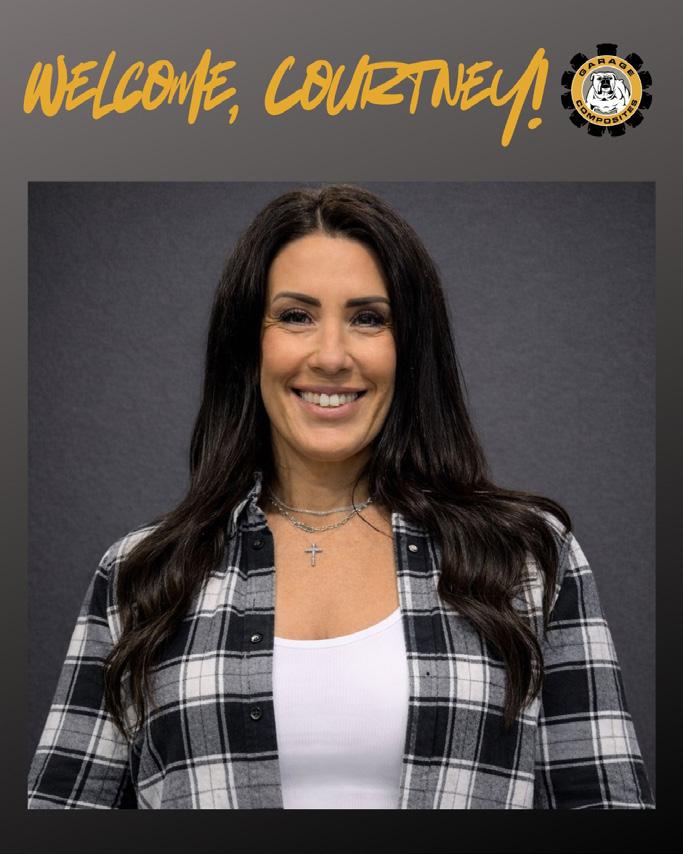
Courtney Bernhard leaves Performance Brokerage Services for a new role with Garage Composites . “We’re excited to announce the launch of Premier Services Brokerage, an all-new division built to help dealers buy, sell, scale, plan succession and maximize dealership value ,” says Sam Dantzler in announcing the addition to the team. Leading the charge, Bernhard, brings deep experience in operations, insurance, transactions and strategic planning, along with her CEPA designation from the Exit Planning Institute . “As the powersports industry evolves, dealers need more than a broker, they need a trusted advisor who understands the business,” concludes Courtney.
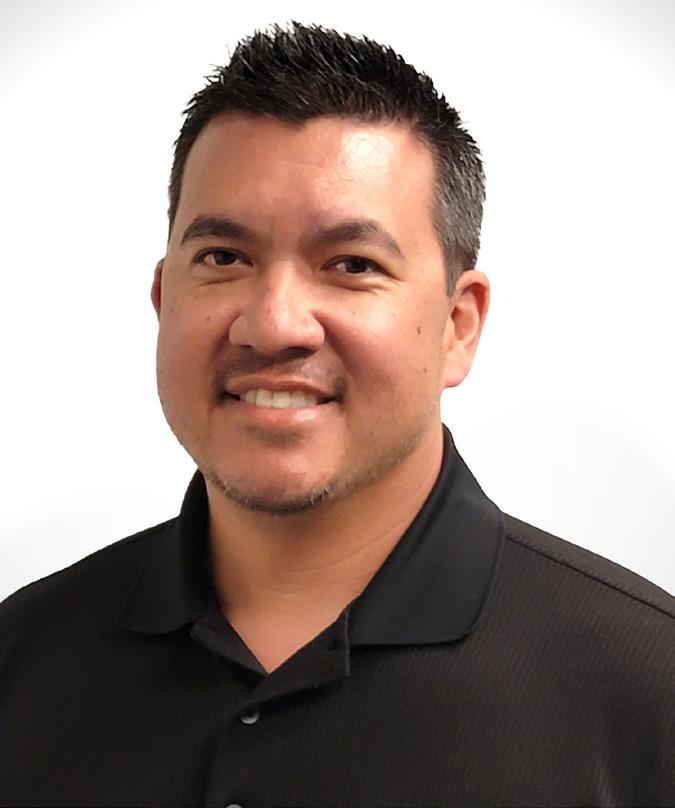
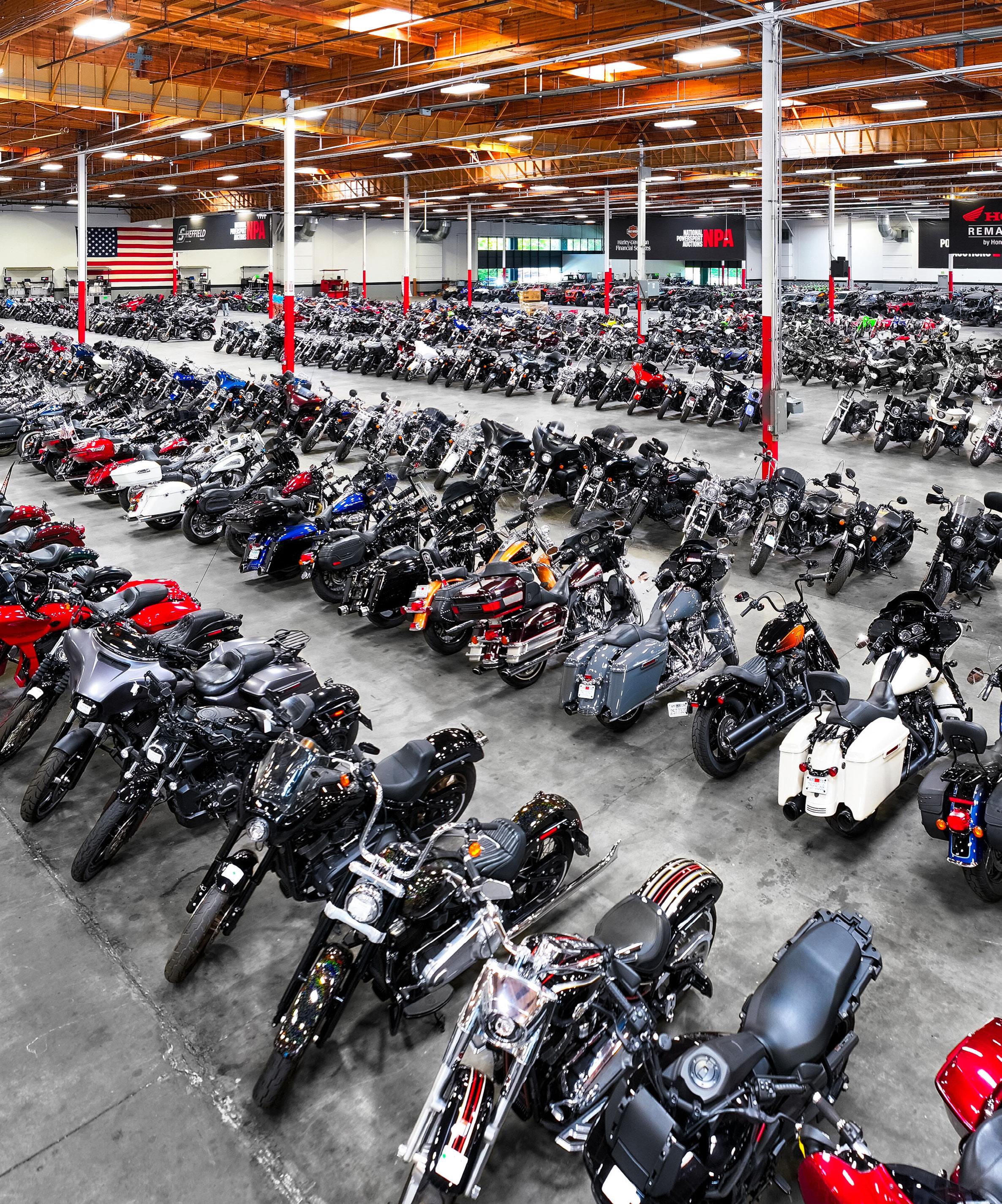
has elevated long-time team player Brad Maxon to Regional Operations Manager. In this new role, Maxon will oversee operations for NPA locations in Denver, Portland, Sacramento and San Diego
He is charged with helping drive operational excellence and strengthen the overall experience for dealers, lenders and partners . “Brad’s journey in the powersports industry and his years of dedication to NPA make him an excellent choice for this role,” notes Jeff Kinney, NPA’s Vice President of Operations. “He understands our operations inside and out and has consistently demonstrated strong leadership and a commitment to supporting our teams and customers. We’re confident he will continue to make a positive impact across the region.”
Maxon brings more than 30 years of experience to the position. His career began at just 16 years old, wiping down motorcycles at a local dealership . Through dedication and hard work, he steadily worked his way up in the industry, gaining hands-on experience and a deep understanding of dealership operations and customer needs.
Maxon joined NPA in 2014, and during the past decade, he has advanced to become General Operations Manager of NPA San Diego . His leadership and operational knowledge have certainly helped strengthen the San Diego facility Kinney adds.
“I’m incredibly grateful for the opportunity to step into this role,” says Maxon. “NPA has an amazing group of people, and I’m excited to work alongside our teams to continue improving the experience we provide for our dealers and clients.”
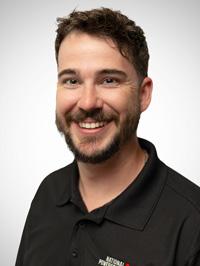
Continuing its proven policy of promoting from within, National Powersport Auctions (NPA) elevates Tristen Poston to General Operations Manager of its Sacramento facility. Poston brings seven years of dedicated experience with NPA to his new role. Since joining the company, he has steadily advanced through the operations department, earning recognition for his leadership, work ethic and commitment to excellence. His deep understanding of day-to-day operations and team development has made him an asset to the organization. New Regional General Manager, Brad Maxon, expressed confidence in Poston’s leadership: “Tristen is a great fit for this role. His growth within NPA, combined with his dedication to both the team and our customers, makes him the right leader to continue driving success in Sacramento.” Poston added: “I’m excited to step into this role and continue working alongside such a strong team,” added Poston. “I look forward to being handson and helping our dealers and clients have the best possible experience at NPA Sacramento.” In his new position, Poston will oversee all operational aspects of the Sacramento facility, working closely with his team to ensure a seamless experience for dealers, partners, and clients. He is focused on maintaining high standards while continuing to improve efficiency and service. Area dealers are encouraged to meet Tristen during the next NPA Sacramento Preview Day on Wednesday, June 10, from 8:00 am through 5:00 pm pacific time. Join the NPA Sacramento Simulcast Auction on Thursday, June 11, starting at 9:00 am at npauctions.com or on the NPA Dealer Marketplace app. Poston can be reached at: tposton@npauctions.com
Promoting from within, National Powersport Auctions (NPA)
Continued from page 16
Time to get social: Central Powersports Distribution welcomes Erik Hoagenson to the party. In his new roles as Marketing & Social Media Coordinator , Hoagenson will lead digital marketing initiatives, support dealer-focused promotional programs and strengthen CPD’s online presence in the U.S. industry. He will coordinate marketing campaigns with dealers , develop social media strategy and support collaborative marketing initiatives with CPD’s partners, including aftermarket brands such as Hebo, Rtech, WRP and X-Grip , as well as several boutique European brands, including AJP, Electric Motion, Fantic, Rieju and YCF . “I’m excited to join CPD and contribute to a growing network of dealers and riders who are passionate about these unique European brands ,” says Hoagenson. “There’s tremendous opportunity to support dealers with strong marketing tools and help bring more attention to these machines in the U.S. market.” CPD boss Mark Berg adds, “Erik brings more than 20 years of experience in design, marketing and brand development to CPD. His background combines creative design expertise with operational marketing experience, enabling him to support both dealer engagement and brand visibility initiatives across CPD’s expanding network.”
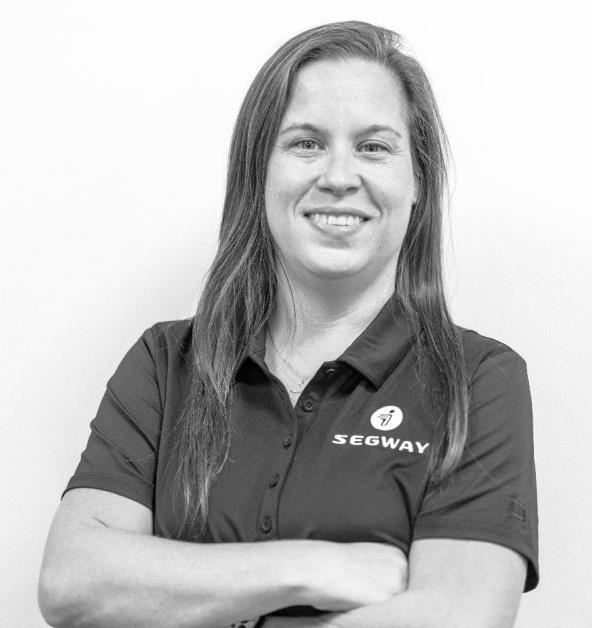
“We are excited to announce a new addition to the Segway Powersports team,” says Marketing Director Gabriel Cruz. “Chrystal Banz has joined us as our new South Central District Sales Manager. In her new role, Chrystal will support our continued growth and dealer success throughout the South Central region, working closely with our dealer partners to strengthen retail performance and expand the Segway Powersports footprint. Chrystal Banz says, “I am thrilled to announce that I have joined the team at Segway Powersports US as the District Sales Manager for the South Central region. Blending OEM expertise with real world dealership experience, Banz was most recently with Landmaster, but was the store manager for Cycle Refinery in Austin and Freewheeling Powersports before that.
Although he says, “I have pretty much reached my goals and now I am just helping newer people in the industry to be recognized,” Rogue just can’t ride off into the sunset. “I am now also Senior Editor at Easyriders… And still Senior Editor at Bandit’s Bikernet.com,” admits Sturgis Hall Of Famer (Class of 2005) John “Rogue” Herlihy. “I have
been riding motorcycles for over 70 years and worked as a motojournalist for 55 years, he admits. “I am very involved in the lifestyle and travel to motorcycle events around the country and I also do motorcycle product testing.” Meanwhile, he still finds the time to be President of BIKER LIVES MATTER — a Motorcycle Safety Organization based in Melbourne, Florida.
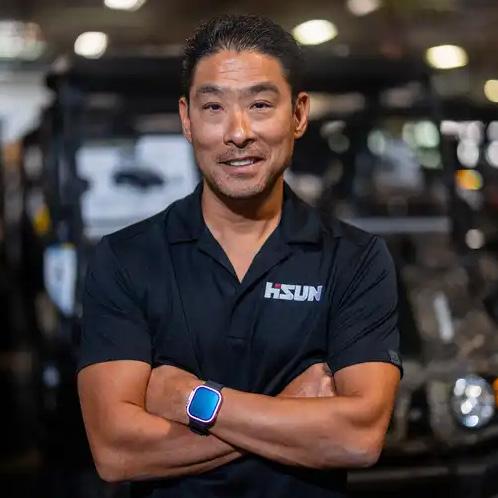
Charles In Charge — this is no TV sitcom but serious business as HISUN Motors USA has announced that Charles Kim has assumed the additional role of Chief Marketing Officer, effective March 10, 2026. This strategic move is part of a broader effort to align the brand’s goto-market execution. “Charles has been instrumental in shaping how we approach product, brand and market strategy at HISUN,” notes King Dai, Chief Executive Officer of HISUN Motors USA. “This expanded role reflects the impact he’s had and supports our continued focus on building a more aligned and effective organization.” New VP of Sales Zegin Braun adds, “The alignment between product, positioning, and channel strategy has made a meaningful impact on how we operate. Continuing to integrate marketing into that structure will further strengthen execution. Kim explains, “HISUN is in a unique position in the market, operating across both big-box retail and dealer channels. Bringing product and marketing together allows us to be more intentional in how we define our platforms, how we position them, and how we support them in market.” Prior to joining HISUN, Charles served as VP of Innovation & Product Development at Nivel, helping unify them into a cohesive UTV aftermarket portfolio. As co-founder of Vialink Corp. and SEIZMIK, he led the development of product platforms, aftermarket ecosystems and global sourcing strategies supporting OEM and private-label programs, while building and scaling brands across both dealer and big-box retail channels.
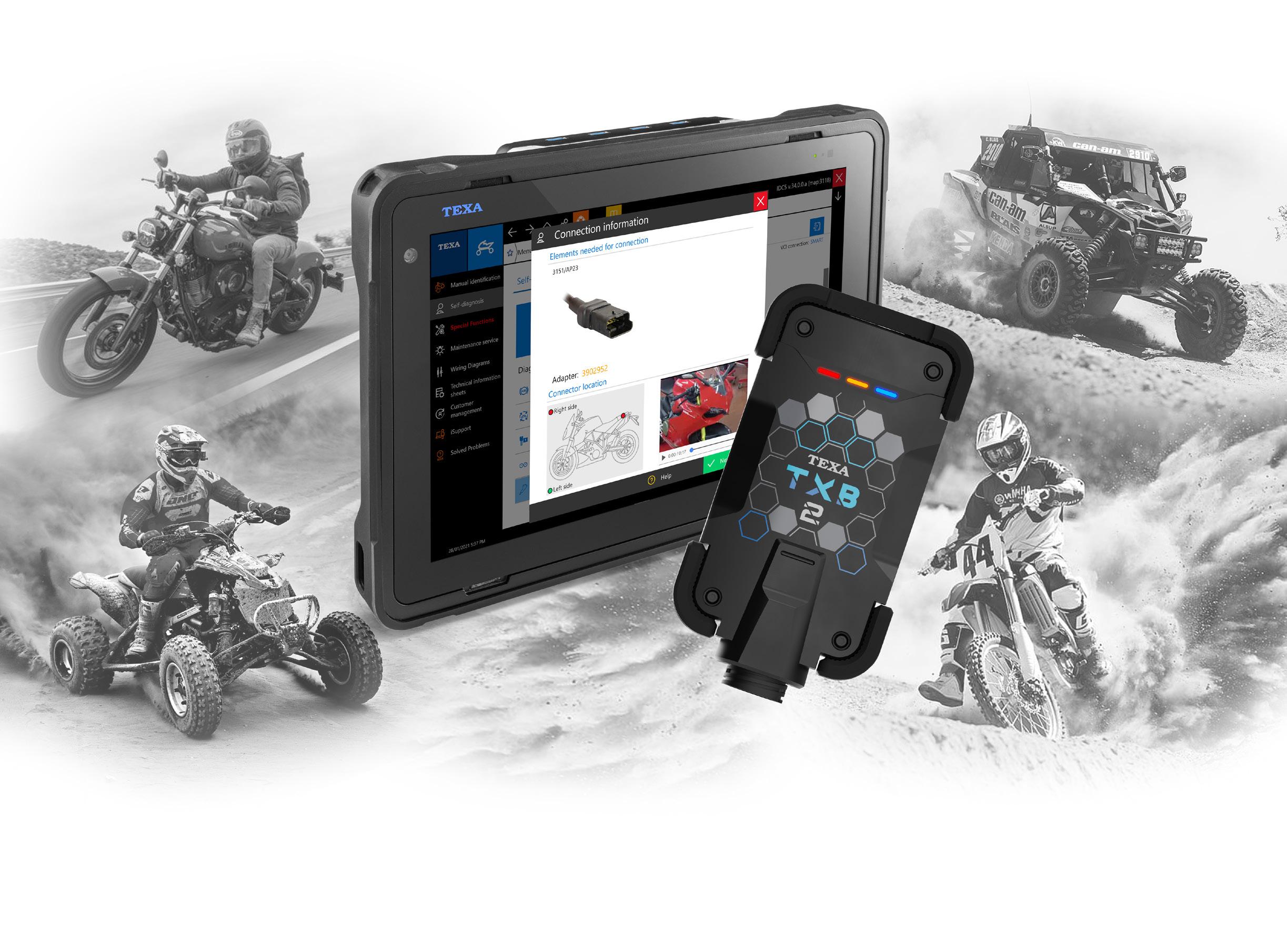
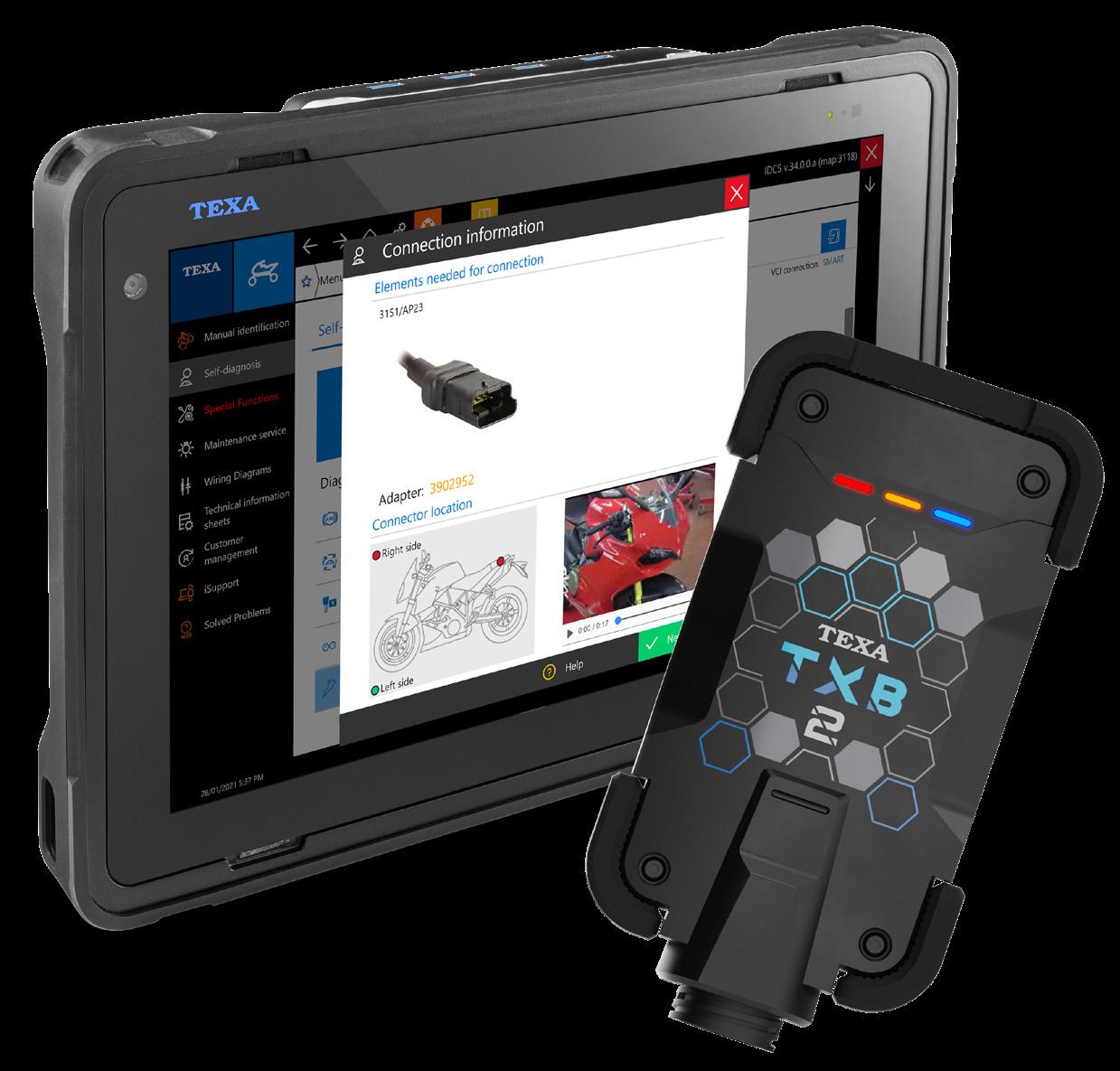
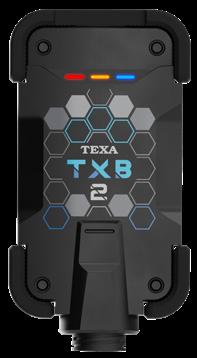
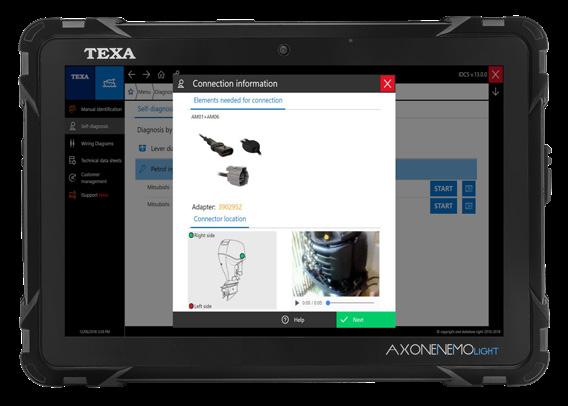
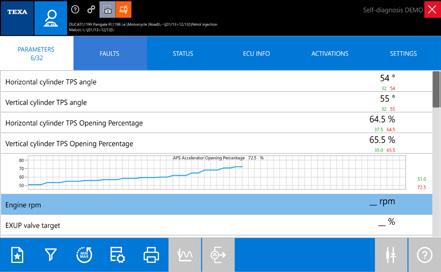
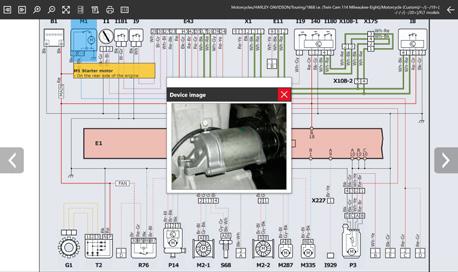
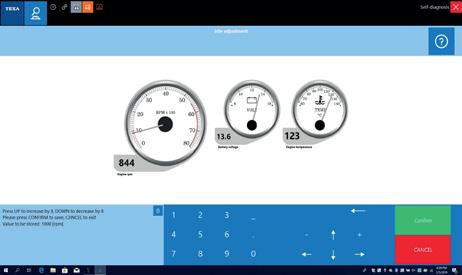
TEXA software guides repair technicians through all the diagnostic phases. Motorcycles, Dirtbikes, e-Bikes, Snow Mobiles, ATV / UTV, Personal Watercraft
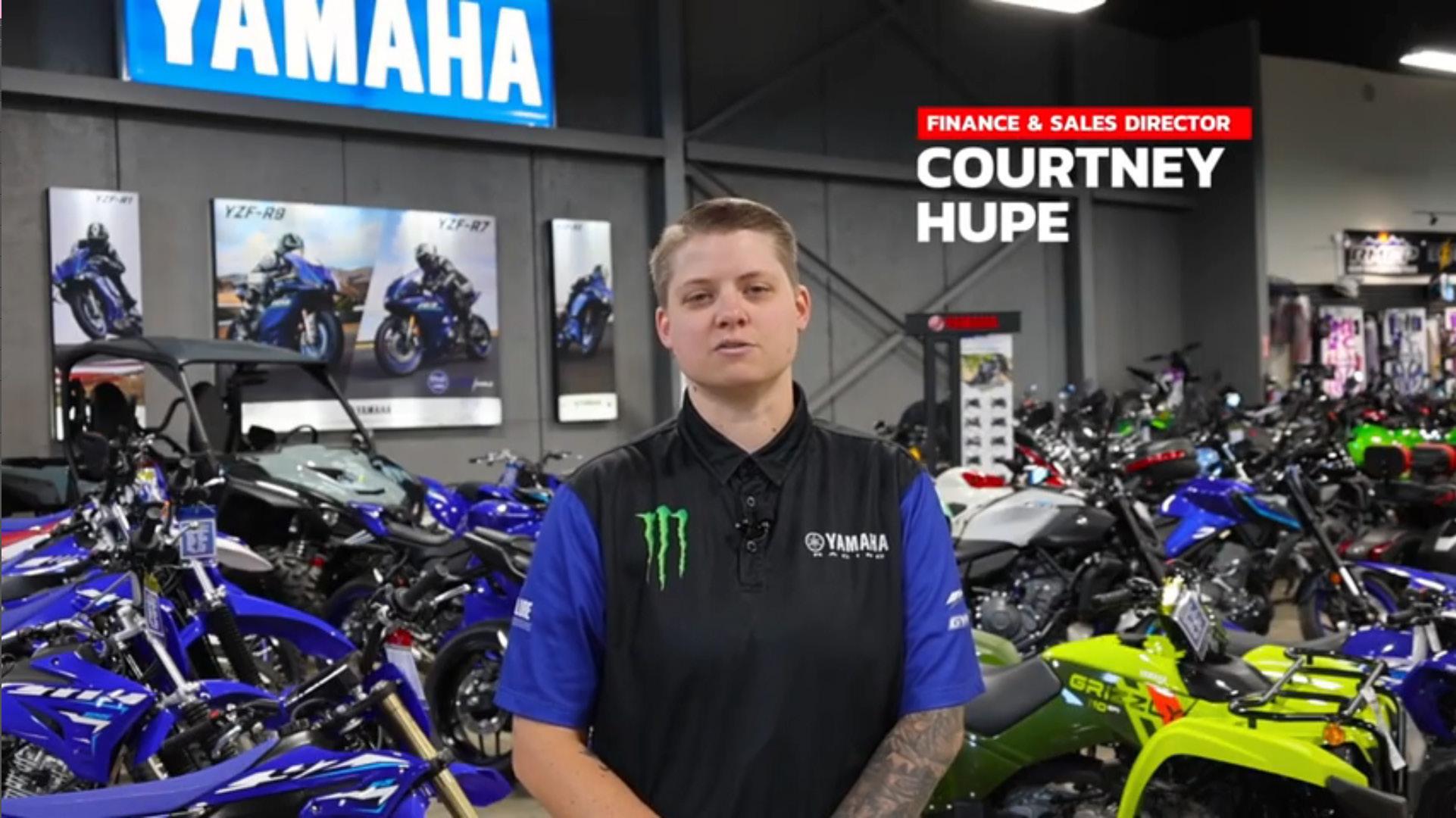
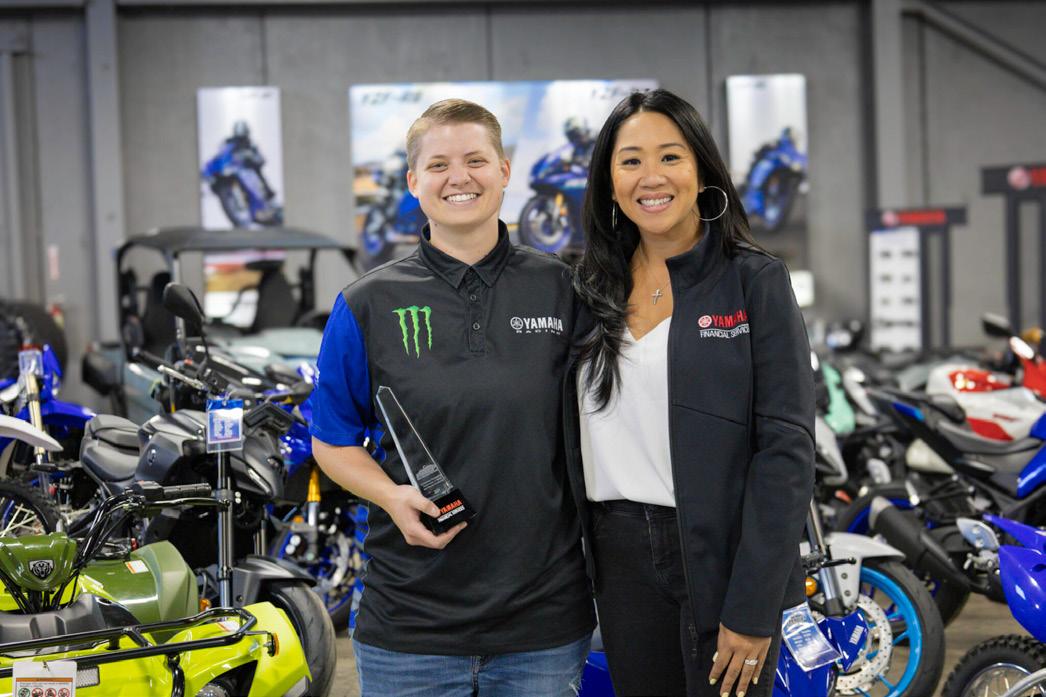
DEALER NEWS: YAMAHA SPOTLIGHT SHINES ON ROCKY MOUNTAIN CYCLE PLAZA
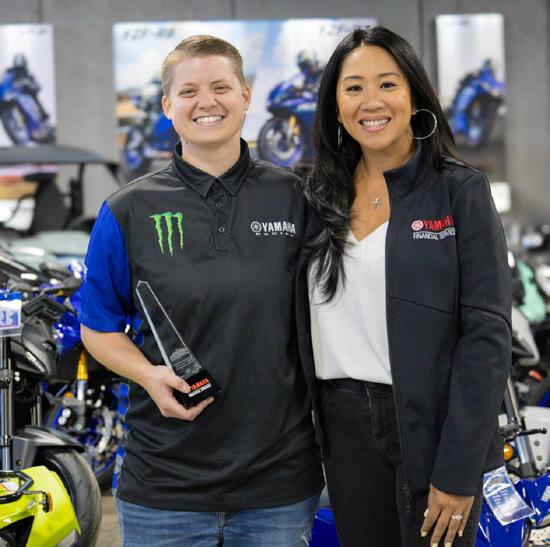
As part of its continuing Dealer Spotlight series, Yamaha Motor Finance Corporation is highlighting the achievements of Rocky Mountain Cycle Plaza (RMCP) in Colorado Springs, Colorado. This spotlight recognizes RMCP’s business turnaround and the strength of their long standing partnership.
“A couple years ago, we were using other lenders aside from Yamaha Finance,” said Courtney Hupe, RCMP’s Sales & Finance Director. “It wasn’t until I started to build my relationship with Yamaha Finance, when we started to realize all the support that Yamaha Finance was able to give us as a dealership and for our customers.” Courtney emphasized the responsiveness of the Yamaha Financial Services team as a huge contributor to her dealership’s success.
Courtney adds her relationship with Yamaha Financial Services as “getting better and better as the years go by.” She highlights the resilience of her Financial Products Sales Manager, Jerry Reese, as what makes RCMP and Yamaha’s partnership of 10+ years so strong. “My growth and success with Yamaha Finance, I owe it all to Jerry. He is the best guy. He’s a huge asset and we have such a
great working relationship together,” claims Courtney. “I have 100% trust in him to know that my deals and my customers will get taken care of because he’s on their side, as well.”
Together, RMCP and Yamaha Financial Services demonstrate a shared commitment to outstanding performance in retail and finance excellence. This reflects the strength of long-term relationships built on trust, responsiveness, and support for dealers and their customers. Dealers are encouraged to connect with their Yamaha Financial Services team to explore opportunities to enhance their retail and finance approach.
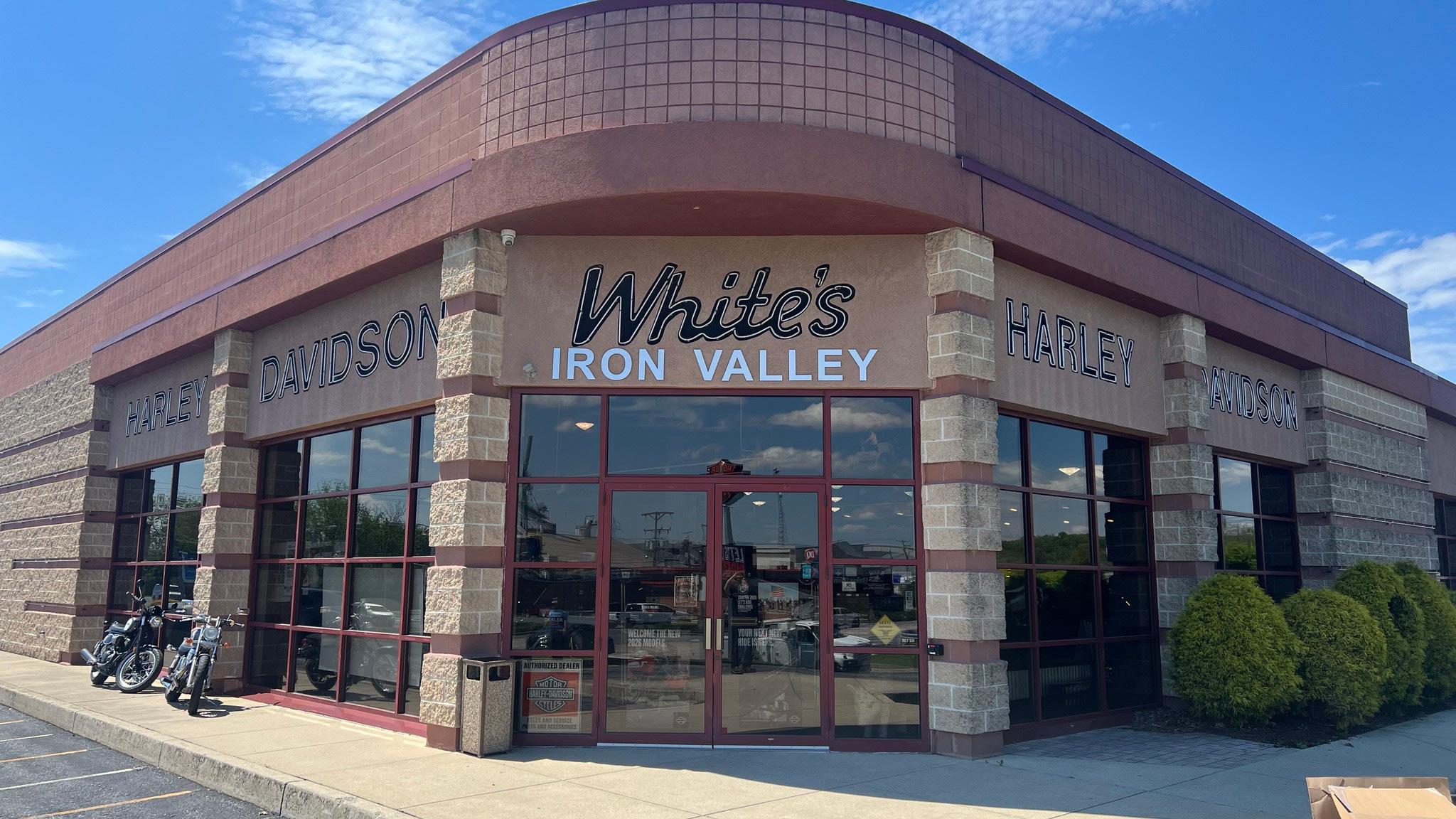
DEALER NEWS: WHITE’S UNDER NEW OWNERSHIP
One of the most storied Harley-Davidson dealerships in history has changed hands and teamed up with another area icon as White’s Harley-Davidson and Iron Valley Harley-Davidson announced new ownership on May Day.
The 1993 Top 100 Dealer of the Year, White’s has been family owned and operated since 1953 when J. Herman White and his wife, Marion, started the business in a Lebanon garage. Marion joined Joe and Donna White for their Dealernews cover. Since then, the White family has grown… and so has the Harley-Davidson family of White’s Harley-Davidson, but the friendly service and attention to detail have remained the same throughout the years.
“We are excited to announce the new ownership of White’s Harley-Davidson and Iron Valley Harley-Davidson. As part of this transition, the two dealerships have officially combined into one stronger dealership,” says marketing manager J. De Angelo. “This merger brings together two proud dealerships with deep roots in the motorcycle community. White’s Harley-Davidson has been serving riders since 1953, and Iron Valley HarleyDavidson since 2003, creating a combined legacy of 109 years of dealership operation.”
Joe and Donna White are excited for this transition as they move into retirement and the dealership family stays together, adds DeAngelo. “We are committed
to continuing the heritage of both dealerships while retaining the same trusted staff and management teams. This unified team is focused on making White’s Iron Valley Harley-Davidson stronger, better, and more exciting than ever.”
The dealerships have been purchased by Tom and Joya Morrissey and Alan Celmer & Lori Celmer, owners of the Port Clinton Hotel and Celmer Real Estate. “We look forward to serving our customers, growing this dealership, and building it into one of the best HarleyDavidson dealerships in the state.”
1515 E. Cumberland Street, Lebanon, PA 17042 717-272-4986
DEALER NEWS: INDIAN UPRISING IN OHIO
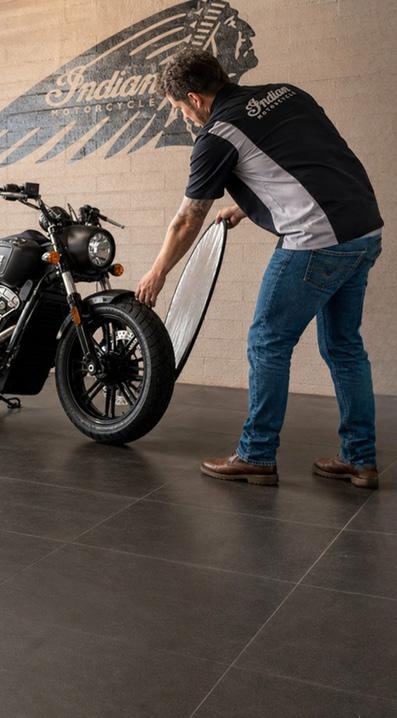
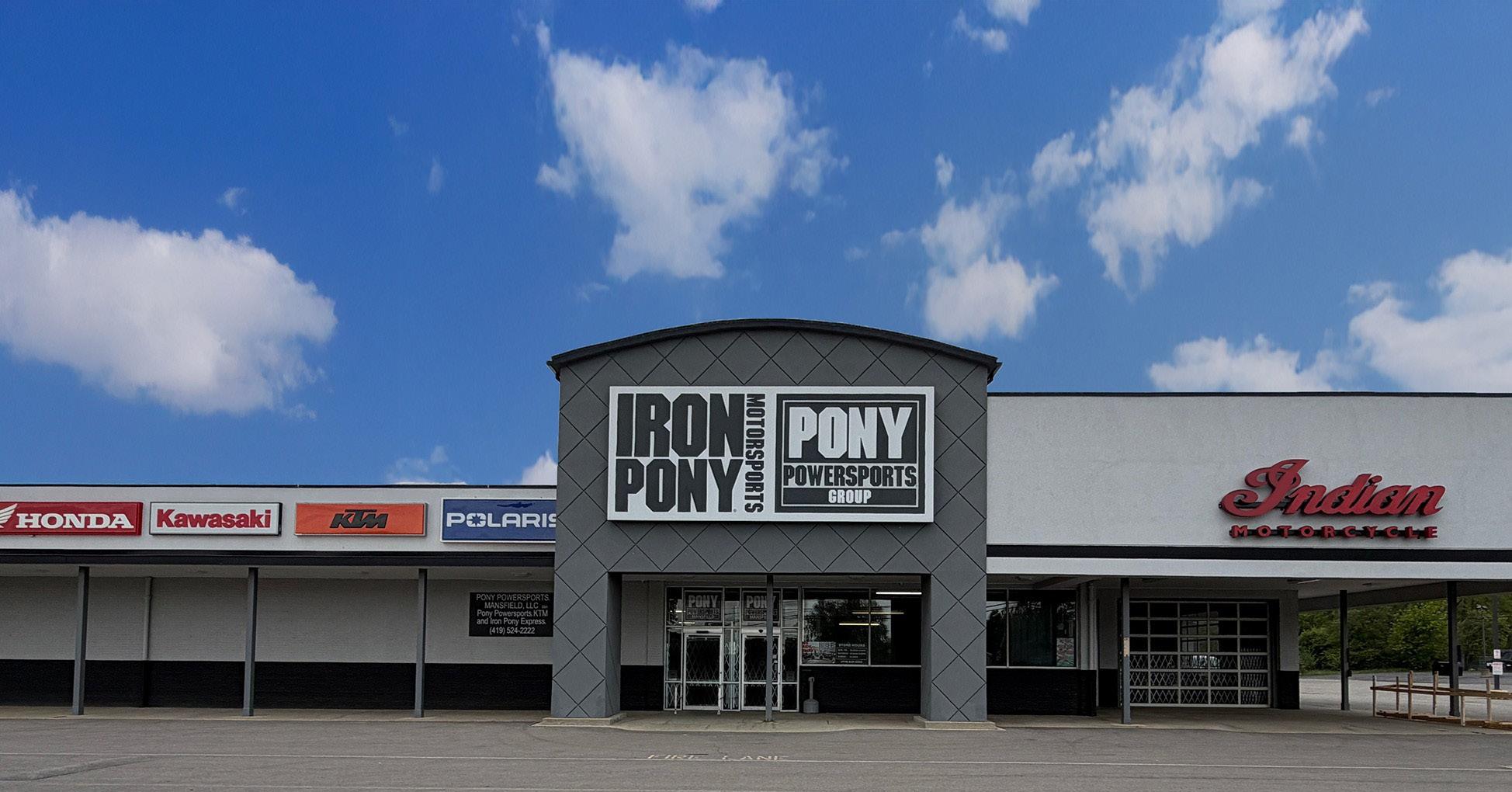
Speaking of former Top 100 winners and past Dealernews cover dealers Chris Jones and the Iron Pony team making headlines once again. Pony Powersports Mansfield has partnered with Indian to bring one of America’s most iconic motorcycle manufacturers to riders across North Central Ohio.
“This is a huge moment for our Mansfield location and the community we serve,” says Chris Jones, CEO and President of Iron Pony Motorsports Group. “Bringing Indian Motorcycle into Pony Powersports Mansfield allows us to offer an even broader range of premium options to our customers while continuing to grow our footprint across Ohio.”
The Mansfield dealership, now operating out of its expansive new superstore location, provides the perfect setting to showcase Indian Motorcycle’s lineup. With a significantly larger showroom, enhanced service facilities, and increased inventory capacity, customers can fully immerse themselves in the brand experience — from cruiser classics to performance-driven touring machines.
“This addition represents more than just a new brand — it’s an elevated experience for our riders,” adds Johnie Teders, General Manager of Pony Powersports Mansfield. “We’re excited to introduce Indian Motorcycle to our customers and give them access to a brand that stands for power, heritage, and innovation.”
According to Teders, customers visiting Pony Powersports Mansfield can experience:
• A full lineup of Indian Motorcycle models
• Expert sales and service support
• Expanded parts, apparel, and accessories
• A modernized showroom designed for exploration and discovery
With deep roots in the Mansfield community and a commitment to growth since 2016, Pony Powersports continues to invest in delivering unmatched value, service and selection.
RIDENOW Q1 RESULTS
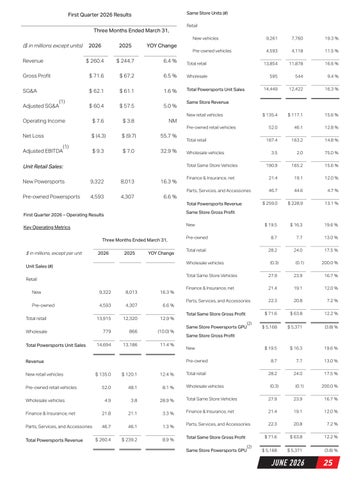
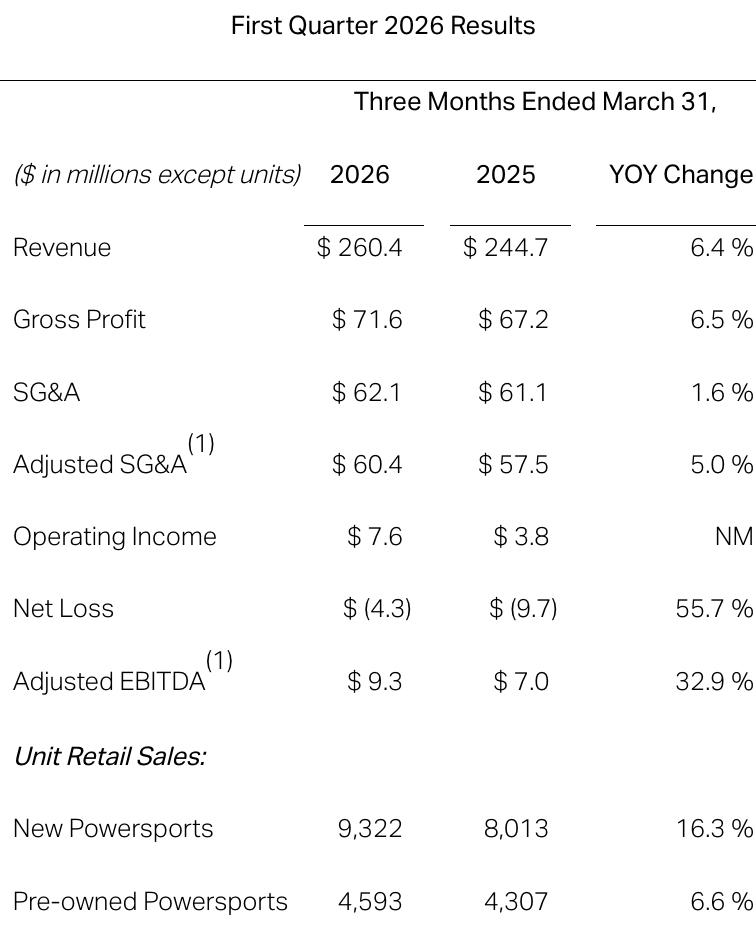
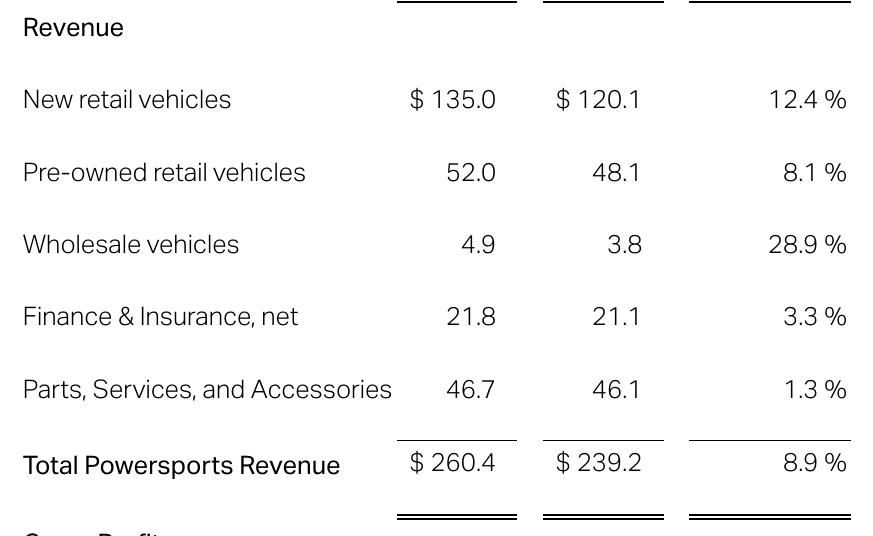
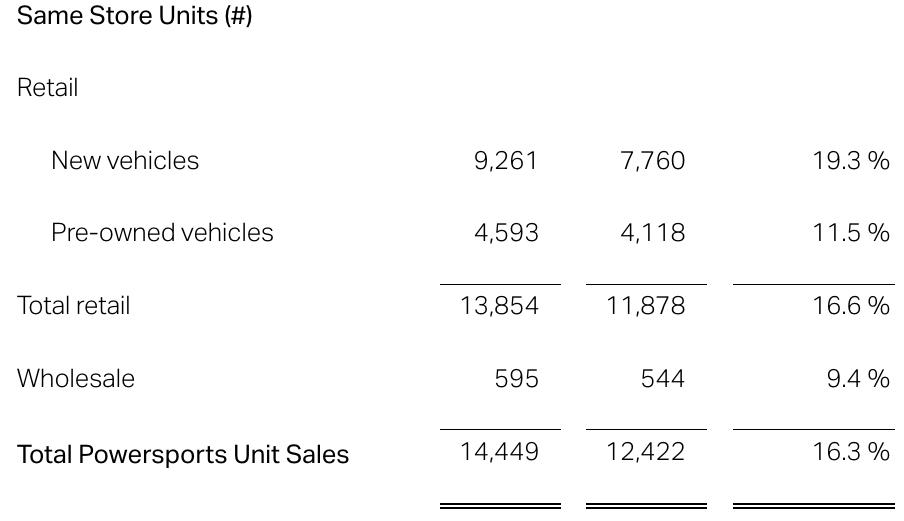
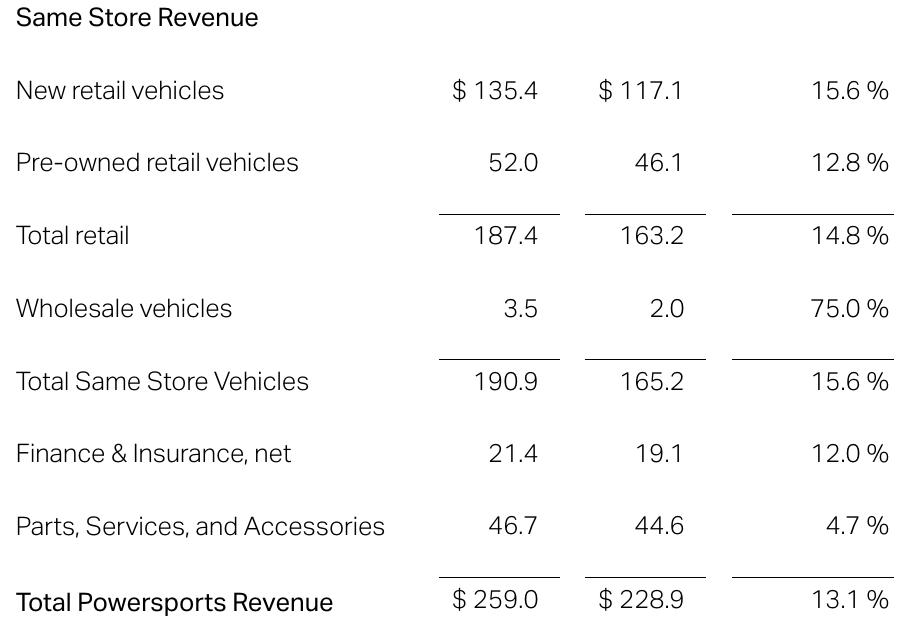
RideNow believes they are the largest powersports retail group in the United States… and with nearly 50 multiline dealerships and 12-15 Harley stores (hard to keep track of the consolidated number) in the RideNow family, who are we to argue? It is also hard to argue with the results: Q1 Powersports Revenue increased 6.4%, reaching $260.4 million, which represents an increase of $15.7 million in a down market. On a same store sales basis, Powersports Revenue was up 13.1%, driven by a 16.3% increase in unit sales.
“I am invigorated by our team’s unrelenting focus on execution, as evidenced by our first quarter results,” commented Chairman, Chief Executive Officer and President Michael Quartieri on the quarterly results. “Our tactical plan combines near-term initiatives to improve financial performance with structural changes to elevate the company’s strategic direction.”
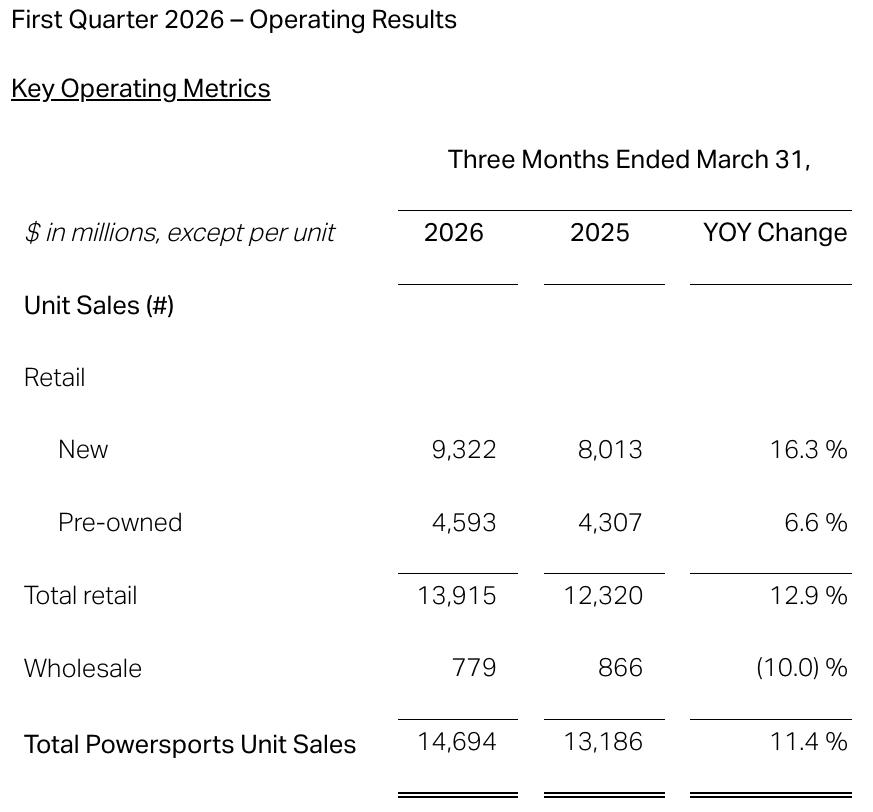
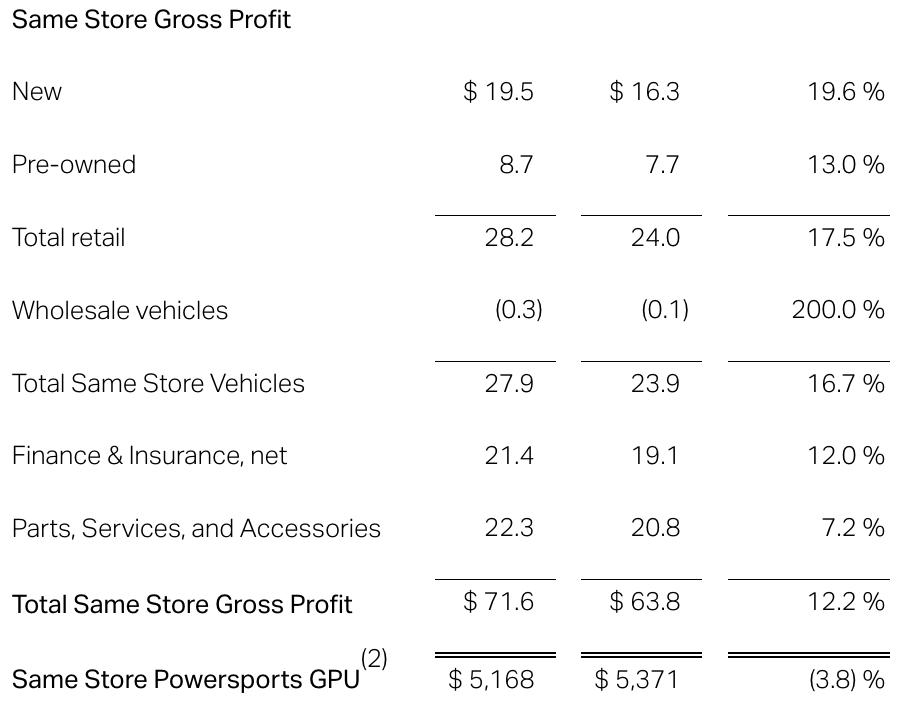
Combined, the RideNow dealerships sold 9,322 new units and 4,593 pre-owned powersports vehicles in Q1. Powersports Gross profit was $71.6 million, up 8.3%. At the same time, Adjusted EBITDA increased to $9.3 million from $7.0 million.
“All of our effort is focused on driving long-term value creation for our shareholders,” claims Quartieri. “And our first quarter results are further evidence that we are on the right trajectory.”
Bottom Line
RideNow ended the quarter with $46.4 million in total cash, inclusive of restricted cash, and $190.7 million of non-vehicle net debt. Availability under the company’s powersports floor plan lines of credit totaled approximately $99.3 million as of March 31, 2026 (note that was before May’s announcement… see sidebar).
Total Available Liquidity, defined as total cash plus availability under floorplan credit facilities, was $145.7 million as of March 31, 2026. Cash outflows from operating activities were $27.6 million for the first three months of 2026, compared to outflows of $6.9 million for the same period in 2025.
It all adds up to RideNow being the biggest player in the powersports dealership space!
SPEAKING OF RIDENOW…
Following on the heels of positive Q1 financials, RideNow announced a significant expansion of its borrowing capacity with Wells Fargo on May 18. The group has secured an additional $35 million in floorplan financing to support several of its major OEM relationships. The increase brings RideNow’s total credit capacity to approximately $400 million, up significantly from the amount reported at the close of 2025.
“Securing this expanded floorplan capacity is a testament to the hard work our team has done to improve our operations and strengthen our OEM partnerships,” explained Michael Quartieri, Chairman, Chief Executive Officer and President of RideNow Group, Inc. “We believe the expanded floorplan will allow us to better align our new and used vehicle inventory, ensuring we have the right product mix to meet customer demand at our dealerships across the country.”
ABOUT RIDENOW
The additional $35 million funding was secured through Wells Fargo, which increased RideNow’s floorplan capacity from $100 million to $135 million, which includes $115 million dedicated to new vehicle inventory for Polaris, Indian and Suzuki and a new $20 million allocation specifically for pre-owned vehicle inventory.
“This floorplan increase is a timely accomplishment, as we anticipate that it will support product availability at RideNow dealerships throughout the 2026 riding season,” concluded Quartieri. “With increased liquidity for new and pre-owned units, RideNow continues to solidify its position as a national leader in the powersports industry.”
RideNow Group, Inc. (NASDAQ: RDNW) is a powersports dealership group. We believe our powersports business is the largest powersports retail group in the United States, offering a wide selection of new and pre-owned motorcycles, all-terrain vehicles, utility terrain or sideby-side vehicles, personal watercraft, snowmobiles, and other powersports products. We also offer parts, apparel, accessories, finance & insurance products and services, and aftermarket products from a wide range of manufacturers. We are one of the largest purchasers of preowned powersports vehicles in the United States and utilize our proprietary RideNow Cash Offer tool to acquire vehicles directly from consumers. More details at: www.ridenow.com
HARLEY-DAVIDSON DELIVERS FIRST QUARTER RESULTS
Has The Motor Company gotten back to the bricks and emerged from the JZ era? We will leave that to the dealers and Wall Street pundits. We can say retail sales are up over the prior year, inventory levels are down and Artie Starrs has been meeting with dealers around the world.
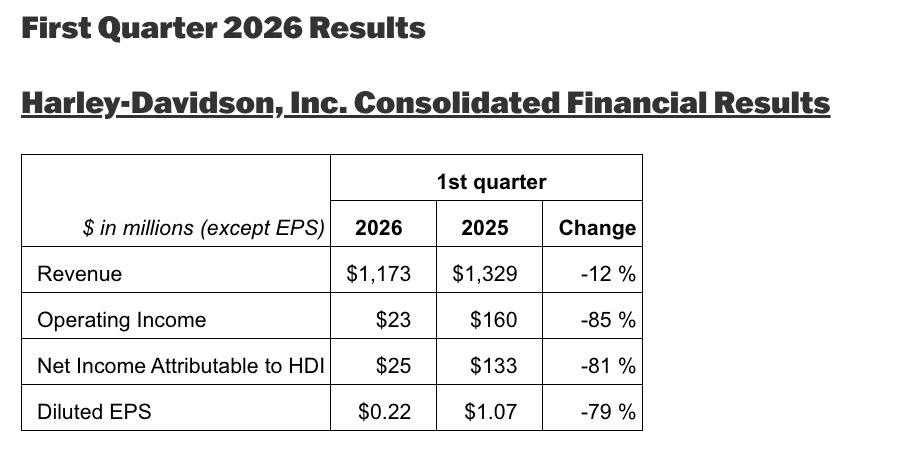
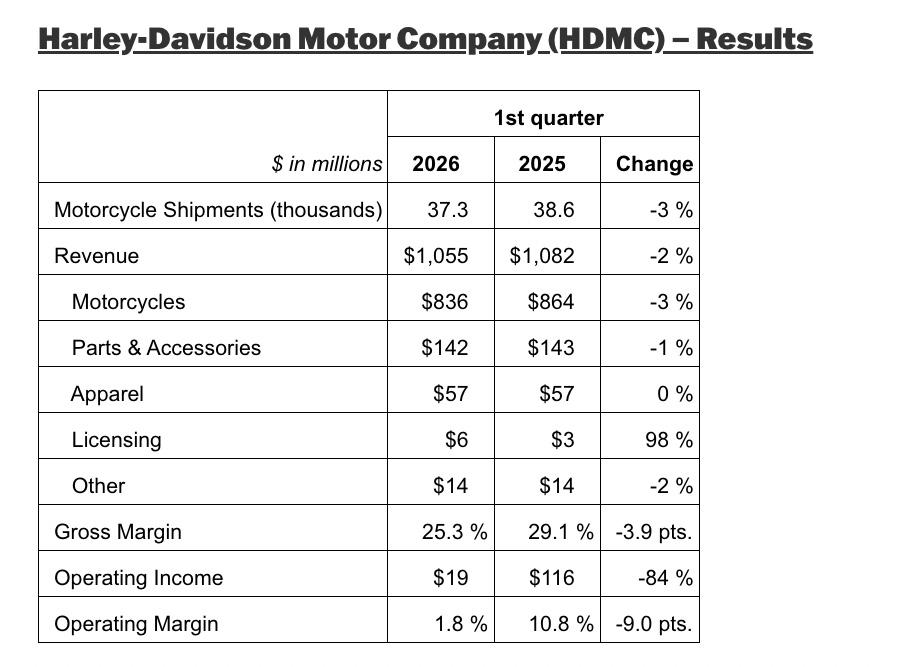
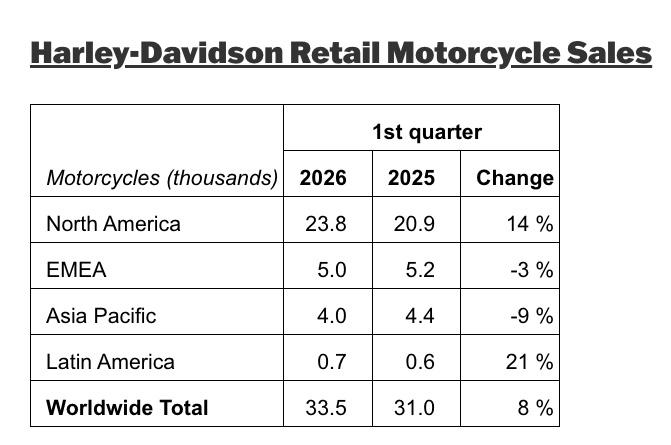
“We’re pleased with our first quarter results, which reflect actions we’ve taken to drive demand and improve dealer health,” said Artie Starrs, President and CEO, Harley-Davidson. “We saw a 14% increase in retail performance in North America, which drove global retail sales growth of 8%.”
At the dealer level, he notes the initiative to reduce inventory is working. “We achieved a 22% year-overyear reduction in global dealer inventories, as we continue to prioritize aligning wholesale with retail demand.”
First Quarter 2026 Highlights
• North American retail motorcycle sales of 23,803 units, up 14% vs. prior year
• Global retail motorcycle sales of 33,507 units, up 8% vs. prior year
• Global dealer inventory levels of new motorcycles ended Q1 ‘26 down 22% vs. end Q1 ‘25
• HDMC global motorcycle shipments of 37,295, down 3% vs. prior year
• HDMC revenue of $1.1 billion, down 2% vs. prior year
• HDFS operating income margin of 19.9%
• Repurchased $128 million of shares (6.6 million shares) on a discretionary basis
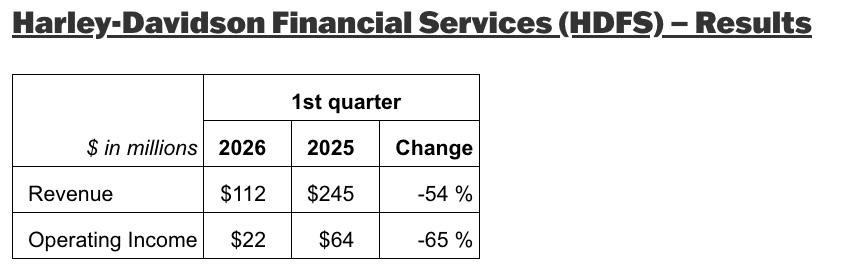
The bad news hidden in the fine print is the fact that Harley-Davidson incurred $15 million of costs related to strategic changes, including “termination benefits” and other restructuring charges. Q1 consolidated revenue was down 12%, driven largely by an HDFS revenue decrease of 54%.
First quarter gross margin was down 3.9 points due to the cost of new or increased tariffs, the net effect of global pricing and sales incentives, and unfavorable product mix. These factors were partially offset by a favorable court judgement resulting in a tariff refund in the EU and favorable foreign currency. First quarter operating income margin was down 9.0 points due to the factors above, while operating expense was $49 million higher than a year ago, including restructuring expense of $15 million in the quarter...
However Starrs is still putting a positive spin on things: “We are energized by the positive early reception to our new RIDE marketing platform, and excited to activate against our new growth strategy, Back to the Bricks.”
SHOW ME THE MONEY!
HDFS Financial Performance
On July 30, 2025, HDFS announced it was selling approximately two-thirds of retail loans originated by HDFS annually for a minimum period of five years to KKR and PIMCO. “This marks the beginning of an exciting new chapter for HDFS,” proclaimed Harley-Davidson Chairman, President and CEO Jochen Zeitz at the time.
The deal was said to transform HDFS into a “capitallight financing business” through the sale of existing and future retail loans while maintaining its strategic value to Harley-Davidson, its dealers, customers and investors. The immediate result was to unlock ~$1.25 billion of discretionary cash for Harley-Davidson.
So how has HDFS performed as a business unit since then?
“In the first quarter, HDFS revenue was down 54% from prior year, driven by lower retail and wholesale
finance receivables at lower yields. The decline in retail receivables was due to the sale of loan assets as part of the HDFS transaction, which took place in the second half of 2025. Other income within HDFS revenue was favorable year-over-year due to new servicing fees, investment income, and new gains on third party loan sales.”
HDFS’ operating income decreased by $42 million in the first quarter or 65 percent. On the expense side, both interest expense and the provision for credit loss expense were significantly lower, which was due to the decreased size of the retail loan portfolio and related debt on a year-over-year basis. Operating expenses decreased by $1 million versus prior year.
BOTTOM LINE
Total quarter-end net finance receivables, including both retail and wholesale loans, were $2.4 billion, a 67% decline over the prior year primarily due to the HDFS transaction.
Dealernews Research
By Don Musick
IT’S A BIRD, IT’S A PLANE, IT’s… Part VI
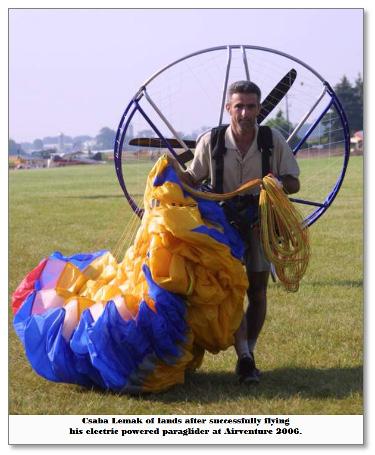
The first sustained flight of a paraglider powered by an electric motor was made by Canadian Csaba Lemak on June 13th, 2006. However, electric powered paramotors didn’t become publicly available until ~2010 and limitations in battery technology restricted typical flight times to only 15 to 40 minutes. They were also very expensive!
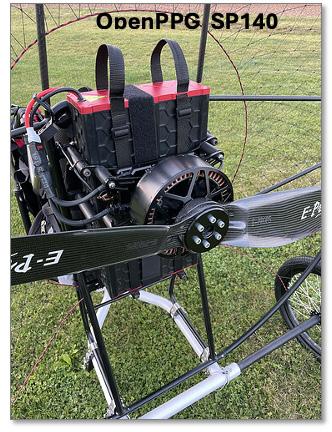
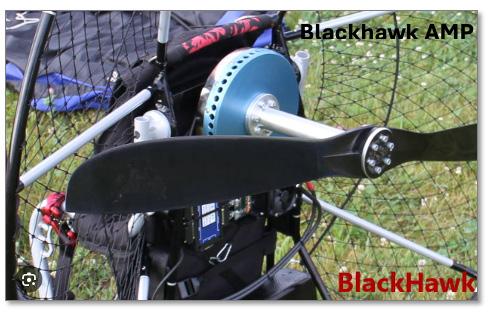
Commercial production became more widespread after 2015 as battery technology improved. Companies like OpenPPG and Blackhawk Paramotor began offering full kits and complete units powered by electric motors.
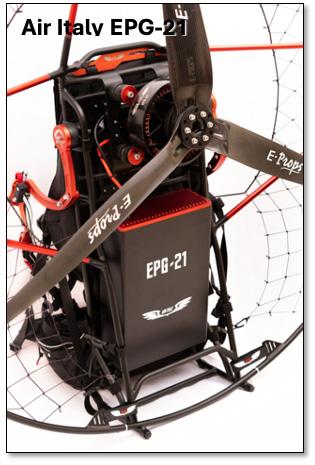
Fast forward to today and we find that advancements in lithium-ion battery technology have improved energy density, weight and longevity. This has extended typical flight times to 45-80 minutes and up to 2 hours for lighter pilots. Consequently, electric paramotors have become a viable alternative to their gas-powered cousins. They’ve even achieved price parity with the average gas-powered paramotor ranging from $9,000-$11,000 vs $10,000-$13,000 for the (electric equivalent + wing $). A Google Docs spreadsheet that compares the operating costs for both can be found here. Images of OpenPPG’s SP140, Blackhawk Motor’s AMP and Air Italy’s EPG-21 electric paramotors are shown on the next page.
Specs for each are as follows: OpenPPG SP140 (28 hp, 54.8/78.5 lbs.–2.6/4.8 kWh batt), Blackhawk AMP (14 hp, 64 lbs.), Air Italy EPG-21 (28.2 hp, 69/79 lbs. – 3.2/5.0 kWh batt).
When it comes to the drivetrain, electric paramotor manufacturers are more like systems integrators. They assemble the components a la carte — sourcing electric motors, electronic speed controllers (ESCs), and batteries from specialized suppliers instead of a single provider of complete engines (i.e. Vittorazi, Polini etc.).
Another great YouTube video from Tucker Gott gives a great point by point comparison of the pros and cons of gas (Vittorazi Atom 80) vs electric (OpenPPG SP140) powered paramotors here. And here’s another from OpenPPG of their record breaking flight duration of 2hrs 10min on an SP140.
A BIGGER TENT?
A 2025 study by the market research firm “DATAINTELO” estimated that the global paramotor market size was ~ $17.2 billion in 2023 and projected to reach $24.05 billion by 2032 with a CAGR of 4.6%. They attribute this growth to be a result of increasing interest in adventure sports worldwide. This is supported by recent analysis from “Market Research Future”, where a parallel trend was found for the adventure motorcycle segment. This research estimated a global adventure motorcycle market size of $16.8 billion in 2025 with a projected value of $27.48 billion by 2035 with a CAGR of 5.04%. The growth in the adventure segment is encouraging and partially offsets the recent decline in overall U.S. motorcycle sales. Another growth segment in
the industry comes from electric motorcycles, driven by advances in battery technology, environmental concerns and government support. So, it would seem that paramotors check both boxes… adventure sports, both gas and electric. But, just as PWC’s are constrained to waterways and snowmobiles to snow, are there regional limitations to paramotor usage (laws aside) or is the sky truly the limit?
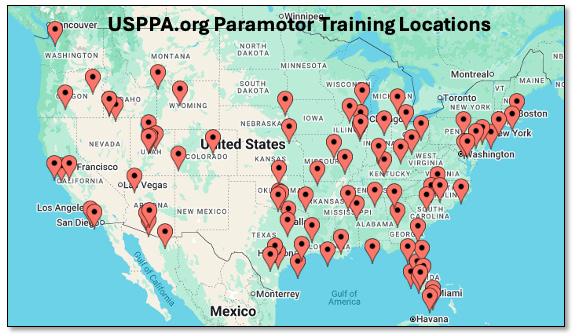
The map below shows the paramotor training facilities (108) that have been accredited by the US Powered Paraglider Association (USPPA.org). The widespread distribution of training locations across the U.S. demonstrates broad geographic demand for the sport. It also underscores that paramotor enthusiasm is not confined to any specific region.
Wrapping it up…. Maybe our Powersports Industry tent should be a little larger. What is there to lose? After all… the sky is the limit!
Fun Fact: The USPPA was established in 2001 with a mission to “preserve, promote and enhance the sport of powered paragliding”. Like Dealernews, the USPPA also publishes a digital magazine, “Paramotor Pilot” that features articles, reviews and news from across the paramotor community. In their own words, its “A magazine by paramotor pilots for paramotor pilots”. Sound familiar? It should!
It’s a great place to get started, and you can dig in deeper on their digital archives.
From his first motorcycles (a Honda S65 and an S90) when he was 16 to 50 years later, Don Musick has never stopped twisting the throttle. Although his accomplishments in the research arena have surpassed his MX career Don has over 25 years experience with major manufacturers in the Powersports and Automotive industries specializing in e-business solutions for retail distribution networks. His solution portfolio includes the development and implementation of manufacturer/dealer extranets, consumer-direct commerce portals, manufacturer/dealer e-channel integrations as well as development of web-based sales force automation tools. For most of his career, Don has been fascinated (his wife would say obsessed) with geographic market analytics, dealer location planning and sales territory optimization. He founded Genesys Technology Solutions (GenesysTech) www.genesystech.com to develop new tools and market intelligence products to help manufacturers understand the competitive landscape of their industries, recognize opportunities and grow their businesses. A Spartan to the core, Don earned a B.S. in Physiology and PhD in Biochemistry from Michigan State University. Contact: dmusick@genesystech.com
APRIL AWP IN REVIEW
Spring Momentum
April 2026 continued the strong seasonal momentum established in March, with wholesale pricing and volume remaining robust as dealers push deeper into spring. Bidder activity remains elevated year-over-year (YoY), supported by healthy pre-owned demand and continued easing in new inventory levels. At the same time, rising geopolitical tensions surrounding the Middle East and continued instability in global energy markets pushed fuel prices noticeably higher throughout April. Historically, elevated gas prices have often spurred increased interest in motorcycles as consumers seek fuel-efficient, lower-cost transportation. Early dealer feedback suggests that dynamic may already be contributing to stronger showroom traffic in several onroad categories. Despite broader economic uncertainty tied to fuel costs and softer consumer confidence, powersports retail demand continues to outperform expectations heading into summer.
Wholesale Values Remain Strong
Wholesale pricing trends in April reflected continued strength across much of the market, although pricing gains lessened slightly compared with the sharp acceleration seen in March. Again, Domestic Cruisers led the core on-road segments, rising 7.2% YoY and 6.2% versus the prior 90-day average, reinforcing strong dealer appetite for used Harley-Davidsons. Metric Cruisers were essentially flat YoY at -1.0%, but still improved 1.3% sequentially, while Sport Bike pricing softened modestly as pricing momentum began leveling off from peak spring values. Off-road categories remained healthy, with MX up 17.8% YoY and 7.3% sequentially, while Side-by-Side pricing climbed 11.5% YoY and 7.0% over the prior 90 days as weather around the country continues to improve. Marine and RV segments also remained seasonally strong, with Marine values increasing 24.7% YoY and RV pricing climbing 10.6% sequentially.
Seasonal Transition Begins
Looking ahead, pricing trends suggest the market may have already reached its seasonal high-water mark in March and April, with the normal summer softening patterns beginning to emerge earlier this year. While wholesale values remain materially stronger than they were in 2025, pricing in several categories has already begun easing, which aligns with normal seasonal behavior heading into summer. Dealers should recognize that stronger YoY pricing and faster sequential softening are not contradictory trends, but rather signs that the market accelerated quickly into spring and may normalize earlier than expectations. With many dealers carrying heavier pre-owned inventory positions than in prior years, the focus now should be on quickly turning units acquired over the last 60 days. Stay disciplined on aging inventory and adjusting retail pricing strategies proactively as the market transitions into a softer seasonal cycle.
www.npauctions.com/cp/npa-market-report
APRIL ‘26 VS. AVG OF PRIOR 3 MONTHS AVERAGE WHOLESALE PRICE CHANGE APRIL ‘26 VS. APRIL ‘25 AVERAGE WHOLESALE PRICE CHANGE
Enhance decision-making with proven principles.
Learning proven principles and ratios for dealership management is crucial to adapting to business challenges with confidence. From profit plans and pricing strategies to inventory planning and management techniques, you'll leave Total Management 1 with everything you need to make better, faster decisions in any market climate.
If you're ready to lean on facilitators who've been where you are, register for Total Management 1 today.
Total Management 1
Oct 12-16 Kansas City, MO
Nov 2-6 Calgary, AB
Dec 7-11 Dallas, TX
To learn more, email us at sfinfo@ncmassociates.com or call 1-(800)-772-3377.
sf.ncmassociates.com/product/total-management-1/
Specialty Vehicles Market Insights Report
Powersports
2026 Q1
Dealernews Research
By Lenny Sims
2026 Q1
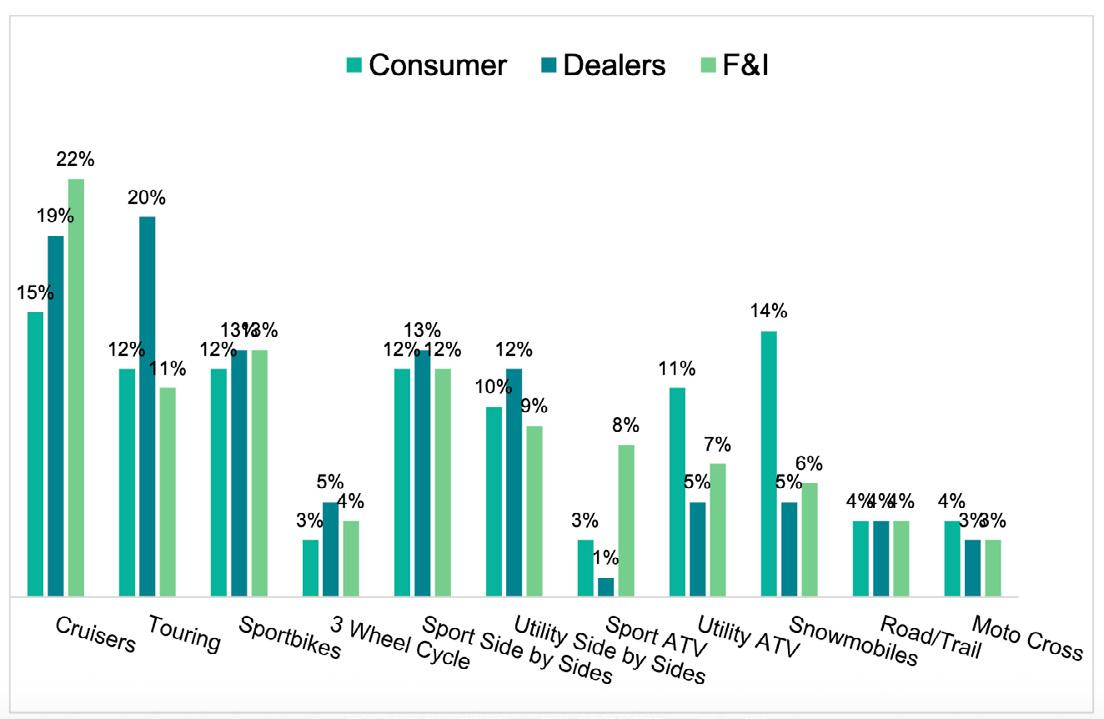
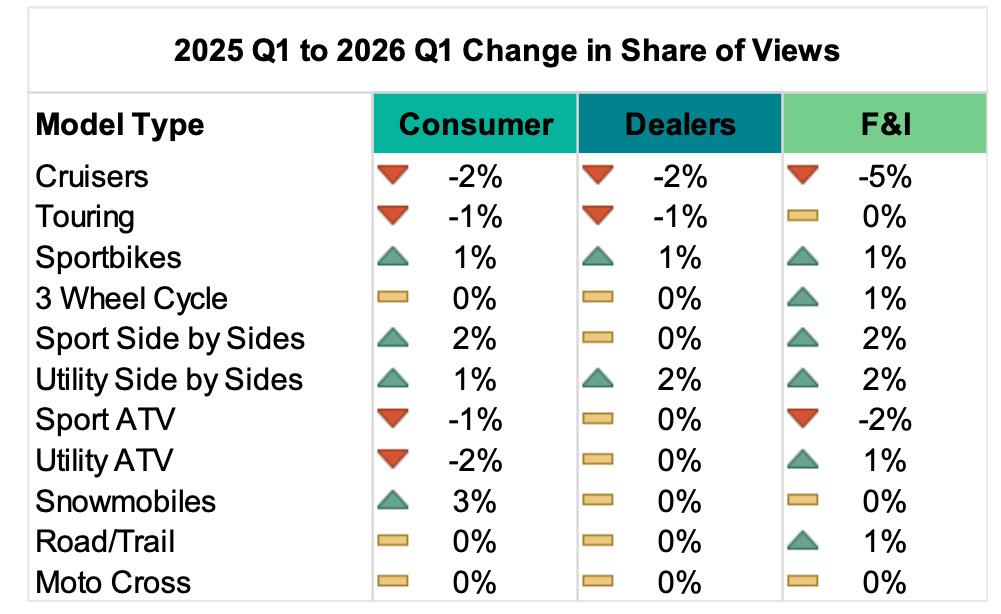
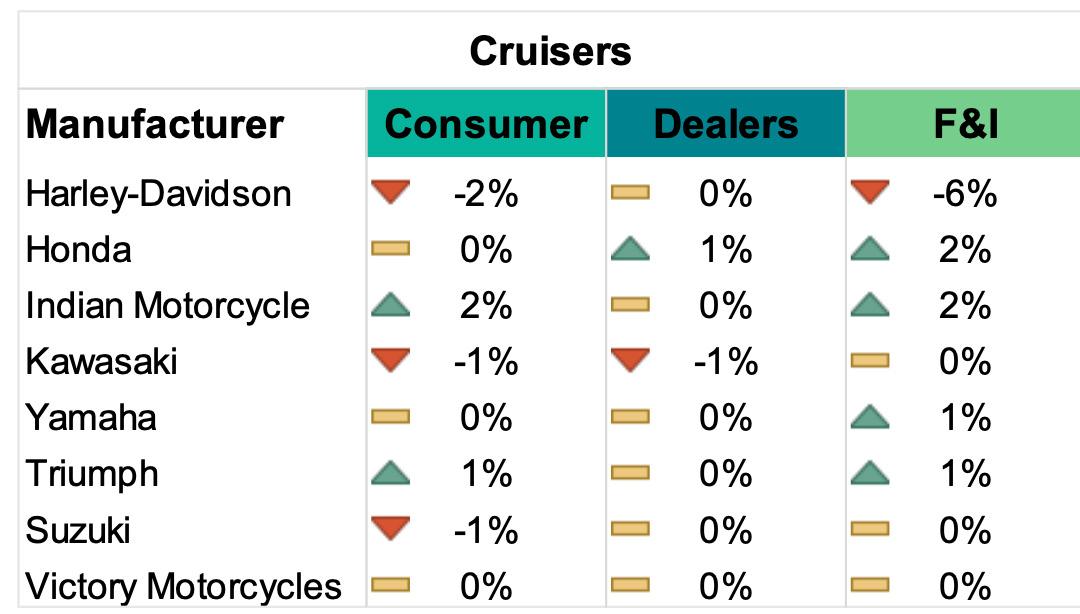
After a turbulent, tariff-induced Q4, it looks like Q1 went on “cruise control” as cruisers continue to dominate views from dealers, consumers and F&I. Caveat emptor: Interest in the cruiser segment still decreased year-over-year. Specifically in the cruiser segment, Indian appears to be gaining ground on Harley-Davidson from consumers as well as F&I industry professional.
Interest from consumers and dealers followed the expected seasonal trend… as did pricing.
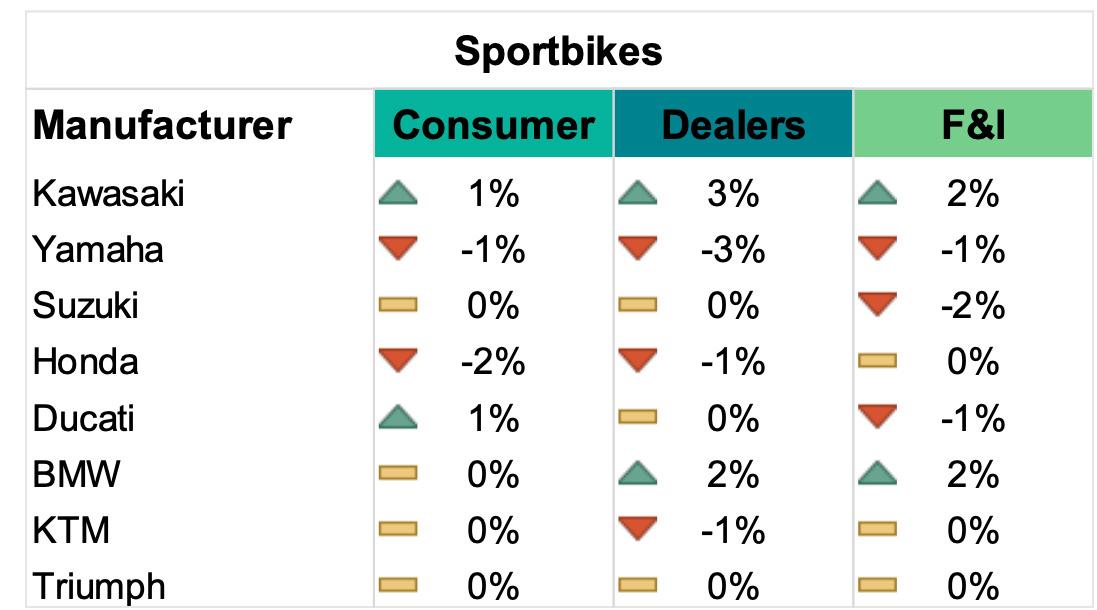
While volume was on cruise control, values were accelerating. Notably, Cruiser and Sportbike values increased substantially year-over-year going into the spring selling season. Kawasaki gained traction at the expense of Yamaha in the Sportbike segment.
Key Takeaways
• Based on relative traffic levels across all customer channels, Harley-Davidson may lose ground to Indian competitively in the Cruiser segment.
• Sportbike traffic increased mildly compared to 2025, with Kawasaki seeing increased interest across all channels at the expense of Yamaha.
Against the backdrop of ongoing geopolitical uncertainty, used motorcycle values continue to rise. The pre-owner pricing surge is supported by strong demand, particularly for well-maintained units in the two- to four-year age range. Despite broader external headwinds, dealers remain optimistic and confident in the strength of the upcoming selling season.
JD Power is the largest publisher of the most market-reflective vehicle pricing and information available for new and used cars, classic cars, motorcycles, boats, RVs and manufactured homes, offers in-depth shopping and research tools including a broad range of data, products and service and informational articles as well as tips and advice.
JD Power also produces electronic products, mobile applications, raw data, web services, web-syndicated products and print guidebooks.
For more information about our valuation products including CONNECT web values, the MarketValues app, API products, and print editions, call 800-544-6232, e-mail valuationsupport@jdpa.com or click here: www.jdpower.com
CURRENTS+
AMAZON STOPS SALES OF EBIKES
As Goes California, So Goes The Nation?
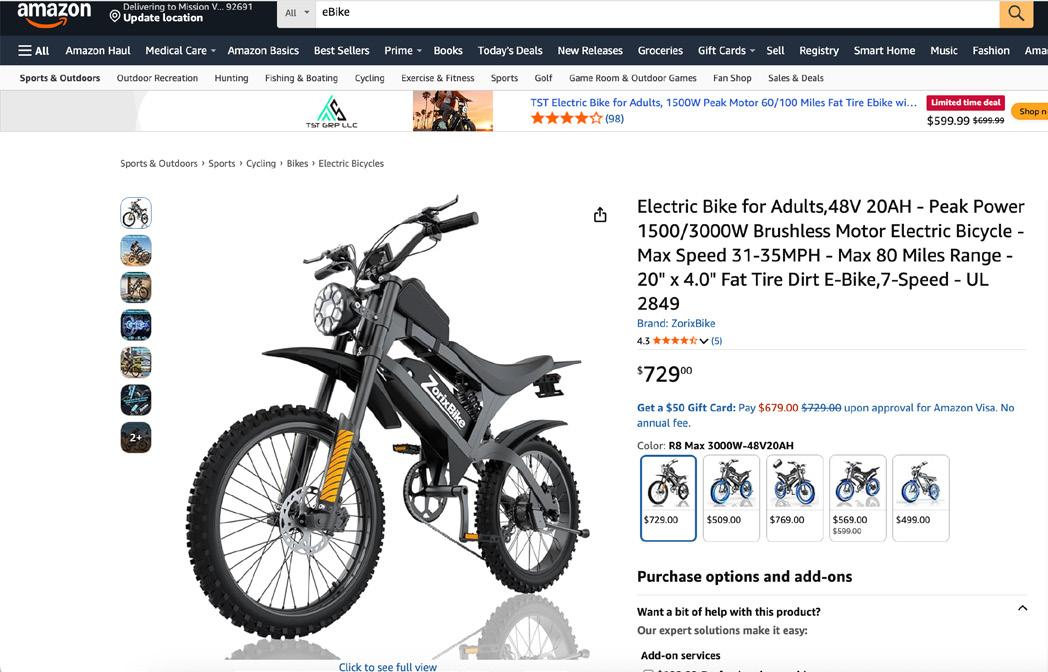
The highly charged eBike scene in California finally reached a tipping point, resulting in retail giant Amazon halting sales in California. Amazon officially stated it plans to “stop selling certain high-speed electric bicycles in California after a string of high-profile incidents and a consumer alert that the state attorney general issued last month.”
In April an 81-year-old man in Orange County died after a teenager illegally riding an e-motorcycle struck him. The teen’s mother, Tommi Jo Mejer, has since been charged with involuntary manslaughter in Ed Ashman’s death as officials say she was warned it was illegal for her son to operate the vehicle.
Just before that incident, Rob Bonta, the State’s Attorney General, in conjunction with several county district attorneys, put forth a consumer alert about the safety laws related to eBikes. “Vehicles with two wheels that can exceed 28mph using pedal assistance or can exceed 20mph with throttle assistance are considered mopeds or motorcycles rather than ebikes,” claimed the alert.
The alert warned that retailers were marketing two-wheeled vehicles as electric bicycles when they did not qualify as such. Mopeds and motorcycles have age limits and require special licensing in California.
“Sometimes, what looks like an eBike or is marketed as an eBike is not a bike at all. We are seeing a surge of safety incidents on our sidewalks, parks and streets,” stated Bonta. Amazon responded it is working to remove listings for ebikes or e-motorcycles that do not comply with California regulations.
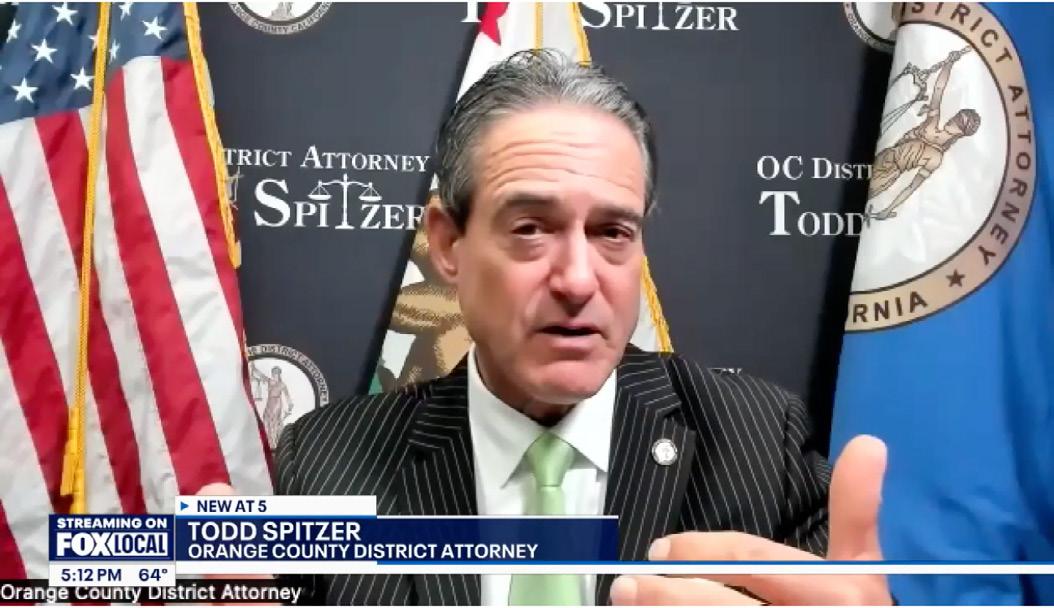
Todd Spitzer, the Orange County district attorney who charged Mejer, praised the development and noted in a statement that last week a 13-year-old boy died after crashing an e-motorcycle he was riding: “More than 100 deaths across the United States have resulted from eBike and E-motorcycle crashes and injuries have increased 430% in the last four years in southern California,” claims Spitzer.
Amazon has announced it will no longer sell e-bikes in California that exceed state speed limits, following a
consumer alert issued by California Attorney General Rob Bonta last month.
A search on Amazon revealed numerous eBikes advertised with speeds over 40 miles per hour. After being contacted by KCRA 3 Investigates about the listings, Amazon responded, stating it is now requiring all e-bikes sold by third-party sellers to comply with state laws, regulations, and Amazon policies. Amazon also announced it has pulled the examples provided by KCRA and is investigating compliance for similar products.
ASSOCIATIONS RESPOND TO EBIKE CRISIS
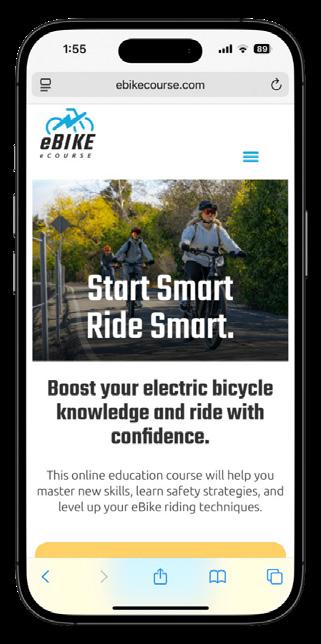
To meet that growing need and support safe riding in communities across the country, PeopleForBikes and the Motorcycle Safety Foundation are offering free access to their interactive online eBike eCourse. The course covers the basics of eBike ownership and rules of the road and includes practice drills designed to help riders build confidence and improve their skills.
Already in the works and presented at PeopleForBikes national event in March, the joint project roll-out comes too late to prevent the April tragedy, but might provide a path forward according to the coalition.“PeopleForBikes works to make biking safer and more fun for everyone by supporting great places to ride, smart policies, and better education,” explains Jenn Dice, President and CEO of PeopleForBikes. “As eBikes allow more people to experience the joy and benefits of bicycling, this free course helps those riders build the skills and confidence they need to ride safely.”
“This course is designed to help riders better understand their eBikes and make informed decisions on the road,” adds Christy LaCurelle, President and CEO of the Motorcycle Safety Foundation. “When more people have access to quality safety education, entire communities benefit. We’re proud to work with PeopleForBikes to make this course free during May Bicycle Month and help more riders get the knowledge they need to ride safer.”
eBike eCourse FAQ
• The course takes about 90 minutes to complete and can be done at the student’s preferred pace.
• The certificate can be used to demonstrate preparedness to schools or municipalities if required.
• The course is designed for teens and those without driver’s ed experience.
Additional resources — including a readiness checklist, guidance on talking to kids about eBike safety, riding tips, and downloadable promotional materials — are available at eBikecourse.com/resources
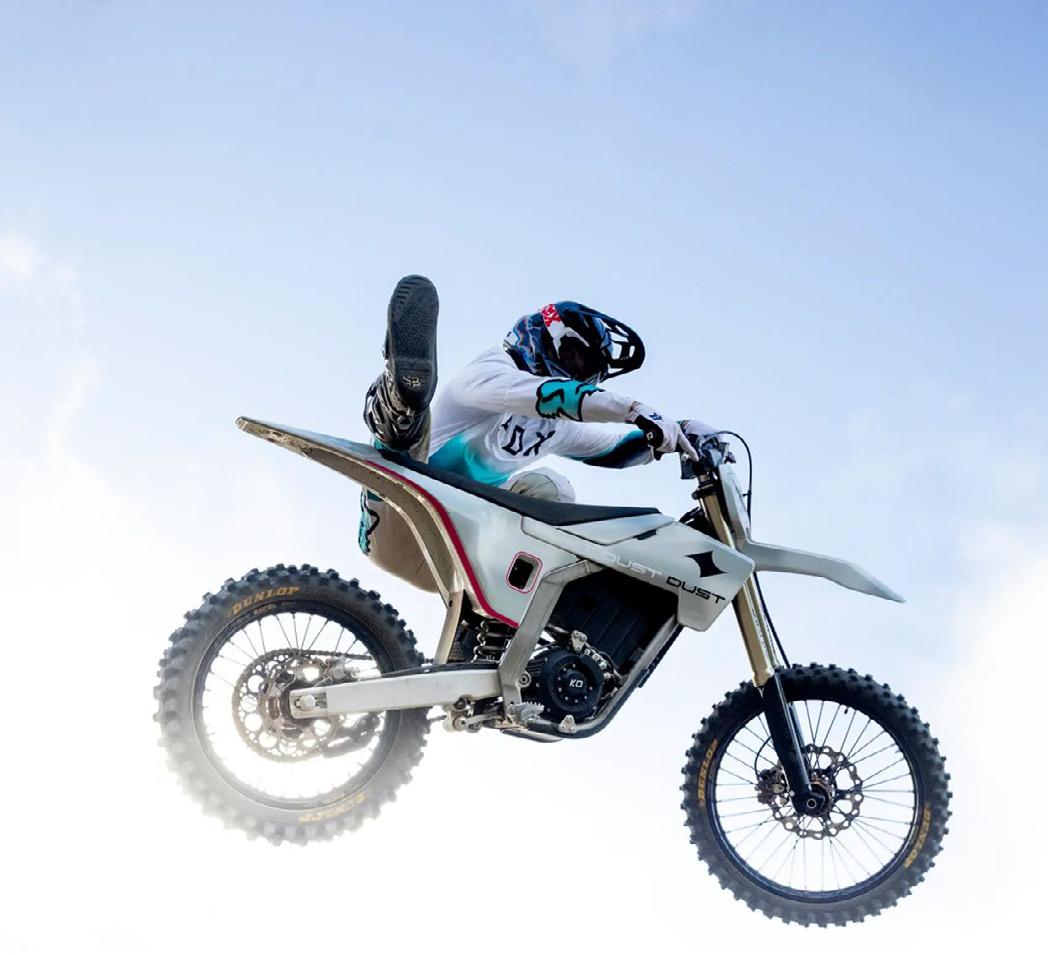
ASHES TO ASHES, DUST TO… LIVEWIRE
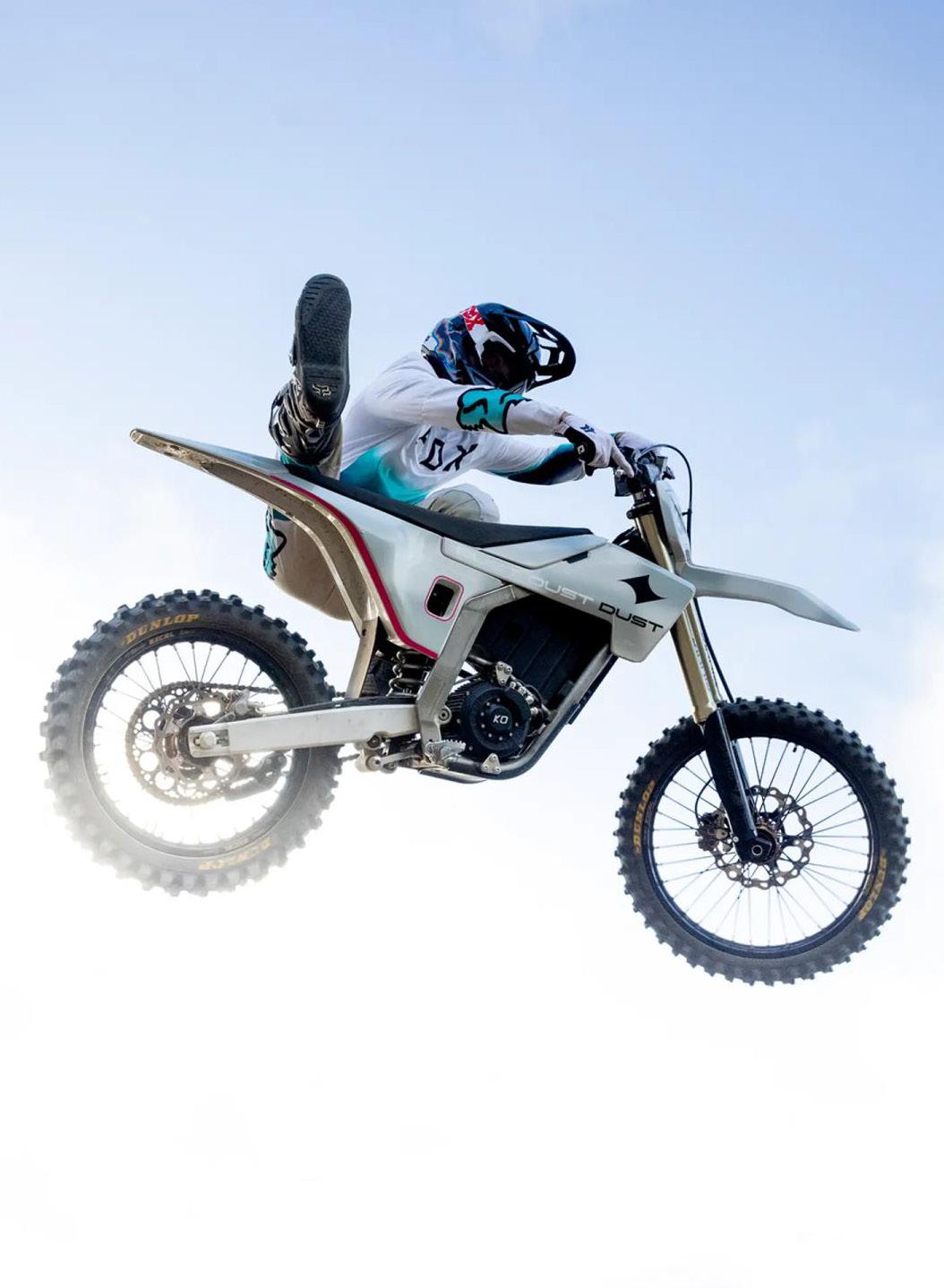
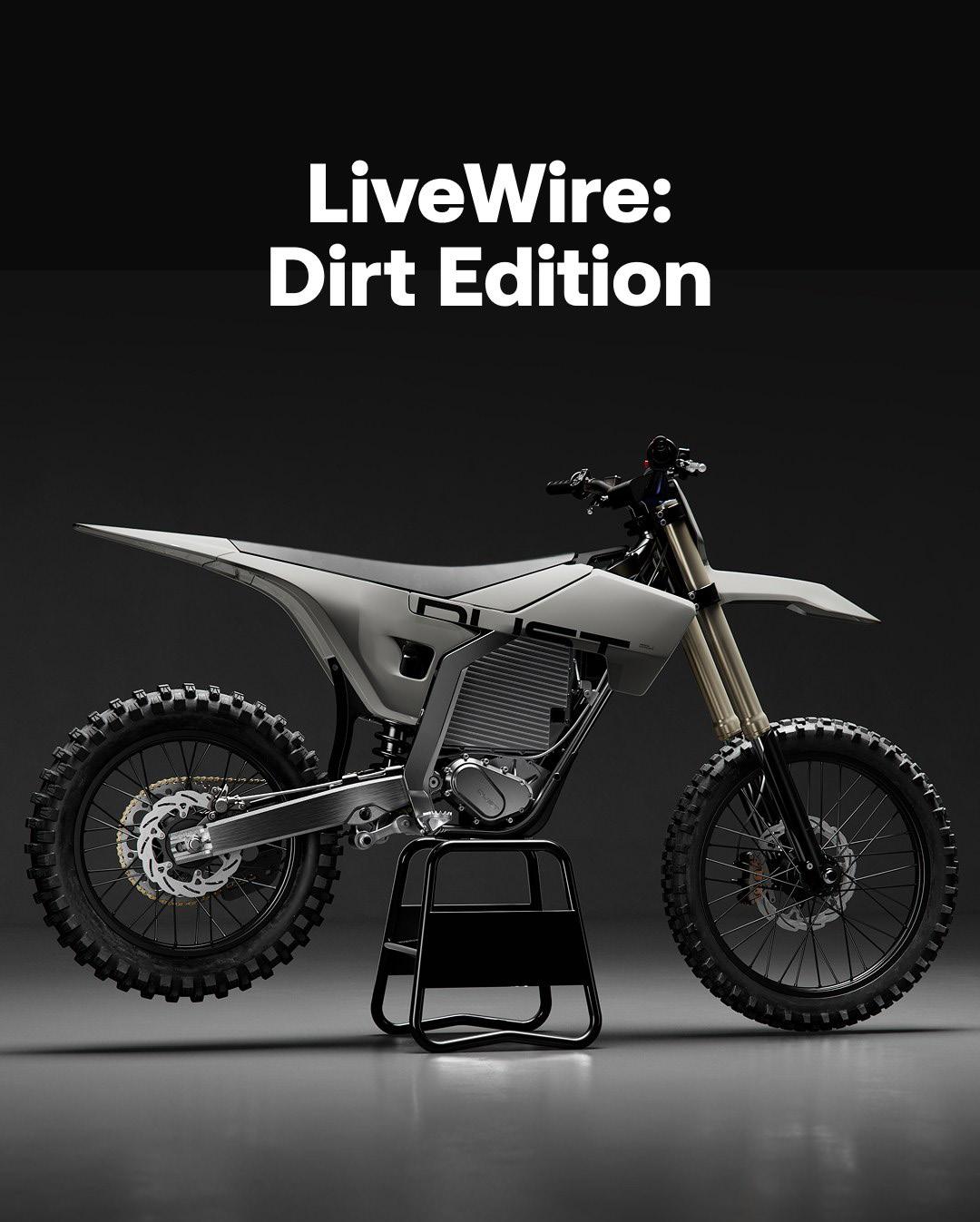
“Dust is on a mission to get people out riding more,” noted Dust Moto founder Colin Godby when he launched the eMoto line. “We care about shared riding experiences, not race wins. We are American Electric Moto.” Now that mission — and the performance eMoto bike — becomes part of the LiveWire portfolio. On May 19 LiveWire announced it acquired the assets of Dust Moto and was entering the off-road market.
“LiveWire pioneered the on-road electric motorcycle market, and this acquisition allows us to build on that leadership as we expand into off-road, continuing the journey that began with STACYC ten years ago,” said Karim Donnez, CEO of LiveWire Group, Inc. “Dust Moto is a strong strategic fit and an accelerator of our vision, bringing proven off-road insight that will contribute meaningfully to LiveWire’s leadership position in electric powersports.”
The acquisition strengthens LiveWire’s strategy to grow beyond on-road electric motorcycles and address the rapidly expanding electric off-road market, which is being driven by riders seeking incredible torque and performance with the added benefits of reduced noise, lower maintenance, and an accessible riding experiences through simplified operation and single-speed drive.
“Joining LiveWire marks an exciting next chapter in our journey,” sadded Godby, CEO of Dust Moto. “LiveWire shares our fundamental DNA as an American brand focused on performance, innovation, and putting riders first. With LiveWire’s scale, resources, and global reach, we can bring our electric off-road bike to market with a worldwide audience and deliver an unmatched off-road experience.”
With the completed transaction, LiveWire is advancing Dust’s electric dirt bike platform toward production, leveraging LiveWire’s engineering capabilities, manufacturing scale, and global marketing, sales and service network to accelerate development and go-to-market execution.
LiveWire intends to share more information on the launch of the product in the second half (2H) of this year.
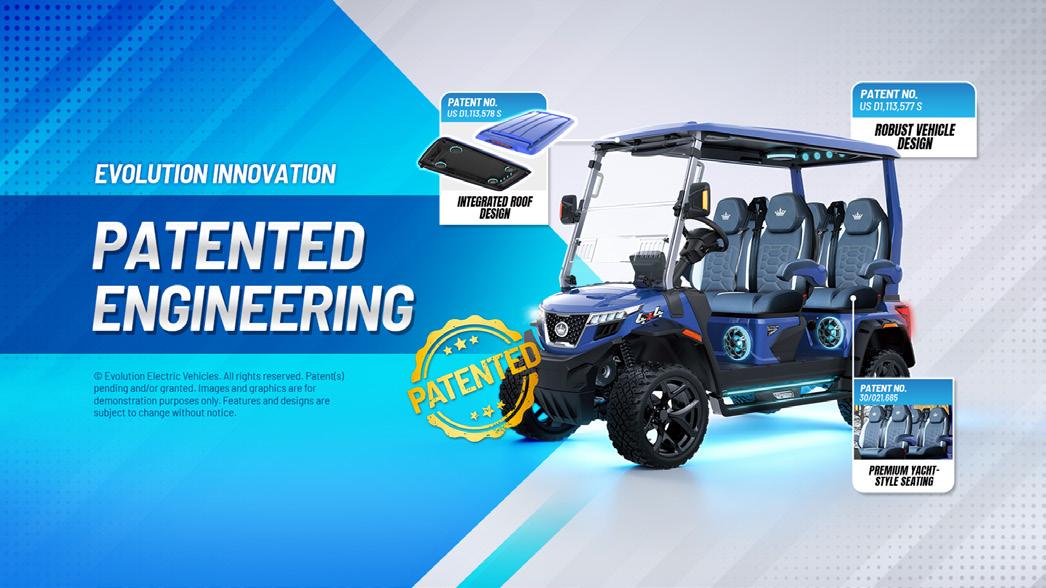
TARIFFS BE DAMNED, EVOLUTION CHARGES AHEAD!
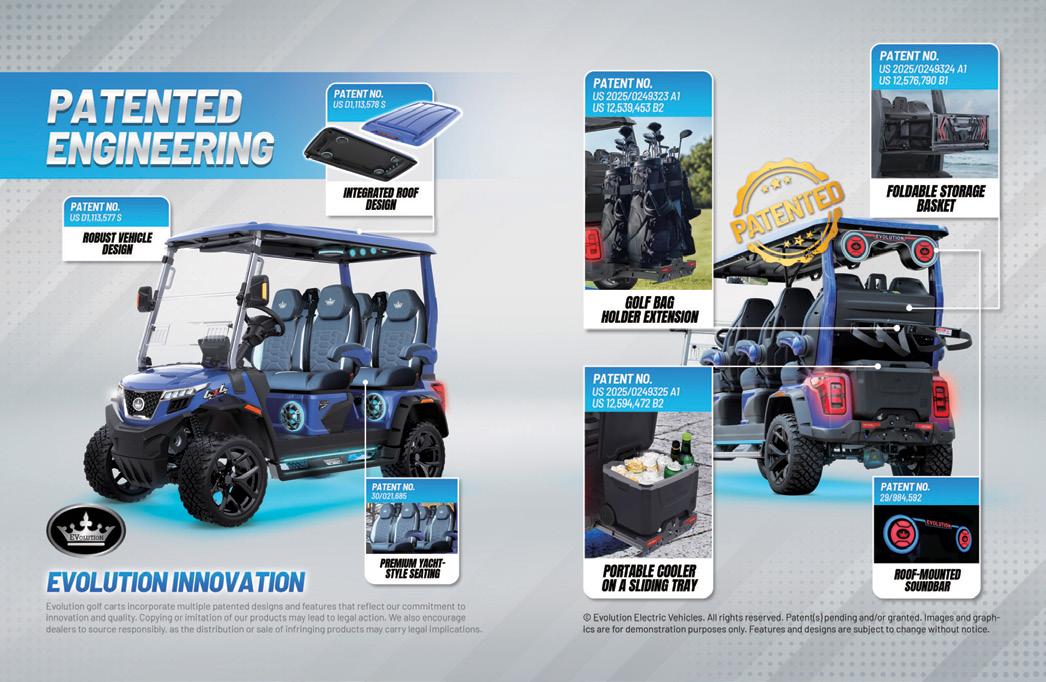
While the tariffs have certainly hindered international trade for leading electric vehicle producer Evolution, it has not stopped their innovation. In fact, Evolution has announced a significant expansion of its U.S. patent portfolio covering its flagship D5 and D-MAX golf cart platforms. These patents reflect the company’s continued investment in design, functionality and user-focused engineering, further solidifying Evolution’s position as a leader in next generation golf carts.
The newly granted and published patents span both design and utility innovations, including distinctive vehicle styling, advanced storage solutions and multi-function accessory integration. Notably, Evolution has secured U.S. design patents (Patent NO. US D1,113,577 S & US D1,113,578 S) protecting the unique exterior appearance of its D-MAX and related components, ensuring strong protection of its recognizable product identity in the marketplace.
In addition to design protection, Evolution’s growing utility patent portfolio covers practical innovations that enhance real-world usability. These include systems enabling golf carts to carry up to four golf bags efficiently, integrated accessory structures such as ice buckets on a sliding holder and modular storage solutions like foldable baskets and storage devices. Further innovations include structural and mechanical improvements such as adjustable steering systems (Patent NO. US 2025/0304146 A1) and specialized golf cart trunk (Patent NO. US 2025/0305524 A1).
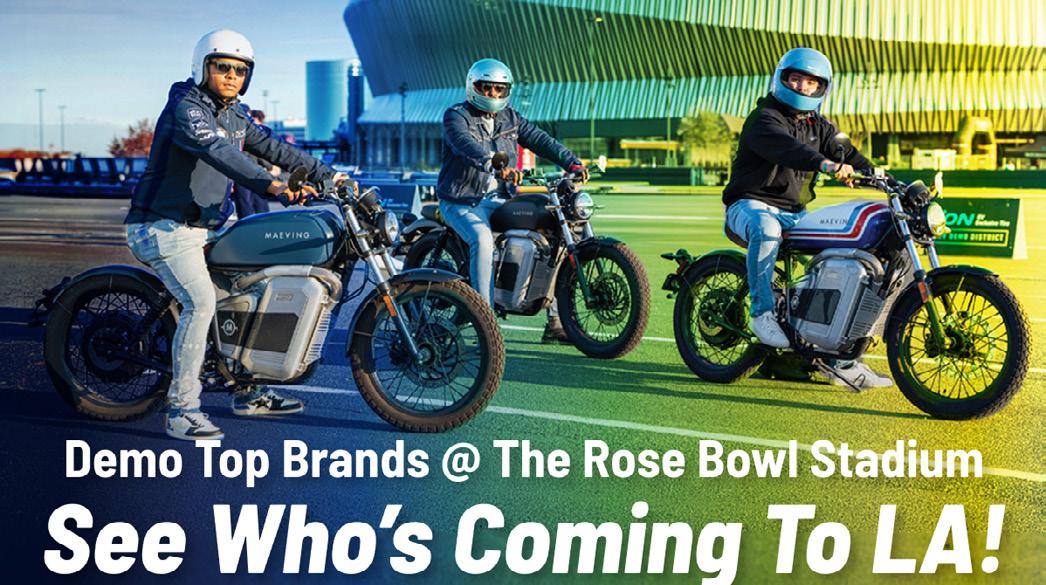
DEMO DAYS OPENER
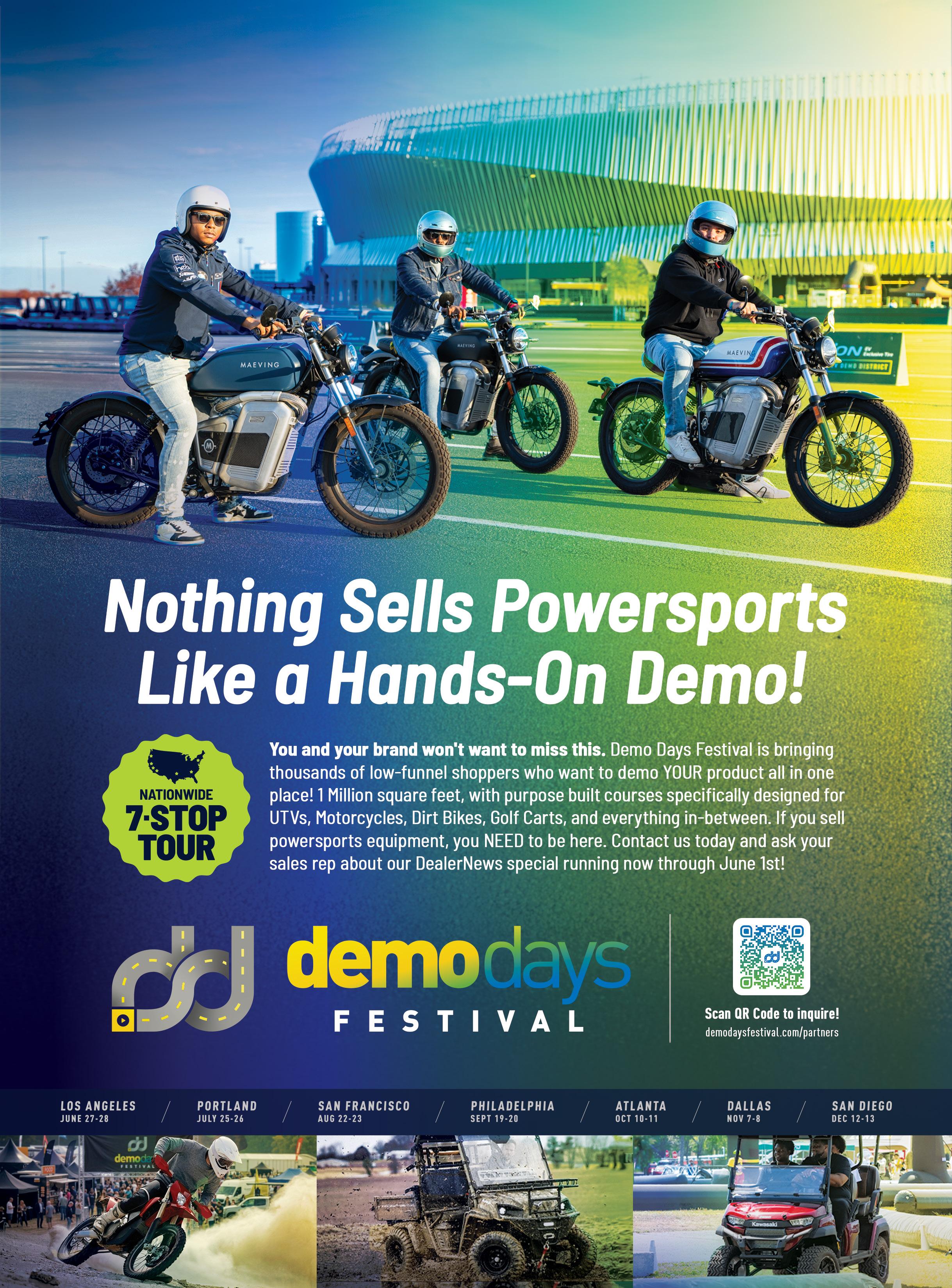
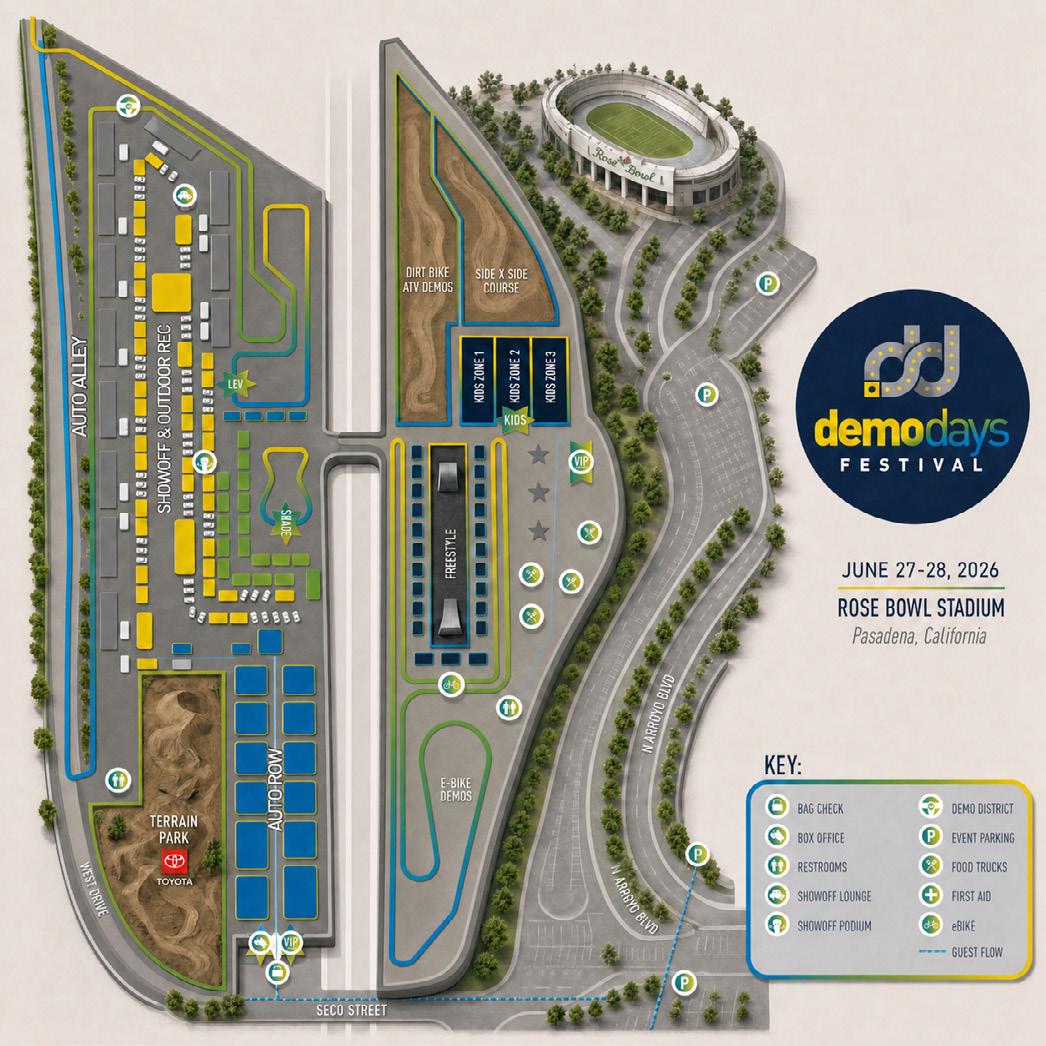
In addition to shifting its focus from EV-exclusivity to the more broad based appeal of demo days, Electrify Expo has changed its name and moved its season debut in SoCal from Long Beach to the legendary Rose Bowl in Pasadena. Now known as Demo Days Festival, North America’s largest outdoor demo festival launches June 27-28, 2026.
What has not changed is the reach and the sheer number of butts on seats delivered by Demo Days: More than 1 million hands-on demos delivered since 2021. “This is real people on purpose-built outdoor courses, on motorcycles on open streets, on e-bikes on dedicated loops, on UTVs through dirt tracks,” explains founder BJ Birtwell. “Ride. Drive. Demo Everything!”
“That number grew because the format works,” he adds. “You put a product in someone’s hands with no sales pressure and no barriers, and the product sells itself. We built the entire festival around that idea and have now done it across 32+ events in major US markets with 600,000+ attendees.”
Demo Days 2026 opens in Pasadena on June 27 and runs through multiple metro centers before wrapping up in San Diego, December 12-13. Find out what all the buzz is about at: demodaysfestival.com/products/los-angeles
OC DA TARGETS OUTLAW PARENTS!
Following a tragic accident in Southern California, Orange County District Attorney Todd Spitzer issued the following statement in a press release:
“Parents who buy their child an E-motorcycle and let them ride them illegally or help modify e-Bikes to transform them into E-motorcycles are handing their children a loaded weapon — and those parents are going to be prosecuted. That is not a threat. That is a promise.
“This 81-year-old man survived flying combat missions in Vietnam protecting freedom only to die because a mother refused to parent her child and he was run over in the street by a vehicle that should have never been on the road. There is absolutely no reason that an unlicensed, untrained child with no concept of the rules of the road should be riding a motorcycle that can go up to nearly 60 miles per hour next to cars on a public street and think that by some miracle they are going to be safe...
“The state Legislature has made it virtually impossible for prosecutors to hold juveniles accountable for committing serious crimes, and the only way to stop the carnage E-Bikes and E-motorcycles are causing across Orange County is to hold parents accountable for the crimes they allow their children to commit.”
STACYC CHARGES INTO Q1
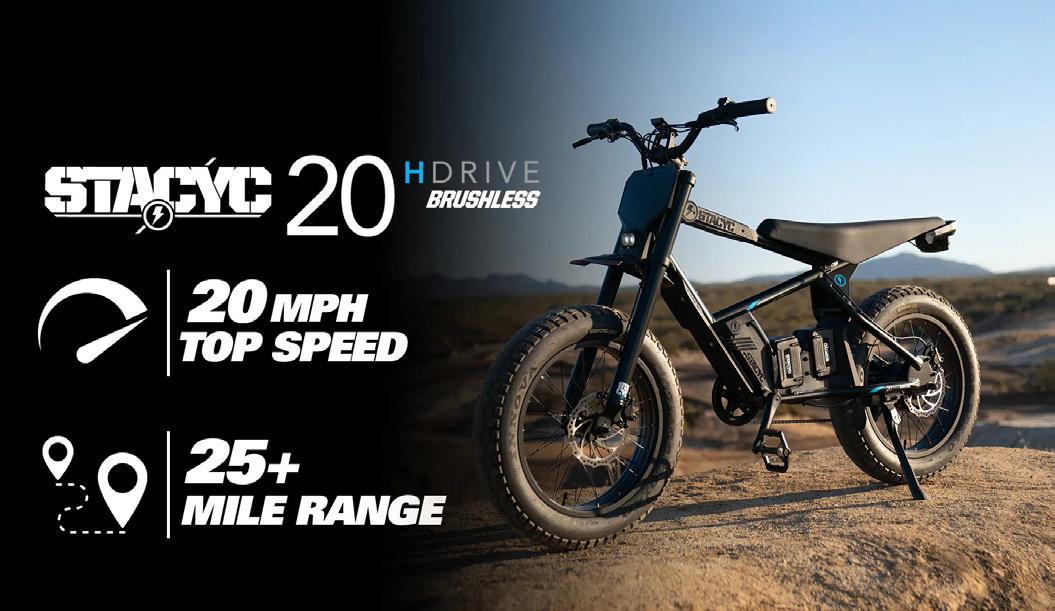
Unlike its LiveWire parent, youth-oriented STACYC continues to charge. While LiveWire was looking to diversify with the acquisition of Dust, STACYC was consolidating its market gains. Mission accomplished as revenue increased 60% compared to Q1 2025. According to the Q1 financials, STACYC sales — focused on electric balance bikes for kids, electric bikes and related products — increased by 101% compared to the prior year same quarter resulting in an increase to revenue of $1.4 million. Operating loss decreased by $0.3 million in the first quarter of 2026 compared to 2025 primarily due to increased gross profit on increased sales.
MARKET INTEGRITY
MARKET INTEGRITY
$13M Judgment & Permanent Ban
US Court Rules Talaria's "Parasitic Copying" Constitutes Commercial Suicide
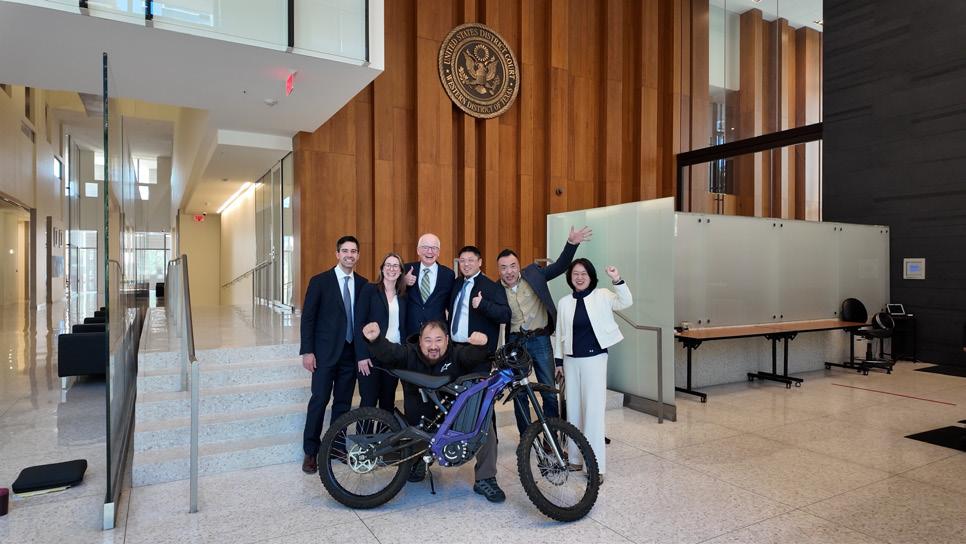
On May 18, 2026, the U.S. District Court for the Western District of Texas issued its final judgment in the patent infringement case brought by Surron against Talaria. The court entered judgment against Talaria, finding the defendants liable for willful infringement. Under the judgment, Talaria is ordered to pay Surron stipulated damages totaling $12,969,110, and is placed under a permanent injunction. Furthermore, Furthermore, based on the explicit finding of willful infringement, Talaria must also bear the plaintiff’s substantial attorneys' fees. This marks a milestone victory in the closely watched intellectual property dispute within the global new-energy two-wheel vehicle industry, delivering a powerful judgment in favor of the original innovator.
Defending Original IP Rights Under the Law
The injunction applies not only to Talaria itself but also extends to its affiliates, related personnel, and those acting in active concert with it. Going forward, Talaria is completely prohibited from manufacturing, using, offering for sale, selling, or importing any infringing products or related core components into the U.S. market. Particularly significant is that the injunction also bars Talaria from engaging in any advertising, marketing, or promotional activities related to the infringing products. This ruling effectively blocks the commercial survival space of infringing products in North America—across supply chains, distribution networks, and brand presence.
Surron's Global IP Enforcement Journey
This is not the first time Surron has taken public action to enforce its intellectual property rights against infringement. As the pioneer and definer of the global lightweight electric off-road motorcycle category, Surron has long faced challenges such as infringement, counterfeiting, and unfair competition in its global expansion.
Looking back at its enforcement efforts, Surron has consistently maintained a tough, zero-tolerance stance. In a series of previously published statements, Surron has repeatedly emphasized that technological innovation must not be stolen, and that any attempt to capture the benefits of original innovation through imitation or copying will eventually face legal consequences.
The $12.97 million award by the U.S. District Court for the Western District of Texas is a recognition of Surron's long-standing commitment to defending the technological sovereignty of original Chinese innovation and its long-term, principled approach to IP enforcement. This is not merely a legal ruling—it is a significant strike against those who have long operated in the gray zones of the global supply chain.
International Gold Awards as Backing
Underpinning Surron's strong enforcement stance is its leadership in industrial design and core technology.
As a brand widely recognized for its hard-tech credentials, Surron has independently developed lightweight frames, proprietary powertrain systems, and handling technologies that challenge conventional light motorcycles. These innovations have earned Surron several of the world's most prestigious industrial design awards, including the German Red Dot Award and the ISPO Award. These internationally recognized honors serve as the best evidence of Surron's originality.
A New Era of Compliance in Global Expansion
With the judgment and permanent injunction now in effect, the rules of competition in the global new-energy two-wheel vehicle industry have been fundamentally rewritten. The era of reckless growth through low-cost copying is over. Respect for originality and compliance-driven global expansion will be the defining themes moving forward.
DON’T JUST SIGN A CONTRACT, DEVELOP AN AI INTEGRATION PLAN
By David Gatti
AI tools are reshaping how powersports dealers merchandise pre-owned inventory. The pressure to adopt them is real. However, the integration plan should be yours, not some software vendor’s first pitch.
The worst thing a powersports dealer can do with AI when it comes to used units right now is move fast... Of course that isn’t what your vendors are telling you. It isn’t what your 20 Group is telling you. It isn’t what the car dealer across town — the one whose enhanced inventory photos suddenly pop on a phone screen — is modeling for you. The pressure to adopt these tools quickly is real, and it is coming from every direction at once. But pressure isn’t a strategy, and speed isn’t an integration plan.
Powersports has always run a step behind automotive when it comes to retail technology, and most dealers know it. DMS adoption, online inventory, digital retailing, F&I menus — all of it landed in car dealerships first and worked its way
down to powersports dealers years later. That gap was usually long enough that the auto side made the expensive mistakes first, which meant powersports inherited a more mature version of whatever the technology was. However with the advent of AI, the cycle has compressed. The car guys are now just 12 to 18 months ahead, not five years, and they haven’t finished the beta testing yet. The dealers feeling pressure to catch up are catching up to a moving target — and that’s the trap.
The question is not whether to adopt AI in your used inventory workflow. The dealers who pretend otherwise won’t be standing in three years. The question is whether you have an integration plan, or whether you’re just buying tools.
What AI Inventory Tools Are Actually Good At
Let’s start with what AI tools do well, because the list is a real one. AI tools correct your grammar. They keep your listings in the same voice and format from one bike to the next, which most
dealership websites have never had. They know the dimensions a Facebook ad needs versus a Marketplace listing versus your hero tile, and they know which crops stop a thumb mid-scroll on a phone. They will draft a paragraph about a 2019 MT-07 in 30 seconds that would take your Internet manager 15 minutes to do.
They know the bike should be centered in the frame, the headlight should catch light, and a shadow under the tire grounds the image instead of letting it float. They know your inventory grid looks more like a dealership and less like a yard sale when every tile uses the same angle and the same treatment. None of that is rocket science — a good photographer has known it for 30 years. What’s new is that the tools do it on a phone, in under a minute, by an employee whose job is not photography. That’s the part worth paying for.
The same consistency carries through to the writing. Your descriptions land in the same rhythm and the same structure from one unit to the next, so your inventory page reads like one dealership instead of 14 different employees on 14 different days. Buyers feel that even when they can’t name it.
Here’s what AI tools are not good at: Being left alone!
AI earns its keep in your dealership the same way a sharp new hire does — by doing the first draft fast, leaving the judgment calls to somebody who’s been around long enough to make them, and accepting that the foreman is still going to walk over and check the work before it leaves the shop. That last part isn’t optional. It’s the integration plan.
So far, so good. Then it gets harder… much harder!
Where The Apprentice Needs The Foreman
The trouble starts the moment an experienced employee stops reading the output. When AI is pointed at a VIN, it will confidently describe features the bike doesn’t have. It will get the trim level wrong. It will tell a buyer the unit has ABS when it doesn’t, heated grips (it doesn’t), a quickshifter (removed by the previous owner). It does all this with clean grammar and a confident voice, which is the dangerous part — because the same polish that makes the copy worth using is the polish that hides the mistakes.
MUST READ — Feed The AI Your PDI Notes, Not The
VIN!
The fix starts before the AI ever writes a word, and it starts with what you feed it. The single biggest mistake dealers make with these tools is pointing them at a VIN and hitting go. The VIN gets the model the year, and accesses the manufacturer’s spec sheet — which is the same generic copy every other listing of that bike already has. It’s the same exact boilerplate the customer can read on the OEM’s website. It’s NOT a compelling reason why anyone should buy your unit over the one 50 miles down the road.
What you feed the tool is the PDI text. The technician’s notes are the most valuable two paragraphs in your building, and they’re sitting
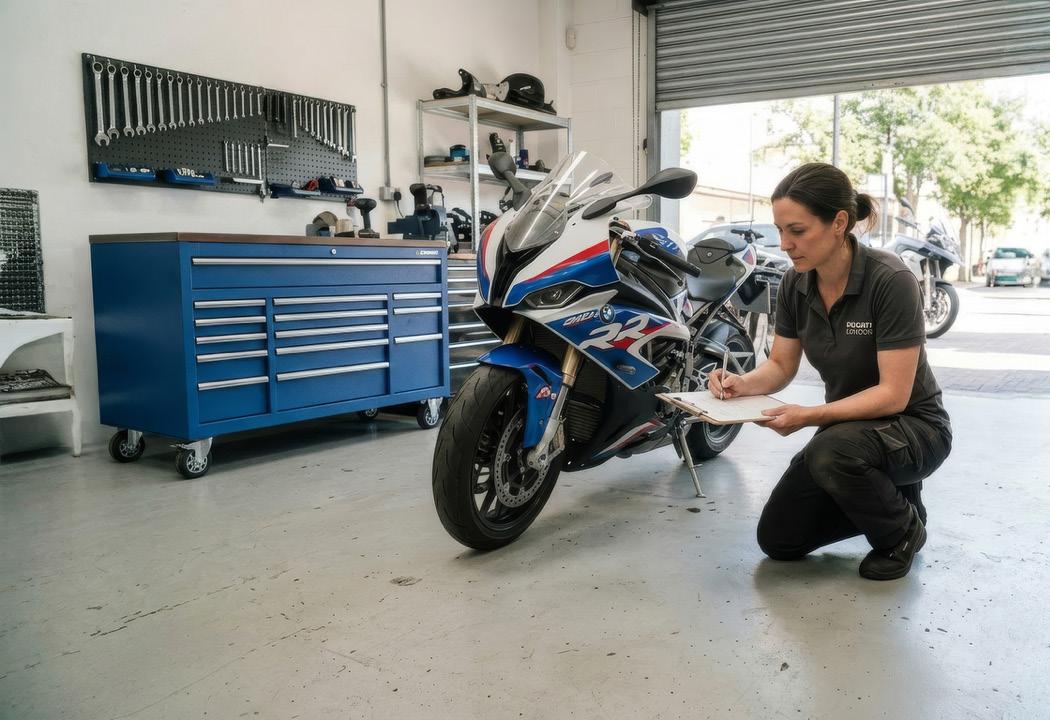
in your DMS doing nothing. Low miles. New tires front and rear. Fresh fluids, fresh chain, fresh sprockets. One owner. Garage kept. Service records on file. No drops, no damage, original plastics. That’s the language that separates your bike from the rest of the herd, and it’s the language the AI will use if you give it to use. Pointed at the PDI notes, the service history, and a two-line summary from whoever took the trade, the tool will produce listing copy that reads like it was written by somebody who has seen the bike. Pointed at a VIN alone, it produces filler.
That’s the input side. The output side has to be a rule and not a hope. Somebody who has seen the bike reads the AI’s draft before it goes live. Not the GM. Not somebody in another building. The salesperson who took the trade, or the tech who did the PDI, or the lot manager who walked it off the truck — somebody with eyes on the unit and 10 seconds to sign off. That’s the foreman pass. It’s the difference between AI saving you time and AI creating a misrepresentation claim you didn’t know you’d filed.
Stop The Scroll
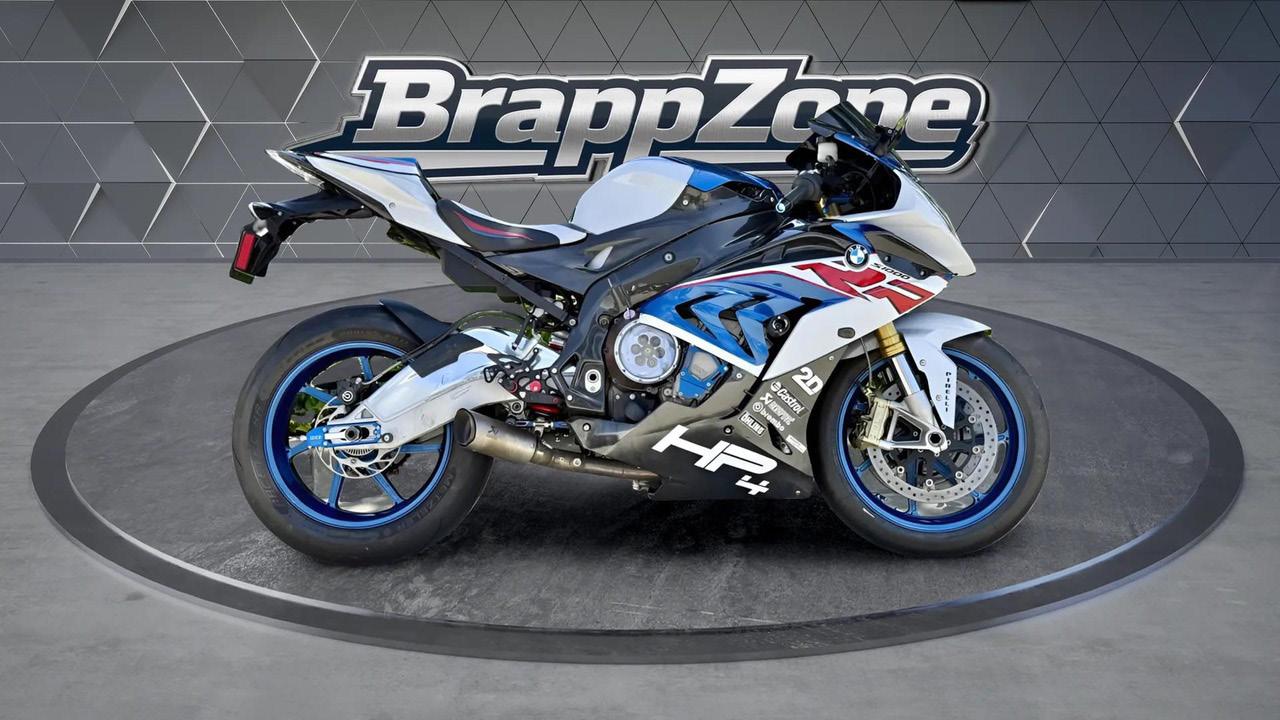
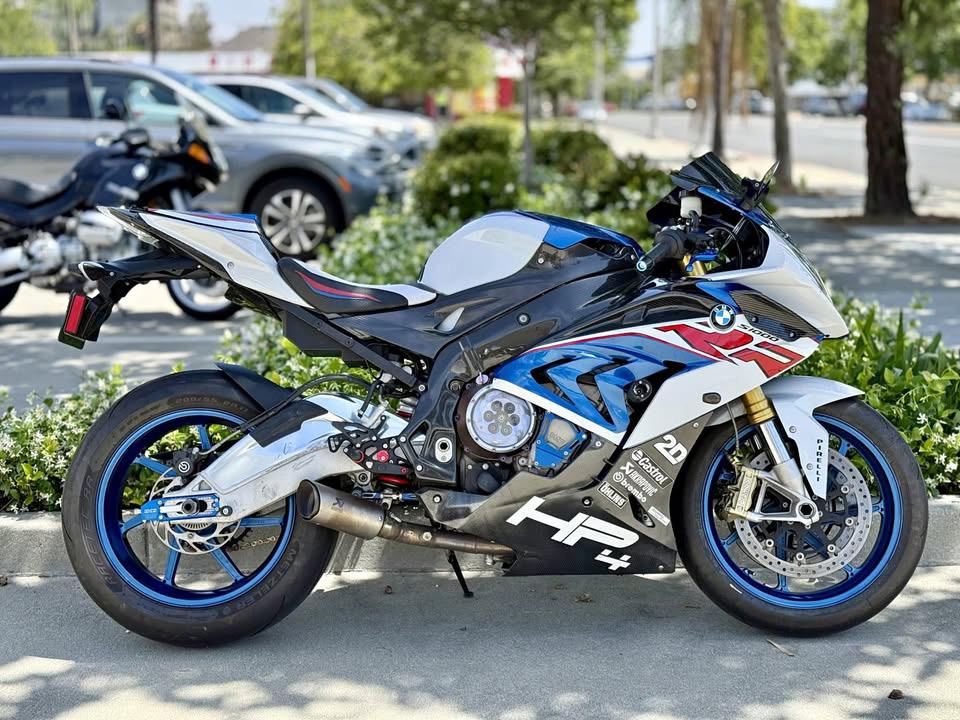
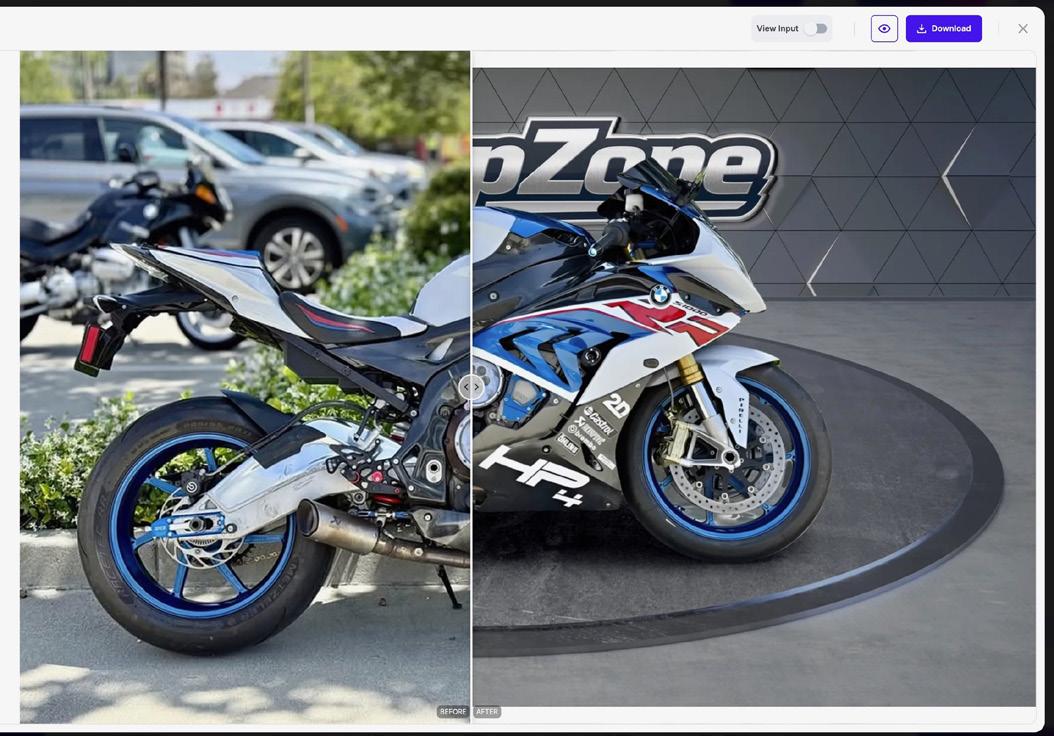
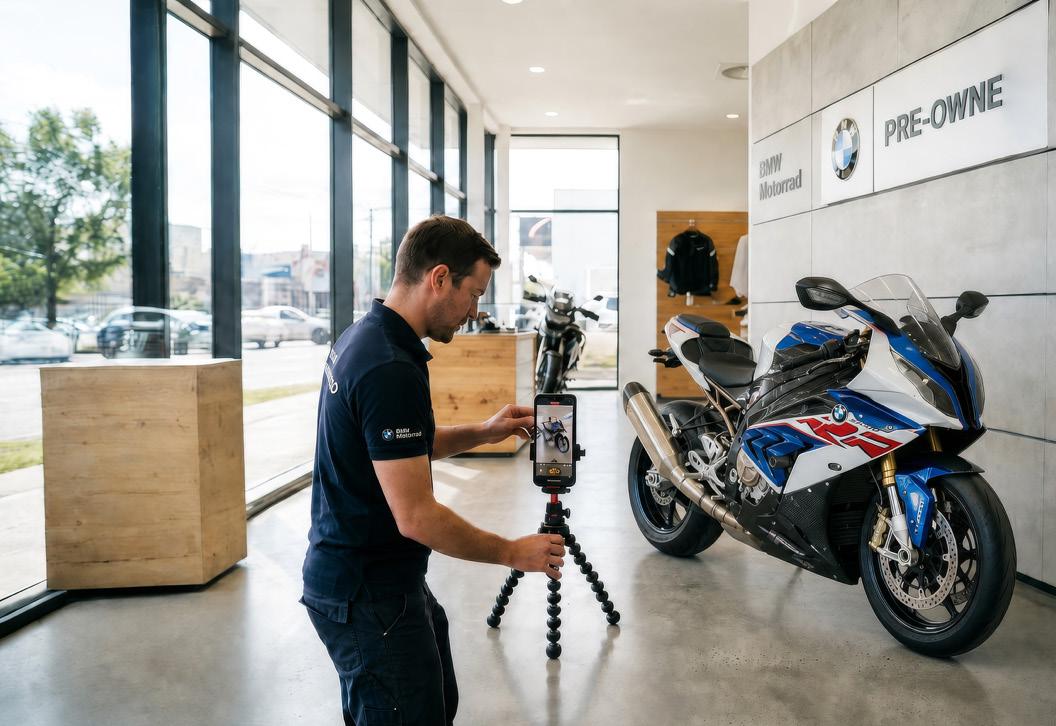
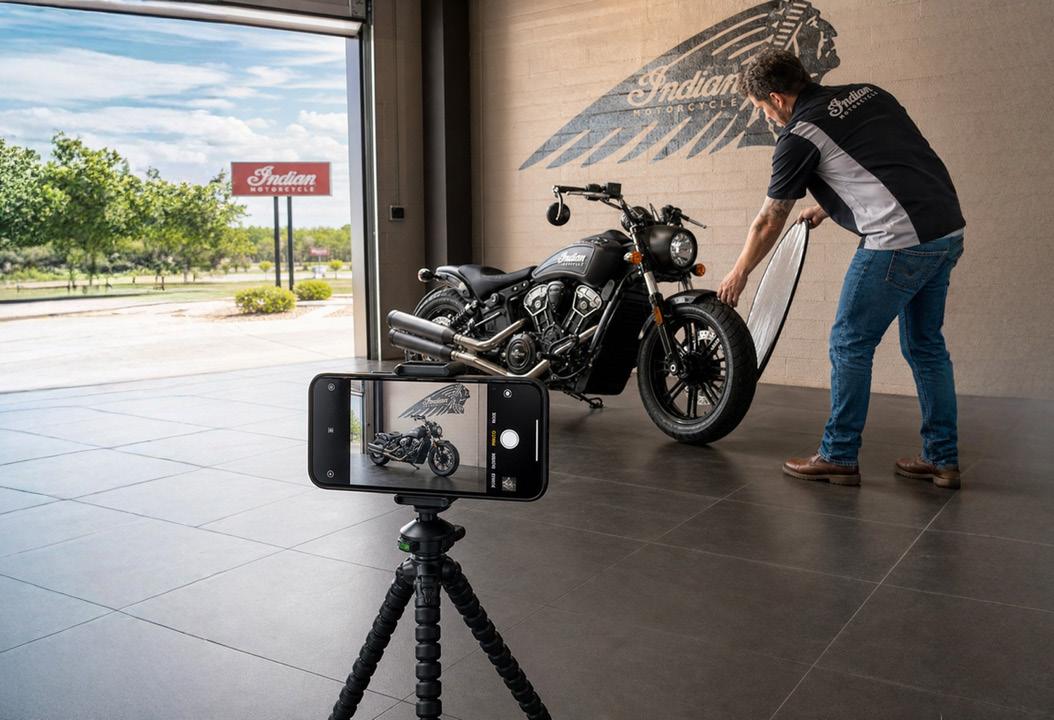
The same principle applies to the photo side, and this is where dealers get themselves in the most trouble. Use the tool to clean up your hero shot. Use it to fix the lighting on the wide angles. Use it to normalize the backgrounds across your inventory page so the whole grid looks intentional. That’s the use case it was built for and it’s worth every dollar.
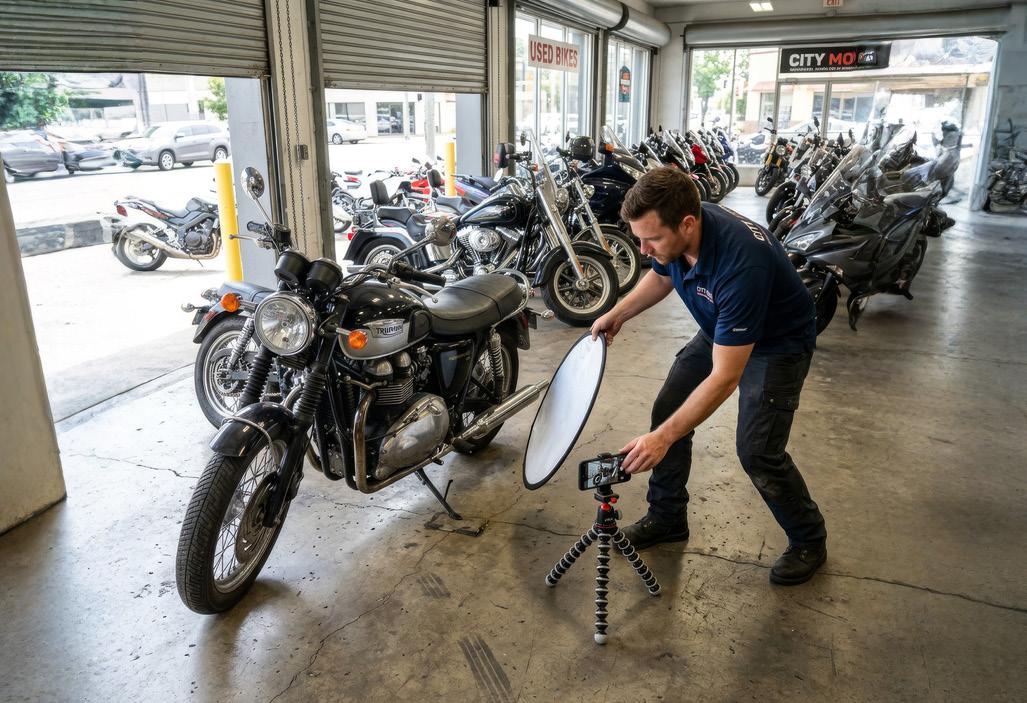
What it is not for is the close-ups. The chain. The sprockets. The brake rotors. The tire tread. The tank when a buyer is checking for chips. The bar ends. The underside of the fender. Those photos are the evidence a serious used buyer studies before he gets in the truck to drive to your lot, and there is no replacement for taking them honestly, in good light, by somebody who knows what a buyer wants to see. Run those through a generative tool and you’ve done two bad things at once. You’ve potentially painted over a real condition issue, which is a legal problem you don’t want. And you’ve trained your most informed buyers — the ones on the forums, the ones who tell their friends — to distrust everything else on your page. That’s a reputation problem that costs more than any click-through gain you got from the polished hero.
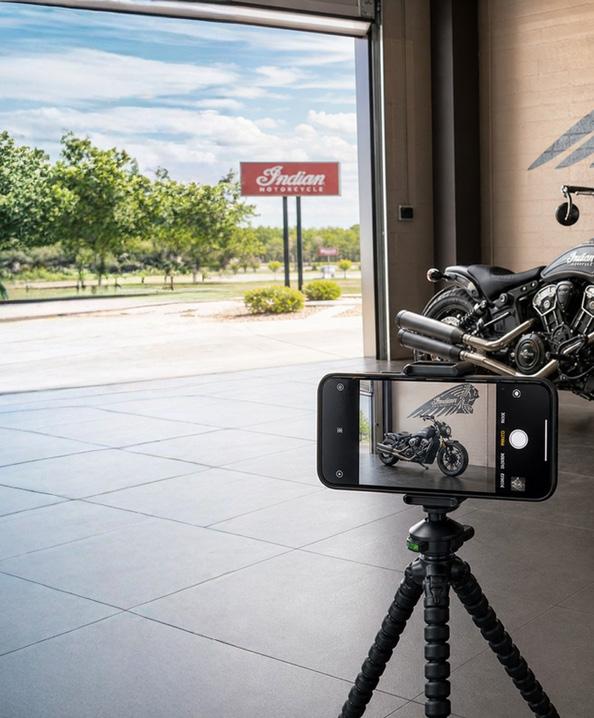
The line worth holding is simple: Use AI for the shot that stops the scroll. The phone, the tripod, and a willing employee for the shots that close the sale.
Using it to build a pattern
The most valuable thing AI gives you across your marketing isn’t any single image or any single paragraph. It’s a template your humans can follow.
Run your first 10 listings through the tool with the foreman pass in place. Look at what comes back. The structure of the descriptions — condition first, then service history, then accessories, then the line about who owned it. The image sequence — hero shot, three-quarter front, three-quarter rear, profile, then the honest close-ups your staff took. The crop ratio on the social post. The way the price sits on the tile. Once you see the pattern the tool is producing, you have something your team can replicate by hand on the units that need a human touch from the start. The high-line bike. The rare unit. The trade-in with the story.
That’s the part of this nobody talks about. AI’s real gift to a dealership isn’t doing the work — it’s showing your staff what good looks like, in volume, fast enough that the pattern sinks in. Six months in, the best stores are producing better human-made listings because the AI taught the humans what the format ought to be. The tool stops being a crutch and starts being a coach.
The Dealer’s Job
Go slow. Pilot AI on one unit in your used inventory before you turn it loose on the whole lot. Write down what you will and won’t enhance — and treat that document like you treat your reconditioning standards, because it does the same job. Keep a human in the loop on every description that goes live. Take the close-ups yourself, on a phone, in honest light, the way you always have. That’s the integration plan. Everything else is just a contract.
And here’s the part nobody is saying out loud. The auto side isn’t getting this right either. Their inventory pages are full of over-enhanced photos buyers have learned to discount and AI-written descriptions that all read the same. The car guys went first, and they’re making the predictable first-mover mistakes you’d expect.
Powersports has spent 30 years catching up to automotive when it comes to retail tech tools. For the first time, powersports dealers can be
on equal footing with AI. We have a chance to adopt the technology better than the car guys — because powersports buyers are more visual, more enthusiast-driven, more relationship-based, and less tolerant of feeling manipulated than the average car buyer. That’s not a weakness of the industry. It’s the asset, if the dealer knows how to use it.
The integration plan matters more in powersports precisely because your customers will notice the difference. The dealers who get this right won’t be the ones who automated the fastest. They’ll be the ones who used the new technology to do more of what they were already good at — and kept the judgment, the eye, and the voice where it belongs.
Stop the scroll with the tool. Close the sale the old-fashioned way! AI is a tool, and like every tool in your shop, it works best in the hands of somebody who knows when to set it down.
Confessions Of A Customer®
By Eric Anderson
THE ROAD TO SEMA
The AFTERMARKET Builds The Culture
It’s been 46 years that I have worked in this industry at the highest levels of manufacturing, marketing, distribution, retailing and riding. That earns me the right to say whatever I want… especially now. I am in the process of retiring, sold my consulting companies and no longer answer to any person, marketplace or OEM. That creates a strange kind of freedom because when you are no longer trying to protect a paycheck, retain a customer list or reputation, you begin seeing the Big Picture more clearly than ever before.
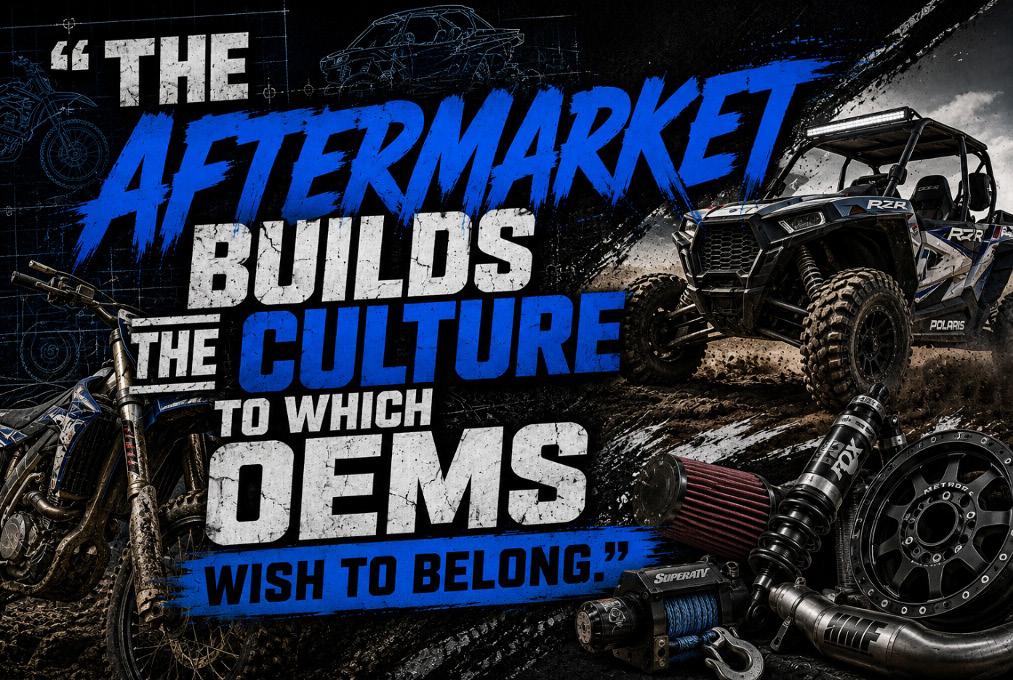
So here goes: THE AFTERMARKET BUILDS THE CULTURE TO WHICH OEMs WISH TO BELONG.
There. That wasn’t so hard was it?
Now before angry emails begin arriving from OEM friends, let me say this clearly: The OEMs are terrific. They build the best, coolest and most sophisticated blank canvases on Earth. From affordable entry-level transportation to exotic premium machinery, OEMs engineer incredible products by the thousands with astonishing efficiency, quality and scale. But the AFTERMARKET is terrific, too. The OEM creates the canvas while the AFTERMARKET provides the painting. The rider needs both.
Powersports customers rarely leave anything stock for long anyway. Pipes, graphics, tires, racks, lighting, seats, luggage, suspension, navigation, riding gear and gadgets are all part of the ownership experience itself. That’s the difference. OEMs manufacture products while the AFTERMARKET creates belonging. One cranks out units while the other builds tribes.
Customers today no longer buy transportation alone. They buy identity, participation and affiliation. They want to feel like they belong to something larger than themselves.
Nobody buys aluminum ADV panniers because Starbucks requires them. Nobody buys 37-inch mud tires for their truck to simply to commute to work. Nobody outfits a side-by-side with beadlocks, radios, GPS systems and light bars merely to check fence lines. They buy possibility, adventure and self-expression. That customer perception of avoiding becoming “just another rider” is exactly what the AFTERMARKET understands.
Powersports has always been more emotional than practical. When automotive becomes passionate — Jeep culture, overlanding, hot rods, drifting, muscle, vintage or off-road trucks — it begins behaving more like powersports. Which takes more creativity: mass producing the OEM product or fabricating the AFTERMARKET components? That depends entirely on how one defines creativity. But if the question becomes “Who builds the culture?” then the answer becomes much clearer.
I don’t know of an OEM whose design committee would approve of this image.
The AFTERMARKET lives closer to the enthusiast. The aftermarket guy usually rides, races, camps, breaks parts, scrolls forums at midnight and spends weekends at events paying retail alongside everyone else. The AFTERMARKET often sees trends before the OEM committees ever schedule the first PowerPoint presentation. That’s why the AFTERMARKET frequently innovates at the speed of imagination while OEMs must innovate at the speed of corporate approvals. Frankly, the AFTERMARKET simply moves faster. Sometimes incorrectly, yes. But still faster.
Why did Ducati hire custom builder Roland Sands to help shape the Diavel? Because Sands lives and breathes that culture every single day. Ducati manufactures motorcycles brilliantly, but builders, racers and customizers often understand the emotional pulse of the customer more intimately.
Why do automotive OEMs exhibit annually at the SEMA Show even though it is fundamentally an AFTERMARKET show? Because that’s where the imagination lives. At SEMA, stock vehicles become rolling expressions of personality. A factory pickup suddenly transforms into a Mars rover while a Jeep becomes an overland expedition vehicle ready for Patagonia. Customers leave those shows wanting more than transportation — they want identity. Then they go buy it.
Customers can smell fake authenticity instantly — especially in powersports. You cannot fabricate campfire stories. You cannot outsource passion. You cannot algorithm your way into belonging. Culture is earned.
And the term AFTERMARKET itself deserves more respect than it receives. Perhaps we should start fully capitalizing it just like OEM. AFTERall, coming second in the food chain of Going-To-Market isn’t necessarily a bad thing. In many ways, the AFTERMARKET is the industry’s cultural R&D department.
“OEMs manufacture products while the AFTERMARKET creates belonging. One cranks out units while the other builds tribes.”
Also remember this: the AFTERMARKET does not merely consist of manufacturers producing bolt-on parts and replacement components. It also includes race promoters, event owners, media members, social influencers, club organizers, customizers, tuners, designers, trainers, service providers, insurers and the enthusiasts themselves. These people collectively build the ecosystem that comes AFTER the purchase.
That ecosystem becomes the culture. And increasingly, OEMs are hoping for an invitation inside.
#SEMApower
Customization and personalization drive passion… and passion drives purchasing.
LET FREEDOM RING!
NorCal Riders Highlight ADV Tourism
By Don Amador
As the market continues to discover the opportunities offered by ADV bikes it remains a bright spot on the horizon. Adventure motorcycling continues to evolve from a niche riding segment into one of the most influential forces in the broader powersports and outdoor recreation economy.
That reality was on full display during a recent threeday, 1,020-mile Freedom 250 ride through Northern California and Southern Oregon, where four longtime friends and Northern California high school alumni combined their passion for ADV riding with the growing national America 250 celebration leading up to the nation’s 250th birthday in July 2026.
For the riders — all longtime off-road enthusiasts who grew up riding dirt bikes, dual-sport motorcycles, hunting, fishing, and exploring logging roads throughout the rural West — the trip represented more than a reunion ride through familiar country. It also
reflected the expanding role adventure motorcycling now plays in tourism, public lands recreation, rural economic development and outdoor lifestyle culture.
Over the past decade, adventure and dual-sport riding have emerged as one of the fastest-growing sectors within powersports. Organizations such as Backcountry Discovery Routes (BDR), state OHV programs, regional ADV groups, tourism boards, and local riding clubs have helped transform backcountry motorcycle travel into a significant contributor to recreation-based economies across the West.
DISCOVERING NEW MARKETS
Unlike destination tourism centered around a single resort or event, ADV riders typically travel through multiple rural communities over several days, distributing tourism spending across broad geographic regions. Fuel stations, restaurants, hotels, campgrounds, tribal casinos, coffee shops, repair facilities, grocery stores, outdoor retailers, and local attractions all benefit from the steady flow of riders exploring scenic byways and public land corridors.
During the ride, the group purchased fuel and supplies in small towns throughout Northern California and Southern Oregon, stayed in local lodging facilities, ate in independently owned restaurants, and supported tribal enterprises and tourism destinations along the route. Communities such as Chiloquin, Roseburg, Coos Bay, Bandon, Blue Lake, Willow Creek, Happy Camp, Yreka, McCloud and Burney all benefited from recreation travel tied directly to the ADV experience.
For many rural communities facing the long-term decline of traditional industries such as timber, mining, and manufacturing, outdoor recreation and tourism increasingly serve as important economic stabilizers.
The four riders involved in the Freedom 250 journey grew up during an era when public land access was often taken for granted. As adults, several worked in natural resource industries, forestry, and recreation management, giving them firsthand perspective on how much cooperation is now required to sustain recreation access and healthy landscapes.
UNITED WE RIDE
Throughout the trip, the riders discussed the increasing collaboration occurring among federal agencies, tribal governments, counties, recreation groups, timber interests, and conservation organizations. Those partnerships are becoming increasingly important as budget-challenged agencies address wildfire resilience, forest restoration, watershed recovery, recreation planning, trail systems, road maintenance, and post-fire rehabilitation projects across the West.
Early in the trip, the riders met near the KLA-MoYA Casino in Chiloquin, homeland of the Klamath Tribes. Later portions of the route traveled near or through lands associated with the Yurok Tribe, Karuk Tribe, Hoopa Valley Tribe and Blue Lake Rancheria. The riders reflected on how federal agencies such as the Department of the Interior, Bureau of Land Management, Bureau of Indian Affairs and National Park Service have expanded efforts in recent years to strengthen tribal consultation, co-stewardship initiatives, cultural resource protection, fisheries restoration and forest resilience partnerships.
For the ADV community, those evolving relationships increasingly shape how recreation access, land management, and conservation priorities are balanced across public lands. The route itself showcased some of the Pacific Northwest’s premier ADV and scenic touring terrain.
The group traveled north from Redding along the Cascade Wonderland Highway before connecting with the Volcanic Legacy Scenic Byway en route to Crater Lake National Park. Lingering snow near Crater Lake Lodge provided a reminder that spring ADV travel in the mountains still demands preparation and adaptability.
Continued on page 54
From there, the ride continued west through Roseburg, along the North Umpqua corridor, and eventually toward the Oregon Coast and the Bureau of Land Management’s Dean Creek Elk Viewing Area before reaching Highway 101. Travel through coastal communities such as Coos Bay and Bandon reinforced another important reality about ADV tourism: riders are often drawn toward regions that combine scenic value, outdoor recreation, local culture, and authentic rural character.
Crossing back into California, the group entered the towering forests near Redwood National and State Parks and rode the Newton B. Drury Scenic Parkway before eventually connecting with State Route 96 — the Klamath River Highway and Bigfoot Scenic Byway. Routes like these have become increasingly valuable tourism assets for rural America.
Organizations such as BDR have helped demonstrate that ADV riders actively seek immersive travel experiences that combine scenic riding, public lands access, history, local culture, and backcountry exploration. In many regions, those riders represent a growing segment of high-value recreation travelers willing to invest substantially in motorcycles, riding gear, navigation technology, maintenance, lodging, food, and destination travel.
OLD FRIENDS, NEW HORIZONS
Another emerging industry trend reflected in the Freedom 250 ride is the continued participation of older riders in adventure motorcycling. All four participants are now seniors, yet modern ADV motorcycles and improved rider support systems continue allowing experienced enthusiasts to remain active well beyond traditional retirement age.
Electronic rider aids, traction control, ABS braking systems, heated grips, improved ergonomics, navigation technology, and expanded training opportunities have made long-distance adventure touring more accessible for aging riders transitioning from motocross, enduro, or aggressive off-road riding backgrounds.
For manufacturers, dealerships, aftermarket companies, and tour operators, that demographic shift represents both a challenge and an opportunity. Many veteran riders still want authentic outdoor experiences, but they increasingly prioritize scenic exploration, camaraderie, comfort, and destination travel over competition-focused riding.
The Freedom 250 group embodied that evolution perfectly. Conversations over meals and fuel stops often shifted from motorcycles to public lands, forest health, family, old logging towns, wildfire recovery, and gratitude for still being physically able to explore the places that shaped their lives decades earlier.
The Department of the Interior’s Freedom 250 initiative encourages Americans to reflect on the nation’s history, landscapes, and shared heritage as the country approaches its 250th anniversary. For the powersports industry, that message aligns naturally with the core identity of adventure motorcycling.
As outdoor recreation continues gaining economic and cultural importance nationwide, adventure motorcycling is increasingly positioned at the intersection of tourism, recreation access, rural economic development, conservation, and public land stewardship.
The Freedom 250 ride may have started as four old friends revisiting familiar country. But it also reflected something much larger happening across the ADV industry itself. Adventure riding is no longer simply about where the road ends. It is increasingly about the communities, landscapes, partnerships, and economies that exist along the way.
Don Amador has been in the trail advocacy and recreation management profession for 35 years. Don is President of Quiet Warrior Racing LLC. Don serves as the Western States Representative for the Motorcycle Industry Council. Don is Past President/ CEO and current board member of the Post Wildfire OHV Recovery Alliance. Don is a Co-Founder and Core-Team member of FireScape Mendocino, a forest health collaborative that is part of the National Fire Learning Network. Don served as an AD Driver for the Forest Service North Zone Fire Cache during the 2022, 2023, and 2024 Fire Seasons. Don is a Northern California native and writes from his home in Cottonwood, CA.
LET FREEDOM RING!
TEAM WORK
The Case For Transparency & Long-Term Strategic Partnership
By Michael Maledon
Iwas recently listening to the Q1 2026 earnings call of a major powersports OEM and one slide stood out. It characterized dealer inventory as “healthy.” That immediately raises a simple question: by what measure?
The same presentation noted a 13% year-over-year reduction in North American dealer inventory and a 50% reduction in snowmobile stock. At the same time, wholesale shipments increased 14% while retail sales grew only 1%. Taken together, those figures suggest that while one category is being worked down, inventory pressure is building elsewhere. Without more granular data, “healthy” becomes a subjective label — with dealers and OEMs often operating from very different definitions of what that means!
This is not limited to any one OEM. It reflects a broader challenge across the industry. And the point isn’t just about inventory levels. There needs to be more meaningful two-way communication between OEMs and dealers, grounded in transparent data and shared assumptions.
Transparency Leads To Better Communication
In business, I’m driven by data. I’m tracking all sorts of KPIs and constantly looking for ways to improve. I want to benchmark our stores against the best in the business. Participating in a 20 Group is a great way for a dealer to obtain benchmarks and identify opportunities. However, when it comes to conversations with my OEMs, I often find a disconnect. There seems to be a lack of a shared framework for evaluating inventory, performance, and other indicators of dealer health.
Powersports dealers would benefit from the level of transparency around inventory and performance that is standard in automotive retail. Automakers publish monthly days-supply data, with some brands operating at fewer than 30 days of supply while others exceed 100. The data is further broken down by individual model.
In addition to detailed retail sales and inventory metrics, most automotive OEMs also provide dealers with financial composites that benchmark their performance against a defined peer group. That level of visibility allows car dealers and OEMs to establish clearer benchmarks and a more objective definition of what is “healthy.” It turns a one-sided assessment into a shared analysis grounded in the same data.
Long Term Strategic Planning
I get it. Why would OEMs want to voluntarily provide information that opens them up to criticism and second-guessing? If I were the CEO of a publicly traded OEM, I might hesitate as well. After all, greater transparency might require admitting to Wall Street that we need a reset. But if long-term industry health is truly the goal, then this would be a good place to start.
I found Ashmore Ellis’s article Dealernews shared on LinkedIn last month particularly insightful. She says, “the brands that grow over the next 5–10 years will be the ones that build ecosystems of experience, identity and access,” (see Backfire this month for Ashmore’s full story). OEMs need to plan around that reality and recognize that the hub of that ecosystem is, and will remain, the dealership.
Too often, the industry feels reactive rather than intentional, with decisions driven more by quarterly targets than a sustained commitment to brand and dealer health. If the primary strategy is simply maximizing wholesale volume, that may produce short-term gains, but it is not a durable long-term model. The best long-term strategy for an OEM is recognizing that brand health and dealer health are fundamentally interconnected.
This also means OEMs need to think carefully about the structure of their dealer network. OEMs should encourage and enable consolidation in markets oversaturated with same-brand dealers competing primarily on price. In the short term, that environment may move product. Over time, however, dealers become undercapitalized, investment in staffing and facilities declines, and the ownership experience begins to deteriorate. It is difficult to build the kind of ecosystem of experience, identity and access that Ashmore Ellis describes in that environment.
This problem is further exacerbated when OEMs remove MAP policy protections from current-model units. This may support short-term volume objectives, but it comes at the expense of long-term brand equity and dealer sustainability.
The Bottom Line
To borrow from my partner, John Elway: “Winning depends on teamwork, the combined efforts of each individual.” If we are going to win, the OEM–dealer relationship cannot be treated as a zero-sum equation. It starts with transparency, requires accountability, and ultimately depends on a shared commitment to the long-term health of the industry.
National Powersports Dealer Association
Board of Directors member Michael Maledon is the President of Elway Powersports, where he has led the company’s expansion to five rooftops representing 19 leading franchises since launching the venture in 2021. He joined the Elway Dealership Group as a partner in 2017 after serving as a senior executive with the Van Tuyl Group, then the nation’s largest privately owned auto retailer with more than 100 franchises. Before his tenure at Van Tuyl, Michael practiced law specializing in mergers and acquisitions. His career also includes investment and advisory roles in several automotive technology ventures, and in 2014 he was recognized as a semifinalist for the Ernst & Young Entrepreneur of the Year Award. Michael earned a business degree from the University of Arizona and graduated with top honors from the University of Notre Dame Law School.
WHY TRANSPARENT PRICING MUST START UPSTREAM TO PROTECT POWERSPORTS DEALERS
I. Executive Summary
Recent Federal Trade Commission (FTC) actions have fundamentally altered the risk profile for vehicle advertising by mandating that the most prominent advertised price be the “all-in” price. This mandate must include all mandatory fees, such as freight, handling, and preparation, excluding only government fees.
For powersports dealers, this creates a critical structural conflict. While OEMs publish an MSRP that excludes freight and setup costs, they still charge dealers for freight and require technical assembly before a unit is road-ready. This leaves dealers in an impossible position between advertising a legal all-in price that appears uncompetitively high compared to OEM websites, or an MSRP price that invites regulatory consequences.
The current system rewards opacity and punishes transparency. Because freight and setup are mandatory costs, they must be integrated into the pricing structure upstream. To protect the integrity of the retail channel, the NPDA calls for an integrated MSRP that includes freight and a formal reimbursement model for dealer setup.
II. Comparative Analysis: Automotive Vs. Powersports
The automotive model provides a roadmap for compliance that most powersports OEM’s have yet to adopt. In the automotive world, destination charges are typically integrated into a unified MSRP window sticker known as the Monroney Label. This ensures that the manufacturer and the dealer are speaking the same language to the consumer.
The powersports industry remains fragmented by comparison. By separating these mandatory costs from the advertised MSRP, the industry creates a price discrepancy that invites the very regulatory consequences federal agencies are now actively pursuing.
III. Proposed Solutions And Call To Action
NPDA believes the current status quo is unsustainable. It places the commercial burden, the reputational burden, and the compliance burden on the dealer, even though the dealer does not control the upstream pricing architecture. To protect the integrity of the powersports retail channel, NPDA calls for two immediate changes:
1. Integrated MSRP
OEMs should move to an all-in MSRP that includes the applicable freight or destination charge. This ensures the consumer sees the same price on the OEM website as they do on the dealer’s website or lot.
2. Dealer Reimbursement For Setup
OEMs should adopt a formal reimbursement model for required setup, assembly, inspection, and delivery preparation. Whether that is handled through wholesale pricing or a flat reimbursement structure, the point is the same. Dealers should not have to recover those manufacturer-required costs through a separate setup charge that customers perceive as a dealer-created fee.
It is time for manufacturers to modernize their pricing structures to reflect today’s consumer-protection environment. Dealers should not be the ones left carrying the risk for an outdated pricing model that creates unavoidable regulatory exposure at the retail level.
NPDA
Protecting The Future Of Powersports Retail
DEEPER DIVE INTO FTC ISSUE
The Federal Trade Commission is intensifying enforcement of advertising and pricing practices across the retail vehicle industry — and powersports dealerships are directly affected. NPDA brought in the association’s legal counsel to address what this means to dealers. In this important NPDA webinar, attorney Leonard Bellavia of www.DealerLaw.com explains the six advertising practices now under heightened FTC scrutiny and provides a practical compliance roadmap for dealership owners and managers.
Topics include hidden fees, rebates, financing offers, inventory listings, personal liability for managers, and the role manufacturers play in MSRP, freight and setup charges. If your dealership advertises motorcycles, ATVs, side-by-sides, personal watercraft, or snowmobiles online, this webinar is essential viewing.
��
Topics Covered:
• Section 5 of the FTC Act
• Hidden fee and doc fee advertising
• Rebates and financing disclosures
• Inventory listings and sold units
• Personal liability for owners and managers
• Compliance department best practices
• OEM pricing challenges
• NPDA advocacy with manufacturers
AFT HITS SOCAL, CHANGES COURSE
Three Is A Charm
By Jason Gearld
The California swing to Ventura changed the trajectory of the entire 2026 American Flat Track Series, setting off chain reaction of three straight wins for Rick Ware Racing/Jacob Construction/Parts Plus Harley-Davidson rider Briar Bauman. It also brought out the Flat Track Faithful who couldn’t make it to the opening rounds in Daytona and it provided many Californiabased businesses to see their sponsored riders in person instead of on the tube!
But back to Bauman, “I got a little bit greedy the first three rounds,” said the Harley-Davidson XG750R racer following his third consecutive win on the Ventura short track. “I kind of led the team in a difficult direction. We wanted to bite off more than we could chew, and we got a little ahead of ourselves. So apologies to Rick Ware Racing and the whole family, but this is where we belong.”
Apparently three is a charm as Bauman moved from third place in the standings with the swing up the California coast to the Silver Dollar Speedway Short Track in Chico. For the second consecutive season, Bauman backed up his Mission AFT SuperTwins win at Ventura Raceway with another at Silver Dollar Speedway to sweep the series’ West Coast swing. The two-time Grand National Champion made quick work of reigning champ Dallas Daniels (No. 1 Estenson Racing Yamaha MT-07) and points leader Kody Kopp (No. 12 Latus Motors Racing Harley-Davidson XG750R) before proceeding to set sail at the front.
After earning the 36th premier-class win of his decorated career, Bauman said, “Last week, I knew that we were ready. And now these guys know that we are ready. I’m fired up. It’s so hard to lead on these types of racetracks. I’ve never looked back that much in my life. But Kody is so witty, and his dad is so good, and Dave Z(anotti) is so good, I knew they were going to find something. So I kept looking, but I finally found something that was good enough to get us to the win. I’m super excited for the team.”
Just for good measure, the #3 Bauman then upped his win streak to three with yet another dominant outing, at the Budds Creek Half-Mile in the inaugural Parts Unlimited ThrottleFest presented by Carter CAT, Round 6 of the 2026 Progressive American Flat Track season, sanctioned by AMA Pro Racing. That’s a whole bunch of sponsors plugged into a name, but the bottom line is that AFT is seeing support for some great racing…
Now we just need to get the fans back into the stands! An American Retrocross race (ARX) at Glen Helen draws more of a crowd for old MX bikes than the Ventura Short Track did. But AFT has a broader TV audience at least with FloRacing streaming losports.link/AFT2026 and coverage on Fox Sports FS1 for select rounds: www.americanflattrack.com/events-foxsports
HELMET HEADS UP
AFT ANNOUNCES ARAI IS BACK
As we saw at the Ventura Short Track (see Press Pass), American Flat Track announced that Arai returns as the “Official Helmet of Progressive AFT” for the 2026 season. This marks the 9th consecutive year of the partnership for the pair. “Flat track racing demands confidence in your equipment, and we’re honored that so many of the sport’s top riders continue to choose Arai for its protection, comfort, and craftsmanship,” said Brian Weston, Managing Director at Arai Helmet, Inc.
“Arai’s reputation is built on a long-standing commitment to doing things the right way,” added Gene Crouch, CEO of AMA Pro Racing. “That focus on protection and consistency translates directly to rider confidence every time they line up. Their continued partnership reflects a shared standard of performance across the series.”
This commitment is evident throughout the Progressive AFT paddock, where many of the sport’s top competitors choose Arai for its protection, consistency, fit, and feel. From emerging talent to championship contenders, riders rely on the confidence that comes from a helmet hand crafted with purpose and refined over decades.
AIROH COMBO DEAL
To help sales launch this spring, AIROH has come up with a combo deal that should have the lightweight lids flying off dealers’ shelves. The WRAAAP Helmet and Blast XR-1 Goggle deliver a complete race-ready combo with an MSRP starting at just $200. “Premium performance, standout style, and unbeatable value come together in one aggressive package,” says USA boss Dennis Bloch. “Everything riders need to line up with confidence.”
The WRAAAP is constructed with three HRT (High Resistance Thermoplastic) shell sizes and available in a wide range of sizes from XXS to XXL, it delivers a secure, performancefocused fit. The helmet’s next-generation ventilation system, refined in the AIROH wind tunnel, ensures maximum airflow and thermoregulation, even under extreme conditions.
The color-matched Blast XR1 goggles deliver clear vision, solid protection, and a perfect fit. Available in 8 bold colors and a choice of red mirror, blue mirror, silver mirror, dark and clear lenses. Plus, Blast-specific tear-offs are available as well.
HJC KIDS LIDS
Proving that good things really do come in small packages, HJC’s Y10 youth helmet provides protection for pint sized riders without compromising on safety. Designed specifically for young riders, the youth Y10 Helmet delivers a comfortable, easy-to-wear full-face design that supports confidence from the first ride onward. With a lightweight feel, adjustable interior fit, and everyday practicality built in, the Y10 is made to keep growing riders comfortable, focused, and ready for more time on the bike.
TECH SPECS
• Advanced polycarbonate composite shell
• Wind tunnel tested design improves fit and riding balance
• Distortion free shield provides a clear and wide field of view
• Moisture-wicking interior promotes quick drying and comfort
• Removable and washable crown and cheek pads
• Interchangeable cheek pads across all sizes allow a customizable fit
• Universal Bluetooth compatibility for optional communication systems
• Micro buckle chinstrap provides secure and easy fastening
• Youth-specific sizing designed for growing riders
DEALERS WANTED!
Here is a brilliant idea for dealers to accessorize helmet sales: NiteRider’s Lumina Moto Series is engineered to move off the shelf. By eliminating the need for hard-wiring, NiteRider has created a product that riders can buy and use the same day. “Our Pro 4200 and 2200 MX lights have been battletested by multi-time Baja Champions,” explains Tom Carroll, CEO and Founder of NiteRider. “The Lumina Moto Series is the evolution of that success. We’ve packed our best tech and rugged design into a product that every dealer can sell effectively, regardless of their customers’ mechanical skill level.”
• The New Entry Point: The addition of the Lumina Moto Series offers an incredibly accessible price point for riders looking to be seen at night. Great for midnight UTV tire repairs, evening visibility for kids and so much more.
• Zero-Labor Sales: No shop time required. The specialized “Stick-On” mount and self contained batteries make this a pure retail win.
• Rugged Pedigree: These aren’t repurposed bike lights. They feature a composite fiberglass-reinforced nylon housings and Aluminum Heat Sink with IP64 weather sealing to handle the vibration and heat of a combustion engine environment.
• Tiered Margins: From the compact Lumina Micro-Moto to the flagship Lumina Dual Moto, NiteRider provides clear price points that protect dealer margins and offer easy upselling opportunities.
NiteRider is currently fast-tracking dealer applications. Authorized dealers receive priority free shipping on orders over $300 from the San Diego warehouse, free point-ofpurchase displays on orders over $1000, and full access to its USA-based technical support team. To secure your opening order or request a dealer kit, contact NiteRider’s Moto Sales Division: NiteRider Moto Sales
SCHUBERTH SHIFTING GEARS
Schuberth GmbH — the German-based premium motorcycle helmet manufacturer founded in 1922 — has a new U.S. head. Christopher Bogue has been appointed President North America, signaling a renewed push to expand the brand’s presence across the U.S. and Canadian motorcycle markets. Bogue brings decades of experience in head protection and the powersports industry, including global leadership roles with Revelyst brands Bell Helmets and Giro. His background spans product sales, marketing and dealer channel expansion across the helmet and protective equipment sectors. “Schuberth helmets are hand made in their own facilities in Germany and Italy, using production standards that are unmatched in the industry,” Bogue said. “The helmets are the lightest weight, quietest and most comfortable to wear for touring and adventure riders. Our new sales organization and the elevated dealer support will ensure that more riders across North America have access to the brand.” In his new role, Bogue will oversee all North American operations including sales, marketing, dealer development and distribution. The appointment reflects Schuberth’s strategy to accelerate growth in the region while strengthening relationships with motorcycle dealers and aftermarket partners
Concurrent with Bogue’s appointment, Schuberth has expanded its North American sales structure, signing up a network of independent powersports sales agencies to broaden dealer coverage across key territories. The agencies and territories include:
Axi Sport Group — Southern & Central California, Hawaii
Livin The Dream Sales — Northern California, Reno / Lake Tahoe region
Techline Rep Group — Texas, Oklahoma, Louisiana, Arkansas
ACME Powersports — Minnesota, Iowa, North Dakota, South Dakota
DG Sales Group — Connecticut, Rhode Island, Massachusetts, Vermont, New Hampshire, Maine
Sport Tech Sales — New York, Pennsylvania, New Jersey, Maryland, West Virginia, Virginia
Squires Sports Inc. — North Carolina, South Carolina
The expanded rep network is designed to increase dealer engagement, improve regional support and accelerate product placement in powersports dealerships throughout the United States. With a strengthened leadership team and broader dealer outreach strategy, Schuberth aims to significantly grow its footprint in the North American motorcycle market over the coming years. To become a Schuberth dealer, click here: schuberth.com/us
SCORPION HEADS TO O’NEAL
Heads up! Scorpion helmets are changing distributors. In conjunction with its parent company KIDO Sports, ScorpionEXO announced a planned transition in its U.S. distribution strategy, marking the next phase of the brand’s growth in North America. As part of this transition, distribution will move from Western Power Sports (WPS) to O’NEAL.
“Our partnership with WPS has been an important part of ScorpionEXO’s growth in the U.S.,” states Ji Young Park, CEO of KIDO Sports. “We value the collaboration we’ve built and appreciate the support over the years.”
“From the U.S. side, WPS played a big role in helping us build the brand,” said Chris Martinez, Director of Business Development for ScorpionEXO. “We’ve worked closely together over the years, and there’s a lot of respect for their team and what we’ve accomplished together. We’re excited about what’s ahead with O’NEAL and looking forward to reaching more riders together.”
That foundation, built dealer by dealer and product by product, positions ScorpionEXO well as it enters this next chapter with O’NEAL.
“Western Power Sports is extremely grateful for the partnership we’ve shared with ScorpionEXO,” adds Anthony Armsby, VP of Rider Gear at WPS. “We’re proud of what we accomplished together and the role WPS played in helping position the brand for its next chapter. This transition allows both organizations to move forward in a positive direction, and we will continue to support and champion ScorpionEXO’s next steps with O’NEAL.”
In fact, WPS will continue to support dealers and fulfill product needs through 2026 and into the 2027 spring season, ensuring a smooth and stable transition for the market. Beginning in Fall 2026, O’NEAL will take on U.S. distribution of ScorpionEXO products, with a full rollout in 2027 supporting the whole product range. The partnership will include the full line of ScorpionEXO helmets, apparel, and EXOCOM communication systems.
“We’re proud to bring ScorpionEXO into the O’NEAL network,” claims Frank Kashare, President of O’NEAL. “We’ve taken our time finding the right premium street helmet brand for our dealers. ScorpionEXO stood out for its unparalleled commitment to product, its quality consistency, and its dedication to rider safety and the consumer experience.”
ScorpionEXO and KIDO Sports extend their sincere appreciation to Western Power Sports for their partnership and contribution to the brand’s success and look forward to continued collaboration in the future.
2OG RACING RECAP
By William Douglas Little; Two Old Guys Racing, LLC
Some dreams don’t expire… they just wait for your return! While the 25-year hiatus continues to play havoc with Mark’s attempt to run his dealership and Bill’s health, 2OG Racing at least looks full factory!
As Billy Crystal used to spoof, “It is better to look good than feel good” and the 2 old guys look marvelous… at least on the showroom floor. On the track, dogged determination and sheer stupidity are paying off: according to Bill. “I should have 26 points that’ll put me in 5th place for the series, (many points back from Mark’s 4th), but ONE POINT AHEAD OF GUY COOPER (who only raced the first round with us, but still — how often do I get to say I’m ahead of Guy Cooper in a series!!
SHEER STUPIDITY
Despite being just 4-1/2 weeks post-op with the new ACL and newly-removed Meniscus, (and the knee being somewhat sore following a heavy Saturday workout), Bill saw the strategic benefits of riding two-laps per moto to gain last place points, without too much risk of injuring his healing knee. For one thing, he had to miss Round 2 of the Coal Train Energy Missouri State Motocross
Championship Series, since that round was 3-days after his surgery.
That missed round pushed him from 6th, all the way back to a tie for 9th in the overall for the series.
In addition, a re-reading of this year’s rules showed that riders must compete in 6 of the Rounds, BUT, this year’s series is only 7 rounds, not 8 as it had been in the old days! This catch — made just before the start of the race — meant that missing this round would disqualify Little from the overall points standings.
Pulling the Velcro straps of his knee brace super tight, Little winced and climbed aboard his Beta RX450 and headed to the line to see how his knee would hold up to two laps of punishment.
In Moto 1, another rider went down and Little bettered his position to 8th until he’d nearly completed the required two lap minimum. Bill pulled to the side of the track and allowed the rider to pass as Little sat and waited for the checkered flag to cross the finish.
In Moto 2 — surprised at how well his knee held up in the first moto — Little rode faster, still keeping himself grounded over jumps. Midway through the first lap, he realized he wasn’t in last place and he let the other rider by as he’d planned.
However, the urge to race got the better of him and Bill soon realized that he was staying right on the other rider and even setting him up for a pass in a coming turn. In what proved a surprise to both Mark and Bill’s wife Beth, common sense actually set in midway through the second lap, as Bill found himself jumping obstacles instead of rolling over them and preparing to drive hard to the inside of a turn for a pass.
Little, briefly thinking that he didn’t want to destroy the newly-repaired knee, waited for the other rider to get through the turn and then Bill made his way to the edge of the track near the finish and waited for the checkered flag.
His 9/9 finishes wouldn’t have appeared to have been beneficial in the overall, until he later compared the riders finishing ahead of him. Although the official series standings have not yet been posted, several of the riders who were ahead of Little in the overall were not in attendance at this Round, which means that Little’s combined 26 points from Rounds 1 & 3 should put him in 5th Overall for the Series, a distance behind Coffman’s 49 point 4th place and 1 point ahead of friend and first Round winner, Guy Cooper! (Bill insisted that this post mentions that last part because even though Guy only planned to race a single Round, this is the only chance Little will ever have to say that he’s leading Cooper in a Motocross Series).
With 5-weeks before Round 4, Little is hoping to have enough healing and therapy behind him to be somewhat competitive and hoping to be fully competitive by Round 5 in July!
DOGGED DETERMINATION
2OG teammate Mark Coffman, who is still a hopeful in the Monster Energy/ MX Sports AMA National Amateur Motocross Championship at Loretta Lynn’s in August will next race at the Regional Qualifier in Mid-June at Lincoln Trail Motorsports in Casey, Illinois. It started out as a picture-perfect, breezy day in the upper 70’s at HLR Motorsports Park for Round 3 of the Coal Train Energy Missouri State Motocross Championship Series.
Though the winds picked up and brought excessive dust for the second motos, 2OG had a great day at the races! Mark had a rough start to Moto 1, killing the bike off the line, but fought his way back through the pack to a hard-earned 5th place finish.
Things picked up for Coffman in Moto 2 with a top 4 start. Mark held onto fourth for most of moto 2, unexpectedly getting passed on the final lap, but he focused and when the other rider went wide two turns before the finish line, Mark braked late, but to the inside and performed a perfect, no contact block pass to regain the position and 4th overall for the day!
Though official Series standings after Round 3 have not yet been posted, Mark should be solidly in 4th overall after 3 rounds with 49 points, according to our calculations!
EDITOR’S NOTE:
Once and future Top 100 Dealer Bill Little is back in the saddle, both as a dealer and a racer. Given his perspective on the industry and unique skill set (think Mayhem from the insurance commercials), coinciding with midlife crisis and illadvised goal of making the field at Loretta Lynn’s while going back to work in a dealership we decided to chronicle the misadventures of www.2OGRacing.com (Two Old Guys Racing) and their quest for the holy grail... What could possibly go wrong?
WHO TO BLAME
The sponsors backing 2OG Racing’s efforts include:
Beta USA — Motorcycle, Parts & Accessories Support
Answer Racing — Race Gear, Gloves, Chest Protectors
ELF Race Fuels — Race Gas, Oils
Just1 Helmets — Helmets
WrecKing.com — Excavator, Dump Trucks, Heavy Equipment for Track Build
Top Secret Design — Bike Graphics
Sullivan Independent News/Sullivan Printing — Jersey Imprints, Banners, Marketing Missouri Possum Radio on iHeartRadio — Marketing Hill Chiropractic — X-Rays and Spinal Adjustments
In Association with…
Coffman Outdoors — Parts, Service, Accessories Support and e-Bike use (for pits) W — Puts up with Bill’s ridiculously late submissions and prints his crap like it’s decent.
MERT LAWWILL SEPTEMBER 25, 1940 — MAY 6, 2026
From Joe Lawwill and the Lawwill family on the passing of Mert Lawwill. Motorcycle Icon, Suspension Pioneer, Grand National Champion, Innovator and inductee into five halls of fame:
Mert Lawwill, star of On Any Sunday and the 1969 Motorcycle Grand National Champion, has passed away at the age of 85 in his home state of Idaho, surrounded by family and friends.
There has been much written about Mert Lawwill, and for good reason:
The1969 Grand National Champion and inductee into both the AMA Motorcycle Hall of Fame and the Mountain Bike Hall of Fame, Lawwill built a legacy that bridged motorcycles and bicycles — becoming a motorcycle icon and a pioneering force in modern bicycle suspension design—while inspiring a devoted following that spans generations.
Born and raised in Boise, Mert was never one to follow the rules. The son of a house painter and a school teacher, both talented artists, he was one of seven children. Mert quickly developed a reputation for finding creative ways to avoid chores — channeling that ingenuity into a life defined by motion, mechanics and independence. That spirit found its outlet when his older brother Roy introduced motorcycles
into the picture. From that moment on, Mert was hooked. As captured in the song “Cycle Racin’ Man” from the album Motor-Cycle Man by Buddy Mize: “Little Mert, Little Squirt got a tricycle they say… rode it down through the town saying watch for me someday, in his heart from the start grew a very special plan, little guys about this size make a mighty big cycle racing man...”
In Boise, alongside close friends including Al Russell, Dean Huskey, and Al Kozak, Lawwill immersed himself in riding and racing. What began as a tight-knit group of local riders evolved into the foundation of a career that would take him to the pinnacle of American motorcycle racing.
As a longtime factory racer for Harley-Davidson, Lawwill rose through one of the most competitive eras in the sport. Early in his career, the support of Dudley Perkins in San Francisco provided Mert with the opportunity to pursue racing full time, a turning point that helped launch his professional career. He would go on to capture the 1969 AMA Grand National Championship. Known for his smooth style and mechanical intuition, he was not only a champion rider but also a technical pioneer. Lawwill developed his own racing chassis design, which became the benchmark for professional dirt track racing throughout the 1970s and 1980s.
His story reached a broader audience through his appearance in the landmark film On Any Sunday, directed by Bruce Brown. Brown’s decision to feature Lawwill introduced him to a global audience — many discovering
Mert for the first time through the film — and helped define the culture of motorcycling for generations. Beyond the film, Brown and Lawwill developed a close friendship that endured over the years, a relationship that Mert valued deeply.
Following his racing career, Lawwill brought that same engineering mindset into the bicycle industry, where he became a true pioneer of the sport’s early development. He is credited with producing one of the world’s first production mountain bikes, the PRO CRUISER, in 1977 — well ahead of the category’s mainstream emergence.
Lawwill also designed and patented a four-bar suspension system that was adopted by leading brands including Yeti Cycles and Schwinn. In addition, he developed the Lawwill Leader, a groundbreaking leading-link suspension fork that further demonstrated his forward-thinking approach to bicycle design. Throughout the 1990s, elite racers competing on those platforms achieved significant success, further validating Lawwill’s impact on modern mountain bike technology.
Yet among all his accomplishments, the work that meant the most to Mert was deeply personal. Motivated by his close friend and fellow dirt track competitor Chris Draayer, who lost his arm in a racing accident but was determined to ride again, Lawwill set out to find a solution. The result was a prosthetic innovation known as “Mert’s Hands” — a device that allows riders who have lost a hand or arm to maintain a secure connection to the motorcycle while still being able to safely release it in the event of a fall. This work opened the door for countless adaptive athletes to return to riding and represented, in Mert’s eyes, his most meaningful contribution.
“From an early age, I understood that my father lived a life that was anything but ordinary. As I began to recognize the respect and admiration people had for Mert, the attention that came with it — even being asked for my own autograph as a child — felt surreal. I started calling him ‘Mert’ as a way to navigate that spotlight. As I grew older and pursued my own career in mountain bike racing, he remained my most steadfast supporter, always encouraging and standing behind me. It was never a question of pride — I have always felt a deep sense of gratitude and honor to call someone so impactful my father.” — Joe Lawwill
Despite his championships, innovations, and industry influence, those closest to him will remember something less tangible but equally enduring — his independence, creativity, and the unmistakable way he approached life on his own terms. Friends and family remember his unfailing good nature and sense of humor, which remained with him throughout his later years.
Mert Lawwill was preceded in death by his wife, June Lawwill. He is survived by his son, Joe Lawwill; his daughter, Marcella Lawwill; his stepsons, Rick, Mike, and Tim Suchomel; three grandchildren; and extended family, friends, and a global community of riders and fans who were inspired by his life on and off the bike.
Photo Credits: Archival photography courtesy of the Lawwill family archives, including images believed to be from photographers such as Walt and Dan Mahony and others whose work documented Mert’s racing career over the years. We sincerely appreciate the photographers who helped capture and preserve these moments. Additional credit information will gladly be updated as needed.
MORE MERT!
By Joe Lawwill
As many of you know, Mert has been heading for the checkered flag for a while now, and that moment has finally come. Mert has crossed the finish line, his well-worn and battered body a reflection of a life fully lived.
Mert Lawwill passed away at the age of 85 in Idaho, surrounded by family and friends.
Most people knew Mert for what he did — racing at the highest level, being part of On Any Sunday, and always building and thinking about how to make things better. But that’s not really how he saw himself.
Mert never had an ego. He was actually a bit puzzled why people cared so much about his racing career. He’d say he didn’t quite understand it — but at the same time, he truly appreciated it. Every fan, every handshake, every conversation — it all meant something to him.
That humility never changed. Friends and family remember his unfailing good nature and sense of humor, which remained with him throughout his later years.
As a father, a friend, and someone who loved motorcycles, he just kept showing up — curious, creative, and always trying to make things better. The most important thing to understand about Mert is how much he appreciated people. He didn’t really see “fans” — he saw friends, no matter their age or where they came from.
Later in life, he thanked me many times for organizing things for him, but the truth is it was never difficult. Anytime I asked for something for Mert, people showed up without hesitation. They went out of their way to help and to give back to someone who had meant so much to them.
A perfect example was his 85th birthday. When I asked people to send paper cards, the response was overwhelming. Mert was old school to the end, and seeing those cards covering his table meant far more to him than any number on a screen ever could. He was aware enough to take that in, and it meant a lot.
I want to personally thank everyone who took the time to send one — it meant a great deal to him, and to me as well.
Thank you to everyone who supported him over the years. It meant more to him than he probably ever said.
AMA ON MERT LAWWILL
The American Motorcyclist Association is saddened by the passing of AMA Motorcycle Hall of Fame Legend Mert Lawwill and offers its condolences to his family and friends at this time. He was 85.
One of the most defining racers of the late 1960s and early 1970s, Lawwill left an undeniable mark on the motorcycling community. The 1969 AMA Grand National champion and star of the classic moto-film On Any Sunday, Lawwill became one of the most recognizable figures in motorcycling throughout his journey aboard two wheels.
Born in Boise, Idaho, in 1940, Lawwill was introduced to riding by his older brother, Roy, despite apprehension from his parents. Not long after, Lawwill began racing at the local TT track in Boise before expanding his racing efforts throughout the Northwest region, mainly finding his home in hare scrambles.
Capturing the attention of famed Harley-Davidson dealer Dudley Perkins, Lawwill moved to California to begin his professional racing career in 1963. Ultimately, Lawwill signed a factory contract with the brand in 1964 and would remain with Harley for the rest of his racing career.
Lawwill earned his first AMA Grand National victory at the Sacramento Mile in 1965, after registering a collection of podium finishes across his first two seasons of professional competition.
Four years later, Lawwill raced his way to the 1969 AMA Grand National championship and was voted AMA “Most Popular Rider of the Year” for his efforts that season.
Two years after his championshipwinning season, Lawwill appeared in Bruce Brown’s legendary motodocumentary On Any Sunday, where his AMA Grand National title defense during the 1970 campaign was put on display for a national audience.
In 1977, an inner-ear disorder that affected his balance caused Lawwill to retire from racing. Across his iconic racing career, he captured 15 AMA Grand National victories and amassed 161 AMA Grand National finishes. In this time, Lawwill completed the prestigious dirt track grand slam, winning at least one race in all four disciplines of dirt track racing — including the Mile, TT, Half-Mile and Short Track.
Following his racing career, Lawwill shifted his attention to designing and building frames for motorcycle race bikes. In 1997, he was inducted into the Mountain Bike Hall of Fame, largely thanks to his work with Yeti Cycles. During this time, Lawwill also began production on his famed Mert Lawwill Street Tracker motorcycles, which were street-legal versions of the factory Harley-Davidson XR-750 flat track racers that he excelled on.
Inspired by his former teammate Chris Draayer, who lost his arm in a racing accident, Lawwill also used his engineering talents on the production of human prosthetics, developing a system that would help amputees ride motorcycles and bicycles again. Dubbed “Mert’s Hands,” this device was built around a ball-and-socket attachment that snapped onto the rider’s handlebar to allow them to steer easily.
For all his contributions to the motorcycling community, Lawwill was inducted into the AMA Motorcycle Hall of Fame in 1998. In 2012, Lawwill was granted AMA Motorcycle Hall of Fame Legend status, which is reserved for those whose accomplishments transcend their induction category in impactful ways throughout the motorcycle community.
AFT REMEMBERS 1969 GRAND NATIONAL CHAMP
AMA Pro Racing joins the entire flat track community in remembering Mert Lawwill, one of the most influential and respected figures in the history of the AMA Grand National Championship. Lawwill, the 1969 AMA Grand National Champion and a 1998 inductee into the AMA Motorcycle Hall of Fame, was among the defining riders of American professional motorcycle racing’s golden era. A factory Harley-Davidson rider for the majority of his career, Lawwill combined rare mechanical understanding with a smooth, determined riding style that made him one of the sport’s most admired competitors.
Born September 25, 1940, in Boise, Idaho, Lawwill began racing on local TT tracks and in scrambles events across the Northwest before moving to California to pursue the sport at its highest level. After turning professional in 1963, he joined the Harley-Davidson factory team in 1964 and remained with the manufacturer throughout his professional racing career.
Lawwill earned his first AMA National victory at the famed Sacramento Mile in 1965. Four years later, he captured the 1969 AMA Grand National Championship, a season that placed him among the elite riders in one of the most demanding eras of the sport. He was also voted AMA’s Most Popular Rider of the Year in 1969.
Over the course of his 15-year professional racing career, Lawwill amassed 161 AMA Grand National finishes and 15 AMA Grand National victories. His resume included
wins across the diverse disciplines that defined the Grand National era, from TT and half-mile competition to the sport’s iconic mile events.
Lawwill’s fame reached well beyond the racetrack through Bruce Brown’s landmark 1971 film On Any Sunday. The film helped introduce millions of viewers to the discipline, skill and humanity of motorcycle racers, while inspiring generations of riders and fans.
After retiring from professional racing in 1977 due to an inner-ear disorder that affected his balance, Lawwill continued to shape two-wheel competition through design and engineering. He became a respected motorcycle frame builder and later applied his knowledge of suspension, chassis dynamics and handling to mountain bikes. His work contributed to major advances in off-road bicycle design, and he was inducted into the Mountain Bike Hall of Fame in 1997.
Lawwill also devoted his ingenuity to helping others ride. Through his adaptive and prosthetic hand designs, he helped amputees and injured riders return to motorcycles and bicycles, extending his influence from championship racing to life-changing mobility.
Mert Lawwill’s career embodied the full spirit of American flat track: courage, creativity, independence and relentless pursuit of speed. AMA Pro Racing remembers him not only as a Grand National Champion, but as a builder, pioneer, ambassador and beloved member of the racing family.
SAVE THE DATE: MERT LAWWILL CELEBRATION OF LIFE
Registration is now officially open for the Celebration of Life for Mert Lawwill: August 30, 2026
Carson Center Carson, California
“This is shaping up to be an incredibly special day bringing together family, friends, racers, riders, builders, artists and fans from across the motorcycle, bicycle, racing and adaptive riding communities to celebrate Mert’s life, creativity, history, friendships, and legacy,” according to Mert’s son Joe, “We are looking forward to celebrating Mert together in the way he would have wanted — surrounded by motorcycles, stories, laughter, history and friends.” Ride On, Mert.
The event will feature:
• Guest speaker storytelling panels and moderated discussions
• The inaugural “Mert Lawwill Vintage Dirt Track Concours”
• Vintage motorcycles, bicycles, memorabilia, and artwork displays
• Special historical exhibits
• A tribute film presentation by Dana Brown
• Food, drinks, and time to reconnect with old friends and the communities Mert loved
IMPORTANT:
Although the event itself is FREE to attend, every attendee MUST register in advance through RSVPify.
This is extremely important for event planning, venue capacity management, seating, food planning, and commemorative item preparation.
If you think you may want:
• Food
• A commemorative event t-shirt
• The special numbered commemorative print featuring original artwork by Mike Gorano
please make sure to complete your registration and selections ahead of time.
We truly do not know how many people may attend, and pre-registration is the only way we can properly plan this event and make sure the experience is great for everyone involved. Additional event details, Concours participation information, and schedule updates are all available through the registration page: mertlawwillcelebrationofl.rsvpify.com
Brands That Grow
Won’t Sell “Just” Bikes…
They’ll Build Ecosystems Of Experience, Identity & Access
By Ashmore Ellis, Co-Creator of Babes Ride Out & Babes In The Dirt, MIC Board of Directors Member
Motorcycling has long defined itself by displacement, horsepower and heritage. But the next decade won’t be won on spec sheets — it will be won on relevance. And relevance is expanding far beyond the motorcycle itself.
My take: The brands that grow over the next 5–10 years won’t just sell bikes. They’ll build ecosystems of experience, identity and access — meeting riders wherever their version of “motorcycling” shows up throughout their lifetime.
Because increasingly, it doesn’t show up the way it used to.
The Shift: From Machine To Lifestyle
There’s an undeniable shift happening. I see it and I know you do, too. Riders aren’t just asking: “What bike should I buy?”
They’re asking: “What kind of life does this unlock?”
Adventure riding, overlanding, van life, electric mobility — these aren’t separate categories. Instead they’re interconnected expressions of the same desire: freedom, exploration and self-definition.
A rider might start on a small displacement, then add a dual sport, explore ADV and then find themselves integrating an adventure van, a trailer, an e-bike into their setup, etc. They find themselves layering their riding into a broader lifestyle of camping, travel and community.
The view point is now: the motorcycle is no longer the center of the universe. It’s part of a system.
ADV & Overlanding: The Gateway To Expansion
The rise of adventure riding didn’t just create a new segment — it created a new mindset. Brands like BMW Motorrad and KTM helped popularize the idea that motorcycles aren’t just for riding — they’re for going somewhere meaningful.
That shift opened the door to overlanding culture within the 2 wheel space:
• Multi-day trips off the grid
• Remote destinations that require a spot device
• Self-sufficient setups that make you feel confident and comfortable
And once riders enter that world, their needs expand quickly, and I mean QUICKLY.
• Navigation tools are a must
• Camping gear (the good stuff)
• Storage solutions because being off the grid requires being prepared
• Vehicles beyond the bike
This is where non-motorcycle brands have seemingly stepped in and excelled. Companies like YETI and REI show up with incredible storytelling, immersed retail experiences and a deep understanding of the outdoor consumer have shifted into our 2 wheel world.
They’re not selling motorcycles.
They’re selling the life around them.
The Rise Of The Hybrid Rider
The future rider isn’t loyal to one format. They’re building a portfolio of experiences:
• A motorcycle for escape
• A van for mobility, hauling gear and basecamp
• An e-bike for local exploration
• A digital layer of content, navigation and community
This hybrid lifestyle is already visible in communities like Babes Ride Out and Babes In The Dirt, where the motorcycle is the anchor — but not the entirety of the experience. These “hybrid riders” are:
• Camping
• Traveling in groups
• Creating content
• Building identity through shared experience
They’re not just customers. They’re participants in a living ecosystem.
Where The Industry Falls Short
Here’s the pressure point: the consumer has evolved faster than the industry. Most motorcycle brands are still structured around solely three things:
• Units sold
• Dealership networks
• Product cycles
And I get it. But the modern rider journey doesn’t follow that path. It’s non-linear. It’s community-driven… And it often starts outside the dealership entirely. While the industry focuses on selling the “bike” others are owning:
• The pre-purchase inspiration
• The post-purchase lifestyle
• The ongoing relationship
That gap is where growth is being lost at times. The good news is there is so much opportunity.
The Opportunity: Build The Ecosystem
The brands that win won’t ask, “How do we sell more motorcycles?” They’ll ask, “How do we expand into more of the rider’s life?”
That expansion can take many forms:
1. Experience Platforms
Events, guided trips, and training programs that move riders from curious → confident → committed.
2. Content as Infrastructure
Not just marketing—but storytelling that educates, inspires, and connects riders at every stage.
3. Product Adjacencies
Gear, travel solutions, storage, and partnerships that extend beyond the bike
4. Community Integration
Supporting and amplifying existing communities rather than trying to build from scratch.
5. Cross-Category Collaboration
Working with outdoor, travel, and mobility brands to meet riders where they already are in their journey.
The Strategic Shift
Reposition motorcycling.
From: A standalone product
To: A gateway into a broader lifestyle
From: Transaction To: Transformation
Because what riders are really buying hasn’t changed:
• Freedom
• Confidence
• Connection
But how they access those things has changed.
The Next Decade Belongs To The Expanders
The motorcycle industry doesn’t have a demand problem... It has a definition problem. If “motorcycling” remains narrowly defined, growth will remain limited. But if brands expand their lens — if they embrace the full ecosystem of how people explore, move, and connect — then the opportunity becomes significantly larger than two wheels.
The future of motorcycling is still powerful, emotional and deeply human.
But it’s no longer confined to a single machine... And the brands that understand that won’t just stay relevant —
They’ll lead the way.
- Ashmore
The Motorcycling Life of Floyd Emde Flying Floyd
Flying Floyd. The Motorcycling Life of Floyd Emde, written and published by Don Emde, tells the story of his father, Floyd Emde’s legendary years in motorcycle racing, multiple dealerships and building race bikes for his three sons and a daughter. Those familiar with the “Harley and Indian Wars” of the 1940s will enjoy the week-to-week coverage back in Floyd’s racing years including his personal written notes after every race, plus his wife Florence’s handwritten results in many souvenir programs.
• Floyd Emde’s forty years as a pro racer, dealership owner, and race bike builder
• Floyd and Florence’s personal race notes, original programs and other period materials
• 1,000+ images taken by Bob Magill, Shorty Campbell and other top photographers