Spartie the dog joins the ranks of CWRU PD
Cameron Ward Staff Writer

In an effort to increase security and comfort on the Case Western Reserve University campus, the Division of Public Safety decided to hire a new officer. But don’t let his furry face deceive you—Spartie, the campus’s first K-9 officer, is here to serve an important role on campus.
In an effort to learn more about our new officer, Megan Koeth, executive director of public safety, answered all our questions about Spartie’s start
here, his training and his future role on campus. She said that the idea for a K-9 officer on campus initially came about due to two main factors: research and pressure.
Research shows that college campuses that support K-9 programs often see strengthened bonds, increased comfort, support and reduced stress across the campus.
Continued on pg. 3
UPBeats brings out CWRU’s love for Jeremy Zucker


I’m not sure what I was expecting when I went to the UPBeats concert on Saturday, Feb. 4, but I certainly did not foresee it being one of my favorite experiences at Case Western Reserve University.
The concert opened with Vundabar, an indie rock band from Massachusetts. I will confess, I only recognized one song, “Alien Blues,” from the countless TikTok edits I had seen with it. Surprisingly, their other, less popular songs ended up being the most catchy for the crowd. They were incredible performers, engaging the audience with random shouts and “call and re-
sponse” breaks between songs, where we enthusiastically chanted the lead singer’s babbles back to him. I enjoyed dancing to every song I heard, despite not knowing a single lyric. I also Google’d half their songs during the performance to add to my playlists; something I am not ashamed of. After their performance, my friends snagged pictures and conversation with the lead singer Brandon Hagen, and he was the most laid back and grateful performer I had ever seen.
Continued on pg. 5
Celebrating Title IX at CWRU
Grace Johnson News Editor
Case Western Reserve University Department of Physical Education and Athletics celebrated the 50-year anniversary of Title IX on Friday, Feb. 3. Title IX has had far-reaching effects on various institutions at CWRU, most notably on its athletic departments and residence life.
This landmark decision was ratified under President Richard M. Nixon on June 23, 1972 as a section of the Civil Rights Act (CRA). It created the precedent that, “No person in the United States shall, on the basis of sex, be excluded from the participation in, be denied the benefits of, or be subjected to discrimination under any education program or activity receiving Federal financial assistance.” This particularly affected school-sanctioned athletics at both the secondary and university levels across the country where there were unequal opportunities for those identifying as women.
Residential Community Director (RCD) of the Murray Hill Residential Community Meghan Lechner says that, “We are truly seeing a ripple effect into women’s professional sports, funding and viewership. From a collegiate perspective, Title IX has provided the opportunity for more women to afford the realities of a university experience through athletic scholarships along with academic support and health and wellness opportunities.”
CWRU was not immune to the effects of Title IX. The first women’s sports team, volleyball, was not estab-

lished until 1971. The second recognized women’s sport was basketball who played their first game in Jan. 1972. Since Title IX was passed, six additional women’s sports teams have been established at CWRU, with over 150 female student athletes receiving all-America honors.
In December 2022, the CWRU women’s soccer team was the runner-up at the NCAA Division III championship. The success of this and other female collegiate teams would probably not have been possible without the passing of Title IX.
Title IX covers more than just equal protection in athletics on the basis of sex and gender. While its effect has been significant in sports at CWRU, its influence on the Student Code of Conduct in the Office of Equity has also been profound. Title IX also applies to sexual harassment in a variety of forms and requires academic institutions to follow certain steps to investigate sexual misconduct allegations.
For example, Title IX has helped to create the title of “mandated reporters” which are people that are required to inform the Title IX Coordinator if they hear of possible sexual misconduct. Mandated reporters include resident assistants, professors and orientation leaders, as well as people who are employed by or volunteer for the university. While this can be a huge responsi-
bility, mandated reporters are integral for facilitating a safe environment, as they help ensure that people who violate the Title IX mandates are held accountable. Lechner, who is a mandated reporter herself, emphasizes the goal of Title IX is “that universities and perpetrators be held responsible for violence against … students.”
However, she also acknowledges that these policies are not always straightforward: “The largest area of confusion I have seen in this realm is in the communication between universities and students regarding Title IX reporting.” In other words, she believes that the process for reporting a Title IX violation is not very clear and that many students fear
reporting and feel “left in the dark” about the steps that are taken after a report is filed. However, she is a strong proponent for this system. “What I, and other administrators, would love for students to understand is that this process does work and that due-process is an essential element in enacting genuine change.”
So, as we celebrate the anniversary of this groundbreaking legislation, we must remember that it was passed for a reason—to hold those accountable for their violations of other peoples’ rights and to allow a pathway for everyone to continue safely and equally participate in educational, athletic and social activities.
the Observer The Student Newspaper of Case Western Reserve University News: Biology labs flood during winter freeze (pg. 2) friday, february 10, 2023 volume LIV, issue 18 estd. 1969
The 50th anniversary of Title IX, which protects people from sex-based discrimination in educational programs and activities, was celebrated at CWRU on Feb. 3. Courtesy of CWRU
Rising artist Jeremy Zucker wowed CWRU students in the Tink Ballroom, bringing out an enthusiasm and energy rarely seen on campus. Courtesy of Janice Shih/UPB
Shejuti Wahed Video Editor
Biology labs flood during winter freeze
Nihal Manjila Staff Writer
Multiple laboratory spaces and offices in DeGrace Hall, home to the biology department, flooded on Dec. 25, 2022. The flooding was caused by multiple pipes bursting due to the temperature dropping to well below freezing temperatures. This continued for multiple hours before it was discovered.
“There were four pipes, three above [room] 312 and another above the room near 312,” said Dr. Michael Benard, chair of the biology department, describing the locations of the burst pipes.
As a result of offices and laboratory spaces being unusable, the biology department offices have temporarily moved to the Nursing Research Building until renovations are completed. Every member of the neuroscience group was affected in some way, ranging from minor damage to a portion of one lab to very serious damage to lab spaces and equipment. Many pieces of small equipment were destroyed, and some larger pieces of equipment were damaged.
“On Christmas Eve, I was aware there was something wrong with the air handlers since it was 43 degrees in the lab,” said Dr. Gabriella Wolff, assistant professor of biology. Unfortunately, at that time it was unpredictable if any flooding would actually occur.
After the flooding had been discovered, Facilities Services took action to contain the water and begin drying out the affected rooms.
“I was able to come in the next day and see the lab,” said Dr. Wolff. “There was a lot of dirty water flowing through the lab, so there was dirt everywhere.”
“It didn’t look that bad, but then we started opening drawers and there were inches of standing water,” said Dr. Jessica Fox, professor of biology, describing her experience upon returning to her lab.
Faculty and lab personnel have been working to catalog the flood damage in order to begin the process of renovating the building and replacing or repairing lab equipment. Dr. Benard has been working with university administrators to find alternative space for affected faculty.
“The department chair has been really good about keeping us updated,” said Dr. Wolff.
A smaller flood had occurred in 2014 in roughly the same location above and around DeGrace 312. The 2014 flood had primarily damaged the lab of a current emeritus faculty, but members of the department had taken heed of the potential for another flood.
“We actually came in the Thursday before to throw tarps over our expensive equipment,” said Dr. Wolff. “Other faculty had told me that the building had flooded before and it’s risky when there’s a big storm or cold freeze.”
“Every time it gets below 10 degrees, we put tarps over our equipment because we don’t trust the building not to flood,” said Dr. Fox. “We have been doing that for the past 10 years, since the 2014 flood.” She also described how the tarp her postdoctoral fellow had placed over their equipment caved in due to the volume of water pooling on it.

Dr. Fox said that she was not aware
of a prevention plan implemented after the 2014 flood, but thought that there may have been one in place. She also noted that the previous dean of facilities had passed away shortly after the 2014 flood, and that prevention protocols may not have been passed on to the facilities team.
The impact of the flood on department research efforts is quite serious. Multiple labs are incapable of continuing certain projects that were underway prior to the flood that could not be replicated in another lab. This has led some faculty to change the direction of their research projects.
New junior faculty members are affected by delays to research since they are on the tenure clock. Dr. Fox described the process of achieving tenure in the department.
“When you get hired as a junior faculty, the tenure clock starts,” said Dr. Fox. “There is no set number of papers or grants, but it’s expected that faculty publish papers and earn grants. At the end of the pre-tenure period, the faculty go up for tenure and submit a tenure packet. The department decides if the faculty has met the requirements for tenure.”
Dr. Fox also explained the process of getting external reviewers to assess the junior faculty’s contribution to the field, as well as the path that an approved tenure packet takes through university administration until tenure is officially awarded.
“Case [Western Reserve University] gives tenure track extensions for
things like [COVID-19] and parental leave,” said Dr. Fox. Unexpected or uncontrollable delays such as lab equipment not arriving quickly or flood damage can also be cause for extensions.
Other lab personnel—including postdoctoral fellows, graduate students, research technicians and undergraduate students—are also affected by the flooding. Dr. Wolff explained that the postdoctoral fellow in her lab will likely have to switch projects if space is not found for their two-photon microscope, and is learning a new technique in the meantime. Her graduate student will conduct their research in another lab while her lab is being repaired.
“It impacts our students in that we have fewer research positions within the department,” said Dr. Fox. “I was planning to take two undergrads, but now I can’t take them since I don’t have projects for them.”
“I had four undergraduates working in the lab too, and now they’re not really able to work in the lab until we can get our space back,” said Dr. Wolff. She is currently working to find alternative lab space for them.
None of the undergraduate students conducting research under Dr. Benard, Dr. Fox or Dr. Wolff have had their course or degree progression affected by the flood. Additionally, there are a number of neuroscience labs outside of the biology department that provide research opportunities.
Members of the biology department whose labs were not affected by the flood have offered laboratory space to affected faculty and lab personnel who are then able to make progress on their projects.
“It’s been great to see my colleagues come forward to support the affected faculty,” said Dr. Benard. “There’s been a number of cases where certain work can be completed in other biology spaces.” Dr. Wolff also noted that other faculty members had been very supportive in the aftermath of the flood.
“We’ve worked to find everyone desk space, but it’s challenging to find experimental work with large, fragile, expensive equipment,” said Dr. Fox. She noted that space on university campuses is often limited, and it can be difficult to find a room large enough for certain equipment.
When asked what the timeline for repairs will look like, Dr. Benard responded, “Sometime in February, most of DeGrace will be closed for renovations.” The building closure will likely continue for the rest of the semester while contractors work to make DeGrace usable again.
Dr. Wolff explained that exploratory demolition is being performed to determine the extent of the flood damage to the building.
“I think the larger issue is how to prevent this from even happening,” said Dr. Benard, “when lab space is damaged, research is slowed down by months.”
news friday, february 10, 2023 volume LIV, issue 18 estd. 1969
Because of the flood, biology faculty had to cover their expensive lab equipment with tarps in an attempt to avoid water damage. Nihal Manjila/The Observer
Planet Fitness opens in Uptown, CWRU students react
Shreyas Banerjee Executive Editor
National fitness center chain Planet Fitness celebrated the grand opening of their new branch based in Cleveland’s Uptown neighborhood this Tuesday, Feb. 7.

The University Bookstore of Case Western Reserve University and a Dunkin’ Donuts location previously occupied this location on Euclid Avenue. However in spring 2022, both vendors did not renew their leases and relocated to buildings that CWRU directly owned; the bookstore and Dunkin’ moved to the former ABC the Tavern location across the street
and the Tinkham Veale University Center, respectively. As such, a large retail vacancy opened up in the heart of Uptown, leading to much speculation from CWRU students as to what would arrive. Beginning in fall 2022, renovations began and signs started popping up promoting the impending arrival of the new Planet Fitness. The new fitness center officially opened in January 2023 right in the center of CWRU’s campus, adjoining the North Residential Village. It is the newest addition to Uptown, which has seen various new restaurants
SPARTIE continued from pg. 1
As for pressure, with a rise in bomb threats on campuses across the nation, having an explosive detection dog on hand can help decrease anxiety and shorten wait times while threats are investigated. Though a majority of these threats lack credibility, all threats must be investigated thoroughly, and Spartie can help to restore normalcy during and after these events. While this is all true, the real encouragement to bring the K-9 program to campus came from Officer Jimiyu Edwards.
Officer Edwards has been with the CWRU Police Department for 17 years, working both in patrols and field training, but he had “long wanted” to bring the K-9 program to the university. His “eager” advocacy for the program, combined with his love for dogs, helped ensure that the K-9 program would have a secure place

in the department. Officer Edwards and Spartie completed their 12-week training program together this past December, and Spartie lives at Edward’s home when off duty.
Aside from explosive detection, Spartie is also trained in comfort interaction, which contributes to his main mission of bringing smiles and comfort to anyone who may need it. Officer Edwards plans on bringing him around campus and to large events. If you want to meet Spartie, also be on the lookout for smaller events in the future, where he will serve in a community engagement and service role during times of high anxiety such as exam season. The most important thing to remember, though, is that Spartie is a working dog. If you see him on campus, make sure to ask Officer Edwards if it’s okay before you approach to pet him.
and shops open up since the onset of the COVID-19 pandemic, including Plum Market Kitchen, Build the Pho, the Sweet Spot and an AT&T store. However, just as many venues in Uptown have closed in recent years including Constantino’s Market, Chapati Indian Grill, Inchin’s Bamboo Garden, Cleveland Clothing Co. and Simply Greek. Vacancies still exist on Euclid Avenue, including at the former Cleveland Clothing Co. location and a space adjoining Tacologist. Most leasing in Uptown is managed by real estate company Cushman & Wakefield/CRESCO Real Estate, with University Circle Inc. also having a say in what businesses can operate in the area. Rent prices continue to increase in the Uptown corridor and University Circle area as more people continue to move to this area of Cleveland, with the price increases driving CWRU’s decision to move the bookstore and Dunkin’ to properties they directly owned. Additionally there have also been instances of local restaurants, such as Simply Greek, not being given the opportunity to renew their lease, even when more money was offered, because of the real estate company and University Circle Inc.’s preference for more high-scale and brand-name establishments.
This all makes Planet Fitness’s opening a natural fit for the increasingly gentrified neighborhood, though questions remain as to whether it best serves the needs of the CWRU community. The grand opening was full of pomp and festivities, with balloons, cake, pizza, merchandise and raffle prizes—some were pretty substantial, such as a 65” TV, an Apple Watch, an air fryer and an Instant Pot. The gym itself is clean, with oodles of purple gym equipment filling the area that once contained bookshelves.
Aaron Ducksworth, the general manager of the Uptown Planet Fit -
ness, expressed excitement at the opening of the new gym, saying the new gym was “glad to be in the community.”
“It’s a pretty good turnout for just coming into the community out of nowhere,” Ducksworth said. “I am aware that this used to be a bookstore prior to this and everyone was kind of shocked.”
With this only being the second Planet Fitness to open up within the city of Cleveland itself and the first on the east side of the city, many of the patrons of the new gym are Cleveland residents who will no longer be forced to travel to the suburbs to visit locations in South Euclid and Richmond Heights for their fitness fix. In their first month the new branch has already accumulated 1,000 members. Ducksworth expressed interest in making inroads with both CWRU students and University Hospitals workers to continue that pace of growth.
So far, CWRU students do not seem to be extremely sold.
“I am pretty disappointed to be honest with the new Planet Fitness,” Adam Goodman, a third-year electrical engineering student, said. “I understand the value of having a gym there, but I think about everything else that could have been put there. Like a good grocery store because I don’t think [Plum Market] has good selections for students. Or like an actual pharmacy, because we shouldn’t have to go that far to Rite Aid. I was pretty disappointed overall.”
Ari Glockner, a second-year computer science student, expressed similar reservations, adding that the proliferation of gyms in the area did not serve CWRU students: “There’s Oneto-One Fitness on the [Case] Quad, there’s Wyant and Veale, there’s a gym in Triangle [Towers] for Triangle residents, there’s Orangetheory Fitness, there’s Tremont Athletic Club—there’s no reason why they needed another gym in this area.”
3 news observer.case.edu
Newly sworn-in K-9 officer Spartie poses next to his handler, Officer Jimiyu Edwards of the Case Western Reserve Police Department. Courtesy of CWRU PD
The decision to open a Planet Fitness facility where the campus bookstore and Dunkin’ Donuts once stood has generally been received poorly by students. Clay Preusch/The Observer
Train derailment in East Palestine, Ohio no longer hazardous to locals
Sara Khorshidi Director of Print
Around 9 p.m. on Friday, Feb. 3, a train from Norfolk Southern Railway (NSR) traveling from Illinois to Pennsylvania derailed and burst into flames in East Palestine, Ohio. This small village on the Pennsylvania-Ohio border is just 90 minutes southeast of the Case Western Reserve University campus. About 50 of the train’s cars derailed; of these cars, around 10 to 20 contained hazardous materials, and five of these cars contained vinyl chloride, an artificially made, and colorless, flammable gas, typically used in the manufacturing of polyvinyl chloride (PVC). Vinyl chloride becomes extremely reactive when in contact with air, sunlight, heat or moisture, and is associated with the increased risk of various forms of liver, brain and lung cancers, as well as leukemia and lymphoma. If inhaled, it has also been known to cause drowsiness, gastrointestinal bleeding, low blood oxygen levels, seizures, deterioration to the central nervous system and death. Additional-
ly, vinyl chloride can enter household air if the water supply is contaminated, as it evaporates easily when exposed to air.
Because of the proximity of the fire, officials became extremely concerned that the train cars containing the vinyl chloride would ignite and explode, sending deadly shrapnel as far as a mile away from the crash site. “This catastrophic failure, if it occurs, will produce hydrogen chloride and phosgene gas into the atmosphere,” elaborated East Palestine Fire Chief Keith Drabick.

The town immediately issued an emergency evacuation of residents within one mile of the fire, which expanded to a two-square mile evacuation order from Ohio Gov. Mike DeWine, as well as Pennsylvania Gov. Josh Shapiro. The fire continued to burn for four days afterwards, until it finally reduced on Monday afternoon. At this point, the vinyl chloride was released via “small, shaped charges,” which
was used to “blow a small hole into each rail car,” releasing the pressureliquified vinyl chloride into a trench, then immediately igniting it before it could polymerize.
The National and Ohio Environmental Protection Agencies, as well as the 52nd Civil Support Team of the Ohio National Guard, all participated in taking air and water samples and determining if levels of vinyl chloride and its combustion byproducts were low enough to be considered safe.
On Wednesday, Feb. 8, Gov. DeWine, Fire Chief Drabick, among other leaders of groups in charge of assessing the accident, announced that the fire was completely extinguished and that residents are now safe to be back within previously evacuated limits. Crews have also been removing some of the wreckage, and no injuries were reported. However, some residents reported smelling chlorine and having headaches.
Before the accident had occurred,
A Valentine’s Day treat: Sex Fest
Zachary Treseler Staff Writer
Case Western Reserve University constantly features a smorgasbord of great events that take place on the weekends. This Valentine’s Day weekend is no exception with the much anticipated Sex Fest happening this Friday, Feb. 10.
V, a student coordinator at CWRU’s Lesbian Gay Bisexual Transgender (LGBT) Center and the organizer for Sex Fest, describes the event quite simply as, “a sex education event featuring a burlesque performance by Bella Sin.”
Doors for Sex Fest will open at 7 p.m. on Feb. 10 and a question and answer period with Sin will start half an hour later. “I hope that with the sex education Q&A, tabling organizations and educational materials combined, I
can have a positive impact on the sexual well-being of the campus community,” V mentions.
The Q&A section and sex education component of Sex Fest are components that V takes immense pride in because V is “studying public health and [thinks] that sex education is an extremely important aspect of that, though it is often inaccessible.” V believes that these conversations are necessary because “There are so many people who received abstinence-only sex education, and even more whose sex education wasn’t inclusive of queer people, trans, intersex, and disabled bodies, and safe kink, which are all very important to both sexual enjoyment and health for many people.”
Beyond engaging in relevant conversations about sex, all attendees who participate in the Q&A session will be entered into a raffle for a free sex toy. When asked about the importance of this prize, V states, “This is also, in my opinion, an important aspect to increasing sexual health and well-being on campus, because we are supplying people with body-safe sex toys, rather than the cheap and potentially harmful toys which are often the most accessible.”
Following the Q&A, around 8:30 p.m., comes the performance by Sin, who is well known in Cleveland’s burlesque scene. V once saw “them perform at the Kent Stage and thought that their performance was absolutely
the National Transportation Safety Board was alerted of “preliminary indications of mechanical issues on one of the axles” of a train car. Despite this, the emergency brake was activated when the alarm was sounded at the time of the crash.
Because of this, local business owners and residents in East Palestine are filing a class action lawsuit against Norfolk Southern Railway, with the group seeking up to $5 million in damages for those forced to evacuate due to the emergency. The suit alleges that the derailment, chemical exposure and subsequent immediate evacuation was “caused by the negligence” of Norfolk Southern Railway, specifically, “in the operation of the subject train, defects in NSR’s track system, and/or defects in one or more of the cars.” The suit asks NSR to release all studies and reports pertaining to the derailment and vinyl chloride to be released to the public. NSR has not yet responded to the suit.
amazing, so I knew I had to try to book them for the event.” During the event, “[Sin] is also going to be giving a short presentation on burlesque history, with emphasis on a decolonized and queer perspective, which compliments the educational theme of the event very well.”
And of course, there will be plenty of dancing and free food during Sex Fest.
The event is from 7-11 p.m. this Friday, Feb. 10 in Tinkham Veale University Center Ballroom. Students can register for the event on the LGBT Center’s CampusGroups page, but the LGBT Center will also be accepting walk-ins who can register at the checkin table.
4 news 2/10/23
A catastrophic train derailment in East Palestine, Ohio released many hazardous chemicals including vinyl chloride, which can cause cancer and other serious health conditions. Courtesy of Gene J. Puskar/AP
ZUCKER continued from pg. 1
After the opener, I was expecting the energy to subside, but on the contrary, the audience was energized, buzzing with excitement for Jeremy Zucker’s upcoming performance.
Zucker has been an undeniable success over the past few years. In May 2018, Zucker graduated from college with a degree in molecular biology. He first gained worldwide attention with his viral song, “comethru,” which describes his feelings of loneliness and boredom after moving back to his hometown upon graduating. Now, he has over 12 million monthly listeners on Spotify and an abundance of devoted fans.
Because of his relatively recent college graduation and his STEM education, Zucker seemed to understand his CWRU audience very well. During one of his song breaks, he even commented on walking through
Tinkham Veale University Center and observing the many people studying and watching lecture videos on a Saturday night, something CWRU students are all too familiar with. He easily matched the energy of the crowd, and as an introvert himself— an INFP, according to his Instagram stories—he carried the charisma and approachability that perfectly complemented CWRU students’ vibes.
Going into his concert, I only knew a few of his songs, mainly his most famous ones. The first time I ever heard Zucker’s music was in 2019, when my mom showed me his music video for “comethru.” This was such a rare experience for me, as my mom almost never actively listens to any Western music and usually only enjoys songs that my brother and I pick out for her. So when Zucker played the opening notes for “comethru”
live, I was surprised to notice tears pricking my eyes, reminding me of home and the excitement my mom felt that day showing me that song, all that time ago. I could only imagine how connected his fans felt in that moment, especially the ones who had been listening to him for years, knew his songs by heart and had formed special memories with them.
Zucker’s music leans on the more mellow and emotional side, with songs about breakups, growing up and feeling alone, so the rest of the concert was filled with soft, touching songs like “you were good to me” and my favorite comfort song, “always, i’ll care.” The crowd loved him more with every song, especially after he stopped to take a BeReal for a fan. Everything he did, from describing books he was currently reading to playing an unreleased song for
UPBingo was its name-o
us, was warmly received by CWRU. I love when UPB does events like these and so do other students—the turnout is telling. As much as students complain about the lack of spirit at CWRU, and despite the hints of truth in all of the Ohio memes, sometimes the passion at our university is undeniable. In between songs, Zucker even mentioned that his group usually does two types of college concerts, outside or in auditoriums, but that “this is the best one we’ve had of this [latter] type.” He loved CWRU’s enthusiasm and even though he knew we were studying, he was glad we took a break. Before going into one of his next songs, he mentioned, “I’m glad you’re all out here,” which was sweet and appreciated. And honestly, I’m glad he was here too, to bring out the passion and enthusiasm that CWRU students often keep hidden.
Thursday Bingo is back under new management
Alivia Cook Staff Writer
In fall 2022, the campus was eagerly awaiting the return of Thwingo, a weekly game of bingo hosted in the Thwing Center ballroom by Thwing Staff during the pandemic. The news finally broke that there would be one final Thwingo session on Dec. 1, bringing an end to the beloved pandemic tradition. However, all hope is not lost. Another university organization, the University Programming Board (UPB), has stepped up to bring bingo back to Case Western Reserve University, this time titled UPBingo.
I was able to attend UPBingo this Thursday, Feb. 2 and as a bingo fanatic—I attended every session last year—I think I am more than qualified to assess if UPBingo is comparable to Thwingo. The room was set up almost exactly the same way, except the chairs were not numbered, only your bag was. When you walk in, you head to the front and sign in via CampusGroups. They then hand you a bag with a marker, eraser and two bingo boards. Your bag is numbered for raffles, so you can sit anywhere you would like. Tables are set up with five chairs, with 100 spots available.
Once the game began, there were many similarities to Thwingo. All the odd number games were regular straight line bingo. All the even number games were special bingos. Some of the classic ones stayed, such as loser bingo—where you remain standing until you get a bingo and the last one standing wins—and coverall bingo. UPB added in some more fun ones, such as variations where you the shape of the letters “U,” “P” and “B.” Thwingo in the past had more diversity in the shapes and designs they made and they also made one or two related to an upcoming holiday or special event, so we’ll see if UPBingo follows suit.
The call attendant spoke very clearly and slowly, which made it easy to follow along with the game without being stressed about missing the numbers. Each of the called numbers were recorded on a board so that you could see them, similar to Thwingo. Some of the same chants still stuck around, like the “B11, B-B-
11” chant and the “B4 what” joke— and there were also some laughs at “O69.”
The prizes were about the same that Thwingo had. The straight line bingos get prizes that are less than the fancy bingos. Prizes the week I went included a Squishmallow, a blender, pens, highlighters and the grand prize was a projector. Winners still get to choose their prize depending on the

variation of bingo they won. Prizes to the right side are for straight line bingos and to the left are for the fancy bingos.
Overall, my experience with UPBingo was very good. It felt almost exactly like Thwingo and even though I did not win, I had a great time. I encourage everyone to go and try UPBingo at least once if you are able to!
It is all free and while at times it is
frustrating when you do not win, it is a great experience to have with your friends. You can sign up through the weekly UPB email on Sundays after 9 p.m. or on CampusGroups, but sign up quickly because reserved spots go fast! If you cannot manage to snag a spot beforehand, they do let in some people at 6:50 p.m. to the Thwing ballroom even if you aren’t registered.
friday, february 10, 2023 volume LIV, issue 18 estd. 1969
life
UPB has brought bingo back to CWRU’s campus with UPBingo, which was formerly named Thwingo. Alivia Cook/The Observer
“China Through the Magnifying Glass” focuses in on small-scale splendour
 Elie Stenson Staff Writer
For better or for worse, modern ethos ascribes success with excess. The world’s tallest building, biggest plane, largest private estate, highest net worth are all well regarded; all these records are symbolic of our collective fascination with surpassing the status quo. The only thing that could usurp the magnetism of the imposing is the near-impossibility of its polar opposite: the miniature. So delicate that it appears to threaten breakage, and yet so perfect in its meticulous composition, the miniature work of art is an enigma. Its very existence serves as a repudiation of expectations and a firm declaration of aesthetic standards. “China through the Magnifying Glass: Masterpieces in Miniature and Detail,” currently on display at the Cleveland Museum of Art, is a triumph of the extraordinary, reveling in the absolute beauty of small-scale craftsmanship within the rich social context of Chinese history from the early beginnings of the Bronze Age up until the 19th century.
“China through the Magnifying Glass” leans heavily upon physicality in both curation and content, guiding viewers in their interpretation of the exhibit’s thesis on the correlation of dimension and visual displays of wealth. The closely grouped exhibit cases enable direct scrutiny of the pieces and their fractional attributes, begging the viewer to reconcile their unconventional size with their functionality. A series of miniscule, brilliantly fashioned snuff bottles line one wall case, each boasting unrivaled techniques in enameling, carving and painting; one particularly fine example, “Snuff Bottle with Stopper” dated to the Qing dynasty (1644-1911 CE), captures a scene of jewel-toned fish swimming through speckled glass, with the current gently rippling over their fins and disturbing the blue grasses around them. Between the bottles is a smooth, leafy green “Thumb Ring”: a descendant of the traditional tool worn for centuries by archers across Asia to better their right-handed grip upon
their bow strings. However, the dating of this artifact to the Middle Qing implies its potential use as a symbol of power rather than a sporting aid, as thumb rings were co-opted into popular accouterments indicating social position by civil officials serving in the royal court. How such an article, meant to protect the thumb against abrasions and tension, morphed into a generational symbol of power for the elite class is beyond current understanding, but the historic import of thumb rings suggests that they were viewed as compelling instruments for those who wielded ultimate control.
Nearby, a yellowed fragment of
silk is fanned out across a gold bordered support. The aged fabric, once a single leaf within a larger album of hand-painted scenes, bears the likenesses of dozens of children actively engaging in imaginative recreation. Despite presenting as a tableau, “One Hundred Children at Play” actually utilizes the popular motif of childhood joy to bestow key social principles of happiness, good fortune and success upon viewers—particularly young families. The calculated attention to detail in this Southern Song dynasty (1127-1279 CE) work is of impeccable quality: Each child is granted distinguishing features that denote their active presence, whether
its kid-sized drums that they beat in discordant time across the garden, courtly-inspired costumes complete with tiny false mustaches or turtle shells and crane feathers that surely factor into a game of elaborate organization. Against the opposite wall of the gallery is a case of Buddhist icons, their size, intricacy and singularity equalling that of the “One Hundred Children.” A gilt bronze of the “Seated Buddha” rests amongst several efficacious representations of his Bodhisattvas—enlightened beings who refrain from achieving transcendence in order to better serve those who seek their guidance. The “Potala Guanyin,” a reclining statue carved from sandalwood during the Five dynasties period (907-960 CE), embodies the likeness of Guanyin, the Bodhisattva of compassion and mercy, in a demeanor and scale that indicates its original purpose as a traveler’s spiritual companion or the centerpiece of a home altar. Guanyin’s shoulders are draped with minute flower garlands still stained with their original red paint while intricate notches emulate the folds of casually laid fabric, further accentuating the Bodhisattva’s welcoming attitude and benevolent nature.
These tokens, small and fashioned with immense care, were once part of much larger lives. Their cultural significance ranges from celebrations of life to exhibitions of wealth, reverence for the community to aesthetic standards. They epitomize the vibrant role of Chinese art in establishing social position and affirming the value of accomplishment. While this exhibit considers the importance of class and image throughout China’s history, it also creates a space in which viewers can admire the craftsmanship of the objects. Their flawless invention and beauty distinguish them from comparable manifestations of aesthetic commentary. “China through the Magnifying Glass: Masterpieces in Miniature and Detail” will remain on display in Gallery 010 until Feb. 26, and is open to the general public.
6 life 2/10/23
Want to check out more of our stories? Follow @cwruobserver on Instagram
This boxwood figure of Daoist immortal He Xiangu dates back to the 18th century, and is a good example of the intricate craftmanship present in the new Chinese miniatures exhibit at CMA. Courtesy of The Cleveland Museum of Art
Take a ride to downtown Cleveland
Alivia Cook Staff Writer
The location of Case Western Reserve University’s campus is not ideal for accessing the vast selection of activities in the downtown Cleveland area. Luckily, each CWRU student receives an RTA pass that opens up a whole new world of excursion opportunities.
The main bus line that runs down Euclid Ave. is the HealthLine, which connects University Hospitals, the Cleveland Clinic and downtown. If you can sit for a 40 minute bus ride to get downtown, you can find a lot of fun activities just waiting to be explored.

Everyone loves to bowl and located off the 6th St. stop is the Corner Alley, a bar and arcade wrapped in one. On one side, the Corner Alley serves both food and drinks. On the other, there is, of course, bowling, including 16 total lanes and arcade games. The prices are fairly reasonable; you pay per lane and can play with up to eight people. The prices are $25 per lane per hour before 5 p.m. and $50 per lane per hour after 5 p.m. If you don’t have your own pair of bowling shoes, you can rent them for $3.50 a person. The atmosphere on the inside is extremely welcoming, upbeat and vibrant.
Another fun downtown attraction, off the last stop on the HealthLine and located a short walk from Public Square, is the Greater Cleveland Aquarium. Admission prices are $19.95 for adults aged 13+, $13.95 for children aged 2-12 and free for those under two or over 100 years
old. It is open Monday-Sunday, 10 a.m. to 5 p.m. with the last entry an hour before close. The aquarium has some new residents to check out: a dwarf seahorse, gulf pipefish, and boesemani crayfish. They also recently announced the birth of a rare weedy sea dragon on Jan. 31. They also recently opened their Stingray Touchpool back up! This weekend they are
hosting an event called “That’s AMoray.” Throughout Valentine’s Day weekend, the Aquarium will have a romance-themed “I Spy” challenge, animal courtship facts, oversized animal pun Valentine’s Day cards, a heart-shaped photo op and some mood music in the galleries. They are having extended hours until 7 p.m. for this event!
Downtown Cleveland is also home to some amazing sports teams, including the Guardians (baseball), the Cavaliers (basketball) and the Monsters (ice hockey). The Guardians season will begin at the end of March and run through October. They play at Progressive Field off the 9th St. stop, with tickets running as low as $12. The Cavs play at Rocket Mortgage FieldHouse right behind Progressive Field. Tickets for the Cavs game go for as low as $30 each. Their season lasts roughly from November to May. Last but not least, the Monsters also play at Rocket Mortgage FieldHouse and tickets for them go as low as $8. Their season runs from February to April.
As for food, downtown Cleveland has a lot of variety. Downtown does have a Barrio that is fantastic, as we all know. If you are looking for a burger, they have Shake Shack. They also have Taco Bell Cantina for those of legal drinking age. If you’re in the mood for some good diner food, Yours Truly is an excellent pick.
Downtown Cleveland is full of surprises and adventures for everyone to discover. They usually have a ton of free events, but most of the activities downtown are fair priced for college-aged students. The food and nightlife are also attractive for bored CWRU students craving some exploration. So, go get your RTA pass from the Thwing Center basement, open 10 a.m. to 4 p.m., and take a ride downtown.
M3GAN: The campy killer AI bot and her ‘best friend’
Joey Gonzalez Life Editor
I’m pretty sure we’ve all seen the extensive marketing campaign for the film “M3GAN,’’ from TikToks of her dancing to her several look-alikes unleashed on the New York City subway. Before the film was even released, the artificially intelligent doll had reached internet fame and fans were eagerly waiting to see her in action. I had the chance to see the film for myself. As a comedic slasher
about the dangers of modern parenting and advancements in AI technology, M3GAN certainly didn’t disappoint—even when the plot did.
The plot itself was fairly lackluster, having already been done before in a number of previous films: An AI robot or autonomous doll suddenly turns evil and decides to kill everyone around them. This isn’t to say that I wasn’t thoroughly entertained, but it
was more so from the iconic killer rather than the entirely overdone plot. The film follows an eight-year-old girl named Cady (Violet McGraw) whose parents die in a car accident and is sent to live with her emotionally unavailable aunt. The aunt, Gemma (Allison Williams), is an engineer for a toy company and has been secretly working on a life-sized autonomous doll to replace all other toys. Her project is shut down by her boss and she decides to continue her work at home. She introduces the M3GAN, Model 3 Generative Android, to her niece and they quickly begin to bond. M3GAN is programmed to protect Cady at all costs—this quickly turns deadly. Scattered throughout the film are iconic scenes of the camp killer M3GAN, from the scene where she sings “Bulletproof” by La Roux as a bedtime remedy, to her hallway dance scene where she hunts down the boss that cut her programming. The plot itself was a combination of fairly forgettable classic slasher tropes, but with a killer as iconic as M3GAN, the film will certainly be remembered.
The marketing scheme for the film certainly cemented M3GAN as an iconic killer, with her strawberry blonde curls and her wardrobe reminiscent of an elderly woman in line at Chico’s. She wears a trench coat-esque dress and a striped longsleeved shirt with an obnoxiously large bow at the collar. M3GAN certainly nails the doll aesthetic, but her personality is really what seals the deal. Despite going completely rogue in the film, she continues to slay— both literally and figuratively—such as in the aforementioned dance scene. Her kills were fairly creative but a bit lackluster. The first time

she kills someone, M3GAN pushes a child down a small hill to be hit by a car. And while it was a shocker, she just used her surroundings to kill him. Her other kills do get a bit more creative but they’ve definitely been used before in other horror films, from pressure washing chemicals into the neighbor’s mouth to hacking at office workers with a paper cutter. They sound gruesome on paper but you would think that a killer AI would get a bit more creative in the way she kills people, especially for such an iconic villain.
Despite the film’s flaws, I was thoroughly engaged with it the entire time. I’m coining the phrase, “the Ma effect,” after the 2019 Octavia Spencer horror movie “Ma.” “Ma” struggled with similar plot issues and I found the movie more funny than scary. But it became such an iconic film simply because of its killer— Octavia Spencer. The same concept applies to M3GAN, where the iconic killer carries a film whose plot doesn’t exactly hold up on its own. And there isn’t necessarily a problem with that. Sometimes films don’t need to be revolutionary to be entertaining. “M3GAN” makes relevant references and keeps the audience engaged despite being predictable, and while the film could have been significantly stronger by addressing these problems, I was still extremely entertained and would put the campy android on my list of favorite killers. I would highly recommend streaming “M3GAN” if you have the opportunity—it will definitely have you laughing and might hit you with a jumpscare or two. Thankfully a sequel is already in the works for those of you who enjoyed the killer AI as much as I did.
7 life observer.case.edu
AI doll M3GAN, short for Model 3 Generative Android, sings, dances and literally slays her way through this so-bad-it’s-good slasher flick. Courtesy of Universal Pictures
Downtown Cleveland’s E. 4th Street is home to many attractions, including but not limited to The Corner Alley, Flannery’s Pub and the House of Blues. Courtesy of Erik Drost/Flickr
Lyrics of love and loss
Playlist of the week 2/10/23
TJ Disabato Staff Writer
Regardless of what you are snuggled up against—a lover, a body pillow or a bottle of rosé—this is the time to tell that person how you feel. It can certainly feel daunting, and I definitely cannot give you this advice without sounding like a hypocrite, so perhaps it’s best not to be like me. College years are for exploring your interests, whether in the classroom or in the bedroom, and it makes all the difference who you are spending your time with. Perhaps taking care of a large enough check at Mia Bella will demonstrate your interest, or hopefully a playful kiss on the cheek will warrant another chance to spend time together. If finances or excess halitosis are a concern, take comfort and snuggle up with this list of songs that seem to tug on the heart strings of the more realistic types among us.
Bruce masks one of his saddest songs with upbeat music reminiscent of that on other “Born in the U.S.A.” tracks, including “Glory Days” and “Dancing in the Dark.” The final verse mentions the hope that a longlost lover will hear this song on the radio and get his message of not wanting them to change their mind, but just to know that they are missed. It is speculated this song is about Steven Van Zandt’s departure from the band during the recording of the album, an act he was later forgiven for—giving us the character of Silvio Dante on “The Sopranos.”

“Long Long Time” – Linda Ronstadt

Trying to find facts about this song prior to a month ago would have yielded much less fruitful responses, but it has recently made a resurgence thanks to its inclusion in “The Last of Us.” Prior to progressive supranuclear palsy taking away her singing voice, Ronstadt firmly established herself as the greatest female vocalist of 1970s classic rock, and continues to be the musical crush of many—myself included.
“Home”
I try to avoid songs that sound like they could be featured on a Honda commercial, but I like this one too much to skip. “Home is whenever I’m with you” is a powerful yet simple line and one that everyone should strive to live by when finding someone to spend Valentine’s Day and the other 364.24 days of the year with.
“She Loves the Way They Love
Her” – Colin Blunstone
On his first solo album, “One Year,” released in 1971, Blunstone included songs reminiscent of the sounds of love and happiness paramount to the free-loving ‘60s. The lead singer of the English rock band The Zombies made his prior presence felt on this piece, containing parts of the psychedelia that the band made a living off of in the previous decade.


“Multi-Love” – Unknown Mortal Orchestra
Who says you need to have only one person to cherish this Feb. 14? The leading title track off Unknown Mortal Orchestra’s 2015 album focuses on frontman Ruban Nielson, his wife Jenny and a third member of their relationship, given the pseudonym of Laura.


“How Can You Really” – Foxygen
My romantic interest this Valentine’s Day is baroque pop, and Foxygen is providing all the Sweethearts and roses I need. Despite the song describing being trapped in a loveless relationship, the upbeat instrumentals and vocals allow an experience many of us have shared, to be looked at in a more positive light.
“My Heart’s Not In It” – Yo La Tengo

Yo La Tengo seemed to strike gold in 2015, covering this Darlene McCrea song, which sounds exactly like the melancholic charm of many of their earlier releases, albeit with a country twist. I look forward to seeing the titans of Hoboken perform at the Beachland Ballroom on Mar. 22, a show that is already sold out on most platforms.
“Absolutely Cuckoo” – The Magnetic Fields

“Accidentally Like a Martyr” –Warren Zevon

The first vinyl record I ever bought was Zevon’s 1978 “Excitable Boy,” another album worthy of playing from start to finish. In a 2002 interview with David Letterman, Zevon, who was dying of mesothelioma at the time, quipped his now famous life advice of “Enjoy every sandwich.” The darkly poetic savant is one of 14 eligible nominees for 2023 Rock & Roll Hall of Fame, and his long-standing exclusion shows the faultiness of the institution.
“San
Francisco B.C.” – Silver Jews
Lead singer David Berman and colleagues were known for their indie songs of tragedy, before departing for a sarcastic comedy in this 2008 hit off their final album, “Lookout Mountain, Lookout Sea.” A song that includes more twists and turns than a Hot Wheels track, it tells the story of living in San Francisco and chasing love during the punk era. Known for going against all things capitalism and materialistic, Berman made waves when he revealed the identity of his father as Richard Berman, a corporate lobbyist, whom David described as a “despicable man.”
“Seeing Other People” – Belle and Sebastian

A song that often appears on my “On Repeat” playlist on Spotify, this camp upbeat song, telling of gay experimentation between an openly gay man and someone described as “passive,” is possibly the greatest song off an underrated album by an even more underappreciated band. The entirety of the 1996 album, “If You’re Feeling Sinister” is worth listening to, but the piano arpeggio on this song gives it the classic Belle and Sebastian feel of playfulness you don’t get anywhere else.
The paranoia and nervousness you feel when you see your crush for the first time and wonder if they feel the same way is the first track on the first volume of the 1999 release, “69 Love Songs.” If you are sad this is the end of the article, as the album title suggests, there is this song and 68 others on the concept album, all about various themes and feelings that go along with love.
“So Far Away” – Dire Straits
“Brothers in Arms” was released in 1985 and this leading track details lead singer Mark Knopfler’s feeling of distance from a loved one because of all his time on the road. The feeling of isolation that often accompanies long-distance relationships is encapsulated in the line, “See you’ve been in the sun and I’ve been in the rain,” speaking both literally and figuratively to the separation.
“It Makes No Difference” (Concert Version) – The Band
Filmed by Martin Scorsese, “The Last Waltz” is considered to be one of the greatest documentary concert films ever made. Between Rick Danko’s vocals and Garth Hudson’s mournful dirge on saxophone, this is a song about an instance where time does not heal all wounds.
“Your Protector” – Fleet Foxes
“Your Protector” – Fleet Foxes Told from the viewpoint of the lover of a resistance fighter who has a premonition about his death, this song is everything that was good and missed about late ‘00s and early ‘10s folk rock, though I can still go a while longer without listening to any Mumford & Sons.

“Blue Moon Revisited (Song For Elvis)” – Cowboy Junkies
Cowboy Junkies pay homage to Elvis Presley’s “Blue Moon,” (a song that has many other covers) with this slow, sensual ballad of longing for the infrequencies of romance, something occurring as often as a blue moon.

8 life 2/10/23
“Bobby Jean” – Bruce Springsteen
– Edward Sharpe & The Magnetic Zeros
fun
Tarun’s LOLs
Horoscope
The signs as Cleveland Cavaliers
Evan Mobley
Raul Neto
Cedi Osman
Ricky Rubio
Dean Wade
Ace of Cups (Reversed)
Weekly Tarot Aquarius
You may need to pour into your own vessel before you give more to others.
The Star (Upright)
Good yet mysterious things will start showing up at your door of life.
The World (Upright)
Keep up what you’re doing and watch the rewards pile up in your future.
Judgement (Upright)
Someone in your life is going to get what they deserve.
The Chariot (Reversed)
You are less prepared than you perceived for stepping up to a hard situation. Stand strong even if you are feeling insecure.
Four of Pentacles (Reversed)
Jarrett Allen
Don’t be too stingy with money, treat yourself to something small.
Five of Swords (Upright)
You will always need to walk away from toxic relationships, even if you have to be alone.
Caris LeVert
Lamar Stevens
Dylan Windler
Robin Lopez
Kevin Love

Don Mitchell
Ten of Swords (Reversed)
An era of hard work and tough times will come your way soon. Don’t fret and believe in yourself.
Queen of Wands (Upright)
An older woman will come and teach you valuable lessons about your job in the future.
The Devil (Reversed)
You may be letting yourself feed onto your own delusions that things are going you way. See things for what they truly are.
The Tower (Upright)
Although dramatic, your life will change for the better after a certain event in the future.
Three of Wands (Upright)
You are in sync with what you want to do with your life, keep the energy going.
Aries Taurus Gemini Cancer Leo Virgo Libra Scorpio Saggittarius Capricorn
Pisces
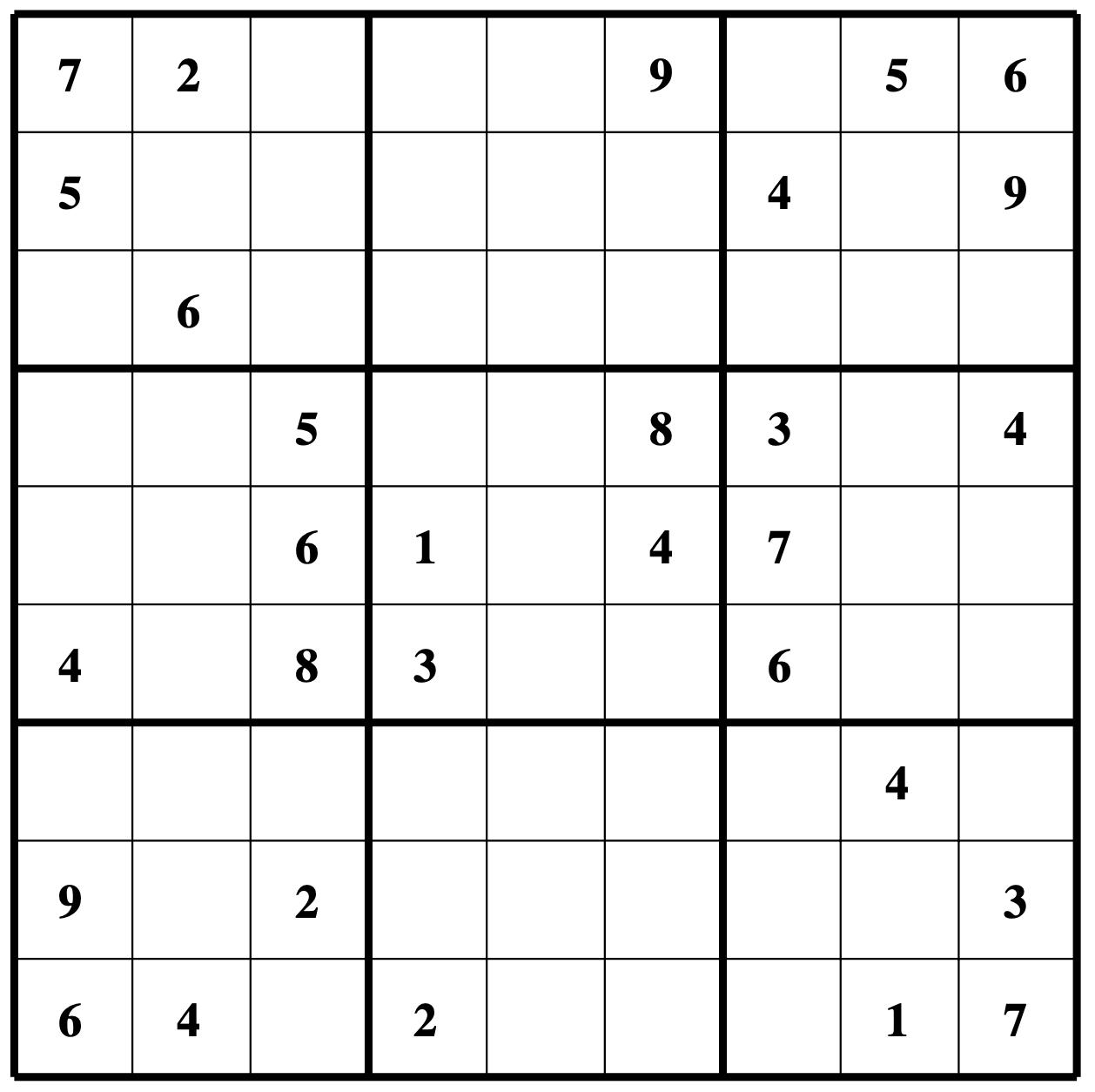
friday, february 10, 2023 volume LIV, issue 18 estd. 1969 Hard
Read by Mulan Ma
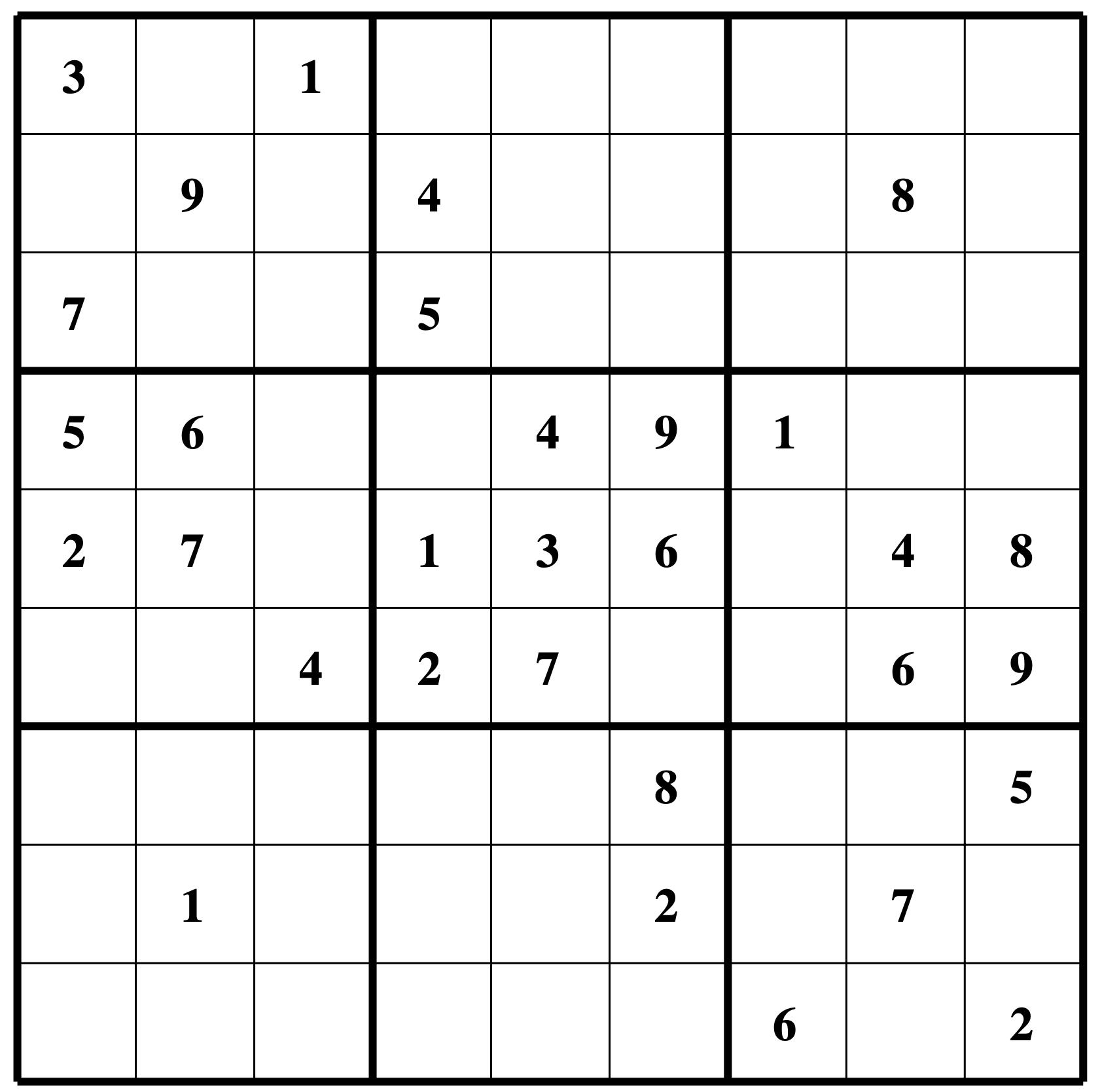
Easy Sudoku
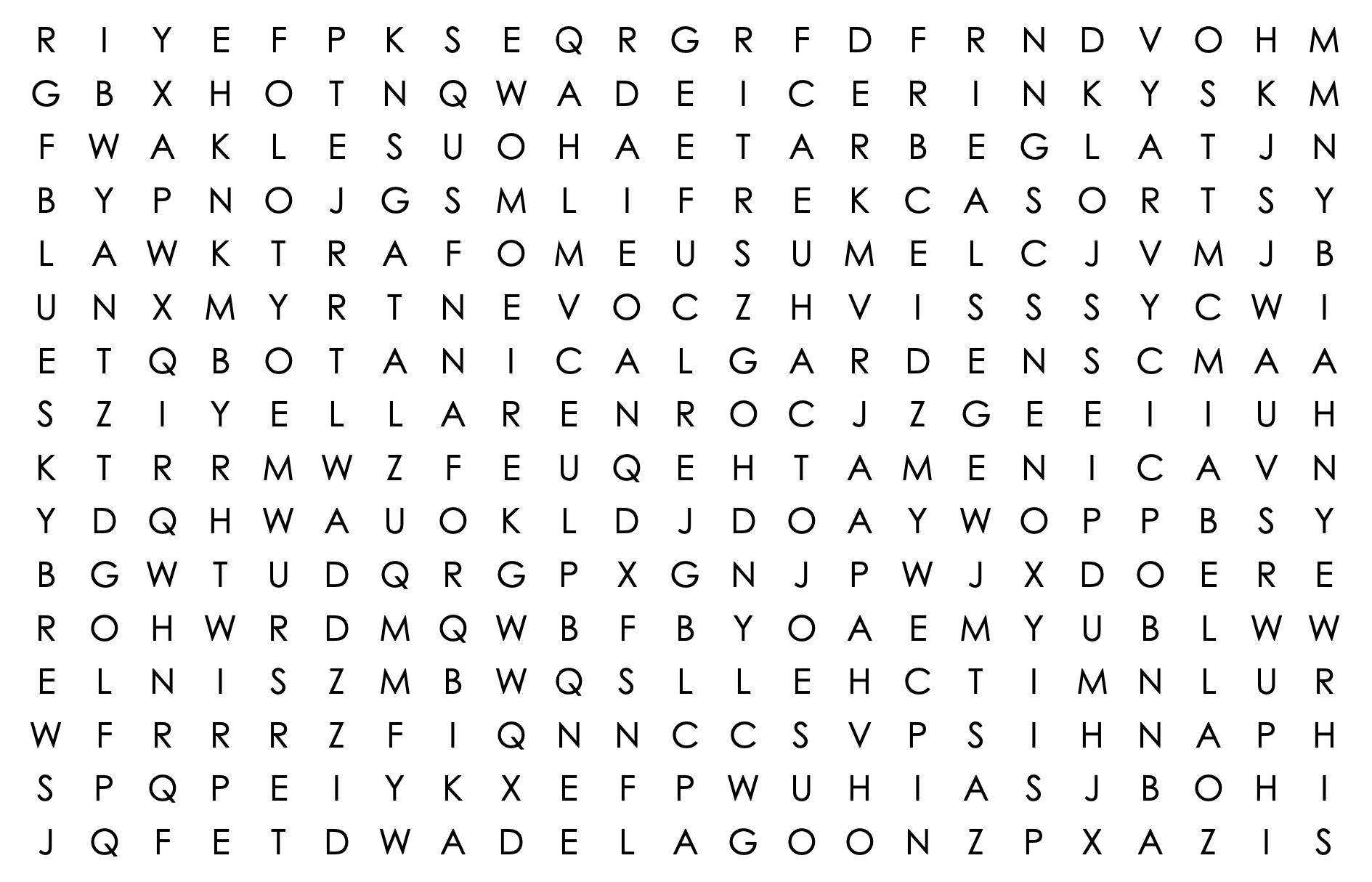
Word Search: CWRU Date Ideas
Crossword

ALGEBRA TEA HOUSE
BLUE SKY BREWS
BOTANICAL GARDENS
CINEMATHEQUE
CLE MUSUEM OF ART
CORNER ALLEY
COVENTRY
MIA BELLA
MITCHELLS
STROSACKER FILMS
WADE ICE RINK
WADE LAGOON
WYANT
ACROSS
1 Donations
5 Think ahead
9 Willing to enter a lion’s den, maybe
14 Organizer of a couples cruise?
15 Greek goddess of marriage
16 Justice Ruth ___ Ginsburg
17 Fraternity party
attire that is traditionally Roman, not Greek
18 Buchanan-DuckDuke
20 Fishtail, maybe
21 Confront
22 Ending with plug or trade

23 Snack-motivated
Great Dane of toons
2/10/23 10 | fun
26 Under the most unfavorable circumstances 29 Paris Métro-BART-Lon don Underground 32 “Great” primate 33 Bona fide 34 “Well, ___ your heart!” 38 Info on a trading card 40 Some undergarments 43 Not deceived by 44 Distinction 46 Brother (and husband) of 15-Across 48 Actor Aykroyd 49 Fender-Gibson-Y amaha 53 “My treat!” 56 Opposite of save 57 Future degree for one taking the GMAT 58 Forever stamp letters 61 Is up, in baseball 63 Silverado-Ram-Tundra 67 Home to Bryce Canyon 68 ___ code (404 Not Found, e.g.) 69 Homecoming short attendee, for 70 Word with circular or nail 71 Optimal 72 State flower of 67-Across 73 Took a nosedive DOWN 1 Members of a certain colony 2 Admires 3 One of several traded for Jack’s family cow, in a fairy tale 4 One getting shorter throughout the morning 5 Third degree?
Scott Joplin’s “Maple ___ Rag” 7 Operatic solo 8 Org. for Jeff Gordon
to watch
a telly
Stadium shout 11 Famed firefighter
12 Containers of blood or ore
Surrealist Max 19 Beast in rare “sightings” 24 Galley propeller 25 Farewells 27 Spider’s creation 28 Capital founded during the Viking Age 29 Bit of pageant attire 30 Bryan Batt’s role on “Mad Men” 31 Sister to Angelica and Peggy in “Hamilton” 35 Finish without anyone winning 36 Act confidently 37 Ballad, e.g. 39 Like some restaurant orders 41 ___ capita 42 Puzzle (out) 45 Cry in an emergency 47 Longtime sponsor of 8-Down 50 “No need to wake me” 51 Some electric cars 52 Give the cold shoulder 53 Louvre Pyramid architect 54 Car mentioned in the Beach Boys’ “Fun, Fun, Fun” 55 “___ bleu!” 59 Heap 60 Like a bug in a rug 62 Author/illustrator Silverstein 64 Big inits. in R.V. hookups 65 Online address, in brief 66 Introspective rock genre What we’ve been listening to Jeepster T. Rex Clay Preusch Love’s in Need of Love Today Stevie Wonder Shreyas Banerjee Ever Fallen in Love (With Someone You Shouldn’t’ve) Buzzcocks Sophia Popkin Daddy Says No Haschak Sisters Joey Gonzalez Ain’t That a Kick in the Head Dean Martin Beau Bilinovich En El Olvido Omar Apollo Karuna Lakhiani Comfortably Numb Pink Floyd Shejuti Wahed Echolalia Yves Tumor Mulan Ma Real Love Baby Father John Misty Auden Koetters Do Me! Bell Biv DeVoe Shifra Narasimhan Crazy Spiritualized Tarun Sepuri
6
9 Something
on
10
Red
13
EDITORIAL
the observer
Editorial:
Valentine’s Day should make us consider existing sexual assault culture at CWRU
Editorial Board
With Valentine’s Day coming up, it’s important to acknowledge the pressure surrounding the holiday, especially when it comes to sex. Let’s start off with this reminder that you have agency over your own consent and can give it or take it away at any point—whether you are in a committed long-term relationship or a casual situation. However, while the concept of consent is something that almost everyone knows, Case Western Reserve University still has a huge number of sexual assault cases on campus, with various social groups having a widespread culture of sexual assault, especially fraternities. Rape culture is still incredibly prominent on CWRU’s campus, and it’s best that we not forget that.
Shortly after the pandemic started in 2020, students shone a light on the horrific experiences that people within our community have faced—more specifically, through an Instagram account called @cwru.survivors. While the account is not active anymore, all of the posts are still on the page in a seemingly never-ending scroll. This account and the students who spoke publicly about their experiences with sexual misconduct and assault sparked outrage and a call for change and accountability.
There were multiple responses to the public pressure for action, both from student groups and the university itself. CWRU’s response included a task force, called “For a Better CWRU.” While the task force was performative, it showed CWRU taking initiative. However, at the end of the 2021-2022 academic year, the task force was transitioned into an advisory group, never to be heard of again, despite never leading the overwhelming structural changes required to fix our campus culture and administration. Furthermore, while the task force gave updates in April 2022, they were incredibly vague, and again, they were never publicly followed up on by the Office of Equity. It is likely that President Eric Kaler will not publicly acknowledge the changes needed for CWRU’s administration regarding sexual misconduct, even though CWRU’s Title IX office is being investigated by the U.S. Department of Justice. While reforms to the Title IX office may be ongoing in response, there has been very little
transparency with students as to what’s changing as of yet.
On the student side of action, there was also much response to the outrage. On the more positive side, students founded a #MeToo CWRU organization, one “dedicated to reforming rape culture in our community.” Additionally, there is a new @survivorsatcwru page—although, the last post on the page is from November 2022; clearly, it does not have the same magnitude as the initial Instagram.
Moreover, due to many of the posts on the @cwru.survivor page involving Greek Life, fraternities put out their own statements about their goals for internal reform. While some fraternities posted statements regarding allegations, some of those posts have since been deleted. Furthermore, while others kept up their post and even posted resources in 2021, they have not posted about the topic since. The thing about rape culture is that it does not disappear with some initial “reforms” in a couple of months. As fraternities add new members, they must continue to prioritize educating and advocating for changes to the historic culture of sexual misconduct. In addition, it’s also important that fraternities continuously post resources and take action. While changes may have happened even without posting about it on social media, trust must be earned. The population that is affected by fraternity rape culture cannot know if these organizations are making the change within if they are publicly silent about it.
Fraternities are only one example of how important it is to be vocal about rape culture on campus; this is an ongoing struggle that requires all student organizations to come to terms with their behavior. The @cwru.survivors account was created in the summer of 2020, and the class of 2023 is the last class on campus that was present and involved with that movement. It likely won’t be long until we are forced to confront the worst aspects of college culture once again, but our outrage must not just be momentary. So, as Valentine’s Day approaches, we must keep in mind the importance of consent, but also of being continuously vocal and vigilant about sexual assault within the CWRU community.
Critiquing Cleveland
Enya Eettickal Staff Writer
A running joke among my friends is that I’m the biggest Cleveland hater they know, often noting that any opportunity presented, I’m immediately jumping on a flight back to Chicago. And while there’s a shred of truth to that, I think my Cleveland criticism has precedent. So, here’s a fun little article on why I think Cleveland “sucks.”
My most recent qualm with Cleveland has been the weather. Sure, it’s been undesirable since I first came to
Case Western Reserve University, but recently, it’s been terrible—especially with the constant switches in temperature. Going from having sheets of ice and negative windchill one day to a balmy 50 degrees the next is hard to keep up with. Inconsistent weather is a common trait for most of the Midwest; however, Cleveland’s average sporadic weather is much drearier than the other cities I’ve visited even within a nearby vicinity, so it places Cleve-
established in 1969 by the undergraduate students of case western reserve university executive editor & publisher SHREYAS BANERJEE
PRINT
director of print SARA KHORSHIDI
news editor GRACE JOHNSON
life editor JOEY GONZALEZ
opinion editor KARUNA LAKHIANI
sports editor PUNEET BANSAL
development editor BEAU BILINOVICH
engagement editor MULAN MA
copy editor SHIVANGI NANDA
copy editor LEXY JENSEN
copy editor RACHEL ALEXANDER
copy editor ELIE AOUN
copy editor KATE GORDON
DIGITAL MEDIA
director of digital media JOCELYN ORTIZ
social media editor SOPHIA POPKIN
photo editor CLAY PREUSCH
web editor COLLIN WONG
DESIGN
director of design TARUN SEPURI
layout designer SHIFRA NARASIMHAN
layout designer AUDEN KOETTERS
layout designer CATHERINE CHOI
graphic designer TYLER VU
BUSINESS
director of business operations KHUSHALI DESAI
business manager MATTHEW CHANG
busines manager MOHIT KOSURU
business manager RYAN CHOU
The Observer is the weekly undergraduate student newspaper of Case Western Reserve University. Established in 1969, The Observer reports news affecting students and provides an editorial forum for the university community. Unsigned editorials are typically wri tten by the opinion editor but reflect the majority opinion of the se nior editorial staff. Opinion columns are the views of their writers and not necessarily of The Observer staff. For advertising information, contact The Observer the e-mail observer@case.edu.
LETTERS TO THE EDITOR should be e-mailed to observer@case.edu or submitted on our website at observer.case.edu. Letters can be mailed to Thwing Center 11111 Euclid Avenue, Suite 01, Cleveland, Ohio 44106. For policy and guidelines related to the submission of Letters to the Editor, refer to observer.case.edu/submit-a-letter.
The Observer is a proud member of CWRU’s University Media Board. Follow The Observer on Facebook, Twitter, TikTok and Instagram @cwruobserver.
land’s weather as a significant drawback.
Most of my remaining complaints about this city stem from the way it’s populated. While Cleveland is a midsized city, most areas appear empty, especially during the evenings. While I may have that perspective because I frequently visit bigger cities, the lack of people out at night is still unnerving.
While I don’t know the exact cause of this emptiness, I wouldn’t be too surprised if restaurants and other attractions closing incredibly early is a factor. This is a particularly difficult problem to navigate as a college student, given that when activities and
classes run very late and I have to settle for late-night dinner, options are few and far between. Furthermore, they become even more narrow, bordering on nonexistent, when any type of dietary restriction is factored in. I’ve seen a number of people simply not able to get dinner because they couldn’t find the energy to cook and no options for food were available. It may seem like a simple and fixable issue, but when considering how overwhelmed and drained college kids can be, having a number of food options can be a game changer. Cleveland just doesn’t suit this need.
Continued on pg. 12
opinion friday, february 18, 2022 volume LIII, issue 20 estd. 1969 opinion friday, february 10, 2023 volume LIV, issue 18 estd. 1969
You can’t find yourself if you’re searching for your soulmate
Cailee Zeraat Staff Writer
Tinder, Bumble, Grindr, Hinge; there is no shortage of ways to meet romantic partners in the modern world. Finding a match is as easy as swiping right or scrolling through hand-selected pictures on a customized profile. When navigating through college, “finding yourself” seems to be the common theme pushed onto us. However, many fall victim to the idea that finding yourself is synonymous with finding someone to be a partner in that journey. While companionship is comforting, it often hinders our personal growth and development of selfidentity.
When in a relationship, especially one formed during a pivotal moment in your lifetime, it can be easy to conflate your romantic partner with your own identity, constantly lumping the two together. Your days suddenly revolve around your partner, even if you don’t see each other that often. A “good morning” text is your first priority when you wake up, and an evening FaceTime call before you go to sleep becomes a necessity. Plenty of energy goes into romantic relationships, regardless of how long you have been together. A couple who has been together for two months may spend a lot
of effort keeping each other interested in the early stages. A couple who has been together for two years may spend the same amount of effort resolving conflicts and managing finances. Regardless of the stage of your relationship, there is constant work that needs to be put in.
While putting effort into a romantic relationship is rewarding, if overdone, it can take away from the effort that you should be putting into yourself. And for many college students who are entering their first relationships, it is often overdone. Teenagers and young adults already struggle to develop a sense of identity, and that challenge is especially amplified in a new environment hundreds of miles away from home. When in a relationship, your partner’s needs become important to you—or at least they should if you’re doing it right. Daily decisions are made with your partner’s best interests in mind, which can lead to you ignoring your own interests. You may lose sight of your own personal, academic and professional desires to appease your partner. While it may be endearing in the moment to turn down an internship offer to spend the summer with your partner, you later can
find yourself regretting revolving your decisions around your relationship. Living for yourself is the most important thing you can do, especially when building the foundation for your adult life.
The college experience is heavily reliant on independence and transitioning into adulthood.
Students all too often turn to romantic pursuits as they adjust between stages of life, limiting their potential to be independent. When you share such a transition with another person, that important experience becomes irrevocably intertwined with them. And unless you plan to stay with that partner for the rest of your life, those happy memories of lifetime milestones can easily be tainted by the reminder of a relationship that once was.
Finally, no matter how perfect your relationship may be, all couples experience drama and conflict. Adding this emotional stress on top of the mental stress of a challenging academic experience can often be overwhelming for many students. It can be exhausting trying to study for your biology final while also trying to apologize to your partner for ignoring them because you were studying for said final.
All of this is not to say that relationships are bad and you should never love anyone. However, I am urging those of you in relationships to balance your priorities and remember to put yourself first. And for those not in relationships, consider if you have spent enough time finding yourself before you find someone else. Romantic and sexual companionship is tempting, but it can consume most of your time and energy until you have none left for yourself. As someone in a long-term and long-distance relationship, I have been victim to the downfalls of young love. While I still have much to work on and many codependency problems to undo, my relationship has been immensely rewarding. However, if I were to do it all over again, I would spend more time on my personal growth and self-discovery before entering into a relationship with my current partner. There is no need to rush into anything in life, especially romantic relationships. Your potential to find love doesn’t end when you graduate or when you’ve dated 15 people by the time you’re 30. You have your entire life ahead of you to love deeply and beautifully, but you can only do that if you have loved yourself first in that same way.
It’s time to stop making Valentine’s day so stressful
Caroline Kuntzman Staff Writer
Valentine’s Day is a highly commercialized holiday. It certainly is not unique in this regard, as Christmas and Thanksgiving are the biggest holidays for consumer spending in the United States. However, the consumerism surrounding Valentine’s Day is still significant. In 2021, the average American spent $164.76 per person, with the country as a whole spending $21.8 billion. This is without getting into intangible costs surrounding Valentine’s Day, such as the pressure single people may feel to have a partner or the pressure people in relationships may have to interact with their significant other in a certain way. Between social pressures and deep commercialization, Valentine’s Day is now about much more than love.
The precursor to Valentine’s Day dates back to the Romans. Called the Festival of Lupercalia, its focus was not on love but rather on female fertility. Priests would sacrifice a goat and a dog and then bring a piece of the animals’ skins into contact with the women, believing that this would help them have children. The Festival of Lupercalia was outlawed by the Roman Empire later on following the empire’s conversion to Christianity and Valentine’s Day
replaced it, celebrated one day earlier than the original festival. The holiday received its name from Pope Gelasius, who referenced one or possibly several saints named Valentine. The exchange of Valentine’s Day cards began many years later in the 1500s, and exchanges of small gifts began in the 1700s. What the history of Valentine’s Day shows is that its meaning and traditions are not constant. They have evolved over time, and so it should not necessarily be treated as a holiday with any one particular meaning or importance. Ultimately, its significance will be what general consensus decides it is. However, to say that Valentine’s Day is all about love ignores what the holiday has become.
The first mass-produced Valentine’s Day cards began circulating in the 1840s. Developed by Esther Howland, her work paired with Richard Cadbury’s development of the chocolate box, creating two modern Valentine’s Day gift staples.
The commercialization of Valentine’s Day is typical for American holidays, but what is unusual are the expectations surrounding sex. According to data collected in 2017, most Americans in relationships do want to have sex on
Valentine’s Day. Only 14% of women and 6% of men say that this is not important to them. Psychology Today points towards marketing as a critical source of these expectations. Regardless of where these expectations stem from, the fact is that they can cause people with and without partners to feel as though they have to have sex on Valentine’s Day, which is unhealthy.
Another unique aspect of Valentine’s Day is that its messaging focuses exclusively on romantic love, cutting out a significant segment of the population. It is becoming increasingly common for American adults to be single, with this number jumping from 22% in 1950 to 50% in 2012. For single people—especially those wanting to be in a relationship—, Valentine’s Day can be difficult.
However, perhaps the most striking aspect of the holiday is how people feel about their Valentine’s Day plans. According to the same 2017 source referenced previously, only 42% of women and 43% of men were “excited and happy” about their Valentine’s Day plans. This leaves a significant portion of the population not thrilled about their plans.
As it is currently celebrated, Valen-
CLEVELAND continued from pg. 11
But my biggest beef with the city of Cleveland is its roads. I’d truly like to have a talk with whoever designed the roads here because absolutely nothing about them makes sense. Who decided that three-way and six-way intersections were a good idea? Why did no one change them? That, paired with the random structure and winding nature of roads make for absolute chaos when driving—especially for those who are unfamiliar with the area. Even within University Circle, the driving pattern baffles me. I’ve seen a number of vehicles park on the
side of the road and just block off a whole lane, instantly backing up traffic for minutes at a time. To top it all off, there is the issue of the quality of the roads; for instance, the number of potholes is ridiculous. Overall, driving in Cleveland is simply a nightmare. Even though there aren’t too many places to go to in Cleveland, getting around to those places can be difficult if it’s in unknown areas.
There’s no one singular solution for this city—or, at least, none that we can individually act on. However, there are two direct options here in terms
of how to cope with it. Option one is to leave while you can. Go back to your hometown or explore a different place, whether that be within the U.S. or outside of the country. Most places will be a level up from here, so it’s a great setup for experiences after your time at CWRU is over. But the other option is to find things to love about Cleveland. The one promise I made to my friends in my third year was that I’d give the city a chance by exploring the surrounding areas—finding if there were things I liked to do or food I’d like to get. I followed through on
tine’s Day is a severely flawed holiday. It causes people—both in and out of relationships—to feel pressure, and can be isolating for others. It is a holiday associated with heavy spending, yet it does not seem to bring the joy one would hope it would.
Valentine’s Day needs to be reframed in a more positive manner that better acknowledges the realities of the 21st century. Instead of focusing so heavily on couples, it could be more inclusive of other types of love. Love of family. Love of friends. Love of self. It could acknowledge the holistic range of relationships people enjoy, instead of focusing so heavily on romantic ones. It could shift away from marketing a specific image of what Valentine’s Day should look like, and instead be about individuals doing what makes them happy. Moreover, open dialogue about expectations for Valentine’s Day should be encouraged. For people in relationships especially, talking with their partners about how they want to spend Valentine’s Day could help make the day less stressful and prevent unnecessary spending on gifts or extravagant dates neither necessarily want. As a whole, Valentine’s Day is due for an overhaul of what its focus is.
that and it honestly made Cleveland a bit more bearable of a place to live in. Whether it be Tremont, Beachwood, Shaker Heights or the myriad of areas outside of Uptown, there are a few places that make the area a bit more fun, even when it takes a bit of an effort to get there.
Being in Cleveland has definitely been a wild time. But I’ll admit, the city has grown on me over the years. But just because Cleveland has developed a special place in my heart, it doesn’t mean I won’t continue to criticize all the weird parts of living here.
12 opinion 2/10/23
The travesty of textbooks
Carsten Torgeson Contributing Writer

Up until the start of this current semester I had never bought a textbook for school—at the very least, not the correct edition. I say this with the hubris of a miser; I’m proud of the lengths I have gone to avoid paying full price for textbooks. My stubborn refusal to make my education more expensive than it already is has brought me to unfrequented reaches of the internet. The suspense of taking a gamble on a gibberish blue PDF download link, while too much for some, is exhilarating for me. I ritualistically knock on wood and put faith in my antivirus program. It pays off. The average student pays between $600 and $1,400 per academic year on textbooks—in my entire time in university, I have yet to break $500. If a professor requires the fifth edition of a book, at a fraction of the price the fourth will be sufficient for me. I don’t mind my page numbers being different from everyone else, nor certain sections being rearranged. And I actually appreciate the annotations that original owners of used textbooks leave for me. However, not everyone can do this. For some, the quest to find an inexpensive (or free) alternative to a textbook is more effort than it is worth. For others, they fear the marginal difference between textbook editions might mean the difference between a good grade and a poor grade in the class. And still, some may not have as ironclad an antivirus program as I do. Until this semester, I shrugged off these concerns and had no regrets. Alas, all good things must come to an end, and in this case with an authoritarian (though very endearing) professor who has required that all their students have the most recent print edition of the textbook. Many of my professors have warned of the folly that would befall those who did not have the most recent version of the textbook, but this was the first time a professor had “encouraged” me to
get a textbook by leveraging my grade. Naturally, I succumbed to the pressure and participated in the lavish and tired tradition of buying an expensive textbook. Part of me wants to spend the rest of my dwindling word limit launching a polemic against this unnamed professor (though I think very highly of them). I would complain that the previous edition was an order of magnitude cheaper or whine that there was a free PDF version online. I would even promise to print the readings out from the online source so I could annotate them. I might even appeal to logic by telling my professor, “If the correct textbook was really so important to have, my grade would suffer all on its own, without any of your professorial manipulation.” This would be a waste of an opinion piece because exorbitantly priced textbooks are a symptom of something much more important: higher education becoming mired in capitalism.
The university is a place for learning, and its telos—its purpose, to borrow a famous Greek idea—is the pursuit of knowledge and truth. It relies on skilled professors, motivated students and functional learning tools in order to attain its telos. The textbook is one of these learning tools. The effectiveness of the student and the teacher are both enhanced by the skill and motivation of the other. In addition to their codependence, they rely on the learning materials to be functional. It is at this point where we encounter our dilemma. The professor believes the textbook to be functional if it functions to teach their class. The student—who is in a state of despair at having to read from any textbook—cares only that it is easily obtained. Unfortunately, these values do not line up, for the best textbook in the eyes of the professor (who does not bear the cost of these textbooks, and, in a perverse fashion, may at times
Picture of the week
benefit from their astronomical prices) is never the least expensive. How is it that the professor and the student, bonded by symbiotic aims to educate and to learn, depart so far from each other? The resounding and omnipresent response is capitalism.
Capitalism has its own telos: to make money. Unfortunately, this purpose is exclusive to capitalism. Though a doctor makes a lot of money, that is not their telos. Though an educator is paid for his services, that is not their purpose. Even the telos of a business person is not to make money, but rather to create value (either for themself or others). Though it is often disguised— in each of these professions, as well as practically everything else in our society—money is a result not of that thing’s telos, but instead a result of the entrenched telos of capitalism.
In order to detangle capitalism from the host it has infiltrated, we must stop and consider who benefits. The news would have you believe that the media they produce is an accurate depiction of reality, yet as the adage goes, “99% of news is 1% of reality.” Textbook companies would have you believe that their newest edition benefits the reader. In both cases, the person who benefits is not the viewer or the reader; it is the news company and the textbook company who receive more money by creating demand for their product. The news company is paid handsomely for distorting reality to be more dramatic than it is, and the textbook company can balance their books by pricing new editions at an average of 12% higher. The news cannot achieve its purpose so long as the aims of the capitalist system are ingrained within it, nor can the textbook companies hope to provide functional education tools when they price their books so high. This is true of any system in America. Social psychologist Jonathan Haidt wrote an
entire article titled “Why Universities Must Choose One Telos: Truth or Social Justice,” and I echo the same sentiment about choosing between education and capitalism—as long as the university strives to attain its capitalist goals, it cannot hope to simultaneously attain its pedagogical ones.
This should come as no surprise. We are all cogs in the capitalist system. To attend university in America (in almost all cases) is to resign yourself to participating in this system. The higher education system is a wolf hiding in a sheep’s clothing, giving off the image of an altruistic home for education while voraciously inhaling the monetary means of its students and their families. Most of us at Case Western Reserve University have made our peace with this. However, I worry that we will become so apathetic to the circumstances in which we study that it will become the perfect illusion. For this, I am glad to have been “encouraged” to purchase a full-price textbook because its novelty for me has helped to reveal the capitalist shadow that dogs us all.
Although, I don’t know what to do about this—I suppose that is in part why I, and many of us, attend university. We hope that we can equip ourselves with the tools to understand the world better and make the changes that we see as being beneficial for all. But I wonder, can we expect to be able to dismantle a system from which we ourselves have sprung? I can only hope so. Until then, I think it is useful for all to question the things we don’t usually bother to question and think about who benefits. Why is my textbook so expensive, and who benefits? Why are grades so important, and who benefits? Why is Mitchell’s ice cream so addictive, and who benefits? If all the little things that make you pause are examined, it may yield great realizations.
13 opinion observer.case.edu
Koetters
Auden
Men’s basketball extends win streak to four
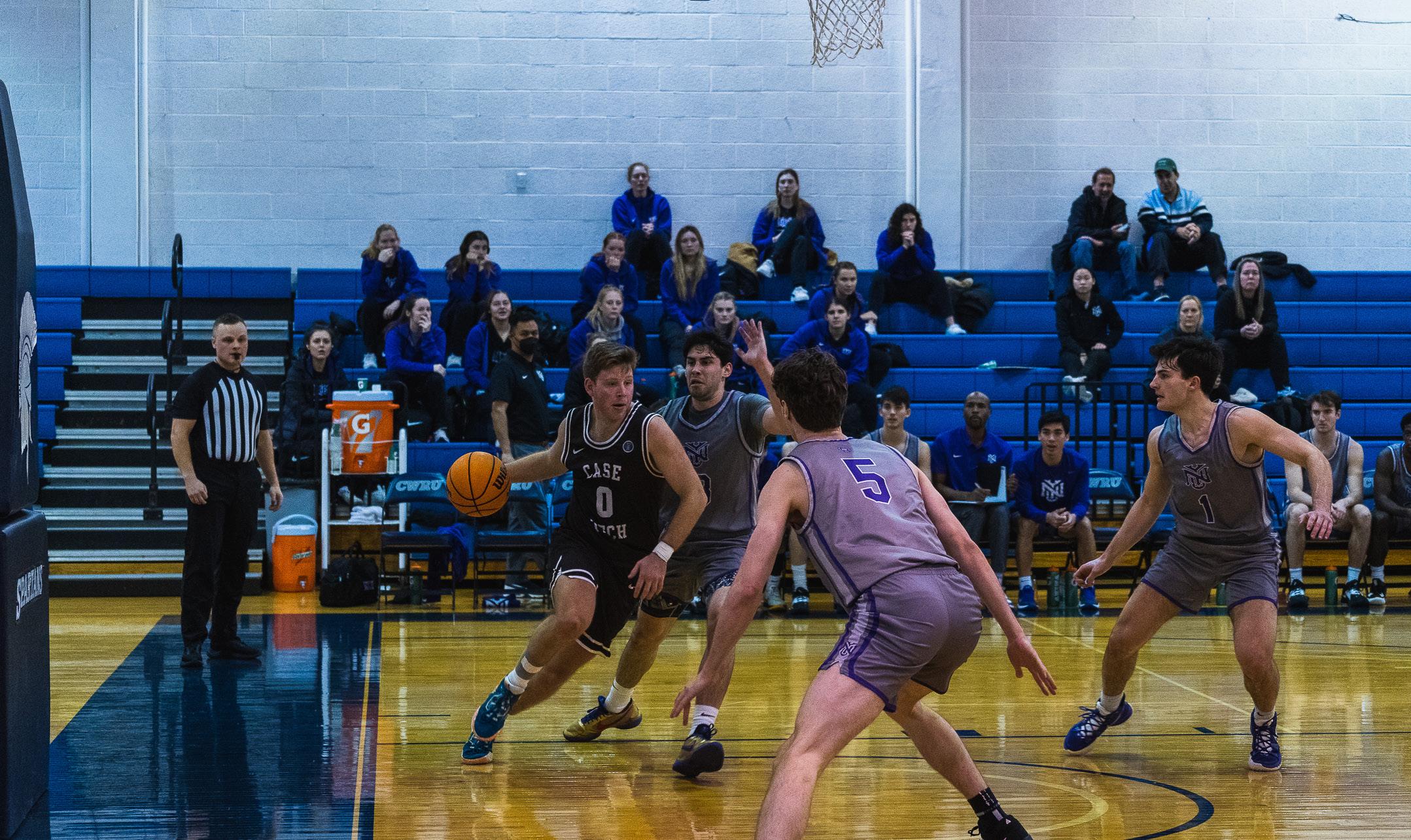 Paola Van der Linden Costello Staff Writer
The Case Western Reserve University men’s basketball team faced Brandeis University on Feb. 3 and New York University on Feb. 5 in the Horsburgh Gymnasium for a rematch after the Spartans claimed two road wins against these teams last weekend. Given the competitive nature of the UAA conference this season, a win for the Spartans was imperative to stay in the run for making the tournament.
Spartie and Spartan Cheer made an appearance on Friday night for this exciting game. The Hidden Opponent was also featured, prompting the spectators to wear green to bring awareness for mental health in student athletes
If the Spartans walked over the Judges in their away game, they trampled them at this home game, winning by 28 points and scoring a season high in the 101-73 victory. This was also the first time the Spartans scored over 100 points in the UAA conference since 1997 and the fifth time in all of CWRU’s history. Fourth-year forward Cole Frilling led the team with 16 points, third-year forward Ian Elam with 9 rebounds and graduate student guard Danny Frauenheim with 9 assists. CWRU shot 56.6% overall and 48.3% from the 3-point range.
CWRU took the lead with 18:24 left in the first half after graduate student guard Mitch Prendergast made a 3-pointer and never looked back. Even with CWRU’s complete domination, this game was far from boring. They kept the audience engaged with exhilarating play and intoxicating energy on both sides of the court. Similar to the last time CWRU faced Brandeis, the game appeared to be a
close one, with the Judges only trailing two points with 10:28 left in the first half. While last time CWRU dominated the game with their 3-point jump shots, Brandeis’ aggressive defensive strategy was proving effective this time, with the Spartans shooting just 3-4 from the 3-point range at this point in the game.
After Elam had a defensive rebound and made a layup, the Spartans were up by four, a lead that would continue to grow with the remainder of the first half. Second-year guard Sam Trunley led the scoring barrage in the first half, making several 3-pointers. With one second left, his last shot gave the Spartans a 15 point lead at the end of the first half. Frauenheim led this half with 7 assists and Elam with 8 rebounds, both key to the Spartan’s success.
The second half was much worse for the Judges as they got penalized for their aggressive play, incurring six fouls and a technical within the first 2:22 minutes of the third quarter. The Spartans took advantage of this, converting 9 points from their mistakes. Third-year guard Luke Thorburn capped an 11-0 run for the Spartans with his layup.
In the final 12 minutes of the game, second-year forward Umar Rashid made 5 points after being fouled at the 3-point line and converting an offensive rebound that got him a layup. Rashid has been crucial for CWRU’s defense play, notching 3 blocks for the game and having a team high of 36 total blocks this season, 20 within conference play. “When it comes to blocking shots, I really just try to use my length and athletic ability to their full potential to make plays that’ll help our guys out,” says Rashid.
“Sometimes when the timing is perfect it feels like I’m playing volleyball and I know the crowd loves seeing me spike an opponent’s shot.”
With 10:22 left in the game, CWRU took the largest lead of the night of 33 points in one of the most exciting plays of the night. In a threeman effort, Rashid blocked the ball and Florey made a beautiful pass to set up Trunley to make an exhilarating dunk. Trunley reflected, “Finally dunking in a college game was a cool experience, but it was just a small part of an outstanding team effort.”
When the audience thought the game could not get any better than that last play, first-year forward Adam Miller dunked the ball with 1:25 left in the game. This play was followed by a layup by second-year guard Lucas Ortiz and a steal that led to a 3-point jump shot by Miller, giving the Spartans a 7-0 run and ultimately the win.
The game against NYU also kept CWRU fans at the edge of their seats but for different reasons. The Violets and Spartans had a nerve-racking game that was extremely close up to the very last seconds. A key block by Elam with 15 seconds left in the game and four free throws by Rashid and Prendergast ultimately gave the Spartans the win 96-92. Frilling once again led the team with 22 points and 10 rebounds while Frauenheim led with 8 assists. The Spartans shot 60.3% (35-58) from the field goal range and 47.6% (10-21) from the 3-point line.
The Spartans took the first lead of the night after NYU missed a layup and Frauenheim converted a defensive rebound into two points after a layup. The Violets took their first lead of the night with 14:01 left in the first
half and their largest lead of the night of five points with 2:52 remaining. However, Frauenheim tied the game after making two free throws and Prendergast had a buzzer-beater layup that had CWRU up by two by the end of the first half.
Frauenheim made a layup with 14:39 remaining which allowed him to reach 1,000 career points and gave the Spartans a 10-point lead. This includes his first three seasons of collegiate basketball at Susquehanna. This was followed by another five points from Frauenheim, including a 3-point jump with 13:08 left in the game that gave the Spartans their largest lead of the night of 12 points.
Despite a significant lead by the Spartans, The Violets kept fighting, managing to tie the game at 9090 with 44 seconds left. You could feel the tension in the audience, but CWRU was able to maintain their composure and made 8-8 free throws which ultimately led to their second win of the weekend.
Elam discussed how he was able to complete the block that saved the game: “One of my coaches had noticed that they practiced that play when they warmed up, and so when I noticed they ran it I was ready.”
After Emory University lost against Washington University in St. Louis this weekend, CWRU moved up to second place in the UAA standings. They will be playing the University of Rochester and Emory in their last home games on Friday, Feb. 9 at 7:30 p.m. and Sunday, Feb. 11 at 11:00 a.m. respectively. After two hard losses against these teams in their away games, CWRU hopes to make a comeback and be one step closer to winning the UAA conference.
sports friday, february 10, 2023 volume LIV, issue 18 estd. 1969
Graduate student guard Mitch Prendergast scored 21 points in an extremely close game against NYU to bring the Spartans to victory. John McCormick/The Observer
Paola Van der Linden Costello Staff Writer


The Case Western Reserve University women’s basketball team secured a win against Brandeis University, their second of the season, on Feb. 3 (86-67) but suffered a devastating loss against against No. 7 New York University on Feb. 5 (82-44), leaving them with an overall 13-7 record, 4-5 conference record and No. 6 ranking in the UAA.
Against Brandeis, third-year guard

Margaret Terry and third-year forward
Kayla Characklis led the game with 16 points, fourth-year forward/guard

Isabella Mills had 8 rebounds and Terry had 6 assists. The team shot 2565 (36.9%) from the field and 13-32 (40.6%) from the 3-point range.

The Judges had their largest lead of the night in the first quarter when they first scored a 3-point jump shot to open the game. First-year guard/forward Emily Plachta closed the gap immediately, tying the game with a 3-pointer of her own. Third-year guard Sarah Mitchell made a layup and got fouled, converting three points to give the Spartans the lead. Despite the Judges’ efforts, they only managed to tie the game twice more but never took the lead. The Spartans held the 20-15 lead at the end of the first quarter following a layup from Terry.

The Spartans also won the second quarter, finishing the half with a 16-point lead. A defensive rebound by freshman guard Maya Roberts with two seconds left prevented Brandeis from getting any closer to CWRU. During the halftime, CWRU recog-
nized the 50th anniversary of Title IX in women’s sports.

Up 48-32, the Spartans increased their lead by 30 points with a layup by second-year guard Nyah Moore, a jumper from third-year forward/center Preet Gill, a 3-pointer by second-year guard/forward Lucy Vanderbeck, and more. The Spartans took their largest lead of the night at 76-48 with 1:40 remaining in the third quarter after Vanderbeck’s shot. The Judges made a small push to end the quarter, cutting their deficit to 53-78.
In the fourth quarter, CWRU maintained great ball movement and coordination on the court. Fourth-year guard Claire Poulton scored five points and Vanderbeck scored three, ending the game with the Spartans on the top 86-67.
The story was very different when the Spartans faced the Violets on Sunday afternoon. What started as a close game quickly turned into an uphill battle for the Spartans, one they could not recover from. Mills led the team with 11 points and Mitchell with 3 assists. Overall, the team shot 29.3% from the field and 21.7% from the 3-point line compared to NYU’s 38.9% and 52.2% respectively.
In the previous match against the Violets, the Spartans put up a good fight, staying ahead in the first three quarters only to lose the lead in the fourth quarter. In this game, they lost the lead after NYU made a layup with 6:46 left in the first quarter and were not able to catch up after that.
Despite only being down by four by the end of the first quarter, the Violets kept the pressure on the Spartans, who found themselves down by 20 by the half, 33 at the end of the third quarter and ultimately 38 at the end of the game for a final score of 82-44. Averaging 70.8 points per game, this was
CWRU’s lowest scoring game of the season.
The Spartans will face the University of Rochester on Friday, Feb. 10 at 5:30 p.m. and Emory University on Sunday, Feb. 12 at 1:00 p.m. in the Horsburgh Gymnasium for their final two home games of the season.

15 sports observer.case.edu Women’s basketball splits vs Brandeis, NYU at home Check out Plum Market Kitchen, right here on campus! Located at the corner of Euclid Ave. and E115th St. We accept CaseCash! DID YOU KNOW THAT DAVE’S SUPERMARKET ON THE TOP OF CEDAR HILL CLOSED ON 10/21? DOZENS OF STUDENT ESSENTIALS AVAILABLE FOR $5 OR LESS! LOOK FOR THE BLUE TAG AROUND THE STORE! Check out plummarket.com/CLE for more info, or scan the QR code! $2.99 Whole Milk $2.99 / Oatmilk $4.49 4-count $2.69 cup $2.49 / 4-pack $4.99 $4.49
Third-year guard Sarah Mitchell’s defense keeps NYU at bay during their game on the 5th. John McCormick/The Observer
Isabella Mills is the leader the women’s basketball team needs
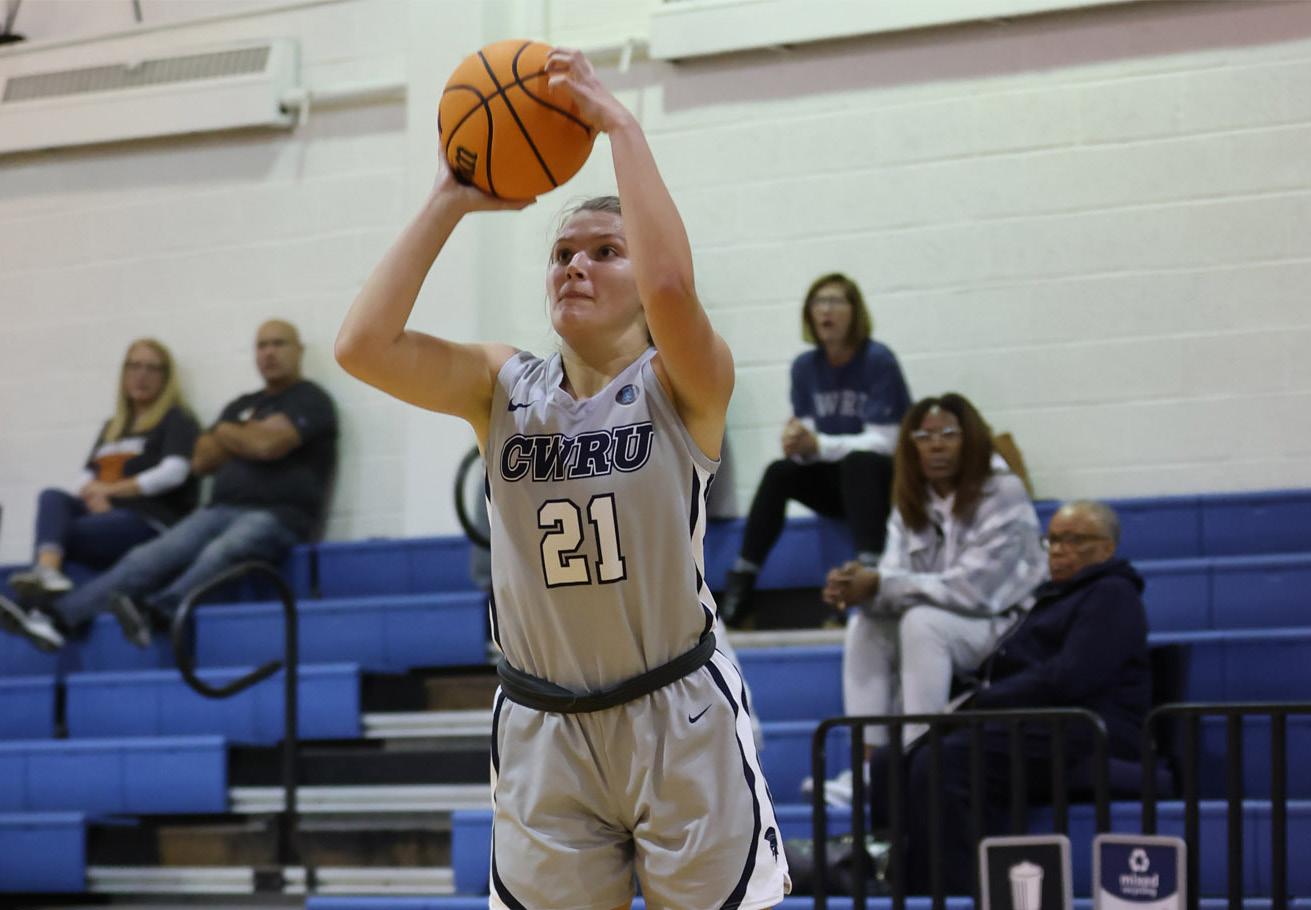 Paola Van der Linden Costello Staff Writer
There are 2:20 minutes left in the fourth quarter in the Horsburgh Gymnasium on Friday, Jan. 20. CWRU is up when fourth-year guard/forward Isabella Mills makes another 3-point jump shot—her 10th of the night. The audience cheers as they celebrate Mills’ 30 points, soon to be 36 by the end of the game.
Although this may seem like just another Friday night game, Mills made history by scoring a career high of 36 points and setting the program record of 3-pointers made in a single game with 10 shots.
“The weekend before our WashU game our team didn’t have the greatest shooting performance,” said Mills. “I got into the gym during the week and got a lot of shots up so I could be confident going into Friday. I never thought that game would go the way it did. In the first half, I was feeling it so I kept shooting and then in the second half when they started to take away my shot, I decided to just focus more on getting defensive stops and let my teammates take the wheel on offense. My teammates kept finding me so when I had an open look I took it and honestly just felt like I couldn’t miss! I am happy I was able to perform so well, but what really mattered to me was winning that game and I am so proud of our team for doing that.”
For Mills, being part of a team is important and valuable, and she chose basketball because of this opportunity.
“One of the main reasons I actually
continued with basketball and soccer over tennis was because they were both team sports. There is nothing like being on a team and having constant support from people working towards the same goals. Your team becomes like family and I love being able to share so many memories with some of my best friends.”
As team captain, she leads and brings her team together: “My coach has always taught me to lead by example and I try to
do that by always showing up ready to play and coming into each game or practice with a positive attitude. My teammates and I push each other by holding ourselves accountable and showing up to everything ready to compete.” Her teammates also applaud her leadership. Second-year guard/forward Lucy Vanderbeck said, “Isabella is genuinely one of the best captains and teammates I’ve ever had. She is so passionate about
what she does and it’s evident in how hard she works and all she does for us both on and off the court.”
Third-year guard Sarah Mitchell also added, “Isabella is the heart and soul of this team. She exemplifies leadership on and off the floor in so many ways. Isabella is really special because you don’t often see great players who score the ball really well, and do all the little things like rebounding and working on the defensive end of the floor. I think the whole team is just really happy to see her succeeding and we are all so grateful to be a part of her last season playing.”
Mills has had an amazing trajectory with CWRU’s basketball team. However, she played all sorts of sports growing up, saying, “I played soccer, basketball, and tennis growing up. Soccer was always my favorite when I was younger, however, I had a basketball coach in middle school that completely changed my game and I started to love it. In high school I had to choose between basketball and soccer because of the time commitments and basketball won out.”
Her decision to stick with basketball continues to yield impressive results in her collegiate career and her leadership and skills as a basketball player have not gone unnoticed. During this season she has averaged 16.9 points, shooting 39.6% from both the field goal and the 3-point range. An exceptional player and person, we hope to continue watching her success during the rest of the season on and off the court.
Scores and Upcoming Games
Women’s Basketball
Men’s Basketball
(2/5) - W 96-92
CWRU vs Rochester (2/10)
CWRU vs Emory (2/12)
Wrestling
CWRU at Hiram (2/4) - W 42-6
CWRU vs Heidelburg (2/4) - L 27-19
CWRU vs UAA Championships (2/11)
CWRU vs NCAA Central Regional (2/25-2/26)
Indoor Track & Field
Men’s Tennis
Swimming & Diving
CWRU vs UAA Championships (2/8-11)
CWRU vs Midwest Invitational (2/17-18)
CWRU vs NCAA Diving Zone Regional (2/24-2/25)
CWRU vs NCAA Championships (3/15-3/18)
Women’s Tennis
CWRU vs 14th Annual Battle for the Obelisk (2/4) -
Men’s team: L 95-41
Women’s team: L 81-55
CWRU vs GVSU Big Meet (2/10-11)
CWRU vs Oberlin (2/10)
16 sports 2/10/23
(13-7, 4-5 UAA) CWRU vs Brandeis (2/3) - W 86-67 CWRU vs NYU (2/5) - L 82-44 CWRU vs Rochester (2/10) CWRU vs Emory (2/12)
(16-3, 6-3 UAA) CWRU vs Brandeis (2/3) - W 101-73 CWRU vs NYU
Fourth-year Isabella Mills broke the women’s basketball program record for number of 3-point shots in a game and set her career-high of 36 points during the game against WashU. Courtesy of CWRU Athletics
CWRU at Wooster (2/5) - W 9-0 CWRU vs Otterbein (2/11) CWRU vs Wittenberg (2/11) CWRU at Washington and Lee (2/17) CWRU vs Christopher Newport (2/18)
CWRU vs Wittenberg (2/11) CWRU vs Wooster (2/11) CWRU vs Kenyon (2/11)
